6 Matching Annotations
  1. Aug 2020
    1. On the side of contrasts, Genesis 1 is monotheistic, it makes no attempt to account for the origins of God,

      This is relevant because most religions tell the story of how earth and its inhabitants were created, but very few attempt to explain the creation of the God/Gods that created us. Is this because most believe that God has simply always existed, or because we just dont have any ideas as to how these creators were created? Or maybe there's another explanation as to why this is never brought up?

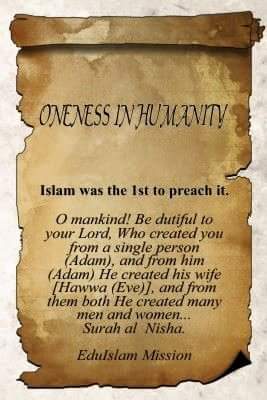
    1. Islamic theology gives a more optimistic attitude towards humanity's fall.[clarification needed] Only due to free will, humans are able to produce good. Thus, although Adam's disobedience created evil, only this made it possible to create good[26] The disobediences of Adam and his wife were already forgiven by God during their life

      The Islamic story of the creation of humanity is a lot like the story of creation from the Bible, and is just another example of similarities between religions. The story of the first 'sin', however, is a bit different. According to Islamic mythology, the sins of Adam and his wife were the cause of evil, but also good.

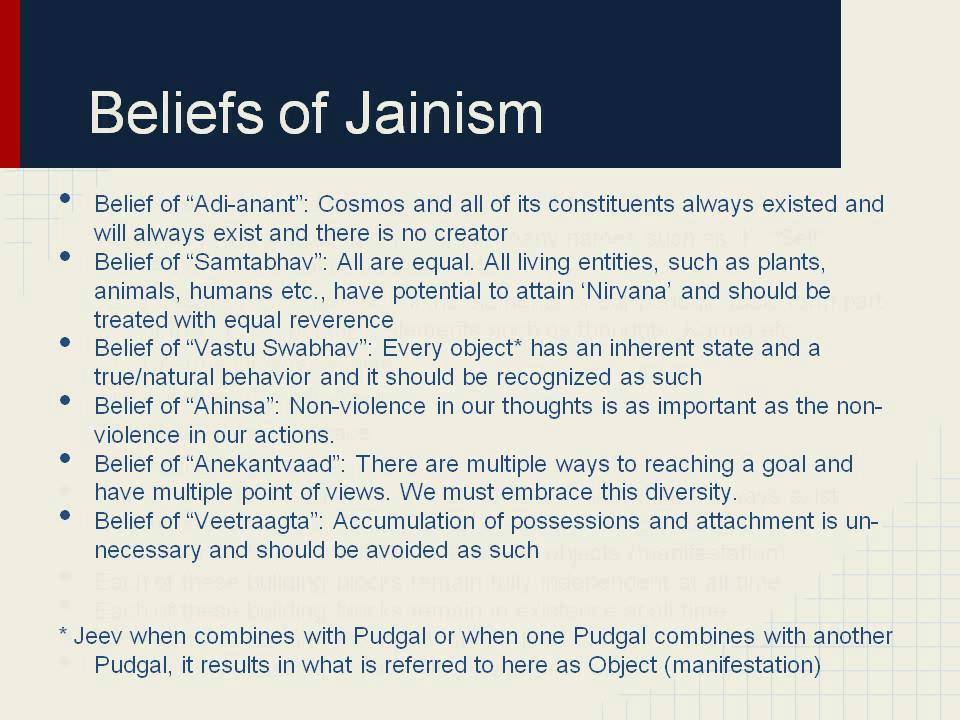
    1. According to Jain doctrine, the universe and its constituents—soul, matter, space, time, and principles of motion—have always existed. Jainism does not support belief in a creator deity. All the constituents and actions are governed by universal natural laws. It is not possible to create matter out of nothing and hence the sum total of matter in the universe remains the same (similar to law of conservation of mass). Jain text claims that the universe consists of jiva (life force or souls) and ajiva (lifeless objects). The soul of each living being is unique and uncreated and has existed during beginningless time

      This is different than most other origin stories because most religions have some story explaining how their God/Gods created the world. In Jainism, however, it is said that the universe has simply always existed, and even an entity like God can't create a whole universe. Because of the focus on karmas, Jainism and Hinduism have some similarities.

    1. A group of spiritual beings are spoken about as Little People and they can only be seen by humans when they want to be seen. It is said that they choose who they present themselves to and appear as any other Cherokee would, except that they are small with very long hair.[20] The Little People can be helpful but one should be cautious while interacting with them because they can be very deceptive

      This sounds a lot like the concept of spirit guides, except spirit guides tend to be portrayed as animals. This shows that its very common to find similarities between different religions/cultures.

    1. According to Hindu [[]] all species on earth including humans have "devolved" or come down from a high state of pure consciousness. Hindu creationists claim that species of plants and animals are material forms adopted by pure consciousness which live an endless cycle of births and rebirths

      This idea of being born and reborn is known as reincarnation. I think its really interesting that, according to the Hindu religion, even if you're a human, you can be reborn as a different life form, such as an animal. Your soul is what's important, not your material body.

    1. a good person is generally seen as someone who is virtuous, who has character, who comports themselves with dignity and respect for others. Honesty, integrity, strong values, kindness, and compassion were all words that were thrown out there.

      Most people think character traits like these are what makes a person "good". I think when a person is kind and does things for others, they are seen as a good person.