collaborative learning contexts
these fall under co-regulated and socially shared regulation of learning.
collaborative learning contexts
these fall under co-regulated and socially shared regulation of learning.
learner personas might be developed, but then never referenced or used to inform design
UX theatrics
gamestorming
This was new to me so I looked it up. It is essentially a set of activities and practices for facilitating innovation and generate new ideas. A facilitator leads a group towards some goal by way of a game, a structured activity that provides scope for thinking freely. More like improv or extended ice-breaker activities.
This shift places emphasis on understanding not simply the subject but the entire context
Considering the entire context of a subject can be a hustle sometimes? In approaching a subject from a broader view point, how broad are we talking? Context should have a start and end points so the notion of narrow and broader view point seems extremely subjective and sometimes unattainable.
field of LIDT
Learning Instructional Design Technology
access to content
This can be a major constraint for learners. Be it online or face-to-face, learners from different backgrounds could have issues accessing the content depending on how it is delivered.
A learner analysis ensures that the learner benefits from a productive learning environment that can leave a lasting impact on their lifelong learning
Absolutely! This happen when designers avoid design/UX theatrics and actually incorporate learner analysis into their design.
learning preferences within the group of learners, such as whether they prefer and respond better to small group learning, hands-on experiences, or case studies.
Do we then design for the majority learner preference or design a module that has a little bit of every preference in the group?
When personas are not credible and not associated with methodological rigor and data, Pruitt and Adlin (2010) suggest that personas can fail.
If persona's are not statistically significant representation of a group of learner, beyond the Delphi method, are they other diagnostic techniques to assess methodological rigor?
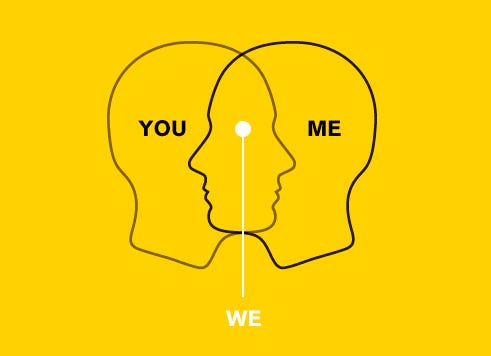
With stories, designers know what it is like to be in someone else’s head, shoes, or skin.
This line is deeply moving. The notion of empathy in design is extremely important. To design effectively and efficiently, we (designers) should feel, give and receive a level of unity with our users. There is a proverb from the Akan people of Ghana. The Akan people say that “if you want to know how heavy a bag of salt is ask the one carrying it” (Dei, 2016). Talking to and more importantly listening and getting to know our users is crucial.
Dei, G. (2016). Decolonizing the University: the Challenges and Possibilities of Inclusive Education. Socialist Studies/Études Socialistes, 11(1), 26. https://doi.org/10.18740/s4ww31