40 Matching Annotations
  1. Jan 2026
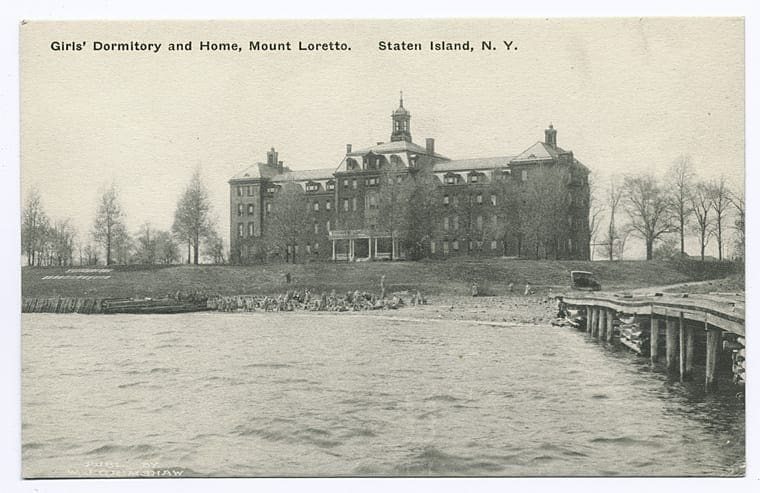
    1. MISSIONE DI DAMA DI MOUNT CARMEL

      One of the organizations that helped my Grandmother and her father when they came to the United States from the region of Latina was St. Elizabeth's of Mount Loretto in Staten Island, NY. My grandmother lived in this facility until she was about 16 years of age. It was an Irish institution founded to help aid poor children.
    2. The few womenaboard wore embroidered aprons and headscarves

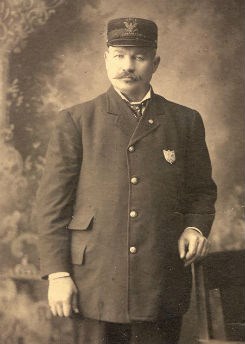
      An example of what the female passengers would be wearing: This is my ancestor Emilia Nunzia Giuseppa DeMarco. It is a stark contrast from how American women would dress.
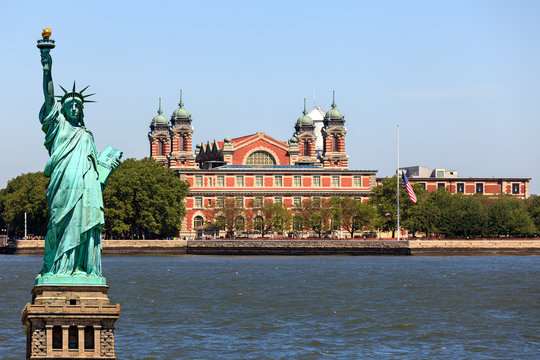
    3. L’Isola delle Lacrime. Island of Tears.

      It was called the Island of Tears, originally coined by the Irish immigrants for the possibility of being turned away and having your dreams of a better future dashed.

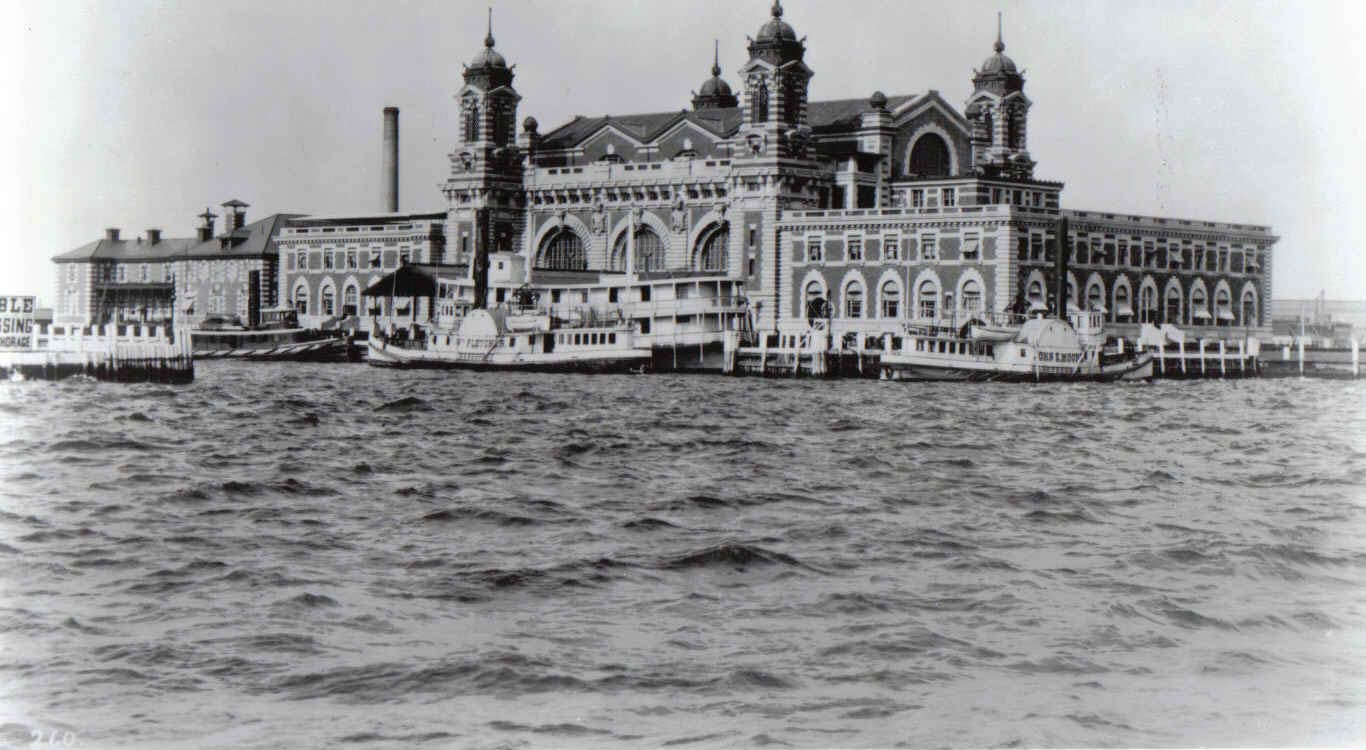
    4. The building’s dozens of windows, red brick, and large spires topped withcopper domes gave it a formidable appearance, like an imperious guardstanding watch over the bay and the city beyond, ever prepared to defend itsshores.

    5. inspector’s meaty face scrunchedinto a scowl, but his eyes were kind

      In this book, there is another POV; that of an inspector themselves. The feel sympathy for the plights of the immigrants, but they just "doing their job". They don't want to turn people away, but sometimes they have to.

    6. She would neverabandon Maria, not for all the world

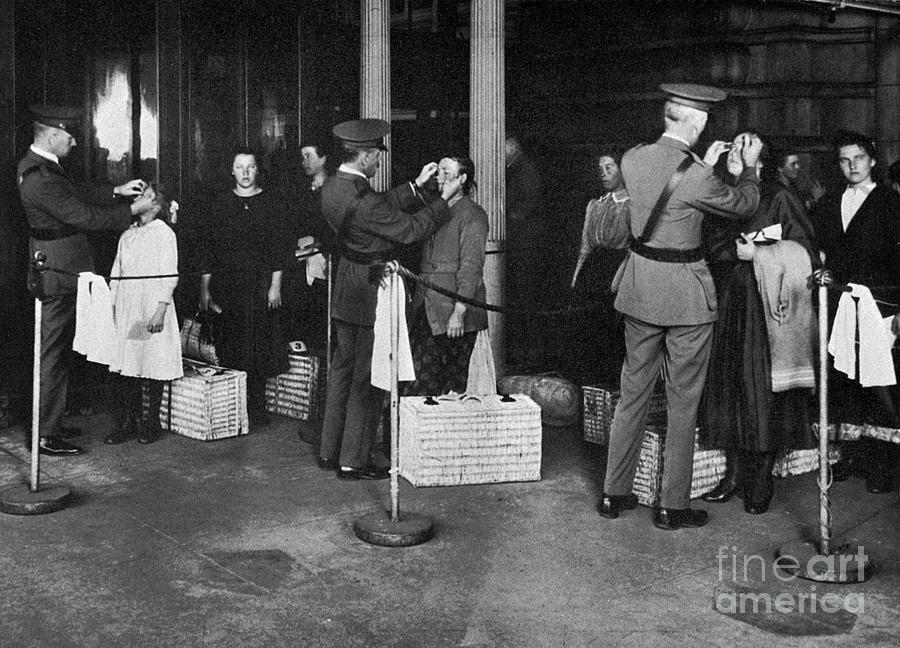
      Francesca is worried her sister won't pass the rigorous health inspections. In this photo you can see passengers being briefly medically inspected at what is now battery park.
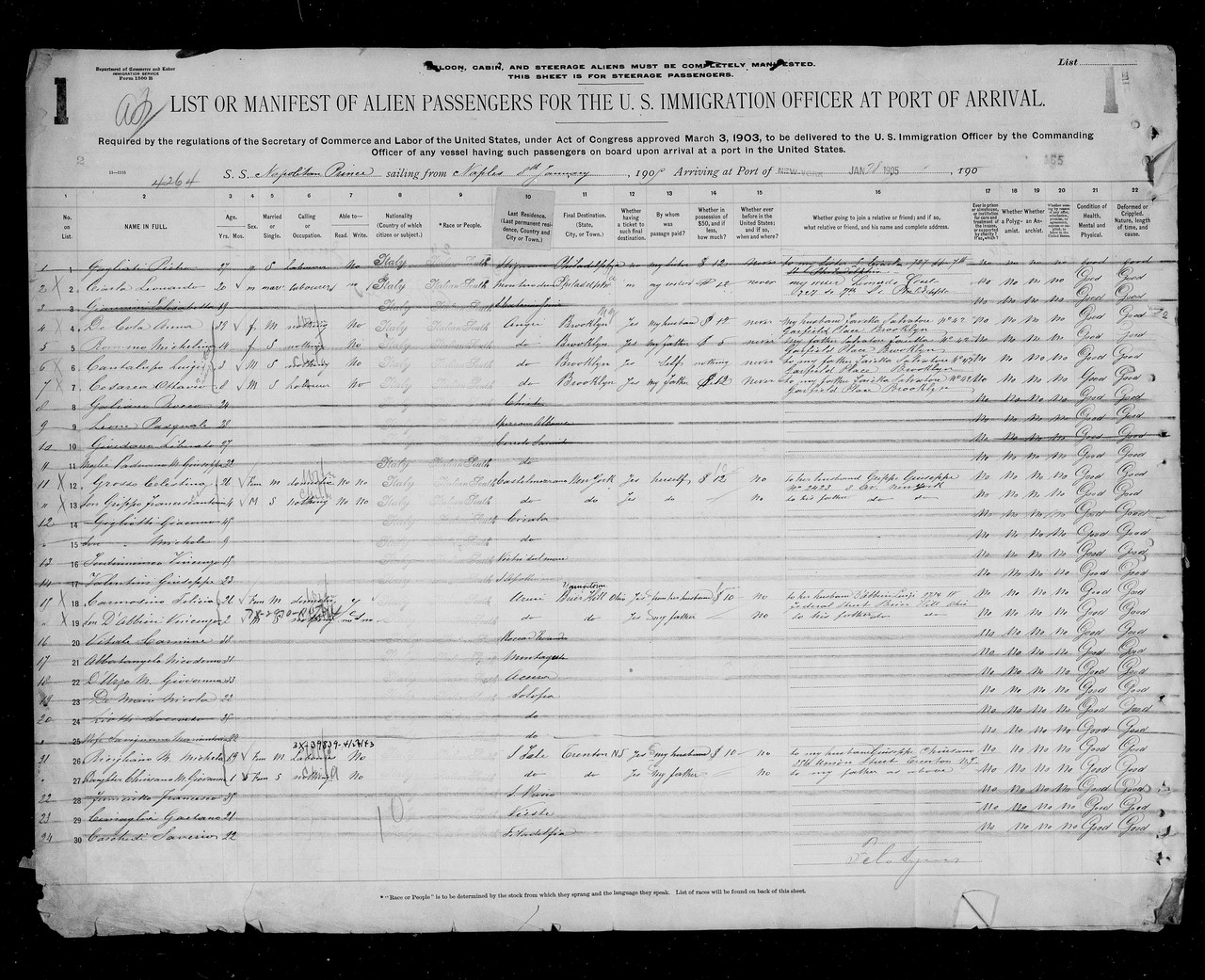
    7. Name, nationality, and number

      This is how the passengers were identified. Here is the ship manifest for one of my ancestors; Anna De Cola. Her passenger ID number is : 102353080274 Her ship was the "Napolitan Prince" and her information is visible on line 4. She arrived in New York two years after her husband, Salvatore.

    8. They’d be detained atEllis Island until they were to take the next ship home.

      All that time and work, only to be sent back home. Back to poverty, famine, and political instability. It is unknown which region in Italy the man was from, as even the sisters couldn't understand his dialect. But it is clear, that he was escaping something. As all passengers on these boats were.

    9. Lui è pazzo

      "He's crazy". But really, the reality of the situation he was desperate. He had left behind everything and everyone he had known, and now was denied entry into the United States. Denied entry into what he believed would be a better future for himself, and most like his family. Very frequently men would make the journey to New York City, work, and then once they had enough money send for their wives, children, and then extended family. His denial not only meant his future has ended, but that of his family as well.

    10. flinched at the intensity of a cold she hadn’t known existed

      Coming from the sunny Mediterranean temperature of Sicily, a New York City winter is quite the shock. It truly was a temperature they never experienced before.

    11. Third-class passengers weren’t so lucky and were funneled into a line toboard a ferry that would take them a short ride across the bay to EllisIsland.

      Ellis Island was the main U.S. immigration processing center from 1892 to 1954. Located in New York Harbor, it inspected and processed millions of immigrants, mostly from Europe.

    12. As the masses disembarked, the first and second class passengers, whohad the luxury of being accounted for and verified on the ship, rushed away,their forms slowly fading from view until they were swallowed by the city.

      The richer passengers were fortunate enough to avoid the realities of Ellis Island.

    13. Manhattan Island

      In fact, the majority of steamboats docked in Manhattan. Allowing first class passengers direct entry into the United States. While lower-class passengers were sent to Ellis Island for further inspection.

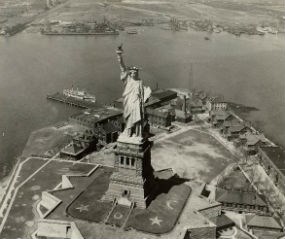
    14. Lady Liberty perched on her pedestal in a majestic pose, hailing newcomersto her shores. An American flag writhed in the icy wind beside her.

      The Statue of Liberty. It was the first things immigrants would see when docking in the harbors of New York. It was a gift from France to the United States, It became a powerful beacon of hope and freedoms in the "New World".

    15. She cursed her poor Englishand her terrible attitude those years Sister Alberta had pushed her topractice.

      Usually immigrants coming through New York were monolingual and exclusively spoke their native language.

    16. For only thesecond time during the voyage, the sun parted the curtain of clouds andburned off the misty gloom.

      As depicted in the first chapter, this journey occurred during the winter months. Traversing the Atlantic ocean during the winter months was not an easy feat. It was cold, grey, and depressing. The only hope the passengers had, was their new lives in America.

    17. guarded their belongings, slept in their daydresses, prepared, even in slumber, to fight for what was theirs.

      The immigrants leaving Europe for a better future more often than not were experiencing extreme poverty. They would want to guard what little they had, among a boat of strangers.

    18. She didn’t dare wear a nightdress to sleep

      This book touches upon the horror women immigrants specifically faced during the migration from Europe to Ellis Island, you can only infer as to why she wouldn't want to wear a night gown.

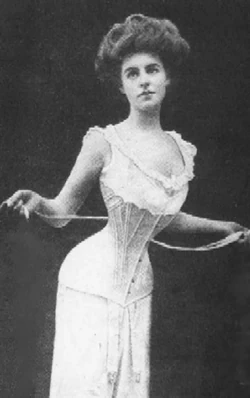
    19. fluffed itinto a Gibson Girl

      The "Gibson Girl" style was the idealic beauty standard for American women, originating from Massachusetts. Many immigrants being processed through Ellis Island purposely made themselves look more "American" by donning more American clothes and leaving behind their traditional European garments.

    20. We don’t want them to turn us away

      Roughly about only 2% of immigrants were turned away. For those who were permitted entry it was the "Isle of Hope" and for those turned away it was the "Isle of Tears"

    21. I know you’re weak

      Francesca the main character is Sicilian, on average the steamboat journey from the Sicilian ports to New York were about 7-10 days. Additionally, the majority of Italian passengers had to ride in steerage. More importantly, in order to be admitted through the immigration interview at Ellis Island, they needed to have a clean bill of health.