插队落户
A policy (specifically during the CR) that encourage young people to go to the remote area to help the farmers, peasants instead of going to school. by Alison
插队落户
A policy (specifically during the CR) that encourage young people to go to the remote area to help the farmers, peasants instead of going to school.
by Alison
划清界限
The mother told the son to keep a distance with his father so that the son would not get prosecuted like his father during the CR.
by Alison
大妈
Wendy:
"大妈" is a special group of people in China. The definition of "dama" is quite tricky, because literally it refers to the housewives or women who work in the neighborhood in their fifty or sixty, but it actually means far more than this.
Because "damas" don't have much work to do, they always have a lot of spare time, which makes it possible for them to gossip and try to meddle with other people's business. And that's why Wang writes dama at subdistrict office would possibly reported his family for hiding a "黑人."
纱帽
A black hat with two big ears, this clothing style was popular during Ming Dynasty. by Alison
文化大革命
The ten-year Cultural Revolution (1966-1976) which led by Chairman Mao who wanted to cut all the capitalist thought which might harm the society.
Alison
衙役
The staff work in the court.
by Alison
朱砂井
An ancient play of Peking Opera.
by Alison
牛棚
niu peng
A term used during Cultural Revolution which refers to the place for detaining people who were prosecuted during that time.
右派分子
The rightest who were identified as capitalist that might steal the success of authority of China. It is specifically used during the CR time period.  by Alison
小时了了
"小时了了,大未必佳" is a story from A New Account of the Tales of the World (《世说新语》) during the Southern Dynasty. This sentence means that someone might be smart and bright in childhood, but not necessarily become smart and bright as a grown up. 了了 means smart in classical Chinese. by Alison
汉印
A style of seal from Han Dynasty to Wei and Jin Dynasties.
浙派
One of the nine styles of seal in Ming and Qing Dynasty.

另外作为一个父亲,应该尽量保持一点童心
As a father, you should keep some innocence. The author wants to point out that if you want to get along with your child well, you need to know what they actually want at their age.
by Alison
麻烦
The trouble that he hide a offender's son at home, which was violate the regulations at that time. And if they were found, they would get serious punishment.
by Alison
黑人
This doesn't refer to the person who has darker skin, but the person who doesn't even have a temporary "household registration (户口 hukou)."
临时户口
temporary registered household residence (only in China)
by Alison
风筝
kite
by Alison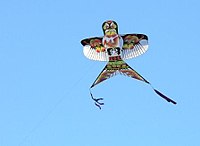
窝藏
hide the student who could not come to Beijing
by Alison
我的作文,时得佳评,他就拿出去到处给人看。
Wendy:
Being humble is one important characteristic of Chinese people, but Wang's father wasn't humble at all when Wang got good grade on his composition -- he would show Wang's work around.
鱼鳞纸
A type of paper that can refract the light.
by Alison
纺织娘
fangzhi niang
Katydid
an insect!
by Alison&Wendy
人囚家破
The host of the family went to the criminal and the whole family became vagrants.
by Alison
一个想用自己理想的模式塑造自己的孩子的父亲是愚蠢的
It is foolish to make a son as the model his father imagine. Because a child has his own character and thoughts. As a father, you cannot kill a child's innocence, and you need to let your child go on to do what they want.
by Alison
我十几岁就学会了抽烟喝酒。他喝酒,给我也倒一杯。抽烟,一次抽出两根,他一根我一根。他还总是先给我点上火。
Wendy:
Sharing wine and cigarettes among friends or brothers is regarded as normal thing, but not between father and son. This shows the brother-like relationship between Wang and his father.
他是对的,我们是错的
He is right and we we are wrong. It was very dangerous to hide a offender's son at home and it might make big trouble to the author's family, so he blamed his son of his behavior. But his son only wanted to realize his classmate a little dream. The author understood his son's warm heart and admitted his son was right and he was wrong.
By Alison
秘密帮助
Because the student had no home in Beijing, he could not come back. But he really wanted to go back to his hometown, so the author's son and his classmate made much effort to help the student come back to Beijing secretly.
Alison
我的孩子有时叫我“爸”,有时叫我“老头子”!连我的孙女也跟着叫。我的亲家母说这孩子“没大没小”。我觉得一个现代化的、充满人情味的家庭,首先必须做到“没大没小”。父母叫人敬畏,儿女“笔管条直”,最没有意思。
Wendy:
"没大没小 mei da mei xiao" is a phrase used to describe the younger generations don't show enough respect to the older generations.
In the example given by Wang, his son and even his granddaughter sometimes call him "old guy (老头子 lao tou zi)" instead of father or grandfather.
In traditional Chinese family, this kind of behavior is considered to be unruly and not allowed (still quite a lot nowadays). However, in Wang' family, it would not be blamed and even be encouraged, because Wang thinks this is what makes a family modern, full of human characters, and more interesting.
我十七岁初恋,暑假里,在家写情书,他在一旁瞎出主意。
Wendy:
In China, dating with someone before age 18 is considered to be "premature romance 早恋 (zao lian)." In particular, dating in senior high is strictly forbidden by both school and parents for the sake of students' physical and mental health, as well as their academic performance. Therefore, things like writing lover letters, sending presents, hanging out together are the top secrets -- teachers and parents can never know.
However, Wang wrote the lover letter at home, under the "inspection" from his father who even presented ideas for him. In Wang's words, his father was being a backseat driver.
琵琶
Wendy:
pi pa
Lute: a traditional Chinese musical instrument.
孩子头
haizi tou
The leader of the kids, which means other kids in the group will listen to, follow and support him/her.
by Alison&Wendy
金铃子
jin lingzi
An insect
by Alison
荷花灯
hehua deng
A kind of lantern that looks like a lotus.
by Alison
对儿子的几次恋爱,我采取的态度是“闻而不问”。了解,但不干涉。
Wendy:
In Chinese culture, there is a common attitude that marriage is not a business between two people, but between two family. Therefore, many parents interfere with their sons and/or daughters' relationship and marriage, by setting them up with someone, forcing them to break up with someone, and so on.
In Wang's family, however, the situation is totally different. His attitude was "knowing without asking(闻而不问 wen er bu wen)," which means he was aware of what was going on with his son's relationship and marriage, but he didn't involve himself in them.
青衣
Wendy:
A type of character in Chinese opera, named for the character often wears blue pleats.

逗拢
Put the little pieces of glass together to make a ball which contains the insect.
笙箫管笛
Wendy:
Widely referred to as a wind instrument.

这是我父亲的一句名言。
Wendy:
This refers to the title -- Wang's father's proverb, "Father and son would become friends as time goes by (多年父子成兄弟)."
This reveals a Confucian tradition which emphasizes respect for hierarchy and order. We can draw a line between father and son, and there are some behavioral norms that they should strictly obey to show the hierarchy and order within a family. It's similar to the relationship between subordinates to their superiors.
This norm still exits (maybe in some noble family), but not commonly seen in Chinese family now.
儿女是属于他们自己的。
Wendy:
To paraphrase, this means "our kids are individuals, not our belongings or attachments."
This notion might be common in western countries, but quite rare in China, especially in last century or so. Although more and more Chinese people have started to accept this kind of notion, the idea that "our kids belong to us, and thus we can build them in our ideal way" is still an important part of Chinese traditions.
蓝官衣
A blue wind coat for ancient officers. by Alison
西瓜灯
A kind of lantern made of watermelon
by Alison
小西瓜
A kind of watermelon that is in bad taste by Alison
狐肷
A kind of precious clothes made of fox fur.
by Alison&Wendy
张猛龙
An article written on a big stone。
by Alison
多宝塔
An article written on a big stone.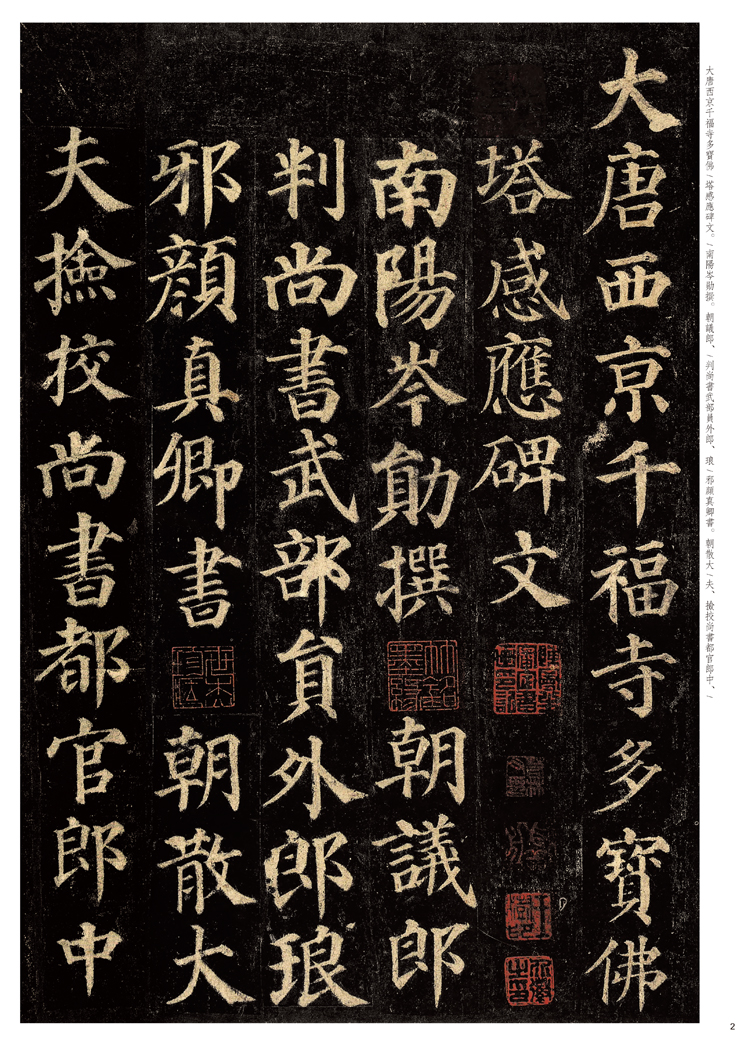 by Alison
圭峰碑
An article written on a big stone. by Alison
国文
Chinese classes
by Alison
肚儿
The gap between the line and the kite.
by Alison
胡琴码子
The wood that on Hu Qin which can control the tones.
冥衣
surplice A kind of clothes that is prepared for dead people.
by Alison
胡琴
Huqin (Chinese: 胡琴; pinyin: húqin) is a family of bowed string instruments, more specifically, a spike fiddle popularly used in Chinese music. The instruments consist of a round, hexagonal, or octagonal sound box at the bottom with a neck attached that protrudes upwards. They also usually have two strings, and their soundboxes are typically covered with either snakeskin (most often python) or thin wood. Huqin instruments usually have two tuning pegs, one peg for each string. The pegs are attached horizontally through holes drilled in the instrument's neck. Most huqin have the bow hair pass in between the strings. Exceptions to having two strings and pegs include variations of huqin with three, four, and sometimes even more than five. These include the zhuihu, a three stringed huqin, the sihu, a huqin of Mongolian origin, and the sanhu, a lesser-known three-stringed variation.
by Alison