“Ma Rainey”
Ma Rainey was one of the first profession African-American blues singers, so centralizing the poem around her conjures a motif of black culture and the way that her music becomes distributed and commodified throughout the country. This also calls back the idea of the "black artist" and their purpose and identity.


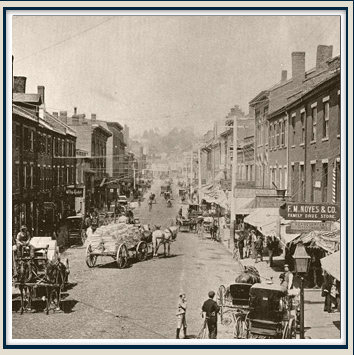 Tilbury Town is a recurring location in Robinson's work. Although the name is fictionalized, the town in Robinson's work is based off of Gardiner, Maine. Robinson moved to Gardiner when he was a year old, and spent most of his unhappy childhood there. Throughout his poetry, there is a negative connotation attached with his view of the "Town" which permeates his work.
 Writer Max Loges suggests that the name Eben is critical for setting up the way the story unfolds. He relates the name Eben as being short for Ebenezer, a Hebrew name meaning "Rock of Help". In the bible, the prophet Samuel asks the Lord for help and the Lord sends a thunderstorm to help the Jews achieve victory. A monument is raised to commemorate the victory won by the grace of God and is named Ebenezer. Loges argues that Eben is like a monument to watch over "hollowed ground" and triumphs of his past. Loges also believes that the name being shortened to Eben could possibly symbolize he is no longer a "rock of help", but simply a "stone".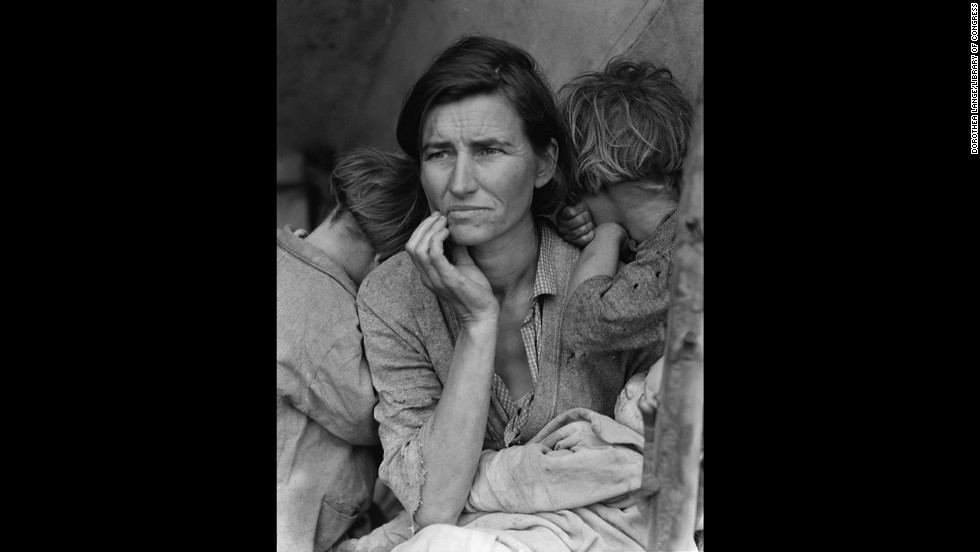

 Pictured is an example of deforestation in 1892. Practices continued onward and may serve as imagery for the way nature is disregarded in the name of "progress".
 In a less literal interpretation, gray hills could refer to hills seen through air pollution like smog from factories?