8 Matching Annotations
  1. Mar 2022
    1. In many cases, theories that guide LX are rarely prescriptive and only recently emerging, therefore specific guidance for how they might be applied to design is lacking.

      I think there needs to be more empirical evidence of LX practices and how they have helped learners in various situations. There is a lot of focus on how it helps the designers but I would love to see the perspective of students who experience content created from a LXD perspective vs traditional work.

    2. Increasingly, human-centered design approaches are being adopted to develop mHealth interventions, commonly referred to as patient-centered design

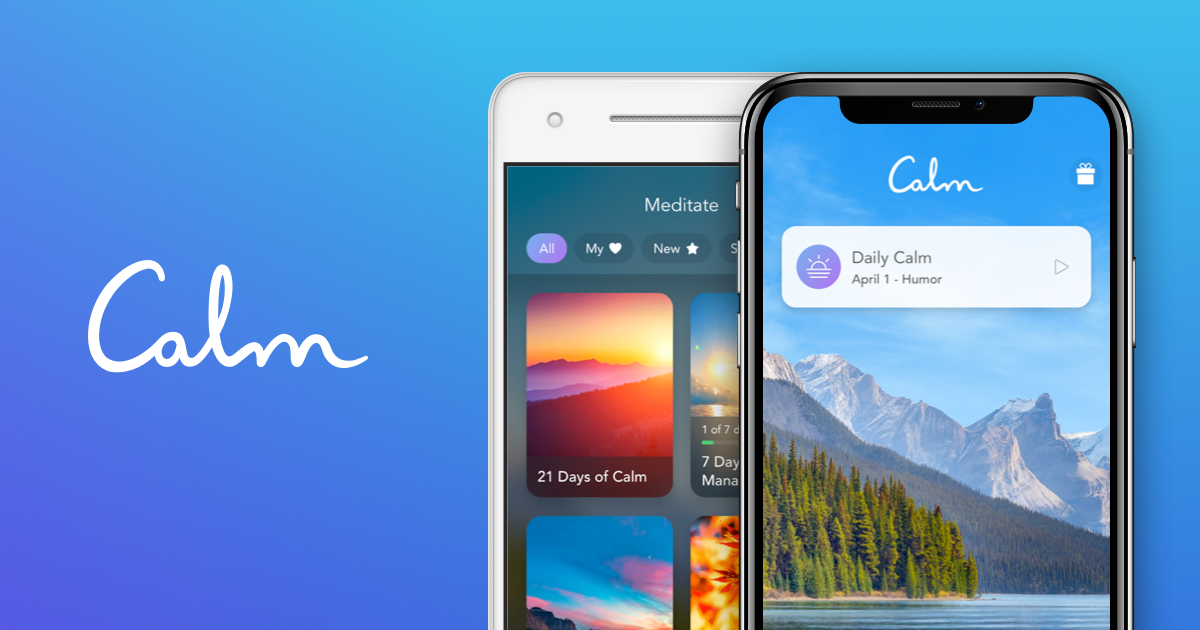
      This is definitely a necessity now, especially with many individual accessing patient portals online and having virtual office visits. The health system has been overwhelmed and could use help from learning experience designers. One that comes to mind is Calm app, but there are many health-centered resources that rely on mobile technologies and design.

    3. but you can imagine if you are assigning work through an app that is only available for Apple devices,

      This is a huge issue. I have had many classes where this isn't even considered due to the instructor not being familiar with technology or only using one type. I think anyone teaching online classes such have access to both operating systems of MacOs and Windows. An example is Microsoft Excel vs Numbers, two programs that have similar functions but are different and on different operating systems.

    4. material that may be culturally insensitive

      I think there is an easy way to avoid cultural insensitivity. If it has even the chance of being insensitive to an individual, don't include it. I think that although it is hard to adequately predict what is offensive to others, it is to know what "might" be offensive. Of course this varies in each situation. As a student and example at UF, I found the example used for our recent persona assignment to be culturally insensitive. It paints a stereotypical view of African-Americans and should not be included in the assignment as an example.

    5. The SMES recommended that we create personas exhibiting the following ABE characteristics: (a) a student who has a discrepancy in abilities between reading and math; (b) a student who hated school, dropped out, and now realizes it was a mistake; (c) a student who has a high school diploma based on social promotion and not academic mastery; and (d) an 18 to 22-year-old student whose schooling was interrupted because her family migrated to the United States to find work in harvesting crops. This final student also has low levels of English language proficiency or may be illiterate.

      I feel like this line of thinking in creating personas can be troublesome. It feels as if we're not creating humans, but cardboard cutouts as representatives. Is this truly useful if this is the guide for the design process?

    6. Additionally, personas are helpful because they are constraining by determining who is and is not the audience of focus.

      I think this can be somewhat counterproductive depending on what design solution you are employing. I would argue that knowing one's target audience is important and including those who aren't, it is good design to utilize universal approaches to keep designs as accessible as possible. By narrowing too deep, I think the design will lose certain individuals that fall into a target audience, because the nature of humans is not overly specific or one-dimensional.

    7. means we are able to make meaning of his or her thoughts and feelings

      This is such an important thought. It's what helps us move past stereotypes and understand the factors that influence human behavior. I believe this is important regardless in any work that works with people. Many times we attribute attitudes and motivations to what we can see and perceive, but what is really inside others is deep within themselves.