13 Matching Annotations
  1. Dec 2022
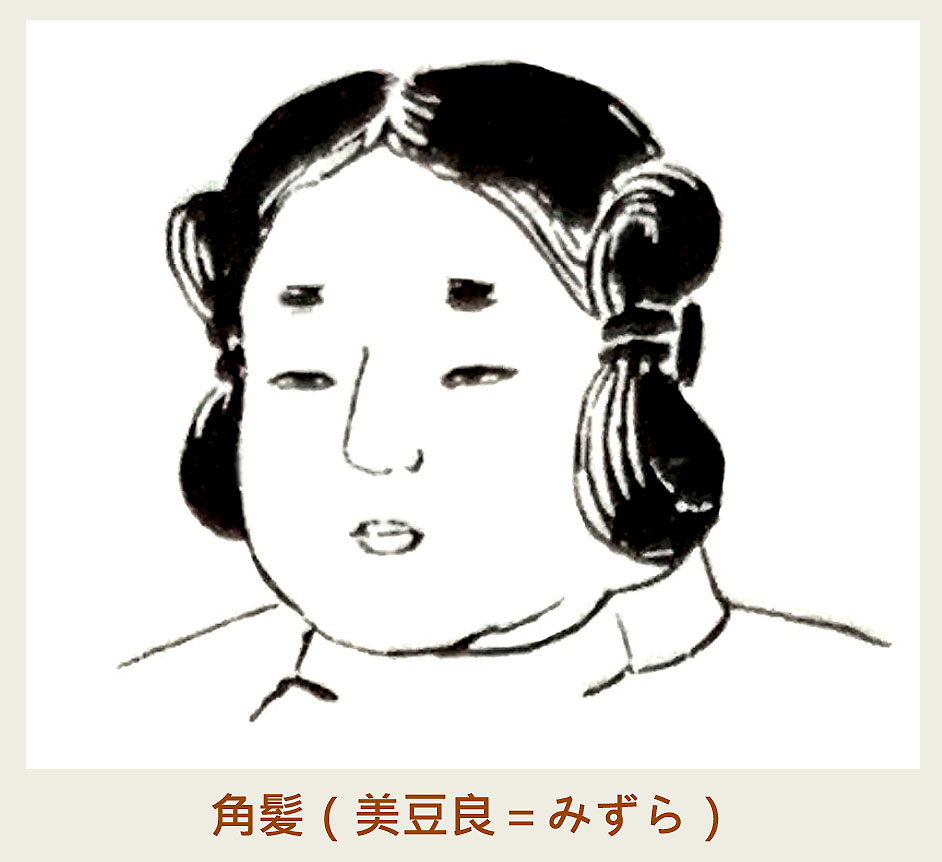
    1. The Putting on of the Trousers

      Hakamagi no Gi (袴着の儀) ceremony

      Only five year old boys celebrate this. When wearing kimono was commonplace, boys would start wearing the hakama and those boys from a samurai family would wear a haori (jacket) over the hakama. This signifies that the boys have started their journey into adulthood.

      https://press.ikidane-nippon.com/en/a00651/

      It seems that this is typically celebrated for boys aged 5, but this took place for Genji at age 3. Perhaps the ages have shifted over the years for this ceremony, or maybe this was an inaccuracy in the writing.
    2. Councillor,

      An advisory position referred to as Dainagon (大納言) in Japanese.

      Dainagon (大納言) was a counselor of the first rank in the Imperial court of Japan.... the Dainagon counselor of state, was expected to work closely with the Minister of the Center (the Naidaijin), whose position ranked just below the Udaijin and the Sadaijin. This court position evolved to ensure that someone will be always prepared to replace or assist the main court officials if, for any reason, it should be impossible for one of the two senior counselors to devote himself to his duties and responsibilities in all matters.

      https://en.wikipedia.org/wiki/Dainagon

  2. Nov 2022
    1. Minamoto (or Gen) Clan.

      Minamoto (源) was one of the surnames bestowed by the Emperors of Japan upon members of the imperial family who were excluded from the line of succession and demoted into the ranks of the nobility from 1192 to 1333. The practice was most prevalent during the Heian period (794–1185 AD), although its last occurrence was during the Sengoku period...also called the Genji (源氏), or less frequently, the Genke (源家). Minamoto Clan

    2. Third Rank

      Nyogo (女御) - Consort

      The Japanese Imperial Court followed the Ritsuryo (律令) code, which was based off the political system of the Tang Dynasty in China.

      Within this system, members of the Imperial Court were placed within an intricate ranking system.

  3. Oct 2022
    1. Heir Apparent

      An heir apparent, often shortened to heir, is a person who is first in an order of succession and cannot be displaced from inheriting by the birth of another person; a person who is first in the order of succession but can be displaced by the birth of a more eligible heir is known as heir presumptive. Heir Apparent