10,000 Matching Annotations
  1. Oct 2025
    1. Author response:

      The following is the authors’ response to the original reviews.

      Reviewer 1 (Public Comments):

      (1) The central concern for this manuscript is the apparent lack of reproducibility. The way the authors discuss the issue (lines 523-554) it sounds as though they are unable to reproduce their initial results (which are reported in the main text), even when previous versions of AlphaFold2 are used. If this is the case, it does not seem that AlphaFold can be a reliable tool for predicting antibody-peptide interactions.

      The driving point behind the multiple sequence alignment (MSA) discussion was indeed to point out that AlphaFold2 (AF2) performance when predicting scFv:peptide complexes is highly dependent upon the MSA, but that is a function of MSA generation algorithm (MMseqs2, HHbiltz, jackhmmer, hhsearch, kalign, etc) and sequence databases, and less an intrinsic function of AF2. It is important to report MSA-dependent performance precisely because this results in changing capabilities with respect to peptide prediction.

      Performance also significantly varies with the target peptide and scFv framework changes. By reporting the varying success rates (as a function of MSA, peptide target, and framework changes) we aim to help future researchers craft modified algorithms that can achieve increased reliability at protein-peptide binding predictions. Ultimately, tracking down how MSA generation details vary results (especially when the MSA’s are hundreds long) is significantly outside the scope of this paper. Our goal for this paper was to show a general method for identification of linear antibody epitopes using only sequence information, and future work by us or others should focus on optimization of the process. 

      (2) Aside from the fundamental issue of reproducibility, the number of validating tests is insufficient to assess the ability of AlphaFold to predict antibody-peptide interactions. Given the authors' use of AlphaFold to identify antibody binding to a linear epitope within a whole protein (in the mBG17:SARS-Cov-2 nucleocapsid protein interaction), they should expand their test set well beyond Myc- and HA-tags using antibody-antigen interactions from existing large structural databases.

      Performing the calculations at the scale that the reviewer is requesting is not feasible at this time. We showed in this manuscript that we were able to predict 3 of 3 epitopes, including one antigen and antibody pair that have not been deposited into the PDB with no homologs. While we feel that an N=3 is acceptable to introduce this method to the scientific community, we will consider adding more examples of success and failure in the future to optimize and refine the method as computational resources become available. Notably, future efforts that attempt high-throughput predictions of this class using existing databases should take particular care to avoid contamination.

      (3) As discussed in lines 358-361, the authors are unsure if their primary control tests (antibody binding to Myc-tag and HA-tag) are included in the training data. Lines 324-330 suggest that even if the peptides are not included in the AlphaFold training data because they contain fewer than 10 amino acids, the antibody structures may very well be included, with an obvious "void" that would be best filled by a peptide. The authors must confirm that their tests are not included in the AlphaFold training data, or re-run the analysis with these templates removed.

      First, we address the simpler question of templates.

      The reruns of AF2 with the local 2022 rebuild, the most reproducible method used with results most on par with the MMSEQS server in the Fall of 2022, were run without templates. This is because the MSA was generated locally; no templates were matched and generated locally. The only information passed then was the locally generated MSA, and the fasta sequence of the unchanging scFv and the dynamic epitope sequence. Because of how well this performed despite the absence of templates, we can confidently say the inclusion of the template flag is not significant with respect to how universally accurately PAbFold can identify the correct epitope. 

      Second, we can partially address the question of whether the AlphaFold models had access to models suitable, in theory, for “memorization” of pertinent structural details. 

      With respect to tracking the exact role and inclusion of specific PDB entries, the AF2 paper provides the following:

      “Structures from the PDB were used for training and as templates (https://www.wwpdb.org/ftp/pdb-ftp-sites; for the associated sequence data and 40% sequence clustering see also https://ftp.wwpdb.org/pub/pdb/derived_data/ and https://cdn.rcsb.org/resources/sequence/clusters/bc-40.out). Training used a version of the PDB downloaded 28 August 2019, while the CASP14 template search used a version downloaded 14 May 2020. The template search also used the PDB70 database, downloaded 13 May 2020 (https://wwwuser.gwdg.de/~compbiol/data/hhsuite/databases/hhsuite_dbs/).”

      Three of these links are dead. As such, it is difficult to definitively assess the role of any particular PDB entry with respect to AF2 training/testing, nor what impact homologous training structures given the very large number of immunoglobin structures in the training set. That said, we can summarize information for the potentially relevant PDB entries (l 2or9, which is shown in Fig. 1 and 1frg), and believe it is most conservative to assume that each such entry was within the training set.

      PDB entry 2or9 (released 2008): the anti-c-myc antibody 9E10 Fab fragment in complex with an 11-amino acid synthetic epitope: EQKLISEEDLN. This crystal structure is also noteworthy for featuring a binding mode where the peptide is pinned between two Fab. The apo structure (2orb) is also in the database but lacks the peptide and a resolved structure for CDR H3.

      PDB entry 1a93 (released 1998): a c-Myc-Max leucine zipper structure, where the c-Myc epitope (in a 34-amino acid protein) adopts an alpha helical conformation completely different from the epitope captured in entry 2or9.

      PDB entries 5xcs and 5xcu (released 2017): engineered Fv-clasps (scFv alternatives) in complex with the 9-amino acid synthetic HA epitope: YPYDVPDYA.

      PDB entry 1frg (released 1994): anti-HA peptide Fab in complex with HA epitope subset Ace-DVPDYASL-NH2.

      Since the 2or9 entry has our target epitope (10 aa) embedded within an 11aa sequence, we have revised this line in the manuscript:

      The AlphaFold2 training set was reported to exclude chains of less than 10, which would eliminate the myc and HA epitope peptides. => The AlphaFold2 training set was reported to exclude chains of less than 10, which would eliminate the HA epitope peptide from potential training PDB entries such as 5xcs or 5xcu”

      It is important to note that we obtained the best prediction performance for the scFv:peptide pair that had no pertinent PDB entries (mBG17). Specifically, doing a Protein Blast against the PDB using the mBG17 scFv revealed diverse homologs, but a maximum sequence identity of 89.8% for the heavy chain (to an unrelated antibody) and 93.8% for the light chain (to an unrelated antibody). Additionally, while it is possible that the AF2 models might have learned from the complex in pdb entry 2or9, Supplemental Figure 3 shows how often the peptide is “misplaced”, and the performance does not exceed the performance for mBG17.

      (4) The ability of AlphaFold to refine the linear epitope of antibody mBG17 is quite impressive and robust to the reproducibility issues the authors have run into. However, Figure 4 seems to suggest that the target epitope adopts an alpha-helical structure. This may be why the score is so high and the prediction is so robust. It would be very useful to see along with the pLDDT by residue plots a structure prediction by residue plot. This would help to see if the high confidence pLDDT is coming more from confidence in the docking of the peptide or confidence in the structure of the peptide.

      The reviewer is correct that target mBG17 epitope adopts an alpha helical conformation, and we concur that this likely contributes to the more reliable structure prediction performance.  When we predict the structure of the epitope alone without the mBG17 scFv, AF2 confidently predicts an alpha helix with an average pLDDT of 88.2 (ranging from 74.6 to 94.4). 

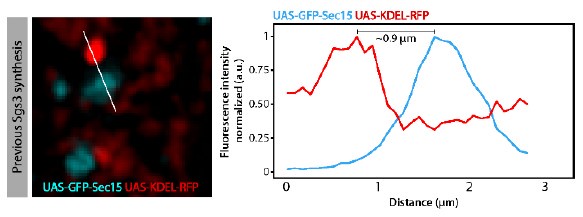
      Author response image 1.

      The AF2 prediction for the mBG17 epitope by itself.

      However, as one interesting point of comparison, a 10 a.a. poly-alanine peptide is also consistently folded into an alpha-helical coil by AF2. The A<sub>10</sub> peptide is also predicted to bind among the traditional scFv CDR loops, but the pLDDT scores are very poor (Supplemental Figure 5J). We also observed the opposite case; when a peptide has a very unstructured region in the binding domain but is nonetheless still be placed confidently, as seen in Supplemental Figure 3 C&D. Therefore, while we suspect peptides with strong alpha helical propensity are more likely to be accurately predicted, the data suggests that that alpha helix adoption is neither necessary nor sufficient to reach a confident prediction.

      (5) Related to the above comment, pLDDT is insufficient as a metric for assessing antibody antigen interactions. There is a chance (as is nicely shown in Figure S3C) that AlphaFold can be confident and wrong. Here we see two orange-yellow dots (fairly high confidence) that place the peptide COM far from the true binding region. While running the recommended larger validation above, the authors should also include a peptide RMSD or COM distance metric, to show that the peptide identity is confident, and the peptide placement is roughly correct. These predictions are not nearly as valuable if AlphaFold is getting the right answer for the wrong reasons (i.e. high pLDDT but peptide binding to a nonCDR loop region). Eventual users of the software will likely want to make point mutations or perturb the binding regions identified by the structural predictions (as the authors do in Figure 4).

      We agree with the reviewer that pLDDT is not a perfect metric, and we are following with great interest the evolving community discussion as to what metrics are most predictive of binding affinity (e.g. pAE, or pITM as a decent predictor for binding, but not affinity ranking). To our knowledge, there is not yet a consensus for the most predictive metrics for protein:protein binding nor protein:peptide binding. Intriguingly, since the antigen peptides are so small in our case, the pLDDT of the peptide residues should be mostly reporting on the confidence of the distances to neighboring protein residues.

      As to the suggestion for a RMSD or COM distance metric, we agree that these are useful -with the caveat that these require a reference structure. The goal of our method is to quickly narrow down candidate linear epitopes and thereby guide experimentalists to more efficiently determine the actual binding sequence of an antibody-antigen sequence. Presumably this would not be necessary if a reference structure were known. 

      It may also be possible to invent a method to filter unlikely binding modes that is specific to antibodies and peptide epitopes that does not require a known reference structure, but this would be an interesting problem for subsequent study.

      Reviewer 1 (Recommendations for the Authors):

      (1) "Linear epitope" should be more precisely defined in the text. It isn't clear whether the authors hope that they can use AlphaFold to predict where on a given protein antigen an antibody will bind, or which antigenic peptide the antibody will bind to. The authors discuss both problems, and there is an important distinction between the two. If the authors are only concerned with isolated antigenic peptides, rather than linear epitopes in their full length structural contexts, they should be more precise in the introduction and discussion.

      We thank the reviewer for the prompt towards higher precision. We are using the short contiguous antigen definition of “linear epitope” that depends on secondary rather than tertiary structure. The linear epitopes this paper considers are short “peptides” that form secondary structure independent of their structure in the complete folded antigen protein. We have clarified our definition of “linear epitope” in the text (lines 64-66). 

      (2) Line 101: "Not all portions of the antibody are critical". First, this is not consistent with the literature, particularly where computational biology is concerned.

      See https://pubs.acs.org/doi/10.1021/acs.jctc.7b00080 . Second, while I largely agree with what I think the authors are trying to say (that we can largely reduce the problem to the CDR loops), this is inconsistent with what the authors later find, which is that inexplicably the VH/VL scaffold used alters results strongly.

      We have adopted verbiage that should be less provocative: “Fortunately, with respect to epitope specificity, antibody constant domains are less critical than the CDR loops and the remainder of the variable domain framework regions.”

      (3) Related to the above comment, do the authors have any idea why epitope prediction performance improved for the chimeric scFvs? Is this due to some stochasticity in AlphaFold? Or is there something systematic? Expanding the test dataset would again help answer this question.

      We agree that future study with a larger test set could help address this intriguing result, for which we currently lack a conclusive explanation. Part of our motivation for this publication was to bring to light this unexpected result. Notably, these framework differences are not only implicated as a factor in driving AF2 performance, but also changing experimental intracellular performance as reported by our group (DOI: 10.1038/s41467-019-10846-1 ). We can generate a variety of hypotheses for this phenomenon. Just as MSA sub-sampling has been a popular approach to drive AF2 to sample alternative conformations, sequence recombination may be a generically effective way to generate usefully different binding predictions. However, it is difficult to discriminate between recombination inducing subtle structural tweaks that increase protein intracellular fitness and binding, from recombination causing changes to the MSA that affect the likelihood of sampling a good epitope binding conformation. It is also possible that the chimeras are more deftly predicted by AF2 due to differences in sequence representation during the training of the AF2 models (e.g. more exposure to models containing 15F11 or 2E2 structures). We attempted to deconvolute MSA differences by using single-sequence mode (Supplementary Figure 13) but this ablated performance.

      (4) Figure 2: The reported consensus pLDDT scores are actually quite low here, suggesting low confidence in the result. This is in strong contrast to the reported consensus scores for mBG17. Again, a larger test dataset would help set a quantitative cutoff for where to draw the line for "trustworthy" AlphaFold predictions in antibody-peptide binding applications.

      We agree that a larger dataset will be useful to begin to establish metrics and thresholds and will contribute to the aforementioned community discussion about reliable predictors of binding. Our current focus is not structure prediction per se. In the current work we are more focused on relative binding likelihood and increasing the efficiency of experimental epitope verification by flagging the most likely linear epitopes. Thus, while the pLDDT scores are low for Myc in Figure 2, it is remarkable (and worth reporting) that there is still useful signal in the relative variation in pLDDT. The utility of the signal variation is evident in the ability to short-list correct lead peptides via the two methods we demonstrate (consensus and per-residue max).

      (5) Figure 4: if the authors are going to draw conclusions from the actual structure predictions of AlphaFold (not just the pLDDT scores), the side-chain accuracy placement should be assessed in the test dataset (RMSD or COM distance).

      We agree with the reviewer that side-chain placement accuracy is important when evaluating the accuracy of AF2 structure predictions. However, here our focus was relative binding likelihood rather than structure prediction. The one case where we attempted to draw conclusions from the structure prediction was in the context of mBG17, where there is not yet an experimental reference structure. Absolutely, if we were to obtain a crystal structure for that complex, we would assess side-chain placement accuracy. 

      (6) Lines 493-508: I am not sure that this assessment for why AlphaFold has difficulty with antibody-antigen interactions is correct. If the authors' interpretation is correct (larger complicated structures are more challenging to move) then AlphaFold-Multimer (https://www.biorxiv.org/content/10.1101/2021.10.04.463034v2.full) wouldn't perform as well as it does. Instead, the issue is likely due to the incredibly high diversity in antibody CDR loops, which reduces the ability of the AlphaFold MSA step (which the authors show is quite critical to predictions: Figure S13) to inform structure prediction. This, coupled with the importance of side chain placement in antibody and TCR interactions, which is notoriously difficult (https://elifesciences.org/articles/90681), are likely the largest source of uncertainty in antibody-antigen interaction prediction.

      We agree with the reviewer that CDR loop diversity (and associated side chain placement challenges) are a major barrier to successfully predict antibody-antigen complexes. Presumably this is true for both peptide antigens and protein antigens. Indeed, the authors of AlphaFold-multimer admit that the updated model struggles with antibody-antigen complexes, saying “As a limitation, we observe anecdotally that AlphaFold-Multimer is generally not able to predict binding of antibodies and this remains an area for future work.” The point about how loop diversity could reduce MSA quality is well taken. We have included the following thanks to the guidance of the reviewer when discussing MSA sensitivity is discussed later on in lines 570-572.: 

      “These challenges are presumably compounded by the incredible diversity of the CDR loops in antibodies which could decrease the useful signal from the MSA as well as drive inconsistent MSA-dependent performance”.

      With respect to lines 493-508, we have also rephrased a key sentence to try to better explain that we are comparing the often-good recognition performance for short epitopes to the never-good performance when those epitopes are embedded within larger sequences. Instead of saying, “In contrast, a larger and complicated structure may be more challenging to move during the AlphaFold2 structure prediction or recycle steps.” we now say in lines 520-522 , “In contrast, embedding the epitope within a larger and more complicated structure appears to degrade the ability of AlphaFold2 to sample a comparable bound structure within the allotted recycle steps.”

      (7) Related to major comment 1: Are AlphaFold predictions deterministic? That is, if you run the same peptide through the PAbFold pipeline 20 times, will you get the same pLDDT score 20 times? The lack of reproducibility may be in part due to stochasticity in AlphaFold, which the authors could actually leverage to provide more consistent results.

      This is a good question that we addressed while dissecting the variable performance. When the random seed is fixed, AF2 returns the same prediction every time. After running this 10 times with a fixed seed, the mBG17 epitope was predicted with an average pLDDT of 88.94, with a standard deviation of 1.4 x 10<sup>-14</sup>. In contrast, when no seed is specified, AF2 did not return an *identical* result. However, the results were still remarkably consistent. Running the mBG17 epitope prediction 10 times with a different seed gave an average pLDDT of 89.24, with a standard deviation of 0.49. 

      (8) Related to major comment 2: The authors could use, for example, this previous survey of 1833 antibody-antigen interactions (https://www.sciencedirect.com/science/article/pii/S2001037023004725) the authors could likely pull out multiple linear epitopes to test AlphaFold's performance on antibody peptide interactions. A large number of tests are necessary for validation.

      We thank the reviewer for this report of antibody-antigen interactions and will use it as a source of complexes in a future expanded study. Given the quantity and complexity of the data that we are already providing, as well as logistical challenges for compute and personnel the reviewer is asking for, we must defer this expansion to future work.

      (9) Related to major comment 3: Apologies if this is too informal for a review, but this Issue on the AlphaFold GitHub may be useful: https://github.com/googledeepmind/alphafold/issues/416 .

      We thank the reviewer for the suggestion – per our response above we have indeed run predictions with no templates. Since we are using local AlphaFold2 calculations with localcolabfold, the use or non-use of templates is fairly simple: including a “—templates” flag or not.

      (10) Related to major comment 4: I am not sure if AlphaFold outputs by-residue secondary structure prediction by default, but I know that Phyre2 does http://www.sbg.bio.ic.ac.uk/~phyre2/html/page.cgi?id=index .

      To our knowledge, AF2 does not predict secondary structure independent of the predicted tertiary structure. When we need to analyze the secondary structure we typically use the program DSSP from the tertiary structure. 

      (11) The documentation for this software is incomplete. The GitHub ReadMe should include complete guidelines for users with details of expected outputs, along with a thorough step-by-step walkthrough for use.

      We thank the reviewer for pointing this out, but we feel that the level of detail we provide in the GitHub is sufficient for users to utilize the method described.

      Stylistic comments:

      (1) I do not think that the heatmaps (as in 1C, top) add much information for the reader. They are largely uniform across the y-axis (to my eyes), and the information is better conveyed by the bar and line graphs (as in 1C, middle and bottom panels).

      We thank the reviewer for this feedback but elect to leave it in on the premise of more data presented is (usually) better. Including the y-axis reveals common patterns such as the lower confidence of the peptide termini, as well as the lack of some patterns that might have occurred. For example, if a subset of five contiguous residues was necessary and sufficient for local high confidence this could be visually apparent as a “staircase” in the heat map.

      (2) A discussion of some of the shortcomings of other prediction-based software (lines 7177) might be useful. Why are these tools less well-equipped than AlphaFold for this problem? And if they have tried to predict antibody-antigen interactions, why have they failed?

      We agree with the reviewer that a broader review of multiple methods would be interesting and useful. One challenge is that the suite of available methods is evolving rapidly, though only a subset work for multimeric systems. Some detail on deficiencies of other approaches was provided in lines 71-77 originally, although we did not go into exhaustive detail since we wanted to focus on AF2. We view using AF2 in this manner is novel and that providing additional options predict antibody epitopes will be of interest to the scientific community. We also chose AF2 because we have ample experience with it and is a software that many in the scientific community are already using and comfortable with. Additionally, AF2 provided us with a quantification parameter (pLDDT) to assess the peptides’ binding abilities. We think a future study that compares the ability of multiple emerging tools for scFv:peptide prediction will be quite interesting. 

      (3) Similar to the above comment, more discussion focused on why AlphaFold2 fails for antibodies (lines 126-128) might be useful for readers.  

      We thank the reviewer for the suggestion. The following line has been added shortly after lines 135-137:

      “Another reason for selecting AF2 is to attempt to quantify its abilities the compare simple linear epitopes, since the team behind AF-multimer reported that conformational antibody complexes were difficult to predict accurately (14).”

      Per earlier responses, we also added text that flags one particular possible reason for the general difficulty of predicting antibody-antigen complexes (the diversity of the CDR loops and associated MSA challenges).

      (4) The first two paragraphs of the results section (lines 226-254) could likely be moved to the Methods. Additionally, details of how the scores are calculated, not just how the commands are run in python, would be useful.

      Per the reviewer suggestion, we moved this section to the end of the Methods section. Also, to aid in the reader’s digestion of the analysis, the following text has been added to the Results section (lines 256-264):

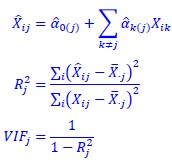
      “Both the ‘Simple Max’ and ‘Consensus’ methods were calculated first by parsing every pLDDT score received by every residue in the antigen sequence sliding window output structures. From the resulting data structure, the Simple Max method simply finds the maximum pLDDT value ever seen for a single residue (across all sliding windows and AF2 models). For the Consensus method, per-residue pLDDT was first averaged across the 5 AF2 models. These averages are reported in the heatmap view, and further averaged per sliding window for the bar chart below.

      In principle, the strategy behind the Consensus method is to take into account agreement across the 5 AF2 models and provide insight into the confidence of entire epitopes (whole sliding windows of n=10 default) instead of disconnected, per-residue pLDDT maxima.” 

      (5) Figure 1 would be more useful if you could differentiate specifically how the Consensus and Simple Max scoring is different. Providing examples for how and why the top 5 peptide hits can change (quite significantly) using both methods would greatly help readers understand what is going on.

      Per the reviewer suggestion, we have added text to discuss the variable hit selection that results from the two scoring metrics. The new text (lines 264-271) adds onto the added text block immediately above:

      “Having two scoring metrics is useful because the selection of predicted hits can differ. As shown in Figure 2, part of the Myc epitope makes it into the top 5 peptides when selection is based on summing per-residue maximum pLDDT (despite there being no requirement that these values originate in the same physical prediction). In contrast, a Consensus method score more directly reports on a specific sliding window, and the strength of the highest confidence peptides is more directly revealed with superior signal to noise as shown in Figure 3. Variability in the ranking of top hits between the two methods arises from the fundamental difference in strategy (peptide-centric or residue-centric scoring) as well as close competition between the raw AF2 confidence in the known peptide and competing decoy sequences.”

      (6) Hopefully the reproducibility issue is alleviated, but if not the discussion of it (lines 523554) should be moved to the supplement or an appendix.

      The ability of the original AF2 model to predict protein-protein complexes was an emergent behavior, and then an explicit training goal for AF2.multimer. In this vein, the ability to predict scFv:peptide complexes is also an emergent capability of these models. It is our hope that by highlighting this capacity, as well as the high level of sensitivity, that this capability will be enhanced and not degraded in future models/algorithms (both general and specialized). In this regard, with an eye towards progress, we think it is actually important to put this issue in the scientific foreground rather than the background. When it comes to improving machine learning methods negative results are also exceedingly important.

      Reviewer 2 (Recommendations for the Author):

      - Line 113, page 3 - the structures of the novel scFv chimeras can be rapidly and confidently be predicted by AlphaFold2 to the structures of the novel scFv chimeras can be rapidly and confidently predicted by AlphaFold2.

      The superfluous “be” was removed from the text.

      - Line 276 and 278 page 9 - peptide sequences QKLSEEDLL and EQKLSEEDL in the text are different from the sequences reported in Figures 1 and 2 (QKLISEEDLL and EQKLISEEDL). Please check throughout the manuscript and also in the Figure caption (as in Figure 2).

      These changes were made throughout the text. 

      - I would include how you calculate the pLDDT score for both Simple Max approach and Consensus analysis.

      Good suggestion, this should be covered via the additions noted above.

    1. Author response:

      The following is the authors’ response to the original reviews.

      Public Reviews:

      Reviewer #1 (Public Review):

      Summary:

      The authors bring together implanted radiofrequency coils, high-field MRI imaging, awake animal imaging, and sensory stimulation methods in a technological demonstration. The results are very detailed descriptions of the sensory systems under investigation.

      Strengths:

      - The maps are qualitatively excellent for rodent whole-brain imaging. - The design of the holder and the coil is pretty clever.

      Weaknesses:

      - Some unexpected regions appear on the whole brain maps, and the discussion of these regions is succinct.

      - The authors do not make the work and e ort to train the animals and average the data from several hundred trials apparent enough. This is important for any reader who would like to consider implementing this technology.

      - The data is not available. This does not let the readers make their own assessment of the results.

      Thank you for the comments on this manuscript. We have provided more detailed discussion of the unexpected regions(page 18 – line 491-494) and training procedures(page7-9 – line 172-236). We also uploaded the datasets to OpenNeuro 

      Whisker (https://doi.org/10.18112/openneuro.ds005496.v1.0.1),  Visual (https://doi.org/10.18112/openneuro.ds005497.v1.0.0) and Zenodo:

      SNR Line Profile Data & Data Processing Scripts:  (https://zenodo.org/doi/10.5281/zenodo.13821455). 

      Reviewer #2 (Public Review):

      Summary:

      The manuscript by Hike et al. entitled 'High-resolution awake mouse fMRI at 14 Tesla' describes the implementation of awake mouse BOLD-fMRI at high field. This work is timely as the field of mouse fMRI is working toward collecting high-quality data from awake animals. Imaging awake subjects o ers opportunities to study brain function that are otherwise not possible under the more common anesthetized conditions. Not to mention the confounding e  ects that anesthesia has on neurovascular coupling. What has made progress in this area slow (relative to other imaging approaches like optical imaging) is the environment within the MRI scanner (high acoustic noise) - as well as the intolerance of head and body motion. This work adds to a relatively small, but quickly growing literature on awake mouse fMRI. The findings in the study include testing of an implanted head-coil (for MRI data reception). Two designs are described and the SNR of these units at 9.4T and 14T are reported. Further, responses to visual as well as whisker stimulation recorded in acclimated awake mice are shown. The most interesting finding, and most novel, is the observation that mice seem to learn to anticipate the presentation of the stimulus - as demonstrated by activations evident ~6 seconds prior to the presentation of the stimulus when stimuli are delivered at regular intervals (but not when stimuli are presented at random intervals). These kinds of studies are very challenging to do. The surgical preparation and length of time invested into training animals are grueling. I also see this work as a step in the right direction and evidence of the foundations for lots of interesting future work. However, I also found a few shortcomings listed below.

      Weaknesses:

      (1) The surface coil, although o ering a great SNR boost at the surface, ultimately comes at a cost of lower SNR in deeper more removed brain regions in comparison to commercially available Bruker coils (at room temperature). This should be quantified. A rough comparison in SNR is drawn between the implanted coils and the Bruker Cryoprobe - this should be a quantitative comparison (if possible) - including any di erences in SNR in deeper brain structures. There are drawbacks to the Cryoprobe, which can be discussed, but a more thorough comparison between the implanted coils, and other existing options should be provided (the Cryoprobe has been used previously in awake mouse experiments(Sensory evoked fMRI paradigms in awake mice - Chen, Physiological e ects of a habituation procedure for functional MRI in awake mice using a cryogenic radiofrequency probe – Yoshida, PREVIOUS REFERENCE). Further, the details of how to build the implanted coils should be provided (shared) - this should include a parts list as well as detailed instructions on how to build the units. Also, how expensive are they? And can they be reused?

      Thank you for the comment. We did not use a Bruker Cryoprobe for this work but rather a Bruker 4array surface coil. We are unable to compare to a cryoprobe since we do not have access to one for our system. A comparison to previously published data using different scanners could be possible but would require the sequence contain identical parameters to avoid introducing an uncontrollable variable, we are planning to recruit different laboratories to test the implanted RF coils with their existing cryoprobes in the future study. 

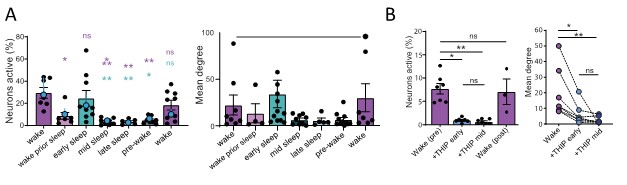
      We have included an updated figure comparing SNR at different depths across the Bruker 4-array coil and the implanted RF coils. As shown in Supplementary Figure 7B, there is significant SNR enhancement up to 4 mm cortical depth for both single loop and Figure 8 implanted RF coils in comparison to the Bruker 4-array coil.

      Author response image 1.

      Comparison between implanted and commercial coils. A shows representative coils in the single loop (left) and figure 8 styles (right). Supplementary Table 1 provides a parts list and cost for making these coils and Supplementary Figure 1 provides a circuit diagram to assemble. B presents the SNR line profile values as a function of distance from Pia Matter for each coil tested at 9.4T: commercial phased array surface coil (4 Array), implanted single loop, and implanted figure 8. SNR values were calculated by dividing the signal by the standard deviation of the noise. C-E shows a representative FLASH image with line profile of SNR measurements from each of the coils used to create the graph seen in B. Clear visual improvement in SNR can be seen in figures C-E. C – Commercial phased array. D – Single loop at 9.4T. E – Figure 8 at 9.4T. (N4 array = 6, Nsingle loop = 5, Nfigure 8 = 5)

      Additionally, we have added a supplementary figure (supp fig 1) of a circuit diagram, in an effort to disseminate the prototype design of the coils to other laboratories. We have included a detailed parts list with the cost for construction of the coils configured for our scanner(supp table 1). These specifics though would need to be adjusted to the precise field strength/bore size/animal the coil was being built for. As for reusability, the copper wire is cemented to the animal skull and this implantable coil should be considered as consumables for the awake mouse experiments, though the PCB parts can be retrieved.  

      (2) In the introduction, the authors state that "Awake mouse fMRI has been well investigated". I disagree with this statement and others in the manuscript that gives the reader the impression that awake experiments are not a challenging and unresolved approach to fMRI experiments in mice (or rodents). Although there are multiple labs (maybe 15 worldwide) that have conducted awake mouse experiments (with varying degrees of success/thoroughness), we are far from a standardized approach. This is a strength of the current work and should be highlighted as such. I encourage the authors to read the recent systematic review that was published on this topic in Cerebral Cortex by Mandino et al. There are several elements in there that should influence the tone of this piece including awake mouse implementations with the Bruker Cryoprobe, prevalence of surgical preparations, and evaluations of stress.

      Thank you for the comment. We agree with the reviewer that the current stage of awake mouse fMRI studies remains to be improved.  And, we have revised the Introduction to highlight the state-of-theart of awake mouse fMRI (Page 4 – line 81-88). 

      (3) The authors also comment on implanted coils reducing animal stress - I don't know where this comment is coming from, as this has not been reported in the literature (to my knowledge) and the authors don't appear to have evaluated stress in their mice. 

      Since question 3 and 4 are highly related to the acclimation procedures, we will answer the two questions together.   

      (4) Following on the above point, measures of motion, stress, and more details on the acclimation procedure that was implemented in this study should be included.

      We thank the reviewer to raise the animal training issues.  

      During the animal training, we have measured both pupil dynamic and eye motion features from training sessions, of which the detailed procedure is described in Methods (page 7-9 – line 172236). 

      The training procedure is carried out over a total of 5 weeks with four phases of training: i. Holding animal in hands, ii. Head-fixation and pupillometry, iii. Head-fixation and pupillometry with mockMRI acoustic exposure, iv. Head-fixation and pupillometry with Echo-Planar-Imaging (EPI) in the MR scanner.

      Author response table 1.

      As shown in Supp Fig 2B, the spectral power of pupil dynamics (<0.02Hz) and eye movements gradually increased as a function of the training time for head-fixed mice exposed to the mock MRI acoustic environment during phase 3.  In phase 4, when head-fixed mice were put into the scanner for the first time, both eye movements and pupil dynamics were initially reduced during scanning but recovered to an acclimated state on Day 2, similar to the level on Day 8 of phase 3.  These behavioral outputs would provide an alternative way to monitor the stress levels of the mice. 

      Author response image 2.

      The eye movements (A) and power spectra of pupil dynamics (<0.02Hz) (B) change during different training phases.

      It should be noted that stress may be related to increased frequency of eye blinking or twitching movements in human subjects(1–3). Whereas, the eyeblink of head-fixed mice has been used for behavioral conditioning to investigate motor learning in normal behaving mice(4–6). Importantly, head-fixed mouse studies have shown that eye movements are significantly reduced compared to the free-moving mice(7). The increased eye movement during acclimation process would indicate an alleviated stress level of the head-fixed mice in our cases. Meanwhile, stress-related pupillary dilation could dominate the pupil dynamics at the early phase of training(8). We have observed a gradually increased pupil dynamic power spectrum at the ultra-slow frequency during phase 3, presenting the alleviated stress-related pupil dilation but recovered pupil dynamics to other factors, including arousal, locomotion, startles, etc. in normal behaving mice.  Despite the extensive training procedure of the present work in comparison to the existing awake mouse fMRI studies (training strategies for awake mice fMRI have been reviewed by Mandino et al. to show the overall training duration of existing studies(9)), the stress remains a confounding factor for the brain functional mapping in head-fixed mice. In particular, a recent study(10) shows that the corticosterone concentration in the blood samples of head-fixed mice is significantly reduced on Day 25 following the training but remains higher than in the control mice. In the discussion section, we have discussed the potential issues of stress-related confounding factors for awake mouse fMRI studies (Page 16 – lines 436-458). 

      (1) A. Marcos-Ramiro, D. Pizarro-Perez, M. Marron-Romera, D. Gatica-Perez, Automatic blinking detection towards stress discovery. ICMI 2014 - Proceedings of the 2014 International Conference on Multimodal Interaction 307–310 (2014). https://doi.org/10.1145/2663204.2663239/SUPPL_FILE/ICMI1520.MP4.

      (2) M. Haak, S. Bos, S. Panic, L. Rothkrantz, DETECTING STRESS USING EYE BLINKS AND BRAIN ACTIVITY FROM EEG SIGNALS. Lance 21, 76 (2009).

      (3) E. Del Carretto Di Ponti E Sessam, Exploring the impact of Stress and Cognitive Workload on Eye Movements: A Preliminary Study. (2023).

      (4) S. A. Heiney, M. P. Wohl, S. N. Chettih, L. I. Ru olo, J. F. Medina, Cerebellar-dependent expression of motor learning during eyeblink conditioning in head-fixed mice. J Neurosci 34, 14845–14853 (2014).

      (5) S. N. Chettih, S. D. Mcdougle, L. I. Ruffolo, J. F. Medina, Adaptive timing of motor output in the mouse: The role of movement oscillations in eyelid conditioning. Front Integr Neurosci 5, 12996 (2011).

      (6) J. J. Siegel, et al., Trace Eyeblink Conditioning in Mice Is Dependent upon the Dorsal Medial Prefrontal Cortex, Cerebellum, and Amygdala: Behavioral Characterization and Functional Circuitry. eNeuro 2, 51–65 (2015).

      (7) A. F. Meyer, J. O’Keefe, J. Poort, Two Distinct Types of Eye-Head Coupling in Freely Moving Mice. Current Biology 30, 2116-2130.e6 (2020).

      (8) H. Zeng, Y. Jiang, S. Beer-Hammer, X. Yu, Awake Mouse fMRI and Pupillary Recordings in the UltraHigh Magnetic Field. Front Neurosci 16, 886709 (2022).

      (9) F. Mandino, S. Vujic, J. Grandjean, E. M. R. Lake, Where do we stand on fMRI in awake mice? Cereb Cortex 34 (2024).

      (10) K. Juczewski, J. A. Koussa, A. J. Kesner, J. O. Lee, D. M. Lovinger, Stress and behavioral correlates in the head-fixed method: stress measurements, habituation dynamics, locomotion, and motor-skill learning in mice. Scientific Reports 2020 10:1 10, 1–19 (2020).

      (5) It wasn't clear to me at what times the loop versus "Figure 8" coil was being used, nor how many mice (or how much data) were included in each experiment/plot. There is also no mention of biological sex.

      Thank you for the comment. We have clarified sex and number. The figure 8 coil was only used as part of development to show the improvement of the coil design for cortical measurements. The detailed information is described in Method (Page 6 – line 127-129 & Page 10 – line 269-270). Additionally animal numbers have been included in the figure captions.

      (6) Building on the points above, the manuscript overall lacks experimental detail (especially since the format has the results prior to the methods).

      Thank you for the comment. We have modified the manuscript to increase the experimental detail and moved the methods section before the results.

      (7) An observation is made in the manuscript that there is an appreciable amount of negative BOLD signal. The authors speculate that this may come from astrocyte-mediated BOLD during brain state changes (and cite anesthetized rat and non-human primate experiments). This is very strange to me. First, the negative BOLD signal is not plotted (please do this), further, there are studies in awake mice that measure astrocyte activation eliciting positive BOLD responses (see Takata et al. in Glia, 2017).

      We thank the reviewer to raise the negative BOLD fMRI observation issue.  We added a subplot of the negative BOLD signal changes in the revised Figure 4. This negative BOLD signals across cortical areas could be coupled with brain state changes upon air-pu -induced startle responses. Our future studies are focusing on elucidating the brain-wide activity changes of awake mice with fMRI.  We also provide a detailed discussion of the potential mechanism underlying the negative BOLD fMRI signals. First, as reported in the paper (suggested  by the reviewer),  astrocytic Ca2+ transients coincide with positive BOLD responses in the activated cortical areas, which is aligning with the neurovascular coupling (NVC) mechanism. However, there is emerging evidence to show that astrocytic Ca2+ transients are coupled with both positive and negative BOLD responses in anesthetized rats(11) and awake mice(12). An intriguing observation is that cortex-wide negative BOLD signals coupled with the spontaneous astrocytic Ca2+ transients could co-exist with the positive BOLD signal detected at the activated cortex.  Studies have shown that astrocytes are involved in regulating brain state changes(13), in particular, during locomotion(14) and startle responses(15). These brain state-dependent global negative BOLD responses are also related to the arousal changes of both non-human primates(16) and human subjects(17).  The established awake mouse fMRI platform with ultra-high spatial resolution will enable the brain-wide activity mapping of the functional nuclei contributing to the brain state changes of head-fixed awake mice in future studies. (Page 17-18 – Line 478-490)

      (11) M. Wang, Y. He, T. J. Sejnowski, X. Yu, Brain-state dependent astrocytic Ca2+ signals are coupled to both positive and negative BOLD-fMRI signals. Proc Natl Acad Sci U S A 115, E1647–E1656 (2018).

      (12) C. Tong, Y. Zou, Y. Xia, W. Li, Z. Liang, Astrocytic calcium signal bidirectionally regulated BOLD-fMRI signals in awake mice in Proc. Intl. Soc. Mag. Reson. Med. 32, (2024).

      (13) K. E. Poskanzer, R. Yuste, Astrocytes regulate cortical state switching in vivo. Proc Natl Acad Sci U S A 113, E2675–E2684 (2016).

      (14) M. Paukert, et al., Norepinephrine controls astroglial responsiveness to local circuit activity. Neuron 82, 1263–1270 (2014).

      (15) R. Srinivasan, et al., Ca2+ signaling in astrocytes from IP3R2−/− mice in brain slices and during startle responses in vivo. Nat Neurosci 18, 708 (2015).

      (16) C. Chang, et al., Tracking brain arousal fluctuations with fMRI. Proc Natl Acad Sci U S A 113, 4518– 4523 (2016).

      (17) B. Setzer, et al., A temporal sequence of thalamic activity unfolds at transitions in behavioral arousal state. Nat Commun 13 (2022).

      Recommendations for the authors:

      Reviewer #1 (Recommendations For The Authors):

      I really enjoyed this work. The maps shown are among the best-quality maps out there. Here are suggestions to the authors.

      (1) Both the ACA and VRA are rather unexpected. The authors explain these briefly as being part of the associative cortical areas. Both the ACA and VRA are not canonical associative areas (or at least not to us). This warrants a stronger discussion.

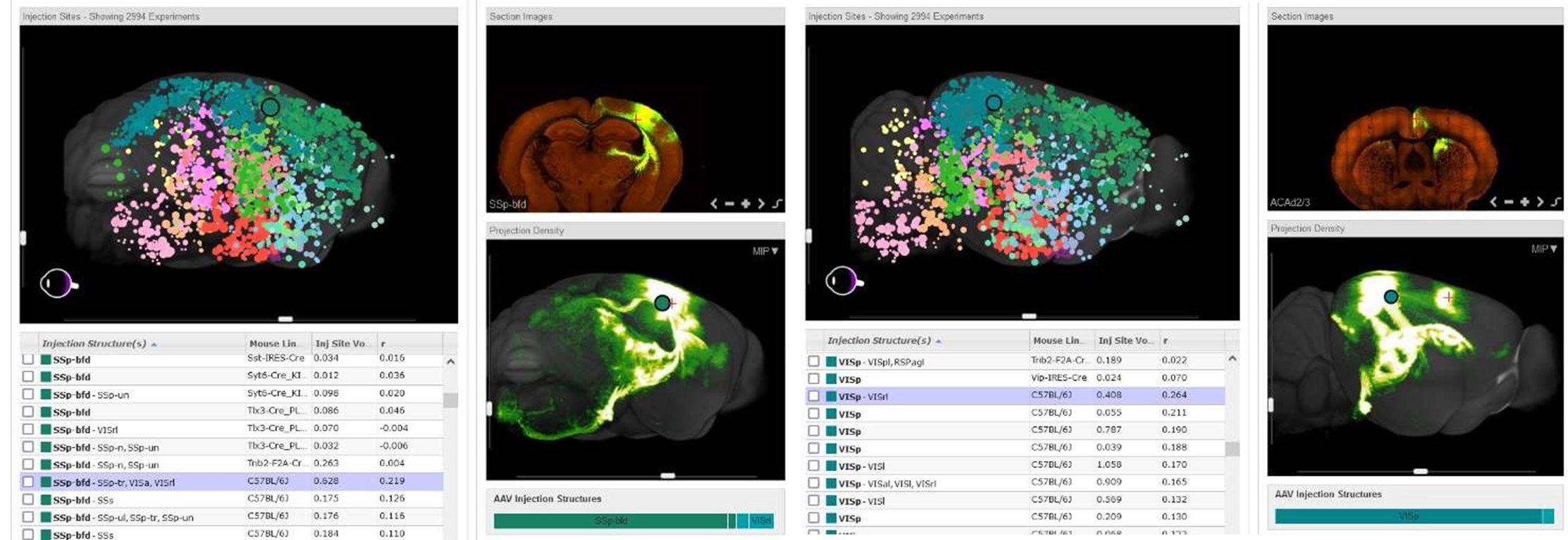
      To verify both ACA and VRA as associate areas, we provide the  connectivity map projections from the Allen Brain Atlas (seen below). These projections are derived from a Cre-dependent AAV tracing of axonal projections. We have included an explanation of this in the introduction. 

      Author response image 3.

      Representative images are shown indicating connections between the barrel cortex and retrosplenial area from an injection in the barrel cortex (Left panel) as well as the visual cortex and cingulate connection from an injection in the visual cortex (Right panel). Images are of connectivity map projections from the Allen Brain Atlas derived from a Cre-dependent AAV tracing of axonal projections

      (2) This is a lot of work. But looking at the figures, this is not obvious. We read in the caption that several hundred trials were used. It would be good to also specify how many mice. It would be clearer to represent this info in the figure as well to support the fact that this is not a trivial acquisition.

      Thank the reviewer to raise the e ort issue. We have edited the figure to include this information and included the numbers in the text as well

      (3) The training protocol is seemingly extensive, but this is only visible by following another reference. Including a description in this work would help the reader make sense of the effort that went into this work.

      We thank the reviewer to raise the training protocol issue. We have more thoroughly discussed the training method used for this study (page 7-9 – line 172-236)

      (4) I really would love to see that dataset made freely available - this should be the norm.

      The datasets have been uploaded to OpenNeuro 

      Whisker (https://doi.org/10.18112/openneuro.ds005496.v1.0.1),  Visual (https://doi.org/10.18112/openneuro.ds005497.v1.0.0) and Zenodo:

      SNR Line Profile Data & Data Processing Scripts: 

      (https://zenodo.org/doi/10.5281/zenodo.13821455). 

      (page 21 – line 573-579)

      Reviewer #2 (Recommendations For The Authors):

      (1) I'm a little confused about the stimulation paradigm and the effect of it causing an effective 2second TR (which is on the long side) - please elaborate (a figure might be helpful). The paradigm for visual stimulation also seems elaborate, can you please explain the logic and how it was developed?

      Thank you for raising the detailed stimulation paradigm issues. The stimulation paradigm is independent and does not interfere with the setup of the effective 2-second TR. The 2-second TR is based on the usage of 2-segment EPI, each with a TR of 1-second. The application of 2-segment paradigm enables the echo spacing with 0.52 ms with effective image bandwidth with 3858Hz, assuring less image distortion.  The stimulation paradigm was defined by an “8s on, 32s o ” epoch such to elicit a strong BOLD response and could be used for any reasonable TR duration. 

      We have included a figure outlining the stimulation paradigm (Supp Fig. 3)

      (2) I had difficulties viewing the movies (on my MAC).

      Thank you for this note. We have re-upload the videos in .mov format

    1. Author response:

      The following is the authors’ response to the original reviews.

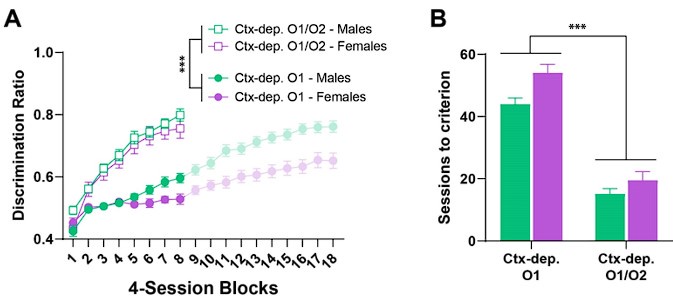
      The reviewers found this manuscript to present convincing evidence for associative and non-associative behaviors elicited in male and female mice during a serial compound stimulus Pavlovian fear conditioning task. The work adds to ongoing efforts to identify multifaceted behaviors that reflect learning in classic paradigms and will be valuable to others in the field. The reviewers do note areas that would benefit from additional discussion and some minor gaps in data reporting that could be filled by additional analyses or experiments.

      We thank the reviewers and the editors for their thoughtful and constructive critiques of our manuscript. We have updated our manuscript with data from additional experiments as suggested by the reviewers, and we have significantly edited the text and figures to reflect these additions. Our detailed, point-by-point responses are below.

      Reviewer #1 (Public Review):

      The main goal of the study was to tease apart the associative and non-associative elements of cued fear conditioning that could influence which defensive behaviors are expressed. To do this, the authors compared groups conditioned with paired, unpaired, or shock only procedures followed by extinction of the cue. The cue used in the study was not typical; serial presentation of a tone followed by a white noise was used in order to assess switches in behavior across the transition from tone to white noise. Many defensive behaviors beyond the typical freezing assessments were measured, and both male and female mice were included throughout. The authors found changes in behavioral transitions from freezing to flight during conditioning as the tone transitioned into white noise, and a switch in freezing during extinction such that it became high during the white noise as flight behavior decreased. Overall, this was an interesting analysis of transitions in defensive behaviors to a serially presented cue consisting of two auditory stimuli during conditioning and then extinction.

      We thank the Reviewer for their supportive insight.

      There are some concerns regarding the possibility that the white noise is more innately aversive than the tone, inducing more escape-like behaviors compared to a tone, especially since the shock only group also showed increased escape-like behaviors during the white noise versus tone. This issue would have been resolved by adding a control group where the order of the auditory stimuli was reversed (white noise->tone).

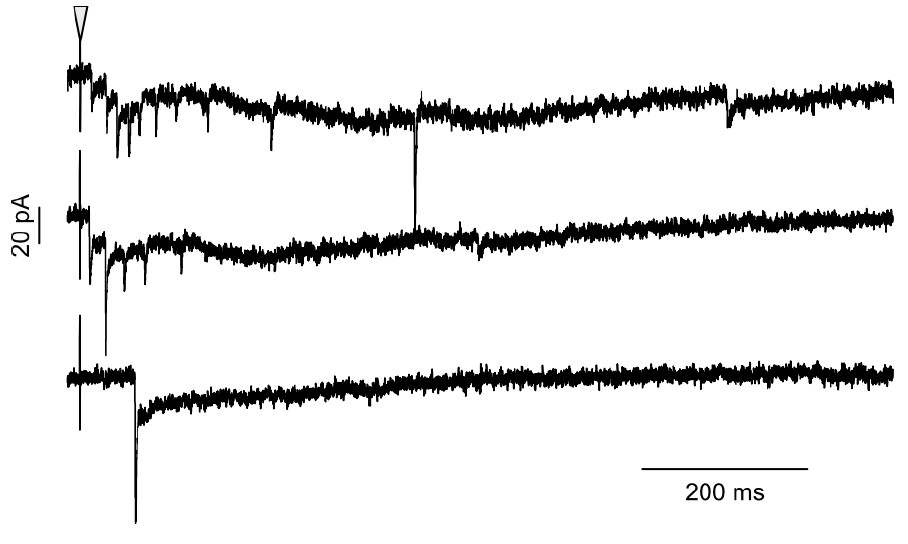
      We appreciate this concern, and we have added two additional groups to address this possibility. We have conducted the same experimental paradigm with 2 reverse-SCS groups (WN—tone), one with paired (new PA-R group), and one with unpaired (new UN-R group), presentations to shock during conditioning. These experiments revealed that during conditioning day 2 in both reverse order groups, WN causes reductions in freezing and increases in locomotor activity (see revised Figure 2D), an effect that is stronger in the UN-R compared to the PA-R group. This locomotor effect is neither darting nor escape jumping in the PA-R group (revised Figure 3G, I; Figure 4G). In the UN-R group, WN induces more activity than the PA-R group (Figure 2D), including some jumping at WN onset (Figure 3H), but no darting (Figure 4G). It is worth noting that WN does not elicit defensive behavior before conditioning at the sound intensity we use (75dB; see Fadok et al. 2017, Borkar et al. 2020, Borkar et al. 2024). Together, these results suggest that WN is an inherently more salient stimulus than tone, and it can elicit defensive behaviors in shock-sensitized mice through non-associative mechanisms. Indeed, stimulus salience is a key factor in this paradigm for inducing activity (see Hersman et al. 2020).

      While the more complete assessment of defensive behaviors beyond freezing is welcomed, the main conclusions in the discussion are overly focused on the paired group and the associative elements of conditioning, which would likely not be surprising to the field. If the goal, as indicated in the title, was to tease apart the associative and non-associative elements of conditioning and defensive behaviors, there needs to be a more emphasized discussion and explicit identification of the non-associative findings of their study, as this would be more impactful to the field.

      We have rewritten the Discussion to provide a greater emphasis on the findings of the study that are more related to non-associative mechanisms. For example, we argue that cue-salience and changes in stimulus intensity can induce non-associative increases in locomotor behavior and tail rattling in shock-sensitized mice.

      Reviewer #2 (Public Review):

      Summary:

      The authors examined several defensive responses elicited during Pavlovian conditioning using a serial compound stimulus (SCS) as the conditioned stimulus (CS) and a shock unconditioned stimulus (US) in male and female mice. The SCS consisted of tone pips followed by white noise. Their design included 3 treatment groups that were either exposed to the CS and US in a paired fashion, in an unpaired fashion, or only exposed to the shock US. They compared freezing, jumping, darting, and tail rattling across all groups during conditioning and extinction. During conditioning, strong freezing responses to the tone pips followed by strong jumping and darting responses to the white noise were present in the paired group but less robust or not present in the unpaired or shock only groups. During extinction, tone-induced freezing diminished while the jumping was replaced by freezing and darting in the paired group. Together, these findings support the idea that associative pairings are necessary for conditioned defensive responses.

      Strengths:

      The study has strong control groups including a group that receives the same stimuli in an unpaired fashion and another control group that only receives the shock US and no CS to test the associative value of the SCS to the US. The authors examine a wide variety of defensive behaviors that emerge during conditioning and shift throughout extinction: in addition to the standard freezing response, jumping, darting, and tail rattling were also measured.

      We thank the Reviewer for their supportive appraisal of this study’s strengths.

      Weaknesses:

      This study could have greater impact and significance if additional conditions were added (e.g., using other stimuli of differing salience during the SCS), and determining the neural correlates or brain regions that are differentially recruited during different phases of the task across the different groups.

      In the revised manuscript, we have conducted experiments with 2 reverse-SCS groups (WN—tone): one with paired (new PA-R group), and one with unpaired (new UN-R group), presentations to shock during conditioning. These experiments revealed that during conditioning day 2 in both reverse order groups, WN causes reductions in freezing and increases in locomotor activity (see revised Figure 2D), an effect that is stronger in the UN-R compared to the PA-R group. This locomotor effect is neither darting nor escape jumping in the PA-R group (revised Figure 3G, I; Figure 4G). In the UN-R group, WN induces more activity than the PA-R group (Figure 2D), including some jumping at WN onset (Figure 3H), but no darting (Figure 4G). Indeed, stimulus salience is a key factor in this paradigm for inducing activity (see Hersman et al. 2020). Together, these results suggest that WN is an inherently more salient stimulus than tone, and it can elicit defensive behaviors in shock-sensitized mice through non-associative mechanisms. It is worth noting that WN does not elicit defensive behavior before conditioning at the sound intensity we use (75dB; see Fadok et al. 2017, Borkar et al. 2020, Borkar et al. 2024).

      We agree that determining the neuronal correlates and brain regions that are involved in defensive ethograms at various stages within this paradigm is of great importance, but we feel that those experiments are beyond the scope of the current study, which is focused on identifying behavioral differences based on associative and non-associative factors.

      Reviewer #1 (Recommendations For The Authors):

      In LINES 72-73, authors say they used a "truly random procedure" as one of their control groups. Then in LINES 113-116, they describe this group as "unpaired" where the "SCS could not reliably predict footshock". Combined, it is unclear if this group is random or unpaired. The "truly random procedure" is defined, by the cited Rescorla paper, as "the two events are programmed entirely randomly and independently in such a way that some "pairings" of CS and US may occur by chance alone". So, truly random would indicate that the shock may occur during the cue, while unpaired indicates the shock was explicitly unpaired from the cue. If the authors used a random procedure, the groups need to be labeled as random, not unpaired, and the # of cues that happened to coincide with footshock per animal needs to be reported somewhere. If the authors used an unpaired procedure (which appears to be the case based on 40-60s ITI between SCS and footshock being reported), it needs to be clearer and consistent throughout that it was explicitly unpaired, as well as removing the claim in LINE 72-73 that they used a "truly random procedure".

      We did indeed use an explicitly unpaired procedure. We have adjusted the text and figures to better reflect this, and we removed any mentions of randomness with regards to the presentations of SCS and footshock.

      Despite the lack of significant sex differences, it would still be helpful if data panels with individual data points (e.g. Fig 2E-J), were presented as identifiable by sex (e.g. closed vs open circles for males vs females).

      The revised manuscript now compares four or five groups per figure, making data presentation complicated. Providing the individual data points in each panel reduces figure clarity, therefore, we feel it is best to present the data as box-and-whisker plots without them. However, the source data files for each figure are available to the reader and the data are clearly labeled to be identifiable by sex.

      Is it not odd that all groups showed similar levels of contextual freezing during the 3min baseline? If shocks are unsignaled in the UN and SO groups, one would expect higher levels of contextual freezing compared to a paired group.

      We are not certain why one would expect higher levels of contextual freezing in the UN and SO groups compared to the PA group at the beginning of conditioning day 2. Another study also looked at baseline freezing in a contextual fear group (which is the same as shock only in our study) and in an auditory cued fear conditioning group within the conditioning context, and their data show that freezing during the baseline period is equivalent between groups (Sachella et al., 2022).

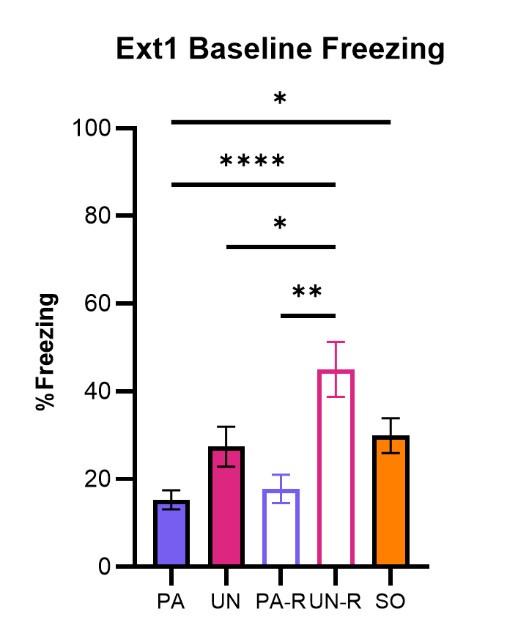
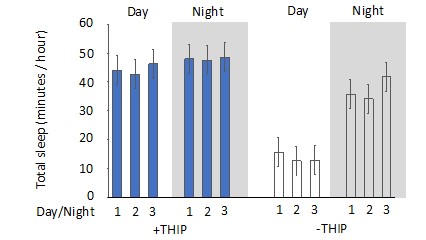
      During baseline on Extinction Day 1, it does seem that the unpaired and SO groups tend to have higher freezing levels compared to the paired groups. Author response image 1 shows baseline freezing during the first 3 minutes of extinction day 1. After two days of conditioning in the conditioned flight paradigm, contextual freezing either is, or trends to be significantly higher in the UN, UN-R, and SO groups than the PA and PA-R groups.

      Author response image 1.

      Baseline Freezing levels for all groups during the first extinction session. Baseline period is defined as the first 180 seconds of the session, before any auditory stimulus was presented. PA, Paired; UN, Unpaired; SO, Shock Only; PA-R, Paired Reverse; UN-R, Unpaired Reverse. *p<0.05, **p<0.01, ****p<0.0001.

      Do the tone and WN elicit similar levels of defensive behaviors in a naïve mouse? Or have the authors tested WN followed by tone? Is there a potential issue that the WN may be innately aversive which is then amplified with training? i.e. does a tone preferentially induce freezing while WN induces active behaviors, regardless of which sensory stimulus is temporally closer to the shock? If the change in behavior is really due to the pairing and temporal proximity to shock, then there should be increased jumps, etc to the tone if trained with WN->tone.

      WN can indeed be used as an aversive stimulus under certain conditions and at sufficiently high decibel levels. In the conditioned flight paradigm, WN is presented at 75dB, which is below the threshold for eliciting an acoustic startle response in a C57BL/6J mouse (Fadok et al. 2009). Also, during pre-exposure, when animals are naïve to the SCS, tone and WN stimuli do not elicit defensive behaviors (see Fadok et al. 2017, Borkar et al. 2020, 2024).

      As suggested by the Reviewer, during revision we have included reverse-SCS paired (PA-R) and unpaired (UN-R) groups to test for the role of stimulus salience and stimulus order on defensive ethograms. During conditioning day 2, the PA-R group exhibited little freezing to the WN, with a slightly elevated activity index, and they exhibited robust freezing during tone (revised Figure 2A-H). The activity during the WN in the PA-R group was significantly lower than that of the PA group (Figure 2L). The PA-R group also did not respond to WN with escape jumps or darting (Figure 3I, 4G). The UN-R group displayed greater activity during the WN than the UN and PA-R groups, but less activity than the PA group (Figure 2D, H). The UN-R group did not dart but this group displayed some jumping at WN onset (Figure 3H), like what was observed in the UN group.

      These data suggest that WN has inherent, salient properties that can induce some non-associative activity after the mouse has been sensitized by shock (see also Hersman et al. 2020 for more detailed analysis of stimulus salience in the conditioned flight paradigm). However, only in the PA group is robust flight behavior (comprised of high numbers of escape jumps and darting) observed. Therefore, both stimulus salience and temporal order are important for eliciting transitions from freezing to flight.

      Fig 3G/4G are hard for me to understand. The figure legends say they're survival graphs but the y-axis labels "Latency to initial jump/dart (% of cohort)" confuses me. What is the purpose of these graphs? Perhaps they are not needed. Or consider presenting them similar to Fig 7C, D as those were more intuitive and faster for me to grasp.

      We had intended these plots to show that a greater proportion of the paired group jumps and darts during WN compared to the unpaired group, and that the percentage of the cohort that jumps and darts increases across conditioning trials. Because these graphs were not clear, we have removed them, and we have replaced them with graphs comparing total cohort percentages that jumped (Figure 3I) or darted (Figure 4G) over the whole CD2 session.

      For the extinction data, I did not see within group analyses for within or between session fear extinction to the tone. So, for the paired group, were the last 4 trials of Ext 1 significantly lower than the first 4 trials? If not, then they did not show within-session extinction. Also, for the paired group, were the last 4 trials of Ext 1 significantly different than the first 4 trials of Ext 2? This would test for long-term retention and spontaneous recovery.

      In the original submission and in the revised manuscript, we calculated a delta change score for freezing during tone in the early versus late blocks of 4 trials, and then we statistically compared these differences across groups (Figure 5C, D). This allowed us to assess between-group differences in changes to tone-evoked freezing during extinction. Freezing to tone did decrease significantly over the first extinction session for the paired group (Early Ext1 vs Late Ext1, paired t-test, t(31) \= 6.23, p<0.0001), and when comparing late Ext1 and early Ext2, we found that tone-evoked freezing did significantly increase (Late Ext1 vs Early Ext2, paired t-test, t(31) \= 5.26, p<0.0001). This increase in cue-induced freezing between days of extinction is characteristic of C57BL/6J mice (Hefner et al., 2008). Our study did not test for more distal timepoints, so we cannot comment on the efficacy of long-term retention or spontaneous recovery.

      For the conditioning and extinction data across Figs 2, 5 and 6, what I gather from them is that freezing is high to the tone and low to the WN during conditioning, and then low to the tone, and high to the WN across extinction. Then for activity levels I see they are low to the tone and high to the WN during conditioning, and then low to the WN during extinction. The piece that is missing is what are activity levels like to the tone during extinction. Are they low like in conditioning and remain low in extinction? Or do they increase across extinction as freezing decreases? As I was going through these graphs I drew myself out step function summaries of the freezing and activity levels between tone/WN for conditioning vs extinction; maybe the authors could consider a summary figure.

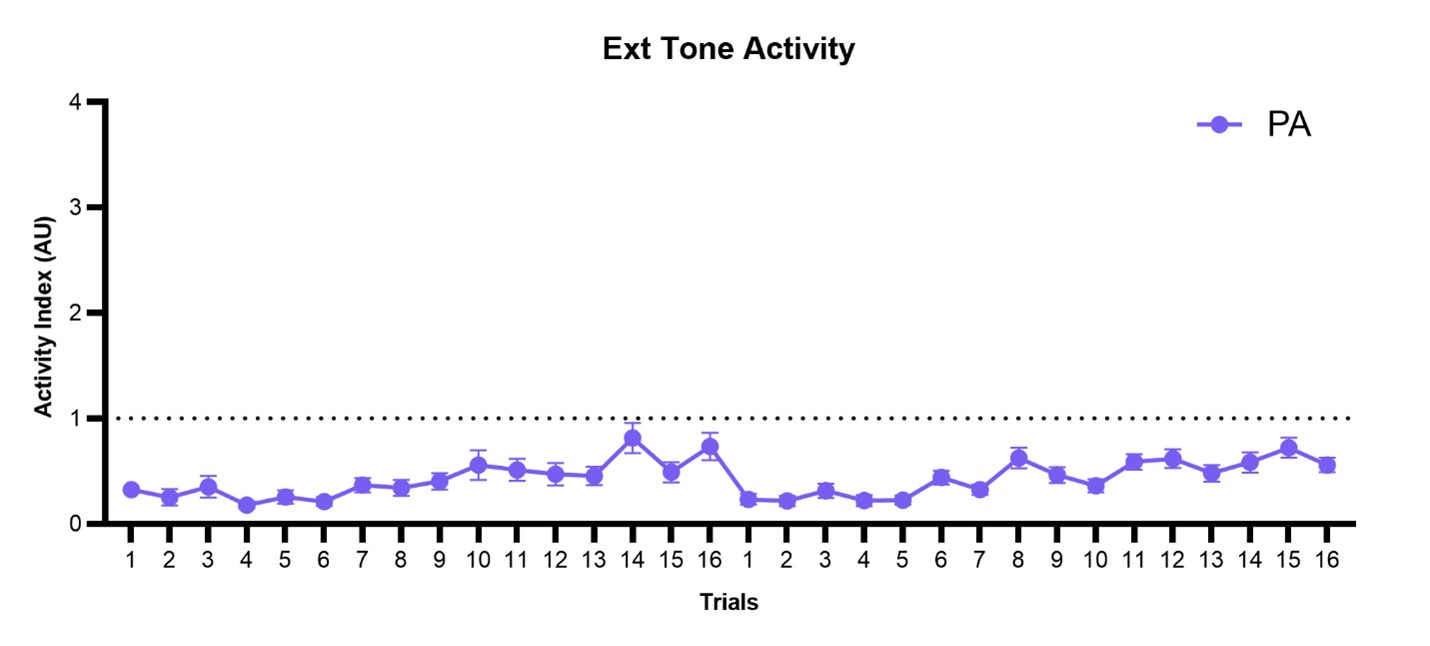
      We thank the Reviewer for their interest. We found that within the paired group, activity to tone remained low throughout both days of extinction (though increased within each session) and did not return to normal activity levels. We present this data in Author response image 2. We thank the Reviewer for the suggestion of a summary figure, but we feel there are too many axes of classification (between-group, within-group, multiple behaviors, tone/WN, conditioning/extinction) to coherently present our findings in a single figure.

      Author response image 2.

      Trial-by-trial plot of activity index during the tone period of SCS across both extinction sessions for the PA group. SCS, Serial compound stimulus; Ext, extinction; PA, Paired.

      In the discussion (LINE 592-3), they discuss that shock sensitization in the SO group may prime a stressed animal to dart more readily to WN upon stimulus transition. Should this not also happen during the transition of silence to tone? What is special about a transition between two auditory stimuli that would result in panic like behavior in an animal that only received shock presentations? This also gets back to an earlier concern above regarding the potentially innately aversiveness of the WN.

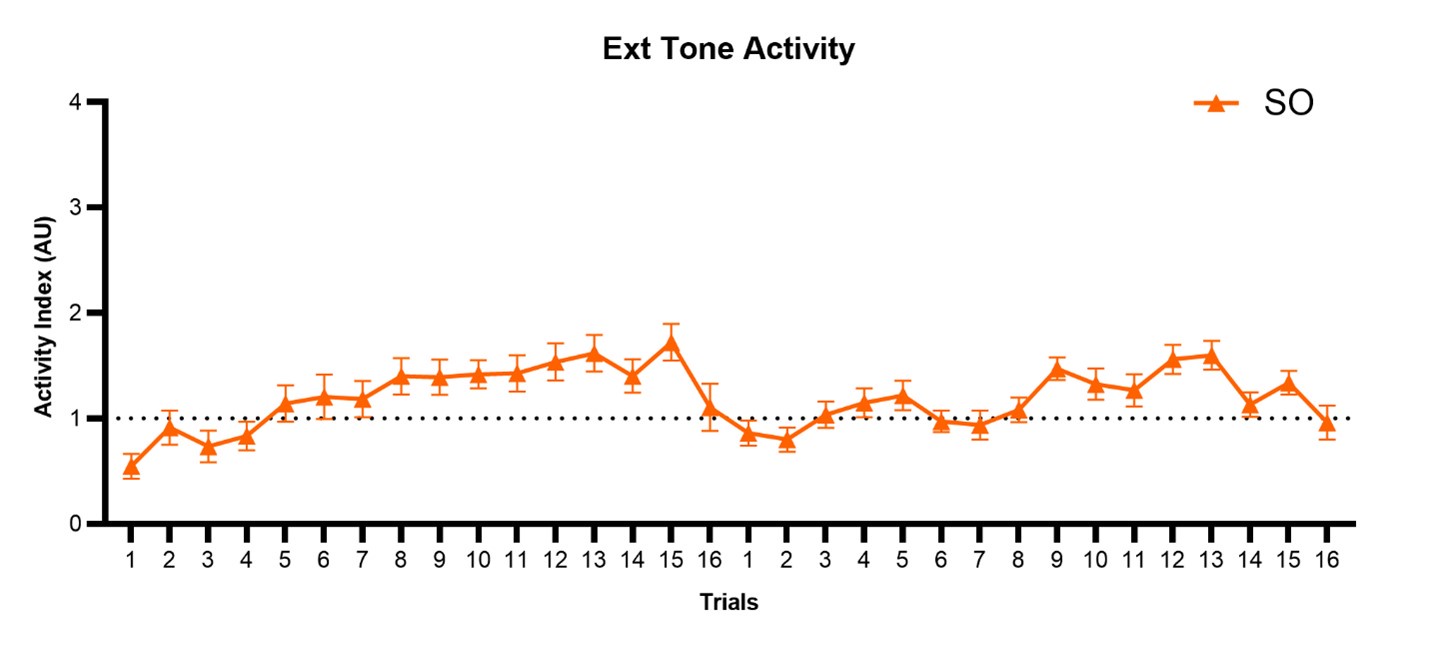
      After 2 days of shock sensitization, we observe that mice exhibit freezing to the tone during the first three trials of extinction day 1 (Figure 5A). This non-associative freezing response is like that observed in other studies of non-associative fear processing (please see Kamprath and Wotjak, 2004). As trials progress during extinction day 1, mice do become mildly activated during the tone (Author response image 3). The transition to WN in the shock-only group during extinction induces non-associative darting responses, but it does not induce escape jumping behavior (Figure 7).  We hypothesize that the innate salience of the WN is a vital factor contributing to these escalated responses. The importance of stimulus salience in conditioned flight was also demonstrated by Hersman et al., 2020 for SCS conditioning, and by Furuyama et al., 2023 for single tone conditioning.  Just as with conditional freezing responses (Kamprath and Wotjak, 2004), we believe that conditional flight is controlled by summative components, one being associative and the other non-associative.

      Author response image 3.

      Trial-by-trial plot of activity index during the tone period of SCS across both extinction sessions for the SO group. SCS, Serial compound stimulus; Ext, extinction; SO, Shock Only.

      In the discussion (LINE 583), they say that the development of explosive defensive behaviors are "not achievable with traditional single-cue Pavlovian conditioning paradigms". The authors should include a caveat here that the current study did not compare their results to a group of mice that received just WN-shock pairings.

      We thank the reviewer for this comment. This statement was meant to highlight that traditional paradigms do not offer an element of signaling the temporal imminence of threat, only its inevitability. It was not our intention to state that defensive escape behaviors were unachievable in single-cue conditioning paradigms, and we regret not making this clear. Indeed, the supplement of Fadok et al. 2017 shows that WN-shock conditioning is capable of inducing flight, Furuyama et al. 2023 shows that tone-shock conditioning is capable of inducing flight under specific parameters, and Gruene et al. 2015 demonstrates that single CS-US pairings induce conditional darting behaviors in female rats. We have adjusted the text to better reflect our intent.  

      Minor comment to LINE 613-5: Speaking as someone who has done fear conditioning in both mice and rats, tail rattling may be specific to mice (I have seen this often) and likely not observable in rats (never seen it).

      We thank the Reviewer for this information. We have adjusted our text to mainly discuss mouse-specific tail rattling.

      Reviewer #2 (Recommendations For The Authors):

      The research questions in this study are novel and bring new insight to the field. However, there are some issues that can be addressed to improve the overall quality of the study, namely, the reader is left wanting to know more, especially about how neural circuits contribute to these different defensive behaviors during this task. Below are some recommendations for the authors that would greatly improve the impact and significance of this study.

      (1) What are the neural correlates or circuits recruited during these different defensive behaviors across the course of conditioning and extinction? How might they differ between the PA and UN groups? What differences might emerge when an animal is shifting their defensive behavior from freezing to darting, for example? Answering these questions would require intensive additional experiments, therefore more discussion of possible neural mechanisms that might be recruited during this task would be appreciated, given the scope of the subject area.

      We agree that understanding the neural circuits recruited during these behaviors and across conditioning and extinction is of vital importance. We are actively working on these questions, and we have published on the role of central amygdala circuits (Fadok et al. 2017) as well as on top-down control of flight by the medial prefrontal cortex (Borkar et al. 2024). Because the current manuscript is focused on learning mechanisms influencing defensive behavior, we would prefer to focus our discussion on that, rather than speculating on possible neural mechanisms. However, we have added a statement in the Discussion (LINES 706-707) emphasizing that future studies should investigate the neuronal mechanisms contributing to threat associations and different defensive behaviors.

      (2) Were any vocalizations observed during conditioning or extinction phases? If not, could you speculate how type and occurrence of vocalizations might correlate with the different defensive responses observed?

      Audible vocalizations were only observed during footshock presentations (squeaks). Unfortunately, we do not have the proper specialized recording equipment to monitor the full spectrum of mouse vocalizations, especially those in the ultrasonic range. Thus, we cannot speculate on the nuances of vocalizations in mice with respect to this behavioral paradigm. To the best of our knowledge, mice have not been reported to emit specific ultrasonic calls during conditioned threat like those of rats. That said, it would be of interest to determine if mice emit different vocalizations during different defensive behaviors.

      (3) The transition from freezing to flight during the SCS is thought to be due to the close proximity of threat imminence between the WN CS and shock US. What if you switched the order of the SCS stimuli to WN followed by tone stimuli? If the salience of the WN stimulus is truly driving the jumping behavior, then it would be observed even if the WN stimulus preceded the pure tone stimulus and that would bring additional evidence that it is the associative value of the stimuli rather than its salience that's driving the defensive behaviors. What do you predict you would observe in rodents that were given a WN-tone SCS paired and unpaired in the same design of this study?

      As suggested by the reviewer, we collected data from reverse-SCS paired and unpaired groups and reported our findings within the manuscript. Our detailed findings are also discussed above. Overall, we find that a combination of stimulus salience and temporal proximity, and a summation of non-associative and associative mechanisms, are necessary to elicit explosive flight behavior (escape jumping and darting).

      References

      Borkar CD, Dorofeikova M, Le QE, Vutukuri R, Vo C, Hereford D, Resendez A, Basavanhalli S, Sifnugel N, Fadok JP (2020) Sex differences in behavioral responses during a conditioned flight paradigm. Behavioural Brain Research 389:112623.

      Borkar CD, Stelly CE, Fu X, Dorofeikova M, Le QE, Vutukuri R, Vo C, Walker A, Basavanhalli S, Duong A, Bean E, Resendez A, Parker JG, Tasker JG, Fadok JP (2024) Top-down control of flight by a non-canonical cortico-amygdala pathway. Nature 625: 743-749.

      Fadok JP, Krabbe S, Markovic M, Courtin J, Xu C, Massi L, Botta P, Bylund K, Müller C, Kovacevic A, Tovote P, Lüthi A (2017) A competitive inhibitory circuit for selection of active and passive fear response. Nature 542:96-100.

      Furuyama T, Imayoshi A, Iyobe T, Ono M, Ishikawa T, Ozaki N, Kato N, Yamamoto R (2023) Multiple factors contribute to flight behaviors during fear conditioning. Scientific Reports 13:10402. 

      Gruene TM, Flick K, Stefano A, Shea SD, Shansky RM (2015) Sexually divergent expression of active and passive conditioned fear responses in rats. eLIfe 4:e11352.

      Hefner K, Whittle N, Juhasz J, Norcross M, Karlsson RM, Saksida LM, Bussey TJ, Singewald N, Holmes A (2008) Impaired Fear Extinction Learning and Cortico-Amygdala Circuit Abnormalities in a Common Genetic Mouse Strain. Journal of Neuroscience 6:8074-8085.

      Hersman S, Allen D, Hashimoto M, Brito SI, Anthony T (2020) Stimulus salience determines defensive behaviors elicited by aversively conditioned serial compound auditory stimuli. elife 9:e53803. 

      Kamprath K and Wotjak CT (2004) Nonassociative learning processes determine expression and extinction of conditioned fear in mice. Learning & Memory 11:770-786.

      Sachella TE, Ihidoype MR, Proulx CD, Pafundo DE, Medina JH, Mendez P & Piriz J (2022) A novel role for the lateral habenula in fear learning. Neuropsychopharmacology 47:1210-1219.

    1. Author response:

      The following is the authors’ response to the original reviews.

      We thank the reviewers and editor for their positive view and constructive valuable comments on the manuscript.  Following we address the suggestions of the reviewers.

      Reviewer #1 (Public Review):

      (1) It will be interesting to monitor the levels of another MIM insertase namely, OXA1. This will help to understand whether some of the observed changes in levels of OXPHOS subunits are related to alterations in the amounts of this insertase.

      OXA1 was not detected in the untargeted mass spectrometry analysis, most likely due to the fact that it is a polytopic membrane protein, spanning the membrane five times (1,2). Consequently, we measured OXA1 levels with immunoblotting, comparing patient fibroblast cells to the HC. No significant change in OXA1 steady state levels was observed.

      These results are now displayed (Fig. S3B and C) and discussed in the revised manuscript.

      Figure 3: How do the authors explain that although TIMM17 and TIMM23 were found to be significantly reduced by Western analysis they were not detected as such by the Mass Spec. method?

      The untargeted mass spectrometry in the current study failed to detect the presence of TIMM17 for both, patient fibroblasts and mice neurons, while TIMM23 was detected only for mice neurons and a decrease was observed for this protein but was not significant. This is most likely due to the fact that TIMM17 and TIMM23 are both polytopic membrane proteins, spanning the membrane four times, which makes it difficult to extract them in quantities suitable for MS detection (2,3).

      (2) How do the authors explain the higher levels of some proteins in the TIMM50 mutated cells?

      The levels of fully functional TIM23 complex are deceased in patients' fibroblasts. Therefore, the mechanism by which the steady state level of some TIM23 substrate proteins is increased, can only be explained relying on events that occur outside the mitochondria. This could include increase in transcription, translation or post translation modifications, all of which may increase their steady state level albite the decrease in the steady state level of the import complex.

      (3) Can the authors elaborate on why mutated cells are impaired in their ability to switch their energetic emphasis to glycolysis when needed?

      Cellular regulation of the metabolic switch to glycolysis occurs via two known pathways: 1) Activation of AMP-activated protein kinase (AMPK) by increased levels of AMP/ADP (4). 2) Inhibition of pyruvate dehydrogenase (PDH) complexes by pyruvate dehydrogenase kinases (PDK) (5). Therefore, changes in the steady state levels of any of these regulators could push the cells towards anaerobic energy production, when needed. In our model systems, we did not observe changes in any of the AMPK, PDH or PDK subunits that were detected in our untargeted mass spectrometry analysis (see volcano plots below, no PDK subunits were detected in patient fibroblasts). Although this doesn’t directly explain why the cells have an impaired ability to switch their energetic emphasis, it does possibly explain why the switch did not occur de facto.

      Author response image 1.

      Reviewer #2 (Public Review):

      (1) The authors claim in the abstract, the introduction, and the discussion that TIMM50 and the TIM23 translocase might not be relevant for mitochondrial protein import in mammals. This is misleading and certainly wrong!!!

      Indeed, it was not in our intention to claim that the TIM23 complex might not be relevant. We have now rewritten the relevant parts to convey the correct message:

      Abstract –

      Line 25 - “Strikingly, TIMM50 deficiency had no impact on the steady state levels of most of its putative substrates, suggesting that even low levels of a functional TIM23 complex are sufficient to maintain the majority of complex-dependent mitochondrial proteome.”

      Introduction –

      Line 87 - Surprisingly, functional and physiological analysis points to the possibility that low levels of TIM23 complex core subunits (TIMM50, TIMM17 and TIMM23) are sufficient for maintaining steady-state levels of most presequence-containing proteins. However, the reduced TIM23CORE component levels do affect some critical mitochondrial properties and neuronal activity.

      Discussion –

      Line 339 – “…surprising, as normal TIM23 complex levels are suggested to be indispensable for the translocation of presequence-containing mitochondrial proteins…”

      Line 344 – “…it is possible that unlike what occurs in yeast, normal levels of mammalian TIMM50 and TIM23 complex are mainly essential for maintaining the steady state levels of intricate complexes/assemblies.”

      Line 396 – “In summary, our results suggest that even low levels of TIMM50 and TIM23CORE components suffice in maintaining the majority of mitochondrial matrix and inner membrane proteome. Nevertheless, reductions in TIMM50 levels led to a decrease of many OXPHOS and MRP complex subunits, which indicates that normal TIMM50 levels might be mainly essential for maintaining the steady state levels and assembly of intricate complex proteins.”

      Reviewer #1 (Recommendations For The Authors):

      (1) Lines 25-26: The authors write "Strikingly, TIMM50 deficiency had no impact on the steady state levels of most of its substrates". Since the current data challenges the definition of some proteins as substrates of TIMM50, I suggest using the term "putative substrates".

      Changed as suggested

      (2) Line 27: It is not clear whether the wording "general import role of TIM23" it refers to the TIM23 protein or the TIM23 complex. This should be clarified.

      Clarified. It now states "TIM23 complex".

      (3) Line 72: should be "and plays".

      Changed as suggested.

      (4) It will be helpful to include in Figure 1 a small scheme of TIMM50 and to indicate in which domain the T252M mutation is located.

      We predicted the AlphaFold human TIMM50 structure and indicated the mutation site and the different TIMM50 domains. The structure is included in Fig. 1A.

      (5) I suggest labelling the "Y" axis in Fig. 1B as "Protein level (% of control)".

      Changed as suggested in Fig. 1C (previously Fig. 1B) and in Fig. 2C.

      (6) Line 179: since the authors tested here only about 10 mitochondrial proteins (out of 1500), I think that the word "many" should be replaced by "several representative" resulting in "steady state levels of several representative mitochondrial proteins".

      Changed as requested.

      (7) Line 208: correct typo.

      Typo was corrected.

      (8) Figure 4 is partially redundant as its data is part of Figure 3. The authors can consider combining these two figures. Accordingly, large parts of the legend of Figure 4 are repeating information in the legend to Figure 3 and can refer to it.

      We revamped Figures 3 and 4. Figure 3 now shows the analysis of fibroblasts proteomics while Figure 4 focuses on neurons proteomics. We also modified the legend of Figure 4.

      Reviewer #2 (Recommendations For The Authors):

      (1) Abstract: 'Strikingly, TIMM50 deficiency had no impact on the steady state levels of most of its substrates, challenging the currently accepted import dogma of the essential general import role of TIM23 and suggesting that fully functioning TIM23 complex is not essential for maintaining the steady state level of the majority of mitochondrial proteins'. This sentence needs to be rephrased. The data do not challenge any dogma! The authors only show that lower levels of functional TIM23 are sufficient.

      We have rewritten all the relevant sentences as suggested (details are also mentioned in response to reviewer 2 public review point 1)

      (2) Introduction: 'Surprisingly, functional and physiological analysis points to the possibility that TIMM50 and a fully functional TIM23 complex are not essential for maintaining steady-state levels of most presequence-containing proteins'. This again needs to be rephrased.

      Rewritten as suggested (details mentioned in response to reviewer 2 public review point 1)

      (3) Discussion: 'In summary, our results challenge the main dogma that TIMM50 is essential for maintaining the mitochondrial matrix and inner membrane proteome, as steady state level of most mitochondrial matrix and inner membrane proteins did not change in either patient fibroblasts or mouse neurons following a significant decrease in TIMM50 levels.' This again needs to be rephrased.

      Rewritten as suggested (details mentioned in response to reviewer 2 public review point 1)

      (4) The analysis of the proteomics experiment should be improved. The authors show in Figures 3 and 4 several times the same volcano plots in which different groups of proteins are indicated. It would be good to add (a) a principal component analysis to show that the replicates from the mutant samples are consistently different from the controls, (b) a correlation plot that compares the log-fold-change of P1 to that of P2 to show which of the proteins are consistently changed in P1 and P2 and (c) a GO term analysis to show in an unbiased way whether mitochondrial proteins are particular affected upon TIMM50 depletion.

      Figures 3 and 4 have been changed to avoid redundancy. Figure 3 now focuses on fibroblasts proteomics (with additional analysis), while Figure 4 focuses on neurons proteomics. PCA analysis was added in Fig S1, showing that the proteomics replicates of both patients (P1 and P2) are consistently different than the healthy control (HC) replicates. Correlation plots were added in Figure 3C and D, showing high correlation of the downregulated and upregulated mitochondrial proteins between P1 and P2. These plots further highlight that MIM proteins are more affected than matrix proteins and that the OXPHOS and MRP systems comprise the majority of significantly downregulated proteins in both patients. GO term analysis was performed for all the detected proteins that got significantly downregulated in both patients. The GO term analysis is displayed in Figure S3A, and shows that mitochondrial proteins, mainly of the OXPHOS and MRP machineries, are particularly affected.

      (5) Figure 1. The figure shows the levels of TIM and TOM subunits in two mutant samples. The quantifications suggest that the levels of TIMM21, TOMM40, and mtHsp60 are not affected. However, from the figure, it seems that there are increased levels of TIMM21 and reduced levels of TOMM40 and mtHsp60. Unfortunately, in the figure most of the signals are overexposed. Since this is a central element of the study, it would be good to load dilutions of the samples to make sure that the signals are indeed in the linear range and do scale with the amounts of samples loaded.

      The representative WB panels display the Actin loading control of the representative TIMM50 repeat (the top panel). However, each protein was tested separately, at least three times, and was normalized to its own Actin loading control.

      (6) Figure 2B. All panels are shown in color except the panel for TIMM17B which is grayscale. This should be changed to make them look equal.

      All the western blot panels were changed to grayscale.

      (7) Discussion: 'Despite being involved in the import of the majority of the mitochondrial proteome, no study thus far characterized the effects of TIMM50 deficiency on the entire mitochondrial proteome.' This sentence is not correct as proteomic data were published previously, for example for Trypanosomes (PMID: 34517757) and human cells (PMID: 38828998).

      We have corrected the statement to “Despite being involved in the import of the majority of the mitochondrial proteome, little is known about the effects of TIMM50 deficiency on the entire mitochondrial proteome.”

      (8) A recent study on a very similar topic was published by Diana Stojanovki's group that needs to be cited: PMID: 38828998. The results of this comprehensive study also need to be discussed!!!

      We have added the following in the discussion:

      Line 362 – “These observations are similar to the recent analysis of patient-derived fibroblasts which demonstrated that TIMM50 mutations lead to severe deficiency in the level of TIMM50 protein (6,7). Notably, this decrease in TIMM50 was accompanied with a decrease in the level of other two core subunits, TIMM23 and TIMM17. However, unexpectedly, proteomics analysis in our study and that conducted by Crameri et al., 2024 indicate that steady state levels of most TIM23-dependent proteins are not affected despite a drastic decrease in the levels of the TIM23CORE complex (7). The most affected proteins constitute of intricate complexes, such as OXPHOS and MRP machineries. Thus, both these studies indicate a surprising possibility that even reduced levels of the TIM23CORE components are sufficient for maintaining the steady state levels of most presequence containing substrates.

      (1) Homberg B, Rehling P, Cruz-Zaragoza LD. The multifaceted mitochondrial OXA insertase. Trends Cell Biol. 2023;33(9):765–72.

      (2) Carroll J, Altman MC, Fearnley IM, Walker JE. Identification of membrane proteins by tandem mass spectrometry of protein ions. Proc Natl Acad Sci U S A. 2007;104(36):14330–5.

      (3) Ting SY, Schilke BA, Hayashi M, Craig EA. Architecture of the TIM23 inner mitochondrial translocon and interactions with the matrix import motor. J Biol Chem [Internet]. 2014;289(41):28689–96. Available from: http://dx.doi.org/10.1074/jbc.M114.588152

      (4) Trefts E, Shaw RJ. AMPK: restoring metabolic homeostasis over space and time. Mol Cell [Internet]. 2021;81(18):3677–90. Available from: https://doi.org/10.1016/j.molcel.2021.08.015

      (5) Zhang S, Hulver MW, McMillan RP, Cline MA, Gilbert ER. The pivotal role of pyruvate dehydrogenase kinases in metabolic flexibility. Nutr Metab. 2014;11(1):1–9.

      (6) Reyes A, Melchionda L, Burlina A, Robinson AJ, Ghezzi D, Zeviani M.  Mutations in TIMM50 compromise cell survival in OxPhos‐dependent metabolic conditions . EMBO Mol Med. 2018;

      (7) Crameri JJ, Palmer CS, Stait T, Jackson TD, Lynch M, Sinclair A, et al. Reduced Protein Import via TIM23 SORT Drives Disease Pathology in TIMM50-Associated Mitochondrial Disease. Mol Cell Biol [Internet]. 2024;0(0):1–19. Available from: https://doi.org/10.1080/10985549.2024.2353652

    1. Author response:

      The following is the authors’ response to the original reviews

      Reviewer #1 (Public Review):  

      Summary:

      In this study, Setogawa et al. employ an auditory discrimination task in freely moving rats, coupled with small animal imaging, electrophysiological recordings, and pharmacological inhibition/lesioning experiments to better understand the role of two striatal subregions: the anterior Dorsal Lateral Striatum (aDLS) and the posterior Ventrolateral Striatum (pVLS), during auditory discrimination learning. Attempting to better understand the contribution of different striatal subregions to sensory discrimination learning strikes me as a highly relevant and timely question, and the data presented in this study are certainly of major interest to the field. The authors have set up a robust behavioral task and systematically tackled the question about a striatal role in learning with multiple observational and manipulative techniques. Additionally, the structured approach the authors take by using neuroimaging to inform their pharmacological manipulation experiments and electrophysiological recordings is a strength.

      However, the results as they are currently presented are not easy to follow and could use some restructuring, especially the electrophysiology. Also, the main conclusion that the authors draw from the data, that aDLS and pVLS contribute to different phases of discrimination learning and influence the animal's response strategy in different ways, is not strongly supported by the data and deserves some additional caveats and limitations of the study in the discussion. 

      We appreciate the reviewer’s valuable feedback, which has been beneficial for improvement of our manuscript. In response to the reviewer’s comments, we have revised multiple parts of the manuscript, including explanations of electrophysiological data. We have also provided additional data to support our main conclusion and addressed caveats and limitations related to the data in the Discussion section. For more details, please refer to the responses to each comment.

      Comment 1: The authors have rigorously used PET neuroimaging, which is an interesting noninvasive method to track brain activity during behavioral states. However, in the case of a freely moving behavior where the scans are performed ~30 minutes after the behavioral task, it is unclear what conclusions can be drawn about task-specific brain activity. The study hinges on the neuroimaging findings that both areas of the lateral striatum (aDLS and pVLS) show increased activity during acquisition, but the DMS shows a reduction in activity during the late stages of behavior, and some of these findings are later validated with complementary experiments. However, the limitations of this technique can be further elaborated on in the discussion and the conclusions.

      As described in our response to the following two comments (a, b) from the reviewer, in the PET imaging study we first analyzed task-related activity by comparing <sup>18</sup>F-FDG uptake on different days of the auditory discrimination task with that on Day 4 of the single lever press task as a control. Next, we analyzed learning-dependent activity by comparing the uptake on different days of the discrimination task with that on Day 2 of the same task. Based on the results of both analyses, we concluded that the activity in the striatal subregions changes during the progress of discrimination learning. The behavioral significance of striatal subregions was tested by excitotoxic lesion and pharmacological blockade experiments. The explanation of imaging data analysis may have been insufficient to fully communicate dynamic changes in the activity of striatal subregions. Therefore, we have clarified our voxel-based statistical parametric analysis method to better explain the dynamic activity changes in the striatal subregions. Please refer to the following responses to comments 1 (a, b).

      Comment 1 (a): In commenting on the unilateral shifts in brain striatal activity during behavior, the authors use the single lever task as a control, where many variables affecting neuronal activity might be different than in the discriminatory task. The study might be better served using Day 2 measurements as a control against which to compare activity of all other sessions since the task structures are similar.

      We initially analyzed task-related activity by comparing <sup>18</sup>F-FDG uptake on one of Days 2, 6, 10, or 24 of auditory discrimination task with that on Day 4 of the single lever press task. This task was used as a control that does not require a decision process based on the auditory stimulus. We observed significant increases in the activity of the unilateral aDLS on Day 6 and in that of the bilateral pVLS on Day 10 of the discrimination task. We also observed a significant decrease in the unilateral DMS on Day 24 (see Figures 2F and 2G). Next, as suggested, we compared the uptake on one of Days 6, 10, or 24 with that on Day 2 as a control to evaluate learning-dependent activity. The activity showed significant increases in the bilateral aDLS on Day 6 and in the unilateral pVLS on Day 10, and a significant decrease in the bilateral DMS on Day 24 (see Figures 2H). 

      The reviewer has suggested a discrepancy in the activity of the unilateral or bilateral striatal subregions under certain conditions between the image data (shown in Figures 2F–H) and plot data (Figures 2J–L). This discrepancy is also suggested in the following Comment 1 (b). For example, in the image data the brain activity was increased in the unilateral (left) aDLS on Day 6 of the discrimination task as compared to Day 4 of the single lever task (Figure 2F). In the plot data, <sup>18</sup>F-FDG uptake reached a peak on Day 6 in both the left and right sides of the aDLS (Figure 2J), and the uptake in the left aDLS on Day 6 significantly increased relative to the value of the single lever press, whereas the value in the right aDLS on Day 6 tended to increase relative to that of the single lever press with no significant difference. The plot data showing the unilaterality in the aDLS activation relative to the single lever press are consistent with the image data. On the other hand, the <sup>18</sup>F-FDG uptake in the aDLS on Day 6 compared to the value on Day 2 was significantly increased in both sides. Similar observations were made in the activity in the pVLS on Day 10 compared to that on Day 2, as well as in the DMS activity on Day 24 relative to that of the single lever press. 

      Our analysis of both task-related and learning-dependent activities revealed dynamic changes in striatal subregions during discrimination learning. We investigated the brain regions in which <sup>18</sup>F-FDG uptake significantly increased or decreased during the learning processes, applying a statistical significance threshold (p < 0.001, uncorrected) and an extent threshold, by using a voxel-based statistical parametric analysis. In the image data, the voxels showing significant differences between two conditions are visualized on the brain template. The plot data show the amount of <sup>18</sup>FFDG uptake in the voxels, which was detected by the voxel-based analysis. The insufficient explanation of the data analysis of PET imaging in the initial manuscript may have led to a misunderstanding regarding the activity in the unilateral or bilateral striatal subregions. Therefore, we have revised the explanation for voxel-based statistical parametric analysis, adding a more detailed description of the thresholds in the text (page 7, lines 143–145) and Methods (page 27, lines 672–675).

      Comment 1 (b): From the plots in J, K, and L, it seems that shifts in activity in the different substructures are not unilateral but consistently bilateral, in contrast to what is mentioned in the text. Possibly the text reflects comparisons to the single lever task, and here again, I would emphasize comparing within the same task.

      Please see our response to the first comment (a) regarding our explanation of the consistency in the activity of the unilateral or bilateral striatal subregions between the image and plot data. We have also revised the explanation in the corresponding sections of the manuscript, as described above.

      Comment 2: In Figure 2, the authors present compelling data that chronic excitotoxic lesions with ibotenic acid in the aDLS, pVLS, and DMS produce differential effects on discrimination learning. However, the significant reduction in success rate of performance happens as early as Day 6 in both IBO groups in both aDLS and pVLS mice. This would seem to agree with conclusions drawn about the role of aDLS in the middle stages of learning in Figure 2, but not the pVLS, which only shows an increased activity during the late stages of the behavior.  

      Figure 3 shows the behavioral effects of ibotenic acid injections into striatal subregions in rats. For the aDLS injection, we performed two-way repeated ANOVA, which revealed a significant main effect of group or day and a significant interaction of group × day, and added the simple main effects between the treatments to the figure (Figure 3G). We observed significant differences in the success rate mainly at the middle stage of learning. In contrast, for the pVLS injection there was no significant interaction for group × day, although the main effects of group or day was significant by two-way repeated ANOVA (Figure 3H). Consequently, it was unclear as to when exactly the significant reduction occurred. These results indicate that the aDLS and pVLS are necessary for the acquisition of auditory discrimination, and that the aDLS is mainly required for the middle stage. Similar results were observed in the win-shift-win strategy in the aDLS and pVLS (Figures 3J and 3K).

      Next, we performed temporal inhibition of neuronal activity in striatal subregions by muscimol treatment in order to examine whether the activity in the subregions is linked with learning processes at different stages. In this experiment, muscimol was injected into the aDLS or pVLS at the middle or late stage, and the resultant effects on the success rate were investigated. The success rate in the muscimol-injected groups into the aDLS significantly decreased at the middle stage, but not at the early and late stages (Figure 4C). In contrast, the rate in the muscimol groups into the pVLS significantly decreased at the late stage, but not at the early or middle stages (Figure 4D). The results indicate that the aDLS and pVLS are mainly involved in the processes at the middle and late stages, respectively, and support the PET imaging data showing the activation of two striatal subregions at the various stages.

      We have now provided the results of simple main effects analysis for the aDLS lesion (Figures 3G and 3J) and revised the description of the Results section (page 8, lines 174–178, page 8, lines 186–188, and page 9, line 205-206) and Figure legend (page 44, lines 1000‒1003, and page 44, lines 1010–1013). We have also added the results of simple main effects analysis in Figure 3J.

      Comment 3: In Figure 4, the authors show interesting data with transient inactivation of subregions of the striatum with muscimol, validating their findings that the aDLS mediates the middle and the pVLS the late stages of learning, and the function of each area serves different strategies. However, the inference that aDLS inactivation suppresses the WSW strategy "moderately" is not reflected in the formal statistical value p=0.06. While there still may be a subtle effect, the authors would need to revise their conclusions appropriately to reflect the data. In addition, the authors could try a direct comparison between the success rate during muscimol inhibition in the mid-learning session between the aDLS and pVLS-treated groups in Figure 4C (middle) and 4D (middle). If this comparison is not significant, the authors should be careful to claim that inhibition of these two areas differentially affects behavior.

      In Figure 4E, aDLS inhibition showed a tendency to reduce slightly win-shift-win strategy at the middle stage (t[14] = 2.038, p = 0.061, unpaired Student’s t-test). In accordance with the reviewer’s comment, we changed the word “moderate” to “subtle” (page 12, line 272).

      In the temporal inhibition of the striatal subregions, the aDLS and pVLS experiments (panels C and D, respectively) were conducted separately. Since it is difficult to directly compare the data obtained from different experiments, we did not carry out a direct comparison of the success rate between the aDLS and pVLS injections. 

      Comment 4: The authors have used in vivo electrophysiological techniques to systematically investigate the roles of the aDLS and the pVLS in discriminatory learning, and have done a thorough analysis of responses with each phase of behavior over the course of learning. This is a commendable and extremely informative dataset and is a strength of the study. However, the result could be better organized following the sequence of events of the behavioral task to give the reader an easier structure to follow. Ideally, this would involve an individual figure to compare the responses in both areas to Cue, Lever Press, Reward Sound, and First Lick (in this order).

      We first showed changes in the proportion of event-related neurons during the acquisition phase (Figure S5). Next, we conducted a detailed analysis of the characteristics of aDLS and pVLS neuronal activity. Specifically, we found several types of event-related neurons, including: (1) reward sound-related neurons representing behavioral outcomes in the aDLS; (2) first licking-related neurons showing sustained activity after the reward in the aDLS and pVLS; and (3) cue-onset and cue-response neurons associated with the beginning and ending of a behavior in the pVLS.

      Descriptions of the characteristics of event-related neurons according to the sequence of events in a trial, as the reviewer has suggested, is another way to provide an easy structure for understandings on the electrophysiological data. However, we focused on the characteristics of aDLS neurons at the middle stage and pVLS neurons at the late stage of discrimination learning. Therefore, we explained the electrophysiological data based on the order of learning stages rather than the sequence of events in the trial, as described above.

      Comment 5: An important conceptual point presented in the study is that the aDLS neurons, with learning, show a reduction in firing rates and responsiveness to the first lick as well as the behavioral outcome, and don't play a role in other task-related events such as cue onset. However, the neuroimaging data in Figure 2 seems to suggest a transient enhancement of aDLS activity in the mid-stage of discriminatory learning, that is not reflected in the electrophysiology data. Is there an explanation for this difference?

      In the <sup>18</sup>F-FDG PET imaging study, the brain activity in the aDLS reached a peak at the middle stage of the acquisition phase of auditory discrimination (Figure 2J). In the multi-unit electrophysiological recording experiment, the firing activity of the aDLS neuron subpopulations related to the behavioral outcome showed no significant differences among the three stages (Figure 5E), while the proportion of these subpopulations were gradually reduced through the progress of learning stages (Figure 5F). The extent of the firing activity and length of the firing period of other subpopulations showing sustained activation after the reward appeared to show a learning-dependent decrease (Figures 6B and 6C), although the proportion of these subpopulations indicated no correlation with the progress of the learning (Figure 6D). Patterns of the temporal changes in brain activity in striatal subregions across the learning stages did not match completely the time variation in the property or proportion of specific event-related neurons. In our electrophysiological analysis, we identified well-isolated neurons from the striatal subregions during the auditory discrimination task, focusing on putative medium spiny neurons (Figures S4E–S4G). Based on the combinatorial pattern of the tone instruction cue (high tone/H or low tone /L), and lever press (right/R or left/L), we categorized the electrophysiological data into the four trials, including the HR, LL. LR, and HL. We identified HR or LL type neurons showing significant changes in the firing rate related to specific events, such as cue onset, choice response, reward sound, and first licking compared to the baseline firing rate. These neurons were further divided into two groups with increased or decreased activity relative to the baseline firing (Figures S5A and S5B). In the present study, we focused on event-related neurons with increased activity. Because of the analysis limited to neuronal subpopulations related to specific events with the increased activity, it is difficult to fully explain dynamic shifts in the brain activity of striatal subregions dependent on the progress of learning by the time variation of firing activity of individual event-related neurons. The activity of other subpopulations in the striatum may be involved in the shift in brain activity during the learning processes. In addition, recent studies have reported that the activity of glial cells influences the uptake of <sup>18</sup>FFDG (Zimmer et al., Nat Neurosci., 2017) and that these cells regulate spike timingdependent plasticity (Valtcheva and Venance, Nat Commun, 2016). Changes in glial cellular activity, through the control of synaptic plasticity, may partly contribute to the pattern formation of learning-dependent shifts in brain activity.

      To explain the difference in the time course between the brain activity and the firing activity of specific event-related neurons, we have added the aforementioned information to the Limitations section (pages 21 to 22, lines 512–539). 

      Comment 6: A significant finding of the study is that CO-HR and CO-LL responses are strikingly obvious in the pVLS, but not in the aDLS, in line with the literature that the posterior (sensory) striatum processes sound. This study also shows that responses to the highfrequency tone indicating a correct right-lever choice increase with learning in contrast to the low-frequency tone responses. To further address whether this difference arises from the task contingency, and not from the frequency representation of the pVLS, an important control would be to switch the cue-response association in a separate group of mice, such that high-frequency tones require a left lever press and vice versa. This would also help tease apart task-evoked responses in the aDLS, as I am given to understand all the recording sites were in the left striatum.

      We did not conduct an experiment switching cue-response association in the auditory discrimination task. However, the transient activity of cue onset-related neurons in the pVLS, as the reviewer has suggested, did not appear at the early stage of learning, but was observed in a learning-dependent manner (Figures 7A and S8E). In addition, the cue onset-HR activity showed a slight but notable difference between the HR and LL trials at the middle and late stages (Figure 7B), but there was no difference in activity in the HL and LR incorrect trials at the corresponding stages (Wilcoxon signed rank test; early, p = 0.375, middle, p = 0.931, and late, p = 0.668). These results suggest that the activity of cue onset-related neurons in the pVLS is associated with the stimulus and response association (task contingency) rather than the tone frequency.

      Reviewer #1 (Recommendations For The Authors):

      Minor comment 1: The readability and appeal of this study would be improved by explaining the various neuronal response types, and task-related events in slightly more detail in the results section, and minimizing the use of non-standard abbreviations wherever possible.

      As suggested, we have replaced the abbreviations related to electrophysiological events (CO, CR, RS, and FL) with the original terms, and improved the explanation for neuronal response types and event-related neurons. 

      Minor comment 2: It would be helpful to label DLS and VLS recordings more clearly on the figures instead of only in the figure caption.

      Thank you for pointing this out. The terms “aDLS” and “pVLS” have now been added to the panels showing firing pattern of neurons: “aDLS” in Figures 5D, 6A, S6A, S7A, S8A, S8B. S8C, and S8D; and “pVLS” in Figures 6F, 7A, 7D, S6D, S6E, S7F, S8E, and S8F.

      Minor comment 3: The authors suggest that aDLS HR- and LL- neurons are more sensitive to the behavioral outcome than those in pVLS (Fig 5 and S5). However, their conclusions are based on sample sizes as low as n=3 for each response type.

      We identified event-related neurons from single neurons detected in both the aDLS and pVLS using the same criteria. In the pVLS, we found a small number of neurons that increased their activity during the period when the reward sound is presented (Figures S6D and S6E) (6, 4, and 17 HR type neurons at the early, middle, and late stages, respectively; 3, 5, and 15 LL type neurons at the early, middle, and late stages, respectively). The number of LL type neurons at the early stage was particularly lower, as the reviewer has suggested. However, when we plotted the firing rates of these neurons around the event, their activity did not reflect behavioral outcome. In the aDLS, we detected a large number of reward sound-related neurons representing behavioral outcome (Figures 5 and S6A) (43, 37, and 44 HR type neurons at the early, middle, and late stages, respectively; 49, 62, and 59 LL type neurons at the early, middle, and late stages, respectively). These observations suggest that aDLS neurons are more sensitive to behavioral outcomes than pVLS neurons.

      Minor comment 4: Typo in Figure 4C and D, right plots, y-axis label: "subtracted".

      The typographic errors in Figures 4C–4H have now been corrected to “subtracted”.

      Reviewer #2 (Public Reviews):

      The study by Setogawa et al. aims to understand the role that different striatal subregions belonging to parallel brain circuits have in associative learning and discrimination learning (S-O-R and S-R tasks). Strengths of the study are the use of multiple methodologies to measure and manipulate brain activity in rats, from microPET imaging to excitotoxic lesions and multielectrode recordings across anterior dorsolateral (aDLS), posterior ventral lateral (pVLS)and dorsomedial (DMS) striatum. The main conclusions are that the aDLS promotes stimulus-response association and suppresses response-outcome associations. The pVLS is engaged in the formation and maintenance of the stimulus-response association. There is a lot of work done and some interesting findings however, the manuscript can be improved by clarifying the presentation and reasoning. The inclusion of important controls will enhance the rigor of the data interpretation and conclusions.

      We appreciate the reviewer’s valuable feedback, which has been beneficial in our endeavor to improve our manuscript. In response to the comments, we have revised the description of the experimental methods and underlying rationale, as well as the Results section. We have also provided additional data for some of the experiments that support the conclusions. For more details, please refer to the responses to each comment, included below.

      Reviewer #2 (Recommendations For The Authors):

      Comment 1: Generally, the manuscript is hard to read because of the cumbersome sentence structure, overuse of poorly defined acronyms, and lack of clarity on the methods used.

      According to the following comments (a)–(d), we have revised the corresponding text in the manuscript to clarify the sentence structure, definitions of terms, and methodology. 

      Comment 1 (a): For example, the single lever task used as a control for the auditory discrimination task could be introduced better, explaining the reasoning and the strategy for subtracting it from the images obtained during the discrimination phase at the start of the section.

      We analyzed task-related activity by comparing <sup>18</sup>F-FDG uptake on Days 2, 6, 10, or 24 of auditory discrimination task with that on Day 4 of the single lever press task. This task was used as a control that does not require a decision process based on the auditory stimulus. For clarification, we have provided a more detailed explanation of the flow of the single lever press task used in the PET experiment, including the rationale for employing this task as a control (page 6, lines 129–135). We have also revised the explanation of voxel-based statistical parametric analysis, adding a more detailed description of the thresholds (page 7, lines 143–145).

      Comment 1 (b): Another example is that important methodological information is buried deep in the text and complicates the interpretation of the results.

      We have revised the following sentences in the manuscript in order to provide clearer methodological information.

      (1) As described above, explanations for the single lever task (page 6, lines 129–135) and voxel-based statistical parametric analysis were added (page 7, lines 143–145). 

      (2) Definition of the early, middle, and late stages were described in the initial behavioral experiment (page 6, lines 113–119). 

      (3) Abbreviations related to behavioral strategies (WSW and LSL) and electrophysiological events (CO, CR, RS, and FL) were replaced with the original terms. 

      Comment 1 (c): The specie being studied is not stated in the abstract, nor the introduction, and only in the middle of the result section. Please include the specie in the abstract and the first part of the result also for clarity.

      We included the name of the species (rats) in the Abstract (page 3, line 47), at the end of the Introduction (page 5, lines 87–88) and at the beginning of the Results (page 5, line 109).

      Comment 1 (d): The last part of the intro is copied/pasted from the abstract. Please revise.

      The last part of the Introduction was revised accordingly (page 5, lines 97–104).

      Comment 2: The glucose microPET imaging is carried out 30 mins after the rats performed the task and it is expected to capture activation during the task. Is this correct? This assumption has to be validated with an experiment, which is a control showing a validation of the microPET approach used, and this way can report activation of brain areas during the task completed 20-30 minutes before. For example, V1 or A1 would be a control that we would expect to be activated during the task.

      Our PET experiment was conducted in accordance with previously established methods (Cui et al, Neuroimage, 2015), where rats received intravenous administration of <sup>18</sup>FFDG solution just before the start of the behavioral session, which lasted for 30 min. The <sup>18</sup>F-FDG uptake in the brain starts immediately and reaches the maximum level until 30 min after the administration, and the level is kept at least for 1 h (Mizuma et al., J Nucl Med, 2010). The rats were returned to their home cages, and a 30-min PET scan started 25 min after the session. The start time of the scan was chosen to allow for sufficient reduction of 18F radioactivity in arterial blood to increase the S/N ratio of the radioactivity (Mizuma et al., J Nucl Med, 2010). As shown in Table S1, we confirmed that the brain activity in the medial geniculate body (auditory thalamus) was increased on Days 6 and 10 in the acquisition phase, although the activity in the auditory cortex was not changed, which is consistent with the results of a previous study reporting that the auditory cortex does not show the causality for the pure-tone discrimination task (Gimenez et al., J Neurophysiol., 2015).

      Comment 3: Why are Days 2, 6, 10, and 13 chosen and compared for the behavior? Why aren't these the same days chosen in the other part of the study? It is unclear why authors focused on these days and why the focus changed later.

      We conducted daily training of the discrimination task. The success rate reached a plateau on Day 13 and was maintained until Day 24 (Figure 1B). Based on these results, we categorized the learning processes into the acquisition and learned phases, and then divided the acquisition phase into the early (< 60%), middle (60–80%), and late (> 80%) stages. In the PET experiment, we selected Days 2, 6, and 10 as the representatives of each stage during the acquisition phase. In addition, we also selected Day 24 for the learned phase.  However, no scan was performed on Day 13 due to the transition between the two phases.   

      Comment 4: (A) Is the learning and acquisition of the single lever press and discrimination task completed by day 4? Or are rats still learning? The authors claimed no changes in DMS activity between single lever press & discrimination, and therefore DMS isn't involved in learning. But to make this claim we should have measures that the learning has already happened, which I am not sure have been provided. (B) On this same point, the DMS activity is elevated on Day 4 of a single lever press compared to the aDLS and pVLS. So is it possible that the activity in DMS was already elevated on Day 4 of single lever press training? Especially given that DMS is supposedly involved in goal-directed behavior?

      (A) In the single lever press task, the number of lever presses plateaued on Day 2 (Figure 1C). In addition, we analyzed response time and its variability, which plateaued from Day 3 and Day 2, respectively (see Author response image 1). These results indicate that the learning in the task was completed by Day 4. In the auditory discrimination task, Day 4 corresponded to the transition period from the early-tomiddle stages of the acquisition phase, suggesting that learning was still progressing. 

      In the imaging analysis, we examined task-related activity by comparing <sup>18</sup>F-FDG uptake on either day of the discrimination task with that on Day 4 of the single lever press task, and did not find any changes in the brain activity in the DMS. In addition, we investigated learning-related activity, and the DMS activity did not change during acquisition phase. These results suggest that the DMS is not involved in the acquisition phase of learning. Furthermore, comparisons between Days 10 and Day 24 showed a decrease in DMS activity during the learned phase, suggesting that DMS activity was downregulated during the learned phase. In addition, chronic lesion in the DMS indicated that the success rate in the discrimination task was comparable between the control and lesioned groups (Figure 3I), whereas the response time lengthened throughout the learning in the lesioned group compared to the controls (Figure S1C). These results support our notion that the DMS contributes to the execution, but not learning, of discriminative behavior (Figure 3I and S1C).

      Author response image 1.

      Performance of single lever press task conducted before auditory discrimination task. (A) Number of lever presses. (B) Response time (Kruskal-Wallis test, χ<sup>2</sup> = 38.063, p = 2.7 × 10<sup>-8</sup>, post hoc Tukey–Kramer test, p = 0.047 for Day 1 vs. Day 2; p = 2.3 × 10<sup>-7</sup> for Day 1 vs. Day 3; and p = 4.0 × 10<sup>-6</sup> for Day 1 vs. Day 4; p = 0.019 for Day 2 vs. Day 3; p = 0.082 for Day 2 vs. Day 4; p = 0.951 for Day 3 vs. Day 4). (C) Response time variability (Kruskal-Wallis test, χ<sup>2</sup> = 28.929, p = 2.3 × <sup>-6</sup>, post hoc Tukey–Kramer test, p = 0.077 for Day 1 vs. Day 2; p = 5.7 × 10<sup>-6</sup> for Day 1 vs. Day 3; and p = 1.3 × 10<sup>-4</sup> for Day 1 vs. Day 4; p = 0.060 for Day 2 vs. Day 3; p = 0.253 for Day 2 vs. Day 4; p = 0.912 for Day 3 vs. Day 4). Data obtained from the task shown in Figure 2C are plotted as the median and quartiles with the maximal and minimal values. *p < 0.05, **p < 0.01, and ***p < 0.001.

      (B) We compared <sup>18</sup>F-FDG uptakes among striatal subregions on Day 4 of the single lever press task (334.8 ± 2.86, 299.0 ± 1.71, and 336.8 ± 2.18 for the aDLS, pVLS, and DMS, respectively; one-way ANOVA, F[2,41] = 104.767, p = 2.1 × 10<sup>-16</sup>). The uptake was comparable between the aDLS and DMS (post hoc Tukey-Kramer test, p = 0.058), but it was significantly lower in the pVLS compared to either of the other two subregions (post hoc Tukey-Kramer test, aDLS vs. pVLS, p = 5.1 × 10<sup>-9</sup>, post hoc Tukey-Kramer test, pVLS vs. DMS, p = 5.1 × 10<sup>-9</sup>). However, since we did not measure the brain activity in the single lever task outside of Day 4, it is unclear whether there was an increase in DMS activity during the acquisition of the task. Similarly, since we did not confirm the behavioral modes, which include goal-directed and habitual actions, it is difficult to conclude that the lever presses in the task were controlled by the goaldirected mode. However, our chronic lesion experiment suggests that the DMS is involved in the execution of discrimination behavior (Figure S1C). A clearer understanding of the DMS function in discrimination learning is an important challenge in the future.

      Comment 5: It seems like the procedure of microPET imaging affects performance on the task. The anesthesia used maybe? Figures 2C and D show evidence that the behavior was negatively affected on the days on which microPET imaging was performed after the training. Can the author clarify/comment?

      Isoflurane anesthesia may slightly reduce behavioral performance. We carried out anesthesia (median [interquartile range]: 6 [5–8] min) during the insertion of the catheter for FDG injection, and set a recovery period of at least 2 h until the beginning of the behavioral session, to minimize the impact of anesthesia. The performances in Figure 2E were similar to those in the intact rats (compared to Figures 1C–1F), suggesting that the procedure for PET scans does not affect the acquisition of discrimination. 

      We have added detailed information on the isoflurane anesthesia to the Methods section (page 26, lines 649–653).

      Comment 6: More on clarity. Section 3 of the results (muscimol inactivation) refers a lot to "the behavioral strategies" without really clarifying what these are - are they referring to WSW / LSL (which also could use a better introduction) or goal-directed/habitual or stimulus-response/stimulus-outcome?

      The dorsal striatum is involved in both behavioral strategies based on stimulus-response association and the response-outcome association during instrumental learning. To assess the impact of striatal lesions on the behavioral strategies, we analyzed the proportion of response attributed to two strategies in all responses of each session. One is the “win-shift-win” strategy, which is considered to reflect the behavioral strategy based on the stimulus-response association. In this strategy, after a correct response in the previous trial, the rats press the opposite lever in the current trial in response to a shift of the instruction cue, resulting in the correct response.  Another strategy is the “lose-shift-lose” strategy, which is considered to appear as a consequence of the behavioral strategy based on the response-outcome association. In this strategy, after an error response in the previous trial, the rats press the opposite lever in the current trial despite a shift of the instruction cue, leading to another error response.

      We have revised the explanations of the behavioral strategies in the section of the Results section (page 9, lines 192–201). 

      Comment 7: Related to WSW / LSL needing a better introduction, on lines 192/193 authors describe a result where they saw the WSW and LSL strategies increase and decrease, respectively, in saline-injected mice. Is the change in performance expected or an undesired effect of the saline injection? This is not clear now and it should be clarified.

      The explanations of the win-shift-win and lose-shift-lose strategies have been revised in the Results section on excitotoxic lesion experiment (page 9, lines 192–201) as described in our response to Comment 6. Win-shift-win is an indicator of correct responses, while lose-shift-lose indicates errors. Therefore, win-shift-win is predicted to increase, and lose-shift-lose decrease, as discrimination learning progresses. Indeed, in the results of the behavioral experiments, shown in Figure 1, both indicators change in a similar pattern to those in the results of the lesion experiments (Figure 3).

      We have added the explanation of the proportions of both strategies in intact rats (page 9, lines 203–204) with a supplementary figure (Figure S2) and accompanying legend (page 56, lines 1173–1177).

      Comment 8: Muscimol experiments - two questions/comments. How often do rats receive muscimol?

      In this section, muscimol is given on day 2 and on days after the animals hit a 60% or 80% success rate. Can the authors provide a mean and SEM for when are those injections?

      The first injection was conducted on Day 2 to target the early stage. The second and third injections were conducted on the days after the success rate had reached 60% and 80% for the first time through the training, respectively, to target the middle and late stage. respectively. These conditions are described in the Results (page 10, lines 234– 237) and Methods (page 26, lines 633–636). The mean and s.e.m. of the injection day at the middle and late stages were not significantly different between the saline and muscimol-injected groups into the aDLS (see Author response image 2A) and pVLS (see Author response image 2B).

      Author response image 2.

      Injection days during auditory discrimination learning. Injections with saline (SAL) and muscimol (MUS) into the aDLS (A) or pVLS (B) were performed after the success rate had reached 60% (middle stage) and 80% (late stage) for the first time through the training, respectively (A, Wilcoxon signed rank test, middle, Z = 65, p = 0.772, late, Z = 56.5, p = 0.242 for the aDLS; B, Wilcoxon signed rank test, middle, Z = 39, p = 1.000, late, Z = 43, p = 0.587). Data are indicated as the median and quartiles with the maximal and minimal values. 

      Comment 9: Muscimol experiments. Can the authors comment on the effects on performance vs learning? What happens on the days after Muscimol? Does performance bounce back or is it still impaired?

      We conducted a transient inhibition experiment with muscimol to examine whether the neuronal activity in the striatal subregions is linked with the processes at different stages. In this experiment, to lower the possibility that compensation of learning may occur during a session after the muscimol injection (Day N), we limited the session time to 15 min (45 trials) and evaluated the impact of the injection on the success rate at specific stages. The success rate in the muscimol-injected groups into the aDLS significantly decreased at the middle stage compared to the corresponding salineinjected groups, but not at the early and late stages (Figure 4C), and the rate in the muscimol groups into the pVLS significantly decreased at the late stage compared with the respective saline groups, but not at the early and middle stages (Figure 4D). Our results demonstrated that the aDLS and pVLS mainly function at the middle and late stages of the auditory discrimination task, respectively. 

      In addition, we here reply to comment 10 as for the comparison of success rates before (Day N-1) and after (Day N+1) the injections (see Author response image 3). We focused on two injections into the aDLS at the middle stage and into the pVLS at the late stage, in which the rate was reduced soon after the muscimol injection on Day N. The success rate for the two injections showed no significant main effect regarding group (saline/muscimol) or day (Days N-1/N+1) and no significant interactions for group × day. Moreover, the success rate was not significantly increased on Day N+1 as compared to Day N-1, even in the saline-injected control group, probably because of the limited session time soon after the injection. Therefore, we consider that it was difficult to define the effects of drug injection on the learning of auditory discrimination in our behavioral protocol for the transient inhibition experiment, and that the reduced rates observed in the muscimol-injected group on Day N mostly reflect the impacts of muscimol at least partly on the performance of discriminative behavior. 

      Author response image 3.

      Comparison of success rate between days before (Day N1) and after (Day N+1) the injections into striatal subregions. Success rate in the saline (SAL)- and muscimol (MUS)-injected groups into the aDLS (A) or pVLS (B) at the early, middle, and late stages of auditory discrimination learning (two-way repeated ANOVA; early, day, F[1,14] = 5.266, p = 0.038, group, F[1,14] = 0.276, p = 0.608, day × group, F[1,14] = 0.118, p = 0.736; middle, day, F[1,14] = 4.110, p = 0.062, group, F[1,14] = 0.056, p = 0.816, day × group, F[1,14] = 1.150, p = 0.302; late, day, F[1,14] = 6.408, p = 0.024, group, F[1,14] = 0.229, p = 0.640, day × group, F[1,14] = 1.277, p = 0.278 for the aDLS; and early, day, F[1,10] = 0.115, p = 0.746, group, F[1,10] = 2.414, p = 0.151, day × group, F[1,10] = 0.157, p = 0.700; middle, day, F[1,10] = 0.278, p = 0.610, group, F[1,10] = 0.511, p = 0.491, day × group, F[1,10] = 4.144, p = 0.069; late, day, F[1,10] = 0.151, p = 0.705, group, F[1,10] = 0.719, p = 0.416, day × group, F[1,10] = 0.717, p = 0.417 for the pVLS). Data are indicated as the mean ± s.e.m.

      Comment 10: Muscimol data has a pair before and after, can the authors show this comparison at early, middle, and late training? Not just the subtraction.

      The comparison of success rates before and after drug injection is shown in Author response image 3.

      Comment 11: Ephys recordings. These are complex figures and include a large number of acronyms. It would help to define them again and help the reader through these figures so the reader can focus on understanding the finding more than the figure presentation.

      We replaced the abbreviations related to electrophysiological events (CO, CR, RS, and FL) with the original terms, and improved the explanation in the text and figures. 

      Comment 12: Figure 7B/E - on correct trials, they see a difference in the cue response to high tone / low tone but no difference in the choice. This is the one that seemed like a topography issue.

      The transient activity of cue onset-related neurons in the pVLS did not appear at the early stage of learning, but was observed in a learning-dependent manner (Figures 7A and S8E). In addition, the cue onset-HR activity showed a slight but notable difference between the HR and LL trials at the middle and late stages (Figure 7B), whereas there was no difference between activities in the HL and LR incorrect trials at the corresponding stages (Wilcoxon signed rank test; early, p = 0.375, middle, p = 0.931, and late, p = 0.668). These results suggest that the cue onset-related neurons in the pVLS represents the stimulus and response association (task contingency) rather than the topography of tone frequency.

      Comment 13: Animals were normally trained for 60 minutes but on muscimol days only trained for 15 mins. On PET days only trained for 30 minutes. Ephys sessions were 60 mins. Is this correct? Why?

      We determined the session time for each experiment by considering both technical and behavioral aspects. In the initial behavioral experiment, the session time was set to 60 min per day. Under this condition, the rats acquired the discrimination learning within 13 days. In the imaging experiment, the session without a PET scan was conducted for 60 min, while the session with a PET scan was carried out for 30 min as described previously (Cui et al, Neuroimage, 2015). This time schedule produced a learning curve similar to that of the initial behavioral experiment. In the transient inhibition experiment, the sessions without drug injections lasted for 60 min. As described in our response to the comment 2, the time of the session soon after the injection was limited to 15 min to lower the possibility of compensation of learning during the session. In the chronic lesion and electrophysiological experiments, all sessions were conducted for 60 min, corresponding to the initial experiment. 

      References

      Mizuma, H., Shukuri, M., Hayashi, T., Watanabe, Y. & Onoe, H. Establishment of in vivo brain imaging method in conscious mice. Journal of Nuclear Medicine 51, 10681075 (2010).

      Cui, Y., et al. A voxel-based analysis of brain activity in high-order trigeminal pathway in the rat induced by cortical spreading depression. Neuroimage 108, 17-22 (2015).

      Zimmer, E.R., et al. [18 F] FDG PET signal is driven by astroglial glutamate transport. Nat Neurosci 20, 393-395 (2017).

      Valtcheva, S. & Venance, L. Astrocytes gate Hebbian synaptic plasticity in the striatum. Nature communications 7, 13845 (2016).

      Gimenez T.L., Lorenc M., Jaramillo S. Adaptive categorization of sound frequency does not require the auditory cortex in rats. J Neurophysiol 114:1137-1145 (2015).

    1. Author Response

      The following is the authors’ response to the original reviews.

      We are pleased to send you a revised version of our manuscript entitled “voyAGEr: free web interface for the analysis of age-related gene expression alterations in human tissues” and the associated shiny web app, in which we incorporate the referees’ feedback. We would like to express our gratitude for their time and valuable insights, which have contributed to the improvement of our work. We appreciate the rigorous evaluation process that eLife maintains.

      In this letter, we address each of the reviewers' comments and concerns, point-by-point, offering detailed responses and clarifications. We have made several revisions to our manuscript following their recommendations.

      We must note that the revised version of the manuscript has two novel joint first authors, Rita Martins-Silva and Alexandre Kaizeler, who performed all the requested reanalyses, given that the initial first author, Arthur Schneider, already left our lab. We must also point to the following minor unsolicited improvements we took the opportunity to make:

      • Added a comprehensive tutorial to the GitHub repository on how to navigate through voyAGEr’s features.

      • Implemented sample randomisation in the scatter plots depicting gene expression across the age axis to ensure data privacy.

      • Implemented minor adjustments within the web app to enhance user comprehension and clarity when visualizing the data.

      • Improved clarity of the methodological sections.

      Reviewer 1

      (1.1) While this may be obvious to others for some reason that escaped me, I was unsure what was the basis for the authors' choice of 16 years as the very specific sliding window size. If I'm not alone in this, it might add clarity for other readers and users if this parameter choice were explained and justified more explicitly.

      We apologise for our omission in providing the rationale behind our choice in the previous version. We chose 16 years as our sliding window size because this was the minimum needed to guarantee the presence of more than one sample per window, across all the tissues considered in the study (Figure R1 below).

      We added the following sentence to the manuscript (v. Methods, ShARP-LM):

      “This was the minimum age span needed to guarantee the presence of more than one sample per window, across all considered tissues.”

      (1.2) "In particular, tissue-specific periods of major transcriptional changes in the fifth and eighth decades of human lifespan have been revealed, reflecting the so-called digital aging and consistently with what is observed in mice" here I think that "consistently" should be "consistent".

      We thank the reviewer for the comment and following the suggestion, we have revised 'Consistently' to 'consistent' as it is the correct usage in our sentence.

      (1.3) "On a different note, sex biases have been reported in for the expression of SALL1 and KAL1 in adipose tissue and lung, respectively." Here I think that "in for" should be "in".

      As recommended by the reviewer, we have replaced ‘in for’ for ‘in’. As we substituted KAL1, the current sentence now stands as “On a different note, sex biases have been reported in the expression of SALL1 and DDX43 in adipose tissue and lung, respectively”.

      (1.4) "We downloaded the matrix with the RNA-seq read counts for each gene in each GTEx v7 sample from the project's data portal (https://www.gtexportal.org/)." In my pdf manuscript this hyperlink appears to be broken.

      We appreciate the reviewer's attention to the broken link, and we have rectified the issue. The link should now be fully operational, effectively directing users to the GTEx Portal.

      (1.5) Under methods, I might suggest "Development platform" or "Development platforms" over "Development's platform" as a heading.

      We have modified the heading of this section in the methods to 'Development Platforms', as we believe it better reflects the information conveyed.

      Reviewer 2

      (2.1) In this tool/resource paper, it is crucial that the data used is up-to-date to provide the most comprehensive and relevant information to users. However, the authors utilized GTEx v7, which is an outdated (2016) version of the dataset. It is worth noting that GTEx v8 includes over 940 individuals, representing a 35% increase in individuals, and a 50% increase in the total number of samples. The authors should check the newer versions of GTEx and update the data.

      When the development of the voyAGEr web application began, GTEx version 7 was the most up to date. Nevertheless, we agree that the version 8 offers a notably more extensive dataset, encompassing a larger number of individuals, samples, and introducing new tissues. Consequently, we have updated our application to incorporate the data from GTEx version 8.

      (2.2) The authors did not address any correction for batch effects or RNA integrity numbers, which are known to affect transcriptome profiles. For instance, our analysis of GTEx v8 Cortex tissue revealed that after filtering out lowly expressed genes, in the same way authors did, PC1 (which accounts for 24% of the variation) had a Spearman's correlation value of 0.48 (p<6.1e-16) with RNA integrity number.

      We acknowledge the validity of the reviewer’s comment and appreciate the importance of such corrections to enhancing data interpretation. In response, we conducted a thorough unbiased investigation into potential batch effects, with the COHORT variable emerging as the primary driver of those observed across most tissues. Furthermore, SMRIN (as the reviewer pointed), DTHHRDY, MHSMKYRS and the number of detected genes in each sample were consistently associated with the primary sources of variation. As a result, we implemented batch effect correction for those five conditions, in a tissue-specific manner.

      We provide a detailed explanation of the batch effect correction methodology and its importance in the biological interpretation of results in the Methods section, specifically under "Read count data pre-processing". Additionally, we have included two new supplementary figures, Sup. Figures 7 and 8, to illustrate a batch effect example in lung tissue and emphasise the critical role of this correction in data interpretation.

      (2.3) The data analyzed in the GTEx dataset is not filtered or corrected for the cause of death, which can range from violent and sudden deaths to slow deaths or cases requiring a ventilator. As a result, the data may not accurately represent healthy aging profiles but rather reflect changes in the transcriptome specific to certain diseases due to the age-related increase in disease risk. While the authors do acknowledge this limitation in the discussion, stating that it is not a healthy cohort and disease-specific analysis is not feasible due to the limited number of samples, it would be useful for users to have the option to analyze only cases of fast death, excluding ventilator cases and deaths due to disease. This is typically how GTEx data is utilized in aging studies. Alternatively, the authors should consider including the "cause of death" variable in the model.

      This comment is closely related to the prior discussion (point 2.2). Notably, two of the covariates selected for batch effect correction, namely, DTHHRDY (Death classification based on the 4-point Hardy Scale1) and COHORT (indicating whether the participant was a postmortem, organ, or surgical donor1), have a direct relevance to this issue, i.e., both relate to the cause of death of the individual.

      1 According to the nomenclature of variables described in https://www.ncbi.nlm.nih.gov/projects/gap/cgibin/ GetListOfAllObjects.cgi?study_id=phs000424.v9.p2&object_type=variable

      We therefore effectively account for their influence on gene expression, mitigating these factors' impact.

      This approach represents a compromise, as it is practically infeasible to ascertain the absence of underlying health conditions in the remaining samples, even if only considering cases of “fast death”. Hence, we opted to keep all samples, independently of the cause of death of its donor, to dilute potential effects associated with individual causes of death.

      (2.4) The age distribution varies across tissues which may impact the results of the study. The authors' claim that age distribution does not affect the outcomes is inconclusive. Since the study aims to provide cross-tissue analysis, it is important to note that differing age distributions across tissues can influence the overall results. To address this, the authors should conduct downsampling to different age distributions across tissues and evaluate the level of tissue-specific or common changes that remain after the distributions are made similar.

      We acknowledge that variations in age distributions are evident across different tissues, with brain tissues displaying a notably pronounced disparity (green density lines in Figure R2 below).

      To address this issue comprehensively, we conducted tissue-specific downsampling, by reducing the number of samples in a given age window to the minimum available sample size within all age windows for a given tissue. The histograms (density plots) of the number of samples per age window of 16 years considered in the ShARP-LM model, as well as the minimum number of samples in each age window, per tissue are illustrated in Figure R1. After performing downsampling, we computed the logFC and p-value of differential expression for each gene, per age window, and compared them (for all genes in a given age window) with those involving all samples.

      Despite changes in logFC with downsampling, a considerable positive correlation is maintained (Figure R3, top panel). This suggests that the overall trends in gene expression changes persist. However, the downsampling process expectedly results in a decrease of statistical power within each age window concomitant with the decreased sample size, evident from the shift of genes from the third to the first quadrant in Figure R3, bottom panel. Consequently, we have opted for maintaining results encompassing all samples and removing the paragraph in the Discussion that asserted the absence of age distribution impact on the overall outcomes (“Indeed, we found no confounding between the distribution of samples’ ages and the trend of gene expression progression over age in any tissue.”), as we deem it inaccurate, potentially leading to misinterpretation. We have added a supplementary figure (Supplementary Figure 8, identical to Figure R3) illustrating the effect of downsampling, and the following paragraph to the manuscript’s Discussion section:

      “When downsampling to ensure a balanced age distribution, a loss of statistical power is apparent but a considerable positive correlation with the original results is maintained and a substantial number of significant alterations remain so (Supplementary Figure 8).”

      We acknowledge that this limitation can be addressed with the growing accumulation of human tissue transcriptomes in publicly available databases, a trend we anticipate in the near future. We are committed to promptly updating voyAGEr with any new data releases that may offer a solution to this concern.

      Nonetheless, we want to underscore, as the reviewer has astutely pointed out, that while voyAGEr can facilitate cross-tissue comparisons, it must be done with caution. In this regard, we inserted the following paragraph into the Discussion:

      “Due to the tissue-specific nature of the pre-processing steps (v. Read count data preprocessing in the Methods section), and given that most of the plotted gene expression distributions are centred and scaled by tissue, it is important to note that voyAGEr may not be always suited for direct comparisons between different tissues. For instance, it does not allow to directly ascertain if a gene exhibits different expression levels in different tissues or if the expression of a particular gene in one tissue changes more drastically with age than in another tissue.”

      (2.5) The GTEx resource is extremely valuable, however, it comes with challenges. GTEx contains tissue samples from the same individuals across different tissues, resulting in varying degrees of overlap in sample origin across tissues as not all tissues are collected for all individuals. This could affect the similar/different patterns observed across tissues. As this tool is meant for broader use by the community, it is crucial for the authors to either rule out this possibility by conducting a cross-tissue comparison using a non-parametric model that accounts for the dependency between samples from the same individual, or to provide information on the degree of similarity between samples so that the users can keep this possibility in mind when using the tool for hypothesis generation.

      We agree that the variable degrees of overlap between tissues (Figure R4) could lead to a confounding between trends in a population of common individuals and those associated with age. We therefore examined the contributions of variables 'donor,' 'tissue,' and 'age' to the overall variance in the data (Figure R5, panel A), having normalised the data collectively across all tissues. Tissue and donor contribute approximately 90% and 10% of the variance, respectively. Age exhibits minimal impact (around 1%), which may be attributed to the relative subtlety of its effects on gene expression and to the tissue specificity of ageing-associated changes. Notably, removing the 'donor' variable does not transfer this variance to 'age', suggesting a limited confounding between these variables (see Figure R5, panel B).

      We also specifically examined the pairs of tissues exhibiting the lowest (Brain Amygdala / Small Intestine), median (Pancreas / Heart Left Ventricle), and highest (Kidney Cortex / Muscle Skeletal) percentages of shared donors. We identified and selectively removed samples from shared donors while maintaining the original sample size imbalance between tissues. Subsequently, we calculated each gene’s mean expression within each age window from the ShARP-LM pipeline, followed by each gene’s Pearson’s correlation of expression between tissue pairs. The resulting coefficients, both with and without the removal of common donors, were compared in scatter plots (Figure R6, left plots). As this process inherently involves downsampling, which may impact results (v. comment 2.4), we performed additional downsampling by randomly removing samples from both tissues according to the proportions defined for the removal of common donors (Figure R6, right plots).

      In the chosen scenarios, we note a similar impact between the targeted removal of common donors and random downsampling. Nevertheless, the effects of removing samples may vary according to the absolute number of remaining samples. Consequently, singling out individual cases may not provide conclusive insights. To systematically address this, we represented all tissue pairs in a heatmap, colour-coded based on whether the removal of common donors is more impactful (red) or less impactful (blue) than random downsampling (Figure R7). The values depicted in the heatmap, denoted as the Impact of Common Donors (ICD), are computed for each tissue pair. This calculation involves several steps: first, we determined the absolute difference in Pearson’s correlation for each gene’s mean expression within each age window from the ShARP-LM pipeline, between the original data and the subset of data without common donors (DiffWoCD) or with random downsampling (DiffRD). Subsequently, the medians of DiffWoCD and DiffRD are computed, and the difference between these median values provides the ICD for each tissue pair. Due to the unidirectional nature of correlation (i.e., the results for tissue 1 vs tissue 2 mirror those for tissue 2 vs tissue 1), the resulting matrix is triangular in form.

      We have added a supplementary figure (Supplementary Figure 4, a composition of Figures R4-R7, together with a scatterplot relating the values of heatmaps R4 and R7) that aims to provide guidance to users when interpreting specific tissue pairs, acknowledging inherent limitations (refer to comment 2.4). We have also inserted the following paragraph into the manuscript’s Discussion section:

      “Furthermore, we must emphasise that the majority of GTEx donors contributed samples to multiple tissues (Supplementary Figure 4A), potentially introducing biases and confounders when comparing gene expression patterns between tissues. Our analyses of variance (Supplementary Figure 4B) and downsampling to control for common donors (Supplementary Figures 4C-E) suggest very limited global confounding between the impacts of donor and age on gene expression and that any potential cross-tissue bias not to depend much on the proportion of common donors (Supplementary Figure 4E). However, this effect must be taken into account when comparing specific pairs of tissues (e.g., Colon – Transverse and Whole Blood, Supplementary Figure 4D).”

      (2.6) The authors aimed to create an open-source and ever-evolving resource that could be adapted and improved with new functionality. However, this goal was only partially achieved. Although the code for the web app is open source, crucial components such as the statistical tests or the linear model are not included in the repository, limiting the tool's customizability and adaptability.

      We greatly appreciate the reviewer’s concern and share their commitment to maintaining the principles of openness, reproducibility, and adaptability for voyAGEr. voyAGEr was primarily designed as a visualisation tool, displaying pre-processed results, and indeed only the code for the Shiny app itself was accessible through the project's GitHub repository.

      To address this shortcoming, we have made the entire data preprocessing script publicly available in the GitHub repository of voyAGEr. This script encompasses, among others, filtration, normalisation, batch effect correction, the ShARP-LM pipeline and statistical tests employed, and module definition. Moreover, the web app itself offers functionality to export relevant plots and tables.

      (2.7) Furthermore, the authors' choice of visualization platform (R shiny) may not be the best fit for extensibility and open-source collaboration, as it lacks modularity. A more suitable alternative could be production-oriented platforms such as Flask or FastAPI.

      We appreciate this thoughtful concern. The decision to use Shiny was primarily driven by our data having already been prepared in the R environment during pre-processing steps. Consequently, and as the web app serves the purpose of visualisation only (and not data processing), Shiny is as a natural and convenient extension of our scripts, enabling data visualisation seamlessly.

      We acknowledge that Shiny may lack the modularity required for optimal open-source collaboration. While we recognise the merits of alternative platforms like Flask or FastAPI, we decided to keep Shiny because the current iteration of voyAGEr offers significant value to the community. Transitioning to a different platform would be a time-consuming endeavour, that would postpone the release of such resource.

      However, the reviewer’s feedback regarding modularity and open-source collaboration is duly noted and highly valuable. We will certainly take it into account when developing new web applications within our laboratory.

      (2.8) To facilitate collaboration and improve the tool's adaptability, data resulting from the preprocessing pipeline should be made publicly available. This would make it easier for others to contribute and extend the tool's functionality, ultimately enhancing its value for the scientific community.

      As outlined in point 2.6 of this rebuttal letter, certain metadata used in our analysis are subject to restricted access. To address this, we have taken several measures to foster transparency and reproducibility of our analyses. First, we have made the scripts for data pre-processing publicly available, along with a comprehensive explanation of our methodology within the main manuscript. This empowers users to replicate our analyses and provides a foundation for those interested in contributing to the tool's development. Furthermore, we have created new issues on voyAGEr’s GitHub repository, outlining novel features and improvements we envision for the application in the future. We actively encourage users to engage with this section.

      (2.9) It is unfortunate that the manuscript has no line numbers, which makes pointing out language issues or typos cumbersome. Below are some minor typos present in the current version mostly due to inconsistent usage of British vs US English, and the authors would be advised to do a thorough proofreading for the final submission.

      • Page 12: Inconsistent spelling of "analyzed" and "analysed". Should be "analyzed", since US English is used throughout the rest of the paper.

      • Page 14: "randomised"

      • Page 15: "emphasise"

      We apologise for it and include line numbers in the revised version. We have opted for British English and corrected the manuscript accordingly.

      (2.10) Some figures in the supplemental material have a low resolution (e.g. S. Fig 5). Especially figures that are not based on screenshots would ideally be of a higher resolution.

      As voyAGEr is designed as a web application for visualisation, it is inherent that some screenshots of the final resource may have lower resolutions. In response to this concern, we re-generated the figures in this manuscript with a resolution that maintains clarity and readability. We also recreated figures not derived from screenshots, further improving their resolution.

      We saved all figures in PDF format and are sending them together with this letter and the revised manuscript, to address any potential issues related to low-resolution figures that may occur during the export of the Word document.

      <(2.11) In Fig. 1 in the bottom row the sex labels are hard to see.

      We have adapted the figure to address this concern.

      (2.12) Math symbols and equations are not well formatted. For example, the GE equation on p. 13, or Oiij equation should be properly typeset. Also, the Oiij notation might be confusing, I believe the authors meant to use a capital "I", i.e. OI_ij.

      We have incorporated these recommendations into the revised manuscript.

      (2.13) The Readme file in the git repo is very short. It would be helpful to have build and run instructions.

      We have updated the README file in the GitHub repository, which now contains, among other features, instructions for launching the Shiny app and building the associated Docker image. Additionally, a simple tutorial has also been included to assist users in navigating through voyAGEr's functionalities.

      (2.14> "Module" tab's UI inconsistent to other tabs (i.e. "Gene" and "Tissue"), since it contains an "About" page. Adding the "About" page in the actual "Module" page might make the UI clearer.

      We believed that the Modules section, due to its distinct methodology, would benefit from an additional tab explaining its underlying rationale. We relate to the reviewer’s concern regarding the use of tabs throughout the application and made changes to the app in order to ensure consistency.

      (2.15) I would suggest changing the type of the article to "Tools and Resources".

      We agree and followed the reviewer’s suggestion.

      Reviewer 3

      (3.1) In the gene-centric analyses section of the result, to improve this manuscript and database, linear regression tests accounting for the entire range of age should be added. The authors' algorithm, ShARP-LM, tests locally within a 16-year window which makes it has lower power than the linear regression test with the whole ages. I suspect that the power reduction is strongly affected in the younger age range since a larger number of GTEx donors are enriched in old age. By adding the results from the lm tests, readers would gain more insight and evidence into how significantly their interest genes change with age.

      We are grateful for the reviewer's thoughtful and pertinent recommendation and have thus conducted linear regression tests covering the entire age range. The outcomes of these tests have been integrated into the web application, denoted by a dotted orange line on the 'Gene Expression Alterations Over Age' plots. Additionally, a summary of statistics of overall changes, encompassing pvalues, t-statistics, and logFC per year, has been included below the plot title. We have also updated the manuscript to include such changes (v. Methods, Gene-centric visualisation of tissue-specific expression changes across age):

      “We also applied a linear model across the entire age range, thereby providing users with more insight and supporting evidence into how a specific gene changes with age. For visualisation purposes, we incorporated a dashed orange line, with the logFC per year for the Age effect as slope, in the respective scatter plots (Figure 3B c). We depict the Sex effect therein by prominent dots on the average samples, with pink and blue denoting females and males, respectively.”

      Concerning the observation about the potential reduction in statistical power due to the limited number of samples in younger ages, we acknowledge its validity. Indeed, we have addressed this issue in the manuscript's Discussion (v. Supplementary Figure 6).

      (3.1) In line with the ShARP-LM test results, it is not clear which criterion was used to define the significant genes and the following enrichment analyses. I assume that the criterion is P < 0.05, but it should be clearly noted. Additionally, the authors should apply adjusted p-values for multiple-test correction. The ideal criterion is an adjusted P < 0.05. However, if none or only a handful of genes were found to be significant, the authors could relax the criteria, such as using a regular P < 0.01 or 0.05.

      We apologise for any confusion regarding the terminology "significant genes." Our choice to use nonadjusted p-values for determining the significance of gene expression changes with Age, Sex, and their interaction was deliberate, and we would like to clarify our reasoning:

      (1) In the "Gene" tab of the application, individual genes are examined. When users inquire about a specific gene, multiple-testing correction of the p-value does not apply.

      (2) In the "Tissue" tab, using adjusted p-values and a threshold of 0.05 yielded very few differentially expressed genes, limiting the utility of Peaks. Our objective therein is not to assess the significance of alterations in individual genes but to provide a metric for global alterations within a tissue. We then determine significance based on the False Discovery Rate (FDR), using the p-values as a nominal metric of gene expression alterations.

      To avoid using the concept of “differential expression”, commonly linked to significance, we now refer to 'altered genes' in both the manuscript and the app. For clarity and to align with voyAGEr's role as a hypothesis-generation tool, we define 'altered genes' as those with non-adjusted p-values < 0.01 or < 0.05, as discriminated in the Methods section.

      (3.3) In the gene-centric analyses section, authors should provide a full list of donor conditions and a summary table of conditions as supplementary.

      We appreciate the suggestion and we have now included a reference that directs readers to those data, alternatively to including this information as an additional supplementary table. We would like to emphasise that the web app includes information on donor conditions we hypothesise to affect gene expression.

      3.4) The tissue-specific assessment section has poor sub-titles. Every title has to contain information.

      We agree and revised the sub-titles to more accurately reflect the information conveyed in each corresponding section.

      (3.5) I have an issue understanding the meaning of NES from GSEA in the tissue-specific assessment section. The authors performed GSEA for the DEGs against the background genes ordered by tstatistics (from positive to negative) calculated from the linear model. I understand the p-value was two-tailed, which means that both positive and negative NES are meaningful as they represent up-regulated expression direction (positive coefficient) and down-regulated expression direction (negative coefficient) with age, respectively, within a window. However, in the GSEA section of Methods, authors were not fully elaborate on this directionality but stated, "The NES for each pathway was used in subsequent analyses as a metric of its over- or downrepresentation in the Peak". The authors should clearly elaborate on how to interpret the NES from their results.

      We added the following paragraph to the manuscript’s Methods section, in order to clarify the NES’ directionality:

      “We extracted the GSEA normalised enrichment score (NES), which represents the degree to which a certain gene set is overrepresented at the extreme ends of the ranked list of genes. A positive NES corresponds to the gene set’s overrepresentation amongst up-regulated genes within the age window, whereas a negative NES signifies its overrepresentation amongst down-regulated genes. The NES for each pathway was used in subsequent analyses as a metric of its up- or down-regulation in the Peak.”

      (3.6) In the Modules of co-expressed genes section, the authors did not explain how or why they selected the four tissues: brain, skeletal muscle, heart (left ventricle), and whole blood. This should be elaborated on.

      We apologise for not providing a detailed explanation for this selection. As the ‘Modules of coexpressed genes’ section was primarily intended as a proof of concept, we opted to include tissues for which we had a substantial number of samples available and availability of comprehensive cell type signatures, those being the tissues that met such criteria. Nonetheless, as the diversity of cell type signatures increases (e.g., through the increasing availability of scRNA-seq datasets), we plan to encompass a wider range of tissues in the near future. However, as this task is time-demanding and in order to avoid a substantial delay in the release of voyAGEr, we opted to approach this issue in the next version of the App and included a dedicated issue in the projects’ GitHub repository so that users can share their preferences of the next tissues to include.

      We also added a brief sentence in this regard to the Methods section of the manuscript:

      “The four tissues (Brain - Cortex, Muscle - Skeletal, Heart - Left Ventricle, and Whole Blood) covered by the Module section of voyAGEr were selected due to their relatively high sample sizes and availability of comprehensive cell type signatures. The increasing availability of human tissue scRNA-seq datasets (e.g., through the Human Cell Atlas) will allow future updates of voyAGEr to encompass a wider range of tissues.”

      (3.7) In the modules of the co-expressed genes section, the authors did not provide an explanation of the "diseases-manual" sub-tab of the "Pathway" tab of the voyAGEr tool. It would be helpful for readers to understand how the candidate disease list was prepared and what the results represent.

      We greatly appreciate the reviewer's feedback, and in response, we have restructured the 'Modules of co-expressed genes' method section to provide a more comprehensive explanation of the 'diseases' sub-section. To clarify, we obtained a curated set of diseases and their associated genes from DisGeNET v.7.0. We assessed the enrichment of modules in relation to these diseases through two methods: a manual approach utilising Fisher’s tests (i.e. comparing the genes of a given module with the genes associated with a given disease) and another through use of the disgenet2r package, employing the function disease_enrichment. Significance of these enrichments were determined by adjusting p-values using the Benjamini-Hochberg correction.

      (3.8) Most figures have low resolutions, and their fonts are too small to read.

      As already mentioned in issue 2.10, we have recreated all of the images with better resolution to enhance legibility. We also exported such figures in PDF, which we attach to this revision.

      (3.9) Authors used GTEx V7, which is not latest version. Although researchers have developed a huge amount of pipelines and tools for their research, most of them were neglected without a single update. I am sure many users, including myself, would appreciate it if the authors kept updating the database with GTEx V8 for the future version of the database.

      We express our gratitude to the reviewer for their valuable suggestion, and, as already explained in issue 2.1, we have incorporated GTEx V8 into voyAGEr.

      (3.10) I would like to have an option for downloading the results as a whole for gene, tissue, and coexpressed genes. This would be a great option for secondary analysis by users.

      The implementation of such feature would be a time-demanding endeavour that would delay the release of voyAGEr, and we therefore chose not to perform it for this version. However, we agree that it would be a good resource for secondary analyses and acknowledge the possibility of adding this feature in the future. For now, voyAGEr allows the user to download all plots and corresponding data.

      (3.11) How the orders of tissues in the heatmaps (both gene and tissue section) were determined? Did the authors apply hierarchical clustering? If not, I would recommend the authors perform the hierarchical clustering and add it to display the heatmap display.

      We apologise for the oversight in explaining the process behind determining the order of tissues. To clarify, we employed hierarchical clustering to establish the tissue order for visualisation within the app. Although the reviewer suggested adding a dendrogram to illustrate this clustering, we decided against it. The reason for such is that including a dendrogram, while informative, is not essential for the app's primary purpose.

      (3.12) I understand that this is a vast amount of work, but I hope that the authors can expand the coexpressed module analysis to include other tissues in the future version of the database.

      Knowing what co-expressed genes in line with aging are and their pathway and disease enrichments across tissues would be highly informative, and I'm sure many users, including myself, would greatly appreciate it. <br /> We express our gratitude to the reviewer for the valuable suggestion and for acknowledging the extensive effort required to incorporate new tissues into the module section. We completely agree that understanding co-expressed genes across the aging process is of significant value, and we are committed to the ongoing inclusion of additional tissues. As already stated in issue 3.6, comprehensive list of tissues slated for integration in future voyAGEr versions is readily available on voyAGEr’s GitHub repository.

      Author response image 1.

      Density plots (“smoothed” histograms) of the distribution of numbers of samples per moving age window for the ShARP-LM pipeline, categorised by tissue. The numerical value within each rectangle represents the minimum number of samples observed across all age windows for that particular tissue.

      Author response image 2.

      Density lines (“smoothed” histograms) of the distribution of the age of donors per tissue. As depicted in the chart, there are more samples for older ages, particularly of brain tissues.

      Author response image 3.

      Effect of downsampling in ShARP-LM results. A – Per tissue violin plots of gene-wide distributions of Pearson’s correlation coefficients between original and downsampled logFC values for the Age variable across age windows, with tissues coloured by and ordered by increasing percentage of downsampling-associated reduction in the number of samples. B – Density scatter plots of comparison of associated original and downsampled p-values for each tissue, coloured by the downsampling percentage in each age window, highlighting the low range of p-values (from 0 to 0.1). Despite changes in logFC with downsampling, a considerable correlation in significance is maintained, although downsampling naturally results in a loss of statistical power, evident by the shift of points towards the first quadrant (dashed lines: p-value = 0.05).

      Author response image 4.

      Heatmap depicting the percentage of common donors between pairs of tissues. A given square illustrates the percentage of all samples of tissue in the x axis (Tissue 1) that is in common with the tissue in the y axis (Tissue 2)

      Author response image 5.

      Assessment of the relative contributions of different sources to the dataset’s variance. A - tissue accounts for approximately 90% of the total variance, while donor contributes around 10%; age has a minimal impact (1%), likely due to the relative subtlety of its effects on gene expression and to the tissue specificity of ageing dynamics. B - Removal of the donor variable does not transfer variance to age, suggesting limited confounding between the two variables.

      Author response image 6.

      Impact of the relative proportion of common donors on gene expression correlation between tissue pairs. Panels A, B, and C showcase the tissue pairs with the highest (Muscle Skeletal / Kidney Cortex), median (Pancreas / Heart Left Ventricle), and lowest (Small Intestine / Brain Amygdala) percentages of common donors, respectively. The left panels illustrate gene-bygene Pearson’s correlations of gene expression between the two tissues, comparing the scenarios with (x-axis) and without (yaxis) the removal of common donors. The ri ght panels depict the same comparisons, but with random downsampling (y-axis) in both tissues based on the proportions defined for common donor removal. The depicted examples show that the outcomes are comparable when removing common donors or employing random downsampling.

      Author response image 7.

      Comparison of the impacts of removing common donor samples and random downsampling across tissue pairs. The heatmap is coloured based on whether the removal of common donors has a greater (red) or lesser impact (blue) than random downsampling. The values depicted in the heatmap, denoted as the Impact of Common Donors (ICD), are computed for each tissue pair. This calculation involves several steps: first, by determining the absolute difference in Pearson’s correlation for each gene’s mean expression within each age window from the ShARP-LM pipeline, between the original data and the subset of data without common donors (DiffWoCD) or with random downsampling (DiffRD). Subsequently, the medians of DiffWoCD and DiffRD are computed, and the difference between these median values provides the ICD for each tissue pair. Due to the unidirectional nature of correlation (i.e., the results for tissue 1 vs tissue 2 mirror those for tissue 2 vs tissue 1), the resulting matrix is triangular in form. Grey tiles denote NA values, i.e., where the tissue-tissue comparison does not have a meaning, namely self-self and between sex-specific tissues. Top right insert: density line (“smoothed” histogram) of all ICD values.

    1. Author response:

      The following is the authors’ response to the original reviews.

      Reviewer #1 (Public review):

      Summary:

      The authors present a modelling study to test the hypothesis that horizontal gene transfer (HGT) can modulate the outcome of interspecies competition in microbiomes, and in particular promote bistability in systems across scales. The premise is a model developed by the same authors in a previous paper where bistability happens because of a balance between growth rates and competition for a mutual resource pool (common carrying capacity). They show that introducing a transferrable element that gives a "growth rate bonus" expands the region of parameter space where bistability happens. The authors then investigate how often (in terms of parameter space) this bistability occurs across different scales of complexity, and finally under selection for the mobile element (framed as ABR selection).

      Strengths:

      The authors tackle an important, yet complex, question: how do different evolutionary processes impact the ecology of microbial ecosystems? They do a nice job at increasing the scales of heterogeneity and asking how these impact their main observable: bistability.

      We appreciate the reviewer for agreeing with the potential value of our analysis. We are also grateful for the constructive comments and suggestions on further analyzing the influence of the model structure and the associated assumptions. We have fully addressed the raised issues in the updated manuscript and below.

      Weaknesses:

      The author's starting point is their interaction LV model and the manuscript then explores how this model behaves under different scenarios. Because the structure of the model and the underlying assumptions essentially dictate these outcomes, I would expect to see much more focus on how these two aspects relate to the specific scenarios that are discussed. For example:

      A key assumption is that the mobile element conveys a multiplicative growth rate benefit (1+lambda). However, the competition between the species is modelled as a factor gamma that modulates the competition for overall resource and thus appears in the saturation term (1+ S1/Nm + gamma2*S2/Nm). This means that gamma changes the perceived abundance of the other species (if gamma > 1, then from the point of view of S1 it looks like there are more S2 than there really are). Most importantly, the relationship between these parameters dictates whether or not there will be bistability (as the authors state).

      This decoupling between the transferred benefit and the competition can have different consequences. One of them is that - from the point of view of the mobile element - the mobile element competes at different strengths within the same population compared to between. To what degree introducing such a mobile element modifies the baseline bistability expectation thus strongly depends on how it modifies gamma and lambda.

      Thus, this structural aspect needs to be much more carefully presented to help the reader follow how much of the results are just trivial given the model assumptions and which have more of an emergent flavour. From my point of view, this has an important impact on helping the reader understand how the model that the authors present can contribute to the understanding of the question "how microbes competing for a limited number of resources stably coexist". I do appreciate that this changes the focus of the manuscript from a presentation of simulation results to more of a discussion of mathematical modelling.

      We thank the reviewer for the insightful suggestions. We agree with the reviewer that the model structure and the underlying assumptions need to be carefully discussed, in order to understand the generality of the theoretical predictions. In particular, the reviewer emphasized that how HGT affects bistability might depend on how mobile genetic elements modified growth rates and competition. In the main text, we have shown that when mobile genes only influence species growth rates, HGT is expected to promote multistability (Fig. 1 and 2). However, when mobile genes modify species interactions, the effect of HGT on multistability is dependent on how mobile genes change competition strength (Fig. 3a to f). When mobile genes increase competition, HGT promotes multistability (Fig. 3c and e). In contrast, when mobile genes relax competition, HGT is expected to reduce multistability (Fig. 3d and f).

      In light of the reviewer’s comments, we have further generalized the model structure, by accounting for the scenario where mobile genes simultaneously modify growth rates and competition. The effect of mobile genes on growth rates is represented by the magnitude of 𝜆’s, and the influence on competition is described by another parameter 𝛿. By varying these two parameters, we can evaluate how the model structure and the underlying assumptions affect the baseline expectation. We performed additional simulations with broad ranges of 𝜆 and 𝛿 values. In particular, we analyzed whether HGT would promote the likelihood of bistability in two-species communities compared with the scenario without gene transfer (Fig. 3g-i). Our results suggested that: (1) With or without HGT, reducing 𝜆 (increasing neutrality) promotes bistability; (2) With HGT, increasing 𝛿 promotes bistability; (2) Compared with the population without HGT, gene transfer promotes bistability when 𝛿 is zero or positive, while reduces bistability when 𝛿 is largely negative. These results agree with the reviewer’s comment that the baseline bistability expectation depends on how HGT modifies gamma and lambda. In the updated manuscript, we have thoroughly discussed how the model structure and the underlying assumptions can influence the predictions (line 238-253). 

      We further expanded our analysis, by calculating how other parameters, including competition strength, growth rate ranges, and death/dilution rate, would affect the multistability of communities undergoing horizontal gene transfer (Fig. S2, S3, S9, S10, S11, S12, S13, S15). Together with the results presented in the first draft, these analysis enables a more comprehensive understanding of how different mechanisms, including but not limited to HGT, collectively shaped community multistability. In the updated manuscript, the reviewer can see the change of focus from exploring the effects of HGT to a more thorough discussion of the mathematical model. The revised texts highlighted in blue and the supplemented figures reflect such a change.

      Reviewer #2 (Public review):

      Summary:

      In this work, the authors use a theoretical model to study the potential impact of Horizontal Gene Transfer on the number of alternative stable states of microbial communities. For this, they use a modified version of the competitive Lotka Volterra model-which accounts for the effects of pairwise, competitive interactions on species growth-that incorporates terms for the effects of both an added death (dilution) rate acting on all species and the rates of horizontal transfer of mobile genetic elements-which can in turn affect species growth rates. The authors analyze the impact of horizontal gene transfer in different scenarios: bistability between pairs of species, multistability in communities, and a modular structure in the interaction matrix to simulate multiple niches. They also incorporate additional elements to the model, such as spatial structure to simulate metacommunities and modification of pairwise interactions by mobile genetic elements. In almost all these cases, the authors report an increase in either the number of alternative stable states or the parameter region (e.g. growth rate values) in which they occur.

      In my opinion, understanding the role of horizontal gene transfer in community multistability is a

      very important subject. This manuscript is a useful approach to the subject, but I'm afraid that a thorough analysis of the role of different parameters under different scenarios is missing in order to support the general claims of the authors. The authors have extended their analysis to increase their biological relevance, but I believe that the analysis still lacks comprehensiveness.

      Understanding the origin of alternative stable states in microbial communities and how often they may occur is an important challenge in microbial ecology and evolution. Shifts between these alternative stable states can drive transitions between e.g. a healthy microbiome and dysbiosis. A better understanding of how horizontal gene transfer can drive multistability could help predict alternative stable states in microbial communities, as well as inspire novel treatments to steer communities towards the most desired (e.g. healthy) stable states.

      Strengths:

      (1) Generality of the model: the work is based on a phenomenological model that has been extensively used to predict the dynamics of ecological communities in many different scenarios.

      (2) The question of how horizontal gene transfer can drive alternative stable states in microbial communities is important and there are very few studies addressing it.

      We thank the reviewer for the positive comments on the potential novelty and conceptual importance of our work. We are also grateful for the constructive suggestions on the generality and comprehensiveness of our analysis. In particular, we agree with the reviewer that a thorough analysis of the role of different parameter could further improve the rigor of this work. We have fully addressed the raised issues in the updated manuscript and below.

      Weaknesses:

      (1) There is a need for a more comprehensive analysis of the relative importance of the different model parameters in driving multistability. For example, there is no analysis of the effects of the added death rate in multistability. This parameter has been shown to determine whether a given pair of interacting species exhibits bistability or not (see e.g. Abreu et al 2019 Nature Communications 10:2120). Similarly, each scenario is analyzed for a unique value of species interspecies interaction strength-with the exception of the case for mobile genetic elements affecting interaction strength, which considers three specific values. Considering heterogeneous interaction strengths (e.g. sampling from a random distribution) could also lead to more realistic scenarios - the authors generally considered that all species pairs interact with the same strength. Analyzing a larger range of growth rates effects of mobile genetic elements would also help generalize the results. In order to achieve a more generic assessment of the impact of horizontal gene transfer in driving multistability, its role should be systematically compared to the effects of the rest of the parameters of the model.

      We appreciate the suggestions. For each of the parameters that the reviewer mentioned, we have performed additional simulations to evaluate its importance in driving multistability. 

      For the added death rate, we have calculated the bistability feasibility of two-species populations under different values of 𝐷. Our results suggested that (1) varying death rate indeed changed the bistability probability of the system; (2) when the death rate was zero, mobile genetic elements that only modify growth rates would have no effects on system’s bistability. These results highlighted the importance of added death rate in driving multistability (Fig. S2, line 136-142). 

      For the interspecies interaction strength, we first extended our analysis on two-species populations. By calculating the bistability probability under different values of 𝛾, we showed that when interspecies interaction strength was smaller than 1, the influence of HGT on population bistability became weak (Fig. S3, line 143-147). We also considered heterogenous interaction strengths in multispecies communities, by randomly sampling 𝛾<sub>ij</sub> values from uniform distributions. While our results suggested the heterogeneous distribution of 𝛾<sub>ij</sub> didn’t fundamentally change the main conclusion, the mean value and variance of 𝛾<sub>ij</sub> affected the influence of HGT on multistability. The effects of HGT on community multistability becomes stronger when the mean value of 𝛾<sub>ij</sub> gets larger than 1 and the variance of 𝛾<sub>ij</sub> is small (Fig. S12, line 190-196).

      We also analyzed different ranges of growth rates effects of mobile genetic elements. In particular, we sampled 𝜆<sub>ij</sub> values from uniform distributions with given widths. Greater width led to larger range of growth rate effects. We used five-species populations as an example and tested different ranges. Our results suggested that multistability was more feasible when the growth rate effects of MGEs were small. The qualitative relationship between HGT and community was not dependent on the range of growth rate effects (Fig. S13, line 197-205).

      (2) The authors previously developed this theoretical model to study the impact of horizontal gene transfer on species coexistence. In this sense, it seems that the authors are exploring a different (stronger interspecies competition) range of parameter values of the same model, which could potentially limit novelty and generality.

      We appreciate the comment. In a previous work (PMID: 38280843), we developed a theoretical model that incorporated horizontal gene transfer process into the classic LV framework. This model provides opportunities to investigate the role of HGT in different open questions of microbial ecology. In the previous work, we considered one fundamental question: how competing microbes coexist stably. In this work, however, we focused on a different problem: how alternative stable states emerge in complex communities. While the basic theoretical tool that we applied in the two works were similar, the scientific questions, application contexts and the implications of our analysis were largely different. The novelty of this work arose from the fact that it revealed the conceptual linkage between alternative stable states and a ubiquitous biological process, horizontal gene transfer. This linkage is largely unknown in previous studies. Exploring such a linkage naturally required us to consider stronger interspecies competitions, which in general would diminish coexistence but give rise to multistability. We believe that the analysis performed in this work provide novel and valuable insights for the field of microbial ecology. 

      With all the supplemented simulations that we carried out in light of the all the reviewer’s comments, we believe the updated manuscript also provide a unified framework to understand how different biological processes collectively shaped the multistability landscape of complex microbiota undergoing horizontal gene transfer. The comprehensive analyses performed and the diverse scenarios considered in this study also contribute to the novelty and generality of this work.  

      (3) The authors analyze several scenarios that, in my opinion, naturally follow from the results and parameter value choices in the first sections, making their analysis not very informative. For example, after showing that horizontal gene transfer can increase multistability both between pairs of species and in a community context, the way they model different niches does not bring significantly new results. Given that the authors showed previously in the manuscript that horizontal gene transfer can impact multistability in a community in which all species interact with each other, one might expect that it will also impact multistability in a larger community made of (sub)communities that are independent of (not interacting with) each-which is the proposed way for modelling niches. A similar argument can be made regarding the analysis of (spatially structured) metacommunities. It is known that, for smaller enough dispersal rates, space can promote regional diversity by enabling each local community to remain in a different stable state. Therefore, in conditions in which the impact of horizontal gene transfer drives multistability, it will also drive regional diversity in a metacommunity.

      Thanks. Based on the reviewer’s comments, we have move Fig. 3 and 4 to Supplementary Information. In the updated manuscript, we have focused more on analyzing the roles of different parameters in shaping community multistability.

      (4) In some cases, the authors consider that mobile genetic elements can lead to ~50% growth rate differences. In the presence of an added death rate, this can be a relatively strong advantage that makes the fastest grower easily take over their competitors. It would be important to discuss biologically relevant examples in which such growth advantages driven by mobile genetic elements could be expected, and how common such scenarios might be.

      We appreciate the suggestion. Mobile genetic elements can drive large growth rate differences when they encode adaptative traits like antibiotic resistance (line 197-198). 

      We also analyzed different ranges of growth rates effects of mobile genetic elements, by sampling 𝜆<sub>ij</sub> values from uniform distributions with given widths. Our results suggested that multistability was more feasible when the fitness effects of MGEs were small (Fig. S13b). The qualitative relationship between HGT and community was not dependent on the range of growth rate effects (Fig. S13a and b). We discussed these results in line 197-205 of the updated main text.

      Reviewer #3 (Public review):

      Hong et al. used a model they previously developed to study the impact of horizontal gene transfer (HGT) on microbial multispecies communities. They investigated the effect of HGT on the existence of alternative stable states in a community. The model most closely resembles HGT through the conjugation of incompatible plasmids, where the transferred genes confer independent growth-related fitness effects. For this type of HGT, the authors find that increasing the rate of HGT leads to an increasing number of stable states. This effect of HGT persists when the model is extended to include multiple competitive niches (under a shared carrying capacity) or spatially distinct patches (that interact in a grid-like fashion). Instead, if the mobile gene is assumed to reduce between-species competition, increasing HGT leads to a smaller region of multistability and fewer stable states. Similarly, if the mobile gene is deleterious an increase in HGT reduces the parameter region that supports multistability.

      This is an interesting and important topic, and I welcome the authors' efforts to explore these topics with mathematical modeling. The manuscript is well written and the analyses seem appropriate and well-carried out. However, I believe the model is not as general as the authors imply and more discussion of the assumptions would be helpful (both to readers + to promote future theoretical work on this topic). Also, given the model, it is not clear that the conclusions hold quite so generally as the authors claim and for biologically relevant parameters. To address this, I would recommend adding sensitivity analyses to the manuscript.

      We thank the reviewer for the agreeing that our work addressed an important topic and was wellconducted. We are also grateful for the suggestion on sensitivity analysis, which is very helpful to improve the rigor and generality of our conclusion. All the raised issues have been fully addressed in the updated manuscript and below.

      Specific points

      (1) The model makes strong assumptions about the biology of HGT, that are not adequately spelled out in the main text or methods, and will not generally prove true in all biological systems. These include:

      a) The process of HGT can be described by mass action kinetics. This is a common assumption for plasmid conjugation, but for phage transduction and natural transformation, people use other models (e.g. with free phage that adsorp to all populations and transfer in bursts).

      b) A subpopulation will not acquire more than one mobile gene, subpopulations can not transfer multiple genes at a time, and populations do not lose their own mobilizable genes. [this may introduce bias, see below].

      c) The species internal inhibition is independent of the acquired MGE (i.e. for p1 the self-inhibition is by s1).

      These points are in addition to the assumptions explored in the supplementary materials, regarding epistasis, the independence of interspecies competition from the mobile genes, etc. I would appreciate it if the authors could be more explicit in the main text about the range of applicability of their model, and in the methods about the assumptions that are made.

      We are grateful for the reviewer’s suggestions. In main text and methods of the updated manuscript, we have made clear the assumptions underlying our analysis. For point (a), we have clarified that our model primarily focused on plasmid transfer dynamics (line 74, 101, 517). Therefore, the process of HGT can be described by mass action kinetics, which is commonly assumed for plasmid transfer (line 537-538). For point (b), our model allows a cell to acquire more than one mobile genes. Please see our response to point (3) for details. We have also made it clear that we assumed the populations would not lose their own mobile gene completely (line 526-527). For (c), we have also clarified it in the updated manuscript (line 111-112, 527-528). 

      We have also performed a series of additional simulations to show the range of applicability of our model. In particular, we discuss the role of other mechanisms, including interspecies interaction strength, the growth rate effects of MGEs, MGE epistasis and microbial death rates in shaping the multistability of microbial communities undergoing HGT. These results were provided in Fig. S2, S3, S9, S10, S11, S12, S13 and S15.

      (2) I am not surprised that a mechanism that creates diversity will lead to more alternative stable states. Specifically, the null model for the absence of HGT is to set gamma to zero, resulting in pij=0 for all subpopulations (line 454). This means that a model with N^2 classes is effectively reduced to N classes. It seems intuitive that an LV-model with many more species would also allow for more alternative stable states. For a fair comparison, one would really want to initialize these subpopulations in the model (with the same growth rates - e.g. mu1(1+lambda2)) but without gene mobility.

      We appreciate the insightful comments. The reviewer was right that in our model HGT created additional subpopulations in the community. However, with or without HGT, we calculated the species diversity and multistability based on the abundances of the 𝑁 species (s<sub>i</sub> in our model), instead of all the p<sub>ij</sub> subpopulations. Therefore, although there exist more ‘classes’ in the model with HGT, the number of ‘classes’ considered when we calculated community diversity and multistability was equal. In light of the reviewer’s suggestion, we have also performed additional simulations, where we initialized the subpopulations in the model with nonzero abundances. Our results suggested that initializing the p<sub>ij</sub> subpopulations with non-zero abundances didn’t change the main conclusion (Fig. S11, line 188-189).

      (3) I am worried that the absence of double gene acquisitions from the model may unintentionally promote bistability. This assumption is equivalent to an implicit assumption of incompatibility between the genes transferred from different species. A highly abundant species with high HGT rates could fill up the "MGE niche" in a species before any other species have reached appreciable size. This would lead to greater importance of initial conditions and could thus lead to increased multistability.

      This concern also feels reminiscent of the "coexistence for free" literature (first described here http://dx.doi.org/10.1016/j.epidem.2008.07.001 ) which was recently discussed in the context of plasmid conjugation models in the supplementary material (section 3) of https://doi.org/10.1098/rstb.2020.0478 .

      We appreciate the comments. Our model didn’t assume the incompatibility between MGEs transferred from different species. Instead, it allows a cell to acquire more than one MGEs. In our model, p<sub>ij</sub> described the subpopulation in the 𝑖-th species that acquired the MGE from the 𝑗th species. Here, p<sub>ij</sub> can have overlaps with p<sub>ik</sub> (𝑗 ≠ 𝑘). In other words, a cell can belong to p<sub>ij</sub> and p<sub>ik</sub> at the same time. The p<sub>ij</sub> subpopulation is allowed to carry the MGEs from the other species. In the model, we used to describe the influence of the other MGEs on the growth of p<sub>ij</sub>.

      We also thank the reviewer for bringing two papers into our attention. We have cited and discussed these papers in the updated manuscript (line 355-362).

      (4) The parameter values tested seem to focus on very large effects, which are unlikely to occur commonly in nature. If I understand the parameters in Figure 1b correctly for instance, lambda2 leads to a 60% increase in growth rate. Such huge effects of mobile genes (here also assumed independent from genetic background) seem unlikely except for rare cases. To make this figure easier to interpret and relate to real-world systems, it could be worthwhile to plot the axes in terms of the assumed cost/benefit of the mobile genes of each species.

      Thanks for the comments. In the main text, we presented one simulation results that assumed relatively large effects of MGE on species fitness, as the reviewer pointed out. In the updated manuscript, we have supplemented numerical simulations that considered different ranges of fitness effects, including the fitness effect as small as 10% (Fig. S13a). We have also plotted the relationship between community multistability and the assumed fitness effects of MGEs, as the reviewer suggested (Fig. S13b). Our results suggested that multistability was more feasible when the fitness effects of MGEs were small, and changing the range of MGE fitness effects didn’t fundamentally change our main conclusion. These results were discussed in line 197-205 of the updated main text.

      Something similar holds for the HGT rate (eta): given that the population of E. coli or Klebsiella in the gut is probably closer to 10^9 than 10^12 (they make up only a fraction of all cells in the gut), the assumed rates for eta are definitely at the high end of measured plasmid transfer rates (e.g. F plasmid transfers at a rate of 10^-9 mL/CFU h-1, but it is derepressed and considered among the fastest - https://doi.org/10.1016/j.plasmid.2020.102489 ). To adequately assess the impact of the HGT rate on microbial community stability it would need to be scanned on a log (rather than a linear) scale. Considering the meta-analysis by Sheppard et al. it would make sense to scan it from 10^-7 to 1 for a community with a carrying capacity around 10^9.

      We thank the reviewer for the constructive suggestion. We have carried out additional simulations by scanning the 𝜂 value from 10<sup>-7</sup> to 1. The results suggested that increasing HGT rates started to promote multistability when 𝜂 value exceeded 10<sup>-2</sup> per hour (Fig. S9, line 337-346). This corresponds to a conjugation efficiency of 10<sup>-11</sup> cell<sup>-1</sup> ∙ mL<sup>-1</sup>∙ mL when the maximum carrying capacity equals 10<sup>9</sup> cellsmL<sup>-1</sup>, or a conjugation efficiency of 10<sup>-14</sup> cell<sup>-1</sup> ∙ hr<sup>-1</sup>∙ mL when the maximum carrying capacity equals 10<sup>12</sup> cellsmL<sup>-1</sup>.

      (5) It is not clear how sensitive the results (e.g. Figure 2a on the effect of HGT) are to the assumption of the fitness effect distribution of the mobile genes. This is related to the previous point that these fitness effects seem quite large. I think some sensitivity analysis of the results to the other parameters of the simulation (also the assumed interspecies competition varies from figure to figure) would be helpful to put the results into perspective and relate them to real biological systems.

      We appreciate the comments. In light of the reviewer’s suggestion, we have changed the range of the fitness effects and analyzed the sensitivity of our predictions to this range. As shown in Fig. S13, changing the range of MGE fitness effects didn’t alter the qualitative interplay between HGT and community multistability. We have also examined the sensitivity of the results to the strength of interspecies competition strength (Fig. S3, S10, S12). These results suggested that while the strength of interspecies interactions played an important role in shaping community multistability, the relationship between HGT rate and multistability was not fundamentally changed by varying interaction strength. In addition, we examined the role of death rates (Fig. S2). In the updated manuscript, we discussed the sensitivity of our prediction to these parameters in line 136-147, 190205, 335-354.

      Recommendations for the authors:

      Reviewer #2 (Recommendations for the authors):

      Please find below a few suggestions that, in my opinion, could help improve the manuscript.

      TITLE

      It might not be clear what I 'gene exchange communities' are. Perhaps it could be rewritten for more specificity (e.g. '...communities undergoing horizontal gene transfer').

      We have updated the title as the reviewer suggested.

      ABSTRACT

      The abstract could also be edited to improve clarity and specificity. Terms like 'complicating factors' are vague, and enumerating specific factors would be better. The results are largely based on simulations, no analytical results are plotted, so I find that the sentence starting with 'Combining theoretical derivation and numerical simulations' can be a bit misleading.

      We appreciate the suggestions. We have enumerated the specific factors and scenarios in the updated abstract (line 18-26). We have also replaced 'Combining theoretical derivation and numerical simulations' with ‘Combining mathematical modeling and numerical simulations’.

      INTRODUCTION

      -  Line 42, please revise this paragraph. The logical flow is not so clear, it seems a bit like a list of facts, but the main message might not be clear enough. Also, it would be good to define 'hidden' states or just rewrite this sentence.

      We appreciate the suggestion. In the updated manuscript, we have rewritten this paragraph to improve the logical flow and clarity (line 46-52).

      -  Line 54, there is little detail about both theoretical models and HGT in this paragraph, and mixing the two makes the paragraph less focused. I suggest to divide into two paragraphs and expand its content. For example, you could explain a bit some relevant implications of MGE.

      We appreciate the suggestion. In the updated manuscript, we have divided this paragraph into two paragraphs, focusing on theoretical models and HGT, respectively (line 55-71). In particular, we have added explanations on the implications of MGEs (line 66-69), as the reviewer suggested.

      -  Line 72, as mentioned in the abstract, it would be better to explicitly mention which confounding factors are going to be discussed.

      Thanks for the suggestion. We have rewritten this part as “We further extended our analysis to scenarios where HGT changed interspecies interactions, where microbial communities were subjected to strong environmental selections and where microbes lived in metacommunities consisting of multiple local habitats. We also analyzed the role of different mechanisms, including interspecies interaction strength, the growth rate effects of MGEs, MGE epistasis and microbial death rates in shaping the multistability of microbial communities. These results created a comprehensive framework to understand how different dynamic processes, including but not limited to HGT rates, collectively shaped community multistability and diversity” (line 75-82).

      RESULTS

      -  The basic concepts (line 77) should be explained with more detail, keeping the non-familiar reader in mind. The reader might not be familiar with the concept of bistability in terms of species abundance. Also, note that mutual inhibition does not necessarily lead to positive feedback, as an interaction strength between 0 and 1 might still be considered inhibition. In any case, in Figure 1 it is not obvious how the positive feedback is represented, the caption should explain it. Note that neither the main text nor the caption explains the metaphor of the landscape and the marble that you are using in Figure 1a.

      We have rewritten this paragraph to provide more details on the basic concepts (line 86-99). We have removed the statement about ‘mutual inhibition’ to avoid being misleading. We have also updated the caption of Fig. 1a to explain the metaphor of the landscape and the marble (line 389396). 

      -  In the classical LV model, bistability does not depend on growth rates, but only on interaction strength. Therefore, I think that much of the results are significantly influenced by the added death rate. I believe that if the death rate is set to zero, mobile genetic elements that only modify growth rates will have no effect on the system's bistability. Because of this, I think that a thorough analysis of the role of the added death (dilution) rate and the distribution of growth rates is especially needed.

      We are grateful for the reviewer’s insightful comments. In the updated manuscript, we have thoroughly analyzed the role of the added death (dilution) rate on the bistability of communities composed of two species (Fig. S2). Indeed, as the reviewer pointed out, if the death rate equals zero, mobile genetic elements that only modify growth rates will have no effect on the system's bistability. We have discussed the role of death rate in line 136-142 of the updated manuscript.

      We have also expanded our analysis on the distribution of growth rates. In particular, we considered different ranges of growth rates effects of mobile genetic elements, by sampling 𝜆<sub>ij</sub> values from uniform distributions with given widths (Fig. S13). Greater width led to larger range of growth rate effects. We used five-species populations as an example and tested different ranges.

      Our results suggested that multistability was more feasible when the growth rate effects of MGEs were small (Fig. S13b). The qualitative relationship between HGT and community was not dependent on the range of growth rate effects (Fig. S13a). These results are discussed in line 197205 of the updated manuscript.

      -  The analysis uses gamma values that, in the absence of an added death rate, render a species pair bistable. Therefore, multistability would be quite expected for a 5 species community. Note that, multistability is possible in communities of more than 2 species even if all gamma values are smaller than 1. Analyzing a wide range of interaction strength distributions would really inform on the relative role of HGT in multistability across different community scenarios.

      We are grateful for the reviewer’s suggestion. In light of the reviewer’s comments, in the updated manuscript, we have performed additional analysis by focusing on a broader range of interaction strengths (Fig. S3, S10, S12), especially the gamma values below 1 (Fig. S10). Our results agreed with the reviewer’s notion that multistability was possible in communities of more than 2 species even if all gamma values were smaller than 1 (Fig. S10). 

      -  I would recommend the authors extend the analysis of the model used for Figures 1 and 2. Figures 3 and 4 could be moved to the supplement (see my point in the public review), unless the authors extend the analysis to explain some non-intuitive outcomes for niches and metacommunities.

      Thanks. In the updated manuscript we have performed additional simulations to extend the analysis in Figure 1 and 2. These results were presented in Fig. S2, S3, S9, S10, S11, S12, and S13. We have also moved Figure 3 and 4 to SI as the reviewer suggested.

      -  The authors seem to refer to fitness and growth rates as the same thing. This could lead to confusion - the strongest competitor in a species pair could also be interpreted as the fittest species despite being the slowest grower. I think there's no need to use fitness if they refer to growth rates. In any case, they should define fitness if they want to use this concept in the text.

      We are grateful for the insightful suggestion. To avoid confusion, we have used ‘growth rate’ throughout the updated manuscript.

      -  Across the text, the language needs some revision for clarity, specificity, and scientific style. In lines 105 - 109 there are some examples, like the use of 'in a lot of systems', and ' interspecies competitions' (I believe they mean interspecies interaction strengths).

      We appreciate the reviewer for pointing them out. We have thoroughly checked the text and made the revisions whenever applicable to improve the clarity and specificity.

      -  Many plots present the HGT rate on the horizontal axis. Could the authors explain why is it that the rate of HGT is relatively important for the number of alternative stable states? I understand how from zero to a small positive number there is a qualitative change. Beyond that, it shouldn't affect bistability too much, I think. If I am right, then other parameters could be more informative to plot in the horizontal axis. If I am wrong, I think that providing an explanation for this would be valuable.

      Thanks. To address the reviewer’s comment, we have systematically analyzed the effects of HGT on community multistability, by scanning the HGT rate from 10<sup>-7</sup> to 10<sup>0</sup>hr<sup>-1</sup> . In communities of two or multiple species, our simulation results showed that multistability gradually increased with HGT rate when HGT rate exceeded 10<sup>2</sup>hr<sup>-1</sup>. These results, presented in Fig. S9 and discussed in line 337-346, provided a more quantitative relationship between multistability and HGT rate.

      While in this work we showed the potential role of HGT in modulating community multistability, our results didn’t exclude the role of the other parameters. Motivated by the comments raised by the reviewers, in the updated manuscript, we have performed additional simulations to analyze the influence of other parameters in shaping community multistability. These parameters include death or dilution rate (Fig. S2), interaction strength (Fig. S3, S9, S10, S11, S12, S14, S15), 𝜆 range (Fig. S13, S15) and 𝛿 value (Fig. 3g, h, i). In many of the supplemented results (Fig. S2b, S3b, S13b, Fig. 3g, 3h and 3i), we have also plotted the data by using these parameters as the x axis. We believe the updated work now provided a more comprehensive framework to understand how different mechanisms, including but not limited to HGT, might shape the multistability of complex microbiota. These points were discussed in line 136-147, 190-205, 238-253, 334-354 of the updated main text. 

      -  My overall thoughts on the case of antibiotic exposure are similar to those of previous sections. Very few of the different parameters of the model are analyzed and discussed. In this case, the authors increased the interaction strength to ~0.4 times higher compared to previous sections. Was this necessary, and why?

      Thanks for the comments. In the previous draft, the interaction strength 𝛾=1.5 was tested as an example. Motivated by the reviewer’s comments, in the updated manuscript, we have examined different interaction strengths, including the strength ( 𝛾 = 1.1 ) commonly tested in other scenarios. The prediction equally held for different 𝛾 values (Fig. S15). We have also analyzed different 𝜆 ranges (Fig. S15). These results, together with the analyses presented in the earlier version of the manuscript, suggested the potential role of HGT in promoting multistability for communities under strong selection. The supplemented results were presented in Fig. S15 and discussed in line 293-295 of the updated manuscript.

      -  Line 195, if a gene encodes for the production of a public good, why would its HGT reduce interaction strength? I can think of the opposite scenario: the gene is a public good, and without HGT there is only one species that can produce it. Let's imagine that the public good is an enzyme that deactivates an antibiotic that is present in the environment, and then the species that produces has a positive interaction with another species in a pairwise coculture. If HGT happens, the second species becomes a producer and does not need the other one to survive in the presence of antibiotics anymore. The interaction can then become more competitive, as e.g. competition for resources could become the dominant interaction.

      We are grateful for pointing it out. In the updated manuscript, we have removed this statement.

      DISCUSSION

      -  L 267 "by comparison with empirical estimates of plasmid conjugation rates from a previous study [42], the HGT rates in our analysis are biologically relevant in a variety of natural environments". The authors are using a normalized model and the relevance of other parameter values is not discussed. If the authors want to claim that they are using biologically relevant HGT, they should also discuss whether the rest of the parameter values are biologically relevant. I recommend relaxing this statement about HGT rates.

      We appreciate the suggestion. We agree with the reviewer that other parameters including the death/dilution rate, interactions strength and 𝜆 ranges are also important in shaping community multistability. We have performed additional analysis to show the effects of these parameters. In light of the reviewer’s suggestion, we have relaxed this statement and thoroughly discussed the context-dependent effect of HGT as well as the roles of different parameters (line 334-354).

      -  Last sentence: "Therefore, inhibiting the MGE spread using small molecules might offer new opportunities to reshape the stability landscape and narrow down the attraction domains of the disease states". It is not clear what procedure/technique the authors are suggesting. If they want to keep this statement, the authors should give more details on how small molecules can be/are used to inhibit MGE.

      We appreciated the comments. Previous studies have shown some small molecules like unsaturated fatty acids can inhibit the conjugative transfer of plasmids. By binding the type IV secretion traffic ATPase TrwD, these compounds limit the pilus biogenesis and DNA translocation. We have provided more details regarding this statement in the updated manuscripts (line 376-379).

      METHODS

      -  Line 439, mu_i should be presented as the maximum 'per capita' growth rate.

      We have updated the definition of 𝜇i following the suggestion (line 529).

      -  Line 444, this explanation is hard to follow, please expand it to provide more details. You could provide an example, like explaining that all individuals from S1 have the MGE1 and therefore they have mu_1 = mu_01 ... After HGT, their fitness changes if they get the plasmid from S2, so a term lambda2 appears.

      Thanks. In the updated manuscript, we have expanded the explanation by providing an example as the reviewer suggested (line 534-537).

      -  The normalization assumes a common carrying capacity Nm (Eqs 1-4) and then it's normalized (Eqs. 5-8). It would be better to start from a more general scenario in which each species has a different carrying capacity and then proceed with the normalization.

      We appreciate the suggestion. In the updated manuscript, we have started our derivation from the scenario where each species has a different carrying capacity before proceeding with the normalization (section 1 of Methods, line 516-554). The same equations can be obtained after normalization.

      -  I think that the meaning of kappa (the plasmid loss rate) is not explained in the text.

      Thanks for pointing it out. We have explained the meaning of kappa in the updated text (line 108, 154, 539-541, 586-587, 607).

      SUPPLEMENT

      -  Figure S4, what are the different colors in panel b?

      In panel b of Fig. S4, the different colors represent the simulation results repeated with randomized growth rates. We have made it clear in the updated SI.

      Reviewer #3 (Recommendations for the authors):

      (1) Please extend your description of the model, so it is easier to understand for readers who have not read the first paper. Especially the choice to describe the model as species and subpopulations, as opposed to writing it as MGE-carrying and MGE-free populations of each species makes it quite complicated to understand which parameters influence each other.

      Thanks for the suggestion. We have extended the model description in the updated manuscript, which provides a more detailed introduction on model configurations and parameter definitions (line 86-99, 101-113, 151-159). We have also updated the Methods to extend the model description.

      (2) Please define gamma_ji in equation 13 and eta_jki in equation 14 (how to map the indices onto the assumed directionality of the interaction).

      We have defined these two parameters in the updated manuscript (line 584-586, 630-632).

      (3)  Line 511: please add at the beginning of this paragraph that you are assuming a grid-like arrangement of patches which will be captured by dispersal term H.

      We have updated this paragraph to make this assumption clear (line 636-637).

      (4)  Line 540: "used in our model" (missing a word).

      We have corrected it in the updated manuscript.

      (5)  Currently the analyses looking at the types of growth effects HGT brings (Figures 5-7) feel very "tacked on". These are not just "confounding factors", but rather scenarios that are much more biologically realistic than the assumption of independent effects. I would introduce them earlier in the text, as I think many readers may not trust your results until they know this was considered (+ how it changes the conclusions).

      We are grateful for the suggestion. We agree with the reviewer that these biologically realistic scenarios should be introduced earlier in the text. In the updated manuscript, we have moved these analyses forward, as sections 3, 4 and 5. We have also avoided the term “confounding factors”. Instead, in the updated manuscript, we have separated these analyses into different sections, and clearly described each scenario in the section title (line 217-218, 254, 275).

      (6)  In some places the manuscript refers to HGT, in others to MGE presence (e.g. caption of Figure 6). These are not generally the same thing, as HGT could also occur due to extracellular vesicles or natural transformation etc. Please standardize the nomenclature and make it clearer which type of processes the model describes.

      We appreciate the comment. The model in this work primarily focused on the process of plasmid transfer. We have made it clear throughout the main text. 

      (7)  In many figures the y-axis starts at a value other than 0. This is a bit misleading. In addition, I would recommend changing the title "Area of bistability region" to "Area of bistability" or perhaps even "Area of multistability" (since more than two species are considered).

      Thanks for the suggestion. We have updated all the relevant figures to make sure that their y-axes start at 0. We have also changed the title “Area of bistability region” to “Area of multistability”, whenever it is applicable.

      (8)  Figure 7: what are the assumed fitness effects of the mobile genes in the simulation? Which distribution were they drawn from? Please add this info to the figure caption here and elsewhere.

      In Figure 7, we explored an extreme scenario of the fitness effects of the mobile genes, where the population was subjected to strong environmental selection and only cells carrying the mobile gene could grow. Therefore, the carriage of the mobile gene changed the species growth rate from 0 to a positive value µ<sub>i</sub>. When calculating the number of stable states in the communities, we randomly drew the µ<sub>i</sub> values from a uniform distribution between 0.3 and 0.7 hr<sup>-1</sup>. We had added this information in the figure caption (line 505-508) and method (line 615-617) of the updated manuscript.

    1. Author response:

      The following is the authors’ response to the original reviews

      Public Reviews:

      Reviewer #1 (Public review):

      Summary:

      This study puts forth the model that under IFN-B stimulation, liquid-phase WTAP coordinates with the transcription factor STAT1 to recruit MTC to the promoter region of interferon-stimulated genes (ISGs), mediating the installation of m<sup>6</sup>A on newly synthesized ISG mRNAs. This model is supported by strong evidence that the phosphorylation state of WTAP, regulated by PPP4, is regulated by IFN-B stimulation, and that this results in interactions between WTAP, the m<sup>6</sup>A methyltransferase complex, and STAT1, a transcription factor that mediates activation of ISGs. This was demonstrated via a combination of microscopy, immunoprecipitations, m<sup>6</sup>A sequencing, and ChIP. These experiments converge on a set of experiments that nicely demonstrate that IFN-B stimulation increases the interaction between WTAP, METTL3, and STAT1, that this interaction is lost with the knockdown of WTAP (even in the presence of IFN-B), and that this IFN-B stimulation also induces METTL3-ISG interactions.

      Strengths:

      The evidence for the IFN-B stimulated interaction between METTL3 and STAT1, mediated by WTAP, is quite strong. Removal of WTAP in this system seems to be sufficient to reduce these interactions and the concomitant m<sup>6</sup>A methylation of ISGs. The conclusion that the phosphorylation state of WTAP is important in this process is also quite well supported.

      Weaknesses:

      The evidence that the above mechanism is fundamentally driven by different phase-separated pools of WTAP (regulated by its phosphorylation state) is weaker. These experiments rely relatively heavily on the treatment of cells with 1,6-hexanediol, which has been shown to have some off-target effects on phosphatases and kinases (PMID 33814344).

      Given that the model invoked in this study depends on the phosphorylation (or lack thereof) of WTAP, this is a particularly relevant concern.

      We are grateful for the reviewer’s positive comment and constructive feedback. 1,6-hexanediol (hex) was considered an inhibitor of hydrophobic interaction, thereby capable of dissolving protein phase separation condensates. Hex (5%-10% w/v) was still widely used to explore the phase separation characteristic and function on various protein, including some phosphorylated proteins such as pHSF1, or kinases such as NEMO1-3. Since hydrophobic interactions involved in various types of protein-protein interaction, the off-target effects of hex were inevitable. It has been reported that hex impaired RNA polymerase II CTD-specific phosphatase and kinase activity at 5% concentration4, which led to the reviewer’s concern. In response to this concern, we investigated the phosphorylation level of WTAP under hex concentration gradient treatment. Surprisingly, we found that both 2% and 5% hex maintained the PPP4c-mediated dephosphorylation level of WTAP but still led to the dissolution of WTAP LLPS condensates (Figure 5-figure supplement 1H; Author response image 1), indicating that hex dispersed WTAP phase separation in a phosphorylation-independent manner. Consistent with our findings, Ge et al. used 10% hex to dissolve WTAP phase separation condensates5. Additionally, we found the phosphorylation level of STAT1 was not affected by both 2% and 5% hex, revealing the off-target and impairment function of hex on kinases or phosphatases might not be universal (Figure 5-figure supplement 1H). Collectively, since the 5% hex we used did not influence the de-phosphorylation event of WTAP, function of WTAP LLPS mediating interaction between methylation complex and STAT1 revealed by our results was independent from its phosphorylation status.

      Author response image 1.

      mCherry-WTAP-rescued HeLa cells were treated with 10 ng/mL IFN-β together with or without 2% or 5% hex and 20 μg/mL digitonin for 1 hour or left untreated. Phase separation of mCherry-WTAP was observed through confocal microscopy. The number of WTAP condensates that diameter over 0.4 μm of n = 20 cells were counted through ImageJ and shown. Scale bars indicated 10 μm. All error bars, mean values ± SD, P-values were determined by unpaired two-tailed Student’s t-test of n = 20 cells in (B). For (A), similar results were obtained for three independent biological experiments.

      Related to this point, it is also interesting (and potentially concerning for the proposed model) that the initial region of WTAP that was predicted to be disordered is in fact not the region that the authors demonstrate is important for the different phase-separated states.

      A considerable number of proteins undergo phase separation via interactions between intrinsically disordered regions (IDRs). IDR contains more charged and polar amino acids to present multiple weakly interacting elements, while lacking hydrophobic amino acids to show flexible conformations6. In our study, we used PLAAC websites (http://plaac.wi.mit.edu/) to predict IDR domain of WTAP, and a fragment (234-249 amino acids) was predicted as prion-like domain (PLD). However, deletion of this fragment failed to abolish the phase separation properties of WTAP, which might be the main confusion to reviewers. To explain this issue, we checked the WTAP structure (within part of MTC complex) from protein data bank (https://www.rcsb.org/structure/7VF2) and found that the prediction of IDR has been renewed due to the update of different algorithm. IDR of WTAP expanded to 245-396 amino acids, encompassing the entire CTD region. Our results demonstrate that the CTD was critical for WTAP LLPS, as CTD deficiency significantly inhibited the formation of liquid condensates both in vitro and in cells. Also, phosphorylation sites on CTD were important for the phase transition of WTAP. These observations highlight the phosphorylation status on CTD region as a key driving force of phase separation, consistent with the established role of IDR in regulating LLPS. We have revised our description on WTAP IDR in our article following the reviewers’ suggestion.

      Taking all the data together, it is also not clear to me that one has to invoke phase separation in the proposed mechanism.

      In this article, we observed that WTAP underwent phase transition during virus infection and IFN-β treatment, and proposed a novel mechanism whereby post translational modification (PTM)-driven WTAP LLPS was required for the m<sup>6</sup>A modification of ISG mRNAs. To verify the hypothesis, we first demonstrated the relationship between PTM and phase separation of WTAP. We constructed WTAP 5ST-D and 5ST-A mutant to mimic WTAP phosphorylation and dephosphorylation status respectively, and figured out that dephosphorylated WTAP underwent LLPS. We also found that PPP4 was the main phosphatase to regulate WTAP dephosphorylation. To further investigation, we introduced the potent PPP4 inhibitor, fostriecin. Consistent with our findings in PPP4 deficient model, fostriecin treatment significantly inhibited the IFN-β-induced dephosphorylation of WTAP and disrupted its LLPS condensates, indicating that PPP4 was the key phosphatase recruited by IFN-β to regulate WTAP, confirming that PTM governs WTAP LLPS dynamics (Figure 2-figure supplement 1C and H). Furthermore, fostriecin-induced impairment of WTAP phosphorylation and phase separation correlated with reduced m<sup>6</sup>A modification level and elevated ISGs expression level (Figure 4C and Figure 4-figure supplement 1E). These findings together emphasized that dephosphorylation is required for WTAP LLPS.

      As for the function of WTAP LLPS, we assumed that WTAP might undergo LLPS to sequester STAT1 together with m<sup>6</sup>A methyltransferase complex (MTC) for mediating m<sup>6</sup>A deposition on ISG mRNAs co-transcriptionally under IFN-β stimulation. Given that hex dissolved WTAP LLPS condensates without affecting dephosphorylation status (Figure 5-figure supplement 1H; Author response image 1), various experiments we performed previously actually confirmed the critical role of WTAP LLPS during m<sup>6</sup>A modification (Figure 4A), as well as the mechanism that WTAP phase separation enhanced the interaction between MTC and STAT1 (Figure 5E-F). Subsequent to reviewer’s comments, more experiments were conducted for further validation. We found the WTAP liquid condensates formed by wild type (WT) WTAP or WTAP 5ST-A mutant (which mimics dephosphorylated-WTAP) could be dissembled by hex, which also led to the impairment of the interaction between STAT1, METTL3 and WTAP (Figure 5-figure supplement 1E). In addition, in vitro experiments demonstrated that hex treatment significantly disrupted the interaction between recombinant GFP-STAT1 and mCherry-WTAP which expressed in the E. coli system (Figure 5F and Figure 5-figure supplement 1G). Notably, this prokaryotic expression system lacks endogenous phosphorylation machinery, resulting in non-phosphorylated mCherry-WTAP. For further validation, we performed the interaction of WTAP WT or 5ST-A with the promoter regions of ISG as well as the m<sup>6</sup>A modification of ISG mRNAs were attenuated by WTAP LLPS dissolution (Figure 4E and Figure 6E). These findings together revealed that WTAP LLPS were the critical mediators of the STAT1-MTC interactions, ISG promoter regions binding and the co-transcription m<sup>6</sup>A modification.

      Collectively, our results demonstrated that IFN-β treatment recruited PPP4c to dephosphorylate WTAP, thereby driving the formation of WTAP liquid condensates which were essential for facilitating STAT1-MTC interaction and m<sup>6</sup>A deposition, subsequently mediated ISG expression. Since we revealed a strong association between PTM-regulated WTAP phase transition and its m<sup>6</sup>A modification function, WTAP LLPS was a novel and functionally distinct mechanism that must be reckoned with in this study.

      Author response image 2.

      Wild type (WT) WTAP or 5ST-A mutant-rescued WTAP<sup>sgRNA</sup> THP-1-derived macrophages are stimulated with or without with 10 ng/mL IFN-β together followed with 2% or 5% 1,6-hexanediol (hex) and 20 μg/mL digitonin for 1 hour or left untreated. antibody and imaged using confocal microscope. Scale bars indicated 10 μm.

      Reviewer #2 (Public review):

      In this study, Cai and colleagues investigate how one component of the m<sup>6</sup>A methyltransferase complex, the WTAP protein, responds to IFNb stimulation. They find that viral infection or IFNb stimulation induces the transition of WTAP from aggregates to liquid droplets through dephosphorylation by PPP4. This process affects the m<sup>6</sup>A modification levels of ISG mRNAs and modulates their stability. In addition, the WTAP droplets interact with the transcription factor STAT1 to recruit the methyltransferase complex to ISG promoters and enhance m<sup>6</sup>A modification during transcription. The investigation dives into a previously unexplored area of how viral infection or IFNb stimulation affects m<sup>6</sup>A modification on ISGs. The observation that WTAP undergoes a phase transition is significant in our understanding of the mechanisms underlying m<sup>6</sup>A's function in immunity. However, there are still key gaps that should be addressed to fully accept the model presented.

      Major points:

      (1) More detailed analyses on the effects of WTAP sgRNA on the m<sup>6</sup>A modification of ISGs:

      a. A comprehensive summary of the ISGs, including the percentage of ISGs that are m<sup>6</sup>A-modified. merip-isg percentage

      b. The distribution of m<sup>6</sup>A modification across the ISGs. Topology

      c. A comparison of the m<sup>6</sup>A modification distribution in ISGs with non-ISGs. Topology

      In addition, since the authors propose a novel mechanism where the interaction between phosphorylated STAT1 and WTAP directs the MTC to the promoter regions of ISGs to facilitate co-transcriptional m<sup>6</sup>A modification, it is critical to analyze whether the m<sup>6</sup>A modification distribution holds true in the data.

      We appreciate the reviewer’s summary of our manuscript and the constructive assessment. We have conducted the related analysis accordingly to present the m<sup>6</sup>A modification in ISGs in our model as reviewers suggested. Our results showed that about 64.29% of core ISGs were m<sup>6</sup>A modified under IFN-β stimulation (Figure 3-figure supplement 1B; Figure 3G), which was consistent with the similar percentage in previous studies[7,8]. The m<sup>6</sup>A distribution of the ISGs transcripts including IFIT1, IFIT2, OAS1 and OAS2 was validated (Figure 3-figure supplement 1H).

      Generally, m<sup>6</sup>A deposition preferentially located in the vicinity of stop codon, while m<sup>6</sup>A modification was highly dynamic under different cellular condition. However, we compared the topology of m<sup>6</sup>A deposition of ISGs with non-ISGs, and found that m<sup>6</sup>A modification of ISG mRNAs showed higher preference of coding sequences (CDS) localization compared to global m<sup>6</sup>A deposition (Figure 3H). Similarly, various researches uncovered the m<sup>6</sup>A deposition regulated by co-transcriptionally m<sup>6</sup>A modification preferred to locate in the CDS [9-11]. Since our results of m<sup>6</sup>A modification distribution of ISGs was consistent with the co-transcriptional m<sup>6</sup>A modification characteristics, we believed that our hypothesis and results were correlated and consistent.

      (2) Since a key part of the model includes the cytosol-localized STAT1 protein undergoing phosphorylation to translocate to the nucleus to mediate gene expression, the authors should focus on the interaction between phosphorylated STAT1 and WTAP in Figure 4, rather than the unphosphorylated STAT1. Only phosphorylated STAT1 localizes to the nucleus, so the presence of pSTAT1 in the immunoprecipitate is critical for establishing a functional link between STAT1 activation and its interaction with WTAP.

      Thank you for the constructive comments. As we showed in Figure 4, we found the enhanced interaction between phase-separated WTAP and the nuclear-translocated STAT1 which were phosphorylated under IFN-β stimulation, indicating the importance of phosphorylation of STAT1. We repeated the immunoprecipitation experiments to clarify the function of pSTAT1 in WTAP interaction. Our results showed that IFN-β stimulation induced the interaction of WTAP with both pSTAT1 and STAT1 (Figure 5-figure supplement 1C), indicating that most of the WTAP-associated STAT1 was phosphorylated. Taken together, our data proved that LLPS WTAP bound with nuclear-translocated pSTAT1 under IFN-β stimulation.

      (3) The authors should include pSTAT1 ChIP-seq and WTAP ChIP-seq on IFNb-treated samples in Figure 5 to allow for a comprehensive and unbiased genomic analysis for comparing the overlaps of peaks from both ChIP-seq datasets. These results should further support their hypothesis that WTAP interacts with pSTAT1 to enhance m<sup>6</sup>A modifications on ISGs.

      Thank you for raising this thoughtful comment. In this study, MeRIP-seq and RNA-seq along with immunoprecipitation and immunofluorescence experiments supported that phase transition of WTAP enhanced its interaction to pSTAT1, thus mediating ISGs m<sup>6</sup>A modification and expression by enhancing its interaction with nuclear-translocated pSTAT1 during virus infection and IFN-β stimulation. However, how WTAP-mediated m<sup>6</sup>A modification was related to STAT1-mediated transcription remained unclear. Several researches have revealed the recruitment of m<sup>6</sup>A methyltransferase complex (MTC) to transcription start sites (TSS) of coding genes and R-loop structure by interacting with transcriptional factors STAT5B, SMAD2/3, DNA helicase DDX21, indicating the engagement of MTC mediated m<sup>6</sup>A modification on nascent transcripts at the very beginning of transcription [11-13]. These researches inspired us that phase-separated WTAP could be recruited to the ISG promoter regions via interacting with nuclear-translocated pSTAT1. To validate this mechanism, we have conducted ChIP-qPCR experiments targeting STAT1 and WTAP, revealed that IFN-β induced the comparable recruitment dynamics of both STAT1 and WTAP to ISG promoter regions (Figure 6A-B). Notably, STAT1 deficiency significantly abolished the bindings between WTAP and ISG promoter regions (Figure 6C). These findings established nuclear-translocated STAT1-dependent recruitment of phase separated WTAP and ISG promoter region, substantiated our hypothesis within the current study. We totally agree that ChIP-seq data will be more supportive to explore the mechanism in depth. We will continuously focus on the whole genome chromatin distribution of WTAP and explore more functional effect of transcriptional factor-dependent WTAP-promoter regions interaction in the future.

      Minor points:

      (1) Since IFNb is primarily known for modulating biological processes through gene transcription, it would be informative if the authors discussed the mechanism of how IFNb would induce the interaction between WTAP and PPP4.

      Protein phosphatase 4 (PPP4) is a multi-subunit serine/threonine phosphatase complex that participates in diverse biologic process, including DDR, cell cycle progression, and apoptosis[14]. Several signaling pathway such as NF-κB and mTOR signaling, can be regulated by PPP4. Previous research showed that deficiency of PPP4 enhanced IFN-β downstream signaling and ISGs expression, which was consistent with our findings that knockdown of PPP4C impaired WTAP-mediated m<sup>6</sup>A modification, enhanced the ISGs expression[15,16]. Since there was no significant enhancement in PPP4 expression level during 0-3 hours of IFN-β stimulation in our results, we explored the PTM that may influence the protein-protein interaction, such as ubiquitination. Intriguingly, we found the ubiquitination level of PPP4 was enhanced after IFN-β stimulation, which may affect the interaction between PPP4 and WTAP (Author response image 3). Further investigation between PPP4 and WTAP will be conducted in our future study.

      Author response image 3.

      HEK 293T transfected with HA-ubiquitin (HA-Ub) and Flag-PPP4 were treated with 10 ng/mL IFN-β or left untreated. Whole cell lysate (WCL) was collected and immunoprecipitation (IP) experiment using anti-Flag antibody was performed, followed with immunoblot. Similar results were obtained for three independent biological experiments.

      (2) The authors should include mCherry alone controls in Figure 1D to demonstrate that mCherry does not contribute to the phase separation of WTAP. Does mCherry have or lack a PLD?

      According to the crystal structure of mCherry protein in protein structure database RCSB-PDB, mCherry protein presents as a β-barrel protein, with no IDRs or multivalent interaction domains including PLD, indicating that mCherry protein has no capability to undergo phase separation. This characteristic makes it a suitable protein to tag and trace the localization or expression levels of proteins, and a negative control for protein phase separation studies. As the reviewer suggested, we include mCherry alone controls in the revised version (Figure 1D).

      (3) The authors should clarify the immunoprecipitation assays in the methods. For example, the labeling in Figure 2A suggests that antibodies against WTAP and pan-p were used for two immunoprecipitations. Is that accurate?

      Due to the lack of phosphorylated-WTAP antibody, the detection of phosphorylation of WTAP was conducted by WTAP-antibody-mediated immunoprecipitation. We conducted immunoprecipitation to pull-down WTAP protein by WTAP antibody, then used antibody against phosphoserine/threonine/tyrosine (pan-p) to detect the phosphorylation level of WTAP. To avoid the misunderstanding, we have modified the description from pan-p to pWTAP (pan-p) in figures and revised the figure legends.

      (4) The authors should include overall m<sup>6</sup>A modification levels quantified of GFP<sup>sgRNA</sup> and WTAP<sup>sgRNA</sup> cells, either by mass spectrometry (preferably) or dot blot.

      We thank reviewer for raising these useful suggestions. As we showed in Figure 3F and J-K, the m<sup>6</sup>A modification event and degradation of ISG mRNAs were significantly depleted in WTAP<sup>sgRNA</sup> cell lines, indicating that function of WTAP was deficient. Thus, we used the WTAP<sup>sgRNA</sup> #2 cell line to perform most of our experiment. Furthermore, we also found 46.4% of global m<sup>6</sup>A modification was decreased in WTAP<sup>sgRNA</sup> THP-1 cells than that of control cells with or without IFN-β stimulation (Author response image 4), further validating that level of m<sup>6</sup>A modification was significantly affected in WTAP<sup>sgRNA</sup> cells. Taken together, our data confirmed that m<sup>6</sup>A methyltransferase activity was efficiently inhibited in our WTAP<sup>sgRNA</sup> cells.

      Author response image 4.

      Control (GFP<sup>sgRNA</sup>) and WTAP<sup>sgRNA</sup> #2 THP-1-derived macrophages were treated with 10 ng/mL IFN-β for 4 hours. Global m<sup>6</sup>A level was detected and quantified through ELISA assays. All error bars, mean values ± SEM, P-values were determined by two-way ANOVA test independent biological experiments.

      Reviewer #3 (Public review):

      Summary:

      This study presents a valuable finding on the mechanism used by WTAP to modulate the IFN-β stimulation. It describes the phase transition of WTAP driven by IFN-β-induced dephosphorylation. The evidence supporting the claims of the authors is solid, although major analysis and controls would strengthen the impact of the findings. Additionally, more attention to the figure design and to the text would help the reader to understand the major findings.

      Strength:

      The key finding is the revelation that WTAP undergoes phase separation during virus infection or IFN-β treatment. The authors conducted a series of precise experiments to uncover the mechanism behind WTAP phase separation and identified the regulatory role of 5 phosphorylation sites. They also succeeded in pinpointing the phosphatase involved.

      Weaknesses:

      However, as the authors acknowledge, it is already widely known in the field that IFN and viral infection regulate m<sup>6</sup>A mRNAs and ISGs. Therefore, a more detailed discussion could help the reader interpret the obtained findings in light of previous research.

      We are grateful for the positive comments and the unbiased advice by the reviewer. To interpret our findings in previous research, we have revised the manuscript carefully and added more detailed discussion on ISG mRNAs m<sup>6</sup>A modification during virus infection or IFN stimulation.

      It is well-known that protein concentration drives phase separation events. Similarly, previous studies and some of the figures presented by the authors show an increase in WTAP expression upon IFN treatment. The authors do not discuss the contribution of WTAP expression levels to the phase separation event observed upon IFN treatment. Similarly, METTL3 and METTL14, as well as other proteins of the MTC are upregulated upon IFN treatment. How does the MTC protein concentration contribute to the observed phase separation event?

      We thank reviewer for pointing out the importance of the concentration dependent phase transition. Previously, Ge et al. discovered that expression level of WTAP was up-regulated during LPS stimulation, thereby promoting WTAP phase separation ability and m<sup>6</sup>A modification, indicating that WTAP concentration indeed affects the phase separation event. In our article, we have generated the phase diagram with different concentration of recombinant mCherry-WTAP in vitro (Figure 1-figure supplement 1C). For in cells experiments, we constructed the TRE-mCherry-WTAP HeLa cells in which the expression of mCherry-WTAP was induced by doxycycline (Dox) in a dose-dependent manner (Author response image 5A). We detected the LLPS of mCherry-WTAP at different concentrations by increasing the doses of Dox, and found that WTAP automatically underwent LLPS only in an artificially high expression level (Author response image 5B). However, the cells we used to detect the WTAP phase separation in our article was mCherry-WTAP-rescued HeLa cells, in which mCherry-WTAP was introduced in WTAP<sup>sgRNA</sup> HeLa cells to stably express mCherry-WTAP. We had adjusted and verified the mCherry-WTAP expression level precisely to make the protein abundance similar to endogenous WTAP in wild type (WT) HeLa cells (Author response image 5C). We also repeated the IFN-β stimulation experiments and found no significant increase of WTAP protein level (Figure 5-figure supplement 1A). These findings indicated the phase separation of WTAP in our article was not artificially induced due to the extremely high protein expression level.

      MTC protein expression level was crucial for m<sup>6</sup>A modification during virus infection event. Rubio et al. and Winkler et al. revealed that WTAP, METTL3 and METTL14 were up-regulated after 24 hours of HCMV infection[8,17]. Recently, Ge et al. proposed that WTAP protein was degraded after 12 hours of VSV and HSV stimulation5,18. However, these studies only focused on the virus infection event, how the MTC protein expression change after direct IFN-β stimulation was still unclear. Our study investigated the transition change of WTAP under IFNβ stimulation in a short time, we detected the expression level of MTC proteins within 6 hours of IFN-β treatment, and found no significant enhancement of WTAP, METTL3 or METTL14 protein level and mRNA level (Figure 5-figure supplement 1B and Figure 5-figure supplement 1A;). Our in vitro experiments showed that introducing CFP-METTL3 protein have no significant influence on WTAP phase separation (Figure 4H). Additionally, we performed in cells experiments and found that increased expression of METTL3 had no effect on WTAP phase separation event (Author response image 5D). Taken together, WTAP phase separation can be promoted by dramatically increased concentration of WTAP both in vitro and in cells, but the phase separation of WTAP under IFN-β stimulation in our study was not related with the expression level of MTC proteins.

      Author response image 5.

      (A) Immunoblot analysis of the expression of mCherry-WTAP in TRE-mCherry-WTAP HeLa cells treated with different doses of doxycycline (Dox). Protein level of mCherry-WTAP was quantified and normalized to β-actin of n=3 independent biological experiments. Results were obtained for three independent biological experiments. (B) Phase separation diagram of mCherry-WTAP in TRE-mCherry-WTAP HeLa cells treated with different doses of Dox were observed through confocal microscopy. Representative images for three independent biological experiments were shown in b while number of WTAP condensates that diameter over 0.4 μm of n=80 cells were counted and shown as medium with interquartile range. Dotted white lines indicated the location of nucleus. Scale bars indicated 10 μm. (C) Immunoblot analysis of the expression of endogenous WTAP in wildtype (WT) HeLa cells and mCherry-WTAP-rescued WTAP<sup>sgRNA</sup> HeLa cells. (D) mCherry-WTAP-rescued HeLa cells were transfected with 0, 200 or 400 ng of Flag-METTL3, followed with 10 ng/mL IFN-β for 1 hour or left untreated (UT). Phase separation of mCherry-WTAP was observed through confocal microscopy. The number of WTAP condensates that diameter over 0.4 μm of n = 20 cells were counted through ImageJ and shown. Representative images of n=20 cells were shown. All error bars, mean values ± SD were determined by unpaired two-tailed Student’s t-test of n = 3 independent biological experiments in (A). For (A, C), similar results were obtained for three independent biological experiments.

      How is PP4 related to the IFN signaling cascade?

      Both reviewer #2 and reviewer #3 raised a similar point on the relationship between PPP4 and IFN signaling. In short, protein phosphatase 4 (PPP4) participates in diverse biologic process, including DDR, cell cycle progression and apoptosis14 and several signaling pathway. Previous research showed that deficiency of PPP4 enhanced IFN-β downstream signaling and ISGs expression, which was consistent with our findings that knockdown of PPP4C impaired WTAP-mediated m<sup>6</sup>A modification, and enhanced the ISGs expression[15,16]. Since there was no significant enhancement in PPP4C expression level during 0-3 hours of IFN-β stimulation in our results, we tried to explore the post-translation modification which may influence the protein-protein interaction, such as ubiquitination. Intriguingly, we found the ubiquitination level of PPP4 was enhanced after IFN-β stimulation, which may affect the interaction between PPP4 and WTAP (Author response image 4). Investigation between PPP4 and WTAP will be conducted in our further study (also see minor points 1 of reviewer#2).

      In general, it is very confusing to talk about WTAP KO as WTAPgRNA.

      As we describe above, all WTAP-deficient THP-1 cells were generated using the CRISPR-Cas9 system with WTAP-specific sgRNA, and used bulk cells instead of the monoclonal knockout cell for further experiments. Since monoclonal knockout cells were not obtained, we refer it as WTAP<sup>sgRNA</sup> THP-1 cells rather than WTAP-KO THP-1 cells. We confirmed that WTAP expression was efficiently knocked down in WTAP<sup>sgRNA</sup> THP-1 cells, and the m<sup>6</sup>A modification level was significantly impaired (Figure 3I, Figure 3-figure supplement 1A and Author response image 4), which was suitable for mechanism investigation.

      Recommendations for the authors:

      Reviewer #1 (Recommendations for the authors):

      Related to the points raised in 'weaknesses' above, if the authors want to claim that this mechanism is reliant on WTAP phase-separated states, additional controls should be done to demonstrate this. Based on the available data it seems that it is just as likely that the phosphorylation state of WTAP is mediating interactions with other factors and/or altering its subcellular localization, which may or may not be related to phase separation.

      We are grateful for the constructive suggestions. As we showed in , Figure 5-figure supplement 1H; Author response image 1 along with the explanation above, 5% hex dispersed the phase separation condensates of WTAP without affecting its phosphorylation status, proving the interaction between STAT1 and methylation complex impaired by hex was depended on WTAP LLPS but not its phosphorylation status (Figure 5E-H). To further confirmed the recruitment of WTAP LLPS on ISG promoter region, we performed the immunoprecipitation and ChIP-qPCR experiments of wild type (WT) WTAP, 5ST-D and 5ST-A rescued THP-1 cells. Our results uncovered the interaction between de-phosphorylated-mimic WTAP mutant and STAT1, and its binding ability with ISG promoter regions were depleted by hex without affecting its phosphorylation status (Author response image 2, Figure 5-figure supplement 1 F, Figure 6E). Taken together, we identified the de-phosphorylation event that regulated phase transition of WTAP during IFN-β stimulation, and proposed that LLPS of WTAP mediated by dephosphorylation was the key mechanism to bind with STAT1 and mediate the m<sup>6</sup>A modification on ISG mRNAs.

      Reviewer #2 (Recommendations for the authors):

      The author order is different for the main text and the supplementary file.

      Thank you for pointing out this mistake. We have corrected it in our revised version.

      Reviewer #3 (Recommendations for the authors):

      Signaling molecules? Do you mean RNA or protein post-translational modification?

      Thank you for pointing out this problem. In this sentence, we mean the post-translational modification of signaling proteins. We have corrected this mistake in our revised version.

      Line 145: Do you mean Figure 1C?

      We have corrected it in our revised version.

      Line 214: Are the cells KO for WTAP? Do you mean CRISPR KO? In general, it is easier to present WTAPgRNA as WTAPKO.

      Thank you for the constructive suggestion. As we explained above, in this project, all WTAP-deficient THP-1 cells were generated using the CRISPR-Cas9 system with WTAP-specific sgRNA, and used bulk cells instead of the monoclonal knockout cells. We confirmed that WTAP expression was efficiently knocked down in WTAP<sup>sgRNA</sup> THP-1 cells, and the m<sup>6</sup>A modification level was significantly impaired (Figure 3I, Figure3-figure supplement 1A and Author response image 4). Since monoclonal knockout cells were not obtained, we refer it as WTAP<sup>sgRNA</sup> THP-1 cells rather than WTAP-KO THP-1 cells.

      Line 221: WTAP KO has no effect on the expression level of transcription factors?

      Thank you for pointing out the uncritical expression. We have corrected this in our revised version.

      Figure 3C: I would suggest removing the tracks and showing the expression levels in TPMs.

      According to the reviewer’s suggestion, we have analyzed the results and showed the ISGs expression levels in fold change of TPMs (Figure 3D).

      Figure 4C: It seems that the IP efficiency from METTL3 is lower in WTAP KO cells. That may impact the author's conclusions.

      We have repeated the immunoprecipitation experiments of METTL3 and confirmed the immunoprecipitation (IP) efficiency from METTL3 had no difference between WTAP<sup>sgRNA</sup> cells and the control cells (Figure 5C).

      I would suggest performing an IP of WTAP with the 5StoA mutation to confirm the missing interaction with WTAP.

      According to the reviewer’s suggestion, we investigated the interaction between STAT1 and WTAP in WT cells and WTAP 5ST-A-rescued THP-1 cells. Our results showed that interaction between STAT1, METTL3 and WTAP were enhanced with WTAP 5ST-A mutation, which was depleted by hex treatment (Figure 5-figure supplement 1E). Thus, the interaction of WTAP WT or 5ST-A with the promoter regions of ISG were attenuated by WTAP LLPS dissolution (Figure 6E). Taken together, the interaction between STAT1 and MTC were relied on LLPS of WTAP.

      In the graphical abstract, it is confusing to represent WTAP as a line. All other proteins are presented as circles. It is easy to confuse WTAP protein with an RNA. Additionally, m<sup>6</sup>A is too big in size. It should be smaller than a protein.

      We thank the reviewer for raising this suggestion. We have modified the graphical abstract to avoid the confusion in our revised version (Figure 6F).

      References

      (1) Wegmann, S., Eftekharzadeh, B., Tepper, K., Zoltowska, K.M., Bennett, R.E., Dujardin, S., Laskowski, P.R., MacKenzie, D., Kamath, T., Commins, C., et al. (2018). Tau protein liquid-liquid phase separation can initiate tau aggregation. The EMBO journal 37. 10.15252/embj.201798049.

      (2) Lu, Y., Wu, T., Gutman, O., Lu, H., Zhou, Q., Henis, Y.I., and Luo, K. (2020). Phase separation of TAZ compartmentalizes the transcription machinery to promote gene expression. Nat Cell Biol 22, 453-464. 10.1038/s41556-020-0485-0.

      (3) Zhang, H., Shao, S., Zeng, Y., Wang, X., Qin, Y., Ren, Q., Xiang, S., Wang, Y., Xiao, J., and Sun, Y. (2022). Reversible phase separation of HSF1 is required for an acute transcriptional response during heat shock. Nat Cell Biol 24, 340-352. 10.1038/s41556-022-00846-7.

      (4) Duster, R., Kaltheuner, I.H., Schmitz, M., and Geyer, M. (2021). 1,6-Hexanediol, commonly used to dissolve liquid-liquid phase separated condensates, directly impairs kinase and phosphatase activities. J Biol Chem 296, 100260. 10.1016/j.jbc.2021.100260.

      (5) Ge, Y., Chen, R., Ling, T., Liu, B., Huang, J., Cheng, Y., Lin, Y., Chen, H., Xie, X., Xia, G., et al. (2024). Elevated WTAP promotes hyperinflammation by increasing m<sup>6</sup>A modification in inflammatory disease models. J Clin Invest 134. 10.1172/JCI177932.

      (6) Hou, S., Hu, J., Yu, Z., Li, D., Liu, C., and Zhang, Y. (2024). Machine learning predictor PSPire screens for phase-separating proteins lacking intrinsically disordered regions. Nat Commun 15, 2147. 10.1038/s41467-024-46445-y.

      (7) McFadden, M.J., McIntyre, A.B.R., Mourelatos, H., Abell, N.S., Gokhale, N.S., Ipas, H., Xhemalce, B., Mason, C.E., and Horner, S.M. (2021). Post-transcriptional regulation of antiviral gene expression by N6-methyladenosine. Cell Rep 34, 108798. 10.1016/j.celrep.2021.108798.

      (8) Winkler, R., Gillis, E., Lasman, L., Safra, M., Geula, S., Soyris, C., Nachshon, A., Tai-Schmiedel, J., Friedman, N., Le-Trilling, V.T.K., et al. (2019). m(6)A modification controls the innate immune response to infection by targeting type I interferons. Nat Immunol 20, 173-182. 10.1038/s41590-018-0275-z.

      (9) Li, Y., Xia, L., Tan, K., Ye, X., Zuo, Z., Li, M., Xiao, R., Wang, Z., Liu, X., Deng, M., et al. (2020). N(6)-Methyladenosine co-transcriptionally directs the demethylation of histone H3K9me2. Nat Genet 52, 870-877. 10.1038/s41588-020-0677-3.

      (10) Huang, H., Weng, H., Zhou, K., Wu, T., Zhao, B.S., Sun, M., Chen, Z., Deng, X., Xiao, G., Auer, F., et al. (2019). Histone H3 trimethylation at lysine 36 guides m(6)A RNA modification co-transcriptionally. Nature 567, 414-419. 10.1038/s41586-019-1016-7.

      (11) Barbieri, I., Tzelepis, K., Pandolfini, L., Shi, J., Millan-Zambrano, G., Robson, S.C., Aspris, D., Migliori, V., Bannister, A.J., Han, N., et al. (2017). Promoter-bound METTL3 maintains myeloid leukaemia by m(6)A-dependent translation control. Nature 552, 126-131. 10.1038/nature24678.

      (12) Hao, J.D., Liu, Q.L., Liu, M.X., Yang, X., Wang, L.M., Su, S.Y., Xiao, W., Zhang, M.Q., Zhang, Y.C., Zhang, L., et al. (2024). DDX21 mediates co-transcriptional RNA m(6)A modification to promote transcription termination and genome stability. Mol Cell 84, 1711-1726 e1711. 10.1016/j.molcel.2024.03.006.

      (13) Bhattarai, P.Y., Kim, G., Lim, S.C., and Choi, H.S. (2024). METTL3-STAT5B interaction facilitates the co-transcriptional m(6)A modification of mRNA to promote breast tumorigenesis. Cancer Lett 603, 217215. 10.1016/j.canlet.2024.217215.

      (14) Dong, M.Z., Ouyang, Y.C., Gao, S.C., Ma, X.S., Hou, Y., Schatten, H., Wang, Z.B., and Sun, Q.Y. (2022). PPP4C facilitates homologous recombination DNA repair by dephosphorylating PLK1 during early embryo development. Development 149. 10.1242/dev.200351.

      (15) Zhan, Z., Cao, H., Xie, X., Yang, L., Zhang, P., Chen, Y., Fan, H., Liu, Z., and Liu, X. (2015). Phosphatase PP4 Negatively Regulates Type I IFN Production and Antiviral Innate Immunity by Dephosphorylating and Deactivating TBK1. J Immunol 195, 3849-3857. 10.4049/jimmunol.1403083.

      (16) Raja, R., Wu, C., Bassoy, E.Y., Rubino, T.E., Jr., Utagawa, E.C., Magtibay, P.M., Butler, K.A., and Curtis, M. (2022). PP4 inhibition sensitizes ovarian cancer to NK cell-mediated cytotoxicity via STAT1 activation and inflammatory signaling. J Immunother Cancer 10. 10.1136/jitc-2022-005026.

      (17) Rubio, R.M., Depledge, D.P., Bianco, C., Thompson, L., and Mohr, I. (2018). RNA m(6) A modification enzymes shape innate responses to DNA by regulating interferon beta. Genes Dev 32, 1472-1484. 10.1101/gad.319475.118.

      (18) Ge, Y., Ling, T., Wang, Y., Jia, X., Xie, X., Chen, R., Chen, S., Yuan, S., and Xu, A. (2021). Degradation of WTAP blocks antiviral responses by reducing the m(6) A levels of IRF3 and IFNAR1 mRNA. EMBO Rep 22, e52101. 10.15252/embr.202052101.

    1. Author response:

      The following is the authors’ response to the original reviews.

      Public Reviews:

      Reviewer #1 (Public Review):

      The model of phosphotransfer from Y169 IKK to S32 IkBa is compelling and an important new contribution to the field. In fact, this model will not be without controversy, and publishing the work will catalyze follow-up studies for this kinase and others as well. As such, I am supportive of this paper, though I do also suggest some shortening and modification.

      We appreciate the reviewers candid response on the difficulty of this study and the requirement of follow-up studies to confirm a direct transfer of the phosphate. We also have edited the manuscript to make it shorter.

      Generally, the paper is well written, but several figures should be quantified, and experimental reproducibility is not always clear. The first 4 figures are slow-going and could be condensed to show the key points, so that the reader gets to Figures 6 and 7 which contain the "meat" of the paper.

      We have indicated the experimental reproducibility in the methodology section against each assay. We have shortened the manuscript corresponding to sections describing figures 1-4. However, when we talked to some of our colleagues whose expertise do not align with kinases and IKK, we realized that some description were necessary to introduce them to the next figures. Additionally, we added Fig. S6 indicating that the radiolabelled phospho-IKK2 Y169F is unable to transfer its own phosphate group(s) to the substrate IkBa.

      Reviewer #2 (Public Review):

      Phosphorylation of IκBα is observed after ATP removal, although there are ambiguous requirements for ADP.

      We agree with the reviewer that this observation is puzzling. We hypothesize that ADP is simultaneously regulating the transfer process likely through binding to the active site.

      It seems that the analysis hinges on the fidelity of pan-specific phosphotyrosine antibodies.

      We agree with the reviewer. To bolster our conclusion, we used antibodies from two different sources. These were Monoclonal mouse anti-Phospho-Tyrosine (catalogue number: 610000) was from BD Biosciences or from EMD Millipore (catalogue no. 05-321X).

      The analysis often returns to the notion that tyrosine phosphorylation(s) (and critical active site Lys44) dictate IKK2 substrate specificity, but evidence for this seems diffuse and indirect. This is an especially difficult claim to make with in vitro assays, omitting the context of other cellular specificity determinants (e.g., localization, scaffolding, phosphatases).

      We agree with the concerns that the specificity could be dependent on other cellular specificity determinants and toned down our claims where necessary. However, we would like to point out that the specificity of IKK2 towards S32 and S36 of IkBa in cells in response to specific stimuli is well-established. It is also well-established that its non-catalytic scaffolding partner NEMO is critical in selectively bringing IkBa to IKK from a large pool of proteins. The exact mechanism of how IKK2 choose the two serines amongst many others in the substrate is not clear.

      Multiple phosphorylated tyrosines in IKK2 were apparently identified by mass spectrometric analyses, but the data and methods are not described. It is common to find non-physiological post-translational modifications in over-expressed proteins from recombinant sources. Are these IKK2 phosphotyrosines evident by MS in IKK2 immunoprecipitated from TNFa-stimulated cells? Identifying IKK2 phosphotyrosine sites from cells would be especially helpful in supporting the proposed model.

      Mass spectrometric data for identification of phosphotyrosines from purified IKK2 is now incorporated (Figure S3A). Although we have not analyzed IKK2 from TNF-a treated cells in this study, a different study of phospho-status of cellular IKK2 indicated tyrosine phosphorylation (Meyer et al 2013).

      Reviewer #3 (Public Review):

      The identity and purity of the used proteins is not clear. Since the findings are so unexpected and potentially of wide-reaching interest - this is a weakness. Similar specific detection of phospho-Ser/Thr vs phospho-Tyr relies largely on antibodies which can have varying degrees of specificity.

      We followed a stringent purification protocol of several steps (optimized for the successful crystallization of the IKK2) that removed most impurities (PMID: 23776406, PMID: 39227404). The samples analysed with ESI MS did not show any significant contaminating kinase from the Sf9 cells.

      Sequence specific phospho-antibodies used in this study are very well characterized and have been used in the field for years (Basak et al 2007, PMID: 17254973). We agree on the reviewer’s concerns on the pan-specific phospho-antibodies. Since phospho-tyrosine detection is the crucial aspect of this study, we minimized such bias by using pan-specific phosphotyrosine antibodies from two independent sources.

      Reviewer #1 (Recommendations For The Authors):

      I understand that Figure 3 shows that K44M abolishes both S32/26 phosphorylation and tyrosine phosphorylation, but not PEST region phosphorylation. This suggests that autophosphorylation is reflective of its known specific biological role in signal transduction. But I do not understand why "these results strongly suggest that IKK2-autophosphorylation is critical for its substrate specificity". That statement would be supported by a mutant that no longer autophosphorylates, and as a result shows a loss of substrate specificity, i.e. phosphorylates non-specific residues more strongly. Is that the case? Maybe Darwech et al 2010 or Meyer et al 2013 showed this.

      Later figures seem to address this point, so maybe this conclusion should be stated later in the paper.

      We have now clarified this in the manuscript and moved the comment to the next section. We have consolidated the results in Figure 3 and 4 in the previous version into a single figure in Figure. The text has also been modified accordingly.

      Page 10: mentions DFG+1 without a proper introduction. The Chen et al 2014 paper appears to inform the author's interest in Y169 phosphorylation, or is it just an additional interesting finding? Does this publication belong in the Introduction or the Discussion?

      The position of Y169 at the DFG+1 was intriguing and the 2014 article Chen et al further bolstered our interest in this residue to be investigated. We think this publication is important in both sections. 

      To understand the significance of Figure 4D, we need a WT IKK2 control: or is there prior literature to cite? This is relevant to the conclusion that Y169 phosphorylation is particularly important for S32 phosphorylation.

      We have now added a new supplementary figure where activities of WT and Y169F IKK2 towards WT and S32/S36 mutants are compared (Figure S3F). At a similar concentration, the activity of WT-IKK2 is many fold higher than that of YtoF mutants (Fig. 4C). The experiments were performed simultaneously, although samples were loaded on different gels but otherwise processed in a similar way. The corresponding data is now included in the manuscript as Figure S3F.

      The cold ATP quenching experiment is nice for testing the model that Y169 functions as a phospho sink that allows for a transfer reaction. However, there is only a single timepoint and condition, which does not allow for a quantitative analysis. Furthermore, a positive control would make this experiment more compelling, and Y169F mutant should show that cold ATP quenching reduces the phosphorylation of IkBa.

      We thank the reviewer for appreciating our experimental design, and pointing out the concerns. We kept the ATP-time point as the maximum of the non-competition experiment. Also, we took 50mM ATP to compare its competition with highest concentration of ADP used. The idea behind using the maximum time and ATP (comparable to ADP) was to capture the effect of competitive-effect of ATP, if any, that would be maximal in the given assay condition in comparison with the phospho-transfer set up in absence of cold ATP. We agree that finer ranges of ATP concentration and time points would have enabled more quantitative analyses. We have now included data where different time intervals are tested (Figure S5D).

      Why is the EE mutant recognized by anti-phospho-serine antibodies? In Figure 2F.

      We anticipate Serine residues besides those in the activation loop to be phosphorylated when IKK2 is overexpressed and purified from the Sf9 cells. Since Glu (E) mimics phospho-Ser, the said antibody cross reacts with the IKK2-EE that mimics IKK2 phosphorylated at Ser177 and 181.

      Figure 7B is clear, but 7C does not add much.

      We have now removed the Fig. 7C in the current version. Figure 7 is now renumbered as Figure 6 that does not contain the said cartoon.  

      Reviewer #2 (Recommendations For The Authors):

      Regarding the specificity arguments (see above in public review), the authors note that NEMO is very important in IKK specificity, and - if I'm understanding correctly - most of these assays were performed without NEMO. Would the IKK2-NEMO complex change these conclusions?

      NEMO is a scaffolding protein whose action goes beyond the activation of the IKK-complex. In cells, NEMO brings IkBa from a pool of thousands of proteins to its bonafide kinase when the cells encounter specific signals. In other words, NEMO channels IKK-activity towards its bonafide substrate IkBa at that moment. Though direct proof is lacking, it is likely that NEMO present IkBa in the correct pose to IKK such that the S32/S36 region of IkBa is poised for phosphorylation. The proposed mechanism in the current study further ensures the specificity and fidelity of that phosphorylation event. We believe this mechanism will be preserved in the IKK-NEMO complex unless proven otherwise. As shown below, IKK2 undergoes tyrosine autophosphorylation in presence of NEMO.

      Author response image 1.

      The work primarily focuses on Y169 as a candidate target for IKK autophosphorylation. This seems reasonable given the proximity to the ATP gamma phosphate. However, Y188F more potently disrupted IκBα phosphorylation. The authors note that this could be due to folding perturbations, but this caveat would also apply to Y169F. A test for global fold perturbations for both Tyr mutants would be helpful.

      Y188 is conserved in S/T kinases and that in PKA (Y204) has been studied extensively using structural, biochemical and biophysical tools. It was found in case of PKA that Y204 participates in packing of the hydrophobic core of the large lobe. Disruption of this core structure by mutation allosterically affect the activity of the kinase. We also observed similar engagement of Y188 in IKK2’s large lobe, and speculated folding perturbations in analogy with the experimental evidence observed in PKA. What we meant was mutation of Y188 would allosterically affect the kinase activity. Y169 on the other hand is unique at that position, an no experimental evidence on the effect of phospho-ablative mutation of this residue exist in the literature. Hence, we refrained from speculating its effect on the folding or conformational allostery, however, such a possibility cannot be ruled out. 

      I struggled to follow the rationalization of the results of Figure 4D, the series of phosphorylation tests of Y169F against IκBα with combinations of phosphoablative or phosphomimetic variants at Ser32 and Ser36. This experiment is hard to interpret without a direct comparison to WT IKK2.

      We agree with the reviewer’s concerns. Through this experiment we wanted to inform about the importance of Tyr-phosphorylation of IKK2 in phosphorylating S32 of IκBα which is of vital importance in NF-kB signaling. We have now provided a comparison with WT-IKK2 in the supplementary Figure S3F. We hope this will help bring more clarity to the issue.

      MD simulations were performed to compare structures of unphosphorylated vs. Ser-phosphorylated (p-IKK2) vs. Ser+Tyr-phosphorylated (P-IKK2) forms of IKK2. These simulations were performed without ATP bound, and then a representative pose was subject to ADP or ATP docking. The authors note distortions in the simulated P-IKK2 kinase fold and clashes with ATP docking. Given the high cellular concentration of ATP, it seems more logical to approach the MD with the assumption of nucleotide availability. Most kinase domains are highly dynamic in the absence of substrate. Is it possible that the P-IKK2 poses are a result of simulation in a non-physiological absence of bound ATP? Ultimately, this MD observation is linked to the proposed model where ADP-binding is required for efficient phospho-relay to IκBα. Therefore, this observation warrants scrutiny. Perhaps the authors could follow up with binding experiments to directly test whether P-IKK2 binds ADP and fails to bind ATP.

      We thank that reviewer for bringing up this issue. This is an important issue and we must agree that we don’t fully understand it yet. We took more rigorous approach this time where we used three docking programs: ATP and ADP were docked to the kinase structures using LeDock and GOLD followed by rescoring with AutoDock Vina. We found that ATP is highly unfavourable to P-IKK2 compared to ADP. To further address these issues, we performed detailed MM-PBSA (Molecular Mechanics Poisson-Boltzmann Surface Area) analyses after MD-simulation to estimate binding free energies and affinities of ADP and ATP for each of the three differently phosphorylated states of IKK2. These analyses (Figure S4 E and F) clearly indicate that phosphorylated IKK2 have much higher preference for ADP over ATP. However, it does not negate ATP-binding by P-IKK2 in a different pose that may not support kinase activity.

      We could not perform any binding experiment because of the following reason. We incubated FL IKK2 WT with or without cold ATP for 30mins, and then incubated these samples with <sup>32</sup>P-ATP and analysed the samples by autoradiography after resolving them on a 10% SDS-PAGE. We found that even after pre-incubation of the kinase with excess cold ATP it still underwent autophosphorylation when radioactive ATP was added as shown below. This prevented us from doing direct binding experiment with ATP as it would not represent true binding event. We also noticed that after removal of bulk ATP post autophosphorylation, phosphorylated IKK2 is capable of further autophosphorylation when freshly incubated with ATP. We have not been able to come up with a condition that would only account for binding of ATP and not hydrolysis. 

      Author response image 2.

      The authors could comment on whether robust phosphorylation of NEMO was expected (Figure 1D). On a related note, why is NEMO a single band in the 1D left panel and double bands on the right?

      No, we did not expect robust phosphorylation of NEMO. However, robust phosphorylation of NEMO is observed only in the absence of IκBα. In presence of IκBα, phosphorylation of NEMO goes down drastically. These were two different preparations of NEMO. When TEV-digestion to remove His-tag is incomplete it gives two bands as the tagged and untagged versions cannot be separated in size exclusion chromatography which is the final step.

      Page 14, line 360. "...observed phosphorylation of tyrosine residue(s) only upon fresh ATP-treatment..." I'm not sure I understand the wording here (or the relevance of the citation). Is this a comment on unreported data demonstrating the rapid hydrolysis of the putative phosphotyrosine(s)? If so, that would be helpful to clarify and report in the supporting information.

      In our X-ray crystallographic studies with phosphorylated IKK2 we failed to observe any density of phosphate moiety. Furthermore, this IKK2 showed further autophosphorylation when incubated with fresh ATP. These two observations lead us to believe that some of the autophosphorylation are transient in nature. However, quantitative kinetic analyses of this dephosphorylation have not been performed.

      Figure S3 middle panel: The PKA substrate overlaid on the IKK2 seems sterically implausible for protein substrate docking. Is that just a consequence of the viewing angle? On a related note, Figure S3 may be mislabeled as S4 in the main text).

      It is a consequence of the viewing angle. Also, we apologize for this inadvertent mislabelling. It has been corrected in the current version.

      Reviewer #3 (Recommendations For The Authors):

      The detection of phosphorylated amino acids relies largely on antibodies which can have a varying degree of specificity. An alternative detection mode of the phospho-amino acids for example by MS would strengthen the evidence.

      We agree with the concern of specificity bias of antibodies. We tried to minimize such bias by using two different p-Tyr antibodies as noted previously and also in the methodology section. We were also able to detect phospho-tyrosine residues by MS/MS analyses, representative spectra are now added (Figure S3A).

      IKK2 purity - protocol states "desired purity". What was the actual purity and how was it checked? MS would be useful to check for the presence of other kinases.

      Purity of the recombinantly purified IKK2s are routinely checked by silver staining. A representative silver stained SDS-PAGE is shown (Figure S1C). It may be noted that, there’s a direct correlation of expression level and solubility, and hence purification yield and quality with the activity of the kinase. Active IKK2s express at much higher level and yields cleaner prep. In our experience, inactive IKKs like K44M give rise to poor yield and purity. We analysed K44M by LC MS/MS to identify other proteins present in the sample. We did not find any significant contaminant kinase the sample (Figure S1D). The MS/MS result is attached.

      Figure 1C&D: where are the Mw markers? What is the size of the band? What is the MS evidence for tyrosine phosphorylation?

      We have now indicated MW marker positions on these figures.

      MS/MS scan data for the two peptides containing pTyr169 and pTyr188 are shown separately (Figure S3A).

      Figure 2F: Why is fresh ATP necessary? Why was Tyr not already phosphorylated? The kinetics of this process appear to be unusual when the reaction runs to completion within 5 minutes ?

      As stated earlier, we believe some of the autophosphorylation are transient in nature. We think the Tyr-phosphorylation are lost due to the action of cellular phosphatases. We agree with the concern of the reviewer that, the reaction appears to reach completion within 5 minutes in Fig 2F. We believe it is probably due to the fact that the amount of kinase used in this study exceeds the linear portion of the dynamic range of the antibody used. Lower concentration of the kinase do show that reaction does not reach completion until 60mins as shown in Fig. 2A.

      Figure 3: Can the authors exclude contamination with a Tyr kinase in the IKK2-K44M prep? The LC/MS/MS data should be included.

      We have reanalysed the sample on orbitrap to check if there’s any Tyr-kinase or any other kinase contamination. We used Spodoptera frugiperda proteome available on the Uniprot website for this analysis. These analyses confirmed that there’s no significant kinase contaminant present in the fraction (Figure S1D).

      What is the specificity of IKK-2 Inhibitor VII? Could it inhibit a contaminant kinase?

      This inhibitor is highly potent against IKK2 and the IKK-complex, and to a lesser extent to IKK1. No literature is available on its activity on other kinases. In an unrelated study, this compound was used alongside MAPK inhibitor SB202190 wherein they observed completely different outcomes of these two inhibitors (Matou-Nasri S, Najdi M, AlSaud NA, Alhaidan Y, Al-Eidi H, Alatar G, et al. (2022) Blockade of p38 MAPK overcomes AML stem cell line KG1a resistance to 5-Fluorouridine and the impact on miRNA profiling. PLoS ONE 17(5):e0267855. https://doi.org/10.1371/journal.pone.0267855). This study indirectly proves that IKK inhibitor VII does not fiddle with the MAPK pathways. We have not found any literature on the non-specific activity of this inhibitor.

      Figure 6B: the band corresponding to "p-IkBa" appears to be similar in the presence of ADP (lanes 4-7) or in the absence of ADP but the presence of ATP (lane 8).

      Radioactive p-IκBα level is more when ADP is added than in absence of ADP. In presence of cold ATP, radioactive p-IκBα level remains unchanged. This result strongly indicate that the addition of phosphate group to IκBα happens directly from the radioactively labelled kinase that is not competed out by the cold ATP.

    1. Author response:

      The following is the authors’ response to the original reviews.

      Public Reviews:

      Reviewer #1 (Public Review):

      Summary:

      In this study, the authors engineer the endogenous left boundary of the Drosophila eve TAD, replacing the endogenous Nhomie boundary by either a neutral DNA, a wildtype Nhomie boundary, an inverted Nhomie boundary, or a second copy of the Homie boundary. They perform Micro-C on young embryos and conclude that endogenous Nhomie and Homie boundaries flanking eve pair with head-to-tail directionality to form a chromosomal stem loop. Abrogating the Nhomie boundary leads to ectopic activation of genes in the former neighboring TAD by eve embryonic stripe enhancers. Replacing Nhomie by an inverted version or by Homie (which pairs with itself head-to-head) transformed the stem loop into a circle loop. An important finding was that stem and circle loops differentially impact endogenous gene regulation both within the eve TAD and in the TADs bracketing eve. Intriguingly, an eve TAD with a circle loop configuration leads to ectopic activation of flanking genes by eve enhancers - indicating compromised regulatory boundary activity despite the presence of an eve TAD with intact left and right boundaries.

      Strengths:

      Overall, the results obtained are of high-quality and are meticulously discussed. This work advances our fundamental understanding of how 3D genome topologies affect enhancer-promoter communication.

      Weaknesses:

      Though convincingly demonstrated at eve, the generalizability of TAD formation by directional boundary pairing remains unclear, though the authors propose this mechanism could underly the formation of all TADs in Drosophila and possibly even in mammals. Strong and ample evidence has been obtained to date that cohesin-mediated chromosomal loop extrusion explains the formation of a large fraction of TADs in mammals. 

      (1.1) The difficultly with most all of the studies on mammal TADs, cohesin and CTCF roadblocks is that the sequencing depth is not sufficient, and large bin sizes (>1 kb) are needed to visualize chromosome architecture.  The resulting contact profiles show TAD neighborhoods, not actual TADs.

      The problem with these studies is illustrated by comparing the contact profiles of mammalian MicroC data sets at different bin sizes in Author response image 1.  In this figure, the darkness of the “pixels” in panels E, F, G and H was enhanced by reducing brightness in photoshop.

      Author response image 1.

      Mammalian MicroC profiles different bun sizes

      Panels A and C show “TADs” using bin sizes typical of most mammalian studies (see Krietenstein et al. (2023) (Krietenstein et al. 2020)).  At this level of resolution, TADs, the “trees” that are the building blocks of chromosomes, are not visible.  Instead, what is seen are TAD neighborhoods or “forests”.  Each neighborhood consists of several dozen individual TADs.  The large bins in these panels also artificially accentuated TAD:TAD interactions, generating a series of “stripes” and “dots” that correspond to TADs bumping into each other and sequences getting crosslinked.  For example, in panel A there is prominent stripe on the edge of a “TAD” (blue arrow).  In panel C, this stripe resolves into a series of dots arranged as parallel, but interrupted “stripes” (green and blue arrows).  At the next level of resolution, it can be seen that the stripe marked by the blue arrow and magenta asterisk is generated by contacts between the left boundary of the TAD indicated by the magenta bar with sequences in a TAD (blue bar) ~180 kb way.  While dots and stripes are prominent features in contact profiles visualized with larger bin sizes (A and C), the actual TADs that are observed with a bin size of 200 bp (examples are underlined by black bars in panel G) are not bordered by stripes, nor are they topped by obvious dots.  The one possible exception is the dot that appears at the top of the volcano triangle underlined with magenta.

      The chromosome 1 DNA segment from the MicroC data of Hseih et al. (2023) (Hsieh et al. 2020) shows a putative volcano triangle with a plume (indicated by a V in Author response image 1 panels D, F and H).  Sequences in the V TAD don’t crosslink with their immediate neighbors, and this gives a “plume” above the volcano triangle, as indicate by the light blue asterisk in panels D, F and H.  Interestingly the V TAD does contact two distant TADs, U on the left and W on the right. The U TAD is ~550 kb from V, and the region of contact is indicated by the black arrow.  The W TAD is ~585 kb from V, and the region of contact is indicated by the magenta arrow.  While the plume still seems to be visible with a bin size of 400 bp (light blue asterisk), it is hard to discern when the bin size is 200 bp, as there are not enough reads.

      The evidence demonstrating that cohesin is required for TAD formation/maintenance is based on low resolution Hi-C data, and the effects that are observed are on TAD neighborhoods (forests) and not TADs (trees).  In fact, there is published evidence that cohesin is not required in mammals for TAD formation/maintenance.  In an experiment from Goel et al. 2023 the authors depleted the cohesin component Rad21 and then visualized the effects on TAD organization using the high resolution region capture MicroC (RCMC) protocol.  The MicroC contact map in this figure visualizes a ~250 kb DNA segment around the Ppm1pg locus at 250 bp resolution.  On the right side of the diagonal is the untreated control, while the left side shows the MicroC profile of the same region after Rad21 depletion.  The authors indicated that there was a 97% depletion of Rad21 in their experiment.  However, as is evident from a comparison of the experimental and control, loss of Rad21 has no apparent effect on the TAD organization of this mammalian DNA segment.

      Several other features are worth noting.  First, unlike the MicroC experiments shown in Author response image 1, there are dots at the apex of the TADs in this chromosomal segment.  In the MicroC protocol, fixed chromatin is digested to mononucleosomes by extensive MNase digestion.  The resulting DNA fragments are then ligated, and dinucleosome-length fragments are isolated and sequenced. 

      DNA sequences that are nucleosome free in chromatin (which would be promoters, enhancers, silencers and boundary elements) are typically digested to oligonucleotides in this procedure and won’t be recovered. This means that the dots shown here must correspond to mononucleosome-length elements that are MNase resistant.  This is also true for the dots in the MicroC contact profiles of the Drosophila Abd-B regulatory domain (see Fig. 2B in the paper).  Second, the TADs are connected to each other by 45o stripes (see blue and green arrowheads).  While it is not clear from this experiment whether the stipes are generated by an active mechanism (enzyme) or by some “passive” mechanism (e.g., sliding), the stripes in this chromosomal segment are not generated by cohesin, as they are unperturbed by Rad21 depletion.  Third, there are no volcano triangles with plumes in this chromosomal DNA segment.  Instead, the contact patterns (purple and green asterisks) between neighboring TADs closely resemble those seen for the Abd-B regulatory domains (compare Goel et al. 2023 with Fig. 2B in the paper).  This similarity suggests that the TADs in and around Ppm1g may be circle-loops, not stem-loops.  As volcano triangles with plumes also seem to be rare in the MicroC data sets of Krietenstein et al. (Krietenstein et al. 2020) and Hesih et al. (Hsieh et al. 2020) (with the caveat that these data sets are low resolution: see Author response image 1), it is possible that much of the mammalian genome is assembled into circle-loop TADs, a topology that can’t be generated by the cohesin loop extrusion (bolo tie clip) /CTCF roadblock model.

      While Rad21 depletion has no apparent effect on TADs, it does appear to impact TAD neighborhoods.  This is in a supplemental figure in Goel et al. (Goel et al. 2023).  In this figure, TADs in the Ppm1g region of chromosome 5 are visualized with bin sizes of 5 kb and 1 kb.  A 1.2 Mb DNA segment is shown for the 5 kb bin size, while an 800 kb DNA segment is shown for the 1 kb bin size.  As can be seen from comparing the MicroC profiles in Author response image 2 with that in Goel et al. 2023, individual TADs are not visible.  Instead, the individual TADs are binned into large TAD “neighborhoods” that consist of several dozen or more TADs.

      Unlike the individual TADs shown in Goel et al. 2023, the TAD neighborhoods in Author response image 2 are sensitive to Rad21 depletion.  The effects of Rad21 depletion can be seen by comparing the relative pixel density inside the blue lines before (above the diagonal) and after (below the diagonal) auxin-induced Rad21 degradation.  The reduction in pixel density is greatest for more distant TAD:TAD contacts (farthest from the diagonal).  By contrast, the TADs themselves are unaffected (Goel et al. 2023), as are contacts between individual TADs and their immediate neighbors.  In addition, contacts between partially overlapping TAD neighborhoods are also lost.  At this point it isn’t clear why contacts between distant TADs in the same neighborhood are lost when Rad21 is depleted; however, a plausible speculation is that it is related to the functioning of cohesin in holding newly replicated DNAs together until mitosis and whatever other role it might have in chromosome condensation.

      Author response image 2.

      Ppm1g full locus chr5

      Moreover, given the unique specificity with which Nhomie and Homie are known to pair (and exhibit "homing" activity), it is conceivable that formation of the eve TAD by boundary pairing represents a phenomenon observed at exceptional loci rather than a universal rule of TAD formation. Indeed, characteristic Micro-C features of the eve TAD are only observed at a restricted number of loci in the fly genome…..

      (1.2) The available evidence does not support the claim that nhomie and homie are “exceptional.”  To begin with, nhomie and homie rely on precisely the same set of factors that have been implicated in the functioning of other boundaries in the fly genome.  For example, homie requires (among other factors) the generic boundary protein Su(Hw) for insulation and long-distance interactions (Fujioka et al. 2024).  (This is also true of nhomie: unpublished data.)  The Su(Hw) protein (like other fly polydactyl zinc finger proteins) can engage in distant interactions.  This was first shown by Sigrist and Pirrotta (Sigrist and Pirrotta 1997), who found that the su(Hw) element from the gypsy transposon can mediate long-distance regulatory interactions (PRE dependent silencing) between transgenes inserted at different sites on homologous chromosomes (trans interactions) and at sites on different chromosomes.

      The ability to mediate long-distance interactions is not unique to the su(Hw) element, or homie and nhomie.  Muller et al. (Muller et al. 1999) found that the Mcp boundary from the Drosophila BX-C is also able to engage in long-distance regulatory interactions—both PRE-dependent silencing of mini-white and enhancer activation of mini-white and yellow.  The functioning of the Mcp boundary depends upon two other generic insulator proteins, Pita and the fly CTCF homolog (Kyrchanova et al. 2017).  Like Su(Hw) both are polydactyl zinc finger proteins, and they resemble the mammalian CTCF protein in that their N-terminal domain mediates multimerization (Bonchuk et al. 2020; Zolotarev et al. 2016).  Figure 6 from Muller et el. 1999 shows PRE-dependent “pairing sensitive silencing” interactions between transgenes carrying a mini-white reporter, the Mcp and scs’ (Beaf dependent)(Hart et al. 1997) boundary elements, and a PRE closely linked to Mcp.  In this experiment flies homozygous for different transgene inserts were mated and the eye color was examined in their transheterozygous progeny.  As indicated in the figure, the strongest trans-silencing interactions were observed for inserts on the same chromosomal arm; however, transgenes inserted on the left arm of chromosome 3 can interact across the centromere with transgenes inserted on the right arm of chromosome 3. 

      Figure 5C (left) from Muller et el. 1999 shows a trans-silencing interaction between w#11.102 at 84D and w#11.16 approximately 5.8 Mb away, at 87D.  Figure 5C (right) shows a trans-silencing interaction across the centromere between w#14.29 on the left arm of chromosome 3 at 78F and w#11.102 on the right arm of chromosome 3 at 84D. The eye color phenotype of mini-white-containing transgenes is usually additive: homozygyous inserts have twice as dark eye color as the corresponding hemizygous inserts.  Likewise, in flies trans-_heterozygous for _mini-white transgenes inserted at different sites, the eye color is equivalent to the sum of the two transgenes.  This is not true when mini-white transgenes are silenced by PREs.  In the combination shown in panel A, the t_rans-_heterozygous fly has a lighter eye color than either of the parents.  In the combination in panel B, the _trans-_heterozygous fly is slightly lighter than either parent.

      As evident from the diagram in Figure 6 from Muller et el. 1999, all of the transgenes inserted on the 3rd chromosome that were tested were able to participate in long distance (>Mbs) regulatory interactions.  On the other hand, not all possible pairwise interactions are observed.  This would suggest that potential interactions depend upon the large scale (Mb) 3D folding of the 3rd chromosome.

      When the scs boundary (Zw5 dependent) (Gaszner et al. 1999) was added to the transgene to give sMws’, it further enhanced the ability of distant transgenes to find each other and pair.  All eight of the sMws’ inserts that were tested were able to interact with at least one other sMws’ insert on a different chromosome and silence mini-white.  Vazquez et al. () subsequently tagged the sMws’ transgene with LacO sequences (ps0Mws’) and visualized pairing interactions in imaginal discs.  Trans-heterozygous combinations on the same chromosome were found paired in 94-99% of the disc nuclei, while a trans-heterozygous combination on different chromosomes was found paired in 96% of the nuclei (Table 3 from Vazquez et al. 2006).  Vazquez et al. also examined a combination of four transgenes inserted on the same chromosome (two at the same insertion site, and two at different insertion sites).  In this case, all four transgenes were clustered together in 94% of the nuclei (Table 3 from Vazquez et al. 2006).  Their studies also suggest that the distant transgenes remain paired for at least several hours.  A similar experiment was done by Li et al. (Li et al. 2011), except that the transgene contained only a single boundary, Mcp or Fab-7.  While pairing was still observed in trans-heterozygotes, the frequency was reduced without scs and scs’.

      It is worth pointing out that there is no plausible mechanism in which cohesin could extrude a loop through hundreds of intervening TADs, across the centromere (ff#13.101_ßà_w#11.102: Figure 6 from Muller et el. 1999; w#14.29_ßà_w#11.02: Figure 6 from Muller et el. 1999 and 5) and come to a halt when it “encounters” Mcp containing transgenes on different homologs.  The same is true for Mcp-dependent pairing interactions in cis (Fig. 7 in Muller et al. (Muller et al. 1999)) or Mcp-dependent pairing interactions between transgenes inserted on different chromosomes (Fig. 8 in Muller et al. (Muller et al. 1999); Line 8 in Table 3 from Vazquez et al. 2006). 

      These are not the only boundaries that can engage in long-distance pairing.  Mohana et al. (Mohana et al. 2023) identified nearly 60 meta-loops, many of which appear to be formed by the pairing of TAD boundary elements.  Two examples (at 200 bp resolution from 12-16 hr embryos) are shown in Author response image 3.

      Author response image 3.

      Metaloops on the 2nd and 3rd chromosomes: circle-loops and multiple stem-loops

      One of these meta-loops (panel A) is generated by the pairing of two TAD boundaries on the 2nd chromosome.  The first boundary, blue, (indicated by blue arrow) is located at ~2,006, 500 bp between a small TAD containing the Nplp4 and CG15353 genes and a larger TAD containing 3 genes, CG33543, Obp22a and Npc2aNplp4 encodes a neuropeptide.  The functions of CG15354 and CG33543 are unknown.  Obp22a encodes an odorant binding protein, while Npc2a encodes the Niemann-Pick type C-2a protein which is involved sterol homeostasis.  The other boundary (purple: indicated by purple arrow) is located between two TADs 2.8 Mb away at 4,794,250 bp.  The upstream TAD contains the fipi gene (CG15630) which has neuronal functions in male courtship, while the downstream TAD contains CG3294, which is thought to be a spliceosome component, and schlaff (slf) which encodes a chitin binding protein.  As illustrated in the accompanying diagram, the blue boundary pairs with the purple boundary in a head-to-head orientation, generating a ~2.8 Mb loop with a circle-loop topology.  As a result of this pairing, the multi-gene (CG33543, Obp22a and Npc2a) TAD upstream of the blue boundary interacts with the CG15630 TAD upstream of the purple boundary.  Conversely the small Nplp4:CG15353 TAD downstream of the blue boundary interacts with the CG3294:slf TAD downstream of the purple boundary.  Even if one imagined that the cohesin bolo tie clip was somehow able to extrude 2.8 Mb of chromatin and then know to stop when it encountered the blue and purple boundaries, it would’ve generated a stemloop, not a circle-loop.

      The second meta-loop (panel B) is more complicated as it is generated by pairing interactions between four boundary elements.  The blue boundary (blue arrow) located ~4,801,800 bp (3L) separates a large TAD containing the RhoGEF64C gene from a small TAD containing CG7509, which encodes a predicted subunit of an extracellular carboxypeptidase.  As can be seen in the MicroC contact profile and the accompanying diagram, the blue boundary pairs with the purple boundary (purple arrow) which is located at ~7,013, 500 (3L) just upstream of the 2nd internal promoter (indicated by black arrowhead) of the Mp (Multiplexin) gene.  This pairing interaction is head-to-tail and generates a large stem-loop that spans ~2.2 Mb.  The stem-loop brings sequences upstream of the blue boundary and downstream of the purple boundary into contact (the strings below a bolo tie clip), just as was observed in the boundary bypass experiments of Muravyova et al. (Muravyova et al. 2001) and Kyrchanova et al. (Kyrchanova et al. 2008).  The physical interactions result in a box of contacts (right top) between sequences in the large RhoGEF64C TAD and sequences in a large TAD that contains an internal Mp promoter.  The second pairing interaction is between the brown boundary (brown arrow) and the green boundary (green arrow).  The brown boundary is located at ~4 805,600 bp (3L) and separates the TAD containing CG7590 from a large TAD containing CG1808 (predicted to encode an oxidoreductase) and the Dhc64C (Dynein heavy chain 64C) gene.  The green boundary is located at ~6,995,500 bp (3L), and it separates a TAD containing CG32388 and the biniou (bin) transcription factor from a TAD that contains the most distal promoter of the Mp (Multiplexin) gene (blue arrowhead).  As indicated in the diagram, the brown and green boundaries pair with each other head-to-tail, and this generates a small internal loop (and the final configuration would resemble a bolo tie with two tie clips).  This small internal loop brings the CG7590 TAD into contact with the TAD that extends from the distal Mp promoter to the 2nd internal Mp promoter.  The resulting contact profile is a rectangular box with diagonal endpoints corresponding to the paired blue:purple and brown:green boundaries.  The pairing of the brown:green boundaries also brings the TADs immediately downstream of the brown boundary and upstream of the green boundary into contact with each other, and this gives a rectangular box of interactions between the Dhc64C TAD, and sequences in the bin/CG3238 TAD.  This box is located on the lower left side of the contact map.

      Since the bin and Mp meta-loops in Author response image 3B are stem-loops, they could have been generated by “sequential” cohesin loop extrusion events.  Besides the fact that cohesin extrusion of 2 Mb of chromatin and breaking through multiple intervening TAD boundaries challenges the imagination, there is no mechanism in the cohesion loop extrusion/CTCF roadblock model to explain why cohesion complex 1 would come to a halt at the purple boundary on one side and the blue boundary on the other, while cohesin complex 2 would instead stop when it hits the brown and green boundaries.  This highlights another problem with the cohesin loop extrusion/CTCF roadblock model, namely that the roadblocks are functionally autonomous: they have an intrinsic ability to block cohesin that is entirely independent of the intrinsic ability of other roadblocks in the neighborhood.  As a result, there is no mechanism for generating specificity in loop formation.  By contrast, boundary pairing interactions are by definition non-autonomous and depend on the ability of individual boundaries to pair with other boundaries: specificity is built into the model. The mechanism for pairing, and accordingly the basis for partner preferences/specificity, are reasonably well understood.  Probably the most common mechanism in flies is based on shared binding sites for architectural proteins that can form dimers or multimers (Bonchuk et al. 2021; Fedotova et al. 2017).  Flies have a large family of polydactyl zinc finger DNA binding proteins, and as noted above, many of these form dimers or multimers and also function as TAD boundary proteins.  This pairing principle was first discovered by Kyrchanova et al. (Kyrchanova et al. 2008).  This paper also showed that orientation-dependent pairing interactions is a common feature of endogenous fly boundaries.  Another mechanism for pairing is specific protein:protein interactions between different DNA binding factors (Blanton et al. 2003).  Yet a third mechanism would be proteins that bridge different DNA binding proteins together.  The boundaries that use these different mechanisms (BX-C boundaries, scs, scs’) depend upon the same sorts of proteins that are used by homie and nhomie.  Likewise, these same set of factors reappear in one combination or another in most other TAD boundaries.  As for the orientation of pairing interactions, this is most likely determined by the order of binding sites for chromosome architectural proteins in the partner boundaries.

      …and many TADs lack focal 3D interactions between their boundaries.

      (1.3) The idea that flies differ from mammals in that they “lack” focal 3D interactions is simply mistaken.  One of the problems with drawing this distinction is that most all of the “focal 3D interactions” seen mammalian Hi-C experiments are a consequence of binning large DNA segments in low resolution restriction enzyme-dependent experiments.  This is even true in the two “high” resolution MicroC experiments that have been published (Hsieh et al. 2020; Krietenstein et al. 2020).  As illustrated above in Author response image 1, most of the “focal 3D interactions” (the dots at the apex of TAD triangles) seen with large bin sizes (1 kb and greater) disappear when the bin size is 200 bp and TADs rather than TAD neighborhoods are being visualized.

      As described in point #1.1, in the MicroC protocol, fixed chromatin is first digested to mononucloesomes by extensive MNase digestion, processed/biotinylated, and ligated to give dinucleosome-length fragments, which are then sequenced.  Regions of chromatin that are nucleosome free (promoters, enhancers, silencers, boundary elements) will typically be reduced to oligonucleotides in this procedure and will not be recovered when dinucleosome-length fragments are sequenced.  The loss of sequences from typical paired boundary elements is illustrated by the lar meta-loop shown in Author response image 4 (at 200 bp resolution).  Panels A and B show the contact profiles generated when the blue boundary (which separates two TADs that span  the Lar (Leukocyteantigen-related-like) transcription unit interacts with the purple boundary (which separates two TADs in a gene poor region ~620 kb away).  The blue and purple boundaries pair with each other head-to-head, and this pairing orientation generates yet another circle-loop.  In the circle-loop topology, sequences in the TADs upstream of both boundaries come into contact with each other, and this gives the small dark rectangular box to the upper left of the paired boundaries (Author response image 4A).  (Note that this small box corresponds to the two small TADs upstream of the blue and purple boundaries, respectively. See panel B.)  Sequences in the TADs downstream of the two boundaries also come into contact with each other, and this gives the large box to the lower right of the paired boundaries.  While this meta-loop is clearly generated by pairing interactions between the blue and purple boundaries, the interacting sequences are degraded in the MicroC protocol, and sequences corresponding to the blue and purple boundaries aren’t recovered.  This can be seen in panel B (red arrow and red arrowheads).  When a different Hi-C procedure is used (dHS-C) that captures nucleosome-free regions of chromatin that are physically linked to each other (Author response image 4C & D), the sequences in the interacting blue and purple boundaries are recovered and generate a prominent “dot” at their physical intersection (blue arrow in panel D).

      Author response image 4.

      Lar metaloop. Panels A & bB: MicroC. Panels C & D: dHS-C

      While sequences corresponding to the blue and purple boundaries are lost in the MicroC procedure, there is at least one class of elements that engage in physical pairing interactions whose sequences are (comparatively) resistant to MNase digestion.  This class of elements includes many PREs ((Kyrchanova et al. 2018); unpublished data), the boundary bypass elements in the Abd-B region of BX-C (Kyrchanova et al. 2023; Kyrchanova et al. 2019a; Kyrchanova et al. 2019b; Postika et al. 2018), and “tethering” elements (Batut et al. 2022; Li et al. 2023).  In all of the cases tested, these elements are bound in nuclear extracts by a large (>1000 kD) GAGA factor-containing multiprotein complex called LBC.  LBC also binds to the hsp70 and eve promoters (unpublished data).  Indirect end-labeling experiments (Galloni et al. 1993; Samal et al. 1981; Udvardy and Schedl 1984) indicate that the LBC protects a ~120-180 bp DNA segment from MNase digestion.  It is likely that this is the reason why LBC-bound sequences can be recovered in MicroC experiments as dots when they are physically linked to each other.  One such example (based on the ChIP signatures of the paired elements) is indicated by the green arrow in panel B and D of Author response image 4.  Note that there are no dots corresponding to these two LBC elements within either of the TADs immediately downstream of the blue and purple boundaries.  Instead the sequences corresponding to the two LBC elements are only recovered when the two elements pair with each other over a distance of ~620 kb.  The fact that these two elements pair with each other is consistent with other findings which indicate that, like classical boundaries, LBC elements exhibit partner preferences.  In fact, LBC elements can sometimes function as TAD boundaries.  For example, the Fab-7 boundary has two LBC elements, and full Fab-7 boundary function can be reconstituted with just these two elements (Kyrchanova et al. 2018).

      Reviewer #2 (Public Review):

      "Chromatin Structure II: Stem-loops and circle-loops" by Ke*, Fujioka*, Schedl, and Jaynes reports a set of experiments and subsequent analyses focusing on the role of Drosophila boundary elements in shaping 3D genome structure and regulating gene expression. The authors primarily focus on the region of the fly genome containing the even skipped (eve) gene; eve is expressed in a canonical spatial pattern in fly embryos and its locus is flanked by the well-characterized neighbor of homie (nhomie) and homie boundary elements. The main focus of investigation is the orientation dependence of these boundary elements, which had been observed previously using reporter assays. In this study, the authors use Crispr/Cas9 editing followed by recombination-mediated cassette exchange to create a series of recombinant fly lines in which the nhomie boundary element is either replaced with exongenous sequence from phage 𝝀, an inversion of nhomie, or a copy of homie that has the same orientation as the endogenous homie sequence. The nhomie sequence is also regenerated in its native orientation to control for effects introduced by the transgenesis process.

      The authors then perform high-resolution Micro-C to analyze 3D structure and couple this with fluorescent and colorimetric RNA in situ hybridization experiments to measure the expression of eve and nearby genes during different stages of fly development. The major findings of these experiments are that total loss of boundary sequence (replacement with 𝝀 DNA) results in major 3D structure changes and the most prominent observed gene changes, while inversion of the nhomie boundary or replacement with homie resulted in more modest effects in terms of 3D structure and gene expression changes and a distinct pattern of gene expression change from the 𝝀 DNA replacement. As the samples in which the nhomie boundary is inverted or replaced with homie have similar Micro-C profiles at the eve locus and show similar patterns of a spurious gene activation relative to the control, the observed effects appear to be driven by the relative orientation of the nhomie and homie boundary elements to one another.

      Collectively, the findings reported in the manuscript are of broad interest to the 3D genome field. Although extensive work has gone into characterizing the patterns of 3D genome organization in a whole host of species, the underlying mechanisms that structure genomes and their functional consequences are still poorly understood. The perhaps best understood system, mechanistically, is the coordinated action of CTCF with the cohesin complex, which in vertebrates appears to shape 3D contact maps through a loop extrusion-pausing mechanism that relies on orientation-dependent sequence elements found at the boundaries of interacting chromatin loops.

      (2.1) The notion that mammalian genome is shaped in 3D by the coordinate action of cohesin and CTCF has achieved the status of dogma in the field of chromosome structure in vertebrates.  However, as we have pointed out in #1.1, the evidence supporting this dogma is far from convincing.  To begin with, it is based on low resolution Hi-C experiments that rely on large bin sizes to visualize so-called “TADs.”  In fact, the notion that cohesin/CTCF are responsible on their own for shaping the mammalian 3D genome appears to be a result of mistaking a series of forests for the actual trees that populate each of the forests.

      As illustrated in Author response image 1 above, the “TADs” that are visualized in these low resolution data sets are not TADs at all, but rather TAD neighborhoods consisting of several dozen or more individual TADs.  Moreover, the “interesting” features that are evident at low resolution (>1 kb)—the dots and stripes—largely disappear at resolutions appropriate for visualizing individual TADs (~200 bp).

      In Goel et al. 2023, we presented data from one of the key experiments in Goel et al. (Goel et al. 2023).  In this experiment,  the authors used RCMC to generate high resolution (~250 bp) MicroC contact maps before and after Rad21 depletion.  Contrary to dogma, Rad21 depletion has absolutely no effect on TADs in a ~250 kb DNA segment—and these TADs look very much like the TADs we observe in the Drosophila genome, in particular in the Abd-B region of BX-C that is thought to be assembled into a series of circle-loops (see Fig. 2B).

      While Goel et al. (Goel et al. 2023) observed no effect of Rad21 depletion on TADs, they found that loss of Rad21 disturbs long-distance (but not short-distance) contacts in large TAD neighborhoods when their RCMC data set is visualized using bin sizes of 5 kb and I kb.  This is shown in Author response image 2.  The significance of this finding is, however, uncertain.  It could mean that the 3D organization of large TAD neighborhoods have a special requirement for cohesin activity.  On the other hand, since cohesin functions to hold sister chromosomes together after replication until they separate during mitosis (and might also participate in mitotic condensation), it is also possible that the loss of long-range contacts in large TAD neighborhoods when Rad21 is depleted is simply a reflection of this particular activity.  Further studies will be required to address these possibilities.

      As for CTCF: a careful inspection of the ChIP data in Goel et al. 2023 indicates that CTCF is not found at each and every TAD boundary.  In fact, the notion that CTCF is the be-all and end-all of TAD boundaries in mammals is truly hard to fathom.  For one, the demands for specificity in TAD formation (and in regulatory interactions) are likely much greater than those in flies, and specificity can’t be generated by a single DNA binding protein.  For another, several dozen chromosomal architectural proteins have already been identified in flies.  This means that (unlike what is thought to be true in mammals) it is possible to use a combinatorial mechanism to generate specificity in, for example, the long distance interactions in RFig 6 and 7.  As noted in #2.1 above, many of the known chromosomal architectural proteins in flies are polydactyl zinc finger proteins (just like CTCF).  There are some 200 different polydactyl zinc finger proteins in flies, and the function of only a hand full of these is known at present.  However, it seems likely that a reasonable fraction of this class of DNA binding proteins will ultimately turn out to have an architectural function of some type (Bonchuk et al. 2021; Fedotova et al. 2017).  The number of different polydactyl zinc finger protein genes in mammals is nearly 3 times that of flies.  It is really possible that of these, only CTCF is involved in shaping the 3D structure of the mammalian genome?

      Despite having a CTCF paralog and cohesin, the Drosophila genome does not appear to be structure by loop extrusion-pausing. The identification of orientation-dependent elements with pronounced structural effects on genome folding thus may shed light on alternative mechanisms used to regulated genome structure, which in turn may yield insights into the significance of particular folding patterns.

      (2.2) Here we would like to draw the reviewer’s and reader’s attention to Author response image 3, which shows that orientation-dependent pairing interactions have a significant impact on physical interactions between different sequences.  We would also refer the reader to two other publications.  One of these is Kyrchanova et al. (Kyrchanova et al. 2008), which was the first to demonstrate that orientation of pairing interactions matters.  The second is Fujioka et al. (Fujioka et al. 2016), which describes experiments indicating that nhomie and homie pair with each other head-to-tail and with themselves head-to-head.

      On the whole, this study is comprehensive and represents a useful contribution to the 3D genome field. The transgenic lines and Micro-C datasets generated in the course of the work will be valuable resources for the research community. Moreover, the manuscript, while dense in places, is generally clearly written and comprehensive in its description of the work. However, I have a number of comments and critiques of the manuscript, mainly centering on the framing of the experiments and presentation of the Micro-C results and on manner in which the data are analyzed and reported. They are as follows:

      Major Points:

      (1) The authors motivate much of the introduction and results with hypothetical "stem loop" and "circle loop" models of chromosome confirmation, which they argue are reflected in the Micro-C data and help to explain the observed ISH patterns. While such structures may possibly form, the support for these specific models vs. the many alternatives is not in any way justified. For instance, no consideration is given to important biophysical properties such as persistence length, packing/scaling, and conformational entropy. As the biophysical properties of chromatin are a very trafficked topic both in terms of experimentation and computational modeling and generally considered in the analysis of chromosome conformation data, the study would be strengthened by acknowledgement of this body of work and more direct integration of its findings.

      (2.3) The reviewer is not correct in claiming that “stem-loops” and “circle-loops” are “hypothetical.”  There is ample evidence that both types of loops are present in eukaryotic genomes, and that loop conformation has significant readouts in terms of not only the physical properties of TADs but also their functional properties.  Here we would draw the reviewer’s attention to Author response image 3 and Author response image 4 for examples of loops formed by the orientation-dependent pairing of yet other TAD boundary elements.  As evident from the MicroC data in these figures, circle-loops and stem-loops have readily distinguishable contact patterns.  The experiments in Fujioka et al. (Fujioka et al. 2016) demonstrate that homie and nhomie pair with each other head-to-tail, while they pair with themselves head-to-head.  The accompany paper (Bing et al. 2024) also provides evidence that loop topology is reflected both in the pattern of activation of reporters and in the MicroC contact profiles.  We would also mention again Kyrchanova et al. (Kyrchanova et al. 2008), who were the first to report orientation-dependent pairing of endogenous fly boundaries.

      At this juncture it would premature to try to incorporate computational modeling of chromosome conformation in our studies.  The reason is that the experimental foundations that would be essential for building accurate models are lacking.  As should be evident from RFigs. 1-3 above, studies on mammalian chromosomes are simply not of high enough resolution to draw firm conclusions about chromosome conformation: in most studies only the forests are visible.  While the situation is better in flies, there are still too many unknown.  As just one example, it would be important to know the orientation of the boundary pairing interactions that generate each TAD.  While it is possible to infer loop topology from how TADs interact with their neighbors (a plume versus clouds), a conclusive identification of stem- and circle-loops will require a method to unambiguously determine whether a TAD boundary pairs with its neighbor head-to-head or headto-tail.

      (2) Similar to Point 1, while there is a fair amount of discussion of how the observed results are or are not consistent with loop extrusion, there is no discussion of the biophysical forces that are thought to underly compartmentalization such as block-polymer co-segregation and their potential influence. I found this absence surprising, as it is generally accepted that A/B compartmentalization essentially can explain the contact maps observed in Drosophila and other non-vertebrate eukaryotes (Rowley, ..., Corces 2017; PMID 28826674). The manuscript would be strengthened by consideration of this phenomenon.

      (2.4) Compartments in mammals have typically been identified and characterized using lowresolution data sets, and these studies have relied on visualizing compartments using quite large bin sizes (>>1 kb).  Our experiments have nothing to do with the large-scale compartments seen in these Hi-C experiments.  Instead, we are studying the properties of individual TADs: how TADs are formed, the relationship between TAD topology and boundary:boundary pairing, and the impact of TAD topology on interactions between TADs in the immediate neighborhood.  There is no evidence to date that these large compartments or “block polymer co-segregation” have a) any impact on the properties of individual boundary elements, b) have a role in determining which boundary elements actually come together to form a given TAD, c) impact the orientation of the interactions between boundaries that generate the TAD or d) determine how TADs tend to interact with their immediate neighbors.  

      In more recent publications (c.f., Harris et al. 2023) compartments have shrunk in size and instead of being units of several hundred kb, the median length of the “compartmental” unit in mammalian cells is about12 kb. This is not too much different from the size of fly TADs.  However, the available evidence does not support the idea that block polymer co-segregation/co-repulsion drive the TAD:TAD interactions seen in MicroC experiments.  For example, according to this “micro-compartment” model, the specific patterns of interaction between TADs in the CG3294 meta-loop in Author response image 3 would be driven by block polymer co-segregation and co-repulsion. In this model, the TAD upstream of the blue boundary (which contains CG33543, the odorant binding protein gene Obp22a and the Npc2a gene which encodes a protein involved in sterol homeostasis) would share the same chromatin state/biophysical properties as the TAD upstream of the purple boundary, which has the fipi gene. While it is true that CG33543, Obp22a and also the fipi gene are not expressed in embryos, Npc2a is expressed at high levels during embryogenesis, yet it is part of the TAD that interacts with the fipi TAD.  The TAD downstream of the blue boundary contains CG15353 and Nplp4 and it interacts with the TAD downstream of the purple boundary which contains CG3294 and slfCG15353 and Nplp4 are not expressed in the embryo and as such should share a compartment with a TAD that is also silent. However, slf is expressed at a high level in 1216 hr embryos, while CG3294 is expressed at a low level.  In neither case would one conclude that the TADs upstream and downstream of the blue and purple boundaries, respectively, interact because of shared chromatin/biophysical states that drive block polymer co-segregation corepulsion. 

      One might also consider several gedanken experiments involving the long-range interactions that generate the CG3294 meta-loop in Author response image 3.    According to the micro-compartment model the patchwork pattern of crosslinking evident in the CG3294 meta-loop arises because the interacting  TADs share the same biochemical/biophysical properties, and this drives block polymer cosegregation and co-repulsion.  If this model is correct, then this patchwork pattern of TAD:TAD interactions would remain unchanged if we were to delete the blue or the purple boundary.  However, given what we know about how boundaries can find and pair with distant boundaries (c.f., Figure 6 from Muller et el. 1999 and the discussion in #1.2), the result of these gedanken experiments seem clear: the patchwork pattern shown in Author response image 3A will disappear.  What would happen if we inverted the blue or the purple boundary? Would the TAD containing CG33543, Obp22a and Npc2a still interact with fipi as would be expected from the compartment model?  Or would the pattern of interactions flip so that the CG33543, Obp22a and Npc2a TAD interacts with the TAD containing CG3294 and slf?  Again we can anticipate the results based on previous studies: the interacting TADs will switch when the CG3294 meta-loop is converted into a stem-loop.  If this happened, the only explanation possible in the compartment model is that the chromatin states change when the boundary is inverted so that TAD upstream of blue boundary now shares the same chromatin state as the TAD downstream of the purple boundary, while the TAD downstream of the blue boundary shares same state as the TAD upstream of the purple boundary.  However, there is no evidence that boundary orientation per se can induce a complete switch in “chromatin states” as would be required in the compartment model. 

      While we have not done these experimental manipulations with the CG3294 meta-loop, an equivalent experiment was done in Bing et al. (Bing et al. 2024).  However, instead of deleting a boundary element, we inserted a homie boundary element together with two reporters (gfp and LacZ) 142 kb away from the eve TAD.  The result of this gedanken “reverse boundary deletion” experiment is shown in Author response image 5.  Panel A shows the MicroC contact profile in the region spanning the transgene insertion site and the eve TAD in wild type (read “deletion”) NC14 embryos.  Panel B shows the MicroC contact profile from 12-16 hr embryos carrying the homie dual reporter transgene inserted at -142 kb.  Prior to the “deletion”, the homie element in the transgene pairs with nhomie and homie in the eve TAD and this generates a “mini-metaloop.”  In this particular insert, the homie boundary in the transgene (red arrow) is “pointing” in the opposite orientation from the homie boundary in the eve TAD (red arrow).  In this orientation, the pairing of the transgene homie with eve nhomie/homie brings the LacZ reporter into contact with sequences in the eve TAD.  Since a mini-metaloop is formed by homie_à _nhomie/homie pairing, sequences in TADs upstream and downstream of the transgene insert interact with sequences in TADs close to the eve TAD (Author response image 5B).  Taken together these interactions correspond to the interaction patchwork that is typically seen in “compartments” (see boxed region and inset).  If this patchwork is driven as per the model, by block polymer co-segregation and co-repulsion, then it should still be present when the transgene is deleted.  However, panel A shows that the interactions linking the transgene and the sequences in TADs next to the transgene to eve and TADs next to eve disappear when the homie boundary (plus transgene) is “deleted” in wild type flies.

      Author response image 5.

      Boundary deletion and compartments

      A second experiment would be to invert the homie boundary so that instead of pointing away from eve it points towards eve.  Again, if the compartmental patchwork is driven by block polymer co-segregation and co-repulsion, inverting the homie boundary in the transgene should have no effect on the compartmental contact profile.  Inspection of Fig. 7 in Bing et al. (Bing et al. 2024) will show that this prediction doesn’t hold either.  When homie is inverted, sequences in the eve TAD interact with the gfp reporter not the LacZ reporter.  In addition, there are corresponding changes in how sequences in TADs to either side of eve interact with sequences to either side of the transgene insert.  

      Yet another “test” of compartments generated by block polymer co-segregation/co-repulsion is provided by the plume above the eve volcano triangle.  According to the compartment model, sequences in TADs flanking the eve locus form the plume above the eve volcano triangle because their chromatin shares properties that drive block polymer co-segregation.  These same properties result in repulsive interactions with chromatin in the eve TAD, and this would explain why the eve TAD doesn’t crosslink with its neighbors.  If the distinctive chromatin properties of eve and the neighboring TADs drive block polymer co-segregation and co-repulsion, then inverting the nhomie boundary or introducing homie in the forward orientation should have absolutely no effect on the physical interactions between chromatin in the eve TAD and chromatin in the neighboring TADs.  However, Figures 4 and 6 in this paper indicate that boundary pairing orientation, not block polymer co-segregation/co-repulsion, is responsible for forming the plume above the eve TAD. Other findings also appear to be inconsistent with the compartment model. (A) The plume topping the eve volcano triangle is present in NC14 embryos when eve is broadly expressed (and potentially active throughout the embryo).  It is also present in 12-16 hr embryos when eve is only expressed in a very small subset of cells and is subject to PcG silencing everywhere else in the embryo.  B) According to the compartment model the precise patchwork pattern of physical interactions should depend upon the transcriptional program/chromatin state that is characteristic of a particular developmental stage or cell type.  As cell fate decisions are just being made during NC14 one might expect that most nuclei will share similar chromatin states throughout much of the genome.  This would not be true for 12-16 hr embryos.  At this stage the compartmental patchwork would be generated by a complex mixture of interactions in cells that have quite different transcriptional programs and chromatin states.  In this case, the patchwork pattern would be expected to become fuzzy as a given chromosomal segment would be in compartment A in one group of cells and in compartment B in another.   Unlike 12-16 hr embryos,  larval wing discs would be much more homogeneous and likely give a distinct and relatively well resolved compartmental pattern. We’ve examined the compartment patchwork of the same chromosomal segments in NC14 embryos, 12-16 hr embryos and larval wing disc cells.  While there are some differences (e.g., changes in some of the BX-C TADs in the wing disc sample) the compartmental patchwork patterns are surprisingly similar in all three cases. Nor is there any “fuzziness” in the compartmental patterns evident in 12-16 hr embryos, despite the fact that there are many different cell types at this stage of development.  C) TAD interactions with their neighbors and compartmental patchworks are substantially suppressed in salivary gland polytene chromosomes.  This would suggest that features of chromosome structure might be the driving force behind many of the “compartmental” interactions as opposed to distinct biochemical/biophysical of properties of small chromosomal segments that drive polymer co- segregation/co-repulsion.  

      (3) The contact maps presented in the study represent many cells and distinct cell types. It is clear from single-cell Hi-C and multiplexed FISH experiments that chromosome conformation is highly variable even within populations of the same cell, let alone between cell types, with structures such as TADs being entirely absent at the single cell level and only appearing upon pseudobulking. It is difficult to square these observations with the models of relatively static structures depicted here. The authors should provide commentary on this point.

      (2.5) As should be evident from Author response image 1, single-cell Hi-C experiments would not provide useful information about the physical organization of individual TADs, TAD boundaries or how individual TADs interact with their immediate neighbors.  In addition, since they capture only a very small fraction of the possible contacts within and between TADs, we suspect that these single-cell studies aren’t likely to be useful for making solid conclusions about TAD neighborhoods like those shown in Author response image 1 panels A, B, C and D, or Author response image 2.  While it might be possible to discern relatively stable contacts between pairs of insulators in single cells with the right experimental protocol, the stabilities/dynamics of these interactions may be better judged by the length of time that physical interactions are seen to persist in live imaging studies such as Chen et al. (2018), Vazquez et al. (2006) and Li et al. (2011).

      The in situ FISH data we’ve seen also seems problematic in that probe hybridization results in a significant decondensation of chromatin.  For two probe sets complementary to adjacent ~1.2 kb DNA sequences, the measured center-to-center distance that we’ve seen was ~110 nM.  This is about 1/3rd the length that is expected for a 1.2 kb naked DNA fragment, and about 1.7 times larger than that expected for a beads-on-a-string nucleosome array (~60 nM).  However, chromatin is thought to be compacted into a 30 nM fiber, which is estimated to reduce the length of DNA by at least another ~6 fold.  If this estimate is correct, FISH hybridization would appear to result in a ~10 fold decompaction of chromatin.  A decompaction of this magnitude would necessarily be followed by a significant distortion in the actual conformation of chromatin loops.

      (4) The analysis of the Micro-C data appears to be largely qualitative. Key information about the number of reads sequenced, reaps mapped, and data quality are not presented. No quantitative framework for identifying features such as the "plumes" is described. The study and its findings would be strengthened by a more rigorous analysis of these rich datasets, including the use of systematic thresholds for calling patterns of organization in the data.

      Additional information on the number of reads and data quality have been included in the methods section. 

      (5) Related to Point 4, the lack of quantitative details about the Micro-C data make it difficult to evaluate if the changes observed are due to biological or technical factors. It is essential that the authors provide quantitative means of controlling for factors like sampling depth, normalization, and data quality between the samples.

      In our view the changes in the MicroC contact patterns for the eve locus and its neighbors when the nhomie boundary is manipulated are not only clear cut and unambiguous but are also readily evident in the Figs that are presented in the manuscript.  If the reviewer believes that there aren’t significant differences between the MicroC contact patterns for the four different nhomie replacements, it seems certain that they would also remain unconvinced by a quantitative analysis.

      The reviewer also suggests that biological and/or technical differences between the four samples could account for the observed changes in the MicroC patterns for the eve TAD and its neighbors.  If this were the case, then similar changes in MicroC patterns should be observed elsewhere in the genome.  Since much of the genome is analyzed in these MicroC experiments there is an abundance of internal controls for each experimental manipulation of the nhomie boundary.  For two of the nhomie replacements, nhomie reverse and homie forward, the plume above the eve volcano triangle is replaced by clouds surrounding the eve volcano triangle.  If these changes in the eve MicroC contact patterns are due to significant technical (or biological) factors, we should observe precisely the same sorts of changes in TADs elsewhere in the genome that are volcano triangles with plumes.   Author response image 6 shows the MicroC contact pattern for several genes in the Antennapedia complex.  The deformed gene is included in a TAD which, like eve, is a volcano triangle topped by a plume.  A comparison of the deformed MicroC contact patterns for nhomie forward (panel B) with the MicroC patterns for nhomie reverse (panel C) and homie forward (panel D) indicates that while there are clearly technical differences between the samples, these differences do not result in the conversion of the deformed plume into clouds as is observed for the eve TAD.  The MicroC patterns elsewhere in Antennapedia complex are also very similar in all four samples.  Likewise, comparisons of regions elsewhere in the fly genome indicate that the basic contact patterns are similar in all four samples.   So while there are technical differences which are reflected in the relative pixel density in the TAD triangles and the LDC domains, these differences do not result in converting plumes into clouds nor do the alter the basic patterns of TAD triangles and LDC domains.  As for biological differences— the embryos in each sample are at roughly the same developmental stage and were collected and processed using the same procedures. Thus, the biological factors that could reasonably be expected to impact the organization of specific TADs (e.g., cell type specific differences) are not going to impact the patterns we see in our experiments. 

      Author response image 6.

      (6) The ISH effects reported are modest, especially in the case of the HCR. The details provided for how the imaging data were acquired and analyzed are minimal, which makes evaluating them challenging. It would strengthen the study to provide much more detail about the acquisition and analysis and to include depiction of intermediates in the analysis process, e.g. the showing segmentation of stripes.

      The imaging analysis is presented in Fig. 5 is just standard confocal microscopy.  Individual embryos were visualized and scored.  An embryo in which stripes could be readily detected was scored as ‘positive’ while an embryo in which stripes couldn’t be detected was scored as ‘negative.’   

      Recommendations for the authors:

      Editor comments:

      It was noted that the Jaynes lab previously published extensive genetic evidence to support the stem loop and circle loop models of Homie-Nhomie interactions (Fujioka 2016 Plos Genetics) that were more convincing than the Micro-C data presented here in proof of their prior model. Maybe the authors could more clearly summarize their prior genetic results to further try to convince the reader about the validity of their model.

      Reviewer #1 (Recommendations For The Authors):

      Below, I list specific comments to further improve the manuscript for publication. Most importantly, I recommend the authors tone down their proposal that boundary pairing is a universal TAD forming mechanism.

      (1) The title is cryptic.

      (2) The second sentence in the abstract is an overstatement: "In flies, TADs are formed by physical interactions between neighboring boundaries". Hi-C and Micro-C studies have not provided evidence that most TADs in Drosophila show focal interactions between their bracketing boundaries. The authors rely too strongly on prior studies that used artificial reporter transgenes to show that multimerized insulator protein binding sites or some endogenous fly boundaries can mediate boundary bypass, as evidence that endogenous boundaries pair.

      Please see responses #1.1 and #1.3 and figures Author response image 1 and Author response image 3.  Note that using dHS-C, most TADs that we’ve looked at so far are topped by a “dot” at their apex.

      (3) Line 64: the references do not cite the stated "studies dating back to the '90's'".

      The papers cited for that sentence are reviews which discussed the earlier findings.  The relevant publications are cited at the appropriate places in the same paragraph.  

      (4) Line 93: "On the other hand, while boundaries have partner preferences, they are also promiscuous in their ability to establish functional interactions with other boundaries." It was unclear what is meant here.

      Boundaries that a) share binding sites for proteins that multimerized, b) have binding sites for proteins that interact with each other, or c) have binding sites for proteins that can be bridged by a third protein can potentially pair with each other.  However, while these mechanisms enable promiscuous pairing interactions, they will also generate partner preferences (through a greater number of a, b and/or c).

      (5) It could be interesting to discuss the fact that it remains unclear whether Nhomie and Homie pair in cis or in trans, given that homologous chromosomes are paired in Drosophila.

      The studies in Fujioka et al. (Fujioka et al. 2016) show that nhomie and homie can pair both in cis and in trans.  Given the results described in #1.2, we imagine that they are paired in both cis and trans in our experiments.

      (6) Line 321: Could the authors further explain why they think that "the nhomie reverse circle-loop also differs from the nhomie deletion (λ DNA) in that there is not such an obvious preference for which eve enhancers activate expression"?

      The likely explanation is that the topology/folding of the altered TADs impacts the probability of interactions between the various eve enhancers and the promoters of the flanking genes.  

      (7) The manuscript would benefit from shortening the long Discussion by avoiding repeating points described previously in the Results.

      (8) Line 495: "If, as seems likely, a significant fraction of the TADs genome-wide are circle loops, this would effectively exclude cohesin-based loop extrusion as a general mechanism for TAD formation in flies". The evidence provided in this manuscript appears insufficient to discard ample evidence from multiple laboratories that TADs form by compartmentalization or loop extrusion. Multiple laboratories have, for example, demonstrated that cohesin depletion disrupts a large fraction of mammalian TADs. 

      Points made here and in #9 have been responded to in #1.1, #2.1 and #2.4 above.  We would suggest that the evidence for loop extrusion falls short of compelling (as it is based on the analysis of TAD neighborhoods, not TADs—that is forests, not trees) and given the results reported in Goel et al. (in particular Fig. 4 and Sup Fig. 8) is clearly suspect. This is not to mention the fact that cohesin loop-extrusion can’t generate circle-loops TADs, yet circle-loops clearly exist.  Likewise, as discussed in #2.4, it is not clear to us that the shared chromatin states, polymer co-segregation and co-repulsion account for the compartmental patchwork patterns of TAD;TAD interactions. The results from the  experimental manipulations in this paper and the accompanying paper, together with studies by others (e.g., Kyrchanova et al. (Kyrchanova et al. 2008), Mohana et al. (Mohana et al. 2023) would also seem to be at odds with the model for compartments as currently formulated.  

      The unique properties of Nhomie and Homie, namely the remarkable specificity with which they physically pair over large distances (Fujioka et al. 2016) may rather suggest that boundary pairing is a phenomenon restricted to special loci. Moreover, it has not yet been demonstrated that Nhomie or Homie are also able to pair with the TAD boundaries on their left or right, respectively.

      Points made here were discussed in detail in #1.2.  As described in detail in #1.2, It is not the case that nhomie and homie are in “unique” or “special.”  Other fly boundaries can do the same things.  As for whether nhomie and homie pair with their neighbors:  We haven’t done transgene experiments (e.g., testing by transvection or boundary bypass).  Likewise, in MicroC experiments there are no obvious dots at the apex of the neighboring TADs that would correspond to nhomie pairing with the neighboring boundary to the left and homie pairing with the neighboring boundary to the right. However, this is to be expected. As we discussed in in #1.3 above, only MNase resistant elements will generate dots in standard MicroC experiments.  On the other hand, when boundary:boundary interactions are analyzed by dHS-C (c.f., Author response image 4), there are dots at the apex of both neighboring TADs.  This would be direct evidence that nhomie pairs with the neighboring boundary to the left and homie pairs with the neighboring boundary to the right.

      (9) The comment in point 8 also applies to the concluding 2 sentences (lines 519-524) of the Discussion.

      See response to 8 above. Otherwise, the concluding sentences are completely accurate. Validation of the cohesin loop extrusion/CTCF roadblock model will required demonstrating a) that all TADs are either stem-loops or unanchored loops and b) that TAD endpoints are always marked by CTCF. 

      The likely presence of circle-loops and evidence that TAD boundaries that don’t have CTCF (c.f.,Goel et al. 2023) already suggests that this model can’t (either fully or not all) account for TAD formation in mammals. 

      (10) Figs. 3 and 6: It would be helpful to add the WT screenshot in the same figure, for direct comparison.

      It is easy enough to scroll between Figs-especially since nhomie forward looks just like WT.

      (11) Fig. 6: It would be helpful to show a cartoon view of a circle loop to the right of the Micro-C screenshot, as was done in Fig. 3.

      Good idea.   Added to the Fig.

      (12) Fig. 5: It would be helpful to standardize the labelling of the different genotypes throughout the figures and panels ("inverted" versus "reverse" versus an arrow indicating the direction).

      Fixed.

      Reviewer #2 (Recommendations For The Authors):

      Minor Points:

      (1) The Micro-C data does not appear to be deposited in an appropriate repository. It would be beneficial to the community to make these data available in this way.

      This has been done.

      (2) Readers not familiar with Drosophila development would benefit from a gentle introduction to the stages analyzed and some brief discussion on how the phenomenon of somatic homolog pairing might influence the study, if at all.

      We included a rough description the stages that were analyzed for both the in situs and MicroC. We thought that an actual description of what is going on at each of the stages wasn’t necessary as the process of development is not a focus of this manuscript.  In other studies, we’ve found that there are only minor differences in MicroC patterns between the blastoderm stage and stage 12-16 embryos.  While these minor differences are clearly interesting, we didn’t discuss them in the text.   In all of experiments chromosomes are likely to be paired.  In NC14 embryos (the stage for visualizing eve stripes and the MicroC contact profiles in Fig. 2) replication of euchromatic sequences is thought to be quite rapid.  While homolog pairing is incomplete at this stage, sister chromosomes are paired.  In stage 12-16 embryos, homologs will be paired and if the cells are arrested in G2, then sister chromosome will also be paired.  So in all of experiments, chromosomes (sisters and/or homologs) are paired. However, since we don’t have examples of unpaired chromosomes, our experiments don’t provide any info on how chromosome pairing might impact MicroC/expression patterns.

      (3) "P > 0.01" appears several times. I believe the authors mean to report "P < 0.01".

      Fixed.  

      References for Response

      Batut PJ, Bing XY, Sisco Z, Raimundo J, Levo M, Levine MS. 2022. Genome organization controls transcriptional dynamics during development. Science. 375(6580):566-570.

      Bing X, Ke W, Fujioka M, Kurbidaeva A, Levitt S, Levine M, Schedl P, Jaynes JB. 2024. Chromosome structure i: Loop extrusion or boundary:Boundary pairing? eLife.

      Blanton J, Gaszner M, Schedl P. 2003. Protein:Protein interactions and the pairing of boundary elements in vivo. Genes Dev. 17(5):664-675.

      Bonchuk A, Boyko K, Fedotova A, Nikolaeva A, Lushchekina S, Khrustaleva A, Popov V, Georgiev P. 2021. Structural basis of diversity and homodimerization specificity of zincfinger-associated domains in drosophila. Nucleic Acids Res. 49(4):2375-2389.

      Bonchuk A, Kamalyan S, Mariasina S, Boyko K, Popov V, Maksimenko O, Georgiev P. 2020. Nterminal domain of the architectural protein ctcf has similar structural organization and ability to self-association in bilaterian organisms. Sci Rep. 10(1):2677.

      Chen H, Levo M, Barinov L, Fujioka M, Jaynes JB, Gregor T. 2018. Dynamic interplay between enhancer–promoter topology and gene activity. Nat Genet. 50(9):1296.

      Fedotova AA, Bonchuk AN, Mogila VA, Georgiev PG. 2017. C2h2 zinc finger proteins: The largest but poorly explored family of higher eukaryotic transcription factors. Acta Naturae. 9(2):47-58.

      Fujioka M, Ke W, Schedl P, Jaynes JB. 2024. The homie insulator has sub-elements with different insulating and long-range pairing properties. bioRxiv. 2024.02.01.578481.

      Fujioka M, Mistry H, Schedl P, Jaynes JB. 2016. Determinants of chromosome architecture: Insulator pairing in cis and in trans. PLoS Genet. 12(2):e1005889.

      Galloni M, Gyurkovics H, Schedl P, Karch F. 1993. The bluetail transposon: Evidence for independent cis‐regulatory domains and domain boundaries in the bithorax complex. The EMBO Journal. 12(3):1087-1097.

      Gaszner M, Vazquez J, Schedl P. 1999. The zw5 protein, a component of the scs chromatin domain boundary, is able to block enhancer-promoter interaction. Genes Dev. 13(16):2098-2107.

      Goel VY, Huseyin MK, Hansen AS. 2023. Region capture micro-c reveals coalescence of enhancers and promoters into nested microcompartments. Nat Genet. 55(6):1048-1056.

      Harris HL, Gu H, Olshansky M, Wang A, Farabella I, Eliaz Y, Kalluchi A, Krishna A, Jacobs M, Cauer G et al. 2023. Chromatin alternates between a and b compartments at kilobase scale for subgenic organization. Nat Commun. 14(1):3303.

      Hart CM, Zhao K, Laemmli UK. 1997. The scs' boundary element: Characterization of boundary element-associated factors. Mol Cell Biol. 17(2):999-1009.

      Hsieh TS, Cattoglio C, Slobodyanyuk E, Hansen AS, Rando OJ, Tjian R, Darzacq X. 2020. Resolving the 3d landscape of transcription-linked mammalian chromatin folding. Mol Cell. 78(3):539-553.e538.

      Krietenstein N, Abraham S, Venev SV, Abdennur N, Gibcus J, Hsieh TS, Parsi KM, Yang L, Maehr R, Mirny LA et al. 2020. Ultrastructural details of mammalian chromosome architecture. Mol Cell. 78(3):554-565.e557.

      Kyrchanova O, Chetverina D, Maksimenko O, Kullyev A, Georgiev P. 2008. Orientation-dependent interaction between drosophila insulators is a property of this class of regulatory elements. Nucleic Acids Res. 36(22):7019-7028.

      Kyrchanova O, Ibragimov A, Postika N, Georgiev P, Schedl P. 2023. Boundary bypass activity in the abdominal-b region of the drosophila bithorax complex is position dependent and regulated. Open Biol. 13(8):230035.

      Kyrchanova O, Kurbidaeva A, Sabirov M, Postika N, Wolle D, Aoki T, Maksimenko O, Mogila V, Schedl P, Georgiev P. 2018. The bithorax complex iab-7 polycomb response element has a novel role in the functioning of the fab-7 chromatin boundary. PLoS Genet. 14(8):e1007442. Kyrchanova O, Sabirov M, Mogila V, Kurbidaeva A, Postika N, Maksimenko O, Schedl P, Georgiev P. 2019a. Complete reconstitution of bypass and blocking functions in a minimal artificial fab-7 insulator from drosophila bithorax complex. Proceedings of the National Academy of Sciences.201907190.

      Kyrchanova O, Wolle D, Sabirov M, Kurbidaeva A, Aoki T, Maksimenko O, Kyrchanova M, Georgiev P, Schedl P. 2019b. Distinct elements confer the blocking and bypass functions of the bithorax fab-8 boundary. Genetics.genetics. 302694.302019.

      Kyrchanova O, Zolotarev N, Mogila V, Maksimenko O, Schedl P, Georgiev P. 2017. Architectural protein pita cooperates with dctcf in organization of functional boundaries in bithorax complex. Development. 144(14):2663-2672.

      Li H-B, Muller M, Bahechar IA, Kyrchanova O, Ohno K, Georgiev P, Pirrotta V. 2011. Insulators, not polycomb response elements, are required for long-range interactions between polycomb targets in drosophila melanogaster. Mol Cell Biol. 31(4):616-625.

      Li X, Tang X, Bing X, Catalano C, Li T, Dolsten G, Wu C, Levine M. 2023. Gaga-associated factor fosters loop formation in the drosophila genome. Mol Cell. 83(9):1519-1526.e1514.

      Mohana G, Dorier J, Li X, Mouginot M, Smith RC, Malek H, Leleu M, Rodriguez D, Khadka J, Rosa P et al. 2023. Chromosome-level organization of the regulatory genome in the drosophila nervous system. Cell. 186(18):3826-3844.e3826.

      Muller M, Hagstrom K, Gyurkovics H, Pirrotta V, Schedl P. 1999. The mcp element from the drosophila melanogaster bithorax complex mediates long-distance regulatory interactions. Genetics. 153(3):1333-1356.

      Muravyova E, Golovnin A, Gracheva E, Parshikov A, Belenkaya T, Pirrotta V, Georgiev P. 2001. Loss of insulator activity by paired su(hw) chromatin insulators. Science. 291(5503):495498.

      Postika N, Metzler M, Affolter M, Müller M, Schedl P, Georgiev P, Kyrchanova O. 2018. Boundaries mediate long-distance interactions between enhancers and promoters in the drosophila bithorax complex. PLoS Genet. 14(12):e1007702.

      Samal B, Worcel A, Louis C, Schedl P. 1981. Chromatin structure of the histone genes of d. Melanogaster. Cell. 23(2):401-409.

      Sigrist CJ, Pirrotta V. 1997. Chromatin insulator elements block the silencing of a target gene by the drosophila polycomb response element (pre) but allow trans interactions between pres on different chromosomes. Genetics. 147(1):209-221.

      Udvardy A, Schedl P. 1984. Chromatin organization of the 87a7 heat shock locus of drosophila melanogaster. J Mol Biol. 172(4):385-403.

      Vazquez J, Muller M, Pirrotta V, Sedat JW. 2006. The mcp element mediates stable long-range chromosome-chromosome interactions in drosophila. Molecular Biology of the Cell. 17(5):2158-2165.

      Zolotarev N, Fedotova A, Kyrchanova O, Bonchuk A, Penin AA, Lando AS, Eliseeva IA, Kulakovskiy IV, Maksimenko O, Georgiev P. 2016. Architectural proteins pita, zw5,and zipic contain homodimerization domain and support specific long-range interactions in drosophila. Nucleic Acids Res. 44(15):7228-7241.

    1. Author response:

      The following is the authors’ response to the original reviews.

      eLife assessment

      This valuable study examines the role of a host in conditions that shift pathogenicity of opportunistic microbes. The use of single-cell microbial transcriptomics and metabolomics to demonstrate the host's effects on pathogen dynamics is interesting and convincing. However, the connection to host antimicrobial peptides driving these effects is incomplete and would benefit from additional evidence and improved explanation in the text. This paper has the potential to be of broad interest to those working in host-microbe (microbiome and pathogen) interactions.

      We appreciate the editors for organizing our manuscript and providing eLife assessment. We went through each comment and carried out some necessary experiments. According to the comments, we here provide additional evidence that further supports our findings in this revised manuscript.

      Public Reviews:

      Reviewer #1 (Public Review):

      Summary:

      In this work, Wang and colleagues used Drosophila-Serratia as a host-microbe model to investigate the impact of the host on gut bacteria. The authors showed that Drosophila larvae reduce S. marcescens abundance in the food likely due to a combination of mechanical force and secretion of antimicrobial peptides. S. marcescens exposed to Drosophila larvae lost virulence to flies and could promote larval growth similar to typical Drosophila gut commensals. These phenotypic changes were reflected in the transcriptome and metabolome of bacteria, suggesting that the host could drive the switch from pathogenicity to commensalism in bacteria. Further, the authors used single-cell bacterial RNA-seq to demonstrate the heterogeneity in gut bacterial populations.

      Strengths:

      This is a valuable work that addresses an important question of the effect of the host on its gut microbes. The authors could convincingly demonstrate that gut bacteria are strongly affected by the host with important consequences for both interacting partners. Moreover, the authors used state-of-the-art bacterial single-cell RNA-seq to reveal heterogeneity in host-associated commensal populations.

      Weaknesses:

      Some of the conclusions are not fully supported by the data.

      Specifically, in lines 142-143, the authors claim that larva antagonizes the pathogenicity of S. marcescens based on the survival data. I do not fully agree with this statement. An alternative possibility could be that, since there are fewer S. marcescens in larvae-processed food, flies receive a lower pathogen load and consequently survive. Can the authors rule this out?

      Also, the authors propose that Drosophila larvae induce a transition from pathogenicity to commensalism in S. marcescens and provide nice phenotypic and transcriptomic data supporting this claim. However, is it driven only by transcriptional changes? Considering high mutation rates in bacteria, it is possible that S. marcescens during growth in the presence of larvae acquired mutations causing all the observed phenotypic and transcriptional changes. To test this possibility, the authors could check how long S. marcescens maintains the traits it acquires during growth with Drosophila. If these traits persist after reculturing isolated bacteria, it is very likely they are caused by genome alterations, if not - likely it is a phenotypic switch driven by transcriptional changes.

      We thank the reviewer for providing a feasible method to distinguish the shift in transcriptional profile from genomic mutations. According to this valuable suggestion, we checked phenotypic and transcriptional changes after re-culturing the bacterium that had coexisted with larvae. We found that all phenotypes can be recovered after re-culturing. The new data supported our previous result that a phenotypic switch was driven by transcriptional changes rather than genome mutations. We now add these results to the text with figure supplement 3 (line 147-151, 192-194). Please see the following text.

      “To rule out the possibility that phenotypic alterations could stem from genomic mutations, we examined the prodigiosin yield and CFUs of re-culturing S. marcescens that had coexisted with larvae. Our results showed that neither prodigiosin yield nor CFUs of re-culturing S. marcescens differed from the original strain (Figure 2-figure supplement 3A-C), suggesting that a phenotypic switch was driven primarily by transcriptional reprogramming.” “Consistent with the previous result that this phenotypic switch was driven by transcriptional changes, the expression of virulent and growth genes was recovered after re-culturing (Figure 3-figure supplement 3D, E).”

      For the first question, we admit the possibility that the high morality of flies could result from the acquirement of a higher pathogen load, because of an increase in the bacterial load of single S. marcescens. However, host pathogenesis is normally determined by the virulence of pathogens rather than the number of bacteria. For example, hosts constantly harbor astonishing commensals in their guts, but remain healthy. This evidence suggests that it was the property (virulence) of a pathogen that is more important to affect the health status of the hosts. Moreover, an increase in virulence of single S. marcescens was verified by real-time PCR (Fig. 2F) and TE (Fig. 2G). Taken together, we could draw a conclusion that the impaired survival of flies challenged with single S. marcescens mainly arose from an increase in the virulence of S. marcescens. Thanks for your understanding!

      Reviewer #2 (Public Review):

      Summary:

      While many studies have explored the impacts of pathogens on hosts, the effect of hosts on pathogens has received less attention. In this manuscript, Wang et al. utilize Drosophila melanogaster and an opportunistic pathogen, Serratia marcescens, to explore how the host impacts pathogenicity. Beginning with an observation that larval presence and density impacted microbial growth in fly vials (which they assess qualitatively as the amount of 'slick' and quantitatively as microbial load/CFUs), the authors focus on the impact of axenic/germ-free larvae on an opportunistic pathogen S. marcescens. Similar to their observations with general microbial load, they find that larvae reduce the presence of a pinkish slick of Sm, indicative of its secondary metabolite prodigiosin. The presence of larvae alters prodigiosin production, pathogen load, pathogen cellular morphology, and virulence, and this effect is through transcriptional and metabolic changes in the pathogen. Overall, they observe a loss of virulence factors/pathways and an increase in pathways contributing to growth. Given the important role the host plays in this lifestyle shift, the authors then examined host features that might influence these effects, focusing on the role of antimicrobial peptides (Amps). The authors combine the use of synthetic Amps and an Amp-deficient fly line and conclude much of the larval inhibitory effect is due to their production of AMPs.

      Strengths:

      This is a very interesting question and the use of Drosophila-Serratia marcescens is a great model to explore these interactions and effects.

      The authors have an interesting and compelling phenotype and are asking a unique question on the impact of the host on the pathogen. The use of microbial transcriptomics and metabolomics is a strength, especially in order to assess these impacts on the pathogen level and at the single-cell level to capture heterogeneity.

      Weaknesses:

      Overall, the writing style in the manuscript makes it difficult to fully understand and appreciate the data and its interpretation.

      The data on the role of AMPs would benefit from strengthening. Some of the arguments in the text of that section are also counterintuitive. The authors show that △AMP larvae have a reduced impact on Sm as compared to wt larvae, but it seems less mild of an effect than that observed with wt excreta (assuming the same as secreta in Figures 7, should be corrected or harmonized). Higher doses of AMPs give a phenotype similar to wt larvae, but a lower dose (40 ng/ul) gives phenotypes more similar to controls. The authors argue that this data suggests AMPs are the factor responsible for much of the inhibition, but their data seems more to support that it's synergistic- you seem to still need larvae (or some not yet defined feature larvae make, although secreta/excreta was not sufficient) + AMPs to see similar effects as wt. Based on positioning and color scheme guessing that AMP 40ng/ul was used in Figures 7D-H, but could not find this detail in the text, methods, or figure legend and it should be indicated. This section does not seem to be well supported by the provided data, and this inconsistency greatly dampened this reviewer's enthusiasm for the paper.

      We thank the reviewer’s valuable comments and suggestions. We admitted that some photos of the pinkish slick (prodigiosin) are counterintuitive in Figure 7 as well as figure supplement 2B. Here comes the reason. Single S. marcescens produced prodigiosin that only stayed on the surface of fly agar medium. As we know, larvae can agitate food and form a stratification of prodigiosin, even making higher prodigiosin yield inside food lighter than the surface slick of prodigiosin. We mentioned it in the previous manuscript line 166-168. This is why some photos treated with excreta and a lower dose of AMP seemed more intense than those with WT larvae. However, we precisely quantified the prodigiosin yield inside food with the spectrophotometer, so we provided a prodigiosin yield following the photos of the slick. Therefore, we drew our conclusions mainly relying on the quantification of the prodigiosin yield. We actually used cecropin A for our experiments, so we added this information in the text. We hope that our replies can reignite your enthusiasm for our manuscript, and thanks for your great support!

      Reviewer #3 (Public Review):

      In this study, Wang and coworkers established a model of Drosophila-S. marcescens interactions and thoroughly examined host-microbe bidirectional interactions. They found that:

      (1) Drosophila larvae directly impact microbial aggregation and density;

      (2) Drosophila larvae affect microbial metabolism and cell wall morphology, as evidenced by reduced prodigiosin production and EPS production, respectively;

      (3) Drosophila larvae attenuate microbial virulence;

      (4) Drosophila larvae modulate the global transcription of microbes for adaptation to the host;

      (5) Microbial single-cell RNA sequencing (scRNA-seq) analysis revealed heterogeneity in microbial pathogenicity and growth;

      (6) AMPs are key factors controlling microbial virulence phenotypes.

      Taken together, they concluded that host immune factors such as AMPs are directly involved in the pathogen-to-commensal transition by altering microbial transcription.

      General comments:

      In general, this study is intriguing as it demonstrates that host immune effectors such as AMPs can serve as critical factors capable of modulating microbial transcription for host-microbe symbiosis. However, several important questions remain unanswered. One such question is: What is the mechanism by which AMPs modulate the pathogen-to-commensal transition? One hypothesis suggests that antimicrobial activity may influence microbial physiology, subsequently modulating transcription for the transition from pathogen to commensal. In this context, it is imperative to test various antibiotics with different modes of action (e.g., targeting the cell wall, transcription, or translation) at sub-lethal concentrations to determine whether sub-lethal doses of antimicrobial activity are sufficient to induce the pathogen-to-commensal transition.

      Thank you for the important comments on our manuscript. We checked the effect of antibiotics (5 μg/μl kanamycin and 10 μg/μl ampicillin) on the virulence switch of S. marcescens. We found that the two antibiotics with the sub-lethal doses similarly resulted in a decrease in prodigiosin yield and virulence expression of S. marcescens. Intriguingly, the two antibiotics also resulted in a dramatic decline in the bacterial load and the expression of genes involved in cell growth. These results suggest that antibiotics reduced the virulence primarily through suppressing most activities of bacteria.

      We found that larvae and AMPs at 40 μg/μl modestly resulted in a decrease in bacterial load and an increase in the relative level of genes involved in cellular proliferation, suggesting that AMPs could maintain the exponential phase of bacterial growth. This result is consistent that Drosophila larvae can support the long-term persistence of commensals in the shared habitat (DOI: 10.1016/j.cmet.2017.11.011). The inhibition could prevent bacteria from rapidly exhausting their nutritional resources, and consequently maintain symbiosis. It is likely that AMPs could maintain S. marcescens at the exponential phase of cell growth and prevent bacteria from rapidly exhausting their nutritional resources.

      Author response image 1.

      (A) Representative images of surface slick with S. marcescens alone, with kanamycin (5 μg/μl) and ampicillin (10 μg/μl). (B) The prodigiosin production of S. marcescens alone, with kanamycin (5 μg/μl) and ampicillin (10 μg/μl). n = 6 for each. (C) Bacterial loads of S. marcescens alone, with kanamycin (5 μg/μl) and ampicillin (10 μg/μl). n = 6 for each. (D, E) RT-qPCR analysis of the expression levels of downregulated and upregulated genes in the S. marcescens alone, with kanamycin (5 μg/μl) and ampicillin (10 μg/μl). n = 3 for each. Means ± SEMs. All variables have different letters, they are significantly different (p < 0.05). If two variables share a letter, they are not significantly different (p > 0.05). ns, no significance. Kruskal-Wallis test followed by Dunn’s multiple comparisons test.

      Recommendations for the authors:

      Reviewer #1 (Recommendations For The Authors):

      Here are some specific points that need to be addressed:

      (1) Lack of statistical analysis for many figures. The authors should perform and report the statistical analysis for all figures where it is currently lacking, specifically, Figures 2C, D, E, F, H; Figures 3E, F; Figures 7G, H; Figure S2E, Figures S3D, E.

      Thanks for your valuable suggestions. We re-checked the manuscript and performed the statistical analysis for these figures.

      (2) For graphs showing dots, it should be specified what exactly individual dots show and how many animals were used per replicate. Also, time points at which specific analysis was performed should be specified.

      We provided the important information in the legends in the revised manuscript.

      (3) Figure 2. No letters illustrating statistical significance are shown, although this is claimed in the legend (line 848).

      We added statistical significance in the updated Figure 2.

      (4) In Figure 7, the authors used AMPs of defined concentration, but it is not specified what exactly these AMPs are. Please provide the full composition of the AMP mix used.

      We used the antimicrobial peptide cecropin A produced by a silkworm. We added this information in the methods line 487-488 and Figure 7 legend.

      (5) Figure S2B. To me, it looks like that medium with larvae is redder than after mechanical force. I find it hard to believe the quantification in panel C that the medium with larvae has 3 times less pigment as compared to the mechanical force.

      Larvae could only agitate the surface of food (~0.4 cm), but sticks completely agitated the food up to 3 cm. Thus, the layer of food with pink pigment with agitation seemed much deeper than with larvae, which was responsible for the counterintuitively. We explained it in the previous manuscript (line 166-168). “Of note, the surface of the slick with agitation appeared lighter than that of larvae, mainly due to a stratification of prodigiosin following agitation.”

      (6) The authors need to proofread the manuscript as there are missing words, terms that need definition, and wrong terms. For example, L86 - naked eye?, L117 - what do the authors mean by co-culture?, L309 - not resist but rather combat, L347 - Species? or competition?, Figure 2A - 2nd?

      We have corrected these errors in the new manuscript. We added an "eye" in L86. Co-culture means “S. marcescens in co-culture”. Interspecies competition for nearly the same or similar nutrients and space occurs in the habitat.

      (7) The authors should reorganize either the text or the figures' order in a way that the figures are described in a consecutive order (Figure 1A, B ... and not Figure 1D first and then 1A).

      Thanks for your valuable advice. We reorganize the order of the text.

      (8) Do the authors have an idea which bacteria they quantified in Figures 1E to 1G? I didn't find the medium that was used for culturing. Also, in Figure 1F, Is the control group comprised of females or males?

      Mixed bacteria (bacteria in the living environment of Drosophila) were quantified in the NA medium that supports the growth of Drosophila microbiota (Jia Y, et al. Nat Commun. 2021) line 474-475. The control group comprised of both males and females with a 1:1 ratio. Similarly, the aged group contained 100 50-day-aged flies, male: female = 1:1. We provided details in Figure 1 legend line 849-850, 851-852.

      (9) L118-129. it is not possible to make all these statements without any statistical analysis. To me, at 96h both treatments have the same CFUs, while the authors claim they are different.

      We added statistical analysis in the current version. In fact, single S. marcescens became collapsed after 72 h post inoculation, and the CFU number of single S. marcescens declined step by step. The bacterial load of S. marcescens in co-culture was comparable (at 96 h post-inoculation, p>0.05) or higher (at 120 h post-inoculation, p<0.001) than S. marcescens alone, possibly explained by the possibility that bacteria rapidly exhausted the nutritional resources and collapsed through population suicide. We rewrote this sentence line 125-129 in the updated manuscript.

      (10) L136. term "symbionts" is not appropriate here.

      We change “symbionts” into “S. marcescens”.

      (11) In Figure 1, the authors used flies of different fitness: weak, strong, and infertile. They should be specific and describe exactly what these terms mean, are these mutants or treatments that affect the fitness?

      We apologize for this missing information and add them in the method and legend. Strong flies (wild-type fly CS), weak flies (yw; Sp/CyO; MKRS/TM6B), infertile flies (dfmr150M null mutant) Figure 1 legend line 849-850.

      (12) Figure S2. The title of this figure is misleading, please modify it. Mechanical force did affect S. marcescens but to a lesser degree as compared to larvae.

      Thank you for your suggestion. We admit that mechanical force affected S. marcescens but to a lesser degree as compared to larvae, so we changed the title to "Biological factors mainly determine S. marcescens lifestyle."

      Reviewer #2 (Recommendations For The Authors):

      General improvement to writing and presentation (see below):

      Describing confluent growth would make more sense than 'slick' and then using descriptions of broken, etc. "colour intensity of the surface slick".

      We used the slick to describe visible surface films of bacteria, which has been used in the previous study (DOI: 10.1038/s43705-023-00307-8). Slick is equal to confluent growth, but seems simple and easy than confluent growth. To make sense, we add this reference to the text.

      We reorganized the text of Figure 1.

      Suggest more specific language to describe observations. For example: Bacterial loading - S. marcescens growth (for example: the presence of dense fly populations reduced Sm growth).

      Thanks for the suggests. We replaced some of them.

      Symbiont, microbiota, microbiome, etc were all used interchangeably throughout the manuscript, but I am not sure I would call Sm part of the indigenous microbiome. Suggest to ensure proper usage and then harmonize throughout the ms.

      We used microbes and microbiome to replace symbiont and microbiota, respectively.

      Details missing from the message and Figure legends that would be helpful (including and especially Figure 7 - what AMP concentration?)

      Thanks for valuable comments. According to this comment, we provided concrete details in the Materials and methods and Figure 7 legend about AMPs, including the source and concentration of AMPs line 487-488, 954-955. Please see the response below.

      L73: define 'these issues" maybe or lead better with the prior sentence, it is not evident as currently written.

      Change "to address these issues" to " To investigate whether and/or how the host modulates bacterial lifestyles,” and merge two paragraphs.

      L74: repetitive sentence with the above.

      Thanks for pointing out this detail. We deleted it.

      L86: naked 'eye'.

      Added.

      L87: what is meant by 'weak flies'?

      Genotypes were added in the updated manuscript. Weak fly stocks display weaker activity and generate fewer eggs than WT flies.

      L96: bacterial load, not loading.

      Corrected.

      L128: no evidence to support, could be reflective of increased numbers in dying/dead larvae that impact total numbers in the vial.

      The number of CFUs of S. marcescens alone was gradually decreased at 96 h post-inoculation. In addition, we observed pale biofilm on the surface of the medium at the late stage. The numbers of CFUs of S. marcescens alone at the later stages were reduced (compared to the peak load at 48 h post-inoculation), so it was deterred that bacteria could undergo ecological suicide. Ecological suicide of the bacterial population was similarly examined by recording the number of CFUs in the medium over time (Ratzke C, et al. Nat Ecol Evol. 2018.). Taken together, we draw a conclusion that bacteria possibly underwent ecological suicide.

      L129: the prior sentence is in contradiction, reduced load only at early time points in the presence of larvae....

      Thanks for pointing out this detail. We added " before 72 h post-inoculation " in the sentence.

      L134: data is only focused on S marcescens, so inferring to 'symbionts' broadly is outside study.

      We change “symbionts” into “S. marcescens”.

      L139: sentence poorly written and confusing.

      We re-organized this sentence.

      To this end, we sought to examine the S. marcescens lifestyle switch from pathogenicity to commensalism by assessing the respective survival of flies on the fly medium that had been processed by single or coexisting S. marcescens.

      L189: evidence for long-term symbiosis is not well established in this paper, suggest editing this language throughout to more specifically reflect what the data supports and leave such interpretations to discussion points and future work.

      Thanks for your valuable advice. We deleted long-term and “thereby promoting the fitness of symbionts in the long maintenance.”.

      L192; used metabolomics to assess the impacts of larvae on bacterial metabolism, as currently written does not make sense.

      We rewrote this sentence. “Next, we investigated whether larvae could further elicit changes in the metabolism of S. marcescens using untargeted metabolomics.”

      L331: the use of monitored here is not correct/odd.

      We changed 'monitored' to 'reshaping’.

      L340: While the authors initially see a cost to Sm in reduced load (CFUs) at 120 h populations associated with larvae become higher - there is also a cost to producing virulence factors, which their RNASeq and metabolomics data support - trade-offs between growth and virulence.

      Thanks for your suggestion. We added “before 72 hours post inoculation” to define the early stage of the bacterial growth in the sentence.

      Reviewer #3 (Recommendations For The Authors):

      (1) Figures 1 A-D: What defines weak and strong flies, and what criteria determine the robustness of flies? How was the experiment conducted? The manuscript lacks details on this matter.

      We thank you for your comments. We lack a criterium, but the robustness of flies comes from daily experience. Weak fly stocks display weak activity and generate fewer eggs than WT flies. Genotypes with different robustness were added in the legend in the updated manuscript

      (2) The authors mentioned, "Noteworthily, the number of CFUs of S. marcescens alone was lower than S. marcescens in co-cultures at the late stage (at 96 h post inoculation), likely that bacteria rapidly exhausted their nutritional resources and underwent ecological suicide." How did they determine that the bacteria exhausted nutritional resources and underwent ecological suicide? One might speculate that larvae could have removed the bacteria simply by consuming them.

      Thanks for this comment. Virtually, there were no larvae inside the vials with single S. marcescens, so bacterial cells were not consumed. However, the numbers of CFUs of S. marcescens alone at the later stages were reduced (compared to the peak load at 48 h post-inoculation), so it was deterred that bacteria could undergo ecological suicide. Ecological suicide of the bacterial population was examined by recording the number of CFUs in the medium over time (Ratzke C, et al. Nat Ecol Evol. 2018.). A similar method was also applied to the number of CFUs of S. marcescens. Taken together, we draw a conclusion that bacteria possibly underwent ecological suicide.

      (3) Figure 2E: The experimental details should be provided in the text. What was the CFU of the bacteria used in this survival experiment?

      We provided further experimental details in the legend line 869-870. The same amount of inocula was used in both single and coculturing S. marcescens.

      (4) The experimental data in Figures 2G and 2H do not sufficiently prove the relationship between the width of the cell wall and virulence, as it lacks experimental validation.

      Previous studies (DOI: 10.1371/journal.ppat.1005946) reveal that glucosylating toxins on the surface are primary virulence determinants, so an increased surface-anchored polysaccharide and protein profile promotes the virulence of the pathogen. Alterations in cell surface (the width of the cell wall) can be examined by TE. Moreover, TE was used to observe changes in the virulence of S. marcescens (DOI: 10.1093/nar/gkab1186). We think that the width of the cell wall could be used to reflect virulence in S. marcescens.

      (5) While it's acknowledged that agitation decreases the color intensity of the bacteria, comparing mechanical agitation with larval crawling seems inappropriate, as the mechanical forces exerted by both methods are not of the same magnitude.

      Thanks for the suggestion. In fact, food was agitated more heavily by glass sticks than by larvae, because larvae merely agitated the surface of food (about 0.5 cm-depth). If the decrease in bacterial load and color was related to the magnitude of agitation, larvae would confer a less decrease (from the decrease in stick agitation) in bacterial load than the sticks. Consequently, it would further support our result that biofactors more importantly confer the inhibition of S. marcescens than force.

      (6) Figure 4D: with this metabolome data, they mentioned, "host suppresses differentiation of S. marcescens into the population with pathogenicity." What evidence supports the claim that downregulation of amino acid metabolism, phosphotransferase system, and ABC transporter directly correlates with decreased pathogenicity?

      Thanks for the comment. Earlier studies showed that amino acid-derived quorum sensing molecules are closely related to bacterial pathogenicity (Defoirdt T. PLoS Pathog. 2019; Wen J, et al. Microbiol Spectr. 2022). Moreover, the phosphotransferase system and ABC transporter can transport and/or produce virulence factors. Therefore, we claimed that downregulation of amino acid metabolism, phosphotransferase system, and ABC transporter directly were related to decreased pathogenicity. To support this claim, we add some references in the updated manuscript line 662-664, 827-830.

      (7) Serotonin: Does serotonin also reduce the virulence of S. marcescens?

      Our primary result showed that serotonin indeed could reduce the virulence of S. marcescens (figure supplement 4), because the survival rate of adult flies was increased and the expression levels of virulence-related genes of S. marcescens alone in the case of serotonin.

      (8) Figures 6D, E, H, I: The expression of key genes should be verified using quantitative real-time polymerase chain reaction (qRT-PCR), as scRNA-seq expression levels might not accurately reflect the true expression levels.

      Bacterial single-cell RNA-seq can evaluate alterations in gene expression in the single-cell resolution. The expression of key genes screened by scRNA-seq was changed only in subpopulations, so the average expression of these genes would be comparable when mixed with a large population. We are afraid that qRT-PCR could be illegible to verify the expression of genes in subpopulations.

      (9) Figure 7: The authors mentioned. "AMPs were supplemented to fly food". However, I could not find information regarding which AMPs and their respective concentrations (i.e., concentration of each AMP) were used in this study. This is a critical aspect of the research; therefore, details should be provided.

      Thanks for your important suggestions. We used the antimicrobial peptide cecropin A, which is produced by silkworms. We provided this information in the methods line 487-488. The concentrations of cecropin A were added in Figure 7 legend.

      (10) Figure 7: Delta AMP + AMP exhibited a stronger effect on the bacteria compared to AMP alone, indicating that immune effectors other than AMP may be involved. Since the IMD pathway is necessary for most immune effectors, including AMP, it would be interesting to test IMD pathway mutant animals and compare them with Delta AMP. Delta AMP + AMP exhibited a stronger effect on the bacteria compared to AMP alone. 

      We appreciate this important question. Indeed, Delta AMP + AMP exhibited a stronger effect on the bacteria compared to AMP alone. We admitted that immune effectors other than AMP may be involved. Alternatively, mechanical force, to a less extent, accounted for the stronger effect on the bacteria (Explained by larvae agitation in figure supplement 2). To rule out this possibility, we examined the effect of total immune effectors on the bacterial load and the prodigiosin yield of S. marcescens using the IMD pathway mutant (RelE20 larvae). Our result showed that the optical density and yield of prodigiosin in Delta AMP group did not significantly differ from the ones in RelE20 group. Moreover, the load of S. marcescens associated with Delta AMP mutant was comparable to that of S. marcescens associated with RelE20 mutant. These results suggested that AMPs play a major role in recapitulating the response of _S. marcescens t_o larvae.

      “To rule out the potential role of other immune effectors, we turned to the IMD pathway mutant RelE20 that is deficient in total immune effectors. Our result showed that the optical density and yield of prodigiosin in RelE20 group did not significantly differ from the ones in DAMP group (figure supplement 7A, B). Moreover, the load of S. marcescens associated with RelE20 mutant was comparable to that of S. marcescens associated with Delta AMP mutant (figure supplement 7C).”

      We now added these results in the text line 326-331.

    1. Author response:

      The following is the authors’ response to the current reviews.

      Reviewer #2:

      Line 295 – was the time post-infection, which varies considerably between groups and across samples, taken into consideration when comparison of response was between ChatCre mice (4-9 weeks post-infection) and WT mice (four to five weeks post-infection)?

      Thank you for your comment. We did not originally assess the effects of time post-injection on DREADD response. Generally, AAV transgene expression has been demonstrated to be long-term and stable in the CNS of mice.[1] However, there is some variation in the reporting time of peak transgene expression[2], and this may potentially impact our results.

      In investigating this issue further, we discovered an error in our reporting as we did have n = 1 wild-type mouse that underwent EMG recordings 62 days (~9 weeks) post-AAV injection. This has been corrected in the manuscript (lines 87-88).

      Addressing this question is challenging due to the uneven distribution of time points within the 4–9-week windows for each group. Essentially, there were two groups per cohort, one studied at 4-5 weeks and one at 8-9 weeks. More specifically:

      - Wild-type cohort: n = 10 animals were studied 28–33 days post-injection, and n = 1 at 62 days.

      - ChAT-Cre cohort: n = 4 animals were studied 28–30 days post-injection, and n = 5 at 56–59 days.

      We performed Pearson correlation analyses between time post-injection and diaphragm EMG response to DREADD activation (peak amplitude and area under the curve, AUC) for both cohorts (Author response image 1):

      - ChAT-Cre: No significant correlations were found (peak amplitude: r<sup>2</sup> = -0.117, r = -0.1492, p = 0.702, Figure 1a-b; AUC:r<sup>2</sup> = -0.0883, r = 0.2184, p = 0.572, Figure 1c-d).

      - Wild type: Initial analysis of all data showed significant correlations (peak amplitude:r<sup>2</sup> = 0.362, r = 0.6523, p = 0.0296, Figure 1a; AUC: r<sup>2</sup> = 0.347, r = 0.6424, p = 0.033, Figure 1c), suggesting a moderate positive correlation between time post-injection and EMG response. However, when the single 8–9-week wild-type mouse was excluded, these correlations were no longer significant (peak amplitude: r<sup>2</sup> = 0.172, r = 0.5142, p = 0.128, Figure 1b; AUC: r<sup>2</sup> = 0.23, r = 0.5614, p = 0.0913, Figure1d).

      Comparing wild-type and ChAT-Cre groups directly was unreliable due to the single wild-type mouse studied at the later time point. We attempted to model time post-injection as a continuous variable (i.e., exact days post-injection) using a restricted maximum likelihood mixed linear model in JMP; however, the analysis could not be performed because there were not sufficient overlapping time points between the two cohorts (i.e., not all days post-injection were represented in both groups). To mitigate this, we binned animals into two groups: 4–5 weeks and 8–9 weeks post-injection. This analysis returned a significant interaction between cohort and time post-injection (p = 0.0391), however there were no significant multiple comparisons upon Tukey post hoc test (i.e., p > 0.05).

      Based on these findings, we feel confident that time post-injection is unlikely to have a significant impact on diaphragm EMG response to DREADD activation in the ChAT-Cre cohort. However, in the wild-type cohort, it is difficult to draw definitive conclusions, as only one animal was studied at the 8–9-week time point. For similar reasons, it remains unclear whether the relationship between time post-AAV transduction and DREADD response differs between cohorts. Given the inconclusive nature of these results, we have elected not to include this analysis in the manuscript. Nevertheless, to ensure transparency, we have provided Author response image 1 below of peak amplitude and AUC plotted against time, allowing readers to evaluate the data independently.

      Author response image 1.

      Plots of diaphragm EMG peak amplitude (a-b) and area under the curve (c-d) vs. days post-AAV injection for wild-type (blue) and ChAT-Cre (orange) mice. Pearson correlation analyses were performed to assess the relationship between time post-AAV injection and diaphragm EMG DREADD response in wild-type and ChAT-Cre mouse cohorts. r<sup>2</sup>, r, and p-values are shown in each panel for both cohorts. Panels a and c display peak amplitude and AUC, respectively, including all animals. Panels b and d present the same variables with the n = 1 wild-type mouse at the 9-week time point excluded; ChAT-Cre data is unchanged between corresponding panels. Scatter points represent data from individual animals. Polynomial trendlines are displayed for each cohort with wild-type in blue and ChAT-Cre in orange.

      REFERENCES

      (1) Kim, J. Y., Grunke, S. D., Levites, Y., Golde, T. E. & Jankowsky, J. L. Intracerebroventricular viral injection of the neonatal mouse brain for persistent and widespread neuronal transduction. J Vis Exp, 51863 (2014). https://doi.org/10.3791/51863

      (2) Hollidge, B. S. et al. Kinetics and durability of transgene expression after intrastriatal injection of AAV9 vectors. Front Neurol 13, 1051559 (2022). https://doi.org/10.3389/fneur.2022.1051559


      The following is the authors’ response to the original reviews.

      Response to reviewer’s public reviews:

      We chose the dose of J60 based on a prior publication that established that off-target effects were possible at relatively high doses[1]. The dose that we used (0.1 mg/kg) was 30-fold less than the dose that was reported in that paper to potentially have off-target responses (3 mg/kg). Further, Author response image 1 shows the results of experiments in which J60 was given to animals that did not have the excitatory DREADD expressed in the spinal cord. This includes a sample of mice (n = 2) and rats (n = 3), recorded from using the same diaphragm EMG procedure described in the manuscript. The figure shows that there was no consistent response to the J60 at 0.1 mg/kg in the “control experiment” in which the DREADD was not expressed in the spinal cord.

      Author response image 1.

      Diaphragm EMG response to J60 administrated to naïve rats and mice. Panel a-b show raw EMG values at baseline, following vehicle (saline) and J60 administration for the left and right hemidiaphragm. Panel c-d shows EMG values normalized to baseline. Neither One-way RM ANOVA (panel a-b) nor paired t-test (panel c-d) returned significant p values (p < 0.05).

      Response to specific reviewer comments:

      Reviewer #1:

      How old were the animals at the time of AAV injection, and in subsequent experiments?

      The wildtype cohort of mice were 7-9 weeks old at time of AAV injection and DREADD experiments took place 4-5 weeks after AAV injection. ChAT-Cre mice were 6-10 weeks old at time of AAV injection and DREADD experiments took place 4-9 weeks after AAV injection. ChAT-Cre rats were 2-5 months old at time of AAV spinal injection. These animals underwent plethysmography recordings 3-4 months post-AAV injection and subsequently phrenic nerve recording 3-8 weeks later. These details have been added to the Method section.

      How many mice were excluded from electrophysiology experiments due to deteriorating electrode contact?

      No mice were excluded from electrophysiology experiments due to deteriorating electrode contact. If you are referring to the n = 1 excluded ChAT-Cre mouse (line 368) this animal was excluded because it showed no histological evidence of DREADD expression (lines 200-206).

      What was the urethane dose?

      The urethane dose for phrenic nerve recordings was 2.1 g/kg. See methods section line 395.

      A graphical timeline of the experimental progression for plethysmography and electrophysiology studies would enhance clarity.

      A graphical timeline has been added. See Figure S6.

      Significance indicators in the figures would greatly enhance clarity. It is a little awkward to have to refer to supplemental tables to figure out statistical differences.

      Significance indicators have been added. See Figures 1, 2, 4, and 5

      In Figures 1, 2, and 5, individual data points should be shown, as in Fig 4.

      Thank you for this suggestion. We agree that, in general, it is best practice to scatter individual data points. However, when we drafted the new figures, it was apparent that including individual scatter points, in this case, created very “cluttered” figures that were very difficult to interpret.

      More detail regarding the plethysmography studies is needed. Was saline/J60 infused via a tail vein catheter? Were animals handled during the infusion? How long is the "IV" period? What volume of fluid was delivered?

      All IV infusions were delivered via a tail vein catheter. Animals were not handled during infusion nor at any point during the recording. An IV catheter was externalized via a port in the plethysmograph allowing for IV infusion without handling of the animal or opening the plethysmograph. The infusion period for both saline and J60 was standardized to 2 minutes. The volume of fluid of both saline and J60 was standardized to 0.6 mL. This information has been added to the methods section (lines 408-410, 415-16, 419-420).

      Reviewer #2:

      The abstract could be improved by briefly highlighting the rationale, scope, and novelty of the study - the intro does a great job of highlighting the scope of the study and the research questions.

      A brief explanation of the rationale, scope, and novelty of the study has been added to the abstract. See lines 2-8.

      Line 18, specifies that this was done under urethane anesthesia.

      This detail has been added to the abstract (line 20).

      The methods section should be moved to the end of the manuscript according to Journal policy.

      The methods section has been moved to the end of the manuscript.

      The authors mention the use of both female and male rats but it is not indicated if they tested for and observed any differences between sexes across experiments.

      We included the use of both male and female animals in this study to improve the generalizability of the results. However, we were not adequately powered for sex comparisons and therefore did not perform any statistical analysis to assess differences between sexes across experiments. Text has been added to the methods section (lines 534-537) to clarify.

      Line 40, since delivery of J60 was performed in both IV and IP, this general statement should be updated.

      This detail has been revised to include both IV and IP. See line 43.

      Line 42. "First, we determined if effective diaphragm activation requires focal DREADD expression targeting phrenic motor neurons, or if non-specific expression in the immediate vicinity of the phrenic motor nucleus would be sufficient...." I don't think that in the experiments with wild-type mice the authors can claim that they selectively targeted the cervical propriospinal network (in isolation from the motoneurons). Given the fact that the histological analysis did not quantify interneurons or motoneurons in the spinal cord, authors should be cautious in proposing which neuronal population is activated in the non-specific approach.

      We agree, and this was a poorly worded statement in our original text. We agree that wild-type DREADD expression was not limited to the cervical propriospinal networks but likely a mix of interneurons and motoneurons. The text has been edited to reflect that (see lines 56-60).

      AAV virus source is not described.

      All AAVs were obtained from the UF Powell Gene Therapy Center. Details of virus source and production have been added to the methods section. See lines 336-347.

      Line 108-125. Because the diaphragm EMG recordings are only described for mice here, I would suggest editing this methods section to clearly state mice instead of vaguely describing "animals" in the procedure.

      “Animals” has been changed to “mice” to avoid ambiguity.

      Line 120, add parenthesis.

      Parenthesis has been added.

      Line 126. Whole body plethysmography protocol. Three hypercapnic hypoxic challenges are a lot for a rat within a 3-hour recording session in freely behaving rats. Did the authors verify with control/ vehicle experiments that repeated challenges in the absence of J60 do not cause potentiation of the response? I understand that it is not possible to invert the order of the injections (due to likely long-term effects of J60) or it is too late to perform vehicle and J60 injections on different days, but controls for repeated challenges should be performed in this type of experiment, especially considering the great variability in the response observed in Figure 4 (in normoxic conditions).

      We did not conduct control experiments to assess the impact of repeated hypercapnic hypoxic challenges on the naïve response (i.e., in the absence of J60). However, our experimental protocol was designed such that each experimental period (i.e., post-vehicle or post-J60 infusion) was normalized to baseline recordings taken immediately prior to the vehicle or J60 infusion. While repeated exposure to hypercapnic hypoxic challenges may have altered respiratory output, we are confident that normalizing each experimental period to its respective baseline effectively captures the impact of DREADD activation on ventilation, independent of any potential potentiation that may have occurred due to gas challenge exposure. We have included raw values for all plethysmography outcomes (see Figure 4, panels a-c) to ensure full data transparency. Still, we believe that the baseline-normalized values more accurately reflect the impact of DREADD activation on the components of ventilation.

      Furthermore, why the response to the hypercapnic hypoxic challenges are not reported? These could be very interesting to determine the effects of DREADD stimulation on chemosensory responses and enhance the significance of the study.

      Response to the hypercapnic hypoxic challenges has been added to the manuscript. See Figure S3 and results section lines 162-167. Briefly, there were no statistically significant (p < 0.05) differences in tidal volume, respiratory rate, or minute ventilation between J60 vs sham condition during hypercapnic-hypoxic ventilatory challenges.

      Line 200 - what is the reason behind performing a qualitative analysis of mCherry in various quadrants? This limits the interpretation of the results. If the authors used Chat-cre rats, the virus should only be in Chat+ MN. Knowing how selective the virus is, and whether its expression was selective for Phrenic MN versus other MN pools, could address several technical questions.

      We agree that detailed quantification of expression by motoneuron pool would be of value in future work.  However, for these initial proof-of-concept experiments, we performed the quadrant-based qualitative analysis of mCherry expression to provide a simple comparison of mCherry expression between groups (i.e., ChAT-Cre vs. wildtype mice). This analysis allowed us to: 1) show the reader that each animal included in the study showed evidence of mCherry expression and 2) give the reader an idea of patterns of mCherry expression throughout the mid-cervical spinal cord. Additionally, it is important to note that while ChAT is a marker of motoneurons some populations of interneurons also express ChAT(2-4).

      Given the increased values of Dia EMG AUC and no changes in respiratory rate, did the authors determine if there was a change in the inspiratory time with J60 administration?

      We did not assess inspiratory time.

      High death rate in DREADD WT mice - was histological analysis performed on these mice? Could it be due to the large volume injected into the spinal cord that affects not only descending pathways but also ascending ones? Or caused by neuronal death due to the large volume of viral solution in injected in mice.

      Histological analysis was performed on these animals to assess mCherry expression only (i.e., no staining for NeuN or other markers was performed). While the reviewer's speculations are reasonable, we feel these reasons are unlikely to explain the death rate in DREADD WT mice as ChAT-Cre mice received the same volume injected into their spine and lived up until and during diaphragm EMG recordings. Additionally, WT mice lived for 4-5 weeks post-injection which would be past the acute phase that a large immune response to the viral dose would have occurred.

      Line 299-304. Can you please clarify whether these rats were tested under anesthesia?

      These rats were assessed under anesthesia. This detail has been added (line 146).

      Given some of the unexpected results on cardiovascular parameters in urethane anesthetized rats, did the authors test the effects of J60 in the absence of AAV construct infection?

      A small cohort (n = 2) of urethane anesthetized naïve wildtype rats were given the J60 ligand (IV, 0.1 mg/kg dose). We did observe a sudden drop in blood pressure after J60 administration that was sustained for the duration of the recording. One animal showed a 12% decrease in mean arterial blood pressure following J60 administration while the other showed a 35% decrease. Thus, it does appear that in this preparation the J60 ligand is producing a drop in arterial blood pressure.

      Line 393. I believe this comment is referred to the intrapleural and diaphragmatic injection. Maybe this should clarified in the sentence.

      This sentence has been revised for clarity (see lines 248-250).

      Figures 1 and 2. It would be informative to show raw traces of the Diaphragm EMG to demonstrate the increase in tonic EMG. It is not possible to determine that from the integrated traces in Figures 1A and B.

      Thank you for bringing up this concern. While the mean data in Figures 1F and 2F do indicate that, on average, animals had tonic diaphragm EMG responses to DREADD activation, the examples given in Figures 1A and 2A show minimal responses. This makes it difficult to fully appreciate the tonic response from those particular traces. However, clear tonic activity can be appreciated from Figures 5A and S2. In these figures, tonic activity is evident from the integrated EMG signals, presenting as a sustained increase in baseline activity between bursts—essentially an upward shift from the zero point.

      References

      (1) Van Savage, J. & Avegno, E. M. High dose administration of DREADD agonist JHU37160 produces increases in anxiety-like behavior in male rats. Behav Brain Res 452, 114553 (2023). https://doi.org/10.1016/j.bbr.2023.114553

      (2) Mesnage, B. et al. Morphological and functional characterization of cholinergic interneurons in the dorsal horn of the mouse spinal cord. J Comp Neurol 519, 3139-3158 (2011). https://doi.org/10.1002/cne.22668

      (3) Gotts, J., Atkinson, L., Yanagawa, Y., Deuchars, J. & Deuchars, S. A. Co-expression of GAD67 and choline acetyltransferase in neurons in the mouse spinal cord: A focus on lamina X. Brain Res 1646, 570-579 (2016). https://doi.org/10.1016/j.brainres.2016.07.001

      (4) Alkaslasi, M. R. et al. Single nucleus RNA-sequencing defines unexpected diversity of cholinergic neuron types in the adult mouse spinal cord. Nat Commun 12, 2471 (2021). https://doi.org/10.1038/s41467-021-22691-2

    1. Author response:

      The following is the authors’ response to the original reviews.

      Public Reviews:

      Reviewer #1 (Public Review):

      Summary:

      In this manuscript, Eaton et al. examine the regulation of transcription directionality using a powerful genomic approach (more about the methodology below). Their data challenge the notion that the polyadenylation signal-reading Cleavage and Polyadenylation (CPA) complex is responsible for controlling promoter directionality by terminating antisense transcription. Namely, depletion of the required CPA factor RBBP6 has little effect on antisense transcription measured by POINT. They find instead that initiation is intrinsically preferential in the sense direction and additionally maintained by the activities of an alternative processing complex called Integrator, together with the kinase CDK9. In the presence of CDK9 activity, depletion of Integrator endoribonuclease INTS11 leads to globally increased transcription in the antisense direction, and minor effects in the sense direction. However, CDK9 inhibition reveals that sense transcription is also sensitive to INS11 depletion. The authors suggest that CDK9 activity is stronger in the sense direction, preventing INTS11-mediated premature termination of sense transcrpts.

      Strengths:

      The combination of acute depletion of the studied factors using degron approaches (important to limit possible secondary effects), together with novel and very sensitive nascent transcriptomics methods POINT and sPOINT is very powerful. The applied spike-in normalization means the analysis is more rigorous than most. Using this methodology allowed the authors to revisit the interesting question of how promoter/transcription directionality is determined.

      The data quality appears very good and the fact that both global analysis as well as numerous gene-specific examples are shown makes it convincing.

      The manuscript is well written and hence a pleasure to read.

      We appreciate this positive assessment.

      Weaknesses:

      I am slightly worried about the reproducibility of the data - it is unclear to me from the manuscript if and which experiments were performed in replicate (lack of table with genomic experiments and GEO access, mentioned in more detail in below recommendations to authors), and the methods could be more detailed.

      All sequencing data was deposited with GEO. Multiple biological replicates were performed for each sequencing experiment.  Bigwig files are presented as a table in the GEO submissions. This data has now been made public.

      A separate discussion section would be useful, particularly since the data provided challenge some concepts in the field. How do the authors interpret U1 data from the Dreyfuss lab in light of their results? How about the known PAS-density directionality bias (more PAS present in antisense direction than in sense) - could the differential PAS density be still relevant to transcription directionality?

      As suggested, we have expanded our discussion to relate our findings to existing data. We think the results from the Dreyfuss lab are very important and highlight the role of U1 snRNA in enforcing transcriptional elongation.  It does this in part by shielding PAS sequences.  Recent work from our lab also shows that U1 snRNA opposes the Restrictor complex and PNUTS, which otherwise suppress transcription (Estell et al., Mol Cell 2023).  Most recently, the Adelman lab has demonstrated that U1 snRNA generally enhances transcription elongation (Mimoso and Adelman., Mol Cell 2023).  Our work does not challenge and is not inconsistent with these studies.

      The role of U1 in opposing PAS-dependent termination inspired the idea that antisense transcriptional termination may utilise PASs.  This was because such regions are rich in AAUAAA and comparatively poor in U1 binding sites. However, our RBBP6 depletion and POINT-seq data suggest that PAS-dependent termination is uncommon in the antisense direction. As such, other mechanisms suppress antisense transcription and influence promoter directionality. In our paper, we propose a major role for the Integrator complex.

      We do not completely rule out antisense PAS activity and discuss the prior work that identified polyadenylated antisense transcripts. Nevertheless, this was detected by oligo-dT primed RT-PCR/Northern blotting, which cannot determine the fraction of non-polyadenylated RNA that could result from PAS-independent termination (e.g. by Integrator).  To do that requires an analysis of total nascent transcription as achieved by our POINT-seq.  Based on these experiments, Integrator depletion has a greater impact on antisense transcription than RBBP6 depletion. 

      I find that the provided evidence for promoter directionality to be for the most part due to preferential initiation in the sense direction should be stressed more. This is in my eyes the strongest effect and is somehow brushed under the rug.

      We agree that this is an important finding and incorporated it into the title and abstract.  As the reviewer recommends, we now highlight it further in the new discussion.

      References 12-17 report an effect of Integrator on 5' of protein-coding genes, while data in Figure 2 appears contradictory. Then, experiments in Figure 4 show a global effect of INST11 depletion on promoter-proximal sense transcription. In my opinion, data from the 2.5h time-point of depletion should be shown alongside 1.5h in Figure 2 so that it is clear that the authors found an effect similar to the above references. I find the current presentation somehow misleading.

      We are grateful for this suggestion and present new analyses demonstrating that our experiment in Figure 2 concurs with previous findings (Supplemental Figures 2A and B). Our original heatmap (Figure 2E) shows a very strong and general antisense effect of INTS11 loss. On the same scale, the effects in the sense direction are not as apparent, which is also the case using metaplots.  New supplemental figure 2A now shows sense transcription from this experiment in isolation and on a lower scale, demonstrating that a subset of genes shows promoter-proximal increases in transcription following INTS11 depletion.  This is smaller and less general than the antisense effect but consistent with previous findings.  Indeed, our new analysis in supplemental figure 2B shows that affected protein-coding genes are lowly expressed, in line with Hu et al., Mol Cell 2023. This explains why a sense effect is not as apparent by metaplot, for which highly expressed genes contribute the most signal.

      As a result of our analyses, we are confident that the apparently larger effect at the 2.5hr timepoint (Figure 4) that we initially reported is due to experimental variability and not greater effects of extended INTS11 depletion. Overlaying the 1.5h and 2.5h datasets (Supplemental Figure 4B) revealed a similar number of affected protein-coding genes with a strong (83%) overlap between the affected genes.  To support this, we performed qPCR on four affected protein-coding transcripts which revealed no significant difference in the level of INTS11 effect after 2.5h vs 1.5h (Supplemental Figure 4C).

      We now present data for merged replicates in Figures 2 and 4 which reveal very similar average profiles for -INTS11 vs +INTS11 at both timepoints. Overall, we believe that we have resolved this discrepancy by showing that it amounts to experimental variability and because the most acutely affected protein-coding genes are lowly expressed. As detailed above, we show this in multiple ways (and validate by qPCR) We have revised the text accordingly and removed our original speculation that differences reflected the timeframe of INTS11 loss.

      Conclusion/assessment:

      This important work substantially advances our understanding of the mechanisms governing the directionality of human promoters. The evidence supporting the claims of the authors is compelling, with among others the use of advanced nascent transcriptomics including spike-in normalization controls and acute protein depletion using degron approaches.

      In my opinion, the authors' conclusions are in general well supported.

      Not only the manuscript but also the data generated will be useful to the wide community of researchers studying transcriptional regulation. Also, the POINT-derived novel sPOINT method described here is very valuable and can positively impact work in the field.

      We are grateful for the reviewers' positive assessment of our study.

      Reviewer #2 (Public Review):

      Summary:

      Eaton and colleagues use targeted protein degradation coupled with nascent transcription mapping to highlight a role for the integrator component INST11 in terminating antisense transcription. They find that upon inhibition of CDK9, INST11 can terminate both antisense and sense transcription - leading to a model whereby INST11 can terminate antisense transcription and the activity of CDK9 protects sense transcription from INST11-mediated termination. They further develop a new method called sPOINT which selectively amplifies nascent 5' capped RNAs and find that transcription initiation is more efficient in the sense direction than in the antisense direction. This is an excellent paper that uses elegant experimental design and innovative technologies to uncover a novel regulatory step in the control of transcriptional directionality.

      Strengths:

      One of the major strengths of this work is that the authors endogenously tag two of their proteins of interest - RBBP6 and INST11. This tag allows them to rapidly degrade these proteins - increasing the likelihood that any effects they see are primary effects of protein depletion rather than secondary effects. Another strength of this work is that the authors immunoprecipitate RNAPII and sequence extracted full-length RNA (POINT-seq) allowing them to map nascent transcription. A technical advance from this work is the development of sPOINT which allows the selective amplification of 5' capped RNAs < 150 nucleotides, allowing the direction of transcription initiation to be resolved.

      We appreciate this positive assessment.

      Weaknesses:

      While the authors provide strong evidence that INST11 and CDK9 play important roles in determining promoter directionality, their data suggests that when INST11 is degraded and CDK9 is inhibited there remains a bias in favour of sense transcription (Figures 4B and C). This suggests that there are other unknown factors that promote sense transcription over antisense transcription and future work could look to identify these.

      We agree that other (so far, unknown) factors promote sense transcription over antisense, which was demonstrated by our short POINT.  We have provided an expanded discussion on this in the revision. In our opinion, demonstrating that sense transcription is driven by preferential initiation in that direction is a key finding and we agree that the identification of the underlying mechanism constitutes an interesting avenue for future study.

      Reviewer #3 (Public Review):

      Summary:

      Using a protein degradation approach, Eaton et al show that INST11 can terminate the sense and anti-sense transcription but higher activity of CDK9 in the sense direction protects it from INS11-dependent termination. They developed sPOINT-seq that detects nascent 5'-capped RNA. The technique allowed them to reveal robust transcription initiation of sense-RNA as compared to anti-sense.

      Strengths:

      The strength of the paper is the acute degradation of proteins, eliminating the off-target effects. Further, the paper uses elegant approaches such as POINT and sPOINT-seq to measure nascent RNA and 5'-capped short RNA. Together, the combination of these three allowed the authors to make clean interpretations of data.

      We appreciate this positive assessment.

      Weaknesses:

      While the manuscript is well written, the details on the panel are not sufficient. The methods could be elaborated to aid understanding. Additional discussion on how the authors' findings contradict the existing model of anti-sense transcription termination should be added.

      We have added more detail to the figure panels, which we hope will help readers to navigate the paper more easily. Specifically, the assay employed for each experiment is indicated in each figure panel. As requested, we provide a new and separate discussion section in the revision.

      Recommendations for the authors:

      Reviewer #1 (Recommendations For The Authors):

      Congratulations on this important piece of work!

      Some specific suggestions.

      MAJOR

      -The data are not available (Accession "GSE243266" is currently private and is scheduled to be released on Sep 01, 2026.) This should be corrected and as a minimum, the raw sequencing files as well as the spike-in scaled bigwig files should be provided in GEO.

      We have made the data public. Raw and bigwig files are provided as part of the GEO upload.

      MINOR

      - It would be useful for readers if you could include catalog numbers of the reagents used in the study.

      We have included this information in our revision.

      - A table in experimental procedures summarizing the genomic experiments performed in this study as well as published ones reanalyzed here would be helpful.

      This is now provided as part of the resources table.

      - It would be easier for reviewers to evaluate the manuscript if the figure legends were included together with the figures on one page. This is now allowed by most journals.

      We have used this formatting in the revision.

      - Providing some captions for the results sections would be helpful.

      We have included subheadings as suggested.

      Reviewer #2 (Recommendations For The Authors):

      Generally, I would suggest writing the experiment-type above panels where it is not immediately obvious what they are so a reader can appreciate the figures without referencing the legend. E.g. write POINT-seq on Figure 1B just to make it obvious to someone looking at the figures what methodology they are looking at. Likewise, you could write RNAPII ChIP-seq for Supplementary Figures 3D and 3E.

      We have carried out this recommendation.

      Can a y-axis be indicated on POINT-seq genome browser tracks? This could make them easier to interpret.

      Y-axis scales are provided as RPKM as stated in the figure legends.

      The authors could address/speculate in the text why there is less POINT-seq signal for the antisense transcript in the treatment condition in Figure 1B? Or could consider including a different example locus where this is not the case for clarity.

      Acute depletion of poly(A) factors (like RBBP6) results in a strong read-through beyond the poly(A) signal of protein-coding genes as Figure 1 shows.  However, it also causes a reduction in transcription levels, which can be seen in the figure and is correctly noted by the reviewer in this comment.  We see this with other poly(A) factor depletions (e.g. CPSF73 and CPSF30 – Eaton et al., 2020 and Estell et al., 2021) and other labs have observed this too (e.g for CPSF73-dTAG depletion (Cugusi et al., Mol Cell 2022)).  Plausible reasons include a limited pool of free RNAPII due to impaired transcriptional termination or limited nucleotide availability due to their incorporation within long read-through transcripts. For these reasons, we have retained the example in Figure 1B as a typical representation of the effect. Moreover, the heatmap in Figure 1D fairly represents the spectrum of effects following RBBP6 loss – highlighting the strong read-through beyond poly(A) signals and the marginal antisense effects.

      "The established effect of INTS11 at snRNAs was detected in our POINT-seq data and demonstrates the efficacy of this approach (Figure 2B)." The authors could explain this point more clearly in the text and describe the data - e.g. As expected, depletion of INTS11 leads to increased POINT-seq signal at the 3' end of snRNAs, consistent with defects in transcriptional termination. This is highlighted by the RNU5A-1 and RNU5B-1 loci (Figure 2B).

      We agree and have added more context to clarify this.

      I would suggest adjusting the scale of the heatmap in Figure 2E - I think it would be easier to interpret if the value of 0 was white - with >0 a gradient of orange and <0 a gradient of blue (as is done in Figure 1C). I think making this change would make the point as written in the text clearer i.e. "heatmap analysis demonstrates the dominant impact of INTS11 on antisense versus sense transcription at most promoters (Figure 2E)." I'm assuming most of the sense transcription would be white (more clearly unchanging) when the scale is adjusted.

      We agree and have done this. The reviewer is correct that most sense transcription is unchanged by INTS11 loss.  However, as we alluded to in the original submission, a subset of transcripts shows a promoter-proximal increase after INTS11 depletion. We have expanded the analyses of this effect (see responses to other comments) but stress that it is neither as general nor as large as the antisense effect.

      The authors make the point that there is mildly increased transcription over the 5' end of some genes upon INST11 depletion and show a track (Supplementary Fig 2A). It is not immediately obvious from the presentation of the meta-analysis in Figure 2D how generalisable this statement is. Perhaps the size of the panel or thickness of the lines in Figure 2D could be adjusted so that the peak of the control (in blue) could be seen. Perhaps an arrow indicating the peak could be added? I'm assuming the peak at the TSS is slightly lower in the control compared to INST11 depletion based on the authors' statement.

      We have provided multiple new analyses of this data to highlight where there are promoter-proximal effects of INTS11 loss in the sense direction.  Please see our response to the public review of reviewer 1 and new supplemental figures 2A, 2B, 4A and 4B which highlight the sense transcription increased in the absence of INTS11.

      The authors label Figure 4 "Promoters lose their directionality when CDK9 is inhibited" - but in INST11 depleted cells treated with CDK9i they find that there still is a bias towards sense transcription. Suggested edit "Some promoter directionality is lost when CDK9 is inhibited" or similar.

      We agree and have made this change.

      The authors conclude that INTS11-mediated effects are the result of perturbation of the catalytic activities of Integrator, the authors should perform rescue experiments with the catalytically dead E203Q-INTS11 mutant.

      This is a very good suggestion and something we had intended to pursue.  However, as we will describe below (and shown in Supplemental Figure 4G), there were confounding issues with this experiment.

      The E203Q mutant of INTS11 is widely used in the literature to test for catalytic functions of INTS11.  However, we have found that this mutation impairs the ability of INTS11 to bind other Integrator modules in cells. Based on co-immunoprecipitation of flag-tagged WT and E203Q derivatives, INTS1 (backbone module), 10 (tail module), and 8 (phosphatase module) all show reduced binding to E203Q vs. WT. Because E203Q INTS11 is defective in forming Integrator complexes, rescue experiments might not fully distinguish the effects of INTS11 activity from those caused by defects in complex assembly. While this may at first seem unexpected, in the analogous 3’ end processing complex, catalytic mutants of CPSF73 (which is highly related to INTS11) negatively affect its interaction with other complex members (Kolev and Steitz, EMBO Reports 2005).

      We hypothesise that INTS11 activity is most likely involved in attenuating promoter-proximal transcription, but we cannot formally rule out other explanations and discuss this in our revision. Regardless of how INTS11 attenuates transcription, our main conclusion is on its requirement to terminate antisense transcription whether this involves its cleavage activity or not.

      The authors suggest that CDK9 modulates INTS11 activity/assembly and suggest this may be related to SPT5. Is there an effect of CDK9 inhibition on the snRNA's highlighted in Figure 2B?

      We believe that snRNAs are different from protein-coding genes concerning CDK9 function. Shona Murphy’s lab previously showed that, unlike protein-coding genes, snRNA transcription is insensitive to CDK9 inhibition, and that snRNA processing is impaired by CDK9 inhibition (Medlin et al., EMBO 2003 and EMBO 2005).  We reproduce these findings by metaanalysis of 15 highly expressed and well-separated snRNAs and by qRT-PCR of unprocessed RNU1-1, RNU5A-1 and RNU7-1 snRNA following CDK9 inhibition. We observe snRNA read-through by POINT-seq following INTS11 loss whether CDK9 is inhibited or not (left panel, below). Note the higher TES proximal signal in CDK9i conditions, which likely reflects the accumulation of unprocessed snRNA as validated by qPCR for three example snRNAs (right panel, below).

      Author response image 1.

      For Figure 4, would similar results be observed using inhibitors targeting other transcriptional CDKs such as CDK7,12/13?

      In response to this suggestion, we analysed four selected protein-coding transcripts (the same 4 that we used to validate the CDK9i results) by qRT-PCR in a background of CDK7 inhibition using the THZ2 compound (new Supplemental Figure 4E).  THZ2 suppresses transcription from these genes as expected.  Interestingly, expression is restored by co-depleting Integrator, recapitulating our findings with CDK9 inhibition.  As CDK7 is the CDK-activating kinase for CDK9, its inhibition will also inhibit CDK9 so THZ2 may simply hit this pathway upstream of where CDK9 inhibitors.  Second, CDK7 may independently shield transcription from INTS11.  We allude to both interesting possibilities.

      What happens to the phosphorylation state of anti-sense engaged RNAPII when INTS11 is acutely depleted and/or CDK9 is inhibited? This could be measured by including Ser5 and Ser2 antibodies in the sPOINT-seq assay and complemented with Western Blot analysis.

      We have performed the western blot for Ser5 and Ser2 phosphorylation as suggested.  Both signals are mildly enhanced by INTS11 loss, which is consistent with generally increased transcription.  Ser2p is strongly reduced by CDK9 inhibition, which is consistent with the loss of nascent transcription in this condition.  Interestingly, both modifications are partly recovered when INTS11 is depleted in conjunction with CDK9 inhibition. This is consistent with the effects that we see on POINT-seq and shows that the recovered transcription is associated with some phosphorylation of RNAPII CTD.  This presumably reflects the action(s) of kinases that can act redundantly with CDK9.

      We have not performed POINT-seq with Ser5p and Ser2p antibodies under these various conditions.  Our rationale is that our existing data uses an antibody that captures all RNAPII (regardless of its phosphorylation status), which we feel most comprehensively assays transcription in either direction. Moreover, the lab of Fei Chen (Hu et al., Mol Cell 2023) recently published Ser5p and Ser2p ChIP-seq following INTS11 loss. By ChIP-seq, they observe a bigger increase in antisense RNAPII occupancy vs. sense providing independent and orthogonal support for our POINT-seq data.  Interestingly, this antisense increase is not paralleled by proportional increases in Ser5p or Ser2p signals.  This suggests that the unattenuated antisense transcription resulting from INTS11 loss does not have high Ser5p or Ser2p.  Since CDK7 and 9 are major Ser5 and 2 kinases, this supports our model that their activity is less prevalent for antisense transcription.  We now discuss these data in our revision.   

      The HIV reporter RNA experiments should be performed with the CDK9 inhibitor added to the experimental conditions. Presumably CDK9 inhibition would result in no upregulation of the reporter upon addition of TAT and/or dTAG. Perhaps the amount of TAT should be reduced to still have a dynamic window in which changes can be detected. It is possible that reporter activation is simply at a maximum. Can anti-sense transcription be measured from the reporter?

      We have performed the requested CDK9 inhibitor experiment to confirm that TAT-activated transcription from the HIV promoter is CDK9-dependent (new supplemental figure 4F).  Consistent with previous literature on HIV transcription, CDK9 inhibition attenuates TAT-activated transcription.  Importantly, and in line with our other experiments, depletion of INTS11 results in significant restoration of transcription from the HIV promoter when CDK9 is inhibited. Thus, TAT-activated transcription is CDK9-dependent and, as for endogenous genes, CDK9 prevents attenuation by INTS11.

      While TAT-activated transcription is high, we do not think that the plasmid is saturated. When considering this question, we revisited previous experiments using this system to study RNA processing (Dye et al., Mol Cell 1999, Cell 2001, Mol Cell 2006). In these cases, mutations in splice sites or polyadenylation sites have a strong effect on RNA processing and transcription around HIV reporter plasmids. Effects on transcription and RNA processing are; therefore, apparent in the appropriate context. In contrast, we find that the complete elimination of INTS11 has no impact on RNA output from the HIV reporter. Our original experiment assessing the impact of INTS11 loss in +TAT conditions used total RNA.  One possibility is that this allows non-nascent RNA to accumulate which might confound our interpretation of INTS11 effects on ongoing transcription.  However, the new experiment described in the paragraph above was performed on chromatin-associated (nascent) RNA to rule this out.  This again shows no impact of INTS11 loss on HIV promoter-derived transcription in the presence of TAT.

      To our knowledge, antisense transcription is not routinely assayed from plasmids. They generally employ very strong promoters (e.g. CMV, HIV) to drive sense transcription.  Crucially, their circular nature means that RNAPII going around the plasmid could interfere with antisense transcription coming the other way which does not happen in a linear genomic context. This is why we restricted our use of plasmids to looking at the effects of stimulated CDK9 recruitment (via TAT) on transcription rather than promoter directionality.   

      The authors should clearly state how many replicates were performed for the genomics experiments. Ideally, a signal should be quantified and compared statistically rather than relying on average profiles only.

      We have stated the replicate numbers for sequencing experiments in the relevant figure legends. All sequencing experiments were performed in at least two biological replicates, but often three. In addition, we validated their key conclusions by qPCR or with orthogonal sequencing approaches.

      Reviewer #3 (Recommendations For The Authors):

      The authors provide strong evidence in support of their claims.

      ChIP-seq of pol2S5 and S2 upon INST11 and CDK9 inhibition will strengthen the observation that transcription in the sense direction is more efficient.

      We view the analysis of total RNAPII as the most unbiased way of establishing how much RNAPII is going one way or the other. Importantly, ChIP-seq was very recently performed for Ser2p and Ser5p RNAPII derivatives in the lab of Fei Chen (Hu et al., Mol Cell 2023). Their data shows that loss of INTS11 increases the occupancy of total RNAPII in the antisense direction more than in the sense direction, which is consistent with our finding. Interestingly, the increased antisense RNAPII was not paralleled with an increase in Ser2p or Ser5p. This suggests that, following INTS11 loss, the unattenuated antisense transcription is not associated with full/normal Ser2p or Ser5p. These modifications are normally established by CDK7 and 9; therefore, this published ChIP-seq suggests that they are not fully active on antisense transcription when INTS11 is lost. This supports our overall model that CDK9 (and potentially CDK7 as suggested for a small number of genes in new Supplemental Figure 4E) is more active in the sense direction to prevent INTS11-dependent attenuation. We now discuss these data in our revision.

      In Supplementary Figure 2, the eRNA expression increases upon INST11 degradation, I wonder if the effects of this will be appreciated on cognate promoters? Can the authors test some enhancer:promoter pairs?

      We noticed that some genes (e.g. MYC) that are regulated by enhancers show reduced transcription in the absence of INTS11. Whilst this could suggest a correlation, the transcription of other genes (e.g. ACTB and GAPDH) is also reduced by INTS11 loss although they are not regulated by enhancers.  A detailed and extensive analysis would be required to establish any link between INTS11-regulated enhancer transcription and the transcription of genes from their cognate promoters.  We agree that this would be interesting, but it seems beyond the scope of our short report on promoter directionality.

      Line 111, meta plot was done of 1316 genes. Details on this number should be provided. Overall, the details of methods and analysis need improvement. The layout of panels and labelling on graphs can be improved.

      We have now explained the 1316 gene set.  In essence, these are the genes separated from an expressed neighbour by at least 10kb.  This distance was selected because depletion of RBBP6 induces extensive read-through transcription beyond the polyadenylation site of protein-coding genes.  To avoid including genes affected by transcriptional read-through from nearby transcription units we selected those with a 10kb gap between them. This was the only selection criteria so is unlikely to induce any unintended biases. Finally, we have added more information to the figure panels and their legends, which we hope will make our manuscript more accessible.

    1. Author response:

      The following is the authors’ response to the original reviews

      eLife Assessment

      This useful study integrates experimental methods from materials science with psychophysical methods to investigate how frictional stabilities influence tactile surface discrimination. The authors argue that force fluctuations arising from transitions between frictional sliding conditions facilitate the discrimination of surfaces with similar friction coefficients. However, the reliance on friction data obtained from an artificial finger, together with the ambiguous correlative analyses relating these measurements to human psychophysics, renders the findings incomplete.

      Our main goal with this paper was to show that the most common metric, i.e. average friction coefficient—widely used in tactile perception and device design – is fundamentally unsound, and to offer a secondary parameter that is compatible with the fact that human motion is unconstrained, leading to dynamic interfacial mechanics.

      We understand the Reviewers wanted, through biomechanical measurements, to demonstrate that humans using instabilities. This is seemingly reasonable, but in individual responses, we explain the significant challenges and fundamental unknowns to those experiments. We believe this paper sets forth an important step to approach this problem. At the same time, we have made several changes in the discussion, conclusion, and title to clarify that our study is correlative between mechanical characterization and human testing.

      In short, there are still several fundamental unknowns that prevented us from basing the study around biomechanical measurements: (1) a decision-making model would need to be created, but it is unknown if tactile decision making follows other models, (2) it is further unknown what constitutes “tactile evidence”, though at our manuscript’s conclusion, we propose that friction instabilities are better suited for to be tactile evidence than the averaging of friction coefficients from a narrow range of human exploration (3) in the design of samples, from a friction mechanics and materials perspective, it is not at this point, possible to pre-program surfaces a priori to deliver friction instabilities and instead must be experimentally determined – especially when attempting to achieve this in controlled surfaces that do not create other overriding tactile cues, like macroscopic bumps or large differences in surface roughness. (4) Given that the basis for tactile percepts, like which object feels “rougher” or “smoother” is not sufficiently established, it is necessary to use a 3-alternative forced choice task which avoids asking objects along a preset perceptual dimension – a challenge recognized by Reviewer 3. However, this would bring in issues of memory in the decision-making model. (5) The prior points are compounded by the fact that, we believe, tactile exploration must be performed in an unconstrained manner, i.e., without an apparatus generating motion onto a stationary finger. Work by Liu et al. (IEEE ToH, 2024) showed that recreating friction obtained during free exploration onto a stationary finger was uninterpretable by the participants, hinting at the importance of efference copies.[1] We believe that many of the above-mentioned issues constitutes a significant advance in knowledge and would require discussion and dissemination with the community.

      Our changes to the manuscript

      Page 1 & SI Page 1, Title

      “Alternatives to Friction Coefficient: Fine Touch Perception Correlates with Frictional Instabilities”

      Reviewer 1 (Public review):

      Summary:

      In this paper, Derkaloustian et. al look at the important topic of what affects fine touch perception. The observations that there may be some level of correlation with instabilities are intriguing. They attempted to characterize different materials by counting the frequency (occurrence #, not of vibration) of instabilities at various speeds and forces of a PDMS slab pulled lengthwise over the material. They then had humans make the same vertical motion to discriminate between these samples. They correlated the % correct in discrimination with differences in frequency of steady sliding over the design space as well as other traditional parameters such as friction coefficient and roughness. The authors pose an interesting hypothesis and make an interesting observation about the occurrences of instability regimes in different materials while in contact with PDMS, which is interesting for the community to see in the publication. It should be noted that the finger is complex, however, and there are many factors that may be quite oversimplified with the use of the PDMS finger, and the consideration and discounting of other parameters are not fully discussed in the main text or SI. Most importantly, however, the conclusions as stated do not align with the primary summary of the data in Figure 2.

      Strengths:

      The strength of this paper is in its intriguing hypothesis and important observation that instabilities may contribute to what humans are detecting as differences in these apparently similar samples.

      We thank Reviewer 1 for their time on the manuscript, recognizing the approach we took, and offering constructive feedback. We believe that our conclusions, in fact, are supported by the primary summary of the data in Fig. 2 but we believe that our use of R<sup>2</sup> could have led to misinterpretation. The trend with friction coefficient and percent correct was indeed statistically significant but was spurious because the slope was negative. In the revision, we add clarifying comments throughout, change from R<sup>2</sup> to r as to highlight the negative trend, and adjust the figures to better focus on friction coefficient.

      Finally, we added a new section to discuss the tradeoffs between using a real human finger versus a mock finger, and which situations may warrant the use of one or the other. In short, for our goal of characterizing surfaces to be used in tactile experiments, we believe a mock finger is more sustainable and practical than using real humans because human fingers are unique per participant, humans move their fingers at constantly changing pressures and velocities, and friction generated during free exploring human cannot be satisfactorily replicated by moving a sample onto a stationary finger. But, we do not disagree that for other types of experiments, characterizing a human participant directly may be more advantageous.

      Weaknesses:

      Comment 1

      The most important weakness is that the findings do not support the statements of findings made in the abstract. Of specific note in this regard is the primary correlation in Figure 2B between SS (steady sliding) and percent correct discrimination. Of specific note in this regard is the primary correlation in Figure 2B between SS (steady sliding) and percent correct discrimination. While the statistical test shows significance (and is interesting!), the R-squared value is 0.38, while the R-squared value for the "Friction Coefficient vs. Percent Correct" plot has an R-squared of 0.6 and a p-value of < 0.01 (including Figure 2B). This suggests that the results do not support the claim in the abstract: "We found that participant accuracy in tactile discrimination was most strongly correlated with formations of steady sliding, and response times were negatively correlated with stiction spikes. Conversely, traditional metrics like surface roughness or average friction coefficient did not predict tactile discriminability."

      We disagree that the trend with friction coefficient suggests the results do not support the claim because the correlation was found to be negative. However, we could have made the comparison more apparent and expanded on this point, given its novelty.

      While the R<sup>2</sup> value corresponding to the “Friction Coefficient vs. Percent Correct” plot is notably higher, our results show that the slope is negative, which would be statistically spurious. This is because a negative correlation between percent correct (accuracy in discriminating surfaces) and difference in friction coefficient means that the more similar two surfaces are (by friction coefficient), the easier it would be for people to tell them apart. That is, it incorrectly concludes that two identical surfaces would be much easier to tell apart than two surfaces with greatly different friction coefficients.

      This is counterintuitive to nearly all existing results, but we believe our samples were well-positioned to uncover this trend by minimizing variability, by controlling multiple physical parameters in the samples, and that the friction coefficient — typically calculated in the field as an average friction coefficient — ignores all the dynamic changes in forces present in elastic systems undergoing mesoscale friction, i.e., human touch, as seen in Fig. 1 in a mock finger and Fig. 3 in a real finger. By demonstrating this statistically spurious trend, we believe this strongly supports our premise that an alternative to friction coefficient is needed in the design of tactile psychophysics and haptic interfaces.

      We believe that this could have been misinterpreted, so we took several steps to improve clarity, given the importance of this finding: we separated the panel on friction coefficient to its own panel, we changed from R<sup>2</sup> to r throughout, and we added clarifying text. We also added a small section focusing on this spurious trend.

      Our changes to the manuscript

      Page 1, Abstract

      “In fact, the typical method of averaging friction coefficients led to a spurious correlation which erroneously suggests that distinct objects should feel identical and identical objects should feel distinct.”

      Page 7

      “As Fig. 1 was constructed from friction measurements, we can also calculate an average friction coefficient, µ, by averaging the friction coefficient obtained at each of the 16 combinations of masses and velocities (Table 1). This calculation is a standard approach in tactile studies for summarizing friction measurements, or in some cases, surfaces are never characterized at multiple masses and velocities. However, summarizing friction data in this manner has been considered as conceptually questionable by others from a mechanics perspective.[3] Fig. 1 shows that the type of instabilities and friction forces encountered on a single surface can vary widely depending on the conditions. As a result, large variations in the friction coefficient are expected, depending on the mass and velocity — even though measurements originate from the same surface. This variability in friction coefficient can be seen with the large interquartile range of friction coefficients, which shows that the variation in friction coefficient across a single surface is similar, or even larger, than the differences in average friction coefficient across two different surfaces. The observation that friction coefficients vary so widely on a single surface calls into question the approach of analyzing how humans may perceive two different objects based on their average friction coefficients.”

      Page 9, Fig. 2 Caption

      “D) GLMM of accuracy vs. difference in average friction coefficient , showing a negative correlation. E) GLMMs of accuracy vs. other commonly used material properties or parameters: ΔAverage roughness R<sub>a</sub>, ΔHurst exponent H, and ΔWater contact angle hysteresis (º) (N = 10 participants_, _n = 600 total trials).”

      Page 9

      “Considering all instabilities individually, we found that only steady sliding was a positive, statistically significant predictor. (r \= 0.62, p < 0.05, shown in Fig. 2B).”

      Page 10

      “To compare the value of looking at frictional instabilities, we also performed GLMM fits on common approaches in the field, like a friction coefficient or material property typically used in tactile discrimination, shown in Fig. 2D-E. Interestingly, in Fig. 2D, we observed a spurious, negative correlation between friction coefficient (typically and often problematically simplified as across all tested conditions) and accuracy (r = -0.64, p < 0.01); that is, the more different the surfaces are by friction coefficient, the less people can tell them apart. This spurious correlation would be the opposite of intuition, and further calls into question the common practice of using friction coefficients in touch-related studies. Interestingly, this spurious correlation was also found by Gueorguiev et al.[21] The alternative, two-term model which includes adhesive contact area for friction coefficient[32] was even less predictive (see Fig. S6A of SI). We believe such a correlation could not have been uncovered previously as our samples are minimal in their physical variations. Yet, the dynamic changes in force even within a single sample are not considered, despite being a key feature of mesoscale friction during human touch.

      We investigate different material properties in Fig. 2E. Differences in average roughness R<sub>a</sub> (or other parameters, like root mean square roughness R<sub>rms</sub> (Fig. S6A of SI) did not show a statistically significant correlation to accuracy. Though roughness is a popular parameter, correlating any roughness parameter to human performance here could be moot: the limit of detecting roughness differences has previously been defined as 13 nm on structured surfaces[36] and much higher for randomly rough surfaces,[49] all of which are magnitudes larger than the roughness differences between our surfaces. The differences in contact angle hysteresis – as an approximation of the adhesion contributions[50] – do not present any statistically significant effects on performance.”

      Page 11-12

      “Despite the correlative nature of this study, we still obtained high correlations compared to existing biomechanical studies[4,19,21], which we speculate is because instabilities are an important predictive phenomenon for models of human touch. We believe that biomechanical studies, including more sophisticated techniques, like spatially resolved force maps from digital image correlation[5,42] may yield stronger correlations and results if they analyze data based on instabilities.

      Added References

      (2) Khamis, H. et al. Friction sensing mechanisms for perception and motor control: passive touch without sliding may not provide perceivable frictional information. J. Neurophysiol. 125, 809– 823 (2021).

      (6) Olczak, D., Sukumar, V. & Pruszynski, J. A. Edge orientation perception during active touch. J. Neurophysiol. 120, 2423–2429 (2018).

      Comment 2, Part 1

      Along the same lines, other parameters that were considered such as the "Percent Correct vs. Difference in Sp" and "Percent Correct vs. Difference in SFW" were not plotted for consideration in the SI. It would be helpful to compare these results with the other three metrics in order to fully understand the relationships.

      We have added these plots to the SI. We note that we had checked these relationships and discussed them briefly, but did not include the plot. The plots show that the type of instability was not as helpful as its presence or absence.

      Our changes to the manuscript

      Page 9

      “Furthermore, a model accounting for slow frictional waves alone specifically shows a significant, negative effect on performance (p < 0.01, Fig. S5 of SI), suggesting that in these samples and task, the type of instability was not as important.”

      “Fig. S5. GLMM fits of participant accuracy vs. the differences in instability incidence for individual instability types. Left: accuracy vs. differences in formation of slow frictional waves (SFW) between pairs. P1 and P5 have the same x-axis value and are shifted for clarity. Right: accuracy vs. differences in formation of stiction spikes (Sp).”

      SI Page 4

      “and no correlation between accuracy and stiction spikes (Fig. S5).”

      Comment 2, Part 2

      Other parameters such as stiction magnitude and differences in friction coefficient over the test space could also be important and interesting.

      We agree these are interesting and have thought about them. We are aware that others, like Gueorguiev et al., have studied stiction magnitudes, and though there was a correlation, the physical differences in surface roughness (glass versus PMMA) investigated made it unclear if these could be generalized further.[3] We are unsure how to proceed here with a satisfactory analysis of stiction magnitude, given that stiction spikes are not always generated. In fact, Fig. 1 shows that for many velocities and pressures, stiction spikes are not formed. In ongoing work, however, we are always cognizant that if stiction spikes are a dominant factor, then a secondary analysis on their magnitude would be important. We offer some speculation on why stiction spikes may be overrepresented in the literature:

      (1) They are prone to being created if the finger was loaded for a long time onto a surface prior to movement, thus creating adhesion by contact aging which is unlike active human exploration. We avoid this by discarding the first pull in our measurements, which is a standard practice in mechanical characterization if contact aging needs to be avoided.

      (2) The ranges of velocities and pressures explored by others were small.

      (3) In an effort to generate strong tactile stimuli, highly adhesive or rough surfaces are used.

      (4) Stiction spikes are visually distinctive on a plot, but we are unaware of any mechanistic reason that mechanoreceptors would be particularly sensitive to this low frequency event over other signals.

      We interpret “difference in friction coefficient over the test space” to be, for a single surface, like C4, to find the highest average friction for a condition of single velocity and mass and subtract that from the lowest average friction for a condition of single velocity and mass. We calculated the difference in friction coefficient in the typical manner of the field, by averaging all data collected at all velocities and masses and assigning a single value for all of a surface, like C4. We had performed this, and have the data, but we are wary of overinterpreting secondary and tertiary metrics because they do not have any fundamental basis in traditional tribology, and this value, if used by humans, would suggest that they rapidly explore a large parameter space to find a “maximum” and “minimum” friction. Furthermore, the range in friction across the test space, after averaging, can be smaller than the range of friction experienced at different masses and velocities on a single surface. We have tabulated and newly included these values (the interquartile range of friction coefficients of different masses and velocities per surface) in Table 1.

      Fig. 2D shows a GLMM fit between percent correct responses across our pairs and the differences in friction coefficient for each pair, where we see a spurious negative correlation. As we had the data of all average friction coefficients for each condition for a given material, we also looked at the difference in maximum and minimum friction coefficients. For our tested pairs, these differences also lined up on a statistically significant, negative GLMM fit (r = -0.86, p < 0.005). However, the values for a given surface can vary drastically, with an interquartile range of 1.20 to 2.09 on a single surface. We fit participant accuracy to the differences in these IQRs across pairs. This also led to a negative GLMM fit (r = -0.65, p < 0.05). However, we are hesitant to add this plot to the manuscript for the reasons stated previously.

      Comment 3, Part 1

      Beyond this fundamental concern, there is a weakness in the representativeness of the PDMS finger, the vertical motion, and the speed of sliding to real human exploration.

      Overall, this is a continuous debate that we think offers two solutions, and we are not advocating for an “either-or” case. There is always a tradeoff between using a synthetic model of a finger versus a real human finger, and there is a place for both models. That is, while our mock finger will be “better” the more similar it is to a human finger, it is not our goal to fully replace a human finger. Rather our goal is to provide a consistent method of characterizing surfaces that is sufficiently similar to human touch as to be a useful and predictive tool.

      The usefulness of the mock finger is in isolating the features of each surface that is independent of human variability, i.e., instabilities that form without changing loading conditions between sliding motions or even within one sliding motion. Of course, with this method, we still require confirmation of these features still forming during human exploration, which we show in Fig. 3. We believe that this method of characterizing surfaces at the mesoscale will ultimately lead to more successful human studies on tactile perception. Currently, and as shown in the paper, characterizing surfaces through traditional techniques, such as a commercial tribometer (friction coefficient, using a steel or hard metal ball), roughness (via atomic force microscopy or some other metrology), surface energy are less or not at all predictive. Thus, we believe this mock finger is better than the current state-of-the-art characterizing surfaces (we are also aware of a commercial mock finger company, but we were unable to purchase or obtain an evaluation model).

      One of the main – and severe – limitations of using a human finger is that all fingers are different, meaning any study focusing on a particular user may not apply to others or be recreated easily by other researchers. We do not think it is feasible to set a standard for replication around a real human finger as that participant may no longer be available, or willing to travel the world as a “standard”. Furthermore, the method in which a person changes their pressures and velocities is different. We note that this is a challenge unique to touch perception – how an object is touched changes the friction generated, and thus the tactile stimulus generated, whereas a standardized stimulus is more straightforward for light or sound.

      However, we do emphasize that we have strongly considered the balance between feasibility and ecological validity in the design of a mock finger. We have a mock finger, with the three components of stiffness of a human finger (more below). Furthermore, we have also successfully used this mock finger in correlations with human psychophysics in previous work, where findings from our mechanical experiments were more predictive of human performance[4–7] than other available methods.

      Our changes to the manuscript Added (Page 2-3)

      “Mock finger as a characterization tool

      We use a mechanical setup with a PDMS (poly(dimethylsiloxane)) mock finger to derive tactile predictors as opposed to direct biomechanical measurements on human participants. While there is a tradeoff in selecting a synthetic finger over a real human finger to modeling human touch, human fingers themselves are also highly variable[23] both in their physical shape and their use during human motion. Our goal is to design a consistent method of characterization of samples that can be easily accessed by other researchers and does not rely on a standard established around single human participant. We believe that sufficient replication of surface, bulk properties, and contact geometry results in characterization that isolates consistent features of surfaces that are not derived from human-to-human variability. We have used this approach to successfully correlate human results with mock finger characterization previously.[8,9,24]

      The major component of a human finger, by volume, is soft tissue (~56%),[25] resulting in an effective modulus close to 100 kPa.[26,27] In order to achieve this same softness, we crosslink PDMS in a 1×1×5 cm mold at a 30:1 elastomer:crosslinker ratio. In addition, two more features in the human finger impart significant mechanical differences. Human fingers have a bone at the fingertip, the distal phalanx,[26–28, 8–10]which we mimic with an acrylic “bone” within our PDMS network. The stratum corneum, the stiffer, glassier outer layer of skin,[29] is replicated with the surface of the mock finger glassified, or further crosslinked, after 8 hours of UV-Ozone treatment.30 This treatment also modifies the surface properties of the native PDMS to align with those of a human finger more closely: it minimizes the viscoelastic tack at the surface, resulting in a comparable non-sticky surface. Stabilizing after one day after treatment, the mock finger surface obtains a moderate hydrophilicity (~60º), as is typically observed for a real finger.[11,31]

      The initial contact area formed before a friction trace is collected is a rectangle of 1×1 cm. While this shape is not entirely representative of a human finger with curves and ridges, human fingers flatten out enough to reduce the effects of curvature with even very light pressures.[31–33] This implies that for most realistic finger pressures, the contact area is largely load-independent, which is more accurately replicated with a rectangular mock finger.

      Lastly, we consider the role of fingerprint ridges. A key finding of our previous work is that while fingerprints enhanced frictional dynamics at certain conditions, key features were still maintained with a flat finger.[11] Furthermore, for some loading conditions, the more amplified signals could also result in more similar friction traces for different surfaces. We have observed good agreement between these friction traces and human experiments.[8,9,22,34]”

      Page 3-4, Materials and Methods

      “Mock Finger Preparation

      Friction forces across all six surfaces were measured using a custom apparatus with a polydimethylsiloxane (PDMS, Dow Sylgard 184) mock finger that mimics a human finger’s mechanical properties and contact mechanics while exploring a surface relatively closely.[8,9] PDMS and crosslinker were combined in a 30:1 ratio to achieve a stiffness of 100 kPa comparable to a real finger, then degassed in a vacuum desiccator for 30 minutes. We are aware that the manufacturer recommended crosslinking ratio for Sylgard 184 is 10:1 due to potential uncrosslinked liquid residues,[35] but further crosslinking concentrated at the surface prevents this. The prepared PDMS was then poured into a 1×1×5 cm mold also containing an acrylic 3D-printed “bone” to attach applied masses on top of the “fingertip” area contacting a surface during friction testing. After crosslinking in the mold at 60ºC for 1 hour, the finger was treated with UV-Ozone for 8 hours out of the mold to minimize viscoelastic tack.

      Mechanical Testing

      A custom device using our PDMS mock finger was used to collect macroscopic friction force traces replicating human exploration.[8,9] After placing a sample surface on a stage, the finger was lowered at a slight angle such that an initial 1×1 cm rectangle of “fingertip” contact area could be established. We considered a broad range of applied masses (M \= 0, 25, 75, and 100 g) added onto the deadweight of the finger (6 g) observed during a tactile discrimination task. The other side of the sensor was connected to a motorized stage (V-508 PIMag Precision Linear Stage, Physikinstrumente) to control both displacement (4 mm across all conditions) and sliding velocity (v \= 5, 10, 25, and 45 mm s<sup>-1</sup>). Forces were measured at all 16 combinations of mass and velocity via a 250 g Futek force sensor (k \= 13.9 kN m<sup>-1</sup>) threaded to the bone, and recorded at an average sampling rate of 550 Hz with a Keithley 7510 DMM digitized multimeter. Force traces were collected in sets of 4 slides, discarding the first due to contact aging. Because some mass-velocity combinations were near the boundaries of instability phase transitions, not all force traces at these given conditions exhibited similar profiles. Thus, three sets were collected on fresh spots for each condition to observe enough occurrences of multiple instabilities, at a total of nine traces per combination for each surface.”

      Added References

      (23) Infante, V. H. P. et al. The role of skin hydration, skin deformability, and age in tactile friction and perception of materials. Sci. Rep. 15, 9935 (2025).

      (24) Nolin, A., Lo, C.-Y., Kayser, L. V. & Dhong, C. B. Transparent and Electrically Switchable Thin Film Tactile Actuators Based on Molecular Orientation. Preprint at https://doi.org/10.48550/arXiv.2411.07968 (2024).

      (25) Murai, M., Lau, H.-K., Pereira, B. P. & Pho, R. W. H. A cadaver study on volume and surface area of the fingertip. J. Hand Surg. 22, 935–941 (1997).

      (26) Abdouni, A. et al. Biophysical properties of the human finger for touch comprehension: influences of ageing and gender. R. Soc. Open Sci. (2017) doi:10.1098/rsos.170321.

      (27) Cornuault, P.-H., Carpentier, L., Bueno, M.-A., Cote, J.-M. & Monteil, G. Influence of physico-chemical, mechanical and morphological fingerpad properties on the frictional distinction of sticky/slippery surfaces. J. R. Soc. Interface (2015) doi:10.1098/rsif.2015.0495.

      (28) Qian, K. et al. Mechanical properties vary for different regions of the finger extensor apparatus. J. Biomech. 47, 3094–3099 (2014).

      (29) Yuan, Y. & Verma, R. Measuring microelastic properties of stratum corneum. Colloids Surf. B Biointerfaces 48, 6–12 (2006).

      (30) Fu, Y.-J. et al. Effect of UV-Ozone Treatment on Poly(dimethylsiloxane) Membranes: Surface Characterization and Gas Separation Performance. Langmuir 26, 4392–4399 (2010).

      Comment 3, Part 2

      The real finger has multiple layers with different moduli. In fact, the stratum corneum cells, which are the outer layer at the interface and determine the friction, have a much higher modulus than PDMS. The real finger has multiple layers with different moduli. In fact, the stratum corneum cells, which are the outer layer at the interface and determine the friction, have a much higher modulus than PDMS.

      We have approximated the softness of the finger with 100 kPa crosslinked PDMS, which is close to what has been reported for the bulk of a human fingertip.[9,10] However, as mentioned in the Materials and Methods, there are two additional features of the mock finger that impart greater strength. The PDMS surrounds a rigid, acrylic bone comparable to the distal phalanx, which provides an additional layer of higher modulus.[8] Additionally, the 8-hour UV-Ozone treatment decreases the viscoelastic tack of the pristine PDMS by glassifying, or further crosslinking the surface of the finger,[12] therefore imparting greater stiffness at the surface similar to the contributions of the stratum corneum, along with a similar surface energy.[13] This technique is widely used in wearables,[14] soft robotics,[15] and microfluidics[16] to induce both these material changes. Additionally, the finger is used at least a day after UV-Ozone treatment is completed to generate a stable surface that is moderately hydrophilic, similar to the outermost layer of human skin.[17]

      Comment 3, Part 3

      In addition, the slanted position of the finger can cause non-uniform pressures across the finger. Both can contribute to making the PDMS finger have much more stick-slip than a real finger.

      To ensure that there is minimal contribution from the slanted position of the finger, an initial contact area of 1×1 cm is established before sliding and recording friction measurements. As the PDMS finger is a soft object, the portion in contact with a surface flattens and the contact area remains largely unchanged during sliding. Any additional stick-slip after this alignment step is caused by contact aging at the interface, but the first trace we collect is always discarded to only consider stick-slip events caused by surface chemistry. We recognize that it is difficult to completely control the pressure distribution due to the planar interface, but this is also expected when humans freely explore a surface.

      Comment 3, Part 4

      In fact, if you look at the regime maps, there is very little space that has steady sliding. This does not represent well human exploration of surfaces. We do not tend to use a force and velocity that will cause extensive stick-slip (frequent regions of 100% stick-slip) and, in fact, the speeds used in the study are on the slow side, which also contributes to more stick-slip. At higher speeds and lower forces, all of the materials had steady sliding regions.”

      We are not aware of published studies that extensively show that humans avoid stickslip regimes. In fact, we are aware familiar with literature where stiction spike formation is suppressed – a recent paper by AliAbbasi, Basdogan et. al. investigates electroadhesion and friction with NaCl solution-infused interfaces, resulting in significantly steadier forces.[18] We also directly showed evidence of instability formation that we observed during human exploration in Fig. 3B-C. These dynamic events are common, despite the lack of control of normal forces and sliding velocities. We also note that Reviewer 1, Comment 2, Part 2 was suggesting that we further explore possible trends from parameterizing the stiction spike.

      We note that many studies have often not gone at the velocities and masses required for stiction spikes – even though these masses and velocities would be routinely seen in free exploration – this is usually due to constraints of their equipment.[19] Sliding events during human free exploration of surfaces can exceed 100 mm/s for rapid touches. However, for the surfaces investigated here, we observe that large regions of stick-slip can emerge at velocities as low as 5 mm/s depending on the applied load. The incidence of steady sliding appears more dependent on the applied mass, with almost no steady sliding observed at or above 75 g. Indeed, the force categorization along our transition zones is the main point of the paper.

      Comment 3, Part 5

      Further, on these very smooth surfaces, the friction and stiction are more complex and cannot dismiss considerations such as finger material property change with sweat pore occlusion and sweat capillary forces. Also, the vertical motion of both the PDMS finger and the instructed human subjects is not the motion that humans typically use to discriminate between surfaces.

      We did not describe the task sufficiently. Humans were only given the instruction to slide their finger along a single axis from top to bottom of a sample, not vertical as in azimuthal to gravity. We have updated our wording in the manuscript to reflect this.

      Page 4

      “Participants could touch for as long as they wanted, but were asked to only use their dominant index fingers along a single axis to better mimic the conditions for instability formation during mechanical testing with the mock finger.”

      Page 11

      “The participant was then asked to explore each sample simultaneously, and ran over each surface in strokes along a single axis until the participant could decide which of the two had “more friction”.”

      Comment 3, Part 6

      Finally, fingerprints may not affect the shape and size of the contact area, but they certainly do affect the dynamic response and detection of vibrations.”

      We are aware of the nuance. Our previous work on the role of fingerprints on friction experienced by a PDMS mock finger showed enhanced signals with the incorporation of ridges on the finger and used a rate-and-state model of a heterogenous, elastic body to find corresponding trends (though there is no existing model of friction that can accurately model experiments on mesoscale friction).[11] The key conclusion was that a flat finger still preserved key dynamic features, and the presence of stronger or more vibrations could result in more similar forces for different surfaces depending on the sliding conditions.

      This is also in the context that we are seeking to provide a reasonable and experimentally accessible method to characterize surfaces, which will always be better as we get closer in replicating a true human finger. But our goal here was to replicate the finger sufficiently for use in human studies. We believe the more appropriate metric of success is if the mock finger is more successful than replacing traditional characterization experiments, like friction coefficient, roughness, surface energy, etc.

      Comment 4

      This all leads to the critical question, why are friction, normal force, and velocity not measured during the measured human exploration and in a systematic study using the real human finger? The authors posed an extremely interesting hypothesis that humans may alter their speed to feel the instability transition regions. This is something that could be measured with a real finger but is not likely to be correlated accurately enough to match regime boundaries with such a simplified artificial finger.

      We are excited that our manuscript offers a tractable manner to test the hypothesis that tactile decision-making models use friction instabilities as evidence. However, we lay out the challenges and barriers, and how the scope of this paper will lead us in that direction. We also clarify that our goals are to provide a method to characterize samples to better design tactile interfaces in haptics or in psychophysical experiments and raise awareness that the common methods of sample characterization in touch by an average friction coefficient or roughness is fundamentally unsound. Throughout the paper, we have made changes to reflect that our study, at this point, is only correlative.

      As discussed in the summary, and with additional detail here, to further support our findings through observation on humans would require answering:

      (1) Which one, or combination of, of the multiple swipes that people make responsible for a tactile decision? (There is a need for a decision-making model)

      (2) Establish what is, or may be, tactile evidence.

      (3) Establish tactile decision-making models are similar or different than existing decision-making models.

      (4) Design a task that does not require the use of subjective tactile descriptors, like “which one feels rougher”, which we have seen causes confusion in participants, which will likely require accounting for memory effects.

      We elaborate these points below:

      To successfully perform this experiment, we note that freely exploring humans make multiple strokes on a surface. Therefore, we would need to construct a decision-making model. It has not yet been demonstrated whether tactile decision making follows visual decision making, but perhaps to start, we can assume it does. Then, in the design of our decision-making paradigm, we immediately run into the problem: What is tactile evidence?

      From Fig. 3C, we already can see that identifying evidence is challenging. Prior to this manuscript, people may have chosen the average force, or the highest force. Or we may choose the average friction force. Then, after deciding on the evidence, we need to find a method to manipulate the evidence, i.e., create samples or a machine that causes high friction, etc. We show that during the course of human touch, due to the dynamic nature of friction, the average can change a large amount and sample design becomes a central barrier to experiments. Others may suggest immobilizing the finger and applying a known force, but given how much friction changes with human exploration, there is no known method to make a machine recreate temporally and spatially varying friction forces during sliding onto a stationary finger. Finally, perhaps most importantly, in addition to mechanical challenges, a study by Liu, Colgate et al. showed that even if they recorded the friction (2D) of a finger exploring a surface and then replicated the same friction forces onto a finger, the participant could not determine which surface the replayed friction force was supposed to represent.[1] This supports that the efference copy is important, that the forces in response to expected motion are important to determine friction. Finally, there is no known method to design instabilities a priori. They must be found through experiments. Especially since if we were to introduce, say a bump or a trough, then we bring in confounding variables to how participants tell surfaces apart.

      Furthermore, even if we had some consistent method to create tactile “evidence”, the paradigm also deserves some consideration. In our experience, the 3-AFC task we perform is important because the vocabulary for touch has not been established. That is, in 3-AFC, by asking to determine which one sample is unlike the others, we do not have to ask the participant questions like “which one is rougher” or “which one has less friction”. In contrast, 2-AFC, which is better for decision-making models because it does not include memory, requires the asking of a perceptual question like: “which one is rougher?”. In our ongoing work, taking two silane coatings, we found that participants could easily identify which surface is unlike the others above chance in a 3-AFC, but participants, even within their own trials, could not consistently identify one silane as perceptually “rougher” by 2-AFC. To us, this calls into question the validity of tactile descriptors, but is beyond the scope of this manuscript.

      This is not our only goal, but in the context of human exploration, in this manuscript here, we believed it was important to identify a mechanical parameter that was consistent with how humans explore surfaces, but was also a parameter that could characterize to some consistent property of a surface – irrespective of whether a human was touching it. We thought that designing human decision-making models and paradigms around the friction coefficient would not be successful.

      Given the scope of these challenges, we do not think it would be possible to establish these conceptual sequences in a single manuscript. However, we think that our manuscript brings an important step forward to approach this problem.

      Reviewer 2 (Public review):

      Summary:

      In this paper, the authors want to test the hypothesis that frictional instabilities rather than friction are the main drivers for discriminating flat surfaces of different sub-nanometric roughness profiles.

      They first produced flat surfaces with 6 different coatings giving them unique and various properties in terms of roughness (picometer scale), contact angles (from hydrophilic to hydrophobic), friction coefficient (as measured against a mock finger), and Hurst exponent.

      Then, they used those surfaces in two different experiments. In the first experiment, they used a mock finger (PDMS of 100kPA molded into a fingertip shape) and slid it over the surfaces at different normal forces and speeds. They categorized the sliding behavior as steady sliding, sticking spikes, and slow frictional waves by visual inspection, and show that the surfaces have different behaviors depending on normal force and speed. In a second experiment, participants (10) were asked to discriminate pairs of those surfaces. It is found that each of those pairs could be reliably discriminated by most participants.

      Finally, the participant's discrimination performance is correlated with differences in the physical attributes observed against the mock finger. The authors found a positive correlation between participants' performances and differences in the count of steady sliding against the mock finger and a negative correlation between participants' reaction time and differences in the count of stiction spikes against the mock finger. They interpret those correlations as evidence that participants use those differences to discriminate the surfaces.

      Strengths:

      The created surfaces are very interesting as they are flat at the nanometer scale, yet have different physical attributes and can be reliably discriminated.

      We thank Reviewer 2 for their notes on our manuscript. The responses below address the reviewer’s comments and recommendations for revised work.

      Weaknesses:

      Comment 1

      In my opinion, the data presented in the paper do not support the conclusions. The conclusions are based on a correlation between results obtained on the mock finger and results obtained with human participants but there is no evidence that the human participants' fingertips will behave similarly to the mock finger during the experiment. Figure 3 gives a hint that the 3 sliding behaviors can be observed in a real finger, but does not prove that the human finger will behave as the mock finger, i.e., there is no evidence that the phase maps in Figure 1C are similar for human fingers and across different people that can have very different stiffness and moisture levels.

      We have made changes throughout the manuscript to acknowledge that our findings are correlative, clarifying this throughout, and incorporating into the discussion how our work may enable biomechanical measurements and tactile decision making models.

      The mechanical characterization conducted with the mock finger seeks to extract significant features of friction traces of a set of surfaces to use as predictors of tactile discriminability. The goal is to find a consistent method to characterize surfaces for use in tactile experiments that can be replicated by others and used prior to any human experiments. However, in the overall response and in a response to a similar comment by Reviewer 1 (recreated below), we also explain why we believe experiments on humans to establish this fact is not yet reasonable.

      First, we discuss the mock finger. The PDMS finger is treated to have comparable surface and bulk properties to a human finger. We have approximated the softness of the finger with 100 kPa crosslinked PDMS, which is close to what has been reported for the bulk of a human fingertip.[9,10] However, as mentioned in the Materials and Methods, there are two additional features of the mock finger that impart greater strength. The PDMS surrounds a rigid, acrylic bone comparable to the distal phalanx, which provides an additional layer of higher modulus.[8] Additionally, the 8-hour UV-Ozone treatment decreases the viscoelastic tack of the pristine PDMS by glassifying, or further crosslinking the surface of the finger,[12] therefore imparting greater stiffness at the surface similar to the contributions of the stratum corneum, along with a similar surface energy.[13] Additionally, the finger is used at least a day after UV-Ozone treatment is completed in order for the surface to return to moderate hydrophilicity, similar to the outermost layer of human skin.[17] We also discuss the shape of the contact formed. To ensure that there is minimal contribution from the slanted position of the finger, an initial contact area of 1×1 cm is established before sliding and recording friction measurements. As the PDMS finger is a soft object, the portion in contact with a surface flattens and the contact area remains largely unchanged during sliding. Any additional stick-slip after this alignment step is caused by contact aging at the interface, but the first trace we collect is always discarded to only consider stick-slip events caused by surface chemistry. We recognize that it is difficult to completely control the pressure distribution due to the planar interface, but this is also expected when humans freely explore a surface. Finally, we consider flat vs. fingerprinted fingers. Our previous work on the role of fingerprints on friction experienced by a PDMS mock finger showed enhanced signals with the incorporation of ridges on the finger and used a rate-and-state model of a heterogenous, elastic body to find corresponding trends.[11] The key conclusion was that a flat finger still preserved key dynamic features, and the presence of stronger or more vibrations could result in more similar forces for different surfaces depending on the sliding conditions. We note that we have subsequently used this flat mock finger in correlations with human psychophysics in previous work, where findings from our mechanical experiments were predictive of human performance.[4–7] We have added these details to the manuscript.

      With this adequately similar mock finger, we collected friction traces at controlled conditions of normal force and velocity in order to extract the signals unique to each material that are not caused by the influence of human variability. For example, we observe the smallest regions of steady sliding on our phase maps (Fig. 1C) for short-chain alkylsilanes C4 and C5, while the increased intermolecular forces of other silanes increase the incidence of steady sliding. We have also previously shown that comparisons of similarly collected mechanical data is predictive of human performance, using the crosscorrelations between signals of two different materials.[4–7] While different participants produce different raw signals, we see that broad categories of stick-slip, i.e. instabilities, can be extracted (Fig. 3B-C) and used as a cue in a tactile discrimination task. As mentioned above, we have provided an additional section about the usefulness of our mock finger, as well as its structure, in the main manuscript.

      Second, we lay out the challenges and barriers to demonstrating this in humans in the manner requested by the reviewer, and how the scope of this paper will lead us in that direction. We also clarify that our goals are to provide a method to characterize samples to better design tactile interfaces in haptics or in psychophysical experiments and raise awareness that the common methods of sample characterization in touch by an average friction coefficient or roughness is fundamentally unsound.

      As discussed in the summary, and with additional detail here, to further support our findings through observation on humans would require answering:

      (1) Which one, or combination of, of the multiple swipes that people make responsible for a tactile decision?

      (2) Establish what is, or may be, tactile evidence.

      (3) Establish tactile decision-making models are similar or different than existing decision-making models.

      (4) Test the hypothesis, in these models, that friction instabilities are evidence, and not some other unknown metric.

      (5) Design a task that does not require the use of subjective tactile descriptors, like “which one feels rougher”, which we see cause confusion in participants, which will likely require accounting for memory effects.

      We elaborate these points below:

      To successfully perform this experiment, we note that freely exploring humans make multiple strokes on a surface. Therefore, we would need to construct a decision-making model. It has not yet been demonstrated whether tactile decision making follows visual decision making, but perhaps to start, we can assume it does. Then, in the design of our decision-making paradigm, we immediately run into the problem: What is tactile evidence?

      From Fig. 3C, we already can see that identifying evidence is challenging. Prior to this manuscript, people may have chosen the average force, or the highest force. Or we may choose the average friction force. Then, after deciding on the evidence, we need to find a method to manipulate the evidence, i.e., create samples or a machine that causes high friction, etc. We show that during the course of human touch, due to the dynamic nature of friction, the average can change a large amount and sample design becomes a central barrier to experiments. Others may suggest immobilizing the finger and applying a known force, but given how much friction changes with human exploration, there is no known method to make a machine recreate temporally and spatially varying friction forces during sliding onto a stationary finger. Finally, perhaps most importantly, in addition to mechanical challenges, a study by Liu, Colgate, et al. showed that even if they recorded the friction (2D) of a finger exploring a surface and then replicated the same friction forces onto a finger, the participant could not determine which surface the replayed friction force was supposed to represent.[1] This supports that the efference copy is important, that the forces in response to expected motion are important to determine friction. Finally, there is no known method to design instabilities a priori. They must be found through experiments, especially since if we were to introduce, say a bump or a trough, then we bring in confounding variables to how participants tell surfaces apart.

      Furthermore, even if we had some consistent method to create tactile “evidence”, the paradigm also deserves some consideration. In our experience, the 3-AFC task we perform is important because the vocabulary for touch has not been established. That is, in 3-AFC, by asking to determine which one sample is unlike the others, we do not have to ask the participant questions like “which one is rougher” or “which one has less friction”. In contrast, 2-AFC, which is better for decision-making models because it does not include memory, requires the asking of a perceptual question like: “which one is rougher?”. In our ongoing work, taking two silane coatings, we found that participants could easily identify which surface is unlike the others above chance in a 3-AFC, but participants, even within their own trials, could not consistently identify one silane as perceptually “rougher” by 2-AFC. To us, this calls into question the validity of tactile descriptors, but is beyond the scope of the current manuscript.

      This is not our only goal, but in the context of human exploration, in this manuscript here, we believed it was important to identify a mechanical parameter that was consistent with how humans explore surfaces, but was also a parameter that could characterize to some consistent property of a surface – irrespective of whether a human was touching it. We thought that designing human decision-making models and paradigms around the friction coefficient would not be successful.

      Given the scope of these challenges, we do not think it would be possible to establish this conceptual sequence in a single manuscript.

      See Reviewer 1, comment 3part 3 for changes to the manuscript

      Comment 2

      I believe that the authors collected the contact forces during the psychophysics experiments, so this shortcoming could be solved if the authors use the actual data, and show that the participant responses can be better predicted by the occurrence of frictional instabilities than by the usual metrics on a trial by trial basis, or at least on a subject by subject basis. I.e. Poor performers should show fewer signs of differences in the sliding behaviors than good performers.

      To fully implement this, a decision-making model is necessary because, as a counter example, a participant could have generated 10 swipes of SFW and 1 swipe of a Sp, but the Sp may have been the most important event for making a tactile decision. This type of scenario is not compatible with the analysis suggested — and similar counterpoints can be made for other types of seemingly straightforward analysis.

      While we are interested and actively working on this, the study here is critical to establish types of evidence for a future decision-making model. We know humans change their friction constantly during real exploration, so it is unclear which of these constantly changing values we should input into the decision making model, and the future challenges we anticipate are explained in Weaknesses, Comment 1.

      Comment 3

      The sample size (10) is very small.

      We recognize that, with all factors being equal, this sample size is on the smaller end. However, we emphasize the degree of control of samples is far above typical, with minimal variations in sample properties such as surface roughness, and every sample for every trial was pristine. Furthermore, the sample preparation (> 300 individual wafers were used) became a factor. Although not typically appropriate, and thus not included in the manuscript, a post-hoc power analysis for our 100 trials of our pair that was closest to chance, P4, (53%, closest to chance at 33%) showed a power of 98.2%, suggesting that the study was appropriately powered.

      Reviewer 2 (Recommendations for the authors):

      Comment 1

      Differences in SS and Sp (Table 2) are NOT physical or mechanical differences but are obtained by counting differences in the number of occurrences of each sliding behavior. It is rather a weird choice.

      We disagree that differences in SS and Sp are not physical or mechanical, as these are well-established phenomena in the soft matter and tribology literature.[20–22] These are known as “mechanical instabilities” and generated due to the effects of two physical phenomena: the elasticity of the finger (which is constant in our mechanical testing) and the friction forces present (which change per sample type). The motivation behind using these different shapes is that the instabilities, in some conditions, can be invariant to external factors like velocity. This would be quite advantageous for human exploration because, unlike friction coefficient, which changes with nearly any factor, including velocity and mass, the instabilities being invariant to velocity would mean that we are accurately characterizing a unique identifier of the surface even though velocity may be variable.

      This “weird choice” is the central innovation of this paper. This choice was necessary because we demonstrated that the common usage of friction coefficient is fundamentally flawed: we see that friction coefficient suggests that surface which are more different would feel more similar – indeed the most distinctive surfaces would be two surfaces that are identical, which is clearly spurious. Furthermore, Table 1 now includes the range of friction generated on a surface, the range of friction coefficients of a single surface is large – of order the differences in friction between two surfaces. This is expected in soft sliding systems and emphasizes our issue with the use of average friction coefficient in psychophysical design. One potential explanation for why we were able to see this is effect is because our surfaces have similar (< 0.6 nm variability) roughness, removing potential confounding factors from large scale roughness, and this type of low roughness control has not been widely used in tactile studies to the best of our knowledge.

      Comment 2

      Figures 2B-C: why are the x-data different than Table 2?

      The x-data in Fig. 2B-C are the absolute differences in the number of occurrences measured for a given instability type or material property out of 144 pulls. Modeling the human participant results in our GLMMs required the independent variables to be in this form rather than percentages. We initially chose to list percent differences in Table 2 to highlight the ranges of differences instead of an absolute value, but have added both for clarity.

      Our changes to the manuscript

      Page 7

      “To determine if humans can detect these three different instabilities, we selected six pairs of surfaces to create a broad range of potential instabilities present across all three types. These are summarized in Table 2, where the first column for each instability is the difference in occurrence of that instability formed between each pair, and the second is the percent difference.”

      “Thus, when comparing C4 versus C4-APTMS, they have a difference in steady sliding of 20 out of a maximum 144 pulls, for a |ΔSS| of 13.9%. The absolute value is taken to compare total differences present, as the psychophysical task does not distinguish between sample order.”

      Comment 3

      We constructed a set of coated surfaces with physical differences which were imperceptible by touch but created different types of instabilities based on how quickly a finger is slid and how hard a human finger is pressed during sliding." Yet, in your experiment, participants could discriminate them, so this is incoherent.

      To clarify the point, macroscopic objects can differ in physical shape and in chemical composition. What we meant was that the physical differences, i.e., roughness, were below a limit (Skedung et al.) that participants, without a coating, would not be able to tell these apart.[23] Therefore, the reason people could tell our surfaces apart was due to the chemical composition of the surface, and not any differences in roughness or physical effects like film stiffness (due to the molecular-scale thinness of the surface coatings, they are mechanically negligible). However, we concede that at the molecular scale, the traditional macroscopic distinction between physical and chemical is blurred.

      We have made minor revisions to the wording in the abstract. We clarify that the surface coatings had physical differences in roughness that were smaller than 0.6 nm, which based purely on roughness, would not be expected to be distinguishable to participants. Therefore, the reason participants can tell these surfaces apart is due to differences in friction generated by chemical composition, and we were able to minimize contributions from physical differences in the sample our study.

      Our changes to the manuscript

      Page 1, Abstract

      “Here, we constructed a set of coated surfaces with minimal physical differences that by themselves, are not perceptible to people, but instead, due to modification in surface chemistry, the surfaces created different types of instabilities based on how quickly a finger is slid and how hard a human finger is pressed during sliding.”

      “In one experiment, we used a mechanical mock finger to quantify and classify differences in instability formation from different coated surfaces. In a second experiment, participants perform a discrimination task using the same coated surfaces. Using the data from these two experiments, we found that human discrimination response times were faster with surfaces where the mock finger produced more stiction spikes and discrimination accuracy was higher where the mock finger produced more steady sliding. Conversely, traditional metrics like surface roughness or average friction coefficient did not relate to tactile discriminability. In fact, the typical method of averaging friction coefficients led to a spurious correlation which erroneously suggests that distinct objects should feel identical and identical objects should feel distinct—similar to findings by others. Friction instabilities may offer a more predictive and tractable framework of fine touch perception than friction coefficients, which would accelerate the design of tactile interfaces.”

      Reviewer 3 (Public review):

      Strengths

      The paper describes a new perspective on friction perception, with the hypothesis that humans are sensitive to the instabilities of the surface rather than the coefficient of friction. The paper is very well written and with a comprehensive literature survey.

      One of the central tools used by the author to characterize the frictional behavior is the frictional instabilities maps. With these maps, it becomes clear that two different surfaces can have both similar and different behavior depending on the normal force and the speed of exploration. It puts forward that friction is a complicated phenomenon, especially for soft materials.

      The psychophysics study is centered around an odd-one-out protocol, which has the advantage of avoiding any external reference to what would mean friction or texture for example. The comparisons are made only based on the texture being similar or not.

      The results show a significant relationship between the distance between frictional maps and the success rate in discriminating two kinds of surface.

      We thank Reviewer 3 for their notes and interesting discussion points on our manuscript. Below, we address the reviewer’s feedback and comments on related works.

      Weaknesses:

      Comment 1

      The main weakness of the paper comes from the fact that the frictional maps and the extensive psychophysics study are not made at the same time, nor with the same finger. The frictional maps are produced with an artificial finger made out of PDMS which is a poor substitute for the complex tribological properties of skin.

      A similar comment was made by Reviewers 1 and 2. We agree in part and have made changes throughout that our study is correlative, but presents an important step forward to these biomechanical measurements and corresponding decision making models.

      We are not claiming that our PDMS fingers are superior to real fingers, but rather, we cannot establish standards in the field by using real human fingers that vary between subjects and researchers. We believe the mock finger we designed is a reasonable mimic of the human finger by matching surface energy, heterogeneous mechanical structure, and the ability to test multiple physiologically relevant pressures and sliding velocities.

      We achieve a heterogeneous mechanical structure with the 3 primary components of stiffness of a human finger. The effective modulus of ~100 kPa, from soft tissue,[9,10] is obtained with a 30:1 ratio of PDMS to crosslinker. The PDMS also surrounds a rigid, acrylic bone comparable to the distal phalanx, which provides an additional layer of higher modulus.[8] Additionally, the 8-hour UV-Ozone treatment decreases the viscoelastic tack of the pristine PDMS by glassifying, or further crosslinking the surface of the finger,[12] therefore imparting greater stiffness at the surface similar to the contributions of the stratum corneum, along with a similar surface energy.[13] The finger is used at least a day after UV-Ozone treatment is completed in order for the surface to return to moderate hydrophilicity, similar to the outermost layer of human skin.[17] We also discuss the shape of the contact formed. To ensure that there is minimal contribution from the slanted position of the finger, an initial contact area of 1×1 cm is established before sliding and recording friction measurements. As the PDMS finger is a soft object, the portion in contact with a surface flattens and the contact area remains largely unchanged during sliding. We recognize that it is difficult to completely control the pressure distribution due to the planar interface, but this variation is also expected when humans freely explore a surface. Finally, we consider flat vs. fingerprinted fingers. Our previous work on the role of fingerprints on friction experienced by a PDMS mock finger showed enhanced signals with the incorporation of ridges on the finger and used a rate-andstate model of a heterogenous, elastic body to find corresponding trends.[11] The key conclusion was that a flat finger still preserved key dynamic features, and the presence of stronger or more vibrations could result in more similar forces for different surfaces depending on the sliding conditions. We note that we have subsequently used the controlled mechanical data collected with this flat mock finger in correlations with human psychophysics in previous work, where findings from our mechanical experiments were predictive of human performance.[4–7] Ultimately, we see from our prior work and here that, despite the drawbacks of our mock finger, it outperforms other standard characterization technique in providing information about the mesoscale that correlates to tactile perception. We have added these details to the manuscript.

      We also note that an intermediate option, replicating real fingers, even in a mold, may also inadvertently limit trends from characterization to a specific finger. One of the main – and severe – limitations of using a human finger is that all fingers are different, meaning any study focusing on a particular user may not apply to others or be recreated easily by other researchers. We cannot set a standard for replication around a real human finger as that participant may no longer be available, or willing to travel the world as a “standard”. Furthermore, the method in which a single person changes their pressures and velocities as they touch a surface is highly variable. We also note that in the Summary Response, we noted that a study by Colgate et al. (IEEE ToH 2024) demonstrated that efference copies may be important, and thus constraining a human finger and replaying the forces recorded during free exploration will not lead to the participant identifying a surface with any consistency. Thus, it is important to allow humans to freely explore surfaces, but creates nearly limitless variability in friction forces.

      This is also against the backdrop that we are seeking to provide a method to characterize surfaces. Indeed, the more features we replicate in the mock finger to a human finger, the more likely it is that the mechanical data will correlate to human performance. However, we have used this technique several times to achieve stronger correlations to human data than other available techniques. We believe the metric of success should be in comparison to the available characterization technique, rather than a 1:1 reconstruction of forces of an arbitrary human finger. Indeed, a 1:1 reconstruction of forces of an arbitrary human finger would be limited to the finger of a single individual, perhaps even to that individual on a given day.

      See Reviewer1 weaknesses, comment 2 part 2 for changes to the manuscript

      Comment 2

      The evidence would have been much stronger if the measurement of the interaction was done during the psychophysical experiment. In addition, because of the protocol, the correlation is based on aggregates rather than on individual interactions.

      We agree that this would have helped further establish our argument, but in the overall statement and in other reviewer responses, we describe the significant challenges to establishing this.

      To fully implement this, a decision-making model is necessary because, as a counter example, a participant could have generated 10 swipes of SFW and 1 swipe of a Sp, but the Sp may have been the most important event for making a tactile decision. We also clarify that our goals are to provide a method to characterize samples to better design tactile interfaces in haptics or in psychophysical experiments.

      As discussed in the summary, and expanded on here, in our view, to develop a decision-making model, the challenges are as follows:

      (1) Which one, or combination of, of the multiple swipes that people make responsible for a tactile decision?

      (2) Establish what is, or may be, tactile evidence.

      (3) Establish tactile decision-making models are similar or different than existing decision-making models.

      (4) Test the hypothesis, in these models, that friction instabilities are evidence, and not some other unknown metric.

      (5) Design a task that does not require the use of subjective tactile descriptors, like “which one feels rougher”, which we see cause confusion in participants, which will likely require accounting for memory effects.

      (6) Design samples that vary in the amount of evidence generated, but this evidence cannot be controlled directly. Rather, the samples indirectly vary evidence by how likely it is for a human to generate different types of friction instabilities during standard exploration.

      We elaborate these points below:

      To successfully perform this experiment, we note that freely exploring humans make multiple strokes on a surface. Therefore, we would need to construct a decision-making model. It has not yet been demonstrated whether tactile decision making follows visual decision making, but perhaps to start, we can assume it does. Then, in the design of our decision-making paradigm, we immediately run into the problem: What is tactile evidence?

      From Fig. 3C, we already can see that identifying evidence is challenging. Prior to this manuscript, people may have chosen the average force, or the highest force. Or we may choose the average friction force. Then, after deciding on the evidence, we need to find a method to manipulate the evidence, i.e., create samples or a machine that causes high friction, etc. We show that during the course of human touch, due to the dynamic nature of friction, the average can change a large amount and sample design becomes a central barrier to experiments. Others may suggest to immobilize the finger and applying a known force, but given how much friction changes with human exploration, there is no known method to make a machine recreate temporally and spatially varying friction forces during sliding onto a stationary finger. Finally, perhaps most importantly, in addition to mechanical challenges, a study by Liu, Colgate et al. showed that even if they recorded the friction (2D) of a finger exploring a surface and then replicated the same friction forces onto a finger, the participant could not determine which surface the replayed friction force was supposed to represent.[1] This supports that the efference copy is important, that the forces in response to expected motion are important to determine friction. Finally, there is no known method to design instabilities a priori. They must be found through experiments, especially since if we were to introduce, say a bump or a trough, then we bring in confounding variables to how participants tell surfaces apart.

      Furthermore, even if we had some consistent method to create tactile “evidence”, the paradigm also deserves some consideration. In our experience, the 3-AFC task we perform is important because the vocabulary for touch has not been established. That is, in 3-AFC, by asking to determine which one sample is unlike the others, we do not have to ask the participant questions like “which one is rougher” or “which one has less friction”. In contrast, 2-AFC, which is better for decision-making models because it does not include memory, requires the asking of a perceptual question like: “which one is rougher?”. In our ongoing work, taking two silane coatings, we found that participants could easily identify which surface is unlike the others above chance in a 3-AFC, but participants, even within their own trials, could not consistently identify one silane as perceptually “rougher” by 2-AFC. To us, this calls into question the validity of tactile descriptors, but is beyond the scope of the current manuscript.

      This is not our only goal, but in the context of human exploration, in this manuscript here, we believed it was important to identify a mechanical parameter that was consistent with how humans explore surfaces, but was also a parameter that could characterize to some consistent property of a surface – irrespective of whether a human was touching it. We thought that designing human decision-making models and paradigms around the friction coefficient would not be successful.

      Given the scope of these challenges, we do not think it would be possible to establish this conceptual sequence in a single manuscript.

      Comment 3

      The authors compensate with a third experiment where they used a 2AFC protocol and an online force measurement. But the results of this third study, fail to convince the relation.

      With this experiment, our central goal was to demonstrate that the instabilities we have identified with the PDMS finger also occur with a human finger. Several instances of SS, Sp, and SFW were recorded with this setup as a participant touched surfaces in real time.

      Comment 4

      No map of the real finger interaction is shown, bringing doubt to the validity of the frictional map for something as variable as human fingers.

      Real fingers change constantly during exploration, and friction is state-dependent, meaning that the friction will depend on how the person was moving the moment prior. Therefore, a map is only valid for a single human movement – even if participants all were instructed to take a single swipe and start from zero motion, humans are unable to maintain constant velocities and pressures. Clearly, this is not sustainable for any analysis, and these drawbacks apply to any measured parameter, whether instabilities suggested here, or friction coefficients used throughout. We believe the difficulty of this approach emphasizes why a standard map of characterization of a surface by a mock finger, even with its drawbacks, is a viable path forward.

      Reviewer 3 (Recommendations for the authors):

      Comment 1

      It would be interesting to comment on a potential connection between the frictional instability maps and Schalamack waves.

      Schallamach waves are a subset of slow frictional waves (SFW). Schallamach waves are very specifically defined in the field. They occur when pockets of air that form between a soft sliding object and rigid surface which then propagate rear-to-front (retrograde waves) relative to motion of the sliding motion and form buckles due to adhesive pinning. Wrinkles then form at the detached portion of the soft material, until the interface reattaches and the process repeats.[24] There is typically a high burden of proof to establish a Schallamach wave over a more general slow frictional wave. We note that it would be exceedingly difficult to design samples that can reliably create subsets of SFW, but we are aware that this may be an interesting question at a future point in our work.

      Comment 2

      The force sensors look very compliant, and given the dynamic nature of the signal, it is important to characterize the frequency response of the system to make sure that the fluctuations are not amplified.

      Thank you for noticing. We mistyped the sensor spring constant as 13.9 N m<sup>-1</sup> instead of kN m<sup>-1</sup>. However, below we show how the instabilities are derived from the mechanics at the interface due to the compliance of the finger. The “springs” of the force sensor and PDMS finger are connected in parallel. Since k<sub>sensor</sub> = 13.9 kN m<sup>-1</sup>, the spring constant of the system overall reflects the compliance of the finger, and highlights the oscillations arising solely from stick-slip. A sample calculation is shown below.

      Author response image 1.

      Fitting a line to the initial slope of the force trace for C6 gives the equation y = 25.679x – 0.2149. The slope here represents force data over time data, and is divided by the velocity (25 mm/s) to determine the spring constant of the system k<sub>total</sub> == 1027.16 N/m. This value is lower than k<sub>sensor</sub> = 13.9 kN/m, indicating that the “springs” representing the force sensor and PDMS finger are connected in parallel:

      . The finger is the compliant component of the system, with k<sub>finger</sub> = 1.11 kN/m, and of course, real human fingers are also compliant so this matches our goals with the design of the mock finger.

      Our changes to the manuscript

      (Page 4) (k = 13.9 kN m<sup>1</sup>)

      Comment 3

      The authors should discuss about the stochastic nature of friction: - Wiertlewski, Hudin, Hayward, IEEE WHC 2011 Greenspon, McLellan, Lieber, Bensmaia, JRSI 2020.

      We believe that, given the references, this comment on “stochastic” refers to the macroscopically-observable fluctuations (i.e., the mechanical “noise” which is not due to instrument noise) in friction arising from the discordant network of stick-slip phenomena occurring throughout the contact zone, and not the stochastic nature of nanoscale friction that occurs thermal fluctuations nor due to statistical distributions in bond breaking associated with soft contact.

      We first note that our small-scale fluctuations do not arise from a periodic surface texture that dominates in the frequency regime. However, even on our comparatively smooth surfaces, we do expect fluctuations due to nanoscale variation in contact, generation of stick-slip across at microscale length scales that occur either concurrently or discordantly across the contact zone, and the nonlinear dependence of friction to nearly any variation in state and composition.[11]

      Perhaps the most relevant to the manuscript is that a major advantage of analysis by friction is that it sidesteps these ever-present microscale fluctuations, leading to more clearly defined classifiers or categories during analysis. Wiertlewski et. al. showed repeated measurements in their systems ultimately gave rise to consistent frequencies[25] (we think their system was in a steady sliding regime and the patterning gave rise to underlying macroscopic waves). These consistent frequencies, at least in soft systems and absent obvious macroscopic patterned features, would be expected to arise from the instability categories and we see them throughout.

      Comment 4

      It is stated that "we observed a spurious, negative correlation between friction coefficient and accuracy".

      What makes you qualify that correlation as spurious?

      We mean this as in the statistical definition of “spurious”.

      This correlation would indicate that by the metric of friction coefficient, more different surfaces are perceived more similarly. Thus, two very different surfaces, like Teflon and sandpaper, by friction coefficient would be expected to feel very similar. Two nearly identical surfaces would be expected to feel very different – but of course, humans cannot consistently distinguish two identical surfaces. This finding is counterintuitive and refutes that friction coefficient is a reliable classifier of surfaces by touch. We do not think it is productive to determine a mechanism for a spurious correlation, but perhaps one reason we were able to observe this is because our study, to the best of our knowledge, is unique for having samples that are controlled in their physical differences in roughness and surface features.

      See response to Reviewer 1 weaknesses, comment 1 for changes to the manuscript

      Comment 5

      The authors should comment on the influence of friction on perceptual invariance. Despite inducing radially different frictional behavior for various conditions, these surfaces are stably perceived. Maybe this is a sign that humans extract a different metric?

      We agree – we are excited that frictional instabilities may offer a more stable perceptual cue because they are not prone to fluctuations (as discussed in Comment 3) and instability formation, in many conditions, is invariant to applied pressures and velocities – thus forming large zones where a human may reasonable encounter a given instability.

      Raw friction is highly prone to variation during human exploration (in alignment with Recommendations for the authors, Comment 3), but ongoing work seeks to explain tactile constancy, or the ability to identify objects despite these large changes in force. Very recently published work by Fehlberg et. al. identified the role of modulating finger speed and normal force in amplifying the differences in friction coefficient between materials in order to identify them,[26] and we postulate that their work may be streamlined and consistent with the idea of friction instabilities, though we have not had a chance to discuss this in-depth with the authors yet.

      We think that the instability maps show a viable path forward to how surfaces are stably perceived, and instabilities themselves show a potential mechanism: mathematically, instabilities for given conditions can be invariant to velocity or mass, creating zones where a certain instability is encountered. This reduces the immense variability of friction to a smaller, more stable classification of surfaces (e.g., a 30% SS surface or a 60% SS surface). A given surface will typically produce the same instability at a specific condition (we found some boundaries of experimental parameters are very condition sensitive, but many conditions are not), whereas a single friction trace which is highly prone to variation is not a stable metric.

      Added Reference

      (53) M. Fehlberg, E. Monfort, S. Saikumar, K. Drewing and R. Bennewitz, IEEE Trans. Haptics, 2024, 17, 957–963.

      References

      (1) Liu, Z., Kim, J.-T., Rogers, J. A., Klatzky, R. L. & Colgate, J. E. Realism of Tactile Texture Playback: A Combination of Stretch and Vibration. IEEE Trans. Haptics 17, 441–450 (2024).

      (2) Waters, I., Alazmani, A. & Culmer, P. Engineering Incipient Slip Into Surgical Graspers to Enhance Grasp Performance. IEEE Transactions on Medical Robotics and Bionics 2, 541–544 (2020).

      (3) Gueorguiev, D., Bochereau, S., Mouraux, A., Hayward, V. & Thonnard, J.-L. Touch uses frictional cues to discriminate flat materials. Sci Rep 6, 25553 (2016).

      (4) Carpenter, C. W. et al. Human ability to discriminate surface chemistry by touch. Mater. Horiz. 5, 70– 77 (2018).

      (5) Nolin, A. et al. Predicting human touch sensitivity to single atom substitutions in surface monolayers for molecular control in tactile interfaces. Soft Matter 17, 5050–5060 (2021).

      (6) Nolin, A. et al. Controlling fine touch sensations with polymer tacticity and crystallinity. Soft Matter 18, 3928–3940 (2022).

      (7) Swain, Z. et al. Self-Assembled Thin Films as Alternative Surface Textures in Assistive Aids with Users Who are Blind. J. Mater. Chem. B (2024) doi:10.1039/D4TB01646G.

      (8) Qian, K. et al. Mechanical properties vary for different regions of the finger extensor apparatus. J Biomech 47, 3094–3099 (2014).

      (9) Abdouni, A. et al. Biophysical properties of the human finger for touch comprehension: influences of ageing and gender. Royal Society Open Science (2017) doi:10.1098/rsos.170321.

      (10) Cornuault, P.-H., Carpentier, L., Bueno, M.-A., Cote, J.-M. & Monteil, G. Influence of physicochemical, mechanical and morphological fingerpad properties on the frictional distinction of sticky/slippery surfaces. Journal of The Royal Society Interface (2015) doi:10.1098/rsif.2015.0495.

      (11) Dhong, C. et al. Role of fingerprint-inspired relief structures in elastomeric slabs for detecting frictional differences arising from surface monolayers. Soft Matter 14, 7483–7491 (2018).

      (12) Fu, Y.-J. et al. Effect of UV-Ozone Treatment on Poly(dimethylsiloxane) Membranes: Surface Characterization and Gas Separation Performance. Langmuir 26, 4392–4399 (2010).

      (13) Yuan, Y. & Verma, R. Measuring microelastic properties of stratum corneum. Colloids Surf B Biointerfaces 48, 6–12 (2006).

      (14) Yu, G. et al. A wearable pressure sensor based on ultra-violet/ozone microstructured carbon nanotube/polydimethylsiloxane arrays for electronic skins. Nanotechnology 29, 115502 (2018).

      (15) Zheng, L. et al. Dual-Stimulus Smart Actuator and Robot Hand Based on a Vapor-Responsive PDMS Film and Triboelectric Nanogenerator. ACS Appl. Mater. Interfaces 11, 42504–42511 (2019).

      (16) Ma, K., Rivera, J., Hirasaki, G. J. & Biswal, S. L. Wettability control and patterning of PDMS using UV–ozone and water immersion. Journal of Colloid and Interface Science 363, 371–378 (2011).

      (17) Mavon, A. et al. Sebum and stratum corneum lipids increase human skin surface free energy as determined from contact angle measurements: A study on two anatomical sites. Colloids and Surfaces B: Biointerfaces 8, 147–155 (1997).

      (18) AliAbbasi, E. et al. Effect of Finger Moisture on Tactile Perception of Electroadhesion. IEEE Trans. Haptics 17, 841–849 (2024).

      (19) Corniani, G. et al. Sub-surface deformation of individual fingerprint ridges during tactile interactions.

      eLife 13, (2024).

      (20) Israelachvili, J. N. Intermolecular and Surface Forces. (Academic Press, 2011).

      (21) Das, S. et al. Stick–slip friction of gecko-mimetic flaps on smooth and rough surfaces. J R Soc Interface 12, 20141346 (2015).

      (22) Persson, B. N. J., Albohr, O., Creton, C. & Peveri, V. Contact area between a viscoelastic solid and a hard, randomly rough, substrate. The Journal of Chemical Physics 120, 8779–8793 (2004).

      (23) Skedung, L. et al. Feeling Small: Exploring the Tactile Perception Limits. Sci Rep 3, 2617 (2013).

      (24) Viswanathan, K., Sundaram, N. K. & Chandrasekar, S. Stick-slip at soft adhesive interfaces mediated by slow frictional waves. Soft Matter 12, 5265–5275 (2016).

      (25) Wiertlewski, M., Hudin, C. & Hayward, V. On the 1/f noise and non-integer harmonic decay of the interaction of a finger sliding on flat and sinusoidal surfaces. in 2011 IEEE World Haptics Conference 25–30 (2011). doi:10.1109/WHC.2011.5945456.

      (26) Fehlberg, M., Monfort, E., Saikumar, S., Drewing, K. & Bennewitz, R. Perceptual Constancy in the Speed Dependence of Friction During Active Tactile Exploration. IEEE Transactions on Haptics 17, 957–963 (2024).

    1. Author response:

      The following is the authors’ response to the original reviews.

      Introduction to the revised manuscript:

      We thank all three reviewers for their time and insightful comments on our original submission. We are submitting a substantially revised manuscript that includes several new experiments, analyses, discussion points, and clarifications that we believe address all of the main concerns of the reviewers.

      To address the request of Reviewers 2 and 3 to reinforce key findings in a more physiologically intact preparation, we performed recordings of YH-HET SST neurons in brain slices and found that these neurons show impairments in AP generation similar to those observed in YH-HET SST cultured neurons. These data are summarized in a new figure (Fig. 9). Along these lines, we performed additional recordings in cultured neurons at room temperature compared with physiological temperature and found that WT and YH-HET PV neuronal properties were similarly altered by temperature increases, suggesting that our YH variant-induced neuronal phenotypes are not temperature dependent. These data are shown in a new supplemental figure (Supplemental Fig. 4-3). To address concerns of Reviewer 1 regarding our KNa and NaP current recordings, we performed new experiments to further assess the specificity of the VU170 blocker in KNa KO neurons (summarized in Supplemental Fig. 5-2) and to better characterize the time course over which TTX blocks the persistent Na+ current and the KNa current (summarized in Supplemental Fig. 7-1). These latter two experiments provide further clarity and confidence in the accuracy of our measurements of both KNa and NaP currents. Lastly, to address the concern of Reviewer 3 regarding statistical analyses of the modeling data, we’ve added a new table with the results of a repeated measures ANOVA analysis (Supplemental Table 6), and two new figures illustrating the relative changes in each neuron group compared to their controls (Supplemental Figures 6-2 and 7-2). 

      In addition to the new experiments and analyses, we’ve added three new paragraphs to the Discussion section. As the hyperexcitability phenotype in YH-HET PV neurons is somewhat unexpected, we’ve added a paragraph comparing our findings with those found in PV neurons in another KCNT1 GOF model. We’ve also added a paragraph to speculate on the contribution of YH-HET variant-induced alterations in SST and PV neurons to network behavior and seizure propensity. Lastly, we’ve added a paragraph to include the additional limitations and caveats of our study requested by the reviewers.  

      Public Reviews:

      Reviewer #1 (Public Review):

      Summary:

      This manuscript reports the effects of a heterozygous mutation in the KCNT1 potassium channels on the properties of ion currents and the firing behavior of excitatory and inhibitory neurons in the cortex of mice expressing KCNT1-Y777H. In humans, this mutation as well as multiple other heterozygotic mutations produce very severe early-onset seizures and produce a major disruption of all intellectual function. In contrast, in mice, this heterozygous mutation appears to have no behavioral phenotype or any increased propensity to seizures.

      Regarding the last sentence above, we wanted to clarify a point that we neglected to emphasize in the initial submission. In the Results section from our previous paper (Shore et al., 2020), we failed to observe seizures in 14 heterozygous mice, whereas 23/25 homozygous mice showed seizures by video-EEG. However, in the fifth paragraph of the Discussion section from that paper, we further stated that “during the preparation and review of [that] article, we observed seizures in two Kcnt1-Y777H heterozygous mice, one during a widefield Ca2+ imaging experiment and the other during a video-EEG experiment”. Thus, we concluded that “heterozygous expression can result in seizures in a rodent model, but apparently at a much lower frequency than that observed with homozygous expression”. To emphasize these findings, we’ve added a sentence to the Introduction in this manuscript about the occurrence of infrequent seizures in Kcnt1-Y777H heterozygous mice, along with a reference to the Discussion of our previous paper.

      A relevant phenotype is, however, evident in mice with the homozygous mutation, and the authors have previously published the results of similar experiments with the homozygotes. As perhaps expected, the neuronal effects of the heterozygous mutation presented in this manuscript are generally similar but markedly smaller than the previously published findings on homozygotes. There are, however, some interesting differences, particularly on PV+ interneurons, which appear to be more excitable than wild type in the heterozygotes but more excitable in the heterozygotes. This raises the interesting question (which could be more explicitly discussed by the authors) as to whether the reported changes represent homeostatic events that suppress the seizure phenotype in the mouse heterozygotes or simply changes in excitability that do not reach the threshold for behavioral outcomes.

      That is an interesting question. We have added a new paragraph to the Discussion speculating about whether the alterations in SST and PV excitability suppress seizures or do not reach the threshold for behavioral outcomes. This seems to be requested by the second reviewer as well in Weaknesses point #2.

      Strengths and Weaknesses:

      (1) The authors find that the heterozygous mutation in PV+ interneurons increases their excitability, a result that is opposite from their previous observation in neurons with the corresponding homozygous mutation.

      We would like to provide a minor clarification to the above statement that, in this manuscript, we show that “the heterozygous mutation in PV+ interneurons increases their excitability, a result that is opposite from their previous observation in neurons with the corresponding homozygous mutation”. In our previous manuscript, we assessed YH-HOM phenotypes in NFS and FS GABAergic neurons, but did not specifically mark PV neurons. Although the YH-HOM FS neurons showed an increase in rheobase and a decrease in AP firing, the magnitudes of these effects were far less than those observed in the NFS population. More importantly, the FS GABAergic population likely consists of PV- and SST-expressing neurons; thus, we can not directly compare the results from the NFS and FS groups to the PV and SST groups, respectively (please see our response to Weaknesses point #3, Reviewer #2). We apologize for the confusion.

      They propose that this results from the selective upregulation of a persistent sodium current INaP in the PV+ interneurons. While the observations are very interesting, there are three issues concerning this interpretation that should be addressed:

      A) The protocol for measuring the INaP current could potentially lead to results that could be (mis)interpreted in different ways in different cells. First, neither K currents nor Ca currents are blocked in these experiments. Instead, TTX is applied to the cells relatively rapidly (within 1 second) and the ramp protocol is applied immediately thereafter. It is stated that, at this time, Na currents and INaP are fully blocked but that any effects on Na-activated K currents are minimal. In theory, this would allow the pre- to post-difference current to represent a relatively uncontaminated INaP. This would, however, only work if activation of KNa currents following Na entry is very slow, taking many seconds. A good deal of literature has suggested that the kinetics of activation of KNa currents by Na influx vary substantially between cell types, such that single action potentials and single excitatory synaptic events rapidly evoke KNa currents in some cell types. This is, of course, much faster than the time of TTX application. Most importantly, the kinetics of KNa activation may be different in different neuronal types, which would lead to errors that could produce different estimates of INaP in PV+ interneurons vs other cell types.

      First, we’d like to point out that we did not want to block K+ currents (which would also block KNa) when measuring INaP for these experiments, because our hypothesis was that the increased KNa current in YH-HET PV neurons was somehow causing an increase in INaP, and it is possible that this increase depends on an intact KNa. Thus, we decided to use a method based on the observation in our experiments, and previously made by others (Budelli et al., 2009), that the reduction of outward current after TTX addition is slow relative to the rapid reduction in Na+ current. We understand and agree with the reviewer that, if KNa currents were blocked more quickly by TTX in some neuron types than others, then our estimate of INaP using this method would be contaminated in these neuron types, which would lead to inaccurate measurements. To assess this possibility among the main neuron types used in this study, we performed new experiments in which we monitored the time course of INaP block and subsequent IKNa loss following TTX application in PV and SST neurons during slow voltage ramps. We note that action potentials are not present in the slow voltage ramps due to inactivation of the transient Na+ current. These new experiments show that, in SST and PV (both WT and Het) neurons, the block of INaP is nearly complete at the 6s time point, whereas the decay in IKNa is far slower (V50 of ≈ 25s), and importantly, these results do not differ substantially by cell type or genotype. These data suggest that our measurements of INaP are not significantly contaminated by IKNa, and that this method allows for the effective separation of these two currents. These data have been added as a supplemental figure (Supplemental Fig. 7-1) and are briefly described and referenced in the Results section.

      B) As the authors recognize, INaP current provides a major source of cytoplasmic sodium ions for the activation. An expected outcome of increased INaP is, therefore, further activation of KNa currents, rather than a compensatory increase in an inward current that counteracts the increase in KNa currents, as is suggested in the discussion.

      We agree that the increase in INaP could theoretically further increase IKNa, as veratridine was previously shown to increase IKNa (Hage & Salkoff, 2012). However, we do not believe that this would necessarily be the case, because as the reviewer notes in their next comment, there is insufficient information on the relative locations of the INaP and KCNT1 channels, as well as the kinetics of sodium transfer to KCNT1 channels, and even less is known in the context of KCNT GOF neurons. Thus, there are a couple of plausible reasons that increased INaP may not alter KNa currents in YH-HET PV neurons: (1) In YH-HET PV neurons, the particular sodium channels that are responsible for the increased INaP may not be located within close proximity to the KCNT1 channels. (2) Homeostatic mechanisms that alter the AIS length, or move the AIS further from the soma, in response to altered neuronal excitability are well described (Grubb & Burrone, 2010; Kuba et al., 2010); thus, it is possible that in YH-HET PV neurons, the length or location of the AIS is altered, leading to uncoupling of the sodium channels that are responsible for the increased INaP to the KCNT1 channels.

      C) Numerical simulations, in general, provide a very useful way to evaluate the significance of experimental findings. Nevertheless, while the in-silico modeling suggests that increases in INaP can increase firing rate in models of PV+ neurons, there is as yet insufficient information on the relative locations of the INaP channels and the kinetics of sodium transfer to KNa channels to evaluate the validity of this specific model.

      We completely agree; thus, we have described each of these limitations in the Discussion. We state that the model neurons may “lack more detailed features of ion channels, such as post-translational modifications and subcellular localizations”, and that our KCNT1 model conductance is “hampered by an incomplete understanding of the relationship between Na+ influx, membrane voltage, and channel gating in neurons”.  

      (2) The greatest effect of TTX application would be expected to be the elimination of large transient inward sodium currents. Why are no such currents visible in the control (pre-TTX) or the difference currents (Fig. 2)? Is it possible I missed something in the methods?

      We apologize for the confusion and our mistake in failing to mention this important feature of the displayed traces. To include all of the representative traces in the figures, and prevent overlap of the traces, we removed the large inward sodium currents using the masking tool in Adobe Illustrator in Figure 2 and Supplemental Figure 5-1. We have added that information to the relevant figure legends. We have also provided unmasked images of the representative traces from Figure 2 and Supplemental Figure 5-1 to illustrate the large transient inward sodium currents, and the significant reduction of these currents with TTX treatment.

      (3) As expected, the changes in many of the measured parameters are smaller in the present study with heterozygotes than those previously reported for the homozygous mutation. Some of the statements on the significance of some of the present findings need to be stated more clearly. For example, in the results section describing Fig. 2, it is stated that "In glutamatergic and NFS GABAergic YH-HET neurons, the overall KNa current was increased ...as measured by a significant effect of genotype ...." Later in the same paragraph it is stated that the increases in KNa current are not significant. Apparently, different tests lead to different conclusions. Both for the purpose of understanding the pathophysiological effects of changes in KNa current and for making further numerical simulations, more explicit clarifying statements should be made.

      We apologize for the confusion on the description of these statistics. The results come from the same test, which is a Generalized Linear Mixed Model (GLMM). The factors in our GLMM were voltage step, genotype, and a voltage step x genotype interaction term. The overall effect of genotype is significant in glutamatergic neurons, but pairwise tests at each voltage step show no significant effect of genotype at any given voltage. This is somewhat analogous to running a traditional ANOVA on multiple groups and finding a significant ANOVA p-value but no significant post-hoc multiple comparisons tests, and is not uncommon. Our interpretation of this is that heterozygous expression of the YH variant in glutamatergic neurons likely increases KNa currents across positive potentials (as was seen with the YH-HOM glutamatergic neurons), but only a small amount at each positive step; thus, we lack the statistical power to determine any particular voltage step where this occurs.

      (4) The effects of the KCNT1 channel blocker VU170 on potassium currents are somewhat larger and different from those of TTX, suggesting that additional sources of sodium may contribute to activating KCNT1, as suggested by the authors. Because VU170 is, however, a novel pharmacological agent, it may be appropriate to make more careful statements on this. While the original published description of this compound reported no effect on a variety of other channels, there are many that were not tested, including Na and cation channels that are known to activate KCNT1, raising the possibility of off-target effects.

      We agree and thank the reviewer for making this point. To address this question, we measured KNa currents in WT vs. Kcnt1/Kcnt2-dKO neurons using VU170 to illustrate the extent of outward current due to off-target effects of the drug. These data have been included as a supplemental figure (Supplemental Fig. 5-2). We have also added several sentences to the Results section referencing this figure. Interestingly, in Kcnt1/Kcnt2-dKO neurons, VU170 seems to be quite specific across the negative potentials, as no outward currents are apparent until approximately -10 mV onward, whereas across positive potentials, there is a VU170-senstive outward current reaching ~1 nA by +50 mV. We have also included a note of caution in interpreting these data and added the possibility of off-target effects of VU170 as an alternative explanation for the differences observed on KNa currents between TTX and VU170 to the Discussion section.

      (5) The experiments were carried out at room temperature. Is it possible that different effects on firing patterns in heterozygotes and homozygotes would be observed at more physiological temperatures?

      Yes, it is reasonable to assume that an increased temperature would affect neuronal firing patterns in cultured neurons, as temperature differences have been shown to alter synaptic transmission and neuronal function, as assessed in both cultured neuron and slice recordings. All of our recordings were performed at room temperature in this study, and although they are valid with regard to between-group comparisons, this additional caveat is worth mentioning. We have added this to the paragraph describing study limitations in the Discussion section.

      To better understand the effects of temperature in our recordings, we have now compared membrane and AP generation parameters at room temperature (~22°C) and at a more physiological temperature (35°C) in a before-after study of 16 WT neurons, including both glutamatergic and GABAergic neuron types. Not surprisingly, we found robust alterations in all parameters assessed, excluding resting membrane potential and capacitance. We further assessed the effect of temperature on WT and YH-HET PV neurons, as the PV neurons expressing the YH variant showed the most unexpected phenotypes in our study. In our room temperature recordings, we showed that the YH-HET variant decreased the rheobase current, increased the AP amplitude, and increased the AP firing. In our before-after comparison (22°C-35°C) of PV neurons (WT; n=11, YH-Het; n=10), the WT and YH-HET neurons showed the same temperature-dependent effects on these parameters, including increased rheobase, decreased AP amplitude, and a higher maximal firing rate, at 35°C compared to those at 22°C. These data have been added to the manuscript as a supplemental figure (Supplemental Fig. 4-3) and are briefly referenced and described in the Results section.     

      Moreover, in our original manuscript, we showed that the effects of the homozygous YH variant on glutamatergic and NFS GABAergic neuron excitability were highly similar between cultured recordings at room temperature (~22°C) and slice recordings at 32°C. Taken together, these data suggest that the reported neurophysiological phenotypes downstream of the YH variant are likely not temperature dependent. 

      Reviewer #2 (Public Review):

      Summary:

      In this manuscript, Shore et al. investigate the consequent changes in excitability and synaptic efficacy of diverse neuronal populations in an animal model of juvenile epilepsy. Using electrophysiological patch-clamp recordings from dissociated neuronal cultures, the authors find diverging changes in two major populations of inhibitory cell types, namely somatostatin (SST)- and parvalbumin (PV)-positive interneurons, in mice expressing a variant of the KCNT1 potassium channel. They further suggest that the differential effects are due to a compensatory increase in the persistent sodium current in PV interneurons in pharmacological and in silico experiments.

      Strengths:

      (1) Heterozygous KCNT1 gain of function variant was used which more accurately models the human disorder.

      (2) The manuscript is clearly written, and the flow is easy to follow. The authors explicitly state the similarities and differences between the current findings and the previously published results in the homozygous KCNT1 gain of function variant.

      (3) This study uses a variety of approaches including patch clamp recording, in silico modeling, and pharmacology that together make the claims stronger.

      (4) Pharmacological experiments are fraught with off-target effects and thus it bolsters the authors' claims when multiple channel blockers (TTX and VU170) are used to reconstruct the sodium-activated potassium current. Having said that, it would be helpful to see the two drug manipulations used in the same experiment. Notably, does the more selective blocker VU170 mimic the results of TTX for NFS GABAergic cells in Figure 2? And does it unmask a genotype difference for FS GABAergic cells like the one seen in PV interneurons in Figure 5C3.

      To illustrate the two drug manipulations in the same experiment, we recorded from WT SST and PV neurons (5 neurons/group) and blocked KNa currents first using TTX and then VU170, following wash out between the two drugs, in the same neurons. Below, we have plotted the points at each voltage step for each SST and PV neuron, and for each drug treatment, on the same graph to show how they vary directly. At each voltage step, lines connect the points representing the TTX-sensitive and VU-sensitive currents for each neuron to show the individual effects (left-most graphs). Summary data are shown across all voltages (middle graphs) and across negative voltages (right-most graphs).

      Author response image 1.

      We have not used VU170 on FS and NFS populations of GABAergic neurons. However, for reasons that are explained more extensively below in response to Weaknesses #3, we would not predict KNa currents recorded from SST- and PV-GABAergic neurons to mimic those of NFS- and FS-GABAergic neurons, respectively.

      Weaknesses:

      (1) This study relies on recordings in dissociated cortical neurons. Although specific WT interneurons showed intrinsic membrane properties like those reported for acute brain slices, it is unclear whether the same will be true for those cells expressing KCNT1 variants. This reviewer highly recommends confirming some of the key findings using an ex vivo slice preparation. This is especially important given the discrepant result of reduced excitability of PV cells reported by Gertler et al., 2022 (cited here in the manuscript but not discussed in this context) in acute hippocampal slices for a different KCNT1 gain of function variant.

      We thank the reviewer for this suggestion. To test whether SST-expressing YH-HET neurons show similar impairments to those observed in culture, we crossed the FVB-Tg(GadGFP)45704Swn/J transgenic mouse line (Jackson Labs #003718), also known as the GIN line, to the Kcnt1-YH line. Mice from the GIN line express eGFP in a subpopulation of SST-expressing neurons in the hippocampus and cortex. We performed slice recordings of cortical layer 2/3, GFP-expressing neurons from P21-30, WT and YH-HET GIN mice. Although the input resistance was not significantly decreased, the rheobase was higher in the YH-HET neurons, and they fired fewer APs across increasing current steps, than WT neurons, supporting the main findings from the SST-expressing neurons in culture. These data have been added to the manuscript in a new figure (Fig. 9).

      Regarding the previously published results on the effect of KCNT1 GOF on PV neuron excitability by Gertler et al., we have written a new paragraph in the Discussion section (last paragraph of the section, “Neuron-type-dependent KCNT1 GOF effects”) that discusses the differences between the findings by Gertler et al. and the current study. 

      To further investigate the effects of heterozygous YH variant expression on SST- vs. PV-expressing neuron excitability in ex vivo slice recordings, we are now crossing a cre-inducible, Td-Tomato Red reporter line (Ai9) to the Kcnt1-YH line. After obtaining Ai9Tg/Tg; Kcnt1m/+ mice, we will cross these to Sst-Cre and Pvalb-Cre lines to be able to record from marked SST and PV, WT and YH-HET neurons in slice. We plan on submitting results from these recordings as an eLife Research Advances article linked to this article.

      (2) It is unclear how different pieces of results fit together to form a story about the disease pathophysiology.

      We have added a paragraph to the Discussion to speculate on how these various GABAergic subtype-specific effects downstream of the YH variant may contribute to overall network/brain pathology and seizure propensity in heterozygous mice.

      For example, hyperexcitability of PV cells would suggest more inhibition which would counter seizure propensity. However, spontaneous inhibitory postsynaptic currents show no change in pyramidal neurons. Moreover, how do the authors reconcile that the reductions in synaptic inputs onto interneurons in Figure 3B with the increases in Figure 8? This should be discussed.

      Generally, network and synaptic alterations downstream of the heterozygous variant were quite minimal compared with those of the homozygous variant. Although there were reductions in the frequency of synaptic inputs onto inhibitory neurons, the changes were relatively small. Thus, we concluded that the neuronal effects downstream of the heterozygous YH variant were below some threshold to result in broader network effects on synaptic activity and connectivity similar to those in the homozygous YH model. The discrepancies between our GABAergic vs. FS/NFS vs. VIP/SST/PV data will be discussed in more detail in response to Weakness #3.   

      (3) Similarly, the results in this work are not entirely internally consistent. For example, given the good correspondence between FS and NFS GABAergic cells with PV and SST expression, why are FS GABAergic cells hyperexcitable in Figure 1? If anything, there is a tendency to show reduced excitability like the NFS GABAergic cells.

      In our neuron cultures, 76-80% of Neu-N-expressing neurons are GFP+ (from the CamKII-eGFP virus used to mark glutamatergic neurons), and of the remaining ~20-24%, the majority are GABAergic (verified using the Dlx5/6-mRuby virus to mark GABAergic neurons and using electrophysiology to assess AP parameters and analyze evoked responses). In our original experiments, recordings sampled from this larger GABAergic population were used (Fig. 3), or this population was sorted almost equally into FS and NFS (Figs. 1 and 2).

      In later experiments, we isolated and cultured neurons from VIP-Cre, SST-Cre, and PV-Cre mouse lines and marked these neuron types in vitro with a Cre-inducible mCherry virus. In the VIP-Cre cultures, ~6% of the GFP- population, or 1.2% of the Neu-N-population, was mCherry+. In the SST-Cre cultures, ~20.5% of the GFP- population, or 4.7% of the Neu-N-population, was mCherry+. In the PV-Cre cultures, less than 1% of the Neu-N-population was mCherry+, which is not surprising considering the relatively late onset of PV expression compared with those of VIP and SST. Thus, we would estimate that we are marking and recording from less than 30% of the total GABAergic population in these in vitro experiments, rather than the 80-90% that these three populations would sum to in vivo.  

      Furthermore, using our original criteria for sorting GABAergic neurons into FS and NFS subtypes, all VIP recorded neurons were of the NFS type, PV of the FS type, whereas SST were of the FS (38%) and NFS (62%) types, which is not far off from the significant fraction of SST neurons that have been shown to be fast-spiking in slice experiments (Kvitsiani et al., 2013; Urban-Ciecko & Barth, 2016). Therefore, the FS group consists of both PV and SST neurons, and the NFS group consists of both VIP and SST neurons, and likely also contains immature PV neurons that have not yet developed a fast-spiking phenotype. Taken together, this suggests that the data from these two sets of experiments (FS/NFS vs. VIP/SST/PV) are not directly comparable.

      Also, why do the WT I-V curves look so different between Figures 2 and 5? This reviewer suggests at least a brief explanation in the discussion.

      As to the differences in appearance between the WT I-V curves in Figures 2 and 5, those plots are from different neuron types (Fig. 2: Glutamatergic, FS GABAergic, and NFS GABAergic vs. Fig. 5: VIP-, SST-, and PV-expressing), and the KNa currents are isolated using different methods (Fig. 2: TTX-subtraction vs. Fig. 5: VU170-subtraction). TTX blocks an inward Na+ current, which is apparent across subthreshold voltages in Fig. 2C1-3, whereas VU170 does not block this current, making it not apparent in Fig. 5C1-3. Also, the bottom three panels in Fig. 2C1-3 show the KNa current from -80 to 0 mV, whereas those in Fig. 5C1-3 show from -80 to -30 mV, to better illustrate the areas spanning KNa current increases, so their appearance is not directly comparable.

      (4) Given the authors' claim that the KCNT1 activation curve is a major contributor to the observed excitability differences in specific GABA cell subtypes, it would be helpful to directly measure the activation curve in the variants experimentally as was done for WT KCNT1 in Figure 6A and use the derived kinetics in the compartmental model.

      We apologize for the confusion. Although the activation curves among different GABAergic subtypes from WT KCNT1 are distinct, and we believe that these varying kinetics contribute to the neuron-type-specific phenotypes of KCNT1 GOF, we didn’t intend to suggest that the heterozygous Y777H variant itself causes neuron-type-specific alterations to the activation curves of the GABAergic subtypes. To clarify this point, below, we show the high similarity of the activation curves between WT KCNT1 and YH-HET KCNT1 in each of the GABAergic subtypes.

      Author response image 2.

      Reviewer #3 (Public Review):

      Summary:

      The present manuscript by Shore et al. entitled Reduced GABAergic Neuron Excitability, Altered Synaptic Connectivity, and Seizures in a KCNT1 Gain-of-Function Mouse Model of Childhood Epilepsy" describes in vitro and in silico results obtained in cortical neurons from mice carrying the KCNT1-Y777H gain-of-function (GOF) variant in the KCNT1 gene encoding for a subunit of the Na+-activated K+ (KNa) channel. This variant corresponds to the human Y796H variant found in a family with Autosomal Dominant Nocturnal Frontal lobe epilepsy. The occurrence of GOF variants in potassium channel encoding genes is well known, and among potential pathophysiological mechanisms, impaired inhibition has been documented as responsible for KCNT1-related DEEs. Therefore, building on a previous study by the same group performed in homozygous KI animals, and considering that the largest majority of pathogenic KCNT1 variants in humans occur in heterozygosis, the Authors have investigated the effects of heterozygous Kcnt1-Y777H expression on KNa currents and neuronal physiology among cortical glutamatergic and the 3 main classes of GABAergic neurons, namely those expressing vasoactive intestinal polypeptide (VIP), somatostatin (SST), and parvalbumin (PV), crossing KCNT1-Y777H mice with PV-, SST- and PV-cre mouse lines, and recording from GABAergic neurons identified by their expression of mCherry (but negative for GFP used to mark excitatory neurons).

      The results obtained revealed heterogeneous effects of the variant on KNa and action potential firing rates in distinct neuronal subpopulations, ranging from no change (glutamatergic and VIP GABAergic) to decreased excitability (SST GABAergic) to increased excitability (PV GABAergic). In particular, modelling and in vitro data revealed that an increase in persistent Na current occurring in PV neurons was sufficient to overcome the effects of KCNT1 GOF and cause an overall increase in AP generation.

      Strengths:

      The paper is very well written, the results clearly presented and interpreted, and the discussion focuses on the most relevant points.

      The recordings performed in distinct neuronal subpopulations are a clear strength of the paper. The finding that the same variant can cause opposite effects and trigger specific homeostatic mechanisms in distinct neuronal populations is very relevant for the field, as it narrows the existing gap between experimental models and clinical evidence.

      Weaknesses:

      My main concern is in the epileptic phenotype of the heterozygous mice investigated. In fact, in their previous paper the Authors state that "...Kcnt1-Y777H heterozygous mice did not exhibit any detectable epileptiform activity" (first sentence on page 4). However, in the present manuscript, they indicate twice in the discussion section that these mice exhibit "infrequent seizures". This relevant difference needs to be clarified to correctly attribute to the novel pathophysiological mechanism a role in seizure occurrence. Were such infrequent seizures clearly identified on the EEG, or were behavioral seizures? Could the authors quantify this "infrequent" value? This is crucial also to place in the proper perspective the Discussion statement regarding "... the increased INaP contribution to ... network hyperexcitability and seizures".

      We apologize for the confusion. Indeed, in the Results section from our previous paper, we failed to observe seizures in 14 heterozygous mice, whereas 23/25 homozygous mice showed seizures by video-EEG. However, in the fifth paragraph of the Discussion section from that paper, we further stated that “during the preparation and review of [that] article, we observed seizures in two Kcnt1-Y777H heterozygous mice, one during a widefield Ca2+ imaging experiment and the other during a video-EEG experiment”. Thus, we concluded that “heterozygous expression can result in seizures in a rodent model, but apparently at a much lower frequency than that observed with homozygous expression”. To emphasize these findings, we’ve added a sentence to the Introduction in this manuscript about the occurrence of infrequent seizures in Kcnt1-Y777H heterozygous mice, along with a reference to the Discussion of our previous paper.

      Of the two observed seizures, one seizure was captured in the Weston Lab at the University of Vermont from a Kcnt1-Y777H heterozygous mouse expressing a calcium indicator (after it was bred to the Snap25-GCaMP6s line) during a Ca2+ widefield imaging experiment, and it was accompanied by a time-locked video of the seizure event. The other seizure was recorded as a control during a drug study using video-EEG. This Kcnt1-Y777H heterozygous mouse had multiple tonic seizures, as evidenced by EEG traces and the accompanying video, which were recorded and analyzed in the Frankel Lab at Columbia University. The seizures from heterozygous mice have not been officially quantified, as they have only been rarely observed across multiple different experiments using heterozygous mice at multiple institutions, making quantification quite difficult.

      Lastly, regarding attributing the role of the identified pathological mechanisms to seizure occurrence mentioned by the reviewer, we have added a paragraph to the Discussion to speculate on how the various GABAergic subtype-specific effects downstream of the YH variant may contribute to the general lack of network/brain pathology and seizure generation in heterozygous mice.  

      Also, some statistical analysis seems to be missing. For example, I could not find any for the data shown in Fig. 6. Thus, the following statement: "the model PV neurons responded to KCNT1 GOF with decreased AP firing and an increased rheobase" requires proper statistical evaluation.

      We thank the reviewer for this suggestion. We were initially hesitant to apply a formal statistical analysis to the modeling data because it differs in important ways from the experimental data. However, we have now provided statistical analyses of these data, with some caveats. Because we applied each KCNT1 GOF level (40, 35, and 30 mM) to the same set of neurons for each data set, we performed repeated measures ANOVA analyses to assess differences due to GOF in each subtype. We note that some changes are statistically significant, but may not be physiologically relevant. For example, there are changes in input resistance and rheobase in VIP neurons only at the higher GOF level (30 mM), but the magnitude of each change is quite small relative to those in SST neurons (Rin: 1.7 MΩ in VIP vs. 23.2 MΩ in SST, rheo: 1.7 pA in VIP vs. 52.5 pA in SST), and likely as a consequence, there are no downstream effects on the AP firing rate at either GOF level in VIP neurons. It is important to examine the magnitude of the effects and interpret them in the context of the changes in other neuron types and in the experimental data, thus, we’ve provided two new figures to better illustrate the relative changes in each neuron type (Supplemental Figures 6-2 and 7-2). We have also added these statistical results to Figures 6E2, 6F2, 6G2, and 7E, and Supplemental Fig. 6-1, and we have described them in the Results section. A summary of the statistics has also been added in Supplemental Table 6.

      Recommendations for the authors:

      Reviewer #2 (Recommendations For The Authors):

      In addition to addressing the weaknesses highlighted in the public review, this reviewer recommends using a KCNT1 agonist such as loxapine to see if activating the potassium channel mimics the KCNT1 GOF in SST and PV cells.

      Although we appreciate this suggestion, we’re not sure whether treating GABAergic subtypes with loxapine would provide much clarity in the absence of many supporting experiments. First, the amount of channel activation and any changes in kinetics caused by loxapine would need to be measured and compared to the YH-HET GOF effects in order to interpret the results. In addition, the aforementioned caveat about off-target effects of small molecules would also have to be considered, as loxapine inhibits many other channels at nanomolar concentrations.

      More importantly, we hypothesize that several of the GABAergic subtype-specific effects of KCNT1 GOF result from homeostatic or adaptive mechanisms due to long-term increases in KNa currents. For instance, PV-expressing YH-HET neurons had a lower rheobase, increased AP amplitude, and increased AP firing frequency, effects that we believe are due, not to increased KNa currents themselves, but to a compensatory increase in a persistent Na+ current. For the SST neurons, we hypothesize that the increased capacitance and soma size, together with the increased electrical coupling, exacerbate the hypoexcitability phenotype downstream of the YH variant. Thus, we would not necessarily expect that opening KCNT1 channels by acute loxapine treatment would mimic many of these effects.

      Indeed, in a previous study using a different KCNT1 GOF mouse model, loxapine treatment mimics KCNT1 GOF effects in some neuron types (reduced AP firing frequency in loxapine-treated, WT PV neurons mimics that observed in heterozygous KCNT1 GOF PV neurons), but not in others (reduced AP firing frequency in loxapine-treated, WT pyramidal neurons does not mimic the unaltered AP firing frequency observed in heterozygous and homozygous KCNT1 GOF pyramidal neurons) (Gertler et al., 2022).  

      Related to this suggestion by the reviewer, we are currently performing studies using a KCNT1 blocker in WT and Kcnt1-KO neurons to better understand the role of KCNT1 among cortical neuronal subtypes that will be published in a future manuscript.

      Reviewer #3 (Recommendations For The Authors):

      Though I realize that primary cultures allow for efficient identification of neuronal subclasses, it would have been useful to show that similar changes also occur in neurons with conserved in vivo connectivity, such as those recorded from brain slices.

      We thank the reviewer for this suggestion. We have added an additional figure (Fig. 9) showing that the hypoexcitability phenotype observed in SST neurons in culture recordings is conserved in SST neurons in slice recordings from GIN mice, which express GFP predominately in SST-expressing neurons.

      In addition, further experiments in PV neurons from Kcnt1-Y777H homozygous mice would provide evidence for a gene-dosage role in the changes found in heteros.

      For this manuscript, we chose to focus our efforts on understanding the effects of heterozygous Kcnt1 variant expression in various neuronal subtypes with the goal of better modeling GOF variant effects in human disease. However, we’re very interested in investigating the effects of homozygous expression of the YH variant on each of the GABAergic subtypes to compare with those found in this study, but this requires more rounds of breeding to get homozygous mice with GABAergic subtype-specific expression of cre recombinase. We look forward to reporting the results from these experiments in a future manuscript.

      Also, when addressing the issue regarding the different effects of the same GOF variant on the excitability of distinct neuronal populations in the Discussion or Introduction sections, the authors may want to cite the recent work on KCNQ2 and KCNQ3 by the Tzingounis group (https://pubmed.ncbi.nlm.nih.gov/37607817/).

      We thank the reviewer for bringing this manuscript to our attention. We have added this citation to a new paragraph in the Discussion section regarding neuron-type specific effects of ion channel variants (the last paragraph focusing on the effects in PV neurons).

      Budelli, G., Hage, T. A., Wei, A., Rojas, P., Jong, Y. J., O'Malley, K., & Salkoff, L. (2009). Na+-activated K+ channels express a large delayed outward current in neurons during normal physiology. Nat Neurosci, 12(6), 745-750. https://doi.org/10.1038/nn.2313

      Gertler, T. S., Cherian, S., DeKeyser, J. M., Kearney, J. A., & George, A. L., Jr. (2022). K(Na)1.1 gain-of-function preferentially dampens excitability of murine parvalbumin-positive interneurons. Neurobiol Dis, 168, 105713. https://doi.org/10.1016/j.nbd.2022.105713

      Grubb, M. S., & Burrone, J. (2010). Activity-dependent relocation of the axon initial segment fine-tunes neuronal excitability. Nature, 465(7301), 1070-1074. https://doi.org/10.1038/nature09160

      Hage, T. A., & Salkoff, L. (2012). Sodium-activated potassium channels are functionally coupled to persistent sodium currents. J Neurosci, 32(8), 2714-2721. https://doi.org/10.1523/JNEUROSCI.5088-11.2012

      Kuba, H., Oichi, Y., & Ohmori, H. (2010). Presynaptic activity regulates Na(+) channel distribution at the axon initial segment. Nature, 465(7301), 1075-1078. https://doi.org/10.1038/nature09087

      Kvitsiani, D., Ranade, S., Hangya, B., Taniguchi, H., Huang, J. Z., & Kepecs, A. (2013). Distinct behavioural and network correlates of two interneuron types in prefrontal cortex. Nature, 498(7454), 363-366. https://doi.org/10.1038/nature12176

      Shore, A. N., Colombo, S., Tobin, W. F., Petri, S., Cullen, E. R., Dominguez, S., Bostick, C. D., Beaumont, M. A., Williams, D., Khodagholy, D., Yang, M., Lutz, C. M., Peng, Y., Gelinas, J. N., Goldstein, D. B., Boland, M. J., Frankel, W. N., & Weston, M. C. (2020). Reduced GABAergic neuron excitability, altered synaptic connectivity, and seizures in a KCNT1 gain-of-function mouse model of childhood epilepsy. Cell Rep.

      Urban-Ciecko, J., & Barth, A. L. (2016). Somatostatin-expressing neurons in cortical networks. Nat Rev Neurosci, 17(7), 401-409. https://doi.org/10.1038/nrn.2016.53

    1. Author response:

      The following is the authors’ response to the original reviews

      Reviewer #1 (Public review):

      Summary:

      This manuscript by Tesmer and colleagues uses fiber photometry recordings, sophisticated analysis of movement, and deep learning algorithms to provide compelling evidence that activity in hypothalamic hypocretin/orexin neurons (HONs) correlates with net body movement over multiple behaviors. By examining projection targets, the authors show that hypocretin/orexin release differs in projection targets to the locus coeruleus and substantia nigra, pars compacta. Ablation of HONs does not cause differences in the power spectra of movements. The movement-tracking ability of HONs is independent of HON activity that correlates with blood glucose levels. Finally, the authors show that body movement is not encoded to the same extent in other neural populations.

      Strengths:

      The major strengths of the study are the combination of fiber photometry recordings, analysis of movement in head-fixed mice, and sophisticated classification of movement using deep learning algorithms. The experiments seem to be well performed, and the data are well presented, visually. The data support the main conclusions of the manuscript.

      We thank the reviewer for their supportive feedback.

      Weaknesses:

      The weaknesses are minor, mostly consisting of writing and data visualization throughout the manuscript. To some degree, it is already known that hypocretin/orexin neurons correlate with movement and arousal, although this manuscript studies this correlation with unprecedented sophistication and scale. It is also unfortunate that most of the experiments throughout the study were only performed in male mice. Taken together, this study is likely to be impactful to the field and our understanding of HONs across behavioral states.

      We agree that disentangling movement from arousal is an important aspect, and in the revised manuscript, we now include new data and analyses towards this (pupillometry to directly assess arousal, and multivariate analysis to assess contributions of arousal vs movemement to HON activity). In addition, we now implement many of the reviewer’s recommendations regarding writing, data presentation, and visual clarity (see our replies in the “recommendations for authors” section).

      Reviewer #1 (Recommendations for the authors):

      Some recommendations for the authors:

      (1) The first sentence of the Introduction states: "Neural activity related to body movement recently received much attention." I would rephrase or clarify this statement, as neuroscientists have been studying neural activity related to body movement for decades.

      The reviewer is correct. Our intention was to highlight the resurgence of movementrelated neurosciences enabled by modern techniques such as deep learning applied to video data (e.g. DeepLabCut, etc). The passage has been updated for clarity.

      (2) The Introduction also states that HONs orchestrate "consciousness and arousal." I would delete the word "consciousness," as consciousness represents a lofty, global concept that is challenging to define and quantify in humans, let alone mice.

      We used the word consciousness to be consistent with current literature on the function of the mouse hypothalamus (e.g. Nat Neurosci 2016 Feb;19(2):290-8). But we agree it is not necessary here, and so we followed the advice to delete it.

      (3) The authors state that HON dynamics were recorded while mice were head-fixed while on a running wheel. For clarity, it would be helpful to visualize this head-fixation in Figures 1A and 5B. It would also be helpful to clarify how certain behaviors (e.g. grooming, chewing) were performed and recorded while the mouse was head-fixed.

      In the revised manuscript, updated graphics with a head-fixed mouse have now been added to relevant figures. Representative RGB frames (colors representing sequential frames) of each behaviour have been added to Figure 2A.

      (4) In the legend for Figure 1A, the reference to Gonzalez et al. 2016 seems out of place (at least the reader should be informed why the text is referring to this previous study). Additionally, because the references are ordered by number instead of alphabetically, it would be more helpful to refer to a numbered reference rather than a name.

      Gonzalez et al. 2016 references the source of the AAV construct used in this figure. This has been moved to the methods. Following eLife formatting guidelines, references will be alphabetized upon publication.

      (5) In Figure 3F, it would be helpful to show visual validation that the HON-DTR method indeed ablates all HONs. This is depicted conceptually, but representative figures would be much more convincing.

      A representative histological slice is now included for both wild type (WT) and HON-DTR mice in the new Figure 4B.

      Reviewer #2 (Public review):

      Summary:

      Despite several methodological strengths, the major and highly significant drawback is the confound of arousal with movement. This confound is not resolved, so the results could be explained by previously established relationships between orexin and arousal/wakefulness.

      This an excellent point, and we agree. To address this directly in the revised manuscript, we now include new data and analyses towards this (pupillometry to directly assess arousal, and multivariate analysis to assess contributions of arousal vs movemement to HON activity).

      Strengths:

      The authors show that orexin neuron activity is associated with body movement and that this information is conveyed irrespective of the fasted state. They also report differences in different orexin target brain regions for orexin release during movement. This paper contains an impressive array of cutting-edge techniques to examine a very important brain system, the orexin-hypocretin system. The authors offer an original perspective on the function of this system. The authors showed that orexin neuron activity scales to some degree with the magnitude of body movement change; this is unaffected by a fasted state and seems to be somewhat unique to orexin neurons.

      The investigation of other genetically defined subcortical neuron populations to determine the specificity of findings is also a strength, as is the ability to quantify movement and use deep learning to classify specific behaviors adds sophistication to analysis. The authors also show heterogeneity in orexin projections to specific target nuclei, which is interesting.

      The authors "speculate that narcolepsy-cataplexy, caused by HON loss-of-function, is perhaps explained by oscillations into unwanted sleep-states and motor programs due to impaired control loops for wakefulness and movement". This is quite an interesting aspect of their work and deserving of further study.

      We thank the reviewer for their supportive feedback.

      Weaknesses:

      Despite the strengths, there are several major and minor weaknesses that detract significantly from the study.

      My main concern with this work is the confound of arousal with movement so that correlations with one might reflect a relationship instead with the other. The orexin system is well known to play an important role in arousal, with elevated activity of orexin neurons reported for waking and high arousal. Orexin signaling has also been strongly associated with motivation, which also is associated with arousal and movement. The authors offer no compelling evidence that the relationships they describe between different movements and orexin signaling do not simply reflect the known relationship between arousal and motivation.

      The authors could address this concern by including classical arousal measurements, eg, cortical EEG recorded simultaneously with movements. Often, EEG arousal occurs independently of movement, so this could provide one approach to disentangling this confound. The idea that orexin signaling plays a role in arousal rather than movement is supported by their finding that orexin lesions using the orexin-DTR mouse model did not impact movements. In contrast, prior lesion and pharmacologic studies have found that decreased orexin signaling significantly decreases arousal and waking.

      Another way they could test their idea would be to paralyze and respirate animals so that orexin activity could be recorded without movement. Alternatively, animals could be trained to remain motionless to receive a reward. Thus, there are several ways to test the overall hypothesis of this work that have not been examined here.

      The authors propose that "a simple interpretation of their results is that, via HON movement tracking, the brain creates a "wake up" signal in proportion to movement". This seems to argue for the role of the orexin system in arousal and motivation rather than in movement per se.

      Thank you. We agree that disentangling between arousal and movement is indeed critical. A classic approach is a multivariate analysis, wherein multiple simultaneously recorded “predictors” of HON activity – such as arousal and movement - can be directly compared. While EEG arousal is an option, another well-accepted metric for arousal is pupil diameter. Using n = 7 mice, we now simultaneously record HON activity, movement, running speed, pupil size fluctuations, and ocular movements:

      We then fit a partial least squares multivariate regression (a regression type more robust to collinearity) using the movement metric, pupil size, and ocular movements as predictors of orexin neuron activity. Consistent with previous publications, we found that pupil size alone has a positive correlation with hORX.GCaMP6s (~0.45). However, using a drop-one feature analysis in multivariate regression, we found that movement had the highest % contribution to statistically explaining orexin neuron activity. Here are the new results (which we now added as Fig. 7A-B).

      Author response image 1.

      Furthermore, we also expanded this analysis to incorporate the different frequencies found in HON dynamics, using empirical mode decomposition. We found that pupil size had a maximum correlation at lower HON frequencies than the movement metric, while ocular movements were maximally correlated in higher frequencies (now added as Fig. 7D,E).

      Overall, this analysis suggests that – while HONs encode both movement and arousal – arousal and movement do not always co-fluctuate at the same timescales, and their impacts on HONs can be disentangled in a number of ways. We now mention this in revised text on page 5.

      There are several studies that have examined the effect of orexin antagonist treatment in rodents on locomotor and other motor activities. These studies have largely found no consistent effect of antagonizing orexin signaling, especially at the OxR1 receptor, on simple motor activity. These studies are not referenced here but should be taken into account in the authors' conclusions.

      We agree. Prior studies found that orexin antagonism – or optogenetic silencing of HONs – evokes either reduced locomotion, or no effect on locomotor movements. We now added text and references to paragraph 4 of Discussion, summarising this.

      Figure 3, panel F: I understand HON-DTR is a validated model but a picture of HONs ablation is necessary, including pictures of HONs outputs ablation within the SNc and LC.

      A representative histological slice is now included for both wild type (WT) and HON-DTR mice in the new Figure 4B. Because HONs are only found in the hypothalamus, somatic deletion of HONs in this region will result in axonal degradation in output regions.

      The discussion lacks a more extensive paragraph on the distinct signal and role of Ox>SNc and Ox-LC projections.

      We now added sentences discussing potential implications of this to Discussion (middle of paragraph 4).

      Reviewer #2 (Recommendations for the authors):

      Minor weaknesses

      A very important movement in rodents is head orientation, especially given the limitation in ocular movement. However, this paper used a fixed head model which obviated this movement and did not attempt to analyze ocular movements.

      Analysing ocular movements is something we had not considered but is very easy to check using pupillometry. In n = 7 mice, we recorded both orexin neurons, and ocular movements captured through an infrared camera under constant lighting. Ocular movements had a small positive correlation with orexin neuron photometry (r = ~0.26). See response to the public review above.

      Author response image 2.

      The "HON" abbreviation is not commonly used for orexin neurons, and I suggest replacing that with a more well-known abbreviation.

      To the best of our knowledge, there is no universally agreed or best-known abbreviation for hypocretin/orexin neurons (we agree it would be nice if there was one!). “HONs” is a simple first letter abbreviation of hypocretin/orexin neurons, which acknowledges the two names for this peptide given by the original discoverers (de Lecea et al, and Sakurai et al, in 1998). Although this may not be the perfect abbreviation, we have kept it for now, also to be consistent with the large number (>10) of other published studies that recently used this abbreviation.

      The graphs showing Pearson's r values do not demonstrate a very strong correlation between neural activity and movement change; they also lack validation of genetic expression/ablation in some cases. The results would more strongly support the conclusions if statistically significant correlations could be demonstrated between activity and movement.

      We agree that a correlation of ~0.68 is probably not worthy of a “very strong” classification. While there is no universal ruleset for categorizing the strength of a correlation, we have toned down our language throughout the manuscript.

      Comment regarding statistical testing of correlations: we are cautious to stand behind correlation significance testing for large sample sizes (~48’000 photometry & video samples in a 40-minute session). In our case, correlations were always extremely significant p<0.0001. The reason for this is that correlation p-values become “too big to fail” (see Lin et al. 2013) with inflated sample size. We therefore refrain from commenting on p-values and rather report between or within-subjects statistical tests, or tests against zero. See four example experiments below.

      Author response image 3.

      Citation: Lin, M., Lucas, H. C., Jr & Shmueli, G. Research Commentary—Too Big to Fail: Large Samples and the p-Value Problem. Information Systems Research 24, 906–917 (2013).

      The rationale for looking at running speed, general movement, and specific types of nonlocomotor movements could be clarified and explained more thoroughly in the introduction. Why is it important to distinguish between locomotion (represented here with running) and all other movements? Presumably, this is because orexin is known to regulate arousal/locomotion. What evidence is there for orexin's role in other types of movements, which are being grouped together in Figure 1? This could be laid out in more detail in the Introduction. Relatedly, it is not very clear in the text whether the correlation between movement and orexin neuron activity includes movement related to running.

      The main focus of our paper is on movement in general (i.e. video pixel difference, described in Results and Methods). This movement metric includes everything captured by the video, it is agnostic to the type of movement or behaviour.  To connect this to some of the specific innate movements/behaviours typically studied in mouse literature (running, grooming, sniffing, etc), we also performed plots in Figure 2. We attempted to explain this better in revised section 1 of Results.

      What exactly is being correlated in Figure 1C (and throughout the rest of the paper?) Is this the average signal correlated with the average movement change over the entire recording time? This could be more explicitly stated in methods/results. The correlations themselves/p-values could be shown in addition to/instead of Pearson's r values. Are the correlations themselves significant? This would strengthen the claim that orexin activity is strongly coupled to the magnitude of body movement change. As another example, in Figure 2D, there are no statistics reported on the correlation between movement metric and average neural signal. In Figure 6G, orexin neuron activity is more strongly correlated with movement than MVe glut neurons, but are either of these correlations significant? The correlation between MVe glut activity and movement overall seems similar to that of orexin neurons, and may be worth noting more explicitly.

      Throughout the paper, we have recorded both neural activity (photometry) and movement at 20 Hz. This would generate, for example, 48’000 samples of photometry and movement from a 40-minute session. All the samples were used to calculate a pearson’s r between variables. To clarify this, we now added the subtext “wholesession” to relevant figures, as well as a clarification in the methods.

      Individual experiment correlations for orexin neurons and MVe glut neurons were always significant p<0.0001, even after a Bonferroni multiple comparisons correction was applied to each population. See the “too big to fail” nature of correlation hypothesis testing above.

      It could be made clearer at the end of Figure 2 that orexin neuron activity is tracking the magnitude of movement change (shown in Figure 2D), not that it is encoding different types of movement.

      We intended for original Figure 2E to illustrate this concept, however this panel has caused a great deal of confusion to several readers and was perhaps ill conceived. We have replaced Figure 2E with a new panel more directly addressing the reviewer’s statement. We can construct three models where orexin neuron activity is predicted from the behavioral classification (sometimes called “one-hot” encoding) and/or the movement metric.

      Model 1 predicts orexin neuron activity using only a categorical predictor of behavioral state. Model 2 only uses the movement metric, and model 3 allows a different movement-metric correlation within each behavioral state. We can compare these models using AIC (Akaike Information Criterion) which is a point estimate. While the most complex model 3 was the best, model 2 was much closer to model 3 than model 1. Similarly, model 2 was much better than model 1. From this we conclude that the magnitude of movement change is a more powerful predictor than behavioral state (“type of movement”). This is now Figure 2E.

      It would be interesting to see the raw movement metric data as shown in Figures 1 and 2 in the DTR mice to show that ablating orexin neurons does not impair the movement profile seen in Figures 1 and 2.

      The requested visualization has been added to Figure 4B.

      Validation that orexin was selectively ablated in these mice would be ideal.

      Histology (see response to public review) was added to a new Figure 4B.

      Figure 4A - OxLight expression in SNc does not look very robust.

      Please note this is a membrane-targeted indicator, the staining this produces is thus much weaker than cyctosolic indicators such as calcium indicator GCaMP.

      Figure 4 - It would be beneficial to see the same correlations that were done in Figures 1 and 2 to show OxLight activity vs. movement metric. Are they correlated?

      Individual traces had significant correlations with OxLight and movement, and the population averages revealed similar trends:

      Author response image 4.

      Figure 6B - Targeting of MVe neurons does not look very specific. The sample size for orexintargeted mice should be re-stated in the figure legend for clarity.

      Legend has been updated to clarify n = 15 for orexin targeted mice.

      Some citations didn't seem to match what was being referenced in the text. Similarly, in the legend for Figure 1C, the statistics do not match what is reported in the text. In Figure 1, the sample size is not noted in the text. When referring to running in Figure 1, is this referring to running speed? Perhaps the language could be more consistent.

      These typos (due to a rounding error) in the legend and text have been corrected. Sample size has been added to the text, and we have changed Figure 1D to clarify we are referring to running speed. We moved some citations to improve clarity.

      Methods - where were Cre mice obtained from?

      Sources now better referenced in Methods (JAX or Parlato et al).

      Figure 1, panel C: The authors compared Pearson's r-coefficient results for each animal and for each variable. However, it would be interesting to show the correlation curves for each variable. However, it would be interesting to show the correlation curves for each variable as well here. Also, there is mention of a strong correlation but it is unclear whether these correlations are significant.

      See below for an example mouse.

      Author response image 5.

      Figure 3, panel F: I understand HON-DTR is a validated model but a picture orexin ablation is necessary, including pictures of orexin fibers ablation within the SNc and LC.

      See our reply to the public review above.

      Figure 5, Panel A: Same comment as Figure 1, panel C.

      We have similarly clarified the panel and legend.

      Page 4: The authors mention "Within the 1st and 4th quartile of blood glucose, movement-HON correlations were not significantly different. Please add the figures.

      The requested plot has been added to Figure 6, panel G.

      Reviewer #3 (Public review):

      Summary

      The study presents an investigation into how hypothalamic orexin neurons (HONs) track body movement with high precision. Using techniques including fiber photometry, video-based movement metrics, and empirical mode decomposition (EMD), the authors demonstrate that HONs encode net body movement consistently across a range of behaviors and metabolic states. They test the ability of HONs to track body movement to that of other subcortical neural populations, from which they distinguish HONs activity from other subcortical neural populations.

      Strengths:

      The study characterizes HONs activity as key indicators of movement and arousal, and this method may have potential implications for understanding sleep disorders, energy regulation, and brain-body coordination. Overall, I think this is a very interesting story, with novel findings and implications about sensorimotor systems in animals. The manuscript is clearly written and the evidence presented is rigorous. The conclusions are well supported by experimental data with clear statistical analyses.

      We thank the reviewer for their supportive feedback.

      Weaknesses/suggestions:

      There are a couple of issues I think the authors could address to make the paper better and more complete:

      (1) The study primarily focuses on steady-state behaviors. It would be interesting if the authors' current dataset allows analyses of HON dynamics during transitions between behavioral states (e.g., resting to running or grooming to sniffing). This could provide additional insights into how HONs adapt to rapid changes in body movement.

      This is a fantastic idea, and easy to check using our classification CNN. We identified the six most frequent behavioral transitions and plotted them in Figure 2H. HONs show rapid dynamics in activity aligned with behavioral changes.

      These changes are very similar to the movement magnitude along these transitions, which is now also plotted in Figure 2G.

      (2) Given the established role of HONs in arousal and wakefulness, the study could further investigate how movement-related HON dynamics interact with arousal states. For example, does HON encoding of movement differ during sleep versus wakefulness?

      To further investigate how movement encoding interacts with arousal, we now include quantification and analysis of pupil-linked arousal (see new Figure 7). We agree it would be interesting to look at what happens during sleep, especially REM sleep when some HONs are thought to be active where there is no/little body movement, but this is beyond the scope of the present study.

      (3) Although HON ablation experiments suggest that HONs do not shape movement frequency profiles. It would be more compelling if the authors could investigate whether HONs contribute to specific types of movements (e.g., fine motor vs. gross motor movements) or modulate movement initiation thresholds.

      We performed this analysis using the k-means classifier for small/large movements. Consistent with previous results, we found no significant effect (p = 0.2767) of genotype on the frequency of identified small (fine) or large (gross) movement clusters. This plot has been added to Figure 4E.

      (4) The heterogeneous movement-related orexin dynamics observed in the LC and SNc raise intriguing questions about the circuit-level mechanisms underlying these differences. Optogenetic or chemogenetic manipulation of these projections could validate the functional implications of these dynamics.

      We agree. We now discuss some implications of this in revised Discussion (paragraph 4). Please note that previous work already demonstrated that orexin action in the SNc can produce locomotion (referenced in the paragraph), though we agree that further work would be valuable.

      Reviewer #3 (Recommendations for the authors):

      Additional feedback:

      (1) Figure 1C: the individual data points are hard to track or see. Consider using a larger marker face to help data visualization. Similar issues can be found in Figures 2C, 2E, 5E, 6C, 6F, and 6G.

      Thickness of the lines and scatterplots have been increased.

      (2) First Section of Results: the authors claim to use a deep-learning network to automatically classify video recordings into five distinct behaviors. However, several issues need to be addressed here:

      a. In Results, the corresponding sentence lacks a reference to the Methods Section.

      Reference has been added to the text.

      b. In Methods, the description of the CNN model is quite limited, lacking many basic, necessary components including necessary references to published papers, the model training, characterization (only an overall accuracy is not enough), as well as dataset definition, preparation, augmentation (if any), etc.

      We have expanded the methods section regarding the CNN model.

      (3) First Section of Results: in the second paragraph, the authors claim that "Overall, these results reveal HON population activity precisely tracks a general degree of body movement across recorded behaviors." This is not accurate. To indicate that HONs activity tracks the general degree of body movement across behavior states, they need to further show that behavioral states with similar levels of movement metrics can be differentiated via HON activities. However, as they showed in Figure 2D, some behaviors with similar values of movement metric do not seem to be easily discerned by HON activity levels.

      We agree with you, and this is also what we originally intended to convey – now reworded for clarity.

      (4) Technical issue: Figures 3B, 3C, 3G, using local regression to plot the solid lines makes them touch negative values, which does not make sense for "power proportion" (this quantity is always non-negative).

      This is a good point. To fix this, we first log-transformed the power metric, then performed a local regression, and used the link function to transform the model predictions back to %-units for visualization. This has been noted in the methods.

      (5) Figure 3G: For a better comparison, consider combining the two plots into a single plot.

      The two plots have been merged as shown in Figure 4C.

      (6) Figure 5E: For a better data visualization, the current pair of plots can be consolidated into one single plot where the x-axis is Move and the y-axis is dGlu. In this way, it is easier to understand and the orthogonality as claimed in the manuscript can be more apparent.

      The requested plot has been added as Figure 6F.

    1. Author Response

      The following is the authors’ response to the original reviews.

      eLife assessment

      This study presents a valuable finding for the treatment of PCCs by sequencing 16 tumor specimens from five patients with pheochromocytomas by single-cell transcriptomics and proposing a new molecular classification criterion based on the sequencing results and characterization of tumor microenvironmental features. The evidence supporting the claims of the authors is solid, although the inclusion of more patient samples would strengthen the study's conclusions. The work will be of interest to clinicians or medical biologists working on rare pheochromocytomas (PCCs).

      Firstly, we sincerely appreciate the positive feedback from the editor and extend our gratitude to the three reviewers for their meticulous review and valuable comments. Our detailed responses to each recommendation are outlined below.

      Response to reviewers’ recommendations

      Reviewer #1 (Recommendations for The Authors):

      1) Transcriptomal clonal dynamics of different PCCs is well written. However for conclusion sample size needs to be more.

      Acknowledging the rarity of PCCs with an incidence of approximately 0.2 to 0.6 cases per 100,000 person-years (Farrugia & Charalampopoulos, 2019; Neumann et al, 2019), our study recognizes the limitation in sample size, as discussed in the limitations section (Page 22). In response to this concern, we are committed to undertaking further research with an expanded sample size to bolster the robustness of our conclusions, seeking a more comprehensive understanding of tumor microenvironment characterization and molecular classification in PCCs. We appreciate the valuable guidance provided by the reviewer.

      2) Clinical, biochemistry data of 5 cases can be analysed. Any findings in different categories as per postulated classification can be noted for further studies. Example: epinephrine levels

      We have now included the clinical information of 5 PCC patients, encompassing signs and symptoms, the tumor size, and laboratory test results in the revised manuscript as Supplemental Table S3 (Page 11-12). Notably, our analysis revealed that the kinase-type PCC patient (P4) exhibited higher blood pressures and plasma levels of catecholamine metabolites (3-methoxytyramine and normetanephrine) compared to metabolism-type PCC patients (P1-P3, and P5). This observation aligns with the elevated expression of phenylethanolamine N-methyltransferase (PNMT), an enzyme involved in the biosynthesis of catecholamine and linked to hypertension, in P4, as identified in the scRNA-seq data (Figure 4B and 4D) (Kennedy et al, 1993; Konosu-Fukaya et al, 2018; Nguyen et al, 2015). As suggested, we plan to conduct further research to explore the correlation of our molecular classification with plasma levels of catecholamine metabolites, and the relevant points have been discussed in the revision (Page 20).

      We would like to take this chance to again thank the reviewer for the careful review and very helpful guidance about how to improve our study.

      References for Reviewer #1:

      Farrugia FA, Charalampopoulos A (2019) Pheochromocytoma. Endocrine regulations 53: 191-212 Neumann HPH, Young WF, Jr., Eng C (2019) Pheochromocytoma and Paraganglioma. The New England journal of medicine 381: 552-565

      Kennedy B, Elayan H, Ziegler MG (1993) Glucocorticoid hypertension and nonadrenal phenylethanolamine N-methyltransferase. Hypertension (Dallas, Tex : 1979) 21: 415419

      Konosu-Fukaya S, Omata K, Tezuka Y, Ono Y, Aoyama Y, Satoh F, Fujishima F, Sasano H, Nakamura Y (2018) Catecholamine-Synthesizing Enzymes in Pheochromocytoma and Extraadrenal Paraganglioma. Endocrine pathology 29: 302309

      Nguyen P, Khurana S, Peltsch H, Grandbois J, Eibl J, Crispo J, Ansell D, Tai TC (2015) Prenatal glucocorticoid exposure programs adrenal PNMT expression and adult hypertension. The Journal of endocrinology 227: 117-127

      Reviewer #2 (Recommendations for The Authors):

      1) Please revise all references to "malignant potential", "malignant behavior", etc. throughout the article, including the abstract and introduction, and replace them with the word "metastasis" as appropriate. Since all PCCs are malignant non-epithelial neuroendocrine neoplasms originating from the paraganglia, which are themselves malignant tumors, it is unacceptable to describe them as "malignant potential" or "malignant potential". Please review the 2022 WHO/IARC classification and description of pheochromocytoma/paraganglioma (reference: Mete O, Asa SL, Gill AJ, Kimura N, de Krijger RR, Tischler A. Overview of the 2022 WHO Classification of Paragangliomas and Pheochromocytomas. Endocr Pathol. 2022;33(1):90-114. doi:10.1007/s12022-022-09704-6).

      As suggested, we have replaced all occurrences of “malignant potential” or “malignant behavior” with “metastasis” throughout the revised manuscript. We have also included a citation to the 2022 WHO/IARC classification for further clarity.

      • Similarly, it is not advisable to use the PASS score to predict "malignant" PCC; this type of scoring system evaluates the "metastasis risk" or the "metastasis potential" of PCC.

      We appreciate the reviewer for this insight and have revised our statements accordingly.

      • Also, "MALIGNANT CHAFFIN CELLS" needs to be modified; in fact, it is the "tumor cell of PCC" that the authors are trying to express.

      As suggested, we have amended the term “malignant chromaffin cells” to “PCC cells” in the revised manuscript (Page 9-10).

      2) How does the PASS score specifically relate to intra-tumor heterogeneity as reflected by scRNA-seq? In fact, the PASS score evaluates the histological or pathological invasiveness of PCC, and different sections of the same tumor tissue may have different histological manifestations, which may affect the score; however, scRNA-seq analyzes the cellular composition of the tumor, which is not the same as the information reflected by the PASS score. Both represent different levels and dimensions of intra-tumor heterogeneity and should be analyzed together. Please specifically list, one by one, the proportion of each item score of the PASS system and cell type of scRNA-seq for each sample and the results of the comparisons with each other to better present the conclusions.

      As suggested, we have included the proportion of each item score from the PASS system in the revised manuscript as Supplemental Table S2 (Page 8). Integrating this data with the cell type composition of each sample from Figure 2B, our analysis suggests that intra-tumor heterogeneity, as assessed by the PASS system, is more extensive compared to scRNA-seq. We concur with the reviewer’s judgement that scRNA-seq analysis and PASS score represent different levels and dimensions of intratumor heterogeneity, and we have adjusted our claim throughout the revised manuscript accordingly (Page 8, 9, and 19).

      3) Where is the specific mutation site of the VHL gene in patient 5? Please advise.

      The VHL gene mutation site, c.499C>T (missense mutation), in patient 5 was identified through whole exome sequencing (WES) analysis. We have now added the information to Supplemental Table S1 in the revised manuscript (Page 6).

      4) Please revise Supplementary Figure 1, the scale should not appear in the picture of the staining result of P5.

      As suggested, we have adjusted the position of the scale bar.

      Author response image 1.

      Hematoxylin-eosin staining and immunohistochemistry staining of CGA marker in formalin-fixed paraffin-embedded PCC tissue sections matched to scRNA-seq specimens. Scale bar, 100 μm.

      5) What were the clinical presentation and biochemical findings in the five patients?

      The information regarding tumor sizes, signs and symptoms, and plasma levels of catecholamine metabolites [3-methoxytyramine (3-MT), metanephrine (MN), and normetanephrine (NMN)] has been added to the revised manuscript as Supplemental Table S3 (Page 11-12).

      • Were there any preoperative symptoms of hypertension?

      With the exception of P2, preoperative symptoms of hypertension were observed in all PCC patients. The information has been added to the revised manuscript as Supplemental Table S3 (Page 11-12).

      • What was the size and catecholamine secretion phenotype of each tumor? What was the relationship between these data and the scRNA-seq results?

      The secretion phenotype showed that the kinase-type PCC patient (P4) exhibited higher plasma levels of catecholamine metabolites (3-methoxytyramine and normetanephrine) compared to metabolism-type PCC patients (P1-P3, and P5). This observation aligns with the elevated expression of phenylethanolamine Nmethyltransferase (PNMT), an enzyme involved in the biosynthesis of catecholamine and linked to hypertension, in P4, as identified in the scRNA-seq data (Figure 4B and 4D) (Kennedy et al, 1993; Konosu-Fukaya et al, 2018; Nguyen et al, 2015). Meanwhile, we have not observed the correlation between tumor sizes and molecular classification. We have now included tumor sizes and laboratory test results of 5 PCC patients in the revised manuscript as Supplemental Table S3 (Page 11-12), and the relevant points have been discussed in the revision (Page 20).

      6) Please revise Figure 1A, the meaning shown in the figure appears to dissociate the tissues of the patient's normal adrenal glands, which can be misleading.

      We appreciate the reviewer for raising this concern. The schematic in Figure 1A has been revised accordingly.

      Author response image 2.

      (1A) Schematic of the experimental pipeline. 11 tumor specimens and 5 adjacent normal adrenal medullary specimens were isolated from 5 PCC patients, dissociated into single-cell suspensions, and analyzed using 10x Genomics Chromium droplet scRNA-seq.

      • Please revise the figure note for Figure 1B, where the symbol (B) appears twice.

      As suggested, we have revised the figure legends for Figure 1B and 1C (Page 42).

      7) Please indicate in the figure legends and text what exactly is meant by "adjacent specimens"? medulla? cortex? normal tissue? I believe the authors mean adjacent normal adrenal medullary tissue, please check the article.

      As suggested, we have revised the term “adjacent specimens” to “adjacent normal adrenal medullary tissues” throughout the revised manuscript.

      8) Please review the pathologic diagnostic criteria of this study in light of the 2022 WHO/IARC guidelines for pathologic diagnosis: "For the pathological diagnosis, the inclusion criteria were neuroendocrine neoplasm originating from the adrenal medulla and retroperitoneal origin, i.e. pheochromocytoma and paraganglioma, with consistent morphologic and immunohistochemical confirmation in relevant cases and positivity for chromogranin A and synaptophysin. The exclusion criteria were adrenocortical neoplasm and metastatic tumors." It is not rigorous enough to diagnose a tumor as PCC based on positive CgA immunohistochemical staining results alone.

      We have revised the statements about pathologic diagnostic criteria in accordance with the suggestion and have cited the reference (Page 6).

      We would like to express our gratitude to the reviewer for the thorough review and invaluable guidance provided to enhance the quality of our study.

      References for Reviewer #2:

      Kennedy B, Elayan H, Ziegler MG (1993) Glucocorticoid hypertension and nonadrenal phenylethanolamine N-methyltransferase. Hypertension (Dallas, Tex: 1979) 21: 415419

      Konosu-Fukaya S, Omata K, Tezuka Y, Ono Y, Aoyama Y, Satoh F, Fujishima F, Sasano H, Nakamura Y (2018) Catecholamine-Synthesizing Enzymes in Pheochromocytoma and Extraadrenal Paraganglioma. Endocrine pathology 29: 302309

      Nguyen P, Khurana S, Peltsch H, Grandbois J, Eibl J, Crispo J, Ansell D, Tai TC (2015) Prenatal glucocorticoid exposure programs adrenal PNMT expression and adult hypertension. The Journal of endocrinology 227: 117-127

      Reviewer #3 (Recommendations For The Authors):

      I have several concerns and suggestions, which if addressed would improve the manuscript.

      1) The statements of “plasmas” in the manuscript and figures are confusing, which should be revised as “plasma cells”.

      As suggested, we have revised the terminology from “plasmas” to “plasma cells” throughout the revised manuscript and figures.

      2) The marker genes used for defining plasma cells (IGHG1 and IGLC2) showed low expressing percentage in Figure 1D. Please consider providing other genes as the marker of plasma cells.

      As suggested, we performed additional analysis to pinpoint marker genes for accurate definition of plasma cells. Applying stricter statistical criteria (cut-off pvalue < 0.05, log2 fold change ≥ 1.5, and expressing percentage ≥ 0.6), we identified XBP1 (a transcription factor playing key roles in the final stages of plasma cell development) and IGKC (a type of light-chain immunoglobulins) (Todd et al, 2009; Poulsen et al, 2002) as top significant differentially expressed genes (DEGs) suitable for defining plasma cells. These data are now presented as Figure 1D in the revised manuscript (Page 7).

      Author response image 3.

      (1D) Dot plot of representative marker genes for each cell type. The color scale represents the average marker gene expression level; dot size represents the percentage of cells expressing a given marker gene.

      3) The statement “Our clustering and cell type annotation analysis identified diverse adrenal cells, stromal cells, and immune cells within the PCC microenvironment” seems not be exhibited in Figure 1, so the clustering result of adrenal cells, stromal cells, and immune cells need to be added.

      As suggested, we performed clustering analysis for adrenal cells, stromal cells, and immune cells (including lymphocytes and myeloid cells), and visualized by the Uniform Manifold Approximation and Projection (UMAP) plot. These data have been added to the revised manuscript as Supplemental Figure S3 (Page 8).

      Author response image 4.

      Integration Analysis across 5 PCC Patients Revealing the Cell Type Composition of the PCC Microenvironment. UMAP plot depicting the distribution of adrenal cells, stromal cells, and immune cells (including lymphocytes and myeloid cells) within the PCC microenvironment.

      4) Given the classification of “metabolism-type PCCs” and “kinase-type PCCs” have not been presented in Figure 2D, the statement “Combined with our findings of a higher proportion of neutrophils and monocyts/macrophages in metabolism-type as compared with kinase-type” in Result 6 should be supported by using additional data.

      As suggested, we performed additional analysis to evaluate the proportion of neutrophils and monocytes/macrophages in metabolism-type and kinasetype PCC patients. These data have been added to the revised manuscript as Supplemental Figure S4 (Page 14).

      Author response image 5.

      The frequency distribution of cell types within the microenvironment of metabolism-type and kinase-type PCC patients.

      5) What makes the difference of scRNA-seq analysis and multispectral immunofluorescent staining in judging the immune escape of PCCs? Please provide an explanation.

      We appreciate the reviewer's concern. scRNA-seq lacks spatial details, and multispectral immunofluorescent staining is constrained in the number of detected proteins. To address this, we employed both methods for analysis. scRNA-seq revealed limited communication between tumor and T cells, with lower HLA-I expression in kinase-type PCCs compared to metabolism-type PCCs. This was supported by multispectral staining using antibodies against CD4+ T cells, CD8+ T cells, M1 macrophages, or M2 macrophages markers, indicating sparse immune cell infiltration around tumor cells, mainly in the stroma (Figure 7A and 7B). This dual approach strengthens our understanding of immune escape in both PCC types. The explanation has been added to the revised manuscript (Page 21).

      6) Figure 7G missed the scale bar for the staining results of marker proteins. Please add the scale bar into the figure.

      As suggested, we have added to the scale bar accordingly.

      7) In the method part of the manuscript, the authors should describe the minimum and maximum number used for quality control of the number of genes and the percentage of mitochondrial genes.

      For quality control, we established a minimum threshold of no less than 200 genes and a maximum threshold of no more than 5000 genes. Additionally, the quality control process included a maximum threshold of 30% for mitochondrial genes. These specific criteria have been added to the methods section of the revised manuscript (Page 25-26).

      We express our gratitude to the reviewer for their supportive recommendations and invaluable guidance on enhancing the rigor of our data.

      References for Reviewer #3:

      Todd DJ, McHeyzer-Williams LJ, Kowal C, Lee AH, Volpe BT, Diamond B, McHeyzer-Williams MG, Glimcher LH (2009) XBP1 governs late events in plasma cell differentiation and is not required for antigen-specific memory B cell development. The Journal of experimental medicine 206: 2151-2159

      Poulsen TS, Silahtaroglu AN, Gisselø CG, Tommerup N, Johnsen HE (2002) Detection of illegitimate rearrangements within the immunoglobulin light chain loci in B cell malignancies using end sequenced probes. Leukemia 16: 2148-2155

    1. Author response:

      The following is the authors’ response to the original reviews.

      Public Reviews:

      Reviewer #1 (Public Review):

      The manuscript by Li et al. investigates the metabolism-independent role of nuclear IDH1 in chromatin state reprogramming during erythropoiesis. The authors describe accumulation and redistribution of histone H3K79me3, and downregulation of SIRT1, as a cause for dyserythropoiesis observed due to IDH1 deficiency. The authors studied the consequences of IDH1 knockdown, and targeted knockout of nuclear IDH1, in normal human erythroid cells derived from hematopoietic stem and progenitor cells and HUDEP2 cells respectively. They further correlate some of the observations such as nuclear localization of IDH1 and aberrant localization of histone modifications in MDS and AML patient samples harboring IDH1 mutations. These observations are intriguing from a mechanistic perspective and they hold therapeutic significance, however there are major concerns that make the inferences presented in the manuscript less convincing.

      (1) The authors show the presence of nuclear IDH1 both by cell fractionation and IF, and employ an efficient strategy to knock out nuclear IDH1 (knockout IDH1/ Sg-IDH1 and rescue with the NES tagged IDH1/ Sg-NES-IDH1 that does not enter the nucleus) in HUDEP2 cells. However, some important controls are missing.

      A) In Figure 3C, for IDH1 staining, Sg-IDH1 knockout control is missing.

      Thanks for the reviewer’s suggestion. We have complemented the staining of Sg-IDH1 knockout cells, and made corresponding revision in Figure 3C in the revised manuscript.

      B) Wild-type IDH1 rescue control (ie., IDH1 without NES tag) is missing to gauge the maximum rescue that is possible with this system.

      Thanks for the reviewer’s suggestion. We have overexpressed wild-type IDH1 in the IDH1-deficient HUDEP2 cell line and detected the phenotype. The results are presented in Supplementary Figure 9 in the revised manuscript. As shown in Supplementary Figure 9A, IDH1 deficiency resulted in reduced cell number in HUDEP2 cells, a phenotype that was rescued by overexpression of wild-type IDH1 but not by NES-IDH1. Given IDH1's well-established role in redox homeostasis through catalyzing isocitrate to α-KG conversion, we hypothesized that both wild-type IDH1 and NES-IDH1 overexpression would significantly restore α-KG levels compared to the IDH1-deficient group. Supplementary Figure 9B demonstrates that IDH1 depletion resulted in a dramatic decrease in α-KG levels, whereas overexpression of either wild-type IDH1 or NES-IDH1 almost completely restored α-KG levels, as anticipated. These results suggest that wild-type IDH1 overexpression can restore metabolic regulatory functions as effectively as NES-IDH1 overexpression. To investigate whether apoptosis contributes to the impaired cell expansion caused by IDH1 deficiency, we performed Annexin V/PI staining to quantify apoptotic cells. As shown in Supplementary Figure 9C and D, flow cytometry analysis revealed no significant changes in apoptosis rates following either IDH1 depletion or ectopic expression of wild-type IDH1 or NES-IDH1 in IDH1 deficient HUDEP2 cells.

      Flow cytometric analysis demonstrated that IDH1 deficiency triggered S-phase accumulation at day 8, indicative of cell cycle arrest. Whereas ectopic expression of wild-type IDH1 significantly rescued this cell cycle defect, overexpression of NES-IDH1 failed to ameliorate the S-phase accumulation phenotype induced by IDH1 depletion, as presented in Supplementary Figure 9E and F. Although NES-IDH1 overexpression rescued metabolic regulatory function defect, it failed to alleviate the cell cycle arrest induced by IDH1 deficiency. In contrast, wild-type IDH1 overexpression fully restored normal cell cycle progression. This functional dichotomy demonstrates that nuclear-localized IDH1 executes critical roles distinct from its cytoplasmic counterpart, and overexpression of wild-type IDH1 could efficient restore the functional impairment induced by depletion of nuclear localized IDH1.

      (2) Considering the nuclear knockout of IDH1 (Sg-NES-IDH1 referenced in the previous point) is a key experimental system that the authors have employed to delineate non-metabolic functions of IDH1 in human erythropoiesis, some critical experiments are lacking to make convincing inferences.

      A) The authors rely on IF to show the nuclear deletion of Sg-NES-IDH1 HUDEP2 cells. As mentioned earlier since a knockout control is missing in IF experiments, a cellular fractionation experiment (similar to what is shown in Figure 2F) is required to convincingly show the nuclear deletion in these cells.

      We sincerely thank the reviewer for raising this critical point. As suggested, we have performed additional IF experiments and cellular fractionation experiments to comprehensively address the subcellular localization of IDH1.

      The results of IF staining were shown in Figure 3C of the revised manuscript. In Control HUDEP2 cells, endogenous IDH1 was detected in both the cytoplasm and nucleus. This dual localization may reflect its dynamic roles in cytoplasmic metabolic processes and potential nuclear functions under specific conditions. In Sg-IDH1 cells (IDH1 knockout), IDH1 signal was undetectable, confirming efficient depletion of the protein. In Sg-NES-IDH1 cells (overexpressing NES-IDH1 in IDH1 deficient cells), IDH1 predominantly accumulated in the cytoplasm, consistent with the disruption of its nuclear export signal. The dual localization of IDH1 that was determined by IF staining experiment were then further confirmed by cellular fractionation assays, as shown in Figure 3D.

      B) Since the authors attribute nuclear localization to a lack of metabolic/enzymatic functions, it is important to show the status of ROS and alpha-KG in the Sg-NES-IDH1 in comparison to control, wild type rescue, and knockout HUDEP2 cells. The authors observe an increase of ROS and a decrease of alpha-KG upon IDH1 knockdown. If nuclear IDH1 is not involved in metabolic functions, is there only a minimal or no impact of the nuclear knockout of IDH1 on ROS and alpha-KG, in comparison to complete knockout? These studies are lacking.

      We appreciate the insightful suggestions of the reviewers and agree that the detection of ROS and alpha-KG is useful for the demonstration of the non-canonical function of IDH1. We examined alpha-KG concentrations in control, IDH1 knockout and nuclear IDH1 knockout HUDEP2 cell lines. The results showed a significant decrease in alpha-KG content after complete knockout of IDH1, whereas there was no significant change in nuclear knockout IDH1 (Supplementary Figure 9B). As to the detection of ROS level, the commercial ROS assay kits that we can get are detected using PE (Excitation: 565nm; Emission: 575nm) and FITC (Excitation: 488nm; Emission: 518nm) channels in flow cytometry. We constructed HUDEP2 cell lines of Sg-IDH1 and Sg-NES-IDH1 to express green fluorescent protein (Excitation: 488nm; Emission: 507nm) and Kusabira Orange fluorescent protein (Excitation: 500nm; Emission: 561nm) by themselves. Unfortunately, due to the spectral overlap of the fluorescence channels, we were unable to detect the changes in ROS levels in these HUDEP2 cell lines using the available commercial kit.

      (3) The authors report abnormal nuclear phenotype in IDH1 deficient erythroid cells. It is not clear what parameters are used here to define and quantify abnormal nuclei. Based on the cytospins (eg., Figure 1A, 3D) many multinucleated cells are seen in both shIDH1 and Sg-NES-IDH1 erythroid cells, compared to control cells. Importantly, this phenotype and enucleation defects are not rescued by the administration of alpha-KG (Figures 1E, F). The authors study these nuclei with electron microscopy and report increased euchromatin in Figure 4B. However, there is no discussion or quantification of polyploidy/multinucleation in the IDH1 deficient cells, despite their increased presence in the cytospins.

      A) PI staining followed by cell cycle FACS will be helpful in gauging the extent of polyploidy in IDH1 deficient cells and could add to the discussions of the defects related to abnormal nuclei.

      We appreciate the reviewer’s insightful suggestion. Since PI dye is detected using the PE channel (Excitation: 565nm; Emission: 575nm) of the flow cytometer and the HUDEP2 cell line expresses Kusabira orange fluorescent protein (Excitation: 500nm; Emission: 561nm), we were unable to use PI staining to detect the cell cycle. Edu staining is another commonly used method to determine cell cycle progression, and we performed Edu staining followed by flow cytometry analysis on Control, Sg-IDH1 and Sg-NES-IDH1 HUDEP2 cells, respectively. The results showed that complete knockdown of IDH1 resulted in S-phase block and increased polyploidy in HUDEP2 cells on day 8 of erythroid differentiation, and overexpression of IDH1-NES did not reverse this phenotype (Supplemental Figure 9E-F). Moreover, we have added a discussion of abnormal nuclei being associated with impaired erythropoiesis.

      B) For electron microscopy quantification in Figures 4B and C, how the quantification was done and the labelling of the y-axis (% of euchromatin and heterochromatin) in Figure 4 C is not clear and is confusingly presented. The details on how the quantification was done and a clear label (y-axis in Figure 4C) for the quantification are needed.

      Thanks for the reviewer's suggestion. In this study, we calculated the area of nuclear, heterochromatin and euchromatin by using Image J software. We addressed the quantification strategy in the section of Supplementary methods of the revised Supplementary file. In addition, the y-axis label in Figure 4C was changed to “the area percentage of euchromatin and heterochromatin’’.

      C) As mentioned earlier, what parameters were used to define and quantify abnormal nuclei (e.g. Figure 1A) needs to be discussed clearly. The red arrows in Figure 1A all point to bi/multinucleated cells. If this is the case, this needs to be made clear.

      We thank the reviewer for their suggestion. In our present study, nuclear malformations were defined as cells exhibiting binucleation or multinucleation based on cytospin analysis. A minimum of 300 cells per group were evaluated, and the proportion of aberrant nuclei was calculated as (number of abnormal cells / total counted cells) × 100%.

      (4) The authors mention that their previous study (reference #22) showed that ROS scavengers did not rescue dyseythropoiesis in shIDH1 cells. However, in this referenced study they did report that vitamin C, a ROS scavenger, partially rescued enucleation in IDH1 deficient cells and completely suppressed abnormal nuclei in both control and IDH1 deficient cells, in addition to restoring redox homeostasis by scavenging reactive oxygen species in shIDH1 erythroid cells. In the current study, the authors used ROS scavengers GSH and NAC in shIDH1 erythroid cells and showed that they do not rescue abnormal nuclei phenotype and enucleation defects. The differences between the results in their previous study with vitamin C vs GSH and NAC in the context of IDH1 deficiency need to be discussed.

      We appreciate the reviewer’s insightful observation. The apparent discrepancy between the effects of vitamin C (VC) in our previous study and glutathione (GSH)/N-acetylcysteine (NAC) in the current work can be attributed to divergent molecular mechanisms beyond ROS scavenging. A growing body of evidence has identified vitamin C as a multifunctional regulator. In addition to acting as an antioxidant maintaining redox homeostasis, VC also acts as a critical epigenetic modulator. VC have been identified as a cofactor for α-ketoglutarate (α-KG)-dependent dioxygenases, including TET2, which catalyzes 5-methylcytosine (5mC) oxidation to 5-hydroxymethylcytosine (5hmC) [1,2]. Structural studies confirm its direct interaction with TET2’s catalytic domain to enhance enzymatic activity in vitro [3]. The biological significance of the epigenetic modulation induced by vitamin C is illustrated by its ability to improve the generation of induced pluripotent stem cells and to induce a blastocyst-like state in mouse embryonic stem cells by promoting demethylation of H3K9 and 5mC, respectively [4,5]. In contrast, GSH and NAC are canonical ROS scavengers lacking intrinsic epigenetic-modifying activity. While they effectively neutralize oxidative stress (as validated by reduced ROS levels in our current data, Supplemental Figure 7), their inability to rescue nuclear abnormalities or enucleation defects in IDH1 deficient cells suggests that IDH1 deficiency-driven dyserythropoiesis is not solely ROS-dependent.

      References:

      (1) Blaschke K, Ebata KT, Karimi MM, Zepeda-Martínez JA, Goyal P, et al. Vitamin C induces Tet-dependent DNA demethylation and a blastocyst-like state in ES cells. Nature. 20138;500(7461): 222-226.

      (2) Minor EA, Court BL, Young JI, Wang G. Ascorbate induces ten-eleven translocation (Tet) methylcytosine dioxygenase-mediated generation of 5-hydroxymethylcytosine. J Biol Chem. 2013;288(19): 13669-13674.

      (3) Yin R, Mao S, Zhao B, Chong Z, Yang Y, et al. Ascorbic acid enhances Tet-mediated 5-methylcytosine oxidation and promotes DNA demethylation in mammals. J Am Chem Soc. 2013;135(28):10396-10403.

      (4) Esteban MA, Wang T, Qin B, Yang J, Qin D, et al. Vitamin C enhances the generation of mouse and human induced pluripotent stem cells. Cell Stem Cell. 2010;6(1):71-79.

      (5) Chung T, Brena RM, Kolle G, Grimmond SM, Berman BP, et al. Vitamin C promotes widespread yet specific DNA demethylation of the epigenome in human embryonic stem cells. Stem Cells. 2010;28(10):1848-1855.

      (5) The authors describe an increase in euchromatin as the consequential abnormal nuclei phenotype in shIDH1 erythroid cells. However, in their RNA-seq, they observe an almost equal number of genes that are up and down-regulated in shIDH1 cells compared to control cells. If possible, an RNA-Seq in nuclear knockout Sg-NES-IDH1 erythroid cells in comparison with knockout and wild-type cells will be helpful to tease out whether a specific absence of IDH1 in the nucleus (ie., lack of metabolic functions of IDH) impacts gene expression differently.

      Thanks for the reviewer's suggestion. ATAC-seq showed an increase in chromatin accessibility after IDH1 deletion, but the number of up-regulated genes was slightly larger than that of down-regulated genes, which may be caused by the metabolic changes affected by IDH1 deletion. In order to explore the effect of chromatin accessibility changes on gene expression after IDH1 deletion, we analyzed the changes in differential gene expression at the differential ATAC peak region (as shown in Author response image 1), and the results showed that the gene expression at the ATAC peak region with increased chromatin accessibility was significantly up-regulated. This may explain the regulation of chromatin accessibility on gene expression.

      Author response image 1.

      Box plots of gene expression differences of differential ATAC peaks located in promoter for the signal increasing and decreasing groups.

      (6) In Figure 8, the authors show data related to SIRT1's role in mediating non-metabolic, chromatin-associated functions of IDH1.

      A) The authors show that SIRT1 inhibition leads to a rescue of enucleation and abnormal nuclei. However, whether this rescues the progression through the late stages of terminal differentiation and the euchromatin/heterochromatin ratio is not clear.

      Thanks for the reviewer's suggestion. As shown in Supplementary Figure 14 and 15 in the revised Supplementary Data, our data showed that both the treatment of SRT1720 on normal erythroid cells and treatment of IDH1-deficient erythroid cells with SIRT1 inhibitor both have no effect on the terminal differentiation.

      (7) In Figure 4 and Supplemental Figure 8, the authors show the accumulation and altered cellular localization of H3K79me3, H3K9me3, and H3K27me2, and the lack of accumulation of other three histone modifications they tested (H3K4me3, H3K35me4, and H3K36me2) in shIDH1 cells. They also show the accumulation and altered localization of the specific histone marks in Sg-NES-IDH1 HUDEP2 cells.

      A) To aid better comparison of these histone modifications, it will be helpful to show the cell fractionation data of the three histone modifications that did not accumulate (H3K4me3, H3K35me4, and H3K36me2), similar to what was shown in Figure 4E for H3K79me3, H3K9me3, and H3K27me2).

      We appreciate the reviewer’s insightful suggestion. We collected erythroblasts on day 15 of differentiation from cord blood-derived CD34<sup>+</sup> hematopoietic stem cells to erythroid lineage and performed ChIP assay. As shown in Author response image 2, the results showed that the concentration of bound DNA of H3K9me3, H3K27me2 and H3K79me3 was too low to meet the sequencing quality requirement, which was consistent with that of WB. In addition, we tried to perform ChIP-seq for H3K79me3, and the results showed that there was no marked peak signal.

      Author response image 2.

      ChIP-seq analysis show that there was no marked peak signal of H3K79me3 on D15. (A) Quality control of ChIP assay for H3K9me3, H3K27me2, and H3K79me3. (B) Representative peaks chart image showed normalized ChIP signal of H3K79me3 at gene body regions. (C) Heatmaps displayed normalized ChIP signal of H3K79me3 at gene body regions. The window represents ±1.5 kb regions from the gene body. TES, transcriptional end site; TSS, transcriptional start site.

      C) Among the three histone marks that are dysregulated in IDH1 deficient cells (H3K79me3, H3K9me3, and H3K27me2), the authors show via ChIP-seq (Fig5) that H3K79me3 is the critical factor. However, the ChIP-seq data shown here lacks many details and this makes it hard to interpret the data. For example, in Figure 5A, they do not mention which samples the data shown correspond to (are these differential peaks in shIDH1 compared to shLuc cells?). There is also no mention of how many replicates were used for the ChIP seq studies.

      We thank the reviewer for pointing this out. We apologize for not clearly describing the ChIP-seq data for H3K9me3, H3K27me2 and H3K79me3 and we have revised them in the corresponding paragraphs. Since H3 proteins gradually translocate from the nucleus to the cytoplasm starting at day 11 (late Baso-E/Ploy-E) of erythroid lineage differentiation, we performed ChIP-seq for H3K9me3, H3K27me2 and H3K79me3 only for the shIDH1 group, and set up three independent biological replicates for each of them.

      Reviewer #2 (Public Review):

      Li and colleagues investigate the enzymatic activity-independent function of IDH1 in regulating erythropoiesis. This manuscript reveals that IDH1 deficiency in the nucleus leads to the redistribution of histone marks (especially H3K79me3) and chromatin state reprogramming. Their findings suggest a non-typical localization and function of the metabolic enzyme, providing new insights for further studies into the non-metabolic roles of metabolic enzymes. However, there are still some issues that need addressing:

      (1) Could the authors show the RNA and protein expression levels (without fractionation) of IDH1 on different days throughout the human CD34+ erythroid differentiation?

      We sincerely appreciate the reviewer’s constructive feedback. To address this point, we have now systematically quantified IDH1 expression dynamics across erythropoiesis stages using qRT-PCR and Western blot analyses. As quantified in Supplementary fige 1, IDH1 expression exhibited a progressive upregulation during early erythropoiesis and subsequently stabilized throughout terminal differentiation.

      (2) Even though the human CD34+ erythroid differentiation protocol was published and cited in the manuscript, it would be helpful to specify which erythroid stages correspond to cells on days 7, 9, 11, 13, and 15.

      We sincerely thank the reviewer for raising this important methodological consideration. Our research group has previously established a robust platform for staged human erythropoiesis characterization using cord blood-derived CD34<sup>+</sup> hematopoietic stem cells (HSCs) [6-9]. This standardized protocol enables high-purity isolation and functional analysis of erythroblasts at defined differentiation stages.

      Thanks for the reviewer’s suggestion. Our previous work (Jingping Hu et.al, Blood 2013. Xu Han et.al, Blood 2017.Yaomei Wang et.al, Blood 2021.) have isolation and functional characterization of human erythroblasts at distinct stages by using Cord blood. These works illustrated that using cord blood-derived hematopoietic stem cells and purification each stage of human erythrocytes can facilitate a comprehensive cellular and molecular characterization.

      Following isolation from cord blood, CD34<sup>+</sup> cells were cultured in a serum-free medium and induced to undergo erythroid differentiation using our standardized protocol. The process of erythropoiesis was comprised of 2 phases. During the early phase (day 0 to day 6), hematopoietic stem progenitor cells expanded and differentiated into erythroid progenitors, including BFU-E and CFU-E cells.

      During terminal erythroid maturation (day 7 to day 15), CFU-E cells progressively transitioned through defined erythroblast stages, as validated by daily cytospin morphology and expression of band 3/α4 integrin. The stage-specific composition was quantitatively characterized as follows:

      Author response table 1.

      The composition of erythroblast during terminal stage erythropoiesis.

      This differentiation progression from proerythroblasts (Pro-E) through basophilic (Baso-E), polychromatic (Poly-E), to orthochromatic erythroblasts (Ortho-E) recapitulates physiological human erythropoiesis, confirming the validity of our differentiation system for mechanistic studies.

      Reference:

      (6) Li J, Hale J, Bhagia P, Xue F, Chen L, et al. Isolation and transcriptome analyses of human erythroid progenitors: BFU-E and CFU-E. Blood. 2014;124(24):3636-3645.

      (7) Hu J, Liu J, Xue F, Halverson G, Reid M, et al. Isolation and functional characterization of human erythroblasts at distinct stages: implications for understanding of normal and disordered erythropoiesis in vivo. Blood. 2013;121(16):3246-3253.

      (8) Wang Y, Li W, Schulz VP, Zhao H, Qu X, et al. Impairment of human terminal erythroid differentiation by histone deacetylase 5 deficiency. Blood. 2021;138(17):1615-1627.

      (9) Li M, Liu D, Xue F, Zhang H, Yang Q, et al. Stage-specific dual function: EZH2 regulates human erythropoiesis by eliciting histone and non-histone methylation. Haematologica. 2023;108(9):2487-2502.

      (3) It is important to mention on which day the lentiviral knockdown of IDH1 was performed. Will the phenotype differ if the knockdown is performed in early vs. late erythropoiesis? In Figures 1C and 1D, on which day do the authors begin the knockdown of IDH1 and administer NAC and GSH treatments?

      We sincerely appreciate the reviewer’s inquiry regarding the experimental timeline. The day of getting CD34<sup>+</sup> cells was recorded as day 0. Lentivirus of IDH1-shRNA and Luciferase -shRNA was transduced in human CD34<sup>+</sup> at day 2. Puromycin selection was initiated 24h post-transduction to eliminate non-transduced cells. IDH1-KD cells were then selected for 3 days. The knock down deficiency of IDH1 was determined on day 7. NAC or GSH was added to culture medium and replenished every 2 days.

      (4) While the cell phenotype of IDH1 deficiency is quite dramatic, yielding cells with larger nuclei and multi-nuclei, the authors only attribute this phenotype to defects in chromatin condensation. Is it possible that IDH1-knockdown cells also exhibit primary defects in mitosis/cytokinesis (not just secondary to the nuclear condensation defect)?), given the function of H3K79Me in cell cycle regulation?

      We appreciate the reviewer’s insightful suggestion. We performed Edu based cell cycle analysis on Control, Sg-IDH1 and Sg-NES-IDH1 HUDEP2 cells, respectively. The results showed that IDH1 deficiency resulted in S-phase block and increased polyploidy in HUDEP2 cells on day 8 of erythroid differentiation. NES-IDH1 overexpression failed to rescue these defects, indicating nuclear IDH1 depletion as the primary driving factor (Figure 3E,F). Recent studies have established a clear link between cell cycle arrest and nuclear malformation. Chromosome mis-segregation, nuclear lamina disruption, mechanical stress on the nuclear envelope, and nucleolar dysfunction all contribute to nuclear abnormalities that trigger cell cycle checkpoints [10,11]. Based on all these findings, it reasonable for us to speculate that the cell cycle defect in IDH1 deficient cells might caused by the nuclear malfunction.

      Reference:

      (10) Hong T, Hogger AC, Wang D, Pan Q, Gansel J, et al. Cell Death Discov. CDK4/6 inhibition initiates cell cycle arrest by nuclear translocation of RB and induces a multistep molecular response. 2024;10(1):453.

      (11) Hervé S, Scelfo A, Marchisio GB, Grison M, Vaidžiulytė K, et al. Chromosome mis-segregation triggers cell cycle arrest through a mechanosensitive nuclear envelope checkpoint. Nat Cell Biol. 2025;27(1):73-86. 

      (5) Why are there two bands of Histone H3 in Figure 4A?

      We sincerely appreciate the reviewer's insightful observation regarding the dual bands of Histone H3 in our original Figure 4A. Upon rigorous investigation, we identified that the observed doublet pattern likely originated from the inter-batch variability of the original commercial antibody. To conclusively resolve this technical artifact, we have procured a new lot of Histone H3 antibody and repeated the western blot experimental under optimized conditions, and the results demonstrates a single band of H3.

      (6) Displaying a heatmap and profile plots in Figure 5A between control and IDH1-deficient cells will help illustrate changes in H3K79me3 density in the nucleus after IDH1 knockdown.

      Thank you for your suggestion. As presented in Author response image 2, we performed ChIP assays on erythroblasts collected at day 15. However, the concentration of H3K79me3-bound DNA was insufficient to meet the quality threshold required for reliable sequencing. Consequently, we are unable to generate the requested heatmap and profile plots due to limitations in data integrity from this experimental condition.

      Reviewer #3 (Public Review):

      Li, Zhang, Wu, and colleagues describe a new role for nuclear IDH1 in erythroid differentiation independent from its enzymatic function. IDH1 depletion results in a terminal erythroid differentiation defect with polychromatic and orthochromatic erythroblasts showing abnormal nuclei, nuclear condensation defects, and an increased proportion of euchromatin, as well as enucleation defects. Using ChIP-seq for the histone modifications H3K79me3, H3K27me2, and H3K9me3, as well as ATAC-seq and RNA-seq in primary CD34-derived erythroblasts, the authors elucidate SIRT1 as a key dysregulated gene that is upregulated upon IDH1 knockdown. They furthermore show that chemical inhibition of SIRT1 partially rescues the abnormal nuclear morphology and enucleation defect during IDH1-deficient erythroid differentiation. The phenotype of delayed erythroid maturation and enucleation upon IDH1 shRNA-mediated knockdown was described in the group's previous co-authored study (PMID: 33535038). The authors' new hypothesis of an enzyme- and metabolism-independent role of IDH1 in this process is currently not supported by conclusive experimental evidence as discussed in more detail further below. On the other hand, while the dependency of IDH1 mutant cells on NAD+, as well as cell survival benefit upon SIRT1 inhibition, has already been shown (see, e.g, PMID: 26678339, PMID: 32710757), previous studies focused on cancer cell lines and did not look at a developmental differentiation process, which makes this study interesting.

      (1) The central hypothesis that IDH1 has a role independent of its enzymatic function is interesting but not supported by the experiments. One of the author's supporting arguments for their claim is that alpha-ketoglutarate (aKG) does not rescue the IDH1 phenotype of reduced enucleation. However, in the group's previous co-authored study (PMID: 33535038), they show that when IDH1 is knocked down, the addition of aKG even exacerbates the reduced enucleation phenotype, which could indicate that aKG catalysis by cytoplasmic IDH1 enzyme is important during terminal erythroid differentiation. A definitive experiment to test the requirement of IDH1's enzymatic function in erythropoiesis would be to knock down/out IDH1 and re-express an IDH1 catalytic site mutant. The authors perform an interesting genetic manipulation in HUDEP-2 cells to address a nucleus-specific role of IDH1 through CRISPR/Cas-mediated IDH1 knockout followed by overexpression of an IDH1 construct containing a nuclear export signal. However, this system is only used to show nuclear abnormalities and (not quantified) accumulation of H3K79me3 upon nuclear exclusion of IDH1. Otherwise, a global IDH1 shRNA knockdown approach is employed, which will affect both forms of IDH1, cytoplasmic and nuclear. In this system and even the NES-IDH1 system, an enzymatic role of IDH1 cannot be excluded because (1) shRNA selection takes several days, prohibiting the assessment of direct effects of IDH1 loss of function (only a degron approach could address this if IDH1's half-life is short), and (2) metabolic activity of this part of the TCA cycle in the nucleus has recently been demonstrated (PMID: 36044572), and thus even a nuclear role of IDH1 could be linked to its enzymatic function, which makes it a challenging task to separate two functions if they exist.

      We appreciate the reviewer’s emphasis on rigorously distinguishing between enzymatic and enzymatic independent roles of IDH1. In our revised manuscript, we have removed all assertions of a "metabolism-independent" mechanism. Instead, we focus on demonstrating that nuclear-localized IDH1 contributes to chromatin state regulation during terminal erythropoiesis (e.g., H3K79me3 accumulation). While we acknowledge that nuclear IDH1’s enzymatic activity may still play a role [12], our data emphasize its spatial association with chromatin remodeling. We now explicitly state that nuclear IDH1’s function may involve both enzymatic and structural roles, and further studies are required to dissect these mechanisms.

      Reference:

      (12) Kafkia E, Andres-Pons A, Ganter K, Seiler M, Smith TS, et al.Operation of a TCA cycle subnetwork in the mammalian nucleus. Sci Adv. 2022;8(35):eabq5206.

      (2) It is not clear how the enrichment of H3K9me3, a prominent marker of heterochromatin, upon IDH1 knockdown in the primary erythroid culture (Figure 4), goes along with a 2-3-fold increase in euchromatin. Furthermore, in the immunofluorescence (IF) experiments presented in Figure 4Db, it seems that H3K9me3 levels decrease in intensity (the signal seems more diffuse), which seems to contrast the ChIP-seq data. It would be interesting to test for localization of other heterochromatin marks such as HP1gamma. As a related point, it is not clear at what stage of erythroid differentiation the ATAC-seq was performed upon luciferase- and IDH1-shRNA-mediated knockdown shown in Figure 6. If it was done at a similar stage (Day 15) as the electron microscopy in Figure 4B, then the authors should explain the discrepancy between the vast increase in euchromatin and the rather small increase in ATAC-seq signal upon IDH1 knockdown.

      Thank you for raising this important point. We agree that while H3K9me3 and H3K27me2 modifications are detectable in the nucleus, their functional association with chromatin in this context remains unclear. Our ChIP-seq data did not reveal distinct enrichment peaks for H3K9me3 or H3K27me2 (unlike the well-defined H3K79me3 peaks), suggesting that these marks may not be stably bound to specific chromatin regions under the experimental conditions tested. However, we acknowledge that the absence of clear peaks in our dataset does not definitively rule out chromatin interactions, as technical limitations or transient binding dynamics could influence these results. To avoid over-interpretation, we have removed speculative statements about the chromatin-unbound status of H3K9me3 and H3K27me2 from the revised manuscript. This revision aligns with our broader effort to present conclusions strictly supported by the current data while highlighting open questions for future investigation.

      (3)The subcellular localization of IDH1, in particular its presence on chromatin, is not convincing in light of histone H3 being enriched in the cytoplasm on the same Western blot. H3 would be expected to be mostly localized to the chromatin fraction (see, e.g., PMID: 31408165 that the authors cite). The same issue is seen in Figure 4A.

      We sincerely appreciate the reviewer's insightful comment regarding the subcellular distribution of histone H3 in our study. We agree that histone H3 is classically associated with chromatin-bound fractions, and its cytoplasmic enrichment in our Western blot analyses appears counterintuitive at first glance. However, this observation is fully consistent with the unique biology of terminal erythroid differentiation, which involves drastic nuclear remodeling and histone release - a hallmark of terminal stage erythropoiesis. Terminal erythroid differentiation is characterized by progressive nuclear condensation, chromatin compaction, and eventual enucleation. During this phase, global chromatin reorganization leads to the active eviction of histones from the condensed nucleus into the cytoplasm. This process has been extensively documented in erythroid cells, with studies demonstrating cytoplasmic accumulation of histones H3 and H4 as a direct consequence of nuclear envelope breakdown and chromatin decondensation preceding enucleation [13-16]. Our experiments specifically analyzed terminal-stage polychromatic and orthochromatic erythroblasts. At this stage, histone releasing into the cytoplasm is a dominant biological event, explaining the pronounced cytoplasmic H3 signal in our subcellular fractionation assays.

      In summary, the cytoplasmic enrichment of histone H3 in our data aligns with established principles of erythroid biology and reinforces the physiological relevance of our findings. We thank the reviewer for raising this critical point, which allowed us to better articulate the unique aspects of our experimental system.

      Reference:

      (13) Hattangadi SM, Martinez-Morilla S, Patterson HC, Shi J, Burke K, et al. Histones to the cytosol: exportin 7 is essential for normal terminal erythroid nuclear maturation. Blood. 2014;124(12):1931-1940.

      (14) Zhao B, Mei Y, Schipma MJ, Roth EW, Bleher R, et al. Nuclear Condensation during Mouse Erythropoiesis Requires Caspase-3-Mediated Nuclear Opening. Dev Cell. 2016;36(5): 498-510.

      (15) Zhao B, Liu H, Mei Y, Liu Y, Han X, et al. Disruption of erythroid nuclear opening and histone release in myelodysplastic syndromes. Cancer Med. 2019;8(3):1169-1174. 

      (16) Zhen R, Moo C, Zhao Z, Chen M, Feng H, et al.  Wdr26 regulates nuclear condensation in developing erythroblasts. Blood. 2020;135(3):208-219.

      (4) This manuscript will highly benefit from more precise and complete explanations of the experiments performed, the material and methods used, and the results presented. At times, the wording is confusing. As an example, one of the "Key points" is described as "Dyserythropoiesis is caused by downregulation of SIRT1 induced by H3K79me3 accumulation." It should probably read "upregulation of SIRT1".

      We sincerely thank the reviewer for highlighting the need for improved clarity in our experimental descriptions and textual precision. We fully agree that rigorous wording is essential to accurately convey scientific findings. Specific modifications have been made and are highlighted in Track Changes mode in the resubmitted manuscript.

      The reviewer correctly identified an inconsistency in the original phrasing of one key finding. The sentence in question ("Dyserythropoiesis is caused by downregulation of SIRT1 induced by H3K79me3 accumulation") has been revised to:"Dyserythropoiesis is caused by the upregulation of SIRT1 mediated through H3K79me3 accumulation." This correction aligns with our experimental data showing that H3K79me3 elevation promotes SIRT1 transcriptional activation. We apologize for this oversight and have verified the consistency of all regulatory claims in the text.

      Recommendations for the authors:

      Reviewer #1 (Recommendations For The Authors):

      (1) It will be helpful to mention/introduce the cells used for the study at the beginning of the results section. For example, for Figure 1A neither the figure legend nor the results text includes information on the cells used.

      Thanks for the reviewer’s suggestion. The detail information of the cells that were used in our study have been provided in the revised manuscript.

      (2) Important details for many figures are lacking. For example, in Figure 5, there is no mention of the replicates for ChIP-Seq studies. Also, the criteria used for quantifications of abnormal nuclei, % euchromatin vs heterochromatin, the numbers of biological replicates, and how many fields/cells were used for these quantifications are missing.

      We thank the reviewer for emphasizing the importance of methodological transparency. It has been revised accordingly. The ChIP-Seq data in Figure 5 was generated from three independent biological replicates to ensure reproducibility. In this study, Image J software was used to calculate the area of nuclear, heterochromatin/euchromatin and to quantify the percentage of euchromatin and heterochromatin. A minimum of 300 cells per group were evaluated, and the proportion of aberrant nuclei was calculated as (number of abnormal cells / total counted cells) × 100%.

      (3) It will be helpful if supplemental data are ordered according to how they are discussed in the text. Currently, the order of the supplemental data is hard to keep track of eg., the results section starts describing supplemental Figure 1, then the text jumps to supplemental Figure 5 followed by Supplemental Figure 3 (and so on).

      Thanks for the reviewer’s suggestion. It has been revised accordingly.

      (4) Overall, there are many incomplete sentences and typos throughout the manuscript including some of the figures e.g. on page 10 the sentence "Since the generation of erythroid with abnormal nucleus and reduction of mature red blood cells caused by IDH1 absence are notable characteristics of MDS and AML." is incomplete. On page 11, it reads "Histone post-modifications". This needs to be either histone modifications or histone post-translational modifications. In Figure 4C, the y-axis title is hard to understand "% of euchromatin and heterochromatin". Overall, the document needs to be proofread and revised carefully.

      Thanks for the reviewer’s suggestion. We have made revision accordingly in the revised manuscript. The sentence "Since the generation of erythroid with abnormal nucleus and reduction of mature red blood cells caused by IDH1 absence are notable characteristics of MDS and AML." has been revised to “The production of erythrocytes with abnormal nuclei and the reduction of mature erythrocytes due to IDH1 deletion are prominent features of MDS and AML.”  “% of euchromatin and heterochromatin” has been modified to “Area ratio of euchromatin to heterochromatin”.

      Reviewer #3 (Recommendations For The Authors):

      The following critique points aim to help the authors to improve their manuscript:

      (1) The authors reason (p. 10) that because mutant IDH1 has been shown to result in altered chromatin organization, this could be the case in their system, too. However, mutant IDH1 has an ascribed metabolic consequence, the generation of 2-HG, which further weakens the author's argument for an enzymatically independent role of IDH1 in their system. The same is true for the author's observation in Supplementary Figure 9B that in IDH1-mutant AML/MDS samples, H3K79me3 colocalized with the IDH1 mutants in the nucleus. Again, this speaks in favor of IDH1's role being linked to metabolism. The authors could re-write this manuscript, not so much emphasizing the separation of function between different subcellular forms of IDH1 but rather focusing on the chromatin changes and how they could be linked to the actual phenotype, the nuclear condensation and enucleation defect - if so, addressing the surprising finding of enrichment of both active and repressive chromatin marks will be important.

      Thanks for the reviewer’s suggestion. We agree with the reviewers and editors all the data we present in the current are not robust enough to rigorously distinguish between enzymatic and enzymatic-independent roles of IDH1. In our revised manuscript, we have removed all assertions of a "metabolism-independent" mechanism. Instead, we focus on demonstrating that nuclear-localized IDH1 contributes to chromatin state regulation during terminal erythropoiesis (e.g., H3K79me3 accumulation).

      (2) How come so many genes were downregulated by RNA-seq (about an equal number as upregulated genes) but not more open by ATAC-seq? The authors should discuss this result.

      Thanks for the reviewer's suggestion. ATAC-seq showed an increase in chromatin accessibility after IDH1 deletion, but the number of up-regulated genes was slightly larger than that of down-regulated genes, which may be caused by the metabolic changes affected by IDH1 deletion. In order to explore the effect of chromatin accessibility changes on gene expression after IDH1 deletion, we analyzed the changes in differential gene expression at the differential ATAC peak region (as shown in the figure below), and the results showed that the gene expression at the ATAC peak region with increased chromatin accessibility was significantly up-regulated. This may explain the regulation of chromatin accessibility on gene expression.

      (3) For the ChIP-seq analyses of H3K79me3, H3K27me2, and H3K9me3, the authors should not just show genome-wide data but also several example gene tracks to demonstrate the differential abundance of peaks in control versus IDH1 knockdown. Furthermore, the heatmap shown in Figure 5A should include broader regions spanning the gene bodies, to visualize the intergenic H3K27me2 and H3K9me3 peaks. Expression could very well be regulated from these intergenic regions as they could bear enhancer regions. ChIP-seq for H3K27Ac in the same setting would be very useful to identify those enhancers.

      Thanks for the reviewer’s suggestion. It has been revised accordingly. We reanalyzed the ChIP-seq peak signal of H3K79me3, H3K27me2 and H3K9me3 in a wider region (±5Kb) at gene body, and the results showed that the H3K27me2 and H3K9me3 peak signals did not change significantly. Since H3K79me3 showed a higher peak signal and was mainly enriched in the promoter region, our subsequent analysis focusing on the impact of H3K79me3 accumulation on chromatin accessibility and gene expression might be more valuable.

      Author response image 3.

      ChIP-seq analysis show that the peak signal of H3K79me3,H3K27me2 and H3K9me3. (A) Heatmaps displayed normalized ChIP signal of H3K9me3, H3K27me2, and H3K79me3 at gene body regions. The window represents ±5 kb regions from the gene body. TES, transcriptional end site; TSS, transcriptional start site. (B) Representative peaks chart image showed normalized ChIP signal of H3K9me3, H3K27me2, and H3K79me3 at gene body regions.

      (4) The absent or very mild delay (also no significance visible in the quantification plots) in the generation of orthochromatic erythroblasts on Day 13 upon IDH1 shRNA knockdown as per a4-integrin/Band3 flow cytometry does not correspond to the already quite prominent number of multinucleated cells at that stage seen by cytospin/Giemsa staining. Why do the authors think this is the case? Cytospin/Giemsa staining might be the better method to quantify this phenotype and the authors should quantify the cells at different stages in at least 100 cells from non-overlapping cytospin images.

      Thanks for the reviewer’s suggestion. We have supplemented the cytpspin assay and the results were presented in Supplemental Figure 4.

      (5) The pull-down assay in Figure 7E does not show a specific binding of H3K79me3 to the SIRT1 promoter. Rather, there is just more H3K79me3 in the nucleus, thus leading to generally increased binding. The authors should show that H3K79me3 does not bind more just everywhere but to specific loci. The ChIP-seq data mention only categories but don't show any gene lists that could hint at the specificity of H3K79me3 binding at genes that would promote nuclear abnormalities and enucleation defects.

      We thank the reviewer for pointing this out. The GSEA results of H3K79me3 peak showed enrichment of chromatin related biological processes, and the list of associated genes is shown Figure 7B. In addition, we also displayed the changes in H3K79me3 peak signals, ATAC peak signals, and gene expression at gene loci of three chromatin-associated genes (SIRT1, KMT5A and NUCKS1).

      (6) P. 12: "Representatively, gene expression levels and ATAC peak signals at SIRT1 locus were elevated in IDH1-shRNA group and were accompanied by enrichment of H3K9me3 (Figure 7F)." Figure 7F does not show an enrichment of H3K9me3, but if the authors found such, they should explain how this modification correlates with the activation of gene expression.

      Thank you for bringing this issue to our attention. We sincerely apologize for the mistake in the description of Figure 7F on page 12. We have already corrected this error in the revised manuscript.

      (7) Related to the mild phenotype by flow cytometry on Day 13, are the "3 independent biological replicates" from culturing and differentiating CD34 cells from 3 different donors? If all are from the same donor, experiments from at least a second donor should be performed to generalize the results.

      In our current study, CD34<sup>+</sup> cells were derived from different donors. 

      (8) If the images in Supplementary Figure 4 are only the indicated cell type, then it is not clear how the data were quantified since only some cells in each image are pointed at and others do not seem to have as large nuclei. There is also no explanation in the legend what the colors mean (nuclei were presumably stained with DAPI, not clear what the cytoplasm stain is - GPA?).

      We thank the reviewer for pointing this out. We have revised the manuscript accordingly. Specifically, the nuclei was stained with DAPI and the color was blue. The cell membrane was stained with GPA and the color was red. This staining method allows for clear visualization of the cell structure and helps to better understand the localization of the proteins of interest.

      (9) It is not clear to this reviewer whether Figure 4F is a quantification of the Western Blot or of the IF data.

      Figure 4F is a quantification of the Western Blot experiment.

      (10) The authors sometimes do not describe experiments well, e.g., "treatment of IDH1-deficient erythroid cells with IDH1-EX527" (p. 13). EX-527 is a SIRT1 inhibitor, which the authors only explicitly mention later in that paragraph. It is unclear to this reviewer, why the authors call it IDH1-EX527.

      Thank you for pointing out the unclear description in our manuscript. We apologize for the confusion caused by the unclear statement. We have revised the manuscript accordingly. The compound EX-527 is a SIRT1 inhibitor, and we have corrected the description to simply "EX-527" in the revised manuscript.

      (11) The end of the introduction needs revising to be more concise; the last paragraph on p. 4 ("Recently, the decreased expression of IDH1...") partially should be integrated with the previous paragraph, and partially is repeated in the last paragraph (top paragraph on p. 5). The last sentence on p. 4, "These findings strongly suggest that aberrant expression of IDH1 is also an important factor in the pathogenesis of AML and MDS.", should rather read "increased expression of IDH1", to distinguish it from mutant IDH1 (mutant IDH1 is also aberrantly expressed IDH1).

      We appreciated the reviewer for the helpful suggestion. Considering that the inclusion of this paragraph did not provide a valuable contribution to the formulation of the scientific question, we have removed it after careful consideration, and the revised manuscript is generally more logically smooth.

      (12) Abstract and last sentence of the introduction: "innovative perspective" should be re-worded, as the authors present data, not a perspective. Maybe could use "evidence".

      Thanks for the reviewer’s suggestion. It has been revised accordingly.

      (13) "IDH1-mut AML/MDS" on p. 11. The authors should provide more information about these AML/MDS samples. The legend contains no information about them/their mutational status. How many samples did the authors look at? Do these cells contain mutations other than IDH1?

      Thanks for the reviewer’s suggestion. The detail information of these AML/MDS samples are provide in supplemental table 1. In our current study, we collected ten AML/MDS samples and the majority of the samples only contain IDH1 mutations at different sites.

      (14) The statement, "Taken together, these results indicated that IDH1 deficiency reshaped chromatin states and subsequently altered gene expression pattern, especially for genes regulated by H3K79me3, which was the mechanism underlying roles of IDH1 in modulation of terminal erythropoiesis." (p. 10), is not correct at that point in the manuscript as the authors have not yet introduced the RNA-seq data.

      Thanks for the reviewer’s suggestion. The statement has been revised to “Taken together, these results indicated that IDH1 deficiency reshaped chromatin states by altering the abundance and distribution of H3K79me3, which was the mechanism underlying roles of IDH1 in modulation of terminal erythropoiesis”.

      (15) For easier readability, the authors should present the data in order. For example, the supplemental data for IDH shRNA and siRNA should be presented together and not in Supplementary Figures 1 and 5. Supplementary Figure 3 is mentioned after Supplementary Figure 1, but before Supplementary Figure 2 - again, all data need to be presented in subsequent figures to be viewed together.

      Thank you for your suggestion regarding the order of data presentation. We have reorganized the figures in the manuscript to improve readability. We apologize for any confusion caused by the previous arrangement and hope that the revised version meets your expectations.

    1. Author response:

      The following is the authors’ response to the original reviews

      Reviewer #1:

      Summary:

      The manuscript by Zhang et al describes the use of a protein language model (pLM) to analyse disordered regions in proteins, with a focus on those that may be important in biological phase separation. While the paper is relatively easy to read overall, my main comment is that the authors could perhaps make it clearer which observations are new, and which support previous work using related approaches. Further, while the link to phase separation is interesting, it is not completely clear which data supports the statements made, and this could also be made clearer.

      We thank the reviewer for their thoughtful evaluation of our manuscript and for the supportive comments. As outlined in the responses below, we have made substantial revisions to clarify the novel observations presented in our study and to strengthen the connection between sequence conservation and phase separation.

      Comment 1: With respect to putting the work in a better context of what has previously been done before, this is not to say that there is not new information in it, but what the authors do is somewhat closely related to work by others. I think it would be useful to make those links more directly.

      We have addressed the specific comments as outlined below.

      Comment 1a: Alderson et al (reference 71) analysed in detail the conservation of IDRs (via pLDDT, which is itself related to conservation) to show, for example, that conserved residues fold upon binding. This analysis is very similar to the analysis used in the current study (using ESM2 as a different measure of conservation). Thus, the result that "Given that low ESM2 scores generally reflect mutational constraint in folded proteins, the presence of region a among disordered residues suggests that certain disordered amino acids are evolutionarily conserved and likely functionally significant" is in some ways very similar to the results of that (Alderson et al) paper .

      We thank the reviewer for the comment. However, we would like to clarify that our findings show subtle but important differences from those reported by Alderson et al. Specifically, Alderson et al. used AlphaFold2 predictions to identify IDRs that undergo disorder-to-order transitions, which the authors termed as conditionally folded IDRs. These regions could potentially be functionally important, assuming that function of IDRs necessitate folding.

      We argue, however, that, the validity of this structure-function relationship for IDRs remains to be tested. In our opinion, The most direct way to evaluate the functional significance is via evaluating the evolutionary conservation.

      As shown in Author response image 1, the correlation between pLDDT scores and the conservation score, while noticable, is significantly weaker than that between the ESM2 score and the conservation score.

      Author response image 1.

      Comparison of the correlation between AlphaFold2 pLDDT scores and conservation scores with the correlation between ESM2 scores and conservation scores. Calculations were performed using proteins in the MLO-hProt dataset. (A) Correlation between the mean AlphaFold2 pLDDT scores and conservation scores for various amino acids. Pearson correlation coefficients (r) are indicated in the figure legends. The four panels on the right present analogous correlation plots for amino acids grouped by structural order, as defined by their pLDDT scores. (B) Similar as in part A but for ESM2 scores.

      Therefore, we believe that ESM2 score is a better indicator than AlphaFold2 pLDDT score for functional relevance.

      Furthermore, for the human IDRs, we explicitly selected amino acids with pLDDT scores ≤ 70.

      These would be classified as structureless, disordered amino acids, according to the study by Alderson et al. Nevertheless, as shown in Figures 2 and 3 of the main text, our analyses still identifies conserved regions. Therefore, these regions may function via distinct mechanisms than the disorder to order transition.

      We now discuss the novelty of our work in the context of existing studies in the newly added Conclusions and Discussion: Related Work, as quoted below.

      “Numerous studies have sought to identify functionally relevant amino acid groups within IDRs [cite]. For instance, using multiple sequence alignment, several groups have identified evolutionarily conserved residues that contribute to phase separation [cite]. Alderson et al. employed AlphaFold2 to detect disordered regions with a propensity to adopt structured conformations, suggesting potential functional relevance [alderson et al].

      In contrast, our approach based on ESM2 is more direct: it identifies conserved residues without relying on alignment or presupposing that functional significance requires folding into stable 3D structures. Notably, many of the conserved residues identified in our analysis exhibit low pLDDT scores (Figure 2), implying potential functional roles independent of stable conformations.”

      Comment 1b: Dasmeh et al, Lu et al and Ho & Huang analysed conservation in IDRs, including aromatic residues and their role in phase separation.

      We thank the reviewer for bringing these works to our attention! We now explicitly discuss these studies in both the Discussion section as mentioned above and in the Introduction as quoted below.

      “Evolutionary analysis of IDRs is challenging due to difficulties in sequence alignment [cite], though several studies have attempted alignment of disordered proteins with promising results [Dasmeh et al, Lu et al and Ho & Huang].”

      Comment 1c: A number of groups have performed proteomewide saturation scans using pLMs, including variants of the ESM family, including Meier (reference 89, but cited about something else) and Cagiada et al (https://doi.org/10.1101/2024.05.21.595203) that analysed variant effects in IDRs using a pLM. Thus, I think statements such as "their applicability to studying the fitness and evolutionary pressures on IDRs has yet to be established" should possibly be qualified.

      We added a new paragraph in the Introduction to discuss the application of protein language models to IDRs and cited the suggested references.

      “While protein language models have been widely applied to structured proteins [cite], it is important to emphasize that these models themselves are not inherently biased toward folded domains. For example, the Evolutionary Scale Model (ESM2) [cite] is trained as a probabilistic language model on raw protein sequences, without incorporating any structural or functional annotations. Its unsupervised learning paradigm enables ESM2 to capture statistical patterns of residue usage and evolutionary constraints without relying on explicit structural information. Thus, the success of ESM2 in modeling the mutational landscapes of folded proteins [cite] reflects the model’s ability to learn sequence-level constraints imposed by natural selection — a property that is equally applicable to IDRs if those regions are also under functional selection. Indeed, protein language models are increasingly been used to analyze variant effects in IDRs [cite].”

      Comment 2: On page 4, the authors write, "The conserved residues are primarily located in regions associated with phase separation." These results are presented as a central part of the work, but it is not completely clear what the evidence is.

      We thank the reviewer this insightful comment. We realized that our wording is not as precise as we should have been. We meant to state that the regions associated with phase separation are significantly enriched in these conserved residues. This is a significant finding and indicates that phase separation could be a source of evolutionary pressure in dictating IDP sequence conservation. However, we do not intend to suggest that phase separation is the only evolutionary pressure.

      The sentence has been revised to

      “Notably, regions associated with phase separation are significantly enriched in these conserved residues.”

      We further replaced the section title "Conserved, Disordered Residues Localize in Regions Driving Phase Separation" with "Regions Driving Phase Separation Are Enriched with Conserved, Disordered Residues" to further clarify our findings and avoid overinterpretation.

      Finally, we revised the following sentence in the discussion

      “Notably, these conserved, disordered residues are predominantly located in regions actively involved in phase separation, contributing to the formation of membraneless organelles.”

      to

      “Notably, regions actively involved in phase separation are enriched with these conserved, disordered residues, supporting their potential role in the formation of membraneless organelles.”

      The submitted manuscript provides clear evidence supporting the enrichment of conserved residues in MLO-driving IDRs. Specifically, Figures 4A and 4C demonstrate that these IDRs exhibit a substantially higher fraction of conserved residues compared to other IDRs involved in phase separation.

      In this analysis, the nMLO-hIDR group serves as a baseline, representing the distribution of conservation in disordered regions lacking MLO-related functions. In contrast, IDRs from MLOassociated groups show a pronounced lower shift in their median and interquartile ranges, indicating stronger evolutionary constraints. Within the dMLO cohort, the degree of conservation follows a distinct gradient: driving residues exhibit the highest levels of conservation, followed by participant residues, with non-participant residues showing values closer to the nMLO baseline. This pattern reflects the relative functional importance of each group in phase separation, with conservation levels corresponding to their roles in MLO scaffolding.

      To further support this, we computed, for each IDR, the fraction of conserved amino acids. As shown in Figure S11B, for IDRs that actively contribute to phase separation, the fraction is indeed higher than those not involved in phase separation. This analysis is now included in SI.

      During the revision, we explicitly evaluated whether conserved residues are preferentially located in regions associated with phase separation. To this end, for each protein in the MLO-hProt dataset, we calculated the probability p of finding conserved residues within regions contributing to phase separation. These regions include both "driving" and "participating" segments as defined in Figure 4 of the main text.

      Figure S11A presents the distribution of p across all proteins. For comparison, we also include the distribution of 1− p, representing the probability of finding conserved residues in regions not associated with phase separation. On average, p exceeds 0.5, suggesting a tendency for conserved residues to be more frequently located in phase-separating regions. However, the difference between the two distributions is not statistically significant. This result may be due to the generally low density of conserved residues in IDRs, which makes the estimation of p challenging for individual proteins. Additionally, some conserved sites may be involved in functions unrelated to phase separation.

      We added the following text to the Discussion section of the main text.

      “We emphasize that the results presented in Figure 4 do not directly demonstrate that conserved residues are preferentially located in regions associated with phase separation. Although these regions are more enriched in conserved amino acids, their total sequence length can be smaller than that of non-phase-separating regions. As a result, the absolute number of conserved residues may still be higher outside phase-separating regions. To quantitatively assess this, we calculated, for each protein in the MLO-hProt dataset, the probability p of finding conserved residues within regions contributing to phase separation. These regions include both "driving" and "participating" segments, as defined in Figure 4 of the main text. Figure S11 shows the distribution of p across all proteins. For comparison, we also present the distribution of 1− p, which reflects the probability of finding conserved residues in non-phase-separating regions. While the average value of p exceeds 0.5, indicating a trend toward conserved residues being more frequently located in phase-separating regions, the difference between the two distributions is not statistically significant. Future studies with expanded datasets may be necessary to clarify this trend.”

      Comment 3: It would be useful with an assessment of what controls the authors used to assess whether there are folded domains within their set of IDRs.

      We acknowledge that our previous labeling may have caused some confusion. Protein sequences used in Figures 2 and 3 include both folded and disordered domains. Results presented in these figures were constructed using full-length protein sequences to highlight the similarities and differences in ESM2 scores between folded and disordered domains.

      In contrast, the analyses presented in Figures 4 and 5 focus exclusively on IDRs to examine their role in phase separation.

      To prevent further confusion, we have renamed the dataset used in Figures 2 and 3 as MLO-hProt, emphasizing that the analysis pertains to entire protein sequences. The term MLO-hIDR is now reserved for a new dataset that includes only disordered residues, as used in Figures 4 and 5, and corresponding SI Figures.

      For the dMLO-IDR dataset, all except one amino acid (P40967, residue G592) are annotated as disordered in the MobiDB database (https://mobidb.org/). This database characterizes disordered regions based on a combination of predictive algorithms and experimental data. As illustrated in Figure S5A, 25.5% of the proteins in the dataset have direct experimental evidence supporting their disorderedness. These experimental annotations are derived from a diverse range of techniques (Figure S5B). For the remaining proteins, disorder was predicted by one or more computational tools. Although not all tools were applied to every protein, each protein in the dataset was identified as disordered by at least one method.

      For human proteins, IDRs were identified based on AlphaFold2 pLDDT scores, using a threshold of 70. As established in prior studies [1, 2], the pLDDT score provides a quantitative measure of local structural confidence, with lower values indicating greater structural disorder. IDRs associated with conditional folding or disorder-to-order transitions generally exhibit high pLDDT values (e.g., >70).

      Author response image 2 shows a violin plot of AlphaFold2 pLDDT scores for the various MLO-hIDR groups. The consistently low scores support the conclusion that these regions are structurally disordered.

      We also cross-checked the MLO-hIDR regions against the MobiDB database. As shown in Figure S6, approximately 76% of the proteins in the dataset are predicted to contain disordered regions. Among the non-labeled segments with pLDDT scores ≤ 70, the majority are relatively short, with segments of 1–5 residues accounting for approximately 80%.

      Author response image 2.

      AlphaFold pLDDT scores of hIDRs in different MLO-related groups.

      In addition to renaming the dataset, we also revised the manuscript to highlight the validation of disorderedness in section of Results: Regions Driving Phase Separation Are Enriched with Conserved, Disordered Residues.

      “The presence of evolutionarily conserved disordered residues raises the question of their functional significance. To explore this, we identified disordered regions of MLO-hProt using a pLDDT score less than 70 and partitioned these regions into two categories: drivers (dMLO-hIDR), which actively drive phase separation, and clients (cMLO-hIDR), which are present in MLOs under certain conditions but do not promote phase separation themselves [cite]. Additionally, IDRs from human proteins not associated with MLOs, termed nMLO-hIDR, were included as a control. To enhance statistical robustness, we extended our dataset by incorporating driver proteins from additional species [cite], resulting in the expanded dMLO-IDR dataset. Beyond the pLDDT-based classification, the majority of residues in these datasets are also predicted to be disordered by various computational tools and supported by experimental evidence (Figures S5 and S6).”

      Recommendation 1: The authors use the terms "evolutionary fitness of IDRs" (abstract and p. 5, for example), "fitness of amino acids" (p. 4), and "quantify the fitness of particular residues at specific sites" (p. 5). It is not clear what is meant by fitness in this context.

      We thank the reviewer for pointing out the ambiguity in the term fitness. To enhance clarity, we have replaced “fitness" with “mutational tolerance" to more directly emphasize the evolutionary conservation of specific residues.

      Recommendation 2: The authors write (p. 6) "Previous studies have demonstrated a strong correlation between ESM2 scores and changes in free energy related to protein structure stability". While that may be true, it might be worth noting that ESM2 scores report on the effects of mutations and function more broadly than stability because these models have previously been shown to capture conservation effects beyond stability.

      We fully agree with the reviewer’s comment and have revised the main text accordingly. Specifically, the referenced sentence has been revised and relocated, as shown below.

      “Our analysis demonstrated that HP1_α_’s structured domains consistently yield low ESM2 scores, reflecting strong mutational constraints characteristic of folded regions. These constraints are further evident in the local LLR predictions, as shown in Figure 2B, where we illustrate the folded region G120-T130. Given the functional importance of preserving the 3D of structured domains, mutations with greater detrimental effects are likely to disrupt protein folding substantially. This interpretation is consistent with previous studies reporting a significant correlation between ESM2 LLRs and changes in free energy associated with protein structural stability [cite].”

      Recommendation 3: p. 10: The authors write "To exclude sequences that no longer qualify as homologs, we filtered for sequences with at least 20% identity to the reference". How did they decide on 20% and why? And over which residues are these 20% calculated.

      We apologize for the earlier lack of clarity. Sequence alignment was performed using the full-length protein sequences, encompassing both folded and disordered regions. For each sequence, we calculated the percent identity by counting the number of positions, denoted as n, at which the amino acid matches the reference. The percent identity was then computed as n/N, where N represents the total length of the aligned reference sequence. This total includes residues in folded and disordered regions, as well as gap positions introduced during alignment.

      We updated the Methods section of the main text to clarify.

      “We performed multi-sequence alignment (MSA) analysis using HHblits from the HH-suite3 software suite [citations], a widely used open-source toolkit known for its sensitivity in detecting sequence similarities and identifying protein folds. HHblits builds MSAs through iterative database searches, sequentially incorporating matched sequences into the query MSA with each iteration. Sequence alignment was performed using the full-length protein sequences, encompassing both folded and disordered regions.

      ...

      To refine alignment quality by focusing on closely related homologs, we filtered out sequences with ≤ 20% identity to the query, excluding weakly related sequences where only short segments show similarity to the reference. For each sequence, we calculated the percent identity by counting the number of positions, denoted as n, at which the amino acid matches the reference. The percent identity was then computed as n/N, where N represents the total length of the aligned reference sequence. This total includes residues in folded and disordered regions, as well as gap positions introduced during alignment.”

      We selected a 20% sequence identity threshold to balance inclusion of true homologs with exclusion of distant matches that may not share functional relevance. To determine this cutoff, we compared identity thresholds of 0%, 10%, 20%, and 40% and examined the resulting distributions of conservation and ESM2 scores across aligned residues for MLO-hProt dataset (Author response image 3). Thresholds of 10%, 20%, and 40% produced qualitatively similar results, with a consistent correspondence between low ESM2 scores and high conservation. Lower thresholds introduced highly divergent sequences that added noise to the alignment, resulting in reduced overall conservation scores. In contrast, higher thresholds excluded homologs with potentially meaningful conservation, particularly in disordered regions where conservation scores tend to be relatively low.

      Author response image 3.

      Histograms of the ESM2 score and the conservation score, presented in a format consistent with Figure 3B of the main text. The conservation scores were computed using aligned sequences with identity thresholds of ≥0, ≥10%, ≥20%, and ≥40% (left to right). Contour lines represent different levels of −log_P_(CS,ESM2), where P is the joint probability density of conservation score (CS) and ESM2 score. Contours are spaced at 0.5-unit intervals, highlighting regions of distinct density.

      Recommendation 4: In their description of "motif" searching algorithm (p. 20) I think that the search algorithm would give a different result whether the search is performed N->C or C->N (because the first residue (i) needs to have a score <0.5 but the last (j) could have a score >0.5 as long as the average is below 0.5. Is that correct? And if so, why did they choose an asymmetric algorithm? .

      We thank the reviewer for highlighting the asymmetry in our motif-search algorithm.

      To investigate this issue, we repeated the algorithm starting from the C-terminus and compared the resulting motifs with those obtained from the N-terminal scan. We found that the two sets of motifs overlap entirely: each motif identified from the C-terminal direction has a corresponding counterpart from the N-terminal scan. However, the motifs are not identical. The directionality of the search introduces additional amino acids—referred to here as peripheral residues—at the motif boundaries, which differ between the two sets.

      As shown in Author response image 4, the number of peripheral residues is small relative to the total motif length.

      To eliminate asymmetry and ambiguity, we have revised our method to perform bidirectional scans—from both the N- and C-termini—and define each motif as the overlapping region identified by both directions. This approach emphasizes the conserved core and avoids the inclusion of spurious terminal residues. The updated procedure is described in Methods: Motif Identification.

      “To identify motifs within a given IDR, we implemented the following iterative procedure. Starting from either the N– or C–terminus of the sequence, we first locate the initial residue i whose ESM2 score falls within 0.5. From i, residues are sequentially appended…”

      Author response image 4.

      Number of peripheral residues and their relative length to the full-motif length identified from both sides. (A). The unique motifs identified from N-to-C terminal direction. (B) The unique motifs identified from C-to-N terminal direction.

      “…in the direction toward the opposite terminus until the segment’s average ESM2 score exceeds 0.5; the first residue to breach this threshold is denoted j. The segment (i,i+1,..., j−1) is then recorded as a candidate motif. This process repeats starting from j until the end of the IDR is reached.

      We perform this full procedure independently from both termini and designate the final motif as the intersection of the two candidate-motif sets. This bidirectional overlap strategy excludes terminal residues that might transiently satisfy the average-score criterion only due to adjacent low-scoring regions, thereby isolating the conserved core of each motif. All other residues—those not included in either directional pass—are classified as non-motif regions, minimizing peripheral artifacts.”

      Accordingly, we have updated the Supplementary material: ESM2_motif_with_exp_ref.csv for the new identified motifs commonly exited from both N-terminal and C-terminal searches. Minor changes were observed in the set of motifs as being discussed, but these do not affect the main conclusions. Figures 5C, 5D, and S6 have been revised accordingly.

      Reviewer #2:

      Summary:

      Unfortunately, I do not believe that the results can be trusted. ESM2 has not been validated for IDRs through experiments. The authors themselves point out its little use in that context. In this study, they do not provide any further rationale for why this situation might have changed. Furthermore, they mention that experimental perturbations of the predicted motifs in in vivo studies may further elucidate their functional importance, but none of that is done here. That some of the motifs have been previously validated does not give any credibility to the use of ESM2 here, given that such systems were probably seen during the training of the model.

      We thank the reviewer for their detailed and thoughtful critique of our manuscript. We recognize the importance of careful model validation, especially in the context of IDRs, and appreciate the opportunity to clarify the scope and rationale of our study. Below, we respond point-by-point to the main concerns.

      (1) The use of ESM2 is not validated for IDRs, and the authors provide no rationale for its applicability in this context.

      We thank the reviewer for raising this important point.

      First, we emphasize that ESM2 is a probabilistic language model trained entirely on amino acid sequences, without any structural supervision. The model does not receive any input about protein structure — folded or disordered — during training. Instead, it learns to estimate the likelihood of each amino acid at a given position, conditioned on the surrounding sequence context. This makes ESM2 agnostic to whether a sequence is folded or disordered; the model’s capacity to identify patterns of residue usage arises solely from the statistics of natural sequences.

      As such, ESM2 is not inherently biased toward folded proteins, even though previous studies have demonstrated its usefulness in identifying conserved and functionally constrained residues in structured domains [3–9]. These findings support the broader utility of language models for uncovering evolutionary constraints — and by extension, suggest that similar signatures could exist in IDRs, particularly if they are under functional selection.

      Indeed, if certain residues or motifs in IDRs are conserved due to their importance in biological processes (e.g., phase separation), we would expect such selection to be reflected in sequence-based features, which ESM2 is designed to detect. The model’s applicability to IDRs, then, is a natural extension of its core probabilistic architecture.

      To further evaluate this, we carried out an independent in silico validation using multiple sequence alignments (MSAs). This analysis allowed us to compute the evolutionary conservation of individual amino acids without any reliance on ESM2. We then compared these conservation scores to ESM2 scores and found a strong correlation between the two. This provides direct, quantitative support for the idea that ESM2 is capturing biologically meaningful sequence constraints — even in disordered regions.

      While we agree that experimental testing would ultimately provide the most compelling validation, we believe that our MSA-based comparison constitutes a strong and arguably ideal computational validation of the model’s predictions. It offers an orthogonal measure of evolutionary pressure that confirms the biological plausibility of ESM2 scores.

      We added the following text in the introduction to highlight the applicability of ESM2 to IDRs.

      “While protein language models have been widely applied to structured proteins, it is important to emphasize that these models themselves are not inherently biased toward folded domains. For example, the Evolutionary Scale Model (ESM2) [cite] is trained as a probabilistic language model on raw protein sequences, without incorporating any structural or functional annotations. It operates by estimating the likelihood of observing a given amino acid at a particular position, conditioned on the entire surrounding sequence context. This unsupervised learning paradigm enables ESM2 to capture statistical patterns of residue usage and evolutionary constraints without relying on explicit structural information. Thus, the success of ESM2 in modeling fitness landscapes of folded proteins reflects the model’s ability to learn sequence-level constraints imposed by natural selection — a property that is equally applicable to IDRs if those regions are also under functional selection. Indeed, protein language models are increasingly been used to analyze variant effects in IDRs [cite].”

      (2) There is no experimental validation of the ESM2-based predictions in this study.

      We agree that experimental validation would provide definitive support for the utility of ESM2 in IDRs, and we explicitly state this as a limitation in the revised manuscript as quoted below.

      “Limitations: Despite the promising findings, our study has several limitations. Most notably, our analysis is purely computational, relying on ESM2-derived predictions and sequence-based conservation without accompanying experimental validation. While the strong correlation between ESM2 scores and evolutionary conservation provides compelling evidence that the identified motifs are functionally constrained, the precise biological roles of these motifs remain uncharacterized. ESM2 is well-suited for highlighting regions under selective pressure, but it does not provide mechanistic insights into how conserved motifs contribute to specific molecular functions such as phase separation, molecular recognition, or dynamic regulation. Determining these roles will require targeted experimental investigations, including mutagenesis and biophysical characterization.”

      In addition, we revised the manuscript title from “Protein Language Model Identifies Disordered, Conserved Motifs Driving Phase Separation" to “Protein Language Model Identifies Disordered, Conserved Motifs Implicated in Phase Separation". This revision softens the original claim to better reflect the absence of direct experimental evidence for the motifs’ role in phase separation.

      However, we also emphasize that the goal of our study is not to claim definitive predictive power, but rather to explore whether ESM2-derived mutational profiles align with known biological features of IDRs — and in doing so, to generate new, testable hypotheses.

      In addition, while no in vivo experiments were performed, our study does include an in silico validation step, as detailed in the response to the previous comment. The strong correlation between ESM2 scores and conservation scores provides direct support for the utility of ESM2 in identifying residues under evolutionary constraint in disordered regions.

      (3) The overlap between predicted motifs and known ones may be due totraining data leakage.

      We respectfully clarify that training data leakage is not possible in this case, as ESM2 is trained using unsupervised learning on raw protein sequences alone. The model has no access to experimental annotations, functional labels, or knowledge of which motifs are involved in phase separation. It only models statistical sequence patterns derived from evolutionarily observed proteins.

      Therefore, any agreement between ESM2-derived predictions and previously validated motifs arises not from memorization of experimental data, but from the model’s ability to learn meaningful sequence constraints from the natural distribution of proteins.

      (4) The authors should revamp the study with a testable predictive framework.

      We respectfully suggest that a full revamp is not necessary or appropriate in this context.

      As outlined in our previous responses, we believe that certain misunderstandings about the nature and capabilities of ESM2 may have influenced the reviewer’s assessment.

      Importantly, both Reviewer 1 and Reviewer 3 express strong support for the significance and novelty of this work, and recommend publication following minor revisions.

      In this context, we believe the manuscript provides a useful contribution as a first step toward understanding disordered regions using language models, and that it has value even in the absence of direct experimental testing. We have now better positioned the manuscript in this light, clarified limitations, and suggested concrete next steps for follow-up research.

      We hope these clarifications and revisions address the reviewer’s concerns, and we thank them again for helping us strengthen the framing, rigor, and clarity of our study.

      Reviewer #3:

      Summary:

      This is a very nice and interesting paper to read about motif conservation in protein sequences and mainly in IDRs regions using the ESM2 language model. The topic of the paper is timely, with strong biological significance. The paper can be of great interest to the scientific community in the field of protein phase transitions and future applications using the ESM models. The ability of ESM2 to identify conserved motifs is crucial for disease prediction, as these regions may serve as potential drug targets. Therefore, I find these findings highly significant, and the authors strongly support them throughout the paper. The work motivates the scientific community towards further motif exploration related to diseases.

      Strengths:

      (1) Revealing conserved regions in IDRs by the ESM-2 language model.

      (2) Identification of functionally significant residues within protein sequences, especially in IDRs.

      (3) Findings supported by useful analyses.

      We appreciate the reviewer’s thoughtful words and support for our work.

      Weaknesses:

      (1) Lack of examples demonstrating the potential biological functions of these conserved regions.

      As detailed in the Response to Recommendation 6, we conducted additional analyses to connect the identified conserved regions with their biological functions.

      (2) Very limited discussion of potential future work and of limitations.

      We have substantially revised the Conclusions and Discussion section to provide a detailed analysis of the study’s limitations and to propose several directions for future research, as elaborated in our Response to Recommendation 5 below.

      Recommendation 1: The authors describe the ESM2 score such that lower scores are associated with conserved residues, stating that "lower scores indicate higher mutational constraint and reduced flexibility, implying that these residues are more likely essential for protein function, as they exhibit fewer permissible mutational states." However, when examining intrinsically disordered regions (IDRs), which are known to drive phase separation, I observe that the ESM2 score is relatively high (Figure 3C, pLDDT < 50, and Supplementary Figure S2). Could the authors clarify how this relatively high score aligns with the conservation of motifs that drive phase separation?

      We thank the reviewer for this insightful comment. We would like to clarify that most amino acids in the IDRs are not conserved, even for IDRs that contribute to phase separation. Only a small set of amino acids in these IDRs, which we term as motifs, are evolutionarily conserved with low ESM2 scores. Therefore, the ESM2 scores exhibit bimodal distribution at high and low values, as shown in Figures 4A and 4C of the manuscript. When averaged over all the amino acids, the mean ESM2 scores, plotted in Figure 3C, are relatively high due to dominant population of non-conserved amino acids.

      Recommendation 2: The authors mention: "We first analyzed the relationship between ESM2 and pLDDT scores for human Heterochromatin Protein 1 (HP1, residues 1-191)". I appreciate this example as a demonstration of amino acid conservation in IDRs. However, it is questionable whether the authors could provide some more examples to support amino acid conservation particularly within the IDRs along with lower ESM2 score (e.g, Could the authors provide some additional examples of "conserved disordered" regions in various proteins which are associated with relatively low ESM2 score as appear in Figure 2A).

      We thank the reviewer for this valuable suggestion. We want to kindly noted that the conserved residues on IDRs are prevalent as indicated in Figures 2D and 3B. To further illustrate the prevalence of “conserved disordered” regions, we generated ESM2 versus pLDDT score plots for the full dMLO–hProt dataset (82 proteins) in Figure S2. In these plots, residues with pLDDT ≤ 70 are highlighted in blue to denote structural disorder (dMLO-hIDR), and these disordered residues with ESM2 score ≤ 1.5 are shown in purple to indicate conserved disordered segments.

      Recommendation 3: Could the authors plot a Violin conservation score plot for Figure 4A to emphasise the relationship between ESM2 scores and conservation scores of disordered residues?

      We thank the reviewer for this suggestion. We included a violin plot illustrating the distribution of conservation scores for disordered residues across all four IDR groups, shown in Author response image 5. Consistent with the findings in Figure 4A, the phase separation drivers (dMLO-hIDR and dMLOIDR) exhibit a higher proportion of conserved amino acids compared to the client group (cMLOhIDR).

      We also note that the nMLO-hIDR group may contain conserved residues due to functions unrelated to MLO formation, which could contribute to the higher observed levels of conservation in this group.

      Author response image 5.

      Violin plots illustrating the distribution of conservation scores for disordered residues across the nMLO–hIDR, cMLO–hIDR, dMLO–hIDR, and dMLO–IDR datasets. Pairwise statistical comparisons were conducted using two-sided Mann–Whitney U tests on the conservation score distributions (null hypothesis: the two groups have equal medians). P-values indicate the probability of observing the observed rank differences under the null hypothesis. Statistical significance is denoted as follows: ***: p < 0.001; **: p < 0.01; *:p < 0.05;

      Recommendation 4: It will be appreciated if the authors could add to Figure 4 Violin plots, a statistical comparison between the different groups.

      We thank the reviewer for this valuable suggestion. We included the p-values for Figures 4A and 4C to quantify the statistical significance of differences in the distributions.

      Most comparisons are highly significant (p < 0.001), while the largest p-value (p = 0.089) between the conservation score of driving and non-participating groups (Figure 4C) still suggests a marginally significant trend.

      Recommendation 5: Could the authors expand more on potential future research directions using ESM2, given its usefulness in identifying conserved motifs? Specifically, how do the authors envision conserved motifs will contribute to future discoveries/applications/models using ESM (e.g, discuss the importance of conserved motifs, especially in IDRs motifs, in protein phase transition prediction in relation to diseases).

      We thank the reviewer for this insightful comment. To further assess the functional relevance of the conserved motifs, we incorporated pathogenic variant data from ClinVar [10, 11] to evaluate mutational impacts. As shown in Figure S12A and B, a substantial number of pathogenic variants in MLO-hProt proteins are associated with low ESM2 LLR values. This pattern holds for both folded and disordered residues.

      Moreover, we observed that variants located within motifs are more frequently pathogenic compared to those outside motifs (Figure S12C). In the main text, motifs were defined only for driver proteins; however, the available variant data for this subset are limited (6 data points). To improve statistical power, we extended motif identification to include both client and driver human proteins, following the same methodology described in the main text. Consistent with previous findings, variants within motifs in this expanded set are also more likely to be pathogenic. These results further support the functional importance of both low ESM2-scoring residues and the conserved motifs in which they reside.

      The following text was added in the Discussion section of the manuscript to discuss these results and outline future research directions.

      “Several promising directions could extend this work, both to refine our mechanistic understanding and to explore clinical relevance. One avenue is testing the hypothesis that conserved motifs in scaffold proteins act as functional stickers, mediating strong intermolecular interactions. This could be evaluated computationally via free energy calculations or experimentally via interaction assays. Deletion of such motifs in client proteins may also reduce their partitioning into condensates, illuminating their roles in molecular recruitment.

      To explore potential clinical implications, we analyzed pathogenicity data from Clin-Var [10, 11]. As shown in Figure S12A, single-point mutations with low LLR values—indicative of constrained residues—are enriched among clinically reported pathogenic variants, while benign variants typically exhibit higher LLR values. Moreover, mutations within conserved motifs are significantly more likely to be pathogenic than those in non-motif regions (Figure S12B). These findings highlight the potential of ESM2 as a first-pass screening tool for identifying clinically relevant residues and suggest that the conserved motifs described here may serve as priorities for future studies, both mechanistic and therapeutic.”

      Moreover, the functional significance of conserved motifs, particularly their implications in disease and pathology, warrants further investigation. As an initial analysis, we incorporated ClinVar pathogenic variant data [citation] to assess mutational effects within our datasets. As illustrated in Figure R12A, single-point mutations with low LLR values are enriched among clinically reported pathogenic variants, whereas benign variants are more commonly associated with higher LLR values. Notably, mutations within conserved motifs are substantially more likely to be pathogenic compared to those in non-motif regions. These findings highlight the potential of ESM2 as a firstpass tool for identifying residues of clinical relevance. The conserved motifs identified here may be prioritized in future studies aimed at elucidating their biological roles and evaluating their viability as therapeutic targets.

      Recommendation 6: The authors mention: "Our findings provide strong evidence for evolutionary pressures acting on specific IDRs to preserve their roles in scaffolding phase separation mechanisms, emphasizing the functional importance of entire motifs rather than individual residues in MLO formation." They also present a word cloud of functional motifs in Figure 5D. Although it makes sense that evolutionarily conserved motifs, especially within the IDRs regions, act as functional units, I think there is no direct evidence for such functionality (e.g., examples of biological pathways associated with IDRs and phase separation). Hence, there is no justification to write in the figure caption: "ESM2 Identifies Functional Motifs in driving IDRs" unless the authors provide some examples of such functionality. This will even make the paper stronger by establishing a clear connection to biological pathways, and hence these motifs can serve as potential drug targets.

      We thank the reviewer for this insightful suggestion. We have replaced “functional motifs" with “conserved motifs" in the figure caption.

      Identifying the precise biological pathways associated with the conserved motifs is a complex task and a comprehensive investigation lies beyond the scope of this study. Nonetheless, as an initial effort, we explored the potential functions of these motifs using annotations available in DisProt (https://disprot.org/).

      DisProt is the leading manually curated database dedicated to IDPs, providing both structural and functional annotations. Expert curators compile experimentally validated data, including definitions of disordered regions, associated functional terms, and supporting literature references. Author response image 6 presents a representative DisProt entry for DNA topoisomerase 1 (UniProt ID: P11387), illustrating its structural and biological annotation.

      For each motif, we located the corresponding DisProt entry and assigned a functional annotation based on the annotated IDR from which the motif originates. We emphasize that this functional assignment should be regarded as an approximation. Because experimental annotations often pertain to the entire IDR, regions outside the motif may also contribute to the reported function.

      Nevertheless, the annotations provide valuable insights.

      Author response image 6.

      Screenshot of information provided by the DisProt database. Detailed annotations of biological functions and structural features, along with experimental references, are accessible via mouse click.

      Approximately 50% of ESM2-predicted IDR motifs lack functional annotations. Among those that are annotated, motifs from the dMLO-IDR dataset are predominantly associated with “molecular condensate scaffold activity,” followed by various biomolecular binding functions (Author response image 7A). These findings support the role of these motifs in MLO formation.

      For comparison, we applied the same identification procedure (described in Methods: Motif Identification) to motifs from the nMLO-hIDR dataset. In contrast to the dMLO-IDR motifs, these exhibit a broader range of annotated functions related to diverse cellular processes. Collectively, these results suggest that motifs identified by ESM2 are aligned with biologically relevant functions captured in current databases.

      Finally, as illustrated in Figure S12 and discussed in the Response to Recommendation 5, variants occurring within identified motifs are more likely to be pathogenic than those in non-motif regions, further underscoring their functional importance.

      Author response image 7.

      Biological functions of ESM2-predicted motifs. (A) Distribution of biological functions associated with all identified motifs from dMLO-IDR driving groups. (B) Distribution of biological functions associated with all identified motifs from nMLO-hIDR groups.

      Recommendation 7: In Figure 2C the authors present FE (I assume this is free energy), some discussion about the difference in the free energy referring to the "a" region is missing (i.e. both "Folded" and "Disordered" regions are associated with low ESM score but with low and high free energy (FE), respectively.

      We thank the reviewer for the comments. FE indeed abbreviates free energy. To improve clarify and avoid confusion, we have updated all figure captions by replacing “FE” with “−logP” to explicitly denote the logarithm of probability in the contour density plots.

      We used “a" in Figures 2C and 2D to refer to regions with low ESM2 scores, which appears a local minimum in both plots. Since most residues in folded regions are conserved, region a has lower free energy than region b in Figure 2C. On the other hand, as most residues in disordered regions are not conserved, as we elaborated in Response to Recommendation 1, region a has lower population and higher free energy than region b.

      To avoid confusion, we have replaced “a" and “b" in Figure 2D with “I" and “II".

      Recommendation 8: Figure S2: It would be useful to plot the same figure for structured and disordered regions as well.

      We are not certain we fully understood this comment, as we believe the requested analysis has already been addressed. In Figure S2, we used the AlphaFold2 pLDDT score to represent the structural continuum of different protein regions, where residues with pLDDT > 70 (red and lightred bars) are classified as structured, while those with pLDDT ≤ 70 (blue and light-blue bars) are classified as disordered.

      Minor suggestion 1: Could the authors clarify the meaning of the abbreviation "FE" in the colorbar of the contour line? I assume this is free energy.

      We have updated all contour density plot figure captions by replacing “FE” with “−logP” to explicitly denote the logarithm of probability.

      Minor suggestion 2: In Figure 2A - do the authors mean "Conserved folded" instead of just "Folded"? If so, could the authors indicate this?

      We thank the reviewer for this comment. The ESM2 scores indeed suggest that, within folded regions, there may be multiple distinct groups exhibiting varying degrees of evolutionary conservation. However, as our primary focus is on IDRs, we chose not to investigate these distinctions further.

      Figure 2A illustrates a randomly selected folded region based on AlphaFold2 pLDDT scores.

      References

      (1) Ruff, K. M.; Pappu, R. V. AlphaFold and Implications for Intrinsically Disordered Proteins. Journal of Molecular Biology 2021, 433, 167208.

      (2) Alderson, T. R.; Pritišanac, I.; Kolaric, Ð.; Moses, A. M.; Forman-Kay, J. D. Systematic´ Identification of Conditionally Folded Intrinsically Disordered Regions by AlphaFold2. Proceedings of the National Academy of Sciences of the United States of America, 120, e2304302120.

      (3) Brandes, N.; Goldman, G.; Wang, C. H.; Ye, C. J.; Ntranos, V. Genome-Wide Prediction of Disease Variant Effects with a Deep Protein Language Model. Nature Genetics 2023, 55, 1512–1522.

      (4) Lin, Z. et al. Evolutionary-Scale Prediction of Atomic-Level Protein Structure with a Language Model. 2023.

      (5) Zeng, W.; Dou, Y.; Pan, L.; Xu, L.; Peng, S. Improving Prediction Performance of General Protein Language Model by Domain-Adaptive Pretraining on DNA-binding Protein. Nature Communications 2024, 15, 7838.

      (6) Gong, J. et al. THPLM: A Sequence-Based Deep Learning Framework for Protein Stability Changes Prediction upon Point Variations Using Pretrained Protein Language Model. Bioinformatics 2023, 39, btad646.

      (7) Lin, W.; Wells, J.; Wang, Z.; Orengo, C.; Martin, A. C. R. Enhancing Missense Variant Pathogenicity Prediction with Protein Language Models Using VariPred. Scientific Reports 2024, 14, 8136.

      (8) Saadat, A.; Fellay, J. Fine-Tuning the ESM2 Protein Language Model to Understand the Functional Impact of Missense Variants. Computational and Structural Biotechnology Journal 2025, 27, 2199–2207.

      (9) Chu, S. K. S.; Narang, K.; Siegel, J. B. Protein Stability Prediction by Fine-Tuning a Protein Language Model on a Mega-Scale Dataset. PLOS Computational Biology 2024, 20, e1012248.

      (10) Landrum, M. J.; Lee, J. M.; Riley, G. R.; Jang, W.; Rubinstein, W. S.; Church, D. M.; Maglott, D. R. ClinVar: Public Archive of Relationships among Sequence Variation and Human Phenotype. Nucleic Acids Research 2014, 42, D980–D985.

      (11) Landrum, M. J. et al. ClinVar: Improving Access to Variant Interpretations and Supporting Evidence. Nucleic Acids Research 2018, 46, D1062–D1067.

    1. Author response:

      The following is the authors’ response to the original reviews.

      Reviewer 1:

      (1) A major issue throughout the paper is that Hox expression analysis is done exclusively through quantitative PCR, with values ranging from 2-fold to several thousand-fold upregulation, with no antibody validation for any Hox protein (presumably they are all upregulated).

      Thank you for your comment.

      We tried to verify the stimulated Hox expression pattern by in situ hybridization. Although in early embryos (E9.5) we could detect clearly hox (i.e. Hox8 and Hox9 in Author response image 1) expression patterns in the neural tube by whole mount in situ hybridization, we failed to detect a clear pattern in the brain stem at E18.5 either in whole mount tissue or on sections. That’s one reason that we turned to single nuclear RNA-seq instead.

      This is likely due to their low expression levels at late developmental stages and need to be detected by more sensitive method. However, we estimated that the stimulated expression levels of the representative Hox genes are at least comparable to the physiological levels at posterior spinal cord to evoke a functional effect.

      Author response image 1.

      Some Hox8 and Hox9 expression pattern in E9.5 embryos.

      (2) In Figure 1, massive upregulation of most Hox genes in the brainstem is shown after e16.5 but the paper quickly focuses on analysis of PN nuclei. What are the other consequences of this broad upregulation of Hox genes in the brainstem? There is no discussion of the overall phenotype of the mice, the structure of the brainstem, the migration of neurons, etc. The very narrow focus on motor cortex projections to PN nuclei seems bizarre without broad characterization of the mice, and the brainstem in particular. There is only a mention of "severe motor deficits" from previous studies, but given the broad expression of Rnf220, the fact that is a global knockout, and the effects on spinal cord populations shown previously the justification for focusing on PN nuclei does not seem strong.

      Thank you for your comment.

      Although RNF220 is important for the dorsal-ventral patterning of the spinal cord as well as the hindbrain during embryonic development, the earlier neural patterning and differentiation are normal in the Rnf220+/- mice (Wang et al., 2022). However, these mice showed reduced survival and motility to various degree postnatally (Ma et al., 2019; Ma et al., 2021), likely suggesting a dosage dependent role of RNF220 in maintaining late neural development. As our microarray assay showed the deregulation of the Hox genes in the brain, we followed this direction in this study and narrowed down the affected region to the pons. Our single nuclear RNA-Seq (snRNA-seq) data further shows that the Hox de-regulation mainly occurred in 3 clusters of neurons. However, the pons is complex and contains tens of nuclei. And the current resolution of our data does not support to assign a clear identity to each of them. Although it is clear that more nuclei are likely affected, the PN (cluster7) is the only cluster we can identify to follow in the current study. 

      As to general effect of RNF220 haploinsufficiency on the brainstem, we carried out Nissl staining assays and found no clear difference in neuronal cell organization between WT and Rnf220+/- pons (revised Figure 2-figure supplement 2).

      (3) It is stated that cluster 7 in scRNA-seq corresponds to the PN nuclei. The modest effect shown on Hox3-5 expression in that data in Figure 1 is inconsistent with the larger effect shown in Figure 2.

      Thank you for your comment.

      Due to the low efficiency of snRNA-seq and the depth of the sequencing, the quantification of the Hox expression based on the snRNA-seq data is likely less accurate as the qRT-PCR. In addition, only mRNAs in the nuclear could be captured by snRNA-seq, while mRNAs in both the nuclear and cytoplasm were reversed-transcribed and examined for qRT-PCR assays in Figure 2A.

      (4) Presumably, Hox genes are not the only targets of Rnf220 as shown in the microarray/RNA-sequencing data. There is no definitive evidence that any phenotypes observed (which are also not clear) are specifically due to Hox upregulation. The only assay the authors use to look at a Hox-dependent phenotype in the brainstem is the targeting of PN nuclei by motor cortex axons. This is only done in 2 animals and there are no details as to how the data was analyzed and quantified. The only 2 images shown are not convincing of a strong phenotype, they could be taken at slightly different levels or angles. At the very least, serial sections should be shown and the experiment repeated in more animals. There is also no discussion of how these phenotypes, if real, would relate to previous work by the Rijli group which showed very precise mechanisms of synaptic specificity in this system.

      Thank you for your comments and suggestions.

      The deregulation of Hox is the most obvious phenomena observed from the RNA-seq data, and we tried to assign its specific phenotypic effect in this study. As the roles of Hox in PN patterning and circuit formation is well established, we focused on the PN in the following study. Based on literature, we carried out the circuit analysis to examine the targeting of PN neurons by the motor cortex axons. A cohort of additional animals with different genotypes (n=10 for WT and n=9 for Rnf220+/-) were used to repeat the experiment and we got the same conclusion. More detailed information on data analysis and serial images were included in the revised manuscript and figure legends.

      (5) The temporal aspect of this regulation in vivo is not clear. The authors show some expression changes begin at e16.5 but are also present at 2 months. Is the presumed effect on neural circuits a result of developmental upregulation at late embryonic stages or does the continuous overexpression in adult mice have additional influence? Are any of the Hox genes upregulated normally expressed in the brainstem, or PN specifically, at 2 months? Why perform single-cell sequencing experiments at 2 months if this is thought to be mostly a developmental effect? Similarly, the significance of the upregulated WRD5 in the pons and pontine nuclei at 2 months in Figure 3 is not clear.

      Thank you for your comment.

      The spatial and temporal expression pattern of Hox genes is established at early embryonic stages and then maintained throughout developmental stage in mammals. As we have shown, the de-repression of Hox genes is a long-lasting defect in Rnf220+/- mice beginning at late embryonic stages. Since the neuronal circuit is established after birth in mice, we speculated that the neuronal circuit defects from motor cortex to PN neurons were due to the long-lasting up-regulation of Hox genes in PN neurons. We could not distinguish the effect on neural circuit a result of Hox genes developmental upregulation or continuous overexpression in adult mice. An inducible knockout mouse model may help to answer this question in the future. The discussion on this point was included in the revised manuscript.

      We carried out snRNA-seq analysis using pons tissues from adult mice aiming to identify the specific cell population with Hox up-regulation, which we failed to specify by in situ hybridization.

      We repeated the related experiments in the original Figure 3 and some of the blot images were replaced and quantified.

      (6) In Figure 3C, the levels of RNF220 in wt and het don't seem to be that different.

      We repeated the experiments and changed the related image in the revised Figure 3C.

      (7) Based on the single-cell experiments, and the PN nuclei focus, the rescue experiments are confusing. If the Rnf220 deletion has a sustained effect for up to 2 months, why do the injections in utero? If the focus is the PN nuclei why look at Hox9 expression and not Hox3-5 which are the only Hox genes upregulated in PN based on sc-sequencing? No rescue of behavior or any phenotype other than Hox expression by qPCR is shown and it is unclear whether upregulation of Hox9 paralogs leads to any defects in the first place. The switch to the Nes-cre driver is not explained. Also, it seems that wdr5 mRNA levels are not so relevant and protein levels should be shown instead (same for rescue experiments in P19 cells).

      Thank you for your comments.

      Since our data suggest that the upregulation of Hox genes expression is a long-lasting effect beginning at the late embryonic stage of E16.5, we conducted the rescue experiments by in utero injection of WDR5 inhibitor at E15.5 and examined the expression of Hox genes at E18.5. Although it is also necessary to examine whether the rescue effect by WDR5 inhibitor injection is also a long-lasting effect at adult stages, it is difficult to distinguish the embryos or pups when they were given birth. As a supplement, rescue assays with genetic ablation of Wdr5 gene were conducted and the results showed that genetic ablation of a single copy of Wdr5 allele could revere the upregulation of Hox genes by RNF220 haploinsufficiency in the hindbrains at P15.

      Most of the upregulated Hox genes including both Hox9 and Hox3-5 were examined in our rescue experiments. Since this study focuses on the PN nuclei, the results of Hox3-5 genes were shown in the revised main Figure 6.

      We conducted rescue experiments by deleting Wdr5 in neural tissue using Nestin-Cr_e mice because _Wdr5+/- mice is embryonic lethal. And the up-regulation of Hox genes could be also observed in the hindbrains of Rnf220fl/wt; Nestin-Cre mice. Although Rnf220fl/wt; Wdr5fl/wt; Nestin-Cre mice are viable and could survive to adult stages, developmental defects in the forebrains, including cerebral cortex and hippocampus, were observed in Rnf220fl/wt;Wdr5fl/wt;Nestin-Cre mice. Therefore, no rescue of behavior tests was conducted in this study. We believe that it is out of the scope of this study to discuss the role of WDR5 in the development of forebrains.

      The potential defects due to the up-regulation of Hox9 paralogs awaits further investigations.

      Wdr5 mRNA levels were firstly examined to confirm the genetic deletion or siRNA mediated knockdown of Wdr5 genes. We have carried out western blot to examine the WDR5 protein levels and the results were included in the revised Figure 3.

      (8) What is the relationship between Retinoic acid and WRD5? In Figure 3E there is no change in WRD5 levels without RA treatment in Rnf KO but an increase in expression with RA treatment and Rnf KO. However, the levels of WRD5 do not seem to change with RA treatment alone. Does Rnf220 only mediate WDR5 degradation in the presence of RA? This does not seem to be the case in experiments in 293 cells in Figure 4.

      Thank you for your comment.

      We believe that the regulation of WDR5 and Hox expression by RNF220 is context dependent and precisely controlled in vivo, depending on the molecular and epigenetic status of the cell, which is fulfilled by RA treatment in P19 cells. In Figure 4, the experiment is based on exogenous overexpression assays, which might not fully reflect the situation in vivo.

      (9) Why are the levels of Hox upregulation after RA treatment so different in Figure 5 and Figure Supplement 5?

      In Figure.5C, the Hox expression levels were normalized against the control group in the presence of RA; while in Figure Supplement 5 they were normalized to the control group without RA treatment.

      (10) In Figures 4B+C which lanes are input and which are IP? There is no quantitation of Figure 4D, from the blot it does look that there is a reduction in the last 2 columns as well. The band in the WT flag lane seems to have a bubble. Need to quantitate band intensities. Same for E, the effect does not seem to be completely reversed with MG132.

      Thanks for pointing this out. The labels were included in the revised Figure 4B and 4C.

      We repeated the experiments for Figure 4D and 4E. Some of bot images were replaced and quantified in the revised Figure 4D and 4E.

      Reviewer 2:

      (1) Figure 1E shows that Rnf220 knockdown alone could not induce an increase in Hox expression without RA, which indicates that Rnf220 might endogenously upregulate Retinoic acid signaling. The authors should test if RA signaling is downstream of Rnf220 by looking at differences in the expression of Retinaldehyde dehydrogenase genes (as a proxy for RA synthesis) upon Rnf220 knockdown.

      Thank you for your comment and suggestion.

      Two sequential reactions are required for RA synthesis from retinol, which catalyzed by alcohol dehydrogenases (ADHs)/ retinol dehydrogenase (RDH) and retinaldehyde dehydrogenase (RALDHs also known as ALDHs) respectively. When RA is no longer needed, it is catabolized by cytochrome enzymes (CYP26 enzymes) (Niederreither, et al.,2008; Kedishvili et al., 2016). Here, we test ADHs、ALDHs and CYP26 enzymes in E16.5 WT and Rnf220-/- embryos.

      The results are as follows. ADH7 and ADH10 are slightly upregulated. ALDH1 and ALDH3 are upregulated and downregulated in Rnf220-/- embryos, respectively, but there is no significant change in the expression of ALDH2, which plays a key role in RA synthesis during embryonic development (Niederreither, et al.,2008). Furthermore, Cyp26a1 which responsible for RA catabolism was upregulated in Rnf220-/- embryos. Collectively, these data do not support a clear effect on RA signaling by RNF220.  

      Author response image 2.

      The effect of Rnf220 on RA synthesis and degradation pathways

      (2) In Figure 2C-D further explanation is required to describe what criteria were used to segment the tissue into Rostral, middle, and caudal regions. Additionally, it is unclear whether the observed change in axonal projection pattern is caused due to physical deformation and rearrangement of the entire Pons tissue or due to disruption of Hox3-5 expression levels. Labeling of the tissue with DAPI or brightfield image to show the structural differences and similarities between the brain regions of WT and Rnf220 +/- will be helpful.

      Thank you for your comment and suggestion.

      More information on the quantification of the results shown in Figure 2C-D was included in our revised manuscript. We carried out Nissl staining assays using coronal sections of the brainstem and found that there is no significant difference in neuronal cell organization between WT and Rnf220+/- (revised Figure 2-figure supplement 2).

      (3) Line 192-195. These roles of PcG and trxG complexes are inconsistent with their initial descriptions in the text - lines 73-74.

      We are sorry for the mistake. We carefully revised the related descriptions to avoid such mistake. Thank you.

      (4) In Figure 4D, the band in the gel seems unclear and erased. Please provide a different one. These data show that neither Rnf220 nor wdr5 directly regulates Hox gene expressions. The effect of double knockdown in the presence of RA suggests that they work together to suppress Hox gene expression via a different downstream target. This point should be addressed in the text and discussion section of the paper. example for the same data which shows a full band with lower intensity.

      Thank you for your suggestion.

      We repeated the experiment of Figure 4D and some of the blot images were replaced in the revised Figure 4D.

      Indeed, in the presence of RA, knockdown of Rnf220 alone can upregulate the expression Hox genes (Figure 5C). Knockdown of Wdr5 could reverse the upregulation of Hox genes in RNF220 knockdown cells, suggesting that Rnf220 regulated Hox gene expression in a Wdr5 dependent manner. However, in the absence of RA, none of Rnf220 knockdown, Wdr5 knockdown or Rnf220 and Wdr5 double knockdown had a significant effect on the expression of Hox genes in P19 cells. It seems that RA signaling plays a crucial role for the regulation of RNF220 to WDR5 in P19 cells and discussion on this point was included in the revised manuscript.

      (5) In Figure 4G the authors could provide some form of quantitation for changes in ubiquitination levels to make it easier for the reader. They should also describe the experimental procedures and conditions used for each of the pull-down and ubiquitination assays in greater detail in the methods section.

      Thank you for your suggestion.

      The quantitation and statistics for the original Figure 4G were included in the revised Figure 4. More information on the biochemical assays was included in the “Methods and Materials” section of our revised manuscript.

      (6) Figure 5 shows that neither Rnf220 nor wdr5 directly regulate Hox gene expressions. The effect of double knockdown in the presence of RA suggests that they work together to suppress Hox gene expression via a different downstream target.

      Thank you for your comment.

      In fact, knockdown of Rnf220 alone can upregulate the expression Hox genes in the presence of RA (Figure 5C). Furthermore, knockdown of Wdr5 could reverse the upregulation of Hox genes in Rnf220 knockdown cells, which suggest that Rnf220 regulated Hox gene expression in a Wdr5 dependent manner. However, in the absence of RA, none of Rnf220 knockdown, Wdr5 knockdown or Rnf220 and Wdr5 double knockdown had a significant effect on the expression of Hox genes in P19 cells. It seems that RA signaling plays a crucial role for the regulation of RNF220 to WDR5 in P19 cells and discussion on this point was included in the revised manuscript.

      (7) In Figure 6, while the reversal of changes in Hox gene expression upon concurrent Rnf220; Wdr5 inhibition highlights the importance of Wdr5 in this regulatory process, the mechanistic role of wdr5 and its functional consequences are unclear. To answer these questions, the authors need to: (i) Assay for activated and repressive epigenetic modifications upon double knockdown of Rnf220 and Wdr5 similar to that shown in Figure 3- supplement 1. This will reveal if wdr5 functions according to its intended role as part of the TrxG complex. (ii) The authors need to assay for changes in axon projection patterns in the double knockdown condition to see if Wdr5 inhibition rescues the neural circuit defects in Rnf220 +/- mice.<br />

      Thank you for your suggestion.

      Although it is also necessary to examine whether the rescue effect by WDR5 inhibitor injection in uetro is also a long-lasting effect for neuronal cirtuit at adult stages, it is difficult to distinguish the embryos or pups when they were given birth. Although Rnf220fl/wt;Wdr5fl/wt;Nestin-Cre mice are viable and could survive to adult stages, developmental defects in the forebrains, including cerebral cortex and hippocampus, were observed in Rnf220fl/wt;Wdr5fl/wt;Nestin-Cre mice. Therefore, no rescue effect on defects of behavior and neuronal circuit were examined in this study. Maybe, a PN nuclei specific inducible Cre mouse line could help toward this direction in the future.

      We carried out ChIP-qPCR and tested activated and repressive epigenetic modifications upon double knockdown of Rnf220 and Wdr5 in P19 cell line and found Rnf220 and Wdr5 double knockdown recured Hox epigenetic modification to a certain degree (Figure 6-figure supplement 1).

      References

      Kedishvili, N.Y. 2016. Retinoic acid synthesis and degradation. Subcell Biochem, 81:127-161. DOI: 10.1007/978-94-024-0945-1_5, PMID: 2783050

      Ma, P., Li, Y., Wang, H., Mao, B., Luo, Z.-G. 2021. Haploinsufficiency of the TDP43 ubiquitin E3 ligase RNF220 leads to ALS-like motor neuron defects in the mouse. Journal of Molecular Cell Biology, 13: 374-382. DOI: 10.1093/jmcb/mjaa072, PMID: 33386850

      Ma, P., Song, N.-N., Li, Y., Zhang, Q., Zhang, L., Zhang, L., Kong, Q., Ma, L., Yang, X., Ren, B., Li, C., Zhao, X., Li, Y., Xu, Y., Gao, X., Ding, Y.-Q., Mao, B. 2019. Fine-Tuning of Shh/Gli Signaling Gradient by Non-proteolytic Ubiquitination during Neural Patterning. Cell Rep, 28: 541-553.e544. DOI: 10.1016/j.celrep.2019.06.017, PMID: 31291587

      Niederreither, K., Dollé, P. 2008. Retinoic acid in development: towards an integrated view. Nat Rev Genet, 9: 541-53. DOI: 10.1038/nrg2340, PMID: 18542081

      Wang, Y.-B., Song, N.-N., Zhang, L., Ma, P., Chen, J.-Y., Huang, Y., Hu, L., Mao, B., Ding, Y.-Q. 2022. Rnf220 is Implicated in the Dorsoventral Patterning of the Hindbrain Neural Tube in Mice. Front Cell Dev Biol, 10. DOI: 10.3389/fcell.2022.831365, PMID: 35399523

    1. Author Response

      The following is the authors’ response to the original reviews.

      Reviewer #1 (Public Review):

      The paper from Hsu and co-workers describes a new automated method for analyzing the cell wall peptidoglycan composition of bacteria using liquid chromatography and mass spectrometry (LC/MS) combined with newly developed analysis software. The work has great potential for determining the composition of bacterial cell walls from diverse bacteria in high-throughput, allowing new connections between cell wall structure and other important biological functions like cell morphology or host-microbe interactions to be discovered. In general, I find the paper to be well written and the methodology described to be useful for the field. However, there are areas where the details of the workflow could be clarified. I also think the claims connecting cell wall structure and stiffness of the cell surface are relatively weak. The text for this topic would benefit from a more thorough discussion of the weak points of the argument and a toning down of the conclusions drawn to make them more realistic.

      Thank you for your thorough and insightful review of our manuscript. We greatly appreciate your positive and constructive feedbacks on our methodology. We have carefully reviewed your comments and have responded to each point as follows:

      Specific points:

      1) It was unclear to me from reading the paper whether or not prior knowledge of the peptidoglycan structure of an organism is required to build the "DBuilder" database for muropeptides. Based on the text as written, I was left wondering whether bacterial samples of unknown cell wall composition could be analyzed with the methods described, or whether some preliminary characterization of the composition is needed before the high-throughput analysis can be performed. The paper would be significantly improved if this point were explicitly addressed in the main text. We apologize for not making it clearer. The prior knowledge of the peptidoglycan structure of an organism is indeed required to build the “DBuilder” database to accurately identify muropeptides; otherwise, the false discovery rate might increase. While peptidoglycan structures of certain organisms might not have been extensively studied, users still remain the flexibility to adapt the muropeptide compositions based on their study, referencing closely related species for database construction. We have addressed this aspect in the main text to ensure a clearer understanding.

      “(Section HAMA platform: a High-throughput Automated Muropeptide Analysis for Identification of PGN Fragments) …(i) DBuilder... Based on their known (or putative) PGN structures, all possible combinations of GlcNAc, MurNAc and peptide were input into DBuilder to generate a comprehensive database that contains monomeric, dimeric, and trimeric muropeptides (Figure 1b)."

      2) The potential connection between the structure of different cell walls from bifidobacteria and cell stiffness is pretty weak. The cells analyzed are from different strains such that there are many possible reasons for the change in physical measurements made by AFM. I think this point needs to be explicitly addressed in the main text. Given the many possible explanations for the observed measurement differences (lines 445-448, for example), the authors could remove this portion of the paper entirely. Conclusions relating cell wall composition to stiffness would be best drawn from a single strain of bacteria genetically modified to have an altered content of 3-3 crosslinks.

      We understand your concern regarding the weak connection between cell wall structure and cell stiffness. We will make a clear and explicit statement in the main text to acknowledge that the cells analyzed are derived from different strains, introducing the possibility of various factors influencing the observed changes in physical measurements as determined by AFM. Furthermore, we greatly appreciate your suggestion to consider genetically modified strains to investigate the role of cross-bridge length in determining cell envelope stiffness. In this regard, we are in the process of developing a CRISPR/Cas genome editing toolbox for Bifidobacterium longum, and we plan on this avenue of investigation for future work.

      Reviewer #2 (Public Review):

      The authors introduce "HAMA", a new automated pipeline for architectural analysis of the bacterial cell wall. Using MS/MS fragmentation and a computational pipeline, they validate the approach using well-characterized model organisms and then apply the platform to elucidate the PG architecture of several members of the human gut microbiota. They discover differences in the length of peptide crossbridges between two species of the genus Bifidobacterium and then show that these species also differ in cell envelope stiffness, resulting in the conclusion that crossbridge length determines stiffness.

      We appreciate your thoughtful review of our manuscript and your recognition of the potential significance of our work in elucidating the poorly characterized peptidoglycan (PGN) architecture of the human gut microbiota.

      The pipeline is solid and revealing the poorly characterized PG architecture of the human gut microbiota is worthwhile and significant. However, it is unclear if or how their pipeline is superior to other existing techniques - PG architecture analysis is routinely done by many other labs; the only difference here seems to be that the authors chose gut microbes to interrogate.

      We apologize if this could have been clearer. The HAMA platform stands apart from other pipelines by utilizing automatic analysis of LC-MS/MS data to identify muropeptides. In contrast, most of the routine PGN architecture analyses often use LC-UV/Vis or LC-MS platform, where only the automatic analyzing PGFinder software is supported. To our best knowledge, a comparable pipeline on automatically analyzing LC-MS/MS data was reported by Bern et al., which they used commercial Byonic software with an in-house FASTA database and specific glycan modifications. They achieved accurate and sensitive identification on monomer muropeptides, but struggled with cross-linked muropeptides due to the limitations of the Byonic software. We believe that our pipeline introducing the automatic and comprehensive analysis on muropeptide identification (particularly for Gram-positive bacterial peptidoglycans) would be a valuable addition to the field. To enhance clarity, we have adjusted the context as follows:

      (Introduction) … Although they both demonstrated great success in identifying muropeptide monomers, the accurate identification of muropeptide multimers and other various bacterial PGN structures still remains unresolved. This is because deciphering the compositions requires MS/MS fragmentation, but it is still challenging to automatically annotate MS/MS spectra from these complex muropeptide structures."

      I do not agree with their conclusions about the correlation between crossbridge length and cell envelope stiffness. These experiments are done on two different species of bacteria and their experimental setup therefore does not allow them to isolate crossbridge length as the only differential property that can influence stiffness. These two species likely also differ in other ways that could modulate stiffness, e.g. turgor pressure, overall PG architecture (not just crossbridge length), membrane properties, teichoic acid composition etc.

      Regarding the conclusions drawn about the correlation between cross-bridge length and cell envelope stiffness, we understand your point and appreciate your feedback. We revisit this section of our manuscript and tone down the conclusions drawn from this aspect of the study. We also recognize the importance of considering other potential factors that could influence stiffness, as you mentioned above. In light of this, we mentioned the need for further investigations, potentially involving genetically modified strains, in the main text to isolate and accurately determine the impact of bridge length on cell envelope stiffness.

      Reviewer #1 (Recommendations For The Authors):

      Minor points:

      1) One thing to consider would be testing the robustness of the analysis pipeline with one the well-characterized bacteria studied, but genetically modifying them to change the cell wall composition in predictable ways. Does the analysis pipeline detect the expected changes?

      We appreciate the reviewer's suggestion and would like to provide a clear response. Regarding to testing the pipeline with genetically modified strains, our lab previously worked on genetically modified S. maltophilia (KJΔmrdA).1 Inactivation of mrdA turned out the increasing level of N-acetylglucosaminyl-1,6-anhydro-N-acetylmuramyl-L-alanyl-D-glutamyl-meso-diamnopimelic acid-D-alanine (GlcNAc-anhMurNAc tetrapeptide) in muropeptide profiles, which is the critical activator ligands for mutant strain ΔmrdA-mediated β-lactamase expression. In this case, our platform could provide rapid PGN analysis for verifying the expected change of muropeptide profiles (see Author response image 1). Besides, if the predictable changes involve genetically modifications on interpeptide bridges within the PGN structure, for example, the femA/B genes of S. aureus, which are encoded for the synthesis of interpeptide bridges,2 our current HAMA pipeline is capable of detecting these anticipated changes. However, if the genetically modifications involve the introduce of novel components to PGN structures, then it would need to create a dedicated database specific to the genetically modified strain.

      Author response image 1.

      2) Line 368: products catalyzed > products formed

      The sentence has been revised.

      “(Section Inferring PGN Cross-linking Types Based on Identified PGN Fragments) …Based on the muropeptide compositional analysis mentioned above, we found high abundances of M3/M3b monomer and D34 dimer in the PGNs of E. faecalis, E. faecium, L. acidophilus, B. breve, B. longum, and A. muciniphila, which may be the PGN products formed by Ldts.”

      3) Lines 400-402: Is it possible the effect is related to porosity, not "hardness".

      Thank you for the suggestion. The possibility of the slower hydrolysis rate of purified PGN in B. breve being related to porosity is indeed noteworthy. While this could be a potential factor, we would like to acknowledge the limited existing literature that directly addresses the relation between PGN architecture and porosity. It is plausible that current methods available for assessing cell wall porosity may have certain limitations, contributing to the scarcity of relevant studies. In light of this, we would like to propose a speculative explanation for the observed effect. It is plausible that the tighter PGN architecture resulting from shorter interpeptide bridges in B. breve could contribute to its harder texture. This speculation is grounded in the concept that a more compact PGN structure might lead to increased stiffness, aligning with our observations of higher cell stiffness in B. breve.

      4) Lines 403-408: See point #2 above.

      Thank you for the suggestion. We have explicitly addressed this point in the main text:

      “(Section Exploring the Bridge Length-dependent Cell Envelope Stiffness in B. longum and B. breve) … Taken all together, we speculate that a tight peptidoglycan network woven by shorter interpeptide bridges or 3-3 cross-linkages could give bacteria stiffer cell walls. However, it is important to note that cell stiffness is a mechanical property that also depends on PGN thickness, overall architecture, and turgor pressure. These parameters may vary among different bacterial strains. Hence, carefully controlled, genetically engineered strains with similar characteristics will be needed to dissect the role of cross-bridge length in cell envelope stiffness.”

      5) Lines 428-429: It is not clear to me how mapping the cell wall architecture provides structural information about the synthetic system. It is also not clear how antibiotic resistance can be inferred. More detail is needed here to flesh out these points.

      Thank you for the suggestion. To provide further clarity on these important aspects, the context in the manuscript has been revised.

      “(Discussion) …Importantly, our HAMA platform provides a powerful tool for mapping peptidoglycan architecture, giving structural information on the PGN biosynthesis system. This involves the ability to infer possible PGN cross-linkages based on the type of PGN fragments obtained from hydrolysis. For instance, the identification of 3-3 cross-linkage formed by L,D-transpeptidases (Ldts) is of particular significance. Unlike 4-3 cross-linkages, the 3-3 cross-linkage is resistant to inhibition by β-Lactam antibiotics, a class of antibiotics that commonly targets bacterial cell wall synthesis through interference with 4-3 cross-linkages. Therefore, by elucidating the specific cross-linkage types within the peptidoglycan architecture, our approach offers insights into antibiotic resistance mechanisms.”

      6) Line 478: "maneuvers are proposed for" > "work is needed to generate". Also, delete "innovative". Also "in silico" > "in silico-based".

      The sentence has been revised.

      “(Discussion) …To achieve a more comprehensive identification of muropeptides, future work is needed to generate an expanded database, in silico-based fragmentation patterns, and improved MS/MS spectra acquisition.”

      7) Line 485: "Its" > "It has potential"

      The sentence has been revised.

      “(Discussion) …It has potential applications in identifying activation ligands for antimicrobial resistance studies, characterizing key motifs recognized by pattern recognition receptors for host-microbiota immuno-interaction research, and mapping peptidoglycan in cell wall architecture studies.”

      8) Figure 1 legend: Define Gb and Pb.

      Gb and Pb are the abbreviations of glycosidic bonds and peptide bonds. We have revised the Figure legend 1 as follow:

      “(Figure legend 1) …(b) DBuilder constructs a muropeptide database containing monomers, dimers, and trimers with two types of linkage: glycosidic bonds (Gb) and peptide bonds (Pb).”

      9) Figure 2: It is hard to see what is going on in panel a and c with all the labels. Consider removing them and showing a zoomed inset with labels in addition to ab unlabeled full chromatogram.

      We apologize for not making this clearer. The panel a and c in Figure 2 were directly generated by the Analyzer as a software screenshot of the peak annotations on chromatogram. Our intention was to present a comprehensive PGN mapping (approximately 70% of the peak area was assigned to muropeptide signals) using this platform. We understand the label density might affect clarity, so we have added the output tables of the whole muropeptide identifications as source data (Table 1–Source Data 1&2). Additionally, we have uploaded the Analyzer output files (see Additional Files), which can be better visualized in the Viewer program, and it also allows users zoom in for detailed labeling information.

      10) Figure 3: It is worth pointing out what features of the MS/MS fingerprints are helping to discriminate between species.

      Thank you for the suggestion. We have revised Figure 3 and the legend as follow:

      “(Figure legend 3) …The sequence of each isomer was determined using in silico MS/MS fragmentation matching, with the identified sequence having the highest matching score. The key MS/MS fragments that discriminate between two isomers are labeled in bold brown.”

      Author response image 2.

      11) Figure 4 and 5 legend: Can you condense the long descriptions of the abbreviations - or at least only refer to them once?

      Certainly, to enhance clarity and conciseness in the figure legends, we have revised Figure legend 5 as follow:

      “(Figure legend 5) …(b) Heatmap displaying …. Symbols: M, monomer; D, dimer; T, trimer (numbers indicate amino acids in stem peptides). Description of symbol abbreviations as in Figure legend 4, with the addition of "Glycan-T" representing trimers linked by glycosidic bonds.”

      Reviewer #2 (Recommendations For The Authors):

      1. Please read the manuscript carefully for spelling errors.

      We appreciate your careful review of our manuscript. We have thoroughly rechecked the entire manuscript for spelling errors and have made the necessary corrections to ensure the accuracy and quality of the text.

      1. Line 46 - "multilayered" is likely only true for Gram-positive bacteria.

      We thank reviewer #2 for bringing up this concern. Indeed, Gram-negative bacteria mostly possess single layer of peptidoglycan, but could be up to three layers in some part of the cell surface.3, 4 In order to reduce the confusion, we have rewritten the context as follow: “(Introduction) …PGN is a net-like polymeric structure composed of various muropeptide molecules, with their glycans linearly conjugated and short peptide chains cross-linked through transpeptidation.”

      1. Methods section: It seems like pellets from a 10 mL bacterial culture were ultimately suspended in 1.5 L (750 mL water + 750 mL tris) - why such a large volume? And how were PG fragments subsequently washed (centrifugation? There is no information on this in the Methods).

      We apologize for the mislabeling on the units. The accurate volume should be “1.5 mL (750 µL water + 750 µL tris)”. We have updated the correct volume in the Methods section (lines 99-100). For the washing process of purified PGN, we added 1 mL water, centrifuged at 10,000 rpm for 5 minutes, and removed supernatant. This information has added to the Methods section (lines 95-98).

      1. Line 183 - why were 6 modifications chose as the cutoff? Please make rationale more clear.

      We thank reviewer #2 for the comments. We set the maximum modification number of 6 in the assumption of one modification on each sugar of a trimeric muropeptide. A lower cutoff could effectively limit the identification of muropeptides with unlikely numbers of modifications, whereas a higher cutoff could allow for having multiple modifications on a muropeptide. In our hand, muropeptide modifications of E. coli are mostly N-deacetyl-MurNAc and anhydro-MurNAc, and modifications of gut microbes used here are mostly N-deacetyl-GlcNAc, anhydro-MurNAc, O-acetyl-MurNAc, loss of GlcNAc, and amidated iso-Glu. While we recommend starting data analysis with the cutoff of 6 modifications, users are free to adjust this based on their studies.

      1. Line 339 - define donor vs. acceptor here (can be added in parentheses after explaining the relevant chemical reactions further above in the text)

      Thank you for the suggestion. To provide greater clarity regarding the roles of the donor and acceptor substrates in the transpeptidation process, we have revised the content in the manuscript as follows:

      “(Section Inferring PGN Cross-linking Types Based on Identified PGN Fragments) …In general, there are two types of PGN cross-linkage…. Transpeptidation involves two stem peptides which function as acyl donor and acceptor substrates, respectively. As the enzyme names imply, the donor substrates that Ddts and Ldts bind to are terminated as D,D-stereocenters and L,D-stereocenters, which structurally means pentapeptides and tetrapeptides. During D,D-transpeptidation, Ddts recognize D-Ala4-D-Ala5 of the donor stem (pentapeptide) and remove the terminal D-Ala5 residue, forming an intermediate. The intermediate then cross-links the NH2 group in the third position of the neighboring acceptor stem, forming a 4-3 cross-link.”

      1. Line 366 following - can you calculate % crosslinks based on these numbers? What does "high abundance" of 3,3 crosslinks mean in this context? Is this the majority of PG?

      Thank you for your questions. Calculating the percentage of crosslinks based on the muropeptide compositional numbers is a valid consideration. However, it's important to note that the muropeptides we analyzed were hydrolyzed by mutanolysin, and as such, deriving an accurate % crosslink value from these data might not provide a true representation of the crosslinking percentage within the PGN network. For a more precise determination of % crosslinks, methods such as solid-phase NMR on purified peptidoglycan would be required. Our research provides insights into the characterization of PGN fragments and allows us to infer potential PGN cross-linkage types and the enzymes involved based on the dominant muropeptide fragments. Regarding the phrase "high abundance" in the context, it indicates that the M3b/M4b monomer and D34 dimer muropeptides represent a significant portion of the hydrolysis products. These muropeptides are major constituents within the PGN fragments obtained from the enzymatic hydrolysis.

      1. Line 375 - I am not sure PG is a meaningful diffusion barrier for drugs and signaling molecules, give that even larger proteins can apparently diffuse through the pores.

      Thank you for raising this point. Peptidoglycan indeed possesses relatively wide pores that allow for the diffusion of larger molecules, including proteins.5 Research has provided a rough estimate of the porosity of the PGN meshwork, suggesting that it allows for the diffusion of proteins with a maximum molecular mass of around 50 kDa.6 Considering this, we acknowledge that PGN may not serve as a significant diffusion barrier for drugs and signaling molecules. The porosity of the PGN scaffold, which is defined by the degree of cross-linking, plays a role in influencing the transport of molecules to the cell membrane. Thus, while PGN may not serve as a strict diffusion barrier, its structural characteristics still impact bacterial cell mechanics and interactions. We have revised the manuscript to reflect this understanding:

      “(Section Exploring the Bridge Length-dependent Cell Envelope Stiffness in B. longum and B. breve) …The porosity of the PGN scaffold, defined by the degree of cross-linking, influences the transport of larger molecules such as proteins. Therefore, modifications to PGN structure are anticipated to significantly affect bacterial cell mechanics and interactions.”

      1. Line 400 - what does "slower hydrolysis rate" refer to, is this chemical hydrolysis or enzymatic (autolysins?). also, I am not sure hydrolysis rate of either modality allows for solid conclusions about how hard (line 402) the PG is.

      Thank you for your comments. The hydrolysis rate here refers to the enzymatic hydrolysis, specifically the mutanolysin cleaving the β-N-acetylmuramyl-(1,4)-N-acetylglucosamine linkage. Indeed, there is no direct correlation between the hydrolysis rate and the hardness of PGN architecture, although the structure rigidity is a key determinant in protein digestion.7 Considering the enzymatic hydrolysis rate depending on the accessibility of the substrate to the enzyme, we proposed that the tighter PGN architecture could also lead to a slower hydrolysis rate. This speculation aligns with our observations of higher cell stiffness or more compact PGN structure of B. breve and its slower hydrolysis rate. We understand this is indirect proof, so the revised sentence now reads:

      “(Section Exploring the Bridge Length-dependent Cell Envelope Stiffness in B. longum and B. breve) …Furthermore, B. breve also showed a slower enzymatic hydrolysis rate in purified PGNs, implying that the cell wall structure of B. breve is characterized by a compact PGN architecture.”

      1. Line 424 - I am not convinced this pipeline can detect PG architectures that other pipelines cannot; likely, the difference between previous analyses and theirs is due to different growth conditions (3,3 crosslink formation is often modulated by environmental factors/growth stage). In the next sentence, it sounds like mutanolysin treatment is a novelty in PG analysis (which it is not).

      We apologize if this could have been clearer and we have revised the paragraph to describe our study more accurately. We agree that different growth conditions could influence PGN architecture and other pipelines could manually identify the PGN architectures or automatically identify them if they are not too complex. Our original intention was to highlight the ability of the HAMA program to automatically identify unreported PGN structure. Here are the revised sentences:

      “(Discussion) …We speculate that this finding may be influenced by the comprehensive mass spectrometric approaches we employed or by variations in growth conditions. Moreover, we utilized the well-established enzymatic method involving mutanolysin to cleave the β-N-acetylmuramyl-(1,4)-N-acetylglucosamine linkage, which preserves the original peptide linkage in intact PGN subunits.”

      1. Line 440- 442: As outlined in more detail above: I don't think you can conclude something about the relationship between bridge length and envelope stiffness based on these data. Thank you for your valuable feedback. We agree that our data may not definitively support the direct conclusion about the relationship between bridge length and envelope stiffness in Bifidobacterium species. Instead, we will rephrase this section to accurately present the observed correlations without overgeneralizing:

      “(Discussion) … Notably, our study suggested a potential correlation between the cell stiffness and the compactness of bacterial cell walls in Bifidobacterium species (Figure 5). B. longum, which predominantly harbors tetrapeptide bridges (Ser-Ala-Thr-Ala), exhibits a trend towards lower stiffness, whereas B. breve, characterized by PGN cross-linked with monopeptide bridges (Gly), demonstrates a trend towards higher stiffness. These findings suggested that it may be correlated between the increased rigidity and the more compact PGN architecture built by shorter cross-linked bridges.”

      References: 1. Huang, Y.-W.; Wang, Y.; Lin, Y.; Lin, C.; Lin, Y.-T.; Hsu, C.-C.; Yang, T.-C., Impacts of Penicillin Binding Protein 2 Inactivation on β-Lactamase Expression and Muropeptide Profile in Stenotrophomonas maltophilia. mSystems 2017, 2 (4), 00077-00017.

      1. Jarick, M.; Bertsche, U.; Stahl, M.; Schultz, D.; Methling, K.; Lalk, M.; Stigloher, C.; Steger, M.; Schlosser, A.; Ohlsen, K., The serine/threonine kinase Stk and the phosphatase Stp regulate cell wall synthesis in Staphylococcus aureus. Sci. Rep. 2018, 8 (1), 13693.

      2. Labischinski, H.; Goodell, E. W.; Goodell, A.; Hochberg, M. L., Direct proof of a "more-than-single-layered" peptidoglycan architecture of Escherichia coli W7: a neutron small-angle scattering study. J. Bacteriol. 1991, 173 (2), 751-756.

      3. Rohde, M., The Gram-Positive Bacterial Cell Wall. Microbiol. Spectr. 2019, 7 (3), gpp3-0044-2018.

      4. Vollmer, W.; Höltje, J. V., The architecture of the murein (peptidoglycan) in gram-negative bacteria: vertical scaffold or horizontal layer(s)? J. Bacteriol. 2004, 186 (18), 5978-5987.

      5. Vollmer, W.; Blanot, D.; De Pedro, M. A., Peptidoglycan structure and architecture. FEMS Microbiol. Rev. 2008, 32 (2), 149-167.

      6. Li, Q.; Zhao, D.; Liu, H.; Zhang, M.; Jiang, S.; Xu, X.; Zhou, G.; Li, C., "Rigid" structure is a key determinant for the low digestibility of myoglobin. Food Chem.: X 2020, 7, 100094.

    1. Author response:

      The following is the authors’ response to the original reviews.

      Public Reviews:

      Reviewer #1 (Public Review):

      Summary

      Type 1 diabetes mellitus (T1DM) progression is accelerated by oxidative stress and apoptosis. Eugenol (EUG) is a natural compound previously documented as anti-inflammatory, anti-oxidative, and anti-apoptotic. In this manuscript by Jiang et al., the authors study the effects of EUG on T1DM in MIN6 insulinoma cells and a mouse model of chemically induced T1DM. The authors show that EUG increases nuclear factor E2-related factor 2 (Nrf2) levels. This results in a reduction of pancreatic beta-cell damage, apoptosis, oxidative stress markers, and a recovery of insulin secretion. The authors highlight these effects as indicative of the therapeutic potential of EUG in managing T1DM.

      Strengths

      Relevant, timely, and addresses an interesting question in the field. The authors consistently observe enhanced beta cell functionality following EUG treatment, which makes the compound a promising candidate for T1DM therapy.

      Weaknesses

      (1) The in vivo experiments have too few biological replicates. With an n=3 (as all figure legends indicate) in complex mouse studies such as these, drawing robust conclusions becomes challenging. It is important to reproduce these results in a larger cohort, to validate the conclusions of the authors.

      Thanks for your comments. In the figure legends of the first draft manuscript, n=3 means at least 3 biological replicates, and in the section of material and methods, n=30 means sample size. The number of mice in each group is 30 and there were 150 mice used in this study, and mice are assigned as follows for the whole in vivo experiments. The relative information has been added in the revised manuscript.

      Author response image 1.

      (2) Another big concern is the lack of quantifications and statistical analysis throughout the manuscript. Although the authors claim statistical significance in various experiments, the limited information provided makes it difficult to verify. The authors use vague and minimal descriptions of their experiments, which further reduces the reader's comprehension and the reproducibility of the experiments.

      Thanks for your constructive suggestion. We conducted quantitative and statistical analysis of the entire manuscript through GraphPad Prism software again. Additionally, we have improved the experimental description in the revised manuscript.

      (3) Finally, the use of Min6 cells as a model for pancreatic beta cells is a strong limitation of this study. Future studies should seek to reproduce these findings in a more translational model and use more relevant in vitro cell systems (eg. Islets).

      Thanks for your professional comments. Mouse insulinoma cells (MIN6 cell line) are permanent cell lines isolated from mouse islet β cell tumors, which can reflect the functional changes of islet β cells. As mature islet cells, MIN6 cells have been widely used in the study of type 1 diabetes mellitus[1-4], so in this study, MIN6 cells were used as the cell model in vitro. In our future studies, we will try to conduct our findings using more relevant in vitro cell systems (eg. Islets).

      References:

      (1) WU M, CHEN W, ZHANG S, et al. Rotenone protects against β-cell apoptosis and attenuates type 1 diabetes mellitus [J]. Apoptosis, 2019, 24(11-12): 879-91.

      (2) LUO C, HOU C, YANG D, et al. Urolithin C alleviates pancreatic β-cell dysfunction in type 1 diabetes by activating Nrf2 signaling [J]. Nutr Diabetes, 2023, 13(1): 24.

      (3) LAKHTER A J, PRATT R E, MOORE R E, et al. Beta cell extracellular vesicle miR-21-5p cargo is increased in response to inflammatory cytokines and serves as a biomarker of type 1 diabetes [J]. Diabetologia, 2018, 61(5): 1124-34.

      (4) LIN Y, SUN Z. Antiaging Gene Klotho Attenuates Pancreatic β-Cell Apoptosis in Type 1 Diabetes [J]. Diabetes, 2015, 64(12): 4298-311.

      Reviewer #3 (Public Review):

      Summary:

      This study by Jiang et al. aims to establish the streptozotocin (STZ)-induced type 1 diabetes mellitus (T1DM) mouse model in vivo and the STZ-induced pancreatic β cell MIN6 cell model in vitro to explore the protective effects of Eugenol (EUG) on T1DM. The authors tried to elucidate the potential mechanism by which EUG inhibits the NRF2-mediated anti-oxidative stress pathway. Overall, this study is well executed with solid data, offering an intriguing report from animal studies for a potential new treatment strategy for T1DM.

      Strengths:

      The in vivo efficacy study is comprehensive and solid. Given that STZ-induced T1DM is a devastating and harsh model, the in vivo efficacy of this compound is really impressive.

      Weaknesses:

      (1) The Mechanism is linked with the anti-oxidant property of the compound, which is common for many natural compounds, such as flavonoids and polyphenol. However, rarely, this kind of compound has been successfully developed into therapeutics in clinical usage. Indeed, if that is the case, Vitamin C or Vitamin E could be used here as the positive control.

      Thanks for your comments. In fact, many anti-oxidant drugs are used for the treatment of type 1 diabetes mellitus in the clinical. For example, lipoic acid was used to treat diabetic peripheral neuropathy[5]. Vitamin E could effectively eliminate free radicals, protect cell membranes, and significantly reduce the risk of cardiovascular disease in patients with SPACE or ICARE diabetes[6]. Glutathione played crucial roles in the detoxification and anti-oxidant systems of cells and has been used to treat acute poisoning and chronic liver diseases by intravenous injection[7]. Therefore, eugenol enhances the management of type 1 diabetes mellitus by modulating oxidative stress pathways and holds potential as a future therapeutic choice for clinical application. In the future relevant studies, we will try to use Vitamin C or Vitamin E as the positive control.

      References:

      (5) ZIEGLER D, PAPANAS N, SCHNELL O, et al. Current concepts in the management of diabetic polyneuropathy [J]. J Diabetes Investig, 2021, 12(4): 464-75.

      (6) VARDI M, LEVY N S, LEVY A P. Vitamin E in the prevention of cardiovascular disease: the importance of proper patient selection [J]. J Lipid Res, 2013, 54(9): 2307-14.

      (7) HONDA Y, KESSOKU T, SUMIDA Y, et al. Efficacy of glutathione for the treatment of nonalcoholic fatty liver disease: an open-label, single-arm, multicenter, pilot study [J]. BMC Gastroenterol, 2017, 17(1): 96.

      Reviewer #1 (Recommendations For The Authors):

      • For each of the figure panels the authors should indicate the exact number of biological replicates (how many mice or how many independent in vitro experiments). For IF panels, the number of mice, the number of histology slides per mouse, number of fields analyzed should be indicated.

      Thanks for your constructive suggestion. These details had been added in the revised manuscript.

      • The methods state n=30 and Figure 1 states n=3. N=3 is too little for such a complex in vivo study and would severely reduce the reliability of the in vivo experiments.

      Thanks for your suggestion. In the figure legends of the first draft manuscript, n=3 means at least 3 biological replicates, and in the section of material and methods, n=30 means sample size. The number of mice in each group is 30 and there were 150 mice used in this study, and mice are assigned as follows for the whole in vivo experiments. The in vivo experimental data of Figure 1 were supplemented in the revised manuscript.

      • Individual data points should be included in each of the graphs from this manuscript.

      Thanks for your reminder. The revised manuscript have shown the individual data points in each of the graphs.

      • The quantifications and statistics in the manuscript need improvement. Several experiments are missing quantifications and/or statistical tests (e.g. Figure 1J). Other experiments show a quantification but without any explanation of replicates (e.g. Figures 2B and 2G). None of the experiments show individual data points, and as in the previous comment, these should be included.

      Thanks for your comments. In the revised manuscript, statistics and repetitions of experimental data have been supplemented, and individual data points were shown in each graph.

      • What is the reason for intragastric administration? The previous studies on which the dosages were based used oral administration (gavage). (Discussed in methods 4.2).

      Thanks for your professional comments. The intervention treatment of T1DM mice is conducted through two methods: oral administration[8] and oral gavage[9-11]. Due to limited experimental conditions, it is not feasible to feed a single mouse in a single cage, which makes it challenging to precisely control the actual daily intervention dose for each mouse when using oral administration. To ensure that each mouse receives an intervention dose according to its weight and expected dosage, we employ a method of gavage. In addition, oral gavage is more convenient and easier to operate than oral administration. Therefore, in vivo experiment of this study used eugenol gavage intervention as a treatment method. These details had been added in the revised manuscript.

      References:

      (8) ZHAO H, WU H, DUAN M, et al. Cinnamaldehyde Improves Metabolic Functions in Streptozotocin-Induced Diabetic Mice by Regulating Gut Microbiota [J]. Drug Des Devel Ther, 2021, 15: 2339-55.

      (9) XING D, ZHOU Q, WANG Y, et al. Effects of Tauroursodeoxycholic Acid and 4-Phenylbutyric Acid on Selenium Distribution in Mice Model with Type 1 Diabetes [J]. Biol Trace Elem Res, 2023, 201(3): 1205-13.

      (10) SUDIRMAN S, LAI C S, YAN Y L, et al. Histological evidence of chitosan-encapsulated curcumin suppresses heart and kidney damages on streptozotocin-induced type-1 diabetes in mice model [J]. Sci Rep, 2019, 9(1): 15233.

      (11) YAO H, SHI H, JIANG C, et al. L-Fucose promotes enteric nervous system regeneration in type 1 diabetic mice by inhibiting SMAD2 signaling pathway in enteric neural precursor cells [J]. Cell Commun Signal, 2023, 21(1): 273.

      • Urine volume cannot be specified per mouse (methods 4.4) unless the mice were single-housed or if the different groups were not mixed, both are not ideal study set-ups. Please clarify in the methods section.

      Thanks for your constructive suggestion. After successful modeling of T1DM mice, the successful modeling mice were grouped based on method 4.2 as follows Control, T1DM, T1DM + EUG (5 mg/kg/day), T1DM + EUG (10 mg/kg/day), and T1DM + EUG (20 mg/kg/day). To ensure consistency among groups, each group consisted of 5 mice and had equal amounts of diet (100 g), drinking water (250 mL), and environmental conditions for feeding. The urine-soaked area of mice in each group was recorded to quantify the urine volume. The conditions are the same for each group. The description of Method 4.4 has been improved in the revised manuscript.

      • OGTT (Figure 1H) of week 2 is missing. This is an important control time point, as it would show the effect of STZ before EUG treatment.

      Thanks for your careful review. OGTT (Figure 1H) of week 2 has been added in the revised manuscript.

      • In Figure 1J, the control group does not follow the expected ITT trajectory. If possible, add the 120-minute time point to see if the blood glucose levels return to baseline in the control group. The graph shows increased basal glucose levels in the experimental groups, but no differences in insulin tolerance. It also misses the AUC calculations. It is probably not significantly different, which should be noted in the text.

      Thanks for your suggestion. T1DM primarily manifests as pancreatic β cell damage and the absolute reduction of insulin secretion, resulting in the disorder of glucose metabolism in vivo. The oral glucose tolerance test (OGTT) is a series of plasma glucose concentrations measured within 2 h after oral gavage of a certain amount of glucose. It is a standard method to evaluate an individual's blood glucose regulation ability and to understand the function of islet β cells. Insulin resistance means reducing the efficiency of insulin to promote glucose uptake and utilization for various reasons, and the body's compensatory secretion of excessive insulin leads to hyperinsulinemia to maintain the stability of blood glucose. The insulin resistance test (ITT) is commonly employed to detect insulin resistance in T2DM. However, it was found that the ITT experiment had little correlation with T1DM. Therefore, the ITT experiment of Figure 1J and related description have been removed from the revised manuscript.

      • The staining and FACS data on the effects of STZ+EUG+/- ML385 are not convincing (Figure 6 and Figure 7) and do not seem to align with the bar graphs and the conclusions in the text. It would be good to include immunofluorescent staining for insulin to further validate the effects of STZ+EUG+/- ML385 on insulin expression.

      Thanks for your comments.

      (1) In the revised manuscript, between the statistical results and the pictures, so we re-conducted the statistics of the immunofluorescence results of NRF2 and HO-1, as follows:

      (1) NRF2 immunofluorescence staining:

      Author response image 2.

      Group 1

      Author response image 3.

      Group 2

      Author response image 4.

      Group 3

      Author response image 5.

      Group 4

      Author response image 6.

      Group 5

      Author response image 7.

      NRF2 immunofluorescence staining statistics:

      (2) HO-1 immunofluorescence staining:

      Author response image 8.

      Group 1

      Author response image 9.

      Group 2

      Author response image 10.

      Group 3

      Author response image 11.

      Group 4

      Author response image 12.

      Group 5

      Author response image 13.

      HO-1 immunofluorescence staining statistics:

      (2) The meanings represented by each quadrant of cell flow analysis are as follows: Q1 represents a group of necrotic cells, characterized by positive PI staining and negative Anenexin V staining; Q2 represents late apoptotic cells, with both PI and Anenexin V staining negative; Q3 represents early apoptotic cells, with both PI and Anenexin V staining positive; Q4 represents living cells, characterized by positive Anenexin V staining and negative PI staining. In the experiment, the number of apoptotic cells were calculated as the sum of late apoptotic cells in Q2 and early apoptotic cells in Q3. As shown in Figure 9F-G, these results were consistent with those observed in Figure 6G, 6J and Figure 7D-F.

      (3) MIN6 cells, as mouse islet β cell line, has the function of secreting insulin. The intervention of STZ was an absolute decrease in the number of islet β cells, so the result of insulin immunofluorescence staining was only a decrease in the number of MIN6 cells in each cell group. In addition, the detection of insulin protein expression level is always through ELISA method to assess the secretion of insulin protein in the cell supernatant. Figure 6E is the ELISA results of insulin protein secretion in the cell supernatant.

      • The experimental design for the in vitro experiments was unclear from the text. Consider including a schematic to show when cells were treated with STZ, EUG, and ML385.

      Thanks for your suggestion. The experimental design for the in vitro experiments of this study has been added in Figure 6A of the revised manuscript.

      • As stated in the Discussion, the use of the insulinoma line Min6 as a model instead of primary pancreatic beta cells is a clear limitation of the study. The mechanistic data would be stronger if validated on a more relevant system (eg. untransformed Islets).

      Thanks for your comments. Mouse insulinoma cells (MIN6 cell line) are permanent cell lines isolated from mouse islet β cell tumors, which can reflect the functional changes of islet β cells. As mature islet cells, MIN6 cells have been widely utilized as an in vitro cellular model for diabetes research to investigate the functionality of β cells within pancreatic islets[1, 2, 12]. So in this study, MIN6 cells were used as the cell model in vitro. In our future studies, we will try to conduct our findings using more relevant in vitro cell systems (eg. Islets).

      References:

      (1) WU M, CHEN W, ZHANG S, et al. Rotenone protects against β-cell apoptosis and attenuates type 1 diabetes mellitus [J]. Apoptosis, 2019, 24(11-12): 879-91.

      (2) LUO C, HOU C, YANG D, et al. Urolithin C alleviates pancreatic β-cell dysfunction in type 1 diabetes by activating Nrf2 signaling [J]. Nutr Diabetes, 2023, 13(1): 24.

      (12) CHEN H, LOU Y, LIN S, et al. Formononetin, a bioactive isoflavonoid constituent from Astragalus membranaceus (Fisch.) Bunge, ameliorates type 1 diabetes mellitus via activation of Keap1/Nrf2 signaling pathway: An integrated study supported by network pharmacology and experimental validation [J]. J Ethnopharmacol, 2024, 322: 117576.

      • The use of small molecule inhibitors such as ML385 can have unspecific effects. Genetic manipulation or the use of siRNAs to inhibit the NRF2 pathway would have been preferable for the in vitro experiments.

      Thanks for your constructive suggestion. ML385 is a commonly used and stable inhibitor of the NRF2 and has been used in a variety of disease studies[13-15]. The MIN6 cells utilized in this study were cultured under challenging conditions and exhibited a sluggish growth rate. Owing to the cytotoxicity associated with siRNAs transfection reagents, a significant proportion of MIN6 cells succumbed following transfection. Consequently, small molecule inhibitors ML385 were employed in this investigation. In our future studies, we will try to conduct our findings using siRNAs.

      References:

      (13) DANG R, WANG M, LI X, et al. Edaravone ameliorates depressive and anxiety-like behaviors via Sirt1/Nrf2/HO-1/Gpx4 pathway [J]. J Neuroinflammation, 2022, 19(1): 41.

      (14) WANG Z, YAO M, JIANG L, et al. Dexmedetomidine attenuates myocardial ischemia/reperfusion-induced ferroptosis via AMPK/GSK-3β/Nrf2 axis [J]. Biomed Pharmacother, 2022, 154: 113572.

      (15) LI J, DENG S H, LI J, et al. Obacunone alleviates ferroptosis during lipopolysaccharide-induced acute lung injury by upregulating Nrf2-dependent antioxidant responses [J]. Cell Mol Biol Lett, 2022, 27(1): 29.

      • The study proposes a mechanism in which EUG-induced disruption of KEAP1 and NRF2 interaction leads to NRF2 translocation to the nucleus and upregulation of proteins required to prevent oxidative stress. In Figure 6H it is unclear whether the nuclear NRF2 increases. Please add quantifications of the immunostainings.

      Thanks for your reminder. Figure 6J shows the quantifications of the immunostainings of NRF2 in the revised manuscript.

      • Some of the figure legends lack important information. In Figure 5A, 6E for instance, what is the protein expression normalized to?

      Thanks for your constructive suggestion. Protein normalization refers to the standardization of proteins from different sources and with different properties, so as to facilitate the comparison of protein content and expression in different samples. In WB experiment, protein expression normalization is one of the essential steps. Western blot of nuclear protein generally cannot be performed using β-Actin as an internal reference. Lamin B was chosen because β-Actin is an intrinsic parameter not found in the nucleus. N-NRF2, as a nuclear protein, requires Lamin B as a reference for protein normalization. The lack important information of WB in Figure have been supplemented in figure legends of the revised manuscript.

      • Please acknowledge previous literature on the effects of EUG/clove oil in diabetes models. The meta-analytical review by Carvalho et al. (DOI: 10.1016/j.phrs.2020.105315) should be cited and discussed.

      Thanks for your suggestion. It has been cited and discussed in the revised manuscripts.

      • Consider revising the text for grammar, language mistakes, and readability. The text is not always precise (e.g. in the explanation of gamma-H2AX in the results), does not explain terminology (e.g. the oxidative stress markers - line 204+205), or simplifies conclusions (e.g. "improved islet function" based on glucose tolerance test", line 129).

      Thanks for your comments. The above problem has been solved in the revised manuscripts. In addition, we had send our manuscript to the professional English language editing company to improve our paper, and the editorial certificate had been submitted as a supplement document.

      • In the current format, some figures are out of focus. Please make sure to upload a high-quality version for publication.

      Thanks for your suggestion. A high quality version figures has been uploaded. Perhaps due to the excessive content of the file after upload, the file is compressed, and the figures is not focused. So, all figures in this study have been uploaded separately for download in the review system.

      Reviewer #2 (Recommendations For The Authors):

      Below are specific points of criticism on the experiments presented.

      (1a) There is no comparison among eugenol treatments with regards to fasting weight, blood glucose, water intake, food intake, and, crucially, OGTT. All three treatments appear to show very similar effects but has this been statistically assessed? Shown statistical significance of ketonuria between no and high eugenol treatments seems exaggerated.

      Thanks for your comments. EUG intervention has a dose-dependent effect on T1DM. According to Figure 1B-I, 20 mg/kg EUG has the best effect. Fasting body weight, blood glucose, water intake, food intake, and OGTT were statistically assessed in Figure 1 of the revised manuscript. In addition, we performed statistical analyse of ketonuria between no and high eugenol treatments again in the revised manuscript. In the revised manuscript, we have also made objective revisions to the expression of eugenol's efficacy.

      (b) ITT is not used to detect T1DM (line 126).

      Thanks for your suggestion. T1DM primarily manifests as pancreatic β cell damage and the absolute reduction of insulin secretion, resulting in the disorder of glucose metabolism in vivo. The oral glucose tolerance test (OGTT) is a series of plasma glucose concentrations measured within 2 h after oral gavage of a certain amount of glucose. It is a standard method to evaluate an individual's blood glucose regulation ability and to understand the function of islet β cells. Insulin resistance means reducing the efficiency of insulin to promote glucose uptake and utilization for various reasons, and the body's compensatory secretion of excessive insulin leads to hyperinsulinemia to maintain the stability of blood glucose. The insulin resistance test (ITT) is commonly employed to detect insulin resistance in T2DM. However, it was found that the ITT experiment had little correlation with T1DM. Therefore, the ITT experiment and related description have been removed in the revised manuscript.

      (2) Here it is hard to reconcile the gradual increase of Ins protein levels in (STZ) and (STZ + increasing eugenol) samples with(a) results in 1 suggesting that the dose of eugenol does not significantly affect the outcome and(b) Ins expression, which is essentially undetectable in both STZ and STZ+EUG mice. A likely explanation is that EUG just postpones beta cell death. I assume that these analyses were done in week 10 but it is not stated.

      Thanks for your professional suggestion. Perhaps because the file is compressed, the gray value of WB strip is not obvious, so the expression of INS is not seen clearly. In fact, the intervention of STZ resulted in a significant decrease in INS expression compared with the Control group, which could be alleviated by the treatment of EUG. However, due to the large difference in INS between the STZ group, EUG treatment, and the Control group, the gray values of INS in the STZ group and the STZ + EUG group were not clear. As mentioned in the method 4.12-4.13, our WB and PCR samples were from 10 week mice.

      (3) The γH2Ax stainings provided are weak and do not fully correspond to the quantitation - the 5 mg/Kg EUG treatment appears less severe than the 10 mg/Kg. In contrast, changes in the PCD pathway are convincingly demonstrated.

      Thanks for your reminder. γH2AX immunohistochemical staining is required to be located in the islets. It measured the number of β cells stained with brown, not the brown area. The ZOOM image of γH2AX staining showed that the EUG improvement effect of 10 mg/kg was better than that of 5 mg/kg. γH2AX, as a marker of DNA damage, exhibits nuclear localization and is absent in the cytoplasmic compartment. Therefore, in Figure 4C-D, we quantified the proportion of cells exhibiting brown staining. In Figure 4C, black arrows were employed to highlight the presence of brown-stained islet β cells.

      (4) Is there a reason for looking at mRNA levels of Ho-1 but not KEAP1 or NQO-1 ? What is the expression of Nrf2 itself at the RNA level? Please give in the text what the abbreviations MDA, SOD, CAT GSH-Px stand for. Are these protein levels or activity assays? Units in the y-axis of graphs?

      Thanks for your constructive suggestion.The required KEAP1 and NQO-1 primers have been synthesized, and the relevant data have been supplemented in the revised manuscript. The expression of Nrf2 itself at the RNA level is T-NRF2 (Total NRF2). The MDA, SOD, CAT and GSH-Px abbreviations stand for Malondialdehyde, Superoxide dismutase, Catalase, Glutathione peroxidase, and the relevant information, which have been supplemented in the revised manuscript. These are activity assays of serum, and units in the y-axis of graphs have been added in the revised manuscripts.

      (5) The Ins levels in the culture medium of STZ + ML treated cells are much lower than the levels in STZ treated cells (6D). This is not consistent with the results of Ins cell content or Ins expression as stated (6B and D).

      Thanks for your careful review. The experimental samples in Figure 6C in the revised manuscript represent the proteins extracted from cells of each group, while the experimental samples in Figure 6E represent the supernatant of cells from each group. ML385 is an inhibitor of NRF2, which effectively suppresses the NRF2 signaling pathway and aggravates MIN6 cell damage, resulting in lower INS expression observed in both the STZ+ML385 group depicted in Figures 6C and 6E compared to that in the STZ group. Although the sample sources of the two groups differ and there are slight variations in the trend, it can be observed that the overall trend of the STZ+ML385 group is comparatively lower than that of the STZ group.

    1. Author Response

      The following is the authors’ response to the original reviews.

      Reviewer #1 (Public Review):

      [...] Weaknesses

      Showing that A-2 and especially A-3 are outliers in the PCA analysis is useful, but it may be hiding other interesting signals in the data. The other strains are remarkably colinear on these plots, hinting that if the outliers were removed, one main component would emerge along which they are situated. It also seems possible that this additional analysis step would allow the second dimension to better differentiate them in a way that is interesting with respect to their mutator status or mutations in key metabolic or regulatory genes.

      We thank the reviewer for their positive comments and their constructive feedback on the manuscript. Following reviewer’s recommendation, we performed the PCA analysis on metabolism data after removing A-2 and A-3 data. We have detailed those results below. Consistent with a similar analysis performed on RNA-seq datasets in our previous publication, we find that removing these outliers has only a modest effect on separating mutators from non-mutators. We find that, while the new PC2 separates most mutators from the non-mutators, the separation is rather weak. Moreover, we do not see a similar distinction when looking at metabolic data in the Stationary phase. In the interest of improving the readability of the manuscript, we recommend not including these analysis in the final manuscript. We have presented the data for the reviewer’s benefit in Author response image 1, 2 and 3.

      Author response image 1.

      Author response image 2.

      Author response image 3.

      There is a missed opportunity to connect some key results to what is known about LTEE mutations that reduce the activity of pykF (pyruvate kinase I). This gene is mutated in all 12 LTEE populations, and often these mutations are frameshifts or transposon insertions that should completely knock out its activity. At first glance, inactivating an enzyme for a step in glycolysis does not make sense when the nutrient source in the growth medium is glucose, even though PykF is only one of two isozymes E. coli encodes for this reaction. There has been speculation that inactivating pykF increases the concentration of phosphoenolpyruvate (PEP) in cells and that this can lead to increased rates of glucose import because PEP is used by the phosphotransferase system of E. coli to import glucose (see https://doi.org/10.1002/bies.20629). The current study has confirmed the higher PEP levels, which is consistent with this model.

      We thank the reviewer for pointing out this missed opportunity. We have expanded the discussion around the role of pykF mutations and the elevated concentrations of PEP observed in our data in section 3.4.

      In the introduction, the papers cited to show the importance of changes in metabolism for adaptation do not seem to fit the focus of this study very well. They stress production of toxins and secondary metabolites, which do not seem to be mechanisms that are at work in the LTEE. I can think of two areas of background that would be more relevant: (1) studies of how bacterial metabolism evolves in adaptive laboratory evolution (ALE) experiments to optimize metabolic fluxes toward biomass production (for example, https://doi.org/10.1038/nature01149), and (2) discussions of how cross-feeding, metabolic niche specialization, and metabolic interdependence evolve in microbial communities, including in other evolution experiments (for example, https://doi.org/10.1073/pnas.0708504105 and https://doi.org/10.1128/mBio.00036-12).

      We thank the reviewer for pointing out missed citations in our introduction. We agree that these papers are relevant to the topic and have added their citations. Additionally, following the suggestion of another reviewer, we have reorganized the introduction so that the concept of the role of metabolism in evolution is presented first and the LTEE second.

      Reviewer #2 (Public Review):

      [...] Overall, this is a significant and well-executed research study. It offers new insights into the complex relationship between genetic changes and observable traits in evolving populations and utilizes metabolomics in the LTEE, a novel approach in combination with RNA-seq and mutation datasets.

      However, the paper's overall clarity is lacking. It is spread too thin and covers many topics without a clear focus. I strongly recommend a substantial rewrite of the manuscript, emphasizing structure and readability. The science is well executed, but the current writing does not do it justice.

      We thank the reviewer for their positive comments and their constructive feedback on the lack of clarity in writing. Following the reviewer’s suggestions, we have rewritten parts of the manuscript and reorganizd a few sections to improve readability. We hope the revised manuscript is significantly improved.

      Recommendations for the authors

      Reviewer #1 (Recommendations For The Authors):

      1) Title and Abstract: Add the study organism to the abstract, and probably also the title. Currently, E. coli is not mentioned in either! I'm also not sure that the LTEE is a sufficiently well-known acronym to abbreviate this in the title.

      We have revised the title of the manuscript and now spell out LTEE and included E. coli in the title and the abstract.

      2) Abstract: I would switch the usage of metabolome to metabolism in a few more places. For example, "changes in its metabolism", "networked and convoluted nature of metabolism". The metabolome, the concentrations of all metabolites, is what is being measured, but I think of this as a phenotypic readout of how metabolism evolving.

      We have changed “metabolome” to “metabolism” in cases where we refer to what is evolving and use “metabolome” when we refer to what is being measured.

      3) Line 16: Technically, the 12 LTEE populations were not initially identical. The Ara- differed from the Ara+ ancestors by one intentional mutation and one unintentional mutation that was not discovered until whole genomes were sequenced. I would rephrase this to "where 12 replicate populations of E. coli are propagated" or something similar so that it can be correct without needing to describe this unnecessary detail.

      The line has been rephrased as suggested.

      4) General Note: The text refers to populations as Ara-3 but the figures use A-3. I'd suggest going with A-3 and similar throughout for consistency.

      Instances of Ara have been changed to A+/-, and a sentence specifying as such has been added to the intro to make mention of this.

      5) Lines 43-44, 97-98. My understanding is that both S and L ecotypes in A-2 can use both glucose and acetate, but that the differentiation is related to their specialization that leads to each one being better on one or the other nutrient. The descriptions make it sound like each grows at a different time. Also, by definition, cells are not growing during "stationary phase". The change from glucose utilization (and acetate secretion) to acetate utilization during one cycle of growth is better described as a diauxic shift.

      We have reworded this part to remove mention of “growth” during stationary phase and changed the wording such that it no longer sounds like they grow at different times.

      6) Line 54: The statement "provide the ability to test hypotheses from previous data" is vague. Either provide an example or delete.

      We have removed this sentence as suggested.

      7) Lines 71-72: The terms "interphase" and "intraphase" sound too much like parts of the cell cycle. I'd suggest describing the comparisons as between and within growth phases.

      The use of intra and interphase have been changed as suggested.

      8) Line 79: The citrate is presumably still a chelating agent, so change phrasing to "Citrate is present in the medium because it was originally added as a chelating agent" or something similar.

      This sentence has been rewritten as suggested.

      9) Line 83: Write out "mutation accumulations" so it is easier to understand as "the number of mutations that have accumulated".

      The phrase has been changed as suggested.

      10) Line 116: It's unclear whether the abundances of metabolites are "strategies of survival" in stationary phase. An equally valid explanation is that there is less selection on the metabolome to have a specific composition during stationary phase to have high fitness.

      We have added a line about the possibility for alternative hypotheses.

      11) Figure 1: There seems to be some information missing from the legend. What are R06 and R07 in Panels A and B? Is panel D exponential phase and panel E stationary phase?

      This information was inadvertently missing from the caption and has been added.

      12) Figures 2 and 3: Gene names should be in italics. To me, the gray for deleted genes is hard to tell apart from the blue/red. Perhaps you could put a little X in these boxes instead? I think that having a little triangle pointing from each gene or metabolite name its corresponding abundance panel would help the reader track which information goes with which features. In Fig. 3 the placement of L-aspartate is a bit awkward. I'd suggest moving it down so the dashed line does not have to go through the abundance panel.

      These figures have been edited to include small triangles that link a gene or metabolite and its heatmap. Additionally, an X has been added where genes have suffered inactivating mutations and the placement of some elements has been moved to improve overall clarity.

      13) Lines 183-185: It would be easier to see and judge the consistency of these argR related relationships if a correlation graph of some kind was shown, probably as a supplemental figure. This plot could, for example, have genes/metabolites across the x-axis and fold-change on the y-axis with lines connecting points corresponding to each of the twelve populations across these categories (like Fig S8 but with lines added). Alternatively, it could be a heat map with the populations across one axis and the genes/metabolites across the other axis (like Fig S3).

      We have added a supplementary figure consisting of heatmaps showing the consistency of these changes within an evolved line. It is now figure S9.

      14) Line 195: I think adding a sentence elaborating on what exactly mutation accumulation means in this context would be helpful to readers.

      We have attempted to clarify the meaning of this by specifically stating that it is due to the accumulation of deleterious mutations.

      15) Line 293: Is standard LTEE medium DM25? These omics experiments with the LTEE sometimes use similar media with different glucose concentrations, and this is a very important detail to precisely specify.

      We reference “standard” LTEE medium in the methods section and have additionally specified the amount of sugar to make it clear that we are not supplementing the media with additional sugar.

      16) Figure S8B. Is "cystine" used instead of "cysteine" on purpose here since the compound is oxidized in the metabolomics treatment?

      The use of cystine is intentional, we detect the oxidized compound.

      Reviewer #2 (Recommendations For The Authors):

      Title:

      The abbreviation "LTEE" should not be in the title. Most readers will not recognize what it means. Instead, either the full name of the experiment, "Long-Term Evolution Experiment with E. coli," should be used, or the title should be rephrased to "Linking genotypic and phenotypic changes during a long-term evolution experiment using metabolomics."

      We have spelled out LTEE and included E. coli in the title.

      Abstract:

      Sentence 1: Consider softening the statement: "Do changes in an organism's environment, genome, or gene expression patterns often lead to changes in its metabolome?"

      We have rephrased this sentence to “Changes in an organism's environment, genome, or gene expression patterns can lead to changes in its metabolism”.

      Sentence 4: Use a hyphen for "Long-Term."

      This addition has been made.

      Sentence 4: Replace "transduce" with a more appropriate term: "...how the effects of mutations can be distributed through a cellular network to eventually affect metabolism and fitness."

      We have rewritten this sentence as “to understand how mutations can eventually affect metabolism and perhaps fitness”.

      Sentence 5: Clarify the use of "both" to refer to the ancestor of the LTEE and its descendant populations as two classes.

      We have reworded this sentence so it’s clear that the ancestors and evolved lines are two separate classes “We used mass-spectrometry to broadly survey the metabolomes of the ancestral strains and all 12 evolved lines…”.

      Sentence 6: Reverse the order for better emphasis: "Our work provides a better understanding of how mutations might affect fitness through the metabolome in the LTEE, and thus provides a major step in developing a complete genotype-phenotype map for this experimental system."

      We have rearranged this sentence per the reviewers suggestion.

      Introduction:

      Revise the introduction for clarity, readability, and logical narrative progression. Start with the second paragraph to set up the basic scientific principles being studied and then transition to describing the LTEE as a model system to examine those principles.

      The introduction has been rearranged and reworded in parts to increase clarity.

      Sentence 1: Revise for clarity: "The Long-Term Evolution Experiment (LTEE) has studied 12 initially identical populations of Escherichia coli as they have evolved in a carbon-limited, minimal glucose medium under a daily serial transfer regime."

      Sentence 2: Suggestion: "Begun in 1988, the LTEE populations have evolved for more than 75,000 generations, making it the longest-running experiment of its kind."

      Paragraph 2, sentence 2: Italicize "Drosophila."

      Paragraph 3, sentence 2: Make an important distinction: "Ara-3 is unique in that it evolved the ability to grow aerobically on citrate."

      Paragraph 3, sentence 4: Introduce the IS-mediated loss of the rbs operon in the LTEE as if it has not been described elsewhere.

      These suggestions have been incorporated into the manuscript.

      Results:

      Section 3.1: The use of samples from hours 2 and 24 to represent exponential and stationary phase may present some issues. For instance, capturing Ara-3 during its exponential growth on glucose, but not citrate, at hour 2. Furthermore, except for Ara-3, the LTEE populations reach stationary phase after approximately 4 hours, and there could be significant differences between early, mid, and late stationary phase. This possibility should be acknowledged, and future follow-up work should consider exploring these differences.

      We have added sentences in the first paragraph of the results section to include these details. We have also added a short paragraph to the conclusions suggesting additional studies of stationary phase, citing work on evolution of E. coli during long term stationary phase.

      Paragraph 3: While Turner et al. 2017 is an essential reference regarding resource use differences between Ara-3 and other LTEE populations, it would be more suitable to reference Blount et al. 2012 for the mutations that enabled access to citrate. Also, it is important to note that the difference lies in the ability to grow aerobically on citrate, rather than the ability to metabolize it.

      This citation has been added.

      Paragraph 4: As mentioned elsewhere, most LTEE populations exhibit balanced polymorphisms. Therefore, it is more appropriate to state that Ara-2 is the best-understood example of long-term diversity. It is likely that there are important metabolic differences between co-existing lineages in other LTEE populations.

      We now refer to Ara-2 as being the best-understood example of long term diversity..

      Paragraph 5: The first sentence of this paragraph should likely end with "levels."

      The word “levels” was added to the end of this sentence.

      Figure 3: It is preferable to refer to the "Superpathway of arginine and polyamine biosynthesis," citing EcoCyc as a reference, rather than a descriptor.

      This has been changed to a reference.

      Section 3.3, Paragraph 3: While higher intracellular amino acid abundances may facilitate higher translation rates and faster growth, the higher abundances themselves do not evaluate the hypothesis. To evaluate the hypothesis, it is necessary to demonstrate that higher abundances are associated with higher translation or growth rates. Therefore, the final sentence of this paragraph is not meaningful.

      We have reworded this sentence to say that it’s not possible to tell what the additional amino acids are being used for given only this data and that additional experiments are needed to confirm this hypothesis.

      Section 3.4: The first paragraph of this section misstates how evolution works. The low level of glucose in the LTEE does not drive innovation; instead, innovation occurs at random through the introduction of variation by mutation. Although the existence of the citrate resource acts as a reward that selects for variation that provides access to it, it is essential to remember that evolution is blind to such a reward. Moreover, regarding the evolution of the Cit+ trait, it is incorrect to assert that low glucose contributed to its evolution. As shown by Quandt et al. (2015), it seems probable that Cit+ evolution was potentiated by adaptation to specialization on acetate, which is produced by overflow metabolism resulting from rapid growth on glucose. This rapid growth only occurs when glucose is relatively abundant. The level of glucose seems low to us because it is low relative to traditional levels in bacteriological media, but not to the bacteria.

      We agree that this is a semantical, but important distinction. We have reworded this part as to not suggest that evolution has any forward thinking properties and is indeed blind to any rewards that might occur as the result of adaptation.

      In general, all instances of "utilize" and its cognates should be replaced with "use" and its cognates.

      Instances of “utilize” have been changed to use and its cognates.

      There is some uncertainty about the expectation of ramping up the TCA cycle in the LTEE. Overflow metabolism and acetate production appear to be prevalent in the LTEE, suggesting that many lineages only partially oxidize carbon derived from glucose, thereby bypassing the TCA cycle. While it is possible that this interpretation is incorrect, it would be helpful to see it addressed in the manuscript.

      We agree that this is a plausible hypothesis, we have added a paragraph at the end of this section that discusses the implications of overflow metabolism as an alternative hypothesis.

    1. Author Response

      The following is the authors’ response to the original reviews.

      Reviewer #1 (Public Review):

      Several concerns are raised from the current study.

      1) Previous studies showed that iTregs generated in vitro from culturing naïve T cells with TGF-b are intrinsically unstable and prone to losing Foxp3 expression due to lack of DNA demethylation in the enhancer region of the Foxp3 locus (Polansky JK et al, Eur J Immunol., 2008, PMID: 18493985). It is known that removing TGF-b from the culture media leads to rapid loss of Foxp3 expression. In the current study, TGF-b was not added to the media during iTreg restimulation, therefore, the primary cause for iTreg instability should be the lack of the positive signal provided by TGF-b. NFAT signal is secondary at best in this culturing condition.

      In restimulation, void of TGFb is necessary to cause iTreg instability. Otherwise, the setup is similar to the iTreg-inducing environment (Author response image 1). On the other hand, the ultimate goal of this study is to provide a scenario that bears some resemblance of clinical treatment, where TGFb may not be available. The reviewer is correct in stating that TGFb is essential for iTreg stability, we are studying the role played by NFAT in iTreg instability in vitro, and possibly in potential clinical use of iTreg .

      Author response image 1.

      Restimulation with TGFb will persist iTreg inducing environment, resulting in less pronounced instability. Sorted Foxp3-GFP+ iTregs were rested for 1d, and then rested or restimulated in the presence of TGF-β for 2 d. Percentages of Foxp3+ cells were analyzed by intracellular staining of Foxp3 after 2 d.

      2) It is not clear whether the NFAT pathway is unique in accelerating the loss of Foxp3 expression upon iTreg restimulation. It is also possible that enhancing T cell activation in general could promote iTreg instability. The authors could explore blocking T cell activation by inhibiting other critical pathways, such as NF-kb and c-Jun/c-Fos, to see if a similar effect could be achieved compared to CsA treatment.

      We thank the reviewer for this suggestion. We performed this experiment according to see extent of the role that NFAT plays, or whether other major pathways are involved. As Author response image 2 shows, solely inhibiting NFAT effectively rescued the instability of iTreg. The inhibition of NFkB (BAY 11-7082), c-Jun (SP600125), or a c-Jun/c-Fos complex (T5224) had no discernable effect, or in one case, possibly further reduction in stability. These results may indicate that NFAT plays a crucial and special role in TCR activation, which leads to iTreg instability. Other pathways, as far as how this experiment is designed, do not appear to be significantly involved.

      Author response image 2.

      Comparing effects of NFAT, NF-kB and c-Jun/c-Fos inhibitors on iTreg instability. Sorted Foxp3-GFP+ iTregs were rested for 1d, then restimulated by anti-CD3 and CD28 in the presence of listed inhibitors. Percentages of Foxp3+ cells were analyzed by intracellular staining after 2d restimulation.

      3) The authors linked chromatin accessibility and increased expression of T helper cell genes to the loss of Foxp3 expression and iTreg instability. However, it is not clear how the former can lead to the latter. It is also not clear whether NFAT binds directly to the Foxp3 locus in the restimulated iTregs and inhibits Foxp3 expression.

      T helper gene activation is likely to cause instability in iTregs by secreting more inflammatory cytokines, as shown in Figure Q9, for example, IL-21 secretion. Further investigation is needed to understand how these genes contribute to Foxp3 gene instability exactly. With our limited insight, there may be two possibilities. 1. IL-21 directly affects Foxp3 through its impact on certain inflammation-related transcription factors (TFs). 2. There could be an indirect relationship where NFAT has a greater tendency to bind to those inflammatory TFs when iTreg instability appears, promoting the upregulation of these Th genes like in activated T cells, while being less likely to bind to SMAD and Foxp3, representing a competitive behavior. We at the moment cannot comprehend the intricacies that lead to the differential effects on T helper genes and Treg related genes.

      With that said, we have previously attempted to explore the direct effect of NFAT on Foxp3 gene locus. Foxp3 transcription in iTregs primarily relies on histone modifications such as H3K4me3 (Tone et al., 2008; Lu et al., 2011) rather than DNA demethylation (Ohkura et al., 2012; Hilbrands et al., 2016). Previous studies have reported that NFAT and SMAD3 can together promote the histone acetylation of Foxp3 genes (Tone et al., 2008). In our previous set of experiments, we simultaneously obtained information of NFAT binding sites and H3K4me3. In Foxp3 locus, we observed a decreasing trend in NFAT binding to the CNS3 region of Foxp3 in restimulated iTregs compared to resting iTregs (Author response image 3). Additionally, the H3K4me3 modification in the CNS3 region of Foxp3 decreased upon iTreg restimulation, but inhibiting NFAT nuclear translocation with CsA could maintain this modification at its original level (Author response image 3).

      Author response image 3.

      The NFAT binding and histone modification on Foxp3 gene locus. Genome track visualization of NFAT binding profiles and H3K4me3 profiles in Foxp3 CNS3 locus in two batches of dataset.

      Based on these preliminary explorations, it is concluded that NFAT can directly bind to the Foxp3 locus, and it appears that NFAT decreases upon restimulation, resulting in a decrease in H3K4me3, ultimately leading to the close association of NFAT and Foxp3 instability. However, due to limited sample replicates, these data need to be verified for more solid conclusions. We speculate that during the induction of iTregs, NFAT may recruit histone-modifying enzymes to open the Foxp3 CNS3 region, and this effect is synergistic with SMAD. When instability occurs upon restimulation, NFAT binding to Foxp3 weakens due to the absence of SMAD's assistance, subsequently reducing the recruitment of histone modifications enzyme and ultimately inhibiting Foxp3 transcription.

      Reviewer #2 (Public Review):

      (1) Some concerns about data processing and statistic analysis.

      The authors did not provide sufficient information on statistical data analysis; e.g. lack of detailed descriptions about

      -the precise numbers of technical/biological replicates of each experiment

      -the method of how the authors analyze data of multiple comparisons... Student t-test alone is generally insufficient to compare multiple groups; e.g. figure 1.

      These inappropriate data handlings are ruining the evidence level of the precious findings.

      We thank the reviewer for pointing out this important aspect. In the figure legend, numbers of independently-performed experiment repeats are shown as N, biological replicates of each experiment as n. Student’s t test was used for comparing statistical significance between two groups. In this manuscript, all calculations of significant differences were based on comparisons between two groups. There were no multiple conditions compared simultaneously within a single group, and thus, no other calculation methods were used.

      (2) Untransparent data production; e.g. the method of Motif enrichment analysis was not provided. Thus, we should wait for the author's correction to fully evaluate the significance and reliability of the present study.

      Per this reviewer’s request, we have provided detailed descriptions of the data analysis for Fig 5, including both the method section and the Figure legend, as presented below:

      “The peaks annotations were performed with the “annotatePeak” function in the R package ChIPseeker (Yu et al, 2015).

      The plot of Cut&Tag signals over a set of genomic regions were calculated by using “computeMatrix” function in deepTools and plotted by using “plotHeatmap” and “plotProfile” functions in deepTools. The motif enrichment analysis was performed by using the "findMotifsGenome.pl" command in HOMER with default parameters.

      The motif occurrences in each peak were identified by using FIMO (MEME suite v5.0.4) with the following settings: a first-order Markov background model, a P value cutoff of 10-4, and PWMs from the mouse HOCOMOCO motif database (v11).”

      Additionally, we have also supplemented the method section with further details on the analysis of RNA-seq and ATAC-seq data.

      (3) Lack of evidence in human cells. I wonder whether human PBMC-derived iTreg cells are similarly regulated.

      This is a rather complicated issue, human T cells express FoxP3 upon TCR stimulation (PNAS, 103(17): 6659–6664), whose function is likely to protect T cells from activation induced cell death, and does not offer Treg like properties. In contrast in mice, FoxP3 can be used as an indicator of Treg. Currently, this is not a definitive marker for Treg in human, our FoxP3 based readouts do not apply. Nevertheless, we have now investigated whether inhibiting calcium signaling or NFAT could enhance the stability of human iTreg. As shown in Author response image 4, we found that the proportion of Foxp3-expressing cells did not show significant changes across the different conditions, while the MFI analysis revealed that CsA-treated iTreg exhibited higher Foxp3 expression levels compared to both restimulated iTreg and rest iTreg. However, CM4620 had no significant effect on Foxp3 stability, consistent with the observation of its limited efficacy in suppressing human iTreg long term activation. In summary, our results suggest that inhibiting NFAT signaling through CsA treatment can help maintain higher levels of Foxp3 expression in human iTreg.

      Author response image 4.

      Effect of inhibiting NFAT and calcium on human iTreg stability. Human naïve CD4 cells from PBMC were subjected to a two-week induction process to generate human iTreg. Subsequently, human iTreg were restimulated for 2 days with dynabeads followed by 2 days of rest in the prescence of CsA and CM-4620. Four days later, percentages of Foxp3+ cells and Foxp3 mean fluorescence intensity (MFI) were analyzed by intracellular staining.

      (4) NFAT regulation did not explain all of the differences between iTregs and nTregs, as the authors mentioned as a limitation. Also, it is still an open question whether NFAT can directly modulate the chromatin configuration on the effector-type gene loci, or whether NFAT exploits pre-existing open chromatin due to the incomplete conversion of Treg-type chromatin landscape in iTreg cells. The authors did not fully demonstrate that the distinct pattern of chromatin regional accessibility found in iTreg cells is the direct cause of an effector-type gene expression.

      To our surprise, the inhibition of NFkB (BAY 11-7082), c-Jun (SP600125), and the c-Jun/c-Fos complex (T5224) resulted in minimal alterations, as shown in Fig Q1. This seems to argue that NFAT may play a more special role in events leading iTreg instability.

      We hypothesize that NFAT takes advantage of pre-existing open chromatin state due to the incomplete conversion of chromatin landscape in iTreg cells. Because iTreg cells, after induction, already exhibit inherent chromatin instability, with highly-open inflammatory genes. Furthermore, when iTreg cells were restimulated, the subsequent change in chromatin accessibility was relatively limited and not rescued by NFAT inhibitor treatment (Author response image 5). Therefore, in the case of iTreg cells, we propose that NFAT exploits the easy access of those inflammatory genes, leading to rapid destabilization of iTreg cells in the short term.

      In contrast, tTreg cells possess a relatively stable chromatin structure in the beginning, it would be interesting to investigate whether NFAT or calcium signaling could disrupt chromatin accessibility during the activation or expansion of tTreg cells. It is possible that NFAT might cause the loss of the originally established demethylation map and open up inflammatory loci, thereby inducing a shift in gene transcriptional profiles, equally leading to instability.

      Author response image 5.

      Chromatin accessibility of Rest, Retimulated, CsA/ORAIinh treated restimulated iTreg. PCA visualization of chromatin accessibility profiles of different cell types. Color indicates cell type.

      To establish a direct relationship between gene locus accessibility and its overexpression, a controlled experimental approach can be employed. One such method involves precise manipulation of the accessibility of a specific genomic locus using CRISPR-mediated epigenetic modifications at targeted loci. Subsequently, the impact of this manipulation on the expression level of the target gene can be precisely examined. By conducting these experiments, it will be possible to determine whether the augmented gene accessibility directly causes the observed gene overexpression.

      Reviewer #1 (Recommendations For The Authors):

      1) It might be helpful to add TGF-b to the iTreg restimulation culture to remove the influence of the lack of TGF-b from the equation, and measure the influence of SOCE/NFAT on iTreg instability.

      Please refer to Author response image 1.

      2) Alternatively, authors can also culture iTreg cells with TGF-b for 2 weeks when they undergo epigenetic changes and become more stabilized (Polansky JK et al, Eur J Immunol., 2008, PMID: 18493985). At this point, the stabilized iTregs can be used to measure the influence of SOCE/NFAT on iTreg instability.

      In the study conducted by Polansky, it was observed in Figure 1 that prolonged exposure to TGF-β fails to induce stable Foxp3 expression and demethylation of the Treg-specific demethylated region (TSDR). Based on this finding, we could consider exploring alternative approaches to obtain a more stabilized iTreg population. One such approach could be isolating Foxp3+helios-Nrp1- iTreg cells directly from the peripheral in vivo, which are also known as pTregs. Generally, pTreg cells generated in vivo tend to be more stable compared to iTreg cells induced in vitro, and they already exhibit partial demethylation of the Treg signature, as shown in Fig 6C (Polansky JK et al, Eur J Immunol., 2008, PMID: 18493985). Investigating the role of NFAT and calcium signaling in pTreg cells would provide further insights into the additional roles of NFAT in Treg phenotypical transitions, particularly its role in chromatin accessibility.

      3) In Figure 3, NFAT binding to the inflammatory genes in iTreg cells was even stronger than in activated T conventional cells. This is possibly due to Tconv cells being stimulated only once while iTregs were restimulated. A fair comparison should be conducted with restimulated activated conventional T cells.

      Figure 3 demonstrates the accessibility of inflammatory gene loci, rather than NFAT binding. Comparing restimulated Tconvs with restimulated iTreg cells is indeed a valuable suggestion, as their activation state and polarization in iTreg directions could lead to distinct chromatin accessibility. Although one is activated long term regularly and the other is activated long term under iTreg polarization, it is highly likely that the chromatin state of both activated Tconvs and iTreg cells is highly open, especially in terms of the accessibility of inflammatory genes. This may provide us with a new perspective to understand iTreg cells, but will unlikely affect our central conclusion.

      4) In the in vivo experiment in Figure 6, a control condition without OVA immunization should be included as a baseline.

      We have performed this experiment in the absence of OVA, as depicted in Author response image 6. In the absence of OVA immunization, both WT-ORAI and DN-ORAI iTreg exhibited substantial stability, although DN-ORAI demonstrated a slightly less stable trend. Upon activation with 40ug and 100ug of OVA, DN-ORAI iTreg demonstrated enhanced stability than WT-ORAI iTreg, maintaining a higher proportion of Foxp3 expression.

      Author response image 6.

      Stability of DN-ORAI iTreg in vivo with or without OVA immunization. WT-ORAI/DN-ORAI-GFP+-transfected CD45.2+ Foxp3-RFP+ OT-II iTregs were transferred i.v. into CD45.1 mice. Recipients were left or immunized with OVA323-339 in Alum adjuvant. On day 5, mLN were harvested and analyzed for Foxp3 expression by intracellular staining.

      Reviewer #2 (Recommendations For The Authors):

      Major

      Some concerns about the data processing and statistic analysis, as mentioned in the public review. In the figure legend, what does it mean e.g. n=3, N=3? Technical triplicate experiments? Three mice? Independently-performed three experiments? The authors should define it at least in the "Statistical analysis" in the method section otherwise the readers cannot determine the reason why they mainly use SEM for the data description.

      Moreover, in some cases, the number of experiments was not sure; e.g., Fig.1B, Fig. 5.

      How did the authors analyze data including multiple comparisons? Student t-test alone is generally insufficient to compare multiple groups; e.g. figure 1.

      We thank the reviewer for pointing out this omission. Now, in the figure legend, numbers of independently-performed experiment repeats are shown as N, biological replicates of each experiment as n. For Fig. 1B, N=2, and for Fig 5, we have acquired NFAT Cut&Tag data for 2 times, N=2. Student’s t test was used for comparing statistical significance between two groups. In this manuscript, all calculations of significant differences were based on comparisons between two groups. There were no multiple conditions compared simultaneously within a single group, and thus, no other calculation methods were involved apart from the Student's t-test.

      In Figure 1A, the difference in suppressiveness seemed subtle. Data collection of multiple doses of Tconv:Treg ratio will enhance the reliability of such kind of analysis.

      We have now attempted the suppression assay with varying Treg:Tconv ratios and observed that the suppressive effect of iTreg was more obvious than that of tTreg when co-cultured at a 1:1 ratio with Tconv cells. However, as the cell number of tTreg and iTreg decreased, the inhibitory effects converged.

      Author response image 7.

      Compare multiple dose of Tconv:Treg ratio in suppression function CFSE-labelled OT-II T cells were stimulated with OVA-pulsed DC, then different number of Foxp3-GFP+ iTregs and tTregs were added to the culture to suppress the OT-II proliferation. After 4 days, CFSE dilution were analyzed. Left, Representative histograms of CFSE in divided Tconvs. Right, graph for the percentage of divided Tconvs.

      In Figure 3F, to which group did the shaded peaks belong? In this context, the authors should focus on "Activation Region" peaks (open chromatin signature in both TcAct & iTreg defined in Fig. 4D) but I did not find the peak in the focusing DNA regions in TcAct (e.g. the shaded regions in IL-4 loci). The clear attribution of the peaks to the heatmap will enhance the visibility and understanding of readers.

      We have selected some typical peaks that belong to Fig 3D. These genes encompass some T-cell activation-associated transcription factors, such as Irf4, Atf3, as well as multiple members of the Tnf family including Lta, Tnfsf4, Tnfsf8, and Tnfsf14. Additionally, genes related to inflammation such as Il12rb2, Il9, and Gzmc are included. These genes show elevated accessibility upon T-cell activation, partially open in activated nTreg cells, referred to as the "Activation Region." They collectively exhibit high accessibility in iTreg cells, which may contribute to their instability.

      Author response image 8.

      Chromatin accessibility of some “Activation Region”. Genomic track showing chromatin accessibility of Irf4, Atf3, Lta, Tnfsf8, Tnfsf4, Tnsfsf14, Il12rb2, Il9, Gzmc in activated Tconv and iTreg.

      In Figure 4A/S4A, the information on cell death will help the understanding of readers because the sustained SOCE is associated with cell survival as shown in Fig. S2. The authors can discuss the relationships between cell death and Foxp3 retention, which potentially leads to a further interesting question; e.g. the selective/resistance to activation-induced cell death as the identity of Treg cells.

      As shown in Author response image 9, activated iTreg cells indeed exhibit a certain degree of cell death compared to resting iTreg cells. The inhibition of NFAT by CsA enhances the survival rate of iTreg cells, but the inhibition of ORAI by CM-4620 leads to more severe cell death. The cell death induced by CsA and CM-4620 is not consistent, indicating that there may not be a direct proportional relationship between cell death and the expression of Foxp3 and Treg identity.

      Author response image 9.

      Relationship of cell death and Foxp3 stability in restimulated iTregs. Sorted Foxp3-GFP+ iTregs were rested for 1d, then restimulated by anti-CD3 and CD28 in the presence of CsA or CM-4620. After 2d restimulation, live cell percentage were analyzed by staining of Live/Dead fixable Aqua, and percentages of Foxp3+ cells were analyzed by intracellular staining of Foxp3. Upper, live cell percentage of iTregs. Lower, percentages of Foxp3 in iTregs.

      In Figure 5, the information for the data interpretation was insufficient.

      We have provided detailed descriptions of the data analysis for Fig 5, including both the method section and the Figure legend, as presented below:

      “The peaks annotations were performed with the “annotatePeak” function in the R package ChIPseeker (Yu et al, 2015). The plot of Cut&Tag signals over a set of genomic regions were calculated by using “computeMatrix” function in deepTools and plotted by using “plotHeatmap” and “plotProfile” functions in deepTools. The motif enrichment analysis was performed by using the "findMotifsGenome.pl" command in HOMER with default parameters. The motif occurrences in each peak were identified by using FIMO (MEME suite v5.0.4) with the following settings: a first-order Markov background model, a P value cutoff of 10-4, and PWMs from the mouse HOCOMOCO motif database (v11).”

      Additionally, we have also supplemented the method section with further details on the analysis of RNA-seq and ATAC-seq data.

      The correlation between the open chromatin status of the gene loci described in Fig.5E and the expression at mRNA level? e.g.; Do iTreg-Act cells produce a higher level of IL-21 than nTreg-act? The analysis in Fig.5F-G should be performed in parallel with nTreg cells to emphasize the distinct NFAT-chromatin regulation in iTreg cells.

      We have now compared the secretion levels of IL-21 in tTreg and iTreg upon activation and treated with CsA by ELISA. As shown in Author response image 10, tTreg did not secrete IL-21 regardless of activation status (undetectable), while iTreg did not secrete IL-21 at resting state but exhibited IL-21 secretion after 48 h of activation. Moreover, the secretion of IL-21 was inhibited by CsA and CM-4620 treatment. This observation aligns with our earlier findings where we observed nuclear binding of NFAT to gene loci of these cytokines, enhancing their expression and pushing iTreg unstable under inflammatory conditions. These findings further underscore the likelihood that the inhibition of calcium and NFAT signaling might contribute to the stabilization of iTreg by suppressing the secretion of inflammatory cytokines.

      Author response image 10.

      IL-21 secretion in tTreg and iTreg upon activation. iTregs and tTregs were sorted and restimulated with anti-CD3 and anti-CD28 antibodies, in the presence of CsA and CM-4620. Cell culture supernatant were harvested after 2 d restimulation and IL-21 secretion was analyzed by ELISA.

      Performing a parallel comparison of NFAT activity between tTreg and iTreg cells was initially part of our experimental plan. However, it proved challenging in practice, as we encountered difficulties in efficiently infecting tTreg cells with NFAT-flag. Consequently, we could not obtain a sufficient number of tTreg cells for conducting Cut&Tag experiments.

      Based on our observations, we speculate that there might be substantial differences in the accessibility of genes in tTreg cells, leading to considerable variations in the repertoire of genes available for NFAT to regulate. As a result, we expect significant differences in the nuclear localization and activity of NFAT between iTreg and tTreg cells.

      In Figure 6C, what does the FCM plot between Foxp3-CFSE look like?

      The authors can discuss the mechanism of ORAI-DN-mediated through such analysis; e.g. the possibility that selective proliferation defect by ORAI-DN in Foxp3- cells led to an increased percentage of Foxp3, not only just unstable transcription of Foxp3.

      This is an in vitro experiment to assess the suppressive effect of iTreg on Tconv proliferation. Therefore, CFSE is used to stain Tconv cells, but not iTreg cells, so we did not detect proliferation feature of iTreg.

      Minor

      Confusing terminology of "tTreg" at line 47, etc. "natural Treg" contains both thymic-derived Treg and periphery-derived Treg cells. (A Abbas et al. Nat Immunol. 2013)

      We have now changed the designation to tTreg at line 47. tTreg refers to thymus-derived regulatory T cells, while nTreg includes both tTreg and pTreg. However, it is important to note that the Treg cells used in our study were isolated from the spleen of 2-4-month-old Foxp3-GFP or Foxp3-RFP mice. The CD4+ T cells were first enriched using the CD4 Isolation kit, and the FACSAriaII was utilized to collect CD4+ Foxp3-GFP/RFP+ Treg cells. Subsequently, Helios and Nrp-1 staining revealed that the majority of these cells were nTreg, with only approximately 6% being pTreg. Overall, we consider the cells we used as tTreg.

      In all FCM analyses, the authors should clarify how to detect Foxp3 expression; Foxp3-GFP/Foxp3-RFP/Intracellular staining like Figure S5A (but not specified in the other FCM plots)

      All Foxp3 expressions in the article were assessed using intracellular staining, as described in the methods section, and we have added specific descriptions to each figure legend. The reason for employing intracellular staining is that we used Foxp3-IRES-GFP mice, where GFP and Foxp3 are not fused into a single protein, existing as separate proteins after expression. Therefore, during induction, the appearance of GFP protein might potentially represent the presence of Foxp3. However, in cases of Foxp3 instability, the degradation of GFP protein may not be entirely synchronized with that of Foxp3 protein, making GFP an unreliable indicator of Foxp3 expression levels. As a result, for the purification of pure iTreg cells, we used Foxp3-GFP/RFP fluorescence, while for observing instability, we employed intranuclear staining of Foxp3.

      In Figure 6B, the captions were lacking in the two graphs on the right side

      The two restimulation conditions, 0.125+0.25 and 0.25+0.5, have been added into Fig 6B right side.

      In Figure S2, the annotation of the x-y axis was missing.

      Added.

      Lack of reference at line 292.

      Reference 42-46 were added.

      In the method section, the authors should note the further product information of antibodies and reagents to enhance reproducibility and transparency. Making a list that clarifies the suppliers, Ab clone, product IDs, etc. is encouraged. The authors did not specify the supplier of recombinant proteins and which type of TGF-beta (TGF-beta 1, 2, or 3?).

      A detailed description of the mice, antibodies, Peptide recombinant protein, commercial kit, and software has been provided and incorporated into the methods section.

      In the method section, the authors should clarify which Foxp3-reporter strain. There are many strains of Foxp3-reporter mice in the world. In line 373, is the "FoxP3-IRES-GFP transgenic mice" true? Knock-in strain or BAC-transgene?

      This mouse is a gift from Hai Qi Lab in Tsinghua University. They acquired this mouse strain from Jackson Laboratory, and the strain name is B6.Cg-Foxp3tm2Tch/J, Strain #:006772. An IRES-EGFP-SV40 poly A sequence was inserted immediately downstream of the endogenous Foxp3 translational stop codon, but upstream of the endogenous polyA signal, generating a bicistronic locus encoding both Foxp3 and EGFP.

      The age of mice used in the experiments should be specified, and confusing words such as "young" should not be used in any method descriptions; e.g. line 405.

      The detailed mouse age has been added in the methods section. “To prepare Tconv, tTreg and iTreg for experiments, spleen was isolated from 2-4-month-old Foxp3-GFP mice for Tconv and tTreg sorting, and 6-week-old mice for iTreg induction.”

      The method of how the original ATAC-seq/Cut & Tag data were generated was not described in the method section.

      Added in method section.

      The reference section was incomplete, and the style was not unified. e.g.; ref 7, 24, 25, 26 ... I gave up checking all.

      The style of ref 7, 22, 24, 26, 28, 31, 33, 35 were modified.

      Changes in manuscript:

      Author Name: “Huiyun Lv” to “Huiyun Lyu”.

      Fig 1A was updated according to Reviwer 2’s suggestion.

      Fig S3E and associated description was added according to Reviwer 2’s suggestion.

      Fig S4C and associated description was added according to Reviwer 1’s suggestion.

      Fig 5H and associated description was added according to Reviwer 2’s suggestion.

      Fig 6D were updated according to Reviwer 1’s suggestion.

      Fig 2D was corrected, the labels for gapdh and actin in the iTreg panel were inadvertently switched. The mistake has been rectified, and the original gel image will be provided.

      Fig 2A and Fig 4A was updated.

      The style of Fig 6B and Fig S2A was modified.

      Method:

      Mice: FoxP3-IRES-GFP with more description.

      Flow Cytometry sorting and FACS: the detailed mouse age has been added. RNA-seq analysis, ATAC-sequencing, ATAC-seq analysis, Cut&Tag assay, Cut&Tag data analysis: more description was added.

      Statistical analysis: “Numbers of independently-performed experiment repeats are shown as N, biological replicates of each experiment as n.” were added.

      Reference: Ref 42-46 and 49-52 were added. The style of ref 7, 22, 24, 26, 28, 31, 33, 35 were corrected.

      A detailed description of the mice, antibodies, Peptide recombinant protein, commercial kit, and software has been provided.

    1. Author Response

      The following is the authors’ response to the original reviews.

      eLife assessment

      This study provides potentially important, new information about the combination of information from the two eyes in humans. The data included frequency tagging of each eye's inputs and measures reflecting both cortical (EEG) and sub-cortical processes (pupillometry). Binocular combination is of potentially general interest because it provides -in essence- a case study of how the brain combines information from different sources and through different circuits. The strength of supporting evidence appears to be solid, showing that temporal modulations are combined differently than spatial modulations, with additional differences between subcortical and cortical pathways. However, the manuscript's clarity could be improved, including by adding more convincing motivations for the approaches used.

      We thank the editor and reviewers for their detailed comments and suggestions regarding our paper. We have implemented most of the suggested changes. In doing so we noticed a minor error in our analysis code that affected the functions shown in Figure 2e (previously Figure 1e), and have fixed this and rerun the modelling. Our main results and conclusions are unaffected by this change. We have also added a replication data set to the Appendix, as this bears on one of the points raised by a reviewer, and included a co-author who helped run this experiment.

      Reviewer #1 (Public Review):

      In this paper, the interocular/binocular combination of temporal luminance modulations is studied. Binocular combination is of broad interest because it provides a remarkable case study of how the brain combines information from different sources. In addition, the mechanisms of binocular combination are of interest to vision scientists because they provide insight into when/where/how information from two eyes is combined.

      This study focuses on how luminance flicker is combined across two eyes, extending previous work that focused mainly on spatial modulations. The results appear to show that temporal modulations are combined in different ways, with additional differences between subcortical and cortical pathways.

      1. Main concern: subcortical and cortical pathways are assessed in quite different ways. On the one hand, this is a strength of the study (as it relies on unique ways of interrogating each pathway). However, this is also a problem when the results from two approaches are combined - leading to a sort of attribution problem: Are the differences due to actual differences between the cortical and subcortical binocular combinations, or are they perhaps differences due to different methods. For example, the results suggest that the subcortical binocular combination is nonlinear, but it is not clear where this nonlinearity occurs. If this occurs in the final phase that controls pupillary responses, it has quite different implications.

      At the very least, this work should clearly discuss the limitations of using different methods to assess subcortical and cortical pathways.

      The modelling asserts that the nonlinearity is primarily interocular suppression, and that this is stronger in the subcortical pathway. Moreover the suppression impacts before binocular combination. So this is quite a specific location. We now say more about this in the Discussion, and also suggest that fMRI might avoid the limits on the conclusions we can draw from different methods.

      1. Adding to the previous point, the paper needs to be a better job of justifying not only the specific methods but also other details of the study (e.g., why certain parameters were chosen). To illustrate, a semi-positive example: Only page 7 explains why 2Hz modulation was used, while the methods for 2Hz modulation are described in detail on page 3. No justifications are provided for most of the other experimental choices. The paper should be expanded to better explain this area of research to non-experts. A notable strength of this paper is that it should be of interest to those not working in this particular field, but this goal is not achieved if the paper is written for a specialist audience. In particular, the introduction should be expanded to better explain this area of research, the methods should include justifications for important empirical decisions, and the discussion should make the work more accessible again (in addition to addressing the issues raised in point 1 above). The results also need more context. For example, why EEG data have overtones but pupillometry does not?

      We now explain the choice of frequency in the final paragraph of the introduction as follows:

      ‘We chose a primary flicker frequency of 2Hz as a compromise between the low-pass pupil response (see Barrionuevo et al., 2014; Spitschan et al., 2014), and the relatively higher-pass EEG response (Regan, 1966).’

      We also mention why the pupil response is low-pass:

      ‘The pupil response can be modulated by periodic changes in luminance, and is temporally low-pass (Barrionuevo et al., 2014; Spitschan et al. 2014), most likely due to the mechanical limitations of the iris sphincter and dilator muscles’.

      Reviewer #2 (Public Review):

      Previous studies have extensively explored the rules by which patterned inputs from the two eyes are combined in the visual cortex. Here the authors explore these rules for un-patterned inputs (luminance flicker) at both the level of the cortex, using Steady-State Visual Evoked Potentials (SSVEPs) and at the sub-cortical level using pupillary responses. They find that the pattern of binocular combination differs between cortical and sub-cortical levels with the cortex showing less dichoptic masking and somewhat more binocular facilitation.

      Importantly, the present results with flicker differ markedly from those with gratings (Hou et al., 2020, J Neurosci, Baker and Wade 2017 cerebral cortex, Norcia et al, 2000 Nuroreport, Brown et al., 1999, IOVS). When SSVEP responses are measured under dichoptic conditions where each eye is driven with a unique temporal frequency, in the case of grating stimuli, the magnitude of the response in the fixed contrast eye decreases as a function of contrast in the variable contrast eye. Here the response increases by varying (small) magnitudes. The authors favor a view that cortex and perception pool binocular flicker inputs approximately linearly using cells that are largely monocular. The lack of a decrease below the monocular level when modulation strength increase is taken to indicate that previously observed normalization mechanism in pattern vision does not play a substantial role in the processing of flicker. The authors present a computational model of binocular combination that captures features of the data when fit separately to each data set. Because the model has no frequency dependence and is based on scalar quantities, it cannot make joint predictions for the multiple experimental conditions which is one of its limitations.

      A strength of the current work is the use of frequency-tagging of both pupil and EEG responses to measure responses for flicker stimuli at two anatomical levels of processing. Flicker responses are interesting but have been relatively neglected. The tagging approach allows one to access responses driven by each eye, even when the other eye is stimulated which is a great strength. The tagging approach can be applied at both levels of processing at the same time when stimulus frequencies are low, which is an advantage as they can be directly compared. The authors demonstrate the versatility of frequency tagging in a novel experimental design which may inspire other uses, both within the present context and others. A disadvantage of the tagging approach for studying sub-cortical dynamics via pupil responses is that it is restricted to low temporal frequencies given the temporal bandwidth of the pupil. The inclusion of a behavioral measure and a model is also a strength, but there are some limitations in the modeling (see below).

      The authors suggest in the discussion that luminance flicker may preferentially drive cortical mechanisms that are largely monocular and in the results that they are approximately linear in the dichoptic cross condition (no effect of the fixed contrast stimulus in the other eye). By contrast, prior research using dichoptic dual frequency flickering stimuli has found robust intermodulation (IM) components in the VEP response spectrum (Baitch and Levi, 1988, Vision Res; Stevens et al., 1994 J Ped Ophthal Strab; France and Ver Hoeve, 1994, J Ped Ophthal Strab; Suter et al., 1996 Vis Neurosci). The presence of IM is a direct signature of binocular interaction and suggests that at least under some measurement conditions, binocular luminance combination is "essentially" non-linear, where essential implies a point-like non-linearity such as squaring of excitatory inputs. The two views are in striking contrast. It would thus be useful for the authors could show spectra for the dichoptic, two-frequency conditions to see if non-linear binocular IM components are present.

      This is an excellent point, and one that we had not previously appreciated the importance of. We have generated a figure (Fig 8) showing the IM response in the cross frequency conditions. There is a clear response at 0.4Hz in the pupillometry data (2-1.6Hz), and at 3.6Hz in the EEG data (2+1.6Hz). We therefore agree that this shows the system is essentially nonlinear, despite the binocular combination appearing approximately linear. We now say in the Discussion:

      ‘In the steady-state literature, one hallmark of a nonlinear system is the presence of intermodulation responses at the sums and differences of fundamental flicker frequencies (Baitch & Levi, 1988; Tsai et al., 2012). In Figure 8 we plot the amplitude spectra of conditions from Experiment 1 in which the two eyes were stimulated at different frequencies (2Hz and 1.6Hz) but at the same contrast (48%; these correspond to the binocular cross and dichoptic cross conditions in Figures 2d,e and 3d,e). Consistent with the temporal properties of pupil responses and EEG, Figure 8a reveals a strong intermodulation difference response at 0.4Hz (red dashed line), and Figure 8b reveals an intermodulation sum response at 3.6Hz (red dashed line). The presence of these intermodulation terms is predicted by nonlinear gain control models of the type considered here (Baker and Wade, 2017; Tsai et al., 2012), and indicates that the processing of monocular flicker signals is not fully linear prior to the point at which they are combined across the eyes.’

      If the IM components are indeed absent, then there is a question of the generality of the conclusions, given that several previous studies have found them with dichoptic flicker. The previous studies differ from the authors' in terms of larger stimuli and in their use of higher temporal frequencies (e.g. 18/20 Hz, 17/21 Hz, 6/8 Hz). Either retinal area stimulated (periphery vs central field) or stimulus frequency (high vs low) could affect the results and thus the conclusions about the nature of dichoptic flicker processing in cortex. It would be interesting to sort this out as it may point the research in new directions.

      This is a great suggestion about retinal area. As chance would have it, we had already collected a replication data set where we stimulated the periphery, and we now include a summary of this data set as an Appendix. In general the results are similar, though we obtain a measurable (though still small) second harmonic response in the pupillometry data with this configuration, which is a further indication of nonlinear processing.

      Whether these components are present or absent is of interest in terms of the authors' computational model of binocular combination. It appears that the present model is based on scalar magnitudes, rather than vectors as in Baker and Wade (2017), so it would be silent on this point. The final summation of the separate eye inputs is linear in the model. In the first stage of the model, each eye's input is divided by a weighted input from the other eye. If we take this input as inhibitory, then IM would not emerge from this stage either.

      We have performed the modelling using scalar values here for simplicity and transparency, and to make the fitting process computationally feasible (it took several days even done this way). This type of model is quite capable of processing sine waves as inputs, and producing a complex output waveform which is Fourier transformed and then analysed in the same way as the experimental data (see e.g. Tsai, Wade & Norcia, 2012, J Neurosci; Baker & Wade, 2017, Cereb Cortex). However our primary aim here was to fit the model, and make inferences about the parameter values, rather than to use a specific set of parameter values to make predictions. We now say more about this family of models and how they can be applied in the methods section:

      “Models from this family can handle both scalar contrast values and continuous waveforms (Tsai et al., 2012) or images (Meese and Summers, 2007) as inputs. For time-varying inputs, the calculations are performed at each time point, and the output waveform can then be analysed using Fourier analysis in the same way as for empirical data.This means that the model can make predictions for the entire Fourier spectrum, including harmonic and intermodulation responses that arise as a consequence of nonlinearities in the model (Baker and Wade, 2017). However for computational tractability, we performed fitting here using scalar contrast values.”

      As a side point, there are quite a lot of ways to produce intermodulation terms, meaning they are not as diagnostic as one might suppose. We demonstrate this in Author response image 1, which shows the Fourier spectra produced by a toy model that multiplies its two inputs together (for an interactive python notebook that allows various nonlinearities to be explored, see here). Intermodulation terms also arise when two inputs of different frequencies are summed, followed by exponentiation. So it would be possible to have an entirely linear binocular summation process, followed by squaring, and have this generate IM terms (not that we think this is necessarily what is happening in our experiments).

      Author response image 1

      Related to the model: One of the more striking results is the substantial difference between the dichoptic and dichoptic-cross conditions. They differ in that the latter has two different frequencies in the two eyes while the former has the same frequency in each eye. As it stands, if fit jointly on the two conditions, the model would make the same prediction for the dichoptic and dichoptic-cross conditions. It would also make the same prediction whether the two eyes were in-phase temporally or in anti-phase temporally. There is no frequency/phase-dependence in the model to explain differences in these cases or to potentially explain different patterns at the different VEP response harmonics. The model also fits independently to each data set which weakens its generality. An interpretation outside of the model framework would thus be helpful for the specific case of differences between the dichoptic and dichoptic-cross conditions.

      As mentioned above, the limitations the reviewer highlights are features of the specific implementation, rather than the model architecture in general. Furthermore, although this particular implementation of the model does not have separate channels for different phases, these can be added (see e.g. Georgeson et al., 2016, Vis Res, for an example in the spatial domain). In future work we intend to explore the phase relationship of flicker, but do not have space to do this here.

      Prior work has defined several regimes of binocular summation in the VEP (Apkarian et al.,1981 EEG Journal). It would be useful for the authors to relate the use of their terms "facilitation" and "suppression" to these regimes and to justify/clarify differences in usage, when present. Experiment 1, Fig. 3 shows cases where the binocular response is more than twice the monocular response. Here the interpretation is clear: the responses are super-additive and would be classed as involving facilitation in the Apkarian et al framework. In the Apkarian et al framework, a ratio of 2 indicates independence/linearity. Ratios between 1 and 2 indicate sub-additivity and are diagnostic of the presence of binocular interaction but are noted by them to be difficult to interpret mechanistically. This should be discussed. A ratio of <1 indicates frank suppression which is not observed here with flicker.

      Operationally, we use facilitation to mean an increase in response relative to a monocular baseline, and suppression to mean a decrease in response. We now state this explicitly in the Introduction. Facilitation greater than a factor of 2 indicates some form of super-additive summation. In the context of the model, we also use the term suppression to indicate divisive suppression between channels, however this feature does not always result in empirical suppression (it depends on the condition, and the inhibitory weight). We think that interpretation of results such as these is greatly aided by the use of a computational modelling framework, which is why we take this approach here. The broad applicability of the model we use in the domain of spatial contrast lends it credibility for our stimuli here.

      Can the model explore the full range of binocular/monocular ratios in the Apkarian et al framework? I believe much of the data lies in the "partial summation" regime of Apkarian et al and that the model is mainly exploring this regime and is a way of quantifying varying degrees of partial summation.

      Yes, in principle the model can produce the full range of behaviours. When the weight of suppression is 1, binocular and monocular responses are equal. When the weight is zero, the model produces linear summation. When the weight is greater than 1, suppression occurs. It is also possible to produce super-additive summation effects, most straightforwardly by changing the model exponents. However this was not required for our data here, and so we kept these parameters fixed. We agree that the model is a good way to unify the results across disparate experimental paradigms, and that is our main intention with Figure 7i.

      Reviewer #3 (Public Review):

      This manuscript describes interesting experiments on how information from the two eyes is combined in cortical areas, sub-cortical areas, and perception. The experimental techniques are strong and the results are potentially quite interesting. But the manuscript is poorly written and tries to do too much in too little space. I had a lot of difficulty understanding the various experimental conditions, the complicated results, and the interpretations of those results. I think this is an interesting and useful project so I hope the authors will put in the time to revise the manuscript so that regular readers like myself can better understand what it all means.

      Now for my concerns and suggestions:

      The experimental conditions are novel and complicated, so readers will not readily grasp what the various conditions are and why they were chosen. For example, in one condition different flicker frequencies were presented to the two eyes (2Hz to one and 1.6Hz to the other) with the flicker amplitude fixed in the eye presented to the lower frequency and the flicker amplitude varied in the eye presented to the higher frequency. This is just one of several conditions that the reader has to understand in order to follow the experimental design. I have a few suggestions to make it easier to follow. First, create a figure showing graphically the various conditions. Second, come up with better names for the various conditions and use those names in clear labels in the data figures and in the appropriate captions. Third, combine the specific methods and results sections for each experiment so that one will have just gone through the relevant methods before moving forward into the results. The authors can keep a general methods section separate, but only for the methods that are general to the whole set of experiments.

      We have created a new figure (now Fig 1) that illustrates the conditions from Experiment 1, and is referenced throughout the paper. We have kept the names constant, as they are rooted in a substantial existing literature, and it will be confusing to readers familiar with that work if we diverge from these conventions. We did consider separating out the methods section, but feel it helps the flow of the results section to keep it as a single section.

      I wondered why the authors chose the temporal frequencies they did. Barrionuevo et al (2014) showed that the human pupil response is greatest at 1Hz and is nearly a log unit lower at 2Hz (i.e., the change in diameter is nearly a log unit lower; the change in area is nearly 2 log units lower). So why did the authors choose 2Hz for their primary frequency? And why did the authors choose 1.6Hz which is quite close to 2Hz for their off frequency? The rationale behind these important decisions should be made explicit.

      We now explain this in the Introduction as follows:

      ‘We chose a primary flicker frequency of 2Hz as a compromise between the low-pass pupil response (see Barrionuevo et al., 2014; Spitschan et al., 2014), and the relatively higher-pass EEG response (Regan, 1966).’

      It is a compromise frequency that is not optimal for either modality, but generates a measurable signal for both. The choice of 1.6 Hz was for similar reasons - for a 10-second trial it is four frequency bins away from the primary frequency, so can be unambiguously isolated in the spectrum.

      By the way, I wondered if we know what happens when you present the same flicker frequencies to the two eyes but in counter-phase. The average luminance seen binocularly would always be the same, so if the pupil system is linear, there should be no pupil response to this stimulus. An experiment like this has been done by Flitcroft et al (1992) on accommodation where the two eyes are presented stimuli moving oppositely in optical distance and indeed there was no accommodative response, which strongly suggests linearity.

      We have not tried this yet, but it’s on our to-do list for future work. The accommodation work is very interesting, and we now cite it in the manuscript as follows:

      ‘Work on the accommodative response indicates that binocular combination there is approximately linear (Flitcroft et al. 1992), and can even cancel when signals are in antiphase (we did not try this configuration here).’

      Figures 1 and 2 are important figures because they show the pupil and EEG results, respectively. But it's really hard to get your head around what's being shown in the lower row of each figure. The labeling for the conditions is one problem. You have to remember how "binocular" in panel c differs from "binocular cross" in panel d. And how "monocular" in panel d is different than "monocular 1.6Hz" in panel e. Additionally, the colors of the data symbols are not very distinct so it makes it hard to determine which one is which condition. These results are interesting. But they are difficult to digest.

      We hope that the new Figure 1 outlining the conditions has helped with interpretation here.

      The authors make a strong claim that they have found substantial differences in binocular interaction between cortical and sub-cortical circuits. But when I look at Figures 1 and 2, which are meant to convey this conclusion, I'm struck by how similar the results are. If the authors want to continue to make their claim, they need to spend more time making the case.

      Indeed, it is hard to make direct comparisons across figures - this is why Figure 4 plots the ratio of binocular to monocular conditions, and shows a clear divergence between the EEG and pupillometry results at high contrasts.

      Figure 5 is thankfully easy to understand and shows a very clear result. These perceptual results deviate dramatically from the essentially winner-take-all results for spatial sinewaves shown by Legge & Rubin (1981); whom they should cite by the way. Thus, very interestingly the binocular combination of temporal variation is quite different than the binocular combination of spatial variation. Can the pupil and EEG results also be plotted in the fashion of Figure 5? You'd pick a criterion pupil (or EEG) change and use it to make such plots.

      We now cite Legge & Rubin. We see what you mean about plotting the EEG and pupillometry results in the same coordinates as the matching data, but we don’t think this is especially informative as we would end up only with data points along the axes and diagonal of the plot, without the points at other angles. This is a consequence of how the experiments were conducted.

      My main suggestion is that the authors need to devote more space to explaining what they've done, what they've found, and how they interpret the data. I suggest therefore that they drop the computational model altogether so that they can concentrate on the experiments. The model could be presented in a future paper.

      We feel that the model is central to the understanding and interpretation of our results, and have retained it in the revised version of the paper.

      Reviewer #2 (Recommendations For The Authors):

      I found the terms for the stimulus conditions confusing. I think a simple schematic diagram of the conditions would help the reader.

      Now added (the new Fig 1).

      In reporting the binocular to monocular ratio, please clarify whether the monocular data was from one eye alone (and how that eye was chosen) or from both eyes and then averaged, or something else. It would be useful to plot the results from the dichoptic condition in this form, as well.

      These were averaged across both eyes. We now say in the Methods section:

      ‘We confirmed in additional analyses that the monocular consensual pupil response was complete, justifying our pooling of data across the eyes.’

      Also, clarify whether the term facilitation is used as above throughout (facilitation being > 2 times monocular response under binocular condition) or if a different criterion is being used. If we take facilitation to mean a ratio > 2, then facilitation depends on temporal frequency in Figure 4.

      We now explain our use of these terms in the final paragraph of the Introduction:

      ‘Relative to the response to a monocular signal, adding a signal in the other eye can either increase the response (facilitation) or reduce it (suppression).’

      The magnitude of explicit facilitation attained is interesting, but not without precedent. Ratios of binocular to mean monocular > 2, have been reported previously and values of summation depend strongly on the stimulus used (see for example Apkarian et al., EEG Journal, 1981, Nicol et al., Doc Ophthal, 2011).

      We now mention this in the Discussion as follows:

      ‘(however we note that facilitation as substantial as ours has been reported in previous EEG work by Apkarian et al. (1981))’

      In Experiment 3, the authors say that the psychophysical matching results are consistent with the approximately linear summation effects observed in the EEG data of Experiment 1. In describing Fig. 3, the claim is that the EEG is non-linear, e.g. super-additive - at least at high contrasts. Please reconcile these statements.

      We think that the ‘superadditive’ effects are close enough to linear that we don’t want to make too much of a big deal about them - this could be measurement error, for example. So we use terms such as near-linear, or approximately linear, when referring to them throughout.

      Reviewer #3 (Recommendations For The Authors):

      Let me make some more specific comments using a page/paragraph/line format to indicate where in the text they're relevant.

      1/2 (middle)/3 from end. "In addition" seems out of place here.

      Removed.

      1/3/4. By "intensities" do you mean "contrasts"?

      Fixed.

      1/3/last. "... eyes'...".

      Fixed.

      2/5/3. By "one binocular disc", you mean into "one perceptually fused disc".

      Rewritten as: ‘to help with their perceptual fusion, giving the appearance of a single binocular disc’

      3/1/1. "calibrated" seems like the wrong word here. I think you're just changing the vergence angle to enable fusion, right?

      Now rewritten as: ‘Before each experiment, participants adjusted the angle of the stereoscope mirrors to achieve binocular fusion’

      3/1/1. "adjusting the angles...". And didn't changing the mirror angles affect the shapes of the discs in the retinal images?

      Perhaps very slightly, but this is well within the tolerance of the visual system to compensate for in the fused image, especially for such high contrast edges.

      3/3/5. "fixed contrast" is confusing here because it's still a flickering stimulus if I follow the text here. Reword.

      Now ‘fixed temporal contrast’

      3/4/1. It would be clearer to say "pupil tracker" rather than "eye tracker" because you're not really doing eye tracking.

      True, but the device is a commercial eye tracker, so this is the appropriate term regardless of what we are using it for.

      3/5/6. I'm getting lost here. "varying contrast levels" applies to the dichoptic stimulus, right?

      Yes, now reworded as ‘In the other interval, a target disc was displayed, flickering at different contrast levels on each trial, but with a fixed interocular contrast ratio across the block.’

      3/5/7. Understanding the "ratio of flicker amplitudes" is key to understanding what's going on here. More explanation would be helpful.

      Addressed in the above point.

      4/3/near end. Provide some explanation about why the Fourier approach is more robust to noise.

      Added ‘(which can make the phase and amplitude of a fitted sine wave unstable)’

      Figure 1. In panel a, explain what the numbers on the ordinate mean. What's zero, for example? Which direction is dilation? Same question for panel b. It's interesting in panel c that the response in one eye to 2Hz increases when the other eye sees 1.6Hz. Would be good to point that out in the text.

      Good idea about panel (a) - we have changed the y-axis to ‘Relative amplitude’ for clarity, and now note in the figure caption that ‘Negative values indicate constriction relative to baseline, and positive values indicate dilation.’ Panel (b) is absolute amplitude, so is unsigned. Panel (c) only contains 2Hz conditions, but there is some dichoptic suppression across the two frequencies in panels (d,e) - we now cover this in the text and include statistics.

      6/2/1. Make clear in the text that Figure 1c shows contrast response functions for the pupil.

      Now noted in the caption.

      Figure 3. I'm lost here. I feel like I should be able to construct this figure from Figures 1 and 2, but don't know how. More explanation is needed at least in the caption.

      Done. The caption now reads:

      ‘Ratio of binocular to monocular response for three data types. These were calculated by dividing the binocular response by the monocular response at each contrast level, using the data underlying Figures 2c, 3c and 3f. Each value is the average ratio across N=30 participants, and error bars indicate bootstrapped standard errors.’

      9/1/1-2. I didn't find the evidence supporting this statement compelling.

      We now point the reader to Figure 4 as a reminder of the evidence for this difference.

      9/1/6-9. You said this. But this kind of problem can be fixed by moving the methods sections as I suggested above.

      As mentioned, we feel that the results section flows better with the current structure.

      Figure 4. Make clear that this is EEG data.

      Now added to caption.

      Figure 5 caption. Infinite exponent in what equation?

      Now clarified as: ‘models involving linear combination (dotted) or a winner-take-all rule (dashed)’

      Figure 6. I hope this gets dropped. No one will understand how the model predictions were derived. And those who look at the data and model predictions will surely note (as the authors do) that they are rather different from one another.

      As noted above, we feel that the model is central to the paper and have retained this figure. We have also worked out how to correct the noise parameter in the model for the number of participants included in the coherent averaging, which fixes the discrepancy at low contrasts. The correspondence between the data and model in is now very good, and we have plotted the data points and curves in the same panels, which makes the figure less busy.

      12/1. Make clear in this paragraph that "visual cortex" is referring to EEG and perception results and that "subcortical" is referring to pupil. Explain clearly what "linear" would be and what the evidence for "non-linear" is.

      Good suggestion, we have added qualifiers linking to both methods. Also tidied up the language to make it clearer that we are talking about binocular combination specifically in terms of linearity, and spelled out the evidence for each point.

      12/2/6-9. Explain the Quaia et al results enough for the reader to know what reflexive eye movements were studied and how.

      We now specify that these eye movements are also known as the ‘ocular following response’ and were measured using scleral search coils.

      12/2/9-10. Same for Spitchan and Cajochen: more explanation.

      Added:

      “(melatonin is a hormone released by the pineal gland that regulates sleep; its production is suppressed by light exposure and can be measured from saliva assays)”

      12/3/2-3. Intriguing statements about optimally combining noisy signals, but explain this more. It won't be obvious to most readers.

      We have added some more explanation to this section.

      13/1. This is an interesting paragraph where the authors have a chance to discuss what would be most advantageous to the organism. They make the standard argument for perception, but basically punt on having an argument for the pupil.

      Indeed, we agree that this point is necessarily speculative, however we think it is interesting for the reader to consider.

      13/2/1. "Pupil size affects the ..." is more accurate.

      Fixed.

      13/2/2 from end. Which "two pathways"? Be clear.

      Changed to ‘the pupil and perceptual pathways’

    1. Author response:

      The following is the authors’ response to the original reviews

      Reviewer #1:

      Summary:

      In this manuscript (eLife-RP-RA-2024-103904), the authors identified that NOLC1 was upregulated in gastric cancer samples, which promoted cancer progression and cisplatin resistance. They further found that NOLC1 could bind to p53 and decrease its nuclear transcriptional activity, then inhibit p53-mediated ferroptosis. There are several major concerns regarding the conclusions.

      Strengths:

      This study identified that NOLC1 could bind to p53 and decrease its nuclear transcriptional activity, then inhibit p53-mediated ferroptosis in gastric cancer.

      Weaknesses:

      The major conclusions were not sufficiently supported by the results. The experiments were not conducted in a comprehensive manner.

      Major concerns

      (1) The authors investigated NOLC1 expression in gastric cancer (GC) using clinical samples, which is valuable; however, the sample array includes only 3 patients. This sample size is insufficient to support conclusions for human samples. Please increase the sample size and apply a more robust statistical analysis. Additionally, specify the statistical methods used in the figure legend.

      Thanks very much for the kind comments and great suggestions. As suggested, we have increased the sample size of GC patients, and the new data (six pair samples) was shown in Fig. S1A, further reflecting that NOLC1 was upregulate in gastric cancer (GC). Moreover, the statistical methods have been added in each figure legend.

      (2) These data are not sufficient to support the key conclusion of this study "NOLC1 is significantly upregulated in GC tissues and Cis-resistant GC cells". There is no convincing data showing that NOLC1 upregulation is specific to cancer cells or any other cell types. Based on the following results that NOLC1 expressed in cancer cells can support cancer cell survival and drug resistance, the authors switched to investigating the role of NOLC1 in cancer cells without demonstrating cancer cells indeed highly upregulate NOLC1.

      Thanks for raising this good question. As shown in Fig. 1E-F, the TCGA database have shown that NOLC1 was upregulated in GC. Moreover, we further analyzed the NOLC1 expression level in other cancer type, according to the Human Protein Atlas (https://www.proteinatlas.org/). The results indicated that NOLC1 mRNA level was much higher in almost all cancers except acute myeloid leukemia (LAML). In addition, according to the gene expression profiling interactive analysis (GEPIA, http://gepia.cancer-pku.cn/index.html), NOLC1 mRNA level was above 100 nTPM in most gastric cancer cell lines, however in most non-cancerous cell lines was below 100 nTPM, indicating that NOLC1 was up-regulated in gastric cancer.

      Author response image 1.

      The mRNA level of NOLC1 in different GC cells and non-cancerous cells.

      (3) The authors primarily use MGC-803 cells for experiments; however, MGC-803 is known to be a HeLa-contaminated cell line. Could the authors explain this choice of using this cell line only? Did they validate key findings with additional cell lines? This is particularly important for assays such as cisplatin resistance validation, in vivo experiments, TEM imaging, and MitoPeDPP fluorescence imaging.

      Thanks for raising this good question. We are not only use MGC-803 cells, the key findings in vitro was also validated in MKN-45 cells (Fig. 2), and in vivo experiment also validated in Mouse Forestomach Carcinoma cells (MFC)-tumor bearing 615 mice model (Fig 7). Furthermore, we further added some experiments in MKN-45 cells. The TEM imaging showed that NOLC1 could significantly inhibit cisplatin (Cis) induced lipid membrane damage in MKN-45 cells (Fig. S6A). Moreover, MitoPeDPP fluorescence assay analyzed by FCAs also indicating that rapid ROS was enriched in mitochondria in MKN-45 cells (Fig. 4E, Fig. S6J).

      (4) In Figure 2, did the authors perform assays with NOLC1 overexpression? If so, please include these results to strengthen the conclusions.

      Thanks very much for the kind comments and great suggestions. As suggested, we added new data about NOLC1 overexpression assay Cell counting kit-8 assay shows that NOLC1-overexpression group is more resistance to Cis compared to vector group (Fig. S4E, S5A).

      (5) The authors show in Figures 2A-B that shNOLC1 without cisplatin treatment does not affect cell viability. However, Figures 2D-E suggest increased apoptosis in shNOLC1 cells without cisplatin treatment. Additionally, in vivo studies in Figure 3 show no significant difference between the shNC+PBS and shNOLC1+PBS groups, which appears contradictory to the apoptosis assays. Similarly, Ki67 staining shows decreased scores in the shNOLC1 group compared to shNC. Could the authors clarify this inconsistency?

      Thanks for raising this good question. In Fig 2D-E, the difference in proportion of death cells between shNOLC1 and shNC treated with PBS groups were only 3% (MGC-803) and 7% (MKN-45) which is much lower than that treated with cisplatin in vitro. Moreover, in vivo analysis indicated that the average tumor volume in NOLC1+PBS group was smaller than that in NC group, but there was no statistical significance (p value = 0.3962). Moreover, tumor proliferation is a complex process regulated by many factors [1,2], thus the level of Ki67 is by no means the same as the rate of tumor proliferation, might be positively correlated.

      (6) In Figure 4, NOLC1 knockdown appears to enhance cisplatin-induced ferroptosis rather than apoptosis. Given p53's role in apoptosis, did the authors compare the effects of NOLC1 on cisplatin-induced apoptosis vs. ferroptosis? If so, please clarify whether NOLC1 predominantly regulates apoptosis or ferroptosis.

      Thanks for raising this good question. We do have compared the effects of NOLC1 on cisplatin-induced apoptosis vs. ferroptosis. As shown in Fig. 5A, NOLC1 knockdown obviously increased the BCL-2 protein level which is an anti-apoptotic protein and mediated by p53 via protein interaction in cytoplasm[3,4], this phenomenon may cause by the increasing level of p53 in cytoplasm (Fig. 6I). Also, the TEM imaging showed the classic ferroptotic morphological changes rather than apoptosis (Fig. 5A, S6A). Taken together, NOLC1 mainly regulates p53 mediated ferroptosis rather than apoptosis.

      (7) Did the authors perform co-IP assays with p53 or HA antibodies to immunocapture NOLC1? If not, please add this experiment to support protein interactions. The mechanistic correlation between p53 and NOLC1 can be supported by adding experiments using multiple GC cell lines with various p53 alterations (such as loss-of- function or gain-of-function mutations/deletions). This is critical because the authors specifically claimed that NOLC1 can inhibit p53-mediated ferroptosis, but not other tumor suppressors.

      Thanks very much for the kind comments and great suggestions. As suggested, we had performed Co-IP assay with anti-HA antibodies to immunocapture NOLC1-FLAG. As shown in Fig. 5K, p53 DNA binding domain (DBD)-HA could immunocapture with NOLC1, further indicated that NOLC1 could binding to p53 DBD. Moreover, we concur with the reviewer that adding experiments using multiple p53 alterations, however considering that different p53 mutants have completely different functional changes. Therefore, we using siRNA to knockdown p53 level in MGC-803 cells, the results shown that NOLC1 mediated resistance was disappear and the GPX4 level was increased (Fig. S10). These data have shown that NOLC1 promotes GC resistance via mediated p53 functions.

      (8) In Figure S5B, the LDH release can be blocked by Fer-1?

      Thanks for raising this good question. As suggested, Fer-1 (20 μmol/mL) significantly blocked the LDH release in NOLC1 knockdown group (Fig S6E). This data further confirmed that NOLC1 suppressed Cis-induced ferroptosis.

      (9) How about the ubiquitination assay in MGC-803 cells?

      Thanks for raising this good question. As suggested, we also analyzed the ubiquitination assay in MGC-803 cells. As the result showed that NOLC1 also could increasing level of ubiquitination of p53 (Fig. 6H).

      (10) In Figure 6H, the DBD domain of NOLC1 is required for inhibiting P53 ubiquitination.

      Thanks for your opinion. However, in our paper, we only mentioned that p53 DBD domain, rather than NOLC1 DBD domain. Also, we did not find any DNA binding function of NOLC1 in the Pubmed database. Therefore, we would like to ask whether the revised opinion is correct.

      (11) In Figure 8B, the CD3 antibody is not specific, please change it to a new one.

      Thanks very much for the kind comments and great suggestions. As suggested, we have used new CD3 antibody and the new data was added in Fig. 8B.

      (12) The authors report that NOLC1 influences peripheral blood lymphocytes with cisplatin treatment, with or without PD-1. Could the authors explain why NOLC1 would affect peripheral blood lymphocytes? Additionally, did they assess immune cell infiltration in the tumor microenvironment (TME) by flow cytometry?

      Thanks for raising good question. The tumor size of the knockdown group treated with Cis + PD-1 was too small (less than 100 mg) to extract enough infiltrated immune cells (less than 10000 CD45<sup>+</sup> cells), thus we chose to detect immune cells in the blood of the mice. Considering that the infiltrating immune cells including CTLs were originate from peripheral blood by circulation. Under the normal conditions, serval tumor biology behavior impact the TME to limit immune responses and present barriers to cancer therapy. For example, tumor could express or secret lots of negative regulator like PD-L1. Causing immune cells cannot recognize tumor cells and infiltrate into tumor tissue. Ferroptosis, as a new from of ICD, could damage tumor cell plasm and release amount of tumor associated antigen and tumor-specific antigens causing immune cells priming and activation. Eventually, the activated immune cells in peripheral blood travel towards the tumor site, infiltrating the tumor tissue under favorable co-stimulatory conditions and guided by chemokine gradients. Once within the tumor microenvironment, these activated T cells can control tumor growth through direct tumor cell destruction and cytokine-mediated processes [5–8]

      To assess immune cell infiltration in the TME, we analyzed the tumor infiltrated CD3<sup>+</sup> and CD8<sup>+</sup> immune cells in tumor tissue by immunofluorescence (Fig. 8B). Thus, the peripheral blood lymphocytes could reflect the infiltration of immune cells in the tumor.

      Minor concerns:

      (1) Please clarify the statistical methods in each figure legend.

      Thanks for your opinion. We have added statistical methods in each figure legend.

      (2) In Figure 2D, please provide statistical data of cleaved-caspase3 expression.

      Thanks for your opinion. As is shown in Fig. S5B-C, the relative cleaved-caspase3 were provided.

      (3) Please ensure that the canonical expressions used in the research paper are adhered to.

      Thanks for your opinion. We have carefully modified our expressions in our paper.

      (4) Please pay more attention to the grammar and formatting of texts.

      Thanks for your opinion. We revised our manuscript through the American Journal Experts (AJE) service.

      Reviewer #2:

      Summary:

      Shengsheng Zhao et al. investigated the role of nucleolar and coiled-body phosphoprotein 1 (NOLC1) in relegating gastric cancer (GC) development and cisplatin-induced drug resistance in GC. They found a significant correlation between high NOLC1 expression and the poor prognosis of GC. Meanwhile, upregulation of NOLC1 was associated with cis-resistant GC. Experimentally, the authors demonstrate that knocking down NOLC1 increased GC sensitivity to Cis possibly by regulating ferroptosis. Mechanistically, they found NOLC1 suppressed ferroptosis by blocking the translocation of p53 from the cytoplasm to the nucleus and promoting its degradation. In addition, The authors also evaluated the effect of combinational treatment of anti- PD-1 and cisplatin in NOLC1-knockdown tumor cells, revealing a potential role of NOLC1 in the targeted therapy for GC.

      Strengths:

      Chemoresistance is considered a major reason causing failure of tumor treatment and death of cancer patients. This paper explored the role of NOLC1 in the regulation of Cis-mediated resistance, which involves a regulated cell death named ferroptosis. These findings provide more evidence highlighting the study of regulated cell death to overcome drug resistance in cancer treatment, which could give us more potential strategies or targets for combating cancer.

      Weaknesses:

      More evidence supporting the regulation of ferroptosis induced by Cisplatin by NOLC1 should be added. Particularly, the role of ferroptosis in the cisplatin-resistance should be verified and whether NOLC1 regulates ferroptosis induced by additional FINs should be explored. Besides, the experiments to verify the regulation of ferroptosis sensitivity by NOLC1 are sort of superficial. The role of MDM2/p53 in ferroptosis or cisplatin resistance mediated by NOLC1 should be further studied by genetic manipulation of p53, which is the key evidence to confirm its contribution to NOLC1 regulation of GC and relative cell death.

      Major points:

      (1) More evidence supporting the regulation of ferroptosis induced by Cisplatin by NOLC1 should be added. Particularly, the role of ferroptosis in the cisplatin-resistance should be verified and whether NOLC1 regulates ferroptosis induced by additional FINs should be explored.

      Thanks very much for the kind comments and great suggestions. As suggested, we have further analyzed the ferroptosis inhibit ability of NOLC1 in MGC-45 cells treated with Erastin, a common used ferroptosis activator. As shown in Fig. S6B, the ferroptosis activated by Erastin was also blocked by NOLC1.

      (2) In Figure 1J, the CR cell line should obviously have less apoptosis-maker c-PARP expression, which means these cells are resistant to apoptosis induced by CR. Thus, it would be more rational to study the role of apoptosis regulation by NOLC1. Why did the later data shift to the study of ferroptosis?

      Thanks for raising this good question. In the CR cells, the expression levels of many genes were changed, so it is uncertain whether the decreased expression level of cleaved-PARP in the resistant cells is caused by NOLC1 up-regulated. To explore the specific mechanism of NOLC1 mediated resistant, we performed the TEM imaging (Fig. 4A, S6A) and the results showed that cells exhibited classic ferroptosis morphological changes. Moreover, the BCL-2 (an anti-apoptotic protein, and regulated by p53 via protein interaction in cytoplasm) was increased after NOLC1 knockdown (Fig S5A). This phenomenon may cause by the increasing p53 levels in the cytoplasm[3,4] (Fig 5I). Taken together we shift to study of cisplatin induced ferroptosis.

      (3) Besides, how about the regulation of apoptosis during cis-resistance by NOLC1 in GC?

      Thanks for raising this good question. As mentioned above the Cis induced apoptosis was not as significant as ferroptosis, caused by BCL-2 (a key anti-apoptosis protein) increasing which is mediated by p53 via protein interaction in cytoplasm. NOLC1 increased plasm p53 level subsequently increased BCL-2 level.

      (4) The experiments to verify the regulation of ferroptosis sensitivity by NOLC1 are sort of superficial. The role of MDM2/p53 in ferroptosis or cisplatin resistance mediated by NOLC1 should be further studied by genetic manipulation of p53, which is the key evidence to confirm its contribution to NOLC1 regulation of GC and relative cell death.

      Thanks for raising this good question. As is shown in Fig S10, after knockdown p53 protein level by using siRNA, NOLC1 could not promote Cis-resistance and the GPX4 level was increased reflecting that NOLC1 promotes Cis resistance via mediate p53 function.

      (5) In Figure 2, the data indicated that the knockdown of NOLC1 increased rH2Ax in the presence of Cisplatin, which indicated that NOLC1 might regulate DNA damage-related cellular function. These functions should be more relevant to cisplatin resistance, considering the fundamental effect of this chemo drug.

      Thanks very much for the kind comments and great suggestions. Indeed, we found that DNA damage was more obvious in knockdown groups, but the ferroptotic changes like ROS and mitochondrial membrane damage were also significantly different in knockdown groups. Considering that as a chemo drug, cisplatin not only induces damage DNA but also acts as a stress which could activates various signal pathways including apoptosis, ferroptosis, pyroptosis, necroptosis, etc., under different drug concentrate or time [9–11]. Therefore, it is important to find out the NOLC1 predominantly blocked pathway in GC.

      (6) In Figure.4, ferroptosis inhibitors like Ferr-1 or DFO should be used to verify the regulation of ferroptosis by Cisplatin and NOLC1.

      Thanks very much for the kind comments and great suggestions. As suggested, we performed additional LDH release assay. The results showed that Fer-1 also could block cisplatin induced LDH release in NOLC1 knockdown groups (Fig. S6E).

      (7) In Figure 4H, Cisplatin decreased FSP1 and GPX4, which could be enhanced in the NOLC1-konckdown cell line. Meanwhile, the knockdown of NOLC1 increased the ACSL4 level. These findings could be the key reason for the regulation of ferroptosis by NOLC1 rather than p53 since they all are direct regulators of ferroptosis.

      Thanks very much for the kind comments and great suggestions. We rewrote the text as you suggested. Recently, it also has been reported that ACSL4-regulated ferroptosis is related to p53, but the exact mechanism is still unclear [12]. Moreover, further studies of specific relation between NOLC1 and FSP1/ACSL4 will be conducted in the further

      (8) Whether p53 mediates the regulation of ferroptosis and cisplatin resistance by NOLC1 should be thoroughly studied using p53-KO cell lines.

      Thanks very much for the kind comments and great suggestions. As previously mentioned, by using si-RNA to knockdown p53, the NOLC1 mediate Cis-resistance were blocked (Fig. S10). Meanwhile, the GPX4 level was also increased in p53/NOLC1 double-knockdown groups compared to the NOLC1 knockdown group. These data indicating that NOLC1 suppresses ferroptosis via mediating p53 functions.

      Reviewer #3:

      The authors have put forth a compelling argument that NOLC1 is indispensable for gastric cancer resistance in both in vivo and in vitro models. They have further elucidated that NOLC1 silencing augments cisplatin-induced ferroptosis in gastric cancer cells. The mechanistic underpinning of their findings suggests that NOLC1 modulates the p53 nuclear/plasma ratio by engaging with the p53 DNA Binding Domain, which in turn impedes p53-mediated transcriptional regulation of ferroptosis. Additionally, the authors have shown that NOLC1 knockdown triggers the release of ferroptosis-induced damage-associated molecular patterns (DAMPs), which activate the tumor microenvironment (TME) and enhance the efficacy of the anti-PD-1 and cisplatin combination therapy.

      Strengths:

      The manuscript presents a robust dataset that substantiates the authors' conclusion. They have identified NOLC1 as a potential oncogene that confers resistance to immuno-chemotherapy in gastric cancer through the mediation of ferroptosis and subsequent TME reprogramming. This discovery positions NOLC1 as a promising therapeutic target for gastric cancer treatment. The authors have delineated a novel mechanistic pathway whereby NOLC1 suppresses p53 transcriptional functions by reducing its nuclear/plasma ratio, underscoring the significance of p53 nuclear levels in tumor suppression over total protein levels.

      Weaknesses:

      While the overall findings are commendable, there are specific areas that could benefit from further refinement. The authors have posited that NOLC1 suppresses p53- mediated ferroptosis; however, the mRNA levels of ferroptosis genes regulated by p53 have not been quantified, which is a critical gap in the current study. In Figure 4A, transmission electron microscopy (TEM) results are reported solely for the MGC-803 cell line. It would be beneficial to include TEM data for the MKN-45 cell line to strengthen the findings. The authors have proposed a link between NOLC1-mediated reduction in the p53 nuclear/plasma ratio and gastric cancer resistance, yet the correlation between this ratio and patient prognosis remains unexplored, which is a significant limitation in the context of clinical relevance.

      Thanks very much for the kind comments and great suggestions. As suggested, recently studies have reported that CDKN1A (also called p21, a p53 transcriptional mediated protein) could promotes ferroptosis[13], the mRNA levels of ferroptosis genes regulated by p53 have were quantified in Fig. S8G-H. Moreover, we further proceed TEM imaging in MKN-45 cells, the result was consistent to MGC-803 cells, reflecting that NOLC1 has a broad spectrum of promoting drug resistance in gastric cancer. Also, recently studies have reported that p53 transcriptional active and p53 transcriptional inactive types include patients with intermediate prognosis and recurrence rates, with the p53-acvtie group showing better prognosis[14]. Considering p53 transcriptional activity depends on p53 nuclear accumulation, we assume that the low level of p53 nuclear/plasma may cause poor prognosis in gastric cancer. Meanwhile we will further collect enough samples and their prognostic information to analysis NOLC1-mediated reduction in the p53 nuclear/plasma ratio and gastric cancer resistance.

      References

      (1) Z. Seferbekova, A. Lomakin, L.R. Yates, M. Gerstung, Spatial biology of cancer evolution, Nat Rev Genet 24 (2023) 295–313. https://doi.org/10.1038/s41576-022-00553-x.

      (2) T. Matsuoka, M. Yashiro, Molecular Mechanism for Malignant Progression of Gastric Cancer Within the Tumor Microenvironment, IJMS 25 (2024) 11735. https://doi.org/10.3390/ijms252111735.

      (3) Y. Liu, Z. Su, O. Tavana, W. Gu, Understanding the complexity of p53 in a new era of tumor suppression, Cancer Cell (2024) S1535610824001338. https://doi.org/10.1016/j.ccell.2024.04.009.

      (4) R. Pan, V. Ruvolo, H. Mu, J.D. Leverson, G. Nichols, J.C. Reed, M. Konopleva, M. Andreeff, Synthetic Lethality of Combined Bcl-2 Inhibition and p53 Activation in AML: Mechanisms and Superior Antileukemic Efficacy, Cancer Cell 32 (2017) 748-760.e6. https://doi.org/10.1016/j.ccell.2017.11.003.

      (5) E. Catanzaro, M. Beltrán-Visiedo, L. Galluzzi, D.V. Krysko, Immunogenicity of cell death and cancer immunotherapy with immune checkpoint inhibitors, Cell Mol Immunol 22 (2024) 24–39. https://doi.org/10.1038/s41423-024-01245-8.

      (6) G. Lei, L. Zhuang, B. Gan, The roles of ferroptosis in cancer: Tumor suppression, tumor microenvironment, and therapeutic interventions, Cancer Cell 42 (2024) 513–534. https://doi.org/10.1016/j.ccell.2024.03.011.

      (7) E. Catanzaro, R. Demuynck, F. Naessens, L. Galluzzi, D.V. Krysko, Immunogenicity of ferroptosis in cancer: a matter of context?, Trends in Cancer 10 (2024) 407–416. https://doi.org/10.1016/j.trecan.2024.01.013.

      (8) X. Jiang, B.R. Stockwell, M. Conrad, Ferroptosis: mechanisms, biology and role in disease, Nat Rev Mol Cell Biol 22 (2021) 266–282. https://doi.org/10.1038/s41580-020-00324-8.

      (9) J.-L. Roh, E.H. Kim, H. Jang, D. Shin, Nrf2 inhibition reverses the resistance of cisplatin-resistant head and neck cancer cells to artesunate-induced ferroptosis, Redox Biology 11 (2017) 254–262. https://doi.org/10.1016/j.redox.2016.12.010.

      (10) X. Wang, Y. Zhou, D. Wang, Y. Wang, Z. Zhou, X. Ma, X. Liu, Y. Dong, Cisplatin-induced ototoxicity: From signaling network to therapeutic targets, Biomedicine & Pharmacotherapy 157 (2023) 114045. https://doi.org/10.1016/j.biopha.2022.114045.

      (11) J. Liang, G. Bi, Y. Huang, G. Zhao, Q. Sui, H. Zhang, Y. Bian, J. Yin, Q. Wang, Z. Chen, C. Zhan, MAFF confers vulnerability to cisplatin-based and ionizing radiation treatments by modulating ferroptosis and cell cycle progression in lung adenocarcinoma, Drug Resistance Updates 73 (2024) 101057. https://doi.org/10.1016/j.drup.2024.101057.

      (12) M.Y. Kosim, T. Fukazawa, M. Miyauchi, N. Hirohashi, K. Tanimoto, p53 status modifies cytotoxic activity of lactoferrin under hypoxic conditions, Front. Pharmacol. 13 (2022) 988335. https://doi.org/10.3389/fphar.2022.988335.

      (13) Q. Gao, J. Chen, C. Li, J. Zhan, X. Yin, B. Li, H. Dong, L. Luo, Z. Li, CDKN1A promotes Cis-induced AKI by inducing cytoplasmic ROS production and ferroptosis, Food and Chemical Toxicology 193 (2024) 115003. https://doi.org/10.1016/j.fct.2024.115003.

      (14) R. Cristescu, Molecular analysis of gastric cancer identifies subtypes associated with distinct clinical outcomes, Nature Medicine (2015).

    1. Author response:

      The following is the authors’ response to the original reviews

      Reviewer #1 (Public review):

      Summary:

      This study aimed at replicating two previous findings that showed (1) a link between prediction tendencies and neural speech tracking, and (2) that eye movements track speech. The main findings were replicated which supports the robustness of these results. The authors also investigated interactions between prediction tendencies and ocular speech tracking, but the data did not reveal clear relationships. The authors propose a framework that integrates the findings of the study and proposes how eye movements and prediction tendencies shape perception.

      Strengths:

      This is a well-written paper that addresses interesting research questions, bringing together two subfields that are usually studied in separation: auditory speech and eye movements. The authors aimed at replicating findings from two of their previous studies, which was overall successful and speaks for the robustness of the findings. The overall approach is convincing, methods and analyses appear to be thorough, and results are compelling.

      Weaknesses:

      Linking the new to the previous studies could have been done in more detail, and the extent to which results were replicated could have been discussed more thoroughly.

      Eye movement behavior could have been presented in more detail and the authors could have attempted to understand whether there is a particular component in eye movement behavior (e.g., microsaccades) that drives the observed effects.

      We would like to thank you for your time and effort in reviewing our work and we appreciate the positive comments!

      We extended our manuscript, now providing intermediate results on individual prediction tendency, which can be compared to our results from Schubert et al., (2023).

      Furthermore, we expanded our discussion now detailing the extent to which our results (do not) replicate the previous findings (e.g. differences in horizontal vs. vertical ocular speech tracking, lack of distractor tracking, link between ocular speech tracking and behavioral outcomes).

      While we agree with the reviewer that it is an important and most interesting question, to what extent individual features of gaze behavior (such as microsaccades, blinks etc.) contribute to the ocular speech tracking effect, it is beyond the scope of the current manuscript. It will be methodologically and conceptually challenging to distinguish these features from one another and to relate them to diverse cognitive processes. We believe that a separate manuscript is needed to give these difficult questions sufficient space for new methodological approaches and control analyses. The primary goal of this manuscript was to replicate the findings of Gehmacher et al. (2024) using similar methods and to relate them to prediction tendencies, attention, and neural speech tracking. 

      Reviewer #2 (Public review):

      Summary

      Schubert et al. recorded MEG and eye-tracking activity while participants were listening to stories in single-speaker or multi-speaker speech. In a separate task, MEG was recorded while the same participants were listening to four types of pure tones in either structured (75% predictable) or random (25%) sequences. The MEG data from this task was used to quantify individual 'prediction tendency': the amount by which the neural signal is modulated by whether or not a repeated tone was (un)predictable, given the context. In a replication of earlier work, this prediction tendency was found to correlate with 'neural speech tracking' during the main task. Neural speech tracking is quantified as the multivariate relationship between MEG activity and speech amplitude envelope. Prediction tendency did not correlate with 'ocular speech tracking' during the main task. Neural speech tracking was further modulated by local semantic violations in the speech material, and by whether or not a distracting speaker was present. The authors suggest that part of the neural speech tracking is mediated by ocular speech tracking. Story comprehension was negatively related to ocular speech tracking.

      Strengths

      This is an ambitious study, and the authors' attempt to integrate the many reported findings related to prediction and attention in one framework is laudable. The data acquisition and analyses appear to be done with great attention to methodological detail (perhaps even with too much focus on detail-see below). Furthermore, the experimental paradigm used is more naturalistic than was previously done in similar setups (i.e. stories instead of sentences).

      Weaknesses

      For many of the key variables and analysis choices (e.g. neural/ocular speech tracking, prediction tendency, mediation) it is not directly clear how these relate to the theoretical entities under study, and why they were quantified in this particular way. Relatedly, while the analysis pipeline is outlined in much detail, an overarching rationale and important intermediate results are often missing, which makes it difficult to judge the strength of the evidence presented. Furthermore, some analysis choices appear rather ad-hoc and should be made uniform and/or better motivated.

      We would like to thank you very much for supporting our paper and your thoughtful feedback!

      To address your concerns, that our theoretical entities as well as some of our analytical choices lack transparency, we expanded our manuscript in several ways:

      (1) We now provide the intermediate results of our prediction tendency analysis (see new Figure 2 of our manuscript). These results are comparable to our findings from Schubert et al. (2023), demonstrating that on a group level there is a tendency to pre-activate auditory stimuli of high probability and illustrating the distribution of this tendency value in our subject population.

      (2) We expanded our methods section in order to explain our analytical choices (e.g. why this particular entropy modulation paradigm was used to measure individual prediction tendency).

      (3) We now provide an operationalisation of the terms “neural speech tracking” and “ocular speech tracking” at their first mention, to make these metrics more transparent to the reader.

      (4) We are summarizing important methodological information ahead of each results section, in order to provide the reader with a comprehensible background, without the necessity to read through the detailed methods section. 

      (5) We expanded our discussion section, with a special emphasis on relating the key variables of the current investigation to theoretical entities.

      Reviewer #3 (Public review):

      Summary:

      In this paper, the authors measured neural activity (using MEG) and eye gaze while individuals listened to speech from either one or two speakers, which sometimes contained semantic incongruencies.

      The stated aim is to replicate two previous findings by this group: (1) that there is "ocular speech tracking" (that eye-movements track the audio of the speech), (2) that individual differences in neural response to tones that are predictable vs. not-predictable in their pitch is linked to neural response to speech. In addition, here they try to link the above two effects to each other, and to link "attention, prediction, and active sensing".

      Strengths:

      This is an ambitious project, that tackles an important issue and combines different sources of data (neural data, eye-movements, individual differences in another task) in order to obtain a comprehensive "model" of the involvement of eye-movements in sensory processing.

      The authors use many adequate methods and sophisticated data-analysis tools (including MEG source analysis and multivariate statistical models) in order to achieve this.

      Weaknesses:

      Although I sympathize with the goal of the paper and agree that this is an interesting and important theoretical avenue to pursue, I am unfortunately not convinced by the results and find that many of the claims are very weakly substantiated in the actual data.

      Since most of the analyses presented here are derivations of statistical models and very little actual data is presented, I found it very difficult to assess the reliability and validity of the results, as they currently stand. I would be happy to see a thoroughly revised version, where much more of the data is presented, as well as control analyses and rigorous and well-documented statistical testing (including addressing multiple comparisons).

      We thank you for your thoughtful feedback. We appreciate your concerns and will address them below in greater detail.

      These are the main points of concern that I have regarding the paper, in its current format.

      (1) Prediction tendencies - assessed by listening to sequences of rhythmic tones, where the pitch was either "predictable" (i.e., followed a fixed pattern, with 25% repetition) or "unpredictable" (no particular order to the sounds). This is a very specific type of prediction, which is a general term that can operate along many different dimensions. Why was this specific design selected? Is there theoretical reason to believe that this type of prediction is also relevant to "semantic" predictions or other predictive aspects of speech processing?

      Theoretical assumptions and limitations of our quantification of individual prediction tendency are now shortly summarized in the first paragraph of our discussion section. With this paradigm we focus on anticipatory “top-down” predictions, whilst controlling for possibly confounding “bottom-up” processes. Since this study aimed to replicated our previous work we chose the same entropy-modulation paradigm as in other studies from our group (e.g. Demarchi et al. 2019, Schubert et al. 2023;2024, Reisinger et al. 2024), which has proven to give reproducible findings of feature-specific preactivations of sounds in a context of low entropy. One advantage of this design is that it gives us the opportunity to directly compare the processing of “predictable” and “unpredictable” sounds of the same frequency in a time-resolved manner (this argument is now also included in the Methods section).

      Regarding the question to what extent this type of prediction might also be relevant to “semantic” predictions we would like to refer to our previous study (Schubert et al., 2023), where we explicitly looked at the interaction between individual prediction tendency and encoding of semantic violations in the cortex. (In short, there we found a spatially dissociable interaction effect, indicating an increased encoding of semantic violations that scales with prediction tendency in the left hemisphere, as well as a disrupted encoding of semantic violations for individuals with stronger prediction tendency in the right hemisphere.) We did not aim to replicate all our findings in the current study, but instead we focused on merging the most important results from two independent phenomena in the domain of speech processing and bringing them into a common framework. However, as now stated in our discussion, we believe that “predictions are directly linked to the interpretation of sensory information. This interpretation is likely to occur at different levels along the cognitive (and anatomical) hierarchy…” and that “this type of prediction is relevant for acoustic processing such as speech and music, whose predictability unfolds over time.”

      (2) On the same point - I was disappointed that the results of "prediction tendencies" were not reported in full, but only used later on to assess correlations with other metrics. Even though this is a "replication" of previous work, one would like to fully understand the results from this independent study. On that note, I would also appreciate a more detailed explanation of the method used to derive the "prediction tendency" metric (e.g, what portion of the MEG signal is used? Why use a pre-stimulus and not a post-stimulus time window? How is the response affected by the 3Hz steady-state response that it is riding on? How are signals integrated across channels? Can we get a sense of what this "tendency" looks like in the actual neural signal, rather than just a single number derived per participant (an illustration is provided in Figure 1, but it would be nice to see the actual data)? How is this measure verified statistically? What is its distribution across the sample? Ideally, we would want enough information for others to be able to replicate this finding).

      We now included a new figure (similar to Schubert et al. 2023) showing the interim results of the “prediction tendency” effect as well as individual prediction tendency values of all subjects.

      Furthermore we expanded the description of the “prediction tendency” metric in the Methods section, where we explain our analytical choices in more detail. In particular we used a pre-stimulus time window in order to capture “anticipatory predictions”. The temporally predictably design gives us the opportunity to capture this type of predictions. The integration across channels is handled by the multivariate pattern analysis (MVPA), which inherently integrates multidimensional data (as mentioned in the methods section we used data from 102 magnetometers) and links it to (in this case) categorical information.

      (3) Semantic violations - half the nouns ending sentences were replaced to create incongruent endings. Can you provide more detail about this - e.g., how were the words selected? How were the recordings matched (e.g., could they be detected due to audio editing?)? What are the "lexically identical controls that are mentioned"? Also, is there any behavioral data to know how this affected listeners? Having so many incongruent sentences might be annoying/change the nature of listening. Were they told in advance about these?

      We expanded the Methods section and included the missing information: 

      “We randomly selected half of the nouns that ended a sentence (N = 79) and replaced them with the other half to induce unexpected semantic violations. The swap of nouns happened in the written script before the audio material was recorded in order to avoid any effects of audio clipping. Narrators were aware of the semantic violations and had been instructed to read out the words as normal. Consequently all target words occurred twice in the text, once in a natural context (serving as lexical controls) and once in a mismatched context (serving as semantic violations) within each trial, resulting in two sets of lexically identical words that differed greatly in their contextual probabilities (see Figure 1F for an example). Participants were unaware of these semantic violations.” Since we only replaced 79 words with semantic violations in a total of ~ 24 minutes of audio material we believe that natural listening was not impaired. In fact none of the participants mentioned to have noticed the semantic violations during debriefing (even though they had an effect on speech tracking in the brain). 

      (4) TRF in multi-speaker condition: was a univariate or multivariate model used? Since the single-speaker condition only contains one speech stimulus - can we know if univariate and multivariate models are directly comparable (in terms of variance explained)? Was any comparison to permutations done for this analysis to assess noise/chance levels?

      For mTRF models it depends on the direction (“encoding” vs. “decoding”) whether or not the model is comparable to a univariate model. In our case of an encoding model the TRFs are fitted to each MEG channel independently. This gives us the possibility to explore the effect over different areas (whereas a multivariate “decoding” model would result in only one speech reconstruction value).

      In both conditions (single and multi speaker) a single input feature (the envelope of the attended speech stream) was used. Of course it would be possible to fit the model to use a multivariate encoding model, predicting the brain’s response to the total input of sounds. This would, however, target a slightly different question than ours as we aimed to investigate how much of the attended speech is tracked.

      Regarding your suggestion of a comparison to permutations to assess noise levels we would like to point out that we chose the same methodological approach as in our previous studies, that we aimed to replicate here. Indeed in these original studies no permuted versions (with exception of the mediation analysis where comparing a model with an additional input predictor to a single predictor model would not result in a fair comparison) have been used. We conducted the mTRF approach considering the guidelines of Crosse et al. (2016) to the best of our knowledge and in accordance with similar studies in this field.

      Crosse, M. J., Di Liberto, G. M., Bednar, A., & Lalor, E. C. (2016). The multivariate temporal response function (mTRF) toolbox: a MATLAB toolbox for relating neural signals to continuous stimuli. Frontiers in human neuroscience, 10, 604.

      (5) TRF analysis at the word level: from my experience, 2-second segments are insufficient for deriving meaningful TRFs (see for example the recent work by Mesik & Wojtczak). Can you please give further details about how the analysis of the response to semantic violations was conducted? What was the model trained on (the full speech or just the 2-second long segments?) Is there a particular advantage to TRFs here, relative - say - to ERPs (one would expect a relatively nice N400 response, not)? In general, it would be nice to see the TRF results on their own (and not just the modulation effects).

      We fully agree with the reviewers statement that 2-second segments would have been too short to derive meaningful TRFs. To investigate the effect of semantic violations, we used the same TRFs trained on the whole dataset (with 4-fold cross validation). The resulting true as well as the predicted data was segmented into single word epochs of 2 seconds. We selected semantic violations as well as their lexically identical controls and correlated true with predicted responses for every word. Thus, we conducted the same analysis as for the overall encoding effect, focusing on only part of the data. We have reformulated the Methods section accordingly to clear up this misunderstanding. Since the TRFs are identical to the standard TRFs from the overall neural speech tracking, they are not informative to the semantic violation effect. However, since the mTRF approach is the key method throughout the manuscript (and our main focus is not on the investigations of brain responses to semantic violations) we have favoured this approach over the classical ERF analysis. 

      (6) Another related point that I did not quite understand - is the dependent measure used for the regression model "neural speech envelope tracking" the r-value derived just from the 2sec-long epochs? Or from the entire speech stimulus? The text mentions the "effect of neural speech tracking" - but it's not clear if this refers to the single-speaker vs. twospeaker conditions or to the prediction manipulation. Or is it different in the different analyses? Please spell out exactly what metric was used in each analysis.

      As suggested we now provide a clear definition of each dependent metric for each analysis.

      “Neural speech tracking” refers to the correlation coefficients between predicted and true brain responses from the aforementioned encoding model, trained and tested on the whole audio material within condition (single vs. multi-speaker).

      Recommendations for the authors:

      Reviewing Editor Comments:

      The reviewers have provided a number of recommendations to improve the manuscript, particularly requesting that more data be reported, with an emphasis on the measurements themselves (eye movements and TRFs) rather than just the numerical outputs of mathematical models.

      We appreciate all the reviewers' and editor’s comments and effort to improve our manuscript. In the revised version we provide interim findings and missing data, updated figures that include an intuitive illustration of the metrics (such as TRFs), and a thoroughly revised discussion section where we focus on the relationship between our observed quantities and theoretical entities. We now offer operationalized definitions of the relevant concepts (“prediction tendency”, “active ocular sensing” and “selective attention”) and suggest how these entities might be related in the context of speech processing, based on the current findings. We are confident that this revision has improved the quality of our paper a lot and we are grateful for all the feedback and suggestions. 

      Reviewer #1 (Recommendations for the authors):

      (1) Participants had to fixate throughout the tasks. How did the authors deal with large eye movements that violated the instructed fixation?

      As described in the Methods section: “Participants were instructed to look at a black fixation cross at the center of a grey screen.” This instruction was not intended to enforce strict fixation but rather to provide a general reference point, encouraging participants to keep their gaze on the grey screen and avoid freely scanning the room or closing their eyes. Unlike trial-based designs, where strict fixation is feasible due to shorter trial durations, this approach did not impose rigid fixation requirements. Consequently, the threshold for "instruction violation" was inherently more flexible, and no additional preprocessing was applied to the gaze vectors.

      Fixating for such an extended period of time (1.5 hours?) is hard. Did fixation behavior change over time? Could (fixation) fatigue affect the correlations between eye movements and speech tracking? For example, fatigued participants had to correct their fixation more often and this drives, in part, the negative correlation with comprehension?

      Yes, participants spent approximately 2 hours in the MEG, including preparation time (~30 minutes). However, participants were given opportunities to rest their eyes between different parts and blocks of the experiment (e.g., resting state, passive listening, and audiobook blocks), which should help mitigate fatigue to some extent.

      That said, we agree that it is an intriguing idea that fatigue could drive the ocular speech tracking effect, with participants potentially needing to correct their gaze more as the experiment progresses. However, our analysis suggests this is unlikely for several reasons:

      (1) Cross-validation in encoding models: Ocular speech tracking effects were calculated using a 4-fold cross-validation approach (this detail has now been added to the Methods section; please see our response to public review #3). This approach reduces the influence of potential increases in gaze corrections over time, as the models are trained and validated on independent data splits.  Moreover, if there were substantial differences in underlying response magnitudes between folds - for instance, between the first and fourth fold - this would likely compromise the TRF's ability to produce valid response functions for predicting the left-out data. Such a scenario would not result in significant tracking, further supporting the robustness of the observed effects.

      (2) TRF time-course stability: If fatigue were driving increased gaze corrections, we would expect this to be reflected in a general offset (capturing the mean difference between folds) in the TRF time-courses shown in Figure 4 (right panel). However, no such trend / offset is evident.

      (3) Comparison of eye movement data: To directly investigate this possibility, we compared the amount of total eye movements between the first and last blocks for both the single and multi-speaker conditions. Total movement was calculated by first calculating the differences in pixel values between consecutive eye positions on both the x- and y-axes. The Euclidean distance was then computed for each difference, providing a measure of movement between successive time points. Summing these distances yielded the total movement for each block. Statistical analysis was performed separately for the single speaker (ASS) and multi-speaker (AMS) conditions. For each condition, paired comparisons were made between the first and last blocks (we resorted to non-parametric tests, if assumptions of normality were violated):

      For the single speaker condition (ASS), the normality assumption was not satisfied (p≤0.05p, Kolmogorov-Smirnov test). Consequently, a Wilcoxon signedrank test was conducted, which revealed no significant difference in total movements between the first and last blocks (z=−1.330, p=0.184). For the multi-speaker condition (AMS), the data met the normality assumption (p>0.05), allowing the use of a paired t-test. The results showed no significant difference in total movements between the first and last blocks (t=−0.184, p=0.855).

      The results are visualized in a bar plot (see below), where individual data points are displayed alongside the mean and standard error for each block. Statistical annotations indicate that neither condition demonstrated significant differences between the blocks. These findings suggest that total eye movements remained stable across the experimental conditions, regardless of whether participants were exposed to a single or multiple speakers.

      Author response image 1.

      (4) Behavioral responses: Participants’ behavioral responses did not indicate any decrease in comprehensibility for later blocks compared to earlier ones. Specifically, a comparison of comprehension scores between the first and last blocks revealed no significant difference in either the single-speaker condition (ASS; Wilcoxon signed-rank test Z=−0.5911, p=0.5545) or the multi-speaker condition (AMS; Wilcoxon signed-rank test: Z=0.5018, p=0.6158). These findings suggest that participants maintained consistent levels of comprehension throughout the experiment, regardless of the condition or block order. The results are visualized in a bar plot (see below), where individual data points are displayed alongside the mean and standard error for each block. Statistical annotations indicate that neither condition demonstrated significant differences between the blocks.

      Author response image 2.

      Together, these factors suggest that fatigue is unlikely to be a significant driver of the ocular speech tracking effects observed in this study.

      (2) The authors should provide descriptive statistics of fixation behavior /fixational eye movements. What was the frequency and mean direction of microsaccades, do they follow the main sequence, etc., quantify drift and tremor?

      Thank you for their suggestion regarding descriptive statistics. To address this, we computed the rates of microsaccades (which were extracted using the microsaccade detection algorithm as proposed in Liu, B., Nobre, A. C. & van Ede, F. Functional but not obligatory link between microsaccades and neural modulation by covert spatial attention. Nat. Commun. 13, 3503 (2022)) and fixations as these metrics are directly relevant to our study and the requests above.

      Microsaccade Rates:

      - Single speaker Condition: Mean = 2.306 Hz, SD = 0.363 Hz. ○ Multi speaker: Mean = 2.268 Hz, SD = 0.355 Hz.

      Fixation Rates:

      - Single speaker Condition: Mean = 2.858 Hz, SD = 1.617 Hz. ○ Multi speaker Condition: Mean = 2.897 Hz, SD = 1.542 Hz.

      These values fall within the expected ranges reported in the literature (fixation rates: 2– 4 Hz, microsaccade rates: ~0.5–2.5 Hz) and serve as a sanity check, confirming the plausibility of our eye-tracking data. Regarding the reviewer’s request for additional metrics (e.g., microsaccade direction, main sequence analysis, drift, and tremor), extracting these features would require advanced algorithms and analyses not supported by our current preprocessing pipeline or dataset. We hope that the provided metrics, which were the main focus of this study, serve as a sufficient sanity check and highlight the robustness of our data.

      Related to this, I am wondering whether microsaccades are the feature that drives speech tracking.

      This is an important and pressing question that we aim to address in future publications. Currently, our understanding - and the reason microsaccades and blinks are not analysed in this manuscript - is limited by methodological constraints. Specifically, microsaccades are binary response vectors, which are not compatible with TRF analyses. Addressing this would require adapting future models to handle timecontinuous binary response data or exploring alternative approaches, such as regression-based ERFs (for example as in Heilbron et al. 2022). As the primary goal of this manuscript was to replicate the findings of Gehmacher et al. (2024) using similar methods and to integrate these findings into an initial unified framework, we did not investigate additional eye movement features here. However, we agree that microsaccades (and also blinks, see below) likely contribute, at least in part, to the observed ocular speech tracking effects, and we now suggest this in the Discussion:  

      “Relatedly, it remains an open question whether microsaccades are a key feature driving ocular speech tracking. However, our current study does not analyze microsaccades due to methodological constraints: microsaccades are binary response vectors, which are incompatible with TRF analyses used here. Addressing this would require adapting models to handle time-continuous binary response data or potentially exploring alternative approaches, such as regression-based ERFs (e.g., as in Heilbron et al., 2022). While these limitations preclude microsaccade analysis in the current study, we hypothesize that they could enhance temporal precision and selectively amplify relevant sensory input, supporting auditory perception. Future studies should explore this possibility to uncover the specific contributions of microsaccades to speech tracking.”

      (3) Can the authors make sure that interpolated blinks did not drive any of the effects? Can interpolated blink trials be excluded?

      Using continuous audiobooks as stimuli meant that we could not exclude blink periods from the analysis without introducing substantial continuation artifacts in the TRF analysis. Importantly, the concept of covert motor routines and active sensing suggests that participants engage more strongly in motor routines - including ocular behaviors such as microsaccades and blinks - during tasks like speech tracking. These motor routines are inherently tied to individual gaze patterns, making microsaccades and blinks correlated with other ocular behaviors. This complicates efforts to disentangle their individual contributions to the observed ocular speech tracking effects.

      Engagement in these motor routines, as posited by active sensing, would naturally load onto various viewing behaviors, further intertwining their roles.

      Even if we were to examine correlations, such as the amount of blinks with the ocular speech tracking effect, it is unlikely to provide a clearer understanding due to these inherent overlaps. The methodological and conceptual challenge lies in distinguishing these features from one another and understanding their respective roles in driving the observed effects.

      However, the aim of this manuscript was not to dissect the ocular speech tracking effect in greater detail, but rather to relate it - based on similar analytical choices as in Gehmacher et al - to prediction tendencies, attention, and neural speech tracking. While it will be crucial in future work to differentiate these patterns and their connections to diverse cognitive processes, it is beyond the scope of this study to address all these questions comprehensively.

      We acknowledge that eye movements, including microsaccades and blinks (however, see challenges for this in response 2), remain underexplored in many experimental paradigms. Their interplay with cognitive processes - such as attention, prediction, and sensory integration - will undoubtedly be an important focus for future studies. 

      (4) Could the authors provide more details on how time shuffling was done for the eyemovement predictor, and include a circularly shifted version (or a version that does not destroy temporal contiguity) in their model comparisons? Some types of shuffling can result in unrealistic time series, which would end up in an unfair comparison with the model that has the real eye movement traces as predictors.

      We thank the reviewer for their insightful question regarding the time-shuffling procedure for the eye-movement predictor and for suggesting the inclusion of a circularly shifted version in our model comparisons. Below, we provide further details about our approach and the rationale behind it:

      (1) Random Shuffling: In our analysis, the eye-movement predictor was randomly shuffled over time, meaning that individual samples were randomly replaced. This method completely disrupts the temporal structure of the signal, providing a null model that directly tests whether the temporal mediation observed is due to the specific temporal relationship between ocular movements and envelope tracking.

      (2) Circular Shifting: While circular shifting maintains temporal contiguity, it introduces certain challenges in the context of TRF analysis. Specifically:

      - Adaptation to Shifts: The TRF model could adapt to the introduced shift, potentially reducing the validity of the null comparison.

      - Similarity due to Repetition: The broadband envelope exhibits strong repetitive patterns over time, such as rhythms inherent to speech. Circular shifting can therefore produce predictors that are very similar to the original signal. As a result, this similarity may lead to null distributions that do not adequately disrupt the temporal mediation we aim to test, making it less robust as a control.

      (3) Rationale for Random Shuffling: The primary goal of our mediation analysis is to determine whether there is a temporal mediation of envelope tracking by ocular movements. By deliberately destroying the temporal structure through random shuffling, we ensure that the null model tests for the specific temporal relationship that is central to our hypothesis. Circularly shifted predictors, on the other hand, may partially preserve temporal dependencies, making them less suitable for this purpose.

      In summary, while circular shifting is a valuable approach in other contexts, it is less appropriate for the specific goals of this study. We hope this explanation clarifies our methodological choices and demonstrates their alignment with the aims of our analysis.

      (5) Replication: I want to point out that it is great that the previous findings were in principle replicated. However, I would like to suggest a more nuanced evaluation of the replication:

      a) Instead of a (direct) replication, the present study should be called a 'conceptual replication', since modifications in design and procedure were made.

      Thank you very much for this suggestion! We now use the term ‘conceptual replication’ throughout the manuscript.

      b) Not all the findings from the Gehmacher et al., 2024 study were replicated to a full extent:

      Did the authors find indications of a vertical vs. horizontal tracking difference in the Gehmacher 2024 data? Could they check this in the Gehmacher 2024 data?

      The findings for horizontal and vertical gaze tracking in Gehmacher et al. (2024) are detailed in the supplementary material of that publication. Both single-speaker and multi-speaker target conditions showed significant speech tracking effects in both horizontal and vertical directions. However, there was a slightly stronger tracking effect for the single-speaker condition in the vertical direction. Due to the highly predictable structure of words in Gehmacher et al. effects here were probably overall boosted as compared to continuous audiobook listening, likely leading to the differentiation of horizontal and vertical gaze. See figures in Gehmacher et al. supplementary file for reference.

      c) Another difference between their previous and this study is the non-existent tracking of the multi-speaker distractor in this study. The authors should point this out clearly in the discussion and potentially provide an explanation.

      Thank you for highlighting this point! We now address this in the discussion:

      “Importantly, in contrast to Gehmacher et al. (2024), we did not observe ocular tracking of the multi-speaker distractor in this study. This difference is likely attributable to the simplistic single-trial, 5-word task structure in Gehmacher et al., which resulted in high temporal overlap between the target and distractor speech streams and likely drove the significant distractor-tracking effects observed in that study. The absence of such an effect during continuous listening in our study suggests that ocular tracking is indeed more specific to selective attention.”

      Minor:

      (1) I was a little surprised to not see an indication of eyes/eye movements in Figure 6. The intention of the authors might have been to create a general schematic illustration, but I find this a bit misleading. This paper provides nice evidence for a specific ocular effect in speech tracking. There is, to my knowledge, no indication that speech would be influenced by different kinds of active sensing (if there are, please include them in the discussion). Given that the visuomotor system is quite dominant in humans, it might actually be the case that the speech tracking the authors describe is specifically ocular.

      Taking into account all the reviewers' remarks on the findings and interpretations, we have updated this figure (now Fig. 7) in the manuscript to make it more specific and aligned with the revised discussion section. Throughout the manuscript, we now explicitly refer to active ocular sensing in relation to speech processing and have avoided the broader term 'active sensing' in this context. We hope these revisions address the concerns raised.

      (2) I find the part in the discussion (page 2, last paragraph) on cognitive processes hard to follow. I don't agree that 'cognitive processes' are easily separable from any of the measured responses (eye and brain). Referring to the example they provide, there is evidence that eye movements are correlated with brain activity that is correlated with memory performance. How, and more importantly, why would one separate those?

      Thank you for raising this important point. We have carefully considered your comments, particularly regarding the interplay between cognitive processes and measured responses (eye and brain), as well as the challenge of conceptually separating them. Additionally, we have incorporated Reviewer #2's query (13) into a unified and complementary reasoning. In response, we have rewritten the relevant paragraph in the discussion to provide a clearer and more detailed explanation of how ocular and neural responses contribute to speech processing in an interdependent manner. We hope this revision addresses your concerns and offers a more precise and coherent discussion on this topic:

      “Despite the finding that eye movements mediate neural speech tracking, the behavioural relevance for semantic comprehension appears to differ between ocular and neural speech tracking. Specifically, we found a negative association between ocular speech tracking and comprehension, indicating that participants with lower comprehension performance exhibited increased ocular speech tracking. Interestingly, no significant relationship was observed between neural tracking and comprehension.

      In this context, the negative association between ocular tracking and comprehension might reflect individual differences in how participants allocate cognitive resources. Participants with lower comprehension may rely more heavily on attentional mechanisms to process acoustic features, as evidenced by increased ocular tracking. This reliance could represent a compensatory strategy when higher-order processes, such as semantic integration or memory retrieval, are less effective. Importantly, our comprehension questions (see Experimental Procedure) targeted a broad range of processes, including intelligibility and memory, suggesting that this relationship reflects a trade-off in resource allocation between low-level acoustic focus and integrative cognitive tasks.

      Rather than separating eye and brain responses conceptually, our analysis highlights their complementary contributions. Eye movements may enhance neural processing by increasing sensitivity to acoustic properties of speech, while neural activity builds on this foundation to integrate information and support comprehension. Together, these systems form an interdependent mechanism, with eye and brain responses working in tandem to facilitate different aspects of speech processing.

      This interpretation is consistent with the absence of a difference in ocular tracking for semantic violations (e.g., words with high surprisal versus lexically matched controls), reinforcing the view that ocular tracking primarily reflects attentional engagement with acoustic features rather than direct involvement in semantic processing. This aligns with previous findings that attention modulates auditory responses to acoustic features (e.g., Forte et al., 2017), further supporting the idea that ocular tracking reflects mechanisms of selective attention rather than representations of linguistic content.

      Future research should investigate how these systems interact and explore how ocular tracking mediates neural responses to linguistic features, such as lexical or semantic processing, to better understand their joint contributions to comprehension.”.  

      (3) Attention vs. predictive coding. I think the authors end up with an elegant description of the observed effects, "as an "active sensing" mechanism that implements the attentional optimization of sensory precision." However, I feel the paragraph starts with the ill-posed question "whether ocular speech tracking is modulated not by predictive, but other (for example attentional) processes". If ocular tracking is the implementation of a process (optimization of sensory precision, aka attention), how could it be at the same time modulated by that process? In my opinion, adding the notion that there is a modulation by a vague cognitive concept like attention on top of what the paper shows does not improve our understanding of how speech tracking in humans works.

      Thank you for raising this point. We agree that it is critical to clarify the relationship between ocular speech tracking, attention, and predictive processes, and we appreciate the opportunity to refine this discussion.  

      To avoid the potential confusion that active ocular sensing represents on the one hand an implementation of selective attention on the other it seems to be modulated by it, we now use  the formulation “ocular speech tracking reflects attentional mechanisms rather than predictive processes.”

      To address your concern that the conceptualization of attention seems rather vague, we have revised the whole paragraph in order to redefine the theoretical entities in question (including selective attention) and to provide a clearer and more precise picture (see also our revised version of Fig. 6, now Fig. 7). We now focus on highlighting the distinct yet interdependent roles of selective attention and individual prediction tendencies for speech tracking.:

      “With this speculative framework we attempt to describe and relate three important phenomena with respect to their relevance for speech processing: 1) “Anticipatory predictions” that are created in absence of attentional demands and contain probabilistic information about stimulus features (here, inferred from frequency-specific pre-activations during passive listening to sound sequences). 2) “Selective attention” that allocates resources towards relevant (whilst suppressing distracting) information (which was manipulated by the presence or absence of a distractor speaker). And finally 3) “active ocular sensing”, which refers to gaze behavior that is temporally aligned to attended (but not unattended) acoustic speech input (inferred from the discovered phenomenon of ocular speech tracking). We propose that auditory inflow is, at a basic level, temporally modulated via active ocular sensing, which “opens the gates” in the sensory periphery at relevant timepoints. How exactly this mechanism is guided (for example where the information about crucial timepoints comes from, if not from prediction, and whether it requires habituation to a speechstream etc.) is yet unclear. Unlike predictive tendencies, active ocular sensing appears to reflect selective attention, manifesting as a mechanism that optimizes sensory precision. Individual differences with respect to anticipatory predictions on the other hand, seem to be independent from the other two entities, but nevertheless relevant for speech processing. We therefore support the notion that representational content is interpreted based on prior probabilistic assumptions. If we consider the idea that “a percept” of an (auditory) object is actually temporally and spatially distributed (across representational spacetime - see Fig. 7), the content of information depends on where and when it is probed (see for example Dennett, 1991 for similar ideas on consciousness). Having to select from multiple interpretations across space and time requires a careful balance between the weighting of internal models and the allocation of resources based on current goals. We suggest that in the case of speech processing, this challenge results in an independent adaptation of feature-based precision-weighting by predictions on the one hand and temporal precision-weighting by selective attention on the other.”

      Reviewer #2 (Recommendations for the authors):

      My main recommendation is outlined in the Weaknesses above: the overarching rationale for many analysis choices should be made explicit, and intermediate results should be shown where appropriate, so the reader can follow what is being quantified and what the results truly mean. Specifically, I recommend to pay attention to the following (in no particular order):

      (1) Define 'neural speech tracking' early on. (e.g.: 'The amount of information in the MEG signal that can multivariately be explained by the speech amplitude envelope.' (is that correct?))

      Thank you for pointing out that this important definition is missing. It is now defined at the first mention in the Introduction as follows: “Here (and in the following) “neural speech tracking” refers to a correlation coefficient between actual brain responses and responses predicted from an encoding model based solely on the speech envelope”.

      (2) Same for 'ocular speech tracking'. Here even reading the Methods does not make it unambiguous how this term is used.

      It is now defined at the first mention in the Introduction as follows: “Ocular speech tracking” (similarly to “neural speech tracking” refers to the correlation coefficient between actual eye movements and movements predicted from an encoding model based on the speech envelope”.

      In addition also define both (neural and ocular speech tracking) metrics in the Methods Section.

      (3) Related to this: for ocular speech tracking, are simply the horizontal and vertical eye traces compared to the speech envelope? If so, this appears somewhat strange: why should the eyes move more rightward/upward with a larger envelope? And the direction here depends on the (arbitrary) sign of right = positive, etc. (It would make more sense to quantify 'amount of movement' in some way, but if this is done, I missed it in Methods.)

      Thank you for your insightful comments. You are correct that the horizontal and vertical traces were used for ocular speech tracking, and no additional details were included in the Methods. While we agree that the observed rightward/upward movement may seem unusual, this pattern is consistent with previous findings, including those reported in Gehmacher et al. (2024). In that study, we discussed how ocular speech tracking could reflect a broader engagement of the motor system during speech perception. For example, we observed a general right-lateralized gaze bias when participants attended to auditory speech, which we hypothesized might resemble eye movements during text reading, with a similar temporal alignment (~200 ms). We also speculated that this pattern might differ in cultures that read text from right to left.

      We appreciate your suggestion to explore alternative methods for quantifying gaze patterns, such as the "amount of movement" or microsaccades. While these approaches hold promise for future studies, our primary aim here was to replicate previous findings using the same signal and analysis methods to establish a basis for further exploration.  

      (4) In the Introduction, specifically blink-related ocular activity is mentioned as being related to speech tracking (for which a reference is, incidentally, missing), while here, any blink-related activity is excluded from the analysis. This should be motivated, as it appears in direct contradiction.

      Thank you for pointing this out. The mention of blink-related ocular activity in the Introduction refers to findings by Jin et al. (2018), where such activity was shown to align with higher-order syntactic structures in artificial speech. We have now included the appropriate reference for clarity.

      While Jin et al. focused on blink-related activity, in the present study, we focused on gaze patterns to investigate ocular speech tracking, replicating findings from

      Gehmacher et al. (2024). This approach was motivated by our goal to validate previous results using the same methodology. Importantly to this point, the exclusion of blinks in our analysis was due to methodological constraints of TRF analysis, which requires a continuous response signal; blinks, being discrete and artifact-prone, are incompatible with this approach.

      To address your concern, we revised the Introduction to clarify this distinction and provide explicit motivation for focusing on gaze patterns. It now reads:

      “Along these lines, It has been shown that covert, mostly blink related eye activity aligns with higher-order syntactic structures of temporally predictable, artificial speech (i.e. monosyllabic words; Jin et al, 2018). In support of ideas that the motor system is actively engaged in speech perception (Galantucci et al., 2006; Liberman & Mattingly, 1985), the authors suggest a global entrainment across sensory and (oculo)motor areas which implements temporal attention. 

      In another recent study from our lab (Gehmacher et al., 2024), we showed that eye movements continuously track intensity fluctuations of attended natural speech, a phenomenon we termed ocular speech tracking. In the present study, we focused on gaze patterns rather than blink-related activity, both to replicate findings from

      Gehmacher et al. (2024) and because blink activity is unsuitable for TRF analysis due to its discrete and artifact-prone nature. Hence, “Ocular speech tracking” (similarly to “neural speech tracking” refers to the correlation coefficient between actual eye movements and movements predicted from an encoding model based on the speech envelope.”

      Jin, P., Zou, J., Zhou, T., & Ding, N. (2018). Eye activity tracks task-relevant structures during speech and auditory sequence perception. Nature communications, 9(1), 5374.

      (5) The rationale for the mediation analysis is questionable. Let speech envelope = A, brain activity = B, eye movements = C. The authors wish to claim that A -> C -> B. But it is equally possible that A -> B -> C. They reflect on this somewhat in Discussion, but throughout the rest of the paper, the mediation analysis is presented as specifically testing whether A -> B is mediated by C, which is potentially misleading.

      Indeed we share your concern regarding the directionality of the relationships in the mediation analysis. Our choice of ocular movements as a mediator was motivated by the fact that the relationship between acoustic speech and neural activity is well established, as well as previous results indicating that oculomotor activity contributes to cognitive effects in auditory attention (Popov et al., 2022). 

      Indeed, here we treat both interpretations (“ocular movements contribute to neural speech tracking” versus “neural activity contributes to ocular speech tracking”) as equal.  We now emphasise this point in our discussion quite thoroughly:

      “It is important to note that our current findings do not allow for inference on directionality. Our choice of ocular movements as a mediator was motivated by the fact that the relationship between acoustic speech and neural activity is well established, as well as previous results indicating that oculomotor activity contributes to cognitive effects in auditory attention (Popov et al., 2022). However, an alternative model may suggest that neural activity mediates the effect of ocular speech tracking. Hence, it is possible that ocular mediation of speech tracking may reflect a) active (ocular) sensing for information driven by (top-down) selective attention or b) improved neural representations as a consequence of temporally aligned increase of sensory gain or c) (not unlikely) both. In fact, when rejecting the notion of a single bottom-up flow of information and replacing it with a model of distributed parallel and dynamic processing, it seems only reasonable to assume that the direction of communication (between our eyes and our brain) will depend on where (within the brain) as well as when we look at the effect. Thus, the regions and time-windows reported here should be taken as an illustration of oculo-neural communication during speech processing rather than an attempt to "explain" neural speech processing by ocular movements.”

      (6) The mediation analysis can be improved by a proper quantification of the effect (sizes or variance explained). E.g. how much % of B is explained by A total, and how much of that can in turn be explained by C being involved? For drawing directional conclusions perhaps Granger causality could be used.

      In Figure 4 (now Figure 5) of our manuscript we use standardized betas (which correspond to effect sizes) to illustrate the mediation effect. With the current mTRF approach it is however not possible (or insightful) to compare the variance explained. It is reasonable to assume that variance in neural activity will be explained better when including oculomotor behavior as a second predictor along with acoustic simulation. However this increase gives no indication to what extent this oculomotor behavior was task relevant or irrelevant (since all kinds of “arbitrary” movements will be captured with brain activity and therefore lead to an increase in variance explained). For this reason we chose to pursue the widely accepted framework of mediation (Baron & Kenny, 1986). This (correlational) approach is indeed limited in its interpretations (see prev. response), however the goal of the current study was to replicate and illustrate the triad relationship of acoustic speech input, neural activity and ocular movements with no particular hypotheses on directionality.

      (7) Both prediction tendency and neural speech tracking depend on MEG data, and thus on MEG signal-to-noise ratio (SNR). It is possible some participants may have higher SNR recordings in both tasks, which may result in both higher (estimated) prediction tendency and higher (estimated) speech tracking. This would result in a positive correlation, as the authors observe. This trivial explanation should be ruled out, by quantifying the relative SNR and testing for the absence of a mediation here.

      We agree that for both approaches (MVPA and mTRF models) individual MEG SNR plays an important role. This concern has been raised previously and addressed in our previous manuscript (Schubert et al., 2023). First, it should be noted that our prediction tendency value is the result of a condition contrast (rather than simple decoding accuracy) which compensates for the influence of subject specific signal-to-noise ratio (as no vacuous difference in SNR is to be expected between conditions). Second, in our previous study we also used frequency decoding accuracy as a control variable to correlate with speech tracking variables of interest and found no significant effect.

      (8) Much of the analysis pipeline features temporal response functions (TRFs). These should be shown in a time-resolved manner as a key intermediate step.

      We now included the Neural Speech tracking TRFs into the Figure (now Figure 3).

      (9) Figure 2 shows much-condensed results from different steps in the pipeline. If I understand correctly, 2A shows raw TRF weights (averaged over some time window?), while 2B-F shows standardized mean posterior regressor weights after Bayesian stats? It would be very helpful to make much more explicit what is being shown here, in addition to showing the related TRFs.

      Thank you for pointing this out! The figure description so far has been indeed not very insightful on this issue. We now adapted the caption and hope this clarifies the confusion: “ Neural speech tracking is related to prediction tendency and word surprisal, independent of selective attention. A) Envelope (x) - response (y) relationships are estimated using deconvolution (Boosting). The TRF (filter kernel, h) models how the brain processes the envelope over time. This filter is used to predict neural responses via convolution. Predicted responses are correlated with  actual neural activity to evaluate model fit and the TRF's ability to capture response dynamics. Correlation coefficients from these models are then used as dependent variables in Bayesian regression models. (Panel adapted from Gehmacher et al., 2024b). B) Temporal response functions (TRFs) depict the time-resolved neural tracking of the speech envelope for the single speaker and multi speaker target condition, shown here as absolute values averaged across channels. Solid lines represent the group average. Shaded areas represent 95% Confidence Intervals. C–H) The beta weights shown in the sensor plots are derived from Bayesian regression models in A). For Panel C, this statistical model is based on correlation coefficients computed from the TRF models (further details can be found in the Methods Section). C) In a single speaker condition, neural tracking of the speech envelope was significant for widespread areas, most pronounced over auditory processing regions. D) The condition effect indicates a decrease in neural speech tracking with increasing noise (1 distractor). E) Stronger prediction tendency was associated with increased neural speech tracking over left frontal areas. F) However, there was no interaction between prediction tendency and conditions of selective attention. G) Increased neural tracking of semantic violations was observed over left temporal areas. H) There was no interaction between word surprisal and speaker condition, suggesting a representation of surprising words independent of background noise. Marked sensors indicate ‘significant’ clusters, defined as at least two neighboring channels showing a significant result. N = 29.”

      Gehmacher, Q., Schubert, J., Kaltenmaier, A., Weisz, N., & Press, C. (2024b). The "Ocular Response Function" for encoding and decoding oculomotor related neural activity. bioRxiv, 2024-11.

      (10) Bayesian hypothesis testing is not done consistently. Some parts test for inclusion of 0 in 94% HDI, while some parts adopt a ROPE approach. The same approach should be taken throughout. Additionally, Bayes factors would be very helpful (I appreciate these depend on the choice of priors, but the default Bambi priors should be fine).

      Our primary aim in this study was to replicate two recent findings: (1) the relationship between individual prediction tendencies and neural speech tracking, and (2) the tracking of the speech envelope by eye movements. To maintain methodological consistency with the original studies, we did not apply a ROPE approach when analyzing these replication effects. Instead, we followed the same procedures as the original work, focusing on the inclusion of 0 in the HDI for the neural effects and using the same methods for the ocular effects. Additionally, we were not specifically interested in potential null effects in these replication analyses, as our primary goal was to test whether we could reproduce the previously reported findings.

      For the mediation analysis, however, we chose to extend the original approach by not only performing the analysis in a time-resolved manner but also applying a ROPE approach. This decision was motivated by our interest in gaining more comprehensive insights — beyond the replication goals — by also testing for potential null effects, which can provide valuable information about the presence or absence of mediation effects.

      We appreciate your thoughtful feedback and hope this clarifies our rationale for the differing approaches in our Bayesian hypothesis testing. 

      Regarding Bayes Factors, 

      We understand that some researchers find Bayes Factors appealing, as they offer a seemingly simple and straightforward way to evaluate the evidence in favor of/ or against H0 in relation to H1 (e.g. BF10 > 102 =  Decisive; according to the Jeffreys Scale). However, in practice Bayes Factors are often misunderstood e.g. by interpreting Bayes Factor as posterior odds or not acknowledging the notion of relative evidence in the Bayes Factor (see Wong et al. 2022). Instead of using Bayes Factors, we prefer to rely on estimating and reporting the posterior distribution of parameters given the data, prior and model assumptions (in form of the 94% HDI). This allows for a continuous evaluation of evidence for a given hypothesis that is in our eyes easier to interpret as a Bayes Factor.

      Jeffreys, Harold (1998) [1961]. The Theory of Probability (3rd ed.). Oxford, England. p. 432. ISBN 9780191589676.

      Wong, T. K., Kiers, H., & Tendeiro, J. (2022). On the Potential Mismatch Between the Function of the Bayes Factor and Researchers’ Expectations. Collabra: Psychology, 8(1), 36357. https://doi.org/10.1525/collabra.36357

      (11) It would be helpful if Results could be appreciated without a detailed read of Methods. I would recommend a recap of each key methodological step before introducing the relevant Result. (This may also help in making the rationale explicit.)

      In addition to the short recaps of methods that were already present, and information on quantifications of neural and ocular tracking and bayes statistics (see responses 1, 2, 9), we now added the following parts below to the results sections. Please refer to them in the context of the manuscript where they should now complement a key recap of methodological steps necessary to readily understand each analysis and rational that led to the results:

      Individual prediction tendency is related to neural speech tracking:

      “Thus, this measure is a single value per subject, which comprises a) differences between two contextual probabilities (i.e. ordered vs. random) in b) feature-specific tone representations c) in advance of their observation (summed over a time-window of -0.3 - 0 s). Importantly, this prediction tendency was assessed in an independent entropy modulation paradigm (see Fig. 1). On a group level we found an increased tendency to pre-activate a stimulus of high probability (i.e. forward transition) in an ordered context compared to a random context (see Fig, 2A). This effect replicates results from our previous work (Schubert et al., 2023, 2024). Using the summed difference between entropy levels (ordered - random) across pre-stimulus time, one value was extracted per subject (Fig. 2B). This value was used as a proxy for “individual prediction tendency” and correlated with encoding of clear speech across different MEG sensors. [...]

      Neural speech tracking, quantified as the correlation coefficients between predicted and observed MEG responses to the speech envelope, was used as the dependent variable in Bayesian regression models. These models included condition (single vs. multi-speaker) as a fixed effect, with either prediction tendency or word surprisal as an additional predictor, and random effects for participants.”

      Eye movements track acoustic speech in selective attention:

      “For this, we separately predicted horizontal and vertical eye movements from the acoustic speech envelope using temporal response functions (TRFs). The resulting model fit (i.e. correlation between true and predicted eye movements) is commonly referred to as “speech tracking”. Bayesian regression models were applied to evaluate tracking effects under different conditions of selective attention (single speaker, attended multi-speaker, unattended multi-speaker). Furthermore, we assessed whether individual prediction tendency or semantic word surprisal influenced ocular speech tracking.”

      Neural speech tracking is mediated by eye movements:

      “This model evaluates to what extent gaze behaviour functions as a mediator between acoustic speech input and brain activity.”

      Neural and ocular speech tracking are differently related to comprehension: “Bayesian regression models were used to investigate relationships between neural/ocular speech tracking and comprehension or difficulty. Ocular speech tracking was analyzed separately for horizontal and vertical eye movements.”

      (12) The research questions in the Introduction should be sharpened up, to make explicit when a question concerns a theoretical entity, and when it concerns something concretely measured/measurable.

      We sharpened them up:

      “Taking into account the aforementioned study by Schubert and colleagues (2023), the two recently uncovered predictors of neural tracking (individual prediction tendency and ocular tracking) raise several empirical questions regarding the relationship between predictive processes, selective attention, and active ocular sensing in speech processing:

      (1) Are predictive processes related to active ocular sensing in the same way they are to neural speech tracking? Specifically, do individuals with a stronger tendency to anticipate predictable auditory features, as quantified through prestimulus neural representations in an independent tone paradigm, show increased or even decreased ocular speech tracking, measured as the correlation between predicted and actual eye movements? Or is there no relationship at all?

      (2) To what extent does selective attention influence the relationship between prediction tendency, neural speech tracking, and ocular speech tracking? For example, does the effect of prediction tendency or ocular speech tracking on neural tracking differ between a single-speaker and multi-speaker listening condition?

      (3) Are individual prediction tendency and ocular speech tracking related to behavioral outcomes, such as comprehension and perceived task difficulty? Speech comprehension is assessed through accuracy on comprehension questions, and task difficulty is measured through subjective ratings.

      Although predictive processes, selective attention, and active sensing have been shown to contribute to successful listening, their potential interactions and specific roles in naturalistic speech perception remain unclear. Addressing these questions will help disentangle their contributions and establish an integrated framework for understanding how neural and ocular speech tracking support speech processing.”

      (13) The negative relationship between story comprehension and ocular speech tracking appears to go against the authors' preferred interpretation, but the reflection on this in the Discussion is very brief and somewhat vague.

      Thank you for pointing this out. We have taken your comments into careful consideration and also incorporated Reviewer #1's query (Minor point 2) into a unified and complementary reasoning. We have rewritten the relevant paragraph in the discussion to provide a clearer and more detailed explanation. We hope this revision offers a more precise and less vague discussion on this important point.

      “Despite the finding that eye movements mediate neural speech tracking, the behavioural relevance for semantic comprehension appears to differ between ocular and neural speech tracking. Specifically, we found a negative association between ocular speech tracking and comprehension, indicating that participants with lower comprehension performance exhibited increased ocular speech tracking. Interestingly, no significant relationship was observed between neural tracking and comprehension.

      In this context, the negative association between ocular tracking and comprehension might reflect individual differences in how participants allocate cognitive resources. Participants with lower comprehension may rely more heavily on attentional mechanisms to process acoustic features, as evidenced by increased ocular tracking. This reliance could represent a compensatory strategy when higher-order processes, such as semantic integration or memory retrieval, are less effective. Importantly, our comprehension questions (see Experimental Procedure) targeted a broad range of processes, including intelligibility and memory, suggesting that this relationship reflects a trade-off in resource allocation between low-level acoustic focus and integrative cognitive tasks.

      Rather than separating eye and brain responses conceptually, our analysis highlights their complementary contributions. Eye movements may enhance neural processing by increasing sensitivity to acoustic properties of speech, while neural activity builds on this foundation to integrate information and support comprehension. Together, these systems form an interdependent mechanism, with eye and brain responses working in tandem to facilitate different aspects of speech processing.

      This interpretation is consistent with the absence of a difference in ocular tracking for semantic violations (e.g., words with high surprisal versus lexically matched controls), reinforcing the view that ocular tracking primarily reflects attentional engagement with acoustic features rather than direct involvement in semantic processing. This aligns with previous findings that attention modulates auditory responses to acoustic features (e.g., Forte et al., 2017), further supporting the idea that ocular tracking reflects mechanisms of selective attention rather than representations of linguistic content.

      Future research should investigate how these systems interact and explore how ocular tracking mediates neural responses to linguistic features, such as lexical or semantic processing, to better understand their joint contributions to comprehension.”.  

      (14) Page numbers would be helpful.

      We added the page numbers.

      Reviewer #3 (Recommendations for the authors):

      Results

      (1) Figure 2 - statistical results are reported in this figure, but they are not fully explained in the text, nor are statistical values provided for any of the analyses (as far as I can tell).

      Also, how were multiple comparisons dealt with (the choice of two neighboring channels seems quite arbitrary)? Perhaps for this reason, the main result - namely the effect of "prediction tendency" and "semantic violations" - is quite sparse and might not survive more a rigorous statistical criterion. I would feel more comfortable with these results if the reporting of the statistical analysis had been more thorough (ideally, including comparison to control models).

      We would like to thank you again for your detailed queries, comments, and questions on our work. We first of all adapted this figure (now Figure 3 in the manuscript, please see responses 8 and 9 to Reviewer #2) to help readers understand the metrics and values within each statistical analysis. In addition, we indeed did not include the detailed statistics in the text! We now added the missing statistic reports calculated as averages over ‘clusters’:

      “Replicating previous findings (Schubert et al., 2023), we found widespread encoding of clear speech (average over cluster: β = 0.035, 94%HDI = [0.024, 0.046]), predominantly over auditory processing regions (Fig. 3C), that was decreased (β = -0.018, 94%HDI = [0.029, -0.006]) in a multi-speaker condition (Fig. 3D). Furthermore, a stronger prediction tendency was associated with increased neural speech tracking (β = 0.014, 94%HDI = [0.004, 0.025]) over left frontal sensors (see Fig. 3E). We found no interaction between prediction tendency and condition (see Fig. 3F).” [...] “In a direct comparison with lexically identical controls, we found an increased neural tracking of semantic violations (β = 0.039, 94%HDI = [0.007, 0.071]) over left temporal areas (see Fig. 3G). Furthermore, we found no interaction between word surprisal and speaker condition (see Fig. 3H).”

      Regarding the "prediction tendency" effect, it is important to note that this finding replicates a result from Schubert et al. (2023). The left frontal location of this effect is also consistent over studies, which convinces us of the robustness of the finding. Furthermore, testing this relationship properly requires a mixed-effects model in order to account for the variability across subjects that is not explained by fixed effects and the repeated measures design. For this reason a random Intercept had to be fitted for each subject (1|subject in the respective model formula). This statistical requirement motivated our decision to use bayesian statistics as (at least to our knowledge) there is no implementation of a cluster-based permutation mixed effects model (yet). In order to provide a more conservative criterion (as bayesian statistics don’t require a multiple comparison correction) we chose to impose in addition the requirement of a “clustered” effect.

      The choice of using two neighboring channels is consistent with the default parameter settings in FieldTrip’s cluster-based permutation testing (cfg.minnbchan = 2). This parameter specifies the minimum number of neighboring channels required for a sample to be included in the clustering algorithm, ensuring spatial consistency in the identified clusters. This alignment ensures that our methodology is comparable to numerous prior studies in the field, where such thresholds are standard. While it is true that all statistical analyses involve some degree of arbitrariness in parameter selection (e.g., alpha levels or clustering thresholds), our approach reflects established conventions and ensures comparability with previous findings.

      While the original study utilized source space analyses, we replicated this effect using only 102 magnetometers. This choice was made for computational simplicity, demonstrating that the effect is robust even without source-level modeling. Similarly, the "semantic violation" effect, while perceived as sparse, is based solely on magnetometer data and - in our opinion - should not be viewed as overly sparse given the methods employed. This effect aligns with the two-neighbor clustering approach, ensuring spatial consistency across magnetometers. The results reflect the robustness of the effects within the constraints of magnetometer-level analyses.

      Overall, the methodological choices, including the choice of a bayesian linear mixed effects model, the use of two neighboring channels and the reliance on magnetometers, are grounded in established practices and methodological considerations. While stricter thresholds or alternative approaches might yield different results, our methods align with best practices in the field and ensure the robustness, comparability, and replicability of our findings.

      (2) Figure 3 - the difference between horizontal and vertical eye-movements. This result is quite confusing and although the authors do suggest a possible interpretation for this in the discussion, I do wonder how robust this difference is or whether the ocular signal (in either direction) is simply too noisy or the effect too small to be detected consistently across conditions. Also, the ocular-TRFs themselves are not entirely convincing in suggesting reliable response/tracking of the audio - despite the small-but-significant increase in prediction accuracy.

      The horizontal versus vertical comparison was conducted to explore potential differences in how these dimensions contribute to ocular tracking of auditory stimuli (please also see our response to Reviewer #1, Response 5b, that includes the vertical vs. horizontal effects of Gehmacher at al. 2024). It would indeed be interesting to develop a measure that combines the two directions into a more natural representation of 'viewing,' such as a combined vector. However, this approach would require the use of complex numbers to represent both magnitude and direction simultaneously, hence the development of novel TRF algorithms capable of modeling this multidimensional signal. While beyond the scope of the current study, this presents an exciting avenue for future research and would allow us to move closer to understanding ocular speech tracking and the robustness of these effects, above and beyond the already successful replication.

      It is also important to emphasize that ocular-TRFs are derived from (viewing) behavioral data rather than neural signals, and are thus inherently subject to greater variability across participants and time. This higher variability does not necessarily indicate a small or unreliable effect but reflects the dynamic and task-dependent nature of eye movement behavior. The TRFs with shaded error margins represent this variability, highlighting how eye movements are influenced by both individual differences and moment-to-moment changes in task engagement.

      Despite this inherent variability, the significant prediction accuracy improvements confirm that ocular-TRFs reliably capture meaningful relationships between eye movements and auditory stimuli. The observed differences between horizontal and vertical TRFs further support the hypothesis that these dimensions are differentially involved in the task, possibly driven by the specific roles they play in sensorimotor coupling.

      (3) Figure 4 - this figure shows source distribution of 3 PCA components, derived from the results of the mediation effect of eye movements on the speech-tracking. Here too I am having difficulty in interpreting what the results actually are. For one, all three components are quite widespread and somewhat overlapping, so although they are statistically "independent" it is hard to learn much from them about the brain regions involved and whether they truly represent separable contributions. Similarly difficult to interpret are the time courses, which share some similarities with the known TRFs to speech (especially PC3). I would have expected to find a cleaner "auditory" response, and clearer separation between sensory regions and regions involved in the control of eye movements. I also wonder why the authors chose not to show the sourcelocalization of the neural and ocular speech-tracking responses alone - this could have helped us between understand what "mediation" of the neural response might look like.

      We appreciate the reviewer’s interest in better understanding the source distribution and time courses of the PCA components. While we acknowledge that the widespread and overlapping nature of the components may make a more fine grained interpretation challenging, it is important to emphasize that our analysis simply reflects the data, hence we can only present and interpret what the analysis revealed.

      Regarding your suggestion to show the source localization of ocular speech tracking and neural speech tracking alone, we would like to point out that ocular tracking is represented by only one channel for vertical and one channel for horizontal eye movements. Thus, in this case the estimated source of the effect are the eyes themselves. We believe that the source localization of neural speech tracking has been a thoroughly studied topic in research so far (locating it to perisylvian, auditory areas with a stronger preference for the left hemisphere) and can also be seen in Schubert et al., (2023). Nevertheless, we believe the observed PCA components still provide valuable, and most importantly novel insights into the interplay between eye movements and neural responses in speech tracking.  

      Discussion/interpretation

      (1) Although I appreciate the authors' attempt to propose a "unified" theoretical model linking predictions about low-level features to higher features, and the potential involvement of eye movements in 'active sensing' I honestly think that this model is overambitious, given the data presented in the current study. Moreover, there is very little discussion of past literature and existing models of active sensing and hierarchical processing of speech, that could have helped ground the discussion in a broader theoretical context. The entire discussion contains fewer than 20 citations (some of which are by these authors) and needs to be substantially enriched in order to provide context for the authors' claims.

      Thank you very much for your thoughtful feedback and for appreciating our approach. We hope that the revised manuscript addresses your concerns. Specifically, we now emphasize that our proposal is a conceptual framework, with the main goal to operationale “prediction tendency”, “active ocular sensing”, and “selective attention” and to “organise these entities according to their assumed function for speech processing and to describe their relationship with each other.” We did this by thoroughly revising our discussion section with a clear emphasis on the definition of terms, for example: 

      “With this speculative framework we attempt to describe and relate three important phenomena with respect to their relevance for speech processing: 1) “Anticipatory predictions” that are created in absence of attentional demands and contain probabilistic information about stimulus features (here, inferred from frequency-specific pre-activations during passive listening to sound sequences). 2) “Selective attention” that allocates resources towards relevant (whilst suppressing distracting) information (which was manipulated by the presence or absence of a distractor speaker). And finally 3) “active ocular sensing”, which refers to gaze behavior that is temporally aligned to attended (but not unattended) acoustic speech input (inferred from the discovered phenomenon of ocular speech tracking).”

      Our theoretical proposals are now followed by a recap of our results that support the respective idea, for example: 

      “...these predictions are formed in parallel and carry high feature-specificity but low temporal precision (as they are anticipatory in nature). This idea is supported by our finding that pure-tone anticipation is visible over a widespread prestimulus interval, instead of being locked to sound onset”

      “....we suggest that active (ocular) sensing does not necessarily convey feature- or content-specific information, it is merely used to boost (and conversely filter) sensory input at specific timescales (similar to neural oscillations). This assumption is supported by our finding that semantic violations are not differentially encoded in gaze behaviour than lexical controls.”

      And we put a strong focus on highlighting the boundaries of these ideas, in order to avoid theoretical confusion, misunderstandings or implicit theoretical assumption that are not grounded in data, in particular: 

      “In fact, when rejecting the notion of a single bottom-up flow of information and replacing it with a model of distributed parallel and dynamic processing, it seems only reasonable to assume that the direction of communication (between our eyes and our brain) will depend on where (within the brain) as well as when we look at the effect. Thus, the regions and time-windows reported here should be taken as an illustration of oculo-neural communication during speech processing rather than an attempt to "explain" neural speech processing by ocular movements.”

      “Even though the terminology [“hierarchy”] is suggestive of a fixed sequence (similar to a multi storey building) with levels that must be traversed one after each other (and even the more spurious idea of a rooftop, where the final perceptual experience is formed and stored into memory), we distance ourselves from these (possibly unwarranted) ideas. Our usage of “higher” or “lower” simply refers to the observation that the probability of a feature at a higher (as in more associative) level affects the interpretation (and thus the representation and prediction) of a feature at lower (as in more segregated) levels (Caucheteux et al., 2023).”

      Additionally, we have made substantial efforts to present complementary results (see response to Reviewer #2, point 8) to further substantiate our interpretation. Importantly, we have updated the illustration of the model (see response to Reviewer #, minor point 1) and refined both our interpretations and the conceptual language in the Discussion. Furthermore, we have included additional citations where appropriate to strengthen our argument.

      We would also like to briefly note that this section of the Discussion aimed to highlight existing literature that bridges the gap our model seeks to address. However, as this is a relatively underexplored area, the references available are necessarily limited.

      (2) Given my many reservations about the data, as presented in the current version of the manuscript, I find much of the discussion to be an over-interpretation of the results. This might change if the authors are able to present more robust results, as per some of my earlier comments.

      We sincerely hope that our comprehensive revisions have addressed your concerns and improved the manuscript to your satisfaction.

    1. Author Response

      The following is the authors’ response to the original reviews.

      Reviewer #1 (Public Review):*

      The manuscript by Hariani et al. presents experiments designed to improve our understanding of the connectivity and computational role of Unipolar Brush Cells (UBCs) within the cerebellar cortex, primarily lobes IX and X. The authors develop and cross several genetic lines of mice that express distinct fluorophores in subsets of UBCs, combined with immunocytochemistry that also distinguishes subtypes of UBCs, and they use confocal microscopy and electrophysiology to characterize the electrical and synaptic properties of subsets of so-labelled cells, and their synaptic connectivity within the cerebellar cortex. The authors then generate a computer model to test the possible computational functions of such interconnected UBCs.

      Using these approaches, the authors report that:

      1) GRP-driven TDtomato is expressed exclusively in a subset (20%) of ON-UBCs, defined electrophysiologically (excited by mossy fiber afferent stimulation via activation of UBC AMPA and mGluR1 receptors) and immunocytochemically by their expression of mGluR1.

      2) UBCs ID'd/tagged by mCitrine expression in Brainbow mouse line P079 are expressed in a similar minority subset of OFF-UBCs defined electrophysiologically (inhibited by mossy fiber afferent stimulation via activation of UBC mGluR2 receptors) and immunocytochemically by their expression of Calretinin. However, such mCitrine expression was also detected in some mGluR1 positive UBCs, which may not have shown up electrophysiologically because of the weaker fluorophore expression without antibody amplification.

      This is correctly stated with the exception that the P079 mouse line itself expresses mCitrine. The Brainbow mouse line was used in the connectivity study by crossing it to the GRP-Cre or Calretinin-Cre lines.

      3) Confocal analysis of crossed lines of mice (GRP X P079) stained with antibodies to mGluR1 and calretinin documented the existence of all possible permutations of interconnectivity between cells (ON-ON, ON-OFF, OFF-OFF, OFF-ON), but their overall abundance was low, and neither their absolute nor relative abundance was quantified.

      They were certainly rare to observe using our approaches, but we reasoned that the densities of such connections are not possible to estimate accurately. Please see discussion below.

      4) A computational model (NEURON ) indicated that the presence of an intermediary UBC (in a polysynaptic circuit from MF to UBC to UBC) could prolong bursts (MF-ON-ON), prolong pauses (MF-ON-OFF), cause a delayed burst (MF-OFF- OFF), cause a delayed pause (MF-OFF-ON) relative to solely MF to UBC synapses which would simply exhibit long bursts (MF-ON) or long pauses (MF-OFF).

      The authors thus conclude that the pattern of interconnected UBCs provides an extended and more nuanced pattern of firing within the cerebellar cortex that could mediate longer-lasting sensorimotor responses.

      The cerebellum's long-known role in motor skills and reflexes, and associated disorders, combined with our nascent understanding of its role in cognitive, emotional, and appetitive processing, makes understanding its circuitry and processing functions of broad interest to the neuroscience and biomedical community. The focus on UBCs, which are largely restricted to vestibular lobules of the cerebellum reduces the breadth of likely interest somewhat. The overall design of specific experiments is rigorous and the use of fluorophore expressing mouse lines is creative. The data that is presented and the writing are clear. However, the overall experimental design has issues that reduce overall interpretation (please see specific issues for details), which combined with a lack of thorough analysis of the experimental outcomes severely undermines the value of the NEURON model results and the advance in our understanding of cerebellar processing in situ (again, please see specific issues for details).

      Specific issues:

      1) All data gathered with inhibition blocked. All of the UBC response data (Fig. 1) was gathered in the presence of GABAAR and Glycine R blockers. While such an approach is appropriate generally for isolating glutamatergic synaptic currents, and specifically for examining and characterizing monosynaptic responses to single stimuli, it becomes problematic in the context of assaying synaptic and action potential response durations for long-lasting responses, and in particular for trains of stimuli, when feed-forward and feed-back inhibition modulates responses to afferent stimulation. That is, even for single MF stimuli, given the >500ms duration of UBC synaptic currents, there is plenty of time for feedback inhibition from Golgi cells (or feedforward, from MF to Golgi cell excitation) to interrupt AP firing driven by the direct glutamatergic synaptic excitation. This issue is compounded further for all of the experiments examining trains of MF stimuli. Beyond the impact of feedback inhibition on the AP firing of any given UBC, it would also obviously reduce/alter/interrupt that UBC's synaptic drive of downstream UBCs. This issue fundamentally undermines our ability to interpret the simulation data of Vm and AP firing of both the modeled intermediate and downstream UBC, in terms of applying it to possible cerebellar cortical processing in situ.

      The goal of Figure 1 was to determine the cell types of labeled UBCs in transgenic mouse lines, which is determined entirely by their synaptic responses to glutamate (Borges-Merjane and Trussell, 2015). Thus, blocking inhibition was essential to produce clear results in the characterization of GRP and P079 UBCs. While GABAergic/glycinergic feedforward and feedback inhibition is certainly important in the intact circuit, it was not our intention, nor was it possible, to study its contribution in the present study. Leaving inhibition unblocked does not lead to a physiologically realistic stimulation pattern in acute brain slices, because electrical stimulation produces synchronous excitation and inhibition by directly exciting Golgi cells, rather than their synaptic inputs. The main inhibition that UBCs receive that are crucial to determining burst or pause durations is not via GABA/glycine, but instead through mGluR2, which lasts for 100-1000s of milliseconds. The main excitation that drives UBC firing is mGluR1 and AMPA, which both last 100-1000s of milliseconds. Thus, these large conductances are unlikely to be significantly shaped by 1-10 ms IPSCs from feedforward and feedback GABA/glycine inhibition. Recent studies that examined the duration of bursting or pausing in UBCs had inhibition blocked in their experiments, presumably for the reasons outlined above (Guo et al., 2021; Huson et al., 2023).

      In Author response image 1 is an example showing the synaptic currents and firing patterns in an ON UBC before and after blocking inhibition. The GABA/glycinergic inhibition is fast, occurs soon after the stimuli and has little to no effect on the slow inward current that develops after the end of stimulation, which is what drives firing for 100s of milliseconds.

      Author response image 1.

      Example showing small effect of GABAergic and glycinergic inhibition on excitatory currents and burst duration. A) Excitatory postsynaptic currents in response to train of 10 presynaptic stimuli at 50 Hz before (black) and after (Grey) blocking GABA and glycine receptors. The slow inward current that occurs at the end of stimulation is little affected. B) Expanded view of the synaptic currents evoked during the train of stimuli. GABA/glycine receptors mediate the fast outward currents that occur immediately after the first couple stimuli. C) Three examples of the bursts caused by the 50 Hz stimulation in the same cell without blocking GABA and glycine receptors. D) Three examples in the same cell after blocking GABA and glycine receptors.

      2) No consideration for the involvement of polysynaptic UBCs driving UBC responses to MF stimulation in electrophysiology experiments. Given the established existence (in this manuscript and Dino et al. 2000 Neurosci, Dino et al. 2000 ProgBrainRes, Nunzi and Mugnaini 2000 JCompNeurol, Nunzi et al. 2001 JCompNeurol) of polysynaptic connections from MFs to UBCs to UBCs, the MF evoked UBC responses established in this manuscript, especially responses to trains of stimuli could be mediated by direct MF inputs, or to polysynaptic UBC inputs, or possibly both (to my awareness not established either way). Thus the response durations could already include extension of duration by polysynaptic inputs, and so would overestimate the duration of monosynaptic inputs, and thus polysynaptic amplification/modulation, observed in the NEURON model.

      We are confident that the synaptic responses shown are monosynaptic for several reasons. UBCs receive a single mossy fiber input on their dendritic brush, and thus if our stimulation produces a reliable, short-latency response consistent with a monosynaptic input, then there is not likely to be a disynaptic input, because the main input is accounted for by the monosynaptic response. In all cells included in our data set, the fast AMPA receptor-mediated currents always occurred with short latency (1.24 ± 0.29 ms; mean ± SD; n = 13), high reliability (no failures to produce an EPSC in any of the 13 GRP UBCs in this data set), and low jitter (SD of latency; 0.074 ± 0.046 ms; mean ± SD; n = 13). These measurements have been added to the results section. In some rare cases, we did observe disynaptic currents, which were easily distinguishable because a single electrical stimulation produced a burst of EPSCs at variable latencies. Please see example in Author response image 2. These cases of disynaptic input, which have been reported by others (Diño et al., 2000; Nunzi and Mugnaini, 2000; van Dorp and De Zeeuw, 2015) support the conclusion that UBCs receive input from other UBCs.

      Author response image 2.

      Example of GRP UBC with disynaptic input. Three examples of the effect of a single presynaptic stimulus (triangle) in a GRP UBC with presumed disynaptic input. Note the variable latency of the first evoked EPSC, bursts of EPSCs, and spontaneous EPSCs.

      3) Lack of quantification of subtypes of UBC interconnectivity. Given that it is already established that UBCs synapse onto other UBCs (see refs above), the main potential advance of this manuscript in terms of connectivity is the establishment and quantification of ON-ON, ON-OFF, OFF-ON, and OFF-OFF subtypes of UBC interconnections. But, the authors only establish that each type exists, showing specific examples, but no quantification of the absolute or relative density was provided, and the authors' unquantified wording explicitly or implicitly states that they are not common. This lack of quantification and likely small number makes it difficult to know how important or what impact such synapses have on cerebellar processing, in the model and in situ.

      As noted by the reviewer, the connections between UBCs were rare to observe. We decided against attempting to quantify the absolute or relative density of connections for several reasons. A major reason for rare observations of anatomical connections between UBCs is likely due to the sparse labeling. First, the GRP mouse line only labels 20% of ON UBCs and we are unable to test whether postsynaptic connectivity of GRP ON UBCs is the same as that of the rest of the population of ON UBCs that are not labeled in the GRP mouse line. Second, the Brainbow reporter mouse only labels a small population of Cre expressing cells for unknown reasons. Third, the Brainbow reporter expression was so low that antibody amplification was necessary, which then limited the labeled cells to those close to the surface of the brain slices, because of known antibody penetration difficulties. Therefore, we refrained from estimating the density of these connections, because each of these variables reduced the labeling to unknown degrees and we reasoned that extrapolating our rare observations to the total population would be inaccurate.

      A paper that investigated UBC connectivity using organotypic slice cultures from P8 mice suggests that 2/3 of the UBC population receives UBC input, based on the observation that 2/3 of the mossy fibers did not degenerate as would be expected after 2 days in vitro if they were severed from a distant cell body (Nunzi and Mugnaini, 2000). It remains to be seen if this high proportion is due to the young age of these mice or is also the case in adult mice. Even if these connections are indeed rare, they are expected to have profound effects on the circuit, as each UBC has multiple mossy fiber terminals (Berthie and Axelrad, 1994), and mossy fiber terminals are estimated to contact 40 granule cells each (Jakab and Hamori, 1988). We have added a comment regarding this point to the discussion.

      4) Lack of critical parameters in NEURON model.

      A) The model uses # of molecules of glutamate released as the presumed quantal content, and this factor is constant. However, no consideration of changes in # of vesicles released from single versus trains of APs from MFs or UBCs is included. At most simple synapses, two sequential APs alters release probability, either up or down, and release probability changes dynamically with trains of APs. It is therefore reasonable to imagine UBC axon release probability is at least as complicated, and given the large surface area of contact between two UBCs, the number of vesicles released for any given AP is also likely more complex.

      B) the model does not include desensitization of AMPA receptors, which in the case of UBCs can paradoxically reduce response magnitude as vesicle release and consequent glutamate concentration in the cleft increases (Linney et al. 1997 JNeurophysiol, Lu et al. 2017 Neuron, Balmer et al. 2021 eLIFE), as would occur with trains of stimuli at MF to ON-UBCs.

      A) The model produces synaptic AMPA and mGluR2 currents that reproduce those we recorded in vitro. We did not find it necessary to implement changes in glutamate release during a train as the model was fit to UBC data with the assumption that the glutamate transient did not change during the train. If there is a change in neurotransmitter release during a train, it is therefore built into the model, which has the advantage of reducing its complexity. UBCs are a special case where the postsynaptic currents are mediated mostly by the total amount of transmitter released. Most of the evoked current occurs tens to hundreds of milliseconds after neurotransmitter release and is therefore much more sensitive to total release and less sensitive to how it is released during the train. Author response image 3 shows the effect of reducing the amount of glutamate released by 10% on each stimulus in the model. Despite a significant change in the pattern of neurotransmitter release, as well as a reduction in the total amount of glutamate, the slow EPSC still decays over the course of hundreds of milliseconds.

      Author response image 3.

      Effect of short-term depression of neurotransmitter release. A) The top trace shows the glutamate transient that drives the AMPA receptor model used in our study. No change in release is implemented, although the slow tail of each transient summates during the train. The bottom trace shows the modeled AMPA receptor mediated current. B) In this model the amount of glutamate released is reduced by 10% on each stimulus. The duration of the slow AMPA current that develops at the end of stimulation is similar, despite a profound change in the pattern of neurotransmitter exposure.

      B) The detailed kinetic AMPA receptor model used here accurately reproduces desensitization, and in fact recovery from desensitization is what mediates the slow ON UBC current. This AMPA receptor is a 13-state model, including 4 open states with 1-4 glutamates bound, 4 closed states with 1-4 glutamates bound, 4 desensitized states with 1-4 glutamates bound, and 5 closed states with 0-4 glutamates bound. The forward and reverse rates between different states in the model were fit to AMPA receptor currents recorded from dissociated UBCs and they accurately reproduced the ON UBC currents evoked by synaptic stimulation in our previous work (Balmer et al., 2021).

      5) Lack of quantification of various electrophysiological responses. UBCs are defined (ON or OFF) based on inward or outward synaptic response, but no information is provided about the range of the key parameter of duration across cells, which seems most critical to the current considerations. There is a similar lack of quantification across cells of AP duration in response to stimulation or current injections, or during baseline. The latter lack is particularly problematic because, in agreement with previous publications, the raw data in Fig. 1 shows ON UBCs as quiescent until MF stimulation and OFF UBCs firing spontaneously until MF stimulation, but, for example, at least one ON UBC in the NEURON model is firing spontaneously until synaptically activated by an OFF UBC (Fig. 11A), and an OFF UBC is silent until stimulated by a presynaptic OFF UBC (Fig. 11C). This may be expected/explainable theoretically, but then such cells should be observed in the raw data.

      To address this reasonable concern of a general lack of quantification of electrophysiological responses we have added data characterizing the slow inward and outward currents evoked by synaptic stimulation in GRP and P079 UBCs in the results section and in new panels in Figure 1. We report the action potential pause lengths in P079 UBCs and burst lengths in ON UBCs in the results section. However, we favor the duration of the currents to the length of burst and pause, because the currents do not depend on a stable resting membrane potential, which is itself difficult to determine in intracellular recordings of these small cells. We have added peak times and decay time constants of the slow inward and outward currents in ON and OFF UBCs in the results section and have added new panels to figure 1.

      In a series of recent publications that focused on UBC firing, the authors argue that cell-attached recordings are necessary to determine accurately the burst and pause lengths, as well as spontaneous firing rates (Guo et al., 2021; Huson et al., 2023). (The trade-off of these extracellular recordings is that the monosynaptic nature of the input is nearly impossible to confirm.) Spontaneous firing rates were variable within both GRP and P079 UBCs from silent to firing regularly or in bursts, as previously reported for UBCs (Kim et al., 2012; van Dorp and De Zeeuw, 2015). For clarity, we chose to model the GRP UBCs as silent unless receiving synaptic input and P079 UBCs as active unless receiving synaptic input. As the reviewer suggests, we have observed UBCs firing in the patterns similar to those shown in the model UBCs that have input from a spontaneously active presynaptic UBC. In Author response image 4 are some examples.

      Author response image 4.

      Examples of UBCs that receive spontaneous input. A) Three ON UBCs that had spontaneous EPSCs, suggesting the presence of an active presynaptic UBC. B) Two OFF UBCs that had spontaneous outward currents.

      Reviewer #2 (Public Review):

      In this paper, the authors presented a compelling rationale for investigating the role of UBCs in prolonging and diversifying signals. Based on the two types of UBCs known as ON and OFF UBC subtypes, they have highlighted the existing gaps in understanding UBCs connectivity and the need to investigate whether UBCs target UBCs of the same subtype, different subtypes, or both. The importance of this knowledge is for understanding how sensory signals are extended and diversified in the granule cell layer.

      The authors designed very interesting approaches to study UBCs connectivity by utilizing transgenic mice expressing GFP and RFP in UBCs, Brainbow approach, immunohistochemical and electrophysiological analysis, and computational models to understand how the feed-forward circuits of interconnected UBCs transform their inputs.

      This study provided evidence for the existence of distinct ON and OFF UBC subtypes based on their electrophysiological properties, anatomical characteristics, and expression patterns of mGluR1 and calretinin in the cerebellum. The findings support the classification of GRP UBCs as ON UBCs and P079 UBCs as OFF UBCs and suggest the presence of synaptic connections between the ON and OFF UBC subtypes. In addition, they found that GRP and P079 UBCs form parallel and convergent pathways and have different membrane capacitance and excitability. Furthermore, they showed that UBCs of the same subtype provide input to one another and modify the input to granule cells, which could provide a circuit mechanism to diversify and extend the pattern of spiking produced by mossy fiber input. Accordingly, they suggested that these transformations could provide a circuit mechanism for maintaining a sensory representation of movement for seconds.

      Overall, the article is well written in a sound detailed format, very interesting with excellent discovery and suggested model, however, I have some comments/suggestions that may help to improve this manuscript:

      • The discovery of UBCs innervating each other and their own subtypes, suggesting the presence of feed-forward networks in the cerebellum, is an incredibly fascinating and exciting finding followed by an intriguing model by authors. However, it is worth considering an alternative model as well. I acknowledge that visualizing such interactions using current tools and methods can be challenging ("The approaches used here were not able to determine the existence of networks of more than 2 UBCs connected one after the other. If present, 3 or more UBCs in series could extend and transform the input in even more dramatic ways. The temporal diversity that UBC circuits generate may underlie the flexibility of the cerebellum to coordinate movements over a broad range of behaviors."). Therefore, if this is the case in which more than 2 UBCs connected one after the other, then an alternative model PERHAPS resembles the basal nuclei, with its direct and indirect circuits, can be considered (maybe a type of circular model). The basal nuclei circuits are also regulated by modulators such as D1 dopamine receptors in the direct pathway, causing depolarization, and D2 dopamine receptors in the indirect pathway, resulting in hyperpolarization upon dopamine activation. This approach could involve using computational models to gain insight into potential alternatives within this pathway (may be a future direction).

      Thank you for this suggestion to consider the potentially similar circuit interactions in the basal nuclei. We will certainly investigate this further as we move forward with modeling the feed-forward networks in the cerebellum.

      • GRP UBCs are more densely distributed in lobes VI-IX, while P079 UBCs are more densely distributed in the dorsal leaflet of lobe X in sagittal sections. While the cerebellum is well known for its characteristic stripy pattern, are UBC distributions the same in coronal/transverse section?

      UBCs of different types, based on their expression of specific proteins, have overlapping but somewhat distinct distributions in coronal sections. The densities of calretinin-expressing UBCs are higher within Zebrin II positive zones and form sagittal stripes, whereas the densities of mGluR1-expressing and PLCb4-expressing UBCs vary less but are in their highest densities at the midline (Chung et al., 2009; Sekerkova et al., 2014). The difference noted by the reviewer between the dorsal and ventral leaflets of lobe X are the most distinct that we know of in the GRP and P079 populations.

      • The extension of the axons from both subtypes of UBCs show they are long enough to pass several UBCs and even projections are directed toward the white matter (e.g. Fig 9A), suggesting targeting the UBCs or granule cells in other lobules. Is it suggesting UBCs connectivity between different lobules (perhaps longitudinal connectivity)? Is there any observation or information in coronal/transverse section to visualize mediolateral connectivity?

      This is certainly worth exploring in future work. UBCs have been reported to project their axons into and across the white matter (Diño et al., 2000). To our knowledge, whether UBCs project their axons out of one lobule and into another has not been examined.

      • The limitation in identifying networks involving more than two sequentially connected UBCs was briefly noted. I suggest including a paragraph describing limitations and discussing the implications of the findings would enhance the overall impact of the research and broaden our understanding of cerebellar function.

      • It is a pity that there is no clear conclusion to the discussion of this very interesting study. I suggest providing the key points as a conclusion.

      Thank you for these suggestions. Limitations and implications are included throughout the discussion section and we feel that the summary figure and significance statement now sufficiently convey the key conclusions of the study.

      • Please make the correction in Figure 2A by relabeling it as IXa, IXb, and IXc to correct the typographical error.

      Fixed

      • I recommend rotating Figure 7A to align its orientation with the other figures for consistency.

      Fixed

      Reviewer #1 (Recommendations For The Authors):

      Minor comments that should be addressed for clarity:

      1) In the NEURON model, why was the reversal potential for the leak conductance and Gmax for Ih different for the two types of UBCs. Relatedly, why is Erev for GABAB -95mV if Ek is -90mV?

      The h-current (Ih) was estimated from a hyperpolarizing current step in both cell types and these data have been added to the result section and as a panel in Figure 1. The conductance of Ih in the model cells were adjusted accordingly, with OFF UBCs having ~3 times that of ON UBCs and approximated the measured voltage sag, as we now describe in the methods section. The reversal potential of the model mGluR2 current (which is based on a model of GABAB) has been fixed.

      2) Line 69 justification for their dual genetic approach is a bit too strong: "Paired recordings not possible". It may be difficult, but it is certainly possible.

      Reworded

      3) Confusing wording, only one stat for two parameters? Line 93: These currents were produced by both mGluR1 and AMPA receptors, as they were blocked by their antagonists JNJ16259685 and GYKI53655, respectively (92.86% {plus minus} 3.25; paired t-test; P=0.0066; n = 9; 95 mean {plus minus} SEM) (Fig 1D-E).

      Reworded

      References

      Balmer TS, Borges-Merjane C, Trussell LO (2021) Incomplete removal of extracellular glutamate controls synaptic transmission and integration at a cerebellar synapse. eLife 10:e63819.

      Berthie B, Axelrad H (1994) Granular layer collaterals of the unipolar brush cell axon display rosette-like excrescences. A Golgi study in the rat cerebellar cortex. Neuroscience Letters 167:161–165.

      Borges-Merjane C, Trussell LO (2015) ON and OFF unipolar brush cells transform multisensory inputs to the auditory system. Neuron 85:1029–1042.

      Chung SH, Sillitoe RV, Croci L, Badaloni A, Consalez G, Hawkes R (2009) Purkinje cell phenotype restricts the distribution of unipolar brush cells. Neuroscience 164:1496–1508.

      Diño MR, Schuerger RJ, Liu Y-B, Slater NT, Mugnaini E (2000) Unipolar brush cell: a potential feedforward excitatory interneuron of the cerebellum. Neuroscience 98:625–636.

      Guo C, Huson V, Macosko EZ, Regehr WG (2021) Graded heterogeneity of metabotropic signaling underlies a continuum of cell-intrinsic temporal responses in unipolar brush cells. Nat Commun 12:5491.

      Huson V, Newman LN, Regehr WG (2023) A continuum of response properties across the population of Unipolar Brush Cells in the Dorsal Cochlear Nucleus. J Neurosci Available at: https://www.jneurosci.org/content/early/2023/07/26/JNEUROSCI.0873-23.2023 [Accessed August 15, 2023].

      Jakab RL, Hamori J (1988) Quantitative morphology and synaptology of cerebellar glomeruli in the rat. Anatomy and embryology 179:81–88.

      Kim JA, Sekerkova G, Mugnaini E, Martina M (2012) Electrophysiological, morphological, and topological properties of two histochemically distinct subpopulations of cerebellar unipolar brush cells. Cerebellum 11:1012–1025.

      Nunzi M-G, Mugnaini E (2000) Unipolar brush cell axons form a large system of intrinsic mossy fibers in the postnatal vestibulocerebellum. Journal of Comparative Neurology 422:55–65.

      Sekerkova G, Watanabe M, Martina M, Mugnaini E (2014) Differential distribution of phospholipase C beta isoforms and diaglycerol kinase-beta in rodents cerebella corroborates the division of unipolar brush cells into two major subtypes. Brain structure & function 219:719–749.

      van Dorp S, De Zeeuw CI (2015) Forward signaling by unipolar brush cells in the mouse cerebellum. Cerebellum 14:528– 533.

    1. Author Response

      The following is the authors’ response to the original reviews.

      First and foremost, we would like to thank all the editors and reviewers for their thoughtful and thorough evaluations of our manuscript. We greatly appreciate their assessment about the novelty and strength in this study and have revised the manuscript according to their recommendations. Below are our detailed responses and revisions based on the reviewer recommendations.

      Reviewer #1 (Recommendations For The Authors):

      1) It is unclear the rationale for choosing the P35-42 adolescent window for stimulating the mesofrontal dopamine system.

      The dopaminergic innervation in the mesofrontal circuit exhibits a protracted maturation from P21 to P56 (Kalsbeek, Voorn et al. 1988, Niwa, Kamiya et al. 2010, Naneix, Marchand et al. 2012, Hoops and Flores 2017). P35-42 is in the center of this period and captures the mid-adolescent stage in rodents (Spear 2000). We have previously shown that increasing dopamine neuron activity by wheel running or optogenetic stimulation during this period, but not adulthood, can induce formation of mesofrontal dopaminergic boutons and enhance mesofrontal circuit activity in wild-type mice (Mastwal, Ye et al. 2014). We therefore chose the P35-P42 adolescent window to stimulate the mesofrontal dopamine circuit and test the long-term effect of this intervention on the frontal circuit and memory-guided decision-making deficits in mutant mice. We have detailed this rationale in the revised manuscript when we first introduced this intervention.

      2). Please provide a justification for choosing the optical recording M2 neuronal activity instead of the prelimbic prefrontal cortex, which has been known to show the highest levels of dopamine terminals.

      While the prelimbic area has the highest level of dopamine terminals among frontal cortical regions, a robust presence of dopaminergic terminals and dopamine release in the M2 frontal cortex have been well documented (Berger, Gaspar et al. 1991, Mastwal, Ye et al. 2014, Aransay, Rodriguez-Lopez et al. 2015, Patriarchi, Cho et al. 2018). The M2 cortex plays an important role in action planning, generating the earliest neural signals among frontal cortical regions that are related to upcoming choice during spatial navigation (Sul, Kim et al. 2010, Sul, Jo et al. 2011). Our chemogenetic inactivation experiments (Supplementary Fig 1) has further confirmed the involvement of M2 in the memory-guided Y-maze navigation task used in this study. Technically, M2 has the advantage of being more amendable to optical recording of neuronal activity without the tissue damage caused by implanting a lens, which would be necessary for deeper areas such as the prelimbic cortex. We have provided this justification in the revised manuscript.

      3). What was the rationale for using the 3-day chemogenetic stimulation paradigm?

      Our previous work in wild-type adolescent mice showed that a single optogenetic stimulation session or a 2-hr wheel running session is sufficient to induce bouton formation in mesofrontal dopaminergic axons (Mastwal, Ye et al. 2014). In this study, we sought to rescue existing structural and functional deficits in the mesofrontal dopaminergic circuits due to genetic mutations. Because previous studies suggested that an optimal level of dopamine is important for normal cognitive function (Arnsten, Cai et al. 1994, Robbins 2000, Floresco 2013), we elected to do multiple stimulation sessions to boost the potential rescue effects. We tested both a 3-day and a 3-week stimulation paradigm, and found that the 3-day, but not the 3-week paradigm led to robust functional improvement (Fig. 5). These results indicate that moderate but not excessive stimulation of dopamine neurons can provide functional improvement of a deficient mesofrontal circuit. We have revised our text to clarify the rationale for these experiments.

      4). A major maturational event occurring in the prefrontal cortex is the gain of local GABAergic transmission, which is crucial for sustaining proper levels of Y-maze tasks. I am wondering if the authors have any thoughts about what is really happening at the postsynaptic level following adolescent dopamine stimulation.

      The developmental increases in dopaminergic innervation to the frontal cortex and local GABAergic transmission are likely synergistic processes, which both contribute to the maturation of high-order cognitive functions supported by the frontal cortex (Caballero and Tseng 2016, Larsen and Luna 2018). Previous electrophysiological studies have suggested that dopamine can act on five different receptors expressed in both excitatory and inhibitory postsynaptic neurons (Seamans and Yang 2004, Tseng and O'Donnell 2007, O'Donnell 2010). At the network level, dopaminergic signaling can increase the signal-to-noise ratio and temporal synchrony of neural activity during cognitive tasks (Rolls, Loh et al. 2008, Vander Weele, Siciliano et al. 2018, Lohani, Martig et al. 2019). As the frontal GABAergic inhibitory network undergoes major functional remodeling during adolescence (Caballero and Tseng 2016), adolescent stimulation of dopamine neurons may interact with this maturational process to promote a network configuration conducive for synchronous and high signal-to-noise neural computation (Porter, Rizzo et al. 1999, Murty, Calabro et al. 2016, Mukherjee, Carvalho et al. 2019). The microcircuit mechanisms underlying adolescent dopamine stimulation induced changes, particularly in the GABAergic inhibitory neurons, will be an exciting direction for future research. We have extended our discussion about these points in the revised manuscript.

      5). A change in the density of dopamine boutons is unlikely to be limited to the M2 region in Arc-/- mice. The authors should provide some data illustrating that similar changes are widespread across the medial prefrontal cortex, and that the optical recording in the M2 region was preferred for technical limitations and to avoid damaging areas in the frontal cortex.

      As discussed above, this study focused on the M2 region of the frontal cortex because it is functionally required for memory-guided Y-maze navigation, generates behavioral choice-related neural signals during spatial navigation, and is optically most accessible. The medial prefrontal regions (anterior cingulate, prelimbic and infralimbic) ventral to M2 also receive dense dopaminergic innervation and can act in concert with M2 in decision making (Sul, Kim et al. 2010, Sul, Jo et al. 2011, Barthas and Kwan 2017). As dopaminergic innervations to the frontal cortical regions progress in a ventral-to-dorsal direction during development (Kalsbeek, Voorn et al. 1988, Hoops and Flores 2017), how the changes induced by adolescent dopamine stimulation may proceed spatial-temporally across different frontal subregions requires more extensive investigation in the future. We have added this discussion into the revised manuscript.

      Reviewer #2 (Public Review):

      The manuscript by Mastwal and colleagues explores how transient adolescent stimulation of ventral midbrain neurons that project to the frontal cortex may help to improve performance on certain memory tasks. The manuscript provides an interesting set of observations that DREADD-based activation over only 3 days during adolescence provides a fast-acting and long-lasting improvement in performance on Y-maze spontaneous alternation as well as aspects of neuronal function as assessed using in vivo imaging methods. While interesting, there are several weaknesses. First and foremost, it is not clear that the effects the authors are observing are mediated by dopamine. It has been clearly documented that the DAT-Cre line provides a better representation of midbrain dopamine cells in the mouse, particularly near the midline of the ventral midbrain (Lammel et al., Neuron 2015). This is precisely where the cells that project to the frontal cortex are located. Therefore, the selection of TH-Cre is problematic. It is very likely that the authors are labeling a substantial number of non-dopaminergic cells.

      We agree with Review 2 that the DAT-Cre line can provide specific labeling of midbrain dopamine neurons, particularly those projecting to the striatum, as discussed in the cited study (Lammel, Steinberg et al. 2015). DAT transports the extracellularly released dopamine back into presynaptic terminals, but it is not essential for dopamine synthesis and release (Sulzer, Cragg et al. 2016). Mesocortical dopamine neurons in the ventral tegmental area (VTA) express very little DAT (Sesack, Hawrylak et al. 1998, Lammel, Hetzel et al. 2008, Li, Qi et al. 2013), which limits the use of the DAT-Cre line to target these neurons (Lammel, Steinberg et al. 2015). Because mesocortical dopamine neurons have strong expression of TH, a key enzyme involved in dopamine synthesis, TH-Cre lines have been extensively used to study the mesocortical pathway (Lammel, Lim et al. 2012, Gunaydin, Grosenick et al. 2014, Ellwood, Patel et al. 2017, Vander Weele, Siciliano et al. 2018, Lohani, Martig et al. 2019). We provide more details below about our rationales for using TH-Cre rather than DAT-Cre mice in our study and the revisions we made in response to the reviewer’s specific recommendations.

      Reviewer #2 (Recommendations For The Authors):

      1). The authors should rigorously demonstrate that there is a reasonable midbrain DA projection to the coordinates that they are assessing and that their effects are due to DA release from these cells. It is not clear that there is a VTA dopaminergic projection to M2 - it does not appear for example in the Allen Mouse Brain Connectivity Atlas (https://connectivity.brainmap.org/projection/experiment/siv/160540751? imageId=160541123&imageType=TWO_PHOTON,SEGMENTATION&initImage=TWO_PHOTON&x=17321&y=15284&z=3). Though there is a projection to the mPFC, at the coordinates the authors report, there does not appear to be any signal from DAT-Cre mice. However, there is much more signal when expression is not restricted to dopamine cells (https://connectivity.brain-map.org/projection/experiment/siv/165975096? imageId=165975158&imageType=TWO_PHOTON,SEGMENTATION&initImage=TWO_PHOTON&x=17950&y=11504&z=3). The argument that these cells may express less TH is not relevant for this particular issue. Therefore, it is possible that the vast majority of observed effects are not in fact mediated by dopamine but another neurotransmitter such as glutamate. While the experiment using SCH23390 does suggest DA receptors may be involved, this result in isolation doesn't alleviate this caveat - there can be, for example, DA release from NE cells (e.g., Takeuchi et al., Nature 2016). While this does not entirely invalidate the authors' results, as their effects of stimulation of ventral midbrain cells to the forebrain don't necessarily have to occur via dopamine - the mechanism by how this is occurring needs to be clear.

      While the prelimbic area has the highest level of dopaminergic terminals among frontal cortical regions, a robust presence of midbrain dopaminergic projections and dopamine release in the M2 frontal cortex have been well established by immunostaining, viral labeling, single-cell axon-tracing, and in vivo imaging of recently developed dopamine biosensors (Berger, Gaspar et al. 1991, Mastwal, Ye et al. 2014, Aransay, Rodriguez-Lopez et al. 2015, Ye, Mastwal et al. 2017, Patriarchi, Cho et al. 2018). It has also been reported repeatedly that mesocortical dopamine neurons in the VTA express very little DAT, which is different from mesostriatal dopamine neurons (Sesack, Hawrylak et al. 1998, Lammel, Hetzel et al. 2008, Li, Qi et al. 2013). This limitation in the use of the DAT-Cre line to target mesocortical dopamine neurons has been acknowledged in previous studies (Lammel, Steinberg et al. 2015) and is consistent with the reviewer’s observation of DAT-Cre labeling in the Allen Brain Mouse Connectivity atlas. Additionally, and interestingly, recent extensive evaluation of the DAT-Cre line reported ectopic labeling of multiple non-dopaminergic neuronal populations (Soden, Miller et al. 2016, Stagkourakis, Spigolon et al. 2018, Papathanou, Dumas et al. 2019). Our own evaluation of the DAT-Cre line’s utility for cortical imaging also revealed sparse axonal labeling and sporadic ectopic labeling of cortical cell somas. We have included representative DAT-Cre images in Author response image 1 to highlight the limitations of this line in the study of the dopaminergic mesocortical circuit.

      Author response image 1.

      Example images from DAT-Cre/Ai14 mice. Left most panel shows little axonal labeling in Layer 5/6 of M2. The center panel shows sparse axonal label in Layer 1/2 of M2, but also ectopic labeling of cell soma. The right panel shows a lack of labeling in L1/2 of prelimbic cortex as well. Scale bars 50um.

      We as well as others have confirmed that TH immunoreactivity in the frontal cortex can label dopaminergic axons originated from the VTA, and ablation of VTA dopaminergic neurons removes this labeling (Niwa, Jaaro-Peled et al. 2013, Ye, Mastwal et al. 2017). Because mesocortical dopamine neurons have much stronger TH expression than DAT expression (Sesack, Hawrylak et al. 1998, Lammel, Hetzel et al. 2008, Li, Qi et al. 2013, Lammel, Steinberg et al. 2015), TH-Cre lines have been frequently used to label these neurons and study the mesocortical pathway (Lammel, Lim et al. 2012, Gunaydin, Grosenick et al. 2014, Ellwood, Patel et al. 2017, Vander Weele, Siciliano et al. 2018, Lohani, Martig et al. 2019). While TH-Cre expression itself is not restricted to dopaminergic neurons, we targeted our viral injections to the VTA and optogenetic stimulation to the cortical dopaminergic projection target area in M2 (Patriarchi, Cho et al. 2018) to specifically modulate mesofrontal dopaminergic axons. In addition, we tested D1 antagonist’s effects in our manipulations. Although we targeted dopamine neurons in our adolescent stimulation, the final behavioral outcome likely includes contributions from co-released neurotransmitters such as glutamate and non-dopaminergic neurons via network effects (Morales and Margolis 2017, Lohani, Martig et al. 2019), which will be interesting directions for future research. We have revised our results and discussion sections to highlight our rationales for using the TH-Cre line and the open mechanistic questions for future studies.

      2) SSFOs don't increase excitability like DREADDs, but rather, cause long-lasting hyperactivity through continuous passage of cations. What the actual firing properties are of these cells over a long period of time is not clear.

      We did not measure the precise firing patterns of the dopaminergic neurons targeted by SSFOs but evaluated the effects of SSFO activation on the frontal cortex. Similar to our DREADD-Gq mediated activity changes in the mesofrontal circuit, we found increased frontal cortical activity post-light stimulation of frontal dopamine axons in our SSFO treated animals (Fig 6a-c, S6e). While quantitatively the firing patterns of DREADD-Gq and SSFO activated dopaminergic neurons likely differ, qualitatively both of these manipulations lead to increased mesofrontal circuit activity and improvements in cognitive behaviors. In our previous work with wild-type adolescent mice, both wheel running and a single 10-min session of phasic optogenetic stimulation of the VTA resulted in dopaminergic bouton outgrowth in the frontal cortex (Mastwal, Ye et al. 2014). Taken together, these results suggest that adolescent dopaminergic mesofrontal projections are highly responsive to neural activity changes and a variety of adolescent stimulation paradigms are sufficient to elicit lasting changes in this circuit. We have added this discussion of the limitations and implications of our study into the revised manuscript.

      3) It is not clear what the increase in boutons means, given that DA release is thought to largely occur via non-synaptic release.

      Although many of dopamine boutons are not associated with defined postsynaptic structures, these axonal boutons and the active zones they contain are the major release sites for dopamine (Goldman-Rakic, Leranth et al. 1989, Arbuthnott and Wickens 2007, Sulzer, Cragg et al. 2016, Liu, Goel et al. 2021). Past studies have established a consistent association between increased dopaminergic innervation in the frontal cortex and an increase in dopamine levels (Niwa, Kamiya et al. 2010, Naneix, Marchand et al. 2012). Our previous work also found that increasing dopaminergic boutons through adolescent VTA stimulation led to prolonged frontal local field potential responses with high-frequency oscillations (Mastwal, Ye et al. 2014), which is characteristic of increased dopaminergic signaling (Lewis and O'Donnell 2000, Gireesh and Plenz 2008, Wood, Kim et al. 2012, Lohani, Martig et al. 2019). Importantly, in our quantification of the structural changes in this study, we evaluated boutons which were labeled with synaptophysin, a molecular marker indicating the presence of synaptic vesicle release machinery (Li, Tasic et al. 2010, Oh, Harris et al. 2014). Thus, our study, taken in the context of the previous work, suggests the increased number of boutons signifying an increase in dopaminergic signaling within the mesofrontal circuit. We have added this discussion into the revised manuscript.

      4) The use of Arc and DISC mutants as models of schizophrenia is perhaps a bit overstated - while deficits in prefrontal innervation certainly occur, there are many differences between these models and the human disease states. Language should be toned down accordingly, particularly in the introduction.

      We strived to avoid overstating the extent to which the mouse lines are models for specific diseases, but we can appreciate that this may not have been clear in our original writing. We have adjusted our language to better distinguish between the utility of the animal models for the purposes of our study and their relationship to specific human disease states. Particularly in the introduction, we stated that: “Genetic disruptions of several genes involved in synaptic functions related to psychiatric disorders, such as Arc and DISC1, lead to hypoactive mesofrontal dopaminergic input in mice (Niwa, Kamiya et al. 2010, Niwa, Jaaro-Peled et al. 2013, Fromer, Pocklington et al. 2014, Purcell, Moran et al. 2014, Wen, Nguyen et al. 2014, Manago, Mereu et al. 2016). Although there are many differences between these mouse lines and specific human disease states, these mice offer opportunities to test whether genetic deficits in frontal cortex function can be reversed through circuit interventions.”

      5) Some experiments are missing proper controls, e.g., Figure 3g-I where a WT mouse should be used as a positive control.

      The goal of this experimental design (Fig 3g-i) was to evaluate the potential effects of chemogenetic VTA stimulation in the Arc-/- mice. We used Arc-/- mice with mCherry injections to control for the potential effects of CNO administration. While WT mice could be used to determine if adolescent VTA stimulation would lead to long-lasting enhancement of VTA-to-Cortical transmission, this wouldn’t necessarily be a positive control for our experiments, but rather a separate line of inquiry. As dopamine’s effects often display an inverted-U dose-response curve (Vijayraghavan, Wang et al. 2007, Floresco 2013), evaluating the effects adolescent VTA stimulation in the absence of underlying dopamine deficiency could be an interesting future research direction. We have added this discussion into the revised manuscript.

      Reviewer #3 (Recommendations For The Authors):

      1) Did the SSFO stimulation of the TH+ axons in PFC during adolescence lead to the same long-term change in DA bouton number the authors saw with DREADDs?

      We did not examine the degree of bouton growth in the SSFO cohort, which is a limitation of this study. Accurate quantification of dopamine boutons requires the co-injection of another AAV vector encoding Synaptophysin-GFP to label the boutons. Because we used light to directly stimulate SSFO-labeled dopaminergic axons in the frontal cortex, we were concerned that co-injecting another AAV vector may dilute SSFO-labeling of axons and reduce the efficacy of optogenetic stimulation. Given the behavioral benefits we observed, we would expect an increase in bouton density after optogenetic stimulation. A systematic optimization of viral co-labeling and optogenetic stimulation protocols will facilitate examination of the impact of SSFO stimulation at the structural level in future studies. We have added a discussion of the limitation of this study in the revised manuscript.

      2) The DISC1 section is far less detailed than the Arc section, and it was not completely clear to me that the mechanisms of dysfunction and rescue were the same in these mice compared with the Arc mice. For example, there was no mention of DA bouton density or the patterned firing of the PFC neurons at the time of decision making.

      The initial motivation of this study was to test if adolescent dopamine stimulation can rescue the deficits in the mesofrontal dopaminergic circuit and cognitive function of Arc-/- mice, which were identified in our previous studies (Manago, Mereu et al. 2016). We first conducted multiple levels of analyses including viral tracing, in vivo calcium imaging, and behavioral tests to establish the coherent impacts of adolescent dopamine neuron stimulation on circuits and behaviors. We then examined a range of stimulation protocols to assess the efficacy requirements for cognitive improvement, which is our primary goal. Finally, we included DISC1 mice in our study to test if adolescent dopamine stimulation can also reverse the cognitive deficit in another genetic model for mesofrontal dopamine deficiency. By demonstrating a similar cognitive recuse effect of adolescent VTA stimulation in an independent mouse model, this study provides a foundation for future research to compare the detailed cellular mechanisms that underlie the functional rescue in different genetic models. We have added the discussion of the scope and limitation of this study to the revised manuscript.

      References

      Aransay, A., C. Rodriguez-Lopez, M. Garcia-Amado, F. Clasca and L. Prensa (2015). "Long-range projection neurons of the mouse ventral tegmental area: a single-cell axon tracing analysis." Front Neuroanat 9: 59.

      Arbuthnott, G. W. and J. Wickens (2007). "Space, time and dopamine." Trends Neurosci 30(2): 62-69.

      Arnsten, A. F., J. X. Cai, B. L. Murphy and P. S. Goldman-Rakic (1994). "Dopamine D1 receptor mechanisms in the cognitive performance of young adult and aged monkeys." Psychopharmacology (Berl) 116(2): 143-151.

      Barthas, F. and A. C. Kwan (2017). "Secondary motor cortex: where ‘sensory’meets ‘motor’in the rodent frontal cortex." Trends in neurosciences 40(3): 181-193.

      Berger, B., P. Gaspar and C. Verney (1991). "Dopaminergic innervation of the cerebral cortex: unexpected differences between rodents and primates." Trends Neurosci 14(1): 21-27.

      Caballero, A. and K. Y. Tseng (2016). "GABAergic Function as a Limiting Factor for Prefrontal Maturation during Adolescence." Trends Neurosci 39(7): 441-448.

      Ellwood, I. T., T. Patel, V. Wadia, A. T. Lee, A. T. Liptak, K. J. Bender and V. S. Sohal (2017). "Tonic or Phasic Stimulation of Dopaminergic Projections to Prefrontal Cortex Causes Mice to Maintain or Deviate from Previously Learned Behavioral Strategies." J Neurosci 37(35): 8315-8329.

      Floresco, S. B. (2013). "Prefrontal dopamine and behavioral flexibility: shifting from an "inverted-U" toward a family of functions." Front Neurosci 7: 62.

      Fromer, M., A. J. Pocklington, D. H. Kavanagh, H. J. Williams, S. Dwyer, P. Gormley, L. Georgieva, E. Rees, P. Palta, D. M. Ruderfer, N. Carrera, I. Humphreys, J. S. Johnson, P. Roussos, D. D. Barker, E. Banks, V. Milanova, S. G. Grant, E. Hannon, S. A. Rose, K. Chambert, M. Mahajan, E. M. Scolnick, J. L. Moran, G. Kirov, A. Palotie, S. A. McCarroll, P. Holmans, P. Sklar, M. J. Owen, S. M. Purcell and M. C. O'Donovan (2014). "De novo mutations in schizophrenia implicate synaptic networks." Nature 506(7487): 179-184.

      Gireesh, E. D. and D. Plenz (2008). "Neuronal avalanches organize as nested theta- and beta/gamma-oscillations during development of cortical layer 2/3." Proc Natl Acad Sci U S A 105(21): 7576-7581.

      Goldman-Rakic, P. S., C. Leranth, S. M. Williams, N. Mons and M. Geffard (1989). "Dopamine synaptic complex with pyramidal neurons in primate cerebral cortex." Proc Natl Acad Sci U S A 86(22): 9015-9019.

      Gunaydin, L. A., L. Grosenick, J. C. Finkelstein, I. V. Kauvar, L. E. Fenno, A. Adhikari, S. Lammel, J. J. Mirzabekov, R. D. Airan, K. A. Zalocusky, K. M. Tye, P. Anikeeva, R. C. Malenka and K. Deisseroth (2014). "Natural neural projection dynamics underlying social behavior." Cell 157(7): 1535-1551.

      Hoops, D. and C. Flores (2017). "Making Dopamine Connections in Adolescence." Trends Neurosci 40(12): 709-719.

      Kalsbeek, A., P. Voorn, R. M. Buijs, C. W. Pool and H. B. Uylings (1988). "Development of the dopaminergic innervation in the prefrontal cortex of the rat." J Comp Neurol 269(1): 58-72.

      Lammel, S., A. Hetzel, O. Hackel, I. Jones, B. Liss and J. Roeper (2008). "Unique properties of mesoprefrontal neurons within a dual mesocorticolimbic dopamine system." Neuron 57(5): 760-773.

      Lammel, S., A. Hetzel, O. Haeckel, I. Jones, B. Liss and J. Roeper (2008). "Unique properties of mesoprefrontal neurons within a dual mesocorticolimbic dopamine system." Neuron 57(5): 760-773.

      Lammel, S., B. K. Lim, C. Ran, K. W. Huang, M. J. Betley, K. M. Tye, K. Deisseroth and R. C. Malenka (2012). "Input-specific control of reward and aversion in the ventral tegmental area." Nature 491(7423): 212-217.

      Lammel, S., E. E. Steinberg, C. Foldy, N. R. Wall, K. Beier, L. Luo and R. C. Malenka (2015). "Diversity of transgenic mouse models for selective targeting of midbrain dopamine neurons." Neuron 85(2): 429-438.

      Larsen, B. and B. Luna (2018). "Adolescence as a neurobiological critical period for the development of higher-order cognition." Neurosci Biobehav Rev 94: 179-195.

      Lewis, B. L. and P. O'Donnell (2000). "Ventral tegmental area afferents to the prefrontal cortex maintain membrane potential 'up' states in pyramidal neurons via D(1) dopamine receptors." Cereb Cortex 10(12): 1168-1175.

      Li, L., B. Tasic, K. D. Micheva, V. M. Ivanov, M. L. Spletter, S. J. Smith and L. Luo (2010). "Visualizing the distribution of synapses from individual neurons in the mouse brain." PLoS One 5(7): e11503.

      Li, X., J. Qi, T. Yamaguchi, H. L. Wang and M. Morales (2013). "Heterogeneous composition of dopamine neurons of the rat A10 region: molecular evidence for diverse signaling properties." Brain Struct Funct 218(5): 1159-1176.

      Liu, C., P. Goel and P. S. Kaeser (2021). "Spatial and temporal scales of dopamine transmission." Nat Rev Neurosci 22(6): 345-358.

      Lohani, S., A. K. Martig, K. Deisseroth, I. B. Witten and B. Moghaddam (2019). "Dopamine Modulation of Prefrontal Cortex Activity Is Manifold and Operates at Multiple Temporal and Spatial Scales." Cell Rep 27(1): 99-114 e116.

      Manago, F., M. Mereu, S. Mastwal, R. Mastrogiacomo, D. Scheggia, M. Emanuele, M. A. De Luca, D. R. Weinberger, K. H. Wang and F. Papaleo (2016). "Genetic Disruption of Arc/Arg3.1 in Mice Causes Alterations in Dopamine and Neurobehavioral Phenotypes Related to Schizophrenia." Cell Rep 16(8): 2116-2128.

      Mastwal, S., Y. Ye, M. Ren, D. V. Jimenez, K. Martinowich, C. R. Gerfen and K. H. Wang (2014). "Phasic dopamine neuron activity elicits unique mesofrontal plasticity in adolescence." J Neurosci 34(29): 9484-9496.

      Morales, M. and E. B. Margolis (2017). "Ventral tegmental area: cellular heterogeneity, connectivity and behaviour." Nat Rev Neurosci 18(2): 73-85.

      Mukherjee, A., F. Carvalho, S. Eliez and P. Caroni (2019). "Long-Lasting Rescue of Network and Cognitive Dysfunction in a Genetic Schizophrenia Model." Cell 178(6): 1387-1402 e1314. Murty, V. P., F. Calabro and B. Luna (2016). "The role of experience in adolescent cognitive development: Integration of executive, memory, and mesolimbic systems." Neurosci Biobehav Rev 70: 46-58.

      Naneix, F., A. R. Marchand, G. Di Scala, J. R. Pape and E. Coutureau (2012). "Parallel maturation of goal-directed behavior and dopaminergic systems during adolescence." J Neurosci 32(46): 16223-16232.

      Niwa, M., H. Jaaro-Peled, S. Tankou, S. Seshadri, T. Hikida, Y. Matsumoto, N. G. Cascella, S. Kano, N. Ozaki, T. Nabeshima and A. Sawa (2013). "Adolescent stress-induced epigenetic control of dopaminergic neurons via glucocorticoids." Science 339(6117): 335-339.

      Niwa, M., A. Kamiya, R. Murai, K. Kubo, A. J. Gruber, K. Tomita, L. Lu, S. Tomisato, H. Jaaro-Peled, S. Seshadri, H. Hiyama, B. Huang, K. Kohda, Y. Noda, P. O'Donnell, K. Nakajima, A. Sawa and T. Nabeshima (2010). "Knockdown of DISC1 by in utero gene transfer disturbs postnatal dopaminergic maturation in the frontal cortex and leads to adult behavioral deficits." Neuron 65(4): 480-489.

      O'Donnell, P. (2010). "Adolescent maturation of cortical dopamine." Neurotox Res 18(3-4): 306-312.

      Oh, S. W., J. A. Harris, L. Ng, B. Winslow, N. Cain, S. Mihalas, Q. Wang, C. Lau, L. Kuan, A. M. Henry, M. T. Mortrud, B. Ouellette, T. N. Nguyen, S. A. Sorensen, C. R. Slaughterbeck, W. Wakeman, Y. Li, D. Feng, A. Ho, E. Nicholas, K. E. Hirokawa, P. Bohn, K. M. Joines, H. Peng, M. J. Hawrylycz, J. W. Phillips, J. G. Hohmann, P. Wohnoutka, C. R. Gerfen, C. Koch, A. Bernard, C. Dang, A. R. Jones and H. Zeng (2014). "A mesoscale connectome of the mouse brain." Nature 508(7495): 207-214.

      Papathanou, M., S. Dumas, H. Pettersson, L. Olson and A. Wallen-Mackenzie (2019). "Off-Target Effects in Transgenic Mice: Characterization of Dopamine Transporter (DAT)-Cre Transgenic Mouse Lines Exposes Multiple Non-Dopaminergic Neuronal Clusters Available for Selective Targeting within Limbic Neurocircuitry." eNeuro 6(5).

      Patriarchi, T., J. R. Cho, K. Merten, M. W. Howe, A. Marley, W. H. Xiong, R. W. Folk, G. J. Broussard, R. Liang, M. J. Jang, H. Zhong, D. Dombeck, M. von Zastrow, A. Nimmerjahn, V. Gradinaru, J. T. Williams and L. Tian (2018). "Ultrafast neuronal imaging of dopamine dynamics with designed genetically encoded sensors." Science 360(6396): 1420-+.

      Porter, L. L., E. Rizzo and J. P. Hornung (1999). "Dopamine affects parvalbumin expression during cortical development in vitro." J Neurosci 19(20): 8990-9003.

      Purcell, S. M., J. L. Moran, M. Fromer, D. Ruderfer, N. Solovieff, P. Roussos, C. O'Dushlaine, K. Chambert, S. E. Bergen, A. Kahler, L. Duncan, E. Stahl, G. Genovese, E. Fernandez, M. O. Collins, N. H. Komiyama, J. S. Choudhary, P. K. Magnusson, E. Banks, K. Shakir, K. Garimella, T. Fennell, M. DePristo, S. G. Grant, S. J. Haggarty, S. Gabriel, E. M. Scolnick, E. S. Lander, C. M. Hultman, P. F. Sullivan, S. A. McCarroll and P. Sklar (2014). "A polygenic burden of rare disruptive mutations in schizophrenia." Nature 506(7487): 185-190.

      Robbins, T. W. (2000). "Chemical neuromodulation of frontal-executive functions in humans and other animals." Exp Brain Res 133(1): 130-138.

      Rolls, E. T., M. Loh, G. Deco and G. Winterer (2008). "Computational models of schizophrenia and dopamine modulation in the prefrontal cortex." Nat Rev Neurosci 9(9): 696-709.

      Seamans, J. K. and C. R. Yang (2004). "The principal features and mechanisms of dopamine modulation in the prefrontal cortex." Prog Neurobiol 74(1): 1-58.

      Sesack, S. R., V. A. Hawrylak, C. Matus, M. A. Guido and A. I. Levey (1998). "Dopamine axon varicosities in the prelimbic division of the rat prefrontal cortex exhibit sparse immunoreactivity for the dopamine transporter." J Neurosci 18(7): 2697-2708.

      Soden, M. E., S. M. Miller, L. M. Burgeno, P. E. M. Phillips, T. S. Hnasko and L. S. Zweifel (2016). "Genetic Isolation of Hypothalamic Neurons that Regulate Context-Specific Male Social Behavior." Cell Rep 16(2): 304-313.

      Spear, L. (2000). "Modeling adolescent development and alcohol use in animals." Alcohol Res Health 24(2): 115-123.

      Stagkourakis, S., G. Spigolon, P. Williams, J. Protzmann, G. Fisone and C. Broberger (2018). "A neural network for intermale aggression to establish social hierarchy." Nat Neurosci 21(6): 834-842. Sul, J. H., S. Jo, D. Lee and M. W. Jung (2011). "Role of rodent secondary motor cortex in value-based action selection." Nat Neurosci 14(9): 1202-1208.

      Sul, J. H., H. Kim, N. Huh, D. Lee and M. W. Jung (2010). "Distinct roles of rodent orbitofrontal and medial prefrontal cortex in decision making." Neuron 66(3): 449-460.

      Sulzer, D., S. J. Cragg and M. E. Rice (2016). "Striatal dopamine neurotransmission: regulation of release and uptake." Basal Ganglia 6(3): 123-148.

      Tseng, K. Y. and P. O'Donnell (2007). "Dopamine modulation of prefrontal cortical interneurons changes during adolescence." Cereb Cortex 17(5): 1235-1240.

      Vander Weele, C. M., C. A. Siciliano, G. A. Matthews, P. Namburi, E. M. Izadmehr, I. C. Espinel, E. H. Nieh, E. H. S. Schut, N. Padilla-Coreano, A. Burgos-Robles, C. J. Chang, E. Y. Kimchi, A. Beyeler, R. Wichmann, C. P. Wildes and K. M. Tye (2018). "Dopamine enhances signal-to-noise ratio in cortical-brainstem encoding of aversive stimuli." Nature 563(7731): 397-401.

      Vijayraghavan, S., M. Wang, S. G. Birnbaum, G. V. Williams and A. F. Arnsten (2007). "Inverted-U dopamine D1 receptor actions on prefrontal neurons engaged in working memory." Nat Neurosci 10(3): 376-384.

      Wen, Z., H. N. Nguyen, Z. Guo, M. A. Lalli, X. Wang, Y. Su, N. S. Kim, K. J. Yoon, J. Shin, C. Zhang, G. Makri, D. Nauen, H. Yu, E. Guzman, C. H. Chiang, N. Yoritomo, K. Kaibuchi, J. Zou, K. M. Christian, L. Cheng, C. A. Ross, R. L. Margolis, G. Chen, K. S. Kosik, H. Song and G. L. Ming (2014). "Synaptic dysregulation in a human iPS cell model of mental disorders." Nature 515(7527): 414-418.

      Wood, J., Y. Kim and B. Moghaddam (2012). "Disruption of prefrontal cortex large scale neuronal activity by different classes of psychotomimetic drugs." J Neurosci 32(9): 3022-3031.

      Ye, Y., S. Mastwal, V. Y. Cao, M. Ren, Q. Liu, W. Zhang, A. G. Elkahloun and K. H. Wang (2017). "Dopamine is Required for Activity-Dependent Amplification of Arc mRNA in Developing Postnatal Frontal Cortex." Cereb Cortex 27(7): 3600-3608.

    1. Author response:

      The following is the authors’ response to the original reviews.

      Public Reviews:

      Reviewer #1 (Public Review):

      Summary:

      In this study, the authors address whether the dorsal nucleus of the inferior colliculus (DCIC) in mice encodes sound source location within the front horizontal plane (i.e., azimuth). They do this using volumetric two-photon Ca2+ imaging and high-density silicon probes (Neuropixels) to collect single-unit data. Such recordings are beneficial because they allow large populations of simultaneous neural data to be collected. Their main results and the claims about those results are the following:

      (1) DCIC single-unit responses have high trial-to-trial variability (i.e., neural noise);

      (2) approximately 32% to 40% of DCIC single units have responses that are sensitive tosound source azimuth;

      (3) single-trial population responses (i.e., the joint response across all sampled single unitsin an animal) encode sound source azimuth "effectively" (as stated in title) in that localization decoding error matches average mouse discrimination thresholds;

      (4) DCIC can encode sound source azimuth in a similar format to that in the central nucleusof the inferior colliculus (as stated in Abstract);

      (5) evidence of noise correlation between pairs of neurons exists;

      and 6) noise correlations between responses of neurons help reduce population decoding error.

      While simultaneous recordings are not necessary to demonstrate results #1, #2, and #4, they are necessary to demonstrate results #3, #5, and #6.

      Strengths:

      - Important research question to all researchers interested in sensory coding in the nervous system.

      - State-of-the-art data collection: volumetric two-photon Ca2+ imaging and extracellularrecording using high-density probes. Large neuronal data sets.

      - Confirmation of imaging results (lower temporal resolution) with more traditionalmicroelectrode results (higher temporal resolution).

      - Clear and appropriate explanation of surgical and electrophysiological methods. I cannot comment on the appropriateness of the imaging methods.

      Strength of evidence for claims of the study:

      (1) DCIC single-unit responses have high trial-to-trial variability - The authors' data clearlyshows this.

      (2) Approximately 32% to 40% of DCIC single units have responses that are sensitive tosound source azimuth - The sensitivity of each neuron's response to sound source azimuth was tested with a Kruskal-Wallis test, which is appropriate since response distributions were not normal. Using this statistical test, only 8% of neurons (median for imaging data) were found to be sensitive to azimuth, and the authors noted this was not significantly different than the false positive rate. The Kruskal-Wallis test was not performed on electrophysiological data. The authors suggested that low numbers of azimuth-sensitive units resulting from the statistical analysis may be due to the combination of high neural noise and relatively low number of trials, which would reduce statistical power of the test. This may be true, but if single-unit responses were moderately or strongly sensitive to azimuth, one would expect them to pass the test even with relatively low statistical power. At best, if their statistical test missed some azimuthsensitive units, they were likely only weakly sensitive to azimuth. The authors went on to perform a second test of azimuth sensitivity-a chi-squared test-and found 32% (imaging) and 40% (e-phys) of single units to have statistically significant sensitivity. This feels a bit like fishing for a lower p-value. The Kruskal-Wallis test should have been left as the only analysis. Moreover, the use of a chi-squared test is questionable because it is meant to be used between two categorical variables, and neural response had to be binned before applying the test.

      The determination of what is a physiologically relevant “moderate or strong azimuth sensitivity” is not trivial, particularly when comparing tuning across different relays of the auditory pathway like the CNIC, auditory cortex, or in our case DCIC, where physiologically relevant azimuth sensitivities might be different. This is likely the reason why azimuth sensitivity has been defined in diverse ways across the bibliography (see Groh, Kelly & Underhill, 2003 for an early discussion of this issue). These diverse approaches include reaching a certain percentage of maximal response modulation, like used by Day et al. (2012, 2015, 2016) in CNIC, and ANOVA tests, like used by Panniello et al. (2018) and Groh, Kelly & Underhill (2003) in auditory cortex and IC respectively. Moreover, the influence of response variability and biases in response distribution estimation due to limited sampling has not been usually accounted for in the determination of azimuth sensitivity.

      As Reviewer #1 points out, in our study we used an appropriate ANOVA test (KruskalWallis) as a starting point to study response sensitivity to stimulus azimuth at DCIC. Please note that the alpha = 0.05 used for this test is not based on experimental evidence about physiologically relevant azimuth sensitivity but instead is an arbitrary p-value threshold. Using this test on the electrophysiological data, we found that ~ 21% of the simultaneously recorded single units reached significance (n = 4 mice). Nevertheless these percentages, in our small sample size (n = 4) were not significantly different from our false positive detection rate (p = 0.0625, Mann-Whitney, See Author response image 1 below).  In consequence, for both our imaging (Fig. 3C) and electrophysiological data, we could not ascertain if the percentage of neurons reaching significance in these ANOVA tests were indeed meaningfully sensitive to azimuth or this was due to chance. 

      Author response image 1.

      Percentage of the neuropixels recorded DCIC single units across mice that showed significant median response tuning, compared to false positive detection rate (α = 0.05, chance level).

      We reasoned that the observed markedly variable responses from DCIC units, which frequently failed to respond in many trials (Fig. 3D, 4A), in combination with the limited number of trial repetitions we could collect, results in under-sampled response distribution estimations. This under-sampling can bias the determination of stochastic dominance across azimuth response samples in Kruskal-Wallis tests. We would like to highlight that we decided not to implement resampling strategies to artificially increase the azimuth response sample sizes with “virtual trials”, in order to avoid “fishing for a smaller p-value”, when our collected samples might not accurately reflect the actual response population variability.

      As an alternative to hypothesis testing based on ranking and determining stochastic dominance of one or more azimuth response samples (Kruskal-Wallis test), we evaluated the overall statistical dependency to stimulus azimuth of the collected responses.  To do this we implement the Chi-square test by binning neuronal responses into categories. Binning responses into categories can reduce the influence of response variability to some extent, which constitutes an advantage of the Chi-square approach, but we note the important consideration that these response categories are arbitrary.

      Altogether, we acknowledge that our Chi-square approach to define azimuth sensitivity is not free of limitations and despite enabling the interrogation of azimuth sensitivity at DCIC, its interpretability might not extend to other brain regions like CNIC or auditory cortex. Nevertheless we hope the aforementioned arguments justify why the Kruskal-Wallis test simply could not “have been left as the only analysis”.

      (3) Single-trial population responses encode sound source azimuth "effectively" in that localization decoding error matches average mouse discrimination thresholds - If only one neuron in a population had responses that were sensitive to azimuth, we would expect that decoding azimuth from observation of that one neuron's response would perform better than chance. By observing the responses of more than one neuron (if more than one were sensitive to azimuth), we would expect performance to increase. The authors found that decoding from the whole population response was no better than chance. They argue (reasonably) that this is because of overfitting of the decoder modeltoo few trials used to fit too many parameters-and provide evidence from decoding combined with principal components analysis which suggests that overfitting is occurring. What is troubling is the performance of the decoder when using only a handful of "topranked" neurons (in terms of azimuth sensitivity) (Fig. 4F and G). Decoder performance seems to increase when going from one to two neurons, then decreases when going from two to three neurons, and doesn't get much better for more neurons than for one neuron alone. It seems likely there is more information about azimuth in the population response, but decoder performance is not able to capture it because spike count distributions in the decoder model are not being accurately estimated due to too few stimulus trials (14, on average). In other words, it seems likely that decoder performance is underestimating the ability of the DCIC population to encode sound source azimuth.

      To get a sense of how effective a neural population is at coding a particular stimulus parameter, it is useful to compare population decoder performance to psychophysical performance. Unfortunately, mouse behavioral localization data do not exist. Therefore, the authors compare decoder error to mouse left-right discrimination thresholds published previously by a different lab. However, this comparison is inappropriate because the decoder and the mice were performing different perceptual tasks. The decoder is classifying sound sources to 1 of 13 locations from left to right, whereas the mice were discriminating between left or right sources centered around zero degrees. The errors in these two tasks represent different things. The two data sets may potentially be more accurately compared by extracting information from the confusion matrices of population decoder performance. For example, when the stimulus was at -30 deg, how often did the decoder classify the stimulus to a lefthand azimuth? Likewise, when the stimulus was +30 deg, how often did the decoder classify the stimulus to a righthand azimuth?

      The azimuth discrimination error reported by Lauer et al. (2011) comes from engaged and highly trained mice, which is a very different context to our experimental setting with untrained mice passively listening to stimuli from 13 random azimuths. Therefore we did not perform analyses or interpretations of our results based on the behavioral task from Lauer et al. (2011) and only made the qualitative observation that the errors match for discussion.

      We believe it is further important to clarify that Lauer et al. (2011) tested the ability of mice to discriminate between a positively conditioned stimulus (reference speaker at 0º center azimuth associated to a liquid reward) and a negatively conditioned stimulus (coming from one of five comparison speakers positioned at 20º, 30º, 50º, 70 and 90º azimuth, associated to an electrified lickport) in a conditioned avoidance task. In this task, mice are not precisely “discriminating between left or right sources centered around zero degrees”, making further analyses to compare the experimental design of Lauer et al (2011) and ours even more challenging for valid interpretation.

      (4) DCIC can encode sound source azimuth in a similar format to that in the central nucleusof the inferior colliculus - It is unclear what exactly the authors mean by this statement in the Abstract. There are major differences in the encoding of azimuth between the two neighboring brain areas: a large majority of neurons in the CNIC are sensitive to azimuth (and strongly so), whereas the present study shows a minority of azimuth-sensitive neurons in the DCIC. Furthermore, CNIC neurons fire reliably to sound stimuli (low neural noise), whereas the present study shows that DCIC neurons fire more erratically (high neural noise).

      Since sound source azimuth is reported to be encoded by population activity patterns at CNIC (Day and Delgutte, 2013), we refer to a population activity pattern code as the “similar format” in which this information is encoded at DCIC. Please note that this is a qualitative comparison and we do not claim this is the “same format”, due to the differences the reviewer precisely describes in the encoding of azimuth at CNIC where a much larger majority of neurons show stronger azimuth sensitivity and response reliability with respect to our observations at DCIC. By this qualitative similarity of encoding format we specifically mean the similar occurrence of activity patterns from azimuth sensitive subpopulations of neurons in both CNIC and DCIC, which carry sufficient information about the stimulus azimuth for a sufficiently accurate prediction with regard to the behavioral discrimination ability.

      (5) Evidence of noise correlation between pairs of neurons exists - The authors' data andanalyses seem appropriate and sufficient to justify this claim.

      (6) Noise correlations between responses of neurons help reduce population decodingerror - The authors show convincing analysis that performance of their decoder increased when simultaneously measured responses were tested (which include noise correlation) than when scrambled-trial responses were tested (eliminating noise correlation). This makes it seem likely that noise correlation in the responses improved decoder performance. The authors mention that the naïve Bayesian classifier was used as their decoder for computational efficiency, presumably because it assumes no noise correlation and, therefore, assumes responses of individual neurons are independent of each other across trials to the same stimulus. The use of decoder that assumes independence seems key here in testing the hypothesis that noise correlation contains information about sound source azimuth. The logic of using this decoder could be more clearly spelled out to the reader. For example, if the null hypothesis is that noise correlations do not carry azimuth information, then a decoder that assumes independence should perform the same whether population responses are simultaneous or scrambled. The authors' analysis showing a difference in performance between these two cases provides evidence against this null hypothesis.

      We sincerely thank the reviewer for this careful and detailed consideration of our analysis approach. Following the reviewer’s constructive suggestion, we justified the decoder choice in the results section at the last paragraph of page 18:

      “To characterize how the observed positive noise correlations could affect the representation of stimulus azimuth by DCIC top ranked unit population responses, we compared the decoding performance obtained by classifying the single-trial response patterns from top ranked units in the modeled decorrelated datasets versus the acquired data (with noise correlations). With the intention to characterize this with a conservative approach that would be less likely to find a contribution of noise correlations as it assumes response independence, we relied on the naive Bayes classifier for decoding throughout the study. Using this classifier, we observed that the modeled decorrelated datasets produced stimulus azimuth prediction error distributions that were significantly shifted towards higher decoding errors (Fig. 5B, C) and, in our imaging datasets, were not significantly different from chance level (Fig. 5B). Altogether, these results suggest that the detected noise correlations in our simultaneously acquired datasets can help reduce the error of the IC population code for sound azimuth.”

      Minor weakness:

      - Most studies of neural encoding of sound source azimuth are done in a noise-free environment, but the experimental setup in the present study had substantial background noise. This complicates comparison of the azimuth tuning results in this study to those of other studies. One is left wondering if azimuth sensitivity would have been greater in the absence of background noise, particularly for the imaging data where the signal was only about 12 dB above the noise. The description of the noise level and signal + noise level in the Methods should be made clearer. Mice hear from about 2.5 - 80 kHz, so it is important to know the noise level within this band as well as specifically within the band overlapping with the signal.

      We agree with the reviewer that this information is useful. In our study, the background R.M.S. SPL during imaging across the mouse hearing range (2.5-80kHz) was 44.53 dB and for neuropixels recordings 34.68 dB. We have added this information to the methods section of the revised manuscript.

      Reviewer #2 (Public Review):

      In the present study, Boffi et al. investigate the manner in which the dorsal cortex of the of the inferior colliculus (DCIC), an auditory midbrain area, encodes sound location azimuth in awake, passively listening mice. By employing volumetric calcium imaging (scanned temporal focusing or s-TeFo), complemented with high-density electrode electrophysiological recordings (neuropixels probes), they show that sound-evoked responses are exquisitely noisy, with only a small portion of neurons (units) exhibiting spatial sensitivity. Nevertheless, a naïve Bayesian classifier was able to predict the presented azimuth based on the responses from small populations of these spatially sensitive units. A portion of the spatial information was provided by correlated trial-to-trial response variability between individual units (noise correlations). The study presents a novel characterization of spatial auditory coding in a non-canonical structure, representing a noteworthy contribution specifically to the auditory field and generally to systems neuroscience, due to its implementation of state-of-the-art techniques in an experimentally challenging brain region. However, nuances in the calcium imaging dataset and the naïve Bayesian classifier warrant caution when interpreting some of the results.

      Strengths:

      The primary strength of the study lies in its methodological achievements, which allowed the authors to collect a comprehensive and novel dataset. While the DCIC is a dorsal structure, it extends up to a millimetre in depth, making it optically challenging to access in its entirety. It is also more highly myelinated and vascularised compared to e.g., the cerebral cortex, compounding the problem. The authors successfully overcame these challenges and present an impressive volumetric calcium imaging dataset. Furthermore, they corroborated this dataset with electrophysiological recordings, which produced overlapping results. This methodological combination ameliorates the natural concerns that arise from inferring neuronal activity from calcium signals alone, which are in essence an indirect measurement thereof.

      Another strength of the study is its interdisciplinary relevance. For the auditory field, it represents a significant contribution to the question of how auditory space is represented in the mammalian brain. "Space" per se is not mapped onto the basilar membrane of the cochlea and must be computed entirely within the brain. For azimuth, this requires the comparison between miniscule differences between the timing and intensity of sounds arriving at each ear. It is now generally thought that azimuth is initially encoded in two, opposing hemispheric channels, but the extent to which this initial arrangement is maintained throughout the auditory system remains an open question. The authors observe only a slight contralateral bias in their data, suggesting that sound source azimuth in the DCIC is encoded in a more nuanced manner compared to earlier processing stages of the auditory hindbrain. This is interesting, because it is also known to be an auditory structure to receive more descending inputs from the cortex.

      Systems neuroscience continues to strive for the perfection of imaging novel, less accessible brain regions. Volumetric calcium imaging is a promising emerging technique, allowing the simultaneous measurement of large populations of neurons in three dimensions. But this necessitates corroboration with other methods, such as electrophysiological recordings, which the authors achieve. The dataset moreover highlights the distinctive characteristics of neuronal auditory representations in the brain. Its signals can be exceptionally sparse and noisy, which provide an additional layer of complexity in the processing and analysis of such datasets. This will be undoubtedly useful for future studies of other less accessible structures with sparse responsiveness.

      Weaknesses:

      Although the primary finding that small populations of neurons carry enough spatial information for a naïve Bayesian classifier to reasonably decode the presented stimulus is not called into question, certain idiosyncrasies, in particular the calcium imaging dataset and model, complicate specific interpretations of the model output, and the readership is urged to interpret these aspects of the study's conclusions with caution.

      I remain in favour of volumetric calcium imaging as a suitable technique for the study, but the presently constrained spatial resolution is insufficient to unequivocally identify regions of interest as cell bodies (and are instead referred to as "units" akin to those of electrophysiological recordings). It remains possible that the imaging set is inadvertently influenced by non-somatic structures (including neuropil), which could report neuronal activity differently than cell bodies. Due to the lack of a comprehensive ground-truth comparison in this regard (which to my knowledge is impossible to achieve with current technology), it is difficult to imagine how many informative such units might have been missed because their signals were influenced by spurious, non-somatic signals, which could have subsequently misled the models. The authors reference the original Nature Methods article (Prevedel et al., 2016) throughout the manuscript, presumably in order to avoid having to repeat previously published experimental metrics. But the DCIC is neither the cortex nor hippocampus (for which the method was originally developed) and may not have the same light scattering properties (not to mention neuronal noise levels). Although the corroborative electrophysiology data largely eleviates these concerns for this particular study, the readership should be cognisant of such caveats, in particular those who are interested in implementing the technique for their own research.

      A related technical limitation of the calcium imaging dataset is the relatively low number of trials (14) given the inherently high level of noise (both neuronal and imaging). Volumetric calcium imaging, while offering a uniquely expansive field of view, requires relatively high average excitation laser power (in this case nearly 200 mW), a level of exposure the authors may have wanted to minimise by maintaining a low the number of repetitions, but I yield to them to explain.

      We assumed that the levels of heating by excitation light measured at the neocortex in Prevedel et al. (2016), were representative for DCIC also. Nevertheless, we recognize this approximation might not be very accurate, due to the differences in tissue architecture and vascularization from these two brain areas, just to name a few factors. The limiting factor preventing us from collecting more trials in our imaging sessions was that we observed signs of discomfort or slight distress in some mice after ~30 min of imaging in our custom setup, which we established as a humane end point to prevent distress. In consequence imaging sessions were kept to 25 min in duration, limiting the number of trials collected. However we cannot rule out that with more extensive habituation prior to experiments the imaging sessions could be prolonged without these signs of discomfort or if indeed influence from our custom setup like potential heating of the brain by illumination light might be the causing factor of the observed distress. Nevertheless, we note that previous work has shown that ~200mW average power is a safe regime for imaging in the cortex by keeping brain heating minimal (Prevedel et al., 2016), without producing the lasting damages observed by immunohistochemisty against apoptosis markers above 250mW (Podgorski and Ranganathan 2016, https://doi.org/10.1152/jn.00275.2016).

      Calcium imaging is also inherently slow, requiring relatively long inter-stimulus intervals (in this case 5 s). This unfortunately renders any model designed to predict a stimulus (in this case sound azimuth) from particularly noisy population neuronal data like these as highly prone to overfitting, to which the authors correctly admit after a model trained on the entire raw dataset failed to perform significantly above chance level. This prompted them to feed the model only with data from neurons with the highest spatial sensitivity. This ultimately produced reasonable performance (and was implemented throughout the rest of the study), but it remains possible that if the model was fed with more repetitions of imaging data, its performance would have been more stable across the number of units used to train it. (All models trained with imaging data eventually failed to converge.) However, I also see these limitations as an opportunity to improve the technology further, which I reiterate will be generally important for volume imaging of other sparse or noisy calcium signals in the brain.

      Transitioning to the naïve Bayesian classifier itself, I first openly ask the authors to justify their choice of this specific model. There are countless types of classifiers for these data, each with their own pros and cons. Did they actually try other models (such as support vector machines), which ultimately failed? If so, these negative results (even if mentioned en passant) would be extremely valuable to the community, in my view. I ask this specifically because different methods assume correspondingly different statistical properties of the input data, and to my knowledge naïve Bayesian classifiers assume that predictors (neuronal responses) are assumed to be independent within a class (azimuth). As the authors show that noise correlations are informative in predicting azimuth, I wonder why they chose a model that doesn't take advantage of these statistical regularities. It could be because of technical considerations (they mention computing efficiency), but I am left generally uncertain about the specific logic that was used to guide the authors through their analytical journey.

      One of the main reasons we chose the naïve Bayesian classifier is indeed because it assumes that the responses of the simultaneously recorded neurons are independent and therefore it does not assume a contribution of noise correlations to the estimation of the posterior probability of each azimuth. This model would represent the null hypothesis that noise correlations do not contribute to the encoding of stimulus azimuth, which would be verified by an equal decoding outcome from correlated or decorrelated datasets. Since we observed that this is not the case, the model supports the alternative hypothesis that noise correlations do indeed influence stimulus azimuth encoding. We wanted to test these hypotheses with the most conservative approach possible that would be least likely to find a contribution of noise correlations. Other relevant reasons that justify our choice of the naive Bayesian classifier are its robustness against the limited numbers of trials we could collect in comparison to other more “data hungry” classifiers like SVM, KNN, or artificial neuronal nets. We did perform preliminary tests with alternative classifiers but the obtained decoding errors were similar when decoding the whole population activity (Author response image 2A). Dimensionality reduction following the approach described in the manuscript showed a tendency towards smaller decoding errors observed with an alternative classifier like KNN, but these errors were still larger than the ones observed with the naive Bayesian classifier (median error 45º). Nevertheless, we also observe a similar tendency for slightly larger decoding errors in the absence of noise correlations (decorrelated, Author response image 2B). Sentences detailing the logic of classifier choice are now included in the results section at page 10 and at the last paragraph of page 18 (see responses to Reviewer 1).

      Author response image 2.

      A) Cumulative distribution plots of the absolute cross-validated single-trial prediction errors obtained using different classifiers (blue; KNN: K-nearest neighbors; SVM: support vector machine ensemble) and chance level distribution (gray) on the complete populations of imaged units. Cumulative distribution plots of the absolute cross-validated singletrial prediction errors obtained using a Bayes classifier (naive approximation for computation efficiency) to decode the single-trial response patterns from the 31 top ranked units in the simultaneously imaged datasets across mice (cyan), modeled decorrelated datasets (orange) and the chance level distribution associated with our stimulation paradigm (gray). Vertical dashed lines show the medians of cumulative distributions. K.S. w/Sidak: Kolmogorov-Smirnov with Sidak.

      That aside, there remain other peculiarities in model performance that warrant further investigation. For example, what spurious features (or lack of informative features) in these additional units prevented the models of imaging data from converging?

      Considering the amount of variability observed throughout the neuronal responses both in imaging and neuropixels datasets, it is easy to suspect that the information about stimulus azimuth carried in different amounts by individual DCIC neurons can be mixed up with information about other factors (Stringer et al., 2019). In an attempt to study the origin of these features that could confound stimulus azimuth decoding we explored their relation to face movement (Supplemental Figure 2), finding a correlation to snout movements, in line with previous work by Stringer et al. (2019).

      In an orthogonal question, did the most spatially sensitive units share any detectable tuning features? A different model trained with electrophysiology data in contrast did not collapse in the range of top-ranked units plotted. Did this model collapse at some point after adding enough units, and how well did that correlate with the model for the imaging data?

      Our electrophysiology datasets were much smaller in size (number of simultaneously recorded neurons) compared to our volumetric calcium imaging datasets, resulting in a much smaller total number of top ranked units detected per dataset. This precluded the determination of a collapse of decoder performance due to overfitting beyond the range plotted in Fig 4G.

      How well did the form (and diversity) of the spatial tuning functions as recorded with electrophysiology resemble their calcium imaging counterparts? These fundamental questions could be addressed with more basic, but transparent analyses of the data (e.g., the diversity of spatial tuning functions of their recorded units across the population). Even if the model extracts features that are not obvious to the human eye in traditional visualisations, I would still find this interesting.

      The diversity of the azimuth tuning curves recorded with calcium imaging (Fig. 3B) was qualitatively larger than the ones recorded with electrophysiology (Fig. 4B), potentially due to the larger sampling obtained with volumetric imaging. We did not perform a detailed comparison of the form and a more quantitative comparison of the diversity of these functions because the signals compared are quite different, as calcium indicator signal is subject to non linearities due to Ca2+ binding cooperativity and low pass filtering due to binding kinetics. We feared this could lead to misleading interpretations about the similarities or differences between the azimuth tuning functions in imaged and electrophysiology datasets. Our model uses statistical response dependency to stimulus azimuth, which does not rely on features from a descriptive statistic like mean response tuning. In this context, visualizing the trial-to-trial responses as a function of azimuth shows “features that are not obvious to the human eye in traditional visualizations” (Fig. 3D, left inset).

      Finally, the readership is encouraged to interpret certain statements by the authors in the current version conservatively. How the brain ultimately extracts spatial neuronal data for perception is anyone's guess, but it is important to remember that this study only shows that a naïve Bayesian classifier could decode this information, and it remains entirely unclear whether the brain does this as well. For example, the model is able to achieve a prediction error that corresponds to the psychophysical threshold in mice performing a discrimination task (~30 {degree sign}). Although this is an interesting coincidental observation, it does not mean that the two metrics are necessarily related. The authors correctly do not explicitly claim this, but the manner in which the prose flows may lead a non-expert into drawing that conclusion.

      To avoid misleading the non-expert readers, we have clarified in the manuscript that the observed correspondence between decoding error and psychophysical threshold is explicitly coincidental.

      Page 13, end of middle paragraph:

      “If we consider the median of the prediction error distribution as an overall measure of decoding performance, the single-trial response patterns from subsamples of at least the 7 top ranked units produced median decoding errors that coincidentally matched the reported azimuth discrimination ability of mice (Fig 4G, minimum audible angle = 31º) (Lauer et al., 2011).”

      Page 14, bottom paragraph:

      “Decoding analysis (Fig. 4F) of the population response patterns from azimuth dependent top ranked units simultaneously recorded with neuropixels probes showed that the 4 top ranked units are the smallest subsample necessary to produce a significant decoding performance that coincidentally matches the discrimination ability of mice (31° (Lauer et al., 2011)) (Fig. 5F, G).”

      We also added to the Discussion sentences clarifying that a relationship between these two variables remains to be determined and it also remains to be determined if the DCIC indeed performs a bayesian decoding computation for sound localization.

      Page 20, bottom:

      “… Concretely, we show that sound location coding does indeed occur at DCIC on the single trial basis, and that this follows a comparable mechanism to the characterized population code at CNIC (Day and Delgutte, 2013). However, it remains to be determined if indeed the DCIC network is physiologically capable of Bayesian decoding computations. Interestingly, the small number of DCIC top ranked units necessary to effectively decode stimulus azimuth suggests that sound azimuth information is redundantly distributed across DCIC top ranked units, which points out that mechanisms beyond coding efficiency could be relevant for this population code.

      While the decoding error observed from our DCIC datasets obtained in passively listening, untrained mice coincidentally matches the discrimination ability of highly trained, motivated mice (Lauer et al., 2011), a relationship between decoding error and psychophysical performance remains to be determined. Interestingly, a primary sensory representations should theoretically be even more precise than the behavioral performance as reported in the visual system (Stringer et al., 2021).”

      Moreover, the concept of redundancy (of spatial information carried by units throughout the DCIC) is difficult for me to disentangle. One interpretation of this formulation could be that there are non-overlapping populations of neurons distributed across the DCIC that each could predict azimuth independently of each other, which is unlikely what the authors meant. If the authors meant generally that multiple neurons in the DCIC carry sufficient spatial information, then a single neuron would have been able to predict sound source azimuth, which was not the case. I have the feeling that they actually mean "complimentary", but I leave it to the authors to clarify my confusion, should they wish.

      We observed that the response patterns from relatively small fractions of the azimuth sensitive DCIC units (4-7 top ranked units) are sufficient to generate an effective code for sound azimuth, while 32-40% of all simultaneously recorded DCIC units are azimuth sensitive. In light of this observation, we interpreted that the azimuth information carried by the population should be redundantly distributed across the complete subpopulation of azimuth sensitive DCIC units.

      In summary, the present study represents a significant body of work that contributes substantially to the field of spatial auditory coding and systems neuroscience. However, limitations of the imaging dataset and model as applied in the study muddles concrete conclusions about how the DCIC precisely encodes sound source azimuth and even more so to sound localisation in a behaving animal. Nevertheless, it presents a novel and unique dataset, which, regardless of secondary interpretation, corroborates the general notion that auditory space is encoded in an extraordinarily complex manner in the mammalian brain.

      Reviewer #3 (Public Review):

      Summary:

      Boffi and colleagues sought to quantify the single-trial, azimuthal information in the dorsal cortex of the inferior colliculus (DCIC), a relatively understudied subnucleus of the auditory midbrain. They used two complementary recording methods while mice passively listened to sounds at different locations: a large volume but slow sampling calcium-imaging method, and a smaller volume but temporally precise electrophysiology method. They found that neurons in the DCIC were variable in their activity, unreliably responding to sound presentation and responding during inter-sound intervals. Boffi and colleagues used a naïve Bayesian decoder to determine if the DCIC population encoded sound location on a single trial. The decoder failed to classify sound location better than chance when using the raw single-trial population response but performed significantly better than chance when using intermediate principal components of the population response. In line with this, when the most azimuth dependent neurons were used to decode azimuthal position, the decoder performed equivalently to the azimuthal localization abilities of mice. The top azimuthal units were not clustered in the DCIC, possessed a contralateral bias in response, and were correlated in their variability (e.g., positive noise correlations). Interestingly, when these noise correlations were perturbed by inter-trial shuffling decoding performance decreased. Although Boffi and colleagues display that azimuthal information can be extracted from DCIC responses, it remains unclear to what degree this information is used and what role noise correlations play in azimuthal encoding.

      Strengths:

      The authors should be commended for collection of this dataset. When done in isolation (which is typical), calcium imaging and linear array recordings have intrinsic weaknesses. However, those weaknesses are alleviated when done in conjunction with one another - especially when the data largely recapitulates the findings of the other recording methodology. In addition to the video of the head during the calcium imaging, this data set is extremely rich and will be of use to those interested in the information available in the DCIC, an understudied but likely important subnucleus in the auditory midbrain.

      The DCIC neural responses are complex; the units unreliably respond to sound onset, and at the very least respond to some unknown input or internal state (e.g., large inter-sound interval responses). The authors do a decent job in wrangling these complex responses: using interpretable decoders to extract information available from population responses.

      Weaknesses:

      The authors observe that neurons with the most azimuthal sensitivity within the DCIC are positively correlated, but they use a Naïve Bayesian decoder which assume independence between units. Although this is a bit strange given their observation that some of the recorded units are correlated, it is unlikely to be a critical flaw. At one point the authors reduce the dimensionality of their data through PCA and use the loadings onto these components in their decoder. PCA incorporates the correlational structure when finding the principal components and constrains these components to be orthogonal and uncorrelated. This should alleviate some of the concern regarding the use of the naïve Bayesian decoder because the projections onto the different components are independent. Nevertheless, the decoding results are a bit strange, likely because there is not much linearly decodable azimuth information in the DCIC responses. Raw population responses failed to provide sufficient information concerning azimuth for the decoder to perform better than chance. Additionally, it only performed better than chance when certain principal components or top ranked units contributed to the decoder but not as more components or units were added. So, although there does appear to be some azimuthal information in the recoded DCIC populations - it is somewhat difficult to extract and likely not an 'effective' encoding of sound localization as their title suggests.

      As described in the responses to reviewers 1 and 2, we chose the naïve Bayes classifier as a decoder to determine the influence of noise correlations through the most conservative approach possible, as this classifier would be least likely to find a contribution of correlated noise. Also, we chose this decoder due to its robustness against limited numbers of trials collected, in comparison to “data hungry” non linear classifiers like KNN or artificial neuronal nets. Lastly, we observed that small populations of noisy, unreliable (do not respond in every trial) DCIC neurons can encode stimulus azimuth in passively listening mice matching the discrimination error of trained mice. Therefore, while this encoding is definitely not efficient, it can still be considered effective.

      Although this is quite a worthwhile dataset, the authors present relatively little about the characteristics of the units they've recorded. This may be due to the high variance in responses seen in their population. Nevertheless, the authors note that units do not respond on every trial but do not report what percent of trials that fail to evoke a response. Is it that neurons are noisy because they do not respond on every trial or is it also that when they do respond they have variable response distributions? It would be nice to gain some insight into the heterogeneity of the responses.

      The limited number of azimuth trial repetitions that we could collect precluded us from making any quantification of the unreliability (failures to respond) and variability in the response distributions from the units we recorded, as we feared they could be misleading. In qualitative terms, “due to the high variance in responses seen” in the recordings and the limited trial sampling, it is hard to make any generalization. In consequence we referred to the observed response variance altogether as neuronal noise. Considering these points, our datasets are publicly available for exploration of the response characteristics.

      Additionally, is there any clustering at all in response profiles or is each neuron they recorded in the DCIC unique?

      We attempted to qualitatively visualize response clustering using dimensionality reduction, observing different degrees of clustering or lack thereof across the azimuth classes in the datasets collected from different mice. It is likely that the limited number of azimuth trials we could collect and the high response variance contribute to an inconsistent response clustering across datasets.

      They also only report the noise correlations for their top ranked units, but it is possible that the noise correlations in the rest of the population are different.

      For this study, since our aim was to interrogate the influence of noise correlations on stimulus azimuth encoding by DCIC populations, we focused on the noise correlations from the top ranked unit subpopulation, which likely carry the bulk of the sound location information.  Noise correlations can be defined as correlation in the trial to trial response variation of neurons. In this respect, it is hard to ascertain if the rest of the population, that is not in the top rank unit percentage, are really responding and showing response variation to evaluate this correlation, or are simply not responding at all and show unrelated activity altogether. This makes observations about noise correlations from “the rest of the population” potentially hard to interpret.

      It would also be worth digging into the noise correlations more - are units positively correlated because they respond together (e.g., if unit x responds on trial 1 so does unit y) or are they also modulated around their mean rates on similar trials (e.g., unit x and y respond and both are responding more than their mean response rate). A large portion of trial with no response can occlude noise correlations. More transparency around the response properties of these populations would be welcome.

      Due to the limited number of azimuth trial repetitions collected, to evaluate noise correlations we used the non parametric Kendall tau correlation coefficient which is a measure of pairwise rank correlation or ordinal association in the responses to each azimuth. Positive rank correlation would represent neurons more likely responding together. Evaluating response modulation “around their mean rates on similar trials” would require assumptions about the response distributions, which we avoided due to the potential biases associated with limited sample sizes.

      It is largely unclear what the DCIC is encoding. Although the authors are interested in azimuth, sound location seems to be only a small part of DCIC responses. The authors report responses during inter-sound interval and unreliable sound-evoked responses. Although they have video of the head during recording, we only see a correlation to snout and ear movements (which are peculiar since in the example shown it seems the head movements predict the sound presentation). Additional correlates could be eye movements or pupil size. Eye movement are of particular interest due to their known interaction with IC responses - especially if the DCIC encodes sound location in relation to eye position instead of head position (though much of eye-position-IC work was done in primates and not rodent). Alternatively, much of the population may only encode sound location if an animal is engaged in a localization task. Ideally, the authors could perform more substantive analyses to determine if this population is truly noisy or if the DCIC is integrating un-analyzed signals.

      We unsuccessfully attempted eye tracking and pupillometry in our videos. We suspect that the reason behind this is a generally overly dilated pupil due to the low visible light illumination conditions we used which were necessary to protect the PMT of our custom scope.

      It is likely that DCIC population activity is integrating un-analyzed signals, like the signal associated with spontaneous behaviors including face movements (Stringer et al., 2019), which we observed at the level of spontaneous snout movements. However investigating if and how these signals are integrated to stimulus azimuth coding requires extensive behavioral testing and experimentation which is out of the scope of this study. For the purpose of our study, we referred to trial-to-trial response variation as neuronal noise. We note that this definition of neuronal noise can, and likely does, include an influence from un-analyzed signals like the ones from spontaneous behaviors.

      Although this critique is ubiquitous among decoding papers in the absence of behavioral or causal perturbations, it is unclear what - if any - role the decoded information may play in neuronal computations. The interpretation of the decoder means that there is some extractable information concerning sound azimuth - but not if it is functional. This information may just be epiphenomenal, leaking in from inputs, and not used in computation or relayed to downstream structures. This should be kept in mind when the authors suggest their findings implicate the DCIC functionally in sound localization.

      Our study builds upon previous reports by other independent groups relying on “causal and behavioral perturbations” and implicating DCIC in sound location learning induced experience dependent plasticity (Bajo et al., 2019, 2010; Bajo and King, 2012), which altogether argues in favor of DCIC functionality in sound localization.

      Nevertheless, we clarified in the discussion of the revised manuscript that a relationship between the observed decoding error and the psychophysical performance, or the ability of the DCIC network to perform Bayesian decoding computations, both remain to be determined (please see responses to Reviewer #2).

      It is unclear why positive noise correlations amongst similarly tuned neurons would improve decoding. A toy model exploring how positive noise correlations in conjunction with unreliable units that inconsistently respond may anchor these findings in an interpretable way. It seems plausible that inconsistent responses would benefit from strong noise correlations, simply by units responding together. This would predict that shuffling would impair performance because you would then be sampling from trials in which some units respond, and trials in which some units do not respond - and may predict a bimodal performance distribution in which some trials decode well (when the units respond) and poor performance (when the units do not respond).

      In samples with more that 2 dimensions, the relationship between signal and noise correlations is more complex than in two dimensional samples (Montijn et al., 2016) which makes constructing interpretable and simple toy models of this challenging. Montijn et al. (2016) provide a detailed characterization and model describing how the accuracy of a multidimensional population code can improve when including “positive noise correlations amongst similarly tuned neurons”. Unfortunately we could not successfully test their model based on Mahalanobis distances as we could not verify that the recorded DCIC population responses followed a multivariate gaussian distribution, due to the limited azimuth trial repetitions we could sample.

      Significance:

      Boffi and colleagues set out to parse the azimuthal information available in the DCIC on a single trial. They largely accomplish this goal and are able to extract this information when allowing the units that contain more information about sound location to contribute to their decoding (e.g., through PCA or decoding on top unit activity specifically). The dataset will be of value to those interested in the DCIC and also to anyone interested in the role of noise correlations in population coding. Although this work is first step into parsing the information available in the DCIC, it remains difficult to interpret if/how this azimuthal information is used in localization behaviors of engaged mice.

      Recommendations for the authors:

      Reviewer #2 (Recommendations For The Authors):

      General:

      The manuscript is generally well written, but could benefit from a quick proof by a native English speaker (e.g., "the" inferior colliculus is conventionally used with its article). The flow of arguments is also generally easy to follow, but I would kindly ask the authors to consider elaborating or clarifying the following points (including those already mentioned in my public review).

      (1) Choice of model:

      There are countless ways one can construct a decoder or classifier that can predict a presented sensory stimulus based on a population neuronal response. Given the assumptions of independence as mentioned in my public review, I would ask the authors to explicitly justify their choice of a naïve Bayesian classifier.

      A section detailing the logic of classifier choice is now included in the results section at page 10 and the last paragraph of page 18 from the revised version of the manuscript.

      (2) Number of imaging repetitions:

      For particularly noisy datasets, 14 repetitions is indeed quite few. I reckon this was not the choice of the authors, but rather limited by the inherent experimental conditions. Despite minimisation of required average laser power during the development of s-TeFo imaging, the authors still required almost 200 mW (which is still quite a lot of exposure). Although 14 repetitions for 13 azimuthal locations every 5 s is at face value a relatively short imaging session (~15 min.), at 191 mW, with the desire to image mice multiple times, I could imagine that this is a practical limitation the authors faced (to avoid excessive tissue heating or photodamage, which was assessed in the original Nature Methods article, but not here). Nevertheless, this logic (or whatever logic they had) should be explained for non-imaging experts in the readership.

      This is now addressed in the answers to the public reviews.

      (3) Redundancy:

      It is honestly unclear to me what the authors mean by this. I don't speculate that they mean there are "redundant" (small) populations of neurons that sufficiently encode azimuth, but I'm actually not certain. If that were the case, I believe this would need further clarification, since redundant representations would be both inconsistent with the general (perhaps surprising) finding that large populations are not required in the DCIC, which is thought to be the case at earlier processing stages.

      In the text we are referring to the azimuth information being redundantly distributed across DCIC top ranked units. We do not mention redundant “populations of neurons”.

      (4) Correspondence of decoding accuracy with psychometric functions in mice: While this is an interesting coincidental observation, it should not be interpreted that the neuronal detection threshold in the DCIC somehow is somehow responsible its psychometric counterpart (which is an interesting yet exceedingly complex question). Although I do not believe the authors intended to suggest this, I would personally be cautious in the way I describe this correspondence. I mention this because the authors point it out multiple times in the manuscript (whereas I would have just mentioned it once in passing).

      This is now clarified in the revised manuscript.

      (5) Noisy vs. sparse:

      I'm confident that the authors understand the differences between these terms, both in concept (stochastic vs. scattered) and in context (neuronal vs. experimental), but I personally would be cautious in the way I use them in the description of the study. Indeed, auditory neuronal signals are to my knowledge generally thought to be both sparse and noisy, which is in itself interesting, but the study also deals with substantial experimental (recording) noise, and I think it's important for the readership to understand when "noise" refers to the recordings (in particular the imaging data) and to neuronal activity. I mention this specifically because "noisy" appears in the title.

      We have clarified this issue at the bottom of page 5 by adding the following sentences to the revised manuscript:

      “In this section we used the word “noise” to refer to the sound stimuli used and recording setup background sound levels or recording noise in the acquired signals. To avoid confusion, from now on in the manuscript the word “noise” will be used in the context of neuronal noise, which is the trial-to-trial variation in neuronal responses unrelated to stimuli, unless otherwise noted.”

      (6)  More details in the Methods:

      The Methods section is perhaps the least-well structured part of the present manuscript in my view, and I encourage the authors to carefully go through it and add the following information (in case I somehow missed it).

      a. Please also indicate the number of animals used here.

      Added.

      b. How many sessions were performed on each mouse?

      This is already specified in the methods section in page 25:

      “mice were imaged a total of 2-11 times (sessions), one to three times a week.”

      We added for clarification:

      “Datasets here analyzed and reported come from the imaging session in which we observed maximal calcium sensor signal (peak AAV expression) and maximum number of detected units.”

      c. For the imaging experiments, was it possible to image the same units from session tosession?

      This is not possible for sTeFo 2P data due to low spatial resolution which makes precisely matching neuron ROIs across sessions challenging.

      d. Could the authors please add more detail to the analyses of the videos (to track facialmovements) or provide a reference?

      Added citation.

      e. The same goes for the selection of subcellular regions of interest that were used as"units."

      Added to page 25:

      “We used the CaImAn package (Giovannucci et al., 2019) for automatic ROI segmentation through constrained non negative matrix factorization and selected ROIs (Units) showing clear Ca transients consistent with neuronal activity, and IC neuron somatic shape and size (Schofield and Beebe, 2019).”

      Specific: In order to maximise the efficiency of my comments and suggestions (as there are no line numbers), my numerated points are organised in sequential order.

      (1) Abstract: I wouldn't personally motivate the study with the central nucleus of the IC (i.e. Idon't think this is necessary). I think the authors can motivate it simply with the knowledge gaps in spatial coding throughout the auditory system, in which such large data sets such as the ones presented here are of general value.

      (2) Page 4: 15-50 kHz "white" noise is incorrect. It should be "band-passed" noise.

      Changed.

      (3) Supplemental figure 1, panel A: Since the authors could not identify cell bodiesunequivocally from their averaged volume timeseries data, it would be clearer to the readership if larger images are shown, so that they can evaluate (speculate) for themselves what subcellular structures were identified as units. Even better would be to include a planar image through a cross-section. As mentioned above, not everything determined for the cortex or hippocampus can be assumed to be true for the DCIC.

      The raw images and segmentations are publicly available for detailed inspections.

      (4) Supplemental figure 2, panel A: This panel requires further explanation, in particular thepanel on the right. I assume that to be a simple subtraction of sequential frames, but I'm thrown off by the "d(Grey)" colour bar. Also, if "grey" refers to the neutral colour, it is conventionally spelled "gray" in US-American English.

      Changed.

      (5) Supplemental figure 2, panel B: I'm personally curious why the animals exhibitedmovement just prior to a stimulus. Did they learn to anticipate the presentation of a sound after some habituation? Is that somehow a pre-emptive startle response? We observe that in our own experiments (but as we stochastically vary the inter-trial-intervals, the movement typically occurs directly after the stimulus). I don't suggest the authors dwell on this, but I find it an interesting observation.

      It is indeed interesting, but we can’t conclude much about it without comparing it to random inter-trial-intervals.

      (6) Supplemental figure 3: I personally find these data (decoding of all electrophysiologicaldata) of central relevance to the study, since it mirrors the analyses presented for its imaging data counterpart and encourage the authors to move it to the main text.

      Changed.

      (7) Page 12: Do the authors have any further analyses of spatial tuning functions? We allknow they can parametrically obscure (i.e., bi-lobed, non-monotonic, etc.), but having these parameters (even if just in a supplemental figure) would be informative for the spatial auditory community.

      We dedicated significant effort to attempt to parametrize and classify the azimuth response dependency functions from the recorded DCIC cells in an unbiased way. Nevertheless, given the observed response noise and the “obscure” properties of spatial tuning functions mentioned by the reviewer, we could only reach the general qualitative observation of having a more frequent contralateral selectivity.

      (8) Page 14 (end): Here, psychometric correspondence is referenced. Please add theLauer et al., (2011) reference, or, as I would, remove the statement entirely and save it for the discussion (where it is also mentioned and referenced).

      Changed.

      (9) Figure 5, Panels B and C: Why don't the authors report the Kruskal-Wallis tests (forincreasing number of units training the model), akin to e.g., Panel G of Figure 4? I think that would be interesting to see (e.g., if the number of required units to achieve statistical significance is the same).

      Within class randomization produced a moderate effect on decoder performance, achieving statistical significance at similar numbers of units, as seen in figure 5 panels B and C. We did not include these plots for the sake of not cluttering the figure with dense distributions and fuzzing the visualization of the differences between the distributions shown.

      (10) Figure 5, Panels B and C (histograms): I see a bit of skewedness in the distributions(even after randomisation). Where does this come from? This is just a small talking point.

      We believe this is potentially due to more than one distribution of pairwise correlations combined into one histogram (like in a Gaussian mixture model).

      (11) Page 21: Could the authors please specify that the Day and Delgutte (2013) study wasperformed on rabbits? Since rabbits have an entirely different spectral hearing range compared to mice, spatial coding principles could very well be different in those animals (and I'm fairly certain such a study has not yet been published for mice).

      Specified.

      (12) Page 22: I'd encourage the authors to remove the reference to Rayleigh's duplextheory, since mice hardly (if at all) use interaural time differences for azimuthal sound localisation, given their generally high-frequency hearing range.

      That sentence is meant to discuss beyond the mouse model an exciting outlook of our findings in light of previous reports, which is a hypothetical functional relationship between the tonotopy in DCIC and the spatial distribution of azimuth sensitive DCIC neurons. We have clarified this now in the text.

      (13) Page 23: I believe the conventional verb for gene delivery with viruses is still"transduce" (or "infect", but not "induce"). What was the specific "syringe" used for stereotactic injections? Also, why were mice housed separately after surgery? This question pertains to animal welfare.

      Changed. The syringe was a 10ml syringe to generate positive or negative pressure, coupled to the glass needle through a silicon tubing via a luer 3-way T valve. Single housing was chosen to avoid mice compromising each other’s implantations. Therefore this can be seen as a refinement of our method to maximize the chances of successful imaging per implanted mouse.

      (14) Page 25: Could the authors please indicate the refractory period violation time windowhere? I had to find it buried in the figure caption of Supplementary figure 1.

      Added.

      (15) Page 27: What version of MATLAB was used? This could be important for reproductionof the analyses, since The Mathworks is infamously known to add (or even more deplorably, modify) functions in particular versions (and not update older ones accordingly).

      Added.

      Reviewer #3 (Recommendations For The Authors):

      Overall I thought this was a nice manuscript and a very interesting dataset. Here are some suggestions and minor corrections:

      You may find this work of interest - 'A monotonic code for sound azimuth in primate inferior colliculus' 2003, Groh, Kelly & Underhill.

      We thank the reviewer for pointing out this extremely relevant reference, which we regrettably failed to cite. It is now included in the revised version of the manuscript.

      In your introduction, you state "our findings point to a functional role of DCIC in sound location coding". Though your results show that there is azimuthal information contained in a subset of DCIC units there's no evidence in the manuscript that shows a functional link between this representation and sound localization.

      This is now addressed in the answers to the public reviews.

      I found the variability in your DCIC population quite striking - especially during the intersound intervals. The entrainment of the population in the imaging datatset suggests some type of input activating the populations - maybe these are avenues for further probing the variability here:

      (1) I'm curious if you can extract eye movements from your video. Work from Jennifer Grohshows that some cells in the primate inferior colliculus are sensitive to different eye positions (Groh et. al., 2001). With recent work showing eye movements in rodents, it may explain some of the variance in the DCIC responses.

      This is now addressed in the answers to the public reviews.

      (2) I was also curious if the motor that moves the speaker made noise It could be possiblesome of the 'on going' activity could be some sound-evoked response.

      We were careful to set the stepper motor speed so that it produced low frequency noise, within a band mostly outside of the hearing range of mice (<4kHz). Nevertheless, we cannot fully rule out that a very quiet but perhaps very salient component of the motor noise could influence the activity during the inter trial periods. The motor was stationary and quiet for a period of at least one stimulus duration before and during stimulus presentation.  

      (3) Was the sound you present frozen or randomly generated on each trial? Could therebe some type of structure in the noise you presented that sometimes led cells to respond to a particular azimuth location but not others?

      The sound presented was frozen noise. This is now clarified in the methods section.

      It may be useful to quantify the number of your units that had refractory period violations.

      Our manual curation of sorted units was very stringent to avoid mixing differently tuned neurons. The single units analyzed had very infrequent refractory period violations, in less than ~5% of the spikes, considering a 2 ms refractory period.

      Was the video recording contralateral or ipsilateral to the recording?

      The side of the face ipsilateral to the imaged IC was recorded. Added to methods.

      I was struck by the snout and ear movements - in the example shown in Supplementary Figure 2B it appears as they are almost predicting sound onset. Was there any difference in ear movements in the habituated and non-habituated animals? Also, does the placement of the cranial window disturb any of the muscles used in ear movement?

      Mouse snout movements appear to be quite active perhaps reflecting arousal (Stringer et al., 2019). We cannot rule out that the cranial window implantation disturbed ear movement but while moving the mouse headfixed we observed what could be considered normal ear movements.

      Did you correlate time-point by time-point in the average population activity and movement or did you try different temporal labs/leads in case the effect of the movements was delayed in some way?

      Point by point due to 250ms time resolution of imaging.

      Are the video recordings only available during the imaging? It would be nice to see the same type of correlations in the neuropixel-acquired data as well.

      Only imaging. For neuropixels recordings, we were skeptical about face videography as we suspected that face movements were likely influenced by the acute nature of the preparation procedure. Our cranial window preparation in the other hand involved a recovery period of at least 4 weeks. Therefore we were inclined to perform videographical interrogation of face movements on these mice instead.

      If you left out more than 1 trial do you think this would help your overfitting issue (e.g. leaving out 20% of the data).

      Due to the relatively small number of trial repetitions collected, fitting the model with an even smaller training dataset is unlikely to help overfitting and will likely decrease decoder performance.

      It would be nice to see a confusion matrix - even though azimuthal error and cumulative distribution of error are a fine way to present the data - a confusion matrix would tell us which actual sounds the decoder is confusing. Just looking at errors could result in some funky things where you reduce the error generally but never actually estimate the correct location.

      We considered confusion matrices early on in our study but they were not easily interpretable or insightful, likely due to the relatively low discrimination ability of the mouse model with +/- 30º error after extensive training. Therefore, we reasoned that in passively listening mice (and likely trained mice too) with limited trial repetitions, an undersampled and diffuse confusion matrix is expected which is not an ideal means of visualizing and comparing decoding errors. Hence we relied on cumulative error distributions.

      Do your top-ranked units have stronger projections onto your 10-40 principal components?

      It would be interesting to know if the components are mostly taking into account those 30ish percent of the population that is dependent upon azimuth.

      Inspection of PC loadings across units ranked based on response dependency to stimulus azimuth does not show a consistent stronger projection of top ranked units onto the first 10-40 principal components (Author response image 3).

      Author response image 3.

      PC loading matrices for each recorded mouse. The units recorded in each mouse are ranked in descending order of response dependency to stimulus azimuth based on  the p value of the chi square test. Units above the red dotted line display a chi square p value < 0.05, units below this line have p values >= 0.05.

      How much overlap is there in the tuning of the top-ranked units?

      This is quite varying from mouse to mouse and imaging vs electrophysiology, which makes it hard to make a generalization since this might depend on the unique DCIC population sampled in each mouse.

      I'm not really sure I follow what the nS/N adds - it doesn't really measure tuning but it seems to be introduced to discuss/extract some measure of tuning.

      nS/N is used to quantify how noisy neurons are, independent of how sensitive their responses are to the stimulus azimuth.

      Is the noise correlation - observed to become more positive - for more contralateral stimuli a product of higher firing rates due to a more preferred stimulus presentation or a real effect in the data? Was there any relationship between distance and strength of observed noise correlation in the DCIC?

      We observed a consistent and homogeneous trend of pairwise noise correlation distributions either shifted or tailed towards more positive values across stimulus azimuths, for imaging and electrophysiology datasets (Author response image 3). The lower firing frequency observed in neuropixels recordings in response to ipsilateral azimuths could have affected the statistical power of the comparison between the pairwise noise correlation coefficient distribution to its randomized chance level, but the overall histogram shapes qualitatively support this consistent trend across azimuths (Author response image 4).

      Author response image 4.

      Distribution histograms for the pairwise correlation coefficients (Kendall tau) from pairs of simultaneously recorded top ranked units across mice (blue) compared to the chance level distribution obtained through randomization of the temporal structure of each unit’s activity to break correlations (purple). Vertical lines show the medians of these distributions. Imaging data comes from n = 12 mice and neuropixels data comes from n = 4 mice.

      Typos:

      'a population code consisting on the simultaneous" > should on be of?

      'half of the trails' > trails should be trials?

      'referncing the demuxed channels' > should it be demixed?

      Corrected.

    1. Author response:

      The following is the authors’ response to the original reviews

      Public Reviews:

      Reviewer #1 (Public Review):

      Summary:

      Tateishi et al. report a Tn-seq-based analysis of genetic requirements for growth and fitness in 8 clinical strains of Mycobacterium intracellulare Mi), and compare the findings with a type strain ATCC13950. The study finds a core set of 131 genes that are essential in all nine strains, and therefore are reasonably argued as potential drug targets. Multiple other genes required for fitness in clinical isolates have been found to be important for hypoxic growth in the type strain.

      Strengths:

      The study has generated a large volume of Tn-seq datasets of multiple clinical strains of Mi from multiple growth conditions, including from mouse lungs. The dataset can serve as an important resource for future studies on Mi, which despite being clinically significant remains a relatively understudied species of mycobacteria.

      Thank you for reviewing our manuscript and finding the significance of our data.

      Weaknesses:

      The paper lacks clarity in data presentation and organization. For example, some of the key data on cfu counts of clinical Mi strains in a mouse model can be presented along with the Tn-seq dataset in Figure 6, the visualization of which can be improved with volcano plots. etc. Improvement in data visualization is perhaps necessary throughout the paper.

      Thank you for the comment on the data presentation of in vivo studies. We previously revealed the time-course data on CFUs, animal survival, and tissue pathology from the pure strains (Tateishi Y. BMC Microbiol. 2023; new Ref #22) . Based on these data, we assumed that we would be able to harvest sufficient number of colonies from mice infected with M.i.27 or M.i.198, and we performed in vivo TnSeq studies using these two strains. We have referred to our previous publication (new Ref #22) on the virulence of MAC-PD strains used in this study for mice in the revised manuscript (page12, line 212).

      The data of CFU counts were shown in new Supplementary Fig. 3b. In the manuscript text, we explained as follows (page 12, lines 212-216): “The time course of the changes in the bacterial burden showed a pattern similar to those of the wild-type strains M.i.198 and M.i.27, respectively, except that it was not possible to harvest sufficient colonies (as few as 104/mouse) in the few mice infected with the M.i.27 Tn mutant strain in week 8 and week 16 (page 12, lines 212-216; new Supplementary Fig, 3b, new Supplementary Table 8)”.

      Regarding the suggestion to include volcano plots, we appreciate the proposal but chose not to adopt this format, as the main aim of this study was to identify genes commonly required for in vitro and in vivo fitness across multiple M. intracellulare strains, rather than to highlight differential genetic requirements within a single strain. Volcano plots are useful for visualizing differential values and significance for a single dataset but are less suited for cross-strain comparisons of shared gene sets. Our approach is aligned with the methodology used by Cary et al. (PLoS Pathog. 2018; new Ref#8), who similarly focused on identifying conserved genetic requirements across M. tuberculosis genotypes without employing volcano plots.

      [References]

      Tateishi, Y. et al. Virulence of Mycobacterium intracellulare clinical strains in a mouse model of lung infection - role of neutrophilic inflammation in disease severity. BMC Microbiol 23, 94 (2023).

      Carey, A.F. et al. TnSeq of Mycobacterium tuberculosis clinical isolates reveals strain-specific antibiotic liabilities. PLoS Pathog 14, e1006939 (2018).

      The primary claim of the study that the clinical strains are better adapted for hypoxic growth is not well-supported by the data presented in Figure 7.

      Thank you for the comments on the difference of adaptation for hypoxic growth between ATCC13950 and clinical MAC-PD strains. To clarify, growth rates shown in Figure 7 were calculated at the inflection point (midpoint) of the growth curves, which were modeled using a four-parameter logistic (4P logistic) model. As described in the Discussion, we found the pattern of hypoxic adaptation characteristics of the clinical MAC-PD strains from the growth curve forms. Taking into consideration the impact of growing bacteria on the disease progression of MAC-PD, the slow growth with early entry to log phase implicates the continuous impact on the infected hosts during logarithmic bacterial growth, which may be involved in the persistent and steadily progressive illness of MAC-PD for years in humans.

      Unlike time-lapse imaging assay, the completely seamless sampling of culture for CFU assay is impossible. Nevertheless, we collected sufficient timepoints to allow reliable curve fitting with the 4P logistic model and thus consider our growth data to represent a valid approximation of continuous growth dynamics.

      Regarding the suggestion of mixed culture experiments, we agree that such studies could be informative. However, co-culture conditions introduce additional variables, including inter-strain competition or synergy, which can obscure the specific contributions of hypoxic adaptation in each strain. Therefore, we believe that the current approach using monoculture growth curves under defined oxygen conditions offers a clearer interpretation of strain-specific hypoxic responses.

      The title of the paper is misleading as the study doesn't provide any mechanistic aspect of hypoxic adaptation in Mi.

      Thank you for the comment on the article title. We admit that this paper does not directly reveal the mechanism of hypoxic adaptation in M. intracellulare strains but provides the data on the different pattern of hypoxic adaptation between M. intracellulare strains in relation to the difference of genetic requirements. Therefore, we revised the title as ”Functional genomics reveals strain-specific genetic requirements conferring hypoxic growth in Mycobacterium intracellulare

      Reviewer #2 (Public Review):

      Summary:

      In the study titled "Functional genomics reveals the mechanism of hypoxic adaptation in nontuberculous mycobacteria" by Tateishi et al., the authors have used TnSeq to identify the common essential and growth-defect-associated genes that represent the genomic diversity of clinical M. intracellulare strains in comparison to the reference type strain. By estimating the frequency of Tn insertion, the authors speculate that genes involved in gluconeogenesis, the type VII secretion system, and cysteine desulfurase are relatively critical in the clinical MAC-PD strains than in the type strain, both for the extracellular survival and in a mouse lung infection model.

      Based on their analysis, the authors proposed to identify the mechanism of hypoxic adaptation in nontuberculous mycobacteria (NTM) which offer promising drug targets in the strains causing clinical Mycobacterium avium-intracellulare complex pulmonary disease (MAC-PD).

      Strengths:

      A major strength of the manuscript is the performance of the exhaustive set of TnSeq experiments with multiple strains of M. intracellulare during in vitro growth and animal infection.

      Thank you for reviewing our manuscript and acknowledging the performance of producing datasets in this study.

      Weaknesses:

      (1) The study suffers from the authors' preconceived bias toward a small subset of genes involved in hypoxic pellicle formation in ATCC13950.

      Thank you for the comment regarding a potential bias toward a small subset of genes involved in hypoxic pellicle formation in ATCC13950. The rationale for the importance of hypoxic pellicle genes in clinical MAC-PD strains is that the profiles of genetic requirements in each bacterial strain reflect the adaptation to the environment in which each strain lives. When the strains are placed in a special environment, they can adapt to the situation by altering the profiles of genetic requirements, resulting in the remodeling of metabolic pathways.

      In this study, we found that several of these pellicle-associated genes also showed increased genetic requirement in the clinical MAC-PD strains, suggesting a possible overlap in hypoxic adaptation mechanisms. We did not insist that clinical MAC-PD strains showed an increase of genetic requirements in all genes of hypoxic pellicle formation. Except for the gene sets involved in hypoxic pellicle formation in ATCC13950, almost no global information has been revealed on the pathogenesis of nontuberculous mycobacterial disease, which differs from the case of tuberculosis. Along with this finding, we investigated the effect of gene silencing on bacterial growth and preferential hypoxic adaptation observed by growth kinetics in clinical MAC-PD strains compared to ATCC13950. At first glance, to focus on the gene sets of hypoxic pellicle formation seems to be “biased”, but we proceeded this research step by step based on our achievements. We consider these data provide valuable information on the pathogenesis of MAC-PD by clinical MAC-PD strains.

      We have added the description of the rationale for the importance of hypoxic pellicle genes in clinical MAC-PD strains in the revised manuscript (page 9, lines 148-155).

      (2) An important set of data with the ATCC13950 reference strain is missing in the mouse infection study. In the absence of this, it is difficult to establish whether the identified genes are critical for infection/intracellular proliferation, specifically in the clinical isolates that are relatively more adapted for hypoxia.

      Thank you for the comment on the necessity of setting ATCC13950 as a control strain of mouse TnSeq experiment. To set ATCC13950 as a control strain in mouse infection experiments would be ideal. However, we proved that ATCC13950 is eliminated within 4 weeks of infection (Tateishi Y. BMC Microbiol. 2023; new Ref#22). That means, it is impossible to perform in vivo TnSeq study due to the inability to harvest sufficient number of colonies.

      [Reference]

      Tateishi, Y. et al. Virulence of Mycobacterium intracellulare clinical strains in a mouse model of lung infection - role of neutrophilic inflammation in disease severity. BMC Microbiol 23, 94 (2023).

      (3) Statistical enrichment analysis of gene sets by GSEA wrongly involves genes required for hypoxic pellicle formation in ATCC13950 together with the gene sets found essential in the clinical MAC-PD strains, to claim that a significant % of genes belong to hypoxia-adaptation pathways. It could be factually incorrect because a majority of these might overlap with those found critical for the in vitro survival of MAC-PD strains (and may not be related to hypoxia).

      Thank you for the suggestion on the re-analysis of gene enrichment analysis of genes required for M.i.27 and M.i.198 in vivo infection, individually with genes involved in hypoxic pellicle formation in ATCC13950 and with those showing increased genetic requirements in clinical MAC-PD strains compared to ATCC13950.

      About 50% (92 and 94 out of 181 genes through Day 1 to Week 16 and Week4 to Week16 of infection) and 40% (70 and 79 genes out of 179 through Day 1 to Week 16 and Week 4 to Week 16 of infection) of genes required for hypoxic pellicle formation in ATCC13950 were listed as enriched in genes required for mouse lung infection in M.i.27 and M.i.198, respectively. In addition, about 42% (54 and 56 out of 128 genes through Day 1 to Week 16 and thorough Week 4 to Week 16 of infection) and 40% (79 and 68 out of 179 genes through Day 1 to Week 16 and through Week 4 to Week 16 of infection) of genes showing increased requirements in clinical MAC-PD strains compared to ATCC13950 were listed as enriched in genes required for mouse lung infection in M.i.27 and M.i.198, respectively.

      These data indicate that about 40-50% genes required for in vitro hypoxic pellicle formation are shared with the genes required for in vivo bacterial growth, and that about 40% strain-dependent/accessory essential genes are shared with the genes required for in vivo bacterial growth. Thus, the genes required for the growth of M.i.27 and M.i.198 in mouse lungs are enriched individually with those involved in hypoxic pellicle formation in ATCC13950, and with the gene sets found critical for in vitro growth. We have added the description of the reanalyzed data of GSEA in the manuscript (pages 16-17, lines 287-290). And the details of reanalyzed data of GSEA have been shown in Supplementary Fig. 5 and 6 as well as Supplementary Tables 15 and 16.

      (4) Validation of mouse infection experiments with individual mutants is missing.

      Thank you for the suggestion on the validation of the TnSeq hit genes on the in vivo survival. We acknowledge the importance of validating the TnSeq-hit genes by constructing knockout mutants. We have recently succeeded in constructing the vectors for making knockout strains of M. intracellulare (Tateishi. Microbiol Immunol. 2024). We will proceed to the infection experiment of knockout mutants by using our system for constructing them.

      [Reference]

      Tateishi Y. et al. Construction of knockout mutants in Mycobacterium intracellulare ATCC13950 strain using a thermosensitive plasmid containing negative selection marker rpsL. Microbiol Immunol 68, 339-347 (2024).

      (5) Phenotypes with TnSeq and CRISPRi-based KD exhibit poor correlation with misleading justifications by the authors.

      Thank you for the comment on the issue of inconsistent results between TnSeq and CRISPR-i based knockdown. We acknowledge that some inconsistencies were observed, particularly among strain-dependent/accessory essential or growth-defect-associated genes. By contrast, we found consistent data between TnSeq and CRISPR-i based knockdown results among universal essential genes such as glcB, inhA, gyrB and embB. Although the mechanism has not been fully proven yet, we consider that such inconsistent phenotypes with TnSeq and CRISPR- based knockdown may be related to the recently revealed bypass mechanism of gene essentiality which is characteristically observed in strain-specific/accessory essential genes (Rosconi F. Nat Micorbiol. 2022; new Ref#14). They suggested this bypass mechanism of gene essentiality in strain-dependent/accessory essential or growth-defect-associated genes from the ‘forced-evolution experiments’ of 36 clinical Streptococcus pneumoniae strains. For example, knockout mutants are successfully recovered from transformation experiments targeting strain-specific/accessory essential genes in TnSeq such as cytidine monophosphate kinase cmk, formate tetrahydrofolate ligase fhs and farnesyl-diphosphate synthase fpp. The bypassing of gene essentiality can be suggested by observing suppressor mutations and synthetic lethality in knockout strains. By contrast, universal essential genes fulfill the following three categories: i) high levels of conservation within and often across species, iii) limited genetic diversity, and iii) high and stable expression levels. Consequently, the universal essential genes are rigid, largely immutable key components to an organism’s survival. In the universal essential genes, the knockout recovery fails as shown by no colonies or only appearance of merodiploids. Taking into consideration such bypass mechanism of gene essentiality in strain-dependent/accessory essential genes, the lower effect of gene silencing of strain-dependent/accessory essential genes on bacterial growth may reflect pathway rewiring that helps the bacterial growth under suppression of the target gene expression.

      We have added the description of the possible reason for inconsistency between TnSeq and CRISPR-i results in the Result and Discussion in the revised manuscript (page 21, lines 367-376; pages 28-29, lines 489-519).

      [Reference]

      Rosconi, F. et al. A bacterial pan-genome makes gene essentiality strain-dependent and evolvable. Nat Microbiol 7, 1580–1592 (2022).

      In summary, this study is unable to provide mechanistic insights into why and how different MAC-PD mutant strains exhibit differential survival (in vitro and in animals) and adaptation to hypoxia. It remains to understand why the clinical strains show better adaptation to hypoxia and what is the impact of other stresses on their growth rates.

      Thank you for the comments on the issue of being unable to prove the mechanism of MAC-PD pathogenesis and adaptation to hypoxia. We admit that the original manuscript did not provide the apparent reason and mechanism of MAC-PD pathogenesis and adaptation to hypoxia. Following the comment, we have modified the manuscript tile as “Functional genomics reveals strain-specific genetic requirements conferring hypoxic growth in Mycobacterium intracellulare”.

      However, we revealed the diversity of genetic requirements among the genus M. intracellulare including the type strain ATCC13950 and clinical MAC-PD strains. We revealed the characteristics of genetic requirements in clinical MAC-PD strains as increased genetic requirements of gluconeogenesis, type VII secretion system and cysteine desulfurase, the former two of which are also required in hypoxic pellicle formation in ATCC13950. Along with this, we demonstrated the difference of growth behavior under hypoxia between clinical MAC-PD strains and ATCC13950. Overall, we consider that we could provide the basic information suggesting the involvement of difference of genetic requirements among strains in the pathogenesis of MAC-PD.

      Reviewer #3 (Public Review):

      Summary:

      The study by Tateishi et al. utilized TnSeq in nine genetically diverse M. intracellulare strains, identifying 131 common essential and growth-defect-associated genes across those strains, which could serve as potential drug targets. The authors also provided an overview of the differences in gene essentiality required for hypoxic growth between the reference strain and the clinical strains. Furthermore, they validated the universal and accessory/strain-dependent essential genes by knocking down their expression using CRISPRi technique. Overall, this study offers a comprehensive assessment of gene requirements in different clinical strains of M. intracellular.

      Thank you for reviewing our manuscript and finding the significance of our data.

      (1) The rationale for using ATCC13950 versus clinical strains needs to be clarified. The reference strain ATCC13950 was obtained from the abdominal lymph node of a patient around 10 years ago and is therefore considered a clinical strain that has undergone passages in vitro. How many mutations have accumulated during these in vitro passages? Are these mutations significant enough to cause the behavior of ATCC13950 to differ from other recently sampled clinical strains? From the phylogenetic tree, ATCC13950 is located between M018 and M.i.27. Did the authors observe a similarity in gene essentiality between ATCC13950 and its neighbor strains? What is the key feature that separates ATCC13950 from these clinical strains? The authors should provide a strong rationale for how to interpret the results of this comparison in a clinical or biological context.

      Thank you for the comments on the rationale for using ATCC13950 versus clinical strains and the key feature that separates ATCC13950 from clinical MAC-PD strains.

      ATCC13950 was isolated in 1949, (not around 10 years ago) from 34-month-old female abdominal lymph node (Cuttino. Am J Pathol 1949; new Ref#11). Of note, the clinical background of the patient infected with ATCC13950 is quite different from the patients with MAC-pulmonary disease (MAC-PD), the incidence rate of which has been increasing worldwide without predisposing immunological disorders. ATCC13950 has been regarded as a type strain of genus M. intracellulare historically. And ATCC13950 is the first M. intracellulare strain to be sequenced in 2012 (Kim. J Bacteriol 2012; new Ref#59).

      The rationale for using ATCC13950 versus clinical MAC-PD strains is to find the answer to the question whether the essential genes and genetic requirements are similar or different between clinical MAC-PD strains and historical type strain ATCC13950. So far, there are two reports on TnSeq that compare genetic requirements between clinical mycobacterial strains and the type strains, one of which is M. tuberculosis (Carey AF. PLoS Pathogens. 2018; new Ref#8) and the other is M. abscessus (Akusobi C. mBio. 2025; new Ref#9, published after submission of our manuscript). They reported the difference and diversity of genetic requirements between clinical strain and type strains such as M. tuberculosis H37Rv and M. abscessus ATCC19977. We have added the mention of these previous reports to explain the rationale for setting the type strain ATCC13950 as a referential control strain. (page 5, lines 83-87)

      The genetic and functional analysis of clinical MAC-PD strains has not been conducted for a long time. In 2021, we have revealed the genomic diversity between clinical MAC-PD and ATCC13950 by comparative genomic analysis (Tateishi BMC Microbiol. 2021; new Ref#5). Except for our TnSeq study of ATCC13950 (Tateishi Sci Rep 2020; new Ref#10), no functional analysis has been conducted in clinical M. intracellulare strains. On our research stream of clinical MAC-PD strains, we expected that we could reveal the functional genomic characteristics of clinical MAC-PD strains by setting ATCC13950 as a referential control strain for analyzing TnSeq data.

      It seems an interesting viewpoint to consider the relationship between accumulation of mutations by in vitro passages during prolonged periods from first isolation in ATCC13950, and the difference of phenotypes between ATCC13950 and recently sampled clinical MAC-PD strains. However, there are no time-course samples of ATCC13950 isolates available. Therefore, we can neither investigate how many mutations have accumulated in a time-course manner, nor evaluate how much the accumulated mutations influence the phenotype in ATCC13950. It can be expected that the accumulation of in vitro mutations may cause the behavior of ATCC13950 different from clinical MAC-PD strains. However, it is to be elucidated yet which kinds of factors contribute to the characteristics of ATCC13950 that differ from clinical MAC-PD strains specifically.

      It seems an interesting viewpoint to investigate the similarity of gene essentiality between genetical neighbor strains. However, we focused on the overview of the profiles of gene essentiality in clinical MAC-PD strains compared to ATCC13950. Thus, it was out of scope to elucidate the details of gene essentiality in each genetic phylogeny that clinical MAC-PD strains belong. The overview of phylogenetic trees should be referred to our previous publication on the comparative genomic analysis of 55 strains (Tateishi Y. BMC Microbiol. 2021; new Ref#5, new Supplementary Fig. 1), and we have shown Fig. 1 as the extracted phylogenetic tree of subject strains. To elucidate the details of gene essentiality in each genetic clade, it would be necessary to include a considerable number of strains that we used for comparative genomic analysis in 2021 (Tateishi Y. BMC Microbiol. 2021; new Ref#5). Furthermore, it would be necessary to set a referential control strain other than ATCC13950 for comparing gene essentiality. So far, it is not the highest priority for us to elucidate the similarity of gene essentiality between phylogenetic clades in detail, and such investigation will be planned as a future study.

      The key features that separate ATCC13950 and clinical MAC-PD strains have not been proved yet, in contrast to the case of M. tuberculosis such as mutations in the gene of the response regulator PhoPR in the type strain H37Rv vs most clinical strains. However, the features that separate ATCC13950 and clinical MAC-PD strains may not be explained by a single genetic factor but may be explained by complicated factors such as epigenetic and/or regulatory factors. For example, the reason for the weakened virulence of H37Ra compared to H37Rv has not been able to be explained by simple genetic differences (Brosch R. Infect Immun. 1999).

      In summary, we set the historical type strain ATCC13950 which is derived from infant abdominal lymphadenitis as a referential control strain for TnSeq analysis, because we intended to reveal the characteristics of clinical MAC-PD strains in terms of the gene essentiality and genetic requirements by comparing the clinical MAC-PD strains with the non-MAC-PD reference strain. We consider that the profiles of gene essentiality and genetic requirements specific to clinical MAC-PD strains confer the pathogenesis in an increasing number of MAC-PD patients worldwide without predisposing immunological disorders.

      [References]

      Cuttino, J.T. & Mc, C.A. Pure granulomatous nocardiosis, a new fungus disease distinguished by intracellular parasitism; a description of a new disease in man due to a hitherto undescribed organism, Nocardia intracellularis, n. sp., including a study of the biologic and pathogenic properties of this species. Am J Pathol 25, 1-47 (1949).

      Kim, B.J. et al. Complete genome sequence of Mycobacterium intracellulare clinical strain MOTT-64, belonging to the INT1 genotype. J Bacteriol 194, 3268 (2012).

      Carey, A.F. et al. TnSeq of Mycobacterium tuberculosis clinical isolates reveals strain-specific antibiotic liabilities. PLoS Pathog 14, e1006939 (2018).

      Akusobi. C. et al.. Transposon-sequencing across multiple Mycobacterium abscessus isolates reveals significant functional genomic diversity among strains. mBio 6, e0337624 (2025).

      Tateishi, Y. et al. Comparative genomic analysis of Mycobacterium intracellulare: implications for clinical taxonomic classification in pulmonary Mycobacterium avium-intracellulare complex disease. BMC Microbiol 21, 103 (2021).

      Tateishi, Y. et al. Genome-wide identification of essential genes in Mycobacterium intracellulare by transposon sequencing - Implication for metabolic remodeling. Sci Rep 10, 5449 (2020)

      Brosch R. et al. Genomic analysis reveals variation between Mycobacterium tuberculosis H37Rv and the attenuated M. tuberculosis H37Ra strain. Infect Immun. 67, 5768-74 (1999).

      (2) Regarding the 'nine representative strains of M. intracellulare with diverse genotypes in this study,' how were these nine strains selected? To what extent do they represent the genetic diversity of the M. intracellulare population? A phylogenetic tree illustrating the global genetic diversity of the M. intracellulare population, with these strains marked on it, would be important to demonstrate their genetic representativeness.

      Thank you for the comments on the selection of 9 subject strains. We selected the 9 strains based on the phylogenetic tree we published in 2021 (BMC Microbiol 2021; new Ref#5). We have shown the global phylogenetic tree of the M. intracellulare population in new supplementary Fig. 1. We have selected 4 or 5 strains from the major two groups (typical M. intracellulare group and M. paraintracellulare-M. indicus pranii group) for this TnSeq study, respectively.

      [Reference]

      Tateishi, Y. et al. Comparative genomic analysis of Mycobacterium intracellulare: implications for clinical taxonomic classification in pulmonary Mycobacterium avium-intracellulare complex disease. BMC Microbiol 21, 103 (2021).

      (3) The authors observed a considerable amount of differential gene requirements in clinical strains. However, the genetic underpinning underlying the differential requirement of genes in clinical strains was not investigated or discussed. Because M. intracellulare has a huge number of accessory genes, the authors should at least check whether the differential requirement could be explained by the existence of a second copy of functional analogous genes or duplications.

      Thank you for the comments on the effect of gene duplication on the change of genetic requirements between strains. Following the comments, we conducted blast search for the 162 genes showing increased Tn insertion reads in each subject strain. We found that M019 has duplicate genes of OCU_RS44705 coding adenosylhomocysteinase (LOCUS_42940: ahcY_1, LOCUS_21000: ahcY_2). However, there were no duplicate genes found in the remaining 161 genes showing increased Tn insertion reads.

      From these results, we consider that gene duplication has minor effects on the change of genetic requirements between strains. Rather, sequence differences and accessory genes may play a key role in determining the difference of genetic requirements.

      We have added a description of the above-mentioned result in the Result section (pages11-12, lines 191-199).

      (4) Growth in aerobic and hypoxic conditions: The authors concluded that clinical strains are better adapted to hypoxia, as reflected by their earlier entry into the log phase. They presented the 'Time at midpoint' and 'Growth rate at midpoint.' However, after reviewing the growth curves, I noticed that ATCC13950 had a longer lag phase compared to other strains under hypoxic conditions, and its phylogenetic neighbor M018 also had a longer lag phase. Hence, I do not believe a conclusion can be drawn that clinical strains are better adapted to hypoxia, as this behavior could be specific to a particular clade. It's also possible that the ATCC13950 strain has adapted to aerobic growth. I would suggest that the authors include growth curves in the main figures. The difference in 'Time at midpoint' could be attributed to several factors, and visualizing the growth curves would provide additional context and clarity.

      Thank you for the comments on the possibility of genotypes as a determinant of growth pattern in M. intracelulare. Following the comments, we performed aerobic and hypoxic growth assay in the two strains (M005 and M016) that neighbor ATCC13950.

      Author response image 1.

      The phylogenetic relationship between M005, M016 and ATCC13950. The former two strains are squared in blue.

      M005 reached midpoint later than ATCC13950 both in aerobic and hypoxic conditions. By contrast, M016 reached midpoint three quarters earlier than ATCC13950 under hypoxic conditions. The growth rate was not significantly different between M005, M016 or ATCC13950 under either aerobic or hypoxic conditions, although P-value of M005 vs ATCC13950 was 0.0512 under aerobic conditions on Steel’s multiple comparisons test.

      From the data of growth pattern in M005 and M016, we suggest that in addition to gene essentiality, genotypes may have some impact on the bacterial growth pattern under hypoxia; however, since there was a significant difference in the timing of hypoxic adaptation among ATCC13950 and its neighbor strains, bacterial growth pattern under hypoxia is considered to be determined by multiple factors such as genetic requirements and unproven regulatory systems. Taking into consideration that there are lots of genetically diverse strains other than ATCC13950 clade, many clinical MAC-PD strains are possibly better adapted to hypoxia.

      Responding to the reviewer’s recommendation, we have added the description of the above-mentioned result in the revised manuscript (page 18, lines 313-322). And we have shown the data of growth curves of the original 9 subject strains in the new Fig 7. And we have added the data of the growth curves of M005 and M016 in new Supplementary Fig 7. Additionally, we have corrected the label of y-axis in new Fig. 7a and new Supplementary Fig. 7a and added the description as “Data are represented as CFUs in 4 μl sample at each timepoint.” in the Figure legends. (page 58, lines 1027-1028 and Supplementary Fig. 7a legend)

      (5) Lack of statistical statement: The authors emphasized the role of pellicle-formation-associated genes in strain-dependent essential and accessory essential genes. Additionally, the authors observed that 10% of the genes required for mouse infection are also required for hypoxic pellicle formation. However, these are merely descriptive statements. There is no enrichment analysis to justify whether pellicle-formation-associated genes are significantly enriched in these groups.

      Thank you for the comments on the enrichment of pellicle-formation associated genes in strain-dependent essential and accessory essential genes. We performed GSEA and found that 9.1% (16 out of 175) genes were hit as core enrichment. Of them, 4 genes were hit commonly as genes showing increased genetic requirements analyzed by resampling plus HMM analyses including genes of phosphoenolpyruvate carboxykinase pckA (OCU_RS48660), type VII secretion-associated serine protease mycP5 (OCU_RS38275), type VII secretion protein eccC5 (OCU_RS38345) and glycine cleavage system amino-methyltransferase gcvT (OCU_RS35955).

      Author response image 2.

      We have added the description of GSEA result in the revised manuscript (page 8, lines 137-144; Supplementary Fig. 2; Supplementary Table 5).

      Reviewer #1 (Recommendations For The Authors):

      Tn-seq and hypoxia adaption in clinical isolates of M. intracellulare (Mi): The authors claim that clinical strains are better adapted to hypoxia because their genetic requirements for optimum fitness overlap with genetic requirements for fitness of the type strain under hypoxia. This is a reasonable hypothesis, but it has not been well-supported by the data presented in Figure 7. The growth rates (Figure 7b) of most of the clinical strains under hypoxia appear to be less than the type strain, although they all seem to grow better than the type strain under normoxia. Perhaps a continuous growth curve of each strain, both as pure and mixed cultures under these conditions will provide a clearer picture.

      Thank you for the comments on the difference of adaptation of hypoxic growth between ATCC13950 and MAC-PD strains. To clarify, growth rates shown in Figure 7 were calculated at the inflection point (midpoint) of the growth curves, which were modeled using a four-parameter logistic (4P logistic) model. As described in the Discussion, we found the pattern of hypoxic adaptation characteristics of the clinical MAC-PD strains from the growth curve forms. Taking into consideration the impact of growing bacteria on the disease progression of MAC-PD, the slow growth with early entry to log phase implicates the continuous impact on the infected hosts during logarithmic bacterial growth, which may be involved in the persistent and steadily progressive illness of MAC-PD for years in humans.

      Unlike time-lapse imaging assay, the completely seamless sampling of cultures for CFU assay is impossible. Nevertheless, we collected sufficient timepoints to allow reliable curve fitting with the 4P logistic model, and thus consider our growth data to represent a valid approximation of continuous growth dynamics.

      Regarding the suggestion of mixed culture experiments, we agree that such studies could be informative. However, co-culture conditions introduce additional variables, including inter-strain competition or synergy, which can obscure the specific contributions of hypoxic adaptation in each strain. Therefore, we believe that the current approach using monoculture growth curves under defined oxygen conditions offers a clearer interpretation of strain-specific hypoxic responses.

      In vivo studies: It is unclear how virulent the two clinical strains, Mi27 and Mi198 are in the mouse model. The CFU data in Figure S1b reports the bacterial burden of the Tn libraries of the two strains, of which the overall population of Mi27 library seems to be declining. Without any information on the CFU, animal survival, and tissue pathology from the pure strains, data from the library will have limited implications.

      Thank you for the comments on the data presentation of in vivo studies. We previously revealed the time-course data on CFUs, animal survival, and tissue pathology from the pure strains (Tateishi Y. BMC Microbiol. 2023; new Ref#22). Based on these data, we assumed that we would be able to harvest sufficient number of colonies from mice infected with M.i.27 or M.i.198, and we performed in vivo TnSeq studies using these two strains. We have referred to our previous publication on the virulence of MAC-PD pure strains used in this study for mice in the revised manuscript (page 12, line 212; new Ref #22).

      The data of CFU counts were shown in new Supplementary Figure 3b. In the manuscript text, we explained as follows (page 12, lines 212-216): “The time course of the changes in the bacterial burden showed a pattern similar to those of the wild-type strains M.i.198 and M.i.27, respectively (Tateishi Y. BMC Microbiol. 2023; new Ref#22), except that it was not possible to harvest sufficient colonies (as few as 104/mouse) in the few mice infected with the M.i.27 Tn mutant strain in week 8 and week 16 (new Supplementary Fig, 3b, new Supplementary Table 8)”. The decline of overall population of M.i.27 Tn mutant library strains in the infected lungs can be explained by the lower virulence of M.i.27 pure strain that shows intermediate virulence phenotype than M.i.198 that shows high virulence phenotype.

      [References]

      Tateishi, Y. et al. Virulence of Mycobacterium intracellulare clinical strains in a mouse model of lung infection - role of neutrophilic inflammation in disease severity. BMC Microbiol 23, 94 (2023).

      Data presentation: The manuscript suffers from a lack of clarity in data visualization and presentation, especially the Tn-Seq datasets. Panels describe the experimental workflow with a densely-worded paragraph, making it difficult to navigate through the major findings.

      Thank you for the comments on the issue of Fig. 1b. Following the suggestion, we have modified the new Fig. 1b entitled “Strategy of the procedure of TnSeq analyses”.

      Language: The paper should be extensively revised for language. Often the authors have mixed-up the terms like 'core' and 'accessory' 'genes' in lines 116-119 with 'core and accessory genomes' in Figure 2c, which is not even mentioned in the paper. It is further unclear how they identified 3153 and 5824 core and accessory genes, respectively, from 55 different strains of Mi. Line 251: ..."involved by confer..." needs revision. The terms "increased gene essentiality" and 'growth-defected associated genes" are very confusing. The essentiality of a gene is either absolute or conditional but is not quantitative. Similarly, 'growth-defect associated' can be replaced with a better phrase that alludes to fitness loss in the clone. Additional typos were found throughout the paper that need to be fixed.

      Thank you for the comments on the issue of scientific words including “'core and accessory genomes” and “gene essentiality” used in this study.

      Based on Rosconi’s paper (Panel C of Fig. 1 in Nat Microbiol. 2022; new Ref#14), we used the phrases “accessory genome and core genome” as a meaning of a whole set of genes belonging to accessory and core genes. To avoid the confusion and keep consistency, we replaced the term “genomes” to “genes” in the revised manuscript.

      In our previous comparative genomic analysis, we identified 3153 and 5824 core and accessory genes, respectively, from 55 different strains of M. intracellulare (Tateishi Y. BMC Microbiol. 2021; new Ref #5). To perform pangenomic analysis, we used the software Bacterial Pan-Genome Analysis tool (BGAP) (Narendrakumar NM. Sci Rep 2016).

      We admit that gene essentiality is a qualitative but not a quantitative trait. We have corrected the term "increased gene essentiality" as "increased genetic requirements" throughout the manuscript.

      We have used the term “growth-defect (GD)” based on the classification of gene essentiality calculated by the Hidden Markov Model (HMM) complied by TRANSIT software (DeJesus. PLoS Comput Biol. 2015; new Ref#12). The HMM classifies genes as essential (ES), GD, non-essential (NE), growth-advantage (GA). GD means difficulties of growth (growth deficiency) in aerobic conditions in vitro, because Tn insertions are less frequent. The suggested phrases “fitness loss” or “less fit” may include the meaning of the comparison of two different conditions such as culture conditions exposed to a single bacterial strain. Since the HMM analysis is performed in data of a single strain in a specific bacterial condition, we consider that the phrase including “fitness” is somewhat unsuitable for describing the classification of gene essentiality. Thus, it is difficult for us to rephrase GD to the word that implies fitness levels between two conditions in a single bacterial strain.

      [References]

      Rosconi, F. et al. A bacterial pan-genome makes gene essentiality strain-dependent and evolvable. Nat Microbiol 7, 1580–1592 (2022).

      Tateishi, Y. et al. Comparative genomic analysis of Mycobacterium intracellulare: implications for clinical taxonomic classification in pulmonary Mycobacterium avium-intracellulare complex disease. BMC Microbiol 21, 103 (2021).

      Narendrakumar NM et al. BPGA- an ultra-fast pan-genome analysis pipeline. Sci Rep 2016 6, 24373 (2016).

      DeJesus, M.A. et al. TRANSIT--A Software Tool for Himar1 TnSeq Analysis. PLoS Comput Biol 11, e1004401 (2015).

      Reviewer #2 (Recommendations For The Authors):

      Major Comments:

      (1) Result 1 (Page 6-7): Common essential and growth-defect-associated genes representing the genomic diversity of M. intracellulare strains.

      (1a) From Table S1, it is observed that the numbers of Tn-inserted TA sites significantly vary (p >0.05) among biological replicates for each strain when compared with the reference strain ATCC13950. the authors should provide an explanation of how they overcame this variation in their analysis.

      Thank you for the comment on the issue of a variable number of Tn-inserted TA sites among biological replicates for each strain of MAC-PD.

      On TRANSIT software, we set the replicate option as Sum to combine read counts. And we used Beta-Geometric correction (BGC) to normalize the datasets to fit an “ideal” geometric distribution with a variable probability parameter ρ.

      Following the comment, we have added the description on which option we used for handling the replicate data and normalization (page 36, lines 640-643).

      (1b) Importantly, saturation in most of the strains is only ~50-60%. In such a case, there will be a high probability that Tn will not hit a nonessential region due to chance instead of selection (See DeJasus et al., mBio, 2017). It has been observed that the sequence pattern (GC)GNTANC(GC) is strongly associated with non-permissiveness. As shown earlier, the authors need to carefully look for the potential non-permissive sites before concluding the fate of a gene. Also, they should acknowledge the potential limitations of their approach due to the suboptimal level of saturation.

      Thank you for the comment on the saturation of Tn mutant libraries. Our method of comparison of genetic requirements between strains are the same as a previous report that used duplicate Tn mutant libraries of clinical Mtb strains of different genotypes and triplicate Tn mutant libraries of H37Rv for identifying increased genetic requirements of clinical Mtb strains (Carey. PLoS Pathog 2018; new Ref#8). Our method is also based on the coauthor’s TnSeq study on H37Rv (Minato Y. mSystems 2019; new Ref#61). Moreover, by combining replicates, the saturation of our Tn mutant libraries became 62-79% as follows: ATCC13950: 67.6%, M001: 72.9%, M003: 63.0%, M018: 62.4%, M019: 74.5%, M.i.27: 76.6%, M.i.198: 68.0%, MOTT64: 77.6%, M021: 79.9%. That is, we calculated gene essentiality from the Tn mutant libraries with 62-79% saturation in each strain. The levels of saturation of transposon libraries in our study is similar to the very recent TnSeq anlaysis by Akusobi where 52-80% saturation libraries (so-called “high-density” transposon libraries) are used for HMM and resampling analyses (Supplemental Methods Table 1[merged saturation] in Akusobi. mBio. 2025; new Ref#9). The saturation of Tn insertion in individual replicates of our libraries is also comparable to that reported by DeJesus (Table S1 in mBio 2017; new Ref#57). Thus, we consider that our TnSeq method of identifying essential genes and detecting the difference of genetic requirements between clinical MAC-PD strains and ATCC13950 is acceptable.

      As the Reviewer indicates, there is non-permissive sequence pattern in mariner transposon mutagenesis. Using more than 10 replicates of Tn mutant libraries is quite an accurate method for detecting essential genes in nonstructural small genes such as small regulatory RNAs. However, as DeJesus shows, the number essential genes identified by TnSeq are comparable in large genes possessing more than 10 TA sites between 2 and 14 TnSeq datasets, most of which seem to be structural genes (Supplementary Fig 2 in mBio 2017; new Ref#57). Thus, we do not consider that we made a serious mistake for the classification of essentiality in most of the structural genes that encode proteins. With respect to the coverage of non-permissive sites, our TnSeq method might need to be improved if it is intended to classify the gene essentiality quite accurately on the small genes including small regulatory RNAs.

      We investigated the non-permissive TA sites in ATCC13950. There are 4136 (6.43% of total ORFs) nonpermissive TA sites in ATCC13950, which is less than in H37Rv (9% of total ORFs) (DeJesus MA. mBio 20171; new Ref#57) and in M. abscessus ATCC19977 (8.1% of total ORFs)(Rifat D. mBio. 2021; new Ref#58). As for larger ORFs (TA sites > = 10), there are nonpermissive TA sites in 89 genes (ORFs) of common “essential (ES)” or “growth-defect-associated (GD)” (4.82% of a total of 1844 larger ORFs in ATCC13950). As for small ORFs (2-9 TA sites), there are nonpermissive TA sites in 41 genes (ORFs) of common ES or GD (1.35% of a total of 3021 smaller ORFs in ATCC13950).

      We appreciate the idea of concluding the fate of gene essentiality by the presence/absence of non-permissive TA sites. However, we cannot conclude the fate of gene essentiality classification only by the presence/absence of potential non-permissive sites. Because, strictly to say, it is impossible to conclude the scientific truth of gene essentiality without functional analysis using gene manipulation. In accurate, TnSeq can “predict” the gene essentiality but cannot perfectly guarantee the functional significance. However, in the current situation, most of the recent TnSeq studies have been published only by the TnSeq analysis without functional analysis that uses gene manipulation strains of all targets they identified. Taking such limitations of TnSeq including non-permissive sites into consideration, we consider that the essentiality of the detected genes should be determined in further studies, mainly including biological experiments such as functional studies using gene manipulation strains.

      We have added the above-mentioned contents in the revised manuscript (pages 32-33, lines 559-580).

      [References]

      Carey, A.F. et al. TnSeq of Mycobacterium tuberculosis clinical isolates reveals strain-specific antibiotic liabilities. PLoS Pathog 14, e1006939 (2018).

      Minato, Y., et al. Genomewide assessment of Mycobacterium tuberculosis conditionally essential metabolic pathways. mSystems. 4, e00070-192019 (2019).

      Akusobi. C. et al. Transposon-sequencing across multiple Mycobacterium abscessus isolates reveals significant functional genomic diversity among strains. mBio 6, e0337624 (2025).

      DeJesus, M.A. et al. Comprehensive essentiality analysis of the Mycobacterium tuberculosis genome via saturating transposon mutagenesis. mBio 8, e02133-16 (2017).

      Rifat, D., Chen L., Kreiswirth, B.N. & Nuermberger, E.L.. Genome-wide essentiality analysis of Mycobacterium abscessus by saturated transposon mutagenesis and deep sequencing. mBio 12, e0104921 (2021).

      (1c) Line 100: Authors report a total of 131 genes identified as essential or growth-defect-associated with the HMM analysis across all M. intracellulare strains. It should be explained in more detail how gene essentiality was determined (see above comment in (1b)). Furthermore, in Table S3 authors should mention the essential and growth defective trait of each of the 131 genes.

      Thank you for the comment on how to classify the 131 genes as essential or growth-defect-associated with the HMM analysis across all M. intracellulare strains. As replied in (1b), the average saturation of Tn insertion of our libraries became 62-79% when combining duplicate or triplicate data in each strain. The levels of saturation of transposon libraries in our study is similar to the very recent TnSeq analysis by Akusobi where 52-80% saturation libraries (so-called “high-density” transposon libraries) were used for HMM and resampling analyses, and most of triplicate libraries ranges 70-79% saturation (Supplemental Methods Table 1[merged saturation] in Akusobi. mBio. 2025; new Ref#9). The saturation of Tn insertion in individual replicates of our libraries is also comparable to those with DeJesus (Table S1 in mBio 2017; new Ref#57). Thus, we consider that our TnSeq libraries are acceptable for identifying essential genes and growth-defect-associated genes by the HMM method.

      We used the HMM method as reported by DeJesus (DeJesus. PLoS Comput Biol. 2015; new Ref#12). HMM method can categorize the gene essentiality throughout the genome including “Essential”, “Growth-defect”, “Non-essential” and “Growth-advantage”. “Essential” genes are defined as no insertions in all or most of their TA sites. “Non-essential” genes are defined as regions that have usual read counts. “Growth-defect” genes are defined as regions that have unusually low read counts. “Growth-advantage” genes are defined as regions that have unusually high low read counts.

      Following the previous report (Carey AF. PLos Pathog 2018; new Ref#8), the annotation for the clinical MAC-PD strains was adapted from that of ATCC13950 by adjusting the START and END coordinates of each ORF in the clinical MAC-PD strains according to their alignment with the corresponding ORFs of ATCC13950. By using an adjusted annotation table, gene essentiality was classified by the HMM analysis.

      We have added the explanation of how we identified essential and growth-defect-associated genes in the Methods (pages 35-36, lines 620-632). And following the comment, we have added the data of classification of gene essentiality in the 131 genes in the new Supplementary Table 3 in the revised manuscript.

      [Reference]

      DeJesus, M.A. et al. TRANSIT--A Software Tool for Himar1 TnSeq Analysis. PLoS Comput Biol 11, e1004401 (2015).

      Carey, A.F. et al. TnSeq of Mycobacterium tuberculosis clinical isolates reveals strain-specific antibiotic liabilities. PLoS Pathog 14, e1006939 (2018).

      Akusobi. C. et al. Transposon-sequencing across multiple Mycobacterium abscessus isolates reveals significant functional genomic diversity among strains. mBio 6, e0337624 (2025).

      DeJesus, M.A. et al. Comprehensive essentiality analysis of the Mycobacterium tuberculosis genome via saturating transposon mutagenesis. mBio 8, e02133-16 (2017).

      (1d) In Table S4, the authors show strain-specific putative essential genes from the core and accessory gene sets. For the sake of clarity, it is important to have the name of all the strains against each gene in which it is predicted essential or growth defective.

      Thank you for the comment on the hit strains on the genes classified as strain-specific and accessory putative essential of growth-defect associated. Following the comment, we have added the data of hit strains in the new Supplementary Table 4 in the revised manuscript.

      (1e) Lines 123-126: It is not clear what is the relevance of highlighting genes involved in hypoxic pellicle formation in ATCC13950. These appear to be randomly distributed across different clinical isolates and is not clear whether they correlate with differential susceptibility of the reference strain and clinical isolates to hypoxia.

      Thank you for the comment on the relevance of highlighting genes involved in hypoxic pellicle formation in ATCC13950. The rationale for the importance of hypoxic pellicle genes in clinical MAC-PD strains is that the profiles of genetic requirements in each bacterial strain reflect the adaptation to the environment in which each strain lives. When the strains are placed in a special environment, they can adapt to the situation by altering the profiles of genetic requirements, resulting in the remodeling of metabolic pathways. We indeed found that the genetic requirements of several hypoxic pellicle genes were increased in clinical MAC-PD strains in vitro situations. These data suggest the hypoxic pellicle genes become more important in clinical MAC-PD strains for in vitro growth than in ATCC13950.

      Moreover, hypoxia is known to be one of the characteristic conditions in vivo including clinical lesions (McKeown. Br Br J Radiol. 2014). We consider it reasonable to expect that the strains derived from MAC-PD patients without predisposing immunological disorders may adapt under hypoxic conditions for maintaining bacterial survival. Therefore, we highlighted the genes involved in hypoxic pellicle formation in ATCC13950.

      We have added the description of the rationale for the importance of hypoxic pellicle genes in clinical MAC-PD strains in the revised manuscript (page 9, lines 148-155).<br /> [Reference]

      McKeown, S.R., et al. Defining normoxia, physoxia and hypoxia in tumours-implications for treatment response. Br Br J Radiol 87,: 20130676 (2014).

      (2) Result 2 (pages 8-10): Genes with increased gene essentiality in clinical MAC-PD strains are also required for hypoxic pellicle formation in the type strain.

      (2a) As reported by authors (lines 123-126), only a small fraction of genes showing essentiality in clinical MAC-PD strains are required for hypoxic pellicle formation in the reference strain, which might be due to random distribution. Authors should avoid making such a generalised statement that reflects the association of the entire essential gene pool in clinical MAC-PD strains with hypoxic pellicle formation.

      Thank you for the comment on the issue of a small fraction of genes showing increased genetic requirements in clinical MAC-PD strains that is shared with genes required for hypoxic pellicle formation in the type strain ATCC13950. We admit that the section title may mislead that the genes required for hypoxic pellicle formation confer the entire essential gene pool of clinical MAC-PD strains. Following the comment, we have revised the section title as “Partial overlap of the genes showing increased genetic requirements in clinical MAC-PD strains with those required for hypoxic pellicle formation in ATCC13950” (page 9, lines 146-147).

      We consider that it cannot be explained by a mere coincidence that we obtained the data of partial overlap of genes showing essentiality in clinical MAC-PD strains with genes required for hypoxic pellicle formation in ATCC13950, because we demonstrated the supporting data such as the pattern of genetic requirements suggesting gluconeogenic metabolic shift (Fig. 5) and the different pattern of hypoxic growth curves between clinical MAC-PD strains and ATCC13950 (Fig. 7).

      (2b) I fail to understand how the number of Tn insertions determines "more" or "less" essentiality of a gene particularly with 50-60% saturation. To my understanding, essentiality is a qualitative trait. Either a gene will be essential (based on no Tn insertion despite having the permissive sites), critical (poor representation of Tn insertions at the permissive sites due to growth defect of the strain in the pool), non-essential (expected frequency of insertion) or growth-advantageous (higher representation of Tn insertions at the permissive sites due to growth advantage of the strain in the pool). Hence, authors should avoid quantifying the essentiality of a gene.

      Thank you for the comments on the trait of gene essentiality. We realize that essentiality is a qualitative trait, not a quantitative trait. Taking into consideration the number of Tn insertions determines "more" or "less" requirements of a gene, we have corrected the manuscript by using the phrase “genetic requirements” instead of “gene essentiality”.

      As mentioned earlier, our method of comparison of genetic requirements between strains are the same as a previous report that used duplicate Tn mutant libraries of clinical Mtb strains of different genotypes and triplicate Tn mutant libraries of H37Rv for identifying increased genetic requirements of clinical Mtb strains (Carey AF. PLoS Pathog 2018; new Ref#8). Moreover, as described in rebuttal (1b), the saturation of our Tn mutant libraries by combining replicates are 62-79% as follows: ATCC13950: 67.6%, M001: 72.9%, M003: 63.0%, M018: 62.4%, M019: 74.5%, M.i.27: 76.6%, M.i.198: 68.0%, MOTT64: 77.6%, M021: 79.9%. That is, we calculated gene essentiality from the Tn mutant libraries with 62-79% saturation in each strain. The levels of saturation of transposon libraries in our study is similar to the recent TnSeq analysis by Akusobi where 52-80% saturation libraries (“high-density” transposon libraries) were used for HMM and resampling analyses (Supplemental Methods Table 1[merged saturation] in Akusobi C. mBio. 2025; new Ref#9).

      Thus, we consider that our data of the difference of genetic requirements between clinical MAC-PD strains and ATCC13950 are acceptable.

      [Reference]

      Akusobi. C. et al. Transposon-sequencing across multiple Mycobacterium abscessus isolates reveals significant functional genomic diversity among strains. mBio 6, e0337624 (2025).

      (2c) From Figures 3-4, it seems the authors intend to highlight the insertion frequencies of certain genes in the clinical isolates compared to those in the reference strain to conclude whether a gene has become more critical and its disruption results in the growth defective phenotype (poor representation) in the clinical isolates, or a critical/essential gene has become dispensable in these strains.

      Based on these arguments, I suggest that the authors modify the title of the result such as "Tn insertion reveals differential requirement of genes for in vitro growth of clinical MAC-PD strains" or "Identification of genes differentially required for in vitro growth of clinical MAC-PD strains" as this is precisely the information we gain from this section of the study. Also, it is suggested to re-draft the rationale of this section as only 4 genes associated with hypoxic pellicle formation, were found to exhibit reduced insertion frequencies in the clinical isolates out of total of 283 genes. Hypoxia-related genes can be highlighted in the next section (see below).

      Thank you for the suggestion to modify the section title and to re-draft the rationale of the section. Following the comment, we modified the section title as “Partial overlap of the genes showing increased genetic requirements in clinical MAC-PD strains with those required for hypoxic pellicle formation in ATCC13950 (page 9, lines 146-147)

      Following the suggestion, we have revised the rationale of this section as follows: “The sharing of strain-dependent and accessory essential or growth-defect-associated genes with genes required for hypoxic pellicle formation in ATCC13950 prompts us to consider that the profiles of gene essentiality in clinical MAC-PD strains may be associated with the genes required for hypoxic pellicle formation in ATCC13950.” (page 9, lines 151-155)

      The reviewer points out that only 4 genes associated with hypoxic pellicle formation were found to exhibit reduced insertion frequencies in the clinical isolates out of total of 283 genes. However, to discuss how much proportion of the genes were detected to be increasingly required in clinical MAC-PD strains compared to ATCC13950, we should focus on the 121 genes showing increased requirements in clinical MAC-PD strains compared to ATCC13950, excluding the 162 genes indispensable for clinical MAC-PD strains. Thus, we described that 4 genes associated with hypoxic pellicle formation, were found to exhibit reduced insertion frequencies in the clinical isolates out of the 121 genes having significantly fewer Tn insertions than ATCC13950 in the manuscript (Fig. 3).

      (3) Result 3 (Page 10-14): Requirement of genes with increased gene essentiality in the clinical MAC-PD strains for mouse lung infection.

      (3a) The title should be modified to "Identification of genes in the clinical MAC-PD strains required for mouse lung infection".

      Following the comment, we have modified the section title as "Identification of genes in the clinical MAC-PD strains required for mouse lung infection". (page 12, lines 201-202).

      (3b) Further, the rationale of this experiment needs to be modified. As mentioned above, up until now the impact of hypoxic pellicle formation genes in the growth of MAC-PD strains remains unconvincing. The rationale of mouse infection experiments could be straightforward- "to identify genes critical for animal infection of the clinical isolates".

      Thank you for the comment on the rationale of the in vivo TnSeq experiment. Following the comment, we have revised the rationale as “The impact of hypoxia on mycobacteria under various ecological circumstances implies that the genes required for pathogenesis of MAC-PD may be in some degrees, overlapped with the genes with increased requirements in the clinical MAC-PD strains compared to ATCC13950, and also with the genes required for hypoxic pellicle formation in ATCC13950. To identify genes required for in vivo infection of clinical MAC-PD strains,” in the revised manuscript (page 12, lines 204-210).

      (3c) The authors should avoid using the term "genes with increased essentiality" for the reasons explained above in point #2b.

      Following the comment, we have corrected the term as “genes with increased requirements” in the revised manuscript (page 12, line 207).

      (3d) From Tables S8 and S9, I can find 93 genes in Mi198Tn and 74 genes in Mi27Tn for which Tn insertion mutants are under-represented in TnSeq at all time points from Day 1 to Wk 16 in comparison to input. Importantly, excluding results from Day 1 when the infection has just settled, I find 172 and 121 genes in Mi198Tn and Mi27Tn, respectively, under-represented in lungs between Wk 4-16. My suggestion is that authors should focus more on such genes and identify the characteristics of these genes and what fraction belongs to those involved in hypoxic pellicle formation in the reference strain. I am perplexed why authors have categorically ignored other genes and only focused on a set of genes that correspond to ~10-12% of entire differentially abundant mutant pool.

      Thank you for the suggestion on the genes that Tn insertion mutants are under-represented in TnSeq from Weeks 4-16 in the infected mouse lungs be analyzed for overlapping the genes involved in hypoxic pellicle formation in the type strain ATCC13950. We found that at all timepoints from Day1 to Week 16, 74 genes and 99 genes were under-represented in lungs infected with M.i.27Tn and M.i.198Tn, respectively. Of them, 21 (28.3%) and 12 (12.1%) genes belonged to the genes involved in the genes required for hypoxic pellicle formation in the type strain. We found that at timepoints from Week 4 to Week 16, 121 genes and 172 genes were under-represented in lungs infected with M.i.27Tn and M.i.198Tn, respectively. Of them, 21 (23.1%) and 30 (18.0%) genes belonged to genes involved in hypoxic pellicle formation in the type strain. These hypoxic pellicle-associated genes detected both in M.i.27 and M.i.198 encoded methionine synthesis, acyl-CoA dehydrogenase, isocitrate lyase, MMPL family transporter at all time points (from Day1 to Week 16). And additionally, multifunctional oxoglutarate decarboxylase/dehydrogenase, proteasome subunits, ABC transporter ATP-binding protein/permease, lipase chaperone at all time points (from Week 4 to Week 16). We have described these results in the Result section (page 14 lines 236-248) and new Supplementary Tables 12 and 13.

      As for M. intracellulare, conditionally essential genes have not been revealed except for those required for hypoxic pellicle formation in ATCC13950 revealed by us (Tateishi Y. Sci Rep. 2020; new Ref#10). This study is the first to focus on the relationship between the difference of genetic requirements among strains and hypoxic adaptation. We found a certain proportion of overlapped genes required for mouse lung infection and ATCC13950’s hypoxic pellicle formation. We consider it reasonable to focus on the category of genes required for hypoxic pellicle formation to analyze the datasets of TnSeq in mice.

      [Reference]

      Tateishi, Y. et al. Genome-wide identification of essential genes in Mycobacterium intracellulare by transposon sequencing - Implication for metabolic remodeling. Sci Rep 10, 5449 (2020).

      (3e) Page 13, lines 224-227: "Despite the differences in the profiles of the genes required for in vivo infection between strains, these data suggest that increased gene essentiality for hypoxic growth confers advantages for pathogenesis in vivo."

      For the reason described above, I find it a misleading hypothesis that hypoxic growth confers advantages for pathogenesis in vivo. How come only 10-12% of the entire gene sets which include genes of varying functions, can be the sole contributors to bacterial survival in host organelles during infection?

      More importantly, the mouse is not considered a good model for hypoxia as mouse infection does not lead to the formation of solid granuloma with a hypoxic core Though I am not convinced with the authors' bias toward hypoxia-related genes, however, if at all they aim to investigate the role of such genes by an unbiased enrichment of TnSeq mutant, they should have used C3HeJ mice which are known to form granulomas (Boute et al., 2017 (doi: 10.1186/s13567-017-0477-7)).

      Thank you for the comments on the issue of the contribution of genes required for hypoxic growth and on the difference of hypoxic levels between mouse lineages. We did not intend to mention that a set of genes required for hypoxic growth is the sole contributor to bacterial survival in host organs during infection. As we discussed in the Discussion section, we acknowledge that the adaptation to the difference of carbon source between in vitr_o and _in vivo infection (i.e. preferential usage of lipid carbon source in vivo) is involved in the pathogenesis of mycobacterial diseases (Yang. Front Microbiol 2018; new Ref#33, Gouzy. Proc Natl Acad Sci U S A 2021; new Ref#29, Quinonez. mBio 2022; new Ref#40, Pandey. Proc Natl Acad Sci U S A 2008; new Ref#41). We consider that not only the genes required for hypoxic pellicle formation but also strain-dependent/accessory genes conferring kinds of metabolism other than hypoxic pellicle formation can be estimated to be involved in the in vivo mouse lung infection.

      We have modified the sentence to clearly express our intention as follows: “These in vivo TnSeq data suggest that, despite the differences in the profiles of the genes required for in vivo infection between strains, increase of genetic requirements for hypoxic growth in part contribute to the pathogenesis in vivo.” (pages 15-16, lines 269-271)

      It seems to be an interesting idea to perform TnSeq by using C3HeJ mice. The granuloma formed in C3HeJ mice becomes extremely hypoxic (less than 1%, corresponding the level of “pathological” hypoxia) which is as severe as the detection range by pimonidazole. In our model, the effect of such pathological levels of hypoxia on granuloma formation might not be detected. However, the lesion formed in C57BL/6 mice becomes a “physiological” level of hypoxia (5% O2) (McKeown SR. Br Br J Radiol. 2014) which is the same O2 level for M. intracellulare to form pellicles. In principle, oxygen levels inside human bodies are physiologically hypoxic, and many biological events are experimentally investigated in this condition. Thus, we consider that we were able to observe the effect of physiological hypoxia on M. intracellulre growth both in vitro (hypoxic pellicles) and in vivo (infected C57BL/6 mice).

      [Reference]

      Yang, T. et al. Pan-genomic study of Mycobacterium tuberculosis reflecting the primary/secondary genes, generality/individuality, and the interconversion through copy number variations. Front Microbiol 9, 1886 (2018).

      Gouzy, A., Healy, C., Black, K.A., Rhee, K.Y. & Ehrt, S. Growth of Mycobacterium tuberculosis at acidic pH depends on lipid assimilation and is accompanied by reduced GAPDH activity. Proc Natl Acad Sci U S A 118, e2024571118 (2021).

      Quinonez, C.G. et al. The role of fatty acid metabolism in drug tolerance of Mycobacterium tuberculosis. mBio 13, e0355921 (2022).

      Pandey, A.K. & Sassetti, C.M. Mycobacterial persistence requires the utilization of host cholesterol. Proc Natl Acad Sci U S A 105, 4376-4380 (2008).

      McKeown., S.R. et al. Defining normoxia, physoxia and hypoxia in tumours-implications for treatment response. Br Br J Radiol 87, 20130676 (2014).

      (3f) An important set of data with the ATCC13950 reference strain is missing here. It is suggested that authors perform this study with the reference strain to identify whether the enrichment of genes is similar across all strains or is specific to the clinical isolates.

      Thank you for the comment on the setting of ATCC13950 as a control strain in the mouse infection experiment. However, we proved that bacterial burden of ATCC13950 is reduced continuously from 4 weeks of infection, and that ATCC13950 is almost completely eliminated from 8 to 16 weeks of infection (BMC Microiol 2023; new Ref#22). Therefore, it is impossible to perform TnSeq to detect the genes required for persistent infection in mice infected with ATCC13950.

      [Reference]

      Tateishi, Y. et al. Virulence of Mycobacterium intracellulare clinical strains in a mouse model of lung infection - role of neutrophilic inflammation in disease severity. BMC Microbiol 23, 94 (2023).

      (3g) Pages 13-14, lines 228-245: "We have performed a statistical enrichment analysis of gene sets by GSEA...".

      The comparison made here is not clear to me. It seems the authors do compare genes required for the growth of M.i.27 and M.i.198 in mouse lungs with the gene sets required for hypoxic pellicle formation in ATCC13950 together with the gene sets showing increased gene essentiality observed in the clinical MAC-PD strains, and claim that a significant % of genes belong to hypoxia-adaptation pathways. It is factually incorrect because a majority of these might overlap with those found critical for the in vitro survival of MAC-PD strains. It is suggested that authors re-analyze their data by comparing genes required for the growth of M.i.27 and M.i.198 in mouse lungs individually with those involved in hypoxic pellicle formation in ATCC13950, and with the gene sets found critical for in vitro growth, and present accordingly.

      Thank you for the suggestion on the re-analysis of gene enrichment analysis of genes required for M.i.27 and M.i.198 in vivo infection, individually with genes involved in hypoxic pellicle formation in ATCC13950 and with those showing genetic requirements in clinical MAC-PD strains compared to ATCC13950.

      About 50% (92 and 94 out of 181 genes through Day 1 to Week 16 and through Week4 to Week16 of infection) and 40% (70 and 79 out of 179 genes through Day 1 to Week 16 and through Week 4 to Week 16 of infection) of genes required for hypoxic pellicle formation in ATCC13950 were listed as enriched in genes required for mouse lung infection in M.i.27 and M.i.198, respectively. In addition, about 42% (54 and 56 out of 128 genes through Day 1 to Week 16 and through Week 4 to Week 16 of infection) and 40% (79 and 68 out of 179 genes through Day 1 to Week 16 and through Week 4 to Week 16 of infection) of genes showing increased requirements in clinical MAC-PD strains compared to ATCC13950 were listed as enriched in genes required for mouse lung infection in M.i.27 and M.i.198, respectively.

      The tables and graphs of GSEA results are shown in Supplementary Figs. 5, 6.

      These data indicate that 40-50% of the genes required for in vitro hypoxic pellicle formation and the strain-dependent/accessory essential genes are significantly enriched individually with in vivo bacterial growth. We have added the result of reanalyzed data of GSEA in the Result (pages 16-17, lines 287-290). We have shown the detail of reanalyzed data of GSEA in Supplementary Figs. 5, 6 and Supplementary Tables 15, 16.

      (3h) Since authors have used Tnseq of pooled mutants, which often yields misleading information, it is important to validate some of their findings upon mouse infection with individual mutants that yield prominent as well as baseline reduction at different time points. In the absence of validation, it remains a mere speculation of the role of these genes in the infection of these strains to animals.

      Thank you for the suggestion on the validation of the TnSeq hit genes on the in vivo survival. We acknowledge the importance of validating the TnSeq-hit genes by constructing knockout mutants. We have recently succeeded in constructing the vectors for making knockout strains of M. intracellulare (Tateishi Y. Microbiol Immunol. 2024). We will proceed to the infection experiment of knockout mutants by using our system for constructing them.

      [Reference]

      Tateishi Y. et al. Construction of knockout mutants in Mycobacterium intracellulare ATCC13950 strain using a thermosensitive plasmid containing negative selection marker rpsL+. Microbiol Immunol 68, 339-347 (2024).

      (4) Result 4 (Page 14-15): Preferential hypoxic adaptation of clinical MAC-PD strains evaluated with bacterial growth kinetics.

      (4a) "The metabolic remodeling, such as the increased gene essentiality of gluconeogenesis and the type VII secretion system..". As stated above, the essentiality of a gene, being a qualitative trait, should not be presented in quantitative terms. The authors should re-phrase this statement.

      Following the comment, we have corrected the term as “The metabolic remodeling, such as the increased genetic requirements of gluconeogenesis and the type VII secretion system.” (page 17, lines 296-297)

      (4b) "overlap of the genes required for mouse lung infection and those required for hypoxic pellicle formation involved by conferring these metabolic pathways..". There is a syntax error in this statement and needs revision.

      Following the comment, we have corrected the phrase as “overlap of the genes required for mouse lung infection and those required for hypoxic pellicle formation involved by these metabolic pathways”. (page 17, lines 297-299)

      (4c) The altered requirement of genes in different clinical strains for survival provides only circumstantial evidence of metabolic remodeling. Authors are suggested to perform metabolic profiling of representative clinical and reference strains, as it is important to examine whether these bacteria indeed undergo metabolic shift.

      Thank you for the comment on the metabolic profiling of the representative clinical and reference strains. We previously published the TnSeq result of ATCC13950 and we produced the current data by organizing with our previous findings (Fig. 4 in Tateishi Y. Sci Rep 2020; new Ref#10). The priority of the current study was to elucidate the difference and diversity of genetic requirements between clinical MAC-PD strains and ATCC13950. We consider that it is of some value to show the even circumstantial evidence of metabolic remodeling by TnSeq, because it provides a strong rationale for proceeding to the next study including metabolomic analysis.

      [Reference]

      Tateishi, Y. et al. Genome-wide identification of essential genes in Mycobacterium intracellulare by transposon sequencing - Implication for metabolic remodeling. Sci Rep 10, 5449 (2020).

      (5) Result 5 (Page 16-18): Effects of knockdown of universal and accessory/strain-dependent essential or growth-defect-associate genes in clinical MAC-PD strains.

      (5a) Lines 273-277: The rationale of using CRISPRi should be correctly presented to evaluate the effect of individual genes' suppression on the downstream phenotype and not to establish the CRISPRi silencing tool in MAC.

      Thank you for the comment on the rationale of the section of the CRISPR-i experiment. Following the comment, we have modified the sentence as follows: “With an intention to evaluate the effect of suppressing TnSeq-hit genes on bacterial growth.” (page 19, lines 333-334 in the revised manuscript).

      (5b) Line 278: pRH2052/pRH2521 are the plasmids and not the CRISPRi system.

      Following the comment, we have corrected the phrase as “pRH2052/pRH2521 clustered regularly interspaced short palindromic repeats interference (CRISPR-i) plasmids.” (page 19, lines 334-335 in the revised manuscript).

      (5c) Line 280: Other pioneering studies on the use of CRISPRi for gene silencing in mycobacteria (Chaudhary et al., Nat Comm, Rock et al., Nat Microbio) should also be cited.

      Thank you for the comment on adding the reference papers on CRISPR-i in mycobacteria. We have added the two suggested papers in the revised manuscript as new Ref #30 and #31. (page 19, line 336).

      (5d) Lines 282-283: It is not clear why M001 and MOTT64 could not be transformed. Did the authors use any control plasmid to evaluate the transformation efficiency of these strains?

      Thank you for the comment on the failure of transformation in M001 and MOTT64.

      Following the comment, we have performed the experiment for evaluating the efficiency of transformation in the 9 M. intracellulare strains we used in this study. We have used an E. coli-mycobacteria shuttle vector pSO246KM-Prhsp65-luc that expresses firefly luciferase as a control plasmid (Aoki K. J Biol Chem 2004). For obtaining transformed colonies, we used 7H10/OADC agar plates containing the same concentration of kanamycin that we used for preparing Tn mutant libraries and for obtaining CRSISPR-i knockdown strains.

      We have observed no colonies grown on agar plates in MOTT64 after electroporation of the pSO246KM-Prhsp65-luc plasmid. In most of the remaining strains, the transformed colonies have emerged fully on day 10 of culture after electroporation of the plasmid. However, we have observed that M001 needs twice as long as a period for the emergence of transformed colonies. On day 21, the number of colonies in M 001 have finally become comparable to that of the other strains. We have checked the luciferase activity of 6-12 colonies in each strain except for MOTT64, and we have confirmed the transformation of the plasmid by the data of higher luciferase activity in the colonies undergoing electroporation of the plasmid than in those not undergoing electroporation.

      The possible reason for the incapability of obtaining transformants of CRISPR-i vectors in MOTT64 may be due to the extremely low efficiency of acquiring foreign DNA. And the possible reason for the incapability of obtaining transformants of CRISPR-i vectors in M001 may be intolerable to the stress caused by transformation of plasmids compared to other M. intracellulare strains. For M001, pSO246KM-Prhsp65-luc plasmid may cause tolerable stress for transformation, resulting in the delayed emergence of transformed colonies. By contrast, the CRIPSR-i plasmids may cause greater stress for M001 than pSO246KM-Prhsp65-luc plasmid, resulting in being intolerable for transformation.

      Author response table 1.

      Author response image 3.

      Result of luciferase activities before and after transformation of pS0246KM-Prhsp65-luc plasmid. Fifty microliter of cultures were mixed with 50 u L of assay reagents (Luciferase assay system E1500, Promega) and luciferase activity was measured by the luminometer (FilterMax F5, Molecular Devices). Data are shown as mean ± SD of 6-12 colonies

      [Reference]

      Aoki K. Extracellular mycobacterial DNA-binding protein 1 participates in Mycobacterium-lung epithelial cell interaction through hyaluronic acid. J Biol Chem 279, 39798–39806 (2004).

      (5e) Lines 283-186: "To confirm the gene essentiality detected with the HMM analysis, we evaluated the consequent growth inhibition in the knockdown strains of representative universal essential or growth-defect-associated genes, including glcB, inhA, gyrB, and embB.." It is not clear what was the level of suppression of these genes in the respective KD strains. Authors should include the level of suppression of these genes also by qRT-PCR.

      Thank you for the comment on the suppression levels of gene expression in knockdown strains of universal essential genes. Following the comment, we have evaluated them by qRT-PCR and we observed comparable levels of knockdown efficiency in the knockdown strains between universally essential genes and strain-specific/accessory essential genes (new Supplementary Fig. 9). Overall, the gene expression was suppressed to 20 - 70% in the knockdown strains compared to the vector control strains that do not express sgRNA.

      We have added the data of qRT-PCR of knockdown strains of universal essential genes such as glcB, inhA, gyrB, and embB (new Supplementary Fig. 9). We have revised the Result and Discussion in the manuscript (page 21, lines 367-376; page28, lines 490-497).

      (5f) Lines 293-: I am unable to establish any correlation between the growth of the knockdown with Tn insertion reads in the respective genes. For instance, pckA exhibits reduced Tn insertion reads in almost all the strains except in M.i.27, but the effect of its KD on growth is seen only in M.i.198 and M003; glpX exhibits reduced Tn insertion reads in M003, M019, M021 but the effect of its KD on growth is seen only in M003; csd exhibits reduced Tn insertion reads in M.i.198, M003, M019 but the effect of its KD on growth is seen only in M.i.198 and M003. The authors argue that these contradictory phenotypes are due to difficulties in the effective operation of genetically modified systems using foreign genes from different bacterial species in MAC-PD strains (Lines 310-312) or the desired effect on growth could not be observed due to the inability of CRISPRi to yield >99% suppression (Line 314) are not the valid justifications. Indeed, a close look at the RT-PCR data (Figure S5) reveals that pckA levels are ~0.22, 0.5, 0.2, 0.22, 0.2, 0.5, and 0.3 fold relative to sigA in M.i.198, M.i.27, ATCC13950, M018, M019, M003 and M021, respectively, but the effect of its suppression on growth by CRISPRi is seen only in M.i.198 and M003. Secondly, >99% suppression is not a universal prerequisite for all the genes to show growth defect (as might be the case with glcB, inhA, gyrB, and embB genes in this study). Hence, it remains unclear why contrasting results are obtained for most of the genes by TnSeq and CRISPRi.

      Thank you for the comments on the issue of inconsistent results between TnSeq and CRISPR-i based knockdown. We acknowledge that some inconsistencies were observed, particularly among strain-dependent/accessory essential or growth-defect associated genes. By contrast, we found consistent data between TnSeq and CRISPR-i based knockdown results of universal essential genes. By obtaining the data of suppression levels of gene expression in the knockdown strains of universal essential genes, we have acknowledged that the low efficiency of knockdown does not explain the reason of the discrepancy between TnSeq and CRISPR-i results because the levels of knockdown efficiency were comparable between strain-dependent/accessory essential genes and universally essential genes.  

      Although the mechanism has not been fully proven yet only from the current study, we consider that such inconsistent phenotypes with TnSeq and CRISPR-i based knockdown may be related to the recently revealed the bypass mechanism of gene essentiality which is characteristically observed in strain-dependent/accessory essential or growth-defect-associated genes. According to the publication by Rosconi (Nat Microbiol. 2022: new Ref#14) reporting the ‘forced-evolution experiments’ of 36 clinical Streptococcus pneumoniae strains, gene essentiality can be bypassed by several mechanisms including the composition of the accessory genome and pathway rewiring. They recovered successfully knockout mutants from transformation experiments in strain-specific/accessory essential genes such as cytidine monophosphate kinase, a folate pathway enzyme formate tetrahydrofolate ligase and an undecaprenyl phosphate-biosynthesis pathway enzyme farnesyl-diphosphate synthase. The bypassing of gene essentiality could be suggested by observing suppressor mutations and synthetic lethality in knockout strains. By contrast, universal essential genes were reported to fulfill the three categories including high levels of conservation within and often across species, limited genetic diversity, and high and stable expression levels. Consequently, universal essential genes are estimated to be rigid, largely immutable key components to an organism’s survival.

      We consider that this is the case with our study on NTM because NTM is pangenomic. The knockdown of universal essential genes resulted in the clear growth suppression; however, the knockdown of strain-dependent/accessory essential genes did not show the consistent growth suppression. We consider that the bypass mechanism of gene essentiality can explain the inconsistent effect of gene silencing of strain-dependent/accessory genes on bacterial growth suppression.

      We have added the above-mentioned description in the Discussion (pages 28-29, lines 497-519).

      [Reference]

      Rosconi, F. et al. A bacterial pan-genome makes gene essentiality strain-dependent and evolvable. Nat Microbiol 7, 1580–1592 (2022).

      Minor Comments:

      (1) The authors should mention the cut-off of fold-change for all the experiments in the methods section.

      Thank you for the comment on the cut-off of fold-change. We set the cut-off of fold-change as adjusted P-value < 0.05. We added the description in the Methods section. (page 41, lines 724-725)

      (2) Figure 7 legend (Lines 888-889): "Data are shown as the means {plus minus} SD of triplicate experiments. Data from one experiment representative of three independent experiments (N = 3) are shown."

      Figure S3 legend: Data on the growth curves are the means of triplicate experiments. Data from one experiment representative of three independent experiments (N = 3) are shown.

      Figure S4 legend: Data are shown as the means {plus minus} SD of triplicate experiments. Data from one experiment representative of two independent experiments (N = 2) are shown.

      Figure S5 legend: Gene expression data are the means {plus minus} SD of triplicate experiments. Data from one experiment representative of two independent experiments (N = 2) are shown.

      These statements need clarification. Whether multiple independent experiments (biological repeats), each with 2-3 technical replicates performed and the data shown represent one of the multiple biological repeats?

      Thank you for the comments on the number of experiments performed and the number of replicates. We have performed two or three independent experiments with 2-3 technical replicates. The data shown represent one of the independent experiments.

      (3) Figure 7b: Statistics are missing in the bar graph for growth rate under aerobic conditions.

      Thank you for the comment on the statistics of the data regarding growth rate under aerobic conditions. We have added the statistics in the new Fig. 7c.

      (4) The authors should check the y-axis in Figure 7b, as it is not clear whether bacteria indeed show a growth rate of 1-3 CFUs/day.

      Thank you for the comment on the y-axis in Figure 7b. We have corrected the label of y-axis as “log10[CFUs]/day” in the new Fig. 7c. Additionally, we have corrected the label of y-axis in new Fig. 7a and added the description as “Data are represented as CFUs in 4 μl sample at each timepoint.” in the Fig. 7a legend.

      Reviewer #3 (Recommendations For The Authors):

      (1) It's notable that strains M001 and MOTT64 failed to undergo a transformation, while seven other strains did. Given that M001, MOTT64, and M019 belong to the same phylogenetic clade, it raises questions about why particular strains within this clade showed different transformation outcomes. It might be valuable for them to discuss this discrepancy in their study.

      Thank you for the comment on the difference in capacity of transformation between strains belonging to the same genomic subgroup. Although the direct mechanism determining the competency for foreign DNA has not been elucidated in M. intracellulare and other pathogenic NTM species, several studies on general bacteria suggest the difficulties of introducing foreign DNA into clinical strains compared to the laboratory strains. As suggested in Staphylococcus aureus (Covaglia AR. PNAS. 2010; new ref#55), some clinical strains develop elimination system of foreign nucleic acids such as a type III-like restriction restriction endonuclease. As suggested in gran-negative bacteria (Qin J. Sci Rep. 2022; new Ref#56), there may be some difference in cell surface structures between strains, resulting in the necessity of polymyxin B nonapeptide targeting cell membrane for transforming clinical strains. The efficiency of eliminating foreign DNA may be attributed to various kinds of strain-specific factors including restriction endonuclease, natural CRISPR-interference system and cell wall structures rather than a simple genotypic factor.

      We have added the description on the difference of capability in transformation in the Discussion. (page 31, lines 546-558)

      [References]

      Corvaglia, A.R., François, P., Hernandez, D., Perron, K., Linder, P. & Schrenzel, J. A type III-like restriction endonuclease functions as a major barrier to horizontal gene transfer in clinical Staphylococcus aureus strains. Proc Natl Acad Sci U S A 107, 11954-11958 (2010).

      Qin, J., Hong, Y., Pullela, K., Morona, R., Henderson, I.R. & Totsika, M. A method for increasing electroporation competence of Gram-negative clinical isolates by polymyxin B nonapeptide. Sci Rep 12,:11629 (2022).

      (2) The authors should consider specifying M. intracellulare in their title.

      Thank you for the comment on the manuscript title. Following the comments from all Reviewers, we have modified the title as “Functional genomics reveals strain-specific genetic requirements conferring hypoxic growth in Mycobacterium intracellulare”.

    1. Author Response

      The following is the authors’ response to the original reviews.

      eLife assessment

      This study presents a valuable finding on the immunophenotypes of cancer treatment-related pneumonitis. The evidence supporting the claims of the authors is solid, although the inclusion of controls, as suggested by one of the reviewers, strengthened the study. The work will be of interest to cancer immunologists.

      Response: We are thankful for the editor's recognition of the contribution our study makes to understanding the immunophenotypes associated with cancer treatment-related pneumonitis. We agree that the inclusion of control data is pivotal for benchmarking biomarkers. While our initial study design was constrained by the availability of BALF from healthy individuals within clinical settings, we addressed this limitation by incorporating scRNA-seq data from healthy control and COVID-19 BALF cells sourced from the GSE145926 dataset. This additional analysis has provided a baseline for comparison, revealing that CD16 is expressed in a minority of T cells in healthy BALF, specifically 1.0% of CD4+ T cells and 1.6% of CD8+ T cells. The inclusion of this data as Figures 6H and 6I in our manuscript offers a robust context for the significant increase in CD16-expressing T cells observed in patients with PCP, thus enhancing the robustness of our study's conclusions.

      Author response image 1.

      Reviewer #1 (Recommendations For The Authors):

      Many thanks for giving me the opportunity to review your paper. I really enjoyed the way you carried out this work - for example, your use of a wide panel of markers and the use of two analytical methods - you have clearly given great thought to bias avoidance. I also greatly appreciated your paragraph on the limitations, as there are several, but you do not 'over-sell' your conclusions so there is no issue here for me.

      To improve the piece, there are a few typos (eg 318 - specific to alpha-myosin) and I was briefly confused about the highlighted clusters in Figure 4. Perhaps mention why they are highlighted when they first appear in 4D instead of E?

      Response: We have corrected the typos, and we have rearranged the sequence of Figures 3E and 3F, as well as 4D and 4E, to ensure a logical flow. Citrus-generated violin plots are now presented prior to the heatmap of the clusters, which better illustrates the progression of our analysis and the derivation of the clusters.

      In terms of improvements to the data, obviously it would have been ideal if you had had some sort of healthy control as a point of reference for all cohorts, but working in the field I understand the difficulties in getting healthy BAL. It would be worth your while however trying to find more supportive data in the literature in general. There are studies which assess various immune markers in healthy BAL eg https://journal-inflammation.biomedcentral.com/articles/10.1186/1476-9255-11-9. and so I think it is worth looking wrt the main findings. For example, are CD16+ T cells seen in healthy BAL or any other conditions (at present the COVID study is being over-relied on)? Could these cells be gamma deltas? (gamma deltas frequently express CD8 and CD16, and can switch to APC like phenotypes).

      Response: We are grateful for the reviewer's consideration of the practical challenges associated with collecting BALF from healthy individuals. Alternatively, we have supplemented our analysis with single-cell RNA sequencing data from BALF cells of healthy controls, as found in existing literature (Nature Medicine 2020; 26: 842-844). We have accessed to GSE145926 and downloaded data of BALF cells from healthy control (n=3) and severe COVID19 (n=6). The filtered gene-barcode matrix was first normalized using ‘NormalizeData’ methods in Seurat v.4 with default parameters. The top 2,000 variable genes were then identified using the ‘vst’ method in Seurat FindVariableFeatures function. Then PCA and UMAP was performed. T cells were identified as CD2 >1 and CD3E >1, and FCGR3A expression was explored using an expression threshold of 0.5. Violin plots and bar plots were generated by ggplot function.

      Regarding the pivotal finding of increased CD16-expressing T cells in patients with PCP, the scRNA-seq data mining indicates that CD16 is expressed by a minority of T cells in healthy BALF—1.0% of CD4+ T cells and 1.6% of CD8+ T cells. These figures, now incorporated into our revised manuscript as Figures 6H and 6I, substantiate our findings. These cells could be gamma delta T cells, but we could not confirm it with the limited data. We will investigate in the future study. The main text has been updated to reflect these findings.

      Author response image 2.

      I would agree with your approach of not going down the transcript route, so just focus on protein expression.

      I think you need to mention more about the impact of ICI on PD1 expression - in the methods you lose one approach owing to low T cell expression (132) but in the discussion you mention ICI induced high expression (311) as previously reported. This apparent contradiction needs an explanation.

      Response: We acknowledge the need for clarification regarding the impact of ICIs on PD-1 expression. In the methods section, the low detection of PD-1 expression on T cells in patients treated with nivolumab was indeed noted; this was due to the competitive nature of the PD-1 detection antibody EH12.2 with nivolumab. As reported by Suzuki et al. (International Immunology 2020; 32: 547-557), T cells from patients with ICI-induced ILD, including those treated with nivolumab, exhibit upregulated PD-1 expression, where the PD-1 detection antibody (clone: MIH4). Conversely, as outlined by Yanagihara et al. (BBRC 2020; 527: 213-217), the PD-1 detection antibody clone EH12.2 conjugated with 155Gd (#3155009B) used in our study is unable to detect PD-1 when patients are under nivolumab treatment due to competitive inhibition. The absence of a metal-conjugated PD-1 antibody with the MIH4 clone presented a limitation in our study. Ideally, we would have conjugated the MIH4 antibody with 155Gd for our analysis, which is a refinement we aim to incorporate in future research. We have now included this discussion in our manuscript to clarify the contradiction between the methodological limitations and the high PD-1 expression induced by ICIs, as reported in the literature. This addition will guide readers through the nuances of antibody selection and its implications for detecting PD-1 expression in the context of ICI treatment.

      Finally, since you have the severity data, it would be good to assess all the significantly different clusters against this metric, as you have done for CD16+ T cells. Not only may this reveal more wrt the impact of other immune populations, but it'll also give a point of reference for the CD16+ T cell data.

      Response: Thank you for the suggestion to assess all significantly different clusters against the disease severity metric. We have expanded our analysis to include a thorough correlation study between the disease severity and intensity of various T-cell markers. Notably, we observed that intensity of CCR7 expression correlates with the disease severity. Although the precise biological significance of this correlation remains to be elucidated, it may suggest a role for CCR7+ T cells in the pathogenesis or progression of the disease. We have considered the potential implications of this finding and included it as Supplementary Figure 5. We have also discussed this observation in the discussion section.

      Author response image 3.

      Overall though I think this is a really nice study, with a potentially very significant finding in linking CD16+ T cells with severity. Congratulations.

      Response: We would like to thank the reviewer’s heartful comments on our manuscript.

      Reviewer #2 (Recommendations For The Authors):

      General:

      1) The fact that this is a retrospective study should be indicated earlier in the paper.

      Response: Now we have mentioned the retrospective nature of the study in the method section as follows: In this retrospective study, patients who were newly diagnosed with PCP, DI-ILD, and ICI-ILD and had undergone BALF collection at Kyushu University Hospital from January 2017 to April 2022 were included. The retrospective study was approved by the Ethics Committee of Kyushu University Hospital (reference number 22117-00).

      2) tSNE and UMAP are dimensionality reduction techniques that don't cluster the cells, the authors should specify what clustering algorithm was used subsequently (e.g FlowSOM)

      Response: The cluster was determined manually by their expression pattern.

      3) With regards to the role of CD16 in a potential exacerbated cytotoxicity in the fatal PCP case, the authors could measure the levels of C3a related proteins in patient serum to link to a common immunopathogenic pathway with COVID.

      Response: We did not collect serum from the patients in this study as our research protocol was approved by the Ethics committee for the use of BALF only. However, we agree with your assessment that the measurement of serum C3a levels would be informative. In future studies, we will incorporate the measurement of serum C3a levels to provide more comprehensive insights into the impact of C3a on immune function. Thank you for your valuable feedback and for helping us to improve the quality of our research.

      Line-specific:

      101 The authors should provide some information on how the cryopreservation of the BALF was carried out.

      Response: Upon collection, BALF samples were immediately centrifuged at 300 g for 5 minutes to pellet the cells. The resultant cell pellets were then resuspended in Cellbanker 1 cryopreservation solution (Takara, catalog #210409). This suspension was aliquoted into cryovials and gradually frozen to –80ºC using a controlled rate freezing method to ensure cell viability. The samples were stored at –80ºC until required for experimental analysis. We have added the information in the method section.

      Fig 3B: It would be very helpful if the authors could add a supplementary figure with marker expression on the UMAP projection.

      Response: We have added Supplementary Figure 4 with marker expression on the UMAP projection in Figure 3B.

      Fig 4A: Same as Fig 3B

      Response: We have added Supplementary Figure 5 with marker expression on the UMAP projection in Figure 4A.

      Fig 5B: Same as Fig 3B

      Response: We have added Supplementary Figure 6 with marker expression on the tSNE projection in Figure 5B.

      266 Authors should state if the data is not shown with regards to differences in myeloid cell fractions

      430 Marker intensity is not shown in panel D

      Re: Corrected as follows: “Citrus network tree visualizing the hierarchical relationship of each marker between identified T cell ~”

      446 The legend says patients have IPF, CTD-ILD, sarcoidosis but the figure shows PCP, DI-ILD, ICI-ILD.

      Re: Corrected.

      451 What do the authors mean in "Graphical plots represent individual samples"? Panel B is a dot plot of all samples.

      Response: Corrected as “Dot plots represent ~”.

      472 What do the authors mean in "Graphical plots represent individual samples"? Panel C is a dot plot of all samples.

      Response: Corrected as “Dot plots represent ~”.

      Reviewer #3 (Recommendations For The Authors):

      An important thing is to add comparisons against healthy donors, at least. A common baseline is needed to firmly establish any biomarkers.

      Response: We acknowledge the reviewer's concern regarding the comparison with healthy donors. Although our study did not initially include BALF collection from healthy controls due to the constraints of clinical practice, we recognize the importance of a control baseline to validate biomarkers. To address this, we have integrated scRNA-seq data from healthy control BALF cells available in public datasets (Nature Medicine 2020; 26: 842-844), accessed from GSE145926. This dataset includes BALF cells from healthy controls (n=3) alongside severe COVID-19 patients (n=6). Data mining confirmed that CD16 expression is in a minority of T cells in healthy BALF—1.0% of CD4+ T cells and 1.6% of CD8+ T cells. We have included this comparative data in our manuscript as Figures 6H and 6I to provide context for the observed increase in CD16-expressing T cells in PCP patients, which substantiates our findings.

      Author response image 4.

      Data analysis needs to go deeper. There are several other tools on Cytobank alone that would allow a more quantitative analysis of the data. Fold changes in marker expressions would be very important as measurements of phenotypic changes.

      Response: We thank the reviewer for their constructive feedback on the depth of our data analysis. We acknowledge the value of a more quantitative approach, including the use of fold change measurements to assess phenotypic alterations, and recognize the potential insights such tools on Cytobank could provide. Due to the scope and limited space of the current study, we have focused our analysis on the most pertinent findings relevant to our research questions. We believe the present analysis serves the immediate objectives of this study. However, we agree that further quantitative analysis would enhance the understanding of the data. We have expanded our analysis to include a thorough correlation study between the disease severity of PCP and intensity of various T-cell markers. Notably, we observed that intensity of CCR7 expression correlates with the disease severity of PCP. Although the precise biological significance of this correlation remains to be elucidated, it may suggest a role for CCR7+ T cells in the pathogenesis or progression of the disease. We have considered the potential implications of this finding and included it as Supplementary Figure 5. We have also discussed this observation in the discussion section. We aim to consider these approaches in future work to build upon the foundation laid by this study. Your suggestions are invaluable and will be kept at the forefront as we plan subsequent research phases.

      Author response image 5.

      Reviewer #1 (Public Review):

      Cytotoxic agents and immune checkpoint inhibitors are the most commonly used and efficacious treatments for lung cancers. However their use brings two significant pulmonary side-effects; namely Pneumocystis jirovecii infection and resultant pneumonia (PCP), and interstitial lung disease (ILD). To observe the potential immunological drivers of these adverse events, Yanagihara et al. analysed and compared cells present in the bronchoalveolar lavage of three patient groups (PCP, cytotoxic drug-induced ILD [DI-ILD], and ICI-associated ILD [ICI-ILD]) using mass cytometry (64 markers). In PCP, they observed an expansion of the CD16+ T cell population, with the highest CD16+ T proportion (97.5%) in a fatal case, whilst in ICI-ILD, they found an increase in CD57+ CD8+ T cells expressing immune checkpoints (TIGIT+ LAG3+ TIM-3+ PD-1+), FCRL5+ B cells, and CCR2+ CCR5+ CD14+ monocytes. Given the fatal case, the authors also assessed for, and found, a correlation between CD16+ T cells and disease severity in PCP, postulating that this may be owing to endothelial destruction. Although n numbers are relatively small (n=7-9 in each cohort; common numbers for CyTOF papers), the authors use a wide panel (n=65) and two clustering methodologies giving greater strength to the conclusions. The differential populations discovered using one or two of the analytical methods are robust: whole population shifts with clear and significant clustering. These data are an excellent resource for clinical disease specialists and pan-disease immunologists, with a broad and engaging contextual discussion about what they could mean.

      Strengths:

      • The differences in immune cells in BAL in these specific patient subgroups is relatively unexplored.

      • This is an observational study, with no starting hypothesis being tested.

      • Two analytical methods are used to cluster the data.

      • A relatively wide panel was used (64 markers), with particular strength in the alpha beta T cells and B cells.

      • Relevant biomarkers, beta-D-glucan and KL-6 were also analysed

      • Appropriate statistics were used throughout.

      • Numbers are low (7 cases of PCP, 9 of DI-ILD, and 9 of ICI-ILD) but these are difficult samples to collect and so in relative terms, and considering the use of CyTOF, these are good numbers.

      • Beta-D-glucan shows potential as a biomarker for PCP (as previously reported) whilst KL-6 shows potential as a biomarker for ICI-ILD (not reported before). Interestingly, KL-6 was not seen to be increased in DI-ILD patients.

      • Despite the relatively low n numbers and lack of matching there are some clear differentials. The CD4/CD8+CD16+HLA-DR+CXCR3+CD14- T cell result is striking - up in PCP (with EM CD4s significantly down) - whilst the CD8 EMRA population is clear in ICI-ILD and 'non-exhausted' CD4s, with lower numbers of EMRA CD8s in DI-ILD.

      • The authors identify 17/31 significantly differentiated clusters of myeloid cells, eg CD11bhi CD11chi CD64+ CD206+ alveolar macrophages with HLA-DRhi in PCP.

      • With respect to B cells, the authors found that FCRL5+ B cells were more abundant in patients with ICI-ILD compared to those with PCP and DI-ILD, suggesting these FCRL5+ B cells may have a role in irAE.

      • One patient's extreme CD16+ T cell (97.5% positive) and death, led the authors to consider CD16+ T cells as an indicator of disease severity in PCP. This was then tested and found to be correct.

      • Authors discuss results in context of literature leading them to suggest that CD16+ T cells may target endothelial cells and wonder if anti-complement therapy may be efficacious in PCP.

      • Great discussion on auto-reactive T cell clones where the authors suggest that in ICI-ILD CD8s may react against healthy lung, driving ILD.

      • An observation of CXCR3 in different CD8 populations in ICI-ILD and PCP lead the authors to hypothesise on the chemoattractants in the microenvironment.

      • Excellent point suggesting CD57 may not always be a marker of senescence on T cells - reflective of growing change within the community.

      • Well considered suggestion that FCRL5+ B cells may be involved in ICI-ILD driven autoimmunity.

      • The authors discuss the main weaknesses in the discussion and stress that the findings detailed in the paper "demonstrate a correlation rather than proof of causation".

      • Figures and legends are clear and pleasing to the eye.

      Weaknesses:

      • This is an observational study, with no starting hypothesis being tested.

      • Only patients who were able to have a lavage taken have been recruited.

      • One set of analysis wasn't carried out for one subgroup (ICI-ILD) as PD1 expression was negative owing to the use of nivolumab.

      • Some immune cell subsets wouldn't be picked up with the markers and gating strategies used; e.g. NK cells.

      • Some immune cells would be disproportionately damaged by the storage, thawing and preparation of the samples; e.g. granulocytes.

      • Numbers are low (7 cases of PCP, 9 of DI-ILD, and 9 of ICI-ILD), sex, age and adverse event matching wasn't performed, and treatment regimen are varied and 'suspected' (suggesting incomplete clinical data) - but these are difficult samples to collect. These numbers drop further for some analyses e.g. T cell clustering owing to factors such as low cell number.

      • The disease comparisons are with each other, there is no healthy control.

      • Samples are taken at one time point.

      • The discussion on probably the stand out result - the CD16+ T cells in PCP - relies on two papers - leading to a slightly skewed emphasis on one paper on CD16+ cells in COVID. There are other papers out there that have observed CD16+ T cells in other conditions. It is also worth being in mind that given the markers used, these CD16+ T cell may be gamma deltas.

      • The discussion on ICI patient consistently showing increased PD1, could have been greater, as given the ICI is targeting PD1, one would expect the opposite as commented on, and observed, in the methods section.

      Reviewer #2 (Public Review):

      Yanagihara and colleagues investigated the immune cell composition of bronchoalveolar lavage fluid (BALF) samples in a cohort of patients with malignancy undergoing chemotherapy and with with lung adverse reactions including Pneumocystis jirovecii pneumonia (PCP) and immune-checkpoint inhibitors (ICIs) or cytotoxic drug induced interstitial lung diseases (ILDs). Using mass cytometry, their aim was to characterize the cellular and molecular changes in BAL to improve our understanding of their pathogenesis and identify potential biomarkers and therapeutic targets. In this regard, the authors identify a correlation between CD16 expression in T cells and the severity of PCP and an increased infiltration of CD57+ CD8+ T cells expressing immune checkpoints and FCLR5+ B cells in ICI-ILD patients.

      The conclusions of this paper are mostly well supported by data, but some aspects of the data analysis need to be clarified and extended.

      1) The authors should elaborate on why different set of markers were selected for each analysis step. E.g., Different set of markers were used for UMAP, CITRUS and viSNE in the T cell and myeloid analysis.

      2) The authors should state if a normality test for the distribution of the data was performed. If not, non-parametric tests should be used.

      3) The authors should explore the correlation between CD16 intensity and the CTCAE grade in T cell subsets such as EMRA CD8 T cells, effector memory CD4, etc as identified in Figure 1B.

      4) The authors could use CITRUS to better assess the B cell compartment.

      Reviewer #3 (Public Review):

      The authors collected BALF samples from lung cancer patients newly diagnosed with PCP, DI-ILD or ICI-ILD. CyTOF was performed on these samples, using two different panels (T-cell and B-cell/myeloid cell panels). Results were collected, cleaned-up, manually gated and pre-processed prior to visualisation with manifold learning approaches t-SNE (in the form of viSNE) or UMAP, and analysed by CITRUS (hierarchical clustering followed by feature selection and regression) for population identification - all using Cytobank implementation - in an attempt to identify possible biomarkers for these disease states. By comparing cell abundances from CITRUS results and qualitative inspection of a small number of marker expressions, the authors claimed to have identified an expansion of CD16+ T-cell population in PCP cases and an increase in CD57+ CD8+ T-cells, FCRL5+ B-cells and CCR2+ CCR5+ CD14+ monocytes in ICI-ILD cases.

      By the authors' own admission, there is an absence of healthy donor samples and, perhaps as a result of retrospective experimental design, also an absence of pre-treatment samples. The entire analysis effectively compares three yet-established disease states with no common baseline - what really constitutes a "biomarker" in such cases? The introduction asserts that "y characterizing the cellular and molecular changes in BAL from patients with these complications, we aim to improve our understanding of their pathogenesis and identify potential therapeutic targets" (lines 82-84). Given these obvious omissions, no real "changes" have been studied in the paper. These are very limited comparisons among three, and only these three, states.

      Even assuming more thorough experimental design, the data analysis is unfortunately too shallow and has not managed to explore the wealth of information that could potentially be extracted from the results. CITRUS is accessible and convenient, but also make a couple of big assumptions which could affect data analysis - 1) Is it justified to concatenate all FCS files to analyse the data in one batch / small batches? Could there be batch effects or otherwise other biological events that could confuse the algorithm? 2) With a relatively small number of samples, and after internal feature selection of CITRUS, is the regression model suitable for population identification or would it be too crude and miss out rare populations? There are plenty of other established methods that could be used instead. Have those methods been considered?

      Colouring t-SNE or UMAP (e.g. Figure 6C) plots by marker expression is useful for quick identification of cell populations but it is not a quantitative analysis. In a CyTOF analysis like this, it is common to work out fold changes of marker expressions between conditions. It is inadequate to judge expression levels and infer differences simply by looking at colours.

      The relatively small number of samples also mean that most results presented in the paper are not statistical significant. Whilst it is understandable that it is not always possible to collect a large number of patient samples for studies like this, having several entire major figures showing "n.s." (e.g. Figures 3A, 4B and 5C), together with limitations in the comparisons themselves and inadequate analysis, make the observations difficult to be convincing, and even less so for the single fatal PCP case where N = 1.

      It would also be good scientific practice to show evidence of sample data quality control. Were individual FCS files examined? Did the staining work? Some indication of QC would also be great.

      This dataset generated and studied by the authors have the potential to address the question they set out to answer and thus potentially be useful for the field. However, in the current state of presentation, more evidence and more thorough data analysis are needed to draw any conclusions, or correlations, as the authors would like to frame them.

    1. Author response:

      The following is the authors’ response to the original reviews.

      Reviewer #1 (Public Review):

      We appreciate the valuable and constructive comments of Reviewer #1 on our manuscript. We have addressed the comments from Reviewer #1 in the public review in the response to the recommendations for the authors, as the public review comments largely overlap with that of the recommendations for the authors.

      Reviewer #1 (Recommendations For The Authors):

      (1.1) Figure 1 did not use a mock-infected control for the development of R-loops but only a time before infection. I think it would have been a good control to have that after the same time of infection non-infected cells did not show increases in R-loops and this is not a product of the cell cycle.

      We prepared our DRIPc-seq library using cell extracts harvested at 0, 3, 6, and 12 h post-infection (hpi), all at the same post-seeding time point. Each sample was infected with HIV-1 virus in a time-dependent manner. Therefore, it is unlikely that the host cellular R-loop induction observed in our DRIPc-seq results was due to R-loop formation during the cell cycle. In Lines 93–95 of the Results section of the revised manuscript, we have provided a more detailed description of our DRIPc-seq library experimental scheme. Thank you. 

      (1.2) Figure 2 should have included a figure showing the proportion of DRIPc-seq peaks located in different genome features relative to one another instead of whether they were influenced by time post-infection. Figure 2C was performed in HeLa cells, but primary T cell data would have been more relevant as primary CD4+ T cells are more relevant to HIV infection.

      We have included a new figure presenting the relative proportion of DRIPc-seq peaks mapped to different genomic features at each hpi (Fig. 2C of the revised manuscript). We found that the proportion of DRIPc-seq peaks mapped to various genomic compartments remained consistent over the hours following the HIV-1 infection. This further supports our original claim that HIV-1 infection does not induce R-loop enrichment at specific genomic features but that the accumulation of R-loops after HIV-1 infection is widely distributed.

      We considered HeLa cells as the primary in vitro infection model, therefore, we conducted RNA-seq only on HeLa cells. However, we agree with the reviewer's opinion that data from primary CD4+ T cells may be more physiologically relevant. Nevertheless, as demonstrated in the new figure (Fig. 2C of the revised manuscript), HIV-1 infection did not significantly alter the proportion of R-loop peaks mapped to specific genomic compartments, such as gene body regions, in HeLa, primary CD4+ T, and Jurkat cells. Therefore, we anticipate no clear correlation between changes in gene expression levels and R-loop peak detection upon HIV-1 infection, even in primary T cells. Thank you.   

      (1.3) Figure 5G is very hard to see when printed, is there a change in brightness or contrast that could be used? The arrows are helpful but they don't seem to be pointing to much.

      We have highlighted the intensity of the PLA foci and magnified the images in Fig. 5G in the revised manuscript. While editing the images according to your suggestion, we found a misannotation regarding the multiplicity of infection in the number of PLA foci per nucleus quantification analysis graph in Fig. 5G of the original manuscript. We have corrected this issue and hope that it is now much clearer. 

      (1.4) The introduction provided a good background for those who may not have a comprehensive understanding of DNA-RNA hybrids and R-loops, but the rationale that integration in non-expressed sequence implies that R-loops may be involved is very weak and was not addressed experimentally. A better rationale would have been to point out that, although integration in genes is strongly associated with gene expression, the association is not perfect, particularly in that some highly expressed genes are, nonetheless, poor integration targets.

      In accordance with the reviewer's comment, we revised the Introduction. We have deleted the statement and reference in the introduction "... the most favored region of HIV-1 integration is an intergenic locus, ...”, which may overstate the relevance of the R-loop in HIV-1 integration events in non-expressed sequences. Instead, we introduced a more recent finding that high levels of gene expression do not always predict high levels of integration, together with the corresponding citation (Lines 46– 47 of the revised manuscript), according to the reviewer’s suggestion in the reviewer's public review 2)-(a).

      (1.5) The discussion was seriously lacking in connecting their conclusions regarding R-loop targeting of integration to how integration works at the structural level, where it is very clear that concerted integration on the two DNA strands ca 5 bp apart is essential to correct, 2-ended integration. It is very difficult to visualize how this would be possible with the triple-stranded R-loop as a target. The manuscript would be greatly strengthened by an experiment showing concerted integration into a triplestranded structure in vitro using PICs or pure integrase.

      We believe there has been a misunderstanding of our interpretation regarding the putative role of R-loop structures in the HIV-1 integration site mechanism because of some misleading statements in our original manuscript. Based primarily on our current data, we believe that R-loop structures are bound by HIV-1 integrase proteins and lead to HIV-1 viral genome integration into the vicinity regions of the host genomic R-loops. By carefully revising our manuscript, we found that the title, abstract, and discussion of our original manuscript includes phrases, such as “HIV-1 targets R-loops for integration,” which may overstate our finding on the role of R-loop in HIV-1 integration site selection. We replaced these phrases. For example, we used phrases, such as, “HIV-1 favors vicinity regions of R-loop for the viral genome integration,” in the revised manuscript. We apologize for the inconvenience caused by the unclear and nonspecific details of our findings.  

      Using multiple biochemical experiments, we successfully demonstrated the interaction between the cellular R-loop and HIV-1 integrase proteins in cells and in vitro (Fig. 5 of the revised manuscript). However, we could not validate whether the center of the triple-stranded R-loops is the extraction site of HIV-1 integration, where the strand transfer reaction by integrase occurs. This is because an R-loop can be multi-kilobase in size (1, 2); therefore, we displayed a large-scale genomic region (30-kb windows) to present the integration sites surrounding the R-loop centers. Nevertheless, we believe that we validated R-loop-mediated HIV-1 integration in R-loop-forming regions using our pgR-poor and pgR-rich cell line models. When infected with HIV-1, pgR-rich cells, but not pgR-poor cells, showed higher infectivity upon R-loop induction in designated regions following DOX treatment (Fig. 3C and 3D of the revised manuscript). In addition, we quantified site-specific integration events in R-loop regions, and found that a greater number of integration events occurred in designated regions of the pgR-rich cellular genome upon R-loop induction by DOX treatment, but not in pgR-poor cells (Fig. 3E–G of the revised manuscript). 

      We agree with the reviewer that an experiment showing the concerted integration of purified PICs into a triple-stranded structure in vitro would greatly strengthen our manuscript. We attempted the purification of viral DNA (vDNA)-bound PICs using either Sso7d-tagged HIV-1 integrase proteins or non-tagged HIV-1 integrase proteins (F185K/C280S) procured from the NIH HIV reagent program (HRP-20203), following the method described by Passos et al., Science, 2017; 355 (89-92) (3). Despite multiple attempts, we could not purify the nucleic acid-bound protein complexes for in vitro integration assays. However, we believe that pgR-poor and pgR-rich cell line models provide a strong advantage in specificity of our primer readouts. Compounded with our in cellulo observation, we believe that our work provides strong evidence for a causative relationship between R-loop formation/R-loop sites and HIV-1 integration.

      Additionally, in the Discussion section of the revised manuscript, we have expanded our discussion on the role of genomic R-loops contributing in molding the host genomic environment for HIV-1 integration site selection, and the potential explanation on how R-loops are driving integration over long-range genomic regions. Thank you. 

      (1.6) There are serious concerns with the quantitation of integration sites used here, which should be described in detail following line 503 but isn't. In Figure 3, E-G, they are apparently shown as reads per million, while in Figure 4B as "sites (%)" and in 4C as log10 integration frequency." Assuming the authors mean what they say, they are using the worst possible method for quantitation. Counting reads from restriction enzyme-digested, PCR-digested DNA can only mislead. At the numbers provided (MOI 0.6, 10 µg DNA assayed) there would be about 1 million proviruses in the samples assayed, so the probability of any specific site being used more than once is very low, and even less when one considers that a 10% assay efficiency is typical of integration site assays. Although the authors may obtain millions of reads per experiment, the number of reads per site is an irrelevant value, determined only by technical artefacts in the PCR reactions, most significantly the length of the amplicons, a function of the distance from the integration site to the nearest MstII site, further modified by differences in Tm. Better is to collapse identical reads to 1 per site, as may have been done in Figure 4B, however, the efficiency of integration site detection will still be inversely related to the length of the amplicon. Indeed, if the authors were to plot the read frequency against distance to the nearest MstII site, it is likely that they would get plots much like those in Figure 4B.

      Detailed methods for integration site sequencing data processing are described in the Materials and Methods section of the revised manuscript (Line 621–631 of the revised manuscript). We primarily followed HIV-1 integration site sequencing data processing methods previously described by Li et al., mBio, 2020; 11(5) (4).  

      While it may be correct that the HIV-1 integration event cannot occur more than once at a given site, our Fig. 3E, 4C, and 4D of the revised manuscript present the number of integration-site sequencing read counts expressed in reads-per-million (RPM) units or as log10-normalized values. Based on the number of mapped reads from the integration site sequencing results, we can infer that there was an integration event at this site, whether it was a single or multiple event.

      We believe that the original annotation of y-axis, “Integration frequency,” may be misleading as it can be interpreted as a probability of any specific site being used for HIV-1 integration. Therefore, we corrected it as “number of mapped read” for clarity (Fig. 3E–G, 4C and 4D, and the corresponding figure legends of the revised manuscript). We apologize for any confusion. Thank you.

      Other points:

      (1.7) Overall: There are numerous grammatical and usage errors, especially in agreement of subject and verb, and missing articles, sometimes multiple times in the same sentence. These must be corrected prior to resubmission.

      The revised manuscript was edited by a professional editing service. Thank you.

      (1.8) Line 126-134: A striking result, but it needs more controls, as discussed above, including a dose-response analysis.

      We determined the doses of NVP and RAL inhibitors in HeLa cells by optimizing the minimum dose of drug treatment that provided a sufficient inhibitory effect on HIV1 infection (Author response image 1). The primary objective of this experiment was to determine R-loop formation while reverse transcription or integration of the HIV-1 life cycle was blocked, therefore, we do not think that a dose-dependent analysis of inhibitors is required.

      Author response image 1.

      (A and B) Representative flow cytometry histograms of VSV-G-pseudotyped HIV-1-EGFP-infected HeLa cells at an MOI of 1, harvested at 48 hpi. The cells were treated with DMSO, the indicated doses of nevirapine (NVP) (A) or indicated doses of raltegravir (RAL) (B) for 24 h before infection. 

      (1.9) Line 183: Please tell us what ECFP is and why it was chosen. Is there a reference for its failure to form R-loops?

      Ibid: The human AIRN gene is a very poor target for HIV integration in PBMC.

      A high GC skew value (> 0) is a predisposing factor for R-loop formation at the transcription site. This is because a high GC skew causes a newly synthesized RNA strand to hybridize to the template DNA strand, and the non-template DNA strand remains looped out in a single-stranded conformation (5) (Ref 36 in the revised manuscript). The ECFP sequence possessed a low GC skew value, as previously used for an R-loop-forming negative sequence (6) (Ref 17 of the revised manuscript). We have added this description and the corresponding references to Lines 188–192 of the revised manuscript.  

      The human AIRN gene (RefSeq DNA sequence: NC_000006.12) sequence possesses a GC skew value of -0.04, in a window centered at base 2186, while the mouse AIRN (mAIRN) sequence is characterized by a GC skew value of 0.213. The ECFP sequence gave a GC skew value of -0.086 in our calculation. We anticipated that the human AIRN gene region does not form a stable R-loop, and in fact, it did not harbor R-loop enrichment upon HIV-1 infection in our DRIPc-seq data analysis of multiple cell types (Author response image 2)

      Author response image 2.

      Genome browser screenshot over the chromosomal regions in 20-kb windows centered on human AIRN showing results from DRIPc-seq in the indicated HIV-1-infected cells (blue, 0 hpi; yellow, 3 hpi; green, 6 hpi; red, 12 hpi)

      (1.10) Line 190: You haven't shown dependence. Associated is a better word.

      Thank you for the suggestion. We have changed “R-loop-dependent site-specific HIV-1 integration events...” to “R-loop-associated site-specific HIV-1 integration events...” (Line 198 of the revised manuscript) according to the reviewer’s suggestion in the revised manuscript. 

      (1.11) Line 239: What happened to P1? What is the relationship of the P and N regions to genes?

      We have added superimpositions of the P1 chromatin region on DRIPc-seq and the HIV-1 integration frequency to Figure 4C of the revised manuscript. We observed a relevant integration event within the P1 R-loop region, but to a lesser extent than in the P2 and P3 R-loop regions, perhaps because the P1 region has relatively less R-loop enrichment than the P2 and P3 regions, as examined by DRIP-qPCR in S3A Fig. of the revised manuscript.

      Genome browser screenshots with annotations of accommodating genes in the P and N regions are shown in S2A–E Fig. of the revised manuscript, and RNA-seq analysis of the relative gene expression levels of the P1-3 and N1,2 R-loop regions are shown in S4 Table of the revised manuscript. Thank you.

      (1.12) Line 261: But the binding affinity of integrase to the R-loop is somewhat weaker than to double-stranded DNA according to Figure 5A.

      Nucleic acid substrates were loaded at the same molarity, and the percentage of the unbound fraction was calculated by dividing the intensity of the unbound fraction in each lane by the intensity of the unbound fraction in the lane with 0 nM integrase in the binding reaction. The calculated percentages of the unbound fraction from three independent replicate experiments are shown in Fig. 5A, right of the revised manuscript. In our analysis and measurements, the integrase proteins showed higher binding affinities to the R-loop and R-loop comprising nucleic acid structures than to dsDNA in vitro. We hope that this explanation clarifies this point. 

      (1.13) Line 337: "accumulate". This is a not uncommon misinterpretation of the results of studies on the distribution of intact proviruses in elite controllers. The only possible correct interpretation of the finding is that proviruses form everywhere else but cells containing them are eliminated, most likely by the immune system.

      Thank you for the suggestion. We have changed the Line 337 of the original manuscript to “... HIV-1 proviruses in heterochromatic regions are not eliminated but selected by immune system,” in Lines 361-363 of the revised manuscript. 

      (1.14) Line 371 How many virus particles per cell does this inoculum amount to?

      We determined the amount of GFP reporter viruses required to transduce ∼50% of WT Jurkat T cells, corresponding to an approximate MOI of 0.6. We repeatedly obtained 30–50% of VSV-G-pseudotyped HIV-1-EGFP positively infected cells for HIV1 integration site sequencing library construction for Jurkat T cells. 

      (1.15) Line 503 and Figures 3 and 4: There must be a clear description of how integration events are quantitated.

      Detailed methods for integration site sequencing data processing are described in the Materials and Methods section of the revised manuscript (Line 621–631 of the revised manuscript). We primarily followed HIV-1 integration site sequencing data processing methods previously described in Li et al., mBio, 2020; 11(5) (4).

      Reviewer #2 (Public Review):

      Retroviral integration in general, and HIV integration in particular, takes place in dsDNA, not in R-loops. Although HIV integration can occur in vitro on naked dsDNA, there is good evidence that, in an infected cell, integration occurs on DNA that is associated with nucleosomes. This review will be presented in two parts. First, a summary will be provided giving some of the reasons to be confident that integration occurs on dsDNA on nucleosomes. The second part will point out some of the obvious problems with the experimental data that are presented in the manuscript.

      We appreciate your comments. We have carefully addressed the concerns expressed as follows (your comments are in italics):  

      (2.1) 2017 Dos Passos Science paper describes the structure of the HIV intasome. The structure makes it clear that the target for integration is dsDNA, not an R-loop, and there are very good reasons to think that structure is physiologically relevant. For example, there is data from the Cherepanov, Engelman, and Lyumkis labs to show that the HIV intasome is quite similar in its overall structure and organization to the structures of the intasomes of other retroviruses. Importantly, these structures explain the way integration creates a small duplication of the host sequences at the integration site. How do the authors propose that an R-loop can replace the dsDNA that was seen in these intasome structures?

      We do appreciate the current understanding of the HIV-1 integration site selection mechanism and the known structure of the dsDNA-bound intasome. Our study proposes an R-loop as another contributor to HIV-1 integration site selection. Recent studies providing new perspectives on HIV-1 integration site targeting motivated our current work. For instance, Ajoge et al., 2022 (7) indicated that a guanine-quadruplex (G4) structure formed in the non-template DNA strand of the R-loop influences HIV-1 integration site targeting. Additionally, I. K. Jozwik et al., 2022 (8) showed retroviral integrase protein structure bound to B-to-A transition in target DNA. R-loop structures are a prevalent class of alternative non-B DNA structures (9). We acknowledge the current understanding of HIV-1 integration site selection and explore how R-loop interactions may contribute to this knowledge in the Discussion section of our manuscript. 

      Primarily based on our current data, we believe that R-loop structures are bound by HIV-1 integrase proteins and lead to HIV-1 viral genome integration into the vicinity regions of the host genomic R-loops, but we do not claim that R-loops completely replace dsDNA as the target for HIV-1 integration. An R-loop can be multi-kilobase in size and the R-loop peak length widely varies depending on the immunoprecipitation and library construction methods (1, 2), therefore, we could not validate whether the center of triple-stranded R-loops is the extraction site of HIV-1 integration where the strand transfer reaction by integrase occurs. Therefore, we replaced phrases such as, “HIV-1 targets R-loops for integration,” which may overstate our finding on the role of R-loop in HIV-1 integration site selection, with phrases, such as, “HIV-1 favors vicinity regions of R-loop for the viral genome integration,” in the revised manuscript. We apologize for the inconvenience caused by the unclear and non-specific details of our findings. Nevertheless, we believe that we validated R-loop-mediated HIV-1 integration in R-loop-forming regions using our pgR-poor and pgR-rich cell line models. We quantified site-specific integration events in the R-loop regions, and found that a greater number of integration events occurred in designated regions of the pgR-rich cellular genome upon R-loop induction by DOX treatment, but not in pgR-poor cells (Fig. 3E–G of the revised manuscript). 

      dsDNA may have been the sole target of the intasome demonstrated in vitro possibly because dsDNA has only been considered as a substrate for in vitro intasome assembly. We hope that our work will initiate and advance future investigations on target-bound intasome structures by considering R-loops as potential new targets for integrated proteins and intasomes.  

      (2.2) As noted above, concerted (two-ended) integration can occur in vitro on a naked dsDNA substrate. However, there is compelling evidence that, in cells, integration preferentially occurs on nucleosomes. Nucleosomes are not found in R loops. In an infected cell, the viral RNA genome of HIV is converted into DNA within the capsid/core which transits the nuclear pore before reverse transcription has been completed. Integration requires the uncoating of the capsid/core, which is linked to the completion of viral DNA synthesis in the nucleus. Two host factors are known to strongly influence integration site selection, CPSF6 and LEDGF. CPSF6 is involved in helping the capsid/core transit the nuclear pore and associate with nuclear speckles. LEDGF is involved in helping the preintegration complex (PIC) find an integration site after it has been released from the capsid/core, most commonly in the bodies of highly expressed genes. In the absence of an interaction of CPSF6 with the core, integration occurs primarily in the lamin-associated domains (LADs). Genes in LADs are usually not expressed or are expressed at low levels. Depending on the cell type, integration in the absence of CPSF6 can be less efficient than normal integration, but that could well be due to a lack of LEDGF (which is associated with expressed genes) in the LADs. In the absence of an interaction of IN with LEDGF (and in cells with low levels of HRP2) integration is less efficient and the obvious preference for integration in highly expressed genes is reduced. Importantly, LEDGF is known to bind histone marks, and will therefore be preferentially associated with nucleosomes, not R-loops. LEDGF fusions, in which the chromatin binding portion of the protein is replaced, can be used to redirect where HIV integrates, and that technique has been used to map the locations of proteins on chromatin. Importantly, LEDGF fusions in which the chromatin binding component of LEDGF is replaced with a module that recognizes specific histone marks direct integration to those marks, confirming integration occurs efficiently on nucleosomes in cells. It is worth noting that it is possible to redirect integration to portions of the host genome that are poorly expressed, which, when taken with the data on integration into LADs (integration in the absence of a CPSF6 interaction) shows that there are circumstances in which there is reasonably efficient integration of HIV DNA in portions of the genome in which there are few if any R-loops.

      Although R-loops may not wrap around nucleosomes, long and stable R-loops likely cover stretches of DNA corresponding to multiple nucleosomes (10). For example, R-loops are associated with high levels of histone marks, such as H3K36me3, which LEDGF recognizes (2, 11). R-loops dynamically regulate the chromatin architecture. Possibly by altering nucleosome occupancy, positioning, or turnover, R-loop structures relieve superhelical stress and are often associated with open chromatin marks and active enhancers (2, 10). These features are also distributed over HIV-1 integration sites (12). In the Discussion section of the revised manuscript, we explored the R-loop molding mechanisms in the host genomic environment for HIV-1 integration site selection and its potential collaborative role with LEDGF/p75 and CPSF6 governing HIV-1 integration site selection. 

      By carefully revising our original manuscript, with respect to the reviewer's comment, we recognized the need to tone down our statements. We found that the title, abstract, and discussion of our original manuscript includes phrases, such as, “HIV-1 targets Rloops for integration,” which may overstate our finding on the role of R-loop in HIV-1 integration site selection. We replaced these phrases. For example, we used phrases, such as “HIV-1 favors vicinity regions of R-loop for the viral genome integration,” in the revised manuscript. We apologize for the inconvenience caused by the unclear and non-specific details of our findings.

      (2.3) Given that HIV DNA is known to preferentially integrate into expressed genes and that R-loops must necessarily involve expressed RNA, it is not surprising that there is a correlation between HIV integration and regions of the genome to which R loops have been mapped. However, it is important to remember that correlation does not necessarily imply causation.

      We understand the reviewer's concern regarding the possibility of a coincidental correlation between the R-loop regions and HIV-1 integration sites, particularly when the interpretation of this correlation is primarily based on a global analysis. 

      Therefore, we designed pgR-poor and pgR-rich cell lines, which we believe are suitable models for distinguishing between integration events driven by transcription and the presence of R-loops. Although the two cell lines showed comparable levels of transcription at the designated region upon DOX treatment via TRE promoter activation (Fig. 3B of the revised manuscript), only pgR-rich cells formed R-loops at the designated regions (Fig. 3C of the revised manuscript). When infected with HIV1, pgR-rich cells, but not pgR-poor cells, showed higher infectivity after DOX treatment (Fig. 3D of the revised manuscript). Moreover, we quantified site-specific integration events in the R-loop regions, and found that a greater number of integration events occurred in designated regions of the pgR-rich cellular genome upon R-loop induction by DOX treatment, but not in pgR-poor cells (Fig. 3E of the revised manuscript). Therefore, we concluded that transcriptional activation without an R-loop (in pgR-poor cells) may not be sufficient to drive HIV-1 integration. We believe that our work provides strong evidence for a causative relationship between R-loop formation/Rloop sites and HIV-1 integration. We hope that our explanation addresses your concerns. Thank you.

      If we consider some of the problems in the experiments that are described in the manuscript:

      (2.4) In an infected individual, cells are almost always infected by a single virion and the infecting virion is not accompanied by large numbers of damaged or defective virions. This is a key consideration: the claim that infection by HIV affects R-loop formation in cells was done with a VSVg vector in experiments in which there appears to have been about 6000 virions per cell. Although most of the virions prepared in vitro are defective in some way, that does not mean that a large fraction of the defective virions cannot fuse with cells. In normal in vivo infections, HIV has evolved in ways that avoid signaling infected the cell of its presence. To cite an example, carrying out reverse transcription in the capsid/core prevents the host cell from detecting (free) viral DNA in the cytoplasm. The fact that the large effect on R-loop formation which the authors report still occurs in infections done in the absence of reverse transcription strengthens the probability that the effects are due to the massive amounts of virions present, and perhaps to the presence of VSVg, which is quite toxic. To have physiological relevance, the infections would need to be carried out with virions that contain HIV even under circumstances in which there is at most one virion per cell.

      Our virus production and in vitro and ex vivo HIV-1 infection experimental conditions, designed for infecting cell types, such as HeLa cells and primary CD4+ T cells with VSV-G pseudotyped HIV, were based on a comprehensive review of numerous references. At the very beginning of this study, we tested HIV-1-specific host genomic R-loop induction using empty virion particles (virus-like particles, VLP) or other types of viruses (non-retrovirus, SeV; retroviruses, FMLV and FIV), all produced with a VSV G protein donor. We could not include a control omitting the VSV G protein or using natural HIV-1 envelope protein to prevent viral spread in culture. We observed that despite all types of virus stocks being prepared using VSV-G, only cells infected with HIV-1 viruses showed R-loop signal enrichment (Author response image 3). Therefore, we omitted the control for the VSV G protein in subsequent analyses, such as DRIPcseq. We have also revised our manuscript to provide a clearer description of the experimental conditions. In particular, we now clearly stated that we used VSV-G pseudotyped HIV-1 in this study, throughout the abstract, results, and discussion sections of the revised manuscript. Thank you.

      Author response image 3.

      (A) Dot blot analysis of the R-loop in gDNA extracts from HIV-1 infected U2OS cells with MOI of 0.6 harvested at 6 hpi. The gDNA extracts were incubated with or without RNase H in vitro before membrane loading (anti-S9.6 signal). (B) Dot blot analysis of the R-loop in gDNA extracts from HeLa cells infected with 0.3 MOI of indicated viruses. The infected cells were harvested at 6 hpi. The gDNA extracts were incubated with or without RNase H in vitro before membrane loading (anti-S9.6 signal).

      HIV-1 co-infection may also be expected in cell-free HIV-1 infections. However, it was previously suggested that the average number of infection events varies within 1.02 to 1.65 based on a mathematical model that estimates the frequency of multiple infections with the same virus (Figure 4c of Ito et al., Sci. Rep, 2017; 6559) (13). 

      (2.5) Using the Sso7d version of HIV IN in the in vitro binding assays raises some questions, but that is not the real question/problem. The real problem is that the important question is not what/how HIV IN protein binds to, but where/how an intasome binds. An intasome is formed from a combination of IN bound to the ends of viral DNA. In the absence of viral DNA ends, IN does not have the same structure/organization as it has in an intasome. Moreover, HIV IN (even Sso7d, which was modified to improve its behavior) is notoriously sticky and hard to work with. If viral DNA had been included in the experiment, intasomes would need to be prepared and purified for a proper binding experiment. To make matters worse, there are multiple forms of multimeric HIV IN and it is not clear how many HIV INs are present in the PICs that actually carry out integration in an infected cell.

      As the reviewer has noted, HIV IN, even with Sso7d tagging, is difficult. We attempted the purification of viral DNA (vDNA)-bound PICs using either Sso7d-tagged HIV-1 integrase proteins or non-tagged HIV-1 integrase proteins (F185K/C280S), procured from the NIH HIV reagent program (HRP-20203), following the method described by Passos et al., Science, 2017; 355 (89-92) (3). Despite multiple attempts, we were unable to purify the vDNA-bound IN protein complexes for in vitro assays. However, through multiple biochemical experiments, we believe that we have successfully demonstrated the interaction between cellular R-loops and HIV-1 integrase proteins both in cells and in vitro (Fig. 5A–F of the revised manuscript). We also observed a close association between integrase proteins and host cellular Rloops in HIV-1-infected cells, using a fluorescent recombinant virus (HIV-IN-EGFP) with intact IN-EGFP PICs (Fig. 5G of the revised manuscript). 

      (2.6) As an extension of comment 2, the proper association of an HIV intasome/PIC with the host genome requires LEDGF and the appropriate nucleic acid targets need to be chromatinized.

      The interaction between cellular R-loops and HIV-1 integrase proteins in HeLa cells endogenously expressing LEDGF/p75 was examined using reciprocal immunoprecipitation assays in Fig. 5C–F, S6B, and S6D Fig. of the revised manuscript. In addition, as discussed in more detail in our response to comment [28], we observed a close association between host cellular R-loops and HIV-1 integrase proteins by PLA assay, in HIV-1-infected HeLa cells. 

      (2.7) Expressing any form of IN, by itself, in cells to look for what IN associates with is not a valid experiment. A major factor that helps to determine both where integration takes place and the sites chosen for integration is the transport of the viral DNA and IN into the nucleus in the capsid core. However, even if we ignore that important part of the problem, the IN that the authors expressed in HeLa cells won't be bound to the viral DNA ends (see comment 2), even if the fusion protein would be able to form an intasome. As such, the IN that is expressed free in cells will not form a proper intasome/PIC and cannot be expected to bind where/how an intasome/PIC would bind.

      As discussed in more detail in our response to comment [2-8], we believe that our PLA experiment using the pVpr-IN-EGFP virus, which has previously been examined for virion integrity, as well as the IN-EGFP PICs (14), demonstrated a close association between host cellular R-loops and HIV-1 integrase proteins in HIV-1-infected cells. 

      (2.8) As in comment 1, for the PLA experiments presented in Figure 5 to work, the number of virions used per cell (which differs from the MOI measured by the number of cells that express a viral marker) must have a high, which is likely to have affected the cells and the results of the experiment. However, there is the additional question of whether the IN-GFP fusion is functional. The fact that the functional intasome is a complex multimer suggests that this could be a problem. There is an additional problem, even if IN-GFP is fully functional. During a normal infection, the capsid core will have delivered copies of IN (and, in the experiments reported here, the IN-GFP fusion) into the nucleus that is not part of the intasome. These "free" copies of IN (here IN-GFP) are not likely to go to the same sites as an intasome, making this experiment problematic (comment 4).

      The HIV-IN-EGFP virus stock was produced by polyethylenimine-mediated transfection of HEK293T cells with 6 µg of pVpr-IN-EGFP, 6 µg of HIV-1 NL4-3 noninfectious molecular clone (pD64E; NIH AIDS Reagent Program 10180), and 1 µg of pVSV-G as previously described in (14), and described in the Materials and Methods section of our manuscript. The pVpr-IN-EGFP vector used to produce HIV-1-IN-EGFP virus stock was provided by Anna Cereseto group (Albanese et al., PLOS ONE, 2008; 6(6); Ref 34 of the revised manuscript). It was previously reported that the HIV-1INEGFP virions produced by IN-EGFP trans-incorporation through Vpr are intact and infective viral particles (Figure 1 of Albanese et al., PLOS ONE, 2008; 6(6)). Therefore, we believe that the HIV-IN-EGFP used in our PLA experiments was functional. 

      Additionally, Albanese et al. showed that the EGFP signal of HIV-IN-EGFP virions colocalizes with the viral protein matrix (p17MA) and capsid (P24CA) as well as with the newly synthesized cDNA produced by reverse transcriptase by labeling and visualizing the synthesized cDNA (14). In addition, the fluorescent recombinant virus (HIV-INEGFP) was structurally intact at the nuclear level (Figure 6 of Albanese et al., PLOS ONE, 2008; 6(6)). Therefore, we believe that our PLA experimental result is not likely misled as the reviewer concerns due to the integrity of the HIV-IN-EGFP virion as well as IN-EGFP PICs.

      Furthermore, the in vitro HIV-1 infection setting of our PLA experiments was carefully determined based on multiple studies that performed image-based assays on HIV-1infected cells. For instance, Albanese et al. infected 4 × 10⁴ cells with viral loads equivalent to 1.5 or 3 µg of HIV-1 p24 for their immunofluorescence analysis, in their previous report (14). We titrated the fluorescent HIV-1 virus stocks by examining both the multiplicity of infection (MOI) and quantifying the HIV-1 p24 antigen content (Author response image 4). In our calculation, we infected 5 × 10⁴ HeLa cells with viral loads equivalent to 1.3 ug of HIV-1 p24, which is indicated as 2 MOI in Fig. 5G of our manuscript, for our PLA experiments. 

      Image-Based Assays often require increased and enhanced signal for statistical robustness. For example, Achuthan et al. infected cells with VSV-G-pseudotyped HIV1 at the approximate MOI of 350 for vDNA and PIC visualization (15). Therefore, we believe our experimental condition for PLA experiments, which we carefully designed based on previous study that are frequently referred, are reasonable. We really hope that our discussion sufficiently addressed the reviewer’s concern. 

      Author response image 4.

      Gating strategy used to determine HIV-1-infectivity in HeLa cells at 48 hpi. Cells were infected with a known p24 antigen content in the stock of the VSV-G-pseudotyped HIV-1-EGFP-virus. The percentages of GFP-positive cell population are indicated.

      (2.9) In the Introduction, the authors state that the site of integration affects the probability that the resulting provirus will be expressed. Although this idea is widely believed in the field, the actual data supporting it are, at best, weak. See, for example, the data from the Bushman lab showing that the distribution of integration sites is the same in cells in which the integrated proviruses are, and are not, expressed. However, given what the authors claim in the introduction, they should be more careful in interpreting enzyme expression levels (luciferase) as a measure of integration efficiency in experiments in which they claim proviruses are integrated in different places.

      We thank the reviewer for the constructive comment. We have changed the statement in Lines 41–42 in the Introduction section of our original manuscript to “The chromosomal landscape of HIV-1 integration influences proviral gene expression, persistence of integrated proviruses, and prognosis of antiretroviral therapy.” (Lines 39-41 of the revised manuscript). We believe that this change can tone-down the relevance between the site of integration and the provirus expression level.

      The piggyBac transposase randomly insert the “cargo (transposon)” into TTAA chromosomal sites of the target genome, generating efficient insertions at different genomic loci (16, 17). We believe that this random insertion of the pgR-poor/rich vector mediated by the piggyBac system allows us not to mislead the R-loop-mediated HIV1 integration site because of the genome locus bias of the vector insertion. Therefore, Figure 3 in our manuscript does not claim any relevance between the site of integration and the resulting provirus expression levels. Instead, as noted in Line 214 of the revised manuscript, using the luciferase reporter HIV-1 virus, we attempted to examine HIV-1 infection in cells with an "extra number of R-loops” in the host cellular genome. We observed that pgR-rich cells showed higher luciferase activity upon DOX treatment than pgR-poor cells (Fig. 3D of the revised manuscript). We believe that this is because a greater number of HIV-1 integration events may occur in pgR-rich cells, where DOX-inducible de novo R-loop regions are introduced. This has been further examined in Fig. 3E–G of the revised manuscript. We hope this explanation clarifies the Figure 3. Thank you. 

      (2.10) Using restriction enzymes to create an integration site library introduces biases that derive from the uneven distribution of the recognition sites for the restriction enzymes.

      As described in the Materials and Methods section, we adopted a sequencing library construction method using a previously established protocol (18, 19). Although we recognize the advantages of DNA fragmentation by sonication, in in vitro or ex vivo HIV-1 infection settings, where the multiplicity of infection is carefully determined based on multiple references, more copies of integrated viral sequences are expected compared to that in samples from infected patients (18). Therefore, in these settings, restriction enzyme-based DNA fragmentation and ligation-mediated PCR sequencing are well-established methods that provide significant data sources for HIV-1 integration site sequencing (15, 20-22). Furthermore, our data showing the proportion of integration sites over R-loop regions (Fig. 4B of the revised manuscript) are presented alongside the respective random controls (i.e., proportion of integration sites within the 30-kb windows centered on randomized DRIPc-seq peaks, gray dotted lines; control comparisons between randomized integration sites with DRIPc-seq peaks, black dotted lines; and randomized integration sites with randomized DRIPcseq peaks, gray solid lines), which do not show such a correlation between the HIV-1 integration sites and nearby areas of the R-loop regions. Therefore, we believe that our results from the integration site sequencing data analysis are unlikely to be biased. 

      Reviewer #3 (Public Review):

      In this manuscript, Park and colleagues describe a series of experiments that investigate the role of R-loops in HIV-1 genome integration. The authors show that during HIV-1 infection, R-loops levels on the host genome accumulate. Using a synthetic R-loop prone gene construct, they show that HIV-1 integration sites target sites with high R-loop levels. They further show that integration sites on the endogenous host genome are correlated with sites prone to R-loops. Using biochemical approaches, as well as in vivo co-IP and proximity ligation experiments, the authors show that HIV-1 integrase physically interacts with R-loop structures.

      My primary concern with the paper is with the interpretations the authors make about their genome-wide analyses. I think that including some additional analyses of the genome-wide data, as well as some textual changes can help make these interpretations more congruent with what the data demonstrate. Here are a few specific comments and questions:

      We are grateful for the time and effort we spent on our behalf and the reviewer’s appreciation for the novelty of our work, in particular, R-loop induction by HIV-1 infection and the correlation between host R-loops and the genomic site of HIV-1 integration. In the following sections, we provide our responses to your comments and suggestions. Your comments are in italics. We have carefully addressed the following issues.

      (3.1) I think Figure 1 makes a good case for the conclusion that R-loops are more easily detected HIV-1 infected cells by multiple approaches (all using the S9.6 antibody). The authors show that their signals are RNase H sensitive, which is a critical control. For the DRIPc-Seq, I think including an analysis of biological replicates would greatly strengthen the manuscript. The authors state in the methods that the DRIPc pulldown experiments were done in biological replicates for each condition. Are the increases in DRIPc peaks similar across biological replicates? Are genomic locations of HIV-1-dependent peaks similar across biological replicates? Measuring and reporting the biological variation between replicate experiments is crucial for making conclusions about increases in R-loop peak frequency. This is partially alleviated by the locus-specific data in Figure S3A. However, a better understanding of how the genome-wide data varies across biological replicates will greatly enhance the quality of Figure 1.

      DRIPc-seq experiments were conducted with two biological replicates. To define consensus DRIPc-seq peaks using these two replicates, we used two methods applicable to ChIP-seq analysis: the irreproducible discovery rate (IDR) method and sequencing data pooling. We found that the sequencing data pooling method yielded significantly more DRIPc-seq peaks than consensus peak identification through IDR, and we decided to utilize R-loop peaks from pooled sequencing data for our downstream analyses, as described in the figure legends and Materials and Methods of the revised manuscript. 

      As noted by the reviewer, it is important to verify whether the increasing trend in the number of R-loop peaks and genomic locations of HIV-1 dependent R-loops were consistently observed across the two biological replicates. Therefore, we independently performed R-loop calling on each replicate of the sequencing data of primary CD4+ T cells from two individual donors to verify that the increase in R-loop numbers was consistent (Author response image 5). Additionally, the overlap of the R-loop peaks between the two replicates was statistically significant across the genome (Author response table 1). Thank you.

      Author response image 5.

      Bar graph indicating DRIPc-seq peak counts for HIV-1-infected primary CD4+ T cells harvested at the indicated hours post infection (hpi). Pre-immunoprecipitated samples were untreated (−) or treated (+) with RNase H, as indicated. Each dot corresponds to an individual data set from two biologically independent experiments.

      Author response table 1.

      DRIPc-seq peak length and Chi-square p-value in CD4+ T cells from individual donor 1 and 2 

      (3.2) I think that the conclusion that R-loops "accumulate" in infected cells is acceptable, given the data presented. However, in line 134 the authors state that "HIV1 infection induced host genomic R-loop formation". I suggest being very specific about the observation. Accumulation can happen by (a) inducing a higher frequency of the occurrence of individual R-loops and/or (b) stabilizing existing R-loops. I'm not convinced the authors present enough evidence to claim one over the other. It is altogether possible that HIV-1 infection stabilizes R-loops such that they are more persistent (perhaps by interactions with integrase?), and therefore more easily detected. I think rephrasing the conclusions to include this possibility would alleviate my concerns.

      We thank the reviewer for the considerable discussion on our manuscript. We have now changed Line 134 to, “HIV-1 infection induces host genomic R-loop enrichment” (Lines 132-133 of the revised manuscript), and added a new conclusion sentence implicating the possible explanation for the R-loop signal enrichment upon HIV-1 infection (Lines 133–135 of the revised manuscript), according to the reviewer's suggestion.    

      (3.3) A technical problem with using the S9.6 antibody for the detection of R-loops via microscopy is that it cross-reacts with double-stranded RNA. This has been addressed by the work of Chedin and colleagues (as well as others). It is absolutely essential to treat these samples with an RNA:RNA hybrid-specific RNase, which the authors did not include, as far as their methods section states. Therefore, it is difficult to interpret all of the immunofluorescence experiments that depend on S9.6 binding.

      We understand the reviewer's concern regarding the cross-reactivity of the S9.6 antibody with more abundant dsRNA, particularly in imaging applications. We carefully designed the experimental and analytical methods for R-loop detection using microscopy. For example, we pre-extracted the cytoplasmic fraction before staining with the S9.6 antibody and quantified the R-loop signal by subtracting the nucleolar signal. Both of these steps were taken to eliminate the possibility of misdetecting Rloops via microscopy because of the prominent cytoplasmic and nucleolar S9.6 signals, which primarily originate from ribosomal RNA. In addition, we included R-loop negative control samples in our microscopy analysis that were subjected to intensive RNase H treatment (60U/mL RNase H for 36 h) and observed a significant reduction in the S9.6 signal (Figure 1E of the revised manuscript). RNase H-treated samples served as essential and widely accepted negative controls for R-loop detection. 

      We would like to point out that recent studies have reported strong intrinsic specificity of S9.6 anybody for DNA:RNA hybrid duplex over dsDNA and dsRNA, along with the structural elucidations of S9.6 antibody recognition of hybrids (23, 24). Therefore, our interpretation of host cellular R-loop enrichment after HIV-1 infection using S9.6 antibodies in multiple biochemical approaches is well supported. Nevertheless, we agree with the reviewer's opinion that additional negative controls for the detection of R-loops via microscopy, such as RNase T1-and RNase III-treated samples, could improve the robustness and accuracy of R-loop imaging data (25).  

      (3.4) Given that there is no clear correlation between expression levels and R-loop peak detection, combined with the data that show increased detection of R-loop frequency in non-genic regions, I think it will be important to show that the R-loop forming regions are indeed transcribed above background levels. This will help alleviate possible concerns that there are technical errors in R-loop peak detection.

      Figures S5D and S5E in the revised manuscript show the relative gene expression levels of the R-loop-forming positive regions (P1-3) and the referenced Rloop-positive loci (RPL13A and CALM3). The gene expression levels of these R-loopforming regions were significantly higher than those of the ECFP or mAIRN genes without DOX treatment, which can be considered background levels of transcription in cells. Thank you. 

      (3.5) In Figures 4C and D the hashed lines are not defined. It is also interesting that the integration sites do not line up with R-loop peaks. This does not necessarily directly refute the conclusions (especially given the scale of the genomic region displayed), but should be addressed in the manuscript. Additionally, it would greatly improve Figure 4 to have some idea about the biological variation across replicates of the data presented 4A.

      We thank the reviewer for the considerable comment on our study. First of all, we added an annotation for the dashed lines in the figure legends of Figures 4C and 4D in the revised manuscript.

      We agree with the reviewer's interpretation of the relationship between the integration sites and R-loop peaks. Primarily based on our current data, we believe R-loop structures are bound by HIV-1 integrase proteins and lead HIV-1 viral genome integration into the “vicinity” regions of the host genomic R-loops. We displayed a large-scale genomic region (30-kb windows) to present integration sites surrounding R-loop centers because an R-loop can be multi-kilobase in size (1, 2). Depending on the immunoprecipitation and library construction methods, the R-loop peaks varied in size, and the peak length showed a wide distribution (Figure 3B of Malig et al., 2020, Figure 1B of Sanz et al., 2016, and Figure 2A of the revised manuscript). Therefore, presenting integration site events within a wide window of R-loop peaks could be more informative and better reflect the current understanding of R-loop biology.

      R-loop formation recruits diverse chromatin-binding protein factors, such as H3K4me1, p300, CTCF, RAD21, and ZNF143 (Figure 6A and 6B of Sanz et al., 2016) (26), which allow R-loops to exhibit enhancer and insulator chromatin states, which can act as distal regulatory elements (26, 27). We have demonstrated physical interactions between host cellular R-loops and HIV-1 integrase proteins (Figure 5 of the revised manuscript), therefore, we believe that this ‘distal regulatory element-like feature’ of the R-loop can be a potential explanation for how R-loops drive integration over longrange genomic regions.

      According to your suggestion, we added this explanation to the relevant literature in the Discussion section of the revised manuscript.

      Author response image 6 which represents the biological variation across replicates of the data shown in Figure 4A. The integration site sequencing data for Jurkat cells were adopted from SRR12322252 (4), which consists of the integration site sequencing data of HIV-1-infected wild type Jurkat cells with one biological replicate. We hope that our explanations and discussion have successfully addressed your concerns. Thank you. 

      Author response image 6.

      Bar graphs showing the quantified number of HIV-1 integration sites per Mb pair in total regions of 30-kb windows centered on DRIPc-seq peaks from HIV-1 infected HeLa cells and primary CD4+ T cells (magenta) or non-R-loop region in the cellular genome (gray). Each dot corresponds to an individual data set from two biologically independent experiments.

      (3.6) The authors do not adequately describe the Integrase mutant that they use in their biochemical experiments in Figure 5A. Could this impact the activity of the protein in such a way that interferes with the interpretation of the experiment? The mutant is not used in subsequent experiments for Figure 5 and so even though the data are consistent with each other (and the conclusion that Integrase interacts with R-loops) a more thorough explanation of why that mutant was used and how it impacts the biochemical activity of the protein will help the interpretation of the data presented in Figure 5.

      We appreciate the reviewer’s suggestions. In our EMSA analysis, we purified and used Sso7d-tagged HIV-1 integrase proteins with an active-site amino acid substitution, E152Q. First, we used the Sso7d-tagged HIV-1 integrase protein, as it has been suggested in previous studies that the fusion of small domains, such as Sso7d (DNA binding domain) can significantly improve the solubility of HIV integrase proteins without affecting their ability to assemble with substrate nucleic acids and their enzymatic activity (Figure 1B of Li et al., PLOS ONE, 2014;9 (8) (28, 29). We used an integrase protein with an active site amino acid substitution, E152Q, in our mobility shift assay, because the primary goal of this experiment was to examine the ability of the protein to bind or form a complex with different nucleic acid substrates. We thought that abolishing the enzymatic activity of the integrase protein, such as 3'-processing that cleaves DNA substrates, would be more appropriate for our experimental objective. This Sso7d tagged- HIV-1 integrase with the E152Q mutation has also been used to elucidate the structural model of the integrase complex with a nucleic acid substrate by cryo-EM (3) and has been shown to not disturb substrate binding.   Based on the reviewer’s comments, we have added a description of the E152Q mutant integrase protein in Lines 268–270 of the revised manuscript. Thank you.

      Reviewer #3 (Recommendations For The Authors):

      The paper suffers from many grammatical errors, which sometimes interfere with the interpretations of the experiments. In the view of this reviewer, the manuscript must be carefully revised prior to publication. For example, lines 247-248 "Intasomes consist of HIV-1 viral cDNA and HIV-1 coding protein, integrases." It is unclear from this sentence whether there are multiple integrases or multiple proteins that interact with the viral genome to facilitate integration. This makes the subsequent experiments in Figure 5 difficult to interpret. There are many other examples, too numerous to point out individually.

      We thoughtfully revised the original manuscript, making the best efforts to provide clearer details of our findings. We believe that we have made substantial changes to the manuscript, including Lines 247–248 of the original manuscript that the reviewer noted. Furthermore, the revised manuscript was edited by a professional editing service. Thank you.     (1) M. Malig, S. R. Hartono, J. M. Giafaglione, L. A. Sanz, F. Chedin, Ultra-deep Coverage Singlemolecule R-loop Footprinting Reveals Principles of R-loop Formation. J Mol Biol 432, 22712288 (2020).

      (2) L. A. Sanz et al., Prevalent, Dynamic, and Conserved R-Loop Structures Associate with Specific Epigenomic Signatures in Mammals. Mol Cell 63, 167-178 (2016).

      (3) D. O. Passos et al., Cryo-EM structures and atomic model of the HIV-1 strand transfer complex intasome. Science 355, 89-92 (2017).

      (4) W. Li et al., CPSF6-Dependent Targeting of Speckle-Associated Domains Distinguishes Primate from Nonprimate Lentiviral Integration. mBio 11,  (2020).

      (5) P. A. Ginno, Y. W. Lim, P. L. Lott, I. Korf, F. Chedin, GC skew at the 5' and 3' ends of human genes links R-loop formation to epigenetic regulation and transcription termination. Genome Res 23, 1590-1600 (2013).

      (6) S. Hamperl, M. J. Bocek, J. C. Saldivar, T. Swigut, K. A. Cimprich, Transcription-Replication Conflict Orientation Modulates R-Loop Levels and Activates Distinct DNA Damage Responses. Cell 170, 774-786 e719 (2017).

      (7) H. O. Ajoge et al., G-Quadruplex DNA and Other Non-Canonical B-Form DNA Motifs Influence Productive and Latent HIV-1 Integration and Reactivation Potential. Viruses 14,  (2022).

      (8) I. K. Jozwik et al., B-to-A transition in target DNA during retroviral integration. Nucleic Acids Res 50, 8898-8918 (2022).

      (9) F. Chedin, C. J. Benham, Emerging roles for R-loop structures in the management of topological stress. J Biol Chem 295, 4684-4695 (2020).

      (10) F. Chedin, Nascent Connections: R-Loops and Chromatin Patterning. Trends Genet 32, 828838 (2016).

      (11) P. B. Chen, H. V. Chen, D. Acharya, O. J. Rando, T. G. Fazzio, R loops regulate promoterproximal chromatin architecture and cellular differentiation. Nat Struct Mol Biol 22, 9991007 (2015).

      (12) A. R. Schroder et al., HIV-1 integration in the human genome favors active genes and local hotspots. Cell 110, 521-529 (2002).

      (13) Y. Ito et al., Number of infection events per cell during HIV-1 cell-free infection. Sci Rep 7, 6559 (2017).

      (14) A. Albanese, D. Arosio, M. Terreni, A. Cereseto, HIV-1 pre-integration complexes selectively target decondensed chromatin in the nuclear periphery. PLoS One 3, e2413 (2008).

      (15) V. Achuthan et al., Capsid-CPSF6 Interaction Licenses Nuclear HIV-1 Trafficking to Sites of Viral DNA Integration. Cell Host Microbe 24, 392-404 e398 (2018).

      (16) X. Li et al., piggyBac transposase tools for genome engineering. Proc Natl Acad Sci U S A 110, E2279-2287 (2013).

      (17) Y. Cao et al., Identification of piggyBac-mediated insertions in Plasmodium berghei by next generation sequencing. Malar J 12, 287 (2013).

      (18) E. Serrao, P. Cherepanov, A. N. Engelman, Amplification, Next-generation Sequencing, and Genomic DNA Mapping of Retroviral Integration Sites. J Vis Exp,  (2016).

      (19) K. A. Matreyek et al., Host and viral determinants for MxB restriction of HIV-1 infection. Retrovirology 11, 90 (2014).

      (20) G. A. Sowd et al., A critical role for alternative polyadenylation factor CPSF6 in targeting HIV-1 integration to transcriptionally active chromatin. Proc Natl Acad Sci U S A 113, E10541063 (2016).

      (21) B. Lucic et al., Spatially clustered loci with multiple enhancers are frequent targets of HIV-1 integration. Nat Commun 10, 4059 (2019).

      (22) P. K. Singh, G. J. Bedwell, A. N. Engelman, Spatial and Genomic Correlates of HIV-1 Integration Site Targeting. Cells 11,  (2022).

      (23) C. Bou-Nader, A. Bothra, D. N. Garboczi, S. H. Leppla, J. Zhang, Structural basis of R-loop recognition by the S9.6 monoclonal antibody. Nat Commun 13, 1641 (2022).

      (24) Q. Li et al., Cryo-EM structure of R-loop monoclonal antibody S9.6 in recognizing RNA:DNA hybrids. J Genet Genomics 49, 677-680 (2022).

      (25) J. A. Smolka, L. A. Sanz, S. R. Hartono, F. Chedin, Recognition of RNA by the S9.6 antibody creates pervasive artifacts when imaging RNA:DNA hybrids. J Cell Biol 220,  (2021).

      (26) L. A. Sanz, F. Chedin, High-resolution, strand-specific R-loop mapping via S9.6-based DNARNA immunoprecipitation and high-throughput sequencing. Nat Protoc 14, 1734-1755 (2019).

      (27) M. Merkenschlager, D. T. Odom, CTCF and cohesin: linking gene regulatory elements with their targets. Cell 152, 1285-1297 (2013).

      (28) M. Li, K. A. Jurado, S. Lin, A. Engelman, R. Craigie, Engineered hyperactive integrase for concerted HIV-1 DNA integration. PLoS One 9, e105078 (2014).

      (29) M. Li et al., A Peptide Derived from Lens Epithelium-Derived Growth Factor Stimulates HIV1 DNA Integration and Facilitates Intasome Structural Studies. J Mol Biol 432, 2055-2066 (2020).

    1. Author Response

      The following is the authors’ response to the original reviews.

      Responses to reviewers’ comments

      (1) The rationale of selecting tNOX/ENOX2 as a potential target of 4-dmH, but not heliomycin, is unclear by taking a biased approach. Thus, there is high possibility that 4-dmH binds to other proteins involved in apoptosis inhibition. An unbiased screen to identify 4-dmH-binding proteins would be a better approach unless there is a clear and logical rationale.

      We apologize for this oversight. In response to this comment, we rewrote the abstract, reorganized the results, and added more references to better introduce tNOX/ENOX2.

      A) Under the “4-dmH, but not heliomycin, targets intracellular tNOX, an upstream regulator of SIRT1” result section:

      We next addressed the molecular mechanisms underlying SIRT1 inhibition and concurrent cell death by these two compounds in oral cancer cells. Being an NAD+-dependent protein deacetylase, SIRT1 activity is primarily governed by NAD+/NADH ratio, thus, there exists a positive correlation between these two [1-9]. We then questioned whether these two compounds inhibit SIRT1 by affecting the intracellular NAD+/NADH levels, and were surprised to find that 4-dmH, but not heliomycin, caused a prominent inhibition of intracellular NAD+/NADH ratio (revised Fig. 7a). The discrepancy in their ability to reduce NAD+ generation led us to explore the role of a tumor-associated NADH oxidase (tNOX, ENOX2) in 4-dmH-suppressed SIRT1 and apoptosis induction. We have previously reported that tNOX inhibition reduced the intracellular NAD+/NADH ratio and SIRT1 deacetylase activity, increasing p53 acetylation and apoptosis [10-13]. In the light of this information, we assessed the effect of the compounds on tNOX expression and found that 4-dmH, but not heliomycin, considerably diminished tNOX protein expression in a concentration-dependent manner (Fig. 7b).

      B) To demonstrate that our results from ligand-binding assays (CETSA) were specific to tNOX, we conducted more CETSA experiments to exclude PARP or NOX4 targets of 4-dmH. PARP acts as a DNA damage sensor and also a NAD+-consuming enzyme, affecting many cellular functions [14]. NOX4 belongs to the NOX family of NADPH oxidases that mediate electron transport through intracellular membranes and is also shown to be involved in tumorigenesis [15, 16]. We show that 4-dmH treatments did not seem to increase the melting temperature of PARP or NOX4, excluding those two proteins as potential targets of 4-dmH (revised Fig. 8c).

      Author response image 1.

      (2) The authors should show whether heliomycin indeed does not induce apoptosis, while 4-dmH cannot induce autophagy.

      We have reorganized and revised our manuscript and figures (Fig. 5 and Fig. 6) to better demonstrate the different cell death pathways associated with heliomycin and 4-dmH. Using flow cytometry, we show that heliomycin, but not 4-dmH, induced autophagy in two lines of oral cancer cells (Fig. 5a). In the revision, we moved up the analysis of apoptosis by JC-1 staining to Figure 5 (revised Fig. 5b). We also reorganized the protein analysis to demonstrate better the downregulation of pro-apoptotic Bak and Puma and a lack of caspase 3-directed PARP cleavage, indicating the ineffective apoptosis by heliomycin (revised Fig. 5c). Similarly, we found that the absence of upregulation of ULK1, Atg 5, Atg7, and cleaved LC3-II provided evidence for the inadequate autophagy by 4-dmH (revised Fig. 5d). Attached please see the revised Figure 5.

      Author response image 2.

      (3) They should demonstrate whether genetic knockdown of tNOX, SirT1, or both tNOX and SirT1 induces apoptosis or autophagy and also reduces malignant properties of oral cancer cells.

      A) In the revision, we conducted more experiments utilizing the RNAi-knockdown to understand the role of tNOX on the regulation of apoptosis or autophagy. Our results indicate that the tNOX-depletion effectively provoked spontaneous apoptosis and autophagy in SAS cells (revised Fig. 7e). However, given that SIRT1 per se is not the focus of this present study and SIRT1-knockdown has been shown to increase apoptotic population by other groups [17] [18], we decided not to pursue it further.

      Author response image 3.

      B) In our earlier studies, we have adequately demonstrated that tNOX confers a survival advantage for cancer cells. For example, tNOX-deficiency by RNA interference in cancer cells abolishes cancer phenotypes, reducing NAD+ production, proliferation, and migration/invasion while increasing apoptosis [19-22]. On the other hand, tNOX-overexpressing in non-cancerous cells stimulates the growth of cells, decreases doubling time, and enhances cell migration [23-26].

      (4) The authors should examine whether overexpression of SirT1 or tNOX in cells treated with heliomycin or 4-dmH could nullify heliomycin-induced autophagy and 4-dmH-induced apoptosis. Also, instead of overexpressing tNOX, they can supplement NAD into cells treated with 4-dmH.

      A) The utilization of tNOX overexpression has been previously reported in several studies, demonstrating that tNOX-overexpressing in non-cancerous cells stimulates the growth of cells, decreases doubling time, and enhances cell migration [23-26]. However, in our experiences, the effect of tNOX overexpression in cancer cells is much less apparent than that in non-cancerous cells. Thus, we decided not to study it further, given that our results from tNOX knockdown have evidently signified the role of tNOX in the regulation of apoptosis and autophagy.

      B) Since SIRT1 is not the major focus of this present study and SIRT1-overexpression has been shown to reduce stress-mediated apoptosis by other groups [27, 28], we decided not to pursue it further.

      C) The systemic deterioration in NAD+ level has been correlated with many diseases and aging [29-31]. In this regard, NAD+ administration was reported to attenuate doxorubicin-induced apoptosis in the liver of mice, suggesting a protective effect [32]. The administration of nicotinamide riboside (NR), a precursor of NAD+, was also demonstrated to prevent ROS generation and apoptosis in the mouse sepsis models [33]. With data from these animal studies already demonstrating the benefits of NAD+ supplements, we decided not to conduct similar experiments in a cell-based setting.

      (5) Related to Fig. 5C and 6a, the authors should examine the effects of heliomycin and 4-dmH on the cell cycle profiles, Annexin V positivity, and colony formation.

      We added the results from colony-forming assays and revealed that both compounds exhibited high growth-suppressive ability against oral cancer cells (revised Fig. 6c). Nevertheless, we showed that the diminution in growth by the compounds was least likely to arise from cell cycle arrest mediated by these two compounds (revised Fig. 6d). Due to the possible interference of the fluorescence wavelength of heliomycin/derivative, we examined JC-1 staining rather than Annexin V positivity. The apoptotic effect of the compounds was demonstrated in revised Fig. 5b in the revision.

      Author response image 4.

      (6) They should also examine whether either or both heliomycin and 4-dmH induce reactive oxygen species (ROS).

      In our previous report, we examined the effects of heliomycin and 4-dmH on oxidative stress utilizing H2DCFDA [34]. The dye fluoresces in the presence of intracellularly generated reactive oxygen species (ROS). We showed that 4-dmH significantly induced the generation of ROS generation. However, no marked ROS generation was observed in cells exposed to heliomycin.

      (7) Related to Fig. 9d, they should mutate amino acid residue(s) in tNOX that are crucial for the 4-dmH-tNOX binding, including Ile 90, Lys98, Pro111, Pro113, Leu115, Pro117, and Pro118, to examine whether these mutants lose the binding to 4-dmH and fail to rescue 4-dmH-induced apoptosis, unlike wild-type tNOX.

      For further evaluation of the importance of the consistent interaction residues in the three docked compound-tNOX complexes, the seven interaction residues on tNOX were substituted with alanine or glycine amino acids and then simulated the protein structures. The simulated protein structures appear slightly different from the original tNOX structure. Overall, the root mean square difference between the original tNOX structure and the structures with residues substituted by alanine or glycine amino acids was estimated at 3.339 or 4.024 angstroms (Å), respectively (Fig. S1a). The simulated protein structures were also employed to conduct the docking analysis for 4-dmH. The results of further docking analysis revealed that 4-dmH could bind within the same pocket of different types of tNOX structures but with varying orientations (Fig. S1b). This observation also suggests that the replacement of both key residues with alanine or glycine could result in a reduction of the binding affinity of 4-dmH to tNOX, with values of -8.2 and -7.6 kcal/mol, respectively. Moreover, the substitution of both key residues with alanine or glycine also reduces the number of the original interacting residues and interaction forces in core moieties in the 4-dmH-tNOX complexes (Fig. S1c and S1d). Together, our experimental results and molecular docking simulations are consistent with the notion that 4-dmH possesses a better affinity ability for tNOX than for SIRT1.

      Author response image 5.

      The simulated tNOX structures (a, b) and the binding modes of 4-dmH after docking study (c, d). (a) Superimposition of three types of tNOX structures, including the original tNOX structure (orange) and the critical residues in tNOX protein substituted with alanine (magenta) or glycine (cyan). The substituted residues were shown as sticks. (b) Superimposition of the docked 4-dmH (blue). (c) Schematic presentations of possible interactions between 4-dmH and the interacted residues in tNOX protein substituted with alanine. (d) Schematic presentations of possible interactions between 4-dmH and the interacted residues in tNOX protein substituted with glycine. The key residues were identified based on the best docking pose of 4-dmH. The red circles and ellipses indicate the identical residues that interacted with different types of tNOX structures.

      (8) Related to Fig. 10a, heliomycin appears to also reduce tNOX levels (although the extent is not as robust as 4-dmH), which is not expected since heliomycin does not bind to tNOX. They should compare the effects of heliomycin and 4-dmH on reducing the protein levels of tNOX. If heliomycin does not change the tNOX protein levels, then they need to discuss why heliomycin reduces tNOX levels in vivo.

      In our previous studies, we have shown that tNOX knockdown partially attenuates SIRT1 expression and represses growth in various cancer cell types, such as lung [22], bladder [20], and stomach [13]. We also observed that tNOX is acetylated/ubiquitinated under certain stresses and SIRT1 depletion affects tNOX expression (data not shown). It is speculated that SIRT1 deacetylates tNOX and modulates its protein stability. Thus, there is a reciprocal regulation between tNOX and SIRT1. Although heliomycin does not bind to tNOX, its inhibition of SIRT1 activity/expression might also have an impact on tNOX expression.

      (9) Related to Fig. 10F, if tNOX is an upstream regulator of SirT1 and both heliomycin and 4-dmH ultimately target SirT1, it is unclear why heliomycin and 4-dmH cause different biological outcomes. One explanation is that tNOX has apoptosis-inhibiting function other than supporting (or independent of) SirT1 and hence 4-dmH-mediated tNOX inhibition causes apoptosis rather than autophagy. They should explain and discuss more about whether tNOX-inhibiting/binding function of 4-dmH is sufficient to explain the different biological outcomes from heliomycin.

      Thank you for this valuable suggestion. Indeed, in our earlier studies, we have adequately demonstrated that tNOX-deficiency by RNA interference in cancer cells abolishes cancer phenotypes, reducing NAD+ production, proliferation, and migration/invasion while increasing apoptosis; thus, tNOX confers a survival advantage for cancer cells [19-22]. On the other hand, tNOX-overexpressing in non-cancerous cells stimulates the growth of cells, decreases doubling time, and enhances cell migration [23-26]. With these lines of evidence, we believe that tNOX not only supports but also exerts functions independent of SIRT1. The tNOX- and SIRT1-inhibiting function of 4-dmH, thus, results in the different biological outcomes from the SIRT1-binding heliomycin.

      (10) They should examine the effects of heliomycin and 4-dmH on cell viability of non-tumor cells to examine their toxicities.

      Using cell impedance measurements, we also examined the effects of heliomycin and 4-dmH on the proliferation of human non-cancerous BEAS-2B cells. Our results demonstrated that heliomycin did not exhibit cytotoxicity toward human non-cancerous BEAS-2B cells (revised Fig. 6a). Furthermore, the water-soluble 4-dmH effectively diminished cell proliferation in a dose-dependent manner in oral cancer cells, but much less apparent in that of BEAS-2B cells (revised Fig. 6b). Similar results were reported in our previous study, indicating that 4-dmH displayed much higher IC50 values against non-cancerous human dermal microvascular endothelium HMEC-1 cells compared to those of tumor cells [34].

      Author response image 6.

      (11) They should consistently use either tNOX or ENOX2 to avoid confusion.

      Thank you for the suggestion. We have now consistently used tNOX throughout the manuscript. However, for the revised Figure 7d, the commercially available antibody to ENOX2 (from Proteintech, Rosemont, IL, USA) is different from the one to tNOX (produced in our laboratory) and this is the only place we have used ENOX2 rather than tNOX.

      References

      1) Mouchiroud L, Houtkooper RH, Moullan N, Katsyuba E, Ryu D, Canto C, Mottis A, Jo YS, Viswanathan M, Schoonjans K et al: The NAD(+)/Sirtuin Pathway Modulates Longevity through Activation of Mitochondrial UPR and FOXO Signaling. Cell 2013, 154(2):430-441.

      2) He S, Gao Q, Wu X, Shi J, Zhang Y, Yang J, Li X, Du S, Zhang Y, Yu J: NAD(+) ameliorates endotoxin-induced acute kidney injury in a sirtuin1-dependent manner via GSK-3beta/Nrf2 signalling pathway. J Cell Mol Med 2022, 26(7):1979-1993.

      3) Donmez G: The neurobiology of sirtuins and their role in neurodegeneration. Trends Pharmacol Sci 2012, 33(9):494-501.

      4) Teertam SK, Phanithi PB: Up-regulation of Sirtuin-1/autophagy signaling in human cerebral ischemia: possible role in caspase-3 mediated apoptosis. Heliyon 2022, 8(12):e12278.

      5) Li BY, Peng WQ, Liu Y, Guo L, Tang QQ: HIGD1A links SIRT1 activity to adipose browning by inhibiting the ROS/DNA damage pathway. Cell reports 2023, 42(7):112731.

      6) Bai P, Canto C, Oudart H, Brunyanszki A, Cen Y, Thomas C, Yamamoto H, Huber A, Kiss B, Houtkooper RH et al: PARP-1 inhibition increases mitochondrial metabolism through SIRT1 activation. Cell Metab 2011, 13(4):461-468.

      7) Ma Y, Nie H, Chen H, Li J, Hong Y, Wang B, Wang C, Zhang J, Cao W, Zhang M et al: NAD(+)/NADH metabolism and NAD(+)-dependent enzymes in cell death and ischemic brain injury: current advances and therapeutic implications. Curr Med Chem 2015, 22(10):1239-1247.

      8) Fulco M, Schiltz RL, Iezzi S, King MT, Zhao P, Kashiwaya Y, Hoffman E, Veech RL, Sartorelli V: Sir2 regulates skeletal muscle differentiation as a potential sensor of the redox state. Mol Cell 2003, 12(1):51-62.

      9) Yang Y, Liu Y, Wang Y, Chao Y, Zhang J, Jia Y, Tie J, Hu D: Regulation of SIRT1 and Its Roles in Inflammation. Front Immunol 2022, 13:831168.

      10) Tikhomirov AS, Shchekotikhin AE, Lee YH, Chen YA, Yeh CA, Tatarskiy VV, Jr., Dezhenkova LG, Glazunova VA, Balzarini J, Shtil AA et al: Synthesis and Characterization of 4,11-Diaminoanthra[2,3-b]furan-5,10-diones: Tumor Cell Apoptosis through tNOX-Modulated NAD(+)/NADH Ratio and SIRT1. Journal of medicinal chemistry 2015, 58(24):9522-9534.

      11) Chang CF, Islam A, Liu PF, Zhan JH, Chueh PJ: Capsaicin acts through tNOX (ENOX2) to induce autophagic apoptosis in p53-mutated HSC-3 cells but autophagy in p53-functional SAS oral cancer cells. Am J Cancer Res 2020, 10(10):3230-3247.

      12) Lin CY, Islam A, Su CJ, Tikhomirov AS, Shchekotikhin AE, Chuang SM, Chueh PJ, Chen YL: Engagement with tNOX (ENOX2) to Inhibit SIRT1 and Activate p53-Dependent and -Independent Apoptotic Pathways by Novel 4,11-Diaminoanthra[2,3-b]furan-5,10-diones in Hepatocellular Carcinoma Cells. Cancers (Basel) 2019, 11(3).

      13) Chen HY, Cheng HL, Lee YH, Yuan TM, Chen SW, Lin YY, Chueh PJ: Tumor-associated NADH oxidase (tNOX)-NAD+-sirtuin 1 axis contributes to oxaliplatin-induced apoptosis of gastric cancer cells. Oncotarget 2017, 8(9):15338-15348.

      14) Xu Q, Liu X, Mohseni G, Hao X, Ren Y, Xu Y, Gao H, Wang Q, Wang Y: Mechanism research and treatment progress of NAD pathway related molecules in tumor immune microenvironment. Cancer Cell Int 2022, 22(1):242.

      15) Brandes RP, Weissmann N, Schroder K: Nox family NADPH oxidases: Molecular mechanisms of activation. Free Radic Biol Med 2014, 76:208-226.

      16) Gong S, Wang S, Shao M: NADPH Oxidase 4: A Potential Therapeutic Target of Malignancy. Front Cell Dev Biol 2022, 10:884412.

      17) Wang Y, Sui Y, Niu Y, Liu D, Xu Q, Liu F, Zuo K, Liu M, Sun W, Wang Z et al: PBX1-SIRT1 Positive Feedback Loop Attenuates ROS-Mediated HF-MSC Senescence and Apoptosis. Stem Cell Rev Rep 2023, 19(2):443-454.

      18) Wang X, Lu Y, Tuo Z, Zhou H, Zhang Y, Cao Z, Peng L, Yu D, Bi L: Role of SIRT1/AMPK signaling in the proliferation, migration and invasion of renal cell carcinoma cells. Oncol Rep 2021, 45(6).

      19) Liu SC, Yang JJ, Shao KN, Chueh PJ: RNA interference targeting tNOX attenuates cell migration via a mechanism that involves membrane association of Rac. Biochem Biophys Res Commun 2008, 365(4):672-677.

      20) Lin MH, Lee YH, Cheng HL, Chen HY, Jhuang FH, Chueh PJ: Capsaicin Inhibits Multiple Bladder Cancer Cell Phenotypes by Inhibiting Tumor-Associated NADH Oxidase (tNOX) and Sirtuin1 (SIRT1). Molecules 2016, 21(7).

      21) Cheng HL, Lee YH, Yuan TM, Chen SW, Chueh PJ: Update on a tumor-associated NADH oxidase in gastric cancer cell growth. World J Gastroenterol 2016, 22(10):2900-2905.

      22) Lee YH, Chen HY, Su LJ, Chueh PJ: Sirtuin 1 (SIRT1) Deacetylase Activity and NAD(+)/NADH Ratio Are Imperative for Capsaicin-Mediated Programmed Cell Death. J Agric Food Chem 2015, 63(33):7361-7370.

      23) Islam A, Su AJ, Zeng ZM, Chueh PJ, Lin MH: Capsaicin Targets tNOX (ENOX2) to Inhibit G1 Cyclin/CDK Complex, as Assessed by the Cellular Thermal Shift Assay (CETSA). Cells 2019, 8(10).

      24) Su YC, Lin YH, Zeng ZM, Shao KN, Chueh PJ: Chemotherapeutic agents enhance cell migration and epithelial-to-mesenchymal transition through transient up-regulation of tNOX (ENOX2) protein. Biochim Biophys Acta 2012, 1820(11):1744-1752.

      25) Zeng ZM, Chuang SM, Chang TC, Hong CW, Chou JC, Yang JJ, Chueh PJ: Phosphorylation of serine-504 of tNOX (ENOX2) modulates cell proliferation and migration in cancer cells. Experimental cell research 2012, 318(14):1759-1766.

      26) Chueh PJ, Wu LY, Morre DM, Morre DJ: tNOX is both necessary and sufficient as a cellular target for the anticancer actions of capsaicin and the green tea catechin (-)-epigallocatechin-3-gallate. Biofactors 2004, 20(4):235-249.

      27) Ran D, Zhou D, Liu G, Ma Y, Ali W, Yu R, Wang Q, Zhao H, Zhu J, Zou H et al: Reactive Oxygen Species Control Osteoblast Apoptosis through SIRT1/PGC-1alpha/P53(Lys382) Signaling, Mediating the Onset of Cd-Induced Osteoporosis. J Agric Food Chem 2023.

      28) Zhang Z, Chen X, Liu S: Role of Sirtuin-1 in Neonatal Hypoxic-Ischemic Encephalopathy and Its Underlying Mechanism. Med Sci Monit 2020, 26:e924544.

      29) McReynolds MR, Chellappa K, Baur JA: Age-related NAD(+) decline. Exp Gerontol 2020, 134:110888.

      30) Xie N, Zhang L, Gao W, Huang C, Huber PE, Zhou X, Li C, Shen G, Zou B: NAD(+) metabolism: pathophysiologic mechanisms and therapeutic potential. Signal Transduct Target Ther 2020, 5(1):227.

      31) Zapata-Perez R, Wanders RJA, van Karnebeek CDM, Houtkooper RH: NAD(+) homeostasis in human health and disease. EMBO Mol Med 2021, 13(7):e13943.

      32) Wang B, Ma Y, Kong X, Ding X, Gu H, Chu T, Ying W: NAD(+) administration decreases doxorubicin-induced liver damage of mice by enhancing antioxidation capacity and decreasing DNA damage. Chem Biol Interact 2014, 212:65-71.

      33) Hong G, Zheng D, Zhang L, Ni R, Wang G, Fan GC, Lu Z, Peng T: Administration of nicotinamide riboside prevents oxidative stress and organ injury in sepsis. Free Radic Biol Med 2018, 123:125-137.

      34) Nadysev GY, Tikhomirov AS, Lin MH, Yang YT, Dezhenkova LG, Chen HY, Kaluzhny DN, Schols D, Shtil AA, Shchekotikhin AE et al: Aminomethylation of heliomycin: Preparation and anticancer characterization of the first series of semi-synthetic derivatives. European journal of medicinal chemistry 2018, 143:1553-1562.

    1. Author response:

      The following is the authors’ response to the original reviews.

      Public Reviews:

      Reviewer 1:

      (1) General comment: The evidence for these highly novel, potentially interesting roles (of the exocyst) would need to be more compelling to support direct involvement.

      We wish to thank the reviewer for his/her comments, and for considering that the proposed functions are highly novel and potentially interesting. To strengthen the evidence supporting the new roles of the exocyst, we have performed a number of additional experiments that are depicted in novel figures or figure panels of the new version of the manuscript. Particularly, we aimed at providing further support of the direct involvement of the exocyst in different steps of the regulated secretory pathway. Please see the details below.

      (2) For instance, the localization of exocyst to Golgi or to granule-granule contact sites does not seem substantial.

      We have performed quantitative colocalization studies, as suggested by the reviewer to further substantiate our initial findings. We have carefully analysed GFP-Sec15 distribution in relation to the Golgi complex and secretory Glue granules at relevant time points of salivary gland development. Overall, we found that GFP-Sec15 distribution is dynamic during salivary gland development. Before Glue synthesis (72 h AEL), Sec15 was observed in close association (defined as a distance equal to, or less than 0.6 µm) with the Golgi complex (please see below Author response image 1). This association was lost once Glue granules have begun to form (96 h AEL). Importantly, we do not see relevant association between GFP-Sec15 and the ER (please see Author response image 2). These observations support our conclusion that the exocyst plays a role at the Golgi complex. New images supporting these conclusions, as well as quantitative data, have been included in Figure 5 of the new version of the manuscript. In addition, real time imaging, as well as 3D reconstruction analyses, confirming the close association between Sec15 and Golgi cisternae are now included in the manuscript. Please see Supplementary Videos 1-3. These new data are described in the text lines 200-210 of the Results section and text lines 359368 of the Discussion section.

      Interestingly, at the time when Sec15-Golgi association is lost (96 h AEL), Sec15 foci associate instead with newly formed secretory granules (< 1µm diameter). This association persists during secretory granule maturation (100-116 h AEL), when Sec15 foci localize specifically in between neighbouring, immature secretory granules. When maturation has ended and Glue granule exocytosis begins (116-120 h AEL), this localization between granules is lost. These observations are consistent with a role of the exocyst in homotypic fusion during SG maturation. We have included new images showing that association between Sec15 and secretory granules is dynamic and depends on the developmental stage. We have quantified this association both during maturation and at a stage when SGs are already mature. We have in addition performed a 3D reconstruction analysis of these images to confirm the close association between Sec15 and immature SGs. These new data are now depicted in Figure 7BC, Supplementary Videos 4-5, and described in text lines 216-221 of the Results section. In addition, a lower magnification image is provided below in this letter (Author response image 3), quantifying the proportion of Sec15 foci localized in between SGs (yellow arrows) relative to the total number of Sec15 foci (yellow arrows + green arrowheads).

      Author response image 1.

      Criteria utilized to define Sec15 focithat were“associated” or“not associated” withthe trans-Golgi network in the experiments of Figure 5C-E of the manuscript.When the distance between maximal intensities of GFP-Sec15 and Golgi-RFP signals was equal or less than 0.6 m, the signals were considered “associated” (upper panels). When the distance was more than 0.6 m, the signals were considered “not associated” (lower panels).

      Author response image 2.

      Criteria utilized to define Sec15 focithat were“associated” or“not associated” withthe ERin the experiments of Figure 5A-Bof the manuscript.When the distance between maximal intensities of GFP-Sec15 and KDEL-RFP signals was equal or less than 0.6 m, the signals were considered “associated”. When the distance was more than 0.6 m, the signals were considered “not associated”.

      Author response image 3.

      (A) GFP-Sec15 foci (cyan) and SGs (red) are shown in cells bearing Immature SGs or (B) with mature SGs. Yellow arrows indicate GFP-Sec15 foci localized in between SGs; green arrowheads indicate GFP-Sec15 foci that arenot in between SGs. (C) Quantification of the percentage (%) of Sec15 foci localized in between SGs respect to the total number of Sec15 foci in cells filled with immature SGs (ISG)vs cells with mature SGs (MSG).

      It is interesting to mention that previous evidence from mammalian cultured cells (Yeaman et al,  2001) show that the exocyst localizes both at the trans-Golgi network and at the plasma membrane, weighing in favour of our claim that the exocyst is required at various steps of the exocytic pathway. Thus, the exocyst may play multiple roles in the secretion pathway in other biological models as well. This concept has now been included at the Discussion section of the revised version of the manuscript (lines 359-368).

      To make the conclusions of our work clearer, in the revised version of the manuscript, we have now included a graphical abstract, summarizing the dynamic localization of the exocyst in relation to the processes of SG biogenesis, maturation and exocytosis reported in our work. 

      (3) Instead, it is possible that defects in Golgi traffic and granule homotypic fusion are not due to direct involvement of the exocyst in these processes, but secondary to a defect in canonical exocyst roles at the plasma membrane. A block in the last step of glue exocytosis could perhaps propagate backward in the secretory pathway to disrupt Golgi complexes or cause poor cellular health due to loss of cell polarity or autophagy.

      We thank the reviewer for these thoughtful comments. We have performed a number of additional experiments to assess “cellular health” or to identify possible defects in cell polarity after knock-down of exocyst subunits. These new data have been included in new supplementary figures 5 and 6 of the revised version of the manuscript (please see below). 

      In our view, the precise localization of GFP-Sec15 at the Golgi complex (Figure 5C-E), as well as in between immature secretory granules (Figure 7B-D), argues in favour of a direct involvement of the exocyst in SG biogenesis and homofusion respectively. 

      We truly appreciate the comment of the reviewer raising the possibility that the defects that we observe at early steps of the pathway (SG biogenesis and SG maturation) may actually stem from a backward effect of the role of the exocyst in SG-plasma membrane tethering. We wish to respectfully point out that the processes of biogenesis, maturation and plasma membrane tethering/fusion of SGs do not occur simultaneously in the Drosophila larval salivary gland in vivo, as they do in other secretory model systems (i.e. cell culture). In this regard, the experimental model is unique in terms of synchronization. In each cell of the salivary gland, the three processes (biogenesis, maturation and exocytosis) occur sequentially, and controlled by developmental cues. At the developmental stage when SGs fuse with the plasma membrane, SG biogenesis has already ceased many hours earlier: SG biogenesis occurs at 96-100 hours after egg lay (AEL), SG maturation takes place at 100-112 hours AEL, and SG-plasma membrane fusion happens only when all SGs have undergone maturation and are ready to fuse with the plasma membrane at 116-120 h AEL. Thus, in our view it is not conceivable that a defect in SG-plasma membrane tethering/fusion (116-120 h AEL) may affect backwards the processes of SG biogenesis or SG maturation, which have occurred earlier in development (96-112 h AEL).

      As suggested by the reviewer, we have analysed several markers of cellular health and cell polarity, comparing conditions of exocyst subunit silencing (exo70RNAi, sec3RNAi or exo84RNAi) with wild type controls (whiteRNAi). These new data are depicted in Supplementary Figures 5 and 6, and described in lines 172-179 of the Results section of the revised version of the manuscript. Noteworthy, for these experiments we have applied silencing conditions that block secretory granule maturation, bringing about mostly immature SGs. Our analyses included: 1) Subcellular distribution of PI(4,5)P2, 2) subcellular distribution of the tetraspanin CD63, 3) of Rab11, 4) of filamentous actin, and 5) of CD8. We have also compared 6) nuclear size and nuclear general morphology, 7) the number and distribution of mitochondria, 8) morphology and subcellular distribution of the cis- and 9) trans-Golgi networks. Finally, 10) we have compared basal autophagy in salivary cells with or without knocking down exocyst subunits. The markers that we have analysed behaved similarly to those of control salivary glands, suggesting that the observed defects in regulated exocytosis indeed reflect different roles of the exocyst in the secretory pathway, rather than poor cellular health or impaired cell polarity.  

      Our conclusions are in line with previous studies in which apico-basal polarity, Golgi complex morphology and distribution, as well as apical membrane trafficking were also evaluated in exocyst mutant backgrounds, finding no anomalies (Jafar-Nejad et al, 2005). 

      Conversely, in studies in which apical polarity was disturbed by interfering with Crumbs levels, SG biogenesis, maturation and exocytosis were not affected (Lattner et al, 2019), indicating that these processes not necessarily interfere with one another.  

      (4) Final recommendation: In the absence of stronger evidence for these other exocyst roles, I would suggest focusing the study on the canonical role (interesting, as it was previously reported that Drosophila exocyst had no function in the salivary gland and limited function elsewhere [DOI: 10.1034/j.1600-0854.2002.31206.x]), and leave the alternative roles for discussion and deeper study in the future.  

      We appreciate the reviewer´s recommendation. However, we believe that the major strength of our work is the discovery of non-canonical roles of the exocyst complex, unrelated to its function as a tethering complex for vesicle-plasma membrane fusion. We believe that in the new version of our manuscript, we provide stronger evidence supporting the two novel roles of the exocyst:

      a) Its participation in maintaining the normal structure of the Golgi complex, and b) Its function in secretory granule maturation.

      Reviewer 2:

      (5) General comment: A key strength is the breadth of the assays and study of all 8 exocyst subunits in a powerful model system (fly larvae). Many of the assays are quantitated and roles of the exocyst in early phases of granule biogenesis have not been ascribed. 

      We are grateful that the reviewer appreciates the novelty of our contribution.

      (6) However there are several weaknesses, both in terms of experimental controls, concrete statements about the granules (better resolution), and making a clear conceptual framework. Namely, why do KD of different exocysts have different effects on presumed granule formation

      The reviewer has raised a point that is central to the interpretation of all our data throughout the manuscript. The short answer is that the extent of RNAi-dependent silencing of exocyst subunits determines the phenotype: 

      1) Maximum silencing affects Golgi complex morphology and prevents SG biogenesis. 2) Intermediate silencing blocks SG maturation, without affecting Golgi complex morphology and SG biogenesis. 3) Weak silencing blocks SG tethering and fusion with the plasma membrane, without affecting Golgi complex morphology, SG biogenesis or SG maturation. 

      In other words, 1) Low levels of exocyst subunits are sufficient for normal Golgi complex morphology and SG biogenesis. 2) Intermediate levels of exocyst subunits are sufficient for SG maturation (and also sufficient for SG biogenesis). 3) High levels of exocyst subunits are required for SG tethering and subsequent fusion with the plasma membrane. 

      Based on the above notion, we have exploited the fact that temperature can fine-tune the level of Gal4/UAS-dependent transcription, thereby achieving different levels of silencing, as shown by Norbert Perrimon et al in their seminal paper “the level of RNAi knockdown can also be altered by using Gal4 lines of various strengths, rearing flies at different temperatures, or via coexpression of UAS-Dicer2” (Perkins et al, 2015). 

      We found in our system that indeed, by applying appropriate silencing conditions (RNAi line and temperature) to any of the eight subunits of the exocyst, we have been able to obtain one of the three alternative phenotypes: Impaired SG biogenesis, or impaired SG maturation, or impaired SG tethering/fusion with the plasma membrane.

      These concepts are summarized below in Author response image 4. Please see also at point 26, the general comment of Reviewer #3. 

      We have conducted qRT-PCR assays to provide experimental support to the notions summarized above in Author response image 4. We measured the remaining levels of mRNAs of some of the exocyst subunits, after inducing RNAi-mediated silencing at different temperatures, or with different RNAi transgenic lines. The remaining RNA levels after silencing correlate well with the observed phenotypes, following the predictions of Author response image 4 and summarized in Author response image 5. These new data are now shown in Supplementary Figure 2 of the revised version of the manuscript, and described in lines 153-159 at the Results section.

      (7) Why does just overexpression of a single subunit (Sec15) induce granule fusion?

      The reviewer raises a very important point. Based on available data from the literature, Sec15 behaves as a seed for assembly of the holocomplex and it also mediates the recruitment of the holocomplex to SGs through its interaction with Rab11 (Escrevente et al, 2021; Bhuin and Roy, 2019; Wu et al, 2005; Zhang et al, 2004; Guo et al, 1999). Thus, overexpression of Sec15 is expected to enhance exocyst assembly, thereby potentiating the activities carried out by the complex in the cell, including SG homofusion. In the revised version of the manuscript we have also performed the overexpression of Sec8, finding that, unlike Sec15, Sec8 fails to induce homotypic fusion. These results were expected, as they confirm that Sec8 does not behave as a seed for mounting the whole complex. These new data have been included in Figure 7E-H, and are described in text lines 221-229 of the Results section. 

      Author response image 4.

      Conceptual model of RNAi expression at different temperatures , remaining levels of mRNA/protein levels and phenotypes obtained at each temperature.

      Author response image 5.

      qRT-PCR assays presented in Supplementary Figure 2 are shown in combination with the phenotypes observed at each of the conditions analyzed. Note the correlation between phenotypes and the extent of mRNA downregulation.

      (8) While the paper is fascinating, the major comments need to be addressed to really be able to make better sense of this work, which at present is hard to disentangle direct vs. secondary effects, especially as much of the TGN seems to be altered in the KDs.  

      We hope that our response to point 6) has helped to clarify this important point raised by the Reviewer. After applying silencing conditions where normal structure of the trans-Golgi network is impaired, SG biogenesis does not occur. Thus, since SGs do not form, it is not conceivable to detect defects in SG maturation or SG fusion with the plasma membrane in the same cell.

      (9) The authors conveniently ascribe many of the results to the holocomplex, but their own data (Fig. 4 and Fig. 6) are at odds with this.

      This is another central point of our work, so we thank the reviewer for his/her comment. In Figures 4A, 7A and 9A of the revised version of the manuscript, we show that, by inducing appropriate levels of silencing of any of the 8 subunits of the exocyst, each of the three alternative phenotypic manifestations can occur. In our opinion, this argues in favour of a function for the whole exocyst complex in each of the three specific activities proposed in our study: 1) SG biogenesis, 2) SG maturation, and 3) SG tethering/fusion with the plasma membrane. In detailed characterizations of these three phenotypes performed throughout the study, we decided to induce silencing of just two or three of the subunits of the exocyst, assuming that the whole complex accounts the mechanisms involved.

      Major comments

      (10) Resolution not sufficient. Identification of "mature secretory granules" (MSG) in Fig. 3 is based on low-resolution images in which the MSG are not clearly seen (see control in Fig. 3A) and rather appear as a diffuse haze, and not as clear granules. There may be granules here, but as shown it is not clear. Thus it would be helpful to acquire images at higher resolution (at the diffraction limit, or higher) to see and count the MSG.

      We thank the reviewer for raising this point, as it may not be straightforward to the reader to identify the SGs throughout the figures of our study. To make it clearer, in Figure 3A (magnified insets on the right), we have delimitated individual SGs with a green dotted line, and included diagrams (far right), which we hope will help the identification of SGs. In Figure 3B, we show that after silencing Sec84, a mosaic phenotype was observed: In some cells SGs fail to undergo maturation, and remain smaller than normal. In other cells of this mosaic phenotype, biogenesis of SGs was impaired and the fluorescent cargo remained trapped in a mesh-like structure (that we later show that corresponds to the ER). The dotted line marks individual SGs, and the diagrams included on the right intend to help the interpretation of the phenotype. The mesh-like structures where Sgs3-GFP was retained are also marked with dotted line, and schematized on the right. These new schemes are described in the Figure 3 caption of the revised version of the manuscript.

      We wish to mention that all the confocal images depicted in this figure and throughout the manuscript  have been captured at high resolution, with a theoretical resolution limit of 168177nm (d = γ/2NA). Given that secretory granules range from 0.8-7µm in diameter, the resolution is more than sufficient to clearly resolve these structures. 

      (11) Note: the authors are not clear on which objective was used. Maybe the air objective as the resolution appears poor).  

      In this particular figure, we have utilized a Plan-Apochromat 63X/1.4NA oil objective of the inverted Carl Zeiss LSM 880 confocal microscope (mentioned in materials and methods).

      (12) They need to prove that the diffuse Sgs3-GFP haze is indeed due to MSG.  

      If we interpret correctly the concern of the reviewer, what he/she calls “diffuse haze” is actually the distribution of Sgs3-GFP within individual SGs, which, as previously reported by other authors, is not homogeneous at this stage (Syed et al. 2022). We hope that the diagrams that we have included in Figure 3 A, B (point 10) will help the readers interpreting the images.   

      (13) Related it is unclear what are the granule structures that correspond to Immature secretory granules (ISG) and cells with mesh-like structures (MLS)?

      We are confident that the diagrams now included in Figure 3A and B will help the interpretation, and particularly to identify immature granules and the mesh-like structure generated after silencing of exocyst subunits.

      (14) Similarly, Sgs3 images of KD of 8 exocyst subunits were interpreted to be identical, in Fig. 4, but the resolution is poor.

      We hope that the issue related to resolution of our images has been properly addressed in the response to point 10) of this letter. In Figure 4A, we show that after silencing of any of the 8 subunits (with the appropriate conditions), in all cases SG biogenesis was impaired, and Sgs3GFP was instead retained in a mesh-like structure. Images obtained after silencing different exocyst subunits are of course not identical, but in all cases, a mesh-like structure has replaced the formation of SGs (Figure 4A). Hopefully, the diagrams now included in Figure 3A and B help the correct interpretation of the phenotypes throughout the study.

      To demonstrate that the structure in which Sgs3-GFP was retained upon exocyst complex knockdown corresponds to the ER, we performed a colocalization analysis between Sgs3-GFP and the ER markers GFP-KDEL or Bip-sfGFP-HDEL, after which we calculated the Pearsons Coefficient, which indicated substantial colocalization (Figure 4B-G and Supplementary Figures 7 and 8). These new data are described in lines 196-199 of the revised version of the manuscript. To facilitate the visualization of the results, in the revised version of the manuscript we have included magnified cropped areas of the images shown in Figure 4A.

      (15) What is remarkable is a highly variable effect of different subunit KD on the percentage of cells with MLS (Fig. 4C). Controls = 100 %, Exo70=~75% (at 19 deg), Sec3 = ~30%, Sec10 = 0%, Exo84 = 100% ... This is interesting for the functional exocyst is an octameric holocomples, thus why the huge subunit variability in the phenotypes? The trivial explanation is either: i) variable exocyst subunit KD (not shown) or ii) variability between experiments (no error bars are shown). Both should be addressed by quantification of the KD of different proteins and secondly by replicating the experiments.

      We agree with the reviewer statement. We believe that both, variability of KD efficiency (i) and variability between experiments (ii) contribute to the variable effect observed after knocking down the different subunits. As detailed in the response to point 6), we have performed qRT-PCR determinations to confirm that the severity of the phenotype depends on the efficiency of RNAimediated silencing. We chose to analyse in detail the effect on the subunits exo70 and sec3, which were those with the highest phenotypic differences between the three silencing temperatures utilized. We found that as expected, the levels of silencing were temperaturedependent, being higher at 29°C and lower at 19°C. These data were included in Supplementary Figure 2, and described lines 153-159 of the Results section and also summarized in Author response images 4 and 5 of this rebuttal letter.

      We thank the reviewer for his/her comment on the replication of experiments and statistics. We failed to include detailed numerical information in the original submission, such as the number of replicas and standard deviations of the data depicted in Figure 3C and Supplementary Figure 1, so we apologize for this omission. In the revised version of the manuscript, we have included a table (Supplementary Table 3) in which all the raw data of Figure 3C and Supplementary Figure 1, including standard deviations, are now depicted.

      (16) If their data holds up then the underlying mechanism here needs to be considered.

      (Note: there is some precedent from the autophagy field of differential exocyst effects)

      Our proposed mechanism is essentially that the holocomplex is required for multiple processes along the secretory pathway. Each of these actions (Golgi structure maintenance, SG maturation and SG tethering/fusion with the plasma membrane) requires different amounts of holocomplex activity, being this the reason why each phenotype manifests at different levels of RNAi-mediated silencing (Author response image 4 of this letter). The model predicts that Golgi structure maintenance requires minimal levels of complex activity, and that is why strong knock-down of exocyst subunits is required to obtain this phenotype. In line with our results, it has been reported that other tethering complexes of the CATCHR family are also required for maintaining Golgi cisternae stuck together (D'Souza et al, 2020; Khakurel and Lupashin, 2023; Liu et al, 2019). One possibility is that the exocyst may play a redundant role in the maintenance of the normal structure of the Golgi complex, along with other CATCHR complexes. This potential redundancy could explain why severe exocyst knock-down is required to observe structural anomalies at this organelle. On the other end of the spectrum, we propose that tethering/fusion with the plasma membrane is very susceptible to even slight reduction of complex activity, so that mild RNAi-mediated silencing is sufficient to provoke defects in this process. This proposed model is depicted in Author response image 4 and discussed in lines 395-405 of the Discussion section. 

      (17) In the salivary glands the authors state that the exocyst is needed for Sgs3-GFP exit from the ER. First, Pearson's coefficient should be shown so as to quantitate the degree of ER localizations of all KDs.

      We thank the reviewer for this comment that helped us to strengthen the observation that when SG biogenesis is impaired, Sgs3-GFP remains trapped in the ER. In the revised version of the manuscript, we have calculated Pearson´s coefficient to assess colocalization between ER markers (GFP-KDEL or Bip-sfGFP-HDEL) and Sgs3-GFP in salivary gland cells that express sec15RNAi. The Pearson’s coefficient was around 0.6 for both ER markers, indicating that colocalization with Sgs3-GFP was substantial (Supplementary Figure 8, text lines 196-199 of the Results section).

      (18) Second, there should be some rescue performed (if possible) to support specificity. 

      As suggested by the reviewer, we have performed a rescue experiment of the phenotype provoked by the expression of sec15 RNAi, which consisted on the retention of Sgs3-GFP in the endoplasmic reticulum: Expression of Sec15-GFP reverted substantially the ER retention phenotype, rescuing SG biogenesis and also SG maturation in most cells (over 60% of the cells). These new data are now shown in Supplementary Figure 4, and described in lines 168-171 of the Results section.

      (19) Third, importantly other proteins that should traffic to the PM need to be shown to traffic normally so as to rule out a non-specific effect.

      We have addressed this issue (also mentioned by Reviewer #1), by analyzing the localization of a number of polarization markers, finding that the overall polarization of the cell was not affected by loss of function of exocyst subunits. Please, see our response to the point 3) raised by Reviewer #1. The new data showing cell polarization markers are shown in Supplementary Figure 6 of the revised version of the manuscript, and described on text lines 172-179 of the Results section.

      (20) It is unclear from their model (Fig. 5) why after exocyst KD of Sec15 the cis-Golgi is more preserved than the TGN, which appears as large vacuoles. This is not quantitated and not shown for the 8 subunits.

      We thank the reviewer for this relevant comment. We agree that the phenotype of either, sec15 or sec3 loss-of-function cells manifests differently with cis-Golgi and trans-Golgi markers. While the cis-Golgi marker looked fragmented and aggregated, the trans-Golgi marker adopted a swollen appearance. However, in our view, the different appearance of the two markers does not necessarily imply that one compartment is more preserved than the other. In the revised version of the manuscript, we have quantified the penetrance of the phenotypes provoked by sec15 or sec3 silencing, using both cis-Golgi and trans-Golgi markers. In both cases, the penetrance was high, although even higher with the trans-Golgi marker. These new data are now depicted in Supplementary Figure 9 of the revised version of the manuscript. 

      It is interesting to mention that in HeLa cells, as well as in the retinal epithelial cell line hTERT, Golgi phenotypes similar to those we have described here have been reported after loss-offunction of other tethering complexes, which were shown to maintain the Golgi cisternae stuck together, including the GOC and GARP complexes (D'Souza et al, 2020, Khakurel and Lupashin, 2023; Shijie Liu et al, 2019). As we did throughout our work, not every aspect of the analysis included the silencing of all eight subunits. In this case, we chose to silence Sec3 and Sec15. Please note that we have modified the model depicted in Figure 6E-F, to highlight the cis- and transGolgi phenotypes upon exocyst knock-down, as well as the localization of the exocyst in cisternae of the Golgi complex.

      (21) Acute/Chronic control: It would be nice to acutely block the exocyst so as to better distinguish if the effects observed are primary or secondary effects (e.g. on a recycling pathway).

      We thank the reviewer for raising this important issue. To address this point, and to be able to induce silencing of exocyst subunits at specific time intervals of larval development, we utilized a strategy based on a thermosensitive variant of the Gal4 inhibitor Gal80 (Gal80ts)(Lee and Luo, 1999). We blocked Gal4 activity (and therefore RNAi expression) by maintaining the larvae at 18 °C during the 1st and 2nd instars (until 120 hours after egg lay), and then induced the activity of Gal4 specifically at the 3rd larval instar by raising the temperature to 29 ºC, a condition in which Gal80ts becomes inactive. After silencing the expression of sec3 or sec15 at the 3rd larval instar only, the phenotype was very similar to that observed after chronic silencing of exocyst subunits (larvae maintained at 29 ºC all throughout development, where Gal4 was never inhibited). These observations suggest that the defects observed in the secretory pathway after knock down of exocyst subunits reflect genuine functions of the exocyst in this pathway, rather than a secondary effect derived from impaired development of the salivary glands at early larval stages. These new results are now shown in Supplementary Figure 3, and described in manuscript lines 160-171 of the Results section.   

      (22) Granule homotypic fusion. Strangely over-expression of just one subunit, Sec15-GFP, made giant secretory granules (SG) that were over 8 microns big! Why is that, especially if normally the exocyst is normally a holocomplex. Was this an effect that was specific to Sec15 or all exocyst subunits? Is the Sec15 level rate limiting in these cells? It may be that a subcomplex of Sec15/10 plays earlier roles, but in any case this needs to be addressed across all (or many) of the exocyst subcomplex members.

      Please, see our response to point 7) of this letter. Sec15 is believed to act as a seed for the formation of the whole complex.

      (23) In summary, there are clearly striking effects on secretory granule biogenesis by dysfunction of the exocyst, however right now it is hard to disentangle effects on ERGolgi traffic, loss of the TGN, and a problem in maturation or fusion of granules. 

      As discussed in detail in our response to the point 3 raised by Reviewer #1, the secretory pathway is highly synchronized in each of the cells of the Drosophila salivary gland. SG biogenesis, SG maturation and SG fusion with the plasma membrane never occur simultaneously in the same cell. Thus, in a cell in which ER-Golgi traffic is impaired (and SG biogenesis does not occur), SGs do not exist, and therefore, they cannot exhibit defects in the process of maturation or fusion with the plasma membrane. In summary, we believe that our work has shown that in Drosophila larval salivary glands the exocyst holocomplex is required for (at least) three functions along the secretory pathway: 1) To maintain the appropriate Golgi complex architecture, thus enabling ERGolgi transport; 2) For secretory granule maturation: both, homotypic fusion and acquisition of maturation factors; 3) For secretory granule exocytosis: secretory granule tethering to enable subsequent fusion with the plasma membrane. As mentioned above (point 6 of this letter), these three functions require different amounts of the holocomplex, and therefore can be revealed by inducing different levels of silencing.  

      (24) It is also confusing if the entire exocyst holocomplex or subcomplex plays a key role 

      The fact that, by silencing any of the subunits (with the appropriate conditions) it is possible obtain any of the 3 phenotypes (impaired SG biogenesis, impaired SG maturation or impaired SG fusion with the plasma membrane) argues in favour of a function of the complex as a whole in each of these three functions.

      Reviewer 3:

      (25) General comment: Freire and co-authors examine the role of the exocyst complex during the formation and secretion of mucins from secretory granules in the larval salivary gland of Drosophila melanogaster. Using transgenic lines with a tagged Sgs3 mucin the authors KD expression of exocyst subunit members and observe a defect in secretory granules with a heterogeneity of phenotypes. By carefully controlling RNAi expression using a Gal4-based system the authors can KD exocyst subunit expression to varying degrees. The authors find that the stronger the inhibition of expression of exocyst the earlier in the secretory pathway the defect. The manuscript is well written, the model system is physiological, and the techniques are innovative.

      We appreciate the reviewer´s assessment of our work. 

      (26) My major concern is that the evidence underlying the fundamental claim of the manuscript that "the exocyst complex participates" in multiple secretory processes lacks direct evidence.

      We thank the reviewer for raising this important issue. We believe that the analysis of Sec15 subcellular localization during salivary gland development (Figures 5, 7B-D and 9E-F), in combination with the detailed analysis of the phenotypes provoked by loss-of-function of each of the exocyst subunits, provide evidence supporting multiple functions of the exocyst in the secretory pathway. We have also included 3D reconstructions and videos of GFP-Sec15 colocalization with Golgi and SG markers to support exocyst localization associated to these structures (Supplementary Videos 1-7), text lines 200-210; 216-221 and 303-305.

      (27) It is clear from multiple lines of evidence, which are discussed by the authors, that exocyst is essential for an array of exocytic events. The fundamental concern is that loss of homeostasis on the plasma membrane proteome and lipidome might have severe pleiotropic effects on the cell.

      We agree with the reviewer that this is an important point that needed to be addressed. As discussed in detail above at the response to point 3 raised by Reviewer #1, we have analysed several plasma membrane markers (including a PI(4,5)P2 lipid reporter), and found that overall, plasma membrane integrity and polarity were not substantially affected (Supplementary Figure 6). In addition, we have analyzed several markers of general cellular “health” that indicate that salivary gland cells do not seem to be distressed by the reduction of exocyst complex activity (Supplementary Figure 5). These new data are described in lines 172-179 of the Results section.

      (28) Perhaps the authors have more evidence that exocyst is important for homeotypic fusion of the SGs, as supported by the localisation of Sec15 on the fusion sites.

      We believe that the fact that, by silencing any of the exocyst subunits (with the appropriate conditions), immature smaller-than-normal granules were observed, argus in favour that the exocyst as a whole participates in SG homofusion (Figure 7A). In addition, we have included more images, quantifications, 3D reconstructions and videos of GFP-Sec15 localized just at the contact sites between immature SGs. We have quantified and compared GFP-Sec15 localization at immature SG vs its localization at mature SGs, finding that localizes preferentially at immature SGs, supporting a role of the exocyst as a tethering complex during homotypic fusion (shown Figure 7B-C and Supplementary Videos 4-6, and described in lines 216-221 of the Results section). Please see also our response to the point 2 raised by reviewer 1 in this rebuttal letter, and to Author response image 3 above in this letter.

      (29) The second question that I think is important to address is, what exactly do the varying RNAi levels correspond to in terms of experiments, and have these been validated? Due to the fundamental claim being that the severity of the phenotype being correlated with the level of KD, I think validation of this model is absolutely essential.  

      We thank the Reviewer for raising this important point, and agree it was lacking in the original version of our manuscript. As discussed in our response to the point 6) raised by Reviewer #2, we have performed qRT-PCR determinations for exo70 and sec3 mRNA levels after inducing silencing of these subunits at different temperatures, or with different RNAi transgenic lines. The remnant mRNA levels correlate well with the observed phenotypes. Please see Supplementary Figure 2 of the revised manuscript, and Author response image 5 of this rebuttal letter; described in lines 155-159 of the Results section. 

      Recommendations for the authors:

      Reviewer #1 (Recommendations For The Authors):

      -  The authors assert in the discussion that exocyst involvement in constitutive secretion is well documented. This is based on a very recent study in mammalian culture cells. Therefore, I would not dismiss the issue as completely settled. Furthermore, a previous study of Drosophila sec10 reported no roles outside the ring gland (DOI: 10.1034/j.1600-0854.2002.31206.x).

      We have included these observations in the Discussion section. Lines 326-329.

      -  A salivary gland screening by Julie Brill's lab reported exocyst components as hits (DOI: 10.1083/jcb.201808017).

      We have referred to this paper in the Discussion section. Lines 326-329.

      -  It should be explained in more detail what is measured in graphs 7C, F, and others quantifying fluorescence around secretory granules. Looking at the images, the decrease in Rab1 and Rab11 seems less convincing.

      We have made a clearer description of how fluorescence intensity was measured in the Methods section lines 558-561. Also, we have uploaded a source data file in which the raw data of each experiment used for quantifications are disclosed. 

      Please note that the data indicates that Rab11 levels are higher in sec5 (Figure 8J-L) and sec3 (supplementary Figure 11M-R).

      Reviewer #2 (Recommendations For The Authors):

      No major issues.

      Writing - The authors should better frame their interpretations of other studies of the exocyst that include the role in autophagy, Palade body trafficking, and differential roles of the subunits.

      We have discussed these specific points in the Discussion section, lines 348-355 and 409-410.

      Minor - Fig. 6A: Why are variable temperatures (19-29 deg C used for the 8 KD experiments)?

      Please show it all at the same temperature (control too).

      The need for the usage of specific temperatures to obtain specific phenotypes with each of the RNAi lines used was explained in point 6 of this letter.

      Reviewer #3 (Recommendations For The Authors):

      In the abstract, the authors refer to the exocytic process and go on to describe secretory granule biogenesis and exocytosis. However, there are many exocytic processes aside from secretory granule biogenesis, and I think the authors should clarify this.

      Corrected in the Abstract. Lines 19-21

      Page 17 Thomas, 2021 reference, there is a glitch with the reference.

      Thanks for noticing. Fixed.

      References

      Bhuin T, Roy JK. Developmental expression, co-localization and genetic interaction of exocyst component Sec15 with Rab11 during Drosophila development. Exp Cell Res. 2019 Aug 1;381(1):94-104. doi: 10.1016/j.yexcr.2019.04.038. Epub 2019 May 7. PMID: 31071318.

      D'Souza Z, Taher FS, Lupashin VV. Golgi inCOGnito: From vesicle tethering to human disease. Biochim Biophys Acta Gen Subj. 2020 Nov;1864(11):129694. doi: 10.1016/j.bbagen.2020.129694. Epub 2020 Jul 27. PMID: 32730773; PMCID: PMC7384418.

      Escrevente C, Bento-Lopes L, Ramalho JS, Barral DC. Rab11 is required for lysosome exocytosis through the interaction with Rab3a, Sec15 and GRAB. J Cell Sci. 2021 Jun 1;134(11):jcs246694. doi: 10.1242/jcs.246694. Epub 2021 Jun 8. PMID: 34100549; PMCID: PMC8214760.

      Guo W, Roth D, Walch-Solimena C, Novick P. The exocyst is an effector for Sec4p, targeting secretory vesicles to sites of exocytosis. EMBO J. 1999 Feb 15;18(4):1071-80. doi: 10.1093/emboj/18.4.1071. PMID: 10022848; PMCID: PMC1171198.

      Jafar-Nejad H, Andrews HK, Acar M, Bayat V, Wirtz-Peitz F, Mehta SQ, Knoblich JA, Bellen HJ. Sec15, a component of the exocyst, promotes notch signaling during the asymmetric division of Drosophila sensory organ precursors. Dev Cell. 2005 Sep;9(3):351-63. doi: 10.1016/j.devcel.2005.06.010. PMID: 16137928.

      Khakurel A, Lupashin VV. Role of GARP Vesicle Tethering Complex in Golgi Physiology. Int J Mol Sci. 2023 Mar 23;24(7):6069. doi: 10.3390/ijms24076069. PMID: 37047041; PMCID: PMC10094427.

      Lattner J, Leng W, Knust E, Brankatschk M, Flores-Benitez D. Crumbs organizes the transport machinery by regulating apical levels of PI(4,5)P2 in Drosophila. Elife. 2019 Nov 7;8:e50900. doi: 10.7554/eLife.50900. PMID: 31697234; PMCID: PMC6881148.

      Lee T, Luo L. Mosaic analysis with a repressible cell marker for studies of gene function in neuronal morphogenesis. Neuron. 1999 Mar;22(3):451-61. doi: 10.1016/s08966273(00)80701-1. PMID: 10197526.

      Liu S, Majeed W, Grigaitis P, Betts MJ, Climer LK, Starkuviene V, Storrie B. Epistatic Analysis of the Contribution of Rabs and Kifs to CATCHR Family Dependent Golgi Organization. Front Cell Dev Biol. 2019 Aug 2;7:126. doi: 10.3389/fcell.2019.00126. PMID: 31428608; PMCID: PMC6687757.

      Perkins LA, Holderbaum L, Tao R, Hu Y, Sopko R, McCall K, Yang-Zhou D, Flockhart I, Binari R, Shim HS, Miller A, Housden A, Foos M, Randkelv S, Kelley C, Namgyal P, Villalta C, Liu LP, Jiang X, Huan-Huan Q, Wang X, Fujiyama A, Toyoda A, Ayers K, Blum A, Czech B, Neumuller R, Yan D, Cavallaro A, Hibbard K, Hall D, Cooley L, Hannon GJ, Lehmann R, Parks A, Mohr SE, Ueda R, Kondo S, Ni JQ, Perrimon N. The Transgenic RNAi Project at Harvard Medical School: Resources and Validation. Genetics. 2015 Nov;201(3):843-52. doi: 10.1534/genetics.115.180208. Epub 2015 Aug 28. PMID: 26320097; PMCID: PMC4649654.

      Wu S, Mehta SQ, Pichaud F, Bellen HJ, Quiocho FA. Sec15 interacts with Rab11 via a novel domain and affects Rab11 localization in vivo. Nat Struct Mol Biol. 2005 Oct;12(10):879-85. doi: 10.1038/nsmb987. Epub 2005 Sep 11. PMID: 16155582.

      Yeaman C, Grindstaff KK, Wright JR, Nelson WJ. Sec6/8 complexes on trans-Golgi network and plasma membrane regulate late stages of exocytosis in mammalian cells. J Cell Biol. 2001 Nov 12;155(4):593-604. doi: 10.1083/jcb.200107088. Epub 2001 Nov 5. PMID: 11696560; PMCID: PMC2198873.

      Zhang XM, Ellis S, Sriratana A, Mitchell CA, Rowe T. Sec15 is an effector for the Rab11 GTPase in mammalian cells. J Biol Chem. 2004 Oct 8;279(41):43027-34. doi: 10.1074/jbc.M402264200. Epub 2004 Jul 29. PMID: 15292201.

    1. Author Response

      The following is the authors’ response to the original reviews.

      Response to the Referee Comments We would like to express our appreciation to the editor and the reviewers for their thoughtful comments and constructive suggestions on the manuscript. We agree with most of the comments and have carefully revised the manuscript accordingly. The revisions are highlighted in red font in the revised manuscript. Below are point-by-point responses to the referee’s comments.

      Public Reviews:

      Reviewer #1 (Public Review):

      Microglia are increasingly recognized as playing an important role in shaping the synaptic circuit and regulating neural dynamics in response to changes in their surrounding environment and in brain states. While numerous studies have suggested that microglia contribute to sleep regulation and are modulated by sleep, there has been little direct evidence that the morphological dynamics of microglia are modulated by the sleep/wake cycle. In this work, Gu et al. applied a recently developed miniature two-photon microscope in conjunction with EEG and EMG recording to monitor microglia surveillance in freely-moving mice over extended period of time. They found that microglia surveillance depends on the brain state in the sleep/wake cycle (wake, non-REM, or REM sleep). Furthermore, they subjected the mouse to acute sleep deprivation, and found that microglia gradually assume an active state in response. Finally, they showed that the state-dependent morphological changes depend on norepinephrine (NE), as chemically ablating noradrenergic inputs from locus coeruleus abolished such changes; this is in agreement with previous publications. The authors also showed that the effect of NE is partially mediated by β2-adrenergic receptors, as shown with β2-adrenergic receptor knock-out mice. Overall, this study is a technical tour de force, and its data add valuable direct evidence to the ongoing investigations of microglial morphological dynamics and its relationship with sleep. However, there are a number of details that need to be clarified, and some conclusions need to be corroborated by more control experiments or more rigorous statistical analysis. Specifically:

      1. The number of branch points per microglia shown here (e.g., Fig. 2g) is much lower than the values of branch points in the literature, e.g., Liu T et al., Neurobiol. Stress 15: 100342, 2021 (mouse dmPFC, IHC); Liu YU et al., Nat. Neurosci. 22: 1771-81, 2019 (mouse S1, in vivo 2P imaging). The authors need to discuss the possible source of such discrepancy.

      Thank you for raising this important point. Two reasons may account for this difference. Firstly, the difference in the definition of branch points in the software. Liu YU et al. used the Sholl analysis of image J software to analyze the number of branch points of microglia. Sholl analysis defines the number of branch points as the number of crossings between branches and concentric circles of increasing radii. We reconstructed microglia morphology using Imaris, a software that defines branching points based on the number of bifurcation points. The number of bifurcations calculated represents the number of microglia branch points. Secondly, this and previous studies found that more branching points present in the state of anesthesia. The morphological characteristics of microglia in head-fixed mice under anesthesia was reported by Liu T et al. and the microglia reconstruction results presented by the authors are indeed more complex than ours. In short, this is an aspect that we have been paying attention to, and the main reasons for this difference may lie in the definition of branch points, analysis methods and related choice of thresholds. True differences in brain states and the heterogeneity of microglia in different brain regions may also contribute to the apparent discrepancy.

      1. Microglia process end-point speed (Fig. 2h, o): here the authors show that the speed is highest in the wake state and lowest in NREM, which agrees with the measurement on microglia motility during wakefulness vs NREM in a recent publication (Hristovska I et al., Nat. Commun. 13: 6273, 2022). However, Hristovska et al. also reported lower microglia complexity in NREM vs wake state, which seems to be the opposite of the finding in this paper. The authors need to discuss the possible source of such differences.

      This is also an important point. Hristovska et al. reported the morphodynamic characteristics of microglia during wakefulness and NREM sleep. It is worth noting that the sleep state of the mice in their experiments was unnatural due to the head fixation and body limitations, the duration of NREM sleep (sleep stability) being quite different from the NREM sleep analyzed under natural sleep. The limitations of this approach are also discussed by Hristovska et al. “Even though sleep episodes were, as anticipated, shorter than those observed in freely moving animals, changes in neuronal activity characteristic of NREM sleep were monitored by EEG recordings, and changes in morphodynamics were observed during single episodes. Several episodes of REM sleep were detected, but they were too short and rare to be analyzed reliably.” The unnatural sleep state would lead to an increase in the microarousal state, and ultimately a change in the structure of the sleep state, which may be the main reason for the difference in microglia behavior from our natural sleep. We have discussed this in the revised manuscript. Please see line 292298.

      1. Fig. 3: the authors used single-plane images to analyze the morphological changes over 3 or 6 hours of SD, which raises the concern that the processes imaged at the baseline may drift out of focus, leading to the dramatic reduction in process lengths, surveillance area, and number of branch points. In fact, a previous study (Bellesi M et al., J. Neurosci. 37(21): 5263-73, 2017) shows that after 8 h SD, the number of microglia process endpoints per cell and the summed process length per cell do not change significantly (although there is a trend to decline). The authors may confirm their findings by either 3D imaging in vivo, or 3D imaging in fixed tissue.

      Three lines of evidence indicate that microglia morphology changes in Fig 3 are due to SD, rather than variations in the focal plane. First, our single-plane images were quite stable over 3 or 6 hours of SD, though occasional reversible drifts might happen due to sudden motions. Second, per your suggestion, further experiments and analysis of 3D imaging were performed to monitor microglia dynamics during sleep deprivation. The new result is shown in revised Fig. S3 C-D: the length of microglia branches and the number of branching points were significantly reduced after SD, in agreement with the results of single-plane imaging. Furthermore, we detected no significant difference in microglia branching characteristics during 6h sleep deprivation in 2AR KO mice (Fig.S4), and this indirectly affirmed that singleplane imaging is stable enough for detecting true changes in branching during SD.

      1. Fig. 4b: the EEG and EMG signals look significantly different from the example given in Fig. 2a. In particular, the EMG signal appears completely flat except for the first segment of wake state; the EEG power spectrum for REM appears dark; and the wake state corresponds to stronger low frequency components (below ~ 4 Hz) compared to NREM, which is the opposite of Fig. 2a. This raises the concern whether the classification of sleep stage is correct here.

      Thank you for insightful comments. We carefully examined the behavioral video of Figure 4b, there were occasionally microarousal events indicated by slow head rotation during NREM sleep, while the companion EMG signals were completely flat, which is atypical during sleep wake cycle. The microarousal events were not excluded from sleep, which makes this set of data unrepresentative and contrary to Fig.4b. In our revised manuscript, we replaced it with more representative data that can clearly and consistently distinguish between different brain states in mice on EMG and EEG. Please see revised Fig.2a, page 34; revised Fig.4b, page 37.

      1. Fig. 4 NE dynamics. • How long is a single continuous imaging session for NE? • When monitoring microglia surveillance, the authors were able to identify wake or NREM states longer than 15 min, and REM states longer than 5 min. Here the authors selected wake/NREM states longer than 1 min and REM states longer than 30 s. What makes such a big difference in the time duration selected for analysis? • Also, the definition of F0 is a bit unclear. Is the same F0 used throughout the entire imaging session, or is it defined with a moving window?

      A single continuous session of NE imaging usually took about 1 hour. Subsequent analysis was performed on imaging data from each recording that included wake, NREM sleep, and REM sleep. Because of the different time scales of microglia morphological dynamic (relatively slow) and NE signals (fast), we used different time windows in the previous analysis in the previous version of the manuscript.

      Per your suggestion, we have now set the same time window selection criteria for both microglia morphological and NE dynamic analysis: for wake and NREM sleep durations longer than 1 minute, and REM sleep durations longer than 30 seconds. We updated the Methods and all statistics in related figures, please see line 151-154, 481-485, 490-492; Fig. 2e-g and 2l-n, page 34. F0 definition is now explained in the Methods section. Please see line 521-522.

      1. Fig. 5b: how does the microglia morphology in LC axon ablation mice compare with wild type mice under the wake state? The text mentioned "more contracted" morphology but didn't give any quantification. Also, the morphology of microglia in the wake state (Fig. 5b) appears very different from that shown in Fig. S3C1 (baseline). What is the reason?

      The morphology of microglia is indeed heterogeneous and variable, affected by factors including brain state, brain region, microenvironmental changes, along with animal-to-animal difference. We didn’t perform the microglia morphology comparison between the LC axon ablation mice and wild type mice and, in view of this, we removed the description of “more contracted morphology” from the main text. It should also be noted that, as we primarily focused on changes of a microglia in different states over time by selfcomparison, we minimized possible effects of heterogeneity in microglia morphology on our conclusions.

      1. The relationship between NE level and microglia dynamics. Fig. 4C shows that the extracellular NE level is the highest in the wake state and the lowest in REM. Previous studies (Liu YU et al., Nat. Neurosci. 22(11):1771-1781, 2019; Stowell RD et al., Nat. Neurosci. 22(11): 1782-1792, 2019) suggest that high NE tone corresponds to reduced microglia complexity and surveillance. Hence, it would be expected that microglia process length, branch point number, and area/volume are higher in REM than in NREM. However, Fig. 2l-n show the opposite. How should we understand this ?

      Your point is well-taken. On the one hand, our data clearly showed that NE is critically involved in the brain state-dependent microglia dynamic surveillance, with evidence from the ablation of the LC-NE projection and from the β2AR knockout animal model.

      On the other hand, we also understand that NE is not the sole determinant, so the relationship between the NE level and the complexity and surveillance may not be unique.

      In this regard, other potential modulators also present dynamic during sleepwake cycle and may partake in the regulation of microglia dynamic surveillance. previous studies (Liu YU et al., 2019; Stowell RD et al., 2019) have shown that microglia can be jointly affected by surrounding neuronal activity and NE level during wake. It has been reported that LC firing stops (Aston-Jones et al., 1981; Rasmussen et al., 1986), while inhibitory neurons, such as PV neurons and VIP neurons, become relatively active during REM sleep (Brécier et al., 2022). ATP level in basal forebrain is shown to be higher in REM than NREM (Peng et al., 2023). In addition, our own preliminary result (Author response image 1) also showed a higher adenosine level in REM than NREM in somatosensory cortex. Last but not the least, we found that β2AR knockout failed to abolish microglial responses to sleep state switch and SD stress altogether.

      In brief, microglia are highly sensitive to varied changes in the surrounding environment, and many a modulator may participate in the microglia dynamic during sleep state. This may underlie the microglia complexity difference between REM and NREM. Future investigations are warranted to delineate the signal-integrative role of microglia in physiology and under stress. We have discussed the pertinent points in the revised manuscript. Please see line 343-354.

      Author response image 1.

      Extracellular adenosine levels in somatosensory cortex in different brain states. AAV2/9-hSyn-GRABAdo1.0 (Peng W. et al., Science. 2020) was injected into the somatosensory cortex (A/P, -1 mm; M/L, +2 mm; D/V, -0.3 mm). Data from the same recording are connected by lines. n = 9 from 3 mice.

      Reviewer #2 (Public Review):

      The manuscript describes an approach to monitor microglial structural dynamics and correlate it to ongoing changes in brain state during sleep-wake cycles. The main novelty here is the use of miniaturized 2p microscopy, which allows tracking microglia surveillance over long periods of hours, while the mice are allowed to freely behave. Accordingly, this experimental setup would permit to explore long-lasting changes in microglia in a more naturalistic environment, which were previously not possible to identify otherwise. The findings could provide key advances to the research of microglia during natural sleep and wakefulness, as opposed to anesthesia. The main findings of the paper are that microglia increase their process motility and surveillance during REM and NREM sleep as compared to the awake state. The authors further show that sleep deprivation induces opposite changes in microglia dynamics- limiting their surveillance and size. The authors then demonstrate potential causal role for norepinephrine secretion from the locus coeruleus (LC) which is driven by beta 2 adrenergic receptors (b2AR) on microglia. However, there are several methodological and experimental concerns which should be addressed.

      The major comments are summarized below:

      1. The main technological advantage of the 2p miniaturized microscope is the ability to track single cells over sleep cycles. A main question that is unclear from the analysis and the way the data is presented is: are the structural changes in microglia reversible? Meaning, could the authors provide evidence that the same cell can dynamically change in sleep state and then return to similar size in wakefulness? The same question arises again with the data which is presented for anesthesia, is this change reversible?

      As revealed by long-term free behavioral mTPM imaging, the brain-statedependent morphological changes in microglia were reproducible and reversible. Author response image 2 shows that microglia displayed reversible dynamic changes during multiple rounds of sleep-wake transition. Author response image 3 shows that microglia dynamics induced by anesthesia also exhibited reversibility.

      Author response image 2.

      Long-term tracking of microglia process area in different brain states. Data analysis used 8 cells. Data total of 31 time points were selected from in vivo imaging data and were used to characterize the morphological changes of microglia over a continuous 7-hour period.

      Author response image 3.

      Reversible changes of microglial process length, area, number of branch points under anesthesia. Wake group: 30 minute-accommodation to new environment; Isoflurane group: 1.5% in air applied at a flow rate of 0.4 L/min for 30 minutes; Recovery group: 30 minutes after recovery from anesthesia. n = 9 cells from 3 mice for each group.

      1. The binary comparison between brain states is misleading, shouldn't the changes in structural dynamics compared to the baseline of the state onset? The authors method describes analysis of the last 5 minutes in each sleep/wake state. However, these transitions are directional- for instance, REM usually follows NREM, so the description of a decrease in length during REM sleep could be inaccurate.

      As you know, the time scale of microglia morphological dynamic is relatively slow, so we analyzed the microglia morphological dynamic of the last part (30s in the revised manuscript) of each state instead of the state onset, allowing time for stabilization of the microglia response to inter-state transition.

      Further, we compared microglia dynamic between two NREM groups transiting to different subsequent states: group1 (NREM to REM) vs group2 (NREM to Wake). This precaution was to exclude the directional effect of state transitions. Our results showed that there was no difference in microglial length, area, number of branching points between the two NREM groups (Author response image 4), indicating that the last 30s of each NREM was not affected by its following state and that it’s reasonable to perform binary comparison.

      Author response image 4.

      Microglial morphological length, area change, and number of branch points of the last 30s of NREM sleep followed by REM or Wake. n = 9 cells from 3 mice for each group.

      1. Sleep deprivation- again, it is unclear whether these structural changes are reversible. This point is straightforward to address using this methodology by measuring sleep following SD. In addition, the authors chose a method to induce sleep deprivation that is rather harsh. It is unclear if the effect shown is the result of stress or perhaps an excess of motor activity.

      We adopted the method of forced exercise as it has been commonly used for sleep deprivation (Pandi-Perumal et al., 2007; Nollet M et al., 2020), though it does have the potential limitation of excess of motor activity.

      In light of your comments and suggestion, we presented new data demonstrating that sleep duration of the mice, mostly NREM sleep, increased compensatively (ZT9-10) after the 6-hour sleep deprivation (ZT2-8) (revised Fig. S3B). This result shows that sleep deprivation indeed increase sleep pressure in the mice. As the sleep pressure was eased during recovery sleep, morphological changes of microglia were reversed over a timescale of several hours (revised Fig. S3 E-J).

      1. The authors perform measurements of norepinephrine with a recently developed GRAB sensor. These experiments are performed to causally link microglia surveillance during sleep to norepinephrine secretion. They perform 2p imaging and collect data points which are single neurons, and it is unclear why the normalization and analysis is performed for bulk fluorescence similar to data obtained with photometry.

      We did not perform single-neuron analysis for two reasons. First, our experimental conditions, e.g., the expression of the NE indicator and the control of imaging laser intensity, did not yield sufficient signal-to-noise to clearly discriminate individual neurons with two-photon imaging. Second, NE signal may play a modulatory role, and fluorescence changes appeared to be global, rather than local or cell-specific. Therefore, we analyzed fluorescence changes in different brain states over the whole field-of-view in Fig. 4, rather than at the subregional or single-cell level.

      1. The experiments involving b2AR KO mice are difficult to interpret and do not provide substantial mechanistic insight. Since b2AR are expressed throughout numerous cell types in the brain and in the periphery, it is entirely not clear whether the effects on microglia dynamics are direct. The conclusion and the statement regarding the expression of b2AR in microglia is not supported by the references the authors present, which simply demonstrate the existence and function of b2AR in microglia. In addition, these mice show significant changes in sleep pattern and increased REM sleep. This could account for reasons for the changes in microglia structure rather than the interpretation that these are direct effects.

      To summarize, the main conclusions of the paper require further support with analysis of existing data and experimental validation.

      Previous studies have revealed that norepinephrine (NE) has a modulating effect on microglial dynamics through β2AR pathway (Stowell RD et al., 2019; Liu YU et al., 2019). Stowell et al. and Liu et al. use in vivo two-photon imaging to demonstrate that microglia dynamics differ between awake and anesthetized mice and to highlight the roles of NE and β2AR in these states (Gyoneva S et al., 2013; Stowell RD et al., 2019; Liu YU et al., 2019). To evaluate the direct effect of β2AR on microglial dynamics, Stowell et al. administered the β2AR agonist clenbuterol to anesthetized mice and found that this decreased the motility, arbor complexity, and process coverage of microglia in the parenchyma (Stowell RD et al., 2019). Inhibition of β2AR by antagonist ICI-118,551 in awake mice recapitulated the effects of anesthesia by enhancing microglial arborization and surveillance (Stowell RD et al., 2019). In addition, it has been shown microglia expressed higher numbers of β2ARs than any other cells in the brain (Zhang et al., 2014).

      To this end, our current work provided new evidence to support the involvement of the LC-NE-β2AR axis in modulating microglia dynamics both during natural sleep-wake cycle and under SD stress. While we were aware the limitation of using pan-tissue β2AR knockout model that precluded us from pinpointing role of microglial β2AR, it is safe to state that β2-adrenergic receptor signaling plays a significant role in the sleep-state dependent microglia dynamic surveillance, based on the present and previous data.

      We have discussed this in the revised manuscript. Please see line 324-354. As you suggested, we added references to support the statement regarding the expression of β2AR in microglia (please see line 333).

      Recommendations for the authors: please note that you control which, if any, revisions, to undertake

      Reviewer #1 (Recommendations For The Authors):

      Some technical details need to be clarified. Also, please double-check for typos.

      1. In vivo imaging preparation: how long is the recovery time between window/EEG implantation surgery and imaging/recording?

      Imaging data were collected one month after the surgery. We have added descriptions to the methods section of the revised manuscript. Please see line 419.

      1. Statistical analysis: the authors used t-test or ANOVA without first checking whether the data pass the normality test. If the data does not follow a normal distribution, nonparametric tests would be more appropriate.

      Per your suggestion, we performed the test of statistical significance using parametric (ANOVA) if past the normality test, or the non-parametric (Friedman) tests for non-normal data. Please see line 533-535.

      1. Fig. 1b needs a minor change. In the figure, the EMG electrodes appear to be connected to the brain as well.

      We have corrected this oversight. Thank you.

      1. Fig. 1c: it would be helpful to give examples of raw EEG and EMG traces for REM and NREM separately.

      Raw traces are now shown as suggested. Please see Fig. 1c, page 32.

      1. Fig. 1h: is each data point one microglia or one end-point?

      In Fig. 1h, each data represents the average speed of all branches of one microglia, not one end-point.

      1. Sleep deprivation starts at 9 am. What time corresponds to Zeitgeber Time 0 (ZT0, the beginning of the light phase)?

      We now clarified that 9 am corresponds to Zeitgeber time 2. Please see line 196.

      1. Line 61: the authors referred to Ramon y Cajal's original suggestion that microglia dynamics are coupled to the sleep-wake cycle. However, the cited paper only indicates that Cajal suggested a role of astrocytes in the sleep-wake cycle, not microglia. In addition, there is a typo in the line: there should be a space between "Ramon" and "y" in Cajal's name.

      We have updated the statement and reference literature to point out the microglia’s involvement in the sleep-wake cycle. The typo was corrected. Please see line 64-65.

      1. Fig. S3B: As each group has only 3 mice, it is unclear how t-test can yield p < 0.01 or even 0.001.

      We checked the original data again and it was correct. This small p-values may be due to the small intra-group difference of control group.

      1. Line 251-253, "Figure 4h-n" should be "Figure 5h-n"?

      We have revised it. Please see line 265-266.

      1. Fig. 5h: the receptor should be "adrenergic receptor", not "adrenal receptor".

      We changed the term to “adrenergic receptor”. Please see Fig 5h.

      1. Fig. 5g, n: the number of data points is apparently less than the sample size given in the figure legend. Perhaps some data points have exactly the same value so they overlap? The authors may consider plotting identical values with a slight shift so that the number of data points shown matches the actual sample size, to avoid confusion.

      Yes, we have added small jitters so different data points can be seen to avoid confusion. Please see Fig. 5n.

      1. There are some typos (e.g., Line 217, "he" should be "the") and some incomplete references (e.g., [13], [22], [34], [35] lack volume and page number, [15] and [39] lack publisher information). Some references have inconsistent formats (e.g., "Journal of Neuroscience" is sometimes abbreviated and sometimes not). Please correct these.

      We have corrected these oversights. Please see references, page 27.

      Reviewer #2 (Recommendations For The Authors):

      Major issues:

      1. Re-analyze the data in a manner that allows to follow and compare the same cells over different state transitions. This is necessary to evaluate the reversibility of microglia structure. In addition, consider analysis of the change from the beginning to the end of each state.

      As shown in response figure 2, microglia dynamics were reversible during multiple rounds of sleep-wake transition.

      1. It would be nice to see the raw data obtained over time, at least for Figure 1, before offline correction of movement to evaluate the imaging quality and level of drift during imaging.

      We agree to your good suggestion. Please see the supporting material video.

      1. It would be helpful to add an analysis of the percent time spent in each state for the 10 hour recordings.

      Advice has been adopted. Please see revised Fig. S4C.

      1. In Figure 2 the results are from 15 cells from several animals. How much do the results vary between mice? It will be helpful to show if this varies between different mice by labeling cells from each mouse differently.

      In Author response image 5, in which we have labeled the distribution of data points from seven mice, there was mixed distribution of data from different animals at each brain state, but no clear animal-to-animal difference.

      Author response image 5.

      Quantitative analysis of microglial length based on multi-plane microglial imaging. n = 17 cells from 7 mice for each group. In right panel, each color codes data from the same animal.

      1. SD- please add some quantification for sleep and EEG to show that the manipulation really caused sleep deprivation. To address the confound of forced movement and stress, it might be helpful to add quantification of movement compared to an undisturbed wakefulness.

      We have added related data (revised Fig. S3B), as suggested. Please see line 196-197.

      1. The DSP4 application should be also performed with NE measurements to verify the specific of the NE signal measured as well as the DSP4 toxin.

      Following your suggestion, we have added DSP4 data in revised Fig. S4B.

      1. Some suggested refined experiments for the b2AR KO are: a-A conditional b2AR KO in microglia, as cited in the work. b- Local application of a b2 blocker during SD. c- Imaging of NE dynamics in the b2 animals. If NE dynamics during natural sleep cycle are perturbed, then this suggests upstream mechanisms rather than direct microglia effects as suggested by the authors.

      We agree that the current study cannot pinpoint a direct effect of microglia harbored β2AR. We have discussed this limitation in the revised manuscript.

      Please see line 324-354.

      Minor:

      1. Typo on page 4 (microcopy instead of microscopy).

      It was corrected. Please see line 87.

      1. Typo page 11- 'and he largest changes in NE' - supposed to be 'the'.

      We have corrected these mistakes. Please see line 228.

      1. Fig. 4- there are several units missing in the figure in panel b: the top is Hz, but what does the color bar indicate exactly? 2 what? both for theta/delta and for NE. We have modified this figure and legend for clarity. Please see Fig. 4, page 37.

      2. Bottom of page 12- referring to figure 4 but talking about figure 5.

      The typo was corrected. Please see line 265-266.

      Reference

      1. Aston-Jones G, Bloom FE. Activity of norepinephrine-containing locus coeruleus neurons in behaving rats anticipates fluctuations in the sleep-waking cycle. J Neurosci. 1, 876–886 (1981).

      2. Bellesi M, de Vivo L, Chini M, Gilli F, Tononi G, Cirelli C. Sleep loss promotes astrocytic phagocytosis and microglial activation in mouse cerebral cortex. J Neurosci. 37, 5263–5273 (2017).

      3. Brécier A, Borel M, Urbain N, Gentet LJ. Vigilance and behavioral state-dependent modulation of cortical neuronal activity throughout the sleep/wake cycle. J Neurosci. 42, 4852–66 (2022).

      4. Dworak M, McCarley RW, Kim T, Kalinchuk AV, Basheer R. Sleep and brain energy levels: ATP changes during sleep. J Neurosci. 30, 9007-16 (2010).

      5. Gyoneva S., Traynelis SF. Norepinephrine modulates the motility of resting and activated microglia via different adrenergic receptors. J Biol Chem. 288, 15291302 (2013).

      6. Kjaerby C, Andersen M, Hauglund N, Untiet V, Dall C, Sigurdsson B, Ding F, Feng J, Li Y, Weikop P, Hirase H, Nedergaard M. Memory-enhancing properties of sleep depend on the oscillatory amplitude of norepinephrine. Nat Neurosci. 25, 1059–1070 (2022).

      7. Liu T, Lu J, Lukasiewicz K, Pan B, Zuo Y. Stress induces microglia-associated synaptic circuit alterations in the dorsomedial prefrontal cortex. Neurobiology of Stress. 15, 100342 (2021).

      8. Liu YU, Ying Y, Li Y, Eyo UB, Chen T, Zheng J, Umpierre AD, Zhu J, Bosco DB, Dong H, Wu LJ. Neuronal network activity controls microglial process surveillance in awake mice via norepinephrine signaling. Nat Neurosci. 22, 1771–1781 (2019).

      9. Nollet M, Wisden W, Franks NP. Sleep deprivation and stress: a reciprocal relationship. Interface Focus. 10, 20190092 (2020).

      10. Pandi-Perumal SR, Cardinali DP, Chrousos GP. 2007. Neuroimmunology of sleep. New York, NY: Springer.

      11. Peng W, Liu X, Ma G, Wu Z, Wang Z, Fei X, Qin M, Wang L, Li Y, Zhang S, Xu M. Adenosine-independent regulation of the sleep-wake cycle by astrocyte activity. Cell Discov. 9, 16 (2023).

      12. Peng W, Wu Z, Song K, Zhang S, Li Y, Xu M. Regulation of sleep homeostasis mediator adenosine by basal forebrain glutamatergic neurons. Science. 369, 6508 (2020).

      13. Rasmussen K, Morilak DA, Jacobs BL. Single unit activity of locus coeruleus neurons in the freely moving cat: I. During naturalistic behaviors and in response to simple and complex stimuli. Brain Research. 371, 324–334 (1986).

      14. Stowell RD, Sipe GO, Dawes RP, Batchelor HN, Lordy KA, Whitelaw BS, Stoessel MB, Bidlack JM, Brown E, Sur M, Majewska AK. Noradrenergic signaling in the wakeful state inhibits microglial surveillance and synaptic plasticity in the mouse visual cortex. Nat Neurosci. 22, 1782-1792 (2019).

      15. Umpierre AD, Bystrom LL, Ying Y, Liu YU, Worrell G, Wu LJ. Microglial calcium signaling is attuned to neuronal activity in awake mice. Elife. 27, e56502 (2020).

      16. Wang Z, Fei X, Liu X, Wang Y, Hu Y, Peng W, Wang YW, Zhang S, Xu M. REM sleep is associated with distinct global cortical dynamics and controlled by occipital cortex. Nat Commun. 13, 6896 (2022).

      17. Zhang Y, Chen K, Sloan SA, Bennett ML, Scholze AR, O’Keeffe S, Phatnani HP, Guarnieri P, Caneda C, Ruderisch N, Deng S, Liddelow SA, Zhang C, Daneman R, Maniatis T, Barres BA, Wu JQ. An RNA-sequencing transcriptome and splicing database of glia, neurons, and vascular cells of the cerebral cortex. J Neurosci. 34, 11929–11947 (2014).

    1. Author response:

      The following is the authors’ response to the original reviews.

      Public Reviews:

      Reviewer #1 (Public Review):

      Ritvo and colleagues present an impressive suite of simulations that can account for three findings of differentiation in the literature. This is important because differentiation-in which items that have some features in common, or share a common associate are less similar to one another than are unrelated items-is difficult to explain with classic supervised learning models, as these predict the opposite (i.e., an increase in similarity). A few of their key findings are that differentiation requires a high learning rate and low inhibitory oscillations, and is virtually always asymmetric in nature.

      This paper was very clear and thoughtful-an absolute joy to read. The model is simple and elegant, and powerful enough to re-create many aspects of existing differentiation findings. The interrogation of the model and presentation of the findings were both extremely thorough. The potential for this model to be used to drive future work is huge. I have only a few comments for the authors, all of which are relatively minor.

      (1) I was struck by the fact that the "zone" of repulsion is quite narrow, compared with the zone of attraction. This was most notable in the modeling of Chanales et al. (i.e., just one of the six similarity levels yielded differentiation). Do the authors think this is a generalizable property of the model or phenomenon, or something idiosyncratic to do with the current investigation? It seems curious that differentiation findings (e.g., in hippocampus) are so robustly observed in the literature despite the mechanism seemingly requiring a very particular set of circumstances. I wonder if the authors could speculate on this point a bit-for example, might the differentiation zone be wider when competitor "pop up" is low (i.e., low inhibitory oscillations), which could help explain why it's often observed in hippocampus? This seems related a bit to the question about what makes something "moderately" active, or how could one ensure "moderate" activation if they were, say, designing an experiment looking at differentiation.

      We thank the reviewer for this comment. In the previous version of the manuscript, in the section entitled “Differentiation Requires a High Learning Rate and Is Sensitive to Activation Dynamics”, we discussed some reasons why differentiation may be more likely to be found in the hippocampus – namely, the high learning rate of the hippocampus and the sparsity of hippocampal activation patterns (pp. 27-28):

      “These results have implications for where to look for differentiation in the brain. Our finding that differentiation requires a high learning rate suggests that differentiation will be more evident in the hippocampus than in neocortex, insofar as hippocampus is thought to have a higher learning rate than neocortex (McClelland et al., 1995). In keeping with this prediction, numerous studies have found differentiation effects in hippocampus but not in neocortical regions involved in sensory processing (e.g., Chanales et al., 2017; Favila et al., 2016; Zeithamova et al., 2018). At the same time, some studies have found differentiation effects in neocortex (e.g., Schlichting et al., 2015; Wammes et al., 2022). One possible explanation of these neocortical differentiation effects is that they are being ``propped up’’ by top-down feedback from differentiated representations in the hippocampus. This explanation implies that disruptions of hippocampal processing (e.g., lesions, stimulation) will eliminate these neocortical differentiation effects; we plan to test this prediction in future work.

      Additionally, the simulations where we adjusted the oscillation amount (using our model of Schlichting et al., 2015) imply that differentiation will be most evident in brain regions where it is relatively hard to activate competitors. Given the U shape of the NMPH learning rule, limiting competitor activity makes it less likely that plasticity will ``cross over'' from weakening (and differentiation) to strengthening (and integration). Thus, within the hippocampus, subregions with sparser activity (e.g., dentate gyrus, and to a lesser extent, CA3; Barnes et al., 1990, GoodSmith et al., 2017; West et al., 1991) will be more prone to differentiation. There is strong empirical support for this prediction. For example, Wammes et al. (2022) manipulated the similarity of stimuli in a statistical learning experiment and found that moderate levels of visual similarity were associated with significant differentiation in the dentate gyrus but not other subregions. Also, numerous studies have found greater differentiation in dentate gyrus / CA3 than in CA1 (e.g., Dimsdale-Zucker et al., 2018; Wanjia et al., 2021; Molitor et al., 2021; Kim et al., 2017; but see Zheng et al., 2021).”

      In the revised draft we have supplemented this discussion with a new section entitled “Reconciling the Prevalence of Differentiation in the Model and in the Data” (pp. 30-31):

      “A key lesson from our model is that, from a computational perspective, it is challenging to obtain differentiation effects: The region of parameter space that gives rise to differentiation is much smaller than the one that gives rise to integration (for further discussion of this issue, see the section in Methods on Practical Advice for Getting the Model to Show Differentiation). However, the fact that integration is more prevalent in our simulations across parameter configurations does not mean that integration will be more prevalent than differentiation in real-life circumstances. What really matters in predicting the prevalence of differentiation in real life is how the parameters of the brain map on to parameters of the model: If the parameters of the brain align with regions of model parameter space that give rise to differentiation (even if these regions are small), this would explain why differentiation has been so robustly observed in extant studies. Indeed, this is exactly the case that we sought to make above about the hippocampus – i.e., that its use of especially sparse coding and a high learning rate will give rise to the kinds of neural dynamics that cause differentiation (as opposed to integration). As another example, while it is true that half of the overlap conditions in our simulation of Chanales et al. (2021) give rise to integration, this does not imply that integration will occur half of the time in the Chanales et al. (2021) study; it may be that the levels of overlap that are actually observed in the brain in Chanales et al. (2021) are more in line with the levels of overlap that give rise to differentiation in our model.”

      (2) With real fMRI data we know that the actual correlation value doesn't matter all that much, and anti-correlations can be induced by things like preprocessing decisions. I am wondering if the important criterion in the model is that the correlations (e.g., as shown in Figure 6) go down from pre to post, versus that they are negative in sign during the post learning period. I would think that here, similar to in neural data, a decrease in correlation would be sufficient to conclude differentiation, but would love the authors' thoughts on that.

      We thank the reviewer for bringing this up. In the paper, we define differentiation as the moving apart of representations – so we agree with the reviewer that it would be appropriate to conclude that differentiation is taking place when correlations go down from pre to post.

      In addition to the definitional question (“what counts as differentiation”), one can also ask the mechanistic question of what is happening in the model at the (simulated) neuronal level in conditions where differentiation (i.e., an average decrease in similarity from pre to post) occurs. Here, the model’s answer is clear: When the similarity of two pairmates decreases, it is because the pairmates have acquired anticorrelated representations at the (simulated) neuronal level. When similarity decreases on average from pre to post, but the average “post” similarity value is not negative, this is because there is a mix of outcomes across runs of the model (due to variance in the initial, random model weights and also variance in the order in which items are presented across training epochs) – some runs lead to differentiation (manifested as anticorrelated pairmate representations) whereas others lead to no change or integration. The average pre-to-post change depends on the relative frequencies with which these different outcomes occur.

      We have made several edits to the paper to clarify this point.

      We added a new section under “Results” in our simulation of Chanales et al. (2021) entitled, “Pairs of Items that Differentiate Show Anticorrelated Representations” (p. 15):

      “Figure 6B also highlights that, for learning rates where robust differentiation effects occur in aggregate (i.e., there is a reduction in mean pattern similarity, averaging across model runs), these aggregate effects involve a bimodal distribution across model runs: For some model runs, learning processes give rise to anticorrelated representations, and for other model runs the model shows integration; this variance across model runs is attributable to random differences in the initial weight configuration of the model. The aggregate differentiation effect is therefore a function of the proportion of model runs showing differentiation (here, anticorrelation) and the proportion of model runs showing integration. The fact that differentiation shows up as anticorrelation in the model's hidden layer relates to the learning effects discussed earlier:

      Unique competitor units are sheared away from (formerly) shared units, so the competitor ends up not having any overlap with the target representation (i.e., the level of overlap is less than you would expect due to chance, which mathematically translates into anticorrelation). We return to this point and discuss how to test for anticorrelation in the Discussion section.”

      We added new text to the “Take-Home Lessons” section in the Chanales et al. (2021) simulation (p. 17):

      “In particular, the simulations expose some important boundary conditions for when representational change can occur according to the NMPH (e.g., that differentiation depends on a large learning rate, but integration does not), and the simulations provide a more nuanced account of exactly how representations change (e.g., that differentiation driven by the NMPH is always asymmetric, whereas integration is sometimes asymmetric and sometimes symmetric; and that, when differentiation occurs on a particular model run, it tends to give rise to anticorrelated representations in the model's hidden layer).”

      We added new text to the “Nature of Representational Change” section in the Favila et al. (2016) simulation (p. 21):

      “Figure 8 - Supplement 1 also indicates that, as in our simulation of Chanales et al. (2021), individual model runs where differentiation occurs show anticorrelation between the pairmate representations, and gradations in the aggregate level of differentiation that is observed across conditions reflect differences in the proportion of trials showing this anticorrelation effect.”

      We added new text to the “Take-Home Lessons” section in the Favila et al. (2016) simulation (p.21):

      “As in our simulation of \cite{chanales2021adaptive}, we found that the NMPH-mediated differentiation was asymmetric, manifested as anticorrelation between pairmate representations on individual model runs, and required a high learning rate, leading to abrupt representational change.”

      We added new text to the “Nature of Representational Change” section in the Schlichting et al. (2015) simulation (p. 26):

      “Also, as in our other simulations, when differentiation occurs on a particular model run it tends to give rise to anticorrelated representations (results not shown).”

      We added new text to the “Take-Home Lessons” section in the Schlichting et al. (2015) simulation (pp. 26-27):

      “As in the other versions of our model, differentiation requires a high learning rate, and – on model runs when it occurs – it is asymmetric and gives rise to anticorrelated representations.”

      We added new text at the start of the Discussion (p. 27):

      “In addition to qualitatively replicating the results from the studies we simulated, our model gives rise to several novel predictions – most notably, that differentiation driven by the NMPH requires a rapid learning rate and, when it occurs for a particular pair of items, it is asymmetric and gives rise to anticorrelated representations.”

      We also added a new section in the Discussion entitled “Testing the Model's Prediction about Anticorrelation”, which (among other things) highlights the reviewer’s point that fMRI pattern similarity values can be affected by preprocessing choices (p. 30):

      “Even though we operationally define differentiation as a reduction in similarity with learning, the way that it actually shows up on individual model runs is as anticorrelation between pairmates; in the model, the size of the aggregate differentiation effect is determined by the proportion of model runs that show this anticorrelation effect (vs. no change or integration). This implies that, if we could get a clean measurement of the similarity of pairmates in an experiment, we might see a multimodal distribution, with some pairmates showing anticorrelation, and others showing increased correlation (integration) or no change in similarity. This kind of clean readout of the similarity of individual pairs might be difficult to obtain with fMRI; it is more feasible that this could be obtained with electrophysiology. Another challenge with using fMRI to test this prediction is that anticorrelation at the individual-neuron level might not scale up to yield anticorrelation at the level of the BOLD response; also, fMRI pattern similarity values can be strongly affected by preprocessing choices – so a negative pattern similarity value does not necessarily reflect anticorrelation at the individual-neuron level. A final caveat is that, while we predict that differentiation will show up as anticorrelation in the brain region that gives rise to the differentiation effect, this might not translate into anticorrelation in areas that are downstream of this region (e.g., if the hippocampus is the source of the differentiation effect, we would expect anticorrelation there, but not necessarily in neocortical regions that receive input from the hippocampus; we revisit this point later in the discussion, when we address limitations and open questions).”

      We added new text in the Discussion, under “Limitations and Open Questions” (p. 31):

      “Importantly, while hippocampus can boost the representation of unique features in neocortex, we expect that neocortex will continue to represent shared perceptual features (e.g., in Favila et al., 2016, the fact that both pairmates are photos of barns). For this reason, in paradigms like the one used by Favila et al. (2016), the predicted effect of hippocampal differentiation on neocortical representations will be a reduction in pattern similarity (due to upregulation in the representation of unique pairmate features) but neocortex should not cross over into anticorrelation in these paradigms (due to its continued representation of shared perceptual features). Indeed, this is exactly the pattern that Wanjia et al. (2021) observed in their study, which used similar stimuli to those used in Favila et al. (2016).”

      Lastly, we updated the Abstract (p. 1)

      “What determines when neural representations of memories move together (integrate) or apart (differentiate)? Classic supervised learning models posit that, when two stimuli predict similar outcomes, their representations should integrate. However, these models have recently been challenged by studies showing that pairing two stimuli with a shared associate can sometimes cause differentiation, depending on the parameters of the study and the brain region being examined. Here, we provide a purely unsupervised neural network model that can explain these and other related findings. The model can exhibit integration or differentiation depending on the amount of activity allowed to spread to competitors – inactive memories are not modified, connections to moderately active competitors are weakened (leading to differentiation), and connections to highly active competitors are strengthened (leading to integration). The model also makes several novel predictions – most importantly, that when differentiation occurs as a result of this unsupervised learning mechanism, it will be rapid and asymmetric, and it will give rise to anticorrelated representations in the region of the brain that is the source of the differentiation. Overall, these modeling results provide a computational explanation for a diverse set of seemingly contradictory empirical findings in the memory literature, as well as new insights into the dynamics at play during learning.”

      (3) For the modeling of the Favila et al. study, the authors state that a high learning rate is required for differentiation of the same-face pairs. This made me wonder what happens in the low learning rate simulations. Does integration occur?

      For the same-face condition of the Favila simulation, lowering learning rate does not result in an overall integration effect:

      Author response image 1.

      In other cases, we do see integration emerge at lower learning rates – e.g., in the Schlichting interleaved condition we see a small integration effect emerge for a learning rate value of 0.3:

      Author response image 2.

      Our view is that, while integration can emerge at low learning rates, it is not a reliable property of the model – in some cases, there is a “window” of learning rates where there is enough learning to drive integration but not enough to drive differentiation, and in other cases there is not. Given this lack of reliability across simulations, we would prefer not to discuss this in the paper.

      This paradigm has a lot of overlap with acquired equivalence, and so I am thinking about whether these are the sorts of small differences (e.g., same-category scenes and perhaps a high learning rate) that bias the system to differentiate instead of integrate.

      We agree that it would be very interesting to use the model to explore acquired equivalence and related phenomena, but we think it is out of scope of the current paper. We have added some text to the Discussion under “Limitations and Open Questions” (p. 32):

      “Another important future direction is to apply the model to a wider range of learning phenomena involving representational change – for example, acquired equivalence, which (like some of the studies modeled here) involves linking distinct stimuli to a shared associate (see, e.g., Honey and Hall, 1989; Shohamy and Wagner, 2008; Myers et al., 2003; Meeter et al., 2009; de Araujo Sanchez and Zeithamova, 2023). It is possible that some of these phenomena might be better explained by supervised learning, or a mixture of unsupervised and supervised learning, than by unsupervised learning alone.”

      (4) For the simulations of the Schlichting et al. study, the A and B appear to have overlap in the hidden layer based on Figure 9, despite there being no similarity between the A and B items in the study (in contrast to Favila et al., in which they were similar kinds of scenes, and Chanales et al., in which they were similar colors). Why was this decision made? Do the effects depend on some overlap within the hidden layer? (This doesn't seem to be explained in the paper that I saw though, so maybe just it's a visualization error?)

      Overlap in the pretrained hidden representations of A and B is not strictly necessary for these effects – it would be possible to reconfigure other parameters to get high levels of competition even if there were no overlap (e.g., by upregulating the strengths of connections from shared input features). Having said that, it is definitely true that overlap between the pretrained hidden representations boosts competition, and we think it is justified to posit this in the Schlichting simulation. We have now added an explanation for this in the paper (p. 23):

      “New text in Schlichting, “Knowledge Built into the Network”

      Matching the previous two simulations, we pretrained the weights so the hidden representations of the stimuli initially had 2/6 units in common. Even though the A and B stimuli used in the actual experiment did not have obvious feature overlap (they were randomly selected novel objects), it is important to note that the hidden layer is not simply a representation of the sensory features of the A and B stimuli; the hidden layer also receives input from the output layer, which represents the shared associate of A and B (X). We think that the presence of this shared associate justifies our use of initially-overlapping hidden representations.”

      (5) It seems as though there were no conditions under which the simulations produced differentiation in both the blocked and intermixed conditions, which Schlichting et al. observed in many regions (as the present authors note). Is there any way to reconcile this difference?

      We thank the reviewer for bringing this up. If we set the connection strength between X (in the output layer) and A (in the hidden layer) in the blocked condition to .9 instead of .999 (keeping this connection strength at .8 for the interleaved condition) and we set Osc to .0615, we observe differentiation in both conditions.

      Rather than replacing the original results in the paper, which would entail re-making the associated videos, etc., we have added a supplementary figure (Figure 10 - Supplement 1), which is included on p. 46.

      We also added the following to the Results section of the Schlichting simulation in the main text (p. 26):

      “Figure 10 - Supplement 1 shows results from an alternative parameterization where, in the low-oscillation-amplitude condition, differentiation is observed in both the blocked and interleaved conditions (mirroring results from Schlichting et al., 2015, who found differentiation in both conditions in several regions of interest, including parts of the hippocampus and medial prefrontal cortex).”

      (6) A general question about differentiation/repulsion and how it affects the hidden layer representation in the model: Is it the case that the representation is actually "shifted" or repelled over so it is no longer overlapping? Or do the shared connections just get pruned, such that the item that has more "movement" in representational space is represented by fewer units on the hidden layer (i.e., is reduced in size)? I think, if I understand correctly, that whether it gets shifted vs. reduce would depend on the strength of connections along the hidden layer, which would in turn depend on whether it represents some meaningful continuous dimension (like color) or not. But, if the connections within the hidden layer are relatively weak and it is the case that representations become reduced in size, would there be any anticipated consequences of this (e.g., cognitively/behaviorally)?

      The representations are shifted – this is discussed in the Chanales results section:

      “Because the activity ``set point'' for the hidden layer (determined by the kWTA algorithm) involves having 6 units active, and the unique parts of the competitor only take up 4 of these 6 units, this leaves room for activity to spread to additional units. Given the topographic projections in the output layer, the model is biased to ``pick up'' units that are adjacent in color space to the currently active units; because activity cannot flow easily from the competitor back to the target (as a result of the aforementioned severing of connections), it flows instead {\em away} from the target, activating two additional units, which are then incorporated into the competitor representation. This sequence of events (first a severing of the shared units, then a shift away from the target) completes the process of neural differentiation, and is what leads to the behavioral repulsion effect in color recall (because the center-of-mass of the color representation has now shifted away from the target).”

      Reviewer #2 (Public Review):

      This paper addresses an important computational problem in learning and memory. Why do related memory representations sometimes become more similar to each other (integration) and sometimes more distinct (differentiation)? Classic supervised learning models predict that shared associations should cause memories to integrate, but these models have recently been challenged by empirical data showing that shared associations can sometimes cause differentiation. The authors have previously proposed that unsupervised learning may account for these unintuitive data. Here, they follow up on this idea by actually implementing an unsupervised neural network model that updates the connections between memories based on the amount of coactivity between them. The goal of the authors' paper is to assess whether such a model can account for recent empirical data at odds with supervised learning accounts. For each empirical finding they wish to explain, the authors built a neural network model with a very simple architecture (two inputs layers, one hidden layer, and one output layer) and with prewired stimulus representations and associations. On each trial, a stimulus is presented to the model, and inhibitory oscillations allow competing memories to pop up. Pre-specified u-shaped learning rules are used to update the weights in the model, such that low coactivity leaves model connections unchanged, moderate coactivity weakens connections, and high coactivity strengthens connections. In each of the three models, the authors manipulate stimulus similarity (following Chanales et al), shared vs distinct associations (following Favila et al), or learning strength (a stand in for blocked versus interleaved learning schedule; following Schlichting et al) and evaluate how the model representations evolve over trials.

      As a proof of principle, the authors succeed in demonstrating that unsupervised learning with a

      simple u-shaped rule can produce qualitative results in line with the empirical reports. For instance, they show that pairing two stimuli with a common associate (as in Favila et al) can lead to *differentiation* of the model representations. Demonstrating these effects isn't trivial and a formal modeling framework for doing so is a valuable contribution. Overall, the authors do a good job of both formally describing their model and giving readers a high level sense of how their critical model components work, though there are some places where the robustness of the model to different parameter choices is unclear. In some cases, the authors are very clear about this (e.g. the fast learning rate required to observe differentiation). However, in other instances, the paper would be strengthened by a clearer reporting of the critical parameter ranges.

      We thank the reviewer for raising this point. The interdependence of parameters in our model makes it infeasible to identify critical parameter ranges. We have added a paragraph to the “Approach to Parameterization and Data Fitting” section in the Methods to address this point (p. 33):

      “The overall goal of this modeling work is to account for key empirical regularities regarding differentiation and integration and to establish boundary conditions on these regularities. As such, the modeling work described below focuses more on qualitative fits to general properties of the data space than on quantitative fits to results from specific studies. Automatic parameter optimization is not feasible for this kind of model, given the large number of model parameters and the highly interactive, nonlinear nature of competitive dynamics in the model; consequently, model fitting was done by hand.

      These complex interactions between parameters also make it infeasible to list “critical parameter ranges” for generating particular model outcomes. Our experience in working with the model has been that activation dynamics are what matter most for learning, and that disparate parameter sets can give rise to the same activation dynamics and -- through this -- the same learning effects; likewise, similar parameter sets can give rise to different activation dynamics and different learning outcomes. Consequently, in this paper we have focused on characterizing the dynamics that give rise to different learning effects (and how they can be affected by local parameter perturbations, e.g., relating to learning rate and oscillation size), rather than the – impossible, we believe – task of enumerating the full set of parameter configurations that give rise to a particular result.”

      For instance, it's clear from the manipulation of oscillation strength in the model of Schlichting et al that this parameter can dramatically change the direction of the results. The authors do report the oscillation strength parameter values that they used in the other two models, but it is not clear how sensitive these models are to small changes in this value.

      In some cases, the effects of oscillation strength are relatively smooth. For example, in the Favila simulation, increasing the oscillation amplitude Osc effectively recapitulates the U-shaped curve (i.e., higher levels of Osc lead to more competitor activation, which initially leads to weakening / differentiation but then gives way to strengthening / integration), as is shown for the Favila Different Face condition in this plot:

      Author response image 3.

      In the Chanales 2/6 overlap condition, the effects of varying Osc are more nonlinear:

      Author response image 4.

      We think this is attributable to the increased “all-or-none” recurrent dynamics in this simulation (due to the recurrent projections within the output layer), which make it more difficult to evoke moderate (vs. high) levels of activation. This difficulty in reliably obtaining graded activation dynamics is likely a consequence of the small-scale (“toy”) nature of the model and the simple inhibitory mechanisms employed here, as opposed to being a generalizable property of the brain – presumably, the actual brain employs more nuanced and effective means of controlling activation. Furthermore, we don’t think that the high prevalence of integration in the model’s parameter space necessarily translates into a prediction that integration should be more prevalent overall – see the new “Reconciling the Prevalence of Differentiation in the Model and in the Data” section described in response to one of the reviewer’s other points below. Due to the paper already being quite long, we have opted not to include the above plots / discussion in the paper.

      Similarly, it's not clear whether the 2/6 hidden layer overlap (only explicitly manipulated in the model of Chanales et al) is required for the other two models to work.

      When we were parameterizing the model, we opted to keep the 2/6 level of overlap for all of the simulations and we adjusted other parameters to fit the data; in part, this was because overlap can only be adjusted in discrete jumps, whereas other influential parameters in the model can be adjusted in a more graded, real-valued way. Our use of 2/6 overlap (as opposed to, say, 1/6 or 3/6 overlap) for the Favila and Schlichting models was done out of convenience, and should not be interpreted as a strong statement that this particular level of overlap is necessary for obtaining differentiation; we could easily get the model to show differentiation given other overlap levels by adjusting other parameters.

      Finally, though the u-shaped learning rule is essential to this framework, the paper does little formal investigation of this learning rule. It seems obvious that allowing the u-shape to collapse too much toward a horizontal line would reduce the model's ability to account for empirical results, but there may be other more interesting features of the learning rule parameterization that are essential for the model to function properly.

      Given that the paper is already quite long, we have opted not to include further exploration of the parameters of the U-shaped learning rule in the paper. However, for the reviewer’s information, we report the effects of a few illustrative manipulations of these parameters below. As a general principle, the effects of these manipulations make sense in light of the theoretical framework described in the paper.

      For example, the parameter “DRevMag” controls the size of the negative “dip” in the U-shaped curve (more negative values = a larger dip). Given that this negative dip is essential for severing weights to competitors and causing differentiation, shifting DRevMag upwards towards zero should shift the balance of the model away from differentiation and towards integration. This is indeed what we observe, as shown in this parameter sweep from the Chanales simulation:

      Author response image 5.

      As another example: The “DRev” parameter controls where the U-shaped curve transitions from negative weight change to positive weight change. Lower values of DRev mean that the region of coactivity values leading to negative weight change will be smaller, and the region of coactivity values leading to positive weight change will be larger. As such, we would expect that lower values of DRev would bias the model toward integration. That is indeed the case, as shown in this parameter sweep from the Schlichting Blocked simulation:

      Author response image 6.

      There are a few other points that may limit the model's ability to clearly map onto or make predictions about empirical data. The model(s) seems very keen to integrate and do so more completely than the available empirical data suggest. For instance, there is a complete collapse of representations in half of the simulations in the Chanales et al model and the blocked simulation in the Schlichting et al model also seems to produce nearly complete integration Even if the Chanales et al paper had observed some modest behavioral attraction effects, this model would seem to over-predict integration. The author's somewhat implicitly acknowledge this when they discuss the difficulty of producing differentiation ("Practical Advice for Getting the Model to Show Differentiation") and not of producing integration, but don't address it head on.

      We thank the reviewer for this comment – R1 had a similar comment. We have added a new section to the Discussion to address this point (p. 30):

      “Reconciling the Prevalence of Differentiation in the Model and in the Data.

      A key lesson from our model is that, from a computational perspective, it is challenging to obtain differentiation effects: The region of parameter space that gives rise to differentiation is much smaller than the one that gives rise to integration (for further discussion of this issue, see the section in Methods on Practical Advice for Getting the Model to Show Differentiation). However, the fact that integration is more prevalent in our simulations across parameter configurations does not mean that integration will be more prevalent than differentiation in real-life circumstances. What really matters in predicting the prevalence of differentiation in real life is how the parameters of the brain map on to parameters of the model: If the parameters of the brain align with regions of model parameter space that give rise to differentiation (even if these regions are small), this would explain why differentiation has been so robustly observed in extant studies. Indeed, this is exactly the case that we sought to make above about the hippocampus – i.e., that its use of especially sparse coding and a high learning rate will give rise to the kinds of neural dynamics that cause differentiation (as opposed to integration). As another example, while it is true that half of the overlap conditions in our simulation of Chanales et al. (2021) give rise to integration, this does not imply that integration will occur half of the time in the Chanales et al. (2021) study; it may be that the levels of overlap that are actually observed in the brain in Chanales et al. (2021) are more in line with the levels of overlap that give rise to differentiation in our model.”

      Second, the authors choice of strongly prewiring associations in the Chanales and Favila models makes it difficult to think about how their model maps onto experimental contexts where competition is presumably occurring while associations are only weakly learned. In the Chanales et al paper, for example, the object-face associations are not well learned in initial rounds of the color memory test. While the authors do justify their modeling choice and their reasons have merit, the manipulation of AX association strength in the Schlichting et al model also makes it clear that the association strength has a substantial effect on the model output. Given the effect of this manipulation, more clarity around this assumption for the other two models is needed.

      We thank the reviewer for bringing this up. We have edited the section entitled “A Note on Prewiring Representations” in the Methods to further justify our choice to prewire associations in the Chanales and Favila models (p. 37):

      “In our model, our practice of ``prewiring'' memory representations for the A and B pairmates serves two functions. In some cases, it is meant to stand in for actual training (as in the blocked / interleaved manipulation; the connections supporting the AX association are prewired to be stronger in the blocked condition than in the interleaved condition). However, the other, more fundamental role of prewiring is to ensure that the A and B input patterns evoke sparse distributed representations in the hidden layer (i.e., where some units are strongly active but most other units are inactive). In the real brain, this happens automatically because the weight landscape has been extensively sculpted by both experience and evolution. For example, in the real hippocampus, when the second pairmate is presented for the first time, it will evoke a sparse distributed representation in the CA3 subfield (potentially overlapping with the first pairmate’s CA3 representation) even before any learning of the second pairmate has occurred, due to the strong, sparse mossy fiber projections that connect the dentate gyrus to CA3 (McNaughton & Morris, 1987). As discussed above, we hypothesize that this initial, partial overlap between the second pairmate’s representation and the first pairmate’s representation can lead to pop-up of the unique features of the first pairmate’s representation, triggering learning that leads to differentiation or integration. In our small-scale model, we are effectively starting with a ``blank brain''; in the absence of prewiring, the A and B inputs would activate overly diffuse representations that do not support these kinds of competitive dynamics. As such, prewiring in our model is necessary for proper functioning. The presence of prewired A and B representations should therefore not be interpreted as reflecting a particular training history (except in the blocked / interleaved case above); rather, these prewired representations constitute the minimum step we would take to ensure well-defined competitive dynamics in our small-scale model.

      The fact that connection strengths serve this dual function – sometimes reflecting effects of training (as in our simulation of Schlichting et al., 2015) and in other cases reflecting necessary prewiring – complicates the interpretation of these strength values in the model. Our view is that this is a necessary limitation of our simplified modeling approach – one that can eventually be surmounted through the use of more biologically-detailed architectures (see Limitations and Open Questions in the Discussion).”

      Overall, this is strong and clearly described work that is likely to have a positive impact on computational and empirical work in learning and memory. While the authors have written about some of the ideas discussed in this paper previously, a fully implemented and openly available model is a clear advance that will benefit the field. It is not easy to translate a high-level description of a learning rule into a model that actually runs and behaves as expected. The fact that the authors have made all their code available makes it likely that other researchers will extend the model in numerous interesting ways, many of which the authors have discussed and highlighted in their paper.

      Reviewer #3 (Public Review):

      This paper proposes a computational account for the phenomenon of pattern differentiation (i.e., items having distinct neural representations when they are similar). The computational model relies on a learning mechanism of the nonmonotonic plasticity hypothesis, fast learning rate and inhibitory oscillations. The relatively simple architecture of the model makes its dynamics accessible to the human mind. Furthermore, using similar model parameters, this model produces simulated data consistent with empirical data of pattern differentiation. The authors also provide insightful discussion on the factors contributing to differentiation as opposed to integration. The authors may consider the following to further strengthen this paper:

      The model compares different levels of overlap at the hidden layer and reveals that partial overlap seems necessary to lead to differentiation. While I understand this approach from the perspective of modeling, I have concerns about whether this is how the human brain achieves differentiation. Specifically, if we view the hidden layer activation as a conjunctive representation of a pair that is the outcome of encoding, differentiation should precede the formation of the hidden layer activation pattern of the second pairmate. Instead, the model assumes such pattern already exists before differentiation. Maybe the authors indeed argue that mechanistically differentiation follows initial encoding that does not consider similarity with other memory traces?

      Related to the point above, because the simulation setup is different from how differentiation actually occurs, I wonder how valid the prediction of asymmetric reconfiguration of hidden layer connectivity pattern is.

      We thank the reviewer for this comment. In the revised manuscript, we have edited the “Note on Prewiring Representations” in the Methods to clarify how our assumptions about prewiring relate to what we really think is happening in the brain (p. 37):

      “In our model, our practice of ``prewiring'' memory representations for the A and B pairmates serves two functions. In some cases, it is meant to stand in for actual training (as in the blocked / interleaved manipulation; the connections supporting the AX association are prewired to be stronger in the blocked condition than in the interleaved condition). However, the other, more fundamental role of prewiring is to ensure that the A and B input patterns evoke sparse distributed representations in the hidden layer (i.e., where some units are strongly active but most other units are inactive). In the real brain, this happens automatically because the weight landscape has been extensively sculpted by both experience and evolution. For example, in the real hippocampus, when the second pairmate is presented for the first time, it will evoke a sparse distributed representation in the CA3 subfield (potentially overlapping with the first pairmate’s CA3 representation) even before any learning of the second pairmate has occurred, due to the strong, sparse mossy fiber projections that connect the dentate gyrus to CA3 (McNaughton & Morris, 1987). As discussed above, we hypothesize that this initial, partial overlap between the second pairmate’s representation and the first pairmate’s representation can lead to pop-up of the unique features of the first pairmate’s representation, triggering learning that leads to differentiation or integration. In our small-scale model, we are effectively starting with a ``blank brain''; in the absence of prewiring, the A and B inputs would activate overly diffuse representations that do not support these kinds of competitive dynamics. As such, prewiring in our model is necessary for proper functioning. The presence of prewired A and B representations should therefore not be interpreted as reflecting a particular training history (except in the blocked / interleaved case above); rather, these prewired representations constitute the minimum step we would take to ensure well-defined competitive dynamics in our small-scale model.

      The fact that connection strengths serve this dual function – sometimes reflecting effects of training (as in our simulation of Schlichting et al., 2015) and in other cases reflecting necessary prewiring – complicates the interpretation of these strength values in the model. Our view is that this is a necessary limitation of our simplified modeling approach – one that can eventually be surmounted through the use of more biologically-detailed architectures (see Limitations and Open Questions in the Discussion).”

      Although as the authors mentioned, there haven't been formal empirical tests of the relationship between learning speed and differentiation/integration, I am also wondering to what degree the prediction of fast learning being necessary for differentiation is consistent with current data. According to Figure 6, the learning rates lead to differentiation in the 2/6 condition achieved differentiation after just one-shot most of the time. On the other hand, For example, Guo et al (2021) showed that humans may need a few blocks of training and test to start showing differentiation.

      We thank the reviewer for mentioning this. We have added a paragraph to the “Differentiation Requires a High Learning Rate and Is Sensitive to Activity Dynamics” section of the Discussion that addresses this point (pp. 28-29):

      “Although the results from Wanjia et al. (2021) provide strong support for the model's prediction that differentiation will be abrupt, they raise another question: What explains variance across items in when this abrupt change takes place? The answer to this question remains to be seen, but one possibility is encoding variability: If we assume that participants stochastically sample (i.e., attend to) the features of the scene pairmates, it is possible that participants might initially fail to sample the features that distinguish the scene pairmates, which can be quite subtle – and if the distinguishing features of the pairmates are not represented in high-level visual regions (i.e., the pairmates are represented in these regions as having the same features), this could delay the onset of differentiation until the point at which the distinguishing features happen (by chance) to be sampled.”

      Related to the point above, the high learning rate prediction also seems to be at odds with the finding that the cortex, which has slow learning (according to the theory of complementary learning systems), also shows differentiation in Wammes et al (2022).

      We now address this point in the section of the Discussion entitled “Differentiation Requires a High Learning Rate and Is Sensitive to Activity Dynamics” (p. 27):

      “Our finding that differentiation requires a high learning rate suggests that differentiation will be more evident in the hippocampus than in neocortex, insofar as hippocampus is thought to have a higher learning rate than neocortex (McClelland et al., 1995). In keeping with this prediction, numerous studies have found differentiation effects in hippocampus but not in neocortical regions involved in sensory processing (e.g., Chanales et al., 2017; Favila et al., 2016; Zeithamova et al., 2018). At the same time, some studies have found differentiation effects in neocortex (e.g., Schlichting et al., 2015; Wammes et al., 2022). One possible explanation of these neocortical differentiation effects is that they are being ``propped up’’ by top-down feedback from differentiated representations in the hippocampus.”

      More details about the learning dynamics would be helpful. For example, equation(s) showing how activation, learning rate and the NMPH function work together to change the weight of connections may be added. Without the information, it is unclear how each connection changes its value after each time point.

      We thank the reviewer for this comment. We have made two major changes to address this concern. First, we have edited the “Learning” section within “Basic Network Properties” in the main text (pp. 6-7):

      “Connection strengths in the model between pairs of connected units x and y were adjusted at the end of each trial (i.e., after each stimulus presentation) as a U-shaped function of the coactivity of x and y, defined as the product of their activations on that trial. The parameters of the U-shaped learning function relating coactivity to change in connection strength (i.e., weakening / strengthening) were specified differently for each projection where learning occurs (bidirectionally between the input and hidden layers, the hidden layer to itself, and the hidden to output layer). Once the U-shaped learning function for each projection in each version of the model was specified, we did not change it for any of the various conditions. Details of how we computed coactivity and how we specified the U-shaped function can be found in the Methods section.”

      Second, we have added the requested equations to the “Learning” part of the Methods (pp. 37-38):

      The right side of the function, strong activation leads to strengthening of the connectivity, which I assume will lead to stronger activation on the next time point. The model has an upper limit of connection strength to prevent connection from strengthening too much. The same idea can be applied to the left side of the function: instead of having two turning points, it can be a linear function such that low activation keeps weakening connection until the lower limit is reached. This way the NMPH function can take a simpler form (e.g., two line-segments if you think the weakening and strengthening take different rates) and may still simulate the data.

      We thank the reviewer for mentioning this. We have added a new paragraph in the “Learning” section of the Methods to justify the particular shape of the learning curve (pp. 38-39):

      “Evidence for the U-shaped plasticity function used here (where low activation leads to no change, moderate activation leads to weakening, and higher levels of activation lead to strengthening) was previously reviewed in Ritvo et al. (2019). In brief, there are three lines of work that support the U shape: First, multiple neurophysiological studies have found that moderate postsynaptic depolarization leads to synaptic weakening and higher levels of depolarization lead to synaptic strengthening (e.g., Artola et al., 1990; Hansel et al., 1996). Second, human neuroscience studies have used pattern classifiers, applied to fMRI and EEG data, to measure memory activation, and have related this measure to subsequent memory accessibility; several studies using this approach have found that low levels of activation lead to no change in memory strength, moderate levels of activation lead to impaired subsequent memory, and higher levels of activation lead to increased subsequent memory (e.g., Newman and Norman, 2010; Detre et al., 2013; Kim et al., 2014; for related findings, see Lewis-Peacock and Norman, 2014; Wang et al., 2019). Third, a recent human fMRI study by Wammes et al. (2022) manipulated memory activation by varying the visual similarity of pairmates and observed a U-shaped function relating visual similarity to representational change in the hippocampus, whereby low levels of pairmate similarity were associated with no change, moderate levels of similarity were associated with differentiation, and the differentiation effect went away at higher levels of similarity.

      We have also included a pointer to this new paragraph in the “Nonmonotonic Plasticity Hypothesis” section of Introduction (p. 2):

      (for further discussion of the empirical justification for the NMPH, see the Learning subsection in the Methods)”

      Recommendations for the authors:

      Reviewer #1 (Recommendations For The Authors):

      A few additional minor things about data presentation and the like:

      (1) Figure 1 legend - a more general description of how to interpret the figure might be helpful for more naive readers (e.g., explaining how one can visualize in the schematic that there is overlap in the hidden layer between A and B). Also, from the Figure 1 depiction, it's not clear what is different about the setup from the initial left hand side panels in A, B, C, to make it such that activity spreads strongly to A in panel A, weakly in panel B, and not at all in panel C since the weights are the same. Is there a way to incorporate this into the graphic, or describe it in words?

      To address this point, we have added the following text to the Figure 1 caption (p. 3):

      “Note that the figure illustrates the consequences of differences in competitor activation for learning, without explaining why these differences would arise. For discussion of circumstances that could lead to varying levels of competitor activation, see the simulations described in the text.”

      (2) I believe not all of the papers cited on lines 193-195 actually have similarity manipulations in them. I'd recommend double checking this list and removing those less relevant to the statement.

      Thank you for pointing this out; we have removed the Ballard reference and we have clarified what we mean by similarity reversal (p. 7):

      “The study was inspired by recent neuroimaging studies showing ``similarity reversals'', wherein stimuli that have more features in common (or share a common associate) show less hippocampal pattern similarity (Favila et al., 2016; Schlichting et al., 2015; Molitor et al., 2021; Chanales et al., 2017; Dimsdale-Zucker et al., 2018; Wanjia et al., 2021; Zeithamova et al., 2018; Jiang et al., 2020; Wammes et al., 2022).”

      (3) I wanted a bit more detail about how the parameters were set in the main paper, not just in the methods. Even something as brief as noting that model fitting was done by hand by tweaking parameters to re-create the empirical patterns (if I'm understanding correctly) would have been helpful for me.

      To address this point, we have added the following text under “Basic Network Properties” (p. 4):

      “Our goal was to qualitatively fit key patterns of results from each of the aforementioned studies. We fit the parameters of the model by hand as they are highly interdependent (see the Methods section for more details).”

      (4) In Figure 4E, it would be helpful to describe the x and y axes of the MDS plots in the legend.

      To address this point, we have added the following new text to the Figure 4 caption that clarifies how the MDS plots were generated (p. 11):

      “MDS plots were rotated, shifted, and scaled such that pairmate 1before is located at (0,0), pairmate 2before is located directly to the right of pairmate 1before, and the distance between pairmate 1before and pairmate 2before is proportional to the baseline distance between the pairmates.”

      (5) Figure 6 - at first I thought the thicker line was some sort of baseline, but I think it is just many traces on top of one another. If other readers may be similarly confused, perhaps this could be stated.

      Thanks for this comment. We have updated Figure 6 (p. 16).

      We have also updated the caption.

      I am having a lot of difficulty understanding the terms "competitor-to-competitor,"

      "competitor-to-target/shared," and "target/shared-to-target/shared," and therefore I don't fully get Figure 5. I think it might be helpful to expand the description of these terms where they are first introduced in the paper (p. 13?). I think I am missing something crucial here, and I am not quite sure what that is-which I know is not very helpful! But, to narrate my confusion a bit, I thought that these terms would somehow relate to connections between different connections of the network. For example is competitor-to-competitor within the hidden layer? Or is this somehow combining across relevant connections that might span different pairs of layers in the model? And, I really have no idea why it is "target/shared."

      Thank you for these comments. We have updated Figure 5 and we have also made several changes to the main text and the figure caption to address these points.

      Changes to the main text (p. 13):

      “Whether symmetric or asymmetric integration occurs depends on the relative strengths of connections between pairs of unique competitor units (competitor-competitor connections) compared to connections between unique competitor units and shared units (competitor-shared connections) after the first trial (Figure 5; note that the figure focuses on connections between hidden units, but the principle also applies to connections that span across layers). Generally, coactivity between unique competitor units (competitor-competitor coactivity) is less than coactivity between unique competitor units and shared units (competitor-shared coactivity), which is less than coactivity between unique target units and shared units (target-shared coactivity).”

      (7) Relatedly in Figure 13, I understand how some competitor-to-target/shared connections could be spared in the bottom instance given panel B. However, I'm struggling to understand how that relates to the values in the corresponding chart in panel A. What about panel A, bottom (vs. the top) means lower coactivities between some competitor-to-target/shared? Is it because if the noise level is higher, the "true" activation of competitor-to-target/shared connections is weaker? I think again, I'm missing something critical here! and wonder if other readers may be in the same situation. (I know the authors described this also on p. 36, but I'm still confused!)

      We have updated Figure 13 to clarify these points.

      (8)  In Figure 9, I believe there is no caption for panel D. Also, it looks as though the item unit active for A and B is the same. I wonder if this is an error?

      Thank you for catching these errors! They have both been fixed.

      Reviewer #2 (Recommendations For The Authors):

      -Perhaps I missed it, but I think defining coactivity (how it is computed) in the main text would be useful for readers, as this is critical for understanding the model. I did find it in the methods.

      We thank the reviewer for this suggestion. We have updated the “Learning” section within “Basic Network Properties” in the main text to address this point (pp. 6-7):

      “Connection strengths in the model between pairs of connected units x and y were adjusted at the end of each trial (i.e., after each stimulus presentation) as a U-shaped function of the coactivity of x and y, defined as the product of their activations on that trial. The parameters of the U-shaped learning function relating coactivity to change in connection strength (i.e., weakening / strengthening) were specified differently for each projection where learning occurs (bidirectionally between the input and hidden layers, the hidden layer to itself, and the hidden to output layer). Once the U-shaped learning function for each projection in each version of the model was specified, we did not change it for any of the various conditions. Details of how we computed coactivity and how we specified the U-shaped function can be found in the Methods section.”

      -The modeling results in the different face condition are at odds with the data for the Favila et al model (they observe some differentiation in the paper and the model predicts no change). This could be due to a number of unmodeled factors, but it is perhaps worth noting.

      Thank you for pointing this out. It is possible to better capture the pattern of results observed by Favila et al. in their paper (with some differentiation in the different-face condition and even more differentiation in the same-face condition) by slightly adjusting the model parameters (specifically, by setting the oscillation amplitude Osc for the hidden layer to .1 instead of .067).

      Rather than replacing the old (Osc \= .067) results in the paper, which would entail re-making the associated videos, etc., we have added a supplementary figure (Figure 8 - Supplement 1; see p.45):

      We also added new text to the Favila Results, under “Differentiation and Integration” (p. 20):

      “Note also that the exact levels of differentiation that are observed in the different-face and same-face conditions are parameter dependent; for an alternative set of results showing some differentiation in the different-face condition (but still less than is observed in the same-face condition), see Figure 8 - Supplement 1.”

      -Related to my comment in the public review about pre-wiring associations, in the caption for Figure 9 (Schlichting model), the authors report "In both conditions, the pre-wired connection linking the "item B" hidden units to the "item X" output unit is set to .7. In the interleaved condition, the connection linking the "item A" hidden units to the "item X" output unit is set to .8, to reflect some amount of initial AX learning. In the blocked condition, the connection linking the "item A" hidden units to the "item X" output unit is set a higher value (.999), to reflect extra AX learning." What are the equivalent values for the other models, especially the Favila model since the structure is the same as Schlichting? I understood all the "strong" connections to be .99 unless otherwise stated. If that's the case, I don't understand why the blocked Schlichting model and the Favila model produce opposite effects. More clarity would be useful here.

      We have added a new paragraph to the results section for the Schlicting model (under “Differentiation and Integration”) to clarify why the blocked Schlichting model and the Favila model show different results (p. 24):

      “Note that the key feature driving integration in the blocked condition of this simulation is not the high strength of the connection from X to A on its own – rather, it is the asymmetry in the pretrained connection strengths from X to A (.999) and from X to B (.7). This asymmetry, which is meant to reflect the extensive training on A-X that occurred before the initial presentation of B-X, results in the A-X hidden representation decisively winning the competition during B-X presentation, which then leads to the B input also being linked to this representation (i.e., integration). It is instructive to compare this to the same-face condition from our simulation of Favila et al. (2016): In that simulation, the two pairmates are also linked strongly (.99 initial connection strength) to a shared associate, but in that case the connections are equally strong, so there is more balanced competition -- in this case, the competitor representation only comes to mind moderately (instead of displacing the target representation), so the result is differentiation instead of integration.”

      -The meaning of the different colored dots in Figure 5 is bit hard to keep track of, even given the legend labels. The figure might benefit from a model sketch highlighting each of the different coactivity types. The left side of Fig 13 was useful but again somehow mapping on the colors would help further. Another note on these figures: what does having two dots of each color mean? Is it just an illustration of the variance? There would be more dots if there was one dot per coactivity value.

      We have updated Figure 5 and Figure 13 to clarify these points (including a clarification that the dots only represent a subset of the possible pairings between units).

      -While I appreciate the goal of the paper is to account for these three studies, readers who aren't familiar with or specifically interested in these studies may appreciate a small amount of intuition on why formalizing unsupervised learning models may be broadly important for computational investigations of learning/memory/cognition.

      We have added the following text under “Basic Network Properties” in the Introduction to address this point (p. 4):

      “Achieving a better understanding of unsupervised learning is an important goal for computational neuroscience, given that learning agents have vastly more opportunities to learn in an unsupervised fashion than from direct supervision (for additional discussion of this point, see, e.g., Zhuang et al., 2021).”

    1. Author response:

      The following is the authors’ response to the original reviews.

      Public Reviews:

      Reviewer #1 (Public Review):

      Summary:

      This paper presents a compelling and comprehensive study of decision-making under uncertainty. It addresses a fundamental distinction between belief-based (cognitive neuroscience) formulations of choice behaviour with reward-based (behavioural psychology) accounts. Specifically, it asks whether active inference provides a better account of planning and decision-making, relative to reinforcement learning. To do this, the authors use a simple but elegant paradigm that includes choices about whether to seek both information and rewards. They then assess the evidence for active inference and reinforcement learning models of choice behaviour, respectively. After demonstrating that active inference provides a better explanation of behavioural responses, the neuronal correlates of epistemic and instrumental value (under an optimised active inference model) are characterised using EEG. Significant neuronal correlates of both kinds of value were found in sensor and source space. The source space correlates are then discussed sensibly, in relation to the existing literature on the functional anatomy of perceptual and instrumental decision-making under uncertainty.

      Strengths:

      The strengths of this work rest upon the theoretical underpinnings and careful deconstruction of the various determinants of choice behaviour using active inference. A particular strength here is that the experimental paradigm is designed carefully to elicit both information-seeking and reward-seeking behaviour; where the information-seeking is itself separated into resolving uncertainty about the context (i.e., latent states) and the contingencies (i.e., latent parameters), under which choices are made. In other words, the paradigm - and its subsequent modelling - addresses both inference and learning as necessary belief and knowledge-updating processes that underwrite decisions.

      The authors were then able to model belief updating using active inference and then look for the neuronal correlates of the implicit planning or policy selection. This speaks to a further strength of this study; it provides some construct validity for the modelling of belief updating and decision-making; in terms of the functional anatomy as revealed by EEG. Empirically, the source space analysis of the neuronal correlates licences some discussion of functional specialisation and integration at various stages in the choices and decision-making.

      In short, the strengths of this work rest upon a (first) principles account of decision-making under uncertainty in terms of belief updating that allows them to model or fit choice behaviour in terms of Bayesian belief updating - and then use relatively state-of-the-art source reconstruction to examine the neuronal correlates of the implicit cognitive processing.

      Response: We are deeply grateful for your careful review of our work and for the thoughtful feedback you have provided. Your dedication to ensuring the quality and clarity of the work is truly admirable. Your comments have been invaluable in guiding us towards improving the paper, and We appreciate your time and effort in not just offering suggestions but also providing specific revisions that I can implement. Your insights have helped us identify areas where I can strengthen the arguments and clarify the methodology.

      Comment 1:

      The main weaknesses of this report lies in the communication of the ideas and procedures. Although the language is generally excellent, there are some grammatical lapses that make the text difficult to read. More importantly, the authors are not consistent in their use of some terms; for example, uncertainty and information gain are sometimes conflated in a way that might confuse readers. Furthermore, the descriptions of the modelling and data analysis are incomplete. These shortcomings could be addressed in the following way.

      First, it would be useful to unpack the various interpretations of information and goal-seeking offered in the (active inference) framework examined in this study. For example, it will be good to include the following paragraph:

      "In contrast to behaviourist approaches to planning and decision-making, active inference formulates the requisite cognitive processing in terms of belief updating in which choices are made based upon their expected free energy. Expected free energy can be regarded as a universal objective function, specifying the relative likelihood of alternative choices. In brief, expected free energy can be regarded as the surprise expected following some action, where the expected surprise comes in two flavours. First, the expected surprise is uncertainty, which means that policies with a low expected free energy resolve uncertainty and promote information seeking. However, one can also minimise expected surprise by avoiding surprising, aversive outcomes. This leads to goal-seeking behaviour, where the goals can be regarded as prior preferences or rewarding outcomes.

      Technically, expected free energy can be expressed in terms of risk plus ambiguity - or rearranged to be expressed in terms of expected information gain plus expected value, where value corresponds to (log) prior preferences. We will refer to both decompositions in what follows; noting that both decompositions accommodate information and goal-seeking imperatives. That is, resolving ambiguity and maximising information gain have epistemic value, while minimising risk or maximising expected value have pragmatic or instrumental value. These two kinds of values are sometimes referred to in terms of intrinsic and extrinsic value, respectively [1-4]."

      Response 1: We deeply thank you for your comments and corresponding suggestions about our interpretations of active inference. In response to your identified weaknesses and suggestions, we have added corresponding paragraphs in the Methods section (The free energy principle and active inference, line 95-106):

      “Active inference formulates the necessary cognitive processing as a process of belief updating, where choices depend on agents' expected free energy. Expected free energy serves as a universal objective function, guiding both perception and action. In brief, expected free energy can be seen as the expected surprise following some policies. The expected surprise can be reduced by resolving uncertainty, and one can select policies with lower expected free energy which can encourage information-seeking and resolve uncertainty. Additionally, one can minimize expected surprise by avoiding surprising or aversive outcomes (oudeyer et al., 2007; Schmidhuber et al., 2010). This leads to goal-seeking behavior, where goals can be viewed as prior preferences or rewarding outcomes.

      Technically, expected free energy can also be expressed as expected information gain plus expected value, where the value corresponds to (log) prior preferences. We will refer to both formulations in what follows. Resolving ambiguity, minimizing risk, and maximizing information gain has epistemic value while maximizing expected value have pragmatic or instrumental value. These two types of values can be referred to in terms of intrinsic and extrinsic value, respectively (Barto et al., 2013; Schwartenbeck et al., 2019).”

      Oudeyer, P. Y., & Kaplan, F. (2007). What is intrinsic motivation? A typology of computational approaches. Frontiers in neurorobotics, 1, 108.

      Schmidhuber, J. (2010). Formal theory of creativity, fun, and intrinsic motivation (1990–2010). IEEE transactions on autonomous mental development, 2(3), 230-247.

      Barto, A., Mirolli, M., & Baldassarre, G. (2013). Novelty or surprise?. Frontiers in psychology, 4, 61898.

      Schwartenbeck, P., Passecker, J., Hauser, T. U., FitzGerald, T. H., Kronbichler, M., & Friston, K. J. (2019). Computational mechanisms of curiosity and goal-directed exploration. elife, 8, e41703.

      Comment 2:

      The description of the modelling of choice behaviour needs to be unpacked and motivated more carefully. Perhaps along the following lines:

      "To assess the evidence for active inference over reinforcement learning, we fit active inference and reinforcement learning models to the choice behaviour of each subject. Effectively, this involved optimising the free parameters of active inference and reinforcement learning models to maximise the likelihood of empirical choices. The resulting (marginal) likelihood was then used as the evidence for each model. The free parameters for the active inference model scaled the contribution of the three terms that constitute the expected free energy (in Equation 6). These coefficients can be regarded as precisions that characterise each subjects' prior beliefs about contingencies and rewards. For example, increasing the precision or the epistemic value associated with model parameters means the subject would update her beliefs about reward contingencies more quickly than a subject who has precise prior beliefs about reward distributions. Similarly, subjects with a high precision over prior preferences or extrinsic value can be read as having more precise beliefs that she will be rewarded. The free parameters for the reinforcement learning model included..."

      Response 2: We deeply thank you for your comments and corresponding suggestions about our description of the behavioral modelling. In response to your identified weaknesses and suggestions, we have added corresponding content in the Results section (Behavioral results, line 279-293):

      “To assess the evidence for active inference over reinforcement learning, we fit active inference (Eq.9), model-free reinforcement learning, and model-based reinforcement learning models to the behavioral data of each participant. This involved optimizing the free parameters of active inference and reinforcement learning models. The resulting likelihood was used to calculate the Bayesian Information Criterion (BIC) (Vrieze 2012) as the evidence for each model. The free parameters for the active inference model (AL, AI, EX, prior, and α) scaled the contribution of the three terms that constitute the expected free energy in Eq.9. These coefficients can be regarded as precisions that characterize each participant's prior beliefs about contingencies and rewards. For example, increasing α means participants would update their beliefs about reward contingencies more quickly, increasing AL means participants would like to reduce ambiguity more, and increasing AI means participants would like to learn the hidden state of the environment and avoid risk more. The free parameters for the model-free reinforcement learning model are the learning rate α and the temperature parameter γ and the free parameters for the model-based are the learning rate α, the temperature parameter γ and prior (the details for the model-free reinforcement learning model can be seen in Eq.S1-11 and the details for the model-based reinforcement learning model can be seen Eq.S12-23 in the Supplementary Method). The parameter fitting for these three models was conducted using the `BayesianOptimization' package in Python (Frazire 2018), first randomly sampling 1000 times and then iterating for an additional 1000 times.”

      Vrieze, S. I. (2012). Model selection and psychological theory: a discussion of the differences between the Akaike information criterion (AIC) and the Bayesian information criterion (BIC). Psychological methods, 17(2), 228.

      Frazier, P. I. (2018). A tutorial on Bayesian optimization. arXiv preprint arXiv:1807.02811.

      Comment 3:

      In terms of the time-dependent correlations with expected free energy - and its constituent terms - I think the report would benefit from overviewing these analyses with something like the following:

      "In the final analysis of the neuronal correlates of belief updating - as quantified by the epistemic and intrinsic values of expected free energy - we present a series of analyses in source space. These analyses tested for correlations between constituent terms in expected free energy and neuronal responses in source space. These correlations were over trials (and subjects). Because we were dealing with two-second timeseries, we were able to identify the periods of time during decision-making when the correlates were expressed.

      In these analyses, we focused on the induced power of neuronal activity at each point in time, at each brain source. To illustrate the functional specialisation of these neuronal correlates, we present whole-brain maps of correlation coefficients and pick out the most significant correlation for reporting fluctuations in selected correlations over two-second periods. These analyses are presented in a descriptive fashion to highlight the nature and variety of the neuronal correlates, which we unpack in relation to the existing EEG literature in the discussion. Note that we did not attempt to correct for multiple comparisons; largely, because the correlations observed were sustained over considerable time periods, which would be almost impossible under the null hypothesis of no correlations."

      Response 3: We deeply thank you for your comments and corresponding suggestions about our description of the regression analysis in the source space. In response to your suggestions, we have added corresponding content in the Results section (EEG results at source level, line 331-347):

      “In the final analysis of the neural correlates of the decision-making process, as quantified by the epistemic and intrinsic values of expected free energy, we presented a series of linear regressions in source space. These analyses tested for correlations over trials between constituent terms in expected free energy (the value of avoiding risk, the value of reducing ambiguity, extrinsic value, and expected free energy itself) and neural responses in source space. Additionally, we also investigated the neural correlate of (the degree of) risk, (the degree of) ambiguity, and prediction error. Because we were dealing with a two-second time series, we were able to identify the periods of time during decision-making when the correlates were expressed. The linear regression was run by the "mne.stats.linear regression" function in the MNE package (Activity ~ Regressor + Intercept). Activity is the activity amplitude of the EEG signal in the source space and regressor is one of the regressors that we mentioned (e.g., expected free energy, the value of reducing ambiguity, etc.).

      In these analyses, we focused on the induced power of neural activity at each time point, in the brain source space. To illustrate the functional specialization of these neural correlates, we presented whole-brain maps of correlation coefficients and picked out the brain region with the most significant correlation for reporting fluctuations in selected correlations over two-second periods. These analyses were presented in a descriptive fashion to highlight the nature and variety of the neural correlates, which we unpacked in relation to the existing EEG literature in the discussion. Note that we did not attempt to correct for multiple comparisons; largely, because the correlations observed were sustained over considerable time periods, which would be almost impossible under the null hypothesis of no correlations.”

      Comment 4:

      There was a slight misdirection in the discussion of priors in the active inference framework. The notion that active inference requires a pre-specification of priors is a common misconception. Furthermore, it misses the point that the utility of Bayesian modelling is to identify the priors that each subject brings to the table. This could be easily addressed with something like the following in the discussion:

      "It is a common misconception that Bayesian approaches to choice behaviour (including active inference) are limited by a particular choice of priors. As illustrated in our fitting of choice behaviour above, priors are a strength of Bayesian approaches in the following sense: under the complete class theorem [5, 6], any pair of choice behaviours and reward functions can be described in terms of ideal Bayesian decision-making with particular priors. In other words, there always exists a description of choice behaviour in terms of some priors. This means that one can, in principle, characterise any given behaviour in terms of the priors that explain that behaviour. In our example, these were effectively priors over the precision of various preferences or beliefs about contingencies that underwrite expected free energy."

      Response 4: We deeply thank you for your comments and corresponding suggestions about the prior of Bayesian methods. In response to your suggestions, we have added corresponding content in the Discussion section (The strength of the active inference framework in decision-making, line 447-453):

      “However, it may be the opposite. As illustrated in our fitting results, priors can be a strength of Bayesian approaches. Under the complete class theorem (Wald 1947; Brown 1981), any pair of behavioral data and reward functions can be described in terms of ideal Bayesian decision-making with particular priors. In other words, there always exists a description of behavioral data in terms of some priors. This means that one can, in principle, characterize any given behavioral data in terms of the priors that explain that behavior. In our example, these were effectively priors over the precision of various preferences or beliefs about contingencies that underwrite expected free energy.”

      Wald, A. (1947). An essentially complete class of admissible decision functions. The Annals of Mathematical Statistics, 549-555.

      Brown, L. D. (1981). A complete class theorem for statistical problems with finite sample spaces. The Annals of Statistics, 1289-1300.

      Reviewer #2 (Public Review):

      Summary:

      Zhang and colleagues use a combination of behavioral, neural, and computational analyses to test an active inference model of exploration in a novel reinforcement learning task.

      Strengths:

      The paper addresses an important question (validation of active inference models of exploration). The combination of behavior, neuroimaging, and modeling is potentially powerful for answering this question.

      Response: We want to express our sincere gratitude for your thorough review of our work and for the valuable comments you have provided. Your attention to detail and dedication to improving the quality of the work are truly commendable. Your feedback has been invaluable in guiding us towards revisions that will strengthen the work. We have made targeted modifications based on most of the comments. However, due to factors such as time and energy constraints, we have not added corresponding analyses for several comments.

      Comment 1:

      The paper does not discuss relevant work on contextual bandits by Schulz, Collins, and others. It also does not mention the neuroimaging study of Tomov et al. (2020) using a risky/safe bandit task.

      Response 1:

      We deeply thank you for your suggestions about the relevant work. We now discussion and cite these representative papers in the Introduction section (line 42-55):

      “The decision-making process frequently involves grappling with varying forms of uncertainty, such as ambiguity - the kind of uncertainty that can be reduced through sampling, and risk - the inherent uncertainty (variance) presented by a stable environment. Studies have investigated these different forms of uncertainty in decision-making, focusing on their neural correlates (Daw et al., 2006; Badre et al., 2012; Cavanagh et al., 2012).

      These studies utilized different forms of multi-armed bandit tasks, e.g the restless multi-armed bandit tasks (Daw et al., 2006; Guha et al., 2010), risky/safe bandit tasks (Tomov et al., 2020; Fan et al., 2022; Payzan et al., 2013), contextual multi-armed bandit tasks (Schulz et al., 2015; Schulz et al., 2015; Molinaro et al., 2023). However, these tasks either separate risk from ambiguity in uncertainty, or separate action from state (perception). In our work, we develop a contextual multi-armed bandit task to enable participants to actively reduce ambiguity, avoid risk, and maximize rewards using various policies (see Section 2.2) and Figure 4(a)). Our task makes it possible to study whether the brain represents these different types of uncertainty distinctly (Levy et al., 2010) and whether the brain represents both the value of reducing uncertainty and the degree of uncertainty. The active inference framework presents a theoretical approach to investigate these questions. Within this framework, uncertainties can be reduced to ambiguity and risk. Ambiguity is represented by the uncertainty about model parameters associated with choosing a particular action, while risk is signified by the variance of the environment's hidden states. The value of reducing ambiguity, the value of avoiding risk, and extrinsic value together constitute expected free energy (see Section 2.1).”

      Daw, N. D., O'doherty, J. P., Dayan, P., Seymour, B., & Dolan, R. J. (2006). Cortical substrates for exploratory decisions in humans. Nature, 441(7095), 876-879.

      Badre, D., Doll, B. B., Long, N. M., & Frank, M. J. (2012). Rostrolateral prefrontal cortex and individual differences in uncertainty-driven exploration. Neuron, 73(3), 595-607.

      Cavanagh, J. F., Figueroa, C. M., Cohen, M. X., & Frank, M. J. (2012). Frontal theta reflects uncertainty and unexpectedness during exploration and exploitation. Cerebral cortex, 22(11), 2575-2586.

      Guha, S., Munagala, K., & Shi, P. (2010). Approximation algorithms for restless bandit problems. Journal of the ACM (JACM), 58(1), 1-50.

      Tomov, M. S., Truong, V. Q., Hundia, R. A., & Gershman, S. J. (2020). Dissociable neural correlates of uncertainty underlie different exploration strategies. Nature communications, 11(1), 2371.

      Fan, H., Gershman, S. J., & Phelps, E. A. (2023). Trait somatic anxiety is associated with reduced directed exploration and underestimation of uncertainty. Nature Human Behaviour, 7(1), 102-113.

      Payzan-LeNestour, E., Dunne, S., Bossaerts, P., & O’Doherty, J. P. (2013). The neural representation of unexpected uncertainty during value-based decision making. Neuron, 79(1), 191-201.

      Schulz, E., Konstantinidis, E., & Speekenbrink, M. (2015, April). Exploration-exploitation in a contextual multi-armed bandit task. In International conference on cognitive modeling (pp. 118-123).

      Schulz, E., Konstantinidis, E., & Speekenbrink, M. (2015, November). Learning and decisions in contextual multi-armed bandit tasks. In CogSci.

      Molinaro, G., & Collins, A. G. (2023). Intrinsic rewards explain context-sensitive valuation in reinforcement learning. PLoS Biology, 21(7), e3002201.

      Levy, I., Snell, J., Nelson, A. J., Rustichini, A., & Glimcher, P. W. (2010). Neural representation of subjective value under risk and ambiguity. Journal of neurophysiology, 103(2), 1036-1047.

      Comment 2:

      The statistical reporting is inadequate. In most cases, only p-values are reported, not the relevant statistics, degrees of freedom, etc. It was also not clear if any corrections for multiple comparisons were applied. Many of the EEG results are described as "strong" or "robust" with significance levels of p<0.05; I am skeptical in the absence of more details, particularly given the fact that the corresponding plots do not seem particularly strong to me.

      Response 2: We deeply thank you for your comments about our statistical reporting. We have optimized the fitting model and rerun all the statistical analyses. As can be seen (Figure 6, 7, 8, S3, S4, S5), the new regression results are significantly improved compared to the previous ones. Due to the limitation of space, we place the other relevant statistical results, including t-values, std err, etc., on our GitHub (https://github.com/andlab-um/FreeEnergyEEG). Currently, we have not conducted multiple comparison corrections based on Reviewer 1’s comments (Comments 3) “Note that we did not attempt to correct for multiple comparisons; largely, because the correlations observed were sustained over considerable time periods, which would be almost impossible under the null hypothesis of no correlations”.

      Author response image 1.

      Comment 3:

      The authors compare their active inference model to a "model-free RL" model. This model is not described anywhere, as far as I can tell. Thus, I have no idea how it was fit, how many parameters it has, etc. The active inference model fitting is also not described anywhere. Moreover, you cannot compare models based on log-likelihood, unless you are talking about held-out data. You need to penalize for model complexity. Finally, even if active inference outperforms a model-free RL model (doubtful given the error bars in Fig. 4c), I don't see how this is strong evidence for active inference per se. I would want to see a much more extensive model comparison, including model-based RL algorithms which are not based on active inference, as well as model recovery analyses confirming that the models can actually be distinguished on the basis of the experimental data.

      Response 3: We deeply thank you for your comments about the model comparison details. We previously omitted some information about the comparison model, as classical reinforcement learning is not the focus of our work, so we put the specific details in the supplementary materials. Now we have placed relevant information in the main text (see the part we have highlighted in yellow). We have now added the relevant information regarding the model comparison in the Results section (Behavioral results, line 279-293):

      “To assess the evidence for active inference over reinforcement learning, we fit active inference (Eq.9), model-free reinforcement learning, and model-based reinforcement learning models to the behavioral data of each participant. This involved optimizing the free parameters of active inference and reinforcement learning models. The resulting likelihood was used to calculate the Bayesian Information Criterion (BIC) as the evidence for each model. The free parameters for the active inference model (AL, AI, EX, prior, and α) scaled the contribution of the three terms that constitute the expected free energy in Eq.9. These coefficients can be regarded as precisions that characterize each participant's prior beliefs about contingencies and rewards. For example, increasing α means participants would update their beliefs about reward contingencies more quickly, increasing AL means participants would like to reduce ambiguity more, and increasing AI means participants would like to learn the hidden state of the environment and avoid risk more. The free parameters for the model-free reinforcement learning model are the learning rate α and the temperature parameter γ and the free parameters for the model-based are the learning rate α, the temperature parameter γ and prior (the details for the model-free reinforcement learning model can be found in Eq.S1-11 and the details for the model-based reinforcement learning model can be found in Eq.S12-23 in the Supplementary Method). The parameter fitting for these three models was conducted using the `BayesianOptimization' package in Python, first randomly sampling 1000 times and then iterating for an additional 1000 times.”

      We have now incorporated model-based reinforcement learning into our comparison models and placed the descriptions of both model-free and model-based reinforcement learning algorithms in the supplementary materials. We have also changed the criterion for model comparison to Bayesian Information Criterion. As indicated by the results, the performance of the active inference model significantly outperforms both comparison models.

      Sorry, we didn't do model recovery before, but now we have placed the relevant results in the supplementary materials. From the result figures, we can see that each model fits its own generated simulated data well:

      “To demonstrate how reliable our models are (the active inference model, model-free reinforcement learning model, and model-based reinforcement learning model), we run some simulation experiments for model recovery. We use these three models, with their own fitting parameters, to generate some simulated data. Then we will fit all three sets of data using these three models.

      The model recovery results are shown in Fig.S6. This is the confusion matrix of models: the percentage of all subjects simulated based on a certain model that is fitted best by a certain model. The goodness-of-fit was compared using the Bayesian Information Criterion. We can see that the result of model recovery is very good, and the simulated data generated by a model can be best explained by this model.”

      Author response image 2.

      Comment 4:

      Another aspect of the behavioral modeling that's missing is a direct descriptive comparison between model and human behavior, beyond just plotting log-likelihoods (which are a very impoverished measure of what's going on).

      Response 4: We deeply thank you for your comments about the comparison between the model and human behavior. Due to the slight differences between our simulation experiments and real behavioral experiments (the "you can ask" stage), we cannot directly compare the model and participants' behaviors. However, we can observe that in the main text's simulation experiment (Figure 3), the active inference agent's behavior is highly consistent with humans (Figure 4), exhibiting an effective exploration strategy and a desire to reduce uncertainty. Moreover, we have included two additional simulation experiments in the supplementary materials, which demonstrate that active inference may potentially fit a wide range of participants' behavioral strategies.

      Author response image 3.

      (An active inference agent with AL=AI=EX=0. It can accomplish tasks efficiently like a human being, reducing the uncertainty of the environment and maximizing the reward.)

      Author response image 4.

      (An active inference agent with AL=AI=0, EX=10. It will only pursue immediate rewards (not choosing the "Cue" option due to additional costs), but it can also gradually optimize its strategy due to random effects.)

      Author response image 5.

      (An active inference agent with EX=0, AI=AL=10. It will only pursue environmental information to reduce the uncertainty of the environment. Even in "Context 2" where immediate rewards are scarce, it will continue to explore.) (a) shows the decision-making of active inference agents in the Stay-Cue choice. Blue corresponds to agents choosing the "Cue" option and acquiring "Context 1"; orange corresponds to agents choosing the "Cue" option and acquiring "Context 2"; purple corresponds to agents choosing the "Stay" option and not knowing the information about the hidden state of the environment. The shaded areas below correspond to the probability of the agents making the respective choices. (b) shows the decision-making of active inference agents in the Stay-Cue choice. The shaded areas below correspond to the probability of the agents making the respective choices. (c) shows the rewards obtained by active inference agents. (d) shows the reward prediction errors of active inference agents. (e) shows the reward predictions of active inference agents for the "Risky" path in "Context 1" and "Context 2".

      Comment 5:

      The EEG results are intriguing, but it wasn't clear that these provide strong evidence specifically for the active inference model. No alternative models of the EEG data are evaluated.

      Overall, the central claim in the Discussion ("we demonstrated that the active inference model framework effectively describes real-world decision-making") remains unvalidated in my opinion.

      Response 5: We deeply thank you for your comments. We applied the active inference model to analyze EEG results because it best fit the participants' behavioral data among our models, including the new added results. Further, our EEG results serve only to verify that the active inference model can be used to analyze the neural mechanisms of decision-making in uncertain environments (if possible, we could certainly design a more excellent reinforcement learning model with a similar exploration strategy). We aim to emphasize the consistency between active inference and human decision-making in uncertain environments, as we have discussed in the article. Active inference emphasizes both perception and action, which is also what we wish to highlight: during the decision-making process, participants not only passively receive information, but also actively adopt different strategies to reduce uncertainty and maximize rewards.

      Reviewer #3 (Public Review):

      Summary:

      This paper aims to investigate how the human brain represents different forms of value and uncertainty that participate in active inference within a free-energy framework, in a two-stage decision task involving contextual information sampling, and choices between safe and risky rewards, which promotes a shift from exploration to exploitation. They examine neural correlates by recording EEG and comparing activity in the first vs second half of trials and between trials in which subjects did and did not sample contextual information, and perform a regression with free-energy-related regressors against data "mapped to source space." Their results show effects in various regions, which they take to indicate that the brain does perform this task through the theorised active inference scheme.

      Strengths:

      This is an interesting two-stage paradigm that incorporates several interesting processes of learning, exploration/exploitation, and information sampling. Although scalp/brain regions showing sensitivity to the active-inference-related quantities do not necessarily suggest what role they play, it can be illuminating and useful to search for such effects as candidates for further investigation. The aims are ambitious, and methodologically it is impressive to include extensive free-energy theory, behavioural modelling, and EEG source-level analysis in one paper.

      Response: We would like to express our heartfelt thanks to you for carefully reviewing our work and offering insightful feedback. Your attention to detail and commitment to enhancing the overall quality of our work are deeply admirable. Your input has been extremely helpful in guiding us through the necessary revisions to enhance the work. We have implemented focused changes based on a majority of your comments. Nevertheless, owing to limitations such as time and resources, we have not included corresponding analyses for a few comments.

      Comment 1:

      Though I could surmise the above general aims, I could not follow the important details of what quantities were being distinguished and sought in the EEG and why. Some of this is down to theoretical complexity - the dizzying array of constructs and terms with complex interrelationships, which may simply be part and parcel of free-energy-based theories of active inference - but much of it is down to missing or ambiguous details.

      Response 1: We deeply thank you for your comments about our work’s readability. We have significantly revised the descriptions of active inference, models, research questions, etc. Focusing on active inference and the free energy principle, we have added relevant basic descriptions and unified the terminology. We have added information related to model comparison in the main text and supplementary materials. We presented our regression results in clearer language. Our research focused on the brain's representation of decision-making in uncertain environments, including expected free energy, the value of reducing ambiguity, the value of avoiding risk, extrinsic value, ambiguity, and risk.

      Comment 2:

      In general, an insufficient effort has been made to make the paper accessible to readers not steeped in the free energy principle and active inference. There are critical inconsistencies in key terminology; for example, the introduction states that aim 1 is to distinguish the EEG correlates of three different types of uncertainty: ambiguity, risk, and unexpected uncertainty. But the abstract instead highlights distinctions in EEG correlates between "uncertainty... and... risk" and between "expected free energy .. and ... uncertainty." There are also inconsistencies in mathematical labelling (e.g. in one place 'p(s|o)' and 'q(s)' swap their meanings from one sentence to the very next).

      Response 2: We deeply thank you for your comments about the problem of inconsistent terminology. First, we have unified the symbols and letters (P, Q, s, o, etc.) that appeared in the article and described their respective meanings more clearly. We have also revised the relevant expressions of "uncertainty" throughout the text. In our work, uncertainty refers to ambiguity and risk. Ambiguity can be reduced through continuous sampling and is referred to as uncertainty about model parameters in our work. Risk, on the other hand, is the inherent variance of the environment and cannot be reduced through sampling, which is referred to as uncertainty about hidden states in our work. In the analysis of the results, we focused on how the brain encodes the value of reducing ambiguity (Figure 8), the value of avoiding risk (Figure 6), and (the degree of) ambiguity (Figure S5) during action selection. We also analyzed how the brain encodes reducing ambiguity and avoiding risk during belief update (Figure 7).

      Comment 3:

      Some basic but important task information is missing, and makes a huge difference to how decision quantities can be decoded from EEG. For example:

      - How do the subjects press the left/right buttons - with different hands or different fingers on the same hand?

      Response 3: We deeply thank you for your comments about the missing task information. We have added the relevant content in the Methods section (Contextual two-armed bandit task and Data collection, line 251-253):

      “Each stage was separated by a jitter ranging from 0.6 to 1.0 seconds. The entire experiment consists of a single block with a total of 120 trials. The participants are required to use any two fingers of one hand to press the buttons (left arrow and right arrow on the keyboard).”

      Comment 4:

      - Was the presentation of the Stay/cue and safe/risky options on the left/right sides counterbalanced? If not, decisions can be formed well in advance especially once a policy is in place.

      Response 4: The presentation of the Stay/cue and safe/risky options on the left/right sides was not counterbalanced. It is true that participants may have made decisions ahead of time. However, to better study the state of participants during decision-making, our choice stages consist of two parts. In the first two seconds, we ask participants to consider which option they would choose, and after these two seconds, participants are allowed to make their choice (by pressing the button).

      We also updated the figure of the experiment procedure as below (We circled the time that the participants spent on making decisions).

      Author response image 6.

      Comment 5:

      - What were the actual reward distributions ("magnitude X with probability p, magnitude y with probability 1-p") in the risky option?

      Response 5: We deeply thank you for your comments about the missing task information. We have placed the relevant content in the Methods section (Contextual two-armed bandit task and Data collection, line 188-191):

      “The actual reward distribution of the risky path in "Context 1" was [+12 (55%), +9 (25%), +6 (10%), +3 (5%), +0 (5%)] and the actual reward distribution of the risky path in "Context 2" was [+12 (5%), +9 (5%), +6 (10%), +3 (25%), +0 (55%)].”

      Comment 6:

      The EEG analysis is not sufficiently detailed and motivated.

      For example,

      - why the high lower-filter cutoff of 1 Hz, and shouldn't it be acknowledged that this removes from the EEG any sustained, iteratively updated representation that evolves with learning across trials?

      Response 6: We deeply thank you for your comments about our EEG analysis. The 1Hz high-pass filter may indeed filter out some useful information. We chose a 1Hz high-pass filter to filter out most of the noise and prevent the noise from affecting our results analysis. Additionally, there are also many decision-related works that have applied 1Hz high-pass filtering in EEG data preprocessing (Yau et al., 2021; Cortes et al., 2021; Wischnewski et al., 2022; Schutte et al., 2017; Mennella et al., 2020; Giustiniani et al., 2020).

      Yau, Y., Hinault, T., Taylor, M., Cisek, P., Fellows, L. K., & Dagher, A. (2021). Evidence and urgency related EEG signals during dynamic decision-making in humans. Journal of Neuroscience, 41(26), 5711-5722.

      Cortes, P. M., García-Hernández, J. P., Iribe-Burgos, F. A., Hernández-González, M., Sotelo-Tapia, C., & Guevara, M. A. (2021). Temporal division of the decision-making process: An EEG study. Brain Research, 1769, 147592.

      Wischnewski, M., & Compen, B. (2022). Effects of theta transcranial alternating current stimulation (tACS) on exploration and exploitation during uncertain decision-making. Behavioural Brain Research, 426, 113840.

      Schutte, I., Kenemans, J. L., & Schutter, D. J. (2017). Resting-state theta/beta EEG ratio is associated with reward-and punishment-related reversal learning. Cognitive, Affective, & Behavioral Neuroscience, 17, 754-763.

      Mennella, R., Vilarem, E., & Grèzes, J. (2020). Rapid approach-avoidance responses to emotional displays reflect value-based decisions: Neural evidence from an EEG study. NeuroImage, 222, 117253.

      Giustiniani, J., Nicolier, M., Teti Mayer, J., Chabin, T., Masse, C., Galmès, N., ... & Gabriel, D. (2020). Behavioral and neural arguments of motivational influence on decision making during uncertainty. Frontiers in Neuroscience, 14, 583.

      Comment 7:

      - Since the EEG analysis was done using an array of free-energy-related variables in a regression, was multicollinearity checked between these variables?

      Response 7: We deeply thank you for your comments about our regression. Indeed, we didn't specify our regression formula in the main text. We conducted regression on one variable each time, so there was no need for a multicollinearity check. We have now added the relevant content in the Results section (“EEG results at source level” section, line 337-340):

      “The linear regression was run by the "mne.stats.linear regression" function in the MNE package (Activity ~ Regressor + Intercept). Activity is the activity amplitude of the EEG signal in the source space and regressor is one of the regressors that we mentioned (e.g., expected free energy, the value of reducing ambiguity, etc.).”

      Comment 8:

      - In the initial comparison of the first/second half, why just 5 clusters of electrodes, and why these particular clusters?

      Response 8: We deeply thank you for your comments about our sensor-level analysis. These five clusters are relatively common scalp EEG regions to analyze (left frontal, right frontal, central, left parietal, and right parietal), and we referred previous work analyzed these five clusters of electrodes (Laufs et al., 2006; Ray et al., 1985; Cole et al., 1985). In addition, our work pays more attention to the analysis in source space, exploring the corresponding functions of specific brain regions based on active inference models.

      Laufs, H., Holt, J. L., Elfont, R., Krams, M., Paul, J. S., Krakow, K., & Kleinschmidt, A. (2006). Where the BOLD signal goes when alpha EEG leaves. Neuroimage, 31(4), 1408-1418.

      Ray, W. J., & Cole, H. W. (1985). EEG activity during cognitive processing: influence of attentional factors. International Journal of Psychophysiology, 3(1), 43-48.

      Cole, H. W., & Ray, W. J. (1985). EEG correlates of emotional tasks related to attentional demands. International Journal of Psychophysiology, 3(1), 33-41.

      Comment 9:

      How many different variables are systematically different in the first vs second half, and how do you rule out less interesting time-on-task effects such as engagement or alertness? In what time windows are these amplitudes being measured?

      Response 9 (and the Response for Weaknesses 11): There were no systematic differences between the first half and the second half of the trials, with the only difference being the participants' experience. In the second half, participants had a better understanding of the reward distribution of the task (less ambiguity). The simulation results can well describe these.

      Author response image 7.

      As shown in Figure (a), agents can only learn about the hidden state of the environment ("Context 1" (green) or "Context 2" (orange)) by choosing the "Cue" option. If agents choose the "Stay" option, they will not be able to know the hidden state of the environment (purple). The risk of agents is only related to wh

      ether they choose the "Cue" option, not the number of rounds. Figure (b) shows the Safe-Risky choices of agents, and Figure (e) is the reward prediction of agents for the "Risky" path in "Context 1" and "Context 2". We can see that agents update the expected reward and reduce ambiguity by sampling the "Risky" path. The ambiguity of agents is not related to the "Cue" option, but to the number of times they sample the "Risky" path (rounds).

      In our choosing stages, participants were required to think about their choices for the first two seconds (during which they could not press buttons). Then, they were asked to make their choices (press buttons) within the next two seconds. This setup effectively kept participants' attention focused on the task. And the two second during the “Second choice” stage when participants decide which option to choose (they cannot press buttons) are measured for the analysis of the sensor-level results.

      Comment 10:

      In the comparison of asked and not-asked trials, what trial stage and time window is being measured?

      Response 10: We have added relevant descriptions in the main text. The two second during the “Second choice” stage when participants decide which option to choose (they cannot press buttons) are measured for the analysis of the sensor-level results.

      Author response image 8.

      Comment 11:

      Again, how many different variables, of the many estimated per trial in the active inference model, are different in the asked and not-asked trials, and how can you know which of these differences is the one reflected in the EEG effects?

      Response 11: The difference between asked trials and not-asked trials lies only in whether participants know the specific context of the risky path (the level of risk for the participants). A simple comparison indeed cannot tell us which of these differences is reflected in the EEG effects. Therefore, we subsequently conducted model-based regression analysis in the source space.

      Comment 12:

      The authors choose to interpret that on not-asked trials the subjects are more uncertain because the cue doesn't give them the context, but you could equally argue that they don't ask because they are more certain of the possible hidden states.

      Response 12: Our task design involves randomly varying the context of the risky path. Only by choosing to inquire can participants learn about the context. Participants can only become increasingly certain about the reward distribution of different contexts of the risky path, but cannot determine which specific context it is. Here are the instructions for the task that we will tell the participants (line 226-231).

      "You are on a quest for apples in a forest, beginning with 5 apples. You encounter two paths: 1) The left path offers a fixed yield of 6 apples per excursion. 2) The right path offers a probabilistic reward of 0/3/6/9/12 apples, and it has two distinct contexts, labeled "Context 1" and "Context 2," each with a different reward distribution. Note that the context associated with the right path will randomly change in each trial. Before selecting a path, a ranger will provide information about the context of the right path ("Context 1" or "Context 2") in exchange for an apple. The more apples you collect, the greater your monetary reward will be."

      Comment 13:

      - The EEG regressors are not fully explained. For example, an "active learning" regressor is listed as one of the 4 at the beginning of section 3.3, but it is the first mention of this term in the paper and the term does not arise once in the methods.

      Response 13: We have accordingly revised the relevant content in the main text (as in Eq.8). Our regressors now include expected free energy, the value of reducing ambiguity, the value of avoiding risk, extrinsic value, prediction error, (the degree of) ambiguity, reducing ambiguity, and avoiding risk.

      Comment 14:

      - In general, it is not clear how one can know that the EEG results reflect that the brain is purposefully encoding these very parameters while implementing this very mechanism, and not other, possibly simpler, factors that correlate with them since there is no engagement with such potential confounds or alternative models. For example, a model-free reinforcement learning model is fit to behaviour for comparison. Why not the EEG?

      Response 14: We deeply thank you for your comments. Due to factors such as time and effort, and because the active inference model best fits the behavioral data of the participants, we did not use other models to analyze the EEG data. At both the sensor and source level, we observed the EEG signal and brain regions that can encode different levels of uncertainties (risk and ambiguity). The brain's uncertainty driven exploration mechanism cannot be explained solely by a simple model-free reinforcement learning approach.

      Recommendations for the authors:

      Response: We have made point-to-point revisions according to the reviewer's recommendations, and as these revisions are relatively minor, we have only responded to the longer recommendations here.

      Reviewer #1 (Recommendations For The Authors)

      I enjoyed reading this sophisticated study of decision-making. I thought your implementation of active inference and the subsequent fitting to choice behaviour - and study of the neuronal (EEG) correlates - was impressive. As noted in my comments on strengths and weaknesses, some parts of your manuscript with difficult to read because of slight collapses in grammar and an inconsistent use of terms when referring to the mathematical quantities. In addition to the paragraphs I have suggested, I would recommend the following minor revisions to your text. In addition, you will have to fill in some of the details that were missing from the current version of the manuscript. For example:

      Recommendation 1:

      Which RL model did you use to fit the behavioural data? What were its free parameters?

      Response 1: We have now added information related to the comparison models in the behavioral results and supplementary materials. We applied both simple model-free reinforcement learning and model-based reinforcement learning. The free parameters for the model-free reinforcement learning model are the learning rate α and the temperature parameter γ, while the free parameters for the model-based approach are the learning rate α, the temperature parameter γ, and the prior.

      Recommendation 2:

      When you talk about neuronal activity in the final analyses (of time-dependent correlations) what was used to measure the neuronal activity? Was this global power over frequencies? Was it at a particular frequency band? Was it the maximum amplitude within some small window et cetera? In other words, you need to provide the details of your analysis that would enable somebody to reproduce your study at a certain level of detail.

      Response 2: In the final analyses, we used the activity amplitude at each point in the source space for our analysis. Previously, we had planned to make our data and models available on GitHub to facilitate easier replication of our work.

      Reviewer #3 (Recommendations For The Authors)

      Recommendation 1:

      It might help to explain the complex concepts up front, to use the concrete example of the task itself - presumably, it was designed so that the crucial elements of the active inference framework come to the fore. One could use hypothetical choice patterns in this task to exemplify different factors such as expected free energy and unexpected uncertainty at work. It would also be illuminating to explain why behaviour on this task is fit better by the active inference model than a model-free reinforcement learning model.

      Response 1: Thank you for your suggestions. We have given clearer explanations to the three terms in the active inference formula: the value of reducing ambiguity, the value of avoiding risk, and the extrinsic value (Eq.8), which makes it easier for readers to understand active inference.

      In addition, we can simply view active inference as a computational model similar to model-based reinforcement learning, where the expected free energy represents a subjective value, without needing to understand its underlying computational principles or neurobiological background. In our discussion, we have argued why the active inference model fits the participants' behavior better than our reinforcement learning model, as the active inference model has an inherent exploration mechanism that is consistent with humans, who instinctively want to reduce environmental uncertainty (line 435-442).

      “Active inference offers a superior exploration mechanism compared with basic model-free reinforcement learning  (Figure 4 (c)). Since traditional reinforcement learning models determine their policies solely on the state, this setting leads to difficulty in extracting temporal information (Laskin et al., 2020) and increases the likelihood of entrapment within local minima. In contrast, the policies in active inference are determined by both time and state. This dependence on time (Wang et al., 2016) enables policies to adapt efficiently, such as emphasizing exploration in the initial stages and exploitation later on. Moreover, this mechanism prompts more exploratory behavior in instances of state ambiguity. A further advantage of active inference lies in its adaptability to different task environments (Friston et al., 2017). It can configure different generative models to address distinct tasks, and compute varied forms of free energy and expected free energy.”

      Laskin, M., Lee, K., Stooke, A., Pinto, L., Abbeel, P., & Srinivas, A. (2020). Reinforcement learning with augmented data. Advances in neural information processing systems, 33, 19884-19895.

      Wang, J. X., Kurth-Nelson, Z., Tirumala, D., Soyer, H., Leibo, J. Z., Munos, R., ... & Botvinick, M. (2016). Learning to reinforcement learn. arXiv preprint arXiv:1611.05763.

      Friston, K., FitzGerald, T., Rigoli, F., Schwartenbeck, P., & Pezzulo, G. (2017). Active inference: a process theory. Neural computation, 29(1), 1-49.

      Recommendation 2:

      Figure 1A provides a key example of the lack of effort to help the reader understand. It suggests the possibility of a concrete example but falls short of providing one. From the caption and text, applied to the figure, I gather that by choosing either to run or to raise one's arms, one can control whether it is daytime or nighttime. This is clearly wrong but it is what I am led to think by the paper.

      Response 2: Thank you for your suggestion, which we had not considered before. In this figure, we aim to illustrate that "the agent receives observations and optimizes his cognitive model by minimizing variational free energy → the agent makes the optimal action by minimizing expected free energy → the action changes the environment → the environment generates new observations for the agent." We have now modified the image to be simpler to prevent any possible confusion for readers. Correspondingly, we removed the figure of a person raising their hand and the shadowed house in Figure a.

      Author response image 9.

      Recommendation 3:

      I recommend an overhaul in the labelling and methodological explanations for consistency and full reporting. For example, line 73 says sensory input is 's' and the cognitive model is 'q(s),' and the cause of the sensory input is 'p(s|o)' but on the very next line, the cognitive model is 'p(s|o)' and the causes of sensory input are 'q(s).' How this sensory input s relates to 'observations' or 'o' is unclear, and meanwhile, capital S is the set of environmental states. P seems to refer to the generative distribution, but it also means probability.

      Response 3: Thank you for your advice. Now we have revised the corresponding labeling and methodological explanations in our work to make them consistent. However, we are not sure how to make a good modification to P here. In many works, P can refer to a certain probability distribution or some specific probabilities.

      Recommendation 4:

      Even the conception of a "policy" is unclear (Figure 2B). They list 4 possible policies, which are simply the 4 possible sequences of steps, stay-safe, cue-risky, etc, but with no contingencies in them. Surely a complete policy that lists 'cue' as the first step would entail a specification of how they would choose the safe or risky option BASED on the information in that cue

      Response 4: Thank you for your suggestion. In active inference, a policy actually corresponds to a sequence of actions. The policy of "first choosing 'Cue' and then making the next decision based on specific information" differs from the meaning of policy in active inference.

      Recommendation 5:

      I assume that the heavy high pass filtering of the EEG (1 Hz) is to avoid having to baseline-correct the epochs (of which there is no mention), but the authors should directly acknowledge that this eradicates any component of decision formation that may evolve in any way gradually within or across the stages of the trial. To take an extreme example, as Figure 3E shows, the expected rewards for the risky path evolve slowly over the course of 60 trials. The filter would eliminate this.

      Response 5: Thank you for your suggestion. The heavy high pass filtering of the EEG (1 Hz) is to minimize the noise in the EEG data as much as possible.

      Recommendation 6:

      There is no mention of the regression itself in the Methods section - the section is incomplete.

      Response 6: Thank you for your suggestion. We have now added the relevant content in the Results section (EEG results at source level, line 337-340):

      “The linear regression was run by the "mne.stats.linear regression" function in the MNE package (Activity ∼ Regressor + Intercept, Activity is the activity amplitude of the EEG signal in the source space and regressor is one of the regressors that we mentioned).”

      Recommendation 7:

      On Lines 260-270 the same results are given twice.

      Response 7: Thank you for your suggestion. We have now deleted redundant content.

      Recommendation 8:

      Frequency bands are displayed in Figure 5 but there is no mention of those in the Methods. In Figure 5b Theta in the 2nd half is compared to Delta in the 1st half- is this an error?

      Response 8: Thank you for your suggestion. It indeed was an error (they should all be Theta) and now we have corrected it.

      Author response image 10.

    1. Author response:

      The following is the authors’ response to the original reviews

      Public Reviews:

      Reviewer #1 (Public review):

      Liang et al. have conducted a small-scale pilot study focusing on the feasibility and tolerability of Low-dose chemotherapy combined with delayed immunotherapy in the neoadjuvant treatment of non-small cell lung cancer. The design of delayed immunotherapy after chemotherapy is relatively novel, while the reduced chemotherapy, although somewhat lacking in innovation, still serves as an early clue for exploring future feasible strategies. Also, the dynamic ctDNA and TCR profiles could give some important hints of intrinsic tumor reaction.

      However, as the author mentioned in the limitation part, due to the small sample size and lack of a control group, we cannot fully understand the advantages and disadvantages of this approach compared to standard treatment. Compared to standard immunotherapy, the treatment group in this study has three differences: (1) reduced chemotherapy, (2) the use of cisplatin instead of the commonly used carboplatin in neoadjuvant therapy trials, and (3) delayed immunotherapy. Generally, in the exploration of updated treatment strategies, the design should follow the principle of "controlling variables." If there are too many differences at once, it becomes difficult to determine which variable is responsible for the effects, leading to confusion in the interpretation of the results. Moreover, the therapeutic strategy may lack practical clinical operability due to the long treatment duration.

      Thank you for your advice. As you pointed out, incorporating too many variables can obscure research findings. Our study focuses on two primary objectives: (1) to demonstrate that our approach is less toxic than the standard regimen; and (2) to fully activate the immune system in order to achieve better therapeutic outcomes. Based on these two objectives, we reduced chemotherapy dosage to alleviate toxicity, and perform delayed immunotherapy administration to alleviate the killing of activated immune cells by chemotherapy so as to maximize the immune response. Therefore, the two variables of reduced chemotherapy and delayed immunotherapy are unified in this study. The reduction of cisplatin to 60mg/m2 is supported by data for Chinese people; A retrospective study conducted by our center found that delayed immunotherapy also has great therapeutic effects. Considering the previous blood toxicity of carboplatin and albumin paclitaxel, we replaced carboplatin with cisplatin to alleviate bone marrow suppression. Usually, our patients are hospitalized for 4-7 days to receive treatment, observe and manage potential side effects, including nausea, vomiting, diarrhea, bone marrow suppression and so on. Therefore, it is convenient and feasible for immunotherapy administration on the 5th day.

      Furthermore, in the exploration of biomarkers, the authors emphasized the procedure of whole RNA sequencing in tumor tissues in the method section, and this was also noted in the flowchart in Figure 1. However, I didn't find any mention of RNA-related analyses in the Results section, which raises some concerns about the quality of this paper for me. If the authors have inadvertently omitted some results, they should supplement the RNA-related analyses so that I can re-evaluate the paper.

      Thanks for your comment. In this study, we employed a multi-omics approach involving whole transcriptome, ctDNA, and TCR sequencing to investigate the effects of a neoadjuvant treatment on NSCLC. The sequencing details are described in the Materials and Methods section. RNA-related analyses are presented in Figure S3. Given that our primary focus is on the impact of this modified treatment on immune cells, we estimate immune cell compositions by using the xCell and immunCellAI algorithms based on the RNA sequencing results. The estimated immune cell profiles have been added to Supplementary Tables 5 and 6.

      To sum up, this article exhibited a certain degree of innovation to some extent, However, due to its intrinsic design defects and data omissions, the quality of the research warranted further improvement.

      Thanks for your comment. We have provided a more detailed explanation of the administration for all patients. Additionally, we have clarified and supplemented the sequencing results to enhance the clarity and overall quality of the article.

      Reviewer #2 (Public review):

      Summary:

      In this single center, single arm, open label non-randomised study the authors tested the use of paclitaxel at 180-220 mg/m2 and cisplatin at 60mg/m2 in patients with squamous NSCLC and pemetrexed at 500mg/m2 and cisplatin at 60mg/m2 in adenocarcinoma of lung origin in the neoadjuvant setting. The chemotherapy appears to have been given at a relatively standard dose; though the platin dose at 60mg/m2 is somewhat lower than has been used in the checkmate 816 trial (75mg/m2/dose), this is a well-established dose for NSCLC.

      Key differences to currently approved neoadjuvant chemo-ICI treatment is that anti-PD1 antibody sintilimab (at 200mg/dose) was given on day 5 and that only 2 cycles of chemotherapy were given pre surgery, but then repeated on two occasions post surgery. Between May/2020 and Nov/2023 50 patients were screened, 38 went on to have this schedule of tx, 31 (~82%) went on to have surgery and 27 had the adjuvant treatment. The rate of surgery is entirely consistent with the checkmate 816 data.

      Question to the authors:

      It would be very helpful to understand why 7 (~18% of the population) patients did not make it to surgery and whether this is related to disease progression, toxicity or other reasons for withdrawal.

      Thank you for your comment. No patients were denied surgery due to disease progression or side effects. 7 patients did not undergo surgery: three declined to undergo total pneumonectomy, 2 were unable to come to our hospital for treatment because of the COVID-19 pandemic, and 2 were ineligible for radical surgery due to tumor invasion of the arteries.

      The key clinical endpoints were pCR and mPR rates. 2/38 patients are reported to have achieved a radiological pCR but only 31 patients underwent surgery with histological verification. Supp table2 suggests that 10/31 patients achieved a pCR, 6/31 additional patients achieved a major pathological response and that 13/31 did not achieve a major pathological response.

      It would be really helpful for understanding the clinical outcome to present the histopathological findings in the text in a bit more detail and to refer the outcome to the radiological findings. I note that the reference for pathological responses incorrectly is 38 patients as only 31 patients underwent surgery and were evaluated histologically.

      Thanks for your comment. The ITT population consisted of 38 individuals, of whom 31 underwent surgery. After surgery, 18 patients achieved MPR, including 12 achieved pCR and 13 achieved non-MPR. So for ITT population, the rate of pCR and MPR is 12/38 (31.6%) and 18/38 (47.4%) respectively; for patients who have completed surgery, both pCR and MPR have improved, accounting for 12/31 (38.7%) and 18/31 (58.1%) respectively (Results, line 268 to 269).

      Author response image 1.

      The treatment was very well tolerated with only 1 grade 3 AE reported. The longer term outcome will need to be assessed over time as the cohort is very 'young'. It is not clear what the adjuvant chemo-ICI treatment would add and how this extra treatment would be evaluated for benefit - if all the benefit is in the neoadjuvant treatment then the extra post-operative tx would only add toxicity.

      Please consider what the two post-operative chemo-ICI cycles might add to the outcome and how the value of these cycles would be assessed. Would there be a case for a randomised assessment in the patients who have NOT achieved a mPR histologically?

      Thanks for your comment. The purpose of postoperative adjuvant therapy is to prevent recurrence and metastasis.  Both clinical trial Keynote091 and Impower010 have achieved positive test results. The clinical trial design of Checkmate-77T is neoadjuvant therapy followed by surgery and adjuvant therapy. Checkmate-77T resulted in significantly longer event-free survival than chemotherapy in patients with resectable NSCLC. So we designed this perioperative treatment method, which is currently a common approach, hoping to reduce tumor burden and improve surgical remission rate through neoadjuvant therapy; and to kill residual tumor cells and prolong the DFS through adjuvant therapy. As for DFS, follow-up shows that there are currently 3 cases of recurrence, but the overall data is not yet mature (updated in Table S1). The side effect includes all patients who received neoadjuvant therapy and adjuvant therapy, and the addition of immunotherapy shows no new safety signals.

      While the clinical dataset identifies that the proposed reduced chemo-ICI therapy has clinical merit and should be assessed in a randomized study, the translational work is less informative.

      Thanks for your comment. As mentioned in the shortcomings of the article, our research is preliminary and exploratory, and more large-scale randomized studies are needed to be invested in the future.

      The authors suggest that the treatment has a positive impact on T lymphocytes. Blood sampling was done at day 0 and day 5 of each of the four cycle of chemotherapy with an additional sample post cycle 4. The authors state that data were analysed at each stage.

      The data in Figure 3B are reported for three sets of pairs: baseline to pre day 5 in cycle 1, day 5 to day 21 in cycle 1, baseline of cycle to to day 5. It remains unclear whether the datasets contain the same top 20 clones and it would be very helpful to show kinetic change for the individual 'top 20 clones' throughout the events in individual patients; as it stands the 'top20 clones' may vary widely from timepoint to timepoint. Of note, the figures do not demonstrate that the top 20 TCR clones were 'continuously increased'.

      Thanks for your comment. The data in Fig. 3B do not represent the overlapping top 20 clones across all samples but rather illustrate the changes in the individual top 20 clones for each patient. The changes in the top 20 TCR clones during neoadjuvant treatment for specific samples are shown in Fig. S1. Due to tumor heterogeneity, both within and between samples, the top 20 clones for each patient at the same time point may differ. Additionally, since the top 20 TCR clones can vary between stages as a result of antigen exposure over time, the top 20 clones for the same patient may also differ across different time points. Indeed, when analyzing the data, we measured the dynamic changes of the top 20 TCR clones across three stages in cycle 1, and describing these changes as "continuously increased" may not be entirely accurate. Therefore, we believe it is more accurate to correct it to a phased increase. (Results line 293).

      Instead, the data suggest that there are fluctuations in the relative distributions over time but that may simply be a reflection of shifts in T cell populations following chemotherapy rather than of immunological effects in the cancer tissue.<br /> Consistent with this the authors conclude (line 304/5): "No significant difference was observed in the diversity, evenness, and clonality of TCR clones across the whole treatment procedure" and this seems to be a more persuasive conclusion than the statement 'that a positive effect on T lymphocytes was observed' - where it is also not clear what 'positive' means.

      Thanks for your comment. The scores for diversity, evenness, and clonality assess changes in the overall TCR repertoire. In our cohort, we did not observe significant changes in these three metrics throughout the treatment process, indicating the overall stability of the TCR repertoire. Despite this overall stability, we observed a significant increase in the top 20 and large clones—representative of major TCR clone dynamics—during the treatment period. Additionally, integrating RNA results (Table S5-S6 and Fig. S3) from baseline and surgical samples, we found an increasing trend in the proportion of T cells following neoadjuvant therapy. Therefore, we suggested that the treatment has a positive effect on T lymphocytes.

      The text needs a more balanced representation of the data: only a small subset of four patients appear to have been evaluated to generate the data for figure 3B and only three patients (P5, P6, P7) can have contributed to figure 3C if the sample collection is represented accurately in Figure 3A.

      Thanks for your comment. In Fig. 3B, we utilized TCR data from six patients (P1, P2, P3, P10, P11, P12) for the period from day 1 to day 5 of cycle 1. For the period from day 5 of cycle 1 to day 1 of cycle 2, we used data from six patients (P1, P2, P5, P10, P11, P12). For the period from day 1 of cycle 2 to day 5 of cycle 2, we included data from five patients (P2, P4, P10, P11, P12). In Fig. 3C, we used TCR data from eight patients (P1, P2, P4, P6, P7, P10, P11, P12) to generate the images for cycle 1, and data from two patients (P6, P7) to create the images for cycle 3. Therefore, the sampling illustration in Fig. 3A is accurate.

      The text refers to flow cytometric results in SF3. However, no information is given on the flow cytometry in M&M, markers or gating strategy.

      Thanks for your comment. In this study, we performed tissue sampling and whole transcriptome sequencing at both the baseline and surgical stages. Based on the sequencing results, we evaluated T cell populations using two algorithms, xCell and immunoCellAI, and detailed the analysis procedures in the Methods and Materials section. Additionally, we have included the assessment results from both algorithms in Supplementary Tables 5 and 6.

      Please consider changing the terminology of the 'phases' into something that is easier to understand. One option would be to use a reference to a more standard unit (cycle 1-4 of chemotherapy and then d0/d5/d21).

      Thanks for your advice. Since each treatment cycle consists of both chemotherapy and immunotherapy, with chemotherapy administered on day 1 and immunotherapy on day 5 of each cycle, blood samples are collected at these two time points. Following your suggestion, we will use the notation d0/d5 within each treatment cycle to better clarify this process for the readers.

      Please make it explicit in the text that molecular analyses were undertaken for some patients only, and how many patients contribute to the data in figures 3B-F. Figure 3A suggests paired mRNA data were obtained in 2 patients (P2 and P5) but I cannot find the results on these analyses; four individual blood samples to assess TCR changes int PH1/PH2/PH3and PH4 were only available in four patients (P4,P5,P7,P9). Only three patients seem to have the right samples collected to allow the analysis for 'C3' in figure 3C.

      Thanks for your comment. In Fig. 3B and 3D, we used TCR data from six patients (P1, P2, P3, P10, P11, P12) for the period from day 0 to day 5 of cycle 1. For the period from day 5 of cycle 1 to day 0 of cycle 2, data from six patients (P1, P2, P5, P10, P11, P12) were used. For the period from day 0 of cycle 2 to day 5 of cycle 2, we included data from five patients (P2, P4, P10, P11, P12). In Fig. 3C and 3E, TCR data from eight patients (P1, P2, P4, P6, P7, P10, P11, P12) were used to generate the images for cycle 1, while data from two patients (P6, P7) were used to create the images for cycle 3. In Fig. 3F, all patients who underwent sequencing are included in the analysis, with each patient's data represented by dots of different colors.

      For the mRNA data, we sampled and sequenced five patients (P1, P2, P4, P5, P7) before treatment. During the surgical phase, we sampled and sequenced three patients (P2, P5, P6). The T cell assessments and comparisons based on the mRNA sequencing results are presented in Fig. S3 and Tables S5-S6.

      Please display for each of the 'top 20 clones' at any one timepoint how these clones evolve throughout the study; I expect that a clone that is 'top 20' at a given timepoint may not be among the 'top twenty' at all timepoints.

      Thanks for your comment. Yes, due to the heterogeneity of tumors, a variety of different antigens are exposed during the course of cancer treatment. As a result, the formation of TCR dominant clones is a dynamic process, with new dominant clones emerging at each stage. Therefore, the top 20 clones at each time point do not necessarily represent the overall top 20 clones across all time points. However, there is still some overlap in the dominant TCR clones. We have chosen to present the data from P2, which provides the most complete results throughout the entire treatment process.

      Author response image 2.

      Please also assess if the expanded clonotypes are present (and expanded) in the cancer tissue at resection, to link the effect in blood to the tumour. Given that tissue was collected for 31 patients, mRNA sequencing to generate TCR data should be possible to add to the blood analyses in the 12 patients in Figure 3A. Without this data no clear link can be made to events in the cancer.

      Thanks for your comment. Due to limitations in sampling conditions, we were unable to collect samples from all patients at every time point. As shown in Fig. 3A, we performed tissue sampling and RNA sequencing on five patients (P1, P2, P4, P5, P7) before treatment. During the surgical phase, we sampled and conducted RNA sequencing on three patients (P2, P5, P6). This study primarily focuses on TCR analysis in peripheral blood. The relationship between peripheral blood TCR and tissue TCR clones will be addressed in future research.

      Please provide in M&M the missing information on the flow cytometry methodology (instrument, antibody clones, gating strategy) and what markers were used to define T cell subsets (naïve, memory, central memory, effector memory).

      Thanks for your comment. In this study, we evaluated immune cells based on RNA sequencing results rather than using flow cytometry. Subsequently, we compared T cell subsets between the baseline and post-neoadjuvant treatment stages. The steps for RNA sequencing and the evaluation of immune cells using the xCell and ImmunoCellAI algorithms are detailed in the Methods and Materials section. The comparison of T cell subsets is presented in Fig. S3. The estimated immune cell data have been added to Tables S5 and S6.

      The authors also describe that ctDNA reduces after chemo-ICI treatment. This is well documented in their data but ultimately irrelevant: if the cancer volume is reduced to the degree of a radiological or pathological response /complete response then the quantity of circulating DNA from the cancer cells must reduce. More interesting would be the question whether early changes predict clinical outcome and whether recurrent ct DNA elevations herald recurrence.

      Thanks for your comment. If the tumor responds to treatment, its volume will decrease. Over the long term, ctDNA levels in the blood are expected to decline. However, in the short term, as tumor cells are killed, there may be a surge of ctDNA released into the patient's bloodstream, potentially causing a rise in the maxVAF. Based on the current follow-up data, the ctDNA maxVAF for patient P8 has increased compared to baseline levels. However, given the relatively short follow-up period, no recurrence has been observed yet.

      Please probe whether the molecular data identify good radiological or pathological outcomes before cycle 2 is started and whether the ctDNA levels identify patients who will have a poor response and/or who relapse early.

      Thanks for your comment. Before initiating Cycle 2 of treatment, we observed all patients whom performed ctDNA sequencing. Among them, Patients P1 to P4 were classified as MPR, whereas Patients P5 to P9 were categorized as non-MPR. It was noted that Patients P7 and P8 showed a trend of increasing maximum variant allele frequency (maxVAF) in their ctDNA. Thus, 50% (2 out of 4) of the MPR patients could be identified as having potential issues through molecular testing before Cycle 2. Additionally, only P3 experienced a recurrence, which was predicted by molecular testing prior to starting cycle 2.

      Author response image 3.

      Recommendations for the authors:

      Reviewer #1 (Recommendations for the authors):

      I have some detailed comments for the authors:

      (1) Please explain the reason for putting forward the opinion that "cytotoxic drugs with standard doses and anti-PD1 antibody were administrated on the same day (9), which may result in unsatisfactory eradication rates and relatively high incidence of severe treatment-related adverse events (TRAEs)" (Page 3 Line 76), especially "unsatisfactory eradication rates". Is this based on actual evidence, or is it purely theoretical speculation?

      Thanks for your comment. Our team have done relative research to explore impact of the combined timing of PD-1/PD-L1 inhibitors and chemotherapy on the outcomes in patients with refractory lung cancer. Our findings suggest that administering PD-1/PD-L1 inhibitors 1-10 days (especially 3-5 days) after chemotherapy is superior to administering PD-1/PD-L1 inhibitors before or concurrent with chemotherapy in patients with refractory lung cancer, but this result needs to be further explored by prospective studies. So we infer that cytotoxic drugs with standard doses and anti-PD1 antibody were administrated on the same day may lead to unsatisfactory eradication rates and more side-effects.

      Yao W, Zhao X, Gong Y, Zhang M, Zhang L, Wu Q, et al. Impact of the combined timing of PD-1/PD-L1 inhibitors and chemotherapy on the outcomes in patients with refractory lung cancer. ESMO Open. 2021;6(2):100094.

      (2) Due to the lack of a control group, we cannot assess the advantages and disadvantages of this treatment strategy compared to standardized neoadjuvant immuno-chemotherapy. We can refer to historical data. In the current clinical trials on neoadjuvant chemotherapy combined with immunotherapy (CheckMate-816, etc), what is the proportion of patients who had their chemotherapy reduced due to adverse reactions? Is there a difference in their efficacy? This could serve as a good historical reference.

      Thanks for your comment. In checkmate816, the rate of off neoadjuvant treatment in treatment group and control treatment group is 5.7% and 6.8% respectively. No patients have reduced their chemotherapy dosage due to intolerable side effects. However, it’s a excellent suggestion to find a historical refence, so we will check details in other clinical trials.

      (3) Among the 38 patients, there are 21 cases of SCC and 17 cases of LUAD. From the protocol, it can be seen that SCC patients had both albumin-bound paclitaxel and cisplatin reduced, whereas LUAD patients did not have a reduction in pemetrexed, only in cisplatin. Considering the different pathological subtypes and treatment strategies, I suggest the author to present the efficacy data for SCC and LUAD separately rather than combining them together.

      Thanks for your comment. In this cohort of 31 patients who underwent pathological evaluation, the ratio of squamous cell carcinoma (SCC) to lung adenocarcinoma (LUAD) was 16 vs 15. Upon comparing the groups, no statistically significant difference was observed in the treatment efficacy between SCC and LUAD patients.

      Author response table 1.

      (4) In the discussion, the authors mention that during the adjuvant treatment phase, "no significant change was observed in evenness or clonality of TCR" (Page 13, Line 364). However, in Figure 3E, it can be seen that the evenness and clonality of TCR during the adjuvant treatment phase (i.e., C3) are significantly increased (P < 0.05).

      Thanks for your comment. For the TCR repertoire evenness and clonality, we present these metrics in Fig. S2 B-C. Throughout the treatment process of all patients, there were no significant changes in the Pielou index (representing evenness) or clonality. In Fig. 3E, we defined TCR clones with a frequency greater than 0.001 as "large clones" and examined their changes during cycle 1 and cycle 3. Therefore, although there was a significant increase in large clones during cycle 3, the overall TCR evenness and clonality did not show notable changes.

      (5) The authors indicated that low-dose chemotherapy does not inhibit TCR expansion; however, due to the lack of a control group, we cannot conclude that "standard doses would affect TCR expansion." To better explore this possibility, please analyze the differences in TCR expansion between patients with bone marrow suppression and those without.

      We analyzed the incidence of bone marrow suppression in patients who underwent blood TCR testing. The statistical results are shown in the figure below. Patients were grouped based on the presence or absence of bone marrow suppression to compare differences in TCR clonal dynamics between the two groups during neoadjuvant therapy. As shown in the figure below, patients in the non-bone marrow suppression group exhibited higher TCR diversity (SW score) during treatment compared to those in the bone marrow suppression group. During neoadjuvant therapy, the dominant clones in both groups significantly increased from c2d0 to c2d5. However, from c1d0 to c2d0, there was no significant change observed in the non-bone marrow suppression group, possibly due to the limited sample size. Additionally, Patient P11 in the non-bone marrow suppression group showed a downward trend in dominant clones from c1d5 to c2d0, which may have influenced the overall results for this group during this phase.

      Author response table 2.

      Author response image 4.

      (6) In the analysis of ctDNA maxVAF, I noticed that one patient showed a significant drop at T1 (after C1 chemotherapy), followed by a notable rebound at T2 (after C1 delayed immunotherapy), and then a decline again at T3 (after C2 chemotherapy). Theoretically, maxVAF can reflect tumor burden and should change in accordance with treatment response. Could this indicate that the patient has a poor response to the delayed immunotherapy without concurrent chemotherapy? Additionally, please examine this patient's efficacy separately. What is the status of dynamic TCR? Does it show a trend opposite to that of maxVAF?

      Thanks for your comment. For Patient P7, the radiological evaluation reached PR, while the pathological assessment was non-MPR. The naming of time points has been revised according to the requirements: T0, T1, T2, and T3 were changed to c1d0, c1d5, c2d0, and c2d5, respectively. Combining both radiological and pathological evaluations, the patient experienced a certain degree of tumor shrinkage during neoadjuvant therapy but still retained some residual tumor cells. Theoretically, maxVAF can reflect the tumor burden in the bloodstream as a real-time indicator of treatment response. For patients with long-term benefits, maxVAF is expected to decrease as tumors are eliminated. However, in the short term, the release of large amounts of clonal ctDNA from destroyed tumor cells may lead to a temporary increase in maxVAF. Therefore, it is not possible to conclude that this patient had an adverse response to delayed immunotherapy based on individual cases. The increase in maxVAF from c1d5 to c2d0 might result from the extensive release of newly exposed antigens. During this period, the top 20 and large clone TCRs did not show significant changes, suggesting that the patient's immune response was insufficient, leading to suboptimal neoadjuvant treatment efficacy and failure to achieve MPR. Additionally, there were no noticeable changes in maxVAF or TCR metrics from c1d0 to c2d0 for this patient, indicating that there is no evidence to suggest an inverse trend between TCR and maxVAF.

      Author response image 5.

      (7) In line with the previous question, another patient's maxVAF shows a significant rebound at T3. Please examine this patient's efficacy as well as the status of dynamic TCR.

      Thanks for your comment. For Patient P4, the radiographic assessment showed SD, while the pathological assessment indicated a MPR. Although the reduction rate of the tumor volume in this patient was low, the tumor cell content within the lesion was less than 10%, which suggests that this patient had a good response to neoadjuvant therapy. From c1d0 to c2d0, the maxVAF of this patient showed a downward trend, while there was no significant change in the dominant clone indices of the TCR. From c2d0 to c2d5, both the maxVAF and the TCR dominant clone indices increased significantly. This implies that this patient had a stronger immune response level compared to Patient P7.

      Author response image 6.

      Minor Comments:

      (1) Figure 2E shows only OS, but the corresponding description in the text mentions that OS and DFS are not reached.

      Thanks for your comment. Both OS and disease-free survival (DFS) records are available in Table S1. By January 31, 2025, the follow-up data were updated for 31 patients in Supplementary Table1. Among them, three patients experienced tumor recurrence, one of whom passed away. Additionally, seven patients were lost to follow-up. As a result, neither the overall survival (OS) nor the progression-free survival (PFS) reached the median number of events required for analysis. Since neither OS nor DFS have reached their median values, we opted to display only the OS in Fig. 2E.

      (2) In the Discussion section, it is mentioned that there is controversy regarding chemotherapy combined with immunotherapy. I disagree with this statement. I believe that chemotherapy combined with immunotherapy is a consensus. The wording should be revised accordingly.

      Thanks for your comment. Yes, as you said, the combination of chemotherapy and immunotherapy has become a consensus. What we want to express is that how to optimize the administration time and dosage is worth further exploration. We will make a revise accordingly (Discussion line 328-331).

      (3) The authors mentioned that the study involves multi-omics, but only ctDNA and TCR levels are included, with no RNA-related content observed. Perhaps a different term could be used.

      Thanks for your comment. In this study, we employed a multi-omics approach involving whole transcriptome, ctDNA, and TCR sequencing to investigation. RNA-related analyses are presented in Figure S3. Given that our primary focus is on the impact of this modified treatment on immune cells, we utilized RNA sequencing results to estimate immune cell compositions using the xCell and immunCellAI algorithms. The estimated immune cell profiles have been added to Supplementary Tables 5 and 6.

      Reviewer #2 (Recommendations for the authors):

      Additional comment to the authors:

      The methods section refers to mRNA sequencing of the tumour tissue to define immune cell populations. Figure 3A also identifies that up to two timepoints were to be sequenced for individual patients. I could not find the results in the document.

      Please review the methods section and remove experimental methods where no data are presented.

      Thanks for your comment. As shown in Fig. 3A, for the mRNA data, we sampled and sequenced five patients (P1, P2, P4, P5, P7) before treatment. During the surgical phase, we sampled and sequenced three patients (P2, P5, P6). Then we utilized RNA sequencing results to estimate immune cell compositions using the xCell and immunCellAI algorithms. The estimated immune cell data have been added to Supplementary Tables 5 and 6. The T cells proportion comparisons were shown in fig. S3. The description of Whole transcriptome sequencing and immune cell abundance estimation were detailed in methods section.

    1. Author Response

      The following is the authors’ response to the original reviews.

      eLife Assessment

      This study investigated the factors related to understudied genes in biomedical research. It showed that understudied genes are largely abandoned at the writing stage, and it identified a number of biological and experimental factors that influence which genes are selected for investigation. The study is a valuable contribution to this branch of meta-research, and while the evidence in support of the findings is solid, the interpretation and presentation of the results (especially the figures) needs to be improved.

      We thank the editor and reviewers for their detailed and thoughtful assessment of our work. Below, we present detailed responses to reviewers’ comments and suggestions. We are also submitting a version edited for clarity of presentation and precision of interpretation.

      Following the eLife assessment, we also tried to identify further statements where results could be presented in a more precise way.

      First, in the section Subsequent reception by other scientists does not penalize studies on understudied genes, we now state “This result again opposes the hypothesis that less-investigated genes will yield articles with lower impact.”

      Second, in section Identification of biological and experimental factors associated with selection of highlighted genes, we now state:

      “We cautiously hypothesize that this might reflect on many different research groups producing reagents surrounding the genes that they actively study. The most informative continuous factor is the number of research articles about a gene (Figure 1B).”, removing claims of causality.

      Finally, for improved readability, we have moved all supplemental tables into separate .xlsx files.

      Reviewer #1 (Public Review):

      Summary and strengths

      The authors tried to address why only a subset of genes are highlighted in many publications. Is it because these highlighted genes are more important than others? Or is it because there are non-genetic reasons? This is a critical question because in the effort to discover new genes for drug targets and clinical benefit, we need to expand a pool of genes for deep analyses. So I appreciate the authors' efforts in this study, as it is timely and important. They also provided a framework called FMUG (short for Find My Understudied Gene) to evaluate genes for a number of features for subsequent analyses.

      We thank the reviewer for their insightful comments and are pleased that the reviewer shares our appreciation for the gravity of these questions. As the reviewer emphasizes, it is critical to understand whether the choice of genes reflects their importance or non-genetic reasons. Previously we and others demonstrated that this choice does not reflect biological importance, when the latter is assessed through unbiased genome-wide data (e.g.: Haynes et al., 2018; Stoeger et al. 2018). Now we contribute to this critical question by systematically evaluating individual non-genetic reasons. We address the reviewer’s comments below.

      Weaknesses

      Many of the figures are hard to comprehend, and the figure legends do not sufficiently explain them.

      For example, what was plotted in Fig 1b? The number of articles increased from results -> write-ups -> follow-ups in all four categories with different degrees. But it does not seem to match what the authors meant to deliver.

      We apologize for the lack of clarity. We identified two interrelated elements that we have now fixed: i) the prior figure legend provided for each genomics approach n number of articles, such as “GWAS (n=450 articles)”; ii) the prior y-axis was labelled “Number of articles”.

      Addressing the first element, we now rephrased the legend for clarity:

      “b, We identified articles reporting on genome-wide CRISPR screens (CRISPR, 15 focus articles and 18 citing articles), transcriptomics (T-omics, 148 focus articles and 1,678 citing articles), affinity purification–mass spectrometry (AP-MS, 296 focus articles and 1,320 citing articles), and GWAS (450 focus articles and 3,524 citing articles). Focusing only on protein-coding genes (white box plot), we retrieved data uploaded to repositories describing which genes came up as “hits” in each experiment (first colored box plot). We then retrieved the hits mentioned in the titles and abstracts of those articles (second colored box plot) and hits mentioned in the titles and abstracts of articles citing those articles (third colored box plot). Unique hit genes are only counted once.”

      The number of genes in each box plot is now reported in the x-axis labels for each step. For example, the results for CRISPR were obtained from 15 focus studies (original research) and 18 subsequent studies (papers citing focus articles). Those 15 studies identified 9,268 genes where loss-of-function changed phenotypes but, in their titles and abstracts, mentioned only 18 of those 9,268 genes. While the 9,268 hit genes have received similar research attention to the entirety of protein-coding genes, the 18 hit genes mentioned in the title or abstract are significantly more well studied. The articles citing the focus articles also only mentioned in their titles and abstracts 19 highly studied hit genes.

      Addressing the second element, we updated the axis label to “Number of articles about gene”, to distinguish it from number of articles mentioned in the legend, convey that this is the number of articles about each gene that were published independently of the genomics assays we inspect. To further underscore this point we now label the “20% highest-studied genes” that we mention in the main text, and reworded the figure caption to better capture where the critical increase occurs: “A shift in focus towards well-studied genes occurs during the summarization and write-up of results and remains in subsequent studies.”.

      Fig 4 is also confusing. It appears that the genes were clustered by many features that the authors developed. But does it have any relationship with genes being under- or over-studied?

      We again apologize for the lack of clarity. As is described in the main text, while the results of Figs. 1-2 suggest that gene popularity may be predict the highlighting of a differentially expressed gene in the title or abstract, we want to conduct a systematically analysis of the factors that correlate with such a decision. We thus build a set of 45 factors that have been discussed as factors explaining why some genes receive increased research attention.

      The data in Fig. 4 shows that those 45 factors are not independent but that some are highly correlated. Because of those correlations, we are able to select a smaller number as representative of the full set. Those are the default factors shown to users of FMUG. While users can choose all factors that are significantly correlated with the highlighting in title or abstract, the default of presenting factors representing different clusters of factors enabled us to limit the number of factors that are initially displayed.

      Please note that following the suggestion of Reviewer 3, we have now moved this Figure to the supplemental material, as Figure S11.

      Reviewer #2 (Public Review)

      Summary and strengths

      In this manuscript the authors analyse the trajectory of understudied genes (UGs) from experiment to publication and study the reasons for why UGs remain underrepresented in the scientific literature. They show that UGs are not underrepresented in experimental datasets, but in the titles and abstracts of the manuscripts reporting experimental data as well as subsequent studies referring to those large-scale studies. They also develop an app that allows researchers to find UGs and their annotation state. Overall, this is a timely article that makes an important contribution to the field. It could help to boost the future investigation of understudied genes, a fundamental challenge in the life sciences. It is concise and overall well-written, and I very much enjoyed reading it. However, there are a few points that I think the authors should address.

      We thank the reviewer for their kind assessment.

      Weaknesses

      The authors conclude that many UGs "are lost" from genome-wide assay at the manuscript writing stage. If I understand correctly, this is based on gene names not being reported in the title or abstract of these manuscripts. However, for genome-wide experiments, it would be quite difficult for authors to mention large numbers of understudied genes in the abstract. In contrast, one might highlight the expected behaviour of a well-studied protein simply to highlight that the genome-wide study provides credible results.

      We agree that it is not reasonable to expect a title or abstract to highlight hundreds or even thousands of differentially expressed genes. We’ve now extended our Study Limitations section to address this:

      “we take a gene being mentioned in the title or abstract of an article as a proxy for a gene receiving attention by the article’s authors. The title and abstract are space-limited and thus cannot accommodate discussion of large numbers of genes.”

      We also agree that highlighting the expected behavior of a well-studied protein may provide credibility to a study and increase confidence on other results. The soundness of such a strategy was quantitatively studied in a study by Uzzi et al. (Science 2013), which we now include in the section on study limitations as:

      “authors beginning manuscripts with something familiar before introducing something new”.

      To convey the practical limitation of abstracts needing to be concise, we added the following sentence to our discussion section, when suggesting controlled trials that add genes to abstracts:

      “This intervention would need to be carefully designed since abstracts are limited in their size.”

      To avoid over-interpretation we have in the discussion also extended the sentence on “lost in a leaky pipeline” to “lost to titles and abstracts of research articles in a leaky pipeline”.

      Our focus on titles and abstracts has been equally motivated by their availability (full text still is often behind paywalls and/or not accessible for bulk-download and text-mining) and by abstracts being the most visible and most read parts of research articles (e.g.: bioRxiv estimates that for the preprint for the present manuscript, the abstract was read ~10 times more frequently than full-text HTML and 4 times more frequently than the pdf).

      Could this bias the authors' conclusions and, if so, how could this be addressed? For example, would it be worth to normalise studies based on the total number of genes they cover?

      We previously described that – in line with the reviewer’s expectations – unstudied genes are preferentially added to the title or abstract of articles that feature more genes in the title or abstract (Stoeger et al., Plos Biology, 2022; Fig. 2B). Normalizing by the total number of genes should thus preserve the pronounced division between well-studied genes and unstudied genes show in Figure 1B. In line with these predictions, we randomly select one gene per title/abstract and find that the effect remains (see new Figure S7).

      Author response image 1.

      Figure 1B is confusing in its present form. I think the plot and/or the legend need revising. For example, what "numbers to the right of each box plot" are the authors referring to? Also, I assume that the filled boxes are understudied genes and the empty/white box is "all genes", but that's not explained in the legend. In the main text, the figure is referred to with the sentence "we found that hit genes that are highlighted in the title or abstract are strongly over-represented among the 20% highest-studied genes in all biomedical literature ". I cannot follow how the figure shows this. My interpretation is that the y-axis is not showing the number of articles, but represents the percentage of articles mentioning a gene in the title/abstract, displayed on a log scale. If so, perhaps a better axis labels and legend text could be sufficient. But then one would also need to somehow connect this to the statement in the main text about the 20% highest-studied genes (a dashed line?). Alternatively, the authors could consider other ways of plotting these data, e.g. simply plotting the "% of publication in which a gene appears" from 0-100% or so.

      Reviewer 1 raised a similar point on overall figure clarity. We identified two interrelated elements that contribute to overall confusion and have now fixed them (see response to Reviewer 1 beginning on page 2 of this document).

      We attempted an alternative plotting of Fig 1B according to the reviewer’s suggestion. In the version below, the y-axis instead shows the percent of gene-related articles that are about each gene. We chose to keep the original y-axis (showing number of articles about each gene) as it additionally conveys the absolute scale of scholarship on individual genes.

      Author response image 2.

      Reviewer #3 (Public Review):

      Summary and strengths

      The manuscript investigated the factors related to understudied genes in biomedical research. It showed that understudied are largely abandoned at the writing stage and identified biological and experimental factors associated with selection of highlighted genes.

      It is very important for the research community to recognize the systematic bias in research of human genes and take precautions when designing experiments and interpreting results. The authors have tried to profile this issue comprehensively and promoted more awareness and investigation of understudied genes.

      We thank the reviewer for their kind assessment of our work.

      Weaknesses

      Regarding result section 1 "Understudied genes are abandoned at synthesis/writing stage", the figures are not clear and do not convey the messages written in the main text. For example, in Figure 1B, figure S5 and S6,

      • There is no "numbers to the right of each box plot".

      The “numbers to the right” statement in the caption was an erroneous inclusion from an earlier version of the figure. We apologize for our error and have now removed this statement.

      • Do these box plots only show understudied genes? How many genes are there in each box plot? The definition and numbers of understudied genes are not clear.

      The x-axis describes genes featured in each stage of the publication process (from all protein-coding genes to genes found as hits in genome-wide screen to genes found in the title/abstract to genes found in the title/abstract of citing articles) and the y-axis describes the number of articles annotated to those genes. We have also now added the number of genes in each box plot to the figure. This information is also in Materials and Methods under each technology’s heading (see also response to Reviewer 1 beginning on page 2 of this document).

      Author response image 3.

      • "We found that hit genes that are highlighted in the title or abstract are strongly over-represented among the 20% highest-studied genes in all biomedical literature (Figure 1B)". This is not clear from the figure.

      We have revised Figure 1B and its caption to better communicate the main point of the figure: that genes which make it to the title/abstract of the reporting article tend to be more popular than genes which are hits in genome-wide experiments from those articles. We have added a horizontal line that shows the cutoff for the top 20% most popular genes.

      Regarding result section 2 "Subsequent reception by other scientists does not penalize studies on understudied genes", the authors showed in figure 2 that there is a negative correlation between articles per gene before 2015 and median citations to articles published in 2015. Another explanation could be that for popular genes, there are more low-quality articles that didn't get citations, not necessarily that less popular genes attract more citations.

      We believe that both explanations for the observed phenomenon are not mutually exclusive. Previously, we focused on the median of citations to articles about a gene to capture the typical effect. In a new analysis, we also find support for the possibility outlined by the reviewer and believe that adding this to our manuscript complements and balances our analysis of citations. Specifically, in the new Figure S8B we find that most popular genes are slightly more likely to be among least cited papers (and in Figure S8A that the least studied genes have been much more likely to be among the most cited papers). In-text, we state:

      “Further, since 1990, articles about the least popular genes have at times been 3 to 4 times more likely to be among the most cited articles than articles on the most popular genes whereas articles on the most popular genes have been slightly less to be highly cited than lowly cited (Figure S8)”.

      We thank the reviewer for their suggestion, which strengthens our manuscript. The figure caption reads:

      “Figure S8: Likelihoods of being highly cited (top 5% of citations among all articles about genes, panel a) or lowly cited (bottom 5% of citations among all articles about genes, panel b) for articles about the most popular genes (top 5% accumulated articles) versus articles about the least popular genes (bottom 5% accumulated articles) by year of publication. Only articles with a single gene in the title/abstract are considered. Shaded regions show ±1 standard error of the proportion."

      Author response image 4.

      Regarding result section 3 "Identification of biological and experimental factors associated with selection of highlighted genes", in Figure 3 and table s2, the author stated that "hits with a compound known to affect gene activity are 5.114 times as likely to be mentioned in the title/abstract in an article using transcriptomics", The number 5.144 comes out of nowhere both in the figure and the table. In addition, figure 4 is not informative enough to be included as a main figure.

      This is the result of both a typo and imprecise terminology. The number should read 4.262 (the likelihood ratio of being mentioned in the title/abstract between genes with and without a compound), which corresponds to an odds ratio of 4.331. We have clarified this in the table caption, stating:

      “e.g. hits with a compound known to affect gene activity are 4.262 times as likely to be mentioned in the title/abstract in an article using transcriptomics, corresponding to an odds ratio of 4.331".

      We have removed Figure 4 as a main-text figure and added a version, with revised color scheme along comments of Reviewer 1, as Figure S11. We added to the figure caption “Bold indicates FMUG ‘s default factors, which we selected based on this clustering and based on their strength of association with gene selection (Figure 3, Table S2 and Table S3)."

      Recommendations for the authors:

      Reviewer #1 (Recommendations for the authors):

      • Fig 2a shows that papers highlighting understudied genes are actually cited more. I wonder why authors only looked at data before 2015. Fig 2b shows an increased correlation since 2015. Please consider redrawing Fig 2a to include data from 2015-2020?

      We highlight data from 2015 since, from our used version of iCite (v32, released July 2022, covering citations made through most of 2021), papers published in 2015 have had about 6 years to accumulate citations. With fewer years to accumulate citations, insufficient signal may cause correlation to converge toward zero. Below, we repeat the analysis in Figure 2 but only considering citations made within a year of an article’s publication, which substantially reduces correlation (although remaining significant).

      Author response image 5.

      We added a note to the figure caption:

      “We forgo depicting more recent years than 2015 to allow for citations to accumulate over multiple years, providing a more sensitive and robust readout of long-term impact.”

      For Figure 2B, we add:

      “For more recent years, where articles have had less time to accumulate citations, insufficient signal may cause correlation to converge toward zero.”

      • Can FMUG be posted on the web for easy access by researchers with non-computational backgrounds?"

      We presently regretfully do not have the resources to create or maintain a web-based version. We hope that the publication of this manuscript will enable us to attract resources to create and maintain a web-based version.

      Reviewer #2 (Recommendations for the authors):

      • Related to the first weakness in my public review: The observed disparity between CRISPR and GWAS study in terms of which genes they promote to the abstract is interesting. I wonder if this has to do with the application of these techniques. GWAS studies will often highlight that they retrieve known associations between a gene and a phenotype, to show that a screen is working. I guess often the point is to subsequently identify more genes associated with a particular phenotype, but often it is unclear how to validate/verify newly found associations. In contrast, CRISPR screens might be more focussed on functionally/mechanistically understanding unknown processes, e.g. observing a phenotype that appears/disappears in response to a gene deletion. In such studies, the follow-up of a previously unknown gene could be more straightforward and relevant to the outcome. Does that mean CRIPSR screens are better than GWAS studies for addressing the UG problem? Perhaps the authors could briefly discuss this issue.

      The number of studies we included featuring CRISPR screens is relatively small (n = 15 compared to n = 450 for GWAS). Thus, it is not possible to conclude in a statistically sound manner whether authors of CRISPR screens are truly more likely to highlight understudied genes.

      However, the reviewer raises compelling reasons for why this might be the case, and we now embed the broader discussion point that some techniques might be more powerful toward understudied genes.

      The discussion now includes:

      “Further, the observed discrepancy between the popularity of hits highlighted by GWAS versus other technologies suggests that some -omics technologies may be more powerful than others for characterizing understudied genes. This possibility merits further research and researchers participating in unknomics should consider the relative strengths of each technology towards providing tractable results for follow-up.”

      • Affinity capture mass spectrometry (Aff-MS): Perhaps I misunderstood this, but typically this is referred to as affinity purification MS (AP-MS)

      Thank you for the clarification. We have changed ‘Aff-MS’ to ‘AP-MS’ throughout the manuscript.

      • Page 3, line 96. The sentence "The first possibility is that seemingly understudied genes are, in fact, not understudied as they would rarely be identified through experiments.". Would they not still be understudied, just not intentionally?

      We have rephrased this sentence to:

      “The first possibility is that some genes are less studied because they are rarely identified as hits in experiments.”

      • Fig 4 is very interesting, but I also found it a bit confusing. First, the choice of colour scheme, where blue shows the absence and white shows the presence of something, seems counterintuitive, especially on a white background. Second, I find it confusing that only some of the experiments are labelled in the heatmap. Could the authors not simply use Fig S9 as Fig 4? Or alternatively, only include the 8 labelled factors in the simplified figure.

      In line with this feedback and that of Review #1 and #3, we have removed Figure 4 as a main-text figure and instead include this figure as Supplementary Figure S11. We have reversed the color scheme so that purple indicates one and white indicates zero. We also now label all factors. Previously we had only listed the default features of FMUG. We also now updated the figure legend to convey how it assisted the choice of default factors in FMUG. It reads:

      “Bold indicates FMUG ‘s default factors, which we selected based on this clustering and based on their strength of association with gene selection (Figure 3, Table S2 and Table S3)”.

      • The FMUG app is fantastic and sounds exactly like something that is required to boost the visibility of understudied genes and overcome the understudied gene bias. However, I did not understand the choice of reporting this in the Discussion section.

      We thank the reviewer for their enthusiasm, and have now moved FMUG into the results section.

      • To further increase usability of the FMUG app, is there a way it could be deployed online? I appreciate this could require a major amount of coding work, which would not be reasonable to demand. So please consider this a suggestion, potentially for a future implementation.

      We presently regretfully do not have the resources to create or maintain a web-based version. We hope that the publication of this manuscript will enable us to attract resources to create and maintain a web-based version.

      Reviewer #3 (Recommendations for the authors):

      Table s2 and s3: p values are indicated by star signs. However, with so many hypothesis tests, the p values should be corrected for multiple tests.

      We have now applied Benjamini-Hochberg multiple hypothesis correction to these tables, correcting p-values within each of the four technologies. We update our significance calling to read:

      “We identified 45 factors that relate to genes and found 33 (12 out of 23 binary factors and 21 out of 22 continuous factors) associated with selection in at least one assay type at Benjamini-Hochberg FDR < 0.001.”

      Figure S1 - S4

      These figures contain too many noninformative boxes. In all the figures, only the last three boxes are informative (reports assessed for eligibility, reports excluded, and studies included in review). The rest boxes convey little information and should be simplified.

      We have simplified these diagrams, removing boxes which contained no information.

      Figure S6: what does it mean by "prior to the publication of the first article represented in this sample"? What is "this sample"?

      “This sample” refers to the collection of 450 GWAS articles, 296 articles using AP-MS, 148 transcriptomics articles, and 15 genome-wide CRISPR screen articles. We have rephrased this sentence to make this clear. It now reads:

      “Variant of Figure 1B only considering articles published in 2002 or before, prior to the publication of any of the articles featuring -omics experiments which we considered for this analysis.”

    1. Author response:

      The following is the authors’ response to the current reviews.

      eLife Assessment

      This neuroimaging and electrophysiology study in a small cohort of congenital cataract patients with sight recovery aims to characterize the effects of early visual deprivation on excitatory and inhibitory balance in visual cortex. While contrasting sight-recovery with visually intact controls suggested the existence of persistent alterations in Glx/GABA ratio and aperiodic EEG signals, it provided only incomplete evidence supporting claims about the effects of early deprivation itself. The reported data were considered valuable, given the rare study population. However, the small sample sizes, lack of a specific control cohort and multiple methodological limitations will likely restrict usefulness to scientists working in this particular subfield.

      We thank the reviewing editors for their consideration and updated assessment of our manuscript after its first revision.

      In order to assess the effects of early deprivation, we included an age-matched, normally sighted control group recruited from the same community, measured in the same scanner and laboratory. This study design is analogous to numerous studies in permanently congenitally blind humans, which typically recruited sighted controls, but hardly ever individuals with a different, e.g. late blindness history. In order to improve the specificity of our conclusions, we used a frontal cortex voxel in addition to a visual cortex voxel (MRS). Analogously, we separately analyzed occipital and frontal electrodes (EEG).

      Moreover, we relate our findings in congenital cataract reversal individuals to findings in the literature on permanent congenital blindness. Note, there are, to the best of our knowledge, neither MRS nor resting-state EEG studies in individuals with permanent late blindness.

      Our participants necessarily have nystagmus and low visual acuity due to their congenital deprivation phase, and the existence of nystagmus is a recruitment criterion to diagnose congenital cataracts.

      It might be interesting for future studies to investigate individuals with transient late blindness. However, such a study would be ill-motivated had we not found differences between the most “extreme” of congenital visual deprivation conditions and normally sighted individuals (analogous to why earlier research on permanent blindness investigated permanent congenitally blind humans first, rather than permanently late blind humans, or both in the same study). Any result of these future work would need the reference to our study, and neither results in these additional groups would invalidate our findings.

      Since all our congenital cataract reversal individuals by definition had visual impairments, we included an eyes closed condition, both in the MRS and EEG assessment. Any group effect during the eyes closed condition cannot be due to visual acuity deficits changing the bottom-up driven visual activation.

      As we detail in response to review 3, our EEG analyses followed the standards in the field.

      Public Reviews:

      Reviewer (1 (Public review):

      Summary

      In this human neuroimaging and electrophysiology study, the authors aimed to characterise effects of a period of visual deprivation in the sensitive period on excitatory and inhibitory balance in the visual cortex. They attempted to do so by comparing neurochemistry conditions ('eyes open', 'eyes closed') and resting state, and visually evoked EEG activity between ten congenital cataract patients with recovered sight (CC), and ten age-matched control participants (SC) with normal sight.

      First, they used magnetic resonance spectroscopy to measure in vivo neurochemistry from two locations, the primary location of interest in the visual cortex, and a control location in the frontal cortex. Such voxels are used to provide a control for the spatial specificity of any effects, because the single-voxel MRS method provides a single sampling location. Using MR-visible proxies of excitatory and inhibitory neurotransmission, Glx and GABA+ respectively, the authors report no group effects in GABA+ or Glx, no difference in the functional conditions 'eyes closed' and 'eyes open'. They found an effect of group in the ratio of Glx/GABA+ and no similar effect in the control voxel location. They then perform multiple exploratory correlations between MRS measures and visual acuity, and report a weak positive correlation between the 'eyes open' condition and visual acuity in CC participants.

      The same participants then took part in an EEG experiment. The authors selected two electrodes placed in the visual cortex for analysis and report a group difference in an EEG index of neural activity, the aperiodic intercept, as well as the aperiodic slope, considered a proxy for cortical inhibition. Control electrodes in the frontal region did not present with the same pattern. They report an exploratory correlation between the aperiodic intercept and Glx in one out of three EEG conditions.

      The authors report the difference in E/I ratio, and interpret the lower E/I ratio as representing an adaptation to visual deprivation, which would have initially caused a higher E/I ratio. Although intriguing, the strength of evidence in support of this view is not strong. Amongst the limitations are the low sample size, a critical control cohort that could provide evidence for higher E/I ratio in CC patients without recovered sight for example, and lower data quality in the control voxel. Nevertheless, the study provides a rare and valuable insight into experience-dependent plasticity in the human brain.

      Strengths of study

      How sensitive period experience shapes the developing brain is an enduring and important question in neuroscience. This question has been particularly difficult to investigate in humans. The authors recruited a small number of sight-recovered participants with bilateral congenital cataracts to investigate the effect of sensitive period deprivation on the balance of excitation and inhibition in the visual brain using measures of brain chemistry and brain electrophysiology. The research is novel, and the paper was interesting and well written.

      Limitations

      Low sample size. Ten for CC and ten for SC, and further two SC participants were rejected due to lack of frontal control voxel data. The sample size limits the statistical power of the dataset and increases the likelihood of effect inflation.

      In the updated manuscript, the authors have provided justification for their sample size by pointing to prior studies and the inherent difficulties in recruiting individuals with bilateral congenital cataracts. Importantly, this highlights the value the study brings to the field while also acknowledging the need to replicate the effects in a larger cohort.

      Lack of specific control cohort. The control cohort has normal vision. The control cohort is not specific enough to distinguish between people with sight loss due to different causes and patients with congenital cataracts with co-morbidities. Further data from a more specific populations, such as patients whose cataracts have not been removed, with developmental cataracts, or congenitally blind participants, would greatly improve the interpretability of the main finding. The lack of a more specific control cohort is a major caveat that limits a conclusive interpretation of the results.

      In the updated version, the authors have indicated that future studies can pursue comparisons between congenital cataract participants and cohorts with later sight loss.

      MRS data quality differences. Data quality in the control voxel appears worse than in the visual cortex voxel. The frontal cortex MRS spectrum shows far broader linewidth than the visual cortex (Supplementary Figures). Compared to the visual voxel, the frontal cortex voxel has less defined Glx and GABA+ peaks; lower GABA+ and Glx concentrations, lower NAA SNR values; lower NAA concentrations. If the data quality is a lot worse in the FC, then small effects may not be detectable.

      In the updated version, the authors have added more information that informs the reader of the MRS quality differences between voxel locations. This increases the transparency of their reporting and enhances the assessment of the results.

      Because of the direction of the difference in E/I, the authors interpret their findings as representing signatures of sight improvement after surgery without further evidence, either within the study or from the literature. However, the literature suggests that plasticity and visual deprivation drives the E/I index up rather than down. Decreasing GABA+ is thought to facilitate experience dependent remodelling. What evidence is there that cortical inhibition increases in response to a visual cortex that is over-sensitised to due congenital cataracts? Without further experimental or literature support this interpretation remains very speculative.

      The updated manuscript contains key reference from non-human work to justify their interpretation.

      Heterogeneity in patient group. Congenital cataract (CC) patients experienced a variety of duration of visual impairment and were of different ages. They presented with co-morbidities (absorbed lens, strabismus, nystagmus). Strabismus has been associated with abnormalities in GABAergic inhibition in the visual cortex. The possible interactions with residual vision and confounds of co-morbidities are not experimentally controlled for in the correlations, and not discussed.

      The updated document has addressed this caveat.

      Multiple exploratory correlations were performed to relate MRS measures to visual acuity (shown in Supplementary Materials), and only specific ones shown in the main document. The authors describe the analysis as exploratory in the 'Methods' section. Furthermore, the correlation between visual acuity and E/I metric is weak, not corrected for multiple comparisons. The results should be presented as preliminary, as no strong conclusions can be made from them. They can provide a hypothesis to test in a future study.

      This has now been done throughout the document and increases the transparency of the reporting.

      P.16 Given the correlation of the aperiodic intercept with age ("Age negatively correlated with the aperiodic intercept across CC and SC individuals, that is, a flattening of the intercept was observed with age"), age needs to be controlled for in the correlation between neurochemistry and the aperiodic intercept. Glx has also been shown to negatively correlates with age.

      This caveat has been addressed in the revised manuscript.

      Multiple exploratory correlations were performed to relate MRS to EEG measures (shown in Supplementary Materials), and only specific ones shown in the main document. Given the multiple measures from the MRS, the correlations with the EEG measures were exploratory, as stated in the text, p.16, and in Fig.4. yet the introduction said that there was a prior hypothesis "We further hypothesized that neurotransmitter changes would relate to changes in the slope and intercept of the EEG aperiodic activity in the same subjects." It would be great if the text could be revised for consistency and the analysis described as exploratory.

      This has been done throughout the document and increases the transparency of the reporting.

      The analysis for the EEG needs to take more advantage of the available data. As far as I understand, only two electrodes were used, yet far more were available as seen in their previous study (Ossandon et al., 2023). The spatial specificity is not established. The authors could use the frontal cortex electrode (FP1, FP2) signals as a control for spatial specificity in the group effects, or even better, all available electrodes and correct for multiple comparisons. Furthermore, they could use the aperiodic intercept vs Glx in SC to evaluate the specificity of the correlation to CC.

      This caveat has been addressed. The authors have added frontal electrodes to their analysis, providing an essential regional control for the visual cortex location.

      Comments on the latest version:

      The authors have made reasonable adjustments to their manuscript that addressed most of my comments by adding further justification for their methodology, essential literature support, pointing out exploratory analyses, limitations and adding key control analyses. Their revised manuscript has overall improved, providing valuable information, though the evidence that supports their claims is still incomplete.

      We thank the reviewer for suggesting ways to improve our manuscript and carefully reassessing our revised manuscript.

      Reviewer 2 (Public review):

      Summary:

      The study examined 10 congenitally blind patients who recovered vision through the surgical removal of bilateral dense cataracts, measuring neural activity and neuro chemical profiles from the visual cortex. The declared aim is to test whether restoring visual function after years of complete blindness impacts excitation/inhibition balance in the visual cortex.

      Strengths:

      The findings are undoubtedly useful for the community, as they contribute towards characterising the many ways in which this special population differs from normally sighted individuals. The combination of MRS and EEG measures is a promising strategy to estimate a fundamental physiological parameter - the balance between excitation and inhibition in the visual cortex, which animal studies show to be heavily dependent upon early visual experience. Thus, the reported results pave the way for further studies, which may use a similar approach to evaluate more patients and control groups.

      Weaknesses:

      The main methodological limitation is the lack of an appropriate comparison group or condition to delineate the effect of sight recovery (as opposed to the effect of congenital blindness). Few previous studies suggested that Excitation/Inhibition ratio in the visual cortex is increased in congenitally blind patients; the present study reports that E/I ratio decreases instead. The authors claim that this implies a change of E/I ratio following sight recovery. However, supporting this claim would require showing a shift of E/I after vs. before the sight-recovery surgery, or at least it would require comparing patients who did and did not undergo the sight-recovery surgery (as common in the field).

      We thank the reviewer for suggesting ways to improve our manuscript and carefully reassessing our revised manuscript.

      Since we have not been able to acquire longitudinal data with the experimental design of the present study in congenital cataract reversal individuals, we compared the MRS and EEG results of congenital cataract reversal individuals  to published work in congenitally permanent blind individuals. We consider this as a resource saving approach. We think that the results of our cross-sectional study now justify the costs and enormous efforts (and time for the patients who often have to travel long distances) associated with longitudinal studies in this rare population.

      There are also more technical limitations related to the correlation analyses, which are partly acknowledged in the manuscript. A bland correlation between GLX/GABA and the visual impairment is reported, but this is specific to the patients group (N=10) and would not hold across groups (the correlation is positive, predicting the lowest GLX/GABA ratio values for the sighted controls - opposite of what is found). There is also a strong correlation between GLX concentrations and the EEG power at the lowest temporal frequencies. Although this relation is intriguing, it only holds for a very specific combination of parameters (of the many tested): only with eyes open, only in the patients group.

      Given the exploratory nature of the correlations, we do not base the majority of our conclusions on this analysis. There are no doubts that the reported correlations need replication; however, replication is only possible after a first report. Thus, we hope to motivate corresponding analyses in further studies.

      It has to be noted that in the present study significance testing for correlations were corrected for multiple comparisons, and that some findings replicate earlier reports (e.g. effects on EEG aperiodic slope, alpha power, and correlations with chronological age).

      Conclusions:

      The main claim of the study is that sight recovery impacts the excitation/inhibition balance in the visual cortex, estimated with MRS or through indirect EEG indices. However, due to the weaknesses outlined above, the study cannot distinguish the effects of sight recovery from those of visual deprivation. Moreover, many aspects of the results are interesting but their validation and interpretation require additional experimental work.

      We interpret the group differences between individuals tested years after congenital visual deprivation and normally sighted individuals as supportive of the E/I ratio being impacted by congenital visual deprivation. In the absence of a sensitive period for the development of an E/I ratio, individuals with a transient phase of congenital blindness might have developed a visual system indistinguishable  from normally sighted individuals. As we demonstrate, this is not so. Comparing the results of congenitally blind humans with those of congenitally permanently blind humans (from previous studies) allowed us to identify changes of E/I ratio, which add to those found for congenital blindness.  

      We thank the reviewer for the helpful comments and suggestions related to the first submission and first revision of our manuscript. We are keen to translate some of them into future studies.

      Reviewer 3 (Public review):

      This manuscript examines the impact of congenital visual deprivation on the excitatory/inhibitory (E/I) ratio in the visual cortex using Magnetic Resonance Spectroscopy (MRS) and electroencephalography (EEG) in individuals whose sight was restored. Ten individuals with reversed congenital cataracts were compared to age-matched, normally sighted controls, assessing the cortical E/I balance and its interrelationship and to visual acuity. The study reveals that the Glx/GABA ratio in the visual cortex and the intercept and aperiodic signal are significantly altered in those with a history of early visual deprivation, suggesting persistent neurophysiological changes despite visual restoration.

      First of all, I would like to disclose that I am not an expert in congenital visual deprivation, nor in MRS. My expertise is in EEG (particularly in the decomposition of periodic and aperiodic activity) and statistical methods.

      Although the authors addressed some of the concerns of the previous version, major concerns and flaws remain in terms of methodological and statistical approaches along with the (over)interpretation of the results. Specific concerns include:

      (1 3.1 Response to Variability in Visual Deprivation<br /> Rather than listing the advantages and disadvantages of visual deprivation, I recommend providing at least a descriptive analysis of how the duration of visual deprivation influenced the measures of interest. This would enhance the depth and relevance of the discussion.

      Although Review 2 and Review 3 (see below) pointed out problems in interpreting multiple correlational analyses in small samples, we addressed this request by reporting such correlations between visual deprivation history and measured EEG/MRS outcomes.

      Calculating the correlation between duration of visual deprivation and behavioral or brain measures is, in fact, a common suggestion. The existence of sensitive periods, which are typically assumed to not follow a linear gradual decline of neuroplasticity, does not necessary allow predicting a correlation with duration of blindness. Daphne Maurer has additionally worked on the concept of “sleeper effects” (Maurer et al., 2007), that is, effects on the brain and behavior by early deprivation which are observed only later in life when the function/neural circuits matures.

      In accordance with this reasoning, we did not observe a significant correlation between duration of visual deprivation and any of our dependent variables.

      (2 3.2) Small Sample Size

      The issue of small sample size remains problematic. The justification that previous studies employed similar sample sizes does not adequately address the limitation in the current study. I strongly suggest that the correlation analyses should not feature prominently in the main manuscript or the abstract, especially if the discussion does not substantially rely on these correlations. Please also revisit the recommendations made in the section on statistical concerns.

      In the revised manuscript, we explicitly mention that our sample size is not atypical for the special group investigated, but that a replication of our results in larger samples would foster their impact. We only explicitly mention correlations that survived stringent testing for multiple comparisons in the main manuscript.

      Given the exploratory nature of the correlations, we have not based the majority of our claims on this analysis.

      (3 3.3) Statistical Concerns

      While I appreciate the effort of conducting an independent statistical check, it merely validates whether the reported statistical parameters, degrees of freedom (df), and p-values are consistent. However, this does not address the appropriateness of the chosen statistical methods.

      We did not intend for the statcheck report to justify the methods used for statistics, which we have done in a separate section with normality and homogeneity testing (Supplementary Material S9), and references to it in the descriptions of the statistical analyses (Methods, Page 13, Lines 326-329 and Page 15, Lines 400-402).

      Several points require clarification or improvement:

      (4) Correlation Methods: The manuscript does not specify whether the reported correlation analyses are based on Pearson or Spearman correlation.

      The depicted correlations are Pearson correlations. We will add this information to the Methods.

      (5) Confidence Intervals: Include confidence intervals for correlations to represent the uncertainty associated with these estimates.

      We will add the confidence intervals to the second revision of our manuscript.

      (6) Permutation Statistics: Given the small sample size, I recommend using permutation statistics, as these are exact tests and more appropriate for small datasets.

      Our study focuses on a rare population, with a sample size limited by the availability of participants. Our findings provide exploratory insights rather than make strong inferential claims. To this end, we have ensured that our analysis adheres to key statistical assumptions (Shapiro-Wilk as well as Levene’s tests, Supplementary Material S9),and reported our findings with effect sizes, appropriate caution and context.

      (7) Adjusted P-Values: Ensure that reported Bonferroni corrected p-values (e.g., p > 0.999) are clearly labeled as adjusted p-values where applicable.

      In the revised manuscript, we will change Figure 4 to say ‘adjusted p,’  which we indeed reported.

      (8) Figure 2C

      Figure 2C still lacks crucial information that the correlation between Glx/GABA ratio and visual acuity was computed solely in the control group (as described in the rebuttal letter). Why was this analysis restricted to the control group? Please provide a rationale.

      Figure 2C depicts the correlation between Glx/GABA+ ratio and visual acuity in the congenital cataract reversal group, not the control group. This is mentioned in the Figure 2 legend, as well as in the main text where the figure is referred to (Page 18, Line 475).

      The correlation analyses between visual acuity and MRS/EEG measures were only performed in the congenital cataract reversal group since the sighed control group comprised of individuals with vision in the normal range; thus this analyses would not make sense. Table 1 with the individual visual acuities for all participants, including the normally sighted controls, shows the low variance in the latter group.  

      For variables in which no apiori group differences in variance were predicted, we performed the correlation analyses across groups (see Supplementary Material S12, S15).

      We will highlight these motivations more clearly in the Methods of the revised manuscript.

      (9 3.4) Interpretation of Aperiodic Signal

      Relying on previous studies to interpret the aperiodic slope as a proxy for excitation/inhibition (E/I) does not make the interpretation more robust.

      How to interpret aperiodic EEG activity has been subject of extensive investigation. We cite studies which provide evidence from multiple species (monkeys, humans) and measurements (EEG, MEG, ECoG), including studies which pharmacologically manipulated E/I balance.

      Whether our findings are robust, in fact, requires a replication study. Importantly, we analyzed the intercept of the aperiodic activity fit as well, and discuss results related to the intercept.

      Quote:

      “3.4 Interpretation of aperiodic signal:

      - Several recent papers demonstrated that the aperiodic signal measured in EEG or ECoG is related to various important aspects such as age, skull thickness, electrode impedance, as well as cognition. Thus, currently, very little is known about the underlying effects which influence the aperiodic intercept and slope. The entire interpretation of the aperiodic slope as a proxy for E/I is based on a computational model and simulation (as described in the Gao et al. paper).

      Response: Apart from the modeling work from Gao et al., multiple papers which have also been cited which used ECoG, EEG and MEG and showed concomitant changes in aperiodic activity with pharmacological manipulation of the E/I ratio (Colombo et al., 2019; Molina et al., 2020; Muthukumaraswamy & Liley, 2018). Further, several prior studies have interpreted changes in the aperiodic slope as reflective of changes in the E/I ratio, including studies of developmental groups (Favaro et al., 2023; Hill et al., 2022; McSweeney et al., 2023; Schaworonkow & Voytek, 2021) as well as patient groups (Molina et al., 2020; Ostlund et al., 2021).

      - The authors further wrote: We used the slope of the aperiodic (1/f) component of the EEG spectrum as an estimate of E/I ratio (Gao et al., 2017; Medel et al., 2020; Muthukumaraswamy & Liley, 2018). This is a highly speculative interpretation with very little empirical evidence. These papers were conducted with ECoG data (mostly in animals) and mostly under anesthesia. Thus, these studies only allow an indirect interpretation by what the 1/f slope in EEG measurements is actually influenced.

      Response: Note that Muthukumaraswamy et al. (2018) used different types of pharmacological manipulations and analyzed periodic and aperiodic MEG activity in humans, in addition to monkey ECoG (Muthukumaraswamy & Liley, 2018). Further, Medel et al. (now published as Medel et al., 2023) compared EEG activity in addition to ECoG data after propofol administration. The interpretation of our results are in line with a number of recent studies in developing (Hill et al., 2022; Schaworonkow & Voytek, 2021) and special populations using EEG. As mentioned above, several prior studies have used the slope of the 1/f component/aperiodic activity as an indirect measure of the E/I ratio (Favaro et al., 2023; Hill et al., 2022; McSweeney et al., 2023; Molina et al., 2020; Ostlund et al., 2021; Schaworonkow & Voytek, 2021), including studies using scalp-recorded EEG from humans.

      In the introduction of the revised manuscript, we have made more explicit that this metric is indirect (Page 3, Line 91), (additionally see Discussion, Page 24, Lines 644-645, Page 25, Lines 650-657).

      While a full understanding of aperiodic activity needs to be provided, some convergent ideas have emerged. We think that our results contribute to this enterprise, since our study is, to the best of our knowledge, the first which assessed MRS measured neurotransmitter levels and EEG aperiodic activity.“

      (10) Additionally, the authors state:

      "We cannot think of how any of the exploratory correlations between neurophysiological measures and MRS measures could be accounted for by a difference e.g. in skull thickness."

      (11) This could be addressed directly by including skull thickness as a covariate or visualizing it in scatterplots, for instance, by representing skull thickness as the size of the dots.

      We are not aware of any study that would justify such an analysis.

      Our analyses were based on previous findings in the literature.

      Since to the best of our knowledge, no evidence exists that congenital cataracts go together with changes in skull thickness, and that skull thickness might selectively modulate visual cortex Glx/GABA+ but not NAA measures, we decided against following this suggestion.

      Notably, the neurotransmitter concentration reported here is after tissue segmentation of the voxel region. The tissue fraction was shown to not differ between groups in the MRS voxels (Supplementary Material S4). The EEG electrode impedance was lowered to <10 kOhm in every participant (Methods, Page 13, Line 344), and preparation was identical across groups.

      (12 3.5) Problems with EEG Preprocessing and Analysis

      Downsampling: The decision to downsample the data to 60 Hz "to match the stimulation rate" is problematic. This choice conflates subsequent spectral analyses due to aliasing issues, as explained by the Nyquist theorem. While the authors cite prior studies (Schwenk et al., 2020; VanRullen & MacDonald, 2012) to justify this decision, these studies focused on alpha (8-12 Hz), where aliasing is less of a concern compared of analyzing aperiodic signal. Furthermore, in contrast, the current study analyzes the frequency range from 1-20 Hz, which is too narrow for interpreting the aperiodic signal as E/I. Typically, this analysis should include higher frequencies, spanning at least 1-30 Hz or even 1-45 Hz (not 20-40 Hz).

      As mentioned in the Methods (Page 15 Line 376) and the previous response, the pop_resample function used by EEGLAB applies an anti-aliasing filter, at half the resampling frequency (as per the Nyquist theorem https://eeglab.org/tutorials/05_Preprocess/resampling.html). The upper cut off of the low pass filter set by EEGlab prior to down sampling (30 Hz) is still far above the frequency of interest in the current study  (1-20 Hz), thus allowing us to derive valid results.

      Quote:

      “- The authors downsampled the data to 60Hz to "to match the stimulation rate". What is the intention of this? Because the subsequent spectral analyses are conflated by this choice (see Nyquist theorem).

      Response: This data were collected as part of a study designed to evoke alpha activity with visual white-noise, which ranged in luminance with equal power at all frequencies from 1-60 Hz, restricted by the refresh rate of the monitor on which stimuli were presented (Pant et al., 2023). This paradigm and method was developed by VanRullen and colleagues (Schwenk et al., 2020; Vanrullen & MacDonald, 2012), wherein the analysis requires the same sampling rate between the presented frequencies and the EEG data. The downsampling function used here automatically applies an anti-aliasing filter (EEGLAB 2019) .”

      Moreover, the resting-state data were not resampled to 60 Hz. We will make this clearer in the Methods of the revised manuscript.

      Our consistent results of group differences across all three  EEG conditions, thus, exclude any possibility that they were driven by aliasing artifacts.

      The expected effects of this anti-aliasing filter can be seen in the attached Figure R1, showing an example participant’s spectrum in the 1-30 Hz range (as opposed to the 1-20 Hz plotted in the manuscript), clearly showing a 30-40 dB drop at 30 Hz. Any aliasing due to, for example, remaining line noise, would additionally be visible in this figure (as well as Figure 3) as a peak.

      Author response image 1.

      Power spectral density of one congenital cataract-reversal (CC) participant in the visual stimulation condition across all channels. The reduced power at 30 Hz shows the effects of the anti-aliasing filter applied by EEGLAB’s pop_resample function.
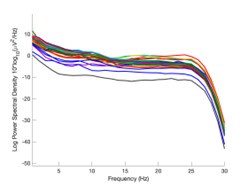
      As we stated in the manuscript, and in previous reviews, so far there has been no consensus on the exact range of measuring aperiodic activity. We made a principled decision based on the literature (showing a knee in aperiodic fits of this dataset at 20 Hz) (Medel et al., 2023; Ossandón et al., 2023), data quality (possible contamination by line noise at higher frequencies) and the purpose of the visual stimulation experiment (to look at the lower frequency range by stimulating up to 60 Hz, thereby limiting us to quantifying below 30 Hz), that 1-20 Hz would be the fit range in this dataset.

      Quote:

      “(3) What's the underlying idea of analyzing two separate aperiodic slopes (20-40Hz and 1-19Hz). This is very unusual to compute the slope between 20-40 Hz, where the SNR is rather low.

      "Ossandón et al. (2023), however, observed that in addition to the flatter slope of the aperiodic power spectrum in the high frequency range (20-40 Hz), the slope of the low frequency range (1-19 Hz) was steeper in both, congenital cataract-reversal individuals, as well as in permanently congenitally blind humans."

      Response: The present manuscript computed the slope between 1-20 Hz. Ossandón et al. as well as Medel et al. (2023) found a “knee” of the 1/f distribution at 20 Hz and describe further the motivations for computing both slope ranges. For example, Ossandón et al. used a data driven approach and compared single vs. dual fits and found that the latter fitted the data better. Additionally, they found the best fit if a knee at 20 Hz was used. We would like to point out that no standard range exists for the fitting of the 1/f component across the literature and, in fact, very different ranges have been used (Gao et al., 2017; Medel et al., 2023; Muthukumaraswamy & Liley, 2018).“

      (13) Baseline Removal: Subtracting the mean activity across an epoch as a baseline removal step is inappropriate for resting-state EEG data. This preprocessing step undermines the validity of the analysis. The EEG dataset has fundamental flaws, many of which were pointed out in the previous review round but remain unaddressed. In its current form, the manuscript falls short of standards for robust EEG analysis. If I were reviewing for another journal, I would recommend rejection based on these flaws.

      The baseline removal step from each epoch serves to remove the DC component of the recording and detrend the data. This is a standard preprocessing step (included as an option in preprocessing pipelines recommended by the EEGLAB toolbox, FieldTrip toolbox and MNE toolbox), additionally necessary to improve the efficacy of ICA decomposition (Groppe et al., 2009).

      In the previous review round, a clarification of the baseline timing was requested, which we added. Beyond this request, there was no mention of the appropriateness of the baseline removal and/or a request to provide reasons for why it might not undermine the validity of the analysis.

      Quote:

      “- "Subsequently, baseline removal was conducted by subtracting the mean activity across the length of an epoch from every data point." The actual baseline time segment should be specified.

      Response: The time segment was the length of the epoch, that is, 1 second for the resting state conditions and 6.25 seconds for the visual stimulation conditions. This has been explicitly stated in the revised manuscript (Page 13, Line 354).”

      Prior work in the time (not frequency) domain on event-related potential (ERP) analysis has suggested that the baselining step might cause spurious effects (Delorme, 2023) (although see (Tanner et al., 2016)). We did not perform ERP analysis at any stage. One recent study suggests spurious group differences in the 1/f signal might be driven by an inappropriate dB division baselining method (Gyurkovics et al., 2021), which we did not perform.

      Any effect of our baselining procedure on the FFT spectrum would be below the 1 Hz range, which we did not analyze.  

      Each of the preprocessing steps in the manuscript match pipelines described and published in extensive prior work. We document how multiple aspects of our EEG results replicate prior findings (Supplementary Material S15, S18, S19), reports of other experimenters, groups and locations, validating that our results are robust.

      We therefore reject the claim of methodological flaws in our EEG analyses in the strongest possible terms.

      Quote:

      “3.5 Problems with EEG preprocessing and analysis:

      - It seems that the authors did not identify bad channels nor address the line noise issue (even a problem if a low pass filter of below-the-line noise was applied).

      Response: As pointed out in the methods and Figure 1, we only analyzed data from two occipital channels, O1 and O2 neither of which were rejected for any participant. Channel rejection was performed for the larger dataset, published elsewhere (Ossandón et al., 2023; Pant et al., 2023). As control sites we added the frontal channels FP1 and Fp2 (see Supplementary Material S14)

      Neither Ossandón et al. (2023) nor Pant et al. (2023) considered frequency ranges above 40 Hz to avoid any possible contamination with line noise. Here, we focused on activity between 0 and 20 Hz, definitely excluding line noise contaminations (Methods, Page 14, Lines 365-367). The low pass filter (FIR, 1-45 Hz) guaranteed that any spill-over effects of line noise would be restricted to frequencies just below the upper cutoff frequency.

      Additionally, a prior version of the analysis used spectrum interpolation to remove line noise; the group differences remained stable (Ossandón et al., 2023). We have reported this analysis in the revised manuscript (Page 14, Lines 364-357).

      Further, both groups were measured in the same lab, making line noise (~ 50 Hz) as an account for the observed group effects in the 1-20 Hz frequency range highly unlikely. Finally, any of the exploratory MRS-EEG correlations would be hard to explain if the EEG parameters would be contaminated with line noise.

      - What was the percentage of segments that needed to be rejected due to the 120μV criteria? This should be reported specifically for EO & EC and controls and patients.

      Response: The mean percentage of 1 second segments rejected for each resting state condition and the percentage of 6.25 long segments rejected in each group for the visual stimulation condition have been added to the revised manuscript (Supplementary Material S10), and referred to in the Methods on Page 14, Lines 372-373).

      - The authors downsampled the data to 60Hz to "to match the stimulation rate". What is the intention of this? Because the subsequent spectral analyses are conflated by this choice (see Nyquist theorem).

      Response: This data were collected as part of a study designed to evoke alpha activity with visual white-noise, which changed in luminance with equal power at all frequencies from 1-60 Hz, restricted by the refresh rate of the monitor on which stimuli were presented (Pant et al., 2023). This paradigm and method was developed by VanRullen and colleagues (Schwenk et al., 2020; VanRullen & MacDonald, 2012), wherein the analysis requires the same sampling rate between the presented frequencies and the EEG data. The downsampling function used here automatically applies an anti-aliasing filter (EEGLAB 2019) .

      - "Subsequently, baseline removal was conducted by subtracting the mean activity across the length of an epoch from every data point." The actual baseline time segment should be specified.

      The time segment was the length of the epoch, that is, 1 second for the resting state conditions and 6.25 seconds for the visual stimulation conditions. This has now been explicitly stated in the revised manuscript (Page 14, Lines 379-380).<br /> - "We excluded the alpha range (8-14 Hz) for this fit to avoid biasing the results due to documented differences in alpha activity between CC and SC individuals (Bottari et al., 2016; Ossandón et al., 2023; Pant et al., 2023)." This does not really make sense, as the FOOOF algorithm first fits the 1/f slope, for which the alpha activity is not relevant.

      Response: We did not use the FOOOF algorithm/toolbox in this manuscript. As stated in the Methods, we used a 1/f fit to the 1-20 Hz spectrum in the log-log space, and subtracted this fit from the original spectrum to obtain the corrected spectrum. Given the pronounced difference in alpha power between groups (Bottari et al., 2016; Ossandón et al., 2023; Pant et al., 2023), we were concerned it might drive differences in the exponent values. Our analysis pipeline had been adapted from previous publications of our group and other labs (Ossandón et al., 2023; Voytek et al., 2015; Waschke et al., 2017).

      We have conducted the analysis with and without the exclusion of the alpha range, as well as using the FOOOF toolbox both in the 1-20 Hz and 20-40 Hz ranges (Ossandón et al., 2023). The findings of a steeper slope in the 1-20 Hz range as well as lower alpha power in CC vs SC individuals remained stable. In Ossandón et al., the comparison between the piecewise fits and FOOOF fits led the authors to use the former, as it outperformed the FOOOF algorithm for their data.

      - The model fits of the 1/f fitting for EO, EC, and both participant groups should be reported.

      Response: In Figure 3 of the manuscript, we depicted the mean spectra and 1/f fits for each group.

      In the revised manuscript, we added the fit quality metrics (average R<sup>2</sup> values > 0.91 for each group and condition) (Methods Page 15, Lines 395-396; Supplementary Material S11) and additionally show individual subjects’ fits (Supplementary Material S11).“

      (14) The authors mention:

      "The EEG data sets reported here were part of data published earlier (Ossandón et al., 2023; Pant et al., 2023)." Thus, the statement "The group differences for the EEG assessments corresponded to those of a larger sample of CC individuals (n=38) " is a circular argument and should be avoided."

      The authors addressed this comment and adjusted the statement. However, I do not understand, why not the full sample published earlier (Ossandón et al., 2023) was used in the current study?

      The recording of EEG resting state data stated in 2013, while MRS testing could only be set up by the end of 2019. Moreover, not all subjects who qualify for EEG recording qualify for being scanned (e.g. due to MRI safety, claustrophobia)

      References

      Bottari, D., Troje, N. F., Ley, P., Hense, M., Kekunnaya, R., & Röder, B. (2016). Sight restoration after congenital blindness does not reinstate alpha oscillatory activity in humans. Scientific Reports. https://doi.org/10.1038/srep24683

      Colombo, M. A., Napolitani, M., Boly, M., Gosseries, O., Casarotto, S., Rosanova, M., Brichant, J. F., Boveroux, P., Rex, S., Laureys, S., Massimini, M., Chieregato, A., & Sarasso, S. (2019). The spectral exponent of the resting EEG indexes the presence of consciousness during unresponsiveness induced by propofol, xenon, and ketamine. NeuroImage, 189(September 2018), 631–644. https://doi.org/10.1016/j.neuroimage.2019.01.024

      Delorme, A. (2023). EEG is better left alone. Scientific Reports, 13(1), 2372. https://doi.org/10.1038/s41598-023-27528-0

      Favaro, J., Colombo, M. A., Mikulan, E., Sartori, S., Nosadini, M., Pelizza, M. F., Rosanova, M., Sarasso, S., Massimini, M., & Toldo, I. (2023). The maturation of aperiodic EEG activity across development reveals a progressive differentiation of wakefulness from sleep. NeuroImage, 277. https://doi.org/10.1016/J.NEUROIMAGE.2023.120264

      Gao, R., Peterson, E. J., & Voytek, B. (2017). Inferring synaptic excitation/inhibition balance from field potentials. NeuroImage, 158(March), 70–78. https://doi.org/10.1016/j.neuroimage.2017.06.078

      Groppe, D. M., Makeig, S., & Kutas, M. (2009). Identifying reliable independent components via split-half comparisons. NeuroImage, 45(4), 1199–1211. https://doi.org/10.1016/j.neuroimage.2008.12.038

      Gyurkovics, M., Clements, G. M., Low, K. A., Fabiani, M., & Gratton, G. (2021). The impact of 1/f activity and baseline correction on the results and interpretation of time-frequency analyses of EEG/MEG data: A cautionary tale. NeuroImage, 237. https://doi.org/10.1016/j.neuroimage.2021.118192

      Hill, A. T., Clark, G. M., Bigelow, F. J., Lum, J. A. G., & Enticott, P. G. (2022). Periodic and aperiodic neural activity displays age-dependent changes across early-to-middle childhood. Developmental Cognitive Neuroscience, 54, 101076. https://doi.org/10.1016/J.DCN.2022.101076

      Maurer, D., Mondloch, C. J., & Lewis, T. L. (2007). Sleeper effects. In Developmental Science. https://doi.org/10.1111/j.1467-7687.2007.00562.x

      McSweeney, M., Morales, S., Valadez, E. A., Buzzell, G. A., Yoder, L., Fifer, W. P., Pini, N., Shuffrey, L. C., Elliott, A. J., Isler, J. R., & Fox, N. A. (2023). Age-related trends in aperiodic EEG activity and alpha oscillations during early- to middle-childhood. NeuroImage, 269, 119925. https://doi.org/10.1016/j.neuroimage.2023.119925

      Medel, V., Irani, M., Crossley, N., Ossandón, T., & Boncompte, G. (2023). Complexity and 1/f slope jointly reflect brain states. Scientific Reports, 13(1), 21700. https://doi.org/10.1038/s41598-023-47316-0

      Molina, J. L., Voytek, B., Thomas, M. L., Joshi, Y. B., Bhakta, S. G., Talledo, J. A., Swerdlow, N. R., & Light, G. A. (2020). Memantine Effects on Electroencephalographic Measures of Putative Excitatory/Inhibitory Balance in Schizophrenia. Biological Psychiatry: Cognitive Neuroscience and Neuroimaging, 5(6), 562–568. https://doi.org/10.1016/j.bpsc.2020.02.004

      Muthukumaraswamy, S. D., & Liley, D. T. (2018). 1/F electrophysiological spectra in resting and drug-induced states can be explained by the dynamics of multiple oscillatory relaxation processes. NeuroImage, 179(November 2017), 582–595. https://doi.org/10.1016/j.neuroimage.2018.06.068

      Ossandón, J. P., Stange, L., Gudi-Mindermann, H., Rimmele, J. M., Sourav, S., Bottari, D., Kekunnaya, R., & Röder, B. (2023). The development of oscillatory and aperiodic resting state activity is linked to a sensitive period in humans. NeuroImage, 275, 120171. https://doi.org/10.1016/J.NEUROIMAGE.2023.120171

      Ostlund, B. D., Alperin, B. R., Drew, T., & Karalunas, S. L. (2021). Behavioral and cognitive correlates of the aperiodic (1/f-like) exponent of the EEG power spectrum in adolescents with and without ADHD. Developmental Cognitive Neuroscience, 48, 100931. https://doi.org/10.1016/j.dcn.2021.100931

      Pant, R., Ossandón, J., Stange, L., Shareef, I., Kekunnaya, R., & Röder, B. (2023). Stimulus-evoked and resting-state alpha oscillations show a linked dependence on patterned visual experience for development. NeuroImage: Clinical, 103375. https://doi.org/10.1016/J.NICL.2023.103375

      Schaworonkow, N., & Voytek, B. (2021). Longitudinal changes in aperiodic and periodic activity in electrophysiological recordings in the first seven months of life. Developmental Cognitive Neuroscience, 47. https://doi.org/10.1016/j.dcn.2020.100895

      Schwenk, J. C. B., VanRullen, R., & Bremmer, F. (2020). Dynamics of Visual Perceptual Echoes Following Short-Term Visual Deprivation. Cerebral Cortex Communications, 1(1). https://doi.org/10.1093/TEXCOM/TGAA012

      Tanner, D., Norton, J. J. S., Morgan-Short, K., & Luck, S. J. (2016). On high-pass filter artifacts (they’re real) and baseline correction (it’s a good idea) in ERP/ERMF analysis. Journal of Neuroscience Methods, 266, 166–170. https://doi.org/10.1016/j.jneumeth.2016.01.002

      Vanrullen, R., & MacDonald, J. S. P. (2012). Perceptual echoes at 10 Hz in the human brain. Current Biology. https://doi.org/10.1016/j.cub.2012.03.050

      Voytek, B., Kramer, M. A., Case, J., Lepage, K. Q., Tempesta, Z. R., Knight, R. T., & Gazzaley, A. (2015). Age-related changes in 1/f neural electrophysiological noise. Journal of Neuroscience, 35(38). https://doi.org/10.1523/JNEUROSCI.2332-14.2015

      Waschke, L., Wöstmann, M., & Obleser, J. (2017). States and traits of neural irregularity in the age-varying human brain. Scientific Reports 2017 7:1, 7(1), 1–12. https://doi.org/10.1038/s41598-017-17766-4


      The following is the authors’ response to the original reviews.

      eLife Assessment

      This potentially useful study involves neuro-imaging and electrophysiology in a small cohort of congenital cataract patients after sight recovery and age-matched control participants with normal sight. It aims to characterize the effects of early visual deprivation on excitatory and inhibitory balance in the visual cortex. While the findings are taken to suggest the existence of persistent alterations in Glx/GABA ratio and aperiodic EEG signals, the evidence supporting these claims is incomplete. Specifically, small sample sizes, lack of a specific control cohort, and other methodological limitations will likely restrict the usefulness of the work, with relevance limited to scientists working in this particular subfield.

      As pointed out in the public reviews, there are very few human models which allow for assessing the role of early experience on neural circuit development. While the prevalent research in permanent congenital blindness reveals the response and adaptation of the developing brain to an atypical situation (blindness), research in sight restoration addresses the question of whether and how atypical development can be remediated if typical experience (vision) is restored. The literature on the role of visual experience in the development of E/I balance in humans, assessed via Magnetic Resonance Spectroscopy (MRS), has been limited to a few studies on congenital permanent blindness. Thus, we assessed sight recovery individuals with a history of congenital blindness, as limited evidence from other researchers indicated that the visual cortex E/I ratio might differ compared to normally sighted controls.

      Individuals with total bilateral congenital cataracts who remained untreated until later in life are extremely rare, particularly if only carefully diagnosed patients are included in a study sample. A sample size of 10 patients is, at the very least, typical of past studies in this population, even for exclusively behavioral assessments. In the present study, in addition to behavioral assessment as an indirect measure of sensitive periods, we investigated participants with two neuroimaging methods (Magnetic Resonance Spectroscopy and electroencephalography) to directly assess the neural correlates of sensitive periods in humans. The electroencephalography data allowed us to link the results of our small sample to findings documented in large cohorts of both, sight recovery individuals and permanently congenitally blind individuals. As pointed out in a recent editorial recommending an “exploration-then-estimation procedure,” (“Consideration of Sample Size in Neuroscience Studies,” 2020), exploratory studies like ours provide crucial direction and specific hypotheses for future work.

      We included an age-matched sighted control group recruited from the same community, measured in the same scanner and laboratory, to assess whether early experience is necessary for a typical excitatory/inhibitory (E/I) ratio to emerge in adulthood. The present findings indicate that this is indeed the case. Based on these results, a possible question to answer in future work, with individuals who had developmental cataracts, is whether later visual deprivation causes similar effects. Note that even if visual deprivation at a later stage in life caused similar effects, the current results would not be invalidated; by contrast, they are essential to understand future work on late (permanent or transient) blindness.

      Thus, we think that the present manuscript has far reaching implications for our understanding of the conditions under which E/I balance, a crucial characteristic of brain functioning, emerges in humans.

      Finally, our manuscript is one of the first few studies that relate MRS neurotransmitter concentrations to parameters of EEG aperiodic activity. Since present research has been using aperiodic activity as a correlate of the E/I ratio, and partially of higher cognitive functions, we think that our manuscript additionally contributes to a better understanding of what might be measured with aperiodic neurophysiological activity.

      Public Reviews:<br /> Reviewer #1 (Public Review):

      Summary:

      In this human neuroimaging and electrophysiology study, the authors aimed to characterize the effects of a period of visual deprivation in the sensitive period on excitatory and inhibitory balance in the visual cortex. They attempted to do so by comparing neurochemistry conditions ('eyes open', 'eyes closed') and resting state, and visually evoked EEG activity between ten congenital cataract patients with recovered sight (CC), and ten age-matched control participants (SC) with normal sight.

      First, they used magnetic resonance spectroscopy to measure in vivo neurochemistry from two locations, the primary location of interest in the visual cortex, and a control location in the frontal cortex. Such voxels are used to provide a control for the spatial specificity of any effects because the single-voxel MRS method provides a single sampling location. Using MR-visible proxies of excitatory and inhibitory neurotransmission, Glx and GABA+ respectively, the authors report no group effects in GABA+ or Glx, no difference in the functional conditions 'eyes closed' and 'eyes open'. They found an effect of the group in the ratio of Glx/GABA+ and no similar effect in the control voxel location. They then performed multiple exploratory correlations between MRS measures and visual acuity, and reported a weak positive correlation between the 'eyes open' condition and visual acuity in CC participants.

      The same participants then took part in an EEG experiment. The authors selected only two electrodes placed in the visual cortex for analysis and reported a group difference in an EEG index of neural activity, the aperiodic intercept, as well as the aperiodic slope, considered a proxy for cortical inhibition. They report an exploratory correlation between the aperiodic intercept and Glx in one out of three EEG conditions.

      The authors report the difference in E/I ratio, and interpret the lower E/I ratio as representing an adaptation to visual deprivation, which would have initially caused a higher E/I ratio. Although intriguing, the strength of evidence in support of this view is not strong. Amongst the limitations are the low sample size, a critical control cohort that could provide evidence for a higher E/I ratio in CC patients without recovered sight for example, and lower data quality in the control voxel.

      Strengths of study:

      How sensitive period experience shapes the developing brain is an enduring and important question in neuroscience. This question has been particularly difficult to investigate in humans. The authors recruited a small number of sight-recovered participants with bilateral congenital cataracts to investigate the effect of sensitive period deprivation on the balance of excitation and inhibition in the visual brain using measures of brain chemistry and brain electrophysiology. The research is novel, and the paper was interesting and well-written.

      Limitations:

      (1.1) Low sample size. Ten for CC and ten for SC, and a further two SC participants were rejected due to a lack of frontal control voxel data. The sample size limits the statistical power of the dataset and increases the likelihood of effect inflation.

      Applying strict criteria, we only included individuals who were born with no patterned vision in the CC group. The population of individuals who have remained untreated past infancy is small in India, despite a higher prevalence of childhood cataract than Germany. Indeed, from the original 11 CC and 11 SC participants tested, one participant each from the CC and SC group had to be rejected, as their data had been corrupted, resulting in 10 participants in each group.

      It was a challenge to recruit participants from this rare group with no history of neurological diagnosis/intake of neuromodulatory medications, who were able and willing to undergo both MRS and EEG. For this study, data collection took more than 2.5 years.

      We took care of the validity of our results with two measures; first, we assessed not just MRS, but additionally, EEG measures of E/I ratio. The latter allowed us to link results to a larger population of CC individuals, that is, we replicated the results of a larger group of 28 additional individuals (Ossandón et al., 2023) in our sub-group.

      Second, we included a control voxel. As predicted, all group effects were restricted to the occipital voxel.

      (1.2) Lack of specific control cohort. The control cohort has normal vision. The control cohort is not specific enough to distinguish between people with sight loss due to different causes and patients with congenital cataracts with co-morbidities. Further data from more specific populations, such as patients whose cataracts have not been removed, with developmental cataracts, or congenitally blind participants, would greatly improve the interpretability of the main finding. The lack of a more specific control cohort is a major caveat that limits a conclusive interpretation of the results.

      The existing work on visual deprivation and neurochemical changes, as assessed with MRS, has been limited to permanent congenital blindness. In fact, most of the studies on permanent blindness included only congenitally blind or early blind humans (Coullon et al., 2015; Weaver et al., 2013), or, in separate studies, only late-blind individuals (Bernabeu et al., 2009). Thus, accordingly, we started with the most “extreme” visual deprivation model, sight recovery after congenital blindness. If we had not observed any group difference compared to normally sighted controls, investigating other groups might have been trivial. Based on our results, subsequent studies in late blind individuals, and then individuals with developmental cataracts, can be planned with clear hypotheses.

      (1.3) MRS data quality differences. Data quality in the control voxel appears worse than in the visual cortex voxel. The frontal cortex MRS spectrum shows far broader linewidth than the visual cortex (Supplementary Figures). Compared to the visual voxel, the frontal cortex voxel has less defined Glx and GABA+ peaks; lower GABA+ and Glx concentrations, lower NAA SNR values; lower NAA concentrations. If the data quality is a lot worse in the FC, then small effects may not be detectable.

      Worse data quality in the frontal than the visual cortex has been repeatedly observed in the MRS literature, attributable to magnetic field distortions (Juchem & Graaf, 2017) resulting from the proximity of the region to the sinuses (recent example: (Rideaux et al., 2022)). Nevertheless, we chose the frontal control region rather than a parietal voxel, given the potential neurochemical changes in multisensory regions of the parietal cortex due to blindness. Such reorganization would be less likely in frontal areas associated with higher cognitive functions. Further, prior MRS studies of the visual cortex have used the frontal cortex as a control region as well (Pitchaimuthu et al., 2017; Rideaux et al., 2022). In the revised manuscript, we more explicitly inform the reader about this data quality difference between regions in the Methods (Pages 11-12, MRS Data Quality/Table 2) and Discussion (Page 25, Lines 644- 647).

      Importantly, while in the present study data quality differed between the frontal and visual cortex voxel, it did not differ between groups (Supplementary Material S6).  

      Further, we checked that the frontal cortex datasets for Glx and GABA+ concentrations were of sufficient quality: the fit error was below 8.31% in both groups (Supplementary Material S3). For reference, Mikkelsen et al. reported a mean GABA+ fit error of 6.24 +/- 1.95% from a posterior cingulate cortex voxel across 8 GE scanners, using the Gannet pipeline. No absolute cutoffs have been proposed for fit errors. However, MRS studies in special populations (I/E ratio assessed in narcolepsy (Gao et al., 2024), GABA concentration assessed in Autism Spectrum Disorder (Maier et al., 2022) have used frontal cortex data with a fit error of <10% to identify differences between cohorts (Gao et al., 2024; Pitchaimuthu et al., 2017). Based on the literature, MRS data from the frontal voxel of the present study would have been of sufficient quality to uncover group differences.

      In the revised manuscript, we added the recently published MRS quality assessment form to the supplementary materials (Supplementary Excel File S1). Additionally, we would like to allude to our apriori prediction of group differences for the visual cortex, but not for the frontal cortex voxel. Finally, EEG data quality did not differ between frontal and occipital electrodes; therefore, lower sensitivity of frontal measures cannot easily explain the lack of group differences for frontal measures.

      (1.4) Because of the direction of the difference in E/I, the authors interpret their findings as representing signatures of sight improvement after surgery without further evidence, either within the study or from the literature. However, the literature suggests that plasticity and visual deprivation drive the E/I index up rather than down. Decreasing GABA+ is thought to facilitate experience-dependent remodelling. What evidence is there that cortical inhibition increases in response to a visual cortex that is over-sensitised due to congenital cataracts? Without further experimental or literature support this interpretation remains very speculative.

      Indeed, higher inhibition was not predicted, which we attempt to reconcile in our discussion section. We base our discussion mainly on the non-human animal literature, which has shown evidence of homeostatic changes after prolonged visual deprivation in the adult brain (Barnes et al., 2015). It is also interesting to note that after monocular deprivation in adult humans, resting GABA+ levels decreased in the visual cortex (Lunghi et al., 2015). Assuming that after delayed sight restoration, adult neuroplasticity mechanisms must be employed, these studies would predict a “balancing” of the increased excitatory drive following sight restoration by a commensurate increase in inhibition (Keck et al., 2017). Additionally, the EEG results of the present study allowed for speculation regarding the underlying neural mechanisms of an altered E/I ratio. The aperiodic EEG activity suggested higher spontaneous spiking (increased intercept) and increased inhibition (steeper aperiodic slope between 1-20 Hz) in CC vs SC individuals (Ossandón et al., 2023).

      In the revised manuscript, we have more clearly indicated that these speculations are based primarily on non-human animal work, due to the lack of human studies on the subject (Page 23, Lines 609-613).

      (1.5) Heterogeneity in the patient group. Congenital cataract (CC) patients experienced a variety of duration of visual impairment and were of different ages. They presented with co-morbidities (absorbed lens, strabismus, nystagmus). Strabismus has been associated with abnormalities in GABAergic inhibition in the visual cortex. The possible interactions with residual vision and confounds of co-morbidities are not experimentally controlled for in the correlations, and not discussed.

      The goal of the present study was to assess whether we would observe changes in E/I ratio after restoring vision at all. We would not have included patients without nystagmus in the CC group of the present study, since it would have been unlikely that they experienced congenital patterned visual deprivation. Amongst diagnosticians, nystagmus or strabismus might not be considered genuine “comorbidities” that emerge in people with congenital cataracts. Rather, these are consequences of congenital visual deprivation, which we employed as diagnostic criteria. Similarly, absorbed lenses are clear signs that cataracts were congenital. As in other models of experience dependent brain development (e.g. the extant literature on congenital permanent blindness, including anophthalmic individuals (Coullon et al., 2015; Weaver et al., 2013), some uncertainty remains regarding whether the (remaining, in our case) abnormalities of the eye, or the blindness they caused, are the factors driving neural changes. In case of people with reversed congenital cataracts, at least the retina is considered to be intact, as they would otherwise not receive cataract removal surgery.

      However, we consider it unlikely that strabismus caused the group differences, because the present study shows group differences in the Glx/GABA+ ratio at rest, regardless of eye opening or eye closure, for which strabismus would have caused distinct effects. By contrast, the link between GABA concentration and, for example, interocular suppression in strabismus, have so far been documented during visual stimulation (Mukerji et al., 2022; Sengpiel et al., 2006), and differed in direction depending on the amblyopic vs. non-amblyopic eye. Further, one MRS study did not find group differences in GABA concentration between the visual cortices of 16 amblyopic individuals and sighted controls (Mukerji et al., 2022), supporting that the differences in Glx/GABA+ concentration which we observed were driven by congenital deprivation, and not amblyopia-associated visual acuity or eye movement differences. 

      In the revised manuscript, we discussed the inclusion criteria in more detail, and the aforementioned reasons why our data remains interpretable (Page 5, Lines 143 – 145, Lines 147-149). 

      (1.6) Multiple exploratory correlations were performed to relate MRS measures to visual acuity (shown in Supplementary Materials), and only specific ones were shown in the main document. The authors describe the analysis as exploratory in the 'Methods' section. Furthermore, the correlation between visual acuity and E/I metric is weak, and not corrected for multiple comparisons. The results should be presented as preliminary, as no strong conclusions can be made from them. They can provide a hypothesis to test in a future study.

      In the revised manuscript, we have clearly indicated that the exploratory correlation analyses are reported to put forth hypotheses for future studies (Page 4, Lines 118-128; Page 5, Lines 132-134; Page 25, Lines 644- 647).

      (1.7) P.16 Given the correlation of the aperiodic intercept with age ("Age negatively correlated with the aperiodic intercept across CC and SC individuals, that is, a flattening of the intercept was observed with age"), age needs to be controlled for in the correlation between neurochemistry and the aperiodic intercept. Glx has also been shown to negatively correlate with age.

      The correlation between chronological age and aperiodic intercept was observed across groups, but the correlation between Glx and the intercept of the aperiodic EEG activity was seen only in the CC group, even though the SC group was matched for age. Thus, such a correlation was very unlikely to be predominantly driven by an effect of chronological age.

      In the revised manuscript, we added the linear regressions with age as a covariate (Supplementary Material S16, referred to in the main Results, Page 21, Lines 534-537), demonstrating the significant relationship between aperiodic intercept and Glx concentration in the CC group. 

      (1.8) Multiple exploratory correlations were performed to relate MRS to EEG measures (shown in Supplementary Materials), and only specific ones were shown in the main document. Given the multiple measures from the MRS, the correlations with the EEG measures were exploratory, as stated in the text, p.16, and in Figure 4. Yet the introduction said that there was a prior hypothesis "We further hypothesized that neurotransmitter changes would relate to changes in the slope and intercept of the EEG aperiodic activity in the same subjects." It would be great if the text could be revised for consistency and the analysis described as exploratory.

      In the revised manuscript, we improved the phrasing (Page 5, Lines 130-132) and consistently reported the correlations as exploratory in the Methods and Discussion. We consider the correlation analyses as exploratory due to our sample size and the absence of prior work. However, we did hypothesize that both MRS and EEG markers would concurrently be altered in CC vs SC individuals.

      (1.9) The analysis for the EEG needs to take more advantage of the available data. As far as I understand, only two electrodes were used, yet far more were available as seen in their previous study (Ossandon et al., 2023). The spatial specificity is not established. The authors could use the frontal cortex electrode (FP1, FP2) signals as a control for spatial specificity in the group effects, or even better, all available electrodes and correct for multiple comparisons. Furthermore, they could use the aperiodic intercept vs Glx in SC to evaluate the specificity of the correlation to CC.

      The aperiodic intercept and slope did not differ between CC and SC individuals for Fp1 and Fp2, suggesting the spatial specificity of the results. In the revised manuscript, we added this analysis to the Supplementary Material (Supplementary Material S14) and referred to it in our Results (Page 20, Lines 513-514).

      Further, Glx concentration in the visual cortex did not correlate with the aperiodic intercept in the SC group (Figure 4), suggesting that this relationship was indeed specific to the CC group.

      The data from all electrodes has been analyzed and published in other studies as well (Pant et al., 2023; Ossandón et al., 2023). 

      Reviewer #2 (Public Review):

      Summary:

      The manuscript reports non-invasive measures of activity and neurochemical profiles of the visual cortex in congenitally blind patients who recovered vision through the surgical removal of bilateral dense cataracts. The declared aim of the study is to find out how restoring visual function after several months or years of complete blindness impacts the balance between excitation and inhibition in the visual cortex.

      Strengths:

      The findings are undoubtedly useful for the community, as they contribute towards characterising the many ways this special population differs from normally sighted individuals. The combination of MRS and EEG measures is a promising strategy to estimate a fundamental physiological parameter - the balance between excitation and inhibition in the visual cortex, which animal studies show to be heavily dependent upon early visual experience. Thus, the reported results pave the way for further studies, which may use a similar approach to evaluate more patients and control groups.

      Weaknesses:

      (2.1) The main issue is the lack of an appropriate comparison group or condition to delineate the effect of sight recovery (as opposed to the effect of congenital blindness). Few previous studies suggested an increased excitation/Inhibition ratio in the visual cortex of congenitally blind patients; the present study reports a decreased E/I ratio instead. The authors claim that this implies a change of E/I ratio following sight recovery. However, supporting this claim would require showing a shift of E/I after vs. before the sight-recovery surgery, or at least it would require comparing patients who did and did not undergo the sight-recovery surgery (as common in the field).

      Longitudinal studies would indeed be the best way to test the hypothesis that the lower E/I ratio in the CC group observed by the present study is a consequence of sight restoration.

      We have now explicitly stated this in the Limitations section (Page 25, Lines 654-655).

      However, longitudinal studies involving neuroimaging are an effortful challenge, particularly in research conducted outside of major developed countries and dedicated neuroimaging research facilities. Crucially, however, had CC and SC individuals, as well as permanently congenitally blind vs SC individuals (Coullon et al., 2015; Weaver et al., 2013), not differed on any neurochemical markers, such a longitudinal study might have been trivial. Thus, in order to justify and better tailor longitudinal studies, cross-sectional studies are an initial step.

      (2.2) MR Spectroscopy shows a reduced GLX/GABA ratio in patients vs. sighted controls; however, this finding remains rather isolated, not corroborated by other observations. The difference between patients and controls only emerges for the GLX/GABA ratio, but there is no accompanying difference in either the GLX or the GABA concentrations. There is an attempt to relate the MRS data with acuity measurements and electrophysiological indices, but the explorative correlational analyses do not help to build a coherent picture. A bland correlation between GLX/GABA and visual impairment is reported, but this is specific to the patients' group (N=10) and would not hold across groups (the correlation is positive, predicting the lowest GLX/GABA ratio values for the sighted controls - the opposite of what is found). There is also a strong correlation between GLX concentrations and the EEG power at the lowest temporal frequencies. Although this relation is intriguing, it only holds for a very specific combination of parameters (of the many tested): only with eyes open, only in the patient group.

      We interpret these findings differently, that is, in the context of experiments from non-human animals and the larger MRS literature (Page 23, Lines 609-611).

      Homeostatic control of E/I balance assumes that the ratio of excitation (reflected here by Glx) and inhibition (reflected here by GABA+) is regulated. Like prior work (Gao et al., 2024, 2024; Narayan et al., 2022; Perica et al., 2022; Steel et al., 2020; Takado et al., 2022; Takei et al., 2016), we assumed that the ratio of Glx/GABA+ is indicative of E/I balance rather than solely the individual neurotransmitter levels. One of the motivations for assessing the ratio vs the absolute concentration is that as per the underlying E/I balance hypothesis, a change in excitation would cause a concomitant change in inhibition, and vice versa, which has been shown in non-human animal work (Fang et al., 2021; Haider et al., 2006; Tao & Poo, 2005) and modeling research (Vreeswijk & Sompolinsky, 1996; Wu et al., 2022). Importantly, our interpretation of the lower E/I ratio is not just from the Glx/GABA+ ratio, but additionally, based on the steeper EEG aperiodic slope (1-20 Hz). 

      As stated in the Discussion section and Response 1.4, we did not expect to see a lower Glx/GABA+ ratio in CC individuals. We discuss the possible reasons for the direction of the correlation with visual acuity and aperiodic offset during passive visual stimulation, and offer interpretations and (testable) hypotheses.

      We interpret the direction of the Glx/GABA+ correlation with visual acuity to imply that patients with highest (compensatory) balancing of the consequences of congenital blindness (hyperexcitation), in light of visual stimulation, are those who recover best. Note, the sighted control group was selected based on their “normal” vision. Thus, clinical visual acuity measures are not expected to sufficiently vary, nor have the resolution to show strong correlations with neurophysiological measures. By contrast, the CC group comprised patients highly varying in visual outcomes, and thus were ideal to investigate such correlations.

      This holds for the correlation between Glx and the aperiodic intercept, as well. Previous work has suggested that the intercept of the aperiodic activity is associated with broadband spiking activity in neural circuits (Manning et al., 2009). Thus, an atypical increase of spiking activity during visual stimulation, as indirectly suggested by “old” non-human primate work on visual deprivation (Hyvärinen et al., 1981) might drive a correlation not observed in healthy populations.

      In the revised manuscript, we have more clearly indicated in the Discussion that these are possible post-hoc interpretations (Page 23, Lines 584-586; Page 24, Lines 609-620; Page 24, Lines 644-647; Pages 25, Lines 650 - 657). We argue that given the lack of such studies in humans, it is all the more important that extant data be presented completely, even if the direction of the effects are not as expected.

      (2.3) For these reasons, the reported findings do not allow us to draw firm conclusions on the relation between EEG parameters and E/I ratio or on the impact of early (vs. late) visual experience on the excitation/inhibition ratio of the human visual cortex.

      Indeed, the correlations we have tested between the E/I ratio and EEG parameters were exploratory, and have been reported as such.

      We have now made this clear in all the relevant parts of the manuscript (Introduction, Page 5, Lines 132-135; Methods, Page 16, Line 415; Results, Page 21, Figure 4; Discussion, Page 22, Line 568, Page 25, Lines 644-645, Page 25, Lines 650-657).

      The goal of our study was not to compare the effects of early vs. late visual experience. The goal was to study whether early visual experience is necessary for a typical E/I ratio in visual neural circuits. We provided clear evidence in favor of this hypothesis. Thus, the present results suggest the necessity of investigating the effects of late visual deprivation. In fact, such research is missing in permanent blindness as well.

      Reviewer #3 (Public Review):

      This manuscript examines the impact of congenital visual deprivation on the excitatory/inhibitory (E/I) ratio in the visual cortex using Magnetic Resonance Spectroscopy (MRS) and electroencephalography (EEG) in individuals whose sight was restored. Ten individuals with reversed congenital cataracts were compared to age-matched, normally sighted controls, assessing the cortical E/I balance and its interrelationship to visual acuity. The study reveals that the Glx/GABA ratio in the visual cortex and the intercept and aperiodic signal are significantly altered in those with a history of early visual deprivation, suggesting persistent neurophysiological changes despite visual restoration.

      My expertise is in EEG (particularly in the decomposition of periodic and aperiodic activity) and statistical methods. I have several major concerns in terms of methodological and statistical approaches along with the (over)interpretation of the results. These major concerns are detailed below.

      (3.1) Variability in visual deprivation:

      - The document states a large variability in the duration of visual deprivation (probably also the age at restoration), with significant implications for the sensitivity period's impact on visual circuit development. The variability and its potential effects on the outcomes need thorough exploration and discussion.

      We work with a rare, unique patient population, which makes it difficult to systematically assess the effects of different visual histories while maintaining stringent inclusion criteria such as complete patterned visual deprivation at birth. Regardless, we considered the large variance in age at surgery and time since surgery as supportive of our interpretation: group differences were found despite the large variance in duration of visual deprivation. Moreover, the existing variance was used to explore possible associations between behavior and neural measures, as well as neurochemical and EEG measures.

      In the revised manuscript, we have detailed the advantages (Methods, Page 5, Lines 143 – 145, Lines 147-149; Discussion, Page 26, Lines 677-678) and disadvantages (Discussion, Page 25, Lines 650-657) of our CC sample, with respect to duration of congenital visual deprivation.

      (3.2) Sample size:

      - The small sample size is a major concern as it may not provide sufficient power to detect subtle effects and/or overestimate significant effects, which then tend not to generalize to new data. One of the biggest drivers of the replication crisis in neuroscience.

      We address the small sample size in our Discussion, and make clear that small sample sizes were due to the nature of investigations in special populations. In the revised manuscript, we added the sample sizes of previous studies using MRS in permanently blind individuals (Page 4, Lines 108 - 109). It is worth noting that our EEG results fully align with those of larger samples of congenital cataract reversal individuals (Page 25, Lines 666-676, Supplementary Material S18, S19) (Ossandón et al., 2023), providing us confidence about their validity and reproducibility. Moreover, our MRS results and correlations of those with EEG parameters were spatially specific to occipital cortex measures.

      The main problem with the correlation analyses between MRS and EEG measures is that the sample size is simply too small to conduct such an analysis. Moreover, it is unclear from the methods section that this analysis was only conducted in the patient group (which the reviewer assumed from the plots), and not explained why this was done only in the patient group. I would highly recommend removing these correlation analyses.

      In the revised manuscript, we have more clearly marked the correlation analyses as exploratory (Introduction, Page 4, Lines 118-128 and Page 5, Lines 132-134; Methods Page 16, Line 415; Discussion Page 22, Line 568, Page 24, Lines 644-645, Page 25, Lines 650-657); note that we do not base most of our discussion on the results of these analyses.

      As indicated by Reviewer 1, reporting them allows for deriving more precise hypothesis for future studies. It has to be noted that we investigate an extremely rare population, tested outside of major developed economies and dedicated neuroimaging research facilities. In addition to being a rare patient group, these individuals come from poor communities. Therefore, we consider it justified to report these correlations as exploratory, providing direction for future research.

      (3.3) Statistical concerns:

      - The statistical analyses, particularly the correlations drawn from a small sample, may not provide reliable estimates (see https://www.sciencedirect.com/science/article/pii/S0092656613000858, which clearly describes this problem).

      It would undoubtedly be better to have a larger sample size. We nonetheless think it is of value to the research community to publish this dataset, since 10 multimodal data sets from a carefully diagnosed, rare population, representing a human model for the effects of early experience on brain development, are quite a lot. Sample sizes in prior neuroimaging studies in transient blindness have most often ranged from n = 1 to n = 10. They nevertheless provided valuable direction for future research, and integration of results across multiple studies provides scientific insights. 

      Identifying possible group differences was the goal of our study, with the correlations being an exploratory analysis, which we have clearly indicated in the methods, results and discussion.

      - Statistical analyses for the MRS: The authors should consider some additional permutation statistics, which are more suitable for small sample sizes. The current statistical model (2x2) design ANOVA is not ideal for such small sample sizes. Moreover, it is unclear why the condition (EO & EC) was chosen as a predictor and not the brain region (visual & frontal) or neurochemicals. Finally, the authors did not provide any information on the alpha level nor any information on correction for multiple comparisons (in the methods section). Finally, even if the groups are matched w.r.t. age, the time between surgery and measurement, the duration of visual deprivation, (and sex?), these should be included as covariates as it has been shown that these are highly related to the measurements of interest (especially for the EEG measurements) and the age range of the current study is large.

      In our ANOVA models, the neurochemicals were the outcome variables, and the conditions were chosen as predictors based on prior work suggesting that Glx/GABA+ might vary with eye closure (Kurcyus et al., 2018). The study was designed based on a hypothesis of group differences localized to the occipital cortex, due to visual deprivation. The frontal cortex voxel was chosen to indicate whether these differences were spatially specific. Therefore, we conducted separate ANOVAs based on this study design.

      We have now clarified the motivation for these conditions in the Introduction (Page 4, Lines 122-125) and the Methods (Page 9, Lines 219-224).

      In the revised manuscript, we added the rationale for parametric analyses for our outcomes (Shapiro-Wilk as well as Levene’s tests, Supplementary Material S9). Note that in the Supplementary Materials (S12, S14), we have reported the correlations between visual history metrics and MRS/EEG outcomes, thereby investigating whether the variance in visual history might have driven these results. Specifically, we found a (negative) correlation between visual cortex Glx/GABA+ concentration during eye closure and the visual acuity in the CC group (Figure 2c). None of the other exploratory correlations between MRS/EEG outcomes vs time since surgery, duration of blindness or visual acuity were significant in the CC group (Supplementary Material S12, S15).  

      The alpha level used for the ANOVA models specified in the Methods section was 0.05. The alpha level for the exploratory analyses reported in the main manuscript was 0.008, after correcting for (6) multiple comparisons using the Bonferroni correction, also specified in the Methods. Note that the p-values following correction are expressed as multiplied by 6, due to most readers assuming an alpha level of 0.05 (see response regarding large p-values).

      We used a control group matched for age, recruited and tested in the same institutes, using the same setup. We feel that we followed the gold standards for recruiting a healthy control group for a patient group.

      - EEG statistical analyses: The same critique as for the MRS statistical analyses applies to the EEG analysis. In addition: was the 2x3 ANOVA conducted for EO and EC independently? This seems to be inconsistent with the approach in the MRS analyses, in which the authors chose EO & EC as predictors in their 2x2 ANOVA.

      The 2x3 ANOVA was not conducted independently for the eyes open/eyes closed condition. The ANOVA conducted on the EEG metrics was 2x3 because it had two groups (CC, SC) and three conditions (eyes open (EO), eyes closed (EC) and visual stimulation (LU)) as predictors.

      - Figure 4: The authors report a p-value of >0.999 with a correlation coefficient of -0.42 with a sample size of 10 subjects. This can't be correct (it should be around: p = 0.22). All statistical analyses should be checked.

      As specified in the Methods and Figure legend, the reported p values in Figure 4 have been corrected using the Bonferroni correction, and therefore multiplied by the number of comparisons, leading to the seemingly large values.

      Additionally, to check all statistical analyses, we put the manuscript through an independent Statistics Check (Nuijten & Polanin, 2020) (https://michelenuijten.shinyapps.io/statcheck-web/) and have uploaded the consistency report with the revised Supplementary Material (Supplementary Report 1).

      - Figure 2c. Eyes closed condition: The highest score of the *Glx/GABA ratio seems to be ~3.6. In subplot 2a, there seem to be 3 subjects that show a Glx/GABA ratio score > 3.6. How can this be explained? There is also a discrepancy for the eyes-closed condition.

      The three subjects that show the Glx/GABA+ ratio > 3.6 in subplot 2a are in the SC group, whereas the correlations plotted in figure 2c are only for the CC group, where the highest score is indeed ~3.6.

      (3.4) Interpretation of aperiodic signal:

      - Several recent papers demonstrated that the aperiodic signal measured in EEG or ECoG is related to various important aspects such as age, skull thickness, electrode impedance, as well as cognition. Thus, currently, very little is known about the underlying effects which influence the aperiodic intercept and slope. The entire interpretation of the aperiodic slope as a proxy for E/I is based on a computational model and simulation (as described in the Gao et al. paper).

      Apart from the modeling work from Gao et al., multiple papers which have also been cited which used ECoG, EEG and MEG and showed concomitant changes in aperiodic activity with pharmacological manipulation of the E/I ratio (Colombo et al., 2019; Molina et al., 2020; Muthukumaraswamy & Liley, 2018). Further, several prior studies have interpreted changes in the aperiodic slope as reflective of changes in the E/I ratio, including studies of developmental groups (Favaro et al., 2023; Hill et al., 2022; McSweeney et al., 2023; Schaworonkow & Voytek, 2021) as well as patient groups (Molina et al., 2020; Ostlund et al., 2021).

      In the revised manuscript, we have cited those studies not already included in the Introduction (Page 3, Lines 92-94).

      - Especially the aperiodic intercept is a very sensitive measure to many influences (e.g. skull thickness, electrode impedance...). As crucial results (correlation aperiodic intercept and MRS measures) are facing this problem, this needs to be reevaluated. It is safer to make statements on the aperiodic slope than intercept. In theory, some of the potentially confounding measures are available to the authors (e.g. skull thickness can be computed from T1w images; electrode impedances are usually acquired alongside the EEG data) and could be therefore controlled.

      All electrophysiological measures indeed depend on parameters such as skull thickness and electrode impedance. As in the extant literature using neurophysiological measures to compare brain function between patient and control groups, we used a control group matched in age/sex, recruited in the same region, tested with the same devices, and analyzed with the same analysis pipeline. For example, impedance was kept below 10 kOhm for all subjects.

      This is now mentioned in the Methods, Page 13, Line 344.

      There is no evidence available suggesting that congenital cataracts are associated with changes in skull thickness that would cause the observed pattern of group results. Moreover, we cannot think of how any of the exploratory correlations between neurophysiological measures and MRS measures could be accounted for by a difference e.g. in skull thickness.

      - The authors wrote: "Higher frequencies (such as 20-40 Hz) have been predominantly associated with local circuit activity and feedforward signaling (Bastos et al., 2018; Van Kerkoerle et al., 2014); the increased 20-40 Hz slope may therefore signal increased spontaneous spiking activity in local networks. We speculate that the steeper slope of the aperiodic activity for the lower frequency range (1-20 Hz) in CC individuals reflects the concomitant increase in inhibition." The authors confuse the interpretation of periodic and aperiodic signals. This section refers to the interpretation of the periodic signal (higher frequencies). This interpretation cannot simply be translated to the aperiodic signal (slope).

      Prior work has not always separated the aperiodic and periodic components, making it unclear what might have driven these effects in our data. The interpretation of the higher frequency range was intended to contrast with the interpretations of lower frequency range, in order to speculate as to why the two aperiodic fits might go in differing directions. Note that Ossandón et al. reported highly similar results (group differences for CC individuals and for permanently congenitally blind humans) for the aperiodic activity between 20-40 Hz and oscillatory activity in the gamma range.

      In the revised Discussion, we removed this section. We primarily interpret the increased offset and prior findings from fMRI-BOLD data (Raczy et al., 2023) as an increase in broadband neuronal firing.

      - The authors further wrote: We used the slope of the aperiodic (1/f) component of the EEG spectrum as an estimate of E/I ratio (Gao et al., 2017; Medel et al., 2020; Muthukumaraswamy & Liley, 2018). This is a highly speculative interpretation with very little empirical evidence. These papers were conducted with ECoG data (mostly in animals) and mostly under anesthesia. Thus, these studies only allow an indirect interpretation by what the 1/f slope in EEG measurements is actually influenced.

      Note that Muthukumaraswamy et al. (2018) used different types of pharmacological manipulations and analyzed periodic and aperiodic MEG activity in humans, in addition to monkey ECoG (Muthukumaraswamy & Liley, 2018). Further, Medel et al. (now published as Medel et al., 2023) compared EEG activity in addition to ECoG data after propofol administration. The interpretation of our results are in line with a number of recent studies in developing (Hill et al., 2022; Schaworonkow & Voytek, 2021) and special populations using EEG. As mentioned above, several prior studies have used the slope of the 1/f component/aperiodic activity as an indirect measure of the E/I ratio (Favaro et al., 2023; Hill et al., 2022; McSweeney et al., 2023; Molina et al., 2020; Ostlund et al., 2021; Schaworonkow & Voytek, 2021), including studies using scalp-recorded EEG from humans.

      In the introduction of the revised manuscript, we have made more explicit that this metric is indirect (Page 3, Line 91), (additionally see Discussion, Page 24, Lines 644-645, Page 25, Lines 650-657).

      While a full understanding of aperiodic activity needs to be provided, some convergent ideas have emerged. We think that our results contribute to this enterprise, since our study is, to the best of our knowledge, the first which assessed MRS measured neurotransmitter levels and EEG aperiodic activity.

      (3.5) Problems with EEG preprocessing and analysis:

      - It seems that the authors did not identify bad channels nor address the line noise issue (even a problem if a low pass filter of below-the-line noise was applied).

      As pointed out in the methods and Figure 1, we only analyzed data from two occipital channels, O1 and O2 neither of which were rejected for any participant. Channel rejection was performed for the larger dataset, published elsewhere (Ossandón et al., 2023; Pant et al., 2023). As control sites we added the frontal channels FP1 and Fp2 (see Supplementary Material S14)

      Neither Ossandón et al. (2023) nor Pant et al. (2023) considered frequency ranges above 40 Hz to avoid any possible contamination with line noise. Here, we focused on activity between 0 and 20 Hz, definitely excluding line noise contaminations (Methods, Page 14, Lines 365-367). The low pass filter (FIR, 1-45 Hz) guaranteed that any spill-over effects of line noise would be restricted to frequencies just below the upper cutoff frequency.

      Additionally, a prior version of the analysis used spectrum interpolation to remove line noise; the group differences remained stable (Ossandón et al., 2023). We have reported this analysis in the revised manuscript (Page 14, Lines 364-357).

      Further, both groups were measured in the same lab, making line noise (~ 50 Hz) as an account for the observed group effects in the 1-20 Hz frequency range highly unlikely. Finally, any of the exploratory MRS-EEG correlations would be hard to explain if the EEG parameters would be contaminated with line noise.

      - What was the percentage of segments that needed to be rejected due to the 120μV criteria? This should be reported specifically for EO & EC and controls and patients.

      The mean percentage of 1 second segments rejected for each resting state condition and the percentage of 6.25 long segments rejected in each group for the visual stimulation condition have been added to the revised manuscript (Supplementary Material S10), and referred to in the Methods on Page 14, Lines 372-373).

      - The authors downsampled the data to 60Hz to "to match the stimulation rate". What is the intention of this? Because the subsequent spectral analyses are conflated by this choice (see Nyquist theorem).

      This data were collected as part of a study designed to evoke alpha activity with visual white-noise, which changed in luminance with equal power at all frequencies from 1-60 Hz, restricted by the refresh rate of the monitor on which stimuli were presented (Pant et al., 2023). This paradigm and method was developed by VanRullen and colleagues (Schwenk et al., 2020; VanRullen & MacDonald, 2012), wherein the analysis requires the same sampling rate between the presented frequencies and the EEG data. The downsampling function used here automatically applies an anti-aliasing filter (EEGLAB 2019) .

      - "Subsequently, baseline removal was conducted by subtracting the mean activity across the length of an epoch from every data point." The actual baseline time segment should be specified.

      The time segment was the length of the epoch, that is, 1 second for the resting state conditions and 6.25 seconds for the visual stimulation conditions. This has now been explicitly stated in the revised manuscript (Page 14, Lines 379-380).

      - "We excluded the alpha range (8-14 Hz) for this fit to avoid biasing the results due to documented differences in alpha activity between CC and SC individuals (Bottari et al., 2016; Ossandón et al., 2023; Pant et al., 2023)." This does not really make sense, as the FOOOF algorithm first fits the 1/f slope, for which the alpha activity is not relevant.

      We did not use the FOOOF algorithm/toolbox in this manuscript. As stated in the Methods, we used a 1/f fit to the 1-20 Hz spectrum in the log-log space, and subtracted this fit from the original spectrum to obtain the corrected spectrum. Given the pronounced difference in alpha power between groups (Bottari et al., 2016; Ossandón et al., 2023; Pant et al., 2023), we were concerned it might drive differences in the exponent values. Our analysis pipeline had been adapted from previous publications of our group and other labs (Ossandón et al., 2023; Voytek et al., 2015; Waschke et al., 2017).

      We have conducted the analysis with and without the exclusion of the alpha range, as well as using the FOOOF toolbox both in the 1-20 Hz and 20-40 Hz ranges (Ossandón et al., 2023). The findings of a steeper slope in the 1-20 Hz range as well as lower alpha power in CC vs SC individuals remained stable. In Ossandón et al., the comparison between the piecewise fits and FOOOF fits led the authors to use the former, as it outperformed the FOOOF algorithm for their data.

      - The model fits of the 1/f fitting for EO, EC, and both participant groups should be reported.

      In Figure 3 of the manuscript, we depicted the mean spectra and 1/f fits for each group.

      In the revised manuscript, we added the fit quality metrics (average R<sup>2</sup> values > 0.91 for each group and condition) (Methods Page 15, Lines 395-396; Supplementary Material S11) and additionally show individual subjects’ fits (Supplementary Material S11).

      (3.6) Validity of GABA measurements and results:

      - According the a newer study by the authors of the Gannet toolbox (https://analyticalsciencejournals.onlinelibrary.wiley.com/doi/abs/10.1002/nbm.5076), the reliability and reproducibility of the gamma-aminobutyric acid (GABA) measurement can vary significantly depending on acquisition and modeling parameter. Thus, did the author address these challenges?

      We took care of data quality while acquiring MRS data by ensuring appropriate voxel placement and linewidth prior to scanning (Page 9, Lines 229-237). We now address this explicitly in the Methods in the “MRS Data Quality” section. Acquisition as well as modeling parameters were constant for both groups, so they cannot have driven group differences.

      The linked article compares the reproducibility of GABA measurement using Osprey (Oeltzschner et al., 2020), which was released in 2020 and uses linear combination modeling to fit the peak, as opposed to Gannet’s simple peak fitting (Hupfeld et al., 2024). The study finds better test-retest reliability for Osprey compared to Gannet’s method.

      As the present work was conceptualized in 2018, we used Gannet 3.0, which was the state-of-the-art edited-spectrum analysis toolbox at the time, and still is widely used.

      In the revised manuscript, we re-analyzed the data using linear combination modeling with Osprey (Oeltzschner et al., 2020), and reported that the main findings remained the same, i.e. the Glx/GABA+ concentration ratio was lower in the visual cortex of congenital cataract reversal individuals compared to normally sighted controls, regardless of whether participants were scanned with eyes open or with eyes closed. Further, NAA concentration did not differ between groups (Supplementary Material S3). Thus, we demonstrate that our findings were robust to analysis pipelines, and state this in the Methods (Page 9, Lines 242-246) and Results (Page 19, Lines 464-467).

      - Furthermore, the authors wrote: "We confirmed the within-subject stability of metabolite quantification by testing a subset of the sighted controls (n=6) 2-4 weeks apart. Looking at the supplementary Figure 5 (which would be rather plotted as ICC or Blant-Altman plots), the within-subject stability compared to between-subject variability seems not to be great. Furthermore, I don't think such a small sample size qualifies for a rigorous assessment of stability.

      Indeed, we did not intend to provide a rigorous assessment of within-subject stability. Rather, we aimed to confirm that data quality/concentration ratios did not systematically differ between the same subjects tested longitudinally; driven, for example, by scanner heating or time of day. As with the phantom testing, we attempted to give readers an idea of the quality of the data, as they were collected from a primarily clinical rather than a research site.

      In the revised manuscript, we have removed the statement regarding stability and the associated section.

      - "Why might an enhanced inhibitory drive, as indicated by the lower Glx/GABA ratio" Is this interpretation really warranted, as the results of the group differences in the Glx/GABA ratio seem to be rather driven by a decreased Glx concentration in CC rather than an increased GABA (see Figure 2).

      We used the Glx/GABA+ ratio as a measure, rather than individual Glx or GABA+ concentration, which did not significantly differ between groups. As detailed in Response 2.2, we think this metric aligns better with an underlying E/I balance hypothesis and has been used in many previous studies (Gao et al., 2024; Liu et al., 2015; Narayan et al., 2022; Perica et al., 2022).

      Our interpretation of an enhanced inhibitory drive additionally comes from the combination of aperiodic EEG (1-20 Hz) and MRS measures, which, when considered together, are consistent with a decreased E/I ratio.

      In the revised manuscript, we have rewritten the Discussion and removed this section.   

      - Glx concentration predicted the aperiodic intercept in CC individuals' visual cortices during ambient and flickering visual stimulation. Why specifically investigate the Glx concentration, when the paper is about E/I ratio?

      As stated in the methods, we exploratorily assessed the relationship between all MRS parameters (Glx, GABA+ and Glx/GABA+ ratio) with the aperiodic parameters (slope, offset), and corrected for multiple comparisons accordingly. We think this is a worthwhile analysis considering the rarity of the dataset/population (see 1.2, 1.6, 2.1 and Reviewer 1’s comments about future hypotheses). We only report the Glx – aperiodic intercept correlation in the main manuscript as it survived correction for multiple comparisons.

      (3.7) Interpretation of the correlation between MRS measurements and EEG aperiodic signal:

      - The authors wrote: "The intercept of the aperiodic activity was highly correlated with the Glx concentration during rest with eyes open and during flickering stimulation (also see Supplementary Material S11). Based on the assumption that the aperiodic intercept reflects broadband firing (Manning et al., 2009; Winawer et al., 2013), this suggests that the Glx concentration might be related to broadband firing in CC individuals during active and passive visual stimulation." These results should not be interpreted (or with very caution) for several reasons (see also problem with influences on aperiodic intercept and small sample size). This is a result of the exploratory analyses of correlating every EEG parameter with every MRS parameter. This requires well-powered replication before any interpretation can be provided. Furthermore and importantly: why should this be specifically only in CC patients, but not in the SC control group?

      We have indicated clearly in all parts of the manuscript that these correlations are presented as exploratory. Further, we interpret the Glx-aperiodic offset correlation, and none of the others, as it survived the Bonferroni correction for multiple comparisons. We offer a hypothesis in the Discussion as to why such a correlation might exist in the CC but not the SC group (see response 2.2), and do not speculate further.

      (3.8) Language and presentation:

      - The manuscript requires language improvements and correction of numerous typos. Over-simplifications and unclear statements are present, which could mislead or confuse readers (see also interpretation of aperiodic signal).

      In the revised manuscript, we have checked that speculations are clearly marked, and typos are removed.

      - The authors state that "Together, the present results provide strong evidence for experience-dependent development of the E/I ratio in the human visual cortex, with consequences for behavior." The results of the study do not provide any strong evidence, because of the small sample size and exploratory analyses approach and not accounting for possible confounding factors.

      We disagree with this statement and allude to convergent evidence of both MRS and neurophysiological measures. The latter link to corresponding results observed in a larger sample of CC individuals (Ossandón et al., 2023). In the revised manuscript, we have rephrased the statement as “to provide initial evidence” (Page 22, Line 676).

      - "Our results imply a change in neurotransmitter concentrations as a consequence of *restoring* vision following congenital blindness." This is a speculative statement to infer a causal relationship on cross-sectional data.

      As mentioned under 2.1, we conducted a cross-sectional study which might justify future longitudinal work. In order to advance science, new testable hypotheses were put forward at the end of a manuscript.

      In the revised manuscript, we rephrased the sentence and added “might imply” to better indicate the hypothetical character of this idea (Page 22, Lines 586-587).

      - In the limitation section, the authors wrote: "The sample size of the present study is relatively high for the rare population , but undoubtedly, overall, rather small." This sentence should be rewritten, as the study is plein underpowered. The further justification "We nevertheless think that our results are valid. Our findings neurochemically (Glx and GABA+ concentration), and anatomically (visual cortex) specific. The MRS parameters varied with parameters of the aperiodic EEG activity and visual acuity. The group differences for the EEG assessments corresponded to those of a larger sample of CC individuals (n=38) (Ossandón et al., 2023), and effects of chronological age were as expected from the literature." These statements do not provide any validation or justification of small samples. Furthermore, the current data set is a subset of an earlier published paper by the same authors "The EEG data sets reported here were part of data published earlier (Ossandón et al., 2023; Pant et al., 2023)." Thus, the statement "The group differences for the EEG assessments corresponded to those of a larger sample of CC individuals (n=38) " is a circular argument and should be avoided.

      Our intention was not to justify having a small sample, but to justify why we think the results might be valid as they align with/replicate existing literature.

      In the revised manuscript, we added a figure showing that the EEG results of the 10 subjects considered here correspond to those of the 28 other subjects of Ossandón et al (Supplementary Material S18). We adapted the text accordingly, clearly stating that the pattern of EEG results of the ten subjects reported here replicate those of the 28 additional subjects of Ossandón et al. (2023) (Page 25, Lines 671-672).

      References (Public Review)

      Barnes, S. J., Sammons, R. P., Jacobsen, R. I., Mackie, J., Keller, G. B., & Keck, T. (2015). Subnetwork-specific homeostatic plasticity in mouse visual cortex in vivo. Neuron, 86(5), 1290–1303. https://doi.org/10.1016/J.NEURON.2015.05.010

      Bernabeu, A., Alfaro, A., García, M., & Fernández, E. (2009). Proton magnetic resonance spectroscopy (1H-MRS) reveals the presence of elevated myo-inositol in the occipital cortex of blind subjects. NeuroImage, 47(4), 1172–1176. https://doi.org/10.1016/j.neuroimage.2009.04.080

      Bottari, D., Troje, N. F., Ley, P., Hense, M., Kekunnaya, R., & Röder, B. (2016). Sight restoration after congenital blindness does not reinstate alpha oscillatory activity in humans. Scientific Reports. https://doi.org/10.1038/srep24683

      Colombo, M. A., Napolitani, M., Boly, M., Gosseries, O., Casarotto, S., Rosanova, M., Brichant, J. F., Boveroux, P., Rex, S., Laureys, S., Massimini, M., Chieregato, A., & Sarasso, S. (2019). The spectral exponent of the resting EEG indexes the presence of consciousness during unresponsiveness induced by propofol, xenon, and ketamine. NeuroImage, 189(September 2018), 631–644. https://doi.org/10.1016/j.neuroimage.2019.01.024

      Consideration of Sample Size in Neuroscience Studies. (2020). Journal of Neuroscience, 40(21), 4076–4077. https://doi.org/10.1523/JNEUROSCI.0866-20.2020

      Coullon, G. S. L., Emir, U. E., Fine, I., Watkins, K. E., & Bridge, H. (2015). Neurochemical changes in the pericalcarine cortex in congenital blindness attributable to bilateral anophthalmia. Journal of Neurophysiology. https://doi.org/10.1152/jn.00567.2015

      Fang, Q., Li, Y. T., Peng, B., Li, Z., Zhang, L. I., & Tao, H. W. (2021). Balanced enhancements of synaptic excitation and inhibition underlie developmental maturation of receptive fields in the mouse visual cortex. Journal of Neuroscience, 41(49), 10065–10079. https://doi.org/10.1523/JNEUROSCI.0442-21.2021

      Favaro, J., Colombo, M. A., Mikulan, E., Sartori, S., Nosadini, M., Pelizza, M. F., Rosanova, M., Sarasso, S., Massimini, M., & Toldo, I. (2023). The maturation of aperiodic EEG activity across development reveals a progressive differentiation of wakefulness from sleep. NeuroImage, 277. https://doi.org/10.1016/J.NEUROIMAGE.2023.120264

      Gao, Y., Liu, Y., Zhao, S., Liu, Y., Zhang, C., Hui, S., Mikkelsen, M., Edden, R. A. E., Meng, X., Yu, B., & Xiao, L. (2024). MRS study on the correlation between frontal GABA+/Glx ratio and abnormal cognitive function in medication-naive patients with narcolepsy. Sleep Medicine, 119, 1–8. https://doi.org/10.1016/j.sleep.2024.04.004

      Haider, B., Duque, A., Hasenstaub, A. R., & McCormick, D. A. (2006). Neocortical network activity in vivo is generated through a dynamic balance of excitation and inhibition. Journal of Neuroscience. https://doi.org/10.1523/JNEUROSCI.5297-05.2006

      Hill, A. T., Clark, G. M., Bigelow, F. J., Lum, J. A. G., & Enticott, P. G. (2022). Periodic and aperiodic neural activity displays age-dependent changes across early-to-middle childhood. Developmental Cognitive Neuroscience, 54, 101076. https://doi.org/10.1016/J.DCN.2022.101076

      Hupfeld, K. E., Zöllner, H. J., Hui, S. C. N., Song, Y., Murali-Manohar, S., Yedavalli, V., Oeltzschner, G., Prisciandaro, J. J., & Edden, R. A. E. (2024). Impact of acquisition and modeling parameters on the test–retest reproducibility of edited GABA+. NMR in Biomedicine, 37(4), e5076. https://doi.org/10.1002/nbm.5076

      Hyvärinen, J., Carlson, S., & Hyvärinen, L. (1981). Early visual deprivation alters modality of neuronal responses in area 19 of monkey cortex. Neuroscience Letters, 26(3), 239–243. https://doi.org/10.1016/0304-3940(81)90139-7

      Juchem, C., & Graaf, R. A. de. (2017). B0 magnetic field homogeneity and shimming for in vivo magnetic resonance spectroscopy. Analytical Biochemistry, 529, 17–29. https://doi.org/10.1016/j.ab.2016.06.003

      Keck, T., Hübener, M., & Bonhoeffer, T. (2017). Interactions between synaptic homeostatic mechanisms: An attempt to reconcile BCM theory, synaptic scaling, and changing excitation/inhibition balance. Current Opinion in Neurobiology, 43, 87–93. https://doi.org/10.1016/J.CONB.2017.02.003

      Kurcyus, K., Annac, E., Hanning, N. M., Harris, A. D., Oeltzschner, G., Edden, R., & Riedl, V. (2018). Opposite Dynamics of GABA and Glutamate Levels in the Occipital Cortex during Visual Processing. Journal of Neuroscience, 38(46), 9967–9976. https://doi.org/10.1523/JNEUROSCI.1214-18.2018

      Liu, B., Wang, G., Gao, D., Gao, F., Zhao, B., Qiao, M., Yang, H., Yu, Y., Ren, F., Yang, P., Chen, W., & Rae, C. D. (2015). Alterations of GABA and glutamate-glutamine levels in premenstrual dysphoric disorder: A 3T proton magnetic resonance spectroscopy study. Psychiatry Research - Neuroimaging, 231(1), 64–70. https://doi.org/10.1016/J.PSCYCHRESNS.2014.10.020

      Lunghi, C., Berchicci, M., Morrone, M. C., & Russo, F. D. (2015). Short‐term monocular deprivation alters early components of visual evoked potentials. The Journal of Physiology, 593(19), 4361. https://doi.org/10.1113/JP270950

      Maier, S., Düppers, A. L., Runge, K., Dacko, M., Lange, T., Fangmeier, T., Riedel, A., Ebert, D., Endres, D., Domschke, K., Perlov, E., Nickel, K., & Tebartz van Elst, L. (2022). Increased prefrontal GABA concentrations in adults with autism spectrum disorders. Autism Research, 15(7), 1222–1236. https://doi.org/10.1002/aur.2740

      Manning, J. R., Jacobs, J., Fried, I., & Kahana, M. J. (2009). Broadband shifts in local field potential power spectra are correlated with single-neuron spiking in humans. The Journal of Neuroscience : The Official Journal of the Society for Neuroscience, 29(43), 13613–13620. https://doi.org/10.1523/JNEUROSCI.2041-09.2009

      McSweeney, M., Morales, S., Valadez, E. A., Buzzell, G. A., Yoder, L., Fifer, W. P., Pini, N., Shuffrey, L. C., Elliott, A. J., Isler, J. R., & Fox, N. A. (2023). Age-related trends in aperiodic EEG activity and alpha oscillations during early- to middle-childhood. NeuroImage, 269, 119925. https://doi.org/10.1016/j.neuroimage.2023.119925

      Medel, V., Irani, M., Crossley, N., Ossandón, T., & Boncompte, G. (2023). Complexity and 1/f slope jointly reflect brain states. Scientific Reports, 13(1), 21700. https://doi.org/10.1038/s41598-023-47316-0

      Molina, J. L., Voytek, B., Thomas, M. L., Joshi, Y. B., Bhakta, S. G., Talledo, J. A., Swerdlow, N. R., & Light, G. A. (2020). Memantine Effects on Electroencephalographic Measures of Putative Excitatory/Inhibitory Balance in Schizophrenia. Biological Psychiatry: Cognitive Neuroscience and Neuroimaging, 5(6), 562–568. https://doi.org/10.1016/j.bpsc.2020.02.004

      Mukerji, A., Byrne, K. N., Yang, E., Levi, D. M., & Silver, M. A. (2022). Visual cortical γ−aminobutyric acid and perceptual suppression in amblyopia. Frontiers in Human Neuroscience, 16. https://doi.org/10.3389/fnhum.2022.949395

      Muthukumaraswamy, S. D., & Liley, D. T. (2018). 1/F electrophysiological spectra in resting and drug-induced states can be explained by the dynamics of multiple oscillatory relaxation processes. NeuroImage, 179(November 2017), 582–595. https://doi.org/10.1016/j.neuroimage.2018.06.068

      Narayan, G. A., Hill, K. R., Wengler, K., He, X., Wang, J., Yang, J., Parsey, R. V., & DeLorenzo, C. (2022). Does the change in glutamate to GABA ratio correlate with change in depression severity? A randomized, double-blind clinical trial. Molecular Psychiatry, 27(9), 3833—3841. https://doi.org/10.1038/s41380-022-01730-4

      Nuijten, M. B., & Polanin, J. R. (2020). “statcheck”: Automatically detect statistical reporting inconsistencies to increase reproducibility of meta-analyses. Research Synthesis Methods, 11(5), 574–579. https://doi.org/10.1002/jrsm.1408

      Oeltzschner, G., Zöllner, H. J., Hui, S. C. N., Mikkelsen, M., Saleh, M. G., Tapper, S., & Edden, R. A. E. (2020). Osprey: Open-source processing, reconstruction & estimation of magnetic resonance spectroscopy data. Journal of Neuroscience Methods, 343, 108827. https://doi.org/10.1016/j.jneumeth.2020.108827

      Ossandón, J. P., Stange, L., Gudi-Mindermann, H., Rimmele, J. M., Sourav, S., Bottari, D., Kekunnaya, R., & Röder, B. (2023). The development of oscillatory and aperiodic resting state activity is linked to a sensitive period in humans. NeuroImage, 275, 120171. https://doi.org/10.1016/J.NEUROIMAGE.2023.120171

      Ostlund, B. D., Alperin, B. R., Drew, T., & Karalunas, S. L. (2021). Behavioral and cognitive correlates of the aperiodic (1/f-like) exponent of the EEG power spectrum in adolescents with and without ADHD. Developmental Cognitive Neuroscience, 48, 100931. https://doi.org/10.1016/j.dcn.2021.100931

      Pant, R., Ossandón, J., Stange, L., Shareef, I., Kekunnaya, R., & Röder, B. (2023). Stimulus-evoked and resting-state alpha oscillations show a linked dependence on patterned visual experience for development. NeuroImage: Clinical, 103375. https://doi.org/10.1016/J.NICL.2023.103375

      Perica, M. I., Calabro, F. J., Larsen, B., Foran, W., Yushmanov, V. E., Hetherington, H., Tervo-Clemmens, B., Moon, C.-H., & Luna, B. (2022). Development of frontal GABA and glutamate supports excitation/inhibition balance from adolescence into adulthood. Progress in Neurobiology, 219, 102370. https://doi.org/10.1016/j.pneurobio.2022.102370

      Pitchaimuthu, K., Wu, Q. Z., Carter, O., Nguyen, B. N., Ahn, S., Egan, G. F., & McKendrick, A. M. (2017). Occipital GABA levels in older adults and their relationship to visual perceptual suppression. Scientific Reports, 7(1). https://doi.org/10.1038/S41598-017-14577-5

      Rideaux, R., Ehrhardt, S. E., Wards, Y., Filmer, H. L., Jin, J., Deelchand, D. K., Marjańska, M., Mattingley, J. B., & Dux, P. E. (2022). On the relationship between GABA+ and glutamate across the brain. NeuroImage, 257, 119273. https://doi.org/10.1016/J.NEUROIMAGE.2022.119273

      Schaworonkow, N., & Voytek, B. (2021). Longitudinal changes in aperiodic and periodic activity in electrophysiological recordings in the first seven months of life. Developmental Cognitive Neuroscience, 47. https://doi.org/10.1016/j.dcn.2020.100895

      Schwenk, J. C. B., VanRullen, R., & Bremmer, F. (2020). Dynamics of Visual Perceptual Echoes Following Short-Term Visual Deprivation. Cerebral Cortex Communications, 1(1). https://doi.org/10.1093/TEXCOM/TGAA012

      Sengpiel, F., Jirmann, K.-U., Vorobyov, V., & Eysel, U. T. (2006). Strabismic Suppression Is Mediated by Inhibitory Interactions in the Primary Visual Cortex. Cerebral Cortex, 16(12), 1750–1758. https://doi.org/10.1093/cercor/bhj110

      Steel, A., Mikkelsen, M., Edden, R. A. E., & Robertson, C. E. (2020). Regional balance between glutamate+glutamine and GABA+ in the resting human brain. NeuroImage, 220. https://doi.org/10.1016/J.NEUROIMAGE.2020.117112

      Takado, Y., Takuwa, H., Sampei, K., Urushihata, T., Takahashi, M., Shimojo, M., Uchida, S., Nitta, N., Shibata, S., Nagashima, K., Ochi, Y., Ono, M., Maeda, J., Tomita, Y., Sahara, N., Near, J., Aoki, I., Shibata, K., & Higuchi, M. (2022). MRS-measured glutamate versus GABA reflects excitatory versus inhibitory neural activities in awake mice. Journal of Cerebral Blood Flow & Metabolism, 42(1), 197. https://doi.org/10.1177/0271678X211045449

      Takei, Y., Fujihara, K., Tagawa, M., Hironaga, N., Near, J., Kasagi, M., Takahashi, Y., Motegi, T., Suzuki, Y., Aoyama, Y., Sakurai, N., Yamaguchi, M., Tobimatsu, S., Ujita, K., Tsushima, Y., Narita, K., & Fukuda, M. (2016). The inhibition/excitation ratio related to task-induced oscillatory modulations during a working memory task: A multtimodal-imaging study using MEG and MRS. NeuroImage, 128, 302–315. https://doi.org/10.1016/J.NEUROIMAGE.2015.12.057

      Tao, H. W., & Poo, M. M. (2005). Activity-dependent matching of excitatory and inhibitory inputs during refinement of visual receptive fields. Neuron, 45(6), 829–836. https://doi.org/10.1016/J.NEURON.2005.01.046

      Vanrullen, R., & MacDonald, J. S. P. (2012). Perceptual echoes at 10 Hz in the human brain. Current Biology. https://doi.org/10.1016/j.cub.2012.03.050

      Voytek, B., Kramer, M. A., Case, J., Lepage, K. Q., Tempesta, Z. R., Knight, R. T., & Gazzaley, A. (2015). Age-related changes in 1/f neural electrophysiological noise. Journal of Neuroscience, 35(38). https://doi.org/10.1523/JNEUROSCI.2332-14.2015

      Vreeswijk, C. V., & Sompolinsky, H. (1996). Chaos in neuronal networks with balanced excitatory and inhibitory activity. Science, 274(5293), 1724–1726. https://doi.org/10.1126/SCIENCE.274.5293.1724

      Waschke, L., Wöstmann, M., & Obleser, J. (2017). States and traits of neural irregularity in the age-varying human brain. Scientific Reports 2017 7:1, 7(1), 1–12. https://doi.org/10.1038/s41598-017-17766-4

      Weaver, K. E., Richards, T. L., Saenz, M., Petropoulos, H., & Fine, I. (2013). Neurochemical changes within human early blind occipital cortex. Neuroscience. https://doi.org/10.1016/j.neuroscience.2013.08.004
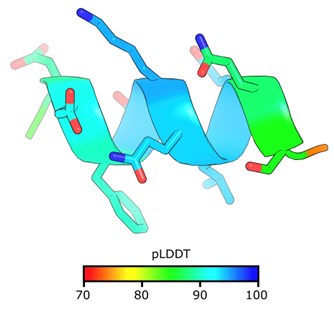
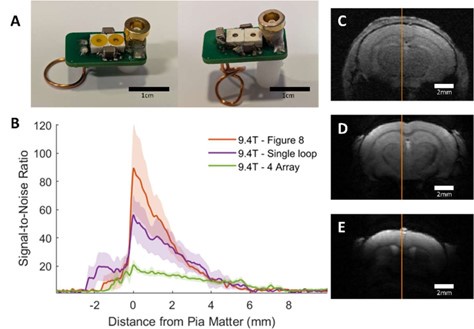
      Wu, Y. K., Miehl, C., & Gjorgjieva, J. (2022). Regulation of circuit organization and function through inhibitory synaptic plasticity. Trends in Neurosciences, 45(12), 884–898. https://doi.org/10.1016/J.TINS.2022.10.006

      Recommendations for the Authors:

      Reviewer #1 (Recommendations for The Authors):

      Thank you for the interesting submission. I have inserted my comments to the authors here. Some of them will be more granular comments related to the concerns raised in the public review.

      (1) Introduction:

      Could you please justify the rationale for using eyes open and eyes closed in the MRS condition, and the use of the three different conditions in the EEG experiment? If these resulted in negative findings, then the implications should be discussed.

      Previous work with MRS in sighted individuals has suggested that eye opening in darkness results in a decrease of visual cortex GABA+ concentration, while visual stimulation results in an increase of Glx concentration, compared to a baseline concentration at eye closure (Kurcyus et al., 2018). Moreover visual stimulation/eye opening is known to result in an alpha desynchronization (Adrian & Matthews, 1934).

      While previous work of our group has shown significantly reduced alpha oscillatory activity in congenital cataract reversal individual, desynchronization following eye opening was indistinguishable when compared to normally sighted controls (Ossandón et al., 2023; Pant et al., 2023).

      Thus, we decided to include both conditions to test whether a similar pattern of results would emerge for GABA+/Glx concentration.

      We added our motivation to the Introduction of the revised manuscript (Page 4, Lines 122-125) along with the Methods (Page 9, Lines 219-223).

      It does not become clear from the introduction why a higher intercept is predicted in the EEG measure. The rationale for this hypothesis needs to be explained better.

      Given the prior findings suggesting an increased E/I ratio in CC individuals and the proposed link between neuronal firing (Manning et al., 2009) and the aperiodic intercept, we expected a higher intercept for the CC compared to the SC group.

      We have now added this explanation to the Introduction (Page 4, Lines 126-128).

      (2) Participants

      Were participants screened for common MRS exclusion criteria such as history of psychiatric conditions or antidepressant medication, which could alter neurochemistry? If not, then this needs to be pointed out.

      All participants were clinically screened at the LV Prasad Eye Institute, and additionally self-reported no neurological or psychiatric conditions or medications. Moreover, all subjects were screened based exclusion criteria for being scanned using the standard questionnaire of the radiology center.

      We have now made this clear in the Methods (Page 7, Lines 168-171).

      Table 1 needs to show the age of the participant, which can only be derived by adding the columns 'duration of deprivation' and 'time since surgery'. Table 1 also needs to include the controls.

      We have accordingly modified Table 1 in the revised manuscript and added age for the patients as well as the controls (Table 1, Pages 6-7).

      The control cohort is not specific enough to exclude reduced visual acuity, or co-morbidities, as the primary driver of the differences between groups. Ideally, a cohort with developmental cataracts is recruited. Normally sighted participants as a control cohort cannot distinguish between different types of sight loss, or stages of plasticity.

      The goal of this study was not to distinguish between different types of sight loss or stages of plasticity. We aimed to assess whether the most extreme forms of visual deprivation (i.e. congenital and total patterned vision loss) affected the E/I ratio. Low visual acuity and nystagmus are genuine diagnostic criteria (Methods, Page 5, Lines 142-145). Visual acuity cannot solely explain the current findings, since the MRS data were acquired both with eyes closed or diffuse visual stimulation in a dimly lit room, without any visual task.

      With the awareness of the present results, we consider it worthwhile for the future to investigate additional groups such as developmental cataract-reversal individuals, to narrow down the contribution of the age of onset and degree of visual deprivation to the observed group differences.

      (3) Data collection and analysis

      - More detail is needed: how long were the sessions, how long was each part?

      We have added this information on Page 7, Lines 178-181 of the Methods. MRS scanning took between 45 and 60 minutes, EEG testing took 20 minutes excluding the time for capping, and visual acuity testing took 3-5 minutes.

      - It should be mentioned here that the EEG data is a reanalysis of a subset of legacy data, published previously in Ossandón et al., 2023; Pant et al., 2023.

      In the revised manuscript, we explicitly state at the beginning of the “Electrophysiology recordings” section of the Methods (Page 13, Lines 331-334) that the EEG datasets were a subset of previously published data.

      (4) MRS Spectroscopy

      - Please fill out the minimum reporting standards form (Lin et al., 2021), or report all the requested measures in the main document https://pubmed.ncbi.nlm.nih.gov/33559967/

      We have now filled out this form and added it as Supplementary Material (Supplementary Excel File 1). Additionally, all the requested information has been moved to the Methods section of the main document (MRS Data Quality, Pages 10-12).

      - Information on how the voxels were placed is missing. The visual cortex voxel is not angled parallel to the calcarine, as is a common way to capture processing in the early visual cortex. Describe in the paper what the criteria for successful placement were, and how was it ensured that non-brain tissue was avoided in a voxel of this size.

      Voxel placement was optimized in each subject to avoid the meninges, ventricles, skull and subcortical structures, ensured by examining the voxel region across slices in the acquired T1 volume for each subject. Saturation bands were placed to nullify the skull signal during MRS acquisition, at the anterior (frontal) and posterior (visual) edge of the voxel for every subject. Due to limitations in the clinical scanner rotated/skewed voxels were not possible, and thus voxels were not always located precisely parallel to the calcarine.

      We have added this information to Page 9 (Lines 229-237) of the revised manuscript.

      - Figure 1. shows voxels that are very close to the edge of the brain (frontal cortex) or to the tentorium (visual cortex). Could the authors please calculate the percentage overlap between the visual cortex MRS voxel and the visual cortex, and compare them across groups to ensure that there is no between-group bias from voxel placement?

      We have now added the requested analysis to Supplementary Material S2 and referred to it in the main manuscript on Page 9, Lines 236-237.

      Briefly, the percentage overlap with areas V1-V6 in every individual subject’s visual cortex voxel was 60% or more; the mean overlap in the CC group was 67% and the SC group 70%. The percentage overlap did not differ between groups ( t-test (t(18) = -1.14, p = 0.269)).

      - Figure 1. I would recommend displaying data on a skull-stripped image to avoid identifying information from the participant's T1 profile.

      We have now replaced the images in Figure 1 with skull-stripped images. Note that images from SPM12 were used instead of GannetCoregister, as GannetCoregister only displays images with the skull.

      - Please show more rigor with the MRS quality measures. Several examples of inconsistency and omissions are below.

      • SNR was quantified and shows a difference in SNR between voxel positions, with lower SNR in the frontal cortex. No explanation or discussion of the difference was provided.

      • Looking at S1, the linewidth of NAA seems to be a lot broader in the frontal cortex than in the visual cortex. The figures suggest that acquisition quality was very different between voxel locations, making the comparison difficult.

      • Linewidth of NAA is a generally agreed measure of shim quality in megapress acquisitions (Craven et al., 2022).

      The data quality difference between the frontal and visual cortices has been observed in the literature (Juchem & Graaf, 2017; Rideaux et al., 2022). We nevertheless chose a frontal cortex voxel as control site instead of the often-chosen sensorimotor cortex. The main motivation was to avoid any cortical region linked to sensory processing since crossmodal compensation as a consequence of visual deprivation is a well-documented phenomenon.

      We now make this clearer in the Methods (Page 11, Lines 284 – 299), in the Discussion/Limitations (Page 25, Lines 662 - 665).  

      - To get a handle on the data quality, I would recommend that the authors display their MRS quality measures in a separate section 'MRS quality measure', including NAA linewidth, NAA SNR, GABA+ CRLB, Glx CRLB, and test for the main effects and interaction of voxel location (VC, FC) and group (SC, CC) and discuss any discrepancies.

      We have moved all the quality metric values for GABA+, Glx and NAA from the supplement to the Methods section (see Table 2), and added the requested section titled “MRS Data quality.”

      We have conducted the requested analyses and reported them in Supplementary Material S6: there was a strong effect of region confirming that data quality was better in the visual than frontal region. We have referred to this in the main manuscript on Page 11, Line 299.

      In the revised manuscript, we discuss the data quality in the frontal cortex, and how we ensured it was comparable to prior work. Moreover, there were no significant group effects, or group-by-region interactions, suggesting that group differences observed for the visual cortex voxel cannot be accounted for by differences in data quality. We now included a section on data quality, both in the Methods (Page 11, Lines 284 – 299), and the limitations section of the Discussion (Page 25, Lines 662 - 665).

      Please clarify the MRS acquisition, "Each MEGA- PRESS scan lasted for 8 minutes and was acquired with the following specifications: TR = 2000 ms, TE = 68 ms, Voxel size = 40 mm x 30 mm x 25mm, 192 averages (each consists of two TRs). "192 averages x 2 TRs x 2s TR = 12.8 min, not 8 min, apologies if I have misunderstood these details.

      We have corrected this error in the revised manuscript and stated the parameters more clearly – there were a total of 256 averages, resulting in an (256 repetitions with 1 TR * 2 s/60) 8.5-minute scan (Page 8, Lines 212-213).

      - What was presented to participants in the eyes open MRS? Was it just normal room illumination or was it completely dark? Please add details to your methods.

      The scans were conducted in regular room illumination, with no visual stimulation.

      We have now clarified this on Page 9 (Lines 223-224) of the Methods.

      (5) MRS analysis

      How was the tissue fraction correction performed? Please add or refer to the exact equation from Harris et al., 2015.

      We have clarified that the reported GABA+/Glx values are water-normalized alpha corrected values (Page 10, Line 249), and cited Harris et al., 2015 on Page 10 (Line 251) of the Methods.

      (6) Statistical approach

      How was the sample size determined? Please add your justification for the sample size

      We collected as many qualifying patients as we were able to recruit for this study within 2.5 years of data collection (commencing August 2019, ending February 2022), given the constraints of the patient population and the pandemic. We have now made this clear in the Discussion (Page 25, Lines 650-652).

      Please report the tests for normality.

      We have now reported the Shapiro-Wilk test results for normality as well as Levene’s test for homogeneity of variance between groups for every dependent variable in our dataset in Supplementary Material S9, and added references to it in the descriptions of the statistical analyses (Methods, Page13, Lines 326-329 and Page 15, Lines 400-402).

      Calculate the Bayes Factor where possible.

      As our analyses are all frequentist, instead of re-analyzing the data within a Bayesian framework, we added partial eta squared values for all the reported ANOVAs (η<sub>p</sub><sup>²</sup>) for readers to get an idea of the effect size (Results).

      I recommend partial correlations to control for the influence of age, duration, and time of surgery, rather than separate correlations.

      Given the combination of small sample size and the expected multicollinearity in our variables (duration of blindness, for example, would be expected to correlate with age, as well as visual acuity post-surgery), partial correlations could not be calculated on this data.

      We are aware of the limits of correlational analyses. Given the unique data set of a rare population we had exploratorily planned to relate behavioral, EEG and MRS parameters by calculating correlations. Since no similar data existed when we started (and to the best of our knowledge our data set is still unique), these correlation analyses were explorative, but the most transparent to run.

      We have now clearly outlined these limitations in our Introduction (Page 5, Lines 133-135), Methods (Page 15, Lines 408-410) and Discussion section (Page 24, Line 634, Page 25, Lines 652-65) to ensure that the results are interpreted with appropriate caution.

      (7) Visual acuity

      Is the VA monocular average, from the dominant eye, or bilateral?

      We have now clarified that the VA reported here is bilateral (Methods, Page 7 Line 165 and Page 15, Line 405). Bilateral visual acuity in congenital cataract-reversal individuals typically corresponds to the visual acuity of the best eye.

      It is mentioned here that correlations with VA are exploratory, please be consistent as the introduction mentions that there was a hypothesis that you sought to test.

      We have now accordingly modified the Introduction (Page 5, Lines 133-135) and added the appropriate caveats in the discussion with regards to interpretations (Page 25, Lines 652-665).

      (8) Correlation analyses between MRS and EEG

      It is mentioned here that correlations between EEG and MRS are exploratory, please consistently point out the exploratory nature, as these results are preliminary and should not be overinterpreted ("We did not have prior hypotheses as to the best of our knowledge no extant literature has tested the correlation between aperiodic EEG activity and MRS measures of GABA+,Glx and Glx/GABA+." ).

      In the revised manuscript, we explicitly state the reported associations between EEG (aperiodic component) and MRS parameters allow for putting forward directed / more specific hypotheses for future studies (Introduction, Page 5, Lines 133-135; Methods, Page 15, Line 415. Discussion, Page 25, Lines 644-645 and Lines 652-665).

      (9) Results

      Figure 2 uses the same y-axis for the visual cortex and frontal cortex to facilitate a comparison between the two locations. Comparing Figure 2 a with b demonstrates poorer spectral peaks and reduced amplitudes. Lower spectral quality in the frontal cortex voxel could contribute to the absence of a group effect in the control voxel location. The major caveat that spectral quality differs between voxels needs to be pointed out and the limitations thereof discussed.

      We have now explicitly pointed out this issue in the Methods (MRS Data Quality, Supplementary Material S6) and Discussion in the Limitations section (Page 25, Lines 662-665). While data quality was lower for the frontal compared to the visual cortex voxels, as has been observed previously (Juchem & Graaf, 2017; Rideaux et al., 2022), this was not an issue for the EEG recordings. Thus, lower sensitivity of frontal measures cannot easily explain the lack of group differences for frontal measures. Crucially, data quality did not differ between groups.

      The results in 2c are the result of multiple correlations with metabolite values ("As in previous studies, we ran a number of exploratory correlation analyses between GABA+, Glx, and Glx/GABA+ concentrations, and visual acuity at the date of testing, duration of visual deprivation, and time since surgery respectively in the CC group"), it seems at least six for the visual acuity measure (VA vs Glx, VA vs GABA+, VA vs Glx/GABA+ x 2 conditions). While the trends are interesting, they should be interpreted with caution because of the exploratory nature, small sample size, the lack of multiple comparison correction, and the influence of two extreme data points. The authors should not overinterpret these results and should point out the need for replication.

      See response to (6) last section, which we copy here for convenience:

      We are aware of the limits of correlational analyses. Given the unique data set of a rare population we exploratorily related behavioral, EEG and MRS parameters by calculating correlations. Since no similar data existed when we started (and to the best of our knowledge our data set is still unique), these correlation analyses were explorative, but the most transparent to run.

      We have now clearly outlined these limitations in our Discussion section to ensure that the results are interpreted with appropriate caution (Discussion, Page 25, Lines 644-645 and Lines 652-665).

      (10) Discussion:

      Please explain the decrease in E/I balance from MRS in view of recent findings on an increase in E/I balance in CC using RSN-fMRI (Raczy et al., 2022) and EEG (Ossandon et al. 2023).

      We have edited our Abstract (Page 1-2, Lines 31-35) and Discussion (Page 23, Lines 584-590; Page 24, Lines 613-620). In brief, we think our results reflect a homeostatic regulation of E/I balance, that is, an increase in inhibition due to an increase in stimulus driven excitation following sight restoration.

      Names limitations but does nothing to mitigate concerns about spatial specificity. The limitations need to be rewritten to include differences in SNR between the visual cortex and frontal lobe. Needs to include caveats of small samples, including effect inflation.

      We have now discussed the data quality differences between the visual and frontal cortex voxel in MRS data quality, which we find irrespective of group (MRS Data Quality, Supplementary Material S6). We also reiterate why this might not explain our results; data quality was comparable to prior studies which have found group differences in frontal cortex (Methods Page 11, Lines 284 – 299), and data quality did not differ between groups. Further, EEG data quality did not differ across frontal and occipital regions, but group differences in EEG datasets were localized to the occipital cortex.

      Reviewer #2 (Recommendations for The Authors):

      To address the main weakness, the authors could consider including data from a third group, of congenitally blind individuals. Including this would go a very long way towards making the findings interpretable and relating them to the rest of the literature.

      Unfortunately, recruitment of these groups was not possible due to the pandemic. Indeed, we would consider a pre- vs post- surgery approach the most suitable design in the future, which, however, will require several years to be completed. Such time and resource intensive longitudinal studies are justified by the present cross-sectional results.

      We have explicitly stated our contribution and need for future studies in the Limitations section of the Discussion (Page 25, Lines 650-657).

      Analysing the amplitude of alpha rhythms, as well as the other "aperiodic" components, would be useful to relate the profile of the tested patients with previous studies. Visual inspection of Figure 3 suggests that alpha power with eyes closed is not reduced in the patients' group compared to the controls. This would be inconsistent with previous studies (including research from the same group) and it could suggest that the small selected sample is not really representative of the sight-recovery population - certainly one of the most heterogeneous study populations. This further highlights the difficulty of drawing conclusions on the effects of visual experience merely based on this N=10 set of patients.

      Alpha power was indeed reduced in the present subsample of 10 CC individuals (Supplementary Material S19). A possible source of the confusion (that the graphs of the CC and SC group look so similar for the EC condition in Figure 3) likely is that the spectra are shown with aperiodic components not yet removed, and scales to accommodate very different alpha power values. As documented in Supplementary Material S18 and S19, alpha power and the aperiodic intercept/slope results of the resting state data in the present 10 CC individuals correspond to the results from a larger sample of CC individuals (n = 28) in Ossandón et al., 2023. We explicitly highlight this “replication” in the main manuscript (Page 25 -26, Lines 671-676). Thus, the present sub-sample of CC individuals are representative for their population.

      To further characterise the MRS results, the authors may consider an alternative normalisation scheme. It is not clear whether the lack of significant GABA and GLX differences in the face of a significant group difference in the GLX/GABA ratio is due to the former measures being noisier since taking the ratio between two metabolites often helps reduce inter-individual variability and thereby helps revealing group differences. It remains an open question whether the GABA or GLX concentrations would show significant group differences after appropriate normalisation (e.g. NAA?).

      We repeated the analysis with Creatine-normalized values of GABA+ and Glx, and the main results i.e. reduced Glx/GABA+ concentration in the visual cortex of CC vs SC individuals, and no such difference in the frontal cortex, remained the same (Supplementary Material S5).

      Further, we re-analyzed the data using Osprey, an open-source toolbox that uses linear combination modeling, and found once more that our results did not change (Supplementary Material S3). We refer to these findings in the Methods (Page 10, Lines 272-275) and Results (Page 10, Lines 467-471) of the main manuscript.

      In fact, the Glx concentration in the visual cortex of CC vs SC individuals was significantly decreased when Cr-normalized values were used (which was not significant in the original analysis). However, we do not interpret this result as it was not replicated with the water-normalized values from Gannet or Osprey.

      I suggest revising the discussion to present a more balanced picture of the existent evidence of the relation between E/I and EEG indices. Although there is evidence that the 1/f slope changes across development, in a way that could be consistent with a higher slope reflecting more immature and excitable tissue, the link with cortical E/I is far from established, especially when referring to specific EEG indices (intercept vs. slope, measured in lower vs. higher frequency ranges).

      We have revised the Introduction (Page 4, Line 91, Lines 101-102) and Discussion (Page 22, Lines 568-569, Page 24, Lines 645-647 and Lines 654-657) in the manuscript accordingly; we allude to the fact that the links between cortical E/I and aperiodic EEG indices have not yet been unequivocally established in the literature.

      Minor:

      - The authors estimated NAA concentration with different software than the one used to estimate GLX and GABA; this examined the OFF spectra only; I suggest that the authors consider running their analysis with LCModel, which would allow a straightforward approach to estimate concentrations of all three metabolites from the same edited spectrum and automatically return normalised concentrations as well as water-related ones.

      We re-analyzed all of the MRS datasets using Osprey, which uses linear combination modelling and has shown quantification results similar to LCModel for NAA (Oeltzschner et al., 2020). The results of a lower Glx/GABA+ concentration in the visual cortex of CC vs SC individuals, and no difference in NAA concentration, were replicated using this pipeline.

      We have now added these analyses to the Supplementary Material S3 and referred to them in the Methods (Page 9, Lines 242-246) and Results (Page 18, Lines 464-467).

      - Of course the normalisation used to estimate GABA and GLX values is completely irrelevant when the two values are expressed as ratio GLX/GABA - this may be reflected in the text ("water normalised GLX/GABA concentration" should read "GLX/GABA concentration" instead).

      We have adapted the text on Page 16 (Line 431) and have ensured that throughout the manuscript the use of “water-normalized” is in reference to Glx or GABA+ concentration, and not the ratio.

      - Please specify which equation was used for tissue correction - is it alpha-correction?

      We have clarified that the reported GABA+/Glx values are water-normalized alpha corrected values (Page 10, Line 249), and cited Harris et al., 2015 on Page 10 (Line 251) of the Methods.

      - Since ANOVA was used, the assumption is that values are normally distributed. Please report evidence supporting this assumption.

      We have now reported the Shapiro-Wilk test results for normality as well as Levene’s test for homogeneity of variance between groups for every dependent variable in our dataset in Supplementary Material S9, and added references to it in the Methods (Page 13, Lines 326-329 and Page 15, Lines 400-402).

      Reviewer #3 (Recommendations for The Authors):

      In addition to addressing major comments listed in my Public Review, I have the following, more granular comments, which should also be addressed:

      (1) The paper's structure could be improved by presenting visual acuity data before diving into MRS and EEG results to better contextualize the findings.

      We now explicitly state in the Methods (Page 5, Line 155) that lower visual acuity is expected in a cohort of CC individuals with long lasting congenital visual deprivation.

      We have additionally included a plot of visual acuities of the two groups (Supplementary Material S1).

      (2) The paper should better explain the differences between CC for which sight is restored and congenitally blind patients. The authors write in the introduction that there are sensitive periods/epochs during the lifespan for the development of local inhibitory neural circuits. and "Human neuroimaging studies have similarly demonstrated that visual experience during the first weeks and months of life is crucial for the development of visual circuits. If human infants born with dense bilateral cataracts are treated later than a few weeks from birth, they suffer from a permanent reduction of not only visual acuity (Birch et al., 1998; Khanna et al., 2013) and stereovision (Birch et al., 1993; Tytla et al., 1993) but additionally from impairments in higher-level visual functions, such as face perception (Le Grand et al., 2001; Putzar et al., 2010; Röder et al., 2013)...".

      Thus it seems that the current participants (sight restored after a sensitive period) seem to be similarly affected by the development of the local inhibitory circuits as congenitally blind. To assess the effect of plasticity and sight restoration longitudinal data would be necessary.

      In the Introduction (Page 2, Lines 59-64; Page 3, Lines 111-114) we added that in order to identify sensitive periods e.g. for the elaboration of visual neural circuits, sight recovery individuals need to be investigated. The study of permanently blind individuals allows for investigating the role of experience (whether sight is necessary to introduce the maturation of visual neural circuits), but not whether visual input needs to be available at early epochs in life (i.e. whether sight restoration following congenital blindness could nevertheless lead to the development of visual circuits).

      This is indeed the conclusion we make in the Discussion section. We have now highlighted the need for longitudinal assessments in the Discussion (Page 25, Lines 654-656).

      (3) What's the underlying idea of analyzing two separate aperiodic slopes (20-40Hz and 1-19Hz). This is very unusual to compute the slope between 20-40 Hz, where the SNR is rather low.

      "Ossandón et al. (2023), however, observed that in addition to the flatter slope of the aperiodic power spectrum in the high frequency range (20-40 Hz), the slope of the low frequency range (1-19 Hz) was steeper in both, congenital cataract-reversal individuals, as well as in permanently congenitally blind humans."

      The present manuscript computed the slope between 1-20 Hz. Ossandón et al. as well as Medel et al. (2023) found a “knee” of the 1/f distribution at 20 Hz and describe further the motivations for computing both slope ranges. For example, Ossandón et al. used a data driven approach and compared single vs. dual fits and found that the latter fitted the data better. Additionally, they found the best fit if a knee at 20 Hz was used. We would like to point out that no standard range exists for the fitting of the 1/f component across the literature and, in fact, very different ranges have been used (Gao et al., 2017; Medel et al., 2023; Muthukumaraswamy & Liley, 2018).

      (4) "For this scan, participants were instructed to keep their eyes closed and stay as still as possible." Why should it be important to have the eyes closed during a T1w data acquisition? This statement at this location does not make sense.

      To avoid misunderstandings, we removed this statement in this context.

      (5) "Two SC subjects did not complete the frontal cortex scan for the EO condition and were excluded from the statistical comparisons of frontal cortex neurotransmitter concentrations."<br /> Why did the authors not conduct whole-brain MRS, which seems to be on the market for quite some time (e.g. https://www.ncbi.nlm.nih.gov/pmc/articles/PMC3590062/) ?

      Similar to previous work (Coullon et al., 2015; Weaver et al., 2013) our hypothesis was related to the visual cortex, and we chose the frontal cortex voxel as a control. This has now been clarified in the Introduction (Page 4, Lines 103-114), Methods (Page 9, Lines 225-227) and Discussion (Page 25, Lines 662-665).

      (6) In "....during visual stimulation with stimuli that changed in luminance (LU) (Pant et al., 2023)." the authors should provide a link on the visual stimulation, which is provided further below

      In the revised manuscript, we have moved up the description of the visual stimulation (Page 13, Line 336).

      (7) "During the EO condition, participants were asked to fixate on a blank screen." This is not really possible. Typically, resting state EO conditions include a fixation cross, as the participants would not be able to fixate on a blank screen and move their eyes, which would impact the recordings.

      We have now rephrased this as “look towards” with the goal of avoiding eye movements (Page 14, Line 347).

      (8) "Components corresponding to horizontal or vertical eye movements were identified via visual inspection and removed (Plöchl et al., 2012)." It is unclear what the Plöchl reference should serve for. Is the intention of the authors to state that manual (and subjective) visual inspection of the ICA components is adequate? I would recommend removing this reference.

      The intention was to provide the basis for classification during the visual inspection, as opposed to an automated method such as ICLabel.

      We stated this clearly in the revised manuscript (Page 14 Lines 368-370).

      (9) "The datasets were divided into 6.25 s long epochs corresponding to each trial." This is a bit inaccurate, as the trial also included some motor response task. Thus, I assume the 6.25 s are related to the visual stimulation.

      We have modified the sentence accordingly (Page 15, Line 378).

      (10) Figure 2. a & b. Just an esthetic suggestion: I would recommend removing the lines between the EC and EO conditions, as they suggest some longitudinal changes. Unless it is important to highlight the changes between EC and EO within each subject.

      In fact, EC vs. EO was a within-subject factor with expected changes for the EEG and possible changes in the MRS parameters. To allow the reader to track changes due to EC vs. EO for individual subjects (rather than just comparing the change in the mean scores), we use lines.  

      (11) Figure 3A: I would plot the same y-axis range for both groups to make it more comparable.

      We have changed Figure 3A accordingly.

      (12) " flattening of the intercept" replaces flattening, as it is too related to slope.

      We have replaced “flattening” with “reduction” (Page 20, Line 517).

      (13) The plotting of only the significant correlation between MRS measures and EEG measures seems to be rather selective reporting. For this type of exploratory analysis, I would recommend plotting all of the scatter plots and moving the entire exploratory analysis to the supplementary (as this provides the smallest evidence of the results).

      We have made clear in the Methods (Page 16, Lines 415-426), Results and Discussion (page 24, Lines 644-645), as well as in the Supplementary material, that the reason for only reporting the significant correlation was that this correlation survived correction for multiple comparisons, while all other correlations did not. We additionally explicitly allude to the Supplementary Material where the plots for all correlations are shown (Results, Page 21, Lines 546-552).

      (14) "Here, we speculate that due to limited structural plasticity after a phase of congenital blindness, the neural circuits of CC individuals, which had adapted to blindness after birth, employ available, likely predominantly physiological plasticity mechanisms (Knudsen, 1998; Mower et al., 1985; Röder et al., 2021), in order to re-adapt to the newly available visual excitation following sight restoration."

      I don't understand the logic here. The CC individuals are congenitally blind, thus why should there be any physiological plasticity mechanism to adapt to blindness, if they were blind at birth?

      With “adapt to blindness” we mean adaptation of a brain to an atypical or unexpected condition when taking an evolutionary perspective (i.e. the lack of vision). We have made this clear in the revised manuscript (Introduction, Page 4, Lines 111-114; Discussion, Page 23, Lines 584-591).

      (15) "An overall reduction in Glx/GABA ratio would counteract the aforementioned adaptations to congenital blindness, e.g. a lower threshold for excitation, which might come with the risk of runaway excitation in the presence of restored visually-elicited excitation."

      This could be tested by actually investigating the visual excitation by visual stimulation studies.

      The visual stimulation condition in the EEG experiment of the present study found a higher aperiodic intercept in CC compared to SC individuals. Given the proposed link between the intercept and spontaneous neural firing (Manning et al., 2009), we interpreted the higher intercept in CC individuals as increased broadband neural firing during visual stimulation (Results Figure 3; Discussion Page 24, Lines 635-640). This idea is compatible with enhanced BOLD responses during an EO condition in CC individuals (Raczy et al., 2022). Future work should systematically manipulate visual stimulation to test this idea.

      (16) As the authors also collected T1w images, the hypothesis of increased visual cortex thickness in CC. Was this investigated?

      This hypothesis was investigated in a separate publication which included this subset of participants (Hölig et al., 2023), and found increased visual cortical thickness in the CC group. We refer to this publication, and related work (Feng et al., 2021) in the present manuscript.

      (17) The entire discussion of age should be omitted, as the current data set is too small to assess age effects.

      We have removed this section and just allude to the fact that we replicated typical age trends to underline the validity of the present data (Page 26, Lines 675-676).

      (18) Table1: should include the age and the age at the time point of surgery.

      We added age to the revised Table 1. We clarified that in CC individuals, duration of blindness is the same as age at the time point of surgery (Page 6, Line 163).

      (19) Why no group comparisons of visual acuity are reported?

      Lower visual acuity in CC than SC individuals is a well-documented fact.

      We have now added the visual acuity plots for readers (Supplementary Material S1, referred to in the Methods, Page 5, Line 155) which highlight this common finding.

      References (Recommendations to the Authors)

      Adrian, E. D., & Matthews, B. H. C. (1934). The berger rhythm: Potential changes from the occipital lobes in man. Brain. https://doi.org/10.1093/brain/57.4.355

      Coullon, G. S. L., Emir, U. E., Fine, I., Watkins, K. E., & Bridge, H. (2015). Neurochemical changes in the pericalcarine cortex in congenital blindness attributable to bilateral anophthalmia. Journal of Neurophysiology. https://doi.org/10.1152/jn.00567.2015

      Feng, Y., Collignon, O., Maurer, D., Yao, K., & Gao, X. (2021). Brief postnatal visual deprivation triggers long-lasting interactive structural and functional reorganization of the human cortex. Frontiers in Medicine, 8, 752021. https://doi.org/10.3389/FMED.2021.752021/BIBTEX

      Gao, R., Peterson, E. J., & Voytek, B. (2017). Inferring synaptic excitation/inhibition balance from field potentials. NeuroImage, 158(March), 70–78. https://doi.org/10.1016/j.neuroimage.2017.06.078

      Hölig, C., Guerreiro, M. J. S., Lingareddy, S., Kekunnaya, R., & Röder, B. (2023). Sight restoration in congenitally blind humans does not restore visual brain structure. Cerebral Cortex, 33(5), 2152–2161. https://doi.org/10.1093/CERCOR/BHAC197

      Juchem, C., & Graaf, R. A. de. (2017). B0 magnetic field homogeneity and shimming for in vivo magnetic resonance spectroscopy. Analytical Biochemistry, 529, 17–29. https://doi.org/10.1016/j.ab.2016.06.003

      Kurcyus, K., Annac, E., Hanning, N. M., Harris, A. D., Oeltzschner, G., Edden, R., & Riedl, V. (2018). Opposite Dynamics of GABA and Glutamate Levels in the Occipital Cortex during Visual Processing. Journal of Neuroscience, 38(46), 9967–9976. https://doi.org/10.1523/JNEUROSCI.1214-18.2018

      Manning, J. R., Jacobs, J., Fried, I., & Kahana, M. J. (2009). Broadband shifts in local field potential power spectra are correlated with single-neuron spiking in humans. The Journal of Neuroscience : The Official Journal of the Society for Neuroscience, 29(43), 13613–13620. https://doi.org/10.1523/JNEUROSCI.2041-09.2009

      Medel, V., Irani, M., Crossley, N., Ossandón, T., & Boncompte, G. (2023). Complexity and 1/f slope jointly reflect brain states. Scientific Reports, 13(1), 21700. https://doi.org/10.1038/s41598-023-47316-0

      Muthukumaraswamy, S. D., & Liley, D. T. (2018). 1/F electrophysiological spectra in resting and drug-induced states can be explained by the dynamics of multiple oscillatory relaxation processes. NeuroImage, 179(November 2017), 582–595. https://doi.org/10.1016/j.neuroimage.2018.06.068

      Oeltzschner, G., Zöllner, H. J., Hui, S. C. N., Mikkelsen, M., Saleh, M. G., Tapper, S., & Edden, R. A. E. (2020). Osprey: Open-source processing, reconstruction & estimation of magnetic resonance spectroscopy data. Journal of Neuroscience Methods, 343, 108827. https://doi.org/10.1016/j.jneumeth.2020.108827

      Ossandón, J. P., Stange, L., Gudi-Mindermann, H., Rimmele, J. M., Sourav, S., Bottari, D., Kekunnaya, R., & Röder, B. (2023). The development of oscillatory and aperiodic resting state activity is linked to a sensitive period in humans. NeuroImage, 275, 120171. https://doi.org/10.1016/J.NEUROIMAGE.2023.120171

      Pant, R., Ossandón, J., Stange, L., Shareef, I., Kekunnaya, R., & Röder, B. (2023). Stimulus-evoked and resting-state alpha oscillations show a linked dependence on patterned visual experience for development. NeuroImage: Clinical, 103375. https://doi.org/10.1016/J.NICL.2023.103375

      Raczy, K., Holig, C., Guerreiro, M. J. S., Lingareddy, S., Kekunnaya, R., & Roder, B. (2022). Typical resting-state activity of the brain requires visual input during an early sensitive period. Brain Communications, 4(4). https://doi.org/10.1093/BRAINCOMMS/FCAC146

      Rideaux, R., Ehrhardt, S. E., Wards, Y., Filmer, H. L., Jin, J., Deelchand, D. K., Marjańska, M., Mattingley, J. B., & Dux, P. E. (2022). On the relationship between GABA+ and glutamate across the brain. NeuroImage, 257, 119273. https://doi.org/10.1016/J.NEUROIMAGE.2022.119273

      Weaver, K. E., Richards, T. L., Saenz, M., Petropoulos, H., & Fine, I. (2013). Neurochemical changes within human early blind occipital cortex. Neuroscience. https://doi.org/10.1016/j.neuroscience.2013.08.004
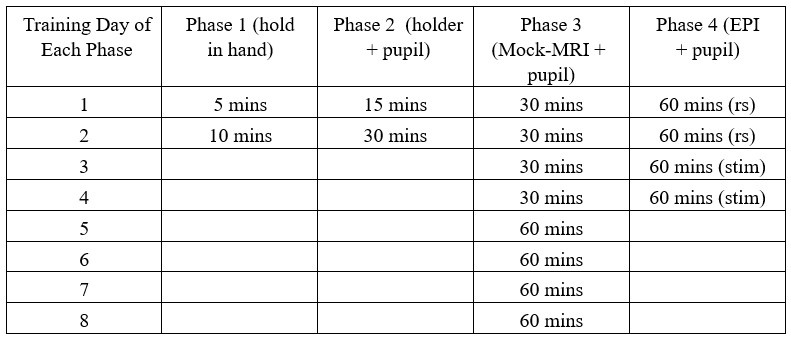
    1. Author response:

      The following is the authors’ response to the original reviews.

      The reviewers praised multiple aspects of our study. Reviewer 1 noted that “the work aligns well with current research trends and will greatly interest researchers in the field.” Reviewer 2 highlighted the unique capability of our imaging approach, which “allows for investigation of the heterogeneity of response across individual dopamine axons, unlike other common approaches such as fiber photometry.” Reviewer 3 commented that “the experiments are beautifully executed” and “are revealing novel information about how aversive and rewarding stimuli is encoded at the level of individual axons, in a way that has not been done before.”

      In addition to the positive feedback, the reviewers also provided useful criticisms and suggestions, some of which may not be fully addressed in a single study. For instance, questions regarding whether dopamine axons encode the valence or specific identity of the stimuli, or the most salient aspects of the environment, remain open. At the same time, as all the reviewers agreed, our report on the diversity of dopamine axonal responses using a novel imaging design introduces significant new insights to the neuroscience community. Following the reviewers’ recommendations, we have refrained from making interpretations that could be perceived as overinterpretation, such as concluding that “dopamine axons are involved in aversive processing.” This has necessitated extensive revisions, including modifying the title of our manuscript to make clear that the novelty of our work is revealing ‘functional diversity’ using our new imaging approach.

      Below, we respond to the reviewers’ comments point by point.

      eLife assessment

      This valuable study shows that distinct midbrain dopaminergic axons in the medial prefrontal cortex respond to aversive and rewarding stimuli and suggest that they are biased toward aversive processing. The use of innovative microprism based two-photon calcium imaging to study single axon heterogeneity is solid, although the experimental design could be optimized to distinguish aversive valence from stimulus salience and identity in this dopamine projection. This work will be of interest to neuroscientists working on neuromodulatory systems, cortical function and decision making.

      Reviewer #1

      Summary:

      In this manuscript, Abe and colleagues employ in vivo 2-photon calcium imaging of dopaminergic axons in the mPFC. The study reveals that these axons primarily respond to unconditioned aversive stimuli (US) and enhance their responses to initially-neutral stimuli after classical association learning. The manuscript is well-structured and presents results clearly. The utilization of a refined prism-based imaging technique, though not entirely novel, is well-implemented. The study's significance lies in its contribution to the existing literature by offering single-axon resolution functional insights, supplementing prior bulk measurements of calcium or dopamine release. Given the current focus on neuromodulator neuron heterogeneity, the work aligns well with current research trends and will greatly interest researchers in the field.

      However, I would like to highlight that the authors could further enhance their manuscript by addressing study limitations more comprehensively and by providing essential details to ensure the reproducibility of their research. In light of this, I have a number of comments and suggestions that, if incorporated, would significantly contribute to the manuscript's value to the field.

      Strengths:

      • Descriptive.

      • Utilization of a well-optimized prism-based imaging method.

      • Provides valuable single-axon resolution functional observations, filling a gap in existing literature.

      • Timely contribution to the study of neuromodulator neuron heterogeneity.

      We thank the reviewer for this positive assessment.

      Weaknesses:

      (1) It's important to fully discuss the fact that the measurements were carried out only on superficial layers (30-100um), while major dopamine projections target deep layers of the mPFC as discussed in the cited literature (Vander Weele et al., 2018) and as illustrated in FigS1B,C. This limitation should be explicitly acknowledged and discussed in the manuscript, especially given the potential functional heterogeneity among dopamine neurons in different layers. This potential across-layer heterogeneity could also be the cause of discrepancy among past recording studies with different measurement modalities. Also, mentioning technical limitations would be informative. For example: how deep the authors can perform 2p-imaging through the prism? was the "30-100um" maximum depth the authors could get?

      Thank you for pointing out this important issue about layer differences.

      It is possible that the mesocortial pathway has layer-specific channels, with some neurons targeting supra granular layers and others targeting infragranular ones. Alternatively, it is also plausible that the axons of the same neurons branch into both superficial and deep layers. This is a critical issue that has not been investigated in anatomical studies and will require single-cell labeling of dopamine neurons (Matsuda et al 2009 and Aransay et al 2015). We now discuss this issue in the Discussion.

      As for the imaging depth of 30–100 m, we were unable to visualize deeper axons in a live view mode. Our imaging system has already been optimized to detect weak signals (e.g., we have employed an excitation wavelength of 980 nm, dispersion compensation, and a hybrid photodetector). It is possible that future studies using improved imaging approaches may be able to visualize deeper layers. Importantly, sparse axons in the supragranular layers are advantageous in detecting weak signals; dense labeling of axons would increase the background fluorescence relative to signals. We now reference this layer issue in the Results and Discussion sections.

      (2) In the introduction, it seems that the authors intended to refer to Poulin et al. 2018 regarding molecular/anatomical heterogeneity of dopamine neurons, but they inadvertently cited Poulin et al. 2016 (a general review on scRNAseq). Additionally, the statement that "dopamine neurons that project to the PFC show unique genetic profiles (line 85)" requires clarification, as Poulin et al. 2018 did not specifically establish this point. Instead, they found at least the Vglut2/Cck+ population projects into mPFC, and they did not reject the possibility of other subclasses projecting to mPFC. Rather, they observed denser innervation with DAT-cre, suggesting that non-Vglut2/Cck populations would also project to mPFC. Discuss the potential molecular heterogeneity among mPFC dopamine axons in light of the sampling limitation mentioned earlier.

      We thank the reviewer for pointing this out. Genetic profiles of PFC-projecting DA neurons are still being investigated, so describing them as “unique” was misleading. We have edited the Introduction accordingly, and now discuss this issue in detail in the Discussion.

      (3) I find the data presented in Figure 2 to be odd. Firstly, the latency of shock responses in the representative axons (right panels of G, H) is consistently very long - nearly 500ms. It raises a query whether this is a biological phenomenon or if it stems from a potential technical artifact, possibly arising from an issue in synchronization between the 2-photon imaging and stimulus presentation. My reservations are compounded by the notable absence of comprehensive information concerning the synchronization of the experimental system in the method section.

      The synchronization of the stimulus and data acquisition is accomplished at a sub-millisecond resolution. We use a custom-made MATLAB program that sends TTL commands to standard imaging software (ThorImage or ScanImage) and a stimulator for electrical shocks. All events are recorded as analogue inputs to a different DAQ to ensure synchronization. We have provided additional details regarding the configuration in the Methods section.

      We consider that the long latency of shock response is biological. For instance, a similar long latency was found after electrical shock in a photometry imaging study (Kim, …, Deisseroth, 2016).

      Secondly, there appear to be irregularities in Panel J. While the authors indicate that "Significant axons were classified as either reward-preferring (cyan) or aversive-preferring (magenta), based on whether the axons are above or below the unity line of the reward/aversive scatter plot (Line 566)," a cyan dot slightly but clearly deviates above the unity line (around coordinates (x, y) = (20, 21)). This needs clarification. Lastly, when categorizing axons for analysis of conditioning data in Fig3 (not Fig2), the authors stated "The color-coded classification (cyan/magenta) was based on k-means clustering, using the responses before classical conditioning (Figure 2J)". I do not understand why the authors used different classification methods for two almost identical datasets.

      We thank the reviewer for pointing out these insufficient descriptions. We classified the axons using k-means clustering, and the separation of the two clusters happened to roughly coincide with the unity line of the reward/aversive scatter plot in Fig 2J. In other words, we did not use the unity line to classify the data points (which is why the color separation of the histogram is not at 45 degrees). We have clarified this point in the Methods section.

      (4) In connection with Point 3, conducting separate statistical analyses for aversive and rewarding stimuli would offer a fairer approach. This could potentially reveal a subset of axons that display responses to both aversive and appetitive stimuli, aligning more accurately with the true underlying dynamics. Moreover, the characterization of Figure 2J as a bimodal distribution while disregarding the presence of axons responsive to both aversive and appetitive cues seems somewhat arbitrary and circular logic. A more inclusive consideration of this dual-responsive population could contribute to a more comprehensive interpretation.

      We also attempted k-means clustering with additional dimensions (e.g., temporal domains as shown in Fig. 3I, J), but no additional clusters were evident. We note that the lack of other clusters does not exclude the possibility of their existence, which may only become apparent with a substantial increase in the number of samples. In the current report, we present the clusters that were the easiest/simplest for us to identify.

      Additionally, we have revised our manuscript to reflect that many axons respond to both reward and aversive stimuli, and that aversive-preferring axons do not exclusively respond to the aversive stimulus.

      (5) The contrast in initialization to novel cues between aversive and appetitive axons mirrors findings in other areas, such as the tail-of-striatum (TS) and ventral striatum (VS) projecting dopamine neurons (Menegas et al., 2017, not 2018). You might consider citing this very relevant study and discussing potential collateral projections between mPFC and TS or VS.

      Thank you for pointing this out. We have now included Menegas et al., 2017, and also discuss the possibility of collaterals to these areas. In addition, we also referred to Azcorra et al., 2023 - this was published after our initial submission.

      (6) The use of correlation values (here >0.65) to group ROIs into axons is common but should be justified based on axon density in the FOV and imaging quality. It's important to present the distribution of correlation values and demonstrate the consistency of results with varying cut-off values. Also, provide insights into the reliability of aversive/appetitive classifications for individual ROIs with high correlations. Importantly, if you do the statistical testing and aversive/appetitive classifications for individual ROIs with above-threshold high correlation (to be grouped into the same axon), do they always fall into the same category? How many false positives/false negatives are observed?


      "Our results remained similar for different correlation threshold values (Line 556)" (data not shown) is obsolete.

      We have conducted additional analysis using correlation values 0.5 and 0.3 that resulted in a smaller number of axon terminals. In essence, the relationship between reward responses and aversive responses remained very similar to Fig. 2J, K.

      Author response image 1.

      Reviewer #2 (Public Review):

      Summary:

      This study aims to address existing differences in the literature regarding the extent of reward versus aversive dopamine signaling in the prefrontal cortex. To do so, the authors chose to present mice with both a reward and an aversive stimulus during different trials each day. The authors used high spatial resolution two-photon calcium imaging of individual dopaminergic axons in the medial PFC to characterize the response of these axons to determine the selectivity of responses in unique axons. They also paired the reward (water) and an aversive stimulus (tail shock) with auditory tones and recorded across 12 days of associative learning.

      The authors find that some axons respond to both reward and aversive unconditioned stimuli, but overall, there is a strong preference to respond to aversive stimuli consistent with expectations from prior studies that used other recording methods. The authors find that both of their two auditory stimuli initially drive responses in axons, but that with training axons develop more selective responses for the shock associated tone indicating that associative learning led to changes in these axon's responses. Finally, the authors use anticipatory behaviors during the conditioned stimuli and facial expressions to determine stimulus discrimination and relate dopamine axons signals with this behavioral evidence of discrimination. This study takes advantage of cutting-edge imaging approaches to resolve the extent to which dopamine axons in PFC respond appetitive or aversive stimuli. They conclude that there is a strong bias to respond to the aversive tail shock in most axons and weaker more sparse representation of water reward.

      Strengths:

      The strength of this study is the imaging approach that allows for investigation of the heterogeneity of response across individual dopamine axons, unlike other common approaches such as fiber photometry which provide a measure of the average population activity. The use of appetitive and aversive stimuli to probe responses across individual axons is another strength.

      We thank the reviewer for this positive assessment.

      Weaknesses:

      A weakness of this study is the design of the associative conditioning paradigm. The use of only a single reward and single aversive stimulus makes it difficult to know whether these results are specific to the valence of the stimuli versus the specific identity of the stimuli. Further, the reward presentations are more numerous than the aversive trials making it unclear how much novelty and habituation account for results. Moreover, the training seems somewhat limited by the low number of trials and did not result in strong associative conditioning. The lack of omission responses reported may reflect weak associative conditioning. Finally, the study provides a small advance in our understanding of dopamine signaling in the PFC and lacks evidence for if and what might be the consequence of these axonal responses on PFC dopamine concentrations and PFC neuron activity.

      We thank the reviewer for the suggestions.

      We agree that interpreting the response change during classical conditioning is not straightforward. Although the reward and aversive stimuli we employed are commonly used in the field, future studies with more sophisticated paradigms will be necessary to address whether dopamine axons encode the valence of the stimuli, the specific identity of the stimuli, or novelty and habituation. In our current manuscript, we refrain from making a conclusion that distinct groups of neurons encode different valances. In fact, many axons respond to both stimuli, at different ratios. We have removed descriptions that may suggest exclusive coding of reward or aversive processing. Additionally, we have extensively discussed possible interpretations.

      In terms of the strength of the conditioning association, behavioral results indicated that the learning plateaued – anticipatory behaviors did not increase during the last two phases when the conditioned span was divided into six phases (Figure 3–figure supplement 1).

      Our goal in the current manuscript is to provide new insight into the functional diversity of dopamine axons in the mPFC. Investigating the impact of dopamine axons on local dopamine concentration and neural activity in the mPFC is important but falls beyond the scope of our current study. In particular, given the functional diversity of dopamine axons, interpreting bulk optogenetic or chemogenetic axonal manipulation experiments would not be straightforward. As suggested, measuring the dopamine concentration through two-photon imaging of dopamine sensors and monitoring the activity of dopamine recipient neurons (e.g., D1R- or D2R-expressing neurons) is a promising approach that we plan to undertake in the near future.

      Reviewer #3 (Public Review):

      Summary:

      The authors image dopamine axons in medial prefrontal cortex (mPFC) using microprism-mediated two-photon calcium imaging. They image these axons as mice learn that two auditory cues predict two distinct outcomes, tailshock or water delivery. They find that some axons show a preference for encoding of the shock and some show a preference for encoding of water. The authors report a greater number of dopamine axons in mPFC that respond to shock. Across time, the shock-preferring axons begin to respond preferentially to the cue predicting shock, while there is a less pronounced increase in the water-responsive axons that acquire a response to the water-predictive cue (these axons also increase non-significantly to the shock-predictive cue). These data lead the authors to argue that dopamine axons in mPFC preferentially encode aversive stimuli.

      Strengths:

      The experiments are beautifully executed and the authors have mastered an impressively complex technique. Specifically, they are able to image and track individual dopamine axons in mPFC across days of learning. This technique is used the way it should be: the authors isolate distinct dopamine axons in mPFC and characterize their encoding preferences and how this evolves across learning of cue-shock and cue-water contingencies. Thus, these experiments are revealing novel information about how aversive and rewarding stimuli is encoded at the level of individual axons, in a way that has not been done before. This is timely and important.

      We thank the reviewer for this positive assessment.

      Weaknesses:

      The overarching conclusion of the paper is that dopamine axons preferentially encode aversive stimuli. This is prevalent in the title, abstract, and throughout the manuscript. This is fundamentally confounded. As the authors point out themselves, the axonal response to stimuli is sensitive to outcome magnitude (Supp Fig 3). That is, if you increase the magnitude of water or shock that is delivered, you increase the change in fluorescence that is seen in the axons. Unsurprisingly, the change in fluorescence that is seen to shock is considerably higher than water reward.

      We agree that the interpretation of our results is not straightforward. Our current manuscript now focuses on our strength, which is reporting the functional diversity of dopamine axons. Therefore, we avoid using the word ‘encode’ when describing the response.

      We believe that our results could reconcile the apparent discrepancy as to why some previous studies reported only aversive responses while others reported reward responses. In particular, if the reward volume were very small, the reward response could go undetected.

      Further, when the mice are first given unexpected water delivery and have not yet experienced the aversive stimuli, over 40% of the axons respond [yet just a few lines below the authors write: "Previous studies have demonstrated that the overall dopamine release at the mPFC or the summed activity of mPFC dopamine axons exhibits a strong response to aversive stimuli (e.g., tail shock), but little to rewards", which seems inconsistent with their own data].

      We always recorded the reward and aversive response together, which might have confused the reviewer. Therefore, there is no inconsistency in our data. We have clarified our methods and reasoning accordingly.

      Given these aspects of the data, it could be the case that the dopamine axons in mPFC encodes different types of information and delegates preferential processing to the most salient outcome across time.

      This is certainly an exciting interpretation, so we have included it in our discussion. Meanwhile, ‘the most salient outcome’ alone cannot fully capture the diverse response patterns of the dopaminergic axons, particularly reward-preferring axons. We discuss our findings in more detail in the revised manuscript.

      The use of two similar sounding tones (9Khz and 12KHz) for the reward and aversive predicting cues are likely to enhance this as it requires a fine-grained distinction between the two cues in order to learn effectively. There is considerable literature on mPFC function across species that would support such a view. Specifically, theories of mPFC function (in particular prelimbic cortex, which is where the axon images are mostly taken) generally center around resolution of conflict in what to respond, learn about, and attend to. That is, mPFC is important for devoting the most resources (learning, behavior) to the most relevant outcomes in the environment. This data then, provides a mechanism for this to occur in mPFC. That is, dopamine axons signal to the mPFC the most salient aspects of the environment, which should be preferentially learned about and responded towards. This is also consistent with the absence of a negative prediction error during omission: the dopamine axons show increases in responses during receipt of unexpected outcomes, but do not encode negative errors. This supports a role for this projection in helping to allocate resources to the most salient outcomes and their predictors, and not learning per se. Below are a just few references from the rich literature on mPFC function (some consider rodent mPFC analogous to DLPFC, some mPFC), which advocate for a role in this region in allocating attention and cognitive resources to most relevant stimuli, and do not indicate preferential processing of aversive stimuli.

      Distinguishing between 9 kHz and 12 kHz sound tones may not be that difficult, considering anticipatory licking and running are differentially manifested. In addition, previous studies have shown that mice can distinguish between two sound tones when they are separated by 7% (de Hoz and Nelken 2014). Nonetheless, we agree with the attractive interpretation that “the mPFC devotes the most resources (learning, behavior) to the most relevant outcomes in the environment” and that dopamine is a mechanism for this. Therefore, we discuss this interpretation in the revised text.

      References:

      (1) Miller, E. K., & Cohen, J. D. (2001). An integrative theory of prefrontal cortex function. Annual review of neuroscience, 24(1), 167-202.

      (2) Bissonette, G. B., Powell, E. M., & Roesch, M. R. (2013). Neural structures underlying set-shifting: roles of medial prefrontal cortex and anterior cingulate cortex. Behavioural brain research, 250, 91101.

      (3) Desimone, R., & Duncan, J. (1995). Neural mechanisms of selective visual attention. Annual review of neuroscience, 18(1), 193-222.

      (4) Sharpe, M. J., Stalnaker, T., Schuck, N. W., Killcross, S., Schoenbaum, G., & Niv, Y. (2019). An integrated model of action selection: distinct modes of cortical control of striatal decision making. Annual review of psychology, 70, 53-76.

      (5) Ridderinkhof, K. R., Ullsperger, M., Crone, E. A., & Nieuwenhuis, S. (2004). The role of the medial frontal cortex in cognitive control. science, 306(5695), 443-447.

      (6) Nee, D. E., Kastner, S., & Brown, J. W. (2011). Functional heterogeneity of conflict, error, taskswitching, and unexpectedness effects within medial prefrontal cortex. Neuroimage, 54(1), 528-540.

      (7) Isoda, M., & Hikosaka, O. (2007). Switching from automatic to controlled action by monkey medial frontal cortex. Nature neuroscience, 10(2), 240-248.

      Reviewer #1 (Recommendations For The Authors):

      Specific Suggestions and Questions on the Methods Section:

      In general, the methods part is not well documented and sometimes confusing. Thus, as it stands, it hinders reproducible research. Specific suggestions/questions are listed in the following section.

      (1) Broussard et al. 2018 introduced axon-GCaMP6 instead of axon-jGCaMP8m. The authors should provide details about the source of this material. If it was custom-made, a description of the subcloning process would be appreciated. Additionally, consider depositing sequence information or preferably the plasmid itself. Furthermore, the introduction of the jGCaMP8 series by Zhang, Rozsa, et al. 2023 should be acknowledged and referenced in your manuscript.

      We thank the reviewer for pointing this out. We have now included details on how we prepared the axon-jGCaMP8m, which was based on plasmids available at Addgene. Additionally, we have deposited our construct to Addgene ( https://www.addgene.org/216533/ ). We have also cited Janelia’s report on jGCaMP8, Zhang et al.

      (2) The authors elaborate on the approach taken for experimental synchronization. Specifically, how was the alignment achieved between 2-photon imaging, treadmill recordings, aversive/appetitive stimuli, and videography? It would be important to document the details of the software and hardware components employed for generating TTLs that trigger the pump, stimulator, cameras, etc.

      We have now included a more detailed explanation about the timing control. We utilize a custommade MATLAB program that sends TTL square waves and analogue waves via a single National Instruments board (USB-6229) to control two-photon image acquisition, behavior camera image acquisition, water syringe movement, current flow from a stimulator, and sound presentation. We also continuously recorded at 30 kHz via a separate National Instrument board (PCIe-6363) the frame timing of two-photon imaging, the frame timing of a behavior camera, copies of command waves (sent to the syringe pump, the stimulator, and the speaker), and signals from the treadmill corresponding to running speed.

      (3) The information regarding the cameras utilized in the study presents some confusion. In one instance, you mention, "To monitor licking behavior, the face of each mouse was filmed with a camera at 60 Hz (CM3-U3-13Y3M-CS, FLIR)" (Line 488). However, there's also a reference to filming facial expressions using an infrared web camera (Line 613). Could you clarify whether the FLIR camera (which is an industrial CMOS not a webcam) is referred to as a webcam? Alternatively, if it's a different camera being discussed, please provide product details, including pixel numbers and frame rate for clarity.

      We thank the reviewer for pointing this out. This was a mistake on our end. The camera used in the current project was a CM3-U3-13Y3M-CS, not a web camera. We have now corrected this.

      (4) Please provide more information about the methodology employed for lick detection. Specifically, did the authors solely rely on videography for this purpose? If so, why was an electrical (or capacitive) detector not used? It would provide greater accuracy in detecting licking.

      Lick detection was performed offline based on videography, using DeepLabCut. As licking occurs at a frequency of ~6.5 Hz (Xu, …, O’Connor Nature Neurosci, 2022), the movement can be detected at a frame rate of 60 Hz. Initially, we used both a lick sensor and videography. However, we favored videography because it could potentially provide non-binary information.

      Other Minor Points:

      (5) Ensure consistency in the citation format; both Vander Weele et al. 2018 and Weele et al. 2019, share the same first author.

      Thank you for pointing this out. Endnote processes the first author’s name differently depending on the journal. We fixed the error manually. The first paper (2018) is an original research paper, and the second one (2019) is a review about how dopamine modulates aversive processing in the mPFC. We cited the second one in three instances where we mentioned review papers.

      (6) The distinction between "dashed vs dotted lines" in Figure 3K and 3M appears to be very confusing. Please consider providing a clearer visualization/labeling to mitigate this confusion.

      We have now changed the line styles.

      (7) Additionally plotting mean polar angles of aversive/appetitive axons as vectors in the Cartesian scatter plots (2J, 3I,J) would make interpretation easier.

      We have now made this change to Figures 2, 3, 4.

      (8) Data and codes should be shared in a public database. This is important for reproducible research and we believe that "available from the corresponding author upon reasonable request" is outdated language.

      We have uploaded the data to GitHub, https://github.com/pharmedku/2024-elife-da-axon.

      Reviewer #2 (Recommendations For The Authors):

      (1) Authors don't show which mouse each axon data comes from making it hard to know if differences arise from inter-mouse differences vs differences in axons. The best way to address this point is to show similar plots as Figure 2J & K but broken down by mouse to shows whether each mouse had evidence of these two clusters.

      We have now made this change to Figure 2-figure supplement 3.

      (2) Line 166: Should this sentence point to panels 2F, G, H rather than 2I which doesn't show a shock response?

      We thank the reviewer for pointing this out. We have fixed the incorrect labels.

      Line 195: The population level bias to aversive stimuli was shown previously using photometry so it is not justified to say "for the first time" regarding this statement.

      We have adjusted this sentences so the claim of ”for the first time” is not associated with the population-level bias.

      (4) The paper lacks a discussion of the potential role that novelty plays in the amplitude of the responses given that tail shocks occur less often that rewards. Is the amplitude of the first reward of the day larger than subsequent rewards? Would tail shock responses decay if they occurred in sequential trials?

      Following the reviewer's suggestion, we conducted a comparison of individual axonal responses to both conditioned and unconditioned stimuli across the first trial and subsequent trials. Our findings reveal a notable trend: aversive-preferring axons exhibited attenuation in response to CSreward, yet enhancement in response to CSaversive. Conversely, the response of these axons to USreward was attenuated, with no significant change observed for USaversive. In contrast, reward-preferring axons displayed an invariable activity pattern from the initial trial, highlighting the functional diversity present within dopamine axons. This analysis has been integrated into Figure 3-figure supplement 4 and is elaborated upon in the Discussion section.

      (5) Fix typo in Figure 1 - supplement 1. Shift

      We have now corrected this. Thank you.

      (6) The methods section needs information about trial numbers. Please indicate how many trials were presented to each mouse per day.

      We have now added the information about trial numbers to the Methods section.

      Reviewer #3 (Recommendations For The Authors):

      In line with the public review, my recommendation is for the authors to remain as objective about their data as possible. There are many points in the manuscript where the authors seem to directly contradict their own data. For example, they first detail that dopamine axons respond to unexpected water rewards. Indeed, they find that there are 40% of dopamine axons that respond in this way. Then, a few paragraphs later they state: "Previous studies have demonstrated that the overall dopamine release at the mPFC or the summed activity of mPFC dopamine axons exhibits a strong response to aversive stimuli (e.g., tail shock), but little to rewards". As detailed above, I do not think these data support an idea that dopamine axons in mPFC preferentially encode aversive outcomes. If the authors wanted to examine a role for mPFC in preferential encoding of aversive stimuli, you would first have to equate the outcomes by magnitude and then compare how the axons acquire preferences across time. Alternatively, a prediction of a more general process that I detail above would predict that you could give mice two rewards that differ in magnitude (e.g., lots of food vs. small water) and you would see the same results that the authors have seen here (i.e., a preference for the food, which is the larger and more salient outcome). Without other tests of how dopamine axons in mPFC respond to situations like this, I don't think any conclusion around mPFC in favoring aversive stimuli can be made.

      As suggested, we have made the current manuscript as objective as possible, removing interpretation aspects regarding what dopamine axons encode and emphasizing their functional diversity. In particular, we remove the word ‘encode’ when describing the response of dopamine axons.

      Although it may have appeared unclear, there was no contradiction within our data regarding the response to reward and aversive stimuli. We have now improved the readability of the Results and Methods sections. Concerning the interpretation of what exactly the mPFC dopamine axons encode, we have rewritten the discussion to be as objective about our data as possible, as suggested. We also have edited our title and abstract accordingly. Meanwhile, we wish to emphasize that our reward and aversive stimuli are standard paradigms commonly used in the field. We believe, and all the reviewers agreed, that reporting the diversity of dopamine axonal responses with a novel imaging design constitutes new insight for the neuroscience community. Therefore, we have decided to leave the introduction of new behavioral tasks for future studies and instead expanded our discussion.

      As mentioned, I think the experiments are executed really well and the technological aspects of the authors' methods are impressive. However, there are also some aspects of the data presentation that would be improved. Some of the graphs took a considerable amount of effort to unpack. For example, Figure 4 is hard going. Is there a way to better illustrate the main points that this figure wants to convey? Some of this might be helped by a more complete description in the figure captions about what the data are showing. It would also be great to see how the response of dopamine axons changes across trial within a session to the shock and water-predictive cues. Supp Figure 1 should be in the main text with standard error and analyses across time. Clarifying these aspects of the data would make the paper more relevant and accessible to the field.

      We thank the reviewer for pointing out that the legend of Figure 4 was incomplete. We have fixed it, along with improving the presentation of the figure. We have also prepared a new figure (Figure 3– figure supplement 4) to compare CSaversive and CSreward signals for the first and rest of the trials within daily sessions, revealing further functional diversity in dopamine axons. We have decided to keep Figure 1–figure supplement 2 as a figure supplement with an additional analysis, as another reviewer pointed out that the design is not completely new. Furthermore, as eLife readers can easily access figure supplements, we believe it is appropriate to maintain it in this way.

      Minor points:

      (1) What is the control period for the omission test? Was omission conducted for the shock?

      The control period for reward omission is a 2-second period just before the CS onset. We did not include shock omission, because a sufficient number of trials (> 6 trials) for the rare omission condition could not be achieved within a single day.

      (2) The authors should mention how similar the tones were that predicted water and shock.

      According to de Hoz and Nelken (2014), a frequency difference of 4–7% is enough for mice to discriminate between tones. In addition, anticipatory licking and running confirmed that the mice could discriminate between the frequencies. We have now included this information in the Discussion.

      (3) I realize the viral approach used in the current studies may not allow for an idea of where in VTA dopamine neurons are that project to mPFC- is there data in the literature that speak to this? Particularly important as we now know that there is considerable heterogeneity in dopamine neuronal responses, which is often captured by differences in medial/lateral position within VTA.

      Some studies have suggested that mesocortical dopamine neurons are located in the medial posterior VTA (e.g., Lammel et al., 2008). However, in mouse anterograde tracing, it is not possible to spatially confine the injection of conventional viruses/tracers. We now refer to Lammel et al., 2008 in the Introduction.

    1. Author Response

      The following is the authors’ response to the original reviews.

      Public Reviews:

      Reviewer #1 (Public Review):

      Summary:

      HP1 plays a pivotal role in orchestrating chromatin packaging through the creation of biomolecular condensates. The existence of distinct homologs offers an intriguing avenue for investigating the interplay between genetic sequence and condensate formation. In this study, the authors conducted extensive coarse-grained simulations to delve into the phase separation behavior of HP1 paralogs. Additionally, the researchers delved into the captivating possibility of various HP1 paralogs co-localizing within assemblies composed of multiple components. Importantly, the study also delved into the critical role of DNA in finely tuning this complex process.

      Strengths:

      I applaud the authors for their methodical approach in conducting simulations aimed at dissecting the contributions of hinges, CTE, NTE, and folded regions. The comprehensive insights unveiled in Figure 3 compellingly substantiate the significance of these protein components in facilitating the process of phase separation.

      This systematic exploration has yielded several innovative revelations. Notably, the authors uncovered a nuanced interplay between the folded and disordered domains. Although disordered regions have traditionally been linked to driving phase separation through their capacity for forming multivalent interactions, the authors have demonstrated that the contribution of the CD cannot be overlooked, as it significantly impacts the saturation concentration.

      The outcomes of this study serve to elucidate the intricate mechanisms and regulatory aspects governing HP1 LLPS.

      Weaknesses:

      The authors do not provide an assessment of the quantitative precision of their model. To illustrate, HP1a is anticipated to undergo phase separation primarily under low salt concentrations. Does the model effectively capture this sensitivity to salt conditions? Regrettably, the specific salt conditions employed in the simulations are not explicitly stated. While I anticipate that numerous findings in the manuscript remain valid, it could be beneficial to acknowledge potential limitations tied to the simulations. For instance, might the absence of quantitative precision impact certain predictions, such as the CD's influence on phase separation?

      We thank the reviewer for their kind feedback and for highlighting the essential mechanistic insights obtained from our study. We have addressed the concerns raised by the reviewer below, and the specific amendments made in the manuscript are also delineated.

      We appreciate the reviewer's comment on our model. Our coarse-grained (CG) physics-based model integrates electrostatic and short-range interactions, parametrized based on the Urry hydrophobicity scale. This approach effectively bridges the timescale gap between simulation and experiment, offering a transferable framework to compute protein phase diagrams in temperature-concentration space that can be compared to experimental phase behavior (1). Additionally, the vdW contact probability per residue correlation between AA and CG simulations (Fig. S1 f-h) underscores our model’s capability to uncover the mechanistic insights into the phase separation of HP1 paralogs. Despite its simplicity and widespread adoption for studying sequence-dependent phase separation in biomolecular condensates, we recognize that our CG model does not yet fully replicate experimental observations or the nuanced effects of local secondary structures on phase-separation propensities. We are actively refining our methods and exploring new strategies to enhance the accuracy and efficiency of CG models for the study of biological phase separation.

      In assessing the influence of salt on the LLPS of HP1α, we note that Wang et al. (2) demonstrated that HP1α can undergo LLPS at a low salt concentration (50 mM KCl). Furthermore, Wohl et al. (3) showed that the CG HPS (Kapcha-Rossky) model can capture the salt-dependent LLPS behavior through the electrostatic screening in HP1a, a Drosophila homolog of human HP1α. In our CG model, the salt concentration is captured by the DebyeHuckle term with tunable screening lengths, which allows for the simulations of salt-dependent effects in the low salt regime. We have added Figure S5 to illustrate the influence of salt on the LLPS propensity of HP1α. In the low-salt regime (50 mM), the Csat of HP1α was reduced by twofold compared to that at 100 mM. Increasing the salt concentration to 150 mM raised the Csat and started destabilizing the condensate. In the high salt regime (200500 mM), HP1α did not undergo phase separation, consistent with the experimental observations (2, 4–6).

      Author response image 1.

      Salt-dependent effects on the LLPS of HP1α homodimer. (a, b) Density profiles and snapshots of HP1α homodimer simulation with the box dimensions of 170x170x1190 Å3 at differing salt concentrations, 50, 100, 150, 200, 250, and 500 mM, respectively. The simulations were conducted at 320 K using the HPS-Urry model.

      However, the primary objectives of our study are to elucidate the molecular interactions and to delineate the domain contributions that dictate the distinct phase-separation behaviors of the HP1 paralogs. To this end, we standardized our simulation conditions to a physiological salt concentration of 100 mM for all paralog constructs, facilitating a direct comparison and enabling physiologically relevant predictions, including those for the CD domain. We have added the salt concentration used in the CG simulations in the Materials and Methods section, relevant figure captions, and the following sentence in the third paragraph of the Discussions section to improve clarity.

      “…Our CG simulations corroborate these experimental observations, indicating that a low salt concentration (50 mM) promotes the LLPS of HP1α. Raising the salt concentration weakens the electrostatic interactions and increases the Csat, eventually precluding HP1α’s phase separation at high salt regimes (200-500 mM) (Fig. S5).”

      Reviewer #2 (Public Review):

      In this paper, Phan et al. investigate the properties of human HP1 paralogs, their interactions and abilities to undergo liquid-liquid phase separation. For this, they use a coarse-grained computational approach (validated with additional all-atom simulations) which allows to explore complex mixtures. Matching (wet-lab) experimental results, HP1 beta (HP1b) exhibits different properties from HP1 alpha and gamma (HP1a,g), in that it does not phase separate. Using domain switch experiments, the authors determine that the more negatively charged hinge in HP1b, compared to HP1a and HP1g, is mainly responsible for this effect. Exploring heterotypic complexes, mixtures between HP1 subtypes and DNA, the authors further show that HP1a can serve as a scaffold for HP1b to enter into condensed phases and that DNA can further stabilize phase separated compartments. Most interestingly, they show that a multicomponent mixture containing DNA, and HP1a and HP1b generates spatial separation between the HP1 paralogs: due to increased negative charge of DNA within the condensates, HP1b is pushed out and accumulates at the phase boundary. This represents an example how complex assemblies could form in the cell.

      Overall, this is purely computational work, which however builds on extensive experimental results (including from the authors). The methods showcase how coarse-grained models can be employed to generate and test hypotheses how proteins can condense. Applied to HP1 proteins, the results from this tour-de-force study are consistent and convincing, within the experimental constraints. Moreover, they generate further models to test experimentally, in particular in light of multicomponent mixtures.

      There are, of course, some limitations to these models.

      First, the CG models employed probably will not be able to pick up more complex structure-driven interactions (i.e. specific binding of a peptide in a protein cleft, including defined H-bonds, or induced structural elements). Some of those interactions (i.e. beyond charge-charge or hydrophobics) may also play a role in HP1, and might be ignored here. There is also the question of specificity, i.e. how can diverse phases coexist in cells, when the only parameters are charge and hydrophobicity? Does the arrangement of charges in the NTD, hinges and CTDs matter or are only the average properties important?

      We thank the reviewer for the thoughtful comments. We also appreciate the opportunity to incorporate the feedback on the reviewer’s concerns below.

      We agree that the interaction picture becomes more sophisticated, and many interaction modes may be involved in the phase coexistence in the cell environment. However, due to system sizes and required sampling, studying LLPS at an atomistic resolution remains challenging with the current state-of-the-art computer hardware. Our approach employs the CG model to reduce the computational cost but still capture the predominant interactions at the residue level. We have added the plots (Fig. S1 f-h) to show the correlation of the vdW contact probability per residue for each paralog between AA and CG simulation. The Pearson correlation coefficient is approximately 0.86, suggesting a strong positive linear correlation in the contact propensity between AA and CG simulations.

      Author response image 2.

      Our sequence analysis reveals a high fraction of charged residues in HP1 paralogs, with Arg, Lys, Glu, and Asp constituting 39-45% of the total amino acid count in the sequence. This property may explain why the electrostatic interactions are predominantly involved in the phase-separation behaviors of HP1 paralogs. Our findings on electrostatically driven phase separation and co-localization of HP1 paralogs are consistent with experimental observations by Larson et al. and Keenen et al. (5, 6). Significantly, we observe that the charge patterning in the disordered regions (NTE, hinge, and CTE) plays a critical role in the LLPS of HP1 paralogs, as articulated in the second paragraph of the Discussions section. Modifying this charge patterning, such as by phosphorylating serine residues in HP1α, excising the HP1α CTE, or substituting four acidic residues with basic ones in the HP1β hinge, can profoundly augment the LLPS of these proteins (4, 5, 7). Our in silico molecular details, complemented by in vitro observations, lay a solid foundation for future experiments. These future investigations may delve deeper into the specificity of interactions and the role of structural elements in modulating HP1 phase separation.

      Second, the authors fix CSD-CSD dimers, whereas these interactions are expected to be quite dynamic. In the particular example of HP1 proteins, having dimerization equilibria may change the behavior of complex mixtures significantly, e.g. in view of the proposed accumulation of HP1b at a phase boundary. This point would warrant more discussion in the paper. Moreover, the biological plausibility of such a behavior would be interesting. Is there any experimental data supporting such assemblies?

      We appreciate the reviewer's insightful comment regarding the dynamic nature of CSD-CSD interactions in HP1 proteins. Our assumption of fixing CSD-CSD dimers is grounded on reported dissociation constant (Kd) values for HP1α and HP1β, which are within the nanomolar range, indicative of strong dimerization affinity (4, 8). While the precise Kd values for HP1γ are not available, a study has demonstrated that HP1γ dimerization is crucial for its interaction with chromatin, suggesting a similar strong dimerization tendency as its paralogs (9, 10). Furthermore, evidence from the literature underscores the dimeric functionality of HP1 paralogs facilitated by their ChromoShadow Domains (CSD), which are instrumental in forming stable genomic domains and engaging in crucial interactions within chromatin architecture (5, 6, 11).

      However, we acknowledge that despite the strong dimerization affinity, the CSD-CSD interactions exhibit dynamics, which may influence the behavior of complex mixtures, particularly at phase boundaries. A study by Nielsen et al. (12) shows that mammalian HP1 paralogs can interact directly with one another to form heterodimers. Moreover, the CSD-CSD interface has been shown to act as a hub for transient interactions with diverse binding partner proteins (5, 13). These experimental observations reflect the dynamic nature of CSD-CSD interactions. However, due to the computational constraints and the focus of our study, a simplified static model was employed to gain initial insights into the phase separation behaviors of HP1 paralogs. We believe that the dynamic nature of CSD-CSD interactions and its implications for phase behavior in complex mixtures form an exciting avenue for future computational and experimental studies.

      In light of the reviewer’s comment, we have expanded our discussion in the 6th paragraph of the Discussions Section:

      “... It is important to emphasize that our model is predicated on the assumption that HP1 proteins establish stable chromoshadow domain (CSD-CSD) dimers, a hypothesis supported by their Kd values being in the nanomolar range (13, 53). While this simplification serves as a useful starting point, it may not fully capture the dynamic nature of HP1 dimerization. Further computational and experimental studies are needed to understand better the behavior of the complex mixtures of HP1 paralogs, particularly at phase boundaries.”

      References: 1) R. M. Regy, J. Thompson, Y. C. Kim, J. Mittal, Improved coarse‐grained model for studying sequence dependent phase separation of disordered proteins. Protein Sci., doi: 10.1002/pro.4094 (2021).

      2) L. Wang, Y. Gao, X. Zheng, C. Liu, S. Dong, R. Li, G. Zhang, Y. Wei, H. Qu, Y. Li, C. D. Allis, G. Li, H. Li, P. Li, Histone Modifications Regulate Chromatin Compartmentalization by Contributing to a Phase Separation Mechanism. Mol. Cell 76, 646-659.e6 (2019).

      3) S. Wohl, M. Jakubowski, W. Zheng, Salt-Dependent Conformational Changes of Intrinsically Disordered Proteins. J. Phys. Chem. Lett. 12, 6684–6691 (2021).

      4) C. Her, T. M. Phan, N. Jovic, U. Kapoor, B. E. Ackermann, A. Rizuan, Y. C. Kim, J. Mittal, G. T. Debelouchina, Molecular interactions underlying the phase separation of HP1α: role of phosphorylation, ligand and nucleic acid binding. Nucleic Acids Res., gkac1194 (2022).

      5) A. G. Larson, D. Elnatan, M. M. Keenen, M. J. Trnka, J. B. Johnston, A. L. Burlingame, D. A. Agard, S. Redding, G. J. Narlikar, Liquid droplet formation by HP1α suggests a role for phase separation in heterochromatin. Nature 547, 236–240 (2017).

      6) M. M. Keenen, D. Brown, L. D. Brennan, R. Renger, H. Khoo, C. R. Carlson, B. Huang, S. W. Grill, G. J. Narlikar, S. Redding, HP1 proteins compact dna into mechanically and positionally stable phase separated domains. eLife 10, 1–38 (2021).

      7) W. Qin, A. Stengl, E. Ugur, S. Leidescher, J. Ryan, M. C. Cardoso, H. Leonhardt, HP1β carries an acidic linker domain and requires H3K9me3 for phase separation. Nucleus 12, 44–57 (2021).

      8) S. V. Brasher, The structure of mouse HP1 suggests a unique mode of single peptide recognition by the shadow chromo domain dimer. EMBO J. 19, 1587–1597 (2000).

      9) X. Li, S. Wang, Y. Xie, H. Jiang, J. Guo, Y. Wang, Z. Peng, M. Hu, M. Wang, J. Wang, Q. Li, Y. Wang, Z. Liu, Deacetylation induced nuclear condensation of HP1γ promotes multiple myeloma drug resistance. Nat. Commun. 14, 1290 (2023).

      10) Y. Mishima, C. D. Jayasinghe, K. Lu, J. Otani, M. Shirakawa, T. Kawakami, H. Kimura, H. Hojo, P. Carlton, S. Tajima, I. Suetake, Nucleosome compaction facilitates HP1γ binding to methylated H3K9. Nucleic Acids Res. 43, 10200–10212 (2015).

      11) D. O. Trembecka-Lucas, J. W. Dobrucki, A heterochromatin protein 1 (HP1) dimer and a proliferating cell nuclear antigen (PCNA) protein interact in vivo and are parts of a multiprotein complex involved in DNA replication and DNA repair. Cell Cycle 11, 2170–2175 (2012).

      12) A. L. Nielsen, M. Oulad-Abdelghani, J. A. Ortiz, E. Remboutsika, P. Chambon, R. Losson, Heterochromatin formation in mammalian cells: Interaction between histones and HP1 Proteins. Mol. Cell 7, 729–739 (2001).

      13) A. Thiru, D. Nietlispach, H. R. Mott, M. Okuwaki, D. Lyon, P. R. Nielsen, M. Hirshberg, A. Verreault, N. V. Murzina, E. D. Laue, Structural basis of HP1/PXVXL motif peptide interactions and HP1 localisation to heterochromatin. EMBO J. 23, 489–499 (2004).

      14) P. Yu Chew, J. A. Joseph, R. Collepardo-Guevara, A. Reinhardt, Thermodynamic origins of two-component multiphase condensates of proteins. Chem. Sci. 14, 1820–1836 (2023).

      Recommendations for the authors:

      In this important work, the authors apply a residue-resolution protein coarse-grained model to investigate the differences in molecule dimensions and phase behaviour of three HP1 paralogs, HP1 paralog mixtures, and HP1/DNA mixtures. The simulations are well designed to investigate the impact of HP1 sequence on its phase behaviour. The work reveals that electrostatic interactions are a key determinant of HP1 paralog phase behaviour; hence advancing our understanding of the molecular mechanisms driving the phase separation behaviour of HP1 paralogs. Notably, the authors uncovered a nuanced interplay between the folded and disordered domains of HP1. Although disordered regions have traditionally been linked to driving phase separation through their capacity for forming multivalent interactions, the authors demonstrate that the contribution of the CD cannot be overlooked, as it significantly impacts the saturation concentration.

      Essential revisions (based on reviewers assessment below):

      1) The manuscript describes the results of both single-molecule simulations and direct coexistence simulations. However, it is not very easy for the reader to determine which types simulations were performed in each section. The details on the simulations input parameters are also missing. Such details are needed throughout, i.e. to allow readers to follow the work and its implications. For instance, the specific salt conditions employed in the simulations are not explicitly stated. Since HP1 charge is presented as a key regulator for the modulation of HP1 paralogs radii of gyration and their phase behaviour, it is crucial for the authors to explicitly describe the salt concentration used for the different simulations and highlight how the relative differences observed are expected to change as the salt concentration decreases/increases.

      We have turned the first sentences in the paragraphs into subtitles to describe the results of single homodimers in dilute phase and multi-dimers in phase coexistence simulations.

      “Sequence variation affects the conformations of HP1 paralogs in the dilute phase.”

      “Sequence variation in HP1 paralogs leads to their distinct phase separation behaviors.”

      To improve the clarity, we have also added the following sentence to Fig. 2 caption.

      “… Figs. 2a-e show the results obtained under dilute conditions, while Figs. 2f-m illustrate the conditions of phase coexistence.”

      We have specified the salt concentration used in the CG simulations in the Materials and Methods section and the relevant figure captions to improve clarity. We also addressed the reviewer’s comment on salt concentration in the public review above.

      2) Since direct coexistence simulations suffer from important finite-size effects, especially for multi-component mixtures as those investigated here, describing how many proteins/DNA copies were used per system, the size of the simulation, and which checks were done to check for finite-size effects is important. Regarding this point, estimating C_sat from Direct Coexistence simulations is extremely challenging, given the sensitivity of the dilute phase concentration to the box dimensions. Hence, it would be valuable if the authors clarify that the differences on C_sat provided represent a qualitative comparison and are sensitive to the simulation conditions. Importantly, the observation of spatial segregation of components in multi-component condensates could be an artefact of the box dimensions, relative copies of the various components, and overall system density.

      We appreciate the reviewer’s concern regarding the finite-size effects in phase coexistence simulations and potential artifacts arising from box dimensions and system composition. In response to this, we have expanded the Materials and Methods section to elaborate on the specific checks to examine the finite-size effects. The new texts and additional SI figures are shown below.

      “Previous studies have demonstrated that slab geometry can help mitigate finite-size effects and facilitate efficient sampling of the phase diagram (41). To assess the potential impact of finite-size effects with our chosen box dimensions, we conducted a test using the HP1α homodimer, which serves as a representative system given the comparable sequence lengths of HP1 paralogs and their chimeras. By reducing the system size by 30% and constructing its phase diagram, we observed that both the original system size (50 dimers) and the reduced counterpart (35 dimers) produced similar phase diagrams, with critical temperatures of 353.3 K and 352.1 K, respectively, as shown in Figs. S4a,b.

      We further evaluated the influence of the xy cross-sectional area on the measurement of Csat. With the z-direction box length fixed at 1190 ų, we varied the xy cross-sectional areas (120x120, 150x150, and 200x200 Ų) while maintaining the protein density consistent with the control case (170x170 Ų). Given that HP1 dimers are multidomain proteins, a 120x120 Ų cross-section was the minimum size feasible to prevent particle overlap in HOOMD simulations due to the constraints of the small box size. Our findings indicate that the condensates remained stable across all tested cross-sectional areas and that there were no significant differences in Csat measurements within the margin of error, as depicted in Figs. S4c,d. These results confirm that our chosen box size is sufficiently large to minimize finite-size effects, thus ensuring the robustness of our results.”

      Author response image 3.

      Finite-size analysis. (a) Phase diagrams for the HP1α homodimer (50 dimers) and for a system reduced in size by 30% (35 dimers), with critical temperatures of 353.3 K and 352.1 K, respectively. (b) Density profiles of HP1α and its reduced size counterpart at various temperatures. (c, d) Density profiles and snapshots of HP1α homodimer simulation with box dimensions of 170x170x1190 Å3 and for systems with z-direction length fixed at 1190 Å and varying cross-sectional areas: 120x120, 150x150, and 200x200 Å2. The black dashed line shows the simulated saturation concentration of wildtype HP1α homodimer in the box dimensions of 170x170x1190 Å3. The simulations were conducted at 320 K and 100 mM salt concentrations. The error bars represent the standard deviation from triplicate simulation sets.

      In response to the observed spatial segregation in our multi-component condensates, we have carefully considered finite-size effects and are confident that the segregation reflects genuine phase behavior rather than an artifact of simulation parameters. This interpretation is supported by findings from Chew et al. (14), who observed similar multilayered condensates and conducted thorough validations to verify these phases. To clarify our approach, we have included additional details in the Materials and Methods section of our manuscript.

      “... By selecting a box size that minimizes finite-size effects, we can ensure that the spatial segregation observed in our multi-component condensates reflects genuine phase behavior. This finding aligns with Chew et al. (66), who also reported well-separated multilayered condensates and conducted thorough validations to confirm these phases.”

      3) The authors should provide a clearer assessment of the quantitative precision of their model. For instance, the authors use all-atom simulations to compare with CG interaction maps. The all-atom maps are sparser due to less sampling, but the authors state that the maps are 'in good agreement'. How do the authors judge this? The issue of model validation is very important: to illustrate, HP1a is anticipated to undergo phase separation primarily under low salt concentrations. Does the model effectively capture this sensitivity to salt conditions? While numerous findings in the manuscript likely remain valid, it could be beneficial to acknowledge potential limitations tied to the simulations. For instance, might the absence of quantitative precision impact certain predictions, such as the CD's influence on phase separation?<br /> The CG models employed do not consider the specific binding of a peptide in a protein cleft, including defined H-bonds, or induced structural elements. Thus, the authors should discuss whether specific interactions (i.e. beyond charge-charge or hydrophobics) may also play a role in the phase behaviour of HP1, and why it makes sense to ignore them in this study. If the only important parameters are charge and hydrophobicity, how can diverse phases coexist in cells? Does the arrangement of charges in the NTD, hinges and CTDs matter or are only the average properties important?

      This is similar to the point made by Reviewer 2 in the Public Review. We have addressed these questions in the public review and incorporated new plots (Fig. S1 f-h) in the SI.

      4) The authors fix CSD-CSD dimers, whereas these interactions are expected to be quite dynamic. In the particular example of HP1 proteins, having dimerization equilibria may change the behaviour of complex mixtures significantly, e.g. in view of the proposed accumulation of HP1b at a phase boundary. This point warrants more discussion in the paper.

      We have addressed the comment in the public review and extended the discussion in the Discussion section.

      Reviewer #2 (Recommendations For The Authors):

      The authors use all-atom simulations to validate their CG model. In Figure S1, they compare interaction maps. Of course, the AA maps are sparser due to less sampling, but the authors state that the maps are 'in good agreement'. How do the authors judge this (they do not look very similar to me, e.g. the NTD-hinge interactions are mostly lacking)?

      This is similar to Reviewer 1’s concern. We agree that the AA simulations are moderately limited over 5 μs due to the large size of the HP1 proteins (~400 residues in a dimer). However, the expansion trends of the average dimensions of the HP1 paralogs agree with the CG simulations (Fig. S1 a,b). Regarding the AA contact maps, we agree that they are relatively sparse, which makes it difficult to compare them to the CG maps. We have added new plots (Fig. S1 f-h) to show the correlation of the vdW contact probability per residue for each paralog in the AA and CG simulations. The Pearson correlation coefficients are approximately 0.86, suggesting a strong positive linear correlation in the contact propensity between AA and CG simulations.

    1. Author response:

      The following is the authors’ response to the original reviews.

      eLife Assessment

      This manuscript represents a fundamental contribution demonstrating that fentanyl-induced respiratory depression can be reversed with a peripherally-restricted mu opioid receptor antagonist. The paper reports compelling and rigorous physiological, pharmacokinetic, and behavioral evidence supporting this major claim, and furthers mechanistic understanding of how peripheral opioid receptors contribute to respiratory depression. These findings reshape our understanding of opioid-related effects on respiration and have significant therapeutic implications given that medications currently used to reverse opioid overdose (such as naloxone) produce severe aversive and withdrawal effects via actions within the central nervous system.

      We thank the reviewers for their insightful comments and critiques, which we have incorporated into the manuscript. We believe these revisions have significantly improved the manuscript. Additionally, following discussions among the authors, we have revised the color scheme across all figures. For example, the color of the symbols in Figure 1B-D now match the bars in Figure 1E-J, rather than the symbols. We feel that this change improves the clarity and visual consistency of the figures, making it easier to interpret the data across figures.

      Public Reviews:

      Reviewer #1 (Public review):

      Summary:

      This paper shows that the synthetic opioid fentanyl induces respiratory depression in rodents. This effect is revised by the opioid receptor antagonist naloxone, as expected. Unexpectedly, the peripherally restricted opioid receptor antagonist naloxone methiodide also blocks fentanyl-induced respiratory depression.

      Strengths:

      The paper reports compelling physiology data supporting the induction of respiratory distress in fentanyl-treated animals. Evidence suggesting that naloxone methiodide reverses this respiratory depression is compelling. This is further supported by pharmacokinetic data suggesting that naloxone methiodide does not penetrate into the brain, nor is it metabolized into brain-penetrant naloxone.

      Weaknesses:

      A weakness of the study is the fact that the functional significance of opioid-induced changes in neural activity in the nTS (as measured by cFos and GcAMP/photometry) is not established. Does the nTS regulate fentanyl-induced respiratory depression, and are changes in nTS activity induced by naloxone and naloxone methiodide relevant to their ability to reverse respiratory depression?

      Reviewer #2 (Public review):

      Summary:

      In this article, Ruyle and colleagues assessed the contribution of central and peripheral mu opioid receptors in mediating fentanyl-induced respiratory depression using both naloxone and naloxone methiodide, which does not cross the blood-brain barrier. Both compounds prevented and reversed fentanyl-induced respiratory depression to a comparable degree. The advantage of peripheral treatments is that they circumvent the withdrawal-like effects of naloxone. Moreover, neurons located in the nucleus of the solitary tract are no longer activated by fentanyl when nalaxone methiodide is administered, suggesting that these responses are mediated by peripheral mu opioid receptors. The results delineate a role for peripheral mu opioid receptors in fentanyl-derived respiratory depression and identify a potentially advantageous approach to treating overdoses without inflicting withdrawal on the patients.

      Strengths:

      The strengths of the article include the intravenous delivery of all compounds, which increase the translational value of the article. The authors address both the prevention and reversal of fentanyl-derived respiratory depression. The experimental design and data interpretation are rigorous and appropriate controls were used in the study. Multiple doses were screened in the study and the approaches were multipronged. The authors demonstrated the activation of NTS cells using multiple techniques and the study links peripheral activation of mu opioid receptors to central activation of NTS cells. Both males and females were used in the experiments. The authors demonstrate the peripheral restriction of naloxone methiodide.

      Weaknesses:

      Nalaxone is already broadly used to prevent overdoses from opioids so in some respects, the effects reported here are somewhat incremental.

      The reviewer is correct that naloxone is the standard antidote for reversing opioid-induced respiratory depression. However, its limitations, including the risk of precipitated withdrawal, are well-documented in both preclinical and clinical studies. The likelihood of withdrawal increases when multiple doses of naloxone are administered. Since naloxone-induced withdrawal is centrally mediated, this study aimed to evaluate a peripherally restricted MOR antagonist for its ability to prevent or reverse fentanyl-induced respiratory depression. A key finding is that NLXM reversed OIRD without inducing aversive behavior. This suggests that peripheral antagonists like NLXM may be integrated into intervention strategies that save lives while preventing the adverse behavioral and physiological effects that are observed after treatment with naloxone.

      Reviewer #3 (Public review):

      Summary:

      This manuscript outlines a series of very exciting and game-changing experiments examining the role of peripheral MORs in OIRD. The authors outline experiments that demonstrate a peripherally restricted MOR antagonist (NLX Methiodide) can rescue fentanyl-induced respiratory depression and this effect coincides with a lack of conditioned place aversion. This approach would be a massive boon to the OUD community, as there are a multitude of clinical reports showing that naloxone rescue post fentanyl over-intoxication is more aversive than the potential loss-of-life to the individuals involved. This important study reframes our understanding of successful overdose rescue with potential for reduced aversive withdrawal effects.

      Strengths:

      Strengths include the plethora of approaches arriving at the same general conclusion, the inclusion of both sexes and the result that a peripheral approach for OIRD rescue may side-step severe negative withdrawal symptoms of traditional NLX rescue.

      Weaknesses:

      The major weakness of this version relates to the data analysis assessed sex-specific contributors to the results.

      Recommendations for the authors:

      Reviewer #1 (Recommendations for the authors):

      Some points for the authors to consider are:

      (1) In the Abstract, it is unclear why "high potency and lipophilicity" contribute to opioid-induced respiratory depression.

      The higher potency of fentanyl compared to other opioids significantly increases the risk of overdose and subsequent respiratory depression. Its high lipophilicity facilitates rapid absorption and central nervous system penetration, which contributes to the rapid onset of these cardiorespiratory depression. The narrow therapeutic window of fentanyl further emphasizes the critical need for timely intervention when an overdose has occurred, and effective antagonists to reverse respiratory depression and save lives. We have revised the abstract to clarify these points.

      (2) Are the doses of fentanyl used in the study (2, 20, or 50 µg/kg IV) relevant to those achieved by fentanyl-exposed human drug users?

      In these studies, we intravenously administered three doses of fentanyl. The human equivalent doses (HED) of 20ug/kg and 50 ug/kg fentanyl are ~3 ug/kg and ~8 ug/kg, respectively. These doses have previously been shown to induce respiratory depression in humans (Dahan et al.,2005).

      (3) In Figure 1, it appeared that only a small fraction of tyrosine hydroxylase-positive (TH+) neurons expressed cFos in response to fentanyl, and the degree of cFos expression was largely similar across all fentanyl doses tested. Thus, it is unclear whether TH+ neurons play a role in fentanyl-induced respiratory depression, and the value of these data is unclear (see point #6 below also).

      As shown in the mean data, the lowest dose of fentanyl, which was below the threshold for inducing OIRD, activated approximately 50% of tyrosine hydroxylase-positive (TH+) nTS neurons. In contrast, the highest dose of fentanyl resulted in a statistically significant increase, with ~75% of TH+ cells co-expressing Fos-IR.

      We included the assessment of catecholaminergic nTS cells for several reasons. The regions of the nTS evaluated in this study contains high expression of MOR and are the termination points of sensory afferent fibers transmitting cardiorespiratory information to the nTS (Aicher et al., 2000; Furdui et al., 2024). Catecholaminergic cells receive direct excitatory inputs from visceral afferents (Appleyard et al., 2007) and exhibit intensity-dependent increases in Fos-IR in rats exposed to hypoxic air (Kline et al., 2010; King et al., 2012). These neurons are essential for generating appropriate cardiorespiratory responses to hypoxic challenges (Bathina et al., 2013; King et al., 2015). As the reviewer notes, rats exposed to fentanyl exhibit a high degree of Fos-IR in the nTS, including catecholaminergic neurons. Despite the robust fentanyl-induced activation (increased Fos-IR) nTS neurons, yet there appears to be a failure to initiate appropriate chemoreflex-mediated cardiorespiratory responses. Our photometry data further indicate that fentanyl-induced changes in neuronal activity are mediated, in part, by peripheral MOR. Collectively, these findings suggest that fentanyl impacts nTS activity through alterations in peripheral afferent signaling to the nTS, which may contribute to the severity and duration of OIRD.

      (4) It would help with the flow of the paper if the pharmacokinetic data shown in Figure 6 were presented earlier (as part of Figure 2).

      We have moved the biodistribution data earlier in the manuscript, now presenting it as Figure 2. The numbering of all subsequent figures has been adjusted accordingly.

      (5) In Figure 5, there appears to be a large number of GCaMP-expressing neurons located outside the nTS. To what degree can the changes in calcium signaling, attributed to alterations in neural activity in the nTS, be explained by altered activity of neurons located outside the nTS?

      The reviewer is correct that our viral spread extends beyond the boundaries of the nTS, raising the possibility that the responses observed in Figure 5 may be influenced by neural activity of cells outside the nTS. While some viral spread beyond the target region is unavoidable, calcium transients were measured at the tip of the fiber, which was positioned directly within the nTS.

      To address this concern further, we performed Fos immunohistochemistry in a subset of animals that received bilateral GCaMP virus injections into the nTS. Following fentanyl administration (50 µg/kg IV), brains were collected two hours later. As shown in the accompanying image, we observed Fos-IR co-expression with GCaMP exclusively within the nTS boundaries. No Fos-IR was detected outside the nTS, including in GCaMP cells. Taken together, these findings support our conclusion that the data depicted in our photometry figure (now Figure 6) accurately represent fentanyl-induced activity changes in nTS neurons.

      Author response image 1.

      Arrowheads: Fos-negative GCaMP cell; Arrows: Co-labeled Fos/GCaMP cell; Asterisk: Fos+ GCaMP-negative cell

      (6) Currently, the cFos and photometry data are descriptive in nature. Are opioid-induced changes in nTS neural activity relevant to respiratory depression? If so, one might expect DREADD-mediated stimulation of the nTS neural activity (or stimulating nTS activity by some other means) would reverse fentanyl-induced respiratory depression similar to naloxone and methyl-naloxone.

      The reviewer raises an interesting point regarding the relevance of the nTS in the context of OIRD. The nTS is a major site of integration of sensory afferent information and involved in the initiation of reflex responses that facilitate a return to homeostasis. As described above, we characterized the collective response of nTS neurons to intravenous fentanyl using both Fos immunohistochemistry and fiber photometry. Our data indicate that fentanyl-induced changes in nTS activity are strongly mediated by peripheral MOR. While the suggestion to use global chemogenetic activation of nTS neurons to reverse fentanyl-induced respiratory depression is intriguing, results from these experiments may be difficult to interpret due to the extensive heterogeneity of the nTS. However, we are currently conducting similar experiments using a more selective approach that will allow us to isolate and evaluate specific nTS phenotypes to better understand their contributions to OIRD.

      (7) Are peripherally restricted mu opioid receptor (MOR) agonists available? If so, it would strengthen the paper if such compounds could be used to show that stimulation of peripheral MORs is sufficient to induce respiratory distress independent of actions on centrally located MORs.

      Peripherally acting Mu Opioid Receptor Antagonists (PAMORAs) are indeed available and currently being evaluated in our laboratory.

      Reviewer #2 (Recommendations for the authors):

      Consider having the figures/data numbered in the order that they appear in the manuscript. Right now, Figure 6 is mentioned between Figures 1 and 2 (minor).

      Thank you for this suggestion. We have reordered the figures so that the biodistribution figure appears before the MOR antagonist pretreatment and reversal figures.

      Reviewer #3 (Recommendations for the authors):

      This manuscript outlines a series of very exciting and game-changing experiments examining the role of peripheral MORs in OIRD. The authors outline experiments that demonstrate a peripherally restricted MOR antagonist (NLX Methiodide) can rescue fentanyl-induced respiratory depression and this effect coincides with a lack of conditioned place aversion. This approach would be a massive boon to the OUD community, as there are a multitude of clinical reports showing that naloxone rescue post fentanyl over-intoxication is more aversive than the potential loss-of-life to the individuals involved. This important study reframes our understanding of successful overdose rescue with potential for reduced aversive withdrawal effects.

      While this is an exciting and important study, there are a few minor to moderate critiques for the authors to consider. These are below.

      (1) Title: "devoid of aversive effects" - While CPA is a good, cumulative indicator of potential aversive effects, it is not an exhaustive one. Since no other withdrawal measures were included, this is an overstatement.

      The reviewer is correct in noting that our analysis of aversive effects is not exhaustive. Since we only assessed changes in aversive behavior between NLX and NLXM, we believe it is more accurate to modify the title accordingly. We have changed the title from “devoid of aversive effects” to “devoid of aversive behavior” better reflect the scope of the experiments conducted.

      (2) Page 3, top line: MOR (mu opioid receptor) is highly expressed...

      An article should likely be included prior to MOR or make plural and adjust the sentence.

      Thank you for this suggestion. We have reworked this section in the manuscript.

      (3) Figure 6D: this figure is very important for the interpretation of every single figure. It should either be moved to figure 1 or 2 or combined with figure 1 or 2.

      Thank you for this suggestion. The biodistribution figure has been moved to Figure 2.

      (4) Page 5, line 164, Figure 21-D: remove the 1.

      Done.

      (5) Sex differences (or lack thereof):

      Throughout the manuscript, the authors report a lack of sex differences. However, while the data is not powered for the distinction of sex differences, there appears to be a bi-modal distribution of the individual data points that likely correspond to sex across most experiments. For example, in Figure 2E there are both color and clear dots, which this reviewer assumes indicates sex (however, this wasn't easily apparent if it was commented on at all in the paper). If you look at the saline oxygen saturation (nadir) levels (2e), there is wide variability with the red-filled circles, but not the clear ones. This may indicate a bimodal distribution (and may be related to the baseline HR sex differences highlighted). This is also the case in Figure 2L but is perhaps more obvious in the CPA score data (Figure 4d), where it seems the nlx negative CPA effects were likely driven primarily by one sex. While this reviewer does not expect a full powering of experiments for sex differences (and also is very appreciative of the inclusion of both sexes), full raw data with sex indicated included in the supplemental data would greatly aid the field in general and allow for those with a specific interest in this area to build upon this data. Additionally, further discussion regarding the potential role of sex differences in the translational value of these findings is also warranted.

      For all bar graphs, open symbols represent females and filled symbols represent males. This information can be found in the first paragraph of the Materials and Methods section. We have also added this information to each figure for increased visibility. We appreciate the acknowledgement of our inclusion of both sexes. For all experiments, we attempted to balance by sex. Unfortunately, we occasionally had to exclude animals for technical reasons (with clogged catheters being the most common reason for exclusion). This sometimes led to an imbalance in sex in some groups, as the reviewer has noted. In the graph of oxygen saturation nadir values in Fig 2E (now Fig 3E in the revised manuscript, all animals received intravenous fentanyl at a dose of 20 ug/kg. The reviewer is correct that there is greater variability in the males (filled symbols) compared to the females (open symbols) in this graph. However, this variability in the distribution was not observed in Fig 1E or Fig 4E, in which male and female rats received an identical dose of 20 ug/kg. Taking this into account, our overall interpretation of the data is that there is relatively minor sex difference in the responses observed after intravenous fentanyl, and the variability in Fig 3E is primarily due to a lower n compared to Fig 1E.

      All raw data will be uploaded to a data repository.

      (6) Page 7, line 209: Figure 5D should be Figure 6D.

      We have incorporated this change.

      (7) Page 8, line 267: Cure should be Curve.

      We have incorporated this change.

      (8) Discussion: Page10, line322 states that "no detectable NLX ... was found in brain tissue". This is incorrect based on Figure 6.

      The sentence the reviewer highlighted refers to detection of NLX or NLXM in brain tissue from animals that received intravenous NLXM. As demonstrated in the biodistribution figure (now Figure 2 in the manuscript), our data demonstrate that an intravenous injection of NLXM did not result in NLX formation in the brain. We have reworked the sentence for clarity.

      (9) jGCaMP injections: Figure 5B/c shows the distribution of the gcamp across animals. The optic fiber is placed directly over the NTs. However, how are we certain there isn't a nearby nuclei/structure outside the NTS that is contributing to the photometry data presented in D-G?

      See our above comment.  

      (10) Fiber Photometry and Sex: These studies unfortunately may have had only 1 of a sex included in the fiber photometry data. While the inclusion is overall good, the single value for a sex suggests that there are differences, given the clustering of the data. While the anesthesia may be driving this potential sex effect, it is not clear based on the data presented. For reference: https://link.springer.com/article/10.1007/s12975-012-0229-y

      The reviewer is correct that there was an imbalance of sex in this dataset. While we made every attempt to balance for sex across all experiments, we unfortunately had to exclude some animals for technical reasons (clogged catheter, missed injection site, etc). This produced an imbalance in our photometry studies and did not allow us to thoroughly evaluate sex differences in fentanyl-induced changes in neural activity or in the responses to anesthesia. We have expanded on this limitation in the discussion.

      (11) Figure 5 - the bars are not the color indicated by the legend.

      We have corrected this in the figure. Thank you.

    1. Author response:

      The following is the authors’ response to the original reviews.

      Public Reviews: 

      Reviewer #1 (Public review): 

      Summary: 

      This is a comprehensive study that clearly and deeply investigates the function of GATA6 in human early cardiac development. 

      Strengths: 

      This study combines hESC engineering, differentiation, detailed gene expression, genome occupancy, and pathway modulation to elucidate the role of GATA6 in early cardiac differentiation. The work is carefully executed and the results support the conclusions. The use of publicly available data is well integrated throughout the manuscript. The RIME experiments are excellent. 

      Weaknesses: 

      Much has been known about GATA6 in mesendoderm development, and this is acknowledged by the authors. 

      We appreciate the comments and have tried to highlight both the early role of GATA6 in cardiac progenitor biology as well as the haploinsufficiency for relevance to human congenital heart disease, which we believe adds value to other recent published work, among others Sharma et al. eLife 2020.

      Reviewer #2 (Public review): 

      Summary: 

      This manuscript by Bisson et al describes the role of GATA6 to regulate cardiac progenitor cell (CPC) specification and cardiomyocyte (CM) generation using human embryonic stem cells (hESCs). The authors found that GATA6 loss-of-function hESC exhibits early defects in mesendoderm and lateral mesoderm patterning stages. Using RNA-seq and CUT&RUN assays the genes of the Wnt and BMP programs were found to be affected by the loss of GATA6 expression. Modulating Wnt and BMP during early cardiac differentiation can partially rescue CPC and CM defects in GATA6 hetero- and homozygous mutant hESCs. 

      Strengths: 

      The studies performed were rigorous and the rationale for the experimental design was logical. The results obtained were clear and supported the conclusions that the authors made regarding the role of GATA6 on Wnt and BMP pathway gene expression. 

      Weaknesses: 

      Given the wealth of studies that have been performed in this research area previously, the amount of new information provided in this study is relatively modest. Nevertheless, the results and quite clear and should make a strong contribution to the field. 

      Likewise for reviewer 2, we appreciate the comments and have tried to highlight both the early role of GATA6 in cardiac progenitor biology as well as the haploinsufficiency for relevance to human congenital heart disease.

      Reviewer #3 (Public review): 

      In this study, Bison et al. analyzed the role of the GATA6 transcription factor in patterning the early mesoderm and generating cardiomyocytes, using human embryonic stem cell differentiation assays and patient-derived hiPSCs with heart defects associated with mutations in the GATA6 gene. They identified a novel role for GATA6 in regulating genes involved in the WNT and BMP pathways -findings not previously noted in earlier analyses of GATA6 mutant hiPSCs during early cardiac mesoderm specification (Sharma et al., 2020). Modulation of the WNT and BMP pathways may partially rescue early cardiac mesoderm defects in GATA6 mutant hESCs. These results provide significant insights into how GATA6 loss-of-function and heterozygous mutations contribute to heart defects. 

      I have the following comments: 

      (1) Throughout the manuscript, Bison et al. alternate between different protocols to generate cardiomyocytes, which creates some confusion (e.g., Figure 1 vs. Supplemental Figure 2A). The authors should provide a clear justification for using alternative protocols. 

      We agree and clarified this issue in the revision (p. 6). The reviewer is correct that there are two widely used protocols for directed differentiation of PSCs to cardiac fate. One is a cytokine-based protocol (Fig. 1A) and the other uses small molecules to manipulate the WNT pathway (CHIR protocol, Supplemental Fig. 2B). In our study, we used the CHIR protocol only for experiments in Supplemental Figure 2B-E. Since our data implicated BMP and WNT as mediators of the GATA6-dependent program, we did this mainly to confirm that the phenotype we observed with the cytokine-based protocol was not biased by the differentiation protocol. However, we found the CHIR protocol to be overall relatively inefficient for cardiac differentiation using the parental H1 hESCs and the various isogenic lines. The in vitro cardiac differentiation protocols for hPSCs are known to be variable depending on lines and sometimes require extensive optimization for various media components and concentrations, cell seeding densities, and batch variations for crucial reagents. The cytokine-based protocol we optimized worked most efficiently with our hPSC lines to generate cardiomyocytes, therefore we committed to using it for the bulk of experiments in this study.  

      (2) The authors should characterise the mesodermal identity and cardiomyocyte subtypes generated with the activin/BMP-induction protocol thoroughly and clarify whether defects in the expression of BMP and WNTrelated gene affect the formation of specific cardiomyocyte subtypes in a chamber-specific manner. This analysis is important, as Sharma et al. suggested a role for GATA6 in orchestrating outflow tract formation, and Bison et al. similarly identified decreased expression of NRP1, a gene involved in outflow tract septation, in their GATA6 mutant cells. 

      We agree it is important that the mesodermal identities are quite thoroughly characterized.

      For example, Fig. 2 (K+P+, Brachyury, EOMES), Fig. 3G&H (lateral mesoderm, cardiac mesoderm RNAseq & GSEA comparing datasets from Koh et al.). The capacity of the cytokine-based protocol to generate both FHF and SHF derived sub-types has been rigorously evaluated by Keller and colleagues, which we now cite (Yang et al. 2022). Since the null cells do not generate CMs, chamber specific subtypes cannot be evaluated; whether the GATA6 heterozygous mutants are biased is an interesting question. Indeed, the top GO term identified by CUT&RUN analysis for GATA6 at day 2 of

      differentiation is outflow tract morphogenesis, which is consistent with the interpretation by Sharma et al., but implicates this program at a much earlier developmental stage, long before cardiomyocyte differentiation. We think this is one of the most important findings of our study and appreciate the chance to highlight this in the revision (p. 9, 17). When we evaluated chamber-specificity for differentiated cardiomyocytes, we did not find significant differences, as indicated for the reviewer in the panel below (day 20 of differentiation). Since our study focuses on early stages of progenitor specification rather than cardiomyocyte differentiation, we agree that a more rigorous analysis would be of value, and indicated this as a limitation of our current study (p. 18).

      Author response image 1.

      (3) The authors developed an iPSC line derived from a congenital heart disease (CHD) patient with an atrial septal defect and observed that these cells generate cTnnT+ cells less efficiently. However, it remains unclear whether atrial cardiomyocytes (or those localised specifically at the septum) are being generated using the activin/BMP-induction protocol and the patient-derived iPSC line.

      As indicated above, our study is focused on cardiac progenitor specification, and we found similar differences with the patient-derived iPSC-CMs compared to using hESC heterozygous targeted mutants. While we did not note any major differences in expression of cardiomyocyte markers, whether the mutants show any biases toward sub-types of cardiomyocytes is an interesting question to be pursued in subsequent work.

      (4) The authors should also justify the necessity of using the patient-derived line to further analyse GATA6 function. 

      This is a good point, and as suggested we provided the justification (p. 5-6). This is the first patient-derived iPSC line published with a heterozygous GATA6 mutation along with an isogenic mutation-corrected control generated for cardiac directed differentiation. Patients with congenital heart disease (CHD) associated with GATA6 mutations are typically heterozygous (also true for many other CHD variants; presumably homozygous null embryos would not survive). It is important to query if phenotypes found using targeted mutations in hESCs (or iPSCs) model the human disease, since the patient cells (or the hESCs) likely have additional genetic variants that might interact with the GATA6 mutation. The fact that both types of heterozygous cells (patient-derived iPSCs and targeted hESCs) generate similar defects in CM differentiation provides evidence supporting the use of these human cellular models to study the genetic and cellular basis for congenital heart disease. This is particularly important, since other models, such as heterozygous mice, do not show such phenotypes.

      (5) Figure 3 suggests an enrichment of paraxial mesoderm genes in the context of GATA6 loss-of-function, which is intriguing given the well-established role of GATA6 in specifying cardiac versus pharyngeal mesoderm lineages in model organisms. Could the authors expand their analysis beyond GO term enrichment to explore which alternative fates GATA6 mutant cells may acquire? Additionally, how does the potential enrichment of paraxial mesoderm, rather than pharyngeal mesoderm, relate to the initial mesodermal induction from their differentiation protocol? Could the authors also rule out the possibility of increased neuronal cell fates? 

      We need to interpret our in vitro differentiation data cautiously in relation to what has been shown in vivo, since we are unlikely to be reproducing all the complex signaling taking place in the embryo. Yet we do see modest increases in gene expression levels including signatures of paraxial mesoderm and ECM/mesenchymal at days 2 or 3 of differentiation in the GATA6 mutant cells. Therefore, we now include a heatmap showing enriched paraxial mesoderm gene expression in the mutant cells, new Fig. 3I (see page 10).

      A caveat of this result is that the cells are being differentiated toward cardiac fate, so a bias for alternative fates might be suppressed. We modified the protocol to favor paraxial fate by adding CHIR at day 2 (rather than XAV) and performing qPCR assays at day 3. We found this successfully induced paraxial mesoderm gene expression, but equally comparing wildtype, heterozygous, or null cells, so do not feel it warrants highlighting further. 

      Recommendations for the authors:  

      Reviewing Editor (Recommendations for the authors): 

      Incorporation of marker analysis for various stages of iPSC to CM differentiation (mesoderm, cardiac progenitor, CM subtypes) would increase the significance and support for the findings presented. Further data on the link (direct or indirect) between GATA6 and Wnt/BMP signalling would also add to the significance of this study. A number of textual changes/clarifications are also suggested to improve the manuscript. 

      We appreciate the feedback and provide responses for issues raised for markers, direct or indirect interactions, and textual changes/clarifications in the following sections. As indicated above, we did not find obvious alterations in cardiac subtypes, but since our study is focused on early progenitor specification, this is an interesting question that we think should be more rigorously evaluated in subsequent work.  

      Reviewer #1 (Recommendations for the authors)

      Minor details: 

      (1) On p6 "Principal component analysis (PCA) showed that the cells derived from each genotype were well separated from each other (Supplemental Figure 2C)". All genotypes should be in one PCA plot to better evaluate the three genotypes. 

      We prepared the new plot as suggested, presented as new Supplemental Fig. 2C. 

      (2) p10: "Chia et al.22 and found a significantly decreased enrichment in GATA6-/- cells relative to WT at day 2" decreased enrichment of what? Direct target genes? 

      Thank you for catching this. Yes, the text was changed to indicate a “decreased enrichment in GATA6-/- cells relative to WT at day 2 for putative direct GATA6 target genes.” 

      Reviewer #2 (Recommendations for the authors): 

      Overall, this is an interesting study that addresses the early developmental roles of GATA6 on cardiac differentiation. While the identification of Wnt and BMP pathway genes to be involved in GATA6 regulation is not entirely unexpected, the authors do bring forth some useful knowledge that helps to further elucidate the mechanism of pre-cardiac mesoderm regulation. Some suggestions for improvement are included below - 

      Major points: 

      (1) Since the loss of Gata6 in this study is global (either as heterozygous or homozygous, it is likely that the very early requirement of Gata6 (e.g. mesodermal stage of differentiation) is responsible for the cardiac transcriptional phenotype observed and not due to specific role of Gata6 in the cardiac lineage which would need to be addressed using conditional knock out of Gata6 in hPSC model. The authors should be more explicit when discussing the results as disruption of mesodermal differentiation leading to loss of downstream cardiac lineage cells. For example, I would change the title "GATA6 loss-of-function impairs CM differentiation" to "GATA6 loss-of-function impairs mesodermal (or mesodermal lineage) differentiation" and show the changes in cardiac progenitor cells genes (Isl1, Tbx1, Hand1, and BAF50c/Smarcd3) in addition to cardiomyocyte genes but no change in mesodermal (e.g. Brachyury, T, Eomes, Mesp1/2, etc) genes. 

      We agree with the reviewer’s interpretation. The title for the section was changed as suggested. In Fig. 1, we show changes in cardiac progenitor cell genes (Isl1, Hand1, and BAF50c/Smarcd3) while not seeing changes in mesodermal genes in Fig. 2 (e.g. Brachyury, Eomes, Mesp1/2). We note that the defect may be specific to cardiac (or anterior lateral) mesoderm, as the ability to express paraxial mesoderm markers was not impaired.  

      (2) The use of NKX2.5, TBX5, TBX20, and GATA4 as markers for CPC is not ideal. These markers are also expressed in differentiated cardiomycytes. ISL1 or TBX1 for second heart field progenitors and HAND1 or BAF60c/Smarcd3 for first heart field progenitors would be ideal.  

      As suggested, we included additional day 6 qPCR panel (new Fig. 1E) to evaluate the heart field progenitor markers. 

      (3) Much of the findings described in this study have been known in the field including the requirement of Wnt and BMP to induce mesodermal and subsequently cardiomyocyte differentiation. The key new information here is that Gata6 knockout disrupts Wnt and BMP signaling. It would help to further validate experimentally some of the Wnt and BMP genes as either direct or indirect targets of Gata6 using reporter assays. 

      While reporter assays are feasible and do provide relevant outputs, we feel that the use of any one or even several response elements in a reporter assay adds relatively little value compared to comprehensive analysis of bona fide network components. To address the reviewers concern we have included profiling heat maps for WNT and BMP pathway components to more rigorously and specifically evaluate the disruption in the signaling networks caused by loss of GATA6. Proving direct targets of endogenous genes is challenging, but we mapped many binding peaks for GATA6 to putative enhancers of WNT/BMP pathway genes (based on histone marks). We provide a list of these genes (new Fig. 4F) and distinguish these from WNT/BMP pathway genes that were not bound by GATA6 yet are down-regulated in the GATA6 mutant cells and are likely to be indirect targets (p. 12). 

      Minor points: 

      (1) Figures 1 and 2 - in the figure legend the labels w2, w4, m2, m5, m11, and m14 should be explained as the name of the clones of targeted hESC.  

      The legends were edited to provide this information.  

      (2) Supplemental Figure 3A - the resolution of the FACS plot is suboptimal. 

      We apologize and have corrected the plot resolution in the revised manuscript.  

      (3) Supplemental Table 1 - it's intriguing that amongst all the SWI/SNF factors, the one that is known to be cardiac-specific (SMARCD3) did not come up in the GATA6-RIME-enriched proteins. Is this a reflection of the early stage in which GATA6 plays a role in development (e.g. mesendoderm development but not precardiac mesoderm development when SMARCD3 is expressed)? 

      We agree and have noted this feature in the revised manuscript (p. 17). We note that SMARCD3 is expressed in the RNA-seq data as early as day 2. Although speculative, it may be that GATA6 primarily interacts with SWI/SNF complexes prior to the role for SMARCD3 in cardiac specification.

      Reviewer #3 (Recommendations for the authors): 

      (1) Figures 3G and 3H, as well as others, have resolution issues. The gene names are unreadable, and higherresolution images should be provided. 

      We apologize for the resolution issues and these have been fixed in the revised version. 

      (2) In their early manipulation of the WNT and BMP pathways (Figure 6A), it is unclear whether the activin/BMP protocol shown in Figure 1A was used. If this is the case, the authors should compare their results to a wild-type + DOX EV condition for consistency. 

      We clarified in the revision (Fig. 6A) that all the experiments in Fig. 6 use the cytokine protocol. In the revised figure, we included the wild-type + DOX EV condition as suggested. 

      (3) In Figures 6C and 6D, the authors should include an analysis of a wild-type isogenic line under their new CHIR/LB condition for comparison. 

      As suggested, we included the WT isogenic line in the comparison. For Fig. 6C these are shown on a separate graph because the Y-axis values are very different. Note that the CHIR/LB treatments that improve mutant cell differentiation impact the WT cells in the opposite manner.

    1. Author response:

      The following is the authors’ response to the original reviews.

      Reviewer #1:

      Summary:

      The manuscript by Bohra et al. describes the indirect effects of ligand-dependent gene activation on neighboring non-target genes. The authors utilized single-molecule RNA-FISH (targeting both mature and intronic regions), 4C-seq, and enhancer deletions to demonstrate that the non-enhancer-targeted gene TFF3, located in the same TAD as the target gene TFF1, alters its expression when TFF1 expression declines at the end of the estrogen signaling peak. Since the enhancer does not loop with TFF3, the authors conclude that mechanisms other than estrogen receptor or enhancer-driven induction are responsible for TFF3 expression. Moreover, ERα intensity correlations show that both high and low levels of ERα are unfavorable for TFF1 expression. The ERa level correlations are further supported by overexpression of GFP-ERa. The authors conclude that transcriptional machinery used by TFF1 for its acute activation can negatively impact the TFF3 at peak of signaling but once, the condensate dissolves, TFF3 benefits from it for its low expression.

      Strengths:

      The findings are indeed intriguing. The authors have maintained appropriate experimental controls, and their conclusions are well-supported by the data.

      Weaknesses:

      There are some major and minor concerns that related to approach, data presentation and discussion. But I think they can be fixed with more efforts.

      We thank the reviewer for their positive comments on the paper. We have addressed all their specific recommendations below.  

      The deletion of enhancer reveals the absolute reliance of TFF1 on its enhancers for its expression. Authors should elaborate more on this as this is an important finding.

      We thank the reviewer for the comment. We have now added a more detailed discussion on the requirement of enhancer for TFF1 expression in the revised manuscript (line 368-385).  

      In Fig. 1, TFF3 expression is shown to be induced upon E2 signaling through qRT-PCR, while smFISH does not display a similar pattern. The authors attribute this discrepancy to the overall low expression of TFF3. In my opinion, this argument could be further supported by relevant literature, if available. Additionally, does GRO-seq data reveal any changes in TFF3 expression following estrogen stimulation? The GRO-seq track shown in Fig.1 should be adjusted to TFF3 expression to appreciate its expression changes.

      We have now included a browser shot image of TFF3 region showing GRO-Seq signal at E2 time course (Fig. S1C). We observed an increased transcription towards the 3’ end of TFF3 gene body at 3h.  The increased transcription at 3h, corroborates with smFISH data. The relative changes of TFF3 expression measured by qRT-PCR and smFISH for intronic transcripts are somewhat different, we speculate that such biased measurements that are dependent on PCR amplifications could be more for genes that express at low levels and smFISH using intronic probes may be a more sensitive assay to detect such changes.    

      Since the mutually exclusive relationship between TFF1 and TFF3 is based on snap shots in fixed cells, can authors comment on whether the same cell that expresses TFF1 at 1h, expresses TFF3 at 3h? Perhaps, the calculations taking total number of cells that express these genes at 1 and 3h would be useful.

      Like pointed out by the reviewer, since these are fixed cells, we cannot comment on the fate of the same cell at two time points. To further address this limitation, future work could employ cells with endogenous tags for TFF1 and TFF3 and utilize live cell imaging techniques. In a fixed cell assay, as the reviewer suggests, it can be investigated whether a similar fraction shows high TFF3 expression at 3h, as the fraction that shows high TFF1 expression at 1 h. To quantify the fractions as suggested by the reviewer, we plotted the fraction of cells showing high TFF1 and TFF3 expression at 1h and 3h. We identify truly high expressing cells by taking mean and one standard deviation (for single cell level data) at E2-1hr as the threshold for TFF1 (80 and above transcript counts) and mean and one standard deviation (for single cell level data) at E2-3hr as the threshold for TFF3 (36 and above transcript counts). The fraction with high TFF1 expression at 1h  (12.06 ± 2.1) is indeed comparable to that with high TFF3 expression at 3h (12.50 ± 2.0) (Fig. 2C and Author response image 1). We should note that if the transcript counts were normally distributed, a predetermined fraction would be expected to be above these thresholds and comparable fractions can arise just from underlying statistics. But in our experiments, this is unlikely to be the case given the many outliers that affect both the mean and the standard deviation, and the lack of normality and high dispersion in single cell distributions. Of course, despite the fractions being comparable, we cannot be certain if it is the same set of cells that go from high expression of TFF1 to high expression of TFF3, but definitely that is a possibility. We thank the reviewer for pointing out this comparison.

      Author response image 1.

      The graph represents the percent of cells that show high expression for TFF1 and TFF3 at 1h and 3h post E2 signaling. The threshold was collected by pooling in absolute RNA counts from 650 analyzed cells (as in Fig. 2C). The mean and standard deviation over single cell data were calculated. Mean plus one standard deviation was used to set the threshold for identifying high expressing cells. For TFF1, as it maximally expresses at 1h the threshold used was 80. For TFF3, as it maximally expresses at 3h the threshold used was 36. Fraction of cells expressing above 80 and 36 for TFF1 and TFF3 respectively were calculated from three different repeats. Mean of means and standard deviations from the three experiments are plotted here.

      Authors conclude that TFF3 is not directly regulated by enhancer or estrogen receptor. Does ERa bind on TFF3 promoter? 

      The ERa ChIP-seq performed at 1h and 3h of signaling suggests that TFF3 promoter is not bound by ERa as shown in supplementary Fig. 1B and S1B. However, one peak upstream to TFF1 promoter is visible and that is lost at 3h. 

      Minor comments:

      Reviewer’s comment -The figures would benefit from resizing of panels. There is very little space between the panels.

      We have now resized the figures in the revised manuscript.

      The discussion section could include an extrapolation on the relationship between ERα concentration and transcriptional regulation. Given that ERα levels have been shown to play a critical role in breast cancer, exploring how varying concentrations of ERα affect gene expression, including the differential regulation of target and non-target genes, would provide valuable insights into the broader implications of this study.

      This is a very important point that was missing from the manuscript. We have included this in the discussion in the revised manuscript (line 426-430).

      Reviewer #2:

      Summary:

      In this manuscript by Bohra et al., the authors use the well-established estrogen response in MCF7 cells to interrogate the role of genome architecture, enhancers, and estrogen receptor concentration in transcriptional regulation. They propose there is competition between the genes TFF1 and TFF3 which is mediated by transcriptional condensates. This reviewer does not find these claims persuasive as presented. Moreover, the results are not placed in the context of current knowledge.

      Strengths:

      High level of ERalpha expression seems to diminish the transcriptional response. Thus, the results in Fig. 4 have potential insight into ER-mediated transcription. Yet, this observation is not pursued in great depth however, for example with mutagenesis of ERalpha. However, this phenomenon - which falls under the general description of non monotonic dose response - is treated at great depth in the literature (i.e. PMID: 22419778). For example, the result the authors describe in Fig. 4 has been reported and in fact mathematically modeled in PMID 23134774. One possible avenue for improving this paper would be to dig into this result at the single-cell level using deletion mutants of ERalpha or by perturbing co-activators.

      We thank the reviewer for pointing us to the relevant literature on our observation which will enhance the manuscript. We have discussed these findings in relations to ours in the discussion section (Line 400-413). We thank the reviewer for insight on non-monotonic behavior.

      Weaknesses:

      There are concerns with the sm-RNA FISH experiments. It is highly unusual to see so much intronic signal away from the site of transcription (Fig. 2) (PMID: 27932455, 30554876), which suggests to me the authors are carrying out incorrect thresholding or have a substantial amount of labelling background. The Cote paper cited in the manuscript is likewise inconsistent with their findings and is cited in a misleading manner: they see splicing within a very small region away from the site of transcription. 

      We thank the reviewer for this comment, and apologize if they feel we misrepresented the argument from Cote et al. This has now been rectified in the manuscript. However, we do not agree that the intronic signals away from the site of transcription are an artefact. First, the images presented here are just representative 2D projections of 3D Z-stacks; whereas the full 3D stack is used for spot counting using a widely-used algorithm that reports spot counts that are constant over wide range of thresholds (Raj et al., 2008). The veracity of automated counts was first verified initially by comparison to manual counts. Even for the 2D representations the extragenic intronic signals show up at similar thresholds to the transcription sites. 

      The signal is not non-specific arising from background labeling, explained by following reasons:

      • To further support the time-course smFISH data and its interpretation without depending on the dispersed intronic signal, we have analyzed the number of alleles firing/site of transcription at a given time in a cell under the three conditions. We counted the sites of transcription in a given cell and calculated the percentage of cells showing 1,2,3,4 or >4 sites. We see that the percent of cells showing a single site of transcription for TFF1 is very high in uninduced cells and this decreases at 1h. At 1h, the cells showing 2, 3 and 4 sites of transcription increase which again goes down at 3h (Author response image 2A). This agrees with the interpretation made from mean intronic counts away from the site of transcription. Similarly, for TFF3, the number of cells showing 2,3 and 4 sites of transcription increase slightly at 3hr compared to uninduced and 1hr (Author response image 2B).  We can also see that several cells have no alleles firing at a given time as has been quantified in the graphs on right showing total fraction of cells with zero versus non-zero alleles firing (Author response image 2A-B). A non-specific signal would be present in all cells.

      • There is literature on post-transcriptional splicing of RNA beyond our work, which suggests that intronic signal can be found at relatively large distances away from the site of transcription. Waks et al. showed that some fraction of unspliced RNA could be observed up to 6-10 microns away from the site of transcription suggesting that there can be a delay between transcription and (alternative) splicing (Waks et al., 2011). Pannuclear disperse intronic signals can arise as there can be more than one allele firing at a time in different nuclear locations. The spread of intronic transcripts in our images is also limited in cells in which only 1 allele is firing at E2-1 hour (Author response image 2C) or uninduced cells (Author response image 2D). Furthermore, Cote et al. discuss that “Of note, we see that increased transcription level correlates with intron dispersal, suggesting that the percentage of splicing occurring away from the transcription site is regulated by transcription level for at least some introns. This may explain why we observe posttranscriptional splicing of all genes we measured, as all were highly expressed.” This is in line with our interpretation that intron signal dispersal can occur in case of posttranscriptional splicing (Coté et al., 2023). Additionally, other studies have suggested that transcripts in cells do not necessarily undergo co-transcriptional splicing which leads us to conclude that intronic signal can be found farther away from the site of transcription. Coulon et al. showed that splicing can occur after transcript release from the site and suggested that no strict checkpoint exists to ensure intron removal before release which results in splicing and release being kinetically uncoupled from each other (Coulon et al., 2014). Similarly, using live-cell imaging, it was shown that splicing is not always coupled with transcription, and this could depend on the nature and structural features of transcript (such as blockage of polypyrimidine tract which results in delayed recognition) (Vargas et al., 2011). Drexler  et al. showed that as opposed to drosophila transcripts that are shorter, in mammalian cells, splicing of the terminal intron can occur post-transcriptionally (Drexler et al., 2020). Using RNA polymerase II ChIP-Seq time course data from ERα activation in the MCF-7 cells, Honkela et al. showed that large number of genes can show significant delays between the completion of transcription and mRNA production (Honkela et al., 2015). This was attributed to faster transcription of shorter genes which results in splicing  delays suggesting rapid completion of transcription on shorter genes can lead to splicing-associated delays (Honkela et al., 2015). More recently, comparisons of nascent and mature RNA levels suggested a time lapse between transcription and splicing for the genes that are early responders during signaling (Zambrano et al., 2020). The presence of significant numbers of TFF1 nascent RNA in the nucleus in our data corroborates with above observations. 

      • Uniform intensities across many transcripts suggests these are true signal arising from RNA molecules which would not be the case for non-specific, background signal (Author response image 2E).

      • Splicing occurs in the nucleus and intron containing pre-transcripts should be nuclear localized. Thus, intronic signals should remain localized to the nucleus unlike the mature mRNA which translocate to the cytoplasm after processing and thus exonic signals can be found both in the nucleus and the cytoplasm. In keeping with this, we observe no signal in the cytoplasm for the intronic probes and it remains localized within the nucleus as expected and can be seen in Author response image 2F, while exonic signals are observed in both compartments. This suggests to us that the signal is coming from true pre-transcripts. There is no reason for non-specific background labelling to remain restricted to the nucleus.

      • We observe that the mean intronic label counts for both the genes TFF1 and TFF3 increases upon E2-induction compared to uninduced condition (Fig. 2B). Similarly, the mean intronic count for both genes reduce drastically in the TFF1-enhancer deleted cells (Fig. 3C, D). This change in the number of intronic signal specifically on induction and enhancer deletion suggests that the signal is not an artefact and arises from true nascent transcripts that are sensitive to stimulus or enhancer deletion.

      • We expect colocalization of intronic signal with exonic signals in the nucleus, while there can be exonic signals that do not colocalize with intronic, representing more mature mRNA. Indeed, we observe a clear colocalization between the intronic and exonic signals in the nucleus, while exonic signals can occur independent of intronic both in the nucleus and the cytoplasm. This clearly demonstrates that the intronic signals in our experiments are specific and not simply background labelling (Author response image 2G).

      These studies and the arguments above lead us to conclude that the presence of intronic transcripts in the nucleus, away from the site of transcription is not an artefact. We hope the reviewer will agree with us. These analyses have now been included in the manuscript as Supplementary Figure 6 and have been added in the manuscript at line numbers 106-111, 201204,  215-217 and line 231-235. We thank the reviewer for raising this important point.

      Author response image 2.

      Dynamic induction and RNA localization of TFF1 and TFF3 transcription across cell populations using smRNA FISH A. Bar graph depicting the percentage of cells with 1,2,3,4, or greater than 4 sites of transcription for TFF1 (left) is shown. The graph shows the mean of means from different repeats of the experiment, and error bars denote SEM (n>200, N=3). Only the cells with at least one allele firing were counted and cells with no alleles were not included in this. The graph on right shows the number of cells with zero or non-zero number of alleles firing. B. Bar graph depicting the percentage of cells with 1,2,3,4 or greater than 4 sites of transcription for TFF3 (left) is shown. The graph shows the mean of means from different repeats of the experiment, and error bars denote SEM (n>200, N=3). Only the cells with at least one allele firing were counted and cells with no alleles were not included in this. The graph in the middle shows the number of cells with 2,3,4 or greater than 4 sites of transcription for TFF3.The graph on the right shows the number of cells with zero or non-zero number of alleles firing. C. Images from single molecule RNA FISH experiment showing transcripts for InTFF1 in cells induced for 1 hour with E2. The image shows that when a single allele of TFF1 is firing, the transcripts show a more spatially restricted localisation. The scale bar is 5 microns. D. Images from single molecule RNA FISH experiment showing transcripts for InTFF1 in uninduced cells. The image shows that when a single allele of TFF1 is firing and transcription is low, the transcripts show a more spatially restricted localisation. The scale bar is 5 microns. E. Line profile through several transcripts in the nucleus show uniform and similar intensities indicating that these are true signals. F. 60X Representative images from a single molecule RNA FISH experiment showing transcripts for InTFF1 and ExTFF1 (top) and InTFF3 and ExTFF3 (bottom). The image shows that there is no intronic signal in the cytoplasm, while exonic signals can be found both in the nucleus and the cytoplasm. The scale bar is 5 microns. G. 60X Representative images from single molecule RNA FISH experiment showing transcripts for InTFF1 and ExTFF1. The image shows that all intronic signals are colocalized with exonic signals, but all exonic signals are expectedly not colocalized with intronic signals, representing more mature mRNA. The scale bar is 5 microns.

      One substantial way to improve the manuscript is to take a careful look at previous single cell analysis of the estrogen response, which in some cases has been done on the exact same genes (PMID: 29476006, 35081348, 30554876, 31930333). In some of these cases, the authors reach different conclusions than those presented in the present manuscript. Likewise, there have been more than a few studies that have characterized these enhancers (the first one I know of is: PMID 18728018). Also, Oh et al. 2021 (cited in the manuscript) did show an interaction between TFF1e and TFF3, which seems to contradict the conclusion from Fig. 3. In summary, the results of this paper are not in dialogue with the field, which is a major shortcoming. 

      We thank the reviewer for pointing out these important studies. The studies from Prof. Larson group are particularly very insightful (Rodriguez et al., 2019). We have now included this in the discussion (line 106-111 and line 420-424) where we suggest the differences and similarities between our, Larson’s group and also Mancini’s group (Patange et al., 2022; Stossi et al., 2020). 

      The 4C-Seq data from the manuscript Oh et al. 2021 is exactly consistent with our observation from Fig 3 as they also observed little to no interaction between TFF1e and TFF3p in WT cells, only upon TFF1p deletion, did the TFF1e become engaged with the TFF3p. In agreement with this, we also observe little to no interaction between TFF1e and TFF3p in WT cells (Fig.3A). This is also consistent with our competition model for resources between these two genes. Oh et al. shows interaction between TFF1e and TFF3 when the TFF1 promoter is deleted showing that when the primary promoter is not available the enhancer is retargeted to the next available gene (Oh et al., 2021). It does not show that in WT or at any time point of E2 signalling does TFF1e and TFF3 interact.

      In the opinion of this reviewer, there are few - if any - experiments to interrogate the existence of LLPS for diffraction-limited spots such as those associated with transcription. This difficulty is a general problem with the field and not specific to the present manuscript. For example, transient binding will also appear as a dynamic 'spot' in the nucleus, independently of any higher-order interactions. As for Fig. 5, I don't think treating cells with 1,6 hexanediol is any longer considered a credible experiment. For example, there are profound effects on chromatin independent of changes in LLPS (PMID: 33536240).  

      We are cognizant of and appreciate the limitations pointed out by the reviewer. We and others have previously shown that ERa forms condensates on TFF1 chromatin region using ImmunoFISH assay (Saravanan et al., 2020).  The data below shows the relative mean ERα intensity on TFF1 FISH spots and random regions clearly showing an appearance of the condensate at the TFF1 site. Further, the deletion of TFF1e causes the reduction in size of this condensate. Thus, we expect that these ERα condensates are characterized by higher-order interactions and become disrupted on treatment with 1,6-hexanediol. These condensates are the size of below micron as mentioned by the reviewer, but most TF condensates are of the similar sizes. We agree with the reviewer that 1,6- hexanediol treatment is a brute-force experiment with several irreversible changes to the chromatin. Although we have tried to use it at a low concentration for a short period of time and it has been used in several papers (Chen et al., 2023; Gamliel et al., 2022). The opposite pattern of TFF1 vs. TFF3 expression upon 1,6- hexanediol treatment suggests that there is specificity. Further, to perturb condensates, mutants of ERa can be used (N-terminus IDR truncations) however, the transcriptional response of these mutants is also altered due to perturbed recruitment of coactivators that recognize Nterminus of ER, restricting the distinction between ERa functions and condensate formation.

      References:

      Chen, L., Zhang, Z., Han, Q., Maity, B. K., Rodrigues, L., Zboril, E., Adhikari, R., Ko, S.-H., Li, X., Yoshida, S. R., Xue, P., Smith, E., Xu, K., Wang, Q., Huang, T. H.-M., Chong, S., & Liu, Z. (2023). Hormone-induced enhancer assembly requires an optimal level of hormone receptor multivalent interactions. Molecular Cell, 83(19), 3438-3456.e12. https://doi.org/10.1016/j.molcel.2023.08.027

      Coté, A., O’Farrell, A., Dardani, I., Dunagin, M., Coté, C., Wan, Y., Bayatpour, S., Drexler, H. L., Alexander, K. A., Chen, F., Wassie, A. T., Patel, R., Pham, K., Boyden, E. S., Berger, S., Phillips-Cremins, J., Churchman, L. S., & Raj, A. (2023). Post-transcriptional splicing can occur in a slow-moving zone around the gene. eLife, 12. https://doi.org/10.7554/eLife.91357.2

      Coulon, A., Ferguson, M. L., de Turris, V., Palangat, M., Chow, C. C., & Larson, D. R. (2014). Kinetic competition during the transcription cycle results in stochastic RNA processing. eLife, 3, e03939. https://doi.org/10.7554/eLife.03939

      Drexler, H. L., Choquet, K., & Churchman, L. S. (2020). Splicing Kinetics and Coordination Revealed by Direct Nascent RNA Sequencing through Nanopores. Molecular Cell, 77(5), 985-998.e8. https://doi.org/10.1016/j.molcel.2019.11.017

      Gamliel, A., Meluzzi, D., Oh, S., Jiang, N., Destici, E., Rosenfeld, M. G., & Nair, S. J. (2022). Long-distance association of topological boundaries through nuclear condensates. Proceedings of the National Academy of Sciences of the United States of America, 119(32), e2206216119. https://doi.org/10.1073/pnas.2206216119

      Honkela, A., Peltonen, J., Topa, H., Charapitsa, I., Matarese, F., Grote, K., Stunnenberg, H. G., Reid, G., Lawrence, N. D., & Rattray, M. (2015). Genome-wide modeling of transcription kinetics reveals patterns of RNA production delays. Proceedings of the National Academy of Sciences of the United States of America, 112(42), 13115. https://doi.org/10.1073/pnas.1420404112

      Oh, S., Shao, J., Mitra, J., Xiong, F., D’Antonio, M., Wang, R., Garcia-Bassets, I., Ma, Q., Zhu, X., Lee, J.-H., Nair, S. J., Yang, F., Ohgi, K., Frazer, K. A., Zhang, Z. D., Li, W., & Rosenfeld, M. G. (2021). Enhancer release and retargeting activates disease-susceptibility genes. Nature, 595(7869), Article 7869. https://doi.org/10.1038/s41586-021-03577-1

      Patange, S., Ball, D. A., Wan, Y., Karpova, T. S., Girvan, M., Levens, D., & Larson, D. R. (2022). MYC amplifies gene expression through global changes in transcription factor dynamics. Cell Reports, 38(4). https://doi.org/10.1016/j.celrep.2021.110292

      Raj, A., van den Bogaard, P., Rifkin, S. A., van Oudenaarden, A., & Tyagi, S. (2008). Imaging individual mRNA molecules using multiple singly labeled probes. Nature Methods, 5(10), Article 10. https://doi.org/10.1038/nmeth.1253

      Rodriguez, J., Ren, G., Day, C. R., Zhao, K., Chow, C. C., & Larson, D. R. (2019). Intrinsic Dynamics of a Human Gene Reveal the Basis of Expression Heterogeneity. Cell, 176(1–2), 213-226.e18. https://doi.org/10.1016/j.cell.2018.11.026

      Saravanan, B., Soota, D., Islam, Z., Majumdar, S., Mann, R., Meel, S., Farooq, U., Walavalkar, K., Gayen, S., Singh, A. K., Hannenhalli, S., & Notani, D. (2020). Ligand dependent gene regulation by transient ERα clustered enhancers. PLOS Genetics, 16(1), e1008516. https://doi.org/10.1371/journal.pgen.1008516

      Stossi, F., Dandekar, R. D., Mancini, M. G., Gu, G., Fuqua, S. A. W., Nardone, A., De Angelis, C., Fu, X., Schiff, R., Bedford, M. T., Xu, W., Johansson, H. E., Stephan, C. C., & Mancini, M. A. (2020). Estrogeninduced transcription at individual alleles is independent of receptor level and active conformation but can be modulated by coactivators activity. Nucleic Acids Research, 48(4), 1800. https://doi.org/10.1093/nar/gkz1172

      Vargas, D. Y., Shah, K., Batish, M., Levandoski, M., Sinha, S., Marras, S. A. E., Schedl, P., & Tyagi, S. (2011). Single-Molecule Imaging of Transcriptionally Coupled and Uncoupled Splicing. Cell, 147(5), 1054–1065. https://doi.org/10.1016/j.cell.2011.10.024

      Waks, Z., Klein, A. M., & Silver, P. A. (2011). Cell-to-cell variability of alternative RNA splicing. Molecular Systems Biology, 7(1), 506. https://doi.org/10.1038/msb.2011.32

      Zambrano, S., Loffreda, A., Carelli, E., Stefanelli, G., Colombo, F., Bertrand, E., Tacchetti, C., Agresti, A., Bianchi, M. E., Molina, N., & Mazza, D. (2020). First Responders Shape a Prompt and Sharp NF-κB-Mediated Transcriptional Response to TNF-α. iScience, 23(9), 101529. https://doi.org/10.1016/j.isci.2020.101529

    1. Author response:

      The following is the authors’ response to the original reviews.

      Reviewer #1 (Public Review):

      The authors in this paper investigate the nature of the activity in the rodent EPN during a simple freely moving cue-reward association task. Given that primate literature suggests movement coding whereas other primate and rodent studies suggest mainly reward outcome coding in the EPNs, it is important to try to tease apart the two views. Through careful analysis of behavior kinematics, position, and neural activity in the EPNs, the authors reveal an interesting and complex relationship between the EPN and mouse behavior.

      Strengths:

      (1) The authors use a novel freely moving task to study EPN activity, which displays rich movement trajectories and kinematics. Given that previous studies have mostly looked at reward coding during head-fixed behavior, this study adds a valuable dataset to the literature. (2) The neural analysis is rich and thorough. Both single neuron level and population level (i.e. PCA) analysis are employed to reveal what EPN encodes.

      Thank you very much for this appreciation.

      Weaknesses:

      (1) One major weakness in this paper is the way the authors define the EPN neurons. Without a clear method of delineating EPN vs other surrounding regions, it is not convincing enough to call these neurons EPNs solely from looking at the electrode cannula track from Figure 2B. Indeed, EPN is a very small nucleus and previous studies like Stephenson-Jones et al (2016) have used opto-tagging of Vglut2 neurons to precisely label EPN single neurons. Wallace et al (2017) have also shown the existence of SOM and PV-positive neurons in the EPN. By not using transgenic lines and cell-type specific approaches to label these EPN neurons, the authors miss the opportunity to claim that the neurons recorded in this study do indeed come from EPN. The authors should at least consider showing an analysis of neurons slightly above or below EPN and show that these neurons display different waveforms or firing patterns.

      We thank the reviewer for their comment, and we thank the opportunity to expand on the inclusion criteria of studied units after providing an explanation. 

      As part of another study, we performed experiments recording in EPN with optrodes and photoidentification in PV-Cre animals. We found optoidentified units in both: animals with correct placement (within the EPN) and on those with off-target placement (within the thalamus or medial to the EPN). Thus, despite the use of Cre animals, we relied on histology to ensure correct EPN recording. We believe that the optotagging based purely on neural makers such as PV, SOM, VGLUT, VGAT would not provide a better anatomical delineation of the EPN since adjacent structures are rich in those same markers. The thalamic reticular nucleus is just dorsal to the EPN and it has been shown to express both SOM and PV (Martinez-Garcia et al., 2020). 

      On the other hand, the lateral hypothalamus (just medial to the EPN) also expresses vGlut2 and SOM. Stephenson-Jones (2016), Extended Data Figure 1, panel g, shows vGluT2 and somatostatin labeling of neurons, with important expression of neurons dorsal, ventral and medial to the EPN. Thus, we believe that viral strategies relying on single neuronal markers still depend on careful histological analysis of recording sites.

      A combination of neural markers or more complex viral strategies might be more suitable to delineate the EPN. As an example, for anatomical tracing Stephenson-Jones et al. 2016 performed a rabies-virus based approach involving retrogradely transported virus making use of projection sites through two injections. Two step viral approaches were also performed in Wallace, M. et al. 2017. We attempted to perform a two-step viral approach, using an anterogradely transported Cre-expressing virus (AAV1.hSyn.Cre.WPRE.hGH) injected into the striatum and a second Cre dependent ChR2 into the EPN. However, our preliminary experiments showed that this double viral approach had a stark effect decreasing the performance of animals during the task (we attempted re-training 2-3 weeks after viral infections and animals failed to turn to the contralateral side of the injections). We believe that this approach might have had a toxic effect (Zingg et al., 2017). 

      To this point, a recent paper (Lazaridis et al., 2019) repeated an optogenetic experiment performed in the Stephenson-Jones et al. study, using a set of different viral approaches and concluded that increasing the activity of GPi-LHb is not aversive, as it had been previously reported. Thus, future studies attempting to increase anatomical specificity are a must, but they will require using viral approaches amenable to the behavioral paradigm.

      We attempted to find properties regarding waveforms, firing rate, and firing patterns from units above or below, however, we did not find a marker that could generate a clear demarcation. We show here a figure that includes the included units in this study as well as excluded ones to show that there is a clear overlap.

      Author response image 1.

      Finally, we completely agree with the reviewer in that there is still room for improvement. We have further expanded the Methods section to explain better our efforts to include units recorded within the EPN. Further, we have added a paragraph within the Discussion section to point out this limitation (lines 871-876).

      Methods (lines 116-131):

      “Recordings. Movable microwire bundles (16 microwires, 32 micrometers in diameter, held inside a cannula, Innovative Neurophysiology, Durham, NC)] were stereotaxtically implanted just above the entopeduncular nucleus (-0.8 AP, 1.7 ML, 3.9 DV). Post surgical care included antibiotic, analgesic and antiinflammatory pharmacological treatment. After 5 days of recovery, animals were retrained for 1-2 weeks. Unitary activity was recorded for 2-6 days at each dorsoventral electrode position and the session with the best electrophysiological (signal to noise ratio (>2), stability across time) and behavioral [performance, number of trials (>220)] quality was selected. Microwire electrodes were advanced in 50 micrometer dorsoventral steps for 500 micrometers in total. After experiment completion, animals were perfused with a 4% paraformaldehyde solution. Brains were extracted, dehydrated with a 30% sucrose solution and sectioned in a cryostat into 30micron thick slices. Slices were mounted and photographed using a light microscope. Microwire tracks of the 16-microwire bundle were analyzed (Fig. 2A-B) and only animals with tracks traversing the EPN were selected (6 out of 10). Finally, we located the final position of microwire tips and inferred the dorsoventral recording position of each of the recording sessions. Only units recorded within the EPN were included.” 

      Discussion (lines 871-876):

      “A weakness of the current study is the lack of characterization of neuronal subtypes. An area of opportunity for future research could be to perform photo-identification of neuronal subtypes within the EPN which could contribute to the overall description of the information representation. Further, detailed anatomical viral vector strategies could aid to improve anatomical localization of recordings, reduce reliance on histological examination, and solve some current controversies (Lazaridis et al., 2019).” 

      (2) The authors fail to replicate the main finding about EPN neurons which is that they encode outcome in a negative manner. Both Stephenson-Jones et al (2016) and Hong and Hikosaka (2008) show a reward response during the outcome period where firing goes down during reward and up during neutral or aversive outcome. However, Figure 2 G top panel shows that the mean population is higher during correct trials and lower during incorrect trials. This could be interesting given that the authors might try recording from another part of EPN that has not been studied before. However, without convincing evidence that the neurons recorded are from EPN in the first place (point 1), it is hard to interpret these results and reconcile them with previous studies.

      We really thank the reviewer for pointing out that we need to better explain how EPN units encode outcome. We now provide an additional panel in Figure 4, its corresponding text in the results section (lines 544-562) and a new paragraph in the discussion related to this comment.

      We believe that we do indeed recapitulate findings of both of Stephenson-Jones et al (2016) and Hong and Hikosaka (2008). Both studies focus on a specific subpopulation of GPi/EPN neurons that project to the lateral habenula (LHb). Stephenson-Jones et al (2016) posit that GPi-LHb neurons (which they opto-tag as vGluT2) exhibit a decreased firing rate during rewarding outcomes. Hong and Hikosaka (2008) antidromically identified LHb projecting neurons through within the GPi and found reward positive and reward negative neurons, which were respectively modulated either by increasing or decreasing their firing rate with a rewarding outcome (red and green dots on the x-axis of Figure 5A in their paper).

      As the reviewer pointed out the zScore may be misleading. Therefore, in our study we also decomposed population activity on reward axis through dPCA. When marginalizing for reward in Figure 3F, we find that the weights of individual units on this axis are centered around zero, with positive and negative values (Figure 3F, right panel). Thus, units can code a rewarding outcome as either an increase or a decrease of activity. We show example units of such modulation in Figure 3-1g and h.

      We had segregated our analysis of spatio-temporal and kinematic coding upon the reward coding of units in Figure 4L-M. Yet, following this comment and in an effort of further clarifying this segregation, we introduced panels with the mean zScore of units during outcome evaluation in Figure 4L.

      We amended the main text to better explain these findings (lines 544-562).

      “Previous reports suggest that EPN units that project to the lateral habenula encode reward as a decrease in firing rate. Thus, we wished to ask whether reward encoding units can code kinematic and spatio-temporal variables as well.

      To this end, we first segregated units upon their reward coding properties: reward positive (which increased activity with reward) and reward negative units (which decreased activity with reward). We performed auROC on the 250ms after head entry comparing rewarded trials and incorrect trails (p<0.001, permutation test). Mean activity of reward insensitive, positive and negative units is shown in Fig. 4L. Next, we performed a dimensionality reduction on the coefficients of the model that best explained both contexts (kinematic + spatio-temporal model on pooled data) using UMAP (McInnes et al., 2018). We observe a continuum rather than discrete clusters (Fig. 4L). Note that individual units are color coded according to their responsivity to reward. We did not find a clear clustering either.”  

      Paragraph added in the discussion (lines 749-755):

      “In this study, we found that rewarding outcomes can be represented by EPN units through either an increase or a decrease in firing rate (Fig. 3F, 3-1g-h, 4L). While Stephenson-Jones et al., 2016 found that lateral habenula (LHb)-projecting neurons within the EPN of mice primarily encoded rewarding outcomes by a decrease in firing rate, Hong and Hikosaka, 2008 observed that in primates, LHb-projecting units could encode reward through either a decrease or an increase in firing rate. Thus, our results align more closely with the latter study, which also employed an operant conditioning task.”

      (3) The authors say that: 'reward and kinematic doing are not mutually exclusive, challenging the notion of distinct pathways and movement processing'. However, it is not clear whether the data presented in this work supports this statement. First, the authors have not attempted to record from the entire EPN. Thus it is possible that the coding might be more segregated in other parts of EPN. Second, EPNs have previously been shown to display positive firing for negative outcomes and vice versa, something which the authors do not find here. It is possible that those neurons might not encode kinematic and movement variables. Thus, the authors should point out in the main text the possibility that the EPN activity recorded might be missing some parts of the whole EPN.

      We thank the reviewer for the opportunity to expand on this topic. We believe it is certainly possible that other not-recorded regions of the EPN might exhibit greater segregation of reward and kinematics. However, we considered it worthwhile pointing out that from the dataset collected in this study reward-sensitive units encode kinematics in a similar fashion to reward-insensitive ones (Fig. 4L,M). Moreover, we asked specifically whether reward-negative units (that decrease firing rate with rewarding outcomes, as previously reported) could encode kinematics and spatio-temporal variables with different strength than reward-insensitive ones and could not find significant differences (Fig. 4M).

      We did indeed find units that displayed decreased firing rate upon rewarding outcomes, as has been previously reported. We have addressed this fact more thoroughly in point (2). 

      Finally, we agree with the reviewer that the dataset collected in this study is by no means exhaustive of the entire EPN and have thus included a sentence pointing this out in the Discussion section (lines 805-806):

      “Given that we did not record from the entire EPN, it is still possible that another region of the nucleus might exhibit more segregation.”

      (4) The authors use an IR beam system to record licks and make a strong claim about the nature of lick encoding in the EPN. However, the authors should note that IR beam system is not the most accurate way of detecting licks given that any object blocking the path (paw or jaw-dropping) will be detected as lick events. Capacitance based, closed-loop detection, or video capturing is better suited to detect individual licks. Given that the authors are interested in kinematics of licking, this is important. The authors should either point this out in the main text or verify in the system if the IR beam is correctly detecting licks using a combination of those methods.

      We thank the reviewer for the opportunity of clarifying the lick event acquisition. We have experience using electrical alternatives to lickometers; however, we believe they were not best suited to this application. Closed-loop lickometers generally use a metallic grid upon which animals stand so that the loop can be closed; however, we wanted to have a transparent floor. We have found capacitance based lickometers to be useful in head-fixed conditions but have noticed that they are very dependent on animal position and proximity of other bodyparts such as limbs. Given the freely moving aspect of the task this was difficult to control. Finally, both electric alternatives for lickometers are more prone to noise and may introduce electrical artifacts that might contaminate the spiking signal. This is why we opted to use a slit in combination with an IR beam that would only fit the tongue and that forced enough protrusion such that individual licks could be monitored. Further, the slit could not fit other body-parts like the paw or jaw. We have now included a video (Supp. Video 2) showing a closeup of this behavior that better conveys how the jaw and paw do not fit inside the slit. The following text has been added in the corresponding methods section (lines 97-98):

      “The lickometer slit was just wide enough to fit the tongue and deep enough to evoke a clear tongue protrusion.”

      Reviewer #1 (Recommendations For The Authors):

      (1)The authors should verify using opto-tagging of either Vglut2, SOM, or PV neurons whether they can see the same firing pattern. If not, the authors should address this weakness in the paper.

      We thank the reviewer for this important point, we have provided a more detailed reply above.

      (2)The way dPCA or PCA is applied to the data is not stated at all in the main text. Are all units from different mice combined? Or applied separately for each mouse? How does that affect the interpretation of the data? At least a brief text should be included in the main text to guide the readers.

      We thank the reviewer for pointing out this important omission. We have included an explanation in the Methods section and in the Main text.

      Methods (lines 182-184):

      “For all population level analyses individual units recorded from all sessions and all animals were pooled to construct pseudo-simultaneous population response of combined data mostly recorded separately.”

      Main text (lines 397-399):

      “For population level analyses throughout the study, we pooled recorded units from all animals to construct a pseudo-simultaneous population.”

      Discussion (lines 729-730):

      “…(from pooled units from all animals to construct a pseudo-simultaneous population, which assumes homogeneity across subjects)”

      (3) The authors argue that they do not find 'value coding' in this study. However, the authors never manipulate reward size or probability, but only the uncertainty or difficulty of the task. This might be better termed 'difficulty', and it is difficult to say whether this correlates with value in this task. For instance, mice might be very confident about the choice, even for an intermediate frequency sweep, if the mouse had waited long enough to hear the full sweep. In that case, the difficulty would not correlate with value, given that the mouse will think the value of the port it is going to is high. Thus, authors should avoid using the term value.

      We agree with the reviewer. We have modified the text to specify that difficulty was the variable being studied and added the following sentence in the Discussion (lines 747-748):

      “It is still possible that by modifying reward contingencies such as droplet size value coding could be evidenced.”

      (4) How have the authors obtained Figure 7D bottom panel? It is unclear at all what this correlation represents. Are the authors looking at a correlation between instantaneous firing rate and lick rate during a lick bout?

      We thank the reviewer for pointing out that omission. It is indeed correlation coefficient between the instantaneous firing rate and the instantaneous lick rate for a lick bout. We have included labeling in Figure 7D and pointed this out in the main text [lines 680-681]:

      “Fig.7D, lower panel shows the correlation coefficient between the instantaneous firing rate and the instantaneous lick rate within a lick bout for all units.”

      Reviewer #2 (Public Review):

      This paper examined how the activity of neurons in the entopeduncular nucleus (EPN) of mice relates to kinematics, value, and reward. The authors recorded neural activity during an auditory-cued two-alternative choice task, allowing them to examine how neuronal firing relates to specific movements like licking or paw movements, as well as how contextual factors like task stage or proximity to a goal influence the coding of kinematic and spatiotemporal features. The data shows that the firing of individual neurons is linked to kinematic features such as lick or step cycles. However, the majority of neurons exhibited activity related to both movement types, suggesting that EPN neuronal activity does not merely reflect muscle-level representations. This contradicts what would be expected from traditional action selection or action specification models of the basal ganglia.

      The authors also show that spatiotemporal variables account for more variability compared to kinematic features alone. Using demixed Principal Component Analysis, they reveal that at the population level, the three principal components explaining the most variance were related to specific temporal or spatial features of the task, such as ramping activity as mice approached reward ports, rather than trial outcome or specific actions. Notably, this activity was present in neurons whose firing was also modulated by kinematic features, demonstrating that individual EPN neurons integrate multiple features. A weakness is that what the spatiotemporal activity reflects is not well specified. The authors suggest some may relate to action value due to greater modulation when approaching a reward port, but acknowledge action value is not well parametrized or separated from variables like reward expectation.

      We thank the reviewer for the comment. We indeed believe that further exploring these spatiotemporal signals is important and will be the subject of future studies.

      A key goal was to determine whether activity related to expected value and reward delivery arose from a distinct population of EPN neurons or was also present in neurons modulated by kinematic and spatiotemporal features. In contrast to previous studies (Hong & Hikosaka 2008 and Stephenson-Jones et al., 2016), the current data reveals that individual neurons can exhibit modulation by both reward and kinematic parameters. Two potential differences may explain this discrepancy: First, the previous studies used head-fixed recordings, where it may have been easier to isolate movement versus reward-related responses. Second, those studies observed prominent phasic responses to the delivery or omission of expected rewards - responses largely absent in the current paper. This absence suggests a possibility that neurons exhibiting such phasic "reward" responses were not sampled, which is plausible since in both primates and rodents, these neurons tend to be located in restricted topographic regions. Alternatively, in the head-fixed recordings, kinematic/spatial coding may have gone undetected due to the forced immobility.

      Thank you for raising this point. Nevertheless, there is some phasic activity associated with reward responses, which can be seen in the new panel in Figure 4L.

      Overall, this paper offers needed insight into how the basal ganglia output encodes behavior. The EPN recordings from freely moving mice clearly demonstrate that individual neurons integrate reward, kinematic, and spatiotemporal features, challenging traditional models. However, the specific relationship between spatiotemporal activity and factors like action value remains unclear.

      We really appreciate this reviewer for their valuable comments.

      Reviewer #2 (Recommendations For The Authors):

      One small suggestion is to make sure that all the panels in the figures are well annotated. I struggled in places to know what certain alignments or groupings meant because they were not labelled. An example would be what do the lines correspond to in the lower panels of Figure 2D and E. I could figure it out from other panels but it would have helped if each panel had better labelling.

      Thanks for pointing this out, we have improved labelling across the figures and corrected the specific example you have pointed out.

      The paper is very nice though. Congratulations!

      Thank you very much.

      Editor's note:

      Should you choose to revise your manuscript, please include full statistical reporting including exact p-values wherever possible alongside the summary statistics (test statistic and df) and 95% confidence intervals. These should be reported for all key questions and not only when the p-value is less than 0.05 in the main manuscript.

      We thank the editor for the comment. A statistics table has been added.

      References:

      Lazaridis, I., Tzortzi, O., Weglage, M., Märtin, A., Xuan, Y., Parent, M., Johansson, Y., Fuzik, J., Fürth, D., Fenno, L. E., Ramakrishnan, C., Silberberg, G., Deisseroth, K., Carlén, M., & Meletis, K. (2019). A hypothalamus-habenula circuit controls aversion. Molecular Psychiatry, 24(9), 1351–1368. https://doi.org/10.1038/s41380-019-0369-5

      Martinez-Garcia, R. I., Voelcker, B., Zaltsman, J. B., Patrick, S. L., Stevens, T. R., Connors, B. W., & Cruikshank, S. J. (2020). Two dynamically distinct circuits drive inhibition in the sensory thalamus. Nature, 583(7818), 813–818. https://doi.org/10.1038/s41586-0202512-5

      McInnes, L., Healy, J., Saul, N., & Großberger, L. (2018). UMAP: Uniform Manifold Approximation and Projection. Journal of Open Source Software, 3(29), 861. https://doi.org/10.21105/joss.00861

      Zingg, B., Chou, X. lin, Zhang, Z. gang, Mesik, L., Liang, F., Tao, H. W., & Zhang, L. I. (2017). AAV-Mediated Anterograde Transsynaptic Tagging: Mapping Corticocollicular Input-Defined Neural Pathways for Defense Behaviors. Neuron, 93(1), 33–47. https://doi.org/10.1016/j.neuron.2016.11.045

    1. Author Response

      The following is the authors’ response to the original reviews.

      eLife assessment

      This paper reports valuable results regarding the potential role and time course of the prefrontal cortex in conscious perception. Although the sample size is small, the results are clear and convincing, and strengths include the use of several complementary analysis methods. The behavioral test includes subject report so the results do not allow for distinguishing between theories of consciousness; nevertheless, results do advance our understanding of the contribution of prefrontal cortex to conscious perception. We appreciate very much for editor and reviewers encouraged review opinion. Particularly, we thank three reviewers very much for their professional and constructive comments that help us to improve the manuscript substantially.

      Public Reviews:

      Reviewer #1 (Public Review):

      This is a clear and rigorous study of intracranial EEG signals in the prefrontal cortex during a visual awareness task. The results are convincing and worthwhile, and strengths include the use of several complementary analysis methods and clear results. The only methodological weakness is the relatively small sample size of only 6 participants compared to other studies in the field. Interpretation weaknesses that can easily be addressed are claims that their task removes the confound of report (it does not), and claims of primacy in showing early prefrontal cortical involvement in visual perception using intracranial EEG (several studies already have shown this). Also the shorter reaction times for perceived vs not perceived stimuli (confident vs not confident responses) has been described many times previously and is not a new result.

      We appreciate very much for the reviewer’s encouraged opinion. We are going to address reviewer’s specific questions and comments point-by-point in following.

      ‘The only methodological weakness is the relatively small sample size of only 6 participants compared to other studies in the field.’

      We agree that the sample size is relatively small in the present study. To compensate such shortcoming, we rigorously verified each result at both individual and population levels, resembling the data analysis method in non-human primate study.

      Interpretation weaknesses that can easily be addressed are claims that their task removes the confound of report (it does not),

      Thank you very much for your comment. We agree that our task does not remove the confound of report entirely. However, we believe that our task minimizes the motor confounds by dissociating the emergence of awareness from motor in time and balanced direction of motor between aware and unaware conditions. We have modified the text according to reviewer’s comment in the revised manuscript as following: “This task removes the confound of motor-related activity”.

      ..and claims of primacy in showing early prefrontal cortical involvement in visual perception using intracranial EEG (several studies already have shown this).

      We agree that several iEEG studies, including ERP and HFA, have shown the early involvement of prefrontal cortical in visual perception. However, in these studies, the differential activity between conscious and unconscious conditions was not investigated, thus, the activity in prefrontal cortex might be correlated with unconscious processing, rather than conscious processing. In present study, we compared the neural activity in PFC between conscious and unconscious trials, and found the correlation between PFC activity and conscious perception. Although one iEEG study(Gaillard et al., 2009) reported awareness-specific PFC activation, the awareness-related activity started 300 ms after the onset of visual stimuli, which was ~100 ms later than the early awareness related activity in our study. Also, due to the limited number of electrodes in the previous study (2 patients with 19 recording sites mostly in mesiofrontal and peri-insular regions), it was restricted while exploring the awareness-related activity in PFC. In the present study, the number of recording sites (245) were much more than previous study and covered multiple areas in PFC. Our results further show earlier awareness-related activity (~ 200 ms after visual stimuli onset), including ERP, HFA and PLV, which sheds new light on understanding of the role of PFC in conscious perception.

      We have added this discussion in the MS (lines 522-536);

      Also the shorter reaction times for perceived vs not perceived stimuli (confident vs not confident responses) has been described many times previously and is not a new result. Thank you very much for your comment. We agree that the reaction time is strongly modulated by the confident level, which has been described previously (Broggin, Savazzi, & Marzi, 2012; Marzi, Mancini, Metitieri, & Savazzi, 2006). However, in previous studies, the confident levels were usually induced by presenting stimulus with different physical property, such as spatial frequency, eccentricity and contrast. It is well known that the more salient stimuli will induce the faster process of visual information and speed up the process of visuomotor transformation, eventually shorten the reaction time (Corbetta & Shulman, 2002; Posner & Petersen, 1990). Therefore, the dependence of visual processing on the salience of visual stimulus confounds with the effect of visual awareness on the reaction time, which is hard to attribute the shorter reaction time in more salient condition purely to visual awareness. In contrast, we create a condition (near perceptual threshold) in the present study, in which the saliency (contrast) of visual stimulus is very similar in both aware and unaware conditions in order to eliminate the influence of stimulus saliency in reaction time. We think that the difference in reaction time in our study is mainly due to the modulation of awareness state, which was not reported previously.

      We have added the discussion in the MS (lines 497-507).

      Reviewer #1 (Recommendations For The Authors):

      Specific comments follow:

      Abstract: "we designed a visual awareness task that can minimize report-related confounding" and in the Introduction lines 112-115: "Such a paradigm can effectively dissociate awareness-related activity from report-related activity in terms of time... and report behavior"; Discussion lines 481-483 "even after eliminating the influence of the confounding variables related to subjective reports such as motion preparation" and other similar statements in the manuscript should be removed. The task involves report using eye movements with every single stimulus. The fact that there is report for both perceived and not perceived stimuli, that the direction of report is not determined until the time of report, and that there is delay between stimulus and report, does not remove the report-related post-perceptual processing that will inevitably occur in a task where overt report is required for every single trial. For example, brain activity related to planning to report perception will only occur after perceived trials, regardless of the direction of eye movement later decided upon. This preparation to respond is different for perceived and not perceived stimuli, but is not part of the perception itself. In this way the current task is not at all unique and does not substantially differ from many other report-based tasks used previously.

      The objective of present study is to assess whether PFC is involved in the emergence of visual awareness. To do so, it is crucial to determine the subjective awareness state as correct as possible. Considering the disadvantage of non-report paradigms in determining the subjective awareness state (Tsuchiya et al. TiCS, 2015; Mashour et al, Neuron, 2020), we employed a balanced report paradigm. It has been argued (Merten & Nieder, PNAS, 2011) that, in the balanced report paradigms, subjects could not prepare any motor response during the delay period because only the appearance of a rule cue (change color of fixation point at the end of delay period) informed subjects about the appropriate motor action. In this case, the post-perceptual processing during delay period might reflect the non-motor cognitive activity. Alternatively, as being mentioned by reviewer, the post-perceptual processing might relate to planning to report perception, which is different for perceived and not perceived stimuli. Therefore, up to date, the understanding of the post-perceptual processing remains controversial. According to reviewer’s comment, we have modified the description of our task as following: “we designed a visual awareness task that can minimize report-related motor confounding”. Also, have changed “report-related” to “motorrelated” in the text of manuscript.

      Figures 3, 4 changes in posterior middle frontal gyri suggest early frontal eye field involvement in perception. This should be interpreted in the context of many previous studies showing FEF involvement in signal detection. The authors claim that "earlier visual awareness related activities in the prefrontal cortex were not found in previous iEEG studies, especially in the HG band" on lines 501-502 of the Discussion. This statement is not true and should be removed. The following statement in the Discussion on lines 563-564 should be removed for the same reasons: "our study detected 'ignition' in the human PFC for the first time." Authors should review and cite the following studies as precedent among others:

      Blanke O, Morand S, Thut G, Michel CM, Spinelli L, Landis T, Seeck M (1999) Visual activity in the human frontal eye field. Neuroreport 10 (5):925-930. doi:10.1097/00001756-19990406000006

      Foxe JJ, Simpson GV (2002) Flow of activation from V1 to frontal cortex in humans. A framework for defining "early" visual processing. Exp Brain Res 142 (1):139-150. doi:10.1007/s00221-001-0906-7

      Gaillard R, Dehaene S, Adam C, Clemenceau S, Hasboun D, Baulac M, Cohen L, Naccache L (2009) Converging intracranial markers of conscious access. Plos Biology 7 (3):e61

      Gregoriou GG, Gotts SJ, Zhou H, Desimone R (2009) High-frequency, long-range coupling between prefrontal and visual cortex during attention. Science 324:1207-1210

      Herman WX, Smith RE, Kronemer SI, Watsky RE, Chen WC, Gober LM, Touloumes GJ, Khosla M, Raja A, Horien CL, Morse EC, Botta KL, Hirsch LJ, Alkawadri R, Gerrard JL, Spencer DD, Blumenfeld H (2019) A Switch and Wave of Neuronal Activity in the Cerebral Cortex During the First Second of Conscious Perception. Cereb Cortex 29 (2):461-474.

      Khalaf A, Kronemer SI, Christison-Lagay K, Kwon H, Li J, Wu K, Blumenfeld H (2022) Early neural activity changes associated with stimulus detection during visual conscious perception. Cereb Cortex. doi:10.1093/cercor/bhac140

      Kwon H, Kronemer SI, Christison-Lagay KL, Khalaf A, Li J, Ding JZ, Freedman NC, Blumenfeld H (2021) Early cortical signals in visual stimulus detection. Neuroimage 244:118608.

      We agree that several iEEG studies, including ERP and HFA, have shown the early involvement of prefrontal cortical in visual perception. However, in these studies, the differential activity between conscious and unconscious conditions was not investigated, thus, the activity in prefrontal cortex might be correlated with unconscious processing, rather than conscious processing. In present study, we compared the neural activity in PFC between conscious and unconscious trials, and found the correlation between PFC activity and conscious perception. Although one iEEG study reported awareness-specific PFC activation, the awareness-related activity started 300 ms after the onset of visual stimuli, which was ~100 ms later than the early awareness related activity in our study. Also, due to the limited number of electrodes in the previous study (2 patients with 19 recording sites mostly in mesiofrontal and peri-insular regions), it was restricted while exploring the awareness-related activity in PFC. In the present study, the number of recording sites (245) were much more than previous study and covered multiple areas in PFC. Our results further show earlier awareness-related activity (~ 200 ms after visual stimuli onset), including ERP, HFA and PLV, which sheds new light on understanding of the role of PFC in conscious perception.

      We have added this discussion in the MS (lines 522-533);

      Minor weakness that should be mentioned in the Discussion: The intervals for the FP (fixation period) and Delay period were both fixed at 600 ms instead of randomly jittered, so that subjects likely had anticipatory activity predictably occurring with each grating and cue stimulus.

      Thank you very much for your comment. We agree that subjects might have anticipatory activity during experiment. Actually, the goal for us to design the task in this way is to try to balance the effect of attention and anticipation between aware and unaware conditions. We have added this discussion in the MS (lines 467-469);

      The faster reaction times for perceived/confident responses vs not perceived/unconfident responses has been reported many times previously in the literature and should be acknowledged rather than being claimed as a novel finding. Authors should modify p. 163 lines 160-162, first sentence of the Discussion lines 445-446 "reaction time.. shorter" claiming this was a novel finding; same for lines 464-467. Please see the following among others:

      Broggin E, Savazzi S, Marzi CA (2012) Similar effects of visual perception and imagery on simple reaction time. Q J Exp Psychol (Hove) 65 (1):151-164. doi:10.1080/17470218.2011.594896

      Chelazzi L, Marzi CA, Panozzo G, Pasqualini N, Tassinari G, Tomazzoli L (1988) Hemiretinal differences in speed of light detection in esotropic amblyopes. Vision Res 28 (1):95-104 Marzi CA, Mancini F, Metitieri T, Savazzi S (2006) Retinal eccentricity effects on reaction time to imagined stimuli. Neuropsychologia 44 (8):1489-1495. doi:10.1016/j.neuropsychologia.2005.11.012

      Posner MI (1994) Attention: the mechanisms of consciousness. Proceedings of the National Academy of Sciences of the United States of America 91 (16):7398-7403

      Sternberg S (1969) Memory-scanning: mental processes revealed by reaction-time experiments. Am Sci 57 (4):421-457

      Thanks. We have cited some of these papers in the revised manuscript due to the restricted number of citations.

      Methods lines 658-659: "results under LU and HA conditions were classified as the control group and were only used to verify and check the results during calculation." However the authors show these results in the figures and they are interesting. HA stimuli show earlier responses than NA stimuli. This is a valuable result which should be discussed and interpreted in light of the other findings.

      We thank very much for reviewer’s comment. We have made discussion accordingly in the revised MS (lines 535-536).

      General comment on figures: Many of the figure elements are tiny and the text labels and details can't be seen at all, especially single trial color plots, and the brain insets showing recording sites.

      We have modified the figures accordingly.

      Other minor comments: Typo: Figure 2 legend, line 169 "The contrast level resulted in an awareness percentage greater than 25%..." is missing a word and should say instead something like "The contrast level that resulted in an awareness percentage greater than 25%..."

      Thanks. We have corrected the typo accordingly.

      Figure 2 Table description in text line 190 says "proportions of recording sites" but the Table only shows number of recording sites and number of subjects, not "proportions." This should be corrected in the text.

      Thanks. We have corrected the error.

      Figure 3, and other figures, should always label the left and right hemispheres to avoid ambiguity.

      Thanks. We have made correction accordingly. In caption of Figure 2D (line 189), we modified the sentence as ‘In all brain images, right side of the image represents the right side of the brain’.

      Methods line 666. The saccadic latency calculations paragraph should have a separate heading before it, to separate it from the Behavioral data analysis section.

      Thanks. It has been corrected in line 725.

      Reviewer #2 (Public Review):

      The authors attempt to address a long-standing controversy in the study of the neural correlates of visual awareness, namely whether neurons in prefrontal cortex are necessarily involved in conscious perception. Several leading theories of consciousness propose a necessary role for (at least some sub-regions of) PFC in basic perceptual awareness (e.g., global neuronal workspace theory, higher order theories), while several other leading theories posit that much of the previously reported PFC contributions to perceptual awareness may have been confounded by task-based cognition that co-varied between the aware and unaware reports (e.g., recurrent processing theory, integrated information theory). By employing intracranial EEG in human patients and a threshold detection task on low-contrast visual stimuli, the authors assessed the timing and location of neural populations in PFC that are differentially activated by stimuli that are consciously perceived vs. not perceived. Overall, the reported results support the view that certain regions of PFC do contribute to visual awareness, but at time-points earlier than traditionally predicted by GNWT and HOTs.

      Reply: We appreciate very much for the reviewer’s encouraged opinion.

      Major strengths of this paper include the straightforward visual threshold detection task including the careful calibration of the stimuli and the separate set of healthy control subjects used for validation of the behavioral and eye tracking results, the high quality of the neural data in six epilepsy patients, the clear patterns of differential high gamma activity and temporal generalization of decoding for seen versus unseen stimuli, and the authors' interpretation of these results within the larger research literature on this topic. This study appears to have been carefully conducted, the data were analyzed appropriately, and the overall conclusions seem warranted given the main patterns of results.

      Reply: We appreciate very much for the reviewer’s encouraged opinion.

      Weaknesses include the saccadic reaction time results and the potential flaws in the design of the reporting task. This is not a "no report" paradigm, rather, it's a paradigm aimed at balancing the post-perceptual cognitive and motor requirements between the seen and unseen trials. On each trial, subjects/patients either perceived the stimulus or not, and had to briefly maintain this "yes/no" judgment until a fixation cross changed color, and the color change indicated how to respond (saccade to the left or right). Differences in saccadic RTs (measured from the time of the fixation color change to moving the eyes to the left or right response square) were evident between the seen and unseen trials (faster for seen). If the authors' design achieved what they claim on page 3, "the report behaviors were matched between the two awareness states ", then shouldn't we expect no differences in saccadic RTs between the aware and unaware conditions? The fact that there were such differences may indicate differences in post-perceptual cognition during the time between the stimulus and the response cue. Alternatively, the RT difference could reflect task-strategies used by subjects/patients to remember the response mapping rules between the perception and the color cue (e.g., if the YES+GREEN=RIGHT and YES+RED=LEFT rules were held in memory, while the NO mappings were inferred secondarily rather than being actively held in memory). This saccadic RT result should be better explained in the context of the goals of this particular reporting-task.

      The objective of present study is to assess whether PFC is involved in the emergence of visual awareness. To do so, it is crucial to determine the subjective awareness state as correct as possible. Considering the disadvantage of non-report paradigms in determining the subjective awareness state (Tsuchiya et al, TiCS, 2015; Mashour et al, Neuron, 2020), we employed a balanced report paradigm. It has been argued (Merten & Nieder, PNAS, 2011) that, in the balanced report paradigms, subjects could not prepare any motor response during the delay period because only after the appearance of a rule cue (change color of fixation point at the end of delay period) subjects were informed about the appropriate motor action. In this case, the post-perceptual processing during delay period might reflect the non-motor cognitive activity, such as working memory (Mashour et al. Neuron, 2020). Alternatively, as being mentioned by reviewer, the postperceptual processing might relate to planning to report perception, which is different for perceived and not perceived stimuli (Aru et al. Neurosci Biobehav Rev, 2012 ). Therefore, up to date, the understanding of the post-perceptual processing remains controversial. Considering reviewer’s comment together with other opinions, we have modified the description of our task as following: “we designed a visual awareness task that can minimize report-related motor confounding”. Also, we have changed “report-related” to “motor-related” in the rest of manuscript.

      Regarding the question whether the saccadic RT in our balanced response paradigm should be expected to be similar between aware and unaware condition, we think that the RT should be similar in case if the delay period is long enough for the decision of “no” to be completed. In fact, in a previous study (Merten & Nieder, PNAS, 2011), the neuronal encoding of “no” decision didn’t appear until 2s after the stimulus cue onset. However, in our task, the delay period lasted only 600 ms that was long enough to form the “yes” decision, but was not enough to form the “no” decision. It might be the reason that our data show shorter RT in aware condition than in unaware condition.

      We totally agree reviewer’s comment about the alternative interpretation for RT difference between aware and unaware condition in our study, i.e., reflecting task-strategies used by subjects/patients to remember the response mapping rules between the perception and the color cue (e.g., if the YES+GREEN=RIGHT and YES+RED=LEFT rules were held in memory, while the NO mappings were inferred secondarily rather than being actively held in memory). We have made additional discussion about these questions in the revised manuscript (lines 492496).

      Nevertheless, the current results do help advance our understanding of the contribution of PFC to visual awareness. These results, when situated within the larger context of the rapidly developing literature on this topic (using "no report" paradigms), e.g., the recent studies by Vishne et al. (2023) Cell Reports and the Cogitate consortium (2023) bioRxiv, provide converging evidence that some sub-regions of PFC contribute to visual awareness, but at latencies earlier than originally predicted by proponents of, especially, global neuronal workspace theory.

      We appreciate very much for the reviewer’s encouraged opinion.

      Reviewer #2 (Recommendations For The Authors):

      Abstract: "the spatiotemporal overlap between the awareness-related activity and the interregional connectivity in PFC suggested that conscious access and phenomenal awareness may be closely coupled." I strongly suggest revising this sentence. The current results cannot be used to make such a broad claim about p-consciousness vs. a-consciousness. This study used a balanced trial-by-trial report paradigm, which can only measure conscious access.

      We thank reviewer for this comment. We have withdrawn this sentence from the revised manuscript.

      Task design: A very similar task was used previously by Schröder et al. (2021) J Neurosci. See specifically, their Figure 1, and Figure 4B-C. Using almost the exact same "matching task", the authors of this previous study show that they get a P3b for both the perceived and not-perceived conditions, confirming that post-perceptual cognition/report confounds were not eliminated, but instead were present in (and balanced between) both the perceived/not-perceived trials due to the delayed matching aspect of the design. This previous paper should be cited and the P3b result should be considered when assessing whether cognition/report confounds were addressed in the current study.

      Thank you very much for your reminding about the study of Schröder et al. We are sorry for not citing this closely related study in our previous manuscript. Schröder et al. found while P3b showed significant difference between perceived and not-perceived trials in direct report task, the P3b was presented in both perceived/not-perceived trials and not significantly different in the matched task. Based on these findings, Schröder et al. argued that P3b represented the task specific post-perceptual cognition/report rather than the emergence of awareness per se. Considering the similarity of tasks between Schröder et al. and ours, we agree that our task is not able to totally eliminate the confound of post-perceptual cognition/report related activity with awareness related activity. Nevertheless, our task is able to minimize the confound of motorrelated activity with the emergence of awareness by separating them in time and balancing the direction of responsive movements. Therefore, we modified the term of “report-related” to “motor-related” in the text of revised manuscript.

      On page 2, lines 71-75, the authors' review of the Frassle et al. (2014) experiment should be revised for accuracy. In this study, all PFC activity did not disappear as the authors claim. Also, the main contrast in the Frassle et al. study was rivalry vs. replay. However, in both of these conditions, visual awareness was changing with the main difference being whether there was sensory conflict between the two eyes or not. Such a contrast would presumably subtract out the common activity patterns related to visual awareness changes, while isolating rivalry (and the resulting neural competition) vs. non-rivalry (and the lack of such competition) which is not broadly relevant for the goal of measuring neural correlates of visual awareness which are present in both sides of the contrast (rivalry and replay).

      Thank you very much for your suggestion. We agree that and revised in the MS (lines 71-76).

      ‘For instance, a functional magnetic resonance imaging (fMRI) study employing human binocular rivalry paradigms found that when subjects need to manually report the changing of their awareness between conflict visual stimuli, the frontal, parietal, and occipital lobes all exhibited awareness-related activity. However, when report was not required, awareness-related activation was largely diminished in the frontal lobe but remained in the occipital and parietal lobes’

      On page 2, lines 76-78, the authors write, "no-report paradigm may overestimate unconscious processing because it cannot directly measure the awareness state". This should be reworded for clarity, as report paradigms also do not "directly measure the awareness state". All measures of awareness are indirect, either via subjects verbal or manual reports, or via behaviors or other physiological measures like OKN, pupillometry, etc. It's also not clear as written why no-report paradigms might overestimate unconscious processing.

      Thank you very much for your suggestion. We agreed and modified the description. In lines 76-80:

      ‘Nevertheless, the no-report paradigm may overestimate the neural correlates of awareness by including unconscious processing, because it infers the awareness state through other relevant physiological indicators, such as optokinetic nystagmus and pupil size(Tsuchiya, Wilke, Frassle, & Lamme, 2015). In the absence of subjective reports, it remains controversial regarding whether the presented stimuli are truly seen or not.’

      However, the no-report paradigm may overestimate the neural correlates of awareness, because it infers the awareness state through other relevant physiological indicators, such as optokinetic nystagmus and pupil size(Tsuchiya et al., 2015) , in the absence of subjective reports and it remains controversial that whether the stimuli presented in such paradigm are truly seen as opposed to being merely potentially visible but unattended.

      On page 5, line 155, there is a typo. This should be Figure 2C, not 2B.

      Thanks. We have modified the description.

      On page 5, lines 160-162, the authors state, "The results showed that the saccadic reaction time in the aware trials was systematically shorter than that in the unaware trials. Such results demonstrate that visual awareness significantly affects the speed of information processing in the brain." I don't understand this. If subjects can never make a saccade until the fixation cross changes color, both for Y and N decisions, why would a difference in saccadic reaction times indicate anything about visual awareness affecting the speed of information processing in the brain? Doesn't this just show that the Red/Green x Left/Right response contingencies were easier to remember and execute for the Yes-I-did-see-it decisions compared to the No-I-didn't-see-it decisions?

      We agree and have made additional discussion about these questions in the revised manuscript (lines 492-496).

      ‘An alternative interpretation for RT difference between aware and unaware condition in our study is that the difference in task-strategies used by subjects/patients to remember the response mapping rules between the perception and the color cue (e.g., if the YES+GREEN=RIGHT and YES+RED=LEFT rules were held in memory, while the NO mappings were inferred secondarily rather than being actively held in memory).’

      In Figure 3B (and several other figures) due to the chosen view and particular brain visualization used, many readers will not know whether the front of brain is up and back of brain down or vise versa (there are no obvious landmarks like the cerebellum, temporal sulcus, etc.). I suggest specifying this in the caption or better yet on the figure itself.

      Thanks. We have added these descriptions in the caption of Figure 2D.

      Line 189 ‘In all brain images, right and up sides of each image represent the right and up sides of the brain’.

      In Figure 3B, the color scale may confuse some readers. When I first inspected this figure, I immediately thought the red meant positive voltage or activation, while the blue meant negative voltage or deactivation. Only later, I realized that any color here is meaningful. Not sure if an adjustment of the color scale might help, or perhaps not normalizing (and not taking absolute values of the voltage diffs, but maintaining the +/- diffs)?

      Thanks for reviewer’s comment. We are sorry for not clearly describing the reason why we normalized the activity in absolute value and chose the color scale from 0 to 20. The major reason is that it is not clearly understood so far regarding the biological characteristics of LFP polarity (Einevoll et al, Nat Rev Neurosci, 2013). To simplify such complex issue, we consider the change in magnitude of LFP during delay period in our task represents awareness related activity, regardless its actual value being positive or negative. Therefore, we first calculated the absolute value of activity difference between aware and unaware trials in individual recording site, then used Shepard's method (see Method for detailed information) to calculate the activity in each vertex and projected on the surface of brain template as shown in Fig. 3B.

      We have added the description in the MS (lines 794-800).

      We have tried to adjust the color scale from -20 to 20 according to reviewer’s suggestion. However, the topographic heatmap showed less distinguishable between brain regions with different strength of awareness related activity. Thus, we would like to keep the way as we used to analyze and present these results.

      Figure 3B: Why choose seemingly arbitrary time points in this figure? What's the significance of 247 and 314 and 381ms (why not show 200, 250, 300, etc.)? Also, are these single time-points or averages within a broader time window around this time-point, e.g., 225-275ms for the 250ms plot?

      Thank reviewer for this helpful comment. We are sorry for not clearly describing why we chose the 8 time points to demonstrate the spatiotemporal characteristics of awareness related activity in Fig. 3B. To identify the awareness related activity, we analyzed the activity difference between aware and unaware trials during delay period (180-650 ms after visual stimulus onset). The whole dynamic process has been presented in SI with a video (video S1). Here, we just sampled the activity at 8 time points (180 ms, 247 ms, 314 ms, etc.) that equally divided the 430 ms delay period.

      We have added the description in the MS (lines 213-215).

      Figure 3D: It's not clear how this figure panel is related to the data shown in Fig3A. In Fig3A, the positive amplitude diffs all end at around 400ms, but in Fig3D, these diffs extend out to 600+ms. I suggest adding clarity about the conversion being used here.

      Thanks for reviewer’s comment. We are sorry for not clearly describing the way to analyze the population activity (Fig. 3D) in the previous version of manuscript. Since it is not clearly understood so far regarding the biological characteristics of LFP polarity, to simplify such complex issue, we consider the change in magnitude of LFP during delay period in our task is awareness related activity, regardless its actual value being positive or negative. Therefore, while analyzing the awareness related population activity, we first calculate the absolute value of activity difference between aware and unaware trials in individual recording site, then pool the data of 43 recording sites together and calculate the mean and standard error of mean (SEM)(Fig. 3D). As you can see in Fig. 3A, the activity difference between aware (red) and unaware (blue) trials lasts until/after the end of delay period. Thus, the awareness related population activity in Fig 3D extends out to 600 ms.

      We have added the description in the MS (lines 769-777).

      Figure 6D could be improved by making the time labels much bigger, perhaps putting them on the time axis on the bottom rather than in tiny text above each brain.

      Thanks for reviewer’s comment. We have modified it accordingly.

      Page 18, line 480: "our results show that the prefrontal cortex still displays visual awareness-related activities even after eliminating the influence of the confounding variables related to subjective reports such as motion preparation" This is too strong of a statement. It's not at all clear whether confounding variables related to subjective reports (especially the cognition needed to hold in mind the Y/N decision about seeing the stimulus prior to the response cue) were eliminated with the design used here. In other places of the manuscript, the authors use "minimized" which is more accurate.

      Thanks for reviewer’s comment. We have modified it accordingly.

      Page 19, section starting on line 508: The authors should consider citing the study by Vishne et al. (2023), which was just accepted for publication recently, but has been posted on bioRxiv for almost a year now: https://www.biorxiv.org/content/10.1101/2022.08.02.502469v1 . And on page 20, line 563, the authors claim that to the best of their knowledge, they were the first to detect "ignition" in PFC in human subjects. Consider revising this statement, now that you know about the Vishne et al. paper.

      We agree.

      Thanks for your reminding about these papers. We have cited this study and made discussion in the revised manuscript (line 522-533). We agree that several iEEG studies have shown the early involvement of PFC in visual perception (Vishne et al. 2023; Khalaf et al. 2023; Kwon et al. 2021). However, in these studies, authors did not compare the neural activity between conscious and unconscious conditions, leaving the possibility that the ERP and HFA were correlated with the unconscious information processing rather than awareness-specific processing. In the present study, we compared the neural activity in PFC between conscious and unconscious trials, and found that the activity of PFC specifically correlated with conscious perception. As we mentioned in the previous version of manuscript, there is one iEEG study (Gaillard et al. 2009) that reported awareness-specific activity in PFC. However, the awareness related activity started more than 300 ms after the onset of visual stimuli, which was about 100 ms longer than the early awareness related activity in our study. Nevertheless, according to reviewer’s comment, we modified our argument as following in lines 621-623:

      ‘However, as discussed above, in contrast with previous studies, our study detected earlier awareness-specific ‘ignition’ in the human PFC, while minimizing the motor-related confounding.’

      Experimental task section of Methods: Were any strategies for learning the response cue matching task suggested to patients/subjects, and/or did any patients/subjects report which strategy they ended up using? For example, if I were a subject in this experiment, I would remember and mentally rehearse the rules: "YES+GREEN = RIGHT" and "YES+RED = LEFT". For trials in which I didn't see anything, I wouldn't need to hold 2 more rules in mind, as they can be inferred from the inverse of the YES rules (and it's much harder to hold 4 things in mind than 2). This extra inference needed to get to the NO+GREEN = LEFT and NO+RED = RIGHT rules would likely cause me to respond slightly slower to the NO trials compared to the YES trials, leading to saccadic RT effects in the same direction the authors found. More information about the task training and strategies used by patients/subjects would be helpful.

      We agree and discussed this in lines 492-496.

      Reviewer #3 (Public Review):

      The authors report a study in which they use intracranial recordings to dissociate subjectively aware and subjectively unaware stimuli, focusing mainly on prefrontal cortex. Although this paper reports some interesting findings (the videos are very nice and informative!) the interpretation of the data is unfortunately problematic for several reasons. I will detail my main comments below. If the authors address these comments well, I believe the paper may provide an interesting contribution to further specifying the neural mechanisms important for conscious access (in line with Gaillard et al., Plos Biology 2009).

      Reply: We appreciate very much for the reviewer’s encouraged opinion.

      The main problem with the interpretation of the data is that the authors have NOT used a so called "no-report paradigm". The idea of no report paradigms is that subjects passively view a certain stimulus without the instruction to "do something with it", e.g., detect the stimulus, immediately or later in time. Because of the confusion of this term, specifically being related to the "act of reporting", some have argued we should use the term no-cognition paradigm instead (Block, TiCS, 2019, see also Pitts et al., Phil Trans B 2018). The crucial aspect is that, in these types of paradigms, the critical stimulus should be task-irrelevant and thus not be associated with any task (immediately or later). Because in this experiment subjects were instructed to detect the gratings when cued 600 ms later in time, the stimuli are task relevant, they have to be reported about later and therefore trigger all kinds of (known and potentially unknown) cognitive processes at the moment the stimuli are detected in real-time (so stimulus-locked). You could argue that the setup of this delayed response task excludes some very specific report related processes (e.g., the preparation of an eye-movement), which is good, however this is usually not considered the main issue. For example when comparing masked versus unmasked stimuli (Gaillard et al., 2009 Plos Biology), these conditions usually also both contain responses but these response related processes are "averaged out" in the specific contrasts (unmasked > masked). In this paper, RT differences between conditions (that are present in this dataset) are taken care of by using this delayed response in this paper, which is a nice feature for that and is not the case for the above example set-up.

      Given the task instructions, and this being merely a delayed-response task, it is to be expected that prefrontal cortex shows stronger activity for subjectively aware versus subjectively unaware stimuli. Unfortunately, given the nature of this task, the novelty of the findings is severely reduced. The authors cannot claim that prefrontal cortex is associated with "visual awareness", or what people have called phenomenal consciousness (this is the goal of using no-cognition paradigms). The only conclusion that can be drawn is that prefrontal cortex activity is associated with accessing sensory input: and hence conscious access. This less novel observation has been shown many times before and there is also little disagreement about this issue between different theories of consciousness (e.g., global workspace theory and local recurrency theories both agree on this).

      We totally agree that the no-report/no-cognition paradigms contain less cognition within the post-perceptual processing than the report paradigms. We designed the balanced response task in order to minimize the motor related component from post-perceptual processing, even though this task does not eliminate the entire cognition from post-perceptual processing. Regarding reviewer’s comment that our task is not able to assess the involvement of PFC in the emergence of awareness, we have different opinion. As we mentioned in the manuscript, the findings of early awareness related activity (~200 ms) in PFC, which resemble the VAN activity in EEG studies, indicate the association of PFC with the emergence of visual awareness (phenomenal consciousness).

      The best solution at this point seems to rewrite the paper entirely in light of this. My advice would be to state in the introduction that the authors investigate conscious access using iEEG and then not refer too much to no-cognition paradigm or maybe highlight some different strategies about using task-irrelevant stimuli (see Canales-Johnson et al., Plos Biology 2023; Hesse et al., eLife 2020; Hatamimajoumerd et al Curr Bio 2022; Alilovic et al., Plos Biology 2023; Pitts et al., Frontiers 2014; Dwarakanth et al., Neuron 2023 and more). Obviously, the authors should then also not claim that their results solve debates about theories regarding visual awareness (in the "no-cognition" sense, or phenomenal consciousness), for example in relation to the debate about the "front or the back of the brain", because the data do not inform that discussion. Basically, the authors can just discuss their results in detail (related to timing, frequency, synchronization etc) and relate the different signatures that they have observed to conscious access.

      The objective of present study is to assess whether PFC is involved in the emergence of visual awareness (i.e., phenomenal consciousness). Interestingly, we found the early awareness related activity (~200 ms after visual stimulus onset), including ERP, high gamma activity and phase synchronization, in PFC, which indicate the association of PFC with the emergence of visual awareness. Therefore, we would like to keep the basic context of manuscript and make revision according to reviewers’ comments.

      On the other hand, we totally agree reviewer’s argument that the report paradigm is more suitable to study the access consciousness. Indeed, we have found that the awareness related activity in PFC could be separated into two subgroups, i.e., early activity with shorter latency (~200 ms after stimulus onset) and late activity with longer latency (> 350 ms after stimulus onset). In addition, the early activity was declined to the baseline level within ~200 ms during delay period, whereas the late activity lasted throughout the delay period and reached to the next stage of task (change color of the fixation point). Moreover, the early activity occurs primarily within the contralateral PFC of the visual stimulus, whereas the late activity occurs within both contralateral and ipsilateral PFC. While the early awareness related activity resembles the VAN activity in EEG studies (associating with p-consciousness), the late awareness related activity resembles the P3b activity (associating with a-consciousness). We are going to report these results in a separated paper soon.

      I think the authors have to discuss the Gaillard et al PLOS Biology 2009 paper in much more detail. Gaillard et al also report a study related to conscious access contrasting unmasked and masked stimuli using iEEG. In this paper they also report ERP, time frequency and phase synchronization results (and even Granger causality). Because of the similarities in approach, I think it would be important to directly compare the results presented in that paper with results presented here and highlight the commonalities and discrepancies in the Discussion.

      Thanks for reviewer’s comment. We have made additional analysis and detailed discussion accordingly. In addition, we also extended discussion with other relevant studies in the revised manuscript.

      In lines 528-549,

      ‘Although one iEEG study reported awareness-specific PFC activation, the awareness-related activity started 300 ms after the onset of visual stimuli, which was ~100 ms later than the early activity in our study. Also, due to the limited number of electrodes in PFC (2 patients with 19 recording sites mostly in mesiofrontal and peri-insular regions), their experiments were restricted while exploring the awareness-related activity in PFC. In the present study, the number of recording sites (245) were much more than previous study and covered more areas in PFC. Our results further show earlier awareness-related activity (~ 200 ms after visual stimuli onset), including ERP, HFA and PLV. These awareness-related activity in PFC occurred even earlier (~150 ms after stimulus onset) for the salient stimulus trials (Fig. 3A\D and Fig. 4A\D, HA condition).

      However, the proportions are much smaller than that reported by Gaillard et al, which peaked at ~60%. We think that one possibility for the difference may be due to the more sampled PFC subregions in present study and the uneven distribution of awareness-related activity in PFC. Meanwhile, we noticed that the peri-insula regions and middle frontal gyrus (MFG), which were similar with the regions reported by Gaillard et al, seemed to show more fraction of awarenessrelated sites than other subregions during the delay period (0-650 ms after stimulus onset). To test such possibility and make comparison with the study of Gaillard et al. we calculated the proportion of awareness-related site in peri-insula and MFG regions. We found although the proportion of awareness-related site was larger in peri-insula and MFG than in other subregions, it was much lower than the report of Gaillard et al. One alternative possibility for the difference between these two studies might be due to the more complex task in Gaillard et al. Nevertheless, we think these new results would contribute to our understanding of the neural mechanism underlying conscious perception, especially for the role of PFC.’ In lines 601-603:

      ‘The only human iEEG study reported that the phase synchronization of the beta band in the aware condition also occurred relatively late (> 300 ms) and mainly confined to posterior zones but not PFC.’

      As for the Granger Causality analysis between PFC and occipital lobe, while the aim of this study focused mainly on PFC and there were few recoding sites in occipital lobe, we would like to do this analysis in later studies after we collect more data.

      In the Gaillard paper they report a figure plotting the percentage of significant frontal electrodes across time (figure 4A) in which it can be seen that significant electrodes emerge after approximately 250 ms in PFC as well. It would be great if the authors could make a similar figure to compare results. In the current paper there are much more frontal electrode contacts than in the Gaillard paper, so that is interesting in itself.

      Thanks reviewer for this constructive comment. We made similar analysis as Gaillard et al. and plotted the results in the figure bellow. As you can see, the awareness related sites started to emerge about 200 ms after visual stimulus onset according to both ERP and HG activity. The proportion of awareness related sites reached peak at ~14% (8% for HG) in 300-400ms. However, the proportions are much smaller than that reported by Gaillard et al, which peaked at ~60%. We think that one possibility for the difference may be due to the more sampled PFC subregions in present study and the uneven distribution of awareness-related activity in PFC. Meanwhile, we noticed that the peri-insula regions and middle frontal gyrus (MFG), which were similar with the regions reported by Gaillard et al, seemed to show more fraction of awareness-related sites than other subregions during the delay period (0-650 ms after stimulus onset). To test such possibility and make comparison with the study of Gaillard et al. we calculated the proportion of awareness-related site in peri-insula and MFG regions. We found although the proportion of awareness-related site was larger in peri-insula and MFG than in other subregions, it was much lower than the report of Gaillard et al. One alternative possibility for the difference between these two studies might be due to the more complex task in Gaillard et al.

      We have added this figure and discussion to the revised manuscript as a new result (Figure 4E & S2 and lines 537-549).

      Author response image 1.

      Percentage of awareness-related sites in ERP and HG analysis. n, number of recording sites in PFC.

      Author response image 2.

      Percentage of awareness-related sites in ERP and HG analysis at parsopercularis and middle frontal gyrus (MFG). n, number of recording sites.

      In my opinion, some of the most interesting results are not highlighted: the findings that subjectively unaware stimuli show increased activations in the prefrontal cortex as compared to stimulus absent trials (e.g., Figure 4D). Previous work has shown PFC activations to masked stimuli (e.g., van Gaal et al., J Neuroscience 2008, 2010; Lau and Passigngham J Neurosci 2007) as well as PFC activations to subjectively unaware stimuli (e.g., King, Pescetelli, and Dehaene, Neuron 2016) and this is a very nice illustration of that with methods having more detailed spatial precision. Although potentially interesting, I wonder about the objective detection performance of the stimuli in this task. So please report objective detection performance for the patients and the healthy subjects, using signal detection theoretic d'. This gives the reader an idea of how good subjects were in detecting the presence/absence of the gratings. Likely, this reveals far above chance detection performance and in that case I would interpret these findings as "PFC activation to stimuli indicated as subjectively unaware" and not unconscious stimuli. See Stein et al., Plos Biology 2021 for a direct comparison of subjectively and objectively unaware stimuli.

      We gratefully appreciate for reviewer’s helpful and valuable comments. We do notice that the activity of PFC in subjectively unawareness condition (stimulus contrast near perceptual threshold) is significantly higher than stimulus absent condition. Such results, by using sEEG recordings with much higher spatial resolution than brain imaging and scalp EEG, support findings of previous studies (citations). Considering the question of neural correlation of unawareness processing is a hot and interesting topic, after carefully considering, we would like to report these results in a separate paper, rather than add these results in the current manuscript in order to avoid the distraction.

      According to reviewer’s comment about the objective detection performance of the stimuli in our task, we analyzed the signal detection theoretic d’. The values of d’ in patients and healthy subjects are similar (1.81±0.27 in patients and 2.12±0.37 in healthy subjects). Such results indicate that the objective detection performance of subjects in our task is well above the chance level. Since our task merely measures the subjective awareness, we agree reviewer’s comment about the interpretation of our results as “PFC activation to stimuli indicated the subjective unawareness rather than objective unawareness”. We will emphasize this point in our next paper.

      We have added the d prime in the MS (lines149-150).

      In Figure 7 of the paper the authors want to make the case that the contrast does not differ between subjectively aware stimuli and subjectively unaware stimuli. However so far they've done the majority of their analyses across subjects, and for this analysis the authors only performed within-subject tests, which is not a fair comparison imo. Because several P values are very close to significance I anticipate that a test across subjects will clearly show that the contrast level of the subjectively aware stimuli is higher than of the subjectively unaware stimuli, at the group level. A solution to this would be to sub-select trials from one condition (NA) to match the contrast of the other condition (NU), and thereby create two conditions that are matched in contrast levels of the stimuli included. Then do all the analyses on the matched conditions.

      Thank reviewer for the helpful comment. Regarding reviewer’s comment “However so far they've done the majority of their analyses across subjects, and for this analysis the authors only performed within-subject tests, which is not a fair comparison imo”, if we understand correctly, reviewer considered that it was fair if the analysis of neural activity in PFC was done across subjects but the stimulus contrast analysis between NA and NU was done individually. Actually, it is not the case. In neural activity analysis, the significant awareness-related sites were identified firstly in each individual subject (Fig. 3A and Fig 4A, and Methods), same as the analysis of stimulus contrast (see Methods). Only in the neural population activity analysis, the activity of awareness-related sites was pooled together and made further analysis.

      To further evidence the awareness related activity in PFC is not highly correlated with stimulus contrast, we compared the activity difference between two different stimulus contrast conditions, i.e., stimulus contrast difference between high-contrast aware (HA) and NA conditions (large difference, ~14%), and between NA and NU conditions (slight difference, ~0.2%). The working hypothesis is that, if PFC activity is closely correlated with the contrast of stimulus contrast, we expect to see the activity difference between HA and NA conditions is much larger than that between NA and NU conditions. To test this hypothesis, we analyzed data of two patients in which the previous analysis showed significant or near significant difference of stimulus contrast between NA and NU conditions (Author response image 1, below, patient #2 and 1). The results (Author response image 1) show that the averaged activity difference (0-650 ms after visual stimulus onset) between HA and NA was similar as the averaged activity difference between NA and NU trials, even though the stimulus contrast difference was much larger between HA and NA conditions than between NA and NU conditions. Such results indicate that the awareness-related activity in PFC cannot be solely explained by the contrast difference between NA and NU conditions. Based on these results, we think that it is not necessary to perform the analysis as reviewer’s comment “A solution to this would be to sub-select trials from one condition (NA) to match the contrast of the other condition (NU), and thereby create two conditions that are matched in contrast levels of the stimuli included. Then do all the analyses on the matched conditions”. Another reason that impedes us to do this analysis is due to the limited trial numbers in our dataset.

      Author response image 3.

      Relationship between stimulus contract and PFC activity. X axis represents the stimulus contrast difference between two paired conditions, i.e., aware versus unaware in near perceptual threshold conditions (NA – NU, red dots); aware in high contrast condition versus aware in near perceptual threshold condition (HA – NA, blue dots). Y axis represents the activity difference between paired stimulus conditions. The results show that activity difference is similar between two paired conditions regardless the remarkable contrast difference between two paired conditions. Such results indicate that the greater activity in NA trials than in NU trials (Fig. xx-xx) could not be interpreted by the slight difference in stimulus contrast between NA and NU trials.

      Related, Figure 7B is confusing and the results are puzzling. Why is there such a strong below chance decoding on the diagonal? (also even before stimulus onset) Please clarify the goal and approach of this analysis and also discuss/explain better what they mean.

      We have withdrawn Figure7B for the confusing decoding results on the diagonal.

      I was somewhat surprised by several statements in the paper and it felt that the authors may not be aware of several intricacies in the field of consciousness. For example, a statement like the following "Consciousness, as a high-level cognitive function of the brain, should have some similar effects as other cognitive functions on behavior (for example, saccadic reaction time). With this question in mind, we carefully searched the literature about the relationship between consciousness and behavior; surprisingly, we failed to find any relevant literature." This is rather problematic for at least two reasons. First, not everyone would agree that consciousness is a highlevel cognitive function and second there are many papers arguing for a certain relationship between consciousness and behavior (Dehaene and Naccache, 2001 Cognition; van Gaal et al., 2012, Frontiers in Neuroscience; Block 1995, BBS; Lamme, Frontiers in Psychology, 2020; Seth, 2008 and many more). Further, the explanation for the reaction time differences in this specific case is likely related to the fact that subjects' confidence in that decision is much higher in the aware trials than in the unaware trials, hence the speeded response for the first. This is a phenomenon that is often observed if one explores the "confidence literature". Although the authors have not measured confidence I would not make too much out of this RT difference.

      We agree that and modified accordingly in lines 492-507.

      ‘An alternative interpretation for RT difference between aware and unaware condition in our study, i.e., reflecting task-strategies used by subjects/patients to remember the response mapping rules between the perception and the color cue (e.g., if the YES+GREEN=RIGHT and YES+RED=LEFT rules were held in memory, while the NO mappings were inferred secondarily rather than being actively held in memory).

      Another possibility is that the reaction time is strongly modulated by the confident level, which has been described in previous studies(Broggin et al., 2012; Marzi et al., 2006). However, in previous studies, the confident levels were usually induced by presenting stimulus with different physical property, such as spatial frequency, eccentricity and contrast. However, the dependence of visual process on the salience of visual stimulus confounds with the effect of visual awareness on the reaction time of responsive movements, which is hard to attribute the shorter reaction time in more salient condition purely to visual awareness. In contrast, we create a condition (near aware threshold) in the present study, in which the saliency (contrast) of visual stimulus is very similar in both aware and unaware conditions in order to eliminate the influence of stimulus saliency in reaction time. We think that the difference in reaction time in our study is mainly due to the modulation of awareness state, which was not reported previously.’

      I would be interested in a lateralized analysis, in which the authors compare the PFC responses and connectivity profiles using PLV as a factor of stimulus location (thus comparing electrodes contralateral to the presented stimulus and electrodes ipsilateral to the presented stimulus). If possible this may give interesting insights in the mechanism of global ignition (global broadcasting), supposing that for contralateral electrodes information does not have to cross from one hemisphere to another, whereas for ipsilateral electrodes that is the case (which may take time). Gaillard et al refer to this issue as well in their paper, and this issue is sometimes discussed regarding to Global workspace theory. This would add novelty to the findings of the paper in my opinion.

      We gratefully appreciate reviewer’s helpful and available suggestions. We have made the analysis accordingly. We find that the awareness-related ERP activation in PFC occurs earlier only in the contralateral PFC with latency about 200 ms and then occurs in both contralateral and ipsilateral PFC about 100 ms later. In addition, the magnitude of awareness-related activity is stronger in the contralateral PFC than in ipsilateral PFC during the early phase (200-400 ms), then the activity becomes similar between contralateral and ipsilateral PFC. Moreover, the awareness related HG activity only appears in the contralateral PFC. Such results show the spatiotemporal characteristics of visual awareness related activity between two hemispheres. We are going to report these results in a separate paper soon.

      Reviewer #3 (Recommendations For The Authors):

      Some of the font sizes in the figures are too small.

      We have modified accordingly.

      To me, the abbreviations are confusing, (NA/NU etc). I would try to come up with easier ones or just not use abbreviations.

      We have modified accordingly and try to avoid to use the abbreviations.

      The data/scripts availability statement states "available upon reasonable request". I would suggest that the authors make the data openly available when possible, and I believe eLife requires that as well.

      Thanks for reviewer’s suggestions. Due to several ongoing studies based on this dataset, we would like to open our data after complete these studies if there is no restriction from national policy.

    1. Author response:

      The following is the authors’ response to the original reviews

      Reviewer #1 (Recommendations For The Authors):

      Comment 1: The authors need to do more to cite the prior work of others. CCL2 allelic expression imbalance tied to the rs13900 alleles was first reported by Johnson et al. (Pharmacogenet Genomics. 2008 Sep; 18(9): 781-791) and should be cited in the Introduction on line 128 next to the Pham 2012 reference. Also, in the Results section, line 142, please provide references for the statement "We and others have previously reported a perfect linkage disequilibrium between rs1024611 in the CCL2 cis-regulatory region and rs13900 in its 3′ UTR" since the linkage disequilibrium for these 2 SNPs is not reported in the ENSEMBL server for the 1000 genomes dataset. #

      We thank the reviewer for pointing out the omission regarding the citation of prior work. We acknowledge that Johnson et al. (2008) reported the association between rs13900 and CCL2 allelic expression imbalance based on Snapshot methodology while examining _cis-_acting variants of 42 candidate genes. To acknowledge these prior studies, we have cited the previous works of Johnson et al. (Johnson et al., 2008) along with Pham et al. (Pham et al., 2012) that linked rs13900 to CCL2 allelic expression imbalance. The text in the introduction section (Lines 128-130) has been updated to reflect the above-mentioned changes.

      “We and others have demonstrated AEI in CCL2 using rs13900 as a marker with the T allele showing a higher expression level relative to C allele (Johnson et al., 2008; Pham et al., 2012).”

      We have cited some previous studies that suggested strong linkage disequilibrium between rs1024611 and rs13900 within CCL2 gene, with D’=1 and R<sup>2</sup>=0.96 (Hubal et al., 2010; Intemann et al., 2011; Kasztelewicz et al., 2017; Pham et al., 2012) on Line 144. To address the concern regarding unreported linkage disequilibrium between rs1024611 and rs13900, we reviewed the pairwise linkage disequilibrium data by population in the ENSEMBL server for 1000 Genome dataset and confirm that the linkage disequilibrium (LD) between rs1024611 and rs13900 has been observed, with D’=1 and R<sup>2</sup>=0.92 to 1.0 in specific populations. We have included a table (Author response table 1) depicting pairwise LD between rs13900 and rs1024611 as reported in the ENSEMBL server for the 1000 genome dataset, a URL reference to the ENSEMBL server data.

      Author response table 1.

      Pairwise linkage disequilibrium data between rs13900 and rs1024611 by population reported in the ENSEMBL server for the 1000 genome dataset

      F. Variant, Focus Variant; R<sup>2</sup>, correlation between the pair loci; D’, difference between the observed and expected frequency of a given haplotype.

      URL: https://www.ensembl.org/Homo_sapiens/Variation/HighLD?db=core;r=17:34252269-34253269;v=rs1024611;vdb=variation;vf=959559590;second_variant_name=rs13900

      Comment 2: Certain details of the experimental protocols need to be further elaborated or clarified to contextualize the significance of the findings. For example, in the results line 184 the authors state "Using nascent RNA allows accurate determination of mRNA decay by eliminating the effects of preexisting mRNA." How does measuring nascent RNA enable the accurate determination of mRNA decay? Doesn't it measure allele-specific mRNA synthesis? Please elaborate, as this is a key result of the study. Can the authors provide a reference supporting this statement?

      It is worthwhile to mention that mRNA decay can be precisely measured by eliminating the effect of any preexisting mRNA. Metabolic labeling with 4-thiouridine allows exclusive capture of newly synthesized RNA which will allow quantification of RNA decay eliminating any interference from preexisting RNA. We agree that nascent RNA measurement primarily reflects synthesis rate rather than degradation. However, in conjugation with actinomycin-D based inhibition studies it can be exploited for accurate mRNA decay determination of the newly synthesized RNA (Russo et al., 2017). Therefore, our aim was to use the nascent RNA to study decay kinetics. The imbalance in the CCL2 allele expression does occur at the transcriptional level as seen in non-actinomycin-D treatment group (Figure 2C) although the impact of post-transcriptional mechanisms that alter transcripts stability cannot be ruled out. Therefore, we employed a novel approach that could assess both the synthesis and the degradation by combining actinomycin-D inhibition and nascent RNA capture in the same experimental setup. In the presence of actinomycin-D, we could detect much greater allelic difference in the expression levels of the rs13900T and C allele four-hour post-treatment, suggesting a role for post-transcriptional mechanisms in CCL2 AEI.

      “We have expanded the method section in the revised draft to include experimental details on capture of nascent RNA and subsequent downstream analysis” (Lines 553-563).

      Newly synthesized RNA was isolated using the Click-It Nascent RNA Capture Kit (Invitrogen, Cat No: C10365) following the manufacturer’s protocol. Peripheral blood mononuclear cells (PBMCs) or monocyte-derived macrophages (MDMs) obtained from heterozygous individuals were stimulated with lipopolysaccharide (LPS) for 3 hours in presence of 0.2 mM 5-ethynyl uridine (EU) (Jao and Salic, 2008; Paulsen et al., 2013). After the pulse, the culture medium was replaced with fresh growth medium devoid of EU. To assess RNA stability, actinomycin-D (5 µg/mL) was added, and samples were collected at 0, 1, 2, and 4 h post-treatment. The EU RNA was subjected to a click reaction that adds a biotin handle which was then captured by streptavidin beads. The captured RNA was used for cDNA synthesis (Superscript Vilo kit, Cat No: 11754250), PCR amplification, and allelic quantification.”

      Comment 3: Also, they next state that the assay was carried out using cells treated with actinomycin D (line 186). Doesn't actinomycin D block transcription? The original study by Jia et al 2008 in PNAS reported that low concentration of ActD (100 nM) blocked RNA pol I and higher concentration (2 uM) blocked RNA pol II. This or the study on which the InVitrogen kit is based should be cited. The concentration of actinomycin D used to treat the cells should be given. They report that the T allele transcript was more abundant than the C allele transcript in nascent RNA. Why doesn't that argue for a transcriptional mechanism rather than an RNA-stability mechanism? This result should be discussed in the Discussion.

      In our study, we used a concentration of 5 µg/mL (3.98 µM), which as noted by the reviewer can effectively inhibit RNA polymerase II (Pl II) activity. We have updated our manuscript to include details and cited the original work of (Jao and Salic, 2008; Paulsen et al., 2013), which thoroughly investigate the effect of various concentrations of ActD on RNA polymerase I and II (Line no 557). A discussion of the RNA stability mechanism is provided in the Result section (Lines 196-198).

      Comment 4: In their bioinformatics analysis of the allele-specific CCL2 mRNAs, they reported that the analysis obtained a score of 1e (line 214). What does that mean? Is it significant?

      We acknowledge that the notation “a score of 1e” was unclear and thank the reviewer for pointing it out. We have clarified its significance in the revised manuscript. The following text has been included in the result section (Line no 223)

      “The score of 1e was obtained using RBP-Var, a bioinformatics tool that scores variants involved in posttranscriptional interaction and regulation (Mao et al., 2016). Here, the annotation system rates the functional confidence of variants from category 1 to 6. While Category 1 is the most significant category and includes variants that are known to be expression quantitative trait loci (eQTLs), likely affecting RBP binding site, RNA secondary structure and expression, category 6 is assigned to minimal possibility to affect RBP binding. Additionally, subcategories provide further annotation ranging from the most informational variants (a) to the least informational variant (e). Reported 1e denotes that the variant has a motif for RBP binding. Although the employed scoring system is hierarchical from 1a to 1e, with decreasing confidence in the variant’s function. However, all the variants in category 1 are considered potentially functional to some degree.”

      Comment 5: In Figure 3A, why is the rare SNP rs181021073 shown? This SNP does not comeup anywhere else in the paper. For clarity, it should be removed from Figure 3A.

      We thank the reviewer for pointing out the error in Figure 3A and apologize for the oversight. We agree that the SNP rs1810210732 is not mentioned anywhere in the manuscript and its inclusion in Figure 3A may have caused confusion. We have removed this SNP from the revised figure.

      Comment 6: For the RNA EMSA results presented in Fig. 4C with recombinant ELAVL1 (HuR), there is clearly a loss of unbound T allele probe with increasing concentrations of the recombinant protein (without a concomitant increase in shifted complex). This suggests that the T allele probe is degraded or loses its fluorescent tag in the presence of recombinant HuR, whereas the C allele probe does not. The quantitation of the shifted complex presented in Fig. 4D as a percentage of bound and unbound probe is therefore artificially elevated for the T allele compared to the C allele. In fact, there seems to be little difference between the shifted complexes with the T and C allele probes. The authors should explain this difference in free probe levels.

      We appreciate the constructive critique of the reviewer regarding the RNA EMSA results in Fig. 4C. To address this, we repeated the experiments to analyze the differential binding of rs13900T/C allele bearing probes with increasing concentration of the recombinant HuR. No degradation/ loss of fluorescence tag for T allele was noted in presence of recombinant HuR in three independent experiments (Author response image 1). This indicates that both the probes with C or T allele show comparable stability and are not affected by increasing concentration of recombinant HuR. The apparent reduction in the unbound T allele probe in Figure 4C may be due to saturation at higher HuR concentration rather than degradation.

      Author response image 1.

      Differential binding and stability of oligoribonucleotide probes containing rs13900C or T alleles with recombinant HuR. (A) REMSA with labeled oligoribonucleotides containing either rs13900C or rs13900T and recombinant HuR at indicated concentrations. (B&C) Representative quantitative densitometric analysis of HuR binding to the oligoribonucleotides bearing rs13900 T or C. The signal in the bound fractions were normalized with the free probe. The figure represents data from three independent experiments (mean ± SEM).

      Comment 7: In the Methods section, concentrations and source of reagents should be given. For example, what was the bacterial origin of LPS and concentration? What concentration of actinomycin D? What was the source? Was it provided with the nascent RNA kit? In describing the riboprobes used for REMSA, please underline the allele in the sequences (lines 549 and 550).

      Thank you for your detailed feedback and suggestions regarding the Materials and Methods Section. We regret the oversight in providing detailed information on reagent concentrations and sources in the method section. We have now rectified this omission and have provided the necessary details and a summary of material/reagents used is presented as a supplementary table (Supplementary Table 4) to enable others to replicate our experiments accurately. Regarding the description of riboprobes for RNA Electrophoretic Mobility Shift Assay, we underlined and bold the allele in the sequences as suggested (Lines 603-604).

      Comment 8: For polysome profiling on line 603, please provide a protocol for the differentiation of primary macrophages from monocytes (please cite an original protocol, not a prior paper that does not give a detailed protocol).

      We agree with the reviewer’s comment and have included the following text for primary macrophage differentiation from monocytes in the method section cited the original protocol (Line 668).

      “Human monocytes were isolated from fresh blood as described earlier (Gavrilin et al., 2009) with slight modification. Briefly, peripheral blood mononuclear cells were isolated by density gradient centrifugation using Histopaque, followed by immunomagnetic negative selection using EasySep Human Monocyte isolation kit. A high purity level for CD14+ cells was consistently achieved (≥90%) through this procedure, as confirmed by flowcytometry. The purified monocytes were immediately used for macrophage differentiation by treating them with 50 ng/mL M-CSF (PeproTech) for 72 h and flow cytometric measurement of surface markers CD64+,

      CD206+, CD44 was used to confirm the differentiation”. This data is now shown in the new Supplementary Figure S6.

      Comment 9: In the legend of Figure 2, please replace "5 ug of actinomycin D" with the actual concentration used.

      We appreciate your attention to detail and thank you for pointing out the error in the legend of Figure 2. We regret the oversight and have made the suggested change (Line 739).

      Comment 10: In the Discussion, the authors cite the study of CCL2 mRNA stabilization by HuR in mice by Sasaki et al (lines 407-9). Is regulation of CCL2 mRNA by HuR in the mouse relevant to human studies?

      How conserved is the 3'UTR of mouse and human CCL2? Is the rs13900 variant located in a conserved region? How many putative HuR sites are found in the 3'UTR of human and mouse CCL2 3'UTR? Does HuR dimerize (see Pabis et al 2019, NAR)? This information could be added to the Discussion.

      Thank you for your valuable comment. We appreciate your suggestion to include information on the dimerization of HuR in our discussion. While reporting the overall structure and domain arrangement of HuR, Pabis et al. (2019) deciphered dimerization involving Trp261 in RRM3 as key requirement for functional activity of HuR in vitro. This finding provides additional context for understanding HuR’s role in regulating CCL2 expression. We have added the following few lines in the discussion (Lines 421-428) acknowledging HuR’s ability to dimerize and cite the relevant references.

      “HuR consists of three RNA recognition motifs (RRMs) that are highly conserved and canonical in nature (Ripin et al., 2019). In absence of RNA the three RRMs are flexibly linked but upon RNA binding they transition to a more compact arrangement. Mutational analysis revealed that HuR function is inseparably linked to RRM3 dimerization and RNA binding. Dimerization enables recognition of tandem AREs by dimeric HuR (Pabis et al., 2019) and explains how this protein family can regulate numerous targets found in pre-mRNAs, mature mRNAs, miRNAs and long noncoding RNAs.”

      We aligned the CCL2 3’UTR from five different mammalian species and found that the region flanking rs13900/ HuR binding site is relatively conserved (Author response image 2). Based on PAR-CLIP datasets there are four HuR binding regions in human CCL2 3’ UTR (Lebedeva et al., 2011). However, the region overlapping rs13900 seems to be predominantly involved in the CCL2 regulation (Fan et al., 2011). This information has been included in the discussion.

      Author response image 2.

      Cross-species alignment of the CCL2 3’UTR region flanking the rs13900 using homologous regions from 5 different mammals. (Hu, Human; CH, Chimps; MO, Mouse; RA, Rat; DO, Dog, rs13900 is shown within the brackets Y, pyrimidine)

      Reviewer #2 (Recommendations For The Authors):

      Comment 1: The supplemental figures need appropriate figure legends.

      We regret the oversight and thank the reviewer for bringing it to our attention. We have now included the figure legend for the supplemental figures in the revised manuscript.

      Comment 2: The data on LPS-induced CCL2 expression in PBMCs should be represented as a scatter plot with statistical significance to enhance clarity and interpretability.

      We thank the reviewer for this constructive suggestion. In the revised Figure 2A the induction of CCL2 expression by LPS in PBMCs obtained from 6 volunteers is represented as a scatter plot. We have also included individual data points in the updated figure and statistical significance to improve clarity and interpretability.

      Comment 3: The stability of CCL2 mRNA in control cells needs comparison with treated cells for context. The stability of a housekeeping gene (such as GAPDH or ACTB) should always be included as a control in actinomycin D experiments. Clarify the differential stability of rs13900C vs. rs13900T alleles.

      We used 18S to normalize data for the mRNA stability studies, as it is abundant and has been recommended for such studies, as it is relatively unaltered when compared to other housekeeping genes following Act D treatment in well-controlled studies (Barta et al., 2023). We also compared Ct values between the Act D-treated samples and the Act D-untreated samples in this study and found them to be comparable (Author response image 3).

      Author response image 3.

      Ct values of 18s rRNA in ACT-D and control samples in Fig 2.

      Comment 4: In the main text and the methods, the authors state that nascent RNA was obtained in the presence of actinomycin D and EU. However, actinomycin D blocks the transcription of nascent RNAs, therefore the findings in Figure 2C do not reflect nascent RNA

      Please see our response to Reviewer 1 Comment 2. We would like to emphasize that to assess the differential role of the rs13900 in nascent RNA decay we integrated nascent RNA labeling and transcriptional inhibition. Briefly, PBMC from a heterozygous individual were either unstimulated or stimulated with LPS and pulsed with 5-ethynyl uridine (0.2 mM) for 3 h and the media was replaced with EU free growth medium. RNA was obtained at 0,1, 2 and 4 h following actinomycin-D treatment (5 µg/mL) to assess the stability of nascent RNA.

      Comment 5: Figure 4A is not clearly described or labeled. What are lanes 2 and 6?

      Figure 4 has now been updated to clearly describe all the lanes. Lanes 2 and 6 represent the mobility shift seen following the incubation by whole cell extracts and oligonucleotide bearing rs13900C and rs13900T probes respectively.

      Comment 6: Figure 4C and Figure 4D: the charts in Figure 4D do not seem to reflect the changes in Figure 4C. How was the mean variant calculated? How do the authors explain the different quantities in unbound/free RNA in rs13900C compared to rs13900T?

      We appreciate the constructive critique of the reviewer regarding the RNA EMSA results in Fig. 4C. To address this, we repeated the experiments to analyze the differential binding of rs13900T/C probes with increasing concentration of the recombinant HuR. No degradation/ loss of fluorescence tag in presence of HuR was noted in case of T allele (Author response image 1). This indicates that both the C and T allele probes exhibit comparable stability and are not affected by increasing the concentration of recombinant HuR. The apparent reduction in the unbound T allele probe in Figure 4C may be due to saturation due to higher HuR concentration rather than degradation. Also please note under limiting HuR concentration (50µM) there is more binding of purified HuR by the T bearing oligoribonucleotide (compare lanes 2 & 6 in Author response image 1).

      Comment 7: Figure 5A does not look like an IP. The authors should show the heavy and light chains and clarify why there is co-precipitation of beta-actin with IgG and HuR. Also, they should include input samples. Figure 5B: given that in a traditional RIP the mRNA is not cross-linked and fragmented, any region of CCL2 mRNA would be amplified, not just the 3'UTR. In other words, Figure 5B can be valuable to show the enrichment of CCL2 mRNA in general, but not the enrichment of a specific region.

      We understand the reviewer’s concern on Figure 5A and 5B. Due to sample limitations we are unable to confirm these results using heavy and light chains antibodies. However, it is important to note that co-precipitation of β-actin with IgG and HuR can be due to its non-specific binding with protein G. In a recent study non-specific precipitation by protein G or A was reported for proteins such as p53, p65 and β-actin (Zeng et al., 2022). We are including a figure provided by MBL Life Sciences as the quality check document for their RIP Assay Kit (RN 1001) that was used in our study. It is evident from Author response image 4 that even pre-clearing the lysate may not remove the ubiquitously expressed proteins such as β-actin or GAPDH and they will persist as contaminants in pull-down samples. Hence the presence of β-actin in the IgG and HuR IP fractions may be due to non-specific interactions with the agarose beads.

      Author response image 4.

      MBL RIP-Assay Kit’s Quality Check. Quality check of immunoprecipitated endogenous PTBP1 expressed in Jurkat cells. Lane 1: Jurkat (WB positive cells), Lane 2: Jurkat + normal Rabbit IgG, Lane 3: Jurkat+ anti-PTBP1.

      We agree with the reviewer’s comments that traditional RIP without cross-linking and fragmentation allows amplification of any region of CCL2 mRNA. However, the upregulation of CCL2 gene expression in α-HuR immunoprecipitated samples indirectly reflects the enrichment of CCL2 mRNA associated with HuR. Moreover, 3’-UTR targeting primers were used for amplification to examine HuR binding at this region. We believe this approach ensures that the above enrichment specifically reflects HuR association with the 3’-UTR rather than other parts of the transcript.

      Comment 8: Construct Validation in Luciferase Assays (Figure 6): The authors need to confirm equal transfection amounts of constructs and show changes in luciferase mRNA levels. It would be better to use a dual luciferase construct for internal normalization.

      We would like to thank the reviewer for his concern and comments related to the luciferase reporter assay. As mentioned in the Methods equal transfection amount (0.5 µg) were used in our study (Line 658). We chose to normalize the reporter activity using total protein concentration instead of using a dual-reporter system to avoid crosstalk with co-transfected control plasmids. This is now included in the Materials and Method section (Lines 662-664). The optimized design of the LightSwitch Assay system used in our study allows a single assay design when a highly efficient transfection system is used (as recommended by the manufacturer). We verified the presence of the correct insert in the CCL2 Light Switch 3’UTR reporter constructs (Author response image 5). We also sequenced the vector backbone of both constructs to rule out any inadvertently added mutations.

      Author response image 5.

      Schematic of the Lightswitch 3’UTR vector. (A) Vector information. The vector contains a multiple cloning site (MCS) upstream of the Renilla Luciferase gene (RenSP). Human 3’UTR CCL2 is cloned into MCS downstream of the reporter gene and it becomes a part of a hybrid transcript that contains the luciferase coding sequence used to the UTR sequence of CCL2. Constructs containing rs13900C or rs13900T allele were generated using site-specific mutagenesis on CCL2 LightSwitch 3’UTR reporter. The constructs were validated by Sanger sequencing. (B&C) Sequence chromatograph of the constructs containing CCL2-3’UTR insert showing rs13900C and rs13900T respectively. The result confirms the fidelity of the constructs used in the reporter assay.

      Comment 9: Polysome Data Presentation: The authors should present the distribution of luciferase mRNA (rs13900T and rs13900C) in all fractions separately and include data on the translation of a control like ACTB or GAPDH.

      Since our assessment of CCL2 allele-specific enrichment in the polysome fractions from MDMs of heterozygous donors did not yield a consistent pattern for differential loading (Supplementary Table3), we used a 3’UTR reporter-based assays that estimated the impact of rs13900 T and C alleles on overall translational output (translatability). The translatability was calculated as luciferase activity normalized by luciferase mRNA levels after adjusting for protein and 18S rRNA using a previously reported method (Zhang et al., 2017). As the measurement of relative allele enrichment in polysome fractions was not included in our invitro reporter assays, it is not possible to present the distribution of luciferase mRNA in various fractions separately. Author response image 6 shows the proportion of CCL2 mRNA in different fractions corresponding to cytosolic, monosome and polysome fractions obtained from MDM lysates from heterozygous donors along with 18S rRNA quantification.

      Author response image 6.

      Determination of rs13900C/T allelic enrichment in polysome fractions and its effect on polysome loading. Polysome profile obtained by sucrose gradient centrifugation of macrophages before and after stimulation with LPS (1 µg/mL) for 3 h. (A&B) The CCL2 mRNA shifts from monosome-associated fractions to heavier polysomes following LPS stimulation, indicating increased translation efficiency. (C&D) In contrast, the distribution of 18S shows no significant shift due to LPS treatment. (mean ± SEM, n=4). The percentage of mRNA loading on polysome was calculated using ΔCT method (mean ± SEM, n=4). (E&F) CCL2 AEI measurement in polysomes of macrophages from heterozygous donors (n=2). Genomic and cDNA were subjected to Sanger sequencing and the peak height of both the alleles were used to determine the relative abundance of each allele.

      Comment 10: Please explain in detail how primary monocytes were transfected with siRNAs for more than 72 hours. Typically, primary monocytes are very hard to transfect, have a very limited lifespan in culture (around 48 hours), and show a high level of cell death upon transfection. If monocytes were differentiated from macrophages, explain in detail how it was done and provide supporting citations from the literature.

      We agree with the challenges associated with transfecting primary monocytes, including their limited lifespan in culture and susceptibility to cell death following transfection and apologize for not elaborating the method section on lentiviral transduction of primary macrophages. To overcome these limitations, we utilized monocytes undergoing differentiation into macrophages rather than fully differentiated macrophages for our experiments. Cells were transfected by slightly modifying the method described by Plaisance-Bonstaff et.al 2019 (Plaisance-Bonstaff et al., 2019). Briefly, monocytes were purified from PBMCs obtained from homozygous donors for rs13900 C or rs13900T by negative selection. Upon purification cells were resuspended in 24 well plates at a seeding density of 0.5 x10<sup>6</sup> cells per well and were further cultured in the medium supplemented with 50 ng/mL M-CSF (Fig S7 and Fig. S6). After 24 h, ready to use GFP-tagged pCMV6-HuR or CMV-null lentiviral particles (Amsbio, Cambridge, M.A) were transduced into 0.5 x10<sup>6</sup> cells in presence of polybrene (60 µg/mL) at a MOI of 1. The cells were processed for HuR and CCL2 expression 72 h after transduction after stimulation with LPS for 3 h. This data is now shown in new Supplementary Figure S7.

      Comment 11: The authors should prove the binding of HuR to the 3'UTR of CCL2 not only in vitro but also in cells. For this aim, a CLIP including RNA fragmentation followed by RT-PCR or sequencing would be more informative than a RIP. It would be helpful also to demonstrate the different binding to the 3'UTR variants (rs13900C vs. rs13900T).

      We thank the reviewer for his valuable suggestion on validating binding of HuR to the 3’UTR in cells. It is important to highlight that several independent datasets including CLIP have already demonstrated that HuR binds to the 3’UTR of CCL2 including the region spanning the rs13900 locus. We have summarized the relevant studies in a tabular form (Supplementary Table-2). We are unable to confirm these results in new experiments due to sample limitation. The already existing data and experimental evidence provided in this manuscript strongly suggest that HuR binds within the 3’UTR. Also, a previously published study (Fan et al, 2011) showed that only the first 125 bp of the CCL2 3’UTR that flanks rs13900 showed strong binding to HuR but not the CCL2 coding region or other regions of 3’UTR. This further suggests that the HuR binding to the CCL2 is localized to the 3’UTR that flanks rs13900. Please note that the primers used for amplification of the RIP material were 3’-UTR specific.

      Comment 12: To quantify nascent RNA, Figure 2C should be replaced by new experiments. To label nascent RNA, authors can perform a run on/run-off experiments only with EU, without actinomycin D. As aforementioned, ActD blocks the transcription of new RNA, therefore is not useful for studying nascent RNA.

      We thank the reviewer for the suggestion and would like to emphasize that while measuring the rs13900C/T allelic ratio in nascent RNA, the experimental setup included evaluating the AEI both in presence and absence of the transcriptional inhibitor actinomycin D. The data presented in Figure 2C shows that the AEI in presence of actinomycin D is amplified in comparison to non-actinomycin D treatment. This provides definitive evidence to our hypothesis that rs13900T confers greater stability to the CCL2 message. We apologize for the oversight of not mentioning non-ACT D treatment in the methods. Necessary changes have been made to the revised manuscript (Lines 553-63).

      Comment 13: The authors should also investigate the role of TIA1 as a potential RBP and explore the possibility that TIA1 may interact more with the C allele to suppress translation.

      Based on the existing studies, we highlighted the importance of RNA-binding proteins such as TIA1 and U2AF56 that may interact with CCL2 transcript (Lines 408-09). However, exploring TIA1 binding and its functional consequences are beyond the scope of the current study. We thank the reviewer for this comment and this aspect will be pursued in future studies.

      Comment 14: It would be informative if the authors included study limitations and potential clinical implications of these findings, particularly regarding therapeutic approaches targeting CCL2.

      We would like to inform the reviewer that the submitted manuscript included the limitations of our study. They were discussed at appropriate places and were not included as a separate section. For instance, Line 398 emphasizes the need for in-depth studies for association of rs13900 and canonical CCL2 transcript. The need for additional studies regarding SNP-induced structural changes in RNA and its implication for RBP accessibility was highlighted at Lines 417-419. The inconclusive results of differential loading of polysomes and the need to conduct further research on the impact of rs13900 on CCL2 translatability in primary cells (Lines 457-459). We noted at Lines 484-485 about our further studies exploring the differential binding of HuR to the other regions of CCL2 3’UTR.

      Multiple studies have indicated that functional interference of HuR as a novel therapeutic strategy, particularly in the context of cancer, inflammation, neurodegeneration, and autoimmune disorders. These approaches include inhibitors such as MS-444, KH-3, and CMLD-2 that disrupt the interaction between HuR and ARE elements or mRNAs of target genes involved in disease pathology (Chaudhary et al., 2023; Fattahi et al., 2022; Lang et al., 2017; Liu et al., 2020; Wang et al., 2019; Wei et al., 2024), offering a potential new avenue for disease treatment. Findings from our studies provide unique insights on regulation of CCL2 expression by both rs13900 and HuR. We strongly believe that the SNP rs13900 and HuR represent a new druggable target for M/M-mediated disorders such as inflammatory diseases, cancer, and cardiovascular diseases. The potential clinical implications have been discussed in the revised manuscript (Lines 487-494)

      References

      Barta, N., Ordog, N., Pantazi, V., Berzsenyi, I., Borsos, B.N., Majoros, H., Pahi, Z.G., Ujfaludi, Z., Pankotai, T., 2023. Identifying Suitable Reference Gene Candidates for Quantification of DNA Damage-Induced Cellular Responses in Human U2OS Cell Culture System. Biomolecules 13.

      Chaudhary, S., Appadurai, M.I., Maurya, S.K., Nallasamy, P., Marimuthu, S., Shah, A., Atri, P., Ramakanth, C.V., Lele, S.M., Seshacharyulu, P., Ponnusamy, M.P., Nasser, M.W., Ganti, A.K., Batra, S.K., Lakshmanan, I., 2023. MUC16 promotes triple-negative breast cancer lung metastasis by modulating RNA-binding protein ELAVL1/HUR. Breast Cancer Res 25, 25.

      Fan, J., Ishmael, F.T., Fang, X., Myers, A., Cheadle, C., Huang, S.K., Atasoy, U., Gorospe, M., Stellato, C., 2011. Chemokine transcripts as targets of the RNA-binding protein HuR in human airway epithelium. J Immunol 186, 2482-2494.

      Fattahi, F., Ellis, J.S., Sylvester, M., Bahleda, K., Hietanen, S., Correa, L., Lugogo, N.L., Atasoy, U., 2022. HuR-Targeted Inhibition Impairs Th2 Proinflammatory Responses in Asthmatic CD4(+) T Cells. J Immunol 208, 38-48.

      Hubal, M.J., Devaney, J.M., Hoffman, E.P., Zambraski, E.J., Gordish-Dressman, H., Kearns, A.K., Larkin, J.S., Adham, K., Patel, R.R., Clarkson, P.M., 2010. CCL2 and CCR2 polymorphisms are associated with markers of exercise-induced skeletal muscle damage. J Appl Physiol (1985) 108, 1651-1658.

      Intemann, C.D., Thye, T., Forster, B., Owusu-Dabo, E., Gyapong, J., Horstmann, R.D., Meyer, C.G., 2011. MCP1 haplotypes associated with protection from pulmonary tuberculosis. BMC Genet 12, 34.

      Jao, C.Y., Salic, A., 2008. Exploring RNA transcription and turnover in vivo by using click chemistry. Proc Natl Acad Sci U S A 105, 15779-15784.

      Johnson, A.D., Zhang, Y., Papp, A.C., Pinsonneault, J.K., Lim, J.E., Saffen, D., Dai, Z., Wang, D., Sadee, W., 2008. Polymorphisms affecting gene transcription and mRNA processing in pharmacogenetic candidate genes: detection through allelic expression imbalance in human target tissues. Pharmacogenet Genomics 18, 781791.

      Kasztelewicz, B., Czech-Kowalska, J., Lipka, B., Milewska-Bobula, B., Borszewska-Kornacka, M.K., Romanska, J., Dzierzanowska-Fangrat, K., 2017. Cytokine gene polymorphism associations with congenital cytomegalovirus infection and sensorineural hearing loss. Eur J Clin Microbiol Infect Dis 36, 1811-1818. Lang, M., Berry, D., Passecker, K., Mesteri, I., Bhuju, S., Ebner, F., Sedlyarov, V., Evstatiev, R., Dammann, K., Loy, A., Kuzyk, O., Kovarik, P., Khare, V., Beibel, M., Roma, G., Meisner-Kober, N., Gasche, C., 2017. HuR Small-Molecule Inhibitor Elicits Differential Effects in Adenomatosis Polyposis and Colorectal Carcinogenesis. Cancer Res 77, 2424-2438.

      Lebedeva, S., Jens, M., Theil, K., Schwanhausser, B., Selbach, M., Landthaler, M., Rajewsky, N., 2011. Transcriptome-wide analysis of regulatory interactions of the RNA-binding protein HuR. Mol Cell 43, 340-352.

      Liu, S., Huang, Z., Tang, A., Wu, X., Aube, J., Xu, L., Xing, C., Huang, Y., 2020. Inhibition of RNA-binding protein HuR reduces glomerulosclerosis in experimental nephritis. Clin Sci (Lond) 134, 1433-1448.

      Mao, F., Xiao, L., Li, X., Liang, J., Teng, H., Cai, W., Sun, Z.S., 2016. RBP-Var: a database of functional variants involved in regulation mediated by RNA-binding proteins. Nucleic Acids Res 44, D154-163.

      Pabis, M., Popowicz, G.M., Stehle, R., Fernandez-Ramos, D., Asami, S., Warner, L., Garcia-Maurino, S.M., Schlundt, A., Martinez-Chantar, M.L., Diaz-Moreno, I., Sattler, M., 2019. HuR biological function involves RRM3-mediated dimerization and RNA binding by all three RRMs. Nucleic Acids Res 47, 1011-1029.

      Paulsen, M.T., Veloso, A., Prasad, J., Bedi, K., Ljungman, E.A., Tsan, Y.C., Chang, C.W., Tarrier, B., Washburn, J.G., Lyons, R., Robinson, D.R., Kumar-Sinha, C., Wilson, T.E., Ljungman, M., 2013. Coordinated regulation of synthesis and stability of RNA during the acute TNF-induced proinflammatory response. Proc Natl Acad Sci U S A 110, 2240-2245.

      Pham, M.H., Bonello, G.B., Castiblanco, J., Le, T., Sigala, J., He, W., Mummidi, S., 2012. The rs1024611 regulatory region polymorphism is associated with CCL2 allelic expression imbalance. PLoS One 7, e49498.

      Plaisance-Bonstaff, K., Faia, C., Wyczechowska, D., Jeansonne, D., Vittori, C., Peruzzi, F., 2019. Isolation, Transfection, and Culture of Primary Human Monocytes. J Vis Exp.

      Ripin, N., Boudet, J., Duszczyk, M.M., Hinniger, A., Faller, M., Krepl, M., Gadi, A., Schneider, R.J., Sponer, J., Meisner-Kober, N.C., Allain, F.H., 2019. Molecular basis for AU-rich element recognition and dimerization by the HuR C-terminal RRM. Proc Natl Acad Sci U S A 116, 2935-2944.

      Russo, J., Heck, A.M., Wilusz, J., Wilusz, C.J., 2017. Metabolic labeling and recovery of nascent RNA to accurately quantify mRNA stability. Methods 120, 39-48.

      Wang, J., Hjelmeland, A.B., Nabors, L.B., King, P.H., 2019. Anti-cancer effects of the HuR inhibitor, MS-444, in malignant glioma cells. Cancer Biol Ther 20, 979-988.

      Wei, L., Kim, S.H., Armaly, A.M., Aube, J., Xu, L., Wu, X., 2024. RNA-binding protein HuR inhibition induces multiple programmed cell death in breast and prostate cancer. Cell Commun Signal 22, 580.

      Zeng, X., Zeng, W.H., Zhou, J., Liu, X.M., Huang, G., Zhu, H., Xiao, S., Zeng, Y., Cao, D., 2022. Removal of nonspecific binding proteins is required in co-immunoprecipitation with nuclear proteins. Biotechniques 73, 289-296.

      Zhang, X., Chen, X., Liu, Q., Zhang, S., Hu, W., 2017. Translation repression via modulation of the cytoplasmic poly(A)-binding protein in the inflammatory response. Elife 6.

    1. Author Response

      The following is the authors’ response to the original reviews.

      Public Comments

      Reviewer 1

      (1) Despite the well-established role of Netrin-1 and UNC5C axon guidance during embryonic commissural axons, it remains unclear which cell type(s) express Netrin-1 or UNC5C in the dopaminergic axons and their targets. For instance, the data in Figure 1F-G and Figure 2 are quite confusing. Does Netrin-1 or UNC5C express in all cell types or only dopamine-positive neurons in these two mouse models? It will also be important to provide quantitative assessments of UNC5C expression in dopaminergic axons at different ages.

      Netrin-1 is a secreted protein and in this manuscript we did not examine what cell types express Netrin-1. This question is not the focus of the study and we consider it irrelevant to the main issue we are addressing, which is where in the forebrain regions we examined Netrin-1+ cells are present. As per the reviewer’s request we include below images showing Netrin-1 protein and Netrin-1 mRNA expression in the forebrain. In Figure 1 below, we show a high magnification immunofluorescent image of a coronal forebrain section showing Netrin-1 protein expression.

      Author response image 1.

      This confocal microscope image shows immunofluorescent staining for Netrin-1 (green) localized around cell nuclei (stained by DAPI in blue). This image was taken from a coronal section of the lateral septum of an adult male mouse. Scale bar = 20µm

      In Figures 2 and 3 below we show low and high magnification images from an RNAscope experiment confirming that cells in the forebrain regions examined express Netrin-1 mRNA.

      Author response image 2.

      This confocal microscope image of a coronal brain section of the medial prefrontal cortex of an adult male mouse shows Netrin-1 mRNA expression (green) and cell nuclei (DAPI, blue). Brain regions are as follows: Cg1: Anterior cingulate cortex 1, DP: dorsopeduncular cortex, fmi: forceps minor of the corpus callosum, IL: Infralimbic Cortex, PrL: Prelimbic Cortex

      Author response image 3.

      A higher resolution image from the same sample as in Figure 2 shows Netrin-1 mRNA (green) and cell nuclei (DAPI; blue). DP = dorsopeduncular cortex

      Regarding UNC5c, this receptor homologue is expressed by dopamine neurons in the rodent ventral tegmental area (Daubaras et al., 2014; Manitt et al., 2010; Phillips et al., 2022). This does not preclude UNC5c expression in other cell types. UNC5c receptors are ubiquitously expressed in the brain throughout development, performing many different developmental functions (Kim and Ackerman, 2011; Murcia-Belmonte et al., 2019; Srivatsa et al., 2014). In this study we are interested in UNC5c expression by dopamine neurons, and particularly by their axons projecting to the nucleus accumbens. We therefore used immunofluorescent staining in the nucleus accumbens, showing UNC5 expression in TH+ axons. This work adds to the study by Manitt et al., 2010, which examined UNC5 expression in the VTA. Manitt et al. used Western blotting to demonstrate that UNC5 expression in VTA dopamine neurons increases during adolescence, as can be seen in the following figure:

      References:

      Daubaras M, Bo GD, Flores C. 2014. Target-dependent expression of the netrin-1 receptor, UNC5C, in projection neurons of the ventral tegmental area. Neuroscience 260:36–46. doi:10.1016/j.neuroscience.2013.12.007

      Kim D, Ackerman SL. 2011. The UNC5C Netrin Receptor Regulates Dorsal Guidance of Mouse Hindbrain Axons. J Neurosci 31:2167–2179. doi:10.1523/jneurosci.5254-10.20110.2011

      Manitt C, Labelle-Dumais C, Eng C, Grant A, Mimee A, Stroh T, Flores C. 2010. Peri-Pubertal Emergence of UNC-5 Homologue Expression by Dopamine Neurons in Rodents. PLoS ONE 5:e11463-14. doi:10.1371/journal.pone.0011463

      Murcia-Belmonte V, Coca Y, Vegar C, Negueruela S, Romero C de J, Valiño AJ, Sala S, DaSilva R, Kania A, Borrell V, Martinez LM, Erskine L, Herrera E. 2019. A Retino-retinal Projection Guided by Unc5c Emerged in Species with Retinal Waves. Current Biology 29:1149-1160.e4. doi:10.1016/j.cub.2019.02.052

      Phillips RA, Tuscher JJ, Black SL, Andraka E, Fitzgerald ND, Ianov L, Day JJ. 2022. An atlas of transcriptionally defined cell populations in the rat ventral tegmental area. Cell Reports 39:110616. doi:10.1016/j.celrep.2022.110616

      Srivatsa S, Parthasarathy S, Britanova O, Bormuth I, Donahoo A-L, Ackerman SL, Richards LJ, Tarabykin V. 2014. Unc5C and DCC act downstream of Ctip2 and Satb2 and contribute to corpus callosum formation. Nat Commun 5:3708. doi:10.1038/ncomms4708

      (2) Figure 1 used shRNA to knockdown Netrin-1 in the Septum and these mice were subjected to behavioral testing. These results, again, are not supported by any valid data that the knockdown approach actually worked in dopaminergic axons. It is also unclear whether knocking down Netrin-1 in the septum will re-route dopaminergic axons or lead to cell death in the dopaminergic neurons in the substantia nigra pars compacta?

      First we want to clarify and emphasize, that our knockdown approach was not designed to knock down Netrin-1 in dopamine neurons or their axons. Our goal was to knock down Netrin-1 expression in cells expressing this guidance cue gene in the dorsal peduncular cortex.

      We have previously established the efficacy of the shRNA Netrin-1 knockdown virus used in this experiment for reducing the expression of Netrin-1 (Cuesta et al., 2020). The shRNA reduces Netrin-1 levels in vitro and in vivo.

      We agree that our experiments do not address the fate of the dopamine axons that are misrouted away from the medial prefrontal cortex. This research is ongoing, and we have now added a note regarding this to our manuscript.

      Our current hypothesis, based on experiments being conducted as part of another line of research in the lab, is that these axons are rerouted to a different brain region which they then ectopically innervate. In these experiments we are finding that male mice exposed to tetrahydrocannabinol in adolescence show reduced dopamine innervation in the medial prefrontal cortex in adulthood but increased dopamine input in the orbitofrontal cortex. In addition, these mice show increased action impulsivity in the Go/No-Go task in adulthood (Capolicchio et al., Society for Neuroscience 2023 Abstracts)

      References:

      Capolicchio T., Hernandez, G., Dube, E., Estrada, K., Giroux, M., Flores, C. (2023) Divergent outcomes of delta 9 - tetrahydrocannabinol in adolescence on dopamine and cognitive development in male and female mice. Society for Neuroscience, Washington, DC, United States [abstract].

      Cuesta S, Nouel D, Reynolds LM, Morgunova A, Torres-Berrío A, White A, Hernandez G, Cooper HM, Flores C. 2020. Dopamine Axon Targeting in the Nucleus Accumbens in Adolescence Requires Netrin-1. Frontiers Cell Dev Biology 8:487. doi:10.3389/fcell.2020.00487

      (3) Another issue with Figure1J. It is unclear whether the viruses were injected into a WT mouse model or into a Cre-mouse model driven by a promoter specifically expresses in dorsal peduncular cortex? The authors should provide evidence that Netrin-1 mRNA and proteins are indeed significantly reduced. The authors should address the anatomic results of the area of virus diffusion to confirm the virus specifically infected the cells in dorsal peduncular cortex.

      All the virus knockdown experiments were conducted in wild type mice, we added this information to Figure 1k.

      The efficacy of the shRNA in knocking down Netrin-1 was demonstrated by Cuesta et al. (2020) both in vitro and in vivo, as we show in our response to the reviewer’s previous comment above.

      We also now provide anatomical images demonstrating the localization of the injection and area of virus diffusion in the mouse forebrain. In Author response image 4 below the area of virus diffusion is visible as green fluorescent signal.

      Author response image 4.

      Fluorescent microscopy image of a mouse forebrain demonstrating the localization of the injection of a virus to knock down Netrin-1. The location of the virus is in green, while cell nuclei are in blue (DAPI). Abbreviations: DP: dorsopeduncular cortex IL: infralimbic cortex

      References:

      Cuesta S, Nouel D, Reynolds LM, Morgunova A, Torres-Berrío A, White A, Hernandez G, Cooper HM, Flores C. 2020. Dopamine Axon Targeting in the Nucleus Accumbens in Adolescence Requires Netrin-1. Frontiers Cell Dev Biology 8:487. doi:10.3389/fcell.2020.00487

      (4) The authors need to provide information regarding the efficiency and duration of knocking down. For instance, in Figure 1K, the mice were tested after 53 days post injection, can the virus activity in the brain last for such a long time?

      In our study we are interested in the role of Netrin-1 expression in the guidance of dopamine axons from the nucleus accumbens to the medial prefrontal cortex. The critical window for these axons leaving the nucleus accumbens and growing to the cortex is early adolescence (Reynolds et al., 2018b). This is why we injected the virus at the onset of adolescence, at postnatal day 21. As dopamine axons grow from the nucleus accumbens to the prefrontal cortex, they pass through the dorsal peduncular cortex. We disrupted Netrin-1 expression at this point along their route to determine whether it is the Netrin-1 present along their route that guides these axons to the prefrontal cortex. We hypothesized that the shRNA Netrin-1 virus would disrupt the growth of the dopamine axons, reducing the number of axons that reach the prefrontal cortex and therefore the number of axons that innervate this region in adulthood.

      We conducted our behavioural tests during adulthood, after the critical window during which dopamine axon growth occurs, so as to observe the enduring behavioral consequences of this misrouting. This experimental approach is designed for the shRNa Netrin-1 virus to be expressed in cells in the dorsopeduncular cortex when the dopamine axons are growing, during adolescence.

      References:

      Capolicchio T., Hernandez, G., Dube, E., Estrada, K., Giroux, M., Flores, C. (2023) Divergent outcomes of delta 9 - tetrahydrocannabinol in adolescence on dopamine and cognitive development in male and female mice. Society for Neuroscience, Washington, DC, United States [abstract].

      Reynolds LM, Yetnikoff L, Pokinko M, Wodzinski M, Epelbaum JG, Lambert LC, Cossette M-P, Arvanitogiannis A, Flores C. 2018b. Early Adolescence is a Critical Period for the Maturation of Inhibitory Behavior. Cerebral cortex 29:3676–3686. doi:10.1093/cercor/bhy247

      (5) In Figure 1N-Q, silencing Netrin-1 results in less DA axons targeting to infralimbic cortex, but why the Netrin-1 knocking down mice revealed the improved behavior?

      This is indeed an intriguing finding, and we have now added a mention of it to our manuscript. We have demonstrated that misrouting dopamine axons away from the medial prefrontal cortex during adolescence alters behaviour, but why this improves their action impulsivity ability is something currently unknown to us. One potential answer is that the dopamine axons are misrouted to a different brain region that is also involved in controlling impulsive behaviour, perhaps the dorsal striatum (Kim and Im, 2019) or the orbital prefrontal cortex (Jonker et al., 2015).

      We would also like to note that we are finding that other manipulations that appear to reroute dopamine axons to unintended targets can lead to reduced action impulsivity as measured using the Go No Go task. As we mentioned above, current experiments in the lab, which are part of a different line of research, are showing that male mice exposed to tetrahydrocannabinol in adolescence show reduced dopamine innervation in the medial prefrontal cortex in adulthood, but increased dopamine input in the orbitofrontal cortex. In addition, these mice show increased action impulsivity in the Go/No-Go task in adulthood (Capolicchio et al., Society for Neuroscience 2023 Abstracts)

      References

      Capolicchio T., Hernandez, G., Dube, E., Estrada, K., Giroux, M., Flores, C. (2023) Divergent outcomes of delta 9 - tetrahydrocannabinol in adolescence on dopamine and cognitive development in male and female mice. Society for Neuroscience, Washington, DC, United States [abstract].

      Jonker FA, Jonker C, Scheltens P, Scherder EJA. 2015. The role of the orbitofrontal cortex in cognition and behavior. Rev Neurosci 26:1–11. doi:10.1515/revneuro2014-0043 Kim B, Im H. 2019. The role of the dorsal striatum in choice impulsivity. Ann N York Acad Sci 1451:92–111. doi:10.1111/nyas.13961

      (6) What is the effect of knocking down UNC5C on dopamine axons guidance to the cortex?

      We have found that mice that are heterozygous for a nonsense Unc5c mutation, and as a result have reduced levels of UNC5c protein, show reduced amphetamine-induced locomotion and stereotypy (Auger et al., 2013). In the same manuscript we show that this effect only emerges during adolescence, in concert with the growth of dopamine axons to the prefrontal cortex. This is indirect but strong evidence that UNC5c receptors are necessary for correct adolescent dopamine axon development.

      References

      Auger ML, Schmidt ERE, Manitt C, Dal-Bo G, Pasterkamp RJ, Flores C. 2013. unc5c haploinsufficient phenotype: striking similarities with the dcc haploinsufficiency model. European Journal of Neuroscience 38:2853–2863. doi:10.1111/ejn.12270

      (7) In Figures 2-4, the authors only showed the amount of DA axons and UNC5C in NAcc. However, it remains unclear whether these experiments also impact the projections of dopaminergic axons to other brain regions, critical for the behavioral phenotypes. What about other brain regions such as prefrontal cortex? Do the projection of DA axons and UNC5c level in cortex have similar pattern to those in NAcc?

      UNC5c receptors are expressed throughout development and are involved in many developmental processes (Kim and Ackerman, 2011; Murcia-Belmonte et al., 2019; Srivatsa et al., 2014). We cannot say whether the pattern we observe here is unique to the nucleus accumbens, but it is certainly not universal throughout the brain.

      The brain region we focus on in our manuscript, in addition to the nucleus accumbens, is the medial prefrontal cortex. Close and thorough examination of the prefrontal cortices of adult mice revealed practically no UNC5c expression by dopamine axons. However, we did observe very rare cases of dopamine axons expressing UNC5c. It is not clear whether these rare cases are present before or during adolescence.

      Below is a representative set of images of this observation, which is now also included as Supplementary Figure 4:

      Author response image 5.

      Expression of UNC5c protein in the medial prefrontal cortex of an adult male mouse. Low (A) and high (B) magnification images demonstrate that there is little UNC5c expression in dopamine axons in the medial prefrontal cortex. Here we identify dopamine axons by immunofluorescent staining for tyrosine hydroxylase (TH, see our response to comment #9 regarding the specificity of the TH antibody for dopamine axons in the prefrontal cortex). This figure is also included as Supplementary Figure 4 in the manuscript. Abbreviations: fmi: forceps minor of the corpus callosum, mPFC: medial prefrontal cortex.

      References:

      Kim D, Ackerman SL. 2011. The UNC5C Netrin Receptor Regulates Dorsal Guidance of Mouse Hindbrain Axons. J Neurosci 31:2167–2179. doi:10.1523/jneurosci.5254- 10.20110.2011

      Murcia-Belmonte V, Coca Y, Vegar C, Negueruela S, Romero C de J, Valiño AJ, Sala S, DaSilva R, Kania A, Borrell V, Martinez LM, Erskine L, Herrera E. 2019. A Retino-retinal Projection Guided by Unc5c Emerged in Species with Retinal Waves. Current Biology 29:1149-1160.e4. doi:10.1016/j.cub.2019.02.052

      Srivatsa S, Parthasarathy S, Britanova O, Bormuth I, Donahoo A-L, Ackerman SL, Richards LJ, Tarabykin V. 2014. Unc5C and DCC act downstream of Ctip2 and Satb2 and contribute to corpus callosum formation. Nat Commun 5:3708. doi:10.1038/ncomms4708

      (8) Can overexpression of UNC5c or Netrin-1 in male winter hamsters mimic the observations in summer hamsters? Or overexpression of UNC5c in female summer hamsters to mimic the winter hamster? This would be helpful to confirm the causal role of UNC5C in guiding DA axons during adolescence.

      This is an excellent question. We are very interested in both increasing and decreasing UNC5c expression in hamster dopamine axons to see if we can directly manipulate summer hamsters into winter hamsters and vice versa. We are currently exploring virus-based approaches to design these experiments and are excited for results in this area.

      (9) The entire study relied on using tyrosine hydroxylase (TH) as a marker for dopaminergic axons. However, the expression of TH (either by IHC or IF) can be influenced by other environmental factors, that could alter the expression of TH at the cellular level.

      This is an excellent point that we now carefully address in our methods by adding the following:

      In this study we pay great attention to the morphology and localization of the fibres from which we quantify varicosities to avoid counting any fibres stained with TH antibodies that are not dopamine fibres. The fibres that we examine and that are labelled by the TH antibody show features indistinguishable from the classic features of cortical dopamine axons in rodents (Berger et al., 1974; 1983; Van Eden et al., 1987; Manitt et al., 2011), namely they are thin fibres with irregularly-spaced varicosities, are densely packed in the nucleus accumbens, sparsely present only in the deep layers of the prefrontal cortex, and are not regularly oriented in relation to the pial surface. This is in contrast to rodent norepinephrine fibres, which are smooth or beaded in appearance, relatively thick with regularly spaced varicosities, increase in density towards the shallow cortical layers, and are in large part oriented either parallel or perpendicular to the pial surface (Berger et al., 1974; Levitt and Moore, 1979; Berger et al., 1983; Miner et al., 2003). Furthermore, previous studies in rodents have noted that only norepinephrine cell bodies are detectable using immunofluorescence for TH, not norepinephrine processes (Pickel et al., 1975; Verney et al., 1982; Miner et al., 2003), and we did not observe any norepinephrine-like fibres.

      Furthermore, we are not aware of any other processes in the forebrain that are known to be immunopositive for TH under any environmental conditions.

      To reduce confusion, we have replaced the abbreviation for dopamine – DA – with TH in the relevant panels in Figures 1, 2, 3, and 4 to clarify exactly what is represented in these images. As can be seen in these images, fluorescent green labelling is present only in axons, which is to be expected of dopamine labelling in these forebrain regions.

      References:

      Berger B, Tassin JP, Blanc G, Moyne MA, Thierry AM (1974) Histochemical confirmation for dopaminergic innervation of the rat cerebral cortex after destruction of the noradrenergic ascending pathways. Brain Res 81:332–337.

      Berger B, Verney C, Gay M, Vigny A (1983) Immunocytochemical Characterization of the Dopaminergic and Noradrenergic Innervation of the Rat Neocortex During Early Ontogeny. In: Proceedings of the 9th Meeting of the International Neurobiology Society, pp 263–267 Progress in Brain Research. Elsevier.

      Levitt P, Moore RY (1979) Development of the noradrenergic innervation of neocortex. Brain Res 162:243–259.

      Manitt C, Mimee A, Eng C, Pokinko M, Stroh T, Cooper HM, Kolb B, Flores C (2011) The Netrin Receptor DCC Is Required in the Pubertal Organization of Mesocortical Dopamine Circuitry. J Neurosci 31:8381–8394.

      Miner LH, Schroeter S, Blakely RD, Sesack SR (2003) Ultrastructural localization of the norepinephrine transporter in superficial and deep layers of the rat prelimbic prefrontal cortex and its spatial relationship to probable dopamine terminals. J Comp Neurol 466:478–494.

      Pickel VM, Joh TH, Field PM, Becker CG, Reis DJ (1975) Cellular localization of tyrosine hydroxylase by immunohistochemistry. J Histochem Cytochem 23:1–12.

      Van Eden CG, Hoorneman EM, Buijs RM, Matthijssen MA, Geffard M, Uylings HBM (1987) Immunocytochemical localization of dopamine in the prefrontal cortex of the rat at the light and electron microscopical level. Neurosci 22:849–862.

      Verney C, Berger B, Adrien J, Vigny A, Gay M (1982) Development of the dopaminergic innervation of the rat cerebral cortex. A light microscopic immunocytochemical study using anti-tyrosine hydroxylase antibodies. Dev Brain Res 5:41–52.

      (10) Are Netrin-1/UNC5C the only signal guiding dopamine axon during adolescence? Are there other neuronal circuits involved in this process?

      Our intention for this study was to examine the role of Netrin-1 and its receptor UNC5C specifically, but we do not suggest that they are the only molecules to play a role. The process of guiding growing dopamine axons during adolescence is likely complex and we expect other guidance mechanisms to also be involved. From our previous work we know that the Netrin-1 receptor DCC is critical in this process (Hoops and Flores, 2017; Reynolds et al., 2023). Several other molecules have been identified in Netrin-1/DCC signaling processes that control corpus callosum development and there is every possibility that the same or similar molecules may be important in guiding dopamine axons (Schlienger et al., 2023).

      References:

      Hoops D, Flores C. 2017. Making Dopamine Connections in Adolescence. Trends in Neurosciences 1–11. doi:10.1016/j.tins.2017.09.004

      Reynolds LM, Hernandez G, MacGowan D, Popescu C, Nouel D, Cuesta S, Burke S, Savell KE, Zhao J, Restrepo-Lozano JM, Giroux M, Israel S, Orsini T, He S, Wodzinski M, Avramescu RG, Pokinko M, Epelbaum JG, Niu Z, Pantoja-Urbán AH, Trudeau L-É, Kolb B, Day JJ, Flores C. 2023. Amphetamine disrupts dopamine axon growth in adolescence by a sex-specific mechanism in mice. Nat Commun 14:4035. doi:10.1038/s41467-023-39665-1

      Schlienger S, Yam PT, Balekoglu N, Ducuing H, Michaud J-F, Makihara S, Kramer DK, Chen B, Fasano A, Berardelli A, Hamdan FF, Rouleau GA, Srour M, Charron F. 2023. Genetics of mirror movements identifies a multifunctional complex required for Netrin-1 guidance and lateralization of motor control. Sci Adv 9:eadd5501. doi:10.1126/sciadv.add5501

      (11) Finally, despite the authors' claim that the dopaminergic axon project is sensitive to the duration of daylight in the hamster, they never provided definitive evidence to support this hypothesis.

      By “definitive evidence” we think that the reviewer is requesting a single statistical model including measures from both the summer and winter groups. Such a model would provide a probability estimate of whether dopamine axon growth is sensitive to daylight duration. Therefore, we ran these models, one for male hamsters and one for female hamsters.

      In both sexes we find a significant effect of daylength on dopamine innervation, interacting with age. Male age by daylength interaction: F = 6.383, p = 0.00242. Female age by daylength interaction: F = 21.872, p = 1.97 x 10⁻⁹. The full statistical analysis is available as a supplement to this letter (Response_Letter_Stats_Details.docx).

      Reviewer 3

      (1) Fig 1 A and B don't appear to be the same section level.

      The reviewer is correct that Fig 1B is anterior to Fig 1A. We have changed Figure 1A to match the section level of Figure 1B.

      (2) Fig 1C. It is not clear that these axons are crossing from the shell of the NAC.

      We have added a dashed line to Figure 1C to highlight the boundary of the nucleus accumbens, which hopefully emphasizes that there are fibres crossing the boundary. We also include here an enlarged image of this panel:

      Author response image 6.

      An enlarged image of Figure1c in the manuscript. The nucleus accumbens (left of the dotted line) is densely packed with TH+ axons (in green). Some of these TH+ axons can be observed extending from the nucleus accumbens medially towards a region containing dorsally oriented TH+ fibres (white arrows).

      (3) Fig 1. Measuring width of the bundle is an odd way to measure DA axon numbers. First the width could be changing during adult for various reasons including change in brain size. Second, I wouldn't consider these axons in a traditional bundle. Third, could DA axon counts be provided, rather than these proxy measures.

      With regards to potential changes in brain size, we agree that this could have potentially explained the increased width of the dopamine axon pathway. That is why it was important for us to use stereology to measure the density of dopamine axons within the pathway. If the width increased but no new axons grew along the pathway, we would have seen a decrease in axon density from adolescence to adulthood. Instead, our results show that the density of axons remained constant.

      We agree with the reviewer that the dopamine axons do not form a traditional “bundle”. Therefore, throughout the manuscript we now avoid using the term bundle.

      Although we cannot count every single axon, an accurate estimate of this number can be obtained using stereology, an unbiassed method for efficiently quantifying large, irregularly distributed objects. We used stereology to count TH+ axons in an unbiased subset of the total area occupied by these axons. Unbiased stereology is the gold-standard technique for estimating populations of anatomical objects, such as axons, that are so numerous that it would be impractical or impossible to measure every single one. Here and elsewhere we generally provide results as densities and areas of occupancy (Reynolds et al., 2022). To avoid confusion, we now clarify that we are counting the width of the area that dopamine axons occupy (rather than the dopamine axon “bundle”).

      References:

      Reynolds LM, Pantoja-Urbán AH, MacGowan D, Manitt C, Nouel D, Flores C. 2022. Dopaminergic System Function and Dysfunction: Experimental Approaches. Neuromethods 31–63. doi:10.1007/978-1-0716-2799-0_2

      (4) TH in the cortex could also be of noradrenergic origin. This needs to be ruled out to score DA axons

      This is the same comment as Reviewer 1 #9. Please see our response below, which we have also added to our methods:

      In this study we pay great attention to the morphology and localization of the fibres from which we quantify varicosities to avoid counting any fibres stained with TH antibodies that are not dopamine fibres. The fibres that we examine and that are labelled by the TH antibody show features indistinguishable from the classic features of cortical dopamine axons in rodents (Berger et al., 1974; 1983; Van Eden et al., 1987; Manitt et al., 2011), namely they are thin fibres with irregularly-spaced varicosities, are densely packed in the nucleus accumbens, sparsely present only in the deep layers of the prefrontal cortex, and are not regularly oriented in relation to the pial surface. This is in contrast to rodent norepinephrine fibres, which are smooth or beaded in appearance, relatively thick with regularly spaced varicosities, increase in density towards the shallow cortical layers, and are in large part oriented either parallel or perpendicular to the pial surface (Berger et al., 1974; Levitt and Moore, 1979; Berger et al., 1983; Miner et al., 2003). Furthermore, previous studies in rodents have noted that only norepinephrine cell bodies are detectable using immunofluorescence for TH, not norepinephrine processes (Pickel et al., 1975; Verney et al., 1982; Miner et al., 2003), and we did not observe any norepinephrine-like fibres.

      References:

      Berger B, Tassin JP, Blanc G, Moyne MA, Thierry AM (1974) Histochemical confirmation for dopaminergic innervation of the rat cerebral cortex after destruction of the noradrenergic ascending pathways. Brain Res 81:332–337.

      Berger B, Verney C, Gay M, Vigny A (1983) Immunocytochemical Characterization of the Dopaminergic and Noradrenergic Innervation of the Rat Neocortex During Early Ontogeny. In: Proceedings of the 9th Meeting of the International Neurobiology Society, pp 263–267 Progress in Brain Research. Elsevier.

      Levitt P, Moore RY (1979) Development of the noradrenergic innervation of neocortex. Brain Res 162:243–259.

      Manitt C, Mimee A, Eng C, Pokinko M, Stroh T, Cooper HM, Kolb B, Flores C (2011) The Netrin Receptor DCC Is Required in the Pubertal Organization of Mesocortical Dopamine Circuitry. J Neurosci 31:8381–8394.

      Miner LH, Schroeter S, Blakely RD, Sesack SR (2003) Ultrastructural localization of the norepinephrine transporter in superficial and deep layers of the rat prelimbic prefrontal cortex and its spatial relationship to probable dopamine terminals. J Comp Neurol 466:478–494.

      Pickel VM, Joh TH, Field PM, Becker CG, Reis DJ (1975) Cellular localization of tyrosine hydroxylase by immunohistochemistry. J Histochem Cytochem 23:1–12.

      Van Eden CG, Hoorneman EM, Buijs RM, Matthijssen MA, Geffard M, Uylings HBM (1987) Immunocytochemical localization of dopamine in the prefrontal cortex of the rat at the light and electron microscopical level. Neurosci 22:849–862.

      Verney C, Berger B, Adrien J, Vigny A, Gay M (1982) Development of the dopaminergic innervation of the rat cerebral cortex. A light microscopic immunocytochemical study using anti-tyrosine hydroxylase antibodies. Dev Brain Res 5:41–52.

      (5) Netrin staining should be provided with NeuN + DAPI; its not clear these are all cell bodies. An in situ of Netrin would help as well.

      A similar comment was raised by Reviewer 1 in point #1. Please see below the immunofluorescent and RNA scope images showing expression of Netrin-1 protein and mRNA in the forebrain.

      Author response image 7.

      This confocal microscope image shows immunofluorescent staining for Netrin-1 (green) localized around cell nuclei (stained by DAPI in blue). This image was taken from a coronal section of the lateral septum of an adult male mouse. Scale bar = 20µm

      Author response image 8.

      This confocal microscope image of a coronal brain section of the medial prefrontal cortex of an adult male mouse shows Netrin-1 mRNA expression (green) and cell nuclei (DAPI, blue). RNAscope was used to generate this image. Brain regions are as follows: Cg1: Anterior cingulate cortex 1, DP: dorsopeduncular cortex, IL: Infralimbic Cortex, PrL: Prelimbic Cortex, fmi: forceps minor of the corpus callosum

      Author response image 9.

      A higher resolution image from the same sample as in Figure 2 shows Netrin-1 mRNA (green) and cell nuclei (DAPI; blue). DP = dorsopeduncular cortex

      (6) The Netrin knockdown needs validation. How strong was the knockdown etc?

      This comment was also raised by Reviewer 1 #1.

      We have previously established the efficacy of the shRNA Netrin-1 knockdown virus used in this experiment for reducing the expression of Netrin-1 (Cuesta et al., 2020). The shRNA reduces Netrin-1 levels in vitro and in vivo.

      References:

      Cuesta S, Nouel D, Reynolds LM, Morgunova A, Torres-Berrío A, White A, Hernandez G, Cooper HM, Flores C. 2020. Dopamine Axon Targeting in the Nucleus Accumbens in Adolescence Requires Netrin-1. Frontiers Cell Dev Biology 8:487. doi:10.3389/fcell.2020.00487

      (7) If the conclusion that knocking down Netrin in cortex decreases DA innervation of the IL, how can that be reconciled with Netrin-Unc repulsion.

      This is an intriguing question and one that we are in the planning stages of addressing with new experiments.

      Although we do not have a mechanistic answered for how a repulsive receptor helps guide these axons, we would like to note that previous indirect evidence from a study by our group also suggests that reducing UNC5c signaling in dopamine axons in adolescence increases dopamine innervation to the prefrontal cortex (Auger et al, 2013).

      References

      Auger ML, Schmidt ERE, Manitt C, Dal-Bo G, Pasterkamp RJ, Flores C. 2013. unc5c haploinsufficient phenotype: striking similarities with the dcc haploinsufficiency model. European Journal of Neuroscience 38:2853–2863. doi:10.1111/ejn.12270

      (8) The behavioral phenotype in Fig 1 is interesting, but its not clear if its related to DA axons/signaling. IN general, no evidence in this paper is provided for the role of DA in the adolescent behaviors described.

      We agree with the reviewer that the behaviours we describe in adult mice are complex and are likely to involve several neurotransmitter systems. However, there is ample evidence for the role of dopamine signaling in cognitive control behaviours (Bari and Robbins, 2013; Eagle et al., 2008; Ott et al., 2023) and our published work has shown that alterations in the growth of dopamine axons to the prefrontal cortex leads to changes in impulse control as measured via the Go/No-Go task in adulthood (Reynolds et al., 2023, 2018a; Vassilev et al., 2021).

      The other adolescent behaviour we examined was risk-like taking behaviour in male and female hamsters (Figures 4 and 5), as a means of characterizing maturation in this behavior over time. We decided not to use the Go/No-Go task because as far as we know, this has never been employed in Siberian Hamsters and it will be difficult to implement. Instead, we chose the light/dark box paradigm, which requires no training and is ideal for charting behavioural changes over short time periods. Indeed, risk-like taking behavior in rodents and in humans changes from adolescence to adulthood paralleling changes in prefrontal cortex development, including the gradual input of dopamine axons to this region.

      References:

      Bari A, Robbins TW. 2013. Inhibition and impulsivity: Behavioral and neural basis of response control. Progress in neurobiology 108:44–79. doi:10.1016/j.pneurobio.2013.06.005

      Eagle DM, Bari A, Robbins TW. 2008. The neuropsychopharmacology of action inhibition: cross-species translation of the stop-signal and go/no-go tasks. Psychopharmacology 199:439–456. doi:10.1007/s00213-008-1127-6

      Ott T, Stein AM, Nieder A. 2023. Dopamine receptor activation regulates reward expectancy signals during cognitive control in primate prefrontal neurons. Nat Commun 14:7537. doi:10.1038/s41467-023-43271-6

      Reynolds LM, Hernandez G, MacGowan D, Popescu C, Nouel D, Cuesta S, Burke S, Savell KE, Zhao J, Restrepo-Lozano JM, Giroux M, Israel S, Orsini T, He S, Wodzinski M, Avramescu RG, Pokinko M, Epelbaum JG, Niu Z, Pantoja-Urbán AH, Trudeau L-É, Kolb B, Day JJ, Flores C. 2023. Amphetamine disrupts dopamine axon growth in adolescence by a sex-specific mechanism in mice. Nat Commun 14:4035. doi:10.1038/s41467-023-39665-1

      Reynolds LM, Pokinko M, Torres-Berrío A, Cuesta S, Lambert LC, Pellitero EDC, Wodzinski M, Manitt C, Krimpenfort P, Kolb B, Flores C. 2018a. DCC Receptors Drive Prefrontal Cortex Maturation by Determining Dopamine Axon Targeting in Adolescence. Biological psychiatry 83:181–192. doi:10.1016/j.biopsych.2017.06.009

      Vassilev P, Pantoja-Urban AH, Giroux M, Nouel D, Hernandez G, Orsini T, Flores C. 2021. Unique effects of social defeat stress in adolescent male mice on the Netrin-1/DCC pathway, prefrontal cortex dopamine and cognition (Social stress in adolescent vs. adult male mice). Eneuro ENEURO.0045-21.2021. doi:10.1523/eneuro.0045-21.2021

      (9) Fig2 - boxes should be drawn on the NAc diagram to indicate sampled regions. Some quantification of Unc5c would be useful. Also, some validation of the Unc5c antibody would be nice.

      The images presented were taken medial to the anterior commissure and we have edited Figure 2 to show this. However, we did not notice any intra-accumbens variation, including between the core and the shell. Therefore, the images are representative of what was observed throughout the entire nucleus accumbens.

      To quantify UNC5c in the accumbens we conducted a Western blot experiment in male mice at different ages. A one-way ANOVA analyzing band intensity (relative to the 15-day-old average band intensity) as the response variable and age as the predictor variable showed a significant effect of age (F=5.615, p=0.01). Posthoc analysis revealed that 15-day-old mice have less UNC5c in the nucleus accumbens compared to 21- and 35-day-old mice.

      Author response image 10.

      The graph depicts the results of a Western blot experiment of UNC5c protein levels in the nucleus accumbens of male mice at postnatal days 15, 21 or 35 and reveals a significant increase in protein levels at the onset adolescence.

      Our methods for this Western blot were as follows: Samples were prepared as previously (Torres-Berrío et al., 2017). Briefly, mice were sacrificed by live decapitation and brains were flash frozen in heptane on dry ice for 10 seconds. Frozen brains were mounted in a cryomicrotome and two 500um sections were collected for the nucleus accumbens, corresponding to plates 14 and 18 of the Paxinos mouse brain atlas. Two tissue core samples were collected per section, one for each side of the brain, using a 15-gauge tissue corer (Fine surgical tools Cat no. NC9128328) and ejected in a microtube on dry ice. The tissue samples were homogenized in 100ul of standard radioimmunoprecipitation assay buffer using a handheld electric tissue homogenizer. The samples were clarified by centrifugation at 4C at a speed of 15000g for 30 minutes. Protein concentration was quantified using a bicinchoninic acid assay kit (Pierce BCA protein assay kit, Cat no.PI23225) and denatured with standard Laemmli buffer for 5 minutes at 70C. 10ug of protein per sample was loaded and run by SDS-PAGE gel electrophoresis in a Mini-PROTEAN system (Bio-Rad) on an 8% acrylamide gel by stacking for 30 minutes at 60V and resolving for 1.5 hours at 130V. The proteins were transferred to a nitrocellulose membrane for 1 hour at 100V in standard transfer buffer on ice. The membranes were blocked using 5% bovine serum albumin dissolved in tris-buffered saline with Tween 20 and probed with primary (UNC5c, Abcam Cat. no ab302924) and HRP-conjugated secondary antibodies for 1 hour. a-tubulin was probed and used as loading control. The probed membranes were resolved using SuperSignal West Pico PLUS chemiluminescent substrate (ThermoFisher Cat no.34579) in a ChemiDoc MP Imaging system (Bio-Rad). Band intensity was quantified using the ChemiDoc software and all ages were normalized to the P15 age group average.

      Validation of the UNC5c antibody was performed in the lab of Dr. Liu, from whom it was kindly provided. Briefly, in the validation study the authors showed that the anti-UNC5C antibody can detect endogenous UNC5C expression and the level of UNC5C is dramatically reduced after UNC5C knockdown. The antibody can also detect the tagged-UNC5C protein in several cell lines, which was confirmed by a tag antibody (Purohit et al., 2012; Shao et al., 2017).

      References:

      Purohit AA, Li W, Qu C, Dwyer T, Shao Q, Guan K-L, Liu G. 2012. Down Syndrome Cell Adhesion Molecule (DSCAM) Associates with Uncoordinated-5C (UNC5C) in Netrin-1mediated Growth Cone Collapse. The Journal of biological chemistry 287:27126–27138. doi:10.1074/jbc.m112.340174

      Shao Q, Yang T, Huang H, Alarmanazi F, Liu G. 2017. Uncoupling of UNC5C with Polymerized TUBB3 in Microtubules Mediates Netrin-1 Repulsion. J Neurosci 37:5620–5633. doi:10.1523/jneurosci.2617-16.2017

      (10) "In adolescence, dopamine neurons begin to express the repulsive Netrin-1 receptor UNC5C, and reduction in UNC5C expression appears to cause growth of mesolimbic dopamine axons to the prefrontal cortex".....This is confusing. Figure 2 shows a developmental increase in UNc5c not a decrease. So when is the "reduction in Unc5c expression" occurring?

      We apologize for the mistake in this sentence. We have corrected the relevant passage in our manuscript as follows:

      In adolescence, dopamine neurons begin to express the repulsive Netrin-1 receptor UNC5C, particularly when mesolimbic and mesocortical dopamine projections segregate in the nucleus accumbens (Manitt et al., 2010; Reynolds et al., 2018a). In contrast, dopamine axons in the prefrontal cortex do not express UNC5c except in very rare cases (Supplementary Figure 4). In adult male mice with Unc5c haploinsufficiency, there appears to be ectopic growth of mesolimbic dopamine axons to the prefrontal cortex (Auger et al., 2013). This miswiring is associated with alterations in prefrontal cortex-dependent behaviours (Auger et al., 2013).

      References:

      Auger ML, Schmidt ERE, Manitt C, Dal-Bo G, Pasterkamp RJ, Flores C. 2013. unc5c haploinsufficient phenotype: striking similarities with the dcc haploinsufficiency model. European Journal of Neuroscience 38:2853–2863. doi:10.1111/ejn.12270

      Manitt C, Labelle-Dumais C, Eng C, Grant A, Mimee A, Stroh T, Flores C. 2010. Peri-Pubertal Emergence of UNC-5 Homologue Expression by Dopamine Neurons in Rodents. PLoS ONE 5:e11463-14. doi:10.1371/journal.pone.0011463

      Reynolds LM, Pokinko M, Torres-Berrío A, Cuesta S, Lambert LC, Pellitero EDC, Wodzinski M, Manitt C, Krimpenfort P, Kolb B, Flores C. 2018a. DCC Receptors Drive Prefrontal Cortex Maturation by Determining Dopamine Axon Targeting in Adolescence. Biological psychiatry 83:181–192. doi:10.1016/j.biopsych.2017.06.009

      (11) In Fig 3, a statistical comparison should be made between summer male and winter male, to justify the conclusions that the winter males have delayed DA innervation.

      This analysis was also suggested by Reviewer 1, #11. Here is our response:

      We analyzed the summer and winter data together in ANOVAs separately for males and females. In both sexes we find a significant effect of daylength on dopamine innervation, interacting with age. Male age by daylength interaction: F = 6.383, p = 0.00242. Female age by daylength interaction: F = 21.872, p = 1.97 x 10⁻⁹. The full statistical analysis is available as a supplement to this letter (Response_Letter_Stats_Details.docx).

      (12) Should axon length also be measured here (Fig 3)? It is not clear why the authors have switched to varicosity density. Also, a box should be drawn in the NAC cartoon to indicate the region that was sampled.

      It is untenable to quantify axon length in the prefrontal cortex as we cannot distinguish independent axons. Rather, they are “tangled”; they twist and turn in a multitude of directions as they make contact with various dendrites. Furthermore, they branch extensively. It would therefore be impossible to accurately quantify the number of axons. Using unbiased stereology to quantify varicosities is a valid, well-characterized and straightforward alternative (Reynolds et al., 2022).

      References:

      Reynolds LM, Pantoja-Urbán AH, MacGowan D, Manitt C, Nouel D, Flores C. 2022. Dopaminergic System Function and Dysfunction: Experimental Approaches. Neuromethods 31–63. doi:10.1007/978-1-0716-2799-0_2

      (13) In Fig 3, Unc5c should be quantified to bolster the interesting finding that Unc5c expression dynamics are different between summer and winter hamsters. Unc5c mRNA experiments would also be important to see if similar changes are observed at the transcript level.

      We agree that it would be very interesting to see how UNC5c mRNA and protein levels change over time in summer and winter hamsters, both in males, as the reviewer suggests here, and in females. We are working on conducting these experiments in hamsters as part of a broader expansion of our research in this area. These experiments will require a lengthy amount of time and at this point we feel that they are beyond the scope of this manuscript.

      (14) Fig 4. The peak in exploratory behavior in winter females is counterintuitive and needs to be better discussed. IN general, the light dark behavior seems quite variable.

      This is indeed a very interesting finding, which we have expanded upon in our manuscript as follows:

      When raised under a winter-mimicking daylength, hamsters of either sex show a protracted peak in risk taking. In males, it is delayed beyond 80 days old, but the delay is substantially less in females. This is a counterintuitive finding considering that dopamine development in winter females appears to be accelerated. Our interpretation of this finding is that the timing of the risk-taking peak in females may reflect a balance between different adolescent developmental processes. The fact that dopamine axon growth is accelerated does not imply that all adolescent maturational processes are accelerated. Some may be delayed, for example those that induce axon pruning in the cortex. The timing of the risk-taking peak in winter female hamsters may therefore reflect the amalgamation of developmental processes that are advanced with those that are delayed – producing a behavioural effect that is timed somewhere in the middle. Disentangling the effects of different developmental processes on behaviour will require further experiments in hamsters, including the direct manipulation of dopamine activity in the nucleus accumbens and prefrontal cortex.

      Full Reference List

      Auger ML, Schmidt ERE, Manitt C, Dal-Bo G, Pasterkamp RJ, Flores C. 2013. unc5c haploinsufficient phenotype: striking similarities with the dcc haploinsufficiency model. European Journal of Neuroscience 38:2853–2863. doi:10.1111/ejn.12270

      Bari A, Robbins TW. 2013. Inhibition and impulsivity: Behavioral and neural basis of response control. Progress in neurobiology 108:44–79. doi:10.1016/j.pneurobio.2013.06.005

      Cuesta S, Nouel D, Reynolds LM, Morgunova A, Torres-Berrío A, White A, Hernandez G, Cooper HM, Flores C. 2020. Dopamine Axon Targeting in the Nucleus Accumbens in Adolescence Requires Netrin-1. Frontiers Cell Dev Biology 8:487. doi:10.3389/fcell.2020.00487

      Daubaras M, Bo GD, Flores C. 2014. Target-dependent expression of the netrin-1 receptor, UNC5C, in projection neurons of the ventral tegmental area. Neuroscience 260:36–46. doi:10.1016/j.neuroscience.2013.12.007

      Eagle DM, Bari A, Robbins TW. 2008. The neuropsychopharmacology of action inhibition: crossspecies translation of the stop-signal and go/no-go tasks. Psychopharmacology 199:439– 456. doi:10.1007/s00213-008-1127-6

      Hoops D, Flores C. 2017. Making Dopamine Connections in Adolescence. Trends in Neurosciences 1–11. doi:10.1016/j.tins.2017.09.004

      Jonker FA, Jonker C, Scheltens P, Scherder EJA. 2015. The role of the orbitofrontal cortex in cognition and behavior. Rev Neurosci 26:1–11. doi:10.1515/revneuro-2014-0043

      Kim B, Im H. 2019. The role of the dorsal striatum in choice impulsivity. Ann N York Acad Sci 1451:92–111. doi:10.1111/nyas.13961

      Kim D, Ackerman SL. 2011. The UNC5C Netrin Receptor Regulates Dorsal Guidance of Mouse Hindbrain Axons. J Neurosci 31:2167–2179. doi:10.1523/jneurosci.5254-10.2011

      Manitt C, Labelle-Dumais C, Eng C, Grant A, Mimee A, Stroh T, Flores C. 2010. Peri-Pubertal Emergence of UNC-5 Homologue Expression by Dopamine Neurons in Rodents. PLoS ONE 5:e11463-14. doi:10.1371/journal.pone.0011463

      Murcia-Belmonte V, Coca Y, Vegar C, Negueruela S, Romero C de J, Valiño AJ, Sala S, DaSilva R, Kania A, Borrell V, Martinez LM, Erskine L, Herrera E. 2019. A Retino-retinal Projection Guided by Unc5c Emerged in Species with Retinal Waves. Current Biology 29:1149-1160.e4. doi:10.1016/j.cub.2019.02.052

      Ott T, Stein AM, Nieder A. 2023. Dopamine receptor activation regulates reward expectancy signals during cognitive control in primate prefrontal neurons. Nat Commun 14:7537. doi:10.1038/s41467-023-43271-6

      Phillips RA, Tuscher JJ, Black SL, Andraka E, Fitzgerald ND, Ianov L, Day JJ. 2022. An atlas of transcriptionally defined cell populations in the rat ventral tegmental area. Cell Reports 39:110616. doi:10.1016/j.celrep.2022.110616

      Purohit AA, Li W, Qu C, Dwyer T, Shao Q, Guan K-L, Liu G. 2012. Down Syndrome Cell Adhesion Molecule (DSCAM) Associates with Uncoordinated-5C (UNC5C) in Netrin-1-mediated Growth Cone Collapse. The Journal of biological chemistry 287:27126–27138. doi:10.1074/jbc.m112.340174

      Reynolds LM, Hernandez G, MacGowan D, Popescu C, Nouel D, Cuesta S, Burke S, Savell KE, Zhao J, Restrepo-Lozano JM, Giroux M, Israel S, Orsini T, He S, Wodzinski M, Avramescu RG, Pokinko M, Epelbaum JG, Niu Z, Pantoja-Urbán AH, Trudeau L-É, Kolb B, Day JJ, Flores C. 2023. Amphetamine disrupts dopamine axon growth in adolescence by a sex-specific mechanism in mice. Nat Commun 14:4035. doi:10.1038/s41467-023-39665-1

      Reynolds LM, Pantoja-Urbán AH, MacGowan D, Manitt C, Nouel D, Flores C. 2022. Dopaminergic System Function and Dysfunction: Experimental Approaches. Neuromethods 31–63. doi:10.1007/978-1-0716-2799-0_2

      Reynolds LM, Pokinko M, Torres-Berrío A, Cuesta S, Lambert LC, Pellitero EDC, Wodzinski M, Manitt C, Krimpenfort P, Kolb B, Flores C. 2018a. DCC Receptors Drive Prefrontal Cortex Maturation by Determining Dopamine Axon Targeting in Adolescence. Biological psychiatry 83:181–192. doi:10.1016/j.biopsych.2017.06.009

      Reynolds LM, Yetnikoff L, Pokinko M, Wodzinski M, Epelbaum JG, Lambert LC, Cossette M-P, Arvanitogiannis A, Flores C. 2018b. Early Adolescence is a Critical Period for the Maturation of Inhibitory Behavior. Cerebral cortex 29:3676–3686. doi:10.1093/cercor/bhy247

      Schlienger S, Yam PT, Balekoglu N, Ducuing H, Michaud J-F, Makihara S, Kramer DK, Chen B, Fasano A, Berardelli A, Hamdan FF, Rouleau GA, Srour M, Charron F. 2023. Genetics of mirror movements identifies a multifunctional complex required for Netrin-1 guidance and lateralization of motor control. Sci Adv 9:eadd5501. doi:10.1126/sciadv.add5501

      Shao Q, Yang T, Huang H, Alarmanazi F, Liu G. 2017. Uncoupling of UNC5C with Polymerized TUBB3 in Microtubules Mediates Netrin-1 Repulsion. J Neurosci 37:5620–5633. doi:10.1523/jneurosci.2617-16.2017

      Srivatsa S, Parthasarathy S, Britanova O, Bormuth I, Donahoo A-L, Ackerman SL, Richards LJ, Tarabykin V. 2014. Unc5C and DCC act downstream of Ctip2 and Satb2 and contribute to corpus callosum formation. Nat Commun 5:3708. doi:10.1038/ncomms4708

      Torres-Berrío A, Lopez JP, Bagot RC, Nouel D, Dal-Bo G, Cuesta S, Zhu L, Manitt C, Eng C, Cooper HM, Storch K-F, Turecki G, Nestler EJ, Flores C. 2017. DCC Confers Susceptibility to Depression-like Behaviors in Humans and Mice and Is Regulated by miR-218. Biological psychiatry 81:306–315. doi:10.1016/j.biopsych.2016.08.017

      Vassilev P, Pantoja-Urban AH, Giroux M, Nouel D, Hernandez G, Orsini T, Flores C. 2021. Unique effects of social defeat stress in adolescent male mice on the Netrin-1/DCC pathway, prefrontal cortex dopamine and cognition (Social stress in adolescent vs. adult male mice). Eneuro ENEURO.0045-21.2021. doi:10.1523/eneuro.0045-21.2021

      Private Comments

      Reviewer #1

      (12) The language should be improved. Some expression is confusing (line178-179). Also some spelling errors (eg. Figure 1M).

      We have removed the word “Already” to make the sentence in lines 178-179 clearer, however we cannot find a spelling error in Figure 1M or its caption. We have further edited the manuscript for clarity and flow.

      Reviewer #2

      (1) The authors claim to have revealed how the 'timing of adolescence is programmed in the brain'. While their findings certainly shed light on molecular, circuit and behavioral processes that are unique to adolescence, their claim may be an overstatement. I suggest they refine this statement to discuss more specifically the processes they observed in the brain and animal behavior, rather than adolescence itself.

      We agree with the reviewer and have revised the manuscript to specify that we are referring to the timing of specific developmental processes that occur in the adolescent brain, not adolescence overall.

      (2) Along the same lines, the authors should also include a more substantiative discussion of how they selected their ages for investigation (for both mice and hamsters), For mice, their definition of adolescence (P21) is earlier than some (e.g. Spear L.P., Neurosci. and Beh. Reviews, 2000).

      There are certainly differences of opinion between researchers as to the precise definition of adolescence and the period it encompasses. Spear, 2000, provides one excellent discussion of the challenges related to identifying adolescence across species. This work gives specific ages only for rats, not mice (as we use here), and characterizes post-natal days 28-42 as being the conservative age range of “peak” adolescence (page 419, paragraph 1). Immediately thereafter the review states that the full adolescent period is longer than this, and it could encompass post-natal days 20-55 (page 419, paragraph 2).

      We have added the following statement to our methods:

      There is no universally accepted way to define the precise onset of adolescence. Therefore, there is no clear-cut boundary to define adolescent onset in rodents (Spear, 2000). Puberty can be more sharply defined, and puberty and adolescence overlap in time, but the terms are not interchangeable. Puberty is the onset of sexual maturation, while adolescence is a more diffuse period marked by the gradual transition from a juvenile state to independence. We, and others, suggest that adolescence in rodents spans from weaning (postnatal day 21) until adulthood, which we take to start on postnatal day 60 (Reynolds and Flores, 2021). We refer to “early adolescence” as the first two weeks postweaning (postnatal days 21-34). These ranges encompass discrete DA developmental periods (Kalsbeek et al., 1988; Manitt et al., 2011; Reynolds et al., 2018a), vulnerability to drug effects on DA circuitry (Hammerslag and Gulley, 2014; Reynolds et al., 2018a), and distinct behavioral characteristics (Adriani and Laviola, 2004; Makinodan et al., 2012; Schneider, 2013; Wheeler et al., 2013).

      References:

      Adriani W, Laviola G. 2004. Windows of vulnerability to psychopathology and therapeutic strategy in the adolescent rodent model. Behav Pharmacol 15:341–352. doi:10.1097/00008877-200409000-00005

      Hammerslag LR, Gulley JM. 2014. Age and sex differences in reward behavior in adolescent and adult rats. Dev Psychobiol 56:611–621. doi:10.1002/dev.21127

      Hoops D, Flores C. 2017. Making Dopamine Connections in Adolescence. Trends in Neurosciences 1–11. doi:10.1016/j.tins.2017.09.004

      Kalsbeek A, Voorn P, Buijs RM, Pool CW, Uylings HBM. 1988. Development of the Dopaminergic Innervation in the Prefrontal Cortex of the Rat. The Journal of Comparative Neurology 269:58–72. doi:10.1002/cne.902690105

      Makinodan M, Rosen KM, Ito S, Corfas G. 2012. A critical period for social experiencedependent oligodendrocyte maturation and myelination. Science 337:1357–1360. doi:10.1126/science.1220845

      Manitt C, Mimee A, Eng C, Pokinko M, Stroh T, Cooper HM, Kolb B, Flores C. 2011. The Netrin Receptor DCC Is Required in the Pubertal Organization of Mesocortical Dopamine Circuitry. J Neurosci 31:8381–8394. doi:10.1523/jneurosci.0606-11.2011

      Reynolds LM, Flores C. 2021. Mesocorticolimbic Dopamine Pathways Across Adolescence: Diversity in Development. Front Neural Circuit 15:735625. doi:10.3389/fncir.2021.735625

      Reynolds LM, Yetnikoff L, Pokinko M, Wodzinski M, Epelbaum JG, Lambert LC, Cossette MP, Arvanitogiannis A, Flores C. 2018. Early Adolescence is a Critical Period for the Maturation of Inhibitory Behavior. Cerebral cortex 29:3676–3686. doi:10.1093/cercor/bhy247

      Schneider M. 2013. Adolescence as a vulnerable period to alter rodent behavior. Cell and tissue research 354:99–106. Doi:10.1007/s00441-013-1581-2

      Spear LP. 2000. Neurobehavioral Changes in Adolescence. Current directions in psychological science 9:111–114. doi:10.1111/1467-8721.00072

      Wheeler AL, Lerch JP, Chakravarty MM, Friedel M, Sled JG, Fletcher PJ, Josselyn SA, Frankland PW. 2013. Adolescent Cocaine Exposure Causes Enduring Macroscale Changes in Mouse Brain Structure. J Neurosci 33:1797–1803. doi:10.1523/jneurosci.3830-12.2013

      (3) Figure 1 - the conclusions hinge on the Netrin-1 staining, as shown in panel G, but the cells are difficult to see. It would be helpful to provide clearer, more zoomed images so readers can better assess the staining. Since Netrin-1 expression reduces dramatically after P4 and they had to use antigen retrieval to see signal, it would be helpful to show some images from additional brain regions and ages to see if expression levels follow predicted patterns. For instance, based on the allen brain atlas, it seems that around P21, there should be high levels of Netrin-1 in the cerebellum, but low levels in the cortex. These would be nice controls to demonstrate the specificity and sensitivity of the antibody in older tissue.

      We do not study the cerebellum and have never stained this region; doing so now would require generating additional tissue and we’re not sure it would add enough to the information provided to be worthwhile. Note that we have stained the forebrain for Netrin-1 previously, providing broad staining of many brain regions (Manitt et al., 2011)

      References:

      Manitt C, Mimee A, Eng C, Pokinko M, Stroh T, Cooper HM, Kolb B, Flores C. 2011. The Netrin Receptor DCC Is Required in the Pubertal Organization of Mesocortical Dopamine Circuitry. J Neurosci 31:8381–8394. doi:10.1523/jneurosci.0606-11.2011

      (4) Figure 3 - Because mice tend to avoid brightly-lit spaces, the light/dark box is more commonly used as a measure of anxiety-like behavior than purely exploratory behavior (including in the paper they cited). It is important to address this possibility in their discussion of their findings. To bolster their conclusions about the coincidence of circuit and behavioral changes in adolescent hamsters, it would be useful to add an additional measure of exploratory behaviors (e.g. hole board).

      Regarding the light/dark box test, this is an excellent point. We prefer the term “risk taking” to “anxiety-like” and now use the former term in our manuscript. Furthermore, our interest in the behaviour is purely to chart the development of adolescent behaviour across our treatment groups, not to study a particular emotional state. Regardless of the specific emotion or emotions governing the light/dark box behaviour, it is an ideal test for charting adolescent shifts in behaviour as it is well-characterized in this respect, as we discuss in our manuscript.

      (5) Supplementary Figure 4,5 The authors defined puberty onset using uterine and testes weights in hamsters. While the weights appear to be different for summer and winter hamsters, there were no statistical comparison. Please add statistical analyses to bolster claims about puberty start times. Also, as many studies use vaginal opening to define puberty onset, it would be helpful to discuss how these measurements typically align and cite relevant literature that described use of uterine weights. Also, Supplementary Figures 4 and 5 were mis-cited as Supp. Fig. 2 in the text (e.g. line 317 and others).

      These are great suggestions. We have added statistical analyses to Supplementary Figures 5 and 6 and provided Vaginal Opening data as Supplementary Figure 7. The statistical analyses confirm that all three characters are delayed in winter hamsters compared to summer hamsters.

      We have also added the following references to the manuscript:

      Darrow JM, Davis FC, Elliott JA, Stetson MH, Turek FW, Menaker M. 1980. Influence of Photoperiod on Reproductive Development in the Golden Hamster. Biol Reprod 22:443–450. doi:10.1095/biolreprod22.3.443

      Ebling FJP. 1994. Photoperiodic Differences during Development in the Dwarf Hamsters Phodopus sungorus and Phodopus campbelli. Gen Comp Endocrinol 95:475–482. doi:10.1006/gcen.1994.1147

      Timonin ME, Place NJ, Wanderi E, Wynne-Edwards KE. 2006. Phodopus campbelli detect reduced photoperiod during development but, unlike Phodopus sungorus, retain functional reproductive physiology. Reproduction 132:661–670. doi:10.1530/rep.1.00019

      (6) The font in many figure panels is small and hard to read (e.g. 1A,D,E,H,I,L...). Please increase the size for legibility.

      We have increased the font size of our figure text throughout the manuscript.

      Reviewer #3

      (15) Fig 1 C,D. Clarify the units of the y axis

      We have now fixed this.

      Full Reference List

      Adriani W, Laviola G. 2004. Windows of vulnerability to psychopathology and therapeutic strategy in the adolescent rodent model. Behav Pharmacol 15:341–352. doi:10.1097/00008877-200409000-00005

      Hammerslag LR, Gulley JM. 2014. Age and sex differences in reward behavior in adolescent and adult rats. Dev Psychobiol 56:611–621. doi:10.1002/dev.21127

      Hoops D, Flores C. 2017. Making Dopamine Connections in Adolescence. Trends in Neurosciences 1–11. doi:10.1016/j.tins.2017.09.004

      Kalsbeek A, Voorn P, Buijs RM, Pool CW, Uylings HBM. 1988. Development of the Dopaminergic Innervation in the Prefrontal Cortex of the Rat. The Journal of Comparative Neurology 269:58–72. doi:10.1002/cne.902690105

      Makinodan M, Rosen KM, Ito S, Corfas G. 2012. A critical period for social experiencedependent oligodendrocyte maturation and myelination. Science 337:1357–1360. doi:10.1126/science.1220845

      Manitt C, Mimee A, Eng C, Pokinko M, Stroh T, Cooper HM, Kolb B, Flores C. 2011. The Netrin Receptor DCC Is Required in the Pubertal Organization of Mesocortical Dopamine Circuitry. J Neurosci 31:8381–8394. doi:10.1523/jneurosci.0606-11.2011

      Reynolds LM, Flores C. 2021. Mesocorticolimbic Dopamine Pathways Across Adolescence: Diversity in Development. Front Neural Circuit 15:735625. doi:10.3389/fncir.2021.735625 Reynolds LM, Yetnikoff L, Pokinko M, Wodzinski M, Epelbaum JG, Lambert LC, Cossette M-P, Arvanitogiannis A, Flores C. 2018. Early Adolescence is a Critical Period for the Maturation of Inhibitory Behavior. Cerebral cortex 29:3676–3686. doi:10.1093/cercor/bhy247

      Schneider M. 2013. Adolescence as a vulnerable period to alter rodent behavior. Cell and tissue research 354:99–106. doi:10.1007/s00441-013-1581-2

      Spear LP. 2000. Neurobehavioral Changes in Adolescence. Current directions in psychological science 9:111–114. doi:10.1111/1467-8721.00072

      Wheeler AL, Lerch JP, Chakravarty MM, Friedel M, Sled JG, Fletcher PJ, Josselyn SA, Frankland PW. 2013. Adolescent Cocaine Exposure Causes Enduring Macroscale Changes in Mouse Brain Structure. J Neurosci 33:1797–1803. doi:10.1523/jneurosci.3830-12.2013

    1. Author response:

      The following is the authors’ response to the original reviews

      Public Reviews:

      Reviewer #1 (Public review):

      Weakness#1: The authors claim to have identified drivers that label single DANs in Figure 1, but their confocal images in Figure S1 suggest that many of those drivers label additional neurons in the larval brain. It is also not clear why only some of the 57 drivers are displayed in Figure S1.

      As described in the Results section, we screened 57 GAL4 driver lines based on previous reports. These included drivers that had been shown to label a single dopaminergic neuron (DAN) or a small subset of DANs in the larval or adult brain hemisphere, suggesting potential for specific DAN labeling in larvae.

      In Figure 1, TH-GAL4 was used to cover all neurons in the DL1 cluster, while R58E02 and R30G08 were well known drivers for pPAM. Fly strains in Figure 1h, k, l, and m were reported as single DAN strains in larvae[1], while strains in Figure 1e, f, g were reported identifying only several DANs in adult brains[2,3]. We examined these strains and only some of them labeled single DANs in 3rd instar larval brain hemisphere (Figure 1f, g, h, l and m). Among them, only strains in Figure 1f and h labeled single DAN in the brain hemisphere, without labeling other non-DANs. Other strains labeled non-DANs in addition to single DANs (Figure 1g, l and m). Taking ventral nerve cord (VNC) into consideration, strain in Figure 1h also labeled neurons in VNC (Figure S1e), while strain in Figure 1f did not (Figure S1c).

      In summary, the driver shown in Figure 1f (R76F02AD;R55C10DBD, labeling DAN-c1) is the only line we identified that labels a single DAN in the 3rd instar larval brain hemisphere without additional labeling. The other lines shown in Figure 1 (g, h, l, m) label a single DAN but also include some non-DANs. Figure 1 focuses on strains that label a single or a pair of DANs.

      Labeling patterns for all 57 driver lines are summarized in Table 1. Figure S1 includes representative examples; full confocal images for all screened strains are available upon request, as stated in the figure legend.

      Weakness #2: Critically, R76F02-AD; R55C10-DBD labels more than one neuron per hemisphere in Figure S1c, and the authors cite Xie et al. (2018) to note that this driver labels two DANs in adult brains. Therefore, the authors cannot argue that the experiments throughout their paper using this driver exclusively target DAN-c1.

      Figure S1c shows a single dopaminergic (DA) neuron in each brain hemisphere. While additional GFP-positive signals were occasionally observed, they did not originate from the cell bodies of DA neurons, as these were not labeled by the tyrosine hydroxylase (TH) antibody. These additional GFP signals primarily appeared to be neurites, including axonal terminals, although we cannot rule out the possibility that some represent false-positive signals or weakly stained non-neuronal cell bodies. This interpretation is based on the analysis of 22 third-instar larval brains.

      To clarify this point in the manuscript, we added the following sentence to the Results section: “Based on the analysis of 22 brain samples, we observed this driver strain labels one neuron per hemisphere in the third-instar larval brain (Figure 2a–d, Figure S1c, Table S3).” Additionally, Table S3 was included to summarize the DAN-c1 labeling pattern across all 22 samples. An enlarged inset highlighting GFP-positive signals was also added to Figure S1c.

      Weakness #3: Missing from the screen of 57 drivers is the driver MB320C, which typically labels only PPL1-γ1pedc in the adult and should label DAN-c1 in the larva. If MB320C labels DAN-c1 exclusively in the larva, then the authors should repeat their key experiments with MB320C to provide more evidence for DAN-c1 involvement specifically.

      We thank the reviewer for this insightful suggestion. The MB320C driver primarily labels the PPL1-γ1pedc neuron in the adult brain, along with one or two additional weakly labeled cells. It would indeed be interesting to examine the expression pattern of this driver in third-instar larval brains. If it is found to label only DAN-c1 at this stage, we could consider using it to knock down D2R and assess whether this recapitulates our current findings.

      While we agree that this is a promising direction for future studies, we believe it is not essential for the current manuscript, given the specificity of the DAN-c1 driver (please see our response to Reviewer #3 for details). Nonetheless, we appreciate the reviewer’s suggestion, and we recognize that MB320C could be a valuable tool for future experiments.

      Weakness #4: The authors claim that the SS02160 driver used by Eschbach et al. (2020) labels other neurons in addition to DAN-c1. Could the authors use confocal imaging to show how many other neurons SS02160 labels? Given that both Eschbach et al. and Weber et al. (2023) found no evidence that DAN-c1 plays a role in larval aversive learning, it would be informative to see how SS02160 expression compares with the driver the authors use to label DAN-c1.

      We did not have our own images showing DANs in brains of SS02160 driver cross line. However, Extended Data Figure 1 in the paper of Eschbach et al. shows strongly labeled four neurons on each brain hemisphere[4], indicating that this driver is not a strain only labeling one neuron, DAN-c1.

      Weakness #5: The claim that DAN-c1 is both necessary and sufficient in larval aversive learning should be reworded. Such a claim would logically exclude any other neuron or even the training stimuli from being involved in aversive learning (see Yoshihara and Yoshihara (2018) for a detailed discussion of the logic), which is presumably not what the authors intended because they describe the possible roles of other DANs during aversive learning in the discussion.

      We agree with the reviewer that the terms “necessary” and “sufficient” may be too exclusive and could unintentionally exclude contributions from other neurons. As noted in the Discussion section, we acknowledge that additional dopaminergic neurons may also play roles in larval aversive learning. To reflect this, we have revised our wording to use “important” and “mediates” instead of the more definitive terms “necessary” and “sufficient,” making our conclusions more accurate and appropriately measured.

      Weakness #6: Moreover, if DAN-c1 artificial activation conveyed an aversive teaching signal irrespective of the gustatory stimulus, then it should not impair aversive learning after quinine training (Figure 2k). While the authors interpret Figure 2k (and Figure 5) to indicate that artificial activation causes excessive DAN-c1 dopamine release, an alternative explanation is that artificial activation compromises aversive learning by overriding DAN-c1 activity that could be evoked by quinine.

      This is an excellent point, and we agree that we cannot rule out the possibility that artificial activation interferes with aversive learning by overriding the natural activity of DAN-c1 that would normally be evoked by quinine. The observed results with TRPA1 could potentially be attributed to dopamine depletion, inactivation due to prolonged depolarization, or neural adaptation. However, we believe that our hypothesis - that over-excitation of DAN-c1 impairs learning - is more consistent with our experimental findings and with previously published data. Our rationale is as follows: (1) Associative learning in larvae occurs only when the conditioned stimulus (CS, e.g., an odor such as pentyl acetate) and unconditioned stimulus (US, e.g., quinine) are paired. In wild-type larvae, the CS depolarizes a subset of Kenyon cells in the mushroom body (MB), while the US induces dopamine (DA) release from DAN-c1 into the lower peduncle (LP) compartment (Figure 7a). When both stimuli coincide, calcium influx from CS activation and Gαs signaling via D1-type dopamine receptors activate the MB-specific adenylyl cyclase, rutabaga, which functions as a coincidence detector (Figure 7d). (2) Rutabaga converts ATP to cAMP, activating the PKA signaling pathway and modifying synaptic strength between Kenyon cells and mushroom body output neurons (MBONs) (Figure 7d). These changes in synaptic strength underlie learned behavioral responses to future presentations of the same odor. (3) Our results show that D2R is expressed in DAN-c1, and that D2R knockdown impairs aversive learning. Since D2Rs typically inhibit neuronal excitability and reduce cAMP levels[5], we hypothesize that D2R acts as an autoreceptor in DAN-c1 to restrict DA release. When D2R is knocked down, this inhibition is lifted, leading to increased DA release in response to the US (quinine). The resulting excess DA, in combination with CS-induced calcium influx, would elevate cAMP levels in Kenyon cells excessively - disrupting normal learning processes (Figure 7b). This is supported by studies showing that dunce mutants, which have elevated cAMP levels, also exhibit aversive learning deficits[6]. (4) The TRPA1 activation results are consistent with our over-excitation model. When DAN-c1 was artificially activated at 34°C in the distilled water group, this mimicked the natural activation by quinine, producing an aversive learning response toward the odor (Figure 2k or new Figure 2i, DW group). Similarly, in the sucrose group, artificial activation mimicked quinine, producing a learning response that reflected both appetitive and aversive conditioning (Figure 2k, SUC group). (5) Over-excitation impairs learning in the quinine group. When DAN-c1 was activated during quinine exposure, both artificial and natural activation combined to produce excessive DA release. This over-excitation likely disrupted the cAMP balance in Kenyon cells, impairing learning and resulting in failure of aversive memory formation (Figure 2k, QUI group). This phenotype closely mirrors the effect of D2R knockdown in DAN-c1. (6) Optogenetic activation of DAN-c1 during aversive training similarly produced elevated DA levels due to both natural and artificial stimulation. This again would result in MBN over-excitation and a corresponding learning deficit. When optogenetic activation occurred during non-training phases (resting or testing), no additional DA was released during training, and aversive learning remained intact (Figure 5b). (7) Notably, when optogenetic activation was applied during training, we observed no aversive learning in the distilled water group and no reduction in the sucrose group (Figure 5c, 5d). We interpret this as evidence that the optogenetic stimulation was strong enough to cause elevated DA release in both groups, impairing learning in a manner similar to D2R knockdown or TRPA1 overactivation. (8) We extended this over-excitation framework to directly activate Kenyon cells (MBNs). Since MBNs are involved in both appetitive and aversive learning, their over-excitation disrupted both types of learning (Figure 6), further supporting our hypothesis. In summary, we propose that DAN-c1 activity is tightly regulated by D2R autoreceptors to ensure appropriate levels of dopamine release during aversive learning. Disruption of this regulation - either through D2R knockdown or artificial overactivation of DAN-c1 - results in excessive DA release, over-excitation of Kenyon cells, and impaired learning. This over-excitation model is consistent with both our experimental results and prior literature.

      Weakness #7: The authors should not necessarily expect that D2R enhancer driver strains would reflect D2R endogenous expression, since it is known that TH-GAL4 does not label p(PAM) dopaminergic neurons.

      Just like the example of TH-GAL4, it is possible that the D2R driver strains may partially reflect the expression pattern of endogenous D2R in larval brains. When we crossed the D2R driver strains with the GFP-tagged D2R strain, however, we observed co-localization in DM1 and DL2b dopaminergic neurons, as well as in mushroom body neurons (Figure S3c to h). In addition, D2R knockdown with D2R-miR directly supported that the GFP-tagged D2R strain reflected the expression pattern of endogenous D2R (Figure 4b to d, signals were reduced in DM1). In summary, we think the D2R driver strains supported the expression pattern we observed from the GFP-tagged D2R strain, especially in DM1 DANs.

      Weakness #8: Their observations of GFP-tagged D2R expression could be strengthened with an anti-D2R antibody such as that used by Lam et al., (1999) or Love et al., (2023).

      Love et al. (2023) used the antibody originally described by Draper et al.[6]. We attempted to use the same antibody in our experiments; however, we were unable to detect clear signals following staining. This may be due to a lack of specificity for neurons in the Drosophila larval brain or incompatibility with our staining protocol. Unfortunately, we were unable to locate a copy of the Lam (1999) paper for further reference.

      Weakness #9: Finally, the authors could consider the possibility other DANs may also mediate aversive learning via D2R. Knockdown of D2R in DAN-g1 appears to cause a defect in aversive quinine learning compared with its genetic control (Figure S4e). It is unclear why the same genetic control has unexpectedly poor aversive quinine learning after training with propionic acid (Figure S5a). The authors could comment on why RNAi knockdown of D2R in DAN-g1 does not similarly impair aversive quinine learning (Figure S5b).

      We re-analyzed the data related to DAN-g1. Interestingly, knockdown of D2R in DAN-g1 larvae trained with quinine (QUI) showed a significant difference in response index (R.I.) compared to the distilled water (DW) control group. However, it also differed significantly from the DAN-g1 genetic control group trained with QUI (two-way ANOVA with Tukey’s multiple comparisons, p = 0.0002), while it was not significantly different from the UAS-D2R-miR genetic control group (p = 0.2724). Furthermore, knockdown of D2R in DAN-g1 did not lead to aversive learning deficits when larvae were trained with a different odorant, propionic acid (ProA; Figure S5a). Similarly, using an RNAi line to knock down D2R in DAN-g1 did not result in learning impairment when larvae were trained with pentyl acetate (PA; Figure S5b). These inconsistencies may stem from differences in stimulus intensity across odorants, as well as the variable efficiency of the knockdown strategies (microRNA vs. RNAi). Based on these results, we propose that D2Rs in DAN-g1 may modulate larval aversive learning in a quantitative manner but do not play as critical a role as those in DAN-c1, where knockdown produces a clear qualitative effect. We have added this paragraph to the Discussion section of the manuscript.

      Reviewer #2 (Public review):

      Weakness#1: Is not completely clear how the system DAN-c1, MB neurons and Behavioral performance work. We can be quite sure that DAN-c1;Shits1 were reducing dopamine release and impairing aversive memory (Figure 2h). Similarly, DAN-c1;ChR2 were increasing dopamine release and also impaired aversive memory (Figure 5b). However, is not clear what is happening with DAN-c1;TrpA1 (Figure 2K). In this case the thermos-induction appears to impair the behavioral performance of all three conditions (QUI, DW and SUC) and the behavior is quite distinct from the increase and decrease of dopamine tone (Figure 2h and 5b).

      The study successfully examined the role of D2R in DAN-c1 and MB neurons in olfactory conditioning. The conclusions are well supported by the data, with the exception of the claim that dopamine release from DAN-c1 is sufficient for aversive learning in the absence of unconditional stimulus (Figure 2K). Alternatively, the authors need to provide a better explanation of this point.

      Please refer to our response to Weakness #6 of Reviewer #1 above.

      Reviewer #3 (Public review):

      Weakness #1: It is a strength of the paper that it analyses the function of dopamine neurons (DANs) at the level of single, identified neurons, and uses tools to address specific dopamine receptors (DopRs), exploiting the unique experimental possibilities available in larval Drosophila as a model system. Indeed, the result of their screening for transgenic drivers covering single or small groups of DANs and their histological characterization provides the community with a very valuable resource. In particular the transgenic driver to cover the DANc1 neuron might turn out useful. However, I wonder in which fraction of the preparations an expression pattern as in Figure 1f/ S1c is observed, and how many preparations the authors have analyzed. Also, given the function of DANs throughout the body, in addition to the expression pattern in the mushroom body region (Figure 1f) and in the central nervous system (Figure S1c) maybe attempts can be made to assess expression from this driver throughout the larval body (same for Dop2R distribution).

      We thank the reviewer for the positive comments and thoughtful suggestions.

      Regarding the R76F02AD; R55C10DBD strain, we examined 22 third instar larval brains expressing GFP, Syt-GFP, or Den-mCherry. All brains clearly labeled DAN-c1. In approximately half of the samples, only DAN-c1 was labeled. In the remaining samples, 1 to 5 additional weakly labeled soma were observed, typically without associated neurites. Only 1 or 2 strongly labeled non-DAN-c1 cells were occasionally detected. These additional labeled neurons were rarely dopaminergic. In the ventral nerve cord (VNC), 8 out of 12 samples showed no labeled cells. The remaining 4 samples had 2–4 strongly labeled cells. These results support our conclusion that the R76F02AD; R55C10DBD combination predominantly and specifically labels DAN-c1 in the third instar larval brain. As for the reviewer’s question about the expression pattern of R76F02AD; R55C10DBD and D2R in the larval body, we agree that this is a very interesting avenue for further investigation. However, our current study is focused on the central nervous system and larval learning behaviors. We hope to explore this question more fully in future work.

      We added the following sentence to the Results section: “Based on analysis of 22 brain samples, we believe this driver strain consistently labels one neuron per hemisphere in the third-instar larval brain (Figure 2a - d, Figure S1c, Table S3).” In addition, we included Table S3 to summarize the DAN-c1 labeling patterns observed across these samples.

      Weakness #2: A first major weakness is that the main conclusion of the paper, which pertains to associative memory (last sentence of the abstract, and throughout the manuscript), is not justified by their evidence. Why so? Consider the paradigm in Figure 2g, and the data in Figure 2h (22 degrees, the control condition), where the assay and the experimental rationale used throughout the manuscript are introduced. Different groups of larvae are exposed, for 30min, to an odour paired with either i) quinine solution (red bar), ii) distilled water (yellow bar), or iii) sucrose solution (blue bar); in all cases this is followed by a choice test for the odour on one side and a distilled-water blank on the other side of a testing Petri dish. The authors observe that odour preference is low after odour-quinine pairing, intermediate after odour-water pairing and high after odour-sucrose pairing. The differences in odour preference relative to the odour-water case are interpreted as reflecting odour-quinine aversive associations and odour-sucrose appetitive associations, respectively. However, these differences could just as well reflect non-associative effects of the 30-min quinine or sucrose exposure per se (for a classical discussion of such types of issues see Rescorla 1988, Annu Rev Neurosci, or regarding Drosophila Tully 1988, Behav Genetics, or with some reference to the original paper by Honjo & Furukubo-Tokunaga 2005, J Neurosci that the authors reference, also Gerber & Stocker 2007, Chem Sens).

      As it stands, therefore, the current 3-group type of comparison does not allow conclusions about associative learning.

      We adopted the single-odor larval learning paradigm from Honjo et al., who first developed and validated this method for studying larval olfactory associative learning7,8. To address the reviewer’s concern regarding potential non-associative effects from 30-minute exposure to quinine or sucrose, we refer to multiple lines of evidence provided in Honjo’s studies: (1) Honjo et al. demonstrated that only larvae receiving paired presentations of odor and unconditioned stimulus (quinine or sucrose) exhibited learned responses. Exposure to either stimulus alone, or temporally dissociated presentations, failed to induce any learning response. (2) When tested with a second, non-trained odorant, larvae only responded to the odorant previously paired with the unconditioned stimulus. This rules out generalized olfactory suppression and confirms odor-specific associative learning. (3) Well-characterized learning mutants (e.g., rutabaga, dunce) that show deficits in adult reciprocal odor learning also failed to exhibit learned responses in this single-odor paradigm, further supporting its validity. (4) In our study, we used two distinct odorants (pentyl acetate and propionic acid) and two independent D2R knockdown approaches (UAS-miR and UAS-RNAi). We consistently observed that D2R knockdown in DAN-c1 impaired aversive learning. Importantly, naïve olfactory, gustatory, and locomotor assays ruled out general sensory or motor defects. Comparisons with control groups (odor paired with distilled water) also ruled out non-associative effects such as habituation. Taken together, these results strongly support that the single-odor paradigm is a robust and reliable assay for assessing larval olfactory associative learning in Drosophila. We have added a section in the Discussion to clarify and defend the use of this paradigm in our study.

      Weakness #3: A second major weakness is apparent when considering the sketch in Figure 2g and the equation defining the response index (R.I.) (line 480). The point is that the larvae that are located in the middle zone are not included in the denominator. This can inflate scores and is not appropriate. That is, suppose from a group of 30 animals (line 471) only 1 chooses the odor side and 29, bedazzled after 30-min quinine or sucrose exposure or otherwise confused by a given opto- or thermogenetic treatment, stay in the middle zone... a P.I. of 1.0 would result.

      We gave 5 min during the testing stage to allow the larvae to wander on the testing plate. Under most conditions, more than half of larvae (>50%) will explore around, and the rest may stay in the middle zone (will not be calculated). We used 25-50 larvae in each learning assay, so finally around 10-30 larvae will locate in two semicircular areas. Indeed, based on our raw data, a R.I. of 1 seldom appears. Most of the R.I.s fall into a region from -0.2 to 0.8. We should admit that the calculation equation of R. I. is not linear, so it would be sharper (change steeply) when it approaches -1 and 1. However, as most of the values fall into the region from -0.2 to 0.8, we think ‘border effects’ can be neglected if we have enough numbers of larvae in the calculation (10-30).

      Weakness #4: Unless experimentally demonstrated, claims that the thermogenetic effector shibire/ts reduces dopamine release from DANs are questionable. This is because firstly, there might be shibire/ts-insensitive ways of dopamine release, and secondly because shibire/ts may affect co-transmitter release from DANs.

      Shibire<sup>ts1</sup> gene encodes a thermosensitive mutant of dynamin, expressing this mutant version in target neurons will block neurotransmitter release at the ambient temperature higher than 30C, as it represses vesicle recycling[7]. It is a widely used tool to examine whether the target neuron is involved in a specific physiological function. We cannot rule out that there might be Shibire<sup>ts1</sup> insensitive ways of dopamine release exist. However, blocking dopamine release from DAN-c1 with Shibire<sup>ts1</sup> has already led to learning responses changing (Figure 2h). This result indicated that the dopamine release from DAN-c1 during training is important for larval aversive learning, which has already supported our hypothesis.

      For the second question about the potential co-transmitter release, we think it is a great question. Recently Yamazaki et al. reported co-neurotransmitters in dopaminergic system modulate adult olfactory memories in Drosophila[9], and we cannot rule out the roles of co-released neurotransmitters/neuropeptides in larval learning. Ideally, if we could observe the real time changes of dopamine release from DAN-c1 in wild type and TH knockdown larvae would answer this question. However, live imaging of dopamine release from one dopaminergic neuron is not practical for us at this time. On the other hand, the roles of dopamine receptors in olfactory associative learning support that dopamine is important for Drosophila learning. D1 receptor, dDA1, has been proven to be involved in both adult and larval appetitive and aversive learning[10,11]. In our work, D2R in the mushroom body showed important roles in both larval appetitive and aversive learning (Figure 6a). All this evidence reveals the importance of dopamine in Drosophila olfactory associative learning. In addition, there is too much unknow information about the co-release neurotransmitter/neuropeptides, as well as their potential complex ‘interaction/crosstalk’ relations. We believe that investigation of co-released neurotransmitter/neuropeptides is beyond the scope of this study at this time.

      Weakness #5: It is not clear whether the genetic controls when using the Gal4/ UAS system are the homozygous, parental strains (XY-Gal4/ XY-Gal4 and UAS-effector/ UAS-effector), or as is standard in the field the heterozygous driver (XY-Gal4/ wildtype) and effector controls (UAS-effector/ wildtype) (in some cases effector controls appear to be missing, e.g. Figure 4d, Figure S4e, Figure S5c).

      Almost all controls we used were homozygous parental strains. They did not show abnormal behaviors in either learnings or naïve sensory or locomotion assays. The only exception is the control for DAN-c1, the larvae from homozygous R76F02AD; R55C10DBD strain showed much reduced locomotion speed (Figure S6). To prevent this reduced locomotion speed affecting the learning ability, we used heterozygous R76F02AD; R55C10DBD/wildtype as control, which showed normal learning, naïve sensory and locomotion abilities (Figure 4e to i).

      For Figure 4d, it is a column graph to quantify the efficiency of D2R knockdown with miR. Because we need to induce and quantify the knockdown effect in specific DANs (DM1), only TH-GAL4 can be used as the control group, rather than UAS-D2R-miR. For the missing control groups in Figure S4e and S5c, we have shown them in other Figures (Figure 4e).

      We described this in the Materials and Methods part, “All control strains used in learning assays were homozygous (except DAN-c1×WT), while all experimental groups (D2R knockdown and thermogenetics) used were heterozygous by crossing the corresponding control strains”.

      We also re-organized the Figure S4e and S5c along with the control groups to make it easier to understand.

      Weakness #6: As recently suggested by Yamada et al 2024, bioRxiv, high cAMP can lead to synaptic depression (sic). That would call into question the interpretation of low-Dop2R leading to high-cAMP, leading to high-dopamine release, and thus the authors interpretation of the matching effects of low-Dop2R and driving DANs.

      We appreciate the reviewer’s suggestion. We read through this literature, which also addresses the question we mentioned in the Discussion section, about the discrepancy between the cAMP elevation in the mushroom body neurons and the reduced MBN-MBON synaptic plasticity after olfactory associative learning in Drosophila. The author gave an explanation to the existing D1R-cAMP elevation-MBN-MBON LTD axis, which is really helpful to our understanding about the learning mechanism. However, unfortunately, we do not think this offers a possible explanation for our D2R-related mechanisms. We added this literature into our citation.

      Recommendations for the authors:

      Reviewer #1 (Recommendations for the authors):

      (1) Throughout the behavioral experiments, a defect in aversive learning is defined as a relative increase in the response index (RI) after olfactory training with quinine (red) and a defect in appetitive learning as a relative decrease in RI after training with sucrose (blue). Training with distilled water (yellow) is intended to be a control for comparisons within genotypes/treatment groups but causes interpretation issues if it is also affected by experimental manipulations.

      The authors typically make comparisons between quinine, water, and sucrose within each group, but this often forces readers to infer the key comparisons of interest. For example, the key comparison in Figure 2h is the statistically significant difference between the red groups, which differ only in the temperature used during training. Many other figure panels in the paper would also benefit from more direct statistical comparisons, particularly Figure 2k.

      While I recognize the value of the water control, I strongly recommend that the authors make statistical comparisons directly between genotypes/treatment groups where possible and to interpret results with more caution when the water RI score differs substantially between groups. Also, since the authors are conducting two-way ANOVAs before Dunnett's multiple comparisons tests, they ideally should report the p-value for the main effect of each factor, plus the interaction p-value between the two factors before making multiple comparisons.

      We appreciate the reviewer’s suggestion. In response, we re-analyzed all learning assay data in Figures 2 and 4 using two-way ANOVA followed by Tukey’s multiple comparisons test. Unlike our previous analysis, which only compared each experimental group to its corresponding DW control, we now compared all groups against one another. First, we found that most R.I. values from different temperature conditions (Figure 2) or genotypes (Figure 4) trained with DW were not significantly different, with the exception of the data in Figure 2i (formerly Figure 2k; discussed further below). The R.I. from DAN-c1 × D2R-miR larvae trained with QUI was significantly different from both genotype control groups (DAN-c1 × WT and UAS-D2R-miR), while no significant difference was observed between the two controls trained with QUI. Thus, this more comprehensive statistical approach supports the conclusions we previously reported. Second, as the reviewer noted, the new analysis allows for a more direct interpretation of our findings. For example, in the thermogenetic experiments using the Shibire<sup>ts1</sup> strain, the R.I. of DAN-c1 × UAS-Shibire<sup>ts1</sup> larvae trained with QUI at 34°C was not significantly different from the DW group at 34°C, but was significantly different from the QUI group at 22°C. Both findings support our conclusion that blocking dopamine release from DAN-c1 impairs larval aversive learning (Figure 2f).

      In the dTRPA1 activation experiments, the R.I. of DAN-c1 × UAS-dTRPA1 larvae trained with DW at 34°C was significantly lower than that of the DW group at 22°C and the QUI group at 34°C, but not significantly different from the QUI group at 22°C (Figure 2i). These results indicate that activating DAN-c1 during training is sufficient to drive aversive learning even in the absence of QUI. Interestingly, when DAN-c1 × UAS-dTRPA1 larvae were trained with QUI at 34°C, their R.I. was significantly higher than that of the DW group at 34°C and significantly different from the QUI group at 22°C, but not significantly different from the DW group at 22°C (Figure 2i). We interpret this as evidence that simultaneous activation of DAN-c1 by both QUI and dTRPA1 leads to over-excitation, which in turn impairs aversive learning.

      We have revised the figures (Figures 2, 4, 5, and 6) and updated the corresponding Results sections to reflect this new statistical analysis. Additionally, we now report the p-values for interaction, row factor, and column factor - either in Table S4 (for Figure 2) or in the figure captions for Figures 4, 5, 6, S4, S5, and S7.

      (2) The authors' motivation to find tools that label DANs other than DAN-c1 was unclear until much later in the paper when I saw the screening experiments in Figures S4 and S5. The authors could provide a clearer justification for why they focus on DAN-c1 in Figure 2 rather than another DAN for which they found a specific driver in Figure 1. The motivation for looking at individual pPAM neurons was also unclear.

      We sincerely appreciate the reviewer’s thoughtful suggestion. Our study was initially motivated by the goal of characterizing the expression pattern of D2R in the larval brain. From there, we aimed to identify DAN drivers that label specific pairs of dopaminergic neurons, enabling us to assess the functional role of D2R in distinct DAN subtypes through targeted knockdown experiments. This approach ultimately led us to focus on DAN-c1, as it was the only neuronal population for which D2R knockdown resulted in a learning deficit. We then returned to examine the functional significance of DAN-c1 in aversive learning. While we recognize that a more comprehensive narrative might be desirable, the current structure of our manuscript reflects the most logical progression of our work based on our research priorities and experimental outcomes. We did explore alternative manuscript structures - such as beginning with the D2R expression pattern - but found that the current format best conveys our findings and rtionale.

      Regarding our motivation to study individual PAM neurons: we aimed to identify whether D2R plays a role in a specific pair of pPAM neurons involved in larval appetitive learning. However, we were unable to find a driver that exclusively labels DAN-j1, which we believe to be the key neuron in this context (see Figure 1). As a result, our investigation into appetitive learning did not progress beyond the observation of D2R expression in pPAM neurons (Figure 3d), and we did not proceed with learning assays in this context. While we acknowledge the limitations of our study, we believe that our focus on DAN-c1 is well-justified based on both our findings and the tools currently available. We respectfully note that a major restructuring of the manuscript would not necessarily clarify the rationale for focusing on DAN-c1, and therefore we have maintained the current organization.

      (3) The authors should also double-check and update the expression patterns of the drivers in Table 1 using references such as the FlyLight online resource. For example, MB438B labels PPL1-α'2α2, PPL1-α3, PPL1-γ1pedc according to FlyLight, not just PPL1-γ1pedc as initially reported by Aso and Hattori et al. (2014).

      We appreciate the reviewer’s suggestion. We have double-checked and updated the driver expression patterns in Table 1, using FlyLight data as a reference.

      (4) Interpreting overlaid green-and-red fluorescence confocal images would be difficult for any colorblind readers; I suggest that the authors consider using a more friendly color set.

      We thank the reviewer for the suggestion. In our study, we need three distinct colors to represent different channels. We also tested an alternative color scheme using and cyan , magenta, and yellow (CMY) instead of the standard red, green, and blue (RGB). As a comparison (see below), we used a R76F02AD;R55C10DBD (DAN-c1) GFP-labeled brain as an example. In our evaluation, the RGB combination provided clearer visualization and appeared more natural, while the CMY scheme looked somewhat artificial. Therefore, we decided to retain the original RGB color scheme and did not modify the colors in the figures.

      Author response image 1.

      (5) For Figure 4d, counting each DAN as an individual N would violate the assumption of independence made by the unpaired t test, since multiple DANs are found in each brain and therefore are not independent. Instead, it would be better to count each individual N as the average intensity of the four DANs measured in each brain.

      We revised the analysis of microRNA efficiency by averaging the fluorescence intensity of DANs within each brain, treating each brain as a single sample. Based on this approach, we re-plotted Figure 4d.

      (6) Finally, the authors ought to make it clearer throughout the paper that they have implicated a pair of DAN-c1 neurons in aversive learning, not just a single DAN as currently stated in the title.

      We thank the reviewer for the suggestion about the phrase we are using under this scenario. We have changed all “single neuron” to “a pair of neurons”.

      Reviewer #2 (Recommendations for the authors):

      (1) The results section presents: "Activation of DAN-c1 with dTRPA1 at 34°C during training induced repulsion to PA in the distilled water group (Figure 2k). These data suggested that DAN-c1 excitation and presumably increased dopamine release is sufficient for larval aversive learning in the absence of gustatory pairing."<br /> An alternative interpretation is that 30 min of TrpA activation depletes synaptic vesicle pool, or inactivates neurons because of prolonged depolarization, or DAN shows firing rate adaptation (e.g. see Pulver et al. 2009; doi:10.1152/jn.00071.2009). In such a case DA release would be reduced and not increased. Therefore, the interpretation that DAN-c1 activation is both necessary and sufficient in larval aversive learning is difficult to be sustained.

      In this regard it is important to know how the sensory motor abilities are during a thermos-induction at 34°C during 30 min.

      We thank the reviewer for the thoughtful suggestion. Regarding the concern about potential dopamine depletion or neuronal inactivation, we believe a comparison with the Shibire<sup>ts1</sup> experiments helps clarify the interpretation. Activation of Shibire<sup>ts1</sup> during training with distilled water did not result in aversive learning (Figure 2f), which is a distinct phenotype from that observed with dTRPA1 activation (Figure 2i). This suggests that the phenotypes seen with dTRPA1 activation are not due to reduced dopamine release. Additionally, as the reviewer suggested, we have revised our conclusion to state that “DAN-c1 is important for larval aversive learning,” rather than claiming it is both necessary and sufficient.

      (2) The GRASP system can label the contact of a cell in close proximity like synaptic contacts, but also other situations like no synaptic contact. It would be useful to use a more specific synaptic labelling tool, like the trans-synaptic tracing system (Talay et al., 2017 https://doi.org/10.1016/j.neuron.2017.10.011), which provides a better label of synaptic contact.

      We really appreciate the reviewer’s suggestion. First, we acknowledge that there are four general methods to reveal synaptic connections between neurons: immunohistochemistry (IHC), neuron labeling, viral tracing, GRASP, and electron microscopy (EM). Among these, IHC is not sufficiently convincing, viral tracing is challenging and rarely used in Drosophila, and EM, while the most accurate, is prohibitively expensive for our current goals. For these reasons, we chose the GRASP system to demonstrate the synaptic connections from dopaminergic neurons to the mushroom body. Second, we utilized an activity-dependent version of the GRASP system, linking split-GFP1-10 with synaptic proteins (e.g., synaptobrevin)[12] rather than with cell surface proteins like CD4 or CD8. This version significantly reduces false positive signals compared to the previous version, which was tagged with cell surface proteins. While we admit that this method does not provide as solid evidence of synaptic connections as EM, it is the most efficient method available to us for showing the synaptic connections from dopaminergic neurons to the mushroom body. Finally, we thank the reviewer for suggesting the literature on trans-synaptic tracing methods. Unfortunately, this method is not suitable for our goal, as it labels the entire postsynaptic neuron. In our study, we use GRASP to identify the specific dopaminergic neurons based on the synaptic locations and compartments within the mushroom body lobe. We require a labeling system at the subcellular level because, as noted, DAN-c1 forms synapses specifically in the lower peduncle (LP) of the mushroom body lobe, which is part of the axonal bundles from mushroom body neurons. Using the trans-synaptic tracing method would label the entire mushroom body, making it impossible to distinguish DAN-c1 from other DL1 dopaminergic neurons.

      (3) Previously, Honjo et al (2009) used a petri dish of 8.5 cm and a filter paper for reinforcement of 5.5 cm. In this study the petri dish was 10 cm and the size of the filter paper was not informed. That is important information because it will determine the probability of conditioning.

      A piece of filter paper (0.25cm<sup>2</sup> square) was used to hold odorants in this study. We have added this information to the Materials and Methods.

      (4) Statistic analysis of Behavioral performance of Fig 2H-I was made by ANOVA followed by Dunnett multiple comparisons test. Which was the control group? In each graph 2 independent Dunnett tests were performed against the DW control group?

      We have re-analyzed the data using a two-way ANOVA followed by Tukey’s multiple comparison test, as suggested by Reviewer #1. In Figure 2f-j (previously Figure 2h-l), the DW groups serve as the control groups. In our new analysis, we compared data across all groups using Tukey’s multiple comparison test, with particular focus on comparisons to the corresponding DW control groups.

      (5) The sample size in staining experiments of figures 1-4 were not informed.

      We have added Table S2 in the supplementary materials to provide the N numbers for brain samples used in the figures.

      (6) Color code in Fig 5 is missing, I assumed that is the same as in figure 4e

      We added color code in the figure legend of Figure 5.

      (7) Line 506 "0.1% QH solutions" should be 0.1% QUI solutions

      Changed.

      (8) There is no information on the availability of data

      We added Data Availability Statement: Data will be made available on request.

      Reviewer #3 (Recommendations for the authors):

      (1) Axes of behavioural experiments should better show the full span of possible values (-1;1) to allow a fair assessment.

      We have adjusted the axes in all learning assay graphs to a range from -1 to 1 for consistency and clarity.

      (2) Ns should better be given within the figures.

      We have added Table S2 in the supplementary materials to provide the N numbers for brain samples used in the figures. Additionally, Tables S4 to S6 include the N numbers for the learning assays. While we initially considered including the N numbers within the figure captions, we found it challenging to present this information clearly and efficiently. Therefore, we decided to summarize the N numbers in the tables instead.

      (3) Dot- or box-plots would be better for visualizing the data than means and SEMs.

      We agree with the reviewer’s suggestion. In the behavioral assay graphs, both dot plots and mean ± SEM have been included for better visualization of the data.

      (4) The paper reads as if Dop2R would reduce neuronal activity, rather than "just" cAMP levels. Such a misunderstanding should be avoided.

      We appreciate the reviewer’s comment. Under most conditions, dopamine binding to D2Rs activates the Gαi/o pathway, which inhibits adenylyl cyclase (AC) and reduces cAMP levels. This reduction in cAMP ultimately leads to decreased neuronal activity. In other words, D2R activation typically has an inhibitory effect on neurons. Additionally, D2R can exert inhibitory effects through other signaling pathways, such as the inhibition of voltage-gated associative learning, we continue to emphasize the importance of the D2R-mediated AC-cAMP-PKA signaling pathway. However, we do not rule out the potential involvement of additional signaling pathways, such as inhibition of voltage-gated calcium channels via Gβγ subunits[5]. As noted in the Introduction, dopamine receptors are also involved in other signaling cascades, including PKC, MAPK, and CaMKII pathways. In the context of our study, based on current understanding of molecular signaling in Drosophila olfactory, we still think D2R mediated AC-cAMP-PKA signaling pathway would be the most important one. However, we cannot rule out the involvement of other signaling pathways.

      (5) It would be better if citations were more clearly separated into ones that refer to adult flies versus work on larvae.

      We separated the citations related to adult flies from those working on larvae.

      (6) Line 81-83. DopECR is not found in mammals, is it?

      You are correct. DopECR is not found in mammals. This non-canonical receptor shares structural homology with vertebrate β-adrenergic-like receptors. It can be activated rapidly by dopamine as well as insect ecdysteroids[13,14].

      (7) Line 99: Better "a" learning center (some forms of learning work without mushroom bodies).

      We have revised the text from "the learning center" to "a learning center," as suggested by the reviewer.

      (8) Supplemental figures should be numbered according to the sequence in which they are mentioned in the text.

      We have rearranged the sequence of supplemental figures to match the order in which they are referenced in the text.

      (9) It is striking that dTRPA1-driving DANc1 is punishing in the water condition but that this effect does not summate with quinine punishment (but rather seems to impair it). Maybe you can back this up by ChR- or Chrimson-driving DANc1? Or by silencing DANc1 by GtACR1?

      We appreciate the reviewer’s suggestion. Indeed, we observed similar but not identical results when we used ChR2 to activate DAN-c1 during the training stage (Figure 5b and c). We found that activating DAN-c1 with quinine (QUI) impaired aversive learning (Figure 5b), consistent with our findings using dTRPA1 activation of DAN-c1 when trained in QUI at 34°C (Figure 2i). We propose that the over-excitation of DAN-c1, whether induced by QUI or artificial manipulation (optogenetics and thermogenetics), impairs aversive learning, which aligns with our findings for D2R knockdown (Figure 4e). However, there are some differences between dTRPA1 and ChR2 activation. While dTRPA1 activation induced aversive learning when trained with distilled water (DW) at 34°C (Figure 2i), ChR2 did not induce aversive learning under the same conditions (Figure 5c). We believe this difference is due to the varying activation levels between the two manipulations. Our optogenetic stimulus may have been stronger than the thermogenetic one, potentially leading to over-excitation in the DW group, preventing aversive learning. In the QUI group, the more severe over-excitation impaired aversive learning, producing a phenotype similar to that observed with other over-excitation methods (e.g., thermogenetics or D2R knockdown), where the phenotype reached a maximum level. We have also addressed these points in the Discussion section.

      (10) Unless I got the experimental procedure wrong, isn't it surprising that Figure S7b does not uncover a punishing effect of driving TH-Gals neurons?

      This optogenetic experiment with ChR2 expression in TH-GAL4 neurons was a pioneering attempt to activate DAN-c1 using ChR2. As explained in response to question (9), the failure to observe a punishing effect in the DW group when TH-GAL4 neurons were activated during training may be due to our optogenetic stimulus being too strong. This likely resulted in over-excitation of DAN-c1 (among the neurons labeled by TH-GAL4), impairing aversive learning and preventing the appearance of typical aversive behaviors.

      (11) It seems that Figure1f´ is repeated, in a mirrored manner, in Figure 2e.

      We have removed Figure 2e, as it was deemed redundant and not necessary for this section.

      Reference

      (1) Saumweber, T. et al. Functional architecture of reward learning in mushroom body extrinsic neurons of larval Drosophila. Nat Commun 9, 1104 (2018). https://doi.org/10.1038/s41467-018-03130-1

      (2) Aso, Y. & Rubin, G. M. Dopaminergic neurons write and update memories with cell-type-specific rules. Elife 5 (2016). https://doi.org/10.7554/eLife.16135

      (3) Xie, T. et al. A Genetic Toolkit for Dissecting Dopamine Circuit Function in Drosophila. Cell Rep 23, 652-665 (2018). https://doi.org/10.1016/j.celrep.2018.03.068

      (4) Eschbach, C. et al. Recurrent architecture for adaptive regulation of learning in the insect brain. Nat Neurosci 23, 544-555 (2020). https://doi.org/10.1038/s41593-020-0607-9

      (5) Neve, K. A., Seamans, J. K. & Trantham-Davidson, H. Dopamine receptor signaling. J Recept Signal Transduct Res 24, 165-205 (2004). https://doi.org/10.1081/rrs-200029981

      (6) Draper, I., Kurshan, P. T., McBride, E., Jackson, F. R. & Kopin, A. S. Locomotor activity is regulated by D2-like receptors in Drosophila: an anatomic and functional analysis. Dev Neurobiol 67, 378-393 (2007). https://doi.org/10.1002/dneu.20355

      (7) Honjo, K. & Furukubo-Tokunaga, K. Induction of cAMP response element-binding protein-dependent medium-term memory by appetitive gustatory reinforcement in Drosophila larvae. J Neurosci 25, 7905-7913 (2005). https://doi.org/10.1523/JNEUROSCI.2135-05.2005

      (8) Honjo, K. & Furukubo-Tokunaga, K. Distinctive neuronal networks and biochemical pathways for appetitive and aversive memory in Drosophila larvae. J Neurosci 29, 852-862 (2009). https://doi.org/10.1523/JNEUROSCI.1315-08.2009

      (9) Yamazaki, D., Maeyama, Y. & Tabata, T. Combinatory Actions of Co-transmitters in Dopaminergic Systems Modulate Drosophila Olfactory Memories. J Neurosci 43, 8294-8305 (2023). https://doi.org/10.1523/jneurosci.2152-22.2023

      (10) Selcho, M., Pauls, D., Han, K. A., Stocker, R. F. & Thum, A. S. The role of dopamine in Drosophila larval classical olfactory conditioning. PLoS One 4, e5897 (2009). https://doi.org/10.1371/journal.pone.0005897

      (11) Kim, Y. C., Lee, H. G. & Han, K. A. D1 dopamine receptor dDA1 is required in the mushroom body neurons for aversive and appetitive learning in Drosophila. J Neurosci 27, 7640-7647 (2007). https://doi.org/10.1523/JNEUROSCI.1167-07.2007

      (12) Macpherson, L. J. et al. Dynamic labelling of neural connections in multiple colours by trans-synaptic fluorescence complementation. Nat Commun 6, 10024 (2015). https://doi.org/10.1038/ncomms10024

      (13) Abrieux, A., Duportets, L., Debernard, S., Gadenne, C. & Anton, S. The GPCR membrane receptor, DopEcR, mediates the actions of both dopamine and ecdysone to control sex pheromone perception in an insect. Front Behav Neurosci 8, 312 (2014). https://doi.org/10.3389/fnbeh.2014.00312

      (14) Lark, A., Kitamoto, T. & Martin, J. R. Modulation of neuronal activity in the Drosophila mushroom body by DopEcR, a unique dual receptor for ecdysone and dopamine. Biochim Biophys Acta Mol Cell Res 1864, 1578-1588 (2017). https://doi.org/10.1016/j.bbamcr.2017.05.015

    1. Author Response

      The following is the authors’ response to the original reviews.

      We would like to first thank the Editor as well as the two reviewers for their enthusiasm and careful evaluation of our manuscript. We also appreciate their thoughtful and constructive comments and suggestions. They did, however, have concerns regarding experimental design, data analysis, and over-interpretation of our findings. We endeavored to address these concerns through refinement of our framing, inclusion of additional new analyses, and rewriting some parts of our discussion section. We hope our response can better explain the rationale of our experimental design and data interpretation. In addition, we also acknowledge the limitations of our present study, so that it will benefit future investigations into this topic. Our detail responses are provided below.

      Reviewer #1 (Public Review)

      This study examines whether the human brain uses a hexagonal grid-like representation to navigate in a non-spatial space constructed by competence and trustworthiness. To test this, the authors asked human participants to learn the levels of competence and trustworthiness for six faces by associating them with specific lengths of bar graphs that indicate their levels in each trait. After learning, participants were asked to extrapolate the location from the partially observed morphing bar graphs. Using fMRI, the authors identified brain areas where activity is modulated by the angles of morphing trajectories in six-fold symmetry. The strength of this paper lies in the question it attempts to address. Specifically, the question of whether and how the human brain uses grid-like representations not only for spatial navigation but also for navigating abstract concepts, such as social space, and guiding everyday decision-making. This question is of emerging importance.

      Thanks very much again for the evaluation and comments. Please find our revision plans to each comment below.

      The weak points of this paper are that its findings are not sufficiently supporting their arguments, and there are several reasons for this:

      (1) Does the grid-like activity reflect 'navigation over the social space' or 'navigation in sensory feature space'? The grid-like representation in this study could simply reflect the transition between stimuli (the length of bar graphs). Participants in this study associated each face with a specific length of two bars, and the 'navigation' was only guided by the morphing of a bar graph image. Moreover, any social cognition was not required to perform the task where they estimate the gridlike activity. To make social decision-making that was conducted separately, we do not know if participants needed to navigate between faces in a social space. Instead, they can recall bar graphs associated with faces and compute the decision values by comparing the length of bars. Notably, in the trust game in this study, competence and trustworthiness are not equally important to make a decision (Equation 1). The expected value is more sensitive to one over the other. This also suggests that the space might not reflect social values but perceptual differences.

      The Reviewer raises an interesting point. We apologize for not being clear enough to address this possibility in our original manuscript and we will improve the clarity in our revision. To address this issue, we would like to break it into two sub-questions and answer them separately: 1) Are participants merely memorizing the values associated with each avatar or do they place the avatars on a two-dimensional map in their internal representation. 2) If so, are the two dimensions of this internal representation social dimensions relating to competence and trust or sensory dimensions relating to bar height (i.e., social space or sensory space).

      For the first question, we hope our analysis of the distance effect on the reaction time in the comparison task can address this issue. Specifically, it came from the idea that distance is a measure of similarity between two avatars in the 2D social space. The closer two avatars are, the more similar they are, hence distinguishing them will be harder and result in longer reaction time. If participants are merely memorizing the avatars as six isolated instances without integrating them into a low-dimensional map, then avatars should be equidistant (as if they were lying on the vertices of a 5-simplex), and would not show a distance effect. Therefore, we interpreted the stronger distance effect as a behavioural index of having a better internal map-like representation. This approach is adopted from the work by Park et al. (2020), where they used the distance effect to demonstrate human brains map abstract relationships among entities from piecemeal learning.

      For the second question of ‘social space’ vs. ‘sensory space’, our study adopted the paradigm developed by, in which they used a similar way to construct a conceptual space and found that such space can be represented with grid-like code in the entorhinal and prefrontal cortex. We stayed close to the original design by Constantinescu et al. (2016) and hoped that our work could provide, to some extent, a close replication of their result but using non-spatial social concepts instead. Indeed, this led to the limitation of our study that participants are passively traversing the artificial space rather than actively navigating in the space to make decisions/inferences. And we did not find sufficient evidence as reported in previous grid-like coding fMRI studies. This may have to do with low signal quality in the medial temporal region, we are not entirely sure. Nevertheless, we don’t think our findings contradict or disprove previous findings in any way. Here we would also like to point to the work by Park et al. (2021). Their task involves making novel inferences in a 2D social hierarchy space and found that grid-like code in the entorhinal cortex and medial prefrontal cortex support such novel inferences. Hence, we argue that results from these studies and partial evidence from our study collectively support the idea that the entorhinal is important for representing abstract knowledge (spatial and non-spatial).

      (2) Does the brain have a common representation of faces in a social space? In this study, participants don't need to have a map-like representation of six faces according to their levels of social traits. Instead, they can remember the values of each trait. The evidence of neural representations of the faces in a 2-dimensional social space is lacking. The authors argued that the relationship between the reaction times and the distances between faces provides evidence of the formation of internal representations. However, this can be found without the internal representation of the relationships between faces. If the authors seek internal representations of the faces in the brain, it would be important to show that this representation is not simply driven by perceptual differences between bar graphs that participants may recall in association with each face.

      Considering these caveats, it is hard for me to agree if the authors provide evidence to support their claims.

      With regard to the common representation of faces, this is a potential limitation of our paradigm because our current task design didn’t include a stage of face presentation to properly test this question. With regard to the asymmetry between the two dimensions in determining expected value. We think that the prerequisite for identifying six-fold grid-like coding is to have an abstract space formed by orthogonal dimensions, i.e., competence and trustworthiness in our task are not correlated. In addition, the scanner task does not require computation of expected value. However, we do think that it is worth investigating whether the extent to which each dimension contributes to decision-making and inference will distort the grid-like representation of the map. Our prediction is that the entorhinal cortex will maintain a representation of the map invariant to this aspect so that it can support inferences in different contexts where different weights may be assigned to different dimensions. But this will be an interesting hypothesis for future studies to test. We hope that our revision plans with above considerations could address the Reviewer’s comments.

      Reviewer #2 (Public Review)

      Summary:

      In this work, Liang et al. investigate whether an abstract social space is neurally represented by a grid-like code. They trained participants to 'navigate' around a two-dimensional space of social agents characterized by the traits of warmth and competence, then measured neural activity as participants imagined navigating through this space. The primary neural analysis consisted of three procedures: 1) identifying brain regions exhibiting the hexagonal modulation characteristic of a grid-like code, 2) estimating the orientation of each region's grid, and 3) testing whether the strength of the univariate neural signal increases when a participant is navigating in a direction aligned with the grid, compared to a direction that is misaligned with the grid.

      From these analyses, the authors find the clearest evidence of a grid-like code in the prefrontal cortex and weaker evidence in the entorhinal cortex.

      Strengths:

      The work demonstrates the existence of a grid-like neural code for a socially-relevant task, providing evidence that such coding schemes may be relevant for a variety of two-dimensional task spaces.

      Thank you very much again for your careful evaluation and thoughtful comments. Please find our response to the comments below.

      Weaknesses:

      In various parts of this manuscript, the authors appear to use a variety of terms to refer to the (ostensibly) same neural regions: prefrontal cortex, frontal pole, ventromedial prefrontal cortex (vmPFC), and orbitofrontal cortex (OFC). It would be useful for the authors to use more consistent terminology to avoid confusing readers.

      Thanks for pointing out the use of terms, we will try to improve that in the revision of our manuscript.

      Claims about a grid code in the entorhinal cortex are not well-supported by the analyses presented. The whole-brain analysis does not suggest that the entorhinal cortex exhibits hexagonal modulation; the strength of the entorhinal BOLD signal does not track the putative alignment of the grid code there; multivariate analyses do not reveal any evidence of a grid-like representational geometry.

      On a conceptual level, it is not entirely clear how this work advances our understanding of gridlike encoding of two-dimensional abstract spaces, or of social cognition. The study design borrows heavily from Constantinescu et al. 2016, which is itself not an inherent weakness, but the Constantinescu et al. study already suggests that grid codes are likely to underlie two-dimensional spaces, no matter how abstract or arbitrary. If there were a hypothesis that there is something unique about how grid codes operate in the social domain, that would help motivate the search for social grid codes specifically, but no such theory is provided. The authors do note that warmth and competence likely have ecological importance as social traits, but other past studies have used slightly different social dimensions without any apparent loss of generality (e.g., Park et al. 2021). There are some (seemingly) exploratory analyses examining how individual difference measures like social anxiety and avoidance might affect the brain and behavior in this study, but a strong theoretical basis for examining these particular measures is lacking.

      We acknowledge that we used very similar dimensions to the work by Park et al. (2021). While Park and colleagues (2021) took a more innovative and rigorous approach, we tried to stay close to the original design by Constantinescu et al. (2016) with the hope that our work could provide, to some extent, a close replication of their result. Our data was collected before the 2021 paper came out and as the comment points out, we did not find as complete and convincing evidence as in these previous grid-like coding fMRI papers. This may be due to low signal quality in the medial temporal region, we are not entirely sure. But we don’t think our current findings can contradict or disprove previous findings in any way.

      I found it difficult to understand the analyses examining whether behavior (i.e., reaction times) and individual difference measures (i.e., social anxiety and avoidance) can be predicted by the hexagonal modulation strength in some region X, conditional on region X having a similar estimated grid alignment with some other region Y. It is possible that I have misunderstood the authors' logic and/or methodology, but I do not feel comfortable commenting on the correctness or implications of this approach given the information provided in the current version of this manuscript.

      We apologize for not being clear enough in the manuscript and we will improve the clarity in our revision. This exploratory analysis aims to examine if there is any correlation between the strength of grid-like representation of social value map and behavioral indicators of map-like representation; and test if there are any correlation between the strength of grid-like representation of this social value map and participants’ social trait. For the behavioral indicator, we used the distance effect in the reaction time of the comparison task outside the scanner. The closer a pair of avatars are, the more similar they are, hence distinguishing them will be harder and results in longer reaction time when making comparison judgement. If participants are merely memorizing the avatars as six isolated instances without integrating them into a map, all avatars should be equidistant and there wouldn’t be a distance effect. We interpreted stronger grid-like activity as a neural index of better representation of the 2D social space, and we interpreted stronger distance effect as a behavioral index of having better internal map-like representation.

      It was puzzling to see passing references to multivariate analyses using representational similarity analysis (RSA) in the main text, given that RSA is only used in analyses presented in the supplementary material.

      We speculate if RSA in entorhinal ROI would be more sensitive than the wholebrain univariate analysis to identify grid-like code because a previous paper on grid-like code in olfactory space (Bao et al., 2019) didn’t identify grid-like representation with univariate analysis but identified it with RSA analysis. However, we failed to find evidence of grid-like code in the entorhinal ROI aligned to its own putative grid orientation with the RSA approach. We reported this result in the main text to show that we carried out a relatively thorough investigation to test the hypothesis using various approaches and decided to add references to the RSA approach in the main text as well.

      Reviewer #3 (Public Review)

      Liang and colleagues set out to test whether the human brain uses distance and grid-like codes in social knowledge using a design where participants had to navigate in a two-dimensional social space based on competence and warmth during an fMRI scan. They showed that participants were able to navigate the social space and found distance-based codes as well as grid-like codes in various brain regions, and the grid-like code correlated with behavior (reaction times).

      On the whole, the experiment is designed appropriately for testing for distant-based and grid-like codes and is relatively well-powered for this type of study, with a large amount of behavioral training per participant. They revealed that a number of brain regions correlated positively or negatively with distance in the social space, and found grid-like codes in the frontal polar cortex and posterior medial entorhinal cortex, the latter in line with prior findings on grid-like activity in the entorhinal cortex. The current paper seems quite similar conceptually and in design to previous work, most notably by Park et al., 2021, Nature Neuroscience.

      Thanks very much again for your careful evaluation and comments. Please find our response to the comments below.

      Below, I raise a few issues and questions on the evidence presented here for a grid-like code as the basis of navigating abstract social space or social knowledge.

      (1) The authors claim that this study provides evidence that humans use a spatial / grid code for abstract knowledge like social knowledge.

      This data does specifically not add anything new to this argument. As with almost all studies that test for a grid code in a similar "conceptual" space (not only the current study), the problem is that when the space is not a uniform, square/circular space, and 2-dimensional then there is no reason the code will be perfectly grid-like, i.e., show six-fold symmetry. In real-world scenarios of social space (as well as navigation, semantic concepts), it must be higher dimensional - or at least more than two-dimensional. It is unclear if this generalizes to larger spaces where not all part of the space is relevant. Modelling work from Tim Behrens' lab (e.g., Whittington et al., 2020) and Bradley Love's lab (e.g., Mok & Love, 2019) have shown/argued this to be the case. In experimental work, like in mazes from the Mosers' labs (e.g., Derdikman et al., 2009), or trapezoid environments from the O'Keefe lab (Krupic et al., 2015), there are distortions in mEC cells, and would not pass as grid cells in terms of the six-fold symmetry criterion.

      The authors briefly discuss the limitations of this at the very end but do not really say how this speaks to the goal of their study and the claim that social space or knowledge is organized as a grid code and if it is in fact used in the brain in their study and beyond. This issue deserves to be discussed in more depth, possibly referring to prior work that addressed this, and raising the issue for future work to address the problem - or if the authors think it is a problem at all.

      Thanks very much for the references to the papers that we haven’t considered enough in our discussion. We will endeavour to discuss the topic in more depth in our revision. In summary, we raise this discussion point because various research groups have found gridlike representations in 2D artificial conceptual space. We think that the next step for a stronger claim would be to find the representation of more spontaneous non-spatial maps.

      Data and analysis

      (2) Concerning the negative correlation of distance with activation in the fusiform gyrus and visual cortex: this is a slightly puzzling but potentially interesting finding. However, could this be related to reaction times? The larger the distance, the longer the reaction times, so the original finding might reflect larger activations with smaller distances.

      Thanks very much for the suggestion. However, we didn’t find a correlation between response time in the choice stage in the scanner task and the negative distance activation in the fusiform gyrus (Figures below). Meanwhile, the morph period in each trial remains the same, the negative correlation of distance with activation in the fusiform gyrus could also be interpreted as a positive correlation of morphing speed with activation in the fusiform gyrus. Indeed, stronger negative activation indicates larger activation for smaller distances, but we are uncertain what it indicates concerning the functional role of Fusiform in our current task.

      Author response image 1.

      (3) Concerning the correlation of grid-like activity with behavior: is the correlation with reaction time just about how long people took (rather than a task-related neural signal)? The authors have only reported correlations with reaction time. The issue here is that the duration of reaction times also relates to the starting positions of each trial and where participants will navigate to. Considering the speed-accuracy tradeoff, could performance accuracy be negatively correlated with these grid consistency metrics? Or it could be positively correlated, which would suggest the grid signal reflects a good representation of the task.

      We apologize for not being clear enough in the manuscript and we will improve the clarity in our revision. The reaction time used to calculate the distance effect is from a task outside the scanner. The closer a pair of avatars are, the more similar they are, hence distinguishing them will be harder and results in longer reaction time when making comparison judgement. If participants are merely memorizing the avatars as six isolated instances without integrating them into a map, all avatars should be equidistant and there wouldn’t be a distance effect. We interpreted stronger grid-like activity as a neural index of better representation of the 2D social space, and we interpreted stronger distance effect as a behavioural index of having better internal map-like representation. This was the motivation behind this analysis.

      References

      Bao, X., Gjorgieva, E., Shanahan, L. K., Howard, J. D., Kahnt, T., & Gottfried, J. A. (2019). Grid-like Neural Representations Support Olfactory Navigation of a Two-Dimensional Odor Space. Neuron, 102(5), 1066-1075 e1065. https://doi.org/10.1016/j.neuron.2019.03.034

      Constantinescu, A. O., O'Reilly, J. X., & Behrens, T. E. J. (2016). Organizing conceptual knowledge in humans with a gridlike code. Science,352(6292), 1464-1468. https://doi.org/10.1126/science.aaf0941

      Park, S. A., Miller, D. S., & Boorman, E. D. (2021). Inferences on a multidimensional social hierarchy use a grid-like code. Nat Neurosci, 24(9), 1292-1301. https://doi.org/10.1038/s41593-02100916-3

      Park, S. A., Miller, D. S., Nili, H., Ranganath, C., & Boorman, E. D. (2020). Map Making: Constructing, Combining, and Inferring on Abstract Cognitive Maps. Neuron, 107(6), 1226-1238 e1228. https://doi.org/10.1016/j.neuron.2020.06.030

    1. Author response:

      The following is the authors’ response to the original reviews.

      Public Reviews:

      Reviewer #1:  

      Overall, the conclusions appear appropriately supported by the data, and the data appear of high quality.

      Strengths:

      The particular strengths of the paper include an impressive combination of genomic and imaging-based approaches and insightful genetically engineered cell systems. The manuscript reports interesting and potentially important findings. The text is generally very well written, the ideas are clearly explained, and the reasoning is easy to follow.

      Weaknesses:

      The main weakness seems to be that the heat and ethanol shock approaches likely elicit pleiotropic effects, and therefore it is a challenge to test the causal relationship between various observations. Nevertheless, even as indirect effects might contribute to some of the authors' observations, the results are definitively worth reporting.  

      We agree that these two proteotoxic stresses can impact cell physiology in multiple ways and discuss this on lines 132-143 and 500-519. Moreover, in this revision we have more rigorously quantified the extent of proteotoxic stress elicited by the 39°C heat shock and 8.5% ethanol stress (Figure 1E; see response 1 to Reviewer 2). We have additionally added new Figure 2 that reveals an important difference in the way Hsf1 and its negative regulator, the Hsp70 co-chaperone Sis1, respond to HS and ES. This difference is evident at two different intensities for each stress as described in more detail below (see response 1 to Reviewer 2).

      Presentation of some of the data could be improved.

      We agree and have made improvements/data additions to multiple figures: Figure 1E; Figures 3A, B; Figures 4A, B; Figure 7 (data drawn from original Fig. 6 and Fig. 6 – fig. suppl. 1 and reorganized); Fig. 8B; Figure 9; Figure 10. Corresponding enhancements to the supplemental figures have been made as well. 

      Reviewer #2:  

      (1) The central finding of the study highlights the different dynamics of Hsf1, Pol II, and gene organization in response to heat shock versus ethanol stress. However, one important limitation to consider is that the two chosen conditions may not be directly comparable. For a balanced assessment, the authors should ideally expose yeast to various ethanol concentrations and different heat shock temperatures, ensuring the observed differences stem from the nature of the stressor rather than suboptimal stress intensity. At the very least, an additional single ethanol concentration point on each side of 8.5% should be investigated to ensure that 8.5% is near the optimum. In fact, comparing the number of Hsp104 foci in the two conditions in Fig. 1E and F suggests that the yeast is likely experiencing different intensities of stress for the chosen heat shock condition and ethanol concentration used in this study.

      We thank the reviewer for this important suggestion. In this revision, we have included an enhanced analysis of the yeast cellular response to each of these stresses. As illustrated in revised Figure 1, the two stresses used throughout this study – 39°C heat shock and 8.5% ethanol stress – both elicit a proteotoxic response, as assayed by the de novo formation of Hsp104 clusters. While 10 min exposure to 8.5% ethanol results in the formation of multiple discrete (spherical) foci, a 10 min exposure to the elevated temperature leads the appearance of multiple, largely diffuse Hsp104 clusters, some of which are spherical (new Fig. 1D). The difference in morphology notwithstanding, we have attempted to quantify these clusters using Imaris v. 10.0.1 image analysis software; the results are depicted in Fig. 1E. Such quantification suggests that 8.5% ethanol elicits a more intense stress than exposure to 39°C. A caveat is that it is unclear whether diffuse Hsp104 clusters are comparable to compact Hsp104 foci (see response 3 below).

      Beyond the apparent difference in intensity, a new analysis presented in new Figure 2 reveals that heat shock, elicited by temperature upshift to either 39°C or 42°C, induces relocalization of the J-protein Sis1 – a key negative regulator of Hsf1 – from the nucleoplasm to the nucleolar periphery. Sis1’s perinucleolar ring localization agrees with previous findings of 39°C heat-shocked cells (Feder et al., 2021). Ethanol stress, whether 5% or 8.5%, initially causes Sis1 to relocalize diffusely throughout the nucleus and cytosol. At 10 min, Sis1 localizes to the periphery of the nucleus, thereby providing a marked contrast to what is observed in response to heat shock. These new results are described on lines 174-191.

      Taking these two observations together, we asked whether a less severe ethanol stress (5%) would induce Hsf1 puncta. It does, and as rapidly as 8.5% ethanol (data are presented in revised Figure 8-figure supplement 1). Interestingly, in the presence of 5% ethanol, Hsf1 puncta begin to dissolve at 30 min. This strongly contrasts with the case when cells are exposed to 8.5% ethanol (Figure 8; Figure 8-figure supplement 1). As we state in this revision (lines 414-424), the sustained presence of condensates that we originally observed is likely the consequence of the intensity of the proteotoxic stress elicited by exposure to 8.5% ethanol; analogous responses to these two stress conditions have been observed before (lines 495-501). 

      (2) A second significant concern is the use of the term "Hsf1 condensate". Chowdhary et al.'s 2022 Molecular Cell study highlighted an inhomogeneous distribution and rapid dynamics of Hsf1 clustering upon heat shock, with sensitivity to 1,6-hexandiol, which is interpreted as evidence for condensation by LLPS. However this interpretation has been criticized severely by McSwiggen et al. Genes Dev 2019 and Mussacchio EMBO J 2022. It is important to mention that 1,6-hexandiol is known to affect chromatin organization (Itoh et al. Life Science Alliance 2021). Describing such clusters as 'condensates' without further experimental evidence is premature.  

      While we appreciate and largely agree with the point made by this reviewer, we prefer to maintain the term “condensate”. Banani et al (2017) originally defined “biomolecular condensate” to mean selforganized membrane-free compartments that concentrate specific biomolecules. It was never meant to imply LLPS although its widespread use in the literature has led to that implication. We clarify our use of this term on lines 99-104.   

      (3) Figure 1: Why does ethanol stress at 0 min display a larger number of Hsp104 foci per cell than heat shock at the same time? How are foci defined by the authors? In Fig. 1D, there are many smaller puncta. A comparative assessment of the number and size of foci for heat shock and ethanol stress would be beneficial.

      We thank the reviewer for raising this point and have addressed it as follows.  First, we repeated the assay with a different strain (DPY1561) and increased the number of cells assayed from 40 to 200. This larger sample size created the same T=0 baseline for both stresses (Figure 1E). Second, we define Hsp104 foci as diffraction-limited structures with a diameter of ~0.4 µm (lines 747-749).  Third, employing Imaris v. 10.0.1, we quantified foci size (= volume) and a summary graph has been added to Figure 1E that also displays the number of foci per cell. In the legend to this figure, we point out that to conduct this analysis we assumed that the diffuse Hsp104 clusters seen in HS cells are comparable to the compact Hsp104 foci in ES cells (lines 1169-1171). 

      (4) Figure 2: Selecting a housekeeping gene with consistent expression levels is crucial for meaningful qPCR analysis. Do SCR1 mRNA levels fluctuate during heat shock or ethanol stress?  

      We thank the reviewer for this question. In revised Figure 3 – figure supplement 1C we provide a new graph (reproduced here) revealing that the levels of SCR1 do not significantly change under either heat shock or ethanol stress relative to the non-stressed control (0 min). One-way ANOVA analysis was performed for both HS and ES and p values were 0.094 and 0.083, respectively (calculated using GraphPad Prism 8).

      (5) Additionally, certain genes, such as TMA10 and SSA4, lack visible bars at time 0. Are these levels undetectable? The varying y-axis scales are confusing; presenting data as relative fold changes could offer a clearer perspective.

      Transcript levels for all genes evaluated here are detectable, even in the basal unstressed state. They are not visible on the histogram for certain genes at T= 0 due to the prodigious fold-increase in RNA elicited by heat shock.  However, to address this concern, we have added a bar graph inset displaying basal transcript levels for each gene in revised Figure 3. We reproduce data for SSA4 and TMA10 in the graphs below. In addition, we present transcript levels in new Figure 3 - figure supplement 1 for cells subjected to ethanol stress to allow a better appreciation of their increase over time. 

      Author response image 1.

      (6) Line 239: The evidence for chromatin compaction is unconvincing. An increase in H3 occupancy by ChIP might indicate a reduction in histone exchange dynamics but may not relate to overall chromatin compaction. The authors use H2A-mCherry to suggest a decrease in chromatin volume, but this data is not persuasive. Did the authors observe any changes in nuclear size? Perhaps quantifying chromatin compaction more directly, using signal intensity per volume, would be informative.

      To address this concern, we attempted to quantify integrated density for H2A-mCherry using Image J software. While the volume decreased for both stresses, the integrated density only increased for ethanol stress. We speculate that this may be due to photobleaching which has been reported for heat shock. The combination of heat and acidic pH contribute to loss of fluorescence signal (Alkaabi et al., 2005). While the integrated density supports the idea of global chromatin compaction in the ethanol stress condition, given the above concerns with the HS sample we elected to not present these data.

      (7) Line 340: The claim of a "strong spatiotemporal correlation" isn't evident from the data. Could correlation coefficients be provided? There is potential anti-correlation in Fig. 6 - Figure Supplement 1C.

      We thank the reviewer for this excellent suggestion. We now present an analysis of the correlation between HSP104 – HSP12 coalescence and HSP104 transcription for both HS and ES time courses, using single cell data of Figures 7D, 7E and Figure 7- suppl. 1D.  This analysis is presented in new Figure 7F.

      (8) Figure 8: The WT data in Fig 8 seem inconsistent with Fig. 4 (e.g. the interaction frequency for HSP104 and SSA2). Are these fluctuations between experiments, or are they side effects of IAA treatment? The use of ethanol as an IAA solvent vehicle raises concerns. It would be beneficial if the authors could demonstrate that 1.7% ethanol in the control does not induce ethanol stress.

      We acknowledge that there existed an inconsistency in the magnitude of intergenic interaction frequencies reported in the two experiments for HSP104 and SSA2. Some of this might be attributed to the fact that different strains were used, W303-1B in Figure 4 and LRY016 (W303-1B; LEU2::pGPD1osTIR1) in Figure 8. Nonetheless, in each experiment there was a prodigious fold-increase in interaction frequency over the no stress (T= 0 min) control for both HS and ES conditions and moreover, in each experiment the magnitude of this interaction was greater for the 2.5 min HS sample vs. the 10 min ES sample. However, to obviate this concern, we have removed the HSP104-SSA2 analysis from Figure 9 (corresponds to original Fig. 8).

      Regarding the second point, we cannot entirely rule out the concern that the 1.7% ethanol vehicle might impact 3C interaction frequencies. It is unlikely to be significant, however, given that most other pairwise tests evaluated in the two experiments (Figs. 5 and 9) resulted in similar 3C values. In particular, there was no consistent trend towards higher (or lower) interaction frequencies in the IAA experiment of Fig. 9.  

      Reviewer #3:  

      This is an interesting manuscript that builds off of this group's previous work focused on the interface between Hsf1, heat shock protein (HSP) mRNA production, and 3D genome topology. Here the group subjects the yeast Saccharomyces cerevisiae to either heat stress (HS) or ethanol stress (ES) and examines Hsf1 and Pol II chromatin binding, Histone occupancy, Hsf1 condensates, HSP gene coalescence (by 3C and live cell imaging), and HSP mRNA expression (by RT-qPCR and live cell imaging). The manuscript is well written, and the experiments seem well done, and generally rigorous, with orthogonal approaches performed to support conclusions…While identifying a mechanistic basis for the results [presented here] would be a tough task perhaps beyond the scope of this study, it would nevertheless be helpful to place these results in context with a series of other studies…importantly, this work left out PMID: 32015439 (HSF1 phase transition mediates stress adaptation and cell fate decisions) which is particularly relevant considering that it shows that it is human HSF1 condensate resolution rather than simple condensate formation that is associated with HSF1 transcriptional activity - which is similar to the findings here with this particular dose of HS resulting in resolution and high transcriptional activity versus ES resulting in resolution failure and lower activity. 

      We thank the Reviewer for pointing out this oversight. In this revision, we cite Gaglia et al., 2020 and several others reporting HSF1 foci formation in human cells exposed to heat shock. The single cell analysis of Gaglia et al argued that dissolution of large HSF1 foci (aka “nuclear stress bodies”), typically several µm in diameter and localized over satellite III DNA repeats (Jolly et al., 1997, 2002), correlates with HSP gene activation. Importantly, these condensates are postulated to act as reservoirs of HSF1, sequestered away from HSP genes (Gaglia et al., 2020).  In contrast, Zhang et al., 2022 has shown that human HSF1 inducibly forms small condensates (~300 nm) that localize over HSP genes and whose formation directly correlates with HSP gene activation (we discuss the Jolly, Gaglia and Zhang findings on lines 382-394). Likewise, our work shows that in yeast, Hsf1 inducibly forms small, dynamic clusters that colocalize with HSR genes within 2.5 min of exposure to elevated temperature; these dissolve ~20-60 min later (Figure 8 and Figure 8-supp. 1). In concert with Hsf1 condensate formation, HSR gene repositioning and transcription/ Pol II recruitment are likewise evident within 2.5 min. Therefore, in HS cells there exists coordinate induction of condensate formation, Pol II recruitment, transcription and intergenic interactions (for a detailed kinetic analysis of HSR gene interactions, see Figures 5 and 6 of Chowdhary et al, 2017).  This tight temporal relationship is absent in ethanol stressed cells (Figures 3, 4, 5, 6, 7, 8; summarized in Figure 10 and Table 1).

      It is also worth noting that the stresses themselves are quite different - ethanol can be used as a carbon source and so beyond inducing proteotoxic stress, the yeast are presumably adapting to this distinct metabolic state. Basically, it is not clear whether these differences are due to the dose of stress, versus we are looking at an early timepoint as ES initiates a genome-wide chromatin restructuring and gene expression reprogramming that goes beyond a response to proteotoxic stress. This reviewer is not suggesting a barrage of new experiments, but perhaps discussion points to contextualize results.

      We thank the reviewer for this suggestion and in our revised manuscript discuss these issues (lines 414424 and 486-498 [5% vs. 8.5% ethanol]; lines 500-519 [ethanol as a metabolite]).

      Recommendations for the authors:

      Reviewer #1:

      (1) In Figure 1E, the number of foci in control (0 min) cells is very different for the two conditions. Could the authors clarify/check this? Based on the mean numbers at time point 0, the control cells for the ethanol treatment already contain about 10-20 Hsp104 foci, compared to around 5 foci per cell in the control for heat shock.

      We thank the reviewer for raising this point and have repeated the assay with a different strain (DPY1561).  And as shown in Figure 1E, have confirmed that the control samples have similar number of foci.  

      (2) In the same Figure 1E, is the P-value relative to the control or the same time point in the other treatment? A comparison across treatments would be necessary to support the claim in lines 168-171 of the text.

      The statistical analysis (Mann Whitney test) was performed by comparing each stress timepoint to the no stress control. We clarify this in the figure legend. 

      (3) In Figure 1D, the heat-shock condition shows the same cells that are used in the control, but the cells in the ethanol-shock condition are different. This is a bit visually misleading compared to the experimental setup shown in panel 1C. The authors could show the control cells for the ethanol condition as well.

      We thank the reviewer for this excellent suggestion and have added the 0 min image for the ethanol stress conditions.

      (4) In Figure 7B adding images at 60min would help underscore the point that the condensates are stable in ethanol shocked cells.

      We appreciate this suggestion as well and have included a 60 min timepoint for both stresses (Figure 8B). 

      Reviewer #2:

      (1) Line 113: Has it not been established that yeast Hsf1 is constitutively trimeric?

      In yeast, only a fraction of Hsf1 is thought to be constitutively trimeric and it is this species that binds high-affinity HSEs even under non-stressful conditions (Giardina & Lis, 1995; Pincus et al., 2018). We have added this clarification to the text (lines 121-123). 

      (2) Ethanol can precipitate proteins, especially in rich media like YPD. Did the authors notice any protein precipitation? If yes, how do they account for effects due to nutrient loss by precipitation?

      This is an interesting point, but we did not notice any precipitates in either rich or synthetic liquid media containing 8.5% (v/v) ethanol for any of the time points used in the experiments.

      (3) Figure 3: The figure appears incomplete. Can enhancer, promoter, coding region, and 3'UTR be shown consistently for all genes examined?

      In response to this point, we have simplified this figure (new Fig. 4) by uniform presentation of factor occupancy at enhancer, promoter, and coding region loci for all but one of the genes evaluated. For HSP12 (330 bp), we were unable to distinguish promoter from coding region since the average sonicated chromatin fragment obtained using a Bioruptor is ~300 bp. Therefore, we evaluated only the HSP12 coding region for Pol II and histone H3 occupancy. 

      (4) Figure 4: The comparison between heat shock at 2.5 min and ethanol stress at later points is puzzling. Why not use consistent time points as in Fig. 3?

      Time points for the two stresses examined in this figure (new Fig. 5) were selected to represent times of peak intergenic interaction between HSR genes. These times were derived from our earlier analysis of 3C interactions during a heat shock time course (Figs. 5, 6 of Chowdhary et al., 2017) and ES data presented in this study, including Fig. 4 (Pol II ChIP time course) and Fig. 6 (3C time course). Data presented in Figs. 5 and 6 are consistent with the notion that intergenic interactions in cells subjected to ethanol stress are delayed relative to those observed in heat shocked cells, peaking in most cases at ~10 min (vs. ~2.5 min for heat stress (Chowdhary et al., 2017)).  

      (5) Figure 5: Fig. 5B top panel seems to show color inconsistencies for bars at 0 and 120 min. Also, the xaxis on the top left panel seems to have a typo; should it read "10," not "0?"

      We thank the reviewer for the observation. We changed the graphs in new Figure 6 to display the same color for all time points.  We also fixed the typo. 

      (6) Line 302: The evidence presented supports maximal mRNA levels, but the claim of "maximal transcription" requires support from nascent RNA analysis.

      We agree that RT-qPCR measures mRNA abundance, not nascent transcription. We have changed the text to refer to “transcript levels” where pertinent (lines 301-302; 1331-1332).

      (7) How long do loci remain coalescent during heat shock versus ethanol stress? Both 3C and imaging analyses do not differentiate between frequency and duration, which seems essential for understanding interaction dynamics.

      We thank the reviewer for this excellent question. In new Fig. 7D,E (data drawn from Fig. 6 – fig. suppl. 1), HSR gene coalescence detected in single cells over a HS or ES time course is charted.  Interpretable data exist for a small number of cells. Moreover, for both HS and ES states, in certain cells coalescence between the representative Hsf1 target genes HSP104 and HSP12 dissolves and then reappears. With this caveat in mind, the data suggest that HSP104-HSP12 coalescence can last at least 15 min in HS cells and up to 30 min in ES cells. We have not emphasized this point in the manuscript since a far more comprehensive analysis – beyond the scope of this study – is required.

      (8) For longer analyses, how do the authors accommodate potential ethanol concentration changes due to evaporation?

      For liquid cultures, we relied on maintaining minimal changes in the vapor pressure within the experimental vessel; to facilitate that, flasks were tightly covered to minimize evaporation and temperature was kept at 25°C. For most molecular analyses (RT-qPCR, ChIP, 3C), we confined our analysis to the first 60 min. For microscopy, the samples were encased within a concave slide, covered by a coverslip, as illustrated below. In addition, to tightly seal the coverslip on the slide we used petrolatum.  This arrangement minimized evaporation.

      Author response image 2.

      (9) Figure 9: This legend seems to have an incomplete sentence: "(represented using ...)."

      We have substituted an entirely new model in this revised manuscript (new Figure 10) that omits the use of an ellipsis. (We had used it to symbolize a delay in the appearance of HSR gene transcription in ES cells.)

      References  

      Alkaabi, K. M., Yafea, A., & Ashraf, S. S. (2005). Effect of pH on thermal- and chemical-induced denaturation of GFP. Applied Biochemistry and Biotechnology, 126(2), 149–156. https://doi.org/10.1385/ABAB:126:2:149

      Chowdhary, S., Kainth, A. S., & Gross, D. S. (2017). Heat Shock Protein Genes Undergo Dynamic Alteration in Their Three-Dimensional Structure and Genome Organization in Response to Thermal Stress. Molecular and Cellular Biology, 37(24), 1–23. https://doi.org/10.1128/mcb.00292-17

      Feder, Z. A., Ali, A., Singh, A., Krakowiak, J., Zheng, X., Bindokas, V. P., Wolfgeher, D., Kron, S. J., & Pincus, D. (2021). Subcellular localization of the J-protein Sis1 regulates the heat shock response. Journal of Cell Biology, 220(1), e202005165. https://doi.org/10.1083/JCB.202005165

      Gaglia, G., Rashid, R., Yapp, C., Joshi, G. N., Li, C. G., Lindquist, S. L., Sarosiek, K. A., Whitesell, L., Sorger, P. K., & Santagata, S. (2020). HSF1 phase transition mediates stress adaptation and cell fate decisions. Nature Cell Biology, 22(2), 151–158. https://doi.org/10.1038/s41556-019-0458-3

      Giardina, C., & Lis, J. T. (1995). Dynamic protein-DNA architecture of a yeast heat shock promoter. Molecular and Cellular Biology, 15(5), 2737–2744. https://doi.org/10.1128/mcb.15.5.2737

      Jolly, C., Konecny, L., Grady, D. L., Kutskova, Y. A., Cotto, J. J., Morimoto, R. I., & Vourc’h, C. (2002). In vivo binding of active heat shock transcription factor 1 to human chromosome 9 heterochromatin during stress. Journal of Cell Biology, 156(5), 775–781. https://doi.org/10.1083/jcb.200109018

      Jolly, C., Morimoto, R. I., Robert-Nicoud, M., & Vourc’h, C. (1997). HSF1 transcription factor concentrates in nuclear foci during heat shock: Relationship with transcription sites. Journal of Cell Science, 110(23), 2935–2941. https://doi.org/10.1242/jcs.110.23.2935

      Pincus, D., Anandhakumar, J., Thiru, P., Guertin, M. J., Erkine, A. M., & Gross, D. S. (2018). Genetic and epigenetic determinants establish a continuum of Hsf1 occupancy and activity across the yeast genome. Molecular Biology of the Cell, 29(26), 3168–3182. https://doi.org/10.1091/mbc.E18-060353

      Zhang, H., Shao, S., Zeng, Y., Wang, X., Qin, Y., Ren, Q., Xiang, S., Wang, Y., Xiao, J., & Sun, Y. (2022). Reversible phase separation of HSF1 is required for an acute transcriptional response during heat shock. Nature Cell Biology, 24(3), 340–352. https://doi.org/10.1038/s41556-022-00846-7

    1. Author response:

      The following is the authors’ response to the original reviews.

      Public Reviews:

      Reviewer #1:

      This study of mixed glutamate/GABA transmission from axons of the supramammillary nucleus to dentate gyrus seeks to sort out whether the two transmitters are released from the same or different synaptic vesicles. This conundrum has been examined in other dual-transmission cases and even in this particular pathway, there are different views. The authors use a variety of electrophysiological and immunohistochemical methods to reach the surprising (to me) conclusion that glutamate and GABA- filled vesicles are distinct yet released from the same nerve terminals. The strength of the conclusion rests on the abundance of data (approaches) rather than the decisiveness of any one approach, and I came away believing that the boutons may indeed produce and release distinct types of vesicles, but have reservations. 

      We thank the reviewer for his/her evaluation of our work. At present, several studies reported that a variety of combinations of two transmitters are co-released from different synaptic vesicles in the central nervous system. In this regard, we think the cotransmission of glutamate/GABA from different synaptic vesicles is not surprising. To better explain to the reader how much we know about co-release of dual transmitters in the brain, we have now added new sentences describing segregated co-release of two neurotransmitters in other synapses in the Introduction (line 63-80).

      Accepting the conclusion, one is now left with another conundrum, not addressed even in the discussion: how can a single bouton sort out VGLUTs and VIAATs to different vesicles, position them in distinct locations with nm precision, and recycle them without mixing? And why do it this way instead of with single vesicles having mixed chemical content? For example, could a quantitative argument be made that separate vesicles allow for higher transmitter concentrations? I feel the paper needs to address these problems with some coherent discussion, at minimum. 

      Although these questions are very important and interesting to address, little is known about molecular mechanisms how VGluT2 and VIAAT are sorted to different vesicles and each synaptic vesicle is segregated. That is why we had not mentioned the sorting mechanisms in the original manuscript. Nevertheless, in response to the reviewer’s suggestion, we have now added new sentences describing possible mechanisms for the sorting and segregation of VGluT2 and VIAAT in the Discussion (line 439-462).

      As for the question regarding why glutamate and GABA are released from different synaptic vesicles, we mentioned the functional roles of separate release of two transmitters over release from single vesicles several times in the Introduction (line 94100), Results (line 300-302), and Discussion (line 406-408, 521-522). Although it seems to be an interesting point to think about transmitter concentrations in the vesicles, we think this issue is beyond the scope of the present study. Given that manipulation of vesicular transmitter contents is technically possible (Hori and Takamori, 2021), this issue awaits further investigation.

      Major concerns: 

      (1) Throughout the paper, the authors use repetitive optogenetic stimulation to activate SuM fibers and co-release glutamate and GABA. There are several issues here: first, can the authors definitively assure the reader that all the short-term plasticity is presynaptic and not due to ChR2 desensitization? This has not been addressed. Second, can the authors also say that all the activated fibers release both transmitters? If for example 20% of the fibers retained a onetransmitter identity and had distinct physiological properties, could that account for some of the physiological findings? 

      Thank you for raising this important point. To examine whether repetitive light illumination induces ChR2 desensitization, the fiber volley was extracellularly recorded. We found that paired-pulse or 10 stimuli at 5, 10, and 20 Hz reliably evoked similar amplitudes of fiber volley during light stimulation. These results clearly indicate that repetitive light stimulation can reliably activate ChR2 and elicit action potentials in the SuM axons. These new findings are now included in Figure 1-figure supplement 2 and Figure 5-figure supplement 2. We also previously demonstrated that by direct patch-clamp recordings from ChR2-expressing hippocampal mossy fiber terminals, 125 times light stimulation at 25 Hz reliably elicited action potentials (Fig. S1: Fukaya et al., 2023). Therefore, we believe that if expression level of ChR2 is high, activation of ChR2 induces action potentials in response to repetitive light stimulation and mediates synaptic transmission with high efficiency.

      We found that most of the SuM terminals (95%) have both VGluT2 and VIAAT (Figure 1E). This anatomical evidence strongly indicates that most of the SuM terminals have the ability to release both glutamate and GABA, and the SuM fibers having one transmitter identity should be minor populations.

      (2) PPR differences in Figures 1F-I are statistically significant but still quite small. You could say they are more similar than different in fact, and residual differences are accounted for by secondary factors like differential receptor saturation. 

      In this experiment, the light intensity was adjusted to yield less than 80% of the maximum response as described in the method section of original and revised manuscript, minimizing the possibility of receptor saturation. We also excluded the possibility that PPR differences could be attributed to differential receptor saturation and desensitization by using a low-affinity AMPA receptor antagonist and a low-affinity GABAA receptor antagonist (Figure 5-figure supplement 3). These results indicate that PPR differences are mediated by the presynaptic origin.

      (3) The logic of the GPCR experiments needs a better setup. I could imagine different fibers released different transmitters and had different numbers of mGluRs, so that one would get different modulations. On the assumption that all the release is from a single population of boutons, then either the mGluRs are differentially segregated within the bouton, or the vesicles have differential responsiveness to the same modulatory signal (presumably a reduced Ca current). This is not developed in the paper. 

      Based on our minimal stimulation results and anatomical analysis, we believe that many SuM terminals contain both glutamate and GABA. Therefore, both transmissions are able to be modulated by mGluRs and GABAB receptors within the same terminals. As the reviewer pointed out, differential responsiveness of glutamate-containing and GABA-containing vesicles to the GPCR signal could be one of the molecular mechanisms for differential effects of GPCRs on EPSCs and IPSCs. In addition, the spatial coupling between GPCRs and active zones for glutamate and GABA in the same SuM terminals may be different, which may give rise to differential modulation of glutamate and GABA release. These possible mechanisms are now described in the Discussion (line 469-476).

      (4) The biphasic events of Figures 3 and S3: I find these (unaveraged) events a bit ambiguous. Another way to look at them is that they are not biphasic per se but rather are not categorizable. Moreover, these events are really tiny, perhaps generated by only a few receptors whose open probability is variable, thus introducing noise into the small currents. 

      We agree with the reviewer that some events are tiny and some small currents could be masked by background noise. We understand that detecting the biphasic events by minimal stimulation has technical limitations. Because we automatically detected biphasic events, which were defined as an EPSC-IPSC sequence, only if an outward peak current following an inward current appeared within 20 ms of light illumination as described in the method section, we cannot exclude the possibility that the biphasic events we detected might include false biphasic responses. To compensate these technical issues, we also performed strontium-induced asynchronous release as another approach and found similar results as minimal stimulation experiments (Figures 3E and 3F). Furthermore, we confirmed that the amplitudes and kinetics of minimal light stimulation-evoked EPSCs or IPSCs were not altered by blockade of their counterpart currents (Figure 3-figure supplement 2). Even if false biphasic responses were accidentally included in the analysis, eventually biphasic events are a minor population and we successfully detected discernible independent EPSCs and IPSCs, which were the major population of uniquantal release-mediated synaptic responses. Thus, multiple pieces of evidence support distinct release of glutamate and GABA from SuM terminals.

      (5) Figure 4 indicates that the immunohistochemical analysis is done on SuM terminals, but I do not see how the authors know that these terminals come from SuM vs other inputs that converge in DG. 

      We thank the reviewer for raising an important point. As shown in Figure 4A, B, almost all VGluT2-positive terminals in the GC layer co-expressed with VIAAT. We are aware that VTA neurons reportedly project to the GC layer of the DG and co-release glutamate and GABA (Ntamati and Luscher, 2016). Contrary to this report, our retrograde tracing analysis did not reveal direct projections from the VTA to the DG. This new data is now included in Figure 4-figure supplement 1. We also added pre-embedding immunogold EM analysis, in which SuM terminals were virally labeled with eYFP, confirming that they form both asymmetric and symmetric synapses (revised Figure 4F). Together with these new data, our results clearly demonstrate that SuM terminals in the GC layer form both asymmetric and symmetric synapses. While our results strongly suggest that VGluT2positive terminals and SuM terminals in the GC layer are nearly identical, we cannot fully exclude the possibility that other inputs originating from unidentified brain regions may co-express VGluT2 and VIAAT in the GC layer. Therefore, in Figure 4 of the revised manuscript, we described “VGluT2-positive terminals” instead of “SuM terminals”.

      (6) Figure 4E also shows many GluN1 terminals not associated with anything, not even Vglut, and the apparent numbers do not mesh with the statistics. Why? 

      In triple immunofluorescence for VGluT2, VIAAT, and GluN1, free GluN1 puncta were predominantly observed in the molecular layer. Given that VGluT2-positive terminals are sparse in the molecular layer, these GluN1 puncta are primarily associated with VGluT1, the dominant subtype. In this study, we focused the analysis of GluN1 puncta specifically on the GC layer, excluding the molecular layer. To avoid miscommunication, we changed the original Figure 4E to the new Figure 4G, which focuses on the GC layer and aligns with the quantitative analysis. Additionally, we used ultrathin sections (100-nm-thick) to enhance spatial resolution, which limits the detection of co-localization events within this confined spatial range, as noted in the Discussion (line 485-488).

      (7) Do the conclusions based on the fluorescence immuno mesh with the apparent dimensions of the EM active zones and the apparent intermixing of labeled vesicles in immuno EM? 

      To further support our immunofluorescence results, we performed EM study and found that a single SuM terminal formed both asymmetric and symmetric synapses on a GC soma (revised Figures 4E and 4F). These new data and our immunofluorescence results clearly indicate that a single SuM terminal forms both glutamatergic and GABAergic synapses on a GC and co-release glutamate and GABA. 

      As the reviewer pointed out, our immuno EM shows that VGluT2 and VIAAT labeled vesicles appear to intermix in asymmetric and symmetric synapses. Accordingly, in the revised manuscript, Figure 7 has been modified to show the intermixing of glutamate and GABA-containing vesicles in the SuM terminal. It should be noted that because of low labeling efficiency, our immuno-EM images don’t represent the whole picture of synaptic vesicles for glutamate and GABA. There could be biased distribution of vesicles close to their release site (more VGluT2-containing vesicles close to asymmetric synapses and more VIAAT-containing vesicles close to symmetric synapses) as reported previously (Root et al., 2018). Additionally, our results could be explained by other mechanisms: co-release of glutamate and GABA from the same vesicles, with one transmitter undetected due to the absence of its postsynaptic receptor. This possibility is now mentioned in the Discussion (line 512-520). More detailed vesicle configuration in a single SuM terminal will have to be investigated in future studies.

      (8) Figure 6 is not so interesting to me and could be removed. It seems to test the obvious: EPSPs promote firing and IPSPs oppose it. 

      We believe these results are necessary for the following two reasons. First, we showed that glutamate/GABA co-transmission balance is dynamically changed in a frequency-dependent manner (Figure 5). In terms of physiological significance, it is important to demonstrate how these frequency-dependent dynamic changes affect GC firing. Therefore, we believe that figure 6, which shows how SuM inputs modulate GC firing by repetitive SuM stimulation, is necessary for this paper. Second, we previously reported the excitatory effects of the SuM inputs on GC firing, suggesting the important roles of glutamatergic transmission of the SuM inputs in synaptic plasticity (Hashimotodani et al., 2018; Hirai et al., 2022; Tabuchi et al., 2022). In contrast, how GABAergic cotransmission contributes to SuM-GC synaptic plasticity and DG information processing was not well understood. Our results in figure 6, which demonstrate the inhibitory effects of GABAergic co-transmission on GC firing by high frequency repetitive SuM input activity, clearly show the contribution of GABAergic co-transmission to short-term plasticity at SuM-GC synapses. For these reasons, we would like to keep Figure 6. We hope that our explanations convince the reviewer. 

      Reviewer #2:

      Summary:

      In this study, the authors investigated the release properties of glutamate/GABA co-transmission at the supramammillary nucleus (SuM)-granule cell (GC) synapses using in vitro electrophysiology and anatomical approaches at the light and electron microscopy level. They found that SuM to dentate granule cell synapses, which co-release glutamate and GABA, exhibit distinct differences in paired-pulse ratio, Ca2+ sensitivity, presynaptic receptor modulation, and Ca2+ channel-vesicle coupling configuration for each neurotransmitter. The study shows that glutamate/GABA co-release produces independent glutamatergic and GABAergic synaptic responses, with postsynaptic targets segregated. They show that most SuM boutons form distinct glutamatergic and GABAergic synapses in close proximity, characterized by GluN1 and GABAAα1 receptor labeling, respectively. Furthermore, they demonstrate that glutamate/GABA co-transmission exhibits distinct short-term plasticity, with glutamate showing frequencydependent depression and GABA showing frequency-independent stable depression. 

      Their findings suggest that these distinct modes of glutamate/GABA co-release by SuM terminals serve as frequency-dependent filters of SuM inputs. 

      Strengths:

      The conclusions of this paper are mostly well supported by the data. 

      We thank the reviewer for their positive and constructive comments on our manuscript.

      Weaknesses: 

      Some aspects of Supplementary Figure 1A and the table need clarification. Specifically, the claim that the authors have stimulated an axon fiber rather than axon terminals is not convincingly supported by the diagram of the experimental setup. Additionally, the antibody listed in the primary antibodies section recognizes the gamma2 subunit of the GABAA receptor, not the alpha1 subunit mentioned in the results and Figure 4. 

      We have now answered these questions in recommendations section below.

      Reviewer #3:

      Summary: 

      In this manuscript, Hirai et al investigated the release properties of glutamate/GABA cotransmission at SuM-GC synapses and reported that glutamate/GABA co-transmission exhibits distinct short-term plasticity with segregated postsynaptic targets. Using optogenetics, whole-cell patch-clamp recordings, and immunohistochemistry, the authors reveal distinct transmission modes of glutamate/GABA co-release as frequency-dependent filters of incoming SuM inputs. 

      Strengths: 

      Overall, this study is well-designed and executed; conclusions are supported by the results. This study addressed a long-standing question of whether GABA and glutamate are packaged in the same vesicles and co-released in response to the same stimuli in the SuM-GC synapses (Pedersen et al., 2017; Hashimotodani et al., 2018; Billwiller et al., 2020; Chen et al., 2020; Li et al., 2020; Ajibola et al., 2021). Knowledge gained from this study advances our understanding of neurotransmitter co-release mechanisms and their functional roles in the hippocampal circuits. 

      Weaknesses:

      No major issues are noted. Some minor issues related to data presentation and experimental details are listed below. 

      We appreciate the reviewer’s positive view of our study. We responded in more detail in recommendations section below.

      Recommendations for the authors:

      Reviewer #1:

      (1) The blue color for VIAAT in panel 1C is extremely hard to see. 

      Thank you for pointing out. We have changed to the cyan color for VIAAT in Figure 1C and D in the revised manuscript.

      (2) Line 329 "perforant" not "perfomant".  

      We appreciate the reviewer’s careful attention. In the revised manuscript, we corrected this misword.

      Reviewer #2:

      To convincingly demonstrate that the authors stimulated SuM axon fiber instead of SuM terminals (Supplementary Figures 1A), they should provide an image showing the distribution of SuMlabeled fibers and axon terminals reaching the dentate gyrus (DG) and the trace of the optic fiber, rather than providing a diagram of the experimental setup. 

      We appreciate the reviewer’s suggestion. We have now provided a new experimental setup image (Figure 1-figure supplement 1A) showing a single GC, the distribution of SuM fibers in the GC layer, and the illumination area at each location. As SuM inputs make synapses onto the GC soma and dendrite close to the GC cell body, SuM-GC synapses in the recording GCs exist in a very limited area. This characteristic synaptic localization allowed us to control the illumination area without applying light to the SuM terminals in the recording GCs. Delayed onsets of EPSCs/IPSCs by over-axon stimulation (Figure 1-figure supplement 1C, D) also support that SuM terminals in the recording GCs were out of illumination area.

      Additionally, the authors should clarify the discrepancy between the antibody mentioned in the list of primary antibodies, which recognizes the gamma2 subunit of the GABAA receptor, and the alpha1 subunit of the GABAA receptor mentioned in the results and Figure 4. 

      We apologize for this mistake. As described in the main text and figure, we used the antibody for a1 subunit of the GABAA receptor. Table S1 has been corrected in the revised version of the paper.

      Reviewer #3:

      (1) In Figure 1, the authors used two [Ca2+]o concentrations to study the EPSC and IPSC amplitudes. How does the Ca2+ concentration affect the PPR in the EPSC and IPSC, respectively? 

      Given that lowering the extracellular Ca2+ concentration reduces the release probability, it is expected that 1 mM extracellular Ca2+ concentration increases PPR compared to 2.5 mM. Actually, we observed that lowering the extracellular Ca2+ concentration increased the synaptic responses from 2nd to 10th (both EPSC and IPSC) by train stimulation (Figure 5).

      (2) In Figure 2D, does baclofen also have a dose-dependent effect on the inhibition of the EPSC and IPSC similar to the DCG-IV in Figure 2C? 

      Thank you for your question. Because we aimed to demonstrate the differential inhibitory effects of baclofen at a certain concentration on glutamatergic and GABAergic co-transmission, we did not go into detail regarding a dose-dependent effect. In response to the reviewer’s comment, we performed the effects of higher concentration of baclofen on EPSCs and IPSCs. As shown in the figure below, 50 µM baclofen inhibited EPSCs and IPSCs to the similar extent. Therefore, by comparing inhibitory effect of two different concentrations of baclofen (5 and 50 µM), we believe that baclofen also has a dose-dependent inhibitory effect on both EPSCs and IPSCs similar to the DCGIV.

      Author response image 1.

      (3) In Figure 2E, statistical labels, such as "*" or "n.s." (not significant), should be provided on the plots to facilitate the reading of figures. 

      In response to the reviewer’s comment, we have provided statistical labels in the Figure 2E.

      (4) In Figure 3A, the latency of the evoked EPSC for the lower light stimulation groups seems to be much slower than the one shown on the left or other figures in the paper, such as Figure 1F.

      Please double-check if the blue light stimulation label is placed in the right location. 

      Corrected, thanks.

      (5) The use of minimal light stimulation in optogenetic experiments is not appropriately justified or described. More detailed information should be provided, such as whether the optogenetic stimulation is performed on the axon or the terminals of the SuM. 

      We appreciate the reviewer’s suggestion. To effectively detect stochastic synaptic responses, the light stimulation was applied on the terminals of the SuM. We have now stated this information (line 212). We also further described the justification of use of minimal light stimulation in the revised manuscript (line 207-209). 

      References

      Fukaya R, Hirai H, Sakamoto H, Hashimotodani Y, Hirose K, Sakaba T (2023) Increased vesicle fusion competence underlies long-term potentiation at hippocampal mossy fiber synapses. Sci Adv 9:eadd3616.

      Hashimotodani Y, Karube F, Yanagawa Y, Fujiyama F, Kano M (2018) Supramammillary Nucleus Afferents to the Dentate Gyrus Co-release Glutamate and GABA and Potentiate Granule Cell Output. Cell Rep 25:2704-2715 e2704.

      Hirai H, Sakaba T, Hashimotodani Y (2022) Subcortical glutamatergic inputs exhibit a Hebbian form of long-term potentiation in the dentate gyrus. Cell Rep 41:111871.

      Hori T, Takamori S (2021) Physiological Perspectives on Molecular Mechanisms and Regulation of Vesicular Glutamate Transport: Lessons From Calyx of Held Synapses. Front Cell Neurosci 15:811892.

      Ntamati NR, Luscher C (2016) VTA Projection Neurons Releasing GABA and Glutamate in the Dentate Gyrus. eNeuro 3.

      Root DH, Zhang S, Barker DJ, Miranda-Barrientos J, Liu B, Wang HL, Morales M (2018) Selective Brain Distribution and Distinctive Synaptic Architecture of Dual Glutamatergic-GABAergic Neurons. Cell Rep 23:3465-3479.

      Tabuchi E, Sakaba T, Hashimotodani Y (2022) Excitatory selective LTP of supra-mammillary glutamatergic/GABAergic co-transmission potentiates dentate granule cell firing. Proc Natl Acad Sci U S A 119:e2119636119.

    1. Author Response

      The following is the authors’ response to the original reviews.

      Public Reviews:

      Reviewer #1 (Public Review):

      The manuscript by Goetz et al. takes a new perspective on sensory information processing in cells. In contrast to previous studies, which have used population data to build a response distribution and which estimate sensory information at about 1 bit, this work defines sensory information at the single cell level. To do so, the authors take two approaches. First, they estimate single cells' response distributions to various input levels from time-series data directly. Second, they infer these single-cell response distributions from the population data by assuming a biochemical model and extracting the cells' parameters with a maximum-entropy approach. In either case, they find, for two experimental examples, that single-cell sensory information is much higher than 1 bit, and that the reduction to 1 bit at the population level is due to the fact that cells' response functions are so different from each other. Finally, the authors identify examples of measurable cell properties that do or do not correlate with single-cell sensory information.

      The work brings an important and distinct new insight to a research direction that generated strong interest about a decade ago: measuring sensory information in cells and understanding why it is so low. The manuscript is clear, the results are compelling, and the conclusions are well supported by the findings. Several contributions should be of interest to the quantitative biology community (e.g., the demonstration that single cells' sensory information is considerably larger than previously implied, and the approach of inferring single-cell data from population data with the help of a model and a maximum-entropy assumption).

      We thank the reviewer for the excellent summary of our research.

      Reviewer #2 (Public Review):

      In this paper the authors present an existing information theoretic framework to assess the ability of single cells to encode external signals sensed through membrane receptors.

      The main point is to distinguish actual noise in the signaling pathway from cell-cell variability, which could be due to differences in their phenotypic state, and to formalize this difference using information theory.

      After correcting for this cellular variability, the authors find that cells may encode more information than one would estimate from ignoring it, which is expected. The authors show this using simple models of different complexities, and also by analyzing an imaging dataset of the IGF/FoxO pathway.

      The implications of the work are limited because the analysed data is not rich enough to draw clear conclusions. Specifically,

      • the authors do not distinguish what could be methodological noise inherent to microscopy techniques (segmentation etc), and actual intrinsic cell state. It's not clear that cell-cell variability in the analyzed dataset is not just a constant offset or normalization factor. Other authors (e.g. Gregor et al Cell 130, 153-164) have re-centered and re-normalized their data before further analysis, which is more or less equivalent to the idea of the conditional information in the sense that it aims to correct for this experimental noise.

      We thank the reviewer for the comment. However, we do not believe our analysis is a consequence of normalization artifacts. Prior to modeling the single cell data, we removed well-dependent background fluorescence. This should take care of technical variation related to overall offsets in the data. We agree with the reviewer that background subtraction may not fully account for technical variability. For example, some of the cell-to-cell variability may potentially be ascribed to issues such as incorrect segmentation. Unfortunately, however, attempting to remove this technical variability through cell-specific normalization as suggested by the reviewer1 will diminish to a very large extent the true biological effects related to extensivity (cell size, total protein abundance). We note that these effects are a direct function of cell state-variables (see for example Cohen-Saidon et al.2 who use cell-state specific normalization to improve signaling fidelity). Therefore, an increase in mutual information after normalization does not only reflect removal of technical noise but also accounts for effect of cell state variables.

      Nonetheless, as the reviewer suggested, we performed a cell-specific normalization wherein the mean nuclear FoxO levels in each cell (in the absence of IGF) were normalized to one. Then, for each ligand concentration, we collated FoxO response across all cells and computed the channel capacity corresponding to cell-state agnostic mutual information ICSA. As expected, ICSA increases from ∼0.9 bits to ∼1.3 bits when cell-specific normalization was performed (Author response image 1). However, this value is significantly lower than the average ∼1.95 of cell-state specific mutual information ⟨ICee⟩. Finally, we note that the cell specific normalization does not change the calculations of channel capacity at the single cell level as these calculations do not depend on linear transformations of the data (centering and normalization). Therefore, we do not think that our analysis of experimental data suffers from artifacts related to microscopy.

      Author response image 1.

      Author response image 1. Left: nuclear FoxO response averaged over all cells in the population across different ligand concentration. Right: nuclear FoxO response was first normalized at the single cell level and then averaged over all cells in the population across different ligand concentrations.

      • in the experiment, each condition is shown only once and sequentially. This means that the reproducibility of the response upon repeated exposures in a single cell was not tested, casting doubt on the estimate of the response fidelity (estimated as the variance over time in a single response).

      The reviewer raises an excellent question about persistence of cell states. To verify that cell states are indeed conserved at the time scale of the experiment, we reanalyzed data generated by Gross et al.3 wherein cells were perturbed with IGF (37.5 pM), followed by a washout which allowed the cells to reach pre-stimulation nuclear FoxO levels, followed by a re-perturbation with the same amount of IGF. Nuclear FoxO response was measured at the single cell level after 90 minutes with IGF exposure both these times. Since the response x to the same input u was measured twice in the same cell (x1 and x2), we could evaluate the intrinsic variability in response at the single cell level. We then compared this intrinsic variability to the extrinsic cell-state dependent variability in the population.

      To do so, we computed for each cell δ=x1-x2 the difference between the two responses. reviewer Figure 2 show the histogram p(δ) as computed from the data (pink) and the same computed from the model that was trained on the single cell data (blue). We also computed p(δ0) which represented the difference between responses of two different cells both from the data and from the model.

      As we see in Author response image 2, the distribution p(δ) is significantly narrower than p(δ0) suggesting that intracellular variability is significantly smaller than across-population variability and that cells’ response to the same stimuli are quite conserved, especially when compared to responses in randomly picked pairs of cells. This shows that cell states and the corresponding response to extracellular perturbations are conserved, at least at the time scale of the experiment. Therefore, our estimates of cell-to-cell variability signaling fidelity are stable and reliable. We have now incorporated this discussion in the manuscript (lines 275-281).

      Author response image 2.

      Author response image 2. Left: Cells were treated with 37.5 pM of IGF for 90 minutes, washed out for 120 minutes and again treated with 37.5 pM of IGF. Nuclear FoxO was measured during the treatment and the washout. The distributions on the left show the difference in FoxO levels in single cells after the two 90 minutes IGF stimulations (pink: data, blue: model). Right: Distribution of difference in FoxO levels in two randomly picked cells after 90 minutes of exposure to 37.5 pM IGF.

      • another dataset on the EGF/EGFR pathway is analyzed, but no conclusion can be drawn from it because single-cell information cannot be directly estimated from it. The authors instead use a maximum-entropy Ansatz, which cannot be validated for lack of data.

      We thank the reviewer for this comment. We agree with the reviewer that we have not verified our predictions for the EGF/EGFR pathway. That study was meant to show the potential generality of our analysis. We look forward to validating our predictions for the EGF/EGFR pathway in future studies.

      Reviewer #3 (Public Review):

      Goetz, Akl and Dixit investigated the heterogeneity in the fidelity of sensing the environment by individual cells in a population using computational modeling and analysis of experimental data for two important and well-studied mammalian signaling pathways: (insulin-like growth factor) IGF/FoxO and (epidermal growth factor) EFG/EFGR mammalian pathways. They quantified this heterogeneity using the conditional mutual information between the input (eg. level of IGF) and output (eg. level of FoxO in the nucleus), conditioned on the "state" variables which characterize the signaling pathway (such as abundances of key proteins, reaction rates, etc.) First, using a toy stochastic model of a receptor-ligand system - which constitutes the first step of both signaling pathways - they constructed the population average of the mutual information conditioned on the number of receptors and maximized over the input distribution and showed that it is always greater than or equal to the usual or "cell state agnostic" channel capacity. They constructed the probability distribution of cell state dependent mutual information for the two pathways, demonstrating agreement with experimental data in the case of the IGF/FoxO pathway using previously published data. Finally, for the IGF/FoxO pathway, they found the joint distribution of the cell state dependent mutual information and two experimentally accessible state variables: the response range of FoxO and total nuclear FoxO level prior to IGF stimulation. In both cases, the data approximately follow the contour lines of the joint distribution. Interestingly, high nuclear FoxO levels, and therefore lower associated noise in the number of output readout molecules, is not correlated with higher cell state dependent mutual information, as one might expect. This paper contributes to the vibrant body of work on information theoretic characterization of biochemical signaling pathways, using the distribution of cell state dependent mutual information as a metric to highlight the importance of heterogeneity in cell populations. The authors suggest that this metric can be used to infer "bottlenecks" in information transfer in signaling networks, where certain cell state variables have a lower joint distribution with the cell state dependent mutual information.

      The utility of a metric based on the conditional mutual information to quantify fidelity of sensing and its heterogeneity (distribution) in a cell population is supported in the comparison with data. Some aspects of the analysis and claims in the main body of the paper and SI need to be clarified and extended.

      1. The authors use their previously published (Ref. 32) maximum-entropy based method to extract the probability distribution of cell state variables, which is needed to construct their main result, namely p_CeeMI (I). The salient features of their method, and how it compares with other similar methods of parameter inference should be summarized in the section with this title. In SI 3.3, the Lagrangian, L, and Rm should be defined.

      We thank the reviewer for the comment and apologize for the omission. We have now rewritten the manuscript to include references to previous reviews of works that infer probability distributions4 of cell state variables (lines 156-168). Notably, as we argued in our previous work5, no current method can efficiently estimate the joint distribution over parameters that is consistent with measured single cell data and models of signaling networks. Therefore, we could not use multiple approaches to infer parameter distributions. We have now expanded our discussion of the method in the supplementary information sections.

      1. Throughout the text, the authors refer to "low" and "high" values of the channel capacity. For example, a value of 1-1.5 bits is claimed to be "low". The authors need to clarify the context in which this value is low: In some physically realistic cases, the signaling network may need to simply distinguish between the present or absence of a ligand, in which case this value would not be low.

      We agree with the reviewer that small values of channel capacities might be sufficient for cells to carry out some tasks, in which case a low channel capacity does not necessarily indicate a network not performing its task. Indeed, how much information is needed for a specific task is a related but distinct question from how much information is provided though a signaling network. Both questions are essential to understand a cell's signaling behavior, with the former being far less easy to answer in a way which is generalizable. In contrast, the latter can be quantitatively answered using the analysis presented in our manuscript.

      1. Related to (2), the authors should comment on why in Fig. 3A, I_Cee=3. Importantly, where does the fact that the network is able to distinguish between 23 ligand levels come from? Is this related to the choice (and binning) of the input ligand distribution (described in the SI)?

      We thank the reviewer for the comment. The network can distinguish between all inputs used in the in silico experiment precisely because the noise at the cellular level is small enough that there is negligible overlap between single cell response distributions. Indeed, the mutual information will not increase with the number of equally spaced inputs in a sub-linear manner, especially when the input number is very high.

      1. The authors should justify the choice of the gamma distribution in a number of cases (eg. distribution of ligand, distribution cell state parameters, such as number of receptors, receptor degradation rate, etc.).

      We thank the reviewer for the comment. We note that previous works in protein abundances and gene expression levels (e.g. see6) have reported distributions with positive skews that can be fit well with gamma distributions or log-normal distributions. Moreover, many stochastic models of protein abundance levels and signaling networks are also known to result in abundances that are distributed according to a negative binomial distribution, the discrete counterpart of gamma distribution. Therefore, we chose Gamma distributions in our study. We have now clarified this point in the Supplementary Information. At the same time, gamma distribution only serves as a regularization for the finite data and in principle, our analysis and conclusion do not depend on choice of gamma distribution for abundances of proteins, ligands, and cell parameters.

      1. Referring to SI Section 2, it is stated that the probability of the response (receptor binding occupancy) conditioned on the input ligand concentration and number of receptors is a Poisson distribution. Indeed this is nicely demonstrated in Fig. S2. Therefore it is the coefficient of variation (std/mean) that decreases with increasing R0, not the noise (which is strictly the standard deviation) as stated in the paper.

      We thank the reviewer of the comment. We have now corrected our text.

      1. In addition to explicitly stating what the input (IGF level) and the output (nuclear GFP-tagged FoxO level) are, it would be helpful if it is also stated what is the vector of state variables, theta, corresponding to the schematic diagram in Fig. 2C.

      We thank the reviewer of the comment. We have now corrected our text in the supplementary material as well as the main text (Figure 2 caption).

      1. Related to Fig. 2C, the statement in the caption: "Phosphorylated Akt leads to phosphorylation of FoxO which effectively shuttles it out of the nucleus." needs clarification: From the figure, it appears that pFoxO does not cross the nuclear membrane, in which case it would be less confusing to say that phosphorylation prevents reentry of FoxO into the nucleus.

      We thank the reviewer of the comment. We have now corrected our text (Figure 2 caption).

      1. The explanations for Fig. 2D, E and insets are sparse and therefore not clear. The authors should expand on what is meant by model and experimental I(theta). What is CC input dose? Also in Fig. 2E, the overlap between the blue and pink histograms means that the value of the blue histogram for the final bin - and therefore agreement or lack thereof with the experimental result - is not visible. Also, the significance of the values 3.25 bits and 3 bits in these plots should be discussed in connection with the input distributions.

      We thank the reviewer of the comment. We have now corrected our text (Figure 2 caption and lines 249-251).

      1. While the joint distribution of the cell state dependent mutual information and various biochemical parameters is given in Fig. S7, there is no explanation of what these results mean, either in the SI or main text. Related to this, while a central claim of the work is that establishing this joint distribution will allow determination of cell state variables that differentiate between high and low fidelity sensing, this claim would be stronger with more discussion of Figs. 3 and S7. The related central claim that cell state dependent mutual information leads to higher fidelity sensing at the population level would be made stronger if it can be demonstrated that in the limit of rapidly varying cell state variables, the I_CSA is retrieved.

      We thank the reviewer for this excellent comment. We have now added more discussion about interpreting the correlation between cell state variables and cell-state specific mutual information (lines 294-306). We also appreciate the suggestion about a toy model calculation to show that dynamics of cell state variables affects cell state specific mutual information. We have now performed a simple calculation to show how dynamics of cell state variables affects cells’ sensing ability (lines 325-363). Specifically, we constructed a model of a receptor binding to the ligand wherein the receptor levels themselves changed over time through a slow process of gene expression (Author response image 3, main text Figure 4). In this model, the timescales of fluctuations of ligand-free receptors on the cell surface can be tuned by speeding up/slowing down the degradation rate of the corresponding mRNA while keeping the total amount of steady state mRNA constant. As shown in Author response image 3, the dependence of cell-specific mutual information on cell state variable diminishes when the time scale of change of cell state variables is fast.

      Author response image 3.

      Author response image 3. Cell state dynamics governs cell state conditioned mutual information. A. In a simple stochastic model, receptor mRNA is produced at a constant rate from the DNA and the translated into ligand-free receptors. The number of ligand-bound receptors after a short exposure to ligands is considered the output. B. A schematic showing dynamics of receptor numbers when mRNA dynamics are slower compared to signaling time scales. C. Conditioning on receptor numbers leads to differing abilities in sensing the environment when the time scale of mRNA dynamics τ is slow. In contrast, when the mRNA dynamics are fast (large τ-1), conditioning on cell state variables does not lead to difference in sensing abilities.

      Reviewer #1 (Recommendations For The Authors):

      My major concerns are mainly conceptual, as described below. With proper attention to these concerns, I feel that this manuscript could be a good candidate for the eLife community.

      Major concerns:

      1. The manuscript convincingly demonstrates that cells good sensors after all, and that heterogeneity makes their input-output functions different from each other. This raises the question of what happens downstream of sensing. For single-celled organisms, where it may be natural to define behavioral consequences at the single-cell level, it may very well be relevant that single-cell information is high, even if cells respond differently to the environment. But for cells in multicellular organisms, like those studied here, I imagine that most behavioral consequences of sensing occur at the multicellular level. Thus, many cells' responses are combined into a larger response. Because their responses are different, their high-information individual responses may combine into a low-information collective response. In fact, one could argue that a decent indicator of the fidelity of this collective response is indeed the population-level information measure estimated in previous works. Thus, a fundamental question that the authors must address is: what is the ultimate utility of reliable, but heterogeneous, responses for a multicellular system? This question has an important bearing for the relevance of their findings.

      We thank the reviewer for this thought-provoking comment. We agree that the fidelity with which cells sense their environment, especially those in multicellular organisms, may not always need to be very high. We speculate that when the biological function of a collection of cells can be expressed as an average over the response of individual cells; high-information but heterogeneous cells can be considered equivalent to low-information homogeneous cells. An example of such a function is population differentiation to maintain relative proportions of different cell types in a tissue or producing a certain amount of extracellular enzyme.

      In contrast, we believe that when the biological function involves collective action, spatial patterning, or temporal memory, the difference between reliable but heterogeneous population and unreliable homogeneous population will become significant. We plan to explore this topic in future studies.

      1. The authors demonstrate that the agreement is good between their inference approach and the direct estimation of response distributions from single-cell time series data. In fact, the agreement is so good that it raises the question of why one would need the inference approach at all. Is it because single-cell time series data is not always available? Is that why the authors used it for one example and not the other? The validation is an asset, but I imagine that the inference approach is complicated and may make assumptions that are not always true. Thus, its utility and appropriate use must be clarified.

      We thank the reviewer for the comment. As the reviewer correctly pointed out, live cell imaging data is not always available and has limited scope. Specifically, optical resolution limits measurements of multiple targets. Moreover, typical live cell measurements measure total abundance or localization and not post-translational modification (phosphorylation, methylation, etc.) which are crucial to signaling dynamics. The most readily available single cell data such those measured using single cell RNA sequencing, immunofluorescence, or flow cytometry are necessarily snapshots. Therefore, computational models that can connect underlying signaling networks to snapshot data become essential when imputing single cell trajectories. In addition, the modeling also allows us to identify network parameters that correlate most strongly with cellular heterogeneity. We have now clarified this point in the manuscript (lines 366-380).

      Minor comments:

      1. I would point out that the maximum values in the single-cell mutual information distributions (Fig 2D and E) correspond to log2 of the number of inputs levels, corresponding to perfect distinguishability of each of the equally-weighted input states. It is clear that many of the mutual information values cluster toward this maximum, and it would help readers to point out why.

      We thank the reviewer for the comment. We have now included a discussion about the skew in the distribution in the text (lines 251-260).

      1. Line 216 references Fig 2C for the EGF/EGFR pathway, but Fig 2C shows the FoxO pathway. In fact, I did not see a schematic of the EGF/EGFR pathway. It may be helpful to include one, and for completeness perhaps also one for the toy model, and organize the figures accordingly.

      We thank the reviewer for the comment. We did not include three separate schematics because the schematics of the EGF/EGFR model and the toy model are subsets of the schematic of the IGF/FoxO model. We have now clarified this point in the manuscript (Figure 2 caption).

      Reviewer #2 (Recommendations For The Authors):

      • the simple model of Fig. 2A would gain from a small cartoon explaining the model and its parameters.

      We thank the reviewer for the comment. We did not include a schematic for the toy model as it is a subset of the schematic of the IGF/FoxO model. The schematic of the toy model is included in the supplementary information.

      • L should be called u, and B should be called x, to be consistent with the rest of the notations in the paper.

      We have decided to keep the notation originally presented in the manuscript.

      • legend of 2E and D should be clarified. "CC input dose" is cryptic. The x axis is the input dose, the y axis is its distribution at the argmax of I. CC is the max of I, not its argmax. Likewise "I" in the legend for the colors should not be used to describe the insets, which are input distributions.

      We have now changed this in the manuscript.

      • the data analysis of the IGF/FoxO pathway should be explained in the main text, not the SI. Otherwise it's impossible to understand how one arrives at, or how to intepret, figure 2E, which is central to the paper. For instance the fact that p(x|u,theta) is assumed to be Gaussian, and how the variance and mean are estimated from the actual data is very important to understand the significance of the results.

      While we have added more details in the manuscript in various places, for the sake of brevity and clarity, we have decided to keep the details of the calculations in the supplementary materials.

      • there's no Method's section. Most of the paper's theoretical work is hidden in the SI, while it should be described in the methods.

      We thank the review of the comment. However, we believe that adding a methods section will break the narrative of the paper. The methods are described in detail in the supplementary materials with sufficient detail to reproduce our results. Additionally, we also provide a link to the github page that has all scripts related to the manuscript.

      PS: please submit a PDF of the SI for review, so that people can read it on any platform (as opposed to a word document, especially with equations)

      We have now done this.

      Reviewer #3 (Recommendations For The Authors):

      1. Subplots in Fig. 1, inset in Fig. 3 are not legible due to small font.

      We have now increased the font.

      1. Mean absolute error in Fig. S5 and relative error in related text should be clarified.

      We have now clarified this in the manuscript.

      1. Acronyms (MACO, MERIDIAN) should be defined.

      We have now made these changes.

      References

      1. Gregor T, Tank DW, Wieschaus EF, Bialek W. Probing the limits to positional information. Cell. 2007;130(1):153-64. doi: 10.1016/j.cell.2007.05.025. PubMed PMID: WOS:000248587000018.

      2. Cohen-Saidon C, Cohen AA, Sigal A, Liron Y, Alon U. Dynamics and Variability of ERK2 Response to EGF in Individual Living Cells. Mol Cell. 2009;36(5):885-93. doi: 10.1016/j.molcel.2009.11.025. PubMed PMID: WOS:000272965400020.

      3. Gross SM, Dane MA, Bucher E, Heiser LM. Individual Cells Can Resolve Variations in Stimulus Intensity along the IGF-PI3K-AKT Signaling Axis. Cell Syst. 2019;9(6):580-8 e4.

      4. Loos C H, J. Mathematical modeling of variability in intracellular signaling. Current Opinion in Systems Biology. 2019;16:17-24.

      5. Dixit PD, Lyashenko E, Niepel M, Vitkup D. Maximum Entropy Framework for Predictive Inference of Cell Population Heterogeneity and Responses in Signaling Networks. Cell Syst. 2020;10(2):204-12 e8.

      6. Taniguchi Y, Choi PJ, Li GW, Chen H, Babu M, Hearn J, Emili A, Xie XS. Quantifying E. coli proteome and transcriptome with single-molecule sensitivity in single cells. Science. 2010;329(5991):533-8. doi: 10.1126/science.1188308. PubMed PMID: 20671182; PMCID: PMC2922915.

    1. Author response:

      The following is the authors’ response to the previous reviews

      Public Reviews:

      Reviewer #1 (Public review):

      Summary:

      The authors attempted to dissect the function of a long non-coding RNA, lnc-FANCI-2, in cervical cancer. They profiled lnc-FANCI-2 in different cell lines and tissues, generated knockout cell lines, and characterized the gene using multiple assays.

      Strengths:

      A large body of experimental data has been presented and can serve as a useful resource for the scientific community, including transcriptomics and proteomics datasets. The reported results also span different parts of the regulatory network and open up multiple avenues for future research.

      Thanks for your positive comments on the strengths.

      Weaknesses:

      The write-up is somewhat unfocused and lacks deep mechanistic insights in some places.

      As the lnc-FANCI-2 as a novel lncRNA had never been explored for any functional study, our report found that it regulates RAS signaling. Thus, this report focuses on lnc-FANCI-2 and RAS signaling pathway but also includes some important screening data, which are important for our readers to understand how we could reach the RAS signaling.

      Reviewer #2 (Public review):

      The study by Liu et al provides a functional analysis of lnc-FANCI-2 in cervical carcinogenesis, building on their previous discovery of FANCI-2 being upregulated in cervical cancer by HPV E7.

      The authors conducted a comprehensive investigation by knocking out (KO) FANCI-2 in CaSki cells and assessing viral gene expression, cellular morphology, altered protein expression and secretion, altered RNA expression through RNA sequencing (verification of which by RT-PCR is well appreciated), protein binding, etc. Verification experiments by RT-PCR, Western blot, etc are notable strengths of the study.

      The KO and KD were related to increased Ras signaling and EMT and reduced IFN-y/a responses.

      Thanks for your positive comments. It did take us a few years to reach this scientific point for understanding of lnc-FANCI-2 function.

      Although the large amount of data is well acknowledged, it is a limitation that most data come from CaSki cells, in which FANCI-2 localization is different from SiHa cells and cancer tissues (Figure 1). The cytoplasmic versus nuclear localization is somewhat puzzling.

      Regarding lnc-FANCI-2 localization, it could be both cytoplasmic and nuclear in cervical cancer tissues, HPV16 or HPV18 infected keratinocytes, and HPV16+ cervical cancer cell line CaSki cells which contain multiple integrated HPV16 DNA copies. But surprisingly, it is most detectable in the nucleus in HPV16+ SiHa cells which contain only one copy of integrated HPV16 DNA (Yu, L., et al. mBio 15: e00729-24, 2024). No matter what, knockdown of lnc-FANCI-2 expression from SiHa cells induces RAS signaling leading to an increase in the expression of p-AKT and p-Erk1/2 (suppl. Fig. S6B).

      Reviewer #3 (Public review):

      Summary:

      A long noncoding RNA, lnc-FANCI-2, was reported to be regulated by HPV E7 oncoprotein and a cell transcription factor, YY1 by this group. The current study focuses on the function of lnc-FANCI-2 in HPV-16 positive cervical cancer is to intrinsically regulate RAS signaling, thereby facilitating our further understanding of additional cellular alterations during HPV oncogenesis. The authors used advanced technical approaches such as KO, transcriptome and (IRPCRP) and LC- MS/MS analyses in the current study and concluded that KO Inc-FANCI-2 significantly increases RAS signaling, especially phosphorylation of Akt and Erk1/2.

      Strengths:

      (1) HPV E6E7 are required for full immortalization and maintenance of the malignant phenotype of cervical cancer, but they are NOT sufficient for full transformation and tumorigenesis. This study helps further understanding of other cellular alterations in HPV oncogenesis.

      (2) lnc-FANCI-2 is upregulated in cervical lesion progression from CIN1, CIN2-3 to cervical cancer, cancer cell lines, and HPV transduced cell lines.

      (3) Viral E7 of high-risk HPVs and host transcription factor YY1 are two major factors promoting lnc-FANCI-2 expression.

      (4) Proteomic profiling of cytosolic and secreted proteins showed inhibition of MCAM, PODXL2, and ECM1 and increased levels of ADAM8 and TIMP2 in KO cells.

      (5) RNA-seq analyses revealed that KO cells exhibited significantly increased RAS signaling but decreased IFN pathways.

      (6) Increased phosphorylated Akt and Erk1/2, IGFBP3, MCAM, VIM, and CCND2 (cyclin D2) and decreased RAC3 were observed in KO cells.

      Thanks for your positive comments. It has taken us almost nine years to reach this point to gradually understand lnc-FANCI-2 functions, which are more complex than our initial thoughts.  

      Weaknesses:

      (1) The authors observed the increased Inc-FANCI-2 in HPV 16 and 18 transduced cells, and other cervical cancer tissues as well, HPV-18 positive HeLa cells exhibited different expressions of Inc-FANCI-2.

      Both HPV16 and HPV18 infections induce lnc-FANCI-2 expression in keratinocytes (Liu H., et al. PNAS, 2021). However, HPV18+ cervical cancer cell lines HeLa and C4II cells (Figure S1A and S1B) do not express lnc-FANCI-2 as we see in HPV-negative cell lines such as HCT116, HEK293, HaCaT, and BCBL1 cells. Although we don’t know why, our preliminary data show that the lnc-FANCI-2 promoter functions well and is sensitive to YY1 binding in lnc-FANCI-2 expressing CaSki and C33A cells in our dual luciferase assays but is much less sensitive to YY1 binding in HeLa and HCT116 cells, indicating some unknown cellular factors negatively regulating lnc-FANCI-2 promoter activity.

      Author response image 1.

      A firefly luciferase (FLuc) reporter containing either the wild-type (−600 wt) or YY1-binding-site-mutated lnc-FANCI-2 promoter was evaluated in CaSki, HeLa, C33A, and HCT116 cells for its promoter activity, with Renilla luciferase (RLuc) activity driven by a TK promoter serving as an internal control. The two YY1-binding motifs (A and B) with a X for mutation are illustrated in the right diagram.

      (2) Previous studies and data in the current showed a steadily increased Inc-FANCI-2 during cancer progression, however, the authors did not observe significant changes in cell behaviors (both morphology and proliferation) in KO Inc-FANCI-2.

      Thanks. We do see decreases in cell proliferation, colony formation, and cell migration, accompanied by increased cell senescence, from the lnc-FANCI-2 KO cells to the parent WT cells.  These data are now added to the revised Fig. 1 and the revised supplemental Fig. S3.

      (3) The authors observed the significant changes of RAS signaling (downstream) in KO cells, but they provided limited interpretations of how these results contributed to full transformation or tumorigenesis in HPV-positive cancer.

      As we stated in the title of this function of lnc-FANCI-2, the lnc-FANCI-2 intrinsically restricts RAS signaling and phosphorylation of Akt and Erk in HPV16-infected cervical cancer. Presumably, high RAS-AKT-ERK signaling inhibits tumor cell survival due to senescence induction as we show in our new Figure 1 and supplemental Fig. S3. A similar report was found in a lung cancer study (Patricia Nieto, et al. Nature 548: 239-243, 2017).

      Recommendations for the authors:

      Reviewer #1 (Recommendations for the authors):

      Major comments:

      (1) A major issue is that parts of the manuscript read like a collection of experimental results. However, some of the results do not contribute directly to the central story. Besides confusing the reader, the large amount of apparently disparate results can raise more questions. For example:

      a) Why is lnc-FANCI-2 highly expressed in HPV16-infected cervical cancer cell lines (but not in HPV18-infected cells)?

      b) How do p53 and RB repress the expression of lnc-FANCI-2?

      c) What regulates the sub-cellular localization of lnc-FANCI-2?

      d) How does lnc-FANCI-2 negatively regulate RAS signalling?

      e) How does MAP4K4 bind to lnc-FANCI-2?

      f) Do lnc-FANCI-2 and MAP4K4 require each other to regulate RAS signalling?

      g) How does RAS signalling regulate the transcription of MCAM and IGFBP3?

      h) How does MCAM feedback on RAS? Do the different MCAM isoforms impact on RAS signalling differently?

      i) How does IGFBP3 feedback on ERK but not AKT?

      j) How do the other mentioned proteins like ADAM8 fit into the regulatory network?

      k) Each question will require a lot more work to address. I think it would be good if the authors could think through carefully what the key message(s) in the current manuscript should be and then present a more focused write-up.

      Thanks for the critical comments. Because this study is the first time to explore lnc-FANCI-2 functions, we would like to be collective. We believe these data are important to guide any future studies. We really appreciate our reviewer listing many questions related to HPV infection, cell biology, RAS signaling, cancer biology from questions a to k. To address each question in a satisfactory way will be a separate study, but fortunately, our report has pointed out such a direction with some preliminary data for future studies. Here below are our responses to each question from a to k:

      a) Both HPV16 and HPV18 infection induce lnc-FANCI-2 expression in keratinocytes (Liu H., et al. PNAS, 2021). However, HPV18+ cervical cancer cell lines HeLa and C4II cells (Figure S1A and S1B) do not express lnc-FANCI-2 as we see in HPV-negative cell lines such as HCT116, HEK293, HaCaT, and BCBL1 cells. Although we don’t know why, our preliminary data show that lnc-FANCI-2 promoter functions well and is sensitive to YY1 binding in lnc-FANCI-2 expressing CaSki and C33A cells but is much less sensitive to YY1 in HeLa and HCT116 cells, indicating some unknown cellular factors negatively regulating lnc-FANCI-2 promoter activity.

      b) We don’t know whether p53 and pRB could repress the expression of lnc-FANCI-2 although C33A cells bearing a mutant p53 and mutant pRB express high amount of lnc-FANCI-2. However, KD of E2F1 had no effect on lnc-FANCI-2 promoter activity in CaSki cells (Liu, H., et al. PNAS, 2021).

      c) RNA cellular localization can be affected by many factors, including splicing, export, and polyadenylation. As lnc-FANCI-2 is a long non-coding RNA, its regulation of cellular location could be more complicated than mRNAs and thus could be a future research direction.  

      d) The conclusion that lnc-FANCI-2 negatively regulates RAS signaling is based on both lnc-FANCI-2 KO and KD studies.  Please see the proposed hypothetic model in Figure 8E.

      e) The MAP4K4 binding to lnc-FANCI-2 was demonstrated by our IRPCRP-Mass spectrometry (Fig. 8A and 8C), although the exact binding site on lnc-FANCI-2 was not explored. As you probably know, many enzymes today turn out an RNA-binding enzyme (Castello A., et al. Trends Endocrinol. Metab. 26: 746-757, 2015; Hentze MW., et al. Nat. Rev. Mol. Cell Biol. 19: 327-341, 2018)    

      f) Yes, they are slightly relied on each other in regulating RAS signaling. We found that KD of MAP4K4 in parent CaSki cells (Figure 8D) led to more effect on RAS signaling (MCAM, IGFBP3, p-Akt) than that in lnc-FANCI-2 KO ΔPr-A9 cells. In contrast, the latter displayed more p-Erk1/2 than that induced by KD of lnc-FANCI-2 in the parental CaSki cells (Figure S7C).

      g) We believe RAS signaling regulates most likely the transcription of MCAM and IGFBP3 through phosphorylated transcription factors (Figure 8E diagram).

      h) As a signal molecule with at least 13 ligands/coreceptors (Joshkon A., et al. Biomedicines 8: 633, 2020), the increased MCAM appears to sustain RAS signaling (Fig. 7J and Fig. 8E). We are assuming the full-length cytoplasmic MCAM plays a predominant role in RAS signaling due to its abundance than the cleaved nuclear MCAM missing both transmembrane and cytoplasmic regions. Plus, RAS signaling mainly occurs in the cytosol.  

      i) Exact mechanism remains unknown. Lnc-FANCI-2 KO cells exhibit high expression levels of IGFBP3 RNA and protein and p-Erk1/2, but not so much for p-Akt, possibly due to IGFBP3 regulation of MAPK for Erk phosphorylation, but not much so on PI3K for Akt phosphorylation.

      j) The dysregulation of RAS signaling and ADAM protein activity is implicated in various cancers. ADAM proteins can modulate RAS signaling by cleaving and releasing ligands that activate or inactivate RAS-related pathways (Schafer B., et al. JBC 279: 47929-38, 2004; Ohtsu H., et al. Am J Physiol Cell Physiol 291: C1-C10, 2006; Dang M, et al. JBC 286: 17704-17713, 2011; Kleino I, et al. PLoS One 10: e0121301, 2015). Some ADAM proteins are Involved in the migration and invasion of cancer cells, and its loss can promote the degradation of KRAS (Huang Y-K., et al. Nat Cancer 5: 400-419, 2024). In this revision, we have a brief discussion on ADAMs and RAS signaling.

      k) We agree with our reviewer that each question will require a lot more work to address. As this study is to explore the lnc-FANCI-2 function for the first time, however, we prefer to include all of these data that have been selectively included in this write-up. We hope reviewer 1 will be satisfied with our response to each question from a to j. 

      (2) Figures S1A & S1C - Replicates are needed.

      Yes, we have repeated all of the experiments. The quantification shown in Figure S1A and S1C was performed in triplicate, and error bars have been added to the updated figure.

      3) Figure S1D - There seems to be some lnc-FANCI-2 RNA in the nucleus of CaSki cells as well. Please quantify the relative amount of lnc-FANCI-2 in the nucleus vs cytoplasm.

      Yes, a small fraction of lnc-FANCI-2 is in the nucleus of CaSki cells as we reported (Liu H., PNAS, 2021, Movies S1 and S2). We did quantify by fractionation and RT-qPCR the relative amount of lnc-FANCI-2 in the nucleus vs cytoplasm in Figure S1C. 

      (4) Figure S2B - (a) For ΔPr-A9 cells, it looks like there is an increase in E6 and a decrease in E7, instead of "little change" as the authors claimed. (b) I suggest checking the protein levels for all the control and KO clones.

      Thanks for the questions. We had some variation in E6 and E7 detection and the submitted one was one representative.  We grew again the lnc-FANCI-2 KO clones A9 and B3 and reexamined the expression of HPV16 E6/E7 proteins and their downstream targets, p53 and E2F1. As shown in new Figure S3A expt II, we saw again some variations in the detections (~20-30%) and these variations do not reflect a noticeable change for their downstream targets. Thus, we do not consider these changes significantly enough to draw a conclusion in our study, but rather most likely from sampling in the assays.

      (5) In the Proteome Profiler Human sReceptor Array analysis, multiple proteins were highlighted as having at least 30% change. But it is unclear how they relate to RAS signaling.

      Thanks for this comment.  Cellular soluble receptors are essential for RAS signaling, EMT pathway and IFN responses. For example, the dysregulation of RAS signaling and ADAM protein activity is implicated in various cancers. ADAM proteins can modulate RAS signaling by cleaving and releasing ligands that activate or inactivate RAS-related pathways (Schafer B., et al. JBC 279: 47929-38, 2004; Ohtsu H., et al. Am J Physiol Cell Physiol 291: C1-C10, 2006; Dang M, et al. JBC 286: 17704-17713, 2011; Kleino I, et al. PLoS One 10: e0121301, 2015). Some ADAM proteins are Involved in the migration and invasion of cancer cells, and its loss can promote the degradation of KRAS (Huang Y-K., et al. Nat Cancer 5: 400-419, 2024). In this revision, we have a brief discussion on ADAMs and RAS signaling.

      (6) Does knockdown of MAP4K4 lead to an increase in MCAM and IGFBP3?

      Yes, the MAP4K4 KD from parental WT CaSki cells does lead an increase in MCAM (~70%) and IGFBP3 (~30%) which is like the knockdown of lnc-FANCI-2 shown in the revised Figure 8D.

      Minor comments:

      (7) In the opinion of this reviewer the title is somewhat unwieldy.

      Thanks. We have shortened the title as “The lnc-FANCI-2 intrinsically restricts RAS signaling in HPV16-infected cervical cancer”

      (8) The abstract can be more focused and doesn't have to mention so many gene names. In fact, the significance paragraph works better as an abstract. For the significance, the authors can provide another write-up on the implications of their research instead.

      Thanks. We have revised the abstract and added the implications of this research.

      (9) The last sentence of the introduction feels a little abrupt. It would be good to elaborate a little more on the key findings.

      Thanks for this critical comment. We have revised as in the following: In this report, we demonstrate that lnc-FANCI-2 in HPV16-infected cells controls RAS signaling by interaction with MAP4K4 and other RNA-binding proteins. Ablation of lnc-FANCI-2 in the cells promotes RAS signaling and phosphorylation of Akt and Erk. High levels of lnc-FANCI-2 and low level of MCAM expression in cervical cancer patients correlate with improved survival, indicating that lnc-FANCI-2 plays a critical role in regulating RAS signaling to affect cervical cancer progression and patient outcomes.

      (10) Typo on line 191: Should be ADAM8 and not ADMA8.

      Corrected.

      Reviewer #2 (Recommendations for the authors):

      The paper contains a vast amount of data and would greatly benefit from an expanded version of the schematic of Figure 8E summarizing the main results. Including additional details on FANCI-2 regulation by HPV (primarily from previous studies) and its implications for HPV16-driven carcinogenesis would provide a more comprehensive overview.

      Thanks for the suggestion. We have modified our Figure 8E to include HR-HPV E7 and YY1 in regulation of lnc-FANCI-2 transcription.

      Further specific comments:

      (1) The introduction may be shortened to increase readability (e.g. lines 77-90; 94-105).

      We have shortened the introduction by deletion of the lines 94-105 from our initial submission.

      (2) Lines 55-57 the number of cervical cancer diagnoses and mortality need to be updated to the latest literature. The reference is from 2012.

      Thanks. We have revised and updated accordingly with a new citation (Bray F., et al: Global cancer statistics 2022: GLOBOCAN estimates of incidence and mortality worldwide for 36 cancers in 185 countries. CA Cancer J Clin 74, 229-263 (2024))

      (3) Line 61: Progression rate of CIN3 is incorrect (31% in 30 years according to reference 5).

      Thanks. Corrected.

      (4) Lines 108-112 are difficult to understand and should be rewritten.

      Thanks. Revised accordingly.

      (5) Line 116 Is this correct or should 'but' be 'and'?

      Thanks. Corrected accordingly.

      (6) Figure 1A top: The difference between cervical cancer and normal areas is hard to see in the top figure. The region labeled as "normal" does not resemble typical differentiating epithelium or normal glandular epithelium, though this is difficult to assess accurately from the image provided. I suggest adding HE staining and also the histotypes.

      We have added an H&E staining panel in the corresponding region to Figure 1A, which clearly shows the normal and cancer regions. Both cervical cancer tissues were cervical squamous cell carcinoma.

      (7) HFK-HPV16 & 18 cells (Figure 1B) are not described in the Materials & Methods.

      Thanks. We revised our Materials and Methods by citing our two previous publications.

      (8) Figure 2E (RNA scope on FANCI-2 KO) only shows 2 to 3 cells, which makes it somewhat difficult to assess downregulated expression in the KO. I suggest replacing these with pictures showing more cells (i.e. >10) to strengthen the results.

      We have replaced the image in Figure 2E to include more cells.

      (9) The spindle-like morphology in deltaPr-A9 cells shown in FigS2A is not very distinct. Including images at higher magnification could help clarify this feature.

      Good comment. We have enlarged the images for better view and revised the context.

      (10) Both protein and RNA expression analysis have been performed on WT CaSki cells and FANCI-2 KO cells. If I am correct there is little overlap between the significantly changed gene products. What does this mean? Have you looked into the comparison?

      The DEGs identified from RNA-seq indicated a genome wide transcriptome change, while the protein array we used only covered 105 soluble protein receptors. However, we did find 9/15 (60%) membrane proteins in cell lysates (PODXL2, ECM1, NECTIN2, MCAM, ADAM9, CDH5, ADAM10, ITGA5, NOTCH1, SCARF2, ADAM8, TIMP2, LGALS3BP, CDH13, and ITGB6) exhibited consistent changes in expression (underlined) by both RNA-seq and protein array assays. We have revised the text with this information (page 11). Other six proteins (40%) had inconsistent expression correlation in two assays could be due to post-translational mechanisms, such as protein stability, modifications and secretion, etc.  

      (11) Figure S7, which represents TCGA data and survival is quite complex. It would be more effective to display a similar figure for FANCI-2, as was done for MCAM in Figure 7I, to simplify the comparison and enhance clarity.

      Thanks. However, the suggested figure for lnc-FANCI-2 was published in PNAS paper already (Liu H., et al. PNAS, 2021).  The Figure S8 in this revision is the result from our in-house GradientScanSurv pipeline, a new way to correlate the expression and survival more accurately.

      What do the Figures look like if you analyse only HPV16+ patients versus HPV18+ patients, considering that FANCI-2 upregulation in cell lines is related to HPV16 and not 18? Is there an effect of histotype? Or tumor stage?

      HPV18 infected keratinocytes express high level of lnc-FANCI-2. Two HPV18<sup>+</sup> HeLa and C4II cell lines and HPV-negative cell lines, such as HCT116 cells, which do not express lnc-FANCI-2 could be due to the presence of some unknow repressive factors. We found that lnc-FANCI-2 promoter functions well in responding to YY1 binding in CaSki and C33A cells expressing lnc-FANCI-2 but does not so in HeLa and HCT116 cells in our dual luciferase assays. 

      (12) It remains puzzling that FANCI-2 upregulation was previously shown to already occur in CIN lesions and increase further in cervical cancer, while the current data indicate that FANCI-2 suppresses AKT activation. If I am correct Akt activation has been linked to cervical carcinogenesis. Similarly, line 434 states that increased MCAM might promote cervical tumorigenesis, implying that low FANCI-2 would stimulate tumorigenesis. If I understand correctly, the increase in FANCI-2 observed in CIN lesions would reflect a "brake" on the carcinogenic pathway and its sustained increase in cancer might indicate that growth is still (partly) controlled. As mentioned earlier, a Figure illustrating the relation between FANCI-2, HPV, and the carcinogenic process would be beneficial for clarity.

      Yes. Increased MCAM, but low level of lnc-FANCI-2, correlates with poor cervical cancer survival. We have revised Figure 8E to illustrate this relation better.  

      (13) May part of the potentially conflicting findings be explained by CaSki cells being of metastatic origin? Related to this, does the expression of FANCI-2 or MALM depend on the tumor stage?

      Thanks for this important suggestion. Unfortunately, we found that the expression of lnc-FANCI-2 and MCAM is not associated with cervical cancer stage based on the TCGA data (http://gepia.cancer-pku.cn/index.html). See the data below:

      Author response image 2.

      Despite some lingering uncertainty, the extensive experiments conducted using KO and KD cells do provide compelling evidence that lnc-FANCI-2 function is linked to RAS signaling and EMT.

      Thanks for your positive review and instructive comments.

      Reviewer #3 (Recommendations for the authors):

      (1) The authors observed the increased Inc-FANCI-2 in HPV 16 and 18 transduced cells, and other cervical cancer tissues as well, HPV-18 positive HeLa cells exhibited different expressions of Inc-FANCI-2. I suggest authors provide more discussions on this difference, for example, HPV genotypes. HPV genome status in host cells? Cell types?

      Thanks. We found the keratinocyte infections with HPV16, HPV18, and other HR-HPVs could induce lnc-FANCI-2 expression (Liu H., et al. PNAS, 2021). In this report, we found HPV18<sup>+</sup> HeLa and C4II cells and other HPV-negative cell lines do not. Our preliminary data on lnc-FANCI-2 promoter activity assays showed the presence of a negative regulatory factor (s) in non-lnc-FANCI-2 expressing cells. See the data in Author response image 1.

      We have revised our discussion by inclusion these sets of the luciferase data as data not shown.

      (2) I suggest the authors discuss more details on how the changes of RAS signaling in KO cells help our further understanding of the molecular mechanisms for HPV-associated full-cell transformation and malignancy in addition to the well-known functions of HPV E6 and E7.

      Thanks. We have modified the Figure 8E as suggested by reviewer 2 and revised the discussion further.

    1. Author Response

      The following is the authors’ response to the original reviews.

      Reviewer #1:

      Summary:

      This paper performs fine-mapping of the silkworm mutants bd and its fertile allelic version, bdf, narrowing down the causal intervals to a small interval of a handful of genes. In this region, the gene orthologous to mamo is impaired by a large indel, and its function is later confirmed using expression profiling, RNAi, and CRISPR KO. All these experiments are convincingly showing that mamo is necessary for the suppression of melanic pigmentation in the silkworm larval integument. The authors also use in silico and in vitro assays to probe the potential effector genes that mamo may regulate. Strengths: The genotype-to-phenotype workflow, combining forward (mapping) and reverse genetics (RNAi and CRISPR loss-of-function assays) linking mamo to pigmentation are extremely convincing.

      Response: Thank you very much for your affirmation of our work. The reviewer discussed the parts of our manuscript that involve evolution sentence by sentence. We have further refined the description in this regard and improved the logical flow. Thank you again for your help.

      Weaknesses:

      1) The last section of the results, entitled "Downstream target gene analysis" is primarily based on in silico genome-wide binding motif predictions.

      While the authors identify a potential binding site using EMSA, it is unclear how much this general approach over-predicted potential targets. While I think this work is interesting, its potential caveats are not mentioned. In fact the Discussion section seems to trust the high number of target genes as a reliable result. Specifically, the authors correctly say: "even if there are some transcription factor-binding sites in a gene, the gene is not necessarily regulated by these factors in a specific tissue and period", but then propose a biological explanation that not all binding sites are relevant to expression control. This makes a radical short-cut that predicted binding sites are actual in vivo binding sites. This may not be true, as I'd expect that only a subset of binding motifs predicted by Positional Weight Matrices (PWM) are real in vivo binding sites with a ChIP-seq or Cut-and-Run signal. This is particularly problematic for PWM that feature only 5-nt signature motifs, as inferred here for mamo-S and mamo-L, simply because we can expect many predicted sites by chance.

      Response: Thank you very much for your careful work. The analysis and identification of transcription factor-binding sites is an important issue in gene regulation research. Techniques such as ChIP-seq can be used to experimentally identify the binding sites of transcription factors (TFs). However, reports using these techniques often only detect specific cell types and developmental stages, resulting in a limited number of downstream target genes for some TFs. Interestingly, TFs may regulate different downstream target genes in different cell types and developmental stages.

      Previous research has suggested that the ZF-DNA binding interface can be understood as a “canonical binding model”, in which each finger contacts DNA in an antiparallel manner. The binding sequence of the C2H2-ZF motif is determined by the amino acid residue sequence of its α-helical component. Considering the first amino acid residue in the α-helical region of the C2H2-ZF domain as position 1, positions -1, 2, 3, and 6 are key amino acids for recognizing and binding DNA. The residues at positions -1, 3, and 6 specifically interact with base 3, base 2, and base 1 of the DNA sense sequence, respectively, while the residue at position 2 interacts with the complementary DNA strand (Wolfe SA et al., 2000; Pabo CO et al., 2001). Based on this principle, the binding sites of C2H2-ZF have good reference value. For the 5-nt PWM sequence, we referred to the study of D. melanogaster, which was identified by EMSA (Shoichi Nakamura et al., 2019). In the new version, we have rewritten this section.

      Pabo CO, Peisach E, Grant RA. Design and selection of novel Cys2His2 zinc finger proteins. Annu Rev Biochem. 2001;70:313-340.

      Wolfe SA, Nekludova L, Pabo CO. DNA recognition by Cys2His2 zinc finger proteins. Annu Rev Biophys Biomol Struct. 2000;29:183-212.

      Nakamura S, Hira S, Fujiwara M, et al. A truncated form of a transcription factor Mamo activates vasa in Drosophila embryos. Commun Biol. 2019;2:422. Published 2019 Nov 20.

      2) The last part of the current discussion ("Notably, the industrial melanism event, in a short period of several decades ... a more advanced self-regulation program") is flawed with important logical shortcuts that assign "agency" to the evolutionary process. For instance, this section conveys the idea that phenotypically relevant mutations may not be random. I believe some of this is due to translation issues in English, as I understand that the authors want to express the idea that some parts of the genome are paths of least resistance for evolutionary change (e.g. the regulatory regions of developmental regulators are likely to articulate morphological change). But the language and tone is made worst by the mention that in another system, a mechanism involving photoreception drives adaptive plasticity, making it sound like the authors want to make a Lamarckian argument here (inheritance of acquired characteristics), or a point about orthogenesis (e.g. the idea that the environment may guide non-random mutations).

      Because this last part of the current discussion suffers from confused statements on modes and tempo of regulatory evolution and is rather out of topic, I would suggest removing it.

      In any case, it is important to highlight here that while this manuscript is an excellent genotype-to-phenotype study, it has very few comparative insights on the evolutionary process. The finding that mamo is a pattern or pigment regulatory factor is interesting and will deserve many more studies to decipher the full evolutionary study behind this Gene Regulatory Network.

      Response: Thank you very much for your careful work. In this part of the manuscript, we introduced some assumptions that make the statement slightly unconventional. The color pattern of insects is an adaptive trait. The bd and bdf mutants used in the study are formed spontaneously. As a frequent variation and readily observable phenotype, color patterns have been used as models for evolutionary research (Wittkopp PJ et al., 2011). Darwin's theory of natural selection has epoch-making significance. I deeply believe in the theory that species strive to evolve through natural selection. However, with the development of molecular genetics, Darwinism’s theory of undirected random mutations and slow accumulation of micromutations resulting in phenotype evolution has been increasingly challenged.

      The prerequisite for undirected random mutations and micromutations is excessive reproduction to generate a sufficiently large population. A sufficiently large population can contain sufficient genotypes to face various survival challenges. However, it is difficult to explain how some small groups and species with relatively low fertility rates have survived thus far. More importantly, the theory cannot explain the currently observed genomic mutation bias. In scientific research, every theory is constantly being modified to adapt to current discoveries. The most famous example is the debate over whether light is a particle or a wave, which has lasted for hundreds of years. However, in the 20th century, both sides seemed to compromise with each other, believing that light has a wave‒particle duality.

      In summary, we have rewritten this section to reduce unnecessary assumptions.

      Wittkopp PJ, Kalay G. Cis-regulatory elements: molecular mechanisms and evolutionary processes underlying divergence. Nat Rev Genet. 2011;13(1):59-69.

      Minor Comment:

      The gene models presented in Figure 1 are obsolete, as there are more recent annotations of the Bm-mamo gene that feature more complete intron-exon structures, including for the neighboring genes in the bd/bdf intervals. It remains true that the mamo locus encodes two protein isoforms.

      An example of the Bm-mamo locus annotation, can be found at: https://www.ncbi.nlm.nih.gov/gene/101738295 RNAseq expression tracks (including from larval epidermis) can be displayed in the embedded genome browser from the link above using the "Configure Tracks" tool.

      Based on these more recent annotations, I would say that most of the work on the two isoforms remains valid, but FigS2, and particularly Fig.S2C, need to be revised.

      Response: Thank you very much for your careful work. In this study, we referred to the predicted genes of SilkDB, NCBI and Silkbase. In different databases, there are varying degrees of differences in the number of predicted genes and the length of gene mRNA. Because the SilkDB database is based on the first silkworm genome, it has been used for the longest time and has a relatively large number of users. In the revised manuscript, we have added the predicted genes of NCBI and Silkbase in Figure S1.

      Author response image 1.

      The predicted genes and qPCR analysis of candidate genes in the responsible genomic region for bd mutant. (A) The predicted genes in SilkDB;(B) the predicted genes in Genbak;(C) the predicted genes in Silkbase;(D) analysis of nucleotide differences in the responsible region of bd;(E) investigation of the expression level of candidate genes.

      Reviewer #2 (Public Review):

      Summary:

      The authors tried to identify new genes involved in melanin metabolism and its spatial distribution in the silkworm Bombyx mori. They identified the gene Bm-mamo as playing a role in caterpillar pigmentation. By functional genetic and in silico approaches, they identified putative target genes of the Bm-mamo protein. They showed that numerous cuticular proteins are regulated by Bm-mamo during larval development.

      Strengths:

      • preliminary data about the role of cuticular proteins to pattern the localization of pigments

      • timely question

      • challenging question because it requires the development of future genetic and cell biology tools at the nanoscale

      Response: Thank you very much for your affirmation of our work. The reviewer's familiarity with the color patterns of Lepidoptera is helpful, and the recommendation raised has provided us with very important assistance. This has allowed us to make significant progress with our manuscript.

      Weaknesses:

      • statistical sampling limited

      • the discussion would gain in being shorter and refocused on a few points, especially the link between cuticular proteins and pigmentation. The article would be better if the last evolutionary-themed section of the discussion is removed.

      A recent paper has been published on the same gene in Bombyx mori (https://www.sciencedirect.com/science/article/abs/pii/S0965174823000760) in August 2023. The authors must discuss and refer to this published paper through the present manuscript.

      Response: Thank you very much for your careful work. First, we believe that competitive research is sometimes coincidental and sometimes intentional. Our research began in 2009, when we began to configure the recombinant population. In 2016, we published an article on comparative transcriptomics (Wu et al. 2016). The article mentioned above has a strong interest in our research and is based on our transcriptome analysis for further research, with the aim of making a preemptive publication. To discourage such behavior, we cannot cite it and do not want to discuss it in our paper.

      Songyuan Wu et al. Comparative analysis of the integument transcriptomes of the black dilute mutant and the wild-type silkworm Bombyx mori. Sci Rep. 2016 May 19:6:26114. doi: 10.1038/srep26114.

      Reviewer #1 (Recommendations For The Authors):

      1) please consider using a more recent annotation model of the B. mori genome to revise your Result Section 1, Fig.1, and Fig. S2. https://www.ncbi.nlm.nih.gov/gene/101738295

      Specifically, you used BGIM_ gene models, while the current annotation such as the one above featured in the NCBI database provides more accurate intron-exon structures without splitting mamo into tow genes. I believe this can be done with minor revisions of the figures, and you could keep the BGIM_ gene names for the text.

      Response: Thank you very much for your careful work. The GenBank of NCBI (National Center for Biotechnology Information) is a very good database that we often use and refer to in this research process. Our research started in 2009, so we mainly referred to the SilkDB database (Jun Duan et al., 2010), although other databases also have references, such as NCBI and Silkbase (https://silkbase.ab.a.u-tokyo.ac.jp/cgi-bin/index.cgi). Because the SilkDB database was constructed based on the first published silkworm genome data, it has been used for the longest time and has a relatively large number of users. Recently, researchers are still using these data (Kejie Li et al., 2023).

      The problem with predicting the mamo gene as two genes (BGIBMGA012517 and BGIBMGA012518) in SilkDB is mainly due to the presence of alternative splicing of the mamo gene. BGIBMGA012517 corresponds to the shorter transcript (mamo-s) of the mamo gene. Due to the differences in sequencing individuals, sequencing methods, and methods of gene prediction, there are differences in the number and sequence of predicted genes in different databases. We added the pattern diagram of predicted genes from NCBI and Silkbase, and the expression levels of new predicted genes are shown in Supplemental Figure S1.

      Jun Duan et al., SilkDB v2.0: a platform for silkworm (Bombyx mori) genome biology. Nucleic Acids Res. 2010 Jan;38(Database issue): D453-6. doi: 10.1093/nar/gkp801. Kejie Li et al., Transcriptome analysis reveals that knocking out BmNPV iap2 induces apoptosis by inhibiting the oxidative phosphorylation pathway. Int J Biol Macromol. 2023 Apr 1;233:123482. doi: 10.1016/j.ijbiomac.2023.123482. Epub 2023 Jan 31.

      Author response image 2.

      The predicted genes and qPCR analysis of candidate genes in the responsible genomic region for bd mutant. (A) The predicted genes in SilkDB;(B) the predicted genes in Genbak;(C) the predicted genes in Silkbase;(D) analysis of nucleotide differences in the responsible region of bd;(E) investigation of the expression level of candidate genes.

      2) As I mentioned in my public review, I strongly believe the interpretation of the PWM binding analyses require much more conservative statements taking into account the idea that short 5-nt motifs are expected by chance. The work in this section is interesting, but the manuscript would benefit from a quite significant rewrite of the corresponding Discussion section, making it that the in silico approach is prone to the identification of many sites in the genomes, and that very few of those sites are probably relevant for probabilistic reasons. I would recommend statements such as "Future experiments assessing the in vivo binding profile of Bm-mamo (eg. ChIP-seq or Cut&Run), will be required to further understand the GRNs controlled by mamo in various tissues".

      Response: Thank you very much for your careful work. Previous research has suggested that the ZF-DNA binding interface can be understood as a “canonical binding model”, in which each finger contacts DNA in an antiparallel manner. The binding sequence of the C2H2-ZF motif is determined by the amino acid residue sequence of its α-helical component. Considering the first amino acid residue in the α-helical region of the C2H2-ZF domain as position 1, positions -1, 2, 3, and 6 are key amino acids for recognizing and binding DNA. The residues at positions -1, 3, and 6 specifically interact with base 3, base 2, and base 1 of the DNA sense sequence, respectively, while the residue at position 2 interacts with the complementary DNA strand (Wolfe SA et al., 2000; Pabo CO et al., 2001). Based on this principle, the prediction of DNA recognition motifs of C2H2-type zinc finger proteins currently has good accuracy.

      The predicted DNA binding sequence (GTGCGTGGC) of the mamo protein in Drosophila melanogaster was highly consistent with that of silkworms. In addition, in D. melanogaster, the predicted DNA binding sequence of mamo, the bases at positions 1 to 7 (GTGCGTG), was highly similar to the DNA binding sequence obtained from EMSA experiments (Seiji Hira et al., 2013). Furthermore, in another study on the mamo protein of Drosophila melanogaster, five bases (TGCGT) were used as the DNA recognition core sequence of the mamo protein (Shoichi Nakamura et al., 2019). In the JASPAR database (https://jaspar.genereg.net), there are also some shorter (4-6 nt) DNA recognition sequences; for example, the DNA binding sequence of Ubx is TAAT (ID MA0094.1) in Drosophila melanogaster. However, we used longer DNA binding motifs (9 nt and 15 nt) of mamo to study the 2 kb genomic regions near the predicted gene. Over 70% of predicted genes were found to have these feature sequences near them. This analysis method is carried out with common software and processes. Due to sufficient target proteins, the accessibility of DNA, the absence of suppressors, the suitability of ion environments, etc., zinc finger protein transcription factors are more likely to bind to specific DNA sequences in vitro than in vivo. Using ChIP-seq or Cut&Run techniques to analyze various tissues and developmental stages in silkworms can yield one comprehensive DNA-binding map of mamo, and some false positives generated by predictions can be excluded. Thank you for your suggestion. We will conduct this work in the next research step. In addition, for brevity, we deleted the predicted data (Supplemental Tables S7 and S8) that used shorter motifs.

      Pabo CO, Peisach E, Grant RA. Design and selection of novel Cys2His2 zinc finger proteins. Annu Rev Biochem. 2001;70:313-340.

      Wolfe SA, Nekludova L, Pabo CO. DNA recognition by Cys2His2 zinc finger proteins. Annu Rev Biophys Biomol Struct. 2000;29:183-212.

      Anton V Persikov et al., De novo prediction of DNA-binding specificities for Cys2His2 zinc finger proteins. Nucleic Acids Res. 2014 Jan;42(1):97-108. doi: 10.1093/nar/gkt890. Epub 2013 Oct 3.

      Seiji Hira et al., Binding of Drosophila maternal Mamo protein to chromatin and specific DNA sequences. Biochem Biophys Res Commun. 2013 Aug 16;438(1):156-60. doi: 10.1016/j.bbrc.2013.07.045. Epub 2013 Jul 20.

      Shoichi Nakamura et al., A truncated form of a transcription factor Mamo activates vasa in Drosophila embryos. Commun Biol. 2019 Nov 20;2: 422. doi: 10.1038/s42003-019-0663-4. eCollection 2019.

      3) In my opinion, the last section of the Discussion needs to be completely removed ("Notably, the industrial melanism event, in a short period of several decades ... a more advanced self-regulation program"), as it is over-extending the data into evolutionary interpretations without any support. I would suggest instead writing a short paragraph asking whether the pigmentary role of mamo is a Lepidoptera novelty, or if it could have been lost in the fly lineage.

      Below, I tried to comment point-by-point on the main issues I had.

      Wu et al: Notably, the industrial melanism event, in a short period of several decades, resulted in significant changes in the body color of multiple Lepidoptera species(46). Industrial melanism events, such as changes in the body color of pepper moths, are heritable and caused by genomic mutations(47).

      Yes, but the selective episode was brief, and the relevant "carbonaria" mutations may have existed for a long time at low-frequency in the population.

      Response: Thank you very much for your careful work. Moth species often have melanic variants at low frequencies outside industrial regions. Recent molecular work on genetics has revealed that the melanic (carbonaria) allele of the peppered moth had a single origin in Britain. Further research indicated that the mutation event causing industrial melanism of peppered moth (Biston betularia) in the UK is the insertion of a transposon element into the first intron of the cortex gene. Interestingly, statistical inference based on the distribution of recombined carbonaria haplotypes indicates that this transposition event occurred in approximately 1819, a date highly consistent with a detectable frequency being achieved in the mid-1840s (Arjen E Van't Hof, et al., 2016). From molecular research, it is suggested that this single origin melanized mutant (carbonaria) was generated near the industrial development period, rather than the ancient genotype, in the UK. We have rewritten this part of the manuscript.

      Arjen E Van't Hof, et al., The industrial melanism mutation in British peppered moths is a transposable element. Nature. 2016 Jun 2;534(7605):102-5. doi: 10.1038/nature17951.

      Wu et al: If relying solely on random mutations in the genome, which have a time unit of millions of years, to explain the evolution of the phenotype is not enough.

      What you imply here is problematic for several reasons.

      First, as you point out later, some large-effect mutations (e.g. transpositions) can happen quickly.

      Second, it's unclear what "the time units of million of years" means here... mutations occur, segregate in populations, and are selected. The speed of this process depends on the context and genetic architectures.

      Third, I think I understand what you mean with "to explain the evolution of the phenotype is not enough", but this would probably need a reformulation and I don't think it's relevant to bring it here. After all, you used loss-of-function mutants to explain the evolution of artificially selected mutants. The evolutionary insights from these mutants are limited. Random mutations at the mamo locus are perfectly sufficient here to explain the bd and bdf phenotypes and larval traits.

      Response: Thank you very much for your careful work. Charles Darwin himself, who argued that “natural selection can act only by taking advantage of slight successive variations; she can never take a leap, but must advance by the shortest and slowest steps” (Darwin, C. R. 1859). This ‘micromutational’ view of adaptation proved extraordinarily influential. However, the accumulation of micromutations is a lengthy process, which requires a very long time to evolve a significant phenotype. This may be only a proportion of the cases. Interestingly, recent molecular biology studies have shown that the evolution of some morphological traits involves a modest number of genetic changes (H Allen Orr. 2005).

      One example is the genetic basis analysis of armor-plate reduction and pelvic reduction of the three-spined stickleback (Gasterosteus aculeatus) in postglacial lakes. Although the marine form of this species has thick armor, the lake population (which was recently derived from the marine form) does not. The repeated independent evolution of lake morphology has resulted in reduced armor plate and pelvic structures, and there is no doubt that these morphological changes are adaptive. Research has shown that pelvic loss in different natural populations of three-spined stickleback fish occurs by regulatory mutations deleting a tissue-specific enhancer (Pel) of the pituitary homeobox transcription factor 1 (Pitx1) gene. The researchers genotyped 13 pelvic-reduced populations of three-spined stickleback from disparate geographic locations. Nine of the 13 pelvic-reduced stickleback populations had sequence deletions of varying lengths, all of which were located at the Pel enhancer. Relying solely on random mutations in the genome cannot lead to such similar mutation forms among different populations. The author suggested that the Pitx1 locus of the stickleback genome may be prone to double-stranded DNA breaks that are subsequently repaired by NHEJ (Yingguang Frank Chan et al., 2010).

      The bd and bdf mutants used in the study are formed spontaneously. Natural mutation is one of the driving forces of evolution. Nevertheless, we have rewritten the content of this section.

      Darwin, C. R. The Origin of Species (J. Murray, London, 1859).

      H Allen Orr. The genetic theory of adaptation: a brief history. Nat Rev Genet. 2005 Feb;6(2):119-27. doi: 10.1038/nrg1523.

      Yingguang Frank Chan et al., Adaptive evolution of pelvic reduction in sticklebacks by recurrent deletion of a Pitx1 enhancer. Science. 2010 Jan 15;327(5963):302-5. doi: 10.1126/science.1182213. Epub 2009 Dec 10.

      Wu et al: Interestingly, the larva of peppered moths has multiple visual factors encoded by visual genes, which are conserved in multiple Lepidoptera, in the skin. Even when its compound eyes are covered, it can rely on the skin to feel the color of the environment to change its body color and adapt to the environment(48). Therefore, caterpillars/insects can distinguish the light wave frequency of the background. We suppose that perceptual signals can stimulate the GRN, the GRN guides the expression of some transcription factors and epigenetic factors, and the interaction of epigenetic factors and transcription factors can open or close the chromatin of corresponding downstream genes, which can guide downstream target gene expression.

      This is extremely confusing because you are bringing in a plastic trait here. It's possible there is a connection between the sensory stimulus and the regulation of mamo in peppered moths, but this is a mere hypothesis. Here, by mentioning a plastic trait, this paragraph sounds as if it was making a statement about directed evolution, especially after implying in the previous sentence that (paraphrasing) "random mutations are not enough". To be perfectly honest, the current writing could be misinterpreted and co-opted by defenders of the Intelligent Design doctrine. I believe and trust this is not your intention.

      Response: Thank you very much for your careful work. The plasticity of the body color of peppered moth larvae is very interesting, but we mainly wanted to emphasize that their skin shows the products of visual genes that can sense the color of the environment by perceiving light. Moreover, these genes are conserved in many insects. Human skin can also perceive light by opsins, suggesting that they might initiate light–induced signaling pathways (Haltaufderhyde K et al., 2015). This indicates that the perception of environmental light by the skin of animals and the induction of feedback through signaling pathways is a common phenomenon. For clarity, we have rewritten this section of the manuscript.

      Haltaufderhyde K, Ozdeslik RN, Wicks NL, Najera JA, Oancea E. Opsin expression in human epidermal skin. Photochem Photobiol. 2015;91(1):117-123.

      Wu et al: In addition, during the opening of chromatin, the probability of mutation of exposed genomic DNA sequences will increase (49).

      Here again, this is veering towards a strongly Lamarckian view with the environment guiding specific mutation. I simply cannot see how this would apply to mamo, nothing in the current article indicates this could be the case here. Among many issues with this, it's unclear how chromatin opening in the larval integument may result in heritable mutations in the germline.

      Response: Thank you very much for your careful work. Previous studies have shown that there is a mutation bias in the genome; compared with the intergenic region, the mutation frequency is reduced by half inside gene bodies and by two-thirds in essential genes. In addition, they compared the mutation rates of genes with different functions. The mutation rate in the coding region of essential genes (such as translation) is the lowest, and the mutation rates in the coding region of specialized functional genes (such as environmental response) are the highest. These patterns are mainly affected by the traits of the epigenome (J Grey Monroe et al., 2022).

      In eukaryotes, chromatin is organized as repeating units of nucleosomes, each consisting of a histone octamer and the surrounding DNA. This structure can protect DNA. When one gene is activated, the chromatin region of this gene is locally opened, becoming an accessible region. Research has found that DNA accessibility can lead to a higher mutation rate in the region (Radhakrishnan Sabarinathan et al., 2016; Schuster-Böckler B et al., 2012; Lawrence MS et al., 2013; Polak P et al., 2015). In addition, the BTB-ZF protein mamo belongs to this family and can recruit histone modification factors such as DNA methyltransferase 1 (DMNT1), cullin3 (CUL3), histone deacetylase 1 (HDAC1), and histone acetyltransferase 1 (HAT1) to perform chromatin remodeling at specific genomic sites. Although mutations can be predicted by the characteristics of apparent chromatin, the forms of mutations are diverse and random. Therefore, this does not violate randomness. For clarity, we have rewritten this section of the manuscript.

      J Grey Monroe, Mutation bias reflects natural selection in Arabidopsis thaliana. Nature. 2022 Feb;602(7895):101-105.

      Sabarinathan R, Mularoni L, Deu-Pons J, Gonzalez-Perez A, López-Bigas N. Nucleotide excision repair is impaired by binding of transcription factors to DNA. Nature. 2016;532(7598):264-267.

      Schuster-Böckler B, Lehner B. Chromatin organization is a major influence on regional mutation rates in human cancer cells. Nature. 2012;488(7412):504-507.

      Lawrence MS, Stojanov P, Polak P, et al. Mutational heterogeneity in cancer and the search for new cancer-associated genes. Nature. 2013;499(7457):214-218.

      Polak P, Karlić R, Koren A, et al. Cell-of-origin chromatin organization shapes the mutational landscape of cancer. Nature. 2015;518(7539):360-364.

      Mathew R, Seiler MP, Scanlon ST, et al. BTB-ZF factors recruit the E3 ligase cullin 3 to regulate lymphoid effector programs. Nature. 2012;491(7425):618-621.

      Wu et al: Transposon insertion occurs in a timely manner upstream of the cortex gene in melanic pepper moths (47), which may be caused by the similar binding of transcription factors and opening of chromatin.

      No, we do not think that the peppered moth mutation is Lamarckian at all, as seems to be inferred here (notice that by mentioning the peppered moth twice, you are juxtaposing a larval plastic trait and then a purely genetic wing trait, making it even more confusing). Also, the "in a timely manner" is superfluous, because all the data are consistent with a chance mutation being eventually picked up by strong directional mutation. The mutation and selection did NOT occur at the same time.

      Response: Thank you very much for your careful work. The insertion of one transposon into the first intron of the cortex gene of industrial melanism in peppered moth occurred in approximately 1819, which is similar to the time of industrial development in the UK (Arjen E Van't Hof, et al., 2016). In multiple species of Heliconius, the cortex gene is the shared genetic basis for the regulation of wing coloring patterns. Interestingly, the SNP of the cortex, associated with the wing color pattern, does not overlap among different Heliconius species, such as H. erato dephoon and H. erato favorinus, which suggests that the mutations of this cortex gene have different origins (Nadeau NJ et al., 2016). In addition, in Junonia coenia (van der Burg KRL et al., 2020) and Bombyx mori (Ito K et al., 2016), the cortex gene is a candidate for regulating changes in wing coloring patterns. Overall, the cortex gene is an evolutionary hotspot for the variation of multiple butterfly and moth wing coloring patterns. In addition, it was observed that the variations in the cortex are diverse in these species, including SNPs, indels, transposon insertions, inversions, etc. This indicates that although there are evolutionary hotspots in the insect genome, this variation is random. Therefore, this is not completely detached from randomness.

      Arjen E Van't Hof, et al., The industrial melanism mutation in British peppered moths is a transposable element. Nature. 2016 Jun 2;534(7605):102-5. doi: 10.1038/nature17951.

      Nadeau NJ, Pardo-Diaz C, Whibley A, et al. The gene cortex controls mimicry and crypsis in butterflies and moths. Nature. 2016;534(7605):106-110.

      van der Burg KRL, Lewis JJ, Brack BJ, Fandino RA, Mazo-Vargas A, Reed RD. Genomic architecture of a genetically assimilated seasonal color pattern. Science. 2020;370(6517):721-725.

      Ito K, Katsuma S, Kuwazaki S, et al. Mapping and recombination analysis of two moth colour mutations, Black moth and Wild wing spot, in the silkworm Bombyx mori. Heredity (Edinb). 2016;116(1):52-59.

      Wu et al: Therefore, we proposed that the genetic basis of color pattern evolution may mainly be system-guided programmed events that induce mutations in specific genomic regions of key genes rather than just random mutations of the genome.

      While the mutational target of pigment evolution may involve a handful of developmental regulator genes, you do not have the data to infer such a strong conclusion at the moment.

      The current formulation is also quite strong and teleological: "system-guided programmed events" imply intentionality or agency, an idea generally assigned to the anti-scientific Intelligent Design movement. There are a few examples of guided mutations, such as the adaptation phase of gRNA motifs in bacterial CRISPR assays, where I could see the term ""system-guided programmed events" to be applicable. But it is irrelevant here.

      Response: Thank you very much for your careful work. The CRISPR-CAS9 system is indeed very well known. In addition, recent studies have found the existence of a Cas9-like gene editing system in eukaryotes, such as Fanzor. Fanzor (Fz) was reported in 2013 as a eukaryotic TnpB-IS200/IS605 protein encoded by the transposon origin, and it was initially thought that the Fz protein (and prokaryotic TnpBs) might regulate transposon activity through methyltransferase activity (Saito M et al., 2023). Fz has recently been found to be a eukaryotic CRISPR‒Cas system. Although this system is found in fungi and mollusks, it raises hopes for scholars to find similar systems in other higher animals. However, before these gene-editing systems became popular, zinc finger nucleases (ZFNs) were already being studied as a gene-editing system in many species. The mechanism by which ZFN recognizes DNA depends on its zinc finger motif (Urnov FD et al., 2005). This is consistent with the mechanism by which transcription factors recognize DNA-binding sites.

      Furthermore, a very important evolutionary event in sexual reproduction is chromosome recombination during meiosis, which helps to produce more abundant alleles. Current research has found that this recombination event is not random. In mice and humans, the PRDM9 transcription factors are able to plan the sites of double-stranded breaks (DSBs) in meiosis recombination. PRDM9 is a histone methyltransferase consisting of three main regions: an amino-terminal region resembling the family of synovial sarcoma X (SSX) breakpoint proteins, which contains a Krüppel-associated box (KRAB) domain and an SSX repression domain (SSXRD); a PR/SET domain (a subclass of SET domains), surrounded by a pre-SET zinc knuckle and a post-SET zinc finger; and a long carboxy-terminal C2H2 zinc finger array. In most mammalian species, during early meiotic prophase, PRDM9 can determine recombination hotspots by H3K4 and H3K36 trimethylation (H3K4me3 and H3K36me3) of nucleosomes near its DNA-binding site. Subsequently, meiotic DNA DSBs are formed at hotspots through the combined action of SPO11 and TOPOVIBL. In addition, some proteins (such as RAD51) are involved in repairing the break point. In summary, programmed events of induced and repaired DSBs are widely present in organisms (Bhattacharyya T et al., 2019).

      These studies indicate that on the basis of randomness, the genome also exhibits programmability.

      Saito M, Xu P, Faure G, et al. Fanzor is a eukaryotic programmable RNA-guided endonuclease. Nature. 2023;620(7974):660-668.

      Urnov FD, Miller JC, Lee YL, et al. Highly efficient endogenous human gene correction using designed zinc-finger nucleases. Nature. 2005;435(7042):646-651.

      Bhattacharyya T, Walker M, Powers NR, et al. Prdm9 and Meiotic Cohesin Proteins Cooperatively Promote DNA Double-Strand Break Formation in Mammalian Spermatocytes [published correction appears in Curr Biol. 2021 Mar 22;31(6):1351]. Curr Biol. 2019;29(6):1002-1018.e7.

      Wu et al: Based on this assumption, animals can undergo phenotypic changes more quickly and more accurately to cope with environmental changes. Thus, seemingly complex phenotypes such as cryptic coloring and mimicry that are highly similar to the background may have formed in a short period. However, the binding sites of some transcription factors widely distributed in the genome may be reserved regulatory interfaces to cope with potential environmental changes. In summary, the regulation of genes is smarter than imagined, and they resemble a more advanced self-regulation program.

      Here again, I can agree with the idea that certain genetic architectures can evolve quickly, but I cannot support the concept that the genetic changes are guided or accelerated by the environment. And again, none of this is relevant to the current findings about Bm-mamo.

      Response: Thank you very much for your careful work. Darwin's theory of natural selection has epoch-making significance. I deeply believe in the theory that species strive to evolve through natural selection. However, with the development of molecular genetics, Darwinism’s theory of undirected random mutations and slow accumulation of micromutations resulting in phenotype evolution has been increasingly challenged.

      The prerequisite for undirected random mutations and micromutations is excessive reproduction to generate a sufficiently large population. A sufficiently large population can contain sufficient genotypes to face various survival challenges. However, it is difficult to explain how some small groups and species with relatively low fertility rates have survived thus far. More importantly, the theory cannot explain the currently observed genomic mutation bias. In scientific research, every theory is constantly being modified to adapt to current discoveries. The most famous example is the debate over whether light is a particle or a wave, which has lasted for hundreds of years. However, in the 20th century, both sides seemed to compromise with each other, believing that light has a wave‒particle duality.

      Epigenetics has developed rapidly since 1987. Epigenetics has been widely accepted, defined as stable inheritance caused by chromosomal conformational changes without altering the DNA sequence, which differs from genetic research on variations in gene sequences. However, an increasing number of studies have found that histone modifications can affect gene sequence variation. In addition, both histones and epigenetic factors are essentially encoded by genes in the genome. Therefore, genetics and epigenetics should be interactive rather than parallel. However, some transcription factors play an important role in epigenetic modifications. Meiotic recombination is a key process that ensures the correct separation of homologous chromosomes through DNA double-stranded break repair mechanisms. The transcription factor PRDM9 can determine recombination hotspots by H3K4 and H3K36 trimethylation (H3K4me3 and H3K36me3) of nucleosomes near its DNA-binding site (Bhattacharyya T et al., 2019). Interestingly, mamo has been identified as an important candidate factor for meiosis hotspot setting in Drosophila (Winbush A et al., 2021).

      Bhattacharyya T, Walker M, Powers NR, et al. Prdm9 and Meiotic Cohesin Proteins Cooperatively Promote DNA Double-Strand Break Formation in Mammalian Spermatocytes [published correction appears in Curr Biol. 2021 Mar 22;31(6):1351]. Curr Biol. 2019;29(6):1002-1018.e7.

      Winbush A, Singh ND. Genomics of Recombination Rate Variation in Temperature-Evolved Drosophila melanogaster Populations. Genome Biol Evol. 2021;13(1): evaa252.

      Reviewer #2 (Recommendations For The Authors):

      Major comments

      Response: Thank you very much for your careful work. First, we believe that competitive research is sometimes coincidental and sometimes intentional. Our research began in 2009, when we began to configure the recombinant population. In 2016, we published an article on comparative transcriptomics (Wu et al. 2016). The article mentioned above has a strong interest in our research and is based on our transcriptome analysis for further research, with the aim of making a preemptive publication.

      To discourage such behavior, we cannot cite it and do not want to discuss it in our paper.

      Songyuan Wu et al. Comparative analysis of the integument transcriptomes of the black dilute mutant and the wild-type silkworm Bombyx mori. Sci Rep. 2016 May 19:6:26114. doi: 10.1038/srep26114.

      • line 52-54. The numerous biological functions of insect coloration have been thoroughly investigated. It is reasonable to expect more references for each function.

      Response: Thank you very much for your careful work. We have made the appropriate modifications.

      Sword GA, Simpson SJ, El Hadi OT, Wilps H. Density-dependent aposematism in the desert locust. Proc Biol Sci. 2000;267(1438):63-68. … Behavior.

      Barnes AI, Siva-Jothy MT. Density-dependent prophylaxis in the mealworm beetle Tenebrio molitor L. (Coleoptera: Tenebrionidae): cuticular melanization is an indicator of investment in immunity. Proc Biol Sci. 2000;267(1439):177-182. … Immunity.

      N. F. Hadley, A. Savill, T. D. Schultz, Coloration and Its Thermal Consequences in the New-Zealand Tiger Beetle Neocicindela-Perhispida. J Therm Biol. 1992;17, 55-61…. Thermoregulation.

      Y. G. Hu, Y. H. Shen, Z. Zhang, G. Q. Shi, Melanin and urate act to prevent ultraviolet damage in the integument of the silkworm, Bombyx mori. Arch Insect Biochem. 2013; 83, 41-55…. UV protection.

      M. Stevens, G. D. Ruxton, Linking the evolution and form of warning coloration in nature. P Roy Soc B-Biol Sci. 2012; 279, 417-426…. Aposematism.

      K. K. Dasmahapatra et al., Butterfly genome reveals promiscuous exchange of mimicry adaptations among species. Nature.2012; 487, 94-98…. Mimicry.

      Gaitonde N, Joshi J, Kunte K. Evolution of ontogenic change in color defenses of swallowtail butterflies. Ecol Evol. 2018;8(19):9751-9763. Published 2018 Sep 3. …Crypsis.

      B. S. Tullberg, S. Merilaita, C. Wiklund, Aposematism and crypsis combined as a result of distance dependence: functional versatility of the colour pattern in the swallowtail butterfly larva. P Roy Soc B-Biol Sci.2005; 272, 1315-1321…. Aposematism and crypsis combined.

      • line 59-60. This general statement needs to be rephrased. I suggest remaining simple by indicating that insect coloration can be pigmentary, structural, or bioluminescent. About the structural coloration and associated nanostructures, the authors could cite recent reviews, such as: Seago et al., Interface 2009 + Lloyd and Nadeau, Current Opinion in Genetics & Development 2021 + "Light as matter: natural structural colour in art" by Finet C. 2023. I suggest doing the same for recent reviews that cover pigmentary and bioluminescent coloration in insects. The very recent paper by Nishida et al. in Cell Reports 2023 on butterfly wing color made of pigmented liquid is also unique and worth to consider.

      Response: Thank you very much for your careful work. We have made the appropriate modifications.

      Insect coloration can be pigmentary, structural, or bioluminescent. Pigments are mainly synthesized by the insects themselves and form solid particles that are deposited in the cuticle of the body surface and the scales of the wings (10, 11). Interestingly, recent studies have found that bile pigments and carotenoid pigments synthesized through biological synthesis are incorporated into body fluids and passed through the wing membranes of two butterflies (Siproeta stelenes and Philaethria diatonica) via hemolymph circulation, providing color in the form of liquid pigments (12). The pigments form colors by selective absorption and/or scattering of light depending on their physical properties (13). However, structural color refers to colors, such as metallic colors and iridescence, generated by optical interference and grating diffraction of the microstructure/nanostructure of the body surface or appendages (such as scales) (14, 15). Pigment color and structural color are widely distributed in insects and can only be observed by the naked eye in illuminated environments. However, some insects, such as fireflies, exhibit colors (green to orange) in the dark due to bioluminescence (16). Bioluminescence occurs when luciferase catalyzes the oxidation of small molecules of luciferin (17). In conclusion, the color patterns of insects have evolved to be highly sophisticated and are closely related to their living environments. For example, cryptic color can deceive animals via high similarity to the surrounding environment. However, the molecular mechanism by which insects form precise color patterns to match their living environment is still unknown.

      • RNAi approach. I have no doubt that obtaining phenocopies by electroporation might be difficult. However, I find the final sampling a bit limited to draw conclusions from the RT-PCR (n=5 and n=3 for phenocopies and controls). Three control individuals is a very low number. Moreover, it would nice to see the variability on the plot, using for example violin plots.

      Response: Thank you very much for your careful work. In the RNAi experiment, we injected more than 20 individuals in the experimental group and control group. We have added the RNAi data in Figure 4.

      Author response table 1.

      • Figure 6. Higher magnification images of Dazao and Bm-mamo knockout are needed, as shown in Figure 5 on RNAi.

      Response: Thank you very much for your careful work. We have added enlarged images.

      Author response image 3.

      • Phylogenetic analysis/Figure S6. I am not sure to what extent the sampling is biased or not, but if not, it is noteworthy that mamo does not show duplicated copies (negative selection?). It might be interesting to discuss this point in the manuscript.

      Response: Thank you very much for your careful work. mamo belongs to the BTB/POZ zinc finger family. The members of this family exhibit significant expansion in vertebrates. For example, there are 3 members in C. elegans, 13 in D. melanogaster, 16 in Bombyx mori, 58 in M. musculus and 63 in H. sapiens (Wu et al, 2019). These members contain conserved BTB/POZ domains but vary in number and amino acid residue compositions of the zinc finger motifs. Due to the zinc finger motifs that bind to different DNA recognition sequences, there may be differences in their downstream target genes. Therefore, when searching for orthologous genes from different species, we required high conservation of their zinc finger motif sequences. Due to these strict conditions, only one orthologous gene was found in these species.

      • Differentially-expressed genes and CP candidate genes (line 189-191). The manuscript would gain in clarity if the authors explain more in details their procedure. For instance, they moved from a list of 191 genes to CP genes only. Can they say a little bit more about the non-CP genes that are differentially expressed? Maybe quantify the number of CPs among the total number of differentially-expressed genes to show that CPs are the main class?

      Response: Thank you very much for your careful work. The nr (Nonredundant Protein Sequence Database) annotations for 191 differentially expressed genes in Supplemental Table S3 were added. Among them, there were 19 cuticular proteins, 17 antibacterial peptide genes, 6 transporter genes, 5 transcription factor genes, 5 cytochrome genes, 53 enzyme-encoding genes and others. Because CP genes were significantly enriched in differentially expressed genes (DEGs), previous studies have found that BmorCPH24 can affect pigmentation. Therefore, we first conducted an investigation into CP genes.

      • Interaction between Bm-mamo. It is not clear why the authors chose to investigate the physical interaction of Bm-mamo protein with the putative binding site of yellow, and not with the sites upstream of tan and DDC. Do the authors test one interaction and assume the conclusion stands for the y, tan and DDC?

      Response: Thank you very much for your careful work. In D. melanogaster, the yellow gene is the most studied pigment gene. The upstream and intron sequences of the yellow gene have been identified as containing multiple cis-regulatory elements. Due to the important pigmentation role of the yellow gene and its variable cis-regulatory sequence among different species, it has been considered a research model for cis-regulatory elements (Laurent Arnoult et al. 2013, Gizem Kalay et al. 2019, Yaqun Xin et al. 2020, Yann Le Poul et al. 2020). We use yellow as an example to illustrate the regulation of the mamo gene. We added this description to the discussion.

      Laurent Arnoult et al. Emergence and diversification of fly pigmentation through evolution of a gene regulatory module. Science. 2013 Mar 22;339(6126):1423-6. doi: 10.1126/science.1233749.

      Gizem Kalay et al. Redundant and Cryptic Enhancer Activities of the Drosophila yellow Gene. Genetics. 2019 May;212(1):343-360. doi: 10.1534/genetics.119.301985. Epub 2019 Mar 6.

      Yaqun Xin et al. Enhancer evolutionary co-option through shared chromatin accessibility input. Proc Natl Acad Sci U S A. 2020 Aug 25;117(34):20636-20644. doi: 10.1073/pnas.2004003117. Epub 2020 Aug 10.

      Yann Le Poul et al. Regulatory encoding of quantitative variation in spatial activity of a Drosophila enhancer. Sci Adv. 2020 Dec 2;6(49):eabe2955. doi: 10.1126/sciadv.abe2955. Print 2020 Dec.

      • Please note that some controls are missing for the EMSA experiments. For instance, the putative binding-sites should be mutated and it should be shown that the interaction is lost.

      Response: Thank you very much for your careful work. In this study, we found that the DNA recognition sequence of mamo is highly conserved across multiple species. In D. melanogaster, studies have found that mamo can directly bind to the intron of the vasa gene to activate its expression. The DNA recognition sequence they use is TGCGT (Shoichi Nakamura et al. 2019). We chose a longer sequence, GTGCGTGGC, to detect the binding of mamo. This binding mechanism is consistent across species.

      • Figure 7 and supplementary data. How did the name of CPs attributed? According to automatic genome annotation of Bm genes and proteins? Based on Drosophila genome and associated gene names? Did the authors perform phylogenetic analyses to name the different CP genes?

      Response: Thank you very much for your careful work. The naming of CPs is based on their conserved motif and their arrangement order on the chromosome. In previous reports, sequence identification and phylogenetic analysis of CPs have been carried out in silkworms (Zhengwen Yan et al. 2022, Ryo Futahashi et al. 2008). The members of the same family have sequence similarity between different species, and their functions may be similar. We have completed the names of these genes in the text, for example, changing CPR2 to BmorCPR2.

      Zhengwen Yan et al. A Blueprint of Microstructures and Stage-Specific Transcriptome Dynamics of Cuticle Formation in Bombyx mori. Int J Mol Sci. 2022 May 5;23(9):5155.

      Ningjia He et al. Proteomic analysis of cast cuticles from Anopheles gambiae by tandem mass spectrometry. Insect Biochem Mol Biol. 2007 Feb;37(2):135-46.

      Maria V Karouzou et al. Drosophila cuticular proteins with the R&R Consensus: annotation and classification with a new tool for discriminating RR-1 and RR-2 sequences. Insect Biochem Mol Biol. 2007 Aug;37(8):754-60.

      Ryo Futahashi et al. Genome-wide identification of cuticular protein genes in the silkworm, Bombyx mori. Insect Biochem Mol Biol. 2008 Dec;38(12):1138-46.

      • Discussion. I think the discussion would gain in being shorter and refocused on the understudied role of CPs. Another non-canonical aspect of the discussion is the reference to additional experiments (e.g., parthogenesis line 290-302, figure S14). This is not the place to introduce more results, and it breaks the flow of the discussion. I encourage the authors to reshuffle the discussion: 1) summary of their findings on mamo and CPs, 2) link between pigmentation mutant phenotypes, pigmentation pattern and CPs, 3) general discussion about the (evo-)devo importance of CPs and link between pigment deposition and coloration. Three important papers should be mentioned here:

      1) Matsuoka Y and A Monteiro (2018) Melanin pathway genes regulate color and morphology of butterfly wing scales. Cell Reports 24: 56-65... Yellow has a pleiotropic role in cuticle deposition and pigmentation.

      2) https://arxiv.org/abs/2305.16628... Link between nanoscale cuticle density and pigmentation

      3) https://www.cell.com/cell-reports/pdf/S2211-1247(23)00831-8.pdf... Variation in pigmentation and implication of endosomal maturation (gene red).

      Response: Thank you very much for your careful work. We have rewritten the discussion section.

      1) We have summarized our findings.

      Bm-mamo may affect the synthesis of melanin in epidermis cells by regulating yellow, DDC, and tan; regulate the maturation of melanin granules in epidermis cells through BmMFS; and affect the deposition of melanin granules in the cuticle by regulating CP genes, thereby comprehensively regulating the color pattern in caterpillars.

      2) We describe the relationship among the pigmentation mutation phenotype, pigmentation pattern, and CP.

      Previous studies have shown that the lack of expression of BmorCPH24, which encodes important components of the endocuticle, can lead to dramatic changes in body shape and a significant reduction in the pigmentation of caterpillars (53). We crossed Bo (BmorCPH24 null mutation) and bd to obtain F1(Bo/+Bo, bd/+), then self-crossed F1 and observed the phenotype of F2. The lunar spots and star spots decreased, and light-colored stripes appeared on the body segments, but the other areas still had significant melanin pigmentation in double mutation (Bo, bd) individuals (Fig. S13). However, in previous studies, introduction of Bo into L (ectopic expression of wnt1 results in lunar stripes generated on each body segment) (24) and U (overexpression of SoxD results in excessive melanin pigmentation of the epidermis) (58) strains by genetic crosses can remarkably reduce the pigmentation of L and U (53). Interestingly, there was a more significant decrease in pigmentation in the double mutants (Bo, L) and (Bo, U) than in (Bo, bd). This suggests that Bm-mamo has a stronger ability than wnt1 and SoxD to regulate pigmentation. On the one hand, mamo may be a stronger regulator of the melanin metabolic pathway, and on the other hand, mamo may regulate other CP genes to reduce the impact of BmorCPH24 deficiency.

      3) We discussed the importance of (evo-) devo in CPs and the relationship between pigment deposition and coloring.

      CP genes usually account for over 1% of the total genes in an insect genome and can be categorized into several families, including CPR, CPG, CPH, CPAP1, CPAP3, CPT, CPF and CPFL (68). The CPR family is the largest group of CPs, containing a chitin-binding domain called the Rebers and Riddiford motif (R&R) (69). The variation in the R&R consensus sequence allows subdivision into three subfamilies (RR-1, RR-2, and RR-3) (70). Among the 28 CPs, 11 RR-1 genes, 6 RR-2 genes, 4 hypothetical cuticular protein (CPH) genes, 3 glycine-rich cuticular protein (CPG) genes, 3 cuticular protein Tweedle motif (CPT) genes, and 1 CPFL (like the CPFs in a conserved C-terminal region) gene were identified. The RR-1 consensus among species is usually more variable than RR-2, which suggests that RR-1 may have a species-specific function. RR-2 often clustered into several branches, which may be due to gene duplication events in co-orthologous groups and may result in conserved functions between species (71). The classification of CPH is due to their lack of known motifs. In the epidermis of Lepidoptera, the CPH genes often have high expression levels. For example, BmorCPH24 had a highest expression level, in silkworm larvae epidermis (72). The CPG protein is rich in glycine. The CPH and CPG genes are less commonly found in insects outside the order Lepidoptera (73). This suggests that they may provide species specific functions for the Lepidoptera. CPT contains a Tweedle motif, and the TweedleD1 mutation has a dramatic effect on body shape in D. melanogaster (74). The CPFL members are relatively conserved in species and may be involved in the synthesis of larval cuticles (75). CPT and CPFL may have relatively conserved functions among insects. The CP genes are a group of rapidly evolving genes, and their copy numbers may undergo significant changes in different species. In addition, RNAi experiments on 135 CP genes in brown planthopper (Nilaparvata lugens) showed that deficiency of 32 CP genes leads to significant defective phenotypes, such as lethal, developmental retardation, etc. It is suggested that the 32 CP genes are indispensable, and other CP genes may have redundant and complementary functions (76). In previous studies, it was found that the construction of the larval cuticle of silkworms requires the precise expression of over two hundred CP genes (22). The production, interaction, and deposition of CPs and pigments are complex and precise processes, and our research shows that Bm-mamo plays an important regulatory role in this process in silkworm caterpillars. For further understanding of the role of CPs, future work should aim to identify the function of important cuticular protein genes and the deposition mechanism in the cuticle.

      Minor comments - Title. At this stage, there is no evidence that Bm-mamo regulates caterpillar pigmentation outside of Bombyx mori. I suggest to precise 'silkworm caterpillars' in the title.

      Response: Thank you very much for your careful work. We have modified the title.

      • Abstract, line 29. Because the knowledge on pigmentation pathway(s) is advanced, I would suggest writing 'color pattern is not fully understood' instead of 'color pattern is not clear'.

      Response: Thank you very much for your careful work. We have modified this sentence.

      • line 29. I suggest 'the transcription factor' rather than 'a transcription factor'.

      Response: Thank you very much for your careful work. We have modified this sentence.

      • line 30. If you want to mention the protein, the name 'Bm-mamo' should not be italicized.

      Response: Thank you very much for your careful work. We have modified this sentence.

      • line 30. 'in the silkworm'.

      Response: Thank you very much for your careful work. We have modified this sentence.

      • line 31. 'mamo' should not be italicized.

      Response: Thank you very much for your careful work. We have modified this sentence.

      • line 31. 'in Drosophila' rather 'of Drosophila'.

      Response: Thank you very much for your careful work. We have modified this sentence.

      • line 32. Bring detail if the gamete function is conserved in insects? In all animals?

      Response: Thank you very much for your careful work. The sentence was changed to “This gene has a conserved function in gamete production in Drosophila and silkworms and evolved a pleiotropic function in the regulation of color patterns in caterpillars.”

      • Introduction, line 51. I am not sure what the authors mean by 'under natural light'. Please rephrase.

      Response: Thank you very much for your careful work. We have deleted “under natural light”.

      • line 43. I find that the sentence 'In some studies, it has been proven that epidermal proteins can affect the body shape and appendage development of insects' is not necessary here. Furthermore, this sentence breaks the flow of the teaser.

      Response: Thank you very much for your careful work. We have deleted this sentence.

      • line 51-52. 'Greatly benefit them' should be rephrased in a more neutral way. For example, 'colours pattern have been shown to be involved in...'.

      Response: Thank you very much for your careful work. We have modified to “and the color patterns have been shown to be involved in…”

      • line 62. CPs are secreted by the epidermis, but I would say that CPs play their structural role in the cuticle, not directly in the epidermis. I suggest rephrasing this sentence and adding references.

      Response: Thank you very much for your careful work. We have modified “epidermis” to “cuticle”.

      • line 67. Please indicate that pathways have been identified/reported in Lepidoptera (11). Otherwise, the reader does not understand if you refer to previous biochemical in Drosophila for example.

      Response: Thank you very much for your careful work. We have modified this sentence. “Moreover, the biochemical metabolic pathways of pigments used for color patterning in Lepidoptera…have been reported.”

      • line 69. Missing examples of pleiotropic factors and associated references. For example, I suggest adding: engrailed (Dufour, Koshikawa and Finet, PNAS 2020) + antennapedia (Prakash et al., Cell Reports 2022) + optix (Reed et al., Science 2011), etc. Need to add references for clawless, abdominal-A.

      Response: Thank you very much for your careful work. We have made modifications.

      • line 76. The simpler term moth might be enough (instead of Lepidoptera).

      Response: Thank you very much for your careful work. We have modified this to “insect”.

      • line 96. I would simplify the text by writing "Then, quantitative RT-PCR was performed..."

      Response: Thank you very much for your careful work. We have modified this sentence.

      • line 112. 'Predict' instead of 'estimate'?

      Response: Thank you very much for your careful work. We have modified this sentence.

      • line 113. I would rather indicate the full name first, then indicate mamo between brackets.

      Response: Thank you very much for your careful work. We have modified this sentence.

      • line 144. The Perl script needs to be made accessible on public repository.

      Response: Thank you very much for your careful work.

      • line 147-150. Too many technical details here. The details are already indicated in the material and methods section. Furthermore, the details break the flow of the paragraph.

      Response: Thank you very much for your careful work. We have modified this section.

      • line 152. Needs to make the link with the observed phenotypes in Figure 1. Just needs to state that RNAi phenocopies mimic the mutant alleles.

      Response: Thank you very much for your careful work. We have modified this sentence.

      • line 153-157. Too many technical details here. The details are already indicated in the material and methods section. Furthermore, the details break the flow of the paragraph.

      Response: Thank you very much for your careful work. We have simplified this paragraph.

      • line 170. Please rephrase 'conserved in 30 species' because it might be understood as conserved in 30 species only, and not in other species.

      Response: Thank you very much for your careful work. We have modified this sentence.

      • line 182. Maybe explain the rationale behind restricting the analysis to +/- 2kb. Can you cite a paper that shows that most of binding sites are within 2kb from the start codon?

      Response: Thank you very much for your careful work. We have modified this sentence.

      • line 182. '14,623 predicted genes'.

      Response: Thank you very much for your careful work. We have modified this sentence.

      • line 183. '10,622 genes'

      Response: Thank you very much for your careful work. We have modified this sentence.

      • line 183. Redundancy. Please remove 'silkworm' or 'B. mori'.

      Response: Thank you very much for your careful work. We have modified this sentence.

      • line 187. '10,072 genes'

      Response: Thank you very much for your careful work. We have modified this sentence.

      • line 188. '9,853 genes'

      Response: Thank you very much for your careful work. We have modified this sentence.

      • line 200. "Therefore, the differential...in caterpillars" is a strong statement.

      Response: Thank you very much for your careful work. We have modified this sentence.

      • line 204. Remove "The" in front of eight key genes. Also, needs a reference... maybe a recent review on the biochemical pathway of melanin in insects.

      Response: Thank you very much for your careful work. We have modified this sentence.

      • line 220. This sentence is too general and vague. Please explicit what you mean by "in terms of evolution". Number of insect species? Diversity of niche occupancy? Morphological, physiological diversity?

      Response: Thank you very much for your careful work. We have modified this sentence.

      • line 285. The verb "believe" should be replaced by a more neutral one.

      Response: Thank you very much for your careful work. We have modified this sentence.

      • line 354-355. This sentence needs to be rephrased in a more objective way.

      Response: Thank you very much for your careful work. We have rewritten this sentence.

      • line 378. Missing reference for MUSCLE.

      Response: Thank you very much for your careful work. We have modified this sentence.

      • line 379. Pearson model?

      Response: Thank you very much for your careful work. We have modified this sentence.

      • line 408. "The CRISPRdirect online software was used...".

      Response: Thank you very much for your careful work. We have modified this sentence.

      • Figure 1. In the title, I suggest indicating Dazao, bd, bdf as it appears in the figure. Needs to precise 'silkworm larval development'.

      Response: Thank you very much for your careful work. We have modified this figure title.

      • Figure 3. In the title, is the word 'pattern' really necessary? In the legend, please indicate the meaning of the acronyms AMSG and PSG.

      Response: Thank you very much for your careful work. We have modified this figure legend.

      • Figure S7A. Typo 'Znic finger 1', 'Znic finger 2', 'Znic finger 3',

      Response: Thank you very much for your careful work. We have fixed these typos. .

    1. Reviewer #2 (Public Review):

      Assessment

      This study develops a potentially useful metric for quantifying codon usage adaptation – the Codon Adaptation Index of Species (CAIS) – that is intended to allow for more direct comparisons of the strength of selection at the molecular level across species by controlling for interspecies variation in amino acid usage and GC content. As evidence to support there claim CAIS better controls for GC content and amino acid usage across species, they note that CAIS has only a weak positive correlation with GC% (that does not stand up to multiple hypothesis testing correction) while CAI has a clear negative correlation with GC%. Using CAIS, they find better adapted species have more disordered protein domains; however, excitement about these findings is dampened due to (1) this result is also observed using the effective number of codons (ENC) and

      (2) concerns over the interpretation of CAIS as a proxy for the effectiveness of selection.

      Public Review

      Summary

      The goal of the authors in this study is to develop a more reliable approach for quantifying codon usage such that it is more comparable across species. Specifically, the authors wish to estimate the degree of adaptive codon usage, which is potentially a general proxy for the strength of selection at the molecular level. To this end, the authors created the Codon Adaptation Index for Species (CAIS) that attempts to control for differences in amino acid usage and GC% across species. Using their new metric, the authors observe a positive relationship between CAIS and the overall “disorderedness” of a species protein domains. I think CAIS has the potential to be a valuable tool for those interested in comparing codon adaptation across species in certain situations. However, I have certain theoretical concerns about CAIS as a direct proxy for the efficiency of selection sNe when mutation bias changes across species.

      Strengths

      (1) I appreciate that the authors recognize the potential issues of comparing CAI when amino acid usage varies and correct for this in CAIS. I think this is sometimes an under-appreciated point in the codon usage literature, as CAI is a relative measure of codon usage bias (i.e. only considers synonyms). However, the strength of natural selection on codon usage can potentially vary across amino acids, such that comparing mean CAI between protein regions with different amino acid biases may result in spurious signals of statistical significance.

      (2) The CAIS metric presented here is generally applicable to any species that has an annotated genome with protein-coding sequences. A significant improvement over the previous version is the implementation of software tool for applying this method.

      (3) The authors do a better job of putting their results in the context of the underlying theory of CAIS compared to the previous version.

      (4) The paper is generally well-written.

      Weaknesses

      (1) The previously observed correlation between CAIS and body size was due to a bug when calculating phylogenetic independent contrasts. I commend the authors for acknowledging this mistake and updating the manuscript accordingly. I feel that the unobserved correlation between CAIS and body size should remain in the final version of the manuscript. Although it is disappointing that it is not statistically significant, the corrected results are consistent with previous findings (Kessler and Dean 2014).

      (2) I appreciate the authors for providing a more detailed explanation of the theoretical basis model. However, I remain skeptical that shifts in CAIS across species indicates shifts in the strength of selection. I am leaving the math from my previous review here for completeness.

      As in my previous review, let’s take a closer look at the ratio of observed codon frequencies vs. expected codon frequencies under mutation alone, which was previously notated as RSCUS in the original formulation. In this review, I will keep using the RSCUS notation, even though it has been dropped from the updated version. The key point is this is the ratio of observed and expected codon frequencies. If this ratio is 1 for all codons, then CAIS would be 0 based on equation 7 in the manuscript – consistent with the complete absence of selection on codon usage. From here on out, subscripts will only be used to denote the codon and it will be assumed that we are only considering the case of r = genome for some species s.

      I think what the authors are attempting to do is “divide out” the effects of mutation bias (as given by Ei), such that only the effects of natural selection remain, i.e. deviations from the expected frequency based on mutation bias alone represents adaptive codon usage. Consider Gilchrist et al. GBE 2015, which says that the expected frequency of codon i at selection-mutation-drift equilibrium in gene g for an amino acid with Na synonymous codons is

      where ∆M is the mutation bias, ∆η is the strength of selection scaled by the strength of drift, and φg is the gene expression level of gene g. In this case, ∆M and ∆η reflect the strength and direction of mutation bias and natural selection relative to a reference codon, for which ∆M,∆η = 0. Assuming the selection-mutation-drift equilibrium model is generally adequate to model of the true codon usage patterns in a genome (as I do and I think the authors do, too), the Ei,g could be considered the expected observed frequency codon i in gene g

      E[Oi,g].

      Let’s re-write the  in the form of Gilchrist et al., such that it is a function of mutation bias ∆M. For simplicity we will consider just the two codon case and assume the amino acid sequence is fixed. Assuming GC% is at equilibrium, the term gr and 1 − gr can be written as

      where µx→y is the mutation rate from nucleotides x to y. As described in Gilchrist et al. MBE 2015 and Shah and Gilchrist PNAS 2011, the mutation bias . This can be expressed in terms of the equilibrium GC content by recognizing that

      As we are assuming the amino acid sequence is fixed, the probability of observing a synonymous codon i at an amino acid becomes just a Bernoulli process.

      If we do this, then

      Recall that in the Gilchrist et al. framework, the reference codon has ∆MNNG,NNG \= 0 =⇒ e−∆MNNG,NNG \=

      (1) Thus, we have recovered the Gilchrist et al. model from the formulation of Ei under the assumption that natural selection has no impact on codon usage and codon NNG is the pre-defined reference codon. To see this, plug in 0 for ∆η in equation (1).

      We can then calculate the expected RSCUS using equation (1) (using notation E[Oi]) and equation (6) for the two codon case. For simplicity assume, we are only considering a gene of average expression (defined as ). Assume in this case that NNG is the reference codon (∆MNNG,∆ηNNG \= 0).

      This shows that the expected value of RSCUS for a two codon amino acid is expected to increase as the strength of selection ∆η increases, which is desired. Note that ∆η in Gilchrist et al. is formulated in terms of selection against a codon relative to the reference, such that a negative value represents that a codon is favored relative to the reference. If ∆η = 0 (i.e. selection does not favor either codon), then E[RSCUS] = 1. Also note that the expected RSCUS does not remain independent of the mutation bias. This means that even if sNe (i.e. the strength of natural selection) does not change between species, changes to the strength and direction of mutation bias across species could impact RSCUS. Assuming my math is right, I think one needs to be cautious when interpreting CAIS as representative of the differences in the efficiency of selection across species except under very particular circumstances.

      Consider our 2-codon amino acid scenario. You can see how changing GC content without changing selection can alter the CAIS values calculated from these two codons. Particularly problematic appears to be cases of extreme mutation biases, where CAIS tends toward 0 even for higher absolute values of the selection parameter. Codon usage for the majority of the genome will be primarily determined by mutation biases,

      with selection being generally strongest in a relatively few highly-expressed genes. Strong enough mutation biases ultimately can overwhelm selection, even in highly-expressed genes, reducing the fraction of sites subject to codon adaptation.

      Peer review image 1.

      Peer review image 2.

      CAIS (Low Expression)

      Peer review image 3.

      CAIS (Average Expression)

      Peer review image 4.

      CAIS (High Expression)

      If we treat the expected codon frequencies as genome-wide frequencies, then we are basically assuming this genome made up entirely of a single 2-codon amino acid with selection on codon usage being uniform across all genes. This is obviously not true, but I think it shows some of the potential limitations of the CAIS approach. Based on these simulations, CAIS seems best employed under specific scenarios. One such case could be when it is known that mutation bias varies little across the species of interest. Looking at the species used in this manuscript, most of them have a GC content around 0.41, so I suspect their results are okay (assuming things like GC-biased gene conversion are not an issue). Outliers in GC content probably are best excluded from the analysis.

      Although I have not done so, I am sure this could be extended to the 4 and 6 codon amino acids. One potential challenge to CAIS is the non-monotonic changes in codon frequencies observed in some species (again, see Shah and Gilchrist 2011 and Gilchrist et al. 2015).

    1. Author response:

      The following is the authors’ response to the original reviews.

      eLife assessment

      This important study reveals the RelA/Stat3-dependent gene program in the liver influences intestinal homeostasis. The evidence supporting the conclusions is compelling, although some additional experiments will strengthen the study. The work will be of interest to scientists in gastrointestinal research fields.

      Public Reviews:

      Reviewer #1 (Public Review):

      Summary:

      In this study, the authors showed that activation of RelA and Stat3 in hepatocytes of DSS-treated mice induced CYPs and thereby produced primary bile acids, particularly CDCA, which exacerbated intestinal inflammation.

      Strengths:

      This study reveals the RelA/Stat3-dependent gene program in the liver influences intestinal homeostasis.

      Our reply: We thank the reviewer for the positive feedback and for appreciating the strength of our study.

      Weaknesses:

      Additional evidence will strengthen the conclusion.

      (1) In Fig. 1C, photos show that phosphorylation of RelA and Stat3 was induced in only a few hepatocytes. The authors conclude that activation of both RelA and Stat3 induces inflammatory pathways. Therefore, the authors should show that phosphorylation of RelA and Stat3 is induced in the same hepatocytes during DSS treatment.

      Our reply: The reviewers have raised a pertinent issue in Figure 1, as later on in our study we suggest that the combined activation of Rela and Stat3 is critical for aggravating the colitogenic phenotype in the murine model.

      To address this issue, we have co-stained the fixed liver tissue of untreated and DSS-treated wild type mice with p-RelA (Ser536) and p-Stat3(Ser727) antibodies. Author response image 1 below shows the single staining for p-Rela (Ser536), pStat3 (Ser727), DAPI (to demarcate the nuclei) and merged image (p-Rela + pStat3).

      Author response image 1.

      Further, the signal intensity of p-RelA (Ser536) and p-Stat3(Ser727) per nuclei was calculated and plotted as a box plot. It is evident that the median of p-Rela and p-Stat3 signal intensity in DSS-treated samples is more than that of the control samples, suggesting that the majority of the treated hepatocytes have the presence of both p-Rela and p-Stat3 in the nuclei.

      Author response image 2.

      Further, we calculate the number of nuclei in the DSS-treated samples which are above the 90th percentile of the control samples (data has been provided in Author response table 1 below). We also calculate the percentage overlap of p-Rela to p-Stat3 and vice versa in Author response table 1 below.

      Author response table 1.

      Together our analysis concludes that indeed there is an activation of Rela and Stat3 in the same hepatocytes to generate the downstream effect that we observe in our study post-DSS treatment.

      (2) In Fig. 5, the authors treated mice with CDCA intraperitoneally. In this experiment, the concentration of CDCA in the colon of CDCA-treated mice should be shown.

      Our reply: We have experimentally examined if the CDCA supplemented intraperitoneally at the experimental dose used in our study, is reaching the colon or not. To quantify colonic CDCA we have performed targeted mass spectrometric studies and the data has been provided as a bar plot below.

      Author response image 3.

      It is evident from the plot that the CDCA levels are significantly higher in mice supplemented with CDCA as compared to their corresponding control (where only the vehicle was supplemented). The data has been added to the supplementary section S5b and the main text has been modified accordingly.

      Reviewer #2 (Public Review):

      Singh and colleagues employ a methodical approach to reveal the function of the transcription factors Rela and Stat3 in the regulation of the inflammatory response in the intestine.

      Strengths of the manuscript include the focus on the function of these transcription factors in hepatocytes and the discovery of their role in the systemic response to experimental colitis. While the systemic response to induce colitis is appreciated, the cellular and molecular mechanisms that drive such systemic response, especially those involving other organs beyond the intestine are an active area of research. As such, this study contributes to this conceptual advance. Additional strengths are the complementary biochemical and metabolomics approaches to describe the activation of these transcription factors in the liver and their requirement - specifically in hepatocytes - for the production of bile acids in response to colitis.

      Our reply: We express our gratitude to the reviewer for recognizing and appreciating the mechanistic insight provided by our work, and for considering it valuable in advancing conceptual understanding in the relevant field.

      Some weaknesses are noted in the presentation of the data, including a comprehensive representation of findings in all conditions and genotypes tested.

      Our reply: We thank the reviewer for the query and we have suitably modified the figures for a comprehensive representation of the findings, as described below:

      ● In Figure 2C, we have added the control alcian blue stained samples to clarify that there were no qualitative differences in the mucin levels observed in the relaΔhepstat3Δhep as compared to the wild type mice.

      ● We have also modified the figure 2D for a better presentation of the data.

      ● We have included histopathological analysis for the relaΔhepstat3Δhep mice in Figures S3a and S3b, following a format similar to the wild-type data previously provided as Figure S1a and S1b.

      ● For Figure 5C, the corresponding untreated samples with and without CDCA supplementation have been provided in the supplementary section Figure S5e.

      ● For Figure 2E, 3E, and 4C - the RT-qPCR data of the DSS-treated samples is plotted relative to their corresponding control samples, hence we only display two conditions in the bar plot. We have accordingly modified the figure legend for better clarity.

      Reviewer #3 (Public Review):

      Summary:

      The authors try to elucidate the molecular mechanisms underlying the intra-organ crosstalks that perpetuate intestinal permeability and inflammation.

      Strengths:

      This study identifies a hepatocyte-specific rela/stat3 network as a potential therapeutic target for intestinal diseases via the gut-liver axis using both murine models and human samples.

      Our reply: We thank the reviewer for appreciating the therapeutic potential of our work.

      Weaknesses:

      (1) The mechanism by which DSS administration induces the activation of the Rela and Stat3 pathways and subsequent modification of the bile acid pathway remains clear. As the authors state, intestinal bacteria are one candidate, and this needs to be clarified. I recommend the authors investigate whether gut sterilization by administration of antibiotics or germ-free condition affects 1. the activation of the Rela and Stat3 pathway in the liver by DSS-treated WT mice and 2. the reduction of colitis in DSS-treated relaΔhepstat3Δhep mice.

      Our reply: We thank the reviewer for bringing up the aspect of gut microbiota in imparting colitis in our mice model. In accordance with reviewer's recommendation, we have sterilized the gut by administration of antibiotics, to evaluate if the intestinal bacteria are an important component leading to the activation of Rela and Stat3 pathway in the liver of DSS-treated WT mice or not.

      (a) A brief schematic representation of the experimental design has been provided below and the detailed description of the methods has been described in supplementary methods.

      Author response image 4.

      Extract of liver tissues from mice treated with DSS for 6 days with/without prior antibiotic treatment were probed with p-Stat3 (Ser727) to examine the activation status of the hepatic Stat3 pathway. We observe that the signals for p-Stat3 (Ser727) are comparatively reduced post antibiotic treatment as evident from the blot below. p-Stat3 (Ser727) was a prominent activation signal at Day 6 DSS treatment that we have observed in Figure 1D,E.

      Author response image 5.

      These studies suggest that the activation status of Stat3 activation is hampered by antibiotic treatment and considering that Rela and Stat3 have to coordinate activity, presumably the downstream activation will be modulated upon gut sterilization. However, it should be appreciated that a sterilized gut is not likely to be physiologically relevant and intestinal bacteria along with bile acid levels would modulate Rela/Stat3 pathways.

      b) It is likely that the hepatic deficiency of Rela and Stat3 may have modified the gut microbiome in relaΔhepstat3Δhep mice because of the altered bile composition. Moreover, the gut microbiota is a key component that guides the outcome of colitis. Hence, future studies are important to examine the role of the gut microbiome in imparting resistance in relaΔhepstat3Δhep mice, to colitogenic insults.

      (2) It has not been shown whether DSS administration causes an increase in primary bile acids, represented by CDCA, in the colon of WT mice following activation of the Rela and Stat3 pathways, as demonstrated in Figure 6.

      Our reply: In order to address the query, we would kindly like to request the reviewers to look at figure 4B where we show an increase in the CDCA levels of the colonic tissue, which is corresponding to our CDCA levels in the liver tissue (figure 4A) thus indicating that it may be driven by the hepatic Rela and Stat3 pathways.

      (3) The implications of these results for IBD treatment, especially in what ways they may lead to therapeutic intervention, need to be discussed.

      Our reply: We are grateful to the reviewer for bringing this topic for discussion.

      Until now, only immunosuppressive agents and immunomodulators have been conventionally considered as therapeutic measures to manage IBD. However, with increasing research on the role of hepatic bile acid metabolism during experimental colitis, its potential cannot be undermined in the clinical setting. The potential of bile acids as a therapeutic target has been harnessed in the past; bile acid sequestrants have been utilized as a treatment for hyperlipidemia 46. Remedies like fecal microbial transplantation, which serve to normalize the bile acid ratios in the gut, are emerging as potential therapeutics in the last decade for IBD 47, 40. However, the potential of altering hepatic bile metabolism has remained unexplored for IBD, possibly due to a lack of mechanistic insight. Towards this, our work demonstrates the pro-inflammatory potential of CDCA during colitis following the activation of the Rela/Stat3 pathway. The suppression of Rela/Stat3-induced CDCA could provide beneficial effects in IBD patients while protecting the basal bile acid levels (through FXR signaling). Thus our studies identify a hepatocyte-specific rela/stat3 network as a potential therapeutic target for intestinal diseases. Another approach could be the use of bile acid sequestrants, which will temporarily decrease the levels of primary bile acids in the colon until the proinflammatory pathways are dampened as a combinatorial therapy alongside existing treatments.

      Recommendations for the authors:

      Reviewer #1 (Recommendations For The Authors):

      Minor:

      Fig. 4C should be Fig. 4D and vice versa.

      Our reply: We have swapped Fig. 4C and Fig. 4D and corresponding changes have been incorporated in the main text.

      Reviewer #2 (Recommendations For The Authors):

      Please make note of the following specific comments

      The immunostainings for phosphorylated p-Rela and STAT3 are unclear. Is there nuclear translocation of these phosphorylated transcription factors? Can the authors enumerate the percentage of cells in which nuclear translocation (presumably in hepatocytes) is detected?

      Our reply: We apologize that immunostainings for phosphorylated p-Rela and STAT3 are unclear to the reviewers. Here we have tried our best to make the data clear by analyzing the stained section and plotting them.

      To start with, we have co-stained the fixed liver tissue of untreated and DSS-treated wild type mice with p-RelA (Ser536) and p-Stat3(Ser727) antibodies, below we have provided a representative image used for analysis. To demarcate the nuclear boundary of the hepatocytes DAPI was used and the signal intensity for p-RelA (Ser536) and p-Stat3(Ser727) was quantified using ZenBlue software.

      Author response image 6.

      Below we have provided the box plot for the calculated nuclear intensities in the control (untreated) and DSS-treated samples for p-Rela and p-Stat3. We can clearly see that the median of p-Rela and p-Stat3 signal intensity in DSS-treated samples is more than that of the control samples, suggesting that the majority of the treated hepatocytes have the translocation of p-Rela and p-Stat3 in their nuclei.

      Author response image 7.

      The figure legends for Figures 2C and D are flipped. Please correct.

      Our reply: Thank you for pointing it out, our apologies for the error and we have corrected the figure 2 accordingly.

      For all H&E stainings, the authors should include histological scoring disease severity.

      Our reply: Thank you for the query put forward, histological scoring to quantify the qualitative data obtained through microscopy is given below. Dot plot for the histological scoring of the H&E data for untreated and DSS-treated colon samples, we have referred to the scale described by Ren Y et al. 2019 (doi: 10.1038/s41598-019-53305-z) to score the sections.

      Author response image 8.

      We have added the dot plot to supplementary figure 2d, also the method applied for the above analysis has been described in the supplementary method section.

      Please include Alcian Blue Staining in non-DSS treated WT and rel/stat3 double cKO mice.

      Our reply: Thank you for pointing this out, we have added the Alcian Blue Staining of non-DSS treated WT and rel/stat3 double KO mice to figure 2C

      For Figure 3C, can the authors indicate in the figure itself which bile acid is being represented (not only in the Figure legend)?

      Our reply: Thank you for the suggestion we have indicated the respective bile acid in Figure 3C for better understanding.

      As these data are from untargeted metabolomics, were other bile acids detected?

      Our reply: This is a part of a separate study conducted by our collaborator, and will form a part of a new manuscript which will be focussed on human studies.

      Can the authors validate the downregulation of key enzymes shown in Figure 3D, E at the protein level?

      Our reply: We agree with the reviewer’s comment, that mRNA levels are not critical determinants of activation of any pathway, rather an indicator of probable activation. In that scenario, the estimation of protein levels is more determinative. But taking into consideration that we have the metabolomic data in subsequent figures (as in Figure 4 A, B) supporting our findings in Figure 3D, E, this makes RT-qPCR data a more robust indicator of an activated hepatic bile acid biosynthesis machinery.

      The figure legends for Figures 4C and D are flipped. Please correct.

      Our reply: Taking into consideration the suggestions by reviewer 1 we have swapped Fig. 4C and Fig. 4D and corrected the legend placement accordingly, thank you for pointing this out.

      Also, please include representative images for the data represented in 4C.

      Our reply: Thank you for the query, we have already added the representative images of confocal microscopy as figure S4.

      Figure 5B should indicate that the data presented is from double cKO mice.

      Our reply: We have indicated that the colon length data is from double KO animals in figure to make the visual representation clear for the readers, thank you for the concern.

      Please correct typos: "entrocytic" and "Untread" in Figure Legend 5.

      Our reply: Thank you for pointing out the error in the Legend, we apologize for the error in these errors we have corrected Figure 5.

      Figure S4 includes a dataset (qPCR for Mmp3) that is not described. Neither Figure S4 nor S5 are described in the text.

      Our reply: Thank you for the query, firstly we have already added Figure S4 and S5 to the text, our apologies that it has not been properly highlighted.

      Secondly, the data for RT-qPCR for Mmp3 has been removed from supplementary figures as it may not be very relevant to the study.

      Overall, the manuscript should be edited to ensure the correct use of English. Please also note that the last name of the first author seems to be missing in the main text.

      Our reply: Thank you for the suggestion we have re-checked the manuscript for the probable errors and rectified them. The first author has a single name (with no surname) and we would like to correct that during the final print of the manuscript.

      Reviewer #3 (Recommendations For The Authors):

      (1) The authors need to show if DSS treatment affects the serological or histological changes in the liver of relaΔhepstat3Δhep mice.

      Our reply: To address that, we have analyzed key serological markers of liver damage as well as looked into tissue histology.

      The pathophysiological parameters of the liver of DSS treated relaΔhepstat3Δhep mice has been added to the revised manuscript as figure S3a and S3b. Here we show that the serological parameters are within the physiological range upon DSS treatment (Author response image 9a). Besides, the histological parameters remain unaltered as compared to the control tissue (Author response image 9b).

      Cumulatively, both at the tissue level and functional level, there is not much effect of DSS

      treatment on liver of relaΔhepstat3Δhep mice.

      Author response image 9.

      (2) It is recommended to use a second model to verify if this phenomenon is applicable to colitic status in general.

      Our reply: We appreciate the query put forward, this is an ongoing study and we hope to examine further the role of hepatic RelA and Stat3 in TNBS-induced colitis model and in T cell transfer model of colitis.

    1. Author response:

      The following is the authors’ response to the original reviews

      Reviewer #1 (Public Review): 

      Summary: 

      This manuscript presents a method to infer causality between two genes (and potentially proteins or other molecules) based on the non-genetic fluctuations among cells using a version of the dual-reporter assay as a causal control, where one half of the dual-reporter pair is causally decoupled, as it is inactive. The authors propose a statistical invariant identity to formalize this idea. 

      We thank the referee for this summary of our work. 

      Strengths: 

      The paper outlines a theoretical formalism, which, if experimentally used, can be useful in causal network inference, which is a great need in the study of biological systems. 

      We thank the referee for highlighting the potential value of our proposed method.

      Weaknesses: 

      The practical utility of this method may not be straightforward and potentially be quite difficult to execute. Additionally, further investigations are needed to provide evidence of the broad applicability of the method to naturally occurring systems and its scalability beyond the simple circuit in which it is experimentally demonstrated. 

      We agree with these two points and have rewritten the manuscript, in particular highlighting the considerable future work that remains to be done to establish the broad applicability and scalability of our method.

      In the rewritten manuscript we explicitly spell out potential practical issues and we explicitly state that our presented proof–of–principle feasibility study does not guarantee that our method will successfully work in systems beyond the narrowly sampled test circuits. This helps readers to clearly distinguish between what we claim to have done from what remains to be done. The re-written parts and additional clarifications are:

      Abstract (p. 1), Introduction (p. 1-2), Sec. “Proposed additional tests” (p. 8), and “Limitations of this study” (p. 10).

      Reviewer #2 (Public Review): 

      Summary: 

      This paper describes a new approach to detecting directed causal interactions between two genes without directly perturbing either gene. To check whether gene X influences gene Z, a reporter gene (Y) is engineered into the cell in such a way that (1) Y is under the same transcriptional control as X, and (2) Y does not influence Z. Then, under the null hypothesis that X does not affect Z, the authors derive an equation that describes the relationship between the covariance of X and Z and the covariance of Y and Z. Violation of this relationship can then be used to detect causality. 

      The authors benchmark their approach experimentally in several synthetic circuits. In four positive control circuits, X is a TetR-YFP fusion protein that represses Z, which is an RFP reporter. The proposed approach detected the repression interaction in two or three of the positive control circuits. The authors constructed sixteen negative control circuit designs in which X was again TetR-YFP, but where Z was either a constitutively expressed reporter or simply the cellular growth rate. The proposed method detected a causal effect in one of the eight negative controls, which the authors argue is not a false positive, but due to an unexpected causal effect. Overall, the data support the practical usefulness of the proposed approach. 

      We thank the referee for their summary of our work.

      Strengths: 

      The idea of a "no-causality control" in the context of detected directed gene interactions is a valuable conceptual advance that could potentially see play in a variety of settings where perturbation-based causality detection experiments are made difficult by practical considerations. 

      By proving their mathematical result in the context of a continuous-time Markov chain, the authors use a more realistic model of the cell than, for instance, a set of deterministic ordinary differential equations. 

      We thank the referee for summarizing the value of our work. 

      Caveats: 

      The term "causally" is used in the main-text statement of the central theorem (Eq 2) without a definition of this term. This makes it difficult to fully understand the statement of the paper's central theorem without diving into the supplement.  

      We thank the referee for this suggestion. In the revised manuscript we now define causal effects right before the statement of the main theorem of the main text (p. 2). We have also added a definition of the causal network arrows in the caption of Fig. 1 to help readers better understand our central claim.

      The basic argument of theorem 1 appears to rely on establishing that x(t) and y(t) are independent of their initial conditions. Yet, there appear to be some scenarios where this property breaks down: 

      (1) Theorem 1 does not seem to hold in the edge case where R=beta=W=0, meaning that the components of interest do not vary with time, or perhaps vary in time only due to measurement noise. In this case x(t), y(t), and z(t) depend on x(0), y(0), and z(0). Since the distributions of x(0), y(0), and z(0) are unspecified, a counterexample to the theorem may be readily constructed by manipulating the covariance matrix of x(0), y(0), and z(0). 

      (2) A similar problem may occur when transition probabilities decay with time. For example, suppose that again R=0 and X are degraded by a protease (B), but this protease is subject to its own first-order degradation. The deterministic version of this situation can be written, for example, dx/dt=-bx and db/dt=-b. In this system, x(t) approaches x(0)exp(-b(0)) for large t. Thus, as above, x(t) depends on x(0). If similar dynamics apply to the Y and Z genes, we can make all genes depend on their initial conditions, thus producing a pathology analogous to the above example. 

      The reviewer does not know when such examples may occur in (bio)physical systems. Nevertheless, since one of the advantages of mathematics is the ability to correctly identify the domain of validity for a claim, the present work would be strengthened by "building a fence" around these edge cases, either by identifying the comprehensive set of such edge cases and explicitly prohibiting them in a stated assumption set, or by pointing out how the existing assumptions already exclude them.  

      We thank the referee for bringing to our attention these edge cases that indeed violate our theorem as stated. In the revised manuscript we have “built a fence” around these edge cases by adding two requirements to the premise of our theorem: First, we have added the requirement that the degradation rate does not decay to zero for any possible realization. That is, if beta(t) is the degradation rate of X and Y for a particular cell over time, then taking the time average of beta(t) over all time must be non-zero. Second, we have added the requirement that the system has evolved for enough time such that the dual reporter averages <x> and <y>, along with the covariances Cov(x, z_{k}) and Cov(y, z_{k}) have reached a time-independent stationary state.  

      With these requirements, no assumptions need to be made about the initial conditions of the system, because any differences in the initial conditions will decay away as the system reaches stationarity. For instance, the referee’s example (1) is not possible with these requirements because beta(t) can no longer remain zero. Additionally, example (2) is no longer possible because the time average of the degradation rate would be zero, which is no longer allowed (i.e., we would have that integral from 0 to T of b(0)exp(-t)/T dt =  0 when T goes to infinity). 

      Note that adding the condition that degradation cannot decay to exactly zero does not reduce the biological applicability of the theorem. But as the referee correctly points out any mathematical theorem needs to be accurately stated and stand on its own regardless of whether biological systems could realize particular edge cases. Also note, that the requirement that the cellular ensemble has reached a time-independent distribution of cell-to-cell variability can be (approximately) experimentally verified by taking snapshots of ensemble variability at two sufficiently separate different moments in time. 

      In response to the referee’s comment, we have added the above requirements when stating the theorem in the main text. We have also added the requirement of non-decay of the degradation rate to the definition of the system in SI Sec. 4, along with the stationarity requirement in theorem 1 in SI Sec 5. We have also added mathematical details to the proof of the invariant in SI Sec 5.

      Recommendations for the authors:

      Reviewer #1 (Recommendations For The Authors): 

      This manuscript presents a method to infer causality between two genes (and potentially proteins or other molecules) based on the non-genetic fluctuations among cells using a version of the dual-reporter assay as a causal control, where one half of the dual-reporter pair is causally decoupled, as it is inactive. The authors propose a statistical invariant identity to formalize this idea. They propose and experimentally demonstrate the utility of this idea with a synthetic reporter system in bacteria. 

      The paper is well written and clearly outlines the principle, the mathematical invariant relationship both to give the reader an intuitive understanding of why the relationship must be true and in their mathematical derivation of the proof of Theorem 1. 

      The paper outlines a theoretical formalism, which, if experimentally used, can be useful in causal network inference, which is a great need in the study of biological systems. However, the practical utility of this method may not be straightforward and potentially be quite difficult to execute. We think this work could offer a platform to advance the field of network inference, but would encourage the authors to address the following comments. 

      We thank the reviewer for the positive comments on readability, summarizing the value of our work, as well as the critical comments below that helped us improve the manuscript.

      Major comments: 

      (1) Although the invariant identity seems theoretically sound, the data from synthetic engineered circuits in this manuscript do not support that the invariant holds for natural causal relations between genes in wild-type cells. In all the positive control synthetic circuits (numbers 1 to 4) the target gene Z i.e. RFP was always on the plasmid, and in circuit #4 there was an additional endogenous copy. The authors recapitulate the X-to-Z causality in circuits 1, 2, and 3 but not 4. Ultimately, the utility of this method lies in the ability to capture causality from endogenous correlations, this observation suggests that the method might not be useful for that task. 

      We thank the referee for their careful reading of our synthetic circuits and sincerely apologize for an error in our description of circuit #4 in the schematic of Table S2 of the supplement. We incorrectly stated that this circuit contained a chromosomally expressed RFP. In fact, in circuit #4 RFP was only on the plasmid just like in the circuits #1-3. We have corrected the schematic in the revised manuscript and have verified that the other circuits are correctly depicted.

      In the revised manuscript, we now explicitly spell out that all our “positive control” test cases had the genes of interest expressed on plasmids, and that we have not shown that our method successfully detected causal interactions in a chromosomally encoded gene regulatory circuit, see additional statements in Sec. “Causally connected genes that break the invariant” on p. 6. 

      In the absence of any explicit experimental evidence, it is then important to consider whether chromosomally encoded circuits are expected to cause problems for our method which is based on a fluctuation test. Due to plasmid copy number fluctuations, X and Z will fluctuate significantly more when expressed on plasmids than when expressed chromosomally. However, because this additional variability is shared between X and Z it does not help our analysis which relies on stochastic differences in X and Z expression due to “intrinsic noise” effects downstream of copy number fluctuations. The additional “extrinsic noise” fluctuations due to plasmid copy number variability would wash out violations of Eq. (2) rather than amplify them. If anything, we thus expect our test cases to have been harder to analyze than endogenous fluctuations. This theoretical expectation is indeed borne out by numerical test cases presented in the revised supplement where plasmid copy fluctuations severely reduced the violations of Eq. 2, see new additional SI Sec. 15. 

      Additionally, the case of the outlier circuit (number 12) suggests that exogenous expression of certain genes may lead to an imbalance of natural stoichiometry and lead to indirect effects on target genes which can be misinterpreted as causal relations. Knocking out the endogenous copy may potentially ameliorate this issue but that remains to be tested. 

      We agree with the referee that the expression of exogenous genetic reporters can potentially affect cellular physiology and lead to undesired effects. In the revised manuscript we now explicitly spell out that the metabolic burden or the phototoxicity of introducing fluorescent proteins could in principle cause artificial interactions that do not correspond to the natural gene regulatory network, see Sec. “Proposed additional tests” on p. 8.

      However, it is also important to consider that the test circuit #12 represents a synthetic circuit with genes that were expressed at extremely high levels (discussed in 3rd paragraph of Sec. “Evidence that RpoS mediated stress response affected cellular growth in the outlier circuit”, p. 8), which led to the presumed cellular burden. Arguably, natural systems would not typically exhibit such high expression levels, but importantly even if they did, our method does not necessarily rely on fluorescently tagged proteins but can, in principle, also be applied to other methods such as transcript counting through sequencing or in-situ hybridization of fluorescent probes.  

      Ultimately, the value of this manuscript will be greatly elevated if the authors successfully demonstrate the recapitulation of some known naturally existing causal and non-causal relations. For this, the authors can choose any endogenous gene Z that is causally controlled by gene X. The gene X can be on the exogenous plasmid along with the reporter and the shared promoter. Same for another gene Z' which is not causally controlled by gene X. Potentially a knockout of endogenous X may be required but it might depend  on what genes are chosen. 

      If the authors think the above experiments are outside the scope of this manuscript, they should at least address these issues and comment on how this method could be effectively used by other labs to deduce causal relations between their favorite genes. 

      Because a full analysis of naturally occurring gene interactions was beyond the scope of our work, we agree with the referee’s suggestion to add a section to discuss the limitations of our experimental results. In the revised manuscript we reiterate that additional investigations are needed to show that the method works to detect causal interactions between endogenous genes, see Abstract (p. 1), Introduction (p. 1-2), Sec. “Proposed additional tests” (p. 8), and “Limitations of this study”  (p. 9). In the original manuscript we explicitly spelled out how other researchers can potentially carry out this further work in the subsections titled “Transcriptional dual reporters” (p. 3) and ”Translational dual reporters” (p. 3).  In the revised manuscript, we have added a section “Proposed additional tests” (p. 8) in which we propose an experiment analogous to the one proposed by the referee above, involving an endogenous gene circuit found in E. coli, as an example to test our invariant. 

      (2) For a theoretical exposition that is convincing, we suggest the authors simulate a larger network (for instance, a network with >10 nodes), like the one shown schematically in Figure 1, and demonstrate that the invariant relationship holds for the causally disconnected entities, but is violated for the causally related entities. It would also be interesting to see if any quantification for the casual distance between "X" and the different causally related entities could be inferred.  

      We thank the referee for this suggestion. We have added SI Sec. 14 where we present simulation results of a larger network with 10 nodes. We find that all of the components not affected by X satisfy Eq. (2) as they must. However, it is important to consider that we have analytically proven the invariant of Eq. (2) for all possible systems. It provably applies equally to networks with 5, 100, or 10,000 components. The main purpose of the simulations presented in Fig. (2) is to illustrate our results and to show that correlation coefficients do not satisfy such an invariant. However, they are not used as a proof of our mathematical statements.

      We thank the referee for the interesting suggestion of quantifying a “causal distance”. Unfortunately, the degree to which Eq. (2) is violated cannot directly equate to an absolute measure for the “causal distance” of an interaction. This is because both the strength of the interaction and the size of the stochastic fluctuations in X affect the degree to which Eq. (2) is violated. The distance from the line should thus be interpreted as a lower bound on the causal effect from X to Z because we do not know the magnitude of stochastic effects inherent to the expression of the dual reporters X and Y. While the dual reporters X and Y are identically regulated, they will differ due to stochastic fluctuations. Propagation of these fluctuations from X to Z are what creates an asymmetry between the normalized covariances. In the most extreme example, if X and Y do not exhibit any stochastic fluctuations we have x(t)=y(t) for all times and Eq. (2) will not be violated even in the presence of a strong causal link from X to Z.

      However, it might be possible to infer a relative causal distance to compare causal interactions within cells.

      That is, in a given network, the normalized covariances between X, Y and two other components of interest Z1, Z2 that are affected by X can be compared. If the asymmetry between (η𝑥𝑧1 , η𝑦𝑧1) is larger than the asymmetry between (η𝑥𝑧2 , η𝑦𝑧2) , then we might be able to conclude that X affects Z1 with a stronger interaction than the interaction from X to Z2, because here the intrinsic fluctuations in X are the same in both cases. 

      In response to the referee’s comment and to test the idea of a relative causal distance, we have simulated a larger network made of 10 components. In this network, X affects a cascade of components called Z8, Z9, and Z10, see the additional SI Sec. 14. Here the idea of a causal distance can be defined as the distance down the cascade: Z8 is closest to X and so has the largest causal strength, whereas Z10 has the weakest. Indeed, simulating this system we find that the asymmetry between η𝑥𝑧8 and η𝑦𝑧8 is the largest whereas that between  η𝑥𝑧10 and η𝑦𝑧10 the smallest. We also find that all of the components not affected by X have normalized covariances that satisfy Eq. (2). This result suggests that the relative causal distance or strength in a network could potentially be estimated from the degree of the violations of Eq. (2). 

      However, we note that these are preliminary results. In the case of the specific regulatory cascade now considered in SI Sec. 14, the idea of a causal distance can be well defined. Once feedback is introduced into the system, this definition may no longer make sense. For instance, consider the same network that we simulate in SI Sec. 14, but where the most downstream component in the cascade, Z10, feeds back and affects X and Y. In such a circuit it is unclear whether Z8 or Z10 is “causally closer” to X. A more thorough theoretical analysis, equipped with a more universal quantitative definition for causal distance or strength, would be needed to deduce what information can be inferred from the relative distances in the violations of Eq. (2). While this defines an interesting research question, answering it goes beyond the scope of the current manuscript. 

      Minor comments: 

      - The method relies on the gene X and the reporter Y having the same control which would result in similar dynamics. The authors do not quantitatively compare the YFP and CFP expression if this indeed holds for the synthetic circuits. It would be useful to know how much deviation between the two can be tolerated while not affecting the outcome. 

      We thank the referee for their comment. The invariant of Eq. (2) is indeed only guaranteed to hold only when the transcription rate of Y is proportional to that of X. How much levels of X and Y covary depends on the stochastic effects intrinsic to the expression of the dual reporters as well as how similar the transcriptional control of X and Y is. The stochastic difference between X and Y is exactly what we exploit. 

      However, in the limit of high YFP and CFP levels, intrinsic fluctuations that cause stochastic expression differences between X and Y become negligible and we can directly infer whether they are indeed tightly co-regulated from time-traces: Below, we show two single cell traces taken with our experimental setup in which the YFP and CFP fluorescence trajectories are almost exactly proportional. Both of these traces are from circuit #10 as defined in Table. S4. 

      Author response image 1.

      We chose the above traces because they showed the highest correlation between YFP and CFP levels. Other traces for lower expression levels have lower correlations due to effects of intrinsic noise (see Tables S2-S4). However, the existence of one trace in which YFP is almost perfectly proportional to CFP throughout can only occur if the YFP and CFP genes are under the same control. And, since the control of YFP and CFP genes in all of our synthetic circuits are identical (with the same promoters and plasmid positions), these data strongly suggest that our dual reporters are tightly co-regulated in all the synthetic circuits. Moreover, the negative control experiments presented in Fig. 3E provide a natural consistency check that the YFP and CFP are under the same control and satisfy Eq. (1).

      We agree that it would be useful to know how much the X and Y production rates can differ for Eq. (2) to hold. Importantly, our proven theorem already allows for the rates to differ by an unspecified proportionality constant. In response to the referee’s comment we have derived a more general condition under which our approach holds. In the newly added SI Sec. 7 we prove that Eq. (2) holds also when rates differ as long as the difference is stochastic in nature with an average of zero. We also prove that Eq. (2) holds in the face of multiplicative noise that is independent of the X and Y production rates.

      However, the production rates of X and Y cannot differ in all ways. Some types of differences between the X and Y production rates can lead to deviations of Eq. (2) even when there is no causal interaction. To highlight this, we added the results of simulations of a toy model in which the X and Y production rates differ by an additive noise term that does not average to zero, see Fig. S19B of the newly added SI Sec. 7.

      - The invariant should potentially hold true for any biological species that are causally related e.g. protein-protein interactions. Also, this method could potentially find many applications in eukaryotic cells. Although it's outside the scope of current work to experimentally demonstrate such applications, the authors should comment on experimental strategies to apply this method to overcome potential pitfalls (e.g. presence of enhancers in eukaryotic cells). 

      We thank the referee for this suggestion. We agree that there are potential pitfalls that could come into effect when our proposed approach is applied on more complex systems such as eukaryotic gene expression. In response to the referee’s comment, we have added an explicit discussion of these potential pitfalls in the discussion section “Limitations of this study” (see p. 10). 

      In particular, in eukaryotes there are many genes in which promoter sequences may not be the sole factor determining transcription rates. Other factors that can be involved in gene regulation include the presence of enhancers, epigenetic modifications, and bursts in gene expression, to name a few. We thus propose a few strategies, which include positioning the passive reporter at a similar gene loci as the gene of interest, measuring the gene regulation activities of the gene of interest and its passive reporter using a separate method, and exploiting the invariant with a third gene, where it is known there is no causal interaction, as a consistency check. In addition, we include in the SI a new section SI Sec. 8 which shows that the invariant holds in the face of many types of bursty gene expression dynamics.

      However, the above is not a comprehensive list. Some of the issues the referee mentions are serious and may not be straightforward to overcome. We now spell this out explicitly in the revised manuscript (p. 10). 

      - In the legend of Fig. 1, the sentence "Data points here are for..." is missing a few words, or needs to be rephrased. 

      We thank the referee for this comment. We have rewritten the figure caption, which now reads “Data points are numerical simulations of specific example networks (see SI for details) to illustrate the analytically proven theorem of Eq. 2.”

      - Fig. 2 talks about the uncertainties associated with each point on the scatter plots. However, it is difficult to understand the quantification in such a plot. It would be great to have a plot quantifying the uncertainties in the invariant relation for the different topologies studied, specifically in order to understand if one topology is consistently deviating more from the x=y line than the other topologies studied here.  

      We thank the referee for this suggestion. In the supplement of the revised manuscript we have added supplemental Figs. S3, S4, and  S5 to separately quantify the uncertainty of the difference processes plotted in Fig. 2 and have added a new section (SI Sec. 11) to discuss the processes simulated in Fig. 2 in more detail. In short, each simulated process generated less than ~5% of outliers when considering 95% confidence intervals (with the max percentage deviation being 5.01% for process 5, see Fig. S5). These outliers were then simulated over a larger number of simulations to reduce the sampling error, which resulted in 0% of outliers (see Sec. “Confidence intervals for finite sampling error” on Materials and Methods on p. 11). Some simulated processes generated larger percentage errors in the normalized covariances than others, but this is expected as different processes have different dynamics which will result in different degrees of sampling of the underlying distributions.

      Note, that the invariant of Eq. 2 is analytically proven for all tested topologies as none of the topologies include a causal effect from X to Z. Any deviation of the numerical data from the straight line prediction of Eq. 2 (right column in Fig. 2C) is due to the finite sampling of a stochastic process to estimate the true covariance from the sampling covariance. Any given parameter set was simulated several times which allowed us to estimate the sampling error from differences in between repeated samples. In the additional SI figures we now quantify this error for the different topologies. 

      In addition to the above changes we want to highlight that the purpose of the simulations presented in Fig. (2) is not to prove our statements or explore the behavior of different topologies. The purpose of the data presented in the right column of Fig. 2C is to illustrate the theoretical invariant and act as a numerical sanity check of our analytically proven result. In contrast, the data in the left column of Fig 2C illustrates that the correlations do not satisfy an invariant like Eq. 2 which applies to covariances but not correlations.  

      - The legend for Fig. 3 seems to end abruptly. There likely needs to be more.  

      We thank the referee for catching this mistake. We have corrected the accidentally truncated figure caption of Fig. 3.

      - There is a typo in equation (5.3) on page 23 of supplementary material, there should be x instead of y in the degradation equation of x. 

      We thank the referee for catching this mistake which has been corrected in the revised manuscript.

      - In the supplemental material, to understand the unexpected novel discovery of causality, Figure S5 is presented. However, this doesn't give the context for other negative controls designed, and the effect of rfp dynamics (which can be seen in the plots both in the main paper and the supplement) in the growth rate of cells in those constructs. As a baseline, it would be nice to have those figures.  

      We thank the referee for this suggestion. We have now included representative RFP traces with the growth rates for other negative control circuits, see Fig. S10. In addition, we have now included the cross correlation functions between RFP and growth rate in these negative control circuits, see Fig. S10A. While in all cases, RFP and growth rate are negatively correlated, the outlier circuit exhibits the largest negative correlation.

      The suggested comparison of the referee thus highlights that – in isolation – a negative correlation between RFP and growth rate is only weak evidence for our hypothesized causal interaction because negative correlations can result from the effect of growth rate affecting volume dilution and thus RFP concentration. Crucially, we thus additionally considered the overall variability of growth rate and found the outlier circuit has the largest growth rate variability which is indicative of something that is affecting the growth rate of those cells, see Fig. S10B. To compare the magnitude of RFP variability against other strains requires constraining the comparison group to other synthetic circuits that have RFP located on the chromosome rather than a plasmid. This is why we compare the CV of the outlier with the CV of circuit #5, which corresponds to the “regular” repressilator (i.e., the outlier circuit without the endogenous lacI gene). As an additional comparison, we computed the CV for a strain of E. coli that does not contain a synthetic plasmid at all, but still contains the RFP gene on the chromosome. We find that the CVs in the outlier circuit to be larger than in these two additional circuits, suggesting that the outlier circuit causes additional fluctuations in the RFP and growth rate. We now spell this out explicitly in the revised manuscript (see Sec. “Evidence that RpoS mediated stress response affected cellular growth in the outlier circuit“, p. 8).

      The referee is correct that the above arguments are only circumstantial evidence, but they do show that the data is consistent with a plausible explanation of the hypothesized causal interaction. Our main evidence for an RpoS mediated stress response that explains the deviations from Eq. 2 in the outlier circuit is the perturbation experiment in which the deviation disappears for the RpoS knockout strain. We now spell out this argument explicitly in the revised manuscript (see Sec. “Evidence that RpoS mediated stress response affected cellular growth in the outlier circuit“, p. 8).

      Reviewer #2 (Recommendations For The Authors): 

      The proof of theorem 1 relies on an earlier result, lemma 1. Lemma 1 only guarantees the existence of a "dummy" system that satisfies the separation requirement and preserves the dynamics of X and Y. However, in principle, it may be possible to maintain the dynamics of X and Y while still changing the relationship between Cov(X,Zk) and Cov(Y,Zk). This could occur if the dynamics of Zk differ in a particular way between the original system and the dummy system. So lemma 1 needs to be a little stronger- it needs  to mention that the dynamics of Zk are preserved, or something along these lines. The proof of lemma 1 appears to contain the necessary ingredients for what is actually needed, but this should be clarified. 

      We agree with the referee that this is an important distinction. Lemma 1 does in fact guarantee that any component Zk that is not affected by X and Y will have the same dynamics in the “dummy” system. However, as the referee points out, this is not stated in the lemma statement nor in the proof of the lemma. In response to the referee’s comment, we have made it clear in the lemma statement that the Zk dynamics are preserved in the “dummy” system, and we have also added details to the proof to show that this is the case, see Lemma 1 on p. 27 of the SI. 

      Readers who are familiar with chemical reaction diagrams, but not birth-death process diagrams may waste some time trying to interpret Equation 1 as a chemical reaction diagram with some sort of rate constant as a label on each arrow (I did this). It may be helpful to either provide a self-contained definition of the notation used, or mention a source where the necessary definitions can be found. 

      We agree with the referee. In the revised manuscript we have added a description of the notation used below Equation 1 of the main text, see p. 2. The notational overloading of the “arrow notation” is a perennial problem in the field and we thank the referee for reminding us of the need to clarify what the arrows mean in our diagrams.

      It would be helpful if the authors could propose a rule for deciding whether dependence is detected or not. As it stands presently, the output of the approach seems to be a chart like that in Figure 3D where you show eta_xz and eta_yz with confidence interval bars and the reader must visually assess whether the points more-or-less fall on the line of unity. It would be better to have some systematic procedure for making a "yes or no" call as to whether a causal link was detected or not. Having a systematic detection rule would allow you to make a call as to whether dependence in circuit 3 was detected or not. It would also allow you or a future effort to evaluate the true positive rate of the approach in simulated settings. 

      We thank the referee for this suggestion. In the revised manuscript we have added an explicit rule for detecting causality using the invariant of Eq. (2). Specifically, Eq. (2) can be re-written as r = 1 where r is the covariability ratio r = etaXZ/etaYZ. In that case, given 95% confidence intervals for the experimentally determined covariability ratio r, we say that there is a causal interaction if the confidence intervals overlap with the value of r = 1. 

      This corresponds to a null hypothesis test at the 2.5% significance level. The reason that it is at 2.5% significance and not 5% significance is as follows. Let’s say we measure a covariability ratio of r_m, and the 95% confidence interval is [r_m - e_m, r_m + e_m] for some error e_m. Without loss of generality, let’s say that r_m > 1 (the same applies if r_m < 1). This means that Prob(r < r_m - e_m) = 2.5% and Prob(r > r_m + e_m) = 2.5% , where r is the actual value of the covariability ratio. Under the null hypothesis that there is no causal interaction, we set r = 1. However, we now have Prob(1 < r_m + e_m) = 0, because we know that r_m > 1 and so we must have r_m + e_m > 1. The probability that the value of 1 falls outside the error bars is therefore 2.5% under the null hypothesis. 

      This proposed rule is the same rule that we used to detect statistical outliers in our simulations, where we found a “false positive” rate of 2.3% over 6522 simulated systems due to statistical sampling error (as discussed in the Materials and Methods section). In response to the referee’s suggestion, we have added the section “A rule for detecting causality in the face of measurement uncertainty” (p. 4). We also apply the rule to the experimental data and find that the rule detects 2/4 causal interactions in Fig. 3D. We have clarified this in the Fig. 3D caption, in the main text, and we have added a figure in the SI (Fig. S2) where we apply the null hypothesis test on the measured covariability ratios. 

      Note, whether the third interaction is “detected” or not depends on the cut-off value used. We picked the most common 95% rule to be consistent with the traditional statistical approaches. With this rule one of the data points lies right at the cusp of detection, but ultimately falls into the “undetected” category if a strictly binary answer is sought under the above rule. 

      It would be helpful to mention what happens when the abundance of a species hits zero. Specifically, there are two ways to interpret the arrow from X to X+d with a W on top: 

      Interpretation (1): 

      P(X+d | X) = W if X+d {greater than or equal to} 0  P(X+d | X) = 0 if X_i+d_i < 0 for at least one i 

      Interpretation (2): 

      P(X+d | X) = W regardless of whether X+d < 0  W = 0 whenever X_i < d_i for at least one i 

      Interpretation (1) corresponds to a graph where the states are indexed on the non-negative integers. Interpretation (2) corresponds to a graph where the states are indexed on the integers (positive or negative), and W is responsible for enforcing the non-negativity of mass. I believe you need the second interpretation because the first interpretation leads to problems with your definition of causality. For example, consider the reaction: 

      (Na, K) -- 0.1 --> (Na-1, K+1) 

      This could occur if Na and K are the intracellular concentrations of sodium and potassium ions in a cell that has an ATP-driven sodium-potassium exchanger whose rate is limited by the frequency with which extracellular potassium ions happen to flow by. Per the definition of causality found in the appendix, Na has no causal effect on K since Na does not show up in the reaction rate term. However, under interpretation (1), Na clearly has a causal effect on K according to a reasonable definition of causality because if Na=0, then the reaction cannot proceed, whereas if Na>0 then it can. However, under interpretation (2), the reaction above cannot exist and so this scenario is excluded. 

      We thank the referee for this comment that helped us clarify the meaning of arrows with propensities. In short, interpretation (2) corresponds to the definition of our stochastic systems. This is consistent with the standard notation used for the chemical master equation. As the referee points out, because molecular abundances cannot be negative, any biochemical system must then have the property that the propensity of a reaction must be equal to zero when the system is in a state in which an occurrence of that reaction would take one of the abundances to negative numbers. Stochastic networks that do not have this property cannot correspond to biochemical reaction networks.

      In the revised manuscript, we now spell this out explicitly to avoid any confusion, see SI page 25.

      Furthermore, we additionally discuss the referee’s example in which the rate of exchanging Na for K through an ion exchanger is approximately independent of the intracellular Na concentration. Because biochemical systems cannot become negative, it cannot be that the rate is truly constant, but at some point for low concentrations must go down until it becomes exactly zero for zero molecules. 

      Importantly, agreement with Eq. (2) does not imply that there is no causal effect from X to Zk. It is the deviation from Eq. (2) that implies the existence of a causal effect from X to Zk. Therefore, although the above referee’s example would constitute a causal interaction in our framework, it would not lead to a deviation of Eq. (2) because the fluctuations in Na (which we exploit) do not propagate to K. From a practical point of view, our method thus detects whether changing X over the observed range affects the production and degradation rates of Zk. 

      In the course of setting up the negative control benchmark circuits, a perturbation-based causal validation would be nice. For instance, first, verify that X does not affect Z by intervening on X (e.g. changing its copy number or putting it under the control of an inducible promoter), and ensuring that Z's activity is not affected by such interventions upon X. This approach would help to adjudicate questions of whether the negative control circuits actually have an unknown causal link. The existing benchmark is already reasonably solid in my view, and I do not know how feasible this would be with the authors' setup, but I think that a perturbation-based validation could in principle be the gold standard benchmark.  

      We agree that additional perturbation-based validation tests on all of the negative control circuits would indeed improve the evidence that our method worked as advertised. While such experiments are indeed beyond the scope of our current work we now explicitly point out the benefits of such additional controls in the revised Discussion.

      Below is a series of comments about typography, mostly about section 4 of the supplement. 

      We thank the referee for their careful reading and highlighting those mistakes.

      At the bottom of page 21, Z_aff is defined as the set of components that are affected by X. However, later Z_aff seems to refer to components affected by X or Y. For instance, in the proof of lemma 1, it is written "However, because a is part of z_aff, the {ak} variables must be affected by X and/or Y." 

      We thank the referee for catching this mistake. We have changed the definition of Z_aff throughout the supplement to refer to components affected by X or Y. If it can be experimentally ensured that Y is a passive reporter (i.e., it does not affect other components in the cell), then the theorem can only be violated if X affects Z. 

      In the equation following Eq 5.2, W_k and d_k should be W_i and d_i ?  

      Yes, the referee is correct. In the revised manuscript we have corrected W_k and d_k to W_i and d_i. 

      In Eq 5.3 in the lower-left transition diagram, I think a "y" should be an "x". 

      Yes, the referee is correct. In the revised manuscript  we have fixed this typo.

      In the master equation above Eq 5.5, the "R" terms for the y reactions are missing the alpha term, and I think two of the beta terms need to be multiplied by x and y respectively.  

      The referee is correct. In the revised manuscript  we have fixed this typo.

      The notation of Eq 5.8, where z_k(t) is the conditional expectation of z_kt, is strange and difficult to follow. Why does z_k(t) not get a bar over it like its counterparts for x, y, R, and beta? The bars, although not a perfect solution, do help.  

      We agree with the referee’s comment and have added further explanations to define the averages in question, see SI p. 28. In short, when we condition on the history of the components not affected by X or Y, we in effect condition on the time trajectories of z_{k} (when it is part of the components not affected by X and/or Y) and beta (since it only depends on the components not affected by X or Y). We thus previously did not include the bars when taking the averages of these components in the conditional space because the conditioning in effect sets their time-trajectories (so they become deterministic functions of time). In the revised manuscript we now also denote these conditional expectations with bars and we have added comments to the proof to clarify their definition.

      I think it would be helpful to show how the relationship <x>=<y>/alpha is obtained from Eq 5.5.  

      We agree with this suggestion and have added the derivations, see Eqs. (5.9) - (5.13) in the revised SI. 

      In the main text, the legend of Fig 3 cuts off mid-sentence.  

      We thank the referee for catching this mistake which has been fixed in the revised manuscript.

    1. Author response:

      The following is the authors’ response to the original reviews

      Public Reviews:

      Reviewer #1 (Public review):

      Summary:

      Oor et al. report the potentially independent effects of the spatial and feature-based selection history on visuomotor choices. They outline compelling evidence, tracking the dynamic history effects based on their clever experimental design (urgent version of the search task). Their finding broadens the framework to identify variables contributing to choice behavior and their neural correlates in future studies.

      Strengths:

      In their urgent search task, the variable processing time of the visual cue leads to a dichotomy in choice performance - uninformed guesses vs. informed choices. Oor et al. did rigorous analyses to find a stronger influence of the location-based selection history on the uninformed guesses and a stronger influence of the feature-based selection history on the informed choices. It is a fundamental finding that contributes to understanding the drivers of behavioral variance. The results are clear.

      Weaknesses:

      (1) In this urgent search task, as the authors stated in line 724, the variability in performance was mainly driven by the amount of time available for processing the visual cue. The authors used processing time (PT) as the proxy for this "time available for processing the visual cue." But PT itself is already a measure of behavioral variance since it is also determined by the subject's reaction time (i.e., PT = Reaction time (RT) - Gap). In that sense, it seems circular to explain the variability in performance using the variability in PT. I understand the Gap time and PT are correlated (hinted by the RT vs. Gap in Figure 1C), but Gap time seems to be more adequate to use as a proxy for the (imposed) time available for processing the visual cue, which drives the behavioral variance. Can the Gap time better explain some of the results? It would be important to describe how the results are different (or the same) if Gap time was used instead of PT and also discuss why the authors would prefer PT over Gap time (if that's the case).

      Thanks to Rev 1 for requesting clarification of this important point. As Rev 1 notes, PT is a derived variable, computed for each trial by subtracting the Gap interval from RT (PT=RT‒Gap). While it is true that Gap and PT are correlated (inversely), it is precisely because of the variance in RT that Gap alone is not an adequate (or certainly not the best) predictor of choice outcome. First, note that, if the Gap were fixed, there would still be variance in RT and in outcome, and any dependence of outcome on time would be explained necessarily by the PT. This is true at any Gap. So, clearly, the PT predicts outcome in a way that the Gap cannot. It is easy to see why: the Gap is the part of the RT interval during which no cue information is present, whereas the PT is the part of the same interval during which it is. Therefore, if one accepts the logical premise that the likelihood of a correct choice depends on the amount of time available to view the Cue before making that choice (i.e., the definition of PT), it follows that the relationship between PT and performance should be tighter than that between performance and Gap. And, indeed, this is the case. Mean accuracy declines systematically as a function of Gap, as expected, but its correlation with performance is much weaker than for PT.

      Rev 1’s request for a comparison of how accuracy varies as function of PT versus how it varies with Gap has appeared in earlier publications (Stanford et al., 2010; Shankar et al., 2011; Salinas et al., 2014) and we now include it here for the current dataset by adding plots of accuracy versus Gap as a new panel in Fig. 1 (Fig. 1c). That PT (not Gap) better predicts the likelihood of success on a given trial is evident in comparing the tachometric (Fig. 1b) and psychometric curves (Fig. 1c). The tachometric curves vary from chance to asymptotic performance and do so over a short range of PT (~75 ms) with well-defined inflection points identifying key transitions in performance (e.g., from guesses to increasingly informed choices). In contrast, the psychometric function plotting average accuracy versus Gap (Fig. 1c) varies much more gradually, a reduction in temporal definition attributable to the failure to account for the RT’s contribution to determining PT for each trial at a given Gap.

      (2) The authors provide a compelling account of how the urgent search task affords

      (i) more pronounced selection history effects on choice and

      (ii) dissociating the spatial and feature-based history effects by comparing their different effects on the tachometric curves. However, the authors didn't discuss the limits of their task design enough. It is a contrived task (one of the "laboratory tasks"), but the behavioral variability in this simple task is certainly remarkable. Yet, is there any conclusion we should avoid from this study? For instance, can we generalize the finding in more natural settings and say, the spatial selection history influences the choice under time pressure? I wonder whether the task is simple yet general enough to make such a conclusion.

      As Rev. 1 notes, the CO task is a laboratory task that produces large history effects. But importantly, we don't think urgency is causal or essential to the existence of such effects (this is now more explicitly stated in the first section of the Results); it is simply a powerful tool for revealing and characterizing them. As noted in the Discussion, our results are consistent with studies that, based on simpler, non-urgent tasks, demonstrated either reward-driven spatial biases or color priming effects. The CO task uses urgency to generate a psychometric function that time resolves perceptually informed from perceptually uninformed choices, and thereby provides the logical key to disambiguating the simultaneous contributions of perceptual and non-perceptual biases to performance. Such was essential to our demonstration that distinct biases act independently on the same saccade choices.

      In a natural setting, we would certainly expect the respective magnitudes of such non-volitional history-based biases to be highly context dependent, but it would be difficult, if not impossible, to discern their relative impact on natural behavior. That said, we think that the biases revealed by the CO task are exemplary of those that would manifest in natural behaviors depending on the real-world context to which such behaviors correspond. Here, it is important to emphasize that the spatial- and feature-based biases we observed were not strategic, on average neither helping nor hindering overall performance. Thus, in the real-world we might expect the expression of similar biases to be an important source of behavioral variance. These observations are now summarized in the penultimate paragraph of the Discussion.

      (3) Although the authors aimed to look at both inter- and intra-trial temporal dynamics, I'm not sure if the results reflect the true within-trial dynamics. I expected to learn more about how the spatial selection history bias develops as the Gap period progresses (as the authors mentioned in line 386, the spatial history bias must develop during the Gap interval). Does Figure 3 provide some hints in this within-trial temporal dynamics?

      Because it is based on the location of the saccadic choice(s) on previous trial(s), we might expect a signal of spatial bias to be present before and during the Gap period and perhaps even before a trial begins (i.e., intertrial interval). However, because behavioral bias is a probabilistic measure of saccade tendency, we have no way of knowing if such a signal is present during periods devoid of saccadic choices. Note that, for both monkey subjects, average RT exceeded the duration of the longest Gap employed (Fig. 1), and this means that relatively few saccades occurred prior to Cue onset. That said, it's clear in both Figs. 2, 3, and 6 that location bias is evident for saccades initiated at the transition between Gap and Cue intervals (PT=0). Anecdotally, we can report that that spatial bias is evident when we extend our analysis back further into the range of negative PTs (i.e., Gap interval), but the statistics are weak given the paucity of trials at that point. Nevertheless, this is consistent with a bias that exists from the beginning of the trial, as would be expected based on neurophysiological studies from Hikosaka's lab in a simpler but comparable spatial bias task.

      Although our data do not unequivocally identify the temporal origin of the spatial bias, they clearly show that the bias is present early (at short PTs) and diminishes rapidly as the perceptual information accrues (at long PTs). Thus, the PT-dependent temporal dynamics that are revealed clearly suggest that spatial and perceptual biases operate over different intra-trial time frames, one decreasing and the other increasing. As mentioned by Rev. 1, Fig. 3 emphasizes this dichotomy.

      (4) The monkeys show significant lapse rates (enough error trials for further analyses). Do the choices in the error trials reflect the history bias? For example, if errors are divided in terms of PTs, do the errors with short PT reflect more pronounced spatial history bias (choosing the previously selected location) compared to the errors with long PT?

      The short answer is “yes”. Errors generally show a PT-dependent influence of history bias. However, correct and error trials are the result of the same biased dynamics, and analyzing them separately post-hoc does not provide much additional insight about the history effects beyond that provided by the tachometric curves themselves.

      To see this, first consider the figure below (Author response image 1). Two tachometric curves conditioned on color history are shown (left). These are the two extreme curves plotted in Fig. 2a, which correspond to the 4S (i.e., 4 repeats of the current target color) and 4D (4 color repeats and then a switch) conditions. Each of these curves already shows the probability of making an error at each PT but, indeed, we can compare the proportions of correct and error trials at short PTs (guesses) and long PTs (informed choices). These are indicated by the bar graphs on the right. Now, the effect of a bias would be to create a difference in success rate between repetitions (4S, blue) and switches (4D, red) relative to the overall, unbiased expectation (indicated by dotted lines). For color-based history, there is no bias at short PT: the proportions of correct choices are almost exactly at the expected chance level (filled bars coincide with dotted line). In contrast, at long PTs, there is a differential effect, but it is due both to a proportion of correct trials that is higher than expected in the 4S case (filled blue bar above dotted line) and to a proportion of correct trials that is lower than expected in the 4D case (filled orange bar below dotted line). This is exactly as one would expect if the current choice was biased by target color history.

      Author response image 1.

      A similar analysis can be done for location history (Author response image 2, which shows the two extreme curves from Fig. 2e). In this case the bias is much stronger at short PTs, and the difference between repeats (4S, blue) and switches (4D, red) is largely explained by a proportion of correct choices that is much higher than expected by chance in the 4S condition (filled blue bar well above dotted line). This makes sense, because a rewarded location is likely to become the next guess, so if the target happens to appear again at that same location, the subsequent guess is more likely than chance to be correct. At longer PTs, the differential effect is smaller, as would be expected for more informed choices, but it is again driven by the 4S condition. Importantly, in the case of location the total number of S trials is much smaller than the total number of D trials (because a target-location repetition has a probability of 0.25 only), so it only makes sense to compare the proportions of correct (or error) trials, not the absolute numbers, between those conditions.

      Author response image 2.

      In summary, although it is possible to examine the separate dependencies of correct and error trials on history and PT, the distinction is not very useful. Only the frequency of errors relative to that of correct choices makes complete sense, not so much, say, the frequency of short PT errors relative to that of long PT errors.  

      Reviewer #2 (Public review):

      Summary:

      This is a clear and systematic study of trial history influences on the performance of monkeys in a target selection paradigm. The primary contribution of the paper is to add a twist in which the target information is revealed after, rather than before, the cue to make a foveating eye movement. This twist results in a kind of countermanding of an earlier "uninformed" saccade plan by a new one occurring right after the visual information is provided. As with countermanding tasks in general, time now plays a key factor in the success of this task, and it is time that allows the authors to quantitatively assess the parametric influences of things like previous target location, previous target identity, and previous correctness rate on choice performance. The results are logical and consistent with the prior literature, but the authors also highlight novelties in the interpretation of prior-trial effects that they argue are enabled by the use of their paradigm.

      Strengths:

      Careful analysis of a multitude of variables influencing behavior

      Weaknesses:

      Results appear largely confirmatory.

      Recommendations for the authors:

      Reviewer #1 (Recommendations for the authors):

      (1) The authors provide comprehensive accounts of the urgent search task in multiple places in the manuscript. But the description can be simpler and more consistent throughout. I found it confusing when the authors compared their task with previous search tasks used by Bichot and Schall, McPeek et al. I believe the authors wanted to explain that it is not just the urgency but the fact that the target color being randomly interleaved also contributes to the pronounced history bias in their task. I appreciate their thorough comparison with previous studies but it can be distracting or lose focus. It might read better if this statement can be expanded in the Discussion, not in the Results (lines 366-376).

      We thank the reviewer for pointing this out. We agree that the paragraph in question was ambiguous and appeared to elaborate a Discussion point, which was not our intent. Indeed, as the reviewer noted, the main point was that the randomization of the target colors (and not urgency) is the critical aspect of the task that makes it surprisingly difficult for the monkeys. We have revised the paragraph to emphasize this conclusion and the two empirical results from our own data that support it. The agreement with prior studies, which is somewhat tangential, is now briefly mentioned at the end of the paragraph. It should now be clear that the text mainly describes current data that are relevant to the interpretation of the main results.

      (2) It's important to state that feature-based selection history bias is not merely due to the monkey's intrinsic bias to one color over the other (red vs green). The authors did a nice job controlling that, as mentioned in Methods (lines 194-196) and supplementary figure (Figure 1 - Figure Supplement 2). It would be helpful for readers to read in Results as well.

      Thank you for the suggestion. We now mention this in the second section of the Results.

      (3) D trial examples for the location history in Results can be confusing to readers (lines 407-409; left-left-right, up-up-left). The examples in Methods (lines 224-229; left-up-right, up-down-left) are better to convey the preceding (different) trials can be of any kind.

      Indeed. Both types of example are now mentioned in the Results.

      Reviewer #2 (Recommendations for the authors):

      I have only minor comments:

      (1) In the abstract, I'm not sure what "when combined" means in the last sentence. What is combined? Selection history and stimulus salience? If so, this is not very clear. Also, it might be nice to end the abstract on how the study addresses the three components of attention that the abstract started with in the first place (salience, task, and history). Otherwise, I spent multiple abstract reads (before even reading the rest of the paper) trying to see whether indeed the paper addresses the three components of attention that were so prominently described at the beginning of the abstract or not. And, I still could not convince myself of whether all three were addressed by the study or not (I then resorted to proceeding with a reading of the rest of the paper).

      Thanks for pointing this out. We have reworded the abstract to clarify that we are focusing on selection history, not salience or top-down attention.

      (2) Line 72: isn't stimulus location still a feature????

      Our nomenclature here is intended to be consistent with the commonly applied distinction between “spatial” and “feature” -based attention that underscores the distinct mechanistic underpinnings of “where” and “what”.

      (3) Lines 76-79: I'm very confused here. The part about "guesses can be strongly biased toward an arbitrary location early on". However, I expected the later part of the sentence to still stick to location and mention what the temporal dynamic is. Instead, it discusses perceptual bias, which I presume is the color thing. So, the net result is that I'm a bit confused about how *both* location and color behave in *both* early and late times.

      We have rewritten the end of this paragraph to clarify when and how location and feature biases manifest in behavior. It may be useful to note the following. The tachometric curve describes different types of choices distinguished by their timing, guesses at short PTs vs informed decisions at long PTs. However, this also corresponds to the degree to which perceptual information becomes available over time within a single trial. Namely, perceptual information is initially absent but arrives later on. The revised text now reflects this distinction, making the logic for the expected results clearer.

      (4) Last paragraph of the introduction (lines 80-82): it would be helpful to justify here why the psychophysics were done in monkeys in this study, instead of humans.

      We now allude to the reason these studies were done in monkeys but feel that more elaboration of this point is better left to Discussion. The Discussion now more explicitly states that the current data are closely related to neurophysiological studies of spatial attention and color priming in monkeys (beginning of 4th paragraph).

      - Line 389: this kind of formulation is much clearer to me than lines 76-79 mentioned above.

      As noted, the above-mentioned section has been revised.

      - I'm a bit confused by Figure 4 in the sense that some of the effect sizes are not too different from Figure 2, even when there are some intermediate inconsistent trials. I guess the problem is aggravated by the different axis ranges in Figures 2, and 4.

      All the 1S and 1D data points are the same in both figures, as they should, but the problem is that, otherwise, the two figures are just not comparable. Apples and oranges. To see this, note that the trends for the difference between S and D conditions should go in opposite directions as trials go further into the past, and indeed they do. In Figures 2c, f, the differences between 1S and 1D results are small, and those between 4S and 4D results are the largest because both S and D effects grow away from the average with more repetitions. In contrast, in Figure 4b-d, the differences between S and D shrink as the effect of a single trial becomes more distant (differences are largest between 1S and 1D results, smallest between 1S9x and 1D9x results). The only slightly ambiguous trend is that of Figure 2g, because the S data are more noisy. We have expanded the text surrounding Figure 4 to highlight the different expected trends for this analysis in contrast to that presented in Figure 2. This should clarify the qualitative difference between the two.

      - On a related note, it is odd that the summary figures (e.g. Figures. 2, 4, etc) are vertically aligned such that the dependent measure is on the x-axis rather than the y-axis. For example, looking at Figure 2, it would make much more sense if panels b-d and f-h were rotated by 90 deg, such that the vertical axis is indeed the low asymptote or high asymptote or RT. This would directly correlate with the same data in panels a and e in the same figure and would be much easier to follow. Then, later in the paper, Fig. 8 suddenly does the dependent measure on the y-axis, as I said. I think it can help to use similarly consistent plotting approaches across all (or most) analyses.

      We tried other formats but settled on the current one because we felt it made it (slightly) easier to compare the patterns across history conditions between any two of the 6 bar graphs in each figure (in Figs 2, 5, 6), in part because it prevents any confusion with the PT axes. As this does not make a substantial difference either way, we prefer to maintain the present arrangement. Additional labels are now included, which should make the figures a bit more friendly.

      - At the beginning of the paper, I was under the impression that this will really be a free viewing search task (e.g. Wolfe search arrays or old Nakayama search arrays), but then it became clear later that it was still an instructed task, with the only difference being that the target onset is now 4 targets. I think this distinction should be clarified very early on, in order to avoid confusion by the readers. The reason I say this is that with enforced fixation, there are other factors in this task that come into play, like the monkey's individual microsaccade rates etc, which can modulate performance since they also have a form of countermanding that is like the one imposed by the compelled saccade task. So, better alert the readers to the context of the task early on.

      Thanks. We have provided additional detail when introducing the task for the first time in the Introduction, along with a citation to an earlier publication in which the specific task is described. There should be no ambiguity now.

      Reviewing Editor Comments:

      Short Assessment:

      This important study makes compelling use of the monkey animal model to capture the long-time course over which trial history affects decision-making under time pressure, showing decisions are affected by the stimulus sequence extending back as many as four trials previously.

      Summary:

      Decision-making is variable, but how much of this variability can be accounted for by the immediate previous history is not well known. Using an "urgent" saccade, Oor et al manipulated how much time monkeys had to process evidence, and evaluated what they did when there was too little time to make an evidence-based decision. They report that the history affected performance as far back as 4 previous trials and that different aspects of the stimulus history (color and location) affected performance differently.

      Strengths:

      The key strengths of this paper are that the monkey paradigm permitted a study under highly controlled conditions with stable performance across sessions and enough trials to conduct the history analysis farther back in time than is possible with smaller data sets. While the fact that prior history affects decisions was previously known, this study provides a careful quantification of the effect -- which proves to be quite large - as well as an assessment of both location and feature histories in combination with each other. The manuscript is well-written and easy to follow.

      Weaknesses and recommendations for the authors:

      (1) The figures are lovely but could use some more text/design elements to clarify, and there is space to do so. e.g., in Figure 2, there could be titles to indicate that the top row involves the color history and the bottom row involves location history. The information is there, in the y labels of panels B and F, but it takes a while to see that.

      Done. Titles have been added to Figure 2 and several others.

      (2) Furthermore, the abbreviations 1D, 4S, etc are explained in the legend but it seems there is room to spell them out or include a graphic to indicate what they mean.

      The labels 1D, 4S, etc are difficult to spell out because each one represents multiple conditions; for instance, 2S may correspond to green-green or red-red target colors, and so on. Figure legends have been edited to more clearly indicate that S and D labels correspond to repeat and switch trials, respectively, and that the associated number indicates how far back the history goes.

      (3) The terms "low asymptote" and "high asymptote" could be indicated in a graphic of a tachymetric function, smoothing the transition to the rightmost panels. (Consider also alternative terms - perhaps "floor" and "ceiling" might be more readily understandable than asymptote to the student reader??).

      Thanks for the suggested terms, “floor” and “ceiling”, which we’ve adopted. They are indeed more natural. Figure 2a now indicates that floor and ceiling accuracies correspond to opposite ends of the PT axis.

      (4) The units for the asymptotes are not indicated - I assume these are "% correct" but that would be helpful to clarify.

      Yes. Units for floor and ceiling (and RT) are now indicated in all figures.

      (5) Figure 3 - "PT", and "1S-1D" could be spelled out, and the meaning of the two colored traces could be in the figure itself rather than only in the legend. Similar suggestions apply about labeling, abbreviations apply in subsequent figures.

      PT is now spelled out in all figures other than Figure 1, and labels for the two traces were added to Figure 3. Thanks for all the detailed suggestions.

    1. Author response:

      The following is the authors’ response to the original reviews

      Public Reviews:

      Reviewer #1 (Public review):

      This study provides a thorough analysis of Nup107's role in Drosophila metamorphosis, demonstrating that its depletion leads to developmental arrest at the third larval instar stage due to disruptions in ecdysone biosynthesis and EcR signaling. Importantly, the authors establish a novel connection between Nup107 and Torso receptor expression, linking it to the hormonal cascade regulating pupariation.

      However, some contradictory results weaken the conclusions of the study. The authors claim that Nup107 is involved in the translocation of EcR from the cytoplasm to the nucleus. However, the evidence provided in the paper suggests it more likely regulates EcR expression positively, as EcR is undetectable in Nup107-depleted animals, even below background levels.

      We appreciate the concern raised in this public review. However, we must clarify that we do not claim that Nup107 directly regulates the translocation of EcR from the cytoplasm to nucleus, rather Nup107 regulates Ecdysone hormone (20E) synthesis which in turn affects EcR translocation. In the manuscript, we posited this hypothesis if Nup107 will regulate EcR nuclear translocation (9th line of 2nd paragraph on page 6). We have spelled this out more clearly as the 3rd subsection title of the Results section, and in the discussion (8th line of 2nd paragraph on page 11).

      20E acts through the EcR to induce the transcription of EcR responsive genes including the EcR. This creates a positive autoregulatory loop that enhances the EcR level through ecdysone signaling (1). Since Nup107 depletion leads to a reduction in ecdysone levels, it disrupts the transcription autoregulatory EcR expression loop. This can contribute to the reduced EcR levels seen in Nup107-depleted animals. 

      Additionally, the link between Nup107 and Torso is not fully substantiated. While overexpression of Torso appears to rescue the lack of 20E production in the prothoracic gland, the distinct phenotypes of Torso and Nup107 depletion-developmental delay in the former versus complete larval arrest in the latter complicate understanding of Nup107's precise role.

      We understand that there are differences in the developmental delay when Tosro and Nup107 depletion is analyzed. However, the two molecules being compared here are very different, and variability in their depletion could contribute observed phenotypic differences (2). Even if there is no variability of depletion of Torso and Nup107­­­, we believe that Nup107, being more widely expressed, and involved in the regulation of various cellular processes, induces stronger defects.

      Further, we think that RNAi-mediated depletion of Nup107 in prothoracic glands (PG) causes significant reduction in the PG size, which may exert a pronounced defect in 20E biosynthesis through the Halloween genes, inducing a stronger developmental arrest.

      To clarify these discrepancies, further investigation into whether Nup107 interacts with other critical signaling pathways related to the regulation of ecdysone biosynthesis, such as EGFR or TGF-β, would be beneficial and could strengthen the findings.

      In summary, although the study presents some intriguing observations, several conclusions are not well-supported by the experimental data.

      We agree with the reviewer’s suggestion. As noted in the literature, five RTKs-torso, InR, EGFR, Alk, and Pvr-stimulate the PI3K/Akt pathway, which plays a crucial role in the PG functioning and controlling pupariation and body size (3). We have checked the torso and EGFR signaling. We rescued Nup107 defects with the torso overexpression, however, constitutively active EGFR (BL-59843) did not rescue the phenotype (data was not shown). Nonetheless, we plan to examine the EGFR pathway activation by measuring the pERK levels in Nup107-depleted PGs.

      Reviewer #2 (Public review):

      Summary:

      The manuscript by Kawadkar et al investigates the role of Nup107 in developmental progression via the regulation of ecdysone signaling. The authors identify an interesting phenotype of Nup107 whole-body RNAi depletion in Drosophila development - developmental arrest at the late larval stage. Nup107-depleted larvae exhibit mis-localization of the Ecdysone receptor (EcR) from the nucleus to the cytoplasm and reduced expression of EcR target genes in salivary glands, indicative of compromised ecdysone signaling. This mis-localization of EcR in salivary glands was phenocopied when Nup107 was depleted only in the prothoracic gland (PG), suggesting that it is not nuclear transport of EcR but the presence of ecdysone (normally secreted from PG) that is affected. Consistently, whole-body levels of ecdysone were shown to be reduced in Nup107 KD, particularly at the late third instar stage when a spike in ecdysone normally occurs. Importantly, the authors could rescue the developmental arrest and EcR mislocalization phenotypes of Nup107 KD by adding exogenous ecdysone, supporting the notion that Nup107 depletion disrupts biosynthesis of ecdysone, which arrests normal development. Additionally, they found that rescue of the Nup107 KD phenotype can also be achieved by over-expression of the receptor tyrosine kinase torso, which is thought to be the upstream regulator of ecdysone synthesis in the PG. Transcript levels of the torso are also shown to be downregulated in the Nup107KD, as are transcript levels of multiple ecdysone biosynthesis genes. Together, these experiments reveal a new role of Nup107 or nuclear pore levels in hormone-driven developmental progression, likely via regulation of levels of torso and torso-stimulated ecdysone biosynthesis.

      Strengths:

      The developmental phenotypes of an NPC component presented in the manuscript are striking and novel, and the data appears to be of high quality. The rescue experiments are particularly significant, providing strong evidence that Nup107 functions upstream of torso and ecdysone levels in the regulation of developmental timing and progression.

      Weaknesses:

      The underlying mechanism is however not clear, and any insight into how Nup107 may regulate these pathways would greatly strengthen the manuscript. Some suggestions to address this are detailed below.

      Major questions:

      (1) Determining how specific this phenotype is to Nup107 vs. to reduced NPC levels overall would give some mechanistic insight. Does knocking down other components of the Nup107 subcomplex (the Y-complex) lead to similar phenotypes? Given the published gene regulatory function of Nup107, do other gene regulatory Nups such as Nup98 or Nup153 produce these phenotypes?

      We thank this public review for raising this concern. Working with a Nup-complex like the Nup107 complex, this concern is anticipated but difficult to address as many Nups function beyond their complex identity. Our observations with all other members of the Nup107-complex, including dELYS, suggest that except Nup107, none of the other tested Nup107-complex members could induce larval developmental arrest.

      In this study, we primarily focused on the Nup107 complex (outer ring complex) of the NPC. However, previous studies have reported that Nup98 and Nup153 interact with chromatin, with these investigations conducted in Drosophila S2 cells (4, 5, 6). We have now examined other nucleoporins outside of this complex, such as Nup153.

      We ubiquitously depleted Nup153 using the Actin5C-Gal4 driver and assessed the pupariation profile of the knockdown larvae in comparison to control larvae. In contrast to the Nup107 knockdown, when Nup153 is depleted to less than 50% levels, no impact on pupariation was observed (Auhtor response image 1)

      Author response image 1.

      Nup153 depletion does not affect the Drosophila metamorphosis. Actin5C-Gal4 is used as a ubiquitous driver. (A) Comparison of pupariation profiles of control and Nup153 knockdown organisms. (B) Quantification of Nup153 knockdown efficiency. Data are represented from at least three independent experiments. Statistical significance was derived from the Student’s t-test. Error bars represents SEM. ***p = <0.001.

      (2) In a related issue, does this level of Nup107 KD produce lower NPC levels? It is expected to, but actual quantification of nuclear pores in Nup107-depleted tissues should be added. These and the above experiments would help address a key mechanistic question - is this phenotype the result of lower numbers of nuclear pores or specifically of Nup107?

      We agree with the concern raised here, and to address the concern raised here, we stained the control and Nup107 depleted salivary glands with mAb414 antibody (exclusively FG-repeat Nup recognizing antibody). While Nup107 intensities are significantly reduced at the nuclear envelope in Nup107 depleted salivary glands, the mAb414 staining seems unperturbed (Author response image 2).

      Author response image 2.

      Nup107 depletion does not perturb overall NPC composition. Comparison of salivary gland nucleus upon control and Nup107 knockdown. The Nup107 is shown in green and mAb414, staining for other FG-repeat containing nucleoporins is shown in red. Scale bars, 5µm.

      (3) Additional experiments on how Nup107 regulates the torso would provide further insight. Does Nup107 regulate transcription of the torso or perhaps its mRNA export? Looking at nascent levels of the torso transcript and the localization of its mRNA can help answer this question. Or alternatively, does Nup107 physically bind the torso?

      While the concern regarding torso transcript level is genuine, we have already reported in the manuscript that Nup107 directly regulates torso expression. When Nup107 is depleted, torso levels go down, which in turn controls ecdysone production and subsequent EcR signaling (Figure 6B of the manuscript).

      However, the exact nature of Nup107 regulation on torso expression is still unclear. Since the Nup107 is known to interact with chromatin (7), it may affect torso transcription. The possibility of a stable and physiologically relevant interaction between Nup107 and the torso in a cellular context is unlikely largely due to their distinct subcellular localizations. If we investigate this further, it will require a significant amount of time for having reagents and experimentation, and currently stands beyond the scope of this manuscript.

      (4) The depletion level of Nup107 RNAi specifically in the salivary gland vs. the prothoracic gland should be compared by RT-qPCR or western blotting.

      Although we know that the Nup107 protein signal is reduced in SG upon knockdown (Figure 3B), we have not compared the Nup107 transcript level in these two tissues (SG and PG) upon RNAi. As suggested here, we evaluated the knockdown efficiency of Nup107 using the salivary gland-specific driver AB1-Gal4 and the prothoracic gland-specific driver Phm-Gal4. Our results indicate a significant reduction in Nup107 transcript levels upon Nup107 RNAi in both SG and PG compared to their respective controls (Author response image 3).

      Author response image 3.

      Nup107 levels are significantly reduced upon Nup107<sup>KK</sup> RNAi. Quantification of Nup107 transcript levels from control and Nup107 depleted larvae [tissue specific depletion using AB1-Gal4 (A) and Phm-Gal4 (B)]. Data are represented from at least three independent experiments. Statistical significance was derived from the Student’s t-test. Error bars represent SEM. **p = <0.004

      (5) The UAS-torso rescue experiment should also include the control of an additional UAS construct - so Nup107; UAS-control vs Nup107; UAS-torso should be compared in the context of rescue to make sure the Gal4 driver is functioning at similar levels in the rescue experiment.

      This is a very valid point, and we took this into account while planning the experiment. In such cases, often the GAL4 dilution can be critical. We have demonstrated in Figure S7, that GAL4 dilution is not blurring our observations. We used the Nup107<sup>KK</sup>; UAS-GFP as control alongside the Nup107<sup>KK</sup>; UAS-torso. We conclude that the presence of GFP signals in prothoracic glands and their reduced size indicates genes downstream to both UAS sequences are transcribed, and GAL4 dilution does not play a role here.

      Minor:

      (6) Figures and figure legends can stand to be more explicit and detailed, respectively.

      We have revisited all figures and their corresponding legends to ensure appropriate and explicit details are provided.

      Reviewer #3 (Public review):

      Summary:

      In this study by Kawadkar et al, the authors investigate the developmental role of Nup107, a nucleoporin, in regulating the larval-to-pupal transition in Drosophila through RNAi knockdown and CRISPR-Cas9-mediated gene editing. They demonstrate that Nup107, an essential component of the nuclear pore complex (NPC), is crucial for regulating ecdysone signaling during developmental transitions. The authors show that the depletion of Nup107 disrupts these processes, offering valuable insights into its role in development.

      Specifically, they find that:

      (1) Nup107 depletion impairs pupariation during the larval-to-pupal transition.

      (2) RNAi knockdown of Nup107 results in defects in EcR nuclear translocation, a key regulator of ecdysone signaling.

      (3) Exogenous 20-hydroxyecdysone (20E) rescues pupariation blocks, but rescued pupae fail to close.

      (4) Nup107 RNAi-induced defects can be rescued by activation of the MAP kinase pathway.

      Strengths:

      The manuscript provides strong evidence that Nup107, a component of the nuclear pore complex (NPC), plays a crucial role in regulating the larval-to-pupal transition in Drosophila, particularly in ecdysone signaling.

      The authors employ a combination of RNAi knockdown, CRISPR-Cas9 gene editing, and rescue experiments, offering a comprehensive approach to studying Nup107's developmental function.

      The study effectively connects Nup107 to ecdysone signaling, a key regulator of developmental transitions, offering novel insights into the molecular mechanisms controlling metamorphosis.

      The use of exogenous 20-hydroxyecdysone (20E) and activation of the MAP kinase pathway provides a strong mechanistic perspective, suggesting that Nup107 may influence EcR signaling and ecdysone biosynthesis.

      Weaknesses:

      The authors do not sufficiently address the potential off-target effects of RNAi, which could impact the validity of their findings. Alternative approaches, such as heterozygous or clonal studies, could help confirm the specificity of the observed phenotypes.

      This is a very valid point raised, and we are aware of the consequences of the off-target effects of RNAi. To assert the effects of authentic RNAi and reduce the off-target effects, we have used two RNAi lines (Nup107<sup>GD</sup> and Nup107<sup>KK</sup>) against Nup107. Both RNAi induced comparable levels of Nup107 reduction, and using these lines, ubiquitous and PG specific knockdown produced similar phenotypes. Although the Nup107<sup>GD</sup> line exhibited a relatively stronger knockdown compared to the Nup107<sup>KK</sup> line, we preferentially used the Nup107<sup>KK</sup> line because the Nup107<sup>GD</sup> line is based on the P-element insertion, and the exact landing site is unknown. Furthermore, there is an off-target predicted for the Nup107<sup>GD</sup> line, where a 19bp sequence aligns with the bifocal (bif) sequence. The bif-encoded protein is involved in axon guidance and regulation of axon extension. However, the Nup107<sup>KK</sup> line does not have a predicted off-target molecule, and we know its precise landing site on the second chromosome. Thus, the Nup107<sup>KK</sup> line was ultimately used in experimentation for its clearer and more reliable genetic background.

      We are also investigating Nup107 knockdown in the prothoracic gland, which exhibits polyteny. Additionally, the number of cells in the prothoracic gland is quite limited, approximately 50-60 cells (8). Given this, there is a possibility that a clonal study may not yield the phenotype.

      NPC Complex Specificity: While the authors focus on Nup107, it remains unclear whether the observed defects are specific to this nucleoporin or if other NPC components also contribute to similar defects. Demonstrating similar results with other NPC components would strengthen their claims.

      We thank this public review for raising this concern. Working with a Nup-complex like the Nup107 complex, this concern is anticipated but difficult to address as many Nups function beyond their complex identity. Our observations with all other members of the Nup107-complex, including dELYS, suggest that except Nup107, none of the other Nup107-complex members could induce larval developmental arrest. Since the study is primarily focused on the Nup107 complex (outer ring complex) of the NPC, we have not examined many more nucleoporins outside of this complex. But our observations with Nup153 knockdown, a nuclear basket nucleoporin, is comparable to control, with no delay in development (Author response image 1)

      Although the authors show that Nup107 depletion disrupts EcR signaling, the precise molecular mechanism by which Nup107 influences this process is not fully explored. Further investigation into how Nup107 regulates EcR nuclear translocation or ecdysone biosynthesis would improve the clarity of the findings.

      We appreciate the concern raised. Through our observation, we have proposed the upstream effect of Nup107 on the PTTH-torso-20E-EcR axis regulating developmental transitions. We know that Nup107 regulates torso levels, but we do not know if Nup107 directly interacts with torso. We would like to address whether Nup107 exerts control on PTTH levels also.

      However, we must emphasize that Nup107 does not directly regulate the translocation of EcR. On the contrary, we have demonstrated that when Nup107 is depleted only in the salivary gland, EcR translocates into the nucleus. Thus we conclude that the EcR translocation is 20E dependent and Nup107 independent. Further, we have argued that Nup107 regulates the expression of Halloween genes required for ecdysone biosynthesis. We are interested in identifying if Nup107 associates directly or through some protein to chromatin to bring about the changes in gene expression required for normal development.

      There are some typographical errors and overly strong phrases, such as "unequivocally demonstrate," which could be softened. Additionally, the presentation of redundant data in different tissues could be streamlined to enhance clarity and flow.

      Response: We thank the reviewer for this observation. We have put our best efforts to remove all typographical errors and have now made more reasonable statements based on our conclusions.

      Recommendations for the Authors:

      Reviewer #1 (Recommendations for the authors):

      The manuscript presents compelling evidence that Nup107 plays a role in regulating ecdysone production. However, significant concerns remain regarding the effects on EcR localization and expression, as well as the claimed link between PTTH/Torso signaling and Nup107's function, as the evidence provided is not conclusive.

      The hypothesis that Nup107 mediates EcR translocation from the cytoplasm to the nucleus appears misinterpreted by the authors. Based on the presented images, particularly for the prothoracic gland (PG) Figure 3C, Nup107 depletion seems to impact EcR protein levels rather than its localization. This conclusion is supported by data showing that EcR transcripts are autonomously downregulated in the absence of Nup107. Furthermore, the restoration of nuclear EcR levels upon exogenous 20E supplementation suggests that (1) Nup107 is dispensable for EcR activation and function, and (2) its primary role lies in regulating ecdysone production.

      We appreciate the concern raised by reviewer. However, we must clarify that we do not claim that Nup107 directly regulates the translocation of EcR from the cytoplasm, rather Nup107 regulates Ecdysone hormone (20E) synthesis which in turn affects EcR translocation. In the manuscript, we posited this hypothesis if Nup107 will regulate EcR nuclear translocation (9th line of 2nd paragraph on page 6). We have spelled this out more clearly as the 3rd subsection title of the Results section, and in the discussion (8th line of 2nd paragraph on page 11).

      20E acts through the EcR to induce the transcription of EcR responsive genes including the EcR. This creates a positive autoregulatory loop that enhances the EcR level through ecdysone signaling (1). Since Nup107 depletion leads to a reduction in ecdysone levels, it disrupts the transcription autoregulatory EcR expression loop. This can contribute to the reduced EcR levels seen in Nup107-depleted animals.

      Given that nucleoporins are known to influence mRNA transport-for instance, Nup107 has been shown to control Scn5a mRNA transport (Guan et al., 2019)-the observed effects on Halloween gene and EcR expression may stem from disruptions in mRNA transport to the cytoplasm. The downregulation of Shade further supports this hypothesis, as restricted ecdysone biosynthesis typically induces Shade upregulation in peripheral tissues. Quantifying potential mRNA accumulation in the nuclei of PG cells in Nup107-depleted animals would clarify this.

      The reviewer raised a valid point, and we fully agree with the concern that Nup107 has been shown to control Scn5a mRNA transport (Guan et al., 2019). The observed effects on Halloween gene and EcR expression could indeed stem from disruptions in efficient mRNA export to the cytoplasm. However, if Nup107 were regulating the mRNA export of Halloween genes and EcR, we should not expect a rescue of the Nup107 developmental delay phenotype with torso overexpression. But, by overexpressing the torso in the Nup107 depletion background, we are activating the torso pathway dependent Halloween gene expression, and rescuing the developmental delay phenotype of Nup107 depletion.

      With the current data, it is difficult to conclusively claim a role for Nup107 in EcR translocation or expression. Additional experiments, such as EcR overexpression in Nup107-depleted animals or Nup107 overexpression, would help determine its precise role.

      We appreciate the concern raised by reviewer. We did attempt to rescue the Nup107 depletion phenotype by overexpressing EcR (BL-6868) in the Nup107-RNAi background. However, we were unable to rescue the Nup107 depletion dependent developmental delay phenotype with this approach. This further suggests that the phenotype is not merely due to low level of EcR, but it is due to low availability of ecdysone hormone and EcR signaling.

      The second major issue is the proposed link between Nup107 and PTTH/Torso signaling. The authors suggest that Nup107 regulates ecdysone production through Torso expression based on rescue experiments. However, this is inconsistent with the distinct phenotypes observed when Nup107 or Torso signaling is disrupted. While PTTH/Torso signaling causes only a modest developmental delay (12 hours to 2 days, depending on the mutant), Nup107 depletion results in a complete developmental arrest at the larval stage. This discrepancy raises doubts about the assertion that Torso overexpression alone rescues such a severe phenotype. One possibility is that PTTH levels are upregulated in Nup107-depleted animals, leading to overactivation of the pathway when Torso is overexpressed. Quantifying PTTH levels in Nup107-depleted animals could address this.

      The reviewer raised a valid point, and we fully acknowledge this concern. While we do not completely agree with the idea of PTTH upregulation in Nup107 depleted larvae, as suggested here, we believe that quantifying PTTH levels upon Nup107 depletion can provide a useful insight. To address it, we quantified PTTH levels in Nup107-depleted larvae and found no significant change in PTTH expression compared to controls (Author response image 4).

      Author response image 4.

      Nup107 knockdown does not affect the PTTH level. Quantitation of PTTH transcript levels from control and Nup107 depleted larvae (Prothoracic specific depletion Phm-Gal4). Data are represented from at least three independent experiments. Statistical significance was derived from the Student's t-test. ns is non-significant.

      Another possibility is that the stock used for Torso overexpression, which includes a trk mutant, may introduce genetic interactions that overactivate the pathway. Using a clean UAS-Torso stock would resolve this issue.

      We appreciate the reviewer’s observation regarding the use of the Torso overexpression line (BL-92604), which carries the trk null allele on the second chromosome. The cleaved form of the trk serves as ligand for the troso receptor. Since it may serve as ligand for the torso, I am not sure how trk null allele bearing line when used along for torso overexpression studies will overactivate the pathway. 

      We realized this concern and the fly line used in this study and reported in the manuscript was generated through the following genetic strategy using the BL-92604 line.  First, a double balancer stock (Sco/CyO; MKRS/TM6.Tb) was used to generate the Sco/CyO; UAS-torso/ UAS-torso genotype. This recombinant line was subsequently combined with the Nup107<sup>KK</sup> line. Through the use of the double balancer strategy, we effectively replaced Nup107 RNAi genotype on the second chromosome, thereby ensuring that our final experimental setup is free from trk mutant contamination, if at all.

      Moreover, the rescue of Nup107 depletion phenotypes by RasV12 overexpression suggests that multiple RTKs, not just Torso, are affected. EGFR signaling, the primary regulator of ecdysone biosynthesis in the PG during the last larval stage, is notably absent from the authors' analysis. EGFR inactivation is known to arrest development, and previous studies indicate that Nup107 can reduce EGFR pathway activity (Kim et al, 2010). The authors should analyze EGFR pathway activity in the absence of Nup107. Overexpressing EGF ligands like Vein or Spitz in the PG (rather than the receptor) in a Nup107-depleted background would provide more relevant insights.

      The RasGTPase is one of the common effector molecules downstream of an activated receptor kinase. Rescue with a constitutively activated form of RasGTPase (RasV12) suggests one of the routes which is activated downstream of the torso receptor. It does not directly suggest all different RTKs are affected and are involved. Our idea of performing a rescue experiment was to see if the pathway activated downstream of the torso involves RasGTPase. 

      As noted in the literature, five RTKs—torso, InR, EGFR, Alk, and Pvr—stimulate the PI3K/Akt pathway, which plays a crucial role in the PG for controlling pupariation and body size (3). Although EGFR signaling is important, PTTH/Torso signaling is considered the primary mediator of metamorphic timing. In response to the suggestion to analyze EGFR pathway activity in the absence of Nup107, we attempted to rescue the phenotype by overexpressing constitutively active EGFR (BL-59843) in the Nup107-depleted background (data was not shown). We used constitutively active EGFR to bypass the availability of its ligands (vein and spitz). Unfortunately, we were unable to rescue the phenotype with this approach, which further suggests that EGFR is not the targeted RTK pathway in this context. By rescuing with torso, we found that Nup107 regulates torso-mediated Ras/Erk signaling to control metamorphosis.

      Additional issues require clarification:

      (1) RNAi Efficiency: In Figure 1C, the Nup107GD line shows a stronger knockdown effect than Nup107KK, yet most experiments were conducted with the weaker line. This might explain the residual Nup107 protein observed in Figure 2. Could the authors justify this choice?

      This is a very valid point raised, and we are aware of the consequences of the off-target effects of RNAi. To assert the effects of authentic RNAi and reduce the off-target effects, we have used two RNAi lines (Nup107<sup>GD</sup> and Nup107<sup>KK</sup>) against Nup107. Both RNAi induced comparable levels of Nup107 reduction, and using these lines, ubiquitous and PG specific knockdown produced similar phenotypes. Although the Nup107<sup>GD</sup> line exhibited a relatively stronger knockdown compared to the Nup107<sup>KK</sup> line, we preferentially used the Nup107<sup>KK</sup> line because the Nup107<sup>GD</sup> line is based on the P-element insertion, and the exact landing site is unknown. Furthermore, there is an off-target predicted for the Nup107<sup>GD</sup> line, where a 19bp sequence aligns with the bifocal (bif) sequence. The bif-encoded protein is involved in axon guidance and regulation of axon extension. However, the Nup107<sup>KK</sup> line does not have a predicted off-target molecule, and we know its precise landing site on the second chromosome. Thus, the Nup107<sup>KK</sup> line was ultimately used in experimentation for its clearer and more reliable genetic background.

      (2) Control Comparisons: In Figure 3, the effects of Nup107 depletion on EcR expression in salivary glands (SG) and PG are shown, but only SG controls are provided. Including PG controls would enable proper comparisons. These controls should also be added to Figures 5, 6, and S5.

      As suggested by the reviewer, we have checked the EcR localization in prothoracic gland (Author response image 5), also. As shown in figure R5, when PGs isolated from control, Nup107-RNAi and torso overexpression in Nup107 background were stained for EcR, the observations made were indistinguishable from those made in SGs of the indicated genetic combinations. This indicated that Nup107 regulates EcR signaling by regulating the 20E biosynthesis.

      Author response image 5.

      Prothoracic gland’s specific torso expression rescues EcR nuclear translocation defects. Immunofluorescence-based detection of nucleocytoplasmic distribution of EcR (EcR antibody, red) in control, prothoracic gland specific Nup107 knockdown (Phm-Gal4>Nup107<sup>KK</sup>) and torso overexpressing PG-specific Nup107 knockdown (Phm-Gal4>Nup107<sup>KK</sup>; UAS-torso) third instar larval Prothoracic gland nuclei. DNA is stained with DAPI. Scale bars, 20 μm.

      (3) Clarify the function of Torso in the text: The authors must revise their description of Torso signaling as the primary regulator of ecdysone production in both the results and discussion sections. Specifically, in the results section, the claim that Torso depletion induces developmental arrest is inaccurate. Instead, available evidence, including Rewitz et al. 2009, demonstrates that Torso depletion causes a delay of approximately five days rather than a complete developmental arrest. This discrepancy should be corrected to avoid overstating the role of Torso signaling in ecdysone regulation and to align the manuscript with established findings.

      We agree with the reviewer. We have incorporated the suggestion at the relevant place in the main manuscript.

      Reviewer #3 (Recommendations for the authors):

      These findings suggest that Nup107 is involved in regulating ecdysone signaling during developmental transitions, with depletion of Nup107 disrupting hormone-regulated processes. Moreover, the rescue experiments hint that Nup107 might directly influence EcR signaling and ecdysone biosynthesis, though the precise molecular mechanism remains unclear.

      Overall, the manuscript presents compelling data supporting Nup107's role in regulating developmental transitions. However, I have a few comments for consideration:

      Major Comments:

      RNAi Specificity: While RNAi is a powerful tool, the authors do not sufficiently address potential off-target effects, which could undermine the conclusions. Although a mutant Nup107 is described, it is lethal-are heterozygous or clonal studies possible to validate the findings more robustly?

      This is a very valid point raised, and we are aware of the consequences of the off-target effects of RNAi. To assert the effects of authentic RNAi and reduce the off-target effects, we have used two RNAi lines (Nup107<sup>GD</sup> and Nup107<sup>KK</sup>) against Nup107. Both RNAi induced comparable levels of Nup107 reduction, and using these lines, ubiquitous and PG specific knockdown produced similar phenotypes. Although the Nup107<sup>GD</sup> line exhibited a relatively stronger knockdown compared to the Nup107<sup>KK</sup> line, we preferentially used the Nup107<sup>KK</sup> line because the Nup107<sup>GD</sup> line is based on the P-element insertion, and the exact landing site is unknown. Furthermore, there is an off-target predicted for the Nup107<sup>GD</sup> line, where a 19bp sequence aligns with the bifocal (bif) sequence. The bif-encoded protein is involved in axon guidance and regulation of axon extension. However, the Nup107<sup>KK</sup> line does not have a predicted off-target molecule, and we know its precise landing site on the second chromosome. Thus, the Nup107<sup>KK</sup> line was ultimately used in experimentation for its clearer and more reliable genetic background.

      Following the suggestion from the reviewer, we considered conducting heterozygous and clonal analyses using the Nup107 mutant. We have carried out Nup107 knockdown studies in the prothoracic gland, which has a limited number of cells (50-60 cells) and is known to exhibit polyteny (8). Keeping these aspects of the Prothoracic gland in mind, the possibility that a clonal study will yield the phenotype is scarce. However, we will consider moving forward with this approach also.

      (2) NPC Complex Specificity: It remains unclear whether the observed defects are specific to Nup107 or if other NPC components also cause similar defects. If the authors are unable to use Nup107 mutants, they could demonstrate similar defects with other critical NPC members to bolster their claim.

      We thank this public review for raising this concern. Working with a Nup-complex like the Nup107 complex, this concern is anticipated but difficult to address as many Nups function beyond their complex identity. Our analysis of Nup153 depleted organisms indicates no developmental delay/defect. We have also assessed effects of knockdown of all other members of the Nup107-complex, including dELYS, but except Nup107 no other member of the Nup107-complex could induce developmental arrest in the third instar stage causing lack of pupariation. However, the null mutant of Nup133, the direct interactor of Nup107 in the Nup107-complex, induces a delay in pupariation (unpublished data).

      (3) Molecular Mechanism of EcR Signaling: The manuscript shows that Nup107 depletion affects EcR signaling and ecdysone biosynthesis, but the molecular basis of this regulation is not fully explored. Does phosphorylated ERK (p-ERK) fail to enter the nucleus? Clarifying this mechanism would strengthen the study's impact.

      We appreciate the reviewer’s insightful comment and fully agree with the concern. To address this, we examined the subcellular localization of phosphorylated ERK (p-ERK) in the prothoracic gland of control larvae, Nup107-depleted larvae, and Nup107-depleted larvae with torso overexpression. In control larvae, p-ERK was predominantly localized in the nucleus. However, in Nup107-depleted larvae, p-ERK was largely retained in the cytoplasm, indicating impaired pathway activation and nuclear translocation. Notably, overexpression of the torso in the Nup107-depleted background restored nuclear localization of p-ERK in the prothoracic gland (Author response image 6). These findings suggest that Nup107 regulates Drosophila metamorphosis, in part, through modulation of torso-mediated MAPK signaling.

      Author response image 6.

      Nup107 regulates torso activation dependent p-ERK localization. Detection of nucleocytoplasmic distribution of p-ERK (anti- p-ERK antibody, green) in the third instar larval prothoracic glands of control, PG-specific Nup107 knockdown (Phm-Gal4>Nup107<sup>KK</sup>) and PG-specific torso overexpression in Nup107 knockdown background (Phm-Gal4>Nup107<sup>KK</sup>; UAS-torso). DNA is stained with DAPI. Scale bars, 20 µm.

      Minor Comments:

      (1) The manuscript contains typographical errors that may hinder readability. Additionally, some phrases (e.g., "unequivocally demonstrate") may be overly strong. Consider adjusting language to reflect the nature of the data more accurately.

      We agree with the reviewer. We have edited the manuscript accordingly to crease out such typographical errors at relevant places in the main manuscript.

      (2) The data presentation could be improved by eliminating redundancy. Some sections repeat similar findings in different tissues, which could be consolidated to improve clarity and flow.

      While we agree with the comment, we could not help ourselves in tissue redundancy for presenting our data for EcR translocation studies. I wish we could use another tissue. However, we have put EcR localization and p-ERK translocation data in the responses to present another non-redundant tissue perspective (Figures R5 and R6).

      References:

      (1) Varghese, Jishy, and Stephen M Cohen. “microRNA miR-14 acts to modulate a positive autoregulatory loop controlling steroid hormone signaling in Drosophila.” Genes & development vol. 21,18 (2007): 2277-82. doi:10.1101/gad.439807

      (2) Rewitz, Kim F et al. “The insect neuropeptide PTTH activates receptor tyrosine kinase torso to initiate metamorphosis.” Science (New York, N.Y.) vol. 326,5958 (2009): 1403-5. doi:10.1126/science.1176450

      (3) Pan, Xueyang, and Michael B O'Connor. “Coordination among multiple receptor tyrosine kinase signals controls Drosophila developmental timing and body size.” Cell reports vol. 36,9 (2021): 109644. doi:10.1016/j.celrep.2021.109644

      (4) Pascual-Garcia, Pau et al. “Metazoan Nuclear Pores Provide a Scaffold for Poised Genes and Mediate Induced Enhancer-Promoter Contacts.” Molecular cell vol. 66,1 (2017): 63-76.e6. doi:10.1016/j.molcel.2017.02.020

      (5) Pascual-Garcia, Pau et al. “Nup98-dependent transcriptional memory is established independently of transcription.” eLife vol. 11 e63404. 15 Mar. 2022, doi:10.7554/eLife.63404

      (6) Kadota, Shinichi et al. “Nucleoporin 153 links nuclear pore complex to chromatin architecture by mediating CTCF and cohesin binding.” Nature communications vol. 11,1 2606. 25 May. 2020, doi:10.1038/s41467-020-16394-3

      (7) Gozalo, Alejandro et al. “Core Components of the Nuclear Pore Bind Distinct States of Chromatin and Contribute to Polycomb Repression.” Molecular cell vol. 77,1 (2020): 67-81.e7. doi:10.1016/j.molcel.2019.10.017

      (8) Shimell, MaryJane, and Michael B O'Connor. “Endoreplication in the Drosophila melanogaster prothoracic gland is dispensable for the critical weight checkpoint.” microPublication biology vol. 2023 10.17912/micropub.biology.000741. 21 Feb. 2023, doi:10.17912/micropub.biology.000741

    1. Author response:

      The following is the authors’ response to the original reviews.

      We have responded to these criticisms below and have revised the main text and figures. Here, we outline the major points of our responses:

      (1) The reviewers asked for more clarification regarding cell type annotation in the lung mesenchyme as shown in Figure 3C. We have included a new supplementary figure (Supplementary Figure 2) which shows differentially expressed genes amongst these mesenchymal cell subsets using a variety of visualization tools including a heatmap, UMAP plots, and the dotplot which was originally shown in Supplementary Figure 1D. The other supplemental figures have been re-numbered.

      (2) We acknowledge the lack of consensus in the field regarding the nomenclature of fibroblast subsets in the developing mouse lung. We are not attempting to define new subsets, but rather we adopted annotations based on previously published work. Specifically, we used Seurat to define mesenchymal cell clusters and then compared the gene expression patterns of these clusters to published work by Hurskainen et al. (Bernard Thebaud’s group) and Narvaez Del Pilar et al. (Jichou Chen’s group). We acknowledge these annotations might conflict with other published data, but any approach to choosing a cell label would be subject to scrutiny. For example, Col13a1 fibroblasts share markers with cells which have been defined by others as lipofibroblasts or alveolar fibroblasts. Similarly, Col14a1 fibroblasts appear to share markers with matrix fibroblasts. Further work is clearly needed to address these discrepancies, and we hope that making our data publicly available will help that effort. 

      (3) The reviewers asked us to interrogate changes in canonical markers of fibroblast subsets (i.e. lipofibroblasts, matrix fibroblasts) to address whether the apparent loss of myofibroblasts could be explained by a change in myofibroblast specification/differentiation. We have included these data in the responses, but because we are unable to draw any clear conclusions from these results, we do not feel these data warrant inclusion in the manuscript/figures.

      (4) As highlighted in the eLife assessment, our study does not include tissue validation (i.e. immunohistochemistry) of myofibroblast markers to distinguish whether the loss of myofibroblasts is attributable to lack of proliferation and/or changes in differentiation/specification. We spent considerable time over the past few months attempting to address these questions, however we were unable to produce convincing PDGFRa staining on tissues that we had collected during our original studies. Without PDGFRa staining, we regretfully could not co-stain for other useful markers to assess proliferation (EdU), apoptosis (TUNEL or caspase), or fibroblast function/specification (ACTA2, SM22a/TAGLN, ADRP, etc). We suspect that these experiments would require optimization of tissue fixation/processing at the time of harvest or the inclusion of a Pdgfra lineage tool for better identification of these cells by immunohistochemistry. Given that the majority of Pdgfra lineage tools require a knock-in/knock-out approach, data generated using these tools should be interpreted with caution given our results here show that Pdgfra-haploinsufficiency alone worsens disease outcomes after hyperoxia exposure.

      In summary, we have addressed several concerns raised by the reviewers and have attempted to perform some of the additional experiments suggested.

      Public Reviews:

      Reviewer #1 (Public Review):

      Summary:

      In this study, the authors used both the commonly used neonatal hyperoxia model as well as cell-type-specific genetic inactivation of Tgfbr2 models to study the basis of BPD. The bulk of the analyses focus on the mesenchymal cells. Results indicate impaired myofibroblast proliferation, resulting in decreased cell number. Inactivation of Etc2 in Pdgfra-lineaged cells, preventing cytokinesis of myofibroblasts, led to alveolar simplification. Together, the findings demonstrate that disrupted myofibroblast proliferation is a key contributor to BPD pathogenesis.

      Strengths:

      Overall, this comprehensive study of BPD models advances our understanding of the disease. The data are of high quality.

      Weaknesses:

      The critiques are mostly minor and can be addressed without extensive experimentation.

      Reviewer #2 (Public Review):

      Summary:

      In this study, the authors systematically explore the mechanism(s) of impaired postnatal lung development with relevance to BPD (bronchopulmonary dysplasia) in two murine models of 'alveolar simplification', namely hyperoxia and epithelial loss of TGFb signaling. The work presented here is of great importance, given the limited treatment options for a clinical entity frequently encountered in newborns with high morbidity and mortality that is still poorly understood, and the unclear role of TGFb signaling, its signaling levels, and its cellular effects during secondary alveolar septum formation, a lung structure generating event heavily impacted by BPD. The authors show that hyperoxia and epithelial TGFb signaling loss have similar detrimental effects on lung structure and mechanical properties (emphysema-like phenotype) and are associated with significantly decreased numbers of PDGFRa-expressing cells, the major cell pool responsible for generation of postnatal myofibroblasts. They then use a single-cell transcriptomic approach combined with pathway enrichment analysis for both models to elucidate common factors that affect alveologenesis. Using cell communication analysis (NicheNet) between epithelial and myofibroblasts they confirm increased projected TGFb-TGFbR interactions and decreased projected interactions for PDGFA-PDGFRA, and other key pathways, such as SHH and WNT. Based on these results they go on to uncover in a sequela of experiments that surprisingly, increased TGFb appears reactive to postnatal lung injury and rather protective/homeostatic in nature, and the authors establish the requirement for alpha V integrins, but not the subtype alphaVbeta6, a known activator of TGFb signaling and implied in adult lung fibrosis. The authors then go beyond the TGFb axis evaluation to show that mere inhibition of proliferation by conditional KO of Ect2 in Pdgfra lineage results in alveolar simplification, pointing out the pivotal role of PDGFRa-expressing myofibroblasts for normal postnatal lung development.

      Strengths:

      (1) The approach including both pharmacologic and mechanistically-relevant transgenic interventions both of which produced consistent results provides robustness of the results presented here.

      (2) Further adding to this robustness is the use of moderate levels of hyperoxia at 75% FiO2, which is less extreme than 100% FiO2 frequently used by others in the field, and therefore favors the null hypothesis.

      (3) The prudent use of advanced single-cell analysis tools, such as NicheNet to establish cell interactions through the pathways they tested and the validation of their scRNA-seq results by analysis of two external datasets. Delineation of the complexity of signals between different cell types during normal and perturbed lung development, such as attempted successfully in this study, will yield further insights into the underlying mechanism(s).

      (4) The combined readout of lung morphometric (MLI) and lung physiologic parameters generates a clinically meaningful readout of lung structure and function.

      (5) The systematic evaluation of TGFb signaling better determines the role in normal and postnatally-injured lungs.

      Weaknesses:

      (1) While the study convincingly establishes the effect of lung injury on the proliferation of PDGFRa-expressing cells, differentiation is equally important. Characterization of PDGFRa expressing cells and tracking the changes in the injury models in the scRNA analysis, a key feature of this study, would benefit from expansion in this regard. PDGFRa lineage gives rise to several key fibroblast populations, including myofibroblasts, lipofibroblasts, and matrix-type fibroblasts (Collagen13a1, Collagen14a1). Lipofibroblasts constitute a significant fraction of PDGFRa+ cells, and expand in response to hyperoxic injury, as shown by others. Collagen13a1-expressing fibroblasts expand significantly under both conditions (Figure 3), and appear to contain a significant number of PDGFRa-expressing cells (Suppl Fig.1). Effects of the applied injuries on known differentiation markers for these populations should be documented. Another important aspect would be to evaluate whether the protective/homeostatic effect of TGFb signaling is supporting the differentiation of myofibroblasts. Postnatal Gli1 lineage gains expression of PDGFRa and differentiation markers, such as Acta2 (SMA) and Eln (Tropoelastin). Loss of PDGFRa expression was shown to alter Elastin and TGFb pathway-related genes. TGFb signaling is tightly linked to the ECM via LTBPs, Fibrillins, and Fibulins. An additional analysis in the aforementioned regard has great potential to more specifically identify the cell type(s) affected by the loss of TGFb signaling and allow analysis of their specific transcriptomic changes in response and underlying mechanism(s) to postnatal injury.

      We attempted to conduct additional analyses on our sequencing data to evaluate the impact of lung injury on the differentiation of Pdgfra-expressing cells towards other fibroblast lineages. To specifically address the impact of hyperoxia on fibroblast differentiation, we subsetted wildtype cells collected at the P7 timepoint (while pups were still undergoing hyperoxia treatment) from the larger data set. Shown below are several Violin Plots comparing gene expression between RA and O2 conditions across the mesenchymal populations.

      Although there are some interesting observations in this analysis, we could not identify a consistent theme from these data which could clearly answer the reviewers’ questions. We see a clear reduction of Pdgfra and Eln in both myofibroblast subsets with hyperoxia, which support our findings of reductions in the myofibroblast subsets. Acta2 and Tagln appear slightly lower in alveolar myofibroblasts, but both are higher in ductal myofibroblasts. Interestingly, both Acta2 and Tagln are higher in Col14a1 fibroblasts with hyperoxia. The functional relevance of these data are unclear because there appears to be higher per-cell expression of Acta2 in ductal myofibroblasts while the relative contribution of these cells is reduced (Figure 3D-E). Col14a1 fibroblasts show increased Acta2 and Tagln expression and are slightly increased in proportion at P7 with hyperoxia treatment (Figure 3D), albeit to a much lesser degree compared to Col13a1 fibroblasts.

      Author response image 1.

      Markers of ductal myofibroblasts including Hhip, Cdh4, and Aspn all appear lower with hyperoxia. Interestingly Plin2 expression is only slightly increased in Col13a1 fibroblasts with hyperoxia treatment, and there is also increased expression in alveolar myofibroblasts. Tcf21 is another marker commonly used to identify lipofibroblasts and its expression is similarly increased in myofibroblasts during hyperoxia, although its expression is conversely lower in Col13a1 and Col14a1 fibroblasts in our data. Overall, these data would appear consistent with recently published data by Ricetti et al. in which the authors observed an increase in lipofibroblast gene signatures and reduced myofibroblast gene signatures with hyperoxia treatment.

      Author response image 2.

      Author response image 3.

      The ability of our data to clearly identify changes in cell fate differentiation is limited by our use of Seurat to define cell clusters because these methods are likely to mask subtle gene expression changes in a small number of cells nested within a parent cluster. In the example above with Plin2, the change in Plin2 expression within myofibroblasts is not significant enough for Seurat to pull these cells out from their parent clusters to define a different lineage, nor are these cells similar enough in their current moment in time to be considered Col13a1 fibroblasts or lipofibroblasts. Increasing the dimensions used to define Seurat clusters might be sufficient to identify this subset of cells as a distinct cluster, however this approach would come at the expense of creating several more cell subsets with increasingly small populations which would be difficult to further analyze.

      One alternative approach to address these questions regarding differentiation might include using pseudo-time analysis of our sequencing data to predict cell lineage. Unfortunately, these analyses are beyond the scope of our current study, but we hope that our public data set can be used by investigators hoping to utilize this approach. Another method to address these questions could utilize a pulse-chase lineage experiment where one could label Pdgfra-expressing cells at the onset of injury and compare the differentiation of these labeled cells following injury. Li et al. conducted a similar experiment with hyperoxia in which Pdgfra-expressing cells were labeled during embryonic development and then postnatally following hyperoxia exposure. The authors noted a decrease in both lineaged myofibroblasts and lineaged lipofibroblasts and concluded that Pdgfra-lineaged cells were lost with hyperoxia treatment rather than undergoing aberrant differentiation. While these experiments likely have their own caveats related to the timing and efficiency of labeling, they represent a more conclusive approach to addressing differences in cell specification as compared to our sequencing- and flow cytometry-based approaches.

      Author response image 4.

      Author response image 5.

      (2) Of the three major lung abnormalities encountered in BPD, the authors focus on alveolarization impairment in great detail, to a very limited extent on inflammation, and not on vascularization impairment. However, this would be important not only to better capture the established pathohistologic abnormalities of BPD, but also it is needed since the authors alter TGFb signaling, and inflammatory and vascular phenotypes with developmental loss of TGFb signaling and its activators have been described. Since the authors make the point about the absence of inflammation in their BPD model, it will be important to show the evidence.

      We acknowledge that vascular changes significantly contribute to BPD pathogenesis, however our study was not designed to adequately characterize changes in vascular/endothelial cells. We were motivated to focus on the lung mesenchyme after observing a dramatic loss of PDGFRa+ cells with our initial characterization of the hyperoxia injury model (Figure 2). At the onset of our study, the existing publicly available data did not contain enough mesenchymal cells for in-depth analysis. To generate new observations and hypotheses within the lung mesenchyme we enriched our single cell prep for mesenchymal cells at the time of FACS-sorting to ensure we would have sufficient cell numbers for downstream analysis.

      (3) Conceptually it would be important that in the discussion the authors reconcile their findings in the experimental BPD models in light of human BPD and the potential implications it might have on new ways to target key pathways and cell types for treatment. This allows the scientific community to formulate the next set of questions in a disease-relevant manner.

      We have edited text in the discussion to address this point.

      Reviewer #3 (Public Review):

      Summary:

      This paper seeks to understand the role of alveolar myofibroblasts in abnormal lung development after saccular stage injury.

      Strengths:

      Multiple models of neonatal injury are used, including hyperoxia and transgenic models that target alveolar myofibroblasts.

      Weaknesses:

      There are several weaknesses that leave the conclusions significantly undersupported by the data as presented:

      (1) There is no validation of the decreased number of myofibroblasts suggested by flow cytometry/scRNAseq at the level of the tissue. Given that multiple groups have reported increased myofibroblasts (aSMA+ fibroblasts) in humans with BPD and in mouse models, demonstrating a departure from prior findings with tissue validation in the mouse models is essential. There are many reasons for decreased numbers of a subpopulation by flow cytometry, most notably that injured cells may be less likely to survive the cell sorting process.

      Unfortunately, we were unable to produce convincing PDGFRa staining on tissues that we had collected during our original studies. Without PDGFRa staining, we regretfully could not co-stain for other useful markers to assess proliferation (EdU), apoptosis (TUNEL or caspase), or fibroblast function/specification (aSMA/ACTA2, SM22a/TAGLN, ADRP, etc). We suspect that these experiments would require optimization of tissue fixation/processing at the time of harvest or the inclusion of a Pdgfra lineage tool for better identification of these cells by immunohistochemistry. Given that the majority of Pdgfra lineage tools require a knock-in/knock-out approach, data generated using these tools should be interpreted with caution given our results here show that Pdgfra-haploinsufficiency alone worsens disease outcomes after hyperoxia exposure.

      Our single cell data show that there is increased expression of Acta2 and Tagln shown in the plots which might be consistent with the increased aSMA staining which others have observed in these settings. Interestingly, the transcripts of both genes are reduced in alveolar fibroblasts while increased in ductal myofibroblasts, Col13a1 fibroblasts, Col14a1 fibroblasts, and vascular smooth muscle. We did not include aSMA antibody staining in our flow cytometry experiments, but this would certainly add value to future attempts to characterize the phenotypic changes occurring during these injury models. 

      (2) The hallmark genes used to define the subpopulations are not given in single-cell data. As the definition of fibroblast subtypes remains an area of unsettled discussion in the field, it is possible that the decreased number by classification and not a true difference. Tissue validation and more transparency in the methods used for single-cell sequencing would be critical here.

      See response above and new Supplemental Figure 2.

      (3) There is an oversimplification of neonatal hyperoxia as a "BPD model" used here without a reference to detailed prior work demonstrating that the degree and duration of hyperoxia dramatically change the phenotype. For example, Morty et al have shown that hyperoxia of 85% or more x 14 days is required to demonstrate the septal thickening observed in severe human BPD. Other than one metric of lung morphometry (MLI), which is missing units on the y-axis and flexivent data, the authors have not fully characterized this model. Prior work comparing 75% O2 exposure for 5, 8, or 14 days shows that in the 8-day exposed group (similar to the model used here), much of the injury was reversible. What evidence do the authors have that hyperoxia alone is an accurate model of the permanent structural injury seen in human BPD?

      At the onset of our studies, we noted that several groups were using widely variable protocols ranging from 60-100% O2 exposure. Morty et al. have indeed conducted thorough experiments to characterize various different hyperoxia exposure protocols. In their 2017 study (https://www.ncbi.nlm.nih.gov/pmc/articles/PMC5312005/) they showed that 85% O2 from P1-P7 was sufficient to produce increased septal thickness compared to control mice, and this change was comparable to P1-P14 exposure with 85% O2. Interestingly, they also noted that some therapeutic interventions could rescue disease caused by 60% O2 but not 85% O2 exposure. Our criteria in choosing a treatment protocol were: (1) nursing dams and pups survived hyperoxia exposure, (2) injury was reproducible across cohorts, and (3) injury was not reversible simply by recovering in room air. We found that recent work utilizing 75% O2 exposure was sufficient to cause the alveolar simplification phenotype which we sought to investigate. In our hands, we did not observe mortality of nursing dams or pups except for litters lost to cannibalism/failure of cross-fostering.

      We are confident that the injury caused by our hyperoxia protocol is not reversible simply by recovering mice in room air. Several groups have phenotyped mice at P4, P10, or P14 immediately following the conclusion of hyperoxia treatment. To ensure that we were studying a lasting, irreversible phenotype, we conducted our endpoint studies (morphometry and lung physiology) at P40. Because mice continue to undergo alveolarization until ~P36-P39, we reasoned that this additional recovery time following cessation of hyperoxia would allow for spontaneous recovery if this injury was transient. Additionally, shown below are unpublished flexiVent data in which mice were treated for 10 days with 75% O2 and recovered until analysis at 10 weeks of age. These results are entirely consistent with the flexiVent data we have included in the manuscript, and the persistence of lung physiologic changes in adult mice suggest the presence of permanent underlying structural changes. We did not conduct morphometry/MLI studies at later timepoints, but we have no reason to suspect a different outcome given the clear results from lung physiology.

      Author response image 6.

      (4) Thibeault et al published a single-cell analysis of neonatal hyperoxia in 2021, with seemingly contrasting findings. How does this dataset compare in context?

      Our data is complimentary to the single-cell analysis published by Thebaud et al. We included a re-analysis of their mesenchymal data in Supplementary Figure 2 which shows they also observed a relative decrease in myofibroblast clusters at the P7 and P14 timepoints following hyperoxia treatment. Figure 4 of their paper highlights the top differentially expressed genes between RA and O2 in Col13a1 FB and myofibroblasts, and we observe nearly identical findings in our data set within each of these clusters. Below we have created dotplots of P7 wildtype samples for the same selected genes shown in Figure 4G of the Thebaud et al. paper. It is important to note that their clustering pooled all myofibroblasts into one cluster, while our data is divided into alveolar myofibroblasts and ductal myofibroblasts. The other difference is their data set includes all timepoints P3, P7 and P14 pooled for display, while the plot we selected for simplicity here is only P7 cells. From these data we can see that the general trends are identical to those observed by Thebaud et al., and the differences in genes such as Acta2 can be accounted for by different changes observed in the different myofibroblast clusters – which is identical to what is shown in the violin plots above – namely that Acta2 is reduced in hyperoxia in alveolar myofibroblasts while increased in the ductal myofibroblasts.

      Author response image 7.

      Alveolar myoFB

      Author response image 8.

      Ductal myoFB

      One difference between our two datasets is the relative contribution of myofibroblast and Col13a1 fibroblasts to the entire mesenchymal population of cells. Over 50% of all mesenchymal cells in our preps consist of myofibroblasts, while most of their mesenchymal cells are Col13a1 fibroblasts. These differences are likely accounted for by differences in tissue digestion and cell preparation protocols. However, despite these differences, their data show the same trends of decreased myofibroblasts and a relative expansion in Col13a1 fibroblasts.

      Recommendations for the authors:

      Reviewer #1 (Recommendations For The Authors):

      (1) Figure 1, for the hyperoxia model, it is informative to have the analysis done at P40, while most of the previous studies using this model focus on outcomes shortly after the end of the hyperoxia regimen. The authors state "we did not see evidence of fibrosis, scarring, or inflammation." It will be helpful to include data supporting this conclusion, especially ACTA2, CTHRC1, and CD45 staining.

      We did not conduct trichrome staining or hydroxyproline assays to quantify the absence of fibrotic changes because there were no gross histologic changes consistent with scarring or fibrosis by H&E staining. We have amended the text to say “we did not see evidence of fibrosis or scarring” since we did not publish any changes to characterize the immune cell compartment.

      (2) Figure 3, single cell analysis, naming of the clusters is confusing. Is "alveolar myofibroblasts" the same as "secondary crest myofibroblasts"? Is "Col13a1 FB" the same as "alveolar fibroblasts" and "Col14a1 FB" the same as "adventitial fibroblasts"? The loss of myofibroblasts is intriguing because, by staining, there is an increase of ACTA2+ cells. Are ACTA2+ cells not myofibroblasts in scRNAseq data?

      As mentioned in responses above, we used Jichou Chen’s nomenclature of “alveolar myofibroblasts” and “ductal myofibroblasts”, but we agree that the former cluster is most consistent with “secondary crest myofibroblasts”. To distinguish the two remaining clusters of fibroblasts we used the same nomenclature as found in Thebaud et al’s single cell data set- “Col13a1 FB and “Col14a1 FB”. The Col13a1 FB cluster is most consistent with “alveolar fibroblasts” and contains high expression of several genes used to define “lipofibroblasts”, though it is unclear whether the latter may represent a subcluster within the Col13a1 FB cluster.

      As shown above, Acta2 is expressed broadly within the lung mesenchyme with highest levels found in myofibroblasts and smooth muscle cells.

      (3) Phosphorylated SMAD2/3 staining (e.g. Cell Signaling antibody) in the two models will be informative to show where TGF signaling activity is altered.

      We have not been successful in using SMAD2/3 staining to infer changes in TGFb signaling at the resolution needed to address this question. Other groups have shown qPCR and western blot data for SMAD2/3 signaling from whole lung extracts, but these approaches lack cell type and specificity and do not address spatial changes. We attempted to incorporate pSMAD2/3 staining into our flow cytometry experiments, but the staining protocol did not work in our hands.

      (4) Is cell death increased in the multiple models that showed simplification?

      While our EdU experiments address proliferation, we were unable to perform PDGFRa and TUNEL/caspase co-staining by histology to address apoptosis/cell death in our different models. Shown here is data from P7 wildtype mice in which Cdkn1a (promoting arrest of cell cycle), and pro-apoptotic genes Bax, Bak1, and Fas are all upregulated in hyperoxia in several mesenchymal cell populations including myofibroblasts.

      Author response image 9.

      (5) Wording: "These data suggest that avb6 does not play a role in TGFb activation during normal development or neonatal hyperoxia, while av-integrins in the lung mesenchyme are required for normal development and play a protective role in response to hyperoxia." The first half of the sentence is missing a reference to the epithelium.

      Text now reads "These data suggest that epithelial avb6 does not play a role…”

      Reviewer #2 (Recommendations For The Authors):

      The reviewer greatly appreciates the work presented here, especially the hard task of addressing combined signaling pathway input into key mesenchymal cell types during an essential expansion of alveolar surface area in postnatal lung and its effect upon disturbance.

      The issues of concern are mentioned in the public review and are expanded upon below:

      (1) Expanded characterization of PDGFRa+ expressing cells in the scRNA dataset is needed (see public review). Also included should be some of the key myofibroblast genes (elastin, Acta2, etc.) and their changes in the relevant cell populations. It would be important to show (at least at the transcriptional level) that myofibroblast differentiation is impaired if the author claims that the alveolarization defect is due to functional myofibroblast impairment. Furthermore, Ect2 expression and changes with treatments should be shown for the different cell populations (relevant to Figure 9).

      See responses above

      (2) The authors stated that they did not find evidence of fibrosis, scarring, and inflammation, but did not provide data to support this statement. Given the importance of at least the inflammation component in BPD, the absence of inflammation needs to be shown, especially in the model using the TGFBR2-cKO mouse, where at least their data show a trend to increased CD45 cell numbers (Figure 2), and upregulated inflammatory upstream regulators (IL10, IFNa, IKBKB, CEBPB upregulated) in the IPA (Figure 3). BAL and/or tissue by flow or IHC have been used to assess different immune cell populations. In terms of evaluation of vascular impairment, the single-cell data set contains endothelial cells, vascular smooth muscle, and pericytes, which allows interrogation following the two different types of injury (hyperoxia cKO TGFbR2) used for the scRNA-seq experiments).

      A full characterization of the immune cell or vascular/endothelial cell compartment within our models is beyond the scope of this current study as we were focusing on the shared changes observed within the lung mesenchyme. None of these compartments exist in isolation, so of course there are likely to be correlative and/or causative changes observed in each of the different models which we studied. We did consider further phenotypic analysis of the immune cells by flow cytometry within our different models, but deferred these experiments for future studies. As mentioned earlier we have omitted the reference to “no inflammation”.

      (3) The authors should report several litters per experiment and experimental group, mortality in the groups, and if present, visualize using e.g. Caplan-Meyer curves. The switch of the mothers during treatment, the early postnatal injections and treatments, and variability in outcome measures between different litters have to be anticipated. Therefore at least 2 litters, but preferably 3 litters per experiment should be examined, to show reproducibility.

      All experiments were conducted with at least 2-3 contemporaneous litters in each treatment group as this was necessary to have enough animals per treatment condition/group to achieve statistical significance. This was essential as all experiments were conducted on the C57BL/6 background where litter sizes are typically 6-8 pups in our colony. We did not encounter any maternal mortality related to hyperoxia exposure while rotating between hyperoxia and normoxia every 48 hrs. Loss of pups in our experiments was mostly due to cannibalism either immediately after birth or from neglect due to failure of cross-fostering.

      (4) The reviewer is concerned about using PBS as a control for experiments involving antibody treatment, in this case, 1D 11. The use of an isotype IgG would be the most appropriate and convincing control. In this case, an isotype-matched murine IgG1 control (13C4) has already been generated and is commercially available. While the reviewer does not suggest repeating all experiments, at least one small experiment showing that control IgG does not alter the lung phenotype with hyperoxia when compared with 1D11 would be important.

      We appreciate the reviewer’s suggestion and will consider an isotype antibody comparison in future studies. While not directly comparing 1D11 to isotype, we can share data in which we compared PBS to a different antibody. In this experiment, we attempted to use antibody blockade during the first 10 days of life while mice were undergoing hyperoxia treatment to target a specific component of the TGFb pathway. We observed no difference in outcomes either in RA or O2 when comparing PBS to xxx antibody. We cannot share the antibody identity due to intellectual property reasons, however additional studies confirmed that this antibody likely had no impact due to poor in vivo blocking activity.

      Author response image 10.

      (5) While inhibited proliferation is one possible explanation for the decrease of PDGFRa expression in the injured mice, there should be consideration of increased and/or premature apoptosis (before the physiologically observed wave P14-P20) as another reason. Also, do the authors propose that only proliferation results in alveolarization impairment, but differentiation plays no significant role here? If that is the case that would mean that there are some fully-differentiated myofibroblasts in the alveolar septa, but not enough to create the multitude of alveolar septal walls. Have the authors evaluated the decrease in secondary alveolar septa formed per alveolar airspace? This measure would give some sense of whether septum initiation was prevented or whether septa were formed, but are structurally abnormal, e.g. due to altered ECM (suspected decrease in Elastin and SMA expression, if myofibroblast differentiation was impaired or cell content (suspected decrease in myofibroblasts and increase of other cell types, such as lipofibroblasts).

      Apoptosis/cell death are likely to play a role in addition to inhibited proliferation. See violin plots shown above with cell cycle arrest and pro-apoptotic genes upregulated within the mesenchyme. Because we were unable to optimize tissue sections/staining with the samples collected during the early time points of our experiments (ie P4, P7, P10, P14), we are unable to co-stain for markers of apoptosis and answer this question in a direct manner. Future experiments will focus on additional characterization of these early changes with particular attention to altered fibroblast phenotypes within the alveolar septae.

      (6) An illustration depicting key cells and the pathways involved in cartoon format would be a useful addition and visualize the important conclusions of this paper for the reader.

      We appreciate this suggestion but think the results are sufficiently straightforward that a summary cartoon would not add much.

      Figure 4A: the legend appears to be switched. The gray square seems to align with the epithelial ligands, while the blue square aligns with receptors.

      Thank you for identifying this mistake – fixed.

      Names of transgenic lines used through manuscript:

      Please use the correct name, as per JAX would be either Gli1tm3(cre/ERT2)Alj/J or Gli1-CreERT2.

      Please use the correct name, as per JAX would be either Pdgfratm1.1(cre/ERT2)Blh/J or Pdgfrα-CreERT2.

      PDGFRa-CRE would be JAX# 013148.

      The transgenic lines have been noted in the methods, and we have edited the text of the manuscript to reflect the correct names of these lines. For the supplementary figure 4 which compares Gli1-CreERT2 to Pdgfrα-CreERT2, we left our prior nomenclature intact because it better reflects that each of these lines are haploinsufficient at their targeted loci, and that the controls are cre-negative littermates.

      We did not use the PDGFRa-CRE line (JAX# 013148).

      Reviewer #3 (Recommendations For The Authors):

      - More transparency about the single-cell analysis is required: 1) how are cell types and clusters defined? 2) what strategy was used for ambient RNA? 3) how do the controls compare with recently published mouse developmental datasets? 4) how does this model compare with the single-cell dataset published by Thibeault et al in 2021 (neonatal hyperoxia x 14 days with multiple time points used)?

      See responses above.

      - Tissue level validation of these findings is essential by RNA ISH or IF. While validation that the same process is at play in human tissue would be ideal, if this is not available, the conclusions must be tempered in the discussion.

      See responses above.

      - Is this more mild neonatal injury reversible in mice? As noted above, more characterization of this model (and placing it in the context of other more widely published models would be helpful).

      See responses above.

    1. Author Response

      The following is the authors’ response to the original reviews.

      Reviewer #1 (Public Review):

      The modeling approaches are very sophisticated, and clearly demonstrate the selective nature of acute ketamine to reduce the impact of trial losses on subsequent performance, relative to neutral or gain outcomes. The authors then, not unreasonably, suggest that this effect is important in the context of the negative bias in interpreting events that is prominent in depression, in that if ketamine reduces the ability of negative outcomes to alter behavior, this may be a mechanism for its rapid acting antidepressant effects.

      However, there is a very strong assumption in this regard, as shown by the first sentence of the discussion which implies this is a systematic study of ketamine's acute antidepressant effects. In actuality, this is a study of the acute effects of ketamine on reinforcement learning (RL) modeled parameters. A primary concern here is that an effect presented as a "robust antidepressant-like behavioral effect" should be more enduring than just an alteration during the acute administration. As it is, the link to an "anti-depressant effect" is based solely on the selective effects on losses. This is not to say this is not an interesting observation, worthy of exploration. It is noted that a similar lack of enduring effects on outcome evaluation is observed in humans, as shown in supplemental fig. S4, but there is not accompanying citation for the human work.

      We agree with the reviewer that the way we linked the study results to ketamine’s antidepressant action can be misleading and based on a rather strong assumption which was not systematically tested in the study. We made the following changes to the manuscript:

      (1) These results constitute a rare report of a robust antidepressant-like behavioral effect produced by therapeutic doses of ketamine during acute phase (<1 hour) after injection (Introduction, 3rd paragraph, line 8-9 in the original manuscript).

      Changed to: These results constitute a rare report of an acute effect of therapeutic dose of ketamine on the processing of affectively negative events during dynamic decision-making.

      (2) We clarified in the Discussion that our study is to gain insights into, but not a systematic investigation of ketamine’s antidepressant action as follows:

      (2.1) A sentence was added (1st paragraph of Discussion): Using a token-based decision task and extensive computational modeling, we examined the behavioral modulation induced by therapeutic doses of ketamine to gain insights into possible early signs of ketamine’s antidepressant activity.

      (2.2) Consistent with the findings from humans, ketamine’s effect on outcome evaluation was acute and did not last over subsequent days (Supplemental Figure S4) (Discussion, 2nd paragraph, line 6-7 in the original manuscript).

      Changed to: While ketamine’s antidepressant effect is reported to be sustained over a week of period (5), ketamine’s effect on outcome evaluation was acute and did not last over subsequent days (Supplemental Figure S4). This discrepancy might be attributable to the possible differences in the state of brain network between healthy subjects and those with depression as well as the type of measures taken to assess ketamine’s effect.

      (2.3) A sentence was added (Discussion, last sentence of the 2nd paragraph) : Nevertheless, systematic studies are required to understand whether the reduced aversiveness to loss in our task might share the same mechanisms that underlie ketamine’s antidepressant action.

      One question that comes to mind in terms of the selectivity observed is whether similar work has been done to examine the acute effects of any other drugs. If ketamine is unique in this regard, that would be quite interesting.

      We think this is an interesting idea. However, comparing ketamine’s effect to that of other drugs is not the scope of the current study. We hope that we will be able to answer this question with future studies.

      Reviewer #2 (Public Review):

      Oemisch and Seo set out to examine the effects of low-dose ketamine on reinforcement learning, with the idea that alterations in reinforcement learning and/or motivation might inform our understanding of what alterations co-occur with potential antidepressant effects. Macaques performed a reinforced/punished matching pennies task while under effects of saline or ketamine administration and the data were fit to a series of reinforcement learning models to determine which model described behavior under saline most closely and then what parameters of this best-fitting model were altered by ketamine. They found a mixed effect, with two out of three macaques primarily exhibiting an effect of ketamine on processing of losses and one out of three macaques exhibiting an effect of ketamine on processing of losses and perseveration. They found that these effects of ketamine appeared to be dissociable from the nystagmus effects of the ketamine.

      The findings are novel and the data suggesting that ketamine is primarily having its effects on processing of losses (under the procedures used) are solid. However, it is unclear whether the connection between processing of losses and the antidepressant effects of ketamine is justified and the current findings may be more useful for those studying reinforcement learning than those studying depression and antidepressant effects. In addition, the co-occurrence of different behavioral procedures with different patterns of ketamine effects, with one macaque tested with different parameters than the other two exhibiting effects of ketamine that were best fit with a different model than the other two macaques, suggests that there may be difficulty in generalizing these findings to reinforcement learning more generally.

      (1) First, the authors should be more explicit and careful in the connection they are trying to make about the link between loss processing and depression. The authors call their effect a "robust antidepressant-like behavioral effect" but there are no references to support this or discussion of how the altered loss processing would relate directly to the antidepressant effects.

      We agree with the reviewer’s point on the way we made the connection between the study results and ketamine’s antidepressant action. This concern overlaps with the reviewer #1’s concern. Please refer to our response 2, 2-1, 2-2 and 2-3.

      (2) It appears that the monkey P was given smaller rewards and punishers than the other two monkeys and this monkey had an effect of ketamine on perseveration that was not observed in the other two monkeys. Is this believed to be due to the different task, or was this animal given a different task because of some behavioral differences that preceded the experiment? The authors should also discuss what these differences may mean for the generality of their findings. For example, might there be some set of parameters where ketamine would only alter perseveration and not processing of losses?

      Although the best-fitting ketamine model for monkey P includes an additional element – perseveration, we believe that monkey P’s baseline behavior and ketamine’s effect are not significantly different from the other two monkeys for the following reasons.

      First, monkey P was the first animal that we tested ketamine’s effect, and therefore we aimed to match the other two monkeys’ baseline behavior similar to monkey P’s behavior in order to reduce variability in ketamine’s effect potentially attributable to the difference in baseline behavior before pharmacological manipulation. We had to adjust the payoff matrix for the subsequent animals (Y and B) because these monkeys were more sensitive to loss, and seldom chose “risky” target (yielding loss). In order to make the other two monkeys’ behavior similar to that of monkey P, we adjusted the asymmetry between the risky and the safe target in the way that loss (neutral) outcome occurred from the safe (risky) target as well. Eventually, this adjustment made the baseline behavior similar across all three monkeys. The goal of the study was to reliably measure the ketamine’s effect, and not to study individual differences that can naturally occur with the same task parameters. Therefore, we believe that the adjustment of payoff matrix helped to reliably detect ketamine’s effect starting from the common baseline behavior.

      Second, the best-fitting model for monkey P (K-model 7) and that for the other two monkeys (K-model 4) make very similar predictions both qualitatively and quantitatively as are seen in the revised Figure 4. The parameters for outcome values estimated from these two models in monkey P are very similar as is seen in the revised Table 3. In addition, the difference in BIC between the model which includes only perseveration modulation (K-model 6) and the model incorporating outcome value modulation as well (K-model 7) is 441, whereas the difference in BIC between K-model 7 and the model that includes only outcome value modulation (K-model 4) is as small as 4. These BIC results indicate that the variability explained by ketamine’s modulation of outcome evaluation is remarkably larger that that explained by its modulation of perseveration in monkey P.

      Therefore, we conclude that ketamine’s effect was not significantly different between monkey P and the other two monkeys. We clarified this in the revised manuscript by adding the following paragraph in the Result section:

      “Unlike monkey Y and B, the best-fitting model for monkey P indicated that ketamine increased overall tendency to switch choice in addition to outcome-dependent modulation of outcome evaluation. However, BIC differed only slightly (dBIC = 3.99) between the best-fitting (K-model 7) and the second-best model (K-model 4) and the model predictions for choice behavior were very similar both qualitatively and quantitatively (Table 3, Figure 4). We conclude that the behavioral effects of ketamine were consistent across all three monkeys.”

      (3) The authors should discuss whether the plasma ketamine levels they observed are similar to those seen with rapid antidepressant ketamine or are higher or lower.

      We added a sentence in the first paragraph of the Result section as follows with a reference.

      “Plasma concentration and its time course over 60 minutes were also comparable to those measured after 0.5mg/kg in human subjects (35).”

      (35) Zarate CA, Brutsche N, Laje G, Luckenbaugh DA, Venkata SLV, Ramamoorthy A, et al (2012): Relationship of ketamine’s plasma metabolites with response, diagnosis, and side effects in major depression. Biol Psychiatry, 72: 331-338.

      (4) For Figure 4 or S3, the authors should show the data fitted to model 7, which was the best for one of the animals.

      We added the parameters and model predictions from both K-model 7 and K-model 4 for monkey P to help comparison between two models in Table 3, and Figure 4. Revised Table 3 and Figure 4 are as follows:

      Author response table 1.

      Maximum likelihood parameter estimates of the best models for saline and ketamine sessions.

      In all three animals, the model incorporating valence-dependent change in outcome evaluation best fit the choice data from ketamine sessions with (K-model 7 in the parenthesis, P) or without (K-model 4, P and Y/B) additional change in the tendency of choice perseveration (Figure 3, Table 3).

      Author response image 1.

      ketamine-induced behavioral modulation simulated with differential forgetting model (for saline session) and best-fitting K-model (for ketamine session).

    1. Author response:

      The following is the authors’ response to the original reviews.

      Reviewer #1 (Recommendations For The Authors):

      In its current form, I would exclude the cryo-EM data from the manuscript. It does not add much and it is distracting from the excellent work that you did on the functional characterization of the variant. Alternatively, you could try to improve the resolution and see if you can get some more meaningful analysis out of the structures? I noticed that you only collected very small datasets. If you decide to pursue a higher resolution reconstruction, collecting more movies will give you a better chance to obtain a higher resolution.

      We express our gratitude to the reviewer for their invaluable feedback. While acknowledging that our structure currently maintains a low resolution, it still provides valuable insights into the splice's proximity to the N412 glycan density. This proximity and low-resolution map hindered the complete modeling of all the splice residues. Notably, this structure represents the first depiction of this particular splice variant. Consequently, it lays a foundation for subsequent studies in the field, and hence, we would want to keep it in the manuscript. As per reviewers’ suggestions, we have now included comparisons of our structure with the GluK1-2a receptor structure reported recently (Mayerson et al. 2022). We do plan to carry out higher-resolution structures in the future.

      I would probably also exclude the RNAseq analysis. I think that Figure 1 is fine, but the supplement 1 is not very successful in convincing me that the exon 9 is expressed mainly in early stages of brain development. In addition, the plot in Figure 1 indicates strong expression in the cerebellar cortex in 20s and 30s. If you decide to keep the data, I strongly encourage you to include more details on the analysis in the methods section.

      Thanks for this insightful comment. We have now modified this section extensively for better clarity. Indeed, the expression of this variant seems to be dynamic in different brain regions. This has now been specified in the revised manuscript. Figure 1 shows the expression of GRIK1 exon 9 gene in different regions of the human brain and donor age. The supplementary figure 1 is a zoom-in on one such region, the Cerebral cortex, where we observe the maximum expression of GRIK1. In this region, we also observed higher expression of exon 9 in the early stages of development. The scales of Figure 1 (0-4 RPKM) and supplemental Figure 1(06RPKM) are different due to more expression of other exons in supplemental Figure 1 (example, we observe 4RPKM expression in the shade of red, for figure 1, whereas similar values of 4RPKM are orange-yellow in the supplemental figure1). Using Supplemental Figure 1, we wanted to show the expression of exon 9 with respect to other exons during developmental stages that prove that GluK1-1 is highly expressed in the initial stages of life. more details on the analysis in the methods section has been added now.

      Additionally, there are a few minor issues in the data presentation:

      (1) in Fig. 2C there seems to be a mismatch between the green dose response plot and the GluK12a trace shown. The plot reports an EC50 of 187.7 uM, whereas in the sample trace 0.25 mM agonist activates only to ~20%.

      We have verified the data and statistics, confirming their consistency with the values reported in the manuscript. For Figure 2C, we present representative traces from a single cell. However, the EC50 value was calculated using Hill's equation based on averaged data from 5 cells.

      (2) The axis label is misprinted in Figure 3C

      Thanks. Corrected.

      (3) In Fig 5 supplement 1, panel B - the 3 last labels above the western blot lanes are off so it is difficult to see which sample corresponds to which lane.

      Thanks. We have corrected the figure.

      Reviewer #2 (Recommendations For The Authors):

      Overall I congratulate the authors of this study nicely done. It represents a large body of work.

      We thank the reviewer for his/her time and positive comments.

      I have several minor corrections that authors could consider for the revision of the manuscript P7. The desensitization rate of GluK1-2a was "delayed"... replace by "increased".

      Corrected.

      P9. Last line 0.37; P.. Add the P value.

      P value has been added as suggested.

      P11 authors indicate that K368/375//379/382H376-E mutant exhibit significant difference in desensitization properties in presence of NEto1, but on the 1st line of p11, they provide a P value above 0.05

      We thank the reviewer for pointing out this discrepancy and have fixed the same. We have discussed two mutants that show slower desensitization when compared to GluK1-1a co-expressed with Neto1. The K to E mutant has significance, while the des value for the K368/375//379/382H376-E mutant shows the same pattern, though not significantly. We have now modified the text to explain this more clearly.

      P19 the calculation of mean weighted tau TDes is not clear and should be better explained.

      Thanks. We have added more details in the Methods sections. We analyzed the current decays in response to 1–2 ms or 1 s applications by employing an exponential function or the sum of two exponential functions. This analysis allowed us to derive a weighted mean τdes using the formula [(τ1 × amplitude1) + (τ2 × amplitude2)]/[amplitude1 + amplitude2]. The tau values represent the time constants obtained from the exponential fits, while the amplitudes correspond to the estimated contributions of each component to the total peak current amplitude.

      [(A1 * t1) + (A2 * t2)] / (A1 + A2)

      It represents the calculation of a weighted mean, where A1 and A2 are the amplitudes, and t1 and t2 are the corresponding time constants. The formula calculates the overall mean time constant by taking into account the contribution of each component to the total amplitude.

      P19 the rate of recovery was obtained by fitting the one-phase association "with" exponential function. With is missing.

      We have corrected this error.  Thanks.

      P21 which method has been used for site directed mutagenesis

      Overlapping PCR was carried out for mutagenesis using the primers listed in Figure 4-table supplement 1. A ligation-free cloning approach (Zhang et al., 2017) was used. It has now been elaborated in the methodology section under Site directed mutagenesis.

      P21 and 22. Provide complete reference of reagent including species of antibodies.

      Thanks. We have added all the details in the methods section now. 

      Anti-His: Rabbit mAb #12698 (Cell Signaling Technology)

      Anti-Neto1: Rabbit #SAB3500679 (Sigma Aldrich)

      Anti-GFP: Mouse mAb G1546 (Sigma Aldrich)

      Anti-actin: Mouse mAb A3853 (Sigma Aldrich)

      P22 How much anti His antibody was used with 40microliter of protein A?

      We have used 2µg/ 40uL of Protein A slurry. This has now been added to the methodology.

      P23 Authors seem to have used a virus to express protein but the protocol is not given. For example what is P2 virus?

      We have now modified the manuscript to include details of baculovirus generation as per the protocol described in Goehring et al. 2014. We followed the same protocol wherein the 2nd generation of virus (P2) generated in insect (SF9) cells was used for infecting suspensionadapted HEK293-T cells for large-scale GluK1-1aEM protein expression.

      Reviewer #3 (Recommendations For The Authors):

      Major concerns:

      (1) The effect of the splice insert on Gluk1 regulation by Neto proteins is not fully clear. For example, experiments in Fig. 3G indicate that the desensitization time for Gluk1-1a + Neto2 is ~32ms. This value is half compared with data obtained from whole-cell experiments shown in Fig. 3A (~70ms). What is the reason for this discrepancy? If variability is observed between experiments, I wonder how valid are the comparisons made in panel A between GluK11a+Neto2 vs GluK1-2a+Neto2 groups. In the case of recovery analysis, authors found significant differences comparing both groups in the presence of Neto (Fig. 3B) but recovery times are not identic for Gluk1-1a vs Gluk1-2a (without Neto). Thus, I wonder if the fold change related to the control group (without Neto) is different. 

      We appreciate your detailed feedback, which has allowed us to clarify and reinforce the validity of our experimental findings. Different recording configurations (e.g., outside-out patch (Fig. 3G) versus whole-cell recordings (Fig. 3A) have been used. Whole-cell recordings average responses over a larger membrane area and also have slower solution exchange times compared to outside-out patch recordings. This may have contributed to the variability in desensitization times. However, similar trends in our whole cell vs. outside-out patch recordings were observed. Further, all the data except those presented in Figs 3G and 3H are from whole-cell recordings. We have performed multiple independent experiments and utilized rigorous statistical analyses to validate our comparisons. We report mean values with standard deviations or confidence intervals to provide a more accurate representation of the data.

      Neto1 significantly speeds up the recovery from desensitization for both variants, with a more pronounced effect on GluK1-1a (GluK1-1a +Neto1: 0.68 s) compared to GluK1-2a (GluK1-2a +Neto1: 1.15 s). The recovery times are not identical for the two variants, likely due to the presence of splice insert in GluK1-1a. Neto2, on the other hand, slows recovery for both variants without significant differential effects. However, the recovery rate from the desensitized state is faster for GluK1-1 compared to GluK1-2a alone, although insignificant (without Neto). 

      In the case of the glutamate concentration-response curve (Fig. 3C), EC50 values for Neto1 and Neto2 are relatively the same, but this approach on its own does not provide insights about the role of the splice insert. Previous experiments with the Gluk1 reveal differences between EC50 in the presence of Neto1 or 2 (Fisher, 2015), suggesting that the insert could regulate glutamate binding affinity, but still, this point is not directly demonstrated in this work.

      Thanks for this insightful comment. Indeed, we cannot conclude that splice residues directly affect glutamate sensitivity and have modified the text accordingly. The Fisher paper demonstrated that both Neto1 and Neto2 can influence glutamate sensitivity in GluK1-2a, with EC50 values of 124.6 ± 16.2 µM. Specifically, in the presence of Neto1 and Neto2, the EC50 values are 4.4 ± 0.4 µM and 13.7 ± 4.2 µM, respectively, indicating a noticeable effect though not substantially different for GluK1-2a coexpressed with either Neto1 and Neto2. Our observation for the GluK1-1a has been similar, with both Neto1 and Neto2 showing a leftward shift.

      (2) Similar to the previous point, a proper interpretation of mutant data is missing in the manuscript. From current data, it is difficult to visualize the role of the insert on Netodependent regulation, mainly, because of the fact that some mutations alone affect Gluk1-1 channel properties. The authors conclude their data by stating that "while the modulation of the receptor by Neto 1 is affected by mutations in splice insert, the modulation by Neto 2 remains largely unaffected" (Page 13). However, this statement is confusing since the co-expression of Gluk1-1a with Neto2 (Fig. 5) prevents the effect caused by mutation K368 alone (Fig. 4), indicating that modulations by Neto 2 are indeed potentially affected by the mutations. Please, clarify. Also, the effect of the K368/375/379/382H376-E mutant on Neto modulation (pink bar in Fig. 5) is impossible to interpret properly since the effect of the mutation alone is not shown in the manuscript.

      Thanks for seeking this important clarification. It is indeed true that splice residue mutations themselves affect the receptor functional properties in comparison to the wild-type receptors. For the sake of clarity, we have presented the effect of splice mutants on receptor properties separately from the effect of mutations on modulation by Neto proteins. Figure 4 demonstrates a comparison between wild-type and mutant receptors without the Neto proteins, showcasing different kinetic properties, while Figure 5 provides detailed information on the role of the insert in Neto-dependent regulation. 

      It’s true we could not record the effect of the K368/375/379/382H376-E mutant alone or when coexpressed with Neto 2 due to low peak amplitudes (mentioned in Table 1) that prevented reliable comparisons. However, robust currents were observed when the same mutant was coexpressed with Neto1, and hence comparisons were shown for this mutant with GluK1-1a wild-type + Neto1. 

      We have now modified the statement "while the modulation of the receptor by Neto 1 is affected by mutations in splice insert, the modulation by Neto 2 remains largely unaffected" and the last paragraph as follows:

      “Neto1 appears to have more pronounced effects on the mutant receptors compared to Neto2. Specifically, Neto1 significantly slowed desensitization for the K368-E mutant, accelerated recovery from desensitization for K368-E and K368/375/379/382H376-E mutants, increased agonist efficacy for K368-E and K375/379/382H376-E mutants, and altered rectification properties for K368E and K368/375/379/382H376-E mutants. In contrast, Neto2 had fewer significant effects on the mutant receptors, with the main impact being an increase in agonist efficacy for the K368-E mutant. Notably, Neto2 did not significantly affect desensitization, recovery from desensitization, or rectification properties of the mutant receptors when compared with wildtype GluK1-1a coexpressed with Neto2. These findings suggest that the splice residues in GluK1-1a differentially influence receptor modulation by Neto1 and Neto2, with Neto1 showing more extensive modulation of the mutant receptors' functional properties.”

      (3) An open question after reading this interesting work is if the proposed change in Neto regulation because of the splice insert is due to changes in Gluk1-Neto interactions or because the rearrangement after interaction with Neto proteins is different. Pull-down experiments (Fig 5 Sup.1) suggest that the splice insert and all the mutants tested do not prevent interaction with Neto proteins. I wonder if the authors could complement their data with a quantitative approach/analysis to demonstrate if the splice insert and the mutants affect Neto1/2 interactions (as expected for the rationale when creating the mutants).

      Thank you for this insightful suggestion. You raise an important point about distinguishing between changes in GluK1-Neto interactions and potential differences in receptor rearrangement after Neto binding. While our pull-down experiments suggest that the splice insert and mutants don't prevent Neto interactions (probably due to a larger interaction interface all along the receptor), a quantitative approach would indeed provide more nuanced information. In future studies, we do plan to perform a quantitative approach like Surface plasmon resonance to assess the changes in interactions upon mutations in the splice and/or Neto proteins in different states of the receptor. In addition, obtaining cryo-EM structures of GluK1 splice variants in complex with Neto1 and Neto2 would provide crucial insights into their interaction interfaces and any conformational changes induced by binding. 

      (4) Related to the Gluk1-1a structure, the authors state that the overall structure is similar to the one without the insert (page 14); however, this is not properly shown in the manuscript. Even if the overall architecture of the channel is the same, authors should make a proper/adequate comparison between both structures/domains to support their claims. Also, one should expect that the insertion of 15 amino acids would affect in some way the closing neighboring domains. The differential effect of the splice insert on glutamate and kainate EC50 values (Fig. 2 and Fig. 2 sup.1), suggests that the insert could introduce a sort of rearrangement in the binding domain. Thus, I wonder if a more elaborated analysis of the current structural data could reveal some structural insights that would explain the specific functional differences due to the splice insert. If the low resolution and the missing residues avoid making some comparisons and establish differences between sidechain orientations, still, a proper comparison between the domain backbones would be helpful to validate the author's statement at least. Also, I wonder if the changes could be resolved better in a closed state or APO structure, instead of the desensitized structure. Finally, are the structures obtained in DDM and nanodiscs similar?

      As per the reviewer’s suggestion, we have now added a new figure in the supplementary information, “Figure 6-figure supplement 9,” where we show a superimposition of GluK11aEM (detergent-solubilized or reconstituted in nanodiscs) and GluK1-2a (PDB:7LVT; silver) showing overall conservation of the structures in the desensitized state.

      As evident from the figure and rmsd values mentioned above, we do not observe significant movements at both ATD and LBD layers of GluK1-1a with respect to GluK1-2a. Also as can be observed the DDM solubilized and nanodisc reconstituted GluK1-1a (Panel A) are very similar with a rmsd of ~2.19Å across all the 2664 Calpha atom pairs. Due to low resolution of our structures, we have refrained from carrying out detailed structural comparisions.

      Our efforts to capture the closed state or apo state structures have failed due to either severe orientation bias (only top views) or increased heterogeneity. 

      (5) Methods section lacks relevant information for proper data interpretation as well as for replicating some experiments in the future. For example:

      A) The experimental design to determine the rectification index with a Ramp protocol is not clear: 1) Why the authors applied a ramp protocol if receptors desensitize along the time? Please clarify the protocol.

      Ramp protocols were used only for the wild-type receptors to compare their voltage-dependent behavior, as this was the first study to compare the two splice variants. All kainate receptors (GluK1-GluK5) desensitize over time. However, their rectification properties have been studied previously (both the absence and presence of Neto proteins) using Ramp protocols as they are faster than step protocols.  

      B) Are polyamines included in the solutions to perform the rectification assays?

      No, polyamines were not added to the intracellular solution, and the effect of the endogenous polyamine block was measured. This has now been specified in the results as well as the methods section.

      C) It is not clear if the experiments to calculate IK/IG ratios were performed in the same preparation (This is, the same cell was stimulated with glutamate and then kainate or vice versa).

      Indeed, the current responses for glutamate vs kainate are performed in the same cell (the same cell was stimulated by glutamate then kainate) so that the responses can be compared. It’s now been specified in the methods section.

      D) The experimental design for calculating recovery is not clear.

      We employed a double pulse protocol to measure receptor recovery. The protocol involved applying two consecutive pulses of agonist stimulation to the receptor. Initially, we applied a brief agonist pulse to activate the receptor, followed by a specific recovery period. After the recovery period, we administered a second agonist pulse to assess the receptor's recovery response. The receptor's recovery was determined by comparing the response amplitude of the second pulse to that of the first pulse, providing valuable insights into the receptor's recovery kinetics. Recovery rates were calculated with single exponential association fits in Prism. We have now modified the text for better clarity.

      E) Please indicate the species used for both functional and Cryo-EM (rat Gluk1 isoform?).

      Thanks for pointing this out. We have now specified in relevant methodology sections that Rattus norvegicus GluK1 and Neto proteins were used in this study.

      F) Please describe the nanodisc reconstitution protocol and how the nanodisc protein was purified, if appropriate.

      The MSP1E3D1 was purified by following the protocol given by the Sligar group in 2014 (doi: 10.1016/S0076-6879(09)64011-8). The nanodisc reconstitution protocol has now been elaborated in the revised manuscript.

      G) Site-directed mutagenesis methodology is incomplete. Please check.

      We have now elaborated this section to include more details.

      Minor concerns:

      (1) Authors state that splice residues are ~30A away from the TM domain. Currently, there is no friendly representation showing the localization of the splice in the structure, besides Fig.6E. The manuscript could benefit itself if authors include a better 3D representation or a scheme to highlight the position of the splice relative to critical domains.

      Thanks for pointing this out. The distance between TRP 381 CA (ATD) and LEU 636 CA (TM3) is 92.10 Å. We have changed the value in the text to ~92 Å.

      Author response image 1.

      (2) Authors mention that mutations in the insert to alanine show normal traffic to the plasma membrane but low current amplitude. Then, I wonder if single-channel conductance, mean open time or open probability is affected by the splice insert. Showing the effects of the insert on single-channel properties would strengthen the manuscript's quality.

      It is a good suggestion. However, as can be observed from our whole cell or outside out patch data, we obtained low peak amplitudes (<50 pA) for many of our receptor-only constructs and also suffered from high SEM for some recordings due to heterogeneity between cells of the same population. The suggestion to study the single channel properties of these receptors is considered for future experiments

      (3) It is unclear how the insert or the mutations specifically affect glutamate- or kainate-induced responses because authors analyze IK/IG ratios only. Maybe authors could consider including an analysis of the role of the insert on specific glutamate- or kainate-induced response to gain insights about ligand selectivity.

      All the values have been included in the excel for raw data. We have included the desensitization kinetics of mutant receptors in the presence of glutamate and compared it to the wild type GluK1-1a. Kainate induced responses were very heterogenous (high SEM for % desensitization) and hence have not been included in the main data.

      (4) Please be consistent with nomenclature along the manuscript to avoid confusion. For example, Are Gluk-1-1 and Gluk-1-1a referring to the same variant?

      GluK1-1 has been used in the abstract and the introduction where we introduce the N-terminal splice variant which either has the 15 residues (termed as GluK1-1) or lacks it (GluK1-2). The C- terminal splice variants for GluK1 are named as “a-d”, with “a” being the smallest Cterminal domain variant. Later in the manuscript, we have used only GluK1-1a terminology to represent the ATD splice variant with shortest C-terminal domain.

      The introduction and spatiotemporal results talk about the GluK1-1 receptors wherein the 

      (5) Legend figure 2: Repeated phrase should be removed. Please check.

      (6) Page 8: "This is similar to the effect observed in GluK1-2 receptors whereby the glutamate EC50 was shown to increase by Neto proteins [Neto1: 34-fold and Neto2: 7.5-fold (Palacios-Filardo et al., 2016) and Neto1/2: 10-30X (Fisher, 2015)]". It seems that values from Fisher's paper are backward. Please correct. 

      (7) Page 9. Second paragraph. Spelling mistake when referring to Fig. 3G.

      Thanks for pointing out the inadvertent errors; we have now corrected all of them.

      (8) Figure 3: The title in Y axis overlaps with the figure. Please check.

      We have corrected the error.

      (9) Page 10: "In addition, K375/379/382H376-E mutant also exhibited a slowdown in the recovery (K375/379/382H376-E: 4.83 {plus minus} 0.31 s P=0.2774) (Figure 4C; Table 1)." Statistical analysis indicates this is not correct. Please tone down this statement. For example: "...mutant also exhibited a trend to a slowdown in the recovery although differences do not reach statistical significance".

      Thanks. We have modified the statement as suggested.

      (10) Page 11: "and a reduction was observed for K375/379/382H376-E receptors (1.17 {plus minus} 0.28 P=0.3733) compared to wild-type (Figure 4D; Table 1)." Same issue as the previous minor comment.

      Thanks. We have modified the statement as suggested.

      (11) Page 11: "We observed that mutants K368-E and K368/375/379/382H376-E, desensitize significantly slower in the presence of Neto1" This statement is not true for K368/375/379/382H376-E mutant. Please correct.

      Thanks. We have modified the statement as suggested and specified the difference.

      (12) Legend Figure 4. Colored asterisks are not clear in the figure. Please check.

      Thanks. The reference to colored asterisks has been removed from the legend as they are not used.

      (13) Representative data shown in Fig 5 sup.2A do not match very well with the final quantification shown in Fig 5A. Please check. Also, the authors state in the result section (page 10) that data shown in Fig. 5A indicate that "GluK1-1a modulation by Neto 1 is influenced by the splice residues". This could be true only for residue K368; however, this is not so obvious since the two mutants containing K368E are inconsistent. Please check and clarify.

      Only representative traces are shown in Fig 5 sup 2 A. However, the quantification shown in Fig 5 A is from multiple cells. We have rechecked all the data and found it to be consistent. We have rewritten this section and modified it for better clarity.

      (14) Figure 6-supplement 2: Please incorporate missing values of MW standards in panel B.

      Thanks. We have modified the figure to include values for MW standards.

      (15) It is not clear the rationale for showing construct C552Y C557V C575S in Fig. 6 sup.3, panel A. This mutant is not mentioned in the manuscript.

      It has been mentioned in the methodology section under “Construct design for expression and purification of rat GluK1-1aEM”. It (C552Y C557V C576S) is one of the constructs used in optimizations that were checked for good protein yields. Based on FSEC protein profiles, we used C552Y, C557V (2X Cys mutant) as GluK1-1aEM, which is mentioned in the same section.

      (16) Fig. 6 sup.4 Not clear what does mean w.r.c. Please specify in the legend.

      With respect to (w. r. t.) has been specified in the manuscript.

      (17) Suggestion to improve data presentation in Fig. 4D and Fig. 3 sup.1B: For easier comparison of IK/IG ratios, representative traces for kainate and glutamate in the same group could be shown using the same Y-scale.

      It has been purposely shown with two different Y-scales due to the differences in peak amplitudes in the presence of glutamate or kainate. 

      (18) Fig. 3 sup.1A: Based on the figure legend, horizontal bars representing the application of glutamate are not consistent with time scale bars. Please, check. In the same figure, panel B, the representative traces shown for GluK-1a-Neto1 are not consistent with IK/IG ratio shown in Fig. 3D.

      Thanks, we have corrected the horizontal bars representing glutamate application. The representative traces shown for GluK-1a-Neto1 were rechecked and are consistent with the IK/IG ratio shown in Fig. 3D.

      (19) I wonder if the authors could discuss the lack of Neto1 effect on the wild type Gluk1-2a channel, as proposed previously.

      Sheng et al., 2015 showed that Neto1 enhances the desensitization onset of GluK1. However, it is unclear which GluK1 splice variants were used in that study. GluK1 has several splice variants, but in the present study, we specifically compared GluK1-1a and 2a. In our case, we did not observe the effect of Neto1 on wild-type GluK1-2a in either of the two techniques (whole cell and outside-out patch) we utilized for our study. However, as can be observed from our data, the GluK1-2a receptor alone shows a faster desensitization kinetics than the previous study (Copits et al., 2011). The differences could stem from different experimental conditions such as constructs, recording conditions used etc.

      Copits BA, Robbins JS, Frausto S, Swanson GT. Synaptic targeting and functional modulation of GluK1 kainate receptors by the auxiliary neuropilin and tolloid-like (NETO) proteins. Journal of Neuroscience. 2011 May 18;31(20):7334-40.

      Sheng N, Shi YS, Lomash RM, Roche KW, Nicoll RA. Neto auxiliary proteins control both the trafficking and biophysical properties of the kainate receptor GluK1. Elife. 2015 Dec 31;4:e11682. doi: 10.7554/eLife.11682. PMID: 26720915; PMCID: PMC4749551.

    1. Author Response

      The following is the authors’ response to the original reviews.

      Public Reviews:

      Reviewer #1 (Public Review):

      Summary:

      This is a very well written and performed study describing a TOPBP1 separation of function mutation, resulting in defective MSCI maintenance but normal sex body formation. The phenotype differs from that of a previous TOPBP1 null allele, in which both MSCI and sex body formation were defective. Additional defects in CHK phosphorylation and SETX localization are also described.

      Strengths:

      The study is very rigorous, with a remarkably large number of MSCI marks assayed, phosphoproteomics (leading to the interesting SETX discovery) and 10X RNAseq, allowing the MSCI phenotype to be further deconvolved. The approaches in most cases are robust.

      Weaknesses:

      There aren't many; please find list below:

      1) The authors are committed to the idea that maintenance of MSCI is the major defect here. However, based on the data, an alternative would be that some cells achieve sex body formation and MSCI normally, while others do not. It would only take a small percentage of cells exhibiting MSCI failure to kill all the cells in the same germinal epithelium, so this could still explain the complete pachytene block. This isn't a major point...this phenotype is clearly different to the TOPBP1 KO, but a broader discussion of possibilities in the discussion would help. I raise this in the context of both the cytology and 10X analysis:

      a) The assessment that sex body formation is normal is based on cytology in Supp 8 and 9, but a more rigorous approach would be to assess condensation of the XY pair in stage-matched spread cells (maybe they have that data already) by measuring distances between the X and Y centromere, or looking at stage IV of the seminiferous cycle, where all cells should have oval sex bodies but sex body mutants have persistent elongated XY pairs (see work of Namekawa and Turner). The authors do actually mention that gH2AX spreading is defective in many cells....and if this is true, condensation to form a sex body would almost certainly not have taken place in those cells.

      We appreciate the reviewer’s comment and have performed the experiment suggested, counting the number of elongated sex bodies in all sex body-positive cells in seminiferous tubules stained with γH2AX and DAPI (as done by Turner in Hirota et al., 2018). The experiment did not show significant differences between Topbp1+/+ and Topbp1B5/B5 as shown in Author response image 1.

      Author response image 1.

      Topbp1B5/B5 displays normal condensation of the XY-pair. A) Immunostaining of XY condensation in Topbp1+/+ and Topbp1B5/B5 testes sections (γH2AX: green and DAPI: gray). B) Quantification of all sex body-positive cells per tubule (Topbp1+/+ number of cells counted = 781, number of tubules counted = 28, number of mice = 3; Topbp1B5/B5 number of cells counted = 967, number of tubules counted = 28, number of mice = 3). C) Quantification of elongated-sex body cells per tubule (Topbp1+/+ number of cells counted = 19 and 762 normal round/oval-sex bodies cells, number of tubules counted = 28, number of mice = 3; Topbp1B5/B5 number of cells counted = 45 and 922 normal round/oval-sex bodies cells, number of tubules counted = 28, number of mice = 3).

      b) Regarding the 10X data, the finding that expression of some XY genes is elevated and others are not is also consistent with a "partial" phenotype (some cells have normal XY bodies and MSCI, others fail in both). In Fig 6E, X expression looks to be elevated in B5 vs wt at all stages...if this were a maintenance issue, shouldn't it be equal to that in wt and then elevate later?

      We understand the point raised by the reviewer, however we do not favor the “partial” phenotype model because of the absence of any post-pachytene spermatocytes in the B5 mutant. If some cells had escaped the MSCI defect, we would expect to detect cells progressing further in meiosis. Because we cannot rule out completely the possibility of a subtle disruption in XY silencing initiation, we decided to better emphasize this point in the discussion (lines 391-394).

      In Figure 6E, the X-linked genes were normalized against chromosome 9-linked genes. The normalization against pre-leptotene was done for the results displayed on Figure 7, in which we demonstrate the maintenance issue. Furthermore, for the 10X analysis, while the same number of cells were loaded for wild-type and mutant, the composition of cells varied between these two samples. Despite the fact that very few “spermatocyte 3” cells were detected in the mutant, those cells displayed much higher X-linked gene expression than the wild-type spermatocyte 3 cells.

      2) How is the quantitation showing impaired localization of select markers (e.g. SETX) normalized? How do we know that the antibody staining simply didn't work as well on the mutant slides?

      The quantification showing impaired localization of the selected markers such as SETX was done as described by Sims, et al. 2022 and Adams, et al. 2018. In brief, the green signal was measured along (XY cores) or across (XY DNA loops) the X and Y chromosomes and normalized against the analogous signal on the autosomal chromosomes. The possibility that the antibody simply did not work as well on the mutant is unlikely since multiple biological replicates were performed and we reproducibly followed standard practices in the field for meiotic spreads staining, imaging, and quantification. We also note that our findings published in Sims et al, 2022 show that ATR inhibition strongly impairs SETX localization to the sex body, further substantiating our claim that signaling via ATR-TOPBP1 controls SETX.

      3) Is testis TOPBP1 protein expression reduced in the B5 mutant?

      TOPBP1 protein abundance in the B5 mutant is reduced in lysates from whole testis, measured via western blot. We did not detect a significant reduction in TOPBP1 signal intensity measured by immunofluorescence in pachytene spreads of the B5 mutant.

      4) 10X analysis: how were the genes on the y-axis in Supp 24 arranged? Is this by location on the X chromosome?

      These genes were sorted by location across the chromosome X.

      5) The final analyses in Fig 7: X-genes are subdivided based on their behavior (up, down, unchanged). What isn't clear to me is whether the authors have considered the fact that there are global changes in gene expression during meiosis (very low in lep , zyg and early pach, then ramps up hugely from mid pach). In other words, is this normalized to autosomal gene expression?

      For the final analysis in Fig7, the normalization was done by their expression at the pre-leptotene stage. Moreover, the analysis was made comparing X-linked gene behavior in Wild-type vs B5 mutant.

      6) Again regarding the 10X analysis, my prediction would be that not ALL X and Y gene would increase in pach if MSCI were ablated...we should remember that XY genes have been subject to MSCI for some 160 million years of evolution, and this will mean that many enhancers that originally drove their expression prior to the evolution of MSCI will now be lost. This has been our experience: many XY genes aren't elevated at pach even in mutants in which MSCI is totally defective. I'd urge the authors to consider this possibility when they use XY gene expression patterns to diagnose the severity or timing of the MSCI phenotype. This could be a discussion point.

      We greatly appreciate the reviewer’s suggestion and have added discussion about this point to lines 392400).

      Reviewer #2 (Public Review):

      Summary:

      This paper described the role of BRCT repeat 5 in TOPBP1, a DNA damage response protein, in the maintenance of meiotic sex chromosome inactivation (MSCI). By analyzing a Topbp1 mutant mouse with amino acid substitutions in BRCT repeat 5, the authors found reduced phosphorylation of a DNA/RNA helicase, Sentaxin, and decreased localization of the protein to the X-Y sex body in pachynema. Moreover, the authors also found decreased repression of several genes on the sex chromosomes in the male mice.

      Strengths:

      The works including phospho-proteomics and single-cell RNA sequencing with lots of data have been done with great care and most of the results are convincing.

      Weaknesses:

      One concern is that, although the Topbp1 mutant spermatocytes show very severe defects after the stage of late pachynema, the defect in the gene silencing in the sex body is relatively weak. It is a bit difficult to explain how such a weak mis regulation of the gene silencing in mice causes the complete loss of cells in the late stage of spermatogenesis.

      We appreciate the reviewer’s comment. We note that even subtle mis-regulation of XY gene silencing has been reported to lead to significant loss of cells in late stage of prophase I (Ichijima et al., 2011; Modzelewski et al., 2012). Moreover, it is possible that some cells with drastic changes in X-gene expression were excluded from the downstream analysis due to high levels of mitochondrial gene expression (cells that were likely dying due to apoptosis). The exclusion of cells with high levels of mitochondrial gene expression is a common practice in downstream analysis of sc-RNA sequencing data.

      Reviewer #3 (Public Review):

      The work presented by Ascencao and coworkers aims to deepen into the process of sex chromosome inactivation during meiosis (MSCI) as a critical factor in the regulation of meiosis progression in male mammals. For this purpose, they have generated a transgenic mouse model in which a specific domain of TOPBP1 protein has been mutated, hampering the binding of a number of protein partners and interfering with the regulatory cascade initiated by ATR. Through the use of immunolocalization of an impressive number of markers of MSCI, phosphoproteomics and single cell RNA sequencing (scRNAseq), the authors are able to show that despite a proper morphological formation of the sex body and the incorporation of most canonical MSCI makers, sex chromosome-liked genes are reactivated at some point during pachytene and this triggers meiosis progression breakdown, likely due to a defective phosphorylation of the helicase SETX.

      The manuscript presents a clear advance in the understanding of MSCI and meiosis progression with two main strengths. First, the generation of a mouse model with a very uncommon phenotype. Second, the use of a vast methodological approach. The results are well presented and illustrated. Nevertheless, the discussion could be still a bit tuned by the inclusion of some ideas, and perhaps speculations, that have not been considered.

      We appreciate the reviewer’s comment and have improved the discussion section addressing the points raised in the “recommendation For the Authors”.

      Reviewer #1 (Recommendations For The Authors):

      I don't have any additional points here

      Reviewer #2 (Recommendations For The Authors):

      The paper by Ascencao et al. describes a separation-in-function allele of TOPBP1 critical for DNA damage response (DDR) that confers a specific defect in XY sex chromosome inactivation during male mouse meiosis. The authors constructed a Topbp1 separation-of-function mouse by introducing amino acid substitutions in BRCT repeat 5 and found the mice with normal DDR response in mitosis and meiosis show male infertility. Topbp1(B5/B5) mice do not contain spermatocytes after diplonema, as a result, little spermatids/sperms. In the mice, most of the meiotic events in prophase I including chromosome synapsis and meiotic recombination as well as the formation of the sex body are normal. The detailed proteomic analysis revealed the reduced ATR-dependent phosphorylation of a DNA/RNA helicase, Sentaxin. And also single-cell RNA sequencing found that the expression of some of genes from sex chromosomes are not silenced well compared to the control. The works with lots of data have been done with great care and most of the results are convincing. One clear concern is that, although the authors nicely showed a defect in gene silencing in sex chromosomes in the Topbp1(B5/B5) mice, how a small defect in the gene silencing leads to the complete loss of diplotene spermatocytes remains unaddressed.

      Major points:

      Although the authors showed a change in the transcriptome in spermatocytes of Topbp1(B5/B5) male mice, the authors cannot explain the complete lack of spermatids in this mouse. Even the transcriptome seems not to provide a clue.

      1) Given that the TOPBP1-B5 protein cannot bind to both 53BP1 and BLM, it is interesting to check the localization of both proteins on meiotic chromosome spreads (in the case of 53BP1, the localization in MEFs with DNA damage).

      We appreciate the reviewer’s comment. We have tried to stain BLM in meiotic spreads using several different antibodies, however we were not successful getting specific signals for BLM. In the case of 53BP1, we monitored its localization, and it was not significantly different from Topbp1-/- meiotic spreads, please refer to Supplemental Figure 11. While we appreciate the reviewer’s suggestion of looking at the localization of 53BP1 in MEFs with DNA damage, we opted not to perform the experiment because we have shown that 53BP1 can still bind the BRCT 1 and 2 domains of TOPBP1 as previously described (Bigot et al., 2019; Cescutti et al., 2010; Liu et al., 2017). Additionally, both male and female 53BP1 KO mice are fertile (Ward et al., 2003), thus the partial disruption in binding to 53BP1 that we observed in TOPBP1 B5 mutant is likely not causing the infertility phenotype.

      2) A recent preprint by Fujiwara et al. (doi: https://doi.org/10.1101/2023.04.12.536672) showed the accumulation of R-loops in spermatocyte spreads in Senataxin knockout mice. The authors may check the R-loop on the sex body in Topbp1-B5 mice.

      We thank the reviewer for the suggestion. We have tried several protocols to stain R-loops (including the protocol used in the paper mentioned above) but were not successful.

      3) The authors need to check the protein level (and band shift) of Senataxin in the testis by western blotting analysis.

      We have tried several SETX antibodies, and none worked for western blot analysis.

      4) If possible, the authors can see any protein interaction between TOPBP1 and Senataxin.

      We appreciate the suggestion, and we will investigate this interaction in future work.

      5) The authors need to check the statistics in the paper.

      (1) It is better to show actual P-values in the case of "ns".

      P-values were added to the respective figure legends.

      (2) In focus counting such as Figures 3D, G, H, 4B, D, F, H, 5E, and F (and in Supplemental Figures), please indicate how many spreads were counted in each mouse. Moreover, the distribution of focus numbers and intensity of fluorescence are not parametric (not normal distribution). It is better to use a non-parametric method such as Mann-Whitney's U test.

      We appreciate the reviewer's comment and upon consulting with a Statistician at Cornell Statistical Consulting Unit (CSCU), we were advised to use a linear mixed effect model to take into account the variability in cells within each mouse when comparing mice between groups (Topbp1+/+ vs Topbp1B5/B5). We then reanalyzed all quantified meiotic spreads using this mixed effect model, and the p-value, number of mice, and number of cells counted for each group are displayed in the respective figure legends. Upon going through all the quantified meiotic spreads, we realized a minor error in one of the previous data points related to SETX staining in Topbp1+/+ and have fixed it. Using the previous quantification data and the new stats analysis the p-value for cores was 0.5598 and p-value for loops was 0.0273. Now using the correct values and the new stats analysis the p-value for cores is 0.5987 and p-value for loops is 0.0452. The correction did not change the conclusion of this data and is now displayed in the new Figure 5. We also realized a mistake in the ATR quantification when the spreadsheet was moved from excel to Graphpad. Using the previous quantification and the new stats analysis the p-value for cores was 0.2451 and p-value for loops was 0.8933. Now using the correct values and the new stats analysis the p-value for cores is 0.4068 and p-value for loops is 0.9396. The correction did not change the conclusion of this data and is now displayed in the new Figure 4. Moreover, we realized that we used n = 8 (n = number of mice) for MDC1 quantification and n = 2 for pCHK1_S345, instead of n =3 as shown in the preprint version of the manuscript. Corrected values were added to their respective figures and figure legends.

      (3) From Figures 6E, 7B, and 7C, the authors conclude the difference in the expression profile between wild type and Topbp1(B5) spermatocytes. It is better to show P-values for the comparison. Particularly, in Figure 7C, Xiap expression kinetics look similar between wild type and the mutant.

      We have added p-values to figures 6E and 7B and their respective figures or figure legends.<br /> In figure 7C, we now recognize that the Δ could have been misleading as we meant to compare Wild-type SP2 to Wild-type SP3 and Mutant SP2 to SP3; and not comparing Wild-type SP3 to Mutant SP3. Therefore, the Δ was excluded from Figure 7C. For the comparisons between expression levels of SP2 and SP3, it is challenging to calculate p-values for a single gene since these cells have started X-gene silencing and expression values are very low. Meaningful p-values for the comparisons between Wildtype SP3 to Mutant SP3 can be visualized in Figure 7B, where the comparison is based on number of genes instead of expression levels of each gene.

      Minor comments:

      1) Line 34: SPO11 is NOT a nuclease. Just delete it.

      It has been deleted (see line 34).

      2) Line 71, a protein: Is this protein ATR? Is so, please write it. If not, please give the name of the protein.

      In line 71 (now lines 79-80), we refer to TOPBP1-interacting proteins in general since many of these interactions happen through a phosphorylation in the TOPBP1’s interactor. This is the case for BLM, 53BP1, FANCJ, and RAD9. ATR interacts with TOPBP1 through TOPBP1’s AAD domain and this is not a phospho-mediated interaction. We restructured the sentence for clarity.

      3) In the Introduction, the authors often refer to a review by Cimprich and Cortez (2008) in various places. It is better to cite an original paper or the other an appropriate review.

      We have accepted the reviewer’s suggestion and added original papers when appropriate.

      4) Line 143-145: The authors generated eight charge reversal point mutations in the BRCT domain 5 of TOPBP1. If possible, it is helpful to mention the logic to generate these substitutions and also why BRCT domain 5, is not other domains.

      We generated eight charge reversal point mutations to abrogate all possible phospho-dependent interactions and avoid potential residual interactions. We have mutated other BRCT domains as well, which will be published separately.

      5) Line 174 (and Figure 2E): RPA should be either RPA2 or RPA32.

      Corrected (it is RPA2).

      6) Figure 5C-F: Please explain in more detail how the authors quantified the SETX signals. Why the two results are different?

      The quantification was done as described by Sims, et al. 2022, yielding separate data for XY cores and DNA loops. In brief, the green signal was measured along (XY cores) or across (XY DNA loops) the X and Y chromosomes. Signals were normalized by the signal in the autosomal chromosomes.

      Reviewer #3 (Recommendations For The Authors):

      I have no major criticisms, but I include a list of comments and suggestions (some of them conceptual, and disputable) that could help the authors to improve some parts of the manuscript.

      1) Line 52: I realize that the term protein "sequestration" (used in many instances along the manuscript) has been widespread in the literature related to MSCI in the last years. While this might be a cool way to describe the dynamics of proteins accumulating in the sex body, this reviewer considers this term is totally inappropriate. It is confusing and introduces at least to mistakes to the fact of protein accumulation in the sex body. First, it seems to indicate that once trapped in the sex body, proteins are incapable of leaving it, which might be completely wrong (histone replacement refutes this idea). Second, it is suggested that DDR proteins are attracted by the sex body and cannot remain associated to autosomes even if DNA repair has not been completed. This has also been demonstrated to be incorrect (see for example PDMI 19714216). Moreover, DDR proteins can associate de novo to chromosomes if needed, for instance upon DNA damage caused by chemicals or irradiation. Thus, I suggest that the use of "sequestration" should be evaluated more critically, evaluating the misleading ideas that are subjacent to this term. The use of protein "accumulation" is much more objective and descriptive of the real facts.

      We thank the reviewer’s suggestion and have addressed it in lines 52, 97 and 324.

      2) Line 88: Just as a deference to the original ideas, it would be nice to acknowledge that the inactivation of sex chromosomes and the formation of a sex body in mouse meiosis was described more than 50 years ago (PDMI 5833946; 4854664). Likewise, the ideas about the sequential achievement and reinforcement of MSCI during pachytene have been developed during the last 20 years, far before the recent reports cited in the manuscript. Citations to these "old fashion" works would be great.

      We appreciate the reviewer’s suggestion and have addressed it in line 86.

      3) Line 90. Please, take into consideration that such a strong effect on meiosis progression occurs mainly in some knockout mice models and that in many other models (including hybrid mice models from natural populations) autosomal regions can remain unsynapsed and accumulate DDR proteins without impairing meiosis. In other mammalian species, meiosis is even more permissive to these MSUC phenomena.

      We appreciate the reviewer’s suggestion and have addressed it at line 88.

      4) Line 211: The differences in the abundance of MLH1 and MLH3 are remarkable. If these two proteins are supposed to form a heterodimer leading to crossover formation, then the increase of only MLH1 might be related to a different process, not leading to crossover (even not class II ones).

      We agree with the reviewer’s comment and have included this point in the discussion (lines 491- 497).

      5) Line 217: I have some doubts about the results presented in Supplementary Figure 9. First, it is not clear to me how the represented cells counts were performed. Each spot is supposed to represent cell counts in a single individual, but how many cells were counted per individual? The proportion of cells could be a better indicator. Second, some B5/B5 individuals' counts were close to the ones displayed in the wild type. Did mutant animals show a high divergence compared to each other? It could be great to have each individual data displayed in a pie chart, and not only the aggregated data.

      We have now addressed this in the new Supplemental figure 9 legend. Each dot in the graph represents the sum of cells counted for each individual. We counted cells from 8 mice for each, Topbp1+/+ and Topbp1B5/B5.

      Here we summarize the total cells counted per individual:

      Author response table 1.

      6) Line 222: The data on 53BP1 deserve further attention. On the one side, from the analysis presented in Supplementary Figure 11, it seems that 53BP1 tends to show a lower intensity in Topbp1B5/B5 mice. Since only 2 mice were analyzed, while for most of the other proteins 3-8 animals were studied, I suggest increasing the number of animals analyzed for 53BP1 localization, to test if this slight difference turns significant. This is relevant since: 1) the association of 53BP1 protein in somatic cells was clearly affected, and 2) 53BP1 is one of the last MSCI markers incorporated to the sex body at mid-late pachytene. These results should be moved to the main text and not appear as supplementary data. On the other hand, if no differences were to be found in meiosis, compared to somatic cells, how do authors explain these differences? Would 53BP1 have another partner at the sex body apart from TOPBP1? Could TOPBP1 have other BRCT domains (apart from domain 5) able to bind 53BP1?

      We appreciate the reviewer’s suggestion; however, we had an issue with 53BP1 antibody. We analyzed 2 mice and needed to re-order the antibody. This antibody was backordered for almost one year, and when we finally received the order, the company had changed the clone for this antibody, and it no longer worked for meiotic spreads. In somatic cells, we see in HEK-293T a partial disruption in the binding to TOPBP1 B5 through IP-MS and IP-Western blot. The disruption is only partial due to the binding of 53BP1 to other domains in TOPBP1 such as BRCT 1 and 2 (Bigot et al., 2019; Cescutti et al., 2010; Liu et al., 2017). However, in assays in which we would expect a phenotypic response caused by impaired 53BP1, we did not see any effect, such as survival after IR (using the mice) and survival after phleomycin challenge (using Mefs). Moreover, 53BP1 KO mice, males and females, are fertile (Ward et al., 2003) so, the partial disruption in binding to 53BP1 that we observed in TOPBP1 B5 mutant is likely not causing the infertility phenotype.

      7) Line 250: I do not understand what is represented in Figure 5A. Why did the author mix two different experiments (differences in phosphoprotein abundance in B5/B5 compared to wild type and the interference of ATR with AZ20)?

      To account for the differences in cell population observed in the whole testis between Topbp1+/+ and Topbp1B5/B5, and to know exactly which phosphorylation changes were due to disruption in the ATR signaling and not pleiotropic effects, we combined two different phosphoproteomes: One phosphoproteome from the comparison between Topbp1+/+ and Topbp1B5/B5 and another one from the comparison between Vehicle or ATR inhibitor-treated mice. By utilizing this approach, we only consider hits that were disrupted in both analyses. A similar method was used by Sims et.al, 2022 (Sims et al., 2022).

      8) It is not clearly explained what is represented in Figure 6B. There is no explanation in the text or the figure legend. Do this represent the difference between scRNAseq in control and Topbp1B5/B5? If so, please, clarify.

      We thank the reviewer’s comment and have addressed it in the legend of Figure 6B.

      9) Line 342 and following. The authors describe a decrease of gene silencing. The use of two negative concepts is always confusing and results in the conversion to a positive one. I suggest considering the possibility of just talking about increase of gene expression, in order to make the message clearer.

      We appreciate the reviewer’s point here, but it is important to note that the phenomenon disrupted in our mutants is MSCI, which is by definition a gene silencing mechanism. This phenotype is not as simple as “increased gene expression”, it is the removal of a mechanism that is a key feature of prophase I. Thus, because we are focusing on the mechanism of MSCI, it is crucial to maintain this (albeit unusual) terminology.

      10) As for the classification of spermatocytes into 9 categories, I am curious about which spermatocytes are included in each of these categories. For instance, from cytology it seems that in Topbp1B5/B5 mice, spermatocytes are able to reach mid-late pachytene. However, in the spermatocyte categories established by scRNAseq they only reach class 3. Therefore, which are the populations included in the remaining 6 classes of spermatocytes? Do authors have any morphological correlation to these scRNAseq categories? Is it possible that in this mutant morphological advance of meiosis and gene expression profiles are uncoupled?

      The clustering of cells to a specific group is based on RNA expression, which does not always match cytological features. Moreover, during the analysis, cells with high expression of mitochondrial genes are excluded (these are dying cells that do not pass the quality control). Thus, while Topbp1B5/B5 reaches a mid-late-pachytene stage according to cytological analyses, in the single-cell RNA seq analysis we could only detect one pachytene stage. The other 6 remaining categories of spermatocytes can be classified according to their best-fit profile of gene expression. For that, we use the classification described by Chen et al., 2018 and Lau et al.,2020. Spermatocytes 3-5 = Pachytene, Spermatocytes 6-7 = Diplotene, Spermatocytes 8-9 = secondary spermatocytes (metaphase I/II). The gene markers used for this classification are displayed in Author response image 2.

      Author response image 2.

      Genes used as markers of spermatocytes captured in the scRNAseq analysis. Violin plots display the distribution of cells expressing Gm960 (Leptotene marker), Meiob (Leptotene/Zygotene marker), Psma8 (Pachytene marker), Pwill1 (Pachytene marker), Pou5f2 (Diplotene marker), and Ccna1 (Secondary Spermatocytes marker).

      11) Figure 6E shows that overexpression of X-linked genes is not a feature of spermatocytes but it is initiated in spermatogonia. This fact has not been properly stated in the text and perhaps not sufficiently highlighted.

      We noticed subtle changes during the spermatogonia stage and have addressed the reviewer’s comment in lines 317-322, however the downstream analyses related to a defect in X-gene silencing maintenance displayed in Figure 7 were done based on normalization of gene expression to its respective pre-leptotene stage.

      12) Supplementary Figure 24 shows that some X-linked genes are more expressed in Topbp1B5/B5 compared to control mice. In the figure it can be observed that many genes accumulate at the bottom of the graph. Does this have any correlation to the location of these genes along the X chromosome, for instance near or within the PAR? This could correlate with the defects in γH2AX accumulation at this region.

      These are the locations along the chromosome. Only the bottom 5 rows are within the PAR region, so this accumulation is not within the PAR region specifically. The bottom tenth of the genes in the heatmap correspond to roughly a 17 Mb region.

      13) The authors only analyzed the overexpression of genes located on the X chromosome. It would be interesting to show the behavior of Y-linked genes as well.

      The coverage of Y-linked genes was not very high and that is why we have not shown the results in the paper. However, the results for Y-linked genes were similar to the X-linked genes and can be visualized in Author response image 3.

      Author response image 3.

      Single cell RNAseq reveals that Topbp1B5/B5 spermatocytes initiate MSCI but fail to promote full silencing of Y chromosome-linked genes. Violin plot displaying the ratio of the average expression of Y chromosome genes by the average expression of chromosome 9 genes at different stages of spermatogenesis for Topbp1+/+ and Topbp1B5/B5 cells.

      14) Line 425: Authors indicate that it is not known if association of TOPBP1 and BLM, 53BP1 or other proteins is disrupted in Topbp1B5/B5 spermatocytes. Could these experiments be performed in the testis, as they were in somatic cells?

      The cellular composition in Topbp1+/+ and Topbp1B5/B5 testes is very different so it would not be a fair comparison. While we have tried to isolate pachytene cells to perform these experiments, we were successful only when using Topbp1+/+ but not Topbp1B5/B5, likely due to the extremely small size of the mutant testis.

      15) Line 455 and following. I find that the discussion about the role of SETX is not completely clear. It seems that a failure of SETX function could result in defective or no transcription, as a consequence of the impossibility to resolve RNA-DNA hybrid molecules. Therefore, should impairment of SETX lead to reduced or enhanced transcription? Please clarify. On the other hand, this defect in SETX function should affect the whole genome, and not only sex chromosomes. Do authors have any clues about this broad effect?

      We thank the reviewer’s comment and have expanded on discussion in lines 470-474. While we agree with the reviewer’s point that an impairment on SETX should affect the whole genome, however, during pachytene stage, SETX is mostly localized to the sex body. The Topbp1B5/B5 shows a specific defect in X and Y silencing maintenance during pachytene stage, thus we hypothesized that an impairment in SETX localization during pachytene should especially impair the X and Y chromosomes.

      16) As a general comment to the discussion section, I think authors could extend into some specific ideas or speculations. It is shocking that sex chromosome-linked genes are able to escape silencing without dismantling the complex (almost complete) MSCI response in the Topbp1 mutant (although perhaps this is not so surprising considering the high number of escapees reported in the inactivated X chromosome in female somatic cells).

      How to explain this paradox? One possibility (which would make a real breakthrough) is that the expression of sex chromosome-linked genes represents a regulated response to meiotic defects, and not just an unfortunate consequence of a defective MSCI. Thus, MSCI might be somehow irrelevant to prevent the execution of this sex chromosome-based program to stop meiosis progression when needed. The fact that this regulated activation was never proposed is perhaps due to the fact that most of the meiosis mutants characterized so far are unable to reach the stage at which MSCI is properly established, which is the most remarkable difference with the Topbp1 mutant studied here.

      Although naïve, the critical point for the activation of this sex chromosome-based program seems to depend simply on the transcription of Zfy1 and Zfy2 (encoding for transcription factors). The signaling cascades up and downstream these genes are the real mystery, awaiting further studies.

      We thank the very interesting point raised by the reviewer. Our interpretation of the data is that X and Y silencing being a dynamic process requires an initiation step and a maintenance step driven/controlled by the DDR machinery, and that Topbp1B5/B5 shows a grossly normal initiation of X and Y silencing but fails on maintain MSCI. Moreover, the expression of Zfy1 and Zfy2 have been previously demonstrated as enough to trigger cell death (Royo et al., 2010; Vernet et al., 2016), and Topbp1B5/B5 cells show increased expression of these genes. However, we do not exclude the very interesting possibility, raised by the reviewer, that the expression of XY-linked genes represents a regulated response to meiotic defects to stop meiosis progression, leading to the cell death observed in Topbp1B5/B5, which makes the Topbp1B5/B5 an unique model for these studies as most of the previous meiosis mutants are unable to reach the stage at which MSCI is properly established. We add discussion about this exciting point in lines 513-522.

      17) Scale bars are impossible to read in Figures 1I and J, and are missing in all the other image figures. Please, correct.

      We have addressed this in the new Figure 1. For figures displaying meiotic spreads, adding a scale bar is not a common practice in the field as these cells are swollen while being prepared.

      18) Line 828. Since Paula Cohen is an author of the manuscript, it seems weird to acknowledge herself in this section.

      Corrected.

      References

      Adams SR, Maezawa S, Alavattam KG, Abe H, Sakashita A, Shroder M, Broering TJ, Sroga Rios J, Thomas MA, Lin X, Price CM, Barski A, Andreassen PR, Namekawa SH. 2018. RNF8 and SCML2 cooperate to regulate ubiquitination and H3K27 acetylation for escape gene activation on the sex chromosomes. PLoS Genet 14. doi:10.1371/journal.pgen.1007233

      Bigot N, Day M, Baldock RA, Watts FZ, Oliver AW, Pearl LH. 2019. Phosphorylation-mediated interactions with topbp1 couple 53bp1 and 9-1-1 to control the g1 DNA damage checkpoint. Elife 8:1–28.

      Cescutti R, Negrini S, Kohzaki M, Halazonetis TD. 2010. TopBP1 functions with 53BP1 in the G1 DNA damage checkpoint. EMBO J 29:3723–3732.

      Chen Y, Zheng Y, Gao Y, Lin Z, Yang S, Wang T, Wang Q, Xie N, Hua R, Liu M, Sha J, Griswold MD, Li J, Tang F, Tong M-H. 2018. Single-cell RNA-seq uncovers dynamic processes and critical regulators in mouse spermatogenesis. Cell Res 28:879–896.

      Hirota T, Blakeley P, Sangrithi MN, Mahadevaiah SK, Encheva V, Snijders AP, ElInati E, Ojarikre OA, de Rooij DG, Niakan KK, Turner JMA. 2018. SETDB1 Links the Meiotic DNA Damage Response to Sex Chromosome Silencing in Mice. Dev Cell 47:645-659.e6.

      Ichijima Y, Ichijima M, Lou Z, Nussenzweig A, Daniel Camerini-Otero R, Chen J, Andreassen PR, Namekawa SH. 2011. MDC1 directs chromosome-wide silencing of the sex chromosomes in male germ cells. Genes and Development 25:959–971.

      Lau X, Munusamy P, Ng MJ, Sangrithi M. 2020. Single-Cell RNA Sequencing of the Cynomolgus Macaque Testis Reveals Conserved Transcriptional Profiles during Mammalian Spermatogenesis. Dev Cell 54:548-566.e7.

      Liu Y, Cussiol JR, Dibitetto D, Sims JR, Twayana S, Weiss RS, Freire R, Marini F, Pellicioli A, Smolka MB. 2017. TOPBP1Dpb11 plays a conserved role in homologous recombination DNA repair through the coordinated recruitment of 53BP1Rad9. J Cell Biol 216:623–639.

      Modzelewski AJ, Holmes RJ, Hilz S, Grimson A, Cohen PE. 2012. AGO4 regulates entry into meiosis and influences silencing of sex chromosomes in the male mouse germline. Dev Cell 23:251–264. Royo H, Polikiewicz G, Mahadevaiah SK, Prosser H, Mitchell M, Bradley A, De Rooij DG, Burgoyne PS, Turner JMA. 2010. Evidence that meiotic sex chromosome inactivation is essential for male fertility. Curr Biol 20:2117–2123.

      Sims JR, Faça VM, Pereira C, Ascenção C, Comstock W, Badar J, Arroyo-Martinez GA, Freire R, Cohen PE, Weiss RS, Smolka MB. 2022. Phosphoproteomics of ATR signaling in mouse testes. Elife 11. doi:10.7554/eLife.68648

      Vernet N, Mahadevaiah SK, de Rooij DG, Burgoyne PS, Ellis PJI. 2016. Zfy genes are required for efficient meiotic sex chromosome inactivation (MSCI) in spermatocytes. Hum Mol Genet 25:5300–5310.

      Ward IM, Minn K, van Deursen J, Chen J. 2003. p53 Binding protein 53BP1 is required for DNA damage responses and tumor suppression in mice. Mol Cell Biol 23:2556–2563.

      Yeo AJ, Becherel OJ, Luff JE, Graham ME, Richard D, Lavin MF. 2015. Senataxin controls meiotic silencing through ATR activation and chromatin remodeling. Cell Discovery 1. doi:10.1038/celldisc.2015.25

    1. Author response:

      The following is the authors’ response to the original reviews

      Public Reviews:

      Reviewer #1 (Public review):

      This paper by Poverlein et al reports the substantial membrane deformation around the oxidative phosphorylation super complex, proposing that this deformation is a key part of super complex formation. I found the paper interesting and well-written but identified a number of technical issues that I suggest should be addressed:

      We thank Reviewer 1 for finding our work interesting. We have addressed the technical issues below.

      (1) Neither the acyl chain chemical makeup nor the protonation state of CDL are specified. The acyl chain is likely 18:2/18:2/18:2/18:2, but the choice of the protonation state is not straightforward.

      We thank the Reviewer for highlighting this missing information. We have now added this information in the Materials and Methods section:

      "…were performed in a POPC:POPE:cardiolipin (2:2:1) membrane containing 5 mol% QH<sub>2</sub> / Q (1:1 ratio). Cardiolipin was modeled as tetraoleoyl cardiolipin (18:1/18:1/18:1/18:1) with a headgroup modeled in a singly protonated state (with Q<sub>tot</sub>=-1)."

      (2) The analysis of the bilayer deformation lacks membrane mechanical expertise. Here I am not ridiculing the authors - the presentation is very conservative: they find a deformed bilayer, do not say what the energy is, but rather try a range of energies in their Monte Carlo model - a good strategy for a group that focuses on protein simulations. The bending modulus and area compressibility modulus are part of the standard model for quantifying the energy of a deformed membrane. I suppose in theory these might be computed by looking at the per-lipid distribution in thickness fluctuations, but this route is extremely perilous on a per-molecule basis. Instead, the fluctuation in the projected area of a lipid patch is used to imply the modulus [see Venable et al "Mechanical properties of lipid bilayers from molecular dynamics simulation" 2015 and citations within]. Variations in the local thickness of the membrane imply local variations of the leaflet normal vector (the vector perpendicular to the leaflet surface), which is curvature. With curvature and thickness, the deformation energy is analyzed.

      See:

      Two papers: "Gramicidin A Channel Formation Induces Local Lipid Redistribution" by Olaf Andersen and colleagues. Here the formation of a short peptide dimer is experimentally linked to hydrophobic mismatch. The presence of a short lipid reduces the influence of the mismatch. See below regarding their model cardiolipin, which they claim is shorter than the surrounding lipid matrix.

      Also, see:

      Faraldo-Gomez lab "Membrane transporter dimerization driven by differential lipid solvation energetics of dissociated and associated states", 2021. Mondal et al "Membrane Driven Spatial Organization of GPCRs" 2013 and many citations within these papers.

      While I strongly recommend putting the membrane deformation into standard model terms, I believe the authors should retain the basic conservative approach that the membrane is strongly deformed around the proteins and that making the SC reduces the deformation, then exploring the consequences with their discrete model.

      We thank the Reviewer for the suggestions and for pointing out the additional references, which are now cited in the revised manuscript. The analysis is indeed significantly more complex for large multi-million atom supercomplexes in comparison to small peptides (gramicidin A) or model systems of lipid membranes. However, in the revised manuscript, we have conducted further analysis on the membrane curvature effects based on the suggestions. We were able to estimate the energetic contribution of the changes in local membrane thickness and curvature, which are now summarized in Table 1, and described in the main text and SI. We find that both the curvature and local thickness contribute to the increased stability of SC.

      We have now extensively modified the result to differentiate between different components of membrane strain properly:

      "We observe a local decrease in the membrane thickness at the protein-lipid interface (Fig. 2G, Fig S2A,D,E), likely arising from the thinner hydrophobic belt region of the OXPHOS proteins (ca. 30 Å, Fig. S1A) relative to the lipid membrane (40.5 Å, Fig. S1). We further observe ∼30% accumulation of cardiolipin at the thinner hydrophobic belt regions (Fig. 2H, Fig. S2B,F,G), with an inhomogeneous distribution around the OXPHOS complexes. While specific interactions between CDL and protein residues may contribute to this enrichment (Fig. 2N), CDL prefers thermodynamically thinner membranes (∼38 Å, Fig. S1B, Fig. S5F). These changes are further reflected in the reduced end-toend distance of lipid chains in the local membrane belt (see Methods, Fig. S6, cf. also Refs. (41-44). In addition to the perturbations in the local membrane thickness, the OXPHOS proteins also induce a subtle inward curvature towards the protein-lipid interface (Fig. S5G), which could modulate the accessibility of the Q/QH2 substrate into the active sites of CI and CIII<sub>2</sub> (see below, section Discussion). This curvature is accompanied by a distortion of the local membrane plane itself (Fig. 2A-F, Fig. S4AC, Fig. S7), with perpendicular leaflet displacements reaching up to ~2 nm relative to the average leaflet plane.

      To quantify the membrane strain effects, we analyzed the cgMD trajectories by projecting the membrane surface onto a 2-dimensional grid and calculating the local membrane height and thickness at each grid point. From these values, we quantified the local membrane curvature (Fig. S5H), which measures the energetic cost of deforming the membrane from a flat geometry (ΔG<sub>curv</sub>). We also computed the energetics associated with changes in the membrane thickness, assessed from the deviations from an ideal local membrane in the absence of embedded proteins (ΔG<sub>thick</sub>, see Supporting Information, for technical details). Our analysis suggests that both contributions are substantially reduced upon formation of the SC, with the curvature decreasing by 19.8 ± 1.3 kcal mol-1 and the thickness penalty by 2.8 ± 2.0 kcal mol-1 (Table 1). These results indicate a significant thermodynamic advantage for SC formation, as it minimizes lipid deformation and stabilizes the membrane environment surrounding Complex I and III.”

      […]

      “Taken together, the analysis suggests that the OXPHOS complexes affect the mechanical properties of the membranes by inducing a small inwards curvature towards the protein-lipid interface (Fig. S5), resulting in a membrane deformation effect, while the SC formation releases some deformation energy relative to the isolated OXPHOS complexes. The localization of specific lipids around the membrane proteins, as well as local membrane perturbation effects, is also supported by simulations of other membrane proteins (45, 46), suggesting that the effects could arise from general protein-membrane interactions.”

      Our Supporting Information section now provides additional information about the membrane curvature.

      (41) R. M. Venable, F. L. H. Brown, R. W. Pastor, Mechanical properties of lipid bilayers from molecular dynamics simulation. Chemistry and Physics of Lipids 192, 60-74 (2015).

      (42) R. Chadda et al., Membrane transporter dimerization driven by differential lipid solvation energetics of dissociated and associated states. eLife 10, e63288 (2021).

      (43) S. Mondal et al., Membrane Driven Spatial Organization of GPCRs. Scientific Reports 3, 2909 (2013).

      (44) J. A. Lundbæk, S. A. Collingwood, H. I. Ingólfsson, R. Kapoor, O. S. Andersen, Lipid bilayer regulation of membrane protein function: gramicidin channels as molecular force probes. Journal of The Royal Society Interface 7, 373-395 (2009).

      We also expanded our SI Method section to account for the new calculations:

      “Analysis of lipid chain end-to-end length

      To probe the protein-induced deformation effect of the membrane, the membrane curvature (H), and the end-to-end distance between the lipid chains, were computed based on aMD and cgMD simulations. The lipid chain length was computed from simulations A1-A6 and C1 based on the first and last carbon atoms of each lipid chain. For example, the end-to-end length of a cardiolipin chain was determined as the distance between atom “CA1” and atom “CA18”.

      “Membrane Curvature and Deformation Energy

      The local mean curvature of the membrane midplane was computed by approximating the membrane surface as a height function Z(x,y), defined as the average location of the N-side and P-side leaflets at each grid point. Based on this, the mean curvature H(x,y) was calculated as,

      where the derivatives are defined as .

      The thickness deformation energy was computed from the local thickness d(x,y) relative to a reference thickness distribution F(d), derived from membrane-only simulations, and converted to a free energy profile via Boltzmann inversion. At each grid point, the F(d) was summed over the grid,

      The bending deformation energy was computed from the mean curvature field H(x,y), assuming a constant bilayer bending modulus κ (taken as 20 kJ mol-1 = 4.78 kcal mol-1):

      where Δ_A_ is the area of the grid cell.

      The thickness and curvature fields were obtained by projecting the coarse-grained MD trajectories (one frame per ns) onto a 2D-grid with a resolution of 0.5 nm. Grid points with low occupancy were downweighted to mitigate noise. More specifically, points with counts below 50% of the median grid count were scaled linearly by their relative count value. To focus the analysis on the region around the protein– membrane interface, only grid points within a radius of 20 nm from the center of the complex were included in the energy calculations. Energies were normalized to an effective membrane area of 1000 nm2 to facilitate the comparison between systems. Bootstrapping with resampling over frames was performed to estimate the standard deviations of G<sub>thick</sub> and G<sub>curv</sub>.

      We find that G<sub>curve</sub> converges slowly due to its sensitivity to local derivatives and the small grid size required to resolve the curvature contribution near the protein. Consequently, tens of microseconds of simulations were necessary to obtain well-converged estimates of the curvature energy.”

      (1) If CDL matches the hydrophobic thickness of the protein it would disrupt SC formation, not favor it. The authors' hypothesis is that the SC stabilizes the deformed membrane around the separated elements. Lipids that are compatible with the monomer deformed region stabilize the monomer, similarly to a surfactant. That is, if CDL prefers the interface because the interface is thin and their CDL is thin, CDL should prevent SC formation. A simpler hypothesis is that CDL's unique electrostatics are part of the glue.

      We rephrased the corresponding paragraph in the Discussion section to reflect the role of electrostatics for the behavior of cardiolipin.

      "…supporting the involvement of CDL as a "SC glue". In this regard, electrostatic effects arising from the negatively charged cardiolipin headgroup could play an important role in the interaction of the OXPHOS complexes."

      Generally our simulations suggest that CDL prefers thinner membranes, which could rationalize these findings.

      "We find that CDL prefers thinner membranes relative to the neutral phospholipids (PE/PC, Fig. S5F),[…]”

      (2) Error bars for lipid and Q* enrichments should be computed averaging over multi-lipid regions of the protein interface, e.g., dividing the protein-lipid interface into six to ten domains, in particular functionally relevant regions. Anionic lipids may have long, >500 ns residence times, which makes lipid enrichment large and characterization of error bars challenging in short simulations. Smaller regions will be noisy. The plots depicted in, for example, Figure S2 are noisy.

      It is indeed challenging to capture lipid movements on the timescales accessible for atomistic MD, and hence the data in Figure S2 contains some noise. In this regard, for the cgMD data presented in the revised Fig. S2H,I, the concentration data was averaged for six domains of the protein-lipid interface.

      (3) The membrane deformation is repeatedly referred to as "entropic" without justification. The bilayer has significant entropic and enthalpic terms just like any biomolecule, why are the authors singling out entropy? The standard "Helfrich" energetic Hamiltonian is a free energy model in that it implicitly integrates over many lipid degrees of freedom.

      We apologize for the unclear message – our intention was not to claim that the effects are purely entropic, but could arise from a combination of both entropic and enthalpic effects. We hope that this has now been better clarified in the revised manuscript. We also agree that it is difficult to separate between entropic and enthalpic effects. However, we wish to point out that, e.g., the temperature-dependence of the SC formation suggests that the entropic contribution is also affecting the process.

      Regarding the Helfrich Hamiltonian, we note that the standard model assumes a homogeneous fluid-like sheet. We have thus difficulties in relating this model to capture the local effects.

      Revisions / clarifications in the main manuscript:

      "SC formation is affected by both enthalpic and entropic effects."

      "We have shown here that the respiratory chain complexes perturb the IMM by affecting the local membrane dynamics. The perturbed thickness and alteration in the lipid dynamics lead to an energetic penalty, which can be related to molecular strain effects, as suggested by the changes of both the internal energy of lipid and their interaction with the surroundings (Fig. S2, S5, S6), which are likely to be of enthalpic origin. However, lipid binding to the OXPHOS complex also results in a reduction in the translational and rotational motion of the lipids and quinone (Fig. S8-S9), which could result in entropic changes. The strain effects are therefore likely to arise from a combination of enthalpic and entropic effects."

      (4) Figure S7 shows the surface area per lipid and leaflet height. This appears to show a result that is central to the interpretation of SC formation but which makes very little sense. One simply does not increase both the height and area of a lipid. This is a change in the lipid volume! The bulk compressibility of most anything is much higher than its Young's modulus [similar to area compressibility]. Instead, something else has happened. My guess is that there is *bilayer* curvature around these proteins and that it has been misinterpreted as area/thickness changes with opposite signs of the two leaflets. If a leaflet gets thin, its area expands. If the manuscript had more details regarding how they computed thickness I could help more. Perhaps they measured the height of a specific atom of the lipid above the average mid-plane normal? The mid-plane of a highly curved membrane would deflect from zero locally and could be misinterpreted as a thickness change.

      We thank the Reviewer for this insightful comment. We chose to define the membrane thickness based on the height of the lipid P-atoms above the average midplane normal. The Reviewer is correct that this measurement gives a changing thickness for a highly curved membrane. However, in this scenario, the thickness would always be overestimated [d<sub>true</sub> = d<sub>measured</sub> / cos (angle between global mid-plane normal and local mid-plane normal)]. Therefore, since we observe a smaller thickness at the protein-lipid interface, the effect is not likely to result from an artifact. For further clarification, see Fig. S4I showing the averaged local position of the Patoms in the cgMD simulations, which further supports that there is a local deformation of the lipid.

      The changes in the local membrane thickness are also supported by our analysis of the membrane thickness (Fig.S2A) and by the lipid chain length distributions (Fig.S6).

      (5) The authors write expertly about how conformational changes are interpreted in terms of function but the language is repeatedly suggestive. Can they put their findings into a more quantitative form with statistical analysis? "The EDA thus suggests that the dynamics of CI and CIII2 are allosterically coupled."

      We extended our analysis on the allosteric effects, which is now described in the revised main text, the SI and the Methods section:

      "In this regard, our graph theoretical analysis (Fig. S11C,D) further indicates that ligand binding to Complex I induces a dynamic crosstalk between NDUFA5 and NDUFA10, consistent with previous work (50, 51), and affecting also the motion of UQCRC2 with respect to its surroundings. Taken together, these effects suggest that the dynamics of CI and CIII<sub>2</sub> show some correlation that could result in allosteric effects, as also indicated based on cryo-EM analysis (40)."

      “Extended Methods

      Allosteric Network Analysis. Interactions between amino acid residues were modeled as an interaction graph, where each residue was represented by a vertex. Two nodes were connected by an edge, if the Ca atoms of the corresponding amino acid residues were closer than 7.5 Å for more than 50% of the frames of simulations S1-S6 (time step of frames: 1 ns). (7) This analysis was carried out for the aMD simulations of the supercomplex, analyzing differences between the Q bound and apo states (simulations A1+A2+A3 vs. A4+A5+A6).”

      (6) The authors write "We find that an increase in the lipid tail length decreases the relative stability of the SC (Figure S5C)" This is a critical point but I could not interpret Figure S5C consistently with this sentence. Can the authors explain this?

      We apologize for this oversight. This sentence should refer to Fig. S5F, which has now been corrected. We have additionally updated the figure to provide an improved estimation of the thickness contribution based on the lipid tail length.

      "We find that an increase in the lipid tail length decreases the relative stability of the SC (Fig. S5F)"

      (7) The authors use a 6x6 and 15x15 lattice to analyze SC formation. The SC assembly has 6 units of E_strain favoring its assembly, which they take up to 4 kT. At 3 kT, the SC should be favored by 18 kT, or a Boltzmann factor of 10^8. With only 225 sites, specific and non-specific complex formation should be robust. Can the authors please check their numbers or provide a qualitative guide to the data that would make clear what I'm missing?

      In the revised manuscript, we have now clarified the definition of the lattice model and the respective energies:

      In summary, the qualitative data presented are interesting (especially the combination of molecular modeling with simpler Monte Carlo modeling aiding broader interpretation of the results) ... but confusing in terms of the non-standard presentation of membrane mechanics and the difficulty of this reviewer to interpret some of the underlying figures: especially, the thickness of the leaflets around the protein and the relative thickness of cardiolipin. Resolving the quantitative interpretation of the bilayer deformation would greatly enhance the significance of their Monte Carlo model of SC formation.

      We thank the Reviewer for the helpful suggestion. We hope that the revisions help to clarify the non-standard presentation and connect to concepts used in the lipid membrane community.

      Reviewer #2 (Public review):

      Summary:

      The authors have used large-scale atomistic and coarse-grained molecular dynamics simulations on the respiratory chain complex and investigated the effect of the complex on the inner mitochondrial membrane. They have also used a simple phenomenological model to establish that the super complex (SC) assembly and stabilisation are driven by the interplay between the "entropic" forces due to strain energy and the enthalpies forces (specific and non-specific) between lipid and protein domains. The authors also show that the SC in the membrane leads to thinning and there is preferential localisation of certain lipids (Cardiolipin) in the annular region of the complex. The data reports that the SC assembly has an effect on the conformational dynamics of individual proteins making up the assembled complex and they undergo "allosteric crosstalk" to maintain the stable functional complex. From their conformational analyses of the proteins (individual and while in the complex) and membrane "structural" properties (such as thinning/lateral organization etc) as well from the out of their phenomenological lattice model, the authors have provided possible implications and molecular origin about the function of the complex in terms of aspects such as charge currents in internal mitochondrion membrane, proton transport activity and ATP synthesis.

      Strengths:

      The work is bold in terms of undertaking modelling and simulation of such a large complex that requires simulations of about a million atoms for long time scales. This requires technical acumen and resources. Also, the effort to make connections to experimental readouts has to be appreciated (though it is difficult to connect functional pathways with limited (additive forcefield) simulations.

      We thank the Reviewer for recognizing the challenge in simulating multimillion atom membrane proteins. We also thank the Reviewer for recognizing the connections we have made to different experiments. Our work indeed relies on atomistic and coarse-grained molecular simulations, which are widely recognized to provide accurate models of membrane proteins.

      Weakness:

      There are several weaknesses in the paper (please see the list below). Claims such as "entropic effect", "membrane strain energy" and "allosteric cross talks" are not properly supported by evidence and seem far-fetched at times. There are other weaknesses as well. Please see the list below.

      We thank the Reviewer for pointing out that key concepts needed further clarification. Please see answers to specific questions below:

      (i) Membrane "strain energy" has been loosely used and no effort is made to explain what the authors mean by the term and how they would quantify it. If the membrane is simulated in stress-free conditions, where are strains building up from?

      We thank the Reviewer for this important question. In the revised manuscript, we have toned down the assignment of the effects into pure entropic or enthalpic effects. We have also provided further clarification of the effects observed in the membrane.

      Example of revisions / clarifications in the main text:

      "SC formation is affected by both enthalpic and entropic effects."

      "We have shown here that the respiratory chain complexes perturb the IMM by affecting the local membrane dynamics. The perturbed thickness and alteration in the lipid dynamics lead to an energetic penalty, which can be related to molecular strain effects, as suggested by the changes of both the internal energy of lipid and their interaction with the surroundings (Fig. S2, S5, S6), which are likely to be of enthalpic origin. However, lipid binding to the OXPHOS complex, also results in a reduction in the translational and rotational motion of the lipids and quinone (Fig. S8-S9), which could result in entropic changes. The strain effects are therefore likely to arise from a combination of enthalpic and entropic effects."

      We have also revised the result section, where we now have explicitly defined and clarified the different contributions to membrane strain, observed in our simulations:

      In the following, we define membrane strain as the local perturbations of the lipid bilayer induced by protein-membrane interactions. These include changes in (i) membrane thickness, (ii) the local membrane composition, (iii) lipid chain configurations, and (iv) local curvature of the membrane plane relative to an undisturbed, protein-free bilayer. Together, these phenomena reflect the thermodynamic effects associated with accommodating large protein complexes within the membrane.

      We now also provide a more quantitative estimation of the membrane strain based on the contribution of changes in local thickness and curvature, summarize in Table 1.

      (ii) In result #1 (Protein membrane interaction modulates the lipid dynamics ....), I strongly feel that the readouts from simulations are overinterpreted. Membrane lateral organization in terms of lipids having preferential localisation is not new (see doi: 10.1021/acscentsci.8b00143) nor membrane thinning and implications to function (https://doi.org/10.1091/mbc.E20-12-0794). The distortions that are visible could be due to a mismatch in the number of lipids that need to be there between the upper and lower leaflets after the protein complex is incorporated. Also, the physiological membrane will have several chemically different lipids that will minimise such distortions as well as would be asymmetric across the leaflets - none of which has been considered. Connecting chain length to strain energy is also not well supported - are the authors trying to correlate membrane order (Lo vs Ld) with strain energy?

      We thank the Reviewer for the suggestions. The role of the membrane in driving supercomplex formation has not, to our knowledge, been suggested before. There are certainly many important studies, which have been better highlighted in the revised manuscript. In this context, we also now cite the papers Srivastava & coworkers and Tielemann & coworkers.

      “The localization of specific lipids around the membrane proteins, as well as local membrane perturbation effects, are also supported by simulations of other membrane proteins (45, 46), suggesting that the effects could arise from general protein-membrane interactions.”

      (45) V. Corradi et al., Lipid–Protein Interactions Are Unique Fingerprints for Membrane Proteins. ACS Central Science 4 (June 13, 2018).

      (46) K. Baratam, K. Jha, A. Srivastava, Flexible pivoting of dynamin pleckstrin homology domain catalyzes fission: insights into molecular degrees of freedom. Molecular Biology of the Cell 32 (2021 Jul 1).

      Physiological membrane will have several chemically different lipids that will minimise such distortions as well as would be asymmetric across the leaflets

      We agree with this point. As shown in Figs. 2H,N, S6, S13, we suggest that cardiolipin functions as a buffer molecule. However, very little is experimentally known about the asymmetric distribution of lipids in the IMM. Therefore, modelling the effect of asymmetry across the left is outside the scope of this study. Moreover, as now better clarified in the revised manuscript, we agree that it is difficult to unambiguously divide the effect into enthalpic and entropic contributions.

      To address the main concern of the Reviewer, we have updated the main text and Supporting Information to clearly state the different aspects of how the proteinmembrane interactions induce perturbations of the lipid bilayer. We define these effects as membrane strain. We now use the changes in local thickness and local curvature to quantify the effect of membrane strain on the stability of the respiratory SC.

      (iii) Entropic effect: What is the evidence towards the entropic effect? If strain energy is entropic, the authors first need to establish that. They discuss enthalpy-entropy compensation but there is no clear data or evidence to support that argument. The lipids will rearrange themselves or have a preference to be close to certain regions of the protein and that generally arises because of enthalpies reasons (see the body of work done by Carol Robinson with Mass Spec where certain lipids prefer proteins in the GAS phase, certainly there is no entropy at play there). I find the claims of entropic effects very unconvincing.

      We agree that it is difficult to distinguish the entropic vs. enthalpic contributions. In the revised manuscript, we better clarify that both effects are likely to be involved.

      The native MS work by Robinson and coworkers and others support that many lipids are strongly bound to membrane proteins, as also supported by the local binding of certain lipid molecules, such as CDL to the SC (Figs. S2, S6, S13).

      We suggest that the accumulation of cardiolipin at the protein-lipid interface involves a combination of entropic and enthalpic effects, arising from the reduction of the lipid mobility (entropy) as indicated by lowered diffusion (Fig. S9), and formation of noncovalent bonds between the lipid and the OXPHOS protein (Fig. S14).

      We added further clarification to the Discussion section.

      “Taken together, our combined findings suggest that the SC formation is affected by thermodynamic effects that reduce the molecular strain in the lipid membrane, whilst the perturbed micro-environment also affects the lipid and Q dynamics, as well as the dynamics of the OXPHOS proteins (see below).”

      (iv) The changes in conformations dynamics are subtle as reported by the authors and the allosteric arguments are made based on normal mode analyses. In the complex, there are large overlapping regions between the CI, CIII2, and SCI/III2. I am not sure how the allosteric crosstalk claim is established in this work - some more analyses and data would be useful. Normal mode analyses (EDA) suggest that the motions are coupled and correlated - I am not convinced that it suggests that there is allosteric cross-talk.

      Our analysis suggests that the SC changes the dynamics of the system. Although it is difficult to assign how these effects result in activity modulation of the system, we note these changes relate to sites that are central for the charge transfer reactions. We thank the Reviewer for suggesting to extend the analysis, which further suggests that regions of the proteins could be allosterically coupled.

      (v) The lattice model should be described better and the rationale for choosing the equation needs to be established. Specific interactions look unfavourable in the equation as compared to non-specific interactions.

      We have now provided further clarification of the lattice model in the Methods section. Addition to the main text:

      “Lattice model of SC formation. A lattice model of the CI and CIII<sub>2</sub> was constructed (Fig. 4A,B) by modeling the OXPHOS proteins in unique grid positions on a 2D N×N lattice. Depending on the relative orientation, the protein-protein interaction was described by specific interactions (giving rise to the energetic contribution E<sub>specific</sub> < 0) and non-specific interactions (E<sub>non-specific</sub> > 0). The membrane-protein interaction determined the strain energy of the membrane (E<sub>strain</sub>), based on the number of neighboring "lipid" occupied grids that are in contact with proteins (Fig. 4A). The interaction between the lipids was indirectly accounted for by the background energy of the model. The proteins could occupy four unique orientations on a grid ([North, East, South, West]). The states and their respective energies that the system can visit are summarized in Table S6.”

      “The conformational landscape was sampled by Monte Carlo (MC) using 10<sup>7</sup> MC iterations with 100 replicas. Temperature effects were modeled by varying β, and the effect of different protein-to-lipid ratios by increasing the grid area. The simulation details can be found in Table S7.”

      Reviewer #3 (Public review):

      Summary:

      In this contribution, the authors report atomistic, coarse-grained, and lattice simulations to analyze the mechanism of supercomplex (SC) formation in mitochondria. The results highlight the importance of membrane deformation as one of the major driving forces for SC formation, which is not entirely surprising given prior work on membrane protein assembly, but certainly of major mechanistic significance for the specific systems of interest.

      Strengths:

      The combination of complementary approaches, including an interesting (re)analysis of cryo-EM data, is particularly powerful and might be applicable to the analysis of related systems. The calculations also revealed that SC formation has interesting impacts on the structural and dynamical (motional correlation) properties of the individual protein components, suggesting further functional relevance of SC formation. Overall, the study is rather thorough and highly creative, and the impact on the field is expected to be significant.

      Weaknesses:

      In general, I don't think the work contains any obvious weaknesses, although I was left with some questions.

      We thank the Reviewer for acknowledging that our work is thorough and creative, and that it is likely to have a significant impact on the field.

      Recommendations for the authors:

      Reviewer #1 (Recommendations for the authors):

      Diffusion is quantified in speed units (Figure S8). The authors should explain why they have used an apparently incorrect model for quantifying diffusion. The variance of the distribution of a diffusing molecule is linear with time, not its standard deviation (as I suppose I would use for computing effective molecular speed). Perhaps they are quantifying residence times, in which molecules near a wall (protein) will appear to have half the movements of a bulk molecule. This is confusing.

      We thank the Reviewer for the comment. The data shown in previous version of Figure S8 corresponded to the effective molecular velocity, which is now clarified in the revised figure (now Fig. S9). This measure was used to reflect the average residence time of the groups in the vicinity of the sites.

      However, as suggested by the Reviewer, we now also analyzed the positiondependent diffusion of the quinone in the new Figure S9:

      (2) With a highly charged bilayer a large water layer is necessary to verify that the concentration of salt is plateauing at 150 mM at the box edge. 45 A appears to be the default in CHARMM-GUI, but this default guidance is not based on the charge of the bilayer. I suggest the authors plot the average concentration of both anions and cations in mM units along the z coordinate of the simulation cell.

      We thank the Reviewer for the suggestion. We have now provided an analysis of the average ion concentrations along the z coordinate, supporting that the salt concentration plateaus at 150 mM at the box edge.

      Typos:

      SI: "POPC/POPE or CLD" should be CDL

      We apologize for the mistake. We have corrected the typos:

      "of the membrane thickness in a POPC/POPE/CDL/QH2 membrane and a CDL membrane."

      "a pure CDL membrane"

      Reviewer #2 (Recommendations for the authors):

      (1) Suggestion regarding membrane strain energy claims:

      Changes in area per lipid and membrane thinning are surely not akin to membrane strain energy changes. At best, the authors should calculate the area compressibility (both in bilayers with and without proteins) and then make comments. In general, if they are talking about the in-plane properties (bilayer being liquid in 2D), I do not see how they can discuss membrane strain energy with NPT=1 atms barostat reservoir that they are simulating against. At least they can try to plot the membrane lateral pressures in various conditions and then start making such comments. If it was a closed vesicle, I would expect some tension in the membrane due to the closed surface but in the conditions in which the simulations are run, I do not see how strain is so important. If the authors want to be more rigorous, they can calculate "atomic viral" values by doing a tessellation and showing the data to make their point. Strain energy would mean that there is a modulus in-plane. Bending modulus would surely change with membrane thinning and area compressibility changes (simple plate theory) but linear strain is surely something to be defined well before making claims out of it.

      Our work shows that the OXPHOS proteins alter the local membrane thickness and curvature, and we now quantify the deformation penalty associated with that (Table 1). As stated above, we now provide a better definition and description 'membrane strain’ and the observed effect, which is likely to contain both enthalpic and entropic contributions.

      As suggested by the Reviewer, we have computed the lateral pressure profiles around the OXPHOS proteins, further supporting that there are energetic effects related to the "solvation" of the membrane proteins in the IMM. To this end, Figs. S2D,E; Figure S4I and Fig. S5G,H shows the membrane distortion effect; while in Fig. S5A supports that there the 'internal energy' of the lipids changes as result of the SC formation, further justifying that these effects can be assigned as 'strain effects'. The analysis has also been extended by computing the end-to-end distances, shown in Fig. S6.

      Unfortunately, it is technically unfeasible to accurately estimate the area compressibility, bending modulus, or the atomic virial for the present multi-million membrane protein simulations.

      Summary of Revisions/Additions:

      Fig. S2 [...] (D, E) Difference in the membrane thickness around the SC relative to CI (left) or relative to CIII<sub>2</sub> (right) from (D) aMD and (E) cgMD.

      Fig. S4. [...] (I) Visualization of the membrane distortion effect.

      Fig. S5. Analysis of membrane-induced distortion effects. (A) Relative strain effect relative to a lipid membrane from atomistic MD simulations of the SCI/III2, CI, and CIII<sub>2</sub>, suggesting reduction of the membrane strain (blue patches) in the SC surroundings. The figure shows the non-bonded energies relative to the average non-bonded energies from membrane simulations (simulation M4, Table S1). (B) The lipid strain contribution for different lipids calculated from non-bonded interaction energies of the lipids relative to the average lipid interaction in a IMM membrane model (simulation M4). The figure shows the relative strain contribution for nearby lipids (r < 2 Å, in color from panel (C), and lipids >5 Å from the OXPHOS proteins. (C) Selection of lipids (< 2 Å) interacting with the OXPHOS proteins. (D) Potential of mean force (PMF) of membrane thickness derived from thickness distributions from cgMD simulations of a membrane, the SCI/III2, CI, and CIII<sub>2</sub>. (E) Membrane thickness as a function of CDL concentration from cgMD simulations. (F) ΔGthick of the SC as a function of membrane thickness based on cgMD simulations. (G) Membrane curvature around the SCI/III2 (left), CI (middle), and CIII<sub>2</sub> (right) from atomistic simulations. (H) Squared membrane curvature obtained from cgMD simulations, within a 20 nm radius around the center of the system. These maps correspond to the curvature field used in the calculation of the bending deformation energy term (G<sub>curv</sub>).

      Fig. S6. Analysis of lipid end-to-end distance from aMD simulations of (A) SC, (B) CI, (C) CIII<sub>2</sub>.

      (2) Membrane distortions:

      Membrane distortions can arise due to a mismatch in the area between the upper leaflet and the lower left especially when a protein is embedded. Authors can carefully choose the numbers to keep the membrane stable.

      We have further clarified in the revised manuscript that the membranes are stable in all simulation setups. During building the simulation setups, it was carefully considered that no leaflet introduced higher lipid densities that could result in artificial displacements. Our results of the local changes in the lipid dynamics and structure around the OXPHOS complexes are independently supported by both our atomistic and coarse-grained simulations, which contain significantly larger membranes. Moreover, as discussed in our work, the local membrane distortion is also experimentally supported by cryoEM analysis as well as recent in situ cryoTEM data, showing that the OXPHOS proteins indeed affect the local membrane properties.

      Clarifications/Additions to the main text:

      “We find that the individual OXPHOS complexes, CI and CIII<sub>2</sub>, induce pronounced membrane strain effects, supported both by our aMD (Fig. S2A) and cgMD simulations with a large surrounding membrane (Fig. 2G).“

      ” The localization of specific lipids around the membrane proteins, as well as local membrane perturbation effects, are also supported by simulations of other membrane proteins (45, 46), suggesting that the effects could arise from general protein-membrane interactions.”

      "During construction of the simulation setups, it was carefully considered that no leaflet introduced higher lipid densities that could result in artificial displacement effects."

      (3) Strain energy as an entropic effect:

      Please establish that the strain energy (if at all present) can be called an entropic effect.

      We have now better clarified that the SC formation results from combined enthalpic and entropic effects. We apologize that the previous version of the text was unclear in this respect.

      To further probe the involvement of entropic effects, we derived entropic and enthalpic contributions from our lattice model. The model supports that increased strain contributions also alters the entropic contributions, further supporting the coupling between the effects.

      We have also clarified our definition of the effects:

      " The perturbed thickness and alteration in the lipid dynamics leads to an energetic penalty, which can be related to molecular strain effects, as suggested by the changes of both the internal energy of lipid and their interaction with the surroundings (Fig. S2, S5, S6), which are likely to be of enthalpic origin. However, lipid binding to the OXPHOS complex, also results in a reduction in the translational and rotational motion of the lipids and quinone (Fig. S8-S9), which could result in entropic changes. The strain effects are therefore likely to arise from a combination of enthalpic and entropic effects."

      (4) Allosteric cross-talk:

      A thorough network analysis (looking at aspects like graph laplacian, edge weights, eigenvector centrality, changes in characteristic path length, etc can be undertaken to establish allostery (see https://doi.org/10.1093/glycob/cwad094, Ruth Nussinov/Ivet Bahar papers).

      We have expanded the network analysis as suggested by the Reviewer. In this regard, we have expanded the analysis by computing the covariance matrix, further supporting that the SC could involve correlated protein dynamics. We observe a prominent change especially with respect to the ligand state of Complex I, indicative of some degree of allostery, while we find that the apo state of Complex I leads to a slight uncoupling of the motion between CI and CIII<sub>2</sub>.

      Additions in the main text:

      In this regard, our graph theoretical analysis (Fig. S11) further indicates that ligand binding to Complex I induces a dynamic crosstalk between NDUFA5 and NDUFA10, consistent with previous work (48, 49), and affecting also the motion of UQCRC2 with respect to its surroundings_._ Taken together, these effects suggest that the dynamics of CI and CIII<sub>2</sub> show some correlation that could result in allosteric effects, as also indicated based on the cryoEM analysis.

      (5) Lattice model:

      The equation needs to be rationalised. For example, specific interaction (g_i g_j favours separation (lower energy when i and j are not next to each other), and nonspecific interaction favours proximity. Why is that? Also, the notation for degeneracy in partition function and the notation for lattice point. It is mentioned that the "interaction between the lipids was indirectly accounted for by the "background energy" of the model". If the packing/thinning etc are so important to the molecular simulations, will not the background energy change with changing lipid organising during complex formation?

      We have further expanded the technical discussion of the energy terms in our lattice model.

      For example, specific interaction (g_i g_j favours separation (lower energy when i and j are not next to each other), and non-specific interaction favours proximity. Why is that

      "The g<sub>i</sub>g<sub>j</sub> -term assigns a specific energy contribution when the OXPHOS complexes are in adjacent lattice points only in a correct orientation (modeling a specific non-covalent interaction between the complexes such as the Arg29<sup>FB4</sup>-Asp260<sup>C1</sup>/Glu259<sup>C1</sup> interaction between CI and CIII<sub>2</sub>). The d<sub>i</sub>d<sub>j</sub> -term assigns a non-specific interaction for the OXPHOS complexes when they are in adjacent lattice points, but in a "wrong" orientation relative to each other to form a specific interaction. The term introduces a strain into all lattice points surrounding an OXPHOS complex, mimicking the local membrane perturbation effects observed in our molecular simulations.

      This leads to the partition function,

      where wi is the degeneracy of the state, modeling that the SC and OXPHOS proteins can reside at any lattice position of the membrane, and where β=1/k<sub>B</sub>T (k<sub>B</sub>, Boltzmann's constant; T, temperature). The probability of a given state i was calculated as,

      with the free energy (G) defined as,

      This discussion has been included in the methods sections to ensure that our work remains readable for the biological community studying supercomplexes from a biochemical, metabolic, and physiological perspectives.

      (6) This is a minor issue but the paper is poorly organised and can be fixed readily. The figures are not referenced in order. For example, Figure 2G is discussed before discussing Figures 2A-2F (never discussed). Figure S2 is referenced before Figure S1.

      Answer: We thank the Reviewer for pointing this out. The order of the figures was revised.

      Reviewer #3 (Recommendations for the authors):

      A few minor questions/suggestions, not necessarily in the order of importance:

      (1) The discussion of the timescale of simulations is a bit misleading. For example, the discussion cites a timescale of 0.3 ms of CG simulations. The value is actually the sum of multiple CG simulations on the order of 50-75 microseconds. These are already very impressive lengths of CG simulations, there is no need to use the aggregated time to claim even longer time scales.

      We thank the Reviewer for the suggestion on this important clarification. We have now modified the text and tables accordingly:

      "(0.3 ms in cumulative simulation time, 50-75 μs/cgMD simulation)"

      (2) The observation of cardiolipin (CDL) accumulation is interesting. How close are the head groups, relative to the electrostatic screening length at the interface? Should one worry about the potential change of protonation state coupled with the CDL redistribution?

      Answer: We thank the Reviewer for this excellent comment, which has also been on our mind. The CDL indeed form contacts with various functional groups at the protein interface (as shown in Fig. S13), as well as bulk ions (sodium) that could tune the p_K_a of the CDLs, and result in a protonation change. We have clarified these effects in the revised manuscript:

      "While CDL was modeled here in the singly anionic charged state (but cf. Fig. S5E), we note that the local electrostatic environment could tune their p_K_a that result in protonation changes of the lipid, consistent with its function as a proton collecting antenna (62)."

      (3) The authors refer to the membrane strain effect as entropic. Since membrane bending implicates a free energy change that includes both enthalpic and entropic components, I wonder how the authors reached the conclusion that the effect is largely entropic in nature.

      We agree with the Reviewer that the effects are likely to comprise both enthalpic and entropic contributions, which are difficult to separate in practice. To reflect this, we have now better clarified why we consider that both contributions are involved. We apologize that our previous version of the manuscript was unclear in this respect. Clarifications in the main text:

      “The perturbed thickness and alteration in the lipid dynamics lead to an energetic penalty, which can be related to molecular strain effects, as suggested by the changes of both the internal energy of lipid and their interaction with the surroundings (Fig. S2, S5, S6), which are likely to be of enthalpic origin. However, lipid binding to the OXPHOS complex also results in a reduction in the translational and rotational motion of the lipids and quinone (Fig. S8-S9), which could result in entropic changes. The strain effects are therefore likely to arise from a combination of enthalpic and entropic effects."

      (4) The authors refer to the computed dielectric constant as epsilon_perpendicular. Did the authors really distinguish the parallel and perpendicular component of the dielectric tensor, as was done by, for example, R. Netz and co-workers for planar surfaces?

      We have extracted the perpendicular dielectric constant from the total dielectric profiles. We clarify that this differs from the formal definition of by Netz and coworkers.

      “The calculations were performed by averaging the total M over fixed z values from the membrane plane. Note that this treatment differs from extraction of radial and axial contributions of the dielectric tensor, as developed by Netz and co-workers (cf. Ref. (3) and refs therein) that requires a more elaborate treatment, which is outside the scope of the present work.”

      (3) P. Loche, C. Ayaz, A. Schlaich, Y. Uematsu, R.R. Netz. Giant Axial Dielectric Response in Water-Filled Nanotubes and Effective Electrostatic Ion-Ion Interactions from a Tensorial Dielectric Model. J Phys Chem B 123, 10850-10857 (2019).

      (5) Regarding the effect of SC formation on protein structure and dynamics, especially allosteric effects, most of the discussions are rather qualitative in nature. More quantitative analysis would be valuable. For example, the authors did compute covariance matrix although it appears that they chose not to discuss the results in depth. Is the convergence of concern and therefore no thorough discussion is given?

      We have now expanded the analysis by computing the covariance matrix, further supporting that the SC could involve correlated protein dynamics. We observe a prominent change, especially with respect to the ligand state of Complex I, indicative of some degree of allostery, while we find that the apo state of Complex I leads to a slight uncoupling of the motion between CI and CIII<sub>2</sub>.

      Additions in the main text:

      “In this regard, our graph theoretical analysis (Fig. S11) further indicates that ligand binding to Complex I induces a dynamic crosstalk between NDUFA5 and NDUFA10, consistent with previous work (48, 49), and affecting also the motion of UQCRC2 with respect to its surroundings. Taken together, these effects suggest that the dynamics of CI and CIII<sub>2</sub> show some correlation that could result in allosteric effects, as also indicated based on the cryoEM analysis (40).”

      (6) The discussion of quinone diffusion is interesting, although I'm a bit intrigued by the unit of the diffusion constant cited in the discussion. Perhaps a simple typo?

      The plot showed the molecular velocity, which roughly corresponding to the residence times. However, as suggested by the Reviewer, we now also analyzed the position-dependent diffusion of the quinone in the new Figure S9:

    1. Author response:

      The following is the authors’ response to the original reviews.

      Reviewer #1 (Public Review):

      Summary: 

      The authors demonstrated that carbon depletion triggers the autophagy-dependent formation of Rubisco Containing Bodies, which contain chloroplast stroma material, but exclude thylakoids. The authors show that RCBs bud directly from the main body of chloroplasts rather than from stromules and that their formation is not dependent on the chloroplast fission factor DRP5. The authors also observed a transient engulfment of the RBCs by the tonoplast during delivery to the vacuolar lumen.

      Strengths: 

      The authors demonstrate that autophagy-related protein 8 (ATG8) co-localizes to the chloroplast demarking the place for RCB budding. The authors provide good-quality time-lapse images and co-localization of the markers corroborating previous observations that RCBs contain only stroma material and do not include thylakoid. The text is very well written and easy to follow. 

      Weaknesses: 

      A significant portion of the results presented in the study comes across as a corroboration of the previous findings made under different stress conditions: autophagy-dependent formation of RCBs was reported by Ishida et all in 2009. Furthermore, some included results are not of particular relevance to the study's aim. For example, it is unclear what is the importance of the role of SA in the formation of stromules, which do not serve as an origin for the RCBs. Similarly, the significance of the transient engulfment of RCBs by the tonoplast remained elusive. Although it is indeed a curious observation, previously reported for peroxisomes, its presentation should include an adequate discussion maybe suggesting the involved mechanism. Finally, some conclusions are not fully supported by the data: the suggested timing of events poorly aligns between and even within experiments mostly due to high variation and low number of replicates. Most importantly, the discussion does not place the findings of this study into the context of current knowledge on chlorophagy and does not propose the significance of the piece-meal vs complete organelle sequestration into the vacuole under used conditions, and does not dwell on the early localization of ATG8 to the future budding place on the chloroplast. 

      We performed additional experiments with biological replicates that involved quantification. The results of these experiments validate the findings of this study. We also revised the Discussion section, which now includes a discussion of the interplay between piecemeal-type and entire-organelle-type chloroplast autophagy and the relevance of autophagy adaptor and receptor proteins to the localization of ATG8 on the chloroplast surface. Accordingly, the first subheading section in the Discussion became too long. Therefore, we divided it into two subheading sections. We believe that the revisions successfully address the weaknesses pointed out by the reviewer and enhance the importance of the current study. Below is a detailed description of the improvements made to our manuscript in response to the reviewer comments.

      Reviewer #1 (Recommendations For The Authors): 

      It would be great if the authors kindly used numbered lines to facilitate the review process. 

      We have added line numbers to the text of the revised version of the manuscript.  

      The authors use the words "budding", "protrusion" and "stromule formation" interchangeably in some parts of the text. For the sake of clarity, it would be best to be consistent in the terminology and possibly elaborate on the exact differences between these structure types and the criteria by which they were identified. 

      We have checked all of the text and improved the consistency of the terminology. An important finding of this study is that chloroplasts form budding structures at the site associated with ATG8. These structures then divide to become a type of autophagic cargo termed a Rubiscocontaining body. We therefore mainly use the terms “bud” and “budding” throughout the text. In the experiments shown in Figure 5, we considered the possibility that chloroplast protrusions accumulate in leaves of atg mutants and do not divide because the mutants cannot create autophagosomes. Therefore, the word “protrusion” was used to describe the results shown in Figure 5 in which the proportion of chloroplasts forming protrusions was scored. In the revised text, the word “protrusion” is only used in descriptions of Figure 5. Previous reports define stromules as thin, tubular, extended structures (less than 1 µm in diameter) of the plastid stroma (Hanson and Sattarzadeh, 2011; Brunkard et al., 2015). In the revised text, the word “stromules” is used to describe the structures defined in these previous reports. We have added definitions of each term to the Introduction, Methods and Results sections where appropriate (lines 57–58, 160–162, 247–249, 313–316, 655–658, 668–670).      

      Pages 3-4: the authors observed budding of the chloroplasts within a few minutes - it would be helpful to specify that time was probably counted from the first observation of budding, not from the start of the dark treatment, and also specify the exact treatment duration for each of the experiments. 

      The time scales in the figures do not represent the time from the start of the dark treatment. Instead, they describe the duration from the start of the time-lapse videos that were used to generate the still images. Therefore, the indicated time scales are almost the same as the duration from the start of the observations of each target structure (chloroplast buds or GFPATG8a-labeled structures). As described in the Methods section, leaves were incubated in darkness for 5 to 24 h to induce sugar starvation. Such sugar-starved leaves were subjected to live-cell monitoring for the target structures. Since Arabidopsis leaves accumulate starch as a stored sugar source (Smith and Stitt, 2007; Usadel et al., 2008), dark treatment lasting several minutes is not sufficient for the starch to be consumed and sugar starvation to be induced.   To avoid confusion, we have added definitions of the time scales to the legends of figures containing the results of time-lapse imaging. We have also specified the durations of dark treatments used to obtain the respective results in the legends. 

      Figure 6: the time scale for complete autophagosome formation is in the range of 100-120 sec, how do these results align with the results shown in Figures 3B and C, where complete autophagosomes are suggested to be released into the vacuole after 73.8 sec. Furthermore, another structure is suggested to be formed within 50 sec. Such experiments possibly require a large number of replicates to estimate representative timing. 

      As mentioned in the previous response, the time scales in still frames represent the duration from the start of the corresponding video. Leaves incubated in darkness for 5 to 24 h were subjected to live-cell imaging. When we identified the target structures, e.g., GFP-ATG8alabeled structures on the surfaces of chloroplasts (Figure 6) or chloroplast budding structures (Figure 3), we began to track these structures. Therefore, the time scales in the figures do not align to a common time axis. We revised the descriptions about Figure 3 and Figure 6 in the Results section to clearly explain that the time points in each experiment merely indicates the time of one observation.

      The authors might want to consider using arrows to indicate structures of interest in all movies and figures.

      We have added arrows to indicate the structures of interest in the starting frames of all videos. We hesitate to add arrows to highlight RCBs accumulating in the vacuole (Figure 1-figure supplement 1, Figure 5 and Figure 8) and stromules (Figure 7) because many arrows would be required, which would obscure large portions of the images. We believe that the images without arrows clearly represent the appearance of RCBs or stromules and that their quantification (Figure 1-figure supplement 1C, Figure 5B, Figure 5-figure supplement 1B, Figure 7B, 7D, 7F, and Figure 8B) well supports the results.   

      Figure 7 Supplement 1: do the authors detect complete chloroplasts in the vacuole of atg7 and sid2/atg7? 

      We did not observe the vacuolar transport of whole chloroplasts in atg7 or atg7 sid2 plants under our experimental conditions. The figure below (Figure 1 for Response to reviewers) shows images of mesophyll cells from a leaf (third rosette leaf of a 20-d-old plant) of atg7 accumulating chloroplast stroma–targeted GFP (CT-GFP); this is from the previous version of Figure 7–figure supplement 1. Indeed, some GFP bodies exhibiting strong stromal GFP (CTGFP) signals appeared in the central area of the cell (arrowheads in A). However, such bodies were chloroplasts in epidermal cells. The 3D images (B) and cross-section image (x to z axis) of the region highlighted by the blue dotted line (C) indicate that such GFP bodies are the edges of chloroplasts that localize on the abaxial side of the observed region. Because CT-GFP expression was driven by the 35S promoter, strong GFP signals appeared in chloroplasts in epidermal cells in addition to chloroplasts in mesophyll cells. Previous studies using the same transgenic lines also showed that chloroplasts in epidermal cells exhibit strong GFP signals (Kohler et al., 1997; Caplan et al., 2015; Lee et al., 2023). RBCS-mRFP or GFP driven by the RBCS2B promoter do not label the chloroplasts in epidermal cells (new Figure 7-figure supplement 1). Additionally, because the borders between the mesophyll cell layer and the epidermal cell layer are not even, chloroplasts in epidermal cells are sometimes visible during observations of mesophyll cells. Such detection more frequently occurs during the acquisition of z-stack images. This point was more precisely demonstrated in our previous study with the aid of Calcofluor white staining of cell walls (Nakamura et al., 2018). Please see Supplemental Figure S3 in our previous report. To avoid any misunderstanding, we replaced the image of the leaf from atg7 in the revised figure, which is now Figure 7-figure supplement 2, with an image of another region to more precisely visualize mesophyll cells in this plant line.

      Author response image 1.

      Mesophyll cells in a leaf of atg7 accumulating stromal CT-GFP, reconstructed from the data shown in the previous version of Figure 7–figure supplement 1. (A) Individual channel images (CT-GFP and chlorophyll) from the merged orthogonal projection image shown in the previous version of Figure 7–figure supplement 1. The right panel shows the enhanced chlorophyll signal to clearly visualize the chloroplasts in epidermal cells. Green, CTGFP; magenta, chlorophyll fluorescence. Scale bar, 20 µm. (B) 3D structure of the merged image shown in (A). (C) Images of the cross section indicated by the blue dotted line (a to b) in B. Arrowheads indicate the edges of chloroplasts in epidermal cells.

      Figure 8: it would be interesting to hear the authors' opinion on why they observed a significant increase in RCBs number in the drp5b mutant background

      We have added a discussion of this issue to the revised manuscript (lines 445–459). We now have two hypotheses to explain this issue. One hypothesis is that the impaired chloroplast division due to the drp5b mutation reduces energy availability and thus activates chloroplast autophagy. The other hypothesis is that the drp5b mutation impairs the type of chlorophagy that degrades whole chloroplasts, and thus piecemeal-type chloroplast autophagy via Rubiscocontaining bodies is activated. However, we do not have any experimental evidence supporting either hypothesis.  

      Reviewer #2 (Public Review): 

      This manuscript proposed a new link between the formation of chloroplast budding vesicles (Rubisco-containing bodies [RCBs]) and the development of chloroplast-associated autophagosomes. The authors' previous work demonstrated two types of autophagy pathways involved in chloroplast degradation, including piecemeal degradation of partial chloroplast and whole chloroplast degradation. However, the mechanisms underlying piecemeal degradation are largely unknown, particularly regarding the initiation and release of the budding structures. Here, the authors investigated the progression of piecemeal-type chloroplast trafficking by visualizing it with a high-resolution time-lapse microscope. They provide evidence that autophagosome formation is required for the initiation of chloroplast budding, and that stromule formation is not correlated with this process. In addition, the authors also demonstrated that the release of chloroplast-associated autophagosome is independent of a chloroplast division factor, DRP5b. 

      Overall, the findings are interesting, and in general, the experiments are very well executed. Although the mechanism of how Rubisco-containing bodies are processed is still unclear, this study suggests that a novel chloroplast division machinery exists to facilitate chloroplast autophagy, which will be valuable to investigate in the future. 

      Reviewer #2 (Recommendations For The Authors): 

      Below are some specific comments. 

      (1) In Supplement Figure 1B, there is no chloroplast stromule in RBCS-mRFP x atg7-2 plants under dark treatment with ConA, but in Figure 7A, there are stromules in CT-GFP x atg7-2 plants. How to explain such a discrepancy? Did the authors check the chloroplast morphology of RBCS-mRFP x atg7-2 plants in different developmental stages? Will it behave the same as CT-GFP x atg7-2 under the same condition as in Figure 7A?

      As described in the text, the ages and conditions of the leaves shown in Figure 1–figure supplement 1 and Figure 7 are different. In Figure 1–figure supplement 1, second rosette leaves from 21-d-old plants were incubated in the dark with concanamycin A for 1 d. In Figure 7E and 7F, we explored the condition under which mesophyll chloroplasts in atg leaves actively form stromules to assess how a deficiency in autophagy is related to stromule formation. We found that late senescing leaves (third rosette leaves from 36-d-old plants) of atg5 and atg7 plants accumulated many stromules without additional treatment (Figure 7). It is not surprising that the chloroplast morphologies shown in Figures 1 and 7 are different because the leaf ages and conditions are largely different.

      However, we agree that the differences in chloroplast stroma–targeted GFP and RBCS-mRFP might influence the visualization of stromules. For instance, fluorescent protein– labeled RBCS proteins are incorporated into the Rubisco holoenzyme, comprising eight RBCS and eight RBCL proteins (Ishida et al., 2008; Ono et al., 2013). Such a large protein complex might not accumulate in stromules. Therefore, we examined the chloroplast morphology in late senescing leaves (third rosette leaves from 36-d-old plants) from WT, atg5, and atg7 plants harboring ProRBCS:RBCS-mRFP, as you suggested. Mesophyll chloroplasts formed many stromules in atg5 and atg7 leaves but not in WT leaves (Figure 7–figure supplement 1). These results indicate that RBCS-mRFP can be used to visualize stromules and that the differences in chloroplast morphology between Figure 1-figure supplement 1 and Figure 7 cannot be attributed to the different marker proteins used. A previous study also indicated that Rubisco is present in plastid stromules (Kwok and Hanson, 2004).

      (2) In Figure 2, the author showed that the outer envelope marker Toc64 was colocalized with chloroplast buds. How about proteins in the inner envelope membrane of chloroplasts? 

      We generated Arabidopsis plants expressing red fluorescent protein–tagged K+ EFFLUX ANTIPORTER 1 (KEA1), a chloroplast inner envelope membrane protein (Kunz et al., 2014; Boelter et al., 2020). We found that the chloroplast buds visualized by RBCS-GFP were also marked by KEA1-mRFP (Figure 2–figure supplement 1B). We observed the transport of such buds (Figure 2–figure supplement 2). These results strengthen our claim that autophagy degrades chloroplast stroma and envelope components as a type of specific cargo termed a Rubisco-containing body. The descriptions about this additional experiment are in lines 181– 187. 

      (3) In Figure 3, how many RCBs were tracked for the trafficking analysis to raise the conclusion that the vesicle was released into the vacuole around 73.8s? 

      We apologize for our confusing explanation in the previous version of the manuscript. The time point “73.8 s” merely indicates the time of one observation, as shown in Figure 3. This time does not represent the common timing of vacuolar release of a Rubisco-containing body. As we explained in the response to the comments from reviewer 1, we subjected leaves that were incubated in the dark for several hours to live-cell imaging assays to observe chloroplast morphology in sugar-starved leaves. The time scales of each still frame represent the time from the start of the corresponding video. Therefore, the time points in the respective figures do not align to a common time axis, and the number “73.8 s” is not important. We attempted to emphasize that the type of movement of Rubisco-containing bodies changes during their tracking shown in Figure 3. Based on this finding, we hypothesized that the Rubisco-containing bodies are released into the vacuolar lumen when they initiate random movement. Therefore, we expected that the interaction between the Rubisco-containing bodies and the vacuolar membrane could be captured, and we therefore turned our attention to the dynamics of the vacuolar membrane in subsequent experiments. Accordingly, our observations of the vacuolar membrane allowed us to visualize the release of the Rubisco-containing body into the vacuole (Figure 4). We rephrased these sentences (lines 212–219) to avoid confusion and to explain this idea accurately. We also performed tracking experiments of Rubisco-containing bodies to strengthen the finding that the type of movement of the bodies changes during tracking (Figure 3-figure supplement 1, Videos 8 and 9).

      (4) I do believe the conclusion that vacuolar membranes incorporate RCBs into the vacuole in Figure 4. However, it will be more convincing if images of higher quality are provided. 

      We tried to acquire images that more clearly show the morphology of the vacuolar membrane during the incorporation of the Rubisco-containing body. We obtained the images in Figure 4A using a standard type of confocal microscope, the LSM 800 (Carl Zeiss), and obtained the images in Figure 4B using the Airyscan Fast acquisition mode, a hyper-resolution microscope mode, in the LSM 880 system (Carl Zeiss). We performed additional experiments with another type of confocal microscope, the SP8 (Leica; Figure 4-figure supplement 1A to 1C, Videos 12– 14). The quality of the images from these experiments was as high as possible under the experimental conditions (equipment and plant materials). In general, increasing the image resolution during time-lapse imaging with a confocal microscope requires reducing the time resolution. However, the transport of a Rubisco-containing body occurs relatively quickly: Its engulfment by the vacuolar membrane takes place for just a few seconds (Figure 4, Figure 4figure supplement 1). We could therefore not reduce the time resolution further to better capture the morphology of the vacuolar membrane.

      (5) In Figure 7G, the authors concluded that SA and ROS might be the cause of the extensive formation of stromules. How about the H2O2 level in NahG and atg5 NahG plants? Compared with sid2, NahG appeared to completely inhibit stromule formation in atg5. Will this be related to ROS levels?

      We measured the hydrogen peroxide (H2O2) contents in NahG atg5 plants and atg5 single mutant plants and found that their leaves accumulate more H2O2 than those of wild-type or NahG plants (Figure 7-figure supplement 3). Since we have only maintained fresh seeds of NahG atg5 plants harboring the 35S promoter–driven chloroplast stroma–targeted GFP (Pro35S:CT-GFP) construct, we first confirmed that CT-GFP accumulation does not affect the measurement of H2O2 content. H2O2 levels were similar between wild-type leaves and CT-GFPexpressing leaves. A comparison among Pro35S:CT-GFP expressing lines in the wild-type, atg5, NahG, and NahG atg5 backgrounds revealed enhanced accumulation of H2O2 in the atg5 and NahG atg5 genotypes compared with the wild-type and NahG genotypes. This finding is consistent with the results of histological staining of H2O2 using 3,3′-diaminobenzidine (DAB) in a previous study (Yoshimoto et al., 2009).   

      It is unclear why NahG expression inhibited stromule formation more strongly than the sid2 mutation in the atg5 mutant background, as you pointed out (Figure 7A–D). NahG catabolizes salicylic acid (SA), whereas sid2 mutants are knockout mutants of ISOCHORISMATE SYNTHASE1 (ICS1), a gene required for SA biosynthesis. Plants have two metabolic routes for SA biosynthesis: The isochorismate synthase (ICS) pathway and the phenylalanine ammonia-lyase (PAL) pathway. Furthermore, Arabidopsis plants contain two ICS homologs: ICS1 and ICS2. Previous studies have revealed that ICS1 (SID2) is the main player for SA biosynthesis in response to pathogen infection (Delaney et al., 1994). Another study revealed drastically lower SA contents in the leaves of both sid2 single mutants and NahGexpressing plants compared with those of wild-type plants (Abreu and Munné-Bosch, 2009). Therefore, it is clear that the sid2 single mutation sufficiently inhibits SA accumulation in Arabidopsis leaves. However, low levels of SA biosynthesis through ICS1-independent routes might influence stromule formation in leaves of sid2 atg5 and sid2 atg7. Because a previous study demonstrated that the sid2 single mutation sufficiently suppresses the SA hyperaccumulation–related phenotypes of atg plants (Yoshimoto et al., 2009), we believe that the use of the sid2 mutation was adequate to assess the effects of SA on stromule formation that actively occurs in the atg plants examined in this study.    

      (6) In Supplement Figure 7, I have noticed that there are still some CT-GFP signals (green dots) in the vacuoles of the atg7 mutant, are they RCBs? If so, how can this phenomenon be explained? 

      As we explained in the response to the comment from Reviewer 1, CT-GFP-labeled bodies are chloroplasts in the epidermal cell layer. Please see our response to Reviewer 1’s comment about Figure 7 and the associated figure (Figure 1 for Response to reviewers). The CT-GFP-labeled dots (arrowheads) are the edges of chloroplasts and localize on the abaxial side of the observed region. The dots have faint chlorophyll signals. This phenomenon is much more clear in the image with enhanced brightness (right panel in A). Since the bodies are merely the edges of epidermal chloroplasts, their chlorophyl signals are faint. Therefore, these bodies are not Rubisco-containing bodies but are instead simply the edges of chloroplasts in the epidermal cell layer. 

      (7) On page 24, the second paragraph, lines 12-14, the authors claim that no receptors similar to those involved in mitophagy that bind to LC3 (ATG8) have been established in chloroplasts. Actually, it has been reported that a homologue of mitophagy receptor, NBR1, acts as an autophagy receptor to regulate chloroplast protein degradation (Lee et al, 2023, Elife; Wan et al, 2023, EMBO Journal). Although I do think NBR1 is not involved in RCBs based on these reports, these findings should be discussed here. 

      Thank you for this good suggestion. We have added a discussion about this important point to the Discussion section, along with the relevant citations (lines 482–502).

      (8) In the figure legend, the details of the experiments will be better provided, such as leaves stages (Figure 1, Figure 5...), the number of chloroplasts analyzed (Figure 7...). This can help the readers to follow. 

      Thank you for highlighting this. We have checked all of the figure legends and added descriptions of the leaf stages and experimental conditions.  

      Reviewer #3 (Public Review):

      Summary: 

      Regulated chloroplast breakdown allows plants to modulate these energy-producing organelles, for example during leaf aging, or during changing light conditions. This manuscript investigates how chloroplasts are broken down during light-limiting conditions. 

      The authors present very nice time-lapse imaging of multiple proteins as buds form on the surface of chloroplasts and pinch away, then associate with the vacuole. They use mutant analysis and autophagy markers to demonstrate that this process requires the ATG machinery, but not dynamin-related proteins that are required for chloroplast division. The manuscript concludes with a discussion of an internally-consistent model that summarizes the results. 

      Strengths: 

      The main strength of the manuscript is the high-quality microscopy data. The authors use multiple markers and high-resolution time-lapse imaging to track chloroplast dynamics under light-limiting conditions. 

      Weaknesses: 

      The main weakness of the manuscript is the lack of quantitative data. Quantification of multiple events is required to support the authors' claims, for example, claims about which parts of the plastid bud, about the dynamics of the events, about the colocalization between ATG8 and the plastid stroma buds, and the dynamics of this association. Without understanding how often these events occur and how frequently events follow the manner observed by the authors (in the 1 or 2 examples presented in each figure) it is difficult to appreciate the significance of these findings. 

      We have performed several additional experiments, including the quantification of multiple chloroplast buds or GFP-ATG8-labeled structures from individual plants. The results strengthen our claims and thus improve the significance of the current study. Please see the responses below for details.

      Reviewer #3 (Recommendations For The Authors):

      Overall, the live-cell imaging in this paper is high quality and rigorously conducted. However, without quantification of these events, it is difficult to judge whether this is an occasional contributor to plastid breakdown, or the primary mechanism for this process. 

      - For Figure 1, the authors could estimate the importance of this mechanism for chloroplast breakdown by calculating the volume change in chloroplasts over time during light-limiting conditions, then comparing this to the volume of the puncta that bud off of plastids and the frequency of these events. That is, what percentage of chloroplast volume loss can be accounted for by puncta that bud from chloroplasts? Are there likely other mechanisms contributing to chloroplast breakdown, or is this the primary mechanism? 

      We measured the volumes of chloroplast stroma when the leaves from wild-type (WT) and atg7 plants accumulating RBCS-mRFP were subjected to extended darkness for 1 d (Figure 1-figure supplement 2). The volume of the chloroplast stroma in dark-treated leaves of WT plants was 70% that in leaves before treatment, whereas the volume of the chloroplast stroma in darktreated atg7 leaves was 86% that in leaves before treatment. The transport of Rubiscocontaining bodies into the vacuole did not occur in atg7 leaves (Figure 1-figure supplement 1). These results suggest that the release of chloroplast buds as Rubisco-containing bodies contributes to the decrease in chloroplast stroma volume during dark treatment. These results also suggest that autophagy-independent systems contribute to the decrease in chloroplast volume. It is difficult to monitor the volume or frequency of budding off of puncta from chloroplasts during dark treatment because the budding and transport of the puncta occur relatively quickly and are completed within minutes, and the puncta frequently move away from the plane of focus. Additionally, continuous monitoring of chloroplast morphology over the dark treatment period requires the long-term exposure of leaves to repeated laser excitation, and such treatment might cause unexpected stress. We believe that the evaluation of chloroplast stroma volume after 1 d of dark treatment is important for estimating the contribution of the mechanism described in this study. The descriptions about this additional experiment are in lines 163–174. 

      - The claim that structures budding from the plastid "specifically contains stroma material...without any chlorophyll signal" (p. 6 and Figure 2) should be supported by quantitative analysis of many such buds in multiple cells from multiple independent plants. 

      We performed additional experiments (Figure 2-figure supplement 1) to measure the fluorescence intensity ratios of the stroma marker RBCS-GFP and chlorophyll between chloroplast budding structures and their neighboring chloroplasts in Arabidopsis plants expressing the stromal marker RBCS-GFP along with TOC64-mRFP (a chloroplast outer envelope membrane protein), KEA1-mRFP (a chloroplast inner envelope membrane protein), or ATPC1-tagRFP (a thylakoid membrane protein). The results indicated that chloroplast buds contain chloroplast stroma without chlorophyll signals. The descriptions of this experiment are in lines 175–199. In these experiments, we observed 30 to 33 chloroplast buds from eight individual plants.  

      - Claims about the dynamics of these events in Figures 2 & 3 should be supported by quantitative analysis of many buds in multiple cells from multiple independent plants and appropriate summary statistics (e.g. mean, standard deviation), and claims about the coordination of events should be supported by statistical comparison of these measurements between different markers. 

      As mentioned in the response to the above comments, quantification of fluorescent intensities (Figure 2-figure supplement 1) revealed that the chloroplast budding structures produced TOC64-mRFP and KEA1-mRFP signals without ATPC1-tagRFP signal. These results support the claim that chloroplast buds contain chloroplast stroma and envelope components without thylakoid membranes. 

      It is not easy to quantify the dynamics of chloroplast buds since the puncta sometimes move away from the plane of focus. We therefore added data from individual time-lapse observations showing that the type of movement exhibited by the puncta changes during tracking (Figure 3-figure supplement 1A and 1B, Videos 8 and 9) to strengthen the notion that such a phenomenon was observed repeatedly. 

      - Data in Figure 4 should be supported by quantification of the proportion of plastid-derived puncta that end up inside the vacuole (compared to those that do not) in multiple cells from multiple independent plants. 

      Although we performed additional observations of the destinations of chloroplast-derived puncta, we encountered some difficulty in correctly calculating the proportion of plastid-derived puncta that ended up inside the vacuole. This problem is similar to the difficulty in tracking Rubisco-containing bodies mentioned in the response to the previous comments. During timelapse imaging, puncta sometimes move from the plane of focus toward the deeper side (abaxial side) or near side (adaxial side), causing us to lose track of a number of puncta. Therefore, we could not determine the destinations of all puncta to calculate the proportion of puncta that ended up in the vacuolar lumen.

      Alternatively, we added the results of three experiments (Figure 4-figure supplement 1, Videos 12–14) examining how the vacuolar membrane engulfs the chloroplast-derived puncta to incorporate them inside the vacuole. The data support the notion that such a phenomenon occurs repeatedly in sugar-starved leaves. All results were obtained from individual plants. 

      - Data in Figure 6 should also be supported by quantitative analysis of many buds in multiple cells from multiple independent plants, to determine whether ATG8 associates with all RBCScontaining buds, and vice versa. 

      To address this issue, we performed additional experiments on plants expressing GFP-ATG8a and RBCS-mRFP (Figure 6-figure supplements 3 and 4). First, we observed 58 chloroplast buds from eight individual plants and evaluated the proportion of GFP-ATG8a-labeled chloroplast buds. We determined that 64% of chloroplast buds were at least autophagy-associated structures (Figure 6-figure supplement 3A–3C). This result also suggests that chloroplasts can form autophagy-independent budding structures, which might be associated with stromule-related structures or the autophagy-independent vesiculation machinery. We also evaluated the number of GFP-ATG8a-labeled chloroplast buds (Figure 6-figure supplement 3D and 3E). The formation of such structures increased in response to dark treatment (Figure 6-figure supplement 3D), but they did not appear in atg7 plants exposed to the dark (Figure 6-figure supplement 3E). These results support the notion that the formation of chloroplast buds to be released as Rubisco-containing bodies requires the core ATG machinery. 

      Furthermore, we observed 157 GFP-ATG8a-labeled structures from thirteen individual plants and evaluated the proportion of chloroplast-associated isolation membranes (Figure 6-figure supplement 4). We also classified the chloroplast-associated, GFP-ATG8alabeled structures into two categories: the chloroplast surface type (Figure 7-figure supplement 4A) and the chloroplast bud type (Figure 7-figure supplement 4B). This experiment suggested that 43% of the isolation membranes labeled by GFP-ATG8a were involved in chloroplast degradation during an early phase of sugar starvation (extended darkness for 5 to 9 h from the end of night) in mesophyll cells. We believe that these results indicate that autophagy contributes substantially to chloroplast degradation via the morphological changes observed in this study.  The descriptions about these experiments are in lines 284–300 in the Results section and in lines 426–444 in the Discussion section. 

      - Which parts of the plastid bud (Fig 2), about the dynamics of the events (Fig 3), about the colocalization between ATG8 and the plastid stroma buds, and the dynamics of this association (Fig 6). 

      We performed multiple quantitative studies to address the issues listed above. We believe that these additional experiments strengthened our findings.

      - I suggest that the authors avoid using the term "vesicles" to describe the plastid-derived puncta, since it doesn't seem like coat proteins are required for their formation. I suggest "puncta" or similar terms. 

      We replaced the term “vesicles” with “puncta” or other suitable terms, as suggested.

      References for response to reviewers

      Abreu ME, Munné-Bosch S (2009) Salicylic acid deficiency in transgenic lines and mutants increases seed yield in the annual plant. J Exp Bot 60: 1261-1271.

      Boelter B, Mitterreiter MJ, Schwenkert S, Finkemeier I, Kunz HH (2020) The topology of plastid inner envelope potassium cation efflux antiporter KEA1 provides new insights into its regulatory features. Photosynth Res 145: 43-54.

      Brunkard JO, Runkel AM, Zambryski PC (2015) Chloroplasts extend stromules independently and in response to internal redox signals. Proc Natl Acad Sci U S A 112: 10044-10049.

      Caplan JL, Kumar AS, Park E, Padmanabhan MS, Hoban K, Modla S, Czymmek K, Dinesh-Kumar SP (2015) Chloroplast stromules function during innate immunity. Dev Cell 34: 45-57.

      Delaney TP, Uknes S, Vernooij B, Friedrich L, Weymann K, Negrotto D, Gaffney T, Gutrella M, Kessmann H, Ward E, Ryals J (1994) A Central Role of Salicylic-Acid in Plant-Disease Resistance. Science 266: 1247-1250.

      Hanson MR, Sattarzadeh A (2011) Stromules: Recent Insights into a Long Neglected Feature of Plastid Morphology and Function. Plant Physiol 155: 1486-1492.

      Ishida H, Yoshimoto K, Izumi M, Reisen D, Yano Y, Makino A, Ohsumi Y, Hanson MR, Mae T (2008) Mobilization of rubisco and stroma-localized fluorescent proteins of chloroplasts to the vacuole by an ATG gene-dependent autophagic process. Plant Physiol 148: 142-155.

      Kohler RH, Cao J, Zipfel WR, Webb WW, Hanson MR (1997) Exchange of protein molecules through connections between higher plant plastids. Science 276: 2039-2042.

      Kunz HH, Gierth M, Herdean A, Satoh-Cruz M, Kramer DM, Spetea C, Schroeder JI (2014) Plastidial transporters KEA1, -2, and -3 are essential for chloroplast osmoregulation, integrity, and pH regulation in. Proc Natl Acad Sci U S A 111: 74807485.

      Lee HN, Chacko JV, Solis AG, Chen KE, Barros JA, Signorelli S, Millar AH, Vierstra RD, Eliceiri KW, Otegui MS, Benitez-Alfonso Y (2023) The autophagy receptor NBR1 directs the clearance of photodamaged chloroplasts. Elife 12: e86030.

      Ono Y, Wada S, Izumi M, Makino A, Ishida H (2013) Evidence for contribution of autophagy to rubisco degradation during leaf senescence in Arabidopsis thaliana. Plant Cell Environ 36: 1147-1159.

      Smith AM, Stitt M (2007) Coordination of carbon supply and plant growth. Plant Cell Environ 30: 1126-1149.

      Usadel B, Blasing OE, Gibon Y, Retzlaff K, Hoehne M, Gunther M, Stitt M (2008) Global transcript levels respond to small changes of the carbon status during progressive exhaustion of carbohydrates in Arabidopsis rosettes. Plant Physiol 146: 1834-1861.

      Yoshimoto K, Jikumaru Y, Kamiya Y, Kusano M, Consonni C, Panstruga R, Ohsumi Y, Shirasu K (2009) Autophagy negatively regulates cell death by controlling NPR1dependent salicylic acid signaling during senescence and the innate immune response in Arabidopsis. Plant Cell 21: 2914-2927.

    1. Author response:

      The following is the authors’ response to the original reviews.

      In this letter, we respond to each of the reviewers’ comments. We support responses by referring to the revised manuscript and, where necessary, by including additional descriptions and analyses that we consider extrinsic to the manuscript itself. In this letter, all changes to the manuscript are shown in blue. As noted, the displayed figures have been added to the manuscript or the SI. We believe that we have successfully addressed all comments and that the quality of our paper has improved significantly.

      Comment 1: In addition to the technical comments by the reviewers, I would encourage the authors to discuss the dependency of their observations, e.g. emergence of microphase separation, not only on the sequence of the polypeptides, but also on the solution conditions. Similarly, the distributions of ions in the condensate bulk, interphase, and diluted phase, and hence the interfacial free energy, are significantly affected both by the chemical composition of the condensate and the salt concentration itself, see: https://pubs.acs.org/doi/10.1021/acs.nanolett.1c03138

      We thank the editor for this suggestion. Here, we have focused on the effect of sequence on condensate organization. We agree that how changes in solution condition affect condensate, including microphase separation of ELPs, is potentially interesting as well. We note this as a possible future direction at multiple places in the revised Conclusions and Discussion:

      “The simulations successfully reproduced condensate stability variation upon amino acid substitution. While our study is performed at set salt concentration and temperature to isolate the contributions of amino acid hydrophobicity to condensate organization, future studies may consider implementing temperature [cite] or salt [cite] dependent models to explore how solution conditions affect the organization of ELP condensates.”

      “Such a microenvironment arises from the collective behavior of many proteins, can deviate from that of individual chains, and is likely sensitive to the solution conditions,[cite] which are held constant in our study. Future work on systems with double amino acid substitutions or changes to salt concentration or temperature could elucidate the generality of the mean field interpretation and the additivity of individual contributions.”

      Response to referee 1

      Comment 0: This is an interesting, informative, and well-designed study that combines theoretical and experimental methodologies to tackle the phenomenon of higher-resolution structures/substructures in model biomolecular condensates. The results should be published. However, there is significant room for improvement in the presentation and interpretation of the results. As it stands, the precise definition of “frustration,” which is a main theme of this manuscript (as emphasized in the title), is not sufficiently well articulated. This situation should be rectified to avoid ””rustration” becoming a ”catch-all” term without a clear perimeter of applicability rather than a precise, informative description of the physical state of affairs. There are also a few other concerns, e.g., regarding interpretation of correlation of phase-separation critical temperature and transfer free energy of amino acid residues as well as the difference between critical temperature and onset temperature, and the way the simulated configurations are similar to that of gyroids.

      We want to thank the reviewers for their insightful comments. We revised the manuscript extensively to improve its clarity and to address the reviewers’ concerns. In the following, we provide point-to-point responses to all the comments.

      Comment 1: It is accurately pointed out on p.4 that elastin-like polypeptides (ELPs) undergo heat-induced phase separation and therefore exhibit lower critical solution temperatures (LCSTs). But it is not entirely clear how this feature is reproduced by the authors’ simulation. A relationship between simulated surface tension and “transition temperature” is provided in Fig.1C; but is the ”transition temperature” (authors cited ref.41 by Urry) the same as critical temperature? Apparently, Urry’s Tt is””critical onset temperature”, the temperature when phase separation happens at a given polymer concentration. This is different from the (global) critical temperature LCST - though the two may be correlated-or not-depending on the shape of the phase boundary. Moreover, is the MOFF coarse-grained forcefield (first step in the multi-scale simulation), by itself, capable of reproducing heat-induced phase separation in a way similar to the forcefield of Dignon et al., ACS Cent Sci 5, 821-230 (2019)? Or is this temperature-dependent effect appearing only subsequently, after the implementation of the MARTINI and/or all-atom steps? Clarification is needed. To afford a more informative context for the authors’ introductory discussion, the aforementioned Dignon et al. work and the review by Cinar et al. [Chem Eur J 25, 13049-13069 (2019)], both touching upon the physical underpinning of the LCST feature of elastin, should also be cited along with refs.41-43.

      We thank the reviewer for their comment. First, we apologize for the lack of clarity between the global lower critical solution temperature, Tc, and the transition temperature, Tt. We have modified the manuscript to be more explicit that the transition temperature we utilize is dependent on the solution conditions, instead of the global lower critical solution temperature.

      Author response image 1.

      Tt as a function of concentration for ELP[V5A2G3] constructs of different chain lengths. Logarithmic fits to the data for each construct using Eq. 1 are also shown. It is evident that the different curves converge to the critical temperature Tc at the critical concentration Cc. Figure reproduced from ref.[2] CC BY 4.0.

      However, as shown by Chilkoti and coworkers [1, 2] and in Author response image 1, the critical temperature of ELPs Tc is indeed linearly related to Tt with the following relationship

      The above equation highlights the dependence of Tt on the chain length (length) and polymer concentration (conc). The parameter Cc is the corresponding theoretical polypeptide concentration that would be required to achieve Tc, and k is the proportionality constant. Instead of making computationally expensive predictions of condensate critical temperatures, we focused on the surface tension, which can be more readily determined from single constant temperature simulations as detailed in the Methods section. This decision was made so to make it computationally feasible to systematically probe the properties of all 20 amino acids in diblock ELPs in our multiscale model. Furthermore, an expected relationship between the critical temperature and the surface tension can be inferred based on the Flory Huggins theory. In particular, relationships between the Flory Huggins parameter, χ, and interfacial tension (τ) have been investigated, and the relationship can be approximated as

      where α is a positive constant, whose exact value depends on the proximity of χ to the critical value of χ necessary for phase separation (χC).[3, 4] As detailed in new Supplemental Theory of the Supporting Information, for systems undergoing LCST,

      with Therefore, we have

      Several conclusions can be drawn from Eq. 4. First, for α = 1, τ is linearly proportional to Tc. Secondly, τ decreases at larger values for Tc since trend that is consistent with results presented in Figure 1 of the main text. Finally, as detailed in the Supplemental Theory, the inverse relationship between τ and Tc is only expected for systems exhibiting LCSTs. For systems with UCST, τ increases at larger Tc. Therefore, reproducing the correct trend supports the model’s ability to capture the temperature-dependent effect specific to the ELP system.

      We modified the text to define the physical meaning of Tt more explicitly. Furthermore, we added a new section in the Supporting Information titled Supplemental Theory to detail the relationship between Tt, Tc, the Flory-Huggins parameter χ, and the surface tension τ. The updated text now reads:

      “Utilizing the simulated condensate conformations, we computed various quantities to benchmark against experimental measurements. While the critical temperature has been widely used as a measure for condensate stability, determining it computationally is expensive. As an alternative, we computed the surface tension, τ, using 100-µs-long MARTINI simulations performed with the NPNAT ensemble.[cite] As detailed in the Supplemental Theory in the Supporting information, an inverse relationship is expected between τ and the critical temperature, Tc, for systems exhibiting LCSTs. We further approximate Tc with the transition temperatures (Tt) of ELP sequences,[cite] which are the temperatures at which ELPs undergo an LCST transition at a specified solution condition. Tt was shown to be linearly proportional to TC[cite]. As expected, a negative correlation can be readily seen between computed surface tension and experimental Tt (Fig. 1C). This observed negative correlation between Tt and τ supports the simulation approach’s accuracy in reproducing the sequence-dependent changes in ELP phase behavior.”

      The reviewer is correct that MOFF does not explicitly account for temperature-dependent effects in its interaction parameters. But as mentioned above and indicated by the reviewer, the following steps with explicit solvent simulations in the multiscale strategy succeed in capturing sequence-dependent differences in ELP systems, which are evident in both transition temperature and surface tension.

      We cited the two references suggested by the reviewer in the introduction. We further added the following text in the discussion section to suggest explicitly exploring temperature-dependent effects as an interesting future direction.

      “While our study is performed at set salt concentration and temperature to isolate the contributions of amino acid hydrophobicity to condensate organization, future studies may consider implementing temperature[cite] or salt[cite] dependent models to explore how solution conditions effect the organization of ELP condensates.”

      Comment 2: “Frustration” and ”frustrated” are used prominently in the manuscript to characterize certain observed molecular configurations (11 times total, in both the title and in the abstract). Apparently, it is the most significant conceptual pronouncement of this work, hence its precise meaning is of central importance to the authors’ thesis. Whereas one should recognize that the theoretical and experimental observations are striking without invocation of the “frustration” terminology, usage of the term can be useful if it offers a unifying conceptual framework. However, as it stands, a clear definition of the term “frustration” is lacking, leaving readers to wonder what molecular configurations are considered “frustrated” and what are not (i.e., is the claim of observation of frustration falsifiable?). For instance, “frustrated microphase separation” appears in both the title and abstract. A logical question one may ask is: “Are all microphase separations frustrated”? If the answer is in the affirmative, does invocation of the term “frustration” add anything to our physical insight? If the answer is not in the affirmative, then how does one distinguish between microphase separations that are frustrated from those that are not frustrated? Presumably all simulated and experimental molecular configurations in the present study are those of lowest free energy for the given temperature. In other words, they are what they are. In the discussion about frustrated phase separation on p.13, for example, the authors appear to refer to the fact that chain connectivity is preventing hydrophobic residues to come together in a way to achieve the most favorable interactions as if there were no chain connectivity (one may imagine in that case all the hydrophobic residues will form a large cluster without microphase separation). Is this what the authors mean by “frustration”? If that’s true, isn’t that merely stating the obvious, at least for the observed microphase separation? In general, does “frustration” always mean deviation of actual, physical molecular configurations from certain imagined/hypothetical/reference molecular configurations, and therefore dependent upon the choice of the imagined reference configuration? If this is how the authors apply the term “frustration” in the present work, what is the zero-frustration reference state/configuration for microphase separation? And, similarly, what is the zero-frustration reference state/configuration when frustrated EPS-water interactions are discussed (p.14-p.15, Fig.5)? How do non-frustrated water-protein interactions look like? Is the classic clathrate-like organization of water hydrogen bonds around small nonpolar solute “frustrated”?

      We thank the reviewer for their insightful comment, and agree that the concept of “frustration” is both important to our conclusions and, upon review, is too vague in our previous draft of the manuscript.

      For conceptual simplicity and to maximize transferability to real biological systems, we will focus our discussion of frustration on one specific type, which we term “chain frustration.” Chain frustration occurs in states where tertiary interactions between chemically distinct polymer blocks favor phase separation, while chain connectivity prevents macroscopic phase separation from occurring.[5] This frustration leads to microphase separation with microdomains of different monomers.

      We agree with the reviewer that “all microphase separations” are frustrated, and have revised the title to

      “Microphase Separation Produces Interfacial Environment within Diblock Biomolecular Condensates”

      Furthermore, we also removed frustration from the abstract to read

      “The interspersion of hydrophilic and hydrophobic residues and a lack of secondary structure formation result in an interfacial environment, which explains both the strong correlation between ELP condensate stability and interfacial hydrophobicity scales, as well as the prevalence of protein-water hydrogen bonds.”

      We have limited our discussion of the frustration to the incomplete separation of hydrophobic and hydrophobic groups. As pointed out by the reviewer, in this case, frustration refers to the fact that chain connectivity is preventing hydrophobic residues from coming together in a way to achieve the most favorable interactions as if there were no chain connectivity. The reference would be a perfectly macroscopic phase separation that partitions hydrophobic from hydrophilic groups.

      While the frustration from chain connectivity is well understood for block copolymers[5], its effect on producing the interfacial solvation environment, to the best of our knowledge, has not been emphasized before. We have revised the text at the point where we mention frustration to clearly define its meaning.

      “Therefore, while microphase separation occurs in ELP condensates, frustration remains in the system. Hydrophilic residues cannot completely separate from hydrophobic ones due to constraints imposed by the acid sequence, creating unique microenvironments.”

      When discussing the interactions between ELP and water, we used the hydrogen bond analysis to emphasize the interfacial environment. For example, the hydrophobic residues tend to “repel” water molecules, reducing the hydrogen bond density; on the other hand, hydrophilic residues and backbone retain water molecules. This difference resulted in the positive and negative correlation with Tt shown in Fig 5C. The behavior of water molecules is, therefore, inhomogeneous inside the condensate. We expect water molecules to become frustrated due to the simultaneous contact with both hydrophobic and hydrophilic chemical groups, and a perfect reference state would be the pure water environment. However, since this point is not central to our study, to avoid confusion, we have avoided mentioning frustration and revised the text to read amino acid sequence, creating unique microenvironments.”

      “The water hydrogen bond density also highlights an interfacial environment of blended hydrophobic and hydrophilic regions.”

      After revising the text, frustration only appears three times in the manuscript.

      Comment 3: In the discussion about the correlation of various transfer free energy scales for amino acids and Urry’s critical onset temperature (ref.41) on p.11 and Fig.4, is there any theoretical relationship to be expected between the interactions among amino acids of ELPs and their critical onset temperatures? While a certain correlation may be intuitively expected if the free energy scale ”is working”, is there any theoretical insight into the mathematical form of this relationship? A clarifying discussion is needed because it bears logically on whether the observed correlation or lack thereof for different transfer energy scales is a good indication of the adequacy of the energy scales in describing the actual physical interactions at play. This question requires some prior knowledge of the expected mathematical relationship between interaction parameters and onset temperature.

      We thank the reviewer for their comment. The exact relationship between the interactions between amino acids and their transition temperature can be understood in terms of the Flory-Huggins theory, which describes the thermodynamics of polymer mixtures using a lattice model. The chemical composition of the mixture is built into the polymer-solvent interaction parameter

      Where is the coordination number, T is the temperature, kB is the Boltzmann constant, and {ϵpp, ϵss, ϵps} are the strength of polymer-polymer, solventsolvent, and polymer-solvent interactions respectively.[6]

      From the original derivation of Flory-Huggins theory, it can be shown that phase separation occurs when χ is greater than its critical value, or χC, we can derive the critical temperature as

      Δϵ can indeed be interpreted as the free energy cost of transferring a polymer bead from a solution phase to a polymer phase. It corresponds to the change of energy from a mixed state, with contacts between polymer and solvent (ϵps), to the demixed state with only polymer-polymer (ϵpp) and solvent-solvent (ϵss) contacts.

      Therefore, the transfer free energy, and the interactions among amino acids of ELPs, are expected to correlate with the critical temperature. The above discussion has been incorporated into the new section Supplemental Theory in the Supporting Information. There, we also discuss the more general scenario where Δϵ is temperature dependent, which is essential for giving rise to LCST.

      We have modified the main text in the discussions of Figure 4 to better explain these mathematical relationships and their necessary assumptions in order to help interpret our simulations. Here is an expert from where we discuss Figure 4:

      “The strong dependence of molecular organization on amino acid hydrophobicity suggests that the solvation environment of individual residues might be a determining factor for condensate stability. Indeed, as shown in the Supplemental Theory of the Supporting Information, the critical temperature is closely related to the free energy cost of transferring polymer beads from a solution state to a polymer-only environment. This transfer free energy is often used to quantify the hydrophobicity of amino acids [cite]. To explore their relationship more quantitatively, we compared the transition temperature for ELP condensates measured by Urry [cite] to several hydrophobicity scales.”

      Comment 4: To provide a more comprehensive context for the present study, it is useful to compare the microphase separation seen in the authors’ simulation with the micelle-like structures observed in recent simulated condensed/aggregated states of hydrophobic-polar (HP) model sequences in Statt et al., J Chem Phys 152, 075101 (2020) [see esp. Fig.6] and Wesse´n et al., J Phys Chem B 126, 9222-9245 (2022) [see, e.g., Fig.10].

      We thank the reviewer for this suggestion. The results of Statt et al. and Wessen et al.´ indeed provide a nice comparison to our results. While we capture some of the same behavior they observe, the full array of chemical space in our model seems to give some additional morphologies as well.

      First, as predicted by the self-consistent field theory, block copolymers are expected to form primarily lamellar like micelles that clearly seperate the dense and dilute phase when the volume fraction, f, is 0.5 (Response to Comment 5). This prediction is indeed consistent with results from simulations with the HP model, and is consistent with our simulations when the substituted amino acid, X, is sufficiently polar.

      However, this observation is only one of several behaviors we observe. In particular, our simulations also produce gyroid-like structures, which are predicted to emerge at small volume differences, i.e. f ≈ 0.4 or f ≈ 0.6. These different configurations likely emerge due to the more realistic representation of amino acids in our model, which presents more frustration than the HP model. In particular, the backbone atoms are inherently hydrophilic and cannot separate from the hydrophobic side chains. Therefore, under microphase separation, it is inherently difficult to separate the different chemical groups to form lamellar or micelle-like structures. This produces a condensate interior with interfacial properties that may not be captured by the HP model.

      We make note of the micelle-like topologies predicted by HP models in the revised text, citing both Statt et al. and Wessen et al.:´

      “Surprisingly, microphase separation did not produce lamellar morphology as expected for block copolymers with equal volume fraction of the two blocks (Fig. S3 in the Supporting Information) [cite]. In particular, the condensates appear to form gyroid-like structures (Fig. S4 in the Supporting Information), in which the V and X blocks form two interpenetrating networks. This morphology also differs from micelle-like structures seen in simplified hydrophobicpolar (HP) polymers [cite]. It promotes interfacial contacts while maintaining substantial self-interactions as well. Weak interfacial tension between different ELP blocks has also been noted by Hassouneh et al.[cite]”

      Comment 5: ”Gyroid-like morphology” is mentioned several times in the manuscript (p.4, p.8, p.17, Fig.S3). This is apparently an interesting observation, but a clear explanation is lacking. A more detailed and specific discussion, perhaps with additional graphical presentations, should be provided to demonstrate why the simulated condensed-phase ELP configurations are similar to the classical description of gyroid as in, e.g., Terrones & Mackay, Chem Phys Lett 207, 45-50 (1993) and Lambert et al., Phil Trans R Soc A 354, 2009-2023 (1996).

      We thank the reviewer for their comment. Gyroids are canonical structures for diblock copolymers.[5, 7, 8, 9] Their stability is predicted using self-consistent field theory (SCFT), and occurs due to the balance of the volume fraction of polymer block A (fA), the length of the polymer (N), and the Flory-Huggins interaction parameter (χ).[8, 9] The prediction from SCFT suggests that gyroids occur at smaller values of χN and values fA near, but not equal to 0.5 (Author response image 2).[10] We hypothesize that these configurations emerge at equal molar fraction of V and X amino acids due to small differences in solvation volume between each half of the polymer chain.

      Our support for gyroid-like structures is mainly from observations of two interpenetrating networks formed by the two ELP blocks. We have revised Figure S4 to clearly highlight the two networks as shown in Author response image 3.

      We have revised the main text to clearly define the gyroid-like structures as interpenetrating networks, and added the theoretical phase diagram of diblock copolymers predicted by SCFT as Figure S3 in the Supporting Information.

      “In particular, the condensates appear to form gyroid-like structures (Fig. S4 in the Supporting Information), in which the V and X blocks form two interpenetrating networks. This morphology also differs from micelle-like structures seen in simplified hydrophobic-polar (HP) polymers [cite]. It promotes interfacial contacts while maintaining substantial self-interactions as well. Weak interfacial tension between different ELP blocks has also been noted by Hassouneh et al.[cite]”

      We note, however, that proving that our observations are indeed gyroid structures requires more sophisticated mathematical analysis that is beyond the scope of the study. It is also possible that these structures are metastable in our simulations. We emphasize these caveats in the updated Discussion Section.

      “Further studies on the thermodynamic stability of these morphologies and comparing them with predictions from the self-consistent field theory shall provide more insights into the driving forces for their emergence [cite].”

      Author response image 2.

      Theoretical phase diagram[8] and corresponding morphologies for diblock copolymers. The phases are labeled as: body centered cubic (BCC), hexagonal cylinders (HEX), gyroid (GYR), and lamellar (LAM). fA is the volume fraction of a single polymer block, denoted A, χ is the Flory-Huggins interaction parameter, and N is the total degree of polymerisation. Figure reproduced from ref.[10] CC BY 4.0.

      Author response image 3.

      Representative configurations of (A) V5F5 and (B) V5L5 condensates from MARTINI simulations. The valine substituted half of the chain is colored blue (V5) and the X substituted half of the chain is colored red (X5). To highlight the interpenetrating networks formed by the two halves, only the X substituted half of the chain is shown on the left. Simulation interfaces are once repeated periodically in the positive x and positive y dimensions for clarity. High density regions formed by the multiple X substituted half of the chains are highlighted in yellow circles, with one of the chain shown in green.

      Response to referee 2

      Comment 1: The experimental characterization relies on BODIPY and SBD reporting, respectively, on viscosity and polarity. The fluorescent signal of these dyes can possibly depend on many other factors, including quenching. Additional controls are required, or a more extensive discussion with additional references, and a mention to potential limitations of this approach.

      We agree with the reviewer that the fluorescence lifetime signal will be affected by many factors. Compared with the fluorescence intensity, the fluorescence lifetime mainly depends on the dyes’ self properties and environmental factors. BODIPY and SBD have been used in biological systems to detect the microviscosity and micropolarity of condensates. Our group published the same SBD and BODIPY fluorophores in previous work to quantify the microenvironment of protein aggregation and condensations. The extended data (ChemBioChem 20:1078–1087. doi: 10.1002/cbic.201800782; Aggregate 4:e301. doi:10.1002/agt2.301; Nat Chem Biol 1–9. doi:10.1038/s41589-023-01477-1) shows evidences that the BODIPY is only sensitive to the viscosity while SBD is only sensitive to the polarity, but nonsensitive to other environmental factors. As for the quenched issue, the fluorophores with extended pi-rich structure display aggregation-caused quenching (ACQ) effect in high probe concentration, which will lower the fluorescence lifetime and intensity. We usually labeled the 20% molar ratio of the ELPs using NHS-ester fluorophores to get stock solutions. Due to the labeling efficiency, the exact labeling ratio is much lower than 20%. The labeled ELP stock solution will be further mixed with unlabeled ELP to get ELP solutions with low labeling fractions. We measured the ELPs labeled with a different fraction of dyes. The result shows that only BODIPY performs slight ACQ phenomena at a high

      Author response image 4.

      FLIM images of ELP condensates labeled with different fractions of dyes. A) FLIM images of V30A30 condensates with 5%, 2.5%, and 1% BODIPY labels. B) FLIM images of V30A30 condensates with 5%, 2.5%, and 1% fraction of SBD. Droplets were formed with a final concentration of 70 µM ELP labeled with different fractions of BODIPY or SBD in 2 M NaCl solution. Scale bar:5 µm.

      To mostly avoid the potential ACQ effect and achieve enough fluorescence signals, we finally use the ELP labeled with a lower fraction of dyes, 1% of BODIPY and 2.5 % of SBD, to perform the FLIM experiments. The data in Figure 3 will be corrected with the following data.

      Author response image 5.

      Structures of NHS-BODIPY and NHS-SBD, and representative FLIM images of V30A30, A30V30, V30G30 and G30V30 labeled with respective fluorophores. The fluorescence lifetime of each image is the average acquired from three independent experiments. Scale bar: 5 µm.

      We revised the text in the section Microphase separation of ELP condensates as follows “To experimentally test the microphase separation behavior uncovered in simulations, we studied the micro-physicochemical properties of the V-end and X-end of the peptides. We constructed diblock peptides with the combination of 30 pentameric repeats of V block and X (A or G) block, namely V30A30 and V30G30 (Experimental Sequences Section in the Supporting Information). The amino-termini of V30A30 and V30G30 sequences were subsequently labeled with environmentally sensitive BODIPY or SBD fluorophores [cite], whose lifetime could be measured to quantify the viscosity or polarity of the V-end (Fig. 3A, left panel) [cite]. These probes have been reported to be only sensitive to single physicochemical properties.[cite] To avoid artifacts induced by fluorophore labeling, we usually used ELPs labeled with a low fraction of dyes. We also constructed A30V30 and G30V30 diblock peptides, wherein the viscosity or polarity of the A-end or the G-end could be measured by fluorophores that are attached at the amino-terminus (Fig. 3A, right panel). Using FLIM, we found that the lifetime of BODIPY for the V-end (5.43 ns) was longer than that for the A-end (4.35 ns), suggesting that the V-end indeed has a higher microviscosity than the A-end (ηV= 2233.54 cp vs ηA= 969.57 cp). Accordingly, the lifetime of SBD was longer for the V-end (8.75 ns) than the A-end (7.00 ns), indicating that the micropolarity of the V-end was lower than the A-end (ϵV= 13.25 vs ϵA = 18.97). These observations could be largely attributed to the greater extent of dehydration at the V-end due to its higher local peptide density. We further showed that the observed differences are not results of possible artifacts arising from any subtle distinctions between the two sequences V30A30 and A30V30 (Experimental Characterization of ELP Condensates Section in the Supporting Information, Fig. S8-S9 in the Supporting Information). Similar results were observed using the V-G sequences. FLIM experiments revealed that the V-end was more viscous than the G-end (ηV= 2972.72 cp vs ηG= 1958.60 cp) and the V-end was less polar than the G-end (ϵV= 9.14 vs ϵG = 27.50). These experimental observations provided the first line of evidence to support the microphase separation, as suggested by the simulation results.”

      We revised the text in the section Experimental methods as follows

      “The proteins of interest were labeled with NHS ester fluorophore. We used ELPs with 1% BODIPY labels or 2.5% SBD labels to form condensates, which avoid the artifacts induced by fluorophores. Droplets were formed with the final concentration of 70 µM ELP in 2 M NaCl for V-A and 1.5 M NH4SO4 for V-G diblock, respectively. A drop of droplets containing solution was placed on a 0.17 mm coverslip with a 500 µm spacer. Images were acquired by Leica Falcon Fluorescence Microscope equipped with Wil pulse laser and 63X/0.12 oil-immersion objective. The BODIPY was excited at 488 nm and the SBD was excited at 448 nm. The fluorescence lifetime fitting and image analysis were performed in LAS X and Image J.”

      We also used a lower concentration of free dyes to remeasure the properties of the ELP condensates. The Figure S9 data are corrected as follows. The slight differences between the results are caused by experimental errors, which don’t affect the conclusion.

      Author response image 6.

      FLIM image of unlabeled ELP condensates. A) Chemical structure of free fluorophore, which can measure the physicochemical properties of condensates without labeling. B) Representative FLIM images of V30A30 and A30V30. The mix is the mixture of V30A30 (35 µM) and A30V30 (35 µM). Droplets were formed with a final concentration of 70 µM ELP in 2 M NaCl solution with 1 µM fluorophore. C) Representative FLIM images of V30G30 and G30V30. Droplets were formed with a final concentration of 70 µM ELP in 1.5 M (NH4)2SO4 solution with 1 µM fluorophore. The mix is the mixture of V30G30(35 µM) and G30V30 (35 µM). Scale bar, 5 µm. The fluorescence lifetime of each image is the average from three independent measurements.

      We also revised the Sequence dependence of micro-viscosity and polarity section of the Supporting Information as follows

      “Since we used V30X30 and X30V30 to quantify the V- and X-end of the V-X blocks, it is possible that the observed differences arose from the innate property of the V30X30 and X30V30 sequences. To rule out this artifact, we formed the ELP condensates with sequences of V30X30, X30V30, or the V30X30 and X30V30 mixture. The condensates were subsequently treated with the aldehydeBODIPY and methyl-ester SBD fluorophores without the NHS ester reactive warhead (Fig. S9A in the Supporting Information). After brief incubation, aldehyde-BODIPY and methyl-ester SBD fluorophores were recruited into and homogeneously distributed in the ELP condensates. The fluorescence lifetime of aldehyde-BODIPY was the same for V30A30 (4.96 ns), A30V30 (4.99 ns), and their mixture (4.98 ns) (Fig. S9B in the Supporting Information, upper panel). Interestingly, this value is around the average (4.89 ns) of the A-end (4.35 ns) and the V-end (5.43 ns) labeled NHS-BODIPY. For the SBD measurement, methyl-ester SBD resulted in almost identical lifetime values of V30A30 (8.25 ns), A30V30 (8.27 ns), and their mixture (8.28 ns) (Fig. S9B in the Supporting Information, lower panel), again around the average values (7.88 ns) of the A-end (7.00 ns) and the V-end (8.75 ns) labeled NHS-SBD. In addition to the V-A blocks, similar observations were made for the V-G blocks as V30G30 and G30V30 sequences (Fig. S9C in the Supporting Information). The slight difference between the results is attributed to the experiment errors. Because the fluorophores did not covalently label the amino-terminus of the ELP peptides, their lifetime reports closer to the averaged property of the condensates instead of the microscopic property of the V-end or the X-end when the number of molecules is sufficient and the molecular distribution has no preference.

      Our results reveal that the V30X30 and X30V30 condensates exhibited similar macroscopic viscosity or polarity, suggesting that the previously observed different viscosity or polarity of V30X30 and X30V30 could be attributed to the microscopic property of the V-end or X-end.”

      The FLIM technique combined with environment-sensitive fluorophores is a powerful tool for us to investigate the physicochemical properties of the microenvironment within the condensates. However, there are some limitations to this method. As the fluorophore is labeled in the protein, we can only detect the microenvironment surrounding the surface of the probe(the distance may be angstrom level). The fluorescence signal values we got are the statistical average of the fluorescence signals from the complex microenvironments. The signal from the probes is determined by the sampling position, orientation, and number of fluorescent probes. So the quantified values can be compared relatively, but these values can not accurately describe the physical or chemical states in different systems. In addition, the resolution in FLIM experiments is not enough to directly distinguish the microstructure in condensates.

      Comment 2: It is unclear if, after the application of stretching, the micro-structure will eventually return to the original configuration or not. Overall, the point of this experiment remains somewhat unclear.

      We thank the reviewer for this comment. The ELP condensates are actually viscous fluids and they could coalesce into larger droplets within seconds. Due to the high viscosity, ELP condensates show slow fluorescence recovery after photobleaching. As stretching the condensates, the micro-structure of condensates changes to show a response to the outer force. The fluorophores may be pulled out from the microenvironment. For such a dynamic system, we speculate that the microstructure will return to the original after the condensation system equilibrium, which may be a long process. However, it is hard to characterize whether these microstructures have completely returned to their original positions. The purpose of this experiment is to show the microenvironment properties of each terminal in another aspect. The experiment also shows evidence that the microenvironment around the V terminus is more dense than the A terminus.

      Comment 3: The title is too generic and does not reflect the content of the work. There is no analysis of biological condensates. The results are specific to di-block polypetides with specific sequences. This should be clearly specified in text and title.

      We have revised the title to ”Microphase Separation Produces Interfacial Environment within Diblock Biomolecular Condensates”

      Comment 4: MD is out of the expertise of this reviewer. However, when looking at the density profiles (Figure S2), the simulation does not seem to be fully converged. The densities fluctuate inconsistently along the Z direction. The authors should comment on assessing simulation convergence. In many cases, the section used for the density values in the plot (i.e., below 0.06 box lengths away from the condensate center) does not seem representative of the dense phase. It should be justified, why these simulations can still be used for density/hydrogen bonding analysis.

      We thank the reviewer for their comment, and agree that convergence of MD simulations is simultaneously important and difficult to control for. To demonstrate the convergence of our simulations, we have taken an example system (V5F5) and reproduced the density profile in 4 unique time windows of 50 ns each (Author response image 7A-D). We find that all distributions are nearly identical, indicating that further extending these simulations is unlikely to change our findings.

      While we agree that the choice of 0.06 box lengths is arbitrary, it was chosen as an approximation for the interior of the condensate, where the more hydrophobic half of the protein chain tends to be at higher concentration. However, this choice is not important to our overall conclusion. Halving (Author response image 7E) or doubling (Author response image 7F) the cutoff maintains the inverse correlation between the protein density of the X5 half of the condensate and experimental transition temperature.

      Finally, in our multiscale simulation approach, the all-atom portion of the simulation is mostly used to examine water structure and protein solvation. We can see that dividing the simulation into four independent time estimates does not substantially change these properties, resulting in low standard deviations in Figure 5 and Figure 6. Similarly, our previous work on the dielectric of ELP condensates has shown that choosing different starting structures from MARTINI simulations is unlikely to effect the estimate of similar quantities.[11]

      Author response image 7.

      Checking convergence of all-atom simulations of ELP condensates. (A-D) The relative mass density along the Z-distance from the condensate center is shown for the V-substituted and X-substituted halves of V5F5 in four independent time windows of 50 ns each. The Z−axis is defined as the direction perpendicular to the condensate-water interface. The dashed line represents a Z-distance of 0.06 box lengths away from the condensate center, which was the original cutoff for correlation analysis. E-F) Correlation between the mass fraction of the X5 half of the condensate and transition temperature (Tt) from Urry.[12] The condensate is defined as having a Z-distance of 0.03 box lengths (E) or 0.12 box lengths (F) away from the condensate center. ρ is the Pearson correlation coefficient between the two data sets, and the dashed diagonal line is the best fit line. Error bars represent standard deviations of the mean taken over box length intervals of 0.01.

      References

      (1) McDaniel JR, Radford DC, Chilkoti A (2013) A unified model for de novo design of elastin-like polypeptides with tunable inverse transition temperatures. Biomacromolecules 14:2866–2872.

      ](2) Meyer DE, Chilkoti A (2004) Quantification of the effects of chain length and concentration on the thermal behavior of elastin-like polypeptides. Biomacromolecules 5:846–851.

      (3) Helfand E, Tagami Y (1972) Theory of the interface between immiscible polymers. J. Chem. Phys. 56:3592.

      (4) Roe RJ (1975) Theory of the interface between polymers or polymer solutions. I. Two components system. J. Chem. Phys. 62:490–499.

      (5) Shi AC (2021) Frustration in block copolymer assemblies. J. Phys. Condens. Matter 33.

      (6) Flory PJ (1942) Thermodynamics of high polymer solutions. J. Chem. Phys. 10:51.

      (7) Grason GM (2006) The packing of soft materials: Molecular asymmetry, geometric frustration and optimal lattices in block copolymer melts. Phys. Rep. 433:1–64.

      (8) Matsen MW, Bates FS (1996) Unifying weak- and strong-segregation block copolymer theories. Macromolecules 29:1091–1098.

      (9) Matsen MW, Schick M (1994) Stable and unstable phases of a diblock copolymer melt. Phys. Rev. Lett. 72:2660–2663.

      (10) Swann JM, Topham PD (2010) Design and application of nanoscale actuators using block-copolymers. Polymers 2:454–469.

      (11) Ye S et al. (2023) Micropolarity governs the structural organization of biomolecular condensates. Nat. Chem. Biol. pp 1–9.

      (12) Urry DW (1997) Physical chemistry of biological free energy transduction as demonstrated by elastic protein-based polymers. J. Phys. Chem. B 101:11007–11028.

    1. Author response:

      The following is the authors’ response to the original reviews.

      eLife assessment:

      The manuscript establishes a sophisticated mouse model for acute retinal artery occlusion (RAO) by combining unilateral pterygopalatine ophthalmic artery occlusion (UPOAO) with a silicone wire embolus and carotid artery ligation, generating ischemia-reperfusion injury upon removal of the embolus. This clinically relevant model is useful for studying the cellular and molecular mechanisms of RAO. The data overall are solid, presenting a novel tool for screening pathogenic genes and promoting further therapeutic research in RAO.

      Thank you for recognizing the sophistication and clinical relevance of our mouse model for acute retinal artery occlusion. We are grateful for your supportive feedback.

      Public reviews:

      (1) Response to Reviewer #1: 

      Summary:

      Wang, Y. et al. used a silicone wire embolus to definitively and acutely clot the pterygopalatine ophthalmic artery in addition to carotid artery ligation to completely block the blood supply to the mouse inner retina, which mimics clinical acute retinal artery occlusion. A detailed characterization of this mouse model determined the time course of inner retina degeneration and associated functional deficits, which closely mimic human patients. Whole retina transcriptome profiling and comparison revealed distinct features associated with ischemia, reperfusion, and different model mechanisms. Interestingly and importantly, this team found a sequential event including reperfusion-induced leukocyte infiltration from blood vessels, residual microglial activation, and neuroinflammation that may lead to neuronal cell death.

      Strengths:

      Clear demonstration of the surgery procedure with informative illustrations, images, and superb surgical videos.

      Two-time points of ischemia and reperfusion were studied with convincing histological and in vivo data to demonstrate the time course of various changes in retinal neuronal cell survivals, ERG functions, and inner/outer retina thickness.

      The transcriptome comparison among different retinal artery occlusion models provides informative evidence to differentiate these models.

      The potential applications of the in vivo retinal ischemia-reperfusion model and relevant readouts demonstrated by this study will certainly inspire further investigation of the dynamic morphological and functional changes of retinal neurons and glial cell responses during disease progression and before and after treatments.

      We sincerely appreciate your detailed and positive feedback. These evaluations are invaluable in highlighting the significance and impact of our work. Thank you for your thoughtful and supportive review.

      Weaknesses:

      It would be beneficial to the manuscript and the readers if the authors could improve the English of this manuscript by correcting obvious grammar errors, eliminating many of the acronyms that are not commonly used by the field, and providing a reason why this complicated but clever surgery procedure was designed and a summary table with the time course of all the morphological, functional, cellular, and transcriptome changes associated with this model.

      Thank you for your thorough review of the manuscript. We sincerely apologize for any grammatical errors resulting from our English language proficiency and have taken the necessary steps to polish the article. Additionally, we have heeded your advice and reduced the use of field-specific acronyms to enhance readability for both the manuscript and its readers.

      Regarding the rationale behind the design of the UPOAO model, we have provided a description in Introduction section. Our group focuses on the research of pathogenesis and clinical treatment for RAO. The absence of an accurate mouse model simulating the retinal ischemic process has hampered progress in developing neuroprotective agents for RAO. To better simulate the retinal ischemic process and possible ischemia-reperfusion injury following RAO, we developed a novel vascular-associated mouse model called the unilateral pterygopalatine ophthalmic artery occlusion (UPOAO) model. We drew inspiration from the widely employed middle cerebral artery occlusion (MCAO) model, commonly used in cerebral ischemic injury research, which guided the development of the UPOAO model.

      We appreciate your valuable suggestion regarding the inclusion of a summary table outlining the time course of morphological, functional, cellular, and transcriptome changes associated with this model. To address this, we intend to include a supplementary table at the end of the article (Table. S2 Summary Table), which will offer a comprehensive overview of the experimental results, thereby aiding in clarity and interpretation.

      Once again, we thank you for your insightful comments and suggestions, which have greatly contributed to the improvement of our manuscript.

      (2) Response to Reviewer #2: 

      Summary:

      The authors of this manuscript aim to develop a novel animal model to accurately simulate the retinal ischemic process in retinal artery occlusion (RAO). A unilateral pterygopalatine ophthalmic artery occlusion (UPOAO) mouse model was established using silicone wire embolization combined with carotid artery ligation. This manuscript provided data to show the changes in major classes of retinal neural cells and visual dysfunction following various durations of ischemia (30 minutes and 60 minutes) and reperfusion (3 days and 7 days) after UPOAO. Additionally, transcriptomics was utilized to investigate the transcriptional changes and elucidate changes in the pathophysiological process in the UPOAO model post-ischemia and reperfusion. Furthermore, the authors compared transcriptomic differences between the UPOAO model and other retinal ischemic-reperfusion models, including HIOP and UCCAO, and revealed unique pathological processes.

      Strengths:

      The UPOAO model represents a novel approach to studying retinal artery occlusion. The study is very comprehensive.

      We greatly appreciate your positive assessment of our work and are encouraged by your recognition of its significance.

      Weaknesses:

      Some statements are incorrect and confusing. It would be helpful to review and clarify these to ensure accuracy and improve readability.

      We sincerely appreciate your meticulous review of the manuscript. Taking into account your valuable feedback, we will thoroughly address the inaccuracies identified in the revised version. Additionally, we will commit to polishing the article to ensure improved readability. We apologize for any confusion caused by these inaccuracies and genuinely thank you for bringing them to our attention.

      Recommendations For The Authors:

      Reviewer #1:

      (1) Response to comment:

      The conclusions of this paper are mostly well supported by clear images and convincing data analysis, but some aspects of image presentation and additional data analysis may be needed to strengthen the manuscript.

      We sincerely appreciate your positive assessment of our work and your recognition of the clear images and convincing data analysis supporting our conclusions. Your constructive feedback on enhancing the clarity of our manuscript's image presentation and additional data analysis is highly valued. In response to your suggestions, we have taken steps to improve readability by removing or correcting uncommon acronyms from certain images. We have also conducted further data analysis to provide more comprehensive insights. Thank you for your guidance in improving the quality of our manuscript.

      (2) Response to recommendation (1):

      In Results 3.1 or in Method 2.2: please explain why this combination of silicone wire embolization and carotid artery ligation was chosen to replace previous models such as UCCAO? What are the advantages? And why the silicone wire embolus was inserted through ECA instead of inserting into CCA directly? The cleverly designed surgical procedure is very impressive but the reasoning behind it is not obvious and needs more explanation.

      Thank you for your valuable feedback.

      In the introduction, we briefly describe the rationale for developing the UPOAO model to simulate acute ischemia-reperfusion of retinal artery occlusion (RAO). Previous common retinal ischemia model had certain shortcomings. For example, in the HIOP model, which is often used for simulating glaucoma, the ischemic factor of interrupted retinal blood flow may be amplified due to the dual effects of IOP-induced mechanical stress [1, 2] and vascular ischemia due to normal saline perfusion in the anterior chamber. In the UCCAO model, recanalization is performed after ligation of the carotid blood vessels, and the retina communicates with the blood vessels in the brain, resulting in retinal hypoperfusion. The retina ischemia in UCCAO is a chronical process, for example, the retina became thinner at week 10 and week 15 [3], while RAO is an acute total retinal ischemic disease. Therefore, it is critically important to develop a simple mouse model that can simulate acute retinal ischemia and reperfusion injury in RAO patients.

      Various models have been developed for ischemic stroke research, with the endoluminal suture model being the most employed method for middle cerebral artery occlusion (MCAO). In this model, filaments are introduced through either the external or internal carotid artery and advanced into the middle cerebral artery, causing temporary blood flow blockage for a specific duration. This method has been extensively employed in studies involving transient occlusion [4]. Among the MCAO models, the Koizumi method (occlusion from the common carotid artery (CCA) to the middle cerebral artery (MCA)) and the Longa method (occlusion from the external carotid artery (ECA) to the MCA) are frequently used. Among these two methods, the Longa method is more widely utilized in research studies. The Longa method has a much lower mortality rate post-surgery (26%) than that of the Koizumi (44%) [5]. The MCAO model induces substantial infarct areas and significantly contributes to advancements in stroke research, including investigations into blood-brain barrier disruption and inflammatory responses to ischemia.

      RAO is considered a form of ocular stroke. Inspired by the MCAO model, we have employed a silicone wire embolus to induce acute interruption of blood flow to the retina. This approach enables the investigation of pathophysiological processes associated with RAO, providing valuable insights into the understanding of this condition. We have clarified these points in the revised manuscript (line 129).

      The reasoning behind inserting the silicone wire embolus through the ECA instead of directly into the CCA is twofold:

      (1) Convenience and avoidance of heavy bleeding and mortality. Inserting the silicone wire embolus requires creating an opening in the artery, which then needs to be ligated at both ends after the silicone wire embolus is removed to prevent excessive bleeding. The ECA's ability to form a straight line with the ICA after folding makes it more convenient for the entry and removal of the silicone wire embolus. This procedure is more convenient to perform on the ECA. The blood flow to the CCA can be restored after the plug is removed from ECA, ensuring that the blood supply to the brain through the CCA is not affected.

      (2) Preservation of reperfusion process. If the silicone wire embolus were inserted directly into the CCA, the ends of the CCA opening would need to be ligated after the silicone wire embolus is removed. This would result in a lack of reperfusion process after retinal ischemia. To enable the reperfusion process, the decision was made to open the ECA instead.

      We have clarified these points in the revised manuscript to better explain the rationale behind our methodology (line 139). Thank you for prompting this important clarification, which we believe will enhance the understanding of our readers.

      (3) Response to recommendation (2):

      Did the UPOPA actually block OA, including both the retinal (CRA) and choroidal (SPCA and LPCA) blood supply? If so, why does it seem only the inner retina was affected but not the outer retina?

      Thank you for your question. We agree with you that the UPOAO model blocks OA, which includes retinal and choroidal vessels. Our experimental results primarily indicate damage to the inner retinal layer within 7 days of reperfusion. For example, OCT and HE staining showed significant thinning of the inner retina after 60 minutes of ischemia followed by 7 days of reperfusion (Figure 4). At the same time, the b-wave amplitudes were decreases, usually indicating damage to the inner layer of the retina. However, the outer retina was seemed not affected by 60 minutes of ischemia based on the results of OCT, HE and immunofluorescence.

      Inner layer of the retina was known to show the highest sensitivity to hypoxic challenges [6], whereas the outer retinal layer was more resistant to hypoxic stress [7]. The possible reason for these results was that the outer layer like photoreceptors is more tolerant against ischemia than inner layer of the retina. Previous studies of retinal ischemia-reperfusion models supported this assumption. In the UCCAO model, the b-wave was more affected than the a-wave. Decreases in the amplitudes of OPs, scotopic b-wave, and photopic b-wave were consistently observed on week 4 after UCCAO, while the amplitude of scotopic a-wave did not dramatically change [8]. Prolonged ischemia, such as permanent ischemia, led to photoreceptor cell degradation, as seen in Stevens et al.'s report of photoreceptors loss 3 months after permanent ligation of both common carotid arteries in bilateral common carotid artery occlusion (BCCAO) [9]. In the HIOP model, the GCL and INL reacted sensitively to ischemic processes. A significant thinning of the GCL as early as 6 hours after 60 minutes of ischemia [10]. Horizontal cells and photoreceptors remained mostly unaffected, while most RGCs and several amacrine cell subtypes disappear [11, 12].

      Our study revealed the changes that occurred within 60 minutes of ischemia and the first 7 days of reperfusion in the UPOAO model. One possibility was that the ischemia duration in our model was not long enough to affect the outer retinal cells. Furthermore, the observation time point for reperfusion was not long enough to see the structure damage and visual dysfunctions in the outer retinal layer. As we have explained in the manuscript, further exploration is needed to understand changes induced by longer ischemia duration and reperfusion periods. Revealing the damage to retinal structure and function during longer ischemia time will be an emphasis direction for our further research.

      (4) Response to recommendation (3):

      Better to only use well-accepted acronyms and remove those that are rarely seen in other publications, such as IMRL, MRL, HIOP, TRT, etc.

      Thank you for your valuable feedback. In our manuscript, we utilized the Spectralis HRA+OCT device (Heidelberg) to capture the retinal images. However, the resulting image layering did not adequately distinguish each retinal layer clearly. To address this limitation, we referred to a clinical OCT stratification approach in RVO and divided the retina into the inner, middle, and outer layers [16]. We acknowledge that this hierarchical description is not commonly used and have therefore followed your recommendation to remove these rare acronyms and instead employ the layer structure abbreviation along with the plus sign. The methods and results have been revised accordingly (line 213, line 368, Figure 4 and Figure S2).

      In addition, for the HIOP model, it is also known as the IR or RIRI model [17-19], and the pathophysiological process of retinal ischemia-reperfusion injury (IRI) is usually used to represent this type of anterior chamber perfusion model. To avoid confusion between the pathophysiological process of ischemia-reperfusion studied in this paper and the common model of high intraocular pressure, we have consistently referred to it as the HIOP model, an abbreviation that is cited in many references [20-22].

      Thanks again for the suggestion. We apologize for any confusion caused by the use of abbreviations and have made the necessary corrections in the manuscript. We have also strengthened the details of OCT layering in the images to enhance readability for our audience.

      (5) Response to recommendation (4):

      Figure 3F, G: What do the OP changes mean? What retina cell dysfunction leads to OP changes? Is there RGC-relevant visual function readout to correlate with RGC death?

      Oscillatory potentials (OPs) are important components of the electroretinogram (ERG). While the precise origin of OPs remains unclear, they are generally believed to be generated from the inner retinal layer, specifically involving bipolar cells, amacrine cells and ganglion cells [23]. OPs are sensitive indicators of retinal ischemic effects and can detect dysfunction before alterations in the b-waves occur [24-26] (We have added these statements at line 358). In this research, the reduction of OPs indicated dysfunction in the inner retinal layer and retinal ischemia.

      The function of RGCs can be non-invasively assessed by using various ERG technique that emphasize the activity of inner retina neurons, including OPs of multifocal ERG (mfERG), photopic negative response (PhNR) in mfERG, pattern electroretinogram (PERG), negative Scotopic Threshold Response (nSTR) [27]. Among these indicators, the PERG appears to be more specifically related to the presence of functional RGCs. However, the complexity of electrophysiological sources and species-specific differences in RGCs characteristics should also be considered. In addition, visual evoked potentials (VEP) can assess the function of visual signaling in the whole visual pathway from RGC axons to the visual cortex of the brain [28, 29]. Unfortunately, due to the unavailability of specific equipment required for evaluating RGCs function, we encountered limitations in conducting a comprehensive assessment in this study. This limitation emphasizes the importance of future studies incorporating RGCs evaluation to provide a more comprehensive understanding of visual pathway functionality and its implications, considering indicators such as PERG and PhNR.

      Thank you for your careful review and insightful questions.

      (6) Response to recommendation (5):

      Figure 4B: RNFL/GCL/IPL normally called GCC (ganglion cell complex).

      We appreciate your helpful recommendation regarding the abbreviation GCC (ganglion cell complex) for the combination of RNFL, GCL, and IPL. We have updated this terminology in the revised manuscript (line 213 and Figure 4).

      (7) Response to recommendation (6):

      Figure 4 A-F: Normally a circular OCT image surrounding the optic nerve head is preferred to measure retina thickness. If in these figures, all the OCT images are from the same location, it may be acceptable, but need to provide imaging details on how these OCT planes are selected and what has been done to make sure the same locations were selected for comparison.

      We agree with your comment on OCT imaging that the retina is usually captured OCT images surrounding the optic nerve head. In this study, our goal was to assess both the thickness of the peripheral retina and the retina near the optic nerve head. To achieve this, we considered the optic nerve head as the apex of the selected field of view (left upper region of panel A in Figure 4). For each mouse, we obtained OCT images of the superior nasal (SN), superior temporal (ST), inferior nasal (IN), and inferior temporal (IT) fields of the optic nerve. We then averaged the thicknesses from these four fields. In each field, we measured and statistically evaluated the retinal thickness at distances of 1.5, 3, and 4.5 papillae diameters (PD) from the optic nerve head.

      This approach allowed us to ensure that the same locations were selected for comparison and provided a comprehensive assessment of retinal thickness across different regions. We have detailed this methodology in the revised manuscript to clarify the imaging process and the consistency of the selected locations.

      Thank you for your insightful feedback.

      Reviewer #2:

      Addressing the following concerns is necessary to improve the manuscript.

      (1) Response to recommendation (1):

      The manuscript contains many grammatical errors and should be carefully reviewed for corrections. For example: In the title, "Silicone Wire Embolization-induced Acute Retinal Artery Ischemia and Reperfusion Model in Mouse: Gene Expression Provide Insight into Pathological Processes". It should be "Provides" instead of "Provide". In the Abstract, "The resident microglia within the retina and peripheral leukocytes which access to the retina were pronounced increased on reperfusion periods." It should be "pronouncedly" or "markedly" instead of " pronounced".

      Thank you for your careful reading and pointing out the grammatical errors in the manuscript. We apologize for these mistakes and have since revised and polished the article with the assistance of native English speakers. Ensuring accurate and clear language usage in scientific writing is crucial, and we appreciate your help in improving the quality of our manuscript. Thank you for bringing these errors to our attention.

      (2) Response to recommendation (2):

      Video 2: the video content from "30s-47s" and "50s-67s" is repeatedly shown.

      Thank you for your careful review of the video. In the process of preparing the external carotid artery for silicone wire embolus insertion, we first ligated the distal end with a square knot and then tied a loose knot at the proximal end. In the video content from "30s-47s" and "50s-67s", we are tying a square knot. We apologize for any confusion caused by these repeated video clips.

      (3) Response to recommendation (3):

      Figure 1: The ConA staining (H-I) and FFA (J-K) were performed before the removal of silicone wire embolus. It would be beneficial to clarify this in the figure legend too. Additionally, the label 'Post. Sup. Alveolar art.: Posterior superior alveolar artery' is not present in Figure 1L."

      Thank you for your thorough review of the manuscript and the valuable suggestions regarding Figure 1. We have updated the figure legend of Figure 1 to clarify that ConA staining (H-I) and FFA (J-K) were performed before the removal of the silicone wire embolus (line 868 and line 873). Additionally, we have included the label 'Post. Sup. Alveolar art' in Figure 1L as you pointed out. We appreciate your careful attention to detail, and we have ensured that these omissions have been rectified in the revised version of the manuscript.

      (4) Response to recommendation (4):

      Figure 2: only representative images of RGCs at the peripheral retina were shown. It is not clear if only RGCs in the peripheral retina were quantified. Is there RGC loss in the central and middle retina in the UPOAO model as well? How many fields of RGCs were quantified for each retina?

      Thank you for your meticulous review of the manuscript. The quantification method of RGCs is described in detail as follows:

      Four radial incisions were made in the retina and flattened on a glass slide to create a "four-leaf clover" shape. Retina was photographed using a fluorescence microscope (BX63, Olympus, Japan). We captured images from three different regions of each retinal quadrant: 0.1 mm-0.5 mm (central region, field numbers: 1, 4, 7, 10), 0.9 mm-1.3 mm (middle region, field numbers: 2, 5, 8, 11), and 1.7 mm-2.1 mm (peripheral region, field numbers: 3, 6, 9, 12) from the optic nerve head, respectively, as shown in Author response image 1.

      Of these, the peripheral field changes were the most noticeable, so we used the Leica SP8 confocal microscope (20X) to capture peripheral field RGCs as a demonstration (Figure 2A, C, E, G). RGC counts of twelve fields of each retina were quantified and the average density of RGCs in twelve fields per retina was shown in Figure 2B, D, F, K. RGC counts in the central (field number: 1, 4, 7, 10), middle (field number: 2, 5, 8, 11), and peripheral (field number: 3, 6, 9, 12) visual fields were shown in Author response table 1-4.We have included this detailed methodology in the revised manuscript to clarify the quantification process and to address the presence of RGCs loss in both the central and middle retina in the UPOAO model. Thank you for pointing out the need for this clarification.

      Author response image 1.

      Schematic diagram of field selection. Scale bar=1.4 mm. Each retinal petal has three distinct visual fields (the area circled by the green line) that radiate from the optic nerve head to the periphery, in that order, the central, middle, and peripheral visual fields.

      Author response table 1.

      RGCs counts in each field of each retina (30-minute ischemia and 3-day reperfusion)

      Author response table 2.

      RGCs counts in each field of each retina (30-minute ischemia and 7-day reperfusion)

      Author response table 3.

      RGCs counts in each field of each retina (60-minute ischemia and 3-day reperfusion)

      Author response table 4.

      RGCs counts in each field of each retina (60-minute ischemia and 7-day reperfusion)

      (5) Response to recommendation (5):

      Figure 3: The representative wave lines in panels A (60min_3d, 60min_7d) and F do not reflect the statistical analysis presented in panels D, E, and G, especially for the amplitudes of b waves and OPs.

      Thank you for your careful review of the manuscript. We've added labels for a-waves, b-waves, and improved the presentation of OPs to make the details of the amplitude more visible (Figure 3). In the previous version, due to incorrect settings, we did not adjust the ordinate spacing when fitting curves of representative wave lines in four groups, resulting in the curves being compressed vertically to the same height. We have now adjusted the curves to be fitted under the same scale bar (shown in the bottom right corner of Figure. 3A). What’s else, we removed the baseline wave of the OPs wave and adjusted the abscissa scale to highlight the N waves and P waves for easy reading (Figure 3F).

      (6) Response to recommendation (6):

      There are two different Supplementary Figure 1 and no Supplementary Figure 3, resulting in misaligned references to Supplementary Figures 1, 2, and 3 in the text.

      Thank you for your careful review of the manuscript. We have reviewed the manuscript again and identified errors in uploading the supplementary figures, which resulted in duplicate Supplementary Figure 1 and the absence of Supplementary Figure 3. We have corrected these issues and realigned the references to Supplementary Figures 1, 2, and 3 in the text to ensure consistency. We appreciate your attention to detail and your reminder to address this issue.

      (7) Response to recommendation (7):

      There is confusion about the definition of ORL (outer retina layer). In Lines 208-209, ORL was defined as the combined thickness of the rest to the retinal pigment epithelium (RPE). It seems the ONL is included in ORL. But in lines 358-359, 907-908, "the ORL encompassed the region from the inner segment/outer segment (IS/OS) to the RPE". Please make the definition consistent. In addition, it is hard to distinguish the regions marked by the green lines in Fig. 4A (sham image) after Line 902.

      Thank you for your careful review of the manuscript. We have addressed the confusion regarding the definition of the outer retinal layer (ORL). The Heidelberg OCT device does not distinguish the layers of the mouse retina well, so we divided it into three broader layers:

      (1) Ganglion Cell Complex (GCC) layer, which encompasses RNFL+GCL+IPL.

      (2) Middle Retinal Layer, which includes INL+OPL.

      (3) Outer Retinal Layer (ORL), which includes ONL+IS/OS+RPE.

      We apologize for the inconsistency and have revised the errors in the manuscript and figure legends accordingly. Additionally, we have removed rare domain-specific acronyms and replaced them with more commonly understood abbreviations, as suggested, to avoid confusion.

      Furthermore, we have enlarged parts of the OCT images to better display the layers, hoping to meet the readers' requirements and improve clarity. Thank you for your valuable feedback.

      (8) Response to recommendation (8):

      Figure 4 (Panels H-J, L-M) incorporated with the text (Line 902) differs from the high-resolution version of Figure 4 included later in the manuscript. In Figure 4 (Panels H-J, L-M) merged with the text (Line 902), the quantification of the IPL and INL thickness is incorrect, and the scale bar is inaccurate. However in the high-resolution version of Figure 4 provided later, the thickness of the RNFL+GCL is incorrect.

      Thank you for your careful review of the manuscript. The quantification of the IPL and INL thickness in Figure 4 (Panels H-J, L-M) incorporated with the text has been revised to ensure accurate measurements and scale bars (Figure 4 and line 924). The high-resolution version of Figure 4 provided later has been updated to correct the thickness measurements of the RNFL+GCL. We have ensured that the ordinate in the high-resolution version of Figure 4 now correctly represents length units, consistent with the equal proportional conversion used in the integrated text figures.

      Thank you for your valuable feedback and for pointing out these errors. We have made the necessary corrections to align the figures accurately with the manuscript.

      (9) Response to recommendation (9):

      Line 384-386: the statement "Notably, a-waves in ERG and the thickness of the outer retinal layers in both OCT and HE remained unchanged." is not accurate, since a-waves in ERG is not changed in 3 days but changed in 7 days, and the thickness of the outer retinal layers in HE is either not measured or not shown in Figure 4.

      Thank you for your careful review of the manuscript. We apologize for this error and have revised it.

      We aimed to convey that the amplitude of the a-waves, which represent the function of the photoreceptors, does not show significant variation, which is consistent with the thickness of the outer retinal layer observed in OCT and HE images. Our results indicated that at 7 days post-injury, the amplitude of the a-waves in ERG was statistically different only at stimulus light intensity of 0.3, 3.0 and 10.0 cd.s/m2. In contrast, the b-wave amplitude was reduced by half compared to sham eyes at almost all stimulus light intensities. At the same time, the immunofluorescence staining results of photoreceptor cells showed no significant change at 7-days. Therefore, we consider the change in a-wave amplitudes were not significant compared to the significant decrease in b-wave amplitude. We have clarified this in the revised manuscript.

      We also analyzed the thickness of the outer retinal layers in HE and found it to be consistent with OCT results, showing no significant changes (shown in below Author response image 2).

      Thank you for your valuable feedback, which has helped improve the accuracy and clarity of our manuscript.

      Author response image 2.

      Thickness of OPL, ONL, IS/OS+RPE in HE staining. n=3; ns: no significance (p>0.05).

      (10) Response to recommendation (10):

      Figure 5 and Figure S3: Quantification data from different sections of the same retina should be averaged to represent one single sample (one data point) for statistical analysis. * in images of Fig. 5E, F, I, J is not defined in the figure legend. It would be easier for readers to follow if the GCL, IPL, INL, and OPL were labeled in retinal sections.

      Thank you for your careful review of the manuscript and recommendation. We have reperformed the statistical analysis and updated the results in Figure 5 and Figure S3. In the UPOAO experimental eyes, no no significant change in the number of HCs (Calbindin) was observed during the 3-days reperfusion period, while a notable reduction was observed after 7 days (Figure 5). Additionally, we have added the definition of the asterisks (*) in the figure legend to clarify their significance. We have also labeled the retinal layers, including the GCL, IPL, INL, OPL, and ONL, in the images to make it easier for readers to follow and understand the data.

      Thank you for helping us improve the clarity and accuracy of our manuscript.

      (11) Response to recommendation (11):

      Lines 407-409, the statement "which aligns with the a-waves observed in ERG (Figure 3D, E) and the changes seen in the outer retinal layers in OCT (Fig S2C, D)" is confusing. No changes were observed by OCT in Fig S2D.

      Thank you for your review and we are sorry about the confusion. The overall trend of the amplitude of the a-wave in ERG at 7-days did not change significantly, which is consistent with the immunofluorescence staining results of the photoreceptor cells. Based on these observations, we consider that the change in the amplitude of the a-wave was not significant. As you pointed out in recommendation 9,since a-waves in ERG were changed in 7-days at the stimulus light intensity of 0.3, 3.0 and 10.0 cd.s/m2, our description on the a-waves in 7-days was not accurate. We have clarified this point in the revised manuscript to ensure it accurately reflects the data presented.

      (12) Response to recommendation (12):

      In Figure S4, panel C shows lymphocyte-mediated immunity, and panel D shows leukocyte-mediated immunity. Please adjust the figure legend accordingly to reflect the figures.

      Thank you for your careful review of the manuscript. We have modified the figure legend of Figure S4.

      (13) Response to recommendation (13):

      Lines 440-442 state "These results suggested early ischemic processions such as cell migration and potential collateral vessel formation." It is not clear why and how "potential collateral vessel formation" is suggested by Figure 6 and Figure S4. Please clarify this in the text.

      Thank you for your careful review of the manuscript and we have deleted this sentence due to insufficient evidence. We have corrected this sentence: "These results suggested that in the early stage of retinal ischemic injury, leukocytes from the microvasculature may infiltrate retinal tissue. More experimental validation will be performed to confirm this hypothesis."(line 448). We will be more cautious in drawing conclusions in the future. Thank you for your reminder.

      (14) Response to recommendation (14):

      For the figure legend of Figure 6 "In each heatmap, upper box showed the top 10 up-regulated genes, and the below one showed the top 10 down-regulated genes." Is this correct? It appears that the upper box shows the top 10 down-regulated genes, and the lower box shows the top 10 up-regulated genes.

      Thank you for your careful review of the manuscript and we have modified the figure legend of Figure 6. In the heatmaps, the upper box showed the top 10 down-regulated genes, and the below one showed the top 10 up-regulated genes (line 977).

      (15) Response to recommendation (15):

      For the figure legend of Figure 7, the statement 'Data points are from retinal sections of four animals' is incorrect, as these data were obtained from whole retinas instead of retinal sections. Please revise the legend to reflect this accurately. The scale bar was absent in the images of Figure 7. Asterisk in Figure 7H and 7I was not defined.

      Thank you for your careful review of the manuscript and we have revised the errors. We have added the scale bar (Figure 7D). The white asterisks in Figure 7H and 7I indicate the activated microglial cells and we have added this definition in the legend of Figure7 (line 981).

      (16) Response to recommendation (16):

      It would be better to switch the order of Figure S7 and Figure S8 to align with their descriptions in the text.

      Thank you for your recommendation and we have switched the order of Figure S7 and Figure S8.

      (17) Response to recommendation (17):

      The gene names in Figure S8 should be written consistently with those listed in Table S1.

      Thank you for your recommendation and we have corrected the gene names.

      (18) Response to recommendation (18):

      In Figure 9, it is not clear why amacrine cells were not included in the UPOAO model, as amacrine cells were also injured as shown in Figure 5I-L.

      Thank you for your careful review of the manuscript and we have added amacrine cells in Figure 9.

      References

      (1) Yang, H., et al., The connective tissue phenotype of glaucomatous cupping in the monkey eye - Clinical and research implications. Prog Retin Eye Res, 2017. 59: p. 1-52.

      (2) Pavlatos, E., et al., Regional Deformation of the Optic Nerve Head and Peripapillary Sclera During IOP Elevation. Invest Ophthalmol Vis Sci, 2018. 59(8): p. 3779-3788.

      (3) Lee, D., et al., A mouse model of retinal hypoperfusion injury induced by unilateral common carotid artery occlusion. Experimental Eye Research, 2020. 201: p. 108275.

      (4) Barthels, D. and H. Das, Current advances in ischemic stroke research and therapies. Biochim Biophys Acta Mol Basis Dis, 2020. 1866(4): p. 165260.

      (5) Smith, H.K., et al., Critical differences between two classical surgical approaches for middle cerebral artery occlusion-induced stroke in mice. J Neurosci Methods, 2015. 249: p. 99-105.

      (6) Janáky, M., et al., Hypobaric hypoxia reduces the amplitude of oscillatory potentials in the human ERG. Doc Ophthalmol, 2007. 114(1): p. 45-51.

      (7) Tinjust, D., H. Kergoat, and J.V. Lovasik, Neuroretinal function during mild systemic hypoxia. Aviat Space Environ Med, 2002. 73(12): p. 1189-94.

      (8) Lee, D., et al., Retinal Degeneration in a Murine Model of Retinal Ischemia by Unilateral Common Carotid Artery Occlusion. Biomed Res Int, 2021. 2021: p. 7727648.

      (9) Yamamoto, H., et al., Complex neurodegeneration in retina following moderate ischemia induced by bilateral common carotid artery occlusion in Wistar rats. Exp Eye Res, 2006. 82(5): p. 767-79.

      (10) Palmhof, M., et al., From Ganglion Cell to Photoreceptor Layer: Timeline of Deterioration in a Rat Ischemia/Reperfusion Model. Front Cell Neurosci, 2019. 13: p. 174.

      (11) Adachi, M., et al., High intraocular pressure-induced ischemia and reperfusion injury in the optic nerve and retina in rats. Graefes Arch Clin Exp Ophthalmol, 1996. 234(7): p. 445-51.

      (12) Jehle, T., et al., Quantification of ischemic damage in the rat retina: a comparative study using evoked potentials, electroretinography, and histology. Invest Ophthalmol Vis Sci, 2008. 49(3): p. 1056-64.

      (13) Hayreh, S.S., H.E. Kolder, and T.A. Weingeist, Central retinal artery occlusion and retinal tolerance time. Ophthalmology, 1980. 87(1): p. 75-8.

      (14) Luo, X., et al., Hypoglycemia induces general neuronal death, whereas hypoxia and glutamate transport blockade lead to selective retinal ganglion cell death in vitro. Invest Ophthalmol Vis Sci, 2001. 42(11): p. 2695-705.

      (15) Schmid, H., et al., Loss of inner retinal neurons after retinal ischemia in rats. Invest Ophthalmol Vis Sci, 2014. 55(4): p. 2777-87.

      (16) Furashova, O. and E. Matthè, Hyperreflectivity of Inner Retinal Layers as a Quantitative Parameter of Ischemic Damage in Acute Retinal Vein Occlusion (RVO): An Optical Coherence Tomography Study. Clin Ophthalmol, 2020. 14: p. 2453-2462.

      (17) Pang, Y., et al., CD38 Deficiency Protects Mouse Retinal Ganglion Cells Through Activating the NAD+/Sirt1 Pathway in Ischemia-Reperfusion and Optic Nerve Crush Models. Invest Ophthalmol Vis Sci, 2024. 65(5): p. 36.

      (18) Feng, Y., et al., GSK840 Alleviates Retinal Neuronal Injury by Inhibiting RIPK3/MLKL-Mediated RGC Necroptosis After Ischemia/Reperfusion. Invest Ophthalmol Vis Sci, 2023. 64(14): p. 42.

      (19) Zeng, S., et al., CREG Protects Retinal Ganglion Cells loss and Retinal Function Impairment Against ischemia-reperfusion Injury in mice via Akt Signaling Pathway. Mol Neurobiol, 2023. 60(10): p. 6018-6028.

      (20) Rosenbaum, D.M., et al., The role of the p53 protein in the selective vulnerability of the inner retina to transient ischemia. Invest Ophthalmol Vis Sci, 1998. 39(11): p. 2132-9.

      (21) Zhang, Y., et al., Melatonin Alleviates Pyroptosis of Retinal Neurons Following Acute Intraocular Hypertension. CNS Neurol Disord Drug Targets, 2021. 20(3): p. 285-297.

      (22) Zhu, J., et al., Protective effects of Erigeron breviscapus Hand.- Mazz. (EBHM) extract in retinal neurodegeneration models. Mol Vis, 2018. 24: p. 315-325.

      (23) Wachtmeister, L., Oscillatory potentials in the retina: what do they reveal. Prog Retin Eye Res, 1998. 17(4): p. 485-521.

      (24) Cao, W., et al., Dextromethorphan attenuates the effects of ischemia on rabbit electroretinographic oscillatory potentials. Documenta Ophthalmologica, 1993. 84(3): p. 247-256.

      (25) Xu, J., et al., Pregabalin Mediates Retinal Ganglion Cell Survival From Retinal Ischemia/Reperfusion Injury Via the Akt/GSK3β/β-Catenin Signaling Pathway. Invest Ophthalmol Vis Sci, 2022. 63(12): p. 7.

      (26)Takács, B., et al., Electroretinographical Analysis of the Effect of BGP-15 in Eyedrops for Compensating Global Ischemia-Reperfusion in the Eyes of Sprague Dawley Rats. Biomedicines, 2024. 12(3).

      (27) Porciatti, V., Electrophysiological assessment of retinal ganglion cell function. Exp Eye Res, 2015. 141: p. 164-70.

      (28) Ridder, W.H. and S. Nusinowitz, The visual evoked potential in the mouse—Origins and response characteristics. Vision Research, 2006. 46(6): p. 902-913.

      (29) Liu, S., et al., An optimized procedure to record visual evoked potential in mice. Exp Eye Res, 2022. 218: p. 109011.

    1. Author response:

      The following is the authors’ response to the original reviews

      Reviewer #1 (Public review):

      This paper describes technically-impressive measurements of calcium signals near synaptic ribbons in goldfish bipolar cells. The data presented provides high spatial and temporal resolution information about calcium concentrations along the ribbon at various distances from the site of entry at the plasma membrane. This is important information. Important gaps in the data presented mean that the evidence for the main conclusions is currently inadequate.

      Thank you very much for this positive evaluation of our work. We would like to respectfully point out to the Reviewer that our current study was conducted using zebrafish as a model and not goldfish. We have revised the paper to eliminate any gaps in the data presentation.

      Strengths

      (1) The technical aspects of the measurements are impressive. The authors use calcium indicators bound to the ribbon and high-speed line scans to resolve changes with a spatial resolution of ~250 nm and a temporal resolution of less than 10 ms. These spatial and temporal scales are much closer to those relevant for vesicle release than previous measurements.

      (2) The use of calcium indicators with very different affinities and different intracellular calcium buffers helps provide confirmation of key results.

      Thank you very much for this positive evaluation of our work.

      Weaknesses

      (1) Multiple key points of the paper lack statistical tests or summary data from populations of cells. For example, the text states that the proximal and distal calcium kinetics in Figure 2A differ. This is not clear from the inset to Figure 2A - where the traces look like scaled versions of each other. Values for time to half-maximal peak fluorescence are given for one example cell but no statistics or summary are provided. Figure 8 shows examples from one cell with no summary data. This issue comes up in other places as well.

      Thank you for this feedback. We have addressed this in our revised manuscript where possible. We now include the results of paired-t-tests to compare the amplitudes of proximal vs. distal calcium signals shown in Fig. 2A & C, Fig. 3C & D, Fig. 4 C & D, Fig. 5A-D, and Fig. 8E&F. Because proximal and distal calcium signals were obtained from the same ribbons within 500-nm distances, as the Reviewer pointed out, “the traces look like scaled versions of each other”. For experiments where we make comparisons across cells or different calcium indicators, as shown in Fig.3 E&F, Fig.5E, and Fig. 8B&C, we now include the results of an unpaired t-test. We have now included the t-test statistics information in the respective figure legends in the revised version.

      Regarding the Reviewer’s concern that “values for time to half-maximal peak fluorescence are given for one example cell, but no statistics or summary are provided,” we estimated the fluorescence rise times by only fitting the average traces to compare the overall qualitative behavior of the corresponding calcium indicator fluorescence. We did attempt to analyze the uncertainty for the rise-time estimates, but the simultaneous fitting of the rise- and decay-behavior of time traces is notoriously sensitive to noise, and therefore, a much higher signal-to-noise ratio would be required to provide reliable uncertainty estimation for the corresponding rise-time and decay-time characteristics. This is now explicitly explained in the corresponding Methods subsection.

      In Figure 8, we now show example fluorescence traces from one cell at the bottom of the A and D panels, and the summary data is described in B-C and E-F, with statistics provided in the figure legends.

      (2) Figure 5 is confusing. The figure caption describes red, green, and blue traces, but the figure itself has only two traces in each panel and none are red, green, or blue. It's not possible currently to evaluate this figure.

      Thank you for pointing out this oversight. The figure shows the proximal and distal calcium signals, not the cytoplasmic ones. The figure caption was adjusted to correctly reflect what is shown in the figure.

      (3) The rise time measurements in Figure 2 are very different for low and high-affinity indicators, but no explanation is given for this difference. Similarly, the measurements of peak calcium concentration in Figure 4 are very different from the two indicators. That might suggest that the high-affinity indicator is strongly saturated, which raises concerns about whether that is impacting the kinetic measurements.

      We agree with the Reviewer and had mentioned in the text that we do believe that the high-affinity version of the dye is at least partially saturated. This will be especially a problem for strong depolarizations and signals near the membrane. We slightly changed the corresponding description of results on page 6 to acknowledge this point: “However, it should be noted that Cal520HA will be at least partially saturated at the Ca2+ levels expected in Ca2+ microdomains relevant for vesicle exocytosis, affecting both the amplitude and the kinetics of the fluorescence signal”. 

      Recommendations:

      (1) It would be good to describe the location of calcium channels relative to the ribbon in the introduction.

      We have provided this information in the discussion (please see p. 19: “The faster, smaller, and more spatially confined Ca<sup>2+</sup> signals that are insensitive to the application of high concentrations of exogenous Ca<sup>2+</sup> buffers, referred to here as ribbon proximal Ca<sup>2+</sup> signals, could be due to Ca<sup>2+</sup> influx through Cav channel clusters beneath the synaptic ribbon”). We have now provided this information in the last paragraph of the introduction as well. 

      (2) The introduction is quite technical and would benefit from a more complete description of the findings of the paper (e.g. expanding the last sentence to a full paragraph).

      We have updated the last paragraph of the introduction as per the reviewer’s advice.

      (3) It is not clear that the capacitance measurements in Figure 1 are needed (I did not see them used anywhere else in the paper).

      We have removed the capacitance measurements from the figure.

      (4) Please add legends in the figures themselves defining different line colors and weights so that a reader does not need to search for them in the figure caption.

      We agree that such figure improvements facilitate reading. We have added legends in the figures themselves, where appropriate.

      (5) The insets with the expanded traces in many cases are too small - e.g. Figure 1F.

      We have enlarged the insets in applicable figures as much as possible to facilitate visualization. These changes can be seen in Figures 1, 2, 3, 4, 5, and 8, as well as Supplementary Figure 3.

      (6) Page 5, statistics for amplitude of calcium changes. Is p < 0.001 really correct here? The SEMs indicate an overlap of the two distributions of mean amplitudes - and later data for which you give p = 0.001 has much less overlap.

      Since the two data sets in question come from paired recordings, with a high Pearson correlation coefficient of 0.93, the p-values are in fact, correct despite this significant overlap. We conducted paired-t-tests to compare proximal vs. distal calcium signals obtained from a single calcium indicator shown in Fig. 2A & C, Fig. 3C & D, Fig.4 C & D, Fig.5A-D, and Fig. 8E&F. For experiments where we make comparisons across cells or across different calcium indicators, as shown in Fig.3 E&F, Fig.5E, and Fig. 8B&C, we performed an unpaired t-test. In response to the Reviewer’s comment, we now provide details on t-statistics in the respective figure legends in the revised version.

      (7) The text on page 6 describing Figure 3 appears to repeat several technical aspects of the measurements that have already been described in Figure 1. I would reduce that overlap as it is confusing for a reader.

      Since Fig.1 describes calcium measurements with free calcium indicator, whereas Fig.3 describes bound calcium indicator, we would prefer to keep the information for the sake of completeness, despite some small amount of repetition.

      (8) Figure 4A needs to be described in more detail.

      We have provided the vesicle pool details in the Supplementary Fig. 1.

      (9) The text in Figure 7 is too small.

      We have redone Fig. 7 and Supplemental Fig. 4 to ensure that the tick labels and other text are sufficiently large.

      (10) Are the units (nM) in Figure 8 correct?

      Thank you for pointing that out. The units were supposed to be µM and have been corrected in the figure.

      Reviewer #2 (Public review):

      Summary:

      The study introduces new tools for measuring intracellular Ca2+ concentration gradients around retinal rod bipolar cell (rbc) synaptic ribbons. This is done by comparing the Ca2+ profiles measured with mobile Ca2+ indicator dyes versus ribbon-tethered (immobile) Ca2+ indicator dyes. The Ca2+ imaging results provide a straightforward demonstration of Ca2+ gradients around the ribbon and validate their experimental strategy. This experimental work is complemented by a coherent, open-source, computational model that successfully describes changes in Ca2+ domains as a function of Ca2+ buffering. In addition, the authors try to demonstrate that there is heterogeneity among synaptic ribbons within an individual rbc terminal.

      Strengths:

      The study introduces a new set of tools for estimating Ca2+ concentration gradients at ribbon AZs, and the experimental results are accompanied by an open-source, computational model that nicely describes Ca2+ buffering at the rbc synaptic ribbon. In addition, the dissociated retinal preparation remains a valuable approach for studying ribbon synapses. Lastly, excellent EM.

      Thank you very much for this appreciation of our work.

      Weaknesses:

      Heterogeneity in the spatiotemporal dynamics of Ca2+ influx was not convincingly related to ribbon size, nor was the functional relevance of Ca2+ dynamics to rod bipolars demonstrated (e.g., exocytosis to different postsynaptic targets). In addition, the study would benefit from the inclusion of the Ca2+ currents that were recorded in parallel with the Ca2+ imaging.

      Thank you for this critique. We agree that our data do not establish the relationship between ribbon size and Ca<sup>2+</sup> signal. By analogy to the hair cell literature, we believe that it is a reasonable hypothesis, but more studies will be necessary to definitively determine whether the signal relates to ribbon size or synaptic signaling. This will be addressed in future experiments.

      We have included the calcium current recorded in parallel with calcium imaging in Fig.1, when we show a single example. We now do the same for individual examples shown in Fig. 8 A and D, bottom. The calcium imaging data shown in Figs. 2-5 and Supp. Fig. 3 is the average trace, thus we have provided the averages of the peak calcium current and statistics. Since in Figure 8D-F some ribbons only have one reading, we have not conducted statistical analysis in this case. 

      Recommendations:

      The major conclusion of the work is that within bipolar cells, heterogeneity exists between Ca2+ microdomains formed at synaptic ribbons, which is supported by the results; however, what causes this is not clear. Most of the comments below are suggestions that hopefully help the authors strengthen the association of Ca2+ domain heterogeneity with features of ribbon AZs or at least offer additional options for the authors to communicate their work.

      (1) In the current study, anatomical segregation of SRs by size does not appear to exist across the ZF rod bipolar terminal, nor has this been reported for mouse rod bipolars. In the absence of this, the current study lacks the fortuitous attributes, and thus reasoning, utilized in the hair cell (HC) studies (those cited in the current MS). Namely, the HC studies utilized the following anatomical features to compare EM, IF, and physio results: a) identified differences in ribbon synapses along a tonotopic gradient (basal to apical cochlea), b) compared ribbons on different sides of an inner HC (pillar vs. modiolar), or c) examined age-dependent changes in HC ribbons.

      Thank you for this comment. We agree that we do not show any interesting systematic relationships between ribbon size and cell position or other large-scale morphological features. We added text on page 19 to stress this (“However, in comparing our findings with studies of ribbon size heterogeneity in hair cell…”). However, to our knowledge, diversity in ribbon size has never been reported in bipolar cells. 

      (2) In the absence of intrinsic topographical segregation in ribbon size within rod bipolars, then a) the imaging data attained from dissoc cells needs to be internally as sound as possible, and b) the parameters used to define ribbon dimensions in light (LM) and electron microscopy should be as communicative/interchangeable as possible.

      Thank you for this comment. Our confocal images show a moderate correlation between ribbon size measured as fluorescence of ribeye binding peptide vs. calcium hot spots.  Similarly, SBF-SEM images demonstrate that the ribbon active zone length vs width show a moderate correlation. We have summarized these findings in Figure 11. Thus, as the Reviewer pointed out, our confocal and SBF-SEM findings support each other.

      (3) It is not entirely clear how the authors distinguish rod bipolars (a subset of On-bipolars) from all other ON-bipolars? The two different preparations: dissoc or intact retina, present distinct challenges. In the example presented in Supplementary Figure 2B, the PKCalpha stained bipolar has an axon that is approx. 25 um long, but the expected length should be approx. 50um based on ZF retinal anatomy and recent study on rbc1/2 (Hellevik et al BioRxiv 2023). One could argue rather that the enzymatic treatment or mechanical shear forces caused the axon to shrink. If that is the line of reasoning, then present a low mag field of view with an assortment of dissoc bipolars stained for PKCalpha, zoom in, and describe cell morphologies and their assignment as PKCa + or -. Then you can summarize how axon terminal size, axon length, and PKC staining are or aren't correlated. Based on the results, one might have to perform IF on each dissoc cell that was assayed under LM (Ca2+ imaging) and ephys to verify it's a rod bipolar. In the case of the EM, the authors refer to the terminals analyzed as rbcs because they have larger terminals and less branching than the cbs. Since these are really nice EM images, data-rich, with better resolution than I have ever seen for retinal SBF-EM, do due diligence by tracing the terminals of neighboring bcs (ignoring details within terminals just outline terminals) and make a visual presentation that illustrates that those you selected as rbs have larger terminals than cbs (this can also give of sense of the density distribution of terminal types). Is there a published ephysio on the ZF rbcs which has been correlated with morphology? The Hellevik et al BioRxiv 2023 study shows light responses but not necessary rbcs distinguished from other On-bcs.

      We have quantified the number of rod bipolar cells obtained from our isolation procedure using two approaches: 1. To fix the isolated bipolar cells and perform immunofluorescence with PKC alpha. 2. To isolate bipolar cells from Tg(vsx1: memCerulean)<sup>q19</sup> transgenic zebrafish, labeling rod bipolar cell type 1 (RBC1) that we recently obtained from Dr. Yoshimatsu (Hellevik et al., 2024). Of note, the circuitry of RBC1 has been shown to be similar to the mammalian rod bipolar cell pathway (Hellevik et al., 2024). Below, we list our findings:

      The average terminal size of fixed bipolar cells labeled with PKC alpha was 5.9 ± 0.2 mm, whereas the freshly isolated living bipolar cells used for our physiology experiments had an average terminal size of 6.3 ± 0.2 mm, and the rod bipolar cells from the Tg(vsx1: memCerulean)<sup>q19</sup> line had an average terminal size of 6.9 ± 0.2 mm. We also measured terminal size for fixed bipolar cells, unlabeled with PKC alpha: 3.3 ± 0.2 mm, and unlabeled cells from Tg(vsx1: memCerulean)<sup>q19</sup> cells: 4.0± 0.2 mm.

      In addition, we also pay attention to the soma shape and dendrites, as the primary dendrite of the RBC is thick and short. Connaughton and Nelson have done a thorough analysis of morphological classification. But no measurements were given. https://onlinelibrary.wiley.com/doi/10.1002/cne.20261. Since the axon length is not retained during the isolation procedure, we do not use it as an identification marker for rod bipolar cells in our experiments.

      We re-imaged vsx1 with the DIC channel to compare the terminal sizes of fluorescently labeled RBC1 terminals with those of other BPCs in the DIC channel. Below are the images that can give a sense of the density distribution of terminal types and measurements.

      Author response image 1.

      Tracing all neighboring terminals in SBF-SEM is laborious and beyond the scope of this manuscript, but we will do full reconstructions in a future publication.

      (4) How to strengthen the description of heterogeneity within the dissoc measurements? There are two places in the LM data where heterogeneity may be relevant. The first point here is that Ribbon size (TAMRA- Ribeye binding peptide) and active zone size (Cal520HA/LA-RBP) measurements depend on labelling the ribbon/Ribeye; thus, Ribbon size and AZ size should be correlated on this basis alone. I would expect Pearson's r value to show a stronger association (r > 0.7) than what is reported in Figure 11B/C (r: 0.52 or 0.32). I would interpret a moderate to weak correlation (r < 0.5 to 0.3) as an indication that ribbons are heterogeneous (variability in Ca influx per unit ribbon size). Now to the second point, in Figure 8 and Supplementary Figure 5 there is time-signal amplitude heterogeneity. >>> My curiosity is whether signal amplitude is heterogeneous in space (ribbon size, my speculation) and in time (complex, but compare ribeye bound and free Ca2+ indicator)? It seems like the data in Figure 8 and 11 should cross over and possibly offer the authors more to say.

      We appreciate the Reviewer’s insightful observation and added a sentence at the very end of the Results section reflecting the Reviewer’s argument (“we note that a large correlation between the inferred ribbon size and active zone size…”)

      The Reviewer’s second point about the connection between heterogeneity of signal amplitude in space and in time is an interesting one as well and could be grounds for an additional investigation in the future.

      (5) As the authors know, a very powerful tool for exploring Ca microdomain dynamics is to exploit the Voltage dependence of Cavs (as exemplified in the numerous HC studies that are cited). An I-V protocol would provide a valuable means to illustrate different rates of saturating the LA and HA Ca indicators. More generally, the Ca currents and associated patch clamp parameters (Gm, leak...) can tell us much about the health of the cell and provide an added metric to assess normal variability between cells. A few places in the MS currents are mentioned yet this data is missing (Figure S5 , last line: Amplitude variability between two cells with similar Ca currents.).

      Thank you for the valuable suggestion. We will include I-V protocol across several ribbons in future experiments.  We have included the calcium currents for all the calcium transient traces. We have also included the statistics to compare those currents across conditions.

      Technical comments

      (6) Since the Ribeye-Ca2+ indicator covers the entire ribbon, it will contribute to a signal gradient. The proximal signal is assumed to be closest to the base of the ribbon where presumably the Cav channels are located, and the distal signal will originate from the top (apex) of the ribbon some 200 nm from the base of the ribbon. Have you tried to measure "ribbon lengths and widths" with the HA and LA Ca indicators? My guess would be that the LA will show a gradient, and give you a better indication of the base of the ribbon; whereas the HA signal will have dimensions similar to the TAMRA-peptide.

      Due to the point spread function limitation in the light microscopy, we obtained all ribbon measurements from the SBF-SEM images only. 

      As a surrogate for size in the light microscopy, we used ribbon fluorescence, which we expect should scale with the number of ribeye molecules in the ribbon (Figure 11B) 

      (7) Normalize proximal and distal LM data to highlight kinetic differences (Fig 2-5, 8), and when describing temporal heterogeneity please use a better description that includes time, such as time-to-pk, and decay1, decay 2....

      In the current manuscript, we only focus on the amplitude as it provides the information about the number of calcium channels. We used the rise time measurements to compare the time to reach the peak amplitude at the proximal vs. distal locations, demonstrating that proximal calcium signals reach the peak faster since the calcium channels are located beneath the ribbon.

      We tried to perform fittings to the individual traces. Since they are too noisy to pick out true kinetic differences between ribbons, we would need to average several traces from each ribbon. We plan to apply our high-resolution approach established in this paper to a longer stimulus and perform the fittings as per the Reviewer’s advice for a future paper.

      We now describe on pages 6-7 the two decay components for data in Figs. 2 and 3.

      (8) Why not measure ribbon length in EM as done in confocal and then compare lengths from LM and EM. In Figure S8, you have made a nice presentation of AZ Area from EM. Make similar plots for EM ribbon length (and width?), and compare the distributions to Figure 11 LM data. Maybe use other statistical descriptions like Coeff of Var or look for different populations by using multi-distribution fits. If the differences in length or area (EM data) can be segregated into short and long distances, then a similar feature might arise from the LM data. If no such morphological segregation exists, then the heterogeneity in Ca microdomains may arise from variable Cav channel density or gating, Ca buffer, etc.

      Due to the point spread function limitation in light microscopy, the size of the ribbon dimensions in light microscopy cannot be reliably measured. As a surrogate, we used total fluorescence of the ribbon, which should correlate with the number of ribeye molecules in the ribbon. To obtain ribbon dimensions, we used measurements from the SBF-SEM images only. We summarized the distribution of ribbon width and length in Figures 11C and 11D. The distribution of the active zone size is summarized in Supplementary Figure 8. Pearson’s correlation coefficients are positive, but a weak correlation, suggesting multiple mechanisms likely to contribute to heterogeneity in the local calcium signals as the Reviewer pointed out.

      (9) Again, the quality of the EM data is great, and sufficient to make the assignment of SVs to different pools, as you have done in Fig S1. My only complaint is that the Ultrafast pool as indicated in the schematic of S1A seems to have a misassignment with respect to the green SV that is 15 nm from the PM. In the original Mennerick and Matthews 1996 study, the UF pool emptied in ~1msec. The morphological correlate for the UF has been assumed to be SVs touching the plasma membrane. 15 nm away is about 14 nm too far to be in the UF.

      Thank you for pointing that out. We have updated the vesicles labeling in Supplementary Figure 1 and Main Figure 4.

      Reviewer #3 (Public review):

      Summary:

      In this study, the authors have developed a new Ca indicator conjugated to the peptide, which likely recognizes synaptic ribbons, and have measured microdomain Ca near synaptic ribbons at retinal bipolar cells. This interesting approach allows one to measure Ca close to transmitter release sites, which may be relevant for synaptic vesicle fusion and replenishment. Though microdomain Ca at the active zone of ribbon synapses has been measured by Hudspeth and Moser, the new study uses the peptide recognizing synaptic ribbons, potentially measuring the Ca concentration relatively proximal to the release sites.

      Thank you very much for this positive evaluation of our work.

      Strengths:

      The study is in principle technically well done, and the peptide approach is technically interesting, which allows one to image Ca near the particular protein complexes. The approach is potentially applicable to other types of imaging.

      Thank you very much for this appreciation.

      Weaknesses:

      Peptides may not be entirely specific, and the genetic approach tagging particular active zone proteins with fluorescent Ca indicator proteins may well be more specific. I also feel that "Nano-physiology" is overselling, because the measured Ca is most likely the local average surrounding synaptic ribbons. With this approach, nobody knows about the real release site Ca or the Ca relevant for synaptic vesicle replenishment. It is rather "microdomain physiology" which measures the local Ca near synaptic ribbons, relatively large structures responsible for fusion, replenishment, and recycling of synaptic vesicles.

      The peptide approach has been used fairly extensively in the ribbon synapse field and the evidence that it efficiently labels the ribbon is well established, however, we do acknowledge that the peptide is in equilibrium with a cytoplasmic pool. Thus, some of the signal arises from this cytoplasmic pool. The alternative of a genetically encoded Ca-indicator concatenated to a ribbon protein would not have this problem, but would be more limited in flexibility in changing calcium indicators. We believe both approaches have their merits, each with separate advantages and disadvantages.

      As for the nano vs. micro argument, we certainly do not want to suggest that we are measuring the same nano-domains, on the spatial scale of 10s of nanometers, that drive neurotransmitter release, but we do believe we are in the sub-micrometer -- 100s of nm -- range. We chose the term based on the usage by other authors to describe similar measurements (Neef et al., 2018; https://doi.org/10.1038/s41467-017-02612-y), but we see the reviewer’s point.

      Recommendations:

      I have no recommendation for additional experiments. However, the statement of "nanophysiology" is too much, and the authors should tone done the ms recognizing some caveats.

      As we mention above, we chose the term based on the usage by other authors to describe similar measurements, and we do believe that we achieve resolution of a few hundred nanometers, and therefore would prefer to keep the current title of the manuscript. For example, Figure 5E shows that, with ribeye-bound low-affinity calcium indicator, the proximal calcium signals were preserved in the presence of BAPTA, rising and decaying abruptly, as expected for a nanodomain Ca<sup>2+</sup> elevation. Thus, we believe that this measurement in particular describes a nanodomain-scale signal. However, we acknowledge that we are not currently able to resolve the spatial distribution of Ca<sup>2+</sup> signals with a spatial resolution of 10s of nanometers.

    1. Author response:

      The following is the authors’ response to the original reviews.

      Public Reviews: 

      Reviewer #1 (Public Review):

      This study delineates an important set of uninjured and injured periosteal snRNAseq data that provides an overview of periosteal cell responses to fracture healing. The authors also took additional steps to validate some of the findings using immunohistochemistry and transplantation assays. This study will provide a valuable publicly accessible dataset to reexamine the expression of the reported periosteal stem and progenitor cell markers.

      Strengths: 

      (1) This is the first single-nuclei atlas of periosteal cells that are obtained without enzymatic cell dissociation or targeted cell purification by FACS. This integrated snRNAseq dataset will provide additional opportunities for the community to revisit the expression of many periosteal cell markers that have been reported to date.

      (2) The authors delved further into the dataset using cutting-edge algorithms, including CytoTrace, SCENIC, Monocle, STRING, and CellChat, to define the potential roles of identified cell populations in the context of fracture healing. These additional computation analyses generate many new hypotheses regarding periosteal cell reactions.

      (3) The authors also sought to validate some of the computational findings using immunohistochemistry and transplantation assays to support the conclusion.

      Weaknesses: 

      (1) The current snRNAseq datasets contain only a small number of nuclei (1,189 nuclei at day 0, 6,213 nuclei on day 0-7 combined). It is unclear if the number is sufficient to discern subtle biological processes such as stem cell differentiation. 

      We analyzed a total of 6,213 nuclei from uninjured periosteum and fracture calluses at 3 stages of bone healing. We were able to describe 11 distinct cell populations, revealing the diversity of cell populations in uninjured periosteum and post-injury, including rare cell types in the fracture environment such Schwann cells, adipocytes and pericytes. The number of nuclei was sufficient to perform extensive analysis using a combination of cutting-edge algorithms. We agree that more nuclei would allow more in-depth analyses of cell fate transitions and rare populations, such as pericytes and Schwann cells. However, we concentrated here on SSPC/fibrogenic cells that are well represented in our dataset. Our study robustness is also reinforced by the analysis of 4 successive time points to define the SSPC/fibrogenic cell trajectories. Our validations using immunohistochemistry and transplantation assays also confirmed that our dataset is sufficient to define cell trajectories. There is no clear consensus on the number of cells needed to perform sc/snRNAseq analyses, as it depends on the cell types analyzed and the fold changes in gene expression. Previously reported single cell datasets containing a lower number of cells reached major conclusions including SSPC identification, cell differentiation trajectories and differential gene expression (658 cells in (Debnath et al. 2018), 300 in (Ambrosi et al. 2021), around 175 in (Remark et al. 2023).)

      (2) The authors' designation of Sca1+CD34+ cells as SSPCs is not sufficiently supported by experimental evidence. It will be essential to demonstrate stem/progenitor properties of Sca1+CD34+ cells using independent biological approaches such as CFU-F assays. In addition, the putative lineage trajectory of SSPCs toward IIFCs, osteoblasts, and chondrocytes remains highly speculative without concrete supporting data. 

      We performed additional analyses to further support that Sca1+ SSPCs display stem/progenitor properties. We performed CFU assays with Prx1-GFP+ SCA1+ and Prx1-GFP+ SCA1- periosteal cells (Figure 2F-G). We showed that Prx1-GFP+ SCA1+ display significant increased CFU potential compared to Prx1-GFP+ SCA1- cells. In addition, we isolated and transplanted Prx1-GFP+ Sca1+ and Prx1-GFP+ Sca1- periosteal cells at the fracture site of wild-type mice (Figure 2H). Only Sca1+ cells contributed to the callus formation, reinforcing that Sca1+ cells are the SSPC population mediating bone repair. 

      The differentiation trajectory of SSPCs presented in our study is supported by a combination of bioinformatic analyses and in vivo validation:

      - snRNAseq allowed us to identify the different populations in the uninjured periosteum. In silico, in vitro and in vivo analyses all point to Sca1+ cells as the SSPC population (Fig 2EG).

      - At day 3 post-fracture, we did not detect Sca1+ cells in the callus (Fig 4 – Supplementary figure 2). Instead, we observed the appearance of a new population, IIFCs. This population clustered along SSPCs and pseudotime analyses indicate that SSPCs can differentiate into IIFCs (Fig 5B). We confirmed the ability of Sca1+ pSSPCs to form IIFCs, by grafting them in the fracture callus and assessing their fibrogenic fate at day 5 post-fracture (Fig 6B).

      - In silico, we observed that IIFCs clustered along osteogenic and chondrogenic cells. The pseudotime trajectory suggests that IIFCs can differentiate into both lineages (Fig 5B-C). This is coherent with the progressive expression of osteochondrogenic genes observed in IIFCs (Fig 5C, Fig 8A, C, E). In vivo, we observed the progressive expression of Runx2 and Sox9 by IIFCs undergoing differentiation (Fig 6A). We now show that IIFCs are not undergoing apoptosis, indicating that these cells further differentiate (Fig 7 – Supplementary figure 2). To functionally assess the osteochondrogenic potential of IIFCs, we used transplantation assay and showed that Prx1-GFP+ IIFCs isolated from day 3 post-fracture form cartilage and bone when transplanted at the fracture site of wild-type mice (Fig 6C). 

      We would like to insist on the robustness of the bioinformatic analyses performed in our study. First, we used datasets from different time points post-fracture to capture the true temporal progression of cell populations in the fracture callus. We used a large combination of tools shown to be reliable in many studies (Julien et al. 2021; Matsushita et al. 2020; Debnath et al. 2018; Baccin et al. 2020; Junyue Cao et al. 2019; Zhong et al. 2020), and all tools converge in the same trajectory. To further show the relevance of pseudotime in our model, we illustrated the distribution of the cell populations by time point (Fig. 5D). We can observe a parallel between the time points and the pseudotime, reinforcing that the pseudotime trajectory reflects the timing of SSPC differentiation. Overall, the combined in silico, in vitro and in vivo analyses support that Sca1+ Pi16+ cells are the periosteal SSPC population, specifically represented in the uninjured dataset. In response to bone fracture, these SSPCs give rise to IIFCs that are specifically represented in the intermediate stages (days 3 and 5) prior to osteochondrogenic differentiation.

      (3) The designation of POSTN+ clusters as injury-induced fibrogenic cells (IIFCs) is not fully supported by the presented data. The authors' snRNAseq datasets (Figure 1d) demonstrate that there are many POSTN+ cells prior to injury, indicating that POSTN+ cells are not specifically induced in response to injury. It has been widely recognized that POSTN is expressed in the periosteum without fracture. This raises a possibility that the main responder of fracture healing is POSTN+ cells, not SSPCs as they postulate. The authors cannot exclude the possibility that Sca1+CD34+ cells are mere bystanders and do not participate in fracture healing. 

      IIFCs are a population of cells that express high levels of ECM related genes, including Postn, Aspn and collagens. We did not claim that Postn expression is specific to IIFCs. While Postn is detected in the uninjured periosteum, snRNAseq analyses and RNAscope experiments showed that the expression of Postn is limited to a small number of cells in the cambium layer of the periosteum (Fig 4B , Figure 4 – Supplementary figure 1B). These Postn-expressing cells in the uninjured periosteum are not SSPCs, as they do not co-express/co-localize with Pi16+ and Sca1+ cells detected in the fibrous layer (Fig4, Figure 4– Supplementary figure 1A, Figure 6-Supplementary figure 1). These Postn-expressing cells are undergoing osteogenic differentiation as shown by the correlation between Runx2 and Postn expression (Fig. 4 – Supplementary Figure 1C). After fracture, we observed a strong increase in ECM-related gene expression and specifically in the IIFC population. We now show the strong increase of Postn expression after injury (Fig. 4 – Supplementary Figure 1D-E, Figure 6-Supplementary figure 1E). 

      As mentioned in our response above, we now show that SCA1+ cells form cartilage and bone after fracture, while SCA1- cells (including the POSTN+ population) from the uninjured periosteum did not contribute. These data reveal that Sca1+ CD34+ cells are the main SSPC population mediating bone healing and that POSTN+ IIFCs are a transient stage of SSPC differentiation. We added the following text to the result section: “Pi16-expressing SSPCs are located within the fibrous layer, while we observed few POSTN+ cells in the cambium layer (Fig. 4 – Supplementary Fig. 1A). Postn expression is weak in uninjured periosteum and is limited to differentiating cells. Postn expression is strongly increased in response to fracture, specifically in IIFCs (Fig. 4 – Supplementary Fig. 1B-E). “

      (4) Detailed spatial organization of Sca1+CD34+ cells and POSTN+ cells in the uninjured periosteum with respect to the cambium layer and the fibrous layer is not demonstrated. 

      We performed RNAscope experiments to locate Pi16-expressing and Postn-expressing cells in the uninjured periosteum. We observed that Pi16-expressing cells are in the external fibrous layer of the periosteum while Postn-expressing cells are located along the cortex in the cambium layer. The data are added in Fig 4B and Fig. 4- Supplementary Figure 1 and mentioned in the result section “Pi16-expressing SSPCs were located within the fibrous layer, while Postn-expressing cells were found in the cambium layer and corresponded to Runx2-expressing osteogenic cells (Fig. 4 – Supplementary Fig. 1A-C).”.

      (5) Interpretation of transplantation experiments in Figure 5 is not straightforward, as the authors did not demonstrate the purity of Prx1Cre-GFP+SCA1+ cells and Prx1Cre-GFP+CD146- cells to pSSPCs and IIFCs, respectively. It is possible that these populations contain much broader cell types beyond SSPCs or IIFCs.  

      We agree with the reviewer that our methodology for cell transplantation required more justification and validation. We decided to use a transgenic mouse line to be able to trace the cells in vivo after grafting. Prx1 marks limb mesenchyme during development and the Prx1Cre mouse model allows to label all SSPCs contributing to callus formation. Therefore, we used Prx1Cre, R26mTmG mice as donors for SSPCs and IIFCs isolation (Duchamp de Lageneste et al. 2018; Logan et al. 2002). Prx1 does not mark immune and endothelial cells but can label pericytes and fibroblastic populations (Duchamp de Lageneste et al. 2018; Logan et al. 2002; Julien et al. 2021). In the uninjured periosteum, Sca1 (Ly6a) is only expressed by SSPCs and endothelial cells (Fig 3-Supplementary figure 2, Fig 6-Supplementary figure 1). We sorted GFP+ Sca1+ cells from uninjured periosteum of Prx1Cre, R26mTmG mice to isolate only SSPCs and excluding endothelial cells and pericytes. For IIFCs, we isolated cells at day 3 post-fracture, as in our snRNAseq data, we detected IIFCs but no SSPCs, chondrocytes or osteoblasts at this stage of repair. To eliminate Prx1-derived pericytes, we sorted GFP+CD146- cells, as CD146 is specifically expressed by pericytes. We added Figure 6-supplementary Figure 1 to better illustrate the expression of Prx1, SCA1 (Ly6a) and CD146 (Mcam) in the uninjured and day 3 post-fracture datasets. We further demonstrate the purity of SSPCs and IIFCs isolation by qPCR on sorted GFP+ Sca1+ cells from uninjured periosteum and GFP+ CD146- cells from day 3 post-fracture periosteum and hematoma and confirmed the absence of contamination by other cell populations (Figure 6-Supplementary figure 1E). We made the following changes in the text: “To functionally validate the steps of pSSPC activation, we isolated SCA1+ GFP+ pSSPCs from Prx1Cre; R26mTmG mice, excluding endothelial cells, and grafted them at the fracture site of wild-type hosts” and “we isolated GFP+ CD146- from the fracture callus of Prx1Cre; R26mTmG mice at day 3 post fracture, that correspond to IIFCs without contamination by pericytes (CD146+ cells) (Fig. 6C, Figure 6 – Supplementary Fig.1).

      Reviewer #2 (Public Review):

      Summary: 

      The authors described cell type mapping was conducted for both WT and fracture types. Through this, unique cell populations specific to fracture conditions were identified. To determine these, the most undifferentiated cells were initially targeted using stemness-related markers and CytoTrace scoring. This led to the identification of SSPC differentiating into fibroblasts. It was observed that the fibroblast cell type significantly increased under fracture conditions, followed by subsequent increases in chondrocytes and osteoblasts.

      Strengths: 

      This study presented the injury-induced fibrogenic cell (IIFC) as a characteristic cell type appearing in the bone regeneration process and proposed that the IIFC is a progenitor undergoing osteochondrogenic differentiation. 

      Weaknesses: 

      This study endeavored to elucidate the role of IIFC through snRNAseq analysis and in vivo observation. However, such validation alone is insufficient to confirm that IIFC is an osteochondrogenic progenitor, and additional data presentation is required.  

      As mentioned in the response to Reviewer 1, the differentiation trajectory of SSPCs presented in our study is supported by a combination of bioinformatic analyses and in vivo validation:

      - snRNAseq allowed us to identify the different populations in the uninjured periosteum. In silico, in vitro and in vivo analyses altogether showed that Sca1+ cells are the SSPC population (Fig 2E-G).

      - At day 3 post-fracture, we did not detect Sca1+ cells in the callus (Fig 4 – Supplementary figure 2). Instead, we observed the appearance of a new population, IIFCs. This population clustered along SSPCs and pseudotime analyses indicate that SSPCs can differentiate into IIFCs (Fig 5B). We confirmed the ability of Sca1+ SSPCs to form IIFCs, by grafting them in the fracture callus and assessing their fate at day 5 post-fracture (Fig 6B).

      - In silico, we observed that IIFCs clustered along osteogenic and chondrogenic cells. The pseudotime trajectory suggests that IIFCs can differentiate into both lineages (Fig 5B-C). This is coherent with the progressive expression of osteochondrogenic genes observed in IIFCs (Fig 5C, Fig 8A, C, E). In vivo, we observed the progressive expression of Runx2 and Sox9 by IIFCs undergoing differentiation (Fig 6A). We now show that IIFCs are not undergoing apoptosis, indicating that these cells further differentiate (Fig 7 – Supp 2). To functionally assess the osteochondrogenic potential of IIFCs, we used transplantation assay and showed that Prx1-GFP+ IIFCs from day 3 post-fracture form cartilage and bone when transplanted at the fracture site of wild-type mice (Fig 6C). 

      We would like to insist on the robustness of the bioinformatic analyses performed in our study. First, we used datasets from different time points post-fracture to capture the true temporal progression of cell populations in the fracture callus. We used a large combination of tools shown to be reliable in many studies (Julien et al. 2021; Matsushita et al. 2020; Debnath et al. 2018; Baccin et al. 2020; Junyue Cao et al. 2019; Zhong et al. 2020), and all tools converge in the same trajectory. To further show the relevance of pseudotime in our model, we illustrate the distribution of the cell populations by time point (Fig. 5D). We can observe a parallel between the time points and the pseudotime, reinforcing that the pseudotime trajectory reflects the timing of SSPC differentiation. Overall, the combined in silico, in vitro and in vivo analyses strongly support that Sca1+ Pi16+ cells are the periosteal SSPC population, specifically represented in the uninjured dataset. In response to bone fracture, these SSPCs give rise to IIFCs that are specifically represented in the intermediate stages (days 3 and 5) prior to osteochondrogenic differentiation.

      We made the following changes in the text:

      - Line 81-87: “We performed in vitro CFU assays with sorted GFP+SCA1+  and GFP+SCA1- cells isolated from the periosteum of Prx1Cre; R26mTmG mice, as Prx1 labels all SSPCs contributing to the callus formation1. Prx1-GFP+ SCA1+ showed increased CFU potential, confirming their stem/progenitor property (Fig 2F-G).  Then, we grafted Prx1GFP+ SCA1+ et Prx1-GFP+ SCA1- periosteal cells at the fracture site of wild-type mice. Only SCA1+ cells formed cartilage and bone after fracture indicating that SCA1+ cells correspond to periosteal SSPCs with osteochondrogenic potential (Fig 2H).”

      - Line 120-122: “We did not detect Pi16-expressing SPPCs, consistent with the absence of cells expressing SSPC markers in day 3 snRNAseq dataset compared to uninjured periosteum (Fig. 4 – Supplementary Figure 2).”

      - Line 170-172: “Only a small subset of IIFCs undergo apoptosis, further supporting that IIFCs are maintained in the fracture environment giving rise to osteoblasts and chondrocytes (Fig. 7 – Supplementary Figure 2).”

      - Line 277-278: “Following this unique fibrogenic step, IIFCs do not undergo cell death but undergo either osteogenesis or chondrogenesis”

      - Line 281-283: “During bone repair, this initial fibrogenic process is an integral part of the SSPC differentiation process, and a transitional step prior to osteogenesis and chondrogenesis.”

      Reviewer #3 (Public Review): 

      In this manuscript, the authors explored the transcriptional heterogeneity of the periosteum with single nuclei RNA sequencing. Without prior enrichment of specific populations, this dataset serves as an unbiased representation of the cellular components potentially relevant to bone regeneration. By describing single-cell cluster profiles, the authors characterized over 10 different populations in combined steady state and post-fracture periosteum, including stem cells (SSPC), fibroblast, osteoblast, chondrocyte, immune cells, and so on. Specifically, a developmental trajectory was computationally inferred using the continuum of gene expression to connect SSPC, injury-induced fibrogenic cells (IIFC), chondrocyte, and osteoblast, showcasing the bipotentials of periosteal SSPCs during injury repair. Additional computational pipelines were performed to describe the possible gene regulatory network and the expected pathways involved in bone regeneration. Overall, the authors provided valuable insights into the cell state transitions during bone repair and proposed sets of genes with possible involvements in injury response. 

      While the highlights of the manuscript are the unbiased characterization of periosteal composition, and the trajectory of SSPC response in bone fracture response, many of the conclusions can be more strongly supported with additional clarifications or extensions of the analysis.  

      (1) As described in the method section, both the steady-state data and full dataset underwent integration before dimensional reduction and clustering. It would be appreciated if the authors could compare the post-integration landscapes of uninjured cells between steady state and full dataset analysis. Specifically, fibroblasts were shown in Figure 1C and 1E, and such annotations did not exist in Figure 2B. Will it be possible that the original 'fibroblasts' were part of the IIFC population? 

      As suggested, we now identified the fibroblast population from the uninjured periosteum in the integration of datasets from all time points (Figure 5B and Fig. 5 – Supplementary Figure 2). We identified 4 fibroblast populations in the uninjured periosteum: Luzp2+, Cldn1+, Hsd11b1+ and Csmd1+ fibroblasts. Luzp2+ and Cldn1+ fibroblasts are clustering distinctly from the other populations in the integrated dataset. Hsd11b1+ fibroblasts blend with SSPCs and IIFCs in the integrated dataset probably due to the low cell number. Finally, Csmd1+ fibroblasts are clustering at the interface between SSPCs and IIFCs likely because they correspond to differentiating cells both in the uninjured periosteum and in response to fracture. We modified the resolution of clustering in our subset dataset, in order to represent Luzp2+ and Cldn1+ fibroblasts as an isolated cluster (Figure 5B, cluster 10). In addition, both pseudotime (Fig. 5B) and gene regulatory network analyses (Fig. 7D), show that the fibroblast populations are distinct from the activation trajectory of SSPCs. We added the following sentence to the text “Fibroblasts from uninjured periosteum (Hsd11b1+, Cldn1+ and Luzp2+ cells corresponding to cluster 10 of Fig. 5B) clustered separately from the other populations, suggesting the absence of their contribution to bone healing.”

      (2) According to Figure 2, immune cells were taking a significant abundance within the dataset, specifically during days 3 & 5 post-fracture. It will be interesting to see the potential roles that immune cells play during bone repair. For example, what are the biological annotations of the immune clusters (B, T, NK, myeloid cells)? Are there any inflammatory genes or related signals unregulated in these immune cells? Do they interact with SSPC or IIFC during the transition?   

      In this manuscript, we report the overall dataset and focused our analyses on the response of SSPCs to injury and their differentiation trajectories. We did not include detailed analyses of the immune cell populations, that are out of scope of this manuscript and are part of another study (Hachemi et al, biorxiv, 2024)

      (3) The conclusion of Notch and Wnt signaling in IIFC transition was not sufficiently supported by the analysis presented in the manuscript, which was based on computational inferences. It will be great to add in references supporting these claims or provide experimental validations examining selected members of these pathways.

      The role of Wnt and Notch in bone repair has been widely studied and both signaling pathways are known to be regulators of SSPCs differentiation (Lee et al. 2021; Matthews et al. 2014; Novak et al. 2020; Wang et al. 2016; Kraus et al. 2022; Dishowitz et al. 2012; Junjie Cao et al. 2017; Matsushita et al. 2020; Steven Minear et al. 2010; Steve Minear et al. 2010; Kang et al. 2007; Komatsu et al. 2010). It was previously shown that Notch inactivation at early stages of repair leads to bone non-union while Notch inactivation in chondrocytes and osteoblasts does not significantly affect healing, confirming its role in SSPC differentiation before osteochondral commitment (Wang et al. 2016). Wnt was shown to be a critical driver of osteogenesis (Matsushita et al. 2020; Steve Minear et al. 2010; Steven Minear et al. 2010; Kang et al. 2007; Komatsu et al. 2010), as Wnt inhibition alters bone formation and Wnt overactivation increases bone formation (Pinzone et al. 2009; Balemans et Van Hul 2007). The role of Wnt is specific to osteogenic engagement as Wnt inhibition promotes chondrogenesis (Hsieh et al. 2023; C.-L. Wu et al. 2021; Ruscitto et al. 2023). A study by Lee et al. recently confirmed the successive activation and crosstalk of Notch and Wnt pathways during osteogenic differentiation of SSPCs during bone healing (Lee et al. 2021). They showed a peak of Notch activation at day 3 post-injury followed by a progressive decrease that parallels an increase of Wnt signaling inducing osteogenic differentiation. These studies correlate with the sequential activation of Notch and Wnt observed in our snRNAseq analyses. Our analyses now reveal how this sequential activation of Notch and Wnt relates to the fibrogenic and osteogenic phase of SSPC differentiation respectively. We clarified this in the discussion and added the references above to support our claims. 

      Recommendations for the authors: 

      Reviewer #1 (Recommendations For The Authors): 

      (1) The manuscript is well-written overall. However, the authors often oversimplify outcomes and overstate the results. Some of the statements (delineated below) need to be recalibrated to be in line with the presented data. 

      In addition to the suggested conclusions, we also toned down the following ones to avoid overstating our results :

      Line 24: suggesting a crucial paracrine role of this transient IIFC population

      Line 227: suggesting their central role in mediating cell interactions after fracture

      line 243: IIFCs produce paracrine factors that can regulate SSPCs

      - Line 77 (86): The authors should add "might" before "correspond to". 

      We provided new sets of data including CFU experiments and transplantation assay to reinforce our conclusion. We replaced “correspond to” by “encompass”

      - Line 102: SSPCs are obviously not "absent" in day 3 snRNAseq (Figure 2d). The percentage dropped (only) 75%, according to Figure 2e, which is far from disappearance. Overall, immunohistochemical staining is often dichotomous with snRNAseq designations. The authors should more carefully describe the results. 

      We agree that this comment may not reflect the data shown as we observe a strong decrease in the percentage of cells in SSPC clusters, but still detect few cells in the SSPC clusters. However, when we looked at the presence of Sca1+ Pi16+ cells at different time points, we confirmed the absence of cells expressing SSPC signature genes (Sca1, Pi16, Cd34) at day 3 injury. Due to the clustering resolution of the combined integration, some cells in the SSPC clusters might not be Sca1+ Pi16+. We now show these results in Fig. 4 – Supplementary Figure 2. We changed the text accordingly (line 120): “We did not detect Pi16-expressing SPPCs, consistent with the absence of cells expressing SSPC markers in the day 3 snRNAseq dataset compared to uninjured periosteum (Fig. 4 – Supplementary Figure 2)”.

      - Line 134: The authors need to clearly state that GFP+IIFCs were isolated based on Prx1CreGFP+CD146-. The authors did not clearly demonstrate the relationship between POSTN+ cells and CD146- cells, which poses concerns about the interpretation of transplantation experiments. 

      As mentioned above in response to reviewer 1-public review, we have clarified and provided additional information on our strategy to isolate SSPCs and IIFCs. We used the Prx1Cre; R26mTmG mice to mark all SSPCs and their derivatives with the GFP reporter in order to trace these populations after cell grafting. In the uninjured periosteum, Sca1 (Ly6a) is only expressed by SSPCs and endothelial cells. We sorted GFP+Sca1+ cells to exclude endothelial cells. For IIFCs, we isolated cells at day 3 post-fracture, as in our snRNAseq data, we detect IIFCs but no SSPCs, chondrocytes or osteoblasts at this time point. However, we also detected pericytes that can be Prx1-derived. To eliminate potential pericyte contamination, we sorted GFP+ CD146- cells, as CD146 is specifically expressed by pericytes. We added Figure 6-supplementary Figure 1 to better illustrate the expression of Prx1, SCA1 (Ly6a) and CD146 (Mcam) in the uninjured and day 3 post-fracture datasets. We further demonstrate the purity of SSPCs and IIFCs isolation by qPCR on sorted GFP+ Sca1+ cells from uninjured periosteum and GFP+ CD146- cells from day 3 postfracture periosteum and hematoma and confirmed the absence of contamination by other cell populations (Figure 6-Supplementary figure 1E). We made the following changes in the text (line 153): “To functionally validate the steps of pSSPC activation, we isolated SCA1+ GFP+ pSSPCs from Prx1Cre; R26mTmG mice, excluding endothelial cells, and grafted them at the fracture site of wild-type hosts” and “we isolated GFP+ CD146- from the fracture callus of Prx1Cre; R26mTmG mice at day 3 post fracture, that correspond to IIFCs without contamination by pericytes (CD146+ cells) (Fig. 6C, Figure 6 – Supplementary Fig.1).

      - Line 211: It is obvious from Figure 8F that ligand expression was not "specific" to the IIFC phase.

      The data only shows a slight enrichment of ligand score. 

      We corrected the text by “ligand expression was increased during the IIFC phase”.

      (2) Some of the computational predictions are incongruent with the known lineage trajectory. For example, in vivo lineage tracing experiments, including but not limited to, PLoS Genet. 2014. 10:e1004820, demonstrate that some of the chondrocytes within fracture callus can differentiate into osteoblasts. This is incompatible with the authors' conclusion that osteoblasts and chondrocytes represent two different terminal stages of cell differentiation in fracture healing. How do the authors reconcile this apparent inconsistency? 

      In this manuscript, we generated datasets corresponding to the initial stages of bone repair until day 7 post-injury. Therefore, our analyses encompass SSPC activation stages and engagement into osteogenesis and chondrogenesis. The results show that a portion of osteoblasts in the fracture callus are differentiating directly from IIFC via intramembranous ossification. The reviewer is correct to mention that osteoblasts have also been shown to derive from transdifferentiation of chondrocytes, which occurs at later stages of repair during the active phase of endochondral ossification (Julien et al. 2020; Aghajanian et Mohan 2018; Zhou et al. 2014; Hu et al. 2017). This process of chondrocyte to osteoblast transdifferentiation is not represented in our integrated dataset and may require adding later time points. However, when we analyzed the days 5 and 7 datasets independent of days 0 and 3, we were able to identify a cluster of hypertrophic chondrocytes (expressing Col10a1) connecting the clusters of chondrocytes and osteoblasts. This suggests that in this cluster, hypertrophic chondrocytes are undergoing transdifferentiation into osteoblasts as shown in the Author response image 1. Additional time points are needed in a future study to perform in depth analyses of chondrocyte transdifferentiation. 

      Author response image 1.

      Periosteum-derived chondrocytes undergo cartilage to bone transformation. A. UMAP projection of the subset of SSPCs, IIFCs, osteoblasts and chondrocytes in the integration of days 5 and 7 post-fracture datasets. B. Feature plots of Acan, Col10a1 and Ibsp expression.  C. UMAP projection separated by time points. D. Percentage of cells in the hypertrophic/differentiating chondrocyte cluster.

      (3) The authors did not cite some of the studies that described the roles of Notch signaling in fracture healing, for example, J Bone Miner Res. 2014. 29:1283-94. The authors should test the specificity of Notch signaling activities to IIFCs (POSTN+ cells) in vivo. 

      The role of Notch in the activation of SSPCs during bone repair has been investigated in several studies (Lee et al. 2021; Matthews et al. 2014; Novak et al. 2020; Wang et al. 2016; Kraus et al. 2022; Dishowitz et al. 2012; Junjie Cao et al. 2017). Notch dynamic was previously described with a peak at day 3 post-injury before a reduction when cells engage in osteogenesis and chondrogenesis (Lee et al. 2021; Dishowitz et al. 2012; Matthews et al. 2014). Notch plays a role in the early steps of SSPC activation prior to osteochondral differentiation as Notch inactivation in chondrocytes and osteoblasts does not affect bone repair (Wang et al. 2016). We added the references listed above to emphasize the correlation between our results and previous reports on the role of Notch and made changes in the discussion.

      Reviewer #2 (Recommendations For The Authors): 

      Suggestions 

      (1) This research utilized snRNA seq for the basic hypothesis formation; however, the number of nuclei acquired was quite limited. Therefore, please explain the rationale for employing snRNA seq instead of scRNA seq, which includes cytoplasm, and additionally provide the markers used for cell type mapping in the scRNA analysis.  

      As mentioned in our response to reviewer #1 above, we analyzed a total of 6,213 nuclei from uninjured periosteum and fracture calluses at 3 stages of bone healing. We were able to describe 11 distinct cell populations including rare cell types in the fracture environment such Schwann cells, adipocytes and pericytes. The number of nuclei was sufficient to perform extensive analysis using a combination of cutting-edge algorithms. We agree that more nuclei would allow more indepth analyses of cell fate transitions and rare populations, such as pericytes and Schwann cells. However, we concentrated here on SSPC/fibrogenic cell that are well represented in our dataset. Our study robustness is also reinforced by the analysis of 4 successive time points to define the SSPC/fibrogenic cell trajectories. Our validations using immunohistochemistry and transplantation assays also confirmed that our dataset is sufficient to define cell trajectories. There is no clear consensus on the number of cells needed to perform scRNAseq analyses, as it depends on the cell types analyzed and the fold changes in gene expression. Previously reported single cell datasets containing a lower number of cells reached major conclusions including SSPC identification, cell differentiation trajectories and differential gene expression (658 cells in(Debnath et al. 2018), 300 in (Ambrosi et al. 2021) around 175 in(Remark et al. 2023))

      Several studies have shown that snRNAseq provide data quality equivalent to scRNAseq in terms of cell type identification, number of detected genes and downstream analyses (Selewa et al. 2020; Wen et al. 2022; Ding et al. 2020; H. Wu et al. 2019; Machado et al. 2021). While, snRNAseq do not allow the detection of cytoplasm RNA, there is several advantages in using this technique: 

      (1) better representation of the cell types. To perform scRNAseq, a step of enzymatic digestion is needed. This usually leads to an overrepresentation of some cell types loosely attached to the ECM (immune cells, endothelial cells) and a reduced representation of cell types strongly attached to the ECM, such as chondrocytes and osteoblasts. In addition, large or multinucleated cells like hypertrophic chondrocytes and osteoclasts are too big to be sorted and encapsidated using 10X technology. Here, we optimized a protocol to mechanically isolate nuclei from dissected tissues that allows us to capture the diversity of cell types in periosteum and fracture callus.

      (2) higher recovery of nuclei. We performed both isolation of cells and nuclei from periosteum in our study and observed that nuclei extraction is the most efficient way to isolate cells from the periosteum and the fracture callus.

      (3) reduction of isolation time and cell stress. Previous studies showed that enzymatic digestion causes cell stress and induces stem cell activation (Machado et al. 2021; van den Brink et al. 2017). Therefore, we decided to perform snRNAseq to analyze the transcriptome of the intact periosteum without digestion induced-biais.

      We added this sentence in the result section: “Single nuclei transcriptomics was shown to provide results equivalent to single cell transcriptomics, but with better cell type representation and reduced digestion-induced stress response (Selewa et al. 2020; Wen et al. 2022; Ding et al. 2020; H. Wu et al. 2019; Machado et al. 2021)”.

      The list of genes used for cell type mapping are presented in Figure 3 – Supplementary figure 1. We added a detailed dot plot as Figure 3 – Supplementary figure 2.

      (2) During the fracture healing process of long bones, the influx of fibroblasts is a relatively common occurrence, and the fibrous callus that forms during bone repair and regeneration is reported to disappear over time. Therefore, inferring that IIFC differentiates into osteo- and chondrogenic cells based solely on their simultaneous appearance in the same time and space is challenging. More detailed validation is necessary, beyond what is supported by bioinformatics analysis. 

      The first step of bone repair is the formation of a fibrous callus, before cartilage and bone formation. There are no data in the literature demonstrating that an influx of fibroblasts occurs at the fracture site. Several studies now show that cells involved in callus formation are recruited locally (i.e. from the bone marrow, the periosteum and the skeletal muscle surrounding the fracture site) (Duchamp de Lageneste et al. 2018; Julien et al. 2021; Colnot 2009; Jeffery et al. 2022; Debnath et al. 2018; Matsushita et al. 2020; Julien et al. 2022; Matthews et al. 2021). The contribution of locally activated SSPCs to the fibrous callus is less well understood. Lineage tracing shows that GFP+ cell populations traced in Prx1Cre-GFP mice include SSPCs, IIFCs, chondrocytes and osteoblasts.

      The timing of the cell trajectories observed in our dataset correlates with the timing of callus formation previously described in the literature as the day 3 post-fracture mostly contains IIFCs while chondrocytes and osteoblasts appear from day 5 post-fracture. We conclude that IIFCs differentiate into osteochondrogenic cells based on multiple evidence beside the simultaneous appearance in time and space:

      - In silico trajectory analyses identify a trajectory from SSPCs to osteochondrogenic cells via IIFCs. We added an analysis to show that our pseudotime trajectory parallels the timepoints of the dataset, confirming that the differentiation trajectory follows the timing of cell differentiation (Figure 5D).

      - We show that IIFCs start to express chondrogenic and osteogenic genes prior to engaging into chondrogenesis and osteogenesis. In addition, we detected activation of osteo- and chondrogenic specific transcription factors in IIFCs. This shows a differentiation continuum between SSPCs, IIFCS, and osteochondrogenic cells (Figures 6-8).

      - Using transplantation assay, we showed that IIFCs form cartilage and bone, therefore reinforcing the osteochondrogenic potential of this population (Figure 6B).

      - IIFCs do not undergo apoptosis. We assessed the expression of apoptosis-related genes by IIFCs and did not detect expression. This was confirmed by cleaved caspase 3 immunostaining showing that a very low percentage of cells in the early fibrotic tissue undergo apoptosis. 

      Therefore, the idea that the initial fibrous callus is replaced by a new influx of SSPCs or committed progenitors is not supported by recent literature and is not observed in our dataset containing all cell types from the periosteum and fracture site. Overall, our bioinformatic analyses combined with our in vivo validation strongly support that IIFCs are differentiating into chondrocytes and osteoblasts during bone repair. Additional in vivo functional studies will aim to further validate the trajectory and investigate the critical factors regulating this process.

      (3) The influx of most osteogenic progenitors to the bone fracture site typically appears after postfracture day 7. It's essential to ascertain whether the osteogenic cells observed at the time of this study differentiated from IIFC or migrated from surrounding mesenchymal stem cells. 

      As mentioned above, there is not clear evidence in the literature indicating an influx of osteoprogenitors. Cells involved in callus formation are recruited locally and predominantly from the periosteum (Duchamp de Lageneste et al. 2018; Julien et al. 2021; Colnot 2009; Jeffery et al. 2022; Debnath et al. 2018; Matsushita et al. 2020; Matthews et al. 2021; Julien et al. 2022). Our datasets therefore include all cell populations that form the callus. Other sources of SSPCs include the surrounding muscle that contributes mostly to cartilage, and bone marrow that contributes to a low percentage of the callus osteoblasts in the medullary cavity (Julien et al. 2021; Jeffery et al. 2022). We provide evidence that IIFCs give rise to osteogenic cells using our bioinformatic analyses and in vivo transplantation assay (listed in the response above). As indicated in our response to reviewer #1, the steps leading to osteogenic differentiation observed in our dataset reflect the first step of callus ossification and correspond to the process of intramembranous ossification (up to day 7 post-injury). Endochondral ossification also contributes to osteoblasts including the transdifferentiation of chondrocytes into osteoblasts (Julien et al. 2020; Zhou et al. 2014; Hu et al. 2017). While this process mostly occurs around day 14 postfracture, we begin to detect this transition in our integrated day 5-day 7 dataset as shown in Author response image 1. 

      (4) It's crucial to determine whether the IIFC appearing at the fracture site contributes to the formation of the callus matrix or undergoes apoptosis during the fracture healing process. In the early steps of bone repair, the callus is mostly composed of an extracellular matrix (ECM). IIFCs are expressing high levels of ECM genes, including Postn, Aspn and collagens (Col3a1, Col5a1, Col8a1, Col12a1) (Figure 3 – Supplementary Figures 1-2 and Fig. 7 – Supplementary Figure 1B). IIFCs are the cells expressing the highest levels of matrix-related genes compared to the other cell types in the fracture environment (i.e. immune cells, endothelial cells, Schwann cells, pericytes, …) as shown now in Fig. 7 – Supplementary Figure 1A. Therefore, IIFCs are the main contributors to the callus matrix.

      We investigated if IIFCs undergo apoptosis. We observed that only a low percentage of IIFCs express apoptosis-related genes and are positive for cleaved caspase 3 immunostaining at days 3, 5 and 7 of bone repair. This shows that IIFCs do not undergo apoptosis and reinforces our model in which IIFCs further differentiate into osteoblasts and chondrocytes. We added these data in Fig. 7 – Supplementary Figure 2 and added the sentence in the results section “Only a small subset of IIFCs undergo apoptosis, further supporting that IIFCs are maintained in the fracture environment giving rise to osteoblasts and chondrocytes (Fig. 7 – Supplementary Figure 2).” 

      (5) Results from the snRNA seq highlight the paracrine role of IIFC, and verification is needed to ensure that the effect this has on surrounding osteogenic lineages is not misinterpreted.  

      To assess cell-cell interactions, we used tools such as Connectome and CellChat to infer and quantify intercellular communication networks between cell types. Studies showed the robustness of these tools combined with in vivo validation (Sinha et al. 2022; Alečković et al. 2022; Li et al. 2023). Here we used these tools to illustrate the paracrine profile of IIFCs, but in vivo validation would be required using gene inactivation to assess the requirement of individual paracrine factors. We performed extensive analyses of the crosstalk between immune cells and SSPCs using our dataset in another study combined with in vivo validation, showing the robustness of the tool and the dataset (Hachemi et al. 2024). We adjusted our conclusions to reflect our analyses: “suggesting a crucial paracrine role of this transient IIFC population during fracture healing”, “suggesting their central role in mediating cell interactions after fracture”, “suggesting that SSPCs can receive signals from IIFC”. 

      References

      Aghajanian, Patrick, et Subburaman Mohan. 2018. “The Art of Building Bone: Emerging Role of Chondrocyte-to-Osteoblast Transdifferentiation in Endochondral Ossification“. Bone Research 6 (1): 19. https://doi.org/10.1038/s41413-018-0021-z.

      Alečković, Maša, Simona Cristea, Carlos R. Gil Del Alcazar, Pengze Yan, Lina Ding, Ethan D. Krop, Nicholas W. Harper, et al. 2022. “Breast Cancer Prevention by Short-Term Inhibition of TGFβ Signaling“. Nature Communications 13 (1): 7558. https://doi.org/10.1038/s41467-02235043-5.

      Ambrosi, Thomas H., Owen Marecic, Adrian McArdle, Rahul Sinha, Gunsagar S. Gulati, Xinming Tong, Yuting Wang, et al. 2021. “Aged Skeletal Stem Cells Generate an Inflammatory Degenerative Niche”. Nature 597 (7875): 256‑62. https://doi.org/10.1038/s41586-021-03795-7.

      Baccin, Chiara, Jude Al-Sabah, Lars Velten, Patrick M. Helbling, Florian Grünschläger, Pablo Hernández-Malmierca, César Nombela-Arrieta, Lars M. Steinmetz, Andreas Trumpp, et Simon Haas. 2020. “Combined Single-Cell and Spatial Transcriptomics Reveal the Molecular, Cellular and Spatial Bone Marrow Niche Organization”. Nature Cell Biology 22 (1): 38‑48. https://doi.org/10.1038/s41556-019-0439-6.

      Balemans, Wendy, et Wim Van Hul. 2007. “The Genetics of Low-Density Lipoprotein ReceptorRelated Protein 5 in Bone: A Story of Extremes”. Endocrinology 148 (6): 2622‑29. https://doi.org/10.1210/en.2006-1352.

      Brink, Susanne C van den, Fanny Sage, Ábel Vértesy, Bastiaan Spanjaard, Josi Peterson-Maduro, Chloé S Baron, Catherine Robin, et Alexander van Oudenaarden. 2017. “Single-Cell Sequencing Reveals Dissociation-Induced Gene Expression in Tissue Subpopulations”. Nature Methods 14 (10): 935‑36. https://doi.org/10.1038/nmeth.4437.

      Cao, Junjie, Yalin Wei, Jing Lian, Lunyun Yang, Xiaoyan Zhang, Jiaying Xie, Qiang Liu, Jinyong Luo, Baicheng He, et Min Tang. 2017. ”Notch Signaling Pathway Promotes Osteogenic Differentiation of Mesenchymal Stem Cells by Enhancing BMP9/Smad Signaling”. International Journal of Molecular Medicine 40 (2): 378‑88. https://doi.org/10.3892/ijmm.2017.3037.

      Cao, Junyue, Malte Spielmann, Xiaojie Qiu, Xingfan Huang, Daniel M. Ibrahim, Andrew J. Hill, Fan Zhang, et al. 2019. ”The Single-Cell Transcriptional Landscape of Mammalian Organogenesis”. Nature 566 (7745): 496‑502. https://doi.org/10.1038/s41586-019-0969-x.

      Colnot, Céline. 2009. “Skeletal Cell Fate Decisions Within Periosteum and Bone Marrow During Bone Regeneration”. Journal of Bone and Mineral Research 24 (2): 274‑82. https://doi.org/10.1359/jbmr.081003.

      Debnath, Shawon, Alisha R. Yallowitz, Jason McCormick, Sarfaraz Lalani, Tuo Zhang, Ren Xu, Na Li, et al. 2018. “Discovery of a Periosteal Stem Cell Mediating Intramembranous Bone Formation”. Nature 562 (7725): 133‑39. https://doi.org/10.1038/s41586-018-0554-8.

      Ding, Jiarui, Xian Adiconis, Sean K. Simmons, Monika S. Kowalczyk, Cynthia C. Hession, Nemanja D. Marjanovic, Travis K. Hughes, et al. 2020. “Systematic Comparison of Single-Cell and Single-Nucleus RNA-Sequencing Methods”. Nature Biotechnology 38 (6): 737‑46.

      https://doi.org/10.1038/s41587-020-0465-8.

      Dishowitz, Michael I., Shawn P. Terkhorn, Sandra A. Bostic, et Kurt D. Hankenson. 2012. “Notch Signaling Components Are Upregulated during Both Endochondral and Intramembranous Bone Regeneration”. Journal of Orthopaedic Research 30 (2): 296‑303. https://doi.org/10.1002/jor.21518.

      Duchamp de Lageneste, Oriane, Anaïs Julien, Rana Abou-Khalil, Giulia Frangi, Caroline Carvalho, Nicolas Cagnard, Corinne Cordier, Simon J. Conway, et Céline Colnot. 2018. “Periosteum Contains Skeletal Stem Cells with High Bone Regenerative Potential Controlled by Periostin”. Nature Communications 9 (1): 773. https://doi.org/10.1038/s41467-018-03124-z.

      Hsieh, Chen-Chan, B. Linju Yen, Chia-Chi Chang, Pei-Ju Hsu, Yu-Wei Lee, Men-Luh Yen, ShawFang Yet, et Linyi Chen. 2023. “Wnt Antagonism without TGFβ Induces Rapid MSC Chondrogenesis via Increasing AJ Interactions and Restricting Lineage Commitment”. iScience 26 (1): 105713. https://doi.org/10.1016/j.isci.2022.105713.

      Hu, Diane P., Federico Ferro, Frank Yang, Aaron J. Taylor, Wenhan Chang, Theodore Miclau, Ralph S. Marcucio, et Chelsea S. Bahney. 2017. “Cartilage to Bone Transformation during Fracture Healing Is Coordinated by the Invading Vasculature and Induction of the Core Pluripotency Genes”. Development 144 (2): 221‑34. https://doi.org/10.1242/dev.130807.

      Jeffery, Elise C., Terry L.A. Mann, Jade A. Pool, Zhiyu Zhao, et Sean J. Morrison. 2022. “Bone Marrow and Periosteal Skeletal Stem/Progenitor Cells Make Distinct Contributions to Bone Maintenance and Repair”. Cell Stem Cell 29 (11): 1547-1561.e6. https://doi.org/10.1016/j.stem.2022.10.002.

      Julien, Anais, Anuya Kanagalingam, Ester Martínez-Sarrà, Jérome Megret, Marine Luka, Mickaël Ménager, Frédéric Relaix, et Céline Colnot. 2021. “Direct contribution of skeletal muscle mesenchymal progenitors to bone repair”. Nature Communications 12 (1): 2860. https://doi.org/10.1038/s41467-021-22842-5.

      Julien, Anais, Simon Perrin, Oriane Duchamp de Lageneste, Caroline Carvalho, Morad Bensidhoum, Laurence Legeai-Mallet, et Céline Colnot. 2020. “FGFR3 in Periosteal Cells Drives Cartilage-to-Bone Transformation in Bone Repair”. Stem Cell Reports 15 (4): 955‑67. https://doi.org/10.1016/j.stemcr.2020.08.005.

      Julien, Anais, Simon Perrin, Ester Martínez-Sarrà, Anuya Kanagalingam, Caroline Carvalho, Marine Luka, Mickaël Ménager, et Céline Colnot. 2022. “Skeletal Stem/Progenitor Cells in Periosteum and Skeletal Muscle Share a Common Molecular Response to Bone Injury”. Journal of Bone and Mineral Research, juin, jbmr.4616. https://doi.org/10.1002/jbmr.4616.

      Kang, Sona, Christina N. Bennett, Isabelle Gerin, Lauren A. Rapp, Kurt D. Hankenson, et Ormond A. MacDougald. 2007. “Wnt Signaling Stimulates Osteoblastogenesis of Mesenchymal Precursors by Suppressing CCAAT/Enhancer-Binding Protein α and Peroxisome Proliferator Activated        Receptor γ”. Journal of Biological Chemistry 282 (19): 14515‑24. https://doi.org/10.1074/jbc.M700030200.

      Komatsu, David E., Michelle N. Mary, Robert Jason Schroeder, Alex G. Robling, Charles H. Turner, et Stuart J. Warden. 2010. “Modulation of Wnt Signaling Influences Fracture Repair”. Journal of Orthopaedic Research 28 (7): 928‑36. https://doi.org/10.1002/jor.21078.

      Hachemi, Yasmine, Simon Perrin, Maria Ethel, Anais Julien, Julia Vettese, Blandine Geisler, Christian Göritz, et Céline Colnot. 2024. “Multimodal Analyses of Immune Cells during Bone Repair Identify Macrophages as a Therapeutic Target in Musculoskeletal Trauma”. https://doi.org/10.1101/2024.04.29.591608.

      Kraus, Jessica M., Dion Giovannone, Renata Rydzik, Jeremy L. Balsbaugh, Isaac L. Moss, Jennifer L. Schwedler, Julien Y. Bertrand, et al. 2022. “Notch Signaling Enhances Bone Regeneration in the Zebrafish Mandible”. Development 149 (5): dev199995. https://doi.org/10.1242/dev.199995.

      Lee, S., L. H. Remark, A. M. Josephson, K. Leclerc, E. Muiños Lopez, D. J. Kirby, Devan Mehta, et al. 2021. “Notch-Wnt Signal Crosstalk Regulates Proliferation and Differentiation of Osteoprogenitor Cells during Intramembranous Bone Healing”. Npj Regenerative Medicine 6 (1): 29. https://doi.org/10.1038/s41536-021-00139-x.

      Li, Jiaoduan, Dongyan Cao, Lixin Jiang, Yiwen Zheng, Siyuan Shao, Ai Zhuang, et Dongxi Xiang. 2023. “ITGB2-ICAM1 Axis Promotes Liver Metastasis in BAP1-Mutated Uveal Melanoma with Retained Hypoxia and ECM Signatures”. Cellular Oncology (Dordrecht), décembre. https://doi.org/10.1007/s13402-023-00908-4.

      Logan, Malcolm, James F. Martin, Andras Nagy, Corrinne Lobe, Eric N. Olson, et Clifford J. Tabin. 2002. “Expression of Cre Recombinase in the Developing Mouse Limb Bud Driven by aPrxl Enhancer”. Genesis 33 (2): 77‑80. https://doi.org/10.1002/gene.10092.

      Machado, Léo, Perla Geara, Jordi Camps, Matthieu Dos Santos, Fatima Teixeira-Clerc, Jens Van Herck, Hugo Varet, et al. 2021.”Tissue Damage Induces a Conserved Stress Response That Initiates Quiescent Muscle Stem Cell Activation”. Cell Stem Cell 28 (6): 1125-1135.e7. https://doi.org/10.1016/j.stem.2021.01.017.

      Matsushita, Yuki, Mizuki Nagata, Kenneth M. Kozloff, Joshua D. Welch, Koji Mizuhashi, Nicha Tokavanich, Shawn A. Hallett, et al. 2020. “A Wnt-Mediated Transformation of the Bone Marrow Stromal Cell Identity Orchestrates Skeletal Regeneration”. Nature Communications 11 (1): 332. https://doi.org/10.1038/s41467-019-14029-w.

      Matthews, Brya G, Danka Grcevic, Liping Wang, Yusuke Hagiwara, Hrvoje Roguljic, Pujan Joshi, Dong-Guk Shin, Douglas J Adams, et Ivo Kalajzic. 2014. “Analysis of αSMA-Labeled Progenitor Cell Commitment Identifies Notch Signaling as an Important Pathway in Fracture Healing”. Journal of Bone and Mineral Research 29 (5): 1283‑94. https://doi.org/10.1002/jbmr.2140.

      Matthews, Brya G, Sanja Novak, Francesca V Sbrana, Jessica L Funnell, Ye Cao, Emma J Buckels, Danka Grcevic, et Ivo Kalajzic. 2021. “Heterogeneity of Murine Periosteum Progenitors Involved in Fracture Healing”. eLife 10 (février):e58534. https://doi.org/10.7554/eLife.58534.

      Minear, Steve, Philipp Leucht, Samara Miller, et Jill A Helms. 2010. “rBMP Represses Wnt Signaling and Influences Skeletal Progenitor Cell Fate Specification during Bone Repair”. Journal of Bone and Mineral Research 25 (6): 1196‑1207. https://doi.org/10.1002/jbmr.29.

      Minear, Steven, Philipp Leucht, Jie Jiang, Bo Liu, Arial Zeng, Christophe Fuerer, Roel Nusse, et Jill A. Helms. 2010. “Wnt Proteins Promote Bone Regeneration”. Science Translational Medicine 2 (29). https://doi.org/10.1126/scitranslmed.3000231.

      Novak, Sanja, Emilie Roeder, Benjamin P. Sinder, Douglas J. Adams, Chris W. Siebel, Danka Grcevic, Kurt D. Hankenson, Brya G. Matthews, et Ivo Kalajzic. 2020. “Modulation of Notch1 Signaling Regulates Bone Fracture Healing”. Journal of Orthopaedic Research 38 (11): 2350‑61. https://doi.org/10.1002/jor.24650.

      Pinzone, Joseph J., Brett M. Hall, Nanda K. Thudi, Martin Vonau, Ya-Wei Qiang, Thomas J. Rosol, et John D. Shaughnessy. 2009. “The Role of Dickkopf-1 in Bone Development, Homeostasis, and Disease”. Blood 113 (3): 517‑25. https://doi.org/10.1182/blood-2008-03-145169.

      Remark, Lindsey H., Kevin Leclerc, Malissa Ramsukh, Ziyan Lin, Sooyeon Lee, Backialakshmi Dharmalingam, Lauren Gillinov, et al. 2023. “Loss of Notch Signaling in Skeletal Stem Cells Enhances Bone Formation with Aging”. Bone Research 11 (1): 50. https://doi.org/10.1038/s41413-023-00283-8.

      Ruscitto, Angela, Peng Chen, Ikue Tosa, Ziyi Wang, Gan Zhou, Ingrid Safina, Ran Wei, et al. 2023. “Lgr5-Expressing Secretory Cells Form a Wnt Inhibitory Niche in Cartilage Critical for Chondrocyte Identity”. Cell Stem Cell 30 (9): 1179-1198.e7. https://doi.org/10.1016/j.stem.2023.08.004.

      Selewa, Alan, Ryan Dohn, Heather Eckart, Stephanie Lozano, Bingqing Xie, Eric Gauchat, Reem Elorbany, et al. 2020. “Systematic Comparison of High-Throughput Single-Cell and SingleNucleus Transcriptomes during Cardiomyocyte Differentiation”. Scientific Reports 10 (1): 1535. https://doi.org/10.1038/s41598-020-58327-6.

      Sinha, Sarthak, Holly D. Sparks, Elodie Labit, Hayley N. Robbins, Kevin Gowing, Arzina Jaffer, Eren Kutluberk, et al. 2022. “Fibroblast Inflammatory Priming Determines Regenerative versus Fibrotic Skin Repair in Reindeer”. Cell 185 (25): 4717-4736.e25. https://doi.org/10.1016/j.cell.2022.11.004.

      Wang, Cuicui, Jason A. Inzana, Anthony J. Mirando, Yinshi Ren, Zhaoyang Liu, Jie Shen, Regis J. O’Keefe, Hani A. Awad, et Matthew J. Hilton. 2016. “NOTCH Signaling in Skeletal Progenitors Is Critical for Fracture Repair”. The Journal of Clinical Investigation 126 (4): 1471‑81. https://doi.org/10.1172/JCI80672.

      Wen, Fei, Xiaojie Tang, Lin Xu, et Haixia Qu. 2022. “Comparison of Single‑nucleus and Single‑cell Transcriptomes in Hepatocellular Carcinoma Tissue”. Molecular Medicine Reports 26 (5): 339. https://doi.org/10.3892/mmr.2022.12855.

      Wu, Chia-Lung, Amanda Dicks, Nancy Steward, Ruhang Tang, Dakota B. Katz, Yun-Rak Choi, et Farshid Guilak. 2021. “Single Cell Transcriptomic Analysis of Human Pluripotent Stem Cell Chondrogenesis”. Nature Communications 12 (1): 362. https://doi.org/10.1038/s41467-02020598-y.

      Wu, Haojia, Yuhei Kirita, Erinn L. Donnelly, et Benjamin D. Humphreys. 2019. “Advantages of Single-Nucleus over Single-Cell RNA Sequencing of Adult Kidney: Rare Cell Types and Novel Cell States Revealed in Fibrosis”. Journal of the American Society of Nephrology 30 (1): 23‑32. https://doi.org/10.1681/ASN.2018090912.

      Zhong, Leilei, Lutian Yao, Robert J. Tower, Yulong Wei, Zhen Miao, Jihwan Park, Rojesh Shrestha, et al. 2020. “Single Cell Transcriptomics Identifies a Unique Adipose Lineage Cell Population That Regulates Bone Marrow Environment”. eLife 9 (avril):e54695. https://doi.org/10.7554/eLife.54695.

      Zhou, Xin, Klaus von der Mark, Stephen Henry, William Norton, Henry Adams, et Benoit de Crombrugghe. 2014. “Chondrocytes Transdifferentiate into Osteoblasts in Endochondral Bone during Development, Postnatal Growth and Fracture Healing in Mice”. Édité par Matthew L. Warman. PLoS Genetics 10 (12): e1004820. https://doi.org/10.1371/journal.pgen.1004820.

    1. Author response:

      The following is the authors’ response to the original reviews.

      We thank the reviewers for their constructive comments on our manuscript and their appreciation of the results. We provide point-by-point responses bellow. For your convenience we highlight here the main changes to the manuscript.

      ·        More descriptive terminology for the contextual cues (Ctx.A / Ctx.noA is now referred to as LIGHT / DARK).

      ·        Schematic of experiment timeline highlighting the exclusion of non-discriminators following the initial acquisition period. This explains the absence of baseline sex differences post acquisition and clears up some misconceptions about lack of replicability.

      ·        New data (time in port preCS) showing that a prior reward does not cause continued presence in port.

      ·        Several text edits to address all the points raised by the reviewers.

      We hope that the editors and reviewers will be satisfied with this revised version and find the strength of the evidence more convincing.

      Reviewer #1 (Recommendations For The Authors):

      In relation to weaknesses points 1-4 in the public review:

      (1) With regards to the claim (page 4 of pdf), I think I can see what the authors are getting at when they claim "Only Ctx-dep.01 engages context-gated reward predictions", because the same reward is available in each context, and the animal must use contextual information to determine which cue will be rewarded. In other words, it has a discriminative purpose. In Ctx-dep.O1/O2, however, although the context doesn't serve a discriminative purpose in the sense that one cue will always earn a unique outcome, regardless of context, the fact that these cues are differentially rewarded in the different context means that animals may well form context-gated cue-outcome associations (e.g. CtxA-(CS1-O1), CtxnoA-(CS2-O2)). Moreover, the context is informative in this group in telling the animal which cue will be rewarded, even prior to outcome delivery, such that I don't think contextual information will fade to the background of the association and attention be lost to it in the way, say Mackintosh (1975) might predict. Therefore, I don't think this statement is correct.

      I suggest that the authors refine the statement to be more accurate.

      We agree with the reviewer —the context is absolutely relevant for rats trained in the Ctx-dep. O1/O2 task. We have edited the text in several places to make this clear. The question is how (by what mechanism) does the context participate in the control of behavior in this group. The reviewer correctly points out that, just like rats trained in the Ctx-dep. O1 task, rats trained in the Ctx-dep. O1/O2 might have formed context-gated cue-outcome associations. We now clearly acknowledge that in the text.

      However, because in this group the two outcomes are always encountered in different contexts, we argue that these rats could also have formed a direct association between the two contexts and the two outcomes. In other words, each context might directly evoke the expectation of a distinct reward outcome (prepare to drink, or prepare to eat). On a given trial, if the cue and context both tend to activate the same outcome representation, the converging cue+context excitation can add up. This would produce a context-sensitive response, but not via hierarchical modulation process (unlike Ctx-dep O1). Arguably, this last associative mechanism is much simpler and might explain why almost all rats in Ctx-dep. O1/O2 group learned the discrimination and at a much faster rate.

      Therefore, while rats trained in Ctx-dep O1/O2 might engage a combination of associative processes to achieve context-sensitive behavior (including hierarchical associations), only rats in the Ctx-dep O1 critically and unambiguously rely on hierarchical associations to achieve context-sensitive behavior.

      (2) I think the results shown in Figure 1 are very interesting, and well supported by the statistics. It's so nice to see a significant interaction, as so many papers try to report these types of effects without it. However, I do wonder how specific the results are to contextual modulation. That is, should a discriminative discrete cue be used instead of each context (e.g. CS1 indicates CS2 earns O1, CS3 indicates CS4 earns O1), would female rats still be as slow to learn the discrimination?

      I am just curious as to whether the authors have thoughts on this.

      We have not tested this and are not aware of a paper that examined this question specifically.

      However, we would like to point out that in the suggested design (CS1→[CS2→O1]; CS3→[CS4→O1]) the discriminative cues (CS1 and CS3) would almost certainly also acquire substantial reward-predictive value, either because of their direct association with the reward, or via second-order conditioning. This would complicate the interpretation of the results in terms of hierarchical associations. Incorporating non-rewarded presentation of CS1 and CS3 alone (i.e. extinguishing those cues, as is sometimes done in occasion setting experiments) would be one way to reduce the reward expectation evoked by those cues, but this approach has some limitations. Indeed, as mentioned by Rescorla (2006) “During extinction, the net associative strength of a stimulus declines to the level of [a response] threshold, but further decrement stops at that point”. So while extinguished CS1 and CS3 might no longer evoke overt behavioral responses, these cues could retain nonnegligible subthreshold excitatory connection with the US.  Individually, these cues might fail to evoke responding but could nonetheless increase responding during the CS1→CS2 trials (or CS3→CS4 trials), via simple summation. (Rescorla, 2006: “the compound of two [extinguished] stimuli has a strength that exceeds the threshold and so evokes responding”).

      This type of consideration is precisely why we opted for the behavioral task used in the study. In Ctx-dep. O1, the discriminative stimuli exert opposite effects on the two target cues, which rules out summation effects as a mechanism for context-sensitive behavior.

      (3) Pages 8-9 of pdf, where the biological basis or the delayed acquisition of contextual control in females is considered, I find this to be written from a place of assuming that what is observed in the males is the default behaviour. That is, although the estrous cycle and its effects on synaptic plasticity/physiology may well account for the results, is there not a similar argument to be made for androgens in males? Perhaps the androgens also somehow alter synaptic plasticity/physiology, leading to their faster speed, reduced performance stability, and increased susceptibility to stress.

      I would like the argument that female behaviour might be the default, and male behaviour the deviation to be considered in the discussion in addition to those already stated.

      We regret if we gave the impression that male behavior was the default. The paper is intended to report sex differences but we don’t view either sex as the default. To correct this impression, we have added a few sentences in the discussion to highlight male-hormonal factors as well as non-gonadal genetic factors that might have contributed to the observed sex differences.

      (4) In addition, the OFC - which is the brain region found to have differential expression of c-fos in males and females in Figure 5 - is not explicitly discussed with regard to the biological mechanisms of differences, which seems odd.

      I suggest OFC be discussed with regard to biological mechanisms of differences.

      We added a few sentences in the discussion to i) highlight the parallel between our study and human fMRI studies showing superior OFC activation in females during the regulation of emotional responses, ii) Suggest a potential relationship between the reported sex differences (speed of acquisition, robustness of performance, and OFC activation in context-gated reward prediction), iii) acknowledge our ignorance of the root causes of these sex differences.

      We wish we could offer a better answer. We have attempted to offer possible proximal explanations for the observed sex differences, but ultimately our work did not address the root causes of these behavioral and neural sex differences. Therefore we feel that further attempts to explain these differences would be too speculative.

      (5) I did wonder if the authors were aware that in the Rescorla-Wagner model, contextual stimuli are thought to summate with discrete cues to enter into the association with the outcome (i.e., the error term is between lambda and sigmaV, with sigmaV the 'summation' of all stimuli present on a trial, including contextual stimuli). Typically, this is not considered much, because the cue itself is so salient and more consistently paired with reward (whereas the ever-present context is often paired with no reward), but nevertheless, it is a part of the association. I'm not sure it's wrong to say that the background circumstances under which events occur are thought to play little role (as in the second sentence of the introduction), but I was wondering if the authors were aware of this fact when they wrote that.

      This sentence in the introduction was meant to introduce the distinction between eliciting stimuli and modulating contexts. Admittedly, this paints a naive picture, which we now acknowledge (we hope that the rest of the paper provides more nuance). As pointed out by this reviewer, the context is also a stimulus, and, just like any other stimulus, it is eligible for direct association with an outcome. The possibility for direct context→outcome association is precisely the rational for the Ctx-dep O1/O2 group.

      (6) Context-noA - Seems a little confusing for a name, why not just call it context B? NoA appears to imply that nothing happens in A or no outcome is available, whereas this is not always the case.

      We debated which terminology to use. We felt that “Context A vs. Context B” should perhaps be reserved to situations where the global context changes (e.g. two different conditioning boxes with different odors, floor texture etc., with proper counterbalancing procedures). We felt that “Context A vs noA” might be more appropriate here, as we are manipulating the local context by introducing (or removing) one single stimulus (the houselight). In this revised version we followed this reviewer’s advice and adopted a more descriptive, and hopefully less confusing, terminology: "Light vs Dark”.

      (7) Why is it that in the text the Ctx-dep O1/O2 is explained before simple and no discrimination, but in the Figure Ctx-dep O1/O2 is shown last? These should be consistent.

      Thanks for pointing that out. We have switched the order of task description to be consistent with the figures.

      (8) Page 6 (of pdf) - could the authors elaborate a little on why or how (or both) the delivery of reward can interfere with the expression of context-dependent discrimination? Do they just mean the performance of discrimination (e.g., animals will sit at the food port longer if there is food there because they are sitting there and eating it, which does not necessarily reflect the expectation of food based on cue presentations?), in which case it is not the discrimination itself that is being interfered with, just the measure of it. Perhaps the authors could elaborate by just inserting a sentence.

      We have added a few sentences to discuss this effect.

      The first clarification that we can make is that the reduced discrimination performance following reward is not simply due to animals’ continued presence in the reward port. We have added the time pre-cue to Fig. 3 B-F. This measure is not affected by previous reward history, showing that rats are leaving the port between trials.

      So what is driving this effect? At this stage, we are agnostic about the mechanism(s) for this effect. Kuchibhotla et al. (2019) —who first reported a similar effect— proposed a model in which recent rewards modify the threshold for behavioral responses (i.e. performance). In this model, a cue might evoke a weak reward prediction but evoke a strong behavioral response if presented after a reward. Additionally, we believe that learning factors might also contribute to the effect reported here. Indeed, the behavioral response on a given trial likely reflects the balance of hierarchical (context-dependent) associations vs. direct associations (Bradfield and Balleine, 2013). Naturally, this balance is dynamic and influenced by trial history. For instance, a Light:X+ trial might increase the value of cue X and promote responding during the following Dark:X- trial. The same logic could be applied to the influence of the context (e.g., Light:X+ trial might promote responding to a subsequent Light:Y- trial). We are currently working on a computational model that captures the dynamic interplay between hierarchical associations and direct associations. We hope that this model will provide some insight into the learning/performance mechanism for the effects reported here. However this computational work is still in the early stages and beyond the scope of the present study.

      (9) The lack of effect in the Ctx-dep O1/O2 groups in Figure 4 could be due to a lack of power - the group sizes are a lot smaller for this group than for Ctx-dep O1 where an interaction was detected. I think this should be at least addressed in the discussion (i.e., that this lack of effect is possibly due to less power here, as the effects are in the same direction).

      Good point. We now acknowledge this limitation in the text.

      Reviewer #2 (Recommendations For The Authors):

      (1) Please comment on the failure to replicate the sex differences across experiments. Perhaps this is due to some change in the training procedure that is briefly mentioned in the methods (a reduction in the number of rewarded trials) but it is unclear.

      The reviewer correctly observed that Fig. 3-5 do not show sex differences in baseline condition. This is not because of a replication failure, but because non-discriminating subjects were excluded from the experiment at the end of the acquisition period (after 72 training sessions). We now clarify this in the Method and Results section. We also added a schematic of the experiment timeline that highlights the exclusion of non-discriminators at the end of the acquisition period (Fig 1).

      On the topic of replicability, the data for Ctx-dep O1 was collected over 3 cohorts (over the course of 2 years) and the sex difference pattern was consistent.  For instance, the proportion of discriminators vs. non-discriminators for males and females trained in Ctx-dep O1, showed similar patterns across cohorts (see below).

      Author response table 1.

      (2) The design of this experiment makes it possible to analyse whether there is a differential outcome effect (DOE). The DOE would indeed predict better discrimination in group cxt-dep O1/O2 versus cxt-dep O1, which seems to be exactly what the authors observe although between-group statistics are not reported. Inspection of Figure 1 suggests that there may be a DOE in females but not in males. I wonder if the authors might consider reanalysing the data to check this.

      Indeed, there is clearly a differential outcome effect. We now point out this DOE in relation to the latency to achieve discrimination criterion (Fig. 2 C-D). Rats in the Ctx-dep. O1/O2 group acquired discrimination (reached criterion) much faster than rats in in the Ctx-dep. O1 group.

      Following the reviewer’s suggestion, we provide here the results of targeted ANOVAs (focusing exclusively on Ctx-dep. O1 and Ctx-dep. O1/O2) to investigate a potential sex-dependent effect of DOE (i.e. Sex x Task interactions), see figure below. A three-way ANOVA (Sex x Task x Session) conducted on the discrimination index reveal a main effect of Task (F1, 86 \= 173.560, P < 0.001), Session (F2.678, 230.329 \= 140.479, P<0.001) and a marginal effect of Sex (F1,86 = 3.929, P = 0.051), but critically no Task x Sex or Task x Sex x Session interaction (P ≥ 0.504). A two-way ANOVA (Sex x Task) conducted on the sessions to criterion revealed a main effect of both factors (Sex F1, 63 = 9.52, P = 0.003; Task F1, 62 = 184.143, P < 0.001) but critically, no Sex x Task interaction (P = 0.233).  These results indicate that the use of two different outcomes clearly facilitated the acquisition of context-dependent discrimination (DOE effect), but this effect benefited both sexes equally. We thank the reviewer for recommending this analysis.

      Author response image 1.

      Differential outcome effect (DOE) affects males and females equally. A. Discrimination ratio over the acquisition period. B. trials to criterion. Compared to animals trained with a single outcome (Ctx-dep. O1), the introducing dissociable outcomes for the two type of rewarded trials (Ctx-dep. O1/O2) profoundly facilitated the acquisition of discriminated behavior. This effect benefited both sexes equally.

      (3) Some minor points for clarification that the authors may also wish to address:

      - Figure 3: is data presented from sessions 71-80 only or for all sessions? I didn't fully follow the explanation offered in the results section.

      That’s right. The data presented in Fig. 3 considers only sessions 71-80, in discriminator rats —when performance is globally stable. We have edited the text to make this clearer. These 10 sessions represent a total of 800 trials (=10 session * 80 trials). The first trial of a session what not included in the analysis since it was not preceded by any trial. For the remaining 790 trials (10 session x 79 trials), we examined how the outcome of the past trial (reward or nonrewarded) influenced responding on the next trial.  This large sample size (790 trials / rat) was required to ensure that enough data was collected for each possible trial history scenario.

      - The authors argue that females are protected from the disrupting effect of stress. It might be useful if the authors offer further explanation as to what they mean by "protected".

      By “protected”, we simply mean “less sensitive”. We have reworded this sentence in that way. We do not claim to have an understanding of the precise mechanism for this sex dependent effect (although our data point to a possible role of the OFC).

      - The authors state that "delivery of reward, while critical for learning, can also interfere with the expression of context-dependent discrimination". This statement should be explained in further detail. For instance, why should reward delivery specifically impair context-dependent discrimination but not other forms of discrimination?

      We have reworded this sentence to be more inclusive. Indeed, delivery of reward also interferes with other forms of discrimination, particularly when discrimination performance is not yet optimal. We have also added a paragraph to discuss the possible mechanisms by which reward might interfere with discrimination performance in our task.   

      Reviewer #3 (Recommendations For The Authors):

      I do not suggest additional experiments, but I do hope you continue the behavioral work to characterize what is being learned in the task. I think the approach is promising. I would suggest reporting the % time in port and port entries for the entire CS. There is no justification for only analyzing the response in the last 5s.

      We thank the reviewer for the encouragement.

      We opted to focus on the time in port for two main reasons:

      (1) This measure is relatively consistent across the two different reward outcomes (unlike the rate of port entries). Indeed, consistent with prior studies (Delamater et al., 2017), we observed that the type of reward (solid or liquid) influences the topography of the anticipatory magazine-directed behavior. Specifically, cues paired with pellets elicited significantly more port entries than cues paired with chocolate milk. The opposite pattern was observed for time in port --cues paired with chocolate milk elicited more sustained time in port compared to cues paired with pellets (see figure below). While these measures (port entries and time in port) show opposite bias for the two possible outcomes, the size of this bias is much smaller for the time in port (Cohen’s d effect size: port entries: 1.41; time in port: 0.62). As a result, the discrimination ratio calculated from Time in port is consistent across the two outcomes (P = 0.078; effect size: 0.07), which is not the case for the discrimination ratio calculated from port entries (P = 0.007; effect size 0.32 see figure below).

      (2) Unlike the rate of port entries, the time in port shows monotonic increase during training in these tasks. Indeed, we observed here and in past work (Keiflin et al., 2019), that the rate of port entries initially increases with training, but then slightly decreases; particularly for cues paired with liquid reward. In contrast, the time in port continues to increase, or remains high, with extended training. This is easy to understand if we consider the extreme case of a hypothetical rat that might enter the port once upon cue presentation and maintain continued presence in port for the whole cue duration. This rat would have a relatively low rate of port entry (a single port entry per trial) but a high time in port.

      This is not to say that the rate of port entries is not a valid measure overall (we have used, and continue to use, this metric in other preparations). However, for the reasons explained above, we believe that the time in port is a better metric for reward anticipation in this specific study.

      Moreover, we chose to focus our analysis on the last 5s of the cue because that’s when anticipatory food cup behavior is more reliably observed (in our preparation >2/3 of the total time in port in occurs during the last 5s of the cue) and less contaminated by orienting behaviors (Holland, 1977, 1980, 2000). For these reasons, analysis of the last portion of the cue is relatively common in Pavlovian anticipatory approach preparations (El-Amamy and Holland, 2007; Olshavsky et al., 2013; Esber et al., 2015; Holland, 2016a, 2016b; Schiffino and Holland, 2016; Gardner et al., 2017; Sharpe et al., 2021; Maes et al., 2020; Sharpe et al., 2020; Siemian et al., 2021; Kang et al., 2021). Reporting time in port during the same cue epoch facilitates comparisons between these studies.

      We have edited the text in the Method section to provide a brief justification for focusing our analyses on this cue epoch.

      Author response image 2.

      Outcome identity influences the topography of the conditioned response. A-C: Conditioned responding expressed as the number of port entries per trial (A) or time in port per trials (C) for rats trained in the simple discrimination task with a chocolate milk reward (n= 19) or a sucrose pellet (n = 16). Data show the average of the last three 3 sessions. Compared to chocolate milk, pellets tend to produce more port entries. Conversely, chocolate milk tend to produce more time in port. However the magnitude of this bias is smaller for the Time in port. C-D: discrimination ratio calculate from the number of port entries (C) or the time in port (D); the latter is not affected by the outcome identity. *P<0.05; **P<0.01; ***P<0.001 T tests.

      The inconsistent use of terms is distracting throughout the paper. Is it discriminated or context-gated? Please provide a definition of your terms and then use them consistently. Is it a discriminative stimulus, a context, or an occasion setter? These all imply slightly different things and it would help the reader if you just used one term throughout the paper.

      Thanks for pointing that out. We have added a definition for “context-gated” and edited the text to keep the terminology consistent when appropriate. The words “discrimination”/”discriminated” still appear in the manuscript but without implying a mechanism (all tasks are variations of Pavlovian discrimination; the rats discriminating between rewarded and non-rewarded trials).

      As mentioned by this reviewer, the terms “context” and “occasion setter” are not synonymous. Therefore these terms still appear in the manuscript to refer to different concepts (e.g. in our task the visual stimulus is a context for all rats; this context acts as an occasion setter only for some rats).

      Minor:

      Intro, 2nd PP: "autism". This is abbreviated in the abstract but spelled out here. I suggest not abbreviating in the abstract and introducing abbreviations here, as you do with PTSD.

      Fixed as suggested

      Have deficits in contextual modulation been distinguished from potential deficits in binary associative learning in autism, PTSD, and substance use disorders? This is implied, but there are no citations provided.

      We provide a list of references showing deficits in contextual modulation in these disorders.

      This does not mean that these disorders are reducible to deficits in contextual modulation and it does not exclude other forms of deficits in those disorders --including alterations in certain aspects of binary associative learning.

      "In positive occasion-setting, animals learn that a target cue (X) results in a reward outcome (+) only when that cue is accompanied by a contextual feature (A); the same cue presented in absence of this contextual feature remains without consequence (A:X+ / X-)." - there are words missing in this sentence.

      We apologize but we fail identify the missing word(s). Perhaps the reviewer could be more specific and we will be happy to edit the sentence as needed.

      What is a contextual feature, is this redundant or can you provide a specific definition?

      We use the terminology “feature” and “target” as these are the standard terms in the description of occasion setting preparations (one stimulus, “the feature”, sets the occasion for responding –or not responding- to the “target” cue). By contextual feature, we meant that in this specific example the context was the feature. We have clarified this in the text. We believe that these terms are not redundant. Indeed, the context is not always a feature, and a feature is not necessarily a context (phasic cues can serve as “features”).

      Can you provide some background on studies of sex differences in simple associative learning? You imply these have been much more thoroughly studied than conditional discriminations.

      We added a few references as suggested.

      What is the rationale for studying stress?

      Stressful life events exacerbate several mental illnesses, potentially by impacting cognitive functions.

      Although the (sex-dependent) effects of stress on some cognitive function are well established (e.g. working memory, selective attention, spatial navigation), the effect of stress on contextual modulation (a core dysfunction in certain mental illnesses) --and the possible sex-differences in this effect-- had not been formally tested. We added a few sentences in the results section (at the beginning of the stress section) to remind the reminder of why we tested the effect of stress in this task.

      Method/Results:

      Cues are not counterbalanced; the feature is visual and targets are auditory - this should be noted as a limitation in the discussion section.

      We now acknowledge this limitation in the discussion. Moreover we believe that the new terminology for the context —Light vs Dark— (instead of A vs. noA in the original version) makes it abundantly clear that the “context” is this study was always visual.

      Summation is invoked to describe the discrimination with different outcomes, how is summation happening? This is not described. Perhaps incorporate the literature on conditional discriminations with differential outcomes (the "differential outcomes effect").

      We have edited the Result + Discussion section to clarify how summation might contribute to discrimination with different outcomes. We have also added references for the DOE in this task.

      The stress effect is confounded with test order; comparing stress vs. baseline.

      Sorry we don’t understand this point. The “baseline” refers to the animal’s performance on the last training session before the acute stress manipulation (we have edited the text to make this clear). Animals are first trained in the task and then we examine how stress alters their performance in this learned task. We don’t see how this could induce a test order confound.

      Throughout the results section, it would be helpful to have the number of animals reported for each analysis.

      The number of animals for each part of the experiment is now reported in the text, as well as in the figures.

      Discussion:

      "For Ctx-dep. O1, context is an occasion-setter, i.e. a stimulus that hierarchically modulates the associative strength between a target cue and its outcome." This is inaccurate. Occasion setters do not change or modulate the associative strength of a target cue. They modulate whether excitation or inhibition is expressed.

      We reworded the sentence as suggested: “For Ctx-dep. O1, context is an occasion-setter, i.e. a stimulus that modulates the response to a target cue”.

      "Together, these results indicate that the sex differences observed here are not attributable to simple associative, motivational, working-memory, or attentional processes, but are specific to the neurocomputational operations required for the hierarchical, contextual control of behavior." It should be noted here that the difference is one of degree, a quantitative difference, but not a difference in the qualitative features of the process.

      "Regardless of the precise mechanism, our results indicate that, compared to male rats, females ultimately achieved more stable contextual control over cued reward-seeking; their behavior remained context-regulated under stress or after recent rewards." Again this is a matter of degree.

      We absolutely agree. All the sex-difference reported here are a matter of degree. In the framework of McCarthy et al. (2012) the reported effects are type 2 or type 3 sex differences, not type 1 sexual dimorphism. We made a few edits in the Discussion to clarify this point.

      Procedure:

      Please clarify the percentage of trials that were reinforced in the No Discrimination group.

      From session 1-32 (acquisition period), 50% of the trials were reinforced. Following this acquisition period, only 25% of the trials were reinforced to match all the other groups. We have edited the method section to clarify this point.

      Please provide the dimensions of the restraint tubes and the model number if available.

      This information is now included.

      References

      Bradfield LA, Balleine BW (2013) Hierarchical and binary associations compete for behavioral control during instrumental biconditional discrimination. J Exp Psychol Anim Behav Process 39:2–13.

      Delamater AR, Garr E, Lawrence S, Whitlow JW (2017) Elemental, configural, and occasion setting mechanisms in biconditional and patterning discriminations. Behav Processes 137:40–52.

      El-Amamy H, Holland PC (2007) Dissociable effects of disconnecting amygdala central nucleus from the ventral tegmental area or substantia nigra on learned orienting and incentive motivation. Eur J Neurosci 25:1557–1567.

      Esber GR, Torres-Tristani K, Holland PC (2015) Amygdalo-striatal interaction in the enhancement of stimulus salience in associative learning. Behav Neurosci 129:87–95.

      Gardner MPH, Conroy JS, Shaham MH, Styer CV, Schoenbaum G (2017) Lateral Orbitofrontal Inactivation Dissociates Devaluation-Sensitive Behavior and Economic Choice. Neuron 96:1192–1203.e4.

      Holland PC (1977) Conditioned stimulus as a determinant of the form of the Pavlovian conditioned response. J Exp Psychol Anim Behav Process 3:77–104.

      Holland PC (1980) CS-US interval as a determinant of the form of Pavlovian appetitive conditioned responses. J Exp Psychol Anim Behav Process 6:155–174.

      Holland PC (2000) Trial and intertrial durations in appetitive conditioning in rats. Anim Learn Behav 28:121–135.

      Holland PC (2016a) Enhancing second-order conditioning with lesions of the basolateral amygdala. Behav Neurosci 130:176–181.

      Holland PC (2016b) Effects of amygdala lesions on overexpectation phenomena in food cup approach and autoshaping procedures. Behav Neurosci 130:357–375.

      Kang M, Reverte I, Volz S, Kaufman K, Fevola S, Matarazzo A, Alhazmi FH, Marquez I, Iordanova MD, Esber GR (2021) Agency rescues competition for credit assignment among predictive cues from adverse learning conditions. Sci Rep 11:16187.

      Keiflin R, Pribut HJ, Shah NB, Janak PH (2019) Ventral tegmental dopamine neurons participate in reward identity predictions. Curr Biol 29:93–103.e3.

      Kuchibhotla KV, Hindmarsh Sten T, Papadoyannis ES, Elnozahy S, Fogelson KA, Kumar R, Boubenec Y, Holland PC, Ostojic S, Froemke RC (2019) Dissociating task acquisition from expression during learning reveals latent knowledge. Nat Commun 10:2151.

      Maes EJP, Sharpe MJ, Usypchuk AA, Lozzi M, Chang CY, Gardner MPH, Schoenbaum G, Iordanova MD (2020) Causal evidence supporting the proposal that dopamine transients function as temporal difference prediction errors. Nat Neurosci 23:176–178.

      McCarthy MM, Arnold AP, Ball GF, Blaustein JD, De Vries GJ (2012) Sex differences in the brain: the not so inconvenient truth. J Neurosci 32:2241–2247.

      Olshavsky ME, Song BJ, Powell DJ, Jones CE, Monfils M-H, Lee HJ (2013) Updating appetitive memory during reconsolidation window: critical role of cue-directed behavior and amygdala central nucleus. Front Behav Neurosci 7:186.

      Rescorla RA (2006) Deepened extinction from compound stimulus presentation. J Exp Psychol Anim Behav Process 32:135–144.

      Schiffino FL, Holland PC (2016) Secondary visual cortex is critical to the expression of surprise-induced enhancements in cue associability in rats. Eur J Neurosci 44:1870–1877.

      Sharpe MJ, Batchelor HM, Mueller LE, Gardner MPH, Schoenbaum G (2021) Past experience shapes the neural circuits recruited for future learning. Nat Neurosci 24:391–400.

      Sharpe MJ, Batchelor HM, Mueller LE, Yun Chang C, Maes EJP, Niv Y, Schoenbaum G (2020) Dopamine transients do not act as model-free prediction errors during associative learning. Nat Commun 11:106.

      Siemian JN, Arenivar MA, Sarsfield S, Borja CB, Russell CN, Aponte Y (2021) Lateral hypothalamic LEPR neurons drive appetitive but not consummatory behaviors. Cell Rep 36:109615.

    1. Author response:

      The following is the authors’ response to the current reviews.

      Reviewer #1 (Public review): 

      Devakinandan et al. present a revised version of their manuscript. Their scRNA-seq data is a valuable resource to the community, and they further validate their findings via in situ hybridizations and electron microscopy. Overall, they have addressed my major concerns. I only have two minor comments. 

      (1) The authors note in Figure 4I, and K that because the number of C2 V2Rs or H2-Mv receptors increased while the normalized expression of Gnao1 remained constant (and likewise for V1Rs and Gnai2 in Figure 4-S4C) that their results are unlikely to be capturing doublets. I'm not sure that this is the case. If the authors added together two V2R cells the total count of every gene might double, but the normalized expression of Gnao1 would remain the same. To address this concern, the authors should also show the raw counts for Gnao1 as well as the total number of UMIs for these cells. 

      In Figure 4I, 4K and Figure 4-Figure supplement 4C, on Y-axis, we plotted the sum of normalized counts of all V1R/V2R/H2-Mv genes expressed in each cell along with the normalized expression value of Gnao1/Gnai2. Both VR/H2-Mv and Gnao1/Gnai2 are normalized values, with normalization based on LogNormalize (mentioned in methods). We show here plots of total expression calculated from raw counts corresponding to the same Figure. Raw counts of VRs/H2-Mv, Gnao1/Gnai2 are plotted separately due to difference in scale. The overall trend matches normalized counts, with minor fluctuations in Gnao1/Gnai2.     

      Author response image 1.

      As mentioned in our response to version-1 reviews and in our manuscript, doublets generally are a random combination of two cells and the probability that a combinatorial pattern is due to doublet is proportional to the abundance of cells expressing those genes. It is possible that some of the family-C V2R combinations represented by 2 cells are doublets because of their widespread expression. The frequency of combinatorial expression patterns, greater than a set threshold of 2 cells, that we observed for family ABD V2Rs or V1Rs (supplementary tables 7, 8) is an indication of co-expression and unlikely from random doublets. For instance, 134 cells express two V1Rs, of which 44 cells express Vmn1r85+Vmn1r86, 21 cells express Vmn1r184+Vmn1r185, 13 express Vmn1r56+Vmn1r57, 6 express Vmn1r168+Vmn1r177. Some of the co-expression combinations we reported were also identified and verified experimentally in Lee et al., 2019 and Hills et. al., 2024.

      The co-expression of multiple family-C2 V2Rs (Vmn2r2-Vmn2r7) along with ABD V2Rs per cell as shown in our data, has been shown experimentally in earlier studies.      

      (2) As requested, the authors have now added a colorbar to the pseudocolored images in Figures 7. However, this colorbar still doesn't have any units. Can the authors add some units, or clarify in the methods how the raw data relates to the colors (e.g. is it mapped linearly, at a logscale, with gamma or other adjustments, etc.)? Moreover, it's also unclear what the dots in the backgrounds of plots like Figure 7E mean. Are they pixels? Showing the individual lines, the average for each animal, or omitting them entirely, might make more sense. 

      We used the Fire LUT with linear scale within Fiji / Image-J software to assign scale to the pseudo-colored images in Figure 7. We will include this description in our methods and thank the reviewer for pointing it out. The dots in the background are mentioned in Figure 7 legend as fluorescence intensity values normalized to a 0-1 scale and color coded for each antibody. The trendline was fitted on these values.  

      Reviewer #2 (Public review): 

      Summary: 

      The study focuses on the vomeronasal organ, the peripheral chemosensory organ of the accessory olfactory system, by employing single-cell transcriptomics. The author analyzed the mouse vomeronasal organ, identifying diverse cell types through their unique gene expression patterns. Developmental gene expression analysis revealed that two classes of sensory neurons diverge in their maturation from common progenitors, marked by specific transient and persistent transcription factors. A comparative study between major neuronal subtypes, which differ in their G-protein sensory receptor families and G-protein subunits (Gnai2 and Gnao1, respectively), highlighted a higher expression of endoplasmic reticulum (ER) associated genes in Gnao1 neurons. Moreover, distinct differences in ER content and ultrastructure suggest some intriguing roles of ER in Gnao1-positive vomeronasal neurons. This work is likely to provide useful data for the community and is conceptually novel with the unique role of ER in a subset of vomeronasal neurons. This reviewer has some minor concerns and some suggestions to improve the manuscript. 

      Strengths: 

      (1) The study identified diverse cell types based on unique gene expression patterns, using single-cell transcriptomic. 

      (2) The analysis suggest that two classes of sensory neurons diverge during maturation from common progenitors, characterized by specific transient and persistent transcription factors. 

      (3) A comparative study highlighted differences in Gnai2- and Gnao1-positive sensory neurons. 

      (4) Higher expression of endoplasmic reticulum (ER) associated genes in Gnao1 neurons. 

      (5) Distinct differences in ER content and ultrastructure suggest unique roles of ER in Gnao1-positive vomeronasal neurons. 

      (6) The research provides conceptually novel on the unique role of ER in a subset of vomeronasal neurons, offering valuable insights to the community. 

      Reviewer #3 (Public review): 

      Summary: 

      In this manuscript, Devakinandan and colleagues have undertaken a thorough characterization of the cell types of the mouse vomeronasal organ, focusing on the vomeronasal sensory neurons (VSNs). VSNs are known to arise from a common pool of progenitors that differentiate into two distinct populations characterized by the expression of either the G protein subunit Gnao1 or Gnai2. Using single-cell RNA sequencing followed by unsupervised clustering of the transcriptome data, the authors identified three Gnai2+ VSN subtypes and a single Gnao1+ VSN type. To study VSN developmental trajectories, Devakinandan and colleagues took advantage of the constant renewal of the neuronal VSN pool, which allowed them to harvest all maturation states. All neurons were re-clustered and a pseudotime analysis was performed. The analysis revealed the emergence of two pools of Gap43+ clusters from a common lineage, which differentiate into many subclusters of mature Gnao1+ and Gnai2+ VSNs. By comparing the transcriptomes of these two pools of immature VSNs, the authors identified a number of differentially expressed transcription factors in addition to known markers. Next, by comparing the transcriptomes of mature Gnao1+ and Gnai2+ VSNs, the authors report an enrichment of ER-related genes in Gnao1+ VSNs. Using electron microscopy, they found that this enrichment was associated with specific ER morphology in Gnao1+ neurons. Finally, the authors characterized chemosensory receptor expression and co-expression (as well as H2-Mv proteins) in mature VSNs, which recapitulated known patterns. 

      Strengths: 

      The data presented here provide new and interesting perspectives on the distinguishing features between Gnao1+ and Gnai2+ VSNs. These features include newly identified markers, such as transcription factors, as well as an unsuspected ER-related peculiarity in Gnao1+ neurons, consisting in a hypertrophic ER and an enrichment in ER-related genes. In addition, the authors provide a comprehensive picture of specific co-expression patterns of V2R chemoreceptors and H2-Mv genes. 

      Importantly, the authors provide a browser (scVNOexplorer) for anyone to explore the data, including gene expression and co-expression, number and proportion of cells, with a variety of graphical tools (violin plots, feature plots, dot plots, ...). 


      The following is the authors’ response to the original reviews.

      Public Reviews: 

      Reviewer #1 (Public Review): 

      Devakinandan and colleagues present a manuscript analyzing single-cell RNAsequencing data from the mouse vomeronasal organ. The main advances in this manuscript are to identify and verify the differential expression of genes that distinguish apical and basal vomeronasal neurons. The authors also identify the enriched expression of ER-related genes in Gnao1 neurons, which they verify with in situ hybridizations and immunostaining, and also explore via electron microscopy. Finally, the results of this manuscript are presented in an online R shiny app. Overall, these data are a useful resource to the community. I have a few concerns about the manuscript, which I've listed below. 

      General Concerns: 

      (1) The authors mention that they were unable to identify the cells in cluster 13. This cluster looks similar to the "secretory VSN" subtype described in a recent preprint from C. Ron Yu's lab (10.1101/2024.02.22.581574). The authors could try comparing or integrating their data with this dataset (or that in Katreddi et al. 2022) to see if this is a common cell type across datasets (or arises from a specific type of cell doublets). In situ hybridizations for some of the marker genes for this cluster could also highlight where in the VNO these cells reside. 

      Cluster13 (Obp2a+) cells identified in our study have similar gene expression markers to “putative secretory” cells mentioned in Hills et al.. At the time this manuscript was available publicly, our publication was already communicated. We have now performed RNA-ISH to Obp2a, the topmost marker identified with this cluster, and found it to be expressed in cells from glandular tissue on the non-sensory side. Some of the other markers associated with this cluster such as Obp2b, Lcn3, belong to the lipocalin family of proteins. Hence in our estimate these markers collectively represent non-sensory glandular tissue. We have added Obp2a RNA-ISH to Figure 2-figure supplement-1A and results section in our revised manuscript. Cluster-13 also has cells expressing Vmn1r37, which typically is expressed in neuronal cells. However, we do not see Obp2a mRNA in the sensory epithelium. It is possible that cluster-13 comprises a heterogenous mixture of cells, some of which are clearly non-sensory cells from glandular tissue, co-clustered with other cell types as well as a  possibility that Obp2a is expressed below the detection level of our assay in neurons, which will require further experiments. We do not have any possible reason to confidently assign this cluster as a neuronal cell type, hence, we excluded it in downstream analysis of neurons. 

      We used the data from Hills et al., to compare co-expression characteristic of V2Rs, which is added as Figure 3-figure supplement 3. 

      (2) I found the UMAPs for the neurons somewhat difficult to interpret. Unlike Katreddi et al. 2022 or Hills et al. 2024, it's tricky to follow the developmental trajectories of the cells in the UMAP space. Perhaps the authors could try re-embedding the data using gene sets that don't include the receptors? It would also be interesting to see if the neuron clusters still cluster by receptor-type even when the receptors are excluded from the gene sets used for clustering. Plots relating the original clusters to the neuronal clusters, or dot plots showing marker gene expression for the neuronal clusters might both be useful. For example, right now it's difficult to interpret clusters like n8-13. 

      a) We have revised the UMAP in Figure 3A, and labeled mature, immature, progenitor neurons so that it is easier to follow the developmental trajectory. 

      b) In our revised text we have explicitly drawn equivalence between neuronal clusters from Figure 1 to re-clustered neurons in subsequent figures (Figure 3 and 4 in revised submission). For developmental analysis, we merged mature Gnao1, Gnai2 neuronal subclusters to two major clusters that are equivalent to original neuronal clusters in Figure 1. As UMAP is an arbitrary representation of cells, we also show expression of markers for major neuronal cell types in Figure 1C and Figure 3-figure supplement 1B, helpful in making the connection.  

      c) The purpose of re-clustering with higher resolution was to identify sub-populations within Gnao1 and Gnai1 neurons. It was useful to make sense of mature Gnao1 neurons, where family-C Vmn2r and H2-Mv expression maps onto distinct subclusters. Along with neuronal subclusters in revised Figure 3-figure supplement-1 we include a dot plot of gene expression markers. 

      d) In Figure 3-figure supplement-2, we show a comparison of neuronal clusters with and without VRs. Exclusion of VRs did not substantially alter mature neuron dichotomy into Gnao1/Gnai2. Only Gnao1 subclusters n1/n3 whose organization is dependent on family-C Vmn2r expression were affected, as well as redistribution of subcluster n8 from Gnai2 neurons. VR expression does not seem to be the primary determinant of VSN cluster identity.

      Reviewer #2 (Public Review): 

      Summary: 

      The study focuses on the vomeronasal organ, the peripheral chemosensory organ of the accessory olfactory system, by employing single-cell transcriptomics. The author analyzed the mouse vomeronasal organ, identifying diverse cell types through their unique gene expression patterns. Developmental gene expression analysis revealed that two classes of sensory neurons diverge in their maturation from common progenitors, marked by specific transient and persistent transcription factors. A comparative study between major neuronal subtypes, which differ in their G-protein sensory receptor families and G-protein subunits (Gnai2 and Gnao1, respectively), highlighted a higher expression of endoplasmic reticulum (ER) associated genes in Gnao1 neurons. Moreover, distinct differences in ER content and ultrastructure suggest some intriguing roles of ER in Gnao1-positive vomeronasal neurons. This work is likely to provide useful data for the community and is conceptually novel with the unique role of ER in a subset of vomeronasal neurons. This reviewer has some minor concerns and some suggestions to improve the manuscript. 

      Strengths: 

      (1) The study identified diverse cell types based on unique gene expression patterns, using single-cell transcriptomic. 

      (2) The analysis suggests that two classes of sensory neurons diverge during maturation from common progenitors, characterized by specific transient and persistent transcription factors. 

      (3) A comparative study highlighted differences in Gnai2- and Gnao1-positive sensory neurons. 

      (4) Higher expression of endoplasmic reticulum (ER) associated genes in Gnao1 neurons. 

      (5) Distinct differences in ER content and ultrastructure suggest unique roles of ER in Gnao1-positive vomeronasal neurons. 

      (6) The research provides conceptually novel on the unique role of ER in a subset of vomeronasal neurons, offering valuable insights to the community. 

      Weaknesses: 

      (1) The connection between observations from sc RNA-seq and EM is unclear.

      (2) The lack of quantification for the ER phenotype is a concern. 

      We have extensively quantified the ER phenotype as shown in Figure 7, Figure 7-figure supplement-1 in our revised version. We would like to point out that the connection between scRNA-seq and EM was made due to our observations in the same figures, that levels of a number of ER luminal and ER membrane proteins were higher in Gnao1 compared to Gnai2 neurons. This led us to hypothesize a differential ER content or ultrastructure, which was verified by EM.

      Reviewer #3 (Public Review): 

      Summary: 

      In this manuscript, Devakinandan and colleagues have undertaken a thorough characterization of the cell types of the mouse vomeronasal organ, focusing on the vomeronasal sensory neurons (VSNs). VSNs are known to arise from a common pool of progenitors that differentiate into two distinct populations characterized by the expression of either the G protein subunit Gnao1 or Gnai2. Using single-cell RNA sequencing followed by unsupervised clustering of the transcriptome data, the authors identified three Gnai2+ VSN subtypes and a single Gnao1+ VSN type. To study VSN developmental trajectories, Devakinandan and colleagues took advantage of the constant renewal of the neuronal VSN pool, which allowed them to harvest all maturation states. All neurons were re-clustered and a pseudotime analysis was performed. The analysis revealed the emergence of two pools of Gap43+ clusters from a common lineage, which differentiate into many subclusters of mature Gnao1+ and Gnai2+ VSNs. By comparing the transcriptomes of these two pools of immature VSNs, the authors identified a number of differentially expressed transcription factors in addition to known markers. Next, by comparing the transcriptomes of mature Gnao1+ and Gnai2+ VSNs, the authors report the enrichment of ER-related genes in Gnao1+ VSNs. Using electron microscopy, they found that this enrichment was associated with specific ER morphology in Gnao1+ neurons. Finally, the authors characterized chemosensory receptor expression and coexpression (as well as H2-Mv proteins) in mature VSNs, which recapitulated known patterns. 

      Strengths: 

      The data presented here provide new and interesting perspectives on the distinguishing features between Gnao1+ and Gnai2+ VSNs. These features include newly identified markers, such as transcription factors, as well as an unsuspected ER-related peculiarity in Gnao1+ neurons, consisting of a hypertrophic ER and an enrichment in ER-related genes. In addition, the authors provide a comprehensive picture of specific co-expression patterns of V2R chemoreceptors and H2-Mv genes. 

      Importantly, the authors provide a browser (scVNOexplorer) for anyone to explore the data, including gene expression and co-expression, number and proportion of cells, with a variety of graphical tools (violin plots, feature plots, dot plots, ...). 

      Weaknesses: 

      The study still requires refined analyses of the data and rigorous quantification to support the main claims. 

      The method description for filtering and clustering single-cell RNA-sequencing data is incomplete. The Seurat package has many available pipelines for single-cell RNA-seq analysis, with a significant impact on the output data. How did the authors pre-process and normalize the data? Was the pipeline used with default settings? What batch correction method was applied to the data to mitigate possible sampling or technical effects? Moreover, the authors do not describe how cell and gene filtering was performed. The data in Figure 7-Supplement 3 show that one-sixth of the V1Rs do not express any chemoreceptor, while over a hundred cells express more than one chemoreceptor. Do these cells have unusually high or low numbers of genes or counts? To exclude the possibility of a technical artifact in these observations, the authors should describe how they dealt with putative doublet cells or debris. Surprisingly, some clusters are characterized by the expression of specific chemoreceptors (VRs). Have these been used for clustering? If so, clustering should be repeated after excluding these receptors. 

      The identification of the VSN types should be consistent across the different analyses and validated. The data presented in Figure 1 lists four mature VSN types, whereas the re-clustering of neurons presented in Figure 3 leads to a different subdivision. At present, it remains unclear whether these clusters reflect the biology of the system or are due to over-clustering of the data, and therefore correspond to either noise or arbitrary splitting of continua. Clusters should be merged if they do not correspond to discrete categories of cells, and correspondence should be established between the different clustering analyses. To validate the detected clusters as cell types, markers characteristic of each of these populations can be evaluated by ISH or IHC. 

      There is a lack of quantification of imaging data, which provides little support for the ERrelated main claim. Quantification of co-expression and statistics on labeling intensity or coverage would greatly strengthen the conclusions and the title of the paper. 

      a) scRNA-seq data analysis methods: Our revised submission has expanded on the methods section with details of parameters, filtering criterion and software used.

      b) Inclusion/exclusion of VRs: Figure 3-Figure supplement-2 of our revised submission shows a comparison of neuronal sub-clusters with and without VRs. Overall sub-cluster identities were not affected by VR exclusion, except for Gnao1 sub-clusters n1/n3 -governed by family C Vmn2r1/Vmn2r2 and redistribution of Gnai2 cluster n8. The minimal effect of VRs on Gnai2 sub-clustering can also be confirmed by lack of V1R in the dot plot showing markers of neuronal clusters. 

      c) Neuronal clusters and potential over-clustering: we pooled neuronal cells from Figure-1 and re-clustered to identify sub-populations within Gnao1 and Gnai1 neurons. Several neuronal sub-clusters identified by us including progenitors, immature neurons and mature neurons are validated by previous studies with wellknown markers. Amongst the mature neurons, the biological basis of four Gnao1 neuron sub-clusters (n1-n4) is discussed in our co-expression section (Figure 4AE) and these are also validated by previous experimental studies. These Gnao1 clusters are organized according to the expression of family-C V2Rs (Vmn2r1 or Vmn2r2) as well as H2M_v_ genes. Within Gnai2 sub-clusters, n12 and n13 exclusively express markers that distinguish them from n8-n11 which we have described in our revised version. However, n8-n11 do not have definitive markers and whether these sub-clusters are part of a continuum or over-clustered, will require further extensive experiments and analysis. We prefer to show all subclusters, including Gnai2 sub-clusters, in Figure 3-Figure supplement-1, along with a dot plot of sub-cluster gene expression, so that this data is available for future experiments and analysis.  We share the concern that some Gnai2 sub-clusters may not have an obvious biological basis at this time. Hence in our revised submission, we have merged mature Gnao1 and mature Gnai2 sub-clusters for the developmental analysis shown in Figure 3A. 

      d) Quantification of the ER phenotype: In our revised submission, we provide extensive quantification of the ER phenotype in Figure 7, Figure7-figure supplement-1.   

      e) We think that the cells expressing zero as well as two V1Rs are real and cannot be attributed to debris or doublets for the following reasons:

      i) Cells expressing no V1Rs are not necessarily debris because they express other neuronal markers at the same level as cells that express one or two V1Rs. For instance, Gnai2 expression level across cells expressing 0, 1, 2 V1Rs is the same, which we have included in Figure 4-figure supplement 4-C of our revised submission. Higher expression threshold value used in our analysis may have somewhat increased the proportion of cells with zero V1Rs. Similarly, Gnao1 levels across cells expressing multiple V2Rs and H2-M_v_ per cell stay the same, indicating that these are unlikely to be doublets (Figure 4 I-K). The frequency of each co-expression combination (Supplementary Table 7 and 8) itself is an indication of whether it is represented by a single cell or an artifact.

      ii) Cells co-expressing V1R genes: We listed the frequency of cells co-expressing V1R gene combinations in Supplementary table - 8. Among 134 cells that express two V1Rs, 44 cells express Vmn1r85+Vmn1r86, 21 express Vmn1r184+Vmn1r185, 13 express Vmn1r56+Vmn1r57, 6 express Vmn1r168+Vmn1r177, and so on. Doublets generally are a random combination of two cells. Here, each specific co-expression combination represents multiple cells and is highly unlikely by random chance. Some of the co-expression combinations we reported were also identified and verified experimentally in Lee et al., 2019 and Hills et. al., 2024.  

      Recommendations for the authors:

      Reviewing Editor (Recommendations for the Authors): 

      The editor had a query about the analysis of FPRs, which are a third family of sensory receptors in the rodent VNO. 

      FPRs were found in our study as expressed in subsets of Gnai2 and Gnao1 neurons as well as non-neuronal cells. These can be easily searched in www.scvnoexplorer.com. For instance, Fpr1 and Fpr2 are expressed in immune cell clusters - 2,6,8,10; whereas Fpr-3 is expressed in Gnao1 subcluster n1. Consistent with earlier reports (10.1073/pnas.0904464106, 10.1038/nature08029) expression of Fpr-rs3, Fpr-rs4, Fprrs6, Fpr-rs7 is restricted to Gnai2 neurons, of which Fpr-rs3 and Fpr-rs4 are limited to Tmbim1+ Gnai2 neurons.  

      Reviewer #1 (Recommendations For The Authors):

      (1) The reference to "genders" on page 3 should be changed to "sexes". 

      We have modified the text.   

      (2) Did the authors identify any Ascl1+ GBCs in their data? 

      Ascl1+ GBCs were identified and are now marked in our revised version Figure3-figure supplement 1B.    

      (3) The plots in Figures 1B and 2B say they're depicting gene "Expression", but it looks like the gene expression was z-scored. If so, the authors should describe how the expression was scaled. 

      We have modified the legend title to ‘scaled expression’ and described the basis of scaling in the methods section of our revised version. 

      (4) The main text mentions Figure 2C, but maybe this refers to the right part of Figure 2B?

      Panel 2C was mistakenly not marked in the figure. We have now marked it in revised Figure 2.    

      (5) The authors should attempt to describe the other branch points in the trajectory shown in Figure 3A. If they don't seem biologically plausible, then the authors might want to reconsider using Slingshot for their analyses.

      We do not seek to claim additional branch points within mature Gnao1 or Gnai2 neurons from our analysis. Whether there exist additional branch points leading to subcategories within mature neurons, requires extensive experimental investigation. Hence, in our revised submission, we have merged mature Gnai2 / Gnao1 subclusters for pseudotime developmental analysis and to keep our analysis focused on the single branch point at immature neurons.    

      (6) The most significantly enriched gene in Figure 3B in immature Gnao1+ neurons is Cnpy1, which is also an ER protein. It could also be interesting to look at its expression or speculate on its function in immature neurons. 

      Multiple ER genes were found to be enriched in Gnao1 neurons. We would not be comfortable speculating on the function of individual genes, without a proper study, which is beyond the scope of this manuscript.      

      (7) For figures with pseudo-colored expressions, it would be useful to have color bars. I'm also not sure the pseudocolors are necessary; presenting the data in grayscale or a single color like green might also be sufficient. 

      We used pseudocolor in the IHC images of ER proteins, because there is a wide variation in the fluorescence signal intensity across apical to basal axis for various proteins. In some cases, gray scale images could lead to the false impression that there is no signal in apical Gnai2 neurons, whereas pseudocolor shows low fluorescence level in these neurons. We have added intensity scale bar to the figures in our revision version.  

      (8) For in situ images with two colors it would be more colorblind-friendly to use green and magenta rather than green and red.

      Since no single color palette can help readers with different types of colorblindness, we decided to rely on user’s operating systems that offer rendering of the images to a color palette based on their type of colorblindness. We believe this  would be a better option as described here: https://markusmeister.com/2021/07/26/figure-design-for-colorblindreaders-is-outdated/

      (9) The heatmap in Figure 7E would likely look more accurate without interpolation/aliasing/smoothing. 

      We have not performed smoothening on any of the heatmaps. We have noticed that sometimes heatmaps take time to load in software (such as Adobe Acrobat) leading to the impression of smoothing. Changing the zoom level or reopening the file may fix this.     

      (10) Rather than just citing the literature on the unfolded protein response in the MOE, it could be useful to cite work on the ATF5 expression and the UPR in the VNO (e.g.

      10.1101/239830v1 or 10.12688/f1000research.13659.1).

      We have cited and commented on the ATF5 VNO expression in our discussion. 

      (11) I might try to condense the discussion. Additionally, in the discussion, the section on receptor co-expression comes before that on the VNO ER, so I might consider reorganizing the figures and results to present all of the scRNA-seq analyses (including the receptor co-expression figure) first before the figures on the ER. 

      We welcome this suggestion and have reorganized figures and results such that the scRNA-seq analysis flow is maintained before ER results.   

      Reviewer #2 (Recommendations For The Authors): 

      (1) Upregulation of ER-related mRNAs and expanded ER lumen in Gnao1-positive neurons is interesting, but the connection between these observations is unclear. The authors can strengthen the link by adding immunohistochemistry of representative ER proteins to test if the upregulation of mRNAs related to ER results in increased levels of these proteins in the ER of these neurons.

      Connection between scRNA-seq and EM was made due to our observations that levels of a number of ER luminal and membrane proteins were higher in Gnao1 compared to Gnai2 neurons (Figure 7, Figure 7-figure supplement-1 in our revised submission). This led us to hypothesize a differential ER content or ultrastructure, which was verified by EM. We have also addressed the question of whether upregulation of mRNAs related to ER proteins results in their increased levels (Figure 7-figure supplement-2). In some cases, for example Hspa5 (Bip), mRNA as well as protein levels are upregulated in Gnao1 neurons (see Figure 3A volcano plot, Figure 5-figure supplement-1 RNA-ISH, Figure 7-figure supplement-1 comparison of mRNA levels, Figure 7F immunofluorescence). However, there are other genes in the same figures, for which mRNA levels are not upregulated, yet protein levels are higher in Gnao1 neurons. As mentioned in our text and discussion, upregulated mRNA levels as well as post-transcriptional mechanisms are both likely to play a role in upregulating ER protein levels in Gnao1 neurons.       

      (2) In Figure 3, the authors seemed to exclude cluster 13 from Figure1 in the pseudotime analysis without justification. 

      Cluster13 has markers such as Obp2a, Obp2b, Lcn3. We confirmed via RNA-ISH (Figure 2-figure supplement-1A in our revised submission) that Obp2a maps to cells from glandular tissue on the non-sensory side. Cluster-13 also has cells expressing Vmn1r37, which typically is expressed in neuronal cells. However, we do not see Obp2a mRNA in the sensory epithelium. It is possible that cluster-13 comprises a heterogenous mixture of cells, some of which are non-sensory glandular cells, co-clustered with other cell types as well as the possibility that Obp2a is expressed in neurons, below the detection level of our assay. Further experiments will be required to distinguish between these possibilities. We do not have any possible reason to confidently assign this cluster as a neuronal cell type, hence, it was excluded in the downstream analysis of neurons.

      (3) In Figure 3, the line appears to suggest that Gnao1-positive cells can be progenitors of Gnai2-positive cells. Please clarify. 

      We thank the reviewer for pointing this out. We did not seek to give the impression that Gnao1 cells can be progenitors of Gnai2 cells. This may be due to the placement of dots in the trajectory leading to misinterpretation and the UMAP itself. We have modified the pseudotime trajectory in our revised version to make it more intuitive. 

      (4) Figure 3: Please label pseudotime lineage cluster identities. 

      Cluster identities are now labeled in Figure 3A pseudotime lineage as well as in Figure 3-figure supplement-1 dot plot.     

      (5) Figure 4: Please label the genes used for in situ hybridization in the volcano plot. 

      Genes used for RNA-ISH are labeled (bold font) in the volcano plot in Figure 5A.  

      (6) Figure 4: Please clarify which genes shown in the in situ hybridization figures correspond to which GO terms. 

      We have added supplementary table-10 containing gene ontology terms associated with genes for which RNA-ISH was performed. 

      (7) The EM shown in Figure 5 makes this work unique and intriguing. However, the lack of quantification for the ER phenotype is a concern. For example, does the ER area of a given cell correlate with the relative position of the cells along the apical-basal axis of the vomeronasal organ? What about the ER morphology in the progenitor cells? 

      We show here a quantification of the ER area from the low magnification EM image shown in Figure 8A. The ER area shows an increase going towards the basal side of the cross-section. However, this quantification is complicated by the following factors: a) Processing for EM, results in some shrinkage of the tissue, b) Gnao1 neurons follow an invaginating pattern in cross-sections. Due to these reasons, some Gnao1 neurons could come very close to, and at times lie adjacent to Gnai2 neurons in EM cross-section. Due to a lack of contrast, it is harder to identify the ER within the cell at low mag, especially in the apical zone. The plot shown here does indicate that roughly, the ER area of a cell correlates with its position along the apical-basal axis. In our revised submission, we have quantified the fluorescence intensities of various ER proteins along the apical basal axis from confocal images (Figure 7, Figure 7-figure supplement-1).    

      Author response image 2.

      ROIs (yellow) are manually drawn in the sensory epithelium, wherever possible to identify ER without ambiguity. Area and centroid of ROI are calculated and x coordinates of centroid of each ROI are used to position ER area along the apical-basal axis as shown in the plot below.

      Establishing ER ultrastructure in progenitor or immature cells, as well as unambiguous quantification of ER area in mature neurons, requires identification of these cells in crosssections using fluorescent molecular markers, followed by performing correlative light and electron microscopy (CLEM). This procedure being technically challenging is beyond the scope of our manuscript.      

      Reviewer #3 (Recommendations For The Authors): 

      (1) The main claim is about ER differences between Gnao1+ and Gnai2+ VSN. The ISH, IHC, and EM microscopy images are not quantified and, therefore, poorly support this main claim.

      In our revised submission, we provide extensive quantification of the ER phenotype in Figure 7, Figure7-Figure supplement-1.  Quantification of ER area from EM images is challenging and described above it in our response to reviewer #2 recommendation 7.

      (2) The annotation of VSN subclusters should be more rigorous, consistent throughout the paper (VSN clusters are inconsistent between Figure 1 and Figure 3, and the multiplication of subclusters in Figure 3 is not discussed), and verified (using ISH or IHC) that they reflect discrete, actual cell types. The authors should provide a list of differentiating marker genes for the clusters in Figure 3. At present, it remains unclear whether these clusters are the result of over-clustering of cells (and therefore represent either noise or arbitrary splits of continua) or whether they reflect the biology of the system. Subsequent characterization of these curated VSN subtypes (as done in Figure 4) would add value to the study.

      We pooled neuronal cells from Figure-1 and re-clustered at higher resolution to identify subtypes. Several neuronal sub-clusters identified by us including progenitors, immature neurons and mature neurons are validated by previous studies with well-known markers. Amongst the mature neurons, the biological basis of four Gnao1 neuron sub-clusters (n1n4) is discussed in our analysis and these are also validated by previous experimental studies. These Gnao1 clusters are organized according to the expression of family-C V2Rs (Vmn2r1 or Vmn2r2) as well as H2Mv genes. Within Gnai2 sub-clusters, n12 and n13 exclusively express markers that distinguish them from n8-n11 which we have described in our revised version. However, Gnai2 n8-n11 do not have definitive markers and whether these sub-clusters are part of a continuum or over-clustered, will require further extensive experiments and analysis. We prefer to show all sub-clusters, including Gnai2 sub-clusters, in Figure 3-Figure supplement-1, along with a dot plot of sub-cluster gene expression, so that this data is available for future experiments and analysis. We share the concern that some Gnai2 sub-clusters may not have an obvious biological basis at this time. Hence in our revised submission, we have merged mature Gnao1 and mature Gnai2 sub-clusters for the developmental analysis shown in Figure 3A.

      (3) Some clusters are characterized by the expression of specific chemoreceptors (VRs). Have these been used for clustering? If so, clustering should be repeated after excluding these receptors.

      Figure 3-Figure supplement-2 of our revised submission shows a comparison of neuron clusters with and without VRs. We also describe in the results, specific clusters that are affected by exclusion of VRs.  

      (4) Given the title and the data, the paper should be structured around its main claim (i.e. differential ER environment between VSN types). For example, Figure 7, which deals with the characterization of receptor expression and co-expression in VSNs, is sandwiched between the validation of ER substructure (Figure 6) and the timing of coexpression of ER chaperone genes (Figure 8). The data presented in Figure 7 would fit better if used as a validation of the dataset prior to the investigation presented in the current Figure 4. In addition, we suggest that expression and co-expression diagnostics should be used to filter cells for subsequent analyses.

      We appreciate this suggestion and have reorganized the figures in our revised version.  Our subsequent analysis showing enrichment of ER related genes at RNA, protein level covers all Gnao1 neurons and is not restricted to a specific subset. This is reflected in the ISH and IHC of ER genes. 

      (5) Figure 7-Supplement 3 suggests the presence of co-expressed V1Rs in VSNs. It is unclear from the data presented whether these co-expressing cells are artifactual cell doublets and should be removed from the analysis or whether the expression of the coexpressed receptors reflects a reality. To better address this observation, one may want to see the expression levels of the individual co-expressed V1rs in Figure 7-Supplemet 3 rather than the sum of V1r expression. I am also concerned about the unusually high frequency of "empty" neurons (i.e. without expressed VRs). Could these be debris? 

      We think that the cells expressing zero as well as two V1Rs are real and cannot be attributed to debris or doublets for the following reasons:

      i) Cells expressing no V1Rs are not necessarily debris because they express other neuronal markers at the same level as cells that express one or two V1Rs. For instance Gnai2 expression level across cells expressing 0, 1, 2 V1Rs is the same, which we have included in Figure 4-figure supplement 4-C of our revised submission. Higher expression threshold values used in our analysis may have somewhat increased the proportion of cells with zero V1Rs. Similarly, Gnao1 levels across cells expressing multiple V2Rs and H2-M_v_ per cell stay the same, indicating that these are unlikely to be doublets (Figure 4 I-K). As doublets are formed randomly, the frequency of each co-expression combination (Supplementary Table 7 and 8) itself is an indication of whether it is represented by a single cell or an artifact.

      ii) Cells co-expressing V1R genes: All cells used for co-expression analysis were filtered via an expression threshold (Figure 4-figure supplement 1D), which eliminates cells with low counts of V1R expression. We listed the frequency of cells co-expressing V1R gene combinations in Supplementary table - 8. Among 134 cells that express two V1Rs, 44 cells express Vmn1r85+Vmn1r86, 21 express Vmn1r184+Vmn1r185, 13 express Vmn1r56+Vmn1r57, 6 express Vmn1r168+Vmn1r177, and so on. Doublets generally are a random combination of two cells. Here, each specific co-expression combination represents multiple cells and is highly unlikely by random chance.  iii) Some of the co-expression combinations we reported were identified earlier and verified experimentally in Lee et al., 2019 using FACS based single collection in 96-well plates following the cellseq-2 protocol with very low chance of doublets, and Hills et. al., 2024.  

      (6) The authors use either dot plots or scatter plots to show gene expression in cell clusters. It looks nice, but it is very difficult to deduce population levels of expression from these plots. Could we see the distribution of gene expression across clusters using more quantitative visualizations such as violin or box plots?

      Dot plots are majorly used in our manuscript to show markers of cell clusters in Figure 1, Figure 2 and Figure 3-figure supplement 1. We would like to show at least 5 gene markers for each cluster that are important to identify the cell type. Using violin plot or bar plot for this will make the panel extremely big and overwhelming, especially with 16 clusters in Figure 1 and 13 clusters in Figure 3-figure supplement 1 or make the bars/violin too small to interpret.  Hence, for the sake of simplicity, we used dot plots to give our reader a birds-eye of gene expression differences across clusters. Scatter plots were used when we want to compare the expression levels of genes between male and female samples and show the expression of two genes (VRs) simultaneously in a single cell. This cannot be achieved by Violin/box plot. However, we have made our dataset available at scvnoexplorer.com to explore the expression patterns across cell clusters with different visualization options, including violin or box plots.  

      (7) To investigate whether sex might bias clustering, the authors calculated the Pearson coefficient of gene expression between sexes for each cluster. Given the high coefficient observed across all clusters (although no threshold is used), the authors conclude that there was no bias. While the overall effect may show a strong similarity in gene expression in each cluster between the sexes, this overlooks all the genes that are significantly differentially expressed. It would be worth investigating and discussing these differences. Relatedly, what batch correction method was applied to the data (to mitigate any possible sampling or technical effect)?

      We chose the Pearson coefficient as a representative parameter to show that there is no bias. In addition, we have performed differential expression analysis for each cluster and the results are in supplementary table-1. Except known sexually dimorphic genes, other genes are not differentially expressed significantly with adjusted p-values greater than 0.05. This was also shown by earlier studies using bulk RNAseq (doi.org/10.1371/journal.pgen.1004593, doi.org/10.1186/s12864-017-4364-4). We used depth normalization to integrate samples and described this in the methods section of our revised version.

      (8) We found the method description to be incomplete for the single-cell RNA sequencing analyses. The method section should include a detailed explanation of the code used by the authors to analyze the data. The Seurat package has many available pipelines for single-cell RNA-seq analysis, which have a major impact on the output data. It is therefore imperative to describe which of these pipelines were used and whether the pipeline was run with default settings. 

      Our revised submission has expanded on the methods section with details of parameters, filtering criterion and software used.

    1. Author response:

      The issue of a control without blue light illumination was raised. Clearly without the light we will not obtain any signal in the fluorescence microscopy experiments, which would not be very informative. Instead, we changed the level of blue light illumination in the fluorescence microscopy experiments (figure 4A) and the response of the bacteria scales with dosage. It is very hard to find an alternative explanation, beyond that the blue light is stressing the bacteria and modulating their membrane potentials.

      One of the referees refuses to see wavefronts in our microscopy data. We struggle to understand whether it is an issue with definitions (Waigh has published a tutorial on the subject in Chapter 5 of his book ‘The physics of bacteria: from cells to biofilms’, T.A.Waigh, CUP, 2024 – figure 5.1 shows a sketch) or something subtler on diffusion in excitable systems. We stand by our claim that we observe wavefronts, similar to those observed by Prindle et al<sup>1</sup> and Blee et al<sup>2</sup> for B. subtilis biofilms.

      The referee is questioning our use of ThT to probe the membrane potential. We believe the Pilizota and Strahl groups are treating the E. coli as unexcitable cells, leading to their problems. Instead, we believe E. coli cells are excitable (containing the voltage-gated ion channel Kch) and we now clearly state this in the manuscript. Furthermore, we include a section here discussing some of the issues with ThT.


      Use of ThT as a voltage sensor in cells

      ThT is now used reasonably widely in the microbiology community as a voltage sensor in both bacterial [Prindle et al]1 and fungal cells [Pena et al]12. ThT is a small cationic fluorophore that loads into the cells in proportion to their membrane potential, thus allowing the membrane potential to be measured from fluorescence microscopy measurements.

      Previously ThT was widely used to quantify the growth of amyloids in molecular biology experiments (standardized protocols exist and dedicated software has been created)13 and there is a long history of its use14. ThT fluorescence is bright, stable and slow to photobleach.

      Author response image 1 shows a schematic diagram of the ThT loading in E. coli in our experiments in response to illumination with blue light. Similar results were previously presented by Mancini et al15, but regimes 2 and 3 were mistakenly labelled as artefacts.

      Author response image 1.

      Schematic diagram of ThT loading during an experiment with E. coli cells under blue light illumination i.e. ThT fluorescence as a function of time. Three empirical regimes for the fluorescence are shown (1, 2 and 3).

      The classic study of Prindle et al on bacterial biofilm electrophysiology established the use of ThT in B. subtilis biofilms by showing similar results occurred with DiSc3 which is widely used as a Nernstian voltage sensor in cellular biology1 e.g. with mitochondrial membrane potentials in eukaryotic organisms where there is a large literature. We repeated such a comparative calibration of ThT with DiSc3 in a previous publication with both B. subtilis and P. aeruginosa cells2. ThT thus functioned well in our previous publications with Gram positive and Gram negative cells.

      However, to our knowledge, there are now two groups questioning the use of ThT and DiSc3 as voltage sensors with E. coli cells15-16. The first by the Pilizota group claims ThT only works as a voltage sensor in regime 1 of Author response image 1 using a method based on the rate of rotation of flagellar motors. Another slightly contradictory study by the Strahl group claims DiSc316 only acts as a voltage sensor with the addition of an ionophore for potassium which allows free movement of potassium through the E. coli membranes.

      Our resolution to this contradiction is that ThT does indeed work reasonably well with E. coli. The Pilizota group’s model for rotating flagellar motors assumes the membrane voltage is not varying due to excitability of the membrane voltage (otherwise a non-linear Hodgkin Huxley type model would be needed to quantify their results) i.e. E. coli cells are unexcitable. We show clearly in our study that ThT loading in E. coli is a function of irradiation with blue light and is a stress response of the excitable cells. This is in contradiction to the Pilizota group’s model. The Pilizota group’s model also requires the awkward fiction of why cells decide to unload and then reload ThT in regimes 2 and 3 of Author response image 1 due to variable membrane partitioning of the ThT. Our simple explanation is that it is just due to the membrane voltage changing and no membrane permeability switch needs to be invoked. The Strahl group’s16 results with DiSc3 are also explained by a neglect of the excitable nature of E. coli cells that are reacting to blue light irradiation. Adding ionophores to the E. coli membranes makes the cells unexcitable, reduces their response to blue light and thus leads to simple loading of DiSc3 (the physiological control of K+ in the cells by voltage-gated ion channels has been short circuited by the addition of the ionophore).

      Further evidence of our model that ThT functions as a voltage sensor with E. coli include:

      1) The 3 regimes in Author response image 1 from ThT correlate well with measurements of extracellular potassium ion concentration using TMRM i.e. all 3 regimes in Author response image 1 are visible with this separate dye (figure 1d).

      2) We are able to switch regime 3 in Author response image 1, off and then on again by using knock downs of the potassium ion channel Kch in the membranes of the E. coli and then reinserting the gene back into the knock downs. This cannot be explained by the Pilizota model.

      We conclude that ThT works reasonably well as a sensor of membrane voltage in E. coli and the previous contradictory studies15-16 are because they neglect the excitable nature of the membrane voltage of E. coli cells in response to the light used to make the ThT fluoresce.

      Three further criticisms of the Mancini et al method15 for calibrating membrane voltages include:

      1) E. coli cells have clutches that are not included in their models. Otherwise the rotation of the flagella would be entirely enslaved to the membrane voltage allowing the bacteria no freedom to modulate their speed of motility.

      2) Ripping off the flagella may perturb the integrity of the cell membrane and lead to different loading of the ThT in the E. coli cells.

      3) Most seriously, the method ignores the activity of many other ion channels (beyond H+) on the membrane voltage that are known to exist with E. coli cells e.g. Kch for K+ ions. The Pilizota groups uses a simple Nernstian battery model developed for mitochondria in the 1960s. It is not adequate to explain our results.

      An additional criticism of the Winkel et al study17 from the Strahl group is that it indiscriminately switches between discussion of mitochondria and bacteria e.g. on page 8 ‘As a consequence the membrane potential is dominated by H+’. Mitochondria are slightly alkaline intracellular organelles with external ion concentrations in the cytoplasm that are carefully controlled by the eukaryotic cells. E. coli are not i.e. they have neutral internal pHs, with widely varying extracellular ionic concentrations and have reinforced outer membranes to resist osmotic shocks (in contrast mitochondria can easily swell in response to moderate changes in osmotic pressure).

      A quick calculation of the equilibrium membrane voltage of E. coli can be easily done using the Nernst equation dependent on the extracellular ion concentrations defined by the growth media (the intracellular ion concentrations in E. coli are 0.2 M K+ and 10-7 M H+ i.e. there is a factor of a million fewer H+ ions). Thus in contradiction to the claims of the groups of Pilizota15 and Strahl17, H+ is a minority determinant to the membrane voltage of E. coli. The main determinant is K+. For a textbook version of this point the authors can refer to Chapter 4 of D. White, et al’s ‘The physiology and biochemistry of prokaryotes’, OUP, 2012, 4th edition.

      Even in mitochondria the assumption that H+ dominates the membrane potential and the cells are unexcitable can be questioned e.g. people have observed pulsatile depolarization phenomena with mitochondria18-19. A large number of K+ channels are now known to occur in mitochondrial membranes (not to mention Ca2+ channels; mitochondria have extensive stores of Ca2+) and they are implicated in mitochondrial membrane potentials. In this respect the seminal Nobel prize winning research of Peter Mitchell (1961) on mitochondria needs to be amended20. Furthermore, the mitochondrial work is clearly inapplicable to bacteria (the proton motive force, PMF, will instead subtly depend on non-linear Hodgkin-Huxley equations for the excitable membrane potential, similar to those presented in the current article). A much more sophisticated framework has been developed to describe electrophysiology by the mathematical biology community to describe the activity of electrically excitable cells (e.g. with neurons, sensory cells and cardiac cells), beyond Mitchell’s use of the simple stationary equilibrium thermodynamics to define the Proton Motive Force via the electrochemical potential of a proton (the use of the word ‘force’ is unfortunate, since it is a potential). The tools developed in the field of mathematical electrophysiology8 should be more extensively applied to bacteria, fungi, mitochondria and chloroplasts if real progress is to be made.


      Related to the previous point, we now cite articles from the Pilizota and Strahl groups in the main text (one from each group). Unfortunately, the space constraints of eLife mean we cannot make a more detailed discussion in the main article.

      In terms of modelling the ion channels, the Hodgkin-Huxley type model proposes that the Kch ion channel can be modelled as a typical voltage-gated potassium ion channel i.e. with a 𝑛<sup>4</sup> term in its conductivity. The literature agrees that Kch is a voltage-gated potassium ion channel based on its primary sequence<sup>3</sup>. The protein has the typical 6 transmembrane helix motif for a voltage-gated ion channel. The agent-based model assumes little about the structure of ion channels in E. coli, other than they release potassium in response to a threshold potassium concentration in their environment. The agent based model is thus robust to the exact molecular details chosen and predicts the anomalous transport of the potassium wavefronts reasonably well (the modelling was extended in a recent Physical Review E article(<sup>4</sup>). Such a description of reaction-anomalous diffusion phenomena has not to our knowledge been previously achieved in the literature<sup>5</sup> and in general could be used to describe other signaling molecules.

      1. Prindle, A.; Liu, J.; Asally, M.; Ly, S.; Garcia-Ojalvo, J.; Sudel, G. M., Ion channels enable electrical communication in bacterial communities. Nature 2015, 527, 59.

      2. Blee, J. A.; Roberts, I. S.; Waigh, T. A., Membrane potentials, oxidative stress and the dispersal response of bacterial biofilms to 405 nm light. Physical Biology 2020, 17, 036001.

      3. Milkman, R., An E. col_i homologue of eukaryotic potassium channel proteins. _PNAS 1994, 91, 3510-3514.

      4. Martorelli, V.; Akabuogu, E. U.; Krasovec, R.; Roberts, I. S.; Waigh, T. A., Electrical signaling in three-dimensional bacterial biofilms using an agent-based fire-diffuse-fire model. Physical Review E 2024, 109, 054402.

      5. Waigh, T. A.; Korabel, N., Heterogeneous anomalous transport in cellular and molecular biology. Reports on Progress in Physics 2023, 86, 126601.

      6. Hodgkin, A. L.; Huxley, A. F., A quantitative description of membrane current and its application to conduction and excitation in nerve. Journal of Physiology 1952, 117, 500.

      7. Dawson, S. P.; Keizer, J.; Pearson, J. E., Fire-diffuse-fire model of dynamics of intracellular calcium waves. PNAS 1999, 96, 606.

      8. Keener, J.; Sneyd, J., Mathematical Physiology. Springer: 2009.

      9. Coombes, S., The effect of ion pumps on the speed of travelling waves in the fire-diffuse-fire model of Ca2+ release. Bulletin of Mathematical Biology 2001, 63, 1.

      10. Blee, J. A.; Roberts, I. S.; Waigh, T. A., Spatial propagation of electrical signals in circular biofilms. Physical Review E 2019, 100, 052401.

      11. Gorochowski, T. E.; Matyjaszkiewicz, A.; Todd, T.; Oak, N.; Kowalska, K., BSim: an agent-based tool for modelling bacterial populations in systems and synthetic biology. PloS One 2012, 7, 1.

      12. Pena, A.; Sanchez, N. S.; Padilla-Garfias, F.; Ramiro-Cortes, Y.; Araiza-Villaneuva, M.; Calahorra, M., The use of thioflavin T for the estimation and measurement of the plasma membrane electric potential difference in different yeast strains. Journal of Fungi 2023, 9 (9), 948.

      13. Xue, C.; Lin, T. Y.; Chang, D.; Guo, Z., Thioflavin T as an amyloid dye: fibril quantification, optimal concentration and effect on aggregation. Royal Society Open Science 2017, 4, 160696.

      14. Meisl, G.; Kirkegaard, J. B.; Arosio, P.; Michaels, T. C. T.; Vendruscolo, M.; Dobson, C. M.; Linse, S.; Knowles, T. P. J., Molecular mechanisms of protein aggregation from global fitting of kinetic models. Nature Protocols 2016, 11 (2), 252-272.

      15. Mancini, L.; Tian, T.; Guillaume, T.; Pu, Y.; Li, Y.; Lo, C. J.; Bai, F.; Pilizota, T., A general workflow for characterization of Nernstian dyes and their effects on bacterial physiology. Biophysical Journal 2020, 118 (1), 4-14.

      16. Buttress, J. A.; Halte, M.; Winkel, J. D. t.; Erhardt, M.; Popp, P. F.; Strahl, H., A guide for membrane potential measurements in Gram-negative bacteria using voltage-sensitive dyes. Microbiology 2022, 168, 001227.

      17. Derk te Winkel, J.; Gray, D. A.; Seistrup, K. H.; Hamoen, L. W.; Strahl, H., Analysis of antimicrobial-triggered membrane depolarization using voltage sensitive dyes. Frontiers in Cell and Developmental Biology 2016, 4, 29.

      18. Schawarzlander, M.; Logan, D. C.; Johnston, I. G.; Jones, N. S.; Meyer, A. J.; Fricker, M. D.; Sweetlove, L. J., Pulsing of membrane potential in individual mitochondria. The Plant Cell 2012, 24, 1188-1201.

      19. Huser, J.; Blatter, L. A., Fluctuations in mitochondrial membrane potential caused by repetitive gating of the permeability transition pore. Biochemistry Journal 1999, 343, 311-317.

      20. Mitchell, P., Coupling of phosphorylation to electron and hydrogen transfer by a chemi-osmotic type of mechanism. Nature 1961, 191 (4784), 144-148.

      21. Baba, T.; Ara, M.; Hasegawa, Y.; Takai, Y.; Okumura, Y.; Baba, M.; Datsenko, K. A.; Tomita, M.; Wanner, B. L.; Mori, H., Construction of Escherichia Coli K-12 in-frame, single-gene knockout mutants: the Keio collection. Molecular Systems Biology 2006, 2, 1.

      22. Schinedlin, J.; al, e., Fiji: an open-source platform for biological-image analysis. Nature Methods 2012, 9, 676.

      23. Hartmann, R.; al, e., Quantitative image analysis of microbial communities with BiofilmQ. Nature Microbiology 2021, 6 (2), 151.


      The following is the authors’ response to the original reviews.

      Critical synopsis of the articles cited by referee 2:

      (1) ‘Generalized workflow for characterization of Nernstian dyes and their effects on bacterial physiology’, L.Mancini et al, Biophysical Journal, 2020, 118, 1, 4-14.

      This is the central article used by referee 2 to argue that there are issues with the calibration of ThT for the measurement of membrane potentials. The authors use a simple Nernstian battery (SNB) model and unfortunately it is wrong when voltage-gated ion channels occur. Huge oscillations occur in the membrane potentials of E. coli that cannot be described by the SNB model. Instead a Hodgkin Huxley model is needed, as shown in our eLife manuscript and multiple other studies (see above). Arrhenius kinetics are assumed in the SNB model for pumping with no real evidence and the generalized workflow involves ripping the flagella off the bacteria! The authors construct an elaborate ‘work flow’ to insure their ThT results can be interpreted using their erroneous SNB model over a limited range of parameters.

      (2) ‘Non-equivalence of membrane voltage and ion-gradient as driving forces for the bacterial flagellar motor at low load’, C.J.Lo, et al, Biophysical Journal, 2007, 93, 1, 294.

      An odd de novo chimeric species is developed using an E. coli  chassis which uses Na+ instead of H+ for the motility of its flagellar motor. It is not clear the relevance to wild type E. coli, due to the massive physiological perturbations involved. A SNB model is using to fit the data over a very limited parameter range with all the concomitant errors.

      (3) Single-cell bacterial electrophysiology reveals mechanisms of stress-induced damage’, E.Krasnopeeva, et al, Biophysical Journal, 2019, 116, 2390.

      The abstract says ‘PMF defines the physiological state of the cell’. This statement is hyperbolic. An extremely wide range of molecules contribute to the physiological state of a cell. PMF does not even define the electrophysiology of the cell e.g. via the membrane potential. There are 0.2 M of K+ compared with 0.0000001 M of H+ in E. coli, so K+ is arguably a million times more important for the membrane potential than H+ and thus the electrophysiology!

      Equation (1) in the manuscript assumes no other ions are exchanged during the experiments other than H+. This is a very bad approximation when voltage-gated potassium ion channels move the majority ion (K+) around!

      In our model Figure 4A is better explained by depolarisation due to K+ channels closing than direct irreversible photodamage. Why does the THT fluorescence increase again for the second hyperpolarization event if the THT is supposed to be damaged? It does not make sense.

      (4) ‘The proton motive force determines E. coli robustness to extracellular pH’, G.Terradot et al, 2024, preprint.

      This article expounds the SNB model once more. It still ignores the voltage-gated ion channels. Furthermore, it ignores the effect of the dominant ion in E. coli, K+. The manuscript is incorrect as a result and I would not recommend publication.

      In general, an important problem is being researched i.e. how the membrane potential of E. coli is related to motility, but there are serious flaws in the SNB approach and the experimental methodology appears tenuous.

      Answers to specific questions raised by the referees

      Reviewer #1 (Public Review):

      Summary:

      Cell-to-cell communication is essential for higher functions in bacterial biofilms. Electrical signals have proven effective in transmitting signals across biofilms. These signals are then used to coordinate cellular metabolisms or to increase antibiotic tolerance. Here, the authors have reported for the first time coordinated oscillation of membrane potential in E. coli biofilms that may have a functional role in photoprotection.

      Strengths:

      - The authors report original data.

      - For the first time, they showed that coordinated oscillations in membrane potential occur in E. Coli biofilms.

      - The authors revealed a complex two-phase dynamic involving distinct molecular response mechanisms.

      - The authors developed two rigorous models inspired by 1) Hodgkin-Huxley model for the temporal dynamics of membrane potential and 2) Fire-Diffuse-Fire model for the propagation of the electric signal.

      - Since its discovery by comparative genomics, the Kch ion channel has not been associated with any specific phenotype in E. coli. Here, the authors proposed a functional role for the putative K+ Kch channel : enhancing survival under photo-toxic conditions.

      We thank the referee for their positive evaluations and agree with these statements.

      Weaknesses:

      - Since the flow of fresh medium is stopped at the beginning of the acquisition, environmental parameters such as pH and RedOx potential are likely to vary significantly during the experiment. It is therefore important to exclude the contributions of these variations to ensure that the electrical response is only induced by light stimulation. Unfortunately, no control experiments were carried out to address this issue.

      The electrical responses occur almost instantaneously when the stimulation with blue light begins i.e. it is too fast to be a build of pH. We are not sure what the referee means by Redox potential since it is an attribute of all chemicals that are able to donate/receive electrons. The electrical response to stress appears to be caused by ROS, since when ROS scavengers are added the electrical response is removed i.e. pH plays a very small minority role if any.

      - Furthermore, the control parameter of the experiment (light stimulation) is the same as that used to measure the electrical response, i.e. through fluorescence excitation. The use of the PROPS system could solve this problem.

      >>We were enthusiastic at the start of the project to use the PROPs system in E. coli as presented by J.M.Krajl et al, ‘Electrical spiking in E. coli probed with a fluorescent voltage-indicating protein’, Science, 2011, 333, 6040, 345. However, the people we contacted in the microbiology community said that it had some technical issues and there have been no subsequent studies using PROPs in bacteria after the initial promising study. The fluorescent protein system recently presented in PNAS seems more promising, ‘Sensitive bacterial Vm sensors revealed the excitability of bacterial Vm and its role in antibiotic tolerance’, X.Jin et al, PNAS, 120, 3, e2208348120.

      - Electrical signal propagation is an important aspect of the manuscript. However, a detailed quantitative analysis of the spatial dynamics within the biofilm is lacking. In addition, it is unclear if the electrical signal propagates within the biofilm during the second peak regime, which is mediated by the Kch channel. This is an important question, given that the fire-diffuse-fire model is presented with emphasis on the role of K+ ions.

      We have presented a more detailed account of the electrical wavefront modelling work and it is currently under review in a physical journal, ‘Electrical signalling in three dimensional bacterial biofilms using an agent based fire-diffuse-fire model’, V.Martorelli, et al, 2024 https://www.biorxiv.org/content/10.1101/2023.11.17.567515v1

      - Since deletion of the kch gene inhibits the long-term electrical response to light stimulation (regime II), the authors concluded that K+ ions play a role in the habituation response. However, Kch is a putative K+ ion channel. The use of specific drugs could help to clarify the role of K+ ions.

      Our recent electrical impedance spectroscopy publication provides further evidence that Kch is associated with large changes in conductivity as expected for a voltage-gated ion channel (https://pubs.acs.org/doi/10.1021/acs.nanolett.3c04446, 'Electrical impedance spectroscopy with bacterial biofilms: neuronal-like behavior', E.Akabuogu et al, ACS Nanoletters, 2024, in print.

      - The manuscript as such does not allow us to properly conclude on the photo-protective role of the Kch ion channel.

      That Kch has a photoprotective role is our current working hypothesis. The hypothesis fits with the data, but we are not saying we have proven it beyond all possible doubt.

      - The link between membrane potential dynamics and mechanosensitivity is not captured in the equation for the Q-channel opening dynamics in the Hodgkin-Huxley model (Supp Eq 2).

      Our model is agnostic with respect to the mechanosensitivity of the ion channels, although we deduce that mechanosensitive ion channels contribute to ion channel Q.

      - Given the large number of parameters used in the models, it is hard to distinguish between prediction and fitting.

      This is always an issue with electrophysiological modelling (compared with most heart and brain modelling studies we are very conservative in the choice of parameters for the bacteria). In terms of predicting the different phenomena observed, we believe the model is very successful.

      Reviewer #2 (Public Review):

      Summary of what the authors were trying to achieve:

      The authors thought they studied membrane potential dynamics in E.coli biofilms. They thought so because they were unaware that the dye they used to report that membrane potential in E.coli, has been previously shown not to report it. Because of this, the interpretation of the authors' results is not accurate.

      We believe the Pilizota work is scientifically flawed.

      Major strengths and weaknesses of the methods and results:

      The strength of this work is that all the data is presented clearly, and accurately, as far as I can tell.

      The major critical weakness of this paper is the use of ThT dye as a membrane potential dye in E.coli. The work is unaware of a publication from 2020 https://www.sciencedirect.com/science/article/pii/S0006349519308793 [sciencedirect.com] that demonstrates that ThT is not a membrane potential dye in E. coli. Therefore I think the results of this paper are misinterpreted. The same publication I reference above presents a protocol on how to carefully calibrate any candidate membrane potential dye in any given condition.

      We are aware of this study, but believe it to be scientifically flawed. We do not cite the article because we do not think it is a particularly useful contribution to the literature.

      I now go over each results section in the manuscript.

      Result section 1: Blue light triggers electrical spiking in single E. coli cells

      I do not think the title of the result section is correct for the following reasons. The above-referenced work demonstrates the loading profile one should expect from a Nernstian dye (Figure 1). It also demonstrates that ThT does not show that profile and explains why is this so. ThT only permeates the membrane under light exposure (Figure 5). This finding is consistent with blue light peroxidising the membrane (see also following work Figure 4 https://www.sciencedirect.com/science/article/pii/S0006349519303923 [sciencedirect.com] on light-induced damage to the electrochemical gradient of protons-I am sure there are more references for this).

      The Pilizota group invokes some elaborate artefacts to explain the lack of agreement with a simple Nernstian battery model. The model is incorrect not the fluorophore.

      Please note that the loading profile (only observed under light) in the current manuscript in Figure 1B as well as in the video S1 is identical to that in Figure 3 from the above-referenced paper (i.e. https://www.sciencedirect.com/science/article/pii/S0006349519308793 [sciencedirect.com]), and corresponding videos S3 and S4. This kind of profile is exactly what one would expect theoretically if the light is simultaneously lowering the membrane potential as the ThT is equilibrating, see Figure S12 of that previous work. There, it is also demonstrated by the means of monitoring the speed of bacterial flagellar motor that the electrochemical gradient of protons is being lowered by the light. The authors state that applying the blue light for different time periods and over different time scales did not change the peak profile. This is expected if the light is lowering the electrochemical gradient of protons. But, in Figure S1, it is clear that it affected the timing of the peak, which is again expected, because the light affects the timing of the decay, and thus of the decay profile of the electrochemical gradient of protons (Figure 4 https://www.sciencedirect.com/science/article/pii/S0006349519303923 [sciencedirect.com]).

      We think the proton effect is a million times weaker than that due to potasium i.e. 0.2 M K+ versus 10-7 M H+. We can comfortably neglect the influx of H+ in our experiments.

      If find Figure S1D interesting. There authors load TMRM, which is a membrane voltage dye that has been used extensively (as far as I am aware this is the first reference for that and it has not been cited https://www.ncbi.nlm.nih.gov/pmc/articles/PMC1914430 [ncbi.nlm.nih.gov]/). As visible from the last TMRM reference I give, TMRM will only load the cells in Potassium Phosphate buffer with NaCl (and often we used EDTA to permeabilise the membrane). It is not fully clear (to me) whether here TMRM was prepared in rich media (it explicitly says so for ThT in Methods but not for TMRM), but it seems so. If this is the case, it likely also loads because of the damage to the membrane done with light, and therefore I am not surprised that the profiles are similar.

      The vast majority of cells continue to be viable. We do not think membrane damage is dominating.

      The authors then use CCCP. First, a small correction, as the authors state that it quenches membrane potential. CCCP is a protonophore (https://pubmed.ncbi.nlm.nih.gov/4962086 [pubmed.ncbi.nlm.nih.gov]/), so it collapses electrochemical gradient of protons. This means that it is possible, and this will depend on the type of pumps present in the cell, that CCCP collapses electrochemical gradient of protons, but the membrane potential is equal and opposite in sign to the DeltapH. So using CCCP does not automatically mean membrane potential will collapse (e.g. in some mammalian cells it does not need to be the case, but in E.coli it is https://www.biorxiv.org/content/10.1101/2021.11.19.469321v2 [biorxiv.org]). CCCP has also been recently found to be a substrate for TolC (https://journals.asm.org/doi/10.1128/mbio.00676-21 [journals.asm.org]), but at the concentrations the authors are using CCCP (100uM) that should not affect the results. However, the authors then state because they observed, in Figure S1E, a fast efflux of ions in all cells and no spiking dynamics this confirms that observed dynamics are membrane potential related. I do not agree that it does. First, Figure S1E, does not appear to show transients, instead, it is visible that after 50min treatment with 100uM CCCP, ThT dye shows no dynamics. The action of a Nernstian dye is defined. It is not sufficient that a charged molecule is affected in some way by electrical potential, this needs to be in a very specific way to be a Nernstian dye. Part of the profile of ThT loading observed in https://www.sciencedirect.com/science/article/pii/S0006349519308793 [sciencedirect.com] is membrane potential related, but not in a way that is characteristic of Nernstian dye.

      Our understanding of the literature is CCCP poisons the whole metabolism of the bacterial cells. The ATP driven K+ channels will stop functioning and this is the dominant contributor to membrane potential.

      Result section 2: Membrane potential dynamics depend on the intercellular distance

      In this chapter, the authors report that the time to reach the first intensity peak during ThT loading is different when cells are in microclusters. They interpret this as electrical signalling in clusters because the peak is reached faster in microclusters (as opposed to slower because intuitively in these clusters cells could be shielded from light). However, shielding is one possibility. The other is that the membrane has changed in composition and/or the effective light power the cells can tolerate (with mechanisms to handle light-induced damage, some of which authors mention later in the paper) is lower. Given that these cells were left in a microfluidic chamber for 2h hours to attach in growth media according to Methods, there is sufficient time for that to happen. In Figure S12 C and D of that same paper from my group (https://ars.els-cdn.com/content/image/1-s2.0-S0006349519308793-mmc6.pdf [ars.els-cdn.com]) one can see the effects of peak intensity and timing of the peak on the permeability of the membrane. Therefore I do not think the distance is the explanation for what authors observe.

      Shielding would provide the reverse effect, since hyperpolarization begins in the dense centres of the biofilms. For the initial 2 hours the cells receive negligible blue light. Neither of the referee’s comments thus seem tenable.

      Result section 3: Emergence of synchronized global wavefronts in E. coli biofilms

      In this section, the authors exposed a mature biofilm to blue light. They observe that the intensity peak is reached faster in the cells in the middle. They interpret this as the ion-channel-mediated wavefronts moved from the center of the biofilm. As above, cells in the middle can have different membrane permeability to those at the periphery, and probably even more importantly, there is no light profile shown anywhere in SI/Methods. I could be wrong, but the SI3 A profile is consistent with a potential Gaussian beam profile visible in the field of view. In Methods, I find the light source for the blue light and the type of microscope but no comments on how 'flat' the illumination is across their field of view. This is critical to assess what they are observing in this result section. I do find it interesting that the ThT intensity collapsed from the edges of the biofilms. In the publication I mentioned https://www.sciencedirect.com/science/article/pii/S0006349519308793#app2 [sciencedirect.com], the collapse of fluorescence was not understood (other than it is not membrane potential related). It was observed in Figure 5A, C, and F, that at the point of peak, electrochemical gradient of protons is already collapsed, and that at the point of peak cell expands and cytoplasmic content leaks out. This means that this part of the ThT curve is not membrane potential related. The authors see that after the first peak collapsed there is a period of time where ThT does not stain the cells and then it starts again. If after the first peak the cellular content leaks, as we have observed, then staining that occurs much later could be simply staining of cytoplasmic positively charged content, and the timing of that depends on the dynamics of cytoplasmic content leakage (we observed this to be happening over 2h in individual cells). ThT is also a non-specific amyloid dye, and in starving E. coli cells formation of protein clusters has been observed (https://pubmed.ncbi.nlm.nih.gov/30472191 [pubmed.ncbi.nlm.nih.gov]/), so such cytoplasmic staining seems possible.

      >>It is very easy to see if the illumination is flat (Köhler illumination) by comparing the intensity of background pixels on the detector. It was flat in our case. Protons have little to do with our work for reasons highlighted before. Differential membrane permittivity is a speculative phenomenon not well supported by any evidence and with no clear molecular mechanism.

      Finally, I note that authors observe biofilms of different shapes and sizes and state that they observe similar intensity profiles, which could mean that my comment on 'flatness' of the field of view above is not a concern. However, the scale bar in Figure 2A is not legible, so I can't compare it to the variation of sizes of the biofilms in Figure 2C (67 to 280um). Based on this, I think that the illumination profile is still a concern.

      The referee now contradicts themselves and wants a scale bar to be more visible. We have changed the scale bar.

      Result section 4: Voltage-gated Kch potassium channels mediate ion-channel electrical oscillations in E. coli

      First I note at this point, given that I disagree that the data presented thus 'suggest that E. coli biofilms use electrical signaling to coordinate long-range responses to light stress' as the authors state, it gets harder to comment on the rest of the results.

      In this result section the authors look at the effect of Kch, a putative voltage-gated potassium channel, on ThT profile in E. coli cells. And they see a difference. It is worth noting that in the publication https://www.sciencedirect.com/science/article/pii/S0006349519308793 [sciencedirect.com] it is found that ThT is also likely a substrate for TolC (Figure 4), but that scenario could not be distinguished from the one where TolC mutant has a different membrane permeability (and there is a publication that suggests the latter is happening https://onlinelibrary.wiley.com/doi/10.1111/j.1365-2958.2010.07245.x [onlinelibrary.wiley.com]). Given this, it is also possible that Kch deletion affects the membrane permeability. I do note that in video S4 I seem to see more of, what appear to be, plasmolysed cells. The authors do not see the ThT intensity with this mutant that appears long after the initial peak has disappeared, as they see in WT. It is not clear how long they waited for this, as from Figure S3C it could simply be that the dynamics of this is a lot slower, e.g. Kch deletion changes membrane permeability.

      The work that TolC provides a possible passive pathway for ThT to leave cells seems slightly niche. It just demonstrates another mechanism for the cells to equilibriate the concentrations of ThT in a Nernstian manner i.e. driven by the membrane voltage.

      The authors themselves state that the evidence for Kch being a voltage-gated channel is indirect (line 54). I do not think there is a need to claim function from a ThT profile of E. coli mutants (nor do I believe it's good practice), given how accurate single-channel recordings are currently. To know the exact dependency on the membrane potential, ion channel recordings on this protein are needed first.

      We have good evidence form electrical impedance spectroscopy experiments that Kch increases the conductivity of biofilms  (https://pubs.acs.org/doi/10.1021/acs.nanolett.3c04446, 'Electrical impedance spectroscopy with bacterial biofilms: neuronal-like behavior', E.Akabuogu et al, ACS Nanoletters, 2024, in print.

      Result section 5: Blue light influences ion-channel mediated membrane potential events in E. coli

      In this chapter the authors vary the light intensity and stain the cells with PI (this dye gets into the cells when the membrane becomes very permeable), and the extracellular environment with K+ dye (I have not yet worked carefully with this dye). They find that different amounts of light influence ThT dynamics. This is in line with previous literature (both papers I have been mentioning: Figure 4 https://www.sciencedirect.com/science/article/pii/S0006349519303923 [sciencedirect.com] and https://ars.els-cdn.com/content/image/1-s2.0-S0006349519308793-mmc6.pdf [ars.els-cdn.com] especially SI12), but does not add anything new. I think the results presented here can be explained with previously published theory and do not indicate that the ion-channel mediated membrane potential dynamics is a light stress relief process.

      The simple Nernstian battery model proposed by Pilizota et al is erroneous in our opinion for reasons outlined above. We believe it will prove to be a dead end for bacterial electrophysiology studies.

      Result section 6: Development of a Hodgkin-Huxley model for the observed membrane potential dynamics

      This results section starts with the authors stating: 'our data provide evidence that E. coli manages light stress through well-controlled modulation of its membrane potential dynamics'. As stated above, I think they are instead observing the process of ThT loading while the light is damaging the membrane and thus simultaneously collapsing the electrochemical gradient of protons. As stated above, this has been modelled before. And then, they observe a ThT staining that is independent from membrane potential.

      This is an erroneous niche opinion. Protons have little say in the membrane potential since there are so few of them. The membrane potential is mostly determined by K+.

      I will briefly comment on the Hodgkin Huxley (HH) based model. First, I think there is no evidence for two channels with different activation profiles as authors propose. But also, the HH model has been developed for neurons. There, the leakage and the pumping fluxes are both described by a constant representing conductivity, times the difference between the membrane potential and Nernst potential for the given ion. The conductivity in the model is given as gK*n^4 for potassium, gNa*m^3*h sodium, and gL for leakage, where gK, gNa and gL were measured experimentally for neurons. And, n, m, and h are variables that describe the experimentally observed voltage-gated mechanism of neuronal sodium and potassium channels. (Please see Hodgkin AL, Huxley AF. 1952. Currents carried by sodium and potassium ions through the membrane of the giant axon of Loligo. J. Physiol. 116:449-72 and Hodgkin AL, Huxley AF. 1952. A quantitative description of membrane current and its application to conduction and excitation in nerve. J. Physiol. 117:500-44).

      In the 70 years since Hodgkin and Huxley first presented their model, a huge number of similar models have been proposed to describe cellular electrophysiology. We are not being hyperbolic when we state that the HH models for excitable cells are like the Schrödinger equation for molecules. We carefully adapted our HH model to reflect the currently understood electrophysiology of E. coli.

      Thus, in applying the model to describe bacterial electrophysiology one should ensure near equilibrium requirement holds (so that (V-VQ) etc terms in authors' equation Figure 5 B hold), and potassium and other channels in a given bacterium have similar gating properties to those found in neurons. I am not aware of such measurements in any bacteria, and therefore think the pump leak model of the electrophysiology of bacteria needs to start with fluxes that are more general (for example Keener JP, Sneyd J. 2009. Mathematical physiology: I: Cellular physiology. New York: Springer or https://journals.plos.org/plosone/article?id=10.1371/journal.pone.0000144 [journals.plos.org])

      The reference is to a slightly more modern version of a simple Nernstian battery model. The model will not oscillate and thus will not help modelling membrane potentials in bacteria. We are unsure where the equilibrium requirement comes from (inadequate modelling of the dynamics?)

      Result section 7: Mechanosensitive ion channels (MS) are vital for the first hyperpolarization event in E. coli.

      The results that Mcs channels affect the profile of ThT dye are interesting. It is again possible that the membrane permeability of these mutants has changed and therefore the dynamics have changed, so this needs to be checked first. I also note that our results show that the peak of ThT coincides with cell expansion. For this to be understood a model is needed that also takes into account the link between maintenance of electrochemical gradients of ions in the cell and osmotic pressure.

      The evidence for permeability changes in the membranes seems to be tenuous.

      A side note is that the authors state that the Msc responds to stress-related voltage changes. I think this is an overstatement. Mscs respond to predominantly membrane tension and are mostly nonspecific (see how their action recovers cellular volume in this publication https://www.pnas.org/doi/full/10.1073/pnas.1522185113 [pnas.org]). Authors cite references 35-39 to support this statement. These publications still state that these channels are predominantly membrane tension-gated. Some of the references state that the presence of external ions is important for tension-related gating but sometimes they gate spontaneously in the presence of certain ions. Other publications cited don't really look at gating with respect to ions (39 is on clustering). This is why I think the statement is somewhat misleading.

      We have reworded the discussion of Mscs since the literature appears to be ambiguous. We will try to run some electrical impedance spectroscopy experiments on the Msc mutants in the future to attempt to remove the ambiguity.

      Result section 8: Anomalous ion-channel-mediated wavefronts propagate light stress signals in 3D E. coli biofilms.

      I am not commenting on this result section, as it would only be applicable if ThT was membrane potential dye in E. coli.

      Ok, but we disagree on the use of ThT.

      Aims achieved/results support their conclusions:

      The authors clearly present their data. I am convinced that they have accurately presented everything they observed. However, I think their interpretation of the data and conclusions is inaccurate in line with the discussion I provided above.

      Likely impact of the work on the field, and the utility of the methods and data to the community:

      I do not think this publication should be published in its current format. It should be revised in light of the previous literature as discussed in detail above. I believe presenting it in it's current form on eLife pages would create unnecessary confusion.

      We believe many of the Pilizota group articles are scientifically flawed and are causing the confusion in the literature.

      Any other comments:

      I note, that while this work studies E. coli, it references papers in other bacteria using ThT. For example, in lines 35-36 authors state that bacteria (Bacillus subtilis in this case) in biofilms have been recently found to modulate membrane potential citing the relevant literature from 2015. It is worth noting that the most recent paper https://journals.asm.org/doi/10.1128/mbio.02220-23 [journals.asm.org] found that ThT binds to one or more proteins in the spore coat, suggesting that it does not act as a membrane potential in Bacillus spores. It is possible that it still reports membrane potential in Bacillus cells and the recent results are strictly spore-specific, but these should be kept in mind when using ThT with Bacillus.

      >>ThT was used successfully in previous studies of normal B. subtilis cells (by our own group and A.Prindle, ‘Spatial propagation of electrical signal in circular biofilms’, J.A.Blee et al, Physical Review E, 2019, 100, 052401, J.A.Blee et al, ‘Membrane potentials, oxidative stress and the dispersal response of bacterial biofilms to 405 nm light’, Physical Biology, 2020, 17, 2, 036001, A.Prindle et al, ‘Ion channels enable electrical communication in bacterial communities’, Nature, 2015, 527, 59-63). The connection to low metabolism pore research seems speculative.

      Reviewer #3 (Public Review):

      It has recently been demonstrated that bacteria in biofilms show changes in membrane potential in response to changes in their environment, and that these can propagate signals through the biofilm to coordinate bacterial behavior. Akabuogu et al. contribute to this exciting research area with a study of blue light-induced membrane potential dynamics in E. coli biofilms. They demonstrate that Thioflavin-T (ThT) intensity (a proxy for membrane potential) displays multiphasic dynamics in response to blue light treatment. They additionally use genetic manipulations to implicate the potassium channel Kch in the latter part of these dynamics. Mechanosensitive ion channels may also be involved, although these channels seem to have blue light-independent effects on membrane potential as well. In addition, there are challenges to the quantitative interpretation of ThT microscopy data which require consideration. The authors then explore whether these dynamics are involved in signaling at the community level. The authors suggest that cell firing is both more coordinated when cells are clustered and happens in waves in larger, 3D biofilms; however, in both cases evidence for these claims is incomplete. The authors present two simulations to describe the ThT data. The first of these simulations, a Hodgkin-Huxley model, indicates that the data are consistent with the activity of two ion channels with different kinetics; the Kch channel mutant, which ablates a specific portion of the response curve, is consistent with this. The second model is a fire-diffuse-fire model to describe wavefront propagation of membrane potential changes in a 3D biofilm; because the wavefront data are not presented clearly, the results of this model are difficult to interpret. Finally, the authors discuss whether these membrane potential changes could be involved in generating a protective response to blue light exposure; increased death in a Kch ion channel mutant upon blue light exposure suggests that this may be the case, but a no-light control is needed to clarify this.

      In a few instances, the paper is missing key control experiments that are important to the interpretation of the data. This makes it difficult to judge the meaning of some of the presented experiments.

      (1) An additional control for the effects of autofluorescence is very important. The authors conduct an experiment where they treat cells with CCCP and see that Thioflavin-T (ThT) dynamics do not change over the course of the experiment. They suggest that this demonstrates that autofluorescence does not impact their measurements. However, cellular autofluorescence depends on the physiological state of the cell, which is impacted by CCCP treatment. A much simpler and more direct experiment would be to repeat the measurement in the absence of ThT or any other stain. This experiment should be performed both in the wild-type strain and in the ∆kch mutant.

      ThT is a very bright fluorophore (much brighter than a GFP). It is clear from the images of non-stained samples that autofluorescence provides a negligible contribution to the fluorescence intensity in an image.

      (2) The effects of photobleaching should be considered. Of course, the intensity varies a lot over the course of the experiment in a way that photobleaching alone cannot explain. However, photobleaching can still contribute to the kinetics observed. Photobleaching can be assessed by changing the intensity, duration, or frequency of exposure to excitation light during the experiment. Considerations about photobleaching become particularly important when considering the effect of catalase on ThT intensity. The authors find that the decrease in ThT signal after the initial "spike" is attenuated by the addition of catalase; this is what would be predicted by catalase protecting ThT from photobleaching (indeed, catalase can be used to reduce photobleaching in time lapse imaging).

      Photobleaching was negligible over the course of the experiments. We employed techniques such as reducing sample exposure time and using the appropriate light intensity to minimize photobleaching.

      (3) It would be helpful to have a baseline of membrane potential fluctuations in the absence of the proposed stimulus (in this case, blue light). Including traces of membrane potential recorded without light present would help support the claim that these changes in membrane potential represent a blue light-specific stress response, as the authors suggest. Of course, ThT is blue, so if the excitation light for ThT is problematic for this experiment the alternative dye tetramethylrhodamine methyl ester perchlorate (TMRM) can be used instead.

      Unfortunately the fluorescent baseline is too weak to measure cleanly in this experiment. It appears the collective response of all the bacteria hyperpolarization at the same time appears to dominate the signal (measurements in the eLife article and new potentiometry measurements).

      (4) The effects of ThT in combination with blue light should be more carefully considered. In mitochondria, a combination of high concentrations of blue light and ThT leads to disruption of the PMF (Skates et al. 2021 BioRXiv), and similarly, ThT treatment enhances the photodynamic effects of blue light in E. coli (Bondia et al. 2021 Chemical Communications). If present in this experiment, this effect could confound the interpretation of the PMF dynamics reported in the paper.

      We think the PMF plays a minority role in determining the membrane potential in E. coli. For reasons outlined before (H+ is a minority ion in E. coli compared with K+).

      (5) Figures 4D - E indicate that a ∆kch mutant has increased propidium iodide (PI) staining in the presence of blue light; this is interpreted to mean that Kch-mediated membrane potential dynamics help protect cells from blue light. However, Live/Dead staining results in these strains in the absence of blue light are not reported. This means that the possibility that the ∆kch mutant has a general decrease in survival (independent of any effects of blue light) cannot be ruled out.

      >>Both strains of bacterial has similar growth curve and also engaged in membrane potential dynamics for the duration of the experiment. We were interested in bacterial cells that observed membrane potential dynamics in the presence of the stress. Bacterial cells need to be alive to engage in membrane potential  dynamics (hyperpolarize) under stress conditions. Cells that engaged in membrane potential dynamics and later stained red were only counted after the entire duration. We believe that the wildtype handles the light stress better than the ∆kch mutant as measured with the PI.

      (6) Additionally in Figures 4D - E, the interpretation of this experiment can be confounded by the fact that PI uptake can sometimes be seen in bacterial cells with high membrane potential (Kirchhoff & Cypionka 2017 J Microbial Methods); the interpretation is that high membrane potential can lead to increased PI permeability. Because the membrane potential is largely higher throughout blue light treatment in the ∆kch mutant (Fig. 3AB), this complicates the interpretation of this experiment.

      Kirchhoff & Cypionka 2017 J Microbial Methods, using fluorescence microscopy, suggested that changes in membrane potential dynamics can introduce experimental bias when propidium iodide is used to confirm the viability of tge bacterial strains, B subtilis (DSM-10) and Dinoroseobacter shibae, that are starved of oxygen (via N2 gassing) for 2 hours. They attempted to support their findings by using CCCP in stopping the membrane potential dynamics (but never showed any pictoral or plotted data for this confirmatory experiment). In our experiment methodology, cell death was not forced on the cells by introducing an extra burden or via anoxia. We believe that the accumulation of PI in ∆kch mutant is not due to high membrane potential dynamics but is attributed to the PI, unbiasedly showing damaged/dead cells. We think that propidium iodide is good for this experiment. Propidium iodide is a dye that is extensively used in life sciences. PI has also been used in the study of bacterial electrophysiology (https://pubmed.ncbi.nlm.nih.gov/32343961/, ) and no membrane potential related bias was reported.

      Throughout the paper, many ThT intensity traces are compared, and described as "similar" or "dissimilar", without detailed discussion or a clear standard for comparison. For example, the two membrane potential curves in Fig. S1C are described as "similar" although they have very different shapes, whereas the curves in Fig. 1B and 1D are discussed in terms of their differences although they are evidently much more similar to one another. Without metrics or statistics to compare these curves, it is hard to interpret these claims. These comparative interpretations are additionally challenging because many of the figures in which average trace data are presented do not indicate standard deviation.

      Comparison of small changes in the absolute intensities is problematic in such fluorescence experiments. We mean the shape of the traces is similar and they can be modelled using a HH model with similar parameters.

      The differences between the TMRM and ThT curves that the authors show in Fig. S1C warrant further consideration. Some of the key features of the response in the ThT curve (on which much of the modeling work in the paper relies) are not very apparent in the TMRM data. It is not obvious to me which of these traces will be more representative of the actual underlying membrane potential dynamics.

      In our experiment, TMRM was used to confirm the dynamics observed using ThT. However, ThT appear to be more photostable than TMRM (especially towars the 2nd peak). The most interesting observation is that with both dyes, all phases of the membrane potential dynamics were conspicuous (the first peak, the quiescent period and the second peak). The time periods for these three episodes were also similar.

      A key claim in this paper (that dynamics of firing differ depending on whether cells are alone or in a colony) is underpinned by "time-to-first peak" analysis, but there are some challenges in interpreting these results. The authors report an average time-to-first peak of 7.34 min for the data in Figure 1B, but the average curve in Figure 1B peaks earlier than this. In Figure 1E, it appears that there are a handful of outliers in the "sparse cell" condition that likely explain this discrepancy. Either an outlier analysis should be done and the mean recomputed accordingly, or a more outlier-robust method like the median should be used instead. Then, a statistical comparison of these results will indicate whether there is a significant difference between them.

      The key point is the comparison of standard errors on the standard deviation.

      In two different 3D biofilm experiments, the authors report the propagation of wavefronts of membrane potential; I am unable to discern these wavefronts in the imaging data, and they are not clearly demonstrated by analysis.

      The first data set is presented in Figures 2A, 2B, and Video S3. The images and video are very difficult to interpret because of how the images have been scaled: the center of the biofilm is highly saturated, and the zero value has also been set too high to consistently observe the single cells surrounding the biofilm. With the images scaled this way, it is very difficult to assess dynamics. The time stamps in Video S3 and on the panels in Figure 2A also do not correspond to one another although the same biofilm is shown (and the time course in 2B is also different from what is indicated in 2B). In either case, it appears that the center of the biofilm is consistently brighter than the edges, and the intensity of all cells in the biofilm increases in tandem; by eye, propagating wavefronts (either directed toward the edge or the center) are not evident to me. Increased brightness at the center of the biofilm could be explained by increased cell thickness there (as is typical in this type of biofilm). From the image legend, it is not clear whether the image presented is a single confocal slice or a projection. Even if this is a single confocal slice, in both Video S3 and Figure 2A there are regions of "haze" from out-of-focus light evident, suggesting that light from other focal planes is nonetheless present. This seems to me to be a simpler explanation for the fluorescence dynamics observed in this experiment: cells are all following the same trajectory that corresponds to that seen for single cells, and the center is brighter because of increased biofilm thickness.

      We appreciate the reviewer for this important observation. We have made changes to the figures to address this confusion. The cell cover has no influence on the observed membrane potential dynamics. The entire biofilm was exposed to the same blue light at each time. Therefore all parts of the biofilm received equal amounts of the blue light intensity. The membrane potential dynamics was not influenced by cell density (see Fig 2C). 

      The second data set is presented in Video S6B; I am similarly unable to see any wave propagation in this video. I observe only a consistent decrease in fluorescence intensity throughout the experiment that is spatially uniform (except for the bright, dynamic cells near the top; these presumably represent cells that are floating in the microfluidic and have newly arrived to the imaging region).

      A visual inspection of Video S6B shows a fast rise, a decrease in fluorescence and a second rise (supplementary figure 4B). The data for the fluorescence was carefully obtained using the imaris software. We created a curved geometry on each slice of the confocal stack. We analyzed the surfaces of this curved plane along the z-axis. This was carried out in imaris.

      3D imaging data can be difficult to interpret by eye, so it would perhaps be more helpful to demonstrate these propagating wavefronts by analysis; however, such analysis is not presented in a clear way. The legend in Figure 2B mentions a "wavefront trace", but there is no position information included - this trace instead seems to represent the average intensity trace of all cells. To demonstrate the propagation of a wavefront, this analysis should be shown for different subpopulations of cells at different positions from the center of the biofilm. Data is shown in Figure 8 that reflects the velocity of the wavefront as a function of biofilm position; however, because the wavefronts themselves are not evident in the data, it is difficult to interpret this analysis. The methods section additionally does not contain sufficient information about what these velocities represent and how they are calculated. Because of this, it is difficult for me to evaluate the section of the paper pertaining to wave propagation and the predicted biofilm critical size.

      The analysis is considered in more detail in a more expansive modelling article, currently under peer review in a physics journal, ‘Electrical signalling in three dimensional bacterial biofilms using an agent based fire-diffuse-fire model’, V.Martorelli, et al, 2024 https://www.biorxiv.org/content/10.1101/2023.11.17.567515v1

      There are some instances in the paper where claims are made that do not have data shown or are not evident in the cited data:

      (1) In the first results section, "When CCCP was added, we observed a fast efflux of ions in all cells"- the data figure pertaining to this experiment is in Fig. S1E, which does not show any ion efflux. The methods section does not mention how ion efflux was measured during CCCP treatment.

      We have worded this differently to properly convey our results.

      (2) In the discussion of voltage-gated calcium channels, the authors refer to "spiking events", but these are not obvious in Figure S3E. Although the fluorescence intensity changes over time, it's hard to distinguish these fluctuations from measurement noise; a no-light control could help clarify this.

      The calcium transients observed were not due to noise or artefacts.

      (3) The authors state that the membrane potential dynamics simulated in Figure 7B are similar to those observed in 3D biofilms in Fig. S4B; however, the second peak is not clearly evident in Fig. S4B and it looks very different for the mature biofilm data reported in Fig. 2. I have some additional confusion about this data specifically: in the intensity trace shown in Fig. S4B, the intensity in the second frame is much higher than the first; this is not evident in Video S6B, in which the highest intensity is in the first frame at time 0. Similarly, the graph indicates that the intensity at 60 minutes is higher than the intensity at 4 minutes, but this is not the case in Fig. S4A or Video S6B.

      The confusion stated here has now been addressed. Also it should be noted that while Fig 2.1 was obtained with LED light source, Fig S4A was obtained using a laser light source. While obtaining the confocal images (for Fig S4A ), the light intensity was controlled to further minimize photobleaching. Most importantly, there is an evidence of slow rise to the 2nd peak in Fig S4B. The first peak, quiescence and slow rise to second peak are evident.

      Recommendations for the authors:

      Reviewer #1 (Recommendations For The Authors):

      Scientific recommendations:

      - Although Fig 4A clearly shows that light stimulation has an influence on the dynamics of cell membrane potential in the biofilm, it is important to rule out the contribution of variations in environmental parameters. I understand that for technical reasons, the flow of fresh medium must be stopped during image acquisition. Therefore, I suggest performing control experiments, where the flow is stopped before image acquisition (15min, 30min, 45min, and 1h before). If there is no significant contribution from environmental variations (pH, RedOx), the dynamics of the electrical response should be superimposed whatever the delay between stopping the flow stop and switching on the light.

      In this current research study, we were focused on studying how E. coli cells and biofilms react to blue light stress via their membrane potential dynamics. This involved growing the cells and biofilms, stopping the media flow and obtaining data immediately. We believe that stopping the flow not only helped us to manage data acquisition, it also helped us reduce the effect of environmental factors. In our future study we will expand the work to include how the membrane potential dynamics evolve in the presence of changing environmental factors for example such induced by stopping the flow at varied times.

      - Since TMRM signal exhibits a linear increase after the first response peak (Supplementary Figure 1D), I recommend mitigating the statement at line 78.

      - To improve the spatial analysis of the electrical response, I suggest plotting kymographs of the intensity profiles across the biofilm. I have plotted this kymograph for Video S3 and it appears that there is no electrical propagation for the second peak. In addition, the authors should provide technical details of how R^2(t) is measured in the first regime (Figure 7E).

      See the dedicated simulation article for more details. https://www.biorxiv.org/content/10.1101/2023.11.17.567515v1

      - Line 152: To assess the variability of the latency, the authors should consider measuring the variance divided by the mean instead of SD, which may depend on the average value.

      We are happy with our current use of standard error on the standard deviation. It shows what we claim to be true.

      - Line 154-155: To truly determine whether the amplitude of the "action potential" is independent of biofilm size, the authors should not normalise the signals.

      Good point. We qualitatively compared both normalized and unnormalized data. Recent electrical impedance spectroscopy measurements (unpublished) indicate that the electrical activity is an extensive quantity i.e. it scales with the size of the biofilms.

      - To precise the role of K+ in the habituation response, I suggest using valinomycin at sub-inhibitory concentrations (10µM). Besides, the high concentration of CCCP used in this study completely inhibits cell activity. Not surprisingly, no electrical response to light stimulation was observed in the presence of CCCP. Finally, the Kch complementation experiment exhibits a "drop after the first peak" on a single point. It would be more convincing to increase the temporal resolution (1min->10s) to show that there is indeed a first and a second peak.

      An interesting experiment for the future.

      - Line 237-238: There are only two points suggesting that the dynamics of hyperpolarization are faster at higher irradiance(Fig 4A). The authors should consider adding a third intermediate point at 17µW/mm^2 to confirm the statement made in this sentence.

      Multiple repeats were performed. We are confident of the robustness of our data.

      - Line 249 + Fig 4E: It seems that the data reported on Fig 4E are extracted from Fig 4D. If this is indeed the case, the data should be normalised by the total population size to compare survival probabilities under the two conditions. It would also be great to measure these probabilities (for WT and ∆kch) in the presence of ROS scavengers.

      - To distinguish between model fitting and model predictions, the authors should clearly state which parameters are taken from the literature and which parameters are adjusted to fit the experimental data.

      - Supplementary Figure 4A: why can't we see any wavefront in this series of images?

      For the experimental data, the wavefront was analyzed by employing the imaris software. We systematically created a ROI with a curved geometry within the confocal stack (the biofilm). The fluorescence of ThT was traced along the surface of the curved geometry was analyzed along the z-axis.

      - Fig 7B: Could the authors explain why the plateau is higher in the simulations than in the biofilm experiments? Could they add noise on the firing activities?

      See the dedicated Martorelli modelling article. In general we would need to approach stochastic Hodgkin-Huxley modelling and the fluorescence data (and electrical impedance spectroscopy data) presented does not have extensive noise (due to collective averaging over many bacteria cells).

      - Supplementary Figure 4B: Why can't we see the second peak in confocal images?

      The second peak is present although not as robust as in Fig 2B. The confocal images were obtained with a laser source. Therefore we tried to create a balance between applying sufficient light stress on the bacterial cells and mitigating photobleaching.

      Editing recommendations:

      The editing recommendations below has been applied where appropriate

      - Many important technical details are missing (e.g. R^2, curvature, and 445nm irradiance measurements). Error bars are missing from most graphs. The captions should clearly indicate if these are single-cell or biofilm experiments, strain name, illumination conditions, number of experiments, SD, or SE. Please indicate on all panels of all figures in the main text and in the supplements, which are the conditions: single cell vs. biofilm, strains, medium, centrifugal vs centripetal etc..., where relevant. Please also draw error bars everywhere.

      We have now made appropriate changes. We specifically use cells when we were dealing with single cells and biofilms when we worked on biofilms. We decided to describe the strain name either on the panel or the image description.

      - Line 47-51: The way the paragraph is written suggests that no coordinated electrical oscillations have been observed in Gram-negative biofilms. However, Hennes et al (referenced as 57 in this manuscript) have shown that a wave of hyperpolarized cells propagates in Neisseria gonorrhoea colony, which is a Gram-negative bacterium.

      We are now aware of this work. It was not published when we first submitted our work and the authors claim the waves of activity are due to ROS diffusion NOT propagating waves of ions (coordinated electrical wavefronts).

      - Line 59: "stressor" -> "stress" or "perturbation".

      The correction has been made.

      - Line 153: Please indicate in the Material&Methods how the size of the biofilm is measured.

      The biofilm size was obtained using BiofilmQ and the step by step guide for using BiofilmQ were stated..

      - Figure 2A: Please provide associated brightfield images to locate bacteria.

      - Line 186: Please remove "wavefront" from the caption. Fig2B only shows the average signal as a function of time.

      This correction has been implemented.

      - Fig 3B,C: Please indicate single cell and biofilm on the panels and also WT and ∆kch.

      - Line 289: I suggest adding "in single cell experiments" to the title of this section.

      - Fig 5A: blue light is always present at regular time intervals during regime I and II. The presence of blue light only in regime I could be misleading.

      - Fig 5C: The curve in Fig 5D seems to correspond to the biofilm case. The curve given by the model, should be compared with the average curve presented in Fig 1D.

      - Fig 6A, B, and C: These figures could be moved to supplements.

      - Line 392: Replace "turgidity" with "turgor pressure".

      - Fig 7C,E: Please use a log-log scale to represent these data and indicate the line of slope 1.

      - Fig 7E: The x-axis has been cropped.

      - Please provide a supplementary movie for the data presented in Fig 7E.

      - Line 455: E. Coli biofilms do not express ThT.

      - Line 466: "\gamma is the anomalous exponent". Please remove anomalous (\gamma can equal 1 at this stage).

      - Line 475: Please replace "section" with "projection".

      - Line 476: Please replace "spatiotemporal" with "temporal". There is no spatial dependency in either figure.

      - Line 500: Please define Eikonal approximation.

      - Fig 8 could be moved to supplements.

      - Line 553: "predicted" -> "predict".

      - Line 593: Could the authors explain why their model offers much better quantitative agreement?

      - Line 669: What does "universal" mean in that context?

      - Line 671: A volume can be pipetted but not a concentration.

      - Line 676: Are triplicates technical or biological replicates?

      - Sup Fig1: Please use minutes instead of seconds in panel A.

      - Model for membrane dynamics: "The fraction of time the Q+ channel is open" -> "The dynamics of Q+ channel activity can be written". Ditto for K+ channel...

      - Model for membrane dynamics: "the term ... is a threshold-linear". This function is not linear at all. Why is it called linear? Also, please describe what \sigma is.

      - ABFDF model: "releasing a given concentration" -> "releasing a local concentration" or "a given number" but it's not \sigma anymore. Besides, this \sigma is unlikely related to the previous \sigma used in the model of membrane potential dynamics in single cells. Please consider renaming one or the other. Also, ions are referred to as C+ in the text and C in equation 8. Am I missing something?

      Reviewer #2 (Recommendations For The Authors):

      I have included all my comments as one review. I have done so, despite the fact that some minor comments could have gone into this section, because I decided to review each Result section. I thus felt that not writing it as one review might be harder to follow. I have however highlighted which comments are minor suggestions or where I felt corrections.

      However, while I am happy with all my comments being public, given their nature I think they should be shown to authors first. Perhaps the authors want to go over them and think about it before deciding if they are happy for their manuscript to be published along with these comments, or not. I will highlight this in an email to the editor. I question whether in this case, given that I am raising major issues, publishing both the manuscript and the comments is the way to go as I think it might just generate confusion among the audience.

      Reviewer #3 (Recommendations For The Authors):

      I was unable to find any legends for any of the supplemental videos in my review materials, and I could not open supplemental video 5.

      I made some comments in the public review about the analysis and interpretation of the time-to-fire data. One of the other challenges in this data set is that the time resolution is limited- it seems that a large proportion of cells have already fired after a single acquisition frame. It would be ideal to increase the time resolution on this measurement to improve precision. This could be done by imaging more quickly, but that would perhaps necessitate more blue light exposure; an alternative is to do this experiment under lower blue light irradiance where the first spike time is increased (Figure 4A).

      In the public review, I mentioned the possible impact of high membrane potential on PI permeability. To address this, the experiment could be repeated with other stains, or the viability of blue light-treated cells could be addressed more directly by outgrowth or colony-forming unit assays.

      In the public review, I mentioned the possible combined toxicity of ThT and blue light. Live/dead experiments after blue light exposure with and without ThT could be used to test for such effects, and/or the growth curve experiment in Figure 1F could be repeated with blue light exposure at a comparable irradiance used in the experiment.

      Throughout the paper and figure legends, it would help to have more methodological details in the main text, especially those that are critical for the interpretation of the experiment. The experimental details in the methods section are nicely described, but the data analysis section should be expanded significantly.

      At the end of the results section, the authors suggest a critical biofilm size of only 4 µm for wavefront propagation (not much larger than a single cell!). The authors show responses for various biofilm sizes in Fig. 2C, but these are all substantially larger. Are there data for cell clusters above and below this size that could support this claim more directly?

      The authors mention image registration as part of their analysis pipeline, but the 3D data sets in Video S6B and Fig. S4A do not appear to be registered- were these registered prior to the velocity analysis reported in Fig. 8?

      One of the most challenging claims to demonstrate in this paper is that these membrane potential wavefronts are involved in coordinating a large, biofilm-scale response to blue light. One possible way to test this might be to repeat the Live/Dead experiment in planktonic culture or the single-cell condition. If the protection from blue light specifically emerges due to coordinated activity of the biofilm, the Kch mutant would not be expected to show a change in Live/Dead staining in non-biofilm conditions.

      Line 140: How is "mature biofilm" defined? Also on this same line, what does "spontaneous" mean here?

      Line 151: "much smaller": Given that the reported time for 3D biofilms is 2.73 {plus minus} 0.85 min and in microclusters is 3.27 {plus minus} 1.77 min, this seems overly strong.

      Line 155: How is "biofilm density" characterized? Additionally, the data in Figure 2C are presented in distance units (µm), but the text refers to "areal coverage"- please define the meaning of these distance units in the legend and/or here in the text (is this the average radius?).

      Lines 161-162: These claims seem strong given the data presented before, and the logic is not very explicit. For example, in the second sentence, the idea that this signaling is used to "coordinate long-range responses to light stress" does not seem strongly evidenced at this point in the paper. What is meant by a long-range response to light stress- are there processes to respond to light that occur at long-length scales (rather than on the single-cell scale)? If so, is there evidence that these membrane potential changes could induce these responses? Please clarify the logic behind these conclusions.

      Lines 235-236: In the lower irradiance conditions, the responses are slower overall, and it looks like the ThT intensity is beginning to rise at the end of the measurement. Could a more prominent second peak be observed in these cases if the measurement time was extended?

      Line 242-243: The overall trajectories of extracellular potassium are indeed similar, but the kinetics of the second peak of potassium are different than those observed by ThT (it rises some minutes earlier)- is this consistent with the idea that Kch is responsible for that peak? Additionally, the potassium dynamics also reflect the first peak- is this surprising given that the Kch channel has no effect on this peak?

      Line 255-256: Again, this seems like a very strong claim. There are several possible interpretations of the catalase experiment (which should be discussed); this experiment perhaps suggests that ROS impacts membrane potential, but does not obviously indicate that these membrane potential fluctuations mitigate ROS levels or help the cells respond to ROS stress. The loss of viability in the ∆kch mutant might indicate a link between these membrane potential experiments and viability, but it is hard to interpret without the no-light control I mention in the public review.

      Lines 313-315: "The model predicts... the external light stress". Please clarify this section. Where this prediction arises from in the modeling work? Second, I am not sure what is meant by "modulates the light stress" or "keeps the cell dynamics robust to the intensity of external light stress" (especially since the dynamics clearly vary with irradiance, as seen in Figure 4A).

      Line 322: I am not sure what "handles the ROS by adjusting the profile of the membrane potential dynamics" means. What is meant by "handling" ROS? Is the hypothesis that membrane potential dynamics themselves are protective against ROS, or that they induce a ROS-protective response downstream, or something else? Later in lines 327-8 the authors write that changes in the response to ROS in the model agree with the hypothesis, but just showing that ROS impacts the membrane potential does not seem to demonstrate that this has a protective effect against ROS.

      Line 365-366: This section title seems confusing- mechanosensitive ion channels totally ablate membrane potential dynamics, they don't have a specific effect on the first hyperpolarization event. The claim that mechanonsensitive ion channels are specifically involved in the first event also appears in the abstract.

      Also, the apparent membrane potential is much lower even at the start of the experiment in these mutants- is this expected? This seems to imply that these ion channels also have a blue light independent effect.

      Lines 368, 371: Should be VGCCs rather than VGGCs.

      Line 477: I believe the figure reference here should be to Figure 7B, not 6B.

      Line 567-568: "The initial spike is key to registering the presence of the light stress." What is the evidence for this claim?

      Line 592-594: "We have presented much better quantitative agreement..." This is a strong claim; it is not immediately evident to me that the agreement between model and prediction is "much better" in this work than in the cited work. The model in Figure 4 of reference 57 seems to capture the key features of their data. Clarification is needed about this claim.

      Line 613: "...strains did not have any additional mutations." This seems to imply that whole genome sequencing was performed- is this the case?

      Line 627: I believe this should refer to Figure S2A-B rather than S1.

      Line 719: What percentage of cells did not hyperpolarize in these experiments?

      Lines 751-754: As I mentioned above, significant detail is missing here about how these measurements were made. How is "radius" defined in 3D biofilms like the one shown in Video S6B, which looks very flat? What is meant by the distance from the substrate to the core, since usually in this biofilm geometry, the core is directly on the substrate? Most importantly, this only describes the process of sectioning the data- how were these sections used to compute the velocity of ThT signal propagation?

      I also have some comments specifically on the figure presentation:

      Normalization from 0 to 1 has been done in some of the ThT traces in the paper, but not all. The claims in the paper would be easiest to evaluate if the non-normalized data were shown- this is important for the interpretation of some of the claims.

      Some indication of standard deviation (error bars or shading) should be added to all figures where mean traces are plotted.

      Throughout the paper, I am a bit confused by the time axis; the data consistently starts at 1 minute. This is not intuitive to me, because it seems that the blue light being applied to the cells is also the excitation laser for ThT- in that case, shouldn't the first imaging frame be at time 0 (when the blue light is first applied)? Or is there an additional exposure of blue light 1 minute before imaging starts? This is consequential because it impacts the measured time to the first spike. (Additionally, all of the video time stamps start at 0).

      Please increase the size of the scale bars and bar labels throughout, especially in Figure 2A and S4A.

      In Figure 1B and D, it would help to decrease the opacity on the individual traces so that more of them can be discerned. It would also improve clarity to have data from the different experiments shown with different colored lines, so that variability between experiments can be clearly visualized.

      Results in Figure 1E would be easier to interpret if the frequency were normalized to total N. It is hard to tell from this graph whether the edges and bin widths are the same between the data sets, but if not, they should be. Also, it would help to reduce the opacity of the sparse cell data set so that the full microcluster data set can be seen as well.

      Biofilm images are shown in Figures 2A, S3A, and Video S3- these are all of the same biofilm. Why not take the opportunity to show different experimental replicates in these different figures? The same goes for Figure S4A and Video S6B, which again are of the same biofilm.

      Figure 2C would be much easier to read if the curves were colored in order of their size; the same is true for Figure 4A and irradiance.

      The complementation data in Figure S3D should be moved to the main text figure 3 alongside the data about the corresponding knockout to make it easier to compare the curves.

      Fig.ure S3E: Is the Y-axis in this graph mislabeled? It is labeled as ThT fluorescence, but it seems that it is reporting fluorescence from the calcium indicator?

      Video S6B is very confusing - why does the video play first forwards and then backwards? Unless I am looking very carefully at the time stamps it is easy to misinterpret this as a rise in the intensity at the end of the experiment. Without a video legend, it's hard to understand this, but I think it would be much more straightforward to interpret if it only played forward. (Also, why is this video labeled 6B when there is no video 6A?)

    1. Author response:

      The following is the authors’ response to the original reviews.

      The points raised let us critically rethink our approach, our results, and our conclusions. Furthermore, it gave us the chance to elaborate on some critical aspects that were mentioned. With the help of the reviewers, we made some clarifications in the point-by-point responses and implemented them in the manuscript. Furthermore, we modified the figures as suggested:

      - The colors in Figure 1C, D, G and H have been adapted as suggested

      - We added a Figure2-figure supplement 1, which strengthens our conclusion in Figure 2

      - As asked by reviewer #1 (weaknesses #3), we added the data about neutrophil numbers in the different organs (Figure 6-figure supplement 3C).

      Reviewer #1 (Public Review):

      Summary:

      - Extracellular ATP represents a danger-associated molecular pattern associated to tissue damage and can act also in an autocrine fashion in macrophages to promote proinflammatory responses, as observed in a previous paper by the authors in abdominal sepsis. The present study addresses an important aspect possibly conditioning the outcome of sepsis that is the release of ATP by bacteria. The authors show that sepsis-associated bacteria do in fact release ATP in a growth dependent and strain-specific manner. However, whether this bacterial derived ATP play a role in the pathogenesis of abdominal sepsis has not been determined. To address this question, a number of mutant strains of E. coli has been used first to correlate bacterial ATP release with growth and then, with outer membrane integrity and bacterial death. By using E. coli transformants expressing the ATP-degrading enzyme apyrase in the periplasmic space, the paper nicely shows that abdominal sepsis by these transformants results in significantly improved survival. This effect was associated with a reduction of peritoneal macrophages and CX3CR1+ monocytes, and an increase in neutrophils. To extrapolate the function of bacterial ATP from the systemic response to microorganisms, the authors exploited bacterial OMVs either loaded or not with ATP to investigate the systemic effects devoid of living microorganisms. This approach showed that ATP-loaded OMVs induced degranulation of neutrophils after lysosomal uptake, suggesting that this mechanism could contribute to sepsis severity.

      Strengths:

      - A strong part of the study is the analysis of E. coli mutants to address different aspects of bacterial release of ATP that could be relevant during systemic dissemination of bacteria in the host.

      We want to thank the reviewer for recognizing this important aspect of our experimental approach.

      Weaknesses:

      - As pointed out in the limitations of the study whether ATP-loaded OMVs provide a mechanistic proof of the pathogenetic role of bacteria-derived ATP independently of live microorganisms in sepsis is interesting but not definitively convincing. It could be useful to see whether degranulation of neutrophils is differentially induced by apyrase-expressing vs control E. coli transformants.

      We thank the reviewer for raising several important points. In our study, we assessed local and systemic effects of released bacterial ATP. The consequences of local bacterial ATP release were assessed using an apyrase-expressing E. coli transformant. Locally, bacterial ATP resulted in a decrease in neutrophil numbers and we hypothesize that directly released bacterial ATP either leads to neutrophil death (e.g. via P2X7 receptor (Proietti et al., 2019)) or interferes with the recruitment of neutrophils (e.g. via P2Y receptors (Junger, 2011)).

      The systemic consequences were assessed using ATP-loaded and empty OMV. We have shown that degranulation is induced by OMV-derived bacterial ATP. ATP-containing OMV are engulfed by neutrophils, reach its endolysosomal compartment and might activate purinergic receptors, which then lead to aberrant degranulation. This concept, that needs to be explored in future studies, is fundamentally different from classical purinergic signaling via directly released bacterial ATP into the extracellular space.

      It is possible that neutrophil degranulation is also modulated by directly released bacterial ATP. We agree that this should be assessed in future studies. Also, the role of OMV-derived bacterial ATP should be assessed locally as well as the importance of directly released vs. OMV-mediated bacterial ATP dissected locally. Based on our measurements (Figure 4-figure supplement 1A and Figure 5C), we estimate that the effect of OMV-derived bacterial ATP might be much smaller than the effects of directly released bacterial ATP. Thus, direct ATP release might predominate locally. However, we fully agree that this has to be investigated in a future study to reconcile the different aspects of bacterial ATP signaling. A paragraph will be added to the manuscript, in which we discuss this particular issue.

      - Also, the increase of neutrophils in bacterial ATP-depleted abdominal sepsis, which has better outcomes than "ATP-proficient" sepsis, seems difficult to correlate to the hypothesized tissue damage induced by ATP delivered via non-infectious OMVs.

      We fully acknowledge the mentioned discrepancy. What we propose is that bacterial ATP exhibits different functions that are dependent on the release mechanism (see above). Locally, in the peritoneal cavity, neutrophil numbers are decreased by directly released bacterial ATP. Remotely, ATP is delivered via OMV and impacts on neutrophil function. We agree that, in particular, in the peritoneal cavity, both effects may play a role. However, the impact of directly released bacterial ATP seems to be dominant (see above).

      We propose that neutrophils are decreased locally because of directly released bacterial ATP, which prevents efficient infection control and, therefore, impairs sepsis survival. In addition, these fewer neutrophils might even be dysregulated by the engulfment of bacterial ATP delivered via OMV, which leads to an upregulated and possibly aberrant degranulation process worsening local and remote tissue damage. We agree that in addition to neutrophil numbers, the function of local neutrophils should be assessed with and without the influence of OMV-delivered bacterial ATP. This could be done by RNA sequencing of primary neutrophils from the peritoneal cavity or neutrophil cell lines as well as degranulation assays.

      - Are the neutrophils counts affected by ATP delivered via OMVs?

      This is difficult to show in the peritoneal cavity where we have both, directly released bacterial ATP and OMV-derived bacterial ATP. We assessed such putative difference, however, for the systemic organs and the blood, where we did not find any differences in neutrophil numbers.

      Author response image 1.

      - A comparison of cytokine profiles in the abdominal fluids of E. coli and OMV treated animals could be helpful in defining the different responses induced by OMV-delivered vs bacterial-released ATP. The analyses performed on OMV treated versus E. coli infected mice are not closely related and difficult to combine when trying to draw a hypothesis for bacterial ATP in sepsis.

      We fully agree that there are several open questions that remain to be elucidated, in particular, to differentiate the local role of directly released versus OMV-delivered bacterial ATP. In this study, we laid the foundation for future in vivo research to examine the specific role of bacterial ATP in sepsis. Such future research avenues might be to investigate the local effects of OMV-delivered bacterial ATP, and how neutrophil migration, apoptosis and degranulation are altered. We agree that exploration of the local secretory immune response and cytokine profiles are relevant to understand the different mechanisms of how bacterial ATP alters sepsis. However, such experiments should be ideally performed in systems where the source and the delivery of ATP can be modulated locally.

      - Also it was not clear why lung neutrophils were used for the RNAseq data generation and analysis.

      Thank you for this remark. We have chosen primary lung neutrophils for four reasons:

      (1) Isolation of primary lung neutrophils allowed us to assess an in vivo response that would not have been possible with cell lines.

      (2) The lung and the respiratory system are among the clinically most important organs affected during sepsis resulting in a significant cause of mortality.

      (3) We show in Figure 6C that specifically in the lung, OMV are engulfed by neutrophils, which shows the relevance of the lung also in our study context.

      (4) And finally, lung neutrophils were chosen to examine specifically distant and not local effects.

      Reviewer #2 (Public Review):

      Summary:

      - In their manuscript "Released Bacterial ATP Shapes Local and Systemic Inflammation during Abdominal Sepsis", Daniel Spari et al. explored the dual role of ATP in exacerbating sepsis, revealing that ATP from both host and bacteria significantly impacts immune responses and disease progression.

      Strengths:

      - The study meticulously examines the complex relationship between ATP release and bacterial growth, membrane integrity, and how bacterial ATP potentially dampens inflammatory responses, thereby impairing survival in sepsis models. Additionally, this compelling paper implies a concept that bacterial OMVs act as vehicles for the systemic distribution of ATP, influencing neutrophil activity and exacerbating sepsis severity.

      We thank the reviewer for mentioning these key points and supporting the relevance of our study.

      Weaknesses:

      (1) The researchers extracted and cultivated abdominal fluid on LB agar plates, then randomly picked 25 colonies for analysis. However, they did not conduct 16S rRNA gene amplicon sequencing on the fluid itself. It is worth noting that the bacterial species present may vary depending on the individual patients. It would be beneficial if the authors could specify whether they've verified the existence of unculturable species capable of secreting high levels of Extracellular ATP.

      Most septic complications are caused by a limited spectrum of bacteria, belonging mainly either to the Firmicutes or the Proteobacteria phyla, including E. coli, K. pneumoniae, S. aureus or E. faecalis (Diekema et al., 2019; Mureșan et al., 2018). We validated this well documented existing evidence by randomly assessing 25 colonies. For the planned experiments, it was crucial to work with culturable bacteria; otherwise, ATP measurements, the modulation of ATP generation or loading of OMV would not have been possible. Using such culturable bacteria allowed us to describe mechanisms of ATP release.

      We fully agree that hard-to-culture or unculturable bacteria might contribute significantly to septic complications. This, however, would need to be explored in future studies using extensive culturing methods (Cheng et al., 2022).

      (2) Do mice lacking commensal bacteria show a lack of extracellular ATP following cecal ligation puncture?

      ATP is typically secreted by many cells of the host in active and passive manners in the case of any injury, including cecal ligation and puncture (Burnstock, 2016; Dosch et al., 2018; Eltzschig et al., 2012; Idzko et al., 2014). We hypothesize that bacterial ATP is a potential priming agent at early stages of sepsis, and indeed, at such early time points, a comparison of peritoneal ATP levels between germfree and colonized mice could support our hypothesis. Future studies addressing this question must, however, correct for the different immune responses between germ-free and colonized mice. This is of utmost importance, especially for the cecal ligation and puncture model, since the cecum of germ-free mice is extremely large, making such experiments hard to control.

      (3) The authors isolated various bacteria from abdominal fluid, encompassing both Gram-negative and Gram-positive types. Nevertheless, their emphasis appeared to be primarily on the Gram-negative E. coli. It would be beneficial to ascertain whether the mechanisms of Extracellular ATP release differ between Gram-positive and Gram-negative bacteria. This is particularly relevant given that the Gram-positive bacterium E. faecalis, also isolated from the abdominal fluid, is recognized for its propensity to release substantial amounts of Extracellular ATP.

      We fully agree with this comment. In this paper, we used E. coli as our model organism to determine the principles of sepsis-associated bacterial ATP release and therefore focused on gram-negative bacteria. In addition to the direct, growth-dependent release, we found a relevant impact of OMV-delivered bacterial ATP. For this latter purpose, a gram-negative strain, in which OMV generation has been well described (Schwechheimer & Kuehn, 2015), was chosen. Recently, gram-positive bacteria have been shown to secrete ATP and OMV as well (Briaud & Carroll, 2020; Hironaka et al., 2013; Iwase et al., 2010). Given the fundamental differences in the structure of the cell wall of gram-positive bacteria and the mechanisms of OMV generation and release, future studies are required to assess the relevance of directly released and OMV-delivered ATP in gram-positive bacteria.

      (4) The authors observed changes in the levels of LPM, SPM, and neutrophils in vivo. However, it remains uncertain whether the proliferation or migration of these cells is modulated or inhibited by ATP receptors like P2Y receptors. This aspect requires further investigation to establish a convincing connection.

      We fully agree with this comment. The decrease in LPM and the consequential predomination of SPM have been well described after inflammatory stimuli in the context of the macrophage disappearance reaction (Ghosn et al., 2010). Also, it has been shown that purinergic signaling modulates infiltration of neutrophils and can lead to cell death as a consequence of  P2Y and P2X receptor activation (Junger, 2011; Proietti et al., 2019). In our study, we propose that intracellular purinergic receptors contribute to neutrophil function during sepsis. After introducing the general principles and fundaments of bacterial ATP with our studies, we fully agree that additional experiments need to address downstream purinergic receptor activation. That, however, would go beyond the scope of our study.

      (5) Additionally, is it possible that the observed in vivo changes could be triggered by bacterial components other than Extracellular ATP? In this research field, a comprehensive collection of inhibitors is available, so it is desirable to utilize them to demonstrate clearer results.

      This question is of utmost importance and defined the choice of our model and experimental approach. When we started the project, we used two different E. coli mutants that release low (ompC) and high (eaeH) amounts of ATP. However, the limitation of this approach is that these are different bacteria, which may also differ in the components they secrete or the surface proteins they express. We, therefore, decided against that approach. With the approach we finally used (same bacterium, just with and without ATP), we aimed to minimize the influence of non-ATP bacterial components.

      (6) Have the authors considered the role of host-derived Extracellular ATP in the context of inflammation?

      Yes, the role of host-derived extracellular ATP in inflammation and sepsis is well-established with contradictory results (Csóka et al., 2015; Ledderose et al., 2016). This conflicting data was the rationale to test the relevance of bacterial ATP. We suggest that bacterial ATP is essential in the early phase of sepsis when bacteria invade the sterile compartment and before efficient host response, including the eukaryotic release of ATP, is established.

      (7) The authors mention that Extracellular ATP is rapidly hydrolyzed by ectonucleotases in vivo. Are the changes of immune cells within the peritoneal cavity caused by Extracellular ATP released from bacterial death or by OMVs?

      This is a relevant question that was also asked by reviewer #1, and we answered it in detail above (weaknesses comment #1 and #2). From our ATP measurements (Figure 4-figure supplement 1A and Figure 5C), we conclude that locally, the role of directly released bacterial ATP (extracellular) predominates over OMV-derived bacterial ATP. Furthermore, the mechanisms between directly released and OMV-derived bacterial ATP (within OMV, engulfed and transported to the endolysosomal compartment) are different, and especially extracellular ATP has been described to lead to apoptosis via P2X7 signaling.

      (8) In the manuscript, the sample size (n) for the data consistently remains at 2. I would suggest expanding the sample size to enhance the robustness and rigor of the results.

      Two biological replicates (independent cultures) were only used for the bacteria cultures in Figure 1, Figure 2, and Figure 3, which achieved similar results and the standard deviation remained very small, indicating its robustness. In the in vitro experiments in Figure 5 we used a sample size of 6 (three biological replicates measured in technical duplicates), since we saw bigger deviations in our measurements. For the in vivo experiments, we always used 5 or more animals in at least two independent experiments.

      Reviewer #2 (Recommendations For The Authors):

      (9). Line 37: 11 million sepsis-related deaths were reported "in" 2017.

      The passage has been corrected as suggested.

      (10) By the way, the similar colors used in Figure 1C and G are too chaotic, making it difficult to distinguish.

      We agree, the colors have been adapted.

      Author response image 2.

      (11). All "in vivo" and "in vitro" should be italicized.

      We italicized all of them.

      (12). The title of Figure 4 is confusing: "Impairs sepsis outcome in vivo?" Could you make it more specific?

      We agree, the title has been rephrased:

      “Bacterial ATP reduces neutrophil counts and reduces survival in a mouse model of abdominal sepsis.”

      (13) Line 314-316: The sentence "Potentially, despite the lack of a transporter, ATP may similarly to eukaryotic cells leak (Yegutkin et al., 2006) across the inner membrane into the periplasmic space that lacks the enzymes for ATP generation." sounds odd.

      This passage was reformulated in the manuscript.

      “Despite the lack of a transporter, ATP may leak across the inner membrane into the periplasmic space. Such leakage may be similar to baseline leakage in eukaryotic cells (Yegutkin et al., 2006).”

      (14) The numerical notation in the paper is odd: sometimes it uses a prime symbol as a superscript (such as line 504), and sometimes it does not (such as line 421). Should it be standardized to "3,200" and "150,000"?

      Thank you for this remark. The numbers have been standardized throughout the manuscript.

      (15) Line "0.4 mm EP cuvettes" should be "0.4 cm EP cuvettes"

      The specified passage has been corrected as suggested.

      References

      Briaud, P., & Carroll, R. K. (2020). Extracellular Vesicle Biogenesis and Functions in Gram-Positive Bacteria. Infection and Immunity, 88(12), 10.1128/iai.00433-20. https://doi.org/10.1128/iai.00433-20

      Burnstock, G. (2016). P2X ion channel receptors and inflammation. Purinergic Signalling, 12(1), 59–67. https://doi.org/10.1007/s11302-015-9493-0

      Cheng, A. G., Ho, P.-Y., Aranda-Díaz, A., Jain, S., Yu, F. B., Meng, X., Wang, M., Iakiviak, M., Nagashima, K., Zhao, A., Murugkar, P., Patil, A., Atabakhsh, K., Weakley, A., Yan, J., Brumbaugh, A. R., Higginbottom, S., Dimas, A., Shiver, A. L., … Fischbach, M. A. (2022). Design, construction, and in vivo augmentation of a complex gut microbiome. Cell, 185(19), 3617-3636.e19. https://doi.org/10.1016/j.cell.2022.08.003

      Csóka, B., Németh, Z. H., Törő, G., Idzko, M., Zech, A., Koscsó, B., Spolarics, Z., Antonioli, L., Cseri, K., Erdélyi, K., Pacher, P., & Haskó, G. (2015). Extracellular ATP protects against sepsis through macrophage P2X7 purinergic receptors by enhancing intracellular bacterial killing. The FASEB Journal, 29(9), 3626–3637. https://doi.org/10.1096/fj.15-272450

      Diekema, D. J., Hsueh, P.-R., Mendes, R. E., Pfaller, M. A., Rolston, K. V., Sader, H. S., & Jones, R. N. (2019). The Microbiology of Bloodstream Infection: 20-Year Trends from the SENTRY Antimicrobial Surveillance Program. Antimicrobial Agents and Chemotherapy, 63(7), e00355-19. https://doi.org/10.1128/AAC.00355-19

      Dosch, M., Gerber, J., Jebbawi, F., & Beldi, G. (2018). Mechanisms of ATP Release by Inflammatory Cells. International Journal of Molecular Sciences, 19(4), 1222. https://doi.org/10.3390/ijms19041222

      Eltzschig, H. K., Sitkovsky, M. V., & Robson, S. C. (2012). Purinergic Signaling during Inflammation. New England Journal of Medicine, 367(24), 2322–2333. https://doi.org/10.1056/NEJMra1205750

      Ghosn, E. E. B., Cassado, A. A., Govoni, G. R., Fukuhara, T., Yang, Y., Monack, D. M., Bortoluci, K. R., Almeida, S. R., Herzenberg, L. A., & Herzenberg, L. A. (2010). Two physically, functionally, and developmentally distinct peritoneal macrophage subsets. Proceedings of the National Academy of Sciences, 107(6), 2568–2573. https://doi.org/10.1073/pnas.0915000107

      Hironaka, I., Iwase, T., Sugimoto, S., Okuda, K., Tajima, A., Yanaga, K., & Mizunoe, Y. (2013). Glucose Triggers ATP Secretion from Bacteria in a Growth-Phase-Dependent Manner. Applied and Environmental Microbiology, 79(7), 2328–2335. https://doi.org/10.1128/AEM.03871-12

      Idzko, M., Ferrari, D., & Eltzschig, H. K. (2014). Nucleotide signalling during inflammation. Nature, 509(7500), 310–317. https://doi.org/10.1038/nature13085

      Iwase, T., Shinji, H., Tajima, A., Sato, F., Tamura, T., Iwamoto, T., Yoneda, M., & Mizunoe, Y. (2010). Isolation and Identification of ATP-Secreting Bacteria from Mice and Humans. Journal of Clinical Microbiology, 48(5), 1949–1951. https://doi.org/10.1128/JCM.01941-09

      Junger, W. G. (2011). Immune cell regulation by autocrine purinergic signalling. Nature Reviews Immunology, 11(3), 201–212. https://doi.org/10.1038/nri2938

      Ledderose, C., Bao, Y., Kondo, Y., Fakhari, M., Slubowski, C., Zhang, J., & Junger, W. G. (2016). Purinergic Signaling and the Immune Response in Sepsis: A Review. Clinical Therapeutics, 38(5), 1054–1065. https://doi.org/10.1016/j.clinthera.2016.04.002

      Mureșan, M. G., Balmoș, I. A., Badea, I., & Santini, A. (2018). Abdominal Sepsis: An Update. The Journal of Critical Care Medicine, 4(4), 120–125. https://doi.org/10.2478/jccm-2018-0023

      Proietti, M., Perruzza, L., Scribano, D., Pellegrini, G., D’Antuono, R., Strati, F., Raffaelli, M., Gonzalez, S. F., Thelen, M., Hardt, W.-D., Slack, E., Nicoletti, M., & Grassi, F. (2019). ATP released by intestinal bacteria limits the generation of protective IgA against enteropathogens. Nature Communications, 10(1), Article 1. https://doi.org/10.1038/s41467-018-08156-z

      Schwechheimer, C., & Kuehn, M. J. (2015). Outer-membrane vesicles from Gram-negative bacteria: Biogenesis and functions. Nature Reviews Microbiology, 13(10), 605–619. https://doi.org/10.1038/nrmicro3525

    1. Author Response

      The following is the authors’ response to the original reviews.

      eLife assessment

      This valuable study reports on the potential of neural networks to emulate simulations of human ventricular cardiomyocyte action potentials for various ion channel parameters with the advantage of saving simulation time in certain conditions. The evidence supporting the claims of the authors is solid, although the inclusion of open analysis of drop-off accuracy and validation of the neural network emulators against experimental data would have strengthened the study. The work will be of interest to scientists working in cardiac simulation and quantitative pharmacology.

      Thank you for the kind assessment. It is important for us to point out that, while limited, experimental validation was performed in this study and is thoroughly described in the work.

      Reviewer 1 - Comments

      This manuscript describes a method to solve the inverse problem of finding the initial cardiac activations to produce a desired ECG. This is an important question. The techniques presented are novel and clearly demonstrate that they work in the given situation. The paper is well-organized and logical.

      Strengths:

      This is a well-designed study, which explores an area that many in the cardiac simulation community will be interested in. The article is well written and I particularly commend the authors on transparency of methods description, code sharing, etc. - it feels rather exemplary in this regard and I only wish more authors of cardiac simulation studies took such an approach. The training speed of the network is encouraging and the technique is accessible to anyone with a reasonably strong GPU, not needing specialized equipment.

      Weaknesses:

      Below are several points that I consider to be weaknesses and/or uncertainties of the work:

      C I-(a) I am not convinced by the authors’ premise that there is a great need for further acceleration of cellular cardiac simulations - it is easy to simulate tens of thousands of cells per day on a workstation computer, using simulation conditions similar to those of the authors. I do not really see an unsolved task in the field that would require further speedup of single-cell simulations. At the same time, simulations offer multiple advantages, such as the possibility to dissect mechanisms of the model behaviour, and the capability to test its behaviour in a wide array of protocols - whereas a NN is trained for a single purpose/protocol, and does not enable a deep investigation of mechanisms. Therefore, I am not sure the cost/benefit ratio is that strong for single-cell emulation currently.

      An area that is definitely in need of acceleration is simulations of whole ventricles or hearts, but it is not clear how much potential for speedup the presented technology would bring there. I can imagine interesting applications of rapid emulation in such a setting, some of which could be hybrid in nature (e.g. using simulation for the region around the wavefront of propagating electrical waves, while emulating the rest of the tissue, which is behaving more regularly/predictable, and is likely to be emulated well), but this is definitely beyond of the scope of this article.

      Thank you for this point of view. Simulating a population of few thousand cells is completely feasible on single desktop machines and for fixed, known parameters, emulation may not fill ones need. Yet we still foresee a great untapped potential for rapid evaluations of ionic models, such as for the gradient-based inverse problem, presented in the paper. Such inverse optimization requires several thousand evaluations per cell and thus finding maximum conductances for the presented experimental data set (13 cell pairs control/drug → 26 APs) purely through simulations would require roughly a day of simulation time even in a very conservative estimation (3.5 seconds per simulation, 1000 simulations per optimization). Additionally, the emulator provides local sensitivity information between the AP and maximum conductances in the form of the gradient, which enables a whole new array of efficient optimization algorithms [Beck, 2017]. To further emphasize these points, we added the number of emulations and runtime of each conducted experiment in the specific section and a paragraph in the discussion that addresses this point:

      "Cardiomyocyte EP models are already very quick to evaluate in the scale of seconds (see Section 2.3.1), but the achieved runtime of emulations allows to solve time consuming simulation protocols markedly more efficient. One such scenario is the presented inverse maximum conductance estimation problem (see Section 3.1.2 and Section 3.1.3), where for estimating maximum conductances of a single AP, we need to emulate the steady state AP at least several hundred times as part of an optimization procedure. Further applications include the probabilistic use of cardiomyocyte EP models with uncertainty quantification [Chang et al., 2017, Johnstone et al., 2016] where thousands of samples of parameters are potentially necessary to compute a distribution of the steady-state properties of subsequent APs, and the creation of cell populations [Muszkiewicz et al., 2016, Gemmell et al., 2016, Britton et al., 2013]." (Section 4.2)

      We believe that rapid emulations are valuable for several use-cases, where thousands of evaluations are necessary. These include the shown inverse problem, but similarly arise in uncertainty quantification, or cardiomyocyte population creation. Similarly, new use-cases may arise as such efficient tools become available. Additionally, we provided the number of evaluations along with the runtimes for each of the conducted experiments, showing how essential these speedups are to realize these experiments in reasonable timeframes. Utilizing these emulations in organ-level electrophysiological models is a possibility, but the potential problems in such scenarios are much more varied and depend on a number of factors, making it hard to pin-point the achievable speed-up using ionic emulations.

      C I-(b) The authors run a cell simulation for 1000 beats, training the NN emulator to mimic the last beat. It is reported that the simulation of a single cell takes 293 seconds, while emulation takes only milliseconds, implying a massive speedup. However, I consider the claimed speedup achieved by emulation to be highly context-dependent, and somewhat too flattering to the presented method of emulation. Two specific points below:

      First, it appears that a not overly efficient (fixed-step) numerical solver scheme is used for the simulation. On my (comparable, also a Threadripper) CPU, using the same model (”ToR-ORd-dyncl”), but a variable step solver ode15s in Matlab, a simulation of a cell for 1000 beats takes ca. 50 seconds, rather than 293 of the authors. This can be further sped up by parallelization when more cells than available cores are simulated: on 32 cores, this translates into ca. 2 seconds amortized time per cell simulation (I suspect that the NN-based approach cannot be parallelized in a similar way?). By amortization, I mean that if 32 models can be simulated at once, a simulation of X cells will not take X50 seconds, but (X/32)50. (with only minor overhead, as this task scales well across cores).

      Second, and this is perhaps more important - the reported speed-up critically depends on the number of beats in the simulation - if I am reading the article correctly, the runtime compares a simulation of 1000 beats versus the emulation of a single beat. If I run a simulation of a single beat across multiple simulated cells (on a 32-core machine), the amortized runtime is around 20 ms per cell, which is only marginally slower than the NN emulation. On the other hand, if the model was simulated for aeons, comparing this to a fixed runtime of the NN, one can get an arbitrarily high speedup.

      Therefore, I’d probably emphasize the concrete speedup less in an abstract and I’d provide some background on the speedup calculation such as above, so that the readers understand the context-dependence. That said, I do think that a simulation for anywhere between 250 and 1000 beats is among the most reasonable points of comparison (long enough for reasonable stability, but not too long to beat an already stable horse; pun with stables was actually completely unintended, but here it is...). I.e., the speedup observed is still valuable and valid, albeit in (I believe) a somewhat limited sense.

      We agree that the speedup comparison only focused on a very specific case and needs to be more thoroughly discussed and benchmarked. One of the main strengths of the emulator is to cut the time of prepacing to steady state, which is known to be a potential bottleneck for the speed of the single-cell simulations. The time it takes to reach the steady state in the simulator is heavily dependant on the actual maximum conductance configuration and the speed-up is thus heavily reliant on a per-case basis. The differences in architecture of the simulator and emulator further makes direct comparisons very difficult. In the revised version we now go into more detail regarding the runtime calculations and also compare it to an adaptive time stepping simulation (Myokit [Clerx et al., 2016]) in a new subsection:

      "The simulation of a single AP (see Section 2.1) sampled at a resolution of 20kHz took 293s on one core of a AMD Ryzen Threadripper 2990WX (clock rate: 3.0GHz) in CARPentry. Adaptive timestep solver of variable order, such as implemented in Myokit [Clerx et al., 2016], can significantly lower the simulation time (30s for our setup) by using small step sizes close to the depolarization (phase 0) and increasing the time step in all other phases. The emulation of a steady state AP sampled at a resolution of 20kHz for t ∈ [−10, 1000]ms took 18.7ms on a AMD Ryzen 7 3800X (clock rate: 3.9GHz) and 1.2ms on a Nvidia A100 (Nvidia Corporation, USA), including synchronization and data copy overhead between CPU and GPU.

      "The amount of required beats to reach the steady state of the cell in the simulator has a major impact on the runtime and is not known a-priori. On the other hand, both simulator and emulator runtime linearly depends on the time resolution, but since the output of the emulator is learned, the time resolution can be chosen at arbitrarily without affecting the AP at the sampled times. This makes direct performance comparisons between the two methodologies difficult. To still be able to quantify the speed-up, we ran Myokit using 100 beats to reach steady state, taking 3.2s of simulation time. In this scenario, we witnessed a speed-up of 171 and 2 · 103 of our emulator on CPU and GPU respectively (again including synchronization and data copy overhead between CPU and GPU in the latter case). Note that both methods are similarly expected to have a linear parallelization speedup across multiple cells.

      For the inverse problem, we parallelized the problem for multiple cells and keep the problem on the GPU to minimize the overhead, achieving emulations (including backpropagation) that run in 120µs per AP at an average temporal resolution of 2kHz. We consider this the peak performance which will be necessary for the inverse problem in Section 3.1.2." (Section 2.3.1)

      Note that the mentioned parallelization across multiple machines/hardware applies equally to the emulator and simulator (linear speed-up), though the utilization for single cells is most likely different (single vs. multi-cell parallelization).

      C I-(c) It appears that the accuracy of emulation drops off relatively sharply with increasing real-world applicability/relevance of the tasks it is applied to. That said, the authors are to be commended on declaring this transparently, rather than withholding such analyses. I particularly enjoyed the discussion of the not-always amazing results of the inverse problem on the experimental data. The point on low parameter identifiability is an important one and serves as a warning against overconfidence in our ability to infer cellular parameters from action potentials alone. On the other hand, I’m not that sure the difference between small tissue preps and single cells which authors propose as another source of the discrepancy will be that vast beyond the AP peak potential (probably much of the tissue prep is affected by the pacing electrode?), but that is a subjective view only. The influence of coupling could be checked if the simulated data were generated from 2D tissue samples/fibres, e.g. using the Myokit software.

      Given the points above (particularly the uncertain need for further speedup compared to running single-cell simulations), I am not sure that the technology generated will be that broadly adopted in the near future.

      However, this does not make the study uninteresting in the slightest - on the contrary, it explores something that many of us are thinking about, and it is likely to stimulate further development in the direction of computationally efficient emulation of relatively complex simulations.

      We agree that the parameter identifiability is an important point of discussion. While the provided experimental data gave us great insights already, we still believe that given the differences in the setup, we can not draw conclusions about the source of inaccuracies with absolute certainty. The suggested experiment to test the influence of coupling is of interest for future works and has been integrated into the discussion. Further details are given in the response to the recommendation R III- (t)

      Reviewer 2 - Comments

      Summary:

      This study provided a neural network emulator of the human ventricular cardiomyocyte action potential. The inputs are the corresponding maximum conductances and the output is the action potential (AP). It used the forward and inverse problems to evaluate the model. The forward problem was solved for synthetic data, while the inverse problem was solved for both synthetic and experimental data. The NN emulator tool enables the acceleration of simulations, maintains high accuracy in modeling APs, effectively handles experimental data, and enhances the overall efficiency of pharmacological studies. This, in turn, has the potential to advance drug development and safety assessment in the field of cardiac electrophysiology.

      Strengths:

      1) Low computational cost: The NN emulator demonstrated a massive speed-up of more than 10,000 times compared to the simulator. This substantial increase in computational speed has the potential to expedite research and drug development processes

      2) High accuracy in the forward problem: The NN emulator exhibited high accuracy in solving the forward problem when tested with synthetic data. It accurately predicted normal APs and, to a large extent, abnormal APs with early afterdepolarizations (EADs). High accuracy is a notable advantage over existing emulation methods, as it ensures reliable modeling and prediction of AP behavior

      C II-(a) Input space constraints: The emulator relies on maximum conductances as inputs, which explain a significant portion of the AP variability between cardiomyocytes. Expanding the input space to include channel kinetics parameters might be challenging when solving the inverse problem with only AP data available.

      Thank you for this comment. We consider this limitation a major drawback, as discussed in Section 4.3. Identifiability is already an issue when only considering the most important maximum conductances. Further extending the problem to include kinetics will most likely only increase the difficulty of the inverse problem. For the forward problem though, it might be of interest to people studying ionic models to further analyze the effects of channel kinetics.

      C II-(b) Simplified drug-target interaction: In reality, drug interactions can be time-, voltage-, and channel statedependent, requiring more complex models with multiple parameters compared to the oversimplified model that represents the drug-target interactions by scaling the maximum conductance at control. The complex model could also pose challenges when solving the inverse problem using only AP data.

      Thank you pointing out this limitation. We slightly adapted Section 4.3 to further highlight some of these limitations. Note however that the experimental drugs used have been shown to be influenced by this drug interaction in varying degrees [Li et al., 2017] (e.g. dofetilide vs. cisapride). However, the discrepancy in identifiability was mostly channel-based (0%-100%), whereas the variation in identifiability between drugs was much lower (39%-66%).

      C II-(c) Limited data variety: The inverse problem was solved using AP data obtained from a single stimulation protocol, potentially limiting the accuracy of parameter estimates. Including AP data from various stimulation protocols and incorporating pacing cycle length as an additional input could improve parameter identifiability and the accuracy of predictions.

      The proposed emulator architecture currently only considers the discussed maximum conductances as input and thus can only compensate when using different stimulation protocols. However, the architecture itself does not prohibit including any of these as parameters for future variants of the emulator. We potentially foresee future works extending on the architecture with modified datasets to include other parameters of importance, such as channel kinetics, stimulation protocols and pacing cycle lengths. These will however vary between the actual use-cases one is interested in.

      C II-(d) Larger inaccuracies in the inverse problem using experimental data: The reasons for this result are not quite clear. Hypotheses suggest that it may be attributed to the low parameter identifiability or the training data set were collected in small tissue preparation.

      The low parameter identifiability on some channels (e.g. GK1) poses a problem, for which we state multiple potential reasons. As of yet, no final conclusion can be drawn, warranting further research in this area.

      Reviewer 3 - Comments

      Summary:

      Grandits and colleagues were trying to develop a new tool to accelerate pharmacological studies by using neural networks to emulate the human ventricular cardiomyocyte action potential (AP). The AP is a complex electrical signal that governs the heartbeat, and it is important to accurately model the effects of drugs on the AP to assess their safety and efficacy. Traditional biophysical simulations of the AP are computationally expensive and time-consuming. The authors hypothesized that neural network emulators could be trained to predict the AP with high accuracy and that these emulators could also be used to quickly and accurately predict the effects of drugs on the AP.

      Strengths:

      One of the study’s major strengths is that the authors use a large and high-quality dataset to train their neural network emulator. The dataset includes a wide range of APs, including normal and abnormal APs exhibiting EADs. This ensures that the emulator is robust and can be used to predict the AP for a variety of different conditions.

      Another major strength of the study is that the authors demonstrate that their neural network emulator can be used to accelerate pharmacological studies. For example, they use the emulator to predict the effects of a set of known arrhythmogenic drugs on the AP. The emulator is able to predict the effects of these drugs, even though it had not been trained on these drugs specifically.

      C III-(a) One weakness of the study is that it is important to validate neural network emulators against experimental data to ensure that they are accurate and reliable. The authors do this to some extent, but further validation would be beneficial. In particular for the inverse problem, where the estimation of pharmacological parameters was very challenging and led to particularly large inaccuracies.

      Thank you for this recommendation. Further experimental validation of the emulator in the context of the inverse problem would be definitely beneficial. Still, an important observation is that the identifiability varies greatly between channels. While the inverse problem is an essential reason for utilizing the emulator, it is also empirically validated for the pure forward problem and synthetic inverse problem, together with the (limited) experimental validation. The sources of problems arising in estimating the maximum conductances of the experimental tissue preparations are important to discuss in future works, as we now further emphasize in the discussion. See also the response to the recommendations R III-(t).

      Reviewer 1 - Recommendations

      R I-(a) Could further detail on the software used for the emulation be provided? E.g. based on section 2.2.2, it sounds like a CPU, as well as GPU-based emulation, is possible, which is neat.

      Indeed as suspected, the emulator can run on both CPUs and GPUs and features automatic parallelization (per-cell, but also multi-cell), which is enabled by the engineering feats of PyTorch [Paszke et al., 2019]. This is now outlined in a bit more detail in Sec. 2 and 5.

      "The trained emulator is provided as a Python package, heavily utilizing PyTorch [Paszke et al., 2019] for the neural network execution, allowing it to be executed on both CPUs and NVidia GPUs." (Section 5)

      R I-(b) I believe that a potential use of NN emulation could be also in helping save time on prepacing models to stability - using the NN for ”rough” prepacing (e.g. 1000 beats), and then running a simulation from that point for a smaller amount of time (e.g. 50 beats). One could monitor the stability of states, so if the prepacing was inaccurate, one could quickly tell that these models develop their state vector substantially, and they should be simulated for longer for full accuracy - but if the model was stable within the 50 simulated beats, it could be kept as it is. In this way, the speedup of the NN and accuracy and insightfulness of the simulation could be combined. However, as I mentioned in the public review, I’m not sure there is a great need for further speedup of single-cell simulations. Such a hybrid scheme as described above might be perhaps used to accelerate genetic algorithms used to develop new models, where it’s true that hundreds of thousands to millions of cells are eventually simulated, and a speedup there could be practical. However one would have to have a separate NN trained for each protocol in the fitness function that is to be accelerated, and this would have to be retrained for each explored model architecture. I’m not sure if the extra effort would be worth it - but maybe yes to some people.

      Thank you for this valuable suggestion. As pointed out in C I-(a), one goal of this study was to reduce the timeconsuming task of prepacing. Still, in its current form the emulator could not be utilized for prepacing simulators, as only the AP is computed by the emulator. For initializing a simulation at the N-th beat, one would additionally need all computed channel state variables. However, a simple adaptation of the emulator architecture would allow to also output the mentioned state variables.

      R I-(c) Re: ”Several emulator architectures were tried on the training and validation data sets and the final choice was hand-picked as a good trade-off between high accuracy and low computational cost” - is it that the emulator architecture was chosen early in the development, and the analyses presented in the paper were all done with one previously selected architecture? Or is it that the analyses were attempted with all considered architectures, and the well-performing one was chosen? In the latter case, this could flatter the performance artificially and a test set evaluation would be worth carrying out.

      We apologize for the unclear description of the architectural validation. The validation was in fact carried out with 20% of the training data (data set #1), which is however completely disjoint with the test set (#2, #3, #4, formerly data set #1 and #2) on which the evaluation was presented. To further clarify the four different data sets used in the study, we now dedicated an additional section to describing each set and where it was used (see also our response below R I-(d)), and summarize them in Table 1, which we also added at R II-(a). The cited statement was slightly reworked.

      "Several emulator architectures were tried on the training and validation data sets and the final choice was hand-picked as a good trade-off between high accuracy on the validation set (#1) and low computational runtime cost." (Section 2.2.2)

      R I-(d) When using synthetic data for the forward and inverse problem, with the various simulated drugs, is it that split of the data into training/validation test set was done by the drug simulated (i.e., putting 80 drugs and the underlying models in the training set, and 20 into test set)? Or were the data all mixed together, and 20% (including drugs in the test set) were used for validation? I’m slightly concerned by the potential of ”soft” data leaks between training/validation sets if the latter holds. Presumably, the real-world use case, especially for the inverse problem, will be to test drugs that were not seen in any form in the training process. I’m also not sure whether it’s okay to reuse cell models (sets of max conductances) between training and validation tests - wouldn’t it be better if these were also entirely distinct? Could you please comment on this?

      We completely agree with the main points of apprehension that training, validation and test sets all serve a distinct purpose and should not be arbitrarily mixed. However, this is only a result of the sub-optimal description of our datasets, which we heavily revised in Section 2.2.1 (Data, formerly 2.3.1). We now present the data using four distinct numbers: The initial training/validation data, now called data set #1 (formerly no number), is split 80%/20% into training and validation sets (for architectural choices) respectively. The presented evaluations in Section 2.3 (Evaluation) are purely performed on data set #2 (normal APs, formerly #1), #3 (EADs, formerly #2) and #4 (experimental).

      R I-(e) For the forward problem on EADs, I’m not sure if the 72% accuracy is that great (although I do agree that the traces in Fig 12-left also typically show substantial ICaL reactivation, but this definitely should be present, given the IKr and ICaL changes). I would suggest that you also consider the following design for the EAD investigation: include models with less severe upregulation of ICaL and downregulation of IKr, getting a population of models where a part manifests EADs and a part does not. Then you could run the emulator on the input data of this population and be able to quantify true, falsexpositive, negative detections. I think this is closer to a real-world use case where we have drug parameters and a cell population, and we want to quickly assess the arrhythmic risk, with some drugs being likely entirely nonrisky, some entirely risky, and some between (although I still am not convinced it’s that much of an issue to just simulate this in a couple of thousands of cells).

      Thank you for pointing out this alternative to address the EAD identification task. Even though the values chosen in Table 2 seem excessively large, we still only witnessed EADs in 171 of the 950 samples. Especially border cases, which are close to exhibiting EADs are hardest to estimate for the NN emulator. As suggested, we now include the study with the full 950 samples (non-EAD & EAD) and classify the emulator AP into one of the labels for each sample. The mentioned 72.5% now represent the sensitivity, whereas our accuracy in such a scenario becomes 90.8% (total ratio of correct classifications):

      "The data set #3 was used second and Appendix C shows all emulated APs, both containing the EAD and non-EAD cases. The emulation of all 950 APs took 0.76s on the GPU specified in Section 2.2.3 We show the emulation of all maximum conductances and the classification of the emulation. The comparison with the actual EAD classification (based on the criterion outlined in Appendix A) results in true-positive (EAD both in the simulation and emulation), false-negative (EAD in the simulation, but not in the emulation), false-positive (EAD in the emulation, but not in the simulation) and true-negative (no EAD both in the emulation and simulation). The emulations achieved 72.5% sensitivity (EAD cases correctly classified) and 94.9% specificity (non-EAD cases correctly classified), with an overall accuracy of 90.8% (total samples correctly classified). A substantial amount of wrongly classified APs showcase a notable proximity to the threshold of manifesting EADs. Figure 7 illustrates the distribution of RMSEs in the EAD APs between emulated and ground truth drugged APs. The average RMSE over all EAD APs was 14.5mV with 37.1mV being the maximum. Largest mismatches were located in phase 3 of the AP, in particular in emulated APs that did not fully repolarize." (Section 3.1.1)

      R I-(f) Figure 1 - I think a large number of readers will understand the mathematical notation describing inputs/outputs; that said, there may be a substantial number of readers who may find that hard to read (e.g. lab-based researchers, or simulation-based researchers not familiar with machine learning). At the same time, this is a very important part of the paper to explain what is done where, so I wonder whether using words to describe the inputs/outputs would not be more practical and easier to understand (e.g. ”drug-based conductance scaling factor” instead of ”s” ?). It’s just an idea - it needs to be tried to see if it wouldn’t make the figure too cluttered.

      We agree that the mathematical notation may be confusing to some readers. As a compromise between using verbose wording and mathematical notation, we introduced a legend in the lower right corner of the figure that shortly describes the notation in order to help with interpreting the figure.

      R I-(g) ”APs with a transmembrane potential difference of more than 10% of the amplitude between t = 0 and 1000 ms were excluded” - I’m not sure I understand what exactly you mean here - could you clarify?

      With this criterion, we try to discard data that is far away from fully repolarizing within the given time frame, which applies to 116 APs in data set #1 and 50 APs in data set #3. We added a small side note into the text:

      "APs with a transmembrane potential difference of more than 10% of the amplitude between t = 0 and 1000ms (indicative of an AP that is far away from full repolarization) were excluded." (Section 2.2.1)

      R I-(h) Speculation (for the future) - it looks like a tool like this could be equally well used to predict current traces, as well as action potentials. I wonder, would there be a likely benefit in feeding back the currents-traces predictions on the input of the AP predictor to provide additional information? Then again, this might be already encoded within the network - not sure.

      Although not possible with the chosen architecture (see also R I-(b)), it is worth thinking about an implementation in future works and to study differences to the current emulator.

      Entirely minor points:

      R I-(i) ”principle component analysis” → principal component analysis

      Fixed

      R I-(j) The paper will be probably typeset by elife anyway, but the figures are often quite far from their sections, with Results figures even overflowing into Discussion. This can be often fixed by using the !htb parameters (\begin{figure}[!htb]), or potentially by using ”\usepackage[section]{placeins}” and then ”\FloatBarrier” at the start and end of each section (or subsection) - this prevents floating objects from passing such barriers.

      Thank you for these helpful suggestions. We tried reducing the spacing between the figures and their references in the text, hopefully improving the reader’s experience.

      R I-(k) Alternans seems to be defined in Appendix A (as well as repo-/depolarization abnormalities), but is not really investigated. Or are you defining these just for the purpose of explaining what sorts of data were also included in the data?

      We defined alternans since this was an exclusion criterion for generating simulation data.

      Reviewer 2 - Recommendations

      R II-(a) Justification for methods selection: Explain the rationale behind important choices, such as the selection of specific parameters and algorithms.

      Thank you for this recommendation, we tried to increase transparency of our choices by introducing a separate data section that summarizes all data sets and their use cases in Section 2.2.1 and also collect many of the explanations there. Additionally we added an overview table (Table 1) of the utilized data.

      Author response table 1.

      Table 1: Summary of the data used in this study, along with their usage and the number of valid samples. Note that each AP is counted individually, also in cases of control/drug pairs.

      R II-(b) Interpretation of the evaluation results: After presenting the evaluation results, consider interpretations or insights into what the results mean for the performance of the emulator. Explain whether the emulator achieved the desired accuracy or compare it with other existing methods. In the revised version, we tried to further expand the discussion on possible applications of our emulator (Section 4.2). See also our response to C I-(a). To the best of our knowledge, there are currently no out-of-the-box methods available for directly comparing all experiments we considered in our work.

      Reviewer 3 - Recommendations

      R III-(a) In the introduction (Page 3) and then also in the 2.1 paragraph authors speak about the ”limit cycle”: Do you mean steady state conditions? In that case, it is more common to use steady state.

      When speaking about the limit cycle, we refer to what is also sometimes called the steady state, depending on the field of research and/or personal preference. We now mention both terms at the first occurence, but stick with the limit cycle terminology which can also be found in other works, see e.g. [Endresen and Skarland, 2000].

      R III-(b) On page 3, while comparing NN with GP emulators, I still don’t understand the key reason why NN can solve the discontinuous functions with more precision than GP.

      The potential problems in modeling sharp continuities using GPs is further explained in the referenced work [Ghosh et al., 2018] and further references therein:

      "Statistical emulators such as Gaussian processes are frequently used to reduce the computational cost of uncertainty quantification, but discontinuities render a standard Gaussian process emulation approach unsuitable as these emulators assume a smooth and continuous response to changes in parameter values [...] Applying GPs to model discontinuous functions is largely an open problem. Although many advances (see the discussion about non-stationarity in [Shahriari et al., 2016] and the references in there) have been made towards solving this problem, a common solution has not yet emerged. In the recent GP literature there are two specific streams of work that have been proposed for modelling non-stationary response surfaces including those with discontinuities. The first approach is based on designing nonstationary processes [Snoek et al., 2014] whereas the other approach attempts to divide the input space into separate regions and build separate GP models for each of the segmented regions. [...]"([Ghosh et al., 2018])

      We integrated a short segment of this explanation into Section 1.

      R III-(c) Why do authors prefer to use CARPentry and not directly openCARP? The use of CARPentry is purely a practical choice since the simulation pipeline was already set up. As we now point out however in Sec. 2.1 (Simulator), simulations can also be performed using any openly available ionic simulation tool, such as Myokit [Clerx et al., 2016], OpenCOR [Garny and Hunter, 2015] and openCARP [Plank et al., 2021]. We emphasized this in the text.

      "Note, that the simulations can also be performed using open-source software such as Myokit [Clerx et al., 2016], OpenCOR [Garny and Hunter, 2015] and openCARP [Plank et al., 2021]." (Section 2.1)

      R III-(d) In paragraph 2.1:

      (a) In this sentence: ”Various solver and sampling time steps were applied to generate APs and the biomarkers used in this study (see Appendix A)” this reviewer suggests putting the Appendix reference near “biomarkers”. In addition, a figure that shows the test of various solver vs. sampling time steps could be interesting and can be added to the Appendix as well.

      (b) Why did the authors set the relative difference below 5% for all biomarkers? Please give a reference to that choice. Instead, why choose 2% for the time step?

      1) We adjusted the reference to be closer to “biomarkers”. While we agree that further details on the influence of the sampling step would be of interest to some of the readers, we feel that it is far beyond the scope of this paper.

      2) There is no specific reference we can provide for the choice. Our goal was to reach 5% relative difference, which we surpassed by the chosen time steps of 0.01 ms (solver) and 0.05 ms (sampling), leading to only 2% difference. We rephrased the sentence in question to make this clear.

      "We considered the time steps with only 2% relative difference for all AP biomarkers (solver: 0.01ms; sampling: 0.05ms) to offer a sufficiently good approximation." (Section 2.1)

      R III-(e) In the caption of Figure 1 authors should include the reference for AP experimental data (are they from Orvos et al. 2019 as reported in the Experimental Data section?)

      We added the missing reference as requested. As correctly assumed, they are from [Orvos et al., 2019].

      R III-(f) Why do authors not use experimental data in the emulator development/training?

      For the supervised training of our NN emulator, we need to provide the maximum conductances of our chosen channels for each AP. While it would be beneficial to also include experimental data in the training to diversify the training data, the exact maximum conductances in our the considered retrospective experiments are not known. In the case such data would be available with low measurement uncertainty, it would be possible to include.

      R III-(g) What is TP used in the Appendix B? I could not find the acronymous explanation.

      We are sorry for the oversight, TP refers to the time-to-peak and is now described in Appendix A.

      R III-(h) Are there any reasons for only using ST and no S1? Maybe are the same?

      The global sensitivity analysis is further outlined in Appendix B, also showing S1 (first-order effects) and ST (variance of all interactions) together (Figure 11) [Herman and Usher, 2017] and their differences (e.g. in TP) Since S1 only captures first-order effects, it may fail to capture higher-order interactions between the maximum conductances, thus we favored ST.

      R III-(i) In Training Section Page 8. It is not clear why it is necessary to resample data. Can you motivate?

      The resampling part is motivated by exactly capturing the swift depolarization dynamics, whereas the output from CARPentry is uniformly sampled. This is now further highlighted in the text.

      "Then, the data were non-uniformly resampled from the original uniformly simulated APs, to emphasize the depolarization slope with a high accuracy while lowering the number of repolarization samples. For this purpose, we resamled the APs [...]" (Section 2.2.1)

      R III-(j) For the training of the neuronal network, the authors used the ADAM algorithm: have you tested any other algorithm?

      For training neural networks, ADAM has become the current de-facto standard and is certainly a robust choice for training our emulator. While there may exist slightly faster, or better-suited training algorithms, we witnessed (qualitative) convergence in the training (Equation (2)). We thus strongly believe that the training algorithm is not a limiting factor in our study.

      R III-(k) What is the amount of the drugs tested? Is the same dose reported in the description of the second data set or the values are only referring to experimental data? Moreover, it is not clear if in the description of experimental data, the authors are referring to newly acquired data (since they described in detail the protocol) or if they are obtained from Orvos et al. 2019 work.

      In all scenarios, we tested 5 different drugs (cisapride, dofetilide, sotalol, terfenadine, verapamil). We revised our previous presentation of the data available, and now try to give a concise overview over the utilized data (Section 2.2.1 and table 1) and drug comparison with the CiPA distributions (Table 5, former 4). Note that in the latter case, the available expected channel scaling factors by the CiPA distributions vary, but are now clearly shown in Table 5.

      R III-(l) In Figure 4, I will avoid the use of “control” in the legend since it is commonly associated with basal conditions and not with the drug administration.

      The terminology “control” in this context is in line with works from the CiPA initiative, e.g. [Li et al., 2017] and refers to the state of cell conditions before the drug wash-in. We added a minor note the first time we use the term control in the introduction to emphasize that we refer to the state of the cell before administering any drugs

      "To compute the drugged AP for given pharmacological parameters is a forward problem, while the corresponding inverse problem is to find pharmacological parameters for given control (before drug administration) and drugged AP." (Section 1)

      R III-(m) In Table 1 when you referred to Britton et al. 2017 work, I suggest adding also 10.1371/journal.pcbi.1002061.

      We added the suggested article as a reference.

      R III-(n) For the minimization problem, only data set #1 has been used. Have you tested data set #2?

      In the current scenario, we only tested the inverse problem for data set #2 (former #1). The main purpose for data set #3 (former #2), was to test the possibility to emulate EAD APs. Given the overall lower performance in comparison to data set #2 (former #1), we also expect deteriorated results in comparison to the existing inverse synthetic problem.

      R III-(o) In Figure 6 you should have the same x-axis (we could not see any points in the large time scale for many biomarkers). Why dVmMax is not uniformed distributed compared to the others? Can you comment on that?

      As suggested, we re-adjusted the x-range to show the center of distributions. Additionally, we denoted in each subplot the number of outliers which lie outside of the shown range. The error distribution on dVmMax exhibits a slightly off-center, left-tailed normal distribution, which we now describe a bit more in the revised text:

      "While the mismatches in phase 3 were simply a result of imperfect emulation, the mismatches in phase 0 were a result of the difficulty in matching the depolarization time exactly. [...] Likewise, the difficulty in exactly matching the depolarization time leads to elevated errors and more outliers in the biomarkers influenced by the depolarization phase (TP and dVmMax)," (Section 3.1.1)

      R III-(p) Page 14. Can the authors better clarify ”the average RMSE over all APs 13.6mV”: is it the mean for all histograms in Figure 7? (In Figure 5 is more evident the average RMSE).

      The average RMSE uses the same definition for Figures 5 and 7: It is the average over all the RMSEs for each pair of traces (simulated/emulated), though the amount of samples is much lower for the EAD data set and not normal distributed.

      R III-(q) In Table 4, the information on which drugs are considered should be added. For each channel, we added the names of the drugs for which respective data from the CiPA initiative were available.

      R III-(r) Pag. 18, second paragraph, there is a repetition of ”and”.

      Fixed

      R III-(s) The pair’s combination of scaling factors for simulating synthetic drugs reported in Table 2, can be associated with some effects of real drugs? In this case, I suggest including the information or justifying the choice.

      The scaling factors in Table 2 are used to create data set #3 (former #2), and is meant to provide several APs which expose EADs. This is described in more detail in the new data section, Section 2.2.1:

      "Data set #3: The motivation for creating data set #3 was to test the emulator on data of abnormal APs showing the repolarization abnormality EAD. This is considered a particularly relevant AP abnormality in pharmacological studies because of their role in the genesis of drug-induced ventricular arrhythmia’s [Weiss et al., 2010]. Drug data were created using ten synthetic drugs with the hERG channel and the Cav1.2 channel as targets. To this end, ten samples with pharmacological parameters for GKr and PCa (Table 2) were generated and the synthetic drugs were applied to the entire synthetic cardiomyocyte population by scaling GKr and PCa with the corresponding pharmacological parameter. Of the 1000 APs simulated, we discarded APs with a transmembrane potential difference of more than 10% of the amplitude between t = 0 and 1000ms (checked for the last AP), indicative of an AP that does not repolarize within 1000ms. This left us with 950 APs, 171 of which exhibit EAD (see Appendix C)." (Section 2.2.1)

      R III-(t) A general comment on the work is that the authors claim that their study highlights the potential of NN emulators as a powerful tool for increased efficiency in future quantitative systems pharmacology studies, but they wrote ”Larger inaccuracies were found in the inverse problem solutions on experimental data highlight inaccuracies in estimating the pharmacological parameters”: so, I was wondering how they can claim the robustness of NN use as a tool for more efficient computation in pharmacological studies.

      The discussed robustness directly refers to efficiently emulating steady-state/limit cycle APs from a set of maximum conductances (forward problem, Section 3.1.1). We extensively evaluated the algorithm and feel that given the low emulation RMSE of APs (< 1 mV), the statement is warranted. The inverse estimation, enabled through this rapid evaluation, performs well on synthetic data, but shows difficulties for experimental data. Note however that at this point there are multiple potential sources for these problems as highlighted in the Evaluation section (Section 4.1) and Table 5 (former 4) highlights the difference in accuracy of estimating per-channel maximum conductances, revealing a potentially large discrepancy. The emulator also offers future possibilities to incorporate additional informations in the forms of either priors, or more detailed measurements (e.g. calcium transients) and can be potentially improved to a point where also the inverse problem can be satisfactorily solved in experimental preparations, though further analysis will be required.

      References [Beck, 2017] Beck, A. (2017). First-order methods in optimization. SIAM.

      [Britton et al., 2013] Britton, O. J., Bueno-Orovio, A., Ammel, K. V., Lu, H. R., Towart, R., Gallacher, D. J., and Rodriguez, B. (2013). Experimentally calibrated population of models predicts and explains intersubject variability in cardiac cellular electrophysiology. Proceedings of the National Academy of Sciences, 110(23).

      [Chang et al., 2017] Chang, K. C., Dutta, S., Mirams, G. R., Beattie, K. A., Sheng, J., Tran, P. N., Wu, M., Wu, W. W., Colatsky, T., Strauss, D. G., and Li, Z. (2017). Uncertainty quantification reveals the importance of data variability and experimental design considerations for in silico proarrhythmia risk assessment. Frontiers in Physiology, 8.

      [Clerx et al., 2016] Clerx, M., Collins, P., de Lange, E., and Volders, P. G. A. (2016). Myokit: A simple interface to cardiac cellular electrophysiology. Progress in Biophysics and Molecular Biology, 120(1):100–114.

      [Endresen and Skarland, 2000] Endresen, L. and Skarland, N. (2000). Limit cycle oscillations in pacemaker cells. IEEE Transactions on Biomedical Engineering, 47(8):1134–1137.

      [Garny and Hunter, 2015] Garny, A. and Hunter, P. J. (2015). OpenCOR: a modular and interoperable approach to computational biology. Frontiers in Physiology, 6.

      [Gemmell et al., 2016] Gemmell, P., Burrage, K., Rodr´ıguez, B., and Quinn, T. A. (2016). Rabbit-specific computational modelling of ventricular cell electrophysiology: Using populations of models to explore variability in the response to ischemia. Progress in Biophysics and Molecular Biology, 121(2):169–184.

      [Ghosh et al., 2018] Ghosh, S., Gavaghan, D. J., and Mirams, G. R. (2018). Gaussian process emulation for discontinuous response surfaces with applications for cardiac electrophysiology models.

      [Herman and Usher, 2017] Herman, J. and Usher, W. (2017). SALib: An open-source python library for sensitivity analysis. J. Open Source Softw., 2(9):97.

      [Johnstone et al., 2016] Johnstone, R. H., Chang, E. T., Bardenet, R., de Boer, T. P., Gavaghan, D. J., Pathmanathan, P., Clayton, R. H., and Mirams, G. R. (2016). Uncertainty and variability in models of the cardiac action potential: Can we build trustworthy models? Journal of Molecular and Cellular Cardiology, 96:49–62.

      [Li et al., 2017] Li, Z., Dutta, S., Sheng, J., Tran, P. N., Wu, W., Chang, K., Mdluli, T., Strauss, D. G., and Colatsky, T. (2017). Improving the in silico assessment of proarrhythmia risk by combining hERG (human ether`a-go-go-related gene) channel–drug binding kinetics and multichannel pharmacology. Circulation: Arrhythmia and Electrophysiology, 10(2).

      [Muszkiewicz et al., 2016] Muszkiewicz, A., Britton, O. J., Gemmell, P., Passini, E., S´anchez, C., Zhou, X., Carusi, A., Quinn, T. A., Burrage, K., Bueno-Orovio, A., and Rodriguez, B. (2016). Variability in cardiac electrophysiology: Using experimentally-calibrated populations of models to move beyond the single virtual physiological human paradigm. Progress in Biophysics and Molecular Biology, 120(1):115–127.

      [Orvos et al., 2019] Orvos, P., Kohajda, Z., Szlov´ak, J., Gazdag, P., Arp´adffy-Lovas, T., T´oth, D., Geramipour, A.,´ T´alosi, L., Jost, N., Varr´o, A., and Vir´ag, L. (2019). Evaluation of possible proarrhythmic potency: Comparison of the effect of dofetilide, cisapride, sotalol, terfenadine, and verapamil on hERG and native iKr currents and on cardiac action potential. Toxicological Sciences, 168(2):365–380.

      [Paszke et al., 2019] Paszke, A., Gross, S., Massa, F., Lerer, A., Bradbury, J., Chanan, G., Killeen, T., Lin, Z., Gimelshein, N., Antiga, L., Desmaison, A., Kopf, A., Yang, E., DeVito, Z., Raison, M., Tejani, A., Chilamkurthy, S., Steiner, B., Fang, L., Bai, J., and Chintala, S. (2019). PyTorch: An Imperative Style, High-Performance Deep Learning Library. In Advances in Neural Information Processing Systems, volume 32. Curran Associates, Inc.

      [Plank et al., 2021] Plank, G., Loewe, A., Neic, A., Augustin, C., Huang, Y.-L., Gsell, M. A., Karabelas, E., Nothstein, M., Prassl, A. J., S´anchez, J., Seemann, G., and Vigmond, E. J. (2021). The openCARP simulation environment for cardiac electrophysiology. Computer Methods and Programs in Biomedicine, 208:106223.

      [Shahriari et al., 2016] Shahriari, B., Swersky, K., Wang, Z., Adams, R. P., and de Freitas, N. (2016). Taking the Human Out of the Loop: A Review of Bayesian Optimization. Proceedings of the IEEE, 104(1):148–175. Conference Name: Proceedings of the IEEE.

      [Snoek et al., 2014] Snoek, J., Swersky, K., Zemel, R., and Adams, R. (2014). Input Warping for Bayesian Optimization of Non-Stationary Functions. In Proceedings of the 31st International Conference on Machine Learning, pages 1674–1682. PMLR. ISSN: 1938-7228.

      [Weiss et al., 2010] Weiss, J. N., Garfinkel, A., Karagueuzian, H. S., Chen, P.-S., and Qu, Z. (2010). Early afterdepolarizations and cardiac arrhythmias. Heart Rhythm, 7(12):1891–1899.

    1. Author response:

      The following is the authors’ response to the original reviews.

      Public Reviews: 

      Reviewer #1 (Public review): 

      Summary: 

      Liu and colleagues applied the hidden Markov model on fMRI to show three brain states underlying speech comprehension. Many interesting findings were presented: brain state dynamics were related to various speech and semantic properties, timely expression of brain states (rather than their occurrence probabilities) was correlated with better comprehension, and the estimated brain states were specific to speech comprehension but not at rest or when listening to non-comprehensible speech. 

      Strengths: 

      Recently, the HMM has been applied to many fMRI studies, including movie watching and rest. The authors cleverly used the HMM to test the external/linguistic/internal processing theory that was suggested in comprehension literature. I appreciated the way the authors theoretically grounded their hypotheses and reviewed relevant papers that used the HMM on other naturalistic datasets. The manuscript was well written, the analyses were sound, and the results had clear implications. 

      Weaknesses: 

      Further details are needed for the experimental procedure, adjustments needed for statistics/analyses, and the interpretation/rationale is needed for the results. 

      For the Experimental Procedure, we will provide a more detailed description about stimuli, and the comprehension test, and upload the audio files and corresponding transcriptions as the supplementary dataset. 

      For statistics/analyses, we have reproduced the states' spatial maps using unnormalized activity pattern. For the resting state, we observed a state resembling the baseline state described in Song, Shim, & Rosenberg (2023). However, for the speech comprehension task, all three states were characterized by network activities varying largely from zero. In addition, we have re-generated the null distribution for behaviorbrain state correlations using circular shift. The results are largely consistent with the previous findings. We have also made some other adjustment to the analyses or add some new analyses as recommended by the reviewer. We will revise the manuscript to incorporate these changes.

      For the interpretation/rationale: We will add a more detailed interpretation for the association between state occurrence and semantic coherence. Briefly speaking, higher semantic coherence may allow for the brain to better accumulate information over time.

      State #2 seems to be involved in the integration of information at shorter timescales (hundreds of milliseconds) while State #3 seems to be involved in the longer timescales (seconds). 

      We greatly appreciate the reviewer for the insightful comments and constructive suggestions.  

      Reviewer #2 (Public review): 

      Liu et al. applied hidden Markov models (HMM) to fMRI data from 64 participants listening to audio stories. The authors identified three brain states, characterized by specific patterns of activity and connectivity, that the brain transitions between during story listening. Drawing on a theoretical framework proposed by Berwick et al. (TICS 2023), the authors interpret these states as corresponding to external sensory-motor processing (State 1), lexical processing (State 2), and internal mental representations (State 3). States 1 and 3 were more likely to transition to State 2 than between one another, suggesting that State 2 acts as a transition hub between states. Participants whose brain state trajectories closely matched those of an individual with high comprehension scores tended to have higher comprehension scores themselves, suggesting that optimal transitions between brain states facilitated narrative comprehension. 

      Overall, the conclusions of the paper are well-supported by the data. Several recent studies (e.g., Song, Shim, and Rosenberg, eLife, 2023) have found that the brain transitions between a small number of states; however, the functional role of these states remains under-explored. An important contribution of this paper is that it relates the expression of brain states to specific features of the stimulus in a manner that is consistent with theoretical predictions. 

      (1) It is worth noting, however, that the correlation between narrative features and brain state expression (as shown in Figure 3) is relatively low (~0.03). Additionally, it was unclear if the temporal correlation of the brain state expression was considered when generating the null distribution. It would be helpful to clarify whether the brain state expression time courses were circularly shifted when generating the null. 

      In the revision, we generated the null distribution by circularly shifting the state time courses. The results remain consistent with our previous findings: p = 0.002 for the speech envelope, p = 0.007 for word-level coherence, and p = 0.001 for clause-level coherence.

      We note that in other studies which examined the relationship between brain activity and word embedding features, the group-mean correlation values are similarly low but statistically significant and theoretically meaningful (e.g., Fernandino et al., 2022; Oota et al., 2022). We think these relatively low correlations are primarily due to the high level of noise inherent in neural data. Brain activity fluctuations are shaped by a variety of factors, including task-related cognitive processing, internal thoughts, physiological states, as well as arousal and vigilance. Additionally, the narrative features we measured may account for only a small portion of the cognitive processes occurring during the task. As a result, the variance in narrative features can only explain a limited portion of the overall variance in brain activity fluctuations.

      We will replace Figure 3 and the related supplementary figures with new ones, in which the null distribution is generated via circular shift. Furthermore, we will expand our discussion to address why the observed brain-stimuli correlations are relatively small, despite their statistical significance.

      (2) A strength of the paper is that the authors repeated the HMM analyses across different tasks (Figure 5) and an independent dataset (Figure S3) and found that the data was consistently best fit by 3 brain states. However, it was not entirely clear to me how well the 3 states identified in these other analyses matched the brain states reported in the main analyses. In particular, the confusion matrices shown in Figure 5 and Figure S3 suggests that that states were confusable across studies (State 2 vs. State 3 in Fig. 5A and S3A, State 1 vs. State 2 in Figure 5B). I don't think this takes away from the main results, but it does call into question the generalizability of the brain states across tasks and populations. 

      We identified matching states across analyses based on similarity in the activity patterns of the nine networks. For each candidate state identified in other analyses, we calculate the correlation between its network activity pattern and the three predefined states from the main analysis, and set the one it most closely resembled to be its matching state. For instance, if a candidate state showed the highest correlation with State #1, it was labelled State #1 accordingly. 

      Each column in the confusion matrix depicts the similarity of each candidate state with the three predefined states. In Figure S3 (analysis for the replication dataset), the highest similarity occurred along the diagonal of the confusion matrix. This means that each of the three candidate states was best matched to State #1, State #2, and State #3, respectively, maintaining a one-to-one correspondence between the states from two analyses.

      For the comparison of speech comprehension task with the resting and the incomprehensible speech condition, there was some degree of overlap or "confusion."

      In Figure 5A, there were two candidate states showing the highest similarity to State #2. In this case, we labelled the candidate state with the strongest similarity as State #2, while the other candidate state is assigned as State #3 based on the ranking of similarity. This strategy was also applied to naming of states for the incomprehensible condition. The observed confusion supports the idea that the tripartite-state space is not an intrinsic, task-free property. To make the labeling clearer in the presentation of results, we will use a prime symbol (e.g., State #3') to indicate cases where such confusion occurred, helping to distinguish these ambiguous matches.

      (3) The three states identified in the manuscript correspond rather well to areas with short, medium, and long temporal timescales (see Hasson, Chen & Honey, TiCs, 2015).

      Given the relationship with behavior, where State 1 responds to acoustic properties, State 2 responds to word-level properties, and State 3 responds to clause-level properties, the authors may want to consider a "single-process" account where the states differ in terms of the temporal window for which one needs to integrate information over, rather than a multi-process account where the states correspond to distinct processes. 

      The temporal window hypothesis provides a more fitting explanation for our results. Based on the spatial maps and their modulation by speech features, States #1, #2, and #3 seem to correspond to short, medium, and long processing timescales, respectively. We will update the discussion to reflect this interpretation.

      We sincerely appreciate the constructive suggestions from the two anonymous reviewers, which have been highly valuable in improving the quality of the manuscript.  

      Recommendations for the authors:

      Reviewer #1 (Recommendations for the authors): 

      (1) The "Participants and experimental procedure" section deserves more details. I've checked Liu et al. (2020), and the dataset contained 43 participants aged 20-75 years, whereas this study contained data from 64 young adults and 30 old adult samples. The previous dataset seems to have two stories, whereas this study seems to have three. Please be specific, given that the dataset does not seem the same. Could the authors also include more descriptions of what the auditory stories were? For example, what were the contents, and how were they recorded? 

      The citation is partially incorrect. The dataset of young adults is shared with our work published in (2022). The 64 participants listened to one of three stories told by a female college student in Mandarin, recounting her real-life experience of hiking, a graduate admission interview, and her first time taking a flight, respectively. The sample of older adults is from our work published in (2020), which includes 30 older adults and additionally 13 young adults. The stimuli in this case were two stories told by an older woman in a Chinese dialect, describing her experience in Thailand and riding a warship, respectively. Since we aim to explore whether the main results can be replicated on a different age group, we excluded the 13 young adults from the analysis. 

      All the stories were recorded during fMRI scanning using a noise-canceling microphone (FOMRI-III; Optoacoustics Ltd, Or-Yehuda, Israel) positioned above the speaker’s mouth. The audio recordings were subsequently processed offline with Adobe Audition 3.0 (Adobe Systems Inc., USA) to further eliminate MRI scanner noise.

      In the revised manuscript, we have updated the citation, and provided a more detailed description of the stimuli in the supplementary material. We have also uploaded the audio files along with their corresponding transcriptions to GitHub.

      (2) I am curious about individual differences in comprehension scores. Did participants have less comprehension of the audio-narrated story because the story was a hard-tocomprehend narrative or because the audio quality was low? Could the authors share examples of comprehension tests? 

      We believe two factors contribute to the individual differences in comprehension scores. First, the audio quality is indeed moderately lower than in dailylife story-listening conditions. This is because those stories were recorded and played during fMRI scanning. Although a noise-canceling equipment was used, there were still some noises accompanying the speech, which may have made speech perception and comprehension more difficult than usual.

      Second, the comprehension test measured how much information about the story (including both main themes and details) participants could recall. Specifically, participants were asked to retell the stories in detail immediately after the scanning session. Following this free recall, the experimenters posed a few additional questions drawn from a pre-prepared list, targeting information not mentioned in their recall. If participants experienced lapses of attention or did not store the incoming information into memory promptly, they might fail to recall the relevant content. In several studies, such a task has been called a narrative recall test. However, memory plays a crucial role in real-time speech comprehension, while comprehension affects the depth of processing during memory encoding, thereby influencing subsequent recall performance. To align with prior work (e.g., Stephens et al., 2010) and our previous publications, we chose to referred to this task as narrative comprehension. 

      In the revised manuscript, we have provided a detailed description about the comprehension test (Line 907-933) and share the examples on GitHub. 

      (3) Regarding Figure 3, what does it mean for a state occurrence to follow semantic coherence? Is there a theoretical reason why semantic coherence was measured and related to brain state dynamics? A related empirical question is: is it more likely for the brain states to transition from one state to another when nearby time points share low semantic similarity compared to chance? 

      We analyzed semantic coherence and sound envelope as they capture different layers of linguistic and acoustic structure that unfold over varying temporal scales. Changes in the sound envelope typically occur on the order of milliseconds to a few hundred milliseconds, changes in word-level semantic coherence span approximately 0.24 ± 0.15 seconds, and changes in clause-level semantic coherence extend to 3.2 ± 1.7 seconds. Previous theory and empirical studies suggest that the timescales of information accumulation vary hierarchically, progressing from early sensory areas to higher-order areas (Hasson et al., 2015; Lerner et al., 2011). Based on this work, we anticipate that the three brain states, which are respectively associated with the auditory and sensory motor network, the language network and the DMN, would be selectively modulated by these speech properties corresponding to distinct timescales. 

      Accordingly, when a state occurrence aligns with (clause-level) semantic coherence, it suggests that this state is engaged in processing information accumulated at the clause level (i.e., its semantic relationship). Higher coherence facilitates better accumulation, making it more likely for the associated brain state to be activated. 

      We analyzed the relationship between state transition probability and semantic coherence, but did not find significant results. Here, the transition probability was calculated as Gamma(t) – Gamma(t-1), where Gamma refers to the state occurrence probability. The lack of significant findings may be because brain state transitions are driven primarily by more slowly changing factors. Indeed, we found the average dwell time of the three states ranges from 9.66 to 15.29s, which is a much slower temporal dynamics compared to the relatively rapid shifts in acoustic/semantic properties. 

      In the revised version, we have updated the Introduction to clarify the rational for selecting the three speech properties and to explore their relationship with brain dynamics (Line 111-118)

      (4) When running the HMM, the authors iterated K of 2 to 10 and K = 4, 10, and 12. However, the input features of the model consist of only 9 functional networks. Given that the HMM is designed to find low-dimensional latent state sequences, the choice of the number of latent states being higher than the number of input features sounds odd to me - to my speculation, it is bound to generate almost the exact same states as 9 networks and/or duplicates of the same state. I suggest limiting the K iterations from 2 to 8. For replication with Yeo et al.'s 7 networks, K iteration should also be limited to K of less than 7, or optionally, Yeo's 7 network scheme could be replaced with a 17network scheme. 

      We understand your concern. However, the determination of the number (K) of hidden states is not directly related to the number of features (in this case, the number of networks), but rather depends on the complexity of the time series and the number of underlying patterns. Given that each state corresponds to a distinct combination of the features, even a small number of features can be used to model a system with complex temporal behaviors and multiple states. For instance, for a system with n features, assuming each is a binary variable (0 or 1), there are maximally 2<sup>n</sup> possible underlying states. 

      In our study, we recorded brain activity over 300 time points and used the 9 networks as features. At different time points, the brain can exhibit distinct spatial configurations, reflected in the relative activity levels of the nine networks and their interactions. To accurately capture the temporal dynamics of brain activity, it is essential to explore models that allow for more states than the number of features. We note that in other HMM studies, researchers have also explored states more than the number of networks to find the best number of hidden states (e.g., Ahrends et al., 2022; Stevner et al., 2019). 

      Furthermore, Ahrends et al. (2022) suggested that “Based on the HCP-dataset, we estimate as a rule of thumb that the ratio of observations to free parameters per state should not be inferior to 200”, where free parameters per state is [𝐾 ∗(𝐾 −1)+ (𝐾 −1)+𝐾 ∗𝑁 ∗(𝑁 +1)/2]/𝐾. According to this, there should be above 10, 980 observations when the number of states (K) is 10 (the maximal number in our study) and the number of networks (N) is 9. In our group-level HMM model, there were 64 (valid runs) * 300 (TR) = 19200 observations for young adults, and 50 (valid runs) * 210 (TR) = 10500 observations for older adults. Aside from the older adults' data being slightly insufficient (4.37% less than the suggestion), all other hyperparameter combinations in this study meet the recommended number of observations. 

      (5) In Figure 2, the authors write that the states' spatial maps were normalized for visualization purposes. Could the authors also show visualization of brain states that are not normalized? The reason why I ask is, for example, in Song, Shim, & Rosenberg (2023), the base state was observed which had activity levels all close to the mean (which is 0 because the BOLD activity was normalized). If the activity patterns of this brain state were to be normalized after state estimation, the base state would have looked drastically different than what is reported. 

      We derived the spatial maps of the states using unnormalized activity patterns, with the BOLD signals Z-score normalized to a mean of zero. Under the speech comprehension task, the three states exhibited relatively large fluctuations in network activity levels. The activity ranges were as follows: [-0.71 to 0.51] for State #1, [-0.26 to 0.30] for State #2, and [-0.82 to 0.40] for State #3. For the resting state, we observed a state resembling the baseline state as described in Song, Shim, & Rosenberg (2023), with activity values ranging from -0.133 to 0.09. 

      In the revision, we have replaced the states' spatial maps with versions showing unnormalized activity patterns. 

      (6) In line 297, the authors speculate that "This may be because there is too much heterogeneity among the older adults". To support this speculation, the authors can calculate the overall ISC of brain state dynamics among older adults and compare it to the ISC estimated from younger adults.  

      We analyzed the overall ISC of brain state dynamics, and found the ISC was indeed significantly lower among the older adults than that among the younger adults. We have revised this statement as follows:

      These factors can diminish the inter-subject correlation of brain state dynamics— indeed, ISCs among older adults were significantly lower than those among younger adults (Figure S5)—and reduce ISC's sensitivity to individual differences in task performance (Line 321-326).

      Other comments: 

      (7) In Figure 4, the authors showed a significant positive correlation between head movement ISC with the best performer and comprehension scores. Does the average head movement of all individuals negatively correlate with comprehension scores, given that the authors argue that "greater task engagement is accompanied by decreased movement"? 

      We examined the relationship between participants' average head movement across the comprehension task and their comprehension scores. There was no significant correlation (r = 0.041, p = 0.74). In the literature (e.g. ,Ballenghein et al., 2019) , the relationship between task engagement and head movement was also assessed at the moment-by-moment level, rather than by using time-averaged data.

      Real-time head movements reflect fluctuations in task engagement and cognitive state. In contrast, mean head movement, as a static measure, fails to capture these changes, and thus is not effective in predicting task performance.

      (8) The authors write the older adults sample, the "independent dataset". Technically, however, this dataset cannot be independent because they were collected at the same time by the same research group. I would advise replacing the word independent to something like second dataset or replication dataset. 

      We have replaced the phrase “independent dataset” with “replication dataset”. 

      (9) Pertaining to a paragraph starting in line 586: For non-parametric permutation tests, the authors note that the time courses of brain state expression were "randomly shuffled". How was this random shuffling done: was this circular-shifted randomly, or were the values within the time course literally shuffled? The latter approach, literal shuffling of the values, does not make a fair null distribution because it does not retain temporal regularities (autocorrelation) that are intrinsic to the fMRI signals. Thus, I suggest replacing all non-parametric permutation tests with random circular shifting of the time series (np. roll in python).  

      In the original manuscript, the time course was literally shuffled. In the revised version, we circular-shifted the time course randomly (circshift.m in Matlab) to generate the null distribution. The results remain consistent with our previous findings: p = 0.002 for the speech envelope, p = 0.007 for word-level coherence, and p = 0.001 for clause-level coherence (Line 230-235). 

      (10) The p value calculation should be p = (1+#(chance>=observed))/(1+#iterations) for one-tailed test and p = (1+#(abs(chance)>=abs(observed)))/(1+#iterations) for twotailed test. Thus, if 5,000 iterations were run and none of the chances were higher than the actual observation, the p-value is p = 1/5001, which is the minimal value it can achieve. 

      Have corrected. 

      (11) State 3 in Figure S2 does not resemble State 3 of the main result. Could the authors explain why they corresponded State 3 of the Yeo-7 scheme to State 3 of the nineparcellation scheme, perhaps using evidence of spatial overlap? 

      The correspondence of states between the two schemes was established using evidence of state expression time course. 

      To assess temporal overlap, we calculated Pearson’s correlation between each candidate state obtained by the Yeo-7 scheme and the three predefined states obtained by the nine-network parcellation scheme in terms of state expression probabilities. The time courses of the 64 participants were concatenated, resulting in 19200 (300*64) time points for each state. The one that the candidate state most closely resembled was set to be its corresponding state. For instance, if a candidate state showed the highest correlation with State #1, it was labelled State #1 accordingly. As demonstrated in the confusion matrix, each of the three candidate states was best matched to State #1, State #2, and State #3, respectively, maintaining a one-to-one correspondence between the states from the two schemes.

      We also assessed the spatial overlap between the two schemes. First, a state activity value was assigned to each voxel across the whole brain (including a total of 34,892 voxels covered by both parcellation schemes). This is done for each brain state. Next, we calculated Spearman’s correlation between each candidate state obtained by the Yeo-7 scheme and the three predefined states obtained by the nine-network scheme in terms of whole-brain activities. The pattern of spatial overlap is consistent with the pattern of temporal overlap, such that each of the three candidate states was best matched to State #1, State #2, and State #3, respectively.

      Author response image 1.

      We noted that the networks between the two schemes are not well aligned in their spatial location, especially for the DMN (as shown below). This may lead to the low spatial overlap of State #3, which is dominated by DMN activity. Consequently, establishing state correspondence based on temporal information is more appropriate in this context. We therefore only reported the results of temporal overlap in the manuscript. 

      We have added a paragraph in the main text for “Establishing state correspondence between analyses” (Line 672-699). We have also updated the associated figures (Fig.S2, Fig.S3 and Fig.5)

      Author response image 2.

      (12) Line 839: gamma parameter, on a step size of? 

      (16) Figure 3. Please add a legend in the "Sound envelope" graph what green and blue lines indicate. The authors write Coh(t) and Coh(t, t+1) at the top and Coh(t) and Coh(t+1) at the bottom. Please be consistent with the labeling. Shouldn't they be Coh(t-1, t) and Coh(t, t+1) to be exact for both? 

      Have corrected. 

      (17) In line 226, is this one-sample t-test compared to zero? If so, please write it inside the parentheses. In line 227, the authors write "slightly weaker"; however, since this is not statistically warranted, I suggest removing the word "slightly weaker" and just noting significance in both States 1 and 2.  

      Have corrected.

      (18) In line 288, please fix "we also whether". 

      Have corrected. 

      (19) In Figure 2C, what do pink lines in the transition matrix indicate? Are they colored just to show authors' interests, or do they indicate statistical significance? Please write it in the figure legend.   

      Yes, the pink lines indicate a meaningful trend, showing that the between-state transition probabilities are significantly higher than those in permutation.

      We have added this information to the figure legend. 

      Reviewer #2 (Recommendations for the authors):

      (1) It is unclear how the correspondence between states across different conditions and datasets was computed. Given the spatial autocorrelation of brain maps, I recommend reporting the Dice coefficient along with a spin-test permutation to test for statistical significance.  

      The state correspondence between different conditions and between the two datasets are established using evidence of spatial overlap. The spatial overlap between states was quantified by Pearson’s correlation using the activity values (derived from HMM) of the nine networks. For each candidate state identified in other analyses (for the Rest, MG and older-adult datasets), we calculate the correlation between its network activity pattern and the three predefined states from the main analysis (for the young-adults dataset), and set the one it most closely resembled to be its matching state. For instance, if a candidate state showed the highest correlation with State #1, it was labelled State #1 accordingly. 

      For the comparison between the young and older adults’ datasets (as shown below), the largest spatial overlap occurred along the diagonal of the confusion matrix, with high correlation values. This means that each of the three candidate states was best matched to State #1, State #2, and State #3, respectively, maintaining a one-to-one correspondence between the states from the two datasets. As the HMM is modelled at the level of networks which lack accurate coordinates, we did not apply the spin-test to assess the statistical significance of overlap. Instead, we extracted the state activity patterns from the 1000 permutations (wherein the original BOLD time courses were circularly shifted and an HMM was conducted) for the older-adults dataset. Applying the similar state-correspondence strategy, we generated a null distribution of spatial overlap. The real overlap of the three states was greater than and 97.97%, 95.34% and 92.39% instances from the permutation (as shown below). 

      Author response image 3.

      For the comparison of main task with the resting and the incomprehensible speech condition, there was some degree of confusion: there were two candidate states showing the highest similarity to State #2. In this case, we labeled the most similar candidate as State #2. The other candidate was then assigned to the predefined state with which it had the second-highest correlation. We used a prime symbol (e.g., State #3') to denote cases where such confusion occurred. These findings support our conclusion that the tripartite-organization of brain states is not a task-free, intrinsic property.

      When establishing the correspondence between the Yeo-7 network and the ninenetwork parcellation schemes, we primarily relied on evidence from temporal overlap measures, as a clear network-level alignment between the two parcellation schemes is lacking. Temporal overlap was quantified by calculating the correlation of state occurrence probabilities between the two schemes. To achieve this, we concatenated the time courses of 64 participants, resulting in a time series consisting of 19,200 time points (300 time points per participant) for each state. Each of the three candidate states from the Yeo-7 network scheme was best matched to State #1, State #2, and State #3 from the main analyses, respectively. To determine the statistical significance of the temporal overlap, we circular shifted each participant’s time course of state expression obtained from the Yeo-7network scheme for 1000 times. Applying the same strategy to find the matching states, we generated a null distribution of overlap. The real overlap was much higher than the instances from permutation. 

      Author response image 4.

      In the revision, we have provided detailed description for how the state correspondence is established and reported the statistical significance of those correspondence (Line 671-699). The associated figures have also been updated (Fig.5, Fig. S2 and Fig.S3).  

      (2) Please clarify if circle-shifting was applied to the state expression time course when generating the null distribution for behavior-brain state correlations reported in Figure (3). This seems important to control for the temporal autocorrelation in the time courses.  

      We have updated the results by using circle-shifting to generated the null distribution. The results are largely consistent with the previous on without circular shifting (Line 230-242). 

      (3) Figure 3: What does the green shaded area around the sound envelope represent? In the caption, specify whether the red line in the null distributions indicates the mean or median R between brain state expression and narrative features. It would also be beneficial to report this value in the main text. 

      The green shaded area indicated the original amplitude of speech signal, while blue line indicates the smoothed, low-frequency contour of amplitude changes over time (i.e., speech envelope). We have updated the figure and explained this in the figure caption. 

      The red line in the null distributions indicates the R between brain state expression and narrative features for the real data. and reported the mean R of the permutation in the main text. 

      (4) The manuscript is missing a data availability statement (https://elifesciences.org/inside-elife/51839f0a/for-authors-updates-to-elife-s-datasharing-policies). 

      We have added a statement of data availability in the revision, as follows: 

      “The raw and processed fMRI data are available on OpenNeuro: https://openneuro.org/datasets/ds005623. The experimental stimuli, behavioral data and main scripts used in the analyses are provided on Github. ”

      (5) There is a typo in line 102 ("perceptual alalyses"). 

      Have corrected. 

      We sincerely thank the two reviewers for their constructive feedback, thorough review, and the time they dedicated to improving our work.

      Reference: 

      Ahrends, C., Stevner, A., Pervaiz, U., Kringelbach, M. L., Vuust, P., Woolrich, M. W., & Vidaurre, D. (2022). Data and model considerations for estimating timevarying functional connectivity in fMRI. Neuroimage, 252, 119026. 

      Ballenghein, U., Megalakaki, O., & Baccino, T. (2019). Cognitive engagement in emotional text reading: concurrent recordings of eye movements and head motion. Cognition and Emotion. 

      Fernandino, L., Tong, J.-Q., Conant, L. L., Humphries, C. J., & Binder, J. R. (2022). Decoding the information structure underlying the neural representation of concepts. Proceedings of the national academy of sciences, 119(6), e2108091119. https://doi.org/10.1073/pnas.2108091119  

      Hasson, U., Chen, J., & Honey, C. J. (2015). Hierarchical process memory: memory as an integral component of information processing. Trends in Cognitive Sciences, 19(6), 304-313. 

      Lerner, Y., Honey, C. J., Silbert, L. J., & Hasson, U. (2011). Topographic mapping of a hierarchy of temporal receptive windows using a narrated story [Article]. Journal of Neuroscience, 31(8), 2906-2915. https://doi.org/10.1523/JNEUROSCI.3684-10.2011  

      Liu, L., Li, H., Ren, Z., Zhou, Q., Zhang, Y., Lu, C., Qiu, J., Chen, H., & Ding, G. (2022). The “two-brain” approach reveals the active role of task-deactivated default mode network in speech comprehension. Cerebral Cortex, 32(21), 4869-4884. 

      Liu, L., Zhang, Y., Zhou, Q., Garrett, D. D., Lu, C., Chen, A., Qiu, J., & Ding, G. (2020). Auditory–Articulatory Neural Alignment between Listener and Speaker during Verbal Communication. Cerebral Cortex, 30(3), 942-951. https://doi.org/10.1093/cercor/bhz138

    1. Author Response

      The following is the authors’ response to the original reviews.

      eLife assessment

      This valuable study addresses the long-term effect of warming and altered precipitation on microbial growth, as a proxy for understanding the impact of global warming. While the methods are compelling and the evidence supporting the claims is solid, additional analysis of the data would strengthen the study, which should be of broad interest to microbial ecologists and microbiologists.

      We sincerely appreciate your assessment and thoughtful comments, which are valuable and very helpful for improving our manuscript. We have carefully considered all comments, and made extensive, thorough corrections and additional analysis of the data, which we hope to meet with approval.

      Reviewer #1 (Public Review):

      Warming and precipitation regime change significantly influences both above-ground and below-ground processes across Earth's ecosystems. Soil microbial communities, which underpin the biogeochemical processes that often shape ecosystem function, are no exception to this, and although research shows they can adapt to this warming, population dynamics and ecophysiological responses to these disturbances are not currently known. The Qinghai-Tibet Plateau, the Third Pole of the Earth, is considered among the most sensitive ecosystems to climate change. The manuscript described an integrated, trait-based understanding of these dynamics with the qSIP data. The experimental design and methods appear to be of sufficient quality. The data and analyses are of great value to the larger microbial ecological community and may help advance our understanding of how microbial systems will respond to global change. There are very few studies in which the growth rates of bacterial populations from multifactorial manipulation experiments on the Qinghai-Tibet Plateau have been investigated via qSIP, and the large quantity of data that comprises the study described in this manuscript, will substantially advance our knowledge of bacterial responses to warming and precipitation manipulations.

      We appreciate the encouragement and positive comments.

      Specific comments:

      (1) Please add some names of microbial groups with most common for the growth rates.

      We have added the sentence “The members in Solirubrobacter and Pseudonocardia genera had high growth rates under changed climate regimes” In the Abstract (Line 57-58).

      (2) L47-48, consider changing "microbial growth and death" to "microbial eco-physiological processes (e.g., growth and death)", and changing "such eco-physiological traits" to "such processes".

      Done (Line 47 and 48).

      (3) L50-51, the author estimated bacterial growth in alpine meadow soils of the Tibetan Plateau after warming and altered precipitation manipulation in situ. Actually, the soil samples were collected and incubated in the laboratory rather than in the field like the previous experiment conducted by Purcell et al. (2021, Global Change Biology). "In situ" would lead me to believe that the qSIP incubation was conducted in the field, so I think the use of the word in situ is inappropriate here. [https://onlinelibrary.wiley.com/doi/full/10.1111/gcb.15911]

      Agreed. We have deleted “in situ”.

      (4) L52, what does "interactive global change factors" mean?

      We have revised this sentence to “the growth of major taxa was suppressed by the single and combined effects of temperature and precipitation” (Line 52-53).

      (5) L61, in my opinion, "Microbial diversity" belongs to the category of species composition, rather than ecosystem functional services. Please revise it.

      Agree. We have deleted it.

      (6) L69, consider changing "further" to "thus".

      Done (Line 70).

      (7) L82, delete "The evidence is overwhelming that".

      Done.

      (8) L85-90, these two sentences have similar meanings, please express them concisely.

      We have deleted the sentence “Altered precipitation, particularly drought or heavy precipitation events, also tends to negatively influence soil processes and biodiversity”.

      (9) L91, the effect of drought on soil microorganisms is lacking here.

      We have added the sentence “Reduced precipitation affects soil processes notably by directly stressing soil organisms, and also altering the supply of substrates to microbes via dissolution, diffusion, and transport” in the Introduction (Line87-89).

      (10) L102, "Growth" should be highlighted here, as changes in relative abundance can also be classified as population dynamics. The use of the term "population dynamics" will eliminate the highlight of this study in calculating the growth rate of microbial species in in-situ soil based on qSIP. Consider changing "population dynamics" to "population-growth responses" or something like that.

      Done (Line 98).

      (11) L105, please note that this citation focuses on plant physiological characteristics.

      We have revised the reference (Line 102).

      (12) L115, "soil temperature, water availability" should be considered as a direct impact of climate change, rather than an indirect impact on microorganisms.

      We have deleted them.

      (13) L134-135, please clarify the interaction types between which climate factors.

      We have deleted this sentence.

      (14) L135-138, suggest modifying or deleting this sentence. The results in this study are already eco-physiological data and do not need to be further "understood and predicted".

      We have deleted this sentence.

      (15) L150, "The experimental design has been described in previously". I think this refers to another study and not the actual incubations in this study. Also in L198, suggest a change to "Incubation conditions were similar to those previously described". So, it's clear it's not the same experiment.

      We have revised these sentences to “has been described previously in (Ma et al., 2017)” (Line 136) and “according to a previous publication” (Line 194).

      Reference:

      Ma, Z., Liu, H., Mi, Z., Zhang, Z., Wang, Y., Xu, W. et al. (2017). Climate warming reduces the temporal stability of plant community biomass production. Nature Communications, 8, 15378.

      (16) L188, change "pre-wet soil samples" to "pre-wet samples" and change "soil samples for 48h incubation" to "incubation samples". What does "pre-wet" mean? Does it represent soil pre-cultivation?

      Done. The pre-wet samples, i.e., the soil samples before incubation (T = 0 d), were used to estimate the initial microbial composition. "pre-wet" does not mean soil pre-cultivation. We have added the description “A portion of the air-dried soil samples was taken as the pre-wet treatment (i.e., before incubation without H2O addition)” in MATERIALS AND METHODS (Line 174-175).

      (17) Unify the time unit of incubation (hour or day). Consider changing "48 h" to "2 d" in Materials and Methods.

      Done.

      (18) L247, what version of RDP Classifier was used?

      We used RDP v16 database for taxonomic annotation. We have added this information in the revision (Line 246).

      (19) L270, "average molecular weights".

      Done (Line 268).

      (20) L272-275, based on the preceding description, it appears that the culture period was limited to 48 hours. Please confirm it.

      Apologize for this mistake. We have revised it (Line 273).

      (21) L297, switch the order of the first two sentences of this paragraph.

      Done (Line 297).

      (22) L331, change "smaller-than-additive" to "smaller than their expected additive effect".

      Done (Line 331).

      (23) L374 and 381, I struggle with why "larger combined effects" than single factor effects represent higher degree of antoninism, and I think it should be "smaller combined effects".

      Agree. We have revised it according to this suggestion (Line 369 and 374).

      (24) L375, remove "than that of drought and warming".

      Done.

      (25) L405, simplify the expression, change "between different warming and rainfall regimes" to "between climate regimes"

      We have deleted this sentence.

      (26) L406-408, species are already on the phylogenetic tree and they can not "clustered at the phylogenetic branches", but the functional traits of microbes can. Please revise it.

      We have revised this sentence to “Overall, the most incorporators whose growth was influenced by the antagonistic interaction of T × P showed significant phylogenetic clustering (i.e., species clustered at the phylogenetic branches; NTI > 0, P < 0.05)” (Line 402-404).

      (27) L409, the same as above, and consider removing "The incorporators subjected to". We have revised this sentence to “The incorporators whose growth subjected to the additive interaction of warming × drought also showed significant phylogenetic clustering (P < 0.05)” (Line 404-406).

      (28) L412, consider changing "incorporators subjected to the synergistic interaction" to "the synergistic growth responses under multifactorial changes".

      We have revised the sentence to “incorporators whose growth is influenced by the synergistic interaction showed phylogenetically random distribution under both climate scenarios (P > 0.05)” (Line 407-409).

      (29) L505-506, please add a reference for this sentence.

      Done (Line 488).

      (30) L511-514, It should be noted that the production of MBC does not necessarily imply a net change in the C pool size. The accelerated growth rates may result in expedited turnover of MBC, rather than an increase in carbon sequestration.

      Thanks. We have deleted this sentence.

      (31) Language precision. In the discussion section there must be some additional caveats introduced to some of the claims the authors are making. For instance, L518, the author should clarify that "in this study, the bacterial growth in alpine grassland may be influenced by antagonistic interactions between multiple climatic factors after a decadal-long experiment". Because other studies may exhibit different results due to the focus on different ecosystem functions as well as environmental conditions. As such, softening of the language is recommended- lines are noted below- and these will not adjust the outcomes of this study, but support more precise interpretation.

      We have revised the sentence to “In this study, a decade-long experiment revealed that bacterial growth in alpine meadows is primarily influenced by the antagonistic interaction between T × P” (Line 497-499).

      (32) Picrust analysis is a good way to connect species and their functions, especially Picrust2, which updated the reference database and optimized the algorithm to improve its prediction accuracy (Douglas et al., 2020, Nature Biotechnology). However, the link between microbial taxonomy and microbial metabolism is still not straightforward, especially in diverse microbial communities like soils. The authors should introduce caveats within discussion that they know the limitations of their methods. For context, as a reader who does metabolisms in soils, I found myself somewhat disappointed when piecrust data was introduced and not properly caveated. Particularly, it might be helpful to introduce briefly in the last paragraph of the results. These caveats are necessary to not potentially overstate the author's findings, and to make sure the reader knows the authors understand the very clear limitations of these methods. [https://www.nature.com/articles/s41587-020-0548-6]

      Thanks. We have introduced caveats in DISCUSSION, that is “This is, however, still to be verified, as the functional output from PICRUSt2 is less likely to resolve rare environment-specific functions (Douglas et al., 2020)” (Line 540-542).

      Reference:

      Douglas, G., Maffei, V., Zaneveld, J., Yurgel, S., Brown, J., Taylor, C. et al. (2020). PICRUSt2 for prediction of metagenome functions. Nature Biotechnology, 38, 1-5.

      (33) Although the author has explained the potential causes for the negative effects of different climate change factors (i.e., warming, drought, and wet) on microbial growth, there seems to be a lack of a summary assertion and an extension on how climate change affects microbial growth and related ecosystem functions. It is recommended to make a general summary of the results in the last part of Discussion.

      We have added a general summary in the last paragraph of DISCUSSION, that is “Our results demonstrated that both warming and altered precipitation negatively affect the growth of grassland bacteria; However, the combined effects of warming and altered precipitation on the growth of ~70% soil bacterial taxa were smaller than the single-factor effects, suggesting antagonistic interaction. This suggests the development of multifactor manipulation experiments in precise prediction of future ecosystem services and feedbacks under climate change scenarios” (Line 552-558).

      (34) L546, please add the taxonomic information for "OTU 14".

      Done (Line 533).

      (35) L800, change "The phylogenetic tree" to "A phylogenetic tree".

      Done (Line 762).

      Reviewer #2 (Public Review):

      Summary:

      The authors aimed to describe the effect of different temperature and precipitation regimes on microbial growth responses in an alpine grassland ecosystem using quantitative 18O stable isotope probing. It was found that all climate manipulations had negative effects on microbial growth, and that single-factor manipulations exerted larger negative effects as compared to combined-factor manipulations. The degree of antagonism between factors was analyzed in detail, as well as the differential effect of these divergent antagonistic responses on microbial taxa that incorporated the isotope. Finally, a hypothetical functional profiling was performed based on taxonomic affiliations. This work gives additional evidence that altered warming and precipitation regimes negatively impact microbial growth.

      Strengths:

      A long term experiment with a thorough experimental design in apparently field conditions is a plus for this work, making the results potentially generalisable to the alpine grassland ecosystem. Also, the implementation of a qSIP approach to determine microbial growth ensures that only active members of the community are assessed. Finally, particular attention was given to the interaction between factors and a robust approach was implemented to quantify the weight of the combined-factor manipulations on microbial growth.

      We appreciate the reviewer’s positive comments.

      Weaknesses:

      The methodology does not mention whether the samples taken for the incubations were rhizosphere soil, bulk soil or a mix between both type of soils. If the samples were taken from rhizosphere soil, I wonder how the plants were affected by the infrared heaters and if the resulting shadow (also in the controls with dummy heaters) had an effect on the plants and the root exudates of the parcels as compared to plants outside the blocks? If the samples were bulk soil, are the results generalisable for a grassland ecosystem? In my opinion, it is needed to add more info on the origin of the soil samples and how these were taken.

      The samples taken for the incubations can be considered as a mixture of rhizosphere and bulk soils. During soil sampling, we did not use conventional rhizosphere soil collection methods. However, there is a certain proportion of fragmented roots in the soil samples we collected, indicating that soil properties are influenced by plants. We have added this description in MATERIALS AND METHODS (Line 158).

      To minimize the impact of physical shading on the plants, each sampling point was as far away from infrared heaters as possible. We have added this information of soil collection in MATERIALS AND METHODS, that is “In each plot, three soil cores of the topsoil (0-5 cm in depth) were randomly collected and combined as a composite sample, which can be considered as a mixture of rhizosphere and bulk soils. Each sampling point was as far away from infrared heaters as possible to minimize the impact of physical shading on the plants. The fresh soil samples were shipped to the laboratory and sieved (2-mm) to remove root fragments and stones.” (Line 157-162).

      Previous studies based on our field experiment assessed the effects of warming and altered precipitation on soil microbial communities (Zhang et al., 2016), the temporal stability of plant community biomass (Ma et al., 2017), shifting plant species composition and grassland primary production (Liu et al., 2018). These studies provide guidance for the experiment design and execution.

      Reference:

      Zhang, KP., Shi, Y., Jing, X. et al. (2016). Effects of Short-Term Warming and Altered Precipitation on Soil Microbial Communities in Alpine Grassland of the Tibetan Plateau. Frontiers in Microbiology, 7, 1-11.

      Ma ZY., Liu, HY., Mi, ZR. et al. (2017). Climate warming reduces the temporal stabilityof plant community biomass production. Nature Communications, 8, 15378.

      Liu, HY., Mi, ZR., Lin, L. et al. (2018). Shifting plant species composition in response to climate change stabilizes grassland primary production. Proceedings of the National Academy of Sciences, 115, 4051-4056.

      The qSIP calculations reported in the methodology for this work are rather superficial and the reader must be experienced in this technique to understand how the incorporators were identified and their growth quantified. For instance, the GC content of taxa was calculated for reads clustered in OTUs, and it is not discussed in the text the validity of such approach working at genus level.

      We have added the description of qSIP calculations in Supplementary Materials.

      The approach of GC content calculation can be used at genus level (Koch et al., 2018). The GC content of each bacterial taxon (Gi) was calculated using the mean density for the unlabeled (WLIGHTi) treatments (Hungate et al. 2015), rather than OTU sequence information. We have revised the sentence in MATERIALS AND METHODS, that is “the number of 16S rRNA gene copies per OTU taxon (e.g., genus or OTU) in each density fraction was calculated by multiplying the relative abundance (acquisition by sequencing) by the total number of 16S rRNA gene copies (acquisition by qPCR)” (Line 255-258).

      Reference:

      Hungate, B., Mau, R., Schwartz, E., Caporaso, J., Dijkstra, P., Van Gestel, N. et al. (2015). Quantitative microbial ecology through stable isotope probing. Applied and Environmental Microbiology, 81, 7570-7581.

      Koch, B., McHugh, T., Hayer, M., Schwartz, E., Blazewicz, S., Dijkstra, P. et al. (2018). Estimating taxon-specific population dynamics in diverse microbial communities. Ecosphere, 9, e02090.

      The selection of V4-V5 region over V3-V4 region to quantify the number of copies of the 16S rRNA gene should be substantiated in the text. Classic works determined one decade ago that primer pairs that amplify V3-V4 are most suitable to assess soil bacterial communities. Hungate et al. (2015), worked with the V3-V4 region when establishing the qSIP method. Maybe the number of unassigned OTUs is related with the selection of this region.

      Both primer sets (V3-V4 and V4-V5 regions), are widely used across various sample sets, with highly similar in representing the total microbial community composition (Fadeev et al., 2021; Zhang et al., 2018).

      A previous study based on our Field Research Station of Alpine Grassland Ecosystem used V4-V5 primer pairs to investigated the effect of warming and altered precipitation on the overall bacterial community composition (Zhang et al., 2016).

      Another reason for choosing the V4-V5 primer set in this study was to integrate and compare the data with that of two previous qSIP studies (Ruan et al., 2023; Guo et al., submitted), both of them focused on the growth responses of active species to global change and used V4-V5 primer pairs.

      We have added an explanation about primer selection as “The V4-V5 primer pairs were chosen to facilitate integration and comparison with data from previous studies (Ruan et al., 2023; Zhang et al., 2016)” (Line 213-215).

      Reference:

      Fadeev, E., Cardozo-Mino, M.G., Rapp, J.Z. et al. (2021). Comparison of Two 16S rRNA Primers (V3–V4 and V4–V5) for Studies of Arctic Microbial Communities. Frontiers in Microbiology, 12

      Zhang, J.Y., Ding, X., Guan, R. et al. (2018). Evaluation of different 16S rRNA gene V regions for exploring bacterial diversity in a eutrophic freshwater lake. Science of The Total Environment, 618, 1254-1267.

      Zhang, K.P., Shi, Y., Jing, X. et al. (2016). Effects of Short-Term Warming and Altered Precipitation on Soil Microbial Communities in Alpine Grassland of the Tibetan Plateau. Frontiers in Microbiology, 7, 1-11.

      Ruan, Y., Kuzyakov, Y., Liu, X. et al. (2023). Elevated temperature and CO2 strongly affect the growth strategies of soil bacteria. Nature Communications, 14, 1-12.

      Guo, J.J., Kuzyakov, Y., Li, L. et al. (2023). Bacterial growth acclimation to long-term nitrogen input in soil. The ISME Journal, Submitted.

      Report of preprocessing and processing of the sequences does not comply state of the art standards. More info on how the sequences were handled is needed, taking into account that a significant part of the manuscript relies on taxonomic classification of such sequences. Also, an OTU approach for an almost species-dependent analysis (GC contents) should be replaced or complemented with an ASV or subOTUs approach, using denoisers such as DADA2 or deblur. Usage of functional prediction tools underestimates gene frequencies, including those related with biogeochemical significance for soil-carbon and nitrogen cycling.

      (1) We have complemented the information about sequence processing as “The raw sequences were quality-filtered using the USEARCH v.11.0 (Edgar, 2010). In brief, the paired-end sequences were merged and quality filtered with “fastq_mergepairs” and “fastq_filter” commands, respectively. Sequences < 370 bp and total expected errors > 0.5 were removed. Next, “fastx_uniques” command was implemented to remove redundant sequences. Subsequently, high-quality sequences were clustered into operational taxonomic units (OTUs) with “cluster_otus” commandat a 97% identity threshold, and the most abundant sequence from each OTU was selected as a representative sequence.” (Line 238-245).

      (2) We have complemented the zero-radius OTU (ZOTU) analysis by the unoise3 command in USEARCH (https://drive5.com/usearch/manual/pipe_otus.html), as shown in Fig. S1-S2. The results showed that overall growth responses of soil bacteria to warming and precipitation changes were similar based on OTU and ZOTU analyses, i.e., warming and altered precipitation tend to negatively affect the growth of grassland bacteria and the prevalence of antagonistic interactions of T × P. The similarity of results between the different methods is reflected at the overall community level, the phylum level, the genus level and the species (i.e., OTU or ZOTU) level (Fig. S1 and S2).

      Author response image 1.

      The growth responses of grassland bacteria to warming and altered precipitation based on ZOTU analysis. The results of growth rates at the community level (A), the phylum level (B), and the ZOTU level (C and D) were similar to those based on OTU analysis. C the single and combined factor effects of climate factors on species growth, by comparing with the growth rates in T0nP. D the proportions of species growth influenced by different interaction types of T × P. T0-P represents the ambient temperature and decreased precipitation; T+-P represents warming and decreased precipitation; T0cP represents ambient temperature and precipitation; T+cP represents warming and ambient precipitation; T0+P represents ambient temperature and enhanced precipitation; T++P represents warming and enhanced precipitation. Values represent mean and the error bars represent standard deviation. Different letters indicate significant differences between climate treatments.

      Author response image 2.

      The growth responses of grassland bacteria at the genus level to warming and altered precipitation based on OTU analysis (A and C) and ZOTU analysis (B and D). A and B the single and combined factor effects of climate factors on growth in genera, by comparing with those in T0nP. C and D the proportions of genera whose growth influenced by different interaction types of T × P.

      (3) Agreed. We have introduced the caveat about the limitation of usage of functional prediction tools to the end of DISCUSSION, that is “This is, however, still to be verified, as the functional output from PICRUSt2 is less likely to resolve rare environment-specific functions (Douglas et al., 2020)” (Line 540-542). The caveat ensures that the reader knows the limitations of these methods, and are not potentially overstate our findings.

      Reference:

      Douglas, G.M., Maffei, V.J., Zaneveld, J.R. et al. (2020) PICRUSt2 for prediction of metagenome functions. Nat Biotechnol. 38, 685–688.

      Reviewer #2 (Recommendations For The Authors):

      General suggestions:

      Regarding the qSIP method, would be of help to see the differences in density vs number of 16S rRNA gene abundance for the most responsive bacterial groups in the different treatments, taking into account that with only 7 fractions the entire change in bacterial growth was resolved.

      We have selected three representative bacterial taxa (OTU1 belonging to Bradyrhizobium, OTU14 belonging to Solirubrobacter, OTU15 belonging to Pseudoxanthomonas), which have high growth rates in climate change treatments. The result showed that the peaks in the 18O treatment are shifted "backwards" (greater average weighted buoyancy density) compared to the 16O treatment, indicating that these species assimilates the 18O isotope into the DNA molecules during growth.

      Author response image 3.

      The distribution of 16S rRNA gene abundance of three representative bacterial taxa (OTU1- Bradyrhizobium, OTU14-Solirubrobacter, and OTU15-Pseudoxanthomonas) in different buoyant density fractions. Values represent mean and the error bars represent standard deviation.

      Seven fractionated DNA samples were selected for sequencing because they contained more than 99% gene copy numbers of each samples (please see the Figure below). The DNA concentrations of other fractions were too low to construct sequencing libraries.

      Author response image 4.

      Relative abundance of 16S rRNA gene copies in each fraction. The fractions with density between 1.703 and 1.727 g ml-1 were selected because they contained more than 99% gene copy numbers of each sample. T0-P represents the ambient temperature and decreased precipitation; T+-P represents warming and decreased precipitation; T0cP represents ambient temperature and precipitation; T+cP represents warming and ambient precipitation; T0+P represents ambient temperature and enhanced precipitation; T++P represents warming and enhanced precipitation. Values represent mean and the error bars represent standard deviation.

      With such dataset additional multivariate analysis would be of help to better interpret the ecological framework.

      Thanks for the suggestion. Interpreting the ecological framework is meaningful for understanding microbial responses to environmental changes.

      The main objective of this study is to investigate the growth response of soil microbes in alpine grasslands to the temperature and precipitation changes, and the interaction between climate factors. Our results, as well as the results of complementary analyses (based on subOTU analyses, SHOWN BELOW), indicate that warming and altered precipitation tend to negatively affect the growth of grassland bacteria, and the prevalence of antagonistic interactions of T × P.

      We have emphasized our research objectives and main conclusions in the revised manuscript: “The goal of current study is to comprehensively estimate taxon-specific growth responses of soil bacteria following a decade of warming and altered precipitation manipulation on the alpine grassland of the Tibetan Plateau” (Line 112-114);

      “Our results demonstrated that both warming and altered precipitation negatively affect the growth of grassland bacteria; However, the combined effects of warming and altered precipitation on the growth of ~70% soil bacterial taxa were smaller than the single-factor effects, suggesting antagonistic interaction” (Line 552-556).

      Extension of interaction analysis and its conclusions should be shortened, summarizing the most relevant findings. In my opinion, it becomes a bit redundant.

      We have shortened the discussion of Extension of interaction analysis by deleting the little relevant contents.

      Below are some, but not all, examples that have been deleted or revised in the Discussion,

      (1) Deleted “This result supports our second hypothesis that the interactive effects between warming and altered precipitation on soil microbial growth are not simply additive”;

      (2) Deleted “A previous study suggested that multiple global change factors had negative effects on soil microbial diversity (Yang et al., 2021)”;

      (3) Revised “A meta‐analysis of experimental manipulation revealed that the combined effects of different climate factors were usually less than expected additive effects, revealing antagonistic interactions on soil C storage and nutrient cycling processes (Dieleman et al., 2012; Wu et al., 2011). Moreover, two experimental studies on N cycling and net primary productivity demonstrated that the majority of interactions among multiple factors are antagonistic rather than additive or synergistic, thereby dampening the net effects (Larsen et al., 2011; Shaw et al., 2002)” to “A range of ecosystem processes have been revealed to be potentially subject to antagonistic interactions between climate factors, for instance, net primary productivity (Shaw et al., 2002), soil C storage and nutrient cycling processes (Dieleman et al., 2012; Wu et al., 2011; Larsen et al., 2011)” (Line 499-503);

      (4) Revised “Previous evidences suggest that warming has a negative impact on soil carbon pools (Jansson & Hofmockel, 2020; Purcell et al., 2022). During the first phase of soil warming (~ 10 years), microbial activity increased, resulting in rapid soil carbon mineralization and respiration (Melillo et al., 2017)” to “Previous evidences suggest that warming has a negative impact on soil carbon pools (Jansson & Hofmockel, 2020; Purcell et al., 2022), mainly because of the rapid soil carbon mineralization and respiration (Melillo et al., 2017)” (Line 464-466).

      I strongly suggest a functional analysis based on shotgun sequencing or RNAseq approaches. With this approach this work would be able to answer who is growing under altered T and Precipitation regimes and what are those that are growing doing.

      Thanks for the suggestion. Metagenomic sequencing is a popular approach to evaluate potential functions of microbial communities in environment. However, there are two main reasons that limit the application of metagenomic or metatranscriptomic sequencing in this study: 1) Most of the fractionated samples in SIP experiment have low DNA concentration and do not meet the requirement of library construction for sequencing; 2) Metagenome and metatranscriptomics usually have relatively low sensitivity to rare species, reducing the diversity of detected active species.

      This study focused on active microbial taxa and their growth in response to multifactorial climate change. We have added the prospect in DISCUSSION, that is “This suggests the development of methods combining qSIP with metagenomes and metatranscriptomes to assess the functional shifts of active microorganisms under global change scenarios” (Line 542-544).

      Minor suggestions:

      L121. _As

      We have deleted this sentence and relocated the hypotheses in the last paragraph of INTRODUCTION (according to the suggestion of the reviewer #3).

      Line150. Described previously in.

      Done (Line 136).

      Line500. Check whether it is better to use the word acclimatization (Coordinated response to several simultaneous stressors) in exchange of acclimation

      We have revised it according to this suggestion (Line 481).

      Fig.4C Drought

      Done (Line 761).

      Reviewer #3 (Public Review):

      Summary:

      In this paper, Ruan et al. studied the long-term impact of warming and altered precipitations on the composition and growth of the soil microbial community. The researchers adopted an experimental approach to assess the impact of climate change on microbial diversity and functionality. This study was carried out within a controlled environment, wherein two primary factors were assessed: temperature (in two distinct levels) and humidity (across three different levels). These factors were manipulated in a full factorial design, resulting in a total of six treatments. This experimental setup was maintained for ten years. To analyze the active microbial community, the researchers employed a technique involving the incorporation of radiolabeled water into biomolecules (particularly DNA) through quantitative stable isotope probing. This allowed for the tracking of the active fraction of microbes, accomplished via isopycnic centrifugation, followed by Illumina sequencing of the denser fraction. This study was followed by a series of statistical analysis to identify the impact of these two variables on the whole community and specific taxonomic groups. The full factorial design arrangement enabled the researchers to discern both individual contributions as well as potential interactions among the variables

      Strengths:

      This work presents a timely study that assesses in a controlled fashion the potential impact of global warming and altered precipitations on microbial populations. The experimental setup, experimental approach and data analysis seem to be overall solid. I consider the paper of high interest for the whole community as it provides a baseline to the assessment of global warming on microbial diversity.

      Thanks for the encouragement and positive comments.

      Weaknesses:

      While taxonomic information is interesting, it would have been highly valuable to include transcriptomics data as well. This would allow us to understand what active pathways become enriched under warming and altered precipitations. Non-metabolic OTUs hold significance as well. The authors could have potentially described these non-incorporators and derived hypotheses from the gathered information. The work would have benefited from using more biological replicates of each treatment.

      Thanks for the valuable suggestions.

      (1) Metatranscriptomics can assess the functional profiles of the community, but it has relatively low sensitivity to rare species, which is difficult to correlate the function pathways with the assignment to the numerous active taxa identified by qSIP. Additionally, due to the low DNA concentration, most fractionated samples are difficult to construct sequencing libraries, while amplicon based sequencing analyses were allowed. This study therefore focused on active microbial taxa and their growth in response to multifactorial climate change. We have added the prospect in DISCUSSION, that is “This suggests the development of methods combining qSIP with metagenomes and metatranscriptomes to assess the functional shifts of active microorganisms under global change scenarios” (Line 542-544).

      (2) 18O-qSIP can identify the growing microbial species (i.e., 18O incorporators) in the environment rather than metabolically active taxa. These non-incorporators in our study were likely to be metabolically active, i.e., maintaining life activities without reproduction, or recently deceased (Blazewicz et al., 2013). Therefore, it is hard to distinguish whether these non-incorporators possess metabolic activity.

      (3) Agreed. The qSIP experiments involve the use of isotopes and the sequencing of a large number of DNA samples (90 samples per biological replicate in this study). Considering its high cost, we selected three replicates for analysis. We have explained this issue in MATERIALS AND METHODS, that is “Considering the cost of qSIP experiment (i.e., the use of isotopes and the sequencing of a large number of DNA samples), we randomly selected three out of the six plots, serving as three replicates for each treatment” (Line 154-157).

      Reference:

      Nuccio, E.E., Starr, E., Karaoz, U. et al. (2020) Niche differentiation is spatially and temporally regulated in the rhizosphere. ISME J 14, 999–1014.

      Blazewicz, S.J., Barnard, R.L., Daly, R.A., Firestone, M.K (2013). Evaluating rRNA as an indicator of microbial activity in environmental communities: limitations and uses. The ISME Journal, 7, 2061–2068.

      Reviewer #3 (Recommendations For The Authors):

      Major comments:

      The manuscript should be written in a clearer way. The language should be more direct, so the message is conveyed faster and clearer. Some sentences, for instance, could be shortened or re-organized. Below, you will find some examples.

      We have rewritten the sentences to make the manuscript clearer. Below are some, but not all, examples that have been revised:

      (1) Deleted “(reduced precipitation, hereafter ‘drought’, or enhanced precipitation, hereafter ‘wet’)” in INTRODUCTION;

      (2) Deleted “Controlled experiments simulating climate change have investigated changes in microbial community composition as measured by shifts in the relative abundances (Evans & Wallenstein, 2014; Barnard et al., 2015). However, changes in relative abundances may be poor indicators of population responses to environmental change in some cases (Blazewicz et al., 2020). Another challenge is the presence of a large number of inactive microbial cells in the soil, which hinders the direct, quantitative measure of the ecological drivers in population dynamics (Fierer, 2017; Lennon & Jones, 2011).” in DISCUSSION;

      (3) Deleted “This result supports our second hypothesis that the interactive effects between warming and altered precipitation on soil microbial growth are not simply additive” in DISCUSSION;

      (4) Deleted “A previous study suggested that multiple global change factors had negative effects on soil microbial diversity (Yang et al., 2021)” in DISCUSSION;

      (5) Revised “A meta‐analysis of experimental manipulation revealed that the combined effects of different climate factors were usually less than expected additive effects, revealing antagonistic interactions on soil C storage and nutrient cycling processes (Dieleman et al., 2012; Wu et al., 2011). Moreover, two experimental studies on N cycling and net primary productivity demonstrated that the majority of interactions among multiple factors are antagonistic rather than additive or synergistic, thereby dampening the net effects (Larsen et al., 2011; Shaw et al., 2002)” to “A range of ecosystem processes have been revealed to be potentially subject to antagonistic interactions between climate factors, for instance, net primary productivity (Shaw et al., 2002), soil C storage and nutrient cycling processes (Dieleman et al., 2012; Wu et al., 2011; Larsen et al., 2011)” in DISCUSSION (Line 499-503);

      (6) Revised “Previous evidences suggest that warming has a negative impact on soil carbon pools (Jansson & Hofmockel, 2020; Purcell et al., 2022). During the first phase of soil warming (~ 10 years), microbial activity increased, resulting in rapid soil carbon mineralization and respiration (Melillo et al., 2017)” to “Previous evidences suggest that warming has a negative impact on soil carbon pools (Jansson & Hofmockel, 2020; Purcell et al., 2022), mainly because of the rapid soil carbon mineralization and respiration (Melillo et al., 2017)” in DISCUSSION (Line 464-466).

      I'm curious about why, even though there were six replicates of the experiment, only three samples were collected for analysis. Metagenomic analyses tend to display high variability.

      The qSIP experiments involve the use of isotopes and the sequencing of a large number of DNA samples (90 samples per biological replicate in this study). Considering its high cost, we selected three replicates for analysis..

      In Fig. 3A, the absolute growth rates (16S copies/d*g) are shown. How do you know that the efficiency of DNA extraction was similar across all treatments and therefore the absolute numbers are comparable?

      To avoid differences in extraction efficiency caused by experimental procedures, all DNA samples were extracted by the same person (the first author) within 2-3 hours, and a unifying procedure of cell lysis and DNA extraction was used, i.e., the mechanical cell destruction was attained by multi-size beads beating at 6 m s-1 for 40 s, and then FastDNA™ SPIN Kit for Soil (MP Biomedicals, Cleveland, OH, USA) was used for DNA extraction.

      We have measured the concentration of extracted DNA and found no significant difference between treatments (Table for the response letter).

      Author response table 1.

      Soil DNA concentration in climate change treatments after qSIP incubation (measured by Qubit® DNA HS Assay Kits).

      Values represent mean and standard deviation. T0-P represents the ambient temperature and decreased precipitation; T+-P represents warming and decreased precipitation; T0cP represents ambient temperature and precipitation; T+cP represents warming and ambient precipitation; T0+P represents ambient temperature and enhanced precipitation; T++P represents warming and enhanced precipitation. The results of ANOVA indicated no significant difference of extracted DNA concentration between treatments (p > 0.05).

      We have introduced the caveat in the DISCUSSION, that is “Note that the experimental parameters such as DNA extraction and PCR amplification efficiencies also have significant effects on the accuracy of growth assessment. This alerts the need to standardize experimental practices to ensure more realistic and reliable results” (Line 544-547).

      Line 96-99 and 121-124: "Hypotheses are typically placed at the end of the final paragraph in the Introduction section. It is advisable to relocate them there and provide a clearer description of the paper's main goal."

      We have relocated the hypotheses at the end of INTRODUCTION, and the main goal of this study, that is “The goal of current study is to comprehensively estimate taxon-specific growth responses of soil bacteria following a decade of warming and altered precipitation manipulation on the alpine grassland of the Tibetan Plateau, by using the 18O-quantitative stable isotope probing (18O-qSIP)” (Line 112-115).

      Line 399: Although you describe the classification among antagonistic interactions in the Methods section, I think you should describe this in further detail here. Can you clarify how you carried out this categorization and how these results were interpreted considering the phylogenetic classification.

      We have added the description of antagonistic interactions, that is “The interaction type of T × P on the growth of ~70% incorporators was antagonistic (i.e., the combined effect size is smaller than the additive expectation) (Fig. 4C)” (Line 388-390).

      The interaction types between factors can be classified into three categories: additive, synergistic and antagonistic. Additive interactions are those in which the combined effect size of factors is equal to the sum of the single effects of the factors (i.e., additive expectation, Fig. 1B). Synergistic interactions refer to the effect size was larger than the additive expectation by the combined manipulation of factors. On the contrary, antagonistic interactions refer to the combined effect size of factors is smaller than the additive expectation. In this study, the antagonistic interactions were further divided into three sub-categories: weak antagonistic interaction, strong antagonistic interaction, and neutralizing effect (Fig. 1B). The weak antagonistic interaction refers to the combined effect size smaller than the additive expectation and larger than any of the single factor effects. The strong antagonistic interaction refers to that the combined effect size is smaller than any of the single factor effects but larger than 0. The neutralizing effect refers to that the combined effect size is equal to 0, implying that the effects of different factors cancel each other out.

      Methodologically, the single and combined effects of two climate factors and their interaction effects were calculated by the natural logarithm of response ratio (lnRR) and Hedges’ d, respectively (Yue et al., 2017).

      We have added the result interpretation about the phylogenetic distribution patterns of incorporators, that is “The degree of phylogenetic relatedness can indicate the processes that influenced community assembly, like the extent a community is shaped by environmental filtering (clustered by phylogeny) or competitive interactions (life strategy is phylogenetically random distribution) (Evans & Wallenstein, 2014; Webb et al., 2002).The results showed that the incorporators whose growth was influenced by the antagonistic interaction of T × P showed significant phylogenetic relatedness, indicating the occurrence of taxa more likely shaped by environment filtering (i.e., selection pressure caused by changes in temperature and moisture conditions). In contrast, the growing taxa affected by synergistic interactions of T × P showed random phylogenetic distributions (Table S1), which may be explained by competition between taxa with similar eco-physiological traits or changes in genotypes (possibly through horizontal gene transfer) (Evans & Wallenstein, 2014). We also found that the extent of phylogenetic relatedness to which taxa groups of T × P interaction types varied by climate scenarios, suggesting that different climate history processes influenced the ways bacteria survive temperature and moisture stress” (Line 515-529).

      Reference:

      Evans, S.E. & Wallenstein, M.D. (2014). Climate change alters ecological strategies of soil bacteria. Ecology Letters, 17, 155-164.

      Webb, C.O., Ackerly, D.D., McPeek, M.A. & Donoghue, M.J. (2002). Phylogenies and Community Ecology. Annual Review of Ecology and Systematics, 33, 475-505.

      Yue, K., Fornara, D.A., Yang, W., Peng, Y., Peng, C., Liu, Z. et al. (2017). Influence of multiple global change drivers on terrestrial carbon storage: additive effects are common. Ecology Letters, 20, 663-672.

      Line 407-8: What do you mean with "...clustered at the phylogenetic branches" and Line 410: "cluster near the tips of the phylogenetic tree". Can you please clarify?

      Sorry for the unclear statement. We have added the explanation of NTI, that is “Nearest taxon index (NTI) was used to determine whether the species in a particular growth response are more phylogenetically related to one another than to other species (i.e., close or clustering on phylogenetic tree). NTI is an indicator of the extent of terminal clustering, or clustering near the tips of the tree (Evans & Wallenstein, 2014; Webb et al., 2002)” (Line 397-401).

      Reference:

      Evans, S.E. & Wallenstein, M.D. (2014). Climate change alters ecological strategies of soil bacteria. Ecology Letters, 17, 155-164.

      Webb, C.O., Ackerly, D.D., McPeek, M.A. & Donoghue, M.J. (2002). Phylogenies and Community Ecology. Annual Review of Ecology and Systematics, 33, 475-505.

      Could you provide some info about the biochemistry of the incorporation of heavy water into DNA molecules? What specific enzymes are typically involved?

      Due to the low DNA concentration in most fractionated samples (less than 10 ng/μL, measured by Qubit DNA HS Assay Kits), only amplicon based sequencing analyses were allowed. This study therefore focused only on active microbial taxa and their growth in response to multifactorial climate change.

      What might be the impact of soil desiccation on bacterial survival and subsequent water uptake?

      Slow dehydration and air drying of soil is a very common phenomenon in nature (Koch et al., 2018). In this process, microorganisms will reduce metabolism, and shift towards a potentially active state (Blagodatskaya and Kuzyakov, 2013). A previous study suggested that the potentially active microbial population permanently existing in soil between the active and dormant physiological states. Even under long-term starvation the potentially active microorganisms maintain ‘physiological alertness’ to be ready to occasional substrate input (Blagodatskaya and Kuzyakov, 2013). These microorganisms are important participants in the biogeochemical cycle is the focus of this study.

      Replacing the environmental water in the soil with 18O-labelled water is a typical practice for qSIP studies (Hungate et al. 2015; Koch et al., 2018). This process may cause disturbance to the microbial community. In this study, the soil samples were placed in a thermostatic incubator (14℃ and 16℃), rather than air-drying at 25℃ (as used in most studies). The incubation temperature is relatively low (compared to 25℃) and there is no violent air convection in the incubator, resulting slower evaporation and no significant discoloration caused by severe soil dehydration after 48 h. The process of soil drying in this study simulated the natural phenomenon, i.e., slow water loss in soil.

      We have added the description in MATERIALS AND METHODS, that is “There is no violent air convection in the incubator and the incubation temperature is relatively low (compared to 25℃ used in previous studies), resulting slower evaporation and no significant discoloration caused by severe soil dehydration after 48 h” (Line 171-174).

      Reference:

      Blagodatskaya, E. & Kuzyakov, Y. (2013) Active microorganisms in soil: Critical review of estimation criteria and approaches. Soil Biology and Biochemistry, 67, 192-211.

      Hungate, B., Mau, R., Schwartz, E., Caporaso, J., Dijkstra, P., Van Gestel, N. et al. (2015). Quantitative microbial ecology through stable isotope probing. Applied and Environmental Microbiology, 81, 7570-7581.

      Koch, B., McHugh, T., Hayer, M., Schwartz, E., Blazewicz, S., Dijkstra, P. et al. (2018). Estimating taxon-specific population dynamics in diverse microbial communities. Ecosphere, 9, e02090.

      The analysis of the 180 incorporators is interesting as it defines what microbes are metabolically active and hence growing under the different conditions tested. Should not be worth to analyze the non-incorporators? Is it possible to identify a pattern to generate a hypothesis of why they are metabolically inactive based on this information? In the Methods section, the authors state that they identified a total of 6,938 OTUs, of which only 1,373 were found to be incorporators.

      Microbes exist in a range of metabolic states: growing, active (non-growth), dormant and recently deceased (Blazewicz et al., 2013), and there is still a lack of clear threshold for their identification. 18O-DNA qSIP can identified the growing microbial species (i.e., 18O incorporators) rather than all metabolic active taxa, because some cells are measurably metabolizing (catabolic and/or anabolic processes) without reproduction. Therefore, the non-incorporators in our study may be metabolically active, or not (recently deceased microorganisms). This study focuses on the growing microorganisms identified by 18O-qSIP.

      In this study, ~20% microbial taxa (1,373/6,938) were identified as 18O incorporators. Microorganisms in soils suffer from resource and energy constraints frequently (Blagodatskaya and Kuzyakov, 2013). The energy requirements of species in the growing state are much higher (~30 fold) than those in the non-growing state, so the percentage of growing bacterial taxa in soil tends to be low.

      Reference:

      Blazewicz, S.J., Barnard, R.L., Daly, R.A., Firestone, M.K (2013). Evaluating rRNA as an indicator of microbial activity in environmental communities: limitations and uses. The ISME Journal, 7, 2061–2068.

      Blagodatskaya, E. & Kuzyakov, Y. (2013) Active microorganisms in soil: Critical review of estimation criteria and approaches. Soil Biology and Biochemistry, 67, 192-211.

      Minor comments:

      Fig. 3A and 3B. Please show the results of the multiple comparisons.

      Done.

      Author response image 5.

      Bacterial growth responses to climate change and the interaction types between warming and altered precipitation. The growth rates (A), and responses (LnRR) of soil bacteria to warming and altered precipitation (B) at the whole community level. The growth rates (C), and responses of the dominant bacterial phyla (D) had similar trends with that of the whole community. Values represent mean and the error bars represent standard deviation. Different letters indicate significant differences between climate treatments.

      Fig. 4. This figure should be self-explanatory. This diagram is challenging to understand.

      We have revised Fig. 4 to improve clarity.

      Author response image 6.

      The growth responses and phylogenetic relationship of incorporators subjected to different interaction types under two climate scenarios. A phylogenetic tree of all incorporators observed in the grassland soils (A). The inner heatmap represents the single and combined factor effects of climate factors on species growth, by comparing with the growth rates in T0nP. The outer heatmap represents the interaction types between warming and altered precipitation under two climate change scenarios. The proportions of positive or negative responses in species growth to single and combined manipulation of climate factors by summarizing the data from the inner heatmap (B). The proportions of species growth influenced by different interaction types of T × P by summarizing the data from the outer heatmap (C).

      Fig. 4. It says "Dorought" instead of "drought"

      Done (Line 760).

      Line 109: "relieves" instead of "relieved"

      Done (Line 102).

      Line 129: Should be: "We classified the interaction types as additive, synergistic, antagonistic, null and neutralizing."

      Done (Line 117).

      Line 233: How were the 16S rRNA sequences from each density fraction analyzed?

      (1) Raw sequencing data processing:

      The raw 16S rRNA gene sequences of each density fraction were quality-filtered using the USEARCH v.11.0 (Edgar, 2010). The paired-end sequences were merged and quality filtered with “fastq_mergepairs” and “fastq_filter” commands, respectively. Sequences < 370 bp and total expected errors > 0.5 were removed. Next, “fastx_uniques” command was implemented to identify the unique sequences. Subsequently, high-quality sequences were clustered into operational taxonomic units (OTUs) with “cluster_otus” commandat a 97% identity threshold, and the most abundant sequence from each OTU was selected as a representative sequence. The taxonomic affiliation of the representative sequence was determined using the RDP classifier (Wang et al., 2007).

      (2) qSIP calculation:

      Sequencing data reflects the relative abundance of taxa in community. We multiply the OTU’s relative abundance (acquisition by sequencing) and the number of 16S rRNA gene copies (acquisition by qPCR) to obtain the number of gene copies per OTU in each fraction. Then, the proportion of gene copies of a specific OTU of each fraction relative to the total amount of gene copies in one sample was calculated and used as a weight value for further calculation of the average weighted buoyant density (the critical parameter for assessing microbial growth).

      Line 366: "Three single-factor ... between warming and altered precipitation" -> "The individual impact of warming, drought, and wet conditions resulted in the most substantial negative effects on bacterial growth compared with the effects of warming x drought and warming x wet. A result that illustrates the negative interactions between warming and modified precipitations patterns."

      Done (Line 365-368).

      Line 376: "Similar with the result of whole growth of bacteria community, the growth responses of the major bacterial phyla were also negatively influenced by single climate factors". This sentence is hard to read. Maybe something like this: "Growth of the major bacterial phyla was also negatively influenced by the individual climate factors".

      Done (Line 371-372).

      Line 383: "In particular, the effects of wet and warming neutralized each other, resulting the net effects became zero on the growth rates of the phyla Actinobacteria and Bacteroidetes". "In Actinobacteria and Bacteroidetes, the effect of wet and warming neutralized each other, as the combined effect of these two factors had no effect on growth".

      Done (Line 377-379).

      Line 390: "The individual warming treatment (T+nP) reduced the growth rates of 75% incorporators..." "Warming (T+nP) reduced the growth of 75% of the taxonomic groups, which was followed by drought and wet.

      Done (Line 384-385).

      Line 392: "The combined manipulations of warming and altered precipitation lowered the percentages of incorporators with negative responses compared with single factor manipulation, especially warming and enhanced precipitation manipulation" -> "Warming x drought and warming x wet had a smaller impact on the growth of incorporators, compared with single effects."

      Done (Line 385-387).

      Line 468. This sentence "To the best ..." is not necessary.

      We have deleted this sentence.

      Line 476. Is it really "synthesis" the word you want to use?

      We have deleted this sentence.

      Line 477. Maybe should written like this: "Consistent with our findings, a recent experimental study demonstrated that 15 years of warming reduced the growth rate of soil bacteria in a montane meadow in northern Arizona."

      Done (Line 459-461).

      Line 490 and 502. Consider using "however" only once in a paragraph.

      We have deleted the second “however” (Line 483).

      Line 555-559. Based on genomic data you cannot predict the functional role of microbes in the environment. These sentences are speculative. Please, consider using less strong affirmations and focus more on the pathways that are enriched in the incorporators.

      Agreed. We have deleted this part of content.

    1. Author Response

      The following is the authors’ response to the original reviews.

      We thank the reviewers for their careful, critical, and insightful evaluation of our manuscript.

      Public Reviews:

      Reviewer #1 (Public Review):

      Summary:

      The preprint by Laganowsky and co-workers describes the use of mutant cycles to dissect the thermodynamic profile of specific lipid recognition by the ABC transporter MsbA. The authors use native mass spectrometry with a variable temperature source to monitor lipid binding to the native protein dimer solubilized in detergent. Analysis of the peak intensities (that is, relative abundance) of 1-3 bound lipids as a function of solution temperature and lipid concentration yields temperature-dependent Kds. The authors use these to then generate van't Hoff plots, from which they calculate the enthalpy and entropy contributions to binding of one, two, and in some cases, three lipids to MsbA.

      The authors then employ mutant cycles, in which basic residues involved in headgroup binding are mutated to alanine. By comparing the thermodynamic signatures of single and double (and in one instance triple) mutants, they aim to identify cooperativity between the different positions. They furthermore use inward and outward locking conditions which should control access to the different binding sites determined previously.

      The main conclusion is that lipid binding to MsbA is driven mainly by energetically favorable entropy increase upon binding, which stems from the release of ordered water molecules that normally coordinate the basic residues, which helps to overcome the enthalpic barrier of lipid binding. The authors also report an increase in lipid binding at higher temperatures which they attribute to a non-uniform heat capacity of the protein. Although they find that most residue pairs display some degree of cooperativity, particularly between the inner and outer lipid binding sites, they do not provide a structural interpretation of these results.

      Strengths:

      The use of double mutant cycles and mass spectrometry to dissect lipid binding is novel and interesting. For example, the observation that mutating a basic residue in the inner and one in the outer binding site abolishes lipid binding to a greater extent than the individual mutations is highly informative even without having to break it down into thermodynamic terms (see "weaknesses" section). In this sense, the method and data reported here opens new avenues for the structure/activity relationship of MsbA. The "mutant cycle" approach is in principle widely applicable to other membrane proteins with complex lipid interactions.

      Weaknesses:

      The use of double mutant cycles to dissect binding energies is well-established, and has, as the authors point out, been employed in combination with mass spectrometry to study protein-protein interactions. Its application to extract thermodynamic parameters is robust in cases where a single binding event is monitored, e.g. the formation of a complex with well-defined stoichiometry, where dissociation constants can be determined with high confidence. It is, however, complicated significantly by the fact that for MsbA-lipid interactions, we are not looking at a single binding event, but a stochastic distribution of lipids across different sites. Even if the protein is locked in a specific conformation, the observation of a single lipid adduct does not guarantee that the one lipid is always bound to a specific site. In some of the complexes detected by MS, the lipid is likely bound somewhere else. Lipid binding Kds from mass spectrometry, although helpful in some instances as a proxy for global binding affinities, should therefore be taken with a grain of salt.

      We agree with the reviewer in that while we will measure binding of lipid (mass shift) we do not know the binding location(s). Given this issue, we have added to the discussion section on this important point and elaborate more broadly on this problem in the context of membrane protein-lipid interactions. Tackling this issue represents a frontier challenge for the field.

      The authors analyze the difference in binding upon mutating binding sites (ddG etc). Here, another complicating factor comes into play, the fact that mutation of a binding site (which the authors show reduces lipid binding) may instead allow the lipid to bind to a lower-affinity site elsewhere. Unfortunately, the authors do not specify the protein concentration, but assuming it is in the single-digit micromolar range, as common for native MS experiments, lipid and protein concentrations are almost equal for most of the data points, resulting in competition between binding sites for free lipids. As a rule of thumb, for Kd measurements, the concentration of the constant component, the protein, should be far below the Kd, to avoid working in the "titration" regime rather than the "binding" regime (see Jarmoskaite et al, eLife 2020). I cannot determine whether this is the case here. The way I understand the double mutant cycle approach, reliable Kd measurements are required to accurately determine dH and TdS, so I would encourage the authors to confirm their Kd values using complementary methods before in-depth interpretations of the thermodynamic components.

      The reviewer references an article in eLife by Jarmoskaite and co-workers describing “titration” vs “binding” regimes. Below we paste a snippet from this article:

      Author response image 1.

      Equation 4a is an expression for the fraction of protein bound to ligand, which universally holds, i.e., if we know the concentration of molecules at equilibrium (including those unbound or free) then one can obtain the special ratio or equilibrium constant at a given temperature. Jarmoskaite et al. note that in practice (using traditional biophysical approaches) one cannot readily distinguish protein that is free or bound to ligand (see highlighted part above). While this assumption is basis of their eLife assessment, it does NOT apply to native mass spectrometry data. It is important to realize that the mole fraction (or concentration) of apo and each lipid bound states, i.e., [P], [PL], [PL2], …, [PLn+1], can readily be obtained directly from the deconvoluted mass spectrum. This is unlike other biophysical methods that are ensemble measurements, which measures the amount of heat or fraction of total ligand bound to protein. Since we can discern each lipid bound state, including the free protein and free ligand concentrations, the equilibrium binding constants can be directly calculated, and the protein and ligand concentration becomes irrelevant. In principle, equilibrium constants for protein-lipid interactions can be calculated from one mass spectrum. To increase transparency, we have updated the results section to highlight the important difference of the native MS approach compared to less robust traditional approaches that are riddled with underlying issues/assumptions.

      We appreciated the reviewer’s suggestion of using complementary methods to confirm Kd values. In our previous report [1], we determined binding thermodynamics for soluble protein-ligand interactions using native MS, surface plasmon resonance (SPR), and isothermal calorimetry (ITC) and found the techniques yield similar binding constants and thermodynamic parameters. The use of soluble proteins with defined ligand binding studies was rather straightforward to carry out a complementary study. We have also shown consistent findings for native MS and SPR of membrane protein interaction with a soluble, regulatory protein [2]. However, in the case of membrane proteins they can bind the first few lipids very specifically and, with the addition of more lipid, bind even more lipids that represent rather weak binding. Thus, traditional approaches would report on the ensemble of lipids bound to membranes and specific lipid binding sites (such as inner and outer LPS binding sites in MsbA) are saturable but also additional binding will be observed, i.e., doesn’t follow traditional soluble protein-ligand binding studies. In the past we have used a fluorescent-lipid competition binding assay [3] to corroborate native MS results for Kir3.2, which showed a direct correlation. The disadvantage of this complementary approach is using a non-natural, fluorescent-modified lipid. Unfortunately, there is no commercial source for a fluorophore modified KDL.

      It is somewhat counterintuitive that for many double mutants, and the triple mutant, the entropic component becomes more favorable compared to the WT protein. If the increase in entropy upon lipid binding comes from the release of ordered water molecules around the basic residues (a reasonable assumption) why does this apply even more in proteins where several basic residues have been changed to alanine, which coordinate far fewer water molecules?

      There are many factors that contribute to the change in entropy of the system, beyond solvation entropy, and deciphering the entropic contributions of the various components remains a challenging task. We have revised the manuscript to emphasize that solvation is one component of the entropic term and other components are likely at play.

      The authors could devote more attention to the fact that they use detergent micelles as a vehicle for lipid binding studies. To a limited extent, detergents compete with lipids for binding, and are present in extreme excess over the lipid. The micelle likely changes its behavior in response to temperature changes. For example, the packing around the protein loosens up upon heating, which may increase the chance for lipids to bind. In this case, the increase in binding at higher temperatures may not be related to a change in heat capacity. This question could be addressed by MD simulations, if it's not already in the literature.

      The detergent and its concentration are consistent for all the different MsbA proteins in this study. In fact, we observe linear van’t Hoff plots with positive and negative slopes as well as non-linear curves that are convex or concave. The MsbA protein (wt or mutant), trapped or not, all display unique temperature-dependent responses. The reviewers comment of increasing temperature to loosen packing of detergent to promote lipid binding is clearly NOT that simple. If detergent was significantly influencing lipid binding (as suggested by reviewer) then increasing its concentration should impact lipid binding. In a previous study, we found no difference in membrane protein-lipid thermodynamics even when the concentration of detergent was increased five-fold [1]. We repeated similar experiments for MsbA and find the increased detergent concentration does not impact the abundances of lipid bound states. The figure to the right shows MsbA in the presence of lipid in 2x CMC (panel a and b) and 10x CMC (panel c and d). As you will see, no appreciably difference in the lipid bound signal is observed.

      Author response image 2.

      We applaud the suggestion of MD simulation. However, it is far beyond the scope of this paper and its not clear what will really be learned.

      Reviewer #2 (Public Review):

      Summary:

      This is a solid study that dissects the thermodynamics of lipopolysaccharide (LPS) transporter MsbA and LPS. Native ESI-MS and the novel strategies developed by the authors were employed to quantify the affinities of LPS-MsbA interactions and its temperature dependence. Here, the equilibrium of lipid-protein interactions occurs in the micellar phase. The double-/triple-mutant cycle analysis and van't Hoff analysis allowed a full thermodynamic description of the lipid-protein interactions and the analysis of thermodynamic coupling between LPS binding sites. The most notable result would be that LPS-MsbA interaction is largely driven by entropy involving the negative heat capacity, a signature of the solvent reorganization effect (here authors attribute the solvent effect to "water" reorganization). The entropy driven lipid binding has been previously reported by the same authors for Kir1,2-PIP2 interactions.

      Strengths:

      1. This is overall a very thorough and rigorous study providing the detailed thermodynamic principles of LPS-MsbA interaction.

      2. The double and triple-mutant cycle approaches are newly applied to lipid-protein interactions, enabling detailed thermodynamics between LPS binding sites.

      3. The entropy-driven protein-lipid interaction is surprising. The binding seems to be mainly mediated by the electrostatic interaction between the positively charged residues on the protein and the negatively charged or polar headgroup of LPS, which could be thought of as "enthalpic" (making of a strong bond relative to that with solvent).

      Weaknesses:

      1. This study is a good contribution to the field, but it was difficult to find novel biological insights or methodological novelty from this study.

      1a. Thermodynamic analysis of lipid-protein interactions, an example of entropy-driven lipid-protein interactions, and the cooperativity between lipid binding sites have been reported by the author's group. Also, the cooperativity between binding sites in general have been reported from numerous studies of biomolecular interactions.

      We appreciate the reviewer for highlighting our previous work. Of course, a single study does not establish a pattern, such as entropy-driven lipid-protein interactions.

      While we agree with the reviewer that cooperativity in biomolecular interactions has been established for many soluble protein systems, by no means do we have a detailed understanding of membrane protein-lipid interactions. This work is an important contribution to expanding on classical work on soluble protein systems to more challenging membrane protein systems and their interactions with lipids.

      1b. It is not clear how this study provides new insights into the understanding of LPS transport mechanisms. Probably, authors could strengthen the Discussion by providing biological insights-how the residue coupling.

      The thermodynamics provides us with a deeper insight into the chemical principles that drive specific membrane protein-lipid interactions. We have revised the discussion to highlight the importance of thermodynamics and the implication of individual residues to KDL binding, and the inner and outer LPS binding sites appear to be coupled, something that is new.

      1. One to three LPS molecules bind to MsbA, but it is unclear whether bound KDL occupies inner or outer cavities, or both and how a specific mutation affects the affinity of specific LPS (i.e., to inner or to outer cavities). Based on the known structures, the maximal number of LPS is three. It is possible that the inner and outer cavities have different LPS affinities. Also, there can be multiple one-LPS-bound states, two-LPS-bound states if LPS strictly binds to the binding sites indicated by the structures. This aspect is beyond the scope of this study and difficult to address, but without this information, it seems hard to tell what is going on in the system.

      In our response above, we note that lipids will bind to membrane proteins at specific site(s) and weaker sites, often described as non-annular lipids. The revision includes this discussion point.

      1. If a single mutation is introduced to the inner cavity, its effect will be "doubled" because the inner cavity is shared by two identical subunits. This effect needs to be clarified in the result section.

      Great point. In addition, an outer mutant will also impact not one but both outer binding site(s)s. The revised manuscript makes note of this point.

      1. In the result section, "Mutant cycle analysis of KDL binding to vanadate-trapped MsbA.":

      4a. It seems necessary to show the mass spectra for Msb-ADP-vanadate complex as well as its lipid bound forms.

      In the original submission, the mass spectra of vanadate trapped MsbA with KDL binding was provided in Supplementary Figures 10 and 11.

      4b. The rationale of this section (i.e., what mechanistic insights can be obtained from this study) is unclear. For example, it is not sure what meaningful information can be obtained from a single type (ADP/vanadate) of the bound state regarding the ATP-driven function of MsbA.

      MsbA is a dynamic, populates different conformations. Trapping with vanadate locks the transporter in an outwardfacing state with NDB interacting. This provides the opportunity to characterize binding to the exterior site. We revised the manuscript to note this point.

      Reviewer #3 (Public Review):

      Summary:

      In this paper presented by Liu et al, native MS on the lipid A transporter MsbA was used to obtain thermodynamic insight into protein-lipid interactions. By performing the analyses at different lipid A concentrations and temperatures, dissociation constants for 2-3 lipid A binding sites were determined, as well as enthalpies were calculated using nonlinear van't Hoff fitting. Changes in free Gibb's energies were then calculated based on the determined dissociation constants, and together with the enthalpy values obtained via van' t Hoff analysis, the entropic contribution to lipid binding (DeltaS*T) was indirectly determined.

      Strengths:

      This is an extensive high quality native MS dataset that provides unique opportunities to gain insights into the thermodynamic parameters underlying lipid A binding. In addition, it provides coupling energies between mutations introduced into MsbA, that are implicated in lipid A binding.

      Weaknesses:

      The data all rely on the accuracy of determining KD values for lipid binding to MsbA. For the weaker binding sites, the range of lipid concentrations probed were in fact too low to generate highly accurate data. Another weakness is a lack of clear evidence, which KD values belong to which of the possible lipid A binding sites.

      See our detailed response to reviewer 1 regarding Kd determination using native MS compared to other techniques. We chose to focus on the first three lipid binding events and adjusted the concentrations accordingly to titrate these three. As noted above, the Kd values can be determined from one mass spectrum. For rigor, we include different titration points and fit sequential binding model to the data – the fits are shown in supplemental and quite reasonable.

      Regarding multiple lipids binding to different site(s), we have been able to distinguish high-affinity vs low-affinity PIP binding to Kir3.2 in a previous study [4]. This was apparent by the mole fraction curves for some lipid bound states not returning back to zero. We agree binding to multiple sites can be an issue. However, other techniques report on the ensemble of binding and, hence, no real useful information is obtained. Native MS enables one step in the right direction by dissecting the different lipid bound states. Future directions will need to further address this forefront question in the field, which we make point of now in discussion.

      Reviewer #1 (Recommendations For The Authors):

      Experiments/analysis: In short, there should be a proof of principle experiment that the thermodynamic constants determined by MS are accurate. Once that is done, the authors can add a more engaging structural interpretation of the results from the mutant cycles (which they seem to consciously avoid in the present manuscript?). How are cooperative residues coupled? Why?

      See our detailed response to reviewer 1 above.

      The manuscript is well-written, but Figures 3-5 are somewhat repetitive and require a lot of time to understand. Schematics of the main findings in each figure would help the uninitiated reader.

      We agree the illustrations are complex but there is rich data being shown.

      Figure 2 C contains an x-axis label error.

      Corrected.

      Reviewer #2 (Recommendations For The Authors):

      1. Lines 128-129: "Like other mutant cycle studies, we assume the single- and double-mutations do not disrupt binding at specific sites on MsbA."

      This statement is obscure and needs to be clarified. Does this mean that the mutations still allow binding of KDL, or the mutations do not disrupt the conformational integrity of the binding sites?

      This statement has been removed.

      1. Lines 137-139: "More specifically, R78 coordinates one of the characteristic phosphoglucosamine (P-GlcN) substituents of KDL whereas K299 interacts with a carboxylic acid group in the headgroup of KDL."

      Two identical subunits form a dimer interface that forms an LPS binding site. Thus, a single mutation on the inner cavity will disrupt two binding sites on LPS. One R78 to P-ClcN and the other to a sugar backbone. Also, one K299 interacts with a carboxylic acid group in the headgroup and the other to an unknown (not clear in the figure).

      Also noted above, mutation of the outer site will also impact the two outer sites. We have made note of this caveat.

      1. Lines 171-172: "leading to an increase in ΔG by ~4 kJ/mol (Fig. 2d)"

      Relative to what?

      Corrected.

      1. Lines 172-173: "Mutant cycle analysis indicates a coupling energy (ΔΔGint) of 1.7 (plus minus) 0.4 kJ/mol that contributes to the stability of KDL-MsbA complex."

      The sign of DDG (DDH,DDS)_int is a bit confusing. I recommend that authors define the meaning of negative or positive sign of DDG_int (DDH,DDS) at this point. Here, a positive sign means favorable cooperation between the two mutated residues. Sometimes, researchers designate a positive cooperativity as a negative sign.

      The literature on mutant cycles does not appear to follow a consensus on the sign. Here, we have revised the manuscript to note positive sign means favorable cooperation and follow the formalism recently described by Horovitz, Sharon, and co-workers [5].

      1. Lines 182-185: "Enthalpy and entropy for KDL binding MsbA R188A was largely similar to the wild-type protein (Fig 3a). However, the R243A mutation resulted in an increase in entropy, compensated for by an increase in positive enthalpy (Fig 3a)."

      The thermodynamic parameters for R243A mutation change in a similar manner to WT and R188A. It is R238A, not R243A, whose DH-DS interplay shows a distinct pattern from WT. Please, reword this sentence.

      The sentence has been revised.

      1. Lines 252-253: Solvation of polar groups in aqueous solvent has been ascribed to positive heat capacities whereas negative for apolar solvation.

      This statement is not precise. More precisely, the collapse of apolar molecules from their solvated state leads to the negative "change" in heat capacity.

      The sentence has been corrected.

      1. Line 262-267: "These hydrophilic patches will be highly solvated, which will be desolvated upon binding lipids contributing favorably to entropy. In the case of MsbA, the selected lysine and arginine residues (based alpha carbon position) are separated by about 9 to 18 Å (PDB 8DMM). This distance could result in overlap of solvation shells that collectively contribute to the positive coupling enthalpy observed for MsbA-KDL interactions."

      This statement is too speculative without presenting the degree of solvation of the residues targeted for mutation. More quantitative arguments seem to be needed.

      We have removed the speculative statement.

      Reviewer #3 (Recommendations For The Authors):

      In this paper presented by Liu et al, native MS on the lipid A transporter MsbA was used to obtain thermodynamic insight into protein-lipid interactions. By performing the analyses at different lipid A concentrations and temperatures, dissociation constants for 2-3 lipid A binding sites were determined, as well as enthalpies were calculated using nonlinear van't Hoff fitting.

      Changes in free Gibb's energies were then calculated based on the determined dissociation constants, and together with the enthalpy values obtained via van' t Hoff analysis the entropic contribution to lipid binding (DeltaS*T) was indirectly determined.

      Correction – In the case on linear van’t Hoff plots, dH and dS were determined directly from the plot. For the nonlinear form of the van’t Hoff equation, which does not include an entropy fitting parameter, we back calculated dS using dH and dG at a given temperature.

      The authors then included single, double and triple mutants of residues known based on cryo-EM and X-ray structures to interact with Lipid A either in the large inward-facing cavity or at a secondary binding site accessible at the surface of outward-facing MsbA, and determined the thermodynamic parameters of these mutants alone and combined to gain access to coupling energies of pairwise interactions. This method has its roots in studying pair-wise interactions of protein-protein interfaces, generally known as thermodynamic mutant cycle analysis.

      Having the main expertise in ABC transporter structure-function, I will judge the paper mostly from the standpoint of what I can learn as a transporter expert from this study and whether the insights are of value for researchers with average biophysical knowledge.

      My overall impression of the manuscript is that, while it contains a wealth of experimental data using the innovative and unique method of native mass spectrometry, it is hard to understand what one can learn from this analysis beyond their interesting key finding that entropy plays an important role in lipid binding (but only at certain temperatures). In particular, the lessons learned from the coupling energy analysis of the introduced mutations is hard to grasp/digest for me with regards to what I can learn from these numbers (other than learning that there are such coupling effects).

      We agree the thermodynamic data is rich. Often a ddGint of zero is reported as having no coupling/significance but here the value is due to compensating ddH and d-dTS terms. In our view, this work forms the foundation of additional studies to better understand the coupling energetic terms, beyond ddGint.

      In some instances, the text/figure legends are a bit unclear or contain some typos; but this part can easily be handled in a revision. The discussion is well written and embeds the main findings in the (still rather limited) literature on thermodynamic analyses of lipid binding of membrane proteins.

      Major points

      1. The authors may have clarified the following point in a previous paper; but at least in this paper, it is unclear to me how they purified MsbA without lipid A. The reason I am asking is that in our experience, if one purifies MsbA expressed from E. coli with standard detergents (e.g. beta-DDM) one will find a perfect density for Lipid A when determining an inward-facing structure by cryo-EM. According to the Methods, MsbA is purified initially in DDM, and rebuffered to C10E5 during size exclusion chromatography. When looking at Fig. 2b, the authors state (or assume?) that if no lipid A is added, MsbA has 0 % lipid A bound.

      We have previously reported details of MsbA sample prep and optimization [6]. The revised manuscript makes note of this previous work and refers the reader to the publication. Yes, we see no appreciable signal for lipid A bound to MsbA (see Fig 2b).

      We also note that samples of MsbA prepared using DDM is highly heterogenous, contaminated by a battery of small molecules (that we suspect are co-purified lipids). These contaminants will inadvertently impact biochemical studies.

      1. A second topic where further clarification is in my view needed is the question of the conformations that were probed and the lipid binding sites. If I get the experimental rationale correctly, most of the data were determined in the absence of nucleotides, and only a small subset (Fig. 5) of data were determined in the presence of ATP-vanadate. However, structural evidence for the cytosolic lipid A binding site has been only determined for outward-facing MsbA (PDB: 8DMM), but has thus far not been seen in any of the inward-facing cryo-EM structures of MsbA, including recent well-resolved cryo-EM structures showing excellent density for the lipid A bound to the inward-facing cavity (PDB: 7PH2). Further, there is only one lipid A molecule that can be accommodated by the inward-facing cavity, whereas (owing to the symmetry of the homodimer) two lipid A can be bound sideways to outward-facing MsbA. Now, my understanding problem is why one does see up to three lipid A molecules bound to inward-facing apo MsbA, e.g. Fig. 2b and elsewhere. Where are they expected to bind? And what is the evidence supporting these additional binding sites?

      See our detailed response to reviewer 1. If we add more lipid, we see more lipid binding to MsbA, like every other membrane protein we have studied. This data clearly indicates that there are more KDL binding site(s) – deciphering the affinity of these site(s) represents a problem on the horizon.

      A further question is which lipid A binding sites are present in vanadate-trapped MsbA. Here, there are two identical binding sites (at the surface of each MsbA molecule), and it is therefore surprising to see that the affinities for the first and the second binding site are so different (see e.g. Supplementary Fig. 13).

      Great point. A logical explanation (described for other biochemical systems) is the two exterior LPS binding sites display negative cooperativity i.e., binding at one site weakens the affinity at the other site.

      Finally, what is the evidence that in vanadate-trapped MsbA, all molecules have closed NBDs and thus assume the outward-facing conformation? It is not uncommon that vanadate trapping leads to NBD closure only in a subfraction of all transporters (hence not in 100 % of them).

      Yes, the native mass spectrum shows no appreciable signal for MsbA not trapped with vanadate/ADP. In our previous cryoEM study [6], using the vanadate-trapped transporter, we did not observe particles with NDBs dissociated in space. Regarding samples from other labs, a native mass spectrum could shed light into the population of untrapped protein – however, most studies use SDS-PAGE for quality control of their purified samples. This technology is not sufficient to address underlying biochemical issues.

      We do have a new report in preparation describing a new discovery regarding trapping efficiency of MsbA.

      1. The key parameter that is underlying the entire thermodynamic analysis of wt and mutant MsbA is the dissociation/association constant, which are used to calculate free Gibb's energy and, via van't Hoff analysis, enthalpy. Entropy is not determined directly, but in fact indirectly from these two numbers both depending on the measurement quality of dissociation/association constant. Now, when looking at the fitted curves as shown in Figure 2b (and in the supplement), determination of the dissociation constant for KDL1 (blue curves) look reasonable and the determined KDs are within the range of measured points. However, for KDL2 (red) and even more so KDL3 (yellow), the determined KD values (Supplementary Table 5), the measured KD values are typically higher than highest KDL conc used in the assay (1.5 uM). For this reason, and despite the fact that error bars of the fits look reasonably small, I still have doubts about the reliability of these KD values for KDL2 and KDL3.

      Hence, the surprisingly strong changes of enthalpy/entropy values for different mutants/temperatures may have their origin in incorrectly determined KD values.

      The increase in binding affinity of subsequent lipid binding events is consistent with many reports from our group [1, 2, 4, 6-9] and that of Prof. Robinson [10, 11] on this topic. As noted above, we indeed observe linear van’t Hoff plots with positive and negative slopes as well as non-linear curves that are convex or concave. The MsbA protein (wt or mutant), trapped or not, all display unique temperature-dependent responses. If the reviewer suggestion that the Kd values are incorrectly or randomly determined, then none of the binding data should follow thermodynamic van’t Hoff equations. This is simply not the case - the error bars and fits are reasonable. Backing up even further, looking the raw native mass spectra (see supplemental figure 1-3 and 10-11) one can see different temperature-dependence of lipid binding.

      Minor points

      1. Lines 116-131: this section reads as an extended introduction/aims, and does not contain any results.

      This section has been moved to introduction.

      1. Lines 137-139: suggested to check whether these interactions are also present in recently determined cryo-EM structures determined at fairly high resolution (PDB: 7PH2)

      The interactions of MsbA and LPS (bound at the interior site) are comparable for PDB 7PH2 and 6BPL.

      1. Lines 144-146: suggested to elude in more detail on the fitting procedure here, as the KD values determined in this way are the foundation of all quantitative assessments.

      Details of data analysis and the fitting procedure are provided in methods.

      1. Figure legend, Fig. 2: Technically, MsbA was solubilized and purified in DDM and detergent exchange was done on SEC to C10E5.

      Corrected.

      1. Figure legend, Fig. 4: description in a) on deconvoluted mass spec data is incorrect. Letter below needs to be adjusted accordingly.

      Corrected.

      1. Figure legend, Fig. 5: suggested to mention in Figure legend title that here we look at ADP-vanadate trapped MsbA.

      Corrected.

      References 1. Cong, X., et al., Determining Membrane Protein–Lipid Binding Thermodynamics Using Native Mass Spectrometry. Journal of the American Chemical Society, 2016. 138(13): p. 4346-4349.

      1. Cong, X., et al., Allosteric modulation of protein-protein interactions by individual lipid binding events. Nat Commun, 2017. 8(1): p. 2203.

      2. Qiao, P., et al., Insight into the Selectivity of Kir3.2 toward Phosphatidylinositides. Biochemistry, 2020. 59(22): p. 2089-2099.

      3. Qiao, P., et al., Entropy in the Molecular Recognition of Membrane Protein-Lipid Interactions. J Phys Chem Lett, 2021. 12(51): p. 12218-12224.

      4. Sokolovski, M., et al., Measuring inter-protein pairwise interaction energies from a single native mass spectrum by double-mutant cycle analysis. Nat Commun, 2017. 8(1): p. 212.

      5. Lyu, J., et al., Structural basis for lipid and copper regulation of the ABC transporter MsbA. Nat Commun, 2022. 13(1): p. 7291.

      6. Patrick, J.W., et al., Allostery revealed within lipid binding events to membrane proteins. Proc Natl Acad Sci U S A, 2018. 115(12): p. 2976-2981.

      7. Schrecke, S., et al., Selective regulation of human TRAAK channels by biologically active phospholipids. Nature Chemical Biology, 2021. 17(1): p. 89-95.

      8. Zhu, Y., et al., Cupric Ions Selectively Modulate TRAAK-Phosphatidylserine Interactions. J Am Chem Soc, 2022. 144(16): p. 7048-7053.

      9. Tang, H., et al., The solute carrier SPNS2 recruits PI(4,5)P(2) to synergistically regulate transport of sphingosine1-phosphate. Mol Cell, 2023. 83(15): p. 2739-2752 e5.

      10. Yen, H.Y., et al., PtdIns(4,5)P(2) stabilizes active states of GPCRs and enhances selectivity of G-protein coupling. Nature, 2018. 559(7714): p. 423-427.

    1. Author response:

      The following is the authors’ response to the original reviews.

      Reviewer #1 (Recommendations For The Authors):

      I have one major concern regarding this draft of the manuscript:

      (1) In the manuscript (lines 130-31) it is stated that "About 55% (8/15) of mice with unilateral AAV-hM3Dq centered in the PMv showed an increase in LH release above 0.5ng/ml within 10-20 min following the CNO injection" However, data at time zero are not shown for 4 of the 8 "LH peak" animals. The missing data at time zero seems problematic for the analysis of the CNO-stimulated cohort. As mentioned in the manuscript, the area under the curve was calculated between the range of -10 to 20min post-injection. Because diestrus animals have spontaneous LH pulses, it is highly possible that an LH pulse is initiated in the10 minutes prior to drug delivery, as seen in the AAV-mCherry group in 1D, and similarly in 2C. Given the current form of analysis, it seems possible that a spontaneous LH pulse initiated anywhere up to 10 minutes prior to drug delivery could conceivably count as an experimentally induced "LH peak". Can you address this concern?

      We understand the reviewer’s concern about the spontaneous LH pulses. This is the reason we have been very strict on our analysis and have taken multiple approaches to analyze these data. In our hM3Dq group 55% of the animals responded to CNO with an increase in LH, while 0 responded in the negative control group. But also, in the clozapine group, where no time 0 points were missing, 100% of the animals with hM3Dq showed an LH increase after the injection while only 28% (2/7) showed the increase in the negative control group. Rigorously, the DREADDs approach doubled the chances of LH increase. Note that the spontaneous LH peaks observed in negative controls or during baseline show a very sharp increase and decrease at the next time point, while the 4 “PMv hits” without time 0 and increase in LH in the CNO-hM3Dq group showed a sustained rise after the 10 min or prolonged high LH levels (above 1ng/ml) even 30 min after the injection. But, ultimately, the cFOS levels in the PMv of CNO-hM3Dq group with increase in LH are significantly higher than in any other group and the number of cFOS neurons are highly correlated to LH levels. Another important aspect that should not be dismissed is that in this experimental design, we used unilateral injection in animals that are in a fed state, therefore the leptin role in rising LH levels is probably dampened.

      We have added a statement to clarify this issue.

      The following are minor concerns:

      a) Figure 4 a-d, it is clear that Vglut2 is absent in the VMH, but it seems more relevant to show this expression pattern in the PMv.

      We chose the VMH because it has a very dense collection of either LeprCre;VGlut2 or Vglut2 only cells and it illustrates very well the conditional Vglut2 deletion at small and high magnifications. In the PMv, however, the distribution of these cells is sparse. The reviewer is correct that for the current study, the PMv is more relevant and therefore, we have included images of the PMv showing a control and a LeprCre-Vglut2floxed animal in higher magnification.

      b) Methods section, targeting PMv: please check the injection coordinate: "dura-mater [dorsoventral -0.54]"

      Thank you for noticing this mistake, all coordinates for the injection have now been corrected (-5.4 mm, ±0.5 and -5.4mm)

      Reviewer #2 (Recommendations For The Authors):

      This is a very well-written manuscript by Saenz de Meira and colleagues on a careful study reporting on the key role of glutamate transporter vGlut2 expression in the neurons of the ventral perimammillary nucleus (PMv) of the hypothalamus expressing the leptin receptor LepRb in energy homeostasis, puberty, and estrous cyclicity. The authors first show using cre-dependent chemogenetic viral tools that the selective activation of the PMv LepRb induces luteinizing hormone (LH) release. Then the authors demonstrate that the selective invalidation of vGlut2 in LepRb-expressing cells in the all body induces obesity and mild alteration of sexual maturation in both sexes and blunted estrous cyclicity in females. Finally, the authors knock out vGlut2 in PMv neurons in which they reintroduce LepRb expression in an otherwise LepRb-null background using an AAV Cre approach. This latter very elegant experiment shows that while the sole re-expression of LepRb in PMv neurons in LepRb-null mice was shown before to restore puberty onset, deleting vGlut2 in LepRb-expressing PMv neurons blunts this effect.

      My specific comments are as follows. Please note that none of them require additional experiments and that they can be answered by amending the text.

      (1) Please provide information on the serotypes and promoters of the AAVs used in the study to enhance reproducibility.

      Thank you, serotypes and promoters have been added for all AAVs.

      (2) Please reformulate lines 220-221. Indeed, this reviewer does not agree with the fact that balanopreputial separation (BPS) is a sign of puberty completion. BPS is merely a sign of the advancement of sexual maturation, akin to vaginal opening in females. In certain mouse strains, BPS coincides with mini puberty rather than puberty. The definitive sign of puberty completion involves the presence of spermatozoa in the vas deferens (equivalent to the first ovulation/first estrus in females).

      Thank you for this remark, this statement has now been modified.

      (3) The authors convincingly show that the potential contamination of the arcuate nucleus of the hypothalamus (ARH) with the AAV injections targeted to the PMv should not account for the DREADD-mediated activation of LH release. However, do the authors believe that DREADD activation of LepRb-expressing PMv neurons, inducing cFOS expression in these neurons, could also activate ARH kisspeptin neurons (which do not express LepRb) via transsynaptic action? Alternatively, do they posit direct activation of GnRH cell bodies in the preoptic region or GnRH axon/dendrites in the ARH/median eminence region?

      Thank you for this comment. We don’t have enough evidence from this DREADDs experiment to make a strong prediction on the downstream pathways. However, as discussed, from the DREADDs khrGFP females, we observed very few kisspeptin cells expressing cFOS, reducing the evidence for a PMv to ARH kisspeptin action in this case. With the evidence from our LepR-Cre;Vglut2flox animals that showed no alterations in kiss1 gene expression but a strong decrease in GnRH release, we hypothesize that this acute activation of LH is mediated by direct inputs from PMv to GnRH neurons, while acknowledging the possible existence of alternative pathways. These arguments have been added to the discussion. 

      (4) This reviewer finds it intriguing that glutamatergic signaling is required for LepRb re-expression in the PMv to restore fertility. Given that the authors and others have shown that PMv neurons heavily express NOS1, the activity of which is known to heavily rely on glutamatergic NMDAR activation, the authors may want to contextualize their results in light of the recent study showing that NOS1 is found to be a new causative gene in people with congenital hypogonadotropic hypogonadism.

      Thank you for the advice, we have added a paragraph discussing the possible involvement of nNos from PMv neurons in the discussion.

      (5) Does the absence of vGlut2 have any impact on the obesity phenotype in mice where LepRb is selectively re-expressed in the PMv?

      We have followed the weight of these animals after the AAV injections. However, due to the difficulty of generating dual homozygous (LepRnull homozygous are infertile) and producing adequate stereotaxic injections with minimum contamination of adjacent nuclei, the groups could not be run all together and thus, we refrained from performing comparative analysis of energy balance. Analysis of body weight in LepRnull mice with reactivation of LepR in PMv neurons have been published before (Donato et al., 2011 using the Flp/Frt model and Mahany et al., 2018 using the Cre/loxP system). No difference in body weight was observed in both studies. Below is the progression of body weight in mice with reactivation of LepR and deletion of Vglut2 in PMv neurons. We added a comment on this regard.

      Author response image 1.

      Reviewer #3 (Recommendations For The Authors):

      The authors examined the effects of glutamate release from PMv LepR neurons in the regulation of puberty and reproduction in female mice. Multiple genetic mouse models were utilized to either manipulate PMv LepR neuron activities, or to delete glutamate vesicle transporters from LepR neurons. The authors have been quite rigorous in validating these models and exploring potential contaminations. Most of the data presented are solid and convincing, and support the conclusion. This reviewer has the following suggestions for the authors to further improve this work and the manuscript.

      (1) The DREADD study had some issues. For example, "2 out of 7 control mice with no AAV showed an increase in LH...", indicating that LH increase may just happen randomly. More importantly, 45% of PMv-hit mice did not show LH response to CNO, making it hard to interpret the positive LH responses from the other 55% PMv-hit mice undergoing the same treatment. Overall, there are just too many variabilities in these DREADD data for anyone to come up with a clean and convincing conclusion. This reviewer suggests repeating these experiments or removing the DREADD data altogether. After all, the rest of the results are much more convincing and stand alone to support the role of glutamate release from these PMv LepR neurons.

      We appreciate the reviewer’s concern. Indeed, LH shows spontaneous pulsatility which is one of the biggest challenges in our field. We have answered this concern for Reviewer 1 above and modified the text accordingly. We decided to keep the data in the publication because we believe that this is very important evidence supporting our observations since this is the only experiment that approaches the role of the PMv in a free-moving, ad libitum fed mouse model that is not deficient for leptin signaling or glutamatergic neurotransmission. Altogether this paper strongly supports a role for glutamate signaling on leptin’s action in reproductive function. Evidence for this role were dismissive or contentious until now.

      (2) The mCherry signals in Figure 3 are of low quality and do not look like cell bodies.

      We have now equally increased the contrast and brightness in all higher magnification images of mCherry neurons (Fig 3F, G, I and J) to improve their visibility. The lower magnification images are high quality images of areas with high density of mCherry positive neurons. Thick section (30µm) at low magnification compromises the focus at different Z-axis levels. We feel that images 3E and 3H are important to define the location of cells in the arcuate nucleus. Colocalization and mCherry expression are clear in high magnification images.

      (3) The validation of Vglut2 deletion in LepR neurons (Fig. 4A-D) is very nice and convincing, but the images are from the VMH region. Why not show the PMv region?

      As mentioned to Reviewer 1, we chose the VMH because it has a very dense collection of either LeprCre;VGlut2 or Vglut2 only cells and it illustrates very well the Vglut2 deletion at small and high magnifications. In the PMv, however, the distribution of these cells is sparce. The reviewer is correct that for the current study, the PMv is more relevant and therefore, we have included images of the PMv showing a control and a LeprCre-Vglut2floxed animal in higher magnification.

      (4) Figures 4-5 used LepR-Cre as controls, while Figure 6 used Vglut2flox as controls. Why? Also, how did the authors set up the breedings to generate "littermates" in each of these studies?

      We used the LepR-Cre as controls for our experiments since we need Cre homozygous for proper Cre expression and we had the LepR-Cre homozygous colony from the DREADDs experiment. Also, these mice had previously been thoroughly evaluated and no metabolic and/or reproductive disruption were noticed (please, see lines 213-214 of the original submission). However, our LepR-Cre colony had to be drastically reduced during COVID and suffered from unexpected Δ recombination leading to loss of Vglut2 homozygotes. To overcome these issues, we used VGlut2-floxed controls for the gene expression and GnRH immunoreactivity experiments. These mice had previously been used as controls for metabolic experiments with the LepCre-Vglut2fl genotype (Xu et al., 2013 Mol Metab), showing no deficiencies in the metabolic phenotype.

      As described in the methods section (lines 464-466 of the original preprint), to inactivate glutamate in leptin responsive cells, LepRb-Cre mice were crossed with mice carrying loxP-modified Vglut2 alleles. Our experimental mice were homozygous for the LepRb-Cre allele (LepRb_cre/cre_) and homozygous for the Vglut2-loxP allele (Vglut2_fl/fl_). Our controls consisted of mice homozygous for the Cre allele (LepRb_cre/cre_;Vglut2_+/+, named LepRb-Cre) or homozygous for the Vglut2-loxP allele (LepRb+/+;Vglut2_fl/fl, named Vglut2_flox_). Both experimental (LepRb_cre/cre_;Vglut2_fl/fl_, named LepRbΔVglut2) and control mice were derived from the same litters with parents homozygous for one of the genes and heterozygous for the other gene (LepRb_cre/cre_;Vglut2_fl/+or LepRb_cre/+;Vglut2_fl/fl_). Mice were genotyped at weaning (21 days) and again at the end of the experiments.

      (5) The labeling of Figures 5E-F is missing, making it hard to read.

      We have confirmed that Figure 5E and F were mentioned in the figure legends and in the results text. To improve the analysis of the figure we have added the Y axis titles to Figure 5 C,D, E and F, previously only shown in Fig 5A and B.

      (6) The last experiment was very nice confirming the role of glutamate release from PMv LepR neurons. However, the key phenotypes (puberty development, pregnancy) were not graphed and only stated in the text.

      Thank you for your comment. Since the key result is that none the LeprLoxTb;Vglut2flox animals showed vaginal opening or pregnancy, we don’t feel the need to graph this. All the details of the reproductive and metabolic phenotyping of the Lepr-loxTB with re-expression of LepR in the PMV were described in Mahany et al., 2018.

    1. Author Response

      The following is the authors’ response to the original reviews.

      This important study shows that two methods of sleep induction in the fly, optogenetically activation of the dorsal fan-shaped body (which is rapidly reversible and maintains a neuronal activity signature similar to wakefulness), and Gaboxadol-induced sleep (which shuts down neuronal activity), produce distinct forms of sleep and have different effects on brain-wide neural activity. The majority of the conclusions of the paper are supported by compelling data, but the evidence supporting the claim that the two interventions trigger distinct transcriptional responses is incomplete.

      Thank you for the helpful and detailed reviews. We feel that these have improved the manuscript considerably, and hopefully the additional figures in this Reply letter will help further convince our readers.

      Public Review

      In this study, Anthoney and coworkers continue an important, unique, and technologically innovative line of inquiry from the van Swinderen lab aimed at furthering our understanding of the different sleep stages that may exist in Drosophila. Here, they compare the physiological and transcriptional hallmarks of sleep that have been induced by two distinct means, a pharmacological block of GABA signaling and optogenetic activation of dorsal fan-shaped-body neurons. They first employ an incredibly impressive fly-on-the-ball 2-photon functional imaging setup to monitor neural activity during these interventions, and then perform bulk RNA sequencing of fly brains at different stages. These transcriptomic analyses leads them to (a) knocking out nicotinic acetyl-choline receptor subunits and (b) knocking down AkhR throughout the fly brain testing the impact of these genetic interventions on sleep behaviors in flies. Based on this work, the authors present evidence that optogenetically and pharmacologically induced sleep produces highly distinct brain-wide effects on physiology and transcription. The study is of significant interest, is easy to read, and the figures are mostly informative. However there are features of the experimental design and the interpretation of results that diminish enthusiasm.

      a- Conditions under which sleep is induced for behavioral vs neural and transcriptional studies

      1- There is a major conceptual concern regarding the relationships between the physiological and transcriptomic effects of optogenetic and pharmacological sleep promotion, and the effects that these manipulations have on sleep behavior. The authors show that these two means of sleep-induction produce remarkably distinct physiological and transcriptional responses, however, they also show that they produce highly similar effects on sleep behavior, causing an increase in sleep through increases in the duration of sleep bouts. If dFB neurons were promoting active sleep, the sleep it produces should be more fragmented than the sleep induced by the drug, because the latter is supposed to produce quiet sleep. Yet both manipulations seem to be biasing behavior toward quiet sleep.

      This is a correct observation, which is already evident in our sleep architecture data (Figure 2E-H): chronic optogenetic sleep induction promotes longer sleep bouts that are similar in structure (bout number vs bout duration) to those produced by THIP feeding. Since our plots in Figure 2E-H follow the 5min sleep criterion cutoff, upon the Reviewer’s advice we re-analyzed our optogenetic experiments for short (1-5min) sleep. These are graphed below in Author response image 1. As can be seen, and as suspected by the Reviewer, the optogenetic manipulation does not increase the total amount of short sleep; indeed, it decreases it compared to baseline (these are for the exact same data as in Figure 2). Optogenetic sleep induction does not create a bunch of short sleep bouts.

      Author response image 1.

      Short sleep in optogenetic experiments. A. Average baseline (±SEM) 1-5min sleep across a day and night. B. Average (±SEM) 1-5min sleep in optogenenetically-activated flies, across a day and night.

      We agree with the reviewer that this observation might seem inconsistent with the idea that optogenetic activation promotes active sleep, and that short sleep is active sleep. However, it does not necessarily follow that optogenetic activation has to produce short sleep. Indeed, we know from our brain imaging data (and the associated behavioral analysis) that active sleep will persist for as long as we induce it with red light. While we have not induced it for longer than 15 minutes (Tainton-Heap et al, Current Biology, 2021; Troup et al, J. of Neuroscience, 2023), this is already clearly longer than a <5min sleep bout. So our interpretation is that the longer sleep bouts induced by optogenetic activation are prolonged active sleep, rather than quiet sleep. In other words, this artificial sleep manipulation induces prolonged active sleep, rather than many short sleep bouts. This is of course different than what happens during spontaneous sleep. We have tried to be clearer about sleep bout durations in the revised manuscript (e.g., the new Figure 3), and we now admit early in the results (lines 376-380) that that we don’t know what optogenetic activation looks like in the fly brain beyond 15 minutes.

      2- The authors show that the pharmacological block of GABA signaling and the optogenetic activation of dorsal fan-shaped-body neurons cause different responses on brain activity. Based on these recordings and the behavioral and brain transcriptomic data they then claim that these responses correspond to different sleep states and are associated with the expression and repression of a different constellation of genes. Nevertheless, neural activity in animals was recorded following short stimulations whereas behavioral and transcriptomic data were obtained following chronic stimulation. In this regard, it would be interesting to determine how the 12-hour pharmacological intervention they employed for their transcriptomic analysis changes neural activity throughout the brain - 12 hours will likely be too long for the open-cuticle preps, but an in-between time-point (e.g. 1h) would probably be equally informative.

      The longest we’ve imaged brain activity for optogenetic sleep induction is 15 minutes, as discussed above. We see no changes in activity across this time, which would normally have led to a quiet sleep stage in spontaneous sleep recordings. Whole-brain imaging after 10 hours of optogenetic sleep induction (our RNA collection timepoint) is not realistic, and even 1 hour is difficult. We have however conducted overnight electrophysiological recordings (with multichannel silicon probes), where we activated the same R23E10 neurons for successive 20-minute bouts (alternating with 20min of no red light). We are preparing this work for publication (Van De Poll, et al). We see no evidence of optogenetic activation of this circuit ever producing anything resembling quiet sleep. Since we are not in a position to provide this new electrophysiological data in the current study, we are careful to clarify that we have not investigated what brain imaging looks like after chronic optogenetic activation (lines 376-380). We are showing through diverse lines of evidence that what is called sleep can look different in flies.

      b- Efficiency of THIP treatment under different conditions

      1- There are no data to quantify how THIP alters food consumption. It is evident that flies consume it otherwise they would not show increased sleep. However, they may consume different amounts of food overall than the minus THIP controls. This might have an influence on the animal's metabolism, which could at least explain the fact that metabolism-related genes are regulated (Figure 5). Therefore, in the current state, it is not possible to be certain that gene regulation events measured in this experiment are solely due to THIP effects on sleep.

      We have two arguments against this reasonable criticism. First, as discussed above, the optogenetic flies are sleeping at least as much as the THIP-fed flies, so in principle they also might be feeding less. But we see no metabolic gene downregulation in the optogenetic dataset. We include this counterargument in the discussion (lines 752-756). Then, together with our co-author Paul Shaw we have shown that THIP-fed flies are not eating less compared to controls (Dissel et al, Current Biology, 2015), by tracking dye consumption. We show those results again below in Author response image 2 to support our reasoning that feeding is not an issue.

      Author response image 2.

      Flies were fed blue dye in their food while being sleep deprived (SD), or while being induced to sleep with 0.1mg/ml THIP in their food, or both. Dye consumption was measured in triplicate for pooled groups of 16 flies. Average absorbance at 625nm (±stan dev) is shown. Experiments were not significantly different (ANOVA of means).

      2- A similar problem exists in the sleep deprivation experiments. If flies are snapped every 20 seconds, they may not have the freedom to consume appropriate amounts of food, and therefore their consumption of THIP or ATR may be smaller than in non-sleep deprived controls. Thus, it would be crucial to know whether the flies that are sleep-deprived (i.e. shaken every 20 seconds for 12 hours) actually consume comparable amounts of food (and therefore THIP) as those that are undisturbed. If not, then perhaps the transcriptional differences between the two groups are not sleep-specific, but instead reflect varying degrees of exposure to THIP.

      Please see our response to the similar critique above, and how Figure R2 addresses this concern.

      3- The authors should further discuss the slow action of THIP perfusion vs dFB activation, especially as flies only seem to fall asleep several minutes after THIP is being washed away. Is it a technical artifact? If not, it may not be unreasonable to hypothesize that THIP, at the concentration used, could prevent flies from falling asleep, and that its removal may lower the concentration to a point that allows its sleep-promoting action. The authors could easily test this by extending THIP treatment for another 4-5 minutes.

      The reviewer is partially correct in suggesting a technical artifact: THIP does not get washed away immediately after 5min of perfusion. The drip system we employ means that THIP concentration will slowly increase to the maximum concentration of 0.2mg/ml, and then slowly get diluted away at a rate of 1.25ml/minute (this is all in the Methods). In a previous study (Yap et al, Nature Communications, 2017) we used this exact same perfusion procedure to test a range of THIP concentrations, and settled on 0.2mg/ml as the lowest that reliably induced quiet sleep within 5 minutes. Higher concentrations induced quiet sleep faster, so the alternate explanation proposed by the Reviewer is not supported. We feel that our previous electrophysiological study provided the necessary groundwork for using the same approach and dosage here for our whole-brain imaging readout.

      c- Comments regarding the behavioral assays

      1- L319-322: the authors conclude that dFB stimulation and THIP consumption have similar behavioral effects on sleep. However, this is inaccurate as in Figure S1 they explain that one increases bout number in both day and night and the other one only during the day.

      We have now added a caveat about night bout architecture being different (lines 353-356). Figure S1 is now Figure 3.

      2- The behavioral definitions used for active and quiet sleep do not fit well with strong evidence that deep sleep (defined by lowered metabolic rates) is probably most closely associated with bouts of inactivity that are much longer than the >5min duration used here, i.e., probably 30min and longer (Stahl et al. 2017 Sleep 40: zsx084). Given that the authors are providing evidence that quiet sleep is correlated with changes in the expression of metabolism related genes, they should at least discuss the fact that reductions in metabolism have been shown to occur after relatively long bouts of inactivity and might reconsider their behavioral sleep analysis (i.e., their criteria for sleep state) with this in mind.

      Interestingly, induced sleep bout durations are on average longer for the optogenetic manipulation (40min vs 25min); this was evident in Figure S1C vs S1F (now Figure 3). So as discussed above, this provides a counterargument for sleep bout duration alone being indicative of metabolic processes associated with quiet sleep: the optogenetic dataset did not uncover metabolic-related pathways as relevant to that sleep manipulation. We refer to Stahl et al, Sleep, 2017, in our discussion (lines 748-750), making exactly this point about metabolic rates being decreased in longer sleep bouts, and flowing up with our observation that optogenetic flies sleep just as much, and their bouts are actually longer. So clearly different processes must be involved.

      d- Comments regarding the recordings of neuronal activity

      1- There is an additional concern regarding the proposed active and quiet sleep states that rest at the heart of this study. Here these two states in the fly are compared to the REM and NREM sleep states observed in mammals and the parallels between active fly sleep and REM and quiet fly sleep and NREM provide the framework for the study. The establishment of such parallel sleep states in the fly is highly significant and identifying the physiological and molecular correlates of distinct sleep stages in the fly is of critical importance to the field. However, the proposal that the dorsal fan shaped body (dFB) neurons promote active sleep runs counter to the prevailing model that these neurons act as a major site of sleep homeostasis. If quiet sleep were akin to NREM, wouldn't we expect the major site of sleep homeostasis in the brain to promote it? Furthermore, the authors state that the effects of dFB neuron excitation on transcription have "almost no overlap" (line 500) with the transcriptomic effects of sleep deprivation (Supplementary Table 3), which is not what would be expected if dFB neurons are tracking sleep pressure and promoting sleep, as suggested by a growing body of convergent work summarized on page four of the manuscript. Wouldn't the 10h excitation of the dFB neurons be predicted to mimic the effects of sleep deprivation if these neurons "...serve as the discharge circuit for the insect's sleep homeostat..." (line 60)? Shouldn't their prolonged excitation produce an artificial increase in sleep drive (even during sleep) that would favor deep, restorative sleep? How do the authors interpret their results with regard to the current prevailing model that dFB neurons act as a major site of sleep homeostasis? This study could be seen as evidence against it, but the authors do not discuss this in their Discussion.

      These are all excellent and thoughtful points, which have made us re-think parts of our discussion. First off, the potential comparison with REM and NREM is entirely speculative, and we have tried to make that more obvious in introduction) and the discussion (e.g, see lines 43, 708, 818). The evidence that the FB neurons (and maybe others) are involved in the homeostatic regulation of sleep is well-supported in the literature, so that part of the discussion holds. However, we concede that the timing of our sleep manipulations could benefit from more explanation. We conducted these during the flies’ subjective day, after the animals had presumably had a good night’s sleep. This means that we induced either kind of sleep for 10 daytime hours, which presumably replaced whatever behavioural states would ‘naturally’ be happening during the day. Female flies sleep less during the day than at night, and we have shown in previous work that daytime sleep quality is different than night-time sleep (van Alphen et al, Journal of Neuroscience, 2013), leading us to suggest that most ‘deep’ or quiet sleep happens at night, for flies. Following this reasoning, daytime optogenetic activation might not be depriving flies of much quiet sleep, or accumulating a deep sleep drive as the Reviewer proposes. Rather, both induced sleep manipulations could be providing 10 hours of either kind of sleep that the flies don’t really ‘need’. Why did we design it this way? Firstly, we were interested in simply asking what these chronic sleep manipulations do to gene expression in rested flies, and how they might be similar or different. We focussed on daytime manipulations to avoid precisely the confound of sleep pressure, and also because we observed red-light artifacts at night for our optogenetic experiments (which we reported). Our sleep deprivation strategy was designed specifically as a control for the THIP (Gaboxadol) experiments, to control for non-sleep related effects of the drug (see below our rationale for why this was less crucial for the optogenetic experiments). In conclusion, we had a logical rationale for how the experiments were done, centred on the straightforward question of whether these two different approaches to sleep induction were having similar effects in well-rested flies. In retrospect, we were not anticipating the Reviewer’s thoughtful logic regarding the dFB’s potential role in also regulating deep sleep homeostasis. We now provide some discussion along these lines to make readers aware of this line of reasoning, as well as our rationale for why prolonged optogenetic sleep induction was not sleep-depriving (lines 768-777).

      2- Regarding the physiological effects of Gaboxadol, to what extent is the quieting induced by this drug reminiscent of physiology of the brains of flies spontaneously meeting the behavioral criterion for quiet sleep? Given the relatively high dose of the drug being delivered to the de-sheathed brain in the imaging experiments (at least when compared to the dose used in the fly food), one worries that the authors may be inducing a highly abnormal brain state that might bear very little resemblance to the deeply sleeping brain under normal conditions. As the authors acknowledge, it is difficult to compare these two situations. Comparing the physiological state of brains put to sleep by Gaboxadol and brains that have spontaneously entered a deep sleep state therefore seems critical.

      As discussed above, our Gaboxadol (THIP) perfusion concentration (0.2mg/ml) was the minimal dosage that effectively induced sleep within 5 minutes, based upon previously published work (Yap et al, Nature Communications, 2017). Lower concentrations were unreliable, with some never inducing sleep at all. Comparisons with feeding THIP are tenuous, and we make that clear in our discussion (lines 731-735). Nevertheless, the Reviewer makes an excellent point about comparisons with spontaneous ‘quiet’ sleep. Here, we feel well supported (please see Author response image 3 below, comparing THIP-induced sleep (this work, B) and spontaneous sleep (A) from previous study). In our previous study (Tainton-Heap et al, 2021) we showed that neural activity and connectivity decreases during spontaneous quiet sleep. This is what we also see with THIP perfusion. In contrast, in Troup et al, J. of Neuroscience (2023) we confirm that neither neural activity nor connectivity changes during optogenetic R23E10 activation, and general anesthesia – unlike THIP – does NOT produce a quiet brain state. Our finding that THIP effects are nothing like general anesthesia (at the level of brain activity levels) suggests a physiological sleep state closer to spontaneous quiet sleep. We elaborate on this important observation in our results, also pointing to crucial differences with general anesthesia (lines 411-415).

      Author response image 3.

      THIP-induced sleep resembles quiet spontaneous sleep. A. Calcium imaging data from spontaneously sleeping flies, taken from Tainton-Heap et al, 2021. Left, percent neurons active; right, mean degree, a measure connectivity among active neurons. Both measures decrease during later stages of sleep. B. Calcium imaging data from flies induced to sleep with 5min of 0.2mg/ml THIP perfusion (this study). Left, percent neurons active; right, mean degree. Both measures are significantly decreased, resembling the later stages of spontaneous sleep, which we have termed ‘quiet sleep. Hence THIP-induced sleep resembles quiet sleep. Note that the genetic background is different in A and B, hence the different baseline activity levels.

      3- There are some issues with Figure 3, in particular 3C-D. It is not clear whether these panels show representative traces or an average, however both the baseline activity and fluorescence are different between C and D, in particular in their amplitude. Therefore, it is difficult to attribute the differences between C and D to the stimulation itself or to the previously different baseline. In addition, the fact that flies with dFB activation seem to keep a basal level of locomotor activity whereas THIP-treated ones don't is quite striking, however it is not being discussed. Finally, the authors claim that the flies eventually wake up from THIP-induced sleep (L360-361), however there are no data to support this statement.

      These are representative traces, which is a way of showing the raw calcium data (Cell ID) so readers can see for themselves that one manipulation silences whereas the other does not – even though flies become inactive for both. The Y-axis scale is standard deviation of the experiment mean. Since THIP decreases neural activity, then the baseline is comparatively higher. Since optogenetic activation does not change average neural activity levels, the baseline is centered on zero. This is an outcome of our analysis method and does not reflect any ‘true’ baseline. We have now clarified this in our figure legend. We now also confess that flies rendered asleep optogenetically can be ‘twitchy’ (line 374). Finally, we show data for 3 flies that were recorded until they woke up. The rest were verified behaviorally, after the experiment. This is now explained in the Methods.

      4- In Figure 4C, it is strange that the SEM is always exactly the same across the whole experiment. Readers should be aware that there might have been an issue when plotting the figure.

      This is not a mistake, the standard errors are just all quite close (between 0.17 and 0.22). This is because of the way we did the analysis, asking how many flies responded to each stimulus event, with incremental levels of responsiveness. This is explained in the Methods. The figure makes the important point of sleep and recovery.

      e- Comments regarding the transcript analyses

      1- General comment: the title of this manuscript is inaccurate - the "transcriptome" commonly refers to the entirety of all transcripts in a cell/tissue/organ/animal (including genes that are not differentially expressed following their interventions), and it is therefore impossible to "engage two non-overlapping transcriptomes" in the same tissue. Perhaps the word "transcriptional programs" or transcriptional profiles" would be more accurate here?

      We thank the Reviewer for this advice and have changed the title as proposed.

      2- Given the sensitivity of transcriptomic methods, there is a significant concern that the optogenetic experiments are not as well controlled as they could be. Given the need for supplemental all-trans retinal (ATR) for functional light gating of channelrhodopsins in the fly, it is convenient to use flies with Gal4-driven opsin that have not been given supplemental ATR as a negative control, particularly as a control for the effects of light. However, there is another critical control to do here. Flies bearing the UAS-opsin responder element but lacking the GAL4 driver and that have been fed ATR are critical for confirming that the observed effects of optogenetic stimulation are indeed caused by the specific excitation of the targeted neurons and not due to leaky opsin expression, or the effect of ATR feeding under light stimulation or some combination of these factors. Given the sensitivity of transcriptomic methods, it would be good to see that the candidate transcripts identified by comparing ATR+ and ATR- R23E10GAL4/UAS-Chrimson flies are also apparent when comparing R23E10GAL4/UAS-Chrimson (ATR+) with UAS-Chrimson (ATR+) alone.

      We have not done these experiments on UAS-Chrimson/+ controls. Like many others in our field, we viewed non-ATR flies as the best controls, because this involves identical genotypes. Since we were however aware that ATR feeding itself could be affect gene expression, we specifically checked for this with our early (1hour) collection timepoint. We only found 26 gene expression differences between ATR and -ATR flies at this early timepoint, compared with 277 for the 10-hour timepoint. We detail this rationale in our results, explaining why this is a convincing control for ATR feeding. If there was leaky opsin expression / activity, this would have been evident in our design. Regarding the cumulative effect of light, this would also have been accounted in our design, as only 1 hour would have elapsed in our first timepoint compared to 10 hours in our second. While the Reviewer is correct in saying that parental controls are called for in many Drosophila experiments, this becomes quickly unmanageable in transcriptomic studies, which is exactly why well-designed +ATR vs -ATR comparisons in the exact same strain are most appropriate. We feel that our 1-hr timepoint mostly addresses this concern.

      3- Figures about qPCR experiments (5G and 6G) are problematic. First, whereas the authors seem satisfied with the 'good correspondence' between their RNA-seq and qPCR results, this is true for only ~9/19 genes in 5G and 2/6 genes in 6G. Whereas discrepancies are not rare between RNA-seq and qPCR, the text in L460-461 and 540-541 is misleading. In addition, it is unclear whether the n=19 in L458 refers to the number of genes tested or the number of replicates. If the qPCR includes replicates, this should be more clearly mentioned, and error bars should be added to the corresponding figures.

      We consider that our qPCR validations were convincing, as they were all mostly changed in the ‘right’ direction. We agree that are some discrepancies, so have modified our language to reflect this. We have also clarified that 19 refers to the number of genes validated by qPCR in that THIP dataset. All qPCRs involved three technical replicates. We prefer to keep these histograms the way they are to convey these simple trends. For complete transparency, we now provide a supplemental Excel worksheet with all of the qPCR data, alongside corresponding RNAseq data and stats for the selected genes (Supplementary Table 9).

      4- There is a lack of error bars for all their RNAseq and qPCR comparisons, which is particularly surprising because the authors went to great lengths and analyzed an applaudably large amount of independent biological replicates, yet the variability observed in the corresponding molecular data is not reported.

      The genes reported in each of our datasets and associated supplemental figures and tables were all significant, as determined by criteria outlined in the Methods. However, we appreciate that readers might want to get a sense of the values and variances involved, as well as access to the entire gene datasets. We now provide all of these as additional ‘sheets’ in our existing supplemental tables (S2-S7), so this should be very easy to navigate and evaluate. In addition to the previously provided lists for significant genes, in the second Excel sheet (‘All genes’) readers will be able to see the data for all 5 replicates, for the significant genes as well as all other ~15,000 genes (listed in alphabetical order). We feel that this will be a helpful resource, because admittedly significance thresholds can still be a little arbitrary and some readers might want to look up ‘their’ genes of interest.

      Comments to authors

      Other comments

      1- Text in L441 & 606 is misleading. According to ref 52, AkhR is involved specifically in starvation-induced sleep loss, and not in general sleep regulation.

      Corrected.

      2- The language used in L568-570 and 573-574 is confusing. The authors should specify that the knock down of cholinergic subunits, rather than the subunits themselves is what causes sleep to increase or decrease.

      Corrected.

      3- The authors' investigation of cholinergic receptor subunits function is very preliminary, and it is difficult to draw any conclusion from what is presented here. In particular, their behavioral data is difficult to reconcile with the RNA-seq data showing overexpression of both short sleep increasing and short sleep decreasing subunits. Without knowing where in the brain these subunits are required for controlling sleep, the data in Figure 7 is difficult to appreciate.

      We have now conducted additional experiments where we specifically knocked down these alpha receptor subunits (all 7 of them) in the R23E10 neurons. This seemed an obvious knockdown location, to determine if any of these subunits regulated activity in the same sleep promoting neurons that were the focus of this study. We found that alpha1 knockdown in these neurons had similar sleep phenotypes, which we believe is an important result. Since this functional localisation is a logical ending for the paper, we have now made it the final figure.

      Suggestions & comments

      1- It would be interesting if the authors could discuss their findings that metabolism genes are downregulated in THIP flies in the context of recent work that showed upregulation of mitochondrial ROS after sleep deprivation (Kempf et al, 2019).

      We now add the Kempf 2019 reference and allude to how those findings could be consistent with ours.

      2- The fact that THIP-induced sleep persists long after THIP removal (Fig 3D) is very intriguing and interesting. This suggests that the drug might trigger a sleep-inducing pathway that can continue on its own without the drug, once activated.

      This is correct, and in stark contrast to the optogenetic manipulation we employ, which does not appear to show such sleep inertia. We have now added a sentence highlighting this interesting difference (lines 394-396).

      3- The authors identify many new genes regulated in response to specific methods for sleep induction. These are all potentially interesting candidates for further studies investigating the molecular basis of sleep. It would be interesting to know which of these genes are already known to display circadian expression patterns.

      By providing all of the gene lists, these are now available to ask questions such as these. We hesitate however to delve into this domain for this work, as our main goal was to compare these two kinds of sleep in flies.

      4- The brain-wide monitoring of neural activity invites a number of very exciting follow-up experiments - most importantly, it would be fascinating to establish, which neurons are active in the different phases the authors describe! Are these neurons that are involved in transmitting external visual stimuli to the central brain? Do they also project into the central complex? They could make use of the large collection of existing driver lines in the fly and they could also exploit the extraordinary knowledge of the connectome and transcriptome of the fly brain.

      Thank you for sharing our enthusiasm for these likely future directions.

      5- The Dalpha2,3,4,6 and 7 Knock-out strains they generate will be a useful reagent for the Drosophila neuroscience community once the efficiency/success of the knock-out has been confirmed by qPCR.

      These knockout strains have all been confirmed by our co-authors Hang Luong, Trent Perry, and Philip Batterham. These knockout confirmations are outlined in publications that we reference (Perry et al, 2021).

      Materials and methods:

      1- This study has employed custom-built apparatus and custom-written code/scripts, but these do not appear to be available to the reader. For the sake of replicability, the authors should make these available.

      The code/scripts are available via the University of Queensland research data management system as described in the Methods, and can be sent by the Lead Contact. The imaging hardware and analysis code are identical to what was described in a previous publication, and available as directed therein (Tainton-Heap et al, 2021).

      2- Also, the authors should give details on the food used to rear their flies. Fly media comes in several common forms and sleep is sensitive to diet.

      This has now been elaborated in the beginning of the Methods.

      3- The light regime used for optogenetic excitation of dFB neurons consists of 12h of uninterrupted bright red LED light. Most optogenetic stimulations consist of pulsed high frequency flashes interlaced with pauses in illumination. Can dFB neurons be driven constitutively with 12 hours of bright light?

      We showed in Tainton-Heap (2021) that 7Hz pulsed red light had exactly the same effect on R23E10/Chrimson readouts as continuous red light, which is why we opted here to provide continuous red light. That optogenetic sleep induction can be driven continuously for 12 hours is evident by our 24-hour sleep profiles. However, we agree that one could question whether sleep quality is similar after 12 hours. To address this, we did an additional experiment where we stimulated the flies hourly, to determine if their behavioural responsiveness to mechanical stimuli changed over the course of continued sleep induction, for both optogenetic and THIP-induced sleep. We present the data below in Author response image 4. As can be seen in these new analyses, while optogenetic sleep induction persists across 12 daytime hours (speed is close to zero throughout), flies do indeed become more responsive later in the day. This could have two different interpretations: either some sleep functions are being satisfied over time, or the activation regime is becoming less effective over time. Either way, these data show that at our 10-hour daytime timepoint, unstimulated flies are still largely inactive, even though their arousal thresholds might have gradually changed; so the uninterrupted red-light regime is still effective. The comparison with THIP is interesting: here there does not seem to be a change in responsiveness over time; the drug just decreases behavioral responsiveness throughout. Together, these experiments support our view that both approaches are sleep-promoting throughout the 12-hour day, although we appreciate that sleep quality is not identical.

      Author response image 4.

      A) The average speed of baseline (grey) and optogenetically-activated flies (green) across 24 hours. Red dots indicate vibration stimulus times. B) The average speed of control (grey) and THIP-fed flies (blue) across 24 hours. Flies are all R23E10/Chrimson. N= 87 for optogenetic, n=88 for -THIP, n=85 for +THIP.

      4- The authors use the SNAP apparatus to prevent THIP-treated flies from sleeping to tease out possible sleep-independent effects. This is an excellent control. Why have the authors not done the same with the optogenetic treatment? It's surprising not to see this control given the concern the authors express (lines 501 - 502) that the dFB manipulation might be paralyzing awake flies, which certainly seems possible given the light regimes used. Why not test this directly with SNAP?

      We appreciate that this may have been a valuable additional control. However, we designed this control for the THIP experiments specifically because of concerns about THIP’s (yet unknown) mechanism of action in flies. THIP is a gabaergic drug with most likely many off-target effects that have little to do with sleep, hence the need for a control where we compare to flies that ingested THIP but have been prevented from sleeping. In contrast, R23E10-driven sleep induction is exactly that, a circuit when activated that induces sleep. Whatever specific neurons might really be involved, the Gal4 circuit is sleep-inducing. This is well supported by multiple publications. The most appropriate control for assessing transcriptomic effects during optogenetic sleep here is not preventing sleep, but rather no increased sleep in flies that have not ingested ATR, and comparing that to effects of ATR alone, which is what we have done. Adding a sleep-deprivation layer onto both of these analyses may have been interesting, but a lot more analyses and not strictly required to identify relevant sleep-related genes. We have rephrased the misleading sentence about paralyzing flies, to instead clarify that lack of overlap with the SD dataset suggests that optogenetic activation is not preventing sleep functions from being engaged.

      5- A pairwise comparison of ZT01 and ZT10 does not address circadian expression cycles in a meaningful way. There will be strong effects of the LD cycle here. I suggest toning this down. (Though it is gratifying to see the expected changes in the core clock genes.)

      We have changed the language from ‘circadian’ to ‘light-dark’ to address this, although have kept the word ‘circadian’ when referring specifically to genes such as per, clock, timeless, etc.

      6- Line 109: There is a reference missing.

      We now provide the relevant reference.

      Results

      1- General comment regarding the figures: a general effort could be made to improve the design and quality of the figures and make them more readable. There are a lot of issues such as stretched or misaligned text, badly drawn frames, etc.

      We think we know which figures this might relate to (e.g., Figures 3,4B), so we have adjusted where appropriate.

      2- Instead of 'dFB-induced' (e.g., L77) it would be more accurate to use 'optogenetically-induced'

      Thank you for this helpful advice. We have changed our language throughout to say ‘optognetically-induced’

      3- Figure S1 should be integrated in the main figure to make the quantification more easily 4accessible.

      We have integrated Figure S1 into the main figures. It is now Figure 3.

      5- It would be good to include red light controls in Figure 2C, E, G.

      Making Figure S1 a main figure has better highlighted the fact that we have done red light controls (‘baseline’).

      6- line 313: Fig2E-H - these graphs would benefit if the authors made it more obvious where the maximum sleep amount would fall - i.e. the combination of bouts and minutes that add up to 12 hours (and therefore the entire day/night)

      If a fly were to sleep uninterrupted for all 12 hours of a day or night, that would amount to a sleep bout 720 minutes long. We do not feel that identifying this maximum on these graphs would be helpful. It should be clear from the data that a floor is reached with very few sleep bouts exceeding 60 minutes in our paradigm. To help orient the reader though, we now clarify in the figure legend that the maximum is 720 minutes or 12 hours.

      7- Fig. 2B, D: It was not clear why the authors took the 3-day average here. Doesn't that lead to a whole range of very different behaviors? I could, perhaps naively, imagine that a fly's behavior changes after 2 days of almost-permanent sleep?

      We took the 3-day average because the effect of THIP on each successive day was not significantly different (see Author response image 5, below). Flies wake up enough to have a good feed (see Author response image 2) and then go back to sleep. Since this is however an important point raised by the reviewer, we now mention in the Methods that sleep duration was not different among the 3 averaged days and nights (lines 193-195).

      Author response image 5.

      Data from THIP feeding experiment (Figure 2B) in manuscript, separated into 3 successive days and nights, with THIP-fed flies (blue) compared to controls (white). Averages  SD are shown, samples sizes are the same as in Figure 2D. No THIP data was significantly different across days and nights (ANOVA of means).

      8- In Figure 2C the authors compare optogenetically induced to "spontaneous sleep," which I think refers to baseline sleep before stimulation, according to the figure. I think the proper comparison would be to the red light control (ATR-); though see the comment above regarding optogenetic controls).

      This information was provided in Figure S1. We now provide it as a main Figure 3, as requested above.

      We also made a point about red light having an effect at night, which is why we focussed on daytime effects for our transcriptomic comparisons. We feel that the ATR-fed flies (minus red light) are an appropriate control here for optogenetically-induced sleep: same exact genotype and ATR feeding, just no optogenetic activation. We therefor would prefer to keep these graphs as they are, especially since we show -ATR data subsequently.

      9- Figures 3A and 4A are redundant; Figure 3B has some active ROIs that are outside of the brain. I am not sure how this is possible?

      We have removed the redundant 4A and replaced it with the THIP molecule to clearly signal what this figure is focussed on. In Figure 3B (now 4B), the brain mask is a visual estimate made from the middle of the image stack. Some neurons in other layers are outside this single-layer estimate. All neurons were all accounted for.

      10- Figure 4B is confusing. It took me a while to understand and so it can do with re-drawing in a more accessible way.

      We agree that this was confusing, e.g. there were too many arrows. We have redrawn and simplified (Now 5A).

      11- The authors state that flies wake up from THIP-induced sleep on the ball, but in Figure 4D there appears to be fewer samples for flies who have woken up from THIP (3) compared to those observed before THIP administration. Are flies dying?

      None of the flies died. Most flies were removed from imaging to confirm recovery, while 3 were left in our imaging setup to measure brain activity upon recovery. These results are in Figure 5C and now clarified in the Methods.

      12- Fig5C,D: I'm surprised that by far the most significant changes (in terms of log2-FC and p-val) occur in the sleep-deprived flies? It is not clear to me what the authors mean by effects that "relate waking process"? Perhaps they could elaborate on this?

      We have removed the phrase ‘relates to waking processes’. We now also remark on the high level of fold-change in many of these genes but refrain from discussing this further in the results. It is interesting though.

      13- The sentence in L425-428 is unclear - it would be good to rephrase this.

      We have rephrased this sentence, hopefully it’s clearer now.

      14- Text in L544-545 is confusing. What do you mean by 'less clear'?

      We have replaced ‘less clear’ with ‘not dominated by a single category’.

      15- It is unclear what is the control in Fig 7A. It would be good to mention what strain was used.

      Different knockout strains had different controls. These are identified in the figure legend and Methods.

      16- L579-581: it would be helpful to include this data in a supplementary figure.

      We now provide this as a supplementary figure as requested (Supplementary Figure 6).

      17- There is no information about R57C10 in the methods - it would be good to explain which neurons this line labels, and why you chose it.

      We now clarify in the methods that R57C10-Gal4 is a pan-neural driver, and provide a reference.

      18- Table S5 - If I'm not mistaken then the first line should say 1h, not 10h.

      Corrected

    1. Author response:

      The following is the authors’ response to the original reviews.

      We would like to thank the reviewers for helping us improve our article and software. The feedback that we received was very helpful and constructive, and we hope that the changes that we have made are indeed effective at making the software more accessible, the manuscript clearer, and the online documentation more insightful as well. A number of comments related to shared concerns, such as:

      • the need to describe various processing steps more clearly (e.g. particle picking, or the nature of ‘dust’ in segmentations)

      • describing the features of Ais more clearly, and explaining how it can interface with existing tools that are commonly used in cryoET

      • a degree of subjectivity in the discussion of results (e.g. about Pix2pix performing better than other networks in some cases.)

      We have now addressed these important points, with a focus on streamlining not only the workflow within Ais but also making interfacing between Ais and other tools easier. For instance, we explain more clearly which file types Ais uses and we have added the option to export .star files for use in, e.g., Relion, or meshes instead of coordinate lists. We also include information in the manuscript about how the particle picking process is implemented, and how false positives (‘dust’) can be avoided. Finally, all reviewers commented on our notion that Pix2pix can work ‘better’ despite reaching a higher loss after training. As suggested, we included a brief discussion about this idea in the supplementary information (Fig. S6) and used it to illustrate how Ais enables iteratively improving segmentation results. 

      Since receiving the reviews we have also made a number of other changes to the software that are not discussed below but that we nonetheless hope have made the software more reliable and easier to use. These include expanding the available settings, slight changes to the image processing that can help speed it up or avoid artefacts in some cases, improving the GUI-free usability of Ais, and incorporating various tools that should help make it easier to use Ais with remote data (e.g. doing annotation on an office PC, but model training on a more powerful remote PC). We have also been in contact with a number of users of the software, who reported issues or suggested various other miscellaneous improvements, and many of whom had found the software via the reviewed preprint.

      Reviewer 1 (Public Review):

      This paper describes "Ais", a new software tool for machine-learning-based segmentation and particle picking of electron tomograms. The software can visualise tomograms as slices and allows manual annotation for the training of a provided set of various types of neural networks. New networks can be added, provided they adhere to a Python file with an (undescribed) format. Once networks have been trained on manually annotated tomograms, they can be used to segment new tomograms within the same software. The authors also set up an online repository to which users can upload their models, so they might be re-used by others with similar needs. By logically combining the results from different types of segmentations, they further improve the detection of distinct features. The authors demonstrate the usefulness of their software on various data sets. Thus, the software appears to be a valuable tool for the cryo-ET community that will lower the boundaries of using a variety of machine-learning methods to help interpret tomograms. 

      We thank the reviewer for their kind feedback and for taking the time to review our article. On the basis of their  comments, we have made a number of changes to the software, article, and documentation, that we think have helped improve the project and render it more accessible (especially for interfacing with different tools, e.g. the suggestions to describe the file formats in more detail). We respond to all individual comments one-by-one below.

      Recommendations:

      I would consider raising the level of evidence that this program is useful to *convincing* if the authors would adequately address the suggestions for improvement below.

      (1) It would be helpful to describe the format of the Python files that are used to import networks, possibly in a supplement to the paper. 

      We have now included this information in both the online documentation and as a supplementary note (Supplementary Note 1). 

      (2) Likewise, it would be helpful to describe the format in which particle coordinates are produced. How can they be used in subsequent sub-tomogram averaging pipelines? Are segmentations saved as MRC volumes? Or could they be saved as triangulations as well? More implementation details like this would be good to have in the paper, so readers don't have to go into the code to investigate. 

      Coordinates: previously, we only exported arrays of coordinates as tab-separated .txt files, compatible with e.g. EMAN2. We now added a selection menu where users can specify whether to export either .star files or tsv .txt files, which together we think should cover most software suites for subtomogram averaging. 

      Triangulations: We have now improved the functionality for exporting triangulations. In the particle picking menu, there is now the option to output either coordinates or meshes (as .obj files). This was previously possible in the Rendering tab, but with the inclusion in the picking menu exporting triangulations can now be done for all tomograms at once rather than manually one by one.

      Edits in the text: the output formats were previously not clear in the text. We have now included this information in the introduction:

      “[…] To ensure compatibility with other popular cryoET data processing suites, Ais employs file formats that are common in the field, using .mrc files for volumes, tab-separated .txt or .star files for particle datasets, and the .obj file format for exporting 3D meshes.”

      (3) In Table 2, pix2pix has much higher losses than alternatives, yet the text states it achieves fewer false negatives and fewer false positives. An explanation is needed as to why that is. Also, it is mentioned that a higher number of epochs may have improved the results. Then why wasn't this attempted? 

      The architecture of Pix2pix is quite different from that of the other networks included in the test. Whereas all others are trained to minimize a binary cross entropy (BCE) loss, Pix2pix uses a composite loss function that is a weighted combination of the generator loss and a discriminator penalty, neither of which employ BCE. However, to be able to compare loss values, we do compute a BCE loss value for the Pix2pix generator after every training epoch. This is the value reported in the manuscript and in the software. Although Pix2pix’ BCE loss does indeed diminish during training, the model is not actually optimized to minimize this particular value and a comparison by BCE loss is therefore not entirely fair to Pix2pix. This is pointed out (in brief) in the legend to the able: 

      “Unlike the other architectures, Pix2pix is not trained to minimize the bce loss but uses a different loss function instead. The bce loss values shown here were computed after training and may not be entirely comparable.”

      Regarding the extra number of epochs for Pix2pix: here, we initially ran in to the problem that the number of samples in the training data was low for the number of parameters in Pix2pix, leading to divergence later during training. This problem did not occur for most other models, so we decided to keep the data for the discussion around Table 1 and Figure 2 limited to that initial training dataset. After that, we increased the sample size (from 58 to 170 positive samples) and trained the model for longer. The resulting model was used in the subsequent analyses. This was previously implicit in the text but is now mentioned explicitly and in a new supplementary figure. 

      “For the antibody platform, the model that would be expected to be one of the worst based on the loss values, Pix2pix, actually generates segmentations that are seem well-suited for the downstream processing tasks. It also output fewer false positive segmentations for sections of membranes than many other models, including the lowest-loss model UNet. Moreover, since Pix2pix is a relatively large network, it might also be improved further by increasing the number of training epochs. We thus decided to use Pix2pix for the segmentation of antibody platforms, and increased the size of the antibody platform training dataset (from 58 to 170 positive samples) to train a much improved second iteration of the network for use in the following analyses (Fig. S6).”

      (4) It is not so clear what absorb and emit mean in the text about model interactions. A few explanatory sentences would be useful here. 

      We have expanded this paragraph to include some more detail.

      “Besides these specific interactions between two models, the software also enables pitching multiple models against one another in what we call ‘model competition’. Models can be set to ‘emit’ and/or ‘absorb’ competition from other models. Here, to emit competition means that a model’s prediction value is included in a list of competing models. To absorb competition means that a model’s prediction value will be compared to all values in that list, and that this model’s prediction value for any pixel will be set to zero if any of the competing models’ prediction value is higher. On a pixel-by-pixel basis, all models that absorb competition are thus suppressed whenever their prediction value for a pixel is lower than that of any of the emitting models.”

      (5) Under Figure 4, the main text states "the model interactions described above", but because multiple interactions were described it is not clear which ones they were. Better to just specify again. 

      Changed as follows:

      “The antibody platform and antibody-C1 complex models were then applied to the respective datasets, in combination with the membrane and carbon models and the model interactions described above (Fig. 4b): the membrane avoiding carbon, and the antibody platforms colocalizing with the resulting membranes”.

      (6) The next paragraph mentions a "batch particle picking process to determine lists of particle coordinates", but the algorithm for how coordinates are obtained from segmented volumes is not described. 

      We have added a paragraph to the main text to describe the picking process:

      “This picking step comprises a number of processing steps (Fig. S7). First, the segmented (.mrc) volumes are thresholded at a user-specified level. Second, a distance transform of the resulting binary volume is computed, in which every nonzero pixel in the binary volume is assigned a new value, equal to the distance of that pixel to the nearest zero-valued pixel in the mask. Third, a watershed transform is applied to the resulting volume, so that the sets of pixels closest to any local maximum in the distance transformed volume are assigned to one group. Fourth, groups that are smaller than a user-specified minimum volume are discarded. Fifth, groups are assigned a weight value, equal to the sum of the prediction value (i.e. the corresponding pixel value in the input .mrc volume) of the pixels in the group. For every group found within close proximity to another group (using a user-specified value for the minimum particle spacing), the group with the lower weight value is discarded. Finally, the centroid coordinate of the grouped pixels is considered the final particle coordinate, and the list of all

      coordinates is saved in a tab-separated text file.

      “As an alternative output format, segmentations can also be converted to and saved as triangulated meshes, which can then be used for, e.g., membrane-guided particle picking. After picking particles, the resulting coordinates are immediately available for inspection in the Ais 3D renderer (Fig. S8).“

      The two supplementary figures are pasted below for convenience. Fig. S7 is new, while Fig. S8 was previously Fig. S10 -the reference to this figure was originally missing in the main text, but is now included.

      (7) In the Methods section, it is stated that no validation splits are used "in order to make full use of an input set". This sounds like an odd decision, given the importance of validation sets in the training of many neural networks. Then how is overfitting monitored or prevented? This sounds like a major limitation of the method. 

      In our experience, the best way of preparing a suitable model is to (iteratively) annotate a set of training images and visually inspect the result. Since the manual annotation step is the bottleneck in this process, we decided not to use validation split in order to make full use of an annotated training dataset (i.e. a validation split of 20% would mean that 20% of the manually annotated training data is not used for training)

      We do recognize the importance of using separate data for validation, or at least offering the possibility of doing so. We have now added a parameter to the settings (and made a Settings menu item available in the top menu bar) where users can specify what fraction (0, 10, 20, or 50%) of training datasets should be set aside for validation. If the chosen value is not 0%, the software reports the validation loss as well as the size of the split during training, rather than (as was done previously) the training loss. We have, however, set the default value for the validation split to 0%, for the same reason as before. We also added a section to the online documentation about using validation splits, and edited the corresponding paragraph in the methods section:

      “The reported loss is that calculated on the training dataset itself, i.e., no validation split was applied. During regular use of the software, users can specify whether to use a validation split or not. By default, a validation split is not applied, in order to make full use of an input set of ground truth annotations. Depending on the chosen split size, the software reports either the overall training loss or the validation loss during training.”

      (8) Related to this point: how is the training of the models in the software modelled? It might be helpful to add a paragraph to the paper in which this process is described, together with indicators of what to look out for when training a model, e.g. when should one stop training? 

      We have expanded the paragraph where we write about the utility of comparing different networks architectures to also include a note on how Ais facilitates monitoring the output of a model during training:

      “When taking the training and processing speeds in to account as well as the segmentation results, there is no overall best architecture. We therefore included multiple well-performing model architectures in the final library, in order to allow users to select from these models to find one that works well for their specific datasets. Although it is not necessary to screen different network architectures and users may simply opt to use the default (VGGNet), these results thus show that it can be useful to test different networks in order to identify one that is best. Moreover, these results also highlight the utility of preparing well-performing models by iteratively improving training datasets and re-training models in a streamlined interface. To aid in this process, the software displays the loss value of a network during training and allows for the application of models to datasets during training. Thus, users can inspect how a model’s output changes during training and decide whether to interrupt training and improve the training data or choose a different architecture.”

      (9) Figure 1 legend: define the colours of the different segmentations. 

      Done

      (10) It may be better to colour Figure 2B with the same colours as Figure 2A. 

      We tried this, but the effect is that the underlying density is much harder to see. We think the current grayscale image paired with the various segmentations underneath is better for visually identifying which density corresponds to membranes, carbon film, or antibody platforms.

      Reviewer 2 (Public Review):

      Summary: 

      Last et al. present Ais, a new deep learning-based software package for the segmentation of cryo-electron tomography data sets. The distinguishing factor of this package is its orientation to the joint use of different models, rather than the implementation of a given approach. Notably, the software is supported by an online repository of segmentation models, open to contributions from the community. 

      The usefulness of handling different models in one single environment is showcased with a comparative study on how different models perform on a given data set; then with an explanation of how the results of several models can be manually merged by the interactive tools inside Ais. 

      The manuscripts present two applications of Ais on real data sets; one is oriented to showcase its particlepicking capacities on a study previously completed by the authors; the second one refers to a complex segmentation problem on two different data sets (representing different geometries as bacterial cilia and mitochondria in a mouse neuron), both from public databases. 

      The software described in the paper is compactly documented on its website, additionally providing links to some YouTube videos (less than an hour in total) where the authors videocapture and comment on major workflows. 

      In short, the manuscript describes a valuable resource for the community of tomography practitioners. 

      Strengths: 

      A public repository of segmentation models; easiness of working with several models and comparing/merging the results. 

      Weaknesses: 

      A certain lack of concretion when describing the overall features of the software that differentiate it from others. 

      We thank the reviewer for their kind and constructive feedback. Following the suggestion to use the Pix2pix results to illustrate the utility of Ais for analyzing results, we have added a new supplementary figure (Fig. S6) and brief discussion, showing the use of Ais in iteratively improving segmentation results. We have also expanded the online documentation and included a note in the supplementary information about how models are saved/loaded (Supplemetary note 1) 

      Recommendations:

      I would like to ask the authors about some concerns about the Ais project as a whole: 

      (1) The website that accompanies the paper (aiscryoet.org), albeit functional, seems to be in its first steps. Is it planned to extend it? In particular, one of the major contributions of the paper (the maintenance of an open repository of models) could use better documentation describing the expected formats to submit models. This could even be discussed in the supplementary material of the manuscript, as this feature is possibly the most distinctive one of the paper. Engaging third-party users would require giving them an easier entry point, and the superficial mention of this aspect in the online documentation could be much more generous.

      We have added a new page to the online documentation, titled ‘Sharing models’ where we include an explanation of the structure of model files and demonstrate the upload page. We also added a note to the Supplementary Information that explains the file format for models, and how they are loaded/saved (i.e., that these standard keras model obects). 

      To make it easier to interface Ais with other tools, we have now also made some of the core functionality available (e.g. training models, batch segmentation) via the command line interface. Information on how to use this is included in the online documentation. All file formats are common formats used in cryoET, so that using Ais in a workflow with, e.g. AreTomo -> Ais -> Relion should now be more straightforward.

      (2) A different major line advanced by the authors to underpin the novelty of the software, is its claimed flexibility and modularity. In particular, the restrictions of other packages in terms of visualization and user interaction are mentioned. Although in the manuscript it is also mentioned that most of the functionalities in Ais are already available in major established packages, as a reader I am left confused about what exactly makes the offer of Ais different from others in terms of operation and interaction: is it just the two aspects developed in the manuscript (possibility of using different models and tools to operate model interaction)? If so, it should probably be stated; but if the authors want to pinpoint other aspects of the capacity of Ais to drive smoothly the interactions, they should be listed and described, instead of leaving it as an unspecific comment. As a potential user of Ais, I would suggest the authors add (maybe in the supplementary material) a listing of such features. Figure 1 does indeed carry the name "overview of (...) functionalities", but it is not clear to me which functionalities I can expect to be absent or differently solved on the other tools they mention.

      We have rewritten the part of the introduction where we previously listed the features as below. We think it should now be clearer for the reader to know what features to expect, as well as how Ais can interface with other software (i.e. what the inputs and outputs are). We have also edited the caption for Figure 1 to make it explicit that panels A to C represent the annotation, model preparation, and rendering steps of the Ais workflow and that the images are screenshots from the software.

      “In this report we present Ais, an open-source tool that is designed to enable any cryoET user – whether experienced with software and segmentation or a novice – to quickly and accurately segment their cryoET data in a streamlined and largely automated fashion. Ais comprises a comprehensive and accessible user interface within which all steps of segmentation can be performed, including: the annotation of tomograms and compiling datasets for the training of convolutional neural networks (CNNs), training and monitoring performance of CNNs for automated segmentation, 3D visualization of segmentations, and exporting particle coordinates or meshes for use in downstream processes. To help generate accurate segmentations, the software contains a library of various neural network architectures and implements a system of configurable interactions between different models. Overall, the software thus aims to enable a streamlined workflow where users can interactively test, improve, and employ CNNs for automated segmentation. To ensure compatibility with other popular cryoET data processing suites, Ais employs file formats that are common in the field, using .mrc files for volumes, tab-separated .txt or .star files for particle datasets, and the .obj file format for exporting 3D meshes.”

      “Figure 1 – an overview of the user interface and functionalities. The various panels represent sequential stages in the Ais processing workflow, including annotation (a), testing CNNs (b), visualizing segmentation (c). These images (a-c) are unedited screenshots of the software. a) […]”

      (3) Table 1 could have the names of the three last columns. The table has enough empty space in the other columns to accommodate this. 

      Done.

      (4) The comment about Pix2pix needing a larger number of training epochs (being a larger model than the other ones considered) is interesting. It also lends itself for the authors to illustrate the ability of their software to precisely do this: allow the users to flexibly analyze results and test hypothesis

      Please see the response to Reviewer 1 comment #3. We agree that this is a useful example of the ability to iterate between annotation and training, and have added an explicit mention of this in the text:

      “Moreover, since Pix2pix is a relatively large network, it might also be improved further by increasing the number of training epochs. In a second iteration of annotation and training, we thus increased the size of the antibody platform training dataset (from 58 to 170 positive samples) and generated an improved Pix2pix model for use in the following analyses.”

      Reviewer 3 (Public Review):

      We appreciate the reviewer’s extensive and very helpful feedback and are glad to read that they consider Ais potentially quite useful for the users. To address the reviewer’s comments, we have made various edits to the text, figures, and documentation, that we think have helped improve the clarity of our work. We list all edits below. 

      Summary

      In this manuscript, Last and colleagues describe Ais, an open-source software package for the semi-automated segmentation of cryo-electron tomography (cryo-ET) maps. Specifically, Ais provides a graphical user interface (GUI) for the manual segmentation and annotation of specific features of interest. These manual annotations are then used as input ground-truth data for training a convolutional neural network (CNN) model, which can then be used for automatic segmentation. Ais provides the option of several CNNs so that users can compare their performance on their structures of interest in order to determine the CNN that best suits their needs. Additionally, pre-trained models can be uploaded and shared to an online database. 

      Algorithms are also provided to characterize "model interactions" which allows users to define heuristic rules on how the different segmentations interact. For instance, a membrane-adjacent protein can have rules where it must colocalize a certain distance away from a membrane segmentation. Such rules can help reduce false positives; as in the case above, false negatives predicted away from membranes are eliminated. 

      The authors then show how Ais can be used for particle picking and subsequent subtomogram averaging and for the segmentation of cellular tomograms for visual analysis. For subtomogram averaging, they used a previously published dataset and compared the averages of their automated picking with the published manual picking. Analysis of cellular tomogram segmentation was primarily visual. 

      Strengths:

      CNN-based segmentation of cryo-ET data is a rapidly developing area of research, as it promises substantially faster results than manual segmentation as well as the possibility for higher accuracy. However, this field is still very much in the development and the overall performance of these approaches, even across different algorithms, still leaves much to be desired. In this context, I think Ais is an interesting package, as it aims to provide both new and experienced users with streamlined approaches for manual annotation, access to a number of CNNs, and methods to refine the outputs of CNN models against each other. I think this can be quite useful for users, particularly as these methods develop. 

      Weaknesses: 

      Whilst overall I am enthusiastic about this manuscript, I still have a number of comments: 

      (1) On page 5, paragraph 1, there is a discussion on human judgement of these results. I think a more detailed discussion is required here, as from looking at the figures, I don't know that I agree with the authors' statement that Pix2pix is better. I acknowledge that this is extremely subjective, which is the problem. I think that a manual segmentation should also be shown in a figure so that the reader has a better way to gauge the performance of the automated segmentation.

      Please see the answer to Reviewer 1’s comment #3.

      (2) On page 7, the authors mention terms such as "emit" and "absorb" but never properly define them, such that I feel like I'm guessing at their meaning. Precise definitions of these terms should be provided. 

      We have expanded this paragraph to include some more detail:

      “Besides these specific interactions between two models, the software also enables pitching multiple models against one another in what we call ‘model competition’. Models can be set to ‘emit’ and/or ‘absorb’ competition from other models. Here, to emit competition means that a model’s prediction value is included in a list of competing models. To absorb competition means that a model’s prediction value will be compared to all values in that list, and that this model’s prediction value for any pixel will be set to zero if any of the competing models’ prediction value is higher. On a pixel-by-pixel basis, all models that absorb competition are thus suppressed whenever their prediction value for a pixel is lower than that of any of the emitting models.” 

      (3) For Figure 3, it's unclear if the parent models shown (particularly the carbon model) are binary or not.

      The figure looks to be grey values, which would imply that it's the visualization of some prediction score. If so, how is this thresholded? This can also be made clearer in the text. 

      The figures show the grayscale output of the parent model, but this grayscale output is thresholded to produce a binary mask that is used in an interaction. We have edited the text to include a mention of thresholding at a user-specified threshold value:

      “These interactions are implemented as follows: first, a binary mask is generated by thresholding the parent model’s predictions using a user-specified threshold value. Next, the mask is then dilated using a circular kernel with a radius 𝑅, a parameter that we call the interaction radius. Finally, the child model’s prediction values are multiplied with this mask.”

      To avoid confusion, we have also edited the figure to show the binary masks rather than the grayscale segmentations. 

      (4) Figure 3D was produced in ChimeraX using the hide dust function. I think some discussion on the nature of this "dust" is in order, e.g. how much is there and how large does it need to be to be considered dust? Given that these segmentations can be used for particle picking, this seems like it may be a major contributor to false positives. 

      ‘Dust’ in segmentations is essentially unavoidable; it would require a perfect model that does not produce any false positives. However, when models are sufficiently accurate, the volume of false positives is typically smaller than that of the structures that were intended to be segmented. In these cases, discarding particles based on size is a practical way of filtering the segmentation results. Since it is difficult to generalize when to consider something ‘dust’ we decided to include this additional text in the Method’s section rather than in the main text:

      “… with the use of the ‘hide dust’ function (the same settings were used for each panel, different settings used for each feature).

      This ‘dust’ corresponds to small (in comparison to the segmented structures of interest) volumes of false positive segmentations, which are present in the data due to imperfections in the used models. The rate and volume of false positives can be reduced either by improving the models (typically by including more examples of the images of what would be false negatives or positives in the training data) or, if the dust particles are indeed smaller than the structures of interest, they can simply be discarded by filtering particles based on their volume, as applied here. In particle picking a ‘minimum particle volume’ is specified – particles with a smaller volume are considered ‘dust’.

      In combination with the newly included text about the method of converting volumes into lists of coordinates (see Reviewer 1’s comment #6).

      “Third, a watershed transform is applied to the resulting volume, so that the sets of pixels closest to any local maximum in the distance transformed volume are assigned to one group. Fourth, groups that are smaller than a user-specified minimum volume are discarded…”

      We think it should now be clearer that (some form of) discarding ‘dust’ is a step that is typically included in the particle picking process.

      (5) Page 9 contains the following sentence: "After selecting these values, we then launched a batch particle picking process to determine lists of particle coordinates based on the segmented volumes." Given how important this is, I feel like this requires significant description, e.g. how are densities thresholded, how are centers determined, and what if there are overlapping segmentations? 

      Please see the response to Reviewer 1’s comment #6.

      (6) The FSC shown in Figure S6 for the auto-picked maps is concerning. First, a horizontal line at FSC = 0 should be added. It seems that starting at a frequency of ~0.045, the FSC of the autopicked map increases above zero and stays there. Since this is not present in the FSC of the manually picked averages, this suggests the automatic approach is also finding some sort of consistent features. This needs to be discussed. 

      Thank you for pointing this out. Awkwardly, this was due to a mistake made while formatting the figure. In the two separate original plots, the Y axes had slightly different ranges, but this was missed when they were combined to prepare the joint supplementary figure. As a result, the FSC values for the autopicked half maps are displayed incorrectly. The original separate plots are shown below to illustrate the discrepancy:

      Author response image 1.

      The corrected figure is Figure S9 in the manuscript. The values of 44 Å and 46 Å were not determined from the graph and remain unchanged.

      (7) Page 11 contains the statement "the segmented volumes found no immediately apparent false positive predictions of these pores". This is quite subjective and I don't know that I agree with this assessment. Unless the authors decide to quantify this through subtomogram classification, I don't think this statement is appropriate. 

      We originally included this statement and the supplementary figure because we wanted to show another example of automated picking, this time in the more crowded environment of the cell. We do agree that it requires better substantiation, but also think that the demonstration of automated picking of the antibody platforms and IgG3-C1 complexes for subtomogram averaging suffices to demonstrate Ais’ picking capabilities. Since the supplementary information includes an example of picked coordinates rendered in the Ais 3D viewer (Figure S7) that also used the pore dataset, we still include the supplementary figure (S10) but have edited the statement to read:

      “Moreover, we could identify the molecular pores within the DMV, and pick sets of particles that might be suitable for use in subtomogram averaging (see Fig. S11).”

      We have also expanded the text that accompanies the supplementary figure to emphasize that results from automated picking are likely to require further curation, e.g. by classification in subtomogram averaging, and that the selection of particles is highly dependent on the thresholds used in the conversion from volumes to lists of coordinates.

      (8) In the methods, the authors note that particle picking is explained in detail in the online documentation. Given that this is a key feature of this software, such an explanation should be in the manuscript. 

      Please see the response to Reviewer 1’s comment #6. 

      Recommendations:

      (9) The word "model" seems to be used quite ambiguously. Sometimes it seems to refer to the manual segmentations, the CNN architectures, the trained models, or the output predictions. More precision in this language would greatly improve the readability of the manuscript.

      This was indeed quite ambiguous, especially in the introduction. We have edited the text to be clearer on these differences. The word ‘model’ is now only used to refer to trained CNNs that segment a particular feature (as in ‘membrane model’ or ‘model interactions’). Where we used terms such as ‘3D models’ to describe scenes rendered in 3D, we now use ‘3D visualizations’ or similar terms. Where we previously used the term ‘models’ to refer to CNN architectures, we now use terms such as ‘neural network architectures’ or ‘architecture’. Some examples:

      … with which one can automatically segment the same or any other dataset …

      Moreover, since Pix2pix is a relatively large network, …       

      … to generate a 3D visualization of ten distinct cellular …

      … with the use of the same training datasets for all network architectures …

      In Figure 1, the text in panels D and E is illegible. 

      We have edited the figure to show the text more clearly (the previous images were unedited screenshots of the website).

      (10) Prior to the section on model interactions, I was under the impression that all annotations were performed simultaneously. I think it could be clarified that models are generated per annotation type. 

      Multiple different features can be annotated (i.e. drawn by hand by the user) at the same time, but each trained CNN only segments one feature. CNNs that output segmentations for multiple features can be implemented straightforwardly, but this introduces the need to provide training data where for every grayscale image, every feature is annotated. This can make preparing the training data much more cumbersome. Reusability of the models is also hampered. We now mention the separateness of the networks explicitly in the introduction:

      “Multiple features, such as membranes, microtubules, ribosomes, and phosphate crystals, can be segmented and edited at the same time across multiple datasets (even hundreds). These annotations are then extracted and used as ground truth labels upon which to condition multiple separate neural networks, …”

      (11) On page 6, there is the text "some features are assigned a high segmentation value by multiple of the networks, leading to ambiguity in the results". Do they mean some false features? 

      To avoid ambiguity of the word ‘features’, we have edited the sentence to read:

      “… some parts of the image are assigned a high segmentation value by multiple of the networks, leading to false classifications and ambiguity in the results.”

      (12) Figures 2 and 3 would be easier to follow if they had consistent coloring. 

      We have changed the colouring in Figure 2 to match that of Figure 3 better:

      (13) For Figure 3D, I'm confused as to why the authors showed results from the tomogram in Figure 2B. It seems like the tomogram in Figure 3C would be a more obvious choice, as we would be able to see how the 2D slices look in 3D. This would also make it easier to see the effect of interactions on false negatives. Also, since the orientation of the tomogram in 2B is quite different than that shown in 3D, it's a bit difficult to relate the two.

      We chose to show this dataset because it exemplifies the effects of both model competition and model interactions better than the tomogram in Figure 3C. See Figure 3D and Author response image 2 for a comparison:

      Author response image 2.

      (14) I'm confused as to why the tomographic data shown in Figures 4D, E, and F are black on white while all other cryo-ET data is shown as white on black. 

      The images in Figure 4DEF are now inverted.

      (15) For Figure 5, there needs to be better visual cueing to emphasize which tomographic slices are related to the segmentations in Panels A and B. 

      We have edited the figure to show more clearly which grayscale image corresponds to which segmentation:

      (16) I don't understand what I should be taking away from Figures S1 and S2. There are a lot of boxes around membrane areas and I don't know what these boxes mean. 

      We have added a more descriptive text to these figures. The boxes are placed by the user to select areas of the image that will be sampled when saving training datasets.

    1. Author response:

      The following is the authors’ response to the original reviews

      Reviewer #1:

      The manuscript suggests the zebrafish homolog of ctla-4 and generates a new mutant in it. However, the locus that is mutated is confusingly annotated as both CD28 (current main annotation in ZFIN) and CTLA-4/CD152 (one publication from 2020), see: https://zfin.org/ZDB-GENE-070912-128. Both human CTLA-4 and CD28 align with relatively similar scores to this gene. There seem to be other orthologs of these receptors in the zebrafish genome, including CD28-like (https://zfin.org/ZDB-GENE-070912-309) which neighbors the gene annotated as CD28 (exhibiting similar synteny as human CD28 and CTLA-4). It would be helpful to provide more information to distinguish between this family of genes and to further strengthen the evidence that this mutant is in ctla-4, not cd28. Also, is one of these genes in the zebrafish genome (e.g. cd28l) potentially a second homolog of CTLA-4? Is this why this mutant is viable in zebrafish and not mammals? Some suggestions:

      (a) A more extensive sequence alignment that considers both CTLA-4 and CD28, potentially identifying the best homolog of each human gene, especially taking into account any regions that are known to produce the functional differences between these receptors in mammals and effectively assigns identities to the two genes annotated as "cd28" and "cd28l" as well as the gene "si:dkey-1H24.6" that your CD28 ORF primers seem to bind to in zebrafish.

      In response to the reviewer's insightful suggestions, we have conducted more extensive sequence alignment and phylogenetic analyses that consider both CTLA-4, CD28, and CD28-like molecules, taking into account key regions crucial for the functionalities and functional differences between these molecules across various species, including mammals and zebrafish.

      Identification of zebrafish Ctla-4: We identified zebrafish Ctla-4 as a homolog of mammalian CTLA-4 based on key conserved structural and functional characteristics. Structurally, the Ctla-4 gene shares similar exon organization compared to mammalian CTLA-4. Ctla-4 is a type I transmembrane protein with typical immunoglobulin superfamily features. Multiple amino acid sequence alignments revealed that Ctla-4 contains a <sup>113</sup>LFPPPY<sup>118</sup> motif and a <sup>123</sup>GNGT<sup>126</sup> motif in the ectodomain, and a tyrosine-based <sup>206</sup>YVKF<sup>209</sup> motif in the distal C-terminal region. These motifs closely resemble MYPPPY, GNGT, and YVKM motifs in mammalian CTLA-4s, which are essential for binding to CD80/CD86 ligands and molecular internalization and signaling inhibition. Despite only 23.7% sequence identity to human CTLA-4, zebrafish Ctla-4 exhibits a similar tertiary structure with a two-layer β-sandwich architecture in its extracellular IgV-like domain. Four cysteine residues responsible for the formation of two pairs of disulfide bonds (Cys<sup>20</sup>-Cys<sup>91</sup>/Cys<sup>46</sup>-Cys<sup>65</sup> in zebrafish and Cys<sup>21</sup>-Cys<sup>92</sup>/Cys<sup>48</sup>-Cys<sup>66</sup> in humans) that connect the two-layer β-sandwich are conserved. Additionally, a separate cysteine residue (Cys<sup>120</sup> in zebrafish and Cys<sup>120</sup> in humans) involved in dimerization is also present, and Western blot analysis under reducing and non-reducing conditions confirmed Ctla-4’s dimerization. Phylogenetically, Ctla-4 clusters with other known CTLA-4 homologs from different species with high bootstrap probability, while zebrafish Cd28 groups separately with other CD28s. Functionally, Ctla-4 is predominantly expressed on CD4<sup>+</sup> T and CD8<sup>+</sup> T cells in zebrafish. It plays a pivotal inhibitory role in T cell activation by competing with CD28 for binding to CD80/86, as validated through a series of both in vitro and in vivo assays, including microscale thermophoresis assays which demonstrated that Ctla-4 exhibits a significantly higher affinity for Cd80/86 than Cd28 (KD = 0.50 ± 0.25 μM vs. KD = 2.64 ± 0.45 μM). These findings confirm Ctla-4 as an immune checkpoint molecule, reinforcing its identification within the CTLA-4 family.

      Comparison between zebrafish Cd28 and "Cd28l": Zebrafish Cd28 contains an extracellular SYPPPF motif and an intracellular FYIQ motif. The extracellular SYPPPF motif is essential for binding to Cd80/CD86, while the intracellular FYIQ motif likely mediates kinase recruitment and co-stimulatory signaling. In contrast, the "Cd28l" molecule lacks the SYPPPF motif, which is critical for Cd80/CD86 binding, and exhibits strong similarity in its C-terminal 79 amino acids to Ctla-4 rather than Cd28. Consequently, "Cd28l" resembles an atypical Ctla-4-like molecule but fails to exhibit Cd80/CD86 binding activity.

      We have incorporated the relevant analysis results into the main text of the revised manuscript and updated Supplementary Figure 1. Additionally, we provide key supplementary analyses here for the reviewer's convenience.  

      Author response image 1.

      Illustrates the alignment of Ctla-4 (XP_005167576.1) and Ctla-4-like (XP_005167567.1, previously referred to as "Cd28l") in zebrafish, generated using ClustalX and Jalview. Conserved and partially conserved amino acid residues are highlighted in color gradients ranging from carnation to red, respectively. The B7-binding motif is encircled with a red square.

      (b) Clearer description in the main text of such an analysis to better establish that the mutated gene is a homolog of ctla-4, NOT cd28.

      We appreciate the reviewer's advice. Additional confirmation of zebrafish Ctla-4 is detailed in lines 119-126 of the revised manuscript.

      (c) Are there mammalian anti-ctla-4 and/or anti-cd28 antibodies that are expected to bind to these zebrafish proteins? If so, looking to see whether staining is lost (or western blotting is lost) in your mutants could be additionally informative. (Our understanding is that your mouse anti-Ctla-4 antibody is raised against recombinant protein generated from this same locus, and so is an elegant demonstration that your mutant eliminates the production of the protein, but unfortunately does not contribute additional information to help establish its homology to mammalian proteins).

      This suggestion holds significant value. However, a major challenge in fish immunology research is the limited availability of antibodies suitable for use in fish species; antibodies developed for mammals are generally not applicable. We attempted to use human and mouse anti-CTLA-4 and anti-CD28 antibodies to identify Ctla-4 and Cd28 in zebrafish, but the results were inconclusive, with no expected signals. This outcome likely arises from the low sequence identity between human/mouse CTLA-4 and CD28 and their zebrafish homologs (ranging from 21.3% to 23.7% for CTLA-4 and 21.2% to 24.0% for CD28). Therefore, developing specific antibodies against zebrafish Ctla-4 is essential for advancing this research.

      The methods section is generally insufficient and doesn't describe many of the experiments performed in this manuscript. Some examples:

      (a) No description of antibodies used for staining or Western blots (Figure1C, 1D, 1F).

      (b) No description of immunofluorescence protocol (Figure 1D, 1F).

      (c) No description of Western blot protocol (Figure 1C, 2C).

      (d) No description of electron microscopy approach (Figure 2K).

      (e) No description of the approach for determining microbial diversity (Entirety of Figure 6).

      (f) No description of PHA/CFSE/Flow experiments (Figure 7A-E).

      (g) No description of AlphaFold approach (Figures 7F-G).

      (h) No description of co-IP approach (Figure 7H).

      (i) No description of MST assay or experiment (Figure 7I).

      (j) No description of purification of recombinant proteins, generation of anti-Ctla-4 antibody, or molecular interaction assays (Figures S2 and S6).

      We apologize for this oversight. The methods section was inadvertently incomplete due to an error during the file upload process at submission. This issue has been addressed in the revised manuscript. We appreciate your understanding.

      Figure 5 suggests that there are more Th2 cells 1, Th2 cells 2, and NKT cells in ctla-4 mutants through scRNA-seq. However, as the cell numbers for these are low in both genotypes, there is only a single replicate for each genotype scRNA-seq experiment, and dissociation stress can skew cell-type proportions, this finding would be much more convincing if another method that does not depend on dissociation was used to verify these results. Furthermore, while Th2 cells 2 are almost absent in WT scRNA-seq, KEGG analysis suggests that a major contributor to their clustering may be ribosomal genes (Fig. 5I). Since no batch correction was described in the methods, it would be beneficial to verify the presence of this cluster in ctla-4 mutants and WT animals through other means, such as in situ hybridization or transgenic lines.   

      We are grateful for the insightful comments provided by the reviewer. Given that research on T cell subpopulations in fish is still in its nascent stages, the availability of specific marker antibodies and relevant transgenic strains remains limited. Our single-cell RNA sequencing (scRNA-seq) analysis revealed that a distinct Th2 subset 2 was predominantly observed in Ctla-4 mutants but was rare in wild-type zebrafish, it suggests that this subset may primarily arise under pathological conditions associated with Ctla-4 mutation. Due to the near absence of Th2 subset 2 in wild-type samples, KEGG enrichment analysis was performed exclusively on this subset from Ctla-4-deficient intestines. The ribosome pathway was significantly enriched, suggesting that these cells may be activated to fulfill their effector functions. However, confirming the presence of Th2 subset 2 using in situ hybridization or transgenic zebrafish lines is currently challenging due to the lack of lineage-specific markers for detailed classification of Th2 cell subsets and the preliminary nature of scRNA-seq predictions.

      To address the reviewers' suggestion to confirm compositional changes in Th2 and NKT cells using dissociation-independent methods, we quantified mRNA levels of Th2 (il4, il13, and gata3) and NKT (nkl.2, nkl.4, and prf1.1) cell marker genes via RT-qPCR in intestines from wild-type and mutant zebrafish. As shown in Figure S7B and S7C, these markers were significantly upregulated in Ctla-4-deficient intestines compared to wild-type controls. This indicates an overall increase in Th2 and NKT cell activity in mutant zebrafish, aligning with our scRNA-seq analysis and supports the validity of our initial findings.

      Before analyzing the scRNA-seq data, we performed batch correction using the Harmony algorithm via cloud-based Cumulus v1.0 on the aggregated gene-count matrices. This methodological detail has been included in the “Materials and Methods” section of the revised manuscript. Moreover, the RT-qPCR results are presented in Supplementary Figures S7B and S7C.

      Quality control (e.g., no. of UMIs, no. of genes, etc.) metrics of the scRNAseq experiments should be presented in the supplementary information for each sample to help support that observed differential expression is not merely an outcome of different sequencing depths of the two samples.

      As illustrated in Fig. S5, the quality control data have been supplemented to include the effective cell number of the sample, along with pre- and post-filtering metrics such as nFeature_RNA, nCount_RNA and mitochondrial percentage (percent.mito). Furthermore, scatter plots comparing the basic information of the sample cells before and after filtering are provided.

      Some references to prior research lack citations. Examples:

      (a)"Given that Ctla-4 is primarily expressed on T cells (Figure 1E-F), and its absence has been shown to result in intestinal immune dysregulation, indicating a crucial role of this molecule as a conserved immune checkpoint in T cell inhibition."

      The references were incorporated into line 71 of the revised manuscript.

      (b) Line 83: Cite evidence/review for the high degree of conservation in adaptive immunity.

      The references were incorporated into line 93 of the revised manuscript.

      (c) Lines 100-102: Cite the evidence that MYPPPY is a CD80/86 binding motif.

      The references were incorporated into line 117 of the revised manuscript.

      The text associated with Figure 8 (Lines 280-289) does not clearly state that rescue experiments are being done in mutant zebrafish.

      We have provided a clear explanation of the rescue experiments conducted in Ctla-4-deficient zebrafish. This revision has been incorporated into line 319.

      Line 102: Is there evidence from other animals that LFPPPY can function as a binding site for CD80/CD86? Does CD28 also have this same motif?

      The extracellular domains of CTLA-4 and CD28, which bind to CD80/CD86, are largely conserved across various species. This conservation is exemplified by a central PPP core motif, although the flanking amino acids exhibit slight variations. In mammals, both CTLA-4 and CD28 feature the conserved MYPPPY motif. By contrast, in teleost fish, such as rainbow trout, CTLA-4 contains an LYPPPY motif, while CD28 has an MYPPPI motif (Ref. 1). Grass carp CTLA-4 displays an LFPPPY motif, whereas its CD28 variant bears an IYPPPF motif. Yeast two-hybrid assays confirm that these motifs facilitate interactions between grass carp CTLA-4 and CD28 with CD80/CD86 (Ref. 2). Similarly, zebrafish Ctla-4 contains the LFPPPY motif observed in grass carp, while Cd28 exhibits a closely related SYPPPF motif.

      References:

      (1) Bernard, D et al. (2006) Costimulatory Receptors in a Teleost Fish: Typical CD28, Elusive CTLA-4. J Immunol. 176: 4191-4200.

      (2) Lu T Z et al. (2022) Molecular and Functional Analyses of the Primordial Costimulatory Molecule CD80/86 and Its Receptors CD28 and CD152 (CTLA-4) in a Teleost Fish. Frontiers in Immunology. 13:885005.

      Line 110-111: Suggest adding citation of these previously published scRNAseq data to the main text in addition to the current description in the Figure legend.

      The reference has been added in line 129 in the main text.

      Figure 3B: It would be helpful to label a few of the top differentially expressed genes in Panel B?

      The top differentially expressed genes have been labeled in Figure 3B.

      Figure 3G: It's unclear how this analysis was conducted, what this figure is supposed to demonstrate, and in its current form it is illegible.

      Figure 3G displays a protein-protein interaction network constructed from differentially expressed genes. The densely connected nodes, representing physical interactions among proteins, provide valuable insights for basic scientific inquiry and biological or biomedical applications. As proteins are crucial to diverse biological functions, their interactions illuminate the molecular and cellular mechanisms that govern both healthy and diseased states in organisms. Consequently, these networks facilitate the understanding of pathogenic and physiological processes involved in disease onset and progression.

      To construct this network, we first utilized the STRING database (https://string-db.org) to generate an initial network diagram using the differentially expressed genes. This diagram was subsequently imported into Cytoscape (version 3.9.1) for visualization and further analysis. Node size and color intensity reflect the density of interactions, indicating the relative importance of each protein. Figure 3G illustrates that IL1β was a central cytokine hub in the disease process of intestinal inflammation in Ctla-4-deficient zebrafish.

      Expression scale labeling:

      (a) Most gene expression scales are not clearly labeled: do they represent mean expression or scaled expression? Has the expression been log-transformed, and if so, which log (natural log? Log10? Log2?). See: Figure 3E, 3I, 4D, 4E, 5B, 5G, 5H, 6I.

      The gene expression scales are detailed in the figure legends. Specifically, Figures 3E, 3I, and 6I present heatmaps depicting row-scaled expression levels for the corresponding genes. In contrast, Figures 4D and 4E display heatmaps illustrating the mean expression of these genes. Additionally, the dot plots in Figures 5B, 5G, and 5H visualize the mean expression levels of the respective genes.

      (b) For some plots, diverging color schemes (i.e. with white/yellow in the middle) are used for non-diverging scales and would be better represented with a sequential color scale. See: 4D, 4E, and potentially others (not fully clear because of the previous point).

      The color schemes in Figures 4D and 4E have been updated to a sequential color scale. The gene expression data depicted in these figures represent mean expression values and have not undergone log transformation. This information has been incorporated into the figure legend for clarity.

      Lines 186-187: Though it is merely suggested, apoptotic gene expression can be upregulated as part of the dissociation process for single-cell RNAseq. This would be much stronger if supported by a staining, such as anti-Caspase 3.

      Following the reviewer's insightful recommendations, we conducted a TUNEL assay to evaluate apoptosis in the posterior intestinal epithelial cells of both wild-type and Ctla-4-deficient zebrafish. As expected, our results demonstrate a significant increase in epithelial cell apoptosis in Ctla-4-deficient zebrafish compared with wild-type fish. The corresponding data are presented in Figure S6D and have been incorporated into the manuscript. Detailed protocols for the TUNEL assay have also been included in the Materials and Methods section.

      Author response image 2.

      Illustrates the quantification of TUNEL-positive cells per 1 × 10<sup>4</sup> μm<sup>2/⁻</sup> in the posterior intestines of both wild-type (WT) and ctla-4<sup>⁻/⁻</sup> zebrafish (n = 5). The data demonstrate a comparative analysis of apoptotic cell density between the two genotypes.

      Lines 248-251: This manuscript demonstrates gut inflammation and also changes in microbial diversity, but I don't think it demonstrates an association between them, which would require an experiment that for instance rescues one of these changes and shows that it ameliorates the other change, despite still being a ctla-4 mutant.

      We appreciate the valuable comments from the reviewer. Recently, the relationship between inflammatory bowel disease (IBD) and gut microbial diversity has garnered considerable attention, with several key findings emerging from human IBD studies. For instance, patients with IBD (including ulcerative colitis and Crohn's disease) exhibit reduced microbial diversity, which is correlated with disease severity. This decrease in microbial richness is thought to stem from the loss of normal anaerobic bacteria, such as Bacteroides, Eubacterium, and Lactobacillus (Refs. 1-6). Research using mouse models has shown that inflammation increases oxygen and nitrate levels within the intestinal lumen, along with elevated host-derived electron acceptors, thereby promoting anaerobic respiration and overgrowth of Enterobacteriaceae (Ref 7). Consistent with these findings, our study observed a significant enrichment of Enterobacteriaceae in the inflamed intestines of Ctla-4-deficient zebrafish, which supporting the observations in mice. Despite this progress, the zebrafish model for intestinal inflammation remains under development, with limitations in available techniques for manipulating intestinal inflammation and reconstructing gut microbiota. These challenges hinder investigations into the association between intestinal inflammation and changes in microbial diversity. We plan to address these issues through ongoing technological advancements and further research. We thank the reviewer for their understanding.

      References:

      (1) Ott S J, Musfeldt M, Wenderoth D F, Hampe J, Brant O, Fölsch U R et al. (2004) Reduction in diversity of the colonic mucosa associated bacterial microflora in patients with active inflammatory bowel disease. Gut 53:685-693.

      (2) Manichanh C, Rigottier-Gois L, Bonnaud E, Gloux K, Pelletier E, Frangeul L et al. (2006) Reduced diversity of faecal microbiota in Crohn's disease revealed by a metagenomic approach. Gut 55:205-211.

      (3) Qin J J, Li R Q, Raes J, Arumugam M, Burgdorf K S, Manichanh C et al. (2010) A human gut microbial gene catalogue established by metagenomic sequencing. Nature 464:59-U70.

      (4) Sha S M, Xu B, Wang X, Zhang Y G, Wang H H, Kong X Y et al. (2013) The biodiversity and composition of the dominant fecal microbiota in patients with inflammatory bowel disease. Diagn Micr Infec Dis 75:245-251.

      (5) Ray K. (2015) IBD. Gut microbiota in IBD goes viral. Nat Rev Gastroenterol Hepatol 12:122.

      (6) Papa E, Docktor M, Smillie C, Weber S, Preheim S P, Gevers D et al. (2012) Non-Invasive Mapping of the Gastrointestinal Microbiota Identifies Children with Inflammatory Bowel Disease. Plos One 7: e39242-39254.

      (7) Hughes E R, Winter M G, Duerkop B A, Spiga L, de Carvalho T F, Zhu W H et al. (2017) Microbial Respiration and Formate Oxidation as Metabolic Signatures of Inflammation-Associated Dysbiosis. Cell Host Microbe 21:208-219.

      Lines 270-272 say that interaction between Cd28/ctla-4 and Cd80/86 was demonstrated through bioinformatics, flow-cytometry, and Co-IP. Does this need to reference Fig S6D for the flow data? Figures 7F-G are very hard to read or comprehend as they are very small. Figure 7H is the most compelling evidence of this interaction and might stand out better if emphasized with a sentence referencing it on its own in the manuscript. 

      In this study, we utilized an integrated approach combining bioinformatics prediction, flow cytometry, and co-immunoprecipitation (Co-IP) to comprehensively investigate and validate the interactions between Cd28/Ctla-4 and Cd80/86. Flow cytometry analysis, as depicted in Supplementary Figure 6D (revised as Supplementary Figure 8F), demonstrated the surface expression of Cd80/86 on HEK293T cells and quantified their interactions with Cd28 and Ctla-4. These experiments not only validated the interactions between Cd80/86 and Cd28/Ctla-4 but also revealed a dose-dependent relationship, providing robust supplementary evidence for the molecular interactions under investigation. Furthermore, in Figure 7F-G, the axis font sizes were enlarged to improve readability. Additionally, in response to reviewers' feedback, we have emphasized Figure 7H, which presents the most compelling evidence for molecular interactions, by including a standalone sentence in the text to enhance its prominence.

      For Figure 7A-E, for non-immunologists, it is unclear what experiment was performed here - it would be helpful to add a 1-sentence summary of the assay to the main text or figure legend.

      We apologize for this oversight. Figures 7A–E illustrate the functional assessment of the inhibitory role of Ctla-4 in Cd80/86 and Cd28-mediated T cell activation. A detailed description of the methodologies associated with Figures 7A–E is provided in the ‘Materials and Methods’ section of the revised manuscript.

      For Figure 7F-G, it is extremely hard to read the heat map legends and the X and Y-axis. Also, what the heatmaps show and how that fits the overall narrative can be elaborated significantly.

      We regret this oversight. To enhance clarity, we have increased the font size of the heatmap legends and the X and Y-axes, as shown in the following figure. Additionally, a detailed analysis of these figures is provided in lines 299–306 of the main text.

      In general, the main text that accompanies Figure 7 should be expanded to more clearly describe these experiments/analyses and their results.

      We have conducted a detailed analysis of the experiments and results presented in Figure 7. This analysis is described in lines 278-314.

      Reviewer #2:

      The scRNASeq assay is missing some basic characterization: how many WT and mutant fish were assayed in the experiment? how many WT and mutant cells were subject to sequencing? Before going to the immune cell types, are intestinal cell types comparable between the two conditions? Are there specific regions in the tSNE plot in Figure 4A abundant of WT or ctla-4 mutant cells?

      In the experiment, we analyzed 30 wild-type and 30 mutant zebrafish for scRNA-seq, with an initial dataset comprising 8,047 cells in the wild-type group and 8,321 cells in the mutant group. Sample preparation details are provided on lines 620-652. Due to the relatively high expression of mitochondrial genes in intestinal tissue, quality control filtering yielded 3,263 cells in the wild-type group and 4,276 cells in the mutant group. Given that the intestinal tissues were dissociated using identical protocols, the resulting cell types are comparable between the two conditions. Both the wild-type and Ctla-4-deficient groups contained enterocytes, enteroendocrine cells, smooth muscle cells, neutrophils, macrophages, B cells, and a cluster of T/NK/ILC-like cells. Notably, no distinct regions were enriched for either condition in the tSNE plot (Figure 4A).

      The cell proliferation experiment using PHA stimulation assay demonstrated the role of Ctla-4 in cell proliferation, while the transcriptomic evidence points towards activation rather than an overall expansion of T-cell numbers. This should be discussed towards a more comprehensive model of how subtypes of cells can be differentially proliferating in the disease model.

      In the PHA-stimulated T cell proliferation assay, we aimed to investigate the regulatory roles of Ctla-4, Cd28, and Cd80/86 in T cell activation, focusing on validating Ctla-4's inhibitory function as an immune checkpoint. While our study examined general regulatory mechanisms, it did not specifically address the distinct roles of Ctla-4 in different T cell subsets. We appreciate the reviewer's suggestion to develop a more comprehensive model that elucidates differential T cell activation across various subsets in disease models. However, due to the nascent stage of research on fish T cell subsets and limitations in lineage-specific antibodies and transgenic strains, such investigations are currently challenging. We plan to pursue these studies in the future. Despite these constraints, our single-cell RNA sequencing data revealed an increased proportion of Th2 subset cells in Ctla-4-deficient zebrafish, as evidenced by elevated expression levels of Th2 markers (Il4, Il13, and Gata3) via RT-qPCR (see Figures S7B). Notably, recent studies in mouse models have shown that naïve T cells from CTLA-4-deficient mice tend to differentiate into Th2 cells post-proliferation, with activated Th2 cells secreting higher levels of cytokines like IL-4, IL-5, and IL-13, thereby exerting their effector functions (Refs. 1-2). Consequently, our findings align with observations in mice, suggesting conserved CTLA-4 functions across species. We have expanded the "Discussion" section to clarify these points.

      References:

      (1) Bour-Jordan H, Grogan J L, Tang Q Z, Auger J A, Locksley R M, Bluestone J A et al. (2003) CTLA-4 regulates the requirement for cytokine-induced signals in T<sub>H</sub>2 lineage commitment. Nature Immunology 4: 182-188.

      (2) Khattri Roli, Auger, Julie A, Griffin Matthew D, Sharpe Arlene H, Bluestone Jeffrey A et al. (1999) Lymphoproliferative Disorder in CTLA-4 Knockout Mice Is Characterized by CD28-Regulated Activation of Th2 Responses. The Journal of Immunology 162:5784-5791.

      It would be nice if the authors could also demonstrate whether other tissues in the zebrafish have an inflammation response, to show whether the model is specific to IBD.

      In addition to intestinal tissues, we also performed histological analysis on the liver of Ctla-4-deficient zebrafish. The results showed that Ctla-4 deficiency led to mild edema in a few hepatocytes, and lymphocyte infiltration was not significant. Compared to the liver, we consider intestinal inflammation to be more pronounced.

      Some minor comments on terminology

      (a) "multiomics" usually refers to omics experiments with different modalities (e.g. transcriptomics, proteomics, metabolomics etc), while the current paper only has transcriptomics assays. I wouldn't call it "multiomics" analysis.

      We appreciate the reviewer's attention to this issue. The "multi-omics" has been revised to "transcriptomics".

      (b) In several parts of the figure legend the author mentioned "tSNE nonlinear clustering" (Figures 4A and 5A). tSNE is an embedding method rather than a clustering method.

      The "tSNE nonlinear clustering" has been revised to "tSNE embedding”.

      (c) Figure 1E is a UMAP rather than tSNE.

      The "tSNE" has been revised to "UMAP" in the figure legend in line 1043.

      Reviewer #3: 

      Line 28: The link is not directly reflected in this sentence describing CTLA-4 knockout mice.

      We appreciate the reviewer for bringing this issue to our attention. We have expanded our description of CTLA-4 knockout mice on lines 77-84.

      Line 80-83: There is a lack of details about the CTLA-4-deficient mice. The factor that Th2 response could be induced has been revealed in mouse model. See the reference entitled "CTLA-4 regulates the requirement for cytokine-induced signals in TH2 lineage commitment" published in Nature Immunology.

      We thank the reviewer for providing valuable references. We have added descriptions detailing the differentiation of T cells into Th2 cells in CTLA-4-deficient mice on lines 78–81, and the relevant references have been cited in the revised manuscript.

      To better introduce the CTLA-4 immunobiology, the paper entitled "Current Understanding of Cytotoxic T Lymphocyte Antigen-4 (CTLA-4) Signaling in T-Cell Biology and Disease Therapy" published in Molecules and Cells should be referred.

      We have provided additional details on CTLA-4 immunology (lines 75-84) and have included the relevant reference in the revised manuscript.

      In current results, there are many sentences that should be moved to the discussion, such as lines 123-124, lines 152-153, lines 199-200, and lines 206-207. So, the result sections just describe the results, and the discussions should be put together in the discussion.

      We have relocated these sentences to the 'Discussion' section and refined the writing.

      In the discussion, the zebrafish enteritis model, such as DSS/TNBS and SBMIE models, should also be compared with the current CTLA-4 knockout model. Also, the comparison between the current fish IBD model and the previous mouse model should also be included, to enlighten the usage of CTLA-4 knockout zebrafish IBD model.

      We compared the phenotypes of our current Ctla-4-knockout zebrafish IBD model with other models, including DSS-induced IBD models in zebrafish and mice, as well as TNBS- and SBM-induced IBD models in zebrafish. The details are included in the "Discussion" section (lines 353-365).

      As to the writing, the structure of the discussion is poor. The paragraphs are very long and hard to follow. Many findings from current results were not yet discussed. I just can't find any discussion about the alteration of intestinal microbiota.

      In response to the reviewers' constructive feedback, we have revised and enhanced the discussion section. Furthermore, we have integrated the most recent research findings relevant to this study into the discussion to improve its relevance and comprehensiveness.

      In the discussion, the aerobic-related bacteria in 16s rRNA sequencing results should be focused on echoing the histopathological findings, such as the emptier gut of CTLA-4 knockout zebrafish.

      As mentioned above, the discussion section has been revised and expanded to provide a better understanding of the potential interplay among intestinal inflammatory pathology, gut microbiota alterations, and immune cell dysregulation in Ctla-4-deficient zebrafish. Furthermore, promising avenues for future research that warrant further investigation were also discussed.

      In the current method, there are no descriptions for many used methods, which already generated results, such as WB, MLR, MST, Co-IP, AlphaFold2 prediction, and how to make currently used anti-zfCTLA4 antibody. Also, there is a lack of description of the method of the husbandry of knockout zebrafish line.

      We regret these flaws. The methods section was inadvertently incomplete due to an error during the file upload process at submission. This issue has been rectified in the revised manuscript. Additionally, Ctla-4-deficient zebrafish were reared under the same conditions as wild-type zebrafish, and the rearing methods are now described in the "Generation of Ctla-4-deficient zebrafish" section of the Materials and Methods.

      Line 360: the experimental zebrafish with different ages could be a risk for unstable intestinal health. See the reference entitled "The immunoregulatory role of fish-specific type II SOCS via inhibiting metaflammation in the gut-liver axis" published in Water Biology and Security. The age-related differences in zebrafish could be observed in the gut.

      We appreciate the reviewers' reminders. The Ctla-4 mutant zebrafish used in our experiments were 4 months old, while the wild-type zebrafish ranged from 4 to 6 months old. These experimental fish were relatively young and uniformly distributed in age. During our study, we examined the morphological structures of the intestines in zebrafish aged 4 to 6 months and observed no significant abnormalities. These findings align with previous research indicating no significant difference in intestinal health between 3-month-old and 6-month-old wild-type zebrafish (Ref. 1). Consequently, we conclude that there is no notable aging-related change in the intestines of zebrafish aged 4 to 6 months. This reduces the risk associated with age-related variables in our study. We have added an explanation stating that the Ctla-4 mutant zebrafish used in the experiments were 4 months old (Line 449) in the revised manuscript.

      Reference

      (1) Shan Junwei, Wang Guangxin, Li Heng, Zhao Xuyang et al. (2023) The immunoregulatory role of fish-specific type II SOCS via inhibiting metaflammation in the gut-liver axis. Water Biology and Security 2: 100131-100144.

      Section "Generation of Ctla-4-deficient zebrafish": There is a lack of description of PCR condition for the genotyping.

      The target DNA sequence was amplified at 94 °C for 4 min, followed by 35 cycles at 94°C for 30 s, 58°C for 30 s and 72°C for 30 s, culminating in a final extension at 72 °C for 10 min. The polymerase chain reaction (PCR) conditions are described in lines 458-460.

      How old of the used mutant fish? There should be a section "sampling" to provide the sampling details.

      The "Sampling" information has been incorporated into the "Materials and Methods" section of the revised manuscript. Wild-type and Ctla-4-deficient zebrafish of varying months were housed in separate tanks, each labeled with its corresponding birth date. Experiments utilized Ctla-4-deficient zebrafish aged 4 months and wild-type zebrafish aged between 4 to 6 months.

      Line 378-380: The index for the histopathological analysis should be detailed, rather than just provide a reference. I don't think these indexes are good enough to specifically describe the pathological changes of intestinal villi and mucosa. It is suggested to improve with detailed parameters. As described in the paper entitled "Pathology of Gastric Intestinal Metaplasia: Clinical Implications" published in Am J Gastroenterol., histochemical, normal gastric mucins are pH neutral, and they stain magenta with periodic acid-Schiff (PAS). In an inflamed gut, acid mucins replace the original gastric mucins and are stained blue with Alcian blue (AB). So, to reveal the pathological changes of goblet cells and involved mucin components, AB staining should be added. Also, for the number of goblet cells in the inflammatory intestine, combining PAS and AB staining is the best way to reveal all the goblet cells. In Figure 2, there were very few goblet cells. The infiltration of lymphocytes and the empty intestinal lumen could be observed. Thus, the ratio between the length of intestinal villi and the intestinal ring radius should calculated.

      In response to the reviewers’ valuable suggestions, we have augmented the manuscript by providing additional parameters related to the pathological changes observed in the Ctlta-4-deficient zebrafish intestines, including the mucin component changes identified through PAS and AB-PAS staining, the variations in the number of goblet cells evaluated by AB-PAS staining, and the ratio of intestinal villi length to the intestinal ring radius, as illustrated in the following figures. These new findings are detailed in the "Materials and Methods" (lines 563-566) and "Results" (lines 143-146) sections, along with Supplementary Figure S3 of the revised manuscript.

      Section "Quantitative real-time PCR": What's the machine used for qPCR? How about the qPCR validation of RNA seq data? I did not see any related description of data and methods for qPCR validation. In addition, beta-actin is not a stable internal reference gene, to analyze inflammation and immune-related gene expression. See the reference entitled "Actin, a reliable marker of internal control?" published in Clin Chim Acta. Other stable housekeeping genes, such as EF1alpha and 18s, could be better internal references.

      RT-qPCR experiments were conducted using a PCR thermocycler device (CFX Connect Real-Time PCR Detection System with Precision Melt Analysis<sup>TM</sup> Software, Bio-Rad, Cat. No. 1855200EM1). This information has been incorporated into lines 608-610 of the "Materials and Methods" section. In these experiments, key gene sequences of interest, including il13, mpx, and il1β, were extracted from RNA-seq data for RT-qPCR validation. To ensure accurate normalization, potential internal controls were evaluated, and β-actin was identified as a suitable candidate due to its consistent expression levels in the intestines of both wild-type and Ctla-4-deficient zebrafish. The use of β-actin as an internal control is further supported by its application in recent studies on intestinal inflammation (Refs 1–2).

      References:

      (1) Tang Duozhuang, Zeng Ting, Wang Yiting, Cui Hui et al. (2020) Dietary restriction increases protective gut bacteria to rescue lethal methotrexate-induced intestinal toxicity. Gut Microbes 12: 1714401-1714422.

      (2) Malik Ankit, Sharma Deepika et al. (2023) Epithelial IFNγ signaling and compartmentalized antigen presentation orchestrate gut immunity. Nature 623: 1044-1052.

      How to generate sCtla-4-Ig, Cd28-Ig and Cd80/86? No method could be found.

      We apologize for the omission of these methods. The detailed protocols have now been added to the "Materials and Methods" section of the revised manuscript (lines 464-481).

      Figure 5: As reviewed in the paper entitled "Teleost T and NK cell immunity" published in Fish and Shellfsh Immunology, two types of NK cell homologues have been described in fish: non-specific cytotoxic cells and NK-like cells. There is no NKT cell identified in the teleost yet. Therefore, "NKT-like" could be better to describe this cell type.

      We refer to "NKT" cells as "NKT-like" cells, as suggested.

      For the supplementary data of scRNA-seq, there lacks the details of expression level.

      The expression levels of the corresponding genes are provided in Supplemental Table 4.

      Supplemental Table 1: There are no accession numbers of amplified genes.

      The accession numbers of the amplified genes are included in Supplemental Table 1.

      The English needs further editing.

      We have made efforts to enhance the English to meet the reviewers' expectations.

      Line 32: The tense should be the past.

      This tense error has been corrected.

      Line 363-365: The letter of this approval should be provided as an attachment.

      The approval document is provided as an attachment.

      Line 376: How to distinguish the different intestinal parts? Were they judged as the first third, second third, and last third parts of the whole intestine?

      The differences among the three segments of zebrafish intestine are apparent. The intestinal tube narrows progressively from the anterior to the mid-intestine and then to the posterior intestine. Moreover, the boundaries between the intestinal segments are well-defined, facilitating the isolation of each segment.

      Line 404: Which version of Cytoscape was used?

      The version of Cytoscape used in this study is 3.9.1. Information about the Cytoscape version is provided on line 603.

      The product information of both percoll and cell strainer should be provided.

      The information regarding Percoll and cell strainers has been added on lines 626 and 628, respectively.

      Line 814: Here should be a full name to tell what is MST.

      The acronym MST stands for "Microscale Thermophoresis", a technique that has been referenced on lines 1157-1158.

    1. Author Response

      The following is the authors’ response to the original reviews.

      In this manuscript, Xie et al report the development of SCA-seq, a multiOME mapping method that can obtain chromatin accessibility, methylation, and 3D genome information at the same time. This method is highly relevant to a few previously reported long read sequencing technologies. Specifically, NanoNome, SMAC-seq, and Fiber-seq have been reported to use m6A or GpC methyltransferase accessibility to map open chromatin, or open chromatin together with CpG methylation; Pore-C and MC-3C have been reported to use long read sequencing to map multiplex chromatin interactions, or together with CpG methylation. Therefore, as a combination of NanoNome/SMAC-seq/Fiber-seq and Pore-C/MC-3C, SCA-seq is one step forward. The authors tested SCA-seq in 293T cells and performed benchmark analyses testing the performance of SCA-seq in generating each data module (open chromatin and 3D genome). The QC metrics appear to be good and the methods, data and analyses broadly support the claims. However, there are some concerns regarding data analysis and conclusions, and some important information seems to be missing.

      1. The chromatin accessibility tracks from SCA-seq seem to be noisy, with higher background than DNase-seq and ATAC-seq (Fig. 2f, Fig. 4a and Fig. S5). Also, SCA-seq is much less sensitive than both DNase-seq and ATAC-seq (Figs. 2a and 2b). This and other limitations of SCA-seq (high background, high sequencing cost, requirement of specific equipment, etc) need to be carefully discussed.

      We thank the reviewer for the important comment about noisy GpC methylation signal in SCA-seq. We acknowledge that the SCA-seq signal presented in Fig. 2f, Fig. 4a, and Fig. S5 in our first draft was indeed noisy, as we present the raw 1D genomic signal. In this revision, we have taken steps to reduce the noise in GpC methylation signal by identifying the accessible regions on each segment of every single molecule. For each segment, we performed the sliding window analysis (50bp window sliding by a 10 bp step) with binomial test to identify accessible windows that significantly deviate from background GpC methylation ratio. The overlapping accessible windows (p < 0.05 for binomial test and contain at least two GpC sites) on the single fragments are merged as accessible region. Then we retain the GpC methylation signal inside the accessible region to reduce the background noise (Sfig 5ab). The details of the noise filtering steps are described in the Methods section (page 22 lines 13-23).

      Visually, we can observe from the updated exemplary view of 1D signal track that the noise is dramatically reduced in filtered SCA-seq GpC methylation signal compared to the raw signal (Sfig5c). The clean SCA-seq GpC methylation 1D signals were also updated (Fig2f and Fig4a). We have observed an increase in the TSS enrichment score, which is a commonly used metric for assessing the signal-to-noise ratios in ATAC-seq data quality control. Specifically, the TSS enrichment score increased to 2.74 when using the filtered signal, compared to 1.93 when using the raw signal (Sfig5d). After noise filtering, 80% of SCA-seq 1D peaks overlaps with peaks called by ATAC-seq and/or DNase-seq (Fig2ab), compared to 74% from the raw signal in the first draft.

      We thank the reviewer for raising up the concern about the sequencing cost and requirement of specific equipment. The sequencing cost is approximately 1300 USD per sample to sequence 30X depth human sample and obtain saturated GpC methylation signal (Sfig4d) as well as loop signal similar to the NGS-based Hi-C (Fig3gh). Considering that SCA-seq simultaneously provides higher-order chromatin structure and chromatin accessibility at single molecule resolution, we believe the cost is acceptable. However, it is worth noting that SCA-seq requires a regular Oxford nanopore sequencer with R9.4.1 chip, which is currently available but might be discontinued by Oxford Nanopore in the future. We have addressed all these concerns in the discussion section.

      1. In Fig. 2f, many smaller peaks are present besides the major peaks. Are they caused by baseline DNA methylation? How many of the small methylation signals are called peaks? In Fig. 4a, it seems that the authors define many more enhancers from SCA-seq data than what will be defined from ATAC-seq or DHS. Are those additional enhancers false positives? Also, it is difficult to distinguish the gray "inaccessible segments" from the light purple "accessible segments.

      We thank the reviewer for bringing up these concerns.

      Regarding the smaller peaks in the 1D genomic GpC methylation signal, we have addressed this issue by implementing the noise filtering in this revision, the small peaks on 1D tracks are greatly reduced (Fig2f, Sfig5c). It is important to note that SCA-seq generates accessibility signals specifically on ligation junctions, which differs from the one-dimensional (1D) signals obtained through ATAC-seq or DNase-seq. The presence of remaining small peaks in the SCA-seq data can be attributed to the varied sequencing depth, which is influenced by the enriched spatial interactions occurring in regions of the genome that are enriched with ligation junctions. In general, the SCA-seq 1D peaks are well correlated with the high confidence peaks from 1D track of ATAC-seq and DNase-seq (Fig2b).

      We apologize for the lack of clarity in our enhancer annotation. The enhancer regions were obtained from The Ensembl Regulatory Build (PMID: 25887522). We have now included this information in the method section (page 24 line 16).

      We thank the reviewer for pointing out this visualization problem. The color scheme has been revised, with purple now representing the inaccessible segments and yellow representing the accessible segments.

      1. For 3D genome analysis, it is important to provide information about data yield from SCA-seq. With 30X sequencing depth, how many contacts are obtained (with long-read sequencing, this should be the number of ligation junctions)? How is the number compared to Hi-C.

      We thank the reviewer for raising up this crucial point about the sequencing yield that we missed. We have now included this information in the revised result section (page 11, lines 11-14).

      We have checked the public data of a successful HEK293T Hi-C run (PMID: 34400762). The Hi-C experiment produced 699,464,541 reads (105G base), and we obtained 388,031,859 contacts.

      From 100G bases of HEK293T SCA-seq data, we obtained 81,229,369 ligation junctions and 378,848,187 virtual pairwise contacts (3.8M pairwise contacts per Gb). The SCA-seq performance of virtual pairwise contact number per Gb is similar to that of PORE-C (PMID: 35637420).

      1. Fig 3j. Because SCA-seq only do GpC methylation, the capability to detect the footprint at individual CTCF peaks depends on the density of GpC nearby. Have the authors taken GpC density into account when defining CTCF sites with or without footprint?

      We appreciate the reviewer for bringing up the concern about the GpC site density at CTCF site. We would like to highlight that Battaglia et al. have demonstrated the feasibility of identifying transcription factor binding events using GpC labeling (PMID: 36195755). In our study, we have implemented a high-resolution sliding window approach to enhance the sensitivity of CTCF binding detection. We have taken GpC density into account by performing a sliding window (50 bp window, 10 bp step) binomial test on every single molecule overlapping with CTCF site to call accessible region. The detailed steps to call accessible region has been described in the answer of the first question. Based on the pattern in Fig3j, we identify CTCF footprints if the accessible regions are called nearby the CTCF sites (at least 20 bp away from the center of CTCF sites) but not on the CTCF sites.

      To ensure that the GpC site density is sufficient for binomial test of each sliding window of the regions around CTCF site genome-wide, we examined the number of GpC sites in each window. Our analysis revealed that GpC sites are evenly distributed, and over 87% of the windows contain at least 2 GpC sites, which qualifies them for a binomial test (Author response image 1). This indicates that we are able to detect the CTCF footprint at most of the CTCF sites, taking into consideration the GpC density.

      Author response image 1.

      Genome wide GpC site density at CTCF site centered region. Distribution of the number of GpC sites (y-axis) at each 50 bp sliding window region (x-axis) was presented in violin plots.

      1. This study only performs higher resolution chromatin interaction analysis based on individual read concatenates. It is unclear to me if the data have enough depth to perform loop analysis with Hi-C pipelines.

      We thank the reviewer for highlighting this important concern about the depth of data for performing loop analysis. We have performed Aggregate peak analysis for SCA-seq and Hi-C side-by-side using hiccups function in Juicer (v1.9.9) (PMID: 27467249). We acknowledge that the level of loop signal enrichment is relatively weaker (one-fold less) in SCA-seq compared to Hi-C (Fig3h). This difference can be attributed to the lower sequencing yield per Gb in SCA-seq, which resulted in 4.93M pairwise contacts per Gb, compared to the 7M contacts per Gb in Hi-C. Despite this discrepancy, we were still able to observe the clear genome-wide loop enrichment pattern in SCA-seq (Fig3gh).

      1. It appears that SCA-seq is of low efficiency in detecting chromatin interactions. As shown in Fig. S7a, 65.4% of sequenced reads contained only one restriction enzyme (RE) fragment/segment (with no genomic contact), which is much higher than that reported in published PORE-C methods. In addition, Fig. S7g is very confusing and in conflict with Fig. S7a. For example, in Fig. S7g, 21.4% and 22.2% of CSA-seq concatemers contain one and two segments, whereas the numbers are 65.4% and 14.7% in Fig. S7a, respectively. Please explain.

      We apologize for the confusion in sfig7a and sfig7g.

      Sfig7a was intended to illustrate the cardinality count of concatemers with only chr7 segments included, representing the intra-chromosome cardinality instead of the genome-wide cardinality. We have revised sfig7a and its corresponding figure legend to clarify that the figure describes segments of intra-chromosome interactions.

      On the other hand, sfig7g shows the concatemers including both intra-chromosome and inter-chromosome segments, which explains the differences in the percentages of different cardinality ranges compared to Figure S7a. Moreover, the percentages reported in Figure S7g are similar to what is typically reported in PORE-C methods when considering both intra- and inter-chromosome interactions.

      To provide a comprehensive view of the genome-wide concatemer cardinality distribution, we have also included a histogram in Fig3k, which demonstrates the detailed distribution of cardinality for genome-wide concatemers.

      1. I disagree with the rationale of the entire Fig. S9. Biologically there is no evidence that chromatin accessibility will change due to genome interactions (the opposite is more likely), therefore the definition of "expected chromatin accessibility" is hard to believe. If the authors truly believe this is possible, they will need to test their hypothesis by deleting cohesin and check if the chromatin accessibility driven by "power center" are truly abolished. The math in Fig. S9 is also confusing. Firstly, the dimension of the contact matrix in Fig. S9 appears to be wrong, it should have 8 rows. Secondly, I don't understand why the interaction matrix is not symmetric. Third, if I understand correctly the diagonal of the matrix should be all 1, it is also hard to understand why the matrix only has 1, 0 or -1. It appears that the authors assume that the observed accessibility is a simple sum of the expected accessibility of all its interacting regions; this is wrong. In my opinion, the whole Fig. S9 should be deleted unless the authors can make sense of it and ideally also provide more evidence.

      I apologize for any confusion caused by the rationale and figures in Fig. S9. The purpose of the hypothesis presented in the figure is to explore the potential relationship between chromatin accessibility and genome interactions. While there is currently no direct biological evidence supporting this hypothesis, it is a possibility that warrants further investigation.

      Regarding the suggestion to delete Fig. S9 unless more evidence is provided, it is important to note that this paper primarily focuses on the methodology and theoretical framework. Experimental validation of the hypothesis falls outside the scope of this particular study.

      We have made corrections to the schematic matrix in Fig. S9 to accurately represent the dimensions and symmetry. The numbers in the matrix represent mean accessible values of the contacts. Specifically, accessible-accessible contacts are represented by 2, accessible-inaccessible contacts are represented by 0, and inaccessible-inaccessible contacts are represented by -2.

      Minor concerns:

      1. The authors may want to clearly demonstrate the specificity and sensitivity of the ATAC part and the efficiency of the Hi-C part of SCA-seq.

      We appreciate the reviewer’s suggestion to demonstrate the specificity and sensitivity of the ATAC-seq part and the efficiency of the Hi-C part in SCA-seq.

      We considered the non-peak region genomic bins shared by ATAC-seq and DNase-seq as true negatives and the overlapping peaks of ATAC-seq and DNase-seq as true positives. Based on these criteria, the specificity of SCA-seq 1D peaks is calculated as TN / N, where TN represents the number of true negatives (89107) and N represents the sum of true negatives and false positives (89107 + 9345). The resulting specificity is 0.91. The sensitivity of SCA-seq 1D peaks is calculated as TP / P, where TP represents the number of true positives (33190) and P represents the sum of true positives and false negatives (33190 + 11758). The resulting sensitivity is 0.73.

      We evaluate the efficiency of spatial interaction by the restriction enzyme digested fragments recovered in the pairwise contacts that contain ligation junctions. In SCA-seq, the efficiency is calculated as the number of dpnII digested fragments recovered by pairwise contacts (5625908) divided by the total number of in silico dpnII digested fragments (7127633). The resulting efficiency is 0.79.

      We have now included this information in the revised result section (page 8 lines 15-18)

      1. Fig 4g, colors with apparent differences might be used to clearly discriminate the three types of interactions (I-I, I-A and A-A).

      We appreciate the reviewer for bringing up the issue regarding the visualization in Fig 4g. The color scheme has been revised, with purple now representing I-I interactions, orange representing I-A interactions, and red representing A-A interactions. We believe that these modifications have significantly improved the clarity.

      1. Fig. 4c, when fitting an unknown curve, R-square becomes meaningless.

      We appreciate the reviewer for pointing out the issue regarding the interpretation of R-square. We have removed the R-square value from Fig. 4c.

      1. Fig 5a, "oCGIs comprised 65% CGIs that did not directly contact enhancers or promoters". Should it be "oCGIs comprised 65% of all CGIs"?

      We appreciate the reviewer for pointing out the clarification needed in Fig 5a. We have revised the phrase in the figure legend to accurately state that “oCGIs comprised 65% of all CGIs”. Thank you for bringing this to our attention.

      1. Page 15 lines 5-8, "By examining the methylation status on reads, as expected, these read segments demonstrated lower CpG methylation and higher chromatin accessibility (GpC methylation), which further supports their roles in gene activation (Fig 5b)". This statement seems to be inconsistent with the figure legend.

      We appreciate the reviewer for pointing out the inconsistency in the legend of Fig 5b. We have revised the legend of Fig 5b to accurately highlight the low CpG methylation on oCGI regions. Thank you for bringing this to our attention.

      1. Language editing and proof reading are needed.

      I apologize for any errors or mistakes in the language. We have carefully reviewed the manuscript and made the necessary language editing and proofreading revisions to ensure its quality for publication.

    1. Author response:

      The following is the authors’ response to the original reviews

      Reviewer #1:

      (1) The mechanism by which fenofibrate rescues memory loss in Kallistatin-transgenic mice is unclear. As a PPARalpha agonist, does fenofibrate target the Kallistatin pathway directly or indirectly? Please provide a discussion based on literature supporting either possibility.

      Thank you for your important suggestion. Fenofibrate is indeed acting as a PPARα agonist. Fenofibrate has been shown to protect memory and cognitive function by downregulating α- and β-secretases[1]. Activation of PPARα can reduce Aβ plaques by upregulating ADAM10, thereby protecting memory and cognition[2]. Whereas, Fenofibrate can also act through a PPARα-independent pathway[3]. In our previous study, we proved that Fenofibrate can directly down-regulate the expression of Kallistatin in hepatocytes[4]. Here, our findings showed that Kallistatin induces cognitive memory deterioration by increasing amyloid-β plaques accumulation and tau protein hyperphosphorylation (Fig. 1-3), and Fenofibrate can directly down-regulate the serum level of Kallistatin (Fig. 8G). In addition, the expression of PPARα in the hippocampal tissue of Kallistatin (KAL-TG) mice showed no significant difference compared to the WT group (Author response image 1A-B). Therefore, we think Fenofibrate may improve memory and cognitive function at least in part through a PPARα-independent effect, which provides a new mechanism of Fenofibrate in AD with elevated Kallistatin levels.

      Author response image 1.

      (A-B) Protein levels of PPARα were tested by western blot analysis in hippocampal tissue, then statistically analyzed the above results.

      (2) The current study exclusively investigated the hippocampus. What about other cognitive memory-related regions, such as the prefrontal cortex? Including data from these regions or discussing the possibility of their involvement could provide a more comprehensive understanding of the role of Kallistatin in memory impairment.

      Thank you for your suggestion. In addition to hippocampal tissue analysis, we performed immunohistochemical detection of Aβ and phosphorylated Tau levels in the prefrontal cortex. Our findings revealed that KAL-TG mice exhibited significantly elevated Aβ and phosphorylated Tau levels in the prefrontal cortex compared to WT mice. These observations align with the pathological patterns observed in hippocampal tissues, demonstrating consistent neurodegenerative pathology across both the hippocampus and prefrontal cortex. The data for this part are seen as follows.

      Author response image 2.

      (A-B) Immunofluorescence staining of Aβ and phosphorylated tau (p-tau T231) was carried out in the prefrontal cortex tissue of KAL-TG and WT mice. Error bars represented the Standard Error of Mean (SEM); **p < 0.01. Scale bar, 100 μm.

      (3) Fenofibrate rescued phenotypes in Kallistatin-transgenic mice while rosiglitazone, a PPARgamma agonist, did not. This result contradicts the manuscript's emphasis on a PPARgamma-associated mechanism. Please address this inconsistency.

      Thank you for the reminder. In fact, our results showed a trend towards improved memory and cognitive function in KAL-TG mice treated with Rosiglitazone, although its effect is not as significant as that of Fenofibrate. Several studies have reported that Rosiglitazone has a beneficial effect on memory and cognitive function in mouse models of dementia, while these studies involve treatment periods of 3 to 4 months[5, 6], whereas our treatment period was only one month. Extending the treatment period with Rosiglitazone may result in a more pronounced improvement. In addition, Fenofibrate may have a PPAR-independent pathway by downregulating Kallistatin directly as discussed above and then show stronger effects.

      (4) Most of the immunohistochemistry images are unclear. Inserts have similar magnification to the original representative images, making judgments difficult. Please provide larger inserts with higher resolution.

      According to your suggestion, we provided larger inserts with higher resolution in Fig 3A and Fig 4B, as follows:

      (5) The immunohistochemistry images in different figures were taken from different hippocampal subregions with different magnifications. Please maintain consistency, or explain why CA1, CA3, or DG was analyzed in each experiment.

      Thank you for your advice. The trends of changes in different brain regions(including CA1, CA3, or DG) are consistent. Following your suggestion, we have now selected the DG region replaced the different hippocampal subregions with the DG area, and re-conducted the statistical analysis in Fig 5I & 6C, as follows. Due to the significant deposition of Aβ only in the CA1 region, Fig 2A was not replaced.

      (6) Figure 5B is missing a title. Please add a title to maintain consistency with other graphs.

      Thanks for your suggestion. We have added a title to Figure 5B, as follows:

      (7) Please list statistical methods used in the figure legends, such as t-test or One-way ANOVA with post-hoc tests.

      Thanks for your suggestion. We have listed the statistical methods used in the figure legends.

      Reviewer #2:

      (1) It was suggested that Kallistatin is primarily produced by the liver. The study demonstrates increased Kallistatin levels in the hippocampus tissue of AD mice. It would be valuable to clarify if Kallistatin is also increased in the liver of AD mice, providing a comprehensive understanding of its distribution in disease states.

      Thank you for your suggestion. We extracted liver tissue from APP/PS1 mice, and the Western blot results indicated that the expression of Kallistatin in the liver of APP/PS1 mice was elevated, as follows:

      Author response image 3.

      (A-B) Protein levels of Kallistatin were tested by western blot analysis in the liver tissue, then statistically analyzed the above results. Error bars represented the Standard Error of Mean (SEM); **p < 0.01.

      (2) Does Kallistatin interact directly with Notch1 ligands? Clarifying this interaction mechanism would enhance understanding of how Kallistatin influences Notch1 signaling in AD pathology.

      Thank you for your suggestion. This study reveals that Kallistatin directly binds to Notch1 and contributes to the activation of the Noch1-HES1 signaling pathway. As for whether Kallistatin can bind to the ligands of Notch1, it needs to conduct further investigations in future studies. Our preliminary data showed that Jagged1 was upregulated in the hippocampal tissues of KAL-TG mice by qPCR and Western blot analyses.

      Author response image 4.

      Kallistatin promoted Notch ligand Jagged1 expression to activate Notch1 signaling. (A) QPCR analysis of Notch ligands (Dll1, Dll3, Jagged1, Jagged2) expression in the 9 months hippocampus tissue. (B) Western blotting analysis of Notch ligand Jagged1 expression in the hippocampus tissue. (C) Western blotting analysis of Notch ligand Jagged1 expression in the hippocampus primary neuron. β-actin served as the loading control. Error bars represented the Standard Error of Mean (SEM); *p < 0.05.

      (3) Is there any observed difference in AD phenotype between male and female Kallistatin-transgenic (KAL-TG) mice? Including this information would address potential gender-specific effects on cognitive decline and pathology.

      Thank you for your suggestion. Actually, we have previously used female mice for Morris Water Maze experiments, and the results showed that both male and female KAL-TG mice exhibited a phenotype of decreased memory and cognitive function compared to the gender-matched WT group, while there was no significant difference between male and female KAL-TG mice as follows:

      Author response image 5.

      (A-D) Behavioral performance was assessed through the Morris water maze test. (A) The escape latency time was presented during 1-5 days. (B-D) Cognitive functions were evaluated by spatial probe test on day 6, then analyzing each group of mice crossing platform times(B), time percent in the targeted area (C), and the path traces heatmap (D). Error bars represented the Standard Error of Mean (SEM); F represents Female, M represents Male, and TG refers to KAL-TG; *p < 0.05.

      (4) It is recommended to include molecular size markers in Western blots for clarity and accuracy in protein size determination.

      Thank you for your reminder. We have shown the molecular weight of each bolt.

      (5) The language should be revised for enhanced readability and clarity, ensuring that complex scientific concepts are communicated effectively to a broader audience.

      According to your suggestion, we have polished the article for enhancing readability and clarity.

      Reviewer #3:

      (1) The authors did not illustrate whether the protective effect of fenofibrate against AD depends on Kallistatin.

      Thank you for your important suggestion. Fenofibrate is indeed acting as a PPARα agonist. Fenofibrate has been shown to protect memory and cognitive function by downregulating α- and β-secretases[1]. Activation of PPARα can reduce Aβ plaques by upregulating ADAM10, thereby protecting memory and cognition[2]. Whereas, Fenofibrate can also act through a PPARα-independent pathway[3]. In our previous study,we proved Fenofibrate can directly down-regulate the expression of KAL in hepatocytes[4]. Here, our findings showed that Kallistatin induces cognitive memory deterioration by increasing amyloid-β plaques accumulation and tau protein hyperphosphorylation (Fig. 1-3), and Fenofibrate can directly down-regulate the serum level of Kallistatin (Fig. 8G). In addition, the expression of PPARα in the hippocampal tissue of Kallistatin (KAL-TG) mice showed no significant difference compared to the WT group (Author response image 1-B). Therefore, we think Fenofibrate may improve memory and cognitive function at least in part through downregulatin Kallistatin. To conclusively determine whether fenofibrate’s therapeutic effects depend on Kallistatin, future studies should employ Kallistatin-knockout AD animal models to evaluate fenofibrate’s impact on cognitive and memory functions. These investigations will further clarify the mechanistic underpinnings of fenofibrate in AD therapy.

      (2) The conclusions are supported by the results, but the quality of some results should be improved.

      Thank you for your kind suggestion. We have updated the magnified images in the immunohistochemistry section of the article, ensuring that the fields of view for the immunohistochemistry are within the same brain region, and have shown the molecular weights in each bolt. Additionally, we have conducted a quantitative analysis of the protein levels in the Western blot results presented in Fig6&8.

      (3) Figures 2c, 3c, and 4a present the Western blot results of p-tau from mice of different ages on one membrane, showing age-dependent expression. The authors analyzed the results of mice of different ages in one statistical chart, which will create ambiguity with the results of the representative images. For example, the expression of p-tau 396 in the blot was lower in the WT-12 M group than in the WT-9 M group (Figure 3c), which is contradictory to the statistical analysis.

      Thank you for your reminder. The statistical presentation here does not match the figure. At that time, the WB experiments for the hippocampal tissue at each age group were conducted separately, and it was not appropriate to compare different age groups together. This graph cannot illustrate age dependency. We have replaced the statistical graph in Figure 3B&D, as follows:

      (4) Figure 4b shows that KAL-TG-9 M had greater BACE1 expression than KAL-TG-12 M. Furthermore, the nuclei are not uniformly colored. Please provide more representative figures.

      Thank you for your reminder. Due to the fact that these sets of data were not processed in a single batch, the ages in the graph are not comparable. Regarding the issue of inconsistent nuclear staining, we have provided another representative image from this group, as follows:

      (5) Unclear why the BACE1 and Aβ levels seems less with KAL+shHES1 treatment than GFP+shNC treatment (Fig 6H)? This finding contradicts the conclusion.

      Thank you for your reminder. This experiment was repeated three times, and here, we have represented the representative results along with the corresponding statistical data. There are no difference between KAL+shHES1 treatment and GFP+shNC treatment. We have updated the Fig. 6H.

      (6) The Western blot results in figure 6e-h, 8h-i, and S3-S5 were not quantified.

      Thank you for your reminder. We have added statistical graphs and original images of the pictures in figure 6e-h, 8h-i, and S3-S5.

      (7) The authors did not provide the detection range of the Aβ42 ELISA kit.

      Thank you for your suggestion. The Aβ42 ELISA kit is from the IBL, with the product number 27721. Its standard range is 1.56 - 100 pg/mL, and the sensitivity is 0.05 pg/mL.

      (8)The authors did not specify the sex of the mice. This is important since sex could have had a dramatic impact on the results.

      Thank you for your suggestion. The results we present in the text are all statistically obtained from male mice. Actually, we have previously used female mice for Morris Water Maze experiments, and the results showed that both male and female KAL-TG mice exhibited a phenotype of decreased memory and cognitive function compared to the gender-matched WT group, while there was no significant difference between male and female KAL-TG mice (Author response image 5).

      Minor:

      (1) In Figure 2b, there are no units for the vertical coordinates of the statistical graph.

      Thank you for your reminder. We have added units for the vertical coordinates in Figure 2b.

      (2) In Figure 2c, the left Y-axis title is lacking in the statistic chart.

      Thank you for your reminder. We have added the left Y-axis title in the statistic chart.

      Reference:

      (1) Assaf N, El-Shamarka ME, Salem NA, Khadrawy YA, El Sayed NS. Neuroprotective effect of PPAR alpha and gamma agonists in a mouse model of amyloidogenesis through modulation of the Wnt/beta catenin pathway via targeting alpha- and beta-secretases. Progress in Neuro-Psychopharmacology and Biological Psychiatry 2020, 97: 109793.

      (2) Rangasamy SB, Jana M, Dasarathi S, Kundu M, Pahan K. Treadmill workout activates PPARα in the hippocampus to upregulate ADAM10, decrease plaques and improve cognitive functions in 5XFAD mouse model of Alzheimer’s disease. Brain, Behavior, and Immunity 2023, 109: 204-218.

      (3) Yuan J, Tan JTM, Rajamani K, Solly EL, King EJ, Lecce L, et al. Fenofibrate Rescues Diabetes-Related Impairment of Ischemia-Mediated Angiogenesis by PPARα-Independent Modulation of Thioredoxin-Interacting Protein. Diabetes 2019, 68(5): 1040-1053.

      (4) Fang Z, Shen G, Wang Y, Hong F, Tang X, Zeng Y, et al. Elevated Kallistatin promotes the occurrence and progression of non-alcoholic fatty liver disease. Signal Transduct Target Ther 2024, 9(1): 66.

      (5) Nelson ML, Pfeifer JA, Hickey JP, Collins AE, Kalisch BE. Exploring Rosiglitazone's Potential to Treat Alzheimer's Disease through the Modulation of Brain-Derived Neurotrophic Factor. Biology (Basel) 2023, 12(7).

      (6) Pedersen WA, McMillan PJ, Kulstad JJ, Leverenz JB, Craft S, Haynatzki GR. Rosiglitazone attenuates learning and memory deficits in Tg2576 Alzheimer mice. Exp Neurol 2006, 199(2): 265-273.

    1. Author Response

      The following is the authors’ response to the original reviews.

      eLife assessment

      The authors analyzed the causative association between circulating immune cells and periodontitis, and reported three risk immune cells related to periodontitis. The significance of the findings is fundamental, which substantially advances our understanding of periodontitis. The strength of evidence is convincing.

      Reviewer #1 (Public Review):

      Ye et al. used Mendelian randomization method to evaluate the causative association between circulating immune cells and periodontitis and finally screened out three risk immune cells related to periodontitis. Overall, this is an important and novel piece of work that has the potential to contribute to our understanding of the causal relationship between circulating immune cells related to periodontitis. However, there are still some concerns that need to be addressed.

      We sincerely appreciate the constructive feedback from the editor and reviewers, which has been instrumental in enhancing the quality of our manuscript.

      (1) The authors used 1e-9 as the threshold to select effective instrumental variables (IVs), which should give the corresponding references. Meanwhile, the authors should test and discuss the potential impact of inconsistent thresholds for exposure (1e-9, 5e-6 were selected by the author respectively) and outcome IVs (5e-8) on the robustness of the results.

      Thank you for your insightful comments. We have selected two GWAS databases as the data sources for the exposure group: the BCC Consortium with a sample size of 563,946, and the Sardinian cohort of 3,757. The considerable disparity in sample size between them may result in variations in outcomes, primarily showcased in the differences in positive SNP numbers. We, therefore, adopted an unconventional (non 5e-8) yet rigorously controlled screening strategy, an approach that is widely accepted in MR studies (Li et al., 2022; Liu et al., 2023). We believe that the present thresholds are sufficiently rigorous to guarantee the validity of the subsequent Mendelian randomization analysis.

      However, employing two distinct methods in exposure screening is not typical, and we posit that this method can be viewed as an innovative strategy, providing a reference for future research dealing with two databases with significant discrepancies (Huang et al., 2023; Kong et al., 2023). As you perceptively noted, we acknowledge that this strategy may exert a certain influence on the research outcomes, and we have factored this potential limitation into our manuscript. “Third, the considerable variation in sample size between the two exposure databases contributes to the discrepancies in the number of positive SNPs. Despite our exploration of multiple selection thresholds for IVs, the inconsistency in screening methods and the discrepancy in the included SNPs could potentially introduce bias.” (Page 14)

      As for the "outcome IVs with 5e-8" you mentioned, we didn't implement this screening threshold in the outcome IVs. Indeed, we applied the same screening criteria as specified at 5e-06 (refer to Stable 2). Is the statement that you're referring to the following: "Additionally, SNPs that displayed a direct association with the outcome would also be excluded to uphold the third MR assumption (P < 5e-8)" (Page 6)? In this context, we adopted a standard criterion in the IVs screening process to remove SNPs directly associated with the outcome.

      Reference

      Huang W, Wang Z, Zou C, Liu Y, Pan Y, Lu J, Zhou K, Jiao F, Zhong S, Jiang G. 2023. Effects of metabolic factors in mediating the relationship between Type 2 diabetes and depression in East Asian populations: A two-step, two-sample Mendelian randomization study. J Affect Disorders 335:120–128. doi:10.1016/j.jad.2023.04.114

      Kong L, Ye C, Wang Y, Zheng J, Zhao Z, Li M, Xu Y, Lu J, Chen Y, Xu M, Wang W, Ning G, Bi Y, Wang T. 2023. Causal effect of lower birthweight on non-alcoholic fatty liver disease and mediating roles of insulin resistance and metabolites. Liver Int 43:829–839. doi:10.1111/liv.15532

      Li P, Wang H, Guo L, Gou X, Chen G, Lin D, Fan D, Guo X, Liu Z. 2022. Association between gut microbiota and preeclampsia-eclampsia: a two-sample Mendelian randomization study. Bmc Med 20:443. doi:10.1186/s12916-022-02657-x Liu B, Lyu L, Zhou W, Song J, Ye D, Mao Y, Chen G-B, Sun X. 2023. Associations of the circulating levels of cytokines with risk of amyotrophic lateral sclerosis: a Mendelian randomization study. Bmc Med 21:39. doi:10.1186/s12916-023-02736-7

      (2) What is the reference for selecting Smoking, Fasting plasma glucose, and BMI as covariates? They do not seem to be directly related to immune cells as confounding factors.

      The variables of Smoking, Fasting Plasma Glucose (FPG), and Body Mass Index (BMI) are commonly used as covariates in multivariable Mendelian randomization studies (Kong et al., 2023; Liu et al., 2023). The association between Smoking, FPG, and BMI with immune cells may not be immediately apparent. However, these factors have been identified as potential confounders that could impact overall health, which in turn may indirectly modulate systemic immune responses, susceptibility, and inflammation.

      (1) . Smoking: It has been well-documented that smoking can cause inflammation and impair immune function, thereby increasing individual's susceptibility to infections and diseases (Shiels et al., 2014). As such, smoking is recognized as a covariate that could potentially influence the outcomes of an investigation into immune cells.

      (2) FPG: Elevated FPG levels indicate poor glycemic control, potentially leading to conditions like diabetes (Choi et al., 2018). Consequently, studies have demonstrated that elevated FPG levels can compromise the immune system's ability to combat infections.

      (3) BMI: It is a measure of body fat that takes into account a person's weight and height. Both obesities, characterized by a high BMI, and underweights, characterized by a low BMI, have been associated with a range of health issues, inclusive of a compromised immune system (Piñeiro-Salvador et al., 2022). Consequently, BMI is factored in as a covariate in this study.

      We have thus incorporated these factors as covariates in our study to mitigate their potential confounding effects. The selection of these covariates is primarily guided by previous research and established knowledge concerning the potential influences on immune function. We appreciate your query and will ensure to clarify this point in our revised manuscript. “We have incorporated covariates, including the number of cigarettes smoked, fasting plasma glucose (FPG) levels, and body mass index (BMI) into the MVMR analysis, given that these factors could indirectly affect systemic immune responses and inflammation (Liu et al., 2023).” (Page 6-7)

      Reference

      Choi S-C, Titov AA, Abboud G, Seay HR, Brusko TM, Roopenian DC, Salek-Ardakani S, Morel L. 2018. Inhibition of glucose metabolism selectively targets autoreactive follicular helper T cells. Nat Commun 9:4369. doi:10.1038/s41467-018-06686-0

      Kong L, Ye C, Wang Y, Zheng J, Zhao Z, Li M, Xu Y, Lu J, Chen Y, Xu M, Wang W, Ning G, Bi Y, Wang T. 2023. Causal effect of lower birthweight on non-alcoholic fatty liver disease and mediating roles of insulin resistance and metabolites. Liver Int 43:829–839. doi:10.1111/liv.15532

      Liu Y, Lai H, Zhang R, Xia L, Liu L. 2023. Causal relationship between gastro-esophageal reflux disease and risk of lung cancer: insights from multivariable Mendelian randomization and mediation analysis. Int J Epidemiol 52:1435–1447. doi:10.1093/ije/dyad090

      Piñeiro-Salvador R, Vazquez-Garza E, Cruz-Cardenas JA, Licona-Cassani C, García-Rivas G, Moreno-Vásquez J, Alcorta-García MR, Lara-Diaz VJ, Brunck MEG. 2022. A cross-sectional study evidences regulations of leukocytes in the colostrum of mothers with obesity. BMC Med 20:388. doi:10.1186/s12916-022-02575-y

      Shiels MS, Katki HA, Freedman ND, Purdue MP, Wentzensen N, Trabert B, Kitahara CM, Furr M, Li Y, Kemp TJ, Goedert JJ, Chang CM, Engels EA, Caporaso NE, Pinto LA, Hildesheim A, Chaturvedi AK. 2014. Cigarette smoking and variations in systemic immune and inflammation markers. J Natl Cancer Inst 106:dju294. doi:10.1093/jnci/dju294

      (3) It is not entirely clear about the correction of P-value for the total number of independent statistical tests.

      In our study, we used the Bonferroni correction to adjust the P-values for multiple comparisons. The adjusted P-value is calculated as the original P-value times the total number of independent statistical tests. Specifically, we applied multiple corrections in the following two aspects: First, we corrected the results of the FUSION algorithm in TWAS, with a correction value of P < 6.27 ×10⁻⁶ (0.05/7,890 genes) (Page 8). Second, we performed multiple corrections on the initial results of MR (P < 0.05/17 traits = 0.003). However, none of the results met the criteria after the correction, which is one of the limitations detailed in the discussion section of our study (Page 14).

      (4) The author used whole blood data to apply FUSION algorithm. Although whole blood is a representative site, the authors should add FUSION testing of periodontally relevant tissues, such as oral mucosa.

      We appreciate your insightful comments and suggestions. We concur that employing periodontally relevant tissues, like oral mucosa, for FUSION testing might yield more precise and pertinent results. However, in the Genotype-Tissue Expression project (GTEx) database, we could not find transcriptome data related to oral tissues, such as gums, oral mucosa, and alveolar bone (Review Table 1). Owing to the limitations of the database, in the context of our study, we primarily relied on whole blood data, given its availability and the extensive precedent documented in the literature for its utilization (Xu et al., 2023; Yuan et al., 2022).

      We acknowledge that this is a limitation of our study and will certainly consider incorporating periodontally relevant tissues in our future research. In the revised manuscript, we have explicitly stated this limitation and underscored the necessity for additional studies to corroborate our findings with periodontally relevant tissues. Fifth, we relied on the whole blood data For FUSION algorithm due to the lack of transcriptome data associated with oral tissues (such as gums, oral mucosa, and alveolar bone) in the GTEx database. “Fifth, we relied on the whole blood data For FUSION algorithm due to the lack of transcriptome data associated with oral tissues (such as gums, oral mucosa, and alveolar bone) in the GTEx database. This has led to an excessive focus on systemic immunological changes, thereby overlooking the significance of alterations in local periodontal tissue immunity. Such an oversight could potentially compromise the precision and pertinence of our research findings.” (Page 15)

      Author response table 1.

      Organizations and Samplesize in the GTEx database

      Reference

      Xu J, Si H, Zeng Y, Wu Y, Zhang S, Shen B. 2023. Transcriptome-wide association study reveals candidate causal genes for lumbar spinal stenosis. Bone Joint Res 12:387–396. doi:10.1302/2046-3758.126.BJR-2022-0160.R1

      Yuan J, Wang T, Wang L, Li P, Shen H, Mo Y, Zhang Q, Ni C. 2022. Transcriptome‐wide association study identifies PSMB9 as a susceptibility gene for coal workers’ pneumoconiosis. Environmental Toxicology 37:2103–2114. doi:10.1002/tox.23554

      (5) The authors chose gingival hyperplasia as a secondary validation phenotype of periodontitis in this study. However, gingival recession, as another important phenotype associated with periodontitis, should also be tested and discussed.

      We appreciate your insightful feedback highlighting the significance of incorporating gingival recession as a phenotype in periodontitis studies. Our emphasis on gingival hyperplasia in the study was primarily dictated by the initial study design and the data available from FinnGen R9K11. Notwithstanding the lack of gingival recession data in the available databases, we identified chronic gingivitis data in an earlier version of the Finnish database (FinnGen R5K11) as an alternative. We performed a Mendelian Randomization analysis on this dataset, with the results integrated into Supplementary Table 10. Concurrently, Table 1, Supplementary Table 1, Figure 4, and the corresponding descriptions in the manuscript were updated. We trust this adjustment can address the limitations identified in our research. We are confident that this not only augments the comprehensiveness of our study but also fosters a more holistic comprehension of periodontal disease.

      (6) This study used GLIDE data as a replicated validation, but the results were inconsistent with FinnGen's dataset.

      Thank you for your insightful comments and for bringing this issue to our attention. Indeed, it is of utmost importance to ensure the validity and reliability of our findings across various datasets. The observed inconsistency between the GLIDE data and FinnGen's dataset could be attributed to several reasons.

      Firstly, this discrepancy might originate from the differences in population composition. The former is grounded on a comprehensive meta-analysis of cohorts focusing on periodontitis, whereas the latter utilizes a dataset from a full-phenotype cohort. In the former, the ratio of periodontitis to the control groups is approximately 1:2. In contrast, the ratio in the latter seems to be minuscule. The sample size in the FinnGen data may not suffice to detect the effects observed in the GLIDE dataset, given that larger exposure sizes enhance the ability to detect genuine associations.

      Moreover, the heterogeneity of periodontitis can potentially result in variable outcomes. Phenotypic definition methods differ between the two databases. The GLIDE database diagnoses based on the criteria of Centers for Disease Control and Prevention/American Academy of Periodontology (CDC/AAP) and Community Periodontal Index (CPI) for physical signs. While the FinnGen database adopts the International Classification of Diseases (ICD) 10 standard for a comprehensive diagnosis. The former database employs a more practical yet broader standard for periodontitis, which might encompass pseudo-periodontitis.

      Finally, the observed differences could be attributed to the variations in immune responses at distinct stages of periodontitis. During the initial stages of periodontitis, neutrophils and macrophages primarily mediate the immune response. With the progression of the disease, the involvement of T cells and B cells increases, thereby leading to a more intricate immune response (Darveau, 2010). Besides, the immune system's response to these oral health conditions is not uniform and can be influenced by multiple factors, including the individual's overall health, genetics, and lifestyle, potentially impacting the results (Hung et al., 2023).

      Reference

      Darveau RP. 2010. Periodontitis: a polymicrobial disruption of host homeostasis. Nat Rev Microbiol 8:481–490. doi:10.1038/nrmicro2337

      Hung M, Kelly R, Mohajeri A, Reese L, Badawi S, Frost C, Sevathas T, Lipsky MS. 2023. Factors Associated with Periodontitis in Younger Individuals: A Scoping Review. J Clin Med 12:6442. doi:10.3390/jcm12206442

      Reviewer #2 (Public Review):

      This manuscript presents a well-designed study that combines multiple Mendelian randomization analyses to investigate the causal relationship between circulating immune cells and periodontitis. The main conclusions of the manuscript are appropriately supported by the statistics, and the methodologies used are comprehensive and rigorous.

      These findings have significant implications for periodontal care and highlight the potential for systemic immunomodulation management on periodontitis, which is of interest to readers in the fields of periodontology, immunology, and epidemiology.

      We greatly appreciate the positive feedback and valuable insights provided by the reviewer, which have significantly contributed to the improvement of our manuscript.

      Reviewer #2 (Recommendations for The Authors):

      *Abstract

      Line 30-32: "Two-sample bidirectional univariable MR followed by sensitivity testing, multivariable MR, subgroup analysis, and the Bayesian model averaging (MR-BMA) were performed to explore the causal association between them. " What does the term "them" refer to here, please clarify it. The research method here is unclear, please reorganize it.

      Line 39: "S100A9 and S100A12" here should be italic.

      We appreciate your meticulous suggestions and have revised the methods section accordingly. Additionally, the two genes have been highlighted in italics for emphasis.

      "Univariable MR, multivariable MR, subgroup analysis, reverse MR, and Bayesian model averaging (MR-BMA) were utilized to investigate the causal relationships. Furthermore, transcriptome-wide association study (TWAS) and colocalization analysis were deployed to pinpoint the underlying genes." (Page 1)

      Introduction

      Line 78-80: "As reported, the number of immune cells in periodontal tissue changes as periodontitis progresses, featuring an increase in monocytes, and B cells and a decrease in T cells." Does the author mean that both monocytes and B cells increase as periodontitis progresses?

      We are grateful for your meticulous reading and perceptive inquiries. We would like to confirm the accuracy of your understanding. In lines 78-80, our intended message was to communicate that with the progression of periodontitis, there is an increase in both monocytes and B cells in the periodontal tissue. This represents a typical immune response to the infection, where these cells play a pivotal role in counteracting periodontal pathogens. To enhance clarity, we have revised these lines in the manuscript as follows:

      "With the progression of periodontitis, there is a significant alteration in the quantity of immune cells present within the periodontal tissue. Specifically, an increase in the count of both monocytes and B cells is observed, whereas a decrease is noted in the count of T cells." (Page 3)

      Method

      Line 164-165: "As the main test, the MVMR-IVW method, offered by the MVMR-least absolute shrinkage and selection operator (MVMR-LASSO), and the MVMR-Egger method were chosen." The author's expression here is ambiguous.

      In response to your comment on the ambiguity in lines 164-165, we have revised the sentence for clarity. We hope this addresses your concern and clarifies our point more effectively.

      "The MVMR-IVW method was utilized as the primary test, supplemented by the MVMR-least absolute shrinkage and selection operator (MVMR-LASSO) and the MVMR-Egger method." (Page 7)

      Table 1: FinnGen has a greater sample size and more SNPs than GLIDE; why do authors choose the latter as the primary analysis?

      Our choice to utilize GLIDE as the primary analysis tool, instead of FinnGen, was mainly guided by the specific research question we aimed to address. Despite FinnGen offering a larger sample size and more SNPs, GLIDE offers a more specialized and targeted dataset that suits the unique requirements of our study. In most MR studies, a similar strategy is adopted, wherein a large database of disease GWAS meta is utilized for exploration, followed by validation in full phenotype cohort (such as UKBiobank and FinnGen) (Liu et al., 2023; Yuan et al., 2023). To summarize, the reasons may primarily include the following:

      Firstly, GLIDE offers a concentrated and targeted methodology for examining genetic data pertinent to periodontitis. This dataset is grounded in a comprehensive meta-analysis of cohorts centered on periodontitis, wherein the ratio of periodontitis cases to control groups is approximately 1:2. Conversely, the proportion in FinnGen seems to be negligible, given that it employs a dataset derived from a comprehensive phenotype cohort. Consequently, employing the GLIDE database as a primary investigative tool can generate more abundant genetic information associated with periodontitis.

      Furthermore, the methodological facets of GLIDE align more accurately with the analytical framework of our study. For instance, the diagnostic criteria methods vary between the two databases. The GLIDE database derives its basis from the Centers for Disease Control and Prevention/American Academy of Periodontology (CDC/AAP) and Community Periodontal Index (CPI) for physical indicators. In contrast, the FinnGen database employs the International Classification of Diseases (ICD) 10 standard for an exhaustive diagnosis. The former adopts a more pragmatic, yet broader, standard for diagnosing periodontitis. The latter continues to use concepts of diseases such as "chronic periodontitis", which have been replaced by "periodontitis" in the latest disease classification from the "2017 World Workshop on the Classification of Periodontal and Peri-Implant Diseases and Conditions" in the periodontal field (Caton et al., 2018).

      Reference

      Caton JG, Armitage G, Berglundh T, Chapple ILC, Jepsen S, Kornman KS, Mealey BL, Papapanou PN, Sanz M, Tonetti MS. 2018. A new classification scheme for periodontal and peri-implant diseases and conditions - Introduction and key changes from the 1999 classification. J Clin Periodontol 45 Suppl 20:S1–S8. doi:10.1111/jcpe.12935

      Liu Y, Lai H, Zhang R, Xia L, Liu L. 2023. Causal relationship between gastro-esophageal reflux disease and risk of lung cancer: insights from multivariable Mendelian randomization and mediation analysis. Int J Epidemiol 52:1435–1447. doi:10.1093/ije/dyad090

      Yuan S, Xu F, Li X, Chen J, Zheng J, Mantzoros CS, Larsson SC. 2023. Plasma proteins and onset of type 2 diabetes and diabetic complications: Proteome-wide Mendelian randomization and colocalization analyses. Cell Rep Med 4:101174. doi:10.1016/j.xcrm.2023.101174

      Result

      Line 224: "The observed significant results remained robust after removing pleiotropic SNPs." It is not clear what the authors mean by "remain robust".

      Line 229-231: "The causal relationship between neutrophils and periodontitis remained stable with no evidence of heterogeneity or pleiotropy." It is also not clear what the authors mean by "remain stable". How does the author get to the conclusion that there is no evidence of heterogeneity or pleiotropy?

      Figure S5: Please offer a brief explanation on how to investigate outlier or influential changes using scatter plots and Cochran's Q test and Cook's distance.

      Line 224: We apologize for the confusion caused by the term "remain robust". In the revised manuscript, we clarified this by stating, "The observed significant results are considered 'robust' if the effect of sensitivity analyses was identical to that of Inverse Variance Weighted (IVW) method, yielding a P-value less than 0.05." (Page 6)

      Line 229-231: We used the terms "remain stable" and "remain robust" interchangeably to express the same idea. To clarify, we have now unified the expression in the revised manuscript. As for the conclusion of "no evidence of heterogeneity or pleiotropy", it is derived from the results of Cochran's Q and Egger's intercept tests (P<0.05). We have added this explanation to the revised manuscript for better clarity.

      Figure S5: In the revised manuscript and Table, we have provided a succinct explanation regarding the investigation of outliers or influential changes as follows: " A genetic variant was defined as either an outlier or an influential variant if it possessed a q-value exceeding 10 or if its Cook's distance surpassed the median of the corresponding F-distribution. " (Page 7)

      We have made all the necessary changes in the revised manuscript based on your comments. We hope our responses and revisions adequately address your concerns.

      Discussion

      I have consulted several pieces of literature to ensure a thorough explanation, which may be helpful for your writing.

      (1) Hajishengallis G, Li X, Divaris K, Chavakis T. Maladaptive trained immunity and clonal hematopoiesis as potential mechanistic links between periodontitis and inflammatory comorbidities. Periodontol 2000. 2022;89(1):215-230. doi:10.1111/prd.12421

      (2) Hajishengallis G, Chavakis T. Mechanisms and Therapeutic Modulation of Neutrophil-Mediated Inflammation. J Dent Res. 2022;101(13):1563-1571. doi:10.1177/00220345221107602

      We appreciate your valuable feedback and the additional references you provided to enrich our manuscript. Upon receiving your comments, we have meticulously reviewed and incorporated the suggested literature into our revised manuscript. These references have furnished insightful information, which has been assimilated into the revised manuscript (Page 12) to enhance the explanation of the mechanisms of neutrophil-mediated inflammation and the potential association between periodontitis and inflammatory comorbidities.

      "The quantity and functionality of neutrophils both act as critical indicators of inflammation severity. The reduction in neutrophil count and inflammatory mediators, observed after successful periodontitis treatment, suggests a reduction in systemic inflammation (Hajishengallis , 2022)." (Page 12)

      "Trained myeloid cells have the potential to amplify the functionality of neutrophils, thereby fortifying the body's defense against subsequent infections. Nevertheless, within the framework of chronic inflammation, these cells could potentially intensify tissue damage (Hajishengallis and Chavakis, 2022)." (Page 12)

    1. Author response:

      The following is the authors’ response to the original reviews.

      Public Reviews:

      Reviewer #1 (Public review):

      (1) Although there are many citations acknowledging relevant previous work, there often isn't a very granular attribution of individual previous findings to their sources. In the results section, it's sometimes ambiguous when the paper is recapping established background and when it is breaking new ground. For example, around equation 8 in the results (sv = r - rho*t), it would be good to refer to previous places where versions of this equation have been presented. Offhand, McNamara 1982 (Theoretical Population Biology) is one early instance and Fawcett et al. 2012 (Behavioural Processes) is a later one. Line 922 of the discussion seems to imply this formulation is novel here.

      We would like to clarify that original manuscript equation 8, , as we derive, is not new, as it is similarly expressed in prior foundational work by McNamara (1982), and we thank the reviewer for drawing our attention to the extension of this form by Fawcett, McNamara, Houston (2012).

      We now so properly acknowledge this foundational work and extension in the results section…

      “This global reward-rate equivalent immediate reward (see Figure 4) is the subjective value of a pursuit, svPursuit (or simply, sv, when the referenced pursuit can be inferred), as similarly expressed in prior foundational work (McNamara 1982), and subsequent extensions (see (Fawcett, McNamara, Houston (2012)).”

      …and in the Discussion section at the location referenced by the reviewer:

      “From it, we re-expressed the pursuit’s worth in terms of its global reward rate-equivalent immediate reward, i.e., its ‘subjective value’, reprising McNamara’s foundational formulation (McNamara 1982).”

      (2) The choice environments that are considered in detail in the paper are very simple. The simplicity facilitates concrete examples and visualizations, but it would be worth further consideration of whether and how the conclusions generalize to more complex environments. The paper considers "forgo" scenario in which the agent can choose between sequences of pursuits like A-B-A-B (engaging with option B at all opportunities, which are interleaved with a default pursuit A) and A-A-A-A (forgoing option B). It considers "choice" scenarios where the agent can choose between sequences like A-B-A-B and A-C-A-C (where B and C are larger-later and smaller-sooner rewards, either of which can be interleaved with the default pursuit). Several forms of additional complexity would be valuable to consider. [A] One would be a greater number of unique pursuits, not repeated identically in a predictable sequence, akin to a prey-selection paradigm. It seems to me this would cause t_out and r_out (the time and reward outside of the focal prospect) to be policy-dependent, making the 'apportionment cost' more challenging to ascertain. Another relevant form of complexity would be if there were [B] variance or uncertainty in reward magnitudes or temporal durations or if [C] the agent had the ability to discontinue a pursuit such as in patch-departure scenarios.

      A) We would like to note that the section “Deriving Optimal Policy from Forgo Decision-making worlds”, addresses the reviewer’s scenario of n-number of pursuits”, each occurring at their own frequency, as in prey selection, not repeating identically in a predictable sequence. Within our subsection “Parceling the world…”, we introduce the concept of dividing a world (such as that) into the considered pursuit type, and everything outside of it. ‘Outside’ would include any number of other pursuits currently part of any policy, as the reviewer intuits, thus making t<sup>out</sup> and r<sup>out</sup> policy dependent. Nonetheless, a process of excluding (forgoing) pursuits by comparing the ‘in’ to the ‘out’ reward rate (section “Reward-rate optimizing forgo policy…”) or its equivalent sv (section “The forgo decision can also be made from subjective value), would iteratively lead to the global reward rate maximizing policy. This manner of parceling into ‘in’ and ‘out’ thus simplifies visualization of what can be complex worlds. Simpler cases that resemble common experimental designs are given in the manuscript to enhance intuition.

      We thank the reviewer for this keen suggestion. We now include example figures (Supplemental 1 & 2) for multi-pursuit worlds which have the same (Supplemental 1) and different pursuit frequencies (Supplemental 2), which illustrate how this evaluation leads to reward-rate optimization. This addition demonstrates how an iterative policy would lead to reward rate maximization and emphasizes how parcellating a world into ‘in’ and ‘out’ of the pursuit type applies and is a useful device for understanding the worth of any given pursuit in more complex worlds. The policy achieving the greatest global reward rate can be realized through an iterative process where pursuits with lower reward rates than the reward rate obtained from everything other than the considered pursuit type are sequentially removed from the policy.

      B) We would also emphasize that the formulation here contends with variance or uncertainty in the reward magnitudes or temporal durations. The ‘in’ pursuit is the average reward and the average time of the considered pursuit type, as is the ‘out’ the average reward and average time outside of the considered pursuit type.

      C) In this work, we consider the worth of initiating one-or-another pursuit (from having completed a prior one), and not the issue of continuing within a pursuit (having already engaged it), as in patch/give-up. Handling worlds in which the agent may depart from within a pursuit, which is to say ‘give-up’ (as in patch foraging), is outside the scope of this work.

      (3) I had a hard time arriving at a solid conceptual understanding of the 'apportionment cost' around Figure 5. I understand the arithmetic, but it would help if it were possible to formulate a more succinct verbal description of what makes the apportionment cost a useful and meaningful quality to focus on.

      We thank the reviewer for pressing for a succinct and intuitive verbal description.

      We added the following succinct verbal description of apportionment cost… “Apportionment cost is the difference in reward that can be expected, on average, between a policy of taking versus a policy of not taking the considered pursuit, over a time equal to its duration.” This definition appears in new paragraphs (as below) describing apportionment cost in the results section “Time’s cost: opportunity & apportionment costs determine a pursuit’s subjective value”, and is accompanied by equations for apportionment cost, and a figure giving its geometric depiction (Figure 5). We also expanded original figure 5 and its legend (so as to illustrate the apportionment scaling factor and the apportionment cost), and its accompanying main text, to further illustrate and clarify apportionment cost, and its relationship to opportunity cost, and time’s cost.

      “What, then, is the amount of reward by which the opportunity cost-subtracted reward is scaled down to equal the sv of the pursuit? This amount is the apportionment cost of time. The apportionment cost of time (height of the brown vertical bar, Figure 5F) is the global reward rate after taking into account the opportunity cost (slope of the magenta-gold dashed line in Figure 5F) times the time of the considered pursuit. Equally, the difference between the inside and outside reward rates, times the time of the pursuit, is the apportionment cost when scaled by the pursuit’s weight, i.e., the fraction that the considered pursuit is to the total time to traverse the world (Equation 9, right hand side). From the perspective of decision-making policies, apportionment cost is the difference in reward that can be expected, on average, between a policy of taking versus a policy of not taking the considered pursuit, over a time equal to its duration (Equation 9 center, Figure 5F).

      Equation 9. Apportionment Cost.

      While this difference is the apportionment cost of time, the opportunity cost of time is the amount that would be expected from a policy of not taking the considered pursuit over a time equal to the considered pursuit’s duration. Together, they sum to Time’s Cost (Figure 5G). Expressing a pursuit’s worth in terms of the global reward rate obtained under a policy of accepting the pursuit type (Figure 5 left column), or from the perspective of the outside reward and time (Figure 5 right column), are equivalent. However, the latter expresses sv in terms that are independent of one another, conveys the constituents giving rise to global reward rate, and provides the added insight that time’s cost comprises an apportionment as well as an opportunity cost.”

      The above definition of apportionment cost adds to other stated relationships of apportionment cost found throughout the paper (original lines 434,435,447,450).

      I think Figure 6C relates to this, but I had difficulty relating the axis labels to the points, lines, and patterned regions in the plot.

      We thank the reviewer for pointing out that this figure can be made to be more easily understood.

      We have done so by breaking its key features over a greater number of plots so that no single panel is overloaded. We have also changed text in the legend to clarify how apportionment and opportunity costs add to constitute time’s cost, and also correspondingly in the main text.

      I also was a bit confused by how the mathematical formulation was presented. As I understood it, the apportionment cost essentially involves scaling the rest of the SV expression by t<sup>out</sup>/(t<sup>in</sup> + t<sup>out</sup>).

      The reviewer’s understanding is correct: the amount of reward of the pursuit that remains after subtracting the opportunity cost, when so scaled, is equivalent to the subjective value of that pursuit. The amount by which that scaling decreases the rest of the SV expression is equal to the apportionment cost of time.

      The way this scaling factor is written in Figure 5C, as 1/(1 + (1/t<sup>out</sup>) t<sup>in</sup>), seems less clear than it could be.

      To be sure, we present the formula in original Figure 5C in this manner to emphasize the opportunity cost subtraction as separable from the apportionment rescaling, expressing the opportunity cost subtraction and the apportionment scaling component of the equation as their own terms in parentheses.

      But we understand the reviewer to be referring to the manner by which we chose to express the scaling term. We presented it in this way in the original manuscript, (rather than its more elegant form recognized by the reviewer) to make direct connection to temporal discounting literature. In this literature, discounting commonly takes the same mathematical form as our apportionment cost scaling, but whereas the steepness of discounting in this literature is controlled by a free fit parameter, k, we show how for a reward rate maximizing agent, the equivalent k term isn’t a free fit parameter, but rather is the reciprocal of the time spent outside the considered pursuit type.

      We take the reviewer’s advice to heart, and now first express subjective value in the format that emphasizes opportunity cost subtraction followed by an apportionment downscaling, identifying the apportionment scaling term, t<sup>out</sup>/(t<sup>out</sup> + t<sup>in</sup>), ie the outside weight. Figure 5 now shows the geometric representation of apportionment scaling and apportionment cost. Only subsequently in the discounting function section then do we now in the revised manuscript rearrange this subjective value expression to resemble the standard discounting function form.

      Also, the apportionment cost is described in the text as being subtracted from sv rather than as a multiplicative scaling factor.

      What we describe in the original text is how apportionment cost is a component of time’s cost, and how sv is the reward less time’s cost. It would be correct to say that apportionment cost and opportunity cost are subtracted from the pursuit’s reward to yield the subjective value of the pursuit. This is what we show in the original Figure 5D graphically. Original Figure 5 and accompanying formulas at its bottom show the equivalence of expressing sv in terms of subtracting time’s cost as calculated from the global reward rate under a policy of accepting the considered pursuit, or, of subtracting opportunity cost and then scaling the opportunity cost subtracted reward by the apportionment scaling term, thereby accounting for the apportionment cost of time.

      The revision of original figure 5, its figure legend, and accompanying text now make clear the meaning of apportionment cost, how it can be considered a subtraction from the reward of a pursuit, or, equivalently, how it can be thought of as the result of scaling down of opportunity cost subtracted reward.

      It could be written as a subtraction, by subtracting a second copy of the rest of the SV expression scaled by t_in/(t_in + t_out). But that shows the apportionment cost to depend on the opportunity cost, which is odd because the original motivation on line 404 was to resolve the lack of independence between terms in the SV expression.

      On line 404 of the original manuscript, we point out that the simple equation―which is a reprisal of McNamara’s insight―is problematic in that its terms on the RHS are not independent: the global reward rate is dependent on the considered pursuit’s reward (see Fig5B). The alternative expression for subjective value that we derive expresses sv in terms that are all independent of one another. We may have unintentionally obscured that fact by having already defined rho<sup>in</sup> as r<sup>in</sup>/ t<sup>in</sup> and rho<sup>out</sup> as r<sup>out</sup>/t<sup>out</sup> on lines 306 and 307.

      Therefore, in the revision, Ap 8 is expressed so to keep clear that it uses terms that are all independent of one another, and only subsequently express this formula with the simplifying substitution, rho<sup>out</sup>.

      That all said, we understand the reviewer’s point to be that the parenthetical terms relating the opportunity cost and the apportionment rescaling both contain within them the parameter t<sup>out</sup>, and in this way these concepts we put forward to understand the alternative equation are non-independent. That is correct, but it isn’t at odds with our objective to express SV in terms that are independent with one another (which we do). Our motivation in introducing these concepts is to provide insight and intuition into the cost of time (especially now with a clear and simple definition of apportionment cost stated). We go to lengths to demonstrate their relationship to each other.

      (4) In the analysis of discounting functions (line 664 and beyond), the paper doesn't say much about the fact that many discounting studies take specific measures to distinguish true time preferences from opportunity costs and reward-rate maximization.

      We understand the reviewer’s comment to connote that temporal decision-making worlds in which delay time does not preclude reward from outside the current pursuit is a means to distinguish time preference from the impact of opportunity cost. One contribution of this work is to demonstrate that, from a reward-rate maximization framework, an accounting of opportunity cost is not sufficient to understand apparent time preferences as distinguishable from reward-rate maximization. The apportionment cost of time must also be considered to have a full appreciation of the cost of time. For instance, let us consider a temporal decision-making world in which there is no reward received outside the considered pursuit. In such a world, there is no opportunity cost of time, so apparent temporal discounting functions would appear as if purely hyperbolic as a consequence of the apportionment cost of time alone. Time preference, as revealed experimentally by the choices made between a SS and a LL reward, then, seem confounding, as preference can reverse from a SS to a LL option as the displacement of those options (maintaining their difference in time) increases (Green, Fristoe, and Myerson 1994; Kirby and Herrnstein 1995). While this shift, the so-called “Delay effect”, could potentially arise as a consequence of some inherent time preference bias of an agent, we demonstrate that a reward-rate maximal agent exhibits hyperbolic discounting, and therefore it would also exhibit the Delay effect, even though it has no time preference.

      In the revision we now make reference to the Delay Effect (in abstract, results new section “The Delay Effect” with new figure 14, and in the discussion), which is taken as evidence of time preference in human and animal literature, and note explicitly how a reward-rate maximizing agent would also exhibit this behavior as a consequence of apparent hyperbolic discounting.

      In many of the human studies, delay time doesn't preclude other activities.

      Our framework is generalizable to worlds in which being in pursuit does not preclude an agent from receiving reward during that time at the outside reward rate. Original Ap 13 solves for such a condition, and shows that in this context, the opportunity cost of time drops out of the SV equation, leaving only the consequences of the apportionment cost of time. We made reference to this case on lines 1032-1034 of the original manuscript: “In this way, such hyperbolic discounting models [models that do not make an accounting of opportunity cost] are only appropriate in worlds with no “outside” reward, or, where being in a pursuit does not exclude the agent from receiving rewards at the rate that occurs outside of it (Ap. 13).”

      The note and reference is fleeting in the original work. We take the reviewer’s suggestion and now add paragraphs in the discussion on the difference between humans and animals in apparent discounting, making specific note of human studies in which delay time doesn’t preclude receiving outside reward while engaged in a pursuit. Relatedly, hyperbolic discounting is oft considered to be less steep in humans than in animals. As the reviewer points out, these assessments are frequently made under conditions in which being in a pursuit does not preclude receiving reward from outside the pursuit. When humans are tested under conditions in which outside rewards are precluded, they exhibit far steeper discounting. We now include citation to that observation (Jimura et al. 2009). We handle such conditions in original AP 13, and show how, in such worlds, the opportunity cost of time drops out of the equation. The consequence of this is that the apparent discounting function would become less steep (the agent would appear as if more patient), consistent with reports.

      “Relating to the treatment of opportunity cost, we also note that many investigations into temporal discounting do not make an explicit distinction between situations in which 1) subjects continue to receive the usual rewards from the environment during the delay to a chosen pursuit, and 2) situations in which during a chosen pursuit’s delay no other rewards or opportunities will occur (Kable & Glimcher, 2007; Kirby & Maraković, 1996; McClure, Laibson, Loewenstein, & Cohen, 2004). Commonly, human subjects are asked to answer questions about their preferences between options for amounts they will not actually earn after delays they will not actually have to wait, during which it is unclear whether they are really investing time away from other options or not (Rosati et al., 2007). In contrast, in most animal experiments, subjects actually receive reward after different delays during which they do not receive new options or rewards. By our formulation, when a pursuit does not exclude the agent from receiving rewards at the rate that occurs outside, the opportunity cost of time drops out of the subjective value equation (Ap 12).

      Equation 10. The value of initiating a pursuit when pursuit does not exclude receiving rewards at the outside rate (Ap 12)

      Therefore, the reward-rate maximizing discounting function in these worlds is functionally equivalent to the situation in which the outside reward rate is zero, and will―lacking an opportunity cost―be less steep. This rationalizes why human discounting functions are often reported to be longer (gentler) than animal discounting functions: they are typically tested in conditions that negate opportunity cost, whereas animals are typically tested in conditions that enforce opportunity costs. Indeed, when humans are made to wait for actually received reward, their observed discounting functions are much steeper (Jimura et al. 2009). “

      In animal studies, rate maximization can serve as a baseline against which to measure additional effects of temporal discounting. This is an important caveat to claims about discounting anomalies being rational under rate maximization (e.g., line 1024).

      We agree that the purpose of this reward-rate maximizing framework is to serve as a point of comparison in which effects of temporal intervals and rewards that define the environment can be analyzed to better understand the manner in which animals and humans deviate from this ideal behavior. Our interest in this work is in part motivated by a desire to have a deeper understanding of what “true” time preference means. Using the reward-rate maximizing framework here provides a means to speak about time preferences (ie biases) in terms of deviation from optimality. From this perspective, a reward-rate maximal agent doesn’t exhibit time preference: its actions are guided solely by reward-rate optimizing valuation. Therefore, one contribution of this work is to show that purported signs of time preference (hyperbolic discounting, magnitude, sign, and (now) delay effect) can be explained without invoking time preference. What errors from optimality that remain following an proper accounting of reward-rate maximizing behavior should then, and only then, be considered from the lens of time preference (bias).

      (5) The paper doesn't feature any very concrete engagement with empirical data sets. This is ok for a theoretical paper, but some of the characterizations of empirical results that the model aims to match seem oversimplified. An example is the contention that real decision-makers are optimal in accept/reject decisions (line 816 and elsewhere). This isn't always true; sometimes there is evidence of overharvesting, for example.

      We would like to note that the scope of this paper is limited to examining the value of initiating a pursuit, rather than the value of continuing within a pursuit. The issue of continuing within a pursuit constitutes a third fundamental topology, which could be called give-up or patch-foraging, and is complex and warrants its own paper. In Give-up topologies, which are distinct from Forgo, and Choice topologies, the reviewer is correct in pointing out that the preponderance of evidence demonstrates that animals and humans are as if overpatient, adopting a policy of investing too much time within a pursuit, than is warranted_._ In Forgo instances, however, the evidence supports near optimality.

      (6) Related to the point above, it would be helpful to discuss more concretely how some of this paper's theoretical proposals could be empirically evaluated in the future. Regarding the magnitude and sign effects of discounting, there is not a very thorough overview of the several other explanations that have been proposed in the literature. It would be helpful to engage more deeply with previous proposals and consider how the present hypothesis might make unique predictions and could be evaluated against them.

      We appreciate the reviewer’s point that there are many existing explanations for these various ‘anomalous’ effects. We hold that the point of this work is to demonstrate that these effects are consistent with a reward-rate maximizing framework so do not require additional assumptions, like separate processes for small and large rewards, or the inclusion of a utility function.

      Nonetheless, there is a diversity of explanations for the sign and magnitude effect, and, (now with its explicit inclusion in the revision) the delay effect. Therefore, we now also include reference to additional work which proffers alternative explanations for the sign and magnitude effects, (as reviewed by (Kalenscher and Pennartz 2008; Frederick et al. 2002)), as well as a scalar timing account of non-stationary time preference (Gibbon, 1977).

      With respect to making predictions, this framework makes the following in regards to the magnitude, sign, and (now in the revision) delay effect: in Discussion, Magnitude effect subsection: “The Magnitude Effect should be observed, experimentally, to diminish when 1) increasing the outside time while holding the outside reward constant, (thus decreasing the outside reward rate), or when 2) decreasing the outside reward while holding the outside time constant (thus decreasing the outside reward rate). However, 3) the Magnitude Effect would exaggerate as the outside time increased while holding the outside reward rate constant.”, in Sign effect subsection: “…we then also predict that the size of the Sign effect would diminish as the outside reward rate decreases (and as the outside time increases), and in fact would invert should the outside reward rate turn negative (become net punishing), such that punishments would appear to discount more steeply than rewards.” Delay effect subsection: “...a sign of irrationality is that a preference reversal occurs at delays greater than what a reward-rate-maximizing agent would exhibit.”

      A similar point applies to the 'malapportionment hypothesis' although in this case there is a very helpful section on comparisons to prior models (line 1163). The idea being proposed here seems to have a lot in common conceptually with Blanchard et al. 2013, so it would be worth saying more about how data could be used to test or reconcile these proposals.

      We thank the reviewer for holding that the section of model comparisons to be very helpful. We believe the text previously dedicated to this issue to be sufficient in this regard. We have, however, adding substantively to the Malapportionment Hypothesis section (Discussion) and its accompanying figure, to make explicit a number of predictions from the Malapportionment hypothesis as it relates to Hyperbolic discounting, the Delay Effect, and the Sign and Magnitude Effects.

      Reviewer #1 Recommendations

      (1) As a general note about the figures, it would be helpful to specify, either graphically or in the caption, what fixed values of reward sizes and time intervals are being assumed for each illustration.

      Thank you for the suggestion. We attempted to keep graphs as uncluttered as possible, but agree that for original figures 4,5,16, and 17, which didn’t have numbered axes, that we should provide the amounts in the captions in the revised figures (4,5, and now 17,18). These figures did not have numerics as their shapes and display are to illustrate the form of the relationship between vectors, being general to the values they may take.

      We now include in the captions for these figures the parameter amounts used.

      (2) Should Equation 2 have t in the denominator instead of r?

      Indeed. We thank the reviewer for catching this typographical error.

      We have corrected it in the revision.

      (3) General recommendation:

      My view is that in order for the paper's eLife assessment to improve, it would be necessary to resolve points 1 through 4 listed under "weaknesses" in my public review, which pertain to clarity and acknowledgement of prior work. I think a lot hinges on whether the authors can respond to point #3 by making a more compelling case for the usefulness and generality of the 'apportionment cost' concept, since that idea is central to the paper's contribution.

      We believe these critical points (1-4) to improve the paper will now have been addressed to the reviewer’s satisfaction.

      Reviewer #2 (Public review):

      While the details of the paper are compelling, the authors' presentation of their results is often unclear or incomplete:

      (1) The mathematical details of the paper are correct but contain numerous notation errors and are presented as a solid block of subtle equation manipulations. This makes the details of the authors' approach (the main contribution of the paper to the field) highly difficult to understand.

      We thank the reviewers for having detected typographical errors regarding three equations. They have been corrected. The first typographical error in the original main text (Line 277) regards equation 2 and will be corrected so that equation 2 appears correctly as

      The second typo regards the definition of the considered pursuit’s reward rate which appear in the original main text (line 306), and has been corrected to appear as

      The third typographical error occurred in conversion from Google Sheets to Microsoft Word appearing in the original main text (line 703) and regards the subjective value expression when no reward is received in an intertrial interval (ITI). It has been corrected to appear as

      (2) One of the main contributions of the paper is the notion that time’s cost in decision-making contains an apportionment cost that reflects the allocation of decision time relative to the world. The authors use this cost to pose a hypothesis as to why subjects exhibit sub-optimal behavior in choice decisions. However, the equation for the apportionment cost is never clearly defined in the paper, which is a significant oversight that hampers the effectiveness of the authors' claims.

      We thank the reviewer for pressing on this critical point. Reviewers commonly identified a need to provide a concise and intuitive definition of apportionment cost, and to explicitly solve and provide for its mathematical expression.

      We added the following succinct verbal description of apportionment cost… “Apportionment cost is the difference in reward that can be expected, on average, between a policy of taking versus a policy of not taking the considered pursuit, over a time equal to its duration.” This definition appears in new paragraphs (as below) describing apportionment cost in the results section “Time’s cost: opportunity & apportionment costs determine a pursuit’s subjective value”, and is accompanied by equations for apportionment cost, and a figure giving its geometric depiction (Figure 5). We also expanded original figure 5 and its legend (so as to illustrate the apportionment scaling factor and the apportionment cost), and its accompanying main text, to further illustrate and clarify apportionment cost, and its relationship to opportunity cost, and time’s cost.

      “What, then, is the amount of reward by which the opportunity cost-subtracted reward is scaled down to equal the sv of the pursuit? This amount is the apportionment cost of time. The apportionment cost of time (height of the brown vertical bar, Figure 5F) is the global reward rate after taking into account the opportunity cost (slope of the magenta-gold dashed line in Figure 5F) times the time of the considered pursuit. Equally, the difference between the inside and outside reward rates, times the time of the pursuit, is the apportionment cost when scaled by the pursuit’s weight, i.e., the fraction that the considered pursuit is to the total time to traverse the world (Equation 9, right hand side). From the perspective of decision-making policies, apportionment cost is the difference in reward that can be expected, on average, between a policy of taking versus a policy of not taking the considered pursuit, over a time equal to its duration (Equation 9 center, Figure 5F).

      Equation 9. Apportionment Cost.

      While this difference is the apportionment cost of time, the opportunity cost of time is the amount that would be expected from a policy of not taking the considered pursuit over a time equal to the considered pursuit’s duration. Together, they sum to Time’s Cost (Figure 5G). Expressing a pursuit’s worth in terms of the global reward rate obtained under a policy of accepting the pursuit type (Figure 5 left column), or from the perspective of the outside reward and time (Figure 5 right column), are equivalent. However, the latter expresses sv in terms that are independent of one another, conveys the constituents giving rise to global reward rate, and provides the added insight that time’s cost comprises an apportionment as well as an opportunity cost.”

      (3) Many of the paper's figures are visually busy and not clearly detailed in the captions (for example, Figures 6-8). Because of the geometric nature of the authors' approach, the figures should be as clean and intuitive as possible, as in their current state, they undercut the utility of a geometric argument.

      We endeavored to make our figures as simple as possible. We have made in the revision changes to figures that we believe improve their clarity. These include: 1) breaking some figures into more panels when more than one concept was being introduced (such as in revised Figure 5 , 6, 7, and 8), 2) using the left hand y axis for the outside reward, and the right hand axis for the inside reward when plotting the “in” and “outside” reward, and indicating their respective numerics (which run in opposite directions), 3) adding a legend to the figures themselves where needed (revised figures 10, 11, 12, 14) 4) adding the values used to the figure captions, where needed, and 5) ensuring all symbols are indicated in legends.

      (4) The authors motivate their work by focusing on previously-observed behavior in decision experiments and tell the reader that their model is able to qualitatively replicate this data. This claim would be significantly strengthened by the inclusion of experimental data to directly compare to their model's behavior. Given the computational focus of the paper, I do not believe the authors need to conduct their own experiments to obtain this data; reproducing previously accepted data from the papers the authors' reference would be sufficient.

      Our objective was not to fit experimentally observed data, as is commonly the goal of implementation/computational models. Rather, as a theory, our objective is to rationalize the broad, curious, and well-established pattern of temporal decision-making behaviors under a deeper understanding of reward-rate maximization, and from that understanding, identify the nature of the error being committed by whatever learning algorithm and representational architecture is actually being used by humans and animals. In doing so, we make a number of important contributions. By identifying and analyzing reward-rate-maximizing equations, we 1) provide insight into what composes time’s cost and how the temporal structure of the world in which it is embedded (its ‘context’) impacts the value of a pursuit, 2) rationalize a diverse assortment of temporal decision-making behaviors (e.g., Hyperbolic discounting, the Magnitude Effect, the Sign Effect, and the Delay effect), explaining them with no assumed free-fit parameter, and then, by analyzing error in parameters enabling reward-rate maximization, 3) identify the likely source of error and propose the Malapportionment Hypothesis. The Malapportionment Hypothesis identifies the underweighting of a considered pursuit’s “outside”, and not error in pursuit’s reward rates, as the source of error committed by humans and animals. It explains why animals and humans can present as suboptimally ‘impatient’ in Choice, but as optimal in Forgo. At the same time, it concords with numerous and diverse observations in decision making regarding whether to initiate a pursuit. The nature of this error also, then, makes numerous predictions. These insights inform future computational and experimental work by providing strong constraints on the nature of the algorithm and representational architecture used to learn and represent the values of pursuits. Rigorous test of the Malapportionment Hypothesis will require wholly new experiments.

      In the revision, we also now emphasize and add predictions of the Malapportionment Hypothesis, updated its figure (Figure 21), its legend, and its paragraphs in the discussion.

      “We term this reckoning of the source of error committed by animals and humans the Malapportionment Hypothesis, which identifies the underweighting of the time spent outside versus inside a considered pursuit but not the misestimation of pursuit rates, as the source of error committed by animals and humans (Figure 21). This hypothesis therefore captures previously published behavioral observations (Figure 21A) showing that animals can make decisions to take or forgo reward options that optimize reward accumulation (Krebs et al., 1977; Stephens and Krebs, 1986; Blanchard and Hayden, 2014), but make suboptimal decisions when presented with simultaneous and mutually exclusive choices between rewards of different delays (Logue et al., 1985; Blanchard and Hayden, 2015; Carter and Redish, 2016; Kane et al., 2019). The Malapportionment Hypothesis further predicts that apparent discounting functions will present with greater curvature than what a reward-rate-maximizing agent would exhibit (Figure 21B). While experimentally observed temporal discounting would have greater curvature, the Malapportionment Hypothesis also predicts that the Magnitude (Figure 21C) and Sign effect (Figure 21D) would be less pronounced than what a reward-rate-maximizing agent would exhibit, with these effects becoming less pronounced the greater the underweighting. Finally, with regards to the Delay Effect (Figure 21E), the Malapportionment Hypothesis predicts that preference reversal would occur at delays greater than that exhibited by a reward-rate-maximizing agent, with the delay becoming more pronounced the greater the underweighting outside versus inside the considered pursuit by the agent.”

      (5) While the authors reference a good portion of the decision-making literature in their paper, they largely ignore the evidence-accumulation portion of the literature, which has been discussing time-based discounting functions for some years. Several papers that are both experimentally-(Cisek et al. 2009, Thurs et al. 2012, Holmes et al. 2016) and theoretically-(Drugowitsch et al. 2012, Tajima et al. 2019, Barendregt et al. 22) driven exist, and I would encourage the authors to discuss how their results relate to those in different areas of the field.

      In this manuscript, we consider the worth of initiating one or another pursuit having completed a prior one, and not the issue of continuing within a pursuit having already engaged in it. The worth of continuing a pursuit, as in patch-foraging/give-up tasks, constitutes a third fundamental time decision-making topology which is outside the scope of the current work. It engages a large and important literature, encompassing evidence accumulation, and requires a paper on the value of continuing a pursuit in temporal decision making, in its own right, that can use the concepts and framework developed here. The excellent works suggested by the reviewer will be most relevant to that future work concerning patch-foraging/give-up topologies.

      Reviewer #2 Recommendations:

      (1) In Equation 1, the term rho_d is referred to as the reward rate of the default pursuit, when it should be the reward of the default pursuit.

      Regarding Equation 1, it is formulated to calculate the average reward received and average time spent per unit time spent in the default pursuit. So, f<sub>i</sub> is the encounter rate of pursuit i for one unit of time spent in the default pursuit (lines 259-262). Added to the summation in the numerator, we have the average reward obtained in the default pursuit per unit time () and in the denominator we have the time spent in the default pursuit per unit time (1).

      We have added clarifying text to assist in meaning of the equation in Ap 1, and thank the reviewer for pointing out this need.

      (2) The notation for "in" and "out" of a considered pursuit type begins as being used to describe the contribution from a single pursuit (without inter-trial interval) towards global reward rate and the contribution of all other factors (other possible pursuits and inter-trial interval) towards global reward rate, respectively, but is then used to describe the pursuit's contribution and the inter-trial interval's contribution, respectively, to the global reward rate. This should be cleaned up to be consistent throughout, or at the very least, it should be addressed when this special case is considered the default.

      As understood by the reviewer, “in” and “out” of the considered pursuit type describes the general form by which a world can be cleaved into these two parts: the average time and reward received outside of the considered pursuit type for the average time and reward received within that pursuit type. A specific, simple, and common experimental instance would be a world composed of one or another pursuit and an intertrial interval.

      We now make clear how such a world composed of a considered pursuit and an inter trial interval would be but one special case. In example cases where t<sup>out</sup> represents the special case of an inter-trial interval, this is now stated clearly. For instance, we do so when discussing how a purely hyperbolic discounting function would apply in worlds in which no reward is received in t<sup>out</sup>, stating that this is often the case common to experimental designs where t<sup>out</sup> represents an intertrial interval with no reward. Importantly, by the new inclusion of illustrated worlds in the revision that have n-number pursuits that could occur from a default pursuit and 1) equal frequency (Supplemental 1), and 2) at differing frequencies (Supplemental 2), we make more clear the generalizability and utility of this t<sup>out</sup>/tin concept.

      (3) Figure 5 should make clear the decomposition of time's cost both graphically and functionally. As it stands, the figure does not define the apportionment cost.

      In the revision of original fig 5, we now further decompose the figure to effectively convey 1) what opportunity cost, and (especially) 2) the apportionment cost is, both graphically and mathematically, 3) how time’s cost is comprised by them, 4) how the apportionment scaling term scales the opportunity-cost-subtracted reward by time’s allocation to equal the subjective value, and 4) the equivalence between the expression of time’s cost using terms that are not independent of one another with the expression of time’s cost using terms that are independent of one another.

      (4) Figures 6-8 do not clearly define the dots and annuli used in panels B and C.

      We have further decomposed figures 6-8 so that the functional form of opportunity, apportionment, and time’s cost can be more clearly appreciated, and what their interrelationship is with respect to changing outside reward and outside time, and clearly identify symbols used in the corresponding legends.

      (5) The meaning of a negative subjective value should be specifically stated. Is it the amount a subject would pay to avoid taking the considered pursuit?

      As the reviewer intuits, negative subjective value can be considered the amount an agent ought be willing to pay to avoid taking the considered pursuit.

      We now include the following lines in “The forgo decision can also be made from subjective value” section in reference to negative subjective value…

      “A negative subjective value thus indicates that a policy of taking the considered pursuit would result in a global reward rate that is less than a policy of forgoing the considered pursuit. Equivalently, a negative subjective value can be considered the amount an agent ought be willing to pay to avoid having to take the considered pursuit.”

      (6) Why do you define the discounting function as the normalized subjective value? This choice should be justified, via literature citations or a well-described logical argument.

      The reward magnitude normalized subjective value-time function is commonly referred to as the temporal discounting function as it permits comparison of the discount rate isolated from a difference in reward magnitude and/or sign and is deeply rooted in historical precedent. As the reviewer points out, the term is overloaded, however, as investigations in which comparisons between the form of subjective value-time functions is not needed tend to refer to these functions as temporal discounting functions as well.

      We make clear in the revised text in the introduction our meaning and use of the term, the justification in doing so, and its historical roots.

      “Historically, temporal decision-making has been examined using a temporal discounting function to describe how delays in rewards influence their valuation. Temporal discounting functions describe the subjective value of an offered reward as a function of when the offered reward is realized. To isolate the form of discount rate from any difference in reward magnitude and sign, subjective value is commonly normalized by the reward magnitude when comparing subjective value-time functions (Strotz, 1956, Jimura, 2009). Therefore, we use the convention that temporal discounting functions are the magnitude-normalized subjective value-time function (Strotz, 1956).”

      Special addition. In investigating the historical roots of the discounting function prompted by the reviewer, we learned (Grüne-Yanoff 2015) that it was Mazur that simply added the “1+k” in the denominator of the hyperbolic discounting function. Our derivation for the reward-rate optimal agent makes clear why apparent temporal discounting functions ought have this general form.

      Therefore, we add the following to the “Hyperbolic Temporal Discounting Function section in the discussion…

      “It was Ainslie (Ainslie, 1975) who first understood that the empirically observed “preference reversals” between SS and LL pursuits could be explained if temporal discounting took on a hyperbolic form, which he initially conjectured to arise simply from the ratio of reward to delay (Grüne-Yanoff 2015). This was problematic, however, on two fronts: 1) as the time nears zero, the value curve goes to infinity, and 2) there is no accommodation of differences observed within and between subjects regarding the steepness of discounting. Mazur (Mazur, 1987) addressed these issues by introducing 1 + k into the denominator, providing for the now standard hyperbolic discounting function, . Introduction of “1” solved the first issue, though “it never became fully clear how to interpret this 1” (Grüne-Yanoff 2015; interviewing Ainslie). Introduction of the free-fit parameter, k, accommodated the variability observed across and within subjects by controlling the curvature of temporal discounting, and has become widely interpreted as a psychological trait, such as patience, or willingness to delay gratification (Frederick et al., 2002).”

      …continuing later in that section to explain why the reward-rate optimal agent would exhibit this general form…

      “Regarding form, our analysis reveals that the apparent discounting function of a reward-rate-maximizing agent is a hyperbolic function…

      …which resembles the standard hyperbolic discounting function, , in the denominator, where . Whereas Mazur introduced 1 + k to t in the denominator to 1) force the function to behave as t approaches zero, and 2) provide a means to accommodate differences observed within and between subjects, our derivation gives cause to the terms 1 and k, their relationship to one another, and to t in the denominator. First, from our derivation, “1” actually signifies taking t<sub>out</sub> amount of time expressed in units of t<sub>out</sub> (t<sub>out</sub>/t<sub>out</sub>=1) and adding it to t<sub>in</sub>  amount of time expressed in units of t<sub>out</sub> (ie, the total time to make a full pass through the world expressed in terms of how the agent apportions its time under a policy of accepting the considered pursuit).”

      Additional Correction. In revising the section, “Hyperbolic Temporal Discounting Functions” in the discussion, we also detected an error in our description of the meaning of suboptimal bias for SS. In the revision, the sentence now reads…

      More precisely, what is meant by this suboptimal bias for SS is that the switch in preference from LL to SS occurs at an outside reward rate that is lower—and/or an outside time that is greater —than what an optimal agent would exhibit.”

      (7) Figure 15B should have negative axes defined for the pursuit's now negative reward.

      Yes- excellent point.

      To remove ambiguity regarding the valence of inside and outside reward magnitudes, we have changed all such figures so that the left hand y-axis is used to signify the outside reward magnitude and sign, and so that the right hand y-axis is used to signify the inside reward magnitude and sign.

      With respect to the revision of original 15B, this change now makes clear that the inside reward label and numerics on the right hand side of the graph run from positive (top) to negative (bottom) values so that it can now be understood that the magnitude of the inside reward is negative in this figure (ie, a punishment). The left hand y-axis labeling the outside reward magnitude has numerics that run in the opposite direction, from negative (top) to positive (bottom). In this figure, the outside reward rate is positive whereas the inside reward rate is negative.

      (8) When comparing your discounting function to the TIMERR and Heuristic models, it would be useful to include a schematic plot illustrating the different obtainable behaviors from all models rather than just telling the reader the differences.

      We hold that the descriptions and references are sufficient to address these comparisons.

      (9) I would strongly suggest cleaning up all appendices for notation…

      The typographical errors that have been noted in these reviews have all been corrected. We believe the reviewer to be referring here to the manner that we had cross-referenced Equations in the appendices and main text which can lead to confusion between whether an equation number being referenced is in regard to its occurrence in the main text or its occurrence in the appendices.

      In the revision, we eliminate numbering of equations in the appendices except where an equation occurs in an appendix that is referenced within the main text. In the main text, important equations are numbered sequentially and note the appendix from which they derive. If an equation in an appendix is referenced in the main text, it is noted within the appendix it derives.

      …and replacing some of the small equation manipulations with written text describing the goal of each derivation.

      To increase clarity, we have taken the reviewer’s helpful suggestion, adding helper text in the appendices were needed, and have bolded the equations of importance within the Appendices (rather than removing equation manipulations making clear steps of derivation).

      (10) I would suggest moving the table in Appendix 11 to the main text where misestimation is referenced.

      So moved. This appendix now appears in the main text as table 1 “Definitions of misestimating global reward rate-enabling parameters”.

      Reviewer #3 (Public review):

      One broad issue with the paper is readability. Admittedly, this is a complicated analysis involving many equations that are important to grasp to follow the analyses that subsequently build on top of previous analyses.

      But, what's missing is intuitive interpretations behind some of the terms introduced, especially the apportionment cost without referencing the equations in the definition so the reader gets a sense of how the decision-maker thinks of this time cost in contrast with the opportunity cost of time.

      We thank the reviewer for encouraging us to formulate a succinct and intuitive statement as to the nature of apportionment cost. We thank the reviewer for pressing for a succinct and intuitive verbal description.

      We added the following succinct verbal description of apportionment cost… “Apportionment cost is the difference in reward that can be expected, on average, between a policy of taking versus a policy of not taking the considered pursuit, over a time equal to its duration.” This definition appears in a new paragraph (as below) describing apportionment cost in the results section “Time’s cost: opportunity & apportionment costs determine a pursuit’s subjective value”, and is accompanied by equations for apportionment cost, and a figure giving its geometric depiction (Figure 5). We also expanded original figure 5 and its legend (so as to illustrate the apportionment scaling factor and the apportionment cost), and its accompanying main text, to further illustrate and clarify apportionment cost, and its relationship to opportunity cost, and time’s cost.

      “What, then, is the amount of reward by which the opportunity cost-subtracted reward is scaled down to equal the sv of the pursuit? This amount is the apportionment cost of time. The apportionment cost of time (height of the brown vertical bar, Figure 5F) is the global reward rate after taking into account the opportunity cost (slope of the magenta-gold dashed line in Figure 5F) times the time of the considered pursuit. Equally, the difference between the inside and outside reward rates, times the time of the pursuit, is the apportionment cost when scaled by the pursuit’s weight, i.e., the fraction that the considered pursuit is to the total time to traverse the world (Equation 9, right hand side). From the perspective of decision-making policies, apportionment cost is the difference in reward that can be expected, on average, between a policy of taking versus a policy of not taking the considered pursuit, over a time equal to its duration (Equation 9 center, Figure 5F).

      Equation 9. Apportionment Cost.

      While this difference is the apportionment cost of time, the opportunity cost of time is the amount that would be expected from a policy of not taking the considered pursuit over a time equal to the considered pursuit’s duration. Together, they sum to Time’s Cost (Figure 5G). Expressing a pursuit’s worth in terms of the global reward rate obtained under a policy of accepting the pursuit type (Figure 5 left column), or from the perspective of the outside reward and time (Figure 5 right column), are equivalent. However, the latter expresses sv in terms that are independent of one another, conveys the constituents giving rise to global reward rate, and provides the added insight that time’s cost comprises an apportionment as well as an opportunity cost.”

      The above definition of apportionment cost adds to other stated relationships of apportionment cost found throughout the paper (original lines 434,435,447,450).

      Re-analysis of some existing empirical data through the lens of their presented objective functions, especially later when they describe sources of error in behavior.

      Our objective was not to fit experimentally observed data, as is commonly the goal of implementation/computational models. Rather, as a theory, our objective is to rationalize the broad, curious, and well-established pattern of temporal decision-making behaviors under a deeper understanding of reward-rate maximization, and from that understanding, identify the nature of the error being committed by whatever learning algorithm and representational architecture is actually being used by humans and animals. In doing so, we make a number of important contributions. By identifying and analyzing reward-rate-maximizing equations, we 1) provide insight into what composes time’s cost and how the temporal structure of the world in which it is embedded (its ‘context’) impacts the value of a pursuit, 2) rationalize a diverse assortment of temporal decision-making behaviors (e.g., Hyperbolic discounting, the Magnitude Effect, the Sign Effect, and the Delay effect), explaining them with no assumed free-fit parameter, and then, by analyzing error in parameters enabling reward-rate maximization, 3) identify the likely source of error and propose the Malapportionment Hypothesis. The Malapportionment Hypothesis identifies the underweighting of a considered pursuit’s “outside”, and not error in pursuit’s reward rates, as the source of error committed by humans and animals. It explains why animals and humans can present as suboptimally ‘impatient’ in Choice, but as optimal in Forgo. At the same time, it concords with numerous and diverse observations in decision making regarding whether to initiate a pursuit. The nature of this error also, then, makes numerous predictions. These insights inform future computational and experimental work by providing strong constraints on the nature of the algorithm and representational architecture used to learn and represent the values of pursuits. Rigorous test of the Malapportionment Hypothesis will require wholly new experiments.

      In the revision, we also now emphasize and add predictions of the Malapportionment Hypothesis, augmenting its figure (Figure 21), its legend, and its paragraphs in the discussion.

      “We term this reckoning of the source of error committed by animals and humans the Malapportionment Hypothesis, which identifies the underweighting of the time spent outside versus inside a considered pursuit but not the misestimation of pursuit rates, as the source of error committed by animals and humans (Figure 21). This hypothesis therefore captures previously published behavioral observations (Figure 21A) showing that animals can make decisions to take or forgo reward options that optimize reward accumulation (Krebs et al., 1977; Stephens and Krebs, 1986; Blanchard and Hayden, 2014), but make suboptimal decisions when presented with simultaneous and mutually exclusive choices between rewards of different delays (Logue et al., 1985; Blanchard and Hayden, 2015; Carter and Redish, 2016; Kane et al., 2019). The Malapportionment Hypothesis further predicts that apparent discounting functions will present with greater curvature than what a reward-rate-maximizing agent would exhibit (Figure 21B). While experimentally observed temporal discounting would have greater curvature, the Malapportionment Hypothesis also predicts that the Magnitude (Figure 21C) and Sign effect (Figure 21D) would be less pronounced than what a reward-rate-maximizing agent would exhibit, with these effects becoming less pronounced the greater the underweighting. Finally, with regards to the Delay Effect (Figure 21E), the Malapportionment Hypothesis predicts that preference reversal would occur at delays greater than that exhibited by a reward-rate-maximizing agent, with the delay becoming more pronounced the greater the underweighting outside versus inside the considered pursuit by the agent.”

      Reviewer #3 Recommendations:

      As mentioned above, the readability of this paper should be improved so that the readers can follow the derivations and your analyses better. To this end, careful numbering of equations, following consistent equation numbering formats, and differentiating between appendix referencing and equation numbering would have gone a long way in improving the readability of this paper. Some specific questions are noted below.

      To increase clarity, in the revision we eliminated numbering of equations in the appendices except where an equation occurs in an appendix that is referenced within the main text. In the main text, important equations are thus numbered sequentially as they appear and note the appendix from which they derive. If an equation in an appendix is referenced in the main text, it is noted within the appendix it derives.

      (1) In general, it is unclear what the default pursuit is. From the schematic on the left (forgo decision), it appears to be the time spent in between reward-giving pursuits. However, this schematic also allows for smaller rewards to be attained during the default pursuit as do subsequent equations that reference a default reward rate. Here is where an example would have really benefited the authors in getting their point across as to what the default pursuit is in practice in the forgo decisions and how the default reward rate could be modulated.

      (1) The description of the default pursuit has been modified in section “Forgo and Choice decision topologies” to now read… “After either the conclusion of the pursuit, if accepted, or immediately after rejection, the agent returns to a pursuit by default (the “default” pursuit). This default pursuit effectively can be a waiting period over which reward could be received, and reoccurs until the next pursuit opportunity becomes available.” (2) Additionally, helper text has been added to Ap1 regarding the meaning of time and reward spent in the default pursuit. Finally, (3) new figures concerning n-pursuits occurring at the same (Supplement 1) or different (Supplement 2) frequencies from a default pursuit is now added, providing examples as suggested by the reviewer.

      (2) I want to clarify my understanding of the topologies in Figure 1. In the forgo, do they roam in the "gold" pursuit indefinitely before they are faced with the purple pursuit? In general, comparing the 2 topologies, it seems like in the forgo decision, they can roam indefinitely in the gold topology or choose the purple but must return to the gold.

      The reviewer’s understanding of the topology is correct. The agent loops across one unit time in the default gold pursuit indefinitely, though the purple pursuit (or any pursuit that might exist in that world) occurs on exit from gold at its frequency per unit time. The default gold pursuit will then itself have an average duration in units of time spent in gold. As the reviewer states, the agent can re-enter into gold from having exited gold, and can enter gold from having exited purple, but cannot re-enter purple from having exited purple; rather, it must enter into the default pursuit.

      …Another point here is that this topology is highly simplified (only one considered pursuit). So it may be helpful to either add a schematic for the full topology with multiple pursuits or alternatively, provide the corresponding equations (at least in appendix 1 and 2) for the simplified topology so you can drive home the intuition behind derived expressions in these equations.

      We understand the reviewer to be noting that, while, the illustrated example is of the simple topology, the mathematical formulation handles the case of n-number pursuits, and that illustrating a world in which there are a greater number of pursuits, corresponding to original appendices 1&2, would assist readers in understanding the generality of these equations.

      An excellent suggestion. We have now n-pursuit world illustrations where each pursuit occurs at the same (Supplemental Figure 1) and at different frequencies (Supplemental Figure 2) to the manuscript, and have added text to assist in understanding the form of the equation and its relationship to unit time in the default pursuit in the main and in the appendices.

      (3) In Equation and Appendix 1, there are a few things that are unclear. Particularly, why is the expected time of the default option E(t_default )= 1/(∑_(i=1)^n f_i )? Similarly, why is the E(r_default )= ρ_d/(∑_(i=1)^n f_i )? Looking at the expression for E(r_default ), it implies that across all pursuits 1 through n, the default option is encountered only once. Ultimately, in Equation 1.4, (and Equation 1), the units of the two terms in the numerator don't seem to match. One is a reward rate (ρ_d) and the other is a reward value. This is the most important equation of the paper since the next several equations build upon this. Therefore, the lack of clarity here makes the reader less likely to follow along with the analysis in rigorous detail. Better explanations of the terms and better formatting will help alleviate some of these issues.

      The equation is formulated to calculate the average reward received and average time spent per unit time spent in the default pursuit. So, f<sub>i</sub> is the encounter rate of pursuit i for one unit of time spent in the default pursuit. Added to the summation in the numerator we have the average reward obtained in the default pursuit per unit time () and in the denominator we have the time spent in the default pursuit per unit time (1).

      Text explaining the above equation has been added to Ap 1.

      (4) In equation and appendix 2, I'm trying to relate the expressions for t_out and r_out to the definitions "average time spent outside the considered pursuit". If I understand the expression in Equation 2.4 on the right-hand side, the numerator is the total time spent in all of the pursuits in the environment and the denominator refers to the number of times the considered pursuit is encountered. It is unclear as to why this is the average time spent outside the considered pursuit. In my mind, the expression for average time spent outside the considered pursuit would look something like t_out=1+ ∑_(i≠in)〖p_i t_i 〗= 1+ ∑_(i≠in)〖f_i/(∑_(j=1)^n f_j ) * t_i 〗. It is unclear how these expressions are then equivalent.

      Regarding the following equation,

      f<sub>i</sub> is the probability that pursuit i will be encountered during a single unit of time spent in the default pursuit. The numerator of the expression is the average amount of time spent across all pursuits, excepting the considered pursuit, per unit time spent in the default pursuit. Note that the + 1 in the numerator is accounting for the unit of time spent in the default pursuit and is added outside of the sum. Since f<sub>in</sub> is the probability that the considered pursuit will be encountered per unit of time spent in the default pursuit, is the average amount of time spent in the default pursuit between encounters of the considered pursuit. By multiplying the average time spent across all outside pursuits per unit of time in the default pursuit by the average amount of time spent in the default pursuit between encounters of the considered pursuit, we get the average amount of time spent outside the considered pursuit per encounter of the considered pursuit. This is calculated as if the pursuit encounters are mutually exclusive within a single unit of time spent within the default pursuit, as this is the case as the length of our unit time (delta t) approaches zero.

      The above text explaining the equation has been added to Ap 2.

      (5) In Figure 3, one huge advantage of this separation into in-pursuit and out-of-pursuit patches is that the optimal reward rate maximizing rule becomes one that compares ρ_in and ρ_out. This contrasts with an optimal foraging rule which requires comparing to the global reward rate and therefore a circularity in solution. In practice, however, it is unclear how ρ_out will be estimated by the agent.

      How, in practice, a human or animal estimates the reward rates―be they the outside and/or global reward rate under a policy of accepting a pursuit―is the crux of the matter. This work identifies equations that would enable a reward-rate maximizing agent to calculate and execute optimal policies and emphasizes that the effective reward rates and weights of pursuits must be accurately appreciated for global reward rate optimization. In so doing, it makes a reckoning of behaviors commonly but erroneously treated as suboptimal. Then, by examining the consequences of misestimation of these enabling parameters, it identifies mis-weighting pursuits as the nature of the error committed by whatever algorithm and representational architecture is being used by humans and animals (the Malapportionment Hypothesis). This curious pattern identified and analyzed in this work thus provides a clue into the nature of the learning algorithm and means of representing the temporal structure of the environment that is used by humans and animals―the subject of future work.

      We note, however, that we do discuss existing models that grapple with how, in practice, how a human or animal may estimate the outside reward rate. Of particular importance is the TIMERR model, which estimates the outside reward rate from its past experience, and can make an accounting of many qualitative features widely observed. However, while appealing, it would mix prior ‘in’ and ‘outside’ experiences within that estimate, and so would fail to perform forgo tasks optimally. Something is still amiss, as this work demonstrates.

      (6) The apportionment time cost needs to be explained a little bit more intuitively. For instance, it is clear that the opportunity cost of time is the cost of not spending time in the rest of the environment relative to the current pursuit. But given the definition of apportionment cost here in lines 447- 448 "The apportionment cost relates to time's allocation in the world: the time spent within a pursuit type relative to the time spent outside that pursuit type, appearing in the denominator." The reference to the equation (setting aside the confusion regarding which equation) within the definition makes it a bit harder to form an intuitive interpretation of this cost. Please reference the equation being referred to in lines 447-448, and again, an example may help the authors communicate their point much better

      We thank the reviewer for pressing on this critical point.

      Action: We added the following succinct verbal description of apportionment cost… “Apportionment cost is the difference in reward that can be expected, on average, between a policy of taking versus a policy of not taking the considered pursuit, over a time equal to its duration.” This definition appears in a new paragraph (as below) describing apportionment cost in the results section “Time’s cost: opportunity & apportionment costs determine a pursuit’s subjective value”, and is accompanied by equations for apportionment cost, and a figure giving its geometric depiction (Figure 5).

      “What, then, is the amount of reward by which the opportunity cost-subtracted reward is scaled down to equal the sv of the pursuit? This amount is the apportionment cost of time. The apportionment cost of time (height of the brown vertical bar, Figure 5F) is the global reward rate after taking into account the opportunity cost (slope of the magenta-gold dashed line in Figure 5F) times the time of the considered pursuit. Equally, the difference between the inside and outside reward rates, times the time of the pursuit, is the apportionment cost when scaled by the pursuit’s weight, i.e., the fraction that the considered pursuit is to the total time to traverse the world (Equation 9, right hand side). From the perspective of decision-making policies, apportionment cost is the difference in reward that can be expected, on average, between a policy of taking versus a policy of not taking the considered pursuit, over a time equal to its duration (Equation 9 center, Figure 5F).

      Equation 9. Apportionment Cost.

      While this difference is the apportionment cost of time, the opportunity cost of time is the amount that would be expected from a policy of not taking the considered pursuit over a time equal to the considered pursuit’s duration. Together, they sum to Time’s Cost (Figure 5G). Expressing a pursuit’s worth in terms of the global reward rate obtained under a policy of accepting the pursuit type (Figure 5 left column), or from the perspective of the outside reward and time (Figure 5 right column), are equivalent. However, the latter expresses sv in terms that are independent of one another, conveys the constituents giving rise to global reward rate, and provides the added insight that time’s cost comprises an apportionment as well as an opportunity cost.”

      (7) The analyses in Figures 6 and 7 give a nice visual representation of how the time costs are distributed as a function of outside reward and time spent. However, without an expression for apportionment cost it is hard to intuitively understand these visualizations. This also relates to the previous point of requiring a more intuitive explanation of apportionment costs in relation to the opportunity cost of time. Based on my quick math, it seems that an expression for apportionment cost would be as follows: (r_in- ρ_out*t_in)*(t_in⁄t_out )/(t_in⁄t_out +1 ). The condition described in Figure 7 seems like the perfect place to compute the value of just apportionment cost when the opportunity cost is zero. It would be helpful to introduce the equation here.

      We designed original figure 7, as the reviewer appreciates, to emphasize that time has a cost even when there is no opportunity cost, being due entirely to the apportionment cost of time.

      We now provide the mathematical expression of apportionment cost and apportionment scaling in Figure 5, the point in the main text of its first occurrence.

      …and have expanded original figure 5, its legend (so as to illustrate the apportionment scaling factor and the apportionment cost), and its accompanying main text, to further illustrate and clarify apportionment cost, and its relationship to opportunity cost, and time’s cost.

      (8) The analysis regarding choice decisions is relatively straightforward, pending the concerns for the main equations listed above for the forgo decisions. Legends certainly would have helped me grasp Figures 10-12 better.

      We believe the reviewer is referring to missing labels for the Sooner Smaller pursuit, and the Larger Later Pursuit in these figures? We used the same conventions as in Figure 9, but we see now that adding these labels to these figures would be helpful, and add them in the revision.

      We have now added to the figures themselves figure legends indicating the Sooner Small Pursuit and the Larger Later Pursuit. We have also added to the main text to emphasize the points made in these figures regarding the impact of opportunity cost and apportionment cost.

      (9) The derivation of the temporal discounting function from subjective reward rate is much appreciated as it provides further evidence for potential equivalence between reward rate optimization and hyperbolic discounting, which is known to explain a slew of decision-making behaviors in the economics literature.

      We thank and greatly appreciate the reviewer for this recognition.

      In response to the reviewer’s comment, we have added text that further relates reward rate optimization to hyperbolic discounting…

      (1) We add discussion of how our normative derivation gives explanation to Mazur’s ad hoc addition of 1 + k to Ainslie’s reward/time hyperbolic discounting conception. See new first paragraph under “Hyperbolic Temporal Discounting Functions” for the historical origins of the standard hyperbolic equation (which are decidedly not normatively derived). And then see our discussion (new second paragraph in sections “The apparent discounting function of global….”) of how our normative derivation gives explanation to “1”, “k”, and their relationship to each other.

      (2) We add explicit treatment of the Delay Effect in a new “The Delay Effect” section of the results along with a figure, and in its corresponding Discussion section.

      Minor comments:

      (1) Typo in equation 2, should be t_i in the denominator within the summation, not r_i .

      We thank the reviewer for catching this typo, and have corrected it in the revision.

      (2) Before equation 6, typo when defining ρ_in= r_in/(t_in.). Should be t_in in the denominator, not r_out.

      We thank the reviewer for catching this typo, and have corrected it in the revision.

      (3) Please be consistent with equation numbers, placement of equation references, and the reason for placing appendix numbers. This will improve readability immensely.

      To increase clarity, in the revision we eliminated numbering of equations in the appendices except where an equation occurs in an appendix that is referenced within the main text. In the main text, important equations are thus numbered sequentially and note the appendix from which they derive. If an equation in an appendix is referenced in the main text, it is noted within the appendix it derives.

      (4) Line 505 - "dominants" should be dominates.

      Typo fixed as indicated

      (5) Figures 10-12: add legends to the figures.

      Now so included.

      (6) Lines 701-703: please rewrite the equation separately. It is highly unclear what rt is here.

      We thank the reviewer for bringing attention to this error. The error arose in converting from Google Sheets to Microsoft Word.

      The equation has now been corrected.

      Additional citations noted in reply and appearing in Main text

      Ainslie, George. 1975. “Specious Reward: A Behavioral Theory of Impulsiveness and Impulse Control.” Psychological Bulletin 59: 257–72.

      Frederick, Shane, George Loewenstein, Ted O. Donoghue, and T. E. D. O. Donoghue. 2002. “Time Discounting and Time Preference : A Critical Review.” Journal of Economic Literature 40: 351–401.

      Gibbon, John. 1977. “Scalar Expectancy Theory and Weber’s Law in Animal Timing.” Psychological Review 84: 279–325.

      Green, Leonard, Nathanael Fristoe, and Joel Myerson. 1994. “Temporal Discounting and Preference Reversals in Choice between Delayed Outcomes.” Psychonomic Bulletin & Review 1: 383–89.

      Grüne-Yanoff, Till. 2015. “Models of Temporal Discounting 1937-2000: An Interdisciplinary Exchange between Economics and Psychology.” Science in Context 28 (4): 675–713.

      Jimura, Koji, Joel Myerson, Joseph Hilgard, Todd S. Braver, and Leonard Green. 2009. “Are People Really More Patient than Other Animals? Evidence from Human Discounting of Real Liquid Rewards.” Psychonomic Bulletin & Review 16: 1071–75.

      Kalenscher, Tobias, and Cyriel M. A. Pennartz. 2008. “Is a Bird in the Hand Worth Two in the Future? The Neuroeconomics of Intertemporal Decision-Making.” Progress in Neurobiology 84 (3): 284–315.

      Kirby, Kris N., and R. J. Herrnstein. 1995. “Preference Reversals Due to Myopic Discounting of Delayed Reward.” Psychological Science 6 (2): 83–89.

      Mazur, James E. 1987. “An Adjusting Procedure for Studying Delayed Reinforcement.” In The Effect of Delay and of Intervening Events on Reinforcement Value., 55–73. Quantitative Analyses of Behavior, Vol. 5. Hillsdale, NJ, US: Lawrence Erlbaum Associates, Inc.

      McNamara, John. 1982. “Optimal Patch Use in a Stochastic Environment.” Theoretical Population Biology 21 (2): 269–88.

      Rosati, Alexandra G., Jeffrey R. Stevens, Brian Hare, and Marc D. Hauser. 2007. “The Evolutionary Origins of Human Patience: Temporal Preferences in Chimpanzees, Bonobos, and Human Adults.” Current Biology: CB 17: 1663–68.

      Strotz, R. H. 1956. “Myopia and Inconsistency in Dynamic Utility Maximization.” The Review of Economic Studies 23: 165–80.

    1. Author response:

      The following is the authors’ response to the original reviews.

      This valuable study combines multidisciplinary approaches to examine the role of insulin-like growth factor 2 mRNA-binding protein 2 (IGF2BP2) as a potential novel host dependency factor for Zika virus. The main claims are partially supported by the data, but remain incomplete. The evidence would be strengthened by improving the immunofluorescence analyses, addressing the role of IGF2BP2 in "milder" infections, and elucidating the role of IGF2BP2 in the biogenesis of the viral replication organelle. With the experimental evidence strengthened, this work will be of interest to virologists working on flaviviruses.

      We thank the reviewers for their feedback and constructive suggestions. In this revised version of the manuscript, we have addressed the reviewer’s comments to the best of our ability as detailed below. We believe that the newly incorporated data strengthens our study and conclusions. We hope that this revised manuscript will satisfy the reviewers and will be of high interest to flavivirologists.

      Public Reviews:

      Reviewer #1 (Public Review):

      Summary:

      This study investigated the co-option of IGF2BP2, an RNA-binding protein by ZIKV proteins. Designed experiments evaluated if IFG2BP2 co-localized to sites of viral RNA replication, interacted with ZIKV proteins, and how ZIKV infection changed the IGF2BP2 interactome.

      Strengths:

      The authors have used multiple interdisciplinary techniques to address several questions regarding the interaction of ZIKV proteins and IGF2BP2.

      The findings could be exciting, specifically regarding how ZIKV infection alters the interactome of IGF2BP2.

      We thank the reviewer for acknowledging the multidisciplinary approach of our study and its exciting potential.

      Weaknesses:

      Significant concerns regarding the current state of the figures, descriptions in the figure legends, and the quality of the immunofluorescence and electron microscopy exist.

      In this new version of the manuscript, we have improved the quality of the microscopy data and included the requested information in the figure legends as described below in the Recommendations section.

      Reviewer #2 (Public Review):

      Clément Mazeaud et al. identified the insulin-like growth factor 2 mRNA-binding protein 2 (IGF2BP2) as a proviral cellular protein that regulates Zika virus RNA replication by modulating the biogenesis of virus-induced replication organelles.

      The absence of IGF2BP2 specifically dampens ZIKV replication without having a major impact on DENV replication. The authors show that ZIKV infection changes IGF2BP2 cellular distribution, which relocates to the perinuclear viral replication compartment. These assays were conducted by infecting cells with an MOI of 10 for 48 hours. Considering the ZIKV life cycle, it is noteworthy that at this time there may be a cytopathic effect. One point of concern arises regarding how the authors can ascertain that the observed change in localization is a consequence of the infection rather than of the cytopathic effect. To address this concern, shorter infection periods (e.g., 24 hours post-infection) or additional controls, such as assessing cellular proteins that do not change their localization or infecting with another flavivirus lacking the IGF2BP2 effect, could be incorporated into their experiments.

      We thank the reviewer for these relevant comments regarding the specificity of IGF2BP2 relocalization to the ZIKV replication compartment.

      It is noteworthy that we chose the 2-day post-infection time point for our analyses because it corresponds to the peak of replication with much more titers produced compared to those at 24 hours post-infection (generally ~106 PFU/mL vs. ~104 PFU/mL). Consistently, the abundance of viral replication factories is more obvious at this time-point. A MOI of 5-10 was chosen to maximize the % of infected cells. That said, as suggested by the reviewer, we have analyzed the distribution of IGF2BP2 in ZIKV-infected cells at one-day post-infection, and we provide evidence in Figure S1 that IGF2BP2 relocalizes to the dsRNA-containing compartment at this time point.

      Importantly, we now show in Figure S5 that in contrast to IGF2BP2, other host RNA-binding proteins such as LARP1 and DDX5 do not accumulate to ZIKV replication compartment at 2 days post-infection. LARP1 actually seems to be excluded from it while DDX5 remains nuclear. Of note, consistent with the ZIKV-induced decrease in expression observed in western blots (Fig 4A), the intensity of DDX5 signal decreases in infected cells. Altogether, this demonstrates that the IGF2BP2 relocalization phenotype is specific and is not due to ZIKV-induced cell death.

      By performing co-immunoprecipitation assays on mock and infected cells that express HAtagged IGF2BP2, the authors propose that the observed change in IGF2BP2 localization results from its recruitment to the replication compartment by the viral NS5 polymerase and associated with the viral RNA. Given that both IGF2BP2 and NS5 are RNA-binding proteins, it is plausible that their interaction is mediated indirectly through the RNA molecule. Notably, the authors do not address the treatment of lysates with RNase before the IP assay, leaving open the possibility of this indirect interaction between IGF2BP2 and NS5.

      We agree with the hypothesis of the reviewer. As suggested, we have performed coimmunoprecipitation assays following RNase A treatment of the cell lysates. As shown in new Fig S6, the abundance of ZIKV NS5 co-immunoprecipitating with IGF2BP2-HA is drastically decreased upon RNase A treatment compared to the untreated condition. This demonstrates that the IGF2BP2/NS5 interaction is mostly RNA-dependent, which is not surprising as RNA is often a structural component of ribonucleoprotein complexes. Of note, the same is observed with ATL2. This new set of data allows us to refine our model of Figure 11 and the discussion as they strongly suggest that the direct binding of IGF2BP2 to viral RNA (evidenced in vitro; Fig 5D) is required for subsequent association with NS5 and ER-shaping protein ATL2. This is in line with the fact that viral RNA is a co-factor in the biogenesis of ER-derived ZIKV vesicle packets (PMID: 32640225). However, we cannot exclude a contribution of cellular RNA in these processes as discussed.   

      In in vitro binding assays, the authors demonstrate that the RNA-recognition motifs of the IGF2BP2 protein specifically bind to the 3' nontranslated region (NTR) of the ZIKV genome, excluding binding to the 5' NTR. However, they cannot rule out the possibility of this host protein associating with other regions of the viral genome. Using a reporter ZIKV subgenomic replicon system in IGF2BP2 knock-down cells, they additionally demonstrate that IGF2BP2 enhances viral genome replication. Despite its proviral function, the authors note that the "overexpression of IGF2BP2 had no impact on total vRNA levels." However, the authors do not delve into a discussion of this latter statement.

      We agree with the reviewer’s comments. We now mention in the discussion that we cannot exclude the possibility that IGF2BP2 associates with RNA motifs within the coding region of the viral genomic RNA, especially considering that it contains N6A-methylated sequences (PMID: 27773535; 27773536; 29373715). Moreover, we discuss the observation that IGF2BP2 overexpression has no impact on vRNA levels (as well as titers). We believe that this is because endogenous IGF2BP2 is highly expressed in cancer cells such as the Huh7.5 and JEG-3 cells used here and is presumably not limiting for viral replication in our system (PMID: 38320625; 35111811; 34309973; 35023719; 37088822; 33224879; 35915142).

      In this study, the authors extend their findings by illustrating that ZIKV infection triggers a remodeling of IGF2BP2 ribonucleoprotein complex. They initially evaluate the impact of ZIKV infection on IGF2BP2's interaction with its endogenous mRNA ligands. Their results reveal that viral infection alters the binding of specific mRNA ligands, yet the physiological consequences of this loss of binding in the cell remain unexplored. 

      We acknowledge that it would be of interest to further study the physiological relevance of the modulation of IGF2BP2 ribo-interactome. Since we have focused here on the role of IGF2BP2 in viral replication, we feel that this will be the focus of future studies notably involving a larger omic-centered approach to identify the most impacted IGF2BP2 mRNA ligands. Of note, Gokhale and colleagues have already reported that CIRBP, TNRC6A and PUM2 proteins regulates the replication of Flaviviridae (PMID: 31810760).

      Additionally, the authors demonstrate that ZIKV infection modifies the IGF2BP2 interactome. Through proteomic assays, they identified 62 altered partners of IGF2BP2 following ZIKV infection, with proteins associated with mRNA splicing and ribosome biogenesis being the most represented. In particular, the authors focused their research on the heightened interaction between IGF2BP2 and Atlastin 2, an ER-shaping protein reported to be involved in flavivirus vesicle packet formation. The validation of this interaction by Western blot assays prompted an analysis of the effect of ZIKV on organelle biogenesis using a newly described replication-independent vesicle packet induction system. Consequently, the authors demonstrate that IGF2BP2 plays a regulatory role in the biogenesis of ZIKV replication organelles.

      Based on these findings and previously published data, the authors propose a model outlining the role of IGF2BP2 in ZIKV infectious cycle, detailing the changes in IGF2BP2 interactions with both cellular and viral proteins and RNAs that occur during viral infection.

      The conclusions drawn in this paper are generally well substantiated by the data.

      We thank the reviewers for this encouraging general comments on our study.

      However, it is worth noting that the majority of infections were conducted at a high MOI for 48 hours, spanning more than one infectious cycle. To enhance the robustness of their findings and mitigate potential cell stress, it would be valuable to observe these effects at shorter time intervals, such as 24 hours post-infection.

      As explained above, IGF2BP2 relocalization to the (dsRNA-enriched) replication compartment was also observed in ZIKV infected cells at one day post-infection.

      Furthermore, the assertion regarding the association of IGF2BP2 with NS5 could be strengthened through additional immunoprecipitation (IP) assays. These assays, performed in the presence of RNAse treatment, would help exclude the possibility of an indirect interaction between IGF2BP2 and NS5 (both RNA-binding proteins) through viral RNA, thus providing more confidence in the observed association.

      See above for our answer and the description of the new data of Fig. S7.

      Reviewer #3 (Public Review):

      Summary:

      The manuscript by Mazeaud and colleagues pursued a small-scale screen of a targeted RNAi library to identify novel players involved in Zika (ZIKV) and dengue (DENV) virus replication. Loss-of-function of IGF2BP2 resulted in reduced titers for ZIKV of the Asian and African lineages in hepatic Huh7.5 cells, but not for either of the four DENV serotypes nor West Nile virus (WNV). The phenotype was further confirmed in two additional cell lines and using a ZIKV reporter virus. In addition, using immunoprecipitation assays the interaction between IGF2BP2 and ZIKV NS5 protein and RNA genome was detected. The work addressed the role of IGF2BP2 in the infected cell combining confocal microscopy imaging, and proteomic analysis. The approach indicated an altered distribution of IGF2BP2 in infected cells and changes in the protein interactome including disrupted association with partner mRNAs and modulation of the abundance of a specific set of protein partners in IGF2BP2 immunoprecipitated ribonucleoprotein (RNP) complexes. Finally, based on the changes in IGF2BP2 interactome and specifically the increment in the abundance of Atlastin 2, the biogenesis of ZIKV replication organelles (vRO) is investigated using a genetic system that allows virus replication-independent assembly of vRO. Electron microscopy showed that knockdown of IGF2BP2 expression reduced the number of cells with vRO.

      Strengths:

      The role of IGF2BP2 as a proviral factor for ZIKV replication is novel. The study follows a logical flow of experiments that altogether support the assembly of a specialized RNP complex containing IGF2BP2 and ZIKV NS5 and RNA genome.

      We thank the reviewer for their positive feedback on our study and its novelty.

      Weaknesses:

      The statistical analysis should clearly indicate the number of biological replicates of experiments to support statistical significance.

      This information has been included in all figure legends.

      The claim that IGF2BP2 knockdown impairs de novo viral organelle biogenesis and viral RNA synthesis is built upon data that show a reduction in RNA synthesis <0.5-fold as assessed using a reporter replicon, thus suggesting a limited impact of the knockdown on RNA replication.

      We agree that a 50% decrease in the replication of our reporter replicon might be considered mild. However, we want to pinpoint that in an infectious set-up, the phenotypes were higher as demonstrated by an 80% decrease in viral particle production even when IGF2BP2 levels were never depleted more that 80% compared to endogenous levels. Moreover, our findings were validated through the analysis of de novo vRO biogenesis by electron microscopy in a replication-independent set-up. Together, these experiments provide compelling evidence for a role for IGF2BP2 in the early stages of viral genome replication.

      Validation of IGF2BP2 partners that are modulated upon ZIKV infection (i.e. virus yield in knocked down cells) can be relevant especially for partners such as Atlastin 2, as the hypothesis of a role for IGF2BP2 RNP in vRO biogenesis is based on the observed increase in the abundance of Atlastin 2 in the RNP complex preciìtated from infected cells.

      First, we would like to emphasize that the proviral role of ATL2 in flavivirus replication, including links to vRO biogenesis, was already reported in two independent studies notably by one of the co-authors (PMID: 31636417; 31534046). Therefore, we have chosen to discuss these previous studies in the manuscript rather than repeating published experiments.  Second, we agree that it would be interesting to further interrogate the role of modulated IGF2BP2 protein partners in ZIKV replication. However, these experiments would constitute a new project per se involving fastidious RNAi-based phenotypic screening and subsequent functional characterization of the identified hits. Therefore, this will be the focus of follow-up studies.  

      Recommendations for the Authors:

      Reviewer #1 (Recommendations For The Authors):

      All IFAs claimed that showing co-localization is minimal, this needs to be addressed.

      We have performed colocalization analyses for relevant images in the revised manuscript (see below and Figs. 4B, 5A, S4A-C and S5A-D. Although this quantification increases confidence in our analysis, we were still cautious in our conclusions, stating that colocalization was partial and that IGF2BP2 accumulates in the replication compartment.

      Western blots and IPs need to be quantified.

      As requested, we have included WB quantification in Figs. 2A, 4A, 4D, 8B-D, S6C and S7D.

      Figure 1: What is the strain background for the ZIKV reporter virus?

      As indicated in the legend of Figure 1E of the primary submission, the Rluc-expressing ZIKV reporter virus (ZIKV-R2A) was based on the FSS13025 isolate (Asian lineage)(PMID: 27198478). To clarify this, we have also indicated the strain background in the main text of the Results and Material & Methods sections.

      Figure 2A: If shGF2BP2 reduces viral titer, the NS3 should show a reduction in 2A, but it doesn't.

      We agree with the reviewer. Although NS3 seems not to be decreased upon IGF2BP2 knockdown in the experiment initially shown in Figure 2A, it should be noted that our homemade rat anti-NS3 antibody is highly sensitive, leading to signal saturation that makes it challenging to distinguish changes in NS3 expression without diluting substantially the lysate sample before the PAGE-SDS. The initial reason for including Fig 2A was not to make a statement about viral protein expression but to validate IGF2BP2 knock-down efficiency. Conclusions about NS3 levels in the initial figure are further complicated by the high MOI of ZIKV was used in Huh7.5 cells which are not quantitative for viral replication measurements. To address this issue, we assessed the impact of IGF2BP2 knockdown on viral protein abundance (as a read-out of overall viral replication) with a lower MOI of ZIKV. The results of the repeat experiment (seen in the new Fig. 2A) show that IGF2BP2 knockdown leads to a decrease in the abundance of NS4A, NS5 and NS3, which is consistent with the titer decrease phenotypes.

      Figure S3: The re-localization claimed is minimal and does not show overlap with NS3. The dsRNA is difficult to see here. Suggest improving the immunofluorescence images and reducing the claim for "strong" co-option of RNP complexes.

      In addition to replication complexes, NS3 labels convoluted membranes which are devoid of dsRNA and IGF2BP2 and surround the cage-like replication compartment as large puncta (PMID: 27545046; 33432690; 28249158). The signal overlap is more obvious between IGF2BP2 and NS3/dsRNA-containing areas, which is reflected by the Mander’s coefficients that have been included in the revised version (Fig. S5C-D). We have also adjusted the text to conclude that the colocalization was partial and that IGF2BP2 accumulated in the replication compartment. We acknowledge that the dsRNA signal is weak, and we have updated the images (and others, when relevant) to better visualize this viral component. Moreover, we have rephrased the sentence to remove the word “strongly”.

      Figure 4A: Western blot needs quantification.

      This is now included in the figure.

      Figure 4B: As in many of the IFAs, the co-localization is only partial. Additionally, the dsRNA is not visible. So the images need to be improved. The colocalization should be quantified across the cell diameter.

      We changed the color and intensity of the dsRNA staining to make it more visible. Mander’s colocalization coefficients have been determined and included in Figures 4B and S5C-D.

      Figure 4C: It is difficult to understand what the +/- is on the blots for the cell extracts and the anti-HA IP samples. It is not described in the figure legend or the text.

      As already indicated on the right of the panel, the +/- indicates whether or not IGF2BP2-HA was overexpressed in the cells. In the revised version, this is clarified in the figure legend.

      Figure 5A: Once again similar to other IFAs, the co-localization is only minimal and thus difficult to claim as "co-localization" is actually happening. It would be good to either improve the images or discuss this observation in the text and reduce the claim of colocalization. Specifically, since the two proteins might be co-localizing in specific regions which would make it a very interesting observation. Also, quantification of co-localizing regions would be beneficial.

      We have included the requested colocalization analysis. We have been cautious to indicate that colocalization was only partial. It is noteworthy that, despite many efforts in the optimization of the cell permeabilization procedure, we noticed that the FISH probes were not very efficient in accessing the perinuclear area of the infected cells, where replication complexes accumulate. In that respect, it is likely that this imaging approach “miss” some of the IGF2BP2/vRNA complexes and that the determined colocalization factor is underestimated. This explains why the confirmation of the vRNA/IGF2BP2 complex with a biochemical approach (Fig. 5B) was very relevant.

      Figure 5D: It is unclear what the blue squares represent. Clearer figure legends and text would be beneficial.

      As stated in the initial figure, the blue squares indicate values obtained with the ZIKV 5’ UTR probe while the green circles involve a 3’ UTR probe. We have further emphasized this information in the figure legend to make it clearer.

      Figure 6B. The graph is missing the data and X-axis label for shIGF2BP2.

      We had initially omitted the values of the conditions with shIGF2BP2 and the replicationdead GAA replicon, since this viral system does not allow accumulation of viral genomes or proteins and was not relevant at the 48h time point. We thought that the inclusion of the shNT/GAA condition was enough an internal negative control of viral replication since values for shIGF2BP2/GAA did not exceed background. Nevertheless, we have now included this condition in the revised figure.

      Figure 7D: It is unclear what the -/+ signs are in the cell extracts and the IP blots. Specifically, since there is an NS5 signal in the (-) lanes.

      As explained above, the +/- indicates whether IGF2BP2-HA was overexpressed. The meaning of these symbols is now further clarified in the figure legend.

      Figure 8C: The circles with the different colors are not clearly described. What does it mean?

      As indicated in the figure (left part), the red and green circles identify the partners of the STRING network whose association with IGF2BP2 is decreased and increased during infection, respectively. We have included this information in the figure legend.

      Figure 9: The electron microscopy to quantify vesicles should be carried out using whole-cell tomography in order to get the most accurate quantification of the vesicles following different treatments. This is because if you only look at one cell profile (slice), the number of vesicles might be less in that profile and more in another below or above it. It is unclear how many cell profiles were used for the quantification and how the calculations were carried out.

      We agree with the reviewer that ideally, one should perform 3D electron tomography to precisely assess the morphology of VPs. Regardless the fact that we do not possess the imaging infrastructure to perform that type of analysis, such an approach would represent a tremendous amount of work if one would like to process at least 200-400 vesicles from > 50 cells and their whole cytoplasm (as we did). Despite not having 3D images, this number of data points is sufficient to see general changes in viral replication vesicle morphology, especially considering that Huh7-Lunet cells are relatively flat cells. (PMID: 32640225; 36700643; 34696522; 31636417). Furthermore, since IGF2BP2 knockdown decreases the abundance of VPs and does not impact their diameter, we believe that the addition of sophisticated 3D analysis would not bring any new and relevant information and that the TEM data stand by themselves for the conclusion we made. A more refined morphological analysis to determine how IGF2BP2 is structurally involved in virus-mediated membrane reorganization could be the focus of a future study.

      We feel that we have already provided sufficient information about the quantification in the Material & Methods section of the first version of the manuscript: “Quantification was performed by systematically surveying cells and evaluating the presence of VPs. Only cells with >2 VPs were considered as positive. For each condition, >50 cells were surveyed over 4 biological replicas. All observed VPs were imaged, and VP diameters were determined using ImageJ by measuring the distance across two axes and averaging”.

      Reviewer #2 (Recommendations For The Authors):

      The inclusion of a control in the knock-down and infection assays with the reporter virus could enhance the validity of the findings. Introducing STAT2 knockdown, a recognized antiviral protein for ZIKV, as a control would provide a valuable benchmark to evaluate the extent of viral enhancement in the experiments. This additional control not only supports the proposed function of LARP1 in virus assembly/release but also strengthens the overall interpretation of the results.

      We agree that adding a positive control could have been relevant for assessing the extent of replication modulation, especially for increases such as that observed with shLARP1. However, finding such control proteins in our system was a challenge. Indeed, STAT2 would not have been a good control for these experiments since we used Huh7.5 cells for the RNAi mini-screening, which do not express a functional RIG-I protein, and generally do not produce type I and III interferons. Thus, STAT2 knockdown is not expected to result in an increase in replication. That said, we feel that it was unnecessary to include a control for replication inhibition here given that only a few statistically reliable candidates we obtained. Instead, we have opted for an extensive secondary validation approach by assessing the proviral role of IGF2BP2 for multiple viruses - DENV1-2-3-4, WNV and SARS-CoV-2, and 3 ZIKV strains in three relevant cell types.

      Additionally, in Figure S4, the authors employ an antibody against NS5 that specifically recognizes ZIKV NS5 but not DENV NS5. Given the objective of highlighting distinctions between these two viruses, it is advisable to use an antibody that detects DENV NS5 as well. This approach would contribute to a more comprehensive comparison, ensuring a balanced representation of both viruses in the experimental analysis.

      We thank the reviewer for this relevant suggestion. We have repeated the coimmunoprecipitation assays using antibodies specific to DENV NS5 (Aithor response image 1). While we specifically pulled down ZIKV NS5 with IGF2BP2-HA as expected, this was not the case for DENV NS5 when using extracts from DENV-infected cells despite our multiple attempts. Indeed, the amount of pulled-down DENV NS5 with IGF2BP2-HA was always comparable to that in the negative control (“empty” pWPI lentivirus-transduced cells, “-“ condition), which corresponds to non-specific binding to the HA-resin. Thus, while the antibody was very efficient at detecting DENV NS5 in the cell extracts, no specific binding between DENV NS5 and IGF2BP2-HA could be evidenced. Consistent with our different replication phenotypes between DENV and ZIKV, this strongly supports that the NS5/IGF2BP2 interaction is specific to ZIKV. The specificity of the IGF2BP2 interaction with ZIKV NS5 compared to DENV NS5 is discussed in the updated manuscript.

      Author response image 1.

      DENV NS5 is not specifically co-immunoprecipitated with IGF2BP2-HA in contrast to ZIKV NS5. Huh7.5 cells stably expressing IGF2BP2-HA (+) and control cells (-) were infected with ZIKV H/PF/2013 at a MOI of 10 or left uninfected. Two days later, cell extracts were prepared and subjected to RNase A treatment (+) or not (-) before anti-HA immunoprecipitations. The resulting complexes were analyzed by western blotting for their abundance in the indicated proteins.

      Reviewer #3 (Recommendations For The Authors):

      (1) Statistical analysis. Please clearly indicate what columns and error bars represent for bar graphs such as those presented in Figures 1A-D and F, Figures 2B-C, and bottom panels in DE, Figure 3, Figure 5B, Figure 6B-C, and Figures 9B-D and F. For instance, the mean of n independent experiments and standard deviation.

      Information about the number of replicates, error bars, and statistical tests has been added for all figures in the legends. 

      (2) What is the scale in the Y-axis of Figure 2C? As shown, it is difficult to know what is the virus titer in knocked-down cells. Please use a linear scale or a log scale.

      This is a linear scale of viral titers, which we have modified to make it clearer for the reader.

      (3) Throughout the manuscript (e.g. Figures 1, 2, and 3) the fold reduction in titer is presented instead of the actual virus titers. I suggest showing the titer as it may be much more informative for the reader.

      We prefer showing the data as fold reduction as they better reflect the IGF2BP2 knockdowninduced phenotypes across the independent biological replicates. Indeed, from one experiment to another, the reference titers in the control condition sometimes varies because of the cell passage or the lentiviral transduction efficiency for instance, especially when low multiplicities of infection are used. However, the reduction phenotype in foldchange observed upon IGF2BP2 knockdown was always consistent regardless of the titer value.  Of note, all considered experiments had reference titers above 105 PFU/mL.

      (4) Is it possible to perform a colocalization analysis of confocal images showing overlapping signals?

      This has been done and the results of these analyses are included in the updated figures 4B, 5A, S4 and S5.

      (5)  Assessing the effect of Atlastin2 knockdown in virus yield and showing coimmunoprecipitation of Atlastin 2 with NS5 can add relevant information.

      As mentioned in the discussion and above, ATL2 was already reported to be required for DENV and ZIKV replication in two independent studies (including one by one of the coauthors)(PMID: 31636417; 31534046). We have not tested whether ATL2 associates with NS5. However, new Fig. S7 of the revised manuscript shows that IGF2BP2/ATL2 is RNAdependent. This suggests that, as initially depicted in our model, IGF2BP2 associates with the ER (and thus, ATL2) after its binding to the viral RNA. Further interrogation into the role of atlastins in the flavivirus replication cycle is the focus of another ongoing IGF2BP2-unrelated study from one of the co-authors which will be reported elsewhere.

    1. Author response:

      The following is the authors’ response to the original reviews.

      We thank the constructive criticism provided by the reviewers and editor. Based on these suggestions, we have thoroughly reworked the manuscript. More specifically but not limit:

      (1) We have corrected the mistakes mentioned by the reviewers on a point-by-point basis.

      (2) We have provided additional experimental evidences to explain the rationale behind selecting five miRNAs for q-PCR validation. Furthermore, we have elaborated on the reasons for focusing primarily on research related to cartilage.

      (3) In response to concerns regarding overinterpretation in the manuscript, we have made more precise descriptions and revisions. Furthermore, we have added some details in our methods, including the addition of results showing the conservation of miR-199b-5p sequences between human and mouse species.

      (4) We have provided additional details on the experiments, including the process for predicting target genes, timing of chondrocyte culture and other experimental operations.

      (5) Finally, we have made additional revisions to the details of the figures to avoid any distortions and enhance the precision of the language.

      Below please find our responses to the reviewers’ comments on a point-by-point basis. You also can track the changes in the modified manuscript. We believe that this revision has been substantially improved.

      eLife assessment

      The manuscript provides interesting evidence that miR-199b-5p regulates osteoarthritis and as such it may be considered as a potential therapeutic target. This finding may be useful to further advance the field.

      Thank you for your positive comments.

      Although the study is considered potentially clinically relevant, the evidence provided was deemed insufficient and incomplete to support the conclusions drawn by the authors.

      Thank you for your critical comments and constructive advices. We have response point to point according to the reviewers’ questions and thoroughly re-working our manuscript. We hope the revised manuscript can be qualified to the criteria and be published on the journal of eLife.

      Reviewer #1 (Public Review):

      Summary:

      In this manuscript, the authors observed that miR-199b-5p is elevated in osteoarthritis (OA) patients. They also found that overexpression of miR-199b-5p induced OA-like pathological changes in normal mice and inhibiting miR-199b-5p alleviated symptoms in knee OA mice. They concluded that miR-199b-5p is not only a potential micro-target for knee OA but also provides a potential strategy for the future identification of new molecular drugs.

      Thanks for your comment.

      Strengths:

      The data are generated from both human patients and animal models.

      Thanks for the positive comment.

      Weaknesses:

      The data presented in this manuscript is not solid enough to support their conclusions. There are several questions that need to be addressed to improve the quality of this study.

      The following questions that need to be addressed to improve the quality of the study.

      (1) Exosomes were characterized by electron microscopy and western blot analysis (for CD9, 264 CD63, and CD81). However, figure S1 only showed two sample WB results and there is no positive and negative control as well as the confused not clear WB figure.

      Thank you for your suggestion. We acknowledge that a comprehensive identification of extracellular vesicles should include both positive and negative samples. However, in some of the initial studies we referenced, the positive and negative control were not mentioned1;2. In our study, we identified extracellular vesicles using a combination of electron microscopy, nanoparticle tracking analysis, and marker detection of exosomes. We agree that having negative samples would make our results more convincing, and we will include a negative control group in our future experiments. Additionally, we have provided clearer images in the revised version. (supplemental fig1 A)

      Reference

      (1) Ying W, Riopel M, Bandyopadhyay G, et al. Adipose Tissue Macrophage-Derived Exosomal miRNAs Can Modulate In Vivo and In Vitro Insulin Sensitivity. Cell. 2017;171(2).

      (2) Fang T, Lv H, Lv G, et al. Tumor-derived exosomal miR-1247-3p induces cancer-associated fibroblast activation to foster lung metastasis of liver cancer. Nature Communications. 2018;9(1):191.

      (2) The sequencing of miRNAs in serum exosomes showed that 88 miRNAs were upregulated and 89 miRNAs were downregulated in KOA patients compared with the control group based on fold change > 1.5 and p < 0.05. Figure 2 legend did not clearly elucidate what those represent and why the authors chose those five miRNAs to further validate although they did mention it with several words in line 108 'based on the p-value and exosomal'.

      In fact, our study included two additional groups: the acupuncture treatment group (4 weeks of continuous acupuncture treatment) and the waiting treatment group (no intervention, followed by acupuncture treatment after 4 weeks), in addition to the healthy control and knee osteoarthritis (OA) patient groups. After comparing these four groups, we found that 11 genes (hsa-miR-504-3p, hsa-miR-1915-3p, hsa-miR-103a-2-5p, hsa-miR-887-3p, hsa-miR-1228-5p, hsa-miR-34c-3p, hsa-miR-3168, hsa-miR-518e-3p, hsa-miR-1296-5p, hsa-miR-338-3p, and hsa-miR-199b-5p) were upregulated in KOA patients but downregulated after acupuncture treatment, with no change in the waiting treatment group. Additionally, 7 genes (hsa-miR-448, hsa-miR-514a-3p, hsa-miR-4440, hsa-let-7f-5p, hsa-let-7a-5p, hsa-let-7d-5p, and hsa-miR-15b-3p) were downregulated in KOA patients but upregulated after acupuncture treatment, with no change in the waiting treatment group. Considering the improvement in clinical symptoms of KOA patients after acupuncture treatment, we believe that these 18 genes are of significant value. Based on overall expression abundance and species specificity, we finally selected 5 genes, namely the 5 genes mentioned in this article. Regarding this result, we have already included it in the supplementary fig5(fig. S5).

      Author response image 1.

      Venn diagram showing differentially expressed miRNAs in the OA group compared with healthy patients and patients who recovered after acupuncture treatment.

      (3) In Figure 3 legend and methods, the authors did not mention how they performed the cell viability assay. What cell had been used? How long were they treated and all the details? Other figure legends have the same problem without detailed information.

      Thank you for your suggestions. In Figure 3, cell viability was determined using the CCK-8 assay. We used second-generation chondrocytes for this analysis. The chondrocytes were obtained from young mice aged 3-5 days after birth. The cartilage tissues were extracted, and the cells were cultured in complete medium after digestion with collagenase. The detailed description of the cell viability assay, cell culture procedures, specific timing, and treatment methods of the cells used can be found in our revised manuscript. (page14-15,line304-313)

      Besides, we have made thorough revisions to all figure legends to provide a clearer explanation of the relevant content.

      (4) The authors claimed that Gcnt2 and Fzd6 are two target genes of miR-199b-5p. However, there is no convincing evidence such as western blot to support their bioinformatics prediction.

      In the current study, we first identified six potential target genes by intersecting the predicted targets obtained from six bioinformatics websites. Subsequently, q-PCR was employed to test all six genes, revealing two genes with significant changes, namely Fzd6 and Gcnt2. We then predicted the binding sites of these genes and validated their existence through luciferase assays. Moreover, we examined the expression of these two potential targets in human KOA samples using a human database and found them to be expressed specifically in the samples. These results suggest that Fzd6 and Gcnt2 are potential target genes for KOA. However, we didn’t do western blot assay to verify the results. Based on your suggestions, we have further discussed the limitations of our study in this regard and proposed future research strategies.

      (5) To verify the binding site on 3'UTR of two potential targets, the authors designed a mouse sequence for luciferase assay, but not sure if it is the same when using a human sequence.

      Thank for your great advice. We carried out the comparative analysis of sequence conservatism between human and mouse, and find the binding site on 3'UTR matches to human sequence very well. The sequence conservation between hsa_miR-199b-5p and mmu_miR-199b-5p was as high as 95.65%. We added the methods and results in the revised manuscript. (page9, line181-184; page17, line361-365) (supplemental fig6).

      In detail: Firstly, the sequence information of mmu_miRNA-199b-5p was used to locate the human homologous sequence in the UCSC database. The homologous sequence was found to be located in the human genome at chr9:128244721-128244830 (supplemental fig6 A). Based on this positional information and the source gene, a further comparison was conducted in miRbase to identify the nearest miRNA at the position of the human genome. It was discovered that hsa_miR-199b-5p is positionally conserved and located at chr9:128244721-128244830 (supplemental fig6 B). The sequence of hsa_miR-199b-5p was obtained from the miRbase database (supplemental fig6 C), and a comparative analysis was performed between the sequences of humans and mouse (supplemental fig6 D). Besides being positionally conserved, the sequence conservation between hsa_miR-199b-5p and mmu_miR-199b-5p was as high as 95.65%, indicating a good sequence conservation.

      Author response image 2.

      (A) By using the sequence information of mmu_miRNA-199b-5p, we located the position of its human homologous sequence in the UCSC database. (B) Based on the positional information and the source gene, we further aligned this position with the closest miRNA in miRbase. (C) We compared the sequences of hsa_miR-199b-5p and mmu_miR-199b-5p. (D) Conservation analysis was performed to compare the sequence conservation of miR-199b-5p.

      Reviewer #2 (Public Review):

      Summary:

      The authors identified miR-199b-5p as a potential OA target gene using serum exosomal small RNA-seq from human healthy and OA patients. Their RNA-seq results were further compared with publicly available datasets to validate their finding of miR-199b-5p. In vitro chondrocyte culture with miR-199b-5p mimic/inhibitor and in vivo animal models were used to evaluate the function of miR-199b-5p in OA. The possible genes that were potentially regulated by miR-199b-5p were also predicted (i.e., Fzd6 and Gcnt2) and then validated by using Luciferase assays.

      We greatly appreciate Reviewer #2 constructive comments.

      Strengths:

      (1) Strong in vivo animal models including pain tests.

      (2) Validates the binding of miR-199b-5p with Fzd6 and binding of miR-199b-5p with Gcnt2.

      Thanks for positive comment.

      Weaknesses:

      (1) The authors may overinterpret their results. The current work shows the possible bindings between miR-199b-5p and Fzd6 as well as bindings between miR-199b-5p and Gcnt2. However, whether miR-199b-5p truly functions through Fzd6 and/or Gcnt2 requires genetic knockdown of Fzd6 and Gcnt2 in the presence of miR-199b-5p.

      In this study, we employed a comprehensive approach by integrating data from six bioinformatics databases to identify potential target genes for miR-199b-5p. Subsequent qPCR analysis revealed significant changes in two genes, Fzd6 and Gcnt2. We then utilized luciferase assays to validate the predicted binding sites and confirmed the interaction between miR-199b-5p and these genes. Additionally, we examined the expression profiles of these potential target genes in human KOA samples using a human database, which unveiled distinct expression patterns.

      While our findings suggest that Fzd6 and Gcnt2 may serve as potential target genes for miR-199b-5p, we acknowledge the necessity for further experimental validation and in-depth functional characterization. Building upon your insightful recommendations, we have thoroughly addressed the research limitations and proposed potential research strategies for future investigations in our discussion. (page11,line227-231)

      (2) In vitro chondrocyte experiments were conducted in a 2D manner, which led to chondrocyte de-differentiation and thus may not represent the chondrocyte response to the treatments.

      We admit that 3D culture system will be more accurate and reliable. However, according to Liu Qianqian et al researches3, the 2D culture systems were also used and work well. Besides, the second-generation primary mice chondrocytes we used in the current study did not exhibit a significant dedifferentiated morphology. So, considering the experiment condition in our lab, we chose the second-generation cultured primary mouse chondrocytes in the whole process of cell experiment. To show the reliability of the cells, we provided more pictures in the supplement fig 7(fig. S7) In the future study, we will adopt 3D culture system for experiments. Thank you for your advices and we have added this limitation in the revised manuscript. (page11,line237-240)

      Author response image 3.

      Primary mice chondrocytes we cultured (P1)and the secondary generation cells(P2) we used in the following experiment.

      References which used 2D :

      (3) Liu Q, Zhai L, Han M, et al. SH2 Domain-Containing Phosphatase 2 Inhibition Attenuates Osteoarthritis by Maintaining Homeostasis of Cartilage Metabolism via the Docking Protein 1/Uridine Phosphorylase 1/Uridine Cascade. Arthritis & Rheumatology (Hoboken, NJ). 2022;74(3):462-474.

      (3) There is a lack of description for bioinformatic analysis.

      Sorry for our neglection. We have added relevant descriptions and details. (Pages 14, line299-303)

      (4) There are several errors in figure labeling.

      We have revised. (Fig. 3, Fig. 4, Fig. 5 and Fig. 7)

      Recommendations for the authors:

      We appreciate the reviewers' feedback as we believe it has significantly contributed to the refinement of our manuscript. We are confident that our revisions have strengthened the quality and impact of our study, and we agree that the suggestions presented by the reviewers are valuable and appropriate for publication.

      Reviewer #2 (Recommendations For The Authors):

      I would like to thank the authors for investigating the functional role of miR-199b-5p in knee OA. While this study has the potential to provide valuable knowledge to the fields of miRNAs and joint diseases, significant improvements in several areas are required.

      We appreciate your constructive comments, and we have made a substantial improvement to the manuscript. We thank all the reviewers for their advice as well as their criticisms.

      Major concerns:

      (1) According to the Authors, miR-199b-5p is identified by the results from their own miRNA-sequencing as well as comparison with other publicly available datasets (both synovium and cartilage datasets). It is unclear to me why the synovium dataset was used here as it appears that the entire manuscript was mainly focused on chondrocytes.

      Thank you for your question. As we are aware, cartilage degradation is the initial pathological change in knee osteoarthritis (KOA), which subsequently leads to other pathological changes such as synovial inflammation4. These factors are interrelated, and current research on KOA encompasses cartilage, synovium, and system inflammation et al. Therefore, when we identified a large number of dysregulated miRNAs in extracellular vesicles isolated from serum, it was crucial to determine whether these dysregulated miRNAs were also altered in cartilage or synovium. To address this, we compared our findings with publicly available databases and found a higher overlap with the cartilage cell dataset, including miRNA-199b. Consequently, we decided to focus our subsequent investigations on cartilage-related research.

      Reference

      (4) Hunter D, Bierma-Zeinstra S. Osteoarthritis. Lancet (London, England). 2019;393(10182):1745-1759.

      (2) Also, 169 of 177 differentially expressed exosome miRNAs were intersected with differentially expressed miRNAs from OA cartilage datasets. It is surprising that in the 5 selected miRNAs for further qRT-PCR validation, 3 out of 5 were not in the exosome miRNA dataset (i.e., hsa-mir-1296-5p, hsa-mir-15b-3p, and hsa-mir-338-3p; page 5, line 109 and Fig. 1B). Isn't that selecting the miRNAs that both differently expressed in exosome and cartilage datasets for validation more essential? Furthermore, from the Authors' exosome miRNA dataset, only 5 out of 15 KOA patients actually exhibited up-regulated miR-199b-5p vs. health controls. Please elaborate on how the target was determined.

      In fact, our study included two additional groups: the acupuncture treatment group (4 weeks of continuous acupuncture treatment) and the waiting treatment group (no intervention, followed by acupuncture treatment after 4 weeks), in addition to the healthy control and knee osteoarthritis (OA) patient groups. After comparing these four groups, we found that 11 genes (hsa-miR-504-3p, hsa-miR-1915-3p, hsa-miR-103a-2-5p, hsa-miR-887-3p, hsa-miR-1228-5p, hsa-miR-34c-3p, hsa-miR-3168, hsa-miR-518e-3p, hsa-miR-1296-5p, hsa-miR-338-3p, and hsa-miR-199b-5p) were upregulated in KOA patients but downregulated after acupuncture treatment, with no change in the waiting treatment group. Additionally, 7 genes (hsa-miR-448, hsa-miR-514a-3p, hsa-miR-4440, hsa-let-7f-5p, hsa-let-7a-5p, hsa-let-7d-5p, and hsa-miR-15b-3p) were downregulated in KOA patients but upregulated after acupuncture treatment, with no change in the waiting treatment group. Considering the improvement in clinical symptoms of KOA patients after acupuncture treatment, we believe that these 18 genes are of significant value. Based on overall expression abundance and species specificity, we finally selected 5 genes, namely the 5 genes mentioned in this article. Regarding this result, we have already included it in the supplementary fig5(fig. S5).

      Author response image 4.

      Venn diagram showing differentially expressed miRNAs in the OA group compared with healthy patients and patients who recovered after acupuncture treatment.

      (3) There is also a lack of description for bioinformatic analysis regarding how miRNA sequencing datasets were analyzed. What R/python packages or algorithms were used? What were the QC criteria?

      We apologize for any confusion caused. We have now included a clear description of the method employed, and R was utilized for this data analysis (revised in Page14, Line301-305). To ensure consistency, we compared our findings with publicly available human serum data from the database (GSE105027) using a fold change threshold of > 1.5 and a significance level of p < 0.05. In the cartilage data (GSE175961), we observed a list of miRNAs with shared expression patterns, yet the precise differential values could not be determined.

      (4) Another major concern is the chondrocyte culture method. Chondrocytes should be cultured in a 3D manner (i.e., a 3D pellet culture system or a micro mass culture method). 2D cultured chondrocytes tend to de-differentiate into MSC-like cells and thus lose their chondrocyte phenotype. This is evident from Fig. 3B and C. Cells started to spread out and only a few cells were positive for COL2A1 with a deep brown staining color. Thus, the results from the in vitro studies may not be representative of chondrocyte response to the treatments.

      We admit that 3D culture system will be more accurate and reliable. However, according to Liu Qianqian et al researches3, the 2D culture systems were also used and work well. Besides, the second-generation primary mice chondrocytes we used in the current study did not exhibit a significant dedifferentiated morphology. So, considering the experiment condition in our lab, we chose the second-generation cultured primary mouse chondrocytes in the whole process of cell experiment. To show the reliability of the cells, we provided more pictures in the supplement fig 7(fig. S7) In the future study, we will adopt 3D culture system for experiments. Thank you for your advices and we have added this limitation in the revised manuscript. (page11, line237-240)

      Author response image 5.

      Primary mice chondrocytes we cultured (P1)and the secondary generation cells(P2) we used in the following experiment.

      References which used 2D :

      (3) Liu Q, Zhai L, Han M, et al. SH2 Domain-Containing Phosphatase 2 Inhibition Attenuates Osteoarthritis by Maintaining Homeostasis of Cartilage Metabolism via the Docking Protein 1/Uridine Phosphorylase 1/Uridine Cascade. Arthritis & Rheumatology (Hoboken, NJ). 2022;74(3):462-474.

      (5) Page 7, lines 148-149: "The cartilage of mice injected with the miR-199b-5p mimic was slightly degraded (p=0.02) (Fig. 4E, F)". However, there was no significance between the groups found in Fig. 4F. Also, from the histological images of Fig. 4E, it looks like mice with inhibitor injection had more cartilage damage than miR-199b-5p mimic.

      We apologize for any confusion caused. Figures 4E and 4F represent the Safranin Fast Green Staining staining of the joint after the administration of miR-199b-5p inhibitor and mimic under physiological conditions. As you can see, there is minimal difference between these four images. There is no statistically significant difference. However, in Figures 5E and 5F, the MIA-induced KOA model was utilized, and noticeable differences can be observed after the administration of the inhibitor and mimic. In the revised version, we have emphasized that Figures 4E and 4F represent the results under physiological conditions, not under the MIA-induced model. (page 7, line 146-151)

      (6) Page 7, lines 149-150: "Additionally, the articular surface showed insect erosion (Fig. 4G)." It is also unclear how micro-CT analysis will be able to demonstrate the erosion of cartilage. Or the authors actually indicate the trochlear groove. However, this could also be observed in the control group and the results were not quantified. It is also unclear if the cross-section images of micro-CT shown here are helpful at all without any further explanation in the manuscript.

      Figure 4 G represents control, vehicle control, inhibitor, and mimic groups, while Figure 5 G represents model, model+vehicle control, model+inhibitor, and model+mimic groups. From Figure 4G, it can be observed that the simulator group showed the most obvious erosion appearance, while the inhibitor group did not exhibit this phenomenon5. From Figure 5G, it can be seen that the model group and model+mimic group exhibited the most pronounced erosion appearance, while the model+inhibitor group showed the best recovery. To highlight the pathological changes in the erosion appearance, we marked the typical locations with red arrows in the images for easy comparison and reading by the readers (Fig. 4G; Fig. 5G). We also made corresponding textual modifications in the original manuscript to address these findings (page 7, line 150-151; page 8, line 160-161). In addition, the 3D reconstruction of micro-CT is based on the synthesis of these cross-sectional images.

      References

      (5) Tao Y, Wang Z, Wang L, et al. Downregulation of miR-106b attenuates inflammatory responses and joint damage in collagen-induced arthritis. Rheumatology (Oxford, England). 2017;56(10):1804-1813.

      (7) Page 17, line 309-310: "Before model establishment and at 3, 7, 10, 14, 21, and 28 days after model establishment." Please re-write this as this is not clear regarding the experimental procedure.

      Thank you. We had to re-write the sentences as following:Baseline testing of behavioral pain thresholds was conducted prior to model establishment, followed by behavioral pain threshold testing on days 3, 7, 10, 14, 21, and 28 after model establishment. (pages15, line322-324)

      (8) Fig. 5A. The M + inhibitor and Model images are not at the same plane as M + mimic and M + RNAnc images.

      Thank you. We have modified.

      (9) Fig. 5B. There are two lines both with circle markers (Control and M+inhibitor). Please correct.

      We have corrected.

      (10) Fig. 5F. Missing * sign.

      We added *sign.

      (11) Please elaborate how the potential binding sites between miR-199b-5p and Gcnt2 and between miR-199b-5p and Fzd6.

      We apologize for any lack of clarity in the original text. In fact, we utilized targets to predict potential binding sites. Specifically, for the mouse species, we predicted that the 3'UTR of Fzd6 binds with miR-199b-5p at positions 2483-2490, 3244-3251, 3303-3309, and 3854-3860, while the 3'UTR of Gcnt2 binds with miR-199b-5p at positions 2755-2762 and 4144-4151. In the revised version, we provide a detailed description of the methodology used for predicting these sites and offer an elaborate explanation of the results. (pages16, line352)

      Additionally, to demonstrate consistency with human binding sites, we not only predicted the binding sites of human miR with these two target genes but also found a high conservation of up to 95.65% between the human and mouse sequences of miR-199b-5p. We have included this information in the supplementary materials (Fig. S6). In Fig. 6E-F, we presented the potential binding sites between miR-199b-5p and Gcnt2, as well as between miR-199b-5p and Fzd6. In addition, we provide the predicted binding of human sequence to illustrate the binding sites. Furthermore, the predicted binding of human miR-199b-5p with fzd6 and gcnt2 showed a high degree of consistency. (The fluorescent labeling in the following text indicates the potential predicted binding sites.) (Supplement file 8)

      hsa-miR-199b-5p MIMAT0000263

      CCCAGUGUUUAGACUAUCUGUUC

      NCBI Gene ID 8323 GenBank Accession NM_001164615

      Gene Symbol FZD6 3' UTR Length 1368

      Gene Description frizzled class receptor 6

      3' UTR Sequence: agaacattttctctcgttactcagaagcaaatttgtgttacactggaagtgacctatgcactgttttgtaagaatcactgttacattcttcttttgcacttaaagttgcattgcctactgttatactggaaaaaatagagttcaagaataatatgactcatttcacacaaaggttaatgacaacaatatacctgaaaacagaaatgtgcaggttaataatatttttttaatagtgtgggaggacagagttagaggaatcttccttttctatttatgaagattctactcttggtaagagtattttaagatgtactatgctattttacttttttgatataaaatcaagatatttctttgctgaagtatttaaatcttatccttgtatctttttatacatatttgaaaataagcttatatgtatttgaacttttttgaaatcctattcaagtatttttatcatgctattgtgatattttagcactttggtagcttttacactgaatttctaagaaaattgtaaaatagtcttcttttatactgtaaaaaaagatataccaaaaagtcttataataggaatttaactttaaaaacccacttattgataccttaccatctaaaatgtgtgatttttatagtctcgttttaggaatttcacagatctaaattatgtaactgaaataaggtgcttactcaaagagtgtccactattgattgtattatgctgctcactgatccttctgcatatttaaaataaaatgtcctaaagggttagtagacaaaatgttagtcttttgtatattaggccaagtgcaattgacttcccttttttaatgtttcatgaccacccattgattgtattataaccacttacagttgcttatattttttgttttaacttttgttttttaacatttagaatattacattttgtattatacagtacctttctcagacattttgtagaattcatttcggcagctcactaggattttgctgaacattaaaaagtgtgatagcgatattagtgccaatcaaatggaaaaaaggtagttttaataaacaagacacaacgtttttatacaacatactttaaaatattaaggagttttcttaattttgtttcctattaagtattattctttgggcaagattttctgatgcttttgattttctctcaatttagcatttgcttttggtttttttctctatttagcattctgttaaggcacaaaaactatgtactgtatgggaaatgttgtaaatattaccttttccacattttaaacagacaactttgaatacaaaaactttgttttgtgtgatcttttcattaataaaattatctttgtataagaaaaaaaaaaaaaa

      hsa-miR-199b-5p MIMAT0000263

      CCCAGUGUUUAGACUAUCUGUUC

      NCBI Gene ID 2651 GenBank Accession NM_001491

      Gene Symbol GCNT2 3' UTR Length 2780

      Gene Description glucosaminyl (N-acetyl) transferase 2 (I blood group)

      3' UTR Sequence: gctattcatgagctactcatgactgaagggaaactgcagctgggaagaggagcctgtttttgtgagagacttttgccttcgtaatgttaaccgtttcaggaccacgtttatagcttcaggacctggctacgtaattatacttaaaatatccactggacactgtgaaatacactaacaggatggctgggtagagcaatctgggcactttggccaattttagtcttgctgtttcttgatgctcacctctatattagtttattgttaggatcaatgataaatttaaatgacctcagatctttgcaccagatactcatcatatacaaatgttttagtaaaaaagagaattgtagataatactgtctaggaaaataagaattaggtttctttgaagaaggaatcttttataacaccttaacagtcaccactgtgctcaaccagacagatagtgaaacagctttctgggtaattcaccaatttcctttaaaacataagctacctgaatggagaatacatcttgtttctgagtttcaacactagcatttttggcttactcatggacaaagttctgtatatagtataaagtcattaacaagaaacaggatatgctttaagacagaattcactgtctgttgcttcagtaaaaggacctcggggaataaaacatttctctcttatatgccagaatgtaggctggtccctatgtcatgtcttccattaagaacactaaaaagtccttgcaagaatggagatatgcattcaagagaggtgctatcacatagatctagtctgaagtctggaacactttcctcttctatgacccctctctccccagtattatcttacttgcaaaatggagaccaaattctatcctgtgaggcttttaattgcaccatagtatgctctgagtagctttacactgcctggtactgatagtagtggctcgatttttaagagccttcaattgtagatgaacatctctgttatttatccctcattcatccatccgttcattcattcagccttcaatcaacatctcttgagtgtctattatgtacaggacatgtactgagacaaaaaggaaacataagagctttttcactctaaaaatcttggcaataatgtcaacaccagaaagcctcctctggagaatcttacagagtgattgtagtttaatacaggaacacacagggctgtgtagcatgataccaggcccaggagatcagtaattacaaattaagggttaaatcagagattattcaacagagagggagaaaggaggagacagagggaggacctgttgtgttccagccattctggtattcctttatgtatctaatttcattcaaacctcacaacagtcttgtgaggcccttatataattactcccattttgcagatgaagtaactgaggcttagaaaggttaatagcaccggggaacaatttctctgggtgagaattgggactctgttgctggtcttctcagttcatttcctgaggtggatttactgagagaaggtgaaataaagccatatttagtataccagagaaggtagattttaagaatggtctcagtgttaatactgagaaaaagtcctgtcagttcagaaaaaatgtgaagtctactttagtattcctgtaatactaaaccgttgagtttctaaatatttatttattctaacaaaaagcaattactacaaatggatgacacatttaatgaacacaattttattttttttctgtaactgtgcttgttgaatgtcaatcatatttaaagggaatgactttgaagtaaaaccttttttcttgctactgaaaaaaatggagttgttttgggtggtaaagtgttaaggaatagggacagctggtcacacaaggaactcttgaaggccacatgtgaaaacctgtcacttgcacagaggccagtcccactaaggtgaccagagtgggctccaagcacaaactgccattggctatagatgggactgtgtccccccaaaattcatgtgttggagccttaaccctcaatgtgatggtatttgagatggggcctttggtaagggaagtttagatgaggtcacgagggtaggaccctcatgatgggatgagtccccttacaagacctctggcttgggccgggcgtggtggctcacacctgtaatcccaacactttgggaggccaaggcaggtagatcacttgatgccaggagttccagaccaggctggccgacatggtgaaaccccatctctactaaaaaatataaaaattagccgggctttgtggcatgtgcctgtaatcccagctatttggcaggctgaggcatgagaatcgcttgaacccaggaggtggaggttacagtgagctgagagtgccccactgcactccagcctgggtgacagagcgagactttgtcccaaaacaaaataggtgaggggatagcgaatgcactcagggtcagcagtggagtttaaaaattgtctcttttcaacttatttaaatgacagcacctgagaagaggaaccgttttacactggatgtttctcatgtagaacaagaaatctttctggaattgatgtttacatgtctgttgttggtcatctctcctgtgtcttaaatactttaatgttggaagagcatagtgtttgggctagtgggtttctgacagcccatgggaatgccctgaaactactgtatctgatgtttgttttcgatgaggttccatgttttgttttcttgggaataaattaatatattgttttccaaaaaaaaaaaaaaaaaaaa

      (12) Page 10-11, Line 222-223: "Our findings indicate that miR-199b-5p plays a crucial role in KOA by targeting Fzd6 and Gcnt2". This is an overstatement. The current work shows the possible bindings of miR-199b-5p and Fzd6 as well as bindings of miR-199b-5p and Gcnnt2. Whether miR-199b-5p truly functions through Fzd6 and/or Gcnt2 requires genetic knockdown of Fzd6 and Gcnt2 in the presence of miR-199b-5p. Thus, please tune down this statement and the title of the manuscript.

      We agree your opinion of our conclusion. Therefore, we delete the overstatement sentences and tune down the conclusion of the manuscript. (the title; page 8,179; page11, line227-228)

      (13) The Schematic figure (the last figure). Please remove osteophyte as this was not quantified in the study.

      We modified the schematic figure accordingly.

      Minor concerns:

      (1) Most figures were distorted.

      We provide a new version of the figure to avoid distortions.

      (2) Providing GO term numbers in Fig. 1C is not very helpful. Maybe show the GO term and corresponding numbers in the manuscript (Page 4, lines 79 - 82).

      Thank you for your advice. We added the corresponding notes of the GO term numbers in the manuscript to explain each biological concept of it. (Page 4, line 77-89;Page 22,line 515-532)

      (3) What were M-0.5 and M-1 in Fig. 2D? Different MIA concentrations?

      Yes, these are different MIA concentrations, which we illustrate in the legend. (Page 23, line 535-536)

      (4) Please follow the nomenclature of the gene symbol. For example, Fig. 3E-P should be mouse genes (?).

      We modified the relevant gene symbol.

      (5) Page 3, line 59. Not all chondrocytes are pathogenic cells in OA.

      We are sorry for the mistake, now it has been modified. (Page 3, line 59)

      (6) Typo. Page 3, line 55.

      We changed the Typo.

      (7) Page 4, line 78. These are differentially expressed miRNAs, not genes.

      We have revised the unsuitable expression. (Page4, line75-76)

      I wish the authors all the best with their continued work in this area.

      Thank you for your wishes.

    1. Author response:

      The following is the authors’ response to the original reviews.

      Public Reviews:

      Reviewer #1 (Public review):

      The authors examine how probabilistic reversal learning is affected by dopamine by studying the effects of methamphetamine (MA) administration. Based on prior evidence that the effects of pharmacological manipulation depend on baseline neurotransmitter levels, they hypothesized that MA would improve learning in people with low baseline performance. They found this effect, and specifically found that MA administration improved learning in noisy blocks, by reducing learning from misleading performance, in participants with lower baseline performance. The authors then fit participants' behavior to a computational learning model and found that an eta parameter, responsible for scaling learning rate based on previously surprising outcomes, differed in participants with low baseline performance on and off MA.

      Questions:

      (1) It would be helpful to confirm that the observed effect of MA on the eta parameter is responsible for better performance in low baseline performers. If performance on the task is simulated for parameters estimated for high and low baseline performers on and off MA, does the simulated behavior capture the main behavioral differences shown in Figure 3?

      We thank the reviewer for this suggestion. We agree that the additional simulation provides valuable confirmation of the effect of methamphetamine (MA) on the eta parameter and subsequent choice behavior. Using individual maximum likelihood parameter estimates, we simulated task performance and confirmed that the simulated behavior reflects the observed mean behavioral differences. Specifically, the simulation demonstrates that MA increases performance later in learning for stimuli with less predictable reward probabilities, particularly in subjects with low baseline performance (mean ± SD: simPL low performance: 0.69 ± 0.01 vs. simMA low performance: 0.72 ± 0.01; t(46) = -2.00, p = 0.03, d = 0.23).

      We have incorporated this analysis into the manuscript. Specifically, we added a new figure to illustrate these findings and updated the text accordingly. Below, we detail the changes made to the manuscript.

      From the manuscript page 12, line 25:

      “Sufficiency of the model was evaluated through posterior predictive checks that matched behavioral choice data (see Figure 4D-F and Figure 5) and model validation analyses (see Supplementary Figure 2). Specifically, using individual maximum likelihood parameter estimates, we simulated task performance and confirmed that MA increases performance later in learning for stimuli with less predictable reward probabilities, particularly in subjects with low baseline performance (Figure 5A; mean ± SD: simPL low performance: 0.69 ± 0.01 vs. simMA low performance: 0.72 ± 0.01; t(46) = -2.00, p = 0.03, d = 0.23).”

      (2) In Figure 4C, it appears that the main parameter difference between low and high baseline performance is inverse temperature, not eta. If MA is effective in people with lower baseline DA, why is the effect of MA on eta and not IT?

      Thank you for raising this important point. It is correct that the primary difference between the low and high baseline performance groups in the placebo session lies in the inverse temperature (mean(SD); low baseline performance: 2.07 (0.11) vs. high baseline performance: 2.95 (0.07); t(46) = -5.79, p = 5.8442e-07, d = 1.37). However, there is also a significant difference in the eta parameter between these groups during the placebo session (low baseline performance: 0.33 (0.02) vs. baseline performance: 2.07 (0.11243) vs. high baseline performance: 0.25 (0.02); t(46) = 2.59, p = 0.01, d = 0.53).

      Interestingly, the difference in eta is resolved by MA (mean(SD); low baseline performance: 0.24 (0.02) vs. high baseline performance: 0.23 (0.02); t(46) = 0.39, p = 0.70, d = 0.08), while the difference in inverse temperature remains unaffected (mean(SD); low baseline performance: 2.16 (0.11) vs. high baseline performance: 2.99 (0.08); t(46) = -5.38, p < .001, d = 1.29). Moreover, we checked the distribution of the inverse temperature estimates on/offdrug to ensure the absent drug effect is not driven by outliers. Here, we do not observe any descriptive drug effect (see Author response image 1). Additionally, non-parametric tests indicate no drug effect (Wilcoxon signed-rank test; across groups: zval = -0.59; p = 0.55; low baseline performance: zval = -0.54; p = 0.58; high baseline performance: zval = -0.21; p = 0.83).

      Author response image 1.

      Inverse temperature distribution on/off drug suggest that this parameter is not affected by the drug. Inverse temperature for low (blue points) and high (yellow points) baseline performer tended to be not affected by the drug effect (Wilcoxon signed-rank test; across groups: zval = -0.59; p = 0.55; low baseline performance: zval = -0.54; p = 0.58; high baseline performance: zval = -0.21; p = 0.83).

      This pattern of results might suggests that MA specifically affects eta but not other parameters like the inverse temperature, pointing to a selective influence on a single computational mechanism. To verify this conclusion, we extended the winning model by allowing each parameter in turn to be differentially estimated for MA and placebo, while keeping other parameters fixed to the group (low and high baseline performance) mean estimates of the winning model fit to chocie behaviour of the placebo session.

      These control analyses confirmed that MA does not affect inverse temperature in either the low baseline performance group or the high baseline performance group. Similarly, MA did not affect the play bias or learning rate intercept parameter. Yet, it did affect eta in the low performer group (see supplementary table 1 reproduced below).

      Taken together, our data suggest that only the parameter controlling dynamic adjustments of the learning rate based on recent prediction errors, eta, was affected by our pharmacological manipulation and that the paremeters of our models did not trade off. A similar effect has been observed in a previous study investigating the effects of catecholaminergic drug administration in a probabilistic reversal learning task (Rostami Kandroodi et al., 2021). In that study, the authors demonstrated that methylphenidate influenced the inverse learning rate parameter as a function of working memory span, assessed through a baseline cognitive task. Similar to our findings, they did not observe drug effects on other parameters in their model including the inverse temperature.

      We have updated the section of the manuscript where we discuss the difference in inverse temperature between low and high performers in the task. From the manuscript (page 19, line 13):

      “While eta seemed to account for the differences in the effects of MA on performance in our low and high performance groups, it did not fully explain all performance differences across the two groups (see Figure 1C and Figure 7A/B). When comparing other model parameters between low and high baseline performers across drug sessions, we found that high baseline performers displayed higher overall inverse temperatures (2.97(0.05) vs. 2.11 (0.08); t(93) = 7.94, p < .001, d = 1.33). This suggests that high baseline performers displayed higher transfer of stimulus values to actions leading to better performance (as also indicated by the positive contribution of this parameter to overall performance in the GLM). Moreover, they tended to show a reduced play bias (-0.01 (0.01) vs. 0.04 (0.03); t(93) = -1.77, p = 0.08, d = 0.26) and increased intercepts in their learning rate term (-2.38 (0.364) vs. -6.48 (0.70); t(93) = 5.03, p < .001, d = 0.76). Both of these parameters have been associated with overall performance (see Figure 6A). Thus, overall performance difference between high and low baseline performers can be attributed to differences in model parameters other than eta. However, as described in the previous paragraph, differential effects of MA on performance on the two groups were driven by eta.

      This pattern of results suggests that MA specifically affects the eta parameter while leaving other parameters, such as the inverse temperature, unaffected. This points to a selective influence on a single computational mechanism. To verify this conclusion, we extended the winning model by allowing each parameter, in turn, to be differentially estimated for MA and PL, while keeping the other parameters fixed at the group (low and high baseline performance) mean estimates of the winning model for the placebo session. These control analyses confirmed that MA affects only the eta parameter in the low-performer group and that there is no parameter-trade off in our model (see Supplementary Table 1). A similar effect was observed in a previous study investigating the effects of catecholaminergic drug administration on a probabilistic reversal learning task (Rostami Kandroodi et al., 2021). In that study, methylphenidate was shown to influence the inverse learning rate parameter (i.e., decay factor for previous payoffs) as a function of working memory span, assessed through a baseline cognitive task. Consistent with our findings, no drug effects were observed on other parameters in their model, including the inverse temperature.”

      Additionally, we summarized the results in a supplementary table:

      Also, this parameter is noted as temperature but appears to be inverse temperature as higher values are related to better performance. The exact model for the choice function is not described in the methods.

      We thank the reviewer for bringing this to our attention. The reviewer is correct that we intended to refer to the inverse temperature. We have corrected this mistake throughout the manuscript and added information about the choice function to the methods section.

      From the manuscript (page 37, line 3):

      On each trial, this value term was transferred into a “biased” value term (𝑉<sub>𝐵</sub>(𝑋<sub>𝑡</sub>) = 𝐵<sub>𝑝𝑙𝑎𝑦</sub> + 𝑄<sub>𝑡</sub>(𝑋<sub>𝑡</sub>), where 𝐵<sub>𝑝𝑙𝑎𝑦</sub> is the play bias term) and converted into action probabilities (P(play|(𝑉<sub>𝐵 play</sub>(𝑡)(𝑋<sub>𝑡</sub>); P(pass|𝑉<sub>𝐵 pass</sub>(𝑡)(𝑋<sub>𝑡</sub>)) using a softmax function with an inverse temperature (𝛽):

      Reviewer #1 (Recommendations for the authors):

      (1) Given that the task was quite long (700+ trials), were there any fatigue effects or changes in behavior over the course of the task?

      To address the reviewer comment, we regressed each participant single-trial log-scaled RT and accuracy (binary variable reflecting whether a participant displayed stimulus-appropriate behavior on each trial) onto the trial number as a proxy of time on task. Individual participants’ t-values for the time on task regressor were then tested on group level via two-sided t-tests against zero and compared across sessions and baseline performance groups. The results of these two regression models are shown in the supplementary table 2 and raw data splits in supplementary figure S7. Results demonstrate that the choice behavior was not systematically affected over the course of the task. This effect was not different between low and high baseline performers and not affected by the drug. In contrast, participants’ reaction time decreased over the course of the task and this speeding was enhanced by MA, particularly in the low performance group.

      We added the following section to the supplementary materials and refer to this information in the task description section of the manuscript (page 35, line 26):

      “Time-on-Task Effects

      Given the length of our task, we investigated whether fatigue effects or changes in behavior occurred over time. Specifically, we regressed each participant's single-trial log-scaled reaction times (RT) and accuracy (a binary variable reflecting whether participants displayed stimulus-appropriate behavior on each trial) onto trial number, which served as a proxy for time on task. The resulting t-values for the time-on-task regressor were analyzed at the group level using two-sided t-tests against zero and compared across sessions and baseline performance groups. The results of these regression models are presented in Supplementary Table S2, with raw data splits shown in Supplementary Figure S3.

      Our findings indicate that choice behavior was not systematically affected over the course of the task. This effect did not differ between low and high baseline performers and was not influenced by the drug. In contrast, reaction times decreased over the course of the task, with this speeding effect being enhanced by MA, particularly in the low-performance group.”

      (2) Figure 5J is hard to understand given the lack of axis labels on some of the plots. Also, the scatter plot is on the left, not the right, as stated in the legend.

      We agree that this part of the figure was difficult to understand. To address this issue, we have separated it from Figure 5, added axis labels for clarity, and reworked the figure caption.

      (3) The data and code were not available for review.

      Thank you for pointing this out. The data and code are now made publicly available on GitHub: https://github.com/HansKirschner/REFIT_Chicago_public.git

      We updated the respective section in the manuscript:

      Data Availability Statement All raw data and analysis scripts can be accessed at: https://github.com/HansKirschner/REFIT_Chicago_public.git

      Reviewer #2 (Public review):

      Summary:

      Kirschner and colleagues test whether methamphetamine (MA) alters learning rate dynamics in a validated reversal learning task. They find evidence that MA can enhance performance for low-performers and that the enhancement reflects a reduction in the degree to which these low-performers dynamically up-regulate their learning rates when they encounter unexpected outcomes. The net effect is that poor performers show more volatile learning rates (e.g. jumping up when they receive misleading feedback), when the environment is actually stable, undermining their performance over trials.

      Strengths:

      The study has multiple strengths including large sample size, placebo control, double-blind randomized design, and rigorous computational modeling of a validated task.

      Weaknesses:

      The limitations, which are acknowledged, include that the drug they use, methamphetamine, can influence multiple neuromodulatory systems including catecholamines and acetylcholine, all of which have been implicated in learning rate dynamics. They also do not have any independent measures of any of these systems, so it is impossible to know which is having an effect.

      Another limitation that the authors should acknowledge is that the fact that participants were aware of having different experiences in the drug sessions means that their blinding was effectively single-blind (to the experimenters) and not double-blind. Relatedly, it is difficult to know whether subjective effects of drugs (e.g. arousal, mood, etc.) might have driven differences in attention, causing performance enhancements in the low-performing group. Do the authors have measures of these subjective effects that they could include as covariates of no interest in their analyses?

      We thank the reviewer for highlighting this complex issue. ‘Double blind’ may refer to masking the identity of the drug before administration, or to the subjects’ stated identifications after any effects have been experienced. In our study, the participants were told that they might receive a stimulant, sedative or placebo on any session, so before the sessions their expectations were blinded. After receiving the drug, most participants reported feeling stimulant-like effects on the drug session, but not all of them correctly identified the substance as a stimulant. We note that many subjects identified placebo as ‘sedative’. The Author response image 2 indicates how the participants identified the substance they received.

      Author response image 2.

      Substance identification.

      We share the reviewer’s interest in the extent to which mood effects of drugs are correlated with the drugs’ other effects, including cognitive function. To address this in the present study, we compared the subjective responses to the drug in participants who were low- or highperformers at baseline on the task. The low- and high baseline performers did not differ in their subjective drug effects, including ‘feel drug’ or stimulant-like effects (see Figure 1 from the mansucript reproduced below; peak change from baseline scores for feel drug ratings ondrug: low baseline performer: 48.36(4.29) vs. high baseline performer: 47.21 (4.44); t(91) = 0.18, p = 0.85, d = 0.03; ARCI-A score: low baseline performer: 4.87 (0.43) vs. high baseline performer: 4.00 (0.418); t(91) = 1.43, p = 0.15, d = 0.30). Moreover, task performance in the drug session was not correlated with the subjective effects (peak “feel drug” effect: r(94) = 0.09, p = 0.41; peak “stimulant like” effect: r(94) = -0.18, p = 0.07).

      We have added details of these additional analyses to the manuscript. Since there were no significant differences in subjective drug effects between low- and high-baseline performers, and these effects were not systematically associated with task performance, we did not include these measurements as covariates in our analyses. Furthermore, as both subjective measurements indicate a similar pattern, we have chosen not to report the ARCI-A effects in the manuscript.

      From the manuscript (page 6, line 5ff):

      “Subjective drug effects MA administration significantly increased ‘feel drug effect’ ratings compared to PL, at 30, 50, 135, 180, and 210 min post-capsule administration (see Figure 1; Drug x Time interaction F(5,555) = 38.46, p < 0.001). In the MA session, no differences in the ‘feel drug effect’ were observed between low and high baseline performer, including peak change-from-baseline ratings (rating at 50 min post-capsule: low baseline performer: 48.36(4.29) vs. high baseline performer: 47.21 (4.44); t(91) = 0.18, p = 0.85, d = 0.03; rating at 135 min post-capsule: low baseline performer: 37.27 (4.15) vs. high baseline performer: 45.38 (3.84); t(91) = 1.42, p = 0.15, d = 0.29).”

      Reviewer #2 (Recommendations for the authors):

      I was also concerned about the distinctions between the low- and high-performing groups. It is unclear why, except for simplicity of presentation, they chose to binarize the sample into high and low performers. I would like to know if the effects held up if they analyzed interactions with individual differences in performance and not just a binarized high/low group membership. If the individual difference interactions do not hold up, I would like to know the authors' thoughts on why they do not.

      Thank you for raising this important issue. We chose a binary discretization of baseline performance to simplify the analysis and presentation. However, we acknowledge that this simplification may limit the interpretability of the results.

      To address the reviewer’s concern, we conducted additional linear mixed-effects model (LMM) analyses, focusing on the key findings reported in the manuscript. See supplementary materials section “Linear mixed effects model analyses for key findings”

      From the manuscript (page 30, line 4ff):

      “Methamphetamine performance enhancement depends on initial task performance<br /> Another key finding of the current study is that the benefits of MA on performance depend on the baseline task performance. Specifically, we found that MA selectively improved performance in participants that performed poorly in the baseline session. However, it should be noted, that all the drug x baseline performance interactions, including for the key computational eta parameter did not reach the statistical threshold, and only tended towards significance. We used a binary discretization of baseline performance to simplify the analysis and presentation. To parse out the relationship between methamphetamine effects and baseline performance into finer level of detail, we conducted additional linear mixed-effects model (LMM) analyses using a sliding window regression approach (see supplementary results and supplementary figure S4 and S5). A key thing to notice in the sliding regression results is that, while each regression reveals that drug effects depend on baseline performance, they do so non-linearly, with most variables of interest showing a saturating effect at low baseline performance levels and the strongest slope (dependence on baseline) at or near the median level of baseline performance, explaining why our median splits were able to successfully pick up on these baseline-dependent effects. Together, these results suggest that methamphetamine primarily affects moderately low baseline performer. It is noteworthy to highlight again that we had a separate baseline measurement from the placebo session, allowing us to investigate baseline-dependent changes while avoiding typical concerns in such analyses like regression to the mean (Barnett et al., 2004). This design enhances the robustness of our baseline-dependent effects.”

      See supplementary materials section “Linear mixed effects model analyses for key findings”

      Perhaps relatedly, in multiple analyses, the authors point out that there are drug effects for the low-performance group, but not the high-performance group. This could reflect the well-documented baseline-dependency effect of catecholamergic drugs. However, it might also reflect the fact that the high-performance group is closer to their ceiling. So, a performance-enhancement drug might not have any room to make them better. Note that their results are not consistent with inverted-U-like effects, previously described, where high performers actually get worse on catecholaminergic drugs.

      Given that the authors have the capacity to simulate performance as a function of parameter values, they could specifically simulate how much better performance could get if their high-performance group all moved proportionally closer to optimal levels of the parameter eta. On the basis of that analysis do they have any evidence that they had the power to detect an effect in the high performance group? If not, they should just acknowledge that ceiling effects might have played a role for high performers.

      We agree with the reviewer's interpretation of the results. First, when plotting overall task performance and the probability of correct choices in the high outcome noise condition—the condition where we observe the strongest drug-induced performance enhancement—we find minimal performance variation among high baseline performers. In both testing sessions, high baseline performers cluster around optimal performance, with little evidence of drug-induced changes (see Supplementary Figure 6).

      Furthermore, performance simulations using (a) optimal eta values and (b) observed eta values from the high baseline performance group reveal only a small, non-significant performance difference (points optimal eta: 701.91 (21.66) vs. points high performer: 694.47 (21.71); t(46) = 2.84, p = 0.07, d = 0.059).

      These results suggest that high baseline performers are already near optimal performance, limiting the potential for drug-related performance improvements. We have incorporated this information into the manuscript (page 30, line 24ff).

      “It is important to note, that MA did not bring performance of low baseline performers to the level of performance of high baseline performers. We speculate that high performers gained a good representation of the task structure during the orientation practice session, taking specific features of the task into account (change point probabilities, noise in the reward probabilities). This is reflected in a large signal to noise ratio between real reversals and misleading feedback. Because the high performers already perform the task at a near-optimal level, MA may not further enhance performance (see Supplementary Figure S6 for additional evidence for this claim). Intriguingly, the data do not support an inverted-u-shaped effect of catecholaminergic action (Durstewitz & Seamans, 2008; Goschke & Bolte, 2018) given that performance of high performers did not decrease with MA. One could speculate that catecholamines are not the only factor determining eta and performance. Perhaps high performers have a generally more robust/resilient decision-making system which cannot be perturbed easily. Probably one would need even higher doses of MA (with higher side effects) to impair their performance.”

      Finally, I am confused about why participants are choosing correctly at higher than 50% on the first trial after a reversal (see Figure 3)? How could that be right? If it is not, does this mean that there is a pervasive error in the analysis pipeline?

      Thank you for pointing this out. The observed pattern is an artifact of the smoothing (±2 trials) applied to the learning curves in Figure 3. Below, we reproduce the figure without smoothing.

      Additionally, we confirm that the probability of choosing the correct response is not above chance level (t-test against chance): • All reversals: t(93)=1.64,p=0.10,d=0.17, 99% CI[0.49,0.55] • Reversal to low outcome noise: t(93)=1.67,p=0.10,d=0.17, 99% CI [0.49,0.56] • Reversal to high outcome noise: t(93)=0.87,p=0.38,d=0.09, 99% CI [0.47,0.56]

      We have amended the caption of Figure 3 accordingly. Moreover, we included an additional figure in this revision letter (Author response image 4) showing a clear performance drop to approximately 50% correct choices across all sessions, indicating random-choice behavior at the point of reversal. Notably, this performance is slightly better than expected (i.e., the inverse of pre-reversal performance). One possible explanation is that participants developed an expectation of the reversal, leading to increased reversal behaviour around reversals.

      Author response image 3.

      Learning curves after reversals suggest that methamphetamine improves learning performance in phases of less predictable reward contingencies in low baseline performer. Top panel of the Figure shows learning curves after all reversals (A), reversals to stimuli with less predictable reward contingencies (B), and reversals to stimuli with high reward probability certainty (C). Bottom panel displays the learning curves stratified by baseline performance for all reversals (D), reversals to stimuli with less predictable reward probabilities (E), and reversals to stimuli with high reward probability certainty (F). Vertical black lines divide learning into early and late stages as suggested by the Bai-Perron multiple break point test. Results suggest no clear differences in the initial learning between MA and PL. However, learning curves diverged later in the learning, particular for stimuli with less predictable rewards (B) and in subjects with low baseline performance (E). Note. PL = Placebo; MA = methamphetamine; Mean/SEM = line/shading.

      Author response image 4.

      Adaptive behavior following reversals. Each graph shows participants' performance (i.e., stimulus-appropriate behavior: playing good stimuli with 70/80% reward probability and passing on bad stimuli with 20/30% reward probability) around reversals for the (A) orientation session, (B) placebo session, and (C) methamphetamine session. Trial 0 corresponds to the trial when reversals occurred, unbeknownst to participants. Participants' performance exhibited a fast initial adaptation to reversals, followed by a slower, late-stage adjustment to the new stimulus-reward contingencies, eventually reaching a performance plateau. Notably, we observe a clear performance drop to approximately 50% correct choices across all sessions, indicating random-choice behavior at the point of reversal. This performance is slightly better than expected (i.e., the inverse of pre-reversal performance). One possible explanation is that participants developed an expectation of the reversal, leading to increased reversal behaviour around reversals.

      Minor comments:

      (1) I'm unclear on what the analysis in 6E tells us. What does it mean that the marginal effect of eta on performance predicts changes in performance? Also, if multiple parameters besides eta (e.g. learning rate) are strongly related to actual performance, why should it be that only marginal adjustments to eta in the model anticipate actual performance improvements when marginal adjustments to other model parameters do not?

      We agree that these simulations are somewhat difficult to interpret and have therefore decided to omit these analyses from the manuscript. Our key point was that individuals who benefited the most from methamphetamine were those who exhibited the most advantageous eta adjustments in response to it. We believe this is effectively illustrated by the example individual shown in Figure 8D.

      (2) Does the vertical black line in Figure 1 show when the tasks were completed, as it says in the caption, or when the task starts, as it indicates in the figure itself?

      Apologies for the confusion. There was a mistake in the figure caption—the vertical line indicates the time when the task started (60 minutes post-capsule intake). We have corrected this in the figure caption.

      (3) The marginally significant drug x baseline performance group interaction does not support strong inferences about differences in drug effects on eta between groups...

      We agree and have added information on this limitation to the Discussion. Additionally, we have addressed the complex relationship between drug effects and baseline performance in the supplementary analyses, as detailed in our previous response regarding the binary discretization of baseline performance.

      (4) Should lines 10-11 on page 12 say "We did not find drug-related differences in any other model parameters..."?

      Thank you for bringing this grammatical error to our attention. We have corrected it.

      (5) It would be good to confirm that the effect of MA on p(Correct after single MFB) does not have an opposite sign from the effect of MA on p(Correct after double MFB). I'm guessing the effect after single is just weak, but it would be good to confirm they are in the same direction so that we can be confident the result is not picking up on spurious relationships after two misleading instances of feedback.

      We confirm that the direction of the effect between eta and p(Correct after single MFB) is similar to p(Correct after double MFB). First, we see a similar negative association between p(Correct after single MFB) and eta (r(94) = -.26, p = 0.01). Similarly there was a descriptive increase in p(Correct after single MFB) for low baseline performer on- vs. off-drug ( p(Correct after single MFB): low baseline performance PL: 0.71 (0.02) vs. low baseline performance MA: 0.73 (0.02); t(46) = 1.27, p = 0.20, d = 0.17).

      (6) "implemented equipped" seems like a typo on page 16, line 26

      Thank you for bringing this typo to our attention. We have corrected it.

      Reviewing Editor (Public Review):

      Summary:

      In this well-written paper, a pharmacological experiment is described in which a large group of volunteers is tested on a novel probabilistic reversal learning task with different levels of noise, once after intake of methamphetamine and once after intake of placebo. The design includes a separate baseline session, during which performance is measured. The key result is that drug effects on learning rate variability depend on performance in this separate baseline session.

      The approach and research question are important, the results will have an impact, and the study is executed according to current standards in the field. Strengths include the interventional pharmacological design, the large sample size, the computational modeling, and the use of a reversal-learning task with different levels of noise.

      (i) One novel and valuable feature of the task is the variation of noise (having 70-30 and 8020 conditions). This nice feature is currently not fully exploited in the modeling of the task and the data. For example, recently reported new modeling approaches for disentangling two types of uncertainty (stochasticity vs volatility) could be usefully leveraged here (by Piray and Daw, 2021, Nat Comm). The current 'signal to noise ratio' analysis that is targeting this issue relies on separately assessing learning rates on true reversals and learning rates after misleading feedback, in a way that is experimenter-driven. As a result, this analysis cannot capture a latent characteristic of the subject's computational capacity.

      We thank the reviewing editor for the positive evaluation of our work and the suggestion to leverage new modeling approaches. In the light of the Piray/Daw paper, it is noteworthy, that the choice behavior of the low performance group in our sample mimics the behavior of their lesioned model, in which stochasticity is assumed to be small and constant. Specifically, low performers displayed higher learning rates, particularly in high outcome noise phases in our task. One possible interpretation of this choice pattern is that they have problems to distinguish volatility and noise. Consistently, surprising outcomes may get misattributed to volatility instead of stochasticity resulting in increased learning rates and overadjustments to misleading outcomes. This issue particularly surfaces in phases of high stochasticity in our task. Interestingly, methamphetamine seems to reduce this misattribution. In an exploratory analysis, we fit two models to our task structure using modified code provided by the Piray and Daw paper. The control model made inference about both the volatility and stochasticity. A key assumption of the model is, that the optimal learning rate increases with volatility and decreases with stochasticity. This is because greater volatility raises the likelihood that the underlying reward probability has changed since the last observation, increasing the necessity of relying on new information. In contrast, higher stochasticity reduces the relative informativeness of the new observation compared to prior beliefs about the underlying reward probability. The lesioned model assumed stochasticity to be small and constant. We show the results of this analyses in Figure 9 and Supplementary Figure S5 and S6. Interestingly, we found that the inability to make inference about stochasticity leads to misestimation of volatility, particularly for high outcome noise phases (Figure 9A-B). Consistently, this led to reduced sensitivity of the learning rate to volatility (i.e., the first ten trials after reversals). The model shows similar behaviour to our low performer group, with reduced accuracy in later learnings stages for stimuli with high outcome noise (Figure 9D). Finally, when we fit simulated data from the two models to our model, we see increased eta parameter estimates for the lesioned model. Together, these results may hint towards an overinterpretation of stochasticity in low performers of our task and that methamphetamine has beneficial effects for those individuals as it reduced the oversensitivity to volatility. It should be noted however, that we did not fit these models to our choice behaviour directly as this implementation is beyond the scope of our current study. Yet, our exploratory analyses make testable predictions for future research into the effect of catecholamines on the inference of volatility and stochasticity.

      We incorporated information on these explorative analyses to the manuscript and supplementary material.

      Form the result section (page 23, line 12ff):

      “Methamphetamine may reduce misinterpretation of high outcome noise in low performers

      In our task, outcomes are influenced by two distinct sources of noise: process noise (volatility) and outcome noise (stochasticity). Optimal learning rate should increase with volatility and decrease with stochasticity. Volatility was fairly constant in our task (change points around every 30-35 trials). However, misleading feedback (i.e., outcome noise) could be misinterpreted as indicating another change point because participants don’t know the volatility beforehand. Strongly overinterpreting outcome noise as change points will hinder building a correct estimate of volatility and understanding the true structure of the task. Simultaneously estimating volatility and stochasticity poses a challenge, as both contribute to greater outcome variance, making outcomes more surprising. A critical distinction, however, lies in their impact on generated outcomes: volatility increases the autocorrelation between consecutive outcomes, whereas stochasticity reduces it. Recent computational approaches have successfully utilised this fundamental difference to formulate a model of learning based on the joint estimation of stochasticity and volatility (Piray & Daw, 2021; Piray & Daw, 2024). They report evidence that humans successfully dissociate between volatility and stochasticity with contrasting and adaptive effects on learning rates, albeit to varying degrees. Interestingly they show that hypersensitivity to outcome noise, often observed in anxiety disorders, might arise from a misattribution of the outcome noise to volatility instead of stochasticity resulting in increased learning rates and overadjustments to misleading outcomes. It is noteworthy, that we observed a similar hypersensitivity to high outcome noise in low performers in our task that is partly reduced by MA. In an exploratory analysis, we fit two models to our task structure using modified code provided by Piray and Daw (2021) (see Methods for formal Description of the model). The control model inferred both the volatility and stochasticity. The lesioned model assumed stochasticity to be small and constant. We show the results of this analyses in Figure 9 and Supplementary Figure S7 and S8). We found that the inability to make inference about stochasticity, leads to misestimation of volatility, particularly for high outcome noise phases (Figure 9A-B). Consistently, this led to reduced sensitivity of the learning rate to volatility (i.e., the first ten trials after reversals). The model shows similar behaviour to our low performer group, with reduced accuracy in later learning stages for stimuli with high outcome noise (Figure 9D). Finally, when we fit simulated data from the two models to our model, we see increased eta parameter estimates for the lesioned model. Together, these results may hint towards an overinterpretation of stochasticity in low performer of our task and that MA has beneficial effects for those individuals as it reduced the oversensitivity to volatility. It should be noted however, that we did not fit these models to our choice behaviour directly as this implementation is beyond the scope of our current study. Yet, our exploratory analyses make testable predictions for future research into the effect of catecholamines on the inference of volatility and stochasticity.”

      From the discussion (page 28, line 15ff):

      “Exploratory simulation studies using a model that jointly estimates stochasticity and volatility (Piray & Daw, 2021; Piray & Daw, 2024), revealed that MA might reduce the oversensitivity to volatility.”

      See methods section “Description of the joint estimation of stochasticity and volatility model “

      (ii) An important caveat is that all the drug x baseline performance interactions, including for the key computational eta parameter did not reach the statistical threshold, and only tended towards significance.

      We agree and have added additional analyses on the issue. See also our response to reviewer 2. There is a consistent effect for low-medium baseline performance. We toned done the reference to low baseline performance but still see strong evidence for a baseline dependency of the drug effect.

      From the manuscript (page 30, line 4ff):

      “Methamphetamine performance enhancement depends on initial task performance<br /> Another key finding of the current study is that the benefits of MA on performance depend on the baseline task performance. Specifically, we found that MA selectively improved performance in participants that performed poorly in the baseline session. However, it should be noted, that all the drug x baseline performance interactions, including for the key computational eta parameter did not reach the statistical threshold, and only tended towards significance. We used a binary discretization of baseline performance to simplify the analysis and presentation. To parse out the relationship between methamphetamine effects and baseline performance into finer level of detail, we conducted additional linear mixed-effects model (LMM) analyses using a sliding window regression approach (see supplementary results and supplementary figure S4 and S5). A key thing to notice in the sliding regression results is that, while each regression reveals that drug effects depend on baseline performance, they do so non-linearly, with most variables of interest showing a saturating effect at low baseline performance levels and the strongest slope (dependence on baseline) at or near the median level of baseline performance, explaining why our median splits were able to successfully pick up on these baseline-dependent effects. Together, these results suggest that methamphetamine primarily affects moderately low baseline performer. It is noteworthy to highlight again that we had a separate baseline measurement from the placebo session, allowing us to investigate baseline-dependent changes while avoiding typical concerns in such analyses like regression to the mean (Barnett et al., 2004). This design enhances the robustness of our baseline-dependent effects.”

      (iii) Both the overlap and the differences between the current study and previous relevant work (that is, how this goes beyond prior studies in particular Rostami Kandroodi et al, which also assessed effects of catecholaminergic drug administration as a function of baseline task performance using a probabilistic reversal learning task) are not made explicit, particularly in the introduction.

      Thank you for raising this point. We have added information of the overlap and differences between our paper and the Rostami Kondoodi et al paper to the introduction and disscussion.

      In the intoduction we added a sentence to higlight the Kondoordi findings (page 3, line 24ff).

      For example, Rostami Kandroodi et al. (2021) reported that the re-uptake blocker methylphenidate did not alter reversal learning overall, but preferentially improved performance in participants with higher working memory capacity.”

      In our Discussion, we go back to this paper, and say how our findings are and are not consistent with their findings (page 32, line 16ff).

      Our findings can be contrasted to those of Rostami Kandroodi et al. (2021), who examined effects of methylphenidate on a reversal learning task, in relation to baseline differences on a cognitive task. Whereas Rostami Kandroodi et al. (2021) found that the methylphenidate improved performance mainly in participants with higher baseline working memory performance, we found that methamphetamine improved the ability to dynamically adjust learning from prediction errors to a greater extent in participants who performed poorly-tomedium at baseline. There are several possible reasons for these apparently different findings. First, MA and methylphenidate differ in their primary mechanisms of action: MPH acts mainly as a reuptake blocker whereas MA increases synaptic levels of catecholamines by inhibiting the vesicular monoamine transporter 2 (VMAT2) and inhibiting the enzyme monoamine oxidase (MAO). These differences in action could account for differential effects on cognitive tasks. Second, the tasks used by Rostami Kandroodi et al. (2021) and the present study differ in several ways. The Rostami Kandroodi et al. (2021) task assessed responses to a single reversal event during the session whereas the present study used repeated reversals with probabilistic outcomes. Third, the measures of baseline function differed in the two studies: Rostami Kandroodi et al. (2021) used a working memory task that was not used in the drug sessions, whereas we used the probabilistic learning task as both the baseline measure and the measure of drug effects. Further research is needed to determine which of these factors influenced the outcomes.”

      performance effects, but this is not true in the general sense, given that an accumulating number of studies have shown that the effects of drugs like MA depend on baseline performance on working memory tasks, which often but certainly not always correlates positively with performance on the task under study.

      We recognize that there is a large body of research reporting that the effects of stimulant drugs are related to baseline performance, and we have adjusted our wording in the Discussion accordingly. At the same time, numerous published studies report acute effects of drugs without considering individual differences in responses, including baseline differences in task performance.

      Reviewing Editor (Recommendations for the Authors):

      (i) To leverage recently reported new modeling approaches for disentangling two types of uncertainty (stochasticity vs volatility) might be usefully leveraged (Piray and Daw, 2021, Nat Comm) to help overcome the shortcomings of the 'signal-to-noise ratio' analysis performed here (learning rates on true reversals minus learning rates after misleading feedback) which is experimenter-driven, and thus cannot capture a latent characteristic of the subject's computational capacity.

      Please see our previous response.

      (ii) To highlight more explicitly the fact that various of the key drug x baseline performance interactions did not reach the statistical threshold.

      Please see our previous responses to this issue.

      (iii) To make more explicit, in the introduction, both the overlap and the differences between the current study and previous relevant work (that is, how this goes beyond prior study in particular Rostami Kandroodi et al, which also assessed effects of catecholaminergic drug administration as a function of baseline task performance using a probabilistic reversal learning task).

      Please see our previous response.

      (iv) To revise and tone down, in the discussion section, the statement about novelty, that the existing literature has, to date, overlooked baseline performance effects.

      Please see our previous response.

      (v) It is unclear why the data from the 4th session (under some other sedative drug, which is not mentioned) are not reported. I recommend justifying the details of this manipulation and the decision to omit the report of those results. By analogy 4 other tasks were administered in the current study, but not described. Is there a protocol paper, describing the full procedure?

      Thank you for pointing this out. We added additional information to the method section. We are analysing the other cognitive measures in relation to the brain imaging data obtained on sessions 3 and 4. Therefore we argue, that these are beyond the scope of the present paper. We did not administer any sedative drug. However, participants were informed during orientation that they might receive a stimulant, sedative, or placebo on any testing session to maintain blinding of their expectations before each session.

      “Design. The results presented here were obtained from the first two sessions of a larger foursession study (clinicaltrials.gov ID number NCT04642820). During the latter two sessions of the larger study, not reported here, participants participated in two fMRI scans. During the two 4-h laboratory sessions presented here, healthy adults received methamphetamine (20 mg oral; MA) or placebo (PL), in mixed order under double-blind conditions. One hour after ingesting the capsule they completed the 30-min reinforcement reversal learning task. The primary comparisons were on acquisition and reversal learning parameters of reinforcement learning after MA vs PL. Secondary measures included subjective and cardiovascular responses to the drug.”

      “Orientation session. Participants attended an initial orientation session to provide informed consent, and to complete personality questionnaires. They were told that the purpose of the study was to investigate the effects of psychoactive drugs on mood, brain, and behavior. To reduce expectancies, they were told that they might receive a placebo, stimulant, or sedative/tranquilizer. However, participants only received methamphetamine and placebo. They agreed not to use any drugs except for their normal amounts of caffeine for 24 hours before and 6 hours following each session. Women who were not on oral contraceptives were tested only during the follicular phase (1-12 days from menstruation) because responses to stimulant drugs are dampened during the luteal phase of the cycle (White et al., 2002). Most participants (N=97 out of 113) completed the reinforcement learning task during the orientation session as a baseline measurement. This measure was added after the study began. Participants who did not complete the baseline measurement were omitted from the analyses presented in the main text. We run the key analyses on the full sample (n=109). This sample included participants who completed the task only on the drug sessions. When controlling for session order and number (two vs. three sessions) effects, we see no drug effect on overall performance and learning. Yet, we found that eta was also reduced under MA in the full sample, which also resulted in reduced variability in the learning rate (see supplementary results for more details).”

      “Drug sessions. The two drug sessions were conducted in a comfortable laboratory environment, from 9 am to 1 pm, at least 72 hours apart. Upon arrival, participants provided breath and urine samples to test for recent alcohol or drug use and pregnancy (CLIAwaived Inc,Carlsbad, CAAlcosensor III, Intoximeters; AimStickPBD, hCG professional, Craig Medical Distribution). Positive tests lead to rescheduling or dismissal from the study. After drug testing, subjects completed baseline mood measures, and heart rate and blood pressure were measured. At 9:30 am they ingested capsules (PL or MA 20 mg, in color-coded capsules) under double-blind conditions. Oral MA (Desoxyn, 5 mg per tablet) was placed in opaque size 00 capsules with dextrose filler. PL capsules contained only dextrose. Subjects completed the reinforcement learning task 60 minutes after capsule ingestion. Drug effects questionnaires were obtained at multiple intervals during the session. They completed other cognitive tasks not reported here. Participants were tested individually and were permitted to relax, read or watch neutral movies when they were not completing study measures.”

      (vi) Some features of the model including the play bias parameter require justification, at least by referring to prior work exploring these features.

      We have added information to justify the features of the model.

      Form the method section:

      “The base model (M1) was a standard Q-learning model with three parameters: (1) an inverse temperature parameter of the softmax function used to convert trial expected values to action probabilities, (2) a play bias term that indicates a tendency to attribute higher value to gambling behavior (Jang et al., 2019), ….

      The two additional learning rate terms—feedback confirmation and modality—were added to the model set, as these factors have been shown to influence learning in similar tasks (Kirschner et al., 2023; Schüller et al., 2020).”

      Literature

      Doucet, A., & Johansen, A. M. (2011). A tutorial on particle filtering and smoothing: fifteen years later. Oxford University Press.

      Durstewitz, D., & Seamans, J. K. (2008). The dual-state theory of prefrontal cortex dopamine function with relevance to catechol-o-methyltransferase genotypes and schizophrenia. Biol Psychiatry, 64(9), 739-749. https://doi.org/10.1016/j.biopsych.2008.05.015

      Gamerman, D., dos Santos, T. R., & Franco, G. C. (2013). A NON-GAUSSIAN FAMILY OF STATE-SPACE MODELS WITH EXACT MARGINAL LIKELIHOOD. Journal of Time Series Analysis, 34(6), 625-645. https://doi.org/https://doi.org/10.1111/jtsa.12039

      Goschke, T., & Bolte, A. (2018). A dynamic perspective on intention, conflict, and volition: Adaptive regulation and emotional modulation of cognitive control dilemmas. In Why people do the things they do: Building on Julius Kuhl’s contributions to the psychology of motivation and volition. (pp. 111-129). Hogrefe. https://doi.org/10.1027/00540-000

      Jang, A. I., Nassar, M. R., Dillon, D. G., & Frank, M. J. (2019). Positive reward prediction errors during decision-making strengthen memory encoding. Nature Human Behaviour, 3(7), 719-732. https://doi.org/10.1038/s41562-019-0597-3

      Jenkins, D. G., & Quintana-Ascencio, P. F. (2020). A solution to minimum sample size for regressions. PLoS One, 15(2), e0229345. https://doi.org/10.1371/journal.pone.0229345

      Kirschner, H., Nassar, M. R., Fischer, A. G., Frodl, T., Meyer-Lotz, G., Froböse, S., Seidenbecher, S., Klein, T. A., & Ullsperger, M. (2023). Transdiagnostic inflexible learning dynamics explain deficits in depression and schizophrenia. Brain, 147(1), 201-214. https://doi.org/10.1093/brain/awad362

      Maris, E., & Oostenveld, R. (2007). Nonparametric statistical testing of EEG- and MEG-data. Journal of Neuroscience Methods, 164(1), 177-190. https://doi.org/https://doi.org/10.1016/j.jneumeth.2007.03.024

      Morean, M. E., de Wit, H., King, A. C., Sofuoglu, M., Rueger, S. Y., & O'Malley, S. S. (2013). The drug effects questionnaire: psychometric support across three drug types. Psychopharmacology (Berl), 227(1), 177-192. https://doi.org/10.1007/s00213-0122954-z

      Murphy, K., & Russell, S. (2001). Rao-Blackwellised particle filtering for dynamic Bayesian networks. In Sequential Monte Carlo methods in practice (pp. 499-515). Springer. Piray, P., & Daw, N. D. (2020). A simple model for learning in volatile environments. PLoS Comput Biol, 16(7), e1007963. https://doi.org/10.1371/journal.pcbi.1007963

      Piray, P., & Daw, N. D. (2021). A model for learning based on the joint estimation of stochasticity and volatility. Nature Communications, 12(1), 6587. https://doi.org/10.1038/s41467-021-26731-9

      Piray, P., & Daw, N. D. (2024). Computational processes of simultaneous learning of stochasticity and volatility in humans. Nat Commun, 15(1), 9073. https://doi.org/10.1038/s41467-024-53459-z

      Rostami Kandroodi, M., Cook, J. L., Swart, J. C., Froböse, M. I., Geurts, D. E. M., Vahabie, A. H., Nili Ahmadabadi, M., Cools, R., & den Ouden, H. E. M. (2021). Effects of methylphenidate on reinforcement learning depend on working memory capacity. Psychopharmacology (Berl), 238(12), 3569-3584. https://doi.org/10.1007/s00213021-05974-w

      Schüller, T., Fischer, A. G., Gruendler, T. O. J., Baldermann, J. C., Huys, D., Ullsperger, M., & Kuhn, J. (2020). Decreased transfer of value to action in Tourette syndrome. Cortex, 126, 39-48. https://doi.org/10.1016/j.cortex.2019.12.027

      West, M. (1987). On scale mixtures of normal distributions. Biometrika, 74(3), 646-648. https://doi.org/10.1093/biomet/74.3.646

      White, T. L., Justice, A. J., & de Wit, H. (2002). Differential subjective effects of Damphetamine by gender, hormone levels and menstrual cycle phase. Pharmacol Biochem Behav, 73(4), 729-741.

    1. Author response:

      The following is the authors’ response to the original reviews.

      Editor’s summary:

      This paper by Castello-Serrano et al. addresses the role of lipid rafts in trafficking in the secretory pathway. By performing carefully controlled experiments with synthetic membrane proteins derived from the transmembrane region of LAT, the authors describe, model and quantify the importance of transmembrane domains in the kinetics of trafficking of a protein through the cell. Their data suggest affinity for ordered domains influences the kinetics of exit from the Golgi. Additional microscopy data suggest that lipid-driven partitioning might segregate Golgi membranes into domains. However, the relationship between the partitioning of the synthetic membrane proteins into ordered domains visualised ex vivo in GPMVs, and the domains in the TGN, remain at best correlative. Additional experiments that relate to the existence and nature of domains at the TGN are necessary to provide a direct connection between the phase partitioning capability of the transmembrane regions of membrane proteins and the sorting potential of this phenomenon.

      The authors have used the RUSH system to study the traffic of model secretory proteins containing single-pass transmembrane domains that confer defined affinities for liquid ordered (lo) phases in Giant Plasma Membrane derived Vesicles (GPMVs), out of the ER and Golgi. A native protein termed LAT partitioned into these lo-domains, unlike a synthetic model protein termed LAT-allL, which had a substituted transmembrane domain. The authors experiments provide support for the idea that ER exit relies on motifs in the cytosolic tails, but that accelerated Golgi exit is correlated with lo domain partitioning.

      Additional experiments provided evidence for segregation of Golgi membranes into coexisting lipid-driven domains that potentially concentrate different proteins. Their inference is that lipid rafts play an important role in Golgi exit. While this is an attractive idea, the experiments described in this manuscript do not provide a convincing argument one way or the other. It does however revive the discussion about the relationship between the potential for phase partitioning and its influence on membrane traffic.

      We thank the editors and scientific reviewers for thorough evaluation of our manuscript and for positive feedback. While we agree that our experimental findings present a correlation between trafficking rates and raft affinity, in our view, the synthetic, minimal nature of the transmembrane protein constructs in question makes a strong argument for involvement of membrane domains in their trafficking. These constructs have no known sorting determinants and are unlikely to interact directly with trafficking proteins in cells, since they contain almost no extramembrane amino acids. Yet, the LATTMD traffics through Golgi similarly to the full-length LAT protein, but quite different from mutants with lower raft phase affinity. We suggest that these observations can be best rationalized by involvement of raft domains in the trafficking fates and rates of these constructs, providing strong evidence (beyond a simple correlation) for the existence and relevance of such domains.

      We have substantially revised the manuscript to address all reviewer comments, including several new experiments and analyses. These revisions have substantially improved the manuscript without changing any of the core conclusions and we are pleased to have this version considered as the “version of record” in eLife.

      Below is our point-by-point response to all reviewer comments.

      ER exit:

      The experiments conducted to identify an ER exit motif in the C-terminal domain of LAT are straightforward and convincing. This is also consistent with available literature. The authors should comment on whether the conservation of the putative COPII association motif (detailed in Fig. 2A) is significantly higher than that of other parts of the C-terminal domain.

      Thank you for this suggestion, this information has now been included as Supp Fig 2B. While there are other wellconserved residues of the LAT C-terminus, many regions have relatively low conservation. In contrast, the essential residues of the COPII association motif (P148 and A150) are completely conserved across in LAT across all species analyzed.

      One cause of concern is that addition of a short cytoplasmic domain from LAT is sufficient to drive ER exit, and in its absence the synthetic constructs are all very slow. However, the argument presented that specific lo phase partitioning behaviour of the TMDs do not have a significant effect on exit from the ER is a little confusing. This is related to the choice of the allL-TMD as the 'non-lo domain' partitioning comparator. Previous data has shown that longer TMDs (23+) promote ER export (eg. Munro 91, Munro 95, Sharpe 2005). The mechanism for this is not, to my knowledge, known. One could postulate that it has something to do with the very subject of this manuscript- lipid phase partitioning. If this is the case, then a TMD length of 22 might be a poor choice of comparison. A TMD 17 Ls' long would be a more appropriate 'non-raft' cargo. It would be interesting to see a couple of experiments with a cargo like this.

      The basis for the claim that raft affinity has relatively minor influence on ER exit kinetics, especially in comparison to the effect of the putative COPII interaction motif, is in Fig 1G. We do observe some differences between constructs and they may be related to raft affinity, however we considered these relatively minor compared to the nearly 4-fold increase in ER efflux induced by COPII motifs.

      We have modified the wording in the manuscript to avoid the impression that we have ruled out an effect of raft affinity of ER exit.

      We believe that our observations are broadly consistent with those of Munro and colleagues. In both their work and ours, long TMDs were able to exit the ER. In our experiments, this was true for several proteins with long TMDs, either as fulllength or as TMD-only versions (see Fig 1G). We intentionally did not measure shorter synthetic TMDs because these would not have been comparable with the raft-preferring variants, which all require relatively long TMDs, as demonstrated in our previous work1,2. Thus, because our manuscript does not make any claims about the influence of TMD length on trafficking, we did not feel that experiments with shorter non-raft constructs would substantively influence our conclusions.

      However, to address reviewer interest, we did complete one set of experiments to test the effect of shortening the TMD on ER exit. We truncated the native LAT TMD by removing 6 residues from the C-terminal end of the TMD (LAT-TMDd6aa). This construct exited the ER similarly to all others we measured, revealing that for this set of constructs, short TMDs did not accumulate in the ER. ER exit of the truncated variant was slightly slower than the full-length LAT-TMD, but somewhat faster than the allL-TMD. These effects are consistent with our previous measurements with showed that this shortened construct has slightly lower raft phase partitioning than the LAT-TMD but higher than allL2. While these are interesting observations, a more thorough exploration of the effect of TMD length would be required to make any strong conclusion, so we did not include these data in the final manuscript.

      Author response image 1.

      Golgi exit:

      For the LAT constructs, the kinetics of Golgi exit as shown in Fig. 3B are surprisingly slow. About half of the protein Remains in the Golgi at 1 h after biotin addition. Most secretory cargo proteins would have almost completely exited the Golgi by that time, as illustrated by VSVG in Fig. S3. There is a concern that LAT may have some tendency to linger in the Golgi, presumably due to a factor independent of the transmembrane domain, and therefore cannot be viewed as a good model protein. For kinetic modeling in particular, the existence of such an additional factor would be far from ideal. A valuable control would be to examine the Golgi exit kinetics of at least one additional secretory cargo.

      We disagree that LAT is an unusual protein with respect to Golgi efflux kinetics. In our experiments, Golgi efflux of VSVG was similar to full-length LAT (t1/2 ~ 45 min), and both of these were similar to previously reported values3. Especially for the truncated (i.e. TMD) constructs, it is very unlikely that some factor independent of their TMDs affects Golgi exit, as they contain almost no amino acids outside the membrane-embedded TMD.

      Practically, it has proven somewhat challenging to produce functional RUSH-Golgi constructs. We attempted the experiment suggested by the reviewer by constructing SBP-tagged versions of several model cargo proteins, but all failed to trap in the Golgi. We speculate that the Golgin84 hook is much more sensitive to the location of the SBP on the cargo, being an integral membrane protein rather than the lumenal KDEL-streptavidin hook. This limitation can likely be overcome by engineering the cargo, but we did not feel that another control cargo protein was essential for the conclusions we presented, thus we did not pursue this direction further.

      Comments about the trafficking model

      (1) In Figure 1E, the export of LAT-TMD from the ER is fitted to a single-exponential fit that the authors say is "well described". This is unclear and there is perhaps something more complex going on. It appears that there is an initial lag phase and then similar kinetics after that - perhaps the authors can comment on this?

      This is a good observation. This effect is explainable by the mechanics of the measurement: in Figs 1 and 2, we measure not ‘fraction of protein in ER’ but ‘fraction of cells positive for ER fluorescence’. This is because the very slow ER exit of the TMD-only constructs present a major challenge for live-cell imaging, so ER exit was quantified on a population level, by fixing cells at various time points after biotin addition and quantifying the fraction of cells with observable ER localization (rather than tracking a single cell over time).

      For fitting to the kinetic model (which attempts to describe ‘fraction in ER/Golgi’) we re-measured all constructs by livecell imaging (see Supp Fig 5) to directly quantify relative construct abundance in the ER or Golgi. These data did not have the plateau in Fig 1E, suggesting that this is an artifact of counting “ER positive cells” which would be expected to have a longer lag than “fraction of protein in ER”. Notably however, t1/2 measured by both methods was similar, suggesting that the population measurement agrees well with single-cell live imaging.

      We have included all these explanations and caveats in the manuscript. We have also changed the wording from “well described” to “reasonably approximated”.

      (2) The model for Golgi sorting is also complicated and controversial, and while the authors' intention to not overinterpreting their data in this regard must be respected, this data is in support of the two-phase Golgi export model (Patterson et al PMID:18555781).

      The reviewers are correct, our observations and model are consistent with Patterson et al and it was a major oversight that a reference to this foundational work was not included. We have now added a discussion regarding the “two phase model” of Patterson and Lippincott-Schwartz.

      Furthermore contrary to the statement in lines 200-202, the kinetics of VSVG exit from the Golgi (Fig. S3) are roughly linear and so are NOT consistent with the previous report by Hirschberg et al.

      Regarding kinetics of VSVG, our intention was to claim that the timescale of VSVG efflux from the Golgi was similar to previously reported in Hirschberg, i.e. t1/2 roughly between 30-60 minutes. We have clarified this in the text. Minor differences in the details between our observations and Hirschberg are likely attributable to temperature, as those measurements were done at 32°C for the tsVSVG mutant.

      Moreover, the kinetics of LAT export from the Golgi (Fig. 3B) appear quite different, more closely approximating exponential decay of the signal. These points should be described accurately and discussed.

      Regarding linear versus exponential fits, we agree that the reality of Golgi sorting and efflux is far more complicated than accounted for by either the phenomenological curve fitting in Figs 1-3 or the modeling in Fig 4. In addition to the possibility of lateral domains within Golgi stacks, there is transport between stacks, retrograde traffic, etc. The fits in Figs 1-3 are not intended to model specifics of transport, but rather to be phenomenological descriptors that allowed us to describe efflux kinetics with one parameter (i.e. t1/2). In contrast, the more refined kinetic modeling presented in Figure 4 is designed to test a mechanistic hypothesis (i.e. coexisting membrane domains in Golgi) and describes well the key features of the trafficking data.

      Relationship between membrane traffic and domain partitioning:

      (1) Phase segregation in the GPMV is dictated by thermodynamics given its composition and the measurement temperature (at low temperatures 4degC). However at physiological temperatures (32-37degC) at which membrane trafficking is taking place these GPMVs are not phase separated. Hence it is difficult to argue that a sorting mechanism based solely on the partitioning of the synthetic LAT-TMD constructs into lo domains detected at low temperatures in GPMVs provide a basis (or its lack) for the differential kinetics of traffic of out of the Golgi (or ER). The mechanism in a living cell to form any lipid based sorting platforms naturally requires further elaboration, and by definition cannot resemble the lo domains generated in GPMVs at low temperatures.

      We thank the reviewers for bringing up this important point. GPMVs are a useful tool because they allow direct, quantitative measurements of protein partitioning between coexisting ordered and disordered phases in complex, cell-derived membranes. However, we entirely agree, that GPMVs do not fully represent the native organization of the living cell plasma membrane and we have previously discussed some of the relevant differences4,5. Despite these caveats, many studies have supported the cellular relevance of phase separation in GPMVs and the partitioning of proteins to raft domains therein 6-9. Most notably, elegant experiments from several independent labs have shown that fluorescent lipid analogs that partition to Lo domains in GPMVs also show distinct diffusive behaviors in live cells 6,7, strongly suggesting the presence of nanoscopic Lo domains in live cells. Similarly, our recent collaborative work with the lab of Sarah Veatch showed excellent agreement between raft preference in GPMVs and protein organization in living immune cells imaged by super-resolution microscopy10. Further, several labs6,7, including ours11, have reported nice correlations between raft partitioning in GPMVs and detergent resistance, which is a classical (though controversial) assay for raft association.

      Based on these points, we feel that GPMVs are a useful tool for quantifying protein preference for ordered (raft) membrane domains and that this preference is a useful proxy for the raft-associated behavior of these probes in living cells. We propose that this approach allows us to overcome a major reason for the historical controversy surrounding the raft field: nonquantitative and unreliable methodologies that prevented consistent definition of which proteins are supposed to be present in lipid rafts and why. Our work directly addresses this limitation by relating quantitative raft affinity measurements in a biological membrane with a relevant and measurable cellular outcome, specifically inter-organelle trafficking rates.

      Addressing the point about phase transition temperatures in GPMVs: this is the temperature at which macroscopic domains are observed. Based on physical models of phase separation, it has been proposed that macroscopic phase separation at lower temperatures is consistent sub-microscopic, nanoscale domains at higher temperatures8,12. These smaller domains can potentially be stabilized / functionalized by protein-protein interactions in cells13 that may not be present in GPMVs (e.g. because of lack of ATP).

      (2) The lipid compositions of each of these membranes - PM, ER and Golgi are drastically different. Each is likely to phase separate at different phase transition temperatures (if at all). The transition temperature is probably even lower for Golgi and the ER membranes compared to the PM. Hence, if the reported compositions of these compartments are to be taken at face value, the propensity to form phase separated domains at a physiological temperature will be very low. Are ordered domains even formed at the Golgi at physiological temperatures?

      It is a good point that the membrane compositions and the resulting physical properties (including any potential phase behavior) will be very different in the PM, ER, and Golgi. Whether ordered domains are present in any of these membranes in living cells remains difficult to directly visualize, especially for non-PM membranes which are not easily accessible by probes, are nanoscopic, and have complex morphologies. However, the fact that raft-preferring probes / proteins share some trafficking characteristics, while very similar non-raft mutants behave differently argues that raft affinity plays a role in subcellular traffic.

      (3) The hypothesis of 'lipid rafts' is a very specific idea, related to functional segregation, and the underlying basis for domain formation has been also hotly debated. In this article the authors conflate thermodynamic phase separation mechanisms with the potential formation of functional sorting domains, further adding to the confusion in the literature. To conclude that this segregation is indeed based on lipid environments of varying degrees of lipid order, it would probably be best to look at the heterogeneity of the various membranes directly using probes designed to measure lipid packing, and then look for colocalization of domains of different cargo with these domains.

      This is a very good suggestion, and a direction we are currently following. Unfortunately, due to the dynamic nature and small size of putative lateral membrane domains, combined with the interior of a cell being filled with lipophilic environments that overlay each other, directly imaging domains in organellar membranes with lipid packing probes remains extremely difficult with current technology (or at least available to us). We argue that the TMD probes used in this manuscript are a reasonable alternative, as they are fluorescent probes with validated selectivity for membrane compartments with different physical properties.

      Ultimately, the features of membrane domains suggested by a variety of techniques – i.e. nanometric, dynamic, relatively similar in composition to the surrounding membrane, potentially diverse/heterogeneous – make them inherently difficult to microscopically visualize. This is one reason why we believe studies like ours, which use a natural model system to directly quantify raft-associated behaviors and relate them to cellular effects (in our case, protein sorting), are a useful direction for this field.

      We believe we have been careful in our manuscript to avoid confusing language surrounding lipid rafts, phase separation, etc. Our experiments clearly show that mammalian membranes have the capacity to phase separate, that some proteins preferentially interact with more ordered domains, and that this preference is related to the subcellular trafficking fates and rates of these proteins. We have edited the manuscript to emphasize these claims and avoid the historical controversies and confusions.

      (4) In the super-resolution experiments (by SIM- where the enhancement of resolution is around two fold or less compared to optical), the authors are able to discern a segregation of the two types of Golgi-resident cargo that have different preferences for the lo-domains in GPMVs. It should be noted that TMD-allL and the LATallL end up in the late endosome after exit of the Golgi. Previous work from the Bonafacino laboratory (PMID: 28978644) has shown that proteins (such as M6PR) destined to go to the late endosome bud from a different part of the Golgi in vesicular carriers, while those that are destined for the cell surface first (including TfR) bud with tubular vesicular carriers. Thus at the resolution depicted in Fig 5, the segregation seen by the authors could be due to an alternative explanation, that these molecules are present in different areas of the Golgi for reasons different from phase partitioning. The relatively high colocalization of TfR with the GPI probe in Fig 5E is consistent with this explanation. TfR and GPI prefer different domains in the GPMV assays yet they show a high degree of colocalization and also traffic to the cell surface.

      This is a good point. Even at microscopic resolutions beyond the optical diffraction limit, we cannot make any strong claims that the segregation we observe is due to lateral lipid domains and not several reasonable alternatives, including separation between cisternae (rather than within), cargo vesicles moving between cisternae, or lateral domains that are mediated by protein assemblies rather than lipids. We have explicitly included this point in the Discussion: “Our SIM imaging suggests segregation of raft from nonraft cargo in the Golgi shortly (5 min) after RUSH release (Fig 5B), but at this level of resolution, we can only report reduced colocalization, not intra-Golgi protein distributions. Moreover, segregation within a Golgi cisterna would be very difficult to distinguish from cargo moving between cisternae at different rates or exiting via Golgi-proximal vesicles.”

      We have also added a similar caveat in the Results section of the manuscript: “These observations support the hypothesis that proteins can segregate in Golgi based on their affinity for distinct membrane domains; however, it is important to emphasize that this segregation does not necessarily imply lateral lipid-driven domains within a Golgi cisterna. Reasonable alternative possibilities include separation between cisternae (rather than within), cargo vesicles moving between cisternae, or lateral domains that are mediated by protein assemblies rather than lipids.”

      Finally, while probes with allL TMD do eventually end up in late endosomes (consistent with the Bonifacino lab’s findings which we include), they do so while initially transiting the PM2,11.

      Minor concerns:

      (1) Generally, the quantitation is high quality from difficult experimental data. Although a lot appears to be manual, it appears appropriately performed and interpreted. There are some claims that are made based on this quantitation, however, where there are no statistics performed. For example, figure 1B. Any quantitation with an accompanying conclusion should be subject to a statistical test. I think the quality of the model fits- this is particularly important.

      We appreciate the thoughtful feedback, the quantifications and fits were not trivial, but we believe important. We have added statistical significance to Figure 1B and others where it was missing.

      (2) Modulation of lipid levels in Fig 4E shows a significant change for the trafficking rate for the LAT-TMD construct and a not so significant change for all-TMD construct. However, these data are not convincing and appear to depend on a singular data point that appears to lower the mean value. In general, the experiment with the MZA inhibitor (Fig. 4D-F) is hard to interpret because cells will likely be sick after inhibition of sphingolipid and cholesterol synthesis. Moreover, the difference in effects for LAT-TMD and allL-TMD is marginal.

      We disagree with this interpretation. Fig 4E shows the average of three experiments and demonstrates clearly that the inhibitors change the Golgi efflux rate of LAT-TMD but not allL-TMD. This is summarized in the t1/2 quantifications of Fig 4F, which show a statistically significant change for LAT-TMD but not allL-TMD. This is not an effect of a singular data point, but rather the trend across the dataset.

      Further, the inhibitor conditions were tuned carefully to avoid cells becoming “sick”: at higher concentrations, cells did adopt unusual morphologies and began to detach from the plates. We pursued only lower concentrations, which cells survived for at least 48 hrs and without major morphological changes.

      (3) Line 173: 146-AAPSA-152 should read either 146-AAPSA-150 or 146-AAPSAPA-152, depending on what the authors intended.

      Thanks for the careful reading, we intended the former and it has been fixed.

      (4) What is the actual statistical significance in Fig. 3C and Fig. 3E? There is a single asterisk in each panel of the figure but two asterisks in the legend.

      Apologies, a single asterisk representing p<0.05 was intended. It has been fixed.

      (5) The code used to calculate the model. is not accessible. It is standard practice to host well-annotated code on Github or similar, and it would be good to have this publicly available.

      We have deposited the code on a public repository (doi: 10.5281/zenodo. 10478607) and added a note to the Methods.

      (1) Lorent, J. H. et al. Structural determinants and func7onal consequences of protein affinity for membrane ra=s. Nature communica/ons 8, 1219 (2017).PMC5663905

      (2) Diaz-Rohrer, B. B., Levental, K. R., Simons, K. & Levental, I. Membrane ra= associa7on is a determinant of plasma membrane localiza7on. Proc Natl Acad Sci U S A 111, 8500-8505 (2014).PMC4060687

      (3) Hirschberg, K. et al. Kine7c analysis of secretory protein traffic and characteriza7on of golgi to plasma membrane transport intermediates in living cells. J Cell Biol 143, 1485-1503 (1998).PMC2132993

      (4) Levental, K. R. & Levental, I. Giant plasma membrane vesicles: models for understanding membrane organiza7on. Current topics in membranes 75, 25-57 (2015)

      (5) Sezgin, E. et al. Elucida7ng membrane structure and protein behavior using giant plasma membrane vesicles. Nat Protoc 7, 1042-1051 (2012)

      (6) Komura, N. et al. Ra=-based interac7ons of gangliosides with a GPI-anchored receptor. Nat Chem Biol 12, 402-410 (2016)

      (7) Kinoshita, M. et al. Ra=-based sphingomyelin interac7ons revealed by new fluorescent sphingomyelin analogs. J Cell Biol 216, 1183-1204 (2017).PMC5379944

      (8) Stone, M. B., Shelby, S. A., Nunez, M. F., Wisser, K. & Veatch, S. L. Protein sor7ng by lipid phase-like domains supports emergent signaling func7on in B lymphocyte plasma membranes. eLife 6 (2017).PMC5373823

      (9) Machta, B. B. et al. Condi7ons that Stabilize Membrane Domains Also Antagonize n-Alcohol Anesthesia. Biophys J 111, 537-545 (2016)

      (10) Shelby, S. A., Castello-Serrano, I., Wisser, I., Levental, I. & S., V. Membrane phase separa7on drives protein organiza7on at BCR clusters. Nat Chem Biol in press (2023)

      (11) Diaz-Rohrer, B. et al. Rab3 mediates a pathway for endocy7c sor7ng and plasma membrane recycling of ordered microdomains Proc Natl Acad Sci U S A 120, e2207461120 (2023)

      (12) Veatch, S. L. et al. Cri7cal fluctua7ons in plasma membrane vesicles. ACS Chem Biol 3, 287-293 (2008)

      (13) Wang, H. Y. et al. Coupling of protein condensates to ordered lipid domains determines func7onal membrane organiza7on. Science advances 9, eadf6205 (2023).PMC10132753

    1. Author response:

      The following is the authors’ response to the original reviews.

      Reviewer #1 (Public Review):

      (1) The main hypothesis/conclusion is summarized in the abstract: "Our study presents an intriguing model of cilia length regulation via controlling IFT speed through the modulation of the size of the IFT complex." The data clearly document the remarkable correlation between IFT velocity and ciliary length in the different cells/tissues/organs analyzed. The experimental test of this idea, i.e., the knock-down of GFP-IFT88, further supports the conclusion but needs to be interpreted more carefully. While IFT particle size and train velocity were reduced in the IFT88 morphants, the number of IFT particles is even more decreased. Thus, the contributions of the reduction in train size and velocity to ciliary length are, in my opinion, not unambiguous. Also, the concept that larger trains move faster, likely because they dock more motors and/or better coordinating kinesin-2 and that faster IFT causes cilia to be longer, is to my knowledge, not further supported by observations in other systems (see below).

      Thank you for your comments. We agree with the reviewer that the final section on IFT train size, velocity, and ciliary length regulation requires additional evidence. The purpose of the knockdown experiments was to investigate the potential relationship between IFT speed and IFT train size. We hypothesize that a deficiency in IFT88 proteins may disrupt the regular assembly of IFT particles, leading to the formation of shorter IFT trains. Indeed, we observed a shorter IFT particles and slight reduction in the transport speed of IFT particles in the morphants. Certainly, it would be more convincing to distinguish these IFT trains through ultrastructural analysis. However, with current techniques, performing such analysis on the zebrafish model will be very difficult due to the limited sample size. In the revised version, we have tempered the conclusions in these sections, as suggested by other reviewers as well.

      (2) I think the manuscript would be strengthened if the IFT frequency would also be analyzed in the five types of cilia. This could be done based on the existing kymographs from the spinning disk videos. As mentioned above, transport frequency in addition to train size and velocity is an important part of estimating the total number of IFT particles, which bind the actual cargoes, entering/moving in cilia.

      Thank you. We have analyzed the entry frequency of IFT in five types of cilia, both anterior and posterior. The analysis indicates that longer cilia also exhibit a higher frequency of fluorescent particles entering the cilia. These results are presented in Figure 3J.

      (3) Here, the variation in IFT velocity in cilia of different lengths within one species is documented - the results document a remarkable correlation between IFT velocity and ciliary length. These data need to be compared to observations from the literature. For example, the velocity of IFT in the quite long (~ 100 um) olfactory cilia of mice is similar to that observed in the rather short cilia of fibroblasts (~0.6 um/s). In Chlamydomonas, IFT velocity is not different in long flagella mutants compared to controls. Probably data are also available for C. elegans or other systems. Discussing these data would provide a broader perspective on the applicability of the model outside of zebrafish.

      Thank you for your suggestions. We believe the most significant novelty of our manuscript is the discovery that IFT velocities are closely related to cilia length in an in vivo model system. Our data suggest that longer cilia may require faster IFT transport to maintain their stable length, powered by larger IFT trains. We did observe substantial variability in IFT velocities across different studies. For example, anterograde IFT transport ranges from 0.2 µm/s in mouse olfactory neurons (Williams et al, 2014) to 0.8 µm/s in 293T cells (See et al, 2016) and 0.4 µm/s in IMCD-3 cells (Broekhuis et al, 2014). Even in NIH-3T3 cells, two studies report significant differences, despite using the same IFT reporters: 0.3 µm/s versus 0.9 µm/s (Kunova Bosakova et al, 2018; Luo et al, 2017). These findings suggest that cell types and culture conditions can influence IFT velocities in vitro, which may not accurately represent in vivo conditions. Interestingly, research on mouse olfactory neurons showed a strong correlation between anterograde and retrograde IFT velocities. Additionally, IFT velocity is closely related to the cell types within the olfactory neuron population, consistent with our results (Williams et al., 2014). 

      Reviewer #2 (Public Review):

      Summary:

      In this study, the authors study intraflagellar transport (IFT) in cilia of diverse organs in zebrafish. They elucidate that IFT88-GFP (an IFT-B core complex protein) can substitute for endogenous IFT88 in promoting ciliogenesis and use it as a reporter to visualize IFT dynamics in living zebrafish embryos. They observe striking differences in cilia lengths and velocity of IFT trains in different cilia types, with smaller cilia lengths correlating with lower IFT speed. They generate several mutants and show that disrupting the function of different kinesin-2 motors and BBSome or altering post-translational modifications of tubulin does not have a significant impact on IFT velocity. They however observe that when the amount of IFT88 is reduced it impacts the cilia length, IFT velocity as well as the number and size of IFT trains. They also show that the IFT train size is slightly smaller in one of the organs with shorter cilia (spinal cord). Based on their observations they propose that IFT velocity determines cilia length and go one step further to propose that IFT velocity is regulated by the size of IFT trains.

      Strengths:

      The main highlight of this study is the direct visualization of IFT dynamics in multiple organs of a living complex multi-cellular organism, zebrafish. The quality of the imaging is really good. Further, the authors have developed phenomenal resources to study IFT in zebrafish which would allow us to explore several mechanisms involved in IFT regulation in future studies. They make some interesting findings in mutants with disrupted function of kinesin-2, BBSome, and tubulin modifying enzymes which are interesting to compare with cilia studies in other model organisms. Also, their observation of a possible link between cilia length and IFT speed is potentially fascinating.

      Weaknesses:

      The manuscript as it stands, has several issues.

      (1) The study does not provide a qualitative description of cilia organization in different cell types, the cilia length variation within the same organ, and IFT dynamics. The methodology is also described minimally and must be detailed with more care such that similar studies can be done in other laboratories.

      Thank you for your comments. We found that cilia length is generally consistent within the same cell types we examined, including those in the pronephric duct, spinal cord, and epidermal cells. However, we observed variability in cilia length within ear crista cilia. Upon comparing IFT velocities, we found no differences among these cilia, further confirming our conclusion that IFT velocity is directly related to cell type rather than cilia length. These new results are presented in Figure S4 of the revised version.

      We apologize for the lack of methodological details in the original manuscript. Following the reviewer's suggestion, we have added a detailed description of the methods used to generate the transgenic line and to perform IFT velocity analysis. These details are included in Figure S2 and are thoroughly described in the methods section of the revised manuscript.

      (2) They provide remarkable new observations for all the mutants. However, discussion regarding what the findings imply and how these observations align (or contradict) with what has been observed in cilia studies in other organisms is incomprehensive.

      Thank you for this suggestion. We initially submitted this paper as a report, which have word limits. We believe the main finding of our work is that IFT velocity is directly associated with cell type, with longer cilia requiring higher velocities to maintain their length. This association of IFT velocity with cell type has also been observed in mouse olfactory neurons(Williams et al., 2014). We have included a discussion of our findings, along with related data published in other organisms, in the revised version.

      (3) The analysis of IFT velocities, the main parameter they compare between experiments, is not described at all. The IFT velocities appear variable in several kymographs (and movies) and are visually difficult to see in shorter cilia. It is unclear how they make sure that the velocity readout is robust. Perhaps, a more automated approach is necessary to obtain more precise velocity estimates.

      Thank you for these comments. To measure the IFT velocities, we first used ImageJ software to generate a kymograph, where moving particles appear as oblique lines. The velocity of these particles can be calculated based on the slope of the lines (Zhou et al, 2001). In the initial version, most of the lines were drawn manually. To eliminate potential artifacts, we also used KymographDirect software to automatically trace the particle paths. The velocities obtained with this method were similar to those calculated manually. These new data are now shown in Figure S2 B-D. For shorter cilia, we only used particles with clear moving paths for our calculations. In the revised version, we have included a detailed description of the velocity analysis methods.

      (4) They claim that IFT speeds are determined by the size of IFT trains, based on their observations in samples with a reduced amount of IFT88. If this was indeed the case, the velocity of a brighter IFT train (larger train) would be higher than the velocity of a dimmer IFT train (smaller train) within the same cilia. This is not apparent from the movies and such a correlation should be verified to make their claim stronger.

      Thank you for these excellent suggestions. We measured the particle size and fluorescence intensity of 3 dpf crista cilia using high-resolution images acquired with Abberior STEDYCON. The results showed a positive correlation between the two. These data have been added to the revised version in Figure 5I, which includes both control and ift88 morphant data.

      (5) They make an even larger claim that the cilia length (and IFT velocity) in different organs is different due to differences in the sizes of IFT trains. This is based on a marginal difference they observe between the cilia of crista and the spinal cord in immunofluorescence experiments (Figure 5C). Inferring that this minor difference is key to the striking difference in cilia length and IFT velocity is incorrect in my opinion.

      Impact:

      Overall, I think this work develops an exciting new multicellular model organism to study IFT mechanisms. Zebrafish is a vertebrate where we can perform genetic modifications with relative ease. This could be an ideal model to study not just the role of IFT in connection with ciliary function but also ciliopathies. Further, from an evolutionary perspective, it is fascinating to compare IFT mechanisms in zebrafish with unicellular protists like Chlamydomonas, simple multicellular organisms like C elegans, and primary mammalian cell cultures. Having said that, the underlying storyline of this study is flawed in my opinion and I would recommend the authors to report the striking findings and methodology in more detail while significantly toning down their proposed hypothesis on ciliary length regulation. Given the technological advancements made in this study, I think it is fine if it is a descriptive manuscript and doesn't necessarily need a breakthrough hypothesis based on preliminary evidence.

      Thanks for with these comments. We agree with this reviewer that more evidences are required to explain why IFT is transported faster in longer cilia. In the revised version, we have modified and softened this section, focusing primarily on the novel findings of IFT velocity differences between cilia of varying lengths.

      Reviewer #3 (Public Review):

      Summary:

      A known feature of cilia in vertebrates and many, if not all, invertebrates is the striking heterogeneity of their lengths among different cell types. The underlying mechanisms, however, remain largely elusive. In the manuscript, the authors addressed this question from the angle of intraflagellar transport (IFT), a cilia-specific bidirectional transportation machinery essential to biogenesis, homeostasis, and functions of cilia, by using zebrafish as a model organism. They conducted a series of experiments and proposed an interesting mechanism. Furthermore, they achieved in situ live imaging of IFT in zebrafish larvae, which is a technical advance in the field.

      Strengths:

      The authors initially demonstrated that ectopically expressed Ift88-GFP through a certain heatshock induction protocol fully sustained the normal development of mutant zebrafish that would otherwise be dead by 7 dpf due to the lack of this critical component of IFT-B complex.

      Accordingly, cilia formations were also fully restored in the tissues examined. By imaging the IFT using Ift88-GFP in the mutant fish as a marker, they unexpectedly found that both anterograde and retrograde velocities of IFT trains varied among cilia of different cell types and appeared to be positively correlated with the length of the cilia.

      For insights into the possible cause(s) of the heterogeneity in IFT velocities, the authors assessed the effects of IFT kinesin Kif3b and Kif17, BBSome, and glycylation or glutamylation of axonemal tubulin on IFT and excluded their contributions. They also used a cilia-localized ATP reporter to exclude the possibility of different ciliary ATP concentrations. When they compared the size of Ift88-GFP puncta in crista cilia, which are long, and spinal cord cilia, which are relatively short, by imaging with a cutting-edge super-resolution microscope, they noticed a positive correlation between the puncta size, which presumably reflected the size of IFT trains, and the length of the cilia.

      Finally, they investigated whether it is the size of IFT trains that dictates the ciliary length. They injected a low dose (0.5 ng/embryo) of ift88 MO and showed that, although such a dosage did not induce the body curvature of the zebrafish larvae, crista cilia were shorter and contained less Ift88-GFP puncta. The particle size was also reduced. These data collectively suggested mildly downregulated expression levels of Ift88-GFP. Surprisingly, they observed significant reductions in both retrograde and anterograde IFT velocities. Therefore, they proposed that longer IFT trains would facilitate faster IFT and result in longer cilia.

      Weaknesses:

      The current manuscript, however, contains serious flaws that markedly limit the credibility of major results and findings. Firstly, important experimental information is frequently missing, including (but not limited to) developmental stages of zebrafish larvae assayed (Figures 1, 3, and 5), how the embryos or larvae were treated to express Ift88-GFP (Figures 3-5), and descriptions on sample sizes and the number of independent experiments or larvae examined in statistical results (Figures 3-5, S3, S6). For instance, although Figure 1B appears to be the standard experimental scheme, the authors provided results from 30-hpf larvae (Figure 3) that, according to Figure 1B, are supposed to neither express Ift88-GFP nor be genotyped because both the first round of heat shock treatment and the genotyping were arranged at 48 hpf. Similarly, the results that ovl larvae containing Tg(hsp70l:ift88 GFP) (again, because the genotype is not disclosed in the manuscript, one can only deduce) display normal body curvature at 2 dpf after the injection of 0.5 ng of ift88 MO (Fig 5D) is quite confusing because the larvae should also have been negative for Ift88-GFP and thus displayed body curvature. Secondly, some inferences are more or less logically flawed. The authors tend to use negative results on specific assays to exclude all possibilities. For instance, the negative results in Figures 4A-B are not sufficient to "suggest that the variability in IFT speeds among different cilia cannot be attributed to the use of different motor proteins" because the authors have not checked dynein-2 and other IFT kinesins. In fact, in their previous publication (Zhao et al., 2012), the authors actually demonstrated that different IFT kinesins have different effects on ciliogenesis and ciliary length in different tissues. Furthermore, instead of also examining cilia affected by Kif3b or Kif17 mutation, they only examined crista cilia, which are not sensitive to the mutations. Similarly, their results in Figures 4C-G only excluded the importance of tubulin glycylation or glutamylation in IFT. Thirdly, the conclusive model is based on certain assumptions, e.g., constant IFT velocities in a given cell type. The authors, however, do not discuss other possibilities.

      Thank you for pointing out the flaws in our experiments. We apologize for any confusion caused by the lack of detail in our descriptions. Regarding Figure 2B, we want to clarify that it depicts the procedure for heat shock experiments conducted for the ovl mutants' rescue assay, not the experimental procedure for IFT imaging. In the revised version, we have included detailed methods on how to induce the expression of Ift88-GFP via heat shock and the subsequent image processing. The procedure for heat induction is also shown in Figure S2A. We have also added the sample sizes for each experiment and descriptions of the statistical tests used in the appropriate sections of the revised version.

      Regarding the comments on the relationship between IFT speed variability and motor proteins, we completely agree with the reviewer. We have revised our description of this part accordingly.

      Lastly, the results shown in Figure 5D are from a wild-type background, not ovl mutants. We aimed to demonstrate that a lower dose of ift88 morpholino (0.5 ng) can partially knock down Ift88, allowing embryos to maintain a generally normal body axis, while the cilia in the ear crista became significantly shorter.

      Recommendations for the authors:

      Reviewer #1 (Recommendations For The Authors):

      Minor

      (I recommend adding page numbers and probably line numbers. This makes commenting easier)

      We have added page numbers and line numbers in the revised manuscript.

      Intro: Furthermore, ultra-high-resolution microscopy showed a close association between cilia length in different organs and the size of IFT fluorescent particles, indicating the presence of larger IFT trains in longer cilia.

      This correlation is not that strong and data are only available for 2 types of cilia.

      Thanks. We have modified this part.

      P5) cilia (Fig. 1D) -> (Fig. S1)

      Thanks. We have corrected this.

      P5) "These movies provide a great opportunity to compare IFT across different cilia." Rewrite: "This approach allows one to determine the velocity and frequency based of IFT based on kymographs" or similar. 

      Thank you for your correction, we have changed it in the revised manuscript.

      This observation suggests that cargo and motor proteins are more effectively coordinated in transporting materials, resulting in increased IFT velocity-a novel regulatory mechanism governing IFT speed in vertebrate cilia.

      This is a somewhat cryptic phrase, rewrite?

      We have modified this sentence.

      P6 and elsewhere: "IFT in the absence of Kif17 or Bbs proteins" I wonder if it would be better to provide subheadings summarizing the main observation instead of descriptive titles. This includes the title of the manuscript.

      Thanks for this suggestion. We have changed the title of subheadings in the revised manuscript. We prefer to keep the current title of this manuscript, as we think this paper is mainly to describe IFT in different types of cilia. 

      Is it known whether IFT protein and motors are alternatively spliced in the various ciliated cells of zebrafish? In this context, is it known whether the cells express IFT proteins at different levels?

      We analyzed the transcript isoforms of several ciliary genes, including ift88, ift52, ift70, ift172, and kif3a. Most of these IFT genes possess only a single transcript isoform. The Kif3a motor proteins have two isoforms (long and short isoforms), however, the shorter isoform contains only the motor domain and is presumed to be nonfunctional for IFT. While we cannot completely rule out this possibility, we consider it unlikely that the variation in IFT speed is due to alternative splicing in ciliary tissues.

      P6) The relation between osm-3 and Kif17 needs to be introduced briefly.  

      Thank you for pointing this out. We have added it in the proper place of the revised manuscript.

      P6) "IFT was driven by kinesin or dynein motor proteins along the ciliary axoneme." "is driven"?

      Delete phrase and IFT to the next sentence?

      We have deleted this sentence.

      P7) "Moreover, the mutants were able to survive to adulthood and there is no difference in the fertility or sperm motility between mutants and control siblings, which is slightly different from those observed in mouse mutants(Gadadhar et al., 2021)." Could some of these data be shown? 

      Thanks for this suggestion. When crossed with wild-type females, all homozygous mutants showed no difference in fertility compared to controls. The percentage of fertilization rates in mutants was 90.5% (n = 7), which was similar to wild-type (87.2%, n = 7). We determined the trajectories of free-swimming sperm by high-speed video microscopy. The vast majority of sperm in ttll3 mutant, similar to wild-type sperm, swim almost entirely along a straight path, which is different from what was observed in the mouse mutant (where 86% of TTLL3-/-TTLL8-/- sperm rotate in situ). We assessed cilia motility in the pronephric ducts of 5dpf embryos using high-speed video microscopy. The ttll3 mutant exhibited a rhythmic sinusoidal wave pattern similar to the control, and there was no significant difference in ciliary beating frequency. These new data are now included in Figure S7C-H.

      P7) "which has been shown early to reduce" earlier

      We have changed it. Thanks.

      Maybe the authors could speculate how the cells ensure the assembly of larger/faster trains in certain cells. Are the relative expression levels known or worth exploring?

      Thank you for these suggestions. We believe that longer cilia may maintain larger IFT particle pools in the basal body region, facilitating the assembly of large IFT trains. The higher frequency of IFT injection in longer cilia further supports this hypothesis. It is likely that cells with longer cilia have higher expression levels of IFT proteins. However, due to the lack of proper antibodies for IFT proteins in zebrafish, it is currently unfeasible to compare this. This experiment is certainly worth investigating in the future. We have added this discussion in the revised manuscript.

      Reviewer #2 (Recommendations for The Authors):

      Here are detailed comments for the authors:

      (1) The authors need to describe their methodology of imaging and what they observe in much greater detail. How were the different cilia types organized? Approximately how many were observed in every organ? How were they oriented? Were there length variations between cilia in the same organ? While imaging, were individual cilium mostly lying in a single focal plane of imaging or the authors often performed z-scans over multiple planes. Velocity measurement is highly variable if individual cilia are spanning over a large volume, with only part of it in focus in single plane acquisition.

      Thank you for your comments. We apologize for the lack of details in the methodology. We have added a detailed description in the 'Materials and Methods' section and illustrated the experimental paradigm in Figure S2A of the revised manuscript. In most tissues we examined, the length of cilia was relatively uniform, except in the crista. The cilia in the crista were significantly longer, with lengths varying between 5 and 30 μm, compared to those in other tissues. We categorized the cilia lengths in the crista into three groups at intervals of 10 μm and measured the anterograde and retrograde velocities of IFT in each group. The results, shown in Figure S4, revealed no significant difference in IFT velocity among the different cilia lengths within the same tissue.  Regarding the imaging, all IFT movies were captured in a single focal plane. In most cases, we did not observe significant velocity variability within the same cilium.

      (2) It is very difficult to directly observe the large differences in IFT velocity from the kymographs, especially in the case of shorter cilia and retrograde motion in them. The quality of the example kymographs could be improved and more zoomed in several cases.

      Thank you for this suggestion. We have modified this.

      (3) The authors do not describe at all, how velocity analysis was done on the kymographs? Were lines drawn manually on the kymographs? From the movies and the kymographs it is visible that the IFT motion is often variable and sometimes gets stuck. How did the authors determine the velocities of such trains? A single slope through the entire train or part of the train? Were they consistent with this? Such variable motion is not so easy to discern in the case of really short cilia. The authors could use a more automatic way of extracting velocities from kymographs using tools such as kymodirect or kymobutler. Keeping in mind that IFT velocity is the main parameter studied in this work, it is important that the analysis is robust.

      We apologize for the previous lack of detailed description. We utilized ImageJ software to generate kymographs, where particles appear as lines. For a moving particle, this line appears oblique. We manually drew lines on the kymographs, and the velocity of particles was calculated based on the slope (Zhou et al., 2001). We only analyzed particles that tracked the full length of the cilia. Following the reviewer's suggestions, we also used the automatic software KymographDirect to calculate the velocity of IFT particles. The results were similar to those calculated using the previous method. These new data are now shown in Figure S2B-D. For shorter cilia, we only used particles with clear moving paths for our calculations. In the revised version, we have included a detailed description of the velocity analysis methods.

      (4) In line with the previous point, as visible from the kymographs the velocity is significantly slower near the transition zone. Did the authors make sure they are not including the region around the transition zone while measuring the IFT velocity, especially in the case of shorter cilia?

      Thank you for the comment. In the revised manuscript, we automatically extracted the path of particle using KymographDirect software. Quantification of each particle's velocity versus position in crista reveals that anterograde IFT proceeds from the base to the tip at a relatively constant speed, whereas retrograde IFT undergoes a slightly acceleration process when returning to the base (Fig. S2E). This finding differs from observations in C. elegans, which dynein-2 first accelerating and then decelerating back to 1.2 μm/s adjacent to the ciliary base (Yi et al, 2017). We believe it is very unlikely that the slow IFT velocity is due to the calculation of IFT only in the transition zone of shorter cilia.

      (5) There are several fascinating findings in this work that the authors do not discuss properly. Firstly, do the authors have a hypothesis as to why IFT speeds are so radically different in different cilia types, given that they are driven by the same motor proteins and have the same ATP levels? They make a big claim in this paper that IFT train sizes correlate with train velocities. IFT trains have a highly ordered structure with regular binding sites for motor proteins. So, a smaller train would have a proportional number of motors attached to them. Why (and how) are the motors moving trains so slowly in some cilia and not in others? If there is no clear answer, the authors must put forward the open question with greater clarity.

      Thank you for the comment. We hypothesize that if multiple motors drive the movement of cargoes synergistically, it could increase the speed of IFT transport. An example supporting this hypothesis is the principle of multiple-unit high-speed trains, which use multiple motors in each individual car to achieve high speeds. Of course, this is just one hypothesis, and we cannot exclude other possibilities, such as the use of different adaptors in different cell types. We have revised our conclusions accordingly in the updated manuscript.

      (6) They find that IFT speeds do not change in kif17 mutants. Are the cilia length also similar (does not appear to be the case in Figure 4 and Figure S3)? Cilia length needs to be quantified. Further, they mention that in C elegans, heterotrimeric kinesin-2 and homodimeric kinesin-2 coordinate IFT. However, from several previous studies, we know that in Chlamydomonas and in mammalian cilia IFT is driven primarily by heterotrimeric kinesin-2 with no evidence that homodimeric kinesin-2 is linked with driving IFT. It appears to be the same in zebrafish. This is an interesting finding and needs to be discussed far more comprehensively.

      Thank you for your comments. We have previously shown that the number and length of crista cilia were grossly normal in kif17 mutants (Zhao et al, 2012). The length of crista cilia displayed slight variability even in wild-type larvae. We quantified the length of cilia in both the crista and neuromast within different mutants, and our analysis revealed no significant difference (see Author response image 1). We agree with the reviewer that Kif17 may play a minor role in driving IFT in cilia. However, previous studies have shown that KIF17 exhibits robust, processive particle movement in both the anterograde and retrograde directions along the entire olfactory sensory neuron cilia in mice. This suggests that, although not essential, KIF17 may also be involved in IFT (Williams et al., 2014). We have added more discussion about Kif17 and heterotrimeric kinesin in the appropriate section of the revised manuscript.

      Author response image 1.

      Statistical significance is based on Kruskal-Wallis statistic, Dunn's multiple comparisons test. n.s., not significant, p>0.05.

      (7) Again, they find that IFT speeds do not change in BBS-4 mutants. I have the same comment about the cilia length as for kif17 mutants. Further, the discussion for this finding is lacking. The authors mention that IFT is disrupted in BBSome mutants of C elegans. Is this the case in other organisms as well? Structural studies on IFT trains reveal that BBSomes are not part of the core structure, while other studies reveal that BBSomes are not essential for IFT. So perhaps the results here are not too surprising.

      We agree with the reviewer that BBSome is possibly not essential for IFT in most cilia. However, in the cilia of olfactory sensory neurons, BBSome is involved in IFT in both mice and nematodes (Ou et al, 2005; Williams et al., 2014). We have added more discussion about BBSome in the appropriate section of the revised manuscript.

      (8) No change in IFT velocities in kif3b mutants is rather surprising. The authors suggest that Kif3C homodimerizes to carry out IFT in the absence of Kif3B. Even if that is the case, the individual homodimer constituents of heterotrimeric kinesin-2 have been shown in previous studies to have different motor properties when homodimerized artificially. Why is IFT not affected in these mutants? This should be discussed. Also, the cilia lengths should be quantified.

      We think the presence of the Kif3A/Kif3C/KAP3 trimeric kinesin may substitute for the Kif3A/Kif3B/KAP3 motors in kif3b mutants, which show normal length of cristae cilia. The Kif3A/Kif3C/KAP3 trimeric kinesin may have similar transport speeds as the Kif3A/Kif3B/KAP3 motors. We did not propose that the Kif3C homodimer can drive the cargoes alone. We apologize for this misunderstanding. Additionally, we have reevaluated the IFT velocities among different lengths of cristae cilia and found no difference between longer and shorter cilia within the same cell types.

      (9) The findings with tubulin modifications should also be discussed in comparison to what has been observed in other organisms.

      We have added further discussion about this result in the revised manuscript.

      (10) The authors find that IFT velocity is lower in ift88 morphants. They also find that the cilia length is shorter (in which cilia type?). Immunofluorescence experiments show that the IFT particle number and size are lower in the ift88 morphants. How many organisms did they look at for this data? What is the experimental variability in intensity measurements in immunofluorescence experiments? Wouldn't the authors expect much higher variability in ift88 morphants (between individual organisms) due to different amounts of IFT88 than for wildtype?

      Thank you for your comments. We apologize for the lack of information regarding the number of organisms observed in Figure 5. These numbers have been added to the figure legends in the revised manuscript. When a low dose of ift88 morpholino was injected, we observed significant shortening of cilia in the ear crista, along with reduced IFT speed. We measured the fluorescence intensity of different IFT particles and found a positive correlation between IFT particle size and fluorescence intensity (Fig 5I). Moreover, the variability of cilia length in cristae is slightly higher in ift88 morphants. These new data have been included in the revised version.

      (11) From their observations they make the claim that IFT velocity is directly proportional to IFT train size. Now within every cilium, IFT trains have large size variations, given the variable intensities for different IFT trains. The authors themselves show that they resolve far more trains when imaging with STED (possibly because they are able to visualize the smaller trains). Is the IFT velocity within the same cilium directly correlated with the intensity of the train, both for wildtype and ift88 morphants? That is the most direct way the authors can test that their hypothesis is true. Higher intensity (larger train size) results in faster velocity. From a qualitative look at their movies, I do not see any strong evidence for that.

      Thank you for your comments. We have measured the particle size and fluorescence intensity of 3dpf crista cilia using high-resolution images acquired with Abberior STEDYCON. The results, shown in Figure 5I, demonstrate a positive correlation between particle size and fluorescence intensity.

      (12) Are the sizes of both anterograde and retrograde trains lower in ift88 morphants? It's not clear from the data. It should be clearly stated that the authors speculate this and this is not directly evident from the data.

      Because the size of IFT fluorescence particles is based on immunostaining results, not live imaging, we cannot determine whether they are anterograde or retrograde IFT particles.

      Therefore, we can only speculate that possibly both anterograde and retrograde trains are reduced in ift88 morphants.

      (13) The biggest claim in this paper is that the cilia lengths in different organs are different due to differences in IFT train sizes. This is based on highly preliminary data shown in Figure 5C (how many organisms did they measure?). The difference is marginal and the dataset for spinal cord cilia is really small. The internal variability within the same cilia type is larger than the difference. How is this tiny difference resulting in such a large difference in IFT speeds? I believe their conclusions based on this data are incorrect.

      From our results, we believe that IFT velocity is related to cell types rather than the length of cilia (Fig. S4), which has also been mentioned in previous studies (Williams et al., 2014).  We agree with the reviewer that the evidence for faster IFT speed due to larger train size is not very solid. We have accordingly softened our conclusion and mentioned other possibilities in the revised version.

      Minor comments:

      (1) The authors only mention the number of IFT particles for their data. They should provide the number of cilia and the number of organisms as well.

      Thank you for your suggestion. We added the number of cilia and organisms next to the number of particles in Figure 3, Figure S2-S5 and Table S1 of the revised manuscript.

      (2) Cilia and flagella are similar structurally but not the same. The authors should change the following sentence: In contrast to the localization of most organelles within cells, cilia (also known as flagellar) are microtubule-based structures that extend from the cell surface, facilitating a more straightforward quantification of their size.  

      Thank you for the detailed review. We have changed it in our revised manuscript. 

      (3) The authors should provide references here. For example, Chlamydomonas has two flagella with lengths ranging from 10 to 14 μm, while sensory cilia in C. elegans vary from approximately 1.5 μm to 7.5 μm. In most mammalian cells, the primary cilium typically measures between 3 and 10 μm.  

      We have added it in our revised manuscript. 

      (4) They should mention ovl mutants are IFT88 mutants when they introduce it in the main text.

      We have added it in our revised manuscript. 

      (5) Correct the grammar here: The velocity of IFT within different cilia also seems unchanged (Figure 4F, Movie S9, Table S1).  

      We have changed it. 

      (6) Correct the grammar here: Similarly, the IFT speeds also exhibited only slight changes in ccp5 morphants, which decreased the deglutamylase activities of Ccp5 and resulted in a hyperglutamylated tubulin

      We have changed it. 

      Reviewer #3 (Recommendations For The Authors):

      Introduction:

      1st paragraph, "flagellar" should be "flagella"; 2nd paragraph, "result a wide range of" should be "result in a...".  

      We have changed it. 

      Results and discussion:

      "...certain specialized cell types, including olfactory epithelia and pronephric duct, ...": olfactory epithelia and pronephric duct are tissues, not cells.  

      "...the GFP fluorescence of the transgene was prominently enriched in the cilia (Fig 1D)" : Fig 2D?  

      "The velocity of IFT within different cilia was also seems unchanged (Fig. 4 F, Movie S9, Table S1)": "was" and "seems" cannot be used together.  

      "...driven by b-actin2 promotor":    -actin2? 

      "...each dynein motor protein might propel multiple IFT complexes": The "protein" should be deleted.  

      Thanks. We have corrected all of these mistakes.  

      Figures:

      Figure 1: Dyes and antibodies used other than the anti-acetylated tubulin antibody should mentioned. The developmental stages of zebrafish used for the imaging are mostly missing.  

      Thanks. In the revised version, we have updated the figure legends to include descriptions of the antibodies, developmental stages, as well as N numbers.

      Figure 2B: What "hphs" means should be explained somewhere.  

      Thanks. We have added full name for these abbreviations.  

      Figures 3A-E: For clarity, the cilia whose IFT kymographs are shown should be marked. "Representative particle traces are marked with white lines in panels D and E" (legend): they are actually black lines. The authors should also clearly disclose the developmental stages of zebrafish used for the imaging.  

      Thank you for your comments. In the revised manuscript, the cilia used to generate the kymograph are marked by yellow arrows. We have updated the legend to change "white" to "black." Additionally, we have included the developmental stages of zebrafish used for imaging in Figure 3A.

      Figures 3G-K: The authors used quantification results from 4-dpf larvae and 30-hpf embryos for comparisons. Nevertheless, according to their experimental scheme in Figure 2B, 30-hpf embryos were not subjected to heat-shock treatment and genotyping. How could they express Ift88-GFP for the imaging? How could the authors choose larvae of the right genotypes? In addition, even if the authors heat-shocked them in time but forgot to mention, there are issues that need to be clarified experimentally and/or through citations, at least through discussions. Firstly, at 30 hpf, those motile cilia are probably still elongating. If this is the case, their final lengths would be longer than those presented (H; the authors need to disclose whether the lengths were measured from ciliary Ift88-GFP or another marker). In other words, the correlation with IFT velocities (H and I) might no longer exist when mature cilia were measured. Similarly, cilia undergo gradual disassembly during the cell cycle. Epidermal cells at 30-hpf are likely proliferating actively, and the average length of their cilia (H) would be shorter than that measured from quiescent epidermal cells in later stages.

      Thank you for these comments. First, we want to clarify that Figure 2B depicts the procedure for heat shock experiments conducted for the ovl mutants' rescue assay, not the experimental procedure for IFT imaging. We visualized IFT in five types of cilia using Tg (hsp70l: ift88-GFP) embryos without the ovl mutant background. In the revised manuscript, we have provided a detailed description of embryo treatment in the 'Materials and Methods' section and illustrated the experimental paradigm in Figure S2A. 

      Regarding the ciliary length differences between different developmental stages, we quantified cilia length in epidermal cells at 30 hpf versus 4 dpf, and in pronephric duct cilia at 30 hpf versus 48 hpf. Our analysis found no significant difference in length between earlier and later stages. Additionally, IFT velocities were comparable between these stages. These findings suggest that slower IFT velocities may not be attributed to the selection of different embryonic stages. Furthermore, we demonstrated that longer and shorter cilia maintain similar IFT velocities in crista cilia, indicating that elongated cilia within the same cell type exhibit comparable IFT velocities. These new results are presented in Figures S4 and S5 in the revised version.

      Secondly, do IFT velocities differ between elongating and mature cilia or remain relatively constant for a given cell type? The authors apparently take the latter for granted without even discussing the possibility of the former. In addition, whether the quantification results were from cilia of one or multiple fish, an important parameter to reflect the reproducibility, and sample sizes for the length data are not disclosed. The lack of descriptions on sample sizes and the number of independent experiments or larvae examined are actually common for statistical results in this manuscript.

      Thank you for your comments. We apologize for omitting the basic description of sample sizes and the number of cilia analyzed. We have addressed these issues in the revised manuscript. The length of 4dpf Crista cilia is variable, with longer cilia reaching up to 30 µm and shorter cilia measuring only around 5 µm within the same crista. We categorized the cilia length of Crista into three groups at intervals of 10 µm and measured anterograde and retrograde velocities of IFT in each group. The results revealed no significant difference in IFT velocity among elongating and mature cilia within crista. These supplementary data are now included in Figure S4.

      Figures 4A-B: When mutating neither Kif17 nor Kif3b affected the IFT of crista cilia, the data unlikely "suggest that the variability in IFT speeds among different cilia cannot be attributed to the use of different motor proteins". In fact, in the cited publication (Zhao et al., 2012), the authors used the same and additional mutants (Kif3c and Kif3cl) to demonstrate that different IFT-related kinesin motors have different effects on ciliogenesis and ciliary length in different tissues, results actually implying tissue-specific contributions of different kinesin motors to IFT. Furthermore, although likely only cytoplasmic dynein-2 is involved in the retrograde IFT, the authors cannot exclude the possibility that different combinations or isoforms of its many subunits and regulators contribute to the velocity regulation. Therefore, the authors need to reconsider their wording. This reviewer would suggest that the authors examine the IFT status of cilia that were previously reported to be shortened in the Kif3b mutant to see whether the correlation between ciliary length and IFT velocities still stands. This would actually be a critical assay to assess whether the proposed correlation is only a coincidence or indeed has a certain causality.

      Thank you for your comments. The shortened cilia observed in Kif3b mutants may be attributed to the presence of maternal Kif3b proteins, making it challenging to exclude the involvement of Kif3b motor. Regarding the relationship between IFT speed variability and motor proteins, we agree with the reviewer that we cannot entirely dismiss the possibility of different motors or adaptors being involved. We have revised our description of this aspect accordingly.

      Figures 4C-G: Similarly, when the authors found that tubulin glycylation or glutamylation has little effect on IFT, they cannot use these observations to exclude possible influences of other types of tubulin modifications on IFT. They should only stick to their observations.

      Yes, we agree. We have changed the description in the revised manuscript.

      Figure 5:

      A-C: When the authors only compared immotile cilia of crista with motile cilia of the spinal cord, it is hard to say whether the difference in particle size is correlated with ciliary length or motility. Cilia from more tissues should be included to strengthen their point, especially when the authors want to make this point the central one.

      D: The authors showed that ovl larvae containing Tg(hsp70l:ift88 GFP) (as they do not indicate the genotype, this reviewer can only deduce) display normal body curvature at 2 dpf after the injection of 0.5 ng of ift88 MO. Such a result, however, is quite confusing. According to their experimental scheme in Figure 2B, these larvae were not subjected to heat shock induction for Ift88-GFP. Do ovl larvae containing Tg(hsp70l:ift88 GFP) naturally display normal body curvature at 2 dpf? 

      Thank you for your comments. Due to technical limitations, comparing IFT particle size across different cilia using STED is challenging. We agree with this reviewer that the evidence supporting this aspect is relatively weak. Accordingly, we have modified and softened our conclusion in the revised version.

      Regarding the injection of ift88 morpholino, we want to clarify that we are injecting it into wildtype embryos, not oval mutants. The lower dose of ift88 morpholino (0.5ng) partially knocked down Ift88, allowing embryos to maintain a grossly normal body axis while resulting in shorter cilia in the ear crista.

      E: The authors need to indicate the developmental stage of the larvae examined. One piece of missing data is global expression levels of both endogenous (maternal) Ift88 and exogenous

      Ift88-GFP in zebrafish larvae that are either uninjected, 8-ng-ift88 MO-injected, or 0.5-ng-ift88 MO-injected, preferably at multiple time points up to 3 dpf. The results will clarify (1) the total levels of Ift88 following time; (2) the extent of downregulation the MO injections achieved at different developmental stages; and importantly (3) whether the low MO dosage (0. 5 ng) indeed allowed a persistent downregulation to affect IFT trains at 3 dpf, a time the authors made the assays for Figures 5F-J to reach the model (K). It will be great to include wild-type larvae for comparison.

      Thank you for these valuable suggestions. The ift88 morpholino (MO) was designed to block the splicing of ift88 transcripts and has been used in multiple studies. This morpholino specifically blocks the expression of endogenous ift88, while the expression of the Ift88-GFP transgene remains unaffected. It would be beneficial to titrate the expression level of Ift88 in the morphants at different stages. Unfortunately, we do not have access to a zebrafish Ift88 antibody. We assessed the effects of a lower amount of MO based on our observation that the fish maintained a normal body axis while exhibiting shorter cilia. Ideally, the amount of Ift88 should be lower in the morphants, considering the presence of ciliogenesis defects. We have included additional comments regarding this limitation in the revised version.

      Movies:

      Movies 1-5: Elapsed time is not provided. Furthermore, cilia in the pronephric duct and spinal cord are known to beat rapidly. Their motilities, however, appear to be largely compromised in Movies 3 and 4. Although the quantification results in Fig 3G imply that the authors imaged 30hpf embryos for such cilia, there is no statement on real conditions.

      Thank you for your comments. We apologize for missing elapsed time in our movies. We have addressed this issue in the revised manuscript. Motile cilia are difficult to image due to their fast beating. To immobilize the moving cilia and enable the capture of IFT movement within the cilia, we gently press the embryo with a round cover glass to inhibit the beating of cilia. Data from each embryo were collected within 5 minutes to avoid the impact of embryo death on the results. We have added detail description in the 'Materials and Methods' section.

      Materials:

      The sequence of morpholino oligonucleotide against ift88 is missing.  

      We have added the sequence of ift88 morpholino in the revised manuscript.

      References:

      Important references are missing, including (1) the paper by Leventea et al., 2016 (PMID: 27263414), which shows cilia morphologies in various zebrafish tissues with more detailed descriptions of tissue anatomies and experimental techniques; (2) papers documenting that dynein motors "move faster than Kinesin motors" in IFT of C. reinhardtii and C. elegans cilia; and (3) the paper by Li et al., 2020 (PMID: 33112235), in which the authors constructed a hybrid IFT kinesin to markedly reduced anterograde IFT velocity (~ 2.8 fold) and IFT injection rate in C. reinhardtii cilia and found only a mild reduction (~15%) in ciliary length. This paper is important because it is a pioneer one that elegantly investigated the relationship between IFT velocity and ciliary length. The findings, however, do not necessarily contradict the current manuscript due to differences in, e.g., model organisms and methodology.

      Thank you for the detailed review, we have cited these literatures in the proper place of the revised manuscript.

      Reference

      Broekhuis JR, Verhey KJ, Jansen G (2014) Regulation of cilium length and intraflagellar transport by the RCK-kinases ICK and MOK in renal epithelial cells. PLoS One 9: e108470

      Kunova Bosakova M, Varecha M, Hampl M, Duran I, Nita A, Buchtova M, Dosedelova H, Machat R, Xie Y, Ni Z et al (2018) Regulation of ciliary function by fibroblast growth factor signaling identifies FGFR3-related disorders achondroplasia and thanatophoric dysplasia as ciliopathies. Hum Mol Genet 27: 1093-1105

      Luo W, Ruba A, Takao D, Zweifel LP, Lim RYH, Verhey KJ, Yang W (2017) Axonemal Lumen Dominates Cytosolic Protein Diffusion inside the Primary Cilium. Sci Rep 7: 15793 Ou G, Blacque OE, Snow JJ, Leroux MR, Scholey JM (2005) Functional coordination of intraflagellar transport motors. Nature 436: 583-587

      See SK, Hoogendoorn S, Chung AH, Ye F, Steinman JB, Sakata-Kato T, Miller RM, Cupido T, Zalyte R, Carter AP et al (2016) Cytoplasmic Dynein Antagonists with Improved Potency and Isoform Selectivity. ACS Chem Biol 11: 53-60

      Williams CL, McIntyre JC, Norris SR, Jenkins PM, Zhang L, Pei Q, Verhey K, Martens JR (2014) Direct evidence for BBSome-associated intraflagellar transport reveals distinct properties of native mammalian cilia. Nat Commun 5: 5813

      Yi P, Li WJ, Dong MQ, Ou G (2017) Dynein-Driven Retrograde Intraflagellar Transport Is Triphasic in C. elegans Sensory Cilia. Curr Biol 27: 1448-1461 e1447

      Zhao C, Omori Y, Brodowska K, Kovach P, Malicki J (2012) Kinesin-2 family in vertebrate ciliogenesis. Proceedings of the National Academy of Sciences 109: 2388 - 2393

      Zhou HM, Brust-Mascher I, Scholey JM (2001) Direct visualization of the movement of the monomeric axonal transport motor UNC-104 along neuronal processes in living Caenorhabditis elegans. J Neurosci 21: 3749-3755

    1. Author response:

      The following is the authors’ response to the original reviews.

      Public Reviews:

      Reviewer #1 (Public Review):

      Summary:

      The major result in the manuscript is the observation of the higher order structures in a cryoET reconstruction that could be used for understanding the assembly of toroid structures. The crosslinking ability of ZapD dimers result in bending of FtsZ filaments to a constant curvature. Many such short filaments are stitched together to form a toroid like structure. The geometry of assembly of filaments - whether they form straight bundles or toroid like structures - depends on the relative concentrations of FtsZ and ZapD.

      Strengths:

      In addition to a clear picture of the FtsZ assembly into ring-like structures, the authors have carried out basic biochemistry and biophysical techniques to assay the GTPase activity, the kinetics of assembly, and the ZapD to FtsZ ratio.

      Weaknesses:

      The discussion does not provide an overall perspective that correlates the cryoET structural organisation of filaments with the biophysical data.

      The crosslinking nature of ZapD is already established in the field. The work carried out is important to understand the ring assembly of FtsZ. However, the availability of the cryoET observations can be further analysed in detail to derive many measurements that will help validate the model, and obtain new insights.

      We thank the reviewer for these insightful comments on our work. We have edited the manuscript to resolve and clarify most of the issues raised during the review process.

      Reviewer #2 (Public Review):

      Summary:

      In this paper, the authors set out to better understand the mechanism by which the FtsZ-associated protein ZapD crosslinks FtsZ filaments to assemble a large-scale cytoskeletal assembly. For this aim, they use purified proteins in solution and a combination of biochemical, biophysical experiments and cryo-EM. The most significant finding of this study is the observation of FtsZ toroids that form at equimolar concentrations of the two proteins.

      Strengths:

      Many experiments in this paper confirm previous knowledge about ZapD. For example, it shows that ZapD promotes the assembly of FtsZ polymers, that ZapD bundles FtsZ filaments, that ZapD forms dimers and that it reduces FtsZ's GTPase activity. The most novel discovery is the observation of different assemblies as a function of ZapD:FtsZ ratio. In addition, using CryoEM to describe the structure of toroids and bundles, the paper provides some information about the orientation of ZapD in relation to FtsZ filaments. For example, they found that the organization of ZapD in relation to FtsZ filaments is "intrinsic heterogeneous" and that FtsZ filaments were crosslinked by ZapD dimers pointing in all directions. The authors conclude that it is this plasticity that allows for the formation of toroids and its stabilization. Unfortunately, a high-resolution structure of the protein organization was not possible. These are interesting findings that in principle deserve publication.

      We thank the reviewer for this valuable assessment. We have made several changes to the manuscript to improve its readability and comprehensibility. In addition, we have addressed the reviewer’s main concerns in the point-by-point response below.

      Weaknesses:

      While the data is convincing, their interpretation has some substantial weaknesses that the authors should address for the final version of this paper.

      We have addressed most of the aspects highlighted by the reviewer to improve the quality and comprehensibility of our results.

      For example, as the authors are the first to describe FtsZ-ZapD toroids, a discussion why this has not been observed in previous studies would be very interesting, i.e. is it due to buffer conditions, sample preparation?

      Several factors may explain the absence of observed toroidal structures in other studies. FtsZ is a highly dynamic protein, and its behavior varies significantly with different environmental conditions, as detailed in the literature. These environmental factors include pH, salt concentration, protein type, GTP levels, and the purification strategy used. Previous research has employed negative stain electron microscopy (EM) to visualize ZapD-FtsZ structures. It is important to note that FtsZ is sensitive to surface effects when it is bound to or adsorbed onto membranes (Mateos-Gil et al. 2019 FEMS Microbiol Rev - DOI: 10.1093/femsre/fuy039). Therefore, the adsorption of FtsZ and ZapD onto the EM grid may influence the formation of higher order structures. In this study, we used cryo-electron microscopy (cryo-EM) and cryo-electron tomography (cryo-ET) to visualize the 3D organization of ZapD-mediated structures. This approach allows us to avoid staining artifacts and the distortion of structures caused by adsorption or drying of the grid. In addition, we can resolve single filaments. Our buffer conditions also differ slightly from those in previous studies, which may significantly impact the behavior of FtsZ, as illustrated in Supplementary Fig. 3.

      At parts of the manuscript, the authors try a bit too hard to argue for the physiological significance of these toroids. This, however, is at least very questionable, because: The typical diameter is in the range of 0.25-1.0 μm, which requires some flexibility of the filaments to be able to accommodate this. It's difficult to see how a FtsZ-ZapD toroid, which appears to be quite rigid with a narrow size distribution of 502 nm {plus minus} 55 nm could support cell division rather than stalling it at that cell diameter. which the authors say is similar to the E. coli cell.

      The toroidal structures formed by FtsZ and ZapD, with their characteristics similar to those of the bacterial division system, are significant in physiological contexts and warrant further study. The connections mediated by Zaps are expected to play a crucial role in filament organization, which is vital for the machinery enabling cellular constriction. Therefore, characterizing these structures in vitro can provide insight into divisome stabilization, assembly and constriction mechanisms. While we acknowledge the limitations of in vitro systems and do not expect to see the same toroidal structures in vivo, the way ZapD decorates and connects FtsZ filaments in vitro may resemble the processes that occur in the division ring formed inside the cell. This study represents an initial effort to characterize these toroidal structures, which could inspire further research and potentially reveal their physiological relevance.

      Regarding flexibility, it has been previously reported that an arrangement of loosely connected filaments forms the FtsZ ring. Our model is consistent with this observation despite the heterogeneity and density observed in the toroidal structures. We anticipate differences in vivo due to the high complexity of the cytoplasm, interactions with other cellular components, and attachment to the cell membrane, all of which would influence structural outcomes. However, our novel in vitro approach, which allows us to study FtsZ filament organization and connectivity – features that are challenging to explore in vivo and have not been thoroughly investigated before – has the potential to significantly advance our understanding of these structures. Consequently, these structures can aid our understanding of complex macrostructures in vivo, even if we have merely begun to scratch the surface of their characterization.

      Regarding the size of the toroids, we hypothesize that it reflects an optimal condition based on our experimental setup in solution. In vivo, these conditions are altered by interactions with various division partners, attachment to the plasma membrane, and system contraction. 

      We have better reformulated and edited the manuscript to discuss the potential physiological relevance of our toroidal structures.

      For cell division, FtsZ filaments are recruited to the membrane surface via an interaction of FtsA or ZipA the C-terminal peptide of FtsZ. As ZapD also binds to this peptide, the question arises who wins this competition or where is ZapD when FtsZ is recruited to the membrane surface? Can such a toroidal structure of FtsZ filaments form on the membrane surface? Additional experiments would be helpful, but a more detailed discussion on how the authors think ZapD could act on membrane-bound filaments would be essential.

      We appreciate this comment, which was indeed one of our main questions. The complexity of the division system raises many questions about the interaction of FtsZ with the plasma membrane. The competition between division components to interact with FtsZ and thus modulate its behavior is still largely unknown. FtsA and ZipA appear to have a greater affinity for the C-terminal domain (CTD) of FtsZ than ZapD. However, considering all FtsZ monomers forming a filament, we expect FtsZ filaments to interact with many different division partners. The ability of FtsZ to interact with many components is necessary to explain the current model of the system. According to this model, FtsZ filaments would be decorated by many different proteins, anchoring them to the membrane while crosslinking or promoting their disassembly in a spatiotemporally controlled manner. 

      We tried experiments combining FtsA, ZipA, and ZapD on supported lipid membranes and liposomes. However, they proved difficult to perform. We expect similar results to those observed for ZapA (Caldas et al. 2019 Nat Commun - DOI: 10.1038/s41467-019-13702-4). However, competition between proteins for interaction with the CTD of FtsZ adds an extra layer of complexity, making exploring this issue attractive in the future. However, as remarkably pointed out by Reviewer 3, our cryo-ET data of straight bundles provide new insights into how ZapD-FtsZ structures can bind to the plasma membrane. In these straight bundles, the CTDs of two parallel FtsZ filaments are oriented upwards. They can bind the plasma membrane directly or the ZapDs, which decorate the FtsZ filaments from above instead of from the side, as suggested previously (Schumacher et al. 2017 J Biol Chem - DOI: 10.1074/jbc.M116.773192), allowing ZapDs to interact with the membrane.

      The authors conclude that the FtsZ filaments are dynamic, which is essential for cell division. But the evidence for dynamic FtsZ filaments within these toroids seems rather weak, as it is solely the partial reassembly after addition of GTP. As ZapD significantly slows down GTP hydrolysis, I am not sure it's obvious to make this conclusion.

      FtsZ filaments are dynamic, as they can reassemble into macrostructures relatively quickly. Decreased GTPase activity is a good indicator of the formation of lateral interactions between filaments. For instance, under crowding conditions, FtsZ also reduces its GTPase activity, although the bundles disassemble very slowly over time (González et al. 2003 J. Biol. Chem - DOI: 10.1074/jbc.M305230200). We measured the GTPase activity during the first 5 minutes after GTP addition, conditions under which toroidal structures and bundles remain fully assembled. However, we expect GTPase activity to recover as the macrostructures disassemble, considering the reassembly of macrostructures after GTP resupply, which suggests that FtsZ filaments remain active and dynamic.

      On a similar note, on page 5 the authors claim that ZapD would transiently interact with FtsZ filaments. What is the evidence for this? They also say that this transient interaction could have a "mechanistic role in the functionality of FtsZ macrostructures." Could they elaborate?

      We have rephrased the whole paragraph in the revised version to clarify matters (page 10, lines 2434):

      “These results are consistent with the observation that ZapD interacts with FtsZ through its central hub, which provides additional spatial freedom to connect other filaments in different conformations. This flexibility allows different filament organizations and contributes to structural heterogeneity. In addition, these results suggest that these crosslinkers can act as modulators of the dynamics of the ring structure, spacing filaments apart and allowing them to slide in an organized manner. The ability of FtsZ to treadmill directionally, together with the parallel or antiparallel arrangement of short, transiently crosslinked filaments, is considered essential for the functionality of the Z ring and its ability to exert constrictive force34,36–38,50. Thus, Zap proteins can play a critical role in ensuring correct filament placement and stabilization, which is consistent with the toroidal structure formed by ZapD.”

      The author should also improve in putting their findings into the context of existing knowledge. For example:

      The authors observe a straightening of filament bundles with increasing ZapD concentration. This seems consistent with what was found for ZapA, but this is not explicitly discussed (Caldas et al 2019)

      We have discussed this similarity in the revised version of this manuscript (page 12, line 40 - page 13, line 8):

      “Understanding how the associative states of ZapA (as tetramers) and ZapD (as dimers), together with membrane tethering, influence the predominant structures formed in both systems is essential. The complexity of the division system raises important questions about the interaction dynamics between FtsZ and the plasma membrane. The competitive nature of the division components to engage with FtsZ and modulate its functionality remains to be thoroughly elucidated. It is important to note that FtsA and ZipA have a greater affinity for the C-terminal domain of FtsZ than ZapD. Our cryo-ET data on straight bundles provide new perspectives on how ZapD-FtsZ structures can effectively bind to the plasma membrane; in particular, the C-terminal domains of parallel FtsZ filaments are oriented upward, allowing direct membrane binding or interaction with ZapDs that reinforce these filaments from above, rather than from the side, as previously suggested.”

      A paragraph summarizing what is known about the properties of ZapD in vivo would be essential: i.e., what has been found regarding its intracellular copy number, location and dynamics?

      We thank the reviewer for this valuable suggestion. We describe the role of Zap proteins in vivo and the previous studies of ZapD in the introduction (page 2, lines 34 - page 3, line 17). Additionally, we added the estimated number of ZapD copies in the cell in the discussion (page 11, lines 2-7).

      In the introduction, the authors write that "GTP binding and hydrolysis induce a conformational change in each monomer that modifies its binding potential, enabling them to follow a treadmilling behavior". This seems inaccurate, as shown by Wagstaff et al. 2022, the conformational change of FtsZ is not associated with the nucleotide state. In addition, they write that FtsZ polymerization depends on the GTPase activity. It would be more accurate to write that polymerization depends on GTP, and disassembly on GTPase activity.”

      Following the reviewer's suggestions, we have adapted and corrected these text elements as follows (page 2, lines 7-9): 

      “FtsZ undergoes treadmilling due to polymerization-dependent GTP hydrolysis, allowing the ring to exhibit its dynamic behavior.”

      On page 2 they also write that "the mechanism underlying bundling of FtsZ filaments is unknown". I would disagree, the underlying mechanism is very well known (see for example Schumacher, MA JBC 2017), but how this relates to the large-scale organization of FtsZ filaments was not clear.

      We thank the reviewer for this comment. We have corrected and clarified the related text accordingly (page 3, lines 11-12):

      “…the link between FtsZ bundling, promoted by ZapD, and the large-scale organization of FtsZ filaments remains unresolved.”

      The authors describe the toroid as a dense 3D mesh, how would this be compatible with the Z-ring and its role for cell division? I don't think this corresponds to the current model of the Z-ring (McQuillen & Xiao, 2020). Apart from the fact it's a ring, I don't think the organization of FtsZ obviously similar to the current of the Z-ring in the bacterial cell, in particular because it's not obvious how FtsZ filaments can bind ZapD and membrane anchors simultaneously.

      We consider that the intrinsic characteristics of toroidal structures and the bacterial division ring have points in common. As indicated in the answer above, despite the differences and limitations that might result from an in vitro approach, the structures shown after ZapD crosslinking of FtsZ filaments can demonstrate intrinsic features occurring in vivo. The current model of the division ring consists of an arrangement of filaments loosely connected by crosslinkers in the center of the cell, forming a ring. This model is compatible with our findings, although many questions remain about the structural organization of the Z-ring in the cell.

      Reviewer 3 has brought a compelling new perspective to interpreting our cryo-ET data: ZapD decorates FtsZ from above, allowing ZapD or FtsZ to bind to the plasma membrane. We have discussed this point in more detail below. In the case of straight bundles, this favors the stacking of straight FtsZ filaments, whereas in the case of toroids, ZapD can also bind FtsZ filaments laterally and diagonally, and it is this less compact arrangement that could enable FtsZ bending and toroid size adjustment. 

      We have revised the text accordingly to incorporate the interpretation proposed by Reviewer 3 (page 12, lines 24-31):

      “The current model of the division ring consists of an array of filaments loosely connected by crosslinkers at the center of the cell, forming a ring. This model is consistent with our findings, although many questions remain regarding the structural organization of the Z ring within the cell. ZapD binds to FtsZ from above, allowing either ZapD or FtsZ to interact with the plasma membrane. In straight bundles, this facilitates the stacking of straight FtsZ filaments, while for toroids, ZapD can also bind FtsZ filaments diagonally. This less compact arrangement could allow bending of the FtsZ filaments and adjustment of toroid size.”

      The authors write that "most of these modulators" interact with FtsZ's CTP, but then later that ZapD is the only Zap protein that binds CTP. This seems to be inconsistent. Why not write that membrane anchors usually bind the CTP, most Zaps do not, but ZapD is the exception?

      We thank the reviewer for this pertinent suggestion, which we have followed in the revised version of the manuscript (page 2, lines 19-22):

      “Most of these modulators interact with FtsZ through its carboxy-terminal end, which modulates division assembly as a central hub.  ZapD is the only Zap protein known to crosslink FtsZ by binding its C-terminal domain, suggesting a critical Z ring structure stabilizing function.”

      I also have some comments regarding the experiments and their analysis:

      Regarding cryoET: the filaments appear like flat bands, even in the absence of ZapD, which further elongates these bands. Is this due to an anisotropic resolution? This distortion makes the conclusion that ZapD forms bi-spherical dimers unconvincing.

      The missing wedge caused by the limited angular range of the tomography data generates an elongation of the structures by a factor of 2 along the Z axis. This feature is visible in the undecorated FtsZ filament data (Supplementary Fig. 10). The more pronounced elongation along the Z-axis observed in the presence of ZapD indicates the presence of ZapD to connect two parallel FtsZ filaments along the Z-axis (see Supplementary Figs. 8, 9 and 10). We do not have sufficient resolution to precisely resolve ZapD proteins from the FtsZ filaments in the Z-axis, but we also observed bispherical ZapDs in the XY plane (Fig. 4b-d). Unfortunately, our data do not allow for a more detailed characterization.

      The authors say that the cryoET visualization provides crucial information on the length of the filaments within this toroid. How long are they? Could the authors measure it?

      Measuring the length of single filaments is not trivial, given the dense, heterogeneous mesh promoted by ZapD crosslinking. We tried to identify and track them, but the density of filaments and connections made precise measurement very difficult. Nevertheless, we could identify the formation of these toroids by an arrangement of short filaments (Supplementary Fig. 11) instead of continuous circular filaments.

      We have removed the following sentence text in the revised manuscript: “Visualization of ZapDmediated FtsZ toroidal structures by cryo-ET provided crucial information on the 3D organization, connectivity and length of filaments within the toroid.”

      Regarding the dimerization mutant of ZapD: there is actually no direct confirmation that mZapD is monomeric. Did the authors try SEC MALS or AUC? Accordingly, the statement that dimerization is "essential" seems exaggerated (although likely true).

      Unlike the wild-type ZapD protein, the mZapD mutant exists as a mixture of monomers (~15%) and dimers, as AUC assays performed at similar protein concentrations revealed. These results demonstrate that the mutant protein has a lower tendency to form dimers than the native ZapD protein. We have included the AUC data for mZapD in the supplementary material (Supp. Fig. 15a).

      What do the authors mean that toroid formation is compatible with robust persistence length? I.e. What does robust mean? It was recently shown that FtsZ filaments are actually surprisingly flexible, which matches well the fact that the diameter of the Z-ring must continuously decrease during cell division (Dunajova et al Nature Physics 2023).

      We have corrected this sentence in the revised version of the manuscript to improve clarity (page 11, lines 9-10): 

      “The persistence length and curvature of FtsZ filaments are optimized for forming bacterial-sized ring structures.”

      The authors claim that their observations suggest „that crosslinkers ... allows filament sliding in an organized fashion". As far as I know there is no evidence of filament sliding, as FtsZ monomers in living cells and in vitro are static.

      Filament sliding may be one of the factors contributing to the force generation mechanisms involved in cell division (Nguyen et al. 2021 J Bacteriol - DOI: 10.1128/JB.00576-20). Our results indicate that ZapD can separate filaments, creating space between them and facilitating their organization.

      Although the molecular dynamics of cell constriction are not yet fully understood, it is possible that filament sliding plays a role. If this is the case, the crosslinking of short FtsZ filaments in multiple directions by ZapD could provide the necessary flexibility to adjust the diameter of the constriction ring during bacterial division.

      What is the „proto-ring FtsA protein"?

      The proto-ring denotes the first molecular assembly of the Z-ring, which in E. coli consists of FtsZ, FtsA and ZipA (see, for example, Ortiz et al. 2016 FEMS Microbiol Rev - DOI: 10.1093/femsre/fuv040). To simplify matters, we have deleted the term “proto-ring” in the revised version of the MS.

      The authors refer to „increasing evidence" for „alternative network remodeling mechanisms that do not rely on chemical energy consumption as those in which entropic forces act through diffusible crosslinkers, similar to ZapD and FtsZ polymers." A reference should be given, I assume the authors refer to the study by Lansky et al 2015 of PRC on microtubules. However, I am not sure how the authors made the conclusion that this applies to FtsZ and ZapD, on which evidence is this assumption based?

      We refer to cytoskeletal network remodeling mechanisms independent of chemical energy consumption (Braun et al. 2016 Bioessays - DOI: 10.1002/bies.201500183) driven by entropic forces induced by macromolecular crowding agents or diffusible crosslinkers. The latter mechanism leads to an increase in filament overlap length and the contraction of filament networks. These mechanisms complement and act in synergy with energy-consuming processes (such as those involving nucleotide hydrolysis) to modulate actin- and microtubule-based cytoskeleton remodeling. Similarly, crosslinking proteins such as ZapD may contribute to remodeling the FtsZ division ring in the cell. 

      We have revised the corresponding text of the manuscript accordingly (page 13, lines 16-24):  “In addition, our findings could greatly enhance the understanding of how polymeric cytoskeletal networks are remodeled during essential cellular processes such as cell motility and morphogenesis. Although conventional wisdom points to molecular motors as the primary drivers of filament remodeling through energy consumption, there is increasing evidence that there are alternative mechanisms that do not rely on such energy, instead harnessing entropic forces via diffusible crosslinkers. This approach may also be applicable to ZapD and FtsZ polymers, suggesting a promising avenue for optimizing conditions in the reverse engineering of the division ring to enhance force generation in minimally reconstituted systems aimed at achieving autonomous cell division.”

      Some inconsistencies in supplementary figure 3: The normalized absorbances in panel a do not seem to agree with the absolute absorbance shown in panel e, i.e. compare maximum intensity for ZapD = 20 µM and 5 µM in both panels.

      We have corrected these inconsistencies in the revised version.

      It's not obvious to me why the structure formed by ZapD and FtsZ disassembles after some time even before GTP is exhausted, can the authors explain? As the structures disassemble, how is the "steadystate turbidity" defined? Do the structures also disassemble when they use a non-hydrolyzable analog of GTP?

      In the presence of ZapD, FtsZ rapidly forms higher order polymers after the addition of GTP, as shown by turbidity assays at 320 nm (the formation of single- or double-stranded FtsZ filaments in the absence of ZapD does not produce a significant increase in turbidity). Macrostructures formed by FtsZ in the presence of ZapD, while more stable than FtsZ filaments (which rapidly disassemble following GTP consumption), are also dynamic. These assembly reactions are GTP-dependent and considerably modify polymer dynamics. In agreement with our results, previous studies have shown that high concentrations of macromolecular crowders (such as Ficoll or dextran) promote the formation of dynamic FtsZ polymer networks (González et al. 2003 J. Biol. Chem - DOI: 10.1074/jbc.M305230200). In this case, FtsZ GTPase activity was significantly retarded compared with FtsZ filaments, resulting in a decrease in GTPase turnover. Similar mechanisms may apply to assembly reactions in the presence of ZapD.

      Parallel assembly studies replacing GTP with a slowly hydrolyzable GTP analog remain pending. We expect ZapD-containing FtsZ macrostructures to last assembled for longer but still disassemble upon GTP consumption, as occurs with the crowding-induced FtsZ polymer networks formed in the presence of nucleotide analogs.

      Accordingly, we have revised the corresponding text to clarify matters (page 4, line 37 – page 5 line 7). 

      Conclusion: Despite some weaknesses in the interpretation of their findings, I think this paper will likely motivate other structural studies on large scale assemblies of FtsZ filaments and its associated proteins. A systematic comparison of the effects of ZapA, ZapC and ZapD and how their different modes of filament crosslinking can result in different filament networks will be very useful to understand their individual roles and possible synergistic behavior.

      We appreciate the reviewer's remarks and comments, which provided us with valuable information and helped us considerably improve the revised manuscript.

      Reviewer #3 (Public Review):

      Summary:

      The authors provide the first image analysis by cryoET of toroids assembled by FtsZ crosslinked by ZapD. Previously toroids of FtsZ alone have been imaged only in projection by negative stain EM. The authors attempt to distinguish ZapD crosslinks from the underlying FtsZ filaments. I did not find this distinction convincing, especially because it seems inconsistent with the 1:1 stoichiometry demonstrated by pelleting. I was intrigued by one image showing straight filament pairs, which may suggest a new model for how ZapD crosslinks FtsZ filaments.

      We thank the reviewer for these valuable comments, to which we have responded in detail below. 

      Strengths:

      (1) The first image analysis of FtsZ toroids by cryoET.

      (2) The images are accompanied by pelleting assays that convincingly establish a 1:1 stoichiometry of FtsZ:ZapD subunits.

      (3) Fig. 5 shows an image of a pair of FtsZ filaments crosslinked by ZapD. This seems to have higher resolution than the toroids. Importantly, it suggests a new model for the structure of FtsZ-ZapD that resolves previously unrecognized conflicts. (This is discussed below under weaknesses, because it is so far only supported by a single image.)

      We thank the reviewer for this assessment and, in particular, for raising point 3, which provided a new perspective on the interpretation of our data. We have also included a new example of a straight bundle in Supplementary Fig. 13.

      Weaknesses:

      This paper reports a study by cryoEM of polymers and bundles assembled from FtsZ plus ZapD. Although previous studies by other labs have focused on straight bundles of filaments, the present study found toroids mixed with these straight bundles, and they focused most of their study on the toroids. In the toroids they attempt to delineate FtsZ filaments and ZapD crosslinks. A major problem here is with the stoichiometry. Their pelleting assays convincingly established a stoichiometry of 1:1, while the mass densities identified as ZapD are sparse and apparently well below the number of FtsZ (FtsZ subunits are not resolved in the reconstructions, but the continuous sheets or belts seem to have a lot more mass than the identified crosslinks.)  

      Apart from the stoichiometry I don't find the identification of crosslinks to be convincing. It is missing an important control - cryoET of toroids assembled from pure FtsZ, without ZapD.

      However, if I ignore these and jump to Fig. 5, I think there is an important discovery that resolves controversies in the present study as well as previous ones, controversies that were not even recognized. The controversy is illustrated by the Schumacher 2017 model (their Fig. 7), which is repeated in a simplified version in Fig. 1a of the present mss. That model has a two FtsZ filaments in a plane facing ZapD dimers which bridge them. In this planar model the C-terminal linker, and the ctd of FtsZ that binds ZapD facing each other and the ZapD in the middle, with. The contradiction arises because the C-terminus needs to face the membrane in order to attach and generate a bending force. The two FtsZ filaments in the planar model are facing 90{degree sign} away from the membrane. A related contradiction is that Houseman et al 2016 showed that curved FtsZ filaments have the C terminus on the outside of the curve. In a toroid the C termini should all be facing the outside. If the paired filaments had the C termini facing each other, they could not form a toroid because the two FtsZ filaments would be bending in opposite directions.

      Fig. 5 of the present ms seems to resolve this by showing that the two FtsZ filaments and ZapD are not planar, but stacked. The two FtsZ filaments have their C termini facing the same direction, let's say up, toward the membrane, and ZapD binds on top, bridging the two. The spacing of the ctd binding sites on the Zap D dimer is 6.5 nm, which would fit the ~8 nm width of the paired filament complex observed in the present cryoEM (Fig S13). In the Schumacher model the width would be about 20 nm. Importantly, the stack model has the ctd of each filament facing the same direction, so the paired filaments could attach to the membrane and bend together (using ctd's not bound by ZapD). Finally, the new arrangement would also provide an easy way for the complex to extend from a pair of filaments to a sheet of three or four or more. A problem with this new model from Fig. 5 is that it is supported by only a single example of the paired FtsZ-ZapD complex. If this is to be the basis of the interpretation, more examples should be shown. Maybe examples could be found with three or four FtsZ filaments in a sheet.

      We thank the reviewer for asking interesting questions and suggesting a compelling model for how ZapD could bind FtsZ filaments. Cryo-ET of straight bundles revealed that high ZapD density promotes vertical stacking of FtsZ filaments and decoration of FtsZ filaments by ZapD from above. In toroids, FtsZ filaments are vertically decorated by ZapD, which explains the high elongation of the filament structures observed, consisting of FtsZ-ZapD(-FtsZ) units. In addition, we observed a high abundance of diagonal connections between FtsZ filaments of different heights, revealing a certain flexibility/malleability of ZapD to link filaments that are not perfectly aligned vertically. This configuration could give rise to curved filaments and the overall toroid structure.

      The manuscript proposes that ZapD can bind FtsZ filaments in different directions. However, it seems to have a certain tendency to bind to the upper part of FtsZ filaments, stacking them vertically or vertically with a lateral shift (Supplementary Fig. 9). We also observe lateral connections, although the features of the toroidal structures limit their visualization. This enables both the binding to the membrane by ZapD or FtsZ and the formation of higher order FtsZ polymer structures. 

      In summary, ZapD is capable of linking FtsZ filaments in multiple directions, including from the upper part of the filaments as well as laterally or diagonally. At high concentrations of ZapD, the filaments become more compactly arranged, primarily stacking vertically, which results in the loss of curvature. In contrast, at lower concentrations of ZapD, the FtsZ filaments are less tightly packed, leading to curved filaments and an overall toroidal structure that may resemble the in vivo ring structures.

      We have edited our manuscript to accommodate this hypothesis, including the abstract and the cryoET section (page 7, lines 5-16): 

      “The isosurface confirmed the presence of extended structures along the Z-axis, well beyond the elongation expected from the missing wedge effect for single FtsZ filaments (for comparison, see Supplementary Fig. 10). The vertically extended structures appeared to correspond to filaments that were connected or decorated by additional densities along the Z-axis (Supplementary Fig. 9b). Importantly, these densities were only observed in the presence of ZapD (Supplementary Fig. 10b), suggesting that they represent ZapD connections (Fig. 3e and Supplementary Figs. 8e and 9b). We note that the resolution of the data is not sufficient to precisely resolve ZapD proteins from the FtsZ filaments in the Z-axis.

      These results suggest that the toroids are constructed and stabilized by interactions between ZapD and FtsZ, which are mainly formed along the Z-axis but also laterally and diagonally.”

      Page 7, lines 40-42: 

      “Cryo-ET imaging of ZapD-mediated FtsZ toroidal structures revealed a preferential vertical stacking and crosslinking of short ZapD filaments, which are also crosslinked laterally and diagonally, allowing for filament curvature.”

      And in the discussion (page 12, lines 27-31): 

      “ZapD binds to FtsZ from above, allowing either ZapD or FtsZ to interact with the plasma membrane. In straight bundles, this facilitates the stacking of straight FtsZ filaments, while for toroids, ZapD can also bind FtsZ filaments diagonally. This less compact arrangement could allow bending of the FtsZ filaments and adjustment of the toroid size.”

      What then should be done with the toroids? I am not convinced by the identification of ZapD as "connectors." I think it is likely that the ZapD is part of the belts that I discuss below, although the relative location of ZapD in the belts is not resolved. It is likely that the resolution in the toroid reconstructions of Fig. 4, S8,9 is less than that of the isolated pf pair in Fig. 5c.

      We agree with the reviewer's interpretation that ZapD can attach to FtsZ filaments from both above and laterally. The data from the straight bundles, which are more clearly resolved due to their thinner structure, demonstrate that ZapD can decorate FtsZ filaments vertically. Additionally, the toroidal data supports the notion that ZapD can act as a crosslinker between filaments that are not perfectly vertical, allowing for lateral offsets (see, for example, Fig. 4d) or lateral connections (Fig. 4b). 

      We recognize that the resolution and high density of structures in our cryo-ET data make it challenging to accurately annotate proteins or connectors. Despite this difficulty, we have made efforts to label and identify the ZapD proteins and connectors. We employed an arbitrary labeling method to assist with visual interpretation. However, we acknowledge that some errors may exist and that ZapD proteins were not labeled, particularly along the Z-axis, where the missing wedge limits our ability to distinguish between ZapD and FtsZ proteins (page 7, lines 8-13):

      “The vertically extended structures appeared to correspond to filaments that were connected or decorated by additional densities along the Z-axis (Supplementary Fig. 9b). Importantly, these densities were only observed in the presence of ZapD (Supplementary Fig. 10b), suggesting that they represent ZapD connections (Fig. 3e and Supplementary Figs. 8e and 9b). We note that the resolution of the data is not sufficient to precisely resolve ZapD proteins from the FtsZ filaments in the Z-axis. We note that the resolution of the data is not sufficient to precisely resolve ZapD proteins from the FtsZ filaments in the Z-axis.”

      We draw attention to the limitation of our manual segmentation in the text as follows (page 7, lines 20-24):

      “We manually labeled the connecting densities in the toroid isosurfaces to analyze their arrangement and connectivity with the FtsZ filaments. The high density of the toroids and the wide variety of conformations of these densities prevented the use of subtomogram averaging to resolve their structure and spatial arrangement within the toroids.”

      Importantly, If the authors want to pursue the location of ZapD in toroids, I suggest they need to compare their ZapD-containing toroids with toroids lacking ZapD. Popp et al 2009 have determined a variety of solution conditions that favor the assembly of toroids by FtsZ with no added protein crosslinker. It would be very interesting to investigate the structure of these toroids by the present cryoEM methods, and compare them to the FtsZ-ZapD toroids. I suspect that the belts seen in the ZapD toroids will not be found in the pure FtsZ toroids, confirming that their structure is generated by ZapD.

      The only reported toroidal structure of E. coli FtsZ can be found in the literature by Popp et al. (2009 Biopolymers – DOI: 10.1002/bip.21136). It is important to note that methylcellulose (MC) must be added to the working solution to induce the formation of these structures, as FtsZ toroids do not form in the absence of MC. The mechanisms by which MC promotes this assembly process go beyond mere excluded volume effects due to crowding, as the concentration of MC used is very low (less than 1 mg/ml), which is below the typical crowding regime. This suggests that there are additional interactions between MC and FtsZ. Such complexities and secondary interactions prevent the use of this system as a reliable control for the FtsZ toroidal structures reported here. Alternatively, we also considered the toroidal structures of FtsZ from Bacillus subtilis (Huecas et al. 2017 Biophys J - DOI: 10.1016/j.bpj.2017.08.046) and Cyanobacterium synechocystis (Wang et al. 2019 J Biol Chem – DOI: 10.1074/jbc.RA118.005200). However, these structures do not serve as appropriate controls due to the structural and molecular differences between these FtsZ proteins.

      Recommendations for the authors:  

      Reviewing Editor:

      While the three referees recognize and appreciate the importance of this work several technical and interpretational questions have been raised. There was a prolonged discussion amongst the three expert referees, and it was felt that the current version suffers from a number of problems that the authors need to consider. These are to do with 1. Stoichiometry of ZapD-FtsZ 2. the evidence for crosslinks 3. how the cryo-ET data correlates with the biophysical data 4. Physiological relevance of the elucidated structures. Please take note of the public reviews (strengths and weaknesses) as well as "Recommendations to the authors" sections below, if you choose to prepare a revision.

      In reading the reviews very carefully (as well as while following the ensuing robust discussion between the referees) I noticed that all points raised are extremely important to be addressed / reconciled (with experiments and / or discussion) for this study to become an outstanding contribution to bacterial cell biology field. I would therefore urge you to consider these carefully and revise the manuscript accordingly.

      We thank the editorial board and reviewers for their excellent work evaluating and reviewing our manuscript. Their constructive suggestions and comments have been taken into account in preparing the revised version. We have paid particular attention to the four points mentioned above by the reviewing editor. We hope that the new version and this point-by-point rebuttal letter will answer most of the questions and weaknesses raised by the reviewers.

      Reviewer #1 (Recommendations for the authors):

      Suggestions for improvement of the manuscript:

      (1) ZapD to FtsZ ratio:

      i) Page 3: Results section, paragraph 1:

      FtsZ to ZapD shows a 1:2 ratio. How does this explain cross linking by a dimeric species, as this will be equivalent to a 1:1 ratio of FtsZ and ZapD? The crystal structure in the reference cited has FtsZ peptide bound only to one side of the dimer, however a crosslinking effect can happen only if FtsZ binds to both protomers of ZapD dimer. If the decoration is not uniform as given in the toroid model based on cryoET, this should lead to a model with excess of FtsZ in the toroid?

      On page 3 of the original manuscript, we stated that the binding stoichiometry of ZapD to FtsZ was 2:1, based on estimates derived from sedimentation velocity experiments involving the unassembled GDP form of FtsZ. However, upon reanalyzing these experiments, we found that the previous characterization of the association mode was overly simplistic. We determined that there are two predominant molecular species of ZapD:FtsZ complexes in solution, which correspond to ZapD dimers bound to either one or two FtsZ monomers, resulting in stoichiometries of 2:1 and 1:1, respectively. The revised binding stoichiometry data for ZapD and GDP-FtsZ suggests the presence of 1:1 ZapD-FtsZ complexes which aligns with the idea that FtsZ polymers can be crosslinked by dimeric ZapD species. In mixtures where ZapD is present in excess over FtsZ, the crosslinking corresponds to 1:1 binding stoichiometries, leading to the formation of straight macrostructures. Conversely, when the concentration of ZapD is reduced in the reaction mixture, the resulting macrostructures take the form of toroids. In this scenario, there is an excess of FtsZ because only some of the FtsZ molecules within the polymers are crosslinked by ZapD dimers, resulting in a binding stoichiometry of approximately 0.4 ZapD molecules per FtsZ, as quantified by differential sedimentation experiments.

      We have rewritten the corresponding texts in the revised version to explain these matters (page 4 lines 14-18):

      “Sedimentation velocity analysis of mixtures of the two proteins revealed the presence of two predominant molecular species of ZapD:FtsZ complexes in solution. These complexes are compatible with ZapD dimers bound to one or two FtsZ monomers, corresponding to ZapD:FtsZ stoichiometries of 2:1 and 1:1, respectively (Supplementary Fig. 1a (III-IV)). This observation is consistent with the proposed interaction model.”

      ii) How does 40 - 80 uM of ZapD correspond to a molar ratio of approximately 6?

      It was a typo from previous versions. We have corrected it in the revised version. 

      iii) The ratios of ZapD to FtsZ are different when described later in page 4 in the context of the toroid. Are these ratios relevant compared to the contradicting ratios mentioned later in page 4?

      To clarify issues related to the binding of ZapD to FtsZ, we have rewritten the sections on ZapD binding stoichiometries to both FtsZ-GDP and FtsZ polymers in the presence of GTP (see page 4 lines 14-18 and page 5 lines 15-26).

      iv) Supplementary Figure 5:

      In the representative gel shown, the amount of ZapD in the pellet does not appear to be double compared to 10 and 30 uM concentrations. However, the estimated amount in the plot shown in panel (c) appears to indicate that that ZapD has approximately doubled at 30 uM compared to 10 uM. Please re-check the quantification.

      Without prior staining calibration of the gels, there is no simple quantitative relationship between gel band intensities after Coomassie staining and the amount of protein in a band (Darawshe et al. 1993 Anal Biochem - DOI: 10.1006/abio.1993.1581). The latter point precludes a quantitative comparison of pelleting / SDS-PAGE data and analytical sedimentation measurements.

      v) How can a consistent ratio being maintained be explained in an irregular structure of the toroid? The number of ZapD should be much less compared to FtsZ according to the model.

      See answers to points i) and iii)

      (2) GTPase activity and assembly/disassembly of toroids:

      i) Page 3, Results section: last paragraph:

      What is the explanation or hypothesis for decrease in GTPase activity upon ZapD binding? Given that FtsZ core is not involved in the interaction of the higher order assemblies, what is the probable reason on decrease in GTPase activity upon ZapA binding?

      Excluded volume effects caused by macromolecular crowding, such as high concentrations of Ficoll or dextran, promote the formation of dynamic FtsZ polymer networks (González et al. 2003 J. Biol. Chem - DOI: 10.1074/jbc.M305230200). In these conditions, FtsZ GTPase activity is significantly slowed down compared to the activity observed in FtsZ filaments formed without crowding, leading to a decreased GTPase turnover rate. Similar mechanisms may also apply to assembly reactions in the presence of ZapD (see, for example, Durand-Heredia et al. 2012 J Bacteriol - DOI: 10.1128/JB.0017612).

      ii) How is the decrease in GTPase activity compatible with dynamics of disassembly? Please substantiate on why disassembly is linked to transient interaction with ZapD. Shouldn't disassembly and transient interaction be linked to recovery of GTPase activity rates? 

      iii) Does the decrease in GTPase activity imply a reduced turnover of disassembly of FtsZ to monomers? Hence, how is the reduction in turbidity related to the decrease in GTPase activity? How does the GTPase activity change with time? iv) How can the decrease in GTPase activity with increasing ZapD be explained?

      We conducted GTPase activity assays within the first two minutes following GTP addition, a timeframe that promotes bundle formation. Previous studies, such as those by Durand-Heredia et al. (2012 J Bacteriol - DOI: 10.1128/JB.00176-12), have also indicated a reduction in GTPase activity during the initial moments of bundling. The reviewer’s suggestion that GTPase activity should recover after the disassembly of toroids is valid and warrants further investigation. To test this hypothesis, measuring GTPase activity over extended periods would be necessary. When comparing FtsZ filaments observed in vitro, we found that ZapD-containing FtsZ bundles exhibit decreased GTPase activity. Although we did not measure it directly, we anticipate a reduction in the rate of GTP exchange within the polymer, similar to the behavior of FtsZ bundles formed in the presence of crowders (González et al. 2003 J. Biol. Chem - DOI: 10.1074/jbc.M305230200), which also display a delay in GTPase activity. High levels of ZapD enhance bundling, which may explain the decrease in GTPase activity as ZapD levels increase.

      (3) Treadmilling and FtsZ filament organisation:

      If the FtsZ filaments are cross linked antiparallel, how can tread milling behaviour be explained? Doesn't tread milling imply a directionality of filament orientations in the FtsZ bundles?

      Our model can only suggest filament alignment. The latter is compatible with parallel and antiparallel filament organization.

      The correlation between observed effects on GTPase activity, treadmilling and ZapD interaction will provide an interesting insight to the model.

      Establishing a detailed correlation among these three factors could yield valuable insights into the mechanisms and potential physiological implications of the structural organization of FtsZ polymers influenced by crosslinking proteins and ZapD. To precisely characterize these interactions, further time-resolved assays in solution and reconstituted systems would be necessary, which is beyond the scope of this study.

      (4) Toroid dimensions and intrinsic curvature:

      i) Page 4: What is the correlation between the toroid dimensions and the intrinsic curvature of the FtsZ filaments? Given the thickness of ~ 127 nm, please provide an explanation of how the intrinsic curvature of FtsZ is compatible with both the inner and outer diameters of 500 nm and 380 nm.

      We added a paragraph for clarification (page 6, lines 20-24):

      “Previous studies have shown different FtsZ structures at different concentrations and buffer conditions. FtsZ filaments are flexible and can generate different curvatures ranging from mini rings of ~24 nm to intermediate circular filaments of ~300 nm or toroids of ~500 nm in diameter (reviewed in Erickson and Osawa 2017 Subcell Biochem - DOI: 10.1007/978-3-319-53047-5_5, and Wang et al. 2019 J Biol Chem - DOI: 10.1074/jbc.RA119.009621). It is reasonable to assume that FtsZ filaments can accommodate the toroid shape promoted by ZapD crosslinking.”

      ii) For the curvature of FtsZ filaments to be similar, the length of the filaments in the inner circles of the toroid have to be smaller than those in the outer circles? Is this true? Or are the FtsZ filaments of uniform length throughout?

      Due to the limitations in the resolution of the toroidal structure, we could not accurately measure the length or curvature of the filaments. Considering the FtsZ flexibility, these filaments may exhibit various curvatures and lengths, as previously mentioned.

      iii) Is the ZapD density uniform thought the inner and outer regions of the toroid?

      The heterogeneity found in the structures suggests a difference in ZapD binding densities; however, we lack quantitative data to confirm this. The outer regions are likely more exposed to the attachment of free ZapDs in the surrounding environment, which leads to the recruitment of more ZapDs and the formation of straight bundles. Supplementary Fig. 7b (right) features a zoomed-in image of a toroid adorned with globular densities in the outer areas, which may correspond to ZapD oligomers. Similar characteristics appear in the straight filaments illustrated in the panels of this figure. However, these features are absent or present in significantly lower quantities in toroids with a 1:1 ratio and toroids formed under a 1:6 ratio, suggesting that the external decoration is due to ZapD saturation. Unfortunately, we cannot provide further details on the characteristics of these protein associations.

      (5) Regular arrangement and toroid structure:

      i) Page 4: last section, first sentence: What is meant by 'regular' arrangement here? The word regular will imply a periodicity, which is not a feature of the bundles.

      We have rephrased the sentence in the revised manuscript as follows (page 5, lines 35-36): “Previous studies have visualized bundles with similar features using negative-stain transmission electron microscopy.”

      ii) Similarly, page 6 first sentence mentions about a conserved toroid structure. Which aspects of the toroid structure are conserved and what are the other toroids that are compared with?

      We noted several features that are conserved in the ZapD-mediated toroidal structures, including their diameter, thickness, height, and roundness, as shown in Fig. 2d-e and Supplementary Fig. 6b-c. However, the internal organization of the toroid does not exhibit a periodic or regular structure. We have rephrased this to say: “…resulting in a toroidal structure observed for the first time following the interaction between FtsZ and one of its natural partners in vitro.” (page 7, lines 42-43):

      iii) Discussion, para 1, last sentence: How is the toroid structural correlated with the bacterial cell FtsZ ring? What do the authors mean by 'structural compatibility' with the ring?

      The toroidal structures described in this work are consistent with the intermediate curved conformation of FtsZ polymers observed more generally across bacterial species and are likely to be part of the FtsZ structure responsible for constriction-force generation (Erickson and Osawa 2017 Subcell Biochem - DOI: 10.1007/978-3-319-53047-5_5). In the case of E. coli, if we assume an average of around 5000 FtsZ monomers in the polymeric form (two-thirds of the total found in dividing cells), this number of FtsZ molecules would be enough to encircle the cell around 6-8 times (considering the axial spacing between FtsZ monomers and the cell perimeter), which would be compatible with the structure adopting the form of a discontinuous toroidal assembly. 

      The term “structural compatibility” could be confusing, so we have removed it from the revised text. 

      iv) Discussion, para 2:

      Resemblance with the division ring in bacterial cells is mentioned in paragraph 2, however the features that are compared to claim resemblance comes later in the discussion. It will be helpful to rearrange the sections so that these are presented together.

      We have reorganized the sections following the reviewer’s suggestion.

      (6) CryoET of toroid and interpretation of the tomogram:

      i) Supplementary figure 10: It is not convincing that the indicated densities correspond to ZapD. Is the resolution and the quality of the tomogram sufficient to comment on the localisation of ZapD? It is challenging to see any interpretable difference between FtsZ filament dimers in 10a vs FtsZ+ZapD in panel (b).

      We acknowledge that localizing ZapDs in the structure is a challenge due to the limited resolution of the cryo-ET data (page 7, lines 11-13, 21-24). We have manually labeled putative ZapDs in the data and have done our best to identify the structures reasonably while recognizing the limitations of the segmentation. We use different colors to guide the eye without clearly stating what is or is not a ZapD. However, filaments found in 1:1 and 1:6 ratio toroids have a clear difference in thickness to those observed in the absence of ZapD. The filaments in 1:0 ratio toroids provide a reasonable control for elongation due to the missing wedge and allow us to attribute the extra filament thickness to ZapD densities confidently (page 7, lines 5-12).

      ii) How is it quantified that the elongation in Z is beyond the missing wedge effect? Please include the explanation for this in the methods or the relevant data as Supplementary figure panels.

      The missing wedge effect causes an elongation by a factor of 2 along the Z-axis. This elongation is evident in the filaments of the 1:0 ratio toroids. Consequently, the elongation in the filaments of the 1:1 and 1:6 ratio toroids exceed that observed due to the missing wedge effect. We have also added this information to the methods section (page 17, lines 31-33).

      iii) Segmentation analysis of the tomogram and many method details of analysis and interpretation of the tomography data has not been described. This is essential to understand the reliability of the interpretation of the tomography data.

      We provided thresholds for volume extraction as isosurfaces and clarified how the putative ZapDs are colored in the revised methods section (page 17, line 24-30). However, we could not perform quantitative analysis of the segmented structures.

      (7) Quantification of structural features of the toroid:

      i) Page 5 last sentence mentions that it provides crucial information on the connectivity and length of the filaments. Is it possible to show a quantification of these features in the toroid models?

      Based on our data, we hypothesize that ZapD crosslinks filaments by creating a network of short filaments rather than long ones. These short filaments assemble to form a complete ring. However, the current resolution of the data precludes precise quantification of this process.

      In the revised version, we have changed this last sentence to put the emphasis on the crosslinking geometry instead (page 7, lines 40-43):

      “Cryo-ET imaging of ZapD-mediated FtsZ toroidal structures revealed a preferential vertical stacking and crosslinking of short ZapD filaments, which are also crosslinked laterally and diagonally, allowing for filament curvature and resulting in a toroidal structure observed for the first time following the interaction between FtsZ and one of its natural partners in vitro.”

      ii) In toroids with increasing concentrations, will it be possible to quantify the number of blobs which have been interpreted as ZapD? Is this consistent with the data of FtsZ to ZapD ratios?

      These quantifications would assist in interpreting the data. However, due to the limited resolution of the data, we are reluctant to provide estimates.

      iii) What is the average length of the filaments in the toroid? Can this be quantified from the tomography data? Similarly, can there be an estimation of curvature of the filaments from the data?

      Unfortunately, the complexity of the toroidal structure and the limited resolution we achieved prevent us from providing accurate quantification. We attempted to track and measure the length of the filaments, but this proved challenging due to the high concentration of connections. Regarding curvature, the arrangement of the filaments into toroids makes it difficult to measure the curvature of each filament. Additionally, the filaments are not perfectly aligned, which suggests that there may be various curvatures present.

      iv) What is the average distance between the FtsZ filaments in the toroid? Does this correlate with the ZapD dimensions, when a model has been interpreted as ZapD?

      We measured the spacing (not the center-to-center distance) between filaments in the toroids and showed this in Supplementary Fig. 14b (sky blue). We observed that the distances are very similar to those found for straight bundles (light blue), with a slightly greater variability. We should point out here that the distances were measured in the XY plane to simplify the measurements.

      v) What is the estimate of average inter-filament distances within the toroid? (Similar data as in Figure 13 for bundles?) When the distance between filaments is less, is the angle between ZapD and FtsZ filament axis different from 90 degrees? This might help in validation of interpretation of some of the blobs as ZapD.

      The distances between the filaments presented in Supplementary Figure 14b include those for toroids (1:1 ratio, represented in sky blue) and straight bundles (1:6 ratio, shown in light blue). We focused solely on the distance between filaments in the XY plane and did not differentiate based on the connection angle. Although the distance may vary with changes in the angles between filaments, our data does not permit us to make any quantitative measurements regarding these variations.

      vi) How does the inter filament distance in the toroids compare with the dimensions of ZapD dimers, in the toroids and bundles? Is there a role played by the FtsZ linker in deciding the spacing?

      The dimension of a ZapD dimer is ~7 nm along the longest axis. Huecas et al. (2017 Biophys J - DOI: 10.1016/j.bpj.2017.08.046) estimated an interfilament distance of ~6.5-6.7 nm for toroids of FtsZ from Bacillus subtilis. These authors also observed a difference in this spacing as a function of the linker, assuming that linker length would modulate FtsZ-FtsZ interactions. We observe a similar spacing for double filaments (5.9 ± 0.8 nm) and a longer spacing in the presence of ZapD (7.88 ± 2.1 nm). Previous studies with ZapD did not measure the distance between filaments but hypothesized that distances of 6-12 nm are allowed based on the structure of the protein (Schumacher M. 2017 J Biol Chem - DOI: 10.1074/jbc.M116.773192). Longer linkers may also provide additional freedom to spread the filaments further apart and facilitate a higher degree of variability in the connections by ZapD. This discussion has been included in the revised text (page 6, line 10-18).

      (8) Crosslinking by ZapD and toroid reorganisation by transient interactions:

      i) Page 5, paragraph 2: Presence of putative ZapD decorating a single FtsZ': When ZapD is interacting with 2 FtsZ monomers within the same protofilament, it does not have any more valency to crosslink filaments. How do the authors propose that this can connect nearby filaments?

      We thank the reviewer for raising this interesting question. We see examples of ZapD dimers binding a filament through only one of the monomers, occupying one valency of the interaction and leaving one of the monomers available for another binding. We expect to see higher densities of ZapD in the outer regions of toroids simply because there are no longer (or not as frequent) FtsZ filaments available to be attached and join the overall toroid structure. Assuming that a ZapD dimer could bind the same FtsZ filament, this region would not be able to connect to other nearby filaments via these interactions.

      ii) Page 5: How are the authors coming up with the proposal of a reorganisation of toroid structures to a bundle? Given the extensive cross linking, a transition from a toroid to a bundle has to be a cooperative process and may not be driven by transient interactions. I would imagine that the higher concentration of ZapD will directly result in straight bundles because of the increased binding events of a dimer to one filament.

      Theoretically, this is correct. A certain degree of cooperativity linked to multivalent interactions would also favor the establishment of other ZapD connections. Furthermore, the formation of these structures occurs relatively quickly, within the first two minutes following the addition of GTP. We observed various intermediate structures, ranging from sparse filament bundles to toroids and straight filaments. However, the limited data prevents us from proposing a model that eventually explains the formation of higher-order structures over time.

      iii) Given such a highly cross-linked mesh, how can you justify transient interactions and loss of ZapD leading to disassembly? The possibility that ZapD can diffuse out of such a network seems impossible. Hence, what is the significance of a transient interaction? What is the basis of calling the interactions transient?

      We have noted that the term “transient” used to define the interaction between ZapD and FtsZ seems to generate confusion. Therefore, we have decided to replace this term to improve the readability of our manuscript, which has been edited accordingly.

      iv) Does the spacing between ZapD connections decide the curvature of the toroid?

      The FtsZ linker connected to ZapD molecules could modulate filament spacing and curvature, as previously suggested (Huecas et al. 2017 Biophys J - DOI: 10.1016/j.bpj.2017.08.046; Sundararajan and Goley 2017 J Biol Chem - DOI: 10.1074/jbc.M117.809939, and Sundararajan et al. 2018 Mol Microbiol - DOI: 10.1111/mmi.14081). In our structures, we observe a mixture of curvatures in the internal organization of the toroid. Despite the flexibility of FtsZ, filaments have a preferred curvature that FtsZ would initially determine. However, the amount of ZapD connections will eventually force the filament structure to adapt and align with neighboring filaments, facilitating connections with more ZapDs. Thus, the binding density of ZapD molecules significantly impacts FtsZ curvature rather than the ZapD connections themselves. However, the molecular mechanism describing the link between ZapD binding and polymer curvature remains unsolved.

      v) What is the difference in conditions between supplementary figure 6 and 12? Why is it that toroids are not observed in 12, for the same ratios?

      Both figures show images of samples under the same conditions. At high ZapD concentrations in the sample, we observe a mixture of structures ranging from single filaments, bundles, toroids, and straight bundles. In Supplementary Fig. 6, we have selected images of toroids, while in Supplementary Fig. 12, we have focused on single and double filaments. We aim to compare similar structures at different ZapD concentrations.

      (9) Correlation with in vivo observations:

      What is the approximate ratio of ZapD to FtsZ concentrations in the cell? In this context, within a cell which one - a toroid or bundle - will be preferred?

      Previous studies have estimated that E. coli cells contain approximately 5,000 to 15,000 FtsZ protein molecules, resulting in a concentration of around 3 to 10 µM (Rueda et al. 2003 J Bacteriol - DOI: 10.1128/JB.185.11.3344-3351.2003). Furthermore, only about two-thirds of these FtsZ molecules participate in forming the division ring (Stricker et al. 2002 PNAS - DOI: 10.1073/pnas.052595099). In contrast, ZapD is a low-abundance protein, with only around 500 molecules per cell (DurandHeredia et al. 2012 J Bacteriol - DOI: 10.1128/JB.00176-12), making it a relatively small fraction compared to the FtsZ molecules. Under these circumstances, toroidal structures are more likely to form than straight bundles, as the latter would require significantly higher concentrations of ZapD for proper assembly. We have added these considerations in the revised text (page 11, lines 1-7).

      (10) Interpretation of mZapD results:

      i) What is the experimental proof for weakened stability of the dimer? Rather than weakened stability, does this form a population of only monomeric ZapD or a proportion of non-functional or unfolded dimer? This requires to be shown by AUC or SEC to substantiate the claim of a weakened interface.

      We have provided new AUC results indicating that mZapD is partially monomeric, which suggests a weakened dimerization interface (page 9, line 15-16 and Supp. Fig. 15a). The assays revealed no signs of protein aggregation.

      ii) How does a weaker dimer result in thinner bundles and not toroids? A weaker dimer would imply that the number of ZapD linked to FtsZ will be less than the wild type, leading to less cross linking, which should lead to toroid formation rather than thinner bundles.

      This observation provides the most plausible explanation. However, we did not detect any toroidal structures, even at high concentrations of mZapD. This finding indicates that a more potent dimerization interface is essential for promoting the formation of toroidal structures rather than merely the number of ZapD-FtsZ connections. mZapD presumably has a reduced affinity for FtsZ, which, along with a weaker binding interface, may explain mZapD's inability to facilitate toroid formation.

      iii) This observation would imply that the geometry of the dimeric interaction plays a role in the bending of the FtsZ filaments into toroids? Please comment.

      Our data suggest that the binding density of ZapD to FtsZ polymers is a crucial factor governing the transition from toroidal structures to straight bundles. Toroids form when the polymers have excess free FtsZ (that ZapD does not crosslink). Additional factors, such as the orientation of the interactions, the length of the flexible linker, and the strength of the ZapD dimerization interface, are likely to contribute to these structural reorganizations. However, our current data do not allow for further analysis, and future experiments will be necessary to address these questions.

      (11) Curvature and plasticity of toroid:

      i) What are the factors that stabilise curved protofilaments/toroid structures in the absence of a cross linker, based on earlier studies from B. subtilis. A comparison will be insightful. ii) What is the effect of the linker length between FtsZ globular domain and CTP in the toroid spacing?

      Huecas et al. 2017 (Biophys J - DOI: 10.1016/j.bpj.2017.08.046) concluded that the disordered CTL of FtsZ serves as a spacer that modulates the self-organization of FtsZ polymers. They proposed that this intrinsically disordered CTL, which spans the gap between protofilament cores, provides approximately 70 Å of lateral spacing between the curved Bacillus subtilis FtsZ (BsFtsZ), forming toroidal structures. In contrast, the parallel filaments of tailless BsFtsZ mutants, which have a reduced spacing of 50 Å, will likely stick together, resulting in the straight bundles observed. In the full-length BsFtsZ filament, the flexibility allowed by the lateral association favors the coalescence of these curved protofilaments, leading to the formation of toroidal structures. 

      The role of the C-terminal tail of FtsZ in E. coli is critical for its functionality (Buske and Levin 2012 J Biol Chem - DOI: 10.1074/jbc.M111.330324). However, its structural involvement in complex formations remains unclear. Research indicates that any disordered peptide between 43 and 95 amino acids in length can function as a viable linker, while peptides that are significantly shorter or longer impede cell division (Gardner et al. 2013 Mol Microbiol - DOI: 10.1111/mmi.12279). Studies in E. coli and B. subtilis suggest that intrinsically disordered CTLs play a role in determining FtsZ assembly and function in vivo, and this role is dependent on the length, flexibility, and disorder of the tails. These aspects still require further exploration.

      iii) How is it concluded that the concentration of ZapD is modulating the behaviour of the toroid structure? ZapD as a molecule does not have much room for conformational flexibility beyond a few angstroms, in the absence of long flexible regions. Rather, shouldn't the linker length of FtsZ to the CTP decide the plasticity of the toroid?

      The length and flexibility of the linker can significantly influence structural interactions. As previously mentioned, a longer linker will likely enhance the range of interaction distances and orientations. However, specific interaction of ZapD and FtsZ is stronger than non-specific electrostatic FtsZ-FtsZ interactions, and this is not solely due to the flexibility of the linker. Instead, it can modulate the formation of either a toroidal structure or straight bundles.

      iv) "a minor free energy perturbation to bring about significant changes in the geometry of the fibers due to modifications in environmental conditions" - this sentence is not clear to me. How did the data described in the paper relate to minor free energy perturbations and how do environmental conditions affect this?

      This sentence aimed to convey the notion of polymorphism in FtsZ polymers. We acknowledge that the original version may have been unclear, so we have removed it in the new version of the manuscript (page 12, lines 1-2).

      (12) Missing controls:

      i) Supplementary Figure 2a: Interaction between ZapD and FtsZ: what was the negative control used in this experiment? Use of FtsZ with the CTP deletion or ZapD specific mutations will help in confirming that the Kd estimation is indeed driven by a specific interaction.

      Negative controls correspond to FtsZ and ZapD alone.

      ii) In a turbidity measurement, how will you distinguish between ZapD mediated bundling, ZapD independent bundling and FtsZ filaments alone? Here again, having a data with non-interacting mutational partners will make the data more reliable.

      The turbidity signal of individual proteins in the absence and presence of GTP is indistinguishable from that of the buffer. We have indicated this in the figure legend.

      iii) Control experiments to show that mZapD is folded (see point below) and to indeed prove that it is monomeric is missing.

      We have included the missing AUC data in the supplementary information (Supp Fig 15a).

      Minor points:

      -  Page 2, para 4: beta-sheet domain (instead of beta-strand)

      Done.

      -  Fig 2a and b: Why is a ratio mentioned in Figure 2a legend? I understood these images as individual proteins at 10 uM concentrations.

      That was a typing error; it corresponds to two individual proteins at 10 µM concentrations. 

      -  Fig 2. Y-axis - spelling of frequency (change in all figures where applicable)

      Corrected.

      -  Supplementary Figure 5: FtsZ 5 uM - change u to micro symbol. FtsZ - t is missing

      Corrected. 

      -  Molecular weight marker is xx. What does xx stand for?

      Corrected. 

      -  Fig 1: Units for GTPase activity on the y-axis is missing.

      Done.

      -  Suppl Fig 3: How was the normalisation carried out for the turbidity data?

      We have explained it the revised methods section. 

      -  Page 4, line 5: p missing in ZapD

      Done. 

      -  Page 5: paragraph 1, last sentence: stabilised or established?

      Done.

      -  Page 6: 3rd sentence from last: correct the sentence (one ZapD two FtsZ)

      Corrected. 

      -  Page 14: Fluorescence microscopy and FRAP experiments have not been described in the manuscript. Hence, these are not required in the methods.

      Corrected. 

      -  Please include representative gels of purified protein samples used in the assay for sample quality control.

      Controls for each protein are shown in Supplementary Fig. 5a as “control samples” corresponding to 5 µM of each protein before centrifugation.

      Reviewer #3 (Recommendations for the authors):

      Fig. S2a confirms and quantitates the interaction of ZapD with FtsZ-GDP monomers by F.A. It shows a surprisingly high Kd of ~10 µM. This seems important but it is ignored in the overall interpretation. Fig. S2b (FCS) suggests an even weaker interaction, but this may reflect higher order aggregates.

      As the reviewer points out, the interaction between ZapD and FtsZ in the GDP form is weak, consistent with the need for high concentrations of ZapD to form FtsZ macrostructures in the presence of GTP.

      We did not observe the formation of ZapD aggregates, even at higher protein (Author response image 1A) and salt (Author response image 1B) concentrations.

      Author response image 1.

      A) Sedimentation velocity (SV) profiles of ZapD over a concentration range of 2 to 30 µM in 50 mM KCl, 5 mM MgCl2, Tris-HCl pH 7. B) SV profiles of ZapD at 10 µM in different ionic strength concentrations in buffer 50-500 mM KCl, 5 mM MgCl2, 50 mM Tris-HCl pH 7. Abs280 measurements were collected at 48,000 rpm and 20 ºC. 

      Describing their assembly of toroids the authors state "Upon adding equimolar amounts of ZapD, corresponding to the subsaturating ZapD binding densities described in the previous section". My reading of Fig. 1b and S5 is that FtsZ is almost fully saturated at 1:1 concentration; In S5a at 5:5 µM about 25% of each is in the pellet, which is near 1:1 saturation. It is certainly >50% saturated. Shouldn't this be clarified to read "slightly substoichiometric. Of course, that undermines the identification of ZapD as such a substoichiometric number.

      We have rephrased the sentence following the reviewer’s suggestions to clarify matters (page 5, lines 39-40).

      The cryoET images in Fig. 3 are an average of five slices with a total thickness of 32 nm. The circular "short filaments..almost parallel" are therefore not single 5 nm diameter FtsZ filaments but must be alignment of filaments axially into sheets (or belts, the axial structure shown in Fig. S8e, discussed next). Importantly, the authors indicate "connections between filaments" by red arrows. This seems wrong for two reasons. (1) The "connections" are very sparse, and therefore not consistent with the near saturation of FtsZ by ZapD. (2) To show up in the 32 nm averaged slice, connections from multiple filaments would have to be aligned. Fig. 3e is a "view of the segmented toroidal structure." I think it shows sheets of filaments as noted above, and the suggested "crosslinks" are again very sparse and no more convincing.

      We thank the reviewer for pointing this out. This was an error on our part, which we have corrected in the figure legend of the revised version of the manuscript. The tomographic slice shown in Fig. 3a is an average of 5 slices, each with a pixel size of 0.86 nm, corresponding to a pixel size of 4.31 nm. It therefore corresponds to the thickness of a single FtsZ filament. The few red arrows indicate lateral connections between filaments, and as discussed earlier, ZapDs also crosslinks FtsZ filaments vertically, giving rise to the elongated structures observed in the Z-direction.

      All 3-D reconstructions and segmented renditions should have a scale bar. The axial cylindrical sheets seem to be confirmed and qualified in Fig. S8e. The cylindrical sheets are not continuous, but seem to consist of belt-like filaments that are ~8-10 nm wide in the axial direction. Adjacent belts are separated axially by ~5 nm gaps, and radially by 4-20 nm. The densest filaments in the projection image Fig. 3b are probably an axial superposition of 2-3 belts, while the lighter filaments may be individual belts.

      Fig. 4 shows a higher number of crosslinks but nowhere near a 1:1 stoichiometry. Most importantly to me, the identification of crosslinks vs filaments seems completely arbitrary. For example, if one colored grey all of the densities I 4a right panel, I would have no way to duplicate the distinctions shown in red and blue. Even if we accept the authors' distinction, it does not provide much structural insight. Continuous bands or sheets are identified as FtsZ, without any resolution of substructure, and any density outside these bands is ZapD. The spots identified as ZapD seem randomly dispersed and much too sparse to include all the ~1:1 ZapD.

      We appreciate the reviewer's comments. Scale bars are present in the tomographic slices but not in the 3D views, as these are perspective views, and it would be inappropriate to include scale bars. To provide context for the images, we added the dimensions of the toroids and toroid sections to the figure legends. 

      As previously mentioned, the resolution of our data limits our ability to accurately segment ZapD densities, especially in the Z direction. In Fig. 4, we have done our best to segment the ZapD densities at the top and sides of the FtsZ filaments, but many densities have been missed. We have clarified this point in the text and in the figure legend. We have clarified this point in both the text and the figure legends. This preliminary annotated view is meant to help illustrate the formation of the toroids. In Fig. 3, we have labeled only a few arrows to highlight the lateral connections between the FtsZ filaments; however, there are many more connections than those indicated.

      Fig. S12 explores the effect of increasing ZapD to 1:6, and the authors conclude "the high concentration of ZapD molecules increased the number of links between filaments and ultimately promoted the formation of straight bundles." However, the binding sites on FtsZ are already nearly saturated at 10:10.

      We cannot assume that all FtsZ binding sites are present at a 1:1 ratio. Our pelleting assay confirms the presence of both proteins in the pellet, but we should be cautious about quantification due to the limitations of this technique. Based on our cryo-EM experiments, the amount of ZapD associated with these structures is much lower. We hypothesize that ZapD proteins sediment with the large FtsZ structures, acting as an external decoration for the toroids. A single ZapD monomer may be bound to multiple outer filaments of the structures, which could effectively increase the total µM concentration observed in the pelleting assay. This situation may explain the enrichment of ZapD in the pellet at high concentrations, when theoretically only a 1:1 ratio should be possible. We have observed external decorations of ZapD at high concentrations (see Supplementary Fig. 6). We believe that the pelleting assay simplifies the system and should be used to complement the cryo-EM images.

      Minor points.

      In the Intro "..to follow a treadmilling behavior, similar to that of actin filaments.9-13." These refs have little to do with treadmilling. I suggest: Wagstaff..Lowe mBio 2017; Du..Lutkenhaus PNAS 2018; Corbin Erickson BJ 2020; Ruis..Fernandez-Tornero Plos Biol 2022.

      Following the reviewer’s suggestions, we have modified the references in the revised version. 

      The authors responded to a query during review stating that the concentration of ZapD always refers to the monomer subunit. That seems certainly the case for Fig. S1, but the caption to Fig. 1a confuses the stoichiometry issue: "expecting (sic) at around 2:1 FtsZ:ZapD." Perhaps it could be clarified by stating that the Fig. shows only half the FtsZ's occupied. But in Fig. 1b the absorbance reaches its maximum at equimolar FtsZ and ZapD. That means that all FtsZ's are bound to a ZapD monomer. Why not draw the model in 1A show that? Fig. S5 is also consistent with this 1:1 stoichiometry. And this might be the place to contrast the planar model with the stacked model suggested by Fig. 5 where the two FtsZ filaments are ~8 nm apart, and the ZapD bridging them is on top.

      We have revised the legend for Fig. 1a to improve its readability. In Fig. 1b, the absorbance data indicate that most FtsZ proteins form macrostructures; however, this does not imply that all FtsZ proteins are bound to ZapDs. Our findings demonstrate that this binding only occurs in the case of straight bundles.

      It may help to note that some previous studies have expressed the concentration of ZapD as the dimer. E.g., Roach..Khursigara 2016 found maximal pelleting at FtsZ:ZapD(dimer) of 2:1 (their Fig. 3), completely consistent with the 1:1 FtsZ:ZapD(monomer) in the present study.

      We recognize this discrepancy in the literature. Therefore, throughout the manuscript, the molar concentrations of both proteins are expressed in terms of the FtsZ and ZapD monomer species.

    1. Author response:

      The following is the authors’ response to the original reviews.

      Reviewer #1 (Public review):

      Summary:

      Lodhiya et al. demonstrate that antibiotics with distinct mechanisms of action, norfloxacin, and streptomycin, cause similar metabolic dysfunction in the model organism Mycobacterium smegmatis. This includes enhanced flux through the TCA cycle and respiration as well as a build-up of reactive oxygen species (ROS) and ATP. Genetic and/or pharmacologic depression of ROS or ATP levels protect M. smegmatis from norfloxacin and streptomycin killing. Because ATP depression is protective, but in some cases does not depress ROS, the authors surmise that excessive ATP is the primary mechanism by which norfloxacin and streptomycin kill M. smegmatis. In general, the experiments are carefully executed; alternative hypotheses are discussed and considered; the data are contextualized within the existing literature. Clarification of the effect of 1) ROS depression on ATP levels and 2) ADP vs. ATP on divalent metal chelation would strengthen the paper, as would discussion of points of difference with the existing literature. The authors might also consider removing Figures 9 and 10A-B as they distract from the main point of the paper and appear to be the beginning of a new story rather than the end of the current one. Finally, statistics need some attention.

      Strengths:

      The authors tackle a problem that is both biologically interesting and medically impactful, namely, the mechanism of antibiotic-induced cell death.

      Experiments are carefully executed, for example, numerous dose- and time-dependency studies; multiple, orthogonal readouts for ROS; and several methods for pharmacological and genetic depletion of ATP.

      There has been a lot of excitement and controversy in the field, and the authors do a nice job of situating their work in this larger context.

      Inherent limitations to some of their approaches are acknowledged and discussed e.g., normalizing ATP levels to viable counts of bacteria.

      We sincerely appreciate the reviewer’s encouraging feedback.

      Weaknesses:

      The authors have shown that treatments that depress ATP do not necessarily repress ROS, and therefore conclude that ATP is the primary cause of norfloxacin and streptomycin lethality for M. smegmatis. Indeed, this is the most impactful claim of the paper. However, GSH and dipyridyl beautifully rescue viability. Do these and other ROS-repressing treatments impact ATP levels? If not, the authors should consider a more nuanced model and revise the title, abstract, and text accordingly.

      We thank the reviewer for asking this question. In the revised version of the manuscript, we have included data on the impact of the antioxidant GSH on antibiotic-induced ATP levels as the supplementary figure (S9C)

      Does ADP chelate divalent metal ions to the same extent as ATP? If so, it is difficult to understand how conversion of ADP to ATP by ATP synthase would alter metal sequestration without concomitant burst in ADP levels.

      We sincerely thank the reviewer for raising this insightful question. Indeed, ADP and AMP can also form complexes with divalent metal ions; however, these complexes tend to be less stable. According to the existing literature, ATP-metal ion complexes exhibit a higher formation constant compared to ADP or AMP complexes. This has been attributed to the polyphosphate chain of ATP, which acts as an active site, forming a highly stable tridentate structure (Khan et al., 1962; Distefano et al., 1953). An antibiotic-induced increase in ATP levels, irrespective of any changes in ADP levels or a total pool size of purine nucleotides, could still result in the formation of more stable complexes with metal ions, potentially leading to metal ion depletion. Although recent studies indicate that antibiotic treatment stimulates purine biosynthesis (Lobritz MA et al., 2022; Yang JH et al., 2019), thereby imposing energy demands and enhancing ATP production, and therefore, the possibility of a corresponding increase in total purine nucleotide levels (ADP+ATP) exist (is mentioned in discussion section). However, this hypothesis requires further investigation.

      Khan MMT, Martell AE. Metal Chelates of Adenosine Triphosphate. Journal of Physical Chemistry (US). 1962 Jan 1;Vol: 66(1):10–5

      Distefano v, Neuman wf. Calcium complexes of adenosinetriphosphate and adenosinediphosphate and their significance in calcification in vitro. Journal of Biological Chemistry. 1953 Feb 1;200(2):759–63

      Lobritz MA, Andrews IW, Braff D, Porter CBM, Gutierrez A, Furuta Y, et al. Increased energy demand from anabolic-catabolic processes drives β-lactam antibiotic lethality. Cell Chem Biol [Internet]. 2022 Feb 17.

      Yang JH, Wright SN, Hamblin M, McCloskey D, Alcantar MA, Schrübbers L, et al. A White-Box Machine Learning Approach for Revealing Antibiotic Mechanisms of Action. Cell [Internet]. 2019 May 30

      Reviewer #1 (Recommendations for the authors):

      (1) Some of the results in the paper diverge from what has been previously reported by some of the referenced literature. These discrepancies should be clarified.

      We apologize for any confusion, but we are uncertain about the specific discrepancies the reviewer is referring. In the discussion section, we have addressed and analysed our results within the broader context of the existing literature, regardless of whether our findings align with or differ from previous studies.

      (a) CCCP, nigericin, BDQ, and the atpD mutant all appear to affect M. smegmatis growth (Figures S6C, S7C, S7D-E, and Figure 1B from reference 41). Could depressed growth contribute to the rescue effects of these compounds?

      We concur with the reviewer that the reagents we used (CCCP, Nigericin, and BDQ) to suppress the ATP burst in the presence of antibiotics do affect bacterial growth. This growth sub-inhibitory effect is expected given their roles in either uncoupling the electron transport chain from oxidative phosphorylation or directly inhibiting ATP synthase, leading to reduced ATP production compared to the untreated control. However, we chose concentrations that reduces the antibiotic-induced surge in ATP levels without significantly depriving the bacteria of the ATP  essential for their survival, thereby avoiding cell death.

      Consequently, all three reagents (as shown in Figures S6C, S7C, and S7D-E) were employed at non-lethal concentrations. We would like to emphasize, however, that it was not feasible to select a reagent concentration that had no impact on growth yet still suppressed the antibiotic-induced ATP burst. We recognize the possibility that growth retardation may have contributed to the observed rescue effects. To address this concern, we used multiple orthogonal methods (CCCP, Nigericin, and BDQ), each with distinct mechanisms having a common effect of reducing the ATP surge, to minimize off-target effects and support our findings.

      Also, the authors report no growth phenotype for atpD mutant (Figure S8) but only carry out the growth curve to an OD of 2, which is approximately where the growth curve from ref 41 begins to diverge.

      Additionally, to further confirm that bacterial rescue was not due to growth retardation caused by these reagents, we utilized the atpD mutant. All experiments, including those involving the atpD mutant, were conducted when the OD600nm reached 0.8 (during the exponential phase). We specifically ensured that the growth of the atpD mutant was not compromised during this phase (Figure S8) and restricted our growth curve to the early stationary phase (OD600 between 1.5 and 2). While it is possible that the atpD mutant may exhibit slower growth compared to wild-type bacteria in stationary phase at an OD600nm of 4 (as shown in ref 41), however, this does not impact our observations.

      (b) Reference 41 also reports that the atpD mutant is more sensitive to some antibiotics  (Figure 6). This includes isoniazid, which references 34 and 35 have both reported caused an ATP burst.

      We acknowledge the reviewer’s query regarding the phenotype of the atpD mutant against isoniazid (Reference 41). However, the cited reference does not provide clarity on why the M. smegmatis atpD mutant exhibits increased sensitivity to isoniazid and other antibiotics, nor does it explain whether this sensitivity is due to reduced ATP levels or altered cell wall properties, such as enhanced drug uptake, as observed with Nile red and ethidium bromide.

      While references 34 and 35 reported an ATP burst following isoniazid treatment in slow-growing M. bovis BCG and M. tuberculosis, it remains to be tested whether isoniazid acts similarly in the fast-growing M. smegmatis, where it is bacteriostatic rather than being bactericidal as observed in M. bovis BCG and M. tuberculosis.  

      (2) The statistics require some attention. First, the wording for almost all of the figures is something like "data points represent the mean of at least three independent replicates," is that correct? CFUs are notoriously messy so it is surprising (impressive?) that the variability between replicates is so low. Second, t-tests are not appropriate for multiple comparisons.

      We thank the reviewer for raising this important query. It is correct that all our experiments included at least three independent replicates, and many of our results exhibit a high degree of variability, as indicated by the large error bars. We would like to clarify that we did not perform multiple comparisons on our results. For all analyses, an unpaired t-test was conducted between the control group and one experimental group at a time. Consequently, statistical data were generated for each pair of results, and the comparisons were displayed on the graph relative to the control data points, as mentioned in the Methods section under the heading “Statistical analysis”

      (3) Figures 9 and 10A-B seem tangential to the main point of the paper and, in the case of Figure 10A-B, preliminary.

      In this study, our aim was to comprehensively investigate the nature of antibiotic-induced stresses (i.e., mechanisms of action from T = 15 hrs) and leverage these insights to enhance our understanding of bacterial adaptation mechanisms, particularly antibiotic tolerance (from T = 25 hrs). While a significant portion of the manuscript focuses on the secondary consequences of antibiotic exposure, we also sought to assess the bacteria's ability to counteract these stresses, contributing to our understanding of how antibiotic tolerance phenotypes develop.

      The results presented in Figure 9 clearly demonstrate that bacteria attempt to reduce respiration by decreasing flux through the complete TCA cycle, thereby mitigating ROS and ATP production in response to antibiotics. These findings not only uncovers potential metabolic pathways to downregulate respiration but also validate our observations regarding the role of increased respiration, ROS generation, and subsequent ATP production in antibiotic action.

      Importantly, bacterial responses to antibiotics were not limited to metabolic adaptations. They also included the upregulation of the intrinsic drug resistance determinant Eis (Figure 10A) and an increase in mutation frequency (Figure 10B), both of which indicate a greater likelihood of these bacteria developing antibiotic tolerance and resistance. Therefore, the data presented in Figures 9 and 10A-B are not peripheral to the central theme of the paper. Rather, they complement and strengthen it by providing a comprehensive understanding of the consequences of antibiotic exposure, which aligns with the primary objectives of our study.

      Do the various perturbations used here (especially streptomycin) effect expression and/or turnover of the genetically-encoded sensors Mrx1-roGFP2 or Peredox-mCherry?

      We appreciate the reviewer for raising this query. Since streptomycin treatment leads to mistranslation and eventually inhibits protein synthesis, it is possible that such treatment could impact the expression and/or turnover of the genetically encoded biosensors, Mrx1-roGFP2 (1) or Peredox-mCherry (2). However, we do not anticipate any effects on the readout as both biosensors provide ratiometric measurements of redox potential and NADH levels, respectively, which eliminates errors due to variations in protein abundance. Nevertheless, in our experiments with both drugs, we employed multiple time- and dose-dependent responses, ensuring that all meaningful conclusions were drawn from the overall trends seen in the data rather than an individual data point.

      (1) Bhaskar A, Chawla M, Mehta M, Parikh P, Chandra P, Bhave D, et al. (2014) Reengineering Redox Sensitive GFP to Measure Mycothiol Redox Potential of Mycobacterium tuberculosis during Infection. PLoS Pathog 10(1): e1003902. https://doi.org/10.1371/journal.ppat.1003902

      (2) Shabir A. Bhat, Iram K. Iqbal, and Ashwani Kumar*. Imaging the NADH:NAD+ Homeostasis for Understanding the Metabolic Response of Mycobacterium to Physiologically Relevant Stresses. Front Cell Infect Microbiol. 2016; 6: 145. doi: 10.3389/fcimb.2016.00145

      (4) Do the antibiotics affect permeability? Especially relevant to CellROX experiments.

      Antibiotics can impact, or even increase, bacterial membrane permeability, a phenomenon noticed in case of self-promoted uptake of aminoglycosides. When aminoglycosides bind to ribosomes, they induce mistranslation, including of membrane proteins, leading to the formation of membrane pores, which in turn enhances antibiotic uptake and lethality (1-2). However, whether the antibiotics used in our study (norfloxacin and streptomycin) at the concentrations applied altered membrane permeability is not known.

      Experiments involving the CellROX dye are unlikely to be influenced by changes in membrane permeability, as the dye is freely permeable to the mycomembrane.

      References:

      (1) Davis BD Chen LL Tai PC (1986) Misread protein creates membrane channels: an essential step in the bactericidal action of aminoglycosides PNAS 83:6164–6168.

      (2) Ezraty B Vergnes A Banzhaf M Duverger Y Huguenot A Brochado AR Su SY Espinosa L Loiseau L Py B Typas A Barras F (2013) Fe-S cluster biosynthesis controls uptake of aminoglycosides in a ROS-less death pathway Science 340:1583–1587.

      (5) Figures 4E-H does GSH affect bacterial growth/viability on its own i.e. in the absence of a drug?

      We thank the reviewer for raising this query. Indeed, the 10 mM GSH used in our experiments to mitigate and rescue cells from antibiotic-induced ROS does impact bacterial growth on its own, though it does not affect viability, likely due to GSH inducing reductive stress on bacterial physiology. For clarification, we have included the viability measurement data in the presence of 10 mM GSH alone in the revised version of the manuscript, as supplementary figure (S4E).

      (6) p. 2 "...antibiotic resistance involves more complex mechanisms and manifests as genotypic resistance, antibiotic tolerance, and persistence." This reads as tolerance and persistence being a subset of resistance, which is not quite accurate. There is at least one other example of similar wording in the text.

      We thank the reviewer for highlighting this point. Our intention was to convey that resistance to antibiotics can manifest in two forms: permanent or genetic resistance, and transient resilience through antibiotic tolerance and persistence.

      (7) p. 3 "...and showing no visible differences in the growth rate...". It is hard to say this as all the values appear to be 0 - possible to zoom in on the CFU counts in this region? Same comment for p. 5 "...the unaffected growth rate in the early response phase...".

      We apologize for the lack of clarity regarding the resolution of the early time points in the growth curve. Unfortunately, it was not feasible for us to zoom in on the initial time points due to the significant difference in cell viability between T=0 and T=25 hours (i.e., spanning 8 generations). For clarification in the growth phenotype at early time points, please refer to Author response image 1, where CFU counts are plotted on a logarithmic scale. The y-axis spans 6-8 orders of magnitude across different conditions, making it difficult to visualize early time points on a linear scale.

      Author response image 1.

      (8) p. 5 "...data for each condition were subjected to rigorous quality control analysis (S2B)." I believe that this is the case, but how Figure S2B demonstrates this fact is not clear.

      Figures S2A and S2B present the quality assessment data for all six proteomics datasets. Figure S2A illustrates the consistency in the number of proteins identified across 10 samples (5 independent replicates for both control and drug treatment). The minimal variation in the number of identified proteins indicates reproducibility across the different runs. Similarly, Figure S2B displays the variability in Pearson correlation coefficient values of protein abundance (LFQ intensities) across the 10 samples. The closer and more consistent the Pearson correlation values, the greater the reproducibility of the quantitative data acquisition.

      (9) p. 7 "To look for a shared mechanism of antibiotic action..." The wording implies an assumption. Perhaps "to test whether" would be more appropriate? Same comment for p. 12 "To further confirm whether enhanced respiration ...".

      We appreciate the reviewer’s suggestions for both sentences and have made the necessary changes in the revised version. Thank you for bringing this to our attention.

      (10) Figure S1A-B figure legend. How was this assay performed?

      The experiment for Figures S1A-B was conducted using a standard REMA assay, as described in the methods section. Cells were harvested at the 25th-hour time point, and drug MICs were compared between cells grown with and without 1/4x MBC99 of the drugs. This was done to determine whether the growth recovery observed during the recovery phase was due to the presence of drug-resistant bacteria.

      (11) p. 14 "...(CCCP), a protonophore, at non-toxic levels..." Figure S6C implies an effect on growth.

      As clarified earlier in response to query 1(a), the CCCP reagent was used at concentrations that effectively minimize the antibiotic-induced surge in ATP levels. However, at these concentrations, CCCP reduces cellular ATP production (Figure S6A), leading to bacterial growth delay (Figure S6C). By "non-toxic levels," we intended to convey that these concentrations of CCCP are non-lethal to the bacteria, as evidenced in Figure S6C.

      (12) Figure 8A y axis is this CFU/mL or OD/mL?

      The y-axis for the figure 8A depicts CFU/ml as it measures the cell survival in response to increasing concentrations of bipyridyl.

      Reviewer #2 (Public review):

      Summary:

      The authors are trying to test the hypothesis that ATP bursts are the predominant driver of antibiotic lethality of Mycobacteria.

      Strengths:

      This reviewer has not identified any significant strengths of the paper in its current form.

      Weaknesses:

      A major weakness is that M. smegmatis has a doubling time of three hours and the authors are trying to conclude that their data would reflect the physiology of M. tuberculosis which has a doubling time of 24 hours. Moreover, the authors try to compare OD measurements with CFU counts and thus observe great variabilities.

      If the authors had evidence to support the conclusion that ATP burst is the predominant driver of antibiotic lethality in mycobacteria then this paper would be highly significant. However, with the way the paper is written, it is impossible to make this conclusion.

      We have identified a new mechanism of antibiotic action in Mycobacterium smegmatis. However, as discussed extensively in the manuscript's discussion section, whether and to what extent this mechanism applies to other organisms still needs to be tested.

      We have always drawn inferences from the CFU counts as the OD600nm is never a reliable method as reported in all of our experiments.

      Reviewer #2 (Recommendations for the authors):

      Figure 1 needs to have an x-axis that has intervals that have 10E5 CFU to 4 x 10E8. But even 4 x 10E8 CFU/ml is a late log and not exponentially growing cells.

      Figure 1 illustrates the growth curve. We hope the reviewer meant the Y axis which represents CFU/ml on a linear scale. As mentioned in response to reviewer #1’s query no. 7, it was not feasible to include the viability (CFU/ml) values at T=0 and a few subsequent time points. Naturally, the starting cell count was not zero; we began with approximately 600,000 CFU/ml, corresponding to an OD600nm of 0.0025/ml. For clarification, we have mentioned the initial OD as well CFU/ml at T= 0 hr in the figure legend.  

      Carefully look at Figure 1, what were you trying to show? Your x-axis goes from 0 to 10E8, of course you did not inoculate 0 cells, but if you had measured CFUs, you might not have gotten the great variability you reported in your graph.

      We assume that the reviewer is suggesting that "if we had measured OD600nm/ml instead of CFU/ml, we might not have observed the high variability we reported." While we agree with the reviewer's comment, our decision to use CFU/ml for growth measurement was to obtain more resolved and detectable data points, as an OD600nm of 0.0025/ml cannot be reliably measured with a spectrophotometer. Additionally, at around T=15 hours, where we observed an extended lag phase (referred to as the stress phase), the OD600nm was approximately 0.05, which is barely detectable. Therefore, the significant differences between the control group and the ¼ x MBC99 drug-treated group might not have been observed if we had relied on OD-based measurements. Despite the presence of high error bars and variability in the data points, we were still able to demonstrate clear differences in bacterial growth between treated and untreated samples at sub-lethal drug doses. This ultimately allowed us to capture the nature of antibiotic-induced stresses.

      There is no doubt that sublethal concentrations of antibiotics will have an effect on the bacterial cells. But it is not clear how you are concluding that ATP burst is the dominant driver of lethality. M. smegmatis can be very different from Mtb.

      Using a series of time- and dose-dependent experiments with plasmid and kit-based approaches, we demonstrated that both antibiotics generate and rely on ROS and ATP bursts to induce lethality in M. smegmatis. Careful monitoring of oxidative stress in cells, following specific quenching of the antibiotic-induced ATP burst (Figure 7, S9A-B), revealed that the ATP burst is the dominant driver of antibiotic lethality. In all tested experiments, surviving bacteria exhibited elevated levels of oxidative stress but were able to maintain their viability, suggesting that oxidative stress alone is not the dominant factor in antibiotic-induced lethality. Furthermore, quenching of ROS by glutathione also suppressed antibiotic-induced surge in ATP levels, thus supporting the notion that ROS alone, is not the dominant driver of antibiotic action as previously understood.

      All experiments reported were conducted using fast-growing M. smegmatis, and have acknowledged the need for similar experiments in other bacterial systems, including M. tuberculosis, to assess whether our findings are applicable to other systems.

      Another point, the use of a mutant in the ATP synthase is an interesting idea, but would it be better to use something where you knock out the ATP synthase activity with siRNA or a temperature-sensitive allele?

      We appreciate the reviewer’s encouraging comment. Knocking out ATP synthase would completely halt oxidative phosphorylation and shut down aerobic respiration, leading to severe metabolic and growth defects. Such stressful and non-growing conditions are not suitable for testing the efficacy of antibiotics, as it is widely accepted that antibiotics are more effective against metabolically active bacteria.

      Lastly, the conclusion is that norfloxacin and streptomycin have common mechanisms of action, but the authors do not explain how a DNA gyrase inhibitor shows the same mechanisms of action as a ribosome inhibitor.

      The connection between antibiotic target corruption (DNA gyrase or ribosome) and the activation of respiration is indeed unclear, intriguing, and represents one of the most exciting questions in the field of antibiotic mechanisms of action. In the discussion section, we have speculated on potential pathways for this connection, including the possibility that the inhibition of cell division by both drugs may create a perception of resource scarcity (energy and biosynthetic precursors), which could subsequently trigger increased metabolism, respiration, ROS production, and ATP synthesis. However, the precise mechanisms underlying this connection require further investigation and are beyond the scope of the present study.

    1. Author Response

      The following is the authors’ response to the original reviews.

      We thank the three reviewers and the reviewing editor for their positive evaluation of our manuscript. We particularly appreciate that they unanimously consider our work as “important contributions to the understanding of how the CAF-1 complex works”, “The large amounts of data provided in the paper support the authors' conclusion very well” and “The paper effectively addresses its primary objective and is strong”. We also thank them for a careful reading and useful comments to improve the manuscript. We have built on these comments to provide an improved version of the manuscript, and address them point by point below .

      Reviewer #1 (Public Review):

      Summary:

      This paper makes important contributions to the structural analysis of the DNA replication-linked nucleosome assembly machine termed Chromatin Assembly Factor-1 (CAF-1). The authors focus on the interplay of domains that bind DNA, histones, and replication clamp protein PCNA.

      Strengths:

      The authors analyze soluble complexes containing full-length versions of all three fission yeast CAF-1 subunits, an important accomplishment given that many previous structural and biophysical studies have focused on truncated complexes. New data here supports previous experiments indicating that the KER domain is a long alpha helix that binds DNA. Via NMR, the authors discover structural changes at the histone binding site, defined here with high resolution. Most strikingly, the experiments here show that for the S. pombe CAF-1 complex, the WHD domain at the C-terminus of the large subunit lacks DNA binding activity observed in the human and budding yeast homologs, indicating a surprising divergence in the evolution of this complex. Together, these are important contributions to the understanding of how the CAF-1 complex works.

      Weaknesses:

      1. There are some aspects of the experimentation that are incompletely described: <br /> In the SEC data (Fig. S1C) it appears that Pcf1 in the absence of other proteins forms three major peaks. Two are labeled as "1a" (eluting at ~8 mL) and "1b" (~10-11 mL). It appears that Pcf1 alone or in complex with either or both of the other two subunits forms two different high molecular weight complexes (e.g. 4a/4b, 5a/5b, 6a/6b). There is also a third peak in the analysis of Pcf1 alone, which isn't named here, eluting at ~14 mL, overlapping the peaks labeled 2a, 4c, and 5c. The text describing these different macromolecular complexes seems incomplete (p. 3, lines 32-33): "When isolated, both Pcf2 and Pcf3 are monomeric while Pcf1 forms large soluble oligomers". Which of the three Pcf1-alone peaks are oligomers, and how do we know? What is the third peak? The gel analysis across these chromatograms should be shown.

      We thank the reviewer for his/her careful reading of the manuscript. Indeed, we plotted two curves in Figure S1C in a color that does not match the legend, leading to confusion. Curve 1, Pcf1 alone, depicted in red, should appear in pink as indicated in the legend and in the SDS-PAGE analysis below. Curve 1 exhibits two peaks, labeled as 1a and 1b. With an elution volume of 8.5mL close to the dead volume of the column, peak 1a corresponds to soluble oligomers, while peak 1b (10.4mL) likely corresponds to monomeric Pcf1. Curve 5 (Pcf1 + Pcf2 mixture) was in pink instead of purple as indicated in the legend. This curve consists of three distinct peaks (5a, 5b, and 5c). The SDS-PAGE analysis revealed the presence of oligomers of Pcf1-Pcf2 (5a, 8.3mL), the Pcf1-Pcf2 complex (5b, 9.8mL), and Pcf2 alone (5c, 13.6 mL).

      The color has now been corrected in the revised manuscript.

      More importantly, was a particular SEC peak of the three-subunit CAF-1 complex (i.e. 4a or 4b) characterized in the further experimentation, or were the data obtained from the input material prior to the separation of the different peaks? If the latter, how might this have affected the results? Do the forms inter-convert spontaneously?

      We conducted all structural analyses and DNA/PCNA interactions Figures (1-4, S1-S4) with freshly SECpurified samples corresponding to the 4b peak (9.7mL). Aliquots were flash-frozen with 50% glycerol for in vitro histone assembly assays (Figure 5).

      1. Given the strong structural predication about the roles of residues L359 and F380 (Fig. 2f), these should be mutated to determine effects on histone binding.

      We are pleased that our structural predictions are considered as strong. We agree that investigating the role of the L359 and F380 residues will be critical to further refine the binding interface between histone H3-H4 and CAF-1. An in vitro and in vivo analysis of such mutated forms, alongside the current Pcf1-ED mutant characterized in this article and additional potential mutated forms, has the potential to provide a better understanding of the dynamic of histone deposition by CAF-1. However, these additional approaches would require to reach another step in breaking this enigmatic dynamic.

      1. Could it be that the apparent lack of histone deposition by the delta-WHD mutant complex occurs because this mutant complex is unstable when added to the Xenopus extract?

      We cannot formally exclude this possibility, and this could potentially applies to all mutated forms tested. However, in the absence of available antibodies against the fission yeast CAF-1 complex, we cannot test this hypothesis for technical reasons. Nevertheless, we feel reassured by the fact that the in vitro assays of nucleosome assembly are overall consistent with the in vivo assays. Indeed, all mutated forms tested that abolished or weakened nucleosome assembly also exhibited synthetic lethality/growth defect in the absence of a functional HIRA pathway, including the delta WHD mutated form. This genetic synergy, that reflects a defective histone deposition by CAF-1, is not specific to the fission yeast S. pombe and was previously reported in S. cerevisiae (Kaufman et al. MCB 1998; Krawitz et al. MCB 2002). This further supports the evolutionary conservation based on genetic assay as a read out for defective histone deposition by CAF-1.

      Reviewer #1 (Recommendations For The Authors):

      • p. 4: "An experimental molecular weight of 179 kDa was calculated using Small Angle X-ray Scattering (SAXS), consistent with a 1:1:1 stoichiometry (Figure S1e). These data are in agreement with a globular complex with a significant flexibility (Figure S1f)." There needs to be more description of the precision of the molecular weight measurement, and what aspects of these data indicate the flexibility.

      The molecular weight was estimated using the correlation volume (Vc) defined by (Rambo & Tainer, Nature 2013, 496, 477-481). The estimated error with this method is around 10%. We added this information together with supporting arguments for the existence of flexibility: “An experimental molecular weight of 179 kDa was calculated using Small Angle X-ray Scattering (SAXS). Assuming an accuracy of around 10% with this method (Rambo and Tainer 2013), this value is consistent with a 1:1:1 stoichiometry for the CAF-1 complex (calculated MW 167kDa) (Figure S1e). In addition, the position of the maximum for the dimensionless Kratky plot was slightly shifted to higher values in the y and x axis compared to the position of the expected maximum of the curve for a fully globular protein (Figure S1f).

      This shows that the complex was globular with a significant flexibility.”

      • p. 6, lines 21-22: "In contrast, a large part of signals (338-396) did not vanish anymore upon addition of a histone complex preformed with two other histone chaperones known to compete with CAF-1 for histone binding..." Given the contrast made later with the 338-351 region which is insensitive to Asf1/Mcm2, it would be clearer for the reader to describe the Asf1/Mcm2-competed regions as residues 325-338 plus 352-396. Note that the numerical scale of residues doesn't line up perfectly with the data points in Figure 2d, and this should be fixed as well.

      We thank this reviewer for spotting this typographical error; we intended to write "In contrast, a large part of signals (348-396) did not vanish anymore… “. We modified paragraph as suggested by the reviewer because we agree it is clearer for the reader : “In contrast, only a shorter fragment (338-347) vanished upon addition of Asf1-H3-H4-Mcm2(69-138), a histone complex preformed with two other histone chaperones, Asf1 and Mcm2, known to compete with CAF-1 for histone binding (Sauer et al. 2017) and whose histone binding modes are well established (Figure 2e) (Huang et al. 2015, Richet et al. 2015). This finding underscores a direct competition between residues (325-338) and (349-396) within the ED domain and Asf1/Mcm2 for histone binding.”

      The slight shift in the numerical scale Figure 2d was also corrected.

      • p. 8. Lines 22-24: "EMSAs with a double-stranded 40bp DNA fragment confirmed the homogeneity of the bound complex. When increasing the SpCAF-1 concentration, additional mobility shifts suggest, a cooperative DNA binding (Figure 3a)." I agree that the migration of the population is further retarded upon the addition of more protein. However, doesn't this negate the first sentence? That is, if multiple CAF-1 complexes can bind each dsDNA molecule, can these complexes be described as homogeneous?

      We fully agree with the reviewer's comment and have removed the notion of homogeneity from the first sentence. “EMSAs with a double-stranded 40bp DNA fragment showed the formation of a bound complex.”

      • Figure S2b Legend: "1H-15N HSQC spectra of Pcf1_ED (425-496)." The residue numbers should read 325-396.

      The typo has been corrected.

      • Is the title for Figure 5 correct?: "Figure 5: Rescue using Y340 and W348 in the ED domain, the intact KER DNA binding domain and the C-terminal WHD of Pcf1 in SpCAF-1 mediated nucleosome assembly." I don't see that any point mutation rescue experiments are done here.

      The title of figure 5 has been modified for “Efficient nucleosome assembly by SpCAF-1 in vitro requires interactions with H3-H4, DNA and PCNA, and the C-terminal WHD domain”.

      • Figure S6C. I assume the top strain lacks the Pcf2-GFP but this should be stated explicitly.

      The following sentence “The top strain corresponds to a strain expressing wild-type and untagged Pcf2 as a negative control of GFP fluorescence” is now added to the figure legend. The figure S6C has been modified accordingly to mention “Pcf2 (untagged)” and state more explicitly.

      • Regarding point #3 in the public review, a simple initial test of this idea would be to determine if similar amounts of wt and mutant complexes can be immunoprecipitated at the endpoint of the assembly reactions.

      In the absence of available antibodies against the fission yeast CAF-1 complex, we cannot test this hypothesis for technical reasons. However, the in vitro assays of nucleosome assembly are overall consistent with the in vivo assays. Indeed, all mutated forms tested that abolished or weakened nucleosome assembly also exhibited synthetic lethality/growth defect in the absence of a functional HIRA pathway, including the delta WHD mutated form. This genetic synergy, reflecting defective histone deposition by CAF-1, is not specific to the fission yeast S. pombe, as it was previously reported in S. cerevisiae (Kaufman et al. MCB 1998; Krawitz et al. MCB 2002), further supporting the evolution conservation in the genetic assay as a read out for defective histone deposition by CAF-1.

      • Foundational findings that should be cited: The role of PCNA in CAF-1 activity was first recognized by pioneering studies in the Stillman laboratory (PMID: 10052459, 11089978). The earliest recombinant studies of CAF-1 showed that the large subunit is the binding platform for the other two, showed that the KER and ED domains were required for histone deposition activity, and roughly mapped the p60-binding site on the large subunit (PMID: 7600578). Another early study roughly mapped the binding site for the third subunit and showed that biological effects of impairing the PCNA binding synergized with defects in the HIR pathway (PMID: 11756556), a genetic synergy first demonstrated in budding yeast (PMID: 9671489).

      We thank the reviewer for providing these important references that are now cited in the manuscript. PMID: 10052459 and 11089978 are cited page 2 line 18 and 19, PMID: 7600578 page 19 line 5 and PMID: 11756556 and 9671489 page 18 line 2.

      Reviewer #2 (Public Review):

      Summary:

      The authors describe the structure-functional relationship of domains in S. pombe CAF-1, which promotes DNA replication-coupled deposition of histone H3-H4 dimer. The authors nicely showed that the ED domain with an intrinsically disordered structure binds to histone H3-H4, that the KER domain binds to DNA, and that, in addition to a PIP box, the KER domain also contributes to the PCNA binding. The ED and KER domains as well as the WHD domain are essential for nucleosome assembly in vitro. The ED, KER domains, and the PIP box are important for the maintenance of heterochromatin.

      Strengths:

      The combination of structural analysis using NMR and Alphafold2 modeling with biophysical and biochemical analysis provided strong evidence on the role of the different domain structures of the large subunit of SpCAF-1, spPCF-1 in the binding to histone H3-H4, DNA as well as PCNA. The conclusion was further supported by genetic analysis of the various pcf1 mutants. The large amounts of data provided in the paper support the authors' conclusion very well.

      Reviewer #2 (Recommendations For The Authors):

      The paper by Ochesenbein describes the structural and functional analysis of S. pombe CAF-1 complex critical for DNA replication-coupled histone H3/H4 deposition. By using structural, biophysical, and biochemical analyses combined with genetic methods, the authors nicely showed that a large subunit of SpCAF1, SpPCF-1, consists of 5 structured domains with four connecting IDR domains. The ED domain with IDR nature binds to histone H3-H4 dimer with the conformational change of the other domain(s). SpCAF-1 binds to dsDNA by using the KER domain, but not the WHD domain. The experiments have been done with great care and a large amount of the data are highly reliable. Moreover, the results are clearly presented and convincingly written. The conclusion in the paper is very solid and will be useful for researchers who work in the field of chromosome biology.

      Major points:

      1. DNA binding of the KER mutant shown in Figures S3h and S3i, which was measured by the EMSA, looks similar to that of wild-type control in Figure S3f, which is different from the data in Figures 3b and 3e measured by the MST. The authors need a more precise description of the EMSA result of the KER mutant shown in Figures 3 and S3. The quantification of the EMSA result would resolve the point (should be provided).

      A proposed by this reviewer, we performed quantification of all EMSA presented in Figure 3 and Figure S3. We quantified the signal of the free DNA band to calculate a percentage of bound DNA in each condition. All EMSA experiments were conducted in duplicate, allowing us to calculate an average value and standard deviation for each interaction. Representative curves and fitted values are reported below in the figure provided for the reviewer (panel a data for Pcf1_KER domain with two fitting models, panel b for the entire CAF-1 complexes and mutants, panel c for the isolated Pcf1_KER domains), all fitted values in panel d. Importantly, as illustrated in panel a, the complete model for a single interaction (complete KD model, dashed line curve) does not adequately fit the data. In contrast, a function incorporating cooperativity (Hill model) better accounts for the measured data (solid line curve). Consistently, we also used the Hill model to fit the binding curves measured with the MST technique. As also specified now in the text, the Hill model allows to determine an EC50 value (concentration of protein resulting in the disappearance of half of the free DNA band intensity) and a Hill coefficient value (representing cooperativity during the interaction) for each curve.

      We measure a value of 3.4 ± 0.4 μM for the EC50 of SpCAF-1 WT, which is higher than the value measured by MST (0.7 ± 0.1 μM). Higher values were also calculated for all mutants and isolated Pcf1_KER domains compared to MST. These discrepancies could raise from the fact that the DNA concentration used in the two techniques were very different (20nM for MST experiments and 1μM for EMSA). Unlike the complete KD model, which includes in the calculation the DNA concentration (considered here as the "receptor"), the Hill model is fitted independently of this value. This model assumes that the “receptor” concentration is low compared to the KD. Here we calculate EC50 values on the same order of magnitude as the DNA concentration (low micromolar), The quantification obtained by EMSA is thus challenging to interpret. In contrast, values fitted by the MST measurements are more reliable since this limitation of low “receptor” concentration is correct.

      Therefore, although measurements of EC50 and Hill coefficient from EMSA are reproducible, they may be confusing for quantifying apparent affinity values through EC50. Nevertheless, this quantitative analysis of EMSA, requested by the reviewer, has highlighted an interesting characteristic of the KER mutant that is consistent across both methods: even though the EMSA pointed by the reviewer (Figures S3h and S3i compared to the wild-type control in Figure 3d and Figure S3f) show similar EC50 values, the binding cooperativity is different. Binding curves for the KER mutants is no longer cooperative (Hill coefficient ~1), and this is observed for all KER curves (isolated Pcf1_KER domain and the entire SpCAF-1 complex) with both methods, EMSA and MST. We thus decided to emphasize this characteristic of the KER mutant in the text (page 9 line 30-32). “Importantly, this mutant also shows a lower binding cooperativity for DNA binding, as estimated by the Hill coefficient value close to 1, compared to values around 3 for the WT and other mutants.”

      Since EMSA quantifications did not show a loss of “affinity” (as measured by the EC50 value) for the KER* mutants, compared to the WT contrary to MST measurements and because the DNA concentration was close to the measured EC50, we consider that EC50 values calculated by EMSA do not represent a KD value. If we add this quantification, we should discuss this point in detail. Thus, for sake of clarity, we prefer to put in the manuscript EMSA measurements as illustrations and qualitative validations of the interaction but not to include the quantification.

      Author response image 1.

      Quantitative analysis of interaction with DNA by EMSA. a: quantification of the amount of bound DNA for the Pcf1_KER domain (blue points with error bars). The fit with a KD model is shown as a dashed line, and the fit with a Hill model with a solid line. b: Examples of quantifications and fits (Hill model) for reconstituted SpCAF-1 WT and mutants. c: Examples of quantifications and fits (Hill model) for Pcf1_KER domains WT and mutant. d: EC50 values and Hill coefficients obtained for all EMSA experiments presented in Figure 3 and S3.

      1. As with the cooperative DNA binding of CAF-1, it is very important to show the stoichiometry of CAF-1 to the DNA or the site size. Given a long alpha-helix of the KER domain with biased charges, it is also interesting to show a model of how the dsDNA binds to the long helix with a cooperative binding property (this is not essential but would be helpful if the authors discuss it).

      We agree that having a molecular model for the binding of the KER helix to DNA would be especially interesting, but at this point, considering the accuracy of the tools currently at our disposal for predicting DNA-protein interactions, such a model would remain highly speculative.

      1. Figure 5 shows nucleosome assembly by SpCAF-1. SpCAF-1-PIP* mutant produced a product with faster mobility than the control at 2 h incubation. How much amounts of SpCAF-1 was added in the reaction seems to be critical. At least a few different concentrations of proteins should be tested.

      The slightly faster migration of the SpCAF-1-PIPis not systematically reproduced and we observed in several experiments that the band corresponding to supercoiled DNA migrated slightly above or below the one for the complementation by the SpCAF-1-WT (see Author response image 2 below). Thus this indicates that after 2 hours incubation the supercoiling assay with the SpCAF-1-PIP mutant compared to those achieved with the SpCAF-1-WT. To further document whether the WT or the PIP mutant are similar or not, we monitored difference of their nucleosome assembly efficiency by testing their ability to produce supercoiled DNA over shorter time, after 45 minute incubation. Under these conditions, we reproducibly detected supercoiled forms at earlier times with SpCAF-1-WT when compared to the SpCAF-1-PIP* (see figure 5 and Author response image 2). These observations indicate that mutation in the PIP motif of Pcf1 affects the rate of supercoiling in a distinct manner when compared to the other mutations that dramatically impair SpCAF-1 capacity to promote supercoiling.

      Author response image 2.

      Minor points:

      1. Page 8, line 26 or Table 1 legend: Please explain what "EC50" is.

      The definition of EC50, together with a reference paper for the Hill model have been added in the text page 8 lines 23-26, “The curves were fitted with a Hill model (Tso et al. 2018) with a EC50 value of 0.7± 0.1µM (effective concentration at which a 50% signal is observed) and a cooperativity (Hill coefficient, h) of 2.7 ± 0.2, in line with a cooperative DNA binging of SpCAF-1.”, in the Table 1 figure legend and in the method section (page 26).

      1. Page 13, lines 9, 11: "Xenopus" should be italicized.

      This is corrected

      1. Page 14, second half: In S. pombe, the pcf1 deletion mutant is not lethal. It is helpful to mention the phenotype of the deletion mutant a bit more when the authors described the genetic analysis of various pcf1 mutants.

      This point has been added on page 15, line 1.

      1. Figure 1d and Figure S2a: Captions and labels on the X and Y axes are overlapped or misplaced.

      This is corrected

      1. Figure 5: Please add a schematic figure of the assay to explain how one can check the nucleosome assembly by looking at the form I, supercoiled DNAs.

      A new panel has been added to Figure 5. This scheme depicts the supercoiling assay where supercoiled DNA (form I) is used as an indication of efficient nucleosome assembly. The figure legend has also been modified accordingly.

      Reviewer #3 (Public Review):

      Summary:

      The study conducted by Ouasti et al. is an elegant investigation of fission yeast CAF-1, employing a diverse array of technologies to dissect its functions and their interdependence. These functions play a critical role in specifying interactions vital for DNA replication, heterochromatin maintenance, and DNA damage repair, and their dynamics involve multiple interactions. The authors have extensively utilized various in vitro and in vivo tools to validate their model and emphasize the dynamic nature of this complex.

      Strengths:

      Their work is supported by robust experimental data from multiple techniques, including NMR and SAXS, which validate their molecular model. They conducted in vitro interactions using EMSA and isothermal microcalorimetry, in vitro histone deposition using Xenopus high-speed egg extract, and systematically generated and tested various genetic mutants for functionality in in vivo assays. They successfully delineated domain-specific functions using in vitro assays and could validate their roles to large extent using genetic mutants. One significant revelation from this study is the unfolded nature of the acidic domain, observed to fold when binding to histones. Additionally, the authors also elucidated the role of the long KER helix in mediating DNA binding and enhancing the association of CAF-1 with PCNA. The paper effectively addresses its primary objective and is strong.

      Weaknesses:

      A few relatively minor unresolved aspects persist, which, if clarified or experimentally addressed by the authors, could further bolster the study.

      1. The precise function of the WHD domain remains elusive. Its deletion does not result in DNA damage accumulation or defects in heterochromatin maintenance. This raises questions about the biological significance of this domain and whether it is dispensable. While in vitro assays revealed defects in chromatin assembly using this mutant (Figure 5), confirming these phenotypes through in vivo assays would provide additional assurance that the lack of function is not simply due to the in vitro system lacking PTMs or other regulatory factors.

      Our work demonstrates that the WHD domain is important CAF-1 function during DNA replication. Indeed, the deletion of this domain lead to a synthetic lethality when combined with mutation of the HIRA complex, as observed for a null pcf1 mutant, indicating a severe loss of function in the absence of the WHD domain. We propose that these genetic interactions, previously reported in S. cerevisiae (Kaufman et al. MCB 1998; Krawitz et al. MCB 2002) are indicative of a defective histone deposition by CAF-1. Moreover, our work establishes that this domain is dispensable to prevent DNA damage accumulation and to maintain silencing at centromeric heterochromatin, indicating that the WHD domain specifies CAF-1 functions. Moreover, our work further demonstrates that, in contrast to the S. cerevisiae and human WHD domain, the S. pombe counterpart exhibits no DNA binding activity. We thus agree that the WHD domain may contribute to nucleosome assembly in vivo via PTMs or interactions with regulatory factors that may potentially lack in in vitro systems. However, addressing these aspects deserves further investigations beyond the scope of this article.

      1. The observation of increased Pcf2-gfp foci in pcf1-ED cells, particularly in mono-nucleated (G2phase) and bi-nucleated cells with septum marks (S-phase), might suggest the presence of replication stress. This could imply incomplete replication in specific regions, leading to the persistence of Caf1-ED-PCNA factories throughout the cell cycle. To further confirm this, detecting accumulated single-stranded DNA (ssDNA) regions outside of S-phase using RPA as an ssDNA marker could be informative.

      We cannot formally exclude that cells expressing the Pcf1-ED mutated form exhibit incomplete replication in specific regions, an aspect that would require careful investigations. However, the microscopy analysis (Fig. 6c and S6c) of this mutant showed no alteration in the cell morphology, including the absence of elongated cells compared to wild type, a hallmark of checkpoint activation caused by ssDNA (Enoch et al. Gene & Dev 1992). Therefore, investigating the consequences of the interplay between the binding of CAF-1 to PCNA and histones on the dynamic of DNA replication, is of particular interest but out of the scope of the current manuscript.

      1. Moreover, considering the authors' strong assertion of histone binding defects in ED through in vitro assays (Figure 2d and S2a), these claims could be further substantiated, especially considering that some degree of histone deposition might still persist in vivo in the ED mutant (Figure 7d, viable though growth defective double ED*+hip1D mutants). For example, the approach, akin to the one employed in Fig. 6a (FLAG-IPs of various Pcf1-FLAG-tagged mutants), could also enable a comparison of the association of different mutants with histones and PCNA, providing a more thorough validation of their findings.

      We have provided in the current manuscript data establishing how Pcf1 mutated forms interacted with PCNA (Fig. 6a, 6b). Regarding the interactions with histone H3-H4, the approach based on immunoprecipitation using various Pcf1-FLAG tagged mutants has been unsuccessful in our hands. Indeed, we were unable to obtain robust and reproducible interactions between Pcf1 or its various mutated form with H3-H4. This is likely because Co-IP approaches do not probe for direct interactions. Indirect interactions between Pcf1 and H3-H4 are potentially bridged by additional factors, including the two other subunits of CAF-1, Pcf2 and Pcf3, or Asf1. Therefore, we are not in a position to address in vivo the direct interactions between Pcf1 and histone H3-H4.

      1. It would be valuable for the authors to speculate on the necessity of having disordered regions in CAF1. Specifically, exploring the overall distribution of these domains within disordered/unfolded structures could provide insightful perspectives. Additionally, it's intriguing to note that the significant disparities observed among mutants (ED, PIP, and KER*) in in vitro assays seem to become more generic in vivo, except for the indispensability of the WHD-domain. Could these disordered regions potentially play a crucial role in the phase separation of replication factories? Considering these questions could offer valuable insights into the underlying mechanisms at play.

      We agree that the potential mechanistic role of partial disorder in CAF-1 is particularly interesting. Disordered regions of human CAF-1 have been reported to form nuclear bodies with liquid-liquid phase separation properties to maintain HIV latency (Ma et al EMBO J. 2021). As suggested, this raises the question of how disordered domains of Pcf1 could promote phase separation for replication factories, if such phenomenon happens in vivo. Moreover, numerous factors of the replisome also harbor disordered regions (Bedina, A. et al, 2013. Intrinsically Disordered Proteins in Replication Process. InTech. doi: 10.5772/51673), adding complexity in disentangling experimentally such questions. We have added these elements at the end of the discussion in the revised manuscript (page 20, lines 23-29). “Such plasticity and cross-talks provided by structurally disordered domains might be key for the multivalent CAF-1 functions. Human CAF-1 has been reported to form nuclear bodies with liquid-liquid phase separation properties to maintain HIV latency (Ma et al. 2021). This raises the question of a potential role of the disordered domains of Pcf1, together with other replisome factor harbouring such disordered regions (Bedina 2013), in promoting phase separation of replication factories, if such phenomenon happens in vivo. Further studies will be needed to tackle these questions.”

    1. Author Response:

      The following is the authors' response to the original reviews.

      Reviewer #1 (Public Review):

      The authors investigated state-dependent changes in evoked brain activity, using electrical stimulation combined with multisite neural activity across wakefulness and anesthesia. The approach is novel, and the results are compelling. The study benefits from an in-depth sophisticated analysis of neural signals. The effects of behavioral state on brain responses to stimulation are generally convincing.

      It is possible that the authors' use of "an average reference montage that removed signals common to all EEG electrodes" could also remove useful components of the signal, which are common across EEG electrodes, especially during deep anesthesia. For example, it is possible (in fact from my experience I would be surprised if it is not the case) that under isoflurane anesthesia, electrical stimulation induces a generalized slow wave or a burst of activity across the brain. Subtracting the average signal will simply remove that from all channels. This does not only result in signals under anesthesia being affected more by the referencing procedure than during waking but also will have different effects on different channels, e.g. depending on how strong the response is in a specific channel.

      We thank the reviewer for the positive comments and for raising this point. We do not believe that the average reference montage is obscuring an evoked slow wave in the isoflurane-anesthetized mice. Electrical stimulation did elicit a brief activation in nearby neurons that was followed by roughly 200 ms of quiescence, but no significant changes in firing in the other regions we recorded from (Author response image 1).

      Author response image 1

      ERP and evoked population activity during isoflurane anesthesia do not show evidence of global responses. (Top). ERP (-0.2 to +0.8 s around stimulus onset) with all EEG electrode traces superimposed. Data represented is the same: red traces have been processed with the average reference montage, black traces have not. (Bottom) Population mean firing rates from the areas of interest from the same experiment as above.

      We are familiar with the work from Dasilva et al. (2021), a study similar to ours because they also performed cortical electrical stimulation in mice anesthetized with isoflurane. They show widespread evoked multi-unit activity (derived from LFP) in isoflurane-anesthetized mice in response to electrical stimulation, but critical experimental differences may underlie the conflicting results presented in our study. Both works use similar levels of isoflurane to maintain anesthesia (we use a level roughly equivalent to their “deep” level). However, our experiments use only isoflurane, whereas Dasilva et al. induced anesthesia with ketamine and medetomidine followed by isoflurane. It has been shown that isoflurane and ketamine have different effects on neural dynamics (Sorrenti et al., 2021). Typically, isoflurane causes reduced spontaneous firing rates and decreased evoked response amplitudes compared to wakefulness, whereas ketamine has been shown to increase firing rates and evoked response amplitudes (Aasebø et al., 2017; Michelson & Kozai, 2018). Perhaps a more relevant difference are the electrical stimulation parameters used to perturb the brain. Dasilva et al. used 1 ms pulses of 500 μA, which would have a much larger effect than the stimulation used in this work, 0.2 ms pulses of 10-100 μA.

      Additionally, we would like to clarify that the average reference montage is not impacting the main findings of this work. As the reviewer correctly pointed out, the average reference montage does change the appearance of the ERP in the butterfly plots (Top panel in Author response image 1). However, all the quantitative analyses of the EEG-ERPs are performed on the global field power, computed by taking the standard deviation across all EEG channels, which is not affected by the average reference montage.

      Reviewer #2 (Public Review):

      […] The conclusions regarding the thalamic contributions to the ERP components are strongly supported by the data.

      The spatiotemporal complexity is almost a side point compared to what seems to be the most important point of the paper: showing the contribution of thalamic activity to some components of the cortical ERP. Scalp ERPs have long been regarded as purely cortical phenomena, just like most EEGs, and this study shows convincing evidence to the contrary.

      The data presented seemingly contradicts the results presented by Histed et al. (2009), who assert that cortical microstimulation only affects passing fibers near the tip of the electrodes, and results in distant, sparse, and somewhat random neural activation. In this study, it is clear that the maximum effect happens near the electrodes, decays with distance, and is not sparse at all, suggesting that not only passing fibers are activated but that also neuronal elements might be activated by antidromic propagation from the axonal hillock. This appears to offer proof that microstimulation might be much more effective than it was thought after the publication of Histed 2009, as the uber-successful use of DBS to treat Parkinson's disease has also shown.

      We thank the reviewer for their positive comments and thoughtful suggestions. We appreciate and agree with the reviewer’s perspective that the thalamic contribution to the cortical ERP is one of the key points of this study. We also thank the reviewer for their comment on the apparently contradictory results reported by Histed et al. (2009). This gives us the opportunity to further highlight the important contribution of our study to the field.

      First, we would like to highlight some key experimental differences between the two studies. In our study we used single pulse stimulation with currents between 10 and 100 μA, whereas Histed et al. used trains of pulses (100 ms in duration at 250 Hz) with lower current intensities (between 2 and 50 μA). We varied the depth of stimulation, targeting superficial and deep cortical layers; Histed et al. exclusively stimulated superficial cortical layers. In addition, the two studies used recording methods that are orthogonal in nature. We used Neuropixels probes that record from neurons that span all cortical layers depth-wise while Histed et al. used two-photon calcium imaging to record from a horizontal plane of neurons (again, in the superficial cortical layers).

      Because of these important methodological differences, it is more appropriate to compare the Histed et al. results to our results from superficial stimulation at comparable current intensities. In this case, we believe the two studies show similar results: stimulation activated a small fraction of neurons even hundreds of microns away from the stimulating electrode (see Figure 4A from our manuscript). However, our study adds an important observation pointing to the critical role of the depth of the stimulating electrode. We observe significant excitation of local cortical neurons (Figure 4D) and trans-synaptic activation of the thalamus only when we delivered deep stimulation (Figure5A). This effect is likely mediated by activation of large, myelinated cortico-thalamic fibers, which are thought to be more excitable that non-myelinated horizontal fibers (Tehovnik & Slocum, 2013).

      To summarize, Histed et al. (2009) concluded that microstimulation causes a sparse activation of a distributed set of neurons with little evidence of synaptically driven activation. Instead, we showed that microstimulation can robustly activate local neurons and trans-synaptically activate distant neurons when stronger stimuli are directed to deep cortical layers. Based on this, we conclude that electrical stimulation is indeed highly effective, and is a valid tool that can be used to probe and characterize the cortico-thalamo-cortical network of any behavioral state.

      ----------

      Reviewer #1 (Recommendations for the authors):

      1. I am not clear how "putative pyramidal" or RS and "putative inhibitory" fast-spiking neurons were identified. Please provide some further details on that, including average spike wave shapes, and distribution of firing rates, and it would be interesting to know the proportion of "putative" RS and FS neurons in your recorded population. Obviously, caution is warranted here because, without further work, you cannot be sure that those are indeed pyramidal cells or interneurons! Is this subdivision necessary at all?

      We added details regarding the cell-type classification to the Results (lines 136-140) and the Methods section. This classification is common practice in cortical extracellular electrophysiology recordings given that cell-type specific analyses can reveal important differences between the two putative populations (Barthó et al., 2004; Bortone et al., 2014; Bruno & Simons, 2002; Jia et al., 2016; Niell & Stryker, 2008; Sirota et al., 2008). Based on our findings that the two populations respond to electrical stimulation in similar ways (excitation followed by a period of quiescence and rebound excitation), we agree the subdivision is not necessary to support our conclusions. However, we believe that some readers will appreciate seeing the two putative populations presented separately.

      2. I wonder how the authors know whether the animals were awake, specifically when they were not running. Did you observe animals falling asleep when head-fixed? Providing some analyses of spontaneous EEG/LFP signals in each state could add some reassurance that only wakefulness was included, as intended.

      While we cannot conclusively rule out that mice were asleep during the “quiet wakefulness” periods we analyzed, we believe they are likely to be awake for two main reasons: 1) all the experiments are performed during the dark phase of the light/dark cycle, when the mice are less likely to enter a sleep state (Franken et al., 1999); 2) the animals are not undergoing specific training to promote drowsiness or sleep. Indeed, many sleep-focused studies in head-fixed mice are performed during the light phase of the animal’s cycle to maximize the likelihood of capturing sleep states (Kobayashi et al., 2023; Turner et al., 2020; Yüzgeç et al., 2018; Zhang et al., 2022). We have added this note to the Discussion section (lines 402-406).

      Because we do not specifically record during sleep states and our recording does not include electromyography, which is commonly used in conjunction with EEG to classify sleep stages, we cannot accurately perform spectral comparison between “quiet wakefulness” and sleep states in our recordings.

      3. I was unsure about the meaning of some of the terminology, specifically "rebound", "rebound spiking", "rebound excitation" etc. Why do you call it "rebound"?

      “Rebound” is a term often used to describe a period of enhanced spiking following a period of prolonged silence or inhibition (Guido & Weyand, 1995; Roux et al., 2014). Grenier et al. list “postinhibitory rebound excitation” as an intrinsic property of cortical and thalamic neurons (1998). We added this description to the text (lines 79-80).

      Reviewer #2 (Recommendations For The Authors):

      Regarding analysis, I would make three main points:

      Regarding the CSD analysis, I think the authors have done a good job of circumventing several of the known issues of this technique, especially by using ERPs rather than ongoing activity. However, although I do not immediately have access to the literature to back up this claim, I've heard that many assumptions behind CSD require a laminar structure with electrodes positioned perpendicular to these layers. In Figure 1B it seems like the neuropixels probe is not really perpendicular to the cortical layers, and I wonder if this might be an issue. I am also wondering how to interpret the thalamic CSD, as this structure is not laminar, lacks the mass of neatly stacked neuronal dipoles present in the cortex, and does not have an orderly array of synaptic inputs and outputs. I understand that CSD analysis helps minimize the contributions of volume conduction, but in this case, I also wonder if the thalamic CSD is even necessary to back up the paper's claims.

      One-dimensional CSD is computed assuming that the electrode is inserted perpendicular to cortex. This is mainly important for the interpretation of sinks and sources, since CSD can be also computed on radial voltages (e.g., EEG [Tenke & Kayser, 2012]). In general, our Neuropixels probes do not significantly deviate from perpendicular (mean deviation from perpendicular 15.3 degrees, minimum 5.2 degrees, and maximum 36.6 degrees). The probe represented in Figure 1B deviates from perpendicular by 31.2 degrees, which is an outlier compared to the rest of the insertions. Any deviation from perpendicular would result in the “effective” cortical thickness being larger by a factor of 1/cos(angle deviation from perpendicular) and thus would not affect the relative location of sources and sinks. We have added a statement to clarify this in the text (lines 126 and 454-456).

      We agree with the statement regarding CSD analysis in the thalamus. We originally included the CSD for the thalamus in Figure 2F for completeness. As the reviewer pointed out, thalamic CSD was not used to perform any subsequent analysis and is, therefore, not necessary to back up any claims. As such, we have removed CSD plot from Figure 2F to avoid any confusion and made a comment to this effect in the legend (lines 1175-1177).

      On the merits of using the z-score normalization for spike rates vs. other strategies like standardizing to maximum firing, I am aware that both procedures have limitations, but the z-score changes the range of the firing rate from [0, +Inf] to [-Inf, +Inf]. This does not seem correct considering that negative spiking rates do not exist. The standardization to maximum rate keeps the range within [0, 1], not creating negative rates. Another point that it will be worth discussing is the reported values of the z-scored values. For example, what does it mean to be 54 standard deviations away from the mean? 6 standard deviations is already a big distance from the mean.

      For Figure 2, we chose to represent the neural firing rates as z-scores because we found it important to report the magnitude of both the increase and decrease of the evoked firing rates in the post-stimulus period relative to the pre-stimulus rate. The normalization we used helps to visualize the magnitude of the effects of electrical stimulation in neuronal activity for both directions, which is an important result of the study. Despite the differences between the two normalization methods, the normalization based on the maximum firing does not significantly change the qualitative interpretation of Figure 2 in the manuscript (Author response image 2).

      Author response image 2

      Evoked firing rates for neurons in the areas of interest in response to deep stimulation in MO during the awake state. (Left) Firing rates of all neurons normalized by the average, pre-stimulus firing rate. (Right) Firing rates of all neurons normalized by the maximum post-stimulus firing rate.

      Regarding Figure 3 and the associated text, we would like to clarify that the magnitude metric is not simply a z-score value (with units of s.d.) but rather it is the integrated area under the z-scored response over the response window (with units of s.d.∙seconds). This can help explain why we see values of ~50 s.d.∙s. We chose to z-score firing rates, LFP, and CSD to normalize across the different signals and magnitudes of the evoked responses. We often observed the largest responses in the LFP (see Figure 3A), which may be partly due to the signal naturally having a larger dynamic range than the measured neural firing rates. Then we integrated the z-score response time series to capture the dynamic of the signal over the response window, rather than a static value such as the mean or maximum z-score. After performing a thorough literature search, we found no other ways to capture and compare the magnitudes of the different signals. We have added language to clarify the magnitude metric (lines 155-156) and added the appropriate units.

      In reporting the p-values, I recommend increasing the number of significant digits to four because the p-value seems to be the same for different tests in several places (e.g.: lines 207 to 218), which seems odd. I also wonder whether this could be an artifact of the z-scoring procedure. In the figures, I would like to advise the use of 1 asterisk to denote "weak evidence to reject the null hypothesis (0.05 > p > 0.01)" and two asterisks to denote "strong evidence to reject the null hypothesis (0.01 > p)", and make a note of it accordingly in the manuscript and/or figure legends.

      According to the reviewer’s suggestion, we have changed the statistics language to “* weak evidence to reject null hypothesis (0.05 > p > 0.01), ** strong evidence to reject null hypothesis (0.01 > p > 0.001), *** very strong evidence to reject null hypothesis (0.001 > p)” throughout the manuscript.

      We have also increased the number of significant digits to four throughout the manuscript. It is true that some of the p-values reported for Figure 3 (lines 169-180) are the same for different tests. This is not an artifact of the z-scoring, but rather a consequence of performing the Wilcoxon signed-rank test (an ordinal statistical test) with small sample numbers. Because the p-value depends only on the relative ordering, not the continuous distribution of values, the small sample size (N=6-14) increases the likelihood of obtaining the exact same p-value if the relative ordering of samples is the same.

      Line 202: If the magnitude corresponds to z-score data, please add "s.d." after the number, as z-scored values are expressed in standard deviation units. Please update this throughout the paper.

      As stated above the magnitude metric is the integrated area under the z-scored response over the response window (with units of s.d.∙seconds). We have added the correct units in all places.

      Line 214: Please report how the multiple comparisons correction was performed

      We have added the test used for multiple comparisons in line 169 (formerly line 214) and in the Methods section (line 770).

      Line 462: please replace "Neuropixels activity" with "LFP and single-unit activity".

      We changed the wording to specify “LFP, and single neuron responses…” (now line 337).

      Line 475: a short explanation of the bi-stability phenomena will be helpful for the reader.

      We added the following description: “a state characterized by spontaneous alternation between bouts of activity and periods of silence” (lines 350-351).

      Line 601: It is asserted that "Electrical stimulation directly activates local cells and axons that run near the stimulation site via activation of the axon initial segment" and the paper by Histed et al. 2009 is cited. This does not seem like an appropriate citation, as Histed et al. explicitly state that electrical microstimulation does not activate local neuronal bodies near the electrode tip. See my comment above.

      Upon further reading, we believe we are seeing evidence of direct axonal activation and subsequent antidromic activation of local cell bodies, as you suggested in your above comment and has been proposed by many including Histed et al. (2009) and Nowak and Bullier (1998). We edited our sentence accordingly, kept the Histed et al. citation, and added other relevant citations (lines 487-490).

      References

      • Aasebø, I. E. J., Lepperød, M. E., Stavrinou, M., Nøkkevangen, S., Einevoll, G., Hafting, T., & Fyhn, M. (2017). Temporal Processing in the Visual Cortex of the Awake and Anesthetized Rat. ENeuro, 4(4), 59–76. https://doi.org/10.1523/ENEURO.0059-17.2017

      • Barthó, P., Hirase, H., Monconduit, L., Zugaro, M., Harris, K. D., & Buzsáki, G. (2004). Characterization of Neocortical Principal Cells and Interneurons by Network Interactions and Extracellular Features. Journal of Neurophysiology, 92(1), 600–608. https://doi.org/10.1152/jn.01170.2003

      • Bortone, D. S., Olsen, S. R., & Scanziani, M. (2014). Translaminar Inhibitory Cells Recruited by Layer 6 Corticothalamic Neurons Suppress Visual Cortex. Neuron, 82, 474–485. https://doi.org/10.1016/j.neuron.2014.02.021

      • Bruno, R. M., & Simons, D. J. (2002). Feedforward Mechanisms of Excitatory and Inhibitory Cortical Receptive Fields. The Journal of Neuroscience, 22(24), 10966–10975. https://doi.org/10.1523/JNEUROSCI.22-24-10966.2002

      • Dasilva, M., Camassa, A., Navarro-Guzman, A., Pazienti, A., Perez-Mendez, L., Zamora-López, G., Mattia, M., & Sanchez-Vives, M. V. (2021). Modulation of cortical slow oscillations and complexity across anesthesia levels. NeuroImage, 224, 117415. https://doi.org/10.1016/j.neuroimage.2020.117415

      • Franken, P., Malafosse, A., & Tafti, M. (1999). Genetics of sleep regulation in mice-Franken et al Genetic Determinants of Sleep Regulation in Inbred Mice. SLEEP, 22(2). https://academic.oup.com/sleep/article/22/2/155/2731698

      • Grenier, F., Timofeev, I., & Steriade, M. (1998). Leading role of thalamic over cortical neurons during postinhibitory rebound excitation. Proceedings of the National Academy of Sciences of the United States of America, 95(23), 13929–13934. https://doi.org/10.1073/pnas.95.23.13929

      • Guido, W., & Weyand, T. (1995). Burst responses in thalamic relay cells of the awake behaving cat. Journal of Neurophysiology, 74(4), 1782–1786. https://doi.org/10.1152/JN.1995.74.4.1782

      • Histed, M. H., Bonin, V., & Reid, R. C. (2009). Direct Activation of Sparse, Distributed Populations of Cortical Neurons by Electrical Microstimulation. Neuron, 63(4), 508–522. https://doi.org/10.1016/j.neuron.2009.07.016

      • Jia, X., Siegle, J., Bennett, C., Gale, S., Denman, D. R., Koch, C., & Olsen, S. (2016). High-density extracellular probes reveal dendritic backpropagation and facilitate neuron classification 1 2. Journal of Neurophysiology, 121(5), 1831–1847. https://doi.org/10.1101/376863

      • Kobayashi, G., Tanaka, K. F., & Takata, N. (2023). Pupil Dynamics-derived Sleep Stage Classification of a Head-fixed Mouse Using a Recurrent Neural Network. The Keio Journal of Medicine, 2022-0020-OA. https://doi.org/10.2302/KJM.2022-0020-OA

      • Michelson, N. J., & Kozai, T. D. Y. (2018). Isoflurane and ketamine differentially influence spontaneous and evoked laminar electrophysiology in mouse V1. Journal of Neurophysiology, 120(5), 2232. https://doi.org/10.1152/JN.00299.2018

      • Niell, C. M., & Stryker, M. P. (2008). Highly selective receptive fields in mouse visual cortex. Journal of Neuroscience, 28(30), 7520–7536. https://doi.org/10.1523/JNEUROSCI.0623-08.2008

      • Nowak, L. G., & Bullier, J. (1998). Axons, but not cell bodies, are activated by electrical stimulation in cortical gray matter. II. Evidence from selective inactivation of cell bodies and axon initial segments. Experimental Brain Research, 118(4), 489–500. https://doi.org/10.1007/S002210050305/METRICS

      • Roux, L., Stark, E., Sjulson, L., & Buzsáki, G. (2014). In vivo optogenetic identification and manipulation of GABAergic interneuron subtypes. Current Opinion in Neurobiology, 26, 88–95. https://doi.org/10.1016/j.conb.2013.12.013

      • Sirota, A., Montgomery, S., Fujisawa, S., Isomura, Y., Zugaro, M., & Buzsáki, G. (2008). Entrainment of Neocortical Neurons and Gamma Oscillations by the Hippocampal Theta Rhythm. Neuron, 60(4), 683–697. https://doi.org/10.1016/j.neuron.2008.09.014

      • Sorrenti, V., Cecchetto, C., Maschietto, M., Fortinguerra, S., Buriani, A., & Vassanelli, S. (2021). Understanding the Effects of Anesthesia on Cortical Electrophysiological Recordings: A Scoping Review. International Journal of Molecular Sciences, 22(3), 1286. https://doi.org/10.3390/IJMS22031286

      • Tehovnik, E. J., & Slocum, W. M. (2013). Two-photon imaging and the activation of cortical neurons. Neuroscience, 245(March), 12–25. https://doi.org/10.1016/j.neuroscience.2013.04.022

      • Tenke, C. E., & Kayser, J. (2012). Generator localization by current source density (CSD): Implications of volume conduction and field closure at intracranial and scalp resolutions. Clinical Neurophysiology, 123(12), 2328–2345. https://doi.org/10.1016/J.CLINPH.2012.06.005

      • Turner, K. L., Gheres, K. W., Proctor, E. A., & Drew, P. J. (2020). Neurovascular coupling and bilateral connectivity during nrem and rem sleep. ELife, 9, 1. https://doi.org/10.7554/ELIFE.62071

      • Yüzgeç, Ö., Prsa, M., Zimmermann, R., & Huber, D. (2018). Pupil Size Coupling to Cortical States Protects the Stability of Deep Sleep via Parasympathetic Modulation. Current Biology, 28(3), 392. https://doi.org/10.1016/J.CUB.2017.12.049

      • Zhang, X., Landsness, E. C., Chen, W., Miao, H., Tang, M., Brier, L. M., Culver, J. P., Lee, J. M., & Anastasio, M. A. (2022). Automated sleep state classification of wide-field calcium imaging data via multiplex visibility graphs and deep learning. Journal of Neuroscience Methods, 366, 109421. https://doi.org/10.1016/J.JNEUMETH.2021.109421

    1. Author response:

      The following is the authors’ response to the current reviews.

      Reviewer #1 (Public Review):

      Overall the authors provide a very limited data set and in fact only a proof of concept that their sensor can be applied in vivo. This is not really a research paper, but a technical note. With respect to their observation of clustered activity, they now provide an overview image, next to zoomed details. However, from these images one cannot conclude 'by eye' any clustering event. This aligns with the very low r values. All neurons in the field show variable activity and a clustering is not really evident from these examples. Even within a cluster, there is variability. The authors now confirm that expression levels are indeed variable but are independent from the ratio measurements. Further, they controlled for specificity by including DAPT treatments, but opposite to their own in vitro data (in primary neurons) the ratios increased. The authors argue that both distance and orientation can either decrease or increase ratios and that the use of this biosensor should be explored model-by-model. This doesn't really confer high confidence and may hinder other groups in using this sensor reliably.

      Secondly, there is still no physiological relevance for this observation. The experiments are performed in wild-type mice, but it would be more relevant to compare this with a fadPSEN1 KI or a PSEN1cKO model to investigate the contribution of a gain of toxic function or LOF to the claimed cell non-autonomous activations. The authors acknowledge this shortcoming but argue that this is for a follow-up study.

      For instance, they only monitor activity in cell bodies, and miss all info on g-sec activity in neurites and synapses: what is the relevance of the cell body associated g-sec and can it be used as a proxy for neuronal g-sec activity? If cells 'communicate' g-sec activities, I would expect to see hot spots of activity at synapses between neurons.

      Without some more validation and physiologically relevant studies, it remains a single observation and rather a technical note paper, instead of a true research paper.

      The effect size was small, as stated in the original and revised manuscripts and the point-by-point responses to the 1st round review. Such subtle effects will likely be challenging to detect by eye. However, our unbiased quantification allowed us to detect a statistically significant linear correlation between the 720/670 ratio in each neuron and the average ratio in neighboring neurons, which we have verified using many different approaches (Figure 3, Figure 3—figure supplement 2, and Figure 4), and the correlation was canceled by the administration of g-secretase inhibitor (Figure 5). Such objective analysis made us more confident to conclude that g-secretase affects g-secretase in neighboring neurons.

      We would also like to make clear the design of the C99 720-670 biosensor. Both C99, the sensing domain that is cleaved by g-secretase, and the anchoring domain fused to miRFP670 are integrated into the membrane (Figure 1A). Therefore, how these two domains with four transmembrane regions are embedded in the membrane should affect the orientation between the donor, miRFP670, and the acceptor, miRFP720. As noted in our point-by-point responses to the initial review, we have previously validated that pharmacological inhibition of g-secretase significantly increases the FRET ratio in various cell lines, including CHO, MEF, BV2 cells, and mouse cortical primary neurons (Maesako et al., 2020; Houser et al., 2020, and unpublished observations). On the other hand, FRET reduction by g-secretase inhibition was found in mouse primary neurons derived from the cerebellum (unpublished observations) as well as the somatosensory cortex neurons in vivo (this study). While we could not use the exact same imaging set-up between cortical primary neurons in vitro and those in vivo due to different expression levels of the biosensor, we could do it for in vitro cortical primary neurons vs. in vitro cerebellum neurons. We found by the direct comparison that 720/670 ratios are significantly higher in the cerebellum than the cortex neurons even in the presence of 1 mM DAPT (Author response image 1), a concentration that nearly completely inhibits g-secretase activity. This suggests a different integration and stabilization pattern of the sensing and anchoring domains in the C99 720-670 biosensor between the cortex and cerebellum primary neurons, and thus, orientation between the donor and acceptor varies in the two neuronal types. We expect a similar scenario between cortical primary neurons in vitro and those in vivo. Of note, we have recently demonstrated that the cortex and cerebellum primary neurons exhibit distinct membrane properties (Lundin and Wieckiewicz et al., 2024 in revision), suggesting the different baseline FRET could be related to the different membrane properties between the cortex and cerebellum primary neurons. On the other hand, this raises a concern that 720/670 ratios can be affected not only by g-secretase activity but also by other cofounders, such as altered membrane properties. However, a small but significant correlation between the 720/670 ratio in a neuron and those ratios in its neighboring neurons is canceled by g-secretase inhibitor (Figure 5), suggesting that the correlation between the 720/670 ratio in a neuron and those in its neighboring neurons is most likely dependent on g-secretase activity. Taken together, we currently think orientation plays a significant role in our biosensor and would like to emphasize the importance of ensuring on a model-by-model basis whether the cleavage of the C99 720-670 biosensor by g-secretase increases or decreases 720/670 FRET ratios.

      Author response image 1.

      Furthermore, we co-expressed the C99 720-670 biosensor and visible range fluorescence reporters to record other biological events, such as changes in ion concentration, in cortex primary neurons. Interestingly, several biological events uniquely detected in the neurons with higher 720/670 ratios, which are expected to exhibit lower endogenous g-secretase activity, are recapitulated by pharmacological inhibition of g-secretase (unpublished observations), ensuring that higher 720/670 ratios are indicative of lower g-secretase activity in mouse cortex primary neurons. Such multiplexed imaging will help to further elucidate how the C99 720-670 biosensor behaves in response to the modulation of g-secretase activity.

      Lastly, the scope of this study was to develop and validate a novel imaging assay employing a NIR FRET biosensor to measure g-secretase activity on a cell-by-cell basis in live wild-type mouse brains. However, we do appreciate the reviewer’s suggestion and think employing this new platform in FAD PSEN1 knock-in (KI) or PSEN1 conditional knockout (cKO) mice would provide valuable information. Furthermore, we are keen to expand our capability to monitor g-secretase with subcellular resolution in live mouse brains in vivo, which we will explore in follow-up studies. Thank you for your thoughtful suggestions.

      Reference

      - Maesako M, Sekula NM, Aristarkhova A, Feschenko P, Anderson LC, Berezovska O. Visualization of PS/γ-Secretase Activity in Living Cells. iScience. 2020 Jun 26;23(6):101139.

      - Houser MC, Hou SS, Perrin F, Turchyna Y, Bacskai BJ, Berezovska O, Maesako M. A Novel NIR-FRET Biosensor for Reporting PS/γ-Secretase Activity in Live Cells. Sensors (Basel). 2020 Oct 22;20(21):5980.

      - Lundin B, Wieckiewicz N, Dickson JR, Sobolewski RGR, Sadek M, Armagan G, Perrin F, Hyman BT, Berezovska O, and Maesako M. APP is a regulator of endo-lysosomal membrane permeability. 2024 in revision

      Reviewer #2 (Public Review):

      Regarding the variability and spatial correlation- the dynamic range of the sensor previously reported in vitro is in the range of 20-30% change (Houser et al 2020) whereas the range of FR detected in vivo is between cells is significantly larger in this MS. This raises considerable doubts for specific detection of cellular activity.

      One direct way to test the dynamic range of the sensor in vivo, is to increase or decrease endogenous gamma-secretase activity and to ensure this experimental design allows to accurately monitor gamma-secretase activity. In the previous characterization of the reporter (Hauser et al 2020), DAPT application and inhibition of gamma-secretase activity results in increased FR (Figures 2 and 3 of Houser et al). This is in agreement with the design of the biosensor, since FR should be inversely correlated with enzymatic activity. Here, the authors repeated the experiment, and surprisingly found an opposite effect, in which DAPT significantly reduced FR.

      The authors maintain that this result could be due to differences in cell-types, However, this experiment was previously performed in cultures cortical neurons and many different cell types, as noted by the authors in their rebuttal.

      Instead, I would argue that these results further highlight the concerns of using FR in vivo, since based on their own data, there is no way to interpret this quantification. If DAPT reduces FR, does this mean we should now interpret the results of higher FR corresponds to higher g-sec activity? Given a number of papers from the authors claiming otherwise, I do not understand how one can interpret the results as indicating a cell-specific effect.

      In conclusion, without any ground truth, it is impossible to assess and interpret what FR measurements of this sensor in vivo mean. Therefore, the use of this approach as a way to study g-sec activity in vivo seems premature.

      Please find our response to reviewer 1’s similar critique above. Here, we again would like to re-clarify the design of our C99 720-670 biosensor. The orientation between the donor, miRFP670, and acceptor, miRFP720, is dependent on how C99, the sensing domain that is cleaved by g-secretase, and the anchoring domain are integrated into the membrane (Figure 1A). Although it was surprising to us, it is possible that g-secretase inhibition decreases 720/670 ratios if 1) the donor-acceptor orientation plays a significant role in FRET and 2) the baseline structure of the C99 720-670 biosensor is different between cell types. This appears to be the case between the cortex and cerebellum primary neurons (i.e., DAPT increases 720/670 ratios in the cortex neurons while decreasing in the cerebellum neurons), and we expect it in cortical neurons in vitro vs. in vivo as well. Hence, we recommend that users first validate whether the cleavage of the C99 720-670 biosensor by g-secretase increases or decreases 720/670 FRET ratios in their models. If DAPT increases 720/670 ratios (like in cortex primary neurons, CHO, MEF, and BV2 cells that we have validated), the results of higher ratios should be interpreted as lower g-secretase activity. If DAPT reduces 720/670 ratios (like in cerebellum primary neurons and the somatosensory cortex neurons in vivo), we should interpret the results of higher ratios corresponding to higher g-secretase activity. From a biosensing perspective, although we need to know which is the case on a model-by-model basis, we think whether g-secretase activity increases or decreases the 720/670 ratio is not critical; rather, if it can significantly change FRET efficiency is more important. Thank you for your critical comments.

      Reviewer #3 (Public Review):

      This paper builds on the authors' original development of a near infrared (NIR) FRET sensor by reporting in vivo real-time measurements for gamma-secretase activity in the mouse cortex. The in vivo application of the sensor using state-of-the-art techniques is supported by a clear description and straightforward data, and the project represents significant progress because so few biosensors work in vivo. Notably, the NIR biosensor is detectable to ~ 100 µm depth in the cortex. A minor limitation is that this sensor has a relatively modest ΔF as reported in Houser et al, which is an additional challenge for its use in vivo. Thus, the data is fully dependent on post-capture processing and computational analyses. This can unintentionally introduce biases but is not an insurmountable issue with the proper controls that the authors have performed here.

      The following opportunity for improving the system didn't initially present itself until the authors performed an important test of the FRET sensor in vivo following DAPT treatment. The authors get credit for diligently reporting the unexpected decrease in 720/670 FRET ratio. In turn this has led to a suggestion that this sensor would benefit from a control that is insensitive to gamma-secretase activity. FRET influences that are independent of gamma-secretase activity could be distinguished by this control.

      From previous results in cultured neurons, the authors expected an increase in FRET following DAPT treatment in vivo. These expectations fit with the sensor's mode-of-action because a block of gamma-secretase activity should retain the fluorophores in proximity. When the authors observed decreased FRET, the conclusion was that the sensor performs differently in different cellular contexts. However, a major concern is that mechanistically it is unclear how this could occur with this type of sensor. The relative orientation of fluorophores indeed can contribute to FRET efficiency in tension-based sensors. However, the proteolysis expected with gamma-secretase activity would release tension and orientation constraints. Thus, the major contributing FRET factor is expected to be distance, not orientation. Alternative possibilities that could inadvertently affect readouts include an additional DAPT target in vivo sequestering the inhibitor, secondary pH effects on FRET, photo-bleaching, or an unidentified fluorophore quencher in vivo stimulated by DAPT. Ultimately this new FRET sensor would benefit from a control that is insensitive to gamma-secretase activity. FRET influences that are independent of gamma-secretase activity could be distinguished by this control.

      Given that the anchoring domain is composed of three transmembrane regions and the linker connecting the donor, miRFP670, and the acceptor, miRFP720, is highly flexibility, we are still not sure if the orientation constraint of the C99 720-670 biosensor is canceled by g-secretase cleavage. This means that the orientation between the donor and acceptor in the cleaved form of the sensor can be different between model and model. As explained in response to the similar critique of reviewer 1, we found that the 720/670 ratio is significantly higher in the cerebellum than in the cortex neurons even in the presence of DAPT (Figure 1 for the review only). Therefore, we currently think the donor-acceptor orientation, both in the cleaved and non-cleaved forms of the sensor, plays a role in determining whether g-secretase activity increases or decreases the 720/670 ratio (but this view may change depends on the future discoveries).

      As the reviewer pointed out, the NIR g-secretase biosensor with no biological activity is important; however, a point mutation in the transmembrane region of the C99 sensing domain could also result in altered orientation between the donor, miRFP670, and the acceptor, miRFP720, since C99 is connected to the acceptor, which may bring additional complexity. Also, as noted in our point-by-point responses to the initial review, the mutation(s) that can fully block C99 processing by g-secretase has not been established. Therefore, we asked if a subtle but significant correlation we found between the 720/670 ratio in a neuron and those ratios in its neighboring neurons is canceled by g-secretase inhibitor administration. Since the correlation was abolished (Figure 5), it suggests that the correlation between the 720/670 ratio in a neuron and those ratios in the neighboring neurons depends on g-secretase activity.

      It is not fully established how g-secretase activity is spatiotemporally regulated; therefore, the development of more appropriate control biosensors and further validation of our findings with complementary approaches would be crucial in our follow-up studies. Thank you for your valuable comments.


      The following is the authors’ response to the original reviews.

      Reviewer #1 (Public Review):

      (1) Overall the authors provide a very limited data set and in fact only a proof of concept that their sensor can be applied in vivo. This is not really a research paper, but a technical note. With respect to their observation of clustered activity, the images do not convince me as they show only limited areas of interest: from these examples (for instance fig 5) one sees that merely all neurons in the field show variable activity and a clustering is not really evident from these examples. Even within a cluster, there is variability. With r values between 0.23 to .36, the correlation is not that striking. The authors herein do not control for expression levels of the sensor: for instance, can they show that in all neurons in the field, the sensor is equally expressed, but FRET activity is correlated in sets of neurons? Or are the FRET activities that are measured only in positively transduced neurons, while neighboring neurons are not expressing the sensor? Without such validation, it is difficult to make this conclusion.

      We appreciate the reviewer’s comment. We agree with the reviewer that this study is not testing a new hypothesis but rather developing and validating a novel tool. However, we do believe such a “technical note” is as important as a “research paper” since advancing technique(s) is the only way to break the barrier in our understanding of complex biological events. Therefore, this study aimed to develop and validate a novel imaging assay employing a recently engineered NIR FRET biosensor to measure γ-secretase activity (Houser et al., 2020) on a cell-by-cell basis in live mouse brains, enabling us for the first time to examine how γ-secretase activity is regulated in individual neurons in vivo, and uncover that γ-secretase activity may influence γ-secretase in neighboring neurons. Like the reviewer, we found that the cell-to-cell correlation is not that striking, as we clearly stated in the original manuscript: “Although the effect size is modest, we also found a statistically significant correlation between…” 

      We were also aware that there is variability in a cluster of neurons exhibiting similar γ-secretase activities. Per the reviewer’s request, the images have been expanded to the entire imaging field of view (new Figure 3A). Although the effect size is small, our unbiased quantification showed a statistically significant linear correlation between the 720/670 ratio in each neuron and the average ratio in five neighboring neurons (Figure 3, Figure 3—figure supplement 2, and Figure 4), and the correlation was canceled by the administration of γ-secretase inhibitor (Figure 5). These findings made it impossible to conclude that γ-secretase does not affect γ-secretase in neighboring neurons.

      Regarding the expression levels and pattern of the sensor, an AAV-based gene delivery approach employed in this study results in the expression of the sensor not in all but in selected neurons. We have newly performed immunohistochemistry, showing that approximately 40% of NeuN-positive neurons express the C99 720-670 biosensor (new Figure 1—figure supplement 2A and 2B).

      Reference

      - Houser MC, Hou SS, Perrin F, Turchyna Y, Bacskai BJ, Berezovska O, Maesako M. A Novel NIRFRET Biosensor for Reporting PS/γ-Secretase Activity in Live Cells. Sensors (Basel). 2020 Oct 22;20(21):5980. 

      (2) Secondly, I am lacking some more physiological relevance for this observation. The experiments are performed in wild-type mice, but it would be more relevant to compare this with a fadPSEN1 KI or a PSEN1cKO model to investigate the contribution of a gain of toxic function or LOF to the claimed cell non-autonomous activations. Or what would be the outcome if the sensor was targeted to glial cells?

      The AAV vector in this study encodes the human synapsin promoter and our new immunohistochemistry demonstrates that nearly 100% of the cells expressing the C99 720-670 sensor are NeuN positive, and we hardly detected the sensor expression in Iba-1 or GFAP-positive cells (new Figure 1— figure supplement 2A and 2C). 

      The mechanism underlying the cell non-autonomous regulation of γ-secretase remains unclear. As discussed in our manuscript, one of the potential hypotheses could be that secreted abeta42 plays a role (Zoltowska et al., 2023 eLife). Whereas this report focuses on the development and validation of a novel assay using wildtype mice, future follow-up studies employing FAD PSEN1 knock-in (KI) and PSEN1 conditional knockout (cKO) mice would allow us test the hypothesis above since abeta42 is known to increase in some FAD PSEN1 KI mice (Siman et al., 2000 J Neurosci, Vidal et al., 2012 FASEB J) while decreases in PSEN1 cKO mice (Yu et al., 2001 Neuron).  

      Reference

      - Siman R, Reaume AG, Savage MJ, Trusko S, Lin YG, Scott RW, Flood DG. Presenilin-1 P264L knockin mutation: differential effects on abeta production, amyloid deposition, and neuronal vulnerability. J Neurosci. 2000 Dec 1;20(23):8717-26. 

      - Vidal R, Sammeta N, Garringer HJ, Sambamurti K, Miravalle L, Lamb BT, Ghetti B. The Psen1-L166Pknock-in mutation leads to amyloid deposition in human wild-type amyloid precursor protein YAC transgenic mice. FASEB J. 2012 Jul;26(7):2899-910. 

      - Yu H, Saura CA, Choi SY, Sun LD, Yang X, Handler M, Kawarabayashi T, Younkin L, Fedeles B, Wilson MA, Younkin S, Kandel ER, Kirkwood A, Shen J. APP processing and synaptic plasticity in presenilin-1 conditional knockout mice. Neuron. 2001 Sep 13;31(5):713-26. 

      - Zoltowska KM, Das U, Lismont S, Enzlein T, Maesako M, Houser MC, Franco ML, Moreira DG, Karachentsev D, Becker A, Hopf C, Vilar M, Berezovska O, Mobley W, Chávez-Gutiérrez L. Alzheimer's disease linked Aβ42 exerts product feedback inhibition on γ-secretase impairing downstream cell signaling. eLife. 2023. 12:RP90690

      (3) For this reviewer it is not clear what resolution they are measuring activity, at cellular or subcellular level? In other words are the intensity spots neuronal cell bodies? Given g-sec activity are in all endosomal compartments and at the cell surface, including in the synapse, does NIR imaging have the resolution to distinguish subcellular or surface localized activities? If cells 'communicate' g-sec activities, I would expect to see hot spots of activity at synapses between neurons: is this possible to assess with the current setup? 

      Since this study aimed to determine how γ-secretase activity is regulated on a cell-by-cell basis in live mouse brains, the FRET signal was detected in neuronal cell bodies. While our current set-up for in vivo can only record γ-secretase activity with a cellular resolution, we previously detected predominant γ-secretase activity in the endo-lysosomal compartments (Maesako et al., 2022 J Neurosci) as well as in certain spots of neuronal processes (Maesako et al., 2020 iScience) in cultured primary neurons using the same microscope set-up. Therefore, future studies will expand our capability to monitor γ-secretase with subcellular resolution in live mouse brains in vivo.

      Reference

      - Maesako M, Sekula NM, Aristarkhova A, Feschenko P, Anderson LC, Berezovska O. Visualization of PS/γ-Secretase Activity in Living Cells. iScience. 2020 Jun 26;23(6):101139. 

      - Maesako M, Houser MCQ, Turchyna Y, Wolfe MS, Berezovska O. Presenilin/γ-Secretase Activity Is Located in Acidic Compartments of Live Neurons. J Neurosci. 2022 Jan 5;42(1):145-154. 

      (4) Without some more validation and physiological relevant studies, it remains a single observation and rather a technical note paper, instead of a true research paper.

      Please find our response above to the critique (1).  

      Reviewer #2 (Public Review):

      (1) Regarding the variability and spatial correlation- the dynamic range of the sensor previously reported in vitro is in the range of 20-30% change (Houser et al 2020) whereas the range of FR detected in vivo is between cells is significantly larger (Fig. 3). This raises considerable doubts for specific detection of cellular activity (see point 3).

      Please find our response below to the critique (2).

      (2) One direct way to test the dynamic range of the sensor in vivo, is to increase or decrease endogenous gamma-secretase activity and to ensure this experimental design allows to accurately monitor gamma-secretase activity. In the previous characterization of the reporter (Hauser et al 2020), DAPT application and inhibition of gammasecretase activity results in increased FR (Figures 2 and 3 of Houser et al). This is in agreement with the design of the biosensor, since FR should be inversely correlated with enzymatic activity. Here, while the authors repeat the same manipulation and apply DAPT to block gamma-secretase activity, it seems to induce the opposite effect and reduces FR (comparing figures 8 with figures 5,6,7). First, there is no quantification comparing FR with and without DAPT. Moreover, it is possible to conduct this experiment in the same animals, meaning comparing FR before and after DAPT in the same mouse and cell populations. This point is absolutely critical- if indeed FR is reduced following DAPT application, this needs to be explained since this contradicts the basic design and interpretation of the biosensor.

      We appreciate the reviewer’s comment. In our hand, overexpression of γ-secretase four components (PSEN, Nct, Aph1, and Pen2) is the only reliable and reproducible approach to increase the cellular activity of γ-secretase, which we successfully employed in vitro but not in vivo yet. Therefore, a γ-secretase inhibitor was used to determine the dynamic range of our FRET biosensor in vivo. FRET efficiency depends on the proximity and orientation of donor and acceptor fluorescent proteins. In our initial study, we engineered the original C99 EGFP-RFP biosensor (C99 R-G), and the replacement of EGFP and RFP with mTurquoise-GL and YPet, respectively, expanded the dynamic range of the sensor approximately 2 times. Moreover, extending the linker length from 20 a.a. to 80 a.a. increased the dynamic range 2.2 times (Maesako et al., 2020 iScience). Of note, the C99 720-670 NIR analog, which has the same 80 a.a. linker but miRFP670 and miRFP720 as the donor and acceptor, exhibited a slightly better dynamic range than the C99 Y-T sensor (Houser et al., 2020 Sensor). Our interpretation, at that time, was that the cleavage of the C99 720-670 biosensor by γ-secretase results in a longer distance between the donor and acceptor, and thus, the FRET ratio always increases by γ-secretase inhibition (i.e., proximity plays a more significant role than orientation in our biosensors). As expected, a significantly increased FRET ratio was detected in various cell lines by γ-secretase inhibitors, including CHO, MEF, BV2 cells, and mouse cortical primary neurons. Moreover, to further ensure the C99 720-670 biosensor records changes in γ-secretase activity, the multiplexing capability of the biosensor was utilized. In other words, we co-expressed the C99 720-670 biosensor and visible range fluorescence reporters to record other biological events, such as changes in ion concentration, etc., in cortex primary neurons. Strikingly, several biological events uniquely detected in the neurons with diminished endogenous γ-secretase activity, i.e., neurons with higher FRET ratios, are recapitulated by pharmacological inhibition of γ-secretase (unpublished observation). This approach has allowed us to ensure that increased FRET ratios are indicative of decreased endogenous γ-secretase activity in mouse cortical primary neurons. 

      However, as recommended by the reviewer, we have performed a new experiment to compare the FRET ratio before and after DAPT, a potent γ-secretase inhibitor, administration in the same mouse and cell populations. Surprisingly, we found that of DAPT significantly decreases 720/670 ratios, which is included in our revised manuscript (Figure 2—figure supplement 2C). This unexpected FRET reduction by γ-secretase inhibition was also found in mouse primary neurons derived from the cerebellum (unpublished observation). These findings suggest that orientation plays a significant role in our γ-secretase FRET biosensor and whether the FRET ratio is increased or decreased by the γ-secretase-mediated cleavage depends on cell types. Of note, the difference in FRET ratios with and without DAPT was comparable between primary cortex neurons (24.3%) and the somatosensory cortex neurons in vivo (22.1%). Our new findings suggest that how our biosensors report γ-secretase activity (i.e., increased vs. decreased FRET ratio) must be examined on a model-by-model basis, which is clearly noted in the revised manuscript: 

      Reference

      - Houser MC, Hou SS, Perrin F, Turchyna Y, Bacskai BJ, Berezovska O, Maesako M. A Novel NIRFRET Biosensor for Reporting PS/γ-Secretase Activity in Live Cells. Sensors (Basel). 2020 Oct 22;20(21):5980. 

      - Maesako M, Sekula NM, Aristarkhova A, Feschenko P, Anderson LC, Berezovska O. Visualization of PS/γ-Secretase Activity in Living Cells. iScience. 2020 Jun 26;23(6):101139. 

      (3) For further validation, I would suggest including in vivo measurements with a sensor version with no biological activity as a negative control, for example, a mutation that prevents enzymatic cleavage and FRET changes. This should be used to showcase instrumental variability and would help to validate the variability of FR is indeed biological in origin. This would significantly strengthen the claims regarding spatial correlation within population of cells.

      We fully agree with the reviewer that having a sensor version containing a mutation, which prevents enzymatic cleavage and thus FRET changes, as a negative control is preferable. In our previous study, we developed and validated the APP-based C99 Y-T and Notch1-based N100 Y-T biosensors (Maesako et al., 2020 iScience). It is well established that Notch1 cleavage is entirely blocked by Notch1 V1744G mutation (Schroeter et al., 1998 Nature; Huppert et al., 2000 Nature), and therefore, we introduced the mutation into N100 Y-T biosensor and used it as a negative control. On the other hand, such a striking mutation has never been identified in APP processing. To successfully monitor γ-secretase activity in deep tissue in vivo, we replaced Turquoise-GL and YPet in the C99 Y-T and N100 Y-T biosensors with miRFP670 and miRFP720, respectively. While the APP-based C99 720-670 biosensor allows recording γ-secretase activity (Houser et al., 2020 Sensors), we found the N100 720-670 sensor exhibits a very small dynamic range, not enabling to reliably measure γ-secretase activity. Taken together, there is not currently available NIR γ-secretase biosensor with no biological activity.

      Reference

      - Houser MC, Hou SS, Perrin F, Turchyna Y, Bacskai BJ, Berezovska O, Maesako M. A Novel NIRFRET Biosensor for Reporting PS/γ-Secretase Activity in Live Cells. Sensors (Basel). 2020 Oct 22;20(21):5980. 

      - Huppert SS, Le A, Schroeter EH, Mumm JS, Saxena MT, Milner LA, Kopan R. Embryonic lethality in mice homozygous for a processing-deficient allele of Notch1. Nature. 2000 Jun 22;405(6789):966-70. 

      - Maesako M, Sekula NM, Aristarkhova A, Feschenko P, Anderson LC, Berezovska O. Visualization of PS/γ-Secretase Activity in Living Cells. iScience. 2020 Jun 26;23(6):101139. 

      - Schroeter EH, Kisslinger JA, Kopan R. Notch-1 signalling requires ligand-induced proteolytic release of intracellular domain. Nature. 1998 May 28;393(6683):382-6. 

      (4) In general, confocal microcopy is not ideal for in vivo imaging. Although the authors demonstrate data collected using IR imaging increases penetration depth, out of focus fluorescence is still evident (Figure 4). Many previous papers have primarily used FLIM based analysis in combination with 2p microscopy for in vivo FRET imaging (Some examples: Ma et al, Neuron, 2018; Massengil et al, Nature methods, 2022; DIaz-Garcia et al, Cell Metabolism, 2017; Laviv et al, Neuron, 2020). This technique does not rely on absolute photon number and therefore has several advantage sin terms of quantification of FRET signals in vivo.

      It is therefore likely that use of previously developed sensors of gamma-secretase with conventional FRET pairs, might be better suited for in vivo imaging. This point should be at least discussed as an alternative.

      The reviewer notes that 2p-FLIM may provide certain advantages over our confocal spectral imaging approach for detecting in vivo FRET. In our response below, we will address both the FRET detection method (FLIM vs. spectral) and microscope modality (2p vs. confocal). 

      As noted by the reviewer, we do acknowledge that 2p-FLIM has been utilized to detect FRET in vivo. On the other hand, the ratiometric spectral FRET approach has also been utilized in many in vivo FRET studies (Kuchibhotla et al., 2008 Neuron; Kuchibhotla et al., 2014 PNAS; Hiratsuka et al., 2015 eLife; Maesako et al., 2017 eLife; Konagaya et al., 2017 Cell Rep; Calvo-Rodriguez et al., 2020 Nat Communi; Hino et al., 2022 Dev Cell). We think both approaches have advantages and disadvantages, as discussed in a previous review (Bajar et al., 2016 Sensors), but they complement each other. Indeed, we regularly employ FLIM in cell culture studies (Maesako et al., 2017 eLife; McKendell et al., 2022 Biosensors; Devkota 2024 Cell Rep), and our recent study also utilized 2p-FLIM for in vivo NIR imaging (although not for detecting FRET) (Hou et al., 2023, Nat Biomed Eng); therefore, we are confident that 2p-FLIM can be adapted in our follow-up studies for γ-secretase recording.

      Regarding microscope modality, we agree with the reviewer’s point that generally two-photon microscopy can achieve larger penetration depths than confocal microscopy and is therefore more ideal for in vivo FRET imaging. However, in this study, since our aim was to quantify γ-secretase activity in the superficial layers of the cortex (<200 microns in depth), both NIR confocal and multiphoton microscopies could be used to achieve this imaging objective. Additionally, we chose to use confocal microscopy with our NIR C99 720-670 probe due to the probe’s slightly but higher sensitivity compared to our C99 Y-T probe (Houser et al., 2020 Sensors). Imaging γ-secretase activity with our NIR C99-720-670 probe has the additional advantage that it will allow us in future studies to multiplex with visible FRET pairs using multiphoton microscopy in the same brain region. Furthermore, our demonstration of in vivo FRET imaging using NIR confocal microscopy avoids some of the issues associated with multiphoton microscopy, including potential phototoxicity due to high average and peak laser powers and the high complexity and costs of the instrumentation. For future studies aimed at interrogating γ-secretase activity in deeper cortical regions, multiphoton microscopy could be applied for FLIM or ratiometric spectral imaging of either our NIR or visible FRET probes. Per the reviewer’s request, we have added multiphoton FRET imaging as an alternative in the discussion section. 

      Reference

      - Bajar BT, Wang ES, Zhang S, Lin MZ, Chu J. A Guide to Fluorescent Protein FRET Pairs. Sensors (Basel). 2016 Sep 14;16(9):1488.  

      - Calvo-Rodriguez M, Hou SS, Snyder AC, Kharitonova EK, Russ AN, Das S, Fan Z, Muzikansky A,

      Garcia-Alloza M, Serrano-Pozo A, Hudry E, Bacskai BJ. Increased mitochondrial calcium levels

      associated with neuronal death in a mouse model of Alzheimer's disease. Nat Commun. 2020 May

      1;11(1):2146  

      - Devkota S, Zhou R, Nagarajan V, Maesako M, Do H, Noorani A, Overmeyer C, Bhattarai S, Douglas JT, Saraf A, Miao Y, Ackley BD, Shi Y, Wolfe MS. Familial Alzheimer mutations stabilize synaptotoxic γ-secretase-substrate complexes. Cell Rep. 2024 Feb 27;43(2):113761. 

      - Hino N, Matsuda K, Jikko Y, Maryu G, Sakai K, Imamura R, Tsukiji S, Aoki K, Terai K, Hirashima T, Trepat X, Matsuda M. A feedback loop between lamellipodial extension and HGF-ERK signaling specifies leader cells during collective cell migration. Dev Cell. 2022 Oct 10;57(19):2290-2304.e7.

      - Hiratsuka T, Fujita Y, Naoki H, Aoki K, Kamioka Y, Matsuda M. Intercellular propagation of extracellular signal-regulated kinase activation revealed by in vivo imaging of mouse skin. eLife. 2015 Feb 10;4:e05178.  

      - Hou SS, Yang J, Lee JH, Kwon Y, Calvo-Rodriguez M, Bao K, Ahn S, Kashiwagi S, Kumar ATN, Bacskai BJ, Choi HS. Near-infrared fluorescence lifetime imaging of amyloid-β aggregates and tau fibrils through the intact skull of mice. Nat Biomed Eng. 2023 Mar;7(3):270-280.  

      - Houser MC, Hou SS, Perrin F, Turchyna Y, Bacskai BJ, Berezovska O, Maesako M. A Novel NIRFRET Biosensor for Reporting PS/γ-Secretase Activity in Live Cells. Sensors (Basel). 2020 Oct 22;20(21):5980. 

      - Konagaya Y, Terai K, Hirao Y, Takakura K, Imajo M, Kamioka Y, Sasaoka N, Kakizuka A, Sumiyama K, Asano T, Matsuda M. A Highly Sensitive FRET Biosensor for AMPK Exhibits Heterogeneous AMPK Responses among Cells and Organs. Cell Rep. 2017 Nov 28;21(9):2628-2638.  

      - Kuchibhotla KV, Goldman ST, Lattarulo CR, Wu HY, Hyman BT, Bacskai BJ. Abeta plaques lead to aberrant regulation of calcium homeostasis in vivo resulting in structural and functional disruption of neuronal networks. Neuron. 2008 Jul 31;59(2):214-25  

      - Kuchibhotla KV, Wegmann S, Kopeikina KJ, Hawkes J, Rudinskiy N, Andermann ML, Spires-Jones TL, Bacskai BJ, Hyman BT. Neurofibrillary tangle-bearing neurons are functionally integrated in cortical circuits in vivo. Proc Natl Acad Sci U S A. 2014 Jan 7;111(1):510-4  

      - Maesako M, Horlacher J, Zoltowska KM, Kastanenka KV, Kara E, Svirsky S, Keller LJ, Li X, Hyman BT, Bacskai BJ, Berezovska O. Pathogenic PS1 phosphorylation at Ser367. Elife. 2017 Jan 30;6:e19720.  

      - McKendell AK, Houser MCQ, Mitchell SPC, Wolfe MS, Berezovska O, Maesako M. In-Depth

      Characterization of Endo-Lysosomal Aβ in Intact Neurons. Biosensors (Basel). 2022 Aug 20;12(8):663. 

      (Recommendations For The Authors):

      (5) Minor issues- Figure 4 describes the analysis procedure, which seems to be standard practice in the field. This can be described in the methods section rather than in the main figure.

      Per the reviewer’s suggestion, this figure has been moved to Figure 2—figure supplement 1. 

      Reviewer #3 (Public Review):

      (1) This paper builds on the authors' original development of a near infrared (NIR) FRET sensor by reporting in vivo real-time measurements for gamma-secretase activity in the mouse cortex. The in vivo application of the sensor using state of the art techniques is supported by a clear description and straightforward data, and the project represents significant progress because so few biosensors work in vivo. Notably, the NIR biosensor is detectable to ~ 100 µm depth in the cortex. A minor limitation is that this sensor has a relatively modest ΔF as reported in Houser et al, which is an additional challenge for its use in vivo. Thus, the data is fully dependent on post-capture processing and computational analyses. This can unintentionally introduce biases but is not an insurmountable issue with the proper controls that the authors have performed here.

      We appreciate the reviewer’s overall positive evaluation. As described in our response to the Reviewer 2’s critique (2), ΔF in vivo has been characterized (Figure 2—figure supplement 2C).

      (2) The observation of gamma-secretase signaling that spreads across cells is potentially quite interesting, but it can be better supported. An alternative interpretation is that there exist pre-formed and clustered hubs of high gamma-secretase activity, and that DAPT has stochastic or differential accessibility to cells within the cluster. This could be resolved by an experiment of induction, for example, if gamma-secretase activity is induced or activated at a specific locale and there was observed coordinated spreading to neighboring neurons with their sensor.

      We agree with the reviewer that the stochastic or differential accessibility of DAPT to cell clusters with different γ-secretase can be an alternative interpretation of our data, which is now included in the Discussion of the revised manuscript. Undoubtedly, the activation of γ-secretase would provide valuable information. However, as described in the response above to Reviewer 2’s critique #2, overexpressing the four components of γ-secretase (PSEN, Nct, Aph1, and Pen2) is the only reliable and reproducible approach to increasing the cellular activity of γ-secretase, which was achieved in our in vitro study but not yet in vivo. Our future study will develop and characterize the approach to induce γ-secretase activity to further perform detailed mechanistic studies.

      (3) Furthermore, to rule out the possibility that uneven viral transduction was not simply responsible for the observed clustering, it would be helpful to see an analysis of 670nm fluorescence alone.

      Our new analysis comparing 670 nm fluorescence intensity and that in five neighbor neurons shows a positive correlation (Figure 3—figure supplement 1A), suggesting that AAV was unevenly transduced. On the other hand, the 720/670 ratio (i.e., γ-secretase activity) is not correlated with 670 nm fluorescence intensity (i.e., C99 720-670 biosensor expression) (Figure 3—figure supplement 1B). This strongly suggests that, while C99 720-670 biosensor expression was not evenly distributed in the brain, the uneven probe expression did not impact the capability of γ-secretase recording.  

      Reviewer #3 (Recommendations For The Authors):

      (4) One minor suggestion might be to consider Figures 6-7 as orthogonal supporting analyses rather than "validation". It might then be helpful to present them together with Figure 5.

      We have moved the initial Figure 6 and 7 to Figure 3—figure supplement 2 and Figure 4, respectively.

    1. Author response:

      The following is the authors’ response to the original reviews.

      Public Reviews:

      Reviewer #1 (Public Review):

      Hippocampal place cells display a sequence of firing activities when the animal travels through a spatial trajectory at a behavioral time scale of seconds to tens of seconds. Interestingly, parts of the firing sequence also occur at a much shorter time scale: ~120 ms within individual cycles of theta oscillation. These so-called theta sequences are originally thought to naturally result from the phenomenon of theta phase precession. However, there is evidence that theta sequences do not always occur even when theta phase precession is present, for example, during the early experience of a novel maze. The question is then how they emerge with experience (theta sequence development). This study presents evidence that a special group of place cells, those tuned to fast-gamma oscillations, may play a key role in theta sequence development.

      The authors analyzed place cells, LFPs, and theta sequences as rats traveled a circular maze in repeated laps. They found that a group of place cells were significantly tuned to a particular phase of fast-gamma (FG-cells), in contrast to others that did not show such tunning (NFG-cells). The authors then omitted FG-cells or the same number of NFG-cells, in their algorithm of theta sequence detection and found that the quality of theta sequences, quantified by a weighted correlation, was worse with the FG-cell omission, compared to that with the NFG-cell omission, during later laps, but not during early laps. What made the FG-cells special for theta sequences? The authors found that FG-cells, but not NFG-cells, displayed phase recession to slow-gamma (25 - 45 Hz) oscillations (within theta cycles) during early laps (both FG- and NFG-cells showed slow-gamma phase precession during later laps). Overall, the authors conclude that FG-cells contribute to theta sequence development through slow-gamma phase precession during early laps.

      How theta sequences are formed and developed during experience is an important question, because these sequences have been implicated in several cognitive functions of place cells, including memory-guided spatial navigation. The identification of FG-cells in this study is straightforward. Evidence is also presented for the role of these cells in theta sequence development. However, given several concerns elaborated below, whether the evidence is sufficiently strong for the conclusion needs further clarification, perhaps, in future studies.

      We thank the reviewer for these positive comments.

      (1) The results in Figure 3 and Figure 8 seems contradictory. In Figure 8, all theta sequences displayed a seemingly significant weighted correlation (above 0) even in early laps, which was mostly due to FG-cell sequences but not NFG-cell sequences (correlation for NFG-sequences appeared below 0). However, in Figure 3H, omitting FG-cells and omitting NFG-cells did not produce significant differences in the correlation. Conversely, FG-cell and NFG-cell sequences were similar in later laps in Figure 8 (NFG-cell sequences appeared even better than FG-cell sequences), yet omitting NFG-cells produced a better correlation than omitting FG-cells. This confusion may be related to how "FG-cell-dominant sequences" were defined, which is unclear in the manuscript. Nevertheless, the different results are not easy to understand.

      We thank the reviewer for pointing out this important problem.  The potential contradictory can be interpreted by different sequence dataset included in Fig3 and Fig8, described as follows.

      (1) In Fig 3, all sequences decoded without either FG or NFG cells were included, defined as exFG-sequences and exNFG sequences, so that we couldn’t observe sequence development at early phase and thus the weighted correlation was low.  (2) In Fig8, however, the sequences with either FG or NFG cells firing across at least 3 slow gamma cycles were included, defined as FG-cell sequences and NFG-cell sequences.  This criterion ensures to investigate the relationship between sequence development and slow gamma phase precession, so that these sequences were contributed by cells likely to show slow gamma phase precession.  These definitions have been updated to the “Theta sequences detection” section of the Methods (Line 606-619).

      At early phase, there’s still no difference of weighted correlation between FG-cell sequences and NFG-cell sequences (Author response image 1A, Student’s t test, t(65)=0.2, p=0.8, Cohen's D=0.1), but the FG-cell sequences contained high proportion of slow gamma phase precession (Fig8F).  At late phase, both FG-cell sequences and NFG-cell sequences exhibited slow gamma phase precession, so that their weighted correlation were high with no difference (Author response image 1B, Student’s t test, t(62)=-1.1, p=0.3, Cohen's D=0.3).  This result further indicates that the theta sequence development requires slow gamma phase precession, especially for FG cells during early phase.

      Author response image 1.

      (2) The different contributions between FG-cells and NFG-cells to theta sequences are supposed not to be caused by their different firing properties (Figure 5). However, Figure 5D and E showed a large effect size (Cohen's D = 07, 0.8), although not significant (P = 0.09, 0.06). But the seemingly non-significant P values could be simply due to smaller N's (~20). In other parts of the manuscript, the effect sizes were comparable or even smaller (e.g. D = 0.5 in Figure 7B), but interpreted as positive results: P values were significant with large N's (~480 in Fig. 7B). Drawing a conclusion purely based on a P value while N is large often renders the conclusion only statistical, with unclear physical meaning. Although this is common in neuroscience publications, it makes more sense to at least make multiple inferences using similar sample sizes in the same study.

      We thank the reviewer for this kind suggestion.  We made multiple inferences using similar sample sizes as much as possible.  In Fig7B, we did the statistical analysis with sessions as samples, and we found the significant conclusion was maintained.  These results have been updated to the revised manuscript (Lines 269-270).and the Fig7B has been replaced correspondingly.

      (3) In supplementary Figure 2 - S2, FG-cells displayed stronger theta phase precession than NFG-cells, which could be a major reason why FG-cells impacted theta sequences more than NFG cells. Although factors other than theta phase precession may contribute to or interfere with theta sequences, stronger theta phase precession itself (without the interference of other factors), by definition, can lead to stronger theta sequences.

      This is a very good point.  The finding that FG-cells displayed stronger theta phase precession than NFG-cells was consistent with the finding of Guardamagna et al., 2023 Cell Rep, that the theta phase precession pattern emerged with strong fast gamma.  Since slow gamma phase precession occurred within theta cycles, it is hard to consider the contribution of these factors to theta sequences development, without taking theta phase precession into account.  But one should be noted that the theta sequences could not be developed even if theta phase precession existed from the very beginning of the exploration (Feng et al., 2025 J Neurosci).  These findings suggest that theta phase precession, together with other factors, impact theta sequence development.  However, the weight of each factor and their interaction still need to be further investigated.  We have discussed this possibility in the Discussion section (Lines 361- 373).

      (4) The slow-gamma phase precession of FG-cells during early laps is supposed to mediate or contribute to the emergence of theta sequences during late laps (Figure 1). The logic of this model is unclear. The slow-gamma phase precession was present in both early and late laps for FG-cells, but only present in late laps for NFG-cells. It seems more straightforward to hypothesize that the difference in theta sequences between early and later laps is due to the difference in slow-gamma phase precession of NFG cells between early and late laps. Although this is not necessarily the case, the argument presented in the manuscript is not easy to follow.

      We thank the reviewer for pointing this out.  The slow gamma phase precession was first found in my previous publication (Zheng et al., 2016 Neuron), which indicates a temporally compressed manner for coding spatial information related to memory retrieval.  In this case, we would expect that slow gamma phase precession occurred in all cells during late laps, because spatial information was retrieved when rats have been familiar with the environment.  However, during early laps when novel information was just encoded, there would be balance between fast gamma and slow gamma modulation of cells for upcoming encoding-retrieval transition.  A possibility is that FG-cells support this balance by receiving modulation of both fast gamma and slow gamma, but with distinct phase-coding modes (fast gamma phase locking and slow gamma phase precession) in a temporally coordinated manner.  We have discussed this possibility in the Discussion section (Lines 415- 428).

      (5) There are several questions on the description of methods, which could be addressed to clarify or strengthen the conclusions.

      (i) Were the identified fast- and slow-gamma episodes mutually exclusive?

      Yes, the fast- and slow-gamma episodes are mutually exclusive. We have added descriptions in the “Detection of gamma episodes” section in the Methods part (Lines 538-550).

      (ii) Was the task novel when the data were acquired? How many days (from the 1st day of the task) were included in the analysis? When the development of the theta sequence was mentioned, did it mean the development in a novel environment, in a novel task, or purely in a sense of early laps (Lap 1, 2) on each day?

      We thank the reviewer for pointing this out.  The task was not novel to rats in this dataset, because only days with good enough recording quality for sequence decoding were included in this paper, which were about day2-day10 for each rat.  However, we still observed the process of sequence formation because of the rat’s exploration interest during early laps.  Thus, when the development of the theta sequence was mentioned, it meant a sense of early laps on each day.

      (iii) How were the animals' behavioral parameters equalized between early and later laps? For example, speed or head direction could potentially produce the differences in theta sequences.

      This is a very good point.  In terms of the effect of running speed on theta sequences, we quantified the running speeds during theta sequences across trials 1-5.  We found that the rats were running at stable running speed, which has been reported in Fig.3F.  In terms of the effect of head direction on theta sequences, we measured the angle difference between head direction and running direction.  We found that the angle difference for each lap was distributed around 0, with no significant difference across laps (Fig.S3, Watson-Williams multi-sample test, F(4,55)=0.2, p=0.9, partial η<sup>2</sup>= 0.01).  These results indicate that the differences in theta sequences across trials cannot be interpreted by the variability of behavioral parameters.  We have updated these results and corresponding methods in the revised manuscript (Lines 172-175, Lines 507-511, with a new Fig.S3).

      Reviewer #2 (Public Review):

      This manuscript addresses an important question that has not yet been solved in the field, what is the contribution of different gamma oscillatory inputs to the development of "theta sequences" in the hippocampal CA1 region? Theta sequences have received much attention due to their proposed roles in encoding short-term behavioral predictions, mediating synaptic plasticity, and guiding flexible decision-making. Gamma oscillations in CA1 offer a readout of different inputs to this region and have been proposed to synchronize neuronal assemblies and modulate spike timing and temporal coding. However, the interactions between these two important phenomena have not been sufficiently investigated. The authors conducted place cell and local field potential (LFP) recordings in the CA1 region of rats running on a circular track. They then analyzed the phase locking of place cell spikes to slow and fast gamma rhythms, the evolution of theta sequences during behavior, and the interaction between these two phenomena. They found that place cells with the strongest modulation by fast gamma oscillations were the most important contributors to the early development of theta sequences and that they also displayed a faster form of phase precession within slow gamma cycles nested with theta. The results reported are interesting and support the main conclusions of the authors. However, the manuscript needs significant improvement in several aspects regarding data analysis, description of both experimental and analytical methods, and alternative interpretations, as I detail below.

      • The experimental paradigm and recordings should be explained at the beginning of the Results section. Right now, there is no description whatsoever which makes it harder to understand the design of the study.

      We thank the reviewer for this kind suggestion.  The description of experimental paradigm and recordings has been added to the beginning of the results section (Lines 114-119).

      • An important issue that needs to be addressed is the very small fraction of CA1 cells phased-locked to slow gamma rhythms (3.7%). This fraction is much lower than in many previous studies, that typically report it in the range of 20-50%. However, this discrepancy is not discussed by the authors. This needs to be explained and additional analysis considered. One analysis that I would suggest, although there are also other valid approaches, is to, instead of just analyzing the phase locking in two discrete frequency bands, compute the phase locking will all LFP frequencies from 25-100 Hz. This will offer a more comprehensive and unbiased view of the gamma modulation of place cell firing. Alternative metrics to mean vector length that is less sensitive to firing rates, such as pairwise phase consistency index (Vinck et a., Neuroimage, 2010), could be implemented. This may reveal whether the low fraction of phase-locked cells could be due to a low number of spikes entering the analysis.

      We thank the reviewer for this constructive suggestion.  A previous work also on Long-Evans rats showed that the proportion of slow gamma phase-locked cells during novelty exploration was ~20%, however it dropped to ~10% during familiar exploration (Fig.4E, Kitanishi et al., 2015 Neuron).  This suggests that the proportion of slow gamma phase-locked cells may decreased with familiarity of the environment, which supports our data.  In addition, we also calculated the pairwise phase consistency index in terms of the effect of spike counts on MVL.  We could observe that the tendency of PPC (Author response image 2A) and MVL (Author response image 2B) along frequency bands were consistent across different subsets of cells, suggesting that the determination of cell subsets by MVL metric was not biased by the low number of spikes.  These results further shed light to the contribution of slow gamma phase precession of place cells to theta sequence development.

      Author response image 2.

      • From the methods, it is not clear to me whether the reference LFP channel was consistently selected to be a different one that where the spikes analyzed were taken. This is the better practice to reduce the contribution of spike leakage that could substantially inflate the coupling with faster gamma frequencies. These analyses need to be described in more detail.

      We thank the reviewer for pointing this out.  In the main manuscript, we used local LFPs as the cells were recorded from the same tetrode.  In addition, we selected an individual tetrode which located at stratum pyramidale and at the center of the drive bundle for each rat.  We detected a similar proportion of FG-cells by using LFPs on this tetrode, compared with that using local LFPs (Author response image 3A-B, Chi-squared test, χ<sup>2</sup>= 0.9, p=0.4, Cramer V=0.03).  We further found that the PPC measurement of FG- and NFG-cells were different at fast gamma band by using central LFPs (Author response image 3D), consistent with that by using local LFPs (Author response image 3C).  Therefore, these results suggest that the findings related to fast gamma was not due to the contribution of spike leakage in the local LFPs.  We have updated the description in the manuscript (Lines 553-557, 566-568).

      Author response image 3.

      • The initial framework of the authors of classifying cells into fast gamma and not fast gamma modulated implies a bimodality that may be artificial. The authors should discuss the nuances and limitations of this framework. For example, several previous work has shown that the same place cell can couple to different gamma oscillations (e.g., Lastoczni et al., Neuron, 2016; Fernandez-Ruiz et al., Neuron, 2017; Sharif et al., Neuron,2021).

      We thank the reviewer for this kind suggestion.  We have cited these references and discussed the possibility of bimodal phase-locking in the manuscript (Lines 430-433).

      • It would be useful to provide a more thorough characterization of the physiological properties of FG and NFG cells, as this distinction is the basis of the paper. Only very little characterization of some place cell properties is provided in Figure 5. Important characteristics that should be very feasible to compare include average firing rate, burstiness, estimated location within the layer (i.e., deep vs superficial sublayers) and along the transverse axis (i.e., proximal vs distal), theta oscillation frequency, phase precession metrics (given their fundamental relationship with theta sequences), etc.

      We thank the reviewer for this constructive suggestion.  In addition to the characterizations shown in Fig5, we also analyzed firing rate, anatomical location and theta modulation to compare the physiological properties of FG- and NFG-cells.

      In terms of the firing properties of both types of cells, we found that the mean firing rate of FG-cell was higher than NFG-cell (Fig. 5A, Student's t-test, t(22) = 2.1, p = 0.04, Cohen's D = 0.9), which was consistent with the previous study that the firing rate was higher during fast gamma than during slow gamma (Zheng et al., 2015 Hippocampus).  However, the spike counts of excluded FG- and NFG-cells for decoding were similar (Fig. 5B, Student's t-test, t(22) = 1.2, p = 0.3, Cohen's D = 0.5), suggesting that the differences found in theta sequences cannot be accounted for by different decoding quality related to spike counts.  In addition, we measured the burstiness based on the distribution of inter-spike-intervals, and we found that the bursting probability of spikes was not significantly different between FG and NFG cells (Author response image 4A, Student's t-test, t(22) = 0.6, p=0.5, Cohen's d=0.3).

      In terms of theta modulation of cells, we first compared the theta frequency related to the firing of FG and NFG cells.  We detected the instantaneous theta frequency at each spike timing of FG and NFG cells, and found that it was not significantly different between cell types (Author response image 4B, Student's t-test, t(22) = -0.5, p=0.6, Cohen's d=0.2).  In addition, we found the proportion of cells with significant theta phase precession was greater in FG-cells than in NFG-cells (Fig. S2E).  However, the slope and starting phase of theta phase precession was not significantly different between FG and NFG cells (Author response image 4C, Student's t-test, t(21) = 0.3, p=0.8, Cohen's d=0.1; Author response image 4D, Watson-Williams test, F(1,21)=0.5, p=0.5, partial η<sup>2</sup>=0.02).

      In terms of the anatomical location of FG and NFG cells, we identified tetrode traces in slices for each cell.  We found that both FG and NFG cells were recorded from the deep layer of dorsal CA1, with no difference of proportions between cell types (Author response image 4E, Chi-squared test, χ<sup>2</sup>=0.5, p=0.5, Cramer V=0.05).  The distribution of FG-cells he NFG-cells along the transverse axis was also similar between cell types (Author response image 4F, χ<sup>2</sup>=0.08, p=0.8, Cramer V=0.02).

      Author response image 4.

      • It is not clear to me how the analysis in Figure 6 was performed. In Figure 6B I would think that the grey line should connect with the bottom white dot in the third panel, which would be the interpretation of the results.

      We thank the reviewer for raising this good point.  The grey line was just for intuitional observation, not a quantitative analysis.  We have removed the grey lines from all heat maps in Fig.6.

      Reviewer #3 (Public Review):

      [Editors' note: This review contains many criticisms that apply to the whole sub-field of slow/fast gamma oscillations in the hippocampus, as opposed to this particular paper. In the editors' view, these comments are beyond the scope of any single paper. However, they represent a view that, if true, should contextualise the interpretation of this paper and all papers in the sub-field. In doing so, they highlight an ongoing debate within the broader field.]

      Summary:

      The authors aimed to elucidate the role of dynamic gamma modulation in the development of hippocampal theta sequences, utilizing the traditional framework of "two gammas," a slow and a fast rhythm. This framework is currently being challenged, necessitating further analyses to establish and secure the assumed premises before substantiating the claims made in the present article.

      The results are too preliminary and need to integrate contemporary literature. New analyses are required to address these concerns. However, by addressing these issues, it may be possible to produce an impactful manuscript.

      We thank the reviewer for raising these important questions in the hippocampal gamma field.  We have done a lot of new analyses according to the comments to strengthen our manuscript.

      I. Introduction

      Within the introduction, multiple broad assertions are conveyed that serve as the premise for the research. However, equally important citations that are not mentioned potentially contradict the ideas that serve as the foundation. Instances of these are described below:

      (1) Are there multiple gammas? The authors launched the study on the premise that two different gamma bands are communicated from CA3 and the entorhinal cortex. However, recent literature suggests otherwise, offering that the slow gamma component may be related to theta harmonics:

      From a review by Etter, Carmichael and Williams (2023)

      "Gamma-based coherence has been a prominent model for communication across the hippocampal-entorhinal circuit and has classically focused on slow and fast gamma oscillations originating in CA3 and medial entorhinal cortex, respectively. These two distinct gammas are then hypothesized to be integrated into hippocampal CA1 with theta oscillations on a cycle-to-cycle basis (Colgin et al., 2009; Schomburg et al., 2014). This would suggest that theta oscillations in CA1 could serve to partition temporal windows that enable the integration of inputs from these upstream regions using alternating gamma waves (Vinck et al., 2023). However, these models have largely been based on correlations between shifting CA3 and medial entorhinal cortex to CA1 coherence in theta and gamma bands. In vivo, excitatory inputs from the entorhinal cortex to the dentate gyrus are most coherent in the theta band, while gamma oscillations would be generated locally from presumed local inhibitory inputs (Pernía-Andrade and Jonas, 2014). This predominance of theta over gamma coherence has also been reported between hippocampal CA1 and the medial entorhinal cortex (Zhou et al., 2022). Another potential pitfall in the communication-through-coherence hypothesis is that theta oscillations harmonics could overlap with higher frequency bands (Czurkó et al., 1999; Terrazas et al., 2005), including slow gamma (Petersen and Buzsáki, 2020). The asymmetry of theta oscillations (Belluscio et al., 2012) can lead to harmonics that extend into the slow gamma range (Scheffer-Teixeira and Tort, 2016), which may lead to a misattribution as to the origin of slow-gamma coherence and the degree of spike modulation in the gamma range during movement (Zhou et al., 2019)."

      And from Benjamin Griffiths and Ole Jensen (2023)

      "That said, in both rodent and human studies, measurements of 'slow' gamma oscillations may be susceptible to distortion by theta harmonics [53], meaning open questions remain about what can be attributed to 'slow' gamma oscillations and what is attributable to theta."

      This second statement should be heavily considered as it is from one of the original authors who reported the existence of slow gamma.

      Yet another instance from Schomburg, Fernández-Ruiz, Mizuseki, Berényi, Anastassiou, Christof Koch, and Buzsáki (2014):

      "Note that modulation from 20-30 Hz may not be related to gamma activity but, instead, reflect timing relationships with non-sinusoidal features of theta waves (Belluscio et al., 2012) and/or the 3rd theta harmonic."

      One of this manuscript's authors is Fernández-Ruiz, a contemporary proponent of the multiple gamma theory. Thus, the modulation to slow gamma offered in the present manuscript may actually be related to theta harmonics.

      With the above emphasis from proponents of the slow/fast gamma theory on disambiguating harmonics from slow gamma, our first suggestion to the authors is that they A) address these statements (citing the work of these authors in their manuscript) and B) demonstrably quantify theta harmonics in relation to slow gamma prior to making assertions of phase relationships (methodological suggestions below). As the frequency of theta harmonics can extend as high as 56 Hz (PMID: 32297752), overlapping with the slow gamma range defined here (25-45 Hz), it will be important to establish an approach that decouples the two phenomena using an approach other than an arbitrary frequency boundary.

      We agree with the reviewer that the theta oscillations harmonics could overlap with higher frequency bands including slow gamma, as the above reviews discussed.  In order to rule out the possibility of theta harmonics effects in this study, we added new analyses in this letter (see below).

      (2) Can gammas be segregated into different lamina of the hippocampus? This idea appears to be foundational in the premise of the research but is also undergoing revision.

      As discussed by Etter et al. above, the initial theory of gamma routing was launched on coherence values. However, the values reported by Colgin et al. (2009) lean more towards incoherence (a value of 0) rather than coherence (1), suggesting a weak to negligible interaction. Nevertheless, this theory is coupled with the idea that the different gamma frequencies are exclusive to the specific lamina of the hippocampus.

      Recently, Deschamps et al. (2024) suggested a broader, more nuanced understanding of gamma oscillations than previously thought, emphasizing their wide range and variability across hippocampal layers. This perspective challenges the traditional dichotomy of gamma sub-bands (e.g., slow vs. medium gamma) and their associated cognitive functions based on a more rigid classification according to frequency and phase relative to the theta rhythm. Moreover, they observed all frequencies across all layers.

      Similarly, the current source density plots from Belluscio et al. (2012) suggest that SG and FG can be observed in both the radiatum and lacunosum-moleculare.

      Therefore, if the initial coherence values are weak to negligible and both slow and fast gamma are observed in all layers of the hippocampus, can the different gammas be exclusively related to either anatomical inputs or psychological functions (as done in the present manuscript)? Do these observations challenge the authors' premise of their research? At the least, please discuss.

      We thank the reviewer for raising this point, which I believe still remains controversial in this field.  We also thank the reviewer for providing detailed proofs of existence forms of gamma rhythms.  The reviewer was considering 2 aspects of gamma: 1) the reasonability of dividing slow and fast gamma by specific frequency bands; 2) the existence of gamma across all hippocampal layers, which challenged the functional significance of different types of gamma rhythms.  Although the results in Douchamps et al., 2024 challenged the idea of rigid gamma sub-bands, we still could see separate slow and fast gamma components exclusively occurred along time course, with central frequency of slow gamma lower than ~60Hz and central frequency of fast gamma higher than ~60Hz (Fig.1b of Douchamps et al., 2024).  This was also seen in the rat dataset of this reference (Fig. S3).  Since their behavioral test required both memory encoding and retrieval processes, it was hard to distinguish the role of different gamma components as they may dynamically coordinate during complex memory process.  Thus, although the behavioral performance can be decoded from broad range of gamma, we still cannot deny the existence of difference gamma rhythms and their functional significance during difference memory phases.

      (3) Do place cells, phase precession, and theta sequences require input from afferent regions? It is offered in the introduction that "Fast gamma (~65-100Hz), associated with the input from the medial entorhinal cortex, is thought to rapidly encode ongoing novel information in the context (Fernandez-Ruiz et al., 2021; Kemere, Carr, Karlsson, & Frank, 2013; Zheng et al., 2016)".

      CA1 place fields remain fairly intact following MEC inactivation include Ipshita Zutshi, Manuel Valero, Antonio Fernández-Ruiz , and György Buzsáki (2022)- "CA1 place cells and assemblies persist despite combined mEC and CA3 silencing" and from Hadas E Sloin, Lidor Spivak, Amir Levi, Roni Gattegno, Shirly Someck, Eran Stark (2024) - "These findings are incompatible with precession models based on inheritance, dual-input, spreading activation, inhibition-excitation summation, or somato-dendritic competition. Thus, a precession generator resides locally within CA1."

      These publications, at the least, challenge the inheritance model by which the afferent input controls CA1 place field spike timing. The research premise offered by the authors is couched in the logic of inheritance, when the effect that the authors are observing could be governed by local intrinsic activity (e.g., phase precession and gamma are locally generated, and the attribution to routed input is perhaps erroneous). Certainly, it is worth discussing these manuscripts in the context of the present manuscript.

      We thank the review for this discussion.  The main purpose of our current study is to investigate the mechanism of theta sequence development along with learning, which may or may not dependent on theta phase precession of single place cells as it remains controversial in this field.  Also, there is a limitation in this study that all gamma components were recorded from stratum pyramidale, thus we cannot make any conclusion on the originate of gamma in modulating sequence development.

      II. Results

      (1) Figure 2-

      a. There is a bit of a puzzle here that should be discussed. If slow and fast frequencies modulate 25% of neurons, how can these rhythms serve as mechanisms of communication/support psychological functions? For instance, if fast gamma is engaged in rapid encoding (line 72) and slow gamma is related to the integration processing of learned information (line 84), and these are functions of the hippocampus, then why do these rhythms modulate so few cells? Is this to say 75% of CA1 neurons do not listen to CA3 or MEC input?

      The proportion ~25% was the part of place cells phase-locked to either slow or fast gamma.  However, one of the main findings in this study was that most cells were modulated by slow gamma as they fired at precessed slow gamma phase within a theta cycle (Figs 6-8), which would promote information compression for theta sequence development.  Therefore, we didn’t mean that only a small proportion of cells were modulated by gamma rhythms and contributed to this process.

      b. Figure 2. It is hard to know if the mean vector lengths presented are large or small. Moreover, one can expect to find significance due to chance. For instance, it is challenging to find a frequency in which modulation strength is zero (please see Figure 4 of PMID: 30428340 or Figure 7 of PMID: 31324673).

      i. Please construct the histograms of Mean Vector Length as in the above papers, using 1 Hz filter steps from 1-120Hz and include it as part of Figure 2 (i.e., calculate the mean vector length for the filtered LFP in steps of 1-2 Hz, 2-3 Hz, 3-4 Hz,... etc). This should help the authors portray the amount of modulation these neurons have relative to the theta rhythm and other frequencies. If the theta mean vector length is higher, should it be considered the primary modulatory influence of these neurons (with slow and fast gammas as a minor influence)?

      We thank the review for this suggestion.  We measured the mean vector length at 5Hz step (equivalent to 1Hz step), and we found that the FG-cells were phase-locked to fast gamma rhythms even stronger than that to theta (Author response image 2B, mean MVL of theta=0.126±0.007, mean MVL of theta=0.175±0.006, paired t-test, t(112)=-5.9, p=0.01, Cohen's d=0.7).  In addition, in some previous studies with significant fast gamma phase locking, the MVL values were around 0.15 by using broad gamma band (Kitanishi et al., 2015 Neuron, Lasztóczi et al., 2016 Neuron, Tomar et al., 2021 Front Behav Neurosci, and Asiminas et al., 2022 Molecular Autism), which was consistent with the value in this study.  Therefore, we don’t believe that fast gamma was only a minor influence of these neurons.

      ii. It is possible to infer a neuron's degree of oscillatory modulation without using the LFP. For instance, one can create an ISI histogram as done in Figure 1 here (https://www.biorxiv.org/content/10.1101/2021.09.20.461152v3.full.pdf+html; "Distinct ground state and activated state modes of firing in forebrain neurons"). The reciprocal of the ISI values would be "instantaneous spike frequency". In favor of the Douchamps et al. (2024) results, the figure of the BioRXiV paper implies that there is a single gamma frequency modulate as there is only a single bump in the ISIs in the 10^-1.5 to 10^-2 range. Therefore, to vet the slow gamma results and the premise of two gammas offered in the introduction, it would be worth including this analysis as part of Figure 2.

      By using suggested method, we calculated the ISI distribution on log scale for FG-cells and NFG-cells during behavior (Author response image 5).  We could observe that the ISI distribution of FG-cells had a bump in the 10<sup>-1.5</sup>= to 10<sup>-2</sup>= range (black bar), in particular in the fast gamma range (10<sup>-2</sup>= to 10<sup>-1.8</sup>=).

      Author response image 5.

      c. There are some things generally concerning about Figure 2.

      i. First, the raw trace does not seem to have clear theta epochs (it is challenging to ascertain the start and end of a theta cycle). Certainly, it would be worth highlighting the relationship between theta and the gammas and picking a nice theta epoch.

      We thank the review for this suggestion.  We've updated this figure with a nice theta epoch in the revised manuscript.

      ii. Also, in panel A, there looks to be a declining amplitude relationship between the raw, fast, and slow gamma traces, assuming that the scale bars represent 100uV in all three traces. The raw trace is significantly larger than the fast gamma. However, this relationship does not seem to be the case in panel B (in which both the raw and unfiltered examples of slow and fast gamma appear to be equal; the right panels of B suggest that fast gamma is larger than slow, appearing to contradict the A= 1/f organization of the power spectral density). Please explain as to why this occurs. Including the power spectral density (see below) should resolve some of this.

      We thank the review for pointing this out.  The scales of y-axis of LFPs tracs in Fig.2B was not consistent, which mislead the comparison of amplitude between slow and fast gamma.  We have unified y axis scales across different gamma types in the revised manuscript.  Moreover, we also have replaced these examples with more typical ones (also see the response below).

      iii. Within the example of spiking to phase in the left side of Panel B (fast gamma example)- the neuron appears to fire near the trough twice, near the peak twice, and somewhere in between once. A similar relationship is observed for the slow gamma epoch. One would conclude from these plots that the interaction of the neuron with the two rhythms is the same. However, the mean vector lengths and histograms below these plots suggest a different story in which the neuron is modulated by FG but not SG. Please reconcile this.

      We thank the review for pointing this out.  We found that the fast gamma phase locking was robust across FG-cells with fast gamma peak as the preferred phase.  Therefore, we have replaced these examples with more typical ones, so that the examples were consistent with the group effect.

      iv. For calculating the MVL, it seems that the number of spikes that the neuron fires would play a significant role. Working towards our next point, there may be a bias of finding a relationship if there are too few spikes (spurious clustering due to sparse data) and/or higher coupling values for higher firing rate cells (cells with higher firing rates will clearly show a relationship), forming a sort of inverse Yerkes-Dodson curve. Also, without understanding the magnitude of the MVL relative to other frequencies, it may be that these values are indeed larger than zero, but not biologically significant.

      - Please provide a scatter plot of Neuron MVL versus the Neuron's Firing Rate for 1) theta (7-9 Hz), 2) slow gamma, and 3) fast gamma, along with their line of best fit.

      - Please run a shuffle control where the LFP trace is shifted by random values between 125-1000ms and recalculate the MVL for theta, slow, and fast gamma. Often, these shuffle controls are done between 100-1000 times (see cross-correlation analyses of Fujisawa, Buzsaki et al.).

      - To establish that firing rate does not play a role in uncovering modulation, it would be worth conducting a spike number control, reducing the number of spikes per cell so that they are all equal before calculating the phase plots/MVL.

      We thank the review for raising this point.  Beside of the MVL value, we also calculated the pairwise phase consistency (PPC) as suggested by Reviewer2, which is not sensitive to the spike counts.  We found that the phase locking strength to either rhythm (theta or gamma) was comparable between MVL and PPC measurements (Author response image 2).  Moreover, we quantified the relationship between MVL and mean firing rate, as suggested.  We found that the MVL value for theta, slow gamma and fast gamma was negatively correlated with mean firing rate (Author response image 6, Pearson correlation, theta: R<sup>2</sup>= 0.06, Pearson’s r=-0.3, p=1.3×10<sup>-8</sup>=; slow gamma: R<sup>2</sup>= 0.1, Pearson’s r=-0.4, p=2.4×10<sup>-17</sup>=; fast gamma: R<sup>2</sup>= 0.03, Pearson’s r=-0.2, p=4.3×10<sup>-5</sup>=).  These results help us rule out the concerns of the effect of spikes counts on the phase modulation measurement.

      Author response image 6.

      (2) Something that I anticipated to see addressed in the manuscript was the study from Grosmark and Buzsaki (2016): "Cell assembly sequences during learning are "replayed" during hippocampal ripples and contribute to the consolidation of episodic memories. However, neuronal sequences may also reflect preexisting dynamics. We report that sequences of place-cell firing in a novel environment are formed from a combination of the contributions of a rigid, predominantly fast-firing subset of pyramidal neurons with low spatial specificity and limited change across sleep-experience-sleep and a slow-firing plastic subset. Slow-firing cells, rather than fast-firing cells, gained high place specificity during exploration, elevated their association with ripples, and showed increased bursting and temporal coactivation during postexperience sleep. Thus, slow- and fast-firing neurons, although forming a continuous distribution, have different coding and plastic properties."

      My concern is that much of the reported results in the present manuscript appear to recapitulate the observations of Grosmark and Buzsaki, but without accounting for differences in firing rate. A parsimonious alternative explanation for what is observed in the present manuscript is that high firing rate neurons, more integrated into the local network and orchestrating local gamma activity (PING), exhibit more coupling to theta and gamma. In this alternative perspective, it's not something special about how the neurons are entrained to the routed fast gamma, but that the higher firing rate neurons are better able to engage and entrain their local interneurons and, thus modulate local gamma. However, this interpretation challenges the discussion around the importance of fast gamma routed from the MEC.

      a. Please integrate the Grosmark & Buzsaki paper into the discussion.

      b. Also, please provide data that refutes or supports the alternative hypothesis in which the high firing rate cells are just more gamma modulated as they orchestrate local gamma activity through monosynaptic connections with local interneurons (e.g., Marshall et al., 2002, Hippocampal pyramidal cell-interneuron spike transmission is frequency dependent and responsible for place modulation of interneuron discharge). Otherwise, the attribution to a MEC routed fast gamma routing seems tenuous.

      c. It is mentioned that fast-spiking interneurons were removed from the analysis. It would be worth including these cells, calculating the MVL in 1 Hz increments as well as the reciprocal of their ISIs (described above).

      We thank the review for this suggestion.  Because we found the mean firing rate of FG-cells was higher than that of NFG-cells, it would be possible that the FG-cells are mainly overlapped with fast-firing cells (rigid cells) in Grosmark et al., 2016 Science.  Actually, in this study, we aimed to investigate how fast and slow gamma rhythms modulated neurons dynamically during learning, rather than defining new cell types.  Thus, we don’t think this work was just a replication of the previous publication.  We have added this description in the Discussion part (Lines 439-441).  In addition, we don’t have enough number of interneurons to support the analysis between interneurons and place cells.  Therefore, we couldn’t make any statement about where was the fast gamma originated (CA1 locally or routed from MEC) in this study.

      (3) Methods - Spectral decomposition and Theta Harmonics.

      a. It is challenging to interpret the exact parameters that the authors used for their multi-taper analysis in the methods (lines 516-526). Tallon-Baudry et al., (1997; Oscillatory γ-Band (30-70 Hz) Activity Induced by a Visual Search Task in Humans) discuss a time-frequency trade-off where frequency resolution changes with different temporal windows of analysis. This trade-off between time and frequency resolution is well known as the uncertainty principle of signal analysis, transcending all decomposition methods. It is not only a function of wavelet or FFT, and multi-tapers do not directly address this. (The multitaper method, by using multiple specially designed tapers -like the Slepian sequences- smooths the spectrum. This smoothing doesn't eliminate leakage but distributes its impact across multiple estimates). Given the brevity of methods and the issues of theta harmonics as offered above, it is worth including some benchmark trace testing for the multi-taper as part of the supplemental figures.

      i. Please spectrally decompose an asymmetric 8 Hz sawtooth wave showing the trace and the related power spectral density using the multiple taper method discussed in the methods.

      ii. Please also do the same for an elliptical oscillation (perfectly symmetrical waves, but also capable of casting harmonics). Matlab code on how to generate this time series is provided below:

      A = 1; % Amplitude

      T = 1/8; % Period corresponding to 8 Hz frequency

      omega = 2*pi/T; % Angular frequency

      C = 1; % Wave speed

      m = 0.9; % Modulus for the elliptic function (0<m<1 for cnoidal waves)

      x = linspace(0, 2*pi, 1000); % temporal domain

      t = 0; % Time instant

      % Calculate B based on frequency and speed

      B = sqrt(omega/C);

      % Cnoidal wave equation using the Jacobi elliptic function

      u = A .* ellipj(B.*(x - C*t), m).^2;

      % Plotting the cnoidal wave

      figure;

      plot(x./max(x), u);

      title('8 Hz Cnoidal Wave');

      xlabel('time (x)');

      ylabel('Wave amplitude (u)');

      grid on;

      The Symbolic Math Toolbox needs to be installed and accessible in your MATLAB environment to use ellipj. Otherwise, I trust that, rather than plotting a periodic orbit around a circle (sin wave) the authors can trace the movement around an ellipse with significant eccentricity (the distance between the two foci should be twice the distance between the co-vertices).

      We thank the review for this suggestion.  In the main text of manuscript, we only applied Morlet's wavelet method to calculate the time varying power of rhythms.  Multitaper method was used for the estimation of power spectra across running speeds, which was shown in the manuscript.  Therefore, we removed the description of Multitaper method and updated the Morlet's wavelet power spectral analysis in the Methods (Lines 541-544).

      As suggested, we estimated the power spectral densities of 8 Hz sawtooth and elliptical oscillation by using these methods, and compared them with the results from FFT.  We found that both the Multitaper's and Morlet's wavelet methods could well capture the 8Hz oscillatory components (Author response image 7).  However, we could observe harmonic components from FFT spectrum.

      Author response image 7.

      iii. Line 522: "The power spectra across running speeds and absolute power spectrum (both results were not shown).". Given the potential complications of multi-taper discussed above, and as each convolution further removes one from the raw data, it would be the most transparent, simple, and straightforward to provide power spectra using the simple fft.m code in Matlab (We imagine that the authors will agree that the results should be robust against different spectral decomposition methods. Otherwise, it is concerning that the results depend on the algorithm implemented and should be discussed. If gamma transience is a concern, the authors should trigger to 2-second epochs in which slow/fast gamma exceeds 3-7 std. dev. above the mean, comparing those resulting power spectra to 2-second epochs with ripples - also a transient event). The time series should be at least 2 seconds in length (to avoid spectral leakage issues and the issues discussed in Talon-Baudry et al., 1997 above).

      Please show the unmolested power spectra (Y-axis units in mV2/Hz, X-axis units as Hz) as a function of running speed (increments of 5 cm/s) for each animal. I imagine three of these PSDs for 3 of the animals will appear in supplemental methods while one will serve as a nice manuscript figure. With this plot, please highlight the regions that the authors are describing as theta, slow, and fast gamma. Also, any issues should be addressed should there be notable differences in power across animals or tetrodes (issues with locations along proximal-distal CA1 in terms of MEC/LEC input and using a local reference electrode are discussed below).

      As suggested, we firstly estimated the power spectra as a function of running speeds in each running lap, and showed them separately for each rat, by using the multitaper spectral analysis (Author response image 8).  In addition, to achieve unmolested power spectra, the short-time Fourier transform (STFT) was used for this analysis at the same frequency resolution (Author response image 9).  We could see that the power spectra were consistent between these two methods.  Notably, there seems no significant theta harmonic component in the slow gamma band range.

      The multitaper spectral analysis was performed as follows.  The power spectra were measured across different running speeds as described previously (Ahmed et al., 2012 J Neurosci; Zheng et al., 2015 Hippocampus; Zheng et al., 2016 eNeuro).  Briefly, the absolute power spectrum was calculated for 0.5s moving window and 0.2s step size of the LFPs recordings each lap, using the multitaper spectral analysis in the Chronux toolbox (Mitra and Bokil, 2008, http://chronux.org/) and STFT spectral analysis in Matlab script stft.m.  In the multitaper method, the time-bandwidth product parameter (TW) was set at 3, and the number of tapers (K) was set at 5.  In the STFT method, the FFT length was set at 2048, which was equivalent with the parameters used in multitaper method.  Running speed was calculated (see “Estimation of running speed and head direction” section in the manuscript) and averaged within each 0.5s time window corresponding to the LFP segments.  Then, the absolute power at each frequency was smoothed with a Gaussian kernel centered on given speed bin.  The power spectral as a function of running speed and frequency were plotted in log scale.  Also, the colormap was in log scale, allowing for comparisons across different frequencies that would otherwise be difficult due to the 1/f decay of power in physiological signals.

      Author response image 8.

      Author response image 9.

      iv. Schomberg and colleagues (2014) suggested that the modulation of neurons in the slow gamma range could be related to theta harmonics (see above). Harmonics can often extend in a near infinite as they regress into the 1/f background (contributing to power, but without a peak above the power spectral density slope), making arbitrary frequency limits inappropriate. Therefore, in order to support the analyses and assertions regarding slow gamma, it seems necessary to calculate a "theta harmonic/slow gamma ratio". Aru et al. (2015; Untangling cross-frequency coupling in neuroscience) offer that: " The presence of harmonics in the signal should be tested by a bicoherence analysis and its contribution to CFC should be discussed." Please test both the synthetic signals above and the raw LFP, using temporal windows of greater than 4 seconds (again, the large window optimizes for frequency resolution in the time-frequency trade-off) to calculate the bicoherence. As harmonics are integers of theta coupled to itself and slow gamma is also coupled to theta, a nice illustration and contribution to the field would be a method that uses the bispectrum to isolate and create a "slow gamma/harmonic" ratio.

      We thank the reviewer for providing the method regarding on the theta harmonics.  We firstly measured the theta harmonics on the synthesized signal by using the biphasic coherence method, and we could clearly observe the nonlinear coupling between theta rhythm and its harmonics (Author response image 10).

      Author response image 10.

      In addition, we also measured the bicoherence on raw traces during slow gamma episodes.  We did not see nonlinear coupling between slow gamma and theta bands in this real data (mean bicoherence=0.1±0.0002) compared with that in the synthesized signal (mean bicoherence=0.7 for elliptical waves and 0.5 for sawtooth waves), suggesting that the slow gamma detected in this study was not pure theta harmonic (Author response image 11C, F, I, in red boxes).  Therefore, we believe that the contribution of theta harmonic in slow gamma is not significant.

      Author response image 11.

      (4) I appreciate the inclusion of the histology for the 4 animals. Knerim and colleagues describe a difference in MEC projection along the proximal-distal axis of the CA1 region (https://www.ncbi.nlm.nih.gov/pmc/articles/PMC3866456/)- "There are also differences in their direct projections along the transverse axis of CA1, as the LEC innervates the region of CA1 closer to the subiculum (distal CA1), whereas the MEC innervates the region of CA1 closer to CA2 and CA3 (proximal CA1)" From the histology, it looks like some of the electrodes are in the part of CA1 that would be dominated by LEC input while a few are closer to where the MEC would project.

      a. How do the authors control for these differences in projections? Wouldn't this change whether or not fast gamma is observed in CA1?

      b. I am only aware of one manuscript that describes slow gamma in the LEC which appeared in contrast to fast gamma from the MEC (https://www.science.org/doi/10.1126/science.abf3119). One would surmise that the authors in the present manuscript would have varying levels of fast gamma in their CA1 recordings depending on the location of the electrodes in the Proximal-distal axis, to the extent that some of the more medial tetrodes may need to be excluded (as they should not have fast gamma, rather they should be exclusively dominated by slow gamma). Alternatively, the authors may find that there is equal fast gamma power across the entire proximal-distal axis. However, this would pose a significant challenge to the LEC/slow gamma and MEC/fast gamma routing story of Fernandez-Ruiz et al. and require reconciliation/discussion.

      c. Is there a difference in neuron modulation to these frequencies based on electrode location in CA1?

      We thank the reviewer for this concern, which was also raised by Reviewer2.  We aligned the physical location of LFP channels in the proximal-distal axis based on histology.  In our dataset, only 2 rats were recorded from both distal and proximal hippocampus, so we calculated the gamma power from both sites in these rats.  We found that slow power was higher from proximal tetrodes than that from distal tetrodes (Author response image 12, repeated measure ANOVA, F(1,7)=10.2, p=0.02, partial η <sup>2</sup>=0.8).  However, fast gamma power were similar between different recording sites (F(1,7)=0.008, p=0.9, partial η <sup>2</sup>=0.001).  These results are partially consistent with the LEC/slow gamma and MEC/fast gamma routing story of Fernandez-Ruiz’s work.  The main reason would be that all LFPs were recorded from tetrodes in stratum pyramidale, deep layer in particular (Author response image 4E), so that it was hard to precisely identify their distance to distal/proximal apical dendrites.

      Author response image 12.

      In terms of the anatomical location of FG and NFG cells, we identified tetrode traces in slices for each cell.  We found that both FG and NFG cells were recorded from the deep layer of dorsal CA1, with no difference of proportions between cell types (Author response image 4E, Chi-squared test, χ<sup>2</sup>=0.5, p=0.5, Cramer V=0.05).  The distribution of FG-cells he NFG-cells along the transverse axis was also similar between cell types (Author response image 4F, χ<sup>2</sup>=0.08, p=0.8, Cramer V=0.02).

      (5) Given a comment in the discussion (see below), it will be worth exploring changes in theta, theta harmonic, slow gamma, and fast gamma power with running speed as no changes were observed with theta sequences or lap number versus. Notably, Czurko et al., report an increase in theta and harmonic power with running speed (1999) while Ahmed and Mehta (2012) report a similar effect for gamma.

      a. Please determine if the oscillations change in power and frequency of the rhythms discussed above change with running speed using the same parameters applied in the present manuscript. The specific concern is that how the authors calculate running speed is not sensitive enough to evaluate changes.

      We thank the reviewer for this suggestion.  The description of running speed quantification has been updated in the Method (see “Estimation of running speed and head direction” section, Lines 501-511).  Overall, the sample frequency of running speed was25Hz which would be sensitive enough to evaluate the behavioral changes.

      By measuring the rhythmic power changing as a function of running speed (Author response image 8 and Author response image 9), we could observe that theta power was increased as running speed getting higher.  Consistent with the results in (Ahmed and Mehta, 2012) and our previous study (Zheng et al., 2015), the fast gamma power was increasing and slow gamma power was decreasing when running speed was getting high.

      In addition, we also estimated the rhythmic frequency as a function of running speed in the slow and fast episodes respectively.  We found that fast gamma frequency was increased with running speed (Author response image 13, linear regression, R<sup>2</sup>=0.4, corr=0.6, p=9.9×10<sup>-15</sup>), whereas slow gamma frequency was decreased with running speed (R<sup>2</sup>=0.2, corr=-0.4, p=8.8×10<sup>-6</sup>).  Although significant correlation was found between gamma frequency and running speed, consistent with the previous studies, the frequency change (~70-75Hz for fast gamma and ~30-28Hz for slow gamma) was not big enough to affect the sequence findings in this study.  In additiontheta frequency was maintained in either slow episodes (R<sup>2</sup>=0.02, corr=-0.1, p=0.1) or fast episodes (R<sup>2</sup>=0.004, corr=0.06, p=0.5), consistent with results in Fig.1G of Kropff et al., 2021 Neuron.

      Author response image 13.

      b. It is astounding that animals ran as fast as they did in what appears to be the first lap (Figure 3F), especially as rats' natural proclivity is thigmotaxis and inquisitive exploration in novel environments. Can the authors expand on why they believe their rats ran so quickly on the first lap in a novel environment and how to replicate this? Also, please include the individual values for each animal on the same plot.

      We thank the reviewer for pointing this out.  The task was not brand new to rats in this dataset, because only days with good enough recording quality for sequence decoding were included in this paper, which were about day2-day10 for each rat.  However, we still observed the process of sequence formation because of the rat’s exploration interest during early laps.  Thus, in terms exploration behaviors, the rats ran at relative high speeds across laps (Author response image 14, each gray line represents the running speed within an individual session).

      Author response image 14.

      c. Can the authors explain how the statistics on line 169 (F(4,44)) work? Specifically, it is challenging to determine how the degrees of freedom were calculated in this case and throughout if there were only 4 animals (reported in methods) over 5 laps (depicted in Figure 3F. Given line 439, it looks like trials and laps are used synonymously). Four animals over 5 laps should have a DOF of 16.

      This statistic result was performed with each session/day as a sample (n=12 sessions/days).  The statistics were generated by repeated measures ANOVA on 5 trials in 12 sessions, with a DOF of 44.

      (6) Throughout the manuscript, I am concerned about an inflation of statistical power. For example on line 162, F(2,4844). The large degrees of freedom indicate that the sample size was theta sequences or a number of cells. Since multiple observations were obtained from the same animal, the statistical assumption of independence is violated. Therefore, the stats need to be conducted using a nested model as described in Aarts et al. (2014; https://pubmed.ncbi.nlm.nih.gov/24671065/). A statistical consult may be warranted.

      We thank the reviewer for this suggestion.  We have replaced this statistic result by using generalized linear mixed model with ratID being a covariate.  These results have been updated in the revised manuscript (Lines 164-167).

      (7) It is stated that one tetrode served as a quiet recording reference. The "quiet" part is an assumption when often, theta and gamma can be volume conducted to the cortex (e.g., Sirota et al., 2008; This is often why laboratories that study hippocampal rhythms use the cerebellum for the differential recording electrode and not an electrode in the corpus callosum). Generally, high frequencies propagate as well as low frequencies in the extracellular milieu (https://www.eneuro.org/content/4/1/ENEURO.0291-16.2016). For transparency, the authors should include a limitation paragraph in their discussion that describes how their local tetrode reference may be inadvertently diminishing and/or distorting the signal that they are trying to isolate. Otherwise, it would be worth hearing an explanation as to how the author's approach avoids this issue.

      In terms of the locations of references, we had 2 screws above the cerebellum in the skull connected to the recording drive ground, and 1 tetrode in a quiet area of the cortex serving as the recording reference.  We agree that the theta and gamma can be volume conducted to the cortex which may affect the power of these rhythms in the stratum pyramidale.  However, we didn’t mean to measure or compare the absolute theta or gamma power in this study, as we only cared about the phase modulation of gamma to place cells.  Therefore, we believe the location of recording reference would not make significant effect on our conclusion.

      Apologetically, this review is already getting long. Moreover, I have substantial concerns that should be resolved prior to delving into the remainder of the analyses. e.g., the analyses related to Figure 3-5 assert that FG cells are important for sequences. However, the relationship to gamma may be secondary to either their relationship to theta or, based on the Grosmark and Buzsaki paper, it may just be a phenomenon coupled to the fast-firing cells (fast-firing cells showing higher gamma modulation due to a local PING dynamic). Moreover, the observation of slow gamma is being challenged as theta harmonics, even by the major proponents of the slow/fast gamma theory. Therefore, the report of slow gamma precession would come as an unsurprising extension should they be revealed to be theta harmonics (however, no control for harmonics was implemented; suggestions were made above). Following these amendments, I would be grateful for the opportunity to provide further feedback.

      III. Discussion.

      a. Line 330- it was offered that fast gamma encodes information while slow gamma integrates in the introduction. However, in a task such as circular track running (from the methods, it appears that there is no new information to be acquired within a trial), one would guess that after the first few laps, slow gamma would be the dominant rhythm. Therefore, one must wonder why there are so few neurons modulated by slow gamma (~3.7%).

      The proportion of ~3.7% was the part of place cells phase-locked to slow gamma.  However, we aimed to find that the slow gamma phase precession of place cells promoted the theta sequence development.  We would not expect the cells phase-locked to slow gamma if phase precession occurred.

      b. Line 375: The authors contend that: "...slow gamma, related to information compression, was also required to modulate fast gamma phase-locked cells during sequence development. We replicated the results of slow gamma phase precession at the ensemble level (Zheng et al., 2016), and furthermore observed it at late development, but not early development, of theta sequences." In relation to the idea that slow gamma may be coupled to - if not a distorted representation of - theta harmonics, it has been observed that there are changes in theta relative to novelty.

      i. A. Jeewajee, C. Lever, S. Burton, J. O'Keefe, and N. Burgess (2008) report a decrease in theta frequency in novel circumstances that disappears with increasing familiarity.

      ii. One could surmise that this change in frequency is associated with alterations in theta harmonics (observed here as slow gamma), challenging the author's interpretation.

      iii. Therefore, the authors have a compelling opportunity to replicate the results of Jeewajee et al., characterizing changes of theta along with the development of slow gamma precession, as the environment becomes familiar. It will become important to demonstrate, using bicoherence as offered by Aru et al., how slow gamma can be disambiguated from theta harmonics. Specifically, we anticipate that the authors will be able to quantify A) theta harmonics (the number, and their respective frequencies and amplitudes), B) the frequency and amplitude of slow gamma, and C) how they can be quantitatively decoupled. Through this, their discussion of oscillatory changes with novelty-familiarity will garner a significant impact.

      We think we have demonstrated that the slow gamma observed in this study was not purely theta harmonics.  We didn’t focus on the frequency change of slow gamma or theta rhythms in this study.  Further investigation will be carried out on this topic in the future.

      c. Broadly, it is interesting that the authors emphasize the gamma frequency throughout the discussion. Given that the power spectral density of the Local Field Potential (LFP) exhibits a log-log relationship between amplitude and frequency, as described by Buzsáki (2005) in "Rhythms of the Brain," and considering that the LFP is primarily generated through synaptic transmembrane currents (Buzsáki et al., 2012), it seems parsimonious to consider that the bulk of synaptic activity occurs at lower frequencies (e.g., theta). Since synaptic transmission represents the most direct form of inter-regional communication, one might wonder why gamma (characterized by lower amplitude rhythms) is esteemed so highly compared to the higher amplitude theta rhythm. Why isn't the theta rhythm, instead, regarded as the primary mode of communication across brain regions? A discussion exploring this question would be beneficial.

      We thank the reviewer for this deep thinking.  When stating the conclusion on gamma rhythms, we didn’t mean to weaken the role of theta rhythm.  Conversely, the fast or slow gamma episodes were detected riding on theta rhythms, and we believe that the information compression should occur at a finer scale within a theta cycle scale.  More investigation will be carried out on this topic in the future.

      Recommendations for the authors:

      Reviewer #1 (Recommendations For The Authors):

      (1) It is helpful to clearly define "FG-cell sequences" before the relevant results are described in the Results section. More importantly, the seemingly conflicting results between Figure 3 and Figure 8 may need to be clarified.

      The “exFG-sequences and exNFG sequences”, “FG-cell sequences and NFG-cell sequences” have been defined clearly in the revised manuscript.  Moreover, the seemingly conflicting results between Figure 3 and Figure 8 have been interpreted properly.

      (2) It is helpful to clearly state the N and what defines a sample whenever a result is described.

      In each statistical results, the N and what defines a sample have been clarified in the revised manuscript.

      (3) Addressing the questions regarding the methods (#5) would clarify some of the results.

      The questions regarding the Methods part has addressed in the revised manuscript.

      (4) Line #244: "successful" should be "successive"?

      Fixed.

      Reviewer #2 (Recommendations For The Authors):

      - The writing of the manuscript can be substantially improved.

      The manuscript can be substantially revised and updated.

      - I noticed that the last author of the manuscript is not the lead or corresponding and has only provided a limited contribution to this work (according to the detailed author contributions). The second to last author seems to be the main senior intellectual contributor and supervisor, together with the third to last author. This speaks of potential bad academic practices where a senior person whose intellectual contribution to the study is relatively minor takes the last author position, against the standard conventions on authorship worldwide. I strongly suggest that this is corrected.

      We thank the reviewer for raising this problem.  The last author Dr. Ming was also a senior author and supervised this project with large contribution.  We have fixed his role as a co-corresponding author in the revised manuscript.

    1. Author response:

      The following is the authors’ response to the original reviews.

      Public Reviews:

      Reviewer #1 (Public Review):

      In the manuscript by Su et al., the authors present a massively parallel reporter assay (MPRA) measuring the stability of in vitro transcribed mRNAs carrying wild-type or mutant 5' or 3' UTRs transfected into two different human cell lines. The goal presented at the beginning of the manuscript was to screen for effects of disease-associated point mutations on the stability of the reporter RNAs carrying partial human 5' or 3' UTRs. However, the majority of the manuscript is dedicated to identifying sequence components underlying the differential stability of reporter constructs. This shows that TA dinucleotides are the most predictive feature of RNA stability in both cell lines and both UTRs.

      The effect of AU rich elements (AREs) on RNA stability is well established in multiple systems, and the present study confirms this general trend but points out variability in the consequence of seemingly similar motifs on RNA stability. For example, the authors report that a long stretch of Us has extreme opposite effects on RNA stability depending on whether it is preceded by an A (strongly destabilizing) or followed by an A (strongly stabilizing). While the authors interpretation of a context- dependence of the effect is certainly well-founded, it seems counterintuitive that the preceding or following A would be the (only) determining factor. This points to a generally reductionist approach taken by the authors in the analysis of the data and in their attempt to dissect the contribution of "AU rich sequences" to RNA stability, with a general tendency to reduce the size and complexity of the features (e.g. to dinucleotides). While this certainly increases the statistical power of the analysis due to the number of occurrences of these motifs, it limits the interpretability of the results. How do TA dinucleotides per se contribute to destabilizing the RNA, both in 5' and 3' UTRs, but (according to limited data presented) not in coding sequences? What is the mechanism? RBPs binding to TA dinucleotide containing sequences are suggested to "mask" the destabilizing effect, thereby leading to a more stable RNA. Gain of TA dinucleotides is reported to have a destabilizing effect, but again no hypothesis is provided as to the underlying molecular mechanism. In addition to reducing the motif length to dinucleotides, the notion of "context dependence" is used in a very narrow sense; especially when focusing on simple and short motifs, a more extensive analysis of the interdependence of these features (beyond the existing analysis of the relationship between TA- diNTs and GC content) could potentially reveal more of the context dependence underlying the seemingly opposite behavior of very similar motifs.

      (We have used UA instead of TA, as per the reviewer's suggestion)

      The contribution of coding region sequence to RNA stability has been extensively discussed (For example: doi.org/10.1016/j.molcel.2022.03.032; doi.org/10.1186/s13059-020-02251-5; doi.org/10.15252/embr.201948220; doi.org/10.1371/journal.pone.0228730; doi.org/10.7554/eLife.45396). While UA content at the third codon position (wobble position) has been implicated as a pro-degradation signal, codon optimality has emerged as the most prominent determinant for RNA stability. This indicates that the role of coding regions in RNA stability differs from that of UTRs due to the involvement of translation elongation. We did not intend to suggest that UA-dinucleotides in UTRs and coding regions have the same effect. 

      To ensure the representativeness of the features entered into the LASSO model, we pre-selected those with an occurrence greater than 10% among all UTRs. As a result, while motifs with very low occurrences were excluded from the analysis, there is no evidence to indicate a preference for dinucleotides by the LASSO model.

      We hypothesize that UA-dinucleotide may recruit endonucleases RNase A family, whose catalytic pockets exhibit a strong bias for UA dinucleotide (doi.org/10.1016/j.febslet.2010.04.018). Structures or protein bindings that block this recognition might stabilize RNAs. To gain further insight into the motif interactions, we investigated the interactions between UA and other 15 dinucleotides through more detailed analyses. We conducted a linear regression analysis investigating interactions between UA and the other 15 dinucleotides. The formula used below includes UA:

      , where all 𝛽 terms represent the regression coefficients, and , , and represent the number of UA dinucleotides, the number of other dinucleotides (other than UA), and the GC content of the i<sup>th</sup> UTR, respectively, and 𝜖<sub>i</sub> denotes the error term. For each dinucleotide, we tested the significance of 𝛽<sub>UAxGC%</sub> and 𝛽<sub>UAxDiNT</sub>, and compared their p-values using a quantile-quantile (QQ) plot. Author response image 1 shows that the interaction effect of UA dinucleotides with GC% is much more significant than interactions with the other 15 dinucleotides, as indicated by the inflated QQ plot of p-values. This suggests that GC content is a more critical contextual factor influencing UA dinucleotides' impact on RNA stability.

      Author response image 1.

      The present MPRAs measures the effect of UTR sequences in one specific reporter context and using one experimental approach (following the decay of in vitro transcribed and transfected RNAs). While this approach certainly has its merits compared to other approaches, it also comes with some caveats: RNA is delivered naked, without bound RBPs and no nuclear history, e.g. of splicing (no EJCs), editing and modifications. One way to assess the generalizability of the results as well as the context dependence of the effects is to perform the same analysis on existing datasets of RNA stability measurements obtained through other methods (e.g. transcription inhibition). Are TA dinucleotides universally the most predictive feature of RNA half-lives?

      Our system studies the stability control of RNA synthesized in vitro and delivered into human cells. While we did not intend to generalize our conclusions to endogenous RNAs, our approach contributes to the understanding of in vitro synthesized RNA used for cellular expression, such as in vaccines. It is known that endogenous RNAs undergo very different regulation. The most prominent factors controlling endogenous RNA stability are the density of splice junctions and the length of UTRs (doi.org/10.1186/s13059-022-02811-x; doi.org/10.1186/s12915-021-00949-x). To decipher the sequence regulation, these factors are controlled in our experiments. Therefore, we do not expect the dinucleotide features found by our approach to be generalized as the most predictive feature of RNA half-life in vivo. 

      The authors conclude their study with a meta-analysis of genes with increased TA dinucleotides in 5' and 3'UTRs, showing that specific functional groups are overrepresented among these genes. In addition, they provide evidence for an effect of disease-associated UTR mutations on endogenous RNA stability. While these elements link back to the original motivation of the study (screening for effects of point mutations in 5' and 3' UTRs), they provide only a limited amount of additional insights.

      We utilized the Taiwan Biobank to investigate whether mutations significantly affecting RNA stability also impact human biochemical measurements. Our findings indicate that these mutations indeed have a significant effect on various biochemical indices. This highlights the importance of our study, as it bridges basic science with potential applications in precision medicine. By linking specific UTR mutations with measurable changes in biochemical indices, our research underscores the potential for these findings to inform targeted medical interventions in the future.

      In summary, this manuscript presents an interesting addition to the long-standing attempts at dissecting the sequence basis of RNA stability in human cells. The analysis is in general very comprehensive and sound; however, at times the goal of the authors to find novelty and specificity in the data overshadows some analyses. One example is the case where the authors try to show that TA-dinucleotides and GC content are decoupled and not merely two sides of the same coin.

      They claim that the effect of TA dinucleotides is different between high- and low-GC content contexts but do not control for the fact that low GC-content regions naturally will contain more TA dinucleotides and therefore the effect sizes and the resulting correlation between TA-diNT rate and stability will be stronger (Fig. 5A). A more thorough analysis and greater caution in some of the claims could further improve the credibility of the conclusions.

      Low GC content implies a higher UA content but does not directly equate to a high UA-dinucleotide ratio. For instance, the sequence AUUGAACCUU has a lower GC content (0.3) compared to UAUAGGCCGC (0.6), yet it also has a lower UA-dinucleotide ratio (0 vs. 0.22). To address this concern more rigorously, we performed a stratified analysis based on UA-diNT rate. As shown in our Fig. S7C, even after stratifying by UA- dinucleotide ratio (upper panel high UA- dinucleotide ratio / lower panel low UA- dinucleotide ratio), we still observe that the destabilizing effect of UA is stronger in the low GC content group.

      Reviewer #2 (Public Review):

      Summary of goals:

      Untranslated regions are key cis-regulatory elements that control mRNA stability, translation, and translocation. Through interactions with small RNAs and RNA binding proteins, UTRs form complex transcriptional circuitry that allows cells to fine-tune gene expression. Functional annotation of UTR variants has been very limited, and improvements could offer insights into disease relevant regulatory mechanisms. The goals were to advance our understanding of the determinants of UTR regulatory elements and characterize the effects of a set of "disease-relevant" UTR variants.

      Strengths:

      The use of a massively parallel reporter assay allowed for analysis of a substantial set (6,555 pairs) of 5' and 3' UTR fragments compiled from known disease associated variants. Two cell types were used.

      The findings confirm previous work about the importance of AREs, which helps show validity and adds some detailed comparisons of specific AU-rich motif effects in these two cell types.

      Using a Lasso regression, TA-dinucleotide content is identified as a strong regulator of RNA stability in a context dependent manner based on GC content and presence of RNA binding protein binding motifs. The findings have potential importance, drawing attention to a UTR feature that is not well characterized.

      The use of complementary datasets, including from half-life analyses of RNAs and from random sequence library MRPA's, is a useful addition and supports several important findings. The finding the TA dinucleotides have explanatory power separate from (and in some cases interacting with) GC content is valuable.

      The functional enrichment analysis suggests some new ideas about how UTRs may contribute to regulation of certain classes of genes.

      Weaknesses:

      It is difficult to understand how the calculations for half-life were performed. The sequencing approach measures the relative frequency of each sequence at each time point (less stable sequences become relatively less frequent after time 0, whereas more stable sequences become relatively more frequent after time 0). Since there is no discussion of whether the abundance of the transfected RNA population is referenced to some external standard (e.g., housekeeping RNAs), it is not clear how absolute (rather than relative) half-lives were determined.

      We estimated decay constant λ and half-life (t<sub>1/2</sub>) by the following equations:

      where C<sub>i(t)</sub> and C<sub>i(t=0)</sub> are read count values of the ith replicate at time points 𝑡 and 0 (see also Methods). The absolute abundance was not required for the half-life calculation. 

      Fig. S1A and B are used to assess reproducibility. They show that read counts at a given time point correlate well across replicate experiments. However, this is not a good way to assess reproducibility or accuracy of the measurements of t1/2 are. (The major source of variability in read counts in these plots - especially at early time points - is likely the starting abundance of each RNA sequence, not stability.) This creates concerns about how well the method is measuring t1/2. Also creating concern is the observation that many RNAs are associated with half-lives that are much longer than the time points analyzed in the study. For example, based upon Figure S1 and Table S1 correctly, the median t1/2 for the 5' UTR library in HEK cells appears to be >700 minutes. Given that RNA was collected at 30, 75, and 120 minutes, accurate measurements of RNAs with such long half lives would seem to be very difficult.

      We estimated the half-life based on the following equations:

      where C<sub>i(t)</sub> and C<sub>i(t=0)</sub> are read count values of the ith replicate at time points 𝑡 and 0 (see also Methods). The calculation of the half-life involves first determining the decay constant 𝜆, which represents a constant rate of decay. Since 𝜆 is a constant, it is possible to accurately calculate it without needing data over the entire decay range. Our experimental design considers this by selecting appropriate time points to ensure a reliable estimation of 𝜆, and thus, the half-life. To determine the most suitable time points, we conducted preliminary experiments using RT-PCR.

      These experiments indicated that 30, 75, and 120 minutes provided an effective range for capturing the decay dynamics of the transcripts.

      There is no direct comparison of t1/2 between the two cell types studied for the full set of sequences studied. This would be helpful in understanding whether the regulatory effects of UTRs are generally similar across cell lines (as has been shown in some previous studies) or whether there are fundamental differences. The distribution of t1/2's is clearly quite different in the two cell lines, but it is important to know if this reflects generally slow RNA turnover in HEK cells or whether there are a large number of sequence-specific effects on stability between cell lines. A related issue is that it is not clear whether the relatively small number of significant variant effects detected in HEK cells versus SH-SY5Y cells is attributable to real biological differences between cell types or to technical issues (many fewer read counts and much longer half lives in HEK cells).

      For both cell lines, we selected oligonucleotides with R<sup>2</sup> > 0.5 and mean squared error (MSE) < 1 for analysis when estimating half-life (λ) by linear regression. This selection criterion was implemented to minimize the effect of experimental noise. After quality control, we selected common UTRs and compared the RNA half-lives of the two cell lines using a scatter plot. Author response image 2 shows that RNA half-lives are quite different between the cell lines, with a moderate similarity observed in the 5' UTRs (R = 0.21), while the correlation in the 3' UTRs is non-significant.

      Author response image 2.

      Despite the low correlation of mRNA half-life between the two cell lines, UA-dinucleotide and UA-rich sequences consistently emerge as the most significant destabilizing features, suggesting a shared regulatory mechanism across diverse cellular environments.

      The general assertion is made in many places that TA dinucleotides are the most prominent destabilizing element in UTRs (e.g., in the title, the abstract, Fig. 4 legend, and on p. 12). This appears to be true for only one of the two cell lines tested based on Fig. 3.

      UA-dinucleotides and other UA-rich sequences exhibit similar effects on RNA stability, as illustrated in Fig. S5A-C. In two cell lines, UA-dinucleotide and WWWWWW sequences were representatives of the same stability-affecting cluster. While the impact of UA-dinucleotides can be generalized, we have rephrased some statements for clarification to avoid any potential misunderstanding. For examples: 

      Abstract: “...We found that UA dinucleotides and UA-rich motifs are the most prominent destabilizing element.“

      p.10: “UA dinucleotides and UA-rich motifs are the most common and effective RNA destabilizing factor” 

      Figure 4: “The UTR UA dinucleotides and UA-rich motifs are the most common and influential RNA destabilizing factor.”

      Appraisal and impact:

      The work adds to existing studies that previously identified sequence features, including AREs and other RNA binding protein motifs, that regulate stability and puts a new emphasis on the role of "TA" (better "UA") dinucleotides. It is not clear how potential problems with the RNA stability measurements discussed above might influence the overall conclusions, which may limit the impact unless these can be addressed.

      It is difficult to understand whether the importance of TA dinucleotides is best explained by their occurrence in a related set of longer RBP binding motifs (see Fig 5J, these motifs may be encompassed by the "WWWWWW cluster") or whether some other explanation applies. Further discussion of this would be helpful. Does the LASSO method tend to collapse a more diverse set of longer motifs that are each relatively rare compared to the dinucleotide? It remains unclear whether TA dinucleotides are associated with less stability independent of the presence of the known larger WWWWWWW motif. As noted above, the importance of TA dinucleotides in the HEK experiments appears to be less than is implied in the text.

      To ensure the representativeness of the features entered into the LASSO model, we pre-selected those with an occurrence greater than 10% among all UTRs. There is no evidence to support a preference for dinucleotides by LASSO. To address whether the destabilizing effect of UA dinucleotides is part of the broader WWWWWW motif, we divided UA dinucleotides into two groups: those within the WWWWWW motif and those outside of it. Specifically, we divided UTRs into two categories: 'at least one UA within a WWWWWW motif' and 'no UA within a WWWWWW motif,' and visualized the results using a boxplot. As shown in Author response image 3, the destabilizing trend still remains for UA dinucleotides outside of the WWWWWW motif, although the effect appears to be more pronounced when UA is within the WWWWWW motif. This suggests that while UA dinucleotides have a destabilizing effect independently, their impact is amplified when they are part of the broader WWWWWW motif.

      Author response image 3.

      The inclusion of more than a single cell type is an acknowledgement of the importance of evaluating cell type-specific effects. The work suggests a number of cell type-specific differences, but due to technical issues (especially with the HEK data, as outlined above) and the use of only two cell lines, it is difficult to understand cell type effects from the work.

      The inclusion of both 3' and 5' UTR sequences distinguishes this work from most prior studies in the field. Contrasting the effects of these regions on stability is of interest, although the role of these UTRs (especially the 5' UTR) in translational regulation is not assessed here.

      We examined the role of UTR and UTR variants in translation regulation using polysome profiling. By both univariate analysis and an elastic regression model, we identified motifs of short repeated sequences, including SRSF2 binding sites, as mutation hotspots that lead to aberrant translation. Furthermore, these polysome-shifting mutations had a considerable impact on RNA secondary structures, particularly in upstream AUG-containing 5’ UTRs. Integrating these features, our model achieved high accuracy (AUROC > 0.8) in predicting polysome-shifting mutations in the test dataset. Additionally, metagene analysis indicated that pathogenic variants were enriched at the upstream open reading frame (uORF) translation start site, suggesting changes in uORF usage underlie the translation deficiencies caused by these mutations. Illustrating this, we demonstrated that a pathogenic mutation in the IRF6 5’ UTR suppresses translation of the primary open reading frame by creating a uORF. Remarkably, site-directed ADAR editing of the mutant mRNA rescued this translation deficiency. Because the regulation of translation and stability does not converge, we illustrate these two mechanisms in two separate manuscripts (this one and doi.org/10.1101/2024.04.11.589132).

      Reviewer #3 (Public Review):

      Summary:

      In their manuscript titled "Multiplexed Assays of Human Disease‐relevant Mutations Reveal UTR

      Dinucleotide Composition as a Major Determinant of RNA Stability" the authors aim to investigate the effect of sequence variations in 3'UTR and 5'UTRs on the stability of mRNAs in two different human cell lines.

      To do so, the authors use a massively parallel reporter assay (MPRA). They transfect cells with a set of mRNA reporters that contain sequence variants in their 3' or 5' UTRs, which were previously reported in human diseases. They follow their clearance from cells over time relative to the matching non-variant sequence. To analyze their results, they define a set of factors (RBP and miRNA binding sites, sequence features, secondary structure etc.) and test their association with differences in mRNA stability. For features with a significant association, they use clustering to select a subset of factors for LASSO regression and identify factors that affect mRNA stability.

      They conclude that the TA dinucleotide content of UTRs is the strongest destabilizing sequence feature. Within that context, elevated GC content and protein binding can protect susceptible mRNAs from degradation. They also show that TA dinucleotide content of UTRs affects native mRNA stability, and that it is associated with specific functional groups. Finally, they link disease associated sequence variants with differences in mRNA stability of reporters.

      Strengths:

      This work introduces a different MPRA approach to analyze the effect of genetic variants. While previous works in tissue culture use DNA transfections that require normalization for transcription efficiency, here the mRNA is directly introduced into cells at fixed amounts, allowing a more direct view of the mRNA regulation.

      The authors also introduce a unique analysis approach, which takes into account multiple factors that might affect mRNA stability. This approach allows them to identify general sequence features that affect mRNA stability beyond specific genetic variants, and reach important insights on mRNA stability regulation. Indeed, while the conclusions to genetic variants identified in this work are interesting, the main strength of the work involve general effect of sequence features rather than specific variants.

      The authors provide adequate supports for their claims, and validate their analysis using both their reporter data and native genes. For the main feature identified, TA di-nucleotides, they perform follow-up experiments with modified reporters that further strengthen their claims, and also validate the effect on native cellular transcripts (beyond reporters), demonstrating its validity also within native scenarios.

      The work provides a broad analysis of mRNA stability, across two mRNA regulatory segments (3'UTR and 5'UTR) and is performed in two separate cell-types. Comparison between two different cell-types is adequate, and the results demonstrate, as expected, the dependence of mRNA stability on the cellular context. Analysis of 3'UTR and 5'UTR regulatory effects also shows interesting differences and similarities between these two regulatory regions.

      Weaknesses:

      (1) The authors fail to acknowledge several possible confounding factors of their MPRA approach in the discussion.

      First, while transfection of mRNA directly into cells allows to avoid the need to normalize for differences in transcription, the introduction of naked mRNA molecules is different than native cellular mRNAs and could introduce biases due to differences in mRNA modifications, protein associations etc. that may occur co-transcriptionally.

      Second, along those lines, the authors also use in-vitro polyadenylation. The length of the polyA tail of the transfected transcripts could potentially be very different than that of native mRNAs and also affect stability.

      The transcripts used in our study were polyadenylated in vitro with approximately 100 nucleotides 

      (Fig. S1C), similar to the polyA tail lengths typically observed in vivo (dx.doi.org/10.1016/j.molcel.2014.02.007).  Additionally, these transcripts were capped to emulate essential mRNA characteristics and to minimize immune responses in recipient cells. This design allows us to study RNA decay for in vitro-synthesized RNA delivered into human cells, akin to RNA vaccines, but it does not necessarily extend to endogenous RNAs. As mentioned, endogenous RNAs undergo nuclear processing and are decorated by numerous trans factors, resulting in distinct regulatory mechanisms. We therefore provided a more discussion on these differences and their implications in the revised manuscript: “However, while our approach effectively assesses the stability of synthesized RNA in human cells, it may not fully capture the decay dynamics of nuclear-synthesized RNA, which can be influenced by endogenous modifications and trans-acting RNA binding factors. (p. 18)”

      (2) The analysis approach used in this work for identifying regulatory features in UTRs was not previously used. As such, lack of in-depth details of the methodology, and possibly also more general validation of the approach, is a drawback in convincing the reader in the validity of this approach and its results.

      In particular, a main point that is not addressed is how the authors decide on the set of "factors" used in their analysis? As choosing different sets of factors might affect the results of the analysis. 

      In our study, we employed the calculation of the Variance Inflation Factor (VIF) as a basis for selecting variables. This well-established method is widely used to detect variables with high collinearity, thus ensuring the robustness and reliability of our analysis. By identifying and excluding highly collinear variables, we aimed to minimize multicollinearity and improve the accuracy of our regression models. For more detailed information on the use of VIF in regression analysis, please refer to Akinwande, M., Dikko, H., and Samson, A. (2015). Variance Inflation Factor: As a Condition for the Inclusion of Suppressor Variable(s) in Regression Analysis. Open Journal of Statistics, 5, 754-767. doi: 10.4236/ojs.2015.57075. We have included the method details in the revised manuscript (p. 28) :”… to avoid multicollinearity caused by similar features that perturb feature selection, all features were clustered using single-linkage hierarchical clustering with the distance metric defined as one minus the absolute value of the Spearman correlation coefficient. We cut the tree at a specific height, and the feature that had the greatest influence on RNA stability, which was examined using a simple linear regression model, was selected to be the representative of each cluster. Then we calculated the variance inflation factor (VIF) value of the representative features. The VIFs were obtained by the following linear model and equations:

      where and are the estimated value of the jth feature and the value of the kth feature of the ith UTR (note that the kth feature is a feature other than the jth feature), and are the intercept and the regression coefficients of the linear model that regressed the jth feature on the other remaining features, and is the mean level of the jth feature of all UTRs.”

      For example, the choice to use 7-mer sequences within the factors set is not explained, particularly when almost all motifs that are eventually identified (Figure 3B-E) are shorter.

      The known RBP motifs are primarily 6-mer. To explore the possibility of discovering novel motifs that could significantly impact our model, we started with 7-mer sequences. However, our analysis revealed that including these additional variables did not improve the explanatory power of the model; instead, it reduced it. Consequently, our final model focuses on motifs shorter than 7-mer. We explained the motif selections in the revised manuscript (p. 9): “Given our discovery that the effect of AREs is heavily dependent on sequence content, we decided to further explore the effects of other sequence elements, i.e., beyond known regulatory motifs, in more detail. Since most reported RBP motifs are 6-mers, we initiated a search for novel motifs by analyzing the presence of all 7-mers in our massively parallel reporter assay (MPRA) library, correlating their occurrence with mRNA half-life.”

      In addition, the authors do not perform validations to demonstrate the validity of their approach on simulated data or well-established control datasets. Such analysis would be helpful to further convince the reader in the usefulness and robustness of the analysis.

      We acknowledge the importance of validating our approach on simulated data or well-established control datasets to demonstrate its robustness and reliability. However, to the best of our knowledge, there are currently no well-established control datasets available that perfectly correspond to our specific study context. Despite this, we will continue to search for any relevant datasets that could be utilized for this purpose in future work. This effort will help to further reinforce the confidence in our methodology and its findings.

      (3) The analysis and regression models built in this work are not thoroughly investigated relative to native genes within cells. The effect of sequence "factors" on native cellular transcripts' stability is not investigated beyond TA di-nucleotides, and it is unclear to what degree do other predicted factors also affect native transcripts.

      Our system studies the stability control of RNA synthesized in vitro and delivered into human cells. While we validated the UTR UA-dinucleotide effect in vivo, we did not intend to conclude that this is the most influential regulation for endogenous RNAs. It is known that endogenous RNAs undergo very different regulation. The most prominent factors controlling endogenous RNA stability are the density of splice junctions and the length of UTRs (doi.org/10.1186/s13059-022-02811-x; doi.org/10.1186/s12915-021-00949-x). To decipher the sequence regulation, we controlled for these factors in our experiments. Therefore, we acknowledge that several endogenous features, which were excluded by our approach, may serve as predictive features of RNA half-life in vivo. 

      Recommendations for the authors:

      Reviewer #1 (Recommendations For The Authors):

      Specific comments:  

      Some references are missing, e.g for the sentence:

      Please see the response below.

      "Similarly, point mutation of the GFPT1 3' UTR results in congenital myasthenic syndrome." (p5)

      The reference has been added to the text:

      Dusl, M., Senderek, J., Muller, J. S., Vogel, J. G., Pertl, A., Stucka, R., Lochmuller, H., David, R., & Abicht, A. (2015). A 3'-UTR mutation creates a microRNA target site in the GFPT1 gene of patients with congenital myasthenic syndrome. Human Molecular Genetics, 24(12), 34183426. https://doi.org/10.1093/hmg/ddv090 

      "...but there have been no systematic assessments of the explicit effects of variants of both UTRs on stability regulation." (not true in the current phrasing; e.g. PMIDs 32719458, 36156153, 34849835)

      These references have been added to the text. However, we have to point out that these studies do not focus on the effects of the disease-relevant variants. To clarify, we modified the sentence to "... systematic assessments of the explicit effects of disease-relevant variants in both UTRs on stability regulation are still absent."

      "Multiple approaches have revealed AREs as exerting a destabilizing effect on RNA stability (Barreau et al., 2005). (p8)

      The reference has been added to the text:

      Barreau, C., Paillard, L., & Osborne, H. B. (2005). AU-rich elements and associated factors: are there unifying principles? Nucleic Acids Research, 33(22), 7138-7150. https://doi.org/10.1093/nar/gki1012 

      "This effect is specific, as such ratios in the coding region are inconsequential." (p12)

      This refers to our findings of Fig. 4G and Supplemental Fig. S5F.

      What are the sequences at the 5' and 3'UTR without insertion of a library? 5'UTR library (especially in SH) has much longer half-life compared to 3'utr library (Fig S1D).

      There is no designed 5’UTR of the 3’UTR library, only the Kozak sequence derived from the pEGFPC1 vector. This may partially underlie the shorter half-life of the 3’ UTR library.

      Fig2A: What are the units? "half-life (log)" Do the numbers correspond to log10(min)?

      It represents ln (min). To clarify, we now use ‘ln t<sub>1/2</sub> (min)’ in all figures.

      Fig 2 and 3: This was done only on the wild-type sequences? Or all tested sequences together, wt and mut?

      It was done only on the wild-type sequences. To clarify, we modified the text to “we examined the effect of AREs on RNA stability of the ref alleles according to specific sequence content….(p.8)” and “We considered as many factors as possible to explain the half-life of our ref UTR libraries,…. (p.9)”. ‘ref’ stands for reference.

      "Furthermore, to avoid collinearity confounding our model, e.g., the effects of very similar factors (such as 'AA' and 'AAA' sequences), we clustered the factors according to their properties, and then only one representative factor from within a cluster (i.e., the one with the highest correlation to halflife within a cluster) was subjected to LASSO regression": Given the observed context dependence, e.g. in the case of poly-U stretches: Isn't this clustering leading to similar/identical motifs with different context being grouped together (such as polyU preceded by an A (strongly destabilizing, according to Fig 2B) or followed by one (strongly stabilizing, according to Fig 2B), resulting in ignoring the context or using one potential outcome while a motif from the same cluster can have the opposite effect?

      Thank you very much for pointing this out. To determine if considering different contextual effects within each feature cluster would enhance model performance, we modified our feature selection by choosing both the feature with the largest positive and the largest negative effect on RNA half-life in Step III of Figure 3A. We then split the data into a 2:1 training and testing set and repeated this process 100 times. Model performance was evaluated using mean average error (MAE), root mean squared error (RMSE), and adjusted R-squared. From Author response image 4, we observed no significant improvement in model performance using this new approach. Notably, in the SH-SY5Y 5' UTR model, our original method even outperformed the modified one, with statistically lower MAE and RMSE and a higher adjusted R-squared. Therefore, we believe our current approach remains appropriate.

      Author response image 4.

      "Overall, motifs that are at least two nucleotides long proved critical for RNA stability, supporting the sequence specificity of the decay process." Unclear why this supports the "sequence specificity"

      No monomers were selected as an explanatory factor. On the contrary, specific sequence combinations and order are important for the regulation. These findings suggest sequence-specific recognition for the decay process.

      Fig3: The same features were used in both cell lines? If yes: Since they were selected for their highest correlation with half-life, how was a common set chosen? If no: problematic to compare.

      Thank you for your question regarding feature selection across cell lines. Initially, the features were collected uniformly for both cell lines. However, subsequent feature selection steps were cell-type specific, focusing on identifying features with the greatest impact on RNA half-life in each context. This approach allows us to still compare model performance and discuss the similarities and differences in selected features across cell types. By maintaining a consistent starting point, we ensure that any observed differences reflect cell-specific regulatory dynamics.

      uORFs were not used as features?

      Thank you for pointing this out. At the beginning of our study, we investigated the impact of Kozak sequence strength (categorized as weak, moderate, strong, or optimal) on RNA half-life. However, we found that this feature performed poorly in predicting RNA stability, and as a result, we decided not to include upstream open reading frames (uORFs) or Kozak sequences in our subsequent analyses.

      Experimental reproducibility: Only correlations between replicates for the same time point is shown, but no comparison between time points or between decay rates. How reproducible were the paired differences between mut/wt?

      The decay rate was calculated by modeling the slope of a linear regression of all time points. Therefore, there is only one decay rate associated with a genotype. To rule out inconsistent data, we excluded any regression with a mean square error greater than 1, as this indicates a poor fit of the data points. 

      Fig 7C/p17: This does not establish a "causal relationship" as the authors claim.

      We agree with the reviewer’s suggestion. We have modified the text on p.17 to “to establish a correlation between UTR variants and health outcomes,…..”

      In the discussion, the authors claim that TA-diNTs are not only an opposite of the GC percentage and base this on Fig 5A.

      Fig 5A: The range of TA-diNTs is naturally much higher in the low GC group. To make the high and low GC content comparable (as the authors aim to do), the correlation should be assessed for the same range of TA dint in both cases.

      To address this concern more rigorously, we performed a stratified analysis based on UA-diNT rate. As shown in our Fig. S7C, even after stratifying by UA- dinucleotide ratio (upper panel high UA- dinucleotide ratio / lower panel low UA- dinucleotide ratio), we still observe that the destabilizing effect of UA is stronger in the low GC content group.

      Supplemental Figure S7. Interplay of GC content and TA dinucleotide on stability regulation, related to Figure 5. (C) Stratifications of both TA dinucleotide ratio and GC content showed that the destabilizing effect of TA dinucleotide is the most prominent under conditions of low TA dinucleotide ratio and low GC content. The same trend was observed for 5’ UTR (left) and 3’ UTR (right).

      The injection of in vitro transcribed and polyA/capped RNA certainly has advantages over other methods, but delivering naked mRNA without nuclear history might also lead to artifacts. The caveats of the approach should be discussed more extensively.

      We appreciate the suggestion and have hence added the following in the Discussion (p.18): “However, while our approach effectively assesses the stability of synthesized RNA in human cells, it may not fully capture the decay dynamics of nuclear-synthesized RNA, which can be influenced by endogenous modifications and trans-acting RNA binding factors.”

      "We unexpectedly identified many crucial regulatory features in 5' UTRs." Why was this unexpected?

      We initially thought the 3’ UTR would play a major role in stability regulation. To avoid confusion, we have removed the word ‘unexpected’ from the text (p. 20): "We identified many crucial regulatory features in 5' UTRs."

      "...a massively parallel reporter assay in which coding regions and human 5'/3' UTRs with diseaserelevant mutations were generated in vitro and then directly transfected into human cell lines to assess their decay patterns by next‐generation sequencing": also coding regions?

      Thanks for the question. Indeed, the coding region was not synthesized together with the UTR library. Therefore, we modified the text of p. 6 to “…we developed a massively parallel reporter assay in which human 5’/3’ UTRs with disease-relevant mutations were generated in vitro, ligated with the enhanced green fluorescence protein (EGFP) coding region, and then directly transfected into human cell lines to assess their decay patterns by next-generation sequencing.”

      Reviewer #2 (Recommendations For The Authors):

      Nomenclature: When discussing RNA sequences, "U" should be used in place of "T" (e.g., "UA dinucleotide").

      We have replaced the RNA sequence “T” with “U” of the text and figures.

      Abstract: "We examined the RNA degradation patterns mediated by the UTR library in multiple cell lines" - It would be clearer to state that two cell lines (rather than multiple) were used.

      We appreciate the suggestion. We have modified the abstract as suggested: “We examined the RNA degradation patterns mediated by the UTR library in two cell lines…"

      The manuscript refers to "wild-type (WT) and mutant (mt) alleles." (p. 7 and elsewhere). It would be better to use "reference" instead of "wild type" given that these are human populations.

      We appreciate the suggestion. All instances of ‘wild-type’ or ‘WT’ in the text and figures have been replaced with ‘reference’ or ‘ref’.

      In the introduction, it is stated that traditional MPRAs "cannot differentiate the effect of the UTRs on transcription, stability and, in some cases, even protein production, greatly limiting scientific interpretation." This is confusing, since these assays can and have been used in association with both RNA decay measurements and measurements of reporter protein levels that allow assessment of effects on stability and protein production (including in the cited references).

      We reason that the RNA steady-state level (e.g., sequencing the overall RNA normalized to DNA) or protein steady-state level (e.g., detecting the fluorescence signal) does not precisely reveal the decay kinetics of the RNA. Steady-state level is a result of production and decay, both of which UTRs contribute to. Similarly, the protein level is not a perfect estimate of the RNA decay.

      To clarify, we have modified the introduction (p. 5) to “Nevertheless, because the steady-state level is a result of production and decay, these approaches cannot differentiate the effect of the UTRs on transcription, stability and, in some cases, even protein production, greatly limiting scientific interpretation.” 

      Adding raw and normalized read count data from individual experiments (e.g., to Table S1) would make it more likely for others to use this dataset to address additional questions.

      All raw and processed sequencing data generated in this study have been submitted to the NCBI Gene Expression Omnibus (GEO; https://www.ncbi.nlm.nih.gov/geo/) under accession number GSE217518 (reviewer token snspaakujtsdpcv).

      The manuscript would benefit from further clarification about model selection. Additional details regarding how the features were clustered, and the actual clusters themselves should be included.

      It should be discussed why Lasso was chosen vs Ridge or Elastic Net, in the context of handling multicollinearity. Often, data is subsetted for training and validation, and model performance metrics are presented.

      Thank you for pointing out the need for further clarification on model selection. The features were clustered using single-linkage hierarchical clustering with the distance metric defined as one minus the absolute value of the Spearman correlation coefficient (this information has been added to the manuscript on p. 28: “…to avoid multicollinearity caused by similar features that perturb feature selection, all features were clustered using single-linkage hierarchical clustering with the distance metric defined as one minus the absolute value of the Spearman correlation coefficient.”). The resulting feature clusters are available in Supplemental Table S3. 

      Regarding model selection, we chose LASSO over ridge and elastic net primarily for feature selection, as ridge does not perform feature selection. Elastic net is essentially a hybrid of ridge regression and LASSO regularization, but we opted for LASSO for its simplicity and effectiveness in selecting a sparse set of important features.

      We also performed a 2:1 training and testing set analysis and have included these details in the manuscript. Model performance metrics, including correlation coefficient between observed and predicted values in the testing set, mean absolute error (MAE), root mean squared error (RMSE), mean absolute percentage error (MAPE), and R-squared, are provided in new Supplemental Table S4.

      Recommend reviewing and correcting verb tenses in the methods section.

      We appreciate the reviewer’s suggestion. We have corrected verb tenses in the methods section, which includes “The UTRs were defined by NCBI RefSeq and ENCODE V27. (p.21)”, “The variant was placed in the middle of the sequence….(p.22)”, and “eCLIP signals with value < 1 or p value > 0.05 were removed. (p.26)”

      Please add information about which cell type(s) are being used in each of the figure legends (e.g., in Figs. 2B and 5).

      We appreciate the reviewer’s suggestion. We have added the cell type information in the figure legends: “Figure 2…. (B) The ten most influential AREs in terms of RNA stability in SH-SY5Y cells.” And “Figure 5…..(A) MPRA data of SH-SY5Y cells stratified according to the GC content (GC%) of UTRs.”

      Recommend review of axis labels and consistency in formatting the log(half-lives) and including the base of the log and the time unit (minutes). Even better, converting axis labels from log minutes to minutes would make this easier to understand.

      Thank you for the suggestion regarding axis labels and consistency. We have unified the half-life label to ‘ln t<sub>1/2</sub> (min)’ in all figures. We chose not to convert the axis from logarithmic minutes to minutes because the original scale is highly skewed, which would hinder clear data visualization.

      The discussion refers to Figure 1D but Figure 1 only has A-C

      Thank you for pointing out this mistake. ‘Fig. 1D’ has been changed to ‘Fig. 1B’ in the text (p. 7 and p. 20).

      The analyses in Fig. 2 are interpreted as demonstrating that AREs destabilize RNAs. These analyses are examining associations, so it would be more appropriate to say that AREs are associated with destabilization (since it is formally possible that other sequences that are present in these UTR fragment cause destabilization). A similar issue arises on p. 10: "TA dinucleotides alone can negatively regulate RNA stability, with a Pearson's correlation coefficient of ‐0.287 for 5' UTRs and ‐0.377 for 3' UTRs (Fig. 4A,C)." This is an association and does not establish causation. Again on p. 17: "We identified several SNPs in UTRs that induce aberrant RNA expression and/or protein expression (Supplemental Table S7)." These may be causal but may simply be in LD with other variants that are causal.

      We agree that the association observed is not proven to be causal. Therefore, we modified the text as suggested: 

      “AUUUA/AUUA-containing AREs are associated with RNA destabilization.” (p. 8)

      “UA dinucleotides alone present a negative correlation with RNA stability, with a Pearson’s correlation coefficient of -0.287 for 5’ UTRs and -0.377 for 3’ UTRs.”  (p.10)

      “We identified several SNPs in UTRs that correlated with aberrant RNA expression and/or protein expression.”  (p. 17)

      Figure 4C is important in that it examines whether variant sequences that differ in a manner that changes the number of dinucleotide repeats affect stability. Please show the number (not just the percentage) of sequences in each category.

      Thank you for your insightful comment. We believe the figure you referred to is Figure 4E. We have updated the figure to include the number of sequences in each category.

      Figure 6A and B: The horizontal axes appear to be misaligned since the dotted vertical lines do not cross at 0. ?

      The dotted vertical lines represent the genomic background of the UA-diNT ratio. To clarify it, we have modified the legend to: “Figure 6……(A) The top ten biological processes for which the 5’ UTR UA-dinucleotide ratio most significantly deviated from the genomic background (dashed line).”

      It may be helpful to state what the dashed and solid lines represent on Figure 6 E/F. Please correct spelling of "Biological" in 6E.

      As per the reviewer’s suggestions, we have modified the legend of Figure 6 to: “………..(E) Biological processes for RNAs in which the UA-dinucleotide ratios of both 5’ and 3’ UTRs are significantly different from the genomic background (dashed lines). (F) Molecular functions for RNAs in which the UA-dinucleotide ratios of both 5’ and 3’ UTRs are significantly different from the genomic background (dashed lines). The thin solid lines represent the standard deviation of the UAdinucleotide ratio within the gene group.” 

      In addition, the spelling of “Biological” in Fig. 6E has been corrected.

      Reviewer #3 (Recommendations For The Authors):

      I have 3 points that I think could improve science and its presentation within the manuscript.

      (1) Most importantly, how well do LASSO regression models predict the stability of native transcripts? Such analysis can also be useful for comparison between two different cell-types. How well does the regression model learned (on reporters) within one cell-type predict mRNA stability (of reporters and native genes) in this cell-type and in the other cell-type? Similarly, models can also help to analyze the effects of 5'UTR and 3'UTR sequences on mRNA stability. In particular, how well does the regression model of each separate regulatory sequence (3'UTR or 5'UTR) is able to predict the stability of native genes in the cell? Can the predictions be improved by combining both 3'UTR and 5'UTR sequence features within the regression models?

      The decay model for native transcripts has been established in prior research (doi.org/10.1186/s13059-022-02811-x; doi.org/10.1186/s12915-021-00949-x), which indicates that exon junction density and transcript length are the primary determinants of RNA stability. Based on these findings, we designed the MPRA with fixed length and without splicing to focus on the contribution of primary sequences. We validated the destabilizing effect of UA dinucleotide on endogenous RNAs (Fig. 4G and Supplemental Fig. S5F) but do not recommend using our model to fully explain or predict the stability of native transcripts.

      To assess the model's cross-cell type predictive performance for RNA half-life, we employed the Regression Error Characteristic (REC) curve (Bi & Bennett, 2003). Similar to the receiver operating characteristic (ROC) curve, the REC curve illustrates the trade-off between error tolerance and accuracy, with better performance indicated by curves trending toward the upper left. We also computed the Area Over the Curve (AOC) as a performance metric, where lower values indicate better predictive ability. From Author response image 5, the REC curves reveal that cross-cell type prediction performance is suboptimal. The y-axis represents prediction accuracy, while the x-axis denotes error tolerance for the natural logarithm of RNA half-life (ln(𝑡<sub>1/2</sub>), in minutes).

      Author response image 5.

      In response to the suggestion of combining 5' and 3' UTR sequence features in the regression model, we believe this approach may not be ideal. As shown in Figure S1D, the distribution of RNA half-lives between 5' and 3' UTRs is significantly different, reflecting their distinct regulatory roles. Additionally, the base composition differs, with 5' UTRs having a higher GC content compared to 3' UTRs. Combining these datasets would likely make the origin of the sequence (5' or 3' UTR) the most predictive feature, thereby reducing the model's interpretability. Furthermore, our MPRA results, derived from separate 5’ or 3’ UTR library, do not support a combined model, further suggesting this approach may not be suitable with our data.

      The conclusions regarding genetic variants are interesting, yet the main strength of the work involves identifying general sequence features that affect mRNA stability rather than specific variants. I wonder if the authors have considered to shift the focus of the motivation part to reflect that?

      We appreciated the reviewer’s suggestion. We have revised the abstract and introductions to emphasize the general UTR regulation. Here is the revised abstract:

      UTRs contain crucial regulatory elements for RNA stability, translation and localization, so their integrity is indispensable for gene expression. Approximately 3.7% of genetic variants associated with diseases occur in UTRs, yet a comprehensive understanding of UTR variant functions remains limited due to inefficient experimental and computational assessment methods. To systematically evaluate the effects of UTR variants on RNA stability, we established a massively parallel reporter assay on 6,555 UTR variants reported in human disease databases. We examined the RNA degradation patterns mediated by the UTR library in two cell lines, and then applied LASSO regression to model the influential regulators of RNA stability. We found that UA dinucleotides and UA-rich motifs are the most prominent destabilizing element. Gain of UA dinucleotide outlined mutant UTRs with reduced stability. Studies on endogenous transcripts indicate that high UA-dinucleotide ratios in UTRs promote RNA degradation. Conversely, elevated GC content and protein binding on UA dinucleotides protect high-UA RNA from degradation. Further analysis reveals polarized roles of UA-dinucleotide-binding proteins in RNA protection and degradation. Furthermore, the UA-dinucleotide ratio of both UTRs is a common characteristic of genes in innate immune response pathways, implying a coordinated stability regulation through UTRs at the transcriptomic level. We also demonstrate that stability-altering UTRs are associated with changes in biobank-based health indices, underscoring the importance of precise UTR regulation for wellness. Our study highlights the importance of RNA stability regulation through UTR primary sequences, paving the way for further exploration of their implications in gene networks and precision medicine.

      Plots presenting correlations (e.g., Figure 4A, 4C) are more informative when plotted as density plots (i.e., using colorscale to show density of the dots at each part of the plot).

      We greatly appreciate the reviewer's insightful suggestion regarding the use of density plots for presenting correlations. We have modified Figures 4A and 4C in the revised manuscript to implement density plotting. The updated figures now utilize a colorscale that highlights areas of high and low data density.

    1. Author Response

      The following is the authors’ response to the original reviews.

      Reviewer 1 (public):

      1) “It is unclear whether new in vivo experiments were conducted for this study”.

      All in vivo experiments were conducted for this study by using previously published fly stocks to directly compare N- and C-terminal shedding side-by-side in two Hh-dependent developmental systems. This is now clearly stated in the revised supplement (Fig. S8). We also conducted these experiments because previous in vivo studies in flies often relied on Hh overexpression in the fat body, raising questions about their physiological relevance. Our in vivo analyses of Hh function in wing and eye discs are more physiologically relevant and can explain the previously reported presence of non-lipidated bioactive Hh in disc tissue (PMID: 23554573).

      2) “A critical shortcoming of the study is that experiments showing Shh secretion/export do not include a Shh(-) control condition. Without demonstration that the bands analyzed are specific for Shh(+) conditions, these experiments cannot be appropriately evaluated”.

      The Cell Signaling Technology C9C5 anti-Shh antibody used in our study is highly specific against Shh, and it has been used in over 60 publications. C9C5 even lacks cross-reactivity with highly similar Ihh or Dhh (https://www.cellsignal.com/products/primary-antibodies/shh-c9c5-rabbit-mab/2207?_requestid=1528451). We confirmed C9C5 specificity repeatedly (one example is shown below; another quality control that includes media of mock-transfected cells is now shown in Fig. S1) and never observed unspecific bands under any experimental condition. As shown below, C9C5 and R&D AF464 anti-Shh antibodies (the latter were previously used in our lab) detect the same bands.

      Author response image 1.

      Shh immunoblot. R&D 8908-SH served as a size control for full-length dual-lipidated Shh, and C25S;26-35Shh served as a size control for N-terminally truncated monolipidated Shh. Both C25SShh bands are specific: One represents the full-length protein and the bottom band represents N-truncated processed proteins. The blot was first incubated with antibody AF464 and reincubated (after stripping) with the much more sensitive antibody C9C5.

      3) “A stably expressing Shh/Hhat cell line would reduce condition to condition and experiment to experiment variability”.

      We agree and therefore have previously aimed to establish stable Hhat-expressing cell lines. However, we found that long-term Hhat overexpression eliminated transfected cells after several passages, or cells gradually ceased to express Hhat. This prevented us from establishing stable cell lines co-expressing Shh/Hhat despite several attempts and different strategies. Instead, we established transient co-expression of Shh/Hhat from the same mRNA as the next-best strategy for reliable near-quantitative Shh palmitoylation in our assays.

      4) “Unusual normalization strategies are used for many experiments, and quantification/statistical analyses are missing for several experiments”.

      We repeated all qPCR assays to eliminate this shortcoming. Biological activities and transcriptional responses of palmitoylated Shh and non-palmitoylated C25AShh are now directly compared and quantified (revised Fig. 4A,B, newly included Fig. 6, revised Fig. S5B). The original comparison of both proteins with dual-lipidated R&D 8908-SH is still important in order to show that both Shh and C25AShh in serum-containing media have equally high, and not equally low, activities because R&D 8908-SH is generally seen as the Shh form with the highest biological activity. These comparisons are therefore still discussed in the main manuscript text and are now shown in Fig. S5E.

      5) “The study provides a modest advance in the understanding of the complex issue of Shh membrane extraction”

      We believe that the revised manuscript advances our understanding of Shh membrane extraction beyond the modest in three important ways. First, although Disp was indeed known as a furin-activated Hh exporter, our findings show for the first time that furin activation of Disp is strictly linked to proteolytic Shh processing as the underlying release mode, fully consistent with data obtained from the Disp-/- cells.

      Second, Scube2 was known as a Shh release enhancer and several lipoproteins were previously shown to play a role in the process, but our findings are the first to show that synergistic Disp/Scube2 function depends on the presence of lipoprotein and that HDL (but no other lipoprotein) accepts free cholesterol or a novel monolipidated Shh variant from Disp. This challenges the dominant model of Scube2 chaperone function in Hh release and transport (PMID 22902404, PMID 22677548, PMID 36932157).

      Third, we show that this Shh variant is fully bioactive, despite the lack of the palmitate. Therefore, N-palmitate is dispensable for Shh signaling to Ptch1 receptors, but only if the morphogen is released by, and physically linked to, HDL. In contrast, previously published studies analyzed monolipidated Shh variants in the absence of HDL, resulting in variably reduced bioactivity of these physiologically irrelevant forms. Therefore, our findings challenge the current dominating model of N-palmitate-dependent Shh signaling to Ptch1 (this model also does not postulate any role for lipoproteins, PMID 36932157) and essential roles of N-palmitate (stating that the N-palmitate is sufficient for signaling, PMID 27647915).

      Reviewer 2 (public):

      1) “However, the results concerning the roles of lipoproteins and Shh lipid modifications are largely confirmatory of previous results, and molecular identity/physiological relevance of the newly identified Shh variant remain unclear”.

      We disagree with this assessment on several points. First, our findings do not confirm, but strongly challenge, the current dogma of Disp-mediated handover of dual-lipidated Shh to Scube2 as a soluble acceptor (instead of to HDL, PMID 36932157). Second, we report three new findings: Disp, Scube2, and lipoproteins all interact to specifically increase N-terminal Shh shedding, whereas C-terminal shedding is optional; Disp function depends on the presence of HDL; and HDL modulates Shh shedding (dual Shh shedding in the absence of HDL versus N-shedding and HDL association in its presence). Our work also directly determines the molecular identity of a previously unknown Shh variant as monolipidated (by RP-HPLC), HDL associated (by SEC and density gradient centrifugation), and fully bioactive (in two cell-based reporter assays).

      Third, regarding the physiological relevance of our findings: Fig. S8 demonstrates that deletion of the N-terminal sheddase target site of Hh abolishes all Hh biofunction in Drosophila eye discs and wing discs, which strongly supports physiological relevance of N-terminal Hh shedding during release. N-terminal shedding is further consistent with in vivo findings of others. These studies showed that artificial monolipidated Shh variants (C25SShh and ShhN) generate highly variable loss-of-function phenotypes in vivo, but can also generate gain-of-function phenotypes if compared with the dual-lipidated cellular protein 1, 2, 3, 4, 5. These observations are difficult to align with the dominating model of essential N-palmitate function at the level of Ptch1 (PMID 36932157), because the lack of N-palmitate is expected to always diminish signaling in all tissue contexts and developmental stages. Our finding that dual-lipidated Shh is strictly released in a Disp/Scube2-controlled manner from producing cells, while artificial monolipidated Shh variants leak uncontrolled from the cellular surface, explains these seemingly paradoxical in vivo findings much better. This is because uncontrolled Shh release can increase Shh signaling locally (when physiological release would normally be prevented at this site 6 or time), while it can also decrease it (for example, in situations requiring timed pulses of Shh release and signaling 7, 8, 9, 10, 11). This is discussed in our manuscript (Discussion, first paragraph).

      2) The molecular properties of the processed Shh variants are unclear – incorporation of cholesterol/palmitate and removal of peptides were not directly demonstrated…

      We also disagree on this point. Our study is the only one that uses RP-HPLC and defined controls (dual-lipidated commercial R&D 9808-SH, dual-lipidated cellular proteins eluting at the same positions, non-lipidated or monolipidated controls, Fig. S1F-K) to compare the lipidation status of cellular and corresponding solubilized Shh and to determine their exact lipidation status (Figs. 1, 3, 5, Figs. S4, S6, S7). Co-expressed Hhat assures full Shh palmitoylation during biosynthesis (as shown in original Figs. 1A and S2F-K & S4A and as confirmed by R&D 9808-SH) as an essential prerequisite to reliably conduct and interpret these analyses. The removal of peptides is demonstrated by the increase in electrophoretic mobility of soluble forms, if compared with their dual-lipidated cellular precursor, because chemical delipidation results in a decrease in electrophoretic mobility in SDS-PAGE (as discussed in detail in 12 that we now cite in our work).

      3) This (N-terminal palmitoylation status) is particularly relevant …, as the signaling activity of non-palmitoylated Hedgehog proteins is controversial.

      We agree with this comment and are aware of the published data. However, in our work, we have demonstrated strong signaling activities by using C25AShh mutants that are fully impaired in their ability to undergo N-palmitoylation (Fig. 4, Fig. S5). These are highly bioactive if associated with HDL. Therefore, we do not see any ambiguity in our findings and suggest that the reports of others resulted from different experimental conditions.

      4) A decrease in hydrophobicity is no proof for cleavage of palmitate, this could also be due to addition of a shorter acyl group.

      As shown in the original manuscript, we have controlled for this possibility: RP-HPLC was established by using defined controls (dual-lipidated, non-lipidated, or monolipidated, Fig. S1F-K and corresponding color coding). Because the cellular Shh precursor prior to release was always dual-lipidated, whereas the soluble form was not, lipids were clearly lost during release (because a decrease in the hydrophobicity of soluble proteins is always shown relative to that in their dual-lipidated cellular precursors). The increase in electrophoretic mobility detected for the very same proteins in SDS-PAGE demonstrates delipidation during their release (please see my reply to point 2 above). Finally, the suggested possibility of palmitate exchange for shorter acyls during Shh release at the cell surface is extremely unlikely, as there is no known machinery to catalyze this exchange at the plasma membrane. Hh acylation only occurs in the ER membrane via Hhat 13.

      5) “It would be important to demonstrate key findings in cells that secrete Shh endogenously”.

      We now show that Panc1 cells release endogenous Shh in truncated form, as our transfected cells do (Fig. S1). Moreover, the experimental data shown in Fig. S8B demonstrate that engrailed-controlled expression of sheddase-resistant Hh variants in wing disc cells completely blocks endogenous Hh produced in the same cells by stalling Disp-mediated morphogen export. Both findings strongly support our key finding that N-processing is not optional but absolutely required to finalize Hh release.

      6) Co-fractionation of Shh and ApoA1 is not convincing, as the two proteins peak at different molecular weights…. The authors could use an orthogonal approach, optimally a demonstration of physical interaction, or at least fractionation by a different parameter

      Shifted Shh peaks upon physiologically relevant Shh transfer via Disp to HDL must be expected in SEC, because Shh association with HDL subfractions increases their size. Comparing relative peaks of Shh-loaded HDL with Shh-free reference HDL suggests 10-15 Shh molecules per HDL (adding 200kDa - 300kDa to its molecular mass). This is now stated in the revised manuscript (page 10, line 2).

      Still, to further support direct Shh/HDL association, we analyzed high molecular weight Shh SEC fractions by subsequent RP-HPLC. This approach confirms direct physical interactions between cholesteroylated Shh and HDL (now shown in Fig. S6G).

      We support this possibility further by density gradient centrifugation, again demonstrating that Shh and HDL interact physically (now shown in Fig. S6 E,F).

      Recommendations from the reviewing editor:

      1) “The authors should certainly tone down statements of novelty because much of the work is confirmatory in nature”

      We followed this request in our revised manuscript and now clearly point out what was known and what we add to the concept of Disp and lipoprotein-mediated Hh export. Still, as outlined in our response to reviewer 2, our findings align with only one previously published model of lipoprotein-mediated Hh transport, while they do not support the most current models of Disp-mediated handover of dual-lipidated Shh to Scube2 (PMID 36932157) and essential signaling roles of N-palmitate at the level of the receptor Ptch1. Thus, our work should not be viewed solely as confirmatory of one of the many previous models, because at the same time it also contradicts the other models of Hh solubilization and transport.

      2) “Inclusion of the Shh(-) control”

      Please see our reply to reviewer 1 above. The Cell Signaling Technology C9C5 anti-Shh antibody used in our study is highly specific against Shh. We also carefully characterized the C9C5 antibody before any of the experiments shown in our work had been initiated. We never observed any unspecific C9C5 reactivity that otherwise would – of course – have prevented us from switching to this antibody from the AF464 antibodies that we had previously used. Consistent C9C5 antibody specificity is evident from the representative example shown below that was recently produced in our lab: no cellular proteins or TCA-precipitated serum-depleted media components from mock-transfected cells (left two lanes) react with C9C5.

      Author response image 2.

      Top left: C9C5 detects the cellular 45kDa Shh precursor and the 19 kDa signaling-active protein. No unspecific signals are detected in untransfected cells and supernatants of such cells (left two lanes). Right: Loading control on the stripped blot.

      3) “Clean up how the data are normalized for quantification”

      Please see our reply to reviewer 1 above. Normalization has been changed for the indicated figures. We also repeated qPCR analyses and added new ones to the manuscript that include required controls. We also changed figure outlines in accordance with the request.

      4) “The issue of a non-specific band of this Shh antibody is critical”

      Please see our replies above. In our hands, unspecific C9C5 antibody binding was never observed.

      5) “Regarding experimental rigor, I would add that the HPLC … should just show the real data points”

      We agree and added individual data points to our revised manuscript.

      Recommendations for the authors:

      1) I would like to see the controls in the same figure with the experimental results.

      We show antibody specificity controls together with released Shh in Fig. S1.

      2) Figure 2 confirms previously published results. It was shown in PMC5811216 that Disp processing by furin is required for Shh release from producing cells.

      Indeed, it was shown that furin processing of Disp increases Shh release (supposedly together with lipids), but we show here that furin-activated Disp specifically mediates proteolytic Shh shedding and loss of lipids – which is not the same. Indeed, we show this finding because we interpret it the other way around: Because it is known that furin activation of Disp increases Shh release by some means (PMC5811216), our observation that furin-mediated Disp activation specifically increases Shh shedding independently supports our model.

      3) Figure 3: it is stated that there is no increase in Shh release into the media…

      We removed this statement.

      4) Figure S5: Scale bars are missing.

      We added scale bars to the figures.

      5) Figure 4: A direct comparison between wt Shh and C25A conditioned media for qPCR is needed.

      We agree and repeated all experiments. Results confirm our previous findings and are shown in revised Fig. 4 and in Fig. S5.

      6) What other components can be examined in addition to ApoA1 as a marker for HDL? Why is the Shh peak shifted to the left? What about exovesicles?

      We also detected ApoE4, a mobile lipoprotein present on expanding (large) HDL (Figs. 5, 6, Figs S6, 7) 14. We also used density gradient centrifugation to support the Shh/HDL association. Regarding the leftwards Shh size shift relative to the major HDL peak in SEC, please refer to our explanation above – if loaded with Shh, a size increase of the respective HDL subfraction is expected. Finally, we did not test the role of exovesicles in our assays. However, due to their large size (60-120nm, HDL 7-12 nm), Shh associated with exovesicles should have eluted in the void volume of our gel filtration column. This we never observed.

      7) Why is osteoblast differentiation used?

      C3H10T1/2 osteoblast differentiation is strongly driven by Ihh and Shh activity and is established as a sensitive and robust assay. Still, following this reviewer’s advice, we conducted qPCR assays on these cells and in addition on NIH3T3 cells to support our findings.

      Finally, we corrected all minor mistakes regarding spelling and figure labeling. We also improved the readability of the revised manuscript, as suggested by reviewer 2.

      References

      1. Gallet A, Ruel L, Staccini-Lavenant L, Therond PP. Cholesterol modification is necessary for controlled planar long-range activity of Hedgehog in Drosophila epithelia. Development 133, 407-418 (2006).

      2. Porter JA, et al. Hedgehog patterning activity: role of a lipophilic modification mediated by the carboxy-terminal autoprocessing domain. Cell 86, 21-34 (1996).

      3. Lewis PM, et al. Cholesterol modification of sonic hedgehog is required for long-range signaling activity and effective modulation of signaling by Ptc1. Cell 105, 599-612 (2001).

      4. Huang X, Litingtung Y, Chiang C. Region-specific requirement for cholesterol modification of sonic hedgehog in patterning the telencephalon and spinal cord. Development 134, 2095-2105 (2007).

      5. Lee JD, et al. An acylatable residue of Hedgehog is differentially required in Drosophila and mouse limb development. Dev Biol 233, 122-136 (2001).

      6. Corrales JD, Rocco GL, Blaess S, Guo Q, Joyner AL. Spatial pattern of sonic hedgehog signaling through Gli genes during cerebellum development. Development 131, 5581-5590 (2004).

      7. Cordero D, Marcucio R, Hu D, Gaffield W, Tapadia M, Helms JA. Temporal perturbations in sonic hedgehog signaling elicit the spectrum of holoprosencephaly phenotypes. J Clin Invest 114, 485-494 (2004).

      8. Dessaud E, et al. Interpretation of the sonic hedgehog morphogen gradient by a temporal adaptation mechanism. Nature 450, 717-720 (2007).

      9. Garcia-Morales D, Navarro T, Iannini A, Pereira PS, Miguez DG, Casares F. Dynamic Hh signalling can generate temporal information during tissue patterning. Development 146, (2019).

      10. Harfe BD, Scherz PJ, Nissim S, Tian H, McMahon AP, Tabin CJ. Evidence for an expansion-based temporal Shh gradient in specifying vertebrate digit identities. Cell 118, 517-528 (2004).

      11. Nahmad M, Stathopoulos A. Dynamic interpretation of hedgehog signaling in the Drosophila wing disc. PLoS Biol 7, e1000202 (2009).

      12. Ehring K, et al. Conserved cholesterol-related activities of Dispatched 1 drive Sonic hedgehog shedding from the cell membrane. J Cell Sci 135, (2022).

      13. Coupland CE, et al. Structure, mechanism, and inhibition of Hedgehog acyltransferase. Mol Cell 81, 5025-5038 e5010 (2021).

      14. Sacks FM, Jensen MK. From High-Density Lipoprotein Cholesterol to Measurements of Function: Prospects for the Development of Tests for High-Density Lipoprotein Functionality in Cardiovascular Disease. Arterioscler Thromb Vasc Biol 38, 487-499 (2018).

    1. Author response:

      The following is the authors’ response to the original reviews.

      Public Reviews:

      Reviewer #1 (Public Review): 

      (1) In Figure 1, the authors show that TF3C binds to the amino terminus of MYCN (Myc box I region), as shown previously. The data in Figure 1 B-D support, but do not rigorously confirm a 'direct' interaction because it has not been ruled out that accessory proteins mediating the association may be present in the mixture.

      In Figure 1B-D we have purified MYCN and the TFIIIC/TauA complex separately and then mixed the purified preparations, demonstrating that the purified proteins interact. We have additionally performed mass spectrometry, which shows that the TauA/MYCN complex is formed without further accessory proteins, as the molecular weight would be higher. Based on the Coomassie stained SDS-PAGE gels, there is no plausible contaminating band in the purified complex that could be mediating the interaction between MYCN and TauA, either in the purified complex (Figure 1C), or in the purified protein used to reconstitute the complex (Figure S1A & S1B).

      (2) The authors indicate in Figure 2 that TF3C has essentially no effect on MYCNdependent gene expression and/or transcription elongation. Yet a previous study (PMID: 29262328) associated with several of the same authors concluded that TF3C positively affects transcription elongation. The authors make no attempt to reconcile these disparate results and need to clarify this point.

      We agree that the data in this manuscript do not support the role on transcription elongation. This point was also raised by Reviewer 3. Comparing our new results to the data published previously we can summarize that the data sets in the two studies show three key results: First, the traveling ratio of RNAPII changes upon induction of MYCN. Second, RNAPII decreases at the transcription start side and third, it increases towards the end side.

      We agree that in the previous study we linked the traveling ratio directly to elongation. However performing ChIP-seq with different RNAPII antibodies showed us that for example RNAPII (N20), which is unfortunately discontinued, gives different results compared to RNAPII (A10). Combining our new results using the RNAPII (8WG16) antibody shows that the traveling ratio is not only reflecting transcription elongation but also includes that the RNAPII is kicked-off chromatin at the start side.

      (3) Figures 2B and C show that unphosphorylated pol2 is TSS-centered, and Ser2-P pol2 occupation is centered beyond the TES. From this data, however, the reader can't tell how much of the phospho-Ser2- pol2 is centered on the TSS. The authors should include overall plots over TSS and TES, and also perhaps the gene-body to allow a better comparison for TSS and TES plotted for both antibodies over the collected gene sets.

      We focused on the TSS for unphosphorylated RNAPII and the TES for pSer2-RNAPII, as these are the regions with specific enrichment of the respective antibodies. As requested for comparison, we now include metagenes showing TSS, gene-body, and TES for both antibodies as new Figure S2A and B. Additionally, we included density plots for unphosphorylated RNAPII at the TES as well as for pSer2-RNAPII at the TSS as a Figure for the Reviewers (Figure 1).

      (4) The authors see more TF3C at promoters in cells with MYCN (Figure 2F). What are the levels of TF3C in the absence and presence of MYCN?

      As shown in the immunoblot in Figure S1E, TF3C5 levels do not change upon induction of MYCN. We therefore think that MYCN helps to recruit TFIIIC5 to RNAPII promoter sites. This is also in accordance to what we previously reported 1.

      (5) The finding that TF3C is increased at TSS (Figure 2F) doesn't necessarily indicate that 1) MYCN is recruiting TF3C there, and 2) that this is due to the phosphorylation status of pol2. It could mean many other things. The logic of conflating these 3 points based on the data shown is questionable.

      We showed previously that knock-down of MYCN affects TFIIIC5 binding, showing that MYCN is required for binding of TFIIIC5 at promoter sites 1.

      Additionally, we included data with DRB treated cells (Figure 2F), which prevents RNAPII loading by preventing downstream de novo elongation. Those data show that TFIIIC5 binding at the TSS is massively increased upon induction of MYCN and additionally upon treatment with DRB. Conversely, we observed that the major effect of TFIIIC knock-down was at the nonphosphorylated RNAPII at the TSS on MYCN induction (Figure 2B). Therefore, we would argue that our assumption fits well to the data presented in the manuscript.

      (6) Figure 3A doesn't add much to the paper, as it is overplotted and no relationship is clear, except that Pol2 and MYCN occupy many of the same sites. Perhaps a less complex or different type of plot would allow the interactions to be better visible.

      We agree with the comment and since in another comment we were asked to show the same window for all shown Hi-ChIP data plots, we changed Figure 3A.

      (7) That depletion of TF3C leads to increased promoter hubs may or may not have anything to do with its association with MYCN (Figure 4E). This could be a direct consequence of its known structural function in cohesin complexes, and the MYCN changes as a secondary consequence of this (also see point 4, above).

      As shown in Büchel et al. (2017) 1 MYCN is needed to recruit RAD21 and depletion of RAD21 has no impact on the recruitment of MYCN. Since RAD21 is part of the cohesin complex we would exclude that the MYCN changes are a secondary consequence.

      (8) Depletion of TF3C5 results in a loss of EXOSC5 (exosome) at TSS in the presence and absence of MYCN (Figure 5B). As TF3C5 is a cohesin, could this simply be a consequence of genomic structure changes?

      We agree that the discovered changes in EXOSC5 can be due to depletion of TFIIIC5. TFIIIC has been shown to recruit cohesin 1 and condensin complexes 2, as well as inducing chromatin architectural changes 3. However, MYCN is needed to recruit TFIIIC and depletion of TFIIIC had no impact on MYCN recruitment 1. Furthermore, MYCN has been shown to recruit exosome 4. Therefore, we would argue that either MYCN can directly play a role or thru chromatin architectural changes.

      (9) The authors suggest that RNA dynamics are affected by changes in exosome function (RNA degradation, etc). What effect, if any does TF3C depletion have on the overall gene expression profile?

      We show in the manuscript that TFIIIC depletion in unperturbed cells has no effect on the global gene expression profile in the time frame analyzed (Figure 2E and S2B).

      Reviewer #2 (Public Review):

      (1) Dynamic inferences are made without kinetic experiments.

      While we agree that we did not collect kinetic data to study the dynamics of RNA polymerase we would argue that the integration of our different data sets make it possible to draw conclusions about dynamic interferences. The transcription cycle and its sequential steps have been well described. In this sense, we use the non-phosphorylated RNAPII data that is situated between RNAPII recruitment and initiation and RNAPII-pSer2 that shows pause-release to elongation to draw conclusions on the dynamic. Likewise, we also made use of our previous published datasets.

      Reviewer #2 (Recommendations For The Authors):  

      (1) A number of changes are reported in hub size, expression, etc. upon treatment with tamoxifen to activate MCN-ER. But MYC is already present in the SHEP cells, so why doesn't MYC support these same phenomena? It would seem that either the ability to cooperate with TFIIIC to clear non-productive polymerase complexes from promoters is particular to MYCN, or else it reflects a quantitative increase in total MYC proteins due to the entry of MYCN-ER into the nucleus with tamoxifen. The authors should address or discuss this issue.

      It could be that protein levels are the limiting factor between MYC and MYCN observed effects in this system. This interpretation would be in accordance with the results of Lorenzin et al. 5, which reported that different levels of MYC had different targets based on the affinity to Eboxes and protein level. A similar profile of MYC levels compared to function was also reported regarding SPT5 6. Those high protein levels mimic what is found in certain tumors in contrast to physiological levels. In this sense, the observed differences can also be between physiological and oncological levels of MYC proteins.

      On the other hand, it has been described both a core MYC- and an isoform specific-signature of target genes. MYCN is described to be involved in gene expression during the S-phase of the cell cycle 7. This suggests that there are differences between MYC and MYCN other than gene sets. The interaction with TFIIIC appears to be one of these differences. We have found multiple TFIIIC subunits as part of the MYCN interactome, but the interaction of TFIIIC with MYC is weaker and we are uncertain how relevant it is 7,8. We show here that depletion of different subunits of the TFIIIC complex show a MYCN-dependent growth defect (Figure 1 E). Similarly, nuclear exosome is a MYCN-specific dependence 4, and we show here that MYCNdependent recruitment of the exosome requires TFIIIC5. We take this as an indication that there is an intrinsic difference between MYC and MYCN and that MYCN engages TFIIIC for this pathway.

      (2) Reciprocal to TFIIIC recruitment to MYCN- rRNA, and other RNAPIII genes. Does this happen targets would be MYCN association with tRNA genes, 5S, and if so, is this association TFIIIC dependent? What happens to the expression of these genes?

      We did observe MYCN in interactions involving tRNA and other RNAPIII sites, such as SINE elements and tRNAs (Figure 4B, 4D, S3F, and S4B). There was no relevant number of 5S rRNA involved in interactions – either because the difficulty to properly map these repetitive regions or due to biology. In any case, none of those regions appeared to be specifically dependent on TFIIIC as the overall number of interactions increased in TFIIIC depletion regardless of the genomic annotation (Figure S4B). Regarding the expression of RNAPIII genes, we are constrained by technical limitations of poly(A) enrichment RNA-seq to globally analyze it in an unbiased way. However, we addressed this point for tRNAs expression in an earlier work 1 and found that tRNA levels do not change upon TFIIIC depletion. We think this is because tRNAs are stable transcripts and RNAPIII recycling can occur in a TFIIICindependent manner 9. Conversely, we reported no significant expression changes in RNAPII genes upon TFIIIC depletion in this work.

      (3) The authors show that TFIIIC depletion does not alter the RNA-expression profile; how do they account for this? Can they comment on "background" transcription that it would seem should be suppressed by TFIIIC-dependent removal of various hypofunctional polymerases?

      Since TFIIIC is important for the removal of non-functional RNAPII we would not expect changes to the gene expression profile upon depletion of TFIIIC in the time frame analyzed. Monitoring the elongating form of RNAPII by measuring pSer2 indeed shows us that transcription elongation is not affected.

      (4) Global changes in expression are difficult to assess with DESEQ2. This hypernormalizing algorithm is not really suited to distinguish differential, but universal upregulation from some targets being truly upregulated while others are downregulated. The authors should comment.

      The authors acknowledge that DESEQ2 relies on the conjecture that genewise estimates of dispersion are generally unchanged among samples. We address this comment in two different ways. We include those in the Figure for the Reviewers (Figure 2). The first was to sequence samples deeper to avoid any bias created by random effect of lower coverage, the range of total reads increased from 6.8-9.3 to 16.5-20.7 million reads. The second was to compare the fold average bin dot plot for RNA-seq of SH-EP-MYCN-ER showing mRNA expression normalized by control per bin using the DESEQ2 (Figure 2A) normalization to TMM in edgeR (Figure 2B) and to quantile normalization (Figure 2C). No major differences were found from the original data or using the different methods, but we updated the Figure 2E in the manuscript to include the deeper sequencing dataset, we also adjusted it to show -/+ MYCN and transformed to log2 to make it more intuitive. Overall, it enhances our original understanding that gene expression remains largely unaffected by TFIIIC5 knockdown.

      (5) On page 7, the authors claim that MYCN-ER increased Ser-2 can reflect MYCN-stimulated transcription elongation. In fact, without kinetic studies, this is not fully supported. Accumulation of Ser-2 RNAPII along a gene can reflect increased initiation of full-speed RNAPs or a pile-up of RNAPs slowing down. This should be resolved or qualified.

      While we agree that we did not collect kinetic data to study the dynamics of RNA polymerase we would argue that the integration of our different data sets make it possible to draw conclusions about dynamic interferences. We showed on the one side that pSer-2 accumulates on the TES and on the other side the induction of MYCN-ER up-regulates gene expression which proves productive transcription elongation.

      (6) pLHiChIP needs to be better described, the Mumbach reference is not sufficient.

      We have reformulated the pLHiChIP in the method section and hope that this will provide now a better description of the method.

      (7) Can the authors recheck all the labels in Figure 2D-I believe there is an error involving + or - MYCN.

      We carefully rechecked all the labels in Figure 2 and it was correct as it was. We understand the confusion that may have created comparing Figure 2D and Figure 2E. To avoid confusion, we updated Figure 2E to show the same direction of Figure 2D. We also log2 transformed the y-axis of Figure 2E to foster a more intuitive reading.

      (8) Why are there different scales for the regions of chromosome 17 shown in Figures 3 and 4? It would be easier to compare if the examples were all shown at the same scale (about 2 MB is shown in another Figure).

      We now show the same region of chromosome 17 in Figure 3 and 4.

      Reviewer #3 (Public Review):

      (1) The connection between the three major findings presented in this study regarding the role of TFIIIC in the regulation of MYCN function remains unclear. Specifically, how the TFIIICdependent restriction of MYCN localization to promoter hubs enhances the association of factors involved in nascent RNA degradation to prevent the accumulation of inactive RNA polymerase II at promoters is not apparent. As they are currently presented, these findings appear as independent observations. Cross-comparison of the different datasets obtained may provide some insight into addressing this question.

      We previously observed that TFIIIC does not affect MYCN recruitment, while MYCN affects TFIIIC binding 1. Moreover, our group reported that MYCN recruits exosome 4 and BRCA1 to promoter-proximal regions 10 to clear out non-functional RNAPII. We are currently reporting that MYCN-TFIIIC complexes exclude non-functional RNAPII. However, MYCN-active promoter hubs have more RNAPII and more transcription than MYCN-active promoter outside hubs. Furthermore, TFIIIC binding occurs upstream of BRCA1 and exosome recruitments as depletion of TFIIIC leads to recruitment decrease of both factors. Therefore, we argue that TFIIIC is required for the proper function of those MYCN-active promoter hubs.

      (2) Another concern involves the disparities in RNA polymerase II ChIP-seq results between this study and earlier ones conducted by the same group. In Figure 2, the authors demonstrate that activation of MYCN results in a reduction of non-phosphorylated RNA polymerase II across all expressed genes. This discovery contradicts prior findings obtained using the same methodology, where it was concluded that the expression of MYCN had no significant effect on the chromatin association of hypo-phosphorylated RNA polymerase II (Buchel et al, 2017). In this regard, the choice of the 8WG16 antibody raises concern, as fluctuations in the signal may be attributed to changes in the phosphorylation levels of the Cterminal domain. It remains unclear why the authors decided against using antibodies targeting the N-terminal domain of RNA polymerase II, which are unaffected by phosphorylation and consistently demonstrated a significant signal reduction upon MYCN activation in their previous studies (Buchel et al, 2017) (Herold et al, 2019). Similarly, the authors previously proposed that depletion of TFIIIC5 abrogates the MYCN-dependent increase of Ser2phosphorylated RNA polymerase II (Buchel et al, 2017), whereas they now show that it has no obvious impact. These aspects need clarification.

      We politely disagree that our discoveries are contradicting each other. Comparing our new results to the data published previously we can summarize that the data sets in the two studies show three key results: First, the traveling ratio of RNAPII changes upon induction of MYCN. Second, RNAPII decreases at the transcription start side and third, it increases towards the end side.

      We agree that in the previous study we linked the traveling ratio directly to elongation. However performing ChIP-seq with different RNAPII antibodies showed us that for example RNAPII (N20), which is unfortunately discontinued, gives different results compared to RNAPII (A10). Combining our new results using the RNAPII (8WG16) antibody shows that the traveling ratio is not only reflecting transcription elongation but also includes that the RNAPII is kicked-off chromatin at the start side.

      In the previous study we only performed manual ChIP experiments for RNAPII (8WG16) and pSer2. Now we did a global analysis which is more meaningful and is also reflected in the RNA sequencing data.

      (3) Finally, the varied techniques employed to explore the role of TFIIIC in MYCNdependent recruitment of nascent RNA degradation factors make it challenging to draw definitive conclusions about which factor is affected and which one is not. While conducting ChIPseq experiments for all factors may be beyond the scope of this manuscript, incorporating proximity ligation assays (PLA) or ChIP-qPCR assays with each factor would have enabled a more direct and comprehensive comparison.

      We understand the criticism that we are comparing different assays. We have performed PLAs with different antibodies. Since the controls of the PLAs were not sufficient for us, we refrain from using them. ChIP-qPCR experiments are much more challenging to do side by side compared to PLAs, which is why we decided against looking at all factors with this method.

      Recommendations For The Authors:

      Reviewer #3 (Recommendations For The Authors):

      (1) Figure 2: Why did the authors choose the 8WG16 antibody? Does TFIIIC5 depletion suppress the MYCN-dependent reduction of total RNA polymerase II binding to promoters that they consistently showed in previous studies? Given that phosphorylation of the CTD impacts 8WG16 recognition, including Ser5-phosphorylated RNA polymerase II ChIPseq experiments might clarify this issue.

      We used the RNAPII (8WG16) antibody to exactly map non-phosphorylated RNAPII which shows us the binding of non-functional RNAPII.

      (2) Figures 3 and 4: As it stands, the manuscript does not convincingly establish a functional connection between the results in Figures 2, 3, and 4 or elucidate potential mechanisms. Are changes in RNA polymerase II levels upon MYCN activation more pronounced at promoters located at MYCN hubs? Do changes in MYCN-enriched chromatin contacts upon TFIIIC5 depletion somehow correlate with alterations in RNA polymerase II levels? Performing similar cross-comparisons as in Figure 3C may help address this issue. Furthermore, it not clear how the authors concluded that MYCN/TFIIIC5-bound genes are not part of these so-called promoter hubs.

      In Figure 3C we show that RNAPII levels are more pronounced upon MYCN activation at promoters located at MYCN hubs. Additionally, we show non-phosphorylated ChIP-seq on TSS and RNAPII-pSer2 ChIP-seq on TES density plots for promoters with MYCN interactions in the Figure for the Reviewers (Figure 3). We found no other difference than binding compared to the overall global analysis for all expressed genes showed in Figure 2B and Figure 2C. This goes on the same direction of the high expression observed of those genes in MYCN interactions observed in Figure 3C.

      The changes observed in Figures 2B and 2C are global and do include the promoters with MYCN interactions. At the same time, it is required a higher number of replicates to statistically distinguish the MYCN interaction differences between TFIIIC5 presence and depletion. We acknowledge this limitation, and we therefore restrain any attempt towards this end. We base our conclusions on the other parts of the manuscript and on our previous studies that show that MYCN recruits TFIIIC, BRCA1, and the exosome to promoter proximal regions 1,4,10.

      (3) Figure 5: According to the PLA results, activation of MYCN could enhance RNA polymerase II-NELFE interaction in a TFIIC5-dependent manner. Considering the raised issues regarding the use of the 8WG16 antibody, this result might be of relevance.

      Nevertheless, PLA does not seem to be the optimal technique to address these questions, and I would rather suggest performing ChIP-qPCR experiments for all the factors to be compared. Finally, do the authors conclude that the TFIIIC5 effect on MYCN-dependent changes in RNA polymerase II depends upon the recruitment of EXOSC5 and BRCA1? If so, it would be interesting to determine whether depletion of these factors phenocopies the effects observed with TFIIC5.

      We understand the criticism that we are comparing different assays. We have performed PLAs with different antibodies. Since the controls of the PLAs were not sufficient for us, we refrain from using them.

      (4) In Figure S2 the labels should be EtOH, 4-OHT, and Input.

      We changed this accordingly.

      (5) On page 7, the sentence "We have shown previously that TFIIIC5 depletion does not cause significant changes in expression of multiple tRNA genes that are transcribed by RNAPIII (Buchel et al., 2017)" appears to lack a connection.

      We agree with the reviewer and we deleted this sentence from the manuscript.

      Author response image 1.

      (A) Density plot of ChIP-Rx signal for non-phosphorylated RNAPII. Data show mean (line) ± standard error of the mean (SEM indicated by the shade) of different gene sets based on an RNA-seq of SH-EP-MYCN-ER cells ± 4-OHT. The y-axis shows the number of spike-in normalized reads and it is centered to the TES ± 2 kb. N = number of genes in the gene set defined in the methods. (B) Density plot of ChIP-Rx signal for RNAPII pSer2 as described for panel A. The signal is centered to the TSS ± 2 kb.

      Author response image 2.

      Bin dot plot for RNA-seq of SH-EP-MYCN-ER showing mRNA expression normalized by control per bin comparing the fold average using DESEQ2 (A), normalization to TMM in edgeR (B) and to quantile normalization (C).

      Author response image 3.

      Average density plot of ChIP-Rx signal for non-phosphorylated RNAPII (A) or RNAPII pSer2 (B) at promoters with MYCN interactions.

      References

      (1) Büchel, G., Carstensen, A., Mak, K.-Y., Roeschert, I., Leen, E., Sumara, O., Hofstetter, J., Herold, S., Kalb, J., and Baluapuri, A. (2017). Association with Aurora-A controls NMYC-dependent promoter escape and pause release of RNA polymerase II during the cell cycle. Cell reports 21, 3483-3497.

      (2) Yuen, K.C., Slaughter, B.D., and Gerton, J.L. (2017). Condensin II is anchored by TFIIIC and H3K4me3 in the mammalian genome and supports the expression of active dense gene clusters. Sci Adv 3, e1700191. 10.1126/sciadv.1700191.

      (3) Ferrari, R., de Llobet Cucalon, L.I., Di Vona, C., Le Dilly, F., Vidal, E., Lioutas, A., Oliete, J.Q., Jochem, L., Cutts, E., Dieci, G., et al. (2020). TFIIIC Binding to Alu Elements Controls Gene Expression via Chromatin Looping and Histone Acetylation. Mol Cell 77, 475-487 e411. 10.1016/j.molcel.2019.10.020.

      (4) Papadopoulos, D., Solvie, D., Baluapuri, A., Endres, T., Ha, S.A., Herold, S., Kalb, J., Giansanti, C., Schulein-Volk, C., Ade, C.P., et al. (2021). MYCN recruits the nuclear exosome complex to RNA polymerase II to prevent transcription-replication conflicts. Mol Cell. 10.1016/j.molcel.2021.11.002.

      (5) Lorenzin, F., Benary, U., Baluapuri, A., Walz, S., Jung, L.A., von Eyss, B., Kisker, C., Wolf, J., Eilers, M., and Wolf, E. (2016). Different promoter affinities account for specificity in MYC-dependent gene regulation. Elife 5. 10.7554/eLife.15161.

      (6) Baluapuri, A., Hofstetter, J., Dudvarski Stankovic, N., Endres, T., Bhandare, P., Vos, S.M., Adhikari, B., Schwarz, J.D., Narain, A., Vogt, M., et al. (2019). MYC Recruits SPT5 to RNA Polymerase II to Promote Processive Transcription Elongation. Mol Cell 74, 674-687 e611. 10.1016/j.molcel.2019.02.031.

      (7) Baluapuri, A., Wolf, E., and Eilers, M. (2020). Target gene-independent functions of MYC oncoproteins. Nat Rev Mol Cell Biol. 10.1038/s41580-020-0215-2.

      (8) Koch, H.B., Zhang, R., Verdoodt, B., Bailey, A., Zhang, C.D., Yates, J.R., 3rd, Menssen, A., and Hermeking, H. (2007). Large-scale identification of c-MYCassociated proteins using a combined TAP/MudPIT approach. Cell Cycle 6, 205-217. 10.4161/cc.6.2.3742.

      (9) Ferrari, R., Rivetti, C., Acker, J., and Dieci, G. (2004). Distinct roles of transcription factors TFIIIB and TFIIIC in RNA polymerase III transcription reinitiation. Proc Natl Acad Sci U S A 101, 13442-13447. 10.1073/pnas.0403851101.

      (10) Herold, S., Kalb, J., Büchel, G., Ade, C.P., Baluapuri, A., Xu, J., Koster, J., Solvie, D., Carstensen, A., and Klotz, C. (2019). Recruitment of BRCA1 limits MYCN-driven accumulation of stalled RNA polymerase. Nature 567, 545-549.

    1. Author response:

      The following is the authors’ response to the original reviews.

      Public Reviews: 

      Reviewer #1 (Public Review):

      This manuscript presents a pipeline incorporating a deep generative model and peptide property predictors for the de novo design of peptide sequences with dual antimicrobial/antiviral functions. The authors synthesized and experimentally validated three peptides designed by the pipeline, demonstrating antimicrobial and antiviral activities, with one leading peptide exhibiting antimicrobial efficacy in animal models. However, the manuscript as it stands, has several major limitations on the computational side.

      Thanks for your comments. 

      Major issues:

      (1) The choice of GAN as the generative model. There are multiple deep generative frameworks (e.g., language models, VAEs, and diffusion models), and GANs are known for their training difficulty and mode collapse. Could the authors elaborate on the specific rationale behind choosing GANs for this task?

      We thank the reviewer for his/her concern on GAN models. We agree that there are some limitations of GAN itself such as its training difficulty, but we cannot deny its potential in generating biological sequences, especially in AMP generation. GAN and VAE are the two most commonly used generative models in the field of AMP design (Curr Opin Struct Biol 2023, 83:102733). AMPGAN (J Chem Inf Model, 2021, 61, 2198-2207.), Multi-CGAN (J Chem Inf Model 2024, 64, 1, 316–326), PepGAN (ACS Omega, 2020, 5, 22847-22851) and others have verified its application ability on peptide design. Moreover, PandoraGAN (Sn Comput Sci 2023, 4, 607) is one of the few works on AVP generation which is also based on GAN architecture. GAN updates the generator weights on the backpropagation from the discriminator directly rather than manually defined complicated loss function, which alleviates the reliance on input data. Our current results demonstrated that the trained GAN generator could produce novel sequences that featured high antimicrobial activity, both validated in silico and in vitro

      (2) The pipeline is supposed to generate peptides showing dual properties. Why were antiviral peptides not used to train the GAN? Would adding antiviral peptides into the training lead to a higher chance of getting antiviral generations?

      A major mechanism of antimicrobial peptides is to disrupt cell membranes. Thus, some antimicrobial peptides are reported with broad-spectrum antibacterial and antiviral activities, since the virus shares a membrane structure with bacteria, especially the enveloped viruses. In APD3 database, 244 of 3940 AMPs are labeled with antiviral activities. In constrast, most reported antiviral peptides inhibit the viruses by binding to specific targets (proteins and nucleic acids) related to viral proliferation so that they may not have antibacterial effects. Therefore, we trained the GAN with the AMP dataset. We chose this AMP dataset mainly for AMPredictor (with detailed logMIC label against E.coli) and then used the same dataset to train a GAN for simplification. 

      In the revised manuscript, we also tested adding available antiviral peptides from AVPdb to train the GAN model. The number of AVPs is 1,788 after removing overlaps with used AMP dataset. The GAN architecture and hyperparameters remain the same. After generating a batch of sequences with this trained generator, we scored them by AMPredictor and filtered them with five AVP classifiers. As expected, the predicted MIC values shifted to higher performance with 17 sequences < 5 μM and 39 sequences < 10 uM, and previous numbers are 26 and 42 in the manuscript. Among 39 sequences < 10 μM, 13 passed all five AVP classifiers and 17 passed four (33.3% and 43.6%, respectively). Previous ratios are 40.5% and 35.7% (17 and 15 out of 42). Two generators perform roughly the same for generating AVPs (76.9% vs. 76.1%) as evaluated by our rules (4 or more positives), but the generator trained solely with AMPs provided more AVPs with higher possibility (5 positives).

      We also experimentally tested dozens of generated peptides from two versions of generators (v1 for training solely on AMPs, v2 for training with AVPs, Figure 2 in revised manuscript). The ‘antiviral’ feature of a peptide was checked when significant inhibition was observed in immunofluorescence assays against HSV-1 at the concentration of 10 µM. Six and seven antiviral peptides were found out of 12 tested peptides from generators v1 and v2, respectively. Therefore, the success rates for two versions of generators are about 60% (including three reported peptides in the original manuscript) and show no significant difference.

      (3) For the antimicrobial peptide predictor, where were the contact maps of peptides sourced from?

      The contact maps of AMPs were predicted from ESM, which were obtained at the same time when obtaining the ESM embeddings (Methods section, Page 24, Line 538: Pretrained language model esm1b_t33_650M_UR50S was used to provide the embeddings and the contact maps.)

      (4) Morgan fingerprint can be used to generate amino acid features. Would it be better to concatenate ESM features with amino acid-level fingerprints and use them as node features of GNN?

      We thank the reviewer for this suggestion. We test using ESM and fingerprint (FP) features on graph nodes and the result is shown in Author response table 1. AMPredictor (ESM on nodes, FP after GNN) still performed slightly better than concatenating FP on node features on four regression metrics. 

      Author response table 1.

      Results of AMPredictor with fingerprint on nodes 

      (5) Although the number of labeled antiviral peptides may be limited, the input features (ESM embeddings) should be predictive enough when coupled with shallow neural networks. Have the authors tried simple GNNs on antiviral prediction and compared the prediction performance to those of existing tools?

      We thank the reviewer for his/her suggestion on AVP predictions. We haven’t tried it. An important reason is that we focused on developing regressors instead of binary classifiers. Currently available AVP data with numerical labels did not support training a reliable regressor, for their limited amount as well as heterogenous virus target and experimental assay. Therefore, we decided to use reported AVP classifiers as an additional filter following AMPredictor. Since only using one classifier may lead to bias, we chose five AVP classifiers as ensemble votes. 

      (6) Instead of using global alignment to get match scores, the authors should use local alignment.

      We calculated the match scores by global alignment methods referred to AMPGAN v2 (J Chem Inf Model 2021, 61, 2198−2207), CLaSS (Nat Biomed Eng 2021 5, 613–623), and AMPTrans-lstm (Comput Struct Biotechnol J 2022, 21, 463-471), to check the similarity between the generated sequences and any sequences in the training set. In addition, we also used local alignment to check the novelty of peptides (regarding the next question). 

      (7) How novel are the validated peptides? The authors should run a sequence alignment to get the most similar known AMP for each validated peptide, and analyze whether they are similar.

      We have listed the most similar AMP segments to our generated peptides from the training set and DRAMP database (28,233 sequences after filtering out those containing irregular characters). BLAST parameters were set as CLaSS (Nat Biomed Eng 2021 5, 613–623) for short peptides. The lowest Evalue of P001 aligned with the training set is 1.2, and no hits were found for P001 with DRAMP. Two E-values of P002 are 1.4 and 0.46. P076 had no hits in the training set and got a high E-value of 7.0 with DRAMP. Detailed alignments are shown below. This result indicates that our three validated AMPs are novel. 

      Since we generated more sequences using two versions of generator for validation, we also checked the BLAST E-value of these validated peptides. The results are listed in Table S3. All sequences obtained E-values > 0.1 and some of them had no hits when aligned with the training set or the DRAMP database. 

      Author response image 1.

      Alignments of three validated peptides.

      (8) Only three peptides were synthesized and experimentally validated. This is too few and unacceptable in this field currently. The standard is to synthesize and characterize several dozens of peptides at the very least to have a robust study.

      We thank the reviewer for the suggestion and promoted our models to generate >10 times more peptides in the revised manuscript. We have synthesized and tested more peptides in vitro and added these results in the revised manuscript (Figure 2). From two versions of generators (trained with or without AVPs), we selected 24 peptides in total for antibacterial and antiviral validations. All 24 peptides showed antibacterial activity towards at least bacterial strain, and 13 peptides were screened out through the quick antiviral test. This result indicates the capability of our design method for bifunctional AMPs with a notable success rate (60%).

      Reviewer #2 (Public Review):

      Summary:

      This study marks a noteworthy advance in the targeted design of AMPs, leveraging a pioneering deeplearning framework to generate potent bifunctional peptides with specificity against both bacteria and viruses. The introduction of a GAN for generation and a GCN-based AMPredictor for MIC predictions is methodologically robust and a major stride in computational biology. Experimental validation in vitro and in animal models, notably with the highly potent P076 against a multidrug-resistant bacterium and P002's broad-spectrum viral inhibition, underpins the strength of their evidence. The findings are significant, showcasing not just promising therapeutic candidates, but also demonstrating a replicable means to rapidly develop new antimicrobials against the threat of drug-resistant pathogens.

      Strengths:

      The de novo AMP design framework combines a generative adversarial network (GAN) with an AMP predictor (AMPredictor), which is a novel approach in the field. The integration of deep generative models and graph-encoding activity regressors for discovering bifunctional AMPs is cutting-edge and addresses the need for new antimicrobial agents against drug-resistant pathogens. The in vitro and in vivo experimental validations of the AMPs provide strong evidence to support the computational predictions. The successful inhibition of a spectrum of pathogens in vitro and in animal models gives credibility to the claims. The discovery of effective peptides, such as P076, which demonstrates potent bactericidal activity against multidrug-resistant A. baumannii with low cytotoxicity, is noteworthy. This could have far-reaching implications for addressing antibiotic resistance. The demonstrated activity of the peptides against both bacterial and viral pathogens suggests that the discovered AMPs have a wide therapeutic potential and could be effective against a range of pathogens.

      We thank the reviewer for the comments.

      Reviewer #3 (Public Review):

      Summary:

      Dong et al. described a deep learning-based framework of antimicrobial (AMP) generator and regressor to design and rank de novo antimicrobial peptides (AMPs). For generated AMPs, they predicted their minimum inhibitory concentration (MIC) using a model that combines the Morgan fingerprint, contact map, and ESM language model. For their selected AMPs based on predicted MIC, they also use a combination of antiviral peptide (AVP) prediction models to select AMPs with potential antiviral activity. They experimentally validated 3 candidates for antimicrobial activity against S. aureus, A. baumannii, E. coli, and P. aeruginosa, and their toxicity on mouse blood and three human cell lines. The authors select their most promising AMP (P076) for in vivo experiments in A. baumannii-infected mice. They finally test the antiviral activity of their 3 AMPs against viruses.

      Strengths:

      -The development of de novo antimicrobial peptides (AMPs) with the novelty of being bifunctional (antimicrobial and antiviral activity).

      -Novel, combined approach to AMP activity prediction from their amino acid sequence.

      Weaknesses:

      (1) I missed justification on why training AMPs without information of their antiviral activity would generate AMPs that could also have antiviral activity with such high frequency (32 out of 104).

      Thanks for your inquiry. A major mechanism of antimicrobial peptides is to disrupt cell membranes. Thus, some antimicrobial peptides are reported with broad-spectrum antibacterial and antiviral activities, since the virus shares a membrane structure with bacteria, especially the enveloped viruses. In APD3 database, 244 of 3940 AMPs are labeled with antiviral activities. However, several reported antiviral peptides inhibit the viruses by binding to specific targets (proteins and nucleic acids) related to viral proliferation so that they may not have antibacterial effects. Therefore, we trained the GAN with the AMP dataset. We chose this AMP dataset mainly for AMPredictor (with detailed logMIC label against E.coli) and then used the same dataset to train a GAN for simplification. In addition, it’s not 32 antiviral candidates out of 104 but 32 out of 42 peptides with predicted MIC < 10 µM because we did the filtering process stepwise. 

      In revision, we also tested adding available antiviral peptides from AVPdb to train the GAN model (generator v2). The number of AVPs is 1,788 after removing overlaps with used AMP dataset. The GAN architecture and hyperparameters remain the same. We used generator v2 to obtain a batch of sequences and screened out bifunctional candidates following the same procedure. 30 out of 39 peptides with predicted MIC < 10 µM passed four or five AVP predictors. Therefore, two generators perform roughly the same for generating AVP candidates (76.9% vs. 76.1%). 

      (2) The justification for AMP predictor advantages over previous tools lacks rationale, comparison with previous tools (e.g., with the very successful AMP prediction approach described by Ma et al. 10.1038/s41587-022-01226-0), and proper referencing.

      Thanks for your suggestion. Ma et al. proposed ensemble binary classification models to mine AMPs from metagenomes successfully. However, we concentrated on the development of regression models. As a regressor, AMPredictor predicts the specific logMIC value of the input sequences instead of giving a yes/no answer. Since the training settings and evaluation metrics are different for the classification and regression tasks, we could not compare AMPredictor with Ma et al. directly. Instead, we compared the performance of AMPredictor with some regression baseline models (Figure S2a) and our model outperformed them. 

      (3) Experimental validation of three de novo AMPs is a very low number compared to recent similar studies.

      Thanks for pointing out this shortcoming. We have synthesized and tested more peptides in vitro and added these results in the revised manuscript (Figure 2). From two versions of generators (trained with or without AVPs), we selected 24 peptides in total for antibacterial and antiviral validations. All 24 peptides showed antibacterial activity towards at least bacterial strain, and 13 peptides were screened out through the quick antiviral test. This result indicates the capability of our design method for bifunctional AMPs with a notable success rate (60%).

      (4) I have concerns regarding the in vivo experiments including i) the short period of reported survival compared to recent studies (0.1038/s41587-022-01226-0, 10.1016/j.chom.2023.07.001, 0.1038/s41551-022-00991-2) and ii) although in Figure 2 f and g statistics have been provided, log scale y-axis would provide a better comparative representation of different conditions.

      Thank you for your suggestions. 

      i) In current study, we monitored the survival of mice with peritoneal bacterial infection for 48 h.

      Because abdominal bacterial infection can induce severe sepsis and cause mouse death within 40 h (Sci Adv 2019, 5(7), eaax1946), the 48 h is sufficient to evaluate the therapeutic efficacy of antimicrobial peptides (Nat Biotechnol 2019, 37(10), 1186-1197).

      ii) In Figure 2f and 2g (3f and 3g in the revised manuscript), the y-axis has already been in log-scale and tick labels are marked in scientific notation.

      (5) I had difficulty reading the story because of the use of acronyms without referring to their full name for the first time, and incomplete annotation in figures and captions.

      Thank you for pointing this. We have checked the manuscript carefully and modified the figure captions during revision. 

      Reviewer #2 (Recommendations For The Authors):

      (1) To validate the generalizability of the model, it would be prudent to include data on AMPs targeting a broader range of bacteria and viruses. This could help ensure that the peptides designed are not narrowly focused on E. coli but are effective against a more extensive set of pathogens. 

      Thanks for your suggestions. We just incorporated AMPs with E. coli activity labels since it is the most common strain among available AMP databases. As for a regressive model (AMPredictor), the fitting object should be defined concisely, which means limited targeting bacteria. Some other articles also focused on E. coli labels as well (Nat Commun 2023, 14, 7197; mSystems 2023, 8, e0034523). 

      We used the same processed dataset to train the GAN generator for simplification. Most reported AMPs have the potential to target various microbes. We have counted the antimicrobial labels of these peptides in our dataset, shown in Figure S1b. In addition to E. coli, some of the peptides target Grampositive S. aureus, fungus C. albicans, and other bacterial species as well. Our experimental validation also reveals the wide spectrum of designed peptides inhibiting Gram-negative, Gram-positive, drugresistant bacteria, and enveloped viruses. With the expansion of well-curated AMP databases, we expect to update the model with larger scale datasets in the near future. 

      (2) Conduct sensitivity analyses to understand how minor changes in the peptide sequences impact the model’s predictions. This will reduce the chances of overlooking potential AMP candidates due to the model’s inability to capture subtle changes.

      Thank you for this valuable suggestion. We kept similar known peptide sequences in the training sets regarding that a single mutation may have an impact on their antimicrobial performances. We took P001 as an example to perform the sensitivity analysis by site saturation mutagenesis in silico. Author response image 2 represents the change of antimicrobial activity scores as predicted by AMPredictor. Since the predicted MIC of P001 is 0.949 µM (experimentally measured value is 0.80 µM), most single mutations lead to higher scores (i.e., worse performance), especially Asp (D) and Glu (E) residues with negative charges. The largest change value of single amino acid replacement is 25.51 (W6D). Although this value may not reflect the actual changes, it is enough to be distinguished when screening and ranking candidate sequences.

      Author response image 2.

      Site saturated mutagenesis of P001. Color shows the change of predicted MIC against E. coli as predicted by AMPredictor (lower score is better).

      (3) Given the relatively short length of the peptides, typically ranging from 10 to 20 residues, the authors might consider employing a fully-connected graph in the peptide’s graphical representation. This approach could potentially simplify the model without sacrificing the descriptive power due to the limited size of the peptides.

      Thanks for your suggestions. We tested fully-connected graph edge encodings and the results on the test set were shown in Author response table 2 below. We found that AMPredictor with peptide contact map still performed better on Pearson correlation coefficient and CI, while using fully-connected graphs reached a slightly improved RMSE and MSE. Nonetheless, using fully-connected graph demands about 10time memory and more computational costs when processing more complicated message-passing. Therefore, the involvement of structural information is still a preferred choice.

      Author response table 2.

      Results of AMPredictor with different graph edge encodings

      (4) Upon reviewing Table S1, it is apparent that the application of ESM embeddings alone achieves commendable prediction accuracy. It would be intriguing to investigate whether the adoption of the more recent ESM models-specifically the second-generation ESM2 t36_3B, t48_15B, and t33_650Mcould enhance model performance beyond that observed using the esm1b_t33_650M_UR50S model described in the manuscript. 

      Thanks for your suggestions. Here, we included various ESM2 models’ outputs as our node features and presented the results in Author response table 3. Notably, the dimensions of esm2_t36_3B and esm2_t48_15B are 2560 and 5120, respectively, while both esm2_t33_650M and esm1b_t33_650M are 1280 dimensions. 

      Interestingly, we found that larger models don’t lead to improved performance. ESM-1b version still holds the best metrics in RMSE, MSE, and Pearson correlation coefficient. This indicates that the choice of pretrained model versions depended on specific downstream tasks. 

      Author response table 3.

      Results of AMPredictor with different ESM versions

      (5) It may be pertinent to reevaluate the use of the MM-PBSA approach within the scope of this study. Typically, MM-PBSA is utilized to estimate the free energy differences between the bound and unbound states of solvated molecules. The application of MM-PBSA is to calculate binding energies between proteins and membranes is unconventional and infrequently documented in the literature. Therefore, it is recommended that the authors consider omitting this portion of the manuscript, or provide a robust justification for its inclusion and application in this context.

      Thanks for your comments on MM/PBSA methods. There have been several literatures using this approach to calculate peptide-membrane binding free energy (Langmuir 2016, 32, 1782-1790; J Cell Biochem 2018, 119, 9205-9216; J Chem Inf Model 2019, 59, 3262-3276; Molecular Therapy Oncolytics 2019, 16, 7-19; Microbiology Spectrum 2023, 11, e0320622; J Chem Inf Model 2023, 63, 5823-5833) and we referred to their settings, such as the dielectric constant. All of these works built similar all-atom systems including cationic antimicrobial peptides and membrane bilayers, and utilized MM/PBSA method to describe the absorption process of the peptide from an unbound initial state. The order of magnitude of our calculation results is consistent with other reported works. Additionally, computational results may provide supporting evidence and we discussed that this quantitative energy calculation should be considered along with other observed metrics. 

      Reviewer #3 (Recommendations For The Authors):

      The weaknesses I mentioned in the Public Review may be addressed by improving the writing and presentation and corrections to the text and figures.

      Thanks for your suggestion. We have carefully checked and improved the presentation of text and figures in the revised manuscript.

    1. Author Response

      The following is the authors’ response to the original reviews.

      Public reviews

      Reviewer 1 (Public Review):

      Summary:

      The authors set out to clarify the molecular mechanism of endocytosis (re-uptake) of synaptic vesicle (SV) membrane in the presynaptic terminal following release. They have examined the role of presynaptic actin, and of the actin regulatory proteins diaphanous-related formins (mDia1/3), and Rho and Rac GTPases in controlling the endocytosis. They successfully show that presynaptic membrane-associated actin is required for normal SV endocytosis in the presynaptic terminal and that the rate of endocytosis is increased by activation of mDia1/3. They show that RhoA activity and Rac1 activity act in a partially redundant and synergistic fashion together with mDia1/3 to regulate the rate of SV endocytosis. The work adds substantially to our understanding of the molecular mechanisms of SV endocytosis in the presynaptic terminal.

      Strengths:

      The authors use state-of-the-art optical recording of presynaptic endocytosis in primary hippocampal neurons, combined with well-executed genetic and pharmacological perturbations to document effects of alteration of actin polymerization on the rate of SV endocytosis. They show that removal of the short amino-terminal portion of mDia1 that associates with the membrane interrupts the association of mDia1 with membrane actin in the presynaptic terminal. They then use a wide variety of controlled perturbations, including genetic modification of the amount of mDia1/3 by knock-down and knockout, combined with inhibition of activity of RhoA and Rac1 by pharmacological agents, to document the quantitative importance of each agent and their synergistic relationship in regulation of endocytosis.<br /> The analysis is augmented by ultrastructural analyses that demonstrate the quantitative changes in numbers of synaptic vesicles and in uncoated membrane invaginations that are predicted by the optical recordings.

      The manuscript is well-written and the data are clearly explained. Statistical analysis of the data is strengthened by the very large number of data points analyzed for each experiment.

      Weaknesses:

      There are no major weaknesses. The optical images as first presented are small and it is recommended that the authors provide larger, higher-resolution images.

      Response: We thank the referee for these highly positive remarks. In response, we now provide larger, high-resolution images as requested.

      Reviewer 2 (Public Review):

      Summary:

      This manuscript expands on previous work from the Haucke group which demonstrated the role of formins in synaptic vesicle endocytosis. The techniques used to address the research question are state-of-the-art. As stated above there is a significant advance in knowledge, with particular respect to Rho/Rac signalling.

      Strengths:

      The major strength of the work was to reveal new information regarding the control of both presynaptic actin dynamics and synaptic vesicle endocytosis via Rho/Rac cascades. In addition, there was further mechanistic insight regarding the specific function of mDia1/3. The methods used were state-of-theart.

      Weaknesses:

      There are a number of instances where the conclusions drawn are not supported by the submitted data, or further work is required to confirm these conclusions.

      Response: We thank the referee for his/ her thorough reading of the manuscript and the thoughtful comments and questions. We have conducted additional experiments and made textual change to our manuscript to address these points and to further strengthen the conclusions as detailed in our response to the recommendations for authors.

      Recommendations for the authors

      Reviewer 1 (Recommendations For The Authors):

      Most of the figures contain images that are too small to be easily interpreted because the resolution is degraded when they are enlarged in the PDF file. The authors should redesign the figures so that the letters marking each panel are smaller, and the size of each data panel is much larger (at least twice as large with increased resolution). There is, at present, a great deal of white space in most of the figures that should be reduced to make room for larger, higher-resolution images. Larger fonts should be used for annotations of the images so that they are easier to read. The data appears to be very high quality, but it is presented at a size and resolution that don't do it justice.

      Response: We thank the referee for his/ her helpful comments. In response to the referee’s comment, we have carefully re-arranged all figures and now provide larger, high-resolution images.

      Reviewer 2 (Recommendations For The Authors):

      Major points

      (1) Figure 1 - While there is a rationale for employing a cocktail of drugs to interfere with actin dynamics, it would be highly informative to determine the effect of these modulators in isolation. This is important, since in their previous publication (Soykan et al Neuron 2017 93:854) the authors demonstrated that latrunculin had no effect, while jasplakinolide accelerated endocytosis of originating purely from Y-27362 and ROCK kinase inhibition, rather than destabilisation/stabilisation of actin. It will be key to dissect this by examining the effect on endocytosis of both 1) a cocktail of latrunculin/jasplakinolide and 2) Y-27362 alone.

      Response: We thank the referee for highlighting this interesting point. We have now experimentally addressed the effect of latrunculin (L), jasplakinolide (J) and the ROCK inhibitor Y-27362 (Y) either alone or in combination on the kinetics of synaptic vesicle (SV) endocytosis(new Fig. 1-Supplement 1C,D). We now demonstrate that application of the ROCK inhibitor Y-27362 or the combination of latrunculin (L) and jasplakinolide (J) have no effect on Syph-pH endocytosis. Combined use of jasplakinolide (J) and the ROCK inhibitor Y-27362 (Y) has a small phenotype. In contrast, a mix of all three inhibitors (JYL) potently impairs endocytosis kinetics at hippocampal synapses. These data demonstrate that actin dynamics are required for SV endocytosis, while ROCK inhibition alone does not appear to impair endocytosis kinetics. We note that our data are in line with a study by Ann Saal et al (2020) who reported a lack of effect of ROCK inhibition on the kinetics of Synaptotagmin1-CypHer retrieval.

      (2) Figure 1 - There are clear effects on the retrieval of pHluorin reporters and also endogenous vGAT in the presence of disruptors of actin function. However, there was no assessment of the impact of these interventions on either neurotransmitter release or SV fusion (with the exception of 1 condition with one stimulus train (Fig S1D), and the effect of Rac modulation in Fig S6F). As quoted by the authors, previous studies using knockout of beta- or gamma-actin have shown a profound effect on these parameters in hippocampal neurons, which has the potential to impact the speed and extent of compensatory endocytosis. The authors will already have this data from the use of the two reporters (pHluorn and GAT-cypHer), and it is important to include this to allow interpretation of the effect on endocytosis observed.

      Response: We agree with the referee that this is an important point that we have tackled experimentally using vGAT-CypHer and synapto-pHluorin responses as measures. In the new Fig. 1-Supplement 1, Fig. 5- Supplement 1, and Fig.6 -Supplement 1 of our revised manuscript, we show that SV exocytosis is largely unaffected by any of the applied manipulations of actin function.<br /> Specifically, we have added surface normalized data as a surrogate measure for exocytosis for the following:

      • JLY treatment monitored by Syph-pH (Figure 1-Supplement 1A) and vGAT-CypHer (Figure 1-Supplement 1B),

      • shCTR/shmDia1 (transfected) assayed via Syph-pH (Figure 1-Supplement 1G),

      • shCTR/shmDia1/shmDia1+3 assayed via vGLUT1-pH (40AP: Figure 1-Supplement 1J; 80AP: Figure 1-Supplement 1L),

      • shCTR/shmDia1+3 (transduced) assayed by vGAT-CypHer (Figure 1-Supplement 1M),

      • IMM treatment monitored by vGLUT1-pH (Figure 1-Supplement 1O),

      • RhoA/B WT/DN overexpression monitored by Syph-pH (Figure 5-Supplement 1B),

      • shCTR/shRhoA+B (transfected) monitored via Syph-pH (Figure 5-Supplement 1D),

      • shCTR/shmDia1+3 +/- EHT 1864 (Rac Inhibitor) assayed by vGAT-CypHer (Figure 6-Supplement 1D),

      • shCTR/shmDia1+3 +/- Rac1-CA/DN assayed by Syph-pH (Figure 6-Supplement 1F).

      The lack of effect of these manipulations on exocytic SV fusion is thus distinct from the effects of complete abrogation of actin expression in beta- or gamma-actin knockout studies reported by the LingGang Wu laboratory (Neuron 2016) as the referee also noted.

      (3) Figure 3H, 3K, 4C, 4F - It is unclear how the values on the Y-axis were calculated. Regardless, to confirm that there is a specific increase in presynaptic mDia1/actin, the equivalent values for Homer/mDia1 should be presented (with Basson/Homer as a negative control). Without this, it is difficult to argue for a specific enrichment of mDia1/actin at the presynapse. The CRISPR experiments help with this interpretation (Fig 4G-I), however, inclusion of the Homer/mDia1 STED data would strengthen it greatly.

      Response: We apologize if the description has been unclear. We essentially have followed the same type of analysis as recently described by Bolz et al (2023). In brief, the rationale for quantifying presynaptic protein levels of interests is as follows: The presynaptic area was defined by the normalized distribution curve of Bassoon, i.e. area between 151.37 and -37.84 nm as marked by purple shading with a cutoff set where Bassoon and Homer1 distributions overlap (-37.84 nm) as shown in Figure 3Supplement 1H (pasted below). The individual synaptic line profiles, e.g. of mDia1 were integrated to yield presynaptic (between 151.37 and -37.84 nm (purple in the graph) vs. postsynaptic levels (from - 56.76 to -245.97 nm (green shaded area). new Figure 3-Supplement 1H-J

      Author response image 1.

      Based on this analysis postsynaptic mDia1 levels were also elevated upon Dynasore treatment (new Figure 3-Supplement 1I). In spite of this and consistent with the fact that the majority of mDia1 is localized at the presynapse, we found that postsynaptic F-actin levels were unchanged in mDia1/3depleted neurons (p = 0.0966; One sample t-test) (new Figure 4-Supplement 1E,F). new Figure 4 – Supplement 1E,F

      Author response image 2.

      Moreover, we also conducted further analysis with respect to possible effects of Dynasore on synaptic architecture in general. Neither presynaptic Bassoon nor postsynaptic Homer1 levels were significantly altered by Dynasore treatment (new Figure 3–Supplement 1J).

      (4) Figure 4J - The rescue of the pHlourin response by jasplakinolide is difficult to interpret when considering previous work from the same authors. In their 2017 publication (Soykan et al Neuron 2017 93:854), they revealed that the drug accelerated the pHluorin response, whereas now they demonstrate no effect in the control condition. If the drug does accelerate endocytosis, then it may be working via a different mechanism to restore endocytosis in mDia1/3 knockdown neurons.

      Response: The referee is correct. The very mild acceleration of endocytosis in the presence of jasplakinolide can be observed using synaptophysin-pHluorin as a reporter under moderate mediumfrequency stimulation at 10Hz for 5 s (i.e. 50 APs). In the present dataset using a different pHluorin reporter (i.e. vGLUT1-pHluorin) that tends to yield faster endocytic responses (as noted before by the Ryan lab) and using a high frequency stimulus (20Hz) we fail to observe a significant effect. While this cannot be excluded, we would be reluctant to conclude that these differences indicate distinct mechanisms of jasplakinolide action. Alternatively, actin may be of particular importance under conditions of high-frequency stimulation.

      In this regard, the conclusions from the pHluorin experiment would be greatly strengthened by demonstrating that jasplakinolide corrects the reduction of presynaptic actin in mDia1/3 knockdown synapses observed in figures 4E-I.

      Response: As demonstrated in Figure 4-Supplement 1G and in support of a common mechanism of action, we find that application of jasplakinolide rescues reduced presynaptic actin levels in mDia1/3depleted neurons. The respective data for presynaptic actin (normalized to shCTR + DMSO set to 100) are: shCTR + DMSO = 100 ± 6.3; shmDia1+3 + DMSO = 47.7 ± 4.3; shCTR + Jasp = 150.6 ± 11.9; shmDia1+3 + Jasp = 94.3 ± 11.5. These data are now also quoted in the revised manuscript text.

      Minor points

      (1) There is no rationale provided regarding why different stimulation protocols are sometimes used in the pHluorin/cypHer experiments. In most cases it is 200 APs (40 Hz), however, in some cases, it is 40 APs or 80 APs. Can the authors explain why they used these different protocols?

      Response: The referee noted this correctly. This in part reflects the history of the project, in which initial datasets were acquired using 200 AP trains using pHluorin reporters. To probe whether the phenotypic effects induced by actin perturbations, were robust over different stimulation paradigms and optical reporters, additional data using either 40 or 80 AP trains as well as experiments capitalizing on vGLUT1 or endogenous vGAT monitiored by pH-sensitive cypHer-labeled antibodies were conducted. We hope the referee agrees that these additional data add to the general importance of our study.

      (2) Figure 2 - The reduction in SV density in mDia1/3 knockdown neurons correlates with the results in Figures 1 and 7. However, a functional consequence of this reduction (change in size of RRP or neurotransmitter release, as stated above) would have increased the impact of these experiments.

      Response: We agree with the referee and will address this interesting possibility using electrophysiolgical recordings in future studies.

      (3) It appears the experimental n in Figure 2 is profiles, rather than experiments. This should be clarified, especially since there is no reference to how many times the experiments in Fig2E-G were performed.

      Response: This point has been clarified in the revised figure legend.

      (4) Figure 6 - The authors state that inhibition of Rac function either via a dominant negative mutant or an inhibitor increases the inhibition of endocytosis via knockdown of mDia1/3. However, both interventions inhibit endocytosis themselves in the control condition. It would be informative to see the full statistical analysis of this data since there does not appear to be a significant additive effect when comparing Rac inhibition with the additional knockdown of mDia1/3.

      Response: In our revised manuscript, we now provide the full statistical analysis in the revised Source Data Table for Figures 6G,H. We observe that Rac1-DN expression indeed further aggravates phenotypes elicited by depletion of mDia1+3, but not vice versa. We have modified the corresponding section in the results section of our revised manuscript accordingly.

      (5) Figure 7 - The increase in endosomes in mDia1/3 knockdown neurons is consistent with previous studies examining pharmacological inhibition of formins (Soykan et al Neuron 2017 93:854). However, it is noted that these structures were absent in the images shown in Figure 2. Similar to the previous point in figure 6, a full reporting of the significance of different conditions is important here, since it appears that the only difference between EHT1864 and its co-incubation with mDia1/3 knockdown neurons is in the number of ELVs (Fig 7H).

      Response: Similar to the example EM images shown in Figure 7, enlarged endocytic structures are also observed in shmDia1+3 depleted synapses shown in Figure 2. However, ELVs and membrane invaginations were not color-coded as the focus in figure 2 is on the reduction of the SV pool. To better illustrate this, we have chosen a more representative example of this phenotype in revised Figure 2.

      Moreover, we now provide the full statistical analysis of EM phenotypes in the revised Source Data Table for Figure 7. We find that Rac1 inhibition indeed significantly aggravates the effects of mDia1+3 loss with respect to the accumulation of membrane invaginations, while the effect on ELVs remains insignificant. However, accumulation of ELVs in the presence of the Rac1 inhibitor EHT1864 is further aggravated upon depletion of mDia1+3. We have modified the corresponding section in the results section of our revised manuscript accordingly.

      We speculate that Rac1 may thus predominantly act at the plasma membrane, whereas mDia1/3 may serve additional functions in SV reformation at the level of ELVs. Clearly, further studies would be needed to test this idea in the future.

    1. Author Response

      The following is the authors’ response to the original reviews.

      We have made substantial revisions to the manuscript, incorporating new data, which led to a renumbering and relabeling of several figures: • Figure 3F now features a modified graph color.

      • Figure 4I introduces a new experiment.

      • What was previously labeled as Figure 4I-O is now Figure 4J-P.

      • Figure 5H presents another new experiment.

      • The earlier Figure 5H is now rebranded as Figure 5I.

      • A fresh experiment has been incorporated into Supplement Figure 1a.

      • The former Supplement Figure 1a is now Supplement Figure 1b.

      • Supplement Figure 2d describes an additional new experiment.

      • In accordance with the HUGO gene nomenclature committee (HGNC) recommendations, we've updated the names of genes/proteins in both figures and their accompanying legends.

      Reviewer #1 (Recommendations For The Authors):

      Comment #1. Standard practice would include multiple TNBC cell lines to test the author's hypotheses, but the authors rely only on one cell line in the entire paper, MDA-MB-231 cells. The authors do correlate their findings to patient data, but the inclusion of an additional TNBC cell line would strengthen their findings about the L-DOXR cells and help with the assessment as to how reproducible their original microfluidics system is.

      Response: Thank you for your valuable feedback. We recognize the importance of utilizing multiple TNBC cell lines for rigorous validation and reproducibility. There are several reports highlighting the generation of L-DOXR cells in other types of breast cancer cell lines, such as MCF-7 (Fei et al., 2015), and in other cancer types like the prostate cancer cell line PC-3. These studies utilized a microfluidic device with a concentration gradient of Doxorubicin. With this existing evidence, we are confident that a variety of cancer cell types have the potential to form L-DOXR cells in a doxorubicin gradient. The cited reports support our choice of the MDA-MB-231 cell line for our current study:

      “L-DOXR cells exhibit increased genomic content (4N+) as compared to WT cells. The presence of cells with increased nuclear size and increased genomic content has been demonstrated to be associated with poor clinical outcomes in several types of cancers (Alharbi et al., 2018; Amend et al., 2019; Fei et al., 2015; Imai et al., 1999; Liu et al., 2018; Lv et al., 2014; Mukherjee et al., 2022; O’connor et al., 2002; Saini et al., 2022; Trabzonlu et al., 2023). (Page 5, Line 24)”

      However, we acknowledge the validity of your point regarding the strengthening of our findings with the inclusion of additional TNBC cell lines. We are considering expanding our research in future studies to further validate our findings across multiple TNBC cell lines. Thank you for bringing this to our attention, and we hope our response adequately addresses your concerns.

      Comment #2. It would be helpful to comment on the frequency at which doxorubicin is used clinically to treat TNBC patients. The authors equate their resistance phenotype to all chemotherapies (in patient data and title) but only test doxorubicin. Does NUPR1 overexpression result in resistance to other chemotherapies?

      Response: Thank you for raising these pertinent questions. To address your first point regarding the clinical use of doxorubicin for TNBC patients: At the Samsung Medical Center, the typical chemotherapy regimen for TNBC patients involves administering Neo. AC (Doxorubicin 34 mg + Cyclophosphamide 840 mg per session) four times, followed by Adj. D (Docetaxel 25 mg + 80 mg per session) for another four sessions. This provides insight into the clinical relevance and frequency of Doxorubicin's use in treating TNBC.

      Regarding your second point about NUPR1 overexpression and its broader implications for chemotherapy resistance: Yes, NUPR1 overexpression has been documented to result in resistance to various chemotherapies. A study by Lei Jiang et al. in the Journal of Pharmacy and Pharmacology found that NUPR1 plays a role in YAP-mediated gastric cancer malignancy and drug resistance through the activation of AKT and p21 (Jiang et al., 2021, https://doi.org/10.1093/jpp/rgab010). Additionally, another study by Wang et al. in Cell Death and Disease observed that the transcriptional coregulator NUPR1 is linked to tamoxifen resistance in breast cancer cells (Wang et al., 2021, https://doi.org/10.1038/s41419-021-03442-z). In light of this, while our study primarily focused on doxorubicin, the role of NUPR1 in resistance spans across various chemotherapeutic agents, adding depth to our findings and their broader implications in cancer therapy.

      Comment #3. The authors knockdown NUPR1 in L-DOXR cells, but overexpression of NUPR1 in WT TNBC cells to see if this renders the WT cells more resistant would be an important experiment.

      Response: We appreciate the reviewer's suggestion, which indeed underscores an important aspect of our study. In response, we have incorporated additional experiments in the revised manuscript. Specifically, on page 7 (lines 7-8) and in Supplement Figure 2c, we present data from experiments where we overexpressed Nupr1 in WT-MDA-MB231 cells. Our findings revealed that overexpression of GST-Nupr1 not only attenuates Dox-induced cell death but also mildly enhances cell viability in WT cells even without DOX treatment. This implies that cells expressing Nupr1 exhibit resistance to the cytotoxic effects of DOX. We believe these new data further solidify our conclusions and address the valuable point you raised.

      Comment #4. The similar colors/symbols chosen for the different groups in the xenograft plots are hard to easily interpret without zooming in.

      Response: We modified the xenograft plots as you recommended in Figure 3F.

      Comment #5. There are some grammatical errors throughout the paper. Below is an example: In the opening of the Discussion "TNBC is the most aggressive subtype of breast cancer, and chemotherapy is a mainstay of treatment. However, chemoresistance is common and contributes to the long-term survival of TNBC patients" - this sentence makes it seem like chemoresistance makes TNBC patients survive longer. The following sentence "These cells demonstrated a large phenotype with increased genomic content." is abrupt and doesn't make sense. Consider carefully re-reading the manuscript for grammatical errors.

      Response: Thank you for highlighting the grammatical errors and providing specific <br /> examples. We deeply apologize for the oversight. In response to your feedback, we've carefully re-reviewed the manuscript and made the necessary corrections. Based on your example: We've revised the sentences to: “TNBC is the most aggressive subtype of breast cancer, with chemotherapy being a mainstay of treatment. However, the development of chemoresistance frequently occurs and poses significant challenges to the long-term survival prospects of TNBC patients.” “As for the cells in question, they exhibited an enlarged phenotype along with an increased genomic content.”

      We appreciate your meticulous review, and we have made an effort to address and rectify other such errors throughout the manuscript.

      Reviewer #2 (Recommendations for The Authors):

      I recommend the authors to address the following minor issues. Below are specific comments on the manuscript.

      Comments # 1. Thank you for the comment. In CDRA chip, DOXR cells and L-DOXR cells appeared in the mid-DOX region. What is the concentration of DOX in this region? Can the authors calculate the concentrations of DOX in high-, mid-, and low- regions (or ranges of concentrations)?

      Response: Instead of DOX, we used FITC dye to visualize the concentration gradient over the chip as below because DOX generate very low fluorescent light.

      Author response image 1.

      While our method provides an estimation rather than precise measurement due to the difference in molecular weight between FITC (389.38 g/mol) and DOX (579.98 g/mol), it is still possible to approximate the distribution of DOX concentrations across different regions. We utilize a formula where the ratio of the average fluorescence intensity of FITC for each specific region to the highest recorded fluorescence intensity is multiplied by the peak DOX concentration (1.5 μM). This approach gives us an estimated average concentration of DOX in each region, acknowledging that the diffusion characteristics of FITC and DOX may vary due to their differences in molecular weight. The following formula.

      With this formula we can calculate the concentration in each region. High region= 1.161 μM; Mid region = 0.554 μM; Low region = 0.098 μM

      Comment #2. Is there any other phenotypic difference between DOXR cells and L-DOXR cells besides their size?

      Response: "In addition to differences in cell size, L-DOXR cells exhibit several distinct phenotypic characteristics when compared to DOXR cells. These include variations in the cell cycle profile (as detailed in Fig. 2F-H), altered drug efflux capabilities (presented in Fig. 2I-J), and changes in nuclear morphology (illustrated in Fig. S3D). These phenotypic distinctions suggest that L-DOXR cells may have adapted unique mechanisms of resistance and survival, which are comprehensively depicted in the figures mentioned.

      Comment #3. Please add a description of abbreviations when the abbreviation is first used in the manuscript (e.g. NUPR1, HDAC11 etc.).

      Response: We corrected the mistake.

      Comment # 4. Figure 2B is the schematic of the chip, not the dimension of the chip. Please add the dimension of the chip to keep the figure caption as is or change the figure caption.

      Response: Thank you for the correction. We change the figure caption as Schematic of the chip.

      Reviewer #3 (Recommendations for The Authors):

      In this manuscript, Lim and colleagues use an innovative CDRA chip platform to derive and mechanistically elucidate the molecular wiring of doxorubicin-resistant (DOXR) MDA-MB-231 cells. Given their enlarged morphology and polyploidy, they termed these cells as Large-DOXR (L-DORX). Through comparative functional omics, they deduce the NUPR1/HDAC11 axis to be essential in imparting doxorubicin resistance and, consequently, genetic or pharmacologic inhibition of the NUPR1 to restore sensitivity to the drug. Although innovative, some deficiencies in the present manuscript slightly weaken the primary conclusions. A couple of critical issues are the use of a single cell line model (i.e., MDA-MB-231) for all the phenotypic and functional experiments and absolutely no mechanistic insights into how NUPR1 imparts resistance to doxorubicin. Some questions and comments are listed below for the authors' consideration and response:

      Major:

      Comment #1. The authors treated only the MDA-MB-231 cells with doxorubicin in the CDRA chip. Do other TNBC cell lines (namely, MDA-MB-436, HCC1187, or others) respond similarly to dox treatment, eventually yielding enlarged, aneuploid cells with the resistant phenotype? It is important to show that this phenotype is not confined to a single cell line, particularly given the numerous TNBC models that are commonly used.

      Response: Thank you for your insightful query regarding the generalizability of our findings across different TNBC cell lines. In this initial study, we focused exclusively on MDA-MB-231 cells due to their widespread use as a model for aggressive triple-negative breast cancer and the constraints of time and resources. While we cannot definitively claim that the observed phenotypic changes upon doxorubicin treatment will be identical in other TNBC cell lines such as MDA-MB-436 or HCC1187, we hypothesize that the underlying mechanisms of chemoresistance and cellular response could be similar across various TNBC models. This hypothesis is supported by literature indicating common pathways of drug resistance in TNBC. We believe that our findings lay the groundwork for future studies to explore the response of a broader range of TNBC cell lines to doxorubicin treatment. Such studies would greatly enhance our understanding of the cellular adaptations to chemotherapeutic agents in TNBC and help to validate the potential universal application of our findings.

      Comment #2: Do the L-DOXR cells permanently hold onto the enlarged and polyploid states upon prolonged culture in vitro? Does that change given the presence or withdrawal of the drug? In other words, is the physical state of the resistant cells reversible, or is it passed onto the progeny cells regardless of continued stress from the drug?

      Response: Thank you for your question about the stability of the phenotypic changes in L- DOXR cells. Our observations suggest that the enlarged and polyploid states in L-DOXR cells are not permanently fixed. When cultured in vitro over an extended period without the selective pressure of doxorubicin, we have noted that some cells may revert to a non- polyploid state. However, this reversion does not seem to be a stable change as subsequent generations can present with polyploidy again, even in the absence of the drug. This indicates a potential epigenetic or microenvironmental influence on the phenotypic state of these cells, suggesting a complex interplay between the drug-induced stress and the inherent cellular response mechanisms. Further investigation is needed to fully understand the dynamics of these phenotypic changes and whether they are heritable and/or reversible under different culture conditions.

      Comment #3: In Figures 2F-H, the authors perform DNA-staining-based FACS to estimate the ploidy of the cells. These estimations could be improved using 2D cell cycle analyses using EdU or BrdU co-treatment and staining. This would further allow a clear distinction between S-phase and G0/G1 and M-phase cells in the WT, DOXR, and L-DORX populations.

      Response: Thank you for the suggestion to enhance the accuracy of our ploidy estimations. We appreciate the advice to implement 2D cell cycle analyses using EdU or BrdU co-treatment and staining, as this could indeed provide a clearer distinction between the various phases of the cell cycle in our WT (wild-type), DOXR (doxorubicin-resistant), and L-DOXR (large doxorubicin-resistant) cell populations. Incorporating these thymidine analogs would allow us to label newly synthesized DNA and thereby accurately delineate cells in the synthesis phase from those in the G0/G1 and M phases. This approach will likely add depth to our understanding of the cell cycle dynamics and the mechanism behind the drug resistance phenotype. We will consider incorporating these techniques in our future experiments to validate and extend the findings reported in this study.

      Comment #4. In Figure 3H, the authors quantitate the number of enlarged cells detected in human specimens of TNBC or normal breast tissues. How were these cells detected simply using the H&E staining, particularly when assessing the genomic content? Were certain size and nuclear staining intensity thresholds used for these categorizations? If so, these should be mentioned in the paper.

      Response: In our study, we identified enlarged cells within human TNBC and normal breast tissue specimens using H&E staining, and their quantitation was carried out using the Colour Deconvolution 2 plugin (Landini G et al., 2020) within the ImageJ software. This method allowed us to analyze the staining intensity and cell size systematically. To ascertain that we were indeed observing cells with increased genomic content, we established specific size and nuclear staining intensity thresholds. Cells exceeding these predetermined thresholds were categorized as 'enlarged'. Additionally, we used continuous serial slides for the human TNBC tissues microarray (BR1301, US Biomax) for more accurate comparisons in Figures 3H, I, and 5H. To strengthen our findings, we verified that NUPR1 expression, which is associated with the observed cell enlargements, was indeed elevated in these same cells from the patient samples. We have detailed these methodological aspects and the criteria for cell categorization in the 'Tissue Microarray and Immunohistochemistry' section of our Materials and Methods to ensure clarity and reproducibility of our results.

      Comment #5: In Figure 3I, the authors label the enlarged cells in the patient tissues as L-DOXR cells. Were these assessments done in dox-treated tumors? Even if that is the case, it'll be unfair to call them resistant to doxorubicin. The axis label "% enlarged cells" might be more accurate.

      Response: We appreciate the reviewer's attention to detail and agree that the terminology used in Figure 3I was inaccurate. The cells identified in patient tissues were labeled based on their morphological resemblance to L-DOXR cells observed in vitro; however, these patient tissue samples were not confirmed to be treated with doxorubicin, nor were the cells confirmed to be resistant. Therefore, we have amended the figure legend to reflect this and now refer to these cells simply as 'enlarged cells’.

      Comment #6: The authors uncovered that NUPR1 expression is dramatically increased in the L-DOXR cells vs the wild-type cells. How does the NUPR1 gene expression and activity compare between L-DOXR and DOXR MDA-MB-231 cells?

      Response: Thank you for the valuable comment. The data are included in figure supplement 3 and we revise the manuscript as below. “While DOXR cells exhibited a marked increase in Nupr1 expression compared to the WT cells, this expression was substantially less than that observed in L-DOXR cells, as detailed in figure supplement 3.”(Page 7, Line 3).

      Comment #7: Following from above, the authors show that NUPR1 activity is not necessary for cell survival in the absence of doxorubicin (Fig. 4H). But, does it control the cellular size and polyploid states of the L-DOXR cells? In other words, is there any association between increased size and genomic content of the cells to their sensitivity to doxorubicin? Are cells resistant to other chemotherapeutics as well? Or is the resistant phenotype specific to doxorubicin? The authors causally implicate NUPR1 in driving the dox-resistant phenotype in MDA-MB-231 cells. To fully substantiate this claim, the authors should perform gain-of-function studies, in at least 2-3 TNBC cell lines, to show that over-expression of NUPR1 alone is sufficient to impart doxorubicin resistance. Also, the most critical information missing from the study is how NUPR1 drives resistance to doxorubicin. What is the function of NUPR1 in L-DOXR cells and what gene expression program does it activate to impart the resistant phenotype?

      Response: During the experimental process either the loss of function or gain of function of Nupr1 in the L-DOXR cells, we have not noticed any specific changes in the cellular size and polyploid states of L-DOXR cells. Although we cannot rule out the possibility that not only by DOX treatment, phenotypically larger cell might arise in response to other chemotherapeutics, in the current study, we found that high level of Nupr1 expression is correlated with sensitivity to doxorubicin in L-DOX cells. Moreover, as followed by the reviewer’s suggestion we performed gain-of-function study to determine whether over-expression of NUPR1 alone is sufficient to impart doxorubicin resistance in TNBC cells. Overexpression of GST-NUPR1 attenuates DOX-induced cell death while slightly increased cell viability of WT (MDA-MB231) cells in the condition of vehicle -treatment, indicating that NUPR1 expressing cells are resistant to the cytotoxic effect of DOX. We have also demonstrated that Nupr1 upregulation in L-DOXR cells are due to suppressed expression of HDAC11 in these cells as we found that HDAC11 triggers promoter acetylation of Nupr1 in L-DOXR cells. Thus, it is conceivable that increased expression of Nupr1 upon HDAC11 suppression in L-DOXR cells is at least responsible for doxorubicin resistance.

      Comment #8: Do the authors speculate the dox-resistant phenotype to be restricted to basal TNBC tumors or even NUPR1-high ER+ breast cancer cells (MCF7 or T47D) would likely be resistant to doxorubicin or other chemotherapeutics?

      Response: Yes, NUPR1-high ER+ breast cancer cells (MCF7 or T47D) would likely be resistant to doxorubicin or other chemotherapeutics as reported elsewhere; Wang, L., Sun, J., Yin, Y. et al. Transcriptional coregualtor NUPR1 maintains tamoxifen resistance in breast cancer cells. Cell Death Dis 12, 149 (2021). https://doi.org/10.1038/s41419-021-03442-z

      Comment #9: The authors suggest that HDAC11 continuously deacetylates the NUPR1 promoter to suppress its expression. Consequently, does the inactivation of HDAC11 in wild-type TNBC cells lead to NUPR1 up-regulation? Is this increase in NUPR1 expression reverted upon inhibition of the HAT machinery (say P300/CBP) in HDAC11-deficient TNBC cells?

      Response: In the revised manuscript (pg 8, lines 14-16 and Fig 5H) consistent with our observation that while overexpression of HDAC11 suppresses the expression of Nupr1 in the both WT and L-DOXR cells, HDAC11 inhibitor treatment enhances Nupr1 expression in WT cells, inversely mirroring an unusual low expression of HDAC11 and high level of Nupr1 in L-DOXR cells. Conceivably, the increased Nupr1 expression reflects reverting of promoter acetylation.

      Minor:

      Comment #10: In Figure 4L, how many animals or tumors were in each of the treatment arms? Were the weights of all the tumors recorded as well? It would be meaningful to add this data, if available. The authors keep changing gene nomenclature throughout the manuscript, listing the gene names in either capital letters or the small-case. This can be made consistent.

      Response: We have used 6 mice per group and one tumor for one mouse due to the tumor <br /> size of L-DORX with the vehicle group. We also added new data showing the weights of the tumors in Figure supplement 2D. We apologize for the unmatched gene names. Following the reviewer’s suggestion, the names of genes/proteins have been changed in figures and legends to the recommendations of the HUGO gene nomenclature committee (HGNC).

    1. Author response:

      The following is the authors’ response to the original reviews

      Public Reviews:

      Reviewer #1 (Public review):

      Hearing and balance rely on specialized ribbon synapses that transmit sensory stimuli between hair cells and afferent neurons. Synaptic adhesion molecules that form and regulate transsynaptic interactions between inner hair cells (IHCs) and spiral ganglion neurons (SGNs) are crucial for maintaining auditory synaptic integrity and, consequently, for auditory signaling. Synaptic adhesion molecules such as neurexin-3 and neuroligin-1 and -3 have recently been shown to play vital roles in establishing and maintaining these synaptic connections ( doi: 10.1242/dev.202723 and DOI: 10.1016/j.isci.2022.104803). However, the full set of molecules required for synapse assembly remains unclear.

      Karagulan et al. highlight the critical role of the synaptic adhesion molecule RTN4RL2 in the development and function of auditory afferent synapses between IHCs and SGNs, particularly regarding how RTN4RL2 may influence synaptic integrity and receptor localization. Their study shows that deletion of RTN4RL2 in mice leads to enlarged presynaptic ribbons and smaller postsynaptic densities (PSDs) in SGNs, indicating that RTN4RL2 is vital for synaptic structure. Additionally, the presence of "orphan" PSDs-those not directly associated with IHCs-in RTN4RL2 knockout mice suggests a developmental defect in which some SGN neurites fail to form appropriate synaptic contacts, highlighting potential issues in synaptic pruning or guidance. The study also observed a depolarized shift in the activation of CaV1.3 calcium channels in IHCs, indicating altered presynaptic functionality that may lead to impaired neurotransmitter release. Furthermore, postsynaptic SGNs exhibited a deficiency in GluA2/3 AMPA receptor subunits, despite normal Gria2 mRNA levels, pointing to a disruption in receptor localization that could compromise synaptic transmission. Auditory brainstem responses showed increased sound thresholds in RTN4RL2 knockout mice, indicating impaired hearing related to these synaptic dysfunctions.

      The findings reported here significantly enhance our understanding of synaptic organization in the auditory system, particularly concerning the molecular mechanisms underlying IHC-SGN connectivity. The implications are far-reaching, as they not only inform auditory neuroscience but also provide insights into potential therapeutic targets for hearing loss related to synaptic dysfunction.

      We would like to thank the reviewer for appreciating the work and the advice that helped us to further improve the manuscript. We have carefully addressed all concerns, please see our point-per-point response below and the revised manuscript.

      Reviewer #2 (Public review):

      Summary:

      Kargulyan et al. investigate the function of the transsynaptic adhesion molecule RTN4RL2 in the formation and function of ribbon synapses between type I spiral ganglion neurons (SGNs) and inner hair cells. For this purpose, they study constitutive RTN4RL2 knock-out mice. Using immunohistochemistry, they reveal defects in the recruitment of protein to ribbon synapses in the knockouts. Serial block phase EM reveals defects in SGN projections in mutants. Electrophysiological recordings suggest a small but statistically significant depolarized shift in the activation of Cav1.3 Ca<sup>2+</sup> channels. Auditory thresholds are also elevated in the mutant mice. The authors conclude that RTN4RL2 contributes to the formation and function of auditory afferent synapses to regulate auditory function.

      We would like to thank the reviewer for appreciating the work and the advice that helped us to further improve the manuscript. We have carefully addressed all concerns, please see our point-per-point response below and the revised manuscript.

      Strengths:

      The authors have excellent tools to analyze ribbon synapses.

      Weaknesses:

      However, there are several concerns that substantially reduce my enthusiasm for the study.

      (1) The analysis of the expression pattern of RTN4RL2 in Figure 1 is incomplete. The authors should show a developmental time course of expression up into maturity to correlate gene expression with major developmental milestones such as axon outgrowth, innervation, and refinement. This would allow the development of models supporting roles in axon outgrowth versus innervation or both.

      We agree that it would be valuable to show the developmental time course of RTN4RL2 expression. In response to the reviewer’s comment, we are providing RNAscope data from developmental ages E11.5, E12.5 and E16 in Figure 1. RTN4RL2 shows expression at E11.5/E12.5 both in the spiral ganglion and hair cell region, with first onset in the hair cells. We conclude that RTN4RL2 is expressed highest during fiber growth at embryonic stages and is downregulated during postnatal development maintaining low levels of expression during adulthood.

      (2) It would be important to improve the RNAscope data. Controls should be provided for Figure 1B to show that no signal is observed in hair cells from knockouts. The authors apparently already have the sections because they analyzed gene expression in SGNs of the knock-outs (Figure 1C).

      In Figure 1C gene expression in SGNs was assessed at p40, while the expression in hair cells is provided for p1 animals. Unfortunately, we do not have KO controls for p1 animals. However, as indicated in our manuscript, previously published RNA expression datasets do find RTN4RL2 expression in hair cells. Therefore, we think it is unlikely that our results are unspecific.

      (3) It is unclear from the immunolocalization data in Figure 1D if all type I SGNs express RTN4RL2. Quantification would be important to properly document the presence of RTN4RL2 in all or a subset of type I SGNs. If only a subset of SGNs express RTN4RL2, it could significantly affect the interpretation of the data. For example, SGNs selectively projecting to the pillar or modiolar side of hair cells could be affected. These synapses significantly differ in their properties.

      According to already published single cell RNAseq dataset from Shrestha et al., 2018, RTN4RL2 expression does not seem to show a clear type I SGN subtype specificity (Author response image 1). In response to the reviewer’s comment, we have further performed anti-Parvalbumin (PV) and anti-calretinin (CR) immunostainings in mid-modiolar cryosections of RTN4RL2<sup>+/+</sup> and RTN4RL2<sup>-/-</sup> cochleae. Parvalbumin was chosen to label all SGNs and CALB2 was chosen primarily as a type Ia SGN marker (Sun et al., 2018). We present the data from all analyzed samples below (figure 2 of this rebuttal letter). Cell segmentation masks of PV positive cells were obtained using Cellpose 2.0 and the average CR intensity was calculated in those masks. While the distributions of CR intensity and the ratio of CR and PV intensities are slightly shifted in RTN4RL2<sup>-/-</sup> cochleae, we take the data to suggest that the composition of the spiral ganglion by molecular type I SGN subtypes is largely unchanged in RTN4RL2<sup>-/-</sup> mice.

      Author response image 1.

      Author response image 1 cites single cell RNAseq data of Brikha R Shrestha, Chester Chia, Lorna Wu, Sharon G Kujawa, M Charles Liberman, Lisa V Goodrich. Sensory neuron diversity in the inner ear is shaped by activity. Cell. 2018 Aug 23; 174(5):1229-1246.e17. doi: 10.1016/j.cell/2018.07.007

      Author response image 2.

      Calretinin intensity distribution in spiral ganglion of RTN4RL2<sup>+/+</sup> and RTN4RL2<sup>-/-</sup> mice. (A) Mid-modiolar cochlear cryosections from RTN4RL2<sup>+/+</sup> (top) and RTN4RL2<sup>-/-</sup> (bottom) mice immunolabeled against Parvalbumin (PV) and Calretinin (CR). Scale bar = 20 mm. (B) Distribution of CR intensity in PV positive cells (N = 3 for each genotype). (C) Distribution of the ratio of CR and PV intensities (N = 3 for each genotype).

      (4) It is important to show proper controls for the RTN4RL2 immunolocalization data to show that no staining is observed in knockouts.

      Unfortunately, our recent attempts to perform RTN4RL2 immunostainings on cryosections failed and therefore, we decided to remove the RTNr4RL2 immunostainings from Figure 1. We have adjusted the results section accordingly.

      (5) The authors state in the discussion that no staining for RTN4RL2 was observed at synaptic sites. This is surprising. Did the authors stain multiple ages? Was there perhaps transient expression during development? Or in axons indicative of a role in outgrowth, not synapse formation?

      We thank the reviewer for the comment. We have now tried RTN4RL2 immunostainings on cryosections at several developmental stages, but unfortunately this time did not succeed to obtain reproducible and reliable results. Therefore, we decided to also remove the previous immunostainings from Figure 1. We have adjusted the results section as well as removed our statement of not detecting RTN4RL2 near the synaptic regions from the discussion.

      (6) In Figure 2 it seems that images in mutants are brighter compared to wildtypes. Are exposure times equivalent? Is this a consistent result?

      Yes, the samples were prepared in parallel, imaged and analyzed in the same manner.

      No, we did not observe consistent differences in brightness and also did not find it in the exemplary images of figure 2.

      (7) The number of synaptic ribbons for wildtype in Figure 2 is at 10/IHCs, and in Figure 2 Supplementary Figure 2 at 20/IHCs (20 is more like what is normally reported in the literature). The value for mutant similarly drastically varies between the two figures. This is a significant concern, especially because most differences that are reported in synaptic parameters between wild-type and mutants are far below a 2-fold difference.

      The key message is that there is no difference in the numbers of ribbons and synapses between the genotypes for the cochlear apex (~10 ribbons/IHCs, Figure 2 and Figure 2-figure supplement 2) and the mid- and base of the cochlea (more ribbons/IHCs, Figure 2-figure supplement 2). Figure 2-figure supplement 3 (now Figure 3) shows that there is a massive reduction of postsynaptic GluA2, while both Figure 2 and Figure 2-figure supplement 2 indicate that the number synapses is normal. These are two different data sets and while we closely collaborated and also shared the Moser lab protocols and analysis routines, we agree that there is a difference in the absolute synapse count, which most likely was an observer difference and different choice of tonotopic positions of analysis. In Figure 2 only the apical hair cells have been analyzed. The Moser lab, since establishing the immunofluorescence-based quantification of synapse number (Khimich et al., 2005) reported tonotopic differences in synapse counts (focus of Meyer et al., 2009 and reported by others: e.g. Kujawa and Liberman, 2009): apical and basal IHCs lower synapse numbers than mid-cochlear IHCs.

      (8) The authors report differences in ribbon volume between wild-type and mutant. Was there a difference between the modiolar/pillar region of hair cells? It is known that synaptic size varies across the modiolar-pillar axis. Maybe smaller synapses are preferentially lost?

      We thank the reviewer for the comment. Unfortunately, our already acquired datasets from 3-week-old mice did not allow us to check whether the previously described modiolar-pillar gradient of the ribbon size was collapsed in RTN4RL2<sup>-/-</sup> mice due to the not so well-preserved morphology of the inner hair cells in our preparations. However, since the number of the ribbons is not changed in the RTN4RL2 KO mice, we do not think that the increase in the ribbon size is due to the loss of small ribbons. In response to the reviewers comment we have analyzed the modiolar-pillar gradient of the ribbon size in IHCs of middle turn of the cochlea form a newly acquired dataset of 14-week-old mice. We took the fluorescence intensity of Ctbp2 positive puncta as a proxy for the ribbon size. In these older mice we found a preserved modiolar-pillar gradient of the ribbon size (larger ribbons at the modiolar side). We summarized the results in the below Author response image 3.

      Author response image 3.

      The modiolar-pillar gradient of ribbon size is preserved in RTN4RL2<sup>-/-</sup> IHCs. (A) Maximum intensity projections of approximately 2 IHCs stained against Vglut3 and Ctbp2 from 14-week-old RTN4RL2<sup>+/+</sup> (left) and RTN4RL2<sup>-/-</sup> (right) mice. Scale bar = 5 mm. (B) Synaptic ribbons on the modiolar side show higher fluorescence intensity than the ones on the pillar side of mid-cochlear IHCs in both RTN4RL2<sup>+/+</sup> (left, N=2) RTN4RL2<sup>-/-</sup> (right, N=2) mice. (C) Average fluorescence intensity of modiolar ribbons per IHC is higher than the average fluorescence intensity of pillar ribbons (paired t-test, p < 0.001).

      (9) The authors show in Figure 2 - Supplement 3 that GluA2/3 staining is absent in the mutants. Are GluA4 receptors upregulated? Otherwise, synaptic transmission should be abolished, which would be a dramatic phenotype. Antibodies are available to analyze GluA4 expression, the experiment is thus feasible. Did the authors carry out recordings from SGNs?

      In response to the reviewer’s comment, we have performed GluA4 stainings in RTN4LR2<sup>-/-</sup> mice and did not detect any GluA4 positive signal in the mutants (new Figure 3-figure supplement 1). Unfortunately, our animal breeding license was expired at the time we received the reviews and that is why our results are from 14-week-old animals. To verify that the absence of GluA4 signal is not due to potential PSD loss in 14-week-old RTN4RL2<sup>-/-</sup>, we have additionally performed anti-Ctbp2, anti-Homer1 and anti-Vglut3 stainings in 14-week-old animals. Despite the reduced number, we still observed juxtaposing pre- and postsynaptic puncta. We assume that the reviewer asks for patch-clamp recordings from SGNs, which are, as we are confident the reviewer is aware of, technically very challenging and beyond the scope of the present study but an important objective for future studies.  In response to the reviewers comment we have added a statement to the discussion pointing to these patch-clamp recordings from SGNs as important objective for future studies.

      (10) The authors use SBEM to analyze SGN projections and synapses. The data suggest that a significant number of SGNs are not connected to IHCs. A reconstruction in Figure 3 shows hair cells and axons. It is not clear how the outline of hair cells was derived, but this should be indicated. Also, is this a defect in the formation of synapses and subsequent retraction of SGN projections? Or could RTN4RL2 mutants have a defect in axonal outgrowth and guidance that secondarily affects synapses? To address this question, it would be useful to sparsely label SGNs in mutants, for example with AAV vectors expression GFP, and to trace the axons during development. This would allow us to distinguish between models of RTN4RL2 function. As it stands, it is not clear that RTN4RL2 acts directly at synapses.

      We agree with the reviewer on the value of a developmental study of afferent connectivity but consider this beyond the scope of the present study. In response to the reviewer's comment, we have replaced the IHC outlines with volume-reconstructed IHCs in Figure 3B (now Figure 4B). Moreover, as shown in Figure 3F (now Figure 4F), most if not all type-I SGNs (both with and without ribbon) were unbranched in the mutants just like in wildtype (also shown for a larger sample in Hua et al., 2021), arguing against morphological abnormality during development.

      (11) The authors observe a tiny shift in the operation range of Ca<sup>2+</sup> channels that has no effect on synaptic vesicle exocytosis. It seems very unlikely that this difference can explain the auditory phenotype of the mutant mice.

      We assume that the statement refers to the normal exocytosis of mutant IHCs at the potential of maximal Ca<sup>2+</sup> influx (Figure 3G and H, now Figure 4G and H). We would like to note that this experiment was performed to probe for a deficit of synapse function beyond that of the Ca<sup>2+</sup> channel activation, but did not address the impact of the altered voltage—dependence of Ca<sup>2+</sup> channel activation. In response to the reviewer’s comment, we have now added further discussion to more clearly communicate that for the range of receptor potentials achieved near sound threshold we expect impaired IHC exocytosis as the Ca<sup>2+</sup> channels require slightly more depolarization for activation in the mutant IHCs.

      (12) ABR recordings were conducted in whole-body knockouts. Effects on auditory thresholds could be a secondary consequence of perturbation along the auditory pathway. Conditional knockouts or precisely designed rescue experiments would go a long way to support the authors' hypothesis. I realize that this is a big ask and floxed mice might not be available to conduct the study.

      Thanks for this helpful comment and, indeed, unfortunately, we do not have conditional KO mice at our disposal. We totally agree that this will be important also for clarifying the role of IHC vs. SGN expression of RTN4RL2. In response to the reviewer’s comment, we now discussed the shortcoming of using constitutive RTN4RL2<sup>-/-</sup> mice and added this important experiment on IHC and SGN specific deletion of RTN4RL2 as an objective of future studies.

      Reviewer #3 (Public review):

      In this study, the authors used RNAscope and immunostaining to confirm the expression of RTN4RL2 RNA and protein in hair cells and spiral ganglia. Through RTN4RL2 gene knockout mice, they demonstrated that the absence of RTN4RL2 leads to an increase in the size of presynaptic ribbons and a depolarized shift in the activation of calcium channels in inner hair cells. Additionally, they observed a reduction in GluA2/3 AMPA receptors in postsynaptic neurons and identified additional "orphan PSDs" not paired with presynaptic ribbons. These synaptic alterations ultimately resulted in an increased hearing threshold in mice, confirming that the RTN4RL2 gene is essential for normal hearing. These data are intriguing as they suggest that RTN4RL2 contributes to the proper formation and function of auditory afferent synapses and is critical for normal hearing. However, a thorough understanding of the known or postulated roles of RTN4Rl2 is lacking.

      We would like to thank the reviewer for appreciating the work and the advice that helped us to further improve the manuscript. We have carefully addressed all concerns, please see our point-per-point response below and the revised manuscript.

      While the conclusions of this paper are generally well supported by the data, several aspects of the data analysis warrant further clarification and expansion.

      (1) A quantitative assessment is necessary in Figure 1 when discussing RNA and protein expression. It would be beneficial to show that expression levels are quantitatively reduced in KO mice compared to wild-type mice. This suggestion also applies to Figure 2-supplement 3.D, which examines expression levels.

      The processing of our control and KO samples for RNAscope was not strictly done in parallel and therefore we would like to refrain from quantitative comparison.

      (2) In Figure 2, the authors present a morphological analysis of synapses and discuss the presence of "orphan PSDs." I agree that Homer1 not juxtaposed with Ctbp2 is increased in KO mice compared to the control group. However, in quantifying this, they opted to measure the number of Homer1 juxtaposed with Ctbp2 rather than directly quantifying the number of Homer1 not juxtaposed with Ctbp2. Quantifying the number of Homer1 not juxtaposed with Ctbp2 would more clearly represent "orphan PSDs" and provide stronger support for the discussion surrounding their presence.

      We appreciate the reviewer’s comment. We did not perform this analysis primarily because “orphan” Homer1 puncta, as seen in our immunostainings, are distributed away from hair cells in diverse morphologies and sizes. This makes distinguishing them from unspecific immunofluorescent spots—also present in wild-type samples—challenging. In response to the reviewer’s request, we analyzed the number of “orphan” Homer1 puncta in our previously acquired RTN4RL2<sup>+/+</sup> and RTN4RL2<sup>-/-</sup> samples. Using the surface algorithm in Imaris software, we applied identical parameters across all samples to create surfaces for Homer1-positive puncta (total Homer1 puncta). We quantified “orphan” Homer1 puncta as the difference between total and ribbon-juxtaposing Homer1 puncta and normalized this number to the IHC count. Our results showed 4.3 vs. 26.8 “orphan” Homer1 puncta per IHC in RTN4RL2<sup>+/+</sup> and RTN4RL2<sup>-/-</sup> samples, respectively. We note that variations in acquired volumes between samples may introduce confounding effects.

      (3) In Figure 2, Supplementary 3, the authors discuss GluA2/3 puncta reduction and note that Gria2 RNA expression remains unchanged. However, there is an issue with the lack of quantification for Gria2 RNA expression. Additionally, it is noted that RNA expression was measured at P4. While the timing for GluA2/3 puncta assessment is not specified, if it was assessed at 3 weeks old as in Figure 2's synaptic puncta analysis, it would be inappropriate to link Gria2 RNA expression with GluA2/3 protein expression at P4. If RNA and protein expression were assessed at P4, please indicate this timing for clarity.

      GluA2/3 immunostainings were performed in 1 to 1.5-month-old animals. We apologize for not indicating this before and have now included it in Figure 3 legend. The processing of our control and KO samples for RNAscope was not strictly done in parallel and therefore we would like to refrain from quantitative comparison.

      (4) In Figure 3, the authors indicate that RTN4RL2 deficiency reduces the number of type 1 SGNs connected to ribbons. Given that the number of ribbons remains unchanged (Figure 2), it is important to clearly explain the implications of this finding. It is already known that each type I SGN forms a single synaptic contact with a single IHC. The fact that the number of ribbons remains constant while additional "orphan PSDs" are present suggests that the overall number of SGNs might need to increase to account for these findings. An explanation addressing this would be helpful.

      In Figure 3 (now Figure 4), we found additional type-1 SGNs that are unconnected to IHC, in good agreement with “orphan PSDs” observed under the light microscope. Indeed, we also confirmed monosynaptic, unbranched fiber morphology (Figure 3F, now Figure 4F). Together, these results imply about a 20% increase in the overall number of SGNs, which however we did not observe in SGN soma counting.

      (5) In Figure 4F and 5Cii, could you clarify how voltage sensitivity (k) was calculated? Additionally, please provide an explanation for the values presented in millivolts (mV).

      Voltage sensitivity (k) was calculated as the slope of the Boltzmann fit to the fractional activation curves: , Where G is conductance, G<sub>max</sub> is the maximum conductance, V<sub>m</sub> is the membrane potential, V<sub>half</sub> is the voltage corresponding to the half maximal activation of Ca<sup>2+</sup> channels and k (slope of the curve) is the voltage sensitivity of Ca<sup>2+</sup> channel activation. We have now added this to our Materials and Methods section.

      (6) In Figure 6, the author measured the threshold of ABR at 2-4 months old. Since previous figures confirming synaptic morphology and function were all conducted on 3-week-old mice, it would be better to measure ABR at 3 weeks of age if possible.

      ABR measurements for comparisons in a cohort of age-matched mice require fully developed individuals. 3 weeks is the minimum age that is regarded for a mature ear. However, variation in developmental differences among one litter is very frequent that affects normal hearing thresholds. From our own experience we do not regard the ear fully functional before 6 weeks of age. Then hearing thresholds are lowest indicating full functionality. Since the C57BL/6 background strain has a genetic defect in the Cadherin 23-coding gene (Cdh23) at the ahl locus of mouse chromosome 10 these mice exhibit early onset and progression of age-related hearing loss starting at 5–8 months (Hunter & Willott, 1987). Therefore, we chose a “safe” time window for stable and unaffected ABR recordings of 2-4 months to provide most representative data.

      Recommendations for the authors:

      Reviewer #1 (Recommendations for the authors):

      (1) Please include information on the validation of all the antibodies used in this study, or reference the relevant work where the antibodies were previously validated.

      In response to the reviewer’s comment, we have now included a table listing all primary antibodies used in this study. Where possible, we provide references for knockout (KO) validation. Otherwise, we refer to the manufacturer’s information, as provided in the respective datasheets.

      (2) Figure 2 illustrates the pre- and postsynaptic changes observed in RTN4RL2 knockout (KO) mice. Please specify the age of the mice and the cochlear region depicted and analyzed in Figure 2.

      We thank the reviewer for the comment. The IHCs of apical cochlear region were analyzed in mice at 3 weeks of age. We have now added this to the figure legend.

      (3) The discovery of orphan SGN neurites in RTN4RL2 KO mice is particularly intriguing. I wonder whether the additional Homer1-positive puncta illustrated in Figure 2 are present in these orphan SGN neurites, which would suggest that they may be functional. Conducting immunohistochemistry (IHC) labeling for type I SGN neurites using an anti-Tuj1 antibody, along with Homer1, would help localize the additional Homer1 puncta shown in Figure 2. Additionally, the "extra" Homer1 puncta appears less striking in the data presented in Figure 2-Supplement 2. Quantifying the number of Homer1 puncta in wild-type versus KO mice across different cochlear regions will help visualize the Figure 2-Supplement 2 data and relate the presence of extra neurites to the increased auditory brainstem response (ABR) thresholds observed at all frequencies.

      We thank the reviewer for the comment and we agree that localizing orphan PSDs on the SGN neurites would be very useful. Unfortunately, the animal breeding license in the Göttingen lab had expired. At the time we received the reviews we only had access to 14-week-old animals and could not perform the stainings in animals which would have comparable age range to the rest of the study (3-4 weeks). The phenotype of extra Homer1 puncta was not as drastic in 14-week-old animals as it was in previously stained 3-week-old animals. Nevertheless, we still tried NF200, Homer1 and Vglut3 immunostainings in 14-week-old animals. We present representative single imaging planes of NF200, Homer1 and Vglut3 stainings in Author response image 4. Additionally, we provide exemplary images from 7-week-old RTN4RL2<sup>-/-</sup>, where it looks like that the orphan Homer1 puncta are found on calretinin positive neurites.

      Author response image 4.

      Attempts to localize “orphan” Homer1 patches on type I SGN neurites. (A) Single exemplary imaging planes of apical IHC region from RTN4RL2<sup>+/+</sup> (left) and RTN4RL2<sup>-/-</sup> (right) mice immunolabeled against NF200, Vglut3 and Homer1. White arrows show putative “orphan” Homer1 puncta on NF200 positive neurites. Scale bar = 5 mm. (B) Maximum intensity projections of representative confocal stacks of IHCs from RTN4RL2<sup>-/-</sup> mice immunolabeled against Calretinin and Homer1. Scale bars = 5 mm. White arrows show possible “orphan” Homer1 puncta on Calretinin positive boutons.

      (4) The authors noted a reduction in the number of GluA2/3-positive puncta in RTN4RL2 KOs, as shown in Figure 2-Supplement 3. However, in the Results section (page 5, line 124), it is unclear whether the authors refer to a reduction in fluorescence intensity or the number of puncta. Please clarify this.

      We thank the reviewer for the comment. We refer to the number and have now added this to the manuscript.

      (5) I find it particularly interesting that, despite the presence of smaller but synaptically engaged Homer1-positive SGN neurites, these appear to lack or present a reduction in the number of GluA2/3 puncta, and that GluA2/3 puncta are observed in non-ribbon juxtaposed neurites. Therefore, I suggest including GluA2/3 (Fig2 supplement 3) data in the main figure. It would be valuable to determine whether the orphan neurites express both Homer1 and GluA2/3, which could indicate that the defect is not solely due to reduced GluA2/3 expression at the formed synapses, but also to the presence of additional orphan synapses. I would also mention in the discussion how the phenotype of the RTN4L2 KO compares to the GluA2/3 KO and if the lack of GluA2/3 at the AZ could explain the increase in ABR threshold. Quantification of GluA2/3 puncta at the apical, middle, and basal region would also help understand the auditory phenotype of the KO mice.

      We have changed Figure2-figure supplement 3 to become a main figure (Figure 3) based on the recommendation of the reviewer. We agree, that it would be valuable to perform immunohistochemistry combining anti-GluA2/3 and anti-Homer1 and anti-Ctbp2 antibodies to see if the “orphan” Homer1 patches house GluA2/3 not juxtaposing synaptic ribbons. Unfortunately, as mentioned above, due to the expiration of our animal breeding and experimentation licenses we did not manage to do those experiments. We have however performed stainings with anti-GluA4 antibodies and could not detect GluA4 signal in RTN4RL2<sup>-/-</sup> mice (Figure 3-figure supplement 1). This potentially could explain the more drastic ABR threshold elevation in RTN4RL2<sup>-/-</sup> mice compared to e.g. GluA3 KO mice. We have now made this clearer in our discussion.

      (6) I suggest considering the use of color-blind friendly palettes for figures and graphs in this manuscript to enhance clarity and ensure that the findings are accessible to a wider audience and improve the overall effectiveness of the presentation. Please use color-blind-friendly schemes in Figure 1 and Figure 2 Supplement 3.

      Done.

      (7) Could you please explain what "XX {plus minus} Y, SD = W" means in the figure legends?

      Mean ± SEM (standard error of the mean), SD (standard deviation) are indicated in the legends. In response to the reviewer comment we have now added an explanation in the Materials and Methods –> Data analysis and statistics section.

      (8) Please include information about the ear tested (left or right or both).

      Both ears were tested. Since there was no significant difference between right and left ear we did not further consider this factor. We will add this fact more precisely in the Material and methods section.

      Reviewer #3 (Recommendations for the authors):

      (1) Line 90: Why not show this control, it is a nice control.

      Unfortunately, our recent attempts to perform RTN4RL2 immunostaining on cryosections were unsuccessful. Therefore, we decided to remove RTN4RL2 immunostaining from Figure 1 and have adjusted the results section accordingly.

      (2) Line 94: Please provide a reference for these interactions.

      Done.

    1. Author response:

      The following is the authors’ response to the original reviews

      Public Reviews:

      Reviewer #1 (Public review):

      Summary:

      The authors explore associations between plasma metabolites and glaucoma, a primary cause of irreversible vision loss worldwide. The study relies on measurements of 168 plasma metabolites in 4,658 glaucoma patients and 113,040 controls from the UK Biobank. The authors show that metabolites improve the prediction of glaucoma risk based on polygenic risk score (PRS) alone, albeit weakly. The authors also report a "metabolomic signature" that is associated with a reduced risk (or "resilience") for developing glaucoma among individuals in the highest PRS decile (reduction of risk by an estimated 29%). The authors highlight the protective effect of pyruvate, a product of glycolysis, for glaucoma development and show that this molecule mitigates elevated intraocular pressure and optic nerve damage in a mouse model of this disease.

      Strengths:

      This work provides additional evidence that glycolysis may play a role in the pathophysiology of glaucoma. Previous studies have demonstrated the existence of an inverse relationship between intraocular pressure and retinal pyruvate levels in animal models (Hader et al. 2020, PNAS 117(52)) and pyruvate supplementation is currently being explored for neuro-enhancement in patients with glaucoma (De Moraes et al. 2022, JAMA Ophthalmology 140(1)). The study design is rigorous and relies on validated, standard methods. Additional insights gained from a mouse model are valuable.

      We thank the reviewer for these supportive comments.

      Weaknesses:

      Caution is warranted when examining and interpreting the results of this study. Among all participants (cases and controls) glaucoma status was self-reported, determined on the basis of ICD codes or previous glaucoma laser/surgical therapy. This is problematic as it is not uncommon for individuals in the highest PRS decile to have undiagnosed glaucoma (as shown in previous work by some of the authors of this article). The authors acknowledge a "relatively low glaucoma prevalence in the highest decile group" but do not explore how undiagnosed glaucoma may affect their results. This also applies to all controls selected for this study. The authors state that "50 to 70% of people affected [with glaucoma] remain undiagnosed". Therefore, the absence of self-reported glaucoma does not necessarily indicate that the disease is not present. Validation of the findings from this study in humans is, therefore, critical. This should ideally be performed in a well-characterized glaucoma cohort, in which case and control status has been assessed by qualified clinicians.

      We appreciate the comment regarding the challenges of glaucoma ascertainment in UK Biobank. This is a valid limitation, as glaucoma in UK Biobank is based on self-reports and hospital records rather than comprehensive ophthalmologic examinations for all participants. To the best of our knowledge, there is no comparably sized dataset where all participants have undergone standardized glaucoma assessments, comprehensive metabolomic profiling, and high-throughput genotyping. Work is currently ongoing to link UK Biobank data to ophthalmic EMR data, which will help confirm self-reported diagnoses. This work is not complete, and the coverage of the cohort from such linkage is uncertain at present. Nonetheless, several factors speak to the validity of our findings. The top members of the metabolomic signature associated with resilience in the top decile of glaucoma polygenic risk score (PRS) decile—lactate (P=8.8E-12) and pyruvate (P=1.9E-10) —had robust values for statistical significance after appropriate adjustment for multiple comparisons, with additional validation for pyruvate in a human-relevant, glaucoma mouse model. Strikingly, the glaucoma odds ratio (OR) for subjects in the highest quartile of glaucoma PRS and metabolic risk score (MRS) was 25-fold, using participants in the lowest quartile of glaucoma PRS and MRS as the reference group. An effect size this large for a putative glaucoma determinant has only been seen for intraocular pressure (IOP), which is now largely accepted to be in the causal pathway of the disease.

      The Discussion now contains the following statement: “A second limitation is that glaucoma ascertainment in the UK Biobank is based on self-reported diagnoses and hospital records rather than comprehensive ophthalmologic examinations. Nonetheless, it is reassuring that the prevalence of glaucoma in our sample (~4%) is similar to a directly performed disease burden estimate in a comparable, albeit slightly older, United Kingdom sample (2.7%)(79)”. (Lines 379-382)

      The authors indicate that within the top decile of PRS participants with glaucoma are more likely to be of white ethnicity, while they are more likely to be of Black and Asian ethnicity if they are in the bottom half of PRS. Have the authors explored how sensitive their predictions are to ethnicity? Since their cohort is predominantly of European ancestry (85.8%), would it make sense to exclude other ethnicities to increase the homogeneity of the cohort and reduce the risk for confounders that may not be explicitly accounted for?

      Comparing data in Tables 3 and 4 of the manuscript, we observe that, on a percentage basis, more individuals have glaucoma in the highest 10th percentile of risk compared to the lowest 50th percentile of risk across all ancestral groups.  We recently reported that the risk of glaucoma increases with each standard deviation increase in the glaucoma PRS across ancestral groups in the UK Biobank, utilizing a slightly different sample size (see Author response table 1 below). (1)Since the PRS is applicable across ancestral groups, we aim to make our results as generalizable as possible; therefore, we prefer to report our findings for all ethnic groups and not restrict our results to Europeans.

      Author response table 1.

      Performance of the mtGPRS Across Ancestral Groups in the UK Biobank

      Abbreviations: mtGPRS, multitrait analysis of GWAS polygenic risk score; OR, odds ratio; CI, confidence interval.(1)

      UK Biobank ancestry was genetically inferred based on principal component analysis. The OR represents the risk associated with each standard deviation change in mtGRS and is adjusted for multiple covariates including age, sex, and medical comorbidities.

      In the discussion, we stated that “... we chose to analyze Europeans and non-Europeans together to make the results as generalizable as possible.” (Lines 378-379)

      The authors discuss the importance of pyruvate, and lactate for retinal ganglion cell survival, along with that of several lipoproteins for neuroprotection. However, there is a distinction to be made between locally produced/available glycolysis end products and lipoproteins and those circulating in the blood. It may be useful to discuss this in the manuscript, and for the authors to explore if plasma metabolites may be linked to metabolism that takes place past the blood-retinal barrier.

      As the reviewer points out, it is crucial to interpret the results for lipoproteins within the context of their access to the blood-retinal barrier. Even for smaller metabolites like pyruvate and lactate, it is essential to consider local production versus serum-derived molecules in mediating any neuroprotective effects. Our murine data suggest that exogenous pyruvate contributed to neuroprotection. However, for the other glycolysis-related metabolites (lactate and citrate), we cannot rule out the possibility that locally produced metabolites may also contribute to neuroprotection. None of the lipoproteins identified as potential resilience biomarkers had an adjusted P-value of less than 0.05. Nevertheless, HDL analytes can cross blood-ocular barriers to enter the aqueous humor.(2) Therefore, it is also possible for serum-derived HDL to influence retinal ganglion cell homeostasis. Overall, much more research is needed to clarify the roles of locally produced versus serum-derived factors in conferring resilience to genetic predisposition to glaucoma.

      We have added the following sentences to the discussion:

      “Notably, although our validation data confirm the neuroprotective effects of exogenous pyruvate, it remains possible that endogenously produced pyruvate within ocular tissues may also contribute to RGC protection.” (Lines 329-331)

      “Furthermore, as HDL analytes can cross blood-ocular barriers,(78) there is a plausible route for serum-derived HDL to influence RGC homeostasis. Nonetheless, the relative contributions of circulating lipoproteins versus local synthesis within ocular tissues remain unclear and warrant further investigation.” (Lines 355-358)

      “Incorporating ocular physiology and blood-retinal barrier considerations when interpreting lipoproteins as potential resilience biomarkers will be critical for future studies aimed at understanding and therapeutically targeting increased glaucoma risk.” (Lines 360-363)

      Reviewer #2 (Public review):

      Summary

      The authors have used the UK Biobank data to interrogate the association between plasma metabolites and glaucoma.

      (1) They initially assessed plasma metabolites as predictors of glaucoma: The addition of NMR-derived metabolomic data to existing models containing clinical and genetic data was marginal.

      (2) They then determined whether certain metabolites might protect against glaucoma in individuals at high genetic risk: Certain molecules in bioenergetic pathways (lactate, pyruvate, and citrate) conferred protection.

      (3) They provide support for protection conferred by pyruvate in a murine model.

      Strengths

      (1) The huge sample size supports a powerful statistical analysis and the opportunity for the inclusion of multiple covariates and interactions without overfitting the models.

      (2) The authors have constructed a robust methodology and statistical design.

      (3) The manuscript is well written, and the study is logically presented.

      (4) The figures are of good quality.

      (5) Broadly, the conclusions are justified by the findings.

      We thank the reviewer for these supportive comments.

      Weaknesses

      (1) Although it is an invaluable treasure trove of data, selection bias and self-reporting are inescapable problems when using the UK Biobank data for glaucoma research. The high-impact glaucoma-related GWAS publications (references 26 and 27) referenced in support of the method suffer the same limitations. This doesn't negate the conclusions but must be taken into consideration. The authors might note that it is somewhat reassuring that the proportion of glaucoma cases (4%) is close to what would be expected in a population-based study of 40-69-year-olds of predominantly white ethnicity.

      While there are limitations when open-angle glaucoma (OAG) is ascertained by self-report, as discussed above, we agree with the reviewer that the prevalence of glaucoma is consistent with data from population-based studies of Europeans who are 40-69 years of age. 

      We also want to point out that references 26 and 27 indicate glaucoma self-reports can be an acceptable surrogate for OAG that is ascertained by clinical evaluation. Consider the methodologic details for each study:

      Reference 26 is a 4-stage genome-wide meta-analysis to identify loci for OAG from 21 independent populations. The phenotypic definition of OAG was based on clinical assessment in the discovery stage, and 7286 glaucoma self-reports from the UK Biobank served as an effective replication set.  It is also important to note that 120 out of the 127 discovered OAG loci were nominally replicated in 23andMe, where glaucoma was ascertained entirely by self-report.

      Reference 27 is a genome-wide meta-analysis to identify IOP genetic loci, an important endophenotype for OAG. The study identified 112 loci for IOP. These loci were incorporated into a glaucoma prediction model in the NEIGHBORHOOD study and the UK Biobank. The area under the receiver operator curve was 0.76 and 0.74, respectively, in these studies. While the AUCs were similar, OAG was ascertained clinically in NEIGHBORHOOD and largely by self-report in UK Biobank. 

      Finally, a strength of the UK Biobank is that selection bias is minimized. Patients need not be insured or aligned to the study for any reason aside from being a UK resident. There is indeed a healthy bias in the UK Biobank. Ambulatory patients who tend to be health conscious and willing to donate their time and provide biological specimens tend to participate. We agree with the reviewer that the use of self-reported cases does not negate the conclusions, and hopefully, future iterations of the UK Biobank where clinical validation of self-reports are performed will confirm these findings, which already have some validation in a preclinical glaucoma model.

      We add the following sentence to the first action item above regarding our case ascertainment method. “Nonetheless, it is reassuring that the prevalence of glaucoma in our sample (~4%) is similar to a directly performed disease burden estimate in a comparable, albeit slightly older, United Kingdom sample (2.7%)..”(3) (Lines 381-383)

      (2) As noted by the authors, a limitation is the predominantly white ethnicity profile that comprises the UK Biobank. 

      (3) Also as noted by the authors, the study is cross-sectional and is limited by the "correlation does not imply causation" issue.

      While the epidemiological arm of our study was cross-sectional, the studies testing the ability of pyruvate to mitigate the glaucoma phenotype in mice with the Lmxb1 mutation were prospective.

      We already pointed out in the discussion that pyruvate supplementation reduced glaucoma incidence in a human-relevant genetic mouse model.

      (4) The optimal collection, transport, and processing of the samples for NMR metabolite analysis is critical for accurate results. Strict policies were in place for these procedures, but deviations from protocol remain an unknown influence on the data.

      Comments 4 and 5 are related and will be addressed after comment 5.

      (5) In addition, all UK Biobank blood samples had unintended dilution during the initial sample storage process at UK Biobank facilities. (Julkunen, H. et al. Atlas of plasma NMR biomarkers for health and disease in 118,461 individuals from the UK Biobank. Nat Commun 14, 604 (2023) Samples from aliquot 3, used for the NMR measurements, suffered from 5-10% dilution. (Allen, Naomi E., et al. Wellcome Open Research 5 (2021): 222.) Julkunen et al. report that "The dilution is believed to come from mixing of participant samples with water due to seals that failed to hold a system vacuum in the automated liquid handling systems. While this issue is likely to have an impact on some of the absolute biomarker concentration values, it is expected to have limited impact on most epidemiological analyses."

      We thank the reviewer for making us aware of the unintended sample dilution issue from aliquot 3, used for NMR metabolomics in UK Biobank participants. While ~98% of samples experienced a 5-10% dilution, this would not affect our reported results, which did not rely on absolute biomarker concentrations. All metabolites in the main tables were probit transformed and used as continuous variables per 1 standard deviation increase.  Nonetheless, in supplemental material, we show the unadjusted median levels of pyruvate (in mmol/L) were higher in participants without glaucoma vs those with glaucoma, both in the population overall and in those in the top 10 percentile of glaucoma risk. 

      Furthermore, we see no evidence in the literature that unidentified protocol deviations might impact metabolite results in UK Biobank participants. For example, a recent study evaluated the relationship between a weighted triglyceride-raising polygenic score (TG.PS) and type 3 hyperlipidemia (T3HL) in the Oxford Biobank (OBB) and the UK Biobank. In both biobanks, metabolomics was performed on the Nightingale NMR platform. A one standard deviation increase in TG.PS was associated with a 13% and 15.2% increased risk of T3HL in the OBB and UK Biobank, respectively.(4) Replication of the OBB result in the UK Biobank suggests there are no additional concerns regarding the processing of the UK Biobank for NMR metabolomics. Of course, we remain vigilant for protocol deviations that might call our results into question and will seek to validate our findings in other biobanks in future research.

      Impact

      The findings advance personalized prognostics for glaucoma that combine metabolomic and genetic data. In addition, the protective effect of certain metabolites influences further research on novel therapeutic strategies.

      Recommendations for the authors:

      Reviewer #1 (Recommendations for the authors):

      Given the uncertainty in the proportion of controls with undiagnosed glaucoma, it may be appropriate to include a sensitivity analysis in the manuscript. The authors could then provide the readers with an estimate of how sensitive their predictions are to the proportion of undiagnosed individuals among controls.

      Since UK Biobank participants did not undergo standardized clinical assessments, it is not possible to perform sensitivity analyses as we don’t know which controls might have glaucoma, although we can offer the following comments.

      We are performing a cross-sectional, prospective, detailed glaucoma assessment of participants in the top and bottom 10 percent of genetic predisposition recruited from BioMe at Icahn School of Medicine at Mount Sinai and Mass General Brigham Biobank at Harvard Medical School. We find that 21% of people in the top decile of genetic risk have glaucoma,(5) which compares reasonably well to the 15% of people in the top 10% of genetic risk in the UK Biobank. This underscores the assertion that our definition of glaucoma in the UK Biobank, while not ideal, is a reasonable surrogate for a detailed clinical assessment.

      Currently, 10,077 subjects in the top decile of glaucoma genetic predisposition did not meet our definition of glaucoma. If we assume that the glaucoma prevalence is 3% and 50% of people with glaucoma are undiagnosed, then that would translate to an additional 150 cases misclassified as controls, which could either drive our result to the null, have no impact on our current result or contribute to a false positive result, depending on their pyruvate (and other metabolite) levels.   

      We have already addressed the issue of a lack of standardized exams in the UK Biobank and the need for more studies to confirm our findings.

      Reviewer #2 (Recommendations for the authors):

      (1) I am curious about the proposed reason for some individuals having metabolic profiles conferring resilience. Plasma pyruvate levels are normally distributed. Is it simply the case that some individuals with naturally high levels of pyruvate are fortuitously protected against glaucoma? Some sort of self-regulation mechanism seems unlikely.

      Thank you for your insightful question regarding the potential mechanism underlying the association between pyruvate levels and glaucoma resilience. There may be modest inter-individual differences which can have significant physiological implications, particularly in the context of neurodegeneration and metabolic stress. One possibility is that individuals with naturally higher pyruvate levels may benefit from pyruvate's known neuroprotective and metabolic support functions(6–8), which could confer resilience against the oxidative and bioenergetic challenges associated with glaucoma. Pyruvate is important for cellular metabolism, redox balance, and mitochondrial function - processes that are increasingly implicated in glaucomatous neurodegeneration. (9)Elevated pyruvate levels support mitochondrial ATP production(10), buffer oxidative stress,(11) and impact metabolic flux(12,13) through pathways such as the tricarboxylic acid cycle and NAD+/NADH homeostasis. This is consistent with prior studies suggesting that mitochondrial dysfunction contributes to retinal ganglion cell vulnerability in glaucoma.(14–17) While a direct self-regulation mechanism may seem unlikely, both genetic and environmental factors can influence pyruvate metabolism, which could lead to subtle but clinically meaningful variations in its levels. Our findings are supported by validation in a mouse model, which suggests that the association is less likely fortuitous, but there may be an underlying biological process that merits further mechanistic investigation. Future studies incorporating longitudinal metabolic profiling and functional validation in human-derived models will help better understand this relationship.

      (2) Conceivably, the higher levels of pyruvate and lactate may have resulted from recent exercise and may reflect individuals with high levels of exercise that confers resilience against glaucoma by independent mechanisms such as improved blood flow. Any way to rule that out from the UK Biobank data?

      Thank you for raising this important point. To account for the potential confounding effects of physical activity, we adjusted for metabolic equivalents of task (METs) in our models, a standardized measure of physical activity available in the UK Biobank. By incorporating METs as a covariate, we aimed to minimize the influence of individual exercise levels on plasma pyruvate and lactate levels. This helps us ascertain that the observed associations are not solely attributable to differences in physical activity. However, we do acknowledge that longitudinal analysis of exercise patterns would provide further clarity on this relationship. 

      (3) It may be worth mentioning that the retinal ganglion cells contain a plasma membrane monocarboxylate transporter that supports pyruvate and lactate uptake from the extracellular space.

      Thank you for this extremely insightful suggestion on retinal ganglion cell (RGC) expression of monocarboxylate transporters, which can facilitate the uptake of pyruvate and lactate from the extracellular space. This is relevant for our study, given the high metabolic demands of RGCs and their reliance on both glycolytic and oxidative metabolism for neuroprotection and survival.

      We acknowledged this in the discussion section of the manuscript by adding the following statement: "RGCs express monocarboxylate transporters, which facilitate the uptake of extracellular pyruvate and lactate, improving energy homeostasis, neuronal metabolism, and survival.” (Lines 309-311)

      (4) The mechanism of protection in the mice, at least in part, is likely due to the lower IOP in the pyruvate-treated animals. Did the authors investigate the influence of pyruvate on IOP in the UK Biobank data (about 110,000 individuals had IOP measurements)?

      Thank you for your suggested investigation. We ran the suggested analysis among 68,761 individuals with IOP measurements and metabolomic profiling. Imputed pretreatment IOP values for participants using ocular hypotensive agents were calculated by dividing the measured IOP by 0.7, based on the mean IOP.

      We plotted the relationship between IOP and pyruvate levels (probit transformed). We compared participants with pyruvate levels +2 standard deviations, above the mean (red dashed line), which has a probit-transformed value of 2 and an absolute concentration of 0.15 mmol/L. We found a statistically significant difference between the groups (p=0.017) using the Welch two-sample t-test. We have not added this analysis to the manuscript, but readers can find the data here as the reviews are public. We acknowledge and addressed the dilutional issue above, where we utilized probit-transformed metabolite levels analyzed as continuous variables per 1 SD increase, rather than absolute concentrations.

      Author response image 1.

      (5) Line 88: I suggest changing "patients" to "affected individuals". The term "patients" tends to imply that the individual has already been diagnosed, but the idea being conveyed is about underdiagnosis in the population.

      Thank you for your suggestion.

      We have added the change from "patients" to "affected individuals" in the introduction. (Line 90)

      (6) Line 93: "However, glaucoma is also significantly affected by environmental and lifestyle factors,10-14". Although lifestyle risk factors such as caffeine intake, alcohol, smoking, and air pollution have been reported, the associations are generally weak and inconsistently reported. Consider modifying this notion to stress the emerging evidence around gene-environment interactions (reference 14) rather than environmental factors per se, with the implication that genes + metabolism may be greater than the sum of the parts.

      Thank you for this thoughtful suggestion to highlight gene-environment interactions, where genetic susceptibility may amplify or mitigate the impact of metabolic and environmental influences on glaucoma progression. We have revised the statement to better reflect the synergistic effects of genetics and metabolism rather than considering environmental factors in isolation.

      Revised sentence for inclusion in the introduction of the manuscript: "Glaucoma risk is influenced by both genetic and metabolic factors, with emerging evidence suggesting that gene-environment interactions may play a greater role in conferring disease risk than independent exposures alone.” (Lines 95-97)

      (7) Lines 156-161: In model 4, rather than stating that the very small increase in AUC with the addition of metabolic data compared to clinical and genetic data alone, "modestly enhances the prediction of glaucoma", it may be better interpreted as a marginal difference that was statistically significant due to the very large sample size but not clinically significant.

      Thank you for your suggested comment.

      We have adjusted the wording by changing “modestly” to “marginally” to address that the statistical significance is in the context of the study’s large sample size in the results section (Line 162) and throughout the manuscript.

      NB: We made other minor edits to correct minor grammatical errors, improve clarity, and streamline the revised manuscript. Furthermore, the paragraph regarding slit lamp examination in the Methods was inadvertently omitted but is added back in the revised manuscript (Lines 571-579).

      References:

      (1) Kim J, Kang JH, Wiggs JL, et al. Does Age Modify the Relation Between Genetic Predisposition to Glaucoma and Various Glaucoma Traits in the UK Biobank? Invest Ophthalmol Vis Sci. 2025;66(2):57. doi:10.1167/iovs.66.2.57

      (2) Cenedella RJ. Lipoproteins and lipids in cow and human aqueous humor. Biochim Biophys Acta BBA - Lipids Lipid Metab. 1984;793(3):448-454. doi:10.1016/0005-2760(84)90262-5

      (3) Minassian DC, Reidy A, Coffey M, Minassian A. Utility of predictive equations for estimating the prevalence and incidence of primary open angle glaucoma in the UK. Br J Ophthalmol. 2000;84(10):1159-1161. doi:10.1136/bjo.84.10.1159

      (4) Pieri K, Trichia E, Neville MJ, et al. Polygenic risk in Type III hyperlipidaemia and risk of cardiovascular disease: An epidemiological study in UK Biobank and Oxford Biobank. Int J Cardiol. 2023;373:72-78. doi:10.1016/j.ijcard.2022.11.024

      (5) Zhao H, Pasquale LR, Zebardast N, et al. Screening by glaucoma polygenic risk score to identify primary open-angle glaucoma in two biobanks: An updated report. ARVO 2025 meeting. Published online 2025.

      (6) Zilberter Y, Gubkina O, Ivanov AI. A unique array of neuroprotective effects of pyruvate in neuropathology. Front Neurosci. 2015;9. doi:10.3389/fnins.2015.00017

      (7) Quansah E, Peelaerts W, Langston JW, Simon DK, Colca J, Brundin P. Targeting energy metabolism via the mitochondrial pyruvate carrier as a novel approach to attenuate neurodegeneration. Mol Neurodegener. 2018;13(1):28. doi:10.1186/s13024-018-0260-x

      (8) Gray LR, Tompkins SC, Taylor EB. Regulation of pyruvate metabolism and human disease. Cell Mol Life Sci. 2014;71(14):2577-2604. doi:10.1007/s00018-013-1539-2

      (9) Harder JM, Guymer C, Wood JPM, et al. Disturbed glucose and pyruvate metabolism in glaucoma with neuroprotection by pyruvate or rapamycin. Proc Natl Acad Sci. 2020;117(52):33619-33627. doi:10.1073/pnas.2014213117

      (10) Kim MJ, Lee H, Chanda D, et al. The Role of Pyruvate Metabolism in Mitochondrial Quality Control and Inflammation. Mol Cells. 2023;46(5):259-267. doi:10.14348/molcells.2023.2128

      (11) Wang X, Perez E, Liu R, Yan LJ, Mallet RT, Yang SH. Pyruvate Protects Mitochondria from Oxidative Stress in Human Neuroblastoma SK-N-SH Cells. Brain Res. 2007;1132(1):1-9. doi:10.1016/j.brainres.2006.11.032

      (12) Tilton WM, Seaman C, Carriero D, Piomelli S. Regulation of glycolysis in the erythrocyte: role of the lactate/pyruvate and NAD/NADH ratios. J Lab Clin Med. 1991;118(2):146-152.

      (13) Li X, Yang Y, Zhang B, et al. Lactate metabolism in human health and disease. Signal Transduct Target Ther. 2022;7(1):305. doi:10.1038/s41392-022-01151-3

      (14) Zhang ZQ, Xie Z, Chen SY, Zhang X. Mitochondrial dysfunction in glaucomatous degeneration. Int J Ophthalmol. 2023;16(5):811-823. doi:10.18240/ijo.2023.05.20

      (15) Ju WK, Perkins GA, Kim KY, Bastola T, Choi WY, Choi SH. Glaucomatous optic neuropathy: Mitochondrial dynamics, dysfunction and protection in retinal ganglion cells. Prog Retin Eye Res. 2023;95:101136. doi:10.1016/j.preteyeres.2022.101136

      (16) Jassim AH, Inman DM, Mitchell CH. Crosstalk Between Dysfunctional Mitochondria and Inflammation in Glaucomatous Neurodegeneration. Front Pharmacol. 2021;12. doi:10.3389/fphar.2021.699623

      (17) Yang TH, Kang EYC, Lin PH, et al. Mitochondria in Retinal Ganglion Cells: Unraveling the Metabolic Nexus and Oxidative Stress. Int J Mol Sci. 2024;25(16):8626. doi:10.3390/ijms25168626

    1. Author response:

      The following is the authors’ response to the original reviews.

      Reviewer #1 (Public Review): 

      Q1: First of all, the term organoid must be discarded. The authors just seed the endometrial cell mixture which assembles and aggregates into a 3D structure which is then immediately used for analysis. Organoids grow from tissue stem cells and must be passage-able (see their own description in lines 69-71). So, the term organoid must be removed everywhere, to not confuse the organoid field. It is not shown that the whole 3D assembly is passageable, which would be very surprising given the fact that immune and stromal cells do not grow in Matrigel because of the unfavorable growing conditions (which are targeted to epithelial cell growth).

      We appreciate for your highlighting concerns regarding our organoid construction.

      (1) The organoids in our system were originated from tissue stem cells.

      We induced adult stem cells derived from endometrial tissue to construct organoids in vitro by various small molecules (such as Noggin, EGF, FGF2, WNT-3A and R-Spondin1), which involves a complex self-assembly process rather than a mere cellular assembly. Initially, there are single cells and small cell clusters in the system two days after the planting. On the fourth day, the glandular epithelial cells gradually assembled to glands, while the stromal cells spontaneously organized themselves around the glands.  On the eleventh day, the endometrial glands enlarged, epithelial cells organized in a paving stone arrangement, and stromal cells established an extensive network. (Author response image1) (Figure 1C)

      (2) The organoids we constructed are passage-able.  

      Most organoids were used for experiments up to the fifth generation, while some are extended to the 10th generation and cryopreserved. (Response Figure 1B, C)

      (3) Immune and stromal cells are present in our system from the primary to the fourth generation. In our study, immune and stromal cells were identified not only from scRNA-seq data (third generation of organoids) (Figure 2A), but also from the morphology using 3D transparent staining and light sheet microscopy imaging (third generation of organoids), with Vimentin marking stromal cells, CD45 designating immune cells, and FOXA2 identifying glands. Further, flow cytometric analysis was applied to verify immune cells within the organoids (third generation of organoids). (Response Figure 1D, E, F)  

      Moreover, Immune cells and stromal cells can grow in Matrigel, which was also found in the study of organoid pioneer Hans Clevers (Hans Clevers et al., Nature Reviews Immunology 2019).

      Author response image 1.

      (A) The growth condition of endometrial cells was observed from day2 to day11 after plating under an inverted microscope. Scale bar = 200 μm. (B) The endometrial organoids of different passages were observed from P1 to P5. Scale bar = 200 μm. (C) Stromal cells formed an extensive network (down). The arrowhead indicates dendritic stromal cells. Scale bar = 100 μm (left), Scale bar = 50 μm (right). (D) Exhibition of stromal cells marked by vimentin. Nuclei were counterstained with DAPI. The arrow indicates stromal cells. Scale bar = 40 μm (up), Scale bar = 30 μm (down). (E)Exhibition of immune cells marked by CD45 and endometrial gland marked by FOXA2. Nuclei were counterstained with DAPI. The arrow indicates immune cells. Scale bar = 50 μm. (F) Flow cytometric analysis of T cells and macrophages in the endometrial organoid. Gating strategy used for determining white blood cells (CD45+ cells), T cells (CD45+CD3+ cells) and macrophages (CD45+CD68+CD11b+ cells).

      Q2: Second, the study remains fully descriptive, bombing the reader with a mass of bioinformatic analyses without clear descriptions and take-home messages. The paper is very dense, meaning readers may give up. Moreover, functional validation, except for morphological and immunostaining analyses (which are posed as "functional" but actually are only again expression) is missing, such as in vivo functionality (after transplantation e.g.) and embryo interaction. Importantly, the 3D structure misses the right architecture with a lining luminal epithelium which is present in the receptive endometrium in vivo and needed as the first contact site with the embryo. So, in contrast to what the authors claim, this is not the best model to study embryo interaction, or the closest model to the in vivo state (line 318, line 326).

      Thank you.

      (1) We have made the following improvements. Firstly, we have conducted additional experiments to validate the bioinformatics analysis. Secondly, the structure of the manuscript has been refined to ensure logical coherence and clear transitions between paragraphs. Thirdly, important findings have been emphasized to ensure readers’ comprehension and inspiration. Furthermore, the manuscript was revised by both domestic and international experts to enhance the readability and clarity.

      (2)  For the functional validation, in vivo transfer could not be carried out so far due to ethical limitation. But human embryos are able to develop and grow more efficiently in combining with the receptive endometrial organoids we generated (unpublished data).

      (3) As you suggested, we replaced the “closest” with “closer”. It is undeniable that the model cannot completely simulate the in vivo implantation process that the luminal epithelium of the endometrium contacts the embryo first.  

      Q3: Third, receptive endometrial organoids (assembloids; Rawlings et al., eLife 2021) and receptive organoid-derived "open-faced endometrial layer" (Kagawa et al., Nature 2022) have already been described, which is in contrast to what the authors claim in several places that "they are the first" (e.g. lines 87-88, 316-319, etc). These studies used real organoids to achieve their model (and even showed embryo interaction), while in the present study, different cell types are just seeded and assembled. Hence, logically, immune cells are present which are never found in real organoid models. The only original aspect in the present study is the use of hormones to enhance the WOI phenotype. However, crucial information on this original aspect is missing such as concentration of the hormones, refreshment schedule, all 3 hormones added together or separately, and all 3 required?

      Thank you for pointing out these researches referring to endometrial organoids.

      (1) While we didn’t explicitly state "the first", we should be careful to use the expressions similar to "the first". It has been changed to a gentle and modest expression, as follows “we are far from understanding how embryo implantation occurs during the WOI due to ethical limitations and fewer in vitro receptive endometrial model” and “which confirms that they are closer to the in vivo state”.

      (2) The definition of organoids and the existence of immune cells have been detailed addressed in the first question.

      (3) In terms of hormone scheme, hormone concentrations have been detailed in Table S2 of Supplementary. Estrogen was supplemented to the basal medium for the initial two days, after which a combination treatment of MPA, cAMP, PRL, hPL, and HCG was administered for the subsequent six days. The medium was refreshed every two days.

      All three hormones were deemed necessary, which was validated by multiple group comparisons. Only the organoids treated with all six hormones together exhibited an endometrial receptivityrelated gene expression profile. (Author response image 2).

      Author response image 2.

      Heatmap showing receptivity related gene expression profile of organoids in each hormone regimen.  

      Q4: Moreover, it is not a "robust" model at all as the authors claim, given the variability of the initial cell mixture (varying from patient to patient). Actually, the reproducibility is not shown. The proportions of the different cell types seeded in the Matrigel droplet will be different with every endometrial biopsy. It would be much better to recombine epithelial (passageable) organoids with stromal and immune cells in a quantified, standardized manner to establish a "robust" model.

      Thanks for your suggestion.  

      Firstly, the constructed endometrial organoids generally consist of epithelial, stromal, and immune cells. However, it is undeniable that the cell proportions may vary slightly among different patients. Secondly, the term "robust" is intended to convey strong support for embryo development, which will be supported by our next study (unpublished data). Therefore, robust is replaced here as alternative. Thirdly, as for "reproducibility", the hormone-treated organoids from different women exhibited similarity to the in vivo receptive endometrium through multi-omics analysis, ERT, and various other experiments.  

      Reviewer #2 (Public Review):

      Q1: With endometrial receptivity analysis, they suggest a successful formation of the implantation window in vitro, but this result is difficult to interpret.

      Thanks for your question.  

      We understand that the most effective way to demonstrate endometrial receptivity is embryo implantation, which was conducted simultaneously and will be presented in our next study. In this study, we validated the receptivity based on the current researches.

      (1) At the single-cell transcriptome level, the cellular composition and function of the receptive endometrial organoids were similar to those of the in vivo implantation window (Stephen R. Quake et al, 2020).

      (2) At the whole organoids level, the receptive endometrial organoids exhibited the similar characteristics in transcriptome and proteome to the in vivo mid-secretory endometrium (Andres Salumets 2017, Qi Yu 2018, Triin Laisk 2018, Edson Guimarães Lo Turco 2018, Xiaoyan Chen 2020, Francisco Domínguez 2020, DavidW. Greening 2021, Norihiro Sugino 2023). The receptive endometrial organoids were also validated by endometrial receptivity test (ERT), which utilized high-throughput sequencing and machine learning to assess endometrial receptivity (Yanping Li et al., 2021).  

      (3) At the microstructural level under electron microscope, the receptive endometrial organoids exhibited characteristics of the implantation window, such as pinopodes, glycogen particles, microvilli, and cilia.

      Overall, the receptive organoids we constructed closely resemble the in vivo implantation window at the single-cell, organoids, and microstructural levels based on existing researches.

      Q2: Analyzing transcriptome and proteome information of WOI organoids, authors demonstrate a strong response to estrogen and progesterone, but some comparisons are made with CTRL and SEC, and others only with CTRL, which limits the power of some results. In the same way, some genes related to Cilia and pinopodes appear dominant in WOI organoids, but the comparison by electron microscopy is made only against CTRL organoids.  

      In subsequent analysis, WOI organoids showed a marked differentiation from proliferative to secretory epithelium, and from proliferative epithelium to EMT-derived stromal cells than SEC organoids. These statements are based on their upregulation of monocarboxylic acid and lipid metabolism, their enhanced peptide metabolism and mitochondrial energy metabolism, or their pseudotime trajectories. However, other analyses (such as the accumulation of secretory epithelium or decreased proliferative epithelium, the increased ciliated epithelium after hormonal treatment, or the presence of EMT-derived stromal cells) show only small differences between SEC and WOI organoids.

      Thank you for raising these important questions.

      (1) At the organoid level, the differences in transcriptome and proteome between SEC and WOI organoids are not significant. This is understandable because WOI organoids are further induced towards the implantation window based on the secretory phase (i.e. SEC organoids), and both are similar at the overall organoid level.  

      (2) At the single-cell level, the accumulation of secretory epithelium, decreased proliferative epithelium, increased ciliated epithelium post hormonal treatment, or the presence of EMTderived stromal cells are the fundamental features of the secretory endometrium. Therefore, these features are present in both WOI and SEC organoids. However, the most notable differences lie in the more comprehensive differentiation and varied cellular functions exhibited by WOI organoids compared to SEC organoids.

      (3) Regarding electron microscopy, we have now quantitatively compared the presence of various characteristic structures such as microvilli, cilia, pinopodes and glycogen in the CTRL, SEC and WOI groups. It has been observed that WOI organoids possess longer microvilli and increased cilia, glycogen, and pinopodes compared to SEC organoids (Fig2H).

      Reviewer #1 (Recommendations For The Authors):

      Q1: Several of the key methods are performed by companies, hence not in detail described and therefore not verifiable which is essential for reviewers and readers.

      We are grateful for the suggestion. Specific methods have now been incorporated into the "Supporting Information" section. (Line91~102, Line 107~123, Line 132~139)

      Q2 - Line 49: It is not shown in the present study whether the WOI organoids are a 'robust' platform.

      - Line 76: There is a study (Dolat L., Valdivia RH., Journal of Cell Science, 2021) that developed a co-culture with endometrial organoids and immune cells (neutrophils) which should be mentioned.:

      We have reweighed the word and now replace 'robust' with 'alternative' (Line 54).  We have considered the reviewer's suggestion and added this citation (Line 82-83) about the cocultivation of immune cells with endothelial organoids, which was not previously cited mainly because the research model was mouse.

      Q3: Figure 1: Endometrial organoids possess endometrial morphology and function. - The authors should further explain their decision to add PRL, hCG, and hPL to the organoid culture. Why these particular compounds? What is their specific role during the WOI?

      In terms of hormone scheme, estrogen and progesterone promote the transition of endometrial organoids into the secretory phase, and on this basis, pregnancy hormones can further promote their differentiation. PRL promotes immune regulation and angiogenesis during implantation, HCG improves endometrial thickness and receptivity, and HPL promotes the development and function of endometrial glands. Our constructed WOI organoid is in a state conducive to embryo implantation. We aim to develop an in vitro model for embryo implantation study. The detailed explanation of this aspect was initially provided in the Discussion section (Lines 298–313). To enhance the clarity for reviewers and readers regarding the selection of the hormonal regimen, we have now articulated it in the Results section (Lines 124–130).

      When selecting hormone formulations, multiple group comparisons were made. It was found that the number, area, and average intensity of organoids in these groups were similar over time. But the WOI organoids showed endometrial receptivity related gene expression profile, which highly expressed genes positively correlated with endometrial receptivity, and lowly expressed genes negatively correlated with receptivity, compared to the other hormone formulations (added to Figure S1E, S1F). Hormone dosage was primarily based on peri-pregnant maternal body or localized endometrium levels (Margherita Y. Turco et al., Nature Cell Biology 2017).

      -  Line 108: "the endometrial cells" instead of "endometrial organoid"? Because the authors also refer to the stromal cells.

      You should be referring to this sentence “The endometrial organoid, consisting of vesicle-like glands, fibrous stromal cells, and other surrounding cells, developed into a 3D structure with the support of Matrigel”. Organoid, a self-assembled 3D structure, consists of multiple cells and closely resembles in vivo tissue or organ. It offers high expansibility, phenotypic, and functional properties. Here, we aim to delineate the endometrial organoid, comprising epithelial cells, stromal cells, and other cellular components that assemble to form intricate 3D structures. Hence, the term "endometrial organoid" is more appropriate.

      -  Line 110: "the endometrial glands", do the authors mean the endometrial organoids? The authors also mention they enlarge, which must be quantified.

      You should be referring to this sentence “As the organoids grew and differentiated, the endometrial glands enlarged, epithelial cells adopted a paving stone arrangement, and stromal cells formed an extensive network”. Here, we mean the “endometrial glands” grow progressively in the organoids. We agree with your suggestion to quantify the change of organoids’ area over time, and found that they increased progressively in all three groups (shown as follows) (Fig.S1E) (Line130-131) 

      Author response image 3.

      The dynamic changes of the area of organoids over time in the CTRL, SEC and WOI organoids.

      -  Line 112: E-cadherin is a general epithelial marker, not a glandular marker.

      We agree with your suggestion and now change to ‘The epithelium marker E-cadherin’ (Line110).

      -  Line 116: Which group was used for KI67 and CC3 staining?

      The CTRL organoids were used for Ki67 and CC3 staining. We have modified this expression in the Figure 1E Legend.

      -  Line 123: Organoid size (diameter or area) needs to be quantified to claim that WOI organoids grow slower than SEC/CTRL organoids. The same goes for Ki67+ cells for proliferation. In the legend of Fig 1B, the authors in contrast state that the organoids show a similar growth pattern.

      We are extremely grateful to you for pointing out this problem. We quantitatively analyzed the size of organoids in the three groups. The area was found to be increasing over time, with the three groups growing the most vigorously in the CTRL group, followed by the SEC group and the WOI group, but the differences were not statistically significant. Relevant results have been added to Figure S1E (Line130-131). There were no significant differences in Ki67 expression of these organoids. Therefore, the three groups of organoids showed a similar growth pattern. We decided to delete the statement “Following hormonal stimulation, WOI organoids exhibited slower growth than SEC and CTRL organoids, while CTRL organoids maintained robust proliferative activity (Fig. 1B)”.

      Author response image 4.

      The dynamic changes of the area of organoids over time in the CTRL, SEC and WOI organoids.

      -  Line 126: Fourteen days of organoid treatment is a very long time. Growing organoids may already be dying which should be checked by CC3 staining to prove that organoids are still fully viable.

      Endometrial organoids are vigorous in proliferation and have a long survival period due to the presence of adult stem cells. To address your queries effectively, we conducted CC3 staining on the organoids treated for 14 days, revealing negligible expression levels (shown as below).

      Author response image 5.

      Figure note: The Ki67 and CC3 immunostaining on the organoids after 14-day hormone treatment.

      -  Line 128: Changes in hormone receptors should be supported by RT-qPCR data to be more convincing

      We agree with your suggestion. Here we supplemented the RT-PCR results of hormone receptors as follows (Figure S1D) (Line119-121). PAEP and PGR are associated with progesterone, and OLFM4 and EGR1 are associated with estrogen.

      -  1A: Are authors able to see and characterize decidualized stromal cells as indicated in the illustration?

      Upon the reviewer's inquiry, we carefully observed the morphology of stromal cells in hormone-treated organoids. Regrettably, the morphology of decidualized stromal cells was not ascertainable through light microscopy in our endometrial organoids.

      -  1C: Which treatment condition are the organoids in these images?

      This figure showed the bright-field morphology of the CTRL organoids, which is now noted in the Figure 1C legend.

      -  1D: PAS staining should be quantified to support the claims.

      We agree with your suggestion. The quantitative comparison of PAS staining was conducted in these three groups of organoids (Figure S1G) (Line142-143)

      -  1D: Where are the stromal cells in the model? There should be vimentin-positive cells outside of the glands.

      The figure 1D illustrates the outcomes of section staining, which owned limitation to displaying stromal cells around the gland. Considering the 3D structure of organoids, we conducted organoid clearing and staining, and observed stromal cells (marked by Vimentin) under light sheet microscope (shown as below). The stromal cells were also presented using this method in the original Figure 2B.

      Author response image 6.

      Exhibition of stromal cell marked by vimentin of CTRL organoid through whole-mount clearing, immunostaining and light sheet microscopy imaging. Nuclei were counterstained with DAPI. The arrowhead indicates stromal cells. Scale bar = 70 μm.

      Figure 2: Developing receptive endometrial organoids in vitro mimicking the implantation window endometrium.

      -  Line 142: CD44 is not an exclusive marker for immune cells. It has been shown to be expressed in glandular secretory epithelial cells (Fonseca et al., 2023). The authors also mention that CD44 is expressed in stromal cells (line 265). Staining for CD45 (or another immune-specific marker) is needed to demonstrate the presence of immune cells. 

      We appreciated your suggestions. We demonstrated the distribution of immune cells in organoids using the organoid clearing technique in combination with light-sheet microscopy imaging, using CD45 as a marker (Figure 2C).

      -  Line 144: What are the proportions of the immune cells? What is the variation between patient samples?

      We assessed the proportion of immune cells with the help of flow cytometry and analyzed the proportion of Macrophages and T cells in organoids derived from 8 patients. The proportion of WBC in organoids was about 3%~4% (Figure 2D), among which macrophages were less than 1% and T cells less than 2% (Figure S2E). There existed a very few patients with large heterogeneity, and the proportion of immune cells in most patients was

      relatively stable.

      -  Line 161: What is the endometrial receptivity test (ERT)? Not explained at all.

      Endometrial Receptivity Test (ERT) is a kind of gene analysis-based method for detecting endometrial receptivity, which combines high-throughput sequencing and machine learning to analyze the expression of endometrial receptivity-related genes, allowing for a relatively accurate assessment of endometrial receptivity. It is currently used in clinical practice to determine endometrial receptivity and guide personalized embryo transfer (Yanping Li et al., J Transl Med 2021). (line179-183)

      -  2A: The authors' dataset is compared to a published dataset. How were they combined? Were they merged, mapped on each other, or integrated? Were all cells employed from the published dataset or specific cell types? Much detail to evaluate the analysis is missing.

      We are very grateful for your comments.  

      (1) The four raw datasets (CTRL, SEC and WOI organoids, and mid-secretory endometrium) underwent batch correction and integration using Harmony. Subsequently, the integrated dataset underwent dimensionality reduction via  PCA. The soft k-means clustering algorithm was employed to address batch effects and clustering, utilizing a clustering parameter resolution of 0.5. Finally, the clustering results were visualized using tSNE based on the cell subpopulation classification. (“Methods” Line164-175)

      (2) The Figure 2A displayed comparison of glandular and luminal epithelium, secretory epithelium, LGR5 epithelium, EMT-derived stromal cells, ciliated epithelium, and glandular secretory epithelium (shown as Figure S2C~S2D) (Line150-154)

      - 2E: Please add the cell type names above the heatmaps to improve readability.

      Thanks to your suggestion, we have added the cell type names above the heatmaps.

      - 2G: The difference between the left and right graphs is not clear from the figure itself. Improve by adding a title and more explanation.

      Thanks for your careful review. We have added the title to the left and right graphs.

      Supplementary Figure 3 is referenced with Figure 2. Supplementary Figure 2 is referenced with Figure 3. The order needs to be changed.

      Thanks for your careful review. We have changed the order.

      - S3B: Typical markers for annotation of the different cell clusters are not included and therefore it is not convincing enough that annotations are correct. E.g. Epithelial markers (EPCAM, CDH1), Stromal cells (VIM, PDGFRA), SOX9+LGR5+ cells (SOX9, LGR5). How were the EMT-derived stromal cells designated? It is not clear from the data whether they are in fact EMT-derived or whether they show epithelial markers as well (stated in line 246).

      We deeply appreciate your suggestion. We provided more details to describe the cell clustering as the following. Single-cell transcriptomics analysis referred to CellMarker, PanglaoDB, Human Cell Atlas, Human Cell Landscape, and scRNASeqDB, and previous endometrium related studies. (W. Wang et al., Nat Med 2020, P. D. Harriet C. Fitzgerald et al., PNAS 2019, K. M. Thomas, M Rawlings et al., eLife 2021, L. Garcia-Alonso et al., Nat Genet 2021) 

      (1) SOX9+LGR5+ cells: SOX9 and LGR5 are both proliferative markers. SOX9 is expressed in all clusters dispersedly. LGR5 is mainly expressed in two clusters, one of which is stem derived epithelium, and the other cluster expresses LGR5 in a scattered manner. Refer to the markers of SOX9+LGR5+ cells, SOX9+LGR5- cells, and SOX9+ proliferative cells in 2021 Nature Genetics (L. Garcia-Alonso et al., Nat Genet 2021), the cells in this cluster expressed high levels of NUAK2, CNKSR3, FOS and LIF, which was consistent with the expression profiles of SOX9+LGR5+ cells and SOX9+ proliferative cells. However, considering that the number of cells expressing LGR5 was relatively small, this cluster of cells was renamed SOX9+ proliferative epithelium.

      Figure 3: Receptive endometrial organoids recapitulate WOI-associated biological characteristics. - Line 173-174: The WOI organoids should be compared in detail to the SEC organoids in addition to the CTRL organoids, to show that this WOI model and new hormonal treatment is providing better results compared to the SEC organoids and the results obtained in previous studies.

      Thanks for your suggestion. At the organoid level, the differences in transcriptome and proteome between SEC and WOI organoids are not significant. This is understandable because WOI organoids are further induced towards the implantation window based on the secretory phase (i.e. SEC organoids), which prompted us to continue exploring at the single-cell level.

      - Line 190: Quantification of pinopodes is required to claim that they are more densely arranged in WOI organoids. 

      - Line 190-191: Again, is there a difference in pinopode presence between the WOI and SEC organoids to show that the WOI organoids are really distinct and a better model?

      We agree with the reviewer’s suggestion and quantified the pinopodes. The CTRL, SEC and WOI organoids were found to have increasing numbers of pinopodes, with WOI organoid owning the most abundant pinopodes under electron microscope. (Figure 2H) (Line184-186)

      - Line 194: Also here, quantification of the glycogen particles is missing.

      We agree with your suggestion. We have quantified the area of glycogen particles under electron microscope in the CTRL, SEC and WOI organoids. It was found that WOI organoid had the most glycogen particles. (Figure 2H) (Line184-186)

      - 3C: There is no difference between SEC and WOI organoids condition for OLFM4 and PRA/B. What is the purpose then of adding extra hormones if no difference is present?

      The figure 3C indicated that there was no significant difference in OLFM4 and PRA/B level (reflecting estrogen and progesterone responsiveness) in SEC and WOI organoids at the organoids level. It is understandable because WOI organoids are induced further into the implantation window on the basis of the secretory phase (i.e., SEC organoids), and both are similar at the overall level of organoids. Based on this, we further explored the differences between WOI organoids and SEC organoids at the single-cell level.

      - 3G: A higher magnification is necessary to evaluate cilia staining. From these images, it seems like CTRL organoids also express acetyl-a-tubulin.

      Thanks for your suggestion. The figure has been enlarged and shown as below. The acetyl-a-tubulin of WOI organoids is different from that of CTRL organoids in morphology and expression level. The glands of WOI organoids have small green tips (expressing acetyl-α-tubulin) convex toward the lumen. WOI organoids expressed higher level of acetyl-α-tubulin than CTRL organoids. (Now replaced with Figure 3G in the revised draft).

      Figure 4: Structural cells construct WOI with functionally dynamic changes

      - Line 211: To which figure are these claims referring to?

      You should be referring to this sentence “In terms of energy metabolism, the WOI organoids exhibited upregulation of monocarboxylic acid and lipid metabolism, and hypoxia response”. Up-regulation of monocarboxylic acid and lipid metabolism in WOI organoids is reflected in Figure 3B, and up-regulation of hypoxia responses is reflected in Figure S3F.

      - In general, it should be stated in the text that CellPhoneDB is a useful tool to investigate ligandreceptor interactions, however, it only proposes potential interactions. To validate such interactions, stainings and functional assays are required.

      Thanks for your suggestion. The CellphoneDB was briefly introduced in the "Methods" section of "Supporting information" originally. Now it has been explained in the line 256-257 of main text.

      We agree that staining and functional assays are required to validate the ligand-receptor interactions. Therefore, we used the proximity ligation assay (PLA) to verify the trend of interaction. (Figure S2J, Line259-261, Line 277-279, Line 285-288)

      - Line 243: Please describe the process of EMT in the endometrium more specifically.

      EMT is a common and crucial biological event in the endometrium during the implantation window. During the EMT process, epithelial cells lose their epithelial characteristics while gaining migratory and invasive properties of fibroblasts.

      During the attachment and adhesion phases of embryo implantation, interaction mediated by trophoblastic factors (e.g. integrins) and maternal ECM factors (e.g. fibronectin) induce the eventual EMT in the trophectoderm. During the peri-implantation period, microRNAs, (e.g. miR429 and miR-126a-3p) which regulate EMT, are expressed in the maternal luminal epithelium to different degrees, mediating its transformation process as the blastocyst invades the maternal decidua. The epithelium of endometrium transforms to epithelioid stromal cells with increased migratory and invasive capacities through the EMT process. The decidual stromal cells migrate away from the implantation site, having acquired increased motility. (Line 265-267)

      - Lines 247-251 and 313-316: the claim that proliferative epithelium transforms into EMT derived stromal cells by pseudotime trajectory is too bold and must be underpinned by other means. Pseudotime analysis only suggests and is by definition biased since the first/originating population must be defined by the operator.

      In addition to pseudotime analysis based on monocle, RNA rate analysis based on scVelo is also used for cell evolution analysis. They can prove each other if both analyses indicate the transformation from proliferative epithelium to EMT-derived stromal cell. RNA rate analysis automatically determines the direction of differentiation, which can be used as evidence to determine the starting point of pseudotime analysis.

      RNA rate analysis showed that the EMT derived stromal cell was most closely connected to the proliferative epithelium. Besides, the pseudotime point plot inferred that the proliferative epithelium was the root cell. It can be mutually proved with pseudotime analysis that the transformation from proliferative epithelium to EMT-derived stromal cell.

      Author response image 7.

      RNA rate junction diagram (To infer intercellular connectivity)

      Author response image 8.

      Time differentiation of cells

      Discussion

      - Line 300-302: It would be interesting to investigate ATP production and IL8 release in the WOI organoids to validate with findings from in vivo.

      To answer this point of your interest, we purposely examined ATP production and IL8 release. It was found that WOI organoids indeed produced much more ATP and IL8 than CTRL and

      SEC organoids (Figure S3L) (Line323-324)

      - Line 313-316: Do the WOI organoids lose polarity and cell-to-cell junctions?

      Transcriptome sequencing revealed downregulation of cell adhesion and RHO GTPase signaling in WOI organoids (Figure 3B). Electron microscopy revealed that the cellular arrangement of WOI organoids was slightly looser than that of CTRL organoids, but the microvilli were still oriented toward the medial side of the glands and did not undergo polarity reversal (shown as below).

      Author response image 9.

      Electron micrograph of the CTRL (left), and WOI (right) endometrial organoid. Scale bar = 5 μm.  

      - Line 322: Where is the data that shows that 'a decreased abundance of immune cells', is observed?  

      A decreased abundance of immune cells was observed through single-cell transcriptome sequencing and flow cytometry. The number of immune cells was reduced in WOI organoids compared to CTRL organoids in single-cell sequencing results (Figure 4A). Besides, flow cytometry also showed that the percentage of WBCs in WOI organoids was lower than that in CTRL organoids (Figure S2F).  

      - Line 324: Elaborate more on how the immune cell composition differs from the endometrium.

      The differences of immune cell composition between organoids and endometrium were mainly reflected in the proportion of WBC, the proportion of immune cell subtypes and the changes of T cells after entering the implantation window.

      Firstly, the proportion of WBCs in organoids was lower than that in endometrium. Flow cytometry showed that the proportion of WBC in organoids was about 3%~4% (Figure 2D), but the proportion of WBCs in endometrium was about 8% (W. Wang et al., Nat Med 2020). Secondly, the proportions of T cells and macrophages in organoids were about 2%~3% and 1% (Figure 2D), respectively, but the proportions of lymphocytes and macrophages in endometrium were 7%~8% and 0.6%~0.7% (W. Wang et al., Nat Med 2020). Besides, after entering the implantation window, T cells in WOI organoids decreased (Figure S2F), while T cells in endometrium increased (W. Wang et al., Nat Med 2020). These three aspects have differences in vivo and in vitro. (Line347353)

      Material and Methods

      -  What are the concentrations of all medium components?

      Thanks to your suggestions. The concentrations of all medium components have now been refined in Table S1.

      -  Authors mention 10x while Smartseq2 is mentioned in Dataset S7?

      Thanks for your careful review. Single cell transcriptome sequencing in this study was done using 10X Genomics. Smartseq2 was used to sequence the transcriptome of a gland and its surrounding cells, which can be regarded as small bulk RNA sequencing. A small number of cells are utilized in Smartseq2 to construct a full-length mRNA library with enhanced transcript sequencing coverage, making it particularly well-suited for small-scale samples such as organoids.

      The data in Dataset S7 are acquired from small bulk RNA-seq with Smartseq2.  

      Reviewer #2 (Recommendations For The Authors):

      Q1: The theoretical choice of extra reagents added to the WOI organoids culture (PRL, hCG, and hPL) is theoretically justified, but not experimentally. On what previous studies, or performed experiments, are the choice of conditions used based?

      When selecting hormone formulations, multiple group comparisons were made. It was found that the number, area, and average intensity of organoids in these groups were similar over time. But the WOI organoids showed endometrial receptivity related gene expression profile, which highly expressed genes positively correlated with endometrial receptivity, and lowly expressed genes negatively correlated with receptivity, compared to the other hormone formulations (added to Figure S1E, S1F). Hormone dosage was primarily based on peri-pregnant maternal body or localized endometrium levels (Margherita Y. Turco et al., Nature Cell Biology 2017).

      Q2: Text in line 111 indicates that "stromal cells formed an extensive network", but vimentin fluorescence is not present on any image surrounding organoids in that figure. This assertion could only be supported by the subsequent results in Figure 2B. In addition, it is not indicated what kind of organoids have been used for these experiments

      The stromal cells arranged around the glands in the 3D structure (as shown in Figure 1C and Figure 2B), where bright-field high magnification photography, clearing staining of the organoids, and light microscopy imaging were used, respectively. However, there are many steps of fixation, embedding, staining and elution during the immunostaining of sections. It is difficult to preserve the arrangement and morphology of the stromal cells in the slice, so the stromal cells were not intentionally captured in the other images.  

      Figure 1C and Figure 2B are both CTRL organoids, which are now noted in the corresponding figure legend section.  

      Q3: It is not clear how glycogen secretion into the lumen is assessed in Figure 1D.

      Glycogen from the subnuclear region of the glandular cells gradually reaches the top of the cells, i.e., the supranuclear region, and is discharged into the glandular lumen as parietal plasma secretion. Glycogen-containing eosinophilic secretion can be seen in the glandular lumen in Figure1D.

      Q4: Assertions about differences in proliferation between groups are purely subjective; some kind of measurement and analysis would be necessary to be sure that there is differential proliferation based on Figure 1B.

      We are extremely grateful to you for pointing out this problem. We quantitatively analyzed the size of organoids in the three groups. The area was found to be increasing over time, with the three groups growing the most vigorously in the CTRL group, followed by the SEC group and the WOI group, but the differences were not statistically significant. Relevant results have been added to Figure S1E (Line130-131).

      Q5: For progesterone receptor expression analysis organoids are cultured for fourteen days. What is the basis for this change in culture time? 

      The choice of time point here is based on the secretary period of 14 days in the female menstrual cycle, when the endometrium is stimulated by estrogen and progesterone to maximized

      level.

      Q6: "n" number of individuals analysed through single-cell transcriptomics is not indicated.

      One patient's endometrium was simultaneously constructed into CTRL, SEC and WOI organoids, which were then subjected to single-cell transcriptome sequencing. This is described in the Supporting Information (Line 141-142).

      Q7: Where does the classification of EMT-derived stromal cells come from?

      EMT is a common and crucial biological event in the endometrium during the implantation window. During the EMT process, epithelial cells lose their epithelial characteristics while gaining migratory and invasive properties of fibroblasts.

      This cluster of cells expresses both epithelium markers CDH1 and EPCAM, and specifically expresses high levels of the EMT-related stromal cell markers AURKB, HJURP and UBE2C. During endometrial EMT, AURKB upregulates MMP2, VEGFA/Akt/mTOR and Wnt/β-catenin/Myc pathways to induce EMT (Zhen Wang et al., Cancer Manag Res 2020). HJURP also activates Wnt/β-catenin signaling to promote EMT (Y Wei et al., Eur Rev Med Pharmacol Sci 2019, Tianchi Chen et al., Int J Biol Sci 2019). UBE2C is upregulated by estrogen to promote EMT (Yan Liu et al., Mol Cancer Res 2020). Therefore, this cluster was defined as "EMT-derived stromal cells”.

      Q8: In the endometrial receptivity test (ERT), endometrium sample data matches with prereceptive endometrium and WOI organoids data matches with a receptive endometrium, but why there is no information about CTRL and SEC organoids?

      We performed ERT on these samples at a time when our hospital has a cooperative project with Yikon Genomics (Jiangsu, China). However, only endometrium and WOI organoids were sent for testing due to the limited quotas. Considering the end of cooperation and batch effect, no more CTRL and SEC organoids were tested. Moreover, the current ERT is a machine learning model based on the sequencing data of endometrium samples. But there are still differences in cellular composition between endometrial organoids and endometrium. Thus, the results need to be interpreted in conjunction with other results.

      Q9: When analysing the transcriptome and proteome, some comparisons are made between WOI vs CTRL and SEC, or just WOI vs CTRL. It would be interesting to have all the comparisons since the power of WOI organoids lies in their differences with SEC organoids.

      Thanks for your suggestion. At the organoid level, the differences in transcriptome and proteome between SEC and WOI organoids are not significant. This is understandable because WOI organoids are further induced towards the implantation window based on the secretory phase (i.e. SEC organoids), which prompted us to continue exploring at the single-cell level.

      Q10: Electron microscopy comparisons with respect to pinopods, cilia, and microvilli are only performed between WOI and CTRL. It would be interesting to check it with SEC.

      We now quantitatively compared the presence of various characteristic structure like microvilli, cilia, pinopodes and glycogen in the CTRL, SEC and WOI organoids. It was found that WOI organoid had longer microvilli and increased cilia, glycogen, and pinopodes (Figure 2H).

      Q11: Line 190 states that pinopods are arranged more densely in WOI organoids than in CTRL organoids. Seems to be a subjective observation. Is there an objective method to quantify this?

      We agree with the reviewer’s suggestion and quantified the pinopodes. The CTRL, SEC and WOI organoids were found to have increasing numbers of pinopodes, with WOI organoid owning the most abundant pinopodes. (Figure 2H) (Line184-186)

      Q12: Some characteristics are very similar between WOI and SEC organoids (such as the accumulation of secretory epithelium or decreased proliferative epithelium, the increased ciliated epithelium after hormonal treatment, or the presence of EMT-derived stromal cells). The authors should complement the discussion by objectively justifying the use of WOI versus SEC organoids. Would they be useful in more specific cases or at a general level when studying implementation?

      Thanks for your comments. WOI organoids are differentiated from SEC organoids towards the implantation window. Therefore, WOI organoids are suitable for studying periimplantation physiological changes or exploring pathological mechanisms. SEC organoids can be used when studying only a range of pathological problems such as endometrial secretory phase changes or hormone reactivity. (Line 365-368)

      Q13:ExM media is described in Table S1, but it does not include the concentration of the different reagents in the culture medium, which is the most interesting data about the ExM medium.

      Thanks to your suggestions. The concentrations of all medium components have now been refined in Table S1.

      Q14: It is not specified which organoid pass is used in each experiment. Is it always the same pass?

      Our experiments were conducted using P1~P3 generation endometrial organoids, as specified in the “Supporting Information” Line 54~55.

      Q15: As a protocol for freezing organoids is included in materials and methods, do the authors use freshly cultured organoids or do they cryopreserve them and thaw them for culturing?

      Thanks for your question. We used freshly cultured organoids in the manuscript. We listed the freezing protocol to illustrate that the constructed organoids can be frozen and recovered for special experimental needs and the establishment of sample banks.

      Q16: The most important point: Neither of the two studies that developed human endometrial organoids from tissue biopsies (Boretto et al. 2017 and Turco et al. 2017), observed stromal cell growth in culture. They disappeared between the first and second pass (as indicated by Turco et al. 2017). How do the authors justify the presence of stromal cells in their organoid culture if they rely on the protocols previously described by these research groups? If it is the case that they can only use the initial pass (freshly planted cells from endometrium), it does not make sense to include the freezing of the different passes in materials and methods, since the expansion capacity of the culture would be lost, which implies a major limitation of the model.

      Thanks for your question.  

      (1) We did not completely follow the protocols of these research groups. To maximize the recovery of both epithelial and stromal cells, we optimized key steps such as tissue digestion and cell strainer filtration. We shortened the digestion time to 20 minutes to protect cells from the digestion solution and retain some cell aggregates, which are beneficial for maintaining cell stemness and preserving stromal and immune cells cluster. The 40 μm filter membrane was used to isolate the endometrial cells, which may acquire both epithelial, and stromal cells.

      (2) Our experiments were conducted using P1~P3 generation of freshly constructed organoids. However, we also used recovered organoids when fresh endometrial samples were not available due to the COVID-19 epidemic. It was found that the organoids (e.g., P0~P5) still exhibited vigorous growth condition after recovery and could continue to be cultured by passaging (shown as below).

      The recovered organoids can be used for special experiments and biobank establishment.

      Author response image 10.

      The endometrial organoids of different passages were observed before cryopreservation and after recovery. Scale bar = 200 μm.

      Q17: It is not clear which organoids include Figure S2F. Does it include the three types of organoids or just WOI organoids?

      This circle diagram showed the functions of upregulated genes in the WOI group compared to CTRL group from combined transcriptome and proteome analysis, which has been labeled in the figure legend section.

    1. Author response:

      The following is the authors’ response to the original reviews.

      Reviewer #1:

      (1) Two genes from the Crp/cAMP complex (crp and cyaA) are hypothesized to be key for persistence but key metabolomics and proteomics data are obtained from only one deletion mutant in the crp gene.

      We thank the reviewer for their thoughtful assessment of our manuscript and for providing valuable comments.

      In our study, we have demonstrated that deletion of both cyaA and crp genes results in the same persistence phenotype. In a previous study, we screened knockout strains of global transcriptional regulators using the aminoglycoside (AG) potentiation assay and found that, across a panel of carbon sources, AG potentiation occurred in tolerant cells derived from most knockout strains—except for Δcrp and Δcrp (Mok et al., 2015). This indicated that both genes are critical components of the Crp/cAMP regulatory network in persistence. Because cAMP exerts its effects when bound to its receptor protein Crp, disrupting crp alone should effectively abolish Crp/cAMP complex function (Keseler et al., 2011). Thus, we reasoned that comparing Δcrp to wild-type would be sufficient to capture the key metabolic and proteomic alterations arising from Crp/cAMP perturbation. Given the substantial cost and labor intensity of untargeted metabolomics and proteomics analyses, this experimental design allowed us to extract meaningful insights while maintaining feasibility. Nonetheless, to ensure the robustness of our findings, we have conducted all subsequent validation experiments using both Δcrp and Δcrp strains, confirming that the observed metabolic and proteomic changes are consistent across both mutants. We have now provided a concise justification statement in the manuscript (see lines 197-200 in the current manuscript).

      (2) The deletion of crp and crp have opposite effects on the concentration of cAMP, a comparison of metabolomics and proteomics data obtained using both mutants might aid in understanding this difference.

      Although this is an interesting outcome, we have already discussed in the manuscript that it is likely due to the feedback regulation of the Crp/cAMP complex on crp expression (see Fig. 1 Keseler et al., 2011) (Aiba, 1985; Keseler et al., 2011; Majerfeld et al., 1981). Specifically, perturbation of the Crp/cAMP complex by deleting crp should enhance crp promoter (Pcrp) activity, leading to increased CyaA protein expression and, consequently, elevated intracellular cAMP levels. To experimentally verify this predicted feedback regulation, we utilized E. coli K-12 MG1655 WT, Δcrp, and Δcrp strains harboring the pMSs201 plasmid, which encodes green fluorescent protein (gfp) under the control of the P<sub>cyaA</sub> promoter. This design allowed us to directly assess the effect of Crp/cAMP perturbation on P<sub>cyaA</sub> activity by quantifying gfp expression as a reporter. By comparing the mutant strains to WT, we could determine whether loss of Crp/cAMP function indeed derepresses crp expression. As expected, genetic perturbation of Crp/cAMP enhanced P<sub>cyaA</sub> promoter activity, resulting in increased gfp expression (Figure 1-figure supplement 2). This result supports the role of Crp/cAMP in regulating crp expression via feedback control. We have now explicitly discussed this rationale in the manuscript and included the corresponding data (see lines 410-418 and Figure 1-figure supplement 2 in the current manuscript).

      (3) Metabolomics, proteomics, and metabolic activity data are obtained at the whole population level rather than at the level of the persister sub-population.

      Performing metabolomic, proteomic, and other assays at the level of the persister subpopulation is inherently challenging in this study and across the persister research field, as it requires isolating a pure persister population. While metabolic inhibitors like rifampin and tetracycline can induce dormancy and antibiotic tolerance in the entire population (Kwan et al., 2013), these treatments generate artificially altered cell states that may not accurately reflect naturally occurring persisters. Fluorescent reporters combined with fluorescence-activated cell sorting (FACS) have been utilized to study persister cells, including in our previous studies (Amato et al., 2013; Orman & Brynildsen, 2013, 2015). However, this approach only enriches for persisters rather than isolating a pure population, as persisters still constitute a small fraction of the sorted cells (Amato et al., 2013; Orman & Brynildsen, 2013, 2015). Despite these limitations, our untargeted metabolomics and proteomics analyses at the whole-population level provide valuable insights into the regulatory mechanisms of the Crp/cAMP complex and its potential role in persister formation. We have rigorously examined the impact of these mechanisms on non-growing cell formation (see Figure 4 in the current manuscript) and persister levels (see Figure 5 in the current manuscript) through flow cytometry and single-gene deletion experiments. We appreciate the reviewer’s comment and have acknowledged and discussed these methodological challenges in our manuscript (see lines 397-406 in the current manuscript).

      Reviewer #2:

      (1) The approaches used here are aimed at the major bacterial population, but yet the authors used the data reflecting the major population behavior to interpret the physiology of persister cells that comprise less than 1% of the major bacterial population. How they can pick up a needle from the hay without being fooled by the spill-over artifacts from the major population? Although it is probably very difficult to isolate and directly assay persister cells, firm conclusions for the type proposed by the authors cannot be firmly established without such assays. Perhaps introducing crp/crp mutation into the best example of persistence, the hipA-7 high persistence phenotype may clarify this issue to a certain extent.

      We thank the reviewer for their thoughtful assessment of our manuscript and for providing valuable comments.

      Performing metabolomics and proteomics at the level of the persister subpopulation remains a major challenge in this study and across the persister research field, as it requires isolating a pure persister population. While metabolic inhibitors like rifampin and tetracycline can induce dormancy and antibiotic tolerance in the entire population (Kwan et al., 2013), these treatments generate artificially altered cell states that may not accurately reflect naturally occurring persisters. Similarly, fluorescent reporters combined with fluorescence-activated cell sorting (FACS) have been employed to study persister cells, including in our previous studies (Amato et al., 2013; Orman & Brynildsen, 2013, 2015). However, this approach only results in persister-enriched populations rather than a pure isolate, meaning that persisters still constitute a small fraction of the sorted cells (Amato et al., 2013; Orman & Brynildsen, 2013, 2015). Despite these inherent limitations, our untargeted metabolomics and proteomics analyses at the whole-population level provide valuable insights into the regulatory mechanisms of the Crp/cAMP complex and its potential role in persister formation. Specifically, our data reveal clear indications that Crp/cAMP activity promotes the formation of a non-growing cell subpopulation, while its deletion reduces this effect. We have validated this observation through single-cell analyses (see Figure 4 in the current manuscript). Additionally, our data strongly suggest that energy metabolism plays a critical role in persister cell physiology, and we have rigorously tested this hypothesis using persister assays for single-gene deletions (see Figure 5 in the current manuscript).

      Furthermore, in response to the reviewer’s suggestion, we introduced crp and crp deletions into the HipA-7 high-persistence mutant strain. The impact of these deletions in HipA-7 mirrored their effects in the wild-type strain (Figure 1-figure supplement 8), further supporting our conclusions. This data has been provided and discussed in the manuscript (see lines 185-189, and Figure 1-figure supplement 8 in the current manuscript).

      We acknowledge the challenges in directly assaying persister cells, and we have now discussed this in the manuscript (see lines 397-406 in the current manuscript).

      (2) The authors overlooked/omitted a recently published work regarding cyaA and crp (PMID: 35648826). In that work, a deficiency in cyaA or crp confers tolerance to diverse types of lethal stressors, including all lethal antimicrobials tested. How a mutation conferring pan-tolerance to the major bacterial population would lead to a less protective effect with a minor subpopulation? The authors are kind of obligated to discuss such a paradox in the context of their work because that is the most relevant literature for the present work. It is also very interesting if the cyaA/crp deficiency really has an opposing effect on tolerance and persistence. As a note, most of the conclusions from the omics studies of the present work have been reached in that overlooked literature, which addresses mechanisms of tolerance, a major rather than a minor population behavior. That supports comment #1 above. The inability of the authors to observe tolerance phenotype with the cyaA or crp mutant possibly derived from extremely high antimicrobial concentrations used in the study prevents tolerance phenotype from being observed because tolerance is sensitive to antimicrobial concentration while persistence is not.

      (3) The authors overly stressed the effect of cyaA/crp on persister formation but failed to test an alternative explanation of their effect on persister waking up after antimicrobial treatment. If the cyaA/crp-derived persisters are put into deeper sleep during antimicrobial treatment than wildtype-derived persisters, a 16-h recovery growth might have underestimated viable bacteria. This is often the case especially when extremely high concentrations of antimicrobials are used in performing persister assay. Thus, at least a longer incubation time (e.g. 48 and 72h) of agar plates for persister viable count needs to be performed to test such a scenario.

      (4) The rationale for using extremely high drug concentrations to perform persister assay is unclear. There are 2 issues with using extremely high drug concentrations. First, when overly high concentrations are used, drug removal becomes difficult. For example, a two-time wash will not be able to bring drug concentration from > 100 x MIC to below MIC. This is especially problematic with aminoglycoside because drug removal by washing does not work well with this class of compound. Second, overly high concentrations of drug use may make killing so rapidly and severely that may mask the difference from being observed between mutants and the control wild-type strain. In such cases, you would need to kill over a wide range of drug concentrations to find the right window to show a difference. The gentamicin data in the present work is likely the case that needs to be carefully examined. The mutants and the wild-type strain have very different MICs for gentamicin, but a single absolute drug concentration rather than concentrations normalized to MIC was used. This is like to compare a 12-year-old with a 21-year-old to run a 100-meter dash, which is highly inappropriate.

      The reviewer notes that key literature (PMID: 35648826) was overlooked, showing cyaA/crp deficiency confers broad stress tolerance—contradicting the reported reduction in persister protection. They suggest high drug concentrations may mask tolerance, and also, longer incubation (48–72 h) and normalized drug levels based on MIC are recommended. Given that these three independent comments are interconnected, we will address them together.

      We follow a rigorous washing protocol to minimize antibiotic carryover. After treatment, 1 ml of culture is centrifuged at 13,300 RPM (17,000 x g) for 3 minutes, and >950 µl of supernatant is removed without disturbing the pellet. The pellet is resuspended in 950 µl PBS, diluting antibiotics >20-fold. This step is repeated, resulting in a >400-fold cumulative dilution. After the final wash, cells are resuspended in 100 µl PBS, then serially diluted and plated on antibiotic-free agar to ensure consistency and eliminate residual antibiotics. Preliminary experiments are routinely done in our laboratory to confirm the effectiveness of washing procedures. To address concerns that high antibiotic concentrations may mask phenotypic differences—particularly in the gentamicin assay—we conducted additional experiments using MIC-normalized doses (5×, 10×, and the original study concentration) with six wash steps. As shown in Figure 1-figure supplement 6, all concentrations consistently reduced persister levels, supporting our original findings. While 5× MIC ampicillin allowed detection of persisters in mutant strains, their levels remained multiple orders of magnitude lower than in wild-type, maintaining statistical significance. These results, along with updated washing protocols, are now included in the revised manuscript (see lines 176-185 and Figure 1-figure supplement 6 in the current manuscript).

      Although we standardize the incubation time of the agar plates for all conditions and strains, most strains form sufficiently large colonies within 16 hours, and longer incubation often leads to large, overlapping colonies that hinder accurate counting. We assure the reviewer that we always leave the plates in the incubator beyond the initial counting period to monitor the emergence of any new colonies. Here, we provide plate images of key strains after antibiotic treatments, demonstrating that extended incubation did not alter CFU levels, as shown in Figure 1-figure supplement 7. We have updated the relevant section in the Materials and Methods to clarify this point and included the plate images in the current manuscript (see lines 181-182 and Figure 1-figure supplement 7 in the current manuscript).

      We acknowledge the significance of the study highlighted by the reviewer (Zeng et al., 2022); however, direct comparisons with our results are challenging due to substantial differences in experimental conditions, antibiotic concentrations, treatment durations, and most importantly, the E. coli strains used. The study of Zeng et al., 2022, utilized strains from the Keio collection, a commercially available E. coli BW25113 mutant library, which may contain unknown background mutations that could influence tolerance phenotypes. While we used the Keio collection for initial screening, we always validate single clean deletions in our lab strain, E. coli MG1655, to ensure robust conclusions. The observed variations in tolerance and persistence between studies can largely be attributed to these methodological differences rather than an inherent paradox. The concentrations of ampicillin (200 µg/mL) and ofloxacin (5 µg/mL) used in our assays are in line with concentrations employed in foundational persister studies (Amato & Brynildsen, 2015; Cui et al., 2016; Hansen et al., 2008; Leszczynska et al., 2013; Lin et al., 2022; Orman & Brynildsen, 2015; Shah et al., 2006). These levels represent >10 × the MIC and are necessary to ensure the elimination of actively growing cells, thus enriching for persister cells that, by definition, survive high bactericidal drug exposure. Our aim is not to model pharmacokinetics per se, but to apply a standardized challenge to distinguish phenotypic persistence. Furthermore, pharmacokinetic and pharmacodynamic clinical data show that antibiotics such as ofloxacin and ampicillin can reach levels far exceeding 10× MIC for extended periods in patients (OFLOXACIN, 2019; Soto et al., 2014).

      To assess how cyaA and crp deletions affect antibiotic responses under conditions similar to those used by Zeng et al. (Zeng et al., 2022) —specifically, exponential-phase E. coli BW25113 strains (Keio collection), lower antibiotic concentrations, and short treatments (e.g., 1 hour)—we first tested E. coli MG1655 WT, Δcrp, and Δcrp strains in late stationary phase using reduced antibiotic concentrations and shorter exposures. Both knockouts showed decreased survival following ampicillin and ofloxacin treatment compared to WT (see Figure 1-figure supplement 6), consistent with our findings in Figure 1 in the manuscript. In exponential phase, the knockout strains exhibited reduced survival after ampicillin treatment but increased survival after ofloxacin treatment relative to WT (see Author response image 2A below), again mirroring the trends in Figure 1. Gentamicin treatment, however, produced variable results in MG1655 knockouts, likely due to the brief 1-hour exposure being insufficient for robust conclusions (Author response image 2A). Notably, when we tested the corresponding Keio knockout strains in the BW25113 background, we observed increased tolerance in exponential-phase cells, reproducing Zeng et al.'s findings under their specific conditions (see Author response image 2B below), although BW25113 and MG1655 exhibited distinct persister phenotypes in exponential phase (Author response image 2A, B). These results, altogether, highlight the sensitivity of antibiotic tolerance and persistence phenotypes to factors such as strain background, antibiotic concentration, and treatment duration. This is now discussed in detail in the revised manuscript, with supporting data provided (see lines 460-476, and Supplement File 6, 7 in the current manuscript).

      Author response image 1.

      Persister levels of E. coli K-12 MG1655 WT, Δcrp, and Δcrp strains in late stationary phase. Cells were treated with ampicillin (5× MIC for 4 h), ofloxacin (5× MIC for 2.5 h), and gentamicin (3× MIC for 1 h). Concentrations and treatment durations were selected based on (Zeng et al., 2022).

      Author response image 2.

      Persister levels of E. coli K-12 MG1655 (Panel A) and BW25113 (Panel B) WT, Δcrp, and Δcrp strains in the exponential growth phase. Cells were treated at mid-exponential phase (OD<sub>600</sub> ~0.25) with ampicillin (5× MIC for 4 h), ofloxacin (5× MIC for 2.5 h), and gentamicin (3× MIC for 1 h). Treatment concentrations and durations were based on conditions described in (Zeng et al., 2022).

      Reviewer #3:

      The authors try to draw too many conclusions and it's difficult to identify what their actual findings are. For instance, they do not have any interesting findings with aminoglycosides but include the data and spend a lot of time discussing it, but it is really a distraction. The correlation between the induction of anabolic pathways in the crp mutant in the late stationary phase and the reduction in persisters is potentially very interesting but is buried in the paper with the vast quantities of data, and observations and conclusions that are often not well substantiated.

      We thank the reviewer for their assessment that helped us clarify and strengthen the focus of our manuscript.

      While our study is not focused on aminoglycosides, we believe the related data provide important insights into persister cell physiology. Persisters are traditionally described as metabolically dormant, non-growing cells. However, we consistently observe that aminoglycosides—despite requiring energy-dependent uptake and active protein translation for their activity—can still eliminate persister cells in wild-type E. coli. This finding supports our central hypothesis that persisters may retain a basal level of metabolic activity sufficient to permit aminoglycoside uptake and action during prolonged treatment. We have revised the manuscript to present this point more clearly, ensuring it complements rather than distracts from the main narrative.

      We respectfully emphasize that our conclusions are supported by multiple layers of evidence. Our metabolomics data are corroborated by proteomics and further validated by functional assays, including redox state measurements, growing versus non-growing cell detection, and targeted persister assays. In addition, we performed labor-intensive validations using individually selected Keio mutants treated with antibiotics to quantify persister levels, with key observations further confirmed in single-gene deletions in E. coli MG1655 strains.

      We believe the revisions made in response to all reviewers’ comments have significantly improved the clarity, focus, and overall impact of the manuscript.

      The discussion section is particularly difficult to read and I recommend a large overhaul to increase clarity. For instance, what are the authors trying to conclude in section (iii) of the discussion? That persisters in the stationary phase have higher energy than other cells? Is there data to support that? All sections are similarly lacking in clarity.

      We repeatedly emphasize in the manuscript that while persister survival depends on energy metabolism, this does not imply that persisters have higher metabolic activity than those in the exponential growth phase. We have clarified this point in the revised manuscript (see lines 67-79, and 442-444 in the current manuscript).

      The large number of mutants characterized is a strength, but the quality of the data provided for those experiments is poor. Did some of these mutants lose fitness in the deep stationary phase in the absence of antibiotics? Did some reach a far lower cfu/ml in the stationary phase? These details are important and without them, it is difficult to interpret the data.

      Although metabolic mutations can affect cell growth, we do not observe substantial differences in cell numbers during the late stationary phase, when persister assays are performed. These knockout strains reach stationary phase fully by that time. We emphasize that we routinely measure cell numbers at this stage using flow cytometry before diluting cultures into fresh media and applying antibiotic treatments. Cell counts for the metabolic mutants are shown in Figure 5-figure supplement 4 in the current manuscript, and no significant growth deficiencies are observed in the late stationary phase. This is consistent with our previous publication (Shiraliyev & Orman, 2023) and findings from Lewis’s group (Manuse et al., 2021), where similar knockout strains showed no drastic impact on growth.

      There is an analysis of persister formation in mutants in the pts/CRP pathway that is not discussed (Zeng et al PNAS 2022, Parsons et al PNAS, 2024).

      These studies are now cited and discussed in the revised manuscript (see lines 459-476).

      The authors do not discuss ROS production and antibiotic killing in these experiments. Presumably, the WT would have a greater propensity to produce ROS in response to antibiotics than the crp mutant, but it survives better. Is ROS not involved in antibiotic killing in these conditions?

      The experimental conditions used here are identical to those in our previously published study on persister cells in the late stationary phase (Orman & Brynildsen, 2015), where we specifically investigated the role of ROS in antibiotic tolerance. In that work, we overexpressed key antioxidant enzymes—catalases (katE, katG) and superoxide dismutases (sodA, sodB and sodC)—at stationary phase. These enzymes were confirmed to be catalytically active through functional assays, yet their overexpression had no measurable effect on persister levels. To further decouple ROS from respiratory activity in that study, we performed anaerobic experiments using nitrate as an alternative terminal electron acceptor. We found that anaerobic respiration actually enhanced persister formation, and inhibition of nitrate reductases using KCN reduced it—again, independent of ROS. These findings provide compelling evidence that it is the respiratory activity itself, rather than ROS production, that influences persister formation in our system.

      We have now included this discussion in the revised manuscript to clarify that ROS are unlikely to be a major factor in antibiotic killing under these conditions (see lines 503-513).

      References Aiba, H. (1985). Transcription of the Escherichia coli adenylate cyclase gene is negatively regulated by cAMP-cAMP receptor protein. The Journal of Biological Chemistry, 260(5), 3063–3070.

      Amato, S. M., & Brynildsen, M. P. (2015). Persister Heterogeneity Arising from a Single Metabolic Stress. Current Biology, 25(16), 2090–2098. https://doi.org/10.1016/j.cub.2015.06.034

      Amato, S. M., Orman, M. A., & Brynildsen, M. P. (2013). Metabolic Control of Persister Formation in Escherichia coli. Molecular Cell, 50(4), 475–487. https://doi.org/10.1016/J.MOLCEL.2013.04.002

      Cui, P., Niu, H., Shi, W., Zhang, S., Zhang, H., Margolick, J., Zhang, W., & Zhang, Y. (2016). Disruption of Membrane by Colistin Kills Uropathogenic Escherichia coli Persisters and Enhances Killing of Other Antibiotics. Antimicrobial Agents and Chemotherapy, 60(11), 6867–6871. https://doi.org/10.1128/AAC.01481-16

      Hansen, S., Lewis, K., & Vulić, M. (2008). Role of Global Regulators and Nucleotide Metabolism in Antibiotic Tolerance in Escherichia coli. Antimicrobial Agents and Chemotherapy, 52(8), 2718–2726. https://doi.org/10.1128/AAC.00144-08

      Keseler, I. M., Collado-Vides, J., Santos-Zavaleta, A., Peralta-Gil, M., Gama-Castro, S., Muniz-Rascado, L., Bonavides-Martinez, C., Paley, S., Krummenacker, M., Altman, T., Kaipa, P., Spaulding, A., Pacheco, J., Latendresse, M., Fulcher, C., Sarker, M., Shearer, A. G., Mackie, A., Paulsen, I., … Karp, P. D. (2011). EcoCyc: a comprehensive database of Escherichia coli biology. Nucleic Acids Research, 39(Database), D583–D590. https://doi.org/10.1093/nar/gkq1143

      Kwan, B. W., Valenta, J. A., Benedik, M. J., & Wood, T. K. (2013). Arrested protein synthesis increases persister-like cell formation. Antimicrobial Agents and Chemotherapy, 57(3), 1468–1473. https://doi.org/10.1128/AAC.02135-12

      Leszczynska, D., Matuszewska, E., Kuczynska-Wisnik, D., Furmanek-Blaszk, B., & Laskowska, E. (2013). The Formation of Persister Cells in Stationary-Phase Cultures of Escherichia Coli Is Associated with the Aggregation of Endogenous Proteins. PLoS ONE, 8(1), e54737. https://doi.org/10.1371/journal.pone.0054737

      Lin, J. S., Bekale, L. A., Molchanova, N., Nielsen, J. E., Wright, M., Bacacao, B., Diamond, G., Jenssen, H., Santa Maria, P. L., & Barron, A. E. (2022). Anti-persister and Anti-biofilm Activity of Self-Assembled Antimicrobial Peptoid Ellipsoidal Micelles. ACS Infectious Diseases, 8(9), 1823–1830. https://doi.org/10.1021/acsinfecdis.2c00288

      Majerfeld, I. H., Miller, D., Spitz, E., & Rickenberg, H. V. (1981). Regulation of the synthesis of adenylate cyclase in Escherichia coli by the cAMP — cAMP receptor protein complex. Molecular and General Genetics MGG, 181(4), 470–475. https://doi.org/10.1007/BF00428738

      Manuse, S., Shan, Y., Canas-Duarte, S. J., Bakshi, S., Sun, W.-S., Mori, H., Paulsson, J., & Lewis, K. (2021). Bacterial persisters are a stochastically formed subpopulation of low-energy cells. PLoS Biology, 19(4), e3001194.

      Mok, W. W. K., Orman, M. A., & Brynildsen, M. P. (2015). Impacts of global transcriptional regulators on persister metabolism. Antimicrobial Agents and Chemotherapy, 59(5), 2713–2719.

      OFLOXACIN. (2019). https://dailymed.nlm.nih.gov/dailymed/fda/fdaDrugXsl.cfm?setid=1779c568-d7bb-4bd5-bc29-13bd52ba8a0a&type=display

      Orman, M. A., & Brynildsen, M. P. (2013). Dormancy is not necessary or sufficient for bacterial persistence. Antimicrobial Agents and Chemotherapy, 57(7), 3230–3239.

      Orman, M. A., & Brynildsen, M. P. (2015). Inhibition of stationary phase respiration impairs persister formation in E. coli. Nature Communications, 6(1), 7983.

      Shah, D., Zhang, Z., Khodursky, A. B., Kaldalu, N., Kurg, K., & Lewis, K. (2006). Persisters: a distinct physiological state of E. coli. BMC Microbiology, 6(1), 53. https://doi.org/10.1186/1471-2180-6-53

      Shiraliyev, R. C., & Orman, M. (2023). Metabolic disruption impairs ribosomal protein levels, resulting in enhanced aminoglycoside tolerance. BioRxiv, 2012–2023.

      Soto, E., Shoji, S., Muto, C., Tomono, Y., & Marshall, S. (2014). Population pharmacokinetics of ampicillin and sulbactam in patients with community-acquired pneumonia: evaluation of the impact of renal impairment. British Journal of Clinical Pharmacology, 77(3), 509–521. https://doi.org/10.1111/bcp.12232

      Zeng, J., Hong, Y., Zhao, N., Liu, Q., Zhu, W., Xiao, L., Wang, W., Chen, M., Hong, S., Wu, L., Xue, Y., Wang, D., Niu, J., Drlica, K., & Zhao, X. (2022). A broadly applicable, stress-mediated bacterial death pathway regulated by the phosphotransferase system (PTS) and the cAMP-Crp cascade. Proceedings of the National Academy of Sciences, 119(23). https://doi.org/10.1073/pnas.2118566119

    1. Author Response

      The following is the authors’ response to the original reviews.

      Reviewer #1 (Public Review):

      The present work establishes 14-3-3 proteins as binding partners of spastin and suggests that this binding is positively regulated by phosphorylation of spastin. The authors show evidence that 14-3-3 >- spastin binding prevents spastin ubiquitination and final proteasomal degradation, thus increasing the availability of spastin. The authors measured microtubule severing activity in cell lines and axon regeneration and outgrowth as a prompt to spastin activity. By using drugs and peptides that separately inhibit 14-3-3 binding or spastin activity, they show that both proteins are necessary for axon regeneration in cell culture and in vivo models in rats.

      The following is an account of the major strengths and weaknesses of the methods and results.

      Major strengths

      -The authors performed pulldown assays on spinal cord lysates using GST-spastin, then analyzed pulldowns via mass spectrometry and found 3 peptides common to various forms of 14-3-3 proteins. In co-expression experiments in cell lines, recombinant spastin co-precipitated with all 6 forms of 14-3-3 tested.

      -By protein truncation experiments they found that the Microtubule Binding Domain of spastin contained the binding capability to 14-3-3. This domain contained a putative phosphorylation site, and substitutions that cannot be phosphorylated cannot bind to spastin.

      -spastin overexpression increased neurite growth and branching, and so did the phospho null spastin. On the other hand, the phospho mimetic prevents all kinds of neurite development.

      -Overexpression of GFP-spastin shows a turn-over of about 12 hours when protein synthesis is inhibited by cycloheximide. When 14-3-3 is co-overexpressed, GFP-spastin does not show a decrease by 12 hours. When S233A is expressed, a turn-over of 9 hours is observed, indicating that the ability to be phosphorylated increases the stability of the protein.

      -In support of that notion, the phospho-mimetic S233D makes it more stable, lasting as much as the over-expression of 14-3-3.

      -Authors show that spastin can be ubiquitinated, and that in the presence of ubiquitin, spastin-MT severing activity is inhibited.

      -By combining FCA with Spastazoline, the authors claim that FCA increased regeneration is due to increased spastin Activity in various models of neurite outgrowth and regeneration in cell culture and in vivo, the authors show impressive results on the positive effect of FCA in regeneration, and that this is abolished when spastin is inhibited.

      Major weaknesses

      -However convincing the pull-downs of the expressed proteins, the evidence would be stronger if a co-immunoprecipitation of the endogenous proteins were included.

      We thank the reviewer for their succinct summary of the main results and strengths of our study. We acknowledge the reviewers' valuable suggestions and agree that performing endogenous co-immunoprecipitation (co-IP) experiments in neurons is crucial for supporting our conclusions. To address this question, cortical neurons were cultured in vitro for endogenous IP experiment. The cortical neurons were cultured using a neurobasal medium supplemented with 2% B27, and using cytarabine to inhibit the proliferation of glial cells. The proteins were then extracted and subjected to the immunoprecipitation experiments using antibodies against spastin. The results, as shown in Fig.1C in the revised manuscript, clearly demonstrate that 14-3-3 protein indeed interacts with spastin within neurons.

      -To better establish the impact of spastin phosphorylation in the interaction, there is no indication that the phosphomimetic (S233D) can better bind spastin, and this result is contradicting to the conclusion of the authors that spastin-14-3-3 interaction is necessary for (or increases) spastin function.

      Thank you for your valuable and constructive comments. We agree with your consideration. To reinforce the importance of phosphorylated spastin in this binding model, we conducted additional experiments by transfecting S233D into 293T cells and performed immunoprecipitation experiments (Fig.2H). The results clearly demonstrate that spastin (S233D) exhibits enhanced binding to spastin, indicating that phosphorylation at the S233 site is critical for this interaction. Additionally, we observed that spastin (S233D) maintains its binding to 14-3-3 even in the presence of staurosporine. This data further supports and strengthens our conclusions.

      -To fully support the authors' suggestion that 14-3-3 and spastin work in the same pathway to promote regeneration, I believe that some key observations are missing.

      1-There is no evidence showing that 14-3-3 overexpression increases the total levels of spastin, not only its turnover.

      Thank you for your consideration and valuable input. We have previously demonstrated that overexpression of 14-3-3 leads to an increase in the protein levels of spastin in the absence of CHX (Fig.3E&F). Furthermore, we also observed an upregulated protein levels of spastin S233D compared to the wild-type (Fig.3G). We have now included these results in the revised manuscript.

      2- There is no indication that increasing the ubiquitination of spastin decreases its levels. To suggest that proteasomal activity is affecting the levels of a protein, one would expect that proteasomal inhibition (with bortezomib or epoxomycin), would increase its levels.

      Thanks for your concern. We believe that this evidence is critical. Indeed, another study by our team is working to elucidate the ubiquitination degradation pathway of spastin. In addition, a previous study has shown that phosphorylation of the S233 site of spastin can affect its protein stability (Spastin recovery in hereditary spastic paraplegia by preventing neddylation-dependent degradation, doi:10.26508/lsa.202000799.). To better support our conclusions, we have supplemented the results in Fig.3L&M. The results showed that the proteasome inhibitor MG132 could significantly increase the protein level of spastin, whereas CHX could significantly decrease the protein level of spastin, and the degradation of spastin is significantly hindered in the presence of both CHX and MG132. This experiment also further showed that ubiquitination of spastin reduced its protein level.

      3- Authors show that S233D increases MT severing activity, and explain that it is related to increased binding to 14-3-3. An alternative explanation is that phosphorylation at S233 by itself could increase MT severing activity. The authors could test if purified spastin S233D alone could have more potent enzymatic activity.)

      We appreciate the reviewer’s consideration. After investigating the interaction between 14-3-3 and spastin, we first aimed to determine whether the S233 phosphorylation mutation of spastin influenced its microtubule-severing activity. We found that overexpression of both S233A and S233D mutants resulted in significant microtubule severing (as indicated by a significant decrease in microtubule fluorescence intensity) (Fig.S2). Furthermore, it is noteworthy that S233 is located outside the microtubule-binding domain (MTBD, 270-328 amino acids) and the AAA region (microtubule-severing region, 342-599 amino acids) of spastin. Based on our initial observations, we believe that the phosphorylation of the S233 residue in spastin does not impact its microtubule-severing function. Additionally, under the same experimental conditions, we observed that the green fluorescence intensity of GFP-spastin S233D was significantly higher than that of GFP-spastin S233A. Based on these phenomena, we speculated that phosphorylation of the S233 residue of spastin might affect its protein stability, leading us to conduct further experiments. Furthermore, we fully acknowledge the reviewer's concern; however, due to technical limitations, we were unable to perform an in vitro assay to test the microtubule-severing activity of spastin. We have provided an explanation for this consideration in the revised version.

      -Finally, I consider that there are simpler explanations for the combined effect of FC-A and spastazoline. FC-A mechanism of action can be very broad, since it will increase the binding of all 14-3-3 proteins with presumably all their substrates, hence the pathways affected can rise to the hundreds. The fact that spastazoline abolishes FC-A effect, may not be because of their direct interaction, but because spastin is a necessary component of the execution of the regeneration machinery further downstream, in line with the fact that spastizoline alone prevented outgrowth and regeneration, and in agreement with previous work showing that normal spastin activity is necessary for regeneration.

      We appreciate the considerations raised by the reviewer. It is evident that spastin is not the exclusive substrate protein for 14-3-3, and it is challenging to demonstrate that 14-3-3 promotes nerve regeneration and recovery of spinal cord injury directly through spastin in vivo. However, we have identified the importance of 14-3-3 and spastin in the process of nerve regeneration. Importantly, we have conducted supplementary experiments to support the stabalization of spastin by FC-A treatment within neurons (Fig.4M), as well as the repair process of spinal cord injury in vivo (Fig.5D). The results showed that FC-A treatment in cortical neurons could enhance the stability of spastin protein levels, and we also demonstrated a consistent trend of upregulated protein levels of spastin and 14-3-3 following spinal cord injury. Moreover, the protein levels were significantly elevated in the the FC-A group of mice. These results also support that 14-3-3 enhances spastin protein stability to promote spinal cord injury repair. The manuscript was revised accordingly.

      Reviewer #2 (Public Review):

      Summary:

      The idea of harnessing small molecules that may affect protein-protein interactions to promote axon regeneration is interesting and worthy of study. In this manuscript, Liu et al. explore a 14-3-3-spastin complex and its role in axon regeneration.

      Strengths:

      Some of the effects of FC-A on locomotor recovery after spinal cord contusion look interesting.

      Weaknesses:

      The manuscript falls short of establishing that a 14-3-3-spastin complex is important for any FC-A-dependent effects and there are several issues with data quality that make it difficult to interpret the results. Importantly, the effects of the spastin inhibitor have a major impact on neurite outgrowth suggesting that cells simply cannot grow in the presence of the inhibitor and raising serious questions about any selectivity for FC-A - dependent growth. Aspects of the histology following spinal cord injury were not convincing.

      We sincerely appreciate the reviewer for evaluating our manuscript. Given the multitude of substrates that interact with 14-3-3, and considering spastin's indispensable role in neuroregeneration, it is indeed challenging to experimentally establish that FC-A's neuroregenerative effect is directly mediated through spastin in vivo. Therefore, we have provided additional crucial evidence regarding the changes in spastin protein levels following spinal cord injury, as well as the application of FC-A after spinal cord injury. Furthermore, we have made relevant adjustments to the uploaded images to enhance the resolution of the presented figures, as detailed in the subsequent response.

      Reviewer #3 (Public Review):

      Summary: The current manuscript c laims that 14-3-3 interacts with spastin and that the 14-3-3/spastin interaction is important to regulate axon regeneration after spinal cord injury.

      Strengths:

      In its present form, this reviewer identified no clear strengths for this manuscript.

      Weaknesses:

      In general, most of the figures lack sufficient quality to allow analyses and support the author's claims (detailed below). The legends also fail to provide enough information on the figures which makes it hard to interpret some of them. Most of the quantifications were done based on pseudo-replication. The number of independent experiments (that should be defined as n) is not shown. The overall quality of the written text is also low and typos are too many to list. The original nature of the spinal cord injury-related experiments is unclear as the role of 14-3-3 (and spastin) in axon regeneration has been extensively explored in the past.

      We sincerely appreciate the careful consideration and rigorous evaluation provided by the reviewer. In the revised version, we have made effort to present high-resolution figures and provide more detailed figure legends. Furthermore, we have made relevant adjustments to the statistical methods in accordance with the reviewer's suggestions. The manuscript has also undergone a thorough review and correction process to eliminate any writing-related errors. Please refer to the following response.

      To the best of our knowledge, there has been no clear reports on the efficacy of 14-3-3 in the repair of spinal cord injury. Kaplan A et al. (doi: 10.1016/j.neuron.2017.02.018) reported a reduction in die-back of the corticospinal tract following spinal cord injury using FC-A as a filler in situ in the lesion site. However, the specific effects of FC-A on spinal cord injury, such as motor function and neural reactivity, as well as the expression characteristic of 14-3-3 after spinal cord injury, have not been extensively elucidated. Additionally, prior research on spastin's role in axon regeneration primarily focused on the effects in Drosophila, and its regenerative effects in the central nervous system of adult mammals after injury have not been reported. Therefore, our study provides crucial insights into the importance of 14-3-3 and spastin in the process of spinal cord injury repair in mammals.

      Reviewer #1 (Recommendations For The Authors):

      There are many spelling and grammar errors, please revise. Examples:

      -approach revealed14-3-3

      -We have detected different many 14-3-3 peptides

      -Line 1057 (D) 14-3-3 agnoist FC-A

      -There is a discrepancy between panel names and figure legend in Figure 4.

      -There is another discrepancy between the color coding of treatments in Figure 7. All panels show "injury" in red and FC-A in orange, but in panel E, these are swapped. This is confusing to readers.

      Thank you for the thorough and rigorous review. We have re-colored the relevant chart. The manuscript has also undergone a thorough review to eliminate any writing-related errors.

      Most images from confocal microscopy are blurred or low resolution. They should be sharper for the type of microscopy used.

      We have adjusted and re-uploaded the images with higher resolution. Additionally, we have enlarged the relevant images.

      The list of all peptides retrieved in the Mass-Spec analyses of the GST-spastin pulldown must be publicly available, according to eLife rules.

      Thank you for your suggestion. We have now uploaded the mass spectrometry data.

      To determine where the 14-3-3/spastin protein142 complex functions in neurons, we double stained hippocampal neurons with spastin143 and 14-3-3 antibody, and found that 14-3-3 was colocalized with spastin in the entire144 cell compartment (Figure 1C).

      Colocalization by confocal fluorescence microscopy is not evidence for protein complexes.

      While co-localization experiments may not directly demonstrate protein-protein interactions, they can still provide valuable insights into the cellular localization of the proteins and suggest potential interactions between them. Therefore, we adjusted the statement.

      Fig1F- Co-immunoprecipitation assay results confirmed that all 14-3-3 isoforms could form direct complexes with spastin.

      CoIP in cells overexpressing the proteins is not evidence that it is direct. That they can interact directly with each other can be extracted from the evidence in vitro with purified proteins.

      We agree with this and we have changed our statement accordingly.

      For a broad audience to have a better understanding, the authors have to explain their a.a. subtitucions of Serine233, one being mimicking phosphorylation (S233D) and the other rendering the protein not being able to be phosphorylated in that position (S233A).

      We appreciate the suggestion. We have provided a more detailed explanation in revised manuscript.

      The panel of neuronas in Fig2G is mislabeled, because it is twice spastin S233A, instead of S233D.

      We apologize for this mistake and we have corrected it in the panel.

      FCA may increase the interaction of 14-3-3 with any of its substrates, including spastin. One would appreciate evidence that FCA increases the MT-severing activity of spastin, as assumed by authors

      We appreciate the reviewer’s suggestion. In this study, we overexpressed spastin to investigate its microtubule severing activity. It is important to note that overexpressing spastin significantly exceeds the normal physiological concentration of the protein. Using excessive amounts of FC-A to enhance the interaction between 14-3-3 and spastin in cells can lead to cell toxicity. Therefore, we chose to overexpress 14-3-3 instead of employing excessive FC-A.

      In Fig2F, the interaction of 14-3-3 with Spas-S233D would have been very informative.

      Thank you for the constructive suggestions from the reviewer. We have supplemented the corresponding co-immunoprecipitation experiments (Fig.).

      The functional effect of S233A and S233D does not correlate with a function of 14-3-3 in neurite outgrowth. This is because S233A does not interact with 14-3-3, however, it is as good as WT spastin... meaning that binding of 14-3-3 with spastin is not necessary...

      We appreciate the reviewer's consideration. The observed phenomenon of spastin WT and S233A promoting axon growth do not align with the physiological state within neurons. This may mask the true effects of S233A or S233D on neuronal axon growth. It is documented that the proper dosage of spastin is essential for neuronal growth and regeneration, as excessive or insufficient amounts can hinder axon growth. Excessive spastin levels can disrupt the overall cellular MTs. Therefore, spastin were moderately expressed by adjusting the transfection dosage and duration. Nevertheless, we were unable to precisely control the expression levels of spastin for both WT and S233A, also resulting in an overexpression state compared to the physiological state. As a result, the crucial role of spastin S233 in neural growth under physiological conditions may be masked. We have addressed this issue in the revised version of our manuscript.

      In panels 3C and D it is not clear if it does contain 14-3-3.... it seems it does not... but clarify.

      We apologize for any confusion. Since there is endogenous 14-3-3 present in the cells, we utilized spastin S233A and S233D to mimic the binding pattern with 14-3-3 according to the established interaction model. This information has been clarified in the original manuscript.

      Line 217 should indicate Figure 3, not Figure 5

      We have made the corresponding corrections.

      In F3G, it is intriguing that the input blot shows a decrease in Ubiquitin proteins when there is expression of flag ubiquitin...

      We apologize for the error in our presentation. In the control group, we actually overexpressed Flag-ubiquitin and GFP instead of Flag and GFP-spastin. Additionally, to further elucidate the impact of different phosphorylation states on spastin ubiquitination and degradation, we have conducted additional ubiquitination experiments (Fig.3N), which are now included in the revised version of our manuscript.

      S233 mutations seem to affect the effective turnover of spastin, but does not seem to change the levels of the spastin protein...hence, the conclusion that 14-3-3 protects from degradation is overstated.

      We thank the reviewers for the careful review and we have revised the statement accordingly.

      The mode of action of R18 FCA should be introduced earlier in the text.

      Thank you for the reviewer's correction. We have provided a corresponding description of the effects of FC-A and R18 on the interaction between 14-3-3 and spastin in the ubiquitination experiments section of the manuscript.

      Line 296 reads: Our results revealed that levels of 14-3-3 protein remained high even at 30 DPI, indicating that 14-3-3 plays an important role in the recovery of spinal cord injury.

      This is overstated since it can well be that an upregulated protein is inhibitory. We thank the reviewers for their consideration and we have made adjustments accordingly.

      It is not clear if 14-3-3 prevents ubiquitination of spastin, then its levels should be higher... it is noteworthy that they did not measure its levels in nerve tissue after injury. For example, in experiments shown in Figure 5A, it would have been very useful the observation of the levels of spastin.

      We appreciate the reviewer's consideration. We have now included the assessment of spastin protein levels following spinal cord injury. Additionally, we have collected the injured spinal cord lysates in mice treated with FC-A for western blot analysis. The results revealed that the expression trend of 14-3-3 protein is largely consistent with spastin after spinal cord injury. Furthermore, the treatment with FC-A was found to enhance the expression of spastin after spinal cord injury (Fig. 5C&D)."

      Panel 5G reads "nerve regeneration across the lesion site", but it actually measured NF levels, according to the legend.

      Thanks to the reviewers for the critical review. We have revised the chart accordingly.

      361 "BMS" should be explained in the results section for a better understanding of the results by non-experts.

      Thank you to the reviewers for their suggestions. We have explained this in the results section accordingly.

      Reviewer #2 (Recommendations For The Authors):

      1. The results of the mass spec and co-IP in Figure 1 are unclear.

      a) Are all of the peptides in Fig. 1A from 14-3-3 and were there only 3 14-3-3 peptides that were identified?

      The mass spectrum results did identify only three 14-3-3 peptides, and these three peptides were highly conserved across all isoforms.

      b) The blot in panel B needs to show the input band for spastin and 14-3-3 from the same gel and not spliced so that the level of enrichment can be evaluated in the co-IP.

      Thanks to the reviewer's comments, we have presented the whole gel (Fig.1B)

      c) Further, does an IP for 14-3-3 co-precipitate spastin?

      Thank you for your concern. We appreciate your feedback. Our 14-3-3 antibody is capable of Western blot experiments and recognizes all subtypes (Pan 14-3-3, Cell Signaling Technology, Cat #8312). Unfortunately, it is not suitable for immunoprecipitation (IP) experiments. Therefore, we have employed additional approaches, namely immunoprecipitation and pull-down assays, to further investigate the interaction between 14-3-3 and spastin.

      1. It is difficult to say anything about 14-3-3 - spastin co-localization in hippocampal neurons (1c) since 14-3-3 labels the entire hippocampal neuron so any protein will co-localize.

      We appreciate the comments. The co-localization experiments have provided evidence of the relative expression of both 14-3-3 and spastin in neurons, suggesting their potential interaction within neuronal cells. We have made the necessary revisions to accurately describe the results of the co-localization experiments in the manuscript.

      To further investigate the interaction between 14-3-3 and spastin within neurons, we have conducted additional co-immunoprecipitation (Co-IP) experiments using cortical neuron lysates (Fig.1C).

      1. The molecular weight of 14-3-3 is 25-28 kDa but the band in panel 1B and in subsequent figures it is below 15 kDa. Fig. 1F - the spastin band also seems to be low compared to predicted molecular weight and other W. Blot reports in the literature so some indication of how the antibody was validated would be important.

      Apologies for the mistakes. We have carefully re-evaluated the western blot images (See Author response image 1). We have confirmed that the molecular weight of the 14-3-3 protein is approximately 33 kDa. In the case of spastin, its molecular weight is around 55-70 kDa. Additionally, the GFP-spastin fusion protein has an estimated molecular weight of approximately 90 kDa. We have conducted a thorough verification and made appropriate adjustments to the molecular weight labels in all western blot images.

      Author response image 1.

      1. Fig 1G is a co-immunoprecipitation and it is not clear what the authors mean by "direct complexes" as claimed in line 150 of the results since this does not show direct binding between 14-3-3 and spastin. None of the assays in Fig. 1 assess "direct" binding between the two proteins and the authors should be clear in their interpretation.

      We agree with the reviewer's comments and have removed the word "direct" from the text.

      1. Fig. 1D - there is no validation that staurosporine (protein kinase inhibitor, not protein kinase as per typo in Line 167) affects the phosphorylation levels of spastin.

      Thank you for your valuable comments. In our group, we have conducted another study that has confirmed the involvement of CAMKII in mediating spastin phosphorylation. Furthermore, we have found that the addition of staurosporine significantly reduces the phosphorylation levels of spastin (unpublished results). In response to the reviewer's comment, we are pleased to provide western blot experiments demonstrating the effect of staurosporine on reducing spastin phosphorylation. The phosphorylation levels of spastin were assessed using a Pan Phospho antibody (Fig.2D).

      1. Fig. 2F - it would be important to test if spastin S233D interacts more robustly with 14-3-3 and if this is insensitive to staurosporine.

      Thank you for your comments. The suggestion provided by the reviewer is highly significant for supporting our conclusion that "phosphorylation of spastin is a prerequisite for its interaction with 14-3-3." Therefore, we have conducted additional immunoprecipitation experiments to further supplement our findings (Fig.2H). The experimental results demonstrate that the binding affinity between spastin S233D and 14-3-3 is stronger compared to spastin WT.

      1. Line 179 "Next, we transfected Ser233 mutation of spastin (spastin S233A or spastin S233D) with flag tagged 14-3-3 and generated Pearson's correlation coefficients. Results revealed that spastin 181 S233D was markedly colocalized with 14-3-3, with minimal colocalization with spastin S233A (Figure 2A-B)." Assuming the authors are referring to supplemental Figure 2, the 14-3-3 covers the entire cell thus I think measures of co-localization are uninterpretable.

      We agree with the reviewer's comment. We realize that 14-3-3θ exhibits a ubiquitous cellular distribution, which renders the measurement of its co-localization coefficients inconclusive. Therefore, we have decided to remove Supplementary Figure 2 from the manuscript.

      1. Line 189 "Consistent with earlier results, spastin promoted neurite outgrowth, as evidenced by both the length and total branches of neurite." - It is unclear what earlier results the authors are referring to. The authors should clarify how they determined the "moderate" expression level.

      We thank the review’s suggestions. The "earlier results" mentioned here refers to previously published articles, we now have added relevant references. Existing literature indicates that an appropriate dosage of spastin is necessary for neuronal growth and regeneration. However, both excessive and insufficient amounts of spastin are detrimental to axonal growth. Excessive spastin disrupts the overall microtubule network within cells. We controlled plasmid transfection dosage and transfection durations to achieve moderate expression. We have provided an explanation of these details in the revised version.

      1. The effects of WT spastin and spastin S233A were similar in spite of the fact that S233A does not bind to 14-3-3, which is inconsistent with the author's model that spastin-14-3-3 binding promotes growth. Line 191 - the authors mention that spastin S233D was toxic but I do not see any cell death measurements. I assume the bottom right panel in Fig. 2G labelled as spastin S233A is mislabeled and should be S233D.

      In response to comment 8, the transfection of both wild-type (WT) spastin and S233A mutant failed to precisely control the expression levels around the physiological concentration. Consequently, we observed an overexpression of spastin in both cases, which obscured the critical role of S233 phosphorylation in neurite outgrowth. We have addressed this issue in the revised version of the manuscript.

      1. Fig. 3. Does spastin(S233D) bind constitutively to 14-3-3? Why is spastin S233A not less stable than WT spastin based on the author's model?

      We propose that 14-3-3 is more likely to interact with spastin S233D in a non-constitutive manner. The instability of the S233A protein is attributed to the disruption of its ubiquitination degradation process due to the absence of 14-3-3 binding.

      1. The ubiquitin blot in Fig. 3G is not convincing and not quantified.

      We acknowledge the mislabeling in our figures. In the control group, Flag-Ubiquitin was also overexpressed, and we transfected GFP as a control instead of GFP-spastin. To further enhance the reliability, we conducted additional ubiquitination experiments (Fig.3N), which revealed a significant increase in spastin (S233A) ubiquitination levels compared to the WT group, consistent with previous research findings (Spastin recovery in hereditary spastic paraplegia by preventing neddylation-dependent degradation, doi:10.26508/lsa.202000799). Additionally, we observed that the addition of R18 could partially enhance spastin ubiquitination levels, as quantitatively illustrated in the figure (Fig.3O). This result further underscores the inhibitory role of 14-3-3 in the ubiquitination degradation pathway of spastin.

      1. I do not understand how the glutamate injury fits with the narrative (Fig. 4C).

      Excessive glutamate exposure can induce severe intracellular oxidative stress reactions, leading to the disruption of physiological processes such as mitochondrial energy production. This, in turn, results in the swelling and lysis of neuronal processes, a phenomenon known as neuronal necrosis. During this state, neurite maintenance is obstructed, and neurites exhibit swelling and breakage (Glutamate-induced neuronal death: a succession of necrosis or apoptosis depending on mitochondrial function. Neuron. 1995 Oct;15(4):961-73). We have provided a more comprehensive explanation of this phenomenon in the revised version of our manuscript.

      1. Some commentary about the selectivity of spastazoline to inhibit spastin should be included - it would be helpful if the authors could explain that this is a spastin inhibitor in the manuscript. FC-A still seems to promote growth in the presence of spastazoline suggesting that the FC-A effects are not dependent on spastin (Fig. 4E). The statistical analysis section of the materials and methods indicates that multiple groups were analyzed by one-way ANOVA. This seems unusual since the controls for cellular transfection are different than for small molecules (FC-A) and for peptides such as R18. As such, there is no vehicle control for the FC-A condition and it is difficult to assess the FC-A vs Spastazoline vs FA-A + Spastoazoline. The authors should clarify (Fig. 4E-J)

      Thank you for the reviewer’s suggestions. In the revised version, we have provided a more detailed explanation of the specific inhibition of spastin's severing function by spastazoline.

      We observed that FC-A, in combination with spastazoline, still exhibited a certain degree of promotion in neurite growth compared to the injury group under the glutamate circumstances. Evidently, spastin is not the exclusive substrate for 14-3-3, and FC-A might delay cellular oxidative stress reactions by facilitating the interaction of 14-3-3 with other substrates, such as the FOXO transcription factors as mentioned in the introduction. Nevertheless, our results still demonstrate that the addition of spastazoline significantly diminishes the promoting effect of FC-A on neurite growth, indicating that FC-A affects neuronal growth by impacting spastin.

      Furthermore, in the drug-treated groups, we overexpressed GFP to trace the morphology of neurons. Culture media were exchanged following transfection, and during media exchange, drugs were added. And an equivalent amount of DMSO or ethanol were added as controls to rule out the influence of solvents on neurons.

      1. There is a good possibility that spastin is required for all axon regeneration and that there is no selectivity for the FC-A pathway and this is a major issue with the interpretation of the manuscript (Fig 4K-L).

      We acknowledge this point. Clearly, spastin is not the exclusive substrate for 14-3-3, and our experimental evidence does not establish that 14-3-3 solely promotes neuronal regeneration through spastin. Nevertheless, we have identified the significance of 14-3-3 and spastin in the process of neural regeneration. Furthermore, we conducted complementary experiments to support the stability of spastin by FC-A treatment both in vitro and in vivo. We found an enhanced protein expression in cortical neurons after FC-A treatment (Fig.4M). Also, the results indicate a consistent elevation trend in the protein levels of spastin and 14-3-3 following spinal cord injury (Fig.5C&H). Moreover, in the FC-A group of mice, there was a significant increase in spastin protein levels (Fig.5D&I). These results also support that 14-3-3 promotes spinal cord injury repair by enhancing spastin protein stability.

      1. Fig. 5C- it is unclear where the photomicrographs were taken relative to the lesion.

      We obtained tissue sections from the lesion core and the above segments for histological analysis. Given the scarcity of neural compartment at the injury center, we select tissue slices as close as possible to lesion core to illustrate the relationship between 14-3-3 and the injured neurons. We have provided an explanation of this in the revised version of the manuscript.

      1. The authors need to provide some evidence that the FC-A and spastazoline compounds are accessing the CNS following IP injection.

      We thank the review’s suggestion. Although direct visualization evidence of FC-A and spastazoline entering the CNS is challenging to obtain, several indicators suggest drug penetration into spinal cord tissue. Firstly, behavioral and electrophysiological experiments in vivo demonstrate that drug injections indeed affect the neural activity of mice. Secondly, following spinal cord injury, the blood-spinal cord barrier was disrupted at the injury site, combined with the fact that both FC-A (molecular weight: 680.82 Da) and spastazoline (molecular weight: 382.51 Da) are small molecule drugs, these increases the likelihood of these small molecules entering the injured spinal cord tissue. Furthermore, our microtubule staining results indicated that FC-A and spastazoline did influence the acetylation ratio of microtubules. These findings support the drug penetration into spinal cord tissue.

      1. Some quantification of Fig. 5D would be important to support the contention that the lesion site is impacted by FC-A treatment.

      Thank you for the suggestion. We have included quantitative analysis for Figure 5D (Figure) as recommended.

      1. The NF and 5-HT staining in Fig. 5D and in Fig. 7A and B does not clearly define fibers and is not convincing.

      We appreciate the concerns. While we did not present whole nerve fibers, we therefore employed NF and 5-HT immunoreactive fluorescence intensity as an indicator to assess the regeneration of nerve fibers as previously described, but not axons per square millimeter (Baltan S, et, al. J Neurosci. 2011 Mar 16;31(11):3990-9; Iwai M, et, al. Stroke. 2010 May;41(5):1032-7; Wang Y, et, al. Elife. 2018 Sep 12;7:e39016; Altmann C, et, al. Mol Neurodegeneration. 2016 Oct 22;11(1):69).

      Our results showed that in the spinal cord injury group, there was strongly decreased NF-positive stainning (with a slight increase in 5-HT). In contrast, the FC-A treatment group exhibited a significant higher abundance of NF-positive signals (or an increased 5-HT signal) in the lesion site, which also suggests the reparative effect of FC-A on nerves. We also intend to refine our immunohistochemical methods in future experiments.

      Minor Comments: 1. Line 80 -84. To my knowledge the only manuscripts examining the effects of spastin in axon regeneration models includes the analysis in drosophila (i.e. ref 15 and 16) and a study in sciatic nerve that reported an index of functional recovery but did not perform any histology to assess axon regeneration phenotypes. The literature should be more accurately reflected in the introduction.

      We appreciate the suggestions from the reviewer. In the revised version, we have provided further clarification on the novelty of spastin in the spinal cord injury repair process.

      1. Line 73: The meaning of the following statement needs to be clarified: "spastin has two major isoforms, namely M1 and M87, coded form different initial sites."

      We have provided additional elaboration for this statement in the revised version.

      1. Line 216: Results indicated that GFP-spastin could be ubiquitinated, while inhibiting the 217 binding of 14-3-3/spastin promoted spastin ubiquitination (Figure 5G)." - Should be Fig 3G

      Sorry about the mistake. We have made the corresponding changes in the revised version.

      1. Line 255: "Briefly, we established a neural injury model as previously described(31)" - the basics of the injury model need to be described in this manuscript.

      In the revised version, we have provided further elaboration on the glutamate-induced neuronal injury model.

      Reviewer #3 (Recommendations For The Authors):

      Figure 1: A- Both legend and text fail to provide detail on this specific panel.

      We have provided a more detailed and comprehensive description of the legend and results in this section.

      B- Is the contribution of non-neuronal cells for co-IPs relevant? Co-IP with isolated neuronal extracts (instead of spinal cord tissue) should be performed.

      We thank the review’s suggestion. To further elucidate their interaction within neurons, cortical neurons were cultured (Cultured in Neurobasal medium supplemented with 2%B27 and cytarabine was used to inhibit glial cell growth) and cells were lysed for co-IP experiments (Fig.1C), and the results demonstrated the interaction between 14-3-3 and spastin within neurons.

      C- Both spastin and 14-3-3 appear to label the entire neuron with similar intensities throughout the entire cell which is rather unusual. Conditions of immunofluorescence should be improved and z-projections should be provided to support co-localization.

      Thanks for the comment. Our dual-labeling experiments indicated that 14-3-3 exhibits a characteristic pattern of whole-cell distribution. Therefore, this result cannot confirm the interaction between 14-3-3 and spastin within neurons, but it does provide evidence regarding the intracellular distribution patterns of 14-3-3 and spastin. Consequently, we supplemented neuronal endogenous co-IP experiments to further demonstrate the direct interaction between 14-3-3 and spastin within neurons, and we have modified the wording in the revised version accordingly.

      D- xx and yy axis information is either lacking or incomplete.

      We have made the corrections to the figures.

      E- It would be useful to show the conservation between the different 14-3-3 isoforms.

      We appreciate the suggestions. We have included a conservation analysis of 14-3-3 to assist readers in better understanding these results (Fig.1F).

      Figure 2:

      D- The experiment using a general protein kinase inhibitor does not allow concluding that the specific phosphorylation of spastin is sufficient for binding to 14-3-3. An alternative phosphorylated protein might be involved in the process.

      We appreciate the reviewer's consideration. We believe this serves as a prerequisite condition to demonstrate that "14-3-3 binding to spastin requires spastin phosphorylation." In fact, another project in our group has confirmed that CAMK II can mediate spastin phosphorylation, and the addition of staurosporine significantly reduces spastin phosphorylation levels (unpublished results). Here, we provide the western blot experiment showing the decrease in spastin phosphorylation under staurosporine treatment, with phosphorylation levels detected using the Pan Phospho antibody (Fig.2D).

      H and I- Pseudo-replication. Only independent experiments should be plotted and not data on multiple cells obtained in the same experiment. Please indicate the number of independent experiments.

      We appreciate the reviewer's correction. We now have included the mean value of three independent experiments and we have made relevant revisions to the statistical charts.

      Figure 3:

      The rationale for the hypothesis that spastin S233D transfection might upregulate the expression of spastin relative to WT and spastin S233A is unclear.

      We appreciate the reviewer's consideration. We have supplemented the relevant results, as depicted in the Fig.3G, which demonstrates that 14-3-3 can enhance the protein levels of spastin, and phosphorylated spastin (S233D) exhibits a significantly increased protein level compared to wild-type spastin. These findings indicate that 14-3-3 not only inhibits the degradation of spastin but also increases its protein levels.

      I- pseudo-replication. Please plot and do statistical analysis of independent experiments.

      Thank you for the reviewer's corrections. We have made the necessary revisions.

      Figure 4: E-J: I- pseudo-replication. Please plot and do statistical analysis of independent experiments.

      Thank you for the reviewer's corrections. We have made the necessary revisions.

      Figure 5:

      B- Please show individual data points.

      Thank you for the reviewer's corrections. We have made the necessary revisions.

      D- Longitudinal images of spinal cords where spastazoline was used cannot correspond to contusion as there is a very sharp discontinuity between the rostral and caudal spinal cord tissue. A full transection seems to have occurred. Alternatively, technical problems with tissue collection/preservation might have occurred.

      Thank you for the reviewer's consideration. The sharp discontinuity observed in the spastazoline group is not due to modeling issues but rather a result of the drug's effects on the injury site. This is primarily because spastin plays a crucial role not only in neuronal development but also in mitosis. Since the highly active proliferation of stromal cells at the injury site, . spastazoline may inhibit the proliferation of injury site-related stormal cells, thereby impeding the wound healing process following spinal cord injury, resulting in the observed discontinuous injury gap. We have made the corresponding revision accordingly.

      E- Images do not have the quality to allow analysis. 5HT staining should not be considered as a clear axonal labeling is not seen. This is also the case for neurofilament staining.

      We appreciate the concerns. While we did not present whole nerve fibers, we therefore employed NF and 5-HT immunoreactive fluorescence intensity as an indicator to assess the regeneration of nerve fibers as previously described, but not axons per square millimeter (Baltan S, et, al. J Neurosci. 2011 Mar 16;31(11):3990-9; Iwai M, et, al. Stroke. 2010 May;41(5):1032-7; Wang Y, et, al. Elife. 2018 Sep 12;7:e39016; Altmann C, et, al. Mol Neurodegeneration. 2016 Oct 22;11(1):69).

      Our results showed that in the spinal cord injury group, there was strongly decreased NF-positive stainning (with a slight increase in 5-HT). In contrast, our FC-A treatment group exhibited a significant higher abundance of NF-positive signals (or an increased 5-HT signal) in the lesion site, which also suggests the reparative effect of FC-A on nerves. We also intend to refine our immunohistochemical methods in future experiments.

      F- Images do not allow analysis. Higher magnifications are needed.

      Thank you for the reviewer's consideration. We have now included higher-magnification images (Fig.5M) to address this concern.

      Figure 7:

      Same issues as in Figure 5.

      A- Images do not have the quality to allow analysis. 5HT staining should not be considered as a clear axonal labeling is not seen.

      B- Images do not have the quality to allow analysis. Neurofilament staining should not be considered as clear axonal labeling is not seen. MBP staining does not have a pattern consistent with myelin staining

      We appreciate the concerns. While we did not present whole nerve fibers, we therefore employed NF and 5-HT immunoreactive fluorescence intensity as an indicator to assess the regeneration of nerve fibers as previously described, but not axons per square millimeter (Baltan S, et, al. J Neurosci. 2011 Mar 16;31(11):3990-9; Iwai M, et, al. Stroke. 2010 May;41(5):1032-7; Wang Y, et, al. Elife. 2018 Sep 12;7:e39016; Altmann C, et, al. Mol Neurodegeneration. 2016 Oct 22;11(1):69). In this study, sagittal slices were used. MBP covers the axonal surface, indicating its co-localization with the axons. However, as we did not present intact nerve fibers, so we were unable to show the typical myelin staining of MBP.

    1. Author response:

      The following is the authors’ response to the original reviews.

      Reviewer #1:

      In this manuscript by Napoli et al, the authors study the intracellular function of Cytosolic S100A8/A9 a myeloid cell soluble protein that operates extracellularly as an alarmin, whose intracellular function is not well characterized. Here, the authors utilize state-of-the-art intravital microscopy to demonstrate that adhesion defects observed in cells lacking S100A8/A9 (Mrp14-/-) are not rescued by exogenous S100A8/A9, thus highlighting an intrinsic defect. Based on this result subsequent efforts were employed to characterize the nature of those adhesion defects.

      The authors thank reviewer #1 for his/her insightful comments and suggestions. Please find our point to point responses below.

      (1) Ex vivo characterization of the function of S100A8/A9 in adhesion, spreading, and calcium signaling requires at least one rescue experiment to support the direct role of these proteins in the biological processes under study.

      We thank the reviewer for this comment. We agree that rescue experiments would be helpful to confirm the direct role of intracellular S100A8/A9 in adhesion, spreading, and Ca2+ signaling. Although transfection of primary cells, especially neutrophils, poses challenges due to their short half-life, we now have undertaken additional in vitro rescue experiments. Specifically, we used extracellular S100A8/A9 and coated Ibidi flow chambers with E-selectin, ICAM-1 and CXCL1 alone or alongside S100A8/A9, and measured rolling and adhesion of blood neutrophils. Our data reveal that extracellular S100A8/A9 can induce increased adhesion in WT neutrophils but fails to rescue the adhesion defect in Mrp14-/- neutrophils (Author response image 1). This result corroborates our in vivo findings, emphasizing that the observed adhesion defect is due to the lack of intracellular S100A8/A9.

      Author response image 1.

      Extracellular S100A8/A9 does not rescue the adhesion defect in Mrp14/- neutrophils. Analysis of number of adherent leukocytes FOV-1 normalized to the WBC of WT and Mrp14-/- mice. Whole blood was harvested through a carotid artery catheter and perfused with a high precision pump at constant shear rate using flow cambers coated with either E-selectin, ICAM-1 and CXCL1 or E-selectin, ICMA-1, CXCL1 and S100A8/A9. [mean+SEM, n=5 mice per group, 12 (WT) and 14 (Mrp14-/-) flow chambers, 2way ANOVA, Sidak’s multiple comparison]. ns, not significant; *p≤0.05, **p≤0.01, ***p≤0.001.

      (2) There is room for improvement in the analysis of signaling pathways presented in Figures 3 H and I. Western blots and analyses are not convincing, in particular for p-Pax.

      We acknowledge the reviewer's concern regarding the clarity of the signaling pathway analysis, particularly the western blots for p-Paxillin. To address this, we have repeated the western blot experiments using murine neutrophils. Our new data confirm the defective paxillin phosphorylation upon CXCL1 stimulation and ICAM-1 binding in the absence of cytosolic S100A8/A9. We have now integrated these new findings with the original data and included the updated results in the manuscript (Figure 3I revised). These enhanced analyses provide a more robust and convincing demonstration of the signaling defects in Mrp14-/- neutrophils.

      (3) At least one western blot showing a knockdown of S100A8/A9 should be included towards the beginning of the result section.

      We appreciate the reviewer's suggestion to include a western blot demonstrating the knockout of S100A8/A9 early in the results section. In a recent publication by our group, we have already demonstrated the absence of S100A8/A9 at the protein level in Mrp14-/- neutrophils via western blotting ([1], please refer to Extended Data Fig. 1h). We agree that visual confirmation of the absence of S100A8/A9 protein is crucial for establishing the validity of our study.

      (4) The Ca2+ measurements at LFA-1 nanoclusters using the Mrp14-/- Lyz2xGCamP5 are interesting; It is understood that the authors are correcting calcium levels by normalizing by LFA-1 cluster areas and that seems fine to me. The issue is that the total calcium signal seems decreased in Mrp14-/- cells compared to WT cells (Fig. 4E)...why is totalCa2+ low? Please discuss.

      We thank the reviewer for this insightful comment. Indeed, our observations reveal reduced overall Ca2+ levels in Mrp14-/- neutrophils compared to WT neutrophils. Initially, we noticed a general decrease in Ca2+ intensity (Author response image 2A-B) and lifetime in Mrp14-/- neutrophils (Author response image 2C-D). Further analysis indicated that these differences in Ca2+ levels are localized specifically to the LFA-1 nanocluster sites. In contrast, the cytosolic Ca2+ levels outside of the LFA-1 nanocluster areas were comparable between Mrp14-/- and WT neutrophils (Figure 4H-J). This suggests that the reduced total Ca2+ levels observed in Mrp14-/- neutrophils are primarily due to the impaired Ca2+ supply at the LFA-1 nanocluster areas. Our data support the notion that cytosolic S100A8/A9 plays a crucial role in actively supplying Ca2+ to LFA-1 nanoclusters during neutrophil crawling. In the absence of S100A8/A9, the increase in overall Ca2+ levels (summing both inside and outside LFA-1 nanocluster areas) is minimal, further highlighting the specific role of S100A8/A9 in maintaining localized Ca2+ concentrations at these crucial sites.

      Author response image 2.

      Overall Ca2+ levels in WT and Mrp14-/- neutrophils (A) Representative confocal images of neutrophils from WT Lyz2xGCaMP5 and Mrp14-/- Lyz2xGCaMP5 mice, labeled with Lyz2 td Tomato marker. The images illustrate overall cytosolic Ca2+ levels during neutrophil crawling flow chambers coated with E-selectin, ICAM-1, and CXCL1 (scale bar=10μm). (B) Quantitative analysis of total cytosolic Ca2+ intensity in single cells from WT Lyz2xGCaMP5 and Mrp14-/- Lyz2xGCaMP5 neutrophils measured over three time intervals: min 0-1, 5-6 and 9-10 [mean+SEM, n=5 mice per group, 56 (WT) and 54 (Mrp14-/-) neutrophils, 2way ANOVA, Sidak’s multiple comparison]. (C) Representative traces and (D) single cell analysis of total Ca2+ lifetime over the first 5 minutes in WT Lyz2xGCaMP5 and Mrp14-/- Lyz2xGCaMP5 neutrophils crawling on Eselectin, ICAM-1, and CXCL1 coated flow chambers recorded with FLIM microscopy [mean+SEM, n=3 mice per group, 111 (WT) and 95 (Mrp14-/-) neutrophils, 2way ANOVA, Sidak’s multiple comparison]. ns, not significant; *p≤0.05, **p≤0.01, ***p≤0.001.

      (5) Even if the calcium level outside LFA-1 nanoclusters is not significant (Figure 4J), the data at min 9-10 in Figure 4J seems to be affected by a single event that may be an outlier. Additional data may be needed here.

      We appreciate the reviewer’s attention to this detail. To address the concern regarding a potential outlier in the Ca2+ level measurements at 9-10 minutes in Figure 4J, we rigorously tested the dataset using the GraphPad outlier calculator. The analysis revealed that no data point was statistically identified as an outlier. Given that the current dataset is robust and the statistical analysis confirms the integrity of the data, we believe that the results accurately reflect the biological variability observed in our experiments. Therefore, we have not added additional data points at this stage but remain open to discussing this further.

      (6) Finally, even though there is less calcium at LFA-1 clusters, that does not necessarily mean that "cytosolic S100A8/A9 plays an important role in Ca2+ "supply" at LFA-1 adhesion spots" as proposed. S100A8/A9 may play an indirect role in calcium availability. The analysis of the subcellular localization of S100A8/A9 at LFA-1 clusters together with calcium dynamics in stimulated WT cells would help support the authors' interpretation, which although possibly correct, seems speculative at this point.

      We thank the reviewer for this insightful comment and fully agree that additional evidence regarding the subcellular localization of S100A8/A9 would strengthen our conclusions. Although live cell imaging of intracellular S100A8/A9 was initially challenging due to technical limitations, we have now performed additional experiments to address this issue. We conducted end-point measurements where we allowed WT neutrophils to crawl on E-selectin, ICAM-1, and CXCL1 coated flow chambers for 10 minutes. Following this, we fixed and permeabilized the cells to stain intracellular S100A9, along with LFA-1 and a cell tracker for segmentation. Confocal microscopy and subsequent single-cell analysis revealed a significant enrichment of S100A8/A9 at LFA-1 positive nanocluster areas compared to the surrounding cytosol (Figure 4K and 4L, new). This finding supports our hypothesis that S100A8/A9 plays a direct role in the localized supply of Ca2+ at LFA-1 adhesion spots, thus facilitating efficient neutrophil crawling under shear stress. These new data have been included in the revised manuscript, providing stronger evidence for our proposed mechanism.

      Reviewer #2:

      Napoli et al. provide a compelling study showing the importance of cytosolic S100A8/9 in maintaining calcium levels at LFA-1 nanoclusters at the cell membrane, thus allowing the successful crawling and adherence of neutrophils under shear stress. The authors show that cytosolic S100A8/9 is responsible for retaining stable and high concentrations of calcium specifically at LFA-1 nanoclusters upon binding to ICAM-1, and imply that this process aids in facilitating actin polymerisation involved in cell shape and adherence. The authors show early on that S100A8/9 deficient neutrophils fail to extravasate successfully into the tissue, thus suggesting that targeting cytosolic S100A8/9 could be useful in settings of autoimmunity/acute inflammation where neutrophil-induced collateral damage is unwanted.

      The authors appreciate reviewer #2's insightful comments and suggestions. Below are our detailed responses:

      (1) Extravasation is shown to be a major defect of Mrp14-/- neutrophils, but the Giemsa staining in Figure 1H seems to be quite unspecific to me, as neutrophils were determined by nuclear shape and granularity. It would have perhaps been more clear to use immunofluorescence staining for neutrophils instead as seen in Supplementary Figure 1A (staining for Ly6G or other markers instead of S100A9).

      We acknowledge the reviewer's concern. However, Giemsa staining is a well-established method in hematology, histology, cytology, and bacteriology, widely recognized for its ability to distinguish leukocyte subsets based on nuclear shape and cytoplasmic characteristics. This method is extensively documented in the literature [2-5]. Its advantages are the easy morphological discrimination of leukocytes based on nuclear and cytoplasmic shape and conformation (Author response image 3).

      Author response image 3.

      Giemsa staining of extravasated leukocyte subsets. (A) Representative image of Giemsa-stained cremaster muscle tissue post-TNF stimulation. The image clearly differentiates leukocyte subsets (white arrow = neutrophils, yellow arrow = eosinophils, red arrow = monocytes). Scale bar = 50µm.

      (2) The representative image for Mrp14-/- neutrophils used in Figure 4K to demonstrate Ripley's K function seems to be very different from that shown above in Figures 4C and 4F.

      The reviewer correctly observed that the cell in Figure 4K is different from those in Figures 4C and 4F. This is intentional, as Figure 4K is meant to show a representative image that accurately reflects the overall results of the experiments. We assure the reviewer that all cells analyzed in Figures 4C and 4F were also included in the analysis for Figure 4K.

      (3) Although the authors have done well to draw a path linking cytosolic S100A8/9 to actin polymerisation and subsequently the arrest and adherence of neutrophils in vitro, the authors can be more explicit with the analysis - for example, is the F-actin co-localized with the LFA-1 nanoclusters? Does S100A8/9 localise to the membrane with LFA-1 upon stimulation? Lastly, I think it would have been very useful to close the loop on the extravasation observation with some in vitro evidence to show that neutrophils fail to extravasate under shear stress.

      We thank the reviewer for this comment and questions. 

      Concerning the co-localization of F-actin with LFA-1 nanoclusters and S100A8/9 localization: We appreciate the reviewer's interest in the co-localization between F-actin and LFA-1. Unfortunately, due to the limitations of our GCaMP5 mouse model (with neutrophils labeled with td-Tomato and eGFP for LyzM and Ca2+), we could only stain for either LFA-1 or F-actin at a time. However, in our F-actin movies, we observed that F-actin predominantly localizes at the rear of the cell, while LFA-1 is more uniformly distributed at the plasma membrane.

      Regarding S100A8/A9 localization, as mentioned in response to Reviewer 1's sixth point, we now conducted endpoint measurements. We stained neutrophils with cell tracker green CMFDA and LFA-1, allowed them to crawl on E-selectin, ICAM-1, and CXCL1-coated flow chambers, and then performed intracellular S100A9 staining after fixation and permeabilization. Our analysis shows higher S100A9 intensity at LFA-1 positive areas compared to LFA-1 negative areas (Figure 4K and 4L, new). This indicates that S100A8/A9 indeed concentrates Ca2+ at LFA-1 nanoclusters, supporting adhesion and post-arrest modification events under flow.

      Regarding the extravasation defect under shear stress: To address the reviewer's suggestion, we performed transwell migration assays under static conditions. Our results show no significant difference in transmigration between WT and Mrp14-/- neutrophils without flow, indicating that the extravasation defect in Mrp14-/- neutrophils is shear-dependent. This supports our hypothesis that S100A8/A9-mediated Ca2+ supply at LFA-1 nanoclusters is critical under flow conditions (Author response image 4).

      Author response image 4.

      Static Transmigration assay. (a) Transmigration of WT and Mrp14-/- neutrophils in static transwell assays (3um pore size, 45min migration time) showing spontaneously migration (PBS) or migration towards CXCL1. [mean+SEM, n=3 mice per group, 2way ANOVA, Sidak’s multiple comparison]. ns, not significant; *p≤0.05, **p≤0.01, ***p≤0.001.

      Additional References

      (1) Pruenster, M., et al., E-selectin-mediated rapid NLRP3 inflammasome activation regulates S100A8/S100A9 release from neutrophils via transient gasdermin D pore formation. Nature Immunology, 2023. 24(12): p. 2021-2031.

      (2) Kuwano, Y., et al., Rolling on E- or P-selectin induces the extended but not high-affinity conformation of LFA-1 in neutrophils. Blood, 2010. 116(4): p. 617-24.

      (3) Porse, B., Mouse Hematology – A Laboratory Manual. European Journal of Haematology, 2010. 84(6): p. 554-554.

      (4) Frommhold, D., et al., Protein C concentrate controls leukocyte recruitment during inflammation and improves survival during endotoxemia after efficient in vivo activation. Am J Pathol, 2011. 179(5): p. 2637-50.

      (5) Braach, N., et al., RAGE Controls Activation and Anti-Inflammatory Signalling of Protein C. PLOS ONE, 2014. 9(2): p. e89422.

    1. Author response:

      The following is the authors’ response to the current reviews.

      Reviewer #1 (Public review):

      Summary:

      This work combines molecular dynamics (MD) simulations along with experimental elucidation of the efficacy of ATP as biological hydrotrope. While ATP is broadly known as the energy currency, it has also been suggested to modulate the stability of biomolecules and their aggregation propensity. In the computational part of the work, the authors demonstrate that ATP increases the population of the more expanded conformations (higher radius of gyration) in both a soluble folded mini-protein Trp-cage and an intrinsically disordered protein (IDP) Aβ40. Furthermore, ATP is shown to destabilise the pre-formed fibrillar structures using both simulation and experimental data (ThT assay and TEM images). They have also suggested that the biological hydrotrope ATP has significantly higher efficacy as compared to the commonly used chemical hydrotrope sodium xylene sulfonate (NaXS).

      Strengths:

      This work presents a comprehensive and compelling investigation of the effect of ATP on the conformational population of two types of proteins: globular/folded and IDP. The role of ATP as an "aggregate solubilizer" of pre-formed fibrils has been demonstrated using both simulation and experiments. They also elucidate the mechanism of action of ATP as a multi-purpose solubilizer in a protein-specific manner. Depending on the protein, it can interact through electrostatic interactions (for predominantly charged IDPs like Aβ40), or primarily van der Waals' interactions through (for Trp-Cage).

      Weaknesses:

      The weaknesses and suggestions mentioned in my first review have been adequately addressed by the authors in the revised version of the manuscript.

      Thank you very much for your positive feedback and for taking the time to thoroughly review our manuscript. Your thoughtful comments and suggestions have significantly contributed to enhancing the quality of our work.

      We sincerely appreciate your time and efforts in helping us refine our research.

      Reviewer #3 (Public review):

      Since its first experimental report in 2017 (Patel et al. Science 2017), there have been several studies on the phenomenon in which ATP functions as a biological hydrotrope of protein aggregates. In this manuscript, by conducting molecular dynamics simulations of three different proteins, Trp-cage, Abeta40 monomer, and Abeta40 dimer at concentrations of ATP (0.1, 0.5 M), which are higher than those at cellular condition (a few mM), Sarkar et al. find that the amphiphilic nature of ATP, arising from its molecular structure consisting of phosphate group (PG), sugar ring, and aromatic base, enables it to interact with proteins in a protein-specific manner and prevents their aggregation and solubilize if they aggregate. The authors also point out that in comparison with NaXS, which is the traditional chemical hydrotrope, ATP is more efficient in solubilizing protein aggregates because of its amphiphilic nature.

      Trp-cage, featured with hydrophobic core in its native state, is denatured at high ATP concentration. The authors show that the aromatic base group (purine group) of ATP is responsible for inducing the denaturation of helical motif in the native state.

      For Abeta40, which can be classified as an IDP with charged residues, it is shown that ATP disrupts the salt bridge (D23-K28) required for the stability of beta-turn formation.

      By showing that ATP can disassemble preformed protein oligomers (Abeta40 dimer), the authors suggest that ATP is "potent enough to disassemble existing protein droplets, maintaining proper cellular homeostasis," and enhancing solubility.

      Overall, the message of the paper is clear and straightforward to follow. In addition to the previous studies in the literature on this subject. (J. Am. Chem. Soc. 2021, 143, 31, 11982-11993; J. Phys. Chem. B 2022, 126, 42, 8486-8494; J. Phys. Chem. B 2021, 125, 28, 7717-7731; J. Phys. Chem. B 2020, 124, 1, 210-223), the study, which tested using MD simulations whether ATP is a solubilizer of protein aggregates, deserves some attention from the community and is worth publishing.

      Weakness

      My only major concern is that the simulations were performed at unusually high ATP concentrations (100 and 500 mM of ATP), whereas the real cellular concentration of ATP is 1-5 mM.

      I was wondering if there is any report on a titration curve of protein aggregates against ATP, and what is the transition mid-point of ATP-induced solubility of protein aggregates. For instance, urea or GdmCl have long been known as the non-specific denaturants of proteins, and it has been well experimented that their transition mid-points of protein unfolding are in the range of ~(1 - 6) M depending on the proteins.

      The authors responded to my comment on ATP concentration that because of the computational issue in all-atom simulations, they had no option but to employ mM-protein concentrations instead of micromolar concentrations, thus requiring 1000-folds higher ATP concentration, which is at least in accordance with the protein/ATP stoichiometry. However, I believe this is an issue common to all the researchers conducting MD simulations. Even if the system is in the same stoichiometric ratio, it is never clear to me (is it still dilute enough?) whether the mechanism of solubilization of aggregate at 1000 fold higher concentration of ATP remains identical to the actual process.

      Thank you for your thoughtful feedback and for recognizing the value of our study. We appreciate your detailed review and the constructive comments you have provided.

      We appreciate your understanding of the inherent limitations in MD simulations. The use of higher ATP concentrations in our simulations stems from the computational challenges of all-atom MD simulations. Due to the practical constraints of simulating micromolar protein concentrations in atomistic detail, we employed millimolar protein concentrations, which necessitated the use of ATP concentrations that are proportionally higher to maintain appropriate stoichiometry between ATP and proteins.

      We fully agree with your point that this is a common issue faced by researchers in the MD simulation community. While it is challenging to directly replicate physiological ATP concentrations in atomistic simulations, we believe that our approach still captures the fundamental interactions between ATP and proteins. In particular, our focus was on the relative behaviors and mechanistic insights, rather than absolute concentration effects. We based our choice of ATP concentration on maintaining stoichiometric ratios with the protein concentration to ensure that the molecular mechanisms observed remain relevant. We hope our clarification addresses your concerns.

      We would like to share that in an ongoing study focused on the role of ATP in influencing the liquid-liquid phase separation behavior of several intrinsically disordered proteins, we are employing a coarse-grained model. This approach allows us to maintain ATP concentrations within physiologically relevant ranges, as simulating micromolar protein concentrations becomes computationally feasible with this method. We believe that this complementary work will provide additional insights into the behavior of ATP at concentrations more reflective of cellular conditions and further validate the findings from our current study.

      We would also like to emphasize that the complementary experiments presented in this study were conducted at physiologically relevant concentrations for both protein and ATP. The experimental results are in strong agreement with our computational findings, supporting the hypothesis that the mechanisms observed in the simulations closely reflect the actual biological process.

      --—-

      The following is the authors’ response to the original reviews.

      Reviewer #1 (Public Review):

      Summary:

      This work combines molecular dynamics (MD) simulations along with experimental elucidation of the efficacy of ATP as a biological hydrotrope. While ATP is broadly known as the energy currency, it has also been suggested to modulate the stability of biomolecules and their aggregation propensity. In the computational part of the work, the authors demonstrate that ATP increases the population of the more expanded conformations (higher radius of gyration) in both a soluble folded mini-protein Trp-cage and an intrinsically disordered protein (IDP) Aβ40. Furthermore, ATP is shown to destabilise the pre-formed fibrillar structures using both simulation and experimental data (ThT assay and TEM images). They have also suggested that the biological hydrotrope ATP has significantly higher efficacy as compared to the commonly used chemical hydrotrope sodium xylene sulfonate (NaXS).

      Strengths:

      This work presents a comprehensive and compelling investigation of the effect of ATP on the conformational population of two types of proteins: globular/folded and IDP. The role of ATP as an "aggregate solubilizer" of pre-formed fibrils has been demonstrated using both simulation and experiments. They also elucidate the mechanism of action of ATP as a multi-purpose solubilizer in a protein-specific manner. Depending on the protein, it can interact through electrostatic interactions (for predominantly charged IDPs like Aβ40), or primarily van der Waals' interactions through (for Trp-Cage).

      Weaknesses:

      The data presented by the authors are sound and adequately support the conclusions drawn by the authors. However, there are a few points that could be discussed or elucidated further to broaden the scope of the conclusions drawn in this work as discussed below:

      (i) The concentration of ATP used in the simulations is significantly higher (500 mM) as compared to those used in the experiments (6-20 mM) or cellular cytoplasm (~5 mM as mentioned by the authors). Since the authors mention already known concentration dependence of the effect of ATP, it is worth clarifying the possible limitations and implications of the high ATP concentrations in the simulations.

      We thank the reviewer for their concern regarding the ATP concentration used in our simulation. The reviewer correctly noted our statement about cellular ATP concentrations being in the range of a few millimolar. We would like to highlight that, in a cellular environment, millimolar ATP concentrations coexist with micromolar protein concentrations in the aqueous phase [1].

      In our study, we focused on the impact of ATP on protein conformational dynamics, primarily simulating a protein monomer within the simulation box. If one was required to maintain a micromolar protein concentration (e.g., 20 μM [1]) for a monomeric protein, a MD simulation box of significant dimensions (~44x44x44 nm³) would be required, which is computationally challenging to simulate at an atomistic resolution due to the excessive computational cost and time. We had observed a severe reduction of performance of simulation (with Gromacs software of version 2018.6) of more than 150 times for the 20 μM Aβ40 protein in 20 mM ATP solution containing 50 mM NaCl salt which is comprised in the simulation box of ~ 44x44x44 nm³ in comparison to the current simulation set up we have employed in our study).

      To ensure computational efficiency, we employed a simulation protocol that would maintain the cellular protein/ATP stoichiometry. Similar to the stoichiometry in the cellular environment (i.e., micromolar protein : millimolar ATP ~ 103), our simulations maintained a consistent ratio (i.e., millimolar protein : molar ATP ~ 103). This approach allowed us to use a smaller simulation box while preserving the relevant stoichiometry, enabling us to leverage data within a realistic timeframe.

      Based on the reviewer comment we have included the explanation in the revised manuscript as “In this study, we opted to maintain the ATP stoichiometry consistent with biological conditions and previous in vitro experiments. Instead of keeping the protein concentration within the micromolar range and ATP concentration at the millimolar level, we chose this approach to avoid the need for an extremely large simulation box, which would greatly reduce computational efficiency by more than 150-fold.” (page 4).

      However, during our experimental measurements we have maintained micromolar concentration of protein and ATP concentration in the millimolar range, which lies consistent with the former in vitro experimental studies [1].

      It seems ATP can stabilise the proteins at low concentrations, but the current work does not address this possible effect. It would be interesting to see whether the effect of ATP on globular proteins and IDPs remains similar even at lower ATP concentrations.

      We thank the reviewer for raising this point. We would like to refer you to the Discussion and Conclusion sections of our manuscript (on page 18), where we have noted ATP’s concentration-dependent actions on protein homeostasis, incorporating insights from previous literature as well: “In our literature survey of ATP's concentration-dependent actions, as detailed in the Introduction section, we observed a dual role where ATP induces protein liquid-liquid phase separation at lower concentrations and promotes protein disaggregation at higher concentrations [2–4]. These versatile functions emphasize ATP's pivotal role in maintaining a delicate balance between protein stability (at low ATP concentrations) and solubility (at high ATP concentrations) for effective proteostasis within cells. Notably, ATP-mediated stabilization primarily targets soluble proteins, particularly those with ATP-binding motifs, while ATP-driven biomolecular solubilization is observed for insoluble proteins, typically lacking ATP-binding motifs.”. We explain that ATP stabilizes proteins at lower concentrations, primarily targeting those with ATP-binding motifs, as illustrated by a sequence-dependent analysis. Since the proteins we studied (Trp-cage and Aβ40) do not contain any ATP-binding motifs, ATP-guided protein stabilization is not expected for these proteins. Additionally, we presented a set of simulations for Trp-cage with a comparatively lower concentration of ATP (see Figure 2), which also suggests

      ATP-driven protein chain elongation. Thus, we believe that ATP’s effect on globular proteins and intrinsically disordered proteins (IDPs) lacking ATP-binding motifs would remain similar at lower ATP concentrations.”

      (ii) The authors make a somewhat ambitious statement that the role of ATP as a solubilizer of pre-formed fibrils could be used as a therapeutic strategy in protein aggregation-related diseases. However, it is not clear how it would be so since ATP is a promiscuous substrate in several biochemical processes and any additional administration of ATP beyond normal cellular concentration (~5 mM) could be detrimental.

      The authors thank the reviewer for this comment. In conjunction with earlier studies on the non-energetic effects of ATP, our study underscores ATP’s anti-aggregation properties and its ability to dissolve preformed aggregates, thereby maintaining regular protein homeostasis within cells and inhibiting protein aggregation-related diseases. Consequently, ATP has been proposed as a probable therapeutic agent in multiple previous reports [5–8]. Patel et al. also noted that as ATP levels decrease with age, this can lead to increased protein aggregation and neurodegenerative decline [1]. Therefore, the problem of excessive protein aggregation in cells may be linked to the reduction of ATP levels with aging [1,8–12]. In such circumstances, authors hypothesize introducing ATP as part of a therapeutic treatment might address the issue of excessive protein aggregation and neurodegenerative diseases.

      (iii) A natural question arises about what is so special about ATP as a solubilizer. The authors have also asked this question but in a limited scope of comparing to a commonly used chemical hydrotrope NaXS. However, a bigger question would be what kind of chemical/physical features make ATP special? For example, (i) if the amphiphilic property is important, what about some standard surfactants? (ii) how would ATP compare to other nucleotides like ADP or GTP? It might be useful to explore such questions in the future to further establish the special role of ATP in this regard.

      We thank the reviewer for recognizing the significance and value of our exploration into the unique properties of ATP as a solubilizer. In response to the reviewer’s comment regarding the specific features that make ATP special, we would like to emphasize our analysis of ATP's region-specific interactions with biomolecules. ATP's unique structure, comprising three distinct moieties- a larger hydrophobic aromatic base, a hydrophilic sugar moiety, and a highly negatively charged phosphate group, enables it to perform multiple modes of interactions, including hydrophobic, hydrogen bonding, and electrostatic interactions with proteins. This combination of interactions leads to its pronounced effect in a protein-specific manner. We believe that, together with its amphiphilic property, the specific chemical structure of ATP makes it an efficient solubilizer. A previous study by Patel et al. demonstrated the efficiency of ATP as a biological hydrotrope compared to other classical chemical hydrotropes (NaXS and NaTO). Our current study further rationalizes ATP’s efficiency through its effective interactions with biomolecules, driven by the chemically distinct parts of the ATP molecule.

      Regarding the reviewer’s point about comparing ATP as a hydrotrope with standard surfactants, we would like to add that typically, hydrotropes are amphiphilic molecules that differ from classical surfactants due to their low cooperativity of aggregation and their effectiveness at molar concentrations. Hydrotropes tend to preferentially accumulate non stoichiometrically around the solute, and their aggregation depends on the presence of solute molecules. Unlike surfactants, hydrotropes do not form any well-defined superstructure on their own.

      In response to the reviewer’s comment on comparing ATP’s effect with other nucleotides like ADP and GTP, we would like to highlight that previous studies have shown GTP to dissolve protein droplets (FUS) with similar efficiency to ATP. However, in cells, the concentration of GTP is much lower than that of ATP, resulting in negligible effects on the solubilization of liquid compartments in vivo. Conversely, ADP and AMP exhibited comparatively lower efficiency in dissolving protein condensates, suggesting the triphosphate moiety plays a considerable role in protein condensate dissolution. Additionally, only TP-Mg had a negligible effect on protein drop dissolution, indicating that the charge density in the ionic ATP side chain alone is insufficient for dissolving protein drops. Together, these findings highlight the efficiency of ATP as a protein aggregate solubilizer, which stems from its specific chemical structure and not merely its amphiphilicity.

      According to the suggestion of the reviewer we have included the discussion in the revised manuscript as “Comparing the effects of ATP with other nucleotides such as ADP and GTP, we emphasize that previous studies have demonstrated GTP can dissolve protein droplets (such as FUS) with efficiency comparable to ATP. However, in vivo, the concentration of GTP is significantly lower than that of ATP, resulting in negligible impact on the solubilization of liquid compartments. In contrast, ADP and AMP show much lower efficiency in dissolving protein condensates, indicating the critical role of the triphosphate moiety in protein condensate dissolution. Furthermore, only TP-Mg exhibited a negligible effect on protein droplet dissolution, suggesting that the charge density in the ionic ATP side chain alone is insufficient for this process. These findings underscore ATP's superior efficacy as a protein aggregate solubilizer, attributed to its specific chemical structure rather than merely its amphiphilicity.” (page 15).

      (iv) In Figure 2F, it seems that in the presence of 0.5 M ATP, the Rg increases (as expected), but the number of native contacts remains almost similar. The reduction in the number of native contacts at higher ATP concentrations is not as dramatic as the increase in Rg. This is somewhat counterintuitive and should be looked into. Normally one would expect a monotonous reduction in the number of native contacts as the protein unfolds (increase in Rg).

      We appreciate the reviewer’s insightful comment. As noted, the presence of 0.5 M ATP results in an increase in the protein’s radius of gyration (Rg) and a decrease in native contacts, indicating that ATP promotes protein chain extension. However, the extent of the changes in Rg and native contacts are not identical. It is important to recognize that even the disruption of a few native contacts can significantly impact protein folding, leading to considerable protein chain extension. Therefore, it is not necessary for the extent of variation in Rg and native contacts to be similar. The appropriate measure is whether the alterations in these two variables are consistent with each other, such that an increase in Rg is accompanied by a decrease in native contacts, and vice versa.

      Reviewer #1 (Recommendations For The Authors):

      (i) There are several references repeated multiple times, e.g. (a) 1, 9, 14, (b) 25, 29, 31, 33. There are more such examples and the authors should fix these.

      We thank the reviewer for pointing this out. We have addressed the issue in the updated manuscript.

      (ii) Specific Gromacs version should be mentioned rather than 20xx.

      In the updated manuscript we have mentioned the particular version of Gromacs software (2018.6) we have employed for our simulation.

      Reviewer #2 (Public Review):

      In this work, Sarkar et al. investigated the potential ability of adenosine triphosphate (ATP) as a solubilizer of protein aggregates by combining MD simulations and ThT/TEM experiments. They explored how ATP influences the conformational behaviors of Trp-cage and β-amyloid Aβ40 proteins. Currently, there are no experiments in the literature supporting their simulation results of ATP on Trp-cage. The simulation protocol employed for the Aβ40 monomer system is conventional MD simulation, while REMD simulation (an enhanced sampling method) is used for the Aβ monomer + ATP system. It is not clear whether the conformational difference is caused by ATP or by the different simulation methods used.

      We thank the reviewer for raising this point. First we note that for Trp-cage, the simulation methods employed in presence and absence of ATP were identical (REMD simulation) and the difference in the free energy surfaces due to introduction of ATP in the solution were evident.

      Nonetheless to address referee’s point if the difference in simulation method employed for generating the 2D free energy landscape in absence and presence of ATP would have introduced the observed difference, we had undertaken the initiative of carrying out a fresh set of REMD simulations with Aβ40 in neat water, followed by adaptive sampling simulation. As shown below in Author response image 1, the free energy profiles obtained from conventional MD simulation (using DESRES trajectory) as well as those obtained via REMD simulations for the same system (in neat water) are qualitatively similar. The free energy profiles obtained in presence of ATP are significantly different from that of neat water, irrespective of the simulation method. This confirms the simulation’s observation of ATP driven alteration of protein conformation.

      Author response image 1.

      Image represents the 2D free energy profile for Aβ40 monomer in absence of ATP, obtained through A. conventional MD and B. REMD simulation followed by adaptive sampling simulation.

      In the revised manuscript we have included the discussion as “To verify that the effect of ATP on conformational landscape is not an artifact of difference in sampling method (long conventional MD in absence of ATP versus REMD in presence of ATP), we repeated the conformational sampling in absence of ATP via employing REMD, augmented by adaptive sampling (figure S4). We find that the free energy map remains qualitatively similar (figure 4A and S4) irrespective the sampling technique. Comparison of 2D free energy map obtained from REMD simulation in absence of ATP (figure S4) with the one obtained in presence of ATP (figure 4B) also indicates ATP driven protein chain elongation.” on page 7 and updated the method section as “To test the robustness we have also estimated the 2D free energy profile of Aβ40 in absence of ATP by performing a similar REMD simulation followed by adaptive sampling simulation following the similar protocol described above.” on page 20.

      ThT/TEM experiments should be performed on Aβ40 fibrils rather than on Aβ(16-22) aggregates. Moreover, to elucidate their experimental results that ATP can dissolve preformed Aβ fibrils, the authors need to study the influence of ATP on Aβ fibrils instead of on Aβ dimer in their MD simulations. The novelty of this study is limited. The role of ATP in inhibiting Aβ fibril formation and dissolving preformed Aβ fibrils has been reported in previous experimental and computational studies (Journal of Alzheimer's Disease, 2014, 41: 561; Science 2017, 2017, 356, 753-756 J. Phys. Chem. B 2019, 123, 9922−9933; Scientific Reports, 2024, 14: 8134). However, most of those papers are not discussed in this manuscript. Additionally, some details of MD simulations and data analysis are missing in the manuscript, including the initial structures of all the simulations, the method for free energy calculation, the dielectric constant used, etc.

      We thank the reviewer for pointing out additional papers on ATP that were not discussed in the original manuscript. While some of the suggested papers were already cited (Science 2017, 356, 753-756), we had initially excluded the others as we did not find them directly relevant to our focus. However, in this revised version, we have included those references (on page 17 and 18).

      Through a thorough literature review, including the papers suggested by the reviewer, we maintain that our article is novel in its investigation of ATP's role in the protein conformational landscape and its correlation with anti-aggregation effects. While previous reports emphasize ATP's role in inhibiting protein aggregation, our work connects these findings by highlighting ATP's influence starting at the monomeric level, thereby preventing proteins from becoming aggregation-prone.

      In the revised manuscript, we have included this justification as “While previous reports emphasize ATP's role in inhibiting protein aggregation, our work connects these findings by highlighting ATP's influence starting at the monomeric level, thereby preventing proteins from becoming aggregation-prone.” on page 18.

      Regarding the reviewer's concern on the details of MD simulations, we would like to mention that method part of the current article provides an elaborate explanation of the simulation set up and characterization (on page 19-21). Regarding the reviewer's comment on dielectric constant, we would like to emphasize that here we have performed simulation considering explicit presence of solvent (water molecules), which by default takes into account dielectric constants (unlike many approximate continuum modelling approaches).

      Reviewer #2 (Recommendations For The Authors):

      (1) The convergence of simulations needs to be verified prior to data analysis.

      We thank the reviewer for this suggestion. We have assessed the convergence of the simulations and represented the respective plots in Author response image 2.

      Author response image 2.

      The time profile of temperature (a, c, e and g) and energies i.e. kinetic energy, potential energy and total energy (b, d, f and h) are being represented for Trp-cage in absence (a-b) and presence of 0.5 MATP (c-d) and Aβ40 protein in absence (e-f) and presence of 0.5 M ATP (g-h).

      (2) "The precedent experiments investigating protein aggregation in the presence of ATP, had been performed by maintaining the ATP:protein stoichiometric ratio in the range of 0.1x10x3 to 1.6x10x3. Likewise, in our simulation with Trp-cage, the ATP:protein ratio of 0.02x10x3 was maintained.". Clearly, there is a big difference between the ATP:protein ratio in the MD simulations and that in the precedent experiments.

      We thank the reviewer for raising this point. We would like to clarify that for unstructured proteins, including Aβ40, the ATP stoichiometry [1] ranged from 0.1 × 10³ to 1.6 × 10³. In our study, we have maintained the ATP stoichiometry at 0.1 × 10³ for the disordered protein Aβ40. For structured globular mini-protein like Trp-cage, a lower concentration of 0.02 × 10³ was used, consistent with other studies investigating the effects of ATP on globular proteins such as ubiquitin, lysozyme, and malate dehydrogenase, where the ATP stoichiometry ranged [13] from 0.01 × 10³ to 0.03 × 10³.

      In the revised manuscript we have clearly mentioned the point as “The precedent studies reporting the effect of ATP on structured proteins, had been performed by maintaining ATP:protein stoichiometric ratio in the range of 0.01x10³ to 0.03x10³. Likewise, in our simulation with Trp-cage, the ATP:protein ratio of 0.02x10³ was maintained. ” in page 4 and “The former experiments investigating protein (unstructured) aggregation in presence of ATP, had been performed by maintaining ATP:protein stoichiometric ratio in the range of 0.1x10³ to 1.6x10³, similarly we have also maintained ATP/protein stoichiometry 0.1x10³ in our investigation ATP’s effect on disordered protein Aβ40.” in page 7.

      However, during our experimental measurements we have maintained micromolar concentration of protein and ATP concentration in the millimolar range, which lies consistent with the former in vitro experimental studies [1].

      (3) The snapshots in Figure 2G show that in the absence of ATP, the Trp-cage monomer exhibits only minor conformational changes compared to the NMR structure (PDB: 1L2Y). However, the native contact number of the Trp-cage monomer (~18, Figure 2C) is much smaller than the total contact number (~160, Figure 2B). The authors are suggested to explain this unexpectedly large difference.

      The authors thank the reviewer for his/her concern related to the values of native contact and the total number of contacts of the protein Trp-cage. The author would like to highlight that the estimation of total number of contacts involves the cumulative number of intra-protein contacts which calculates when the two atoms of the protein’s come within the cut-off distance (0.8 nm). Whereas native contact only considers the key contacts of the protein between the side chains of two amino acids that are not adjacent in the amino acid sequence.

      (4) The authors are suggested to calculate the contact numbers of each residue with different parts of ATP (phosphate group, base, and sugar moiety), which will help to reveal the key interactions between ATP and proteins.

      The authors thank the reviewer for this comment. According to the suggestion we have calculated the contact probability of each residue of protein with ATP as depicted in Author response image 3 and 4 for Trp-cage and Aβ40 respectively.

      Author response image 3.

      The figure shows the residue wise contact probability of protein Trp-cage with ATP.

      Author response image 4.

      The image shows the residue wise contact probability of Aβ40 protein with ATP.

      For detailed interaction of ATP’s region-specific interactions with proteins, the authors would like to refer to the calculation of the preferential binding coefficient and interaction energies as depicted in Figure 3 for Trp-cage (in page 6) and in Figure 5 and 8 for Aβ40 protein. These figures illustrate well the mode of protein interaction with the chemically divergent regions of ATP and also illuminates ATP’s interaction with different parts of the proteins as well.

      (5) The authors claimed that "coulombic interaction of ATP with protein predominates in Aβ40 (Figure 5 H)" (Page 10). However, the preferential interaction coefficient in Figure 5G shows that the curve of the phosphate group lies below the other two curves when distance < 1 nm, indicating the relatively weak interactions between the phosphate group and Aβ40. This seems to be in conflict with the results of energy calculation (Figure 5H).

      We thank the reviewer for raising this point. The author would like to emphasize that ATP, with its large and highly charged phosphate group, is highly likely to interact with intrinsically disordered proteins (IDPs) primarily through electrostatic interactions due to their significant charge content. In Figure 5G, it is evident that the preferential binding coefficient reaches a notably high value, indicating strong interaction between the protein and the charged phosphate group of ATP. To address the reviewer's concern regarding the curve showing the highest interaction value only after 1 nm, we would like to highlight the nature of long-range electrostatic potential, which is active in the range of approximately 1-1.2 nm [14–16]. Furthermore, Figure 5H confirms that the electrostatic interaction between the protein and ATP is favorable and predominates over the Lennard-Jones (LJ) interaction.

      (6) There are several issues with citations. For example, references 2, 5, 24, 28, 32, 45. 49 and 53 are the same paper, references 1, 7, and 14 are the same paper, references 12, 15, and 46 are the same paper, and many more. In addition, the title of reference 12/15 is "ATP Controls the Aggregation of Aβ16-22 Peptides" instead of "ATP Controls the Aggregation of Aβ Peptides".

      We thank the reviewer for pointing this out. We have addressed the issue in the updated manuscript.

      (7) References 19 and 20 are cited in the context of "As a potential function of the excess ATP concentration within the cell, a substantial influence on cellular protein homeostasis is observed, particularly in preventing protein aggregation (14-21)" (Page 2). However, there is no mention of "ATP" in ref. 19 and 20.

      Thank you to the reviewer for identifying this mistake. We have corrected the issue in the revised manuscript.

      (8) On page 22: "To perform all the molecular dynamics (MD) simulations GROMACS software of version 20xx software was utilized". Please provide the version of GROMACS software used in this study.

      In the updated manuscript, we have specified the particular version of Gromacs software (2018.6) used for our simulations. (see revised manuscript page 19)

      (9) In Figure 8J, the time-dependent distance of Aβ40 dimer without ATP needs to be provided as a comparison.

      We thank the reviewer for this comment. In the revised manuscript we have updated the calculation of distance between the Aβ40 protein chains both in absence and presence of ATP as well as “The probability distribution (Figure 8J) illustrates that, in the presence of ATP, the two protein chains, initially part of the dimer, become prone to be moved away from each other.” (page 15).

      (10) The authors should compare ATP-Aβ interactions with NaXS-Aβ interactions to understand why ATP is more efficient than NaXS in inhibiting interprotein interactions.

      The authors thank the reviewer for the concern regarding the ATP-Aβ40 interaction compared to the NaXS-Aβ40 interaction. We would like to highlight our results (Figure 5G and H) which demonstrate the dominance of Coulombic interactions (over LJ interactions) of ATP with the protein. Based on this, we compared the Coulombic interaction energy of ATP and NaXS with the protein Aβ40, as depicted in Figure 9I. We observed that ATP-protein electrostatic interactions occur more favorably than those with NaXS, leading to better action of ATP over NaXS. The favorable electrostatic interaction of ATP with the protein, compared to NaXS, is evident because ATP possesses a large and highly charged triphosphate group that can strongly interact with the protein, whereas NaXS contains a very small sulfonate group with much less charge. Therefore, due to the favorable Coulombic interaction of ATP with the protein over NaXS, ATP acts more efficiently as a hydrotrope. In the revised manuscript we have highlighted the term “Coulombic interaction” in the main text and in the figure caption (Figure 9) as well (in page 15 and 16 of the revised manuscript respectively).

      (11) The word "sollubilizer" in the Abstract is a typo.

      We thank the reviewer for pointing this out. We have made the necessary corrections in the revised manuscript.

      (12) What does "ATP-Mg2+" mean in the manuscript?

      ATP, being polyanionic and possessing a potentially chelating polyphosphate group, binds metal cations with high affinity and hence biologically it occurs to be complexed with the equivalent number of Mg2+ in the form of ATP-Mg [17–19]. Similarly multiple former studies utilized ATP-Mg in their investigations [1,20–22].

      Reviewer #3 (Public Review):

      Summary:

      Since its first experimental report in 2017 (Patel et al. Science 2017), there have been several studies on the phenomenon in which ATP functions as a biological hydrotrope of protein aggregates. In this manuscript, by conducting molecular dynamics simulations of three different proteins, Trp-cage, Abeta40 monomer, and Abeta40 dimer at a high concentration of ATP (0.1, 0.5 M), Sarkar et al. find that the amphiphilic nature of ATP, arising from its molecular structure consisting of phosphate group (PG), sugar ring, and aromatic base, enables it to interact with proteins in a protein-specific manner and prevents their aggregation and solubilize if they aggregate. The authors also point out that in comparison with NaXS, which is the traditional chemical hydrotrope, ATP is more efficient in solubilizing protein aggregates because of its amphiphilic nature.

      Trp-cage, featured with a hydrophobic core in its native state, is denatured at high ATP concentration. The authors show that the aromatic base group (purine group) of ATP is responsible for inducing the denaturation of helical motifs in the native state.

      For Abeta40, which can be classified as an IDP with charged residues, it is shown that ATP disrupts the salt bridge (D23-K28) required for the stability of beta-turn formation.

      By showing that ATP can disassemble preformed protein oligomers (Abeta40 dimer), the authors argue that ATP is "potent enough to disassemble existing protein droplets, maintaining proper cellular homeostasis," and enhancing solubility.

      Overall, the message of the paper is clear and straightforward to follow. I did not follow all the literature, but I see in the literature search, that there are several studies on this subject. (J. Am. Chem. Soc. 2021, 143, 31, 11982-11993; J. Phys. Chem. B 2022, 126, 42, 8486-8494; J. Phys. Chem. B 2021, 125, 28, 7717-7731; J. Phys. Chem. B 2020, 124, 1, 210-223).

      If this study is indeed the first one to test using MD simulations whether ATP is a solubilizer of protein aggregates, it may deserve some attention from the community. But, the authors should definitely discuss the content of existing studies, and make it explicit what is new in this study.

      Strengths:

      The authors showed that due to its amphiphilic nature, ATP can interact with different proteins in a protein-specific manner, a. finding more general and specific than merely calling ATP a biological hydrotrope.

      Weaknesses:

      (1) My only major concern is that the simulations were performed at unusually high ATP concentrations (100 and 500 mM of ATP), whereas the real cellular concentration of ATP is 1-5 mM. Even if ATP is a good solubilizer of protein aggregates, the actual concentration should matter. I was wondering if there is a previous report on a titration curve of protein aggregates against ATP, and what is the transition mid-point of ATP-induced solubility of protein aggregates.

      For instance, urea or GdmCl have long been known as the non-specific denaturants of proteins, and it has been well experimented that their transition mid-point of protein unfolding is ~(1 - 6) M depending on the proteins.

      We thank the reviewer for their concern regarding the ATP concentration used in our simulation. The reviewer correctly noted our statement about cellular ATP concentrations being in the range of a few millimolar. We would like to highlight that, in a cellular environment, millimolar ATP concentrations coexist with micromolar protein concentrations in the aqueous phase.

      In our study, we focused on the impact of ATP on protein conformational dynamics, primarily simulating a protein monomer within the simulation box. To maintain a micromolar protein concentration (e.g., 20 μM [1]) for a monomeric protein, a simulation box of significant dimensions (~44x44x44 nm³) would be required. This size would be computationally challenging to simulate at an atomistic resolution due to the excessive computational cost and time.

      To ensure computational efficiency, we employed millimolar protein concentrations instead of micromolar, thus requiring a higher ATP concentration to maintain the cellular protein stoichiometry. Similar to the stoichiometry in the cellular environment (i.e., micromolar protein : millimolar ATP ~ 103), our simulations maintained a consistent ratio (i.e., millimolar protein : molar ATP ~ 103). This approach allowed us to use a smaller simulation box while preserving the relevant stoichiometry, enabling us to leverage data within a realistic timeframe.

      Based on the reviewer comment we have included the explanation in the revised manuscript as “In this study, we opted to maintain the ATP stoichiometry consistent with biological conditions and previous in vitro experiments. Instead of keeping the protein concentration within the micromolar range and ATP concentration at the millimolar level, we chose this approach to avoid the need for an extremely large simulation box, which would greatly reduce computational efficiency by more than 150-fold.” (page 4).

      However, during our experimental measurements we have maintained micromolar concentration of protein and ATP concentration in the millimolar range, which lies consistent with the former in vitro experimental studies [1]

      (2) The sentence "... a clear shift of relative population of Abeta40 conformational subensemble towards a basin with higher Rg and lower number of contacts in the presence of ATP" is not a precise description of Figures 4A and 4B. It is not clear from the figures whether the Rg of Abeta40 is increased when Abeta40 is subject to ATP. The authors should give a more precise description of what is observed in the result from their simulations or consider a better-order parameter to describe the change in molecular structure.

      We thank the reviewer for this comment. Figure 4A and 4B depicting the 2D free energy profile of the Aβ40 protein with respect to Rg and total number contacts are presented to pinpoint the alteration of protein conformational landscape in influence of ATP. To further elucidate ATP driven protein conformational alteration, the overlaid snapshots corresponding to absence and presence of ATP were also provided. Together the author believes that the descriptions of Figures 4A and 4B in the article are appropriate and effectively incorporate the analysis provided in the article.

      In addition, the disruption of beta-sheet from Figure 4E to 4F is not very clear. The authors may want to use an arrow to indicate the region of the contact map associated with this change.

      In the revised manuscript the authors have highlighted the region of the contact map associated with the changes in the beta-sheet propensity with an arrow for each of the plots.

      Although the full atomistic simulations were carried out, the analyses demonstrated in this study are a bit rudimentary and coarse-grained (e.g, Rg is a rather poor order parameter to discuss dynamics involved in proteins). The authors could go beyond and say more about how ATP interacts with proteins and disrupts the stable configurations.

      We thank the reviewer for this comment. We understand the reviewer's concern regarding the choice of the order parameter (Rg), which has been a topic of long-standing debate. However, we would like to note that in the current study, we employed Rg based on recent investigations by Dr. D. E. Shaw Research group [23] (specifically concerning the protein Aβ40 and the Charmm36m force field), which reported an almost negligible Rg penalty compared to experimental values. The experiments characterizing IDPs utilize Rg as a choice of metric. We also would like to highlight that previous investigations of our group have done careful benchmarking of several features of proteins as well as IDPs using both linear and artificial neural network based dimension reduction techniques and have demonstrated that Rg, in combination with fraction of native contact serves as optimum features [24,25]. Therefore, we believed that Rg would be a suitable order parameter for analyzing the structural behavior of this protein. Additionally, we have also analyzed other relevant characteristics, including the total number of contacts, residue-wise protein contact map, percentage of secondary structure, solvent-accessible surface area, and distances between key interacting residues, to provide a comprehensive understanding.

      The justification of our choice of collective variable has been discussed in the revised manuscript as “Since multiple previous studies has reported benchmarking of several features of proteins as well as IDPs using both linear and artificial neural network based dimension reduction techniques and have demonstrated that Rg, in combination with fraction of native contact serves as optimum features, we have chosen these two metrics for developing the 2D free energy profile.” on page 4.

      (3) Although the amphiphilic character of ATP is highlighted, a similar comment can be made as to GTP. Is GTP, whose cellular concentration is ~0.5 mM, also a good solubilizer of protein aggregates? If not, why? Please comment.

      In response to the reviewer’s comment on comparing ATP’s effect with other nucleotides GTP, we would like to highlight that previous studies have shown GTP’s ability to dissolve protein droplets (FUS) with similar efficiency to ATP [1,26]. However, in cells, the concentration of GTP is much lower than that of ATP, resulting in negligible effects on the solubilization of liquid compartments in vivo [1].

      According to the suggestion of the reviewer we have included the discussion in the revised manuscript as “Comparing the effects of ATP with other nucleotides such as ADP and GTP, we emphasize that previous studies have demonstrated GTP can dissolve protein droplets (such as FUS) with efficiency comparable to ATP. However, in vivo, the concentration of GTP is significantly lower than that of ATP, resulting in negligible impact on the solubilization of liquid compartments. In contrast, ADP and AMP show much lower efficiency in dissolving protein condensates, indicating the critical role of the triphosphate moiety in protein condensate dissolution. Furthermore, only TP-Mg exhibited a negligible effect on protein droplet dissolution, suggesting that the charge density in the ionic ATP side chain alone is insufficient for this process. These findings underscore ATP's superior efficacy as a protein aggregate solubilizer, attributed to its specific chemical structure rather than merely its amphiphilicity.” (page 15).

      Reviewer #3 (Recommendations For The Authors):

      Spell-check should be carried out throughout the manuscript. e.g., sollubilizer, sollubilizing, ...

      We thank the reviewer for pointing this out. We have made the necessary corrections in the revised manuscript.

      The reference section should be properly organized. There are multiple repetitions of references (e.g., references 28, 30, 32 are the same reference). I see many instances of this.

      We thank the reviewer for pointing this out. We have addressed the issue in the updated manuscript.

      References:

      (1) Patel, A.; Malinovska, L.; Saha, S.; Wang, J.; Alberti, S.; Krishnan, Y.; Hyman, A. A. ATP as a Biological Hydrotrope. Science 2017, 356 (6339), 753–756.

      (2) Ren, C.-L.; Shan, Y.; Zhang, P.; Ding, H.-M.; Ma, Y.-Q. Uncovering the Molecular Mechanism for Dual Effect of ATP on Phase Separation in FUS Solution. Sci Adv 2022, 8 (37), eabo7885.

      (3) Song, J. Adenosine Triphosphate Energy-Independently Controls Protein Homeostasis with Unique Structure and Diverse Mechanisms. Protein Sci. 2021, 30 (7), 1277–1293.

      (4) Liu, F.; Wang, J. ATP Acts as a Hydrotrope to Regulate the Phase Separation of NBDY Clusters. JACS Au 2023, 3 (9), 2578–2585.

      (5) Chu, X.-Y.; Xu, Y.-Y.; Tong, X.-Y.; Wang, G.; Zhang, H.-Y. The Legend of ATP: From Origin of Life to Precision Medicine. Metabolites 2022, 12 (5). https://doi.org/10.3390/metabo12050461.

      (6) Tian, Z.; Qian, F. Adenosine Triphosphate-Induced Rapid Liquid-Liquid Phase Separation of a Model IgG1 mAb. Mol. Pharm. 2021, 18 (1), 267–274.

      (7) Wang, B.; Zhang, L.; Dai, T.; Qin, Z.; Lu, H.; Zhang, L.; Zhou, F. Liquid-Liquid Phase Separation in Human Health and Diseases. Signal Transduct Target Ther 2021, 6 (1), 290.

      (8) Alberti, S.; Dormann, D. Liquid-Liquid Phase Separation in Disease. Annu. Rev. Genet. 2019, 53, 171–194.

      (9) Nair, K. S. Aging Muscle. Am. J. Clin. Nutr. 2005, 81 (5), 953–963.

      (10) Recharging Mitochondrial Batteries in Old Eyes. Near Infra-Red Increases ATP. Exp. Eye Res. 2014, 122, 50–53.

      (11) Goldberg, J.; Currais, A.; Prior, M.; Fischer, W.; Chiruta, C.; Ratliff, E.; Daugherty, D.; Dargusch, R.; Finley, K.; Esparza-Moltó, P. B.; Cuezva, J. M.; Maher, P.; Petrascheck, M.; Schubert, D. The Mitochondrial ATP Synthase Is a Shared Drug Target for Aging and Dementia. Aging Cell 2018, 17 (2). https://doi.org/10.1111/acel.12715.

      (12) Kagawa, Y.; Hamamoto, T.; Endo, H.; Ichida, M.; Shibui, H.; Hayakawa, M. Genes of Human ATP Synthase: Their Roles in Physiology and Aging. Biosci. Rep. 1997, 17 (2), 115–146.

      (13) Ou, X.; Lao, Y.; Xu, J.; Wutthinitikornkit, Y.; Shi, R.; Chen, X.; Li, J. ATP Can Efficiently Stabilize Protein through a Unique Mechanism. JACS Au 2021, 1 (10), 1766–1777.

      (14) Norberg, J.; Nilsson, L. On the Truncation of Long-Range Electrostatic Interactions in DNA. Biophys. J. 2000, 79 (3), 1537–1553.

      (15) Pabbathi, A.; Coleman, L.; Godar, S.; Paul, A.; Garlapati, A.; Spencer, M.; Eller, J.; Alper, J. D. Long-Range Electrostatic Interactions Significantly Modulate the Affinity of Dynein for Microtubules. Biophys. J. 2022, 121 (9), 1715–1726.

      (16) Sastry, M. Nanoparticle Thin Films: An Approach Based on Self-Assembly. In Handbook of Surfaces and Interfaces of Materials; Elsevier, 2001; pp 87–123.

      (17) Wilson, J. E.; Chin, A. Chelation of Divalent Cations by ATP, Studied by Titration Calorimetry. Anal. Biochem. 1991, 193 (1), 16–19.

      (18) Storer, A. C.; Cornish-Bowden, A. Concentration of MgATP2- and Other Ions in Solution. Calculation of the True Concentrations of Species Present in Mixtures of Associating Ions. Biochem. J 1976, 159 (1), 1–5.

      (19) Garfinkel, L.; Altschuld, R. A.; Garfinkel, D. Magnesium in Cardiac Energy Metabolism. J. Mol. Cell. Cardiol. 1986, 18 (10), 1003–1013.

      (20) Hautke, A.; Ebbinghaus, S. The Emerging Role of ATP as a Cosolute for Biomolecular Processes. Biol. Chem. 2023, 404 (10), 897–908.

      (21) Pal, S.; Roy, R.; Paul, S. Deciphering the Role of ATP on PHF6 Aggregation. J. Phys. Chem. B 2022, 126 (26), 4761–4775.

      (22) Pal, S.; Paul, S. ATP Controls the Aggregation of Aβ Peptides. J. Phys. Chem. B 2020, 124(1), 210–223.

      (23) Robustelli, P.; Piana, S.; Shaw, D. E. Developing a Molecular Dynamics Force Field for Both Folded and Disordered Protein States. Proc. Natl. Acad. Sci. U. S. A. 2018, 115 (21), E4758–E4766.

      (24) Ahalawat, N.; Mondal, J. Assessment and Optimization of Collective Variables for Protein Conformational Landscape: GB1 -Hairpin as a Case Study. J. Chem. Phys. 2018, 149 (9), 094101.

      (25) Menon, S.; Adhikari, S.; Mondal, J. An Integrated Machine Learning Approach Delineates Entropy-Mediated Conformational Modulation of α-Synuclein by Small Molecule, 2024. https://doi.org/10.7554/elife.97709.1.

      (26) Pandey, M. P.; Sasidharan, S.; Raghunathan, V. A.; Khandelia, H. Molecular Mechanism of Hydrotropic Properties of GTP and ATP. J. Phys. Chem. B 2022, 126 (42), 8486–8494.

    1. Author response:

      The following is the authors’ response to the original reviews.

      Reviewer #1 (Public review):

      In the presented study, the authors aim to explore the role of nociceptors in the fine particulate matter (FPM) mediated Asthma phenotype, using rodent models of allergic airway inflammation. This manuscript builds on previous studies and identify transcriptomic reprogramming and an increased sensitivity of the jugular nodose complex (JNC) neurons, one of the major sensory ganglia for the airways, on exposure to FPM along with Ova during the challenge phase. The authors then use OX-314 a selectively permeable form of lidocaine, and TRPV1 knockouts to demonstrate that nociceptor blocking can reduce airway inflammation in their experimental setup. The authors further identify the presence of Gfra3 on the JNC neurons, a receptor for the protein Artemin, and demonstrate their sensitivity to Artemin as a ligand. They further show that alveolar macrophages release Artemin on exposure to FPM.

      We thank the reviewer for their valuable comments, which have significantly enhanced the quality of our manuscript. A point-by-point rebuttal is provided below.

      Strength

      The study builds on results available from multiple previous work and presents important results which allow insights into the mixed phenotypes of Asthma seen clinically. In addition, by identifying the role of nociceptors, they identify potential therapeutic targets which bear high translational potential.

      Weakness

      While the results presented in the study are highly relevant, there is a need for further mechanistic dissection to allow better inferences. Currently certain results seem associative. Also, certain visualisations and experimental protocols presented in the manuscript need careful assessment and interpretation. While Asthma is a chronic disease, the presented results are particularly important to explore Asthma exacerbations in response to acute exposure to air pollutants. This is relevant in today's age of increasing air pollution and increasing global travel.

      Major

      The JNC is a major group of neurons responsible for receiving sensory inputs from the airways. However, the DRG also contains nociceptors and is known to receive afference from the upper airways. An explanation of why the study was restricted to the JNC would be important.

      We acknowledge that some afferents to the upper airways do arise from the DRG, specifically in the upper thoracic segments (T1–T5). We have added a statement in the text to note this subset of nociceptive and spinally mediated pathways. However, the preponderance of evidence indicates that the majority of airway and lung afferents (70–80%, sometimes up to 90%) originate from the jugular–nodose complex (JNC). Given this large imbalance—and because our study focuses on the mechanosensory, and chemosensory functions mediated primarily by the JNC—we restricted our analysis to this main vagal pathway. By contrast, DRG innervation, though functionally important for nociception and irritation-related reflexes, accounts for a smaller yet significant (~20–30%) fraction of the total afferent pool. The referenced tracing studies[1,2] support this distribution and are cited to clarify our rationale for emphasizing the JNC in our work.

      Similarly, the role of the Artemin in the study remains associative. The study results present that Artemin sensitize nociceptors to lead to an increased inflammatory response (Supplementary Figure 2), however, both upstream and downstream evidence for this inference needs to be dissected further. For instance, the evidence for the role of Artemin in the model comes from ex vivo experiments with alveolar macrophages, but not in the experimental model created. Blocking or activation experiments could be performed, along with investigating the change in the total number of nociceptors with Artemin exposure. Similarly, the downstream effects of the potential Artemin-mediated JNC stimulation should be explored in the context of this experimental setup. A detailed dissection of the mechanisms is important. Additionally, it is also important to discuss the hypothesis leading to the selection of Artemin as a target, which currently seems arbitrary.

      Our data show that exogenous i) OVA-FPM exposed AM secrete Artemin and that ii) recombinant Artemin can sensitize nociceptors, potentially heightening the inflammatory response. As suggested, we agree that more upstream and downstream evidence is needed for definitive mechanistic insight. In response, we have expanded our experiments to include intravital microscopy, which demonstrates impaired motility of alveolar macrophages and neutrophils in nociceptor-ablated mice, suggesting a bidirectional crosstalk between AMs and nociceptor neurons.  

      In future studies, we will perform blocking or activation studies to clarify Artemin’s in vivo effects and confirm its role in modulating airway nociceptors. We also recognize the importance of examining whether Artemin exposure alters the phenotype of these neurons and lung innervation density. As recommended, we plan targeted interventions (e.g., Artemin-neutralizing antibodies or overexpression strategies) to delineate the mechanisms by which Artemin-mediated nociceptor stimulation influences the local inflammatory environment.

      We have expanded our discussion to clarify that Artemin is a recognized growth factor known to sensitize certain sensory neurons, including those responsive to tissue injury and inflammation. This literature-based rationale guided our hypothesis that Artemin might increase nociceptor reactivity in the lung and thereby influence alveolar macrophage function. By combining ex vivo and intravital approaches, we have begun to map these interactions but agree that further in vivo studies are necessary to confirm causality, dissect signal transduction pathways, and fully validate Artemin’s contributions to AM–nociceptor crosstalk. We have revised our manuscript accordingly to highlight these limitations.

      A deeper exploration of the inflammatory parameters could be performed. The multiplex analysis of the cytokine analysis shows a reduction in certain cytokines like IL-6 and MCP (figure 3F), which needs to be discussed. Additionally, investigating the change in proportions of the different immune cell populations is important, which currently restricts the eosinophil and neutrophil counts in the BAL. This is also important as the study builds on work from Prof. Chang's group, which also identified the expansion of an invariant iNKT cell population by FPM, regulatory in nature. Adding data on airway hyperresponsiveness, if possible, would be a welcome addition, considering Asthma as the disease context.

      We thank the reviewer for highlighting the need for a more comprehensive exploration of inflammatory parameters. To address these concerns:

      (1) Cytokine Analysis: We re-ran all statistical analyses, including the CBA and ELISA assays, and confirmed that TNFα and Artemin are the only differentially expressed cytokines across experimental groups. We have expanded the Discussion to emphasize TNFα’s role in this context.

      (2) Immune Cell Profiling in BALF: Our data show that co-exposure with FPM exacerbates CD45+ cells, eosinophil, neutrophil, T-cells and monocyte infiltration. Notably, CD45+ cells and neutrophils were the only population reduced under nociceptor neuron loss-of-function conditions (QX314–treated or TRPV1-DTA mice, Author response image 1).

      Of note, we also confirmed these data using intravital imaging and in a second line of nociceptor ablated mice (NaV1.8DTA). We are aware of Prof. Chang’s work suggesting expansion of an invariant iNKT cell population this population in future

      (3) Airway Hyperresponsiveness (AHR): We recognize that adding AHR data would strengthen the asthma-related context. Unfortunately, we are not currently equipped to perform AHR measurements, but we intend to include this in future experiments to provide a more complete assessment of airway function.

      Author response image 1.

      The authors could revisit the data presented in terms of visualization. For instance, the pooled data presented in some of the figures is probably leading to a wide variation which makes interpretation more difficult. Presenting data separately for each experimental replicate might help the reader. This is also important considering the possible variation seen between experiments (for instance, in Figure 3A and 3C and 3B and 3D, the neutrophil and eosinophil panels for the same groups seem to have an almost 2-fold difference.). Similarly, in the cytokine analysis, the authors have used a common axis for depicting all cytokine values which leads to difficulties in interpretation (Figure 3F). Analysis of the RNA seq results and the DEGs could be revisited to include pathway analysis etc (Figure 2), and the supplementary information could include detailed lists of the major target genes.

      To address this query, we have completely reformatted all graphs and included both gene lists and lists of enriched pathways for all three comparisons in Supplementary Table 1. We also confirmed our flow cytometry analysis functionally by performing intravital imaging.

      The authors should also consider citing the previous experimental setup used for some particular protocols. For instance, the use of the specified protocol for OVA in a C57 background needs to be justified, as there are various protocols reported in the literature. Additionally, doses used in some experiments seem arbitrary (The FPM and Artemin exposure in Figure 4). Depicting the dose-response curve or citing previous literature for the same would be important. Similarly, different sample sizes seen in experiments should be explained, whether they are due to mortality, failure to exhibit phenotypes, or due to technical failures. The RNA seq experiment mentions only 2 biological replicates in one of the groups which should be addressed either by increasing the sample size or by replicating the experiment. Moreover, nested comparisons in experiments performed for Figure 1 need to be performed. Neurons isolated from each mouse should be maintained and analysed separately to retain biological replicates to better represent the heterogeneity.

      We appreciate the request for clarity regarding the experimental protocols and sample sizes:

      OVA Model in C57BL/6 Mice: We adapted a previously published OVA protocol in C57BL/6 mice[3-5] (PMID: 39661516), which uses two doses of sensitization to compensate for the lower Th2 response compared to BALB/c[6]. We increased the dose of OVA (100 µg) because our initial experiments produced low eosinophil infiltration. Although this dosage is on the higher side, some studies have noted local IFNγ induction in C57BL/6 mice; however, we did not detect IFNγ in our setup.

      FPM and Artemin Doses: We did not perform a full dose-response assay for FPM and Artemin but used 100 ng/mL as reported in prior literature, where TRPA1 and TRPV1 mRNA were upregulated after 18 hours of incubation[7]. This reference has been added for clarity.

      Sample Sizes and Exclusions: One control mouse was excluded from the RNA-seq experiment because a parallel PCA analysis indicated it was an outlier. This was the only exclusion in the study, and this have been indicated in the method section of the article.  

      Nested Comparisons and Biological Replicates: We reanalyzed the relevant data with a nested one-way ANOVA and updated the figures accordingly. Neurons isolated from each mouse were first averaged to preserve biological replicates and capture potential heterogeneity; and data was analysed on the per mouse averages.

      The manuscript should be more detailed regarding the statistics employed. Currently, there is a section mentioned in the methods section, but details of corrections employed and specific stats for specific experiments should be described. There are also some minor grammatical errors and incomplete sentences in the manuscript which should be corrected. The authors should also consider a more expansive literature review in the introduction/discussion sections.

      We have updated the figure legends and methods to include more detailed information on the specific statistical tests used for each experiment. In addition, we have fixed minor grammatical errors and incomplete sentences throughout the manuscript. Finally, we have expanded our Introduction and Discussion to include additional references and a broader literature context.

      Reviewer #2 (Public review):

      The authors sought to investigate the role of nociceptor neurons in the pathogenesis of pollutionmediated neutrophilic asthma.

      We thank the reviewer for their valuable comments, which have significantly enhanced the quality of our manuscript. A point-by-point rebuttal is provided below.

      Strength

      The authors utilize TRPV1 ablated mice to confirm effects of intranasally administered QX-314 utilized to block sodium currents. The authors demonstrate that via artemin, which is upregulated in alveolar macrophages in response to pollution, sensitizes JNC neurons thereby increasing their responsiveness to pollution. Ablation or inactivity of nociceptor neurons prevented the pollution induced increase in inflammation.

      Weakness

      While neutrophilic, the model used doesn't appear to truly recapitulate a Th2/Th17 phenotype.  No IL-17A is visible/evident in the BALF fluid within the model. (Figure 3F). Unclear of the relevance of the RNAseq dataset, none of the identified DEGs were evaluated in the context of mechanism. The authors overall achieved the aim of demonstrating that nociceptor neurons are important to the pathogenesis of pollutionexacerbated asthma. Their results support their conclusions overall, although there are ways the study findings can be strengthened. This work further evaluates how nociceptor neurons contribute to asthma pathogenesis important for consideration while proposing treatment strategies for undertreated asthma endotypes.

      Major

      Utilizing a different model, one using house dust mite or alternaria alternata or similar that is able to induce a true Th2/th17 type response that is also more translatable to humans for confirmation.

      We appreciate the suggestion to use additional allergen models. In a pilot study, we did observe increased Artemin in the BALF of house dust mite–treated mice, although the levels were low under our current dosing schedule (20 µg/dose daily from Day 0–4 and Day 7–9, with sacrifice on Day 10; Auhtor response image 2). Conversely, using an Alternaria alternata model at 100 µg/dose daily from Day 0–2 (sacrificed on Day 3) did not yield a detectable increase in Artemin. We suspect these findings may reflect the specific dose and timing used. We plan to refine our protocols (e.g., longer exposures or higher doses) for HDM and/or Alternaria to better model a Th2/Th17 response and further validate our observations in a setting more translatable to human asthma.

      Author response image 2.

      Additional analysis, maybe pathway analysis on the RNAseq dataset presented in Figure 2. Unclear how these genes are relevant/how they affect functionality. At present it is acceptable to say they are transcriptionally reprogramed, but no protein evaluation is provided which would get more at function, however, the authors do show some functional data in Figure 1, so maybe this could somehow be discussed/related to Figure 2.

      We have expanded our RNA-seq analysis to include gene lists and enriched pathways for all three comparisons in Supplementary Table 1. We have also revised our discussion to align these transcriptomic changes with the functional data shown in Figure 1. While we have not yet performed protein-level validation for all identified genes, the patterns observed in our RNA-seq dataset suggest pathways potentially tied to nociceptor activation and the downstream inflammatory response. We plan to conduct targeted protein analyses in future studies to further substantiate these findings.

      Histology and localization of neutrophils/nociceptor neurons/alveolar macrophages would enhance the study findings.

      We appreciate the reviewer’s suggestion to include histological data showing the distribution of neutrophils, nociceptor neurons, and alveolar macrophages. While we have not yet performed detailed histological staining of these cell types, we have added live in-vivo intravital microscopy data (Figure 4) that illustrate impaired AM and neutrophil motility in nociceptor-ablated mice. We plan to include additional histological analyses in future studies to further localize these cells in the lung tissue.

      Minor:

      The first 3 figures are small and hard to read.

      We have enlarged Figures 1 and 3 in the revised manuscript to improve readability. We have also added the corresponding gene lists and enriched pathways to Supplementary Table 1 for clarity.

      The figures are mislabeled in the text. Figure 2 is discussed twice in two different contexts; the second mention is supposed to be labeled as Figure 2.

      We corrected the mislabeled figures in the text, ensuring that each figure is referenced accurately.

      Figure 4 isn't cited in the text. I think it is supposed to be referenced in the paragraph before the discussion starts and is currently labeled as Figure 1.

      We have updated the text to properly cite Figure 4 in the relevant paragraph before the Discussion begins, rather than labeling it as Figure 1.

      Notating which statistical analysis was used with each figure/subfigure would be beneficial. Also, it's important to notate if the data was analyzed for multiple comparisons.

      We have revised each figure/subfigure legend to specify the statistical tests used, including information on whether corrections for multiple comparisons were applied. This provides a clearer understanding of how each dataset was analyzed.

      Reviewer #3 (Public review):

      Asthma is a complex disease that includes endogenous epithelial, immune, and neural components that respond awkwardly to environmental stimuli. Small airborne particles with diameters in the range of 2.5 micrometers or less, so-called PM2.5, are generally thought to contribute to some forms of asthma. These forms of asthma may have increased numbers of neutrophils and/or eosinophils present in bronchoalveolar lavage fluid and are difficult to treat effectively as they tend to be poorly responsive to steroids. Here, Wang and colleagues build on a recent model that incorporated PM2.5 which was found to have a neutrophilic component. Wang altered the model to provide an extra kick via the incorporation of ovalbumin. Building on their prior expertise linking nociceptors and inflammation, they find that silencing TRPV1-expressing neurons either pharmacologically or genetically, abrogated inflammation and the accumulation of neutrophils. By examining bronchoalveolar lavage fluid, they found not only that levels of the number of cytokines were increased, but also that artemin, a protein that supports neuronal development and function, was elevated, which did not occur in nociceptor-ablated mice. They also found that alveolar macrophages exposed to PM2.5 particles had increased artemin transcription, suggesting a further link between pollutants, and immune and neural interactions.

      We thank the reviewer for their valuable comments, which have significantly enhanced the quality of our manuscript. A point-by-point rebuttal is provided below.

      Weakness

      There are substantial caveats that must be attached to the suggestions by the authors that targeting nociceptors might provide an approach to the treatment of neutrophilic airway inflammation in pollutiondriven asthma in general and wildfire-associated respiratory problems in particular.  

      These caveats include the uncertainty of the relevance of the conventional source of PM2.5, to pollution and asthma. According to the National Institute of Standards and Technology (NIST), the standard reference material (SRM) 2786 is a mix obtained from an air intake system in the Czech Republic. It is not clear exactly what is in the mix, and a recent bioRxiv preprint, https://www.biorxiv.org/content/10.1101/2023.08.18.553903v3.full.pdf reveals the presence of endotoxin. Care should thus be taken in interpreting data using particulate matter. Regarding wildfires, there is data that indicates that such exposure is toxic to macrophages. What impact might that then have on the production of cytokines, and artemin, in humans?

      We recognize the potential limitations of using SRM2786 (obtained from a Czech air-intake system) as a model for realworld PM2.5 exposure. Our rationale for choosing SRM2786 is that it is commercially available and represents a broad spectrum of ambient air pollutants, in contrast to more specialized sources like diesel exhaust particles. However, we acknowledge in the discussion the presence of endotoxin in SRM2786, as suggested by recent reports, and agree that this may influence immune responses and should be considered when interpreting our data.

      Regarding wildfire-associated exposure, we are aware that certain components of wildfire smoke can be toxic to macrophages. We do not think this play a significant role in the current study design as number of AMs, as determined by flow cytometry and intravital microscopy, are similar when comparing OVA-exposed mice to OVA-FPM exposed animals. Thus, these results rule out significant AM toxicity by FPM.

      Ultimately, while our findings suggest that modulating nociceptor activity may reduce neutrophilic inflammation, we emphasize that additional research—including different PM2.5 sources, validation of endotoxin levels, and in vivo confirmation in human-relevant models—is necessary before drawing definitive conclusions about treating pollutiondriven asthma or wildfire-induced respiratory problems.

      The Introductory paragraph implies links between wildfire events, particular exposure, and neutrophilic asthma. I am not aware of such a link having been established, in which case the paragraph needs revision. In the paragraph that begins with 'Urban pollution', it is suggested that eosinophilic asthma is treatment responsive in comparison to the neutrophilic form. That may not be the case, and they may often these cellular components may occur together. In much of the manuscript, there is a mismatch between the text and the figure numbers. For example, in the Results, Figure 2 should be Figure 3 some of the time, and Figure 3 is actually Figure 4, while the reference to Figure 1F-H is Figure 4H. Please check carefully.

      (a) Introduction Paragraph and Wildfire–Neutrophilic Asthma Link

      We add references to the introduction to support the link between wildfire, respiratory symptoms and the link to neutrophilic asthma [8-12].

      (b) Distinction Between Eosinophilic and Neutrophilic Asthma

      We recognize that eosinophilic and neutrophilic airway infiltrates can co-occur in the same individual and that treatment responsiveness can vary considerably. Our intention was to note that conventional asthma therapies (e.g., inhaled corticosteroids) are generally more effective for eosinophilic-driven disease than for neutrophilic phenotypes, but we agree that these inflammatory endotypes often overlap in clinical practice. We have revised the text in the “Urban pollution” section to acknowledge this complexity and to clarify that inflammatory cell populations in asthma are not always discrete.

      Figure Numbering and Text–Figure Mismatch

      We sincerely apologize for the confusion caused by mismatched figure labels and references in the Results section. We have carefully reviewed and corrected all figure references throughout the manuscript to ensure accuracy.

      References

      (1) Kim, S. H. et al. Mapping of the Sensory Innervation of the Mouse Lung by Specific Vagal and Dorsal Root Ganglion Neuronal Subsets. eNeuro 9 (2022). https://doi.org/10.1523/ENEURO.0026-22.2022

      (2) McGovern, A. E. et al. Evidence for multiple sensory circuits in the brain arising from the respiratory system: an anterograde viral tract tracing study in rodents. Brain Struct Funct 220, 3683-3699 (2015). https://doi.org/10.1007/s00429-014-0883-9

      (3) Shen, C.-C., Wang, C.-C., Liao, M.-H. & Jan, T.-R. A single exposure to iron oxide nanoparticles attenuates antigen-specific antibody production and T-cell reactivity in ovalbumin-sensitized BALB/c mice. International journal of nanomedicine, 1229-1235 (2011).  

      (4) Delayre-Orthez, C., De Blay, F., Frossard, N. & Pons, F. Dose-dependent effects of endotoxins on allergen sensitization and challenge in the mouse. Clinical & Experimental Allergy 34, 1789-1795 (2004).  

      (5) Morokata, T., Ishikawa, J. & Yamada, T. Antigen dose defines T helper 1 and T helper 2 responses in the lungs of C57BL/6 and BALB/c mice independently of splenic responses. Immunology letters 72, 119-126 (2000).  

      (6) Li, L., Hua, L., He, Y. & Bao, Y. Differential effects of formaldehyde exposure on airway inflammation and bronchial hyperresponsiveness in BALB/c and C57BL/6 mice. PLoS One 12, e0179231 (2017).  

      (7) Ikeda-Miyagawa, Y. et al. Peripherally increased artemin is a key regulator of TRPA1/V1 expression in primary afferent neurons. Molecular pain 11, s12990-12015-10004-12997 (2015).  

      (8) Baan, E. J. et al. Characterization of Asthma by Age of Onset: A Multi-Database Cohort Study. J Allergy Clin Immunol Pract 10, 1825-1834 e1828 (2022). https://doi.org/10.1016/j.jaip.2022.03.019

      (9) de Nijs, S. B., Venekamp, L. N. & Bel, E. H. Adult-onset asthma: is it really different? Eur Respir Rev 22, 44-52 (2013). https://doi.org/10.1183/09059180.00007112

      (10) Gianniou, N. et al. Acute effects of smoke exposure on airway and systemic inflammation in forest firefighters. J Asthma Allergy 11, 81-88 (2018). https://doi.org/10.2147/JAA.S136417

      (11) Noah, T. L., Worden, C. P., Rebuli, M. E. & Jaspers, I. The Effects of Wildfire Smoke on Asthma and Allergy. Curr Allergy Asthma Rep 23, 375-387 (2023). https://doi.org/10.1007/s11882-023-01090-1

      (12) Wilgus, M. L. & Merchant, M. Clearing the Air: Understanding the Impact of Wildfire Smoke on Asthma and COPD. Healthcare (Basel) 12 (2024). https://doi.org/10.3390/healthcare12030307

    1. Author response:

      The following is the authors’ response to the original reviews

      eLife Assessment

      This paper investigates how isoform II of transcription factor RUNX2 promotes cell survival and proliferation in oral squamous cell carcinoma cell lines. The authors used gain and loss of function techniques to provide incomplete evidence showing that RUNX2 isoform silencing led to cell death via several mechanisms including ferroptosis that was partially suppressed through RUNX2 regulation of PRDX2 expression. The study provides useful insight into the underlying mechanism by which RUNX2 acts in oral squamous cell carcinoma, but the conclusions of the authors should be revised to acknowledge that ferroptosis is not the only cause of cell death.

      We appreciate the editor’s positive comments on our work and the valuable suggestions provided by the reviewers. We did find that RUNX2 isoform II knockdown or HOXA10 knockdown could also lead to apoptosis. We have revised our title as following: “RUNX2 Isoform II Protects Cancer Cells from Ferroptosis and Apoptosis by Promoting PRDX2 Expression in Oral Squamous Cell Carcinoma”. In addition, we have also revised our conclusions in the abstract as follows: “OSCC cancer cells can up-regulate RUNX2 isoform II to inhibit ferroptosis and apoptosis, and facilitate tumorigenesis through the novel HOXA10/RUNX2 isoform II/PRDX2 pathway.” We have added more experiments to better support our conclusions. Please see following responses to reviewers.

      Public Reviews:

      Reviewer #1 (Public Review):

      Summary:

      In this paper, authors investigated the role of RUNT-related transcription factor 2 (RUNX2) in oral squamous carcinoma (OSCC) growth and resistance to ferroptosis. They found that RUNX2 suppresses ferroptosis through transcriptional regulation of peroxiredoxin-2. They further explored the upstream positive regulator of RUNX2, HOXA10 and found that HOXA10/RUNX2/PRDX2 axis protects OSCC from ferroptosis.

      Strengths:

      The study is well designed and provides a novel mechanism of HOXA10/RUNX2/PRDX2 control of ferroptosis in OSCC.

      Weaknesses:

      According to the data presented in (Figure 2F, Figure 3F and G, Figure 5D and Figure 6E and F), apoptosis seems to be affected in the same amount as ferroptosis by HOXA10/RUNX2/PRDX2 axis, which raises questions on the authors' specific focus on ferroptosis in this study. Reasonably, authors should adapt the title and the abstract in a way that recapitulates the whole data, which is HOXA10/RUNX2/PRDX2 axis control of cell death, including ferroptosis and apoptosis in OSCC.

      We really grateful for your comments. We agree that these figures do show that isoform II-knockdown or HOXA10-knockdown could induce apoptosis. We have adapted the title and abstract as follow:

      Title: “RUNX2 Isoform II Protects Cancer Cells from Ferroptosis and Apoptosis by Promoting PRDX2 Expression in Oral Squamous Cell Carcinoma”.

      Abstract: “In the present study, we surprisingly find that RUNX2 isoform II is a novel ferroptosis and apoptosis suppressor. RUNX2 isoform II can bind to the promoter of peroxiredoxin-2 (PRDX2), a ferroptosis inhibitor, and activate its expression. Knockdown of RUNX2 isoform II suppresses cell proliferation in vitro and tumorigenesis in vivo in oral squamous cell carcinoma (OSCC). Interestingly, homeobox A10 (HOXA10), an upstream positive regulator of RUNX2 isoform II, is required for the inhibition of ferroptosis and apoptosis through the RUNX2 isoform II/PRDX2 pathway. Consistently, RUNX2 isoform II is overexpressed in OSCC, and associated with OSCC progression and poor prognosis. Collectively, OSCC cancer cells can up-regulate RUNX2 isoform II to inhibit ferroptosis and apoptosis, and facilitate tumorigenesis through the novel HOXA10/RUNX2 isoform II/PRDX2 pathway.”

      In addition, we have performed the rescue experiment showing that PRDX2 overexpression rescues the apoptosis induced by isoform II-knockdown (Figure 4-figure supplement 4) or HOXA10-knockdown (Figure 7-figure supplement 2).

      We have added the description about these experiments in result “RUNX2 isoform II promotes the expression of PRDX2” and “HOXA10 inhibits ferroptosis and apoptosis through RUNX2 isoform II” as follow: “In addition, we found that PRDX2 overexpression could partially reduce the increased apoptosis caused by isoform II-knockdown. (Figure 4-figure supplement 4).” “PRDX2 overexpression also could rescue the increased cellular apoptosis caused by HOXA10 knockdown (Figure 7-figure supplement 2).”.

      Comments:

      In the description of the result section related to Figure 3E, the author wrote "In addition, we found that isoform II-knockdown induced shrunken mitochondria with vanished cristae with transmission electron microscopy (Figure 3E). These results suggest that RUNX2 isoform II may suppress ferroptosis." The interpretation provided here is not clear to the reviewer. How shrunken mitochondria and vanished cristae can be linked to ferroptosis?

      We apologize for the inaccurate description. Ferroptotic cells usually exhibit shrunken mitochondria, reduced or absent cristae, and increased membrane dentistry (Dixon et al., 2012). However, the presence of shrunken mitochondria or vanished cristae does not guarantee that ferroptosis has occurred in the cells. Other evidences, such as the increased ROS production and lipid peroxidation accumulation in cells with RUNX2 isoform II-knockdown must be evaluated as we are showing in Figure 3A and 3B. Furthermore, isoform II overexpression suppressed ROS production (Figure 3C) and lipid peroxidation (Figure 3D). We have revised our interpretation as follow: “In addition, we found that isoform II-knockdown induced shrunken mitochondria with vanished cristae with transmission electron microscopy (Figure 3E). This phenomenon along with the above results of ROS production and lipid peroxidation accumulation assays suggests that RUNX2 isoform II may suppress ferroptosis.”.

      Dixon, S. J., Lemberg, K. M., Lamprecht, M. R., Skouta, R., Zaitsev, E. M., Gleason, C. E., . . . Stockwell, B. R. (2012). Ferroptosis: an iron-dependent form of nonapoptotic cell death. Cell, 149(5), 1060-1072. doi:10.1016/j.cell.2012.03.042 PMID:22632970

      The electron microscopy images show more elongated mitochondria in the RUNX2 isoform II-KO cells than in RUNX2 isoform II positive cells, which might result from the fusion of mitochondria. These images should complete with a fluorescent mitochondria staining of these cells.

      We do find that the TEM images of RUNX2 isoform II-knockdown cells show more elongated mitochondria. The mitochondria undergo cycles of fission and fusion, known as mitochondrial dynamics, which in turn leads to changes in mitochondrial length. Through examining factors related to mitochondrial dynamics, we find that isoform II knockdown could decrease the expression levels of FIS1 (Fission, Mitochondrial 1) (Figure 3-figure supplement 2B) which mediates the fission of mitochondria. Therefore, we speculate that the elongated mitochondria in the isoform II-knockdown cells may be due to the decrease in mitochondrial fission through inhibiting FIS1 expression.

      In addition, we have tried our best to perform the fluorescent staining of mitochondrial to observe mitochondrial morphology. However, due to the quality of probes and fluorescent microscope, our images of mitochondrial fluorescence were not satisfactory. So, we re-capture more electron microscopy images, measure the length of mitochondria, and perform statistical analyses. We find that isoform II-knockdown cells show significantly more mitochondrial elongation than the control cells (Author response image 1 and Figure 3-figure supplement 2A). Therefore, we believe that isoform II knockdown promotes mitochondrial elongation to be relatively reliable.

      Author response image 1.

      The new electron microscopy images in RUNX2 isoform II-knockdown cells. RSL3 (a ferroptosis activator) served as a positive control. Scale bar: 1 μm. The calculation and statistical analysis of mitochondrial elongation were added in Figure 3-figure supplement 2A.

      What is the oxygen consumption rate in RUNX2 KO cells?

      We have performed a new mitochondrial stress assay to analyze the oxygen consumption rate (OCR). We find that RUNX2 isoform II-knockdown can decrease OCR in OSCC cell line. This result has been added to Figure 3-figure supplement 3A and B. It is consistent with our observation of the damaged mitochondria morphology in the cells with RUNX2 isoform II knockdown.

      The increase in cell proliferation after RUNX2 overexpression in Figure 2A is not convincing, is there any differences in their migration or invasion capacity?

      We agree that overexpression of isoform II didn’t dramatically enhance OSCC cell proliferation. We consider that it may be due to the existing high level of isoform II in OSCC cells. We have performed wound-healing assay and transwell assay to analyze the migration or invasion capacity of cells with RUNX2 isoform II or isoform I overexpression. We find that isoform II overexpression has no effect on the migration and invasion in OSCC cells (Figure 2-figure supplement 2). This phenomenon suggests that further increasing isoform II cannot improve the migration or invasion capacity of OSCC cells. However, isoform I overexpression suppresses the migration and invasion of cancer cells (Figure 2-figure supplement 2), indicating that the upregulation of isoform I, which is downregulated in OSCC cells, may inhibit tumorigenesis. In addition, we found that the expression level of isoform I was lower in TCGA OSCC patients than that in normal controls (Figure 1D), and patients with higher isoform I showed longer overall survival (Figure 1-figure supplement 1). These results support that isoform I may inhibit tumorigenesis in OSCC cells.

      The in vivo study shows 50% reduction in primary tumor growth after RUNX2 inhibition by shRNA in CAL 27 xenografts, but only one shRNA is shown. Is this one shRNA clone? At least 2 shRNA clones should be used.

      In this vivo primary tumor growth experiment, we used a CAL 27 stable cell line transfected with an shRNA against RUNX2 isoform II (shisoform II-1). We agree that at least two shRNAs should be used. In this revision, we perform another tumor growth experiment with the CAL 27 stably transfected with another new shRNA targeting the different region in isoform II (shisoform II-2). As with the previous experiment, CAL 27 cells stably transfected with this new shRNA also showed significantly reduced tumor growth and weight than those transfected with non-specific control shRNA in nude mice (Figure 2-figure supplement 4A-D).

      Apoptosis and necroptosis seem to be affected in the same amount as ferroptosis by HOXA10/RUNX2/PRDX2 axis. This is evident from experiments in Figure 3E, F and from Figure 6E, F and Figure 3G. Either Fer-1, Z-VAD, or Nec-1 used alone, were not able to fully restore cell proliferation to control cell level, which implies an additive effect of ferroptosis, apoptosis and necrosis. The author should verify potential additive or synergistic effect of the combination of Fer-1 and Z-VAD in these assays after si-RUNX2 in Figure 3 F and G and after si-HOX assays.

      We sincerely appreciate your valuable comments. We have performed the new assay to analyze the potential additive or synergistic effect of the combination of Fer-1 and Z-VAD after RUNX2 isoform II (si-II) or HOXA10 (si-HOX) knockdown. We find that the combination of Fer-1 and Z-VAD is more effective in rescuing the cell proliferation than Fer-1 or Z-VAD alone. (Figure 3- figure supplement 6 and Figure 6- figure supplement 4).

      What is the effect of PRDX2 or HOXA10 depletion on tumor growth?

      We have performed a new xenograft tumor formation assay in nude mice to analyze the effect of PRDX2-knockdown on tumor growth. We found that CAL 27 cells stably transfected with shRNAs against PRDX2 showed significantly reduced tumor growth and weight than those transfected with non-specific control shRNA in nude mice (Figure 4-figure supplement 2A-D). Regarding the effect of HOXA10 depletion on tumor growth, please allow us to cite a study (Guo et al., 2018) which demonstrated that HOXA10 knockout in Fadu cells (a cell line of pharyngeal squamous cell carcinoma) could inhibit tumor growth. 

      We have added these results to the section of “RUNX2 isoform II promotes the expression of PRDX2” as follows: “In line with the inhibitory effect of isoform II-knockdown on tumor growth, CAL 27 cells stably transfected with anti-PRDX2 shRNAs showed notably reduced tumor growth and weight than those transfected with non-specific control shRNA in nude mice (Figure 4-figure supplement 2A-D).”.

      Guo, L. M., Ding, G. F., Xu, W., Ge, H., Jiang, Y., Chen, X. J., & Lu, Y. (2018). MiR-135a-5p represses proliferation of HNSCC by targeting HOXA10. Cancer Biol Ther, 19(11), 973-983. doi:10.1080/15384047.2018.1450112 PMID:29580143

      What is the clinical relevance of HOXA10 in OSCC patients?

      In Figure 5-figure supplement 1B, we have showed that the expression levels of HOXA10 in TCGA OSCC patients were also significantly higher than those in normal controls. In this revision, we further find that patients with higher HOXA10 show significantly shorter overall survival in TCGA OSCC dataset (Figure 5-figure supplement 2C). In addition, we have also analyzed the expression of HOXA10 in our clinical OSCC and adjacent normal tissues, and found that HOXA10 expression level of OSCC tissues is significantly higher than that of normal controls (Figure 5-figure supplement 2A and B), which is consistent with the results from TCGA OSCC dataset.

      We have revised our writing in the result “HOXA10 is required for RUNX2 isoform II expression and cell proliferation in OSCC” as follows: “Similarly, HOXA10 expression level of our clinical OSCC tissues is significantly higher than that of adjacent normal tissues (Figure 5-figure supplement 2A and B). Moreover, TCGA OSCC patients with higher expression levels of HOXA10 showed shorter overall survival (Figure 5-figure supplement 2C).”

      Reviewing editor (Public Review):

      This paper reports the role of the Isoform II of RUNX2 in activating PRDX2 expression to suppress ferroptosis in oral squamous cell carcinoma (OSCC).

      The following major issues should be addressed.

      A major postulate of this study is the specific role of RUNX2 isoform II compared to isoform I.

      Figure 1F shows association between patient survival and Iso II expression, but nothing is shown for Iso I, this should be added, in addition the number of patients at risk in each category should be shown.

      We sincerely appreciate your valuable comments. We have added the survival curve of isoform I (exon 2.1) in the new Figure 1-figure supplement 1. In contrast to isoform II, patients with higher isoform I showed longer overall survival. The numbers of patients at risk in each category in the Figure 1F and Figure 1-figure supplement 1 are added.

      The authors test Iso I and Iso II overexpression in CAL27 or SCC-9 model cell lines. In Fig. 2A in CAL27, the overexpression of Iso II is much stronger than Iso I so it seems premature to draw any conclusions. More importantly, however, no Iso l silencing is shown in either of the cell lines nor the xenografted tumours. This is absolutely essential for the authors hypothesis and should be tested using shRNA in cells and xenografted tumours.

      Thank you for your valuable comments. We agree that the overexpression of isoform I is much stronger than isoform II in CAL 27 cells in Fig. 2A-B. We have done another repeat experiment which shows the similar overexpression of isoform II and I in Figure 2A-figure supplement 1. This repeat experiment also shows that overexpression of FLAG tagged isoform II significantly promoted the proliferation of OSCC cells. We tried our best to knockdown isoform I. However, the specific sequence of isoform I is 317 nt. We designed four anti-isoform I siRNAs, and unfortunately found that none of these siRNAs could knockdown isoform I efficiently. Please see following Author response image 2. Therefore, currently we cannot knockdown isoform I. However, we have tried the overexpression of isoform I. We find that isoform I overexpression inhibits the migration and invasion of cancer cells (Figure 2- figure supplement 2). In addition, we have shown that isoform II overexpression showed enhanced cell proliferation compared with isoform I overexpression in OSCC cells (Figure 2A). Therefore, we consider that isoform I is not essential for OSCC cell proliferation and tumorigenesis. Then, we mainly focus on isoform II in this study.  

      Author response image 2.

      The knockdown efficiency of RUNX2 isoform I (anti-isoform I, si-I-1, si-I-2, si-I-3, si-I-4) in OSCC cells were analyzed by RT-PCR, 18S rRNA served as a loading control. The sequences of siRNAs are as follows: 5’ GGCCACUUCGCUAACUUGU 3’ (si-I-1), 5’ GUUCCAAAGACUCCGGCAA 3’ (si-I-2), 5’ UGGCUGUUGUGAUGCGUAU 3’ (si-I-3), and 5’ CGGCAGUCGGCCUCAUCAA 3’ (si-I-4).

      A major conclusion of this study is that Iso II expression suppresses ferroptosis. To support this idea, the authors use the inhibitor Ferrostatin-1 (Fer -1). While Fer-1 typically does not lead to a 100% rescue, here the effect is only marginal and as shown in Figures 3F and G only marginally better than Z-VAD or Necrostatin 1. These data do not support the idea that the major cause of cell death is ferroptosis. Instead. Iso II silencing leads to cell death through different pathways. The authors should acknowledge this and rephrase the conclusion of the paper accordingly. Moreover, the authors consistently confound cell proliferation with cell death.

      We agree that RUNX2 isoform II-knockdown could also induce apoptosis. We have revised the description in the title and abstract as follow:

      Title: “RUNX2 Isoform II Protects Cancer Cells from Ferroptosis and Apoptosis by Promoting PRDX2 Expression in Oral Squamous Cell Carcinoma”.

      Abstract: “In the present study, we surprisingly find that RUNX2 isoform II is a novel ferroptosis and apoptosis suppressor. RUNX2 isoform II can bind to the promoter of peroxiredoxin-2 (PRDX2), a ferroptosis inhibitor, and activate its expression. Knockdown of RUNX2 isoform II suppresses cell proliferation in vitro and tumorigenesis in vivo in oral squamous cell carcinoma (OSCC). Interestingly, homeobox A10 (HOXA10), an upstream positive regulator of RUNX2 isoform II, is required for the inhibition of ferroptosis and apoptosis through the RUNX2 isoform II/PRDX2 pathway. Consistently, RUNX2 isoform II is overexpressed in OSCC, and associated with OSCC progression and poor prognosis. Collectively, OSCC cancer cells can up-regulate RUNX2 isoform II to inhibit ferroptosis and apoptosis, and facilitate tumorigenesis through the novel HOXA10/RUNX2 isoform II/PRDX2 pathway.”.

      Conclusion: “In conclusion, we identified RUNX2 isoform II as a novel ferroptosis and apoptosis inhibitor in OSCC cells by transactivating PRDX2 expression. RUNX2 isoform II plays oncogenic roles in OSCC. Moreover, we also found that HOXA10 is an upstream regulator of RUNX2 isoform II and is required for suppressing ferroptosis and apoptosis through RUNX2 isoform II and PRDX2.”.

      We apologize for confusing cell proliferation with cell death. We have checked the whole manuscript and corrected the mistakes.

      In Fig. 4A the authors investigate GPX1 expression, whereas GPX4 is often the key ferroptosis regulator, this has to be tested. This is important as the authors also test the effect of the GPX4 inhibitor RSL3, however, the authors do not determine IC<sub50</sub> values of the different cell lines with or without Iso II overexpression or silencing or compared to other RSL3 sensitive or resistant cells. Without this information, no conclusions can be drawn.

      We greatly appreciated the reviewer’s comments. We have performed new experiment to analyze the effect of isoform II on GPX4 expression. We find that isoform II knockdown decreases the expression of GPX4 mRNA and protein (Figure 4-figure supplement 1A and B), and conversely isoform II overexpression promotes GPX4 expression (Figure 4-figure supplement 1C and D), which is consistent with the inhibition of ferroptosis by RUNX2 isoform II. As an upstream positive regulator of RUNX2 isoform II, HOXA10 knockdown also inhibited the expression of GPX4 mRNA and protein (Figure 6-figure supplement 1A and B).

      We also perform new experiment to determine IC<sub50</sub> values of the cells with or without isoform II overexpression or silencing. We find that isoform II overexpression elevates the IC<sub50</sub> values of RSL3 (Figure 3-figure supplement 8A), in contrast, isoform II-knockdown decreases the IC<sub50</sub> values of RSL3 (Figure 3-figure supplement 8B).

      We have added the description of these experiments in Result “RUNX2 isoform II suppresses ferroptosis”, “RUNX2 isoform II promotes the expression of PRDX2” and “HOXA10 inhibits ferroptosis through RUNX2 isoform II” as follow:

      RUNX2 isoform II suppresses ferroptosis: “Isoform II overexpression could elevate the IC<sub50</sub> values of RSL3 (Figure 3-figure supplement 8A), in contrast, isoform II-knockdown decreased the IC<sub50</sub> values of RSL3 (Figure 3-figure supplement 8B).”.

      RUNX2 isoform II promotes the expression of PRDX2: “Firstly, we found that RUNX2 isoform II-knockdown or overexpression could downregulate or upregulate the expression of GPX4 mRNA and protein, respectively (Figure 4-figure supplement 1A-D). In addition to the GPX4, we found that PRDX2 is the most significantly down-regulated gene upon isoform II-knockdown in CAL 27 (Figure 4A).”.

      HOXA10 inhibits ferroptosis through RUNX2 isoform II: “In addition, HOXA10-knockdown could suppress the expression of GPX4 mRNA and protein (Figure 6-figure supplement 1A and B).”.

      In summary, while the authors show that RUNX2 Iso II expression enhances cell survival, the idea that cell death is principally via ferroptosis is not fully established by the data. The authors should modify their conclusions accordingly.

      We agree that RUNX2 isoform II could enhance cell survival via suppressing both ferroptosis and apoptosis. We have revised the description in the title and abstract as follow:

      Abstract: “In the present study, we surprisingly find that RUNX2 isoform II is a novel ferroptosis and apoptosis suppressor. RUNX2 isoform II can bind to the promoter of peroxiredoxin-2 (PRDX2), a ferroptosis inhibitor, and activate its expression. Knockdown of RUNX2 isoform II suppresses cell proliferation in vitro and tumorigenesis in vivo in oral squamous cell carcinoma (OSCC). Interestingly, homeobox A10 (HOXA10), an upstream positive regulator of RUNX2 isoform II, is required for the inhibition of ferroptosis and apoptosis through the RUNX2 isoform II/PRDX2 pathway. Consistently, RUNX2 isoform II is overexpressed in OSCC, and associated with OSCC progression and poor prognosis. Collectively, OSCC cancer cells can up-regulate RUNX2 isoform II to inhibit ferroptosis and apoptosis, and facilitate tumorigenesis through the novel HOXA10/RUNX2 isoform II/PRDX2 pathway.”.

      Conclusion: “In conclusion, we identified RUNX2 isoform II as a novel ferroptosis and apoptosis inhibitor in OSCC cells by transactivating PRDX2 expression. RUNX2 isoform II plays oncogenic roles in OSCC. Moreover, we also found that HOXA10 is an upstream regulator of RUNX2 isoform II and is required for suppressing ferroptosis and apoptosis through RUNX2 isoform II and PRDX2.”

    1. Author response:

      The following is the authors’ response to the original reviews.

      Public Reviews:

      Reviewer #1 (Public Review):

      Summary:

      Building upon their famous tool for the deconvolution of human transcriptomics data (EPIC), Gabriel et al. implemented a new methodology for the quantification of the cellular composition of samples profiled with Assay for Transposase-Accessible Chromatin sequencing (ATAC-Seq). To build a signature for ATAC-seq deconvolution, they first created a compendium of ATAC-seq data and derived chromatin accessibility marker peaks and reference profiles for 21 cell types, encompassing immune cells, endothelial cells, and fibroblasts. They then coupled this novel signature with the EPIC deconvolution framework based on constrained least-square regression to derive a dedicated tool called EPIC-ATAC. The method was then assessed using real and pseudo-bulk RNA-seq data from human peripheral blood mononuclear cells (PBMC) and, finally, applied to ATAC-seq data from breast cancer tumors to show it accurately quantifies their immune contexture.

      Strengths:

      Overall, the work is of very high quality. The proposed tool is timely; its implementation, characterization, and validation are based on rigorous methodologies and resulted in robust results. The newly-generated, validation data and the code are publicly available and well-documented. Therefore, I believe this work and the associated resources will greatly benefit the scientific community.

      Weaknesses:

      CA few aspects can be improved to clarify the value and applicability of the EPIC-ATAC and the transparency of the benchmarking analysis.

      (1) Most of the validation results in the main text assess the methods on all cell types together, by showing the correlation, RMSE, and scatterplots of the estimated vs. true cell fractions. This approach is valuable for showing the overall method performance and for detecting systematic biases and noisy estimates. However, it provides very limited insights regarding the capability of the methods to estimate the individual cell types, which is the ultimate aim of deconvolution analysis. This limitation is exacerbated for rare cell types, which could even have a negative correlation with the ground truth fractions, but not weigh much on the overall RMSE and correlation. I would suggest integrating into the main text and figures an in-depth assessment of the individual cell types. In particular, it should be shown and discussed which cell types can be accurately quantified and which ones are less reliable.

      We thank the reviewer for raising this important point. Discussing the accuracy of EPIC-ATAC in predicting individual cell-type proportions would indeed be valuable in the main text. We have updated the text as follows.

      In the first version of our manuscript, we had a section called “T cell subtypes quantification reveals the ATAC-Seq deconvolution limits for closely related cell types” which highlighted that EPIC-ATAC shows low performances when predicting the proportions of cell types that are closely related, e.g., CD4+ T cell or CD8+ T cell subtypes. The section is now named “Accuracy of ATAC-Seq deconvolution is determined by the abundance and specificity of each cell type” and has been expanded to discuss the accuracy of EPIC-ATAC predictions within each major cell type.

      To do so, we represented in Figure 5A the performances of EPIC-ATAC in each cell type present in the benchmarking datasets from Figures 3 and 4. Additionally, we have kept in the supplementary figures the details of the correlation values and RMSE values within each cell type and for each tool (Supplementary Figures 9 and 10). The following text has been added in the main text to describe these analyses:

      “Accuracy of ATAC-Seq deconvolution is determined by the abundance and specificity of each cell type

      To investigate the impact of cell type abundance on the accuracy of ATAC-Seq deconvolution, we evaluated EPIC-ATAC predictions in each major cell type separately in the different benchmarking datasets (Figure 5A). NK cells, endothelial cells, neutrophils or dendritic cells showed lower correlation values. These values can be explained by the fact that these cell types are low-abundant in our benchmarking datasets (Figure 5A). For the endothelial cells and dendritic cells, the RMSE values associated to these cell types remain low. This suggests that while the predictions of EPIC-ATAC might not be precise enough to compare these cell-type proportions between different samples, the cell-type quantification within each sample is reliable. For the NK cells and the neutrophils, we observed more variability with higher RMSE values in some datasets which suggests that the markers and profiles for these cell types might be improved. Supplementary Figures 9 and 10 detail the performances of each tool when considering each cell type separately in the PBMC and the cancer datasets. As for EPIC-ATAC, the predictions from the other deconvolution tools are more reliable for the frequent cell types.”

      (2) In the benchmarking analysis, EPIC-ATAC is compared to several deconvolution methods, most of which were originally developed for transcriptomics data. This comparison is not completely fair unless their peculiarities and the limitations of tweaking them to work with ATAC-seq data are discussed. For instance, some methods (including the original EPIC) correct for cell-type-specific mRNA bias, which is not present in ATAC-seq data and might, thus, result in systematic errors.

      We thank the reviewer for this comment and have updated the results and methods sections as follows:

      We provide in the Materials and methods section, the paragraph “Benchmarking of the EPIC-ATAC framework against other existing deconvolution tools” which describes how each tool included in the benchmark was used in the ATAC-Seq context. We have added a reference to this section in the main text when introducing the first benchmarking analysis.

      For each tool, the main changes consisted in: (i) replacing the initial RNA-Seq profiles and markers by the EPIC-ATAC reference profiles and markers and (ii) providing as input a bulk ATAC-Seq dataset with matched ATAC-Seq features (the same approach as the one used in EPIC-ATAC was considered, see answer to the next comment). Having reference profiles/markers and an ATAC-Seq bulk query with matched features was the only requirement of the different deconvolution models to be able to run on ATAC-Seq data with the default methods parameters, except for quanTIseq. Indeed, this method, like EPIC, corrects its estimations for cell-type-specific mRNA content bias. We have disabled this option for the bulk ATAC-Seq deconvolution.

      We can however not exclude that a hyper parametrization of each tool could have helped to improve their current performances. Also, for RNA-Seq data deconvolution, some of the methods followed specific features filtering, e.g., the quanTIseq framework removes a manually curated list of noisy genes as well as aberrant immune genes identified in the TCGA data and ABIS uses immune-specific housekeeping genes. We can hypothesize that additional filtering could be explored for the ATAC-Seq deconvolution to improve the performance of the tools.

      We have clarified these points in the results section when introducing the benchmarking, in the methods and in the discussion section.

      (3) On a similar note, it could be made more explicit which adaptations were introduced in EPIC, besides the ad-hoc ATAC-seq signature, to make it applicable to this type of data.

      In the first version of the manuscript, we described the changes brought to EPIC to perform bulk ATAC-Seq deconvolution in the Material and methods section in the paragraph “Running EPIC-ATAC on bulk ATAC-Seq data”.  We have moved and completed this paragraph in the results section before the description of the evaluation of EPIC-ATAC in different datasets. The paragraph is the following:

      “EPIC-ATAC integrates the marker peaks and profiles into EPIC to perform bulk ATAC-Seq data deconvolution

      The cell-type specific marker peaks and profiles derived from the reference samples were integrated into the EPIC deconvolution tool (Racle et al., 2017; Racle and Gfeller, 2020). We will refer to this ATAC-Seq deconvolution framework as EPIC-ATAC. To ensure the compatibility of any input bulk ATAC-Seq dataset with the EPIC-ATAC marker peaks and reference profiles, we provide an option to lift over hg19 datasets to hg38 (using the liftOver R package) as the reference profiles are based on the hg38 reference genome. Subsequently, the features of the input bulk matrix are matched to our reference profiles’ features. To match both sets of features, we determine for each peak of the input bulk matrix the distance to the nearest peak in the reference profiles peaks. Overlapping regions are retained and the feature IDs are matched to their associated nearest peaks. If multiple features are matched to the same reference peak, the counts are summed. Before the estimation of the cell-type proportions, we transform the data following an approach similar to the transcripts per million (TPM) transformation which has been shown to be appropriate to estimate cell fractions from bulk mixtures in RNA-Seq data (Racle et al., 2017; Sturm et al., 2019). We normalize the ATAC-Seq counts by dividing counts by the peak lengths as well as samples depth and rescaling counts so that the counts of each sample sum to 106. In RNA-Seq based deconvolution, EPIC uses an estimation of the amount of mRNA in each reference cell type to derive cell proportions while correcting for cell-type-specific mRNA bias. For the ATAC-Seq based deconvolution these values were set to 1 to give similar weights to all cell-types quantifications. Indeed ATAC-Seq measures signal at the DNA level, hence the quantity of DNA within each reference cell type is similar.”

      (4) Given that the final applicability of EPIC-ATAC is on real bulk RNA-seq data, whose characteristics might not be completely recapitulated by pseudo-bulk samples, it would be interesting to see EPIC and EPIC-ATAC compared on a dataset with matched, real bulk RNA-seq and ATAC-seq, respectively. It would nicely complement the analysis of Figure 7 and could be used to dissect the commonalities and peculiarities of these two approaches.

      We thank the reviewer for raising this important point. EPIC-ATAC will be applied to real bulk ATAC-Seq data and pseudobulk data cannot indeed fully recapitulate the bulk signals.  Recently, a dataset composed of more than 100 samples with matched bulk RNA-Seq, bulk ATAC-Seq as well as matched flow cytometry data has been published by Morandini and colleagues in GeroScience in November 2023. We thus retrieved these data to compare the predictions obtained by EPIC-ATAC on the bulk ATAC-Seq data and the predictions of the original version of EPIC on the bulk RNA-Seq data to the cell-type quantification obtained by flow cytometry. We also assessed whether both modalities could be complementary using a simple approach averaging the predictions obtained from both modalities. The results of these analyzes have been summarized in the Figure 7C and are described in the main text in the last paragraph of the paper:

      “We compared the predictions obtained using each modality to the flow cytometry cell-type quantifications. EPIC-ATAC predictions were better correlated with the flow cytometry measures for some cell types (e.g., CD8+, CD4+ T cells, NK cells) while this trend was observed with the EPIC-RNA predictions in other cell types (B cells, neutrophils, monocytes) (Figure 7C). We then tested whether the predictions obtained from both modalities could be combined to improve the accuracy of each cell-type quantification. Averaging the predictions obtained from both modalities shows a moderate improvement (Figure 7C), suggesting that the two modalities can complement each other.”

      Reviewer #2 (Public Review):

      Summary:

      The manuscript expands the current bulk sequencing data deconvolution toolkit to include ATAC-seq. The EPIC-ATAC tool successfully predicts accurate proportions of immune cells in bulk tumour samples and EPIC-ATAC seems to perform well in benchmarking analyses. The authors achieve their aim of developing a new bulk ATAC-seq deconvolution tool.

      Strengths:

      The manuscript describes simple and understandable experiments to demonstrate the accuracy of EPIC-ATAC. They have also been incredibly thorough with their reference dataset collections. The authors have been robust in their benchmarking endeavours and measured EPIC-ATAC against multiple datasets and tools.

      Weaknesses:

      Currently, the tool has a narrow applicability in that it estimates the percentage of immune cells in a bulk ATAC-seq experiment.

      Comments:

      (1) Has any benchmarking been done on the runtime of the tool? Although EPIC-ATAC seems to "win" in benchmarking metrics, sometimes the differences are quite small. If EPIC-ATAC takes forever to run, compared to another tool that is a lot quicker, might some people prefer to sacrifice 0.01 in correlation for a quicker running tool?

      We thank the reviewer for raising this point that was not addressed in the manuscript. We have added a supplementary figure (Supplementary Figure 8) which represents the CPU time used by each tool. The figure shows that all the tools could be run in less than 20 seconds in average. This figure has been mentioned at the end of the benchmarking paragraphs.

      (2) In Figure 3B the data points look a bit squashed in the bottom-left corner. Could the plot be replotted with the data point spread out? There also seems to be some inter-patient variability. Could the authors comment on that?

      We have updated Figure 3B to increase the visibility of the dots in the bottom-left corner. To do so, we have limited the x and y axes to the maximum of the predicted proportions for the y axis and true proportions for the x axis.

      We also acknowledge that the accuracy of the predictions varies across samples. In particular, one sample (Sample4, star shape on Figure 3B) exhibits larger discrepancies between EPIC-ATAC predictions and the ground truth. To understand the lower performance, we have visualized our marker peaks in the five PBMC samples (Figure below). Based on this visualization, we can see that Sample4 might be an outlier sample considering that its cellular composition is similar to that of Sample2 and Sample5, however this sample shows particularly high ATAC-Seq accessibility at the monocytes and dendritic markers. This can explain why EPIC-ATAC overestimates the proportions of the two populations in this case. We have added the previously mentioned figures as a Supplementary Figure (Supplementary Figure 2) and have described it in the results section in the paragraph “EPIC-ATAC accurately estimates immune cell fractions in PBMC ATAC-Seq samples”.

      (3) Could the authors comment on the possibility of expanding EPIC-ATAC into more than a percentage prediction tool? Perhaps EPIC-ATAC could remove the immune cell signal from the bulk ATAC-seq data to "purify" the uncharacterised cells in silico, or generate pseudo-ATAC-seq tracks of the identified cell types.

      We thank the reviewer for this interesting question. As suggested by the reviewer, one approach to purify bulk genomics data using the cell-type proportions estimated by a cell-type deconvolution tool is to subtract the weighted sum of the signal observed in the reference data, weights corresponding to the predicted proportions. We used this approach on the EPIC-ATAC predictions obtained from pseudobulks built from scATAC-Seq data from diverse cancer types coming from the Human Tumor Atlas Network (HTAN) (See also the answer of the first recommendation of Reviewer 1). This dataset allows us to compare for a relatively large number of samples (a maximum of 25  samples in a cancer type cohort) the purified signal to the true signal derived from the single-cell data. The results are presented in the figure below which shows that the correlations between the predicted and true signals are relatively good in most of the cancer types (blue boxplots). However, these correlation levels are lower than the ones obtained when comparing the signal obtained from the entire pseudobulk (red boxplots) with the true signal. This suggests that this purification approach leads to a signal that is less precise and accurate than the signal resulting from all cells mixtures.

      Author response image 1.

      Boxplots of the correlation values obtained from the comparison of the bulk signal and the ground truth signal from the uncharacterized cells in each sample (red) and from the comparison of the predicted signal and the ground truth signal from the uncharacterized cells in each sample (blue).

      Also, note that in our simple approach, negative values can be obtained. The predicted signal will thus be difficult to interpret and to use in downstream analyses. Methods claiming to perform purification of bulk samples use more complex and dedicated algorithms. For example, Symphony (Burdziak et al., 2019) (cited in our introduction) uses single-cell RNA-Seq data in addition to the bulk chromatin accessibility data to infer cluster-specific accessibility profiles. Considering that EPIC was not designed for purification purposes, we decided not to include this analysis in the updated version of the manuscript.

      Recommendations For The Authors:

      Reviewer #1 (Recommendations For The Authors):

      (1) The original EPIC had two different signatures for application to blood or tumor RNA-seq. It is not clear instead if EPIC-ATAC applies with the same signature and framework to any tissue and disease context. This aspect should be clarified in the text.

      We thank the reviewer for raising this point which was not clear in the previous version of the manuscript. As in the original version of EPIC, in EPIC-ATAC two reference profiles and sets of markers are available, the PBMC reference and the TME reference. We used the PBMC reference profiles and markers to deconvolve the PBMC samples and the TME reference profiles and markers to deconvolve the cancer samples. We have clarified this point in the result section of the main text in the paragraph “ATAC-Seq data from sorted cell populations reveal cell-type specific marker peaks and reference profiles” as follows (added text underlined):

      “The resulting marker peaks specific only to the immune cell types were considered for the deconvolution of PBMC samples (PBMC markers). For the deconvolution of tumor bulk samples, the lists of marker peaks specific to fibroblasts and endothelial cells were added to the PBMC markers. This extended set of markers was further refined based on the correlation patterns of the markers in tumor bulk samples from the diverse solid cancer types from The Cancer Genome Atlas (TCGA) (Corces et al., 2018), i.e., markers exhibiting the highest correlation patterns in the tumor bulk samples were selected using the findCorrelation function from the caret R package (Kuhn, 2008) (Figure 1, box 4, see the Material and methods, section 2). The latter filtering ensures the relevance of the markers in the TME context since cell-type specific TME markers are expected to be correlated in tumor bulk ATAC-Seq measurements (Qiu et al., 2021). 716 markers of immune, fibroblasts and endothelial cell types remained after the last filtering (defined as TME markers). Considering the difference in cell types and the different filtering steps applied on the PBMC and TME markers, we recommend to use the TME markers and profiles to deconvolve bulk samples from tumor samples and the PBMC markers and profiles to deconvolve PBMC samples.”

      We also note that when running EPIC-ATAC using the PBMC markers and the TME markers independently to perform the deconvolution of the cancer datasets, we see that overall the use of the TME markers leads to a better performance (Figure below).

      Figure legend: Correlation and RMSE values obtained when running EPIC-ATAC on each cancer dataset (points) using the PBMC (red) and the TME (blue) markers.

      To demonstrate that the TME markers can be applied to different cancer types, we have completed the evaluation of EPIC-ATAC on tumor samples by considering an additional dataset: the Human Tumor Atlas Network (HTAN) single-cell multiomic (scRNA-Seq and scATAC-Seq) dataset. We have processed this dataset and built scATAC-Seq pseudobulks for 7 cancer types on which EPIC-ATAC was applied to. This analysis has been summarized in Figure 4 and Supplementary Figure 4 and shows that EPIC-ATAC is applicable in a diverse set of tissues.

      (2) EPIC and EPIC-ATAC have a valuable feature, which is absent from most deconvolution methods: the estimation of unknown content. It would be informative for the users to understand from the benchmarking analysis whether this feature gives an advantage to EPIC-ATAC with respect to the other approaches.

      Indeed, among the tools that we included in our benchmarking analysis, only EPIC-ATAC and quanTIseq enable users to predict the proportions of cells that are not present in the reference profiles, i.e., the uncharacterized cells. For the other tools we thus fixed the estimated proportions of uncharacterized cells to 0. This approach provides a clear and significant advantage to EPIC-ATAC and to quanTIseq. For this reason, we also provide a version of the benchmarking in which we exclude the uncharacterized cells and rescale the true and estimated cell-type proportions to sum to 1. In this second benchmarking approach, EPIC-ATAC still outperforms some of the other deconvolution tools.

      We have clarified this point in the results section, in the paragraph “EPIC-ATAC accurately predicts fractions of cancer and non-malignant cells in tumor samples”.

      (3) The selection of the most discriminative markers is very well described in the text and beautifully illustrated in Figure 2. However, it is unclear why UMAP plots are used to represent cell-type similarities and dissimilarities. Would a linear dimensionality reduction approach like PCA be already sufficient to show these groups, especially considering the not-so-extreme dimensionality of the underlying data? In addition, a statistic that could be also considered to compare clusters to the cell type labels in the two scenarios is the Adjusted Rand Index (ARI).

      We thank the reviewer for this relevant comment. We initially used UMAP to facilitate the visualization of the different cell-type groups. However, it is true that the three first axes of the principal component analyses performed based on each set of marker peaks already capture most of the structure in the data and that the use of UMAP can lead to an artificial enhancement of separation between the different groups of cells. We have updated Figure 2B by replacing the UMAP scatter plots by 3D representations of the first three principal components of the PCA and have added in Supplementary Figure 1B the pairwise scatter plots of these first 3 principal components. On the main figures, we have also added the ARI metric comparing the cell-type annotation and the clustering obtained using the first 10 axes of the PCA and model based clustering.

      (4) In the introduction, it is stated that "the reasonable cost and technical advantages of these protocols foreshadow an increased usage of ATAC-Seq in cancer studies". I would suggest adding a reference to justify this trend. Also, it should be discussed how ATAC-seq deconvolution compares to other types of deconvolution approaches applied to cheaper epigenetic data like methylation one (e.g. epidish, methylcc, tca, minfi).

      We have complemented this sentence with two references to justify the assertion: (i) a review published by Luo, Gribskov and Wang in 2022 showing the increasing number of ATAC-Seq studies in the field of cancer research, and (ii) a protocol paper from Grandi et al. published in 2022 on the state-of-the-art Omni-ATAC protocol for ATAC-sequencing which discusses the broad applicability and the technical advantages of ATAC-sequencing. Also in the preceding sentence, a recent ATAC-Seq protocol that can be applied to FFPE samples has been mentioned, FFPE samples being the most common samples in clinical cancer research.

      We agree with the reviewer on the fact that other epigenetic assays such as methylation assays are cost effective. However, ATAC-sequencing provides additional information on the epigenetic landscape of a sample’s genome and some questions regarding regulatory regions and transcription factor activity cannot be answered with methylation data. Methods that can be applied on ATAC-Seq data specifically are thus needed. Most of the cell-type deconvolution algorithms existing so far are applicable on RNA-Seq or methylation data. These algorithms often use similar methodological concepts, e.g., linear combination of the reference profiles for reference-based methods, which could be used in different modalities. However, methylation-based deconvolution tools often take as input a data format that is specific to methylation data, e.g., two color micro array data (RGChannelSet R object) for the minfi deconvolution function (estimatesCellCounts) or leverage methylation-specific information to perform the deconvolution. For example, methylCC uses a model based on latent variables representing a binarized measures of the methylation status of cell-type specific regions (1 or 0 for clearly methylated or unmethylated regions). Such methods are more difficult to adapt than tools  based on RNA-Seq data where the signal is quantified using read counts similarly to ATAC-Seq data.

      Nevertheless, some methods such as EPIdish or MethylCIBERSORT have proposed new methylation reference profiles and have used existing models that are not specific to methylation data to deconvolve the bulk data. In our work, we followed a similar approach where we propose new reference profiles specific to chromatin accessibility data, integrate them to an existing method EPIC as well as test them in other existing tools. Note that methylation reference profiles cannot be directly used for ATAC-Seq data deconvolution considering that methylation measures methylation status at CpG sites (dinucleotides) and ATAC-Seq measures the accessibility of regions of hundreds base pairs.

      An analysis comparing the performance of methylation-based deconvolution and ATAC-Seq based deconvolution would be informative. However, such analysis is beyond the scope of our paper considering that none of the datasets used for our benchmarking provide these two modalities for the same samples.

      In the manuscript, we have completed the references associated to the methylation-based deconvolution tools with the ones mentioned in the previous paragraphs and by the reviewer and have completed the discussion as follows:

      “The comparison of EPIC-ATAC applied on ATAC-Seq data with EPIC applied on RNA-Seq data has shown that both modalities led to similar performances and that they could complement each other. Another modality that has been frequently used in the context of bulk sample deconvolution is methylation. Methylation profiling techniques such as methylation arrays are cost effective (Kaur et al., 2023) and DNA methylation signal is highly cell-type specific (Kaur et al., 2023; Loyfer et al., 2023). Considering that methylation and chromatin accessibility measure different features of the epigenome, additional analyses comparing and/or complementing ATAC-seq based deconvolution with methylation-based deconvolution could be of interest as future datasets profiling both modalities in the same samples become available.”

      (5) In the Results section, some methodological steps could be phrased in a bit more extensive way to let the reader understand the rationale and the actual approach. I recognize there is also a reference to the Methods section, where all methodologies are reported in detail, but some of the sentences are hard to understand due to their synthetic format, e.g.: "markers with potential residual accessibility in human tissues were then filtered out".

      We thank the reviewer for this comment and we have followed his recommendation to expand sentences with a synthetic format. Text changes and additions are underlined below:

      “To limit batch effects, the collected samples were homogeneously processed from read alignment to peak calling. For each cell type, we derived a set of stable peaks observed across samples and studies, i.e. for each study, peaks detected in at least half of the samples were considered, and for each cell type, only peaks detected jointly in all studies were kept (see Materials and Methods, section 1).”

      “To filter out markers that could be accessible in other human cell-types than those included in our reference profiles, we used the human atlas study (K. Zhang et al., 2021), which identified modules of open chromatin regions accessible in a comprehensive set of human tissues, and we excluded from our marker list the markers overlapping these modules (Figure 1, box 3, see Materials and Methods section 2).”

      “For the deconvolution of tumor bulk samples, the lists of marker peaks specific to fibroblasts and endothelial cells were added to the PBMC markers. This extended set of markers was further refined based on the correlation patterns of the markers in tumor bulk samples from the diverse solid cancer types from The Cancer Genome Atlas (TCGA) (Corces et al., 2018), i.e., markers exhibiting the highest correlation patterns in the tumor bulk samples were selected using the findCorrelation function from the caret R package (Kuhn, 2008)  (Figure 1, box 4, see the Material and methods, section 2).”

      Also, following the comments and recommendations of the Reviewer 1, we have: (i) moved the method section describing the adaptation of EPIC to ATACseq data to provide more details in the results section (see answer to the third comment of Reviewer 1), (ii) clarified how the existing tools used in the benchmarking analyses were adapted for ATAC-Seq deconvolution (see answer to the second comment of Reviewer 1), and (iii) detailed how the comparison between our estimations of the infiltration levels in the samples from Kumegawa et al. and the estimations from the original study was performed (see answer to the seventh recommendation of Reviewer 1).

      (6) In the main text, it is stated that "the list of markers was further refined based on the correlation patterns of the markers in tumor bulk samples from diverse cancer types from The Cancer Genome Atlas". It should be clarified if these are only solid cancers, or if blood cancers were also used.

      We have considered only the solid cancers and have clarified this point in the results section: “This extended set of markers was further refined based on the correlation patterns of the markers in tumor bulk samples from the diverse solid cancer types from The Cancer Genome Atlas”.

      (7) When reporting that "these predictions are consistent with the infiltration level estimations reported in the original publication", it should be mentioned how the infiltration levels were quantified in this publication and how this agreement was quantified. This would be important also to claim in the abstract that "EPIC-ATAC accurately infers the immune contexture of the main breast cancer subtypes".

      We thank the reviewer for this comment, we acknowledge that the agreement between the EPIC-ATAC predictions and the infiltration levels quantified in the original publication should be further described in the paper. We have expanded the text in the results section in the paragraph “EPIC-ATAC accurately infers the immune contexture in a bulk ATAC-Seq breast cancer cohort” to clarify this point. Additionally, we have added a panel in Figure 6 (panel A) which shows a good agreement between EPIC-ATAC predictions and the metric used in the original paper to evaluate the infiltration levels of different cell types.

      The added text is underlined below:

      “We applied EPIC-ATAC to a breast cancer cohort of 42 breast ATAC-Seq samples including samples from two breast cancer subtypes, i.e., 35 oestrogen receptor (ER)-positive human epidermal growth factor receptor 2 (HER2)-negative (ER+/HER2-) samples and 7 triple negative (TNBC) tumors (Kumegawa et al., 2023). No cell sorting was performed in parallel to the chromatin accessibility sequencing. For this reason, the authors used a set of cell-type-specific cis-regulatory elements (CREs) identified in scATAC-Seq data from similar breast cancer samples (Kumegawa et al., 2022) and estimated the amount of infiltration of each cell type by averaging the ATAC-Seq signal of each set of cell-type-specific CREs in their samples. We used EPIC-ATAC to estimate the proportions of different cell types of the TME. These predictions were then compared to the metric used by Kumegawa and colleagues in their study to infer levels of infiltration. A high correlation between the two metrics was observed for each cell type (Pearson’s correlation coefficient from 0.5 for myeloid cells to 0.94 for T cells, Figure 6A).”  

      (8) It should be made explicit if EPIC-ATAC quantifies mDC, pDC, or their sum.

      In our collection of reference ATAC-Seq samples from which the markers and profiles have been derived, mDCs and pDCs were both included in the dendritic cells.  EPIC-ATAC thus quantifies the total amount of dendritic cells, i.e., mDCs and pDCs included. We have added a sentence in the main text to clarify this point:

      To identify robust chromatin accessibility marker peaks of cancer relevant cell types, we collected 564 samples of sorted cell populations from twelve studies including eight immune cell types (B cells […] dendritic cells (DCs) (mDCs and pDCs are grouped in this cell-type category) […] and  endothelial (Liu et al., 2020; Xin et al., 2020) cells (Figure 1 box 1, Figure 2A, Supplementary Table 1).

      Reviewer #2 (Recommendations For The Authors):

      The authors should double-check the naming of tools is done correctly e.g. ChIPSeeker has been spelled incorrectly in some instances throughout the manuscript.

      We thank the reviewer for pointing out this mistake and have corrected the mistake in the main text.

    1. Author Response:

      The following is the authors’ response to the original reviews.

      Reviewer #1 (Public Review):

      […] Overall, the conclusions of this study are mostly well supported by the data. The concept of placental aging has been controversial, with several prior studies with conflicting viewpoints on whether placental aging occurs at all, is a normal process during gestation, or rather only a pathologic phenomenon in abnormal pregnancies. This has been rather difficult to study given the difficulty of obtaining serial placental samples in late gestation. The authors used both a mouse model of serial placental sampling and human placental samples obtained at preterm, but non-pathologic deliveries, which is an impressive accomplishment as it provides insight into a previously poorly understood timepoint of pregnancy. The data clearly demonstrate changes in the HIF-1 pathway and cellular senescence at increasing gestational ages in the third trimester, which is consistent with the process of aging in other tissues.

      Weaknesses of this study are that although the authors attribute alterations in HIF-1 pathways in advanced gestation to hypoxia, there are no experiments directly assessing whether the changes in HIF-1 pathways are due to hypoxia in either in vitro or in vivo experiments. HIF-1 has both oxygen-dependent and oxygen-independent regulation, so it is unclear which pathways contribute to placental HIF-1 activity during late gestation, especially since the third-trimester placenta is exposed to significantly higher oxygen levels compared to the early pregnancy environment. Additionally, the placenta is in close proximity to the maternal decidua, which consists of immune and stromal cells, which are also significantly affected by HIF-1. Although the in vitro experimental data in this study demonstrate that HIF-1 induction leads to a placenta senescence phenotype, it is unclear whether the in vivo treatment with HIF-1 induction acts directly on the placenta or rather on uterine myometrium or decidua, which could also contribute to the initiation of preterm labor.

      We thank Reviewer #1 for the thoughtful analysis offered here. We agree that our study has not determined whether placental HIF-1 activation occurring during late gestation is due to oxygen-dependent or oxygen-independent regulation; both possibilities are outlined in paragraph 3 of the Discussion. We used a pharmacological approach in our experiments characterizing the effects of HIF-1 stabilization in trophoblasts because it allows superior command of experimental conditions, but in future studies using hypoxic growth conditions we will determine whether oxygen sensing is a critical component of the aging effects on mitochondrial abundance, metabolism, and cellular senescence in the placenta.

      Reviewer #1 also appropriately highlights the possibility that extra-placental effects of DMOG may contribute to the initiation of preterm labor in our mouse model. Future studies making use of mice with placenta-specific transgenes will allow clarification of the specific contributions of placental HIF-1 signaling to labor onset.

      Reviewer #2 (Public Review):

      […] The major strength of this study is the use of multiple model systems to address the question at hand. The consistency of findings between mouse and human placenta, and the validation of mechanisms in vitro and in vivo modeling are strong support for their conclusions. The rationale for studying the term placentas to understand the abnormal process of preterm birth is clearly explained. Although the idea that hypoxic stress and placental senescence are triggers for labor is not novel, the comprehensiveness of the approach and idea to study the normal aging process are appreciated.

      There are some areas of the manuscript that lack clarity and weaknesses in the methodology worth noting. The rationale for focusing on senescence and HIF-1 is not clearly given that other pathways were more significantly altered in the WGCNA analysis. The placental gene expression data were from bulk transcriptomic analyses, yet the authors do not explicitly discuss the limitations of this approach. Although the reader can assume that the authors attribute the mRNA signature of aging to trophoblasts - of which, there are different types - clarification regarding their interpretation of the data and the relevant cell types would strengthen the paper. Additionally, while the inclusion of human placenta data is a major strength, the differences between mouse and human placental structure and cell types make highlighting the specific cells of interest even more important; although there are correlations between mouse and human placenta, there are also many differences, and the comparison is further limited when considering the whole placenta rather than specific cell populations.

      Additional details regarding methods and the reasons for choosing certain readouts are needed. Trophoblasts are sensitive to oxygen tension which varies according to gestational age, and it is unclear if this variable was taken into consideration in this study. Many of the cellular processes examined are well characterized in the literature yet the rationale for choosing certain markers is unclear (e.g., Glb1 for senescence; the transcripts selected as representative of the senescence-associated secretory phenotype; mtDNA lesion rate).

      Overall, the findings presented are a valuable contribution to the field. The authors provide a thoughtful discussion that places their findings in the context of current literature and poses interesting questions for future pursuit. Their efforts to be comprehensive in the characterization of placental aging is a major strength; few placental studies attempt to integrate mouse and human data to this extent, and the validation and presentation of a potential mechanism by which fetal trophoblasts signal to maternal uterine myocytes are exciting.

      Nevertheless, a clear discussion of the methodologic limitations of the study would strengthen the manuscript.

      We thank Reviewer #2 for careful consideration of our data and for the valuable feedback.

      We chose to focus on HIF-1 signaling, mitochondrial function and abundance, and cellular senescence among the pathways that emerged from WGCNA based on our testable hypothesis that these three phenomena could be linked, with HIF-1 upstream of mitochondrial changes and cellular senescence (noted in Lines 166-169 with references to studies on aging establishing this connection in other systems). The other pathways not studied here (FOXO, AMPK, mTOR signaling) are important stress-response mediators which likely play additional key roles in the biology we have begun to describe; extensive future studies are warranted to explore this fully.

      While we focused on establishing new mechanistic insights for aging in the placenta as a whole, localization of the effects described here to specific placental cell populations will be important to clarify in future studies, as is proposed in the Discussion (lines 316-319, which has been updated for emphasis). To our knowledge, no single-cell transcriptomics studies of the placenta have been published to date describing gene expression changes across advancing gestational age in healthy pregnancies, and the quantitative value of immunolocalization studies of candidate proteins in isolation would be limited.

      We do not dispute the limitations of mouse placenta as an imperfect model for the human organ; we have provided parallel data from human specimens wherever possible. We agree that this will continue to be critical in future studies, especially those aiming to achieve cell-type localization of these signaling pathways.

      As mentioned in the response to Reviewer #1, we utilized pharmacological HIF-1 induction in our experimental models rather than manipulation of oxygen tension but acknowledge the value of follow-up studies utilizing hypoxic growth conditions in the Discussion.

      SA-b-Gal activity is a key biomarker of cellular senescence, and this is most commonly assessed histochemically. Unfortunately, detecting b-galactosidase enzyme activity was not possible in the biobanked human specimens we accessed in this study (not collected/stored in a suitable format for histochemical processing), which is why we instead quantified expression of the lysosomal enzyme b-D-galactosidase, encoded by GLB1, the gene responsible for SA-b-Gal activity (Lee BY et al. Senescence-associated β-galactosidase is lysosomal β-galactosidase. Aging Cell 2006 – cited in line 106). A host of other senescence markers exists, but their appearance in senescent cells depends on the cell type and underlying drivers of the senescent phenotype (reference #45), with SA-b-Gal activity among the most universal. Similarly, the specific SASP components depend on cell type and senescence stimulus; we selected the markers in Figure 5H based on their previously established roles as mediators of placental signaling. As noted in the text (lines 120-121 with references to the relevant literature), mtDNA damage has previously been implicated as a driver of age-related loss-of-function in other tissues, which led us to explore whether mtDNA damage accompanies the other signs of mitochondrial dysfunction and dysregulation that were emerging in our data.

      Reviewer #3 (Public Review):

      In this study, Ciampa and colleagues demonstrate that HIF-1α activity is increased with gestation in humans and mice placentas and use several in vitro models to indicate that HIF activation in trophoblasts may release factors (yet to be identified) which promote myometrial contraction. Previous studies have linked placental factors to the preparation of the myometrium for labour (e.g. prostaglandins), but HIF-1α has not been implicated. Due to several issues regarding the experimental design, the results do not currently support the conclusions.

      Major concerns:

      1)  The hypothesis states that placental aging promotes parturition via HIF-1a activation, the study does not provide any evidence of an aged placenta. Aging is considered a progressive and irreversible loss of functional capacity, inability to maintain homeostasis, and decreased ability to repair the damage. The placenta retains all these abilities throughout pregnancy [PMID: 9462184], and there's no evidence that the placenta functionally declines between 35-39 weeks, otherwise, it wouldn't be able to support fetal development. However, there is evidence of a functional decline in post-term placentas (i.e. >40 weeks in humans) but the authors compare preterm placentas with E17.5 mice placentas or 39-week human placentas, both these gestational periods are prior to the onset of parturition in most pregnancies (human = 40wkGA, mice=E18.5).

      We thank Reviewer #3 for careful consideration of our manuscript and the thoughtful feedback.

      Our stance that the placenta ages across its normal lifespan is based on the appearance of cellular senescence as an emerging pathway in latter gestational timepoints in the WGCNA, with subsequent validation of cellular senescence markers accumulating in placental samples from the advanced gestational age cohort. Although functional deficits stemming from the appearance of cellular senescence late in pregnancy may not be appreciable at the whole-system level until post-dates, we propose that the subclinical cellular aging that we have detected even before labor onset may be relevant in the setting of a “second hit” stressor — eg, impaired ability to maintain homeostasis, repair damage.

      Future studies will examine functional deficits at the cellular level in response to HIF-1 stabilization (eg. Seahorse assay) and in early- versus late-gestational age primary cells. We hypothesize such studies will reveal impaired resistance to metabolic stressors in the senescent phenotype. Further, there will be value in exploring the impact of senolytics in restoring function to aged tissue.

      In both mouse and human, our selection of placentas that had not yet been exposed to spontaneous labor was deliberate, in order to avoid confounding from the inflammatory effects of labor and delivery itself (due to large swings in perfusion pressure and local ischemia-reperfusion events).

      2)  While the authors provide evidence that HIF-1α activity increases in both the human and mice placenta as gestation progresses, the mechanistic link between placental HIF-1α and parturition is not strongly supported. For example, most of the evidence is based on in vitro studies showing that conditioned media from trophoblasts treated with CoCl2 increased the contraction of myometrial cells. The specific factor responsible was not identified but the authors allude to pro- inflammatory factors such as cytokines. It was therefore interesting to note that the conditioned media had undergone a filtration step that removes all substances >10kDa, which includes the majority of cytokines and hormones.

      We appreciate the opportunity to clarify that in the filtration step, we retained the >10 kDa fraction, allowing us to clear CoCl2 itself among other <10kDa molecules. A 10kDa cutoff was chosen to allow for retention of cytokines including those previously implicated as signals that can promote contractility in uterine myocytes. As mentioned in the discussion, future studies will aim to identify specific factors within the secretome that are necessary and sufficient to induce the contractile changes.

      3) An alternative explanation is that CoCl2 treatment-induced trophoblast differentiation and the effects on myometrial contraction may be related to differences in secreted factors produced by cytotrophoblasts versus syncytiotrophoblast. Although JAR cells do not spontaneously differentiate, they can be induced to syncytialise upon cAMP stimulation. Ref 39 the authors cite shows this. Indeed, the morphology of the cells in Fig5F that were exposed to CoCl2 indicates that they may be syncytialised. Syncytialised trophoblasts also express markers of senescence including increased SA-β-gal activity and reductions in mitochondrial activity.

      The following is taken from Reference 39, final paragraph:

      For instance, among the tested cell lines the choriocarcinoma cell line BeWo is best suited for studies on syncy8al fusion. However, ACH-3P, JAR and Jeg-3 cells react to forskolin treatment with elevated levels of hCG they do not form syncy8a73 and are therefore poor models for syncy8aliza8on over a period of 7

      days.

      4)  The in vivo experiment showing reduced gestation length in pregnant mice receiving DMOG injection is interesting. However, we cannot exclude the effects of DMOG on non-placental tissues (both maternal and fetal) or the non-specific effects of DMOG (i.e. HIF-1α independent). Furthermore, previous studies using a more direct approach to alter HIF-1α activity in the placenta using trophoblast-specific overexpression of HIF-1α in mice do not lead to changes in gestation length [PMID: 30808910].

      As stated in the response to Reviewer #1, we acknowledge the possibility that extra-placental effects of DMOG may contribute to the initiation of preterm labor in our mouse model. Future studies making use of mice with placenta-specific transgenes will allow clarification of the specific contributions of placental HIF-1 signaling to labor onset.

      Regarding PMID 30808919, as noted in our Discussion (lines 326-335), an important distinction is that the referenced paper studied effects of trophoblast- specific expression of a constitutively active HIF1 from the beginning of pregnancy, and their findings highlight markedly abnormal placental development in that context. By contrast, we describe effects of HIF-1 stabilization late in pregnancy in a normally developed placenta.

      5)  Lack of appropriate experimental models. E.g. JAR choriocarcinomas are not an ideal model of the human trophoblast as they are malignant. Much better models are available e.g. primary human trophoblasts from term placentas or human trophoblast stem cells from first-trimester placentas. Similarly, the mouse model is also not specific as discussed above.

      We agree with the Reviewer that the JAR cell line has important differences from human trophoblasts, nonetheless as stated in the Results section (Lines 181-184) they were used in order to model long-term exposure to HIF-1 induction without underlying syncytialization confounding the findings, as would be the case with primary cells.

      6)  Lack of cohesion between the different experimental models. E.g. CoCl2 was used to induce hypoxia/HIF1α in mouse TBs, but DMOG was used in vivo in mice. SA-β Gal staining was carried out in cells but not in mouse or human tissues.

      We used two distinct prolyl hydroxylase inhibitors (CoCl2 and DMOG) in our in vitro studies (Figures 4, 5, and 5 Supplement) to demonstrate reproducibility across models and to help attribute the effects to HIF-1 stabilization rather than off-target effects. DMOG was chosen for the in vivo studies because of its prior use in mice.

      As mentioned in response to reviewer 2, detecting b-galactosidase enzyme activity was not possible in the biobanked human specimens we accessed in this study (not collected/stored in a suitable format for histochemical processing), which is why we instead quantified expression of the lysosomal enzyme b-D- galactosidase, encoded by GLB1, the gene responsible for SA-b-Gal activity (Lee BY et al. Senescence-associated β-galactosidase is lysosomal β-galactosidase. Aging Cell 2006 – cited in line 106).

      7)  Evidence of senescence and mitochondrial abundance could be strengthened by providing additional markers. E.g. only GLB1 mRNA expression is provided as evidence of senescence, and COX IV protein for mitochondrial abundance in mouse and human placentas.

      As mentioned in response to Reviewer 2, the appearance of other senescence markers depends on the cell type and underlying drivers of the senescent phenotype (reference #45), with SA-b-Gal activity among the most universal. Future studies will further probe which markers accompany cellular senescence in aging placenta to define the senescence phenotype in this setting.

      8)  Given that the main goal of this study was to investigate the role of hypoxia, hypoxia (i.e. low oxygen) was never directly induced and the results were based on chemical inducers of HIF-1α which have multiple off-target effects.

      As mentioned in response to Reviewer 1, we agree that our study has not determined whether placental HIF-1 activation occurring during late gestation is due to oxygen-dependent or oxygen-independent regulation; both possibilities are outlined in paragraph 3 of the Discussion. We used a pharmacological approach in our foundational experiments characterizing the effects of HIF-1 stabilization in trophoblasts because it allows superior command of experimental conditions, but in future studies using hypoxic growth conditions we will determine whether oxygen sensing is a critical component of the aging effects on mitochondrial abundance, metabolism, and cellular senescence in the placenta. We are encouraged by the consistency of the senescence phenotype in JAR cells following administration of two distinct prolyl hydroxylase inhibitors, CoCl2 and DMOG, suggesting that the effects seen are more likely attributable to HIF-1 stabilization (versus off-target effects).

      Reviewer #1 (Recommendations For The Authors):

      This is a very interesting and well-written study that supports the concept of placental aging using a combination of a mouse model, in vitro cell lines, and human placental samples.

      Overall this is an important contribution to our current understanding of placental biology highlighting the role of the HIF-1 pathway and merits publication.

      This study would be strengthened by the following addition:

      - As stated in the Public Review, the authors attribute HIF-1 induction at increased gestation to hypoxia, however, this has not been demonstrated experimentally and HIF-1 has both O2-dependent and independent regulation. The authors could perform an in vitro culture of primary placental cells or JAR cells under hypoxic conditions and assess the HIF-1 pathway/mitochondria activity to provide support for a hypoxia-dependent mechanism.

      We thank Reviewer #1 for the thoughtful analysis offered here. We agree that our study has not determined whether placental HIF-1 activation occurring during late gestation is due to oxygen-dependent or oxygen-independent regulation; both possibilities are outlined in paragraph 3 of the Discussion. We used a pharmacological approach to characterize effects of HIF-1 stabilization in trophoblasts because it allows superior command of experimental conditions, but in future studies using hypoxic growth conditions we will determine whether oxygen sensing is a critical component of the aging effects on mitochondrial abundance, metabolism, and cellular senescence in the placenta.

      Reviewer #2 (Recommendations For The Authors):

      Major comments:

      1. The rationale for the pursuit of HIF-1 and cellular senescence after initial WGCNA was weakly supported, though this avenue led to interesting and impactful results. The text could provide a stronger rationale for pursuing these pathways as opposed to the top- upregulated and downregulated pathways, perhaps by emphasizing previously published work in the field.

      We thank Reviewer #2 for careful consideration of our data and for the valuable feedback.

      We chose to focus on HIF-1 signaling, mitochondrial function and abundance, and cellular senescence among the pathways that emerged from WGCNA based on our testable hypothesis that these three phenomena could be linked, with HIF-1 upstream of mitochondrial changes and cellular senescence (noted in Lines 166-169 with references to studies establishing this connection in other systems). The other pathways not studied here (FOXO, AMPK, mTOR signaling) are important stress-response mediators which likely play additional key roles in the biology we have begun to describe; extensive future studies are warranted to explore this fully.

      2.  Validation of the gene expression data with placental histology and immunolocalization of proteins of interest would bolster the study by identifying the relevant cell types and showing changes in protein levels over time. Additionally, single-cell RNA-seq data from mouse and human placenta are available. Exploration of these published datasets would also be interesting.

      While we focused on establishing new mechanistic insights for aging in the placenta as a whole, localization of the effects described here to specific placental cell populations will be important to clarify in future studies, as is proposed in the Discussion (lines 316-319, which has been updated for emphasis). To our knowledge, no single-cell transcriptomics studies of the placenta have been published to date describing gene expression across advancing gestational age timepoints, and the value of single timepoint “snapshots” that exist in the literature is limited for the purpose of validating the aging mechanisms we have proposed here.

      3. In Figure 2, all of the data have a gestational age-dependent trend except for Fig 2F where the mtDNA lesion rate drops at e15.5. What is the authors' interpretation of these results?

      A testable hypothesis to explain this result is that as mtDNA damage begins to accumulate, cells are initially able to respond via mitophagy, removing those mitochondria with damaged DNA (e15.5), until that response is overwhelmed, allowing the detectable mtDNA lesion rate to spike at e17.5.

      4. In paragraph three of the results, the authors conclude that there is an accumulation of ROS stress, yet there is no direct measurement of ROS. Measuring ROS directly in this setting would strengthen this conclusion (similar to what is done in Figure 5E).

      We interpreted the accumulation of mtDNA damage as a marker of ROS stress, but the Reviewer correctly points out that we did not measure ROS directly in this model. We have updated the language (line 126) to be more accurate.

      5. There is a discrepancy in the length of CoCl2 treatment in primary trophoblasts vs. JAR cells (48 hours vs. 6 days). Treatment with DMOG in JAR cells also differed (4 days). Do the authors have any evidence that longer vs. shorter stabilization of HIF-1 has secondary effects in these cells that could affect the results of the study?

      We preliminarily explored the timecourse of the effects of HIF-1 stabilization in JAR cells, as shown in Fig 5 – Supp 1, and also found that the decline in mt abundance precedes the appearance of senescence markers (data not shown). JAR cells are a much better model for exploring effects of chronic exposure to HIF-1 stabilization because they do not syncytialize as primary trophoblasts do. We limited our studies in primary cells for this reason to a 48h- timepoint, because the effects of syncytialization would confound longer studies. With the aim of simply validating our CoCl2 findings with a separate prolyl hydroxylase inhibitor, we picked an intermediate timepoint for convenience. The reviewer correctly pinpoints the value of future studies that further dissect the kinetics of these phenomena, which could also potentially identify at which phases the effects are reversible.

      6. The authors evaluated mitochondrial effects in a time course experiment (Figure 5 Supplement 1) and found that the effects of HIF-1 stabilization emerged after three days of treatment, but no such experiment was conducted to determine the timing of senescence with SA-βGal. It would be interesting to correlate the mitochondrial effects and onset of senescence caused by HIF-1 stabilization.

      In future studies we will continue to explore the relative dynamics of HIF1 stabilization vs mitochondrial effects and senescence. In doing so it will be important to explore other markers of senescence; while SAbGal is the most universal senescence marker, others (such as p16 or p21 induction), if present, may lend themselves to more precise quantification and a clearer definition of senescence “start time”.

      7. IL-1β is used in experiments testing the effect of JAR-conditioned media on uterine myocytes. The conclusion of this experiment is that conditioned media from JAR cells treated with CoCl2, but not from untreated JAR cells, results in myocyte contraction (Figure 6E) and expression of contraction-associated genes (Figure 6A-D). Although the figure shows that IL-1β + conditioned media increases expression of these genes compared to IL- 1β alone, an added control condition where conditioned media is used in the absence of IL- 1β would underscore this conclusion and show whether the components in the conditioned media are sufficient to induce gene expression and contraction. There is also no justification for the 10 kDa cutoff in this experiment.

      We did test whether conditioned media could induce contractile changes in myocytes in the absence of IL-1b co-stimulation, and indeed found that the CoCl2-stimulated conditioned media does elicit this effect on its own. We eliminated these conditions from the published figure in an aim to limit its complexity, but present them here (*, p< 0.05 vs no treatment):

      Author response image 1.<br />

      The filtration step was implemented to concentrate the conditioned media prior to applying it to the myocytes. A 10kDa cutoff was chosen to ensure retention of most cytokines, especially those previously implicated in contractile switching of uterine myocytes (eg. IL1b, IL1a, TNFa each approximately 18 kDa, IL6 approximately 21 kDa). The filtration and wash steps also ensured clearance of CoCl2 out of the conditioned media before it was applied to myocytes.

      8. Figure 7 shows the use of DMOG in vivo to stabilize HIF-1, which induces preterm labor. Is there a way to inhibit HIF-1 signaling downstream to show that preterm labor in vivo is specifically due to HIF-1 stabilization and not an off-target effect of DMOG? Rescue experiments either in vitro or in DMOG-treated mice using HIF-1s inhibitors would be very compelling although we recognize these may not be feasible. Regardless, a comment on the translational impact of this study and the potential of targeting the HIF pathway to treat or prevent SPTB should be considered.

      There is considerable research into HIF inhibitors as cancer therapeutics (and FDA approval of a HIF2a inhibitor, belzutifan, for von Hippel Lindau disease). Future studies into the ability of HIF-1 inhibitors to rescue preterm labor are certainly of interest, though translational potential may be limited by systemic toxicity unless a targeted placenta-specific delivery system can be achieved. Genetic approaches using placenta-specific knockout might also be useful, particularly if conditional knockout can be achieved to limit the effects on HIF-1 signaling to late pregnancy, after placental development is complete.

      9. The effect of JAR-conditioned media on uterine myocytes is very interesting. The authors might consider additional discussion of what the putative mediators are and what is suggested in the preterm birth literature (e.g., Sheller-Miller, PMID: 30679631). Assessment of other SASP factors in using ELISA, e.g., would strengthen the study, or at least a rationale for the genes evaluated.

      We agree that follow-up studies should be done to identify which components of the secretome are key for mediating the contractile effect in myocytes, as noted in the Discussion (Lines 271-273), now updated for emphasis and with the suggested references.

      Additional minor comments:

      10.  For Figure 1A, without reading the figure legend it is unclear that the vertical color graph represents different gene clusters; consider labeling the y-axis with 'Gene clusters.' Also, blue and turquoise clusters could be labeled as "upregulated" or "downregulated" for simplicity and clarity.

      Updated, thank you for the suggestions.

      11. For mRNA expression wherever relevant, state in the figure legends and main text the method used (i.e., qPCR) and what the reference timepoint and normalization strategy was. For instance, in Figure 2 (and supplement 1), we were of the impression that the e15.5 and e17.5 values were normalized to e13.5.

      Updated, thank you for the suggestions.

      12.  For Figure 5, can the authors explain in the main text what is Mtsox and how is it a marker for mitochondrial depolarization? In 5E, it would be helpful to mention what is TMRE and FCCP are and how it measures mitochondrial ROS.

      Updated, thank you for the suggestions.

      13.  Figure 5 Supplement 2 and Figure 5 Supplement 3 appear to be missing labels indicating black vs. blue vs. red datasets.

      Updated, thank you for the suggestion.

      14.  Figure 7c, what is the n in each group?

      Gestational length data in Figures 7c and 7d each reflect the same n=8 mice per group.

      15.  Minor edits are needed for inconsistent use of terms (pre-term vs. preterm, for example) and grammar.

      Updated, thank you for the suggestion.

      Suggested additions to the Methods section to improve reproducibility:

      16.    Include more detail re: cell culture conditions, including % oxygen.

      Updated, thank you.

      17.  Collagen lattice contraction assay - include details on how measurements of collagen discs were performed. Was this automated?

      Updated, thank you.

      18.  Immunoblots. Details, such as the amount of protein loaded, gel composition, protein extraction method, etc., would be helpful.

      Updated, thank you.

      Reviewer #3 (Recommendations For The Authors):

      Minor comments:

      1.  It is unclear why 2-way ANOVA was performed in figure 3 when there are only 2 groups under comparison: <35 wks vs >39 wks

      As in Figure 2D, multiple genes are analyzed together in Figure 3A using 2-way ANOVA with the two factors being 1) gestational age and 2) individual gene targets (GLB1, HK2, GLUT1). This approach allows us to define the combined effect of gestational age on expression level of all of the genes whose expression is increasing.

      2.  Scale bars missing in some figures - Fig4E, Fig 5D, 5F, Fig5 - Suppl 3C.

      Scale bars were not captured with the original images; we regret this omission.

    1. Author Response

      The following is the authors’ response to the current reviews.

      We thank both reviewers for their detailed and positive assessment of our work.

      To Reviewer #2, we have now explicated the pattern -- (QXQXQX>3)4 where X>3 denotes any length of three or more residues of any composition -- in the first paragraph of the discussion.

      To Reviewer #3, we have made slight modifications to the text in the “Q zippers poison themselves” results section, to attempt to further clarify the mechanism of self-poisoning.

      Briefly, the reviewer questions if an alternative model -- where inhibition involves non-structured rather than Q-zipper containing oligomers -- better explains the data. We provided two lines of evidence that we believe exclude this alternative model. First, we point out in the first paragraph of the “Q zippers poison themselves” section that the cells that unexpectedly lack amyloid in the high concentration regime have negligible levels of AmFRET, indicating that the inhibitory oligomers themselves occur at low concentrations regardless of the total concentration, and are therefore limited by a kinetic barrier. Second, we point out in the third paragraph of the section that the severity of amyloid inhibition with respect to concentration has a sequence dependence that matches the expectation of converging phase boundaries for crystal polymorphs -- specifically, inhibition is most severe for sequences that have a local Q density just high enough to form a Q zipper on both sides of each strand. Inhibition relaxed for sequences having more or less Qs than that threshold. In contrast, disordered oligomerization is not expected to have such a dependence on the precise pattern of Qs and Ns.


      The following is the authors’ response to the original reviews.

      We are pleased that the editors find our study valuable. We find that the reviewers’ criticisms largely arise from misunderstandings inherent to the conceptually challenging nature of the topic, rather than fundamental flaws, as we will elaborate here. We are grateful for the opportunity afforded by eLife to engage reviewers in what we intend to be a constructive public dialogue.

      Response to Reviewer 1

      This review is highly critical but lacks specifics. The reviewer’s criticisms reflect a position that seems to dismiss a critical role for (or perhaps even the existence of) conformational ordering in polyQ amyloid, which is untenable.

      The reviewer states that our objective to characterize the amyloid nucleus “rests on the assertion that polyQ forms amyloid structures to the exclusion of all other forms of solids”. We do not fully agree with this assertion because our findings show that detectable aggregation is rate-limited by conformational ordering, as evident by 1) its discontinuous relationship to concentration, 2) its acceleration by a conformational template, and 3) its strict dependence on very specific sequence features that are consistent with amyloid structure but not disordered aggregation).

      We strongly disagree with the reviewer’s subjective statement that we have not critically assessed our findings and that they do not stand up to scrutiny. This statement seems to rest on the perceived contradiction of our findings with that of Crick et al. 2013. Contrary to the reviewer’s assessment, we argue here that the conclusions of Crick et al. do more to support than to refute our findings. Briefly, Crick et al. investigated the aggregation of synthetic Q30 and Q40 peptides in vitro, wherein fibrils assembled from high concentrations of peptide were demonstrated to have saturating concentrations in the low micromolar range. As explained below, this finding of a saturating concentration does not refute our results. More relevant to the present work are their findings that “oligomers” accumulated over an hours-long timespan in solutions that are subsaturated with respect to fibrils, and these oligomers themselves have (nanomolar) critical concentrations. The authors postulated that the oligomers result from liquid–liquid demixing of intrinsically disordered polyglutamine. However, phase separation by a peptide is expected to fix its concentration in both the solute and condensed phases, and, because disordered phase separation is faster than amyloid formation, the postulated explanation removes the driving force for any amyloid phase with a critical solubility greater than that of the oligomers. In place of this interpretation that truly does appear to -- in the reviewer’s words -- “contradict basic physical principles of how homopolymers self-assemble”, we interpret these oligomers as evidence of Q zipper-containing self-poisoned multimers, rounded as an inherent consequence of self-poisoning (Ungar et al., 2005), and plausibly akin to semicrystalline spherulites that have been observed in other polymer crystal and amyloid-forming systems (Crist and Schultz, 2016; Vetri and Foderà, 2015). Importantly, the physical parameters governing the transition between amyloid spherulites and fibrils have been characterized in the case of insulin (Smith et al. 2012), where it was found that spherulites form at lower protein concentrations than fibrils. This mirrors the observation by Crick et al. that fibrils have a higher solubility limit than the spherical oligomers. . Further rebuttal to the perceived incompatibility of monomeric nucleation with the existence of a critical concentration for amyloid

      We appreciate that the concept of a monomeric nucleus can superficially appear inconsistent with the fact that crystalline solids such as polyQ amyloid have a saturating concentration, but this is only true if one neglects that polyQ amyloids are polymer crystals with intramolecular ordering. The perceived discrepancy is perhaps most easily dispelled by the fact that folded proteins can form crystals, and the folded state of the protein. These crystals have critical concentrations, and the protein subunits within them each have intramolecular crystalline order (in the form of secondary structure). When placed in a subsaturated solution, the protein crystals dissolve into the constituent monomers, and yet those monomers still retain intramolecular order. Our present findings for polyQ are conceptually no different.

      To further extrapolate this simple example to polyQ, one can also draw on the now well-established phenomenon of secondary nucleation, whereby transient interactions of soluble species with ordered species leads to their own ordering (Törnquist et al., 2018). Transience is important here because it implies that intramolecular ordering can in principle propagate even in solutions that are subsaturated with respect to bulk crystallization. This is possible in the present case because the pairing of sufficiently short beta strands (equivalent to “stems” in the polymer crystal literature) will be more stable intramolecularly than intermolecularly, due to the reduced entropic penalty of the former. Our elucidation that Q zipper ordering can occur with shorter strands intramolecularly than intermolecularly (Fig. S4C-D) demonstrates this fact. It is also evident from published descriptions of single molecule “crystals” formed in sufficiently dilute solutions of sufficiently long polymers (Hong et al., 2015; Keller, 1957; Lauritzen and Hoffman, 1960).

      In suggesting that a saturating concentration for amyloid rules out monomeric nucleation, the reviewer assumes that the Q zipper-containing monomer must be stable relative to the disordered ensemble. This is not inherent to our claim. The monomeric nucleating structure need not be more stable than the disordered state, and monomers may very well be disordered at equilibrium at low concentrations. To be clear, our claim requires that the Q zipper-containing monomer is both on pathway to amyloid and less stable than all subsequent species that are on pathway to amyloid. The former requirement is supported by our extensive mutational analysis. The latter requirement is supported by our atomistic simulations showing the Q zipper-containing monomer is stabilized by dimerization (included in our 2021 preprint). Hence, requisite ordering in the nucleating monomer is stabilized by intermolecular interactions. We provide in Author response image 1 an illustration to clarify what we believe to be the discrepancy between our claim and the reviewer’s interpretation.

      Author response image 1.

      That the rate-limiting fluctuation for a crystalline phase can occur in a monomer can also be understood as a consequence of Ostwald’s rule of stages, which describes the general tendency of supersaturated solutes, including amyloid forming proteins (Chakraborty et al., 2023), to populate metastable phases en route to more stable phases (De Yoreo, 2022; Schmelzer and Abyzov, 2017). Our findings with polyQ are consistent with a general mechanism for Ostwald’s rule wherein the relative stabilities of competing polymorphs differ with the number of subunits (De Yoreo, 2022; Navrotsky, 2004). As illustrated in Fig. 6 of Navrotsky, a polymorph that is relatively stable at small particle sizes tends to give way to a polymorph that -- while initially unstable -- becomes more stable as the particles grow. The former is analogous to our early stage Q zipper composed of two short sheets with an intramolecular interface, while the latter is analogous to the later stage Q zipper composed of longer sheets with an intermolecular interface. Subunit addition stabilizes the latter more than the former, hence the initial Q zipper that is stabilized more by intra- than intermolecular interactions will mature with growth to one that is stabilized more by intermolecular interactions.

      We have added a new figure (Fig. 6) to the manuscript to illustrate qualitative features of the amyloid pathway we have deduced for polyQ.

      Rebuttal to the perceived necessity of in vitro experiments

      The overarching concern of this reviewer and reviewing editor is whether in-cell assays can inform on sequence-intrinsic properties. We understand this concern. We believe however that the relative merit of in-cell assays is largely a matter of perspective. The truly sequence-intrinsic behavior of polyQ, i.e. in a vacuum, is less informative than the “sequence-intrinsic” behaviors of interest that emerge in the presence of extraneous molecules from the appropriate biological context. In vitro experiments typically include a tiny number of these -- water, ions, and sometimes a crowding agent meant to approximate everything else. Obviously missing are the myriad quinary interactions with other proteins that collectively round out the physiological solvent. The question is what experimental context best approximates that of a living human neuron under which the pathological sequence-dependent properties of polyQ manifest. We submit that a living yeast cell comes closer to that ideal than does buffer in a test tube.

      The reviewer’s statements that our findings must be validated in vitro ignores the fact -- stressed in our introduction -- that decades of in vitro work have not yet generated definitive evidence for or against any specific nucleus model. In addition to the above, one major problem concerns the large sizes of in vitro systems that obscure the effects of primary nucleation. For example, a typical in vitro experimental volume of e.g. 1.5 ml is over one billion-fold larger than the femtoliter volume of a cell. This means that any nucleation-limited kinetics of relevant amyloid formation are lost, and any alternative amyloid polymorphs that have a kinetic growth advantage -- even if they nucleate at only a fraction the rate of relevant amyloid -- will tend to dominate the system (Buell, 2017). Novel approaches are clearly needed to address these problems. We present such an approach, stretch it to the limit (as the reviewer notes) across multiple complementary experiments, and arrive at a novel finding that is fully and uniquely consistent with all of our own data as well as the collective prior literature.

      That the preceding considerations are collectively essential to understand relevant amyloid behavior is evident from recent cryoEM studies showing that in vitro-generated amyloid structures generally differ from those in patients (Arseni et al., 2022; Bansal et al., 2021; Radamaker et al., 2021; Schmidt et al., 2019; Schweighauser et al., 2020; Yang et al., 2022). This is highly relevant to the present discourse because each amyloid structure is thought to emanate from a different nucleating structure. This means that in vitro experiments have broadly missed the mark in terms of the relevant thermodynamic parameters that govern disease onset and progression. Note that the rules laid out via our studies are not only consistent with structural features of polyQ amyloid in cells, but also (as described in the discussion) explain why the endogenous structure of a physiologically relevant Q zipper amyloid differs from that of polyQ.

      A recent collaboration between the Morimoto and Knowles groups (Sinnige et al.) investigated the kinetics of aggregation by Q40-YFP expressed in C. elegans body wall muscle cells, using quantitative approaches that have been well established for in vitro amyloid-forming systems of the type favored by the reviewer. They calculate a reaction order of just 1.6, slightly higher than what would be expected for a monomeric nucleus but nevertheless fully consistent with our own conclusions when one accounts for the following two aspects of their approach. First, the polyQ tract in their construct is flanked by short poly-Histidine tracts on both sides. These charges very likely disfavor monomeric nucleation because all possible configurations of a four-stranded bundle position the beginning and end of the Q tract in close proximity, and Q40 is only just long enough to achieve monomeric nucleation in the absence of such destabilization. Second, the protein is fused to YFP, a weak homodimer (Landgraf et al., 2012; Snapp et al., 2003). With these two considerations, our model -- which was generated from polyQ tracts lacking flanking charges or an oligomeric fusion -- predicts that amyloid nucleation by their construct will occur more frequently as a dimer than a monomer. Indeed, their observed reaction order of 1.6 supports a predominantly dimeric nucleus. Like us and others, Sinnige et al. did not observe phase separation prior to amyloid formation. This is important because it not only argues against nucleation occurring in a condensate, it also suggests that the reaction order they calculated has not been limited by the concentration-buffering effect of phase separation.

      While we agree that our conclusions rest heavily on DAmFRET data (for good reason), we do provide supporting evidence from molecular dynamics simulations, SDD-AGE, and microscopy.

      To summarize, given the extreme limitations of in vitro experiments in this field, the breadth of our current study, and supporting findings from another lab using rigorous quantitative approaches, we feel that our claims are justified without in vitro data.

      Rebuttals to other critiques

      We do not deny that flanking domains can modulate the kinetics and stability of polyQ amyloid. However, as stated and referenced in the introduction, they do not appear to change the core structure. We have also added a paragraph concerning flanking domains to the discussion, and acknowledged that “the extent to which our findings will translate in these different contexts remains to be determined.” Nevertheless, that the intrinsic behavior of the polyQ tract itself is central to pathology is evident from the fact that the nine pathologic polyQ proteins have similar length thresholds despite different functions, flanking domains, interaction partners, and expression levels.

      The reviewer states that we found nucleation potential to require 60 Qs in a row. Our data are collectively consistent with nucleation occurring at and above approximately 36 Qs, a point repeated in the paper. The reviewer may be referring to our statement, ”Sixty residues proved to be the optimum length to observe both the pre- and post-nucleated states of polyQ in single experiments”. The purpose of this statement is simply to describe the practical consideration that led us to use 60 Qs for the bulk of our assays. We do appreciate that the fraction of AmFRET-positive cells is very low for lengths just above the threshold, especially Q40. They are nevertheless highly significant (p = 0.004 in [PIN+] cells, one-tailed T-test), and we have modified the figure and text to clarify this.

      The reviewer characterizes self-poisoning as the hallmark of crystallization from polymer melts, which would be problematic for our conclusions if self-poisoning were limited to this non-physiological context. In fact the term was first used to describe crystallization from solution (Organ et al., 1989), wherein the phenomenon is more pronounced (Ungar et al., 2005).

      Response to Reviewer 2

      We thank the reviewer for their detailed and helpful critique.

      The reviewer correctly notes that the majority of our manipulations were conducted with 60-residue long tracts (which corresponds to disease onset in early adulthood), and this length facilitates intramolecular nucleation. However, we also analyzed a length series of polyQ spanning the pathological threshold, as well as a synthetic sequence designed explicitly to test the model nucleus structure with a tract shorter than the pathological threshold, and both experiments corroborate our findings.

      The reviewer mentions “several caveats” that come with our result, but their subsequent elaboration suggests they are to be interpreted more as considerations than caveats. We agree that increasing sequence complexity will tend to increase homogeneity, but this is exactly the motivation of our approach. We explicitly set out to determine the minimal complexity sequence sufficient to specify the nucleating conformation, which we ultimately identified in terms of secondary and tertiary structure. We do not specify which parts of a long polyQ tract correspond to which parts of the structure, because, as the reviewer points out, they can occur at many places. Hence, depending on the length of the polyQ tract, the nucleus we describe may have any length of sequence connecting the strand elements. We do not think that the effects of N-residue placement can be interpreted as a confounding influence on hairpin position because the striking even-odd pattern we observe implicates the sides of beta strands rather than the lengths. Moreover, we observe this pattern regardless of the residue used (Gly, Ser, Ala, and His in addition to Asn).

      We thank the reviewer for noting the novelty and plausibility of the self-poisoning connection. We would like to elaborate on our finding that self-poisoning inhibits nucleation (in addition to elongation), as this will be confusing to many readers. While self-poisoning is claimed to inhibit primary nucleation in the polymer crystal literature (Ungar et al., 2005; Zhang et al., 2018), the semantics of “nucleation” in this context warrants clarification. Technically, the same structure can be considered a nucleus in one context but not in another. The Q zipper monomer, even if it is rate-limiting for amyloid formation at low concentrations (and is therefore the “nucleus”), is not necessarily rate-limiting when self-poisoned at high concentrations. Whether it comprises the nucleus in this case depends on the rates of Q zipper formation relative to subunit addition to the poisoned state. If the latter happens slower than Q zipper formation de novo, it can be said that self-poisoning inhibits nucleation, regardless of whether the Q zipper formed. We suspect this to be the mechanism by which preemptive oligomerization blocks nucleation in the case of polyQ, though other mechanisms may be possible.

      We believe the revised text also now incorporates the remaining suggestions of this reviewer, with two exceptions. 1) We retain the phrase “hidden pattern”, because we believe our data argue for a nucleus whose formation requires that Qs occur in a pattern that we now elaborate as (QXQXQX>3)4 where X>3 denotes any length of three or more residues of any composition. In amyloids formed from long polyQ molecules, the nucleus will involve any subset of 12 Qs that match this pattern. 2) We decided not to re-order the mansucript to discuss self-poisoning after establishing the monomer nucleus (even though we agree that doing so would improve the logical flow) because the interpretation of the data with respect to self-poisoning helps to establish critical strand lengths, and self-poisoning creates an anomaly in the DAmFRET data that is difficult to ignore. We add text clarifying that high local concentrations “effectively shifts the rate-limiting step to the growth of a higher order relatively-disordered species”.

      Response to Reviewer 3

      We thank the reviewer for their helpful comments.

      We opted to retain Figures 1A and B because we think they are important for comprehending the subject and objectives of the study. We modified the former to attempt to make it more clear. We have also elaborated on DAmFRET as it is a relatively new approach that may be unfamiliar to many readers. Beyond this, we refer the reviewer and readers to our cited prior work describing the theory and interpretation of DAmFRET. Note that the y-axes of DAmFRET plots are not raw FRET but rather “AmFRET”, a ratio of FRET to total expression level. As explained thoroughly in our cited prior work, the discontinuity of AmFRET with expression level indicates that the high AmFRET-population formed via a disorder-to-order transition. When the query protein is predicted to be intrinsically disordered, the discontinuous transition to high AmFRET invariably (among hundreds of proteins tested in prior published and unpublished work) signifies amyloid formation as corroborated by SDD-AGE and tinctorial assays.

      When performed using standard flow cytometry as in the present study, every AmFRET measurement corresponds to a cell-wide average, and hence does not directly inform on the distribution of the protein between different stoichiometric species. As there is only one fluorophore per protein molecule, monomeric nuclei have no signal. DAmFRET can distinguish cells expressing monomers from stable dimers from higher order oligomers (see e.g. Venkatesan et al. 2019), and we are therefore quite confident that AmFRET values of zero correspond to cells in which a vast majority of the respective protein is not in homo-oligomeric species (i.e. is monomeric or in hetero-complexes with endogenous proteins). The exact value of AmFRET, even for species with the same stoichiometry, will depend both on the effect of their respective geometries on the proximity of mEos3.1 fluorophores, and on the fraction of protein molecules in the species. Hence, we only attempt to interpret the plateau values of AmFRET (where the fraction of protein in an assembled state approaches unity) as directly informing on structure, as we did in Fig. S3A.

      We believe that AmFRET decreases with longer polyQ because the mass fraction of fluorophore decreases in the aggregate, simply because the extra polypeptide takes up volume in the aggregate.

      Yes, the fraction of positive cells in a discontinuous DAmFRET plot does increase with time. However, given the more laborious data collection and derivation of nucleation kinetics in a system with ongoing translation, especially across hundreds of experiments with other variables, ours is a snapshot measurement to approximately derive the relative contributions of intra- and intermolecular fluctuations to the nucleation barrier, rather than the barrier’s magnitude.

      We have revised the tautological statement by removing “non-amyloid containing”.

      Concerning the correlation of our data with the pathological length threshold -- as we state in the first results section, “Our data recapitulated the pathologic threshold -- Q lengths 35 and shorter lacked AmFRET, indicating a failure to aggregate or even appreciably oligomerize, while Q lengths 40 and longer did acquire AmFRET in a length and concentration-dependent manner”. Hence, most of our experiments were conducted with 60Q not because it resembles the pathological threshold, but rather because it was most convenient for DAmFRET experiments.

      Self-poisoning is a widely observed and heavily studied phenomenon in polymer crystal physics, though it seems not yet to have entered the lexicon of amyloid biologists. We were new to this concept before it emerged as an extremely parsimonious explanation for our results. As described in the text, two pieces of evidence exclude the alternative mechanism suggested by the reviewer -- that non-structured oligomers form and subsequently engage and inhibit the template. Specifically, 1) inhibition occurs without any detectable FRET, even at high total protein concentration, indicating the species do not form in a concentration-dependent manner that would be expected of disordered oligomers; and 2) inhibition itself has strict sequence requirements that match those of Q zippers. Hence our data collectively suggest that inhibition is a consequence of the deposition of partially ordered molecules onto the templating surface.

      We have softened the subheading and text of the relevant section in the discussion to more clearly indicate the speculative nature of our statements concerning the possible role of self-poisoned oligomers in toxicity.

      We stand by our statement 'that kinetically arrested aggregates emerge from the same nucleating event responsible for amyloid formation', as this follows directly from self-poisoning.

      Regarding the arguments for lateral and axial growth, we agree that the data are indirect. However, that polyQ forms lamellar amyloids both in vitro and in vivo is now established, so we do not feel it necessary to rigorously show that here. Nevertheless, we need to include this section primarily because it introduces the fact that ordering in polyQ amyloid occurs in the lateral as well as axial dimensions, and the onset of lateral ordering (lamellar growth) explains the very different behaviors of QU and QB sequences apparent on the DAmFRET plots. Ultimately, the two dimensions of growth are important to understand self-poisoning and maturation of the short nucleating zipper to amyloid.

      References

      Arseni D, Hasegawa M, Murzin AG, Kametani F, Arai M, Yoshida M, Ryskeldi-Falcon B. 2022. Structure of pathological TDP-43 filaments from ALS with FTLD. Nature 601:139–143. doi:10.1038/s41586-021-04199-3

      Bansal A, Schmidt M, Rennegarbe M, Haupt C, Liberta F, Stecher S, Puscalau-Girtu I, Biedermann A, Fändrich M. 2021. AA amyloid fibrils from diseased tissue are structurally different from in vitro formed SAA fibrils. Nat Commun 12:1013. doi:10.1038/s41467-021-21129-z

      Buell AK. 2017. The Nucleation of Protein Aggregates - From Crystals to Amyloid Fibrils. Int Rev Cell Mol Biol 329:187–226. doi:10.1016/bs.ircmb.2016.08.014

      Chakraborty D, Straub JE, Thirumalai D. 2023. Energy landscapes of Aβ monomers are sculpted in accordance with Ostwald’s rule of stages. Sci Adv 9:eadd6921. doi:10.1126/sciadv.add6921 Crist B, Schultz JM. 2016. Polymer spherulites: A critical review. Prog Polym Sci 56:1–63. doi:10.1016/j.progpolymsci.2015.11.006

      De Yoreo JJ. 2022. Casting a bright light on Ostwald’s rule of stages. Proc Natl Acad Sci USA 119. doi:10.1073/pnas.2121661119

      Hong Y, Yuan S, Li Z, Ke Y, Nozaki K, Miyoshi T. 2015. Three-Dimensional Conformation of Folded Polymers in Single Crystals. Phys Rev Lett 115:168301. doi:10.1103/PhysRevLett.115.168301 Keller A. 1957. A note on single crystals in polymers: Evidence for a folded chain configuration. Philosophical Magazine 2:1171–1175. doi:10.1080/14786435708242746

      Landgraf D, Okumus B, Chien P, Baker TA, Paulsson J. 2012. Segregation of molecules at cell division reveals native protein localization. Nat Methods 9:480–482. doi:10.1038/nmeth.1955

      Lauritzen JI, Hoffman JD. 1960. Theory of Formation of Polymer Crystals with Folded Chains in Dilute Solution. J Res Natl Bur Stand A Phys Chem 64A:73–102. doi:10.6028/jres.064A.007

      Navrotsky A. 2004. Energetic clues to pathways to biomineralization: precursors, clusters, and nanoparticles. Proc Natl Acad Sci USA 101:12096–12101. doi:10.1073/pnas.0404778101

      Ohhashi Y, Ito K, Toyama BH, Weissman JS, Tanaka M. 2010. Differences in prion strain conformations result from non-native interactions in a nucleus. Nat Chem Biol 6:225–230. doi:10.1038/nchembio.306

      Organ SJ, Ungar G, Keller A. 1989. Rate minimum in solution crystallization of long paraffins. Macromolecules 22:1995–2000. doi:10.1021/ma00194a078

      Radamaker L, Baur J, Huhn S, Haupt C, Hegenbart U, Schönland S, Bansal A, Schmidt M, Fändrich M. 2021. Cryo-EM reveals structural breaks in a patient-derived amyloid fibril from systemic AL amyloidosis. Nat Commun 12:875. doi:10.1038/s41467-021-21126-2

      Sahoo B, Singer D, Kodali R, Zuchner T, Wetzel R. 2014. Aggregation behavior of chemically synthesized, full-length huntingtin exon1. Biochemistry 53:3897–3907. doi:10.1021/bi500300c

      Schmelzer JWP, Abyzov AS. 2017. How do crystals nucleate and grow: ostwald’s rule of stages and beyond In: Šesták J, Hubík P, Mareš JJ, editors. Thermal Physics and Thermal Analysis, Hot Topics in Thermal Analysis and Calorimetry. Cham: Springer International Publishing. pp. 195–211. doi:10.1007/978-3-319-45899-1_9

      Schmidt M, Wiese S, Adak V, Engler J, Agarwal S, Fritz G, Westermark P, Zacharias M, Fändrich M. 2019. Cryo-EM structure of a transthyretin-derived amyloid fibril from a patient with hereditary ATTR amyloidosis. Nat Commun 10:5008. doi:10.1038/s41467-019-13038-z

      Schweighauser M, Shi Y, Tarutani A, Kametani F, Murzin AG, Ghetti B, Matsubara T, Tomita T, Ando T, Hasegawa K, Murayama S, Yoshida M, Hasegawa M, Scheres SHW, Goedert M. 2020. Structures of α-synuclein filaments from multiple system atrophy. Nature 585:464–469. doi:10.1038/s41586-020-2317-6

      Snapp EL, Hegde RS, Francolini M, Lombardo F, Colombo S, Pedrazzini E, Borgese N, Lippincott-Schwartz J. 2003. Formation of stacked ER cisternae by low affinity protein interactions. J Cell Biol 163:257–269. doi:10.1083/jcb.200306020

      Törnquist M, Michaels TCT, Sanagavarapu K, Yang X, Meisl G, Cohen SIA, Knowles TPJ, Linse S. 2018. Secondary nucleation in amyloid formation. Chem Commun 54:8667–8684. doi:10.1039/c8cc02204f

      Ungar G, Putra EGR, de Silva DSM, Shcherbina MA, Waddon AJ. 2005. The Effect of Self-Poisoning on Crystal Morphology and Growth Rates In: Allegra G, editor. Interphases and Mesophases in Polymer Crystallization I, Advances in Polymer Science. Berlin, Heidelberg: Springer Berlin Heidelberg. pp. 45–87. doi:10.1007/b107232

      Vetri V, Foderà V. 2015. The route to protein aggregate superstructures: Particulates and amyloid-like spherulites. FEBS Lett 589:2448–2463. doi:10.1016/j.febslet.2015.07.006

      Wild EJ, Boggio R, Langbehn D, Robertson N, Haider S, Miller JRC, Zetterberg H, Leavitt BR, Kuhn R, Tabrizi SJ, Macdonald D, Weiss A. 2015. Quantification of mutant huntingtin protein in cerebrospinal fluid from Huntington’s disease patients. The Journal of Clinical Investigation.

      Yang Y, Arseni D, Zhang W, Huang M, Lövestam S, Schweighauser M, Kotecha A, Murzin AG, Peak-Chew SY, Macdonald J, Lavenir I, Garringer HJ, Gelpi E, Newell KL, Kovacs GG, Vidal R, Ghetti B, Ryskeldi-Falcon B, Scheres SHW, Goedert M. 2022. Cryo-EM structures of amyloid-β 42 filaments from human brains. Science 375:167–172. doi:10.1126/science.abm7285

      Zhang X, Zhang W, Wagener KB, Boz E, Alamo RG. 2018. Effect of Self-Poisoning on Crystallization Kinetics of Dimorphic Precision Polyethylenes with Bromine. Macromolecules 51:1386–1397. doi:10.1021/acs.macromol.7b02745

    2. Author Response

      eLife assessment

      In this valuable study, the authors investigate the mechanism of amyloid nucleation in a cellular system using their novel ratiometric measurements and uncover interesting insights regarding the role of polyglutamine length and the sequence features of glutamine-rich regions on amyloid formation. Overall, the problem is significant and being able to assess nucleation in cells is of considerable relevance. The data, as presented and analyzed, are currently still incomplete. The specific claims would be stronger if based on in vitro measurements that avoid the intricacies of specific cellular systems and that are more suitable for assessing sequence-intrinsic properties.

      We are pleased that the editors find our study valuable. We find that the reviewers’ criticisms largely arise from misunderstandings inherent to the conceptually challenging nature of the topic, rather than fundamental flaws, as we will elaborate here. We are grateful for the opportunity afforded by eLife to engage reviewers in a constructive public dialogue.

      Reviewer #1 (Public Review):

      The authors take on the challenge of defining the core nucleus for amyloid formation by polyglutamine tracts. This rests on the assertion that polyQ forms amyloid structures to the exclusion of all other forms of solids. Using their unique assay, deployed in yeast, the authors attempt to infer the size of the nucleus that templates amyloid formation by polyQ. Further, through a series of sequence titrations, all studied using a single type of assay, the authors converge on an assertion stating that a single polyQ molecule is the nucleus for amyloid formation, that 12-residues make up the core of the nucleus, that it takes ca. 60 Qs in a row to unmask this nucleation potential, and that polyQ amyloid formation belongs to the same universality class as self-poisoned crystallization, which is the hallmark of crystallization from polymer melts formed by large, high molecular weight synthetic polymers. Unfortunately, the authors have decided to lean in hard on their assertions without a critical assessment of whether their findings stand up to scrutiny. If their findings are truly an intrinsic property of polyQ molecules, then their findings should be reconstituted in vitro. Unfortunately, careful and rigorous experiments in vitro show that there is a threshold concentration for forming fibrillar solids. This threshold concentration depends on the flanking sequence context on temperature and on solution conditions. The existence of a threshold concentration defies the expectation of a monomer nucleus. The findings disagree with in vitro data presented by Crick et al., and ignored by the authors. Please see: https://doi.org/10.1073/pnas.1320626110. These reports present data from very different assays, the importance of which was underscored first by Regina Murphy and colleagues. The work of Crick et al., provides a detailed thermodynamic framework - see the SI Appendix. This framework dove tails with theory and simulations of Zhang and Muthukumar, which explains exactly how a system like polyQ might work (https://doi.org/10.1063/1.3050295). The picture one paints is radically different from what the authors converge upon. One is inclined to lean toward data that are gleaned using multiple methods in vitro because the test tube does not have all the confounding effects of a cellular milieu, especially when it comes to focusing on sequence-intrinsic conformational transitions of a protein. In addition to concerns about the limitations of the DAmFRET method, which based on the work of the authors in their collaborative paper by Posey et al., are being stretched to the limit, there is the real possibility that the cellular milieu, unique to the system being studied, is enabling transitions that are not necessarily intrinsic to the sequence alone. A nod in this direction is the work of Marc Diamond, which showed that having stabilized the amyloid form of Tau through coacervation, there is a large barrier that limits the loss of amyloid-like structure for Tau. There may well be something similar going on with the polyQ system. If the authors could show that their data are achievable in vitro without anything but physiological buffers one would have more confidence in a model that appears to contradict basic physical principles of how homopolymers self-assemble. Absent such additional evidence, numerous statements seem to be too strong. There are also several claims that are difficult to understand or appreciate.

      Rebuttal to the perceived necessity of in vitro experiments

      The overarching concern of this reviewer and reviewing editor is whether in-cell assays can inform on sequence-intrinsic properties. We understand this concern. We believe however that the relative merit of in-cell assays is largely a matter of perspective. The truly sequence-intrinsic behavior of polyQ, i.e. in a vacuum, is less informative than the “sequence-intrinsic” behaviors of interest that emerge in the presence of extraneous molecules from the appropriate biological context. In vitro experiments typically include a tiny number of these -- water, ions, and sometimes a crowding agent meant to approximate everything else. Obviously missing are the myriad quinary interactions with other proteins that collectively round out the physiological solvent. The question is what experimental context best approximates that of a living human neuron under which the pathological sequence-dependent properties of polyQ manifest. We submit that a living yeast cell comes closer to that ideal than does buffer in a test tube.

      The reviewer’s statements that our findings must be validated in vitro ignores the fact -- stressed in our introduction -- that decades of in vitro work have not yet generated definitive evidence for or against any specific nucleus model. In addition to the above, one major problem concerns the large sizes of in vitro systems that obscure the effects of primary nucleation. For example, a typical in vitro experimental volume of e.g. 1.5 ml is over one billion-fold larger than the femtoliter volume of a cell. This means that any nucleation-limited kinetics of relevant amyloid formation are lost, and any alternative amyloid polymorphs that have a kinetic growth advantage -- even if they nucleate at only a fraction the rate of relevant amyloid -- will tend to dominate the system (Buell, 2017). Novel approaches are clearly needed to address these problems. We present such an approach, stretch it to the limit (as the reviewer notes) across multiple complementary experiments, and arrive at a novel finding that is fully and uniquely consistent with all of our own data as well as the collective prior literature.

      That the preceding considerations are collectively essential to understand relevant amyloid behavior is evident from recent cryoEM studies showing that in vitro-generated amyloid structures generally differ from those in patients (Arseni et al., 2022; Bansal et al., 2021; Radamaker et al., 2021; Schmidt et al., 2019; Schweighauser et al., 2020; Yang et al., 2022). This is highly relevant to the present discourse because each amyloid structure is thought to emanate from a different nucleating structure. This means that in vitro experiments have broadly missed the mark in terms of the relevant thermodynamic parameters that govern disease onset and progression. Note that the rules laid out via our studies are not only consistent with structural features of polyQ amyloid in cells, but also (as described in the discussion) explain why the endogenous structure of a physiologically relevant Q zipper amyloid differs from that of polyQ.

      A recent collaboration between the Morimoto and Knowles groups (Sinnige et al.) investigated the kinetics of aggregation by Q40-YFP expressed in C. elegans body wall muscle cells, using quantitative approaches that have been well established for in vitro amyloid-forming systems of the type favored by the reviewer. They calculate a reaction order of just 1.6, slightly higher than what would be expected for a monomeric nucleus but nevertheless fully consistent with our own conclusions when one accounts for the following two aspects of their approach. First, the polyQ tract in their construct is flanked by short poly-Histidine tracts on both sides. These charges very likely disfavor monomeric nucleation because all possible configurations of a four-stranded bundle position the beginning and end of the Q tract in close proximity, and Q40 is only just long enough to achieve monomeric nucleation in the absence of such destabilization. Second, the protein is fused to YFP, a weak homodimer (Landgraf et al., 2012; Snapp et al., 2003). With these two considerations, our model -- which was generated from polyQ tracts lacking flanking charges or an oligomeric fusion -- predicts that amyloid nucleation by their construct will occur more frequently as a dimer than a monomer. Indeed, their observed reaction order of 1.6 supports a predominantly dimeric nucleus. Like us and others, Sinnige et al. did not observe phase separation prior to amyloid formation. This is important because it not only argues against nucleation occurring in a condensate, it also suggests that the reaction order they calculated has not been limited by the concentration-buffering effect of phase separation.

      While we agree that our conclusions rest heavily on DAmFRET data (for good reason), we do provide supporting evidence from molecular dynamics simulations, SDD-AGE, and microscopy.

      To summarize, given the extreme limitations of in vitro experiments in this field, the breadth of our current study, and supporting findings from another lab using rigorous quantitative approaches, we feel that our claims are justified without in vitro data.

      Rebuttal to the perceived incompatibility of monomeric nucleation with the existence of a critical concentration for amyloid

      We appreciate that the concept of a monomeric nucleus can superficially appear inconsistent with the fact that crystalline solids such as polyQ amyloid have a saturating concentration, but this is only true if one neglects that polyQ amyloids are polymer crystals with intramolecular ordering. The perceived discrepancy is perhaps most easily dispelled by protein crystallography. Folded proteins form crystals. These crystals have critical concentrations, and the protein subunits within them each have intramolecular crystalline order (in the form of secondary structure). To extrapolate these familiar examples to our present finding with polyQ, one need only appreciate the now well-established phenomenon of secondary nucleation, whereby transient interactions of soluble species with the ordered species leads to their own ordering (Törnquist et al., 2018). Transience is important here because it implies that intramolecular ordering can in principle propagate even in solutions that are subsaturated with respect to bulk crystallization. This is possible in the present case because the pairing of sufficiently short beta strands (equivalent to “stems” in the polymer crystal literature) will be more stable intramolecularly than intermolecularly, due to the reduced entropic penalty of the former. Our elucidation that Q zipper ordering can occur with shorter strands intramolecularly than intermolecularly (Fig. S4C-D) demonstrates this fact. It is also evident from published descriptions of single molecule “crystals” formed in sufficiently dilute solutions of sufficiently long polymers (Hong et al., 2015; Keller, 1957; Lauritzen and Hoffman, 1960).

      In suggesting that a saturating concentration for amyloid rules out monomeric nucleation, the reviewer assumes that the Q zipper-containing monomer must be stable relative to the disordered ensemble. This is not inherent to our claim and in fact opposes the definition of a nucleus. The monomeric nucleating structure need not be more stable than the disordered state, and monomers may very well be disordered at equilibrium at low concentrations. To be clear, our claim requires that the Q zipper-containing monomer is both on pathway to amyloid and less stable than all subsequent species that are on pathway to amyloid. The former requirement is supported by our extensive mutational analysis. The latter requirement is supported by our atomistic simulations showing the Q zipper-containing monomer is stabilized by dimerization (see our 2021 preprint). Hence, requisite ordering in the nucleating monomer is stabilized by intermolecular interactions. We provide in Author response image 1 an illustration to clarify what we believe to be the discrepancy between our claim and the reviewer’s interpretation.

      Author response image 1.

      That the rate-limiting fluctuation for a crystalline phase can occur in a monomer can also be understood as a consequence of Ostwald’s rule of stages, which describes the general tendency of supersaturated solutes, including amyloid forming proteins (Chakraborty et al., 2023), to populate metastable phases en route to more stable phases (De Yoreo, 2022; Schmelzer and Abyzov, 2017). Our findings with polyQ are consistent with a general mechanism for Ostwald’s rule wherein the relative stabilities of competing polymorphs differ with the number of subunits (De Yoreo, 2022; Navrotsky, 2004). As illustrated in Fig. 6 of Navrotsky, a polymorph that is relatively stable at small particle sizes tends to give way to a polymorph that -- while initially unstable -- becomes more stable as the particles grow. The former is analogous to our early stage Q zipper composed of two short sheets with an intramolecular interface, while the latter is analogous to the later stage Q zipper composed of longer sheets with an intermolecular interface. Subunit addition stabilizes the latter more than the former, hence the initial Q zipper that is stabilized more by intra- than intermolecular interactions will mature with growth to one that is stabilized more by intermolecular interactions.

      We apologize to the Pappu group for neglecting to cite Crick et al. 2013 in the current preprint. Contrary to the reviewer’s assessment, however, we find that the conclusions of this valuable study do more to support than to refute our findings. Briefly, Crick et al. investigated the aggregation of synthetic Q30 and Q40 peptides in vitro, wherein fibrils assembled from high concentrations of peptide were demonstrated to have saturating concentrations in the low micromolar range. As explained above, this finding of a saturating concentration does not refute our results. More relevant to the present work are their findings that “oligomers” accumulated over an hours-long timespan in solutions that are subsaturated with respect to fibrils, and these oligomers themselves have (nanomolar) critical concentrations. The authors postulated that the oligomers result from liquid–liquid demixing of intrinsically disordered polyglutamine. However, phase separation by a peptide is expected to fix its concentration in both the solute and condensed phases, and, because disordered phase separation is inherently faster than amyloid formation, the postulated explanation removes the driving force for any amyloid phase with a critical solubility greater than that of the oligomers. In place of this interpretation that truly does appear to -- in the reviewer’s words -- “contradict basic physical principles of how homopolymers self-assemble”, we interpret these oligomers as evidence of our Q zipper-containing self-poisoned multimers, rounded as an inherent consequence of self-poisoning (Ungar et al., 2005), and likely akin to semicrystalline spherulites that have been observed in other polymer crystal and amyloid-forming systems (Crist and Schultz, 2016; Vetri and Foderà, 2015). That Crick et al. also observed the formation of a relatively labile amyloid phase when the reactions were started with 50 uM peptide is unsurprising in light of the aforementioned kinetic advantage that large reaction volumes can confer to labile polymorphs, and that high concentrations (in this case, orders of magnitude higher than the likely physiological concentration of polyQ (Wild et al., 2015)) can favor the formation of labile amyloid polymorphs (Ohhashi et al., 2010). Indeed, a contemporaneous study by the Wetzel group using very similar peptide constructs and polyQ lengths -- but beginning with lower concentrations -- found that the relevant saturating concentrations for amyloid lie below their limit of detection of 100 nM (Sahoo et al., 2014).

      Rebuttals to other critiques

      The reviewer states that we found nucleation potential to require 60 Qs in a row. Our data are collectively consistent with nucleation occurring at and above approximately 36 Qs, a point repeated in the paper. The reviewer may be referring to our statement, ”Sixty residues proved to be the optimum length to observe both the pre- and post-nucleated states of polyQ in single experiments”. The purpose of this statement is simply to describe the practical consideration that led us to use 60 Qs for the bulk of our assays. We do appreciate that the fraction of AmFRET-positive cells is very low for lengths just above the threshold, especially Q40. They are nevertheless highly significant (p = 0.004 in [PIN+] cells, one-tailed T-test), and we will modify the figure and text to clarify this.

      The reviewer characterizes self-poisoning as the hallmark of crystallization from polymer melts, which would be problematic for our conclusions if self-poisoning were limited to this non-physiological context. In fact the term was first used to describe crystallization from solution (Organ et al., 1989), wherein the phenomenon is more pronounced (Ungar et al., 2005).

      Reviewer #2 (Public Review):

      Numerous neurodegenerative diseases are thought to be driven by the aggregation of proteins into insoluble filaments known as "amyloids". Despite decades of research, the mechanism by which proteins convert from the soluble to insoluble state is poorly understood. In particular, the initial nucleation step is has proven especially elusive to both experiments and simulation. This is because the critical nucleus is thermodynamically unstable, and therefore, occurs too infrequently to directly observe. Furthermore, after nucleation much faster processes like growth and secondary nucleation dominate the kinetics, which makes it difficult to isolate the effects of the initial nucleation event. In this work Kandola et al. attempt to surmount these obstacles using individual yeast cells as microscopic reaction vessels. The large number of cells, and their small size, provides the statistics to separate the cells into pre- and post-nucleation populations, allowing them to obtain nucleation rates under physiological conditions. By systematically introducing mutations into the amyloid-forming polyglutamine core of huntingtin protein, they deduce the probable structure of the amyloid nucleus. This work shows that, despite the complexity of the cellular environment, the seemingly random effects of mutations can be understood with a relatively simple physical model. Furthermore, their model shows how amyloid nucleation and growth differ in significant ways, which provides testable hypotheses for probing how different steps in the aggregation pathway may lead to neurotoxicity.

      In this study Kandola et al. probe the nucleation barrier by observing a bimodal distribution of cells that contain aggregates; the cells containing aggregates have had a stochastic fluctuation allowing the proteins to surmount the barrier, while those without aggregates have yet to have a fluctuation of suitable size. The authors confirm this interpretation with the selective manipulation of the PIN gene, which provides an amyloid template that allows the system to skip the nucleation event.

      In simple systems lacking internal degrees of freedom (i.e., colloids or rigid molecules) the nucleation barrier comes from a significant entropic cost that comes from bringing molecules together. In large aggregates this entropic cost is balanced by attractive interactions between the particles, but small clusters are unable to form the extensive network of stabilizing contacts present in the larger aggregates. Therefore, the initial steps in nucleation incur an entropic cost without compensating attractive interactions (this imbalance can be described as a surface tension). When internal degrees of freedom are present, such as the conformational states of a polypeptide chain, there is an additional contribution to the barrier coming from the loss of conformational entropy required to the adopt aggregation-prone state(s). In such systems the clustering and conformational processes do not necessarily coincide, and a major challenge studying nucleation is to separate out these two contributions to the free energy barrier. Surprisingly, Kandola et al. find that the critical nucleus occurs within a single molecule. This means that the largest contribution to the barrier comes from the conformational entropy cost of adopting the beta-sheet state. Once this state is attained, additional molecules can be recruited with a much lower free energy barrier.

      There are several caveats that come with this result. First, the height of the nucleation barrier(s) comes from the relative strength of the entropic costs compared to the binding affinities. This balance determines how large a nascent nucleus must grow before it can form interactions comparable to a mature aggregate. In amyloid nuclei the first three beta strands form immature contacts consisting of either side chain or backbone contacts, whereas the fourth strand is the first that is able to form both kinds of contacts (as in a mature fibril). This study used relatively long polypeptides of 60 amino acids. This is greater than the 20-40 amino acids found in amyloid-forming molecules like ABeta or IAPP. As a result, Kandola et al.'s molecules are able to fold enough times to create four beta strands and generate mature contacts intramolecularly. The authors make the plausible claim that these intramolecular folds explain the well-known length threshold (L~35) observed in polyQ diseases. The intramolecular folds reduce the importance of clustering multiple molecules together and increase the importance of the conformational states. Similarly, manipulating the sequence or molecular concentrations will be expected to manipulate the relative magnitude of the binding affinities and the clustering entropy, which will shift the relative heights of the entropic barriers.

      The reviewer correctly notes that the majority of our manipulations were conducted with 60-residue long tracts (which corresponds to disease onset in early adulthood), and this length facilitates intramolecular nucleation. However, we also analyzed a length series of polyQ spanning the pathological threshold, as well as a synthetic sequence designed explicitly to test the model nucleus structure with a tract shorter than the pathological threshold, and both experiments corroborate our findings.

      The authors make an important point that the structure of the nucleus does not necessarily resemble that of the mature fibril. They find that the critical nucleus has a serpentine structure that is required by the need to form four beta strands to get the first mature contacts. However, this structure comes at a cost because residues in the hairpins cannot form strong backbone or zipper interactions. Mature fibrils offer a beta sheet template that allows incoming molecules to form mature contacts immediately. Thus, it is expected that the role of the serpentine nucleus is to template a more extended beta sheet structure that is found in mature fibrils.

      A second caveat of this work is the striking homogeneity of the nucleus structure they describe. This homogeneity is likely to be somewhat illusory. Homopolymers, like polyglutamine, have a discrete translational symmetry, which implies that the hairpins needed to form multiple beta sheets can occur at many places along the sequence. The asparagine residues introduced by the authors place limitations on where the hairpins can occur, and should be expected to increase structural homogeneity. Furthermore, the authors demonstrate that polyglutamine chains close to the minimum length of ~35 will have strict limitations on where the folds must occur in order to attain the required four beta strands.

      We are unsure how to interpret the above statements as a caveat. We agree that increasing sequence complexity will tend to increase homogeneity, but this is exactly the motivation of our approach. We explicitly set out to determine the minimal complexity sequence sufficient to specify the nucleating conformation, which we ultimately identified in terms of secondary and tertiary structure. We do not specify which parts of a long polyQ tract correspond to which parts of the structure, because, as the reviewer points out, they can occur at many places. Hence, depending on the length of the polyQ tract, the nucleus we describe may have any length of sequence connecting the strand elements. We do not think that the effects of N-residue placement can be interpreted as a confounding influence on hairpin position because the striking even-odd pattern we observe implicates the sides of beta strands rather than the lengths. Moreover, we observe this pattern regardless of the residue used (Gly, Ser, Ala, and His in addition to Asn).

      A novel result of this work is the observation of multiple concentration regimes in the nucleation rate. Specifically, they report a plateau-like regime at intermediate regimes in which the nucleation rate is insensitive to protein concentration. The authors attribute this effect to the "self-poisoning" phenomenon observed in growth of some crystals. This is a valid comparison because the homogeneity observed in NMR and crystallography structures of mature fibrils resemble a one-dimensional crystal. Furthermore, the typical elongation rate of amyloid fibrils (on the order of one molecule per second) is many orders of magnitude slower than the molecular collision rate (by factors of 10^6 or more), implying that the search for the beta-sheet state is very slow. This slow conformational search implies the presence of deep kinetic traps that would be prone to poisoning phenomena. However, the observation of poisoning in nucleation during nucleation is striking, particularly in consideration of the expected disorder and concentration sensitivity of the nucleus. Kandola et al.'s structural model of an ordered, intramolecular nucleus explains why the internal states responsible for poisoning are relevant in nucleation.

      We thank the reviewer for noting the novelty and plausibility of the self-poisoning connection. We would like to elaborate on our finding that self-poisoning inhibits nucleation (in addition to elongation), as this could prove confusing to some readers. While self-poisoning is claimed to inhibit primary nucleation in the polymer crystal literature (Ungar et al., 2005; Zhang et al., 2018), the semantics of “nucleation” in this context warrants clarification. Technically, the same structure can be considered a nucleus in one context but not in another. The Q zipper monomer, even if it is rate-limiting for amyloid formation at low concentrations (and is therefore the “nucleus”), is not necessarily rate-limiting when self-poisoned at high concentrations. Whether it comprises the nucleus in this case depends on the rates of Q zipper formation relative to subunit addition to the poisoned state. If the latter happens slower than Q zipper formation de novo, it can be said that self-poisoning inhibits nucleation, regardless of whether the Q zipper formed. We suspect this to be the mechanism by which preemptive oligomerization blocks nucleation in the case of polyQ, though other mechanisms may be possible.

      To achieve these results the authors used a novel approach involving a systematic series of simple sequences. This is significant because, while individual experiments showed seemingly random behavior, the randomness resolved into clear trends with the systematic approach. These trends provided clues to build a model and guide further experiments.

      Reviewer #3 (Public Review):

      Kandola et al. explore the important and difficult question regarding the initiating event that triggers (nucleates) amyloid fibril growth in glutamine-rich domains. The researchers use a fluorescence technique that they developed, dAMFRET, in a yeast system where they can manipulate the expression level over several orders of magnitude, and they can control the length of the polyglutamine domain as well as the insertion of interfering non-glutamine residues. Using flow cytometry, they can interrogate each of these yeast 'reactors' to test for self-assembly, as detected by FRET.

      In the introduction, the authors provide a fairly thorough yet succinct review of the relevant literature into the mechanisms of polyglutamine-mediated aggregation over the last two decades. The presentation as well as the illustrations in Figure 1A and 1B are difficult to understand, and unfortunately, there is no clear description of the experimental technique that would allow the reader to connect the hypothetical illustrations to the measurement outcomes. The authors do not explain what the FRET signal specifically indicates or what its intensity is correlated to. FRET measures distance between donor and acceptor, but can it be reliably taken as an indicator of a specific beta-sheet conformation and of amyloid? Does the signal increase with both nucleation and with elongation, and is the signal intensity the same if, e.g., there were 5 aggregates of 10 monomers each versus 50 monomeric nuclei? Is there a reason why the AmFRET signal intensity decreases at longer Q even though the number of cells with positive signal increases? Does the number of positive cells increase with time? The authors state later that 'non-amyloid containing cells lacked AmFRET altogether', but this seems to be a tautology - isn't the lack of AmFRET taken as a proof of lack of amyloid? Overall, a clearer description of the experimental method and what is actually measured (and validation of the quantitative interpretation of the FRET signal) would greatly assist the reader in understanding and interpreting the data.

      We believe the difficulty in understanding the illustrations in Figure 1A and 1B is inherent to the subject. We agree that elaborating how DAmFRET works would help the reader, and will add a few sentences to this end. Beyond this, we refer the reviewer and readers to our cited prior work describing the theory and interpretation of DAmFRET. Note that the y-axes of DAmFRET plots are not raw FRET but rather “AmFRET”, a ratio of FRET to total expression level. As explained thoroughly in our cited prior work, the discontinuity of AmFRET with expression level indicates that the high AmFRET-population formed via a disorder-to-order transition. When the query protein is predicted to be intrinsically disordered, the discontinuous transition to high AmFRET invariably (among hundreds of proteins tested in prior published and unpublished work) signifies amyloid formation as corroborated by SDD-AGE and tinctorial assays.

      When performed using standard flow cytometry as in the present study, every AmFRET measurement corresponds to a cell-wide average, and hence does not directly inform on the distribution of the protein between different stoichiometric species. As there is only one fluorophore per protein molecule, monomeric nuclei have no signal. DAmFRET can distinguish cells expressing monomers from stable dimers from higher order oligomers (see e.g. Venkatesan et al. 2019), and we are therefore quite confident that AmFRET values of zero correspond to cells in which a vast majority of the respective protein is not in homo-oligomeric species (i.e. is monomeric or in hetero-complexes with endogenous proteins). The exact value of AmFRET, even for species with the same stoichiometry, will depend both on the effect of their respective geometries on the proximity of mEos3.1 fluorophores, and on the fraction of protein molecules in the species. Hence, we only attempt to interpret the plateau values of AmFRET (where the fraction of protein in an assembled state approaches unity) as directly informing on structure, as we did in Fig. S3A.

      We believe that AmFRET decreases with longer polyQ because the mass fraction of fluorophore decreases in the aggregate, simply because the extra polypeptide takes up volume in the aggregate.

      Yes, the fraction of positive cells in a discontinuous DAmFRET plot does increase with time. However, given the more laborious data collection and derivation of nucleation kinetics in a system with ongoing translation, especially across hundreds of experiments with other variables, ours is a snapshot measurement to approximately derive the relative contributions of intra- and intermolecular fluctuations to the nucleation barrier, rather than the barrier’s magnitude.

      We will revise the tautological statement by removing “non-amyloid containing”.

      The authors demonstrate that their assay shows that the fraction of cells with AmFRET signal increases strongly with an increase in polyQ length, with a 'threshold around 50-60 glutamines. This roughly correlates with the Q-length dependence of disease. The experiments in which asparagine or other amino acids are inserted at variable positions in the glutamine repeat are creative and thorough, and the data along with the simulations provide compelling support for the proposed Q zipper model. The experiments shown in Figure 5 are strongly supportive of a model where formation of the beta-sheet nucleus is within a monomer. This is a potentially important result, as there are conflicting data in the literature as to whether the nucleus in polyQ is monomer.

      We thank the reviewer for these comments. We wish to clarify one important point, however, concerning the correlation of our data with the pathological length threshold. As we state in the first results section, “Our data recapitulated the pathologic threshold -- Q lengths 35 and shorter lacked AmFRET, indicating a failure to aggregate or even appreciably oligomerize, while Q lengths 40 and longer did acquire AmFRET in a length and concentration-dependent manner”. Hence, most of our experiments were conducted with 60Q not because it resembles the pathological threshold, but rather because it was most convenient for DAmFRET experiments.

      I did not find the argument, that their data shows the Q zipper grows in two dimensions, compelling; there are more direct experimental methods to answer this question. I was also confused by the section that Q zippers poison themselves. It would be easier for the reader to follow if the authors first presented their results without interpretation. The data seem more consistent with an argument that, at high concentrations, non-structured polyQ oligomers form which interfere with elongation into structured amyloid assemblies - but such oligomers would not be zippers.

      Self-poisoning is a widely observed and heavily studied phenomenon in polymer crystal physics, though it seems not yet to have entered the lexicon of amyloid biologists. We were new to this concept before it emerged as an extremely parsimonious explanation for our results. As described in the text, two pieces of evidence exclude the alternative mechanism suggested by the reviewer -- that non-structured oligomers form and subsequently engage and inhibit the template. Specifically, 1) inhibition occurs without any detectable FRET, even at high total protein concentration, indicating the species do not form in a concentration-dependent manner that would be expected of disordered oligomers; and 2) inhibition itself has strict sequence requirements that match those of Q zippers. Hence our data collectively suggest that inhibition is a consequence of the deposition of partially ordered molecules onto the templating surface.

      Although some speculation or hypothesizing is perfectly appropriate in the discussion, overall the authors stretch this beyond what can be supported by the results. A couple of examples: The conclusion that toxicity arises from 'self-poisoned polymer crystals' is not warranted, as there is no relevant data presented in this manuscript. The authors refer to findings 'that kinetically arrested aggregates emerge from the same nucleating event responsible for amyloid formation', but I cannot recall any evidence for this statement in the results section.

      We restricted any mention of toxicity to the introduction and a section in the discussion that is not worded as conclusive. Nevertheless, we will soften the subheading and text of the relevant section in the discussion to more clearly indicate the speculative nature of the statements.

      We stand by our statement 'that kinetically arrested aggregates emerge from the same nucleating event responsible for amyloid formation', as this follows directly from self-poisoning.

      Bibliography

      Arseni D, Hasegawa M, Murzin AG, Kametani F, Arai M, Yoshida M, Ryskeldi-Falcon B. 2022. Structure of pathological TDP-43 filaments from ALS with FTLD. Nature 601:139–143. doi:10.1038/s41586-021-04199-3

      Bansal A, Schmidt M, Rennegarbe M, Haupt C, Liberta F, Stecher S, Puscalau-Girtu I, Biedermann A, Fändrich M. 2021. AA amyloid fibrils from diseased tissue are structurally different from in vitro formed SAA fibrils. Nat Commun 12:1013. doi:10.1038/s41467-021-21129-z

      Buell AK. 2017. The Nucleation of Protein Aggregates - From Crystals to Amyloid Fibrils. Int Rev Cell Mol Biol 329:187–226. doi:10.1016/bs.ircmb.2016.08.014

      Chakraborty D, Straub JE, Thirumalai D. 2023. Energy landscapes of Aβ monomers are sculpted in accordance with Ostwald’s rule of stages. Sci Adv 9:eadd6921. doi:10.1126/sciadv.add6921 Crist B, Schultz JM. 2016. Polymer spherulites: A critical review. Prog Polym Sci 56:1–63. doi:10.1016/j.progpolymsci.2015.11.006

      De Yoreo JJ. 2022. Casting a bright light on Ostwald’s rule of stages. Proc Natl Acad Sci USA 119. doi:10.1073/pnas.2121661119

      Hong Y, Yuan S, Li Z, Ke Y, Nozaki K, Miyoshi T. 2015. Three-Dimensional Conformation of Folded Polymers in Single Crystals. Phys Rev Lett 115:168301. doi:10.1103/PhysRevLett.115.168301

      Keller A. 1957. A note on single crystals in polymers: Evidence for a folded chain configuration. Philosophical Magazine 2:1171–1175. doi:10.1080/14786435708242746

      Landgraf D, Okumus B, Chien P, Baker TA, Paulsson J. 2012. Segregation of molecules at cell division reveals native protein localization. Nat Methods 9:480–482. doi:10.1038/nmeth.1955

      Lauritzen JI, Hoffman JD. 1960. Theory of Formation of Polymer Crystals with Folded Chains in Dilute Solution. J Res Natl Bur Stand A Phys Chem 64A:73–102. doi:10.6028/jres.064A.007

      Navrotsky A. 2004. Energetic clues to pathways to biomineralization: precursors, clusters, and nanoparticles. Proc Natl Acad Sci USA 101:12096–12101. doi:10.1073/pnas.0404778101

      Ohhashi Y, Ito K, Toyama BH, Weissman JS, Tanaka M. 2010. Differences in prion strain conformations result from non-native interactions in a nucleus. Nat Chem Biol 6:225–230. doi:10.1038/nchembio.306

      Organ SJ, Ungar G, Keller A. 1989. Rate minimum in solution crystallization of long paraffins. Macromolecules 22:1995–2000. doi:10.1021/ma00194a078

      Radamaker L, Baur J, Huhn S, Haupt C, Hegenbart U, Schönland S, Bansal A, Schmidt M, Fändrich M. 2021. Cryo-EM reveals structural breaks in a patient-derived amyloid fibril from systemic AL amyloidosis. Nat Commun 12:875. doi:10.1038/s41467-021-21126-2

      Sahoo B, Singer D, Kodali R, Zuchner T, Wetzel R. 2014. Aggregation behavior of chemically synthesized, full-length huntingtin exon1. Biochemistry 53:3897–3907. doi:10.1021/bi500300c

      Schmelzer JWP, Abyzov AS. 2017. How do crystals nucleate and grow: ostwald’s rule of stages and beyond In: Šesták J, Hubík P, Mareš JJ, editors. Thermal Physics and Thermal Analysis, Hot Topics in Thermal Analysis and Calorimetry. Cham: Springer International Publishing. pp. 195–211. doi:10.1007/978-3-319-45899-1_9

      Schmidt M, Wiese S, Adak V, Engler J, Agarwal S, Fritz G, Westermark P, Zacharias M, Fändrich M. 2019. Cryo-EM structure of a transthyretin-derived amyloid fibril from a patient with hereditary ATTR amyloidosis. Nat Commun 10:5008. doi:10.1038/s41467-019-13038-z

      Schweighauser M, Shi Y, Tarutani A, Kametani F, Murzin AG, Ghetti B, Matsubara T, Tomita T, Ando T, Hasegawa K, Murayama S, Yoshida M, Hasegawa M, Scheres SHW, Goedert M. 2020. Structures of α-synuclein filaments from multiple system atrophy. Nature 585:464–469. doi:10.1038/s41586-020-2317-6

      Snapp EL, Hegde RS, Francolini M, Lombardo F, Colombo S, Pedrazzini E, Borgese N, Lippincott-Schwartz J. 2003. Formation of stacked ER cisternae by low affinity protein interactions. J Cell Biol 163:257–269. doi:10.1083/jcb.200306020

      Törnquist M, Michaels TCT, Sanagavarapu K, Yang X, Meisl G, Cohen SIA, Knowles TPJ, Linse S. 2018. Secondary nucleation in amyloid formation. Chem Commun 54:8667–8684. doi:10.1039/c8cc02204f

      Ungar G, Putra EGR, de Silva DSM, Shcherbina MA, Waddon AJ. 2005. The Effect of Self-Poisoning on Crystal Morphology and Growth Rates In: Allegra G, editor. Interphases and Mesophases in Polymer Crystallization I, Advances in Polymer Science. Berlin, Heidelberg: Springer Berlin Heidelberg. pp. 45–87. doi:10.1007/b107232

      Vetri V, Foderà V. 2015. The route to protein aggregate superstructures: Particulates and amyloid-like spherulites. FEBS Lett 589:2448–2463. doi:10.1016/j.febslet.2015.07.006

      Wild EJ, Boggio R, Langbehn D, Robertson N, Haider S, Miller JRC, Zetterberg H, Leavitt BR, Kuhn R, Tabrizi SJ, Macdonald D, Weiss A. 2015. Quantification of mutant huntingtin protein in cerebrospinal fluid from Huntington’s disease patients. The Journal of Clinical Investigation.

      Yang Y, Arseni D, Zhang W, Huang M, Lövestam S, Schweighauser M, Kotecha A, Murzin AG, Peak-Chew SY, Macdonald J, Lavenir I, Garringer HJ, Gelpi E, Newell KL, Kovacs GG, Vidal R, Ghetti B, Ryskeldi-Falcon B, Scheres SHW, Goedert M. 2022. Cryo-EM structures of amyloid-β 42 filaments from human brains. Science 375:167–172. doi:10.1126/science.abm7285

      Zhang X, Zhang W, Wagener KB, Boz E, Alamo RG. 2018. Effect of Self-Poisoning on Crystallization Kinetics of Dimorphic Precision Polyethylenes with Bromine. Macromolecules 51:1386–1397. doi:10.1021/acs.macromol.7b02745

    1. Author Response

      The following is the authors’ response to the original reviews.

      eLife assessment

      This manuscript provides a fundamental contribution to the understanding of the role of intrinsically disordered proteins in circadian clocks and the potential involvement of phase separation mechanisms. The authors convincingly report on the structural and biochemical aspects and the molecular interactions of the intrinsically disordered protein FRQ. This paper will be of interest to scientists focusing on circadian clock regulation, liquid-liquid phase separation, and phosphorylation.

      Public Reviews:

      Reviewer #1 (Public Review):

      Summary:

      "Phosphorylation, disorder, and phase separation govern the behavior of Frequency in the fungal circadian clock" is a convincing manuscript that delves into the structural and biochemical aspects of FRQ and the FFC under both LLPS and non-LLPS conditions. Circadian clocks serve as adaptations to the daily rhythms of sunlight, providing a reliable internal representation of local time.

      All circadian clocks are composed of positive and negative components. The FFC contributes negative feedback to the Neurospora circadian oscillator. It consists of FRQ, CK1, and FRH. The FFC facilitates close interaction between CK1 and the WCC, with CK1-mediated phosphorylation disrupting WCC:c-box interactions necessary for restarting the circadian cycle.

      Despite the significance of FRQ and the FFC, challenges associated with purifying and stabilizing FRQ have hindered in vitro studies. Here, researchers successfully developed a protocol for purifying recombinant FRQ expressed in E. coli.

      Armed with full-length FRQ, they utilized spin-labeled FRQ, CK1, and FRH to gain structural insights into FRQ and the FFC using ESR. These studies revealed a somewhat ordered core and a disordered periphery in FRQ, consistent with prior investigations using limited proteolysis assays. Additionally, p-FRQ exhibited greater conformational flexibility than np-FRQ, and CK1 and FRH were found in close proximity within the FFC. The study further demonstrated that under LLPS conditions in vitro, FRQ undergoes phase separation, encapsulating FRH and CK1 within LLPS droplets, ultimately diminishing CK1 activity within the FFC. Intriguingly, higher temperatures enhanced LLPS formation, suggesting a potential role of LLPS in the fungal clock's temperature compensation mechanism.

      Biological significance was supported by live imaging of Neurospora, revealing FRQ foci at the periphery of nuclei consistent with LLPS. The amino acid sequence of FRQ conferred LLPS properties, and a comparison of clock repressor protein sequences in other eukaryotes indicated that LLPS formation might be a conserved process within the negative arms of these circadian clocks.

      In summary, this manuscript represents a valuable advancement with solid evidence in the understanding of a circadian clock system that has proven challenging to characterize structurally due to obstacles linked to FRQ purification and stability. The implications of LLPS formation in the negative arm of other eukaryotic clocks and its role in temperature compensation are highly intriguing.

      Strengths:

      The strengths of the manuscript include the scientific rigor of the experiments, the importance of the topic to the field of chronobiology, and new mechanistic insights obtained.

      Weaknesses:

      This reviewer had questions regarding some of the conclusions reached.

      Recommendations For The Authors:

      The reviewer has a few questions for the authors:

      1) Concerning the reduced activity of sequestered CK1 within LLPS droplets with FRQ, to what extent is this decrease attributed to distinct buffer conditions for LLPS formation compared to non-LLPS conditions?

      We don’t believe that these buffer conditions significantly influence the change in FRQ phosphorylation by CK1 observed at elevated temperatures. The pH and ionic strength of the buffer are in keeping with physiological conditions (300 mM NaCl, 50 mM sodium phosphate, 10 mM MgCl2, pH 7.5); CK1 autophosphorylation is robust and generally increases with temperature under these conditions (Figure 7B). However, as LLPS increases CK1 autophosphorylation remains high, whereas phosphorylation of FRQ dramatically decreases. In fact, we chose to alter temperature specifically to induce changes in phase behavior under constant buffer conditions. In this way LLPS could be increased, and FRQ phosphorylation evaluated, without altering the solution composition. Thus, we believe that the reduced CK1 kinase activity toward FRQ as a substrate is directly due to the impact of the generated LLPS milieu, i.e. the changes in structural/dynamic properties of FRQ and/or CK1 induced by the effects of being a phase separate microenvironment, which could be substantially different from non-phase separated buffer environment. For example, previous work done on the disordered region of DDX4 [Brady et al. 2017, and Nott et al. 2015] show that even the amount of water content and stability of biomolecules such as double strand nucleic acids encapsulated within the droplets differ between non- and phase separated DDX4 samples.

      Nott T.J. et al. Phase transition of a disordered nuage protein generates environmentally responsive membraneless organelles. Mol. Cell. 2015 57 936-947.

      Brady J.P. et al. Structural and hydrodynamic properties of an intrinsically disordered region of a germ cell-specific protein on phase separation. PNAS 2017 114 8194-8203.

      In the results section we have clarified the use of temperature to control LLPS, “We compared the phosphorylation of FRQ by CK1 in a buffer that supports phase separation under different temperatures, using the latter as a means to control the degree of LLPS without altering the solution composition.”

      On p.16 of the discussion we have elaborated on the above point, “We believe that the reduced CK1 kinase activity toward FRQ as a substrate is directly due to the impact of the generated LLPS milieu, i.e. the changes in structural/dynamic properties of FRQ and/or CK1 induced by the effects of being a phase separate microenvironment, which could be substantially different from non-phase separated buffer environment. For example, previous work done on the disordered region of DDX4 {Brady, 2017 #130;Nott, 2015 #131} show that even the amount of water content and stability of biomolecules such as double strand nucleic acids encapsulated within the droplets differ between non- and phase separated DDX4 samples. Indeed, the spin-labeling experiments indicate that the dynamics of FRQ have been altered by LLPS (Fig. 7D).”

      2) The DEER technique demonstrated spatial proximity between FRH and CK1 when bound to FRQ in the FFC. Is there evidence suggesting their lack of proximity in the absence of FRQ? Also, how important is this spatial proximity to FFC function?

      We have additional data substantiating that FRH and CK1 do not interact in the absence of FRQ. In the revised paper we have included the results of a SEC-MALS experiment showing that FRH and CK1 elute separately when mixed in equimolar amounts and applied to an analytical S200 column coupled to a MALS detector (Figure 1 below and Fig. S8). The importance of the FRH and CK1 proximity is currently unknown, but there are reasons to believe that it could have functional consequences. For example, CK1, as recruited by FRQ, phosphorylates the White-Collar Complex (WCC) in the repressive arm of the circadian oscillator [e.g. He et al. Genes Dev. 20, 2552 (2006); Wang et al, Mol. Cell 74, 771 (2019)]. Interactions between the WCC and the FFC are mediated at least in part by FRH binding to White Collar-2 [Conrad et al. EMBO J. 35, 1707 (2016)]. Thus, FRH:FRQ may effectively bridge CK1 to the WCC to facilitate the phosphorylation of the latter by the former.

      He et al. CKI and CKII mediate the FREQUENCY-dependent phosphorylation of the WHITE COLLAR complex to close the Neurospora circadian negative feedback loop. Genes Dev. 2006 20, 2552-2565.

      Wang B. et al. The Phospho-Code Determining Circadian Feedback Loop Closure and Output in Neurospora Mol. Cell 2019 74, 771-784.

      Conrad et al. Structure of the frequency-interacting RNA helicase: a protein interaction hub for the circadian clock. EMBO J. 2016 35, 1707-1719.

      Author response image 1.

      Size-exclusion chromatography- multiangle light scattering (SEC-MALS) of a mixture of purified FRH and CK1. The proteins elute separately as monomers with no evidence of co-migration.

      3) Is there any indication that impairing FRQ's ability to undergo LLPS disrupts clock function?

      We do not currently have direct evidence that LLPS of FRQ is essential for clock function. These experiments are ongoing, but complicated by the fact that changes to FRQ predicted to alter LLPS behavior also have the potential to perturb its many other clock-related functions that include dynamic interactions with partners, dynamic post-translational modification and rates of synthesis and degradation. That said, the intrinsic disorder of FRQ is important for it to act as a protein interaction hub, and large intrinsically disordered regions (IDRs) very often mediate LLPS, as is certainly the case here. In this work, we argue that the ability of FRQ to sequester clock proteins during the TTFL may involve LLPS. Additionally, we show that the phosphorylation state of FRQ, which is a critical factor in clock period determination, depends on LLPS. Given that the conditions under which FRQ phase separates are physiological in nature and that live-cell imaging is consistent with FRQ phase separation in the nucleus, it seems likely that FRQ does phase separate in Neurospora. Furthermore, given that the sequence features of FRQ that mediate phase-separation are conserved not only across FRQ homologs but also in other functionally related clock proteins, it is probable, albeit worthy of further investigation, that LLPS has functional consequences for the clock. See the response to reviewer 3 for more discussion on this topic.

      Minor Points:

      Indeed, we have included a reference to this paper on p. 3: “Emerging studies in plants (Jung, et al., 2020), flies (Xiao, et al., 2021) and cyanobacteria (Cohen, et al., 2014; Pattanayak, et al., 2020) implicate LLPS in circadian clocks, and in Neurospora it has recently been shown that the Period-2 (PRD-2) RNA-binding protein influences frq mRNA localization through a mechanism potentially mediated by LLPS (Bartholomai, et al., 2022).”

      • On page 9, six lines from the top, please insert "of" between "distributions" and "p-FRQ".

      We have corrected this typo.

      Reviewer #2 (Public Review):

      Summary:

      This study presents data from a broad range of methods (biochemical, EPR, SAXS, microscopy, etc.) on the large, disordered protein FRQ relevant to circadian clocks and its interaction partners FRH and CK1, providing novel and fundamental insight into oligomerization state, local dynamics, and overall structure as a function of phosphorylation and association. Liquid-liquid phase separation is observed. These findings have bearings on the mechanistic understanding of circadian clocks, and on functional aspects of disordered proteins in general.

      Strengths:

      This is a thorough work that is well presented. The data are of overall high quality given the difficulty of working with an intrinsically disordered protein, and the conclusions are sufficiently circumspect and qualitative to not overinterpret the mostly low-resolution data.

      Weaknesses:

      None

      Recommendations For The Authors:

      1)Fig.2B: Beyond the SEC part (absorbance vs elution volume), I don't understand this plot, in particular the horizontal lines. They appear to be correlating molecular weight with normalized absorption at 280 nm, but the chromatogram amplitudes are different. Clarify, or modify the plot. There are also some disconnected line segments between 10-11 mL - these seem to be spurious.

      We apologize for the confusion. The horizontal lines are meant to only denote the average molecular weights of the elution peaks and not correlate with the A280 values. The disconnected lines are the light-scattering molecular weight readouts from which the horizontal lines are derived. The problematic nature of the figure is that the full elution traces and MALS traces across the peaks call for different scales to best depict the relevant features of the data. We have reworked the figure and legend to make the key points more clear.

      2) It could be useful to add AF2 secondary structure predictions, pLDDT, and the helical propensity analysis to the sequence ribbon in Fig.1C.

      Thank you for the suggestion, we have updated the figure to incorporate the pLDDT scores into the linear sequence map, as well as the secondary structure predictions.

      3) Fig.3D: It would be better to show the raw data rather than the fits. At the same time, I appreciate the fact that the authors resisted the temptation to show distance distributions.

      Yes, we agree that it is important to show the raw data; it is included in the supplementary section. Depicting the raw data here unfortunately obscures the differences in the traces and we believe that showing the data as a superposition is quite useful to convey the main differences among the sites. However, we have now explicitly stated in the figure legend that the corresponding raw data traces are given in Figures S5-6.

      4) Fig.5: For all distance distributions, error intervals should be added (typically done in terms of shaded bands around the best-fit distribution). As shown, precision is visually overstated. The error analysis shown in the SI is dubious, as it shows some distances have no error whatsoever (e.g. 6nm in 370C-490C), which is not possible.

      We did previously show the error intervals in the SI, but we agree that it is better to include them here as well, and have done so in the new Figure 5. With respect to the error analysis, we are following the methodology described in the following paper:

      Srivastava, M. and Freed J., Singular Value Decomposition Method To Determine Distance Distributions in Pulsed Dipolar Electron Spin Resonance: II. Estimating Uncertainty. J. Phys Chem A (2019) 123:359-370. doi: 10.1021/acs.jpca.8b07673.

      Briefly, the uncertainty we are plotting is showing the "range" of singular values over which the singular value decomposition (SVD) solution remains converged. For most of the data displayed in this paper we only used the first few singular values (SVs) and the solution remained converged for ± 1 or 2 SVs near the optimum solution. For example, if the optimum solution was 4 SVs then the range in which the solution remained converged is ~3-6 SVs. We plot three lines - lowest range of SVs, highest range of SVs and optimum number of SVs – in the SI figures the optimum SV solution is shown in black and the region between the converged solutions with the highest and lowest number of SVs is shaded in red. Owing to the point-wise reconstruction of the distance distribution, the SVD method enables localized uncertainty at each distance value. Therefore, some points will have high uncertainty, whereas others low. The distance that may appear to have no uncertainty has actually very low uncertainty; which can be seen at close inspection. In these cases, we observe this "isosbestic" type behavior where the P(r) appears to change little across the acceptable solutions and hence there is only a small range of P(r) values at that particular r. This behavior results from multimodal distributions wherein the change in SVs shifts neighboring peaks to lower and higher distances respectively, producing an apparent cancelation effect. What we believe is most important for the biochemical interpretation, and accurately reflected by this analysis, is the general width of the uncertainty across the distribution and how this impacts the error in both the mean and the overall skewing of the distribution at short or long distances.

      Details of the error treatment as described above have been added to the supplementary methods section.

      5) The Discussion (p.13) states that the SAXS and DEER data show that disorder is greater than in a molten globule and smaller than in a denatured protein. Evidence to support this statement (molten globule DEER/SAXS reference data etc.) should be made explicit.

      We will make the statement more explicit by changing it to the following: “Notably, the shape of the Kratky plots generated from the SAXS data suggest a degree of disorder that is substantially greater than that expected of a molten globule (Kataoka, et al., 1997), but far from that of a completely denatured protein (Kikhney, et al., 2015; Martin, Erik W., et al., 2021). Similarly, the DEER distributions, though non-uniform across the various sites examined, indicate more disorder than that of a molten globule (Selmke et al., 2018) but more order than a completely unfolded protein (van Son et al. 2015).”

      van Son, M., et al. Double Electron−Electron Spin Resonance Tracks Flavodoxin Folding, J. Phys. Chem. B 2015, 119, 13507−13514. doi: 10.1021/acs.jpcb.5b00856.

      Selmke, B. et al. Open and Closed Form of Maltose Binding Protein in Its Native and Molten Globule State As Studied by Electron Paramagnetic Resonance Spectroscopy. Biochemistry 2018, 57, 5507−5512 doi: 10.1021/acs.biochem.8b00322.

      6) Fig. S11B could be promoted to the main paper.

      This comment makes a good point. Figure 8 is now an updated scheme, similar to the previous Fig. S11B. Thank you for the suggestion.

      Minor corrections:

      p.1: "composed from" -> "composed of"

      p.2: TFFLs -> TTFLs

      p.2: "and CK1 via" => "and to CK1 via"

      p.5: "Nickel" -> "nickel"

      p.5: "Size Exclusion Chromatography" -> "Size exclusion chromatography"

      p.5: "Multi Angle Light Scattering" -> "multi-angle light scattering"

      Fig.2 caption: "non-phosphorylated (np-FRQ)" -> "non-phosphorylated FRQ (np-FRQ)"

      Fig. S3: What are the units on the horizontal axis?

      Fig. 5H is too small

      Fig. S8, S9: all distance distribution plots show a spurious "1"

      Fig. 6A has font sizes that are too small to read

      p.11: "cytoplasm facing" -> "cytoplasm-facing"

      p.11: "temperature dependent" -> "temperature-dependent"

      p.12: "substrate-sequestration and product-release" -> "substrate sequestration and product release"

      p.12: "depend highly buffer composition" -> "depend highly on buffer composition"

      We thank the reviewer for finding these errors and their attention to detail. All of these minor points have been addressed in the revised manuscript.

      Reviewer #3 (Public Review):

      Summary:

      The manuscript from Tariq and Maurici et al. presents important biochemical and biophysical data linking protein phosphorylation to phase separation behavior in the repressive arm of the Neurospora circadian clock. This is an important topic that contributes to what is likely a conceptual shift in the field. While I find the connection to the in vivo physiology of the clock to be still unclear, this can be a topic handled in future studies.

      Strengths:

      The ability to prepare purified versions of unphosphorylated FRQ and P-FRQ phosphorylated by CK-1 is a major advance that allowed the authors to characterize the role of phosphorylation in structural changes in FRQ and its impact on phase separation in vitro.

      Weaknesses:

      The major question that remains unanswered from my perspective is whether phase separation plays a key role in the feedback loop that sustains oscillation (for example by creating a nonlinear dependence on overall FRQ phosphorylation) or whether it has a distinct physiological role that is not required for sustained oscillation.

      The reviewer raises the key question regarding data suggesting LLPS and phase separated regions in circadian systems. To date condensates have been seen in cyanobacteria (Cohen et al, 2014, Pattanayak et al, 2020) where there are foci containing KaiA/C during the night, in Drosophila (Xiao et al, 2021) where PER and dCLK colocalize in nuclear foci near the periphery during the repressive phase, and in Neurospora (Bartholomai et al, 2022) where the RNA binding protein PRD-2 sequesters frq and ck1a transcripts in perinuclear phase separated regions. Because the proteins responsible for the phase separation in cyanobacteria and Drosophila are not known, it is not possible to seamlessly disrupt the separation to test its biological significance (Yuan et al, 2022), so only in Neurospora has it been possible to associate loss of phase separation with clock effects. There, loss of PRD-2, or mutation of its RNA-binding domains, results in a ~3 hr period lengthening as well as loss of perinuclear localization of frq transcripts. A very recent manuscript (Xie et al., 2024) calls into question both the importance and very existence of LLPS of clock proteins at least as regards to mammalian cells, noting that it may be an artefact of overexpression in some places where it is seen, and that at normal levels of expression there is no evidence for elevated levels at the nuclear periphery. Artefacts resulting from overexpression plainly cannot be a problem for our study nor for Xiao et al. 2021 as in both cases the relevant clock protein, FRQ or PER, was labeled at the endogenous locus and expressed under its native promoter. Also, it may be worth noting that although we called attention to enrichment of FRQ[NeonGreen] at the nuclear periphery, there remained abundant FRQ within the core of the nucleus in our live-cell imaging.

      Cohen SE, et al.: Dynamic localization of the cyanobacterial circadian clock proteins. Curr Biol 2014, 24:1836–1844, https://doi.org/10.1016/j.cub.2014.07.036.

      Pattanayak GK, et al.: Daily cycles of reversible protein condensation in cyanobacteria. Cell Rep 2020, 32:108032, https://doi.org/10.1016/j.celrep.2020.108032.

      Xiao Y, Yuan Y, Jimenez M, Soni N, Yadlapalli S: Clock proteins regulate spatiotemporal organization of clock genes to control circadian rhythms. Proc Natl Acad Sci U S A 2021, 118, https://doi.org/10.1073/pnas.2019756118.

      Bartholomai BM, Gladfelter AS, Loros JJ, Dunlap JC. 2022 PRD-2 mediates clock-regulated perinuclear localization of clock gene RNAs within the circadian cycle of Neurospora. Proc Natl Acad Sci U S A. 119(31):e2203078119. doi: 10.1073/pnas.2203078119.

      Yuan et al., Curr Biol 78: 102129, 2022. https://doi.org/10.1016/j.ceb.2022.102129

      Pancheng Xie, Xiaowen Xie, Congrong Ye, Kevin M. Dean, Isara Laothamatas , S K Tahajjul T Taufique, Joseph Takahashi, Shin Yamazaki, Ying Xu, and Yi Liu (2024). Mammalian circadian clock proteins form dynamic interacting microbodies distinct from phase separation. Proc. Nat. Acad. Sci. USA. In press.

      We have updated the discussion on p. 15 accordingly:

      “Live cell imaging of fluorescently-tagged FRQ proteins is consistent with FRQ phase separation in N. crassa nuclei. FRQ is plainly not homogenously dispersed within nuclei, and the concentrated foci observed at specific positions in the nuclei indicate condensate behavior similar to that observed for other phase separating proteins (Bartholomai, et al., 2022; Caragliano, et al., 2022; Gonzalez, A., et al., 2021; Tatavosian, et al., 2019; Xiao, et al., 2021). While ongoing experiments are exploring more deeply the spatiotemporal dynamics of FRQ condensates in nuclei, the small size of fungal nuclei as well as their rapid movement with cytoplasmic bulk flow through the hyphal syncytium makes these experiments difficult. Of particular interest is drawing comparisons between FRQ and the Drosophila Period protein, which has been observed in similar foci that change in size and subnuclear localization throughout the circadian cycle (Meyer, et al., 2006; Xiao, et al., 2021), although it must be noted that the foci we observed are considerably more dynamic in size and shape than those reported for PER in Drosophila (Xiao, et al., 2021). A very recent manuscript (Xie, et al., 2024) calls into question the importance and very existence of LLPS of clock proteins at least in regards to mammalian cells, noting that it may be an artifact of overexpression in some instances where it is seen, and that at normal levels of expression there is no evidence for elevated levels at the nuclear periphery. Artifacts resulting from overexpression are unlikely to be a problem for our study and that of Xiao et al as in both cases clock proteins were tagged at their endogenous locus and expressed from their native promoters. Although we noted enrichment of FRQmNeonGreen near the nuclear envelope in our live-cell imaging, there remained abundant FRQ within the core of the nucleus.”

      Recommendations For The Authors:

      The data in Fig 6 showing microscopy of Neurospora is suggestive but needs more information/controls. Does the strain that expresses FRQ-mNeonGreen have normal circadian rhythms? How were the cultures handled (in terms of circadian entrainment etc.) for imaging? Do samples taken at different clock times appear different in terms of punctate structures in microscopy? The authors cite the Xiao 2021 paper in Drosophila, but would be good to see if the in vivo picture is fundamentally similar in Neurospora.

      All of the live-cell images we report were from cells grown in constant light; in the dark, strains bearing FRQ[NeonGreen] have normally robust rhythms with a slightly elongated period length as measured by a frq Cbox-luc reporter. Although we are interested, of course, in whether and if so how the punctate structures changed as function of circadian time, this is work in progress and beyond the scope of the present study. This said, it is plain to see from the movie included as a Supplemental file here that the puncta we see are moving and fusing/splitting on a scale of seconds whereas those reported in Drosophila by Xiao et al. (Xiao et al, 2021, above) were stable for many minutes; thus the FRQ foci seen in Neurospora are quite a bit more dynamic than those in Drosophila.

      We have updated the results section on p. 11 to provide this information more clearly: “FRQ thus tagged and driven by its own promoter is expressed at physiologically normal levels, and strains bearing FRQmNeonGreen as the only source of FRQ are robustly rhythmic with a slightly longer than normal period length. Live-cell imaging in Neurospora crassa offers atypical challenges because the mycelia grow as syncytia, with continuous rapid nuclei motion during the time of imaging. This constant movement of nuclei is compounded by the very low intranuclear abundance of FRQ and the small size of fungal nuclei, making not readily feasible visualization of intranuclear droplet fission/fusion cycles or intranuclear fluorescent photobleaching recovery experiments (FRAP) that could report on liquid-like properties. Nonetheless, bright and dynamic foci-like spots were observed well inside the nucleus and near the nuclear periphery, which is delineated by the cytoplasm-facing nucleoporin Son-1 tagged with mApple at its C-terminus (Fig. 6D,E, Movie S1). Such foci are characteristic of phase separated IDPs (Bartholomai, et al., 2022; Caragliano, et al., 2022; Gonzalez, A., et al., 2021; Tatavosian, et al., 2019) and share similar patterning to that seen for clock proteins in Drosophila (Meyer, et al., 2006; Xiao, et al., 2021), although the foci we observed are substantially more dynamic than those reported in Drosophila.”

      Another issue where some commentary would be helpful: Fig 7 shows that phase separation behavior is strongly temperature dependent (not biophysically surprising). Is that at odds with the known temperature compensation of the circadian rhythm if LLPS indeed plays a key role in the oscillator?

      We believe that the dependence of CK1-mediated FRQ phosphorylation on temperature, as manifested by FRQ phase separation, is consistent with temperature compensation within the Neurospora circadian oscillator. The phenomenon of temperature compensation by circadian clocks involves the intransigence of the oscillator period to temperature change. Stability of period with temperature change would not necessarily be expected of a generic chemical oscillator, which would run faster (shorter period) at higher temperature owing to Arrhenius behavior of the underlying chemical reactions. Circadian phosphorylation of FRQ is one such chemical process that contributes to the oscillation of FRQ abundance on which the clock is based. Reduced CK1 phosphorylation of FRQ causes both longer periods [Mehra et al., 2009] and loss of temperature compensation (manifested as a reduction of period length at higher temperature) [Liu et al, Nat Comm, 10, 4352 (2019); Hu et al, mBio, 12, e01425 (2021)]. Thus, the ability of increased LLPS formation at elevated temperature to reduce FRQ phosphorylation by CK1 (but not intrinsic CK1 autophosphorylation) would be a means to counter a decreasing period length that would otherwise manifest in an under compensated system. As further negative feedback on the system, LLPS is also promoted by FRQ phosphorylation itself, which in turn will reduce phosphorylation by CK1. Thus, both increased FRQ phosphorylation and temperature will couple to increased LLPS and mitigate period shortening through reduction of CK1 activity.

      Mehra et al., A Role for Casein Kinase 2 in the Mechanism Underlying Circadian Temperature Compensation. May 15, 2009. Cell 137, 749–760,

      Liu et al. FRQ-CK1 interaction determines the period of circadian rhythms in Neurospora. Nat Comm. 2019, 10 4352.

      Hu et al FRQ-CK1 Interaction Underlies Temperature Compensation of the Neurospora Circadian Clock mBio 2021 12 WOS:000693451600006.

      We have added Figure 8 to clarify the interpretation of the temperature compensation implicaitons of our work, the legend of which reads:

      “Figure 8: LLPS may play a role in temperature compensation of the clock through modulation of FRQ phosphorylation. Reduced CK1 phosphorylation of FRQ causes both longer periods (Mehra, et al., 2009) and loss of temperature compensation (manifested as a shortening of period at higher temperature) (Hu, et al., 2021; Liu, X., et al., 2019). Thus, the ability of increased LLPS at elevated temperature (larger grey circle) to reduce FRQ phosphorylation by CK1 will counter a shortening period that would otherwise manifest in an under compensated system. As further negative feedback, LLPS is also promoted by increased FRQ phosphorylation, which in turn will reduce phosphorylation by CK1. Thus, both increased FRQ phosphorylation and temperature favor LLPS and reduction of CK1 activity.”

      one minor comment: The chemical structures in Fig 3A have some issues where the "N" and "S" are flipped. Would be good to remake these figures to fix this problem.

      We apologize, the figure has been replaced with an improved version.

    1. Author response:

      The following is the authors’ response to the original reviews.

      Public Reviews:

      Reviewer 1:

      (1) In Figure 1, it is curious that the authors only chose E.coli and staphytlococcus sciuri to test the induction of Chi3l1. What about other bacteria? Why does only E.coli but not staphytlococcus sciuri induce chi3l1 production? It does not prove that the gut microbiome induces the expression of Chi3l1. If it is the effect of LPS, does it trigger a cell death response or inflammatory responses that are known to induce chi3l1 production? What is the role of peptidoglycan in this experiment? Also, it is recommended to change WT to SPF in the figure and text, as no genetic manipulation was involved in this figure.

      Thank you for your valuable feedback and insightful suggestions. In our study, we tried to identify bacteria from murine gut contents and feces using 16S sequencing. However, only E. coli and Staphylococcus sciuri were identified (Figure 1D). Consequently, our experiments were limited to these two bacterial strains. While we have not tested other bacteria, our data suggest that not all bacteria can induce the expression of Chi3l1. Given that E. coli is Gram-negative and Staphylococcus sciuri is Gram-positive, we hypothesized that the difference in their ability to induce Chi3l1 expression might be due to variations between Gram-negative and Gram-positive bacteria, such as the presence of lipopolysaccharides (LPS).

      To test this hypothesis, we used LPS to induce Chi3l1 expression. Consistent with our hypothesis, LPS successfully induced Chi3l1 expression (Figure 1F&G). Additionally, we observed that Chi3l1 expression is significantly upregulated in specific pathogen-free (SPF) mice compared to germ-free mice (Figure 1A), demonstrating that the gut microbiome induces the expression of Chi3l1.

      Although we have not examined cell death or inflammatory responses, the protective role of Chi3l1 shown in Figure 5 suggests that any such responses would be mild and negligible. Regarding the role of peptidoglycan in the induction of Chi3l1 expression in DLD-1 cells, we have not yet explored this aspect. However, we agree with your suggestion that it would be worthwhile to investigate this in future experiments.

      We have also made the suggested modifications to the labeling (Figure 1A) and the clarification in the revised manuscript accordingly (page 3, Line 95-96; Line 102-106).

      Thank you again for your constructive feedback.

      (2) In Figure 2, the binding between Chi3l1 and PGN needs better characterization, regarding the affinity and how it compares with the binding between Chi3l1 and chitin. More importantly, it is unclear how this interaction could facilitate the colonization of gram-positive bacteria.

      Thank you for your insightful suggestions and we have performed the suggested experiments and included the results in the revised manuscript (Figure 2E-G, page 3-4, Line 132-146).

      Our results indicate that Chi3l1 interact with PGN in a dose-increase manner (Figure 2E). In contrast, the binding between Chi3l1 and chitin did not exhibit dose dependency (Figure 2E). These findings suggest a specific and distinct binding mechanism for Chi3l1 with PGN compared to chitin.

      We conducted DLD-1 cell-bacteria adhesion experiments, using GlmM mutant (PGN synthesis mutant) and K12 (wild-type) bacteria to test their adhesion capabilities. The results showed that the adhesion ability of the GlmM mutant to cells significantly decreased (Figure 2F). Additionally, after knocking down Chi3l1 in DLD-1 cells, we observed a decreased bacterial adhesion (Figure 2G). These findings suggest that Chi3l1 and PGN interaction plays a crucial role in bacterial adhesion.

      (3) In Figure 3, the abundance of furmicutes and other gram-positive species is lower in the knockout mice. What is the rationale for choosing lactobacillus in the following transfer experiments?

      We appreciate your thorough review. Among the Gram-positive bacteria that we have sequenced and analyzed, Lactobacillus occupies the largest proportion. Given the significant presence and established benefits of Lactobacillus, we chose it for the subsequent transfer experiments to leverage its known properties and availability, thereby ensuring the robustness and reproducibility of our findings.This is supported by the study referenced below.

      Lamas B, Richard ML, Leducq V, Pham HP, Michel ML, Da Costa G, Bridonneau C, Jegou S, Hoffmann TW, Natividad JM, Brot L, Taleb S, Couturier-Maillard A, Nion-Larmurier I, Merabtene F, Seksik P, Bourrier A, Cosnes J, Ryffel B, Beaugerie L, Launay JM, Langella P, Xavier RJ, Sokol H. CARD9 impacts colitis by altering gut microbiota metabolism of tryptophan into aryl hydrocarbon receptor ligands. Nat Med. 2016 Jun;22(6):598-605. doi: 10.1038/nm.4102. Epub 2016 May 9. PMID: 27158904; PMCID: PMC5087285.

      (4) FDAA-labeled E. faecalis colonization is decreased in the knockouts. Is it specific for E. faecalis, or it is generally true for all gram-positive bacteria? What about the colonization of gram-negative bacteria?

      Thank you for your insightful suggestions and we have investigated the colonization of gram-negative bacteria, OP50-mcherry (a strain of E.coli that express mCherry) and included the results in the updated manuscript (Supplementary Figure 3B, page 5, Line 197-200). We performed rectal injection of both wildtype and Chi11-/- mice with mCherry-OP50, and found that Chi11-/- mice had much higher colonization of E. coli compared to wildtype mice.

      (5) In Figure 5, the fact that FMT did not completely rescue the phenotype may point to the role of host cells in the processes. The reason that lactobacillus transfer did completely rescue the phenotypes could be due to the overwhelming protective role of lactobacillus itself, as the experiments were missing villin-cre mice transferred with lactobacillus.

      Thank you for your valuable feedback and thorough review. In our study, pretreatment with antibiotics in mice to eliminate gut microbiota demonstrated that IEC∆Chil1 mice exhibited a milder colitis phenotype (Supplementary Figure 4). This suggests that Chi3l1-expressing host cells are likely to play a detrimental role in colitis. Consequently, the failure of FMT to completely rescue the phenotype is likely due to the incomplete preservation of bacteria in the feces during the transfer experiment.

      We agree with your assessment of the protective role of lactobacillus. This also explains the significant difference in colitis phenotype between Villin-cre and IEC∆Chil1 mice (Figure 5B-E), as lactobacillus levels are significantly lower in IEC∆Chil1 mice (Figure 4F). Given the severity of colitis in Villin-cre mice at 7 days post-DSS, even if lactobacillus were transferred back to these mice, it is unlikely to result in a significant improvement.

      (6) Conflicting literature demonstrating the detrimental roles of Chi3l1 in mouse IBD model needs to be acknowledged and discussed.

      Thank you for your insightful suggestions and we have included additional discussions in the revised manuscript (page 6-7, Line 258-274).

      Reviewer #2 (Public Review):

      (1) Images are of great quality but lack proper quantification and statistical analysis. Statements such as "substantial increase of Chi3l1 expression in SPF mice" (Fig.1A), "reduced levels of Firmicutes in the colon lumen of IEC ∆ Chil1" (Fig.3F), "Chil1-/- had much lower colonization of E.faecalis" (Fig.4G), or "deletion of Chi3l1 significantly reduced mucus layer thickness" (Supplemental Figure 3A-B) are subjective. Since many conclusions were based on imaging data, the authors must provide reliable measures for comparison between conditions, as long as possible, such as fluorescence intensity, area, density, etc, as well as plots and statistical analysis.

      Thank you for your insightful suggestions and we have performed the suggested statistical analysis on most of the figures and included the analysis in the revised manuscript (Figure 1A, Figure 3E&F, Supplementary Figure 3B&C).Given large quantity of dietary fiber intertwined with bacteria, it is challenging to make a reliable quantification of bacteria in Figure 4G. However, it is easy to distinguish bacteria from dietary fiber under the microscope. We have exclusively analyzed gut sections from six mice in each group, and the results are consistent between the two groups.

      (2) In the fecal/Lactobacillus transplantation experiments, oral gavage of Lactobacillus to IECChil1 mice ameliorated the colitis phenotype, by preventing colon length reduction, weight loss, and colon inflammation. These findings seem to go against the notion that Chi3l1 is necessary for the colonization of Lactobacillus in the intestinal mucosa. The authors could speculate on how Lactobacillus administration is still beneficial in the absence of Chi3l1. Perhaps, additional data showing the localization of the orally administered bacteria in the gut of Chi3l1 deficient mice would clarify whether Lactobacillus are more successfully colonizing other regions of the gut, but not the mucus layer. Alternatively, later time points of 2% DSS challenge, after Lactobacillus transplantation, would suggest whether the gut colonization by Lactobacillus and therefore the milder colitis phenotype, is sustained for longer periods in the absence of Chi3l1.

      Thank you for your thorough review and insightful suggestions. Since we pretreated mice with antibiotics, the intestinal mucus layer is likely damaged according to a previous study (PMID: 37097253). Therefore, gavaged Lactobacillus cannot colonize in the mucus layer. Moreover, existing studies have shown that the protective effect of Lactobacillus is mainly derived from its metabolites or thallus components, rather than the living bacteria itself (PMID: 36419205, PMID: 27516254).

      Zhan M, Liang X, Chen J, Yang X, Han Y, Zhao C, Xiao J, Cao Y, Xiao H, Song M. Dietary 5-demethylnobiletin prevents antibiotic-associated dysbiosis of gut microbiota and damage to the colonic barrier. Food Funct. 2023 May 11;14(9):4414-4429. doi: 10.1039/d3fo00516j. PMID: 37097253.

      Montgomery TL, Eckstrom K, Lile KH, Caldwell S, Heney ER, Lahue KG, D'Alessandro A, Wargo MJ, Krementsov DN. Lactobacillus reuteri tryptophan metabolism promotes host susceptibility to CNS autoimmunity. Microbiome. 2022 Nov 23;10(1):198. doi: 10.1186/s40168-022-01408-7. PMID: 36419205.

      Piermaría J, Bengoechea C, Abraham AG, Guerrero A. Shear and extensional properties of kefiran. Carbohydr Polym. 2016 Nov 5;152:97-104. doi: 10.1016/j.carbpol.2016.06.067. Epub 2016 Jun 23. PMID: 27516254.

      Reviewer #3 (Public Review):

      The claim that mucus-associated Ch3l1 controls colonization of beneficial Gram-positive species within the mucus is not conclusive. The study should take into account recent discoveries on the nature of mucus in the colon, namely its mobile fecal association and complex structure based on two distinct mucus barrier layers coming from proximal and distal parts of the colon (PMID: ). This impacts the interpretation of how and where Ch3l1 is expressed and gets into the mucus to promote colonization. It also impacts their conclusions because the authors compare fecal vs. tissue mucus, but most of the mucus would be attached to the feces. Of the mucus that was claimed to be isolated from the WT and IEC Ch3l1 KO, this was not biochemically verified. Such verification (e.g. through Western blot) would increase confidence in the data presented. Further, the study relies upon relative microbial profiling, which can mask absolute numbers, making the claim of reduced overall Gram-positive species in mice lacking Ch3l1 unproven. It would be beneficial to show more quantitative approaches (e.g. Quantitative Microbial Profiling, QMP) to provide more definitive conclusions on the impact of Ch3l1 loss on Gram+ microbes.

      You raise an excellent point about the data interpretation, and we appreciate your insightful suggestions. We have included the discussion regarding the recent discoveries in the revised manuscript (page 7-8, Line 304-312). According to the recent discovery, the mucus in the proximal colon forms a primary encapsulation barrier around fecal material, while the mucus in the distal colon forms a secondary barrier. Our findings indicate that Chi3l1 is expressed throughout the entire colon, including the proximal, middle, and distal sections (See Author response image 1 below, P.S. Chi3l1 detection in colon presented in the manuscript are from the middle section). This suggests that Chi3l1 likely promotes bacterial colonization across the entire colon. Despite most mucus being expelled with feces, the

      constant production of mucus and the minimal presence of Chi3l1 in feces (Figure 4C) indicate that Chi3l1 continuously plays a role in promoting the colonization of microbiota.

      Author response image 1.

      Chi3l1 express in the proximal and distal colon. Immunofluoresence staining on proximal and distal colon sections to detect Chi3l1 (Red) expression. Nuclei were detected with DAPI (blue). Scale bars, 50um.

      Given the isolation method of the mucus layer, we followed the paper titled "The Antibacterial Lectin RegIIIγ Promotes the Spatial Segregation of Microbiota and Host in the Intestine" (PMID: 21998396). Although we did not find a suitable marker representative of the mucus layer for western blotting, we performed protein mass spectrometry on the isolated mucus layers and analyzed the data by comparing it with established research ("Proteomic Analyses of the Two Mucus Layers of the Colon Barrier Reveal That Their Main Component, the Muc2 Mucin, Is Strongly Bound to the Fcgbp Protein," PMID: 19432394). Our data showed a high degree of overlap with the proteins identified in established studies (see Author response image 2 below).

      Author response image 2.

      Comparison of mucus layer proteins identified by mass spectrometry between Our team and the Hansson team Mucus layer proteins identified by mass spectrometry between our team and the Hansson team (PMID: 19432394) are compared.

      Due to a lack of expertise, it has been challenging for us to perform reliable QMP experiments. However, since QMP involves qPCR combined with bacterial sequencing, we conducted 16S rRNA sequencing and confirmed the quantity of certain bacteria by qPCR (revised manuscript, Figure 3B, H, Figure 4E, F, Supplementary Figure 3A). Therefore, our data is reliable to some extent.

      Other weaknesses lie in the execution of the aims, leaving many claims incompletely substantiated. For example, much of the imaging data is challenging for the reader to interpret due to it being unfocused, too low of magnification, not including the correct control, and not comparing the same regions of tissues among different in vivo study groups. Statistical rigor could be better demonstrated, particularly when making claims based on imaging data. These are often presented as single images without any statistics (i.e. analysis of multiple images and biological replicates). These images include the LTA signal differences, FISH images, Enterococcus colonization, and mucus thickness.

      Thank you for your thorough review and insightful suggestions. We have performed the recommended statistical analysis on most of the figures and included the analysis in the revised manuscript (Figure 1A, Figure 3E&F, Supplementary Figure 3B&C). We have also added arrows in Figure 2B to make the figure easier to understand. Additionally, we repeated some key experiments to show the same regions of tissues among different groups. We will upload higher resolution figures during the revision. Thank you again for your constructive feedback.

      Recommendations for the authors:

      Reviewer #1 (Recommendations For The Authors):

      It is recommended to change WT to SPF in the figure and text, as no genetic manipulation was involved in Figure 1.

      Thank you for your insightful suggestion. We have also made the suggested modifications to the labeling (revised manuscript, Figure 1A).

      Reviewer #2 (Recommendations For The Authors):

      The manuscript is well-written, but it would benefit from a critical reading to correct some typos and small grammar issues. Histological and IF images would be more informative if they contained arrows and labels guiding the reader's attention to what the authors want to show. More details about the structures shown in the figures should be included in the legends.

      Thank you for your thorough review and insightful suggestions. We have revised the manuscript to correct noticeable typos and grammar issues. Arrows have been added to Figure 2A&B to make the figures easier to understand. Additionally, we have included a detailed description of the structural similarities and differences between chitin and peptidoglycan in the figure legend ( revised manuscript, page 19, line 730-733).

      Minor points:

      • Page 1, line 36: Please correct "mice models" to "mouse models".

      Thank you for your insightful suggestion and we have made the suggested correction in the revised manuscript (page 1, line 41).

      • Page 3, line 110: "by comparing the structure of chitin with that of peptidoglycan (PGN), a component of bacterial cells walls, we observed that they have similar structures (Fig.2A)". Although both structures are shown side-by-side, no similarities are mentioned or highlighted in the text, figure, or legend.

      Thank you for your insightful suggestion and we have included a detailed description of the structural similarities and differences between chitin and peptidoglycan in the figure legend (revised manuscript, page 19, line 730-733).

      • Fig.5C and Fig.5G: y axis brings "weight (%)". I believe the authors mean "weight change (%)"?

      We agrees with your suggestion and has corrected the labeling according to your suggestion (revised manuscript, Figure 5C and G)

      • Page 8: Genotyping method is described as a protocol. Please modify it.

      Thank you for your constructive suggestion and we have modified the genotyping method in the revised manuscript (page 8, line 339-349)

      • Please expand on the term "scaffold model" used in the abstract and discussion.

      Thank you for your thorough review. In this model, Chi3l1 acts as a key component of the scaffold. By binding to bacterial cell wall components like peptidoglycan, Chi3l1 helps anchor and organize bacteria within the mucus layer. This interaction facilitates the colonization of beneficial bacteria such as Lactobacillus, which are important for gut health. We included more descriptions regarding scaffold model in the revised manuscript (page 6, line 248-250)

      • Discussion session often recapitulates results description, which makes the text repetitive.

      Thank you for your constructive suggestion and we have removed unnecessary results description in the discussion session in the revised manuscript.

      Reviewer #3 (Recommendations For The Authors):

      Major comments

      (1) Figure 1A. The staining is very faint, and hard to see. The reader cannot be certain those are Ch311-positive cells. Higher Mag is needed.

      Thank you for your insightful suggestion and we have included the higher resolution figures in the revised manuscript Figure 1A.

      (2) The mucus is produced largely by the proximal colon, is adherent to the feces, and mobile with the feces (PMID: 33093110). Therefore it is important to determine where the Ch311 is being expressed to be released into the lumen. Further Ch3l1 expression studies are needed to be done in both proximal and distal colon.

      Thank you for your thorough review and insightful suggestions. We have addressed this part in our public review. Additionally, we agree with your suggestions and will conduct further studies on Chi3l1 expression in both the proximal and distal colon.

      (3) Figure 1B. The image is out of focus for the Ileum, and the DAPI signal needs to be brought up for the colon. Which part of the colon is this? The UEA1+ cells do not really look like goblet cells. A better image with clearer goblet cells is needed.

      Thank you for your constructive suggestions. In the revised manuscript, we have included higher-resolution images (Figure 1B). The middle colon (approximately 3 to 4 cm distal from the cecum) was harvested for staining. In addition to UEA-1, we utilized anti-MUC2 antibody to label goblet cells in this colon segment (see Author response image 3 below). The patterns of goblet cells identified by UEA-1 or MUC2 antibodies are similar. The UEA-1-positive cells shown in Figure 1B are presumed to be goblet cells.

      Author response image 3.

      Goblet Cell Distribution in the Middle Colon. Goblet cells in the middle segment of the colon (approximately 3 to 4 cm distal from the cecum) were detected using immunofluorescence with antibodies against UEA-1 (green) and MUC2 (red). Scale bar=50μm. Representative images are shown from three mice individually stained for each antibody.

      (4) Figure 1G. There needs to be some counterstain or contrast imaging to show evidence that cells are present in the untreated sample.

      Thank you for your insightful suggestions. We have annotated the cells present in the untreated sample based on the overexposure in the revised manuscript (Figure 1G).

      (5) Figure 3B. Is this absolute quantification? How were the data normalized to allow comparison of microbial loads?

      Thank you for your thorough review. Figure 3B presents absolute quantification data based on the methodology described in the paper titled "The Antibacterial Lectin RegIIIγ Promotes the Spatial Segregation of Microbiota and Host in the Intestine" (PMID: 21998396). Briefly, we amplified a short segment (179 bp) of the 16S rRNA gene using conserved 16S rRNA-specific primers and OP50 (a strain of E. coli) as the template. After gel extraction and concentration measurement, the PCR products were diluted to gradient concentrations (0.16, 0.32, 0.64, 1.28, 2.56, 5.12, 10.24, 20.48 pg/µl). These gradient concentrations were used as templates for qPCR to generate a standard curve based on Ct values and bacterial concentration. The standard curve is used to calculate bacterial concentration in the samples. The data presented in Figure 3B represent the weight of bacteria/milligram sample, calculated as (bacterial concentration x bacterial volume) / (weight of feces or gut content).

      (6) Figure 3D. The major case is made for a dramatic reduction in Gram+ species, but Figure 1D does not show a dramatic change. Is this difference significant?

      Thank you for your thorough review. We don’t think we are clear about your question. However, there was no significant difference in Figure 3D. The dramatic reduction in Gram+ species are made based on the LTA, Firmicutes FISH, individual species comparison between WT and KO mice, bacterial QPCR results together (Figure 3E-H).

      (7) Figures 3E and 3F. These stainings are alone not convincing of reduced Gram+ in the KOs. Some stats are required for these images. An independent complementary method is also needed to quantify these with statistics since this data is so central to the study's conclusions.

      Thank you for your constructive suggestions. We have included statistical analysis in the revised manuscript (Figure 3E and F). Given large quantity of dietary fiber intertwined with bacteria, it is challenging to make a reliable quantification of bacteria in Figure 3E. However, it is easy to distinguish bacteria from dietary fiber under the microscope. We have exclusively analyzed gut sections from six mice in each group, and the results are consistent with the Firmicutes FISH results. Complementary method such as bacterial QPCR have been employed to quantify these (Figure 4E, F). Due to a lack of expertise, it has been challenging for us to perform reliable QMP experiments.

      (8) Figure 3G. To make quantitative conclusions, the authors need to do quantitative microbial profiling (QMP) of the microbiota. Relative abundance masks absolute numbers, which could be increased. There are qPCR-based QMP platforms the authors could use (PMID: PMIDs: 31940382, 33763385).

      Thank you for your constructive suggestions. Due to a lack of expertise, it has been challenging for us to perform reliable QMP experiments. However, since QMP involves qPCR combined with bacterial sequencing, we conducted 16S rRNA sequencing and confirmed the quantity of certain bacteria by qPCR (revised manuscript, Figure 3B, H, Figure 4E, F, Supplementary Figure 3A). In addition to the original bacterial qPCR data presented in the manuscript, we included another bacterial species, Turicibater. Consistent with the 16S rRNA sequencing analysis data, qPCR results showed that Turicibacter was more abundant in IECΔChil1 mice than Villin-cre mice (revised manuscript, supplementary Figure 3A, page 4, line 171-173) Therefore, our data is reliable to some extent.

      (9) Figure 4B. The data nicely shows Ch3l1 in mucus. However, no data supports the authors' main claim Ch3h1 binds Gram-positive bacteria in situ. Dual staining of Ch3l1 with Firmicutes probe would be supportive to show this interaction is happening in vivo.

      You raise an excellent point, and we agree with your suggestion that we should confirm Chi3l1 binding to Gram-positive bacteria in situ. During the study, we attempted dual staining of Chi3l1 with a universal bacterial 16S FISH probe several times, but we were unsuccessful. Despite various optimizations of the protocol, we were only able to detect bacteria, not Chi3l1. It appears that the antibody is not suitable for this method.

      (10) Figures 4D - F. Because mucus is associated with feces (PMID: ), the data with feces likely contains both Muc2/mucus and Feces. Therefore, it is unclear what the "mucus" is referring to in these figures. To support the authors' conclusions, there needs to be some validation that mucus was purified in the assays. This must be confirmed at a minimum by PAS staining on SDS PAGE gel (should be very high molecular weight) or Western blot with UEA lectin.

      Thank you for your insightful suggestions. As mentioned in the public review, the mucus layer was isolated following the protocol described in the paper titled "The Antibacterial Lectin RegIIIγ Promotes the Spatial Segregation of Microbiota and Host in the Intestine" (PMID: 21998396). Briefly, after harvesting the middle colon from the mice, we cut open the colon longitudinally. After removing the gut contents, the lumen was vigorously rinsed in PBS while holding one end with forceps. The pellet obtained after centrifuging the rinsate was used as our mucus sample. Fresh feces were collected immediately after the mice defecated in a new, empty cage. We performed Western blot analysis to detect UEA lectin but were unsuccessful.

      However, as noted in the public review, we conducted protein mass spectrometry on the isolated mucus layers and analyzed the data by comparing it with established research ("Proteomic Analyses of the Two Mucus Layers of the Colon Barrier Reveal That Their Main Component, the Muc2 Mucin, Is Strongly Bound to the Fcgbp Protein," PMID: 19432394). Our data showed a high degree of overlap with the proteins identified in these established studies.

      (11) Figure 4E/F: The units of measurement are in pg/cm2, implying picogram per area. Can the authors please explain what this unit is referring to?

      We are grateful for your thorough review. The unit pg/cm ² represents picograms per square centimeter. Figures 4E and 4F present absolute quantification data based on the methodology described in the paper titled "The Antibacterial Lectin RegIIIγ Promotes the Spatial Segregation of Microbiota and Host in the Intestine" (PMID: 21998396). Briefly, we harvested a 3x0.5 cm section of colon and a 9x0.4 cm section of ileum. And then we collected the mucus layer as previously described (responses to question 10). We measured bacterial concentration as described in response to question 5 using the equation (y = -1.53ln(x) + 13.581), where x represents the bacterial concentration and y represents the Ct value. After obtaining the bacterial concentration, we multiplied it by the volume of the rinsate and divided it by the area to obtain the values for pg/cm² used in the figures.

      (12) Figure 5E. Normal tissues appear to be from different colon regions from colitis tissues: the "Normal" looks like the proximal colon, while "Colitis" looks like the Distal colon. They cannot be directly compared.

      Thank you for your insightful suggestion. We have now included the updated image in the revised manuscript as Figure 5E to compare the same region of the colons.

      (13) Similarly, in Figure 5I it appears different colon regions are being compared between groups: Proximal colon in the bottom panels, and distal in the top panels. Since the proximal colon is less damaged by DSS, this data could be misleading.

      Thank you for your insightful suggestion. We have now included the updated image in the revised manuscript as Figure 5I to compare the same region of the colons.

      (14) In the DSS studies, are the VillinCre and IEC Chit3l1 mice co-housed littermates?

      Thank you for your insightful suggestion. In the DSS studies, the Villin-Cre and IECΔChil1 mice are not co-housed littermates. However, they are derived from the same lineage and are housed in the same rack within the same room of the animal facility.

      (15) Supplementary Figure 3: Mucus thickness images; are they representative? Stats are needed on multiple mice to support the claim that the mucus is thinner.

      Thank you for your insightful suggestion. The images are representative of 4 mice each group. We have now included the statistical analysis in the revised manuscript Supplementary Figure 3C&D.

      Minor

      (1) Introduction: Reference to "mucosal layer": "Mucosal" and "Mucus" are different things. "Mucosal" refers to the epithelium, lamina propria, and muscularis mucosa. "Mucus" refers to the secreted mucus gel, the focus of the authors' study. Therefore, the statement "mucosal layer" is not proper. "Mucosal layer" should be changed to "mucus layer."

      Thank you for your constructive suggestions and we have learned a lot from it. We have made the replacement of “mucosal layer” to “mucus layer in the revised manuscript.

      (2) Line 366 and related lines: Feces cannot be "dissolved". "Resuspended" is a better term.

      Thank you for your constructive suggestion and we have made the changes of “dissolved” to “resuspended” in the revised manuscript.

      (3) Lines 36-37 and 43-44 are redundant to each other.

      Thank you for your constructive suggestion and we have removed the lines 36-37 in the revised manuscript.

    1. Author response:

      The following is the authors’ response to the current reviews.

      Reviewer #1:

      Summary:

      The authors study age-related changes in the excitability and firing properties of sympathetic neurons, which they ascribe to age-related changes in the expression of KCNQ (Kv7, "M-type") K+ currents in rodent sympathetic neurons, whose regulation by GPCRs has been most thoroughly studied for over 40 years.

      Strengths:

      The strengths include the rigor of the current-clamp and voltage-clamp experiments and the lovely, crisp presentation of the data, The separation of neurons into tonic, phasic and adapting classes is also interesting, and informative. The ability to successfully isolate and dissociate peripheral ganglia from such older animals is also quite rare and commendable! There is much useful detail here.

      Thank you for recognizing the effort we put on presenting the data and analyzing the neuronal populations. I also believe the ability to isolate neurons from old animals is worth communicating to the scientific community.

      Weaknesses:

      Where the manuscript becomes less compelling is in the rapamycin section, which does not provide much in the way of mechanistic insights. As such, the effect is more of an epi-phenomenon of unclear insight, and the authors cannot ascribe a signaling mechanism to it that is supported by data. Thus, this latter part rather undermines the overall impact and central advance of the manuscript. The problem is exacerbated by the controversial and anecdotal nature of the entire mTor/aging field, some of whose findings have very unfortunately had to be recently retracted.

      I would strongly recommend to the authors that they end the manuscript with their analysis of the role of M current/KCNQ channels in the numerous age-related changes in sympathetic neuron function that they elegantly report, and save the rapamycin, and possible mTor action, for a separate line of inquiry that the authors could develop in a more thorough and scholarly way.

      Whereas the description of the data are very nice and useful, the manuscript does not provide much in the way of mechanistic insights. As such, the effect is more of an epi-phenomenon of unclear insight, and the authors cannot ascribe changes in signaling mechanisms, such as that of M1 mAChRs to the phenomena that is supported by data.

      I appreciate the new comment. We had agreed that our rapamycin experiments did not allow to ascribe the mechanism to the signaling pathway of mTOR. The new comment mentions M1 mAChRs signaling as another potential signaling mechanism. Our work centered on determining whether aging altered the function of sympathetic motor neurons and defining the mechanism. We presented evidence showing that the mechanism is a reduction of the M-current. We did not attempt to identify the signaling mechanism linking aging to a reduction in M-current. Therefore, we agree with the reviewer that we do not provide further details on the mechanism and that that remains an open question. However, I find it harsh to say that “the effect is more of an epiphenomenon of unclear insight”. How could we possibly test that the effect of aging on the excitability of these neurons only arises as a secondary effect or that is not causal? How could we test for sufficiency and necessity of aging? How could we modify the state of aging to test for causality? We would have to reverse aging and show that the effect on the excitability is gone. And that is exactly what we tried to do with the rapamycin experiment.

      Reviewer #1 (Recommendations For The Authors):

      (1) The significance values greater than p < 0.05 do not add anything and distract focus from the results that are meaningful. Fig. 5 is a good example. What does p = 0.7 mean? Or p = 0.6? Does this help the reader with useful information?

      I thank Reviewer 1 for raising this question. We have attempted different versions of how we report p values, as we want to make sure to address rigor and transparency in reporting data. As corresponding author, I favor reporting p values for all statistical comparisons. To help the reader identifying what we considered statistically significant, we color coded the p values, with red for p-value<0.05 and black for p-value>0.05. As a reader, seeing a p-value=0.7 allows me to know that the authors performed an analysis comparing these conditions and found the mean not to be different. Not presenting the p-value makes me wonder whether the authors even analyzed those groups. In other words, I value more the ability to analyze the data seeing all p-values than not being distracted by not-significant p-values. This is just my preference.

      (2) Fig. 1 is not informative and should be removed.

      I thank Reviewer 1 for the suggestion. In previous drafts of the manuscript, this figure was included only as a panel. However, we decided it was better to guide the reader into the scope of our work. This is part of our scientific style and, therefore, we prefer to keep the figure.

      (3) The emphasis on a particular muscarinic agonist favored by many ion channel physiologists, oxotremorine, is not meaningful (lines 192, 198). The important point is stimulation of muscarinic AChRs, which physiologically are stimulated by acetylcholine. The particular muscarinic agonist used is unimportant. Unless mandated by eLife, "cholinergic type 1 muscarinic receptors" are usually referred to as M1 mAChRs, or even better is "Gq-coupled M1 mAChRs." I don't think that Kruse and Whitten, 2021 were the first to demonstrate the increase in excitability of sympathetic neurons from stimulation of M1 mAChRs. Please try and cite in a more scholarly fashion.

      A) I have modified lines 192 and 198 removing mention to oxotremorine.

      B) I have modified the nomenclature used to refer to cholinergic type 1 muscarinic receptors.

      C) I cited references on the role of M current on sympathetic motor neuron excitability. I also removed the reference (Kruse and Whitten, 2021) referring only on the temporal correlation between the decrease of KCNQ current with excitability.

      (4) The authors may want to use the term "M current" (after defining it) as the current produced by KCNQ2&3-containing channels in sympathetic neurons, and reserve "KCNQ" or "Kv7" currents as those made by cloned KCNQ/Kv7 channels in heterologous systems. A reason for this is to exclude currents KCNQ1-containing channels, which most definitely do not contribute to the "KCNQ" current in these cells. I am not mandating this, but rather suggesting it to conform with the literature.

      Thank you for the suggestion. I have modified the text to use the term M current. I maintain the use of KCNQ only when referring to KCNQ channel, such as in the section describing the abundance of KCNQ2.

      (5) The section in the text on "Aging reduces KCNQ current" is confusing. Can the authors describe their results and their interpretation more directly?

      I am not sure to understand the request. I assumed point 5 and 6 are related and decided to answer point 6.

      (6) Please explain the meaning of the increase in KCNQ2 abundance with age in Fig. 6G. How is this increase in KCNQ2 expression consistent with an increase in excitability? The explanation of "The decrease in KCNQ current and the increase in the abundance of KCNQ2 protein suggest a potential compensatory mechanism that occurs during aging, which we are actively investigating in an independent study." is rather odd, considering that the entire thesis of this paper is that changes in excitability and firing properties are underlied by changes in KCNQ2/3 channel expression/density. Suddenly, is this not the case?? What about KCNQ3? It would be very enlightening if the authors would just quantify the ratio of KCNQ2:KCNQ3 subunits in M-type channels in young and old mice using simple TEA dose/response curves (see Shapiro et al., JNS, 2000; Selyanko et al., J. Physiol., Hadley et al., Br. J. Pharm., 2001 and a great many more). It is also surprising that the authors did not assess or probe for differences in mAChR-induced suppression of M current between SCG neurons of young and old mice. This would seem to be a fundamental experiment in this line of inquiry.

      A. Please explain the meaning of the increase in KCNQ2 abundance with age in Fig. 6G. How is this increase in KCNQ2 expression consistent with an increase in excitability? The explanation of "The decrease in KCNQ current and the increase in the abundance of KCNQ2 protein suggest a potential compensatory mechanism that occurs during aging, which we are actively investigating in an independent study." is rather odd, considering that the entire thesis of this paper is that changes in excitability and firing properties are underlied by changes in KCNQ2/3 channel expression/density. Suddenly, is this not the case?? Our interpretation is that the decrease in M current is not caused by a decrease in the abundance of KCNQ (2) channels. We do not claim that changes in excitability are underlied by a reduction in the expression or density of KCNQ2 channels. On the contrary, our working hypothesis is that the reduction in M current is caused by changes in traffic, degradation, posttranslational modifications, or cofactors for KCNQ2 or KCNQ3 channels. We have modified the description in the results section to clarify this concept.

      B. What about KCNQ3? Unfortunately, we did not find an antibody to detect KCNQ3 channels. I have added a sentence to state this.

      C. KCNQ2:KCNQ3 subunits in M-type channels in young and old mice using simple TEA dose/response curves. This is a great idea. Thank you for the suggestion. Is this a necessary experiment for the acceptance of this manuscript?

      D. It is also surprising that the authors did not assess or probe for differences in mAChR-induced suppression of M current between SCG neurons of young and old mice. This would seem to be a fundamental experiment in this line of inquiry. Reviewer 1 is correct. We did not assess for differences in the suppression of M current by mAChR activation. We do not see the connection of this experiment with the scope of the current investigation.

      (7) Why do the authors use linopirdine instead of XE-991? Both are dirty drugs hardly specific to KCNQ channels at 25 uM concentrations, but linopirdine less so. The Methods section lists the source of XE991 used in the study, not linopirdine. Is there an error?

      A. Why do the authors use linopirdine instead of XE-991? After validation of KCNQ2/3 inhibition by Linopirdine, we found the effect on membrane potential recordings to be reproducible. Linopirdine has also been reported to be reversible. We wanted to assess reversibility on the excitability of young neurons. We did not find the effect to be reversible. We performed experiments applying XE-991 while recording the membrane potential. XE-991 did not show a clear effect. I was not surprised by this. It is very likely that the pharmacological inhibition of one channel leads to the activation of other channel types. This is highlighted in the work by Kimm, Khaliq, and Bean, 2015. “Further experiments revealed that inhibiting either BK or Kv2 alone leads to recruitment of additional current through the other channel type during the action potential as a consequence of changes in spike shape.” In fact, it was quite remarkable that the aged and young phenotypes were mimicked by targeting KCNQ pharmacologically.

      B. Both are dirty drugs hardly specific to KCNQ channels at 25 uM concentrations, but linopirdine less so. I have added a sentence to point out that linopirdine is less potent than XE-991. It reads: “We want to point out that linopirdine is less potent than XE-991 and that it has been reported to activate TRPV1 channels (Neacsu and Babes, 2010). Despite this limitation, the application of linopirdine to young sympathetic motor neurons led to depolarization and firing of action potentials.”

      C. The Methods section lists the source of XE991 used in the study, not linopirdine. Is there an error? Thank you for pointing out this. I have added information for both retigabine and linopirdine in the Methods section, both were missing.

      (8) Can the authors use a more scientific explanation of RTG action than "activating KCNQ channels?" For instance, RTG induces both a negative-shift in the voltage-dependance of activation and a voltage-independent increase in the open probability, both of which differing in detail between KCNQ2 and KCNQ3 subunits. The authors are free to use these exact words. Thus, the degree of "activation" is very dependent upon voltage at any voltages negative to the saturating voltages for channel activation.

      I have modified the text to reflect your suggestion.

      (9) Methods: did the authors really use "poly-l-lysine-coated coverslips?" Almost all investigators use poly-D-lysine as a coating for mammalian tissue-culture cells and more substantial coatings such as poly-D-lysine + laminin or rat-tail collagen for peripheral neurons, to allow firm attachment to the coverslip.

      That is correct. We used poly-L-lysine-coated coverslips. Sympathetic motor neurons do not adhere to poly-D-Lysine.

      (10) As a suggestion, sampling M-type/KCNQ/Kv7 current at 2 kHz is not advised, as this is far faster than the gating kinetics of the channels. Were the signals filtered?

      It is correct. Currents were sampled at 2KHz. Data were low-pass filtered at 3 KHz. Our conditions are not far from what is reported by others. Some sample at 10KHz and even 50 KHz. Others do not report the sample frequency.

      Reviewer #2:

      Weaknesses:

      None, the revised version of the manuscript has addressed all my concerns.

      I am glad we were able to satisfy previous concerns.

      Reviewer #3:

      The main weakness is that this study is a descriptive tabulation of changes in the electrophysiology of neurons in culture, and the effects shown are correlative rather than establishing causality.

      Allow me to clarify our previous responses and determine how this aligns with your concerns. In the previous revision, Reviewer 3 wrote: “It is difficult to know from the data presented whether the changes in KCNQ channels are in fact directly responsible for the observed changes in membrane excitability.” And suggested to “use of blockers and activators to provide greater relevance.” I assumed these comments were the main concern and that doing such experiments was enough to satisfy the criticism. It is discouraging to see that our experiments did not satisfy the concerns of the reviewer of being correlative.

      If Reviewer 3 is referring to stablishing causality between aging and a reduction in M current, I would like to emphasize that such endeavor is complicated as there is not a clear experiment to solve that issue. Our best attempt was to reverse aging with rapamycin, but the recommendation was to remove those experiments.

      … but the specifics of the effects and relevance to intact preparations are unclear. Additional experiments in slice cultures would provide greater significance on the potential relevance of the findings for intact preparations.

      I apologize for missing this point in the previous revision. The proposed experiments will require an upward microscope coupled to an electrophysiology rig. Unfortunately, I do not have the equipment to do these experiments.

      Summary of recommendations from the three reviewers:

      Please make corrections as suggested by reviewer 1 to improve the manuscript. Specifically, reviewer 1 suggests making changes to p values in Figure 5,

      It is not clear what the suggested changes are. The comment from Reviewer 1 says: The significance values greater than p < 0.05 do not add anything and distract focus from the results that are meaningful. If the suggested change is to remove p values > 0.05, I have explained my rational for keeping those values. If the Journal has a specific format on how to report p-values, I will be happy to make appropriate changes.

      and the importance of citing original scholarly works related to effects of increase in excitability of sympathetic neurons by M1 receptors, and the terminology for M currents and KCNQ currents. These changes will improve the manuscript and are strongly recommended.

      I cited original papers on that area, and changed the terminology for M current. I kept KCNQ when referring to the channel protein or abundance.

      The section dealing with Aging Reduces KCNQ currents seems to contain a lot of extraneous information especially in the last part of the long paragraph and this section should be rewritten for improved clarity… and - the implications or lack thereof - of the correlation of KCNQ with AP firing rates.

      A. I removed extraneous information in that section. It now reads: Previous work by our group and others demonstrated that cholinergic stimulation leads to a decrease in M current and increases the excitability of sympathetic motor neurons at young ages \cite{RN67,RN68,RN69,RN71, RN72, RN73, RN74, RN75}. The molecular determinants of the M current are channels formed by KCNQ2 and KCNQ3 in these neurons \cite{RN76, RN77, RN70}. Thus, Figure 6A shows a voltage response (measured in current-clamp mode) and a consecutive M current recording (measured in voltage-clamp mode) in the same neuron upon stimulation of cholinergic type 1 muscarinic receptors. It illustrates the temporal correlation between the decrease of M current with the increase in excitability and firing of APs upon activation with oxotremorine. This strong dependence led us to hypothesize that aging decreases M current, leading to a depolarized RMP and hyperexcitability (Figure 6B). For these experiments, we measured the RMP and evoked activity using perforated patch, followed by the amplitude of M current using a whole-cell voltage clamp in the same cell. We also measured the membrane capacitance as a proxy for cell size. Interestingly, M current density was smaller by 29\% in middle age (7.5 ± 0.7 pA/pF) and by 55\% in old (4.8 ± 0.7 pA/pF) compared to young (10.6 ± 1.5 pA/pF) neurons (Figure 6C-D). The average capacitance was similar in young (30.8 ± 2.2 pF), middle-aged (27.4 ± 1.2 pF), and old (28.8 ± 2.3 pF) neurons (Figure 6E), suggesting that aging is not associated with changes in cell size of sympathetic motor neurons, and supporting the hypothesis that aging alters the levels of M current. Next, we tested the effect on the abundance of the channels mediating M current. Contrary to our expectation, we observed that KCNQ2 protein levels were 1.5 ± 0.1 -fold higher in old compared to young neurons (Figure 6F-G). Unfortunately, we did not find an antibody to detect consistently KCNQ3 channels. We concluded that the decrease in M current is not caused by a decrease in the abundance of KCNQ2 protein.

      B. and - the implications or lack thereof - of the correlation of KCNQ with AP firing rates. I am not sure to understand the request on the section of the correlation of KCNQ with AP firing rate. I divided the long paragraph.

      The apparent lack of correlation between KCNQ current and KCNQ2 protein needs to be better explained. This is a central part of the study and this result undercuts the premise of the paper.

      Indeed, total KCNQ2 protein abundance increases while M current decreases. We do not claim in our work that changes in excitability are caused by a reduction in the expression or density of KCNQ2 channels. On the contrary, our current working hypothesis is that the reduction in M current is caused by changes in traffic, degradation, posttranslational modifications, or cofactors for KCNQ2 or KCNQ3 channels. I have modified the description in the results section and discussion to clarify this concept.

      Additionally, the poor specificity of Linordipine for KCNQ should be pointed out in the limitations.

      I pointed this limitation. It reads: We want to point out that linopirdine is less potent than XE-991 and that it has been reported to activate TRPV1 channels (Neacsu and Babes, 2010). Despite this limitation, the application of linopirdine to young sympathetic motor neurons led to depolarization and firing of action potentials.

      Finally, the editor notes that the author response should not contain ambiguities in what was addressed in the revision. In the original summary of consolidated revisions that were requested, one clearly and separately stated point (point 4) was that experiments in slice cultures should be strongly considered to extend the significance of the work to an intact brain preparation. The author response letter seems to imply that this was done, but this is not the case. The author response seems to have combined this point with another separate point (point 3) about using KCNQ drugs, and imply that all concerns were addressed. Authors should be clear about what revisions were in fact addressed.

      As corresponding author, and direct responsible of the document provided for the reply to the reviewers, I apologize for my mistake. After reviewing this comment, I realized I did not respond to the Major points in the section of the Recommendations for the authors from Reviewer 3. I missed that entire section. My previous responses addressed the Public review of reviewer 3. When doing so, I did not separate the sentences, omitting the request on performing the experiment in slices.


      The following is the authors’ response to the original reviews.

      Reviewer #1

      Summary:

      The authors study age-related changes in the excitability and firing properties of sympathetic neurons, which they ascribe to age-related changes in the expression of KCNQ (Kv7, "M-type") K+ currents in rodent sympathetic neurons, whose regulation by GPCRs has been most thoroughly studied for over 40 years. The authors suggest the ingestion of rapamycin may partially reverse the age-related decrease in M-channel expression. With the rapamycin part included, it is unclear how this work will impact the field of age-related neuronal dysfunction, as the mechanistic information is not strong.

      Strengths:

      The strengths include the rigor of the current-clamp and voltage-clamp experiments, the lovely, crisp presentation of the data, and the expert statistics. The separation of neurons into tonic, phasic, and adapting classes is also interesting, and informative. The writing is also elegant, and crisp. The above is especially true of the manuscript up until the part dealing with the effects of rapamycin, which becomes less compelling.

      We appreciate the thoughtful comments and constructive feedback to improve the impact of the manuscript.

      Weaknesses:

      Where the manuscript becomes less compelling is in the rapamycin section, which does not provide much in the way of mechanistic insights. As such, the effect is more of an epi-phenomenon of unclear insight, and the authors cannot ascribe a signaling mechanism to it that is supported by data. Thus, this latter part rather undermines the overall impact and central advance of the manuscript. The problem is exacerbated by the controversial and anecdotal nature of the entire mTor/aging field, some of whose findings have very unfortunately had to be recently retracted.

      I would strongly recommend to the authors that they end the manuscript with their analysis of the role of M current/KCNQ channels in the numerous age-related changes in sympathetic neuron function that they elegantly report, and save the rapamycin, and possible mTor action, for a separate line of inquiry that the authors could develop in a more thorough and scholarly way.

      We agree with the reviewer in that we cannot ascribe a signaling mechanism to the reversibility observed with rapamycin. Therefore, we are following the recommendation of the reviewer and have removed the rapamycin section.

      We want to emphasize that, in the aging field, any advancement in the knowledge of how drugs such as rapamycin reverse age-associated phenotypes is of crucial importance. These drugs, commonly referred to as aging interventions, include rapamycin, calorie restriction, elamipretide, and metformin. We could have used any of these interventions. And yet, the cellular and molecular mechanisms for each one of these anti-aging drugs are unknown.

      We want to note that, although the nature of the mTOR field is controversial, the effect of rapamycin in extending lifespan and improving health is not. At least these authors have not been able to find retracted papers on that subject or notices from the NIA alerting on this issue. We kindly request the reviewer to provide the references related to rapamycin that were retracted so we can evaluate how that affects the rigor of the premise for our future work.

      As authors, we also find it important to note that we are confident of our observations regarding the effect of rapamycin, and that we are not removing this section because we are retracting our claims. We will use these data to continue our research of the mechanism behind the effect of aging on sympathetic motor neurons.

      Reviewer #2:

      Summary:

      This research shows compelling and detailed evidence showing that aging influences intrinsic membrane properties of peripheral sympathetic motor neurons such that they become more excitable. Furthermore, the authors present convincing evidence that the oral administration of the anti-aging drug Rapamycin partially reversed hyperexcitability in aged neurons. This study also investigates the molecular mechanisms underlying age-associated hyperexcitability in mouse sympathetic motor neurons. In that regard, the authors found an age-associated reduction of an outward current having properties similar to KCNQ2/Q3 potassium current. They suggested a reduction of KCNQ2/Q3 current density in aged neurons as a potential mechanism behind their overactivity.

      Strengths:

      Detailed and rigorous analysis of electrical responses of peripheral sympathetic motor neurons using electrophysiology (perforated patch and whole-cell recordings). Most of the conclusions of this paper are well supported by the data.

      We thank the reviewer for valuing our effort to present a detailed and rigorous analysis.

      Weaknesses:

      (1) The identity of the age-associated reduced current as KCNQ2/Q3 is not corroborated by pharmacology (blocking the current with the specific blocker XE-991).

      We have performed experiments using blockers of KCNQ channels. See responses below.

      (2) The manuscript does not include a direct test of the reduction of KCNQ current as the mechanism behind age-induced hyperexcitability.

      Thank you for raising this point. We have performed experiments blocking KCNQ channels with Linopiridine in young neurons and found that the pharmacological reduction of KCNQ current was enough to depolarize the cell and, in some cases, elicit the firing of action potentials. We present the results in a new figure. We also added the description in the Results section.

      Reviewer #3:

      This is a descriptive study of membrane excitability and Na+ and K+ current amplitudes of sympathetic motor neurons in culture. The main findings of the study are that neurons isolated from aged animals show increased membrane excitability manifested as increased firing rates in response to electrical stimulation and changes in related membrane properties including depolarized resting membrane potential, increased rheobase, and spontaneous firing. By contrast, neuron cultures from young mice show little to no spontaneous firing and relatively low firing rates in response to current injection. These changes in excitability correlate with significant reductions in the magnitude of KCNQ currents in aged neurons compared to young neurons. Treating cultures with the immunosuppressive drug, rapamycin, which has known antiaging effects in model animals appears to reverse the firing rates in aged neurons and enhance KCNQ current. The authors conclude that aging promotes hyperexcitability of sympathetic motor neurons.

      The electrophysiological cataloging of the neuronal properties is generally well done, and the experiments are performed using perforated patch recordings which preserve the internal constituents of neurons, providing confidence that the effects seen are not due to washout of regulators from the cells.

      The main weakness is that this study is a descriptive tabulation of changes in the electrophysiology of neurons in culture, and the effects shown are correlative rather than establishing causality. It is difficult to know from the data presented whether the changes in KCNQ channels are in fact directly responsible for the observed changes in membrane excitability.

      We appreciate the constructive criticism. In an attempt to assess whether changes in KCNQ are in fact directly responsible for the changes in membrane excitability, we have performed experiments blocking KCNQ channels with Linopirdine in young neurons and found that the pharmacological reduction of KCNQ current was enough to depolarize the cell and, in some cases, elicit the firing of action potentials. Conversely, we activated KCNQ channels in old neurons with retigabine and found that the pharmacological activation was enough to hyperpolarize the membrane potential and stop the firing of action potentials. This effect was reversible. These two experiments provide solid evidence to our statement that age-associated reduction of KCNQ activity is responsible for the hyperexcited state in sympathetic motor neurons. We present the results in a new figure (Figure 8). We also added the description in the Results section.

      Furthermore, a notable omission seems to be the analysis of Ca2+ currents which have been widely linked to alterations in membrane properties in aging.

      We thank the reviewer for the comment. We did omit to include data on our studies of calcium currents. We agree that the study of the effect of calcium currents is relevant as it can influence the afterhyperpolarization. Furthermore, we believe that potential effects on calcium currents need to be studied in relation to other physiological processes that depend on calcium, including excitation-transcription coupling, calcium handling, and neurotransmitter release. Adding this information to this manuscript would only contribute to the tabulation of effects that we observe in sympathetic motor neurons with aging. As our main goal was to determine the ion channels responsible for the hyperexcited state, voltage-gated calcium channels or other calcium sources could have reflected a more indirect mechanism as compared to changes in sodium or potassium currents. We will continue our investigation on calcium currents and report our observations in the future, but for now, we have decided to leave it out of this work.

      As well, additional experiments in slice cultures would provide greater significance on the potential relevance of the findings for intact preparations. Finally, experiments using KCNQ blockers and activators could provide greater relevance that the observed changes in KCNQ are indeed connected to changes in membrane excitability.

      We are happy to report that we have performed these experiments and that the results strengthen the conclusion that changes in KCNQ are connected to changes in membrane excitability.

      Recommendations for the authors:

      We recommend the following essential revisions summarized from the reviews:

      (1) Is the change in KCNQ current responsible for the altered membrane excitability? What happens to membrane excitability when KCNQ is partially blocked (see reviewer 2 comment below)? Conversely, what happens to the excitability of aged neurons if KCNQ is activated (e.g., with retigabine)? (see reviewer 3 comment below). Results of these important experiments are needed to support the argument that KCNQ underlies the alterations in firing and membrane excitability.

      We have responded to this point. Thank you for the suggested experiments. In summary, the new experiments show that blocking KCNQ channels in young neurons lead to depolarization, and in some cases, the firing of action potentials. Conversely, the activation of KCNQ channels in aged neurons leads to hyperpolarization and a cease of firing. We have added a new figure and reported the results in the Results section.

      (2) Rapamycin experiments are underdeveloped and weak. These should be further developed by examining the effects of KCNQ blockers to see if their effects on membrane excitability are reversed. Also, see comment 2 from reviewer 1.

      We have followed the recommendation by reviewer 1 and removed the section on rapamycin.

      (3) The study should examine voltage-gated calcium currents to determine potential changes in these currents with aging. See reviewer 3 comments.

      We thank the reviewer for the comment. We performed preliminary experiments and found that aging impacts calcium currents. However, we omitted to include the data. In our opinion, the changes in calcium currents are outside the scope of this work, as the changes could be related to physiological processes that go beyond the control of firing. Effects on calcium currents need to be studied in relation to other physiological processes that depend on calcium, including excitation-transcription coupling, calcium handling, and neurotransmitter release. The study of the relationship between changes in calcium currents and those physiological processes would require multiple experiments and detailed analysis. We will continue our investigation on calcium currents and report our observations in the future, but for now, we have decided to leave it out of this work.

      We have also edited suggestions in the Figures and Legends.

      (2) In Fig.4 panel H, Y-axis must be # AP at 100 pA.

      We corrected the axis in Figure 4H.

      (3) In Legend Fig. 5, the number of cells for each subpopulation (n) needs to be corrected. In plots F-I, n= 9, 7, and 3 seem to be the number of adapting cells for 12-, 64- and 115w-old, respectively, instead of the number of single, phasic, and old cells for 12-week-old mice. A similar correction seems to be needed for 64-week-old and 115-week-old.

      We corrected the n number in Figure 5.

      (4) In Figure 6 panel C, it would be helpful for a reader to align the voltage protocol depicted with the current shown.

      We have aligned the voltage protocol to the current traces.

      (5) In the legend of Figure 7, the description of panel A ends with "Magnitude of voltage step to elicit each trace is shown in black", however in panel A there is no voltage depiction. In the description of panel D, "N = X animals, n=x cells" must be corrected.

      We have modified the legend to clarify. It now reads: “Text at the right of each current trace corresponds to the voltage used to elicit that current.”

      New Figure 8

      Author response image 1.

      Pharmacological inhibition and activation of KCNQ channels mimic the age-dependent phenotype. A. Membrane potential recordings from two young neurons treated with 25 μM linopirdine during the time illustrated by the light gray box. No holding current was applied. B. Left: Summary of the resting membrane potential measured before (light orange) and after (dark orange) the application of linopirdine. Right: Summary of the depolarization produced by linopirdine calculated by subtracting the post-drug voltage from the pre-drug voltage (V). Data points are from N = 2 animals, n = 8 cells, 14-week-old mice. C. Membrane potential recordings from two aged neurons treated with 10 μM retigabine during the time illustrated by the light gray box. No holding current was applied. D. Left: Summary of the resting membrane potential measured before (light purple) and after (dark purple) the application of retigabine. Right: Summary of the hyperpolarization produced by retigabine calculated by subtracting the post-drug voltage from the pre-drug voltage (V). Data points are from N = 2 animals, n = 7 cells, 120-week-old mice. P-values are shown at the top of the graphs.

    1. Author Response

      The following is the authors’ response to the current reviews.

      Joint Public Review

      This study is concerned with the general question as to how pools of synaptic vesicles are organized in presynaptic terminals to support different types of transmitter release, such as fast synchronous and asynchronous release. To address this issue, the authors employed the classical method of load- ing synaptic vesicle membranes with FM-styryl dyes and assessing dye destaining during repetitive synapse stimulation by live imaging as a readout of the mobilization of vesicles for fusion. Among other 1ndings, the authors provide evidence indicating that there are multiple reserve vesicle pools, that quickly and slowly mobilized reserves do not mix, and that vesicle fusion does not follow a mono-exponential time course, leading to the notion that two separate reserve pools of vesicles - slowly vs. rapidly mobilizing - feed two distinct releasable pools - reluctantly vs. rapidly releasing. These 1ndings are valuable to the 1eld of synapse biology, where the organization of synaptic vesicle pools that support synaptic transmission in different temporal and stimulation regimes has been a focus of intense experimentation and discussion for more than two decades.

      On the other hand, the present study has limitations, so that the authors’ key conclusions remain incompletely supported by the data, and alternative interpretations of the data remain possible. The approach of using bulk FM-styryl dye destaining as a readout of precise vesicle arrangements and pools in a population of functionally very diverse synapses bears problems. In essence, the approach is ’blind’ to many additional processes and confounding factors that operate in the back- ground, from other forms of release to inter-synaptic vesicle exchange. Further, averaging signals over many - functionally very diverse - synapses makes it diicult to distinguish the dynamics of separate vesicle pools within single synapses from a scenario where different kinetics of release originate from different types of synapses with different release probabilities.

      We thank the editors and reviewers for their time and patience, and are happy that they found our results valuable.

      We do not have a clear understanding of what the alternative interpretations might be - beyond those already addressed - but would like to. At present, we believe that the evidence for parallel processing of slowly and quickly mobilized reserve vesicles is solid and hope that people who are open to the possibility will evaluate the reasoning described within our report. The hypothesis that reserves are kept separate because they feed distinct subdivisions of the readily releasable pool remains to be tested.

      Beyond that, we have used FM-dye de-staining as a bulk measurement of sub-synaptic events in the sense that we have made no attempt to measure mobilization of isolated individual vesicles. We do not see how this necessarily leaves viable alternative interpretations, but this is diZcult to evaluate without knowing what the alternatives might be. On the other hand, the FM-dye technique has had good resolution at the level of distinguishing between individual synapses since at least Murthy et al. (2001). For our part, we are con1dent that our analysis in Figure 3 combined with the results in Figures 4-11 shows that the multiple reserve pools co-occur in many individual presynaptic terminals. We did not use electron microscopy to con1rm that all of the punctae analyzed in Figure 3 were indeed single synapses, but the reviewers did not recommend this, and we believe there is already enough published about the spatial distribution of synapses in cell culture to be con1dent that many of the punctae that are smaller than 1.5 µm were individuals.

      Overall, we have attempted to address all of the individual concerns raised by reviewers, and our understanding is that these concerns and our responses will be available on the eLife website. The reviewers were not convinced on every point, but these are cases where the nature of the concern was not clear to us. We hope that people who share these concerns will check out our responses and contact us with any further questions or alternative interpretations.

      (1) The authors sincerely addressed many of the previous concerns, mainly by clari1cation. The data are consistent with the authors’ hypothesis. The pool concept is somewhat similar to that of Richards et al (2000) and Rey et al (2015). The authors further propose that two reserve pools feed vesicles to two readily-releasable pools independently.

      To clarify further: The possibility that distinct reserve pools feed distinct readily releasable pools is predicted by our working model, and is something that we would like to test in the future, but is not a conclusion of the present study. Instead, in the present study, we tested the prediction that quickly and slowly mobilized reserve vesicles are processed in parallel without making assumptions about the the underlying mechanism.

      Unfortunately, the heterogeneity among individual synapses remains a concern as shown in (some of) the raw data (Fig. 3 and supplements).

      We emphasize that we have not attempted to minimize the extensive heterogeneity among synapses, but actually highlight this. In fact, we chose the image in Figure 3 for an example in part because of the lower left region replicated in Figure 3 supplement 2 demonstrating extensive heterogeneity along what appears to be a single axon. We are not the 1rst to notice the heterogeneity (see Waters and Smith, 2002), but we do provide a new possible explanation which, if correct, might be impor- tant for understanding biological computation (see our Discussion). At the same time, we believe that our evidence for multiple reserve pools within individual synapses with heterogenous properties is compelling. We see no contradiction, and indeed, our conclusion that the ratio of slowly to quickly mobilized varies extensively between synapses can only be correct if individual synapses contain mul- tiple types. We hope that people who are interested in our conclusions will evaluate the evidence and reasoning presented in our report.

      Bulk imaging of FM de-staining does not really measure the fraction of non-stained vesicles, which changes dynamically during stimulation, so that the situation calls for an independent readout of stained and non-stained vesicles. Moreover, direct correspondence between two speci1c stimulation frequencies (with long stimulation) and vesicle pools is not straightforward. These issues make the experimentally measured pools not well-de1ned.

      We think that the reviewer is suggesting an alternative scenario where decreases in the fractional rate of FM-dye de-staining seen during 1 Hz stimulation might be caused by a large (4-fold) increase in the total size of the reserve pool that dilutes the stained vesicles by mixing. This scenario is consis- tent with the results in Figures 2 and 4-7, and initially seems plausible because previous studies have shown that many vesicles are not mobilized, and therefore are not stained, during our standard load- ing protocol of 100 s at 20 Hz (Harata et al., 2001). However, liberation of this "deep reserve" as an explanation for the decrease in fractional destaining is not compatible with the results in Figures 10-11 that rule out mixing. For example, liberation of the deep reserve would cause fractional destaining to appear equally depressed during subsequent 20 Hz stimulation, and Figure 10 shows that this is not the case. The scenario cannot be rescued by postulating that the subsequent 20 Hz stimulation caused the deep reserve to quickly recapture the liberated vesicles because Figure 11D-E shows that fractional de-staining continues to be depressed at the very beginning of a second 1 Hz train that follows the 20 Hz stimulation.

      (2) The authors’ latest round of responses did not alleviate most of my major previous concerns. The additional data now shown in Fig 3 rely on conceptually the same type of bulk measurements and thus suffer from the same limitations as outlined in the earlier review.

      We believe that the new evidence in Figure 3 for multiple reserve pools at individual synapses is strong when evaluated in combination with the results in Figures 4-11. We do not, at present, see how the fact that FM-dye destaining is used as a bulk measurement at the sub-synaptic level could undercut our logic.

      Moreover, the image of neuronal cultures shown in Fig. 3 might be problematic. It shows very bright staining with large round lumps, which may be indicative of unhealthy cultures.

      Unhealthy cultures are not a concern because we used strict quantitative criteria to assess health that are better than we have seen elsewhere (details below). We think the reviewer might be reacting to the way we rendered the image; i.e., as “overexposed”. We did this to highlight the dimmest punctae, which is a key element of the analysis. The same image rendered with less contrast is now displayed in Author response image 1 (3rd panel from left).

      Author response image 1.

      Image to left is a reproduction of the example image in Figure 3, which was the average of 120 time lapse raw data images; scale bar is 20 µm. The second image is a replicate except all 69 punctae that were included in the study are occluded by 1.5 µm × 1.5 µm yellow squares. The third image is another replicate except with a different brightness setting. The rightmost image is one of the raw data images with brightness matched to the third image.

      More details (relevance to in vivo is in point 4):

      (1) Identifying unhealthy cultures is straightforward with our technique because synapses in un- healthy cultures destain spontaneously. Our criteria for accepting experiments for further analy- sis was less than 1.5 % spontaneous rundown/minute. This is a better way to judge health than we have seen elsewhere because it eliminates subjective decisions, and would be equally appli- cable for microscopes and imaging software of any quality. For our part, we used a 25X objective with a low numerical aperture and low intensity illumination that allowed us to completely avoid photobleaching. The images will look worse to some compared to when acquired with a higher quality microscope, but the absence of photobleaching is an important bene1t because it allowed us to avoid complicated corrections.

      (2) Stained areas larger than 1.5 µm across - such as the ones noted by the reviewer - were expressly excluded from our study because they could have been clusters of multiple synapses. The size criteria are detailed in the Legend of Figure 3. Punctae and larger areas that were excluded are the ones that are not occluded by yellow squares in the 2nd image from the left, above; at least two of the largest were likely clusters of synapses that were out of focus. Nevertheless, despite being excluded, it is unlikely that the stained areas larger than 1.5 µm in the image in Figure 3 were characteristic of unhealthy cultures because these areas did not de-stain spontaneously, but instead de-stained in response to 1 and 20 Hz electrical stimulation much like the small punctae that were included in the analysis.

      (3) Electron microscopy results have shown that individual synapses vary >10-fold in size, so a large range of brightness is expected (Murthy et al., 2001). The large range would either make the brighter punctae and clusters appear to be overexposed in a printed image, or render the dimmer punctae invisible. We have opted to present an image with overall brightness adjusted so that the dimmest punctae are visible. This is appropriate because one of the concerns was that analyzing the dimmest punctae would reveal underlying populations where the rate of fractional destaining was constant. In the end, no evidence for underlying populations emerged, which supports the conclusion that the decreases in fractional destaining occur at individual synapses. Note that adjusting brightness for example images was unavoidable; we used the camera in a range that was far below saturation and, because of this, images presented without adjusting brightness would appear to be completely black.

      (4) Primary cell cultures are non-physiological by de1nition, so the concept of health is intrinsically arbitrary, and relevance to synapses in brains is questioned routinely. However, the new 1ndings in the present report are that: (1) individual hippocampal synapses contain multiple reserve pools; (2) the reserves remain separate but are not distinguishable by the timing of mobilization when the frequency of stimulation is high; and (3) the reserves are nevertheless processed in parallel even when the frequency of stimulation is high. Of these, 1nding (1) has been reported previously for other synapse types, but 1ndings (2) and (3) were both unexpected, and 1nding (3) was not compatible with current concepts. Nevertheless, all three 1ndings were predicted by a model that was developed to explain orthogonal results from studies of intact synapses in ex vivo slices that did not 1t with current concepts either, as referenced in the Introduction. Because of this, we think that the parallel processing of quickly and slowly mobilized reserve vesicles likely occurs in individual Schaffer collateral synapses in vivo, and is not a cell culture artifact; the alternative would be too much of an unlikely coincidence.

      References

      Harata N, Pyle JL, Aravanis AM, Mozhayeva M, Kavalali ET & Tsien RW (2001). Limited numbers of recycling vesicles in small CNS nerve terminals: implications for neural signaling and vesicular cycling. Trends in Neurosciences 24, 637–43.

      Murthy VN, Schikorski T, Stevens CF & Zhu Y (2001). Inactivity produces increases in neurotransmitter release and synapse size. Neuron 32, 673–82.

      Waters J & Smith SJ (2002). Vesicle pool partitioning in2uences presynaptic diversity and weighting in rat hippocampal synapses. Journal of Physiology 541, 811–23.


      The following is the authors’ response to the original reviews.

      Reviewer 1

      Mahfooz et al. investigated the time course of synaptic vesicle fusion of cultured mouse hippocampal synapses using FM-styryl dyes. The major finding is that the FM destaining time course deviates from a mono-exponential function during 1 Hz, but not 20 Hz stimulation. The deviation from a mono-exponential function was also seen during a second stimulus train applied after recovery periods of several minutes, or after depletion of the readily-releasable vesicle pool. Furthermore, this "decreased fractional destaining" was unlikely due to long-term synaptic depression, or incomplete dye clearance. Fractional destaining was enhanced when the dye was loaded with 1 Hz compared with 20 Hz stimulation, suggesting that vesicles recycled during 1 Hz stimulation are predominantly sorted into a rapidly mobilized pool. Finally, they show that 20 Hz stimulation does not affect the decrease in fractional destaining induced and recorded during 1 Hz stimulation. Based on these observations, they put forward a model in which slowly and quickly resupplied synaptic vesicles are mobilized in parallel.

      The demonstration that FM destaining time courses deviate from single exponentials during 1 Hz stimulation (Figs 2-3) is a starting point used to rule out simple models where vesicles intermix freely and to introduce a mathematical technique for quantifying the extent of the deviations that is essential for the analysis of later experiments, where curve fitting could not be used. We then:

      1) Show that the deviation from simple models is not caused by depletion of the readily releasable pool, as noted by the reviewer;

      2) rule out a number of explanations for the deviation that do not involve reserve pools at all, again as noted;

      3) provide affirmative evidence for the presence of multiple reserve pools by labeling them with distinct colors;

      4) show that the vesicles within the distinct reserve pools do not intermix even when activity is intense enough to drive destaining with single exponential kinetics.

      We believe that the 4th point - documented in Figs 10-11 - is a key element.

      Beyond that, we note that our working model arose from previous studies, as referenced in the Introduction, not from the present results. The model did predict the parallel processing of quickly and slowly mobilized reserves, and the present study was designed to test this prediction. In that sense, the evidence in the current study supports our working model, not the other way around.

      In any case, most readers in the near term will be more interested in the serial versus parallel question, and less in precisely what the present results mean for evaluating our working model. Because of this, we emphasize that evidence for parallel processing of separate reserve pools depends solely on experimental results within the study, and not on modeling. As a consequence, the evidence will continue to be equally strong even if problems with our working model arise later on (lines 382-386).

      We do have additional unpublished evidence for the working model that does not bear directly on the parallel versus serial question. Some of this was removed from an earlier version of the manuscript and some has been newly gathered since the original submission. We will publish the additional evidence at a later point. We decided not to include it in the present manuscript expressly to avoid confusion about the relationship between modeling and the evidence for parallel processing in general.

      The paper addresses an interesting question - the relationship between the resupply and release of synaptic vesicles. The study is based on a lot of data of high quality. Most data are solid. However, some of the major conclusions are not well supported by the data. Moreover, it remains unclear how speci1c the findings are to the experimental design.

      The following points should be addressed:

      1) Most traces display a decrease in fluorescence intensity before stimulation. Data with a decrease in baseline fluorescence intensity of up to 1.5 % were considered for the analysis (Fig 2-supplement 2). I may have missed it, but were the data corrected for the observed decrease in baseline fluorescence intensity? (In the model shown in Appendix 1 Figure 1, they correct for "rundown"). For instance, are the residuals shown in Fig 2D, E based on corrected data? In case the data would not be corrected for a decrease in baseline fluorescence, would the decay kinetics also deviate from a single exponential after correction?

      We did not correct for rundown - as now noted on lines 96-97 - except in the figure in the Appendix, noted by the reviewer, where the uncorrected and corrected time courses are plotted side by side for easy comparison. However, our study includes an analysis showing that correcting for rundown during 1 Hz stimulation would increase - not decrease - the deviation from a single exponential (2 bars in rightmost panel in Fig 2C, and lines 113-116 of Results), so the absence of a correction does not weaken our conclusions.

      2) The analysis of "fractional destaining" is not clear to me. How many intervals of which length were chosen and why? For instance, the intervals often differ in length, number and do not cover the complete decay (e.g., Fig 2B).

      We calculated fractional destaining from longer intervals at later times because the overall amount of stain was less, meaning signal/noise was less, and scatter was more. We did this because increased scatter at later times could be counteracted by estimating the slope of destaining from longer intervals. An additional bene1t is that elongating the later intervals allowed us to plot only 6 bars for 25 min of 1 Hz destaining, which works better visually than 17.

      Increasing the interval length for later times is mathematically sound because the key factor causing distortions related to deviations from linearity is not the length of the interval per se but, instead, the fractional destaining over the interval. The fractional destaining is greater at the start of 1Hz stimulation, thus requiring shorter intervals.

      It would be possible to choose inappropriately long intervals that would distort estimates of the change in fractional destaining. However, we now include Fig 2-supplement 6 – which includes all 17 1.5 min intervals - to con1rm that any distortions after the first interval were minimal. The Appendix predicts a biologically important distortion for the first interval which we are following up, but this would underestimate the true deviation from quickly mixing pools, so would not be problematic for the present conclusions.

      Sometimes, only the interval right after stimulation onset was considered (e.g., Fig 7, 8).

      Figs 7, 8 in the previous version are now Figs 8, 9.

      This is appropriate because the goal was to estimate the fractional destaining at the very start, before the quickly mobilized fraction has destained.

      How quickly fractional destaining is expected to revert to the lowest value seen after 15 min of 1Hz stimulation in Fig 2 (and elsewhere) depends very much on assumptions - such as the number of reserve pools, etc. We sought to avoid this kind of additional analysis because we are keen to avoid the impression that our main conclusions depend on the speci1cs of modeling.

      How sensitive are the changes in fractional destaining to the choice of the intervals?

      Minimally. This can be seen by eye because the magenta lines in Fig 2B 1t the data well, but see Fig 2-supplement 6 for a quantitative comparison.

      For instance, would fractional destaining be increased if later intervals would have been chosen for the second 20 Hz stimulus in the experiment shown in Fig 9B?

      Previous Fig 9B is now Fig 10B.

      We cannot be certain, but think it probably would not be different. Neither an increase nor a decrease would be problematic for our conclusions.

      More detail: There is not enough data to evaluate this specifically for Fig 10B because the total amount of stain remaining at later intervals is little, meaning signal/noise is low, which causes extensive experimental scatter. However, synapses were even more extensively destained prior to time course c of Figure2-supplement 2C, which nevertheless matches time courses a, b, and d.

      I propose fitting all baseline-corrected data with a single and a double-exponential function (as well as single exponential plus line?) and reporting the corresponding time constants (slopes) and amplitudes.

      As noted above, we purposefully do not baseline correct data in a way that would make this possible. However, we do include exponential fits when appropriate, in Fig 2D-E, Fig 2- supplement 1, Fig 2-supplement-7, Fig 2-supplement-8, and Fig 12B.

      Indeed, the absence of any change in the weighting parameter despite substantial changes for both time constants seen after raising the temperature to 35C (Fig 2-supplement-8 vs Fig12B) is notable because it suggests that the contents of the reserve pools are not altered by changing temperature, even though vesicle trafficking is accelerated. Fig 2-supplement-8 is a supplementary figure because the result is outside the scope of the main point, not because the quality is lower than for other figures.

      Beyond that, exponential fits would not be adequate for most of the study because many experiments - including the core experiments in Figs 10-11 - require discontinuous stimulation, such as when we stop stimulating at 1 Hz, rest for minutes, and then start up again at 1 or 20 Hz. And, although widely used, exponentials are non-linear equations after all. Even when they can be used to quantify time courses, the fractional destaining measurement is almost always more informative, in the technical sense, because it avoids complications when estimating the importance of deviations occurring at the two extremes versus deviations in the middle of the time course.

      3) Along the same lines, is the average slow time constant indeed around 40 min? (Are the data shown in Fig 2 S7 based on an average?) If this would be the case, I suggest conducting a control experiment with a recording time > 40 min. Would fitting an exponential or a line to baseline data (without stimulation) also give a similar slow component?

      Fig 2-supplement 7 in the previous version is now Fig 2-supplement 8.

      First, yes, the time course shown in Fig 2-supplement 8 is the mean across preparations. The time courses of the individual preparations were quanti1ed as the median value of the individual ROIs before averaging.

      Second, no, fitting baseline data would give an approximately 3-fold greater time constant (i.e., 120 min) because fractional destaining decreases by about 3-fold when we stop stimulating after 25 min of 1 Hz stimulation (i.e., Fig 2C, 3B, and many others).

      The key point is that fractional destaining decreases greatly over long trains of 1 Hz stimulation.

      For Fig 2, we saw a 2.7+/-0.1-fold decrease before accounting for baseline destaining (lines 106-110), which increased to a 4.4-fold decrease when we did account for baseline destaining (lines 113-116). Overall, the 2.7-fold value is simultaneously a safe minimum boundary, and much greater than the value of 1.0 expected from models where vesicles mix freely.

      Note that future studies will show that even the 4.4-fold value is probably an underestimate because 1 Hz stimulation misses a fast component at the very beginning of the time courses, as predicted in the Appendix.

      4) How speci1c are the findings to 1 Hz (and 20 Hz) stimulation? From which frequency onward can a decrease in fractional destaining be no longer observed?

      Our logic depends only on the premise that we are able to find some frequency where fractional destaining no longer decreases. We knew that 20 Hz was a good place to start because of previous electrophysiological experiments - frequency jumps (Fig 1 of Wesseling and Lo, 2002 and Fig 2C of Garcia-Perez and Wesseling, 2008), and trains of action potentials followed by osmotic shocks (Fig 2A of Garcia-Perez et al., 2008) - showing that 20 Hz stimulation is enough to nearly completely exhaust the readily releasable pool. This is noted in lines 202-203, and Box 2.

      would previous stimulation with frequencies <20 Hz interfere with fractional destaining? These control experiments would help assessing how general/speci1c the findings are.

      Yes (Figs 4 and 11A at 1 Hz). Also, we have done experiments at 0.1 Hz, which will be published later; some of these were actually removed from an earlier version of the manuscript because the results are primarily relevant to deciding between particular parallel models, and are not relevant to the conclusion of the present study that quickly and slowly mobilized reserves are processed in parallel.

      Similarly, a major conclusion of the paper - the parallel mobilization of two vesicle pools - is largely based on these two stimulation frequencies. Can they exclude that mixing between the two pools occurs at other frequencies?

      We cannot exclude the possibility of breakdown at a higher frequency, but this would not undercut our conclusions. We do not have plans to try this experiment because: (1) a positive result would be open to concerns about non-physiologically heavy stimulation; and (2) a negative result would be difficult to interpret because of the possibility that the axons cannot follow at higher frequencies.

      6) Some information in the methods section is lacking. For instance, which species is the cell culture based on?

      Mice from both sexes were used. This is now speci1ed in the Methods.

      Reviewer 2

      By using optical monitoring of synaptic vesicles with FM1-43 at hippocampal synapses, the authors try to show the evidence for two parallel reserve pools of synaptic vesicles, which feed the vesicles to the readily releasable pool. The major strength of the study is the use of a quantitative model, which can be readily testable by experiments: in the course of the study, the authors propose the best vesicle pool model, which fits the experimental data "averaged over synapses" nicely. On the other hand, the weak point of the study comes from the optical method and the data: bulk imaging of vesicle dynamics monitored at each synapse is noisy and the signals vary considerably among synapses. Therefore, the average signals over many synapses may not reflect the vesicle dynamics of two reserve pools within a synapse, but something else, such as the different kinetics of release from multiple synapses with different release probability. Nevertheless, a new framework of two reserve pools offers a testable hypothesis of vesicle dynamics, and the use of single vesicle tracking and EM may allow one to give a de1nitive answer in the future studies Therefore, the study may be of interest to the community of synaptic neurobiology.

      1) The current version includes a new figure (Fig 3) showing that the deviations from single pool models seen in populations are caused by deviations occurring at the level of single synapses. The heterogeneity between synapses actually causes population statistics to underestimate - not overestimate - the mean and median size of the deviations at individuals.

      We think the new evidence in Fig 3 and supplements is conclusive without follow-on EM of the same punctae given the substantial body of already published EM on similar cultures. Essentially, the only way to explain the results without invoking multiple reserve pools in individual synapses would be to say that individual synapses ALWAYS come in clumps containing multiple types and are NEVER separated from neighbors by more than 1.5 microns - even when the clumps are separated from each other by 5 microns. There is already clear evidence against this.

      2) No new model is proposed here, see the first response to the first reviewer.

      3) We are not aware of alternative hypotheses that could account for our results, so cannot evaluate if single vesicle tracking and EM could add meaningful additional support.

      1) The existence of non-stained vesicles complicates the interpretation of the data. Because the release by 20 Hz and 1 Hz stimulation do not entirely reflect the release from fast and slow vesicle pools. the estimation of non-stained vesicles using synaptopHluorin (+ba1lomycin) and EPSCs would be helpful to examine fraction of non-stained / stained vesicles over time (with stimulation, the ratio may change dynamically, which may bring complications).

      Non-stained vesicles are not a complication, but instead a key element of our logic which is included in the diagrams in Boxes 1 and 2 and Figure 9. That is, quickly and slowly mobilized reserves can be distinguished at 1 Hz precisely because 1 Hz is not intense enough to exhaust the readily releasable pool (Box 2). The corollary is that stained vesicles must be replaced by non-stained vesicles, because otherwise 1 Hz stimulation would exhaust the readily releasable pool. And this is why FM-dyes (plus a beta-cyclodextrin during washing) are ideal for the current questions whereas other techniques, such as electrophysiology or synaptopHluorin imaging are obviously indispensable for other questions, but could not replace the FM-dyes in the current study. This is now noted on lines 86-89.

      We are aware that synaptopHluorin + ba1lomycin could, in principle, accomplish some of the same goals. However, ba1lomycin ended up being toxic when applied for tens of minutes, as it would have to be in our experiments. And, we do not see what critical question is not already answered with strong evidence using FM dyes.

      2) Individual synapses show marked differences in the time course of de-staining, suggesting differences in release probability. The averaging of the whole data may reflect "average" behavior of synapses, but for example, bi-exponential time course may reflect high Pr and low Pr synapses, rather than vesicle recruitment.

      The authors may comment on this issue.

      See newly added Fig 3, and responses above.

      3) Some differences are very small (Fig 10, the same amplitude as bleaching time course), and I am not certain if the observed differences are meaningful, given low signal to noise ratio in each synapse.

      Fig 10 in the previous version is Fig 11 in the current version.

      Even if correct, this would not be problematic because 20 Hz stimulation clearly did not cause fractional destaining to return to the initial value when stimulation was resumed at 1 Hz (compare d and f in Fig 11E). In any case, Figs 2C, 3B, 5B, 7B, and Fig 10-supplement 2A all show that the minimum fractional destaining value during 1 Hz stimulation is about 3-fold greater than during subsequent rest intervals, which is not a small difference. Also, note that Fig 2-supplement 3 shows that photobleaching likely did not play a role.

      Reviewer 3

      Reviewer #3 (Recommendations For The Authors):

      This study attempts to conceptualize the long-standing question of vesicle pool organization in presynaptic terminals. Authors used classical FM dye release experiments to support a hypothesis that rapidly and slowly releasing vesicles are mobilized in parallel without intermixing. This modular model is also supported indirectly by the authors’ recent findings of molecular links that connect a subset of vesicles in linear chains (published elsewhere).

      Our study should be seen as a test of the hypothesis that quickly and slowly mobilized reserves are processed in parallel. The evidence is independent of any modeling, and would continue to be equally strong if our working model turns out to be incorrect (lines 382-386).

      The scope of the original model was limited by a number of caveats. The main concerns included a limited data set measured in bulk from a highly heterogeneous synapse population, and a complex interrelationship between vesicle mobilization and the bulk FM dye de-staining kinetics. The second major limitation was measurements being performed at room temperature, which inhibits or alters a number of critical synaptic processes that are being modeled. This includes the efficiency of exo/endocytosis coupling, vesicle mobility and release site refractory period, which are stimulus- and temperature-dependent, but were not accounted for in the original model.

      The present study contains experiments at body temperature (Fig 12 and Fig 12-supplement 1 in the current version) and analyses of individual synapses (especially Fig 3 in the current version). To our knowledge all results are consistent with everything that is known about the efficiency of exo/endocytosis coupling, vesicle mobility and release site refractory periods.

      The authors made strong efforts to address previous concerns. However, the main conceptual point, i.e. linking the bulk FM dye de-staining kinetics with precise arrangement of vesicle pools, is not well supported and is generally highly problematic because it ignores many additional processes and confounding factors.

      For example, vesicle exchange between neighboring synapses constitutes from 15% to over 50% of total recycling vesicle population, and therefore is a major contributing factor to FM dye loss/redistribution, but is not considered in this study. Additionally, this vesicle exchange process undergoes calcium/activity-dependent changes, contributing to difficulty in interpreting the current experiments comparing FM de-staining at different stimulation frequencies.

      We do not see how exchange of vesicles between synapses could be a problem for our logic, so cannot evaluate this without a more detailed description of the concern. Instead, our results rule out random inter-synaptic exchange between quickly and slowly mobilized reserve pools because this would show up in our assays as mixing, which does not occur. We think there are three remaining possibilities:

      1) vesicles are exchanged primarily between quickly mobilized reserve pools

      2) vesicles are exchanged primarily between slowly mobilized reserve pools

      3) vesicles in quickly mobilized reserve pools are targeted to quickly mobilized reserve pools in other synapses and vesicles in slowly mobilized reserve pools are targeted to slowly mobilized reserve pools in other synapses.

      It would be interesting to know which of these is correct, but this is outside the scope of the current study.

      Moreover, other forms of release, such as asynchronous release, contribute a large fraction of released vesicles, but are not factored in. Asynchronous release varies widely in synapse population from 0.1 to >0.4 of synchronous release, but is entirely ignored. Spontaneous release may also contribute to FM dye loss over extended 25min recordings used.

      Spontaneous release and asynchronous release are not caveats.

      First, spontaneous: We suspect that spontaneous release contributes to the background destaining rate, but this is 3-fold slower than the minimum during 1 Hz stimulation on average (Figs 2C, 3C, 5B etc), so we know that the slowly mobilized reserve is mobilized by low frequency trains of action potentials (lines 410-412). Note that a different outcome - where the rate of destaining decreased to a very low level during long trains of 1 Hz stimulation - would not have been consistent with the idea that slowly mobilized vesicles are only released spontaneously because the remaining fluorescence can always be destained rapidly by increasing the stimulation intensity to 20 Hz (e.g., see examples in Fig 3).

      Second, asynchronous: We know that slowly mobilized reserves must be released synchronously at 35C because the asynchronous component is eliminated at this temperature (Huson et al., 2019), without altering the quantity of slowly mobilized reserves that are mobilized by 1 Hz stimulation (lines 350-360 of Results, and 445-452 of Discussion; we can con1rm from our own unpublished experiments that the disappearance of asynchronous release at 35C is a robust phenomenon in these cell cultures). Asynchronous release of slowly mobilized vesicles might occur at room temperature, but this would not argue against the conclusion that slowly mobilized vesicles are processed in parallel with quickly mobilized.

      Speci1c comments:

      Points 1-4 are already addressed above.

      5) The notion of the chained vesicles is somewhat confusing: how does the "first" vesicle located at the plasma membrane/release site get released if it is attached to the chain? Wouldn’t this "first" vesicle be non-immediately releasable since it must first be liberated? Since all vesicles shown in the Figure 1 have chains attached to them, what vesicle population then give rise to sub-millisecond release?

      This is not a concern relevant to the present study because none of the conclusions rely on the model in any way (see Introduction, and lines 382-386 of the Discussion). Beyond that: We previously published clear evidence that docked vesicles are tethered to non-docked vesicles (Figure 8 of Wesseling et al., 2019). We see no reason to suspect that a tether to an internal vesicle would prevent the docked vesicle from priming for release.

      7) Model: For fitting de-staining during 20 Hz stimulation, authors state that it was necessary to allow >5-fold Facilitation. This seems to be non-physiologically relevant, since previous studies found only very mild facilitation at room temperature (typically below a factor of 1.5-2.0) and the authors themselves state that, at most, a 1.3 fold facilitation was found.

      If the 1.3-fold facilitation estimate comes from us, it must have been in a different context.

      Most estimates of facilitation that are published are heavily convolved with simultaneous depression, and there is additionally a saturation mechanism for readily releasable vesicles with high release probability that is not widely known (Garcia-Perez and Wesseling, 2008). The standard method for eliminating the depression is to lower the probability of release by lowering extracellular [Ca2+], which additionally relieves occlusion by the saturation mechanism. And, lowering [Ca2+] uncovers an enormous amount facilitation at synapses in hippocampal cell culture. For example, see Figure 2B of Stevens and Wesseling (1999), which shows a 7-fold enhancement during 9 Hz stimulation, and Figure 3 of the same study, which shows a linear relationship with frequency. Taken together these two results suggest 15-fold enhancement during 20 Hz stimulation, which far exceeds the 5-fold value needed at inefficient release sites to make our working model 1t the FM-dye destaining results.

      References

      Garcia-Perez E, Lo DC & Wesseling JF (2008). Kinetic isolation of a slowly recovering component of short-term depression during exhaustive use at excitatory hippocampal synapses. Journal of Neurophysiology 100, 781–95.

      Garcia-Perez E & Wesseling JF (2008). Augmentation controls the fast rebound from depression at excitatory hippocampal synapses. Journal of Neurophysiology 99, 1770–86.

      Huson V, van Boven MA, Stuefer A, Verhage M & Cornelisse LN (2019). Synaptotagmin-1 enables frequency coding by suppressing asynchronous release in a temperature dependent manner. Scienti1c reports 9, 11341.

      Stevens CF & Wesseling JF (1999). Augmentation is a potentiation of the exocytotic process. Neuron 22, 139–46.

      Wesseling JF & Lo DC (2002). Limit on the role of activity in controlling the release-ready supply of synaptic vesicles. Journal of Neuroscience 22, 9708–20.

      Wesseling JF, Phan S, Bushong EA, Siksou L, Marty S, Pérez-Otaño I & Ellisman M (2019). Sparse force-bearing bridges between neighboring synaptic vesicles. Brain Structure and Function 224, 3263–3276.

    1. Author response:

      The following is the authors’ response to the original reviews

      Public Reviews:

      Reviewer #1 (Public Review):

      In this study, the authors introduced an essential role of AARS2 in maintaining cardiac function. They also investigated the underlying mechanism that through regulating alanine and PKM2 translation are regulated by AARS2. Accordingly, a therapeutic strategy for cardiomyopathy and MI was provided. Several points need to be addressed to make this article more comprehensive:

      Thank this reviewer for the overall supports on our manuscript.

      (1) Include apoptotic caspases in Figure 2B, and Figure 4 B and E as well.

      This is a good point for further investigating the role of apoptosis signaling in cardiac-specific AARS2 knockout hearts. Since we are focusing on cardiomyocyte phenotypes, immunostaining on TUNEL and anti-cTnT directly evaluated the level of cardiomyocyte apoptosis, which was supported by Western blots with anti-Bcl-2 and anti-BAX of control and mutant hearts. TUNEL data accurately represents biochemical and morphological characteristics of apoptotic cells, and is more sensitive than the conventional histochemical and biochemical methods. Future studies are needed to address how apoptosis components including apoptotic caspases are involved in cardiomyocyte apoptosis in AARS2 mutant hearts.

      (2) It would be better to show the change of apoptosis-related proteins upon the knocking down of AARS2 by small interfering RNA (siRNA).

      Since primary culture of neonatal cardiomyocytes also contained non-cardiomyocytes, using Western blots with anti-apoptosis proteins cannot directly assess cardiomyocytes phenotypes. In this work, our data on the elevation of cTnT<sup>+</sup>/TUNEL<sup>+</sup> cardiomyocytes and cardiac fibrosis in AARS2 mutant hearts suggest that AARS2 deficiency induced cardiomyocyte death.

      (3) In Figure 5, the authors performed Mass Spectrometry to assess metabolites of homogenates. I was wondering if the change of other metabolites could be provided in the form of a heatmap.

      Indeed, we assessed other metabolites by mass spectrometry as shown below, we found that overexpression of AARS2 in either transgenic mouse hearts or neonatal cardiomyocytes had no consistent changes on the level of fumarate, succinate, malate, alpha-ketoglutarate (alpha-KG), citrate, oxaloacetate (OAA), ATP, and ADP, thus suggesting that AARS2 overexpression has more specific effect on the level of lactate, pyruvate, and acetyl-CoA.

      Author response image 1.

      (4) The amounts of lactate should be assessed using a lactate assay kit to validate the Mass Spectrometry results.

      We carried out several rounds of mass spectrometry experiments, suggesting that lactate is consistently elevated after AARS2 overexpression in neonatal cardiomyocytes as shown below. We will establish other lactate assays in future studies.

      Author response image 2.

      (5) How about the expression pattern of PKM2 before and after mouse MI. Furtherly, the correlation between AARS2 and PKM2?

      Previous studies have shown that the expression level of PKM2 in mice is significantly increased after cardiac surgery at different time points, which may be related to cardiometabolic changes [1]. Our co-IP experiments showed no direct interactions between AARS2 and PKM2 (Figure 6K), while both AARS2 proteins and mRNA decreased on the 3 days (Figure 1A-B) and 7 days (Author response image 3)after myocardial infarction in mice. Thus, the level of AARS2 is reversely related to PKM2 after myocardial infarction.

      Author response image 3.

      (6) In Figure 5, how about the change of apoptosis-related proteins after administration of PKM2 activator TEPP-46?

      It has been shown that TEPP-46 treatment decreased cardiomyocyte death in different models that induced cardiomyocyte apoptosis [2, 3]. We would like to refer these published works that TEPP-46 treatment improves heart function by inhibiting cardiac injury-induced cardiomyocyte death.

      Reviewer #2 (Public Review):

      Summary:

      The authors aimed to elucidate the role of AARS2, an alanyl-tRNA synthase, in mouse hearts, specifically its impact on cardiac function, fibrosis, apoptosis, and metabolic pathways under conditions of myocardial infarction (MI). By investigating the effects of both deletion and overexpression of AARS2 in cardiomyocytes, the study aims to determine how AARS2 influences cardiac health and survival during ischemic stress.

      The authors successfully achieved their aims by demonstrating the critical role of AARS2 in maintaining cardiomyocyte function under ischemic conditions. The evidence presented, including genetic manipulation results, functional assays, and mechanistic studies, robustly supports the conclusion that AARS2 facilitates cardiomyocyte survival through PKM2-mediated metabolic reprogramming. The study convincingly links AARS2 overexpression to improved cardiac outcomes post-MI, validating the proposed protective AARS2-PKM2 signaling pathway.

      This work may have a significant impact on the field of cardiac biology and ischemia research. By identifying AARS2 as a key player in cardiomyocyte survival and metabolic regulation, the study opens new avenues for therapeutic interventions targeting this pathway. The methods used, particularly the cardiomyocyte-specific genetic models and ribosome profiling, are valuable tools that can be employed by other researchers to investigate similar questions in cardiac physiology and pathology.

      Understanding the metabolic adaptations in cardiomyocytes during ischemia is crucial for developing effective treatments for MI. This study highlights the importance of metabolic flexibility and the role of specific enzymes like AARS2 in facilitating such adaptations. The identification of the AARS2-PKM2 axis adds a new layer to our understanding of cardiac metabolism, suggesting that enhancing glycolysis can be a viable strategy to protect the heart from ischemic damage.

      We thank this reviewer for his/her supports on our manuscript.

      Strengths:

      (1) Comprehensive Genetic Models: The use of cardiomyocyte-specific AARS2 knockout and overexpression mouse models allowed for precise assessment of AARS2's role in cardiac cells.

      (2) Functional Assays: Detailed phenotypic analyses, including measurements of cardiac function, fibrosis, and apoptosis, provided evidence for the physiological impact of AARS2 manipulation.

      (3) Mechanistic Insights: This study used ribosome profiling (Ribo-Seq) to uncover changes in protein translation, specifically highlighting the role of PKM2 in metabolic reprogramming.

      (4) Therapeutic Relevance: The use of the PKM2 activator TEPP-46 to reverse the effects of AARS2 deficiency presents a potential therapeutic avenue, underscoring the practical implications of the findings.

      Weaknesses:

      (1) Species Limitation: The study is limited to mouse and rat models, and while these are highly informative, further validation in human cells or tissues would strengthen the translational relevance.

      We fully agree with this reviewer that this study is limited to mouse and rat models. It would certainly be important to address how AARS2-PKM2 is related myocardial infarction patients in the future.

      (2) Temporal Dynamics: The study does not extensively address the temporal dynamics of AARS2 expression and PKM2 activity during the progression of MI and recovery, which could offer deeper insights into the timing and regulation of these processes.

      Thanks for this critical point. Indeed, we found that both AARS2 proteins and mRNA decreased on 3 days (Figure 1A-B) and 7 days (Author response image 3) after myocardial infarction in mice as shown below. Others have reported PKM2 proteins increased after heart surgery in mice at different time points [1]. Thus, the level of AARS2 is reversely related to PKM2 after myocardial infarction.

      Reviewer #3 (Public Review):

      In the present study, the author revealed that cardiomyocyte-specific deletion of mouse AARS2 exhibited evident cardiomyopathy with impaired cardiac function, notable cardiac fibrosis, and cardiomyocyte apoptosis. Cardiomyocyte-specific AARS2 overexpression in mice improved cardiac function and reduced cardiac fibrosis after myocardial infarction (MI), without affecting cardiomyocyte proliferation and coronary angiogenesis. Mechanistically, AARS2 overexpression suppressed cardiomyocyte apoptosis and mitochondrial reactive oxide species production, and changed cellular metabolism from oxidative phosphorylation toward glycolysis in cardiomyocytes, thus leading to cardiomyocyte survival from ischemia and hypoxia stress. Ribo-Seq revealed that AARS2 overexpression increased pyruvate kinase M2 (PKM2) protein translation and the ratio of PKM2 dimers to tetramers that promote glycolysis. Additionally, PKM2 activator TEPP-46 reversed cardiomyocyte apoptosis and cardiac fibrosis caused by AARS2 deficiency. Thus, this study demonstrates that AARS2 plays an essential role in protecting cardiomyocytes from ischemic pressure via fine-tuning PKM2-mediated energy metabolism, and presents a novel cardiac protective AARS2-PKM2 signaling during the pathogenesis of MI. This study provides some new knowledge in the field, and there are still some questions that need to be addressed in order to better support the authors' views.

      We thank this reviewer for his/her overall supports on our manuscript.

      (1) WGA staining showed obvious cardiomyocyte hypertrophy in the AARS2 cKO heart. Whether AARS affects cardiac hypertrophy needs to be further tested.

      WGA staining is widely used to measure the size of cardiomyocytes in the literature. Here, we found that the size of mutant cardiomyocytes increased by ~20% after AARS2 knockout. In addition, we also measured and found that the ratio of heart to body weight increased in AARS2 mutant mice compared with control siblings as shown below.

      Author response image 4.

      (2) The authors observed that AARS2 can improve myocardial infarction, and whether AARS2 has an effect on other heart diseases.

      Thanks for this critical point. We agree with this reviewer that it will be important to address whether overexpression of AARS2 has cardiac protection in other heart diseases such as transverse aortic constriction in the future.

      (3) Studies have shown that hypoxia conditions can lead to mitochondrial dysfunction, including abnormal division and fusion. AARS2 also affects mitochondrial division and fusion and interacts with mitochondrial proteins, including FIS and DRP1, the authors are suggested to verify.

      This is a good point. Mitochondrial dysfunction occurs when cardiomyocytes are subjected to hypoxia conditions such as myocardial infarction. Our ribosome sequencing data suggested that overexpression of AARS2 had no effect on the level of FIS1 and DRP2 as shown below. We agree with this reviewer that future studies are needed to clarify potential interactions between AARS2 and FIS/DRP1 proteins.

      Author response image 5.

      (4) The authors only examined the role of AARS2 in cardiomyocytes, and fibroblasts are also an important cell type in the heart. Authors should examine the expression and function of AARS2 in fibroblasts.

      We fully agree with this reviewer that AARS2 may also function in cardiac fibroblasts since it is expressed in fibroblasts and cardiomyocyte-specific AARS2 knockout led to more fibrosis after myocardial infarction, which certainly warrant future investigations.

      (5) Overexpression of AARS2 can inhibit the production of mtROS, and has a protective effect on myocardial ischemia and H/ R-induced injury, and the occurrence of iron death is also closely related to ROS, whether AARS protects myocardial by regulating the occurrence of iron death?

      Thank this reviewer for his/her critical point. Our current data cannot rule out whether iron-mediated death is involved in AARS2 function in cardiac protection, which warrant future investigations.

      (6) Please revise the English grammar and writing style of the manuscript, spelling and grammatical errors should be excluded.

      Sorry for spelling and grammatical errors. We have carefully revised this manuscript now.

      (7) Recent studies have shown that a decrease in oxygen levels leads to an increase in AARS2, and lactic acid rises rapidly without being oxidized. Both of these factors inhibit oxidative phosphorylation and muscle ATP production by increasing mitochondrial lactate acylation, thereby inhibiting exercise capacity and preventing the accumulation of reactive oxygen species ROS. The key role of protein lactate acylation modification in regulating oxidative phosphorylation of mitochondria, and the importance of metabolites such as lactate regulating cell function through feedback mechanisms, i.e. cells adapt to low oxygen through metabolic regulation to reduce ROS production and oxidative damage, and therefore whether AARS2 in the heart also acts in this way.

      This is an interesting question. Since overexpression of AARS2 in muscles has previously been reported to increase PDHA1 lactylation and decrease its activity [4]. Actually, we initially examined whether overexpression of AARS2 in cardiomyocytes has similar effect on PDHA1 lactylation. However, our results showed that overexpression of AARS2 had no evident increases of lactylated PDHA1 in cardiomyocytes as shown below. However, future studies are needed to explore whether other proteins lactylation by AARS2 are involved in its cardiac protection function.

      Author response image 6.

      Reviewer #2 (Recommendations For The Authors):

      Suggestions for Improved or Additional Experiments, Data, or Analyses:

      (1) Validation in Human Models: It would be great if, in the future, the authors could conduct experiments with human cardiomyocytes derived from induced pluripotent stem cells (iPSCs) to validate the findings in a human context. This would strengthen the translational relevance of the results.

      We fully agree with this reviewer that this study is limited to mouse and rat models. It would certainly be important to address how AARS2-PKM2 is related myocardial infarction patients and/or human iPSC-derived cardiomyocytes in the future.

      (2) Broader Metabolic Analysis: To perform comprehensive metabolic profiling (e.g., metabolomics) to identify other metabolic pathways influenced by AARS2 overexpression or deficiency. This could provide a more holistic view of the metabolic changes and potential compensatory mechanisms.

      As noted above, we indeed assessed other metabolites by mass spectrometry, we found that overexpression of AARS2 in either transgenic mouse hearts or neonatal cardiomyocytes had no consistent changes on the level of fumarate, succinate, malate, alpha-ketoglutarate (alpha-KG), citrate, oxaloacetic acid (OAA), ATP, and ADP, thus suggesting that AARS2 overexpression has more specific effect on the level of lactate, pyruvate, and acetyl-CoA.

      (3) Temporal Dynamics: Investigate the temporal expression and activity of AARS2 and PKM2 during the progression and recovery phases of myocardial infarction. Time-course studies could elucidate the dynamics and regulatory mechanisms involved.

      As noted above, we found that both AARS2 proteins and mRNA decreased on the third and seventh day after myocardial infarction in mice. Others have reported PKM2 proteins increased after heart surgery in mice at different time points [1]. Thus, the level of AARS2 is reversely related to PKM2 after myocardial infarction.

      (4) Investigate Additional Pathways: Explore the involvement of other signaling pathways and tRNA synthetases that might interact with or complement the AARS2-PKM2 axis. This could uncover broader regulatory networks affecting cardiomyocyte survival and function.

      Thank this reviewer for his/her critical point. This certainly warrants future investigations.

      (5) Mitochondrial Function Assays: Perform detailed mitochondrial function assays, including measurements of mitochondrial respiration and membrane potential, to further elucidate the role of AARS2 in mitochondrial health and function under stress conditions.

      We fully agree with this reviewer that future studies are needed to address how AARS2 is involved in mitochondrial function.

      (6) Single-Cell Analysis: Utilize single-cell RNA sequencing to examine the heterogeneity in cardiomyocyte responses to AARS2 manipulation, providing insights into cell-specific adaptations and potential differential effects within the heart tissue.

      We fully agree with this reviewer that it is important to address how AARS2 (cKO or overexpression) regulate cardiomyocyte heterogeneity and function in the future. 

      Recommendations for Improving the Writing and Presentation:

      (1) Visual Aids: Include more schematic diagrams to illustrate the proposed mechanisms, especially the AARS2-PKM2 signaling pathway and its impact on metabolic reprogramming. This can help readers better understand complex interactions.

      Below is our working hypothesis on the role of AARS2 in cardiac protection. AARS2 deficiency caused mitochondrial dysfunction due to increasing ROS production and apoptosis while decreasing PKM2 function and glycolysis, thus leading to cardiomyopathy in mutant mice.  On the other hand, overexpression of AARS2 in mice activates PKM2 and glycolysis while decreases ROS production and apoptosis, thus improving heart function after myocardial infarction.

      Author response image 7.

      (2) Discussion: Shorten the Discussion and systematically address the significance of the findings, limitations of the study, and potential future directions. This will provide a clearer narrative and context for the results.

      We have now made revisions on the Discussion part to highlight the significance of this work and brief perspective of future direction.

      (3) Minor corrections to the text and figures.

      We have now revised the full text carefully.

      (4) Typographical Errors: Carefully proofread the manuscript to correct any typographical errors and ensure consistent use of terminology and abbreviations throughout the text.

      Thanks. Based on the reviewer’s suggestions, we have carefully revised the manuscript and have done proof-reading on the whole manuscript.

      Availability of data, code, reagents, research ethics, or other issues:

      (1) Data Presentation: Ensure that all graphs and charts are clearly labeled with appropriate units, scales, and legends. Use color schemes that are accessible to color-blind readers.

      We followed these rules to present the data.

      (2) Supplementary Information: Provide detailed supplementary information, including raw data, experimental protocols, and analysis scripts, to enhance the reproducibility of the study.

      We provided the raw data, experimental protocols, and analysis scripts in the manuscript.

      (3) Data and Code Availability. Data Sharing: Authors should ensure that all raw data, processed data, and relevant metadata are deposited in publicly accessible repositories. Provide clear instructions on how to access these data. Code Availability: Make all analysis code available in a public repository, such as GitHub, with adequate documentation to allow other researchers to replicate the analyses.

      We have deposited RNA-Seq data at ArrayExpress (E-MTAB-13767). We have also uploaded the original data in the supplementary file.

      (4) Research Ethics and Compliance. Ethics Statement: Include a detailed statement on the ethical approval obtained for animal experiments, specifying the institution and ethical review board that granted approval. Conflict of Interest: Clearly state any potential conflicts of interest and funding sources that supported the research to ensure transparency.

      Thanks. In the manuscript we made an ethical statement, stating conflicts of interest and sources of funding.

      References:

      (1) Y. Tang, M. Feng, Y. Su, T. Ma, H. Zhang, H. Wu, X. Wang, S. Shi, Y. Zhang, Y. Xu, S. Hu, K. Wei, D. Xu, Jmjd4 Facilitates Pkm2 Degradation in Cardiomyocytes and Is Protective Against Dilated Cardiomyopathy, Circulation, 147 (2023) 1684-1704.

      (2) L. Guo, L. Wang, G. Qin, J. Zhang, J. Peng, L. Li, X. Chen, D. Wang, J. Qiu, E. Wang, M-type pyruvate kinase 2 (PKM2) tetramerization alleviates the progression of right ventricle failure by regulating oxidative stress and mitochondrial dynamics, Journal of translational medicine, 21 (2023) 888.

      (3) B. Saleme, V. Gurtu, Y. Zhang, A. Kinnaird, A.E. Boukouris, K. Gopal, J.R. Ussher, G. Sutendra, Tissue-specific regulation of p53 by PKM2 is redox dependent and provides a therapeutic target for anthracycline-induced cardiotoxicity, Science translational medicine, 11 (2019).

      (4) Y. Mao, J. Zhang, Q. Zhou, X. He, Z. Zheng, Y. Wei, K. Zhou, Y. Lin, H. Yu, H. Zhang, Y. Zhou, P. Lin, B. Wu, Y. Yuan, J. Zhao, W. Xu, S. Zhao, Hypoxia induces mitochondrial protein lactylation to limit oxidative phosphorylation, Cell research, 34 (2024) 13-30.

    1. Author Response

      The following is the authors’ response to the original reviews.

      Recommendations

      Recommendation #1: Address potential confounds in the experimental design:

      (1a) Confounding factors between baseline to early learning. While the visual display of the curved line remains constant, there are at least three changes between these two phases: 1) the presence of reward feedback (the focus of the paper); 2) a perturbation introduced to draw a hidden, mirror-symmetric curved line; 3) instructions provided to use reward feedback to trace the line on the screen (intentionally deceitful). As such, it remains unclear which of these factors are driving the changes in both behavior and bold signals between the two phases. The absence of a veridical feedback phase in which participants received reward feedback associated with the shown trajectory seems like a major limitation.

      (1b) Confounding Factors Between Early and Late Learning. While the authors have focused on interpreting changes from early to late due to the explore-exploit trade-off, there are three additional factors possibly at play: 1) increasing fatigue, 2) withdrawal of attention, specifically related to individuals who have either successfully learned the perturbation within the first few trials or those who have simply given up, or 3) increasing awareness of the perturbation (not clear if subjective reports about perturbation awareness were measured.). I understand that fMRI research is resource-intensive; however, it is not clear how to rule out these alternatives with their existing data without additional control groups. [Another reviewer added the following: Why did the authors not acquire data during a control condition? How can we be confident that the neural dynamics observed are not due to the simple passage of time? Or if these effects are due to the task, what drives them? The reward component, the movement execution, increased automaticity?]

      We have opted to address both of these points above within a single reply, as together they suggest potential confounding factors across the three phases of the task. We would agree that, if the results of our pairwise comparisons (e.g., Early > Baseline or Late > Early) were considered in isolation from one another, then these critiques of the study would be problematic. However, when considering the pattern of effects across the three task phases, we believe most of these critiques can be dismissed. Below, we first describe our results in this context, and then discuss how they address the reviewers’ various critiques.

      Recall that from Baseline to Early learning, we observe an expansion of several cortical areas (e.g., core regions in the DMN) along the manifold (red areas in Fig. 4A, see manifold shifts in Fig. 4C) that subsequently exhibit contraction during Early to Late learning (blue areas in Fig. 4B, see manifold shifts in Fig. 4D). We show this overlap in brain areas in Author response image 1 below, panel A. Notably, several of these brain areas appear to contract back to their original, Baseline locations along the manifold during Late learning (compare Fig. 4C and D). This is evidenced by the fact that many of these same regions (e.g., DMN regions, in Author response image 1 panel A below) fail to show a significant difference between the Baseline and Late learning epochs (see Author response image 1 panel B below, which is taken from supplementary Fig 6). That is, the regions that show significant expansion and subsequent contraction (in Author response image 1 panel A below) tend not to overlap with the regions that significantly changed over the time course of the task (in Author response image 1 panel B below).

      Author response image 1.

      Note that this basic observation above is not only true of our regional manifold eccentricity data, but also in the underlying functional connectivity data associated with individual brain regions. To make this second point clearer, we have modified and annotated our Fig. 5 and included it below. Note the reversal in seed-based functional connectivity from Baseline to Early learning (leftmost brain plots) compared to Early to Late learning (rightmost brain plots). That is, it is generally the case that for each seed-region (A-C) the areas that increase in seed-connectivity with the seed region (in red; leftmost plot) are also the areas that decrease in seed-connectivity with the seed region (in blue; rightmost plot), and vice versa. [Also note that these connectivity reversals are conveyed through the eccentricity data — the horizontal red line in the rightmost plots denote the mean eccentricity of these brain regions during the Baseline phase, helping to highlight the fact that the eccentricity of the Late learning phase reverses back towards this Baseline level].

      Author response image 2.

      Critically, these reversals in brain connectivity noted above directly counter several of the critiques noted by the reviewers. For instance, this reversal pattern of effects argues against the idea that our results during Early Learning can be simply explained due to the (i) presence of reward feedback, (ii) presence of the perturbation or (iii) instructions to use reward feedback to trace the path on the screen. Indeed, all of these factors are also present during Late learning, and yet many of the patterns of brain activity during this time period revert back to the Baseline patterns of connectivity, where these factors are absent. Similarly, this reversal pattern strongly refutes the idea that the effects are simply due to the passage of time, increasing fatigue, or general awareness of the perturbation. Indeed, if any of these factors alone could explain the data, then we would have expected a gradual increase (or decrease) in eccentricity and connectivity from Baseline to Early to Late learning, which we do not observe. We believe these are all important points when interpreting the data, but which we failed to mention in our original manuscript when discussing our findings.

      We have now rectified this in the revised paper, where we now write in our Discussion:

      “Finally, it is important to note that the reversal pattern of effects noted above suggests that our findings during learning cannot be simply attributed to the introduction of reward feedback and/or the perturbation during Early learning, as both of these task-related features are also present during Late learning. In addition, these results cannot be simply explained due to the passage of time or increasing subject fatigue, as this would predict a consistent directional change in eccentricity across the Baseline, Early and Late learning epochs.”

      However, having said the above, we acknowledge that one potential factor that our findings cannot exclude is that they are (at least partially) attributable to changes in subjects’ state of attention throughout the task. Indeed, one can certainly argue that Baseline trials in our study don’t require a great deal of attention (after all, subjects are simply tracing a curved path presented on the screen). Likewise, for subjects that have learned the hidden shape, the Late learning trials are also likely to require limited attentional resources (indeed, many subjects at this point are simply producing the same shape trial after trial). Consequently, the large shift in brain connectivity that we observe from Baseline to Early Learning, and the subsequent reversion back to Baseline-levels of connectivity during Late learning, could actually reflect a heightened allocation of attention as subjects are attempting to learn the (hidden) rewarded shape. However, we do not believe that this would reflect a ‘confound’ of our study per se — indeed, any subject who has participated in a motor learning study would agree that the early learning phase of a task is far more cognitively demanding than Baseline trials and Late learning trials. As such, it is difficult to disentangle this ‘attention’ factor from the learning process itself (and in fact, it is likely central to it).

      Of course, one could have designed a ‘control’ task in which subjects must direct their attention to something other than the learning task itself (e.g., divided attention paradigm, e.g., Taylor & Thoroughman, 2007, 2008, and/or perform a secondary task concurrently (Codol et al., 2018; Holland et al., 2018), but we know that this type of manipulation impairs the learning process itself. Thus, in such a case, it wouldn’t be obvious to the experimenter what they are actually measuring in brain activity during such a task. And, to extend this argument even further, it is true that any sort of brain-based modulation can be argued to reflect some ‘attentional’ process, rather than modulations related to the specific task-based process under consideration (in our case, motor learning). In this regard, we are sympathetic to the views of Richard Andersen and colleagues who have eloquently stated that “The study of how attention interacts with other neural processing systems is a most important endeavor. However, we think that over-generalizing attention to encompass a large variety of different neural processes weakens the concept and undercuts the ability to develop a robust understanding of other cognitive functions.” (Andersen & Cui, 2007, Neuron). In short, it appears that different fields/researchers have alternate views on the usefulness of attention as an explanatory construct (see also articles from Hommel et al., 2019, “No one knows what attention is”, and Wu, 2023, “We know what attention is!”), and we personally don’t have a dog in this fight. We only highlight these issues to draw attention (no pun intended) that it is not trivial to separate these different neural processes during a motor learning study.

      Nevertheless, we do believe these are important points worth flagging for the reader in our paper, as they might have similar questions. To this end, we have now included in our Discussion section the following text:

      “It is also possible that some of these task-related shifts in connectivity relate to shifts in task-general processes, such as changes in the allocation of attentional resources (Bédard and Song, 2013; Rosenberg et al., 2016) or overall cognitive engagement (Aben et al., 2020), which themselves play critical roles in shaping learning (Codol et al., 2018; Holland et al., 2018; Song, 2019; Taylor and Thoroughman, 2008, 2007; for a review of these topics, see Tsay et al., 2023). Such processes are particularly important during the earlier phases of learning when sensorimotor contingencies need to be established. While these remain questions for future work, our data nevertheless suggest that this shift in connectivity may be enabled through the PMC.”

      Finally, we should note that, at the end of testing, we did not assess participants' awareness of the manipulation (i.e., that they were, in fact, being rewarded based on a mirror image path). In hindsight, this would have been a good idea and provided some value to the current project. Nevertheless, it seems clear that, based on several of the learning profiles observed (e.g., subjects who exhibited very rapid learning during the Early Learning phase, more on this below), that many individuals became aware of a shape approximating the rewarded path. Note that we have included new figures (see our responses below) that give a better example of what fast versus slower learning looks like. In addition, we now note in our Methods that we did not probe participants about their subjective awareness re: the perturbation:

      “Note that, at the end of testing, we did not assess participants’ awareness of the manipulation (i.e., that they were, in fact, being rewarded based on a mirror image path of the visible path).”

      Recommendation #2: Provide more behavioral quantification.

      (2a) The authors chose to only plot the average learning score in Figure 1D, without an indication of movement variability. I think this is quite important, to give the reader an impression of how variable the movements were at baseline, during early learning, and over the course of learning. There is evidence that baseline variability influences the 'detectability' of imposed rotations (in the case of adaptation learning), which could be relevant here. Shading the plots by movement variability would also be important to see if there was some refinement of the moment after participants performed at the ceiling (which seems to be the case ~ after trial 150). This is especially worrying given that in Fig 6A there is a clear indication that there is a large difference between subjects' solutions on the task. One subject exhibits almost a one-shot learning curve (reaching a score of 75 after one or two trials), whereas others don't seem to really learn until the near end. What does this between-subject variability mean for the authors' hypothesized neural processes?

      In line with these recommendations, we have now provided much better behavioral quantification of subject-level performance in both the main manuscript and supplementary material. For instance, in a new supplemental Figure 1 (shown below), we now include mean subject (+/- SE) reaction times (RTs), movement times (MTs) and movement path variability (our computing of these measures are now defined in our Methods section).

      As can be seen in the figure, all three of these variables tended to decrease over the course of the study, though we note there was a noticeable uptick in both RTs and MTs from the Baseline to Early learning phase, once subjects started receiving trial-by-trial reward feedback based on their movements. With respect to path variability, it is not obvious that there was a significant refinement of the paths created during late learning (panel D below), though there was certainly a general trend for path variability to decrease over learning.

      Author response image 3.

      Behavioral measures of learning across the task. (A-D) shows average participant reward scores (A), reaction times (B), movement times (C) and path variability (D) over the course of the task. In each plot, the black line denotes the mean across participants and the gray banding denotes +/- 1 SEM. The three equal-length task epochs for subsequent neural analyses are indicated by the gray shaded boxes.

      In addition to these above results, we have also created a new Figure 6 in the main manuscript, which now solely focuses on individual differences in subject learning (see below). Hopefully, this figure clarifies key features of the task and its reward structure, and also depicts (in movement trajectory space) what fast versus slow learning looks like in the task. Specifically, we believe that this figure now clearly delineates for the reader the mapping between movement trajectory and the reward score feedback presented to participants, which appeared to be a source of confusion based on the reviewers’ comments below. As can be clearly observed in this figure, trajectories that approximated the ‘visible path’ (black line) resulted in fairly mediocre scores (see score color legend at right), whereas trajectories that approximated the ‘reward path’ (dashed black line, see trials 191-200 of the fast learner) resulted in fairly high scores. This figure also more clearly delineates how fPCA loadings derived from our functional data analysis were used to derive subject-level learning scores (panel C).

      Author response image 4.

      Individual differences in subject learning performance. (A) Examples of a good learner (bordered in green) and poor learner (bordered in red). (B) Individual subject learning curves for the task. Solid black line denotes the mean across all subjects whereas light gray lines denote individual participants. The green and red traces denote the learning curves for the example good and poor learners denoted in A. (C) Derivation of subject learning scores. We performed functional principal component analysis (fPCA) on subjects’ learning curves in order to identify the dominant patterns of variability during learning. The top component, which encodes overall learning, explained the majority of the observed variance (~75%). The green and red bands denote the effect of positive and negative component scores, respectively, relative to mean performance. Thus, subjects who learned more quickly than average have a higher loading (in green) on this ‘Learning score’ component than subjects who learned more slowly (in red) than average. The plot at right denotes the loading for each participant (open circles) onto this Learning score component.

      The reviewers note that there are large individual differences in learning performance across the task. This was clearly our hope when designing the reward structure of this task, as it would allow us to further investigate the neural correlates of these individual differences (indeed, during pilot testing, we sought out a reward structure to the task that would allow for these intersubject differences). The subjects who learn early during the task end up having higher fPCA scores than the subjects who learn more gradually (or learn the task late). From our perspective, these differences are a feature, and not a bug, and they do not negate any of our original interpretations. That is, subjects who learn earlier on average tend to contract their DAN-A network during the early learning phase whereas subjects who learn more slowly on average (or learn late) instead tend to contract their DAN-A network during late learning (Fig. 7).

      (2b) In the methods, the authors stated that they scaled the score such that even a perfectly traced visible path would always result in an imperfect score of 40 patients. What happens if a subject scores perfectly on the first try (which seemed to have happened for the green highlighted subject in Fig 6A), but is then permanently confronted with a score of 40 or below? Wouldn't this result in an error-clamp-like (error-based motor adaptation) design for this subject and all other high performers, which would vastly differ from the task demands for the other subjects? How did the authors factor in the wide between-subject variability?

      We think the reviewers may have misinterpreted the reward structure of the task, and we apologize for not being clearer in our descriptions. The reward score that subjects received after each trial was based on how well they traced the mirror-image of the visible path. However, all the participant can see on the screen is the visible path. We hope that our inclusion of the new Figure 6 (shown above) makes the reward structure of the task, and its relationship to movement trajectories, much clearer. We should also note that, even for the highest performing subject (denoted in Fig. 6), it still required approximately 20 trials for them to reach asymptote performance.

      (2c) The study would benefit from a more detailed description of participants' behavioral performance during the task. Specifically, it is crucial to understand how participants' motor skills evolve over time. Information on changes in movement speed, accuracy, and other relevant behavioral metrics would enhance the understanding of the relationship between behavior and brain activity during the learning process. Additionally, please clarify whether the display on the screen was presented continuously throughout the entire trial or only during active movement periods. Differences in display duration could potentially impact the observed differences in brain activity during learning.

      We hope that with our inclusion of the new Supplementary Figure 1 (shown above) this addresses the reviewers’ recommendation. Generally, we find that RTs, MTs and path variability all decrease over the course of the task. We think this relates to the early learning phase being more attentionally demanding and requiring more conscious effort, than the later learning phases.

      Also, yes, the visible path was displayed on the screen continuously throughout the trial, and only disappeared at the 4.5 second mark of each trial (when the screen was blanked and the data was saved off for 1.5 seconds prior to commencement of the next trial; 6 seconds total per trial). Thus, there were no differences in display duration across trials and phases of the task. We have now clarified this in the Methods section, where we now write the following:

      “When the cursor reached the target distance, the target changed color from red to green to indicate that the trial was completed. Importantly, other than this color change in the distance marker, the visible curved path remained constant and participants never received any feedback about the position of their cursor.”

      (2d) It is unclear from plots 6A, 6B, and 1D how the scale of the behavioral data matches with the scaling of the scores. Are these the 'real' scores, meaning 100 on the y-axis would be equivalent to 40 in the task? Why then do all subjects reach an asymptote at 75? Or is 75 equivalent to 40 and the axis labels are wrong?

      As indicated above, we clearly did a poor job of describing the reward structure of our task in our original paper, and we now hope that our inclusion of Figure 6 makes things clear. A ‘40’ score on the y-axis would indicate that a subject has perfectly traced the visible path whereas a perfect ‘100’ score would indicate that a subject has perfectly traced the (hidden) mirror image path.

      The fact that several of the subjects reach asymptote around 75 is likely a byproduct of two factors. Firstly, the subjects performed their movements in the absence of any visual error feedback (they could not see the position of a cursor that represented their hand position), which had the effect of increasing motor variability in their actions from trial to trial. Secondly, there appears to be an underestimation among subjects regarding the curvature of the concealed, mirror-image path (i.e., that the rewarded path actually had an equal but opposite curvature to that of the visible path). This is particularly evident in the case of the top-performing subject (illustrated in Figure 6A) who, even during late learning, failed to produce a completely arched movement.

      (2e) Labeling of Contrasts: There is a consistent issue with the labeling of contrasts in the presented figures, causing confusion. While the text refers to the difference as "baseline to early learning," the label used in figures, such as Figure 4, reads "baseline > early." It is essential to clarify whether the presented contrast is indeed "baseline > early" or "early > baseline" to avoid any misinterpretation.

      We thank the reviewers for catching this error. Indeed, the intended label was Early > Baseline, and this has now been corrected throughout.

      Recommendation #3. Clarify which motor learning mechanism(s) are at play.

      (3a) Participants were performing at a relatively low level, achieving around 50-60 points by the end of learning. This outcome may not be that surprising, given that reward-based learning might have a substantial explicit component and may also heavily depend on reasoning processes, beyond reinforcement learning or contextual recall (Holland et al., 2018; Tsay et al., 2023). Even within our own data, where explicit processes are isolated, average performance is low and many individuals fail to learn (Brudner et al., 2016; Tsay et al., 2022). Given this, many participants in the current study may have simply given up. A potential indicator of giving up could be a subset of participants moving straight ahead in a rote manner (a heuristic to gain moderate points). Consequently, alterations in brain networks may not reflect exploration and exploitation strategies but instead indicate levels of engagement and disengagement. Could the authors plot the average trajectory and the average curvature changes throughout learning? Are individuals indeed defaulting to moving straight ahead in learning, corresponding to an average of 50-60 points? If so, the interpretation of brain activity may need to be tempered.

      We can do one better, and actually give you a sense of the learning trajectories for every subject over time. In the figure below, which we now include as Supplementary Figure 2 in our revision, we have plotted, for each subject, a subset of their movement trajectories across learning trials (every 10 trials). As can be seen in the diversity of these trajectories, the average trajectory and average curvature would do a fairly poor job of describing the pattern of learning-related changes across subjects. Moreover, it is not obvious from looking at these plots the extent to which poor learning subjects (i.e., subjects who never converge on the reward path) actually ‘give up’ in the task — rather, many of these subjects still show some modulation (albeit minor) of their movement trajectories in the later trials (see the purple and pink traces). As an aside, we are also not entirely convinced that straight ahead movements, which we don’t find many of in our dataset, can be taken as direct evidence that the subject has given up.

      Author response image 5

      Variability in learning across subjects. Plots show representative trajectory data from each subject (n=36) over the course of the 200 learning trials. Coloured traces show individual trials over time (each trace is separated by ten trials, e.g., trial 1, 10, 20, 30, etc.) to give a sense of the trajectory changes throughout the task (20 trials in total are shown for each subject).

      We should also note that we are not entirely opposed to the idea of describing aspects of our findings in terms of subject engagement versus disengagement over time, as such processes are related at some level to exploration (i.e., cognitive engagement in finding the best solution) and exploitation (i.e., cognitively disengaging and automating one’s behavior). As noted in our reply to Recommendation #1 above, we now give some consideration of these explanations in our Discussion section, where we now write:

      “It is also possible that these task-related shifts in connectivity relates to shifts in task-general processes, such as changes in the allocation of attentional resources (Bédard and Song, 2013; Rosenberg et al., 2016) or overall cognitive engagement (Aben et al., 2020), which themselves play critical roles in shaping learning (Codol et al., 2018; Holland et al., 2018; Song, 2019; Taylor and Thoroughman, 2008, 2007; for a review of these topics, see Tsay et al., 2023). Such processes are particularly important during the earlier phases of learning when sensorimotor contingencies need to be established. While these remain questions for future work, our data nevertheless suggest that this shift in connectivity may be enabled through the PMC.”

      (3b) The authors are mixing two commonly used paradigms, reward-based learning, and motor adaptation, but provide no discussion of the different learning processes at play here. Which processes were they attempting to probe? Making this explicit would help the reader understand which brain regions should be implicated based on previous literature. As it stands, the task is hard to interpret. Relatedly, there is a wealth of literature on explicit vs implicit learning mechanisms in adaptation tasks now. Given that the authors are specifically looking at brain structures in the cerebral cortex that are commonly associated with explicit and strategic learning rather than implicit adaptation, how do the authors relate their findings to this literature? Are the learning processes probed in the task more explicit, more implicit, or is there a change in strategy usage over time? Did the authors acquire data on strategies used by the participants to solve the task? How does the baseline variability come into play here?

      As noted in our paper, our task was directly inspired by the reward-based motor learning tasks developed by Dam et al., 2013 (Plos One) and Wu et al., 2014 (Nature Neuroscience). What drew us to these tasks is that they allowed us to study the neural bases of reward-based learning mechanisms in the absence of subjects also being able to exploit error-based mechanisms to achieve learning. Indeed, when first describing the task in the Results section of our paper we wrote the following:

      “Importantly, because subjects received no visual feedback about their actual finger trajectory and could not see their own hand, they could only use the score feedback — and thus only reward-based learning mechanisms — to modify their movements from one trial to the next (Dam et al., 2013; Wu et al., 2014).”

      If the reviewers are referring to ‘motor adaptation’ in the context in which that terminology is commonly used — i.e., the use of sensory prediction errors to support error-based learning — then we would argue that motor adaptation is not a feature of the current study. It is true that in our study subjects learn to ‘adapt’ their movements across trials, but this shaping of the movement trajectories must be supported through reinforcement learning mechanisms (and, of course, supplemented by the use of cognitive strategies as discussed in the nice review by Tsay et al., 2023). We apologize for not being clearer in our paper about this key distinction and we have now included new text in the introduction to our Results to directly address this:

      “Importantly, because subjects received no visual feedback about their actual finger trajectory and could not see their own hand, they could only use the score feedback — and thus only reward-based learning mechanisms — to modify their movements from one trial to the next (Dam et al., 2013; Wu et al., 2014). That is, subjects could not use error-based learning mechanisms to achieve learning in our study, as this form of learning requires sensory errors that convey both the change in direction and magnitude needed to correct the movement.”

      With this issue aside, we are well aware of the established framework for thinking about sensorimotor adaptation as being composed of a combination of explicit and implicit components (indeed, this has been a central feature of several of our other recent neuroimaging studies that have explored visuomotor rotation learning, e.g., Gale et al., 2022 PNAS, Areshenkoff et al., 2022 elife, Standage et al., 2023 Cerebral Cortex). However, there has been comparably little work done on these parallel components within the domain of reinforcement learning tasks (though see Codol et al., 2018; Holland et al., 2018, van Mastrigt et al., 2023; see also the Tsay et al., 2023 review), and as far as we can tell, nothing has been done to date in the reward-based motor learning area using fMRI. By design, we avoided using descriptors of ‘explicit’ or ‘implicit’ in our study because our experimental paradigm did not allow a separate measurement of those two components to learning during the task. Nevertheless, it seems clear to us from examining the subjects’ learning curves (see supplementary figure 2 above), that individuals who learn very quickly are using strategic processes (such as action exploration to identify the best path) to enhance their learning. As we noted in an above response, we did not query subjects after the fact about their strategy use, which admittedly was a missed opportunity on our part.

      Author response image 6.

      With respect to the comment on baseline variability and its relationship to performance, this is an interesting idea and one that was explored in the Wu et al., 2014 Nature Neuroscience paper. Prompted by the reviewers, we have now explored this idea in the current data set by testing for a relationship between movement path variability during baseline trials (all 70 baseline trials, see Supplementary Figure 1D above for reference) and subjects’ fPCA score on our learning task. However, when we performed this analysis, we did not observe a significant positive relationship between baseline variability and subject performance. Rather, we actually found a trend towards a negative relationship (though this was non-significant; r=-0.2916, p=0.0844). Admittedly, we are not sure what conclusions can be drawn from this analysis, and in any case, we believe it to be tangential to our main results. We provide the results (at right) for the reviewers if they are interested. This may be an interesting avenue for exploration in future work.

      Recommendation #4: Provide stronger justification for brain imaging methods.

      (4a) Observing how brain activity varies across these different networks is remarkable, especially how sensorimotor regions separate and then contract with other, more cognitive areas. However, does the signal-to-noise ratio in each area/network influence manifold eccentricity and limit the possible changes in eccentricity during learning? Specifically, if a region has a low signal-to-noise ratio, it might exhibit minimal changes during learning (a phenomenon perhaps relevant to null manifold changes in the striatum due to low signal-to-noise); conversely, regions with higher signal-to-noise (e.g., motor cortex in this sensorimotor task) might exhibit changes more easily detected. As such, it is unclear how to interpret manifold changes without considering an area/network's signal-to-noise ratio.

      We appreciate where these concerns are coming from. First, we should note that the timeseries data used in our analysis were z-transformed (mean zero, 1 std) to allow normalization of the signal both over time and across regions (and thus mitigate the possibility that the changes observed could simply reflect mean overall signal changes across different regions). Nevertheless, differences in signal intensity across brain regions — particularly between cortex and striatum — are well-known, though it is not obvious how these differences may manifest in terms of a task-based modulation of MR signals.

      To examine this issue in the current data set, we extracted, for each subject and time epoch (Baseline, Early and Late learning) the raw scanner data (in MR arbitrary units, a.u.) for the cortical and striatal regions and computed the (1) mean signal intensity, (2) standard deviation of the signal (Std) and (3) temporal signal to noise ratio (tSNR; calculated by mean/Std). Note that in the fMRI connectivity literature tSNR is often the preferred SNR measure as it normalizes the mean signal based on the signal’s variability over time, thus providing a general measure of overall ‘signal quality’. The results of this analysis, averaged across subjects and regions, is shown below.

      Author response image 7.

      Note that, as expected, the overall signal intensity (left plot) of cortex is higher than in the striatum, reflecting the closer proximity of cortex to the receiver coils in the MR head coil. In fact, the signal intensity in cortex is approximately 38% higher than that in the striatum (~625 - 450)/450). However, the signal variation in cortex is also greater than striatum (middle plot), but in this case approximately 100% greater (i.e., (~5 - 2.5)/2.5)). The result of this is that the tSNR (mean/std) for our data set and the ROI parcellations we used is actually greater in the striatum than in cortex (right plot). Thus, all else being equal, there seems to have been sufficient tSNR in the striatum for us to have detected motor-learning related effects. As such, we suspect the null effects for the striatum in our study actually stem from two sources.

      The first likely source is the relatively lower number of striatal regions (12) as compared to cortical regions (998) used in our analysis, coupled with our use of PCA on these data (which, by design, identifies the largest sources of variation in connectivity). In future studies, this unbalance could be rectified by using finer parcellations of the striatum (even down to the voxel level) while keeping the same parcellation of cortex (i.e., equate the number of ‘regions’ in each of striatum and cortex). The second likely source is our use of a striatal atlas (the Harvard-Oxford atlas) that divides brain regions based on their neuroanatomy rather than their function. In future work, we plan on addressing this latter concern by using finer, more functionally relevant parcellations of striatum (such as in Tian et al., 2020, Nature Neuroscience). Note that we sought to capture these interrelated possible explanations in our Discussion section, where we wrote the following:

      “While we identified several changes in the cortical manifold that are associated with reward-based motor learning, it is noteworthy that we did not observe any significant changes in manifold eccentricity within the striatum. While clearly the evidence indicates that this region plays a key role in reward-guided behavior (Averbeck and O’Doherty, 2022; O’Doherty et al., 2017), there are several possible reasons why our manifold approach did not identify this collection of brain areas. First, the relatively small size of the striatum may mean that our analysis approach was too coarse to identify changes in the connectivity of this region. Though we used a 3T scanner and employed a widely-used parcellation scheme that divided the striatum into its constituent anatomical regions (e.g., hippocampus, caudate, etc.), both of these approaches may have obscured important differences in connectivity that exist within each of these regions. For example, areas such the hippocampus and caudate are not homogenous areas but themselves exhibit gradients of connectivity (e.g., head versus tail) that can only be revealed at the voxel level (Tian et al., 2020; Vos de Wael et al., 2021). Second, while our dimension reduction approach, by design, aims to identify gradients of functional connectivity that account for the largest amounts of variance, the limited number of striatal regions (as compared to cortex) necessitates that their contribution to the total whole-brain variance is relatively small. Consistent with this perspective, we found that the low-dimensional manifold architecture in cortex did not strongly depend on whether or not striatal regions were included in the analysis (see Supplementary Fig. 6). As such, selective changes in the patterns of functional connectivity at the level of the striatum may be obscured using our cortex x striatum dimension reduction approach. Future work can help address some of these limitations by using both finer parcellations of striatal cortex (perhaps even down to the voxel level)(Tian et al., 2020) and by focusing specifically on changes in the interactions between the striatum and cortex during learning. The latter can be accomplished by selectively performing dimension reduction on the slice of the functional connectivity matrix that corresponds to functional coupling between striatum and cortex.”

      (4b) Could the authors clarify how activity in the dorsal attention network (DAN) changes throughout learning, and how these changes also relate to individual differences in learning performance? Specifically, on average, the DAN seems to expand early and contract late, relative to the baseline. This is interpreted to signify that the DAN exhibits lesser connectivity followed by greater connectivity with other brain regions. However, in terms of how these changes relate to behavior, participants who go against the average trend (DAN exhibits more contraction early in learning, and expansion from early to late) seem to exhibit better learning performance. This finding is quite puzzling. Does this mean that the average trend of expansion and contraction is not facilitative, but rather detrimental, to learning? [Another reviewer added: The authors do not state any explicit hypotheses, but only establish that DMN coordinates activity among several regions. What predictions can we derive from this? What are the authors looking for in the data? The work seems more descriptive than hypothesis-driven. This is fine but should be clarified in the introduction.]

      These are good questions, and we are glad the reviewers appreciated the subtlety here. The reviewers are indeed correct that the relationship of the DAN-A network to behavioral performance appears to go against the grain of the group-level results that we found for the entire DAN network (which we note is composed of both the DAN-A and DAN-B networks). That is, subjects who exhibited greater contraction from Baseline to Early learning and likewise, greater expansion from Early to Late learning, tended to perform better in the task (according to our fPCA scores). However, on this point it is worth noting that it was mainly the DAN-B network which exhibited group-level expansion from Baseline to Early Learning whereas the DAN-A network exhibited negligible expansion. This can be seen in Author response image 8 below, which shows the pattern of expansion and contraction (as in Fig. 4), but instead broken down into the 17-network parcellation. The red asterisk denotes the expansion from Baseline to Early learning for the DAN-B network, which is much greater than that observed for the DAN-A network (which is basically around the zero difference line).

      Author response image 8.

      Thus, it appears that the DAN-A and DAN-B networks are modulated to a different extent during the task, which likely contributes to the perceived discrepancy between the group-level effects (reported using the 7-network parcellation) and the individual differences effects (reported using the finer 17-network parcellation). Based on the reviewers’ comments, this seems like an important distinction to clarify in the manuscript, and we have now described this nuance in our Results section where we now write:

      “...Using this permutation testing approach, we found that it was only the change in eccentricity of the DAN-A network that correlated with Learning score (see Fig. 7C), such that the more the DAN-A network decreased in eccentricity from Baseline to Early learning (i.e., contracted along the manifold), the better subjects performed at the task (see Fig. 7C, scatterplot at right). Consistent with the notion that changes in the eccentricity of the DAN-A network are linked to learning performance, we also found the inverse pattern of effects during Late learning, whereby the more that this same network increased in eccentricity from Early to Late learning (i.e., expanded along the manifold), the better subjects performed at the task (Fig. 7D). We should note that this pattern of performance effects for the DAN-A — i.e., greater contraction during Early learning and greater expansion during Late learning being associated with better learning — appears at odds with the group-level effects described in Fig. 4A and B, where we generally find the opposite pattern for the entire DAN network (composed of the DAN-A and DAN-B subnetworks). However, this potential discrepancy can be explained when examining the changes in eccentricity using the 17-network parcellation (see Supplementary Figure 8). At this higher resolution level we find that these group-level effects for the entire DAN network are being largely driven by eccentricity changes in the DAN-B network (areas in anterior superior parietal cortex and premotor cortex), and not by mean changes in the DAN-A network. By contrast, our present results suggest that it is the contraction and expansion of areas of the DAN-A network (and not DAN-B network) that are selectively associated with differences in subject learning performance.”

      Finally, re: the reviewers’ comments that we do not state any explicit hypotheses etc., we acknowledge that, beyond our general hypothesis stated at the outset about the DMN being involved in reward-based motor learning, our study is quite descriptive and exploratory in nature. Such little work has been done in this research area (i.e., using manifold learning approaches to study motor learning with fMRI) that it would be disingenuous to have any stronger hypotheses than those stated in our Introduction. Thus, to make the exploratory nature of our study clear to the reader, we have added the following text (in red) to our Introduction:

      “Here we applied this manifold approach to explore how brain activity across widely distributed cortical and striatal systems is coordinated during reward-based motor learning. We were particularly interested in characterizing how connectivity between regions within the DMN and the rest of the brain changes as participants shift from learning the relationship between motor commands and reward feedback, during early learning, to subsequently using this information, during late learning. We were also interested in exploring whether learning-dependent changes in manifold structure relate to variation in subject motor performance.”

      We hope these changes now make it obvious the intention of our study.

      (4c) The paper examines a type of motor adaptation task with a reward-based learning component. This, to me, strongly implicates the cerebellum, given that it has a long-established crucial role in adaptation and has recently been implicated in reward-based learning (see work by Wagner & Galea). Why is there no mention of the cerebellum and why it was left out of this study? Especially given that the authors state in the abstract they examine cortical and subcortical structures. It's evident from the methods that the authors did not acquire data from the cerebellum or had too small a FOV to fully cover it (34 slices at 4 mm thickness 136 mm which is likely a bit short to fully cover the cerebellum in many participants). What was the rationale behind this methodological choice? It would be good to clarify this for the reader. Related to this, the authors need to rephrase their statements on 'whole-brain' connectivity matrices or analyses - it is not whole-brain when it excludes the cerebellum.

      As we noted above, we do not believe this task to be a motor adaptation task, in the sense that subjects are not able to use sensory prediction errors (and thus error-based learning mechanisms) to improve their performance. Rather, by denying subjects this sensory error feedback they are only able to use reinforcement learning processes, along with cognitive strategies (nicely covered in Tsay et al., 2023), to improve performance. Nevertheless, we recognize that the cerebellum has been increasingly implicated in facets of reward-based learning, particularly within the rodent domain (e.g., Wagner et al., 2017; Heffley et al., 2018; Kostadinov et al., 2019, etc.). In our study, we did indeed collect data from the cerebellum but did not include it in our original analyses, as we wanted (1) the current paper to build on prior work in the human and macaque reward-learning domain (which focuses solely on striatum and cortex, and which rarely discusses cerebellum, see Averbeck & O’Doherty, 2022 & Klein-Flugge et al., 2022 for recent reviews), and, (2) allow this to be a more targeted focus of future work (specifically we plan on focusing on striatal-cerebellar interactions during learning, which are hypothesized based on the neuroanatomical tract tracing work of Bostan and Strick, etc.). We hope the reviewers respect our decisions in this regard.

      Nevertheless, we acknowledge that based on our statements about ‘whole-brain’ connectivity and vagueness about what we mean by ‘subcortex,’ that this may be confusing for the reader. We have now removed and/or corrected such references throughout the paper (however, note that in some cases it is difficult to avoid reference to “whole-brain” — e.g., “whole-brain correlation map” or “whole-brain false discovery rate correction”, which is standard terminology in the field).

      In addition, we are now explicit in our Methods section that the cerebellum was not included in our analyses.

      “Each volume comprised 34 contiguous (no gap) oblique slices acquired at a ~30° caudal tilt with respect to the plane of the anterior and posterior commissure (AC-PC), providing whole-brain coverage of the cerebrum and cerebellum. Note that for the current study, we did not examine changes in cerebellar activity during learning.”

      (4d) The authors centered the matrices before further analyses to remove variance associated with the subject. Why not run a PCA on the connectivity matrices and remove the PC that is associated with subject variance? What is the advantage of first centering the connectivity matrices? Is this standard practice in the field?

      Centering in some form has become reasonably common in the functional connectivity literature, as there is considerable evidence that task-related (or cognitive) changes in whole-brain connectivity are dwarfed by static, subject-level differences (e.g., Gratton, et al, 2018, Neuron). If covariance matrices were ordinary scalar values, then isolating task-related changes could be accomplished simply by subtracting a baseline scan or mean score; but because the space of covariance matrices is non-Euclidean, the actual computations involved in this subtraction are more complex (see our Methods). However, fundamentally (and conceptually) our procedure is simply ordinary mean-centering, but adapted to this non-Euclidean space. Despite the added complexity, there is considerable evidence that such computations — adapted directly to the geometry of the space of covariance matrices — outperform simpler methods, which treat covariance matrices as arrays of real numbers (e.g. naive substraction, see Dodero et al. & Ng et al., references below). Moreover, our previous work has found that this procedure works quite well to isolate changes associated with different task conditions (Areshenkoff et al., 2021, Neuroimage; Areshenkoff et al., 2022, elife).

      Although PCA can be adapted to work well with covariance matrix valued data, it would at best be a less direct solution than simply subtracting subjects' mean connectivity. This is because the top components from applying PCA would be dominated by both subject-specific effects (not of interest here), and by the large-scale connectivity structure typically observed in component based analyses of whole-brain connectivity (i.e. the principal gradient), whereas changes associated with task-condition (the thing of interest here) would be buried among the less reliable components. By contrast, our procedure directly isolates these task changes.

      References cited above:

      Dodero, L., Minh, H. Q., San Biagio, M., Murino, V., & Sona, D. (2015, April). Kernel-based classification for brain connectivity graphs on the Riemannian manifold of positive definite matrices. In 2015 IEEE 12th international symposium on biomedical imaging (ISBI) (pp. 42-45). IEEE.

      Ng, B., Dressler, M., Varoquaux, G., Poline, J. B., Greicius, M., & Thirion, B. (2014). Transport on Riemannian manifold for functional connectivity-based classification. In Medical Image Computing and Computer-Assisted Intervention–MICCAI 2014: 17th International Conference, Boston, MA, USA, September 14-18, 2014, Proceedings, Part II 17 (pp. 405-412). Springer International Publishing.

      (4e) Seems like a missed opportunity that the authors just use a single, PCA-derived measure to quantify learning, where multiple measures could have been of interest, especially given that the introduction established some interesting learning-related concepts related to exploration and exploitation, which could be conceptualized as movement variability and movement accuracy. It is unclear why the authors designed a task that was this novel and interesting, drawing on several psychological concepts, but then chose to ignore these concepts in the analysis.

      We were disappointed to hear that the reviewers did not appreciate our functional PCA-derived measure to quantify subject learning. This is a novel data-driven analysis approach that we have previously used with success in recent work (e.g., Areshenkoff et al., 2022, elife) and, from our perspective, we thought it was quite elegant that we were able to describe the entire trajectory of learning across all participants along a single axis that explained the majority (~75%) of the variance in the patterns of behavioral learning data. Moreover, the creation of a single behavioral measure per participant (what we call a ‘Learning score’, see Fig. 6C) helped simplify our brain-behavior correlation analyses considerably, as it provided a single measure that accounts for the natural auto-correlation in subjects’ learning curves (i.e., that subjects who learn quickly also tend to be better overall learners by the end of the learning phase). It also avoids the difficulty (and sometimes arbitrariness) of having to select specific trial bins for behavioral analysis (e.g., choosing the first 5, 10, 20 or 25 trials as a measure of ‘early learning’, and so on). Of course, one of the major alternatives to our approach would have involved fitting an exponential to each subject’s learning curves and taking measures like learning rate etc., but in our experience we have found that these types of models don’t always fit well, or derive robust/reliable parameters at the individual subject level. To strengthen the motivation for our approach, we have now included the following text in our Results:

      “To quantify this variation in subject performance in a manner that accounted the auto-correlation in learning performance over time (i.e., subjects who learned more quickly tend to exhibit better performance by the end of learning), we opted for a pure data-driven approach and performed functional principal component analysis (fPCA; (Shang, 2014)) on subjects’ learning curves. This approach allowed us to isolate the dominant patterns of variability in subject’s learning curves over time (see Methods for further details; see also Areshenkoff et al., 2022).”

      In any case, the reviewers may be pleased to hear that in current work in the lab we are using more model-based approaches to attempt to derive sets of parameters (per participant) that relate to some of the variables of interest described by the reviewers, but that we relate to much more dynamical (shorter-term) changes in brain activity.

      (4f) Overall Changes in Activity: The manuscript should delve into the potential influence of overall changes in brain activity on the results. The choice of using Euclidean distance as a metric for quantifying changes in connectivity is sensitive to scaling in overall activity. Therefore, it is crucial to discuss whether activity in task-relevant areas increases from baseline to early learning and decreases from early to late learning, or if other patterns emerge. A comprehensive analysis of overall activity changes will provide a more complete understanding of the findings.

      These are good questions and we are happy to explore this in the data. However, as mentioned in our response to query 4a above, it is important to note that the timeseries data for each brain region was z-scored prior to analysis, with the aim of removing any mean changes in activity levels (note that this is a standard preprocessing step when performing functional connectivity analysis, given that mean signal changes are not the focus of interest in functional connectivity analyses).

      To further emphasize these points, we have taken our z-scored timeseries data and calculated the mean signal for each region within each task epoch (Baseline, Early and Late learning, see panel A in figure below). The point of showing this data (where each z-score map looks near identical across the top, middle and bottom plots) is to demonstrate just how miniscule the mean signal changes are in the z-scored timeseries data. This point can also be observed when plotting the mean z-score signal across regions for each epoch (see panel B in figure below). Here we find that Baseline and Early learning have a near identical mean activation level across regions (albeit with slightly different variability across subjects), whereas there is a slight increase during late learning — though it should be noted that our y-axis, which measures in the thousandths, really magnifies this effect.

      To more directly address the reviewers’ comments, using the z-score signal per region we have also performed the same statistical pairwise comparisons (Early > Baseline and Late>Early) as we performed in the main manuscript Fig. 4 (see panel C in Author response image 9 below). In this plot, areas in red denote an increase in activity from Baseline to Early learning (top plot) and from Early to Late learning (bottom plot), whereas areas in blue denote a decrease for those same comparisons. The important thing to emphasize here is that the spatial maps resulting from this analysis are generally quite different from the maps of eccentricity that we report in Fig. 4 in our paper. For instance, in the figure below, we see significant changes in the activity of visual cortex between epochs but this is not found in our eccentricity results (compare with Fig. 4). Likewise, in our eccentricity results (Fig. 4), we find significant changes in the manifold positioning of areas in medial prefrontal cortex (MPFC), but this is not observed in the activation levels of these regions (panel C below). Again, we are hesitant to make too much of these results, as the activation differences denoted as significant in the figure below are likely to be an effect on the order of thousandths of a z-score (e.g., 0.002 > 0.001), but this hopefully assuages reviewers’ concerns that our manifold results are solely attributable to changes in overall activity levels.

      We are hesitant to include the results below in our paper as we feel that they don’t add much to the interpretation (as the purpose of z-scoring was to remove large activation differences). However, if the reviewers strongly believe otherwise, we would consider including them in the supplement.

      Author response image 9.

      Examination of overall changes in activity across regions. (A) Mean z-score maps across subjects for the Baseline (top), Early Learning (middle) and Late learning (bottom) epochs. (B) Mean z-score across brain regions for each epoch. Error bars represent +/- 1 SEM. (C) Pairwise contrasts of the z-score signal between task epochs. Positive (red) and negative (blue) values show significant increases and decreases in z-score signal, respectively, following FDR correction for region-wise paired t-tests (at q<0.05).

    1. Author response:

      The following is the authors’ response to the original reviews.

      Reviewer #1:<br /> The ingenious design in this study achieved the observation of 3D cell spheroids from an additional lateral view and gained more comprehensive information than the traditional one angle of imaging, which extensively extended the methods to investigate cell behaviors in the growth or migration of tumor organoids in the present study. I believe that this study opens an avenue and provides an opportunity to characterize the spheroid formation dynamics from different angles, in particular side-view with high resolution, in other organoids study in the future.

      Thank you for your positive response.

      (1) Figure 1A and B, the images of "First surface mirror" are unclear. The authors should capture a single image of "First surface mirror" by high resolution. The corresponding information on the mirror should also be included in the manuscript.

      Thank you for your kind reminder. To make the content more intuitive, we have added the clear image of the first surface mirror to Fig. 8C.

      (2) The spheroids sizes in this study are 200-300 um. Whether this size is the limitation by the device? And which is the best size by the device? The size of spheroids suitable for this device should be characterized.

      Thank you very much for your question. As shown in Fig. 1D, the imaging principle indicates that the sample size is theoretically not affected by the device. For larger biological samples or samples exceeding the size of a 35 mm petri dish, a larger container and first surface mirror can be used. However, in practice, it is not recommended to use this device with laboratory microscopes for samples exceeding 4 mm in size.

      Firstly, the working distance of the microscope objective lens is limited by its factory specifications. Secondly, this device is designed to fit a 35 mm petri dish, and the first surface mirror can capture a maximum sample size of 4.5 mm. Fortunately, this size is more than sufficient for cell spheroids.

      (3) Figure 2F. The scale bar covered the imaging and made it unclear. It was difficult to read and evaluate the quality of the images. And it seemed no obvious difference between 5 cm and 15 cm. Please carefully check this data.

      Thank you very much for your question. First, we checked the image scale and coverage issues and made adjustments in the revised version. Secondly, when the light source was placed 5 cm from the sample, the sample itself appeared relatively clear, but the boundary with the background was less distinct. At a distance of 15 cm, the light source not only illuminated the sample effectively but also made the distinction between the spheroid and the background more apparent. To ensure consistency and stability in image capture, we ultimately selected a 15 cm distance between the sample and the light source for imaging.

      (4) Figure 3A. It seemed that the seeding cells were initially located as a ring with a hole in the center. Why do not seed the cells evenly in the well?

      Thank you very much for your question. First, the cells were added as a suspension, naturally settling at the bottom of the well during imaging. When seeded in agarose wells, the cells spontaneously aggregated over time, as shown in sVideo4. Our previous study showed that the use of agarose wells offers high fault tolerance and efficiency in cell spheroid culture (Pan, R. et al. Biofabrication, 2024, 16, 035016).

      (5) I just wonder whether this design could be extended to the fluorescent imaging and how do it. Please give an expectation in the discussion.

      Thank you very much for raising this key question regarding the imaging capability of this device. As shown in Author response image 1A, due to the specific nature of fluorescence imaging light sources, it is feasible to perform fluorescence imaging of cell spheroids using a microscope, including the built-in light source. Using 4′,6-diamidino-2-phenylindole (DAPI) staining, we captured fluorescence images of cell spheroids in both bottom-view and side-view modes (Author response image 1B), demonstrating that side-view observation of cell spheroids with this device is indeed feasible.

      Author response image 1.

      (A) The schematic diagram of the principle of fluorescence images of spheroids using an inverted microscope with the side-view observation petri dish/device. (B) Bottom-view and side-view images of a 3D cell spheroid. Scale bar = 500 µm.

      (6) The first sentence in the introduction. "Three-dimensional (3D) spheroids" should be "Three-dimensional (3D) tumor spheroids".

      (7) P11, Line 7, "both lethal and lethal" should be corrected.

      (8) The writing and grammar should be polished.

      Thank you very much for your suggestions to improve the quality of the article. We have made the necessary revisions in the updated version.

      Reviewer #2:

      Summary:

      The author developed a new device to overcome current limitations in the imaging process of 3D spheroidal structures. In particular, they created a system to follow in real-time tumour spheroid formation, fusion and cell migration without disrupting their integrity. The system has also been exploited to test the effects of a therapeutic agent (chemotherapy) and immune cells.

      Strengths:

      The system allows the in situ observation of the 3D structures along the 3 axes (x,y and z) without disrupting the integrity of the spheroids; in a time-lapse manner it is possible to follow the formation of the 3D structure and the spheroids fusion from multiple angles, allowing a better understanding of the cell aggregation/growth and kinetic of the cells.

      Interestingly the system allows the analysis of cell migration/ escape from the 3D structure analyzing not only the morphological changes in the periphery of the spheroids but also from the inner region demonstrating that the proliferating cells in the periphery of the structure are more involved in the migration and dissemination process. The application of the system in the study of the effects of doxorubicin and NK cells would give new insights in the description of the response of tumor 3D structure to killing agents.

      We sincerely thank you for your detailed and supportive review of our manuscript. Your recognition of our system’s capabilities for in situ observation of 3D structures along multiple axes, as well as its potential applications in studying therapeutic effects, is highly encouraging. Your comments on the advantages of this system for analyzing cell migration, morphological changes, and responses to therapeutic agents are especially appreciated.

      Thank you again for your thoughtful feedback and for highlighting the contributions of our work. Your insights have been invaluable in refining the focus and clarity of our study, and we hope that our revisions meet your expectations.

    1. Author response:

      The following is the authors’ response to the original reviews.

      Reviewer 1:

      In the article titled "Polyphosphate discriminates protein conformational ensembles more efficiently than DNA promoting diverse assembly and maturation behaviors," Goyal and colleagues investigate the role of negatively charged biopolymers, i.e., polyphosphate (polyP) and DNA, play in phase separation of cytidine repressor (CytR) and fructose repressor (FruR). The authors find that both negative polymers drive the formation of metastable protein/polymer condensates. However, polyPdriven condensates form more gel- or solid-like structures over time while DNA-driven condensates tend to dissipate over time. The authors link this disparate condensate behavior to polyP-induced structures within the enzymes. Specifically, they observe the formation of polyproline II-like structures within two tested enzyme variants in the presence of polyP. Together their results provide a unique insight into the physical and structural mechanism by which two unique negatively charged polymers can induce distinct phase transitions with the same protein. This study will be a welcomed addition to the condensate field and provide new molecular insights into how binding partner-induced structural changes within a given protein can affect the mesoscale behavior of condensates. The concerns outlined below are meant to strengthen the manuscript.

      Recommendation:

      We value the reviewer’s positive comments and appreciate time taken to provide detailed feedback that has certainly helped improve our manuscript.

      Major Concerns:

      (1) The biggest concern in this manuscript lies with experiments comparing polyP45, which has a net negative charge of -47, and double-stranded DNA of 45 base pairs (as stated in the methods), which will have a net negative charge of -90. Given the dependence of phase separation and phase transitions on not only net charge but charge density, this is an important factor to consider when comparing the effect of these molecules. It is unclear how or if the authors considered these factors in the design of their experiments. Because of the factor of 2 difference in net charge over the same number of polymer chain components, i.e. a chain of 45 pi vs. a chain of 45 double-stranded base pairs, it is unclear if the results from polyP vs. DNA are directly comparable. One solution would be to repeat all DNA experiments using single-stranded DNA so that the net charge is similar to polyP over the same chain length. Another possibility would be to repeat DNA experiments using a doublestranded DNA of 23 base pairs. This would allow for a nearly equal net charge (-46 vs. -47 for polyP), but the charge density would still be 2X polyP. As it stands now, the perceived differences in DNA vs. polyP behavior may be an artifact arising from the difference in net charge and charge density between DNA and polyP.

      To address the reviewer’s concerns regarding charge density differences between polyP and DNA, we conducted an experiment using a higher DNA concentration (11.24 µM) to obtain charge equivalence between the two experiments (i.e. the total concentration of charges). As shown in Figure S5, even at higher DNA concentration, the condensates undergo progressive dissolution over time. This observation indicates that the differential maturation of condensates, arising from distinct initial protein ensembles, are governed by the intrinsic properties of polyP. Charge density (i.e. the number of charges per unit volume of the polymer), on the other hand, is an intrinsic feature of the polymer which is naturally different between DNA and polyP. In fact, the primary result of our work is our observation that polyP can discern the starting ensembles more efficiently, likely through actively engaging and interacting with the ensemble while DNA appears to be a passive player. The differences are not an artifact as they arise from fundamental features of two natural anionic polymers found within cells. In other words, the outcomes could be very different if the concentration of one polymer dominates over the other (see the response below).

      (2) One outstanding question the authors do not address relates to how mixtures of CytR or FruR, DNA, and polyP behave. In the bacterial cytoplasm, these molecules are all in the same compartment (admittedly that compartment is not well mixed due to unique condensate-driven organization). Would the authors expect to see similar effects of polyP and DNA if they were in the same solution? Perhaps the authors could run a set of experiments where they vary the ratios of DNA and polyP to probe how increased levels of "stress", i.e. increased levels of polyP vs. DNA, alter the formation and behavior of enzymatic condensates.

      Following this comment, we investigated the phase separation behavior of CytR WT in the presence of different charge ratios of polyP-DNA mixtures. As seen in Author response image 1,panel A below, the outcomes are highly sensitive to the starting concentrations: at higher charge concentration of polyP (left panel), the OD and ThT fluorescence intensity is high at lower time points, both decrease and increase again. Fluorescence microscopy images (panel B) reveal similar trends, but the more fascinating outcome are the FRAP recovery profiles which recover extremely fast and fully at zero time point (panel C) despite aggregation-like tendencies observed in ThT fluorescence assays. However, at longer time points (20 and 40 mins) the FRAP recovery is significantly weaker but recovers to ~65% at 1 hour (panel C). At high relative polyP concentrations with respect to DNA, droplets are formed first which then transition into aggregates (liquid-to-solid transition; middle image in panel A). At relatively high DNA concentrations it appears that both droplets and aggregates co-exist as both OD and ThT fluorescence are moderately high. Given these complex behaviors, we have not included the same in the current manuscript as we still do not fully understand the origins of these differences. In fact, we are planning to extend this study by exploring the combinations in detail to understand the relative roles played by the two polymers in ternary mixtures.

      Author response image 1.

      (3) In Figure 1H, the recovery trace shows the fractional recovery of DM to near WT levels. It is clear from the images that recovery of the bleached region occurs, but the overall fluorescence intensity of DM is much lower than WT, even when accounting for the difference in starting condensate sizes in the Pre-Bleach images. Shouldn't this qualitative difference in total fluorescence be reflected in the quantitative trace?

      In Figure 2H, as the reviewer rightly points out, there is a clear difference in the absolute fluorescence intensity between WT and DM condensates. We would like to clarify that the recovery traces shown in Figure 2I were normalized to the pre-bleach intensity of each individual condensate to reflect fractional recovery. This normalization is intended to highlight the relative mobility of the protein within each condensate, but it does not capture the difference in total fluorescence intensity between WT and DM.

      (4) A description of the molten-globular variant Y19A FruR should be included in the main text where the variant is introduced. There is currently no additional description of the molten-globular variant in the Supplement as suggested by the manuscript.

      Figure 6A depicts the three-dimensional structure of FruR WT, with tyrosine residues Y19 and Y28, shown in red, forming stacking interactions. In the Y19A mutant, the loss of these interactions results in little changes in secondary structure (as shown in Figure 6E) but disrupts the protein’s tertiary structure, resulting in a molten globular state. The FruR work is now published in JPCB and can be found at https://doi.org/10.1021/acs.jpcb.4c03895, and is also appropriately cited in the revised version (reference 53).

      (5) Throughout the manuscript, the authors discuss polyP and DNA being able (or unable) to "distinguish" between different variants of CytR and FruR. This is confusing and suggests that DNA or polyP can choose to bind one form over another. The authors should re-work the language in this section to better reflect their direct observations for the behavior of protein in CD experiments and condensate behavior in imaging and turbidity experiments.

      We have now modified the text where necessary. The experiments were not done in the presence of both polyP and DNA, but in isolation (protein + polyP or protein + DNA). Hence, our aim is to convey that polyP is the polymer that leads to variable outcomes because of its ability to ‘interact’ differently with the different starting ensembles.

      Minor Concerns:

      (1) For all Figures, please include the number of measurements, i.e., N = ...

      We have updated all figure legends to include the number of measurements, indicated as N = ..., as suggested.

      (2) For all Figures, please place panel labels, i.e., A, B, C, etc., in the same respective location for each panel. As currently mapped out, it is difficult to easily determine which data are associated with each panel because the IDs are in various locations.

      Due to variations in data presentation and spacing within individual plots, it was challenging to place all labels in exactly the same position without obscuring important details. We have therefore maintained the labels as they were before.

      (3) In the introduction, it would be helpful for the authors to specify exactly what is meant by chaperone. Given the context, it seems that the authors refer to the chaperone activity as one that prevents aggregation. Is this correct?

      We refer to chaperone activity specifically as the ability to prevent aggregation of proteins. We have now clarified this definition in the Introduction section of the revised manuscript.

      (4) The results for experiments shown in Figure 3 need additional setup in the text. Were these measurements taken immediately after mixing WT, DM, or P33A with polyP? If so, why do condensates immediately appear and then dissipate before ThT-detected aggregates begin forming? Or were condensates allowed to form and then transferred to a different buffer, after which measurements were taken? Without a brief description of the experimental setup, interpreting the results is difficult.

      The condensates appear immediately after adding polyP to protein solutions, indicating that the condensate phase is kinetically accessible on mixing polyP with DM or the WT. As illustrated in Figure 3A and 3B, for WT protein, the condensates undergo liquid to solid transition over the time as this likely is the most thermodynamically stable phase. Effectively, this work is to convey that it is important to look at time-dependence of even droplets when formed as they may not be the most stable phase.

      (5) Please include images of P33A over the time course of the experiment in Figure 3B.

      We have included the representative images of P33A in presence of polyP over the time in Figure 3B in the revised manuscript.

      (6) In Figures 3D, E, G, and H, please plot each measurement separately with mean and standard deviation to enable the reader to see each data point.

      We have now revised Figures 3D, E, G, and H to show individual data points along with the mean and standard deviation.

      (7) In the top paragraph on page 12, "fast-moving molecules" can be replaced with "dynamic molecules", as this offers a better description of the FRAP data.

      We have incorporated the suggested changes.

      (8) In the "Structural changes within the condensates spans over three hours" results section on page 15, the conclusion reads "In summary, we find that both the WT and the DM 'unfold' on forming condensates with polyP..." The way this is written suggests that WT and DM behave in a similar manner. Given the CD data, however, it seems that by 4 hours, DM forms alpha helices while the WT does not. This suggests that while each unfolds, the conformation at 4 hours is different. The summary should reflect these differences.

      We fully agree with the reviewer on this. The summary is now modified to include the fact the DM forms alpha helices at 4 hours while the WT does not.

      (9) At the end of the first paragraph of the results section "DNA does not discriminate the conformational ensembles" the authors should refer to Figure 2G, where they show the altered morphology of polP-P33A condensates.

      We have now included the reference to Figure 2G.

      (10) The authors refer to droplets "solubilizing" throughout the manuscript. It seems that dissolve is a better term to use. Solubilize is better associated with individual biomolecules while dissolve is better associated with condensate behavior.

      We thank the reviewer for pointing this out. We have revised the manuscript to replace “solubilize” with “dissolve”.

      (11) In Figures 5L and 5N, please change the Y-axis scale so that each curve is visible on the plot.

      We have adjusted the Y-axis scale in Figures 5L, 5M, and 5N to ensure that each curve is clearly visible and for easier comparison among the variants.

      (12) The authors should show an image of FruR WT and Y19A with DNA for a direct comparison with experiments in which FruR and polyP were used. The addition of turbidity measurements of samples shown in Figure 6D will offer another direct comparison. As written, there is no way for the author to directly compare the effects of polyP and DNA on FruR phase transitions.

      As suggested, we have now included representative images of FruR WT and Y19A with DNA (Figure 6K and 6L) to enable a direct comparison with the FruR–polyP experiments. Also, we have already shown turbidity measurements in Figure 6B and 6C corresponding to the samples shown in Figure 6D.

      Reviewer 2:

      In this study, Goyal et al demonstrate that the assembly of proteins with polyphosphate into either condensates or aggregates can reveal information on the initial protein ensemble. They show that, unlike DNA, polyphosphate is able to effectively discriminate against initial protein ensembles with different conformational heterogeneity, structure, and compactness. The authors further show that the protein native ensemble is vital on whether polyphosphate induces phase separation or aggregation, whereas DNA induces a similar outcome regardless of the initial protein ensemble. This work provides a way to improve our mechanistic understanding of how conformational transitions of proteins may regulate or drive LLPS condensate and aggregate assemblies within biological systems.

      We thank the reviewer for the favorable comments on the manuscript.

      Major Concerns:

      (1) The authors are using bacterial proteins (CytR and FruR) and solely represent polyphosphates as polyP45 (a polyphosphate with 45 Pi units). However, in bacterial systems, polyphosphates can be significantly longer (in the order of 100s to 1000 Pi units). Additionally, the experiments were run at neutral pH (7.0), and though this is fairly appropriate for the cytoplasm, volutin granules (where polyphosphates often accumulate) are typically considered slightly acidic (pH 5.5-6.5). From a physiological perspective, understanding how pH and the length of polyphosphate influence the ability to induce condensates or aggregates could be of importance.

      We appreciate the reviewer’s insightful comments regarding the physiological relevance of polyphosphate length and pH. In our current study, we used polyP45 as it is easily available commercially and we conducted our experiments at pH 7 to mimic the general cytoplasm conditions. We agree that polyphosphates in bacterial cells can be significantly longer (hundreds to thousands of Pi units) and conducting experiments at slightly more acidic environment would be physiologically relevant. We plan to use longer polyP from Regene Tiss Inc. and acidic pH to explore how polyphosphate-induced phase separation of CytR vary with pH as a part of a future study. One could imagine doing all the experiments listed in the manuscript at different pH conditions for the different variants, but this could not be a part of the current work which has a specific focus on the differences in maturation properties depending on the nature of starting ensemble. However, the pKa values of the internal hydroxyl groups is ~2.2 (DOI:10.2147/IJN.S389819) indicating that the polyP carries near identical charges in the pH range between 4-7, and hence we expect little change in the charged status of polyP. On the other hand, the protonation states of charged amino acids within CytR could vary with pH, thus influencing its assembly properties.

      (2) In the study, the longest metastable condensate induced by polyphosphate lasted approximately 3 hours before resolubilizing. It would be nice if the authors were able to generate a longer-lived condensate phase that would enable further mechanistic studies (e.g., NMR).

      We agree that generating longer-lived condensates would be highly valuable for mechanistic studies. However, the formation and stability of condensates is an intrinsic property of protein, and optimizing different conditions for a longer-lived condensate phase is beyond the scope of the current study. It is possible that the condensates are long-lived with longer polyP, but it is not clear if this would indeed be the case. We would also like to state here that while it is common to report on the liquid-to-solid transition in condensates, the intrinsic metastability of droplets (when there is no aggregation) is rarely reported. One possibility is to mutationally introduce cysteine residues and induce the formation of disulphide bridges (as done in a recent work, doi: 10.1021/jacs.4c09557) that make the condensate highly stable kinetically; however, this would also complicate the interpretation as the mechanism of condensate formation might be very different. We have therefore reported our results as an observation arising from differences in the nature of the poly-anionic polymers.

      (3) The authors showed that CytR DM (fully folded), CytR WT (minor state folded), and CytR P33A (highly disordered) with polyphosphates lead to longer-lived condensates that resolubilize, shorterlived condensates that aggregate, and immediate aggregating, respectively. Whereas FruR (folded) and FruR Y19A (molten globular) with polyphosphate induce spontaneous aggregation and short-lived condensates, respectively. I would expect FruR to be more similar to CytR DM and FruR Y19A more similar to CytR WT in terms of structure and conformational dynamics and plasticity, yet they have opposing results. This raises a bit of concern. Meaning, that though polyphosphate discriminates between the different ensembles, is it actually possible to obtain information on the initial ensemble composition?

      In the current study, we show that CytR WT (less structured) and FruR Y19A (molten globule) form short-lived condensates that aggregate. We agree with the reviewer that while CytR DM (fully folded) forms condensates that dissolve over time, FruR WT (fully folded) variant forms aggregates immediately upon polyP addition. The observations show that polyP can discriminate between different protein conformations, in contrast to DNA, which does not show such selectivity. However, we acknowledge that while polyP-induced behavior reflects aspects of protein ensemble properties, it does not provide direct insight into the nature of the initial conformational ensemble.

      (4) In the case of FruR with polyphosphate, no CD for the secondary structure analysis was provided as it was for CytR. It would be useful to see if the polyphosphate-induced structural changes observed for CytR hold true for FruR as well.

      We thank the reviewer for the suggestion. In response, we have performed far-UV CD experiments on FruR variants in the presence of polyP. Similar to the CytR WT, FruR WT shows unfolding upon polyP addition. A similar outcome is noted for the Y19A variant though there is significant residual helix content in the condensate unlike the WT. The CD spectra of FruR variants have been added to Figure 6.

      Minor Concerns/Suggestions:

      Under conclusion, third paragraph, first sentence. This sentence reads, "Our observations thus establish that polyP efficiently discriminates the conformational features of proteins than DNA, contributing to the diverse outcomes."

      We thank the reviewer for pointing this out. The sentence has been revised for clarity. It now reads “Our observations establish that polyP is more sensitive to the conformational features of proteins than DNA, thereby contributing to the diverse outcomes.”

      One experimental suggestion. Seeing that protein dynamics and plasticity seem to play a role. For either CytR WT or DM, it would be interesting to see the influence of temperature. Altering the temperature is a good way to perturb the population distribution of conformation sub-states and to alter kinetics. It may be that at a lower temperature (maybe 5C) for the WT you reduce conformational dynamics and you obtain results more similar to that of the DM. Alternatively, heating the DM would be another option. Obviously, there are additional challenges that may arise with changing the temperature, but if it were to work I think it could add some value.

      We thank the reviewer for the thoughtful suggestion. Due to limitations in our current experimental setup (as the reviewer notes as ‘challenges’)- the confocal set up does not have a temperature controller - we will not be to perform temperature-controlled assays. However, the ‘structure’ of CytR variants do not vary much between 280 – 298 K, and this is one of the reasons for choosing three variants without altering any other thermodynamic property. If temperature were varied, the dynamics of polyP would also change and hence the true molecule origins of any differences we might observe will be confounded by the dynamic effects on polyP as well. In this work, we have eliminated any dynamic differences in polyP by performing the experiments at a fixed temperature.

    1. Author response:

      The following is the authors’ response to the original reviews.

      Public Reviews:

      Reviewer #1:

      (1) In cardiac and renal transplantation, cold preservation in ice remains a common practice for transporting explanted hearts to donors which remains a cheap and easily accessible way of preserving organs. While ex-vivo mechanical circulatory platforms have been developed and are increasingly being utilized to prolong organ viability, cold preservation remains widely used. The authors perfused explanted hearts with oxygenated perfusion preservation devices at subnormothermic temperatures (20-23C) which is even much lower than routinely used in clinical cardiopulmonary bypass scenarios (28-32C) (in the discussion, the authors allude to SNC80's possible "protective effect" in cardiac bypass). It is unclear how much of the hypometabolic state is related to WB3 administration versus hypothermia. The study will benefit from a comparison of WB3 administration and hypothermia in Xenopus, explanted porcine organs versus cold preservation alone to show distinction in biostasis parameters.

      Indeed, we expect that both pharmaceutical interventions and cooling could contribute to a hypometabolic state. To assess this, the controls and the treated groups were exposed to the same temperatures for both the Xenopus (18C) and porcine heart experiments (20-23C). Therefore, we can conclude that any changes in the treatment group relative to control can be attributed to the introduction of SNC80 or WB3 and not from cooling alone.  

      (2) The authors selected SNC80 based on a literature survey where it was identified based on its ability to induce hypothermia and protect against the effects of spinal cord ischemia in rodents. While this makes sense, were other drugs (eg. Puerarin) considered? The induction of hypothermia and spinal cord protective effect of SNC80 may be multifactorial and not necessarily related to its biostatic effects as the authors describe. Please provide some more context into the background of SNC80.

      During our research program, we considered and tested other drugs (>100 existing compounds in Xenopus screens). Although the published hypothermic and tissue protective effects suggested to us that SNC80 should be included in screening, it was not until we observed effects across multiple test parameters, systems, and species that we honed in on SNC80 as a lead compound. We have added additional information to further clarify the background of SNC80 on pgs. 3-4. 

      (3) In most of the models, the primary metric that the authors utilize to characterize metabolic activity is oxygen consumption, which is a somewhat limited indicator. For instance, this does not provide any information, however, on anaerobic metabolic activity. In addition, the ATP/ADP ratio was found to decrease in the organ chips where SNC80 was utilized, but similar findings were not presented for the other models. 

      We thank reviewers for their important point. We have therefore added additional experiments, including the Seahorse Mitostress assay for the four human cell types (Caco-2, Huh7, LSEC and HUVEC) used in the Organ Chip systems. We have added a description and an interpretation of the results in the section, Stasis induction in cultured human cells and tissues and mention the role of glycolysis and cytosolic reductive carboxylation as compensatory mechanisms.  Although the ATP/ADP ratio gave us useful insight into Huh-7 cells and chips metabolic activity, this method requires transfection and live imaging which does not suit other models such as Xenopus, or whole organs. Additionally, in animal models there may be other confounding factors that might influence ATP/ADP.

      (4) The authors should provide a more detailed explanation of SNC80's mechanisms of interaction with proteins related to transmembrane transport, mitochondrial activity, and metabolic processes. What is the impact of SNC80 on mitochondrial function, particularly ATP production and mitochondrial respiration? Are there changes in mitochondrial membrane potential, electron transport chain activity, or oxidative phosphorylation? In this context, the authors discuss the potential role of NCX1 as a binding target for SNC80 and its various mechanisms in slowing metabolism. However, no experiments have been done to confirm this binding in the present study. Coimmunoprecipitation studies using appropriate antibodies against SNC80 and NCX1 should be considered to demonstrate their direct binding. Additionally, surface plasmon resonance (SPR) or isothermal titration calorimetry (ITC) experiments could be employed to quantify the binding affinity between SNC80 and NCX1, providing further evidence of their interaction. These experiments would elucidate the binding mechanism between SNC80 and NCX1 and reveal more information on the mechanism of action for SNC80. 

      We agree that further definition of the mechanism of action is an important next step for this work; however, it is far beyond the scope of the present study.

      (5) The manuscript notes that histological analysis was conducted, but it seems that only example images are provided, such as Figure 4f. Quantified histological data would provide a more thorough understanding of tissue integrity. 

      We have added quantified histological data to the manuscript that was performed by a clinician blinded to the groups and interventions (Figure 4f).

      (6) Some of the points mentioned in the discussion and conclusion are rather strong and based on possible associations such as SNC80's potential vasodilatory capacity conferring a cardioprotective effect, and ability to reversibly suppress metabolism across different temperatures and species. Please tone this down and stay limited to the organs studied. Further, the reversibility of the findings may be more objectively assessed by biomarkers with decreased immunofluorescence in response to ischemia such as troponin I for the heart and albumin for the liver. Additionally, an investigation of proteins involved in inflammation, hypoxia, and key cell death pathways using immunohistochemistry analysis can better describe the impact of treatment on apoptosis/necroptosis. 

      We have revised aspects of the Discussion and Conclusion to focus on the organs studied in the present work (pgs. 14-17). We agree that markers of inflammation, hypoxia, and cell death are critical for assessing tissue health post-treatment. We performed PCR to assess such markers (Figure 4e) and found reductions in inflammatory cytokine and injury biomarker levels. Although we agree that immunohistochemistry may be useful, such as for looking at any spatial patterns of injury, PCR offers broader dynamic range and higher sensitivity and therefore was chosen for this assay.

      (7) What could be the underlying cause of the observed increase in intercellular spacing after SNC80 administration in porcine limbs which also seems to be evident in the heart histology samples? This seems to be more prominent in the SNC80 compared to the vehicle group. 

      Since the muscle bundle areas of baseline and treated tissues were essentially the same, the increase in intracellular space in the SNC80-treated tissue suggests a compensatory reduction in muscle fiber diameter.  Intracellular metabolite concentrations have been shown to be quite stable over a large range of metabolic activities (Hochachka et al. 1998). As such, a reduction in metabolic activity induced by SNC80 may suggest reduction in the accumulation of intracellular metabolites. In order to maintain a stable intracellular metabolite concentration, water would have to be expelled accounting for the increased intracellular space.

      P W Hochachka, G B McClelland, G P Burness, J F Staples, R K Suarez Comp Biochem Physiol B Biochem Mol Biol 120, 17–26 (1998).

      (8) In the Discussion section, it would be valuable to provide a concise interpretation of the lipidomic data, particularly explaining how changes in acylcarnitine and cholesterol ester levels may relate to tadpole metabolism, hibernation, or other biological processes. 

      An interpretation of the lipidomics data has been summarized in the Discussion (pg. 14).

      (9) What are the limitations or disadvantages of the study? Does SNC80 possess any immunomodulatory properties that might affect the outcomes of organ transplantation? Are there specific organs for which SNC80 may not be a suitable preservation agent, and if so, what are the reasons behind this? 

      This study is limited in two ways. The first is that we characterized the function of the donor pig heart outside of the body, and therefore future work will be required to verify the function and quality of the hearts after they have been transplanted. Secondly, SNC80 is not currently approved for use in clinical settings and during earlier pre-clinical trials of the drug, side effects including seizures were noted and its development was halted. It is hypothesized that these seizures are related to SNC80’s delta opioid activity, so we developed a new, non-opioid analog called WB3, which will be used in future work. We have added a description of the prior seizure findings to the text (pg. 5).

      Based on assessment of tissue biomarkers by PCR, it seems that SNC80 does exhibit immunomodulating properties. Because organ transplant recipients are treated with strong immunosuppressants to prevent organ rejection, we anticipate that SNC80 would either further support this goal, have little additional effect, or reduce the amount of additional immunosuppressive drugs that would need to be administered. To date, our data does not suggest that there are specific organs for which SNC80 may not be a suitable preservation agent.     

      Reviewer #2:

      (1) The authors developed an analog of a known delta opioid receptor activator SNC80 with three orders of magnitude lesser binding with the delta opioid receptor WB3. This will likely reduce the undesirable effects of SNC80 while preserving the metabolic slowing needed for organ preservation. Yet, most experiments were done with SNC80, not the superior modification, WB3, shown in only a limited set of experiments, Figure 3.  

      We included the WB3 studies in Xenopus to confirm that the biostatic activity is not mediated through the delta opioid receptor. We have only performed a limited number of experiments with WB3 because we are focused on improving its solubility so that it can be easily dissolved in common organ perfusates without DMSO, which we were able to use in the Xenopus experiments. 

      (2) The heart is one of the most challenging organs to preserve, and some experiments are done to establish the metabolic effects of SNC80. However, the biodistribution study, shown in Figure 2, conspicuously omitted the heart. 

      Thank you for this suggestion. We returned to the biodistribution study dataset and were able to measure uptake by the heart at the 1-hour time point. We observe an increase in uptake above levels observed for other tissues at 1 hour and at levels similar to the skeletal muscle at 2 hours (plot below). Unfortunately, the heart was not visible in a sufficient number of Xenopus tissue sections to reevaluate uptake at the 2-hour time point. We were also able to re-evaluate the lipidomics data for the heart. Acylcarnitine and cholesterol ester were not significantly different between vehicle and SNC80-treated groups. The lack of change in acylcarnitine is particularly important since its upregulation has been shown to be a marker for cardiovascular disease in humans (Deda et al. 2022). The expanded lipidomics data have been added to Figure 2.

      Deda O, Panteris E, Meikopoulos T, Begou O, Mouskeftara T, Karagiannidis E, Papazoglou AS, Sianos G, Theodoridis G, Gika H. Correlation of serum acylcarnitines with clinical presentation and severity of coronary artery disease. Biomolecules. 2022 Feb 23;12(3):354.

      Author response image 1.

      (3) I do not understand the design of the electrophysiology and contractility experiments with the porcine hearts. How did you defibrillate the hearts after removal and establishing perfusion? Lines 173-175 on Page 7 state: "After defibrillation with epinephrine, the P and QRS waveforms were visible in ECGs from 3 of 4 SNC80-treated hearts (Table S1), suggesting that those hearts regain atrial and ventricular polarization." Please clarify.

      Defibrillation is done with an electric shock. Also, please show the ECG recordings to support your conclusions about "polarization." What did you mean by "polarization"? Depolarization? Repolarization? Or resting potential. To establish a normal physiological state, please show ECG waveforms and present data on basic ECG characteristics: heart rate, PQ and QT intervals, and P and QRS durations. I recommend perfusion of the porcine heart with WB3, not only SNC80.  

      Hearts were defibrillated by the application of a 10 to 30 Joule electrical shock delivered from internal paddles positioned at the right atrium (negative) across to the left ventricle (positive). Once rhythm was established, 0.5 ml of 1:1000 epinephrine was administered via the aortic inflow. Electrocardiogram (ECG) showed that both vehicle and SNC80-treated hearts exhibited irregular contractions after perfusate flush and during rewarming prior to defibrillation. After defibrillation (10-30 J electrical shock) followed by epinephrine, a regular heartbeat was established in 3 of 4 SNC80-treated hearts, exhibiting normal P and QRS waveforms (Table S1). That observation suggested that the intrinsic atrial and ventricular muscle fiber contractility was preserved, and the overall conduction system of the heart was viable. The pulse rates of SNC80-treated hearts were at or near normal for porcine hearts (70-120 beats/min) after defibrillation. Vehicle-treated hearts exhibited tachycardia following defibrillation, with all exhibiting pulse rates above the normal range for porcine hearts. We have added clarifying text and definitions (pg. 8). We have only performed a limited number of experiments with WB3 because we are focused on improving its solubility so that it can be easily dissolved in common organ perfusates without DMSO, which we were able to use in the Xenopus experiments.

      (4) Pathology data also raises concerns. The histology images shown in Figure 4f are not quantified, and they show apparently higher levels of tissue disruption in SNC80-treated tissue vs vehicle-treated. The test (lines 169-171) confirms this concern: "In some hearts treated with SNC80, greater waviness of muscle fibers was observed, possibly indicating a state of muscle contraction."  

      The histology images shown in Figure 4f were quantified and the myocardial injury score quantification show comparable histology between the groups.

      (5) The apparent state of contracture suggests a higher degree of myocardial damage and a high intracellular calcium level in SNC80-treated hearts. 

      The authors suggested that the sodium-calcium exchanger NCX is a possible target of SNC80 and could be responsible for the "hypometabolic state." However, NCX1 is critically important in the extrusion of cytosolic Ca2+ during the diastolic phase. Failure to remove excessive calcium and restore ionic homeostasis would lead to calcium overload and heart failure. 

      The histological assessment doesn’t indicate a higher degree of myocardial damage in SNC80 treated hearts. Our data are not suggestive of high intracellular calcium buildup in SNC80treated hearts. If that were the case, we would have had challenges restoring the rhythm of the hearts on the Langendorff post-preservation, which was not observed.

      (6) I am surprised the authors did not consider using the gold standard assay for measuring mitochondrial function in cells by the Seahorse Cell Mito Stress Test. 

      Thank you for this important point. We have added data from the Seahorse Mitostress assay for the four human cell types (Caco-2, Huh7, LSEC and HUVEC) included in the Organ Chip experiments. We have added a description and an interpretation of the results in the section Stasis induction in cultured human cells and tissues. We now mention the role of glycolysis and cytosolic reductive carboxylation as compensatory mechanisms.   

      Reviewer #3:

      (1) The authors perform a literature search to identify SNC80 as a promising hit. However, the details of the literature search, a list of other potential hits, and the criteria for identification of SNC80 are not described. The hypometabolic effect of SNC80 exposure is well-characterized in the Xenopus model. Furthermore, the authors show that SNC80 localises to the brain, but do not discuss several studies that have pointed to convulsions induced by exposure to high doses of SCN80, and whether this would be apparent in the Xenopus studies. The authors have promising data on the WB3 morpholino that retains or even improves on the hypometabolism phenotype of SCN80 while likely not retaining delta opioid activity. However, this is not functionally demonstrated. Moreover, WB3 is not used in any of the other assays and models used in the study. In the setting of cardiac transplant surgery, co-administration of SNC80 reduces metabolic activity and inflammation, although it is unclear if there is an improvement in recovery of organ function due to SCN80.

      Thank you for raising these important points. We have added details of the process to identify SNC80 (pgs. 3-4) and a discussion of the studies pointing to convulsions with high doses of SNC80 (pg. 5) (which were not observed in Xenopus studies). We have also incorporated measurements of oxygen consumption during WB3 treatment in Xenopus (Figure 3d).

      (2) The reversible induction of hypometabolic status is also demonstrated in two different organ chips. These models could identify the differential response of epithelial cells and vascular cells to drug perfusion, but the authors have mostly focused on the former. Finally, the authors identify specific targets for the hypometabolic effect of SNC80, which is a valuable resource for other screening studies and can form the basis for future work. 

      In the revised manuscript, we have also added data from the Seahorse Mitostress assay for the four human cell types (Caco-2, Huh7, LSEC and HUVEC). We have added a description and an interpretation of the results in the section Stasis induction in cultured human cells and tissues. We highlight the differences in metabolic response from the four cell types to SNC80 treatment. It is important to note that the metabolism-suppressing effects of SNC80 were most potent in the epithelial cells that were originally derived from highly metabolic tumors (Caco-2 and Huh7) versus primary normal endothelial cells (HUVEC and LSEC), which is also consistent with past work suggesting that targeting of the NCX1 channel might offer a way to slow tumor growth (Wan et al. 2022). Because we observed more prominent effects in epithelial cells in 2D assays, we decided to focus the 3D organ chips assays on epithelial cells.

      Wan, H. et al. NCX1 coupled with TRPC1 to promote gastric cancer via Ca2+/AKT/β-catenin pathway. Oncogene (2022) doi:10.1038/s41388-022-02412-9.

      Recommendations for the authors:

      Reviewer #1:

      (1) Line 136, "Based on these intriguing findings with human Organ Chips". No mention of human organ chips was made in the text at this point, suggest rewording.  

      Thank you for identifying this error. We have revised this line (pg. 6).

      (2) Please provide more information on previous studies that have explored other drugs for organ protection, the novelty of the findings of this study, and how the findings of this study compare to prior data. 

      Building on the background of organ preservation drugs provided in the Introduction, we have added details to compare our outcomes to other drugs explored for organ protection (pg. 15).

      (3) The dosing study in Supplemental Figure S1 provides some context on why the authors utilized the 100 uM SNC80 concentration. It would be helpful if the authors could elaborate in the Discussion on the mechanistic rationale for this concentration. 

      This dose was chosen to maximize suppression of metabolic and activity parameters, while ensuring reversibility of biostasis. We have clarified this in the Discussion (pg. 14).

      (4) In Supplement Figure S2a, the y-axis measures the relative metabolic rate. It seems from the text that this is a relative measure of oxygen consumption, but it should be clarified accordingly. 

      We have clarified this point in the Methods section.  

      (5) What is the specific time or time frame when the reversed effect of SNC80 is most pronounced or at its peak? 

      When Xenopus are moved to fresh medium after SNC80 treatment, we observe a 15-minute period during which no reversal is evident from motion measurements. After that period, we observe a gradual, linear recovery over 2 hours. We cannot designate a specific period in which the reversal effect is most pronounced from these data.

      (6) WB3 seems to show a faster and stronger impact on swimming in comparison to SNC80. What could be the potential reasons for this difference, and could this have any clinical implications? 

      From our current data, we understand the key difference to be that SNC80 has greater affinity for the delta opioid receptor compared to WB3. Therefore, we hypothesize that by not interacting with the opioid system, WB3 induces faster and stronger impacts on swimming. In mice, it has been shown that SNC80 directly inhibits forebrain GABAergic neurons via activity at their delta opioid receptors, which leads to convulsions (Chung et al. 2015). Although we do not observe seizure-like behavior in Xenopus, drugs that inhibit GABAergic neurons can produce stimulant effects in vivo. Since WB3 has a lower affinity for the delta opioid receptor, it likely produces less stimulation, leading to faster and stronger suppression of swimming behaviors. Additionally, it is possible that WB3 interacts with additional targets we have not yet identified.

      Chung PC, Boehrer A, Stephan A, Matifas A, Scherrer G, Darcq E, Befort K, Kieffer BL. Delta opioid receptors expressed in forebrain GABAergic neurons are responsible for SNC80-induced seizures. Behavioural brain research. 2015 Feb 1;278:429-34.

      (7) Elaborate on the potential significance of SNC80's distribution in the GI tract, gill region, and skeletal muscle. How might this distribution relate to the observed physiological effects? 

      In Xenopus tadpoles, we observe SNC80 uptake in the gill region and GI tract within 1 hour. The multiple possible routes of uptake in Xenopus (skin, gills, and mouth) may account for the relatively rapid physiological effects observed in our experiments. The uptake observed in the muscle may be specifically responsible for the slowed motion observed in Xenopus activity assays. This has been elaborated upon in the text (pg. 5).

      (8) Please use italics where needed, e.g., in vitro, in vivo, etc. 

      This has been updated throughout the article.

      (9) Supplemental Figure S1 - Is there any reason for having 3 replicates for the 100uM compared to the 4 replicates in the other groups? 

      Each group had 4 replicates; however, a review of the replicates for the 100 µM group suggested the presence of a leak or air bubble in one oxygen measurement vial, which, therefore, had to be excluded from the analysis.

      (10) Figure 3 description - 'c' should be bold. 

      Figure 3 has been updated.

      Reviewer #3:

      Title: The title suggests that several candidate compounds are identified but the study focuses primarily on SCN80. Please consider rephrasing to make it more specific to this molecule. Alternatively, the manuscript would be significantly strengthened if more data is provided for WB3. 

      Although the study focuses on SNC80, we introduce an entirely novel molecule, WB3, and therefore, we feel it is more appropriate to indicate that multiple molecules were studied.

      Line 58-59: please cite additional primary literature papers for the different therapeutics discussed. As an example, the authors do not cite or discuss Massen et al PMID: 31743376 which suggests that H2S is able to induce similar hypometabolic effects even at 37C. 

      Thank you for this suggestion. We have expanded our discussion of primary literature paper for the therapeutics discussed (pg. 15).

      Line 76 - 77: The authors do not provide any data on the other possible hits from their literature search or methods details on how this was done. No relevant literature has been cited. What criteria were used to finalise SNC80? 

      During our research program, we considered and tested other drugs (>100 existing compounds in Xenopus screens). Although the published hypothermic and tissue-protective effects suggested that SNC80 should be included in screening, it was not until we observed effects across multiple test parameters, systems, and species that we honed in on SNC80 as a lead compound. We have added additional information to further clarify the background of SNC80 on pgs. 3-4.  

      Line 85 and Lines 342-345 in the Discussion: SNC80 is reported to induce convulsions at high doses in rodents and primates - was this also evident in the Xenopus studies? How does the dose used in the Xenopus studies compare with the high dose (ca. 10 mg/kg) used in primate studies Danielson et al., PMID: 17112570? 

      We did not observe convulsions in SNC80-treated Xenopus. However, we have updated the manuscript to include previous observations of convulsions in rodents and primates treated with SNC80 (pg. 5). Due to a number of differences, it is challenging to directly compare the dosing in Xenopus studies to those in the primate. In the present study, groups of 10 Xenopus were exposed to a 10 mL pool of 100 µM SNC80, which may be absorbed via oral, gill, and skin routes. Primates were dosed with 10 mg/kg delivered intramuscularly. Because these models may result in different drug biodistributions, any direct comparisons would be speculative. Further work in rodent models may help clarify the relevant dosing differences.

      Line 117: what does 'double the concentration' mean? Is this with reference to the dose of SNC80? If so, is this sufficient to completely block opioid receptor activity? 

      Yes, we meant that naltrindole was dosed at double the concentration of SNC80. We have clarified this in the text (pg. 5). Prior work in rodent brain tissue has shown that radiolabeled naltrindole binds to saturation at picomolar to nanomolar concentrations (Yamamura et al. 1992). To confirm our initial observations with naltrindole and SNC80, we also tested a SNC80 analog (WB3) with very low delta opioid activity (Figure 3), which showed similar effects.

      Yamamura MS, Horvath R, Toth G, Otvos F, Malatynska E, Knapp RJ, Porreca F, Hruby VJ, Yamamura HI.

      Characterization of [3H] naltrindole binding to delta opioid receptors in rat brain. Life sciences. 1992 Jan 1;50(16):PL119-24.

      Figure 3c, d: It appears that WB3 is even more effective at rapidly reducing motion and inducing faster recovery which is an exciting result. However, in 3d it appears that longterm exposure of 8h has detrimental effects since the heart rate remains depressed. Please clarify. 

      Yes, at 8 hours, we observe slow recovery and, in some cases, maintenance of depressed heart rates. This could be because the drug is more lipophilic and might remain in fat tissue for longer times. Although our current goal is to lengthen the time window for heart transplant surgery to 6 hours, we are working on formulating WB3 to optimize safety for longer applications (8+ hours).

      Figure 4: the experiments with the heart transplants are well done, but do not demonstrate an additional protective effect over the current standard of care except for the reduced metabolism. Could the authors discuss this further in the discussion or provide data with WB83, which may show a stronger effect? Scale bars are missing in panel f.  

      In addition to reduced metabolism, we also demonstrate reduced expression of inflammation, hypoxia, and cell death-related markers compared to machine perfusion alone (Figure 4e). The potential protective effect of the biostasis-inducing compounds will be further investigated in a planned orthotopic porcine transplant study where pigs will be followed up for 6 hours post weaning off a bypass machine allowing enough time to assess potential benefit of biostasisinducing drugs. Additionally, we have added scale bars (Figure 4f).

      Order of manuscript: Line 136 already refers to the organ-chip data, which is only presented at the end. Please edit. I feel the manuscript would flow better with the organchip data presented before the heart transplant data. 

      Organ-chip data: this is an important component of the story but is only shown in supplementary figures. Consider showing this data in the main figures, as eLife has no space restrictions. Furthermore, it is unclear if the effluent collected and analysed is from apical or vascular, or both. In any case, the analysis via microscopy-based methods appears restricted to the epithelium. The manuscript would be significantly strengthened by providing some data on the effect of SNC80 on vascular cells. 

      As requested, we have moved the Organ Chips results to a main figure (new Fig. 5). We have added additional experiments, including the Seahorse Mitostress assay for the four human cell types (Caco-2, Huh7, LSEC and HUVEC). We have added a description and an interpretation of the results in the section Stasis induction in cultured human cells and tissues. The 2D assays showed that metabolism-suppressing effects of SNC80 were most potent in the epithelial cells that were originally derived from highly metabolic tumors (Caco-2 and Huh7) versus endothelial cells (HUVEC and LSEC). Based on these results, we decided to focus the 3D organ chips assays on epithelial cells only, and hence only analyzed effluents from the epithelial (apical) channel.

      Methods section for fabrication of oxygen sensors: Please refer to prior papers from your lab (Grant et al., PMID: 35274118) with regards to details of the fabrication of the devices with inbuilt oxygen sensors. 

      The methods used for the fabrication of oxygen sensors will be included in a separate manuscript currently in preparation.  

      Figure S3 and Line 243-244: Please provide the data for untreated control organ chips in panels d and e a mean value for which is quoted in the main text. The images in panel f are too small for the reader to appreciate the point, please provide zooms. Scalebars are also missing from these images. Please increase the number of replicates for S3f - the liver-chip data has only two replicates which has very low power for statistical testing. In general, the number of organ chips used for the data for each panel is missing. 

      As mentioned in the captions, Figure S3 (now Figure S5) panels d and e show average albumin production of Liver Chips at day 7-10 of culture. These measurements were performed before any treatment with SNC80 to characterize the chip’s functional metabolism. In panel g, although we only show biological N=2-3, each datapoint corresponds to an average of multiple fields of view (multiple technical replicates). We have now clarified this in the figure legend.

      Figure S4 - I do not quite understand why the perfusion with the vehicle only also affects oxygen release in the liver chip. Is it possible to use a different vehicle? 

      The liver and gut oxygen levels are not on the same y-axis (gut on the left and liver on the right). The oxygen fold change of the liver control chip is below 0.5, which is in the same range as the gut control chip (0 +/- 0.25). There is a natural variation in oxygen consumption over the lifetime of the chips (now Figure 5c), and untreated cells are metabolically active and consuming oxygen. The small drop observed suggests that liver chips may not have reached a stable oxygen consumption rate at the time of the experiment, whereas the gut chips have stabilized.  

      Figure S5c-f: The units on the Y-axis are missing. 

      Panels S5c-d (now Figure S6c-d) depict the percent cytotoxicity and are thus unitless. Panels S5e-h (now Figure S6e-h) show the effluent levels relative to baseline and are also unitless. We have updated the figure caption to clarify this.

    1. Author response:

      The following is the authors’ response to the original reviews

      Public Reviews:

      Reviewer #1 (Public Review):

      Summary:

      Most studies in sensory neuroscience investigate how individual sensory stimuli are represented in the brain (e.g., the motion or color of a single object). This study starts tackling the more difficult question of how the brain represents multiple stimuli simultaneously and how these representations help to segregate objects from cluttered scenes with overlapping objects.

      Strengths

      The authors first document the ability of humans to segregate two motion patterns based on differences in speed. Then they show that a monkey's performance is largely similar; thus establishing the monkey as a good model to study the underlying neural representations.

      Careful quantification of the neural responses in the middle temporal area during the simultaneous presentation of fast and slow speeds leads to the surprising finding that, at low average speeds, many neurons respond as if the slowest speed is not present, while they show averaged responses at high speeds. This unexpected complexity of the integration of multiple stimuli is key to the model developed in this paper.

      One experiment in which attention is drawn away from the receptive field supports the claim that this is not due to the involuntary capture of attention by fast speeds.

      A classifier using the neuronal response and trained to distinguish single-speed from bi-speed stimuli shows a similar overall performance and dependence on the mean speed as the monkey. This supports the claim that these neurons may indeed underlie the animal's decision process.

      The authors expand the well-established divisive normalization model to capture the responses to bi-speed stimuli. The incremental modeling (eq 9 and 10) clarifies which aspects of the tuning curves are captured by the parameters.

      We thank the Reviewer for the thorough summary of the findings and supportive comments.

      Weaknesses

      While the comparison of the overall pattern of behavioral performance between monkeys and humans is important, some of the detailed comparisons are not well supported by the data. For instance, whether the monkey used the apparent coherence simply wasn't tested and a difference between 4 human subjects and a single monkey subject cannot be tested statistically in a meaningful manner. I recommend removing these observations from the manuscript and leaving it at "The difference between the monkey and human results may be due to species differences or individual variability" (and potentially add that there are differences in the task as well; the monkey received feedback on the correctness of their choice, while the humans did not.)

      Thanks for the suggestion. We agree and have modified the text accordingly. We now state on page 8, lines 189-191, "The difference between the monkey and human results may be due to species differences or individual variability. The differences in behavioral tasks may also play a role – the monkey received feedback on the correctness of the choice, whereas human subjects did not."

      A control experiment aims to show that the "fastest speed takes all" behavior is general by presenting two stimuli that move at fast/slow speeds in orthogonal directions. The claim that these responses also show the "fastest speed takes all" is not well supported by the data. In fact, for directions in which the slow speed leads to the largest response on its own, the population response to the bi-speed stimulus is the average of the response to the components (This is fine. One model can explain all direction tuning curve, which also explain averaging at the slower speed stronger directions). Only for the directions where the fast speed stimulus is the preferred direction is there a bias towards the faster speed (Figure 7A). The quantification of this effect in Figure 7B seems to suggest otherwise, but I suspect that this is driven by the larger amplitude of Rf in Figure 8, and the constraint that ws and wf are constant across directions. The interpretation of this experiment needs to be reconsidered.

      The Reviewer raised a good question. Our model with fixed weights for faster and slower components across stimulus directions provided a parsimonious explanation for the whole tuning curve, regardless of whether the faster component elicited a stronger response than the slower component. Because the model can be well constrained by the measured direction-tuning curves, we did not restrain 𝑤 and 𝑤 to sum to one, which is more general. The linear weighted summation (LWS) model fits the neuronal responses to the bi-speed stimuli very well, accounting for an average of 91.8% (std = 7.2%) of the response variance across neurons. As suggested by the Reviewer, we now use the normalization model to fit the data with fixed weights across all motion directions. The normalization model also provides a good fit, accounting for an average of 90.5% (std = 7.1%) of the response variance across neurons.

      Note that in the new Figure 8A, at the left side of the tuning curve (i.e., at negative vector average (VA) directions), where the slower component moving in a more preferred direction of the neurons than the faster component, the bi-speed response (red curve) is slightly lower than the average of the component response (gray curve), indicating a bias toward the weaker faster component. Therefore, the faster speed bias does not occur only when the faster component moves in the more preferred direction. This can also be seen in the direction-tuning curves of an example neuron that we added to the figure (new Fig. 8B). The peak responses to the slower and faster component were about the same, but the neuron still showed a faster-speed bias. At negative VA directions, the red curve is lower than the response average (gray curve) and is biased toward the weaker (faster) component.  

      The faster-speed bias also occurs when the peak response to the slower component is stronger than the faster component. As a demonstration, Author response image 1 1 shows an example MT neuron that has a slow preferred speed (PS = 1.9 deg/s) and was stimulated by two speeds of 1.2 and 4.8 deg/s. The peak response to the faster component (blue) was weaker than that to the slower component (green). However, this neuron showed a strong bias toward the faster component. A normalization model fit with fixed weights for the faster and slower components (black curve) described the neuronal response to both speeds (red) well. This neuron was not included in the neuron population shown in Figure 8 because it was not tested with stimulus speeds of 2.5 and 10 deg/s.

      Author response image 1.

      An example MT neuron was tested with stimulus speeds of 1.2 and 4.8 deg/s. The preferred speed of this neuron was 1.9 deg/s. Fixed weights of 0.59 for the faster component and 0.12 for the slower component described the responses to the bispeed stimuli well using a normalization model. The neuron showed a faster-speed bias although its peak response to the slower component was higher than that of the faster component.

      We modified the text to clarify these points:

      Page 19, lines 405 – 410, “The bi-speed response was biased toward the faster component regardless of whether the response to the faster component was stronger (in positive VA directions) or weaker (in negative VA directions) than that to slower component (Fig. 8A). The result from an example neuron further demonstrated that, even when the peak firing rates of the faster and slower component responses were similar, the response elicited by the bi-speed stimuli was still biased toward the faster component (Fig. 8B). ”

      Page 19, lines 421 – 427, “Because the model can be well constrained by the measured direction-tuning curves, it is not necessary to require 𝑤 and 𝑤 to sum to one, which is more general. An implicit assumption of the model is that, at a given pair of stimulus speeds, the response weights for the slower and faster components are fixed across motion directions. The model fitted MT responses very well, accounting for an average of 91.8% of the response variance (std = 7.2%, N = 21) (see Methods). The success of the model supports the assumption that the response weights are fixed across motion directions.”

      Reviewer #2 (Public Review):

      Summary:

      This is a paper about the segmentation of visual stimuli based on speed cues. The experimental stimuli are random dot fields in which each dot moves at one of two velocities. By varying the difference between the two speeds, as well as the mean of the two speeds, the authors estimate the capacity of observers (human and non-human primates) to segment overlapping motion stimuli. Consistent with previous work, perceptual segmentation ability depends on the mean of the two speeds. Recordings from area MT in monkeys show that the neuronal population to compound stimuli often shows a bias towards the faster-speed stimuli. This bias can be accounted for with a computational model that modulates single-neuron firing rates by the speed preferences of the population. The authors also test the capacity of a linear classifier to produce the psychophysical results from the MT data.

      Strengths:

      Overall, this is a thorough treatment of the question of visual segmentation with speed cues. Previous work has mostly focused on other kinds of cues (direction, disparity, color), so the neurophysiological results are novel. The connection between MT activity and perceptual segmentation is potentially interesting, particularly as it relates to existing hypotheses about population coding.

      We thank the Reviewer for the summary and comments.

      Weaknesses:

      Page 10: The relationship between (R-Rs) and (Rf-Rs) is described as "remarkably linear". I don't actually find this surprising, as the same term (Rs) appears on both the x- and y-axes. The R^2 values are a bit misleading for this reason.

      The Reviewer is correct that subtracting a common term Rs from R and Rf would introduce correlation between (R-Rs) and (Rf-Rs). To address this concern, we conducted an additional analysis. We showed that, at most speed pairs, the R^2 values between (R-Rs) and (Rf-Rs) based on the data are significantly higher than the R^2 values between (R’-Rs) and (RfRs), in which R’ was a random combination of Rs and Rf. Since the same Rs was commonly subtracted in calculating R^2 (data) and R^2 (simulation), the difference between R^2 (data) and R^2 (simulation) suggests that the response pattern of R contributes to the additional correlation.

      We now acknowledge this confounding factor and describe the new analysis results on page 14, lines 309 – 326. Please also see the response to Reviewer 3 about a similar concern.

      Figure 9: I'm confused about the linear classifier section of the paper. The idea makes sense - the goal is to relate the neuronal recordings to the psychophysical data. However the results generally provide a poor quantitative match to the psychophysical data. There is mention of a "different paper" (page 26) involving a separate decoding study, as well as a preprint by Huang et al. (2023) that has better decoding results. But the Huang et al. preprint appears to be identical to the current manuscript, in that neither has a Figure 12, 13, or 14. The text also says (page 26) that the current paper is not really a decoding study, but the linear classifier (Figure 9F) is a decoder, as noted on page 10. It sounds like something got mixed up in the production of two or more papers from the same dataset.

      We apologize for the confusion regarding the reference of Huang et al. (2023, bioRxiv). We referred to an earlier version of this bioRxiv manuscript (version 1), which included decoding analysis. In the bibliography, we provided two URLs for this pre-print. While the second link was correct, the first URL automatically links to the latest version (version 2), which did not have the abovementioned decoding analysis.

      The analysis in Figure 9 is to apply a classifier to discriminate two-speed from singlespeed stimuli, which is a decoding analysis as the Reviewer pointed out. We revised the result section about the classifier to make it clear what the classifier can and cannot explain (pages 2223, lines 516-534). We also included a sentence at the end of this section that leads to additional decoding analysis to extract motion speed(s) from MT population responses (page 23, lines 541543), “To directly evaluate whether the population neural responses elicited by the bi-speed stimulus carry information about two speeds, it is important to conduct a decoding analysis to extract speed(s) from MT population responses.”

      In any case, I think that some kind of decoding analysis would really strengthen the current paper by linking the physiology to the psychophysics, but given the limitations of the linear classifier, a more sophisticated approach might be necessary -- see for example Zemel, Dayan, and Pouget, 1998. The authors might also want to check out closely related work by Treue et al. (Nature Neuroscience 2000) and Watamaniuk and Duchon (1992).

      We thank the Reviewer for the suggestion and agree that it is useful to incorporate additional decoding analysis that can better link physiology results to psychophysics. The decoding analysis we conducted was motivated by the framework proposed by Zemel, Dayan, and Pouget (1998), and also similar to the idea briefly mentioned in the Discussion of Treue et al. (2000). We have added the decoding analysis to this paper on pages 25-32.  

      What do we learn from the normalization model? Its formulation is mostly a restatement of the results - that the faster and slower speeds differentially affect the combined response. This hypothesis is stated quantitatively in equation 8, which seems to provide a perfectly adequate account of the data. The normalization model in equation 10 is effectively the same hypothesis, with the mean population response interposed - it's not clear how much the actual tuning curve in Figure 10A even matters, since the main effect of the model is to flatten it out by averaging the functions in Figure 10B. Although the fit to the data is reasonable, the model uses 4 parameters to fit 5 data points and is likely underconstrained; the parameters other than alpha should at least be reported, as it would seem that sigma is actually the most important one. And I think it would help to examine how robust the statistical results are to different assumptions about the normalization pool.

      In the linear weighted summation model (LWS) model (Eq. 8), the weights Ws and Wf are free parameters. We think the value of the normalization model (Eq. 9) is that it provides an explanation of what determines the response weights. We agree with the Reviewer that using the normalization model (Eq. 9) with 4 parameters to fit 5 data points of the tuning curves to bispeed stimuli of individual neurons is under-constrained. We, therefore, removed the section using the normalization model to fit overlapping stimuli moving in the same direction at different speeds.

      A better way to constrain the normalization model is to use the full direction-tuning curves of MT neurons in response to two stimulus components moving in different directions at different speeds, as shown in Figure 8. We now use the normalization model (Eq. 9) to fit this data set (also suggested by Reviewer 1), in addition to the LWS model. We now report the median values of the model parameters of the normalization model, including the exponent n, sigma, alpha, and the constant c. We also compared the normalization model fit with the linear summation (LWS) model. We discuss the limitations of our data set and what needs to be done in future studies. The revisions are on page 20, lines 434-467 in the Results, and pages 34-35, lines 818-829 in Discussion.

      Reviewer #3 (Public Review):

      Summary:

      This study concerns how macaque visual cortical area MT represents stimuli composed of more than one speed of motion.

      Strengths:

      The study is valuable because little is known about how the visual pathway segments and preserves information about multiple stimuli. The study presents compelling evidence that (on average) MT neurons represent the average of the two speeds, with a bias that accentuates the faster of the two speeds. An additional strength of the study is the inclusion of perceptual reports from both humans and one monkey participant performing a task in which they judged whether the stimuli involved one vs two different speeds. Ultimately, this study raises intriguing questions about how exactly the response patterns in visual cortical area MT might preserve information about each speed, since such information could potentially be lost in an average response as described here, depending on assumptions about how MT activity is evaluated by other visual areas.

      Weaknesses:

      My main concern is that the authors are missing an opportunity to make clear that the divisive normalization, while commonly used to describe neural response patterns in visual areas (and which fits the data here), fails on the theoretical front as an explanation for how information about multiple stimuli can be preserved. Thus, there is a bit of a disconnect between the goal of the paper - how does MT represent multiple stimuli? - and the results: mostly averaging responses which, while consistent with divisive normalization, would seem to correspond to the perception of a single intermediate speed. This is in contrast to the psychophysical results which show that subjects can at least distinguish one from two speeds. The paper would be strengthened by grappling with this conundrum in a head-on manner.

      We thank the Reviewer for the constructive comments. We agree with the Reviewer that it is important to connect the encoding of multiple speeds with the perception. The Reviewer also raised an important question regarding whether multiple speeds can be extracted from population neural responses, given the encoding rules characterized in this study.

      It is a hard problem to extract multiple stimulus values from the population neural response. Inspired by the theoretical framework proposed by Zemel et al. (1998), we conducted a detailed decoding study to extract motion speed(s) from MT population responses. We used the decoded speed(s) to perform a discrimination task similar to our psychophysics task and compared the decoder's performance with perception. We found that, at X4 speed difference, we could decode two speeds based on MT response, and the decoder's performance was similar to that of perception. However, at X2 speed difference, except at the slowest speeds of 1.25 and 2.5 deg/s, the decoder cannot extract two speeds and cannot differentiate between a bi-speed stimulus and a single log-mean speed stimulus. We have added the decoding analysis to this paper on pages 25-32. We also discuss the implications and limitations of these results (pages 35-36, lines 852-884).

      Recommendations for the authors:

      Reviewer #1 (Recommendations For The Authors):

      Classifier:

      One question I have is how the classifier's performance scales with the number of neurons used in the analysis. Here that number is set to the number that was recorded, but it is a free parameter in this analysis. Why does the arbitrary choice of 100 neurons match the animals' performance?

      We apologize for the unclearness of this point. The decoding using the classifier was based on the neural responses of 100 recorded MT neurons in our data set. The number of 100 neurons was not a free parameter. We need to reconstruct the population neural response based on the responses of the recorded neurons and their preferred speeds (red and black dots in Figure 9A-E).  

      We spline-fitted the reconstructed population neural responses (red and black curves in Figure 9-E). One way to change the number of neurons used for the decoding is to resample N points along the spline-fitted population responses, using N as a free parameter. However, we think it is better to conduct decoding based on the responses from the recorded neurons rather than based on interpolated responses. We now clarify on page 22, lines 520-522, that we based on the responses of the 100 recorded neurons in our dataset to do the classification (decoding).

      Normalization Model:

      Although the model is phenomenological, a schematic circuit diagram could help the reader understand how this could work (I think this is worthwhile even though the data cannot distinguish among different implementations of divisive normalization).

      Thanks for this suggestion. We agree that a circuit diagram would help the readers understand how the model works. However, as the Reviewer pointed out, our data cannot distinguish between different implementations of the model. For example, divisive normalization can occur on the inputs to MT neurons or on MT neurons themselves. The circuit mechanism of weighting the component responses is not clear either. A schematic circuit diagram then mainly serves to recapitulate the normalization model in Equation 9. We, therefore, choose not to add a schematic circuit diagram at this time. We are interested in developing a circuit model to account for how visual neurons represent multiple stimuli in future studies.

      Another suggestion is that the time courses could be used to constrain the model; the fact that it takes a while after the onset of the slow-speed response for averaging to reveal itself suggests the presence of inertia/hysteresis in the circuit).

      We agree that the time course of MT responses could be used to constrain the model. This is also why we think it is important to document the time course in this paper. We now state in the Results, page 17, lines 354-357:

      “At slow speeds, the very early faster-speed bias suggests a likely role of feedforward inputs to MT on the faster-speed bias. The slightly delayed reduction (normalization) in the bispeed response relative to the stronger component response also helps constrain the circuit model for divisive normalization.”

      Two-Direction Experiment:

      Applying the normalization model to this dataset could help determine its generality.

      This is a good point. We now apply the normalization model (Eq. 9) to fit this data set with the full direction tuning curves in response to two stimuli moving in different directions at different speeds. Please also see the response to Reviewer 2 about the normalization model fit.

      The results of the normalization model fit are now described on page 20 and Figure 8A, B, D.

      Reviewer #2 (Recommendations For The Authors):

      In terms of impact, I would say that the presentation is geared largely toward people who go to VSS. To broaden the appeal, the authors might consider a more general formulation of the four hypotheses stated at the bottom of page 3. These are prominent ideas in systems neuroscience - population encoding, Bayesian inference, etc.

      We thank the Reviewer for the suggestion. We have revised the Introduction accordingly on pages 3-4, lines 43-69. Please also see the response to Reviewer 3 about the Introduction.

      Figure 5: It might be helpful to show the predictions for different hypotheses. If the response to the transparent stimulus is equal to that of the faster stimulus, you will have a line with slope 1. If it is equal to the response to the slow stimulus, all points will lie on the x-axis. In between you get lines with slopes less than 1.

      In Figures 5F1 and 5F2, we show dotted lines indicating faster-all (i.e., faster-componenttake-all), response averaging, and slower-all (i.e., slower-component-take-all) on the X-axis. We show those labels in between Figs. 5F1 and F2.

      Figure 6: The analysis is not motivated by any particular question, and the results are presented without any quantitation. This section could be better motivated or else removed.

      We now better motivate the section about the response time course on page 16, lines 336 – 339: “The temporal dynamics of the response bias toward the faster component may provide a useful constraint on the neural model that accounts for this phenomenon. We therefore examined the timecourse of MT response to the bi-speed stimuli. We asked whether the faster-speed bias occurred early in the neuronal response or developed gradually.”

      On page 17, lines 354-357, we also state that “At slow speeds, the very early faster-speed bias suggests a likely role of feedforward inputs to MT on the faster-speed bias. The slightly delayed reduction (normalization) in the bi-speed response relative to the stronger component response also helps constrain the circuit model for divisive normalization.”

      Equation (9): There appears to be an "S" missing in the denominator.

      We double-checked and did not see a missing "S" in Equation 9, on page 20.  

      Reviewer #3 (Recommendations For The Authors):

      This is an impressive study, with the chief strengths being the computational/theoretical motivation and analyses and the inclusion of psychophysics together with primate neurophysiology. The manuscript is well-written and the figures are clear and convincing (with a couple of suggestions detailed below).

      We thank the Reviewer for the comments.

      Specific suggestions:

      (1) Intro para 3

      "It is conceivable that the responses of MT neurons elicited by two motion speeds may follow one of the following rules: (1) averaging the responses elicited by the individual speed components; (2) bias toward the speed component that elicits a stronger response, i.e. "soft-max operation" (Riesenhuber and Poggio, 1999); (3) bias toward the slower speed component, which may better represent the more probable slower speeds in nature scenes (Weiss et al., 2002); (4) bias toward the faster speed component, which may benefit the segmentation of a faster-moving stimulus from a slower background."

      This would be a good place to point out which of these options is likely to preserve vs. lose information and how.

      It seems to me that only #2 is clearly information-preserving, assuming that there are neurons with a variety of different speed preferences such that different neurons will exhibit different "winners". #1 would predict subjects would perceive only an intermediate speed, whereas #3 would predict perceiving only/primarily the slower speed and #4 would predict only/primarily perceiving the faster speed.

      The difference between "only" and "primarily" would depend on whether the biases are complete or only partial. I acknowledge that the behavioral task in the study is not a "report all perceived speeds" task, but rather a 1 vs 2 speeds task, so the behavioral assay is not a direct assessment of the question I'm raising here, but I think it should still be possible to write about the perceptual implications of these different possibilities for encoding in an informative way.

      Thanks for the suggestions. We have revised this paragraph in the Introduction on pages 3 – 4, lines 43 – 69.

      (2) Analysis clarifications

      The section "Relationship between the responses to bi-speed stimuli and constituent stimulus components" could use some clarification/rearrangement/polish. I had to read it several times. Possibly, rearrangement, simplification/explanation of nomenclature, and building up from a simpler to a more complex case would help. If I understand correctly, the outcome of the analysis is to obtain a weight value for every combination of slow and fast speeds used. The R's in equation 5 are measured responses, observed on the single stimulus and combined stimulus trials. It was not clear to me if the R's reflect average responses or individual trial responses; this should be clarified. Ws = 1- wf so in essence only 1 weight is computed for each combination. Then, in the subsequent sections of the manuscript, the authors explore whether the weight computed for each stimulus combination is the same or does it vary across conditions. If I have this right, then walking through these steps will aid the reader.

      The Reviewer is correct. We now walk through these steps and better state the rationale for this approach. The R's in Equation 5 are trial-averaged responses, not trial-by-trial responses.

      We have clarified these points on page 13.

      To take a particular example, the sentence "Using this approach to estimate the response weights for individual neurons can be inaccurate because, at each speed pair, the weights are determined only by three data points" struck me as a rather backdoor way to get at the question. Is the estimate noisy? Or does the weighting vary systematically across speeds? I think the authors are arguing the latter; if so, it would be valuable to say so.

      We wanted to estimate the weighting for each speed pair and determine whether the weights change with the stimulus speeds. Indeed, we found that the weights change systematically across speed pairs. The issue was not because the estimate was noisy (see below in response to the second paragraph for point 3.  

      We have clarified this point in the text, on page 13, lines 273 – 280: “Our goal was to estimate the weights for each speed pair and determine whether the weights change with the stimulus speeds. In our main data set, the two speed components moved in the same direction. To determine the weights of 𝑤 and w<sub>f</sub> for each neuron at each speed pair, we have three data points R, R<sub>s</sub>, and R<sub>f</sub>, which are trial-averaged responses. Since it is not possible to solve for both variables, 𝑤 and w<sub>f</sub>, from a single equation (Eq. 5) with three data values, we introduced an additional constraint: 𝑤 + w<sub>f</sub> =1. While this constraint may not yield the exact weights that would be obtained with a fully determined system, it nevertheless allows us to characterize how the relative weights vary with stimulus speed.”

      (3) Figure 5

      Related to the previous point, Figures 5A-E are subject to a possible confound. When plotting x vs y values, it is critical that the x and y not depend trivially on the same value. Here, the plots are R-Rs and Rf-Rs. Rs, therefore, is contained in both the x and y values. Assume, for the sake of argument, that R and Rf are constants, whereas Rs is drawn from a distribution of random noise. When Rs, by chance, has an extreme negative value, R-Rs and Rf-Rs will be large positive values. The solution to this artificial confound is to split the trials that generate Rs into two halves and subtract one half from R and the other half from Rf. Then, the same noisy draw will not be contributing to both x and y. The above is what is needed if the authors feel strongly about including this analysis.

      The Reviewer is correct that subtracting a common term (Rs) would introduce a correlation between (R-Rs) and (Rf-Rs) (Reviewer 2 also raised this point). R's in Equations 5, 6, 7 (and Figure 5A-E) are trial-averaged responses. So, we cannot address the issue by dividing R’s into two halves. Our results showed that the regression slope (W<sub>f</sub>) changed from near 1 to about 0.5 as the stimulus speeds increased, and the correlation coefficient between (R – Rs) and (R<sub>f</sub> – Rs) was high at slow stimulus speeds. To determine whether these results can be explained by the confounding factor of subtracting a common term Rs, rather than by the pattern of R in representing two speeds, we did an additional analysis. We acknowledged the issue and described the new analysis on page 13, lines 303 – 326:

      “Our results showed that the bi-speed response showed a strong bias toward the faster component when the speeds were slow and changed progressively from a scheme of ‘fastercomponent-take-all’ to ‘response-averaging’ as the speeds of the two stimulus components increased (Fig. 5F1). We found similar results when the speed separation between the stimulus components was small (×2), although the bias toward the faster component at low stimulus speeds was not as strong as x4 speed separation (Fig. 5A2-F2 and Table 1).  

      In the regression between (𝑅 – 𝑅<sub>s</sub>) and (𝑅<sub>f</sub> – 𝑅<sub>s</sub>), 𝑅<sub>s</sub> was a common term and therefore could artificially introduce correlations. We wanted to determine whether our estimates of the regression slope (𝑤<sub>f</sub>) and the coefficient of determination (𝑅<sup>2</sup>) can be explained by this confounding factor. At each speed pair and for each neuron from the data sample of the 100 neurons shown in Figure 5, we simulated the response to the bi-speed stimuli (𝑅 <sub>e</sub>) as a randomly weighted sum of 𝑅<sub>f</sub> and 𝑅<sub>s</sub> of the same neuron.

      𝑅<sub>e</sub> = 𝑎𝑅<sub>f</sub> + (1 − 𝑎)𝑅<sub>s</sub>,

      in which 𝑎 was a randomly generated weight (between 0 and 1) for 𝑅<sub>f</sub>, and the weights for 𝑅<sub>f</sub> and 𝑅<sub>s</sub> summed to one. We then calculated the regression slope and the correlation coefficient between the simulated 𝑅<sub>e</sub> - 𝑅<sub>s</sub> and 𝑅<sub>f</sub> - 𝑅<sub>s</sub> across the 100 neurons. We repeated the process 1000 times and obtained the mean and 95% confidence interval (CI) of the regression slope and the 𝑅<sup>2</sup>. The mean slope based on the simulated responses was 0.5 across all speed pairs. The estimated slope (𝑤<sub>f</sub>) based on the data was significantly greater than the simulated slope at slow speeds of 1.25/5, 2.5/10 (Fig. 5F1), and 1.25/2.5, 2.5/5, and 5/10 degrees/s (Fig. 5F2) (bootstrap test, see p values in Table 1). The estimated 𝑅<sup>2</sup> based on the data was also significantly higher than the simulated 𝑅<sup>2</sup> for most of the speed pairs (Table 1). These results suggest that the faster-speed bias at the slow stimulus speeds and the consistent response weights across the neuron population at each speed pair are not analysis artifacts.”

      However, I don't see why the analysis is needed at all. Can't Figure 5F be computed on its own? Rather than computing weights from the slopes in 5A-E, just compute the weights from each combination of stimulus conditions for each neuron, subject to the constraint ws=1-wf. I think this would be simpler to follow, not subject to the noise confound described in the previous point, and likely would make writing about the analysis easier.

      We initially tried the suggested approach to determine the weights of the individual neurons. The weights from each speed combination for each neuron are calculated by:  𝑤<sub>s</sub> = , 𝑤<sub>f</sub> , and 𝑤<sub>s</sub> and 𝑤<sub>f</sub> sum to 1. 𝑅, 𝑅<sub>f</sub> and  𝑅<sub>s</sub> are the responses to the same motion direction. Using this approach to estimate response weights for individual neurons can be unreliable, particularly when 𝑅<sub>f</sub> and 𝑅<sub>s</sub> are similar. This situation often arises when the two speeds fall on opposite sides of the neuron's preferred speed, resulting in a small denominator (𝑅<sub>f</sub> - 𝑅<sub>s</sub>) and, consequently, an artificially inflated weight estimate. We therefore used an alternative approach. We estimated the response weights for the neuronal population at each speed pair (𝑅<sub>f</sub> - 𝑅<sub>s</sub>) using linear regression of (𝑅 - 𝑅<sub>s</sub>) against (𝑅<sub>f</sub> - 𝑅<sub>s</sub>). The slope is the weight for the faster component for the population. This approach overcame the difficulty of determining the response weights for single neurons.

      Nevertheless, if the data provide better constraints, it is possible to estimate the response weights for each speed pair for individual neurons. For example, we can calculate the weights for single neurons by using stimuli that move in different directions at two speeds. By characterizing the full direction tuning curves for R, R<sub>f</sub>, and Rs, we have sufficient data to constrain the response weights for single neurons, as we did for the speed pair of 2.5 and 10º/s in Figure 8. In future studies, we can use this approach to measure the response weights for single neurons at different speed pairs and average the weights across the neuron population.  

      We explain these considerations in the Results (pages 13–14, lines 265-326) and Discussion (pages 34-35, lines 818-829).

      (4) Figure 7

      Bidirectional analysis. It would be helpful to have a bit more explanation for why this analysis is not subject to the ws=1-wf constraint. In Figure 7B, a line could be added to show what ws + wf =1 would look like (i.e. a line with slope -1 going from (0,1) to (1,0); it looks like these weights are a little outside that line but there is still a negative trend suggesting competition.

      For the data set when visual stimuli move in the same direction at different speeds, we included a constraint that W<sub>s</sub> and W<sub>f</sub> sum to 1. This is because one cannot solve two independent variables (Ws and Wf) using one equation R = W<sub>s</sub> · R<sub>s</sub> + W<sub>f</sub> R<sub>f</sub>, with three data values (R, Rs, Rf).

      In the dataset using bi-directional stimuli (now Fig. 8), we can use the full direction tuning curves to constrain the linear weighted (LWS) summation model and the normalization model. So, we did not need to impose the additional constraint that Ws and Wf sum to one, which is more general. We now clarify this in the text, on page 19, lines 421-423.

      As suggested, we added a line showing Ws + Wf = 1 for the LWS model fit (Fig. 8C) and the normalization model fit (Fig. 8D) (also see page 21, lines 482-484). Although 𝑤 and 𝑤 are not constrained to sum to one in the model fits, the fitted weights are roughly aligned with the dashed lines of Ws + Wf = 1.

      (5) Attention task

      General wording suggestions - a caution against using "attention" as a causal/mechanistic explanation as opposed to a hypothesized cognitive state. For example, "We asked whether the faster-speed bias was due to bottom-attention being drawn toward the faster stimulus component". This could be worded more conservatively as whether the bias is "still present if attention is directed elsewhere" - i.e. a description of the experimental manipulation.

      We intended to test the hypothesis of whether the faster-speed bias can be explained by attention automatically drawn to the faster component and therefore enhance the contribution of the faster component to the bi-speed response. We now state it as a possible explanation to be tested. We changed the subtitle of this section to be more conservative: “Faster-speed bias still present when attention was directed away from the RFs”, on page 18, line 363.

      We also modified the text on page 18, lines 364-367: “One possible explanation for the faster-speed bias may be that bottom-up attention is drawn toward the faster stimulus component, enhancing the response to the faster component. To address this question, we asked whether the faster-speed bias was still present if attention was directed away from the RFs.”

      Relatedly, in the Discussion, the section on "Neural mechanisms", the sentence "The faster-speed bias was not due to an attentional modulation" should be rephrased as something like 'the bias survived or was still present despite an attentional modulation requiring the monkey to attend elsewhere'.

      Our motivation for doing the attention-away experiment was to determine whether a bottom-up attentional modulation can explain the faster-speed bias. We now describe the results as suggested by the Reviewer. But we’d also like to interpret the implications of the results. In Discussion, page 34, lines 789-790, we now state: “We found that the faster-speed bias was still present when attention was directed away from the RFs, suggesting that the faster-speed bias cannot be explained by an attentional modulation.”  

      (6) "A model that accounts for the neuronal responses to bi-speed stimuli". This section opens with: "We showed that the neuronal response in MT to a bi-speed stimulus can be described by a weighted sum of the neuron's responses to the individual speed components". "Weighted average" would be more appropriate here, given that ws = 1-wf.

      As mentioned above, the added constraint of Ws+Wf = 1 was only a practical solution for determining the weights for the data set using visual stimuli moving in the same direction. More generally, Ws and Wf do not need to sum to one. As such, we prefer the wording of weighted sum.

      (7) "As we have shown previously using visual stimuli moving transparently in different directions, a classifier's performance of discriminating a bi-directional stimulus from a singledirection stimulus is worse when the encoding rule is response-averaging than biased toward one of the stimulus components" - this is important! Can this be worked into the Introduction?

      Yes, we now also mention this point in the Introduction regarding response averaging on page 4, lines 54-57: “While decoding two stimuli from a unimodal response is theoretically possible (Zemel et al., 1998; Treue et al., 2000), response averaging may result in poorer segmentation compared to encoding schemes that emphasize individual components, as demonstrated in neural coding of overlapping motion directions (Xiao and Huang, 2015).” Also, please see the response to point 1 above.

      (8) Minor, but worth catching now - is the use of initials for human participants consistent with best practices approved at your institution?

      Thanks for checking. The letters are not the initials of the human subjects. They are coded characters. We have clarified it in the legend of Figure 1, on page 7, line 168.

    1. Author Response

      Reviewer #1 (Public Review):

      Summary:

      In this paper, the effects of two sensory stimuli (visual and somatosensory) on fMRI responsiveness during absence seizures were investigated in GEARS rats with concurrent EEG recordings. SPM analysis of fMRI showed a significant reduction in whole-brain responsiveness during the ictal period compared to the interictal period under both stimuli, and this phenomenon was replicated in a structurally constrained whole-brain computational model of rat brains.

      The conclusion of this paper is that whole-brain responsiveness to both sensory stimuli is inhibited and spatially impeded during seizures.

      I also suggest the manuscript should be written in a way that is more accessible to readers who are less familiar with animal experiments. In addition, the implementation and interpretation of brain simulations need to be more careful and clear.

      Several sections of the manuscript were clarified and simplified to be more accessible. Also, implementation and interpretations of brain simulations were modified to be more precise.

      Strengths:

      1) ZTE imaging sequence was selected over traditional EPI sequence as the optimal way to perform fMRI experiments during absence seizures.

      2) A detailed classification of stimulation periods is achieved based on the relative position in time of the stimulation period with respect to the brain state.

      3) A whole-brain model embedded with a realistic rat connectome is simulated on the TVB platform to replicate fMRI observations.

      We thank the reviewer for indicating the strengths of our manuscript.

      Weaknesses:

      1) The analysis in this paper does not directly answer the scientific question posed by the authors, which is to explore the mechanisms of the reduced brain responsiveness to external stimuli during absence seizures (in terms of altered information processing), but merely characterizes the spatial involvement of such reduced responsiveness. The same holds for the use of mean-field modeling, which merely reproduces experimental results without explaining them mechanistically as what the authors have claimed at the head of the paper.

      We agree with the reviewer that the manuscript does not answer specifically about the mechanisms of reduced brain responsiveness. The main scientific question addressed in the manuscript was to compare whole-brain responsiveness of stimulus between ictal and interictal states. The sentence that can lead to misinterpretations in the manuscript abstract: “The mechanism underlying the reduced responsiveness to external stimulus remains unknown.” was therefore modified to the following “The whole-brain spatial and temporal characteristics of reduced responsiveness to external stimulus remains unknown”.

      2) The implementations of brain simulations need to be more specific.

      Contribution:

      The contribution of this paper is performing fMRI experiments under a rare condition that could provide fresh knowledge in the imaging field regarding the brain's responsiveness to environmental stimuli during absence seizures.

      Reviewer #2 (Public Review):

      Summary:

      This study examined the possible effect of spike-wave discharges (SWDs) on the response to visual or somatosensory stimulation using fMRI and EEG. This is a significant topic because SWDs often are called seizures and because there is non-responsiveness at this time, it would be logical that responses to sensory stimulation are reduced. On the other hand, in rodents with SWDs, sensory stimulation (a noise, for example) often terminates the SWD/seizure.

      In humans, these periods of SWDs are due to thalamocortical oscillations. A certain percentage of the normal population can have SWDs in response to photic stimulation at specific frequencies. Other individuals develop SWDs without stimulation. They disrupt consciousness. Individuals have an absent look, or "absence", which is called absence epilepsy.

      The authors use a rat model to study the responses to stimulation of the visual or somatosensory systems during and in between SWDs. They report that the response to stimulation is reduced during the SWDs. While some data show this nicely, the authors also report on lines 396-8 "When comparing statistical responses between both states, significant changes (p<0.05, cluster-) were noticed in somatosensory auditory frontal..., with these regions being less activated in interictal state (see also Figure 4). That statement is at odds with their conclusion.

      We thank the reviewer for noting this discrepancy. The statement should have been written vice versa and it has been corrected as: “When comparing statistical responses between both states, significant changes (p<0.05, cluster-level corrected) were noticed in the somatosensory, auditory and frontal cortices: these regions were less activated in ictal than in interictal state (see also Figure 4).”

      They also conclude that stimulation slows the pathways activated by the stimulus. I do not see any data proving this. It would require repeated assessments of the pathways in time.

      We agree with the reviewer that there are no data showing slowing of the pathways in response to stimulus. However, we are a bit confused about this comment, as to what part in conclusion section it refers to. We did not intentionally claim that stimulation slows the activated pathways in the manuscript.

      The authors also study the hemodynamic response function (HRF) and it is not clear what conclusions can be made from the data.

      Hemodynamic response functions were studied for two reasons:

      • To account for possible change in HRF during the detection of activated regions. Indeed, a physiological change in HRF can mask the detection of an activation when the software uses a standard HRF to convolve the design matrix (David et al. 2008).

      • To characterize the shape and polarity of fMRI activations in brain regions that we noticed to be differently activated between ictal and interictal states and evaluate whether alteration in activation was associated to alteration in hemodynamic.

      The observed HRF decreases (rather than increases) in the cortex when stimulation was applied during SWD, was discussed in section 4.4., where we speculated that neuronal suppression caused by SWD can prevent responsiveness. In this case, the decreased HRF could either be a consequence or a cause of the observed neuronal suppression. The assumption that the HRF reduction is causal would be supported by a possible vascular steal effect from other activation regions. However, in the conclusion section we did not state this and therefore the following sentence was added to conclusions: “Moreover, the detected decreases in the cortical HRF when sensory stimulation was applied during spike-and-wave discharges, could play a role in decreased sensory perception. Further studies are required to evaluate whether this HRF change is a cause or a consequence of the reduced neuronal response”.

      Finally, the authors use a model to analyze the data. This model is novel and while that is a strength, its validation is unclear. The conclusion is that the modeling supports the conclusions of the study, which is useful.

      Details about the model were added.

      Strengths:

      Use of fMRI and EEG to study SWDs in rats.

      Weaknesses:

      Several aspects of the Methods and Results are unclear.

      Reviewer #3 (Public Review):

      Summary:

      This is an interesting paper investigating fMRI changes during sensory (visual, tactile) stimulation and absence seizures in the GAERS model. The results are potentially important for the field and do suggest that sensory stimulation may not activate brain regions normally during absence seizures. However the findings are limited by substantial methodological issues that do not enable fMRI signals related to absence seizures to be fully disentangled from fMRI signals related to the sensory stimuli.

      Strengths:

      Investigating fMRI brain responses to sensory stimuli during absence seizures in an animal model is a novel approach with the potential to yield important insights.

      The use of an awake, habituated model is a valid and potentially powerful approach.

      Weaknesses:

      The major difficulty with interpreting the results of this study is that the duration of the visual and auditory stimuli was 6 seconds, which is very close to the mean seizure duration per Table 1. Therefore the HRF model looking at fMRI responses to visual or auditory stimuli occurring during seizures was simultaneously weighting both seizure activity and the sensory (visual or auditory) stimuli over the same time intervals on average. The resulting maps and time courses claiming to show fMRI changes from visual or auditory stimulation during seizures will therefore in reality contain some mix of both sensory stimulation-related signals and seizure-related signals. The main claim that the sensory stimuli do not elicit the same activations during seizures as they do in the interictal period may still be true. However the attempts to localize these differences in space or time will be contaminated by the seizure-related signals.

      The claims that differences were observed for example between visual cortex and superior colliculus signals with visual stim during seizures vs. interictal are unconvincing due to the above.

      We understand this concern expressed by the reviewer and agree that seizure-related signals must be considered in the analysis when studying stimulation responses. Therefore, in modelling the responses in the SPM framework, we considered both stimulation and seizure-only states as regressors of interest and used seizure-only responses as nuisance regressors to account for error variance. Thereby, the effects caused by the stimulation should be, in theory, separated as much as possible from the effects caused by the seizure itself. Additionally, the cases where stimulations occurred fully inside a seizure (included in Figure 3, “...stimulation during ictal state) actually had a longer average seizure duration of 45 ± 60 s, therefore being much longer than 6s which an average duration taken from all seizures.

      However, we acknowledge that there is a potential that some leftover effects from a seizure are still present, and we have noted this caution in the “Physiologic and methodologic considerations” section: “We note a caution that presented maps and time courses showing fMRI changes from visual or whisker stimulation during seizures may contain mixture of both sensory stimulation-related signals and seizure-related signals. To minimize this contamination, we considered in SPM both stimulation and seizure-only states as regressors of interest and used seizure-only responses as nuisance regressors to account for error variance. Thereby, the effects caused by the seizure itself should be separated as much as possible from the effects caused by stimulation.”

      The maps shown in Figure 3 do not show clear changes in the areas claimed to be involved.

      We clarified the overall appearance of Figure 3, by enlarging the selected cross sections for better anatomical differentiation and added anterior and posterior directions on all images.

      Reviewer #1 (Recommendations For The Authors):

      1) The implementations of brain simulations need to be more specific: How is the stimulation applied in the mean-field model in terms of its mathematical expression? The state variable of the model is the rate of neuronal firing, but how is it subsequently converted into fMRI responses? How are the statistical plots calculated? How much does this result depend on the model parameter?

      Further details and explanations about the model have now been added to the manuscript. The stimulation of a specific region is simulated as an increase in the excitatory input to the specific node. In particular we use a square function for representing the stimulus (see for example panel A in Figure 6–figure supplement 1). As the referee mentions, the model describes the dynamics of the neuronal firing rates. This provides direct information about neuronal activity and responsiveness for which all the statistical analyses of the simulations shown in the paper were performed using the firing rates. For these analyses, no conversion to fMRI was needed. To build the statistical maps, an ANOVA (analysis of variance) test was used. The ANOVA test is originally designed to assess the significance of the change in the mean between two samples, and is calculated via an F-test as the ratio of the variance between and within samples. In our case it allowed us to assess the impact of the stimulation on the ongoing neuronal activity by performing a comparison of the timeseries of the firing rate with and without stimulation (this was performed independently for each state). For the results presented in this paper, the ANOVA analysis was performed using the “f_oneway” function of the scipy.stats. module in python. Regarding the dependence on the model parameter, the main results obtained in our paper are related with the responsiveness of the system under two quantitatively different types of ongoing dynamics: an asynchronous irregular activity (interictal period) and an oscillatory SWD type of dynamics (ictal period). In particular, we show how for the SWD dynamics the activity evoked by the stimulus is overshadowed by the ongoing activity which imposes a strong limitation in the response of the system and the propagation of the stimulus. In this sense, the main results of the simulations are very general, and no significant dependence on specific cellular or network parameters was observed within a physiologically relevant range or should be expected. Nevertheless, we point out that, as mentioned in the text, the key parameter that triggers the transition between the two types of dynamics is the strength of the adaptation current (in particular the strength of the spike-triggered adaptation parameter ‘b’ described in the Supplementary information), which in addition has the capacity of controlling the frequency of the oscillations. In the paper, this parameter was set such that the SWD frequency falls within the range observed in the GAERS (between 7-12Hz). We believe that further analysis around the region of transition between states, in particular from a dynamical point of view, could be of relevance for future work.

      2) In the abstract, what exactly does "typical information flow in functional pathways" mean and which part of the results does this refer to?

      We note that this sentence was overly complicated. By “typical information flow”, we were referring to sensory responsiveness during interictal state. Therefore, we made the following modifications to the abstract: “These results suggest that sensory processing observed during an interictal state can be hindered or even suppressed by the occurrence of an absence seizure, potentially contributing to decreased responsiveness.”

      3) Figure 4 - Figure Supplement 1 performed an analysis of comparing states between 'when stimulation ended a seizure' and 'stimulation during an ictal period'. The authors should explain more clearly in the manuscript what is the reason and significance of considering the state of 'when stimulation ended a seizure'. And how is a seizure considered to be terminated by stimulation rather than ending spontaneously?

      We have now added explanations to the manuscript section 2.5.3 as why this state was also of interest: “The case when stimulation ended a seizure is particularly interesting for studying the spatial and temporal aspects explaining shift from ictal, i.e. non-responsiveness state, to non-ictal, i.e. responsiveness state.” We agree that there is a possibility that seizures ended spontaneously at the same time as stimulus was applied but argue that seizures most probably end due to stimulation, based on results published previously (https://doi.org/10.1016/j.brs.2012.05.009).

      4) In Section 3.1, some detailed descriptions of methods should be moved to Section 2, e.g. how the spatial and temporal SNR is obtained and the description of bad quality data. Also, I suggest the significance of selecting the optimal MRI sequence be stated earlier in the paper, as Section 3.1 cannot be expected from reading the abstract and introduction.

      We moved some technical explanations of SNRs from section 3.1. to section 2.4.1. Significance of the selection of the MRI sequence is also now stated earlier in the introduction section: “For this purpose, the functionality of ZTE sequence was first piloted, and selected over traditional EPI sequence for its lower acoustic noise and reduced magnetic susceptibility artefacts. The selected MRI sequence thus appeared optimal for awake EEG-fMRI measurements.”

      Some minor issues:

      1) How is ROI defined in this paper? What type of atlas is used?

      Anatomical ROIs were drawn based on Paxinos and Watson rat brain atlas 7th edition. Region was selected if there were statistically significant activations detected inside that region, based on activation maps. We clarified the definition of ROI as the following: “Anatomical ROIs, based on Paxinos atlas (Paxinos and Watson rat brain atlas 7th edition), were drawn on the brain areas where statistical differences were seen in activation maps.”

      2) Section 4.3.2, "In addition, some responses were seen in the somatosensory cortex during the seizure state, which may be due to the fact that the linear model used did not completely remove the effect of the seizure itself" What is the reason for the authors to make such comments?

      This claim was made because we saw similar trend of responses (deactivation) in F-contrast maps in the somatosensory cortex, when comparing “stimulation during ictal state” maps to "seizure map", leading us to assume that the effect of seizure was still apparent in the maps (even though “seizure only” states were used as nuisance regressors). However, as this claim is highly speculative, we have decided to delete this sentence in the manuscript.

      3) Abbreviations such as SPM, HRF, CBF, etc. are not defined in the manuscript.

      Definitions for these abbreviations were added.

      4) Supplementary information-AdEx mean-field model, 've and vi', e and i should be subscripted.

      Subscripts were added.

      Reviewer #2 (Recommendations For The Authors):

      Below are more detailed questions and concerns. Many questions are about the Methods, which seem to be written by a specialist. However, there are also questions about the experimental approach and conclusions.

      One of the strengths of the study is the use of fMRI and EEG. However, to allow rats to be still in the magnet, isoflurane was used, and then as soon as rats recovered they were imaged. However isoflurane has effects on the brain long after the rats have appeared to wake up. Moreover, to train rats to be still, repetitive isoflurane sessions had to be used. Repetitive isoflurane should have a control of some kind, or be discussed as a limitation.

      The repetitive use of isoflurane is indeed an important limiting factor that was not yet discussed in the manuscript. We have added the following sentences to the “Physiologic and methodologic considerations” section:

      “As the used awake habituation and imaging protocol didn’t allow us to avoid the usage of isoflurane during the preparation steps, we cannot rule out the possible effect of using repetitive anesthesia on brain function. However, duration (~15 min) and concentration of anesthesia (~1.5%) during these steps were still moderate, whereas extended durations (1-3 h) of either single or repetitive isoflurane exposures have been used in previous studies where long-term effects on brain function have been observed (Long II et al., 2016; Stenroos et al., 2021). Moreover, there was a 5-15 min waiting period between the cessation of anesthesia and initiation of fMRI scan, to avoid the potential short-term effects of isoflurane that has been found to be most prominent during the 5 min after isoflurane cessation (Dvořáková et al., 2022).

      An assumption of the study is that interictal periods are normal. However, they may not be. A control is necessary. One also wants to know how often GAERS have spontaneous spike-wave discharges (SWDs), what the authors call seizures. The reason is that the more common the SWDs, the less likely interictal periods are normal. It seems from the Methods that rats were selected if they had frequent seizures so many could be captured in a recording session. Those without frequent seizures were discarded.

      A good control would be a normal rat that has spontaneous SWDs, since almost all rat strains have them, especially with age and in males (PMID: 7700522). However, whether they are frequent enough might be a problem. Alternatively, animals could be studied with rare seizures to assess the normal baseline, and compared to interictal states in GAERS.

      We appreciate this concern raised by the Reviewer. Even though it would be interesting to study different strains and SWD frequency dependence, the aim of this study was to compare interictal vs ictal states in this specific animal model. We also understand that interictal periods could not necessarily model “normal” state and therefore went through the manuscript again to remove any claims referring to this.

      About the mechanisms of SWDs, the authors should update their language which seems imprecise and lacks current citations (starting on line 71):

      "Although the origin of absence seizures is not fully understood, current studies on rat models of absence seizures suggest that they arise from atypical excitatory-inhibitory patterns in the barrel field of the somatosensory cortex (Meeren et al. 2002; Polack et al. 2007) and lead to synchronous cortico-thalamic activity (Holmes, Brown, and Tucker 2004)."

      Some of the best explanations for SWDs that I know of are from the papers of John Huguenard. His reviews are excellent. They discuss the mechanisms of thalamocortical oscillations.

      We have reformatted the sentences discussing the mechanism of SWDs and included the explanations provided by manuscripts from Huguenard and McCafferty et al.: “Although the origin of absence seizures is not fully understood, current studies on rat models of absence seizures suggest that they arise from excitatory drive in the barrel field of the somatosensory cortex (Meeren et al. 2002; Polack et al. 2007, 2009, David et al., 2008) and then propagate to other structures (David et al., 2008) including thalamus, knowing to play an essential role during the ictal state (Huguenard, 2019). Notably, the thalamic subnetwork is believed to play a role in coordinating and spacing SWDs via feedforward inhibition together with burst firing patterns. These lead to the rhythms of neuronal silence and activation periods that are detected in SWD waves and spikes (McCafferty et al., 2018; Huguenard, 2019).”

      The following also is not precise:

      "Although seizures are initially triggered by hyperactive somatosensory cortical neurons, the majority of neuronal populations are deactivated rather than activated during the seizure, resulting in an overall decrease in neuronal activity during SWD (McCafferty et al. 2023)." What neuronal populations? Cortex? Which neurons in the cortex? Those projecting to the thalamus? What about thalamocortical relay cells? Thalamic gabaergic neurons?

      Lines 85-8: "In addition, a previous fMRI study on GAERS, which measured changes in cerebral blood volume, found both deactivated and activated brain areas during seizures (David et al. 2008). Which areas and conditions led to reduced activity? Increased activity? How was it surmised?

      "concurrent stimuli and therefore could contribute to the alterations in behavioral responsiveness" - This idea has been raised before by others (Logthetis, Barth). Please discuss these as the background for this study.

      The particular section was modified to the following:

      “Previous results on GAERS have indicated that, during an absence seizure, hyperactive electrophysiological activity in the somatosensory cortex can contribute to bilateral and regular SWD firing patterns in most parts of the cortex. These patterns propagate to different cortical areas (retrosplenial, visual, motor and secondary sensory), basal ganglia, cerebellum, substantia nigra and thalamus (David et al. 2008; Polack et al. 2007). Although SWDs are initially triggered by hyperactive somatosensory cortical neurons, neuronal firing rates, especially in majority of frontoparietal cortical and thalamocortical relay neurons, are decreased rather than increased during SWD, resulting in an overall decrease in activity in these neuronal populations (McCafferty et al. 2023). Previous fMRI studies have demonstrated blood volume or BOLD signal decreases in several cortical regions including parietal and occipital cortex, but also, quite surprisingly, increases in subcortical regions such as thalamus, medulla and pons (David et al., 2008; McCafferty et al., 2023). In line with these findings, graph-based analyses have shown an increased segregation of cortical networks from the rest of the brain (Wachsmuth et al. 2021). Altogether, alterations in these focal networks in the animal models of epilepsy impairs cognitive capabilities needed to process specific concurrent stimuli during SWD and therefore could contribute to the lack of behavioral responsiveness (Chipaux et al. 2013; Luo et al. 2011; Meeren et al. 2002; Studer et al. 2019), although partial voluntary control in certain stimulation schemes can be still present (Taylor et al., 2017).”

      Please discuss the mean-field model more. What are its assumptions? What is its validation? Do other models also provide the same result?

      We have now extended the discussion and explanation of the mean-field model, both in the main text and in the Supplementary information. The mean-field model is a statistical tool to estimate the mean activity of large neuronal populations, and as such its main assumptions are centered around the size of the population analyzed and the characteristic times of the neuronal dynamics under study. It has been shown that the formalism is valid for characteristic times of neuronal dynamics with a lower bond in the order of few milliseconds and with population size of in the order thousands of neurons (see El Boustani and Destexhe, Neural computation 2009; and Di Volo et al, Neural computation 2019), with both conditions satisfied in the simulations made for this work. Regarding the validation, the model has been extensively validated and used for simulating different brain states (Di Volo et al. 2009; Goldman et al. 2023), signal propagation in cortical circuits (Zerlaut et al, 2018) and to perform whole-brain simulations (Goldman et al, 2023). The standard validation of the mean-field implies its comparison with the activity obtained from the corresponding spiking neural network. For completeness we show in Author response image 1 an example of the SWD type of dynamics obtained from a spiking neural network together with the one obtained from the mean-field. This figure has been added now to the Supplementary information of the paper. Regarding the extension of the results to other models, we think that the generality of our results is an interesting point from our work. The main results obtained from our simulation are related with the responsiveness of the system during two different type of ongoing activity: in the interictal state there is a significant variation on the ongoing activity evoked by the stimulation that is propagated to other regions, while in the SWD state the evoked activity is overshadowed by the ongoing activity which imposes a strong limit to the responsiveness of the system and the propagation of the signal. In this sense, the results of the simulations are very general and should be extensible to other models. Of course, the advantage of using a model like ours is the capability of reproducing the different states, its applicability to large scale simulations, and the fact that it is built from biologically relevant single-cell models (AdEx).

      Author response image 1.

      Comparison of the SWD dynamics in the mean-field model and the underlying spiking-neural network of AdEx neurons. A) Raster plot (top) and mean firing rate (bottom) from an SWD type of dynamics obtained from the spiking- network simulations. The network is made of 8000 excitatory neurons and 2000 inhibitory neurons. Neurons in the network are randomly connected with probability p=0.05 for inhibitory-inhibitory and excitatory-inhibitory connections, and p=0.06 for excitatory-excitatory connections. Cellular parameters correspond to the ones used in the mean-field, with spike-triggered adaptation for excitatory neurons set to b=200pA. We show the results for excitatory (green) and inhibitory (red) neurons. B) Mean-firing rate obtained from a single mean-field model. We see that, although the amplitude of oscillations is larger in the spiking-network, the mean-field can correctly capture the general dynamics and frequency of the oscillations.

      Line 11: "rats were equally divided by gender." Given n=11, does that mean 5 males and 6 females or the opposite?

      Out of 11 animals, 6 were males, and 5 females. This is now mentioned in the manuscript.

      What was the type of food?

      Type of food was added to the manuscript (Extrudat, vitamin-fortified, irradiated > 25 kGy)

      What were the electrodes?

      This was provided in the manuscript. Carbon fiber filament was produced by World Precision Instruments. The tips of this filament were spread to brush-like shape to increase the contact surface above the skull.

      "low noise zero echo time (ZTE) MRI sequence"- please explain for the non-specialist or provide references.

      Reference added.

      Lines 148-150: "The length of habituation period was selected based on pilot experiments and was sufficient for rats to be in low-stress state and produce absence seizures inside the magnet." How do the authors know the rats were in a low-stress state?

      This claim was based on two factors. At the end of the habituation protocol, the motion of animals was considerably decreased according to previous study using similar restraint/habituation protocol (DOI: 10.3389/fnins.2018.00548). In this study the decreased motion is also correlated with decreased blood corticosterone levels which reduced to baseline levels (indicating low-stress state) after 4 days of habituation. Another factor is when epileptic rodents are continuously recorded for 24h, most SWDs occur during a state of passive wakefulness or drowsiness (Lannes et al. 1988, Coenen et al. 1991) . Either way, as we don’t have a way to provide direct evidence of low-stress state, we modified the sentence to the following:

      “The length of habituation period was selected based on pilot experiments to provide low-motion data therefore giving rats a better chance to be in a low-stress state and thus produce absence seizures inside the magnet.”

      Lines 150-2: "Respiration rate and motion were monitored during habituation sessions using a pressure pillow and video camera to estimate stress level." What were the criteria for a high stress level?

      Criteria for high (or low) stress levels were based mostly on motion levels according to previous study (DOI: 10.1016/s0149-7634(05)80005-3). Still, as we didn’t measure direct measures of stress, we modified the sentence to the following:

      “Pressure pillow and video camera were used to estimate physiological state, via breathing rate, and motion level, respectively.”

      Lines 152-3: "During the last habituation session, EEG was measured to confirm that the rats produced a sufficient amount of absence seizures (10 or more per session)." If 10 min, the rats would basically be seizing the entire session, leading to doubt about what the interictal state was.

      The length of the last habituation session was 60min and the fMRI scan 45min. Given that rats produced ~40-50 seizures during fMRI scan, on average they produced ~1 seizures/min, and one seizure lasting on average of 5-6s, giving ~45s periods for interictal states. 10 or more seizures were used as a threshold to give statistically meaningful findings based on pilot experiments.

      Line 153: "Total of 2-5 fMRI experiments were conducted per rat within a 1-3-week period." What was the schedule for each animal? A table would be useful. If it varied, how do the authors know this was justified?

      Please see Figure 1–figure supplement 2 for examples of habituation timelines for individual rats:

      We found an error when stating 2-5 fMRI experiments, but it should be 3-5 fMRI experiments. This was corrected. We had an aim to acquire 12-14 sessions per stimulation condition and once a sufficient number of sessions were acquired, part of the animals was not used further. Two of the animals that were found to have good quality EEG and produced sufficient amounts of SWDs were kept, and briefly retrained for later second stimulation condition experiments. This was done to replace animals that needed to be excluded in the second stimulation condition due to bad quality EEG or lost implant. Extended use of some animals could theoretically bring slight variation to results but could actually be an advantage as animals were already well trained providing low-motion data.

      "Before and after each habituation session, rats were given a treat of sugar water and/or chocolate cereals as positive reinforcement. " How much and what was the concentration of sugar water; chocolate cereal?

      Rats were given 3 chocolate cereals and/or 1% sugar water. This was added to the manuscript now.

      Line 188: "We relied on pilot calibration of the heated water to maintain the body temperature" Please explain.

      Sentence was clarified:

      “We relied on pilot calibration of the temperature of heated water circulating inside animal bed to maintain the normal body temperature of ~37 °C"

      Line 190: "After manual tuning and matching of the transmit-receive coil, shimming and anatomical imaging" Please explain for the non-specialist.

      Sentence was simplified:

      “After routine preparation steps in the MRI console were done"

      Lines 199-201: "Anatomical imaging was conducted with a T1-FLASH sequence (TR: 530 ms, TE: 4 ms, flip angle 196 18{degree sign}, bandwidth 39,682 kHz, matrix size 128 x 128, 51 slices, field-of-view 32 x 32 mm², resolution 0.25 x 0.25 x 0.5 mm3). fMRI was performed with a 3D ZTE sequence (TR: 0.971 ms, TE: 0 ms, flip angle 4{degree sign}, pulse length 1 µs, bandwidth 150 kHz, oversampling 4, matrix size 60 x 60 x 60, field-of-view 30 x 30 x 60 mm3 , resolution of 0.5 x 0.5 x 1 mm3 , polar under sampling factor 5.64 nr. of projections 2060 resulting to a volume acquisition time of about 2 s). A total of 1350 volumes (45 min) were acquired." Please explain for the non-specialist.

      These technical parameters are provided for the sake of repeatability. Section was however clarified as the following and citation was added:

      Anatomical imaging was conducted with a T1-FLASH sequence (repetition time: 530 ms, echo time: 4 ms, flip angle 18°, bandwidth 39,682 kHz, matrix size 128 x 128, 51 slices, field-of-view 32 x 32 mm², spatial resolution 0.25 x 0.25 x 0.5 mm3). fMRI was performed with a 3D ZTE sequence (repetition time: 0.971 ms, TE: 0 ms, flip angle 4°, pulse length 1 µs, bandwidth 150 kHz, oversampling 4, matrix size 60 x 60 x 60, field-of-view 30 x 30 x 60 mm3, spatial resolution of 0.5 x 0.5 x 1 mm3, polar under sampling factor 5.64, number of projections 2060 resulting to a volume acquisition time of about 2 s (look Wiesinger & Ho, 2022 for parameter explanations)). A total of 1350 volumes (45 min) were acquired.

      "Visual (n=14 sessions, 5 rats) and somatosensory whisker (n=14 sessions, 4 rats)" - Please explain how multiple sessions were averaged for a single rat. Please justify the use of different numbers of sessions per rat.

      All the sessions belonging to the same stimulus scheme (multiple sessions per rat) were put at the once as sessions in SPM analysis together with all the stimulus conditions belonging to these sessions. Justifications for using a different number of sessions per rat, were given above.

      Lines 205-206: "For the visual stimulation, light pulses (3 Hz, 6 s total length, pulse length 166 ms) were produced by a blue led, and light was guided through two optical fibers to the front of the rat's eyes. What wavelength of blue? Why blue? Is the stimulation strong? Weak?

      Wavelength was 470 nm and brightness 7065 mcd with a current of 20mA. Blue was selected as it is in the frequency range that rat can differentiate and this color has been used in previous literature ( https://doi.org/10.1016/j.neuroimage.2020.117542, https://doi.org/10.1016/j.jneumeth.2021.109287)

      Line 212: "Stimulation parameters were based on previous rat stimulation fMRI studies to produce robust responses" What is a robust response? One where a lot of visual cortical voxels are activated?

      Sentence was corrected as the following:

      “Stimulation parameters were based on previous rat stimulation fMRI studies and chosen to activate voxels widely in visual and somatosensory pathways, correspondingly.”

      Line 245: "Seizures were confirmed as SWDs if they had a typical regular pattern, had at least double the amplitude compared to baseline signal..." What was the "typical" pattern? What baseline signal was it compared to? Was the baseline measured as an amplitude? Peak to trough?

      Sentence was corrected to the following:

      “Seizures were confirmed as SWDs if they had a typical regular spike and wave pattern with 7-12 Hz frequency range and had at least double the amplitude compared to baseline signal. All other signals were classified as baseline i.e. signal absent of a distinctive 7-12 Hz frequency power but spread within frequencies from 1 to 90 Hz.”

      "using rigid, affine, and SYN registrations" Please explain for the non-specialist.

      Corrected as the following:

      “using rigid, affine (linear) and SYN (non-linear) registrations”

      Line 274-5: "However, there were also intermediate cases where the seizure started or ended during the stimulation block (Figure 1 - Figure Supplement 1). These intermediate cases were modeled as confounds" Why confounds? They could be very interesting because the stimulation may not be affected if timed at the end of the seizure. What was the definition of start and end? Defining the onset and end of seizures is tricky.

      We agree that these cases are also highly interesting. Indeed, all the intermediate cases were also analyzed separately but not included in the manuscript (other than the case when stimulation immediately ended a seizure) as no statistical findings were found when comparing these cases to the baseline. E.g. for the case when stimulation was applied towards the end of seizure, it provided weakened responses but still stronger compared to case when stimulation was applied fully during a seizure (indicating some responsiveness after the cessation of seizure). As these intermediate cases led to results with higher variance, we considered them as confounds in the general linear model (i.e. reducing unwanted variance from the results of interests).

      Definition of onset and end of seizure can be difficult in some cases. When looking at the signal itself, especially towards the end of seizure the amplitude of SWDs can get weaker and thus the shift from seizure to baseline signal can be more problematic to differentiate. However, when looking at the power spectrum the boundaries were more easily detectable. Thus, in the definitions of onsets and ends of seizure we relied on both the signal and power spectrum (stated in the manuscript).

      "in the SPM analysis" Please explain for the non-specialist.

      Definition of SPM together with a link to software site was added.

      Line 276: "of fMRI data (see 2.5.3.) and thus explained variance that was not accounted for by the main effects of interest. " Please clarify.

      Clarified as:

      “Intermediate cases, where the seizure started or ended during the stimulation block (Figure 1–figure supplement 1), were considered as confounds of no-interest in the SPM analysis of fMRI data and the explained variance caused by the confounds were reduced from the main effects of interests”

      Line 277: "Additionally, a contrast..." What is meant?

      This chapter in 2.5.3. was modified as a whole to be more clear.

      Line 278-9: "...was given to two cases: i) when stimulation ended a seizure (0-2 s between stimulation start and seizure end)..." Again, how is the seizure onset and end defined?

      Look comment above.

      Lines 281-2: "Stimulations that did not fully coincide with a seizure were considered as nuisance regressors in the second level analysis." What is meant by nuisance regressor?

      Reference to SPM 12 manual was given for technical terms referring to analysis software.

      Lines 283-8: "Motion periods were also included as multiple regressors (not convolved with a basis function) to be used as nuisance regressors. Stimulations that coincided with a motion above 0.3% of the voxel size were not considered stimulation inputs. Stimulation and seizure inputs were convolved with "3 gamma distribution basis functions" (i.e. 3rd 285 order gamma) in SPM (option: basis functions, gamma functions, order: 3), to account for temporal and dispersion variations in the hemodynamic response. The choice of 3rd order gamma was based on the expectation that time-to peak and shape of HRFs of seizure could vary across voxels (David et al. 2008)." Please explain the technical terms.

      Reference for SPM 12 manual was given for technical terms referring to analysis software, and HRF was defined.

      "BAMS rat connectome" - Please explain the technical terms.

      Modified as:

      “…connection matrix of the rat nervous system (BAMS rat connectome, Bota, Dong, and Swanson 2012).”

      Results

      After removing problematic animals and sessions, was there sufficient power? There probably wasn't enough to determine sex differences.

      After removing problematic sessions, we found statistically significant results (multiple comparison corrected) results in both activation maps, and hemodynamic responses. To determine sex differences, there were not enough animals for statistical findings (p>0.05).

      Figure 2 - I don't understand "tSNR" here. What is the point here?

      B vs C. Are these different brain areas or the same but SNR was adjusted?

      D. Where is FD explained? I think explaining what the parts of the figure show would be helpful.

      tSNR, the temporal signal-to-noise ratio, demonstrates the behavior of noise through time. Readers who are planning to mimic the used awake fMRI protocol together with the single loop coil, might be interested on data quality aspect, and ability for the coil to capture signal from noise, as it is one of the most important factors in fMRI designs where small signal changes have to be distinguished from the background noise.

      B and C illustrate the same brain area, but B was acquired with high resolution anatomical scanning (T1 FLASH), and C was acquired with low resolution ZTE scanning. We clarified the figure legend to the following:

      “…spatial signal-to-noise ratios of an illustrative high resolution anatomical T1-FLASH (B), and low resolution ZTE image (C)

      FD was explained in section 2.5.1. Some parts of the explanation were clarified: “Framewise displacement (FD) (Figure 2E) was calculated as follows. First, the differential of successive motion parameters (x, y, z translation, roll, pitch, yaw rotation) was calculated. Then absolute value was taken from each parameter and rotational parameters were divided by 5 mm (as estimate of the rat brain radius) to convert degrees to millimeters (Power et al. 2012). Lastly, all the parameters were summed together.”

      Table 1 has no statistical comparisons.

      Table 1 is purely an illustration of stimulation and seizure occurrence. There is no specific interest to compare stimulation types (in what state of seizure it occurred) as it does not provide any meaningful inferences to the study.

      Statistical activation maps - it is not clear how this was done.

      Creation of statistical maps are explained in section 2.5.3.

      Line 384-5: "In addition, some responses were observed in the somatosensory cortex during a seizure state, probably due to incomplete nuisance removal of the effect of the seizure itself by the linear model used." I don't see why the authors would not suggest that the result is logical given that stimuli should activate the somatosensory cortex.

      Sentence was modified as the following:

      “In addition, responses were observed in the somatosensory cortex during a seizure state”

      Fig 3 "F-contrast maps." Please explain.

      Creation of statistical maps are explained in section 2.5.3.

      HRF- please define. The ROI selection is unclear - it "was based on statistical differences seen in activation maps." But how were ROIs drawn? Also, why were HRFs examined at the end of seizures?

      HRF was defined, and definitions of HRF and ROI were moved from results section 3.3. to method section 2.5.3.

      Definition of ROI was clarified:

      “Anatomical ROIs, based on Paxinos atlas (Paxinos and Watson rat brain atlas 7th edition), were drawn on the brain areas where statistical differences were seen in activation maps.”

      HRFs were estimated additionally at the end of seizure as it was specifically interesting to study brain state shifts from ictal to interictal. This shift was also providing us statistically significant findings in means that brain responses differed from ictal stimulation.

      Line 421: "Interestingly, the response amplitude was higher when the stimulation ended a seizure compared to when it did not" Why is this interesting?

      Word “interestingly” was changed to “additionally” to avoid any inferences in the results section.

      Line 427: "Notably, HRFs amplitudes were both negatively and positively signed during the ictal 427 state, depending on the brain region." Why is this notable?

      Word “notably” was removed to avoid any inferences in the results section.

      Please explain the legends of Figures 4 and 6 more clearly.

      Figure 4, and figure 4 – figure supplement 1, legends were clarified:

      “HRFs was calculated in selected ROI, belonging to visual or somatosensory area, by multiplying gamma basis functions (Figure 1–figure supplement 1, B) with their corresponding average beta values over a ROI and taking a sum of these values.”

      Using the comments above as a guide, please revise the Discussion to be more precise and more clear about what was shown and what can be concluded in light of limitations. Please ensure the literature is cited where appropriate.

      Some parts of the discussion and conclusion sections were modified.

      Reviewer #3 (Recommendations For The Authors):

      Minor comments:

      Formatting: fMRI maps in Figures 3 and 5 should be more clearly labeled, indicating anterior and posterior directions on all images, and the cross sections should be enlarged to enable anatomical areas to be more clearly differentiated.

      Anterior and posterior directions were added, and cross sections were enlarged.

      The Methods section 2.41 and other places in the text, and Figure 2 - Figure Supplement 1 say that there was less artifact on the EEG with ZTA than with GE-EPI. However the EEG shown in Figure 2 - Figure Supplement 1 Part C shows much more artifact in the left (ZTE) trace than the right (GE-EPI) trace. This apparent contradiction should be resolved.

      The figure was actually demonstrating the relative change to the signal when MRI sequences were on, and by this standard, the ZTE produced both less amplitude and frequency changes than EPI. In the example figure, the baseline fluctuations in the EEG trace in the left were higher in amplitude than in the right, and this could potentially lead to misconception of ZTE producing more noise. Figure legend was clarified to highlight relative change:

      “ZTE also caused relatively less artificial noise on EEG signal, keeping both amplitude of the signal and frequencies relatively more intact, which improved live detection of absence seizures.”

      Figure 2 - Supplement 1, part B horizontal axis should provide units.

      Units were added.

      Figure 2 - Supplement 1, legend last sentence says arrows mark the beginning of each "sequence." Is this a typo and should this instead say "each seizure"?

      Should state “each fMRI sequence” which was corrected.

      Line 307, Methods "to reveal brain areas where ictal stimulation provided higher amplitude response than interictal" - should this be reversed, ie weren't the authors analyzing a contrast to determine where interictal signals were higher than ictal signals?

      This should be reversed, and was corrected, thank you for noting this.

      Figure 6 - Figure Supplement 1, the scales are very different for many of the plots so they are hard to compare. Especially in the ictal periods (D, E, F) it is hard to see if any changes are happening during ictal stimulation similar to interictal stimulation due to very different scales. The activity related to SWD is so large that it overshadows the rest and perhaps should be subtracted out.

      We point out that Figure 6 - Figure Supplement 1 reproduces with a higher level of detail the results shown of Figure 6 from the main text, where all signals are plotted in the same scale. The difference between scales used in this figure is intended, and its purpose is to show and highlight the large differences observed on the ongoing activity and the evoked response between the two states (ictal and interictal). In interictal periods the ongoing activity is characterized by fluctuations around a baseline level whose variance is highly affected by the application of the stimulus. On the contrary, ictal periods are characterized by large oscillations, with periods of high and synchronized activity followed by periods of nearly no activity, where the effect of the stimulus on the dynamics is overshadowed by the ongoing dynamics (both from local and from afferent nodes) as the referee mentions, and which imposes a strong limit to the responsiveness of the system and the propagation of the signal.

    1. Author response:

      The following is the authors’ response to the original reviews

      Reviewer #1 (Public review):

      Summary:

      The authors tried to identify the relationships among the gut microbiota, lipid metabolites, and the host in type 2 diabetes (T2DM) by using macaques that spontaneously develop T2DM, considered one of the best models of the human disease.

      Strengths:

      The authors comprehensively compared the gut microbiota and plasma fatty acids between macaques with spontaneous T2DM and control macaques and verified the results with macaques on a high-fat diet-fed mice model.

      Weaknesses:

      Comment 1: The observed multi-omics of the macaques can be done on humans, which weakens the impact of the conclusion of the manuscript.

      We fully acknowledge the critical role of human studies in T2DM research. In our study, the spontaneous T2DM macaque model provided a unique window to address inherent challenges in human studies, including medication interference and environmental heterogeneity. Human studies have struggled to standardize confounding factors such as diet, exercise, and antibiotic use. Moreover, most human T2DM patients receive long-term glucose-lowering medications (e.g., metformin), which directly alter gut microbiota composition and function, masking disease-associated microbial signatures (Sun et al., 2018; Petakh et al., 2023). In contrast, the spontaneous T2DM macaques, untreated with glucose-lowering drugs or antibiotics under strictly controlled conditions, revealed microbiota dysbiosis driven purely by disease progression. Our work bridged the gap between rodent studies and human clinical trials, providing an important clinical reference for guiding targeted interventions, particularly microbiota modulation. We sincerely appreciate the valuable comments. We have added background to the part of the introduction, “In fact, T2DM macaques avoid medication interference and environmental heterogeneity under controlled experimental conditions, and share key pathological features with humans, such as amyloidosis of pancreatic islets, which is absent in mouse models (25, 26), suggesting that T2DM macaques are the optimal animal model for simulating human T2DM and its complications (27).” (Lines 98-103).

      References:

      Sun L., Xie C., Wang G., Wu Y., Wu Q., Wang X., Liu J., Deng Y., Xia J., et al. 2018) Gut microbiota and intestinal FXR mediate the clinical benefits of metformin Nat. Med 24:1919-1929 https://doi.org/10.1038/s41591-018-0222-4

      Petakh P., Kamyshna I., Kamyshnyi A 2023) Effects of metformin on the gut microbiota: A systematic review Mol. metab 77:101805-101805 https://doi.org/10.1016/j.molmet.2023.101805

      Comment 2: In addition, the age and sex of the control macaque group did not necessarily match those of the T2DM group, leaving the possibility for compromising the analysis.

      Thank you for pointing this out. The availability of spontaneous T2DM macaques is very limited. Wang et al. (2018) identified only nine diabetic macaques among 2,000 screened, and our prior study (Jiang et al., 2022) found merely seven diabetic cases in 1,408 macaques. In this work, we obtained eight spontaneous T2DM macaques with FPG ≥ 7 mmol/L and eight heathy control macaques with FPG ≤ 6.1 mmol/L (three consecutive detections, each detection interval of one month) from a population of 1,698 captive macaques. To avoid confound factors affect the investigated macaques, all macaques were individually housed with standardized diets and environmental controls. While age and sex partially matched, controls originated from the same population to minimize confounding. The T2DM and control groups were matched for age period (5 adult and 3 elder) and had comparable mean ages (mean age of T2DM individuals = 12.88, mean age of control individuals = 11.25) (Table S1). In terms of gender matching, we compared blood metabolome data of 12 healthy adult female and 12 healthy adult male macaques from another study (Liu et al., 2023) and obtained only a small number of differential metabolites that were not associated with tryptophan (Table 1). We acknowledge this limitation and will prioritize matched controls in future studies.

      Author response table 1.

      List of all differential metabolites.

      References:

      Wang J., Xu S., Gao J., Zhang L., Zhang Z., Yang W., Li Y., Liao S., Zhou H., Liu P., et al. 2018) SILAC-based quantitative proteomic analysis of the livers of spontaneous obese and diabetic rhesus monkeys Am. J. Physiol-endoc. M 315:E29-E306 https://doi.org/10.1152/ajpendo.00016.2018

      Jiang C., Pan X., Luo J., Liu X., Zhang L., Liu Y., Lei G., Hu G., Li J 2022) Alterations in microbiota and metabolites related to spontaneous diabetes and pre-diabetes in rhesus macaques Genes 13:1513 https://doi.org/10.3390/genes13091513

      Liu X., Liu X.Y., Wang X.Q., Shang K., Li J.W., Lan Y., Wang J., Li J., et al. 2023). Multi-Omics Analysis Reveals Changes in Tryptophan and Cholesterol Metabolism before and after Sexual Maturation in Captive Macaques BMC Genomics 24:308. https://doi.org/10.1186/s12864-023-09404-3

      Comment 3: Regarding the metabolomic analysis, the authors did not include fecal samples which are important, considering the authors' claim about the importance of gut microbiota in the pathogenesis of T2DM.

      We thank the reviewer for this suggestion. This study employed untargeted metabolomics on macaque fecal samples to identify metabolites associated with spontaneously developing T2DM. To validate the metabolites identified through the untargeted metabolomic analysis, we conducted targeted medium- and long-chain fatty acid (MLCFA) metabolomics on macaque serum, and we further quantitatively examined the content of palmitic acid (PA) in mice feces, ileum, and serum. Although targeted MLCFA metabolomics was not performed on macaque fecal samples, we performed untargeted metabolomics on macaque feces and confirmed the contribution of PA in mice that underwent fecal microbiota transplantation (FMT) from T2DM macaques. We have added future expectations in the part of the discussion, “Previous studies have shown that insulin-resistant patients exhibit increased fecal monosaccharides associated with microbial carbohydrate metabolism (70). Furthermore, commensal species of Lachnospiraceae actively overproduce long-chain fatty acids during metabolic dysfunction through altered bacterial lipid metabolism. The microbe-derived fatty acids impair intestinal epithelial integrity to exacerbate metabolic dysregulation (71). Given that microbial metabolic activity causally modulates host metabolic homeostasis, the content change of PA was potentially associated with a dynamic equilibrium between host absorption and microbial metabolism. Further integrative studies on the fecal fatty acid metabolome, microbial PA metabolism, and functional pathways will be crucial for delineating causal links between dysbiosis and lipid metabolic dysfunction in T2DM.” (Lines 426-437).

      Comment 4: In the mouse experiments, the control group should be given a FMT from control macaques rather than just untreated SPF mice since the fecal microbiota composition is likely very different between macaques and mice.

      Thanks for your helpful suggestion. We recognized the importance of a FMT control group and supplemented mouse experiments (using the C57BL/6J strain) with FMT from control macaques (HFT group). Another group of mice without FMT was set as control. Due to the lengthy experimental period, observations were concluded at 30 days post-FMT. We compared changes in the gut microbiota before and after antibiotic treatment in mice (-14D and 0D), and tracked body weight and fasting plasma glucose (FPG) levels from day -14 to day 30. At 30 days after FMT, fecal samples from all groups were collected for 16S rRNA sequencing. Additionally, samples of T2DM microbiota transplant (TP), and control transplant (HTP) were sequenced. Finally, we integrated the 16S sequencing data from the FTPA group (palmitic acid (PA) diet and FMT from T2DM macaques) and FT group (normal diet and FMT from T2DM macaques) at day 30 for combined analysis. The results showed that the antibiotic treatment used in this study effectively depleted the gut microbiota. Following FMT, gut microbial diversity stabilized within 30 days, with similar microbial community proportions between HFT and control groups. Core functional groups of the healthy microbiota (Bacteroidota and Bacillota) stably colonized mice despite host species divergence, confirming that T2DM phenotypes originate specifically from macaque microbiota. Importantly, increased abundance of Lachnospiraceae (including genera Ruminococcus (current name: Mediterraneibacter), Coprococcus, and Clostridium) and the key species Ruminococcus gnavus (current name: Mediterraneibacter gnavus) were also observed in FT group versus HFT group on day 30, validating our original findings. We have added findings in the results, “To eliminate interference from host species divergence in gut microbiota composition, we supplemented mouse experiments using FMT from control macaques (HFT group) (Figure S4A). By day 30, the HFT group exhibited significantly lower body weight than the untreated control group (p < 0.05) (Figure S4B). Throughout the experimental period, FPG levels in both HFT and control groups remained within the normal range (< 6 mmol/L) without significant differences, indicating that transplantation of control macaque microbiota did not induce glycemic alterations (Figure S4C).” (Lines 276-283), and “Integrating 16S rRNA sequencing data from the HFT, FT, and FTPA groups showed that the antibiotic treatment effectively depleted the gut microbiota, resulting in microbial diversity decreased sharply, with the dominant phyla shifting from Bacteroidota and Bacillota to Pseudomonadota (Figure S4D-G). The HFT group restored microbial diversity within 30 days, achieving community proportions comparable to untreated controls. Core functional phyla (Bacteroidota and Bacillota) stably colonized in HFT group (Figure S4D-I). Critically, FT and FTPA groups exhibited increased Lachnospiraceae (including genera Ruminococcus (current name: Mediterraneibacter), Coprococcus, and Clostridium) compared with the HFT group on day 30. In addition, LEfSe comparison identified significant R. gnavus (current name: M. gnavus) enrichment in the FT group (LDA > 3, p < 0.01) (Figure S4J-M).” (Lines 324-334, 825-837). Specifically:

      (1) Experimental design: transplant preparation and FMT from control macaques

      After single cage feeding and FPG detection, fecal samples from three control macaques were collected and mixed for transplantation preparation. Then, 4 ml diluent (Berland et al., 2021) was added per gram of feces. Sodium L-ascorbic acid (5% (w/v)) and L-cysteine hydrochloride monohydrate (0.1% (w/v)) were added to all suspensions (The sterile diluent of control group was added with the same amount of reagent). The mixture was homogenized and filtered sequentially through 200, 400, and 800 μm sterile mesh screens. The filtrate was centrifuged (600 × g, 5 min), and supernatants were aliquoted (400 μL/tube) for storage at -80°C. For use, the transplant was quickly thawed in a 37℃ water bath.

      Specific-pathogen-free male C57BL/6J mice aged 6 weeks were randomized into control and HFT (receiving FMT from control macaques) groups. Mice received antibiotic water (ampicillin, neomycin sulfate, and metronidazole, 1 g/L each) from days -14 to 0. All mice were maintained under standard conditions (12h light/dark, 22-25°C, 40-60% humidity) with sterile diet and twice-daily water changes. Body weight, fasting plasma glucose (FPG) were monitored, and fecal samples were collected throughout the study, with fecal 16S rRNA sequencing performed (Figure S4). The study was approved by the Ethics Committee of College of Life Sciences, Sichuan University, and conducted in accordance with the local legislation and institutional requirements.

      (2) Results

      Body weight monitoring revealed no significant difference between HFT and control groups before (-14D) and after (0D) antibiotic treatment. By day 30, the HFT group exhibited significantly lower body weight than the untreated control group (p < 0.05) (Figure S4B). Throughout the experimental period, FPG levels in both HFT and control groups remained within the normal range (< 6 mmol/L) without significant differences, indicating that transplantation of control macaque microbiota did not induce glycemic alterations (Figure S4C).

      Shannon and Simpson indices showed a significant reduction in gut microbiota diversity after antibiotic treatment (0D) (p < 0.01) (Figure S4D,E). The intestinal microbiota of normal mice (-14D) was predominantly composed of Bacteroidota and Bacillota. After two weeks of antibiotic treatment (0D), microbial diversity decreased sharply compared to the -14D group, with the dominant phyla shifting from Bacteroidota and Bacillota to Pseudomonadota (Author response image 1A; Figure S4L). In healthy gut homeostasis, obligate anaerobes such as Bacillota and Bacteroidota maintain intestinal equilibrium. Antibiotic disruption induced dysbiosis in mice, causing substantial restructuring of fecal microbial composition. During dysbiosis, colon epithelial cells shift to anaerobic glycolysis for energy production, increasing epithelial oxygenation and driving expansion of facultative anaerobic Pseudomonadota (de Nies et al., 2023; Szajewska et al., 2024).

      NMDS analysis of integrated 16S rRNA sequencing data of FTPA30D (PA diet and FMT from T2DM macaques) and FT30D (normal diet and FMT from T2DM macaques) revealed high intra-group repeatability among pre-antibiotic (-14D), post-antibiotic (0D), HFT30D, T2DM microbiota transplant (TP), and control transplant (HTP) groups. The 0D group showed maximal separation from other clusters, while the -14D, control30D, and HFT30D clustered closely together, with HFT30D nearest to control30D (Figure S4F). On the day 30, all groups showed restoration of microbiota community structure, and the composition of gut microbiota in HFT30D was basically consistent with the control30D group at all taxonomic levels (Author response image 1A-C). At the phylum level, HFT30D group showed significantly reduced relative abundance of Pseudomonadota and increased abundance of Bacteroidota, Bacillota_A, Bacillota_I, and gut barrier-enhancing Verrucomicrobiota (Author response image 1A). These findings demonstrated that FMT from control macaques effectively restored the gut microbiota of antibiotic-treated mice toward a normative state.

      Author response image 1.

      Composition of gut microbiota in mice. (A) Phylum level; (B) Family level; (C) Genus level.

      At the phylum level, the FT30D and FTPA30D groups exhibited lower proportions of Bacteroidota/Bacillota compared to the HFT30D (Author response image 1A). Family-level analysis revealed markedly increased abundance of Lactobacillaceae and Lachnospiraceae in FTPA30D and FT30D groups relative to HFT30D, consistent with the changes in the microbiota of spontaneously T2DM macaques (Author response image 1B). Notably, while both HTP and TP groups contained Lachnospiraceae, only FT30D and FTPA30D mice demonstrated significant increase of this family, which was close to that in TP group. Although Muribaculaceae and Bacteroidaceae showed partial recovery in these groups, their relative abundances remained substantially lower than in control30D and HFT30D groups, suggesting that microbiota transplantation from T2DM macaques may reduce specific beneficial taxa while promoting expansion of conditionally pathogenic or metabolically-altered bacteria, such as Lachnospiraceae.

      Further analysis of Lachnospiraceae dynamics revealed that at the genus level, most Lachnospiraceae members exhibited higher abundance in the TP group compared to the HTP group. FT30D and FTPA30D groups showed increased abundance of Ruminococcus (current name: Mediterraneibacter), Coprococcus, and Clostridium relative to HFT30D group, consistent with prior analyses (Figure S4). LEfSe comparison between FT30D and HFT30D identified significantly enriched Ruminococcus gnavus (current name: Mediterraneibacter gnavus) in FT30D recipients (LDA > 3, p < 0.01), corroborating earlier findings (Figure S4L). As a mucin-degrading microbe, R. gnavus (current name: M. gnavus) promotes insulin resistance through modulation of tryptamine/phenethylamine levels (Zhai et al., 2023) and exhibits pro-inflammatory properties (Henke et al., 2019; Paone and Cani, 2020). The absence of R. gnavus (current name: M. gnavus) enrichment in FTPA30D was potentially related to differential long-term impacts of T2DM microbiota transplantation across the 30- versus 120-day experimental timelines.

      Author response image 2.

      Identification of differential microbiota in mice. (A) Linear discriminant analysis Effect Size (LEfSe) analysis between pre-antibiotic (-14D) and post-antibiotic (0D) groups; (B) HFT and FTPA groups; (C) HFT and FT groups.

      References:

      Berland M., Cadiou J., Levenez F., Galleron N., Quinquis B., Thirion F., Gauthier F., Le ChatelierE., Plaza Oñate F., Schwintner C., et al. 2021) High engraftment capacity of frozen ready-to-use human fecal microbiota transplants assessed in germ-free mice Sci. Rep 11 https://doi.org/10.1038/s41598-021-83638-7

      Szajewska H., Scott KP., Meij T de., Forslund-Startceva S.K., Knight R., Koren O., Little P., Johnston B.C., Łukasik J., Suez J., Tancredi D.J., Sanders M.E 2024) Antibiotic-perturbed microbiota and the role of probiotics Nat. Rev. Gastro. Hepat 1-18 https://doi.org/10.1038/s41575-024-01023-x

      de Nies L., Kobras C.M., Stracy M 2023) Antibiotic-induced collateral damage to the microbiota and associated infections. Nat. Rev. Microbiol 21:789-804 https://doi.org/10.1038/s41579-023-00936-9

      Zhai L., Xiao H., Lin C., Wong H.L.X., Lam Y.Y., Gong M., Wu G., Ning Z., Huang C., Zhang Y., et al. 2023) Gut microbiota-derived tryptamine and phenethylamine impair insulin sensitivity in metabolic syndrome and irritable bowel syndrome Nat. Commun 14 https://doi.org/10 .1038/s41467-023-40552-y

      Henke M.T., Kenny D.J., Cassilly C.D., Vlamakis H., Xavier R.J., Clardy J 2019) Ruminococcusgnavus, a member of the human gut microbiome associated with Crohn's disease, produces an inflammatory polysaccharide Proc. Nat. Acad. Sci 116:12672-12677 https://doi.org/10.1073/pnas.1904099116

      Paone P., Cani P.D 2020) Mucus barrier, mucins and gut microbiota: the expected slimy partners? Gut 69:2232-2243 https://doi.org/10.1136/gutjnl-2020-322260

      Comment 5: Additionally, the palmitic acid-containing diets fed to mice to induce a diabetes-like condition do not mimic spontaneous T2DM in macaques.

      Thanks for your helpful suggestion. We agree that the palmitic acid (PA)-containing diet alone could not fully mimic spontaneous T2DM in macaques. In our study, the PA diet was employed in mouse experiments to investigate whether gut microbiota modulates serum PA levels and mediates T2DM progression. Our critical finding revealed that microbiota was essential for enhanced PA absorption, while simply increasing dietary levels of PA did not effectively enhance intestinal uptake. The fecal microbiota transplantation (FMT) combined with PA-diet approach successfully induced prediabetic states in mice, which can be further applied to the induction of T2DM in macaques. We have added future expectations in the part of the discussion, “Our study highlights the essential roles of gut microbiota in T2DM development, which may account for the inability of prior studies to induce T2DM in macaques through high-fat diet intervention alone (28, 29). Furthermore, applying this approach to induce T2DM in macaques will enable deeper investigation into gut-microbiota-driven mechanisms underlying disease pathogenesis.” (Lines 393-398).

      Reviewer #1 (Recommendations for the authors):

      General comments

      Comment 1: The authors used macaques in this study. The author claims that macaques may be the best animal model to investigate the relationships among gut microbiota, lipid metabolites, and the host in type 2 diabetes (T2DM). However, there have already been some studies investigating these relationships in humans (for example, doi: 10.1016/j.cmet.2022.12.013, and doi: 10.1038/s41586-023-06466-x). The authors should cite and discuss these papers.

      We thank the reviewer for this suggestion. We have cited the two papers in the part of discussion, “Previous studies have shown that insulin-resistant patients exhibit increased fecal monosaccharides associated with microbial carbohydrate metabolism (70). Furthermore, commensal species of Lachnospiraceae actively overproduce long-chain fatty acids during metabolic dysfunction through altered bacterial lipid metabolism. The microbe-derived fatty acids impair intestinal epithelial integrity to exacerbate metabolic dysregulation (71).” (Lines 426-432).

      Specific comments

      Major:

      Comment 2: (1) First of all, sex and age of the T2DM and control groups are different (Suppl Table 1). Since the size of the captive population is 1,698, the authors should be able to select the factors including the sex and age of the control group to match those of the T2DM group and they should do so.

      In this work, we obtained eight spontaneous T2DM macaques with FPG ≥ 7 mmol/L and eight heathy control macaques with FPG ≤ 6.1 mmol/L (three consecutive detections, each detection interval of one month) from a population of 1,698 captive macaques. To avoid confound factors affect the investigated macaques, all macaques were individually housed with standardized diets and environmental controls. While age and sex partially matched, controls originated from the same population to minimize confounding. The T2DM and control groups were matched for age period (5 adult and 3 elder) and had comparable mean ages (mean age of T2DM individuals = 12.88, mean age of control individuals = 11.25) (Table S1). In terms of gender matching, we compared blood metabolome data of 12 healthy adult female and 12 healthy adult male macaques from another study (Liu et al., 2023) and obtained only a very small number of differential metabolites that were not associated with tryptophan (Author response table 1). We acknowledge this limitation and will prioritize matched controls in future studies.

      References:

      Liu X., Liu X.Y., Wang X.Q., Shang K., Li J.W., Lan Y., Wang J., Li J., et al. 2023). Multi-Omics Analysis Reveals Changes in Tryptophan and Cholesterol Metabolism before and after Sexual Maturation in Captive Macaques BMC Genomics 24:308. https://doi.org/10.1186/s12864-023-09404-3

      Comment 3: (2) Are the normal ranges known for the parameters of macaques shown in Table 1? If so, the authors should include those values in Table 1. If not, the authors should show the values of average and SD or SE of all 1,698 individuals as the reference.

      We thank the reviewer for this suggestion. In this study, the normal ranges of fasting plasma glucose (FPG), fasting plasma insulin (FPI), homeostasismodel assessment- insulin resistance (HOMA-IR), and glycosylated hemoglobin A1cwe (HbA1c) were referenced against human standards. According to the American Diabetes Association (ADA) for glucose metabolism status and the diagnostic criteria for diabetes, individuals with FPG ≥ 7 mmol/L were diagnosed as T2DM subjects, and individuals with FPG ≤ 6.1 mmol/L were controls. More sensitive assays show a normal fasting plasma insulin level to be under 12 μU/mL (Matsuda and DeFronzo, 1999). HOMA-IR ≥ 2.67 indicated the possibility of insulin resistance, which is used in clinical diagnosis (Lorenzo et al., 2012). HbA1c percentages higher than 6.5% were used as an auxiliary diagnostic index for diabetic macaques (Cowie et al., 2010). The normal ranges of triglycerides (TG), total cholesterol (TC), high-density lipoprotein cholesterol (HDL), and low-density lipoprotein cholesterol (LDL) were referenced against the blood lipid index of rhesus macaques (Yu et al., 2019). We have added the normal ranges of parameters to Table 1, “FPG: fasting plasma glucose (normal range: ≤ 6.1 mmol/L); FPI: fasting plasma insulin (normal range: ≤ 12 μU/mL); HOMA-IR: homeostasismodel assessment- insulin resistance (normal range: ≤ 2.67); BMI: body mass index; HbA1c: glycosylated hemoglobin A1c (normal range: < 6.5%); TG: triglycerides (normal range: 0.95±0.47 mmol/L); TC: total cholesterol (normal range: 3.06±0.98 mmol/L); HDL: high-density lipoprotein cholesterol (normal range: 1.62±0.46 mmol/L); LDL: low-density lipoprotein cholesterol (normal range: 2.47±0.98 mmol/L). (30, 31, 32, 33).”.

      References:

      Matsuda M., DeFronzo R.A 1999) Insulin sensitivity indices obtained from oral glucose tolerance testing: comparison with the euglycemic insulin clamp Diabetes care 22:1462-1470 https://doi.org/10.2337/diacare.22.9.1462

      Lorenzo C., Hazuda H.P., Haffner S.M 2012) Insulin resistance and excess risk of diabetes in Mexican-Americans: the San Antonio Heart Study J. Clin. Endocr. Metab 97:793-799 https://doi.org/10.1210/jc.2011-2272

      Cowie C.C., Rust K.F., Byrd-Holt D.D., Gregg E.W., Ford E.S., Geiss L.S., Bainbridge K.E., Fradkin J.E 2010) Prevalence of diabetes and high risk for diabetes using A1C criteria in the US population in 1988–2006 Diabetes care 33:562-568 https://doi.org/10.2337/dc09-1524

      Yu W., Hao X., Yang F., Ma J., Zhao Y., Li Y., Wang J., Xu H., Chen L., Liu Q., et al. 2019) Hematological and biochemical parameters for Chinese rhesus macaque PLoS One 14:e0222338 https://doi.org/10.1371/journal.pone.0222338

      Comment 4: (3) The authors measured the fasting plasma glucose (FPG) levels, but it is common to measure whole blood glucose since glucose is consumed during the processing of obtaining plasma which could compromise the results. Please explain why plasma glucose levels were measured.

      The criteria for screening spontaneous T2DM macaques were guided by the American Diabetes Association (ADA) for glucose metabolism status and the diagnostic criteria for diabetes. Individuals with FPG ≥ 7 mmol/L were diagnosed as T2DM subjects, and individuals with FPG ≤ 6.1 mmol/L were controls. For the identified subjects, a total of three times of FPG tests were employed, with an interval of one month to reduce the possible error. These individuals were raised in a single cage, and blood samples were collected after an overnight fast at least 12 h. After the three test results meet the standards, venous blood was collected for FPG testing to ensure the reliability of the data to the greatest extent. We have added FPG values of three time to the Table S1.

      Comment 5: (4) Since the BMI of the T2DM and control groups did not significantly differ (p>0.05, Table 1), the food intake of the two groups may not significantly differ as well. The authors should examine the food intake data. The food intake is also important in considering the relevance of feeding the PA diet in mice experiments. Were the intake of T2DM macaques including PA more than the control group?

      All macaques in this study were individually housed under standardized environments with timed and measured feeding to minimize confounders. Given the non-significant BMI difference between T2DM and control groups, food intake was probably not significantly different. In this study, our findings highlight the essential roles of gut microbiota in T2DM development, and this is probable also the reason that previous studies have failed to induce T2DM in macaques because they have only used a high-fat diet (Ji et al., 2012; Tang, 2020). We agree that PA intake in T2DM macaques warrants focused investigation. Future investigations will incorporate detailed dietary monitoring including palmitic acid (PA) intake and nutrient composition to examine potential relationships between specific dietary components, metabolic parameters, and diabetes progression.

      References

      Ji F., Jin L., Zeng X., Zhang X., Zhang Y., Sun Y., Gao L., He H., Rao J., Liu X., et al. 2012) Comparison of gene expression between naturally occurring and diet-induced T2DM in cynomolgus monkeys Dongwuxue Yanjiu 33:79–84 https://doi.org/10.3724/SP.J.1141.2012 .01079

      Tang MT. 2020) Study on the Role of Glucose and Lipid in the Establishment of Type 2 Diabetic Cynomolgus Monkey Model M.S. Thesis, Dept. Veterinary Med., South China Agricultural Univ. 2020

      Comment 6: (5) It may be that the fecal microbiome of the T2DM macaques is involved in the pathogenesis of T2DM; however, it is more important how the gut microbiota compositions were obtained/established by those T2DM macaques. There was no description of when the fecal samples were collected during the course of T2DM. If it was after T2DM symptoms appeared, the authors should perform gut metagenome and also gut metabolome analyses to see the change in those parameters to try to understand how gut microbiome changes are induced leading to T2DM pathogenesis.

      The spontaneous T2DM macaques untreated with glucose-lowering drugs or antibiotics, revealed microbiota dysbiosis driven purely by disease progression. After macaques met diagnostic thresholds across three FPG assessments (each detection interval of one month), we collected fresh fecal samples and stored them aseptically at -80 °C until analysis. The scarcity of spontaneous T2DM macaques precludes invasive sampling, restricting tissue collection to naturally deceased diabetic individuals, which prevented us to explicitly define the disease stage of the T2DM individuals. We recognize the scientific value of gut metagenomic and metabolomic analyses to track microbiome evolution during diabetes progression. This study explored the interaction of gut microbiota and metabolites in T2DM macaques, and future studies can continue to investigate its dynamic changes in the disease process of T2DM.

      Comment 7: (6) Regarding the fatty acids, the authors only measured them in the plasma, but they also should measure in feces, since the authors focus on gut microbiota; in addition, a recent report showed fecal fatty acids, especially elaidic acid, contributed the pathogenesis of obesity and T2DM by acting on the gut epithelial cells (doi: 10.1016/j.cmet.2022.12.013). Besides, this study showed the link between a Lachnospiraceae species and fecal palmitic and elaidic acids, which the authors also focused on in this manuscript.

      We thank the reviewer for this suggestion. This study employed untargeted metabolomics on macaque fecal samples to identify metabolites associated with spontaneously developing T2DM. To validate the metabolites identified through the untargeted metabolomic analysis, we conducted targeted medium- and long-chain fatty acid (MLCFA) metabolomics on macaque serum, and we further quantitatively examined the content of palmitic acid (PA) in mice feces, ileum, and serum. Although targeted MLCFA metabolomics was not performed on macaque fecal samples, we did perform untargeted metabolomics on macaque feces and confirmed the contribution of PA in mice that underwent fecal microbiota transplantation (FMT) from T2DM macaques. We have added future expectations in the part of the discussion, “Previous studies have shown that insulin-resistant individuals exhibit increased fecal monosaccharides associated with microbial carbohydrate metabolism (70). Furthermore, commensal species of Lachnospiraceae actively overproduce long-chain fatty acids during metabolic dysfunction through altered bacterial lipid metabolism. The microbe-derived fatty acids impair intestinal epithelial integrity to exacerbate metabolic dysregulation (71). Given that microbial metabolic activity causally modulates host metabolic homeostasis, the content change of PA was potentially associated with a dynamic equilibrium between host absorption and microbial metabolism. Further integrative studies on the fecal fatty acid metabolome, microbial PA metabolism, and functional pathways will be crucial for delineating causal links between dysbiosis and lipid metabolic dysfunction in T2DM.” (Lines 426-437).

      Comment 8: (7) In FMT and PA diet experiments, SPF mice were used as the control group. However, the gut microbiota composition of the SPF mice is markedly different from that of macaques; the difference must be much bigger than the difference between T2DM and healthy control macaques; therefore, mice with FMT from healthy control macaques have to be used as the control group. As mentioned above (in point #4), is the feeding of mice with PA diet a relevant model reflecting the condition observed in macaques in this study?

      Thanks for your helpful suggestion. We recognized the importance of a FMT control group and supplemented mouse experiments (using the C57BL/6J strain) with FMT from control macaques (HFT group). Another group of mice without FMT was set as control. Due to the lengthy experimental period, observations were concluded at 30 days post-FMT. We compared changes in the gut microbiota before and after antibiotic treatment in mice (-14D and 0D), and tracked body weight and fasting plasma glucose (FPG) levels from day -14 to day 30. At 30 days after FMT, fecal samples from all groups were collected for 16S rRNA sequencing. Additionally, samples of T2DM microbiota transplant (TP), and control transplant (HTP) were sequenced. Finally, we integrated the 16S sequencing data from the FTPA group (palmitic acid (PA) diet and FMT from T2DM macaques) and FT group (normal diet and FMT from T2DM macaques) at day 30 for combined analysis. The results showed that the antibiotic treatment used in this study effectively depleted the gut microbiota. Following FMT, gut microbial diversity stabilized within 30 days, with similar microbial community proportions between HFT and control groups. Core functional groups of the healthy microbiota (Bacteroidota and Bacillota) stably colonized mice despite host species divergence, confirming that T2DM phenotypes originate specifically from macaque microbiota. Importantly, increased abundance of Lachnospiraceae (including genera Ruminococcus (current name: Mediterraneibacter), Coprococcus, and Clostridium) and the key species Ruminococcus gnavus (current name: Mediterraneibacter gnavus) were also observed in FT group versus HFT group on day 30, validating our original findings. We have added findings in the results, “To eliminate interference from host species divergence in gut microbiota composition, we supplemented mouse experiments using FMT from control macaques (HFT group) (Figure S4A). By day 30, the HFT group exhibited significantly lower body weight than the untreated control group (p < 0.05) (Figure S4B). Throughout the experimental period, FPG levels in both HFT and control groups remained within the normal range (< 6 mmol/L) without significant differences, indicating that transplantation of control macaque microbiota did not induce glycemic alterations (Figure S4C).” (Lines 276-283), and “Integrating 16S rRNA sequencing data from the HFT, FT, and FTPA groups showed that the antibiotic treatment effectively depleted the gut microbiota, resulting in microbial diversity decreased sharply, with the dominant phyla shifting from Bacteroidota and Bacillota to Pseudomonadota (Figure S4D-G). The HFT group restored microbial diversity within 30 days, achieving community proportions comparable to untreated controls. Core functional phyla (Bacteroidota and Bacillota) stably colonized in HFT group (Figure S4D-I). Critically, FT and FTPA groups exhibited increased Lachnospiraceae (including genera Ruminococcus (current name: Mediterraneibacter), Coprococcus, and Clostridium) compared with the HFT group on day 30. In addition, LEfSe comparison identified significant R. gnavus (current name: M. gnavus) enrichment in the FT group (LDA > 3, p < 0.01) (Figure S4J-M).” (Lines 324-334, 825-837).

      We agree that the PA-containing diet alone could not fully mimic spontaneous T2DM in macaques. In our study, the PA diet was employed in mouse experiments to investigate whether gut microbiota modulates serum PA levels and mediates T2DM progression. Our critical finding revealed that microbiota was essential for enhanced PA absorption, while simply increasing dietary levels of PA did not effectively enhance intestinal uptake. The FMT combined with PA-diet approach successfully induced prediabetic states in mice, which can be further applied to the induction of T2DM in macaques. We have added future expectations in the part of the discussion, “Our study highlights the essential roles of gut microbiota in T2DM development, which may account for the inability of prior studies to induce T2DM in macaques through high-fat diet intervention alone (28, 29). Furthermore, applying this approach to induce T2DM in macaques will enable deeper investigation into gut-microbiota-driven mechanisms underlying disease pathogenesis.” (Lines 393-398).

      Comment 9: FPG was measured here in the mouse experiments, but there was no description of whether mice were under fasting conditions, and this should be clarified. If there are no fasting durations, this should be described in the Materials and Methods section.

      As suggested, we have added description to the Materials and Methods section, “Throughout the experiment, body weight and feces were collected every month, FPG was detected every half month under fasting at least 12 h.” (Lines 619-620).

      Comment 10: From the PA contents in feces, ileum, and serum in mice (Figures 5A-D), the authors concluded that the absorption of PA was significantly enhanced in the ileum leading to the increase of PA in serum. However, it could also be possible that consumption of PA by gut microbiota occurs at the same time and the authors should discuss the possibility.

      We thank the reviewer for spotting this. We have added a discussion to the manuscript, “Previous studies have shown that insulin-resistant individuals exhibit increased fecal monosaccharides associated with microbial carbohydrate metabolism (70). Furthermore, commensal species of Lachnospiraceae actively overproduce long-chain fatty acids during metabolic dysfunction through altered bacterial lipid metabolism. The microbe-derived fatty acids impair intestinal epithelial integrity to exacerbate metabolic dysregulation (71). Given that microbial metabolic activity causally modulates host metabolic homeostasis, the content change of PA was potentially associated with a dynamic equilibrium between host absorption and microbial metabolism. Further integrative studies on the fecal fatty acid metabolome, microbial PA metabolism, and functional pathways will be crucial for delineating causal links between dysbiosis and lipid metabolic dysfunction in T2DM.” (Lines 426-437).

      Comment 11: (8) Nomenclature and classification of bacteria has been revised by the List of Prokaryotic names with Standing in Nomenclature (LPSN) (https://lpsn.dsmz.de/) and recognized as Global Core Biodata Resource in 2023. For example, Ruminococcus gnavus is now Mediterraneibacter gnavus. Therefore, the name of microbes should be corrected accordingly; one proposal is to show the revised correct name with the previous name in parenthesis, such as "Mediterraneibacter gnavus (previously Ruminococcus gnavus)".

      Thank you for pointing this out. We have corrected the name of microbe, “Ruminococcus (current name: Mediterraneibacter)”, “Ruminococcus gnavus (current name: Mediterraneibacter gnavus), and “R. gnavus (current name: M. gnavus)” (Lines 146, 313, 316-317, 336, 345, 367-368, 401, 404-405, 409, 448, 764-765)

      Minor:

      Comment 12:

      (1) The sentence starting "A total of..." (lines 143-144) seems grammatically wrong; a word such as "represented" should be inserted after "differentially", or alternatively "differentially" should be "differential"?

      (2) "medium-and" (line 220) needs a space between "medium-" and "and" to make it "medium- and".

      (3) Abbreviations should be spelled out when they appear for the first time in the main text; for example, WBC, NEU, and LYM in line 237.

      (4) Should FGP (line 437) be FPG?

      (5) What is the definition of "prediabetes" in mice? Is this clearly defined elsewhere?

      We sincerely thank the reviewer for careful reading. As suggested, we have improved the statements and revised it according to the requirements:

      (1) Line 143: “A total of 21 microbes were identified as differential microbes”.

      (2) Line 221: “targeted medium- and long-chain fatty acid”.

      (3) Lines 238-239: “white blood cell (WBC)”, “neutrophil (NEU)”, and “lymphocyte (LYM)”.

      (4) Line 472: “FPG, HbA1c and FPI were detected”.

      (5) Prediabetes or impaired glucose regulation (IGR) is diagnosed when one exhibits blood glucose level higher than normal yet below the diabetic threshold, which is even more prevalent than T2DM in the population (American Diabetes, 2021). Given the higher glycemic diagnostic criteria in mice, we assessed diabetic manifestations integrating physiological and pathological evidence. Compared to control mice, those receiving FMT from T2DM macaques combined with a high-palmitic-acid diet (FTPA group) developed prediabetic characteristics by day 120. Physiological alterations included elevated fasting plasma glucose (FPG), increased fasting plasma insulin (FPI), impaired glucose tolerance, heightened insulin resistance, weight gain, and elevated serum total cholesterol (TC) and triglyceride (TG) levels. Particularly in pathological changes, hepatocytes focal necrosis with inflammatory cell infiltration was commonly observed in FTPA group, alongside decreased volume in pancreatic islets and inflammatory cell infiltration (lines 258-276).

      References:

      American Diabetes Association 2021) 2. Classification and diagnosis of diabetes: standards of medical care in diabetes—2021 Diabetes care 44:S15-S33 https://doi.org/10.2337/dc21-S002

      Reviewer #2 (Public review):

      This study analyzes the interaction among the gut microbiota, lipid metabolism, and the host in type 2 diabetes (T2DM) using rhesus macaques. The authors first identified 8 macaques with T2DM from 1698 individuals. Then, they observed in T2DM macaques: dysbiosis by 16S rRNA gene amplicon analysis and shotgun sequencing, imbalanced tryptophan metabolism and fatty acid beta oxidization in the feces by metabolome analysis, increased plasma concentration of palmitic acid by MS analysis, and sn inflammatory gene signature of blood cells by transcriptomic analysis. Finally, they transplanted feces of T2DM macaques into mice and fed them with palmitic acid and showed that those mice became diabetic through increased absorption of palmitic acid in the ileum.

      Comment 1: This study clearly shows the interaction among gut microbiota, lipid metabolism, and the host in T2DM. The experiments were well designed and performed, and the data are convincing. One point I would suggest is that in the experiments of mice with FMT, control mice should be those colonized with feces of healthy macaques, but not with no FMT.

      See response to Reviewer 1, Public review comment 4.

    1. Author Response

      The following is the authors’ response to the original reviews.

      Reviewer #1 (Public Review):

      Assessment:

      The manuscript titled 'Rab7 dependent regulation of goblet cell protein CLCA1 modulates gastrointestinal 1 homeostasis' by Gaur et al discusses the role of Rab7 in the development of ulcerative colitis by regulating the lysosomal degradation of Clca1, a mucin protease. The manuscript presents interesting data and provides a potential molecular mechanism for the pathological alterations observed in ulcerative colitis. Gaur et al demonstrate that Rab7 levels are lowered in UC and CD. However, a similar analysis of Rab7 levels in ulcerative colitis (UC) and Crohn's disease (CD) patient samples was conducted recently (Du et al, Dev Cell, 2020) which showed that Rab7 levels are found to be elevated under these conditions. While Gaur et al have briefly mentioned Du et al's paper in passing in the discussion, they need to discuss these contradictory results in their paper and clarify these differences. Additionally, Du et al are not included in the list of references.

      Strengths:

      The manuscript used a multi-pronged approach and compares patient samples, mouse models of DSS, and protocols that allow differentiation of goblet cells. They also use a nanogel-based delivery system for siRNAs, which is ideal for the knockdown of specific genes in the gut.

      Weaknesses:

      (1) Du et al, Dev Cell 2020 (https://doi.org/10.1016/j.devcel.2020.03.002) have previously shown that Rab7 levels are elevated in a similar set of colonic samples (age group, number etc.) from UC and CD patients. Gaur et al have not discussed this paper or its findings in detail, which directly contradicts their results. Clarification regarding this should be provided.

      We thank and appreciate the reviewer for bringing this point.

      The results shown by Du et al, Dev Cell, 2020 depict elevated expression of Rab7 in UC and CD patients compared to controls. In first occurrence, these results appear contradictory, but there may be a few possible explanations for this.

      Firstly, Rab7 expression levels may fluctuate in the tissue depending on the degree of the gut inflammation. This can be concluded from our observations in DSS-mice dynamics model and the human patient samples with mild and moderate UC. Furthermore, Du et al provide no information of the severity of the condition among the patients employed in the study. Our motive, in the current work, was to emphasize this aspect. This point was mentioned in the discussion section of the manuscript. However, in view of the reviewer’s concern, we have now added a detailed comment on this in the main text of the revised version of the manuscript.

      Secondly, the control biopsies in our investigation were acquired from non-IBD patients, and not what was done by Du et al., wherein biopsies from the normal para-carcinoma region of the colorectal cancer patients were used. One cannot overlook the fact that physiological and molecular changes are apparent even in non-inflamed regions in the gut of an IBD or CRC patient. It is possible that the observed discrepancy arises due to the differences in the sample type used for comparing the Rab7 expression.

      Finally, the main sub-tissue region showing a decrease in Rab7 expression in UC samples, appeared to be the Goblet cells which was not covered by Du et al.

      Keeping these points in mind we do not think that there is a contradiction in our findings with that of Du et al., 2020. In the revised submission some of these explanations are incorporated (Lines 106-109).

      This was an oversight from our side. We have actually mentioned Du et al., 2020 in the discussion (line number 345) but somehow the reference was missing in the main list. We have ensured that the reference is included in the revised version and that their findings are included both in main text and in the discussion.

      Reviewer #2 (Public Review):

      Summary:

      In this work, the authors report a role for the well-studied GTPase Rab7 in gut homeostasis. The study combines cell culture experiments with mouse models and human ulcerative colitis patient tissues to propose a model where, Rab7 by delivering a key mucous component CLCA1 to lysosomes, regulates its secretion in the goblet cells. This is important for the maintenance of mucous permeability and gut microbiota composition. In the absence of Rab7, CLCA1 protein levels are higher in tissues as well as the mucus layer, corroborating with the anticorrelation of Rab7 (reduced) and CLCA1 (increased) from ulcerative colitis patients. The authors conclude that Rab7 maintains CLCA1 level by controlling its lysosomal degradation, thereby playing a vital role in mucous composition, colon integrity, and gut homeostasis.

      Strengths:

      The biggest strength of this manuscript is the combination of cell culture, mouse model, and human tissues. The experiments are largely well done and, in most cases, the results support their conclusions. The authors go to substantial lengths to find a link, such as alteration in microbiota, or mucus proteomics.

      Weaknesses:

      (1) There are also some weaknesses that need to be addressed. The association of Rab7 with UC in both mice and humans is clear, however, claims on the underlying mechanisms are less clear. Does Rab7 regulate specifically CLCA1 delivery to lysosomes, or is it an outcome of a generic trafficking defect?

      We thank the reviewer for the insightful comment. We would like to bring forth the following explanation for each these concerns:

      Our immunofluorescence imaging experiments revealed co-localization of Rab7 protein with CLCA1 and the lysosomes (Fig 7I). In addition, the absence of Rab7 affects the transport of CLCA1 to lysosomes (Fig 7J). This demonstrates that Rab7 may be involved in regulation of CLCA1 transport (presumably along with other cargo), to lysosomes selectively. However, we do recognize that the point raised by the reviewer about possible effect of a generic trafficking defect is valid.

      (2) CLCA1 is a secretory protein, how does it get routed to lysosomes, i.e., through Golgi-derived vesicles, or by endocytosis of mucous components? Mechanistic details on how CLCA1 is routed to lysosomes will add substantial value.

      As mentioned in the manuscript, the trafficking of CLCA1 protein or CLCA1-containing vesicles within the goblet cell is unknown, with no information on the proteins involved in its mobility. The switching of CLCA1 containing vesicles from the secretory route to lysosomes needs extensive investigation involving overall trafficking of the protein. Taken together, the complete answer to both these important questions will need a series of experiments and those may be interesting avenues for future research.

      (3) Why does the level of Rab7 fluctuate during DSS treatment (Fig 1B)?

      This is a very thoughtful point from the reviewer. We detected a distinct pattern of Rab7 expression fluctuation in intestinal epithelial cells after DSS-dynamics treatment in mice. Perhaps, these changes are the result of complex cellular signaling in response to the DSS treatment. Rab7, being a fundamental protein involved in protein sorting pathway, is expected to undergo alteration based on cells requirement. Presently there are no reports suggesting the regulatory mechanisms that govern Rab7 levels in the gut.

      (4) Does the reduction seen in Rab7 levels (by WB) also reflect in reduced Rab7 endosome numbers?

      We observed reduction in Rab7 expression both at RNA and protein levels. To confirm whether this alteration will lead to reduced Rab7 positive endosome numbers may require detailed investigations.

      (5) Are other late endosomal (and lysosomal) populations also reduced upon DSS treatment and UC? Is there a general defect in lysosomal function?

      There are no direct evidences showing reduction in the late endosomal and lysosomal population during gut inflammation, but few studies link lysosomal dysfunction with risk for colitis (doi: 10.1016/j.immuni.2016.05.007).

      (6) The evidence for lysosomal delivery of CLCA1 (Fig 7 I, J) is weak. Although used sometimes in combination with antibodies, lysotracker red is not well compatible with permeabilization and immunofluorescence staining. The authors can substantiate this result further using lysosomal antibodies such as Lamp1 and Lamp2. For Fig 7J, it will be good to see a reduction in Rab7 levels upon KD in the same cell.

      We used Lysotracker red in live cells followed by fixation. So, permeabilization issues were resolved. Lamp1, as suggested by the reviewer, is definitely a better marker for lysosomes in immunofluorescence studies, but is also shown to mark late endosomes (doi: 10.1083/jcb.132.4.565). As Rab7 protein also marks the late endosomes, using Lamp1 may leave the ambiguity of CLCA1 in Rab7 positive late endosomes versus lysosomes. Nevertheless, we have carried out this experiment, as suggested by the reviewer, by staining the cells with LAMP1 (author response image 1). As demonstrated in our previous data, the colocalization of CLCA1 with LAMP1 positive vesicles decreased upon Rab7 knockdown. Also, we observed a decrease in the intensity of LAMP1 staining in cells with Rab7 knockdown. Additionally, we noted a reduction in the LAMP1 staining intensity in cells where Rab7 was knocked down. This observation can be attributed to the decrease in the presence of Rab7-positive vesicles or late endosomes which also exhibit LAMP1 staining.

      Author response image 1.

      (A) Representative confocal images of HT29-MTX-E12 cells transfected with either scrambled siRNA (control) or Rab7 siRNA (Rab7Knockdown). Cells are stained with CLCA1 (green) using antiCLCA1 antibody and lysosomes with LAMP1. (B) Graph shows quantitation of colocalization between CLCA1 and LAMP1 from images (n=20) using Mander’s overlap coefficient. Inset shows zoomed areas of the image with colocalization puncta (yellow) marked with arrows.

      (7) In this connection, Fig S3D is somewhat confusing. While it is clear that the pattern of Muc2 in WT and Rab7-/- cells are different, how this corroborates with the in vivo data on alterations in mucus layer permeability -- as claimed -- is not clear.

      The data in Fig. S3D suggest the involvement of Rab7 in packaging of Muc2. The whole idea for doing this experiment was to support our observation in the Rab7KD-mice model where mucus layer was seen to be loose and more permeable in Rab7 deficient mice.

      (8) Overall, the work shows a role for a well-studied GTPase, Rab7, in gut homeostasis. This is an important finding and could provide scope and testable hypotheses for future studies aimed at understanding in detail the mechanisms involved.

      We thank the reviewer for this comment.

      Recommendations for the authors:

      Reviewer #1 (Recommendations For The Authors):

      Specific questions to the authors:

      (1) Why is the dotted line in Fig. 1c at -7.5? What does this signify?

      Response: The dotted line was intended to represent the baseline; in the revised manuscript it is corrected and placed at y=0.

      (2) Du et al should be cited. Fig 6 K-Q from Du et al should be discussed and reasons for contradictory findings should be given in greater detail, rather than a single sentence in the discussion.

      Response: The reference for Du et al is included in the list and the possible reasons the findings of the current work are discussed in the main text (Line 106-109).

      (3) Fig1. Why are Rab7 levels low even in remission patient samples? Can DSS be withdrawn to induce remission followed by analysis of colonic samples?

      Response: A possible explanation for this observation could be that the restoration of Rab7 levels may not immediately follow the resolution of clinical symptoms in remission patients. After the remission initiation, the normalization of cellular processes, including the regulation of Rab7 expression, might exhibit a time lag. A thorough investigation of Rab7 levels and the allied pathways at different time points during the remission phase could provide deeper insights into the gradual dynamics of recovery. As suggested by the reviewer, DSS withdrawal induced recovery model can be utilized for understanding the same and could be a good approach for future investigations.

      (4) Fig. 2: Single-channel fluorescence should be shown.

      Response: The single channel fluorescence images are incorporated in Fig. S2.

      (5) Line 456 should be modified. 'Blind pathologist' does not read well!

      Response: The line has been modified with ‘Blinded pathologist’.

      (6) Other inflammatory markers, cytokine levels should be looked at in addition to TNF alpha.

      Response: TNF-α is a crucial mediator in intestinal inflammation, actively contributing to the development of IBD. Elevated levels of TNF-α are observed in patients of IBD (Billmeier U. et al, World J Gastroenterol. 2016). In the current work, while probing for TNF-α our primary objective was to examine this significant indicator of colitis following Rab7 knockdown in mice, aiming to gain insights into heightened gut inflammation.

      (7) Quantitation of S3D should be provided.

      Response: The dispersed expression of Muc2 was observed in n=20 cells per sample and it was a qualitative observation. The aim was to identify any changes in Muc2 packaging under Rab7 knockout conditions.

      (8) Microbiota analysis should include Rab7KD+DSS mice.

      Response: We understand the importance of this point, however, in the current work our primary objective was to specifically investigate changes in microbial diversity and abundance in Rab7KD mice compared to both DSS+CScr and CScr mice. Rab7KD+DSS mice is expected to show higher dysbiosis in comparison to DSS+CScr.

      (9) Fig 6 H and I, G. How do Clca1 levels reduce in Rab7kd +DSS relative to Scr+DSS while they are higher in Rab7kd compared to Scr. Comment.

      Response: The decreased expression of CLCA1 in the mucus of DSS+Rab7KD mice can be attributed to a consequence of significant reduction in goblet cell numbers in these mice, as evidenced by the observed loss of these cells (Fig.S3 B and Fig. S3C). CLCA1 is exclusively secreted by goblet cells, so a decline in their numbers directly affects CLCA1 levels.

      (10) How are Rab7 levels downregulated? What is the predicted mechanism?

      Response: While our current study didn't explore this aspect, it's worth noting that Rab7 protein levels undergo regulation through various mechanisms, including post-translational modifications such as Ubiquitination and SUMOylation. These modifications are known to regulate Rab7 stability, transport and recycling. Specific experiments conducted during this study (work not included in the manuscript) indicated the participation of SENP7, a deSUMOylase, in controlling the stability of Rab7 protein, particularly in the context of colitis. Additionally, goblet cell specific mechanisms are also likely to be controlling the Rab7 in the gut.

      (11) What is the explanation for opposite changes in CLCa1 RNA (down) and protein (up).

      Response: The reduction in CLCA1 at the RNA level could be associated with the decrease in goblet cell numbers during colitis. Our investigation indicates that Rab7 predominantly influences CLCA1 at the protein level by impacting its degradation pathway. It is important to acknowledge that not all the alterations in CLCA1 observed during colitis can be solely attributed to Rab7, but our study has identified a connection between Rab7 and CLCA1.

      (12) In light of Du et al, it would be interesting to see how the number of peroxisomes changes upon alteration of Rab7 levels.

      Response: The suggestion by the reviewer is noteworthy. Since, being an altogether different domain, it deviates from the primary objectives of current work. Here, our goal was specifically on exploring the role of Rab7 in goblet cell functioning. Thus is an attractive theme for future investigations.

      (13) While Gaur et al suggest in their discussion that Du et al may have observed an upregulation in Rab7 levels in different cell types of the intestine, this is not apparent from the data provided. Tissue sections should be carefully analysed to provide data supporting this observation. Differences in reagents used (antibodies) should also be considered. As far as the human patient data is concerned, it does not appear that the sample stages are very different across the two manuscripts (based on age, inclusion criteria etc.).

      Response: This has been explained in detail in our public comments.

      Reviewer #2 (Recommendations For The Authors):

      (1) In general, image-based measurements could be done better (for example, object-based statistics than pixel-based overlaps) and represented differently. It is difficult to appreciate the reduction in Rab7 levels in goblet cells in Fig 2 A, C. It might be good to show the channels separately, and perhaps use an intensity gradient LUT for the Rab7 channel.

      Response: The single channel fluorescence images are incorporated in Fig. S2.

      (2) The EM images, and particularly Fig 2F are not convincing, with an oddly square-shaped vesicle. I'm not sure what value they are adding to the interpretation.

      Response: The observed square-shaped vesicle in Fig. 2F could be attributed to the dynamic nature of vesicles within a cell. This dynamicity allows them to adopt various shapes depending on their state and function within the cell. The presence of Rab7 near vacuoles of goblet cells signify its probable involvement in the regulation of secretory function of these cells which is the key aspect being covered in this work.

      (3) A general method question concerns the definition of the distal colon. How is this decided, particularly when colon lengths are reduced upon DSS treatment?

      Response: The murine colon is divided into proximal and distal colon of mouse and has a visual difference of inner folds which are quite prominent in proximal colon. Additionally, the portion towards the rectum (predominantly distal colon) was majorly utilized for the experiments. In each case the various experimental groups were matched for the respective areas.

      (4) The use of an in vivo intestine-specific Rab7 silencing model is good. Why does Rab7 KD itself not capitulate aspects of DSS treatment, rather it seems to exacerbate it.

      Response: Our objective was to determine whether the downregulation of Rab7 during colitis was the cause or consequence of gut inflammation. Interestingly, our investigation using the murine Rab7 knockdown model revealed that the reduction of Rab7 expression in the intestine exacerbates inflammation. Subsequent analysis demonstrated that the absence of Rab7 disrupts goblet cell secretory function, consequently contributing to heightened inflammation. Our findings overall suggest that Rab7 downregulation is not merely a consequence but plays a contributory role in aggravating inflammation in the context of colitis.

      (5) The axes labels in Fig 5 are not readable. It is unclear how Rab7 KD is more similar in gut microbiota phenotypes to DSS than to CScr.

      Response: The microbial analysis revealed an abnormal composition of gut microbiota in Rab7KD mice compared to CScr. Interestingly, this composition exhibited some similarity to the inflamed gut microbiota observed in DSSScr mice. The analysis further demonstrated a shift in microbial diversity in Rab7KD mice, showcasing characteristics akin to those observed in inflamed mice. This similarity in gut microbiota phenotypes between Rab7KD and DSSScr suggests a potential link or influence of Rab7 downregulation on the microbiota, contributing to the observed similarities with DSS-induced inflammation.

      (6) The use of mucous proteomics to identify mechanisms of Rab7-mediated phenotype is a good approach. The replicates in the proteomics dataset (Fig 6F) do not seem to match. Detailing of methodology used for analysis will help to overcome these doubts.

      Response: The identified proteins in different samples of mucus proteomics were subjected to label free quantification. Subsequently, the significantly altered proteins were subjected to analysis with the False Discovery Rate (FDR) to control for potential false positives and ascertain the validity of the findings.

      (7) It will be good to see the immunoblots showing the negative correlation between Rab7 and CLCL1 in Fig 7D.

      Response: Fig. 7C shows western blot for protein expression of CLCA1of the same control and UC samples which were used in Fig. 1F to show Rab7 expression. Fig. 7D is the quantitative correlation plot for Fig. 1F (Rab7 expression) and Fig. 7C (CLCA1 expression).

      (8) Why is UC different from the DSS model for Rab7 gene expression but not protein levels? Endosomal counts could help address this.

      Response: We encountered challenges in accurately counting the individual puncta of Rab7 expression in immunofluorescence images due to the nature of tissue samples. Locating endosomes within a single cell proved to be challenging, and the proximity of many puncta made it difficult to delineate them individually. Despite these technical difficulties, the intriguing prospect of correlating Rab7 expression with endosomal counts remains a compelling aspect that may well be area for future investigations.

    1. Author response:

      The following is the authors’ response to the original reviews.

      Public Reviews:

      Reviewer #1 (Public review):

      Summary:

      The manuscript entitled "Phosphodiesterase 1A Physically Interacts with YTHDF2 and Reinforces the Progression of Non-Small Cell Lung Cancer" explores the role of PDE1A in promoting NSCLC progression by binding to the m6A reader YTHDF2 and regulating the mRNA stability of several novel target genes, consequently activating the STAT3 pathway and leading to metastasis and drug resistance.

      Strengths:

      The study addresses a novel mechanism involving PDE1A and YTHDF2 interaction in NSCLC, contributing to our understanding of cancer progression.

      Weaknesses:

      The following issues should be addressed:

      (1) The body weight changes and/or survival times of each group in the in vivo metastasis studies should be provided.

      Thank you for your suggestion! We have already provided the body weight of each group in the in vivo metastasis studies in FigureS4D and FigureS5D (see below).

      (2) In Figure 7, the direct binding between YTHDF2 and the potential target genes should be further validated by silencing YTHDF2 to observe the half-life of the mRNA levels of target genes, in addition to silencing PDE1A.

      Thank you for your suggestion! We have found that siYTHDF2 does not significantly affect expression of SOCS2 in NSCLC cells (see author response image 1 below). We hypothesize that YTHDF2 functions as a m6A reader to recognize the target mRNA, thus if YTHDF2 is silence by siRNA, there is still some expression in the cells, allowing it to continue recognizing and exerting its function. Therefore, the mRNA of SOCS2 could not significantly affect expressed. However, PDE1A functions as a degrader of mRNA, thus when it is disrupted, the mRNA degradation effect could be strong.

      Author response image 1.

      SOCS2 mRNA expression after siYTHDF2 in NSCLC cells

      (3) In Figure 7, the potential methylation sites of "A" on the target genes such as SOCS2 should be verified by mutation analysis, followed by m6A IP or reporter assays.

      Thank you for your suggestion! The m6A IP or reporter assays may be carried out to detect the potential methylation sites in future. We have added the suggestion in manuscript “Meanwhile, YTHDF2 might act as an m6A RNA “reader” by interacting with PDE1A, but the mechanism might need further investigation”.

      (4) In Figure 6G, the correlation between the mRNA levels of STAT3 and YTHDF2 needs clarification. According to the authors' mechanism, the STAT3 pathway is activated, rather than upregulation of mRNA levels (or protein levels, as shown in Figure 6F). Figure 7 does not provide evidence that STAT3 is a bona fide target gene regulated by YTHDF2.

      Thank you for your suggestion! The reviewer is right, STAT3 pathway is activated, rather than upregulation of mRNA levels by YTHDF2, so the relationship between YTHDF2 mRNA and STAT3 mRNA is not suitable for this study. Meanwhile, the relationship between YTHDF2 mRNA and STAT3 mRNA is not as strong as we expected with Pearson value 0.37. Thus, we have already deleted Figure 6G in the revised version.

      (5) The final figure, which discusses sensitization to cisplatin by PDE1A suppression, does not appear to be closely related to the interaction or regulation of PDE1A/YTHDF2. If the authors claim this is an m6A-associated event, additional evidence is needed. Otherwise, this part could be removed from the manuscript.

      Thank you for your suggestion! We have already deleted Figure 8 just as the reviewer suggested.

      Reviewer #2 (Public review):

      This manuscript aims to investigate the biological impact and mechanisms of phosphodiesterase 1A (PDE1A) in promoting non-small cell lung cancer (NSCLC) progression. They first analyzed several databases and used three established NSCLC cell lines and a normal cell line to demonstrate that PDE1A is overexpressed in lung cancer and its expression negatively correlated with the outcomes of patients. Based on this data, they suggested PDE1A could be considered as a novel prognostic predictor in lung cancer treatment and progression. To study the biological function of PDE1A in NSCLC, they focused on testing the effect of inhibition of PDE1A genetically and pharmacologically on cell proliferation, migration, and invasion in vitro. They also used an experimental metastasis model via tail vein injection of H1299 cells to test if PDE1A promoted metastasis. By database analysis, they also decided to investigate if PDE1A promoted angiogenesis by co-culturing NSCLC cells with HUVECs as well as assessing the tumors from the subcutaneous xenograft model. However, in this model, whether PDE1A modulation impacted tumor metastasis was not examined. To address the mechanism of how PDE1A promotes metastasis, the authors again performed a bioinformatic and GSEA enrichment analysis and confirmed PDE1A indeed activated STAT3 signaling to promote migration. In combination with IP followed by Mass spectrometry, they found PDE1A is a partner of YTHDF2, the cooperation of PDE1A and YTHDF2 negatively regulated SOCS2 mRNA as demonstrated by RIP assay, and ultimately activated STAT3 signaling. Finally, the authors shifted the direction from metastasis to chemoresistance, specifically, they found that PDEA1 inhibitions sensitized NSCLC cells to cisplatin through MET and NRF2 signaling.

      Strength:

      Overall, the manuscript was well-written and the majority of the data supported the conclusions. The authors used a series of methods including cell lines, animal models, and database analysis to demonstrate the novel roles and mechanism of how PDE1 promotes NSCLC invasion and metastasis as well as cisplatin sensitivity. Given that PDE1A inhibitors have been perused to use in clinic, this study provided valuable findings that have the translational potential for NSCLC treatment.

      Weaknesses:

      The role of YTHDF2 in PDE1A-promoted tumor metastasis was not investigated. To make the findings more clinical and physiologically relevant, it would be interesting to test if inhibition of PDE1A impacts metastasis using lung cancer orthotopic and patient-derived xenograft models. It is also important to use a cisplatin-resistant NSCLC cell line to test if a PDE1A inhibitor has the potential to sensitize cisplatin in vitro and in vivo.

      Thank you for your suggestion! The role of YTHDF2 in PDE1A-promoted tumor metastasis may need in vivo analysis. Therefore, we discussed the point in the discussion section “In addition, it is worth testing if PDE1A inhibition affects metastasis in lung cancer orthotopic and patient-derived xenograft models. The role of YTHDF2 in PDE1A-driven tumor metastasis should be elucidated in future studies”.

      The reviewer is absolutely right, it is very important to use a cisplatin-resistant NSCLC cell line to test the potential effect of PDE1A in sensitization to cisplatin. The current data could not support the conclusion, more data is needed to make the final conclusion. As suggested by reviewer 1, we have deleted these data in this version.

      Furthermore, this study relied heavily on different database analyses, although providing novel and compelling data that was followed up and confirmed in the paper, it is critical to have detailed statistical description section on data acquisition throughout the manuscript.

      Thank you for your suggestion! We have already added the detailed statistical description section in Figure legends.

      Recommendations for the authors:

      Reviewer #1 (Recommendations for the authors):

      (1) Scale Bar Display: Scale bars should be included in Figures 4F, 5F, and 6E to ensure clarity and accuracy in the presented microscopic images.

      Thank you for your suggestion! We have already added the scale bars on Figures 4F, 5F, and 6E.

      (2) HE Staining Images: The authors are suggested to provide more images for HE staining of lungs to offer a comprehensive visual representation and to substantiate the findings.

      Thank you for your suggestion! We have already provided more images for HE staining of lungs in Figure S4E and Figure S5E.

      Reviewer #2 (Recommendations for the authors):

      It would be helpful to clarify several points in the manuscript for better understanding.

      (1)The HELF cells were stated between the epithelial cell line (page 7, line 118) and fibroblast (page 12, line 288) which needs to be clarified. It is not clear if the cells used in this study were periodically authenticated.

      Thank you for your suggestion! We have already revised the expression of HELF cells, and it is actually the human lung fibroblasts.

      (2) More details could be added to the methods such as the amount of Matrigel coated for invasion assay and the components for the lysis buffer and IP buffer.

      Thank you for your suggestion! We have already added more details in the Methods section.

      (3) Providing the rationale for using 20% FBS instead of using some chemoattracts such as EGF, LPA, or HGF or a low level of FBS for migration will be helpful.

      Thank you for your suggestion! Although chemoattracts are suitable for cell migration experiment, and 20% FBS is also suitable for cell migration experiment. We listed the literatures using this system below for example.

      (1) Xiaolin Peng, Zhengming Wang, Yang Liu. et al. Oxyfadichalcone C inhibits melanoma A375 cell proliferation and metastasis via suppressing PI3K/Akt and MAPK/ERK pathways, Life Sciences, 2018, 206, 35-44. https://doi.org/10.1016/j.lfs.2018.05.032

      (2) Rong, S., Dai, B., Yang, C. et al. HNRNPC modulates PKM alternative splicing via m6A methylation, upregulating PKM2 expression to promote aerobic glycolysis in papillary thyroid carcinoma and drive malignant progression. J Transl Med, 2024, 22, 914 (2024). https://doi.org/10.1186/s12967-024-05668-9

      (4) For HPA analysis In Figure 1, it would be great to assess how many lung cancer cases are NSCLC and define IDO/area for the y-axis.

      Thank you for your suggestion! There are 19 samples were analyzed, they are all NSCLC sample, and we have already revised our manuscript accordingly. Meanwhile, we also made a mistake, it should be IOD/area which means Integral optical density/area. We have revised the Figures and Figure legends.

      (5) On page 23, line 480, "Therefore, this study reveals the effect and mechanism of PDEA1 in promoting HCC metastasis...", should HCC be NSCLC?

      Thank you for your suggestion! We have already revised the manuscript accordingly.

      (6) Specific scramble siRNAs should be clearly shown in their respective figures. In Figure 7F, it is not clear why DMSO did not scramble siRNA was used as the control.

      Thank you for your suggestion! It is our fault to show the DMSO in Figure 5F, DMSO is the negative control of Figure 5G, and we have revised the Figure 5F and 5G accordingly.

    1. Author response:

      The following is the authors’ response to the original reviews.

      Reviewer #1 (Public review):

      Summary:

      Park et al. conducted various analyses attempting to elucidate the biological significance of SARS-CoV-2 mutations. However, the study lacks a clear objective. The specific goals of the analyses in each subsection are unclear, as is how the results from these subsections are interconnected. Compiling results from unrelated analyses into a single paper can be confusing for readers. Clarifying the objective and narrowing down the topics would make the paper's purpose clearer.

      The logic of the study is also unclear. For instance, the authors developed an evaluation score, APESS, for analyzing viral sequences. Although they state that the APESS score correlates with viral infectivity, there is no explanation in the results section about why this is the case.

      The structure of the paper should be reconsidered.

      Thank you for your feedback. We have heeded the input that the study lacks a clear objective and made sure that the overall goal of the study is reflected in the Abstract, Results, and Discussion.

      We have made sure that the specific goals in each subsection are clearer in the Results section that better explain the goals of those sections and elaborated on how the components of our study connect to each other. We have addressed these in more detail in the ‘Recommendations for the authors’ section.

      Thank you for the feedback on APESS, our evaluation model. APESS was created based on virus properties that we discovered of SARS-CoV-2 in our study. When applying our evaluation model, high APESS scores indicated high infectivity. APESS is calculated from a comprehensive evaluation of SARS-CoV-2 at the nucleotide, amino acid, and protein structure levels.

      The detailed explanations and exact calculations of APESS are detailed in the Materials and Methods section in line 571 but we should have been more detailed in the Results section as well. We have made sure to properly indicate this in the Results section in line 284.

      And overall, we have made edits to the manuscript that accurately explain our research by amending terms, restructuring arguments, and providing more clarity for the interconnectivity of the research.

      Reviewer #2 (Public review):

      Summary:

      The authors have developed a machine learning tool AIVE to predict the infectivity of SARS-CoV-2 variants and also a scoring metric to measure infectivity. A large number of virus sequences were used with a very detailed analysis that incorporates hydrophobic, hydrophilic, acid, and alkaline characteristics. The protein structures were also considered to measure infectivity and search for core mutations. The study especially focused on the S protein of SARS-CoV-2. The contents of this study would be of interest to many researchers related to this area and the web service would be helpful to easily analyze such data without in-depth bioinformatics expertise.

      Strengths:

      - Analysis of large-scale data.

      - Experimental validation on a partial set of searched mutations.

      - A user-friendly web-based analysis platform that is made public.

      Weaknesses:

      - Complexity of the research.

      Thank you for your kind feedback. Our study explored a wide range of topics including biochemical properties, machine learning, and viral infectivity.

      In presenting our research, we recognize that our comprehensive analysis may have slightly obscured the specific aims and overall objective of the study. We investigated properties in the viral sequences of SARS-CoV-2 and examined big data, clinical data, and expression data to elucidate their effect on viral infectivity. We then used evaluation modeling and in silico and in vitro validation.

      We have clarified the aims of our research and improved upon the flow of the manuscript by adding sentences that outline the goals of our research in the appropriate sub sections of the Results and Discussion sections.

      Reviewer #1 (Recommendations for the authors):

      The abstract should clearly state the backgrounds, objectives, strategies, and findings of this study in an orderly manner.

      Thank you for your feedback. We have restructured the Abstract to better reflect the goals and methods of our study. We start the Abstract by introducing the background of the study ‘An unprecedented amount of SARS-CoV-2 data has been accumulated compared with previous infectious diseases, enabling insights into its evolutionary process and more thorough analyses.’ in line 48. Then we more clearly stated the overall objectives of our research in line 50 as ‘This study investigates SARS-CoV-2 features as it evolves to evaluate its infectivity.’ Then, we clearly defined our specific discoveries in the virus, the purpose of our evaluation model, and how we validated our findings.

      In the Introduction, the message of each paragraph is unclear. Please clearly state the objectives of the study and what was done to achieve these objectives.

      Thank you for the feedback. We have updated the Introduction section to more clearly state the objectives of the study.

      To increase clarity, we have moved ‘Furthermore, hydrophobic properties in the amino acid sequence affect protein folding. Coronavirus hydrophobicity has significant effects on amino acid properties and protein folding.’ to line 127.

      In line 130, we rephrased the first sentence of the paragraph to ‘For these prior approaches to virus analysis and prediction, expertise with the relevant fields is required for a full understanding.’ to better establish the link between the background information and aims of the study. Then in line 134, we added ‘elucidate properties about the virus’ to clarify the aims of the study.

      In line 141, we have improved the clarity of the sentence to better present the scope and objectives of the study.

      The relationship between the sections in the Results is unclear. Clarify why each section is necessary and how they are interconnected.

      We investigated properties in the viral sequences of SARS-CoV-2 that highlighted amino acid substitutions or changes in polarity (Figure 1). In VOCs, we noted trends or absences of amino acid substitutions at specific positions (Figure 2). We examined epidemiological and clinical data to determine the infectivity, severity, and symptomaticity of lineages. Looking at expression data and binding affinity further illuminated the effect of amino acid substitutions (Figure 3). We created APESS, an evaluation modeling, that is comprehensively calculated from the nucleotide, amino acid, and protein structure levels of the virus. Evaluation of lineages revealed that higher APESS scores were associated with higher infectivity (Figure 4). We used in silico and in vitro validation to reinforce our findings then used machine learning to make predictions on future developments (Figure 5). We created candidate sequences for evaluation and utilized machine learning in predictions (Figure 6).

      We have added explanations to each section in Results that elucidate the objective of each section and how they connect with each other in the wider study.

      In line 157, we have added ‘We examined the amino acid sequences of SARS-CoV-2 to make discoveries about biochemical properties.’ to clearly outline the objective of the subsection.

      In line 207, we have improved the phrasing of the sentence.

      In line 278, we stressed that ‘We developed APESS, an evaluation model to analyze viral sequences based on the nucleotide, amino acid, and protein structure properties.’ to properly define the purpose and background of APESS.

      Please define abbreviations when they first appear.

      We have added the full terms for the stated abbreviations in the relevant sections of the manuscript.

      In line 107, we have added the proper abbreviation for Our World in Data (OWID).

      In lines 143, 175, and 489 we have added the full term for Variants of Concern (VOCs).

      In line 160, we have added the full term for Receptor Binding Motif (RBM).

      Reviewer #2 (Recommendations for the authors):

      (1) pg 9, line 51, full name of RBM should be declared.

      We have added the full name of Receptor Binding Motif (RBM) to the appropriate section in the Abstract.

      (2) How are the Variants of Concern (VOCs) defined?

      Thank you for the comment and we apologize for the confusion. Variants of Concern as defined by the World Health Organization are specified in the Materials and Methods section. We have also added the full name for Variants of Concern (VOCs) when they are first mentioned in the Introduction and Results sections.

      (3) pg 17, line 297. The purpose of using AI/ML to predict amino acid substitutions at specific locations is not clear. The VOCs and related mutation loci were already searched, so the AA substitution prediction step seems a little repetitive. Is it to create customized sequences? Also, if prediction (or probability) was made, some performance evaluation would be helpful.

      Thank you for this feedback. The purpose of utilizing machine learning to make predictions about amino acid substitutions is to assess the possibility of amino acid substitutions occurring at specific locations. These potential amino acid substitutions were evaluated by APESS to have high scores, linking them to high infectivity. As the feedback suggests, amino acid substitutions in VOCs are researched but our prediction sought to ascertain the likelihood of amino acid substitutions that our evaluation model associated with infectivity. In the Results section in line 330, we assessed the probability of amino acid substitutions N460K and Q493R that the study found to be significant. The datasets that we utilized for these predictions are detailed in the Materials and Methods section in line 677.

      The models we trained with machine learning predicted the probability of mutations based on samples in each group and their performance was evaluated by comparing the presence of mutations in the clades they diverged from. We have added the following sentences to line 330: “We used Accuracy, Precision, Recall, and F1 score to evaluate performance. All models showed high performance scores above 0.95 in Precision, Recall, and F1 score. For accuracy, XGBoost, scored above 0.89, exhibiting relatively high performance while LightGBM scored above 0.78.”

      (4) pg 17, line 289. The objective of creating candidate lineages is not clear and would be helpful for the readers if its purpose is elaborated on. Since there are enough SARS-CoV-2 sequences, wouldn't it be more realistic and accurate to use those real sequences instead of creating them? Furthermore, the candidate lineages should be defined but they were missing in this section. This part made it a little difficult to follow the overall paper's logic.

      The manuscript should have been clearer on what ‘candidate lineages’ signified, we apologize for the confusion. In line 314, we included the following sentences for clarity: ‘We introduced amino acid substitutions at specific locations in the SARS-CoV-2 backbone for the wildtype and VOCs. The amino acid substitutions were lysine (K), arginine (R), asparagine (N), serine (S), tyrosine (Y), and glycine (G). We then evaluated the infectivity of these candidate lineages with our evaluation model APESS.’

      The purpose of creating candidate lineages in our study was to assess the effect of specific amino acid substitutions on the virus’ infectivity. The amino acid substitutions we evaluated were lysine (K), arginine (R), asparagine (N), serine (S), tyrosine (Y), and glycine (G). We determined that examining the introduction of specific amino acid substitutions to SARS-CoV-2 sequences would highlight the significance they had on infectivity. We have revised the paragraph in line 314 of the Results section to convey what we were doing.

      (5) This study covers very detailed contents regarding lineages, mutations, and their effect on infectivity. It would be more readable if subsections could be added per group of investigation, especially in the results and discussion section.

      In the Results section, we have emphasized the objective of each subsection and how they connect with one another for the overall goals of our study.

      In line 157, we have added ‘We examined the amino acid sequences of SARS-CoV-2 to make discoveries about biochemical properties.’ to clearly outline the objective of the subsection.

      In line 207, we have improved the phrasing of the sentence.

      In line 278, we stressed that ‘We developed APESS, an evaluation model to analyze viral sequences based on the nucleotide, amino acid, and protein structure properties.’ to properly define the purpose and background of APESS.

      We have made edits to the Discussion section to more clearly indicate subsections.

      In line 389, we have added ‘In our investigation of various viruses’ to clearly indicate the background on other viruses.

      In line 409, we added the sentence ‘We made discoveries on specific amino acid substitutions at positions.’ to indicate the subsection talking about N437R, N460K, and D467 mutations.

      In line 471, we added the sentence ‘We created AIVE to feature our findings and analyses on an online platform.’ And modified the following sentence to better explain AIVE.

      (6) pg 26, line 557. The criteria for the SCPSi scores were set to 0.9 and 0.1 by the proportion of the Omicron and Delta variants. How do other criteria affect the performance of the method?

      Thank you for the question and check point. We used 0.9/0.1 for our initial criteria in our SCPS calculation. To determine how that affected performance, we have used 0.8/0.2 and 0.7/0.3 as the criteria.

      After calculating APESS with different SCPS weights (0.9/0.1, 0.8/0/2, 0.7/0.3), we used a Gaussian Mixture Model (GMM) to compare how the groups were divided based on APESS. All three groups with different SCPS weights were determined to accurately reflect data patterns when they had four components.

      When comparing parameter values, the group that used the original weights of 0.9 and 0.1 for SCPS showed the lowest values for variance and standard error across all four components. This indicates that each component was stable and clearly distinguishable from one another.

      The group where the weights were adjusted to 0.7 and 0.3 for SCPS showed significantly higher variance and a large error for the G2 component. The distribution of each component was more widespread, signifying that the stability and reliability was lower.

      The group where the weights were adjusted to 0.8 and 0.2 for SCPS was positioned between the two previous groups for finer data classification and reliability. However, the group notably lacked reliability when it came to the SE values for the G4 component.

      Thus, the original model with 0.9 and 0.1 weight is the most reliable.

      When the Gaussian Density for each group was plotted, the group with 0.9/0.1 SCPS weights showed the highest peak near 2 (G1), with a value of approximately 2. For the group with SCPS 0.8/0.2 weights, the highest peak appeared near 4.2 (G3), showing a high value around 14. For the group with SCPS 0.7/0.3 weights, the highest peak appeared near 3.7 (G3) showing a value around 5. The group with 0.9/0.1 SCPS weights exhibited a more uniform Gaussian distribution compared to the other two.

      Author response image 1.

      Superposition of Gaussian Densities for SCPS weight 0.9/0.1

      Author response table 1.

      Statistical values of the Superposition of Gaussian Densities for SCPS weight 0.9/0.1

      Author response image 2.

      Superposition of Gaussian Densities for SCPS weight 0.8/0.2

      Author response table 2.

      Statistical values of the Superposition of Gaussian Densities for SCPS weight 0.8/0.2

      Author response image 3.

      Superposition of Gaussian Densities for SCPS weight 0.7/0.3

      Author response table 3.

      Statistical values of the Superposition of Gaussian Densities for SCPS weight 0.7/0.3

      (7) Overall, the approach is very detailed and realistic. Just curious if this approach would be also applicable to other viruses such as influenza.

      We appreciate the insightful comments from the reviewer, and this is a direction we hope to take our research in the future. Our study focused on SARS-CoV-2 and the properties we discovered from the virus’ spike protein interacting with the host’s ACE2 receptor. In our investigation of other coronaviruses such as MERS-CoV, SARS-CoV-1 possesses a different structure and properties than these viruses as we have illustrated in Supplementary Figure 24. We had provided explanations about our investigation of other viruses in the Discussion section. In line 389, we have added ‘In our investigation of various viruses’ to better signpost this section.

    1. Author response:

      Reviewer #1 (Public review):

      Summary:

      Argunşah et al. describe and investigate the mechanisms underlying the differential response dynamics of barrel vs septa domains of the whisker-related primary somatosensory cortex (S1). Upon repeated stimulation, the authors report that the response ratio between multi- and single-whisker stimulation increases in layer (L) 4 neurons of the septal domain, while remaining constant in barrel L4 neurons. This difference is attributed to the short-term plasticity properties of interneurons, particularly somatostatin-expressing (SST+) neurons. This claim is supported by the increased density of SST+ neurons found in L4 of the septa compared to barrels, along with a stronger response of (L2/3) SST+ neurons to repeated multi- vs single-whisker stimulation. The role of the synaptic protein Elfn1 is then examined. Elfn1 KO mice exhibited little to no functional domain separation between barrel and septa, with no significant difference in single- versus multi-whisker response ratios across barrel and septal domains. Consistently, a decoder trained on WT data fails to generalize to Elfn1 KO responses. Finally, the authors report a relative enrichment of S2- and M1-projecting cell densities in L4 of the septal domain compared to the barrel domain.

      Strengths:

      This paper describes and aims to study a circuit underlying differential response between barrel columns and septal domains of the primary somatosensory cortex. This work supports the view that barrel and septal domains contribute differently to processing single versus multi-whisker inputs, suggesting that the barrel cortex multiplexes sensory information coming from the whiskers in different domains.

      We thank the reviewer for the very neat summary of our findings that barrel cortex multiplexes converging information in separate domains.

      Weaknesses:

      While the observed divergence in responses to repeated SWS vs MWS between the barrel and septal domains is intriguing, the presented evidence falls short of demonstrating that short-term plasticity in SST+ neurons critically underpins this difference. The absence of a mechanistic explanation for this observation limits the work's significance. The measurement of SST neurons' response is not specific to a particular domain, and the Elfn1 manipulation does not seem to be specific to either stimulus type or a particular domain.

      We appreciate the reviewer’s perspective. Although further research is needed to understand the circuit mechanisms underlying the observed phenomenon, we believe our data suggest that altering the short-term dynamics of excitatory inputs onto SST neurons reduces the divergent spiking dynamics in barrels versus septa during repetitive single- and multi-whisker stimulation. Future work could examine how SST neurons, whose somata reside in barrels and septa, respond to different whisker stimuli and the circuits in which they are embedded. At this time, however, the authors believe there is no alternative way to test how the short-term dynamics of excitatory inputs onto SST neurons, as a whole, contribute to the temporal aspects of barrel versus septa spiking.

      The study's reach is further constrained by the fact that results were obtained in anesthetized animals, which may not generalize to awake states.

      We appreciate the reviewer’s concern regarding the generalizability of our findings from anesthetized animals to awake states. Anesthesia was employed to ensure precise individual whisker stimulation (and multi-whisker in the same animal), which is challenging in awake rodents due to active whisking. While anesthesia may alter higher-order processing, core mechanisms, such as short and long term plasticity in the barrel cortex, are preserved under anesthesia (Martin-Cortecero et al., 2014; Mégevand et al., 2009).

      The statistical analysis appears inappropriate, with the use of repeated independent tests, dramatically boosting the false positive error rate.

      Thank you for your feedback on our analysis using independent rank-based tests for each time point in wild-type (WT) animals. To address concerns regarding multiple comparisons and temporal dependencies (for Figure 1F and 4D for now but we will add more in our revision), we performed a repeated measures ANOVA for WT animals (13 Barrel, 8 Septa, 20 time points), which revealed a significant main effect of Condition (F(1,19) = 16.33, p < 0.001) and a significant Condition-Time interaction (F(19,361) = 2.37, p = 0.001). Post-hoc tests confirmed significant differences between Barrel and Septa at multiple time points (e.g., p < 0.0025 at times 3, 4, 6, 7, 8, 10, 11, 12, 16, 19 after Bonferroni posthoc correction), supporting a differential multi-whisker vs. single-whisker ratio response in WT animals. In contrast, a repeated measures ANOVA for knock-out (KO) animals (11 Barrel, 7 Septa, 20 time points) showed no significant main effect of Condition (F(1,14) = 0.17, p = 0.684) or Condition-Time interaction (F(19,266) = 0.73, p = 0.791), indicating that the Barrel-Septa difference observed in WT animals is absent in KO animals.

      Furthermore, the manuscript suffers from imprecision; its conclusions are occasionally vague or overstated. The authors suggest a role for SST+ neurons in the observed divergence in SWS/MWS responses between barrel and septal domains. However, this remains speculative, and some findings appear inconsistent. For instance, the increased response of SST+ neurons to MWS versus SWS is not confined to a specific domain. Why, then, would preferential recruitment of SST+ neurons lead to divergent dynamics between barrel and septal regions? The higher density of SST+ neurons in septal versus barrel L4 is not a sufficient explanation, particularly since the SWS/MWS response divergence is also observed in layers 2/3, where no difference in SST+ neuron density is found.

      Moreover, SST+ neuron-mediated inhibition is not necessarily restricted to the layer in which the cell body resides. It remains unclear through which differential microcircuits (barrel vs septum) the enhanced recruitment of SST+ neurons could account for the divergent responses to repeated SWS versus MWS stimulation.

      We fully appreciate the reviewer’s comment. We currently do not provide any evidence on the contribution of SST neurons in the barrels versus septa in layer 4 on the response divergence of spiking observed in SWS versus MWS. We only show that these neurons differentially distribute in the two domains in this layer. It is certainly known that there is molecular and circuit-based diversity of SST-positive neurons in different layers of the cortex, so it is plausible that this includes cells located in the two domains of vS1, something which has not been examined so far. Our data on their distribution are one piece of information that SST neurons may have a differential role in inhibiting barrel stellate cells versus septa ones. Morphological reconstructions of SST neurons in L4 of the somatosensory barrel cortex has shown that their dendrites and axons project locally and may confine to individual domains, even though not specifically examined (Fig. 3 of Scala F et al., 2019). The same study also showed that L4 SST cells receive excitatory input from local stellate cells) and is known that they are also directly excited by thalamocortical fibers (Beierlein et al., 2003; Tan et al., 2008), both of which facilitate.

      As shown in our supplementary figure, the divergence is also observed in L2/3 where, as the reviewer also points out, where we do not have a differential distribution of SST cells, at least based on a columnar analysis extending from L4. There are multiple scenarios that could explain this “discrepancy” that one would need to examine further in future studies. One straightforward one is that the divergence in spiking in L2/3 domains may be inherited from L4 domains, where L4 SST act on. Another is that even though L2/3 SST neurons are not biased in their distribution their input-output function is, something which one would need to examine by detailed in vitro electrophysiological and perhaps optogenetic approaches in S1. Despite the distinctive differences that have been found between the L4 circuitry in S1 and V1 (Scala F et al., 2019), recent observations indicate that small but regular patches of V1 marked by the absence of muscarinic receptor 2 (M2) have high temporal acuity (Ji et al., 2015), and selectively receive input from SST interneurons (Meier et al., 2025). Regions lacking M2 have distinct input and output connectivity patterns from those that express M2 (Meier et al., 2021; Burkhalter et al., 2023). These findings, together with ours, suggest that SST cells preferentially innervate and regulate specific domains -columns- in sensory cortices.

      Regardless of the mechanism, the Elfn1 knock-out mouse line almost exclusively affects the incoming excitability onto SST neurons (see also reply to comment below), hence what can be supported by our data is that changing the incoming short-term synaptic plasticity onto these neurons brings the spiking dynamics between barrels and septa closer together.

      The Elfn1 KO mouse model seems too unspecific to suggest the role of the short-term plasticity in SST+ neurons in the differential response to repeated SWS vs MWS stimulation across domains. Why would Elfn1-dependent short-term plasticity in SST+ neurons be specific to a pathway, or a stimulation type (SWS vs MWS)? Moreover, the authors report that Elfn1 knockout alters synapses onto VIP+ as well as SST+ neurons (Stachniak et al., 2021; previous version of this paper)-so why attribute the phenotype solely to SST+ circuitry? In fact, the functional distinctions between barrel and septal domains appear largely abolished in the Elfn1 KO.

      Previous work by others and us has shown that globally removing Elfn1 selectively removes a synaptic process from the brain without altering brain anatomy or structure. This allows us to study how the temporal dynamics of inhibition shape activity, as opposed to inhibition from particular cell types. We will nevertheless update the text to discuss more global implications for SST interneuron dynamics and include a reference to VIP interneurons that contain Elfn1.

      When comparing SWS to MWS, we find that MWS replaces the neighboring excitation which would normally be preferentially removed by short-term plasticity in SST interneurons, thus providing a stable control comparison across animals and genotypes. On average, VIP interneurons failed to show modulation by MWS. We were unable to measure a substantial contribution of VIP cells to this process and also note that the Elfn1 expressing multipolar neurons comprise only ~5% of VIP neurons (Connor and Peters, 1984; Stachniak et al., 2021), a fraction that may be lost when averaging from 138 VIP cells. Moreover, the effect of Elfn1 loss on VIP neurons is quite different and marginal compared to that of SST cells, suggesting that the primary impact of Elfn1 knockout is mediated through SST+ interneuron circuitry. Therefore, even if we cannot rule out that these 5% of VIP neurons contribute to barrel domain segregation, we are of the opinion that their influence would be very limited if any.

      Reviewer #2 (Public review):

      Summary:

      Argunsah and colleagues demonstrate that SST-expressing interneurons are concentrated in the mouse septa and differentially respond to repetitive multi-whisker inputs. Identifying how a specific neuronal phenotype impacts responses is an advance.

      Strengths:

      (1) Careful physiological and imaging studies.

      (2) Novel result showing the role of SST+ neurons in shaping responses.

      (3) Good use of a knockout animal to further the main hypothesis.

      (4) Clear analytical techniques.

      We thank the reviewer for their appreciation of the study.

      Weaknesses:

      No major weaknesses were identified by this reviewer. Overall, I appreciated the paper but feel it overlooked a few issues and had some recommendations on how additional clarifications could strengthen the paper. These include:

      (1) Significant work from Jerry Chen on how S1 neurons that project to M1 versus S2 respond in a variety of behavioral tasks should be included (e.g. PMID: 26098757). Similarly, work from Barry Connor's lab on intracortical versus thalamocortical inputs to SST neurons, as well as excitatory inputs onto these neurons (e.g. PMID: 12815025) should be included.

      We thank the reviewer for these valuable resources that we overlooked. We will include Chen et al. (2015), Cruikshank et al. (2007) and Gibson et al. (1999) to contextualize S1 projections and SST+ inputs, strengthening the study’s foundation as well as Beierlein et al. (2003) which nicely show both local and thalamocortical facilitation of excitatory inputs onto L4 SST neurons, in contrast to PV cells. The paper also shows the gradual recruitment of SST neurons by thalamocortical inputs to provide feed-forward inhibition onto stellate cells (regular spiking) of the barrel cortex L4 in rat.

      (2) Using Layer 2/3 as a proxy to what is happening in layer 4 (~line 234). Given that layer 2/3 cells integrate information from multiple barrels, as well as receiving direct VPm thalamocortical input, and given the time window that is being looked at can receive input from other cortical locations, it is not clear that layer 2/3 is a proxy for what is happening in layer 4.

      We agree with the reviewer that what we observe in L2/3 is not necessarily what is taking place in L4 SST-positive cells. The data on L2/3 was included to show that these cells, as a population, can show divergent responses when it comes to SWS vs MWS, which is not seen in L2/3 VIP neurons. Regardless of the mechanisms underlying it, our overall data support that SST-positive neurons can change their activation based on the type of whisker stimulus and when the excitatory input dynamics onto these neurons change due to the removal of Elfn1 the recruitment of barrels vs septa spiking changes at the temporal domain. Having said that, the data shown in Supplementary Figure 3 on the response properties of L2/3 neurons above the septa vs above the barrels (one would say in the respective columns) do show the same divergence as in L4. This suggests that a circuit motif may exist that is common to both layers, involving SST neurons that sit in L4, L5 or even L2/3. This implies that despite the differences in the distribution of SST neurons in septa vs barrels of L4 there is an unidentified input-output spatial connectivity motif that engages in both L2/3 and L4. Please also see our response to a similar point raised by reviewer 1.

      (3) Line 267, when discussing distinct temporal response, it is not well defined what this is referring to. Are the neurons no longer showing peaks to whisker stimulation, or are the responses lasting a longer time? It is unclear why PV+ interneurons which may not be impacted by the Elfn1 KO and receive strong thalamocortical inputs, are not constraining activity.

      We thank the reviewer for their comment and will clarify the statement.

      This convergence of response profiles was further clear in stimulus-aligned stacked images, where the emergent differences between barrels and septa under SWS were largely abolished in the KO (Figure 4B). A distinction between directly stimulated barrels and neighboring barrels persisted in the KO. In addition, the initial response continued to differ between barrel and septa and also septa and neighbor (Figure 4B). This initial stimulus selectivity potentially represents distinct feedforward thalamocortical activity, which includes PV+ interneuron recruitment that is not directly impacted by the Elfn1 KO (Sun et al., 2006; Tan et al., 2008). PV+ cells are strongly excited by thalamocortical inputs, but these exhibit short-term depression, as does their output, contrasting with the sustained facilitation observed in SST+ neurons. These findings suggest that in WT animals, activity spillover from principal barrels is normally constrained by the progressive engagement of SST+ interneurons in septal regions, driven by Elfn1-dependent facilitation at their excitatory synapses. In the absence of Elfn1, this local inhibitory mechanism is disrupted, leading to longer responses in barrels, delayed but stronger responses in septa, and persistently stronger responses in unstimulated neighbors, resulting in a loss of distinction between the responses of barrel and septa domains that normally diverge over time (see Author response image 1 below).

      Author response image 1.

      A) Barrel responses are longer following whisker stimulation in KO. B) Septal responses are slightly delayed but stronger in KO. C) Unstimulated neighbors show longer persistent responses in KO.

      (4) Line 585 "the earliest CSD sink was identified as layer 4..." were post-hoc measurements made to determine where the different shank leads were based on the post-hoc histology?

      Post hoc histology was performed on plane-aligned brain sections which would allow us to detect barrels and septa, so as to confirm the insertion domains of each recorded shank. Layer specificity of each electrode therefore could therefore not be confirmed by histology as we did not have coronal sections in which to measure electrode depth.

      (5) For the retrograde tracing studies, how were the M1 and S2 injections targeted (stereotaxically or physiologically)? How was it determined that the injections were in the whisker region (or not)?

      During the retrograde virus injection, the location of M1 and S2 injections was determined by stereotaxic coordinates (Yamashita et al., 2018). After acquiring the light-sheet images, we were able to post hoc examine the injection site in 3D and confirm that the injections were successful in targeting the regions intended. Although it would have been informative to do so, we did not functionally determine the whisker-related M1 and whisker-related S2 region in this experiment.

      (6) Were there any baseline differences in spontaneous activity in the septa versus barrel regions, and did this change in the KO animals?

      Thank you for this interesting question. Our previous study found that there was a reduction in baseline activity in L4 barrel cortex of KO animals at postnatal day (P)12, but no differences were found at P21 (Stachniak et al., 2023).

      Reviewer #3 (Public review):

      Summary:

      This study investigates the functional differences between barrel and septal columns in the mouse somatosensory cortex, focusing on how local inhibitory dynamics, particularly involving Elfn1-expressing SST⁺ interneurons, may mediate temporal integration of multi-whisker (MW) stimuli in septa. Using a combination of in vivo multi-unit recordings, calcium imaging, and anatomical tracing, the authors propose that septa integrate MW input in an Elfn1-dependent manner, enabling functional segregation from barrel columns.

      Strengths:

      The core hypothesis is interesting and potentially impactful. While barrels have been extensively characterized, septa remain less understood, especially in mice, and this study's focus on septal integration of MW stimuli offers valuable insights into this underexplored area. If septa indeed act as selective integrators of distributed sensory input, this would add a novel computational role to cortical microcircuits beyond what is currently attributed to barrels alone. The narrative of this paper is intellectually stimulating.

      We thank the reviewer for finding the study intellectually stimulating.

      Weaknesses:

      The methods used in the current study lack the spatial and cellular resolution needed to conclusively support the central claims. The main physiological findings are based on unsorted multi-unit activity (MUA) recorded via low-channel-count silicon probes. MUA inherently pools signals from multiple neurons across different distances and cell types, making it difficult to assign activity to specific columns (barrel vs. septa) or neuron classes (e.g., SST⁺ vs. excitatory).

      The recording radius (~50-100 µm or more) and the narrow width of septa (~50-100 µm or less) make it likely that MUA from "septal" electrodes includes spikes from adjacent barrel neurons.

      The authors do not provide spike sorting, unit isolation, or anatomical validation that would strengthen spatial attribution. Calcium imaging is restricted to SST⁺ and VIP⁺ interneurons in superficial layers (L2/3), while the main MUA recordings are from layer 4, creating a mismatch in laminar relevance.

      We thank the reviewer for pointing out the possibility of contamination in septal electrodes. Importantly, it may not have been highlighted, although reported in the methods, but we used an extremely high threshold (7.5 std, in methods, line 583) for spike detection in order to overcome the issue raised here, which restricts such spatial contaminations. Since the spike amplitude decays rapidly with distance, at high thresholds, only nearby neurons contribute to our analysis, potentially one or two. We believe that this approach provides a very close approximation of single unit activity (SUA) in our reported data. We will include a sentence earlier in the manuscript to make this explicit and prevent further confusion.

      Regarding the point on calcium imaging being performed on L2/3 SST and VIP cells instead of L4. Both reviewer 1 and 2 brought up the same issue and we responded as follows. As shown in our supplementary figure, the divergence is also observed in L2/3 where we do not have a differential distribution of SST cells, at least based on a columnar analysis extending from L4. There are multiple scenarios that could explain this “discrepancy” that one would need to examine further in future studies. One straightforward one is that the divergence in spiking in L2/3 domains may be inherited from L4 domains, where L4 SST act on. Another is that even though L2/3 SST neurons are not biased in their distribution their input-output function is, something which one would need to examine by detailed in vitro electrophysiological and perhaps optogenetic approaches in S1. Despite the distinctive differences that have been found between the L4 circuitry in S1 and V1 (Scala F et al., 2019), recent observations indicate that small but regular patches of V1 marked by the absence of muscarinic receptor 2 (M2) have high temporal acuity (Ji et al., 2015), and selectively receive input from SST interneurons (Meier et al., 2025). Regions lacking M2 have distinct input and output connectivity patterns from those that express M2 (Meier et al., 2021; Burkhalter et al., 2023). These findings, together with ours, suggest that SST cells preferentially innervate and regulate specific domains -columns- in sensory cortices.

      Furthermore, while the role of Elfn1 in mediating short-term facilitation is supported by prior studies, no new evidence is presented in this paper to confirm that this synaptic mechanism is indeed disrupted in the knockout mice used here.

      We thank Reviewer #3 for noting the absence of new evidence confirming Elfn1’s disruption of short-term facilitation in our knockout mice. We acknowledge that our study relies on previously strong published data demonstrating that Elfn1 mediates short-term synaptic facilitation of excitatory inputs onto SST+ interneurons (Sylwestrak and Ghosh, 2012; Tomioka et al., 2014; Stachniak et al., 2019, 2023). These studies consistently show that Elfn1 knockout abolishes facilitation in SST+ synapses, leading to altered temporal dynamics, which we hypothesize underlies the observed loss of barrel-septa response divergence in our Elfn1 KO mice (Figure 4). Nevertheless, to address the point raised, we will clarify in the revised manuscript (around lines 245-247 and 271-272) that our conclusions are based on these established findings, stating: “Building on prior evidence that Elfn1 knockout disrupts short-term facilitation in SST+ interneurons (Sylwestrak and Ghosh, 2012; Tomioka et al., 2014; Stachniak et al., 2019, 2023), we attribute the abolished barrel-septa divergence in Elfn1 KO mice to altered SST+ synaptic dynamics, though direct synaptic measurements were not performed here.”

      Additionally, since Elfn1 is constitutively knocked out from development, the possibility of altered circuit formation-including changes in barrel structure and interneuron distribution, cannot be excluded and is not addressed.

      We thank Reviewer #3 for raising the valid concern that constitutive Elfn1 knockout could potentially alter circuit formation, including barrel structure and interneuron distribution. To address this, we will clarify in the revised manuscript (around line ~271 and in the Discussion) that in our previous studies that included both whole-cell patch-clamp in acute brain slices ranging from postnatal day 11 to 22 (P11 - P21) and in vivo recordings from barrel cortex at P12 and P21, we saw no gross abnormalities in barrel structure, with Layer 4 barrels maintaining their characteristic size and organization, consistent with wild-type (WT) mice (Stachniak et al., 2019, 2023). While we cannot fully exclude subtle developmental changes, prior studies indicate that Elfn1 primarily modulates synaptic function rather than cortical cytoarchitecture (Tomioka et al., 2014). Elfn1 KO mice show no gross morphological or connectivity differences and the pattern and abundance of Elfn1 expressing cells (assessed by LacZ knock in) appears normal (Dolan and Mitchell, 2013).

      We will add the following to the Discussion: “Although Elfn1 is constitutively knocked out, we find here and in previous studies that barrel structure is preserved (Stachniak et al., 2019, 2023). Further, the distribution of Elfn1 expressing interneurons is not different in KO mice, suggesting minimal developmental disruption (Dolan and Mitchell, 2013). Nonetheless, we acknowledge that subtle circuit changes cannot be ruled out without the usage of time-depended conditional knockout of the gene.”

      References

      (1) Beierlein, M., Gibson, J. R. & Connors, B. W. (2003). Two dynamically distinct inhibitory networks in layer 4 of the neocortex. J. Neurophysiol. 90, 2987–3000.

      (2) Burkhalter, A., D’Souza, R. D. & Ji, W. (2023). Integration of feedforward and feedback information streams in the modular architecture of mouse visual cortex. Annu. Rev. Neurosci. 46, 259–280.

      (3) Chen, J. L., Margolis, D. J., Stankov, A., Sumanovski, L. T., Schneider, B. L. & Helmchen, F. (2015). Pathway-specific reorganization of projection neurons in somatosensory cortex during learning. Nat. Neurosci. 18, 1101–1108.

      (4) Connor, J. R. & Peters, A. (1984). Vasoactive intestinal polypeptide-immunoreactive neurons in rat visual cortex. Neuroscience 12, 1027–1044.

      (5) Cruikshank, S. J., Lewis, T. J. & Connors, B. W. (2007). Synaptic basis for intense thalamocortical activation of feedforward inhibitory cells in neocortex. Nat. Neurosci. 10, 462–468.

      (6) Dolan, J. & Mitchell, K. J. (2013). Mutation of Elfn1 in mice causes seizures and hyperactivity. PLoS One 8, e80491.

      (7) Gibson, J. R., Beierlein, M. & Connors, B. W. (1999). Two networks of electrically coupled inhibitory neurons in neocortex. Nature 402, 75–79.

      (8) Ji, W., Gămănuţ, R., Bista, P., D’Souza, R. D., Wang, Q. & Burkhalter, A. (2015). Modularity in the organization of mouse primary visual cortex. Neuron 87, 632–643.

      (9) Martin-Cortecero, J. & Nuñez, A. (2014). Tactile response adaptation to whisker stimulation in the lemniscal somatosensory pathway of rats. Brain Res. 1591, 27–37.

      (10) Mégevand, P., Troncoso, E., Quairiaux, C., Muller, D., Michel, C. M. & Kiss, J. Z. (2009). Long-term plasticity in mouse sensorimotor circuits after rhythmic whisker stimulation. J. Neurosci. 29, 5326–5335.

      (11) Meier, A. M., Wang, Q., Ji, W., Ganachaud, J. & Burkhalter, A. (2021). Modular network between postrhinal visual cortex, amygdala, and entorhinal cortex. J. Neurosci. 41, 4809–4825.

      (12) Meier, A. M., D’Souza, R. D., Ji, W., Han, E. B. & Burkhalter, A. (2025). Interdigitating modules for visual processing during locomotion and rest in mouse V1. bioRxiv 2025.02.21.639505.

      (13) Scala, F., Kobak, D., Shan, S., Bernaerts, Y., Laturnus, S., Cadwell, C. R., Hartmanis, L., Froudarakis, E., Castro, J. R., Tan, Z. H., et al. (2019). Layer 4 of mouse neocortex differs in cell types and circuit organization between sensory areas. Nat. Commun. 10, 4174.

      (14) Stachniak, T. J., Sylwestrak, E. L., Scheiffele, P., Hall, B. J. & Ghosh, A. (2019). Elfn1-induced constitutive activation of mGluR7 determines frequency-dependent recruitment of somatostatin interneurons. J. Neurosci. 39, 4461–4475.

      (15) Stachniak, T. J., Kastli, R., Hanley, O., Argunsah, A. Ö., van der Valk, E. G. T., Kanatouris, G. & Karayannis, T. (2021). Postmitotic Prox1 expression controls the final specification of cortical VIP interneuron subtypes. J. Neurosci. 41, 8150–8166.

      (16) Stachniak, T. J., Argunsah, A. Ö., Yang, J. W., Cai, L. & Karayannis, T. (2023). Presynaptic kainate receptors onto somatostatin interneurons are recruited by activity throughout development and contribute to cortical sensory adaptation. J. Neurosci. 43, 7101–7118.

      (17) Sun, Q.-Q., Huguenard, J. R. & Prince, D. A. (2006). Barrel cortex microcircuits: Thalamocortical feedforward inhibition in spiny stellate cells is mediated by a small number of fast-spiking interneurons. J. Neurosci. 26, 1219–1230.

      (18) Sylwestrak, E. L. & Ghosh, A. (2012). Elfn1 regulates target-specific release probability at CA1-interneuron synapses. Science 338, 536–540.

      (19) Tan, Z., Hu, H., Huang, Z. J. & Agmon, A. (2008). Robust but delayed thalamocortical activation of dendritic-targeting inhibitory interneurons. Proc. Natl. Acad. Sci. USA 105, 2187–2192.

      (20) Tomioka, N. H., Yasuda, H., Miyamoto, H., Hatayama, M., Morimura, N., Matsumoto, Y., Suzuki, T., Odagawa, M., Odaka, Y. S., Iwayama, Y., et al. (2014). Elfn1 recruits presynaptic mGluR7 in trans and its loss results in seizures. Nat. Commun. 5, 4501.

      (21) Yamashita, T., Vavladeli, A., Pala, A., Galan, K., Crochet, S., Petersen, S. S. & Petersen, C. C. (2018). Diverse long-range axonal projections of excitatory layer 2/3 neurons in mouse barrel cortex. Front. Neuroanat. 12, 33.

    1. Author response:

      eLife Assessment

      This study provides valuable insights into the behavioral, computational, and neural mechanisms of regime shift detection, by identifying distinct roles for the frontoparietal network and ventromedial prefrontal cortex in sensitivity to signal diagnosticity and transition probabilities, respectively. The findings are supported by solid evidence, including an innovative task design, robust behavioral modeling, and well-executed model-based fMRI analyses, though claims of neural selectivity would benefit from more rigorous statistical comparisons. Overall, this work advances our understanding of how humans adapt belief updating in dynamic environments and offers a framework for exploring biases in decision-making under uncertainty.

      Thank you for reviewing our manuscript. We appreciate the editors’ assessment and the reviewers’ constructive comments. Below we address the reviewers’ comments. In particular, we addressed Reviewer 1’s comments on (1) neural selectivity by performing statistical comparisons and (2) parameter estimation by providing more details on how the system-neglect model was parameterized. We addressed Reviewer 2’s comments on (1) our neuroimaging results regarding frontoparietal network and (2) model comparisons.  

      Public Reviews:

      Reviewer #1 (Public review):

      Summary:

      The study examines human biases in a regime-change task, in which participants have to report the probability of a regime change in the face of noisy data. The behavioral results indicate that humans display systematic biases, in particular, overreaction in stable but noisy environments and underreaction in volatile settings with more certain signals. fMRI results suggest that a frontoparietal brain network is selectively involved in representing subjective sensitivity to noise, while the vmPFC selectively represents sensitivity to the rate of change.

      Strengths:

      (1) The study relies on a task that measures regime-change detection primarily based on descriptive information about the noisiness and rate of change. This distinguishes the study from prior work using reversal-learning or change-point tasks in which participants are required to learn these parameters from experiences. The authors discuss these differences comprehensively.

      Thank you for recognizing our contribution to the regime-change detection literature and our effort in discussing our findings in relation to the experience-based paradigms.

      (2) The study uses a simple Bayes-optimal model combined with model fitting, which seems to describe the data well.

      Thank you for recognizing the contribution of our Bayesian framework and system-neglect model.

      (3) The authors apply model-based fMRI analyses that provide a close link to behavioral results, offering an elegant way to examine individual biases.

      Thank you for recognizing our execution of model-based fMRI analyses and effort in using those analyses to link with behavioral biases.

      Weaknesses:

      My major concern is about the correlational analysis in the section "Under- and overreactions are associated with selectivity and sensitivity of neural responses to system parameters", shown in Figures 5c and d (and similarly in Figure 6). The authors argue that a frontoparietal network selectively represents sensitivity to signal diagnosticity, while the vmPFC selectively represents transition probabilities. This claim is based on separate correlational analyses for red and blue across different brain areas. The authors interpret the finding of a significant correlation in one case (blue) and an insignificant correlation (red) as evidence of a difference in correlations (between blue and red) but don't test this directly. This has been referred to as the "interaction fallacy" (Niewenhuis et al., 2011; Makin & Orban de Xivry 2019). Not directly testing the difference in correlations (but only the differences to zero for each case) can lead to wrong conclusions. For example, in Figure 5c, the correlation for red is r = 0.32 (not significantly different from zero) and r = 0.48 (different from zero). However, the difference between the two is 0.1, and it is likely that this difference itself is not significant. From a statistical perspective, this corresponds to an interaction effect that has to be tested directly. It is my understanding that analyses in Figure 6 follow the same approach.

      Relevant literature on this point is:

      Nieuwenhuis, S, Forstmann, B & Wagenmakers, EJ (2011). Erroneous analyses of interactions in neuroscience: a problem of significance. Nat Neurosci 14, 1105-1107. https://doi.org/10.1038/nn.2886

      Makin TR, Orban de Xivry, JJ (2019). Science Forum: Ten common statistical mistakes to watch out for when writing or reviewing a manuscript. eLife 8:e48175. https://doi.org/10.7554/eLife.48175

      There is also a blog post on simulation-based comparisons, which the authors could check out: https://garstats.wordpress.com/2017/03/01/comp2dcorr/

      I recommend that the authors carefully consider what approach works best for their purposes. It is sometimes recommended to directly compare correlations based on Monte-Carlo simulations (cf Makin & Orban). It might also be appropriate to run a regression with the dependent variable brain activity (Y) and predictors brain area (X) and the model-based term of interest (Z). In this case, they could include an interaction term in the model:

      Y = \beta_0 + \beta_1 \cdot X + \beta_2 \cdot Z + \beta_3 \cdot X \cdot Z

      The interaction term reflects if the relationship between the model term Z and brain activity Y is conditional on the brain area of interest X.

      Thank you for this great suggestion. We tested the difference in correlation both parametrically and nonparametrically. Their results were identical. In our parametric test, we used the Fisher z transformation to transform the difference in correlation coefficients to the z statistic (Fisher, 1921). That is, for two correlation coefficients, r<sub>blue</sub> (the correlation between behavioral slope, and neural slope estimated at change-consistent signals; sample size n<sub>blue</sub>) and  r<sub>red</sub>, (the correlation between behavioral slope, and neural slope estimated at change-consistent signals; sample size n<sub>red</sub>), the z statistic of the difference in correlation is given by

      We found that among the five ROIs in the frontoparietal network, two of them, namely the left IFG and left IPS, the difference in correlation was significant (one-tailed z test; left IFG: z=1.8355, p=0.0332; left IPS: z=2.3782, p=0.0087). For the remaining three ROIs, the difference in correlation was not significant (dmPFC: z=0.7594, p=0.2238 ; right IFG: z=0.9068, p=0.1822; right IPS: z=1.3764, p=0.0843). We chose one-tailed test because we already know the correlation under the blue signals was significantly greater than 0. Hence the alternative hypothesis is that r<sub>blue</sub>r<sub>red</sub>>0.

      In our nonparametric test, we performed nonparametric bootstrapping to test for the difference in correlation. That is, we resampled with replacement the dataset (subject-wise) and used the resampled dataset to compute the difference in correlation. We then repeated the above for 100,000 times so as to obtain the distribution of the correlation difference. We then tested for significance and estimated p-value based on this distribution. Consistent with our parametric tests, here we also found that the difference in correlation was significant in left IFG and left IPS (left IFG: r<sub>blue</sub>r<sub>red</sub>=0.46, p=0.0496; left IPS: r<sub>blue</sub>r<sub>red</sub>=0.5306, p=0.0041), but was not significant in dmPFC, right IFG, and right IPS (dmPFC: r<sub>blue</sub>r<sub>red</sub>=0.1634, p=0.1919; right IFG: r<sub>blue</sub>r<sub>red</sub>=0.2123, p=0.1681; right IPS: r<sub>blue</sub>r<sub>red</sub>=0.3434, p=0.0631).

      We will update these results in the revised manuscript. In summary, we found that the left IFG and left IPS in the frontoparietal network differentially responded to signals consistent with change (blue signals) compared with signals inconsistent with change (red signals). First, the neural sensitivity to signal diagnosticity measured when signals consistent with change appeared (blue signals) significantly correlated with individual subjects’ behavioral sensitivity to signal diagnosticity (r<sub>blue</sub>). By contrast, neural sensitivity to signal diagnosticity measured when signals inconsistent with change appeared did not significantly correlate with behavioral sensitivity (r<sub>red</sub>). Second, the difference in correlation, r<sub>blue</sub>r<sub>red</sub>, was statistically significant between correlation obtained at signals consistent with change and correlation obtained at signals inconsistent with change.

      Another potential concern is that some important details about the parameter estimation for the system-neglect model are missing. In the respective section in the methods, the authors mention a nonlinear regression using Matlab's "fitnlm" function, but it remains unclear how the model was parameterized exactly. In particular, what are the properties of this nonlinear function, and what are the assumptions about the subject's motor noise? I could imagine that by using the inbuild function, the assumption was that residuals are Gaussian and homoscedastic, but it is possible that the assumption of homoscedasticity is violated, and residuals are systematically larger around p=0.5 compared to p=0 and p=1. Relatedly, in the parameter recovery analyses, the authors assume different levels of motor noise. Are these values representative of empirical values?

      We thank the reviewer for this excellent point. The reviewer touched on model parameterization, assumption of noise, and parameter recovery analysis, which we answered below.

      On our model was parameterized

      We parameterized the model according to the system-neglect model in Eq. (2) and estimated the alpha parameter separately for each level of transition probability and the beta parameter separately for each level of signal diagnosticity. As a result, we had a total of 6 parameters (3 alpha and 3 beta parameters) in the model. The system-neglect model is then called by fitnlm so that these parameters can be estimated. The term ‘nonlinear’ regression in fitnlm refers to the fact that you can specify any model (in our case the system-neglect model) and estimate its parameters when calling this function. In our use of fitnlm, we assume that the noise is Gaussian and homoscedastic (the default option).

      On the assumptions about subject’s motor noise

      We wish to emphasize that we did not call the noise ‘motor’ because it can be estimation noise as well. Regardless, in the context of fitnlm, we assume that the noise is Gaussian and homoscedastic.

      On the possibility that homoscedasticity is violated

      In the revision, we plan to examine this possibility (residuals larger around p=0.5 compared with p=0 and p=1).

      On whether the noise levels in parameter recovery analysis are representative of empirical values

      To address the reviewer’s question, we conducted a new analysis using maximum likelihood estimation to estimate the noise level of each individual subject. We proceeded in the following steps. First, for each subject separately, we used the parameter estimates of the system-neglect model to compute the period-wise probability estimates of regime shift. As a reminder, we referred to a ‘period’ as the time when a new signal appeared during a trial (for a given transition probability and signal diagnosticity). Each trial consisted of 10 successive periods. Second, we computed the period-wise likelihood, the probability of observing the subject’s actual probability estimate given the probability estimate predicted by the system-neglect model and the noise level. Here we define noise as the standard deviation of a Gaussian distribution centered at the model-predicted probability estimate. We then summed over all periods the negative logarithm of likelihood and used MATLAB’s minimization algorithm (the ‘fmincon’ function) to obtain the noise estimate that minimized the sum of negative log likelihood (thus the noise estimate that maximized the sum of log likelihood). Across subjects, we found that the mean noise estimate was 0.1480 and ranged from 0.0816 to 0.3239. The noise estimate of each subject can be seen in the figure below.

      Author response image 1.

      Compared with our original parameter recovery analysis where the maximum noise level was set at 0.1, our data indicated that some subjects’ noise was larger than this value. Therefore, we expanded our parameter recovery analysis to include noise levels beyond 0.1 to up to 0.3. We found good parameter recovery across different levels of noise, with the Pearson correlation coefficient between the input parameter values used to simulate data and the estimated parameter values greater 0.95 (Supplementary Fig. S3). The results will be updated in Supplementary Fig. S3.

      Author response image 2.

      Parameter recovery. We simulated probability estimates according to the system-neglect model. We used each subject’s parameter estimates as our choice of parameter values used in the simulation. Using simulated data, we estimated the parameters (𝛼 and 𝛽) in the system-neglect model. To examine parameter recovery, we plotted the parameter values we used to simulate the data against the parameter estimates we obtained based on simulated data and computed their Pearson correlation. Further, we added different levels of Gaussian white noise with standard deviation 𝜎 = 0.01, 0.05, 0.1,0.2, 0.3 to the simulated data to examine parameter recovery and show the results respectively in Fig. A, B, C, D, and E. For each noise level, we show the parameter estimates in the left two graphs. In the right two graphs, we plot the parameter estimates based on simulated data against the parameter values used to simulate the data. A. Noise 𝜎 = 0.01. B. Noise 𝜎 = 0.05. C. Noise 𝜎 = 0.1. D. Noise 𝜎 = 0.2. E. Noise 𝜎 = 0.3.

      We will update the parameter recovery section (p. 44) and Supplementary Figure S3 to incorporate these new results:

      “We implemented 5 levels of noise with σ={0.01,0.05,0.1,0.2,0.3} and examined the impact of noise on parameter recovery for each level of noise. These noise levels covered the range of empirical noise levels we estimated from the subjects. To estimate each subject’s noise level, we carried out maximum likelihood estimation in the following steps. First, for each subject separately, we used the parameter estimates of the system-neglect model to compute the period-wise probability estimates of regime shift. As a reminder, we referred to a ‘period’ as the time when a new signal appeared during a trial (for a given transition probability and signal diagnosticity). Each trial consisted of 10 successive periods. Second, we computed the period-wise likelihood, the probability of observing the subject’s actual probability estimate given the probability estimate predicted by the system-neglect model and the noise level. Here we define noise as the standard deviation of a Gaussian distribution centered at the model-predicted probability estimate. We then summed over all periods the negative natural logarithm of likelihood and used MATLAB’s minimization algorithm (the ‘fmincon’ function) to obtain the noise estimate that minimized the sum of negative log likelihood (thus the noise estimate that maximized the sum of log likelihood). Across subjects, we found that the mean noise estimate was 0.1480 and ranged from 0.0816 to 0.3239 (Supplementary Figure S3).”

      The main study is based on N=30 subjects, as are the two control studies. Since this work is about individual differences (in particular w.r.t. to neural representations of noise and transition probabilities in the frontoparietal network and the vmPFC), I'm wondering how robust the results are. Is it likely that the results would replicate with a larger number of subjects? Can the two control studies be leveraged to address this concern to some extent?

      It would be challenging to use the control studies to address the robustness concern. The control studies were designed to address the motor confounds. They were less suitable, however, for addressing the individual difference issue raised by the reviewer. We discussed why this is the case below.

      The two control studies did not allow us to examine individual differences – in particular with respect to neural selectivity of noise and transition probability – and therefore we think it is less likely to leverage the control studies. Having said that, it is possible to look at neural selectivity of noise (signal diagnosticity) in the first control experiment where subjects estimated the probability of blue regime in a task where there was no regime change (transition probability was 0). However, the fact that there were no regime shifts in the first control experiment changed the nature of the task. Instead of always starting at the Red regime in the main experiment, in the first control experiment we randomly picked the regime to draw the signals from. It also changed the meaning and the dynamics of the signals (red and blue) that would appear. In the main experiment the blue signal is a signal consistent with change, but in the control experiment this is no longer the case. In the main experiment, the frequency of blue signals is contingent upon both noise and transition probability where blue signals are less frequent than red signals because of the small transition probabilities. But in the first control experiment, the frequency of blue signals is not less frequent because the regime was blue in half of the trials. Due to these differences, we do not see how analyzing the control experiments could help in establishing robustness because we do not have a good prediction as to whether and how the neural selectivity would be impacted by these differences.

      We can address the issue of robustness through looking at the effect size. In particular, with respect to individual differences in neural sensitivity of transition probability and signal diagnosticity, since the significant correlation coefficients between neural and behavioral sensitivity were between 0.4 and 0.58 for signal diagnosticity in frontoparietal network (Fig. 5C), and -0.38 and -0.37 for transition probability in vmPFC (Fig. 5D), the effect size of these correlation coefficients was considered medium to large (Cohen, 1992). Cohen, J. (1992). A power primer. Psychological Bulletin, 112(1), 155-159.

      It seems that the authors have not counterbalanced the colors and that subjects always reported the probability of the blue regime. If so, I'm wondering why this was not counterbalanced.

      We are aware of the reviewer’s concern. The first reason we did not do these (color counterbalancing and report blue/red regime balancing) was to not confuse the subjects in an already complicated task. Balancing these two variables also comes at the cost of sample size, which was the second reason we did not do it. Although we can elect to do these balancing at the between-subject level to not impact the task complexity, we could have introduced another confound that is the individual differences in how people respond to these variables. This is the third reason we were hesitant to do these counterbalancing.

      Reviewer #2 (Public review):

      Summary:

      This paper focuses on understanding the behavioral and neural basis of regime shift detection, a common yet hard problem that people encounter in an uncertain world. Using a regime-shift task, the authors examined cognitive factors influencing belief updates by manipulating signal diagnosticity and environmental volatility. Behaviorally, they have found that people demonstrate both over and under-reaction to changes given different combinations of task parameters, which can be explained by a unified system-neglect account. Neurally, the authors have found that the vmPFC-striatum network represents current belief as well as belief revision unique to the regime detection task. Meanwhile, the frontoparietal network represents cognitive factors influencing regime detection i.e., the strength of the evidence in support of the regime shift and the intertemporal belief probability. The authors further link behavioral signatures of system neglect with neural signals and have found dissociable patterns, with the frontoparietal network representing sensitivity to signal diagnosticity when the observation is consistent with regime shift and vmPFC representing environmental volatility, respectively. Together, these results shed light on the neural basis of regime shift detection especially the neural correlates of bias in belief update that can be observed behaviorally.

      Strengths:

      (1) The regime-shift detection task offers a solid ground to examine regime-shift detection without the potential confounding impact of learning and reward. Relatedly, the system-neglect modeling framework provides a unified account for both over or under-reacting to environmental changes, allowing researchers to extract a single parameter reflecting people's sensitivity to changes in decision variables and making it desirable for neuroimaging analysis to locate corresponding neural signals.

      Thank you for recognizing our task design and our system-neglect computational framework in understanding change detection.

      (2) The analysis for locating brain regions related to belief revision is solid. Within the current task, the authors look for brain regions whose activation covary with both current belief and belief change. Furthermore, the authors have ruled out the possibility of representing mere current belief or motor signal by comparing the current study results with two other studies. This set of analyses is very convincing.

      Thank you for recognizing our control studies in ruling out potential motor confounds in our neural findings on belief revision.

      (3) The section on using neuroimaging findings (i.e., the frontoparietal network is sensitive to evidence that signals regime shift) to reveal nuances in behavioral data (i.e., belief revision is more sensitive to evidence consistent with change) is very intriguing. I like how the authors structure the flow of the results, offering this as an extra piece of behavioral findings instead of ad-hoc implanting that into the computational modeling.

      Thank you for appreciating how we showed that neural insights can lead to new behavioral findings.

      Weaknesses:

      (1) The authors have presented two sets of neuroimaging results, and it is unclear to me how to reason between these two sets of results, especially for the frontoparietal network. On one hand, the frontoparietal network represents belief revision but not variables influencing belief revision (i.e., signal diagnosticity and environmental volatility). On the other hand, when it comes to understanding individual differences in regime detection, the frontoparietal network is associated with sensitivity to change and consistent evidence strength. I understand that belief revision correlates with sensitivity to signals, but it can probably benefit from formally discussing and connecting these two sets of results in discussion. Relatedly, the whole section on behavioral vs. neural slope results was not sufficiently discussed and connected to the existing literature in the discussion section. For example, the authors could provide more context to reason through the finding that striatum (but not vmPFC) is not sensitive to volatility.<br />

      We thank the reviewer for the valuable suggestions.

      With regard to the first comment, we wish to clarify that we did not find frontoparietal network to represent belief revision. It was the vmPFC and ventral striatum that we found to represent belief revision ( in Fig. 3). For the frontoparietal network, we identified its involvement in our task through finding that its activity correlated with strength of change evidence (Fig. 4) and individual subjects’ sensitivity to signal diagnosticity (Fig. 5). Conceptually, these two findings reflect how individuals interpret the signals (signals consistent or inconsistent with change) in light of signal diagnosticity. This is because (1) strength of change evidence is defined as signals (+1 for signal consistent with change, and -1 for signal inconsistent with change) multiplied by signal diagnosticity and (2) sensitivity to signal diagnosticity reflects how individuals subjectively evaluate signal diagnosticity. At the theoretical level, these two findings can be interpreted through our computational framework in that both the strength of change evidence and sensitivity to signal diagnosticity contribute to estimating the likelihood of change (Eqs. 1 and 2). We added a paragraph in Discussion to talk about this.

      We will add on p. 35:

      “For the frontoparietal network, we identified its involvement in our task through finding that its activity correlated with strength of change evidence (Fig. 4) and individual subjects’ sensitivity to signal diagnosticity (Fig. 5). Conceptually, these two findings reflect how individuals interpret the signals (signals consistent or inconsistent with change) in light of signal diagnosticity. This is because (1) strength of change evidence is defined as signals (+1 for signal consistent with change, and -1 for signal inconsistent with change) multiplied by signal diagnosticity and (2) sensitivity to signal diagnosticity reflects how individuals subjectively evaluate signal diagnosticity. At the theoretical level, these two findings can be interpreted through our computational framework in that both the strength of change evidence and sensitivity to signal diagnosticity contribute to estimating the likelihood of change (Eqs. 1 and 2).”

      With regard to the second comment, we added discussion on the behavioral and neural slope comparison. We pointed out previous papers conducting similar analysis (Vilares et al., 2012; Ting et al., 2015; Yang & Wu, 2020), their findings and how they relate to our results. Vilares et al. found that sensitivity to prior information (uncertainty in prior distribution) in the orbitofrontal cortex (OFC) and putamen correlated with behavioral measure of sensitivity to prior. In the current study, transition probability acts as prior in the system-neglect framework (Eq. 2) and we found that ventromedial prefrontal cortex represents subjects’ sensitivity to transition probability. Together, these results suggest that OFC and vmPFC are involved in the subjective evaluation of prior information in both static (Vilares et al., 2012) and dynamic environments (current study). In addition, we added to the literature by showing that distinct from vmPFC in representing sensitivity to transition probability or prior, the frontoparietal network represents how sensitive individual decision makers are to the diagnosticity of signals in revealing the true state (regime) of the environment.

      We will add on p. 36:

      “In the current study, our psychometric-neurometric analysis focused on comparing behavioral sensitivity with neural sensitivity to the system parameters (transition probability and signal diagnosticity). We measured sensitivity by estimating the slope of behavioral data (behavioral slope) and neural data (neural slope) in response to the system parameters. Previous studies had adopted a similar approach (Vilares et al., 2012; Ting et al., 2015; Yang & Wu, 2020). For example, Vilares et al. (2012) found that sensitivity to prior information (uncertainty in prior distribution) in the orbitofrontal cortex (OFC) and putamen correlated with behavioral measure of sensitivity to the prior. In the current study, transition probability acts as prior in the system-neglect framework (Eq. 2) and we found that ventromedial prefrontal cortex represents subjects’ sensitivity to transition probability. Together, these results suggest that OFC and vmPFC are involved in the subjective evaluation of prior information in both static (Vilares et al., 2011) and dynamic environments (current study). In addition, we added to the literature by showing that distinct from vmPFC in representing sensitivity to transition probability or prior, the frontoparietal network represents how sensitive individual decision makers are to the diagnosticity of signals in revealing the true state (regime) of the environment.” 

      (2) More details are needed for behavioral modeling under the system-neglect framework, particularly results on model comparison. I understand that this model has been validated in previous publications, but it is unclear to me whether it provides a superior model fit in the current dataset compared to other models (e.g., a model without \alpha or \beta). Relatedly, I wonder whether the final result section can be incorporated into modeling as well - i.e., the authors could test a variant of the model with two \betas depending on whether the observation is consistent with a regime shift and conduct model comparison.

      Thank you for the great suggestion.

      To address the reviewer’s question on model comparison, we tested 4 variants of the system-neglect model and incorporated them into the final result section. The original system-neglect model and its four models are:

      – Original system-neglect model: 6 total parameters, 3 beta parameters (one for each level of signal diagnosticity) and 3 alpha parameters (one for each level of transition probability).  

      – M1: System-neglect model with signal-dependent beta parameters (alpha parameters, and beta parameters separately estimated at change-consistent and change-inconsistent signals): 9 total parameters, 3 beta parameters for change-consistent signals, 3 beta parameters for change-inconsistent signals, and 3 alpha parameters.

      – M2: System-neglect model with signal-dependent alpha parameters (alpha parameters separately estimated at change-consistent and change-inconsistent signals, and beta parameters): 9 total parameters, 3 alpha parameters for change-consistent signals, 3 alpha parameters for change-inconsistent signals, and 3 beta parameters.

      – M3: System-neglect model without alpha parameters (only the beta parameters): 3 total parameters, all are beta parameters (one for each level of signal diagnosticity).

      – M4: System-neglect model without beta parameters (only the alpha parameters): 3 total parameters, all are alpha parameters (one for each level of transition probability).

      We compared these four models with the original system-neglect model. In the figure below, we plot  where  is the Akaike Information Criterion (AIC) of one of the new models minus the AIC of the original model. ∆AIC<0  indicates that the new model is better than the original model. By contrast, ∆AIC>0 suggests that the new model is worse than the original model.

      Author response image 3.

      When we separately estimated the beta parameter (M1) for change-consistent signals and change-inconsistent signals, we found that its AIC is significantly smaller than the original model (p<0.01). The same was found for the model where we separately estimated the alpha parameters for change-consistent and change-inconsistent signals (M2). When we took out either the alpha (M3) or the beta parameters (M4), we found that these models were worse than the original model (p<0.01). In summary, we found that models where we separately estimated the alpha/beta parameters for change-consistent and change-inconsistent signals were better than the original model. This is consistent with the insight the neural data provided.

      To show these results, we will add a new figure (Figure 7) in the revised manuscript.

    1. Author response:

      Reviewer #1:

      (1) After Figure 1, a single saturated (palmitic acid; PA) and a single unsaturated (linoleic acid; LA) fatty acid are used for the remaining studies, bringing into question whether effects are in fact the result of a difference in saturation vs. other potential differences.

      PA, SA, OA and LA are the most common FA species in humans (Figure 1A in manuscript). Among them, PA predominantly represents saturated FAs while LA is the main unsaturated FAs, respectively. Of note, although both SA and OA were included in our studies, their effects were comparable to those of PA and LA, respectively. Due to space constraints, the data of SA and OA are not presented in the figures.  

      (2) While primary macrophages are used in several mechanistic studies, tumor-associated macrophages (TAMs) are not used. Rather, correlative evidence is provided to connect mechanistic studies in macrophage cell lines and primary macrophages to TAMs.

      The roe of FABP4 in TAMs has been demonstrated in our previous studies using in vivo animal models1. Therefore, we did not include TAM-specific data in the current study.

      (3) CEBPA and FABP4 clearly regulate LA-induced changes in gene expression. However, whether these two key proteins act in parallel or as a pathway is not resolved by presented data.

      Multiple lines of evidence in our studies suggest that FABP4 and CEBPA act as a pathway in LA-induced changes: 1) FABP4-negative macrophages exhibit reduced expression of CEBPA in single cell sequencing data; 2) FABP4 KO macrophages exhibited reduced CEBPA expression; 3) LA-induced CEBPA expression in macrophages was compromised when FABP4 was absent.

      (4) It is very interesting that FABP4 regulates both lipid droplet formation and lipolysis, yet is unclear if the regulation of lipolysis is direct or if the accumulation of lipid droplets - likely plus some other signal(s) - induces upregulation of lipolysis genes.

      Yes, it is likely that tumor cells induce lipolysis signals. Multiple studies have shown that various tumor types stimulate lipolysis to support their growth and progression2-4.  In this process, lipid-loaded macrophages have emerged as a promising therapeutic target in cancer5, 6. Consistent with findings that lipolysis is essential for tumor-promoting M2 alternative macrophage activation7, our data using FABP4 WT and KO macrophages demonstrate that FABP4 plays a critical role in LA-induced lipid accumulation and lipolysis for tumor metastasis. 

      (5) In several places increased expression of genes coding for enzymes with known functions in lipid biology is conflated with an increase in the lipid biology process the enzymes mediate. Additional evidence would be needed to show these processes are in fact increased in a manner dependent on increased enzyme expression.

      We fully agree with the reviewer that increased gene expression does not necessarily equate to increased activity. The key finding of this study is that FABP4 plays a pivotal role in linoleic acid (LA)-mediated lipid accumulation and lipolysis in macrophages that promote tumor metastasis. Numerous lipid metabolism-related genes, including FABP4, CEBPA, GPATs, DGATs, and HSL, are involved in this process. While it was not feasible to verify the activity of all these genes, we confirmed the functional roles of key genes like FABP4 and CEBPA through various functional assays, such as gene silencing, knockout cell lines, lipid droplet formation, and tumor migration assays. Supported by established lipid metabolism pathways, our data provide compelling evidence that FABP4 functions as a crucial lipid messenger, facilitating unsaturated fatty acid-driven lipid accumulation and lipolysis in tumor-associated macrophages (TAMs), thus promoting breast cancer metastasis.   

      Reviewer #2:

      Overall, there is solid evidence for the importance of FABP4 expression in TAMs on metastatic breast cancer as well as lipid accumulation by LA in the ER of macrophages. A stronger rationale for the exclusive contribution of unsaturated fatty acids to the utilization of TAMs in breast cancer and a more detailed description and statistical analysis of data will strengthen the findings and resulting claims.

      We greatly appreciated the positive comments from Reviewer #2. In our study, we evaluated the effects of both saturated and unsaturated fatty acids (FA) on lipid metabolism in macrophages.  Our results showed that unsaturated FAs exhibited a preference for lipid accumulation in macrophages compared to saturated FAs. Further analysis revealed that unsaturated LA, but not saturated PA, induced FABP4 nuclear translocation and CEBPA activation, driving the TAG synthesis pathway. For in vitro experiments, statistical analyses were performed using a two-tailed, unpaired student t-test, two-way ANOVA followed by Bonferroni’s multiple comparison test, with GraphPad Prism 9. For experiments analyzing associations of FABP4, TAMs and other factors in breast cancer patients, the Kruskal-Wallis test was applied to compare differences across levels of categorical predictor variable. Additionally, multiple linear regression models were used to examine the association between the predictor variables and outcomes, with log transformation and Box Cox transformation applied to meet the normality assumptions of the model. It is worth noting that in some experiments, only significant differences were observed in groups treated with unsaturated fatty acids. Non-significant results from groups treated with saturated fatty acids were not included in the figures.

      Reviewer #3

      (1) While the authors speculate that UFA-activated FABP4 translocates to the nucleus to activate PPARgamma, which is known to induce C/EBPalpha expression, they do not directly test involvement of PPARgamma in this axis.

      Yes, LA induced FABP4 nuclear translocation and activation of PPARgamma in macrophages (see Figure below). Since these findings have been reported in multiple other studies 8, 9, we did not include the data in the current manuscript.

      Author response image 1.

      LA induced PPARg expression in macrophages. Bone-marrow derived macrophages were treated with 400μM saturated FA (SFA), unsaturated FA (UFA) or BSA control for 6 hours. PPARg expression was measured by qPCR (***p<0.001).

      (2) While there is clear in vitro evidence that co-cultured murine macrophages genetically deficient in FABP4 (or their conditioned media) do not enhance breast cancer cell motility and invasion, these macrophages are not bonafide TAM - which may have different biology. Use of actual TAM in these experiments would be more compelling. Perhaps more importantly, there is no in vivo data in tumor bearing mice that macrophage-deficiency of FABP4 affects tumor growth or metastasis.

      In our previous studies, we have shown that macrophage-deficiency of FABP4 reduced tumor growth and metastasis in vivo in mouse models1.

      (3) Related to this, the authors find FABP4 in the media and propose that macrophage secreted FABP4 is mediating the tumor migration - but don't do antibody neutralizing experiments to directly demonstrate this.

      Yes, we have recently published a paper of developing anti-FABP4 antibody for treatment of breast cancer in moue models10.

      (4) No data is presented that the mechanisms/biology that are elegantly demonstrated in the murine macrophages also occurs in human macrophages - which would be foundational to translating these findings into human breast cancer.

      Thanks for the excellent suggestions. Since this manuscript primarily focuses on mechanistic studies using mouse models, we plan to apply these findings in our future human studies. 

      (5) While the data from the human breast cancer specimens is very intriguing, it is difficult to ascertain how accurate IHC is in determining that the CD163+ cells (TAM) are in fact the same cells expressing FABP4 - which is central premise of these studies. Demonstration that IHC has the resolution to do this would be important. Additionally, the in vitro characterization of FABP4 expression in human macrophages would also add strength to these findings.

      The expression of FABP4 in CD163+ TAM observed through IHC is consistent with our previous findings, where we confirmed FABP4 expression in CD163+ TAMs using confocal microscopy. Emerging evidence further supports the pro-tumor role of FABP4 expression in human macrophages across various types of obesity-associated cancers11-13. 

      References

      (1) Hao J, Yan F, Zhang Y, Triplett A, Zhang Y, Schultz DA, Sun Y, Zeng J, Silverstein KAT, Zheng Q, Bernlohr DA, Cleary MP, Egilmez NK, Sauter E, Liu S, Suttles J, Li B. Expression of Adipocyte/Macrophage Fatty Acid-Binding Protein in Tumor-Associated Macrophages Promotes Breast Cancer Progression. Cancer Res. 2018;78(9):2343-55. Epub 2018/02/14. doi: 10.1158/0008-5472.CAN-17-2465. PubMed PMID: 29437708; PMCID: PMC5932212.

      (2) Nieman KM, Kenny HA, Penicka CV, Ladanyi A, Buell-Gutbrod R, Zillhardt MR, Romero IL, Carey MS, Mills GB, Hotamisligil GS, Yamada SD, Peter ME, Gwin K, Lengyel E. Adipocytes promote ovarian cancer metastasis and provide energy for rapid tumor growth. Nat Med. 2011;17(11):1498-503. Epub 20111030. doi: 10.1038/nm.2492. PubMed PMID: 22037646; PMCID: PMC4157349.

      (3) Wang YY, Attane C, Milhas D, Dirat B, Dauvillier S, Guerard A, Gilhodes J, Lazar I, Alet N, Laurent V, Le Gonidec S, Biard D, Herve C, Bost F, Ren GS, Bono F, Escourrou G, Prentki M, Nieto L, Valet P, Muller C. Mammary adipocytes stimulate breast cancer invasion through metabolic remodeling of tumor cells. JCI Insight. 2017;2(4):e87489. Epub 20170223. doi: 10.1172/jci.insight.87489. PubMed PMID: 28239646; PMCID: PMC5313068.

      (4) Balaban S, Shearer RF, Lee LS, van Geldermalsen M, Schreuder M, Shtein HC, Cairns R, Thomas KC, Fazakerley DJ, Grewal T, Holst J, Saunders DN, Hoy AJ. Adipocyte lipolysis links obesity to breast cancer growth: adipocyte-derived fatty acids drive breast cancer cell proliferation and migration. Cancer Metab. 2017;5:1. Epub 20170113. doi: 10.1186/s40170-016-0163-7. PubMed PMID: 28101337; PMCID: PMC5237166.

      (5) Masetti M, Carriero R, Portale F, Marelli G, Morina N, Pandini M, Iovino M, Partini B, Erreni M, Ponzetta A, Magrini E, Colombo P, Elefante G, Colombo FS, den Haan JMM, Peano C, Cibella J, Termanini A, Kunderfranco P, Brummelman J, Chung MWH, Lazzeri M, Hurle R, Casale P, Lugli E, DePinho RA, Mukhopadhyay S, Gordon S, Di Mitri D. Lipid-loaded tumor-associated macrophages sustain tumor growth and invasiveness in prostate cancer. J Exp Med. 2022;219(2). Epub 20211217. doi: 10.1084/jem.20210564. PubMed PMID: 34919143; PMCID: PMC8932635.

      (6) Marelli G, Morina N, Portale F, Pandini M, Iovino M, Di Conza G, Ho PC, Di Mitri D. Lipid-loaded macrophages as new therapeutic target in cancer. J Immunother Cancer. 2022;10(7). doi: 10.1136/jitc-2022-004584. PubMed PMID: 35798535; PMCID: PMC9263925.

      (7) Huang SC, Everts B, Ivanova Y, O'Sullivan D, Nascimento M, Smith AM, Beatty W, Love-Gregory L, Lam WY, O'Neill CM, Yan C, Du H, Abumrad NA, Urban JF, Jr., Artyomov MN, Pearce EL, Pearce EJ. Cell-intrinsic lysosomal lipolysis is essential for alternative activation of macrophages. Nat Immunol. 2014;15(9):846-55. Epub 2014/08/05. doi: 10.1038/ni.2956. PubMed PMID: 25086775; PMCID: PMC4139419.

      (8) Gillilan RE, Ayers SD, Noy N. Structural basis for activation of fatty acid-binding protein 4. J Mol Biol. 2007;372(5):1246-60. Epub 2007/09/01. doi: 10.1016/j.jmb.2007.07.040. PubMed PMID: 17761196; PMCID: PMC2032018.

      (9) Bassaganya-Riera J, Reynolds K, Martino-Catt S, Cui Y, Hennighausen L, Gonzalez F, Rohrer J, Benninghoff AU, Hontecillas R. Activation of PPAR gamma and delta by conjugated linoleic acid mediates protection from experimental inflammatory bowel disease. Gastroenterology. 2004;127(3):777-91. doi: 10.1053/j.gastro.2004.06.049. PubMed PMID: 15362034.

      (10) Hao J, Jin R, Yi Y, Jiang X, Yu J, Xu Z, Schnicker NJ, Chimenti MS, Sugg SL, Li B. Development of a humanized anti-FABP4 monoclonal antibody for potential treatment of breast cancer. Breast Cancer Res. 2024;26(1):119. Epub 20240725. doi: 10.1186/s13058-024-01873-y. PubMed PMID: 39054536; PMCID: PMC11270797.

      (11) Liu S, Wu D, Fan Z, Yang J, Li Y, Meng Y, Gao C, Zhan H. FABP4 in obesity-associated carcinogenesis: Novel insights into mechanisms and therapeutic implications. Front Mol Biosci. 2022;9:973955. Epub 20220819. doi: 10.3389/fmolb.2022.973955. PubMed PMID: 36060264; PMCID: PMC9438896.

      (12) Miao L, Zhuo Z, Tang J, Huang X, Liu J, Wang HY, Xia H, He J. FABP4 deactivates NF-kappaB-IL1alpha pathway by ubiquitinating ATPB in tumor-associated macrophages and promotes neuroblastoma progression. Clin Transl Med. 2021;11(4):e395. doi: 10.1002/ctm2.395. PubMed PMID: 33931964; PMCID: PMC8087928.

      (13) Yang J, Liu S, Li Y, Fan Z, Meng Y, Zhou B, Zhang G, Zhan H. FABP4 in macrophages facilitates obesity-associated pancreatic cancer progression via the NLRP3/IL-1beta axis. Cancer Lett. 2023;575:216403. Epub 20230921. doi: 10.1016/j.canlet.2023.216403. PubMed PMID: 37741433.

    1. Los acentos del español en el mundo y cómo distinguirlos

      Preguntas de Comprensión

      ¿Cuáles son algunas de las características distintivas del acento español de España?

      ¿Cómo se diferencia el acento latinoamericano del acento español de España?

      Menciona dos características distintivas del acento argentino.

      ¿Qué papel juegan las influencias históricas y culturales en la formación de los acentos del español en diferentes regiones?

      Preguntas de Reflexión ¿Por qué es importante reconocer y respetar la diversidad de acentos dentro de un idioma? ¿Cuál crees que es el impacto del acento en la identidad cultural de una región?

    2. Hay una gran variedad de acentos del español en el mundo como resultado de la expansión geográfica histórica y las diferencias socioculturales de los hispanohablantes. Si te interesa identificar la procedencia de los acentos de la lengua castellana, entonces sigue adelante en la lectura de este post. El español se habla en estos países: México, Guatemala, El Salvador, Honduras, Nicaragua, Costa Rica, Panamá, Colombia, Ecuador, Perú, Bolivia, Chile, Argentina, Uruguay, Paraguay, Venezuela, Puerto Rico, República Dominicana, Cuba, Guinea Ecuatorial y España. La lengua española tiene sus variaciones, tanto en vocabulario, pronunciación, entonación como a nivel de expresiones o frases gramaticales. De allí que no se escuche igual en los países antes mencionados.

      Escucha y escribe https://voca.ro/1d6Bhhq1Dkq1

    3. Los hispanohablantes comprendemos y nos expresamos en el idioma español,  las diferencias reales radican en el acento que utilizamos al hablarlo.

      Explica con tus propias palabras.

    1. Author response:

      Reviewer #1 (Evidence, reproducibility and clarity):

      Authors has provided a mechanism by which how presence of truncated P53 can inactivate function of full length P53 protein. Authors proposed this happens by sequestration of full length P53 by truncated P53.

      In the study, performed experiments are well described.

      My area of expertise is molecular biology/gene expression, and I have tried to provide suggestions on my area of expertise. The study has been done mainly with overexpression system and I have included few comments which I can think can be helpful to understand effect of truncated P53 on endogenous wild type full length protein. Performing experiments on these lines will add value to the observation according to this reviewer.

      Major comments:

      (1) What happens to endogenous wild type full length P53 in the context of mutant/truncated isoforms, that is not clear. Using a P53 antibody which can detect endogenous wild type P53, can authors check if endogenous full length P53 protein is also aggregated as well? It is hard to differentiate if aggregation of full length P53 happens only in overexpression scenario, where lot more both of such proteins are expressed. In normal physiological condition P53 expression is usually low, tightly controlled and its expression get induced in altered cellular condition such as during DNA damage. So, it is important to understand the physiological relevance of such aggregation, which could be possible if authors could investigate effect on endogenous full length P53 following overexpression of mutant isoforms.

      Thank you very much for your insightful comments.

      (1) To address “what happens to endogenous wild-type full-length P53 in the context of mutant/truncated isoforms," we employed a human A549 cell line expressing endogenous wild-type p53 under DNA damage conditions such as an etoposide treatment(1). We choose the A549 cell line since similar to H1299, it is a lung cancer cell line (www.atcc.org). For comparison, we also transfected the cells with 2 μg of V5-tagged plasmids encoding FLp53 and its isoforms Δ133p53 and Δ160p53. As shown in Author response image 1A, lanes 1 and 2, endogenous p53 expression, remained undetectable in A549 cells despite etoposide treatment, which limits our ability to assess the effects of the isoforms on the endogenous wild-type FLp53. We could, however, detect the V5-tagged FLp53 expressed from the plasmid using anti-V5 (rabbit) as well as with antiDO-1 (mouse) antibody (Author response image 1). The latter detects both endogenous wildtype p53 and the V5-tagged FLp53 since the antibody epitope is within the Nterminus (aa 20-25). This result supports the reviewer’s comment regarding the low level of expression of endogenous p53 that is insufficient for detection in our experiments.   

      In summary, in line with the reviewer’s comment that ‘under normal physiological conditions p53 expression is usually low,’ we could not detect p53 with an anti-DO-1 antibody. Thus, we proceeded with V5/FLAG-tagged p53 for detection of the effects of the isoforms on p53 stability and function. We also found that protein expression in H1299 cells was more easily detectable than in A549 cells (Compare Author response image 1A and B). Thus, we decided to continue with the H1299 cells (p53-null), which would serve as a more suitable model system for this study.  

      (2) We agree with the reviewer that ‘It is hard to differentiate if aggregation of full-length p53 happens only in overexpression scenario’. However, it is not impossible to imagine that such aggregation of FLp53 happens under conditions when p53 and its isoforms are over-expressed in the cell. Although the exact physiological context is not known and beyond the scope of the current work, our results indicate that at higher expression, p53 isoforms drive aggregation of FLp53. Given the challenges of detecting endogenous FLp53, we had to rely on the results obtained with plasmid mediated expression of p53 and its isoforms in p53-null cells.

      Author response image 1.

      Comparative analysis of protein expression in A549 and H1299 cells. (A) A549 cells (p53 wild-type) were treated with etoposide to induce endogenous wild-type p53 expression. To assess the effects of FLp53 and its isoforms Δ133p53 and Δ160p53 on endogenous wild-type p53 aggregation, A549 cells were transfected with 2 μg of V5-tagged p53 expression plasmids, with or without etoposide (20μM for 8h) treatment. Western blot analysis was done with the anti-V5 (rabbit) to detect V5-tagged proteins and anti-DO-1 (mouse), the latter detects both endogenous wild-type p53 and V5-tagged FLp53. The merged image corresponds to the overlay between the V5 and DO1 antibody signals. (B) H1299 cells (p53-null) were transfected with 2 μg V5tagged p53 expression plasmids or the empty vector control pcDNA3.1. Western blot analysis was done with the anti-V5 (mouse) antibody. 

      (2) Can presence of mutant P53 isoforms can cause functional impairment of wild type full length endogenous P53? That could be tested as well using similar ChIP assay authors has performed, but instead of antibody against the Tagged protein if the authors could check endogenous P53 enrichment in the gene promoter such as P21 following overexpression of mutant isoforms. May be introducing a condition such as DNA damage in such experiment might help where endogenous P53 is induced and more prone to bind to P53 target such as P21.

      Thank you very much for your valuable comments and suggestions. To investigate the potential functional impairment of endogenous wild-type p53 by p53 isoforms, we initially utilized A549 cells (p53 wild-type), aiming to monitor endogenous wild-type p53 expression following DNA damage. However, as mentioned and demonstrated in Author response image 1, endogenous p53 expression was too low to be detected under these conditions, making the ChIP assay for analyzing endogenous p53 activity unfeasible. Thus, we decided to utilize plasmid-based expression of FLp53 and focus on the potential functional impairment induced by the isoforms.

      (3) On similar lines, authors described:

      "To test this hypothesis, we escalated the ratio of FLp53 to isoforms to 1:10. As expected, the activity of all four promoters decreased significantly at this ratio (Figure 4A-D). Notably, Δ160p53 showed a more potent inhibitory effect than Δ133p53 at the 1:5 ratio on all promoters except for the p21 promoter, where their impacts were similar (Figure 4E-H). However, at the 1:10 ratio, Δ133p53 and Δ160p53 had similar effects on all transactivation except for the MDM2 promoter (Figure 4E-H)."

      Again, in such assay authors used ratio 1:5 to 1:10 full length vs mutant. How authors justify this result in context (which is more relevant context) where one allele is Wild type (functional P53) and another allele is mutated (truncated, can induce aggregation). In this case one would except 1:1 ratio of full-length vs mutant protein, unless other regulation is going which induces expression of mutant isoforms more than wild type full length protein. Probably discussing on these lines might provide more physiological relevance to the observed data.

      Thank you for raising this point regarding the physiological relevance of the ratios used in our study.

      (1) In the revised manuscript (lines 193-195), we added in this direction that “The elevated Δ133p53 protein modulates p53 target genes such as miR‑34a and p21, facilitating cancer development(2, 3). To mimic conditions where isoforms are upregulated relative to FLp53, we increased the ratios to 1:5 and 1:10.” This approach aims to simulate scenarios where isoforms accumulate at higher levels than FLp53, which may be relevant in specific contexts, as also elaborated above.

      (2) Regarding the issue of protein expression, where one allele is wild-type and the other is isoform, this assumption is not valid in most contexts. First, human cells have two copies of TPp53 gene (one from each parent). Second, the TP53 gene has two distinct promoters: the proximal promoter (P1) primarily regulates FLp53 and ∆40p53, whereas the second promoter (P2) regulates ∆133p53 and ∆160p53(4, 5). Additionally, ∆133TP53 is a p53 target gene(6, 7) and the expression of Δ133p53 and FLp53 is dynamic in response to various stimuli. Third, the expression of p53 isoforms is regulated at multiple levels, including transcriptional, post-transcriptional, translational, and post-translational processing(8). Moreover, different degradation mechanisms modify the protein level of p53 isoforms and FLp53(8). These differential regulation mechanisms are regulated by various stimuli, and therefore, the 1:1 ratio of FLp53 to ∆133p53 or ∆160p53 may be valid only under certain physiological conditions. In line with this, varied expression levels of FLp53 and its isoforms, including ∆133p53 and ∆160p53, have been reported in several studies(3, 4, 9, 10). 

      (3) In our study, using the pcDNA 3.1 vector under the human cytomegalovirus (CMV) promoter, we observed moderately higher expression levels of ∆133p53 and ∆160p53 relative to FLp53 (Author response image 1B). This overexpression scenario provides a model for studying conditions where isoform accumulation might surpass physiological levels, impacting FLp53 function. By employing elevated ratios of these isoforms to FLp53, we aim to investigate the potential effects of isoform accumulation on FLp53.

      (4) Finally does this altered function of full length P53 (preferably endogenous one) in presence of truncated P53 has any phenotypic consequence on the cells (if authors choose a cell type which is having wild type functional P53). Doing assay such as apoptosis/cell cycle could help us to get this visualization.

      Thank you for your insightful comments. In the experiment with A549 cells (p53 wild-type), endogenous p53 levels were too low to be detected, even after DNA damage induction. The evaluation of the function of endogenous p53 in the presence of isoforms is hindered, as mentioned above. In the revised manuscript, we utilized H1299 cells with overexpressed proteins for apoptosis studies using the Caspase-Glo® 3/7 assay (Figure 7). This has been shown in the Results section (lines 254-269). “The Δ133p53 and Δ160p53 proteins block pro-apoptotic function of FLp53.

      One of the physiological read-outs of FLp53 is its ability to induce apoptotic cell death(11). To investigate the effects of p53 isoforms Δ133p53 and Δ160p53 on FLp53-induced apoptosis, we measured caspase-3 and -7 activities in H1299 cells expressing different p53 isoforms (Figure 7). Caspase activation is a key biochemical event in apoptosis, with the activation of effector caspases (caspase-3 and -7) ultimately leading to apoptosis(12). The caspase-3 and -7 activities induced by FLp53 expression was approximately 2.5 times higher than that of the control vector (Figure 7). Co-expression of FLp53 and the isoforms Δ133p53 or Δ160p53 at a ratio of 1: 5 significantly diminished the apoptotic activity of FLp53 (Figure 7). This result aligns well with our reporter gene assay, which demonstrated that elevated expression of Δ133p53 and Δ160p53 impaired the expression of apoptosis-inducing genes BAX and PUMA (Figure 4G and H). Moreover, a reduction in the apoptotic activity of FLp53 was observed irrespective of whether Δ133p53 or Δ160p53 protein was expressed with or without a FLAG tag (Figure 7). This result, therefore, also suggests that the FLAG tag does not affect the apoptotic activity or other physiological functions of FLp53 and its isoforms. Overall, the overexpression of p53 isoforms Δ133p53 and Δ160p53 significantly attenuates FLp53-induced apoptosis, independent of the protein tagging with the FLAG antibody epitope.”

      Referees cross-commenting

      I think the comments from the other reviewers are very much reasonable and logical.

      Especially all 3 reviewers have indicated, a better way to visualize the aggregation of full-length wild type P53 by truncated P53 (such as looking at endogenous P53# by reviewer 1, having fluorescent tag #by reviewer 2 and reviewer 3 raised concern on the FLAG tag) would add more value to the observation.

      Thank you for these comments. The endogenous p53 protein was undetectable in A549 cells induced by etoposide (Figure R1A). Therefore, we conducted experiments using FLAG/V5-tagged FLp53.  To avoid any potential side effects of the FLAG tag on p53 aggregation, we introduced untagged p53 isoforms in the H1299 cells and performed subcellular fractionation. Our revised results, consistent with previous FLAG-tagged p53 isoforms findings, demonstrate that co-expression of untagged isoforms with FLAG-tagged FLp53 significantly induced the aggregation of FLAG-FLp53, while no aggregation was observed when FLAG-tagged FLp53 was expressed alone (Supplementary Figure 6). These results clearly indicate that the FLAG tag itself does not contribute to protein aggregation. 

      Additionally, we utilized the A11 antibody to detect protein aggregation, providing additional validation (Figure 8 from Jean-Christophe Bourdon et al. Genes Dev. 2005;19:2122-2137). Given that the fluorescent proteins (~30 kDa) are substantially bigger than the tags used here (~1 kDa) and may influence oligomerization (especially GFP), stability, localization, and function of p53 and its isoforms, we avoided conducting these vital experiments with such artificial large fusions. 

      Reviewer #1 (Significance):

      The work in significant, since it points out more mechanistic insight how wild type full length P53 could be inactivated in the presence of truncated isoforms, this might offer new opportunity to recover P53 function as treatment strategies against cancer.

      Thank you for your insightful comments. We appreciate your recognition of the significance of our work in providing mechanistic insights into how wild-type FLp53 can be inactivated by truncated isoforms. We agree that these findings have potential for exploring new strategies to restore p53 function as a therapeutic approach against cancer. 

      Reviewer #2 (Evidence, reproducibility and clarity):

      The manuscript by Zhao and colleagues presents a novel and compelling study on the p53 isoforms, Δ133p53 and Δ160p53, which are associated with aggressive cancer types. The main objective of the study was to understand how these isoforms exert a dominant negative effect on full-length p53 (FLp53). The authors discovered that the Δ133p53 and Δ160p53 proteins exhibit impaired binding to p53-regulated promoters. The data suggest that the predominant mechanism driving the dominant-negative effect is the coaggregation of FLp53 with Δ133p53 and Δ160p53.

      This study is innovative, well-executed, and supported by thorough data analysis. However, the authors should address the following points:

      (1) Introduction on Aggregation and Co-aggregation: Given that the focus of the study is on the aggregation and co-aggregation of the isoforms, the introduction should include a dedicated paragraph discussing this issue. There are several original research articles and reviews that could be cited to provide context.

      Thank you very much for the valuable comments. We have added the following paragraph in the revised manuscript (lines 74-82): “Protein aggregation has become a central focus of modern biology research and has documented implications in various diseases, including cancer(13, 14, 15). Protein aggregates can be of different types ranging from amorphous aggregates to highly structured amyloid or fibrillar aggregates, each with different physiological implications. In the case of p53, whether protein aggregation, and in particular, co-aggregation with large N-terminal deletion isoforms, plays a mechanistic role in its inactivation is yet underexplored. Interestingly, the Δ133p53β isoform has been shown to aggregate in several human cancer cell lines(16). Additionally, the Δ40p53α isoform exhibits a high aggregation tendency in endometrial cancer cells(17). Although no direct evidence exists for Δ160p53 yet, these findings imply that p53 isoform aggregation may play a major role in their mechanisms of actions.”

      (2) Antibody Use for Aggregation: To strengthen the evidence for aggregation, the authors should consider using antibodies that specifically bind to aggregates.

      Thank you for your insightful suggestion. We addressed protein aggregation using the A11 antibody which specifically recognizes amyloid-like protein aggregates. We analyzed insoluble nuclear pellet samples prepared under identical conditions as described in Figure 6B. To confirm the presence of p53 proteins, we employed the anti-p53 M19 antibody (Santa Cruz, Cat No. sc-1312) to detect bands corresponding to FLp53 and its isoforms Δ133p53 and Δ160p53. The monomer FLp53 was not detected (Figure 8, lower panel, Jean-Christophe Bourdon et al. Genes Dev. 2005;19:2122-2137), which may be attributed to the lower binding affinity of the anti-p53 M19 antibody to it. These samples were also immunoprecipitated using the A11 antibody (Thermo Fischer Scientific, Cat No. AHB0052) to detect aggregated proteins. Interestingly, FLp53 and its isoforms, Δ133p53 and Δ160p53, were clearly visible with Anti-A11 antibody when co-expressed at a 1:5 ratio suggesting that they underwent co-aggregation. However, no FLp53 aggregates were observed when it was expressed alone (Author response image 2). These results support the conclusion in our manuscript that Δ133p53 and Δ160p53 drive FLp53 aggregation. 

      Author response image 2.

      Induction of FLp53 Aggregation by p53 Isoforms Δ133p53 and Δ160p53. H1299 cells transfected with the FLAG-tagged FLp53 and V5-tagged Δ133p53 or Δ160p53 at a 1:5 ratio. The cells were subjected to subcellular fractionation, and the resulting insoluble nuclear pellet was resuspended in RIPA buffer. The samples were heated at 95°C until the pellet was completely dissolved, and then analyzed by Western blotting. Immunoprecipitation was performed using the A11 antibody, which specifically recognizes amyloid protein aggregates, and the anti-p53 M19 antibody, which detects FLp53 as well as its isoforms Δ133p53 and Δ160p53. 

      (3) Fluorescence Microscopy: Live-cell fluorescence microscopy could be employed to enhance visualization by labeling FLp53 and the isoforms with different fluorescent markers (e.g., EGFP and mCherry tags).

      We appreciate the suggestion to use live-cell fluorescence microscopy with EGFP and mCherry tags for the visualization FLp53 and its isoforms. While we understand the advantages of live-cell imaging with EGFP / mCherry tags, we restrained us from doing such fusions as the GFP or corresponding protein tags are very big (~30 kDa) with respect to the p53 isoform variants (~30 kDa).  Other studies have shown that EGFP and mCherry fusions can alter protein oligomerization, solubility and aggregation(18, 19) Moreover, most fluorescence proteins are prone to dimerization (i.e. EGFP) or form obligate tetramers (DsRed)(20, 21, 22), potentially interfering with the oligomerization and aggregation properties of p53 isoforms, particularly Δ133p53 and Δ160p53.

      Instead, we utilized FLAG- or V5-tag-based immunofluorescence microscopy, a well-established and widely accepted method for visualizing p53 proteins. This method provided precise localization and reliable quantitative data, which we believe meet the needs of the current study. We believe our chosen method is both appropriate and sufficient for addressing the research question.

      Reviewer #2 (Significance):

      The manuscript by Zhao and colleagues presents a novel and compelling study on the p53 isoforms, Δ133p53 and Δ160p53, which are associated with aggressive cancer types. The main objective of the study was to understand how these isoforms exert a dominant negative effect on full-length p53 (FLp53). The authors discovered that the Δ133p53 and Δ160p53 proteins exhibit impaired binding to p53-regulated promoters. The data suggest that the predominant mechanism driving the dominant-negative effect is the coaggregation of FLp53 with Δ133p53 and Δ160p53.

      We sincerely thank the reviewer for the thoughtful and positive comments on our manuscript and for highlighting the significance of our findings on the p53 isoforms, Δ133p53 and Δ160p53. 

      Reviewer #3 (Evidence, reproducibility and clarity):

      In this manuscript entitled "Δ133p53 and Δ160p53 isoforms of the tumor suppressor protein p53 exert dominant-negative effect primarily by coaggregation", the authors suggest that the Δ133p53 and Δ160p53 isoforms have high aggregation propensity and that by co-aggregating with canonical p53 (FLp53), they sequestrate it away from DNA thus exerting a dominantnegative effect over it.

      First, the authors should make it clear throughout the manuscript, including the title, that they are investigating Δ133p53α and Δ160p53α since there are 3 Δ133p53 isoforms (α, β, γ), and 3 Δ160p53 isoforms (α, β, γ).

      Thank you for your suggestion. We understand the importance of clearly specifying the isoforms under study. Following your suggestion, we have added α in the title, abstract, and introduction and added the following statement in the Introduction (lines 57-59): “For convenience and simplicity, we have written Δ133p53 and Δ160p53 to represent the α isoforms (Δ133p53α and Δ160p53α) throughout this manuscript.” 

      One concern is that the authors only consider and explore Δ133p53α and Δ160p53α isoforms as exclusively oncogenic and FLp53 dominant-negative while not discussing evidences of different activities. Indeed, other manuscripts have also shown that Δ133p53α is non-oncogenic and non-mutagenic, do not antagonize every single FLp53 functions and are sometimes associated with good prognosis. To cite a few examples:

      (1) Hofstetter G. et al. D133p53 is an independent prognostic marker in p53 mutant advanced serous ovarian cancer. Br. J. Cancer 2011, 105, 15931599.

      (2) Bischof, K. et al. Influence of p53 Isoform Expression on Survival in HighGrade Serous Ovarian Cancers. Sci. Rep. 2019, 9,5244.

      (3) Knezovi´c F. et al. The role of p53 isoforms' expression and p53 mutation status in renal cell cancer prognosis. Urol. Oncol. 2019, 37, 578.e1578.e10.

      (4) Gong, L. et al. p53 isoform D113p53/D133p53 promotes DNA doublestrand break repair to protect cell from death and senescence in response to DNA damage. Cell Res. 2015, 25, 351-369.

      (5) Gong, L. et al. p53 isoform D133p53 promotes efficiency of induced pluripotent stem cells and ensures genomic integrity during reprogramming. Sci. Rep. 2016, 6, 37281.

      (6) Horikawa, I. et al. D133p53 represses p53-inducible senescence genes and enhances the generation of human induced pluripotent stem cells. Cell Death Differ. 2017, 24, 1017-1028.

      (7) Gong, L. p53 coordinates with D133p53 isoform to promote cell survival under low-level oxidative stress. J. Mol. Cell Biol. 2016, 8, 88-90.

      Thank you very much for your comment and for highlighting these important studies. 

      We agree that Δ133p53 isoforms exhibit complex biological functions, with both oncogenic and non-oncogenic potentials. However, our mission here was primarily to reveal the molecular mechanism for the dominant-negative effects exerted by the Δ133p53α and Δ160p53α isoforms on FLp53 for which the Δ133p53α and Δ160p53α isoforms are suitable model systems. Exploring the oncogenic potential of the isoforms is beyond the scope of the current study and we have not claimed anywhere that we are reporting that. We have carefully revised the manuscript and replaced the respective terms e.g. ‘prooncogenic activity’ with ‘dominant-negative effect’ in relevant places (e.g. line 90). We have now also added a paragraph with suitable references that introduces the oncogenic and non-oncogenic roles of the p53 isoforms.

      After reviewing the papers you cited, we are not sure that they reflect on oncogenic /non-oncogenic role of the Δ133p53α isoform in different cancer cases.  Although our study is not about the oncogenic potential of the isoforms, we have summarized the key findings below:

      (1) Hofstetter et al., 2011: Demonstrated that Δ133p53α expression improved recurrence-free and overall survival (in a p53 mutant induced advanced serous ovarian cancer, suggesting a potential protective role in this context.

      (2) Bischof et al., 2019: Found that Δ133p53 mRNA can improve overall survival in high-grade serous ovarian cancers. However, out of 31 patients, only 5 belong to the TP53 wild-type group, while the others carry TP53 mutations.

      (3) Knezović et al., 2019: Reported downregulation of Δ133p53 in renal cell carcinoma tissues with wild-type p53 compared to normal adjacent tissue, indicating a potential non-oncogenic role, but not conclusively demonstrating it.

      (4) Gong et al., 2015: Showed that Δ133p53 antagonizes p53-mediated apoptosis and promotes DNA double-strand break repair by upregulating RAD51, LIG4, and RAD52 independently of FLp53.

      (5) Gong et al., 2016: Demonstrated that overexpression of Δ133p53 promotes efficiency of cell reprogramming by its anti-apoptotic function and promoting DNA DSB repair. The authors hypotheses that this mechanism is involved in increasing RAD51 foci formation and decrease γH2AX foci formation and chromosome aberrations in induced pluripotent stem (iPS) cells, independent of FL p53.

      (6) Horikawa et al., 2017: Indicated that induced pluripotent stem cells derived from fibroblasts that overexpress Δ133p53 formed noncancerous tumors in mice compared to induced pluripotent stem cells derived from fibroblasts with complete p53 inhibition. Thus, Δ133p53 overexpression is "non- or less oncogenic and mutagenic" compared to complete p53 inhibition, but it still compromises certain p53-mediated tumor-suppressing pathways. “Overexpressed Δ133p53 prevented FL-p53 from binding to the regulatory regions of p21WAF1 and miR-34a promoters, providing a mechanistic basis for its dominant-negative

      inhibition of a subset of p53 target genes.”

      (7) Gong, 2016: Suggested that Δ133p53 promotes cell survival under lowlevel oxidative stress, but its role under different stress conditions remains uncertain.

      We have revised the Introduction to provide a more balanced discussion of Δ133p53’s dule role (lines 62-73):

      “The Δ133p53 isoform exhibit complex biological functions, with both oncogenic and non-oncogenic potentials. Recent studies demonstrate the non-oncogenic yet context-dependent role of the Δ133p53 isoform in cancer development. Δ133p53 expression has been reported to correlate with improved survival in patients with TP53 mutations(23, 24), where it promotes cell survival in a nononcogenic manner(25, 26), especially under low oxidative stress(27). Alternatively, other recent evidences emphasize the notable oncogenic functions of Δ133p53 as it can inhibit p53-dependent apoptosis by directly interacting with the FLp53 (4, 6). The oncogenic function of the newly identified Δ160p53 isoform is less known, although it is associated with p53 mutation-driven tumorigenesis(28) and in melanoma cells’ aggressiveness(10). Whether or not the Δ160p53 isoform also impedes FLp53 function in a similar way as Δ133p53 is an open question. However, these p53 isoforms can certainly compromise p53-mediated tumor suppression by interfering with FLp53 binding to target genes such as p21 and miR-34a(2, 29) by dominant-negative effect, the exact mechanism is not known.” On the figures presented in this manuscript, I have three major concerns:

      (1) Most results in the manuscript rely on the overexpression of the FLAGtagged or V5-tagged isoforms. The validation of these construct entirely depends on Supplementary figure 3 which the authors claim "rules out the possibility that the FLAG epitope might contribute to this aggregation. However, I am not entirely convinced by that conclusion. Indeed, the ratio between the "regular" isoform and the aggregates is much higher in the FLAG-tagged constructs than in the V5-tagged constructs. We can visualize the aggregates easily in the FLAG-tagged experiment, but the imaging clearly had to be overexposed (given the white coloring demonstrating saturation of the main bands) to visualize them in the V5-tagged experiments. Therefore, I am not convinced that an effect of the FLAG-tag can be ruled out and more convincing data should be added. 

      Thank you for raising this important concern. We have carefully considered your comments and have made several revisions to clarify and strengthen our conclusions.

      First, to address the potential influence of the FLAG and V5 tags on p53 isoform aggregation, we have revised Figure 2 and removed the previous Supplementary Figure 3, where non-specific antibody bindings and higher molecular weight aggregates were not clearly interpretable. In the revised Figure 2, we have removed these potential aggregates, improving the clarity and accuracy of the data.

      To further rule out any tag-related artifacts, we conducted a coimmunoprecipitation assay with FLAG-tagged FLp53 and untagged Δ133p53 and Δ160p53 isoforms. The results (now shown in the new Supplementary Figure 3) completely agree with our previous result with FLAG-tagged and V5tagged Δ133p53 and Δ160p53 isoforms and show interaction between the partners. This indicates that the FLAG / V5-tags do not influence / interfere with the interaction between FLp53 and the isoforms. We have still used FLAGtagged FLp53 as the endogenous p53 was undetectable and the FLAG-tagged FLp53 did not aggregate alone. 

      In the revised paper, we added the following sentences (Lines 146-152): “To rule out the possibility that the observed interactions between FLp53 and its isoforms Δ133p53 and Δ160p53 were artifacts caused by the FLAG and V5 antibody epitope tags, we co-expressed FLAG-tagged FLp53 with untagged Δ133p53 and Δ160p53. Immunoprecipitation assays demonstrated that FLAGtagged FLp53 could indeed interact with the untagged Δ133p53 and Δ160p53 isoforms (Supplementary Figure 3, lanes 3 and 4), confirming formation of hetero-oligomers between FLp53 and its isoforms. These findings demonstrate that Δ133p53 and Δ160p53 can oligomerize with FLp53 and with each other.”

      Additionally, we performed subcellular fractionation experiments to compare the aggregation and localization of FLAG-tagged FLp53 when co-expressed either with V5-tagged or untagged Δ133p53/Δ160p53. In these experiments, the untagged isoforms also induced FLp53 aggregation, mirroring our previous results with the tagged isoforms (Supplementary Figure 5). We’ve added this result in the revised manuscript (lines 236-245): “To exclude the possibility that FLAG or V5 tags contribute to protein aggregation, we also conducted subcellular fractionation of H1299 cells expressing FLAG-tagged FLp53 along with untagged Δ133p53 or Δ160p53 at a 1:5 ratio. The results showed (Supplementary Figure 6) a similar distribution of FLp53 across cytoplasmic, nuclear, and insoluble nuclear fractions as in the case of tagged Δ133p53 or Δ160p53 (Figure 6A to D). Notably, the aggregation of untagged Δ133p53 or Δ160p53 markedly promoted the aggregation of FLAG-tagged FLp53 (Supplementary Figure 6B and D), demonstrating that the antibody epitope tags themselves do not contribute to protein aggregation.” 

      We’ve also discussed this in the Discussion section (lines 349-356): “In our study, we primarily utilized an overexpression strategy involving FLAG/V5tagged proteins to investigate the effects of p53 isoforms Δ133p53 and Δ160p53 on the function of FLp53. To address concerns regarding potential overexpression artifacts, we performed the co-immunoprecipitation (Supplementary Figure 6) and caspase-3 and -7 activity (Figure 7) experiments with untagged Δ133p53 and Δ160p53. In both experimental systems, the untagged proteins behaved very similarly to the FLAG/V5 antibody epitopecontaining proteins (Figures 6 and 7 and Supplementary Figure 6). Hence, the C-terminal tagging of FLp53 or its isoforms does not alter the biochemical and physiological functions of these proteins.”

      In summary, the revised data set and newly added experiments provide strong evidence that neither the FLAG nor the V5 tag contributes to the observed p53 isoform aggregation.

      (2) The authors demonstrate that to visualize the dominant-negative effect, Δ133p53α and Δ160p53α must be "present in a higher proportion than FLp53 in the tetramer" and the need at least a transfection ratio 1:5 since the 1:1 ration shows no effect. However, in almost every single cell type, FLp53 is far more expressed than the isoforms which make it very unlikely to reach such stoichiometry in physiological conditions and make me wonder if this mechanism naturally occurs at endogenous level. This limitation should be at least discussed.

      Thank you for your insightful comment. However, evidence suggests that the expression levels of these isoforms such as Δ133p53, can be significantly elevated relative to FLp53 in certain physiological conditions(3, 4, 9). For example, in some breast tumors, with Δ133p53 mRNA is expressed at a much levels than FLp53, suggesting a distinct expression profile of p53 isoforms compared to normal breast tissue(4). Similarly, in non-small cell lung cancer and the A549 lung cancer cell line, the expression level of Δ133p53 transcript is significantly elevated compared to non-cancerous cells(3). Moreover, in specific cholangiocarcinoma cell lines, the Δ133p53 /TAp53 expression ratio has been reported to increase to as high as 3:1(9). These observations indicate that the dominant-negative effect of isoform Δ133p53 on FLp53 can occur under certain pathological conditions where the relative amounts of the FLp53 and the isoforms would largely vary. Since data on the Δ160p53 isoform are scarce, we infer that the long N-terminal truncated isoforms may share a similar mechanism.

      (3) Figure 5C: I am concerned by the subcellular location of the Δ133p53α and Δ160p53α as they are commonly considered nuclear and not cytoplasmic as shown here, particularly since they retain the 3 nuclear localization sequences like the FLp53 (Bourdon JC et al. 2005; Mondal A et al. 2018; Horikawa I et al, 2017; Joruiz S. et al, 2024). However, Δ133p53α can form cytoplasmic speckles (Horikawa I et al, 2017) when it colocalizes with autophagy markers for its degradation.

      The authors should discuss this issue. Could this discrepancy be due to the high overexpression level of these isoforms? A co-staining with autophagy markers (p62, LC3B) would rule out (or confirm) activation of autophagy due to the overwhelming expression of the isoform.

      Thank you for your thoughtful comments. We have thoroughly reviewed all the papers you recommended (Bourdon JC et al., 2005; Mondal A et al., 2018; Horikawa I et al., 2017; Joruiz S. et al., 2024)(4, 29, 30, 31). Among these, only the study by Bourdon JC et al. (2005) provided data regarding the localization of Δ133p53(4). Interestingly, their findings align with our observations, indicating that the protein does not exhibit predominantly nuclear localization in the Figure 8 from Jean-Christophe Bourdon et al. Genes Dev. 2005;19:2122-2137. The discrepancy may be caused by a potentially confusing statement in that paper(4).

      The localization of p53 is governed by multiple factors, including its nuclear import and export(32). The isoforms Δ133p53 and Δ160p53 contain three nuclear localization sequences (NLS)(4). However, the isoforms Δ133p53 and Δ160p53 were potentially trapped in the cytoplasm by aggregation and masking the NLS. This mechanism would prevent nuclear import. 

      Further, we acknowledge that Δ133p53 co-aggregates with autophagy substrate p62/SQSTM1 and autophagosome component LC3B in cytoplasm by autophagic degradation during replicative senescence(33). We agree that high overexpression of these aggregation-prone proteins may induce endoplasmic reticulum (ER) stress and activates autophagy(34). This could explain the cytoplasmic localization in our experiments. However, it is also critical to consider that we observed aggregates in both the cytoplasm and the nucleus (Figures 6B and E and Supplementary Figure 6B). While cytoplasmic localization may involve autophagy-related mechanisms, the nuclear aggregates likely arise from intrinsic isoform properties, such as altered protein folding, independent of autophagy. These dual localizations reflect the complex behavior of Δ133p53 and Δ160p53 isoforms under our experimental conditions.

      In the revised manuscript, we discussed this in Discussion (lines 328-335): “Moreover, the observed cytoplasmic isoform aggregates may reflect autophagy-related degradation, as suggested by the co-localization of Δ133p53 with autophagy substrate p62/SQSTM1 and autophagosome component LC3B(33). High overexpression of these aggregation-prone proteins could induce endoplasmic reticulum stress and activate autophagy(34). Interestingly, we also observed nuclear aggregation of these isoforms (Figure 6B and E and Supplementary Figure 6B), suggesting that distinct mechanisms, such as intrinsic properties of the isoforms, may govern their localization and behavior within the nucleus. This dual localization underscores the complexity of Δ133p53 and Δ160p53 behavior in cellular systems.”

      Minor concerns:

      -  Figure 1A: the initiation of the "Δ140p53" is shown instead of "Δ40p53"

      Thank you! The revised Figure 1A has been created in the revised paper.

      -  Figure 2A: I would like to see the images cropped a bit higher, so the cut does not happen just above the aggregate bands

      Thank you for this suggestion. We’ve changed the image and the new Figure 2 has been shown in the revised paper.

      -  Figure 3C: what ratio of FLp53/Delta isoform was used?

      We have added the ratio in the figure legend of Figure 3C (lines 845-846) “Relative DNA-binding of the FLp53-FLAG protein to the p53-target gene promoters in the presence of the V5-tagged protein Δ133p53 or Δ160p53 at a 1: 1 ratio.”

      -  Figure 3C suggests that the "dominant-negative" effect is mostly senescencespecific as it does not affect apoptosis target genes, which is consistent with Horikawa et al, 2017 and Gong et al, 2016 cited above. Furthermore, since these two references and the others from Gong et al. show that Δ133p53α increases DNA repair genes, it would be interesting to look at RAD51, RAD52 or Lig4, and maybe also induce stress.

      Thank you for your thoughtful comments and suggestions. In Figure 3C, the presence of Δ133p53 or Δ160p53 only significantly reduced the binding of FLp53 to the p21 promoter. However, isoforms Δ133p53 and Δ160p53 demonstrated a significant loss of DNA-binding activity at all four promoters: p21, MDM2, and apoptosis target genes BAX and PUMA (Figure 3B). This result suggests that Δ133p53 and Δ160p53 have the potential to influence FLp53 function due to their ability to form hetero-oligomers with FLp53 or their intrinsic tendency to aggregate. To further investigate this, we increased the isoform to FLp53 ratio in Figure 4, which demonstrate that the isoforms Δ133p53 and Δ160p53 exert dominant-negative effects on the function of FLp53. 

      These results demonstrate that the isoforms can compromise p53-mediated pathways, consistent with Horikawa et al. (2017), which showed that Δ133p53α overexpression is "non- or less oncogenic and mutagenic" compared to complete p53 inhibition, but still affects specific tumor-suppressing pathways. Furthermore, as noted by Gong et al. (2016), Δ133p53’s anti-apoptotic function under certain conditions is independent of FLp53 and unrelated to its dominantnegative effects.

      We appreciate your suggestion to investigate DNA repair genes such as RAD51, RAD52, or Lig4, especially under stress conditions. While these targets are intriguing and relevant, we believe that our current investigation of p53 targets in this manuscript sufficiently supports our conclusions regarding the dominant-negative effect. Further exploration of additional p53 target genes, including those involved in DNA repair, will be an important focus of our future studies.

      - Figure 5A and B: directly comparing the level of FLp53 expressed in cytoplasm or nucleus to the level of Δ133p53α and Δ160p53α expressed in cytoplasm or nucleus does not mean much since these are overexpressed proteins and therefore depend on the level of expression. The authors should rather compare the ratio of cytoplasmic/nuclear FLp53 to the ratio of cytoplasmic/nuclear Δ133p53α and Δ160p53α.

      Thank you very much for this valuable suggestion. In the revised paper, Figure 5B has been recreated.  Changes have been made in lines 214215: “The cytoplasm-to-nucleus ratio of Δ133p53 and Δ160p53 was approximately 1.5-fold higher than that of FLp53 (Figure 5B).” 

      Referees cross-commenting

      I agree that the system needs to be improved to be more physiological.

      Just to precise, the D133 and D160 isoforms are not truncated mutants, they are naturally occurring isoforms expressed in almost every normal human cell type from an internal promoter within the TP53 gene.

      Using overexpression always raises concerns, but in this case, I am even more careful because the isoforms are almost always less expressed than the FLp53, and here they have to push it 5 to 10 times more expressed than the FLp53 to see the effect which make me fear an artifact effect due to the overwhelming overexpression (which even seems to change the normal localization of the protein).

      To visualize the endogenous proteins, they will have to change cell line as the H1299 they used are p53 null.

      Thank you for these comments. We’ve addressed the motivation of overexpression in the above responses. We needed to use the plasmid constructs in the p53-null cells to detect the proteins but the expression level was certainly not ‘overwhelmingly high’. 

      First, we tried the A549 cells (p53 wild-type) under DNA damage conditions, but the endogenous p53 protein was undetectable. Second, several studies reported increased Δ133p53 level compared to wild-type p53 and that it has implications in tumor development(2, 3, 4, 9). Third, the apoptosis activity of H1299 cells overexpressing p53 proteins was analyzed in the revised manuscript (Figure 7). The apoptotic activity induced by FLp53 expression was approximately 2.5 times higher than that of the control vector under identical plasmid DNA transfection conditions (Figure 7). These results rule out the possibility that the plasmid-based expression of p53 and its isoforms introduced artifacts in the results. We’ve discussed this in the Results section (lines 254269).

      Reviewer #3 (Significance):

      Overall, the paper is interesting particularly considering the range of techniques used which is the main strength.

      The main limitation to me is the lack of contradictory discussion as all argumentation presents Δ133p53α and Δ160p53α exclusively as oncogenic and strictly FLp53 dominant-negative when, particularly for Δ133p53α, a quite extensive literature suggests a not so clear-cut activity.

      The aggregation mechanism is reported for the first time for Δ133p53α and Δ160p53α, although it was already published for Δ40p53α, Δ133p53β or in mutant p53.

      This manuscript would be a good basic research addition to the p53 field to provide insight in the mechanism for some activities of some p53 isoforms.

      My field of expertise is the p53 isoforms which I have been working on for 11 years in cancer and neuro-degenerative diseases

      Thank you very much for your positive and critical comments. We’ve included a fair discussion on the oncogenic and non-oncogenic function of Δ133p53 in the Introduction following your suggestion (lines 62-73). 

      References

      (1) Pitolli C, Wang Y, Candi E, Shi Y, Melino G, Amelio I. p53-Mediated Tumor Suppression: DNA-Damage Response and Alternative Mechanisms. Cancers 11,  (2019).

      (2) Fujita K, et al. p53 isoforms Delta133p53 and p53beta are endogenous regulators of replicative cellular senescence. Nature cell biology 11, 1135-1142 (2009).

      (3) Fragou A, et al. Increased Δ133p53 mRNA in lung carcinoma corresponds with reduction of p21 expression. Molecular medicine reports 15, 1455-1460 (2017).

      (4) Bourdon JC, et al. p53 isoforms can regulate p53 transcriptional activity. Genes & development 19, 2122-2137 (2005).

      (5) Ghosh A, Stewart D, Matlashewski G. Regulation of human p53 activity and cell localization by alternative splicing. Molecular and cellular biology 24, 7987-7997 (2004).

      (6) Aoubala M, et al. p53 directly transactivates Δ133p53α, regulating cell fate outcome in response to DNA damage. Cell death and differentiation 18, 248-258 (2011).

      (7) Marcel V, et al. p53 regulates the transcription of its Delta133p53 isoform through specific response elements contained within the TP53 P2 internal promoter. Oncogene 29, 2691-2700 (2010).

      (8) Zhao L, Sanyal S. p53 Isoforms as Cancer Biomarkers and Therapeutic Targets. Cancers 14,  (2022).

      (9) Nutthasirikul N, Limpaiboon T, Leelayuwat C, Patrakitkomjorn S, Jearanaikoon P. Ratio disruption of the ∆133p53 and TAp53 isoform equilibrium correlates with poor clinical outcome in intrahepatic cholangiocarcinoma. International journal of oncology 42, 1181-1188 (2013).

      (10) Tadijan A, et al. Altered Expression of Shorter p53 Family Isoforms Can Impact Melanoma Aggressiveness. Cancers 13,  (2021).

      (11) Aubrey BJ, Kelly GL, Janic A, Herold MJ, Strasser A. How does p53 induce apoptosis and how does this relate to p53-mediated tumour suppression? Cell death and differentiation 25, 104-113 (2018).

      (12) Ghorbani N, Yaghubi R, Davoodi J, Pahlavan S. How does caspases regulation play role in cell decisions? apoptosis and beyond. Molecular and cellular biochemistry 479, 1599-1613 (2024).

      (13) Petronilho EC, et al. Oncogenic p53 triggers amyloid aggregation of p63 and p73 liquid droplets. Communications chemistry 7, 207 (2024).

      (14) Forget KJ, Tremblay G, Roucou X. p53 Aggregates penetrate cells and induce the coaggregation of intracellular p53. PloS one 8, e69242 (2013).

      (15) Farmer KM, Ghag G, Puangmalai N, Montalbano M, Bhatt N, Kayed R. P53 aggregation, interactions with tau, and impaired DNA damage response in Alzheimer's disease. Acta neuropathologica communications 8, 132 (2020).

      (16) Arsic N, et al. Δ133p53β isoform pro-invasive activity is regulated through an aggregation-dependent mechanism in cancer cells. Nature communications 12, 5463 (2021).

      (17) Melo Dos Santos N, et al. Loss of the p53 transactivation domain results in high amyloid aggregation of the Δ40p53 isoform in endometrial carcinoma cells. The Journal of biological chemistry 294, 9430-9439 (2019).

      (18) Mestrom L, et al. Artificial Fusion of mCherry Enhances Trehalose Transferase Solubility and Stability. Applied and environmental microbiology 85,  (2019).

      (19) Kaba SA, Nene V, Musoke AJ, Vlak JM, van Oers MM. Fusion to green fluorescent protein improves expression levels of Theileria parva sporozoite surface antigen p67 in insect cells. Parasitology 125, 497-505 (2002).

      (20) Snapp EL, et al. Formation of stacked ER cisternae by low affinity protein interactions. The Journal of cell biology 163, 257-269 (2003).

      (21) Jain RK, Joyce PB, Molinete M, Halban PA, Gorr SU. Oligomerization of green fluorescent protein in the secretory pathway of endocrine cells. The Biochemical journal 360, 645-649 (2001).

      (22) Campbell RE, et al. A monomeric red fluorescent protein. Proceedings of the National Academy of Sciences of the United States of America 99, 7877-7882 (2002).

      (23) Hofstetter G, et al. Δ133p53 is an independent prognostic marker in p53 mutant advanced serous ovarian cancer. British journal of cancer 105, 1593-1599 (2011).

      (24) Bischof K, et al. Influence of p53 Isoform Expression on Survival in High-Grade Serous Ovarian Cancers. Scientific reports 9, 5244 (2019).

      (25) Gong L, et al. p53 isoform Δ113p53/Δ133p53 promotes DNA double-strand break repair to protect cell from death and senescence in response to DNA damage. Cell research 25, 351-369 (2015).

      (26) Gong L, et al. p53 isoform Δ133p53 promotes efficiency of induced pluripotent stem cells and ensures genomic integrity during reprogramming. Scientific reports 6, 37281 (2016).

      (27) Gong L, Pan X, Yuan ZM, Peng J, Chen J. p53 coordinates with Δ133p53 isoform to promote cell survival under low-level oxidative stress. Journal of molecular cell biology 8, 88-90 (2016).

      (28) Candeias MM, Hagiwara M, Matsuda M. Cancer-specific mutations in p53 induce the translation of Δ160p53 promoting tumorigenesis. EMBO reports 17, 1542-1551 (2016).

      (29) Horikawa I, et al. Δ133p53 represses p53-inducible senescence genes and enhances the generation of human induced pluripotent stem cells. Cell death and differentiation 24, 1017-1028 (2017).

      (30) Mondal AM, et al. Δ133p53α, a natural p53 isoform, contributes to conditional reprogramming and long-term proliferation of primary epithelial cells. Cell death & disease 9, 750 (2018).

      (31) Joruiz SM, Von Muhlinen N, Horikawa I, Gilbert MR, Harris CC. Distinct functions of wild-type and R273H mutant Δ133p53α differentially regulate glioblastoma aggressiveness and therapy-induced senescence. Cell death & disease 15, 454 (2024).

      (32) O'Brate A, Giannakakou P. The importance of p53 location: nuclear or cytoplasmic zip code? Drug resistance updates : reviews and commentaries in antimicrobial and anticancer chemotherapy 6, 313-322 (2003).

      (33) Horikawa I, et al. Autophagic degradation of the inhibitory p53 isoform Δ133p53α as a regulatory mechanism for p53-mediated senescence. Nature communications 5, 4706 (2014).

      (34) Lee H, et al. IRE1 plays an essential role in ER stress-mediated aggregation of mutant huntingtin via the inhibition of autophagy flux. Human molecular genetics 21, 101-114 (2012).

    1. Author response:

      Reviewer #1 (Public review):

      (1) Some details are not described for experimental procedures. For example, what were the pharmacological drugs dissolved in, and what vehicle control was used in experiments? How long were pharmacological drugs added to cells?

      We apologise for the oversight. These details have now been added to the methods section of the manuscript as well as to the relevant figure legends.

      Briefly, latrunculin was used at a final concentration of 250 nM and Y27632 at a final concentration of 50 μM. Both drugs were dissolved in DMSO. The vehicle controls were effected with the highest final concentration of DMSO of the two drugs.

      The details of the drug treatments and their duration was added to the methods and to figures 6, S10, and S12.

      (2) Details are missing from the Methods section and Figure captions about the number of biological and technical replicates performed for experiments. Figure 1C states the data are from 12 beads on 7 cells. Are those same 12 beads used in Figure 2C? If so, that information is missing from the Figure 2C caption. Similarly, this information should be provided in every figure caption so the reader can assess the rigor of the experiments. Furthermore, how heterogenous would the bead displacements be across different cells? The low number of beads and cells assessed makes this information difficult to determine.

      We apologise for the oversight. We have now added this data to the relevant figure panels.

      To gain a further understanding of the heterogeneity of bead displacements across cells, we have replotted the relevant graphs using different colours to indicate different cells. This reveals that different cells appear to behave similarly and that the behaviour appears controlled by distance to the indentation or the pipette tip rather than cell identity.

      We agree with the reviewer that the number of cells examined is low. This is due to the challenging nature of the experiments that signifies that many attempts are necessary to obtain a successful measurement.

      The experiments in Fig 1C are a verification of a behaviour documented in a previous publication [1]. Here, we just confirm the same behaviour and therefore we decided that only a small number of cells was needed.

      The experiments in Fig 2C (that allow for a direct estimation of the cytoplasm’s hydraulic permeability) require formation of a tight seal between the glass micropipette and the cell, something known as a gigaseal in electrophysiology. The success rate of this first step is 10-30% of attempts for an experienced experimenter. The second step is forming a whole cell configuration, in which a hydraulic link is formed between the cell and the micropipette. This step has a success rate of ~ 50%. Whole cell links are very sensitive to any disturbance. After reaching the whole cell configuration, we applied relatively high pressures that occasionally resulted in loss of link between the cell and the micropipette. In summary, for the 12 successful measurements, hundreds of unsuccessful attempts were carried out.

      (3) The full equation for displacement vs. time for a poroelastic material is not provided. Scaling laws are shown, but the full equation derived from the stress response of an elastic solid and viscous fluid is not shown or described.

      We thank the reviewer for this comment. Based on our experiments, we found that the cytoplasm behaves as a poroelastic material. However, to understand the displacements of the cell surface in response to localised indentation, we show that we also need to take the tension of the sub membranous cortex into account. In summary, the interplay between cell surface tension generated by the cortex and the poroelastic cytoplasm controls the cell behaviour. To our knowledge, no simple analytical solutions to this type of problem exist.

      In Fig 1, we show that the response of the cell to local indentation is biphasic with a short time-scale displacement followed by a longer time-scale one. In Figs 2 and 3, we directly characterise the kinetics of cell surface displacement in response to microinjection of fluid. These kinetics are consistent with the long time-scale displacement but not the short time-scale one. Scaling considerations led us to propose that tension in the cortex may play a role in mediating the short time-scale displacement. To verify this hypothesis, we have now added new data showing that the length-scale of an indentation created by an AFM probe depends on tension in the cortex (Fig S5).

      In a previous publication [2], we derived the temporal dynamics of cell surface displacement for a homogenous poroelastic material in response to a change in osmolarity. In the current manuscript, the composite nature of the cell (membrane, cortex, cytoplasm) needs to be taken into account as well as a realistic cell shape. Therefore, we did not attempt to provide an analytical solution for the displacement of the cell surface versus time in the current work. Instead, we turned to finite element modelling to show that our observations are qualitatively consistent with a cell that comprises a tensed sub membranous actin cortex and a poroelastic cytoplasm (Fig 4). We have now added text to make this clearer for the reader.

      Reviewer #2 (Public review):

      Comments & Questions:

      The authors state, "Next, we sought to quantitatively understand how the global cellular response to local indentation might arise from cellular poroelasticity." However, the evidence presented in the following paragraph appears more qualitative than strictly quantitative. For instance, the length scale estimate of ~7 μm is only qualitatively consistent with the observed ~10 μm, and the timescale 𝜏𝑧 ≈ 500 ms is similarly described as "qualitatively consistent" with experimental observations. Strengthening this point would benefit from more direct evidence linking the short timescale to cell surface tension. Have you tried perturbing surface tension and examining its impact on this short-timescale relaxation by modulating acto-myosin contractility with Y-27632, depolymerizing actin with Latrunculin, or applying hypo/hyperosmotic shocks?

      Upon rereading our manuscript, we agree with the reviewer that some of our statements are too strong. We have now moderated these and clarified the goal of that section of the text.

      The reviewer asks if we have examined the effect of various perturbations on the short time-scale displacements. In our experimental conditions, we cannot precisely measure the time-scale of the fast relaxation because its duration is comparable to the frame rate of our image acquisition. However, we examined the amplitude of the displacement of the first phase in response to sucrose treatment and we have carried out new experiments in which we treat cells with 250nM Latrunculin to partially depolymerise cellular F-actin. Neither of these treatments had an impact on the amplitude of vertical displacements (Author response image 1).

      The absence of change in response to Latrunculin may be because the treatment decreases both the elasticity of the cytoplasm E and the cortical tension γ. As the length-scale l of the deformation of the surface scales as , the two effects of latrunculin treatment may therefore compensate one another and result in only small changes in l. We have now added this data to supplementary information and comment on this in the text.

      Author response image 1:

      Amplitude of the short time-scale displacements of beads in response to AFM indentation at δx=0µm for control cells, sucrose treated cells, and cells treated with Latrunculin B. n indicates the number of cells examined and N the number of beads.

      The reviewer’s comment also made us want to determine how cortical tension affects the length-scale of the cell surface deformation created by localised micro indentation. To isolate the role of the cortex from that of cell shape, we decided to examine rounded mitotic cells. In our experiments, we indented a mitotic cell expressing a membrane targeted GFP with a sharp AFM tip (Author response image 2).

      In our experiments, we adjusted force to generate a 2μm depth indentation and we imaged the cell profile with confocal microscopy before and during indentation. Segmentation of this data allowed us to determine the cell surface displacement resulting from indentation and measure a length scale of deformation. In control conditions, the length scale created by deformation is on the order of 1.2μm. When we inhibited myosin contractility with blebbistatin, the length-scale of deformation decreased significantly to 0.8 μm, as expected if we decrease the surface tension γ without affecting the cytoplasmic elasticity. We have now added this data to our manuscript.

      Author response image 2.

      (a) Overlay of the zx profiles of a mitotic cell before (green) and during indentation (red). The cell membrane is labelled with CellMask DeepRed. The arrowhead indicates the position of the AFM tip. Scale bar 10µm. (b) Position of the membrane along the top half of the cell before (green) and during (red) indentation. The membrane position is derived from segmentation of the data in (a). Deformation is highly localised and membrane profiles overlap at the edges. The tip position is marked by an *. (c) The difference in membrane height between pre-indentation and indentation profiles plotted in (b) with the tip located at x=0. (d) Schematic of the cell surface profile during indentation and the corresponding length scale of the deformation induced by indentation. (e) Measured length scale for an indentation ~2µm for DMSO control l=1.2±0.2µm (n=8 cells) and with blebbistatin treatment (100µM) l=0.8±0.4µm (n=9 cells) (p= 0.016

      The authors demonstrate that the second relaxation timescale increases (Figure 1, Panel D) following a hyperosmotic shock, consistent with cytoplasmic matrix shrinkage, increased friction, and consequently a longer relaxation timescale. While this result aligns with expectations, is a seven-fold increase in the relaxation timescale realistic based on quantitative estimates given the extent of volume loss?

      We thank the reviewer for this interesting question. Upon re-examining our data, we realised that the numerical values in the text related to the average rather than the median of our measurements. The median of the poroelastic time constant increases from ~0.4s in control conditions to 1.4s in sucrose, representing approximately a 3.5-fold increase.

      Previous work showed that HeLa cell volume decreases by ~40% in response to hyperosmotic shock [3]. The fluid volume fraction in cells is ~65-75%. If we assume that the water is contained in N pores of volume , we can express the cell volume as with V<sub>s</sub> the volume of the solid fraction. We can rewrite with ϕ = 0.42 -0.6. As V<sub>s</sub> does not change in response to osmotic shock, we can rewrite the volume change to obtain the change in pore size .

      The poroelastic diffusion constant scales as and the poroelastic timescale scales as . Therefore, the measured change in volume leads to a predicted increase in poroelastic diffusion time of 1.7-1.9-fold, smaller than observed in our experiments. This suggests that some intuition can be gained in a straightforward manner assuming that the cytoplasm is a homogenous porous material.

      However, the reality is more complex and the hydraulic pore size is distinct from the entanglement length of the cytoskeleton mesh, as we discussed in a previous publication [4]. When the fluid fraction becomes sufficiently small, macromolecular crowding will impact diffusion further and non-linearities will arise. We have now added some of these considerations to the discussion.

      If the authors' hypothesis is correct, an essential physiological parameter for the cytoplasm could be the permeability k and how it is modulated by perturbations, such as volume loss or gain. Have you explored whether the data supports the expected square dependency of permeability on hydraulic pore size, as predicted by simple homogeneity assumptions?

      We thank the reviewer for this comment. As discussed above, we have explored such considerations in a previous publication (see discussion in [4]). Briefly, we find that the entanglement length of the F-actin cytoskeleton does play a role in controlling the hydraulic pore size but is distinct from it. Membrane bounded organelles could also contribute to setting the pore size. In our previous publication, we derived a scaling relationship that indicates that four different length-scales contribute to setting cellular rheology: the average filament bundle length, the size distribution of particles in the cytosol, the entanglement length of the cytoskeleton, and the hydraulic pore size. Many of these length-scales can be dynamically controlled by the cell, which gives rise to complex rheology. We have now added these considerations to our discussion.

      Additionally, do you think that the observed decrease in k in mitotic cells compared to interphase cells is significant? I would have expected the opposite naively as mitotic cells tend to swell by 10-20 percent due to the mitotic overshoot at mitotic entry (see Son Journal of Cell Biology 2015 or Zlotek Journal of Cell Biology 2015).

      We thank the reviewer for this interesting question. Based on the same scaling arguments as above, we would expect that a 10-20% increase in cell volume would give rise to 10-20% increase in diffusion constant. However, we also note that metaphase leads to a dramatic reorganisation of the cell interior and in particular membrane-bounded organelles. In summary, we do not know why such a decrease could take place. We now highlight this as an interesting question for further research.

      Based on your results, can you estimate the pore size of the poroelastic cytoplasmic matrix? Is this estimate realistic? I wonder whether this pore size might define a threshold above which the diffusion of freely diffusing species is significantly reduced. Is your estimate consistent with nanobead diffusion experiments reported in the literature? Do you have any insights into the polymer structures that define this pore size? For example, have you investigated whether depolymerizing actin or other cytoskeletal components significantly alters the relaxation timescale?

      We thank the reviewer for this comment. We cannot directly estimate the hydraulic pore size from the measurements performed in the manuscript. Indeed, while we understand the general scaling laws, the pre-factors of such relationships are unknown.

      We carried out experiments aiming at estimating the hydraulic pore size in previous publications [3,4] and others have shown spatial heterogeneity of the cytoplasmic pore size [5]. In our previous experiments, we examined the diffusion of PEGylated quantum dots (14nm in hydrodynamic radius). In isosmotic conditions, these diffused freely through the cell but when the cell volume was decreased by a hyperosmotic shock, they no longer moved [3,4]. This gave an estimate of the pore radius of ~15nm.

      Previous work has suggested that F-actin plays a role in dictating this pore size but microtubules and intermediate filaments do not [4].

      There are no quantifications in Figure 6, nor is there a direct comparison with the model. Based on your model, would you expect the velocity of bleb growth to vary depending on the distance of the bleb from the pipette due to the local depressurization? Specifically, do blebs closer to the pipette grow more slowly?

      We apologise for the oversight. The quantifications are presented in Fig S10 and Fig S12. We have now modified the figure legends accordingly.

      Blebs are very heterogenous in size and growth velocity within a cell and across cells in the population in normal conditions [6]. Other work has shown that bleb size is controlled by a competition between pressure driving growth and actin polymerisation arresting it[7]. Therefore, we did not attempt to determine the impact of depressurisation on bleb growth velocity or size.

      In experiments in which we suddenly increased pressure in blebbing cells, we did notice a change in the rate of growth of blebs that occurred after we increased pressure (Author response image 3). However, the experiments are technically challenging and we decided not to perform more.

      Author response image 3:

      A. A hydraulic link is established between a blebbing cell and a pipette. At time t>0, a step increase in pressure is applied. B. Kymograph of bleb growth in a control cell (top) an in a cell subjected to a pressure increase at t=0s (bottom). Top: In control blebs, the rate of growth is slow and approximately constant over time. The black arrow shows the start of blebbing. Bottom: The black arrow shows the start of blebbing. The dashed line shows the timing of pressure application and the red arrow shows the increase in growth rate of the bleb when the pressure increase reaches the bleb. This occurs with a delay δt.

      I find it interesting that during depressurization of the interphase cells, there is no observed volume change, whereas in pressurization of metaphase cells, there is a volume increase. I assume this might be a matter of timescale, as the microinjection experiments occur on short timescales, not allowing sufficient time for water to escape the cell. Do you observe the radius of the metaphase cells decreasing later on? This relaxation could potentially be used to characterize the permeability of the cell surface.

      We thank the reviewer for this comment.

      First, we would like to clarify that both metaphase and interphase cells increase their volume in response to microinjection. The effect is easier to quantify in metaphase cells because we assume spherical symmetry and just monitor the evolution of the radius (Fig 3). However, the displacement of the beads in interphase cells (Fig 2) clearly shows that the cell volume increases in response to microinjection. For both interphase and metaphase cells, when the injection is prolonged, the membrane eventually detaches from the cortex and large blebs form until cell lysis. In contrast to the reviewer’s intuition, we never observe a relaxation in cell volume, probably because we inject fluid faster than the cell can compensate volume change through regulatory mechanisms involving ion channels.

      When we depressurise metaphase cells, we do not observe any change in volume (Fig S10). This contrasts with the increase that we observe upon pressurisation. The main difference between these two experiments is the pressure differential. During depressurisation experiments, this is the hydraulic pressure within the cell ~500Pa (Fig 6A); whereas during pressurisation experiments, this is the pressure in the micropipette, ranging from 1.4-10 kPa (Fig 3). We note in particular that, when we used the lowest pressures in our experiments, the increase in volume was very slow (see Fig 3C). Therefore, we agree with the reviewer that it is likely the magnitude of the pressure differential that explains these differences.

      I am curious about the saturation of the time lag at 30 microns from the pipette in Figure 4, Panel E for the model's prediction. A saturation which is not clearly observed in the experimental data. Could you comment on the origin of this saturation and the observed discrepancy with the experiments (Figure E panel 2)? Naively, I would have expected the time lag to scale quadratically with the distance from the pipette, as predicted by a poroelastic model and the diffusion of displacement. It seems weird to me that the beads start to move together at some distance from the pipette or else I would expect that they just stop moving. What model parameters influence this saturation? Does membrane permeability contribute to this saturation?

      We thank the reviewer for pointing this out. In our opinion, the saturation occurring at 30 microns arises from the geometry of the model. At the largest distance away from the micropipette, the cortex becomes dominant in the mechanical response of the cell because it represents an increasing proportion of the cellular material.

      To test this hypothesis, we will rerun our finite element models with a range of cell sizes. This will be added to the manuscript at a later date.

      Reviewer #3 (Public review):

      Weaknesses: I have two broad critical comments:

      (1) I sense that the authors are correct that the best explanation of their results is the passive poroelastic model. Yet, to be thorough, they have to try to explain the experiments with other models and show why their explanation is parsimonious. For example, one potential explanation could be some mechanosensitive mechanism that does not involve cytoplasmic flow; another could be viscoelastic cytoskeletal mesh, again not involving poroelasticity. I can imagine more possibilities. Basically, be more thorough in the critical evaluation of your results. Besides, discuss the potential effect of significant heterogeneity of the cell.

      We thank the reviewer for these comments and we agree with their general premise.

      Some observations could qualitatively be explained in other ways. For example, if we considered the cell as a viscoelastic material, we could define a time constant with η the viscosity and E the elasticity of the material. The increase in relaxation time with sucrose treatment could then be explained by an increase in viscosity. However, work by others has previously shown that, in the exact same conditions as our experiment, viscoelasticity cannot account for the observations[1]. In its discussion, this study proposed poroelasticity as an alternative mechanism but did not investigate that possibility. This was consistent with our work that showed that the cytoplasm behaves as a poroelastic material and not as a viscoelastic material [4]. Therefore, we decided not to consider viscoelasticity as possibility. We now explain this reasoning better and have added a sentence about a potential role for mechanotransductory processes in the discussion.

      (2) The study is rich in biophysics but a bit light on chemical/genetic perturbations. It could be good to use low levels of chemical inhibitors for, for example, Arp2/3, PI3K, myosin etc, and see the effect and try to interpret it. Another interesting question - how adhesive strength affects the results. A different interesting avenue - one can perturb aquaporins. Etc. At least one perturbation experiment would be good.

      We agree with the reviewer. In our previous studies, we already examined what biological structures affect the poroelastic properties of cells [2,4]. Therefore, the most interesting aspect to examine in our current work would be perturbations to the phenomenon described in Fig 6G and, in particular, to investigate what volume regulation mechanisms enable sustained intracellular pressure gradients. However, these experiments are particularly challenging and with very low throughput. Therefore, we feel that these are out of the scope of the present report and we mention these as promising future directions.

      References:

      (1) Rosenbluth, M. J., Crow, A., Shaevitz, J. W. & Fletcher, D. A. Slow stress propagation in adherent cells. Biophys J 95, 6052-6059 (2008). https://doi.org/10.1529/biophysj.108.139139

      (2) Esteki, M. H. et al. Poroelastic osmoregulation of living cell volume. iScience 24, 103482 (2021). https://doi.org/10.1016/j.isci.2021.103482

      (3) Charras, G. T., Mitchison, T. J. & Mahadevan, L. Animal cell hydraulics. J Cell Sci 122, 3233-3241 (2009). https://doi.org/10.1242/jcs.049262

      (4) Moeendarbary, E. et al. The cytoplasm of living cells behaves as a poroelastic material. Nat Mater 12, 253-261 (2013). https://doi.org/10.1038/nmat3517

      (5) Luby-Phelps, K., Castle, P. E., Taylor, D. L. & Lanni, F. Hindered diffusion of inert tracer particles in the cytoplasm of mouse 3T3 cells. Proc Natl Acad Sci U S A 84, 4910-4913 (1987). https://doi.org/10.1073/pnas.84.14.4910

      (6) Charras, G. T., Coughlin, M., Mitchison, T. J. & Mahadevan, L. Life and times of a cellular bleb. Biophys J 94, 1836-1853 (2008). https://doi.org/10.1529/biophysj.107.113605

      (7) Tinevez, J. Y. et al. Role of cortical tension in bleb growth. Proc Natl Acad Sci U S A 106, 18581-18586 (2009). https://doi.org/10.1073/pnas.0903353106

    1. Author Response

      We thank the reviewers for truly valuable advice and comments. We have made multiple corrections and revisions to the original pre-print accordingly. Here we address 2 major points.

      1) Regarding the genetic association of the common COL11A1 variant rs3753841 (p.(Pro1335Leu)), we do not propose that it is the sole risk variant contributing to the association signal we detected and have clarified this in the manuscript. We concluded that it was worthy of functional testing for reasons described here. Although there were several common variants in the discovery GWAS within and around COL11A1, none were significantly associated with AIS and none were in linkage disequilibrium (R2>0.6) with the top SNP rs3753841. We next reviewed rare (MAF<=0.01) coding variants within the COL11A1 LD region of the associated SNP (rs3753841) in 625 available exomes representing 46% of the 1,358 cases from the discovery cohort. The LD block was defined using Haploview based on the 1KG_CEU population. Within the ~41 KB LD region (chr1:103365089- 103406616, GRCh37) we found three rare missense mutations in 6 unrelated individuals, Author response table 1. Two of them (NM_080629.2: c.G4093A:p.A1365T; NM_080629.2:c.G3394A:p.G1132S), from two individuals, are predicted to be deleterious based on CADD and GERP scores and are plausible AIS risk candidates. At this rate we could expect to find only 4-5 individuals with linked rare coding variants in the total cohort of 1,358 which collectively are unlikely to explain the overall association signal we detected. Of course, there also could be deep intronic variants contributing to the association that we would not detect by our methods. However, given this scenario, the relatively high predicted deleteriousness of rs3753841 (CADD= 25.7; GERP=5.75), and its occurrence in a Gly-X-Y triplet repeat, we hypothesized that this variant itself could be a risk allele worthy of further investigation.

      Author response table 1.

      We also appreciate the reviewer’s suggestion to perform a rare variant burden analysis of COL11A1. We conducted pilot gene-based analysis in 4534 European ancestry exomes including 797 of our own AIS cases and 3737 controls and tested the burden of rare variants in COL11A1. SKATO P value was not significant (COL11A1_P=0.18) but this could due to lack of power and/or background from rare benign variants that could be screened out using the functional testing we have developed.

      2) Regarding functional testing, by knockdown/knockout cell culture experiments, we showed for the first time that Col11a1 negatively regulates Mmp3 expression in cartilage chondrocytes, an AIS-relevant tissue. We then tested the effect of overexpressing the human wt or variant COL11A1 by lentiviral transduction in SV40-transformed chondrocyte cultures. We deleted endogenous mouse Col11a1 by Cre recombination to remove the background of its strong suppressive effects on Mmp3 expression. We acknowledge that Col11a1 missense mutations could confer gain of function or dominant negative effects that would not be revealed in this assay. However as indicated in our original manuscript we have noted that spinal deformity is described in the cho/cho mouse, a Col11a1 loss of function mutant. We also note the recent publication by Rebello et al. showing that missense mutations in Col11a2 associated with congenital scoliosis fail to rescue a vertebral malformation phenotype in a zebrafish col11a2 KO line. Although the connection between AIS and vertebral malformations is not altogether clear, we surmise that loss of the components of collagen type XI disrupt spinal development. in vivo experiments in vertebrate model systems are needed to fully establish the consequences and genetic mechanisms by which COL11A1 variants contribute to an AIS phenotype.

    1. Author response:

      To Reviewer #1:

      Thank you for your thorough review and comments on our work, which you described as “the role of neuritin in T cell biology studied here is new and interesting.”.  We have summarized your comments into two categories: biology and investigation approach, experimental rigor, and data presentation.

      Biology and Investigation approach comments:

      (1) Questions regarding the T cell anergy model:

      Major point “(4) Figure 1E-H. The authors assume that this immunization protocol induces anergic cells, but they provide no experimental evidence for this. It would be useful to show that T cells are indeed anergic in this model, especially those that are OVA-specific. The lack of IL-2 production by Cltr cells could be explained by the presence of fewer OVA-specific cells, rather than by an anergic status.”

      T cell anergy is a well-established concept first described by Schwartz’s group. It refers to the hyporesponsive T cell functional state in antigen-experienced CD4 T cells (Chappert and Schwartz, 2010; Fathman and Lineberry, 2007; Jenkins and Schwartz, 1987; Quill and Schwartz, 1987).  Anergic T cells are characterized by their inability to expand and to produce IL2 upon subsequent antigen re-challenge. In this paper, we have borrowed the existing in vivo T cell anergy induction model used by Mueller’s group for T cell anergy induction (Vanasek et al., 2006).  Specifically, Thy1.1+ Ctrl or Nrn1-/- TCR transgenic OTII cells were co-transferred with the congenically marked Thy1.2+ WT polyclonal Treg cells into TCR-/- mice.  After anergy induction, the congenically marked TCR transgenic T cells were recovered by sorting based on Thy1.1+ congenic marker, and subsequently re-stimulation ex vivo with OVA323-339 peptide. We evaluated the T cell anergic state based on OTII cell expansion in vivo and IL2 production upon OVA323-339 restimulation ex vivo.  

      “The authors assume that this immunization protocol induces anergic cells, but they provide no experimental evidence for this.”

      Because the anergy model by Mueller's group is well established (Vanasek et al., 2006), we did not feel that additional effort was required to validate this model as the reviewer suggested. Moreover, the limited IL2 production among the control cells upon restimulation confirms the validity of this model.

      “The lack of IL-2 production by Cltr cells could be explained by the presence of fewer OVAspecific cells, rather than by an anergic status”.

      Cells from Ctrl and Nrn1-/- mice on a homogeneous TCR transgenic (OTII) background were used in these experiments. The possibility that substantial variability of TCR expression or different expression levels of the transgenic TCR could have impacted IL2 production rather than anergy induction is unlikely.

      Overall, we used this in vivo anergy model to evaluate the Nrn1-/- T cell functional state in comparison to Ctrl cells under the anergy induction condition following the evaluation of Nrn1 expression, particularly in anergic T cells.  Through studies using this anergy model, we observed a significant change in Treg induction among OTII cells. We decided to pursue the role of Nrn1 in Treg cell development and function rather than the biology of T cell anergy as evidenced by subsequent experiments.

      Minor points “(6) On which markers are anergic cells sorted for RNAseq analysis?”

      Cells were sorted out based on their congenic marker marking Ctrl or Nrn1-/- OTII cells transferred into the host mice.  We did not specifically isolate anergic cells for sequencing.

      (2) Question regarding the validity of iTreg differentiation model.

      Major point: “(5) Figure 2A-C and Figure 3. The use of iTregs to try to understand what is happening in vivo is problematic. iTregs are cells that have probably no equivalent in vivo, and so may have no physiological relevance. In any case, they are different from pTreg cells generated in vivo. Working with pTreg may be challenging, that is why I would suggest generating data with purified nTreg. Moreover, it was shown in the article of Gonzalez-Figueroa 2021 that Nrn1-/- nTreg retained a normal suppressive function, which would not be what is concluded by the authors of this manuscript. Moreover, we do not even know what the % of Foxp3 cells is in the iTreg used (after differentiation and 20h of re-stimulation) and whether this % is the same between Ctlr and Nrn1 KO cells.”.

      We thank Reviewer #1 for their feedback. While it is true that iTregs made in vitro and in vivo generated pTregs display several distinctions (e. g., differences in Foxp3 expression stability, for example), we strongly disagree with this statement by Revieweer#1 “The use of iTregs to try to understand what is happening in vivo is problematic. iTregs are cells that have probably no equivalent in vivo, and so may have no physiological relevance.” The induced Treg cell (iTreg) model was established over 20 years ago (Chen et al., 2003; Zheng et al., 2002), and the model is widely adopted with over 2000 citations. Further, it has been instrumental in understanding different aspects of regulatory T cell biology (Hurrell et al., 2022; John et al., 2022; Schmitt and Williams, 2013; Sugiura et al., 2022).   

      Because we have observed reduced pTreg generation in vivo, we choose to use the in vitro iTreg model system to understand the mechanistic changes involved in Treg cell differentiation and function, specifically, neuritin’s role in this process. We have made no claim that iTreg cell biology is identical to pTreg generated in vivo or nTreg cells. However, the iTreg culture system has proved to be a good in vitro system for deciphering molecular events involved in complex processes. As such, it remains a commonly used approach by many research groups in the Treg cell field (Hurrell et al., 2022; John et al., 2022; Sugiura et al., 2022). Moreover, applying the iTreg in vitro culture system has been instrumental in helping us identify the cell electrical state change in Nrn1-/- CD4 cells and revealed the biological link between Nrn1 and the ionotropic AMPA receptor (AMPAR), which we will discuss in the subsequent discussion. It is technically challenging to use nTreg cells for T cell electrical state studies due to their heterogeneous nature from development in an in vivo environment and the effect of manipulation during the nTreg cell isolation process, which can both affect the T cell electrical state.   

      “Moreover, it was shown in the article of Gonzalez-Figueroa 2021 that Nrn1-/- nTreg retained a normal suppressive function, which would not be what is concluded by the authors of this manuscript.” 

      We have also carried out nTreg studies in vitro in addition to iTreg cells. Similar to Gonzalez-Figueroa et al.'s findings, we did not observe differences in suppression function between Nrn1-/- and WT nTreg using the in vitro suppression assay. However, Nrn1-/- nTreg cells revealed reduced suppression function in vivo (Fig. 2D-L). In fact, Gonzalez-Figueroa et al. observed reduced plasma cell formation after OVA immunization in Treg-specific Nrn1-/- mice, implicating reduced suppression from Nrn1-/- follicular regulatory T (Tfr) cells. Thus, our observation of the reduced suppression function of Nrn1-/- nTreg toward effector T cell expansion, as presented in Fig. 2D-L, does not contradict the results from Gonzalez-Figueroa et al. Rather, the conclusions of these two studies agree that Nrn1 can play important roles in immune suppression observable in vivo that are not captured readily by the in vitro suppression assay.

      “Moreover, we do not even know what the % of Foxp3 cells is in the iTreg used (after differentiation and 20h of re-stimulation) and whether this % is the same between Ctlr and Nrn1 KO cells.”

      We have stated in the manuscript on page 7 line 208 that “Similar proportions of Foxp3+ cells were observed in Nrn1-/- and Ctrl cells under the iTreg culture condition, suggesting that Nrn1 deficiency does not significantly impact Foxp3+ cell differentiation”. In the revised manuscript, we will include the data on the proportion of Foxp3+ cells before iTreg restimulation.

      (3) Confirmation of transcriptomic data regarding amino acids or electrolytes transport change

      Minor point“(3) Would not it be possible to perform experiments showing the ability of cells to transport amino acids or electrolytes across the plasma membrane? This would be a more interesting demonstration than transcriptomic data.”

      We appreciate Review# 1’s suggestion regarding “perform experiments showing the ability of cells to transport amino acids or electrolytes across the plasma membrane”.  We have indeed already performed such experiments corroborating the transcriptomics data on differential amino acid and nutrient transporter expression. Specifically, we loaded either iTreg or Th0 cells with membrane potential (MP) dye and measured MP level change after adding the complete set of amino acids (complete AA).  Upon entry, the charge carried by AAs may transiently affect cell membrane potential. Different AA transporter expression patterns may show different MP change patterns upon AA entry, as we showed in Author response image 1. We observed reduced MP change in Nrn1-/- iTreg compared to the Ctrl, whereas in the context of Th0 cells, Nrn1-/- showed enhanced MP change than the Ctrl. We can certainly include these data in the revised manuscript.

      Author response image 1.

      Membrane potential change induced by amino acids entry. a. Nrn1-/- or WT iTreg cells loaded with MP dye and MP change was measured upon the addition of a complete set of AAs. b. Nrn1-/- or WT Th0 cells loaded with MP dye and MP change was measured upon the addition of a complete set of AAs.

      (4) EAE experiment data assessment

      Minor point ”(5) Figure 5F. How are cells re-stimulated? If polyclonal stimulation is used, the experiment is not interesting because the analysis is done with lymph node cells. This analysis should either be performed with cells from the CNS or with MOG restimulation with lymph node cells.”

      In the EAE study, the Nrn1-/- mice exhibit similar disease onset but a protracted non-resolving disease phenotype compared to the WT control mice.  Several reasons may contribute to this phenotype: 1. Enhanced T effector cell infiltration/persistence in the central nervous system (CNS); 2. Reduced Treg cell-mediated suppression to the T effector cells in the CNS; 3. Protracted non-resolving inflammation at the immunization site has the potential to continue sending T effector cells into CNS, contributing to persistent inflammation. Based on this reasoning, we examined the infiltrating T effector cell number and Treg cell proportion in the CNS.  We also restimulated cells from draining lymph nodes close to the inflammation site, looking for evidence of persistent inflammation.  When mice were harvested around day 16 after immunization, the inflammation at the local draining lymph node should be at the contraction stage.  We stimulated cells with PMA and ionomycin intended to observe all potential T effector cells involved in the draining lymph node rather than only MOG antigen-specific cells.  We disagree with Reviewer #1’s assumption that “This analysis should either be performed with cells from the CNS or with MOG restimulation with lymph node cells.”. We think the experimental approach we have taken has been appropriately tailored to the biological questions we intended to answer.

      Experimental rigor and data presentation.

      (1) Data labeling and additional supporting data

      Major points (2) The authors use Nrn1+/+ and Nrn1+/- cells indiscriminately as control cells on the basis of similar biology between Nrn1+/+ and Nrn1+/- cells at homeostasis. However, it is quite possible that the Nrn1+/- cells have a phenotype in situations of in vitro activation or in vivo inflammation (cancer, EAE). It would be important to discriminate Nrn1+/- and Nrn1+/+ cells in the data or to show that both cell types have the same phenotype in these conditions too.

      (3) Figure 1A-D. Since the authors are using the Nrp1 KO mice, it would be important to confirm the specificity of the anti-Nrn1 mAb by FACS. Once verified, it would be important to add FACS results with this mAb in Figures 1A-C to have single-cell and quantitative data as well.

      Minor points  

      (1) Line 119, 120 of the text. It is said that one of the most up-regulated genes in anergic cells is Nrn1 but the data is not shown.

      (2) For all figures showing %, the titles of the Y axes are written in an odd way. For example, it is written "Foxp3% CD4". It would be more conventional and clearer to write "% Foxp3+ / CD4+" or "% Foxp3+ among CD4+".

      (4) For certain staining (Figure 3E, H) it would be important to show the raw data, in addition to MFI or % values.

      We can adapt the labeling and provide additional data, including Nrn1 staining on Treg cells and flow graphs for pmTOR and pS6 staining (Fig. 3H), as requested by Reviewer #1.

      (2) Experimental rigor:

      General comments:

      “However, it is disappointing that reading this manuscript leaves an impression of incomplete work done too quickly.”

      We were discouraged to receive the comment, “this manuscript leaves an impression of incomplete work done too quickly.” Our study of this novel molecule began without any existing biological tools such as antibodies, knockout mice, etc.  Over the past several years, we have established our own antibodies for Nrn1 detection, obtained and characterized Nrn1 knockout mice, and utilized multiple approaches to identify the molecular mechanism of Nrn1 function. Through the use of the in vitro iTreg system described in this manuscript, we identified the association of Nrn1 deficiency with cell electrical state change, potentially connected to AMPAR function. We have further corroborated our findings by generating Nrn1 and AMPAR T cell specific double knockout mice and confirmed that T cell specific AMPAR deletion could abrogate the phenotype caused by the Nrn1 deficiency (see Author response image 2).  We did not include the double knockout data in the current manuscript because AMPAR function has not yet been studied thoroughly in T cell biology, and we feel this topic warrants examination in its own right.  However, the unpublished data support the finding that Nrn1 modulates the T cell electrical state and, consequently, metabolism, ultimately influencing tolerance and immunity.  In its current form, the manuscript represents the first characterization of the novel molecule Nrn1 in anergic cells, Tregs, and effector T cells. While this work has led to several exciting additional questions, we disagree that the novel characterization we have presented Is incomplete. We feel that our present data set, which squarely highlights Nrn1’s role as an important immune regulator while shedding unprecedented light on the molecular events involved, will be of considerable interest to a broad field of researchers.

      “Multiple models have been used, but none has been studied thoroughly enough to provide really conclusive and unambiguous data. For example, 5 different models were used to study T cells in vivo. It would have been preferable to use fewer, but to go further in the study of mechanisms.”

      We have indeed used multiple in vivo models to reveal Nrn1's function in Treg differentiation, Treg suppression function, T effector cell differentiation and function, and the overall impact on autoimmune disease. Because the impact of ion channel function is often context-dependent, we examined the biological outcome of Nrn1 deficiency in several in vivo contexts.  We would appreciate it if Reviewer#1 would provide a specific example, given the Nrn1 phenotype, of how to proceed deeper to investigate the electrical change in the in vivo models.

      “Major points (1) A real weakness of this work is the fact that in most of the results shown, there are few biological replicates with differences that are often small between Ctrl and Nrn1 -/-. The systematic use of student's t-test may lead to thinking that the differences are significant, which is often misleading given the small number of samples, which makes it impossible to know whether the distributions are Gaussian and whether a parametric test can be used. RNAseq bulk data are based on biological duplicates, which is open to criticism.”

      We respectfully disagree with Reviewer #1 on the question of statistical power and significance to our work. We have used 5-8 mice/group for each in vivo model and 3-4 technical replicates for the in vitro studies, with a minimum of 2-3 replicate experiments. These group sizes and replication numbers are in line with those seen in high-impact publications. While some differences between Ctrl and Nrn1-/- appear small, they have significant biological consequences, as evidenced by the various Nrn1-/- in vivo phenotypes. Furthermore, we believe we have subjected our data to the appropriate statistical tests to ensure rigorous analysis and representation of our findings.

      To Reviewer #2.

      We thank Reviewer #2 for the careful review of the manuscript. We especially appreciate the comments that “The characterizations of T cell Nrn1 expression both in vitro and in vivo are comprehensive and convincing. The in vivo functional studies of anergy development, Treg suppression, and EAE development are also well done to strengthen the notion that Nrn1 is an important regulator of CD4 responsiveness.”

      “The major weakness of this study stems from a lack of a clear molecular mechanism involving Nrn1. “  

      We fully understand this comment from Reviewer #2. The main mechanism we identified contributing to the functional defect of Nrn1-/- T cells involves novel effects on the electric and metabolic state of the cells. Although we referenced neuronal studies that indicate Nrn1 is the auxiliary protein for the ionotropic AMPA-type glutamate receptor (AMPAR) and may affect AMPAR function, we did not provide any evidence in this manuscript as the topic requires further in-depth study.   

      For the benefit of this discussion, we include our preliminary Nrn1 and AMPAR double knockout data (Author response image 2), which indicates that abrogating AMPAR expression can compensate for the defect caused by Nrn1 deficiency in vitro and in vivo. This preliminary data supports the notion that Nrn1 modulates AMPAR function, which causes changes in T cell electric and metabolic state, influencing T cell differentiation and function.  

      Author response image 2.

      Deletion of AMPAR expression in T cells compensates for the defect caused by Nrn1 deficiency. Nrn1-/- mice were crossed with T cell-specific AMPAR knockout mice (AMPARfl/flCD4Cre+) mice. The following mice were generated and used in the experiment: T cell specific AMPAR-knockout and Nrn1 knockout mice (AKONKO), Nrn1 knockout mice (AWTNKO), Ctrl mice (AWTNWT). a. Deletion of AMPAR compensates for the iTreg cell defect observed in Nrn1-/- CD4 cells. iTreg live cell proportion, cell number, and Ki67 expression among Foxp3+ cells 3 days after aCD3 restimulation. b. Deletion of AMPAR in T cells abrogates the enhanced autoimmune response in Nrn1-/- Mouse in the EAE disease model. Mouse relative weight change and disease score progression after EAE disease induction.  

      Ion channels can influence cell metabolism through multiple means (Vaeth and Feske, 2018; Wang et al., 2020). First, ion channels are involved in maintaining cell resting membrane potential. This electrical potential difference across the cell membrane is essential for various cellular processes, including metabolism (Abdul Kadir et al., 2018; Blackiston et al., 2009; Nagy et al., 2018; Yu et al., 2022). Second, ion channels facilitate the movement of ions across cell membranes. These ions are essential for various metabolic processes. For example, ions like calcium (Ca2+), potassium (K+), and sodium (Na+) play crucial roles in signaling pathways that regulate metabolism (Kahlfuss et al., 2020). Third, ion channel activity can influence cellular energy balance due to ATP consumption associated with ion transport to maintain ion balances (Erecińska and Dagani, 1990; Gerkau et al., 2019). This, in turn, can impact processes like ATP production, which is central to cellular metabolism. Thus, ion channel expression and function determine the cell’s bioelectric state and contribute to cell metabolism (Levin, 2021).

      Because the AMPAR function has not been thoroughly studied using a genetic approach in T cells, we do not intend to include the double knockout data in this manuscript before fully characterizing the T cell-specific AMPAR knockout mice.  

      “Although the biochemical and informatics studies are well-performed, it is my opinion that these results are inconclusive in part due to the absence of key "naive" control groups. This limits my ability to understand the significance of these data.

      Specifically, studies of the electrical and metabolic state of Nrn1-/- inducible Treg cells (iTregs) would benefit from similar data collected from wild-type and Nrn1-/- naive CD4 T cells.”

      We appreciate the reviewer’s comments. This comment reflects two concerns in data interpretation:

      (1) Are Nrn1-/- naïve T cells fundamentally different from WT cells? Does this fundamental difference contribute to the observed electrical and metabolic phenotype in iTreg or Th0 cells? This is a very good question we will perform the experiments as the reviewer suggested. While Nrn1 is expressed at a basal (low) level in naïve T cells, deletion of Nrn1 may cause changes in naïve T cell phenotype.   

      (2) Is the Nrn1-/- phenotype caused by Nrn1 functional deficiency or due to the secondary effect of Nrn1 deletion, such as non-physiological cell membrane structure changes?

      We have done the following experiment to address this concern.  We have cultured WT T cells in the presence of Nrn1 antibody and compared the outcome with Nrn1-/- iTreg cells (Author response image 3). WT iTreg cells under antibody blockade exhibited similar changes as Nrn1-/- iTreg cells, confirming the physiological relevance of the Nrn1-/- phenotype.

      Author response image 3.

      Nrn1 antibody blockade in WT iTreg cell culture caused similar phenotypic change as in Nrn1-/- iTreg cells. Nrn1-/- and WT CD4 cells were differentiated under iTreg condition in the presence of anti-Nrn1 (aNrn1) antibody or isotype control for 3 days. Cells were restimulated with anti-CD3 and in the presence of aNrn1 or isotype. a. MP measured 18hr after anti-CD3 restimulation. b. live CD4 cell number and proportion of Ki67 expression among live cells three days after restimulation. c. The proportion of Foxp3+ cells among live cells three days after restimulation.  

      Reference:

      Abdul Kadir, L., M. Stacey, and R. Barrett-Jolley. 2018. Emerging Roles of the Membrane Potential: Action Beyond the Action Potential. Front Physiol 9:1661.

      Blackiston, D.J., K.A. McLaughlin, and M. Levin. 2009. Bioelectric controls of cell proliferation: ion channels, membrane voltage and the cell cycle. Cell Cycle 8:3527-3536.

      Chappert, P., and R.H. Schwartz. 2010. Induction of T cell anergy: integration of environmental cues and infectious tolerance. Current opinion in immunology 22:552-559.

      Chen, W., W. Jin, N. Hardegen, K.J. Lei, L. Li, N. Marinos, G. McGrady, and S.M. Wahl. 2003. Conversion of peripheral CD4+CD25- naive T cells to CD4+CD25+ regulatory T cells by TGF-beta induction of transcription factor Foxp3. The Journal of experimental medicine 198:1875-1886.

      Erecińska, M., and F. Dagani. 1990. Relationships between the neuronal sodium/potassium pump and energy metabolism. Effects of K+, Na+, and adenosine triphosphate in isolated brain synaptosomes. J Gen Physiol 95:591-616.

      Fathman, C.G., and N.B. Lineberry. 2007. Molecular mechanisms of CD4+ T-cell anergy. Nat Rev Immunol 7:599-609.

      Gerkau, N.J., R. Lerchundi, J.S.E. Nelson, M. Lantermann, J. Meyer, J. Hirrlinger, and C.R. Rose. 2019. Relation between activity-induced intracellular sodium transients and ATP dynamics in mouse hippocampal neurons. The Journal of physiology 597:5687-5705.

      Hurrell, B.P., D.G. Helou, E. Howard, J.D. Painter, P. Shafiei-Jahani, A.H. Sharpe, and O. Akbari. 2022. PD-L2 controls peripherally induced regulatory T cells by maintaining metabolic activity and Foxp3 stability. Nature communications 13:5118.

      Jenkins, M.K., and R.H. Schwartz. 1987. Antigen presentation by chemically modified splenocytes induces antigen-specific T cell unresponsiveness in vitro and in vivo. The Journal of experimental medicine 165:302-319.

      John, P., M.C. Pulanco, P.M. Galbo, Jr., Y. Wei, K.C. Ohaegbulam, D. Zheng, and X. Zang. 2022. The immune checkpoint B7x expands tumor-infiltrating Tregs and promotes resistance to anti-CTLA-4 therapy. Nature communications 13:2506.

      Kahlfuss, S., U. Kaufmann, A.R. Concepcion, L. Noyer, D. Raphael, M. Vaeth, J. Yang, P. Pancholi, M. Maus, J. Muller, L. Kozhaya, A. Khodadadi-Jamayran, Z. Sun, P. Shaw, D. Unutmaz, P.B. Stathopulos, C. Feist, S.B. Cameron, S.E. Turvey, and S. Feske. 2020. STIM1-mediated calcium influx controls antifungal immunity and the metabolic function of nonpathogenic Th17 cells. EMBO molecular medicine 12:e11592.

      Levin, M. 2021. Bioelectric signaling: Reprogrammable circuits underlying embryogenesis, regeneration, and cancer. Cell 184:1971-1989.

      Nagy, E., G. Mocsar, V. Sebestyen, J. Volko, F. Papp, K. Toth, S. Damjanovich, G. Panyi, T.A. Waldmann, A. Bodnar, and G. Vamosi. 2018. Membrane Potential Distinctly Modulates Mobility and Signaling of IL-2 and IL-15 Receptors in T Cells. Biophys J 114:2473-2482.

      Quill, H., and R.H. Schwartz. 1987. Stimulation of normal inducer T cell clones with antigen presented by purified Ia molecules in planar lipid membranes: specific induction of a long-lived state of proliferative nonresponsiveness. Journal of immunology (Baltimore, Md. : 1950) 138:3704-3712.

      Schmitt, E.G., and C.B. Williams. 2013. Generation and function of induced regulatory T cells. Frontiers in immunology 4:152.

      Sugiura, A., G. Andrejeva, K. Voss, D.R. Heintzman, X. Xu, M.Z. Madden, X. Ye, K.L. Beier, N.U. Chowdhury, M.M. Wolf, A.C. Young, D.L. Greenwood, A.E. Sewell, S.K. Shahi, S.N. Freedman, A.M. Cameron, P. Foerch, T. Bourne, J.C. Garcia-Canaveras, J. Karijolich, D.C. Newcomb, A.K. Mangalam, J.D. Rabinowitz, and J.C. Rathmell. 2022. MTHFD2 is a metabolic checkpoint controlling effector and regulatory T cell fate and function. Immunity 55:65-81.e69.

      Vaeth, M., and S. Feske. 2018. Ion channelopathies of the immune system. Current opinion in immunology 52:39-50.

      Vanasek, T.L., S.L. Nandiwada, M.K. Jenkins, and D.L. Mueller. 2006. CD25+Foxp3+ regulatory T cells facilitate CD4+ T cell clonal anergy induction during the recovery from lymphopenia. Journal of immunology (Baltimore, Md. :1950) 176:5880-5889.

      Wang, Y., A. Tao, M. Vaeth, and S. Feske. 2020. Calcium regulation of T cell metabolism. Current opinion in physiology 17:207-223.

      Yu, W., Z. Wang, X. Yu, Y. Zhao, Z. Xie, K. Zhang, Z. Chi, S. Chen, T. Xu, D. Jiang, X. Guo, M. Li, J. Zhang, H. Fang, D. Yang, Y. Guo, X. Yang, X. Zhang, Y. Wu, W. Yang, and D. Wang. 2022. Kir2.1-mediated membrane potential promotes nutrient acquisition and inflammation through regulation of nutrient transporters. Nature communications 13:3544.

      Zheng, S.G., J.D. Gray, K. Ohtsuka, S. Yamagiwa, and D.A. Horwitz. 2002. Generation ex vivo of TGF-beta-producing regulatory T cells from CD4+CD25- precursors. Journal of immunology (Baltimore, Md. : 1950) 169:4183-4189.

    1. Author response:

      Reviewer #1 (Public review):

      Summary:

      Loh and colleagues investigate valence encoding in the mesolimbic dopamine system. Using an elegant approach, they show that sucrose, which normally evokes strong dopamine neuron activity and release in the nucleus accumbens, is made aversive via conditioned taste aversion, the same sucrose stimulus later evokes much less dopamine neuron activity and release. Thus, dopamine activity can dynamically track the changing valence of an unconditioned stimulus. These results are important for helping clarify valence and value related questions that are the matter of ongoing debate regarding dopamine functions in the field.

      Strengths:

      This is an elegant way to ask this question, the within subject's design and the continuity of the stimulus is a strong way to remove a lot of the common confounds that make it difficult to interpret valence-related questions. I think these are valuable studies that help tie up questions in the field while also setting up a number of interesting future directions. There are number of control experiments and tweaks to the design that help eliminate a number of competing hypotheses regarding the results. The data are clearly presented and contextualized.

      Weaknesses for consideration:

      The focus on one relatively understudied region of the rat striatum for dopamine recordings could potentially limit generalization of the findings. While this can be determined in future studies, the implications should be further discussed in the current manuscript.

      We agree that the manuscript would benefit from providing a stronger rationale for our recording sites and acknowledging the potential for regional differences in dopamine signaling. We have made the following additions to the manuscript:

      Added to the Discussion: “Recordings were targeted to the lateral VTA and the corresponding approximate terminal site in the NAc lateral shell (Lammel et al., 2008). Subregional differences in dopamine activity likely contribute to mixed findings on dopamine and affect. For example, dopamine in the NAc lateral shell differentially encodes cues predictive of rewarding sucrose and aversive footshock, which is distinct from NAc medial shell dopamine responses (de Jong et al., 2019). Our findings are similar to prior work from our group targeting recordings to the NAc dorsomedial shell (Hsu et al., 2020; McCutcheon et al., 2012; Roitman et al., 2008): there, intraoral sucrose increased NAc dopamine release while the response in the same rats to quinine was significantly lower.”

      Reviewer #2 (Public review):

      Summary:

      Koh et al. report an interesting manuscript studying dopamine binding in the lateral accumbens shell of rats across the course of conditioned taste aversion. The question being asked here is how does the dopamine system respond to aversion? The authors take advantage of unique properties of taste aversion learning (notably, within-subjects remapping of valence to the same physical stimulus) to address this.

      They combine a well controlled behavioural design (including key, unpaired controls) with fibre photometry of dopamine binding via GrabDA and of dopamine neuron activity by gCaMP, careful analyses of behaviour (e.g., head movements; home cage ingestion), the authors show that, 1) conditioned taste aversion of sucrose suppresses the activity of VTA dopamine neurons and lateral shell dopamine binding to subsequent presentations of the sucrose tastant; 2) this pattern of activity was similar to the innately aversive tastant quinine; 3) dopamine responses were negatively correlated with behavioural (inferred taste reactivity) reactivity; and 4) dopamine responses tracked the contingency of between sucrose and illness because these responses recovered across extinction of the conditioned taste aversion.

      Strengths:

      There are important strengths here. The use of a well-controlled design, the measurement of both dopamine binding and VTA dopamine neuron activity, the inclusion of an extinction manipulation; and the thorough reporting of the data. I was not especially surprised by these results, but these data are a potentially important piece of the dopamine puzzle (e.g., as the authors note, salience-based argument struggles to explain these data).

      Weaknesses for consideration:

      (1) The focus here is on the lateral shell. This is a poorly investigated region in the context of the questions being asked here. Indeed, I suspect many readers might expect a focus on the medial shell. So, I think this focus is important. But, I think it does warrant greater attention in both the introduction and discussion. We do know from past work that there can be extensive compartmentalisation of dopamine responses to appetitive and aversive events and many of the inconsistent findings in the literature can be reconciled by careful examination of where dopamine is assessed. I do think readers would benefit from acknowledgement this - for example it is entirely reasonable to suppose that the findings here may be specific to the lateral shell.

      As with our response to Reviewer 1, we agree that we should provide further rationale for focusing our recordings on the lateral shell and acknowledge potential differences in dopamine dynamics across NAc subregions. In addition to the changes in the Discussion detailed in our response to Reviewer 1, we have made the following additions to the Introduction:

      Added to the Introduction: “NAc lateral shell dopamine differentially encodes cues predictive of rewarding (i.e., sipper spout with sucrose) and aversive stimuli (i.e., footshock), which is distinct from other subregions (de Jong et al., 2019). It is important to note that other regions of the NAc may serve as hedonic hotspots (e.g. dorsomedial shell; or may more closely align with the signaling of salience (e.g. ventromedial shell; (Yuan et al., 2021)).”

      (2) Relatedly, I think readers would benefit from an explicit rationale for studying the lateral shell as well as consideration of this in the discussion. We know that there are anatomical (PMID: 17574681), functional (PMID: 10357457), and cellular (PMID: 7906426) differences between the lateral shell and the rest of the ventral striatum. Critically, we know that profiles of dopamine binding during ingestive behaviours there can be highly dissimilar to the rest of ventral striatum (PMID: 32669355). I do think these points are worth considering.

      There are several reasons why dopamine dynamics were recorded in the NAc lateral shell:

      (1) Dopamine neurons in more medial aspects of the VTA preferentially target the NAc medial shell and core whereas dopamine neurons in the lateral VTA – our target for VTA DA recordings – project to the lateral shell of the NAc (Lammel et al., 2008). Thus, our goal was to sample NAc release dynamics in areas that receive projections from our cell body recording sites.

      (2) Cues predictive of reward availability (i.e., sipper spout with sucrose) and aversive stimuli (i.e., footshock) are differentially encoded by NAc lateral shell dopamine, which is distinct from NAc ventromedial shell dopamine responses (de Jong et al., 2019). These findings suggest a role for NAc lateral shell dopamine in the encoding of a stimulus’s valence, which made the subregion an area of interest for further examination.

      (3) With respect to the medial NAc shell specifically, extensive literature had already shown it to be a ‘hedonic hotspot’ (Morales and Berridge, 2020; Yuan et al., 2021) whereas the ventral portion is more mixed with respect to valence (Yuan et al., 2021). We had previously shown that intraoral infusions of primary taste stimuli of opposing valence (i.e., sucrose and quinine) evoke differential responses in dopamine release within the NAc dorsomedial shell (Roitman et al., 2008). We more recently replicated differential dopamine responses from dopamine cell bodies in the lateral VTA (Hsu et al., 2020) and thus endeavored to the possibility of changing dopamine responses in the lateral VTA to the same stimulus as its valence changes. As a result of these choices, measuring dopamine release in the lateral shell was a logical choice. The field would greatly benefit from continued future work surveying the entirety of the VTA DA projection terminus. 

      We have included these points of justification in the Introduction and Discussion sections.

      (3) I found the data to be very thoughtfully analysed. But in places I was somewhat unsure:

      (a) Please indicate clearly in the text when photometry data show averages across trials versus when they show averages across animals.

      We have now explicitly indicated in the figure legends of Figures 1, 3, 5, 7, and 8:

      (1) In heat maps, each row represents the averaged (across rats) response on that trial.

      (2) Traces below heat maps represent the response to infusion averaged first across trials for each rat and then across all rats.

      (3) Insets represent the average z-score across the infusion period averaged first across all trials for each rat and then across all rats.

      (b) I did struggle with the correlation analyses, for two reasons.

      (i) First, the key finding here is that the dopamine response to intraoral sucrose is suppressed by taste aversion. So, this will significantly restrict the range of dopamine transients, making interpretation of the correlations difficult.

      The overall hypothesis is that the dopamine response would correlate with the valence of a taste stimulus – even and especially when the stimulus remained constant but its valence changed. We inferred valence from the behavioral reactivity to the stimulus – reasoning that an appetitive taste will evoke minimal movement of the nose and paws (presumably because the animals are primarily engaging in small mouth movements associated with ingestion as shown by the seminal work of Grill and Norgren (1978) and the many studies published by the K.C. Berridge group) whereas an aversive taste will evoke significantly more movement as the rats engage in rejection responses (e.g. forelimb flails, chin rubs, etc.). When we conducted our regression analyses we endeavored to be as transparent as possible and labeled each symbol based on group (Unpaired vs Paired) and day (Conditioning vs Test). Both behavioral reactivity and dopamine responses change – but only for the Paired rats across days. In this sense, we believe the interpretation is clear. However, the Reviewer raises an important criticism that there would essentially be a floor effect with dopamine responses. We believe this is mitigated by data acquired across extinction and especially in Figure 9B. Here, the observations that dopamine responses fall to near zero but return to pre-conditioning levels in the Paired group with strong correlation between dopamine and behavioral reactivity throughout would hopefully partially allay the Reviewer’s concerns. See Part ii below for further support.

      (ii) Second, the authors report correlations by combining data across groups/conditions. I understand why the authors have done this, but it does risk obscuring differences between the groups. So, my question is: what happens to this trend when the correlations are computed separately for each group? I suspect other readers will share the same question. I think reporting these separate correlations would be very helpful for the field -

      regardless of the outcome.

      To address this concern, we performed separate regression analyses for Paired and Unpaired rats and provide the table below to detail results where data were combined across groups or separated. Expectedly, all analyses in Paired rats indicated a significant inverse relationship between dopamine and behavioral reactivity. Afterall, it is only in this group where behavioral reactivity to the taste stimulus changes as function of conditioning. Perhaps even more striking is that in almost all comparisons, even when restricting the regression analysis to Unpaired rats, we still observed a significant inverse relationship between dopamine and behavioral reactivity in most experiments. We have outlined the separated correlations below (asterisks denote slopes significantly different from 0; * p<0.05; ** p<0.01; *** p<0.005; **** p<0.001):

      Author response table 1.

      (4) Figure 1A is not as helpful as it might be. I do think readers would expect a more precise reporting of GCaMP expression in TH+ and TH- neurons. I also note that many of the nuances in terms of compartmentalisation of dopamine signalling discussed above apply to ventral tegmental area dopamine neurons (e.g. medial v lateral) and this is worth acknowledging when interpreting t

      Others have reported (Choi et al., 2020) and quantified (Hsu et al., 2020) GCaMP6f expression in TH+ neurons. While we didn’t report these quantifications, our observations were very much in line with previous quantifications from our laboratory (Hsu et al. 2020).

      We agree that we should elaborate on VTA subregional differences and have answered this response above (See responses to Reviewer 1 Weakness #1 and Reviewer 2 Weakness #2).

      Reviewer #3 (Public review):

      Summary:

      This study helps to clarify the mixed literature on dopamine responses to aversive stimuli. While it is well accepted that dopamine in the ventral striatum increases in response to various rewarding and appetitive stimuli, aversive stimuli have been shown to evoke phasic increases or decreasing depending on the exact aversive stimuli, behavioral paradigm, and/or dopamine recording method and location examined. Here the authors use a well-designed set of experiments to show differential responses to an appetitive primary reward (sucrose) that later becomes a conditioned aversive stimulus (sucrose previously paired with lithium chloride in a conditioned taste aversion paradigm). The results are interesting and add valuable data to the question of how the mesolimbic dopamine system encodes aversive stimuli, however, the conclusions are strongly stated given that the current data do not necessarily align with prior conflicting data in terms of recording location, and it is not clear exactly how to interpret the generally biphasic dopamine response to the CTA-sucrose which also evolves over exposures within a single session.

      Strengths:

      • The authors nicely demonstrate that their two aversive stimuli examined, quinine and sucrose following CTA, evoked aversive facial expressions and paw movements that differed from those following rewarding sucrose to support that the stimuli experienced by the rats differ in valence.

      • Examined dopamine responses to the exact same sensory stimuli conditioned to have opposing valences, avoiding standard confounds of appetitive and aversive stimuli being sensed by different sensory modalities (i.e., sweet taste vs. electric shock)

      • The authors examined multiple measurements of dopamine activity - cell body calcium (GCaMP6f) in midbrain and release in NAc (Grab-DA2h), which is useful as the prior mixed literature on aversive dopamine responses comes from a variety of recording methods.

      • Correlations between sucrose preference and dopamine signals demonstrate behavioral relevance of the differential dopamine signals.

      • The delayed testing experiment in Figure 7 nicely controls for the effect of time to demonstrate that the "rewarding" dopamine response to sucrose only recovers after multiple extinction sucrose exposures to extinguish the CTA.

      Weaknesses for consideration:

      (1) Regional differences in dopamine signaling to aversive stimuli are mentioned in the introduction and discussion. For instance, the idea that dopamine encodes salience is strongly argued against in the discussion, but the paper cited as arguing for that (Kutlu et al. 2021) is recording from the medial core in mice. Given other papers cited in the text about the regional differences in dopamine signaling in the NAc and from different populations of dopamine neurons in midbrain, it's important to mention this distinction wrt to salience signaling. Relatedly, the text says that the lateral NAc shell was targeted for accumbens recordings, but the histology figure looks like the majority of fibers were in the anterior lateral core of NAc. For the current paper to be a convincing last word on the issue, it would be extremely helpful to have similar recordings done in other parts of the NAc to do a more thorough comparison against other studies.

      As the Reviewer notes, NAc dopamine recordings were aimed at the lateral NAc shell. It is possible that some dopamine neurons lying within the anterior lateral core were recorded. Fiber photometry and the size of the fiber optics cannot definitively identify the precise location and number of dopamine neurons from which we recorded. Still, recording sites did not systematically differ between groups. Further, the within-subjects design helps to mitigate any potential biases for one subregion over another. The results presented in the manuscript strongly support a valence code. It is difficult to be the ‘last word’ on this topic and we suspect debate will continue. We used taste stimuli for appetitive and aversive stimuli – whereas many in the field will continue to use other noxious stimuli (e.g. foot shock) that likely recruit different circuits en route to the VTA. And there may very well be a different regional profile for dopamine signaling with different noxious stimuli. Moreover, we used intraoral infusion to avoid confounds of stimulus avoidance and competing motivations (e.g. food or fluid deprivation). We believe that this is one of the most important and unique features of our report. Recent work supports a role for phasic increases in dopamine in avoidance of noxious stimuli (Jung et al., 2024) and it will be critical for the field to reflect on the differences between avoidance and aversion. Moreover, in ongoing studies we aspire to fully survey dopamine signaling in conditioned taste aversion across the medial-lateral and dorsal-ventral axes of the VTA and NAc.

      (2) Dopamine release in the NAc never dips below baseline for the conditioned sucrose. Is it possible to really consider this as a signal for valence per se, as opposed to it being a weaker response relative to the original sucrose response?

      Indeed, NAc dopamine release to intraoral quinine nor aversive sucrose doesn’t dip below baseline but rather dopamine binding doesn’t change from pre-infusion baseline levels. It should be noted that VTA dopamine cell body activity does indeed dip below baseline in response to aversive sucrose. Moreover, using fast-scan cyclic voltammetry, we showed that dopamine release dips below baseline in the NAc dorsomedial shell in response to intraoral quinine (Roitman et al., 2008). The differences across recording sites may reflect regional differences but they may also reflect differences in recording approaches. GrabDA2h, used here, has relatively slow kinetics that may obscure dips below baseline (see response Weakness# 8 below).

      (3) Related to this, the main measure of the dopamine signal here, "mean z-score," obscures the temporal dynamics of the aversive dopamine response across a trial. This measure is used to claim that sucrose after CTA is "suppressing" dopamine neuron activity and release, which is true relative to the positive valence sucrose response. However, both GRAB-DA and cell-body GCaMP measurements show clear increases after onset of sucrose infusion before dipping back to baseline or slightly below in the average of all example experiments displayed. One could point to these data to argue either that aversive stimuli cause phasic increases in dopamine (due to the initial increase) or decreases (due to the delayed dip below baseline) depending on the measurement window. Some discussion of the dynamics of the response and how it relates to the prior literature would be useful.

      We have used mean z-score to do much of our quantitative analyses but the Reviewer raises the intriguing possibility that we are masking an initial increase in dopamine release and VTA DA activity evoked by aversive taste by doing so. We included the heat maps in the manuscript to be as transparent as possible about the time course of dopamine responses – both within a trial and across trials. The Reviewer’s point prompted us to reflect further on the heat maps and recognize that trials early in the session often showed a brief increase in dopamine for aversive sucrose but this response dissipated (NAc dopamine release) or flipped (VTA DA cell body activity) over trials. We now quantitatively characterize this feature by looking at the timecourse of dopamine responses in each third of the trials (1-10, 11-20, 21-30; see Author response images 1,2 and 3). As we infer the valence of the stimulus from nose and paw movements (behavioral reactivity), it is especially striking that we a similar timecourse for changes in behavior. Collectively, the data may reflect an updating process that is relatively slow and requires experience of the stimulus in a new (aversive) state – that is, a model-free process. While our experiments were not designed to test the updating of dopamine responses and discern their participation in model-based versus model-free learning processes – another debate in the dopamine field (Cone et al., 2016; Deserno et al., 2021)– the data reflect a model-free process. This is further supported in the experiment involving multiple conditioning sessions, where dopamine ‘dips’ are observed in trials 1-10 on Conditioning Day 3 and Extinction Day 1 when the new value of sucrose has been established. Finally, the relatively slow updating of the value of sucrose is reflected in older literature using a continuous intraoral infusion. Using this approach, rats began rejecting the saccharin infusion only after ~2min rather than immediately (Schafe et al., 1998; Schafe and Bernstein, 1996; Wilkins and Bernstein, 2006).   

      Author response image 1.

      Author response image 2.

      Author response image 3.

      (4) Would this delayed below-baseline dip be visible with a shorter infusion time?

      While our experiments did not explore this parameter, it would be interesting to parametrically vary infusion duration times and examine differences in dopamine responses. However, we believe the most parsimonious explanation is that the ‘dip’ in VTA cell body activity develops as a function of the slow updating of the value of sucrose reflective of a model-free process. We recognize that this is mere speculation.

      (5) Does the max of the increase or the dip of the decrease better correlate with the behavioral measures of aversion (orofacial, paw movements) or sucrose preference than "mean z-score" measure used here?

      It seems plausible that finding the most extreme value from baseline could better correlate to behavioral measures. Time courses to max increase and max decrease are different. Moreover, with appetitive sucrose, there are often multiple transients that occur throughout a single intraoral infusion. Coupled with a noisy time course for individual components of behavioral reactivity, we determined that averaging data across the whole infusion period (i.e. mean z-score) was the most objective way we could analyze the dopamine and behavioral responses to taste stimuli.

      (6) The authors argue strongly in the discussion against the idea that dopamine is encoding "salience." Could this initial peak (also seen in the first few trials of quinine delivery, fig 1c color plot) be a "salience" response?

      Our response above to the potential for ‘mixed’ dopamine responses to aversive sucrose led to additional analyses that support a slow updating of both behavior and dopamine to the new, aversive value of sucrose. Quinine is innately aversive and thus the Reviewer rightly points out that even here we observe an increase in dopamine release evoked by quinine on the first few trials (as observed in the heat map). We’d like to note, though, that the order of stimulus exposure was counterbalanced across rats. In those rats first receiving a sucrose session, quinine initially caused a modest increase in dopamine release during the first 10 trials (which is more pronounced in the first 2 trials). In the subsequent 2 blocks of 10 trials, no such increase was observed. Interestingly, in rats for which quinine was their first stimulus, we did not see an increase in dopamine release on the first few trials (see Author response image 4). We speculate that the initial sucrose session required the value of intraoral infusions to be updated when quinine was delivered to these rats and that, once more, the updating process may be slow and akin to a model-free process. This analysis, at present, is underpowered but will direct future attention in follow-up work.

      Author response image 4.

      (7) Related to this, the color plots showing individual trials show a reduction in the increases to positive valence sucrose across conditioning day trials and a flip from infusion-onset increase to delayed increases across test day trials. This evolution across days makes it appear that the last few conditioning day trials would be impossible to discriminate from the first few test day trials in the CTA-paired. Presumably, from strength of CTA as a paradigm, the sucrose is already aversive to the animals at the first trial of test day. Why do the authors think the response evolves across this session?

      As the Reviewer noted, Points 3-7 are related. We have speculated that the evolving dopamine response in Paired rats across test day trials reflects a model-free process. Importantly, as in the manuscript, our additional analyses once again show a tight relationship between behavioral reactivity and the dopamine response across the test session trials. It is important to note, though, that these experiments were not designed to test if responses reflect model-free or model-based processes.

      (8) Given that most of the work is using a conditioned aversive stimulus, the comparison to a primary aversive tastant quinine is useful. However, the authors saw basically no dopamine response to a primary aversive tastant quinine (measured only with GRAB-DA) and saw less noticeable decreases following CTA for NAc recordings with GRAB-DA2h than with cell body GCaMP. Given that they are using the high-affinity version of the GRAB sensor, this calls into question whether this is a true difference in release vs. soma activity or issue of high affinity release sensor making decreases in dopamine levels more difficult to observe.

      We share the same speculation as the Reviewer. Using fast-scan cyclic voltammetry, albeit measuring dopamine concentration in the dorsomedial shell, we observed a clear decrease from baseline with intraoral infusions of quinine (Roitman et al., 2008). Using fiber photometry here, the Reviewer and we note that GRAB_DA2h is a high-affinity (i.e., EC50: 7nM) dopamine sensor with relatively long off-kinetics (i.e., t1/2 decay time: 7300ms) (Labouesse et al., 2020). It may therefore be much more difficult to observe decreases (below baseline) using this sensor. The publication of new dopamine sensors - with lower affinity, faster kinetics, and greater dynamic range (Zhuo et al., 2024) – introduces opportunities for comparison and the greater potential for capturing decreases below baseline. Due to the poorer kinetics associated with GRAB_DA2h, we would not assert that direct comparisons between the GCaMP- and GRAB-based signals observed here represent true differences between somatic and terminal activity.

      References

      Choi JY, Jang HJ, Ornelas S, Fleming WT, Fürth D, Au J, Bandi A, Engel EA, Witten IB. 2020. A Comparison of Dopaminergic and Cholinergic Populations Reveals Unique Contributions of VTA Dopamine Neurons to Short-Term Memory. Cell Rep 33. doi:10.1016/j.celrep.2020.108492

      Cone JJ, Fortin SM, McHenry JA, Stuber GD, McCutcheon JE, Roitman MF. 2016. Physiological state gates acquisition and expression of mesolimbic reward prediction signals. Proc Natl Acad Sci U S A 113. doi:10.1073/pnas.1519643113

      de Jong JW, Afjei SA, Pollak Dorocic I, Peck JR, Liu C, Kim CK, Tian L, Deisseroth K, Lammel S. 2019. A Neural Circuit Mechanism for Encoding Aversive Stimuli in the Mesolimbic Dopamine System. Neuron 101. doi:10.1016/j.neuron.2018.11.005

      Deserno L, Moran R, Michely J, Lee Y, Dayan P, Dolan RJ. 2021. Dopamine enhances model-free credit assignment through boosting of retrospective model-based inference. Elife 10. doi:10.7554/eLife.67778

      Hsu TM, Bazzino P, Hurh SJ, Konanur VR, Roitman JD, Roitman MF. 2020. Thirst recruits phasic dopamine signaling through subfornical organ neurons. Proc Natl Acad Sci U S A 117:30744–30754. doi:10.1073/PNAS.2009233117/-/DCSUPPLEMENTAL

      Jung K, Krüssel S, Yoo S, An M, Burke B, Schappaugh N, Choi Y, Gu Z, Blackshaw S, Costa RM, Kwon HB. 2024. Dopamine-mediated formation of a memory module in the nucleus accumbens for goal-directed navigation. Nat Neurosci. doi:10.1038/s41593-024-01770-9

      Labouesse MA, Cola RB, Patriarchi T. 2020. GPCR-based dopamine sensors—A detailed guide to inform sensor choice for in vivo imaging. Int J Mol Sci. doi:10.3390/ijms21218048

      Lammel S, Hetzel A, Häckel O, Jones I, Liss B, Roeper J. 2008. Unique Properties of Mesoprefrontal Neurons within a Dual Mesocorticolimbic Dopamine System. Neuron 57. doi:10.1016/j.neuron.2008.01.022

      McCutcheon JE, Ebner SR, Loriaux AL, Roitman MF, Tobler PN. 2012. Encoding of aversion by dopamine and the nucleus accumbens. Front Neurosci 6. doi:10.3389/fnins.2012.00137

      Morales I, Berridge KC. 2020. ‘Liking’ and ‘wanting’ in eating and food reward: Brain mechanisms and clinical implications. Physiol Behav. doi:10.1016/j.physbeh.2020.113152

      Roitman MF, Wheeler RA, Wightman RM, Carelli RM. 2008. Real-time chemical responses in the nucleus accumbens differentiate rewarding and aversive stimuli. Nature Neuroscience 2008 11:12 11:1376–1377. doi:10.1038/nn.2219

      Schafe GE, Bernstein IL. 1996. Forebrain contribution to the induction of a brainstem correlate of conditioned taste aversion: I. The amygdala. Brain Res 741. doi:10.1016/S0006-8993(96)00906-7

      Schafe GE, Thiele TE, Bernstein IL. 1998. Conditioning method dramatically alters the role of amygdala in taste aversion learning. Learning and Memory 5. doi:10.1101/lm.5.6.481

      Wilkins EE, Bernstein IL. 2006. Conditioning method determines patterns of c-fos expression following novel taste-illness pairing. Behavioural Brain Research 169. doi:10.1016/j.bbr.2005.12.006

      Yuan L, Dou YN, Sun YG. 2021. Topography of reward and aversion encoding in the mesolimbic dopaminergic system. Journal of Neuroscience 39. doi:10.1523/JNEUROSCI.0271-19.2019

      Zhuo Y, Luo B, Yi X, Dong H, Miao X, Wan J, Williams JT, Campbell MG, Cai R, Qian T, Li F, Weber SJ, Wang L, Li B, Wei Y, Li G, Wang H, Zheng Y, Zhao Y, Wolf ME, Zhu Y, Watabe-Uchida M, Li Y. 2024. Improved green and red GRAB sensors for monitoring dopaminergic activity in vivo. Nat Methods 21. doi:10.1038/s41592-023-02100-w

    1. Author Response

      We thank the reviewers and editorial team for the positive reaction to our paper and for the constructive recommendations and comments on our work. Here we provide a brief provisional response to key points that were identified. We will give a detailed point-by-point response with highlighted changes in our manuscript when we upload the revised version of our paper.

      Reviewer 1:

      Statistical evaluation of the null

      In Experiment 2, we inferred the existence of a null effect of image category on suppression depth based on frequentist statistics. At the reviewer’s suggestion we performed a statistical evaluation of the evidence in favour of the null effect using a Bayesian repeated measures ANOVA implemented in JASP. That analysis provides strong evidence for the null (BF01= 20.38) and will be included in the final version of the paper.

      Likelihood of exceptional cases

      We acknowledge that our selection of categories is only a sampling of possible categories to which our novel tCFS method can be applied for deriving suppression depth. Other possibilities that come to mind include objects that emerge from specific configurations of simple 'tokens' such as dots (such as actions defined by biological motion (Watson et al., 2004)) or different shaped tokens configured to generate pareidolia faces (Zhou et al., 2021). We will expand on the possibility of these exceptional cases impacting bCFS and reCFS thresholds in the discussion of our revised manuscript.

      Reviewer 2:

      In response to the claim “the paper overreaches by claiming breakthrough thresholds are insufficient for drawing certain conclusions about subconscious processing.”

      We agree that breakthrough thresholds can provide useful information to draw conclusions about unconscious processing – as our procedure is predicated on breakthrough thresholds. Our key point is that breakthrough provides only half of the needed information and will amend our manuscript accordingly. In so doing, we will also shift our focus toward the influence of semantics and low-level factors, including discussion of the possibility that suppression depth and bCFS thresholds could be driven by statistically orthogonal factors.

      Reviewer 3:

      On the appropriateness of log-transformed contrast

      Our motivation to quantify suppression depth after log-transform to decibel scale was two-fold. First, we recognised that the traditional use of a linear contrast ramp in bCFS is at odds with the well-characterised profile of contrast discrimination thresholds which obey a power law (Legge, 1981) and the observations that neural contrast response functions show the same compressive non-linearity in many different cortical processing areas (e.g.: V1, V2, V3, V4, MT, MST, FST, TEO. See Ekstrom et al., 2009). Increasing contrast in linear steps could thus lead to a rapid saturation of the response function, which may account for the overshoot that has been reported in many canonical bCFS studies. For example, in Jiang et al. (2007), target contrast reached 100% after 1 second, yet average suppression times for faces and inverted faces were 1.36 and 1.76 seconds respectively. As contrast response functions in visual neurons saturate at high contrast, the upper levels of a linear contrast ramp have less and less effect on the target's strength. This approach to response asymptote may have exaggerated small differences between stimulus conditions and may have inflated some previously reported differences. In sum, the use of a log-transformed contrast ramp allows finer increments in contrast to be explored before saturation, a simple manipulation which we hope will be adopted by our field.

      Second, by quantifying suppression depth as a decibel change, we enable the comparison of suppression depth between experiments and laboratories, which inevitably differ in presentation environments. As a comparison, a reaction-time for bCFS of 1.36 s cannot easily be compared without access to near-identical stimulation and testing environments. In addition, once ramp contrast is log-transformed it effectively linearises the neural contrast response function. This means that different studies that use different contrast levels for masker or target can be directly compared because a given suppression depth (for example, 15 dB) is the same proportionate difference between bCFS and reCFS regardless of the contrasts used in the particular study.

      We also acknowledge that different stimulus categories may engage neural and visual processing associated with different contrast gain values (e.g., magno- vs parvo-mediated processing). But the breaks and returns to suppression of a given stimulus category would be dependent on the same contrast gain function appropriate for that stimulus which thus permits their direct comparison. Indeed, this is why our novel approach offers a promising technique for comparing suppression depth associated with various stimulus categories (a point mentioned above). Viewed in this way, differences in actual durations of break times (such as we report in our paper) may tell us more about differences in gain control within neural mechanisms responsible for processing of those categories.

      Consider that preferential processing could shift both bCFS and reCFS thresholds together

      This is related to the point raised in the previous comment. A stimulus that is preferentially processed (such as a face) could have lower bCFS and reCFS thresholds than other stimuli such that it emerges into awareness at a lower contrast but also remains visible at lower contrasts. We plan to address this interpretation of our data in our revised discussion and highlight that this type of preferential processing could well occur, and yet could still produce the same uniform suppression depth.

      Can the effect of contrast ramp be explained by slower RTs?

      A 500 ms reaction time estimate would not account for the magnitude of the changes observed in Experiment 3. Suppression depths in our slow, medium, and fast contrast ramps were 9.64 dB, 14.64 dB and 18.97 dB, respectively (produced by step sizes of .035, .07 and .105 dB per video frame at 60 fps). At each rate, assuming a 500 ms reaction time for both thresholds (1 second total) would capture a change of 2.1 dB, 4.2 dB, 6.3 dB. This difference cannot account for the size of the effects observed between our different ramp speeds.

      Non-zero switch rate probability affecting ramping

      We agree that for a given ramp speed there is a variable probability of a switch in perceptual state for both bCFS and reCFS portions of the trial. To put it in other words, for a given ramp speed and a given observer the distribution of durations at which transitions occur will exhibit variance. We see that variance in our data (just as it’s present in conventional binocular rivalry duration histograms), as a non-zero probability of switches at very short durations (for example). One might surmise that slower ramp speeds would afford more opportunity for stochastic transitions to occur and that the measured suppression depths for slow ramps are underestimates of the suppression depth produced by contrast adaptation. Yet by the same token, the same underestimation would occur during fast ramp speeds, indicating that that difference may be even larger than we reported. In our revision we will spell this out in more detail, and indicate that a non-zero probability of switches at any time may lead to an underestimation of all recorded suppression depths.

      In our data, we believe the contribution of these stochastic switches are minimal. Our current Supplementary Figure 1(d) indicates that there is a non-zero probability of responses early in each ramp (e.g. durations < 2 seconds), yet these are a small proportion of all percept durations. This small proportion is clear in the empirical cumulative density function of percept durations, which we include in Author response image 1, and will address in our detailed response. Notably, during slow-ramp conditions, average percept durations actually increased, implying a resistance to any effect of early stochastic switching. We plan to expand on our analysis of these reaction-time differences in our revised manuscript.

      Author response image 1.

      The specificity of the DHO fit

      In our revised manuscript we will increase the justification for this model, and plan to include a comparison of model fits over time (as opposed to response number in the current manuscript).

      References

      Ekstrom, L. B., Roelfsema, P. R., Arsenault, J. T., Kolster, H., & Vanduffel, W. (2009). Modulation of the contrast response function by electrical microstimulation of the macaque frontal eye field. The Journal of Neuroscience: The Official Journal of the Society for Neuroscience, 29(34), 10683–10694.

      Jiang, Y., Costello, P., & He, S. (2007). Processing of invisible stimuli: advantage of upright faces and recognizable words in overcoming interocular suppression. Psychological Science, 18(4), 349–355.

      Legge, G. E. (1981). A power law for contrast discrimination. Vision Research, 21(4), 457–467.

      Watson, T. L., Pearson, J., & Clifford, C. W. G. (2004). Perceptual grouping of biological motion promotes binocular rivalry. Current Biology: CB, 14(18), 1670–1674.

      Zhou, L.-F., Wang, K., He, L., & Meng, M. (2021). Twofold advantages of face processing with or without visual awareness. Journal of Experimental Psychology. Human Perception and Performance, 47(6), 784–794.

    1. Author response:

      Reviewer #1 (Public review):

      Wang et al., recorded concurrent EEG-fMRI in 107 participants during nocturnal NREM sleep to investigate brain activity and connectivity related to slow oscillations (SO), sleep spindles, and in particular their co-occurrence. The authors found SO-spindle coupling to be correlated with increased thalamic and hippocampal activity, and with increased functional connectivity from the hippocampus to the thalamus and from the thalamus to the neocortex, especially the medial prefrontal cortex (mPFC). They concluded the brain-wide activation pattern to resemble episodic memory processing, but to be dissociated from task-related processing and suggest that the thalamus plays a crucial role in coordinating the hippocampal-cortical dialogue during sleep.

      The paper offers an impressively large and highly valuable dataset that provides the opportunity for gaining important new insights into the network substrate involved in SOs, spindles, and their coupling. However, the paper does unfortunately not exploit the full potential of this dataset with the analyses currently provided, and the interpretation of the results is often not backed up by the results presented. I have the following specific comments.

      Thank you for your thoughtful and constructive feedback. We greatly appreciate your recognition of the strengths of our dataset and findings Below, we address your specific comments and provide responses to each point you raised to ensure our methods and results are as transparent and comprehensible as possible. We hope these revisions address your comments and further strengthen our manuscript. Thank you again for the constructive feedback.

      (1) The introduction is lacking sufficient review of the already existing literature on EEG-fMRI during sleep and the BOLD-correlates of slow oscillations and spindles in particular (Laufs et al., 2007; Schabus et al., 2007; Horovitz et al., 2008; Laufs, 2008; Czisch et al., 2009; Picchioni et al., 2010; Spoormaker et al., 2010; Caporro et al., 2011; Bergmann et al., 2012; Hale et al., 2016; Fogel et al., 2017; Moehlman et al., 2018; Ilhan-Bayrakci et al., 2022). The few studies mentioned are not discussed in terms of the methods used or insights gained.

      We acknowledge the need for a more comprehensive review of prior EEG-fMRI studies investigating BOLD correlates of slow oscillations and spindles. However, these articles are not all related to sleep SO or spindle. Articles (Hale et al., 2016; Horovitz et al., 2008; Laufs, 2008; Laufs, Walker, & Lund, 2007; Spoormaker et al., 2010) mainly focus on methodology for EEG-fMRI, sleep stages, or brain networks, which are not the focus of our study. Thank you again for your attention to the comprehensiveness of our literature review, and we will expand the introduction to include a more detailed discussion of the existing literature, ensuring that the contributions of previous EEG-fMRI sleep studies are adequately acknowledged.

      Introduction, Page 4 Lines 62-76

      “Investigating these sleep-related neural processes in humans is challenging because it requires tracking transient sleep rhythms while simultaneously assessing their widespread brain activation. Recent advances in simultaneous EEG-fMRI techniques provide a unique opportunity to explore these processes. EEG allows for precise event-based detection of neural signal, while fMRI provides insight into the broader spatial patterns of brain activation and functional connectivity (Horovitz et al., 2008; Huang et al., 2024; Laufs, 2008; Laufs, Walker, & Lund, 2007; Schabus et al., 2007; Spoormaker et al., 2010). Previous EEG-fMRI studies on sleep have focused on classifying sleep stages or examining the neural correlates of specific waves (Bergmann et al., 2012; Caporro et al., 2012; Czisch et al., 2009; Fogel et al., 2017; Hale et al., 2016; Ilhan-Bayrakcı et al., 2022; Moehlman et al., 2019; Picchioni et al., 2011). These studies have generally reported that slow oscillations are associated with widespread cortical and subcortical BOLD changes, whereas spindles elicit activation in the thalamus, as well as in several cortical and paralimbic regions. Although these findings provide valuable insights into the BOLD correlates of sleep rhythms, they often do not employ sophisticated temporal modeling (Huang et al., 2024), to capture the dynamic interactions between different oscillatory events, e.g., the coupling between SOs and spindles.”

      (2) The paper falls short in discussing the specific insights gained into the neurobiological substrate of the investigated slow oscillations, spindles, and their interactions. The validity of the inverse inference approach ("Open ended cognitive state decoding"), assuming certain cognitive functions to be related to these oscillations because of the brain regions/networks activated in temporal association with these events, is debatable at best. It is also unclear why eventually only episodic memory processing-like brain-wide activation is discussed further, despite the activity of 16 of 50 feature terms from the NeuroSynth v3 dataset were significant (episodic memory, declarative memory, working memory, task representation, language, learning, faces, visuospatial processing, category recognition, cognitive control, reading, cued attention, inhibition, and action).

      Thank you for pointing this out, particularly regarding the use of inverse inference approaches such as “open-ended cognitive state decoding.” Given the concerns about the indirectness of this approach, we decided to remove its related content and results from Figure 3 in the main text and include it in Supplementary Figure 7. We will refocus the main text on direct neurobiological insights gained from our EEG-fMRI analyses, particularly emphasizing the hippocampal-thalamocortical network dynamics underlying SO-spindle coupling, and we will acknowledge the exploratory nature of these findings and highlight their limitations.

      Discussion, Page 17-18 Lines 323-332

      “To explore functional relevance, we employed an open-ended cognitive state decoding approach using meta-analytic data (NeuroSynth: Yarkoni et al. (2011)). Although this method usefully generates hypotheses about potential cognitive processes, particularly in the absence of a pre- and post-sleep memory task, it is inherently indirect. Many cognitive terms showed significant associations (16 of 50), such as “episodic memory,” “declarative memory,” and “working memory.” We focused on episodic/declarative memory given the known link with hippocampal reactivation (Diekelmann & Born, 2010; Staresina et al., 2015; Staresina et al., 2023). Nonetheless, these inferences regarding memory reactivation should be interpreted cautiously without direct behavioral measures. Future research incorporating explicit tasks before and after sleep would more rigorously validate these potential functional claims.”

      (3) Hippocampal activation during SO-spindles is stated as a main hypothesis of the paper - for good reasons - however, other regions (e.g., several cortical as well as thalamic) would be equally expected given the known origin of both oscillations and the existing sleep-EEG-fMRI literature. However, this focus on the hippocampus contrasts with the focus on investigating the key role of the thalamus instead in the Results section.

      We appreciate your insight regarding the relative emphasis on hippocampal and thalamic activation in our study. We recognize that the manuscript may currently present an inconsistency between our initial hypothesis and the main focus of the results. To address this concern, we will ensure that our Introduction and Discussion section explicitly discusses both regions, highlighting the complementary roles of the hippocampus (memory processing and reactivation) and the thalamus (spindle generation and cortico-hippocampal coordination) in SO-spindle dynamics.

      Introduction, Page 5 Lines 87-103

      “To address this gap, our study investigates brain-wide activation and functional connectivity patterns associated with SO-spindle coupling, and employs a cognitive state decoding approach (Margulies et al., 2016; Yarkoni et al., 2011)—albeit indirectly—to infer potential cognitive functions. In the current study, we used simultaneous EEG-fMRI recordings during nocturnal naps (detailed sleep staging results are provided in the Methods and Table S1) in 107 participants. Although directly detecting hippocampal ripples using scalp EEG or fMRI is challenging, we expected that hippocampal activation in fMRI would coincide with SO-spindle coupling detected by EEG, given that SOs, spindles, and ripples frequently co-occur during NREM sleep. We also anticipated a critical role of the thalamus, particularly thalamic spindles, in coordinating hippocampal-cortical communication.

      We found significant coupling between SOs and spindles during NREM sleep (N2/3), with spindle peaks occurring slightly before the SO peak. This coupling was associated with increased activation in both the thalamus and hippocampus, with functional connectivity patterns suggesting thalamic coordination of hippocampal-cortical communication. These findings highlight the key role of the thalamus in coordinating hippocampal-cortical interactions during human sleep and provide new insights into the neural mechanisms underlying sleep-dependent brain communication. A deeper understanding of these mechanisms may contribute to future neuromodulation approaches aimed at enhancing sleep-dependent cognitive function and treating sleep-related disorders.”

      Discussion, Page 16-17 Lines 292-307

      “When modeling the timing of these sleep rhythms in the fMRI, we observed hippocampal activation selectively during SO-spindle events. This suggests the possibility of triple coupling (SOs–spindles–ripples), even though our scalp EEG was not sufficiently sensitive to detect hippocampal ripples—key markers of memory replay (Buzsáki, 2015). Recent iEEG evidence indicates that ripples often co-occur with both spindles (Ngo, Fell, & Staresina, 2020) and SOs (Staresina et al., 2015; Staresina et al., 2023). Therefore, the hippocampal involvement during SO-spindle events in our study may reflect memory replay from the hippocampus, propagated via thalamic spindles to distributed cortical regions.

      The thalamus, known to generate spindles (Halassa et al., 2011), plays a key role in producing and coordinating sleep rhythms (Coulon, Budde, & Pape, 2012; Crunelli et al., 2018), while the hippocampus is found essential for memory consolidation (Buzsáki, 2015; Diba & Buzsá ki, 2007; Singh, Norman, & Schapiro, 2022). The increased hippocampal and thalamic activity, along with strengthened connectivity between these regions and the mPFC during SO-spindle events, underscores a hippocampal-thalamic-neocortical information flow. This aligns with recent findings suggesting the thalamus orchestrates neocortical oscillations during sleep (Schreiner et al., 2022). The thalamus and hippocampus thus appear central to memory consolidation during sleep, guiding information transfer to the neocortex, e.g., mPFC.”

      (4) The study included an impressive number of 107 subjects. It is surprising though that only 31 subjects had to be excluded under these difficult recording conditions, especially since no adaptation night was performed. Since only subjects were excluded who slept less than 10 min (or had excessive head movements) there are likely several datasets included with comparably short durations and only a small number of SOs and spindles and even less combined SO-spindle events. A comprehensive table should be provided (supplement) including for each subject (included and excluded) the duration of included NREM sleep, number of SOs, spindles, and SO+spindle events. Also, some descriptive statistics (mean/SD/range) would be helpful.

      We appreciate your recognition of our sample size and the challenges associated with simultaneous EEG-fMRI sleep recordings. We acknowledge the importance of transparently reporting individual subject data, particularly regarding sleep duration and the number of detected SOs, spindles, and SO-spindle events. To address this, we will provide comprehensive tables in the supplementary materials, contains descriptive information about sleep-related characteristics (Table S1), as well as detailed information about sleep waves at each sleep stage for all 107 subjects(Table S2-S4), listing for each subject:(1)Different sleep stage duration; (2)Number of detected SOs; (3)Number of detected spindles; (4)Number of detected SO-spindle coupling events; (5)Density of detected SOs; (6)Density of detected spindles; (7)Density of detected SO-spindle coupling events.

      However, most of the excluded participants were unable to fall asleep or had too short a sleep duration, so they basically had no NREM sleep period, so it was impossible to count the NREM sleep duration, SO, spindle, and coupling numbers.

      Supplementary Materials, Page 42-54, Table S1-S4

      (Consider of the length, we do not list all the tables here. Please refer to the revised manuscript.)

      (5) Was the 20-channel head coil dedicated for EEG-fMRI measurements? How were the electrode cables guided through/out of the head coil? Usually, the 64-channel head coil is used for EEG-fMRI measurements in a Siemens PRISMA 3T scanner, which has a cable duct at the back that allows to guide the cables straight out of the head coil (to minimize MR-related artifacts). The choice for the 20-channel head coil should be motivated. Photos of the recording setup would also be helpful.

      Thank you for your comment regarding our choice of the 20-channel head coil for EEG-fMRI measurements. We acknowledge that the 64-channel head coil is commonly used in Siemens PRISMA 3T scanners; however, the 20-channel coil was selected due to specific practical and technical considerations in our study. In particular, the 20-channel head coil was compatible with our EEG system and ensured sufficient signal-to-noise ratio (SNR) for both EEG and fMRI acquisition. The EEG electrode cables were guided through the lateral and posterior openings of the head coil, secured with foam padding to reduce motion and minimize MR-related artifacts. Moreover, given the extended nature of nocturnal sleep recordings, the 20-channel coil allowed us to maintain participant comfort while still achieving high-quality simultaneous EEG-fMRI data.

      We have made this clearer in the revised manuscript.

      Methods, Page 20 Lines 385-392

      “All MRI data were acquired using a 20-channel head coil on a research-dedicated 3-Tesla Siemens Magnetom Prisma MRI scanner. Earplugs and cushions were provided for noise protection and head motion restriction. We chose the 20-channel head coil because it was compatible with our EEG system and ensured sufficient signal-to-noise ratio (SNR) for both EEG and fMRI acquisition. The EEG electrode cables were guided through the lateral and posterior openings of the head coil, secured with foam padding to reduce motion and minimize MR-related artifacts. Moreover, given the extended nature of nocturnal sleep recordings, the 20-channel coil helped maintain participant comfort while still achieving high-quality simultaneous EEG-fMRI data.”

      (6) Was the EEG sampling synchronized to the MR scanner (gradient system) clock (the 10 MHz signal; not referring to the volume TTL triggers here)? This is a requirement for stable gradient artifact shape over time and thus accurate gradient noise removal.

      Thank you for raising this important point. We confirm that the EEG sampling was synchronized to the MR scanner’s 10 MHz gradient system clock, ensuring a stable gradient artifact shape over time and enabling accurate artifact removal. This synchronization was achieved using the standard clock synchronization interface of the EEG amplifier, minimizing timing jitter and drift. As a result, the gradient artifact waveform remained stable across volumes, allowing for more effective artifact correction during preprocessing. We appreciate your attention to this critical aspect of EEG-fMRI data acquisition.

      We have made this clearer in the revised manuscript.

      Methods, Page 19-20 Lines 371-383

      “EEG was recorded simultaneously with fMRI data using an MR-compatible EEG amplifier system (BrainAmps MR-Plus, Brain Products, Germany), along with a specialized electrode cap. The recording was done using 64 channels in the international 10/20 system, with the reference channel positioned at FCz. In order to adhere to polysomnography (PSG) recording standards, six electrodes were removed from the EEG cap: one for electrocardiogram (ECG) recording, two for electrooculogram (EOG) recording, and three for electromyogram (EMG) recording. EEG data was recorded at a sample rate of 5000 Hz, the resistance of the reference and ground channels was kept below 10 kΩ, and the resistance of the other channels was kept below 20 kΩ. To synchronize the EEG and fMRI recordings, the BrainVision recording software (BrainProducts, Germany) was utilized to capture triggers from the MRI scanner. The EEG sampling was synchronized to the MR scanner’s 10 MHz gradient system clock, ensuring a stable gradient artifact shape over time and enabling accurate artifact removal. This was achieved via the standard clock synchronization interface of the EEG amplifier, minimizing timing jitter and drift.”

      (7) The TR is quite long and the voxel size is quite large in comparison to state-of-the-art EPI sequences. What was the rationale behind choosing a sequence with relatively low temporal and spatial resolution?

      We acknowledge that our chosen TR and voxel size are relatively long and large compared to state-of-the-art EPI sequences. This decision was made to optimize the signal-to-noise ratio (SNR) and reduce susceptibility-related distortions, which are particularly critical in EEG-fMRI sleep studies where head motion and physiological noise can be substantial. A longer TR allowed us to sample whole-brain activity with sufficient coverage, while a larger voxel size helped enhance BOLD sensitivity and minimize partial volume effects in deep brain structures such as the thalamus and hippocampus, which are key regions of interest in our study. We appreciate your concern and hope this clarification provides sufficient rationale for our sequence parameters.

      We have made this clearer in the revised manuscript.

      Methods, Page 20-21 Lines 398-408

      “Then, the “sleep” session began after the participants were instructed to try and fall asleep. For the functional scans, whole-brain images were acquired using k-space and steady-state T2*-weighted gradient echo-planar imaging (EPI) sequence that is sensitive to the BOLD contrast. This measures local magnetic changes caused by changes in blood oxygenation that accompany neural activity (sequence specification: 33 slices in interleaved ascending order, TR = 2000 ms, TE = 30 ms, voxel size = 3.5 × 3.5 × 4.2 mm<sup>3</sup>, FA = 90°, matrix = 64 × 64, gap = 0.7 mm). A relatively long TR and larger voxel size were chosen to optimize SNR and reduce susceptibility-related distortions, which are critical in EEG-fMRI sleep studies where head motion and physiological noise can be substantial. The longer TR allowed whole-brain coverage with sufficient temporal resolution, while the larger voxel size helped enhance BOLD sensitivity and minimize partial volume effects in deep brain structures (e.g., the thalamus and hippocampus), which are key regions of interest in this study.”

      (8) The anatomically defined ROIs are quite large. It should be elaborated on how this might reduce sensitivity to sleep rhythm-specific activity within sub-regions, especially for the thalamus, which has distinct nuclei involved in sleep functions.

      We appreciate your insight regarding the use of anatomically defined ROIs and their potential limitations in detecting sleep rhythm-specific activity within sub-regions, particularly in the thalamus. Given the distinct functional roles of thalamic nuclei in sleep processes, we acknowledge that using a single, large thalamic ROI may reduce sensitivity to localized activity patterns. To address this, we will discuss this limitation in the revised manuscript, acknowledging that our approach prioritizes whole-structure effects but may not fully capture nucleus-specific contributions.

      Discussion, Page 18 Lines 333-341

      “Despite providing new insights, our study has several limitations. First, our scalp EEG did not directly capture hippocampal ripples, preventing us from conclusively demonstrating triple coupling. Second, the combination of EEG-fMRI and the lack of a memory task limit our ability to parse fine-grained BOLD responses at the DOWN- vs. UP-states of SOs and link observed activations to behavioral outcomes. Third, the use of large anatomical ROIs may mask subregional contributions of specific thalamic nuclei or hippocampal subfields. Finally, without a memory task, we cannot establish a direct behavioral link between sleep-rhythm-locked activation and memory consolidation. Future studies combining techniques such as ultra-high-field fMRI or iEEG with cognitive tasks may refine our understanding of subregional network dynamics and functional significance during sleep.”

      (9) The study reports SO & spindle amplitudes & densities, as well as SO+spindle coupling, to be larger during N2/3 sleep compared to N1 and REM sleep, which is trivial but can be seen as a sanity check of the data. However, the amount of SOs and spindles reported for N1 and REM sleep is concerning, as per definition there should be hardly any (if SOs or spindles occur in N1 it becomes by definition N2, and the interval between spindles has to be considerably large in REM to still be scored as such). Thus, on the one hand, the report of these comparisons takes too much space in the main manuscript as it is trivial, but on the other hand, it raises concerns about the validity of the scoring.

      We appreciate your concern regarding the reported presence of SOs and spindles in N1 and REM sleep and the potential implications. Our detection method for detecting SO, spindle, and coupling were originally designed only for N2&N3 sleep data based on the characteristics of the data itself, and this method is widely recognized and used in the sleep research (Hahn et al., 2020; Helfrich et al., 2019; Helfrich et al., 2018; Ngo, Fell, & Staresina, 2020; Schreiner et al., 2022; Schreiner et al., 2021; Staresina et al., 2015; Staresina et al., 2023). While, because the detection methods for SO and spindle are based on percentiles, this method will always detect a certain number of events when used for other stages (N1 and REM) sleep data, but the differences between these events and those detected in stage N23 remain unclear. We will acknowledge the reasons for these results in the Methods section and emphasize that they are used only for sanity checks.

      Methods, Page 25 Lines 515-524

      “We note that the above methods for detecting SOs, spindles, and their couplings were originally developed for N2 and N3 sleep data, based on the specific characteristics of these stages. These methods are widely recognized in sleep research (Hahn et al., 2020; Helfrich et al., 2019; Helfrich et al., 2018; Ngo, Fell, & Staresina, 2020; Schreiner et al., 2022; Schreiner et al., 2021; Staresina et al., 2015; Staresina et al., 2023). However, because this percentile-based detection approach will inherently identify a certain number of events if applied to other stages (e.g., N1 and REM), the nature of these events in those stages remains unclear compared to N2/N3. We nevertheless identified and reported the detailed descriptive statistics of these sleep rhythms in all sleep stages, under the same operational definitions, both for completeness and as a sanity check. Within the same subject, there should be more SOs, spindles, and their couplings in N2/N3 than in N1 or REM (see also Figure S2-S4, Table S1-S4).”

      (10) Why was electrode F3 used to quantify the occurrence of SOs and spindles? Why not a midline frontal electrode like Fz (or a number of frontal electrodes for SOs) and Cz (or a number of centroparietal electrodes) for spindles to be closer to their maximum topography?

      We appreciate your suggestion regarding electrode selection for SO and spindle quantification. Our choice of F3 was primarily based on previous studies (Massimini et al., 2004; Molle et al., 2011), where bilateral frontal electrodes are commonly used for detecting SOs and spindles. Additionally, we considered the impact of MRI-related noise and, after a comprehensive evaluation, determined that F3 provided an optimal balance between signal quality and artifact minimization. We also acknowledge that alternative electrode choices, such as Fz for SOs and Cz for spindles, could provide additional insights into their topographical distributions.

      (11) Functional connectivity (hippocampus -> thalamus -> cortex (mPFC)) is reported to be increased during SO-spindle coupling and interpreted as evidence for coordination of hippocampo-neocortical communication likely by thalamic spindles. However, functional connectivity was only analysed during coupled SO+spindle events, not during isolated SOs or isolated spindles. Without the direct comparison of the connectivity patterns between these three events, it remains unclear whether this is specific for coupled SO+spindle events or rather associated with one or both of the other isolated events. The PPIs need to be conducted for those isolated events as well and compared statistically to the coupled events.

      We appreciate your critical perspective on our functional connectivity analysis and the interpretation of hippocampus-thalamus-cortex (mPFC) interactions during SO-spindle coupling. We acknowledge that, in the current analysis, functional connectivity was only examined during coupled SO-spindle events, without direct comparison to isolated SOs or isolated spindles. To address this concern, we have conducted PPI analyses for all three ROIs(Hippocampus, Thalamus, mPFC) and all three event types (SO-spindle couplings, isolated SOs, and isolated spindles). Our results indicate that neither isolated SOs nor isolated Spindles yielded significant connectivity changes in all three ROIs, as all failed to survive multiple comparison corrections. This suggests that the observed connectivity increase is specific to SO-spindle coupling, rather than being independently driven by either SOs or spindles alone.

      Results, Page 14 Lines 248-255

      “Crucially, the interaction between FC and SO-spindle coupling revealed that only the functional connectivity of hippocampus -> thalamus (ROI analysis, t<sub>(106)</sub> = 1.86, p = 0.0328) and thalamus -> mPFC (ROI analysis, t<sub>(106)</sub> = 1.98, p = 0.0251) significantly increased during SO-spindle coupling, with no significant changes in all other pathways (Fig. 4e). We also conducted PPI analyses for the other two events (SOs and spindles), and neither yielded significant connectivity changes in the three ROIs, as all failed to survive whole-brain FWE correction at the cluster level (p < 0.05). Together, these findings suggest that the thalamus, likely via spindles, coordinates hippocampal-cortical communication selectively during SO-spindle coupling, but not isolated SOs or spindle events alone.”

      (12) The limited temporal resolution of fMRI does indeed not allow for easily distinguishing between fMRI activation patterns related to SO-up- vs. SO-down-states. For this, one could try to extract the amplitudes of SO-up- and SO-down-states separately for each SO event and model them as two separate parametric modulators (with the risk of collinearity as they are likely correlated).

      We appreciate your insightful comment regarding the challenge of distinguishing fMRI activation patterns related to SO-up vs. SO-down states due to the limited temporal resolution of fMRI. While our current analysis does not differentiate between these two phases, we acknowledge that separately modeling SO-up and SO-down states using parametric modulators could provide a more refined understanding of their distinct neural correlates. However, as you notes, this approach carries the risk of collinearity, and there is indeed a high correlation between the two amplitudes across all subjects in our results (r=0.98). Future studies could explore more on leveraging high-temporal-resolution techniques. While implementing this in the current study is beyond our scope, we will acknowledge this limitation in the Discussion section.

      Discussion, Page 17 Lines 308-322

      “An intriguing aspect of our findings is the reduced DMN activity during SOs when modeled at the SO trough (DOWN-state). This reduced DMN activity may reflect large-scale neural inhibition characteristic of the SO trough. The DMN is typically active during internally oriented cognition (e.g., self-referential processing or mind-wandering) and is suppressed during external stimuli processing (Yeshurun, Nguyen, & Hasson, 2021). It is unlikely, however, that this suppression of DMN during SO events is related to a shift from internal cognition to external responses given it is during deep sleep time. Instead, it could be driven by the inherent rhythmic pattern of SOs, which makes it difficult to separate UP- from DOWN-states (the two temporal regressors were highly correlated, and similar brain activation during SOs events was obtained if modelled at the SO peak instead, Fig. S5). Since the amplitude at the SO trough is consistently larger than that at the SO peak, the neural activation we detected may primarily capture the large-scale inhibition from DOWN-state. Interestingly, no such DMN reduction was found during SO-spindle coupling, implying that coupling may involve distinct neural dynamics that partially re-engage DMN-related processes, possibly reflecting memory-related reactivation. Future research using high-temporal-resolution techniques like iEEG could clarify these possibilities.

      Discussion, Page 18 Lines 333-341

      “Despite providing new insights, our study has several limitations. First, our scalp EEG did not directly capture hippocampal ripples, preventing us from conclusively demonstrating triple coupling. Second, the combination of EEG-fMRI and the lack of a memory task limit our ability to parse fine-grained BOLD responses at the DOWN- vs. UP-states of SOs and link observed activations to behavioral outcomes. Third, the use of large anatomical ROIs may mask subregional contributions of specific thalamic nuclei or hippocampal subfields. Finally, without a memory task, we cannot establish a direct behavioral link between sleep-rhythm-locked activation and memory consolidation. Future studies combining techniques such as ultra-high-field fMRI or iEEG with cognitive tasks may refine our understanding of subregional network dynamics and functional significance during sleep.

      (13) L327: "It is likely that our findings of diminished DMN activity reflect brain activity during the SO DOWN-state, as this state consistently shows higher amplitude compared to the UP-state within subjects, which is why we modelled the SO trough as its onset in the fMRI analysis." This conclusion is not justified as the fact that SO down-states are larger in amplitude does not mean their impact on the BOLD response is larger.

      We appreciate your concern regarding our interpretation of diminished DMN activity reflecting the SO down-state. We acknowledge that the current expression is somewhat misleading, and our interpretation of it is: it could be driven by the inherent rhythmic pattern of SOs, which makes it difficult to separate UP- from DOWN-states (the two temporal regressors were highly correlated, and similar brain activation during SOs events was obtained if modelled at the SO peak instead). Since the amplitude at the SO trough is consistently larger than that at the SO peak, the neural activation we detected may primarily capture the large-scale inhibition from DOWN-state. And we will make this clear in the Discussion section.

      Discussion, Page 17 Lines 308-322

      “An intriguing aspect of our findings is the reduced DMN activity during SOs when modeled at the SO trough (DOWN-state). This reduced DMN activity may reflect large-scale neural inhibition characteristic of the SO trough. The DMN is typically active during internally oriented cognition (e.g., self-referential processing or mind-wandering) and is suppressed during external stimuli processing (Yeshurun, Nguyen, & Hasson, 2021). It is unlikely, however, that this suppression of DMN during SO events is related to a shift from internal cognition to external responses given it is during deep sleep time. Instead, it could be driven by the inherent rhythmic pattern of SOs, which makes it difficult to separate UP- from DOWN-states (the two temporal regressors were highly correlated, and similar brain activation during SOs events was obtained if modelled at the SO peak instead, Fig. S5). Since the amplitude at the SO trough is consistently larger than that at the SO peak, the neural activation we detected may primarily capture the large-scale inhibition from DOWN-state. Interestingly, no such DMN reduction was found during SO-spindle coupling, implying that coupling may involve distinct neural dynamics that partially re-engage DMN-related processes, possibly reflecting memory-related reactivation. Future research using high-temporal-resolution techniques like iEEG could clarify these possibilities.

      (14) Line 77: "In the current study, while directly capturing hippocampal ripples with scalp EEG or fMRI is difficult, we expect to observe hippocampal activation in fMRI whenever SOs-spindles coupling is detected by EEG, if SOs- spindles-ripples triple coupling occurs during human NREM sleep". Not all SO-spindle events are associated with ripples (Staresina et al., 2015), but hippocampal activation may also be expected based on the occurrence of spindles alone (Bergmann et al., 2012).

      We appreciate your clarification regarding the relationship between SO-spindle coupling and hippocampal ripples. We acknowledge that not all SO-spindle events are necessarily accompanied by ripples (Staresina et al., 2015). However, based on previous research, we found that hippocampal ripples are significantly more likely to occur during SO-spindle coupling events. This suggests that while ripple occurrence is not guaranteed, SO-spindle coupling creates a favorable network state for ripple generation and potential hippocampal activation. To ensure accuracy, we will revise the manuscript to delete this misleading sentence in the Introduction section and acknowledge in the Discussion that our results cannot conclusively directly observe the triple coupling of SO, spindle, and hippocampal ripples.

      Discussion, Page 18 Lines 333-341

      “Despite providing new insights, our study has several limitations. First, our scalp EEG did not directly capture hippocampal ripples, preventing us from conclusively demonstrating triple coupling. Second, the combination of EEG-fMRI and the lack of a memory task limit our ability to parse fine-grained BOLD responses at the DOWN- vs. UP-states of SOs and link observed activations to behavioral outcomes. Third, the use of large anatomical ROIs may mask subregional contributions of specific thalamic nuclei or hippocampal subfields. Finally, without a memory task, we cannot establish a direct behavioral link between sleep-rhythm-locked activation and memory consolidation. Future studies combining techniques such as ultra-high-field fMRI or iEEG with cognitive tasks may refine our understanding of subregional network dynamics and functional significance during sleep.”

      Reviewer #2 (Public review):

      In this study, Wang and colleagues aimed to explore brain-wide activation patterns associated with NREM sleep oscillations, including slow oscillations (SOs), spindles, and SO-spindle coupling events. Their findings reveal that SO-spindle events corresponded with increased activation in both the thalamus and hippocampus. Additionally, they observed that SO-spindle coupling was linked to heightened functional connectivity from the hippocampus to the thalamus, and from the thalamus to the medial prefrontal cortex-three key regions involved in memory consolidation and episodic memory processes.

      This study's findings are timely and highly relevant to the field. The authors' extensive data collection, involving 107 participants sleeping in an fMRI while undergoing simultaneous EEG recording, deserves special recognition. If shared, this unique dataset could lead to further valuable insights. While the conclusions of the data seem overall well supported by the data, some aspects with regard to the detection of sleep oscillations need clarification.

      The authors report that coupled SO-spindle events were most frequent during NREM sleep (2.46 [plus minus] 0.06 events/min), but they also observed a surprisingly high occurrence of these events during N1 and REM sleep (2.23 [plus minus] 0.09 and 2.32 [plus minus] 0.09 events/min, respectively), where SO-spindle coupling would not typically be expected. Combined with the relatively modest SO amplitudes reported (~25 µV, whereas >75 µV would be expected when using mastoids as reference electrodes), this raises the possibility that the parameters used for event detection may not have been conservative enough - or that sleep staging was inaccurately performed. This issue could present a significant challenge, as the fMRI findings are largely dependent on the reliability of these detected events.

      Thank you very much for your thorough and encouraging review. We appreciate your recognition of the significance and relevance of our study and dataset, particularly in highlighting how simultaneous EEG-fMRI recordings can provide complementary insights into the temporal dynamics of neural oscillations and their associated spatial activation patterns during sleep. In the sections that follow, we address each of your comments in detail. We have revised the text and conducted additional analyses wherever possible to strengthen our argument, clarify our methodological choices. We believe these revisions improve the clarity and rigor of our work, and we thank you for helping us refine it.

      We appreciate your insightful comments regarding the detection of sleep oscillations. Our methods for detecting SOs, spindles, and their couplings were originally developed for N2 and N3 sleep data, based on the specific characteristics of these stages. These methods are widely recognized in sleep research (Hahn et al., 2020; Helfrich et al., 2019; Helfrich et al., 2018; Ngo, Fell, & Staresina, 2020; Schreiner et al., 2022; Schreiner et al., 2021; Staresina et al., 2015; Staresina et al., 2023). However, because this percentile-based detection approach will inherently identify a certain number of events if applied to other stages (e.g., N1 and REM), the nature of these events in those stages remains unclear compared to N2/N3. We nevertheless identified and reported the detailed descriptive statistics of these sleep rhythms in all sleep stages, under the same operational definitions, both for completeness and as a sanity check. Within the same subject, there should be more SOs, spindles, and their couplings in N2/N3 than in N1 or REM. We will acknowledge the reasons for these results in the Methods section and emphasize that they are used only for sanity checks.

      Regarding the reported SO amplitudes (~25 µV), during preprocessing, we applied the Signal Space Projection (SSP) method to more effectively remove MRI gradient artifacts and cardiac pulse noise. While this approach enhances data quality, it also reduces overall signal power, leading to systematically lower reported amplitudes. Despite this, our SO detection in NREM sleep (especially N2/N3) remain physiologically meaningful and are consistent with previous fMRI studies using similar artifact removal techniques. We appreciate your careful evaluation and valuable suggestions.

      In addition, we will provide comprehensive tables in the supplementary materials, contains descriptive information about sleep-related characteristics (Table S1), as well as detailed information about sleep waves at each sleep stage for all 107 subjects(Table S2-S4), listing for each subject:(1)Different sleep stage duration; (2)Number of detected SOs; (3)Number of detected spindles; (4)Number of detected SO-spindle coupling events; (2)Density of detected SOs; (3)Density of detected spindles; (4)Density of detected SO-spindle coupling events.

      Methods, Page 25 Lines 515-524

      “We note that the above methods for detecting SOs, spindles, and their couplings were originally developed for N2 and N3 sleep data, based on the specific characteristics of these stages. These methods are widely recognized in sleep research (Hahn et al., 2020; Helfrich et al., 2019; Helfrich et al., 2018; Ngo, Fell, & Staresina, 2020; Schreiner et al., 2022; Schreiner et al., 2021; Staresina et al., 2015; Staresina et al., 2023). However, because this percentile-based detection approach will inherently identify a certain number of events if applied to other stages (e.g., N1 and REM), the nature of these events in those stages remains unclear compared to N2/N3. We nevertheless identified and reported the detailed descriptive statistics of these sleep rhythms in all sleep stages, under the same operational definitions, both for completeness and as a sanity check. Within the same subject, there should be more SOs, spindles, and their couplings in N2/N3 than in N1 or REM (see also Figure S2-S4, Table S1-S4).”

      Supplementary Materials, Page 42-54, Table S1-S4

      (Consider of the length, we do not list all the tables here. Please refer to the revised manuscript.)

      Reviewer #3 (Public review):

      Summary:

      Wang et al., examined the brain activity patterns during sleep, especially when locked to those canonical sleep rhythms such as SO, spindle, and their coupling. Analyzing data from a large sample, the authors found significant coupling between spindles and SOs, particularly during the upstate of the SO. Moreover, the authors examined the patterns of whole-brain activity locked to these sleep rhythms. To understand the functional significance of these brain activities, the authors further conducted open-ended cognitive state decoding and found a variety of cognitive processing may be involved during SO-spindle coupling and during other sleep events. The authors next investigated the functional connectivity analyses and found enhanced connectivity between the hippocampus, the thalamus, and the medial PFC. These results reinforced the theoretical model of sleep-dependent memory consolidation, such that SO-spindle coupling is conducive to systems-level memory reactivation and consolidation.

      Strengths:

      There are obvious strengths in this work, including the large sample size, state-of-the-art neuroimaging and neural oscillation analyses, and the richness of results.

      Weaknesses:

      Despite these strengths and the insights gained, there are weaknesses in the design, the analyses, and inferences.

      Thank you for your detailed and thoughtful review of our manuscript. We are delighted that you recognize our advanced analysis methods and rich results of neuroimaging and neural oscillations as well as the large sample size data. In the following sections, we provide detailed responses to each of your comments. And we have revised the text and conducted additional analyses to strengthen our arguments and clarify our methodological choices. We believe these revisions enhance the clarity and rigor of our work, and we sincerely appreciate your thoughtful feedback in helping us refine the manuscript.

      (1) A repeating statement in the manuscript is that brain activity could indicate memory reactivation and thus consolidation. This is indeed a highly relevant question that could be informed by the current data/results. However, an inherent weakness of the design is that there is no memory task before and after sleep. Thus, it is difficult (if not impossible) to make a strong argument linking SO/spindle/coupling-locked brain activity with memory reactivation or consolidation.

      We appreciate your suggestion regarding the lack of a pre- and post-sleep memory task in our study design. We acknowledge that, in the absence of behavioral measures, it is hard to directly link SO-spindle coupling to memory consolidation in an outcome-driven manner. Our interpretation is instead based on the well-established role of these oscillations in memory processes, as demonstrated in previous studies. We sincerely appreciate this feedback and will adjust our Discussion accordingly to reflect a more precise interpretation of our findings.

      Discussion, Page 18 Lines 333-341

      “Despite providing new insights, our study has several limitations. First, our scalp EEG did not directly capture hippocampal ripples, preventing us from conclusively demonstrating triple coupling. Second, the combination of EEG-fMRI and the lack of a memory task limit our ability to parse fine-grained BOLD responses at the DOWN- vs. UP-states of SOs and link observed activations to behavioral outcomes. Third, the use of large anatomical ROIs may mask subregional contributions of specific thalamic nuclei or hippocampal subfields. Finally, without a memory task, we cannot establish a direct behavioral link between sleep-rhythm-locked activation and memory consolidation. Future studies combining techniques such as ultra-high-field fMRI or iEEG with cognitive tasks may refine our understanding of subregional network dynamics and functional significance during sleep.”

      (2) Relatedly, to understand the functional implications of the sleep rhythm-locked brain activity, the authors employed the "open-ended cognitive state decoding" method. While this method is interesting, it is rather indirect given that there were no behavioral indices in the manuscript. Thus, discussions based on these analyses are speculative at best. Please either tone down the language or find additional evidence to support these claims.

      Moreover, the results from this method are difficult to understand. Figure 3e showed that for all three types of sleep events (SO, spindle, SO-spindle), the same mental states (e.g., working memory, episodic memory, declarative memory) showed opposite directions of activation (left and right panels showed negative and positive activation, respectively). How to interpret these conflicting results? This ambiguity is also reflected by the term used: declarative memory and episodic memories are both indexed in the results. Yet these two processes can be largely overlapped. So which specific memory processes do these brain activity patterns reflect? The Discussion shall discuss these results and the limitations of this method.

      We appreciate your critical assessment of the open-ended cognitive state decoding method and its interpretational challenges. Given the concerns about the indirectness of this approach, we decided to remove its related content and results from Figure 3 in the main text and include it in Supplementary Figure 7.

      Due to the complexity of memory-related processes, we acknowledge that distinguishing between episodic and declarative memory based solely on this approach is not straightforward. We will revise the Supplementary Materials to explicitly discuss these limitations and clarify that our findings do not isolate specific cognitive processes but rather suggest general associations with memory-related networks.

      Discussion, Page 17-18 Lines 323-332

      “To explore functional relevance, we employed an open-ended cognitive state decoding approach using meta-analytic data (NeuroSynth: Yarkoni et al. (2011)). Although this method usefully generates hypotheses about potential cognitive processes, particularly in the absence of a pre- and post-sleep memory task, it is inherently indirect. Many cognitive terms showed significant associations (16 of 50), such as “episodic memory,” “declarative memory,” and “working memory.” We focused on episodic/declarative memory given the known link with hippocampal reactivation (Diekelmann & Born, 2010; Staresina et al., 2015; Staresina et al., 2023). Nonetheless, these inferences regarding memory reactivation should be interpreted cautiously without direct behavioral measures. Future research incorporating explicit tasks before and after sleep would more rigorously validate these potenial functional claims.”

      (3) The coupling strength is somehow inconsistent with prior results (Hahn et al., 2020, eLife, Helfrich et al., 2018, Neuron). Specifically, Helfrich et al. showed that among young adults, the spindle is coupled to the peak of the SO. Here, the authors reported that the spindles were coupled to down-to-up transitions of SO and before the SO peak. It is possible that participants' age may influence the coupling (see Helfrich et al., 2018). Please discuss the findings in the context of previous research on SO-spindle coupling.

      We appreciate your concern regarding the temporal characteristics of SO-spindle coupling. We acknowledge that the SO-spindle coupling phase results in our study are not identical to those reported by Hahn et al. (2020); Helfrich et al. (2018). However, these differences may arise due to slight variations in event detection parameters, which can influence the precise phase estimation of coupling. Notably, Hahn et al. (2020) also reported slight discrepancies in their group-level coupling phase results, highlighting that methodological differences can contribute to variability across studies. Furthermore, our findings are consistent with those of Schreiner et al. (2021), further supporting the robustness of our observations.

      That said, we acknowledge that our original description of SO-spindle coupling as occurring at the "transition from the lower state to the upper state" was not entirely precise. The -π/2 phase represents the true transition point, while our observed coupling phase is actually closer to the SO peak rather than strictly at the transition. We will revise this statement in the manuscript to ensure clarity and accuracy in describing the coupling phase.

      Discussion, Page 16 Lines 283-291

      “Our data provide insights into the neurobiological underpinnings of these sleep rhythms. SOs, originating mainly in neocortical areas such as the mPFC, alternate between DOWN- and UP-states. The thalamus generates sleep spindles, which in turn couple with SOs. Our finding that spindle peaks consistently occurred slightly before the UP-state peak of SOs (in 83 out of 107 participants), concurs with prior studies, including Schreiner et al. (2021). Yet it differs from some results suggesting spindles might peak right at the SO UP-state (Hahn et al., 2020; Helfrich et al., 2018). Such discrepancies could arise from differences in detection algorithms, participant age (Helfrich et al., 2018), or subtle variations in cortical-thalamic timing. Nonetheless, these results underscore the importance of coordinated SO-spindle interplay in supporting sleep-dependent processes.”

      (4) The discussion is rather superficial with only two pages, without delving into many important arguments regarding the possible functional significance of these results. For example, the author wrote, "This internal processing contrasts with the brain patterns associated with external tasks, such as working memory." Without any references to working memory, and without delineating why WM is considered as an external task even working memory operations can be internal. Similarly, for the interesting results on SO and reduced DMN activity, the authors wrote "The DMN is typically active during wakeful rest and is associated with self-referential processes like mind-wandering, daydreaming, and task representation (Yeshurun, Nguyen, & Hasson, 2021). Its reduced activity during SOs may signal a shift towards endogenous processes such as memory consolidation." This argument is flawed. DMN is active during self-referential processing and mind-wandering, i.e., when the brain shifts from external stimuli processing to internal mental processing. During sleep, endogenous memory reactivation and consolidation are also part of the internal mental processing given the lack of external environmental stimulation. So why during SO or during memory consolidation, the DMN activity would be reduced? Were there differences in DMN activity between SO and SO-spindle coupling events?

      We appreciate your concerns regarding the brevity of the discussion and the need for clearer theoretical arguments. We will expand this section to provide more in-depth interpretations of our findings in the context of prior literature. Regarding working memory (WM), we acknowledge that our phrasing was ambiguous. We will modify this statement in the Discussion section.

      For the SO-related reduction in DMN activity, we recognize the need for a more precise explanation. This reduced DMN activity may reflect large-scale neural inhibition characteristic of the SO trough. The DMN is typically active during internally oriented cognition (e.g., self-referential processing or mind-wandering) and is suppressed during external stimuli processing (Yeshurun, Nguyen, & Hasson, 2021). It is unlikely, however, that this suppression of DMN during SO events is related to a shift from internal cognition to external responses given it is during deep sleep time. Instead, it could be driven by the inherent rhythmic pattern of SOs, which makes it difficult to separate UP- from DOWN-states (the two temporal regressors were highly correlated, and similar brain activation during SOs events was obtained if modelled at the SO peak instead). Since the amplitude at the SO trough is consistently larger than that at the SO peak, the neural activation we detected may primarily capture the large-scale inhibition from DOWN-state.

      To address your final question, we have conducted the additional post hoc comparison of DMN activity between isolated SOs and SO-spindle coupling events. Our results indicate that

      DMN activation during SOs was significantly lower than during SO-spindle coupling (t<sub>(106)</sub> = -4.17, p < 1e-4). This suggests that SO-spindle coupling may involve distinct neural dynamics that partially re-engage DMN-related processes, possibly reflecting memory-related reactivation. We appreciate your constructive feedback and will integrate these expanded analyses and discussions into our revised manuscript.

      Results, Page 11 Lines 199-208

      “Spindles were correlated with positive activation in the thalamus (ROI analysis, t<sub>(106)</sub> = 15.39, p < 1e-4), the anterior cingulate cortex (ACC), and the putamen, alongside deactivation in the DMN (Fig. 3c). Notably, SO-spindle coupling was linked to significant activation in both the thalamus (ROI analysis, t<sub>(106)</sub> \= 3.38, p = 0.0005) and the hippocampus (ROI analysis, t<sub>(106)</sub> \= 2.50, p = 0.0070, Fig. 3d). However, no decrease in DMN activity was found during SO-spindle coupling, and DMN activity during SO was significantly lower than during coupling (ROI analysis, t<sub>(106)</sub> \= -4.17, p < 1e-4). For more detailed activation patterns, see Table S5-S7. We also varied the threshold used to detect SO events to assess its effect on hippocampal activation during SO-spindle coupling and observed that hippocampal activation remained significant when the percentile thresholds for SO detection ranged between 71% and 80% (see Fig. S6).”

      Discussion, Page 17-18 Lines 308-332

      “An intriguing aspect of our findings is the reduced DMN activity during SOs when modeled at the SO trough (DOWN-state). This reduced DMN activity may reflect large-scale neural inhibition characteristic of the SO trough. The DMN is typically active during internally oriented cognition (e.g., self-referential processing or mind-wandering) and is suppressed during external stimuli processing (Yeshurun, Nguyen, & Hasson, 2021). It is unlikely, however, that this suppression of DMN during SO events is related to a shift from internal cognition to external responses given it is during deep sleep time. Instead, it could be driven by the inherent rhythmic pattern of SOs, which makes it difficult to separate UP- from DOWN-states (the two temporal regressors were highly correlated, and similar brain activation during SOs events was obtained if modelled at the SO peak instead, Fig. S5). Since the amplitude at the SO trough is consistently larger than that at the SO peak, the neural activation we detected may primarily capture the large-scale inhibition from DOWN-state. Interestingly, no such DMN reduction was found during SO-spindle coupling, implying that coupling may involve distinct neural dynamics that partially re-engage DMN-related processes, possibly reflecting memory-related reactivation. Future research using high-temporal-resolution techniques like iEEG could clarify these possibilities.

      To explore functional relevance, we employed an open-ended cognitive state decoding approach using meta-analytic data (NeuroSynth: Yarkoni et al. (2011)). Although this method usefully generates hypotheses about potential cognitive processes, particularly in the absence of a pre- and post-sleep memory task, it is inherently indirect. Many cognitive terms showed significant associations (16 of 50), such as “episodic memory,” “declarative memory,” and “working memory.” We focused on episodic/declarative memory given the known link with hippocampal reactivation (Diekelmann & Born, 2010; Staresina et al., 2015; Staresina et al., 2023). Nonetheless, these inferences regarding memory reactivation should be interpreted cautiously without direct behavioral measures. Future research incorporating explicit tasks before and after sleep would more rigorously validate these potential functional claims.”

      Reviewing Editor Comment:

      The reviewers think that you are working on a relevant and important topic. They are praising the large sample size used in the study. The reviewers are not all in line regarding the overall significance of the findings, but they all agree the paper would strongly benefit from some extra work, as all reviewers raise various critical points that need serious consideration.

      We appreciate your recognition of the relevance and importance of our study, as well as your acknowledgment of the large sample size as a strength of our work. We understand that there are differing perspectives regarding the overall significance of our findings, and we value the constructive critiques provided. We are committed to addressing the key concerns raised by all reviewers, including refining our analyses, clarifying our interpretations, and incorporating additional discussions to strengthen the manuscript. Below, we address your specific recommendations and provide responses to each point you raised to ensure our methods and results are as transparent and comprehensible as possible. We believe that these revisions will significantly enhance the rigor and impact of our study, and we sincerely appreciate your thoughtful feedback in helping us improve our work.

      Reviewer #1 (Recommendations for the authors):

      (1) The phrase "overnight sleep" suggests an entire night, while these were rather "nocturnal naps". Please rephrase.

      Thank you for pointing this out. We have revised the phrasing in our manuscript to "nocturnal naps" instead of "overnight sleep" to more accurately reflect the duration of the sleep recordings.

      (2) Sleep staging results (macroscopic sleep architecture) should be provided in more detail (at least min and % of the different sleep stages, sleep onset latency, total sleep duration, total recording duration), at least mean/SD/range.

      Thank you for this suggestion. We will provide comprehensive tables in the supplementary materials, contains descriptive information about sleep-related characteristics. This information will help provide a clearer overview of the macroscopic sleep architecture in our dataset.

      Supplementary Materials, Page 42, Table S1

      Author response table 1.

      Descriptive results of demographic information and sleep characteristics. Note: The total recorded time is equal to the awake time plus the total sleep time. The sleep onset latency is the time taken to reach the first sleep epoch. The Sleep Efficiency is the ratio of actual sleep time to total recording time.

      Reviewer #2 (Recommendations for the authors):

      In order to allow for a better estimation of the reliability of the detected sleep events, please:

      (1) Provide densities and absolute numbers of all detected SOs and spindles (N1, NREM, and REM sleep).

      Thank you for pointing this out. We will provide comprehensive tables in the supplementary materials, contains detailed information about sleep waves at each sleep stage for all 107 subjects (Table S2-S4), listing for each subject:1) Different sleep stage duration; 2) Number of detected SOs; 3) Number of detected spindles; 4) Number of detected SO-spindle coupling events; 5) Density of detected SOs; 6) Density of detected spindles; 7) Density of detected SO-spindle coupling events.

      Supplementary Materials, Page 43-54, Table S2-S4

      (Consider of the length, we do not list all the tables here. Please refer to the revised manuscript.)

      (2) Show ERPs for all detected SOs and spindles (per sleep stage).

      Thank you for the suggestion. We will provide ERPs for all detected SOs and spindles, separated by sleep stage (N1, N2&N3, and REM) in supplementary Fig. S2-S4. These ERP waveforms will help illustrate the characteristic temporal profiles of SOs and spindles across different sleep stages.

      Methods, Page 25, Line 525-532

      “Event-related potentials (ERP) analysis. After completing the detection of each sleep rhythm event, we performed ERP analyses for SOs, spindles, and coupling events in different sleep stages. Specifically, for SO events, we took the trough of the DOWN-state of each SO as the zero-time point, then extracted data in a [-2 s to 2 s] window from the broadband (0.1–30 Hz) EEG and used [-2 s to -0.5 s] for baseline correction; the results were then averaged across 107 subjects (see Fig. S2a). For spindle events, we used the peak of each spindle as the zero-time point and applied the same data extraction window and baseline correction before averaging across 107 subjects (see Fig. S2b). Finally, for SO-spindle coupling events, we followed the same procedure used for SO events (see Fig. 2a, Figs. S3–S4).”

      Supplementary Materials, Page 36-38, Fig. S2-S4

      Author response image 1.

      ERPs of SOs and spindles coupling during different sleep stages across all 107 subjects. a. ERP of SOs in different sleep stages using the broadband (0.1–30 Hz) EEG data. We align the trough of the DOWN-state of each SO at time zero (see Methods for details). The orange line represents the SO ERP in the N1 stage, the black line represents the SO ERP in the N2&N3 stage, and the green line represents the SO ERP in the REM stage. b. ERP of spindles in different sleep stages using the broadband (0.1–30 Hz) EEG data. We align the peak of each spindle at time zero (see Methods for details). The color scheme is the same as in panel a.

      Author response image 2.

      ERP and time-frequency patterns of SO-spindle coupling in the N1 stage. The averaged temporal frequency pattern and ERP across all instances of SO-spindle coupling, computed over all subjects, following the same procedure as in Fig. 2a, but for N1 stage.

      Author response image 3.

      ERP and time-frequency patterns of SO-spindle coupling in the REM stage. The averaged temporal frequency pattern and ERP across all instances of SO-spindle coupling, computed over all subjects, again following the same procedure as in Fig. 2a, but for REM stage.

      (3) Provide detailed info concerning sleep characteristics (time spent in each sleep stage etc.).

      Thank you for this suggestion. Same as the response above, we will provide comprehensive tables in the supplementary materials, contains descriptive information about sleep-related characteristics.

      Supplementary Materials, Page 42, Table S1 (same as above)

      (4) What would happen if more stringent parameters were used for event detection? Would the authors still observe a significant number of SO spindles during N1 and REM? Would this affect the fMRI-related results?

      Thank you for this suggestion. Our methods for detecting SOs, spindles, and their couplings were originally developed for N2 and N3 sleep data, based on the specific characteristics of these stages. These methods are widely recognized in sleep research (Hahn et al., 2020; Helfrich et al., 2019; Helfrich et al., 2018; Ngo, Fell, & Staresina, 2020; Schreiner et al., 2022; Schreiner et al., 2021; Staresina et al., 2015; Staresina et al., 2023). However, because this percentile-based detection approach will inherently identify a certain number of events if applied to other stages (e.g., N1 and REM), the nature of these events in those stages remains unclear compared to N2/N3. We nevertheless identified and reported the detailed descriptive statistics of these sleep rhythms in all sleep stages, under the same operational definitions, both for completeness and as a sanity check. Within the same subject, there should be more SOs, spindles, and their couplings in N2/N3 than in N1 or REM (see also Figure S2-S4, Table S1-S4).

      Furthermore, in order to explore the impact of this on our fMRI results, we conducted an additional sensitivity analysis by applying different detection parameters for SOs. Specifically, we adjusted amplitude percentile thresholds for SO detection (the parameter that has the greatest impact on the results). We used the hippocampal activation value during N2&N3 stage SO-spindle coupling as an anchor value and found that when the parameters gradually became stricter, the results were similar to or even better than the current results. However, when we continued to increase the threshold, the results began to gradually decrease until the threshold was increased to 80%, and the results were no longer significant. This indicates that our results are robust within a specific range of parameters, but as the threshold increases, the number of trials decreases, ultimately weakening the statistical power of the fMRI analysis.

      Thank you again for your suggestions on sleep rhythm event detection. We will add the results in Supplementary and revise our manuscript accordingly.

      Results, Page 11, Line 199-208

      “Spindles were correlated with positive activation in the thalamus (ROI analysis, t<sub>(106)</sub> = 15.39, p < 1e-4), the anterior cingulate cortex (ACC), and the putamen, alongside deactivation in the DMN (Fig. 3c). Notably, SO-spindle coupling was linked to significant activation in both the thalamus (ROI analysis, t<sub>(106)</sub> \= 3.38, p = 0.0005) and the hippocampus (ROI analysis, t<sub>(106)</sub> \= 2.50, p = 0.0070, Fig. 3d). However, no decrease in DMN activity was found during SO-spindle coupling, and DMN activity during SO was significantly lower than during coupling (ROI analysis, t<sub>(106)</sub> \= -4.17, p < 1e-4). For more detailed activation patterns, see Table S5-S7. We also varied the threshold used to detect SO events to assess its effect on hippocampal activation during SO-spindle coupling and observed that hippocampal activation remained significant when the percentile thresholds for SO detection ranged between 71% and 80% (see Fig. S6).”

      Supplementary Materials, Page 40, Fig. S6

      Author response image 4.

      Influence of the percentile threshold for SO detection on hippocampal activation (ROI) during SO-spindle coupling. We changed the percentile threshold for SO event detection in the EEG data analysis and then reconstructed the GLM design matrix based on the SO events detected at each threshold. The brain-wide activation pattern of SO-spindle couplings in the N2/3 stage was extracted using the same method as shown in Fig. 3. The gray horizontal line represents the significant range (71%–80%). * p < 0.05.

      Finally, we sincerely thank all again for your thoughtful and constructive feedback. Your insights have been invaluable in refining our analyses, strengthening our interpretations, and improving the clarity and rigor of our manuscript. We appreciate the time and effort you have dedicated to reviewing our work, and we are grateful for the opportunity to enhance our study based on your recommendations.

      References:

      Bergmann, T. O., Mölle, M., Diedrichs, J., Born, J., & Siebner, H. R. (2012). Sleep spindle-related reactivation of category-specific cortical regions after learning face-scene associations. NeuroImage, 59(3), 2733-2742.

      Buzsáki, G. (2015). Hippocampal sharp wave‐ripple: A cognitive biomarker for episodic memory and planning. Hippocampus, 25(10), 1073-1188.

      Caporro, M., Haneef, Z., Yeh, H. J., Lenartowicz, A., Buttinelli, C., Parvizi, J., & Stern, J. M. (2012). Functional MRI of sleep spindles and K-complexes. Clinical neurophysiology, 123(2), 303-309.

      Coulon, P., Budde, T., & Pape, H.-C. (2012). The sleep relay—the role of the thalamus in central and decentral sleep regulation. Pflügers Archiv-European Journal of Physiology, 463, 53-71.

      Crunelli, V., Lőrincz, M. L., Connelly, W. M., David, F., Hughes, S. W., Lambert, R. C., Leresche, N., & Errington, A. C. (2018). Dual function of thalamic low-vigilance state oscillations: rhythm-regulation and plasticity. Nature Reviews Neuroscience, 19(2), 107-118.

      Czisch, M., Wehrle, R., Stiegler, A., Peters, H., Andrade, K., Holsboer, F., & Sämann, P. G. (2009). Acoustic oddball during NREM sleep: a combined EEG/fMRI study. PloS one, 4(8), e6749.

      Diba, K., & Buzsáki, G. (2007). Forward and reverse hippocampal place-cell sequences during ripples. Nature Neuroscience, 10(10), 1241.

      Diekelmann, S., & Born, J. (2010). The memory function of sleep. Nature Reviews Neuroscience, 11(2), 114-126.

      Fogel, S., Albouy, G., King, B. R., Lungu, O., Vien, C., Bore, A., Pinsard, B., Benali, H., Carrier, J., & Doyon, J. (2017). Reactivation or transformation? Motor memory consolidation associated with cerebral activation time-locked to sleep spindles. PloS one, 12(4), e0174755.

      Hahn, M. A., Heib, D., Schabus, M., Hoedlmoser, K., & Helfrich, R. F. (2020). Slow oscillation-spindle coupling predicts enhanced memory formation from childhood to adolescence. Elife, 9, e53730.

      Halassa, M. M., Siegle, J. H., Ritt, J. T., Ting, J. T., Feng, G., & Moore, C. I. (2011). Selective optical drive of thalamic reticular nucleus generates thalamic bursts and cortical spindles. Nature Neuroscience, 14(9), 1118-1120.

      Hale, J. R., White, T. P., Mayhew, S. D., Wilson, R. S., Rollings, D. T., Khalsa, S., Arvanitis, T. N., & Bagshaw, A. P. (2016). Altered thalamocortical and intra-thalamic functional connectivity during light sleep compared with wake. NeuroImage, 125, 657-667.

      Helfrich, R. F., Lendner, J. D., Mander, B. A., Guillen, H., Paff, M., Mnatsakanyan, L., Vadera, S., Walker, M. P., Lin, J. J., & Knight, R. T. (2019). Bidirectional prefrontal-hippocampal dynamics organize information transfer during sleep in humans. Nature Communications, 10(1), 3572.

      Helfrich, R. F., Mander, B. A., Jagust, W. J., Knight, R. T., & Walker, M. P. (2018). Old brains come uncoupled in sleep: slow wave-spindle synchrony, brain atrophy, and forgetting. Neuron, 97(1), 221-230. e224.

      Horovitz, S. G., Fukunaga, M., de Zwart, J. A., van Gelderen, P., Fulton, S. C., Balkin, T. J., & Duyn, J. H. (2008). Low frequency BOLD fluctuations during resting wakefulness and light sleep: A simultaneous EEG‐fMRI study. Human brain mapping, 29(6), 671-682.

      Huang, Q., Xiao, Z., Yu, Q., Luo, Y., Xu, J., Qu, Y., Dolan, R., Behrens, T., & Liu, Y. (2024). Replay-triggered brain-wide activation in humans. Nature Communications, 15(1), 7185.

      Ilhan-Bayrakcı, M., Cabral-Calderin, Y., Bergmann, T. O., Tüscher, O., & Stroh, A. (2022). Individual slow wave events give rise to macroscopic fMRI signatures and drive the strength of the BOLD signal in human resting-state EEG-fMRI recordings. Cerebral Cortex, 32(21), 4782-4796.

      Laufs, H. (2008). Endogenous brain oscillations and related networks detected by surface EEG‐combined fMRI. Human brain mapping, 29(7), 762-769.

      Laufs, H., Walker, M. C., & Lund, T. E. (2007). ‘Brain activation and hypothalamic functional connectivity during human non-rapid eye movement sleep: an EEG/fMRI study’—its limitations and an alternative approach. Brain, 130(7), e75.

      Margulies, D. S., Ghosh, S. S., Goulas, A., Falkiewicz, M., Huntenburg, J. M., Langs, G., Bezgin, G., Eickhoff, S. B., Castellanos, F. X., & Petrides, M. (2016). Situating the default-mode network along a principal gradient of macroscale cortical organization. Proceedings of the National Academy of Sciences, 113(44), 12574-12579.

      Massimini, M., Huber, R., Ferrarelli, F., Hill, S., & Tononi, G. (2004). The sleep slow oscillation as a traveling wave. Journal of Neuroscience, 24(31), 6862-6870.

      Moehlman, T. M., de Zwart, J. A., Chappel-Farley, M. G., Liu, X., McClain, I. B., Chang, C., Mandelkow, H., Özbay, P. S., Johnson, N. L., & Bieber, R. E. (2019). All-night functional magnetic resonance imaging sleep studies. Journal of neuroscience methods, 316, 83-98.

      Molle, M., Bergmann, T. O., Marshall, L., & Born, J. (2011). Fast and slow spindles during the sleep slow oscillation: disparate coalescence and engagement in memory processing. Sleep, 34(10), 1411-1421.

      Ngo, H.-V., Fell, J., & Staresina, B. (2020). Sleep spindles mediate hippocampal-neocortical coupling during long-duration ripples. Elife, 9, e57011.

      Picchioni, D., Horovitz, S. G., Fukunaga, M., Carr, W. S., Meltzer, J. A., Balkin, T. J., Duyn, J. H., & Braun, A. R. (2011). Infraslow EEG oscillations organize large-scale cortical– subcortical interactions during sleep: a combined EEG/fMRI study. Brain research, 1374, 63-72.

      Schabus, M., Dang-Vu, T. T., Albouy, G., Balteau, E., Boly, M., Carrier, J., Darsaud, A., Degueldre, C., Desseilles, M., & Gais, S. (2007). Hemodynamic cerebral correlates of sleep spindles during human non-rapid eye movement sleep. Proceedings of the National Academy of Sciences, 104(32), 13164-13169.

      Schreiner, T., Kaufmann, E., Noachtar, S., Mehrkens, J.-H., & Staudigl, T. (2022). The human thalamus orchestrates neocortical oscillations during NREM sleep. Nature communications, 13(1), 5231.

      Schreiner, T., Petzka, M., Staudigl, T., & Staresina, B. P. (2021). Endogenous memory reactivation during sleep in humans is clocked by slow oscillation-spindle complexes. Nature Communications, 12(1), 3112.

      Singh, D., Norman, K. A., & Schapiro, A. C. (2022). A model of autonomous interactions between hippocampus and neocortex driving sleep-dependent memory consolidation. Proceedings of the National Academy of Sciences, 119(44), e2123432119.

      Spoormaker, V. I., Schröter, M. S., Gleiser, P. M., Andrade, K. C., Dresler, M., Wehrle, R., Sämann, P. G., & Czisch, M. (2010). Development of a large-scale functional brain network during human non-rapid eye movement sleep. Journal of Neuroscience, 30(34), 11379-11387.

      Staresina, B. P., Bergmann, T. O., Bonnefond, M., van der Meij, R., Jensen, O., Deuker, L., Elger, C. E., Axmacher, N., & Fell, J. (2015). Hierarchical nesting of slow oscillations, spindles and ripples in the human hippocampus during sleep. Nature Neuroscience, 18(11), 1679-1686.

      Staresina, B. P., Niediek, J., Borger, V., Surges, R., & Mormann, F. (2023). How coupled slow oscillations, spindles and ripples coordinate neuronal processing and communication during human sleep. Nature Neuroscience, 1-9.

      Yarkoni, T., Poldrack, R. A., Nichols, T. E., Van Essen, D. C., & Wager, T. D. (2011). Large-scale automated synthesis of human functional neuroimaging data. Nature methods, 8(8), 665-670.

      Yeshurun, Y., Nguyen, M., & Hasson, U. (2021). The default mode network: where the idiosyncratic self meets the shared social world. Nature Reviews Neuroscience, 1-12.

    1. Author response:

      We kindly thank the senior editor, the reviewing editor, and the esteemed reviewers for their invaluable insights in enhancing our manuscript. The assessment and feedback, particularly on the role of directly released bacterial ATP versus OMV-delivered bacterial ATP and its role on neutrophils, addressing study limitations, and discussing our models is highly appreciated.

      The points you raised let us critically rethink our approach, our results, and our conclusions. Furthermore, it gave us the chance to elaborate on some critical aspects that you mentioned. With your help, we will make clarifications throughout the manuscript, and we will add the data about neutrophil numbers in the different organs (reviewer #1, weaknesses #3).

      Reviewer #1 (Public Review):

      Summary:

      • Extracellular ATP represents a danger-associated molecular pattern associated to tissue damage and can act also in an autocrine fashion in macrophages to promote proinflammatory responses, as observed in a previous paper by the authors in abdominal sepsis. The present study addresses an important aspect possibly conditioning the outcome of sepsis that is the release of ATP by bacteria. The authors show that sepsis-associated bacteria do in fact release ATP in a growth dependent and strain-specific manner. However, whether this bacterial derived ATP play a role in the pathogenesis of abdominal sepsis has not been determined. To address this question, a number of mutant strains of E. coli has been used first to correlate bacterial ATP release with growth and then, with outer membrane integrity and bacterial death. By using E. coli transformants expressing the ATP-degrading enzyme apyrase in the periplasmic space, the paper nicely shows that abdominal sepsis by these transformants results in significantly improved survival. This effect was associated with a reduction of peritoneal macrophages and CX3CR1+ monocytes, and an increase in neutrophils. To extrapolate the function of bacterial ATP from the systemic response to microorganisms, the authors exploited bacterial OMVs either loaded or not with ATP to investigate the systemic effects devoid of living microorganisms. This approach showed that ATP-loaded OMVs induced degranulation of neutrophils after lysosomal uptake, suggesting that this mechanism could contribute to sepsis severity.

      Strengths:

      • A strong part of the study is the analysis of E. coli mutants to address different aspects of bacterial release of ATP that could be relevant during systemic dissemination of bacteria in the host.

      We want to thank the reviewer for recognizing this important aspect of our experimental approach.

      Weaknesses:

      • As pointed out in the limitations of the study whether ATP-loaded OMVs provide a mechanistic proof of the pathogenetic role of bacteria-derived ATP independently of live microorganisms in sepsis is interesting but not definitively convincing. It could be useful to see whether degranulation of neutrophils is differentially induced by apyrase-expressing vs control E. coli transformants.

      We thank the reviewer for raising several important points. In our study, we assessed local and systemic effects of released bacterial ATP. The consequences of local bacterial ATP release were assessed using an apyrase-expressing E. coli transformant. Locally, bacterial ATP resulted in a decrease in neutrophil numbers and we hypothesize that directly released bacterial ATP either leads to neutrophil death (e.g. via P2X7 receptor (Proietti et al., 2019)) or interferes with the recruitment of neutrophils (e.g. via P2Y receptors (Junger, 2011)).

      The systemic consequences were assessed using ATP-loaded and empty OMV. We have shown that degranulation is induced by OMV-derived bacterial ATP. ATP-containing OMV are engulfed by neutrophils, reach its endolysosomal compartment and might activate purinergic receptors, which then lead to aberrant degranulation. This concept, that needs to be explored in future studies, is fundamentally different from classical purinergic signaling via directly released bacterial ATP into the extracellular space.

      It is possible that neutrophil degranulation is also modulated by directly released bacterial ATP. We agree that this should be assessed in future studies. Also, the role of OMV-derived bacterial ATP should be assessed locally as well as the importance of directly released vs. OMV-mediated bacterial ATP dissected locally. Based on our measurements (Figure 4-figure supplement 1A and Figure 5C), we estimate that the effect of OMV-derived bacterial ATP might be much smaller than the effects of directly released bacterial ATP. Thus, direct ATP release might predominate locally. However, we fully agree that this has to be investigated in a future study to reconcile the different aspects of bacterial ATP signaling. A paragraph will be added to the manuscript, in which we discuss this particular issue.

      • Also, the increase of neutrophils in bacterial ATP-depleted abdominal sepsis, which has better outcomes than "ATP-proficient" sepsis, seems difficult to correlate to the hypothesized tissue damage induced by ATP delivered via non-infectious OMVs.

      We fully acknowledge the mentioned discrepancy. What we propose is that bacterial ATP exhibits different functions that are dependent on the release mechanism (see above). Locally, in the peritoneal cavity, neutrophil numbers are decreased by directly released bacterial ATP. Remotely, ATP is delivered via OMV and impacts on neutrophil function. We agree that, in particular, in the peritoneal cavity, both effects may play a role. However, the impact of directly released bacterial ATP seems to be dominant (see above).

      We propose that neutrophils are decreased locally because of directly released bacterial ATP, which prevents efficient infection control and, therefore, impairs sepsis survival. In addition, these fewer neutrophils might even be dysregulated by the engulfment of bacterial ATP delivered via OMV, which leads to an upregulated and possibly aberrant degranulation process worsening local and remote tissue damage. We agree that in addition to neutrophil numbers, the function of local neutrophils should be assessed with and without the influence of OMV-delivered bacterial ATP. This could be done by RNA sequencing of primary neutrophils from the peritoneal cavity or neutrophil cell lines as well as degranulation assays.

      • Are the neutrophils counts affected by ATP delivered via OMVs?

      This is difficult to show in the peritoneal cavity where we have both, directly released bacterial ATP and OMV-derived bacterial ATP. We assessed such putative difference, however, for the systemic organs and the blood, where we did not find any differences in neutrophil numbers. We will include the figure in the revised manuscript as Figure 6-figure supplement 3C.

      Author response image 1.

      • A comparison of cytokine profiles in the abdominal fluids of E. coli and OMV treated animals could be helpful in defining the different responses induced by OMV-delivered vs bacterial-released ATP. The analyses performed on OMV treated versus E. coli infected mice are not closely related and difficult to combine when trying to draw a hypothesis for bacterial ATP in sepsis.

      We fully agree that there are several open questions that remain to be elucidated, in particular, to differentiate the local role of directly released versus OMV-delivered bacterial ATP. In this study, we laid the foundation for future in vivo research to examine the specific role of bacterial ATP in sepsis. Such future research avenues might be to investigate the local effects of OMV-delivered bacterial ATP, and how neutrophil migration, apoptosis and degranulation are altered. We agree that exploration of the local secretory immune response and cytokine profiles are relevant to understand the different mechanisms of how bacterial ATP alters sepsis. However, such experiments should be ideally performed in systems where the source and the delivery of ATP can be modulated locally.

      • Also it was not clear why lung neutrophils were used for the RNAseq data generation and analysis.

      Thank you for this remark. We have chosen primary lung neutrophils for four reasons:

      (1) Isolation of primary lung neutrophils allowed us to assess an in vivo response that would not have been possible with cell lines.

      (2) The lung and the respiratory system are among the clinically most important organs affected during sepsis resulting in a significant cause of mortality.

      (3) We show in Figure 6C that specifically in the lung, OMV are engulfed by neutrophils, which shows the relevance of the lung also in our study context.

      (4) And finally, lung neutrophils were chosen to examine specifically distant and not local effects.

      Reviewer #2 (Public Review):

      Summary:

      • In their manuscript "Released Bacterial ATP Shapes Local and Systemic Inflammation during Abdominal Sepsis", Daniel Spari et al. explored the dual role of ATP in exacerbating sepsis, revealing that ATP from both host and bacteria significantly impacts immune responses and disease progression.

      Strengths:

      • The study meticulously examines the complex relationship between ATP release and bacterial growth, membrane integrity, and how bacterial ATP potentially dampens inflammatory responses, thereby impairing survival in sepsis models. Additionally, this compelling paper implies a concept that bacterial OMVs act as vehicles for the systemic distribution of ATP, influencing neutrophil activity and exacerbating sepsis severity.

      We thank the reviewer for mentioning these key points and supporting the relevance of our study.

      Weaknesses:

      (1) The researchers extracted and cultivated abdominal fluid on LB agar plates, then randomly picked 25 colonies for analysis. However, they did not conduct 16S rRNA gene amplicon sequencing on the fluid itself. It is worth noting that the bacterial species present may vary depending on the individual patients. It would be beneficial if the authors could specify whether they've verified the existence of unculturable species capable of secreting high levels of Extracellular ATP.

      Most septic complications are caused by a limited spectrum of bacteria, belonging mainly either to the Firmicutes or the Proteobacteria phyla, including E. coli, K. pneumoniae, S. aureus or E. faecalis (Diekema et al., 2019; Mureșan et al., 2018). We validated this well documented existing evidence by randomly assessing 25 colonies. For the planned experiments, it was crucial to work with culturable bacteria; otherwise, ATP measurements, the modulation of ATP generation or loading of OMV would not have been possible. Using such culturable bacteria allowed us to describe mechanisms of ATP release.

      We fully agree that hard-to-culture or unculturable bacteria might contribute significantly to septic complications. This, however, would need to be explored in future studies using extensive culturing methods (Cheng et al., 2022).

      (2) Do mice lacking commensal bacteria show a lack of extracellular ATP following cecal ligation puncture?

      ATP is typically secreted by many cells of the host in active and passive manners in the case of any injury, including cecal ligation and puncture (Burnstock, 2016; Dosch et al., 2018; Eltzschig et al., 2012; Idzko et al., 2014). We hypothesize that bacterial ATP is a potential priming agent at early stages of sepsis, and indeed, at such early time points, a comparison of peritoneal ATP levels between germfree and colonized mice could support our hypothesis. Future studies addressing this question must, however, correct for the different immune responses between germ-free and colonized mice. This is of utmost importance, especially for the cecal ligation and puncture model, since the cecum of germ-free mice is extremely large, making such experiments hard to control.

      (3) The authors isolated various bacteria from abdominal fluid, encompassing both Gram-negative and Gram-positive types. Nevertheless, their emphasis appeared to be primarily on the Gram-negative E. coli. It would be beneficial to ascertain whether the mechanisms of Extracellular ATP release differ between Gram-positive and Gram-negative bacteria. This is particularly relevant given that the Gram-positive bacterium E. faecalis, also isolated from the abdominal fluid, is recognized for its propensity to release substantial amounts of Extracellular ATP.

      We fully agree with this comment. In this paper, we used E. coli as our model organism to determine the principles of sepsis-associated bacterial ATP release and therefore focused on gram-negative bacteria. In addition to the direct, growth-dependent release, we found a relevant impact of OMV-delivered bacterial ATP. For this latter purpose, a gram-negative strain, in which OMV generation has been well described (Schwechheimer & Kuehn, 2015), was chosen. Recently, gram-positive bacteria have been shown to secrete ATP and OMV as well (Briaud & Carroll, 2020; Hironaka et al., 2013; Iwase et al., 2010). Given the fundamental differences in the structure of the cell wall of gram-positive bacteria and the mechanisms of OMV generation and release, future studies are required to assess the relevance of directly released and OMV-delivered ATP in gram-positive bacteria.

      (4) The authors observed changes in the levels of LPM, SPM, and neutrophils in vivo. However, it remains uncertain whether the proliferation or migration of these cells is modulated or inhibited by ATP receptors like P2Y receptors. This aspect requires further investigation to establish a convincing connection.

      We fully agree with this comment. The decrease in LPM and the consequential predomination of SPM have been well described after inflammatory stimuli in the context of the macrophage disappearance reaction (Ghosn et al., 2010). Also, it has been shown that purinergic signaling modulates infiltration of neutrophils and can lead to cell death as a consequence of P2Y and P2X receptor activation (Junger, 2011; Proietti et al., 2019). In our study, we propose that intracellular purinergic receptors contribute to neutrophil function during sepsis. After introducing the general principles and fundaments of bacterial ATP with our studies, we fully agree that additional experiments need to address downstream purinergic receptor activation. That, however, would go beyond the scope of our study.

      (5) Additionally, is it possible that the observed in vivo changes could be triggered by bacterial components other than Extracellular ATP? In this research field, a comprehensive collection of inhibitors is available, so it is desirable to utilize them to demonstrate clearer results.

      This question is of utmost importance and defined the choice of our model and experimental approach. When we started the project, we used two different E. coli mutants that release low (ompC) and high (eaeH) amounts of ATP. However, the limitation of this approach is that these are different bacteria, which may also differ in the components they secrete or the surface proteins they express. We, therefore, decided against that approach. With the approach we finally used (same bacterium, just with and without ATP), we aimed to minimize the influence of non-ATP bacterial components.

      (6) Have the authors considered the role of host-derived Extracellular ATP in the context of inflammation?

      Yes, the role of host-derived extracellular ATP in inflammation and sepsis is well-established with contradictory results (Csóka et al., 2015; Ledderose et al., 2016). This conflicting data was the rationale to test the relevance of bacterial ATP. We suggest that bacterial ATP is essential in the early phase of sepsis when bacteria invade the sterile compartment and before efficient host response, including the eukaryotic release of ATP, is established.

      (7) The authors mention that Extracellular ATP is rapidly hydrolyzed by ectonucleotases in vivo. Are the changes of immune cells within the peritoneal cavity caused by Extracellular ATP released from bacterial death or by OMVs?

      This is a relevant question that was also asked by reviewer #1, and we answered it in detail above (weaknesses comment #1 and #2). From our ATP measurements (Figure 4-figure supplement 1A and Figure 5C), we conclude that locally, the role of directly released bacterial ATP (extracellular) predominates over OMV-derived bacterial ATP. Furthermore, the mechanisms between directly released and OMV-derived bacterial ATP (within OMV, engulfed and transported to the endolysosomal compartment) are different, and especially extracellular ATP has been described to lead to apoptosis via P2X7 signaling.

      (8) In the manuscript, the sample size (n) for the data consistently remains at 2. I would suggest expanding the sample size to enhance the robustness and rigor of the results.

      Two biological replicates (independent cultures) were only used for the bacteria cultures in Figure 1, Figure 2, and Figure 3, which achieved similar results and the standard deviation remained very small, indicating its robustness. In the in vitro experiments in Figure 5 we used a sample size of 6 (three biological replicates measured in technical duplicates), since we saw bigger deviations in our measurements. For the in vivo experiments, we always used 5 or more animals in at least two independent experiments.

      References

      Briaud, P., & Carroll, R. K. (2020). Extracellular Vesicle Biogenesis and Functions in Gram-Positive Bacteria. Infection and Immunity, 88(12), 10.1128/iai.00433-20. https://doi.org/10.1128/iai.00433-20

      Burnstock, G. (2016). P2X ion channel receptors and inflammation. Purinergic Signalling, 12(1), 59–67. https://doi.org/10.1007/s11302-015-9493-0

      Cheng, A. G., Ho, P.-Y., Aranda-Díaz, A., Jain, S., Yu, F. B., Meng, X., Wang, M., Iakiviak, M., Nagashima, K., Zhao, A., Murugkar, P., Patil, A., Atabakhsh, K., Weakley, A., Yan, J., Brumbaugh, A. R., Higginbottom, S., Dimas, A., Shiver, A. L., … Fischbach, M. A. (2022). Design, construction, and in vivo augmentation of a complex gut microbiome. Cell, 185(19), 3617-3636.e19. https://doi.org/10.1016/j.cell.2022.08.003

      Csóka, B., Németh, Z. H., Törő, G., Idzko, M., Zech, A., Koscsó, B., Spolarics, Z., Antonioli, L., Cseri, K., Erdélyi, K., Pacher, P., & Haskó, G. (2015). Extracellular ATP protects against sepsis through macrophage P2X7 purinergic receptors by enhancing intracellular bacterial killing. The FASEB Journal, 29(9), 3626–3637. https://doi.org/10.1096/fj.15-272450

      Diekema, D. J., Hsueh, P.-R., Mendes, R. E., Pfaller, M. A., Rolston, K. V., Sader, H. S., & Jones, R. N. (2019). The Microbiology of Bloodstream Infection: 20-Year Trends from the SENTRY Antimicrobial Surveillance Program. Antimicrobial Agents and Chemotherapy, 63(7), e00355-19. https://doi.org/10.1128/AAC.00355-19

      Dosch, M., Gerber, J., Jebbawi, F., & Beldi, G. (2018). Mechanisms of ATP Release by Inflammatory Cells. International Journal of Molecular Sciences, 19(4), 1222. https://doi.org/10.3390/ijms19041222

      Eltzschig, H. K., Sitkovsky, M. V., & Robson, S. C. (2012). Purinergic Signaling during Inflammation. New England Journal of Medicine, 367(24), 2322–2333. https://doi.org/10.1056/NEJMra1205750

      Ghosn, E. E. B., Cassado, A. A., Govoni, G. R., Fukuhara, T., Yang, Y., Monack, D. M., Bortoluci, K. R., Almeida, S. R., Herzenberg, L. A., & Herzenberg, L. A. (2010). Two physically, functionally, and developmentally distinct peritoneal macrophage subsets. Proceedings of the National Academy of Sciences, 107(6), 2568–2573. https://doi.org/10.1073/pnas.0915000107

      Hironaka, I., Iwase, T., Sugimoto, S., Okuda, K., Tajima, A., Yanaga, K., & Mizunoe, Y. (2013). Glucose Triggers ATP Secretion from Bacteria in a Growth-Phase-Dependent Manner. Applied and Environmental Microbiology, 79(7), 2328–2335. https://doi.org/10.1128/AEM.03871-12

      Idzko, M., Ferrari, D., & Eltzschig, H. K. (2014). Nucleotide signalling during inflammation. Nature, 509(7500), 310–317. https://doi.org/10.1038/nature13085

      Iwase, T., Shinji, H., Tajima, A., Sato, F., Tamura, T., Iwamoto, T., Yoneda, M., & Mizunoe, Y. (2010). Isolation and Identification of ATP-Secreting Bacteria from Mice and Humans. Journal of Clinical Microbiology, 48(5), 1949–1951. https://doi.org/10.1128/JCM.01941-09

      Junger, W. G. (2011). Immune cell regulation by autocrine purinergic signalling. Nature Reviews Immunology, 11(3), 201–212. https://doi.org/10.1038/nri2938

      Ledderose, C., Bao, Y., Kondo, Y., Fakhari, M., Slubowski, C., Zhang, J., & Junger, W. G. (2016). Purinergic Signaling and the Immune Response in Sepsis: A Review. Clinical Therapeutics, 38(5), 1054–1065. https://doi.org/10.1016/j.clinthera.2016.04.002

      Mureșan, M. G., Balmoș, I. A., Badea, I., & Santini, A. (2018). Abdominal Sepsis: An Update. The Journal of Critical Care Medicine, 4(4), 120–125. https://doi.org/10.2478/jccm-2018-0023

      Proietti, M., Perruzza, L., Scribano, D., Pellegrini, G., D’Antuono, R., Strati, F., Raffaelli, M., Gonzalez, S. F., Thelen, M., Hardt, W.-D., Slack, E., Nicoletti, M., & Grassi, F. (2019). ATP released by intestinal bacteria limits the generation of protective IgA against enteropathogens. Nature Communications, 10(1), Article 1. https://doi.org/10.1038/s41467-018-08156-z

      Schwechheimer, C., & Kuehn, M. J. (2015). Outer-membrane vesicles from Gram-negative bacteria: Biogenesis and functions. Nature Reviews Microbiology, 13(10), 605–619. https://doi.org/10.1038/nrmicro3525

    1. Author Response

      We would like to thank the reviewers for providing constructive feedback on the manuscript. To address the weaknesses identified, we are performing additional experiments and generating additional data, to be added to the updated manuscript.

      (1) The utility of a pipeline depends on the generalization properties.

      While the proposed pipeline seems to work for the data the authors acquired, it is unclear if this pipeline will actually generalize to novel data sets possibly recorded by a different microscope (e.g. different brand), or different imagining conditions (e.g. illumination or different imagining artifacts) or even to different brain regions or animal species, etc.

      The authors provide a 'black-box' approach that might work well for their particular data sets and image acquisition settings but it is left unclear how this pipeline is actually widely applicable to other conditions as such data is not provided.

      In my experience, without well-defined image pre-processing steps and without training on a wide range of image conditions pipelines typically require significant retraining, which in turn requires generating sufficient amounts of training data, partly defying the purpose of the pipeline. It is unclear from the manuscript, how well this pipeline will perform on novel data possibly recorded by a different lab or with a different microscope.

      To address generalizability, we are performing several validation experiments with data from different 1) channels, 2) species (rat), and 3) microscopes, to highlight the robustness of our deep learning (DL) segmentation model to out-of-distribution data with different characteristics and acquisition protocols. We first used our model to segment three images (507x507 x&y, 250-170 um z) from three C57BL/6 mice acquired on the same two-photon fluorescent microscope following the same imaging protocol. The vasculature was labelled with the Texas Red dextran, as in the current experiment. In place of the EYFP signal from pyramidal neurons (2nd channel), gaussian noise was generated with a mean and standard deviation identical to the acquired vascular channel. A second set of two images(507x507 x&y, 300-400 um z) from two Fischer rats with Alexa680-dextran label in the plasma; these rats were imaged on the same two-photon fluorescence microscope, but with galvano scanners (instead of resonant scanners). A second channel of random Gaussian noise was also added here. Finally, an image of vasculature from a ex-vivo cleared mouse brain (1665x1205x780 um) imaged on a light sheet fluorescence microscope (Miltenyi UltraMicroscope Blaze) was also segmented with our model. Lectin-DyLight 649 was used to label the vasculature in this cohort. The Dice Score, Precision, Recall, Hausdorff 95%, and Mean surface distance will be reported for all of these additional image segmentations, upon generation of ground truth images. Finally, examples of the generated segmentation masks are presented in Author response image 1 for visual comparison. Of final note, should the segmentation results on a new data set be unsatisfactory, the methods downstream from segmentation are still applicable and the model can be further fine-tuned on other out-of-distribution data.

      Author response image 1.

      Examples of the deep learning model output on out of distribution data from a different mouse strain, from a different species (Fischer rat), and on a different microscope using a different imaging modality.

      (2) Some of the chosen analysis results seem to not fully match the shown data, or the visualization of the data is hard to interpret in the current form.

      We are updating the visualizations to make them more accessible and we will ensure matching between tables and figures.

      (3) Additionally, some measures seem not fully adapted to the current situation (e.g. the efficiency measure does not consider possible sources or sinks). Thus, some additional analysis work might be required to account for this.

      Thank you for your comment. The efficiency metric was selected as it does not consider sources or sinks. We do agree that accounting for vessel subtypes in the analysis (thus classifying larger vessels as either supplying or draining) would be uniquely useful: notwithstanding, it is extremely laborious. We are therefore leveraging machine learning in a parallel project to afford vessel classification by subtype. The source/sink analysis is also confounded by the small field-of-view of in situ 2PFM. Future work will investigate network remodelling across the whole brain with ex-vivo light sheet fluorescence microscopy.

      (4) The authors apply their method to in vivo data. However, there are some weaknesses in the design that make it hard to accept many of the conclusions and even to see that the method could yield much useful data with this type of application. Primarily, the acquisition of a large volume of tissue is very slow. In order to obtain a network of vascular activity, large volumes are imaged with high resolution. However, the volumes are scanned once every 42 seconds following stimulation. Most vascular responses to neuronal activation have come and gone in 42 seconds so each vessel segment is only being sampled at a single time point in the vascular response. So all of the data on diameter changes are impossible to compare since some vessels are sampled during the initial phase of the vascular response, some during the decay, and many probably after it has already returned to baseline. The authors attempt to overcome this by alternating the direction of the scan (from surface to deep and vice versa). But this only provides two sample points along the vascular response curve and so the problem still remains.

      We thank the Reviewer for bringing up this important point.

      Although vessels can show relatively rapid responses to perturbation, vascular responses to photostimulation of ChannelRhodopsin-2 in neighbouring neurons are typically long lasting: they do not come and go in 42 seconds. To demonstrate this point, we acquired higher temporal-resolution images of smaller volumes of tissue over 5 minutes preceding and following the 5-s photoactivation with the original parameters. Imaging protocol was different in that we utilized a piezoelectric motor, smaller field of view, and only 3x frame averaging, resulting in a temporal resolution of 1.57-2.63 seconds. This acquisition was repeated at 4 different cortical depths (325 um, 250 um, 150um, and 40 um) in a single mouse.The vascular radii were estimated using our presented pipeline. Raw data and LOESS fits are shown in Author response image 2 (below). Vessels shorter than 20 um in length were excluded from the analysis. A video of one of the acquisitions is shown along with the timecourses of select vessels’ caliber changes in Author response image 3. The vascular caliber changes following photostimulation persisted for several minutes, consistent with earlier observations by us and others1–4. These higher temporal-resolution scans of smaller tissue volumes will be repeated in two more mice; we will therein assess the repeatability of individual vessel responses to repeated stimulations.

      Author response image 2.

      A. The vascular radii of multiple vessels were imaged at 4 different cortical depths, each within a 507 x (75-150) x (30-45)um tissue volume. Baseline scanning lasted for 5 minutes, followed by 5 seconds of blue or green light stimulation at 4.3 mW/mm2, and culminating in 5 minutes of post-stimulation scanning. B. LOESS fits of the vessel radius estimates for each vessel segment identified.

      Author response image 3.

      Estimated vascular radius at each timepoint for select vessels from the imaging stack shown in the following video: https://flip.com/s/kB1eTwYzwMJE

      (5) A second problem is the use of optogenetic stimulation to activate the tissue. First, it has been shown that blue light itself can increase blood flow (Rungta et al 2017). The authors note the concern about temperature increases but that is not the same issue. The discussion mentions that non-transgenic mice were used to control for this with "data not shown". This is very important data given these earlier reports that have found such effects and so should be included.

      We will update the manuscript to incorporate the data on volumetric scanning in nontransgenic C57BL/6 mice undergoing blue light stimulation, with identical parameters as those used in Thy-ChR2 mice. As before, responders were identified as vessels that following blue light stimulation show a radius change greater than 2 standard deviations of their baseline radius standard deviation: their estimated radii changes are shown in Author response image 4 below. There were no statistical difference between radii distributions of any of the photostimulation conditions and pre-photostimulation baseline. A comparison of this with the transgenic THY1-ChR2-EYFP mice will be included in manuscript updates.

      Author response image 4.

      Radius change measurements for responding vessels from the Thy1-ChR2 mice described in the manuscript (top row) vs. 4 wild-type C57BL6/J mice (bottom row). Response to photostimulation was defined as a change above twice their baseline standard deviation. 458nm light was applied at 1.1 mW/mm^2 and 4.3 mW/mm^2; while 552 nm light was applied at 4.3 mW/mm^2. No statistically significant differences were observed between the radii distributions in any condition, Wilcoxon test, Bonferroni correction.

      (6) Secondly, there doesn't seem to be any monitoring of neural activity following the photo-stimulation. The authors repeatedly mention "activated" neurons and claim that vessel properties change based on distance from "activated" neurons. But I can't find anything to suggest that they know which neurons were active versus just labeled. Third, the stimulation laser is focused at a single depth plane. Since it is single-photon excitation, there is likely a large volume of activated neurons. But there is no way of knowing the spatial arrangement of neural activity and so again, including this as a factor in the analysis of vascular responses seems unjustified.

      Given the high fidelity of Channel-Rhodpsin2 activation with blue light, we assume that all labeled neurons within the volume of photostimulation are being activated. Depending on their respective connectivities, their postsynaptic neurons (whether or not they are labelled) are also activated. We indeed agree with the reviewer that the spatial distribution of neuronal activation is not well defined. We will revise the manuscript to update the terminology from activated to labeled neurons and stress in the Discussion that the motivation for assessing the distance to the closest labelled neuron as one of our metrics is purely to demonstrate the possibility of linking vascular response to activations in some of their neighbouring neurons and including morphological metrics in the computational pipeline. Of final note, the depth-dependence of the distance between labelled neurons and responding vessels can also readily be assessed using our computational pipeline.

      (7) The study could also benefit from more clear illustration of the quality of the model's output. It is hard to tell from static images of 3-D volumes how accurate the vessel segmentation is. Perhaps some videos going through the volume with the masks overlaid would provide some clarity. Also, a comparison to commercial vessel segmentation programs would be useful in addition to benchmarking to the ground truth manual data.

      We generated a video demonstrating the deep-learning model outputs and have made the video available here: https://flip.com/s/_XBs4yVxisNs Additional videos will be uploaded.

      (8) Another useful metric for the model's success would be the reproducibility of the vessel responses. Seeing such a large number of vessels showing constrictions raises some flags and so showing that the model pulled out the same response from the same vessels across multiple repetitions would make such data easier to accept.

      We have generated a figure demonstrating the repeatability of the vascular responses following photoactivation in a volume, and presented them next to the corresponding raw acquisitions for visual inspection. It is important to note that there is a significant biological variability in vessels’ responses to repeated stimulation, as described previously 2,5. Constrictions have been reported in the literature by our group and others 1,3,4,6,7, though their prevalence has not been systematically studied to date. Concerning the reproducibility of our analysis, we will demonstrate model reproducibility (as a metric of its success) in the updated manuscript.

      Author response image 5.

      Registered acquisitions of the vasculature before and after optogenetic stimulation for 5 scan pairs over 3 different stimulation conditions. The estimated radii along vessel segments are presented.

      Author response image 6.

      Sample capillaries constrictions from maximum intensity projections at repeated timepoints following optogenetic stimulation. Baseline (pre-stimulation) image is shown on the left and the post-stimulation image, on the right, with the estimated radius changes listed to the left.

      (9) A number of findings are questionable, at least in part due to these design properties. There are unrealistically large dilations and constrictions indicated. These are likely due to artifacts of the automated platform. Inspection of these results by eye would help understand what is going on.

      Some of the dilations were indeed large in magnitude. We present select examples of large dilations and constrictions ranging in magnitude from 2.08 to 10.80 um for visual inspection (for reference, average, across vessel and stimuli, magnitude of radius changes were 0.32 +/- 0.54 um). Diameter changes above 5 um were visually inspected.

      Author response image 7.

      Additional views of diameter changes in maximum intensity projections ranging in magnitude from 2.08 um to 10.80 um.

      (10) In Figure 6, there doesn't seem to be much correlation between vessels with large baseline level changes and vessels with large stimulus-evoked changes. It would be expected that large arteries would have a lot of variability in both conditions and veins much less. There is also not much within-vessel consistency. For instance, the third row shows what looks like a surface vessel constricting to stimulation but a branch coming off of it dilating - this seems biologically unrealistic.

      We now plot photostimulation-elicited vesselwise radius changes vs. their corresponding baseline radius standard deviations (Author response image 8 below). The Pearson correlation between the baseline standard deviation and the radius change was 0.08 (p<1e-5) for 552nm 4.3 mW/mm^2 stimulation, -0.08 (p<1e-5) for 458nm 1.1 mW/mm^2 stimulation, and -0.04 (p<1e-5) for 458nm 4.3 mW/mm^2 stimulation. For non-control (i.e. blue) photostimulation conditions, the change in the radius is thus negatively correlated to the vessel’s baseline radius standard deviation. The within-vessel consistency is explicitly evaluated in Figure 8 of the manuscript. As for the instance of a surface vessel constricting while a downstream vessel dilates, it is important to remember that the 2PFM FOV restricts us to imaging a very small portion of the cortical microvascular network (one (among many) daughter vessels showing changes in the opposite direction to the parent vessel is not violating the conservation of mass).

      Author response image 8.

      A plot of the vessel radius change elicited by photostimulation vs. baseline radius standard deviation.

      (11) As mentioned, the large proportion of constricting capillaries is not something found in the literature. Do these happen at a certain time point following the stimulation? Did the same vessel segments show dilation at times and constriction at other times? In fact, the overall proportion of dilators and constrictors is not given. Are they spatially clustered? The assortativity result implies that there is some clustering, and the theory of blood stealing by active tissue from inactive tissue is cited. However, this theory would imply a region where virtually all vessels are dilating and another region away from the active tissue with constrictions. Was anything that dramatic seen?

      The kinetics of the vascular responses are not accessible via the current imaging protocol and acquired data; however, this computational pipeline can readily be adapted to test hypotheses surrounding the temporal evolution of the vascular responses, as shown in Author response image 2 (with higher temporal-resolution data). Some vessels dilate at some time points and constrict at others as shown in Author response image 2. As listed in Table 2, 4.4% of all vessels constrict and 7.5% dilate for 452nm stimulation at 4.3 mW/mm^2. There was no obvious spatial clustering of dilators or constrictors: we expect such spatial patterns to more likely result from different modes of stimulation and/or in the presence of a pathology. The assortativity peaked at 0.4 (i.e. is quite far from 1 where each vessel’s response exactly matches that of its neighbour).

      (12) Why were nearly all vessels > 5um diameter not responding >2SD above baseline? Did they have highly variable baselines or small responses? Usually, bigger vessels respond strongly to local neural activity.

      In Author response image 9, we now present the stimulation-induced radius changes vs. baseline radius variability across vessels with a radius greater than 5 um. The Pearson correlation between the radius change and the baseline radius standard deviation was 0.04 (p=0.5) for 552nm 4.3 mW/mm^2 stimulation, -0.26 (p<1e-5) for 458nm 1.1 mW/mm^2 stimulation, and -0.24 (p<1e-5) for 458nm 4.3 mW/mm^2 stimulation. We will incorporate an additional analysis to address this issue by identifying responding vessels as those showing supra-threshold percent change in their radius (instead of SD).

      Author response image 9.

      A plot of the vessel radius change elicited by photostimulation vs. baseline radius standard deviation in vessels with a baseline radius greater than 5 um.

      References

      (1) Alarcon-Martinez L, Villafranca-Baughman D, Quintero H, et al. Interpericyte tunnelling nanotubes regulate neurovascular coupling. Nature. 2020;kir 2.1(7823):91-95. doi:10.1038/s41586-020-2589-x

      (2) Mester JR, Bazzigaluppi P, Weisspapir I, et al. In vivo neurovascular response to focused photoactivation of Channelrhodopsin-2. NeuroImage. 2019;192:135-144. doi:10.1016/j.neuroimage.2019.01.036

      (3) O’Herron PJ, Hartmann DA, Xie K, Kara P, Shih AY. 3D optogenetic control of arteriole diameter in vivo. Nelson MT, Calabrese RL, Nelson MT, Devor A, Rungta R, eds. eLife. 2022;11:e72802. doi:10.7554/eLife.72802

      (4) Hartmann DA, Berthiaume AA, Grant RI, et al. Brain capillary pericytes exert a substantial but slow influence on blood flow. Nat Neurosci. Published online February 18, 2021:1-13. doi:10.1038/s41593-020-00793-2

      (5) Mester JR, Bazzigaluppi P, Dorr A, et al. Attenuation of tonic inhibition prevents chronic neurovascular impairments in a Thy1-ChR2 mouse model of repeated, mild traumatic brain injury. Theranostics. 2021;11(16):7685-7699. doi:10.7150/thno.60190

      (6) Mester JR, Rozak MW, Dorr A, Goubran M, Sled JG, Stefanovic B. Network response of brain microvasculature to neuronal stimulation. NeuroImage. 2024;287:120512. doi:10.1016/j.neuroimage.2024.120512

      (7) Hall CN, Reynell C, Gesslein B, et al. Capillary pericytes regulate cerebral blood flow in health and disease. Nature. 2014;508(7494):55-60. doi:10.1038/nature13165

    1. Author Response

      We thank both the editors and the Reviewers for their thoughtful comments and recommendations, that will certainly help us improve the manuscript. Below we address in a brief format some of the comments made, and then outline the changes to the manuscript that we plan to implement in the revision.

      We see three interrelated issues in the comments of the Reviewers:

      • the length and complexity of the manuscript;

      • the link to previously proposed formalisms;

      • the impact of adopting the proposed information-theoretic framework.

      With regard to all of these issues, we would first like to highlight that the overall goal of our effort was to integrate con tributions to understanding the mechanisms underlying cognitive control across multiple different disciplines, using the information theoretic framework as a common formalism, while respecting and building on prior efforts as much as possible. Accordingly, we sought to be as explicit as possible about how we bridge from prior work using information theory, as well as neural networks and dynamical systems theory, which contributed to length of the original manuscript. While we continue to consider this an important goal, we will do our best to shorten and clarify the main exposition by reorganizing the manuscript as suggested by Reviewer #1 (i.e., in a way that is similar to what we did in our previous Nature Physics paper on multitasking). Specifically, we will move a substantially greater amount of the bridging material to the Supple mentary Information (SI), including the detailed discussion of the Stroop task, and the description of the link to Koechlin & Summerfield’s [L1] information theory formalism. We will also now include an outline of the full model at the beginning of the manuscript, that includes control and learning, and then more succinctly describe simplifications that focus on specific issues and applications in the remainder of the document.

      Along similar lines, we will revise and harmonize our presentation of the formalism and notations, to make these more consistent, clearer and more concise throughout the document. Again, some of the inconsistencies in notation arose from our initial description of previous work, and in particular that of Koechlin & Summerfield[L1] that was an important inspiration for our work but that used slightly different notations. An important motivation for our introduction of new notation was that their formulation focused on the performance of a single task at a time, whereas a primary goal of our work was to extend the information theoretic treatment to simultaneous performance of multiple tasks. That is, in focusing on single tasks, Koechlin & Summerfield could refer to a task simply as a direct association between stimuli and responses, whereas we required a way of being able to refer to sets of tasks performed at once (”multitasks”), which in turn required specification of internal pathways. Moreover, they do not provide a mechanism to compute the conditional information Q(a|s) of a response/action s conditioned to a stimulus s does not provide a way to compute it explicitly. Our formalism instead provides a way to explicitly unpack this expression in terms of the efficacies –automatic (Eq. 5) or controlled (Eq. 15)– which can also account for the competition between different stimuli {s1, s2, . . . sn}. It also describes explicitly the competition between multiple tasks (Eq. 18, and Eq. 25 for multiple layers), because different ways of processing schemes for the same combinations of stimuli/responses can incur different levels of internal dependencies and thus require different control strategies.

      To mitigate any confusion over terminology we will, as noted above, move a detailed discussion of Koechlin & Summer- field’s formulation, and how it maps to the one we present, to the SI, while taking care to introduce ours clearly at the beginning of the main document, and use it consistently throughout the remainder of the document. We will also make an important distinction – between informational and cognitive costs – more clearly, that we did not do adequately in the original manuscript.

      Finally, to more clearly and concretely convey what we consider to be the most important contributions, we will restrict the number of examples we present to ones that relate most directly to the central points (e.g., the effect and limits of control in the presence of interference, and the differences in control strategy under limited temporal horizons). Accompanying our revision, we will also provide a full point-by-point response to the comments and questions raised by the Reviewers. We summarize some the key points we will address below.

      PRELIMINARY REPLY TO THE REPORT OF REVIEWER #1

      We want to thank the Reviewer for the time and effort put into reviewing our paper and constructive feedback that was provided. We also thank the Reviewer for recognizing the need for a clear computational account of how ”control” manages conflicts by scheduling tasks to be executed in parallel versus serially, and for the positive evaluation on our “efforts of the authors to give these intuitions a more concrete computational grounding.”. As noted in the general reply above, we regret the lack of clarity in several parts of the manuscript and in our introduction and use of the formalism. We consider the following to be the main points to be addressed:

      • the role of task graphs and their mapping to standard neural architectures

      • the description of entropy and related information-theoretic concepts;

      • confusing choice of symbols in our notation between stimuli/responses and serialization/reconfiguration costs;

      • missing definition of response time;

      Regarding the first part point, we acknowledge that the network architectures we focus on do not draw direct inspiration from conventional machine learning models. Instead, our approach is rooted in the longstanding tradition of using (often simpler, but also more readily interpretable) neural network models to address human cognitive function and how this may be implemented in the brain [L2]; and, in particular, the mechanisms underlying cognitive control (e.g., [L3, L4]). In this context, we emphasize that, for analytical clarity, we deliberately abstract away from many biological details, in an effort to identify those principles of function that are most relevant to cognitive function. Nevertheless, our network architecture is inspired by two concepts that are central to neurobiological mechanisms of control: inhibition and gain modulation. Specifi- cally, we incorporate mutual inhibition among neural processing units, a feature represented by the parameter β. This aspect of our model is consistent with biologically inspired frameworks of neural processing, such as those discussed by Munakata et al. (2011)[L5], reflecting the competitive dynamics observed in neural circuits. Moreover, we introduce the parameter ν to represent a strictly modulatory form of control, akin to the role of neuromodulators in the brain. This modulatory control adjusts the sensitivity of a node to differences among its inputs (e.g., Servan-Schreiber, Printz, & Cohen, (1990)[L6]; Aston-Jones & Cohen (2005)[L7]). Finally, as the Reviewer notes, additional hidden layers can improve expressivity in neural networks, enabling the efficient implementation of more complex tasks, and are a universal feature of biological and artificial neural systems. We thus examined multitasking capability under the assumption that multiple hidden layers are present in a network; irrespective of whether they are needed to implement the corresponding tasks.

      Regarding the second point, as noted above, we believe that the confusion arose from our review of the work by Koechlin & Summerfield. In their formalism, in which an action a is chosen (from a set of potential actions) with probability p(a), the cost of choosing that action is − log p(a). This is usually referred to as the information content or, alternatively, the localized entropy [L8]. As the Reviewer correctly observed, the canonical (Shannon) entropy is actually the expectation lEa[− log p(a)] over the localized entropies of a set of actions. In summarizing their formulation, we misleadingly stated that ”they used standard Shannon entropy formalism as a measure of the information required to select the action a.” We will now correct this to state: “[..] they used local entropy (− log p(a)) as a measure of the information required to select the action a, that can be treated as the cost of choosing that action.” We follow this formulation in our own, referring to informational cost as Ψ, and generalizing this to include cases in which more than one action may be chosen to perform at a time.

      Regarding the third point, the confusion is due to our use of the letters S and R for both the stimulus and response units (in Sec. II.B) and then serialization and reconstruction costs (in eqs 31-33). We will fix this by renaming the serialization and reconstruction costs more explicitly as S er and Rec.

      Finally, we realized we never explicitly stated the expression of the response time we used, but only pointed to it in the literature. In the manuscript we used the expression given in Eq. 53 of [L9], which provides response times as function of the error rates ER and the number of options .

      PRELIMINARY REPLY TO THE REPORT OF REVIEWER #2

      We want to thank the Reviewer for recognizing our effort to ”rigorously synthesize ideas about multi-tasking within an information-theoretic framework” and its potential. We also thank the Reviewer for the careful comments.

      To our best understanding, and similarly to Reviewer #1, the main comments of the Reviewer are on:

      • the length and density of the paper;

      • the presentation of the Koechlin & Summerfield’s formalism, and the mismatch/lack of clarity of ours in certain points;

      • the added value of the information theoretic formalism.

      Regarding the first two points, which are common to Reviewer #1, we plan to move a significant part of the manuscript to the Supplementary Information, both to improve readability and make the manuscript shorter, as well as to provide one consistent and cleaner formalism (in particular with regards to the typos and errors highlighted by the Reviewer). In par- ticular, with respect to the comment on Eq. 4-5-6, we will clarify that the probability p[ fi j] is the probability that a certain input dimension (i in this case) is selected by on node j to produce its response (averaged over the individual inputs in each input dimension). We will also take care to make sure that the definition and domain of the various probabilities and probability distributions we use are clearly delineated (e.g. where the costs computed for tasks and task pathways come from).

      Regarding the third point, we hope that our work offers value in at least two ways: i) it helps bring unity to ideas and descriptions about the capacity constraints associated with cognitive control that have previously been articulated in different forms (viz., neural networks, dynamical systems, and statistical mechanical accounts); and ii) doing so within an information theoretic framework not only lends rigor and precision to the formulation, but also allows us to cast the allocation of control in normative form – that is, as an optimization problem in which the agent seeks to minimize costs while maximizing gains. While we do not address specific empirical phenomena or datasets in the present treatment, we have done our best to provide examples showing that: a) our information theoretic formulation aligns with treatments using other formalisms that have been used to address empirical phenomena (e.g., with neural network models of the Stroop task); and b) our formulation can be used as a framework for providing a normative approach to widely studied empirical phenomena (e.g., the transition from control-dependent to automatic processing during skill acquisition) that, to date, have been addressed largely from a descriptive perspective; and that it can provide a formally rigorous approach to addressing such phenomena.

      [L1] E. Koechlin and C. Summerfield, Trends in cognitive sciences 11, 229 (2007).

      [L2] J. L. McClelland, D. E. Rumelhart, P. R. Group, et al., Explorations in the Microstructure of Cognition 2, 216 (1986).

      [L3] J. D. Cohen, K. Dunbar, and J. L. McClelland, Psychological Review 97, 332 (1990).

      [L4] E. K. Miller and J. D. Cohen, Annual review of neuroscience 24, 167 (2001).

      [L5] Y. Munakata, S. A. Herd, C. H. Chatham, B. E. Depue, M. T. Banich, and R. C. O’Reilly, Trends in cognitive sciences 15, 453 (2011).

      [L6] D. Servan-Schreiber, H. Printz, and J. D. Cohen, Science 249, 892 (1990).

      [L7] G. Aston-Jones and J. D. Cohen, Annu. Rev. Neurosci. 28, 403 (2005).

      [L8] T. F. Varley, Plos one 19, e0297128 (2024).

      [L9] T. McMillen and P. Holmes, Journal of Mathematical Psychology 50, 30 (2006).

    1. Author response:

      We deeply appreciate the editors’ and reviewers’ invaluable time and effort. We would also like to extend our gratitude to eLife for its unwavering commitment to a transparent review and publication model. Below, we present our point-by-point responses to the comments.  

      Besides the WT allele, equivalent to the mouse TMEM173 gene, the human TMEM173 gene has two common alleles: the HAQ and AQ alleles carried by billions of people. The main conclusions and interpretation, summarized in the Title and Abstract, are (i) Different from the WT TMEM173 allele, the HAQ or AQ alleles are resistant to STING activation-induced cell death; (ii) STING residue 293 is critical for cell death; (iii) HAQ, AQ alleles are dominant to the SAVI allele; iv) One copy of the AQ allele rescues the SAVI disease in mice. We propose that STING research and STING-targeting immunotherapy should consider human TMEM173 heterogeneity. These interpretations and conclusions were based on Data and Logic. We welcome alternative, logical interpretations from our peers and potential collaborations to advance the human TMEM173 research.  

      Reviewer #1 (Public Review):

      Responses to Comment 1: We greatly appreciate Reviewer 1's insights. We will change the “lymphocytes” to “splenocytes” (line 134) as suggested. We respectfully disagree with Reviewer 1’s comments on TBK1 (lines 129 – 134). First, we used two different TBK1 inhibitors: BX795 and GSK8612. Second, because BX795 also inhibits PDK1, we used a PDK1 inhibitor GSK2334470; Third, both BX795 and GSK8612 completely inhibited diABZI-induced splenocyte cell death (Figure 1B). The logical conclusion is “TBK1 activation is required for STING-mediated mouse spleen cell death ex vivo”. (line 118). 

      This manuscript uncovers a significant aspect of the interplay between the common human TMEM173 alleles and the rare SAVI mutation (lines 23-26). Our discovery that the common human TMEM173 alleles are resistant to STING activation-induced cell death is a substantial finding. It further strengthens the argument that the HAQ and AQ alleles are functionally distinct from the WT allele 1-3. We wish to underscore the crucial message of this study-that 'STING research and STING-targeting immunotherapy should consider TMEM173 heterogeneity in humans' (line 37), which has been largely overlooked in current STING clinical trials 4.  

      Regarding STING-Cell death, as we stated in the Introduction (lines 62-79). (i) STING-mediated cell death is cell type-dependent 5-7 and type I IFNs-independent 5,7,8. (ii) The in vivo biological significance of STING-mediated cell death is not clear 7,8. (iii) The mechanisms of STING-Cell death remain controversial. Multiple cell death pathways, i.e., apoptosis, necroptosis, pyroptosis, ferroptosis, and PANoptosis, are proposed 7,9,10. SAVI patients (WT/SAVI) and mouse models had CD4 T cellpenia 8,11. SAVI/HAQ, SAVI/AQ restored T cells in mice. Thus, the manuscript provides some answers to the biological significance of STING-cell death. Next, splenocytes from Q293/Q293 mice are resistant to STING cell death. The logical conclusion is that the amino acid 293 is critical for STING cell death. How aa293 mediates this function needs future investigation. Similarly, how TBK1 mediates STING cell death, independent of type I IFNs and NFκB induction, needs future investigation.

      Responses to Comment 2: These are all very interesting questions that we will address in future studies. This manuscript, titled “The common TMEM173 HAQ, AQ alleles rescue CD4 T cellpenia, restore T-regs, and prevent SAVI (N153S) inflammatory disease in mice” does not focus on Q293 mice. We have been researching the common human TMEM173 alleles since 2011 from the discovery12 , mouse model1,3, human clinical trial2, and human genetics studies 3. This manuscript is another step towards understanding these common human TMEM173 alleles with the new discovery that HAQ, AQ are resistant to STING cell death. 

      Responses to Comment 3: We aim to address these worthy questions in future studies. In this manuscript, Figure 6 shows AQ/SAVI had more T-regs than HAQ/SAVI (lines 246 – 256). In our previous publication on HAQ, AQ knockin mice, we showed that AQ T-regs have more IL-10 and mitochondria activity than HAQ T-regs 3. We propose that increased IL-10+

      Tregs in AQ mice may contribute to an improved phenotype in AQ/SAVI compared to

      HAQ/SAVI. However, we are not excluding other contributions (e.g. metabolic difference) by the AQ allele. We will explore these possibilities in future research.   

      Responses to Comment 4: Figure 2 is necessary because it reveals the difference between mouse and human STING cell death. Figure 2A-2B showed that STING activation killed human CD4 T cells, but not human CD8 T cells or B cells. This observation is different from Figure 1A, where STING activation killed mouse CD4, CD8 T cells, and CD19 B cells, revealing the species-specific STING cell death responses. Regarding human CD8 T cells, as we stated in the Discussion (lines 318-320), human CD8 T cells (PBMC) are not as susceptible as the CD4 T cells to STING-induced cell death 8. We used lung lymphocytes that showed similar observations (Figure 2A). For Figure 2C, we used 2 WT/HAQ and 3 WT/WT individuals (lines 738-739). We generate HAQ, AQ THP-1 cells in STING-KO THP-1 cells (Invivogen,, cat no. thpd-kostg) (lines 740-741). 

      A recent study found that STING agonist SHR1032 induces cell death in STING-KO THP-1 cells expressing WT(R232) human STING 10 (line 182) independent of type I IFNs. SHR1032 suppressed THP1-STING-WT(R232) cell growth at GI50: 23 nM while in the parental THP1STING-HAQ cells, the GI50 of SHR1032 was >103 nM 10. Cytarabine was used as an internal control where SHR1032 killed more robustly than cytarabine in the THP1-STING-WT(R232) cells but much less efficiently than cytarabine in the THP-1-STING-HAQ cells 10.   

      This manuscript rigorously uses mouse splenocytes, human lung lymphocytes, THP-1 reconstituted with HAQ, AQ, and HAQ/SAVI, AQ/SAVI mice, to demonstrate that the common human HAQ, AQ alleles are resistant to STING cell death in vitro and in vivo.

      We agree with reviewer 1 that STING-mediated cell death mechanisms in myeloid and lymphoid cells may be different and likely contribute to the different mechanisms proposed in STING cell death research 7,9,10. Our study focuses on the in vivo mechanism of T cellpenia.  

      Responses to Comment 5: We stated in the Introduction that “AQ responds to CDNs and produce type I IFNs in vivo and in vitro 3,13,14 ”(line 94, 95). We reported that the AQ knock in mice responded to STING activation 3. We previously showed that there was a negative natural selection on the AQ allele in individuals outside of Africa 3. 28% of Africans are WT/AQ but only 0.6% East Asians are WT/AQ 3. Future research on the AQ allele will address this interesting question that may shed new mechanistic light on STING action.

      Responses to Comment 6: The comment here is similar to comment 3. In this manuscript, Figure 6 shows AQ/SAVI had more T-regs than HAQ/SAVI (lines 246 – 256). In our previous publication on HAQ, AQ knockin mice, we showed that AQ T-regs have more IL-10 and mitochondria activity than HAQ T-regs 3. We propose that increased IL-10+ Tregs in AQ mice may contribute to an improved phenotype in AQ/SAVI compared to HAQ/SAVI. However, we are not excluding other contributions (e.g. metabolic difference) by the AQ allele.

      Responses to Comment 7: Both radioresistant parenchymal and/or stromal cells and hematopoietic cells influence SAVI pathology in mice 15,16. Nevertheless, the lack of CD 4 T cells, including the anti-inflammatory T-regs, likely contributes to the inflammation in SAVI mice and patients. We characterized lung function, lung inflammation (Figure 4), lung neutrophils, and inflammatory monocyte infiltration (Figure S4). 

      Responses to Comment 8: Several publications have linked STING to HIV pathogenesis 17-22  (line 271). The manuscript studies STING activation-induced cell death. It is not stretching to ask, for example, does preventing STING cell death, without affecting type I IFNs production, restore CD4 T cell counts and improve care for AIDS patients?

      Reviewer #2 (Public Review):

      Response to Comment 1: Please see the Figure below for cell death by diABZI, DMXAA in Splenocytes from WT/WT, WT/HAQ, HAQ/SAVI, AQ/SAVI mice. The HAQ/SAVI and AQ/SAVI splenocytes showed similar partial resistance to STING activationinduced cell death. 

      Responses to Comment 2: We examined HAQ, AQ mouse splenocytes, HAQ human lung lymphocytes, THP-1 reconstituted with HAQ, AQ, and HAQ/SAVI, AQ/SAVI mice, to demonstrate that the common human HAQ, AQ alleles are resistant to STING cell death in vitro and in vivo. Additional human T cell line work does not add too much. 

      Responses to Comment 3: This is possibly a misunderstanding. We use BMDM for the purpose of comparing STING signaling (TBK1, IRF3, NFκB, STING activation) by WT/SAVI, HAQ/SAVI, AQ/SAVI. Ideally, we would like to compare STING signaling in CD4 T cells from WT/SAVI to HAQ/SAVI, AQ/SAVI mice. However, WT/SAVI has no CD4 T cells. Here, we are making the assumption that the basic STING signaling (TBK1, IRF3, NFκB, STING activation) is conserved between T cells and macrophages. 

      Responses to Comment 4: Reviewer 2 suggests looking for evidence of inflammation and STING activation in the lungs of HAQ/SAVI, AQ/SAVI. We would like to elaborate further. First, anti-inflammatory treatments, e.g. steroids, DMARDs, IVIG, Etanercept, rituximab, Nifedipine, amlodipine, et al., all failed in SAVI patients 11. Second, Figure S4 examined lung neutrophils and inflammatory monocyte infiltration. Interestingly, while AQ/SAVI mice had a better lung function than HAQ/SAVI mice (Figure 4D, 4E vs 4H, 4I), HAQ/SAVI and AQ/SAVI lungs had comparable neutrophils and inflammatory monocyte infiltration. Last, SAVI is classified as type I interferonopathy 11, but the lung diseases of SAVI are mainly independent of type I IFNs 23-26. The AQ allele suppresses SAVI in vivo.  Understanding the mechanisms by which AQ rescues SAVI can generate curative care for SAVI patients.  

      Author response image 1.

      (A-B). Flow cytometry of HAQ/SAVI, AQ/SAVI, WT/WT or WT/HAQ splenocytes treated with diABZI (100ng/ml) or DMXAA (20µg/ml) for 24hrs. Cell death was determined by PI staining. Data are representative of three independent experiments. Graphs represent the mean with error bars indication s.e.m. p values are determined by one-way ANOVA Tukey’s multiple comparison test. * p<0.05. n.s: not significant.

      References.

      (1)             Patel, S. et al. The Common R71H-G230A-R293Q Human TMEM173 Is a Null Allele. J Immunol 198, 776-787 (2017). 

      (2)             Sebastian, M. et al. Obesity and STING1 genotype associate with 23-valent pneumococcal vaccination efficacy. JCI Insight 5 (2020). 

      (3)             Mansouri, S. et al. MPYS Modulates Fatty Acid Metabolism and Immune Tolerance at Homeostasis Independent of Type I IFNs. J Immunol 209, 2114-2132 (2022). 

      (4)             Sivick, K. E. et al. Comment on "The Common R71H-G230A-R293Q Human TMEM173 Is a Null Allele". J Immunol 198, 4183-4185 (2017). 

      (5)             Gulen, M. F. et al. Signalling strength determines proapoptotic functions of STING. Nat Commun 8, 427 (2017). 

      (6)             Kabelitz, D. et al. Signal strength of STING activation determines cytokine plasticity and cell death in human monocytes. Sci Rep 12, 17827 (2022). 

      (7)             Murthy, A. M. V., Robinson, N. & Kumar, S. Crosstalk between cGAS-STING signaling and cell death. Cell Death Differ 27, 2989-3003 (2020). 

      (8)             Kuhl, N. et al. STING agonism turns human T cells into interferon-producing cells but impedes their functionality. EMBO Rep 24, e55536 (2023). 

      (9)             Li, C., Liu, J., Hou, W., Kang, R. & Tang, D. STING1 Promotes Ferroptosis Through MFN1/2-Dependent Mitochondrial Fusion. Front Cell Dev Biol 9, 698679 (2021). 

      (10)         Song, C. et al. SHR1032, a novel STING agonist, stimulates anti-tumor immunity and directly induces AML apoptosis. Sci Rep 12, 8579 (2022). 

      (11)         Liu, Y. et al. Activated STING in a vascular and pulmonary syndrome. N Engl J Med 371, 507-518 (2014). 

      (12)         Jin, L. et al. Identification and characterization of a loss-of-function human MPYS variant. Genes Immun 12, 263-269 (2011). 

      (13)         Yi, G. et al. Single nucleotide polymorphisms of human STING can affect innate immune response to cyclic dinucleotides. PLoS One 8, e77846 (2013). 

      (14)         Patel, S. et al. Response to Comment on "The Common R71H-G230A-R293Q Human TMEM173 Is a Null Allele". J Immunol 198, 4185-4188 (2017). 

      (15)         Gao, K. M. et al. Endothelial cell expression of a STING gain-of-function mutation initiates pulmonary lymphocytic infiltration. Cell Rep 43, 114114 (2024). 

      (16)         Gao, K. M., Motwani, M., Tedder, T., Marshak-Rothstein, A. & Fitzgerald, K. A. Radioresistant cells initiate lymphocyte-dependent lung inflammation and IFNgammadependent mortality in STING gain-of-function mice. Proc Natl Acad Sci U S A 119, e2202327119 (2022). 

      (17)         Monroe, K. M. et al. IFI16 DNA sensor is required for death of lymphoid CD4 T cells abortively infected with HIV. Science 343, 428-432 (2014). 

      (18)         Doitsh, G. et al. Cell death by pyroptosis drives CD4 T-cell depletion in HIV-1 infection. Nature 505, 509-514 (2014). 

      (19)         Jakobsen, M. R., Olagnier, D. & Hiscott, J. Innate immune sensing of HIV-1 infection. Curr Opin HIV AIDS 10, 96-102 (2015). 

      (20)         Silvin, A. & Manel, N. Innate immune sensing of HIV infection. Curr Opin Immunol 32, 54-60 (2015). 

      (21)         Altfeld, M. & Gale, M., Jr. Innate immunity against HIV-1 infection. Nat Immunol 16, 554-562 (2015). 

      (22)         Krapp, C., Jonsson, K. & Jakobsen, M. R. STING dependent sensing - Does HIV actually care? Cytokine Growth Factor Rev 40, 68-76 (2018). 

      (23)         Luksch, H. et al. STING-associated lung disease in mice relies on T cells but not type I interferon. J Allergy Clin Immunol 144, 254-266 e258 (2019). 

      (24)         Stinson, W. A. et al. The IFN-gamma receptor promotes immune dysregulation and disease in STING gain-of-function mice. JCI Insight 7 (2022). 

      (25)         Warner, J. D. et al. STING-associated vasculopathy develops independently of IRF3 in mice. J Exp Med 214, 3279-3292 (2017). 

      (26)         Fremond, M. L. et al. Overview of STING-Associated Vasculopathy with Onset in Infancy (SAVI) Among 21 Patients. J Allergy Clin Immunol Pract 9, 803-818 e811 (2021).

    1. Author response:

      eLife Assessment

      This useful study integrates experimental methods from materials science with psychophysical methods to investigate how frictional stabilities influence tactile surface discrimination. The authors argue that force fluctuations arising from transitions between frictional sliding conditions facilitate the discrimination of surfaces with similar friction coefficients. However, the reliance on friction data obtained from an artificial finger, together with the ambiguous correlative analyses relating these measurements to human psychophysics, renders the findings incomplete.

      Our main goal with this paper was to show that the most common metric, i.e. average friction coefficient—widely used in tactile perception and device design—is fundamentally unsound, and to offer a secondary parameter that is compatible with the fact that human motion is unconstrained, leading to dynamic interfacial mechanics. In contrast with the summary assessment, we also note that the average friction coefficients in our study were not particularly similar, ranging from differences of 0.4 – 1, a typical range seen in most studies. We believe some of the comments originate from a misinterpretation of our statistically significant, but negative correlation between human results and friction coefficients – which leads to the spurious conclusion that nearly identical objects should be very easy to tell apart, thus supporting our central argument for the need of an alternative. We understand the Reviewers wanting to see that we can demonstrate that humans using instabilities in situ. This is seemingly reasonable, but we explain the significant challenges and fundamental unknowns to those experiments. However, we modified our title to reflect our focus on offering an alternative to the average coefficient of friction.

      We do not think it was feasible, at this stage, to demonstrate that humans use friction instabilities through direct manipulation and observation in human participants. In short, there are still several fundamental unknowns: (1) a decision-making model would need to be created, but it is unknown if tactile decision making follows other models, (2) it is further unknown what constitutes “tactile evidence”, though at our manuscript’s conclusion, we propose that friction instabilities are better suited for to be tactile evidence than the averaging of friction coefficients from a narrow range of human exploration (3) in the design of samples, from a friction mechanics and materials perspective, it is not at this point, possible to pre-program surfaces a priori to deliver friction instabilities and instead must be experimentally determined – especially when attempting to achieve this in controlled surfaces that do not create other overriding tactile cues, like macroscopic bumps or large differences in surface roughness. (4) Given that the basis for tactile percepts, like which object feels “rougher” or “smoother” is not sufficiently established and we have seen leads to confusion, it is necessary to use a 3-alternative forced choice task which avoids asking objects along a preset perceptual dimension – a challenge recognized by Reviewer 3. However, this would bring in issues of memory in the decision-making model. (5) The prior points are compounded by the fact that, we believe, tactile exploration must be performed in an unconstrained manner, i.e., without an apparatus generating motion onto a stationary finger. Work by Liu et al. (IEEE ToH, 2024) showed that recreating friction obtained during free exploration onto a stationary finger was uninterpretable by the participants, hinting at the importance of efference copies(1). We believe that each of the above-mentioned issues constitutes a significant advance in knowledge and would require discussion and dissemination with the community. Finally, one of our overarching goals is to create a consistent method to characterize surfaces, and given individual variability in human fingers and motion, a machine-based method that can rapidly, consistently, and sufficiently replicate tactile exploration is needed.

      Finally, we also justify our use of a mock finger to provide a method to characterize surfaces in tactile studies that other researchers could reasonably recreate, without creating a standard around individual humans, considering the variability in finger shape and motion during exploration. We do not believe this is an “either-or” argument, but rather that standardized methods to characterize surfaces and devices are greatly needed in the field. From these standardized methods, like surface roughness, some tabulated values of friction coefficient, or surface energy, etc., the current metrics to parameterize results are largely incapable of capturing the dynamic changes in forces expected during human tactile exploration.

      Our changes to the manuscript (Page 1 & SI Page 1, Title)

      “Alternatives to Friction Coefficient: Role of Frictional Instabilities for Fine Touch Perception”

      Reviewer 1 (Public review):

      Summary:

      In this paper, Derkaloustian et. al look at the important topic of what affects fine touch perception. The observations that there may be some level of correlation with instabilities are intriguing. They attempted to characterize different materials by counting the frequency (occurrence #, not of vibration) of instabilities at various speeds and forces of a PDMS slab pulled lengthwise over the material. They then had humans make the same vertical motion to discriminate between these samples. They correlated the % correct in discrimination with differences in frequency of steady sliding over the design space as well as other traditional parameters such as friction coefficient and roughness. The authors pose an interesting hypothesis and make an interesting observation about the occurrences of instability regimes in different materials while in contact with PDMS, which is interesting for the community to see in the publication. It should be noted that the finger is complex, however, and there are many factors that may be quite oversimplified with the use of the PDMS finger, and the consideration and discounting of other parameters are not fully discussed in the main text or SI. Most importantly, however, the conclusions as stated do not align with the primary summary of the data in Figure 2.

      Strengths:

      The strength of this paper is in its intriguing hypothesis and important observation that instabilities may contribute to what humans are detecting as differences in these apparently similar samples.

      We thank Reviewer 1 for their time on the manuscript, recognizing the approach we took, and offering constructive feedback. We believe that our conclusions, in fact, are supported by the primary summary of the data in Figure 2 but we believe that our use of R<sup>2</sup> could have led to misinterpretation. The trend with friction coefficient and percent correct was indeed statistically significant but was spurious because the slope was negative. In the revision, we add clarifying comments throughout, change from R<sup>2</sup> to r as to highlight the negative trend, and adjust the figures to better focus on friction coefficient.

      Finally, we added a new section to discuss the tradeoffs between using a real human finger versus a mock finger, and which situations may warrant the use of one or the other. In short, for our goal of characterizing surfaces to be used in tactile experiments, we believe a mock finger is more sustainable and practical than using real humans because human fingers are unique per participant, humans move their fingers at constantly changing pressures and velocities, and friction generated during free exploring human cannot be satisfactorily replicated by moving a sample onto a stationary finger. But, we do not disagree that for other types of experiments, characterizing a human participant directly may be more advantageous.

      Weaknesses:

      Comment 1 - The most important weakness is that the findings do not support the statements of findings made in the abstract. Of specific note in this regard is the primary correlation in Figure 2B between SS (steady sliding) and percent correct discrimination. Of specific note in this regard is the primary correlation in Figure 2B between SS (steady sliding) and percent correct discrimination. While the statistical test shows significance (and is interesting!), the R-squared value is 0.38, while the R-squared value for the "Friction Coefficient vs. Percent Correct" plot has an R-squared of 0.6 and a p-value of < 0.01 (including Figure 2B). This suggests that the results do not support the claim in the abstract: "We found that participant accuracy in tactile discrimination was most strongly correlated with formations of steady sliding, and response times were negatively correlated with stiction spikes. Conversely, traditional metrics like surface roughness or average friction coefficient did not predict tactile discriminability."

      We disagree that the trend with friction coefficient suggests the results do not support the claim because the correlation was found to be negative. However, we could have made the comparison more apparent and expanded on this point, given its novelty.

      While the R<sup>2</sup> value corresponding to the “Friction Coefficient vs. Percent Correct” plot is notably higher, our results show that the slope is negative, which would be statistically spurious. This is because a negative correlation between percent correct (accuracy in discriminating surfaces) and difference in friction coefficient means that the more similar two surfaces are (by friction coefficient), the easier it would be for people to tell them apart. That is, it incorrectly concludes that two identical surfaces would be much easier to tell apart than two surfaces with greatly different friction coefficients.

      This is counterintuitive to nearly all existing results, but we believe our samples were well-positioned to uncover this trend by minimizing variability, by controlling multiple physical parameters in the samples, and that the friction coefficient — typically calculated in the field as an average friction coefficient — ignores all the dynamic changes in forces present in elastic systems undergoing mesoscale friction, i.e., human touch, as seen in Fig. 1 in a mock finger and Fig. 3 in a real finger. By demonstrating this statistically spurious trend, we believe this strongly supports our premise that an alternative to friction coefficient is needed in the design of tactile psychophysics and haptic interfaces.

      We believe that this could have been misinterpreted, so we took several steps to improve clarity, given the importance of this finding: we separated the panel on friction coefficient to its own panel, we changed from R<sup>2</sup> to r throughout, and we added clarifying text. We also added a small section focusing on this spurious trend.

      Our changes to the manuscript (Page 10)

      “To compare the value of looking at frictional instabilities, we also performed GLMM fits on common approaches in the field, like a friction coefficient or material property typically used in tactile discrimination, shown in Fig. 2D-E. Interestingly, in Fig. 2D, we observed a spurious, negative correlation between friction coefficient (typically and often problematically simplified as across all tested conditions) and accuracy (r = -0.64, p < 0.01); that is, the more different the surfaces are by friction coefficient, the less people can tell them apart. This spurious correlation would be the opposite of intuition, and further calls into question the common practice of using friction coefficients in touch-related studies. The alternative, two-term model which includes adhesive contact area for friction coefficient(29) was even less predictive (see Fig. S6A of SI). We believe such a correlation could not have been uncovered previously as our samples are minimal in their physical variations. Yet, the dynamic changes in force even within a single sample are not considered, despite being a key feature of mesoscale friction during human touch.

      We investigate different material properties in Fig. 2E. Differences in average roughness R<sub>a</sub> (or other parameters, like root mean square roughness R<sub>rms</sub> (Fig. S6A of SI) did not show a statistically significant correlation to accuracy. Though roughness is a popular parameter, correlating any roughness parameter to human performance here could be moot: the limit of detecting roughness differences has previously been defined as 13 nm on structured surfaces33 and much higher for randomly rough surfaces,(46) all of which are magnitudes larger than the roughness differences between our surfaces. The differences in contact angle hysteresis – as an approximation of the adhesion contributions(47) – do not present any statistically significant effects on performance.”

      Comment 2, Part 1

      Along the same lines, other parameters that were considered such as the "Percent Correct vs. Difference in Sp" and "Percent Correct vs. Difference in SFW" were not plotted for consideration in the SI. It would be helpful to compare these results with the other three metrics in order to fully understand the relationships.

      We have added these plots to the SI. We note that we had checked these relationships and discussed them briefly, but did not include the plot. The plots show that the type of instability was not as helpful as its presence or absence.

      Our changes to the manuscript (Page 9)

      “Furthermore, a model accounting for slow frictional waves alone specifically shows a significant, negative effect on performance (p < 0.01, Fig. S5 of SI), suggesting that in these samples and task, the type of instability was not as important.”

      Added (SI Page 4)

      “and no correlation between accuracy and stiction spikes (Fig. S5).”

      Comment 2, Part 2

      Other parameters such as stiction magnitude and differences in friction coefficient over the test space could also be important and interesting.

      We agree these are interesting and have thought about them. We are aware that others, like Gueorguiev et al., have studied stiction magnitudes, and though there was a correlation, the physical differences in surface roughness (glass versus PMMA) investigated made it unclear if these could be generalized further(2). We are unsure how to proceed here with a satisfactory analysis of stiction magnitude, given that stiction spikes are not always generated. In fact, Fig. 1 shows that for many velocities and pressures, they do not form. However, we offer some speculation on why stiction spikes may be overrepresented in the literature because:

      (1) They are prone to being created if the finger was loaded for a long time onto a surface prior to movement, thus creating adhesion by contact aging which is unlike active human exploration. We avoid this by discarding the first pull in our measurements, and is a standard practice in mechanical characterization if contact aging needs to be avoided.

      (2) The ranges of velocities and pressures explored were small.

      (3) In an effort to generate strong tactile stimuli, highly adhesive or rough surfaces are used.

      (4) They are visually distinctive on a plot, but we are unaware of any mechanistic reason that mechanoreceptors would be extremely sensitive to this low frequency event over other signals.

      In ongoing work, however, we are always cognizant that if stiction spikes are a dominant factor, then a secondary analysis on their magnitude would be important.

      We interpret “difference in friction coefficient over the test space” to be, for a single surface, like C4, to find the highest average friction for a condition of single velocity and mass and subtract that from the lowest average friction for a condition of single velocity and mass. We calculated the difference in friction coefficient in the typical manner of the field, by averaging all data collected at all velocities and masses and assigning a single value for all of a surface, like C4. We had performed this, and have the data, but we are wary of overinterpreting secondary and tertiary metrics because they do not have any fundamental basis in traditional tribology, and this value, if used by humans, would suggest that they rapidly explore a large parameter space to find a “maximum” and “minimum” friction. Furthermore, the range in friction across the test space, after averaging, may in fact, be smaller than the range of friction in a single measurement. For example, in Fig. 1B, the friction coefficient can be calculated by dividing the data by the normal force ([applied mass + 6 g finger] × gravity). The friction coefficient in a single run varies widely, as expected.

      Fig. 2D shows a GLMM fit between percent correct responses across our pairs and the differences in friction coefficient for each pair, where we see a spurious negative correlation. As we had the data of all average friction coefficients for each condition for a given material, we also looked at the difference in maximum and minimum friction coefficients. For our tested pairs, these differences also lined up on a statistically significant, negative GLMM fit (r = -0.86, p < 0.005). However, the values for a given surface can vary drastically, with an interquartile range of 1.20 to 2.09 on a single surface. We fit participant accuracy to the differences in these IQRs across pairs. This also led to a negative GLMM fit (r = -0.65, p < 0.05). However, we are hesitant to add this to the manuscript for the reasons stated previously.

      Comment 3, Part 1

      Beyond this fundamental concern, there is a weakness in the representativeness of the PDMS finger, the vertical motion, and the speed of sliding to real human exploration.

      Overall, this is a continuous debate that we think offers two solutions. There is always a tradeoff between using a synthetic model of a finger versus a real human finger, and there is a place for both models. That is, while our mock finger will be more successful the closer it is to a human finger, it is not our goal to fully replace a human finger, rather our goal is to provide a method of characterizing surfaces that is indeed relevant on the length scale of human touch.

      The usefulness of the mock finger is in isolating the features of each surface that is independent of human variability, i.e., instabilities that form without changing loading conditions between sliding motions or even within one sliding motion. Of course, with this method, we still require confirmation of these features still forming during human exploration, which we show in Fig. 3.

      We believe that this method of characterizing surfaces at the mesoscale will ultimately lead to more successful human studies on tactile perception. Currently, and as shown in the paper, characterizing surfaces through traditional techniques, such as a commercial tribometer (friction coefficient, using a steel or hard metal ball), roughness (via atomic force microscopy or some other metrology), surface energy are less predictive. Thus, we believe this mock finger is stronger than the current state-of-the-art characterizing surfaces (we are also aware of a commercial mock finger company, but we were unable to purchase or obtain an evaluation model).

      One of the main – and severe – limitations of using a human finger is that all fingers are different, meaning any study focusing on a particular user may not apply to others or be recreated easily by other researchers. We cannot set a standard for replication around a real human finger as that participant may no longer be available, or willing to travel the world as a “standard”. Furthermore, the method in which changes their pressures and velocities is different. We note that this is a challenge unique to touch perception – how an object is touched changes the friction generated, and thus the tactile stimulus generated, whereas a standardized stimulus is more straightforward for light or sound.

      However, we do emphasize that we have strongly considered the balance between feasibility and ecological validity in the design of a mock finger. We have a mock finger, with the three components of stiffness of a human finger (more below). Furthermore, we have also successfully used this mock finger in correlations with human psychophysics in previous work, where findings from our mechanical experiments were predictive of human performance(3-6).

      Our changes to the manuscript Added (Page 2-3)

      “Mock finger as a characterization tool

      In this work, we use a mechanical setup with a PDMS mock finger to derive tactile predictors from controlled friction traces alternative to average friction coefficients. While there is a tradeoff in selecting a synthetic finger over a more accurate, real human finger in modeling touch, our aim to design a method of mesoscale surface characterization for more successful studies on tactile perception cannot be fulfilled using one human participant as a standard. We believe that with sufficient replication of surface and bulk properties as well as contact geometry, and controlled friction measurements collected at loading conditions observed during a tactile discrimination task, we can isolate unique frictional features of a set of surfaces that do not arise from human-to-human variability.

      The major component of a human finger, by volume, is soft tissue (~56%)(22), resulting in an effective modulus close to 100 kPa(23,24). In order to achieve this same softness, we crosslink PDMS in a 1×1×5 cm mold at a 30:1 elastomer:crosslinker ratio. However, two more features impart increased stiffness in a human finger. Most of this added rigidity is derived from the bone at the fingertip, the distal phalanx(23–25), which we mimic with an acrylic bone within our PDMS network. The stratum corneum, the stiffer, glassier outer layer of skin(26), is replicated with the surface of the mock finger glassified, or further crosslinked, after 8 hours of UV-Ozone treatment(27). This treatment also modifies the surface properties of the native PDMS to align with those of a human finger more closely. It minimizes the viscoelastic tack at the surface, resulting in a comparable non-sticky surface. At least one day after treatment, the finger surface returns to moderate hydrophilicity (~60º), as is typically observed for a real finger(28).

      The initial contact area formed before a friction trace is collected is a rectangle of 1×1 cm. While this shape is not entirely representative of a human finger with curves and ridges, human fingers flatten out enough to reduce the effects of curvature with even very light pressures(28–30). This implies that regardless of finger pressure, the contact area is largely load-independent, which is more accurately replicated with a rectangular mock finger. It is still a challenge to control pressure distribution with this planar interface, but non-uniform pressures are also expected during human exploration.

      Lastly, we consider fingerprints vs. flat fingers. A key finding of our previous work is that while fingerprints enhanced frictional dynamics at certain conditions, key features were still maintained with a flat finger.7 Furthermore, for some loading conditions, the more amplified signals could also result in more similar friction traces for different surfaces. We have continued to use flat fingers in our mechanical experiments, and have observed good agreement between these friction traces and human experiments(7,8,21,31).”

      (Page 3-4, Materials and Methods)

      “Mock Finger Preparation

      Friction forces across all six surfaces were measured using a custom apparatus with a polydimethylsiloxane (PDMS, Dow Sylgard 184) mock finger that mimics a human finger’s

      mechanical properties and contact mechanics while exploring a surface relatively closely(7,8). PDMS and crosslinker were combined in a 30:1 ratio to achieve a stiffness of 100 kPa comparable to a real finger, then degassed in a vacuum desiccator for 30 minutes. We are aware that the manufacturer recommended crosslinking ratio for Sylgard 184 is 10:1 due to potential uncrosslinked liquid residues(32), but further crosslinking concentrated at the surface prevents this. The prepared PDMS was then poured into a 1×1×5 cm mold also containing an acrylic 3D-printed “bone” to attach applied masses on top of the “fingertip” area contacting a surface during friction testing. After crosslinking in the mold at 60ºC for 1 hour, the finger was treated with UV-Ozone for 8 hours out of the mold to minimize viscoelastic tack.

      Mechanical Testing

      A custom device using our PDMS mock finger was used to collect macroscopic friction force traces replicating human exploration(7,8). After placing a sample surface on a stage, the finger was lowered at a slight angle such that an initial 1×1 cm rectangle of “fingertip” contact area could be established. We considered a broad range of applied masses (M \= 0, 25, 75, and 100 g) added onto the deadweight of the finger (6 g) observed during a tactile discrimination task. The other side of the sensor was connected to a motorized stage (V-508 PIMag Precision Linear Stage, Physikinstrumente) to control both displacement (4 mm across all conditions) and sliding velocity (v \= 5, 10, 25, and 45 mm s<sup>-1</sup>). Forces were measured at all 16 combinations of mass and velocity via a 250 g Futek force sensor (k \= 13.9 kN m<sup>-1</sup>) threaded to the bone, and recorded at an average sampling rate of 550 Hz with a Keithley 7510 DMM digitized multimeter. Force traces were collected in sets of 4 slides, discarding the first due to contact aging. Because some mass-velocity combinations were near the boundaries of instability phase transitions, not all force traces at these given conditions exhibited similar profiles.

      Thus, three sets were collected on fresh spots for each condition to observe enough occurrences of multiple instabilities, at a total of nine traces per combination for each surface.”

      Added References (Page 13)

      M. Murai, H.-K. Lau, B. P. Pereira and R. W. H. Pho, J. Hand Surg., 1997, 22, 935–941.

      A. Abdouni, M. Djaghloul, C. Thieulin, R. Vargiolu, C. Pailler-Mattei and H. Zahouani, R. Soc. Open Sci., DOI:10.1098/rsos.170321.

      P.-H. Cornuault, L. Carpentier, M.-A. Bueno, J.-M. Cote and G. Monteil, J. R. Soc. Interface, DOI:10.1098/rsif.2015.0495.

      K. Qian, K. Traylor, S. W. Lee, B. Ellis, J. Weiss and D. Kamper, J. Biomech., 2014, 47, 3094– 3099.

      Y. Yuan and R. Verma, Colloids Surf. B Biointerfaces, 2006, 48, 6–12.

      Y.-J. Fu, H. Qui, K.-S. Liao, S. J. Lue, C.-C. Hu, K.-R. Lee and J.-Y. Lai, Langmuir, 2010, 26, 4392–4399.

      Comment 3, Part 2

      “The real finger has multiple layers with different moduli. In fact, the stratum corneum cells, which are the outer layer at the interface and determine the friction, have a much higher modulus than PDMS. The real finger has multiple layers with different moduli. In fact, the stratum corneum cells, which are the outer layer at the interface and determine the friction, have a much higher modulus than PDMS.

      We have approximated the softness of the finger with 100 kPa crosslinked PDMS, which is close to what has been reported for the bulk of a human fingertip(8,9). However, as mentioned in the Materials and Methods, there are two additional features of the mock finger that impart greater strength. The PDMS surrounds a rigid, acrylic bone comparable to the distal phalanx, which provides an additional layer of higher modulus(10). Additionally, the 8-hour UV-Ozone treatment decreases the viscoelastic tack of the pristine PDMS by glassifying, or further crosslinking the surface of the finger(11), therefore imparting greater stiffness at the surface similar to the contributions of the stratum corneum, along with a similar surface energy(12). This technique is widely used in wearables(13), soft robotics(14), and microfluidics(15) to induce both these material changes. Additionally, the finger is used at least a day after UV-Ozone treatment is completed in order for the surface to return to moderate hydrophilicity, similar to the outermost layer of human skin(16).

      Comment 3, Part 3

      In addition, the slanted position of the finger can cause non-uniform pressures across the finger. Both can contribute to making the PDMS finger have much more stick-slip than a real finger.

      To ensure that there is minimal contribution from the slanted position of the finger, an initial contact area of 1×1 cm is established before sliding and recording friction measurements. As the PDMS finger is a soft object, the portion in contact with a surface flattens and the contact area remains largely unchanged during sliding. Any additional stick-slip after this alignment step is caused by contact aging at the interface, but the first trace we collect is always discarded to only consider stick-slip events caused by surface chemistry. We recognize that it is difficult to completely control the pressure distribution due to the planar interface, but this is also expected when humans freely explore a surface.

      Comment 3, Part 4

      In fact, if you look at the regime maps, there is very little space that has steady sliding. This does not represent well human exploration of surfaces. We do not tend to use a force and velocity that will cause extensive stick-slip (frequent regions of 100% stick-slip) and, in fact, the speeds used in the study are on the slow side, which also contributes to more stick-slip. At higher speeds and lower forces, all of the materials had steady sliding regions.

      We are not aware of published studies that extensively show that humans avoid stickslip regimes. In fact, we are aware familiar with literature where stiction spike formation is suppressed – a recent paper by AliAbbasi, Basdogan et. al. investigates electroadhesion and friction with NaCl solution-infused interfaces, resulting in significantly steadier forces(17). We also directly showed evidence of instability formation that we observed during human exploration in Fig. 3B-C. These dynamic events are common, despite the lack of control of normal forces and sliding velocities. We also note that Reviewer 1, Comment 2, was suggesting that we further explore possible trends from parameterizing the stiction spike.

      We note that many studies have often not gone at the velocities and masses required for stiction spikes – even though these masses and velocities would be routinely seen in free exploration – this is usually due to constraints of equipment(18). Sliding events during human free exploration of surfaces can exceed 100 mm/s for rapid touches. However, for the surfaces investigated here, we observe that large regions of stick-slip can emerge at velocities as low as 5 mm/s depending on the applied load. The incidence of steady sliding appears more dependent on the applied mass, with almost no steady sliding observed at or above 75 g. Indeed, the force categorization along our transition zones is the main point of the paper.

      Comment 3, Part 5

      Further, on these very smooth surfaces, the friction and stiction are more complex and cannot dismiss considerations such as finger material property change with sweat pore occlusion and sweat capillary forces. Also, the vertical motion of both the PDMS finger and the instructed human subjects is not the motion that humans typically use to discriminate between surfaces.

      We did not describe the task sufficiently. Humans were only given the instruction to slide their finger along a single axis from top to bottom of a sample, not vertical as in azimuthal to gravity. We have updated our wording in the manuscript to reflect this.

      Our changes to the manuscript (Page 4)

      “Participants could touch for as long as they wanted, but were asked to only use their dominant index fingers along a single axis to better mimic the conditions for instability formation during mechanical testing with the mock finger.”

      (Page 11)

      “The participant was then asked to explore each sample simultaneously, and ran over each surface in strokes along a single axis until the participant could decide which of the two had “more friction”.”

      Comment 3, Part 6

      Finally, fingerprints may not affect the shape and size of the contact area, but they certainly do affect the dynamic response and detection of vibrations.

      We are aware of the nuance. Our previous work on the role of fingerprints on friction experienced by a PDMS mock finger showed enhanced signals with the incorporation of ridges on the finger and used a rate-and-state model of a heterogenous, elastic body to find corresponding trends (though there is no existing model of friction that can accurately model experiments on mesoscale friction)(7). The key conclusion was that a flat finger still preserved key dynamic features, and the presence of stronger or more vibrations could result in more similar forces for different surfaces depending on the sliding conditions.

      This is also in the context that we are seeking to provide a reasonable and experimentally accessible method to characterize surfaces, which will always be better as we get closer in replicating a true human finger. But our goal here was to replicate the finger sufficiently for use in human studies. We believe the more appropriate metric of success is if the mock finger is more successful than replacing traditional characterization experiments, like friction coefficient, roughness, surface energy, etc.

      Comment 4

      This all leads to the critical question, why are friction, normal force, and velocity not measured during the measured human exploration and in a systematic study using the real human finger? The authors posed an extremely interesting hypothesis that humans may alter their speed to feel the instability transition regions. This is something that could be measured with a real finger but is not likely to be correlated accurately enough to match regime boundaries with such a simplified artificial finger.

      We are excited that our manuscript offers a tractable manner to test the hypothesis that tactile decision-making models use friction instabilities as evidence. However, we lay out the challenges and barriers, and how the scope of this paper will lead us in that direction. We also clarify that our goals are to provide a method to characterize samples to better design tactile interfaces in haptics or in psychophysical experiments and raise awareness that the common methods of sample characterization in touch by an average friction coefficient or roughness is fundamentally unsound.

      In short, in our view, to further support our findings on instabilities would require answering:

      (1) Which one, or combination of, of the multiple swipes that people make responsible for a tactile decision? (The need for a decision-making model)

      (2) Establish what is, or may be, tactile evidence.

      (3) Establish tactile decision-making models are similar or different than existing decision-making models.

      (4) Test the hypothesis, in these models, that friction instabilities are evidence, and not some other unknown metric. This requires design samples that vary in the amount of evidence generated, but this evidence cannot be controlled directly. Rather, the samples indirectly vary evidence by how likely it is for a human to generate different types of friction instabilities during standard exploration.

      (5) Design a task that does not require the use of subjective tactile descriptors, like “which one feels rougher”, which we see cause confusion in participants, which will likely require accounting for memory effects.

      We elaborate these points below:

      To successfully perform this experiment, we note that freely exploring humans make multiple strokes on a surface. Therefore, we would need to construct a decision-making model. It has not yet been demonstrated whether tactile decision making follows visual decision making, but perhaps to start, we can assume it does. Then, in the design of our decision-making paradigm, we immediately run into the problem: What is tactile evidence?

      From Fig. 3C, we already can see that identifying evidence is challenging. Prior to this manuscript, people may have chosen the average force, or the highest force. Or we may choose the average friction force. Then, after deciding on the evidence, we need to find a method to manipulate the evidence, i.e., create samples or a machine that causes high friction, etc. We show that during the course of human touch, due to the dynamic nature of friction, the average can change a large amount and sample design becomes a central barrier to experiments. Others may suggest immobilizing the finger and applying a known force, but given how much friction changes with human exploration, there is no known method to make a machine recreate temporally and spatially varying friction forces during sliding onto a stationary finger. Finally, perhaps most importantly, in addition to mechanical challenges, a study by Liu, Colgate et al. showed that even if they recorded the friction (2D) of a finger exploring a surface and then replicated the same friction forces onto a finger, the participant could not determine which surface the replayed friction force was supposed to represent.1 This supports that the efference copy is important, that the forces in response to expected motion are important to determine friction. Finally, there is no known method to design instabilities a priori. They must be found through experiments. Especially since if we were to introduce, say a bump or a trough, then we bring in confounding variables to how participants tell surfaces apart.

      Furthermore, even if we had some consistent method to create tactile “evidence”, the paradigm also deserves some consideration. In our experience, the 3-AFC task we perform is important because the vocabulary for touch has not been established. That is, in 3-AFC, by asking to determine which one sample is unlike the others, we do not have to ask the participant questions like “which one is rougher” or “which one has less friction”. In contrast, 2-AFC, which is better for decision-making models because it does not include memory, requires the asking of a perceptual question like: “which one is rougher?”. In our ongoing work, taking two silane coatings, we found that participants could easily identify which surface is unlike the others above chance in a 3-AFC, but participants, even within their own trials, could not consistently identify one silane as perceptually “rougher” by 2-AFC. To us, this calls into question the validity of tactile descriptors, but is beyond the scope of this manuscript.

      This is not our only goal, but in the context of human exploration, in this manuscript here, we believed it was important to identify a mechanical parameter that was consistent with how humans explore surfaces, but was also a parameter that could characterize to some consistent property of a surface – irrespective of whether a human was touching it. We thought that designing human decision-making models and paradigms around the friction coefficient would not be successful.

      Given the scope of these challenges, we do not think it would be possible to establish these conceptual sequences in a single manuscript.

      Reviewer 2 (Public review):

      Summary:

      In this paper, the authors want to test the hypothesis that frictional instabilities rather than friction are the main drivers for discriminating flat surfaces of different sub-nanometric roughness profiles.

      They first produced flat surfaces with 6 different coatings giving them unique and various properties in terms of roughness (picometer scale), contact angles (from hydrophilic to hydrophobic), friction coefficient (as measured against a mock finger), and Hurst exponent.

      Then, they used those surfaces in two different experiments. In the first experiment, they used a mock finger (PDMS of 100kPA molded into a fingertip shape) and slid it over the surfaces at different normal forces and speeds. They categorized the sliding behavior as steady sliding, sticking spikes, and slow frictional waves by visual inspection, and show that the surfaces have different behaviors depending on normal force and speed. In a second experiment, participants (10) were asked to discriminate pairs of those surfaces. It is found that each of those pairs could be reliably discriminated by most participants.

      Finally, the participant's discrimination performance is correlated with differences in the physical attributes observed against the mock finger. The authors found a positive correlation between participants' performances and differences in the count of steady sliding against the mock finger and a negative correlation between participants' reaction time and differences in the count of stiction spikes against the mock finger. They interpret those correlations as evidence that participants use those differences to discriminate the surfaces.

      Strengths:

      The created surfaces are very interesting as they are flat at the nanometer scale, yet have different physical attributes and can be reliably discriminated.”

      We thank Reviewer 2 for their notes on our manuscript. The responses below address the reviewer’s comments and recommendations for revised work.

      Weaknesses:

      Comment 1

      In my opinion, the data presented in the paper do not support the conclusions. The conclusions are based on a correlation between results obtained on the mock finger and results obtained with human participants but there is no evidence that the human participants' fingertips will behave similarly to the mock finger during the experiment. Figure 3 gives a hint that the 3 sliding behaviors can be observed in a real finger, but does not prove that the human finger will behave as the mock finger, i.e., there is no evidence that the phase maps in Figure 1C are similar for human fingers and across different people that can have very different stiffness and moisture levels.

      The mechanical characterization conducted with the mock finger seeks to extract significant features of friction traces of a set of surfaces to use as predictors of tactile discriminability. The goal is to find a consistent method to characterize surfaces for use in tactile experiments that can be replicated by others and used prior to any human experiments. However, in the overall response and in a response to a similar comment by Reviewer 1, we also explain why we believe experiments on humans to establish this fact is not yet reasonable.

      Comment 2

      I believe that the authors collected the contact forces during the psychophysics experiments, so this shortcoming could be solved if the authors use the actual data, and show that the participant responses can be better predicted by the occurrence of frictional instabilities than by the usual metrics on a trial by trial basis, or at least on a subject by subject basis. I.e. Poor performers should show fewer signs of differences in the sliding behaviors than good performers.

      To fully implement this, a decision-making model is necessary because, as a counter example, a participant could have generated 10 swipes of SFW and 1 swipe of a Sp, but the Sp may have been the most important event for making a tactile decision. This type of scenario is not compatible with the analysis suggested — and similar counterpoints can be made for other types of seemingly straightforward analysis.

      While we are interested and actively working on this, the study here is critical to establish types of evidence for a future decision-making model. We know humans change their friction constantly during real exploration, so it is unclear which of these constantly changing values we should input into the decision making model, and the future challenges we anticipate are explained in Comment 1.

      Comment 3

      The sample size (10) is very small.

      We recognize that, with all factors being equal, this sample size is on the smaller end. However, we emphasize the degree of control of samples is far above typical, with minimal variations in sample properties such as surface roughness, and every sample for every trial was pristine. Furthermore, the sample preparation (> 300 individual wafers were used) and cost became a factor. Although not typically appropriate, and thus not included in the manuscript, a post-hoc power analysis for our 100 trials of our pair that was closest to chance, P4, (53%, closest to chance at 33%) showed a power of 98.2%, suggesting that the study was appropriately powered.

      Reviewer 2 (Recommendations for the authors):

      Comment 1

      Differences in SS and Sp (Table 2) are NOT physical or mechanical differences but are obtained by counting differences in the number of occurrences of each sliding behavior. It is rather a weird choice.

      We disagree that differences in SS and Sp are not physical or mechanical, as these are well-established phenomena in the soft matter and tribology literature(19-21). These are known as “mechanical instabilities” and generated due to the effects of two physical phenomena: the elasticity of the finger (which is constant in our mechanical testing) and the friction forces present (which change per sample type). The motivation behind using these different shapes is that the instabilities, in some conditions, can be invariant to external factors like velocity. This would be quite advantageous for human exploration because, unlike friction coefficient, which changes with nearly any factor, including velocity and mass, the instabilities being invariant to velocity would mean that we are accurately characterizing a unique identifier of the surface even though velocity may be variable.

      This “weird choice” is the central innovation of this paper. This choice was necessary because we demonstrated that the common usage of friction coefficient is fundamentally flawed: we see that friction coefficient suggests that surface which are more different would feel more similar – indeed the most distinctive surfaces would be two surfaces that are identical, which is clearly spurious. One potential explanation for why we were able to see this is effect is because our surfaces have similar (< 0.6 nm variability) roughness, removing potential confounding factors, and this type of low roughness control has not been used in tactile studies to the best of our knowledge.

      Comment 2

      Figures 2B-C: why are the x-data different than Table 2?

      The x-data in Fig. 2B-C are the absolute differences in the number of occurrences measured for a given instability type or material property out of 144 pulls. Modeling the human participant results in our GLMMs required the independent variables to be in this form rather than percentages. We initially chose to list percent differences in Table 2 to highlight the ranges of differences instead of an absolute value, but have added both for clarity.

      Our changes to the manuscript (Page 7)

      “To determine if humans can detect these three different instabilities, we selected six pairs of surfaces to create a broad range of potential instabilities present across all three types. These are summarized in Table 2, where the first column for each instability is the difference in occurrence of that instability formed between each pair, and the second is the percent difference.”

      Comment 3

      "We constructed a set of coated surfaces with physical differences which were imperceptible by touch but created different types of instabilities based on how quickly a finger is slid and how hard a human finger is pressed during sliding." Yet, in your experiment, participants could discriminate them, so this is incoherent.

      To clarify the point, macroscopic objects can differ in physical shape and in chemical composition. What we meant was that the physical differences, i.e., roughness, were below a limit (Skedung et al.) that participants, without a coating, would not be able to tell these apart(22). Therefore, the reason people could tell our surfaces apart was due to the chemical composition of the surface, and not any differences in roughness or physical effects like film stiffness (due to the molecular-scale thinness of the surface coatings, they are mechanically negligible). However, we concede that at the molecular scale, the traditional macroscopic distinction between physical and chemical is blurred.

      We have made minor revisions to the wording in the abstract. We clarify that the surface coatings had physical differences in roughness that were smaller than 0.6 nm, which based purely on roughness, would not be expected to be distinguishable to participants. Therefore, the reason participants can tell these surfaces apart is due to differences in friction generated by chemical composition, and we were able to minimize contributions from physical differences in the sample our study.

      Our changes to the manuscript (Page 1, Abstract)

      “We constructed a set of coated surfaces with minimal physical differences that by themselves, are not perceptible to people, but instead, due to modification in surface chemistry, the surfaces created different types of instabilities based on how quickly a finger is slid and how hard a human finger is pressed during sliding.”

      Reviewer 3 (Public review):

      Strengths:  

      The paper describes a new perspective on friction perception, with the hypothesis that humans are sensitive to the instabilities of the surface rather than the coefficient of friction. The paper is very well written and with a comprehensive literature survey.

      One of the central tools used by the author to characterize the frictional behavior is the frictional instabilities maps. With these maps, it becomes clear that two different surfaces can have both similar and different behavior depending on the normal force and the speed of exploration. It puts forward that friction is a complicated phenomenon, especially for soft materials.

      The psychophysics study is centered around an odd-one-out protocol, which has the advantage of avoiding any external reference to what would mean friction or texture for example. The comparisons are made only based on the texture being similar or not.

      The results show a significant relationship between the distance between frictional maps and the success rate in discriminating two kinds of surface.”

      We thank Reviewer 3 for their notes and interesting discussion points on our manuscript. Below, we address the reviewer’s feedback and comments on related works.

      Weaknesses:

      Comment 1

      The main weakness of the paper comes from the fact that the frictional maps and the extensive psychophysics study are not made at the same time, nor with the same finger. The frictional maps are produced with an artificial finger made out of PDMS which is a poor substitute for the complex tribological properties of skin.

      A similar comment was made by Reviewers 1 and 2 and parts are replicated below. We are not claiming that our PDMS fingers are superior to real fingers, but rather, we cannot establish standards in the field by using real human fingers that vary between subjects and researchers. We believe the mock finger we designed is a reasonable mimic of the human finger by matching surface energy, heterogeneous mechanical structure, and the ability to test multiple physiologically relevant pressures and sliding velocities.

      We achieve a heterogeneous mechanical structure with the 3 primary components of stiffness of a human finger. The effective modulus of ~100 kPa, from soft tissue,8,9 is obtained with a 30:1 ratio of PDMS to crosslinker. The PDMS also surrounds a rigid, acrylic bone comparable to the distal phalanx, which provides an additional layer of higher modulus.10 Additionally, the 8-hour UV-Ozone treatment decreases the viscoelastic tack of the pristine PDMS by glassifying, or further crosslinking the surface of the finger,11 therefore imparting greater stiffness at the surface similar to the contributions of the stratum corneum, along with a similar surface energy.12 The finger is used at least a day after UV-Ozone treatment is completed in order for the surface to return to moderate hydrophilicity, similar to the outermost layer of human skin.16 We also discuss the shape of the contact formed. To ensure that there is minimal contribution from the slanted position of the finger, an initial contact area of 1×1 cm is established before sliding and recording friction measurements. As the PDMS finger is a soft object, the portion in contact with a surface flattens and the contact area remains largely unchanged during sliding. We recognize that it is difficult to completely control the pressure distribution due to the planar interface, but this variation is also expected when humans freely explore a surface. Finally, we consider flat vs. fingerprinted fingers. Our previous work on the role of fingerprints on friction experienced by a PDMS mock finger showed enhanced signals with the incorporation of ridges on the finger and used a rate-andstate model of a heterogenous, elastic body to find corresponding trends.7 The key conclusion was that a flat finger still preserved key dynamic features, and the presence of stronger or more vibrations could result in more similar forces for different surfaces depending on the sliding conditions. We note that we have subsequently used the controlled mechanical data collected with this flat mock finger in correlations with human psychophysics in previous work, where findings from our mechanical experiments were predictive of human performance.3–6 Ultimately, we see from our prior work and here that, despite the drawbacks of our mock finger, it outperforms other standard characterization technique in providing information about the mesoscale that correlates to tactile perception. We have added these details to the manuscript.

      We also note that an intermediate option, replicating real fingers, even in a mold, may also inadvertently limit trends from characterization to a specific finger. One of the main – and severe – limitations of using a human finger is that all fingers are different, meaning any study focusing on a particular user may not apply to others or be recreated easily by other researchers. We cannot set a standard for replication around a real human finger as that participant may no longer be available, or willing to travel the world as a “standard”. Furthermore, the method in which a single person changes their pressures and velocities as they touch a surface is highly variable. We also note that in the Summary Response, we noted that a study by Colgate et al. (IEEE ToH 2024) demonstrated that efference copies may be important, and thus constraining a human finger and replaying the forces recorded during free exploration will not lead to the participant identifying a surface with any consistency. Thus, it is important to allow humans to freely explore surfaces, but creates nearly limitless variability in friction forces.

      This is also against the backdrop that we are seeking to provide a method to characterize surfaces, which will be aided as we get closer in replicate a true human finger. Indeed, the more features we replicate, the more successful the mechanical data will be in correlating to tactile distinguishability. But reasonably, our success would be in replacing traditional characterization experiments, not in recreating the forces of an arbitrary human finger.

      Our changes to the manuscript Added (Page 2-3)

      “Mock finger as a characterization tool

      In this work, we use a mechanical setup with a PDMS mock finger to derive tactile predictors from controlled friction traces alternative to average friction coefficients. While there is a tradeoff in selecting a synthetic finger over a more accurate, real human finger in modeling touch, our aim to design a method of mesoscale surface characterization for more successful studies on tactile perception cannot be fulfilled using one human participant as a standard. We believe that with sufficient replication of surface and bulk properties as well as contact geometry, and controlled friction measurements collected at loading conditions observed during a tactile discrimination task, we can isolate unique frictional features of a set of surfaces that do not arise from human-to-human variability.

      The major component of a human finger, by volume, is soft tissue (~56%)(22), resulting in an effective modulus close to 100 kPa(23,24). In order to achieve this same softness, we crosslink PDMS in a 1×1×5 cm mold at a 30:1 elastomer:crosslinker ratio. However, two more features impart increased stiffness in a human finger. Most of this added rigidity is derived from the bone at the fingertip, the distal phalanx(23-25), which we mimic with an acrylic bone within our PDMS network. The stratum corneum, the stiffer, glassier outer layer of skin(26), is replicated with the surface of the mock finger glassified, or further crosslinked, after 8 hours of UV-Ozone treatment(27). This treatment also modifies the surface properties of the native PDMS to align with those of a human finger more closely. It minimizes the viscoelastic tack at the surface, resulting in a comparable non-sticky surface. At least one day after treatment, the finger surface returns to moderate hydrophilicity (~60º), as is typically observed for a real finger(28).

      The initial contact area formed before a friction trace is collected is a rectangle of 1×1 cm. While this shape is not entirely representative of a human finger with curves and ridges, human fingers flatten out enough to reduce the effects of curvature with even very light pressures(28-30). This implies that regardless of finger pressure, the contact area is largely load-independent, which is more accurately replicated with a rectangular mock finger. It is still a challenge to control pressure distribution with this planar interface, but non-uniform pressures are also expected during human exploration.

      Lastly, we consider fingerprints vs. flat fingers. A key finding of our previous work is that while fingerprints enhanced frictional dynamics at certain conditions, key features were still maintained with a flat finger(7). Furthermore, for some loading conditions, the more amplified signals could also result in more similar friction traces for different surfaces. We have continued to use flat fingers in our mechanical experiments, and have observed good agreement between these friction traces and human experiments(7,8,21,31).”

      (Page 3-4, Materials and Methods)

      “Mock Finger Preparation

      Friction forces across all six surfaces were measured using a custom apparatus with a polydimethylsiloxane (PDMS, Dow Sylgard 184) mock finger that mimics a human finger’s

      mechanical properties and contact mechanics while exploring a surface relatively closely(7,8). PDMS and crosslinker were combined in a 30:1 ratio to achieve a stiffness of 100 kPa comparable to a real finger, then degassed in a vacuum desiccator for 30 minutes. We are aware that the manufacturer recommended crosslinking ratio for Sylgard 184 is 10:1 due to potential uncrosslinked liquid residues(32), but further crosslinking concentrated at the surface prevents this. The prepared PDMS was then poured into a 1×1×5 cm mold also containing an acrylic 3D-printed “bone” to attach applied masses on top of the “fingertip” area contacting a surface during friction testing. After crosslinking in the mold at 60ºC for 1 hour, the finger was treated with UV-Ozone for 8 hours out of the mold to minimize viscoelastic tack.  

      Mechanical Testing

      A custom device using our PDMS mock finger was used to collect macroscopic friction force traces replicating human exploration(7,8). After placing a sample surface on a stage, the finger was lowered at a slight angle such that an initial 1×1 cm rectangle of “fingertip” contact area could be established. We considered a broad range of applied masses (M \= 0, 25, 75, and 100 g) added onto the deadweight of the finger (6 g) observed during a tactile discrimination task. The other side of the sensor was connected to a motorized stage (V-508 PIMag Precision Linear Stage, Physikinstrumente) to control both displacement (4 mm across all conditions) and sliding velocity (v \= 5, 10, 25, and 45 mm s<sup>-1</sup>). Forces were measured at all 16 combinations of mass and velocity via a 250 g Futek force sensor (k \= 13.9 kN m<sup>-1</sup>) threaded to the bone, and recorded at an average sampling rate of 550 Hz with a Keithley 7510 DMM digitized multimeter. Force traces were collected in sets of 4 slides, discarding the first due to contact aging. Because some mass-velocity combinations were near the boundaries of instability phase transitions, not all force traces at these given conditions exhibited similar profiles. Thus, three sets were collected on fresh spots for each condition to observe enough occurrences of multiple instabilities, at a total of nine traces per combination for each surface.”

      Added References (Page 13)

      M. Murai, H.-K. Lau, B. P. Pereira and R. W. H. Pho, J. Hand Surg., 1997, 22, 935–941.

      A. Abdouni, M. Djaghloul, C. Thieulin, R. Vargiolu, C. Pailler-Mattei and H. Zahouani, R. Soc. Open Sci., DOI:10.1098/rsos.170321.

      P.-H. Cornuault, L. Carpentier, M.-A. Bueno, J.-M. Cote and G. Monteil, J. R. Soc. Interface, DOI:10.1098/rsif.2015.0495.

      K. Qian, K. Traylor, S. W. Lee, B. Ellis, J. Weiss and D. Kamper, J. Biomech., 2014, 47, 3094– 3099.

      Y. Yuan and R. Verma, Colloids Surf. B Biointerfaces, 2006, 48, 6–12.

      Y.-J. Fu, H. Qui, K.-S. Liao, S. J. Lue, C.-C. Hu, K.-R. Lee and J.-Y. Lai, Langmuir, 2010, 26, 4392–4399.

      Comment 2

      The evidence would have been much stronger if the measurement of the interaction was done during the psychophysical experiment. In addition, because of the protocol, the correlation is based on aggregates rather than on individual interactions.

      Our Response: We agree that this would have helped further establish our argument, but in the overall statement and in other reviewer responses, we describe the significant challenges to establishing this.

      To fully implement this, a decision-making model is necessary because, as a counter example, a participant could have generated 10 swipes of SFW and 1 swipe of a Sp, but the Sp may have been the most important event for making a tactile decision. We also clarify that our goals are to provide a method to characterize samples to better design tactile interfaces in haptics or in psychophysical experiments.

      In short, in our view, to develop a decision-making model, the challenges are as follows:

      (1) Which one, or combination of, of the multiple swipes that people make responsible for a tactile decision?

      (2) Establish what is, or may be, tactile evidence.

      (3) Establish tactile decision-making models are similar or different than existing decision-making models.

      (4) Test the hypothesis, in these models, that friction instabilities are evidence, and not some other unknown metric.

      (5) Design a task that does not require the use of subjective tactile descriptors, like “which one feels rougher”, which we see cause confusion in participants, which will likely require accounting for memory effects.

      (6) Design samples that vary in the amount of evidence generated, but this evidence cannot be controlled directly. Rather, the samples indirectly vary evidence by how likely it is for a human to generate different types of friction instabilities during standard exploration.

      We elaborate these points below:

      To successfully perform this experiment, we note that freely exploring humans make multiple strokes on a surface. Therefore, we would need to construct a decision-making model. It has not yet been demonstrated whether tactile decision making follows visual decision making, but perhaps to start, we can assume it does. Then, in the design of our decision-making paradigm, we immediately run into the problem: What is tactile evidence?

      From Fig. 3C, we already can see that identifying evidence is challenging. Prior to this manuscript, people may have chosen the average force, or the highest force. Or we may choose the average friction force. Then, after deciding on the evidence, we need to find a method to manipulate the evidence, i.e., create samples or a machine that causes high friction, etc. We show that during the course of human touch, due to the dynamic nature of friction, the average can change a large amount and sample design becomes a central barrier to experiments. Others may suggest to immobilize the finger and applying a known force, but given how much friction changes with human exploration, there is no known method to make a machine recreate temporally and spatially varying friction forces during sliding onto a stationary finger. Finally, perhaps most importantly, in addition to mechanical challenges, a study by Liu, Colgate et al. showed that even if they recorded the friction (2D) of a finger exploring a surface and then replicated the same friction forces onto a finger, the participant could not determine which surface the replayed friction force was supposed to represent.1 This supports that the efference copy is important, that the forces in response to expected motion are important to determine friction. Finally, there is no known method to design instabilities a priori. They must be found through experiments, especially since if we were to introduce, say a bump or a trough, then we bring in confounding variables to how participants tell surfaces apart.

      Furthermore, even if we had some consistent method to create tactile “evidence”, the paradigm also deserves some consideration. In our experience, the 3-AFC task we perform is important because the vocabulary for touch has not been established. That is, in 3-AFC, by asking to determine which one sample is unlike the others, we do not have to ask the participant questions like “which one is rougher” or “which one has less friction”. In contrast, 2-AFC, which is better for decision-making models because it does not include memory, requires the asking of a perceptual question like: “which one is rougher?”. In our ongoing work, taking two silane coatings, we found that participants could easily identify which surface is unlike the others above chance in a 3-AFC, but participants, even within their own trials, could not consistently identify one silane as perceptually “rougher” by 2-AFC. To us, this calls into question the validity of tactile descriptors, but is beyond the scope of the current manuscript.

      This is not our only goal, but in the context of human exploration, in this manuscript here, we believed it was important to identify a mechanical parameter that was consistent with how humans explore surfaces, but was also a parameter that could characterize to some consistent property of a surface – irrespective of whether a human was touching it. We thought that designing human decision-making models and paradigms around the friction coefficient would not be successful.

      Given the scope of these challenges, we do not think it would be possible to establish this conceptual sequence in a single manuscript.

      Comment 3

      The authors compensate with a third experiment where they used a 2AFC protocol and an online force measurement. But the results of this third study, fail to convince the relation.

      With this experiment, our central goal was to demonstrate that the instabilities we have identified with the PDMS finger also occur with a human finger. Several instances of SS, Sp, and SFW were recorded with this setup as a participant touched surfaces in real time.

      Comment 4

      No map of the real finger interaction is shown, bringing doubt to the validity of the frictional map for something as variable as human fingers.

      Real fingers change constantly during exploration, and friction is state-dependent, meaning that the friction will depend on how the person was moving the moment prior. Therefore, a map is only valid for a single human movement – even if participants all were instructed to take a single swipe and start from zero motion, humans are unable to maintain constant velocities and pressures. Clearly, this is not sustainable for any analysis, and these drawbacks apply to any measured parameter, whether instabilities suggested here, or friction coefficients used throughout. We believe the difficulty of this approach emphasizes why a standard map of characterization of a surface by a mock finger, even with its drawbacks, is a viable path forward.

      Reviewer 3 (Recommendations for the authors):

      Comment 1

      It would be interesting to comment on a potential connection between the frictional instability maps and Schalamack waves

      Schallamach waves are a subset of slow frictional waves (SFW). Schallmach waves are very specifically defined. They are a are pockets of air that form between a soft sliding object and rigid surface, and propagate rear-to-front (retrograde waves) as a soft object is slid and buckles due to adhesive pinning. Wrinkles form at the detached portion of the soft material, until the interface reattaches and the process repeats.23 There is typically a high burden of proof to establish a Schallamach wave over a more general slow frictional wave. We note that it would be exceeding difficult to design samples that can reliably create subsets of SFW, but we are aware that this may be an interesting question at a future point in our work.

      Comment 2

      The force sensors look very compliant, and given the dynamic nature of the signal, it is important to characterize the frequency response of the system to make sure that the fluctuations are not amplified.

      Our Response: Thank you for noticing. We mistyped the sensor spring constant as 13.9 N m<sup>-1</sup> instead of kN m<sup>-1</sup>. However, below we show how the instabilities are derived from the mechanics at the interface due to the compliance of the finger. The “springs” of the force sensor and PDMS finger are connected in parallel. Since k<sub>sensor</sub> = 13.9 kN m<sup>-1</sup>, the spring constant of the system overall reflects the compliance of the finger, and highlights the oscillations arising solely from stick-slip. A sample calculation is shown below.

      Author response image 1.

      Fitting a line to the initial slope of the force trace for C6 gives the equation y = 25.679_x_ – 0.2149. The slope here represents force data over time data, and is divided by the velocity (25 mm/s) to determine 𝐹𝐹 the spring constant of the system . This value is lower than ksensor = 13.9 kN/m, indicating that the “springs” representing the force sensor and PDMS finger are connected in parallel: . The finger is the compliant component of the system, with k<sub>finger</sub> = 0.902 N/m, and of course, real human fingers are also compliant so this matches our goals with the design of the mock finger.

      Our changes to the manuscript (Page 4)

      (k \= 13.9 kN m<sup>-1</sup>)

      Comment 3

      The authors should discuss about the stochastic nature of friction:

      Wiertlewski, Hudin, Hayward, IEEE WHC 2011

      Greenspon, McLellan, Lieber, Bensmaia, JRSI 2020”

      We believe that, given the references, this comment on “stochastic” refers to the macroscopically-observable fluctuations (i.e., the mechanical “noise” which is not due to instrument noise) in friction arising from the discordant network of stick-slip phenomena occurring throughout the contact zone, and not the stochastic nature of nanoscale friction that occurs thermal fluctuations nor due to statistical distributions in bond breaking associated with soft contact.

      We first note that our small-scale fluctuations do not arise from a periodic surface texture that dominates in the frequency regime. However, even on our comparatively smooth surfaces, we do expect fluctuations due to nanoscale variation in contact, generation of stick-slip across at microscale length scales that occur either concurrently or discordantly across the contact zone, and the nonlinear dependence of friction to nearly any variation in state and composition(7).

      Perhaps the most relevant to the manuscript is that a major advantage of analysis by friction is that it sidesteps these ever-present microscale fluctuations, leading to more clearly defined classifiers or categories during analysis. Wiertlewski et. al. showed repeated measurements in their systems ultimately gave rise to consistent frequencies(24) (we think their system was in a steady sliding regime and the patterning gave rise to underlying macroscopic waves). These consistent frequencies, at least in soft systems and absent obvious macroscopic patterned features, would be expected to arise from the instability categories and we see them throughout.

      Comment 4

      It is stated that "we observed a spurious, negative correlation between friction coefficient and accuracy”.

      What makes you qualify that correlation as spurious?

      We mean this as in the statistical definition of “spurious”.

      This correlation would indicate that by the metric of friction coefficient, more different surfaces are perceived more similarly. Thus, two very different surfaces, like Teflon and sandpaper, by friction coefficient would be expected to feel very similar. Two nearly identical surfaces would be expected to feel very different – but of course, humans cannot consistently distinguish two identical surfaces. This finding is counterintuitive and refutes that friction coefficient is a reliable classifier of surfaces by touch. We do not think it is productive to determine a mechanism for a spurious correlation, but perhaps one reason we were able to observe this is because our study, to the best of our knowledge, is unique for having samples that are controlled in their physical differences in roughness and surface features.

      Our changes to the manuscript (Page 10)

      “To compare the value of looking at frictional instabilities, we also performed GLMM fits on common approaches in the field, like a friction coefficient or material property typically used in tactile discrimination, shown in Fig. 2D-E. Interestingly, in Fig. 2D, we observed a spurious, negative correlation between friction coefficient (typically and often problematically simplified as across all tested conditions) and accuracy (r = -0.64, p < 0.01); that is, the more different the surfaces are by friction coefficient, the less people can tell them apart. This spurious correlation would be the opposite of intuition, and further calls into question the common practice of using friction coefficients in touch-related studies. The alternative, two-term model which includes adhesive contact area for friction coefficient(29) was even less predictive (see Fig. S6A of SI). We believe such a correlation could not have been uncovered previously as our samples are minimal in their physical variations. Yet, the dynamic changes in force even within a single sample are not considered, despite being a key feature of mesoscale friction during human touch.

      We investigate different material properties in Fig. 2E. Differences in average roughness R<sub>a</sub> (or other parameters, like root mean square roughness R<sub>rms</sub> (Fig. S6A of SI) did not show a statistically significant correlation to accuracy. Though roughness is a popular parameter, correlating any roughness parameter to human performance here could be moot: the limit of detecting roughness differences has previously been defined as 13 nm on structured surfaces(33) and much higher for randomly rough surfaces(46), all of which are magnitudes larger than the roughness differences between our surfaces. The differences in contact angle hysteresis – as an approximation of the adhesion contributions(47) – do not present any statistically significant effects on performance.”

      Comment 5

      The authors should comment on the influence of friction on perceptual invariance. Despite inducing radially different frictional behavior for various conditions, these surfaces are stably perceived. Maybe this is a sign that humans extract a different metric?

      We agree – we are excited that frictional instabilities may offer a more stable perceptual cue because they are not prone to fluctuations (Recommendations for the authors, Comment 3) and instability formation, in many conditions, is invariant to applied pressures and velocities – thus forming large zones where a human may reasonable encounter a given instability.

      Raw friction is highly prone to variation during human exploration (in alignment with Recommendations for the authors, Comment 3), but ongoing work seeks to explain tactile constancy, or the ability to identify objects despite these large changes in force. Very recently published work by Fehlberg et. al. identified the role of modulating finger speed and normal force in amplifying the differences in friction coefficient between materials in order to identify them(25), and we postulate that their work may be streamlined and consistent with the idea of friction instabilities, though we have not had a chance to discuss this in-depth with the authors yet.

      We think that the instability maps show a viable path forward to how surfaces are stably perceived, and instabilities themselves show a potential mechanism: mathematically, instabilities for given conditions can be invariant to velocity or mass, creating zones where a certain instability is encountered. This reduces the immense variability of friction to a smaller, more stable classification of surfaces (e.g., a 30% SS surface or a 60% SS surface). A given surface will typically produce the same instability at a specific condition (we found some boundaries are extremely condition sensitive, but many conditions are not), whereas a single friction trace which is highly prone to variation is not a stable metric.

      Added References (Page 14)

      53 M. Fehlberg, E. Monfort, S. Saikumar, K. Drewing and R. Bennewitz, IEEE Trans. Haptics, 2024, 17, 957–963.

      References

      Z. Liu, J.-T. Kim, J. A. Rogers, R. L. Klatzky and J. E. Colgate, IEEE Trans. Haptics, 2024, 17, 441– 450.

      D. Gueorguiev, S. Bochereau, A. Mouraux, V. Hayward and J.-L. Thonnard, Sci Rep, 2016, 6, 25553.

      C. W. Carpenter, C. Dhong, N. B. Root, D. Rodriquez, E. E. Abdo, K. Skelil, M. A. Alkhadra, J. Ramírez, V. S. Ramachandran and D. J. Lipomi, Mater. Horiz., 2018, 5, 70–77.

      A. Nolin, A. Licht, K. Pierson, C.-Y. Lo, L. V. Kayser and C. Dhong, Soft Matter, 2021, 17, 5050– 5060.

      A. Nolin, K. Pierson, R. Hlibok, C.-Y. Lo, L. V. Kayser and C. Dhong, Soft Matter, 2022, 18, 3928– 3940.

      Z. Swain, M. Derkaloustian, K. A. Hepler, A. Nolin, V. S. Damani, P. Bhattacharyya, T. Shrestha, J. Medina, L. Kayser and C. Dhong, J. Mater. Chem. B, DOI:10.1039/D4TB01646G.

      C. Dhong, L. V. Kayser, R. Arroyo, A. Shin, M. Finn, A. T. Kleinschmidt and D. J. Lipomi, Soft Matter, 2018, 14, 7483–7491.

      A. Abdouni, M. Djaghloul, C. Thieulin, R. Vargiolu, C. Pailler-Mattei and H. Zahouani, Royal Society Open Science, DOI:10.1098/rsos.170321.

      P.-H. Cornuault, L. Carpentier, M.-A. Bueno, J.-M. Cote and G. Monteil, Journal of The Royal Society Interface, DOI:10.1098/rsif.2015.0495.

      K. Qian, K. Traylor, S. W. Lee, B. Ellis, J. Weiss and D. Kamper, J Biomech, 2014, 47, 3094–3099.

      Y.-J. Fu, H. Qui, K.-S. Liao, S. J. Lue, C.-C. Hu, K.-R. Lee and J.-Y. Lai, Langmuir, 2010, 26, 4392– 4399.

      Y. Yuan and R. Verma, Colloids Surf B Biointerfaces, 2006, 48, 6–12.

      G. Yu, J. Hu, J. Tan, Y. Gao, Y. Lu and F. Xuan, Nanotechnology, 2018, 29, 115502.

      L. Zheng, S. Dong, J. Nie, S. Li, Z. Ren, X. Ma, X. Chen, H. Li and Z. L. Wang, ACS Appl. Mater. Interfaces, 2019, 11, 42504–42511.

      K. Ma, J. Rivera, G. J. Hirasaki and S. L. Biswal, Journal of Colloid and Interface Science, 2011, 363, 371–378.

      A. Mavon, H. Zahouani, D. Redoules, P. Agache, Y. Gall and Ph. Humbert, Colloids and Surfaces B: Biointerfaces, 1997, 8, 147–155.

      E. AliAbbasi, M. Muzammil, O. Sirin, P. Lefèvre, Ø. G. Martinsen and C. Basdogan, IEEE Trans. Haptics, 2024, 17, 841–849.

      G. Corniani, Z. S. Lee, M. J. Carré, R. Lewis, B. P. Delhaye and H. P. Saal, eLife, DOI:10.7554/eLife.93554.1.

      J. N. Israelachvili, Intermolecular and Surface Forces, Academic Press, 2011.

      S. Das, N. Cadirov, S. Chary, Y. Kaufman, J. Hogan, K. L. Turner and J. N. Israelachvili, J R Soc Interface, 2015, 12, 20141346.

      B. N. J. Persson, O. Albohr, C. Creton and V. Peveri, The Journal of Chemical Physics, 2004, 120, 8779–8793.

      L. Skedung, M. Arvidsson, J. Y. Chung, C. M. Stafford, B. Berglund and M. W. Rutland, Sci Rep, 2013, 3, 2617.

      K. Viswanathan, N. K. Sundaram and S. Chandrasekar, Soft Matter, 2016, 12, 5265–5275.

      M. Wiertlewski, C. Hudin and V. Hayward, in 2011 IEEE World Haptics Conference, 2011, pp. 25– 30.

      M. Fehlberg, E. Monfort, S. Saikumar, K. Drewing and R. Bennewitz, IEEE Transactions on Haptics, 2024, 17, 957–963.

    1. Author Response

      Joint Public Review

      The molecular composition of synaptic vesicles (SVs) has been defined in substantial detail, but the function of many SV-resident proteins are still unknown. The present study focused on one such protein, the 'orphan' SV-resident transporter SLC6A17. By utilizing sophisticated and extensive mouse genetics and behavioral experiments, the authors provide convincing support for the notion that certain SLC6A17 variants cause intellectual disability (ID) in humans carrying such genetic variations. This is an important and novel finding. Furthermore, the authors propose, based on LCMS analyses of isolated SVs, that SLC6A17 is responsible for glutamine (Gln) transport into SVs, leading to the provocative idea that Gln functions as a neurotransmitter and that deficits in Gln transport into SVs by SLC6A17 represents a key pathogenetic mechanism in human ID patients carrying variants of the SLC6A17 gene.

      This latter aspect of the present paper is not adequately supported by the experimental evidence so that the main conceptual claims of the study appear insufficiently justified at this juncture. Key weaknesses are as follows:

      A) Detection of Gln, along with classical neurotransmitters such as glutamate, GABA, or ACh, in isolated SV fractions does not prove that Gln is transported into SVs by active transport. Gln is quite abundant in extracellular compartments. Its appearance in SV samples can therefore also be explained by trapping in SVs during endocytosis, presence in other - contaminating - organelles, binding to membrane surfaces, and other processes. Direct assays of Gln uptake into SVs, which have the potential to stringently test key postulates of the authors, are lacking.

      We have conducted multiple control experiments to exclude the possibility of contamination.

      1). Western blot analysis of SLC6A17-HA immunoisolation (Figure 4D and Figure 4—figure supplement 1) has shown that this faction contained little other organelles and membranes. These results are strong argument that contaminations in our isolated fraction were in very low level.

      2). We then examined the proportion of SLC6A17 localized SVs through quantifying the co-localization of Syp and SLC6A17 by anti-Syp immunoisolation in Slc6a17-2A-HA-iCre mice. We found that SLC6A17 is predominately localized on SVs (with 98.7% compared with classical SV marker, Author response image 1A). This further showed that immunoisolated SLC6A17 fraction was mainly composed of SVs.

      3). We also analyzed other SV marker proteins such as Syt1 and Syb2 for IP-LC-MS, all results supported Gln enrichment (Author response image 1B).

      4). Importantly, immunoisolation of the SLC6A17P633R-HA protein, which caused SLC6A17 mislocalization away from the SVs (Figure 3B and Figure 3—figure supplement 1C, D), showed no Gln enrichment (Author response image 1C).

      5). Moreover, immunoisolation of AAV-PHP.eb overexpressed cytoplasmic membrane Gln transporter SLC38A1-HA did not show Gln enrichment (Author response image 1D).

      6). We also tested whether trafficking organelles such as the lysosome could enrich Gln. As is shown in Author response image 1E, immunoisolation of AAV-PHP.eb overexpressed TMEM192-HA did not show Gln enrichment. For active transport, we tested the effects of proton dissipator FCCP, v-ATPase inhibitor NEM and ΔpH dissipator nigercin. As is shown in Author response image 1F, 1G, Gln level was reduced by these inhibitors, supporting active transport of Gln.

      Author response image 1.

      Control experiments to test for contamination. A. Anti-Syp immunoisolation in Slc6a17-2A-HA-iCre mice. B. Quantification of Gln level in anti-Syt1 and anti-Syb2 immunoisolated fraction. C. Anti-HA immunoisolation in SLC6A7-2A-HA and anti-Slc6a17P633R mice. D. Anti-HA immunoisolation in AAV-PHP.eb-hSyn-SLC38A1-HA overexperssion mice. E. Anti-HA immunoisolation in AAV-PHP.eb-hSyn-TMEM192-HA overexperssion mice. F. Anti-HA immunoisolation in SLC6A7-2A-HA mice under FCCP (50 μM) and NEM (200 μM). G. Anti-Syp immunoisolation in wild type mice under FCCP (50 μM) and Nigercin (20 μM).

      B) The authors generated multiple potentially very useful genetic tools and models. However, the validation of these models is incomplete. Most importantly, it remains unclear whether the different mutations affect SLC6A17 expression levels, subcellular localization, or the expression and trafficking of other SV and synapse components.

      The verification of transgenic mouse line is described in the Material and Methods section of our manuscript. There are numerous literatures published for CRISPR mediated gene editing in animals and the off-target effect of CRISPR-Cas9 system is widely studied with optimized design tools developed by many groups (Platt et al., 2014; Chu et al., 2015, 2016; Liu et al., 2017; Gemberling et al., 2021; Singh et al., 2022). The gRNAs used for animal generation were chosen carefully based on publically available tools. Apart from basic genomic PCR sequencing of target regions of all gene edited mouse models, Southern blots were performed by Biocytogen company for Slc6a17-HA-2A-iCre and Slc6a17P633R mice to rule out random insertions. Expression levels in Slc6a17-KO and Slc6a17P633R mice were not affected, as shown in Figure R2. HA-tagged protein in Slc6a17-HA-2A-iCre and Slc6a17P633R mice were detected by immunoisolation, immunofluorescence, and fractionation (Figure 3, 4, Figure 3—figure supplement 1, Figure 4—figure supplement 1). Both showed localizations expected from previous reports ().

      C) Apart from the caveats mentioned above regarding Gln uptake into SVs, the data interpretation provided by the authors lacks stringency with respect to the biophysics of plasma membrane and SV transporters.

      The biophysics of SLC6A17 was carefully studied (Para et al 2008; Zaia and Reimer, 2009). Our work focused on in vivo biochemical results, not biophysics.

      Author response image 2.

      Verification of genetic mouse models. A. q-PCR verification of Slc6a17-KO mice; B. q-PCR verification of Slc6a17P633R mice; C. Example of genomic primer design for Slc6a17-HA-2A-iCre mice founder mice screen; D. Example of genomic PCR for Slc6a17-HA-2A-iCre mice founder mice screen; E. Southern blot performed for Slc6a17-HA-2A-iCre mice.

      Reference

      Chu, Van Trung et al. “Increasing the efficiency of homology-directed repair for CRISPR-Cas9-induced precise gene editing in mammalian cells.” Nature biotechnology vol. 33,5 (2015): 543-8. doi:10.1038/nbt.3198

      Chu, Van Trung, et al. "Efficient generation of Rosa26 knock-in mice using CRISPR/Cas9 in C57BL/6 zygotes." BMC biotechnology 16.1 (2016): 1-15.

      Gemberling, Matthew P et al. “Transgenic mice for in vivo epigenome editing with CRISPR-based systems.” Nature methods vol. 18,8 (2021): 965-974. doi:10.1038/s41592-021-01207-2

      Liu, Edison T., et al. "Of mice and CRISPR: The post‐CRISPR future of the mouse as a model system for the human condition." EMBO reports 18.2 (2017): 187-193.

      Madisen, Linda, et al. "A robust and high-throughput Cre reporting and characterization system for the whole mouse brain." Nature neuroscience 13.1 (2010): 133-140.

      Parra, Leonardo A., et al. "The orphan transporter Rxt1/NTT4 (SLC6A17) functions as a synaptic vesicle amino acid transporter selective for proline, glycine, leucine, and alanine." Molecular pharmacology 74.6 (2008): 15211532.

      Platt, R.J., Chen, S., Zhou, Y., Yim, M.J., Swiech, L., Kempton, H.R., Dahlman, J.E., Parnas, O., Eisenhaure, T.M., Jovanovic, M., et al. (2014). CRISPR-Cas9 knockin mice for genome editing and cancer mode Yang, Hui, Haoyi Wang, and Rudolf Jaenisch. "Generating genetically modified mice using CRISPR/Cas-mediated genome engineering." Nature protocols 9.8 (2014): 1956-1968.ling. Cell 159, 440-455.

      Singh, Surender et al. “Opportunities and challenges with CRISPR-Cas mediated homologous recombination based precise editing in plants and animals.” Plant molecular biology, 10.1007/s11103-022-01321-5. 31 Oct. 2022, doi:10.1007/s11103-022-01321-5

      Zaia, K.A., and Reimer, R.J. (2009). Synaptic vesicle protein NTT4/XT1 (SLC6A17) catalyzes Na+-coupled neutral amino acid transport. J Biol Chem 284, 8439-8448.

    1. Crítica de 'Madres paralelas'

      Dictado

      Escucha y escribe este párrafo sin mirar al texto. https://voca.ro/1jgEZSl2TDXU Luego comprueba si lo has hecho bien. Puedes repetir este ejercicio cuantas veces quieras o incluso grabarte a tí mismo/a leyendo un párrafo para ayudarte a memorizar vocabulario.

      Preguntas de Vocabulario

      ¿Qué significa el término "melodrama" en el contexto del cine?

      ¿Qué se entiende por "narrativa visual"?

      ¿Qué significa la expresión "un cuadro íntimo y dramático"?

      Preguntas de Comprensión

      ¿Cuál es la trama principal de la película "Madres Paralelas"?

      ¿Qué aspectos de la película destacó el crítico en su reseña?

      ¿Cómo se representa la relación entre las dos protagonistas en la película?

      Preguntas de Reflexión ¿Qué impacto crees que tiene la narrativa visual en la forma en que se cuenta la historia de "Madres Paralelas"? ¿Cómo crees que la historia personal y el contexto histórico de los personajes influyen en sus decisiones y emociones a lo largo de la película?

    2. Y en Madres paralelas da un paso más allá a la hora de poner en práctica su sobriedad estilística al mismo tiempo que despliega un mecanismo argumental de raigambre metafórica alrededor del trauma y las heridas del pasado y del presente. Así, la maternidad adquiere un doble sentido, la de la mujer que da a luz una vida nueva, y la de un país, España, que todavía tiene que enterrar a sus muertos. Lo íntimo y lo histórico unidos en un abrazo poderoso a la hora de conectar a varias generaciones a través del duelo.

      Escucha y escribe este párrafo sin mirar al texto. https://voca.ro/1jgEZSl2TDXU Luego comprueba si lo has hecho bien. Puedes repetir este ejercicio cuantas veces quieras o incluso grabarte a tí mismo/a leyendo un párrafo para ayudarte a memorizar vocabulario.

    3. Es la historia de dos mujeres, Janis y Ana, que coinciden en la habitación de un hospital donde van a dar a luz. Las dos son solteras y quedaron embarazadas accidentalmente. Janis, de mediana edad, no se arrepiente y en las horas previas al parto está pletórica. La otra, Ana, es una adolescente y está asustada, arrepentida y traumatizada. Janis intenta animarla mientras pasean como sonámbulas por el pasillo del hospital. Las pocas palabras que cruzan en esas horas crearán un vínculo muy estrecho entre las dos, que el azar se encargará de desarrollar y complicar de un modo tan rotundo que cambiará las vidas de ambas.

      ¿Cómo se sienten las dos protagonistas de esta historia?

      ¿Qué es el azar?

    4. la maternidad adquiere un doble sentido, la de la mujer que da a luz una vida nueva, y la de un país, España, que todavía tiene que enterrar a sus muertos. Lo íntimo y lo histórico unidos en un abrazo poderoso a la hora de conectar a varias generaciones a través del duelo.

      ¿Sabrías explicar a qué se refiere esta frase en tus propias palabras?

    1. Author response:

      We would like to thank the editors and the reviewers for constructive feedback on our first version of the manuscript. Before submitting a fully revised version with detailed response to each point, we would like to provide a brief clarification on some of the key issues.

      Reviewer 2 raised a concern about the precision and specificity of holographic stimulation, regarding its potential effect on out-of-focus stimulation points and planes. We further verified whether the laser power at the targeted z-plane influences cells’ activity at nearby z-planes. As the Reviewer pointed out, the previous x- and y-axis shifts were tested by single-cell stimulation. This time, we stimulated five cells simultaneously, to match the actual experiment setup and assess potential artifacts in other planes. We observed no stimulation-driven activity increase in cells at a z-planed shifted by 20 µm (Author response image 1). This confirms the holographic stimulation accurately manipulates the pre-selected target cells and the effects we observe is not likely due to out-of-focus stimulation artifacts. It is true that not all of pre-selected cells showing significant response changes prior to the main experiment are effectively activated t every trial during the experiments. While further analyses will be included in the revised manuscript, we varied the target cell distances across FOVs, from nearby cells to those farther apart within the FOV. We have not observed a significant relationship between the target cell distances and stimulation effect. Lastly, cells within < 15 µm of the target were excluded to prevent potential excitation due to the holographic stimulation power. Given the spontaneous movements of the FOV during imaging sessions due to animal’s movement, despite our efforts to minimize them, we believe that any excitation from these neighboring neurons would be directly from the stimulation rather than the light pattern artifact itself.

      Author response image 1.

      Stimulation effect on five pre-selected cells at the target z-plane (left) and 20 µm off-target z-plane (right). No stimulation-driven effect was observed on the off-target cells.

      Reviewers also raised concerns regarding the interpretation of homeostatic balance. While we are working on further analyses to strengthen our findings based on the reviewers’ suggestions, the observed response changes in co-tuned neuronal ensembles, specifically during the processing of their preferred frequency information, highlights an interaction between sensory processing and network dynamics. We believe this specificity indicates a functional mechanism beyond broad suppression or simple inhibitory effects, possibly aligning with homeostatic principles in cortical circuits. Regarding the post-stimulation effect, it is true neither the stimulation nor the control condition showed further response changes during the post-stimulation session. For the control condition, this is likely due to the repetitive tone presentation that could already triggered neural adaptation to a plateau by first two imaging sessions (baseline and stimulation sessions), preventing further changes in the last session. However, as the stimulation condition induced a greater amplitude decrease during the stimulation session compared to the control condition, if this extra suppression had not persisted during the post-stimulation session, we would have expected response amplitudes to rebound, increasing between the stimulation and post-stimulation sessions, which was not the case. Therefore, we propose that the persistence of this rebalanced network state is more indicative of a potential homeostatic mechanism in response to the activity manipulation within the network.

    1. Author Response

      Response to Reviewer 1:

      Summary of what the author was trying to achieve: In this study, the author aimed to develop a method for estimating neuronal-type connectivity from transcriptomic gene expression data, specifically from mouse retinal neurons. They sought to develop an interpretable model that could be used to characterize the underlying genetic mechanisms of circuit assembly and connectivity.

      Strengths: The proposed bilinear model draws inspiration from commonly implemented recommendation systems in the field of machine learning. The author presents the model clearly and addresses critical statistical limitations that may weaken the validity of the model such as multicollinearity and outliers. The author presents two formulations of the model for separate scenarios in which varying levels of data resolution are available. The author effectively references key work in the field when establishing assumptions that affect the underlying model and subsequent results. For example, correspondence between gene expression cell types and connectivity cell types from different references are clearly outlined in Tables 1-3. The model training and validation are sufficient and yield a relatively high correlation with the ground truth connectivity matrix. Seemingly valid biological assumptions are made throughout, however, some assumptions may reduce resolution (such as averaging over cell types), thus missing potentially important single-cell gene expression interactions.

      Thank you for acknowledging the strengths of this work. The assumption to average gene expression data across individual cells within a given cell type was made in response to the inherent limitations of, for example, the mouse retina dataset, where individual cell-level connectivity and gene expression data are not profiled jointly (the second scenario in our paper). This approach was a necessary compromise to facilitate the analysis at the cell type level. However, in datasets where individual cell-level connectivity and gene expression data are matched, such as the C.elegans dataset referenced below, our model can be applied to achieve single-cell resolution (the first scenario in our paper), offering a more detailed understanding of genetic underpinnings in neuronal connectivity.

      Weaknesses: The main results of the study could benefit from replication in another dataset beyond mouse retinal neurons, to validate the proposed method. Dimensionality reduction significantly reduces the resolution of the model and the PCA methodology employed is largely non-deterministic. This may reduce the resolution and reproducibility of the model. It may be worth exploring how the PCA methodology of the model may affect results when replicating. Figure 5, ’Gene signatures associated with the two latent dimensions’, lacks some readability and related results could be outlined more clearly in the results section. There should be more discussion on weaknesses of the results e.g. quantification of what connectivity motifs were not captured and what gene signatures might have been missed.

      I value the suggestion of validating the propose method in another dataset. In response, I found the C.elegans dataset in the references the reviewer suggested below a good candidate for this purpose, and I plan to explore this dataset and incorporate findings in the revised manuscript. I understand the concerns regarding the PCA methodology and its potential impact on the model’s resolution and reproducibility. In response, alternative methods, such as regularization techniques, will be explored to address these issues. Additionally, I agree that enhancing the clarity and readability of Figure 5, as well as including a more comprehensive discussion of the model’s limitations, would significantly strengthen the manuscript.

      The main weakness is the lack of comparison against other similar methods, e.g. methods presented in Barabási, Dániel L., and Albert-László Barabási. "A genetic model of the connectome." Neuron 105.3 (2020): 435-445. Kovács, István A., Dániel L. Barabási, and Albert-László Barabási. "Uncovering the genetic blueprint of the C. elegans nervous system." Proceedings of the National Academy of Sciences 117.52 (2020): 33570-33577. Taylor, Seth R., et al. "Molecular topography of an entire nervous system." Cell 184.16 (2021): 4329-4347.

      Thank you for highlighting the importance of comparing our model with others, particularly those mentioned in your comments. After reviewing these papers, I find that our bilinear model aligns closely with the methods described, especially in [1, 2]. To see this, let’s start with Equation 1 in Kovács et al. [2]:

      In this equation, B represents the connectivity matrix, while X denotes the gene expression patterns of individual neurons in C.elegans. The operator O is the genetic rule operator governing synapse formation, linking connectivity with individual neuronal expression patterns. It’s noteworthy that the work of Barabási and Barabási [1] explores a specific application of this framework, focusing on O for B that represents biclique motifs in the C.elegans neural network.

      To identify the the operator O, the authors sought to minimize the squared residual error:

      with regularization on O.

      Adopting the notation from our bilinear model paper and using Z to represent the connectivity matrix, the above becomes

      Coming back to the bilinear model formulation, the optimization problem, as formulated for the C.elegans dataset where individual neuron connectivity and gene expression are accessible, takes the form:

      where we consider each neuron as a distinct neuronal type. In addition, we extend the dimensions of X and Y to encompass the entire set of neurons in C.elegans, with X = Y ∈ Rn×p, where n signifies the total number of neurons and p the number of genes. Accordingly, our optimization challenge evolves into:

      Upon comparison with the earlier stated equation, it becomes clear that our approach aligns consistently with the notion of O = ABT. This effectively results in a decomposition of the genetic rule operator O. This decomposition extends beyond mere mathematical convenience, offering several substantial benefits reminiscent of those seen in the collaborative filtering of recommendation systems:

      • Computational Efficiency: The primary advantage of this approach is its improvement in computational efficiency. For instance, solving for O ∈ Rp×p necessitates determining p2 entries. In contrast, solving for A ∈ Rp×d and B ∈ Rp×d involves determining only 2pd entries, where p is the number of genes, and d is the number of latent dimensions. Assuming the existence of a lower-dimensional latent space (d << p) that captures the essential variability in connectivity, resolving A and B becomes markedly more efficient than resolving O. Additionally, from a computational system design perspective, inferring the connectivity of a neuron allows for caching the latent embeddings of presynaptic neurons XA or postsynaptic neurons XB with a space complexity of O(nd). This is significantly more space-efficient than caching XO or OXT, which has a space complexity of O(np). This difference is particularly notable when dealing with large numbers of neurons, such as those in the entire mouse brain. The bilinear modeling approach thus enables effective handling of large datasets, simplifying the optimization problem and reducing computational load, thereby making the model more scalable and faster to execute.

      • Interpretability: The separation into A for presynaptic features and B for postsynaptic features provides a clearer understanding of the distinct roles of pre- and post- synaptic neurons in forming the connection. By projecting the pre- and post- synaptic neurons into a shared latent space through XA and YB, one can identify meaningful representations within each axis, as exemplified in different motifs from the mouse retina dataset. The linear characteristics of A and B facilitate direct evaluation of each gene’s contribution to a latent dimension. This interpretability, offering insights into the genetic factors influencing synaptic connections, is beyond what O could provide itself.

      • Flexibility and Adaptability: The bilinear model’s adaptability is another strength. Much like collaborative filtering, which can manage very different user and item features, our bilinear model can be tailored to synaptic partners with genetic data from varied sources. A potential application of this model is in deciphering the genetic correlates of long-range projectomic rules, where pre- and post-synaptic neurons are processed and sequenced separately, or even involving post-synaptic targets being brain regions with genetic information acquired through bulk sequencing. This level of flexibility also allows for model adjustments or extensions to incorporate other biological factors, such as proteomics, thereby broadening its utility across various research inquiries into the determinants of neuronal connectivity.

      In the study by Taylor et al. [3], the authors introduced a generalization of differential gene expressions (DGE) analysis called network DGE (nDGE) to identify genetic determinants of synaptic connections. It focuses on genes co-expressed across pairs of neurons connected, compared with pairs without connection.

      As the authors acknowledged in the method part of the paper, nDGE can only examine single genes co-expressed at synaptic terminals: "While the nDGE technique introduced here is a generalization of standard DGE, interrogating the contribution of pairs of genes in the formation and maintenance of synapses between pairs of neurons, nDGE can only account for a single co-expressed gene in either of the two synaptic terminals (pre/post)."

      In contrast, the bilinear model offers a more comprehensive analysis by seeking a linear combination of gene expressions in both pre- and post-synaptic neurons. This model goes beyond the scope of examining individual co-expressed genes, as it incorporates different weights for the gene expressions of pre- and post-synaptic neurons. This feature of the bilinear model enables it to capture not only homogeneous but also complex and heterogeneous genetic interactions that are pivotal in synaptic connectivity. This highlights the bilinear model’s capability to delve into the intricate interactions of synaptic gene expression.

      Appraisal of whether the author achieved their aims, and whether results support their conclusions: The author achieved their aims by recapitulating key connectivity motifs from single-cell gene expression data in the mouse retina. Furthermore, the model setup allowed for insight into gene signatures and interactions, however could have benefited from a deeper evaluation of the accuracy of these signatures. The author claims the method sets a new benchmark for single-cell transcriptomic analysis of synaptic connections. This should be more rigorously proven. (I’m not sure I can speak on the novelty of the method)

      I value your appraisal. In response, additional validation of the bilinear model on a second dataset will be undertaken.

      Discussion of the likely impact of the work on the field, and the utility of methods and data to the community : This study provides an understandable bilinear model for decoding the genetic programming of neuronal type connectivity. The proposed model leaves the door open for further testing and comparison with alternative linear and/or non-linear models, such as neural networkbased models. In addition to more complex models, this model can be built on to include higher resolution data such as more gene expression dimensions, different types of connectivity measures, and additional omics data.

      Thank you for your positive assessment of the potential impact of the study.

      Response to Reviewer 2:

      Summary: In this study, Mu Qiao employs a bilinear modeling approach, commonly utilized in recommendation systems, to explore the intricate neural connections between different pre- and post-synaptic neuronal types. This approach involves projecting single-cell transcriptomic datasets of pre- and post-synaptic neuronal types into a latent space through transformation matrices. Subsequently, the cross-correlation between these projected latent spaces is employed to estimate neuronal connectivity. To facilitate the model training, connectomic data is used to estimate the ground-truth connectivity map. This work introduces a promising model for the exploration of neuronal connectivity and its associated molecular determinants. However, it is important to note that the current model has only been tested with Bipolar Cell and Retinal Ganglion Cell data, and its applicability in more general neuronal connectivity scenarios remains to be demonstrated.

      Strengths: This study introduces a succinct yet promising computational model for investigating connections between neuronal types. The model, while straightforward, effectively integrates singlecell transcriptomic and connectomic data to produce a reasonably accurate connectivity map, particularly within the context of retinal connectivity. Furthermore, it successfully recapitulates connectivity patterns and helps uncover the genetic factors that underlie these connections.

      Thank you for your positive assessment of the paper.

      Weaknesses:

      1. The study lacks experimental validation of the model’s prediction results.

      Thank you for pointing out the importance of experimental validation. I acknowledge that the current version of the study is focused on the development and validation of the computational model, using the datasets presently available to us. Moving forward, I plan to collaborate with experimental neurobiologists. These collaborations are aimed at validating our model’s predictions, including the delta-protocadherins mentioned in the paper. However, considering the extensive time and resources required for conducting and interpreting experimental results, I believe it is more pragmatic to present a comprehensive experimental study, including the design and execution of experiments informed by the model’s predictions, in a separate follow-up paper. I intend to include a paragraph in the discussion of this paper outlining the future direction for experimental validation.

      1. The model’s applicability in other neuronal connectivity settings has not been thoroughly explored.

      I recognize the importance of assessing the model across different neuronal systems. In response to similar feedback from Reviewer 1, I am keen to extend the study to include the C.elegans dataset mentioned earlier. The results from applying our bilinear model to the second dataset will be incorporated into the revised manuscript.

      1. The proposed method relies on the availability of neuronal connectomic data for model training, which may be limited or absent in certain brain connectivity settings.

      The concern regarding the dependency of our model on the availability of connectomic data is valid. While complete connectomes are available for organisms like C.elegans and Drosophila, and efforts are underway to map the connectome of the entire mouse brain, such data may not always be accessible for all research contexts. Recognizing this limitation, part of the ongoing research is to explore ways to adapt our model to the available data, such as projectomic data. Furthermore, our bilinear model is compatible with trans-synaptic virus-based sequencing techniques [4, 5], allowing us to leverage data from these experimental approaches to uncover the genetic underpinnings of neuronal connectivity. These initiatives are crucial steps towards broadening the applicability of our model, ensuring its relevance and usefulness in diverse brain connectivity studies where detailed connectomic data may not be readily available.

      References

      [1] Dániel L. Barabási and Albert-László Barabási. A genetic model of the connectome. Neuron, 105(3):435–445, 2020.

      [2] István A. Kovács, Dániel L. Barabási, and Albert-László Barabási. Uncovering the genetic blueprint of the c. elegans nervous system. Proceedings of the National Academy of Sciences, 117(52):33570–33577, 2020.

      [3] Seth R. Taylor, Gabriel Santpere, Alexis Weinreb, Alec Barrett, Molly B. Reilly, Chuan Xu, Erdem Varol, Panos Oikonomou, Lori Glenwinkel, Rebecca McWhirter, Abigail Poff, Manasa Basavaraju, Ibnul Rafi, Eviatar Yemini, Steven J. Cook, Alexander Abrams, Berta Vidal, Cyril Cros, Saeed Tavazoie, Nenad Sestan, Marc Hammarlund, Oliver Hobert, and David M. 3rd Miller. Molecular topography of an entire nervous system. Cell, 184(16):4329–4347, 2021.

      [4] Nicole Y. Tsai, Fei Wang, Kenichi Toma, Chen Yin, Jun Takatoh, Emily L. Pai, Kongyan Wu, Angela C. Matcham, Luping Yin, Eric J. Dang, Denise K. Marciano, John L. Rubenstein, Fan Wang, Erik M. Ullian, and Xin Duan. Trans-seq maps a selective mammalian retinotectal synapse instructed by nephronectin. Nat Neurosci, 25(5):659–674, May 2022.

      [5] Aixin Zhang, Lei Jin, Shenqin Yao, Makoto Matsuyama, Cindy van Velthoven, Heather Sullivan, Na Sun, Manolis Kellis, Bosiljka Tasic, Ian R. Wickersham, and Xiaoyin Chen. Rabies virusbased barcoded neuroanatomy resolved by single-cell rna and in situ sequencing. bioRxiv, 2023.

    1. Author response:

      Public Reviews:

      Reviewer #1 (Public review):

      The authors present exciting new experimental data on the antigenic recognition of 78 H3N2 strains (from the beginning of the 2023 Northern Hemisphere season) against a set of 150 serum samples. The authors compare protection profiles of individual sera and find that the antigenic effect of amino acid substitutions at specific sites depends on the immune class of the sera, differentiating between children and adults. Person-to-person heterogeneity in the measured titers is strong, specifically in the group of children's sera. The authors find that the fraction of sera with low titers correlates with the inferred growth rate using maximum likelihood regression (MLR), a correlation that does not hold for pooled sera. The authors then measure the protection profile of the sera against historical vaccine strains and find that it can be explained by birth cohort for children. Finally, the authors present data comparing pre- and post- vaccination protection profiles for 39 (USA) and 8 (Australia) adults. The data shows a cohort-specific vaccination effect as measured by the average titer increase, and also a virus-specific vaccination effect for the historical vaccine strains. The generated data is shared by the authors and they also note that these methods can be applied to inform the bi-annual vaccine composition meetings, which could be highly valuable.

      Thanks for this nice summary of our paper.

      The following points could be addressed in a revision:

      (1) The authors conclude that much of the person-to-person and strain-to-strain variation seems idiosyncratic to individual sera rather than age groups. This point is not yet fully convincing. While the mean titer of an individual may be idiosyncratic to the individual sera, the strain-to-strain variation still reveals some patterns that are consistent across individuals (the authors note the effects of substitutions at sites 145 and 275/276). A more detailed analysis, removing the individual-specific mean titer, could still show shared patterns in groups of individuals that are not necessarily defined by the birth cohort.

      As the reviewer suggests, we normalized the titers for all sera to the geometric mean titer for each individual in the US-based pre-vaccination adults and children. This is only for the 2023-circulating viral strains. We then faceted these normalized titers by the same age groups we used in Figure 6, and the resulting plot is shown below. Although there are differences among virus strains (some are better neutralized than others), there are not obvious age group-specific patterns (eg, the trends in the two facets are similar). To us this suggests that at least for these relatively closely related recent H3N2 strains, the strain-to-strain variation does not obviously segregate by age group. Obviously, it is possible (we think likely) that there would be more obvious age-group specific trends if we looked at a larger swath of viral strains covering a longer time range (eg, over decades of influenza evolution). We plan to add the new plots shown below to a supplemental figure in the revised manuscript.

      Author response image 1.

      Author response image 2.

      (2) The authors show that the fraction of sera with a titer below 138 correlates strongly with the inferred growth rate using MLR. However, the authors also note that there exists a strong correlation between the MLR growth rate and the number of HA1 mutations. This analysis does not yet show that the titers provide substantially more information about the evolutionary success. The actual relation between the measured titers and fitness is certainly more subtle than suggested by the correlation plot in Figure 5. For example, the clades A/Massachusetts and A/Sydney both have a positive fitness at the beginning of 2023, but A/Massachusetts has substantially higher relative fitness than A/Sydney. The growth inference in Figure 5b does not appear to map that difference, and the antigenic data would give the opposite ranking. Similarly, the clades A/Massachusetts and A/Ontario have both positive relative fitness, as correctly identified by the antigenic ranking, but at quite different times (i.e., in different contexts of competing clades). Other clades, like A/St. Petersburg are assigned high growth and high escape but remain at low frequency throughout. Some mention of these effects not mapped by the analysis may be appropriate.

      Thanks for the nice summary of our findings in Figure 5. However, the reviewer is misreading the growth charts when they say that A/Massachusetts/18/2022 has a substantially higher fitness than A/Sydney/332/2023. Figure 5a shows the frequency trajectory of different variants over time. While A/Massachusetts/18/2022 reaches a higher frequency than A/Sydney/332/2023, the trajectory is similar and the reason that A/Massachusetts/18/2022 reached a higher max frequency is that it started at a higher frequency at the beginning of 2023. The MLR growth rate estimates differ from the maximum absolute frequency reached: instead, they reflect how rapidly each strain grows relative to others. In fact, A/Massachusetts/18/2022 and A/Sydney/332/2023 have similar growth rates, as shown in Supplementary Figure 6b. Similarly, A/Saint-Petersburg/RII-166/2023 starts at a low initial frequency but then grows even as A/Massachusetts/18/2022 and A/Sydney/332/2023 are declining, and so has a higher growth rate than both of those. In the revised manuscript, we will clarify how viral growth rates are estimated from frequency trajectories, and how growth rate differs from max frequency.

      (3) For the protection profile against the vaccine strains, the authors find for the adult cohort that the highest titer is always against the oldest vaccine strain tested, which is A/Texas/50/2012. However, the adult sera do not show an increase in titer towards older strains, but only a peak at A/Texas. Therefore, it could be that this is a virus-specific effect, rather than a property of the protection profile. Could the authors test with one older vaccine virus (A/Perth/16/2009?) whether this really can be a general property?

      We are interested in studying immune imprinting more thoroughly using sequencing-based neutralization assays, but we note that the adults in the cohorts we studied would have been imprinted with much older strains than included in this library. As this paper focuses on the relative fitness of contemporary strains with minor secondary points regarding imprinting, these experiments are beyond the scope of this study. We’re excited for future work (from our group or others) to explore these points by making a new virus library with strains from multiple decades of influenza evolution.

      Reviewer #2 (Public review):

      This is an excellent paper. The ability to measure the immune response to multiple viruses in parallel is a major advancement for the field, which will be relevant across pathogens (assuming the assay can be appropriately adapted). I only have a few comments, focused on maximising the information provided by the sera.

      Thanks very much!

      Firstly, one of the major findings is that there is wide heterogeneity in responses across individuals. However, we could expect that individuals' responses should be at least correlated across the viruses considered, especially when individuals are of a similar age. It would be interesting to quantify the correlation in responses as a function of the difference in ages between pairs of individuals. I am also left wondering what the potential drivers of the differences in responses are, with age being presumably key. It would be interesting to explore individual factors associated with responses to specific viruses (beyond simply comparing adults versus children).

      We’re excited by this idea! We plan to include these analyses in our revised pre-print.

      Relatedly, is the phylogenetic distance between pairs of viruses associated with similarity in responses?

      As above, we like this idea and our revised pre-print will include this analysis.

      Figure 5C is also a really interesting result. To be able to predict growth rates based on titers in the sera is fascinating. As touched upon in the discussion, I suspect it is really dependent on the representativeness of the sera of the population (so, e.g., if only elderly individuals provided sera, it would be a different result than if only children provided samples). It may be interesting to compare different hypotheses - so e.g., see if a population-weighted titer is even better correlated with fitness - so the contribution from each individual's titer is linked to a number of individuals of that age in the population. Alternatively, maybe only the titers in younger individuals are most relevant to fitness, etc.

      We’re very interested in these analyses, but suggest they may be better explored in subsequent works that could sample more children, teenagers and adults across age groups. Our sera set, as the reviewer suggests, may be under-powered to perform the proposed analysis on subsetted age groups of our larger age cohorts.

      In Figure 6, the authors lump together individuals within 10-year age categories - however, this is potentially throwing away the nuances of what is happening at individual ages, especially for the children, where the measured viruses cross different groups. I realise the numbers are small and the viruses only come from a small numbers of years, however, it may be preferable to order all the individuals by age (y-axis) and the viral responses in ascending order (x-axis) and plot the response as a heatmap. As currently plotted, it is difficult to compare across panels

      This is a good suggestion, and a revised pre-print will include heatmaps of the different cohorts, ordered by ages of individuals.

      Reviewer #3 (Public review):

      The authors use high-throughput neutralisation data to explore how different summary statistics for population immune responses relate to strain success, as measured by growth rate during the 2023 season. The question of how serological measurements relate to epidemic growth is an important one, and I thought the authors present a thoughtful analysis tackling this question, with some clear figures. In particular, they found that stratifying the population based on the magnitude of their antibody titres correlates more with strain growth than using measurements derived from pooled serum data. However, there are some areas where I thought the work could be more strongly motivated and linked together. In particular, how the vaccine responses in US and Australia in Figures 6-7 relate to the earlier analysis around growth rates, and what we would expect the relationship between growth rate and population immunity to be based on epidemic theory.

      Thank you for this nice summary. This reviewer also notes that the text related to figures 6 and 7 are more secondary to the main story presented in figures 3-5. The main motivation for including figures 6 and 7 were to demonstrate the wide-ranging applications of sequencing-based neutralization data, and this can certainly be clarified in minor text revisions.

    1. Author Response

      Reviewer 1 (Public Review):

      1. With respect to the predictions, the authors propose that the subjects, depending on their linguistic background and the length of the tone in a trial, can put forward one or two predictions. The first is a short-term prediction based on the statistics of the previous stimuli and identical for both groups (i.e. short tones are expected after long tones and vice versa). The second is a long-term prediction based on their linguistic background. According to the authors, after a short tone, Basque speakers will predict the beginning of a new phrasal chunk, and Spanish speakers will predict it after a long tone.

      In this way, when a short tone is omitted, Basque speakers would experience the violation of only one prediction (i.e. the short-term prediction), but Spanish speakers will experience the violation of two predictions (i.e. the short-term and long-term predictions), resulting in a higher amplitude MMN. The opposite would occur when a long tone is omitted. So, to recap, the authors propose that subjects will predict the alternation of tone durations (short-term predictions) and the beginning of new phrasal chunks (long-term predictions).

      The problem with this is that subjects are also likely to predict the completion of the current phrasal chunk. In speech, phrases are seldom left incomplete. In Spanish is very unlikely to hear a function-word that is not followed by a content-word (and the opposite happens in Basque). On the contrary, after the completion of a phrasal chunk, a speaker might stop talking and a silence might follow, instead of the beginning of a new phrasal chunk.

      Considering that the completion of a phrasal chunk is more likely than the beginning of a new one, the prior endowed to the participants by their linguistic background should make us expect a pattern of results actually opposite to the one reported here.

      Response: We acknowledge the plausibility of the hypothesis advanced by Reviewer #1. We would like to further clarify the rationale that led us to predict that the hypothesized long-term predictions should manifest at the onset of (and not within) a “phrasal chunk”. The hypothesis does not directly concern the probability of a short event to follow a long one (or the other way around), which to our knowledge has not been systematically quantified in previous cross-linguistic studies. Rather, it concerns how the auditory system forms higher-level auditory chunks based on the rhythmic properties of the native language, which is what the previous behavioral studies on perceptual grouping have addressed (e.g., Iversen 2008; Molnar et al. 2014; Molnar et al. 2016). When presented with sequences of two tones alternating in duration, Spanish speakers typically report perceiving the auditory stream as a repetition of short-long chunks separated by a pause, while speakers of Basque usually report the opposite long-short grouping bias. These results suggest that the auditory system performs a chunking operation by grouping pairs of tones into compressed, higher-level auditory units (often perceived as a single event). The way two constituent tones are combined depends on linguistic experience. Based on this background, we hypothesized the presence of (i) a short-term system that merely encodes a repetition of alternations rule and predicts transitions from one constituent tone to the other (a → b → a → b, etc.); (ii) a long-term system that encodes a repetition of concatenated alternations rule and predicts transitions from one high-level unit to the other (ab → ab, etc.). Under this view, we expect predictions based on the long-term system to be stronger at the onset of (rather than within) high-level units and therefore omissions of the first constituent tone to elicit larger responses than omissions of the second constituent tone.

      In other words, the omission of the onset tone would reflect the omission of the whole chunk. On the other hand, the omission of the internal tone would be better handled by the short-term system, involved in processing the low-level structure of our sequences.

      A similar concern was also raised by Reviewer #2. We will include the view proposed by Reviewer #1 and Reviewer #2 in the updated version of the manuscript.

      1. The authors report an interaction effect that modulates the amplitude of the omission response, but caveats make the interpretation of this effect somewhat uncertain. The authors report a widespread omission response, which resembles the classical mismatch response (in MEG) with strong activations in sensors over temporal regions. Instead, the interaction found is circumscribed to four sensors that do not overlap with the peaks of activation of the omission response.

      Response: We appreciate that all three reviewers agreed on the robustness of the data analysis pipeline. The approach employed to identify the presence of an interaction effect was indeed conservative, using a non-parametric test on combined gradiometers data, no a priori assumptions regarding the location of the effect, and small cluster thresholds (cfg.clusteralpha = 0.05) to enhance the likelihood of detecting highly localized clusters with large effect sizes. This approach led to the identification of the cluster illustrated in Figure 2c, where the interaction effect is evident. The fact that this interaction effect arises in a relatively small cluster of sensors does not alter its statistical robustness. The only partial overlap of the cluster with the activation peaks might simply reflect the fact that distinct sources contribute to the generation of the omission-MMN, which has been demonstrated in numerous prior studies (e.g., Zhang et al., 2018; Ross & Hamm, 2020).

      Furthermore, the boxplot in Figure 2E suggests that part of the interaction effect might be due to the presence of two outliers (if removed, the effect is no longer significant). Overall, it is possible that the reported interaction is driven by a main effect of omission type which the authors report, and find consistently only in the Basque group (showing a higher amplitude omission response for long tones than for short tones). Because of these points, it is difficult to interpret this interaction as a modulation of the omission response.

      Response: The two participants mentioned by Reviewer #1, despite being somewhat distant from the rest of the group, are not outliers according to the standard Tukey’s rule. As shown in Author response image 1 below, no participant fell outside the upper (Q3+1.5xIQR) and lower whiskers (Q1-1.5xIQR) of the boxplot.

      Author response image 1.

      The presence of a main effect of omission type does not impact the interpretation of the interaction, especially considering that these effects emerge over distinct clusters of channels.

      The code to generate Author response image 1 and the corresponding statistics have been added to the script “analysis_interaction_data.R” in the OSF folder (https://osf.io/6jep8/).

      It should also be noted that in the source analysis, the interaction only showed a trend in the left auditory cortex, but in its current version the manuscript does not report the statistics of such a trend.

      Response: Our interpretation of the results for the present study is mainly driven by the effect observed on sensor-level data, which is statistically robust. The source modeling analyses (in non-invasive electrophysiology) provide a possible model of the candidate brain sources driving the effect observed at the sensor level. The source showing the interactive effect in our study is the left auditory cortex. More details and statistics will be provided in the reviewed version of the manuscript.

      Reviewer #2 (Public Review):

      1. Despite the evidence provided on neural responses, the main conclusion of the study reflects a known behavioral effect on rhythmic sequence perceptual organization driven by linguistic background (Molnar et al. 2016, particularly). Also, the authors themselves provide a good review of the literature that evidences the influence of long-term priors in neural responses related to predictive activity. Thus, in my opinion, the strength of the statements the authors make on the novelty of the findings may be a bit far-fetched in some instances.

      Response: We will consider the suggestion of reviewer #2 for the new version of the manuscript. Overall, we believe that the novelty of the current study lies in bridging together findings from two research fields - basic auditory neuroscience and cross-linguistic research - to provide evidence for a predictive coding model in the auditory that uses long-term priors to make perceptual inferences.

      1. Albeit the paradigm is well designed, I fail to see the grounding of the hypotheses laid by the authors as framed under the predictive coding perspective. The study assumes that responses to an omission at the beginning of a perceptual rhythmic pattern will be stronger than at the end. I feel this is unjustified. If anything, omission responses should be larger when the gap occurs at the end of the pattern, as that would be where stronger expectations are placed: if in my language a short sound occurs after a long one, and I perceptually group tone sequences of alternating tone duration accordingly, when I hear a short sound I will expect a long one following; but after a long one, I don't necessarily need to expect a short one, as something else might occur.

      Response: A similar point was advanced by Reviewer #1. We tried to clarify our hypothesis (see above). We will consider including this interpretation in the updated version of the manuscript.

      1. In this regard, it is my opinion that what is reflected in the data may be better accounted for (or at least, additionally) by a different neural response to an omission depending on the phase of an underlying attentional rhythm (in terms of Large and Jones rhythmic attention theory, for instance) and putative underlying entrained oscillatory neural activity (in terms of Lakatos' studies, for instance). Certainly, the fact that the aligned phase may differ depending on linguistic background is very interesting and would reflect the known behavioral effect.

      Response: We thank the reviewer for this comment, which is indeed very pertinent. Below are some comments highlighting our thoughts on this.

      1) We will explore in more detail the possibility that the aligned phase may differ depending on linguistic background, which is indeed very interesting. However, we believe that even if a phase modulation by language experience is found, it would not negate the possibility that the group differences in the MMN are driven by different long-term predictions. Rather, since the hypothesized phase differences would be driven by long-term linguistic experience, phase entrainment may reflect a mechanism through which long-term predictions are carried. On this point, we agree with the Reviewer when says that “this view would not change the impact of the results but add depth to their interpretation”.

      2) Related to the point above: Despite evoked responses and oscillations are often considered distinct electrophysiological phenomena, current evidence suggests that these phenomena are interconnected (e.g., Studenova et al., 2023). In our view, the hypotheses that the MMN reflects differences in phase alignment and long-term prediction errors are not mutually exclusive.

      3) Despite the plausibility of the view proposed by reviewer #2, many studies in the auditory neuroscience literature putatively consider the MMN as an index of prediction error (e.g., Bendixen et al., 2012; Heilbron and Chait, 2018). There are good reasons to believe that also in our study the MMN reflects, at least in part, an error response.

      In the updated version of the manuscript, we will include a paragraph discussing the possibility that the reported group differences in the omission MMN might be partially accounted for by differences in neural entrainment to the rhythmic sound sequences.

      Reviewer #3 (Public Review):

      The main weaknesses are the strength of the effects and generalisability. The sample size is also relatively small by today's standards, with N=20 in each group. Furthermore, the crucial effects are all mostly in the .01>P<.05 range, such as the crucial interaction P=.03. It would be nice to see it replicated in the future, with more participants and other languages. It would also have been nice to see behavioural data that could be correlated with neural data to better understand the real-world consequences of the effect.

      Response: We appreciate the positive feedback from Reviewer #3. Concerning this weakness highlighted: we agree with Reviewer #3 that it would be nice to see this study replicated in the future with larger sample sizes and a behavioral counterpart. Overall, we hope this work will lead to more studies using cross-linguistic/cultural comparisons to assess the effect of experience on neural processing. In the context of the present study, we believe that the lack of behavioral data does not undermine the main findings of this study, given the careful selection of the participants and the well-known robustness of the perceptual grouping effect (e.g., Iversen 2008; Yoshida et al., 2010; Molnar et al. 2014; Molnar et al. 2016). As highlighted by Reviewer #2, having Spanish and Basque dominant “speakers as a sample equates that in Molnar et al. (2016), and thus overcomes the lack of direct behavioral evidence for a difference in rhythmic grouping across linguistic groups. Molnar et al. (2016)'s evidence on the behavioral effect is compelling, and the evidence on neural signatures provided by the present study aligns with it.”

      References

      1. Bendixen, A., SanMiguel, I., & Schröger, E. (2012). Early electrophysiological indicators for predictive processing in audition: a review. International Journal of Psychophysiology, 83(2), 120-131.

      2. Heilbron, M., & Chait, M. (2018). Great expectations: is there evidence for predictive coding in auditory cortex?. Neuroscience, 389, 54-73.

      3. Iversen, J. R., Patel, A. D., & Ohgushi, K. (2008). Perception of rhythmic grouping depends on auditory experience. The Journal of the Acoustical Society of America, 124(4), 2263-2271.

      4. Molnar, M., Lallier, M., & Carreiras, M. (2014). The amount of language exposure determines nonlinguistic tone grouping biases in infants from a bilingual environment. Language Learning, 64(s2), 45-64.

      5. Molnar, M., Carreiras, M., & Gervain, J. (2016). Language dominance shapes non-linguistic rhythmic grouping in bilinguals. Cognition, 152, 150-159.

      6. Ross, J. M., & Hamm, J. P. (2020). Cortical microcircuit mechanisms of mismatch negativity and its underlying subcomponents. Frontiers in Neural Circuits, 14, 13.

      7. Simon, J., Balla, V., & Winkler, I. (2019). Temporal boundary of auditory event formation: An electrophysiological marker. International Journal of Psychophysiology, 140, 53-61.

      8. Studenova, A. A., Forster, C., Engemann, D. A., Hensch, T., Sander, C., Mauche, N., ... & Nikulin, V. V. (2023). Event-related modulation of alpha rhythm explains the auditory P300 evoked response in EEG. bioRxiv, 2023-02.

      9. Yoshida, K. A., Iversen, J. R., Patel, A. D., Mazuka, R., Nito, H., Gervain, J., & Werker, J. F. (2010). The development of perceptual grouping biases in infancy: A Japanese-English cross-linguistic study. Cognition, 115(2), 356-361.

      10. Zhang, Y., Yan, F., Wang, L., Wang, Y., Wang, C., Wang, Q., & Huang, L. (2018). Cortical areas associated with mismatch negativity: A connectivity study using propofol anesthesia. Frontiers in Human Neuroscience, 12, 392.

    1. Author Response

      We are grateful to the editors for considering our manuscript and facilitating the peer review process. Importantly, we would like to express our gratitude to reviewers for their constructive comments. Given eLife’s publishing format, we provide an initial author response now, which will be followed by a revised manuscript in the near future. Please find our responses below.

      eLife Assessment

      This study presents a valuable insight into a computational mechanism of pain perception. The evidence supporting the authors’ claims is solid, although the inclusion of 1) more diverse candidate computational models, 2) more systematic analysis of the temporal regularity effects on the model fit, and 3) tests on clinical samples would have strengthened the study. The work will be of interest to pain researchers working on computational models and cognitive mechanisms of pain in a Bayesian framework.

      Thank you very much again for considering the manuscript and judging it as a valuable contribution to understanding mechanisms of pain perception. We recognise the above-mentioned points of improvement and elaborate on them in the initial response to the reviewers.

      Reviewer 1

      Reviewer Comment 1.1 — Selection of candidate computational models: While the paper juxtaposes the simple model-free RL model against a Kalman Filter model in the context of pain perception, the rationale behind this choice remains ambiguous. It prompts the question: could other RL-based models, such as model-based RL or hierarchical RL, offer additional insights? A more detailed explanation of their computational model selection would provide greater clarity and depth to the study.

      Thank you for this point. Our models were selected a-priori, following the modelling strategy from Jepma et al. (2018) and hence considered the same set of core models for clear extension of the analysis to our non-cue paradigm. The key question for us was whether expectations were used to weight the behavioural estimates, so our main interest was to compare expectation vs non-expectation weighted models.

      Model-based and hierarchical RL are very broad terms that can be used to refer to many different models, and we are not clear about which specific models the reviewer is referring to. Our Bayesian models are generative models, i.e. they learn the generative statistics of the environment (which is characterised by inherent stochasticity and volatility) and hence operate model-based analyses of the stimulus dynamics. In our case, this happened hierarchically and it was combined with a simple RL rule.

      Reviewer Comment 1.2 — Effects of varying levels of volatility and stochasticity: The study commendably integrates varying levels of volatility and stochasticity into its experimental design. However, the depth of analysis concerning the effects of these variables on model fit appears shallow. A looming concern is whether the superior performance of the expectation-weighted Kalman Filter model might be a natural outcome of the experimental design. While the non-significant difference between eKF and eRL for the high stochasticity condition somewhat alleviates this concern, it raises another query: Would a more granular analysis of volatility and stochasticity effects reveal fine-grained model fit patterns?

      We are sorry that the reviewer finds shallow ”the depth of analysis concerning the effects of these variables on model fit”. We are not sure which analysis the reviewer has in mind when suggesting a ”more granular analysis of volatility and stochasticity effects” to ”reveal fine-grained model fit patterns”. Therefore, we find it difficult to improve our manuscript in this regard. We are happy to add analyses to our paper but we would be greatful for some specific pointers. We have already provided:

      • Analysis of model-naive performance across different levels of stochasticity and volatility (section 2.3, figure 3, supplementary information section 1.1 and tables S1-2)

      • Model fitting for each stochasticity/volatility condition (section 2.4.1, figure 4, supplementary table S5)

      • Group-level and individual-level differences of each model parameter across stochasticity/volatility conditions (supplementary information section 7, figures S4-S5).

      • Effect of confidence on scaling factor for each stochasticity/volatility condition (figure 5)

      Reviewer Comment 1.3 — Rating instruction: According to Fig. 1A, participants were prompted to rate their responses to the question, ”How much pain DID you just feel?” and to specify their confidence level regarding their pain. It is difficult for me to understand the meaning of confidence in this context, given that they were asked to report their subjective feelings. It might have been better to query participants about perceived stimulus intensity levels. This per- spective is seemingly echoed in lines 100-101, ”the primary aim of the experiment was to determine whether the expectations participants hold about the sequence inform their perceptual beliefs about the intensity of the stimuli.”

      Thank you for raising this question, which allows us to clarify our paradigm. On half of the trials, participants were asked to report the perceived intensity of the previous stimulus; on the remaining trials, participants were requested to predict the intensity of the next stimulus. Therefore, we did query ”participants about perceived stimulus intensity levels”, as described at lines 49-55, 296-303, and depicted in figure 1.

      The confidence refers to the level of confidence that participants have regarding their rating - how sure they are. This is done in addition to their perceived stimulus intensity and it has been used in a large body of previous studies in any sensory modality.

      Reviewer Comment 1.4 — Relevance to clinical pain: While the authors underscore the rele- vance of their findings to chronic pain, they did not include data pertaining to clinical pain. Notably, their initial preprint seemed to encompass data from a clinical sample (https://www.medrxiv.org /content/10.1101/2023.03.23.23287656v1), which, for reasons unexplained, has been omitted in the current version. Clarification on this discrepancy would be instrumental in discerning the true relevance of the study’s findings to clinical pain scenarios.

      The preprint that the Reviewer is referring to was an older version of the manuscript in which we combined two different experiments, which were initially born as separate studies: the one that we submitted to eLife (done in the lab, with noxious stimuli in healthy participants) and an online study with a different statistical learning paradigm (without noxious stimuli, in chronic back pain participants). Unfortunately, the paradigms were different and not directly comparable. Indeed, following submission to a different journal, the manuscript was criticised for this reason. We therefore split the paper in two, and submitted the first study to eLife. We are now planning to perform the same lab-based experiment with noxious stimuli on chronic back pain participants. Progress on this front has been slowed down by the fact that I (Flavia Mancini) am on maternity leave, but it remains top priority once back to work.

      Reviewer Comment 1.5 — Paper organization: The paper’s organization appears a little bit weird, possibly due to the removal of significant content from their initial preprint. Sections 2.1- 2.2 and 2.4 seem more suitable for the Methods section, while 2.3 and 2.4.1 are the only parts that present results. In addition, enhancing clarity through graphical diagrams, especially for the experimental design and computational models, would be quite beneficial. A reference point could be Fig. 1 and Fig. 5 from Jepma et al. (2018), which similarly explored RL and KF models.

      Thank you for these suggestions. We will consider restructuring the paper in the revised version.

      Reviewer 2

      Reviewer Comment 2.1 — This is a highly interesting and novel finding with potential impli- cations for the understanding and treatment of chronic pain where pain regulation is deficient. The paradigm is clear, the analysis is state-of-the-art, the results are convincing, and the interpretation is adequate.

      Thank you very much for these positive comments.

      Reviewer 3

      We are really grateful for reviewer’s insightful comments and for providing useful guidance regarding our methodology. We are also thankful for highlighting the strengths of our manuscript. Below we respond to individual weakness mentioned in the reviews report.

      Reviewer Comment 3.1 — In Figure 1, panel C, the authors illustrate the stimulation intensity, perceived intensity, and prediction intensity on the same scale, facilitating a more direct comparison. It appears that the stimulation intensity has been mathematically transformed to fit a scale from 0 to 100, aligning it with the intensity ratings corresponding to either past or future stimuli. Given that the pain threshold is specifically marked at 50 on this scale, one could logically infer that all ratings falling below this value should be deemed non-painful. However, I find myself uncertain about this interpretation, especially in relation to the term ”arbitrary units” used in the figure. I would greatly appreciate clarification on how to accurately interpret these units, as well as an explanation of the relationship between these values and the definition of pain threshold in this experiment.

      Indeed, as detailed in the Methods section 4.3, the stimulation intensity was originally trans- formed from the 1-13 scale to 0-100 scale to match the scales in the participant response screens. Following the method used to establish the pain threshold, we set the stimulus intensity of 7 as the threshold on the original 1-13 scale. However, during the rating part of the experiment, several of the participants never or very rarely selected a value above 50 (their individually defined pain threshold), despite previously indicating a moment during pain threshold procedure when a stimulus becomes painful. This then results in the re-scaled intensity values as well the perception rating, both on the same 0-100 scale of arbitrary units, to never go above the pain threshold. Please see all participant ratings and inputs in the Figure below. We see that it would be more illustrative to re-plot Figure 1 with a different exemplary participant, whose ratings go above the pain threshold, perhaps with an input intensity on the 1-13 scale on the additional right-hand-side y-axis. We will add this in the revised version as well as highlight the fact above.

      Importantly, while values below 50 are deemed non-painful by participants, the thermal stimulation still activates C-fibres involved in nociception, and we would argue that the modelling framework and analysis still applies in this case.

      Reviewer Comment 3.2 — The method of generating fluctuations in stimulation temperatures, along with the handling of perceptual uncertainty in modelling, requires further elucidation. The current models appear to presume that participants perceive each stimulus accurately, introducing noise only at the response stage. This assumption may fail to capture the inherent uncertainty in the perception of each stimulus intensity, especially when differences in consecutive temperatures are as minimal as 1°C.

      We agree with the reviewer that there are multiple sources of uncertainty involved in the process of rating the intensity of thermal stimuli - including the perception uncertainty. In order to include an account of inaccurate perception, one would have to consider different sources that contribute to this, which there may be many. In our approach, we consider one, which is captured in the expectation weighted model, more clearly exemplified in the expectation-weighted Kalman-Filter model (eKF). The model assumes participants perception of input as an imperfect indicator of the true level of pain. In this case, it turns out that perception is corrupted as a result of the expectation participants hold about the upcoming stimuli. The extent of this effect is partly governed by a subjective level of noise ϵ, which may also subsume other sources of uncertainty beyond the expectation effect. Moreover, the response noise ξ, could also subsume any other unexplained sources of noise.

      Author response image 1.

      Stimulis intensity transformation

      Reviewer Comment 3.3 — A key conclusion drawn is that eKF is a better model than eRL. However, a closer examination of the results reveals that the two models behave very similarly, and it is not clear that they can be readily distinguished based on model recovery and model comparison results.

      While, the eKF appears to rank higher than the eRL in terms of LOOIC and sigma effects, we don’t wish to make make sweeping statements regarding significance of differences between eRL and eKF, but merely point to the trend in the data. We shall make this clearer in the revised version of the manuscript. However, the most important result is that the models involving expectation-weighing are arguably better capturing the data.

      Reviewer Comment 3.4 — Regarding model recovery, the distinction between the eKF and eRL models seems blurred. When the simulation is based on the eKF, there is no ability to distinguish whether either eKF or eRL is better. When the simulation is based on the eRL, the eRL appears to be the best model, but the difference with eKF is small. This raises a few more questions. What is the range of the parameters used for the simulations?

      We agree that the distinction between eKF and eRL in the model recovery is not that clean-cut, which may in turn point to the similarity between the two models. To simulate the data for the model and parameter recovery analysis, we used the group means and variances estimated on the participant data to sample individual parameter values.

      Reviewer Comment 3.5 — Is it possible that either eRL or eKF are best when different parameters are simulated? Additionally, increasing the number of simulations to at least 100 could provide more convincing model recovery results.

      It could be a possibility, but would require further investigation and comparison of fits for different bins/ranges of parameters to see if there is any consistent advantage of one model over another is each bin. We will consider adding this analysis, and provide an additional 50 simulations to paint a more convincing picture.

      Reviewer Comment 3.6 — Regarding model comparison, the authors reported that ”the expectation-weighted KF model offered a better fit than the eRL, although in conditions of high stochasticity, this difference was short of significance against the eRL model.” This interpretation is based on a significance test that hinges on the ratio between the ELPD and the surrounding standard error (SE). Unfortunately, there’s no agreed-upon threshold of SEs that determines sig- nificance, but a general guideline is to consider ”several SEs,” with a higher number typically viewed as more robust. However, the text lacks clarity regarding the specific number of SEs applied in this test. At a cursory glance, it appears that the authors may have employed 2 SEs in their interpretation, while only depicting 1 SE in Figure 4.

      Indeed, we considered 2 sigma effect as a threshold, however we recognise that there is no agreed-upon threshold, and shall make this and our interpretation clearer regarding the trend in the data, in the revision.

      Reviewer Comment 3.7 — With respect to parameter recovery, a few additional details could be included for completeness. Specifically, while the range of the learning rate is understandably confined between 0 and 1, the range of other simulated parameters, particularly those without clear boundaries, remains ambiguous. Including scatter plots with the simulated parameters on the x- axis and the recovered parameters on the y-axis would effectively convey this missing information. Furthermore, it would be beneficial for the authors to clarify whether the same priors were used for both the modelling results presented in the main paper and the parameter recovery presented in the supplementary material.

      Thank for this comment and for the suggestions. To simulate the data for the model and parameter recovery analysis, we used the group means and variances estimated on the participant data to sample individual parameter values. The priors on the group and individual-level parameters in the recovery analysis where the same as in the fitting procedure. We will include the requested scatter plots in the next iteration of the manuscript.

      Reviewer Comment 3.8 — While the reliance on R-hat values for convergence in model fitting is standard, a more comprehensive assessment could include estimates of the effective sample size (bulk ESS and/or tail ESS) and the Estimated Bayesian Fraction of Missing Information (EBFMI), to show efficient sampling across the distribution. Consideration of divergences, if any, would further enhance the reliability of the results.

      Thank you very much for this suggestion, we will aim to include these measures in the revised version.

      Reviewer Comment 3.9 — The authors write: ”Going beyond conditioning paradigms based in cuing of pain outcomes, our findings offer a more accurate description of endogenous pain regula- tion.” Unfortunately, this statement isn’t substantiated by the results. The authors did not engage in a direct comparison between conditioning and sequence-based paradigms. Moreover, even if such a comparison had been made, it remains unclear what would constitute the gold standard for quantifying ”endogenous pain regulation.”

      This is valid point, indeed we do not compare paradigms in our study, and will remove this statement in the future version.

    1. Author response:

      Reviewer #1 (Public Review):  

      Weaknesses:  

      The weakness of this study lies in the fact that many of the genomic datasets originated from novel methods that were not validated with orthogonal approaches, such as DNA-FISH. Therefore, the detailed correlations described in this work are based on methodologies whose efficacy is not clearly established. Specifically, the authors utilized two modified protocols of TSA-seq for the detection of NADs (MKI67IP TSA-seq) and LADs (LMNB1-TSA-seq). Although these methods have been described in a bioRxiv manuscript by Kumar et al., they have not yet been published. Moreover, and surprisingly, Kumar et al., work is not cited in the current manuscript, despite its use of all TSA-seq data for NADs and LADs across the four cell lines. Moreover, Kumar et al. did not provide any DNA-FISH validation for their methods. Therefore, the interesting correlations described in this work are not based on robust technologies.    

      An attempt to validate the data was made for SON-TSA-seq of human foreskin fibroblasts (HFF) using multiplexed FISH data from IMR90 fibroblasts (from the lung) by the Zhuang lab (Su et al., 2020). However, the comparability of these datasets is questionable. It might have been more reasonable for the authors to conduct their analyses in IMR90 cells, thereby allowing them to utilize MERFISH data for validating the TSA-seq method and also for mapping NADs and LADs. 

      We disagree with the statement that the TSA-seq approach and data has not been validated by orthogonal approaches and with the conclusion that the TSA-seq approach is not robust as summarized here and detailed below in “Specific Comments”.  TSA-seq is robust because it is based only on the original immunostaining specificity provided by the primary and secondary antibodies plus the diffusion properties of the tyramide-free radical. TSA-seq has been extensively validated by microscopy and by the orthogonal genomic measurements provided by LMNB1 DamID and NAD-seq.  This includes: a) the initial validation by FISH of both nuclear speckle (to an accuracy of ~50 nm) and nuclear lamina TSA-seq  and the cross-validation of nuclear lamina TSA-seq with lamin B1 DamID in a first publication (Chen et al, JCB 2018, doi: 10.1083/jcb.201807108); b) the further validation of SON TSA-seq by FISH in a second publication ((Zhang et al, Genome Research 2021, doi:10.1101/gr.266239.120); c) the cross-validation of nucleolar TSA-seq using NAD-seq and the validation by light microscopy of the predictions of differences in the relative distributions of centromeres, nuclear speckles, and nucleoli made from nuclear speckle, nucleolar, and pericentric heterochromatin TSA-seq in the Kumar et al, bioRxiv preprint (which is in a last revision stage involving additional formatting for the journal requirements) doi:https://doi.org/10.1101/2023.10.29.564613; d) the extensive validation of nuclear speckle, LMNB1, and nucleolar TSA-seq generated in HFF human fibroblasts using published light microscopy distance measurements of hundreds of probes generated by multiplexed immuno-FISH MERFISH data (Su et al, Cell 2020, https://doi.org/10.1016/j.cell.2020.07.032), as we described for nucleolar TSA-seq in the Kumar et al, bioRxiv preprint and to some extent for LMNB1 and SON TSA-seq in the current manuscript version (see Specific Comments with attached Author response image 2).

      Reviewer 1 raised concerns regarding this FISH validation given that the HFF TSA-seq and DamID data was compared to IMR90 MERFISH measurements.  The Su et al, Cell 2020 MERFISH paper came out well after the 4D Nucleome Consortium settled on HFF as one of the two main “Tier 1” cell lines.  We reasoned that the nuclear genome organization in a second fibroblast cell line would be sufficiently similar to justify using IMR90 FISH data as a proxy for our analysis of our HFF data. Indeed, there is a high correlation between the HFF TSA-seq and distances measured by MERFISH to nuclear lamina, nucleoli, and nuclear speckles (Author response image 1).  Comparing HFF SON-TSA-seq data with published IMR90 SON TSA-seq data (Alexander et al, Mol Cell 2021, doi.org/10.1016/j.molcel.2021.03.006), the HFF SON TSA-seq versus MERFISH scatterplot is very similar to the IMR90 SON TSA-seq versus MERFISH scatterplot.  We acknowledge the validation provided by the IMR90 MERFISH is limited by the degree to which genome organization relative to nuclear locales is similar in IMR90 and HFF fibroblasts. However, the correlation between measured microscopic distances from nuclear lamina, nucleoli, and nuclear speckles and TSA-seq scores is already quite high. We anticipate the conclusions drawn from such comparisons are solid and will only become that much stronger with future comparisons within the same cell line.

      Author response image 1.

      Scatterplots showing the correlation between TSA-seq and MERFISH microscopic distances. Top: IMR90 SON TSA-seq (from Alexander et al, Mol Cell 2021) (left) and HFF SON TSA-seq (right) (x-axis) versus distance to nuclear speckles (y-axis). Bottom: HFF Lamin B1 TSA-seq (x-axis) versus distance to nuclear lamina (y-axis) (left) and HFF MKI67IP (nucleolar) TSA-seq (x-axis) versus distance to nucleolus (y-axis) (right).

      In our revision, we will add justification of the use of IMR90 fibroblasts as a proxy for HFF fibroblasts through comparison of available data sets. 

      Reviewer #2 (Public Review):  

      Weaknesses:  

      The experiments are largely descriptive, and it is difficult to draw many cause-and-effect relationships. Similarly, the paper would be very much strengthened if the authors provided additional summary statements and interpretation of their results (especially for those not as familiar with 3D genome organization). The study would benefit from a clear and specific hypothesis.

      We acknowledge that this study was hypothesis-generating rather than hypothesis-testing in its goal. This research was funded through the NIH 4D-Nucleome Consortium, which had as its initial goal the development, benchmarking, and validation of new genomic technologies.  Our Center focused on the mapping of the genome relative to different nuclear locales and the correlation of this intranuclear positioning of the genome with functions- specifically gene expression and DNA replication timing. By its very nature, this project has taken a discovery-driven versus hypothesis-driven scientific approach.  Our question fundamentally was whether we could gain new insights into nuclear genome organization through the integration of genomic and microscopic measurements of chromosome positioning relative to multiple different nuclear compartments/bodies and their correlation with functional assays such as RNA-seq and Repli-seq.

      Indeed, as described in this manuscript, this study resulted in multiple new insights into nuclear genome organization as summarized in our last main figure.  We believe our work and conclusions will be of general interest to scientists working in the fields of 3D genome organization and nuclear cell biology.  We anticipate that each of these new insights will prompt future hypothesis-driven science focused on specific questions and the testing of cause-and-effect relationships. 

      Given the extensive scope of this manuscript, we were limited in the extent that we could describe and summarize the background, data, analysis, and significance for every new insight. In our editing to reach the eLife recommended word count, we removed some of the explanations and summaries that we had originally included. 

      As suggested by Reviewer 2, in our revision we will add back additional summary and interpretation statements to help readers unfamiliar with 3D genome organization.

      Specific Comments in response to Reviewer 1:

      (1)  We disagree with the comment that TSA-seq has not been cross-validated by other orthogonal genomic methods.  In the first TSA-seq paper (Chen et al, JCB 2018, doi: 10.1083/jcb.201807108), we showed a good correlation between the identification of iLADs and LADs by nuclear lamin and nuclear speckle TSA-seq and the orthogonal genomic method of lamin B1 DamID, which is reproduced using our new TSA-seq 2.0 protocol in this manuscript.  Similarly, in the Kumar et al, bioRxiv preprint (doi:https://doi.org/10.1101/2023.10.29.564613), we showed a general agreement between the identification of NADs by nucleolar TSA-seq and the orthogonal genomic method of NAD-seq.  (We expect this preprint to be in press soon; it is now undergoing a last revision involving only reformatting for journal requirements.) Additionally, we also showed a high correlation between Hi-C compartments and subcompartments and TSA-seq in the Chen et al, JCB 2018 paper. Specifically, there is an excellent correlation between the A1 Hi-C subcompartment and Speckle Associated Domains as detected by nuclear speckle TSA-seq.  Additionally, the A2 Hi-C subcompartment correlated well with iLAD regions with intermediate nuclear speckle TSA-seq scores, and the B2 and B3 Hi-C subcompartments with LADs detected by both LMNB TSA-seq and LMNB1 DamID.  More generally, Hi-C A and B compartment identity correlated well with predictions of iLADs versus LADs from nuclear speckle and nuclear lamina TSA-seq.

      (2)  In the Chen et al, JCB 2018 paper we also qualitatively and quantitatively validated TSA-seq using FISH.  Qualitatively, we showed that both nuclear speckle and nuclear lamin TSA-seq correlated well with distances to nuclear speckles versus the nuclear lamina, respectively, measured by immuno-FISH.

      Quantitatively, we showed that SON TSA-seq could be used to estimate the microscopic mean distance to nuclear speckles with mean and median residuals of ~50 nm.  First, we used light microscopy to show that the spreading of tyramide-biotin signal from a point-source of TSA staining fits well with the exponential decay predicted theoretically by reaction-diffusion equations assuming a steady rate of tyramide-biotin free radical generation by the HRP enzyme and a constant probability throughout the nucleus of free-radical quenching (through reaction with protein tyrosine residues and nucleic acids).  Second, we used the exponential decay constant measured by light microscopy together with FISH measurements of mean speckle distance for several genomic regions to fit an exponential function and to predict distance to nuclear speckles genome-wide directly from SON TSA-seq sequencing reads.  Third, we used this approach to test the predictions against a new set of FISH measurements, demonstrating an accuracy of these predictions of ~50 nm.

      (3)  The importance of the quantitative validation by immuno-FISH of using TSA-seq to estimate mean distance to nuclear speckles is that it demonstrates the robustness of the TSA-seq approach.  Specifically, it shows how the TSA-seq signal is predicted to depend only on the specificity of the primary and secondary antibody staining and the diffusion properties of the tyramide-biotin free radicals produced by the HRP peroxidase.  This is fundamentally different from the significant dependence on antibodies and choice of marker proteins for molecular proximity assays such as DamID, ChIP-seq, and Cut and Run/Tag which depend on molecular proximity for labeling and/or pulldown of DNA.

      This robustness leads to specific predictions.  First, it predicts similar TSA-seq signals will be produced using antibodies against different marker proteins against the same nuclear compartment.  This is because the exponential decay constant (distance at which the signal drops by one half) for the spreading of the TSA is in the range of several hundred nm, as measured by light microscopy for several TSA staining conditions.  Indeed, we showed in the Chen et al, JCB 2018 paper that antibodies against two different nuclear speckle proteins produced very similar TSA-seq signals while antibodies against LMNB versus LMNA also produced very similar TSA-seq signals.  Similarly, we showed in the Kumar et al preprint that antibodies against four different nucleolar proteins showed similar TSA-seq signals, with the highest correlation coefficients for the TSA-seq signals produced by the antibodies against two GC nucleolar marker proteins and the TSA-seq signals produced by the antibodies against two FC/DFC nucleolar marker proteins.

      Author response image 2.

      Comparison of TSA-seq data from different cell lines versus IMR90 MERFISH.  The observed correlation between SON (nuclear speckle) TSA-seq versus MERFISH is nearly as high for TSA-seq data from HFF as it is for TSA-seq data from the IMR90 cell line (Alexander et al, Mol Cell 2021) in which the MERFISH was performed. The correlations for SON, LMNB1 (nuclear lamina) and MKI67IP (nucleolus) versus MERFISH are highest for HFF TSA-seq data as compared to TSA-seq data from other cell lines (H1, K562, HCT116).  Comparison of measured distances to nuclear locale (y-axis) versus TSA-seq scores (x-axis) from different cell lines labeled in red. Left to right: SON, LMNB1, and MKI67IP.  Top to bottom: SON TSA-seq versus MERFISH for two TSA-seq replicates; TSA-seq from HFF, H1, K562, and HCT116 versus MERFISH.

      Second, it predicts that the quantitative relationship between TSA-seq signal and mean distance from a nuclear compartment will depend on the convolution of the predicted exponential decay of spreading of the TSA signal produced by a point source with the more complicated staining distribution of nuclear compartments such as the nuclear lamina or nucleoli.  We successfully used this concept to explain the differences emerging between LMNB1 DamID and TSA-seq signals for flat nuclei and to recognize the polarized distribution of different LADs over the nuclear periphery.

      (4)  After our genomic data production and during our data analysis, a valuable resource from the Zhuang lab was published, using MERFISH to visualize hundreds of genomic loci in IMR90 cells. We acknowledge that the much more extensive validation of TSA-seq by the multiplexed immuno-FISH MERFISH data is dependent on the degree to which the nuclear genome organization is similar between IMR90 and HFF fibroblasts.  However, the correlation between distances to nuclear speckles, nucleoli, and the nuclear lamina measured in IMR90 fibroblasts and the nuclear speckle, nucleolar, and nuclear lamina TSA-seq measured in HFF fibroblasts is already striking (See Author response image 1).  With regard to SON TSA-seq, the MERFISH versus HFF TSA-seq correlation is close to what we observe using published IMR90 SON TSA-seq data (correlation coefficients of 0.89 (IMR90 TSA-seq) versus 0.86 (HFF TSA-seq).  Moreover, this correlation is highest using TSA-seq data from HFF cells as compared to the three other cell lines. (see Author response image 2).  We believe these correlations can be considered a lower bound on the actual correlations between the FISH distances and TSA-seq that we would have observed if we had performed both assays on the same cell line. 

      (5)  Currently, we still require tens of millions of cells to perform each TSA-seq assay.  This requires significant expansion of cells and a resulting increase in passage numbers of the IMR90 cells before we can perform the TSA-seq. During this expansion we observe a noticeable slowing of the IMR90 cell growth as expected for secondary cell lines as we approach the Hayflick limit.  We still do not know to what degree nuclear organization relative to nuclear locales may change as a function of cell cycle composition (ie percentage of cycling versus quiescent cells) and cell age.  Thus, even if we performed TSA-seq on IMR90 cells we would be comparing MERFISH from lower passages with a higher percentage of actively proliferating cells with TSA-seq from higher passages with a higher percentage of quiescent cells. 

      We are currently working on a new TSA-seq protocol that will work with thousands of cells.  We believe it is better investment of time and resources to wait until this new protocol is optimized before we repeat TSA-seq in IMR90 cells for a better comparison with multiplexed FISH data. 

      Specific Comments in response to Reviewer 2:

      (1)  As we acknowledge in our Response summary, we were limited in the degree to which we could actually follow-up our findings with experiments designed to test specific hypotheses generated by our data.  However, we do want to point out that our comparison of wild-type K562 cells with the LMNA/LBR double knockout was designed to test the long-standing model that nuclear lamina association of genomic loci contributes to gene silencing.  This experiment was motivated by our surprising result that gene expression differences between cell lines correlated strongly with differences in positioning relative to nuclear speckles rather than the nuclear lamina.  Despite documenting in these double knockout cells a decreased nuclear lamina association of most LADs, and an increased nuclear lamina association of the “p-w-v” fiLADs identified in this manuscript, we saw no significant change in gene expression in any of these regions as compared to wild-type K562 cells.  Meanwhile, distances to nuclear speckles as measured by TSA-seq remained nearly constant.

      We would argue that this represents a specific example in which new insights generated by our genomics comparison of cell lines led to a clear and specific hypothesis and the experimental testing of this hypothesis.

      In response to Reviewer 2, we are modifying the text to make this clearer and to explicitly describe how we were testing the hypothesis that distance to nuclear lamina is correlated with but not causally linked to gene expression and how to test this hypothesis we used a DKO of LMNA and LBR to change distances relative to the nuclear lamina and to test the effect on gene expression.

    1. Author Response

      Joint Public Review

      Strengths

      Overall, the idea that the PAG interacts with the BLA via the midline thalamus during a predator vs. foraging test is new and quite interesting. The authors have used appropriate tools to address their questions. The major impact in the field would be to add evidence to claims that the BLA can be downstream of the dPAG to evoke defensive behaviors. The study also adds to a body of evidence that the PAG mediates primal fear responses.

      Weaknesses

      (Anatomical concerns)

      1) The authors claim that the recordings were performed in the dorsal PAG (dPAG), but the histological images in Fig. 1B and Supplementary S2 for example show the tip of the electrode in a different subregion of PAG (ventral/lateral). They should perform a more careful histological analysis of the recording sites and explain the histological inclusion and exclusion criteria. Diagrams showing the sites of all PAG and BLA recordings, as well as all fiber optics, would be helpful.

      The PAG is composed of dorsomedial (dm), dorsolateral (dl), lateral (l), and ventrolateral (vl) columns that extend along the rostro-caudal axis of the aqueduct. The term “dorsal PAG” (dPAG) generally encompasses dmPAG, dlPAG, and lPAG, as substantiated by track-tracing, neurochemical, and immunohistochemical techniques (e.g., Bandler et al., 1991; Bandler & Keay, 1996; Carrive, 1993). As Bandler and Shipley (1994) summarized, “These findings suggest that what has been traditionally called the 'dorsal PAG' (a collective term for regions dorsal and lateral to the aqueduct), consists of three anatomically distinct longitudinal columns: dorsomedial and lateral columns…and a dorsolateral column…" Similarly, Schenberg et al. (2005) clarified in their review that, “According to this parcellation...the defensive behaviors (freezing, flight or fight) and aversion-related responses (switchoff behavior) were ascribed to the DMPAG, DLPAG, and LPAG (usually named the ‘dorsal’ PAG).” In our study, all recordings were conducted within the dPAG. Also, Figures 1B and S2 in our manuscript correspond to the -6.04 mm template from Paxinos & Watson’s atlas (1998), which is shown in the left panel in Author response image 1 and is considerably anterior to the location where the vlPAG emerges, as shown in the right panel. In our revised manuscript, we will provide a detailed definition of the dPAG, inclusive of dmPAG, dlPAG, and lPAG, and support this with the referenced literature.

      Author response image 1.

      2) Prior studies investigating the role of BLA neurons during a foraging vs. robot test similar to the one used in this study should be also cited and discussed (e.g., Amir et al 2019; Amir et al 2015). These two studies demonstrated that most neurons in the basal portion of the BLA exhibit inhibitory activity during foraging behavior and only a small fraction of neurons (~4%) display excitatory activity in response to the robot (in contrast to the 25% reported in the present study). A very accurate histological analysis of BLA recording sites should be performed to clarify whether distinct subregions of the BLA encode foraging and predator-related information, as previously shown in the two described studies.

      In the revised manuscript, we will discuss papers by Amir et al. (2015) and Amir et al. (2019) that utilized a similar 'approach food-avoid predator' paradigm. These studies found a correlation between the neuronal activities in the basolateral amygdala (BL) and the velocity of animal movement during foraging, regardless of the presence or absence of predators. Specifically, the majority of BL neurons were inhibited in both conditions, with only 4.5% being responsive to predators. Consequently, Amir et al. posited that amygdala activity predominantly aligns with behavioral output such as foraging, rather than with responses to threats.

      In contrast, our body of work (Kim et al., 2018; Kong et al., 2021; the present study) reveals that the majority of neurons in the BA/BLA displayed distinct responses in pre-robot and robot sessions. Kong et al. (2021) discussed in depth several factors that may account for this discrepancy, given that both Amir et al. and our research used similar behavioral paradigms. Differences in apparatus features, experimental procedures, and data analysis methodologies (refer to Amir et al., 2019) could be contributing to the conflicting results and interpretations concerning the significance of amygdalar neuronal activities.

      Additionally, our studies uniquely monitored the same set of amygdalar neurons during pre-robot and robot sessions, affording us the opportunity for a direct comparison of neuronal activities under different threat conditions.

      Another salient difference lines in the foraging success rates, which were markedly higher in Amir et al (~80%) compared to our studies (<3-4%). We hypothesize that there may be an inverse relationship between the pellet procurement rate and the intensity of fear. The high foraging success rate in Amir et al., which correlates with subdued amygdalar activity, stands in contrast to our findings of heightened amygdalar activity associated with a lower foraging success rate. Supporting this notion, optogeneticallyinduced amygdalar activity led naïve rats to abandon foraging and escape to the nest (Kong et al., 2021, the present study).

      3) An important claim of this study that the PAG sends predator-related signals to BLA via the PVT (Fig. 4). The authors stated that PVT neurons labeled by intra-BLA injection of the retrograde tracer CTB were activated by the predator, but a proper immunohistochemical quantification with a control group was not provided to support this claim. To provide better support for their claim, the authors should quantify the doublelabeled PVT neurons (cFos plus CTB positive neurons) during the robot test.

      As recommended, we will include a revised Fig. 4 in the manuscript to present the quantification of neurons that are double-labeled with c-Fos and CTB in the PVT. This updated figure will provide a more rigorous analysis and visual representation of the data.

      4) The AVV anterograde tracer deposit spread to a large part of the PAG, including dorsolateral and lateral PAG, and supraoculomotor regions (Fig. 4B). Is the projection to the PVT from the dPAG or other regions of the PAG?

      As previously addressed in response to Comment #1, the dPAG comprises the dmPAG, dlPAG, and lPAG. In the revised manuscript, we will acknowledge the diffusion of the AAV to the adjacent deep gray layer of the superior colliculus. Additionally, we are considering conducting more restricted AAV injections into the dPAG to verify terminal expressions in the PVT.

      (Concerns about the strength of the evidence supporting a role for the PVT)

      5) The authors conclude in the discussion section that the dPAG-amygdala pathway is involved in generating antipredatory defensive behavior. However, the current results are entirely based on correlational analyses of neural firing rate and there is no direct demonstration that the PAG provides information about the robot to the BLA. Therefore, the authors should tone down their interpretation or provide more evidence to support it by performing experiments applying inhibitory tools in the dPAG > PVT > BLA pathway and examining the impact on behavior and downstream neural firing.

      As suggested, we will moderate the assertions about the functional implications of the PVT, based on the data from anterograde and retrograde tracers, to present a more measured interpretation in the manuscript.

      (Other concerns)

      6) One of the main findings of this study is the observation that BLA neurons that are responsive to PAG photostimulation are preferentially recruited during the foraging vs. robot test (Fig. 3). However, the experimental design used to address this question is problematic because the laser photostimulation of PAG neurons preceded the foraging vs. robot test. Prior photoactivation of PAG may have caused indirect shortterm synaptic plasticity in BLA cells, which would favor the response of these cells to the robot. Please see Oishi et al, 2019 PMID: 30621738, which demonstrated that 10 trains of 20Hz photoactivation (300 pulses each) was sufficient to induce LTP in brain slices.

      After approximately eight photostimulation trials of the dPAG, with 40 pulses each, the animals entered a post-photostimulation testing phase (referred to as "Post"; Fig. 3C), lasting 10-15 minutes over an average of eight trials before robot testing. Although the PAG does not directly project to the BLA, the remote possibility of trans-synaptic plasticity in the BLA cannot be completely excluded and will be acknowledged. Additionally, it is noteworthy that Oishi et al's (2019) study applied a total of 3,000 pulses (i.e., 10 15-s trains of 20-Hz pulses) and investigated CA3-CA3 synaptic plasticity, as opposed to a total of 320 pulses (i.e., 8 2-s trains of 20-Hz pulses) in our study.

      7) The authors should perform a longitudinal analysis of the behavioral responses of the rats across the trials to clarify whether the animals habituate to the robot or not. In Figure 1E, it appears that PAG neurons fire less across the trials, which could be associated with behavioral habituation to the predator robot. If that is the case, the activity of many other PAG and BLA neurons will also most likely vary according to the trial number, which would impact the current interpretation of the results.

      In Figure 1E, the y-axis represents the Z scores of individual dPAG neurons, instead of representing repeated tests of the same neuron across multiple trials. The raster plot in Figure 1F clearly depicts that the same dPAG neurons consistently display heightened neural activity in response to the approaching robot across successive trials.

      8) In Figure 1, it is unclear why the authors compared the activity of neurons that respond to the robot activation against the activity of the neurons during the retrieval of the food pellets in the pre-robot and postrobot sessions. The best comparison would be aligning the cells that were responsive to the activation of the robot with the moment in which the animals run back to the nest after consuming the pellets during the prerobot or post-robot sessions. This would enable the authors to demonstrate that the PAG responses are directly associated with the expression of escaping behavior in the presence of the robot rather than associated with the onset of goal-directed movement in direction to the next during the pre- and post-robot sessions. A graphic showing the correlation between PAG firing rate and escape response would be also informative.

      Figure 1E compares the dPAG neural activity when animals enter a designated pellet zone (time-stamped by camera tracking) during both pre-robot and post-robot trials to the dPAG neural activity when entering the robot trigger zone (time-stamped by robot activation). We wish to clarify that rats carry the large (0.5 g) pellet back to the nest for consumption rather than consume it in the open arena before returning to the nest.

      In our study, we aimed to investigate the direct response of dPAG neurons to the looming predator and explore the communication between dPAG and BLA in relation to antipredatory defensive responses. To build upon our previous research that suggests a potential role of dPAG in conveying such responses to the BLA (Kim et al., 2013) and the immediate firing of BLA neurons in response to predatory threats (Kim et al., 2018; Kong et al., 2021), we chose to narrow our testing window to a short latency period (< 500 ms) following robot activations. This specific time window allowed us to focus on the initial stages of the threat stimulus processing and minimize potential confounding factors such as the presence of residual firing activity triggered by the robot during the animals’ escape or any activity changes induced by the animals' behavior.

      Furthermore, Figure S1C clearly demonstrates that (i) increased activity of dPAG robot cells preceded the animals’ actual turning and fleeing behavior toward the nest, as indicated by the peak values of movement speed (dark yellow), and (ii) the presence of pellets did not affect activity changes of the robot cells during pre- and post-robot sessions. These observations suggest that the heightened activity of dPAG robot cells was not due to movement changes or pellet motivation.

      Lastly, as stated in the original manuscript, the vast majority of robot cells (90.9%) did not show significant correlations between movement speed and firing rates, lending further support to the interpretation that the dPAG activity observed was not merely a reflection of movement changes.

      References

      Bandler, R., Carrive, P., & Depaulis, A. (1991). Emerging principles of organization of the midbrain periaqueductal gray matter. The midbrain periaqueductal gray matter: functional, anatomical, and neurochemical organization, 1-8.

      Bandler, R. & Keay, K. A. (1996). Columnar organization in the midbrain periaqueductal gray and the integration of emotional expression. Progress in brain research, 107, 285-300.

      Bandler, R. & Shipley, M. T. (1994) Columnar organization in the midbrain periaqueductal gray: modules for emotional expression? Trends in Neurosciences, 17(9), 379-89.

      Carrive, P. (1993). The periaqueductal gray and defensive behavior: functional representation and neuronal organization. Behavioural brain research, 58(1-2), 27-47.

      Oishi, N., Nomoto, M., Ohkawa, N., Saitoh, Y., Sano, Y., Tsujimura, S., ... & Inokuchi, K. (2019). Artificial association of memory events by optogenetic stimulation of hippocampal CA3 cell ensembles. Molecular brain, 12, 1-10.

      Paxinos, G. & Watson, C. (1998). The Rat Brain in Stereotaxic Coordinates. Academic Press, San Diego. Schenberg, L. C., Póvoa, R. M. F., Costa, A. L. P., Caldellas, A. V., Tufik, S., & Bittencourt, A. S. (2005). Functional specializations within the tectum defense systems of the rat. Neuroscience & Biobehavioral Reviews, 29(8), 1279-1298.

    1. er un autor “reconocido” tiene una ventaja evidente: el escritor “famoso” vende más. Su nombre es un privilegio y al mismo tiempo una garantía. Pero también tiene sus inconvenientes que, precisamente, se derivan de esa condición. Por un lado a un escritor de renombre debemos exigirle más que a otro que es un desconocido. Su prestigio genera una expectativa que no puede verse defraudada; de él esperamos que esté a la altura de su fama. Y por otro lado la exaltación mediática, la hipérbole, los elogios intimidan y predisponen al lector a un juicio favorable; pueden llegar a funcionar como auténticos inhibidores de nuestro propio criterio. Sólo por ser él quien lo ha escrito parece que hay que dar por hecho que es bueno, genial, sobresaliente. Así que si después de leerlo creemos que no es para tanto, que no es tan bueno como dicen, lo normal es que nos callemos por miedo a quedar como unos ignorantes.

      Escucha e intenta escribir este extracto a modo de dictado https://voca.ro/1dozM5n0eL5E

    2. no voy a negar que sea imaginativo y ocurrente, que incluso en esos que considero malos parta de una buena idea o una imagen impactante, pero unas veces parece que se puso a escribirlo y no supo como acabarlo se cansó y lo dejó así, de cualquier manera; y en otro directamente me parece que sobrepasa los límites lógicos de cualquier narración y la convierte en un collage de corta y pega, en una merienda con sándwiches de nocilla

      Fíjate en cómo se expresan algunos puntos positivos y negativos de la escritura de Pron.

    3. Pron nos cuenta historias que son hechos extraordinarios dentro de lo corriente. Un suceso aparentemente sencillo, trivial, reconocible, pero que él con ese tono, esa manera personal de narrar hace tremendamente atractivo.

      Otro ejemplo de los rasgos que caracterizan la escritura de Pron.

    4. Pron lo consigue al alejarse de la forma lineal habitual, al escribir los relatos de una manera fragmentada en párrafos. Estilo insólito y poco acostumbrado que produce el primer efecto de descubrir que otro modo de narrar es posible; que se convierte en una marca o sello personal y le hace diferenciarse del resto y con la que podemos, a simple vista, identificar un relato como suyo.

      En estas líneas se menionan algunos rasgos de la escritura de Pron, ¿lo has entendido?

    1. Papeles mojados

      **Dictado **

      Escucha e intenta escribir sin mirar esta parte de la reseña. https://voca.ro/1ieTWnkisZ7q

      Preguntas de vocabulario y comprensión

      Explica la frase "papeles mojados" dentro de la canción.

      ¿Qué simboliza la "candela" en la frase "Ahogan sus penas con una candela"?

      Preguntas de Comprensión

      ¿Cuál es el tema principal de la canción "Papeles mojados" de Chambao?

      ¿Qué mensaje transmite la cantante con la frase "Muchos no llegan, se hunden sus sueños, papeles mojados, papeles sin dueño"?

      ¿Por qué la canción menciona que los inmigrantes se conforman con lo que nosotros desechamos?

      ¿Qué reflexión invita a hacer la frase "ponte tú en su lugar"?

      Preguntas de Reflexión

      ¿Cómo te hace sentir la historia de los inmigrantes contada en la canción "Papeles mojados"? ¿Qué crees que se podría hacer para mejorar la situación de los inmigrantes que arriesgan sus vidas en busca de mejores oportunidades?

    2. En la parte de la canción donde la cantante dice “Muchos no llegan, se hunden sus sueños, papeles mojados, papeles sin dueño.” claramente hace referencia a cuando los africanos, viajando en pateras en las que literalmente se desbordan porque son demasiados, se juegan la vida atravesando esos kilómetros de agua, perdiendo el juego, hundiéndose en el mar, arrastrando a sus sueños. También habla sobre los papeles mojados; todos nos acordamos de que cuando vamos en el coche, paramos en un semáforo y viene un sonriente africano, nos ofrece pañuelos, a cambio de un poco de dinero que para ellos significa la sonrisa más grande y las gracias más sinceras que yo haya escuchado jamás. Sí, a esos papeles se refiere la cantante.

      Escucha e intenta escribir sin mirar esta parte de la reseña. https://voca.ro/1ieTWnkisZ7q

    3. habla sobre los inmigrantes africanos, los que se juegan la vida y la muerte por tan sólo querer encontrar más allá de sus fronteras algo que desconocen, pero en lo cual ponen todas sus esperanzas para que les mejora la vida. Ellos sólo vienen buscando oportunidades y suelen conformarse con lo que nosotros desechamos

      Presta atención a cómo se describe el tema de la canción, ¿serías capaz de decir lo mismo con otras palabras?

    1. Las 20 mejores OBRAS de la historia del ARTE ESPAÑOL

      Dictado Escucha sin mirar e intenta escribir esta párrafo a modo de dictado. Te ayudará a memorizar vocabulario. https://voca.ro/12pO0fQZkGRi

      Preguntas de Vocabulario y Comprensión ¿Qué características destacan de las obras de arte mencionadas en el artículo?

      ¿Cómo ha influido la historia y cultura española en estas obras de arte?

      ¿Qué papel juega el arte español en el panorama artístico mundial según el artículo?

      ¿Qué técnica utilizó Velázquez en su famosa pintura "Las Meninas"?

      Preguntas de Reflexión ¿Cuál es tu obra de arte española favorita y por qué? ¿Cómo crees que el contexto histórico influye en la creación artística?

    2. Enmarcado en el llamado surrealismo abstracto, Miró admiró profundamente a Picasso, y esta obra tan famosa, a pesar del título, también es conocida como Homenaje a Picasso, finalizando el lienzo precisamente el día que murió el malagueño. La temática representa de manera informal e imaginativa tres personajes extraídos de la naturaleza. La identificación de los personajes queda abierta a la imaginación de quien contempla la pintura y es el cuerpo quien nos da las pistas de lo que representa, una mujer, un pájaro y una estrella.

      Escucha sin mirar e intenta escribir esta párrafo a modo de dictado. Te ayudará a memorizar vocabulario. https://voca.ro/12pO0fQZkGRi

    3. es impresionante hasta por tamaño, ya que se trata de un lienzo de 4,80 metros por 3,60 metros, y que sigue conservado en el mismo lugar para el que se pintó

      Sustitute "ya que" por otro conector causal en esta frase.

    4. Extravagante y visionario, este cuadro refleja como pocos la fascinación de Dalí por el mundo del sueño

      ¿Por qué crees que se describe esta obra como extravagante y visionaria?

      Investiga para encontrar el significado de los elementos del desfile de tentaciones: el caballo, los elefantes con patas de araña, los obeliscos, las mujeres desnudas y la tormenta.

    5. queda constancia de su maestría con el pincel y su capacidad para dar movimiento a algo tan estático como un cuadro

      ¿Puedes encontrar un equivalente de "queda constancia de su maestría con el pincel" en tu lengua?

      ¿Cuál es lo contrario de estático?

    6. Nos transporta a la orilla de su amado Mediterráneo, escuchamos las olas, sentimos el aire y hasta nos dan ganas de tomarnos algo fresco del rico sol que refleja.

      Presta atención a cómo este fragmento describe las sensaciones que te transmite este cuadro. Haremos algo similar en clase al describir un cuadro.

    7. Es una de mis obras favoritas de un pintor español, por la contemporaneidad en la forma de disponer los elementos del bodegón que, en lugar de estar ordenados en el plano horizontal, se muestran al espectador suspendidos en cuerdas en el plano vertical

      ¿Sabes qué es un bodegón?

      Presta atención a las siguientes estructuras para expresar causa (es una de mis obras favoritas por la contemporaneidad en la forma de disponer/presentar los elementos) y contraste (se muestran suspendidos/colgados en lugar de estar oedenados en el plano horizontal).

    8. por su fuerte expresividad y su increíble modernidad. Es una pintura silenciosa y sobrecogedora en su factura.

      Busca un sinónimo de estremecedora/espantosa y de "muda" en este extracto.

      ¿Qué otros adjetivos se te ocurren para describir este lienzo?

    9. esta obra consigue engañarnos, crear una imagen y hasta cierto desasosiego, al ver la cara del niño intentado salir literalmente del cuadro, de una manera precipitada e incluso agitada. Para el artista Guillermo Mora es su favorita, dice que siempre le acompaña en su estudio, por dos motivos, “por romper la barrera del espacio pictórico, y por ser una huida de la pintura, desde la pintura”.

      Busca en el párrafo un sinónimo de: nerviosismo, timar/confundir a alguien, rápida, alterada/intranquila.

      Explica qué significa "por romper la barrera del espacio pictórico" en este contexto.

    10. La sobriedad cromática, la intensidad de todos y cada uno de los motivos, y la articulación de esos mismos motivos, determinan el extremado carácter trágico de la escena, que se iba a convertir en el emblema de los desgarradores conflictos de la sociedad de nuestros días

      ¿A qué se refiere "sobriedad cromática" y qué logra representar?

    11. "el motivo que impulsó a Pablo Picasso a realizar la escena representada en esta gran pintura fue la noticia de los bombardeos efectuados por la aviación alemana sobre la villa vasca que da nombre a la obra, conocidos por el artista a través de las dramáticas fotografías publicadas, entre otros diarios, por el periódico francés L'Humanité. A pesar de ello, tanto los bocetos como el cuadro no contienen ninguna alusión a sucesos concretos, sino que, por el contrario, constituyen un alegato genérico contra la barbarie y el terror de la guerra. Concebido como un gigantesco cartel, el gran lienzo es el testimonio del horror que supuso la Guerra Civil española, así como la premonición de lo que iba a suceder en la Segunda Guerra Mundial.

      ¿Puedes resumir con tus propias palabras el tema histórico que representa este cuadro?

    12. un óleo sobre lienzo, está expuesto en el Museo del Prado y podemos admirarlo en todo su esplendor, y deleitarnos con lo que nos cuenta el museo

      ¿Entiendes las palabras "lienzo" y "deleitarse" en este contexto? ¿Puedes encontrar la expresión equivalente a "podemos admirarlo en todo sy esplendor" en tu lengua?

    13. "el motivo que impulsó a Pablo Picasso a realizar la escena representada en esta gran pintura fue la noticia de los bombardeos efectuados por la aviación alemana sobre la villa vasca que da nombre a la obra, conocidos por el artista a través de las dramáticas fotografías publicadas, entre otros diarios, por el periódico francés L'Humanité. A pesar de ello, tanto los bocetos como el cuadro no contienen ninguna alusión a sucesos concretos, sino que, por el contrario, constituyen un alegato genérico contra la barbarie y el terror de la guerra. Concebido como un gigantesco cartel, el gran lienzo es el testimonio del horror que supuso la Guerra Civil española, así como la premonición de lo que iba a suceder en la Segunda Guerra Mundial. La sobriedad cromática, la intensidad de todos y cada uno de los motivos, y la articulación de esos mismos motivos, determinan el extremado carácter trágico de la escena, que se iba a convertir en el emblema de los desgarradores conflictos de la sociedad de nuestros días".

      Encuentra en este párrafo sinónimos de las siguientes palabras: la razón, referencia a, símbolo, doloroso.

    1. Author response:

      Reviewer #1 (Public Review):

      (1) Figure 3: it is unclear what is the efficiency of Msi2 deletion shRNA - could you demonstrate it by at least two independent methods? (QPCR, Western, or IHC?) please quantitate the data.

      In Figure 3, we did not delete Msi2 via shRNA. Instead, we utilized a genetic model in which the Msi2 gene was disrupted via gene trap mutagenesis. We have also used this model in previous publications to define the impact of Msi2 loss in other systems1.

      (2) In Figure 4, similarly, it is unclear if Msi2 depletion was effective- and what is shRNA efficiency. Please test this by at least two independent methods (QPCR, Western, or IHC) and also please quantitate the data

      We demonstrated that the efficiency of Msi2 depletion was ~83% (Figures 4A and 4C) via qPCR analysis for our in vitro and in vivo experiments, respectively, and verified the knockdown via bulk RNA-seq analysis. The shRNA hairpin used was previously validated and published by our lab2.

      (3) the reason for impairment of cell growth demonstrated in Figs 3 and 4 is not clear: is it apoptosis? Necrosis? Cell cycle defects? Autophagy? Senescence? Please probe 2-3 possibilities and provide the data.

      The basis of the cell growth impairment after Msi2 deletion/knockdown in this paper is certainly an important question, and future experiments will be performed to better delineate this. In previous publications loss of Msi2 in leukemia cells has been shown to inhibit growth via arrested cell cycle progression by increasing the expression of p213. Further, loss of Msi2 was also shown to promote apoptosis in part by upregulating Bax3. These data suggest that Msi2 can have an impact via multiple distinct mechanisms including by mediating cell cycle arrest and blocking apoptosis. While these specific genes were not detectably changed after loss of Msi2 in lung cancer cells, other genes in these and other pathways will be important to study in the future.

      (4) Since Musashi-1 is a Musashi-2 paralogue that could compensate for Musashi-2 loss, please test Msi1 expression levels in matching Fig 3 and Fig 4 sections (in cells/ tumors with Msi2 deletion and in KP cells with Msi2 shRNA). One method could suffice here.

      In our RNA-seq of cells following Msi2 knockdown, Msi1 expression was undetectable. The TPM values for Msi1 in control and knockdown cells were less than 0.01, suggesting that it did not compensate for the loss of Msi2.

      (5) It is not exactly clear why RNA-seq (as opposed to proteomics) was done to investigate downstream Msi2 targets (since Msi2 is in first place, translational and not transcriptional regulator)- . RNA effects in Fig 5J are quite modest, 2-fold or so. It would be useful (if antibodies available) to test four targets in Fig 5J by Western blot, to see any impact of musashi-2 depletion on those target protein levels. Indeed, several papers - including Kudinov et al PNAS, PMID: 27274057, Makhov P et al PMID: 33723247 and PMID: 37173995 - used proteomics/ RIP approaches and found direct Musashi-2 targets in lung cancer, including EGFR, and others.

      Previous published work from the lab showed that expression of Msi2 in the context of myeloid leukemia1can not only repress NUMB protein (I believe protein should be all caps?) (as has been previously demonstrated in the nervous system) but also Numb RNA. This indicated that as an RNA binding protein, Msi2 also can bind and destabilize direct binding targets such as Numb; this was the reason for pursuing transcriptomic analysis.  However as the reviewer suggests, proteomic studies are certainly very important to develop a complete picture of the impact of Musashi to determine which targets are controlled by Msi2 at the protein level.

      Reviewer #2 (Public Review):

      (1) It will be interesting to determine whether Msi2+ cells are a relatively stable subset or rather the Msi2+ cells in lung is a dynamic concept that is transient or interconvertible. This is relevant to the interpretation of what Msi2 positivity really means.

      In previous unpublished work from our lab, we have found that Msi2+ cells from a GFP reporter KPf/fC mouse are readily able to become GFP negative (Msi2-), but the inverse is not true. Specifically, when Msi2+ KPf/fC pancreatic cells were transplanted into the flanks of NSG mice, Msi2+ cells formed tumors in all recipients; these tumors contained both GFP+ and GFP- cells (over 80%)  recapitulating the original heterogeneity and suggesting GFP+ cells can give rise to both GFP+ and GFP- cells (Lytle and Reya, unpublished observations). In contrast only a small subset of GFP- transplanted mice formed tumors. One of the rare GFP- derived tumors was isolated and found to contain largely GFP- cells, with ~0.1% GFP+ cells. The small frequency of GFP expression could be from contaminating cells or may suggest that GFP- cells retain some ability to switch on Msi under selective pressure, and that although they pose a lower risk of driving tumorigenesis than Msi+ cells, they may nonetheless bear latent potential to become higher risk. These data may offer a possible model for projecting the potential of Msi2+ cells in the lung, but is something that needs to be further studied in this tissue.

      (2) Does Kras mutation and/or p53 loss upregulate Msi2? This point and the point above are related to whether Msi2+ cells are truly more susceptible to tumorigenesis, as the authors suggested.

      In unpublished work from our lab, we have found that Kras mutation upregulates Msi2 over baseline and subsequent p53 loss upregulates Msi2 further in the context of pancreatic cells (Lytle and Reya unpublished results), therefore it is possible that the same is true for the lung. Specifically, we have observed that Msi2 increased from normal acinar cells to Kras-mutated acinar (e.g. pancreatic intraepithelial neoplasia (PanIN)).

      To address whether Msi2+ cells are more susceptible to tumorigenesis, we have recently published data showing that the stabilization of the oncogenic MYC protein in lung Msi2+ cells drive the formation of small-cell lung cancer in a new inducible Msi2-CreERT2; CAG-LSL-MycT58A mice (Msi2-Myc)4 model. More importantly, this data provides the first evidence that normal Msi2+ cells are primed and highly sensitive to MYC-driven transformation across many organs and not just the lung4.

      (3) The KO of Msi2 reducing tumor number and burden in the lung cancer initiation model is interesting. However, there are two alternative interpretations. First, it is possible that the Msi2 KO mice (without Kras activation and p53 loss) has reduced total lung cell numbers or altered percentage of stem cells. There is currently only one sentence citing data not shown on line 125, commenting that there is no difference in BASC and AT2 cell populations. It will be helpful that such data are shown and the effect of KO on overall lung mass or cellularity is clarified. Second, the phenotype may also be due to a difference in the efficiencies of cre on Kras and p53 in the Msi2 WT and KO mice.

      We isolated the lungs of three Msi2 WT and three Msi2 KO mice and used immunofluorescence staining to stain for CC10 (BASC) and SPC (AT2) to determine if these cell populations were reduced after Msi2 loss alone. Below are representative images showing that the Msi2 KO mice did not have lower numbers of both BASC and AT2 cell populations. 

      Author response image 1.

      (4) All shRNA experiments (for both Msi2 KD and the KD of candidate genes) utilized a single shRNA. This approach cannot exclude off-target effects of the shRNA.

      The shRNA hairpin used for Msi2 was previously validated and published by our lab2. Additionally, in this work we did develop and use a Msi2 genetic knockout mouse model that validates our shRNA knockdown data showing the specific impact of Msi2 on lung tumor growth.

      (5) The technical details of the PDX experiment (Figure 4F) are not fully explained.

      Due to space considerations, we were unable not put the specifics in the legend, but the details are in the methods section (Flank Transplant Assays). In brief, 500,000 cells/well were plated in a 6-well plate coated with Matrigel and 83,000 cells/well were plated in a 24-well plate coated with Matrigel for subsequent determination of transduction efficiency via FACS. 24 hours after transduction, media from the cells was collected and placed on ice. 1mL of 2mg/mL collagenase/dispase was then added to the well and incubated for 45 minutes at 37ºC to dissociate the remaining cells from Matrigel followed by subsequent washes. Cells were pelleted by centrifugation and an equivalent number of shControl and shMsi2 transduced cells were resuspended in full media, mixed at a 1:1 ratio with growth factor reduced Matrigel at a final volume of 100 μL, and transplanted subcutaneously into the flanks of NSG recipient mice.

      Reviewer #3 (Public Review):

      - In Figure 1, characterization of Msi2 expression in the normal mouse lung was carried out by using a Msi2-GFP Knock-in reporter and analyzed by flow cytometry followed by cytospins and immunostaining. Additional characterization of Msi2 expression by co-immunostaining with well-known markers of airway and alveolar cell types in intact lung tissue will strengthen the existing data and provide more specific information about Msi2 expression and abundancy in relevant cell types. It will be also interesting to know whether Msi2 is expressed or not in other abundant lung cell types such as ciliated and AT1 cells.

      We performed co-staining of Msi2 and CC10 as well as Msi2 and SPC in Figure 1C. In the future we can include additional markers as well as markers for airway and other alveolar cell types.

      - While this set of experiments provide strong evidence that Msi2 is required for tumor progression and growth in lung adenocarcinoma, it is unclear whether normal Msi2+ lung cells are more responsive to transformation or whether Msi2 is upregulated early during the process of tumorigenesis. Future lineage tracing experiments using Msi2-CreER and mouse models of chemically-induced lung carcinogenesis will provide additional data that will fully support this claim.

      Recently, we published data showing that Msi2 is expressed in Clara cells at the bronchoalveolar junction in the lung of our new Msi2-CreERT2 knock-in mouse model4. Furthermore, stabilization of the oncogenic MYC protein in these specific cells to model Myc amplification was sufficient to drive the formation of small-cell lung cancer4. These data excitingly demonstrate that Msi2+ cells are more responsive to transformation after Myc stabilization.

      - In Figure 4F, Patient-derived xenograft (PDX) assays were conducted in 2 patients only and the percentage of cells infected by shRNA-Msi2 is low in both PDX (30% and 10% for patient 1 and 2 respectively). It is surprising that Msi2 downregulation in a small percentage of tumor cells has such a dramatic effect on tumor growth and expansion. Confirmation of this finding with additional patient samples would suggest an important non-cell autonomous role for Msi2 in lung adenocarcinoma.

      In the future we hope to collect more patient samples to further validate the data presented with the first 2 patients shown here. We are not certain about the reason behind the large impact of Msi2 inhibition, but as cancer stem cells drive the formation of the rest of the tumor and also drive the stromal microenvironment, it is possible that when Msi2 is deleted, Msi2- cells no longer form tumors? and also the ability to build the stromal microenvironment is impacted. This possibility needs to be further tested in future experiments.

      References

      (1) Ito, T. Kwon, H. Y., Zimdahl, B., Congdon, K. L., Blum, J., Lento, W. E., Zhao, C., Lagoo, A., Gerrard, G., Foroni, L., Goldman, J., Goh, H., Kim, S. H., Kim, D. W., Chuah, C., Oehler, V. G., Radich, J. P., Jordan, C. T., & Reya, T. Regulation of myeloid leukaemia by the cell-fate determinant Musashi. Nature 466, 765–768 (2010).

      (2) Fox, R. G. Lytle, N. K., Jaquish, D. V., Park, F. D., Ito, T., Bajaj, J., Koechlein, C. S., Zimdahl, B., Yano, M., Kopp, J. L., Kritzik, M., Sicklick, J. K., Sander, M., Grandgenett, P. M., Hollingsworth, M. A., Shibata, S., Pizzo, D., Valasek, M. A., Sasik, R., Scadeng, M., Okano, H., Kim, Y., MacLeod, A. R., Lowy, A. M., & Reya, T. Image-based detection and targeting of therapy resistance in pancreatic adenocarcinoma. Nature 534, 407–411 (2016).

      (3) Zhang, H. Tan, S., Wang, J., Chen, S., Quan, J., Xian, J., Zhang, Ss., He, J., & Zhang, L. Musashi2 modulates K562 leukemic cell proliferation and apoptosis involving the MAPK pathway. Exp Cell Res 320, 119-27 (2014).

      (4) Rajbhandari, N., Hamilton, M., Quintero, C.M., Ferguson, L.P., Fox, R., Schürch, C.M., Wang, J., Nakamura, M., Lytle, N.K., McDermott, M., Diaz, E., Pettit, H., Kritzik, M., Han, H., Cridebring, D., Wen, K.W., Tsai, S., Goggins, M.G., Lowy, A.M., Wechsler-Reya, R.J., Von Hoff, D.D., Newman, A.M., & Reya, T. Single-cell mapping identifies MSI+ cells as a common origin for diverse subtypes of pancreatic cancer. Cancer Cell 41(11):1989-2005.e9 (2023).

    1. Author Response

      eLife assessment

      This study presents potentially valuable results on glutamine-rich motifs in relation to protein expression and alternative genetic codes. The author's interpretation of the results is so far only supported by incomplete evidence, due to a lack of acknowledgment of alternative explanations, missing controls and statistical analysis and writing unclear to non experts in the field. These shortcomings could be at least partially overcome by additional experiments, thorough rewriting, or both.

      We thank both the Reviewing Editor and Senior Editor for handling this manuscript and will submit our revised manuscript after the reviewed preprint is published by eLife.  

      Reviewer #1 (Public Review):

      Summary

      This work contains 3 sections. The first section describes how protein domains with SQ motifs can increase the abundance of a lacZ reporter in yeast. The authors call this phenomenon autonomous protein expression-enhancing activity, and this finding is well supported. The authors show evidence that this increase in protein abundance and enzymatic activity is not due to changes in plasmid copy number or mRNA abundance, and that this phenomenon is not affected by mutants in translational quality control. It was not completely clear whether the increased protein abundance is due to increased translation or to increased protein stability.

      In section 2, the authors performed mutagenesis of three N-terminal domains to study how protein sequence changes protein stability and enzymatic activity of the fusions. These data are very interesting, but this section needs more interpretation. It is not clear if the effect is due to the number of S/T/Q/N amino acids or due to the number of phosphorylation sites.

      In section 3, the authors undertake an extensive computational analysis of amino acid runs in 27 species. Many aspects of this section are fascinating to an expert reader. They identify regions with poly-X tracks. These data were not normalized correctly: I think that a null expectation for how often poly-X track occur should be built for each species based on the underlying prevalence of amino acids in that species. As a result, I believe that the claim is not well supported by the data.

      Strengths

      This work is about an interesting topic and contains stimulating bioinformatics analysis. The first two sections, where the authors investigate how S/T/Q/N abundance modulates protein expression level, is well supported by the data. The bioinformatics analysis of Q abundance in ciliate proteomes is fascinating. There are some ciliates that have repurposed stop codons to code for Q. The authors find that in these proteomes, Q-runs are greatly expanded. They offer interesting speculations on how this expansion might impact protein function.

      Weakness

      At this time, the manuscript is disorganized and difficult to read. An expert in the field, who will not be distracted by the disorganization, will find some very interesting results included. In particular, the order of the introduction does not match the rest of the paper.

      In the first and second sections, where the authors investigate how S/T/Q/N abundance modulates protein expression levels, it is unclear if the effect is due to the number of phosphorylation sites or the number of S/T/Q/N residues.

      There are three reasons why the number of phosphorylation sites in the Q-rich motifs is not relevant to their autonomous protein expression-enhancing (PEE) activities:

      First, we have reported previously that phosphorylation-defective Rad51-NTD (Rad51-3SA) and wild-type Rad51-NTD exhibit similar autonomous PEE activity. Mec1/Tel1-dependent phosphorylation of Rad51-NTD antagonizes the proteasomal degradation pathway, increasing the half-life of Rad51 from ∼30 min to ≥180 min (Ref 27; Woo, T. T. et al. 2020).

      1. T. T. Woo, C. N. Chuang, M. Higashide, A. Shinohara, T. F. Wang, Dual roles of yeast Rad51 N-terminal domain in repairing DNA double-strand breaks. Nucleic Acids Res 48, 8474-8489 (2020).

      Second, in our preprint manuscript, we have also shown that phosphorylation-defective Rad53-SCD1 (Rad51-SCD1-5STA) also exhibits autonomous PEE activity similar to that of wild-type Rad53-SCD (Figure 2D, Figure 4A and Figure 4C).

      Third, as revealed by the results of our preprint manuscript (Figure 4), it is the percentages, and not the numbers, of S/T/Q/N residues that are correlated with the PEE activities of Q-rich motifs.

      The authors also do not discuss if the N-end rule for protein stability applies to the lacZ reporter or the fusion proteins.

      The autonomous PEE function of S/T/Q-rich NTDs is unlikely to be relevant to the N-end rule. The N-end rule links the in vivo half-life of a protein to the identity of its N-terminal residues. In S. cerevisiae, the N-end rule operates as part of the ubiquitin system and comprises two pathways. First, the Arg/N-end rule pathway, involving a single N-terminal amidohydrolase Nta1, mediates deamidation of N-terminal asparagine (N) and glutamine (Q) into aspartate (D) and glutamate (E), which in turn are arginylated by a single Ate1 R-transferase, generating the Arg/N degron. N-terminal R and other primary degrons are recognized by a single N-recognin Ubr1 in concert with ubiquitin-conjugating Ubc2/Rad6. Ubr1 can also recognize several other N-terminal residues, including lysine (K), histidine (H), phenylalanine (F), tryptophan (W), leucine (L) and isoleucine (I) (Bachmair, A. et al. 1986; Tasaki, T. et al. 2012; Varshavshy, A. et al. 2019). Second, the Ac/N-end rule pathway targets proteins containing N-terminally acetylated (Ac) residues. Prior to acetylation, the first amino acid methionine (M) is catalytically removed by Met-aminopeptides, unless a residue at position 2 is non-permissive (too large) for MetAPs. If a retained N-terminal M or otherwise a valine (V), cysteine (C), alanine (A), serine (S) or threonine (T) residue is followed by residues that allow N-terminal acetylation, the proteins containing these AcN degrons are targeted for ubiquitylation and proteasome-mediated degradation by the Doa10 E3 ligase (Hwang, C. S., 2019).

      A. Bachmair, D. Finley, A. Varshavsky, In vivo half-life of a protein is a function of its amino-terminal residue. Science 234, 179-186 (1986).

      T. Tasaki, S. M. Sriram, K. S. Park, Y. T. Kwon, The N-end rule pathway. Annu Rev Biochem 81, 261-289 (2012).

      A. Varshavsky, N-degron and C-degron pathways of protein degradation. Proc Natl Acad Sci 116, 358-366 (2019).

      C. S. Hwang, A. Shemorry, D. Auerbach, A. Varshavsky, The N-end rule pathway is mediated by a complex of the RING-type Ubr1 and HECT-type Ufd4 ubiquitin ligases. Nat Cell Biol 12, 1177-1185 (2010).

      The PEE activities of these S/T/Q-rich domains are unlikely to arise from counteracting the N-end rule for two reasons. First, the first two amino acid residues of Rad51-NTD, Hop1-SCD, Rad53-SCD1, Sup35-PND, Rad51-ΔN, and LacZ-NVH are MS, ME, ME, MS, ME, and MI, respectively, where M is methionine, S is serine, E is glutamic acid and I is isoleucine. Second, Sml1-NTD behaves similarly to these N-terminal fusion tags, despite its methionine and glutamine (MQ) amino acid signature at the N-terminus.

      The most interesting part of the paper is an exploration of S/T/Q/N-rich regions and other repetitive AA runs in 27 proteomes, particularly ciliates. However, this analysis is missing a critical control that makes it nearly impossible to evaluate the importance of the findings. The authors find the abundance of different amino acid runs in various proteomes. They also report the background abundance of each amino acid. They do not use this background abundance to normalize the runs of amino acids to create a null expectation from each proteome. For example, it has been clear for some time (Ruff, 2017; Ruff et al., 2016) that Drosophila contains a very high background of Q's in the proteome and it is necessary to control for this background abundance when finding runs of Q's.

      We apologize for not explaining sufficiently well the topic eliciting this reviewer’s concern in our preprint manuscript. In the second paragraph of page 14, we cite six references to highlight that SCDs are overrepresented in yeast and human proteins involved in several biological processes (32, 74), and that polyX prevalence differs among species (43, 75-77).

      1. Cheung HC, San Lucas FA, Hicks S, Chang K, Bertuch AA, Ribes-Zamora A. An S/T-Q cluster domain census unveils new putative targets under Tel1/Mec1 control. BMC Genomics. 2012;13:664.

      2. Mier P, Elena-Real C, Urbanek A, Bernado P, Andrade-Navarro MA. The importance of definitions in the study of polyQ regions: A tale of thresholds, impurities and sequence context. Comput Struct Biotechnol J. 2020;18:306-13.

      3. Cara L, Baitemirova M, Follis J, Larios-Sanz M, Ribes-Zamora A. The ATM- and ATR-related SCD domain is over-represented in proteins involved in nervous system development. Sci Rep. 2016;6:19050.

      4. Kuspa A, Loomis WF. The genome of Dictyostelium discoideum. Methods Mol Biol. 2006;346:15-30.

      5. Davies HM, Nofal SD, McLaughlin EJ, Osborne AR. Repetitive sequences in malaria parasite proteins. FEMS Microbiol Rev. 2017;41(6):923-40.

      6. Mier P, Alanis-Lobato G, Andrade-Navarro MA. Context characterization of amino acid homorepeats using evolution, position, and order. Proteins. 2017;85(4):709-19.

      We will cite the two references by Kiersten M. Ruff in our revised manuscript.

      K. M. Ruff and R. V. Pappu, (2015) Multiscale simulation provides mechanistic insights into the effects of sequence contexts of early-stage polyglutamine-mediated aggregation. Biophysical Journal 108, 495a.

      K. M. Ruff, J. B. Warner, A. Posey and P. S. Tan (2017) Polyglutamine length dependent structural properties and phase behavior of huntingtin exon1. Biophysical Journal 112, 511a.

      The authors could easily address this problem with the data and analysis they have already collected. However, at this time, without this normalization, I am hesitant to trust the lists of proteins with long runs of amino acid and the ensuing GO enrichment analysis.

      Ruff KM. 2017. Washington University in St.

      Ruff KM, Holehouse AS, Richardson MGO, Pappu RV. 2016. Proteomic and Biophysical Analysis of Polar Tracts. Biophys J 110:556a.

      We thank Reviewer #1 for this helpful suggestion and now address this issue by means of a different approach described below.

      Based on a previous study (43; Palo Mier et al. 2020), we applied seven different thresholds to seek both short and long, as well as pure and impure, polyX strings in 20 different representative near-complete proteomes, including 4X (4/4), 5X (4/5-5/5), 6X (4/6-6/6), 7X (4/7-7/7), 8-10X (≥50%X), 11-10X (≥50%X) and ≥21X (≥50%X).

      To normalize the runs of amino acids and create a null expectation from each proteome, we determined the ratios of the overall number of X residues for each of the seven polyX motifs relative to those in the entire proteome of each species, respectively. The results of four different polyX motifs are shown below, i.e., polyQ (Author response image 1), polyN (Author response image 2), polyS (Author response image 3) and polyT (Author response image 4).

      Author response image 1.

      Q contents in 7 different types of polyQ motifs in 20 near-complete proteomes. The five ciliates with reassigned stops codon (TAAQ and TAGQ) are indicated in red. Stentor coeruleus, a ciliate with standard stop codons, is indicated in green.  

      Author response image 2.

      N contents in 7 different types of polyN motifs in 20 near-complete proteomes. The five ciliates with reassigned stops codon (TAAQ and TAGQ) are indicated in red. Stentor coeruleus, a ciliate with standard stop codons, is indicated in green.

      Author response image 3.

      S contents in 7 different types of polyS motifs in 20 near-complete proteomes. The five ciliates with reassigned stops codon (TAAQ and TAGQ) are indicated in red. Stentor coeruleus, a ciliate with standard stop codons, is indicated in green.  

      Author response image 4.

      T contents in 7 different types of polyT motifs in 20 near-complete proteomes. The five ciliates with reassigned stops codon (TAAQ and TAGQ) are indicated in red. Stentor coeruleus, a ciliate with standard stop codons, is indicated in green.

      The results summarized in these four new figures support that polyX prevalence differs among species and that the overall X contents of polyX motifs often but not always correlate with the X usage frequency in entire proteomes (43; Palo Mier et al. 2020).

      Most importantly, our results reveal that, compared to Stentor coeruleus or several non-ciliate eukaryotic organisms (e.g., Plasmodium falciparum, Caenorhabditis elegans, Danio rerio, Mus musculus and Homo sapiens), the five ciliates with reassigned TAAQ and TAGQ codons not only have higher Q usage frequencies, but also more polyQ motifs in their proteomes (Figure 1). In contrast, polyQ motifs prevail in Candida albicans, Candida tropicalis, Dictyostelium discoideum, Chlamydomonas reinhardtii, Drosophila melanogaster and Aedes aegypti, though the Q usage frequencies in their entire proteomes are not significantly higher than those of other eukaryotes (Figure 1). Due to their higher N usage frequencies, Dictyostelium discoideum, Plasmodium falciparum and Pseudocohnilembus persalinus have more polyN motifs than the other 23 eukaryotes we examined here (Figure 2). Generally speaking, all 26 eukaryotes we assessed have similar S usage frequencies and percentages of S contents in polyS motifs (Figure 3). Among these 26 eukaryotes, Dictyostelium discoideum possesses many more polyT motifs, though its T usage frequency is similar to that of the other 25 eukaryotes (Figure 4).

      In conclusion, these new normalized results confirm that the reassignment of stop codons to Q indeed results in both higher Q usage frequencies and more polyQ motifs in ciliates.  

      Reviewer #2 (Public Review):

      Summary:

      This study seeks to understand the connection between protein sequence and function in disordered regions enriched in polar amino acids (specifically Q, N, S and T). While the authors suggest that specific motifs facilitate protein-enhancing activities, their findings are correlative, and the evidence is incomplete. Similarly, the authors propose that the re-assignment of stop codons to glutamine-encoding codons underlies the greater user of glutamine in a subset of ciliates, but again, the conclusions here are, at best, correlative. The authors perform extensive bioinformatic analysis, with detailed (albeit somewhat ad hoc) discussion on a number of proteins. Overall, the results presented here are interesting, but are unable to exclude competing hypotheses.

      Strengths:

      Following up on previous work, the authors wish to uncover a mechanism associated with poly-Q and SCD motifs explaining proposed protein expression-enhancing activities. They note that these motifs often occur IDRs and hypothesize that structural plasticity could be capitalized upon as a mechanism of diversification in evolution. To investigate this further, they employ bioinformatics to investigate the sequence features of proteomes of 27 eukaryotes. They deepen their sequence space exploration uncovering sub-phylum-specific features associated with species in which a stop-codon substitution has occurred. The authors propose this stop-codon substitution underlies an expansion of ploy-Q repeats and increased glutamine distribution.

      Weaknesses:

      The preprint provides extensive, detailed, and entirely unnecessary background information throughout, hampering reading and making it difficult to understand the ideas being proposed. The introduction provides a large amount of detailed background that appears entirely irrelevant for the paper. Many places detailed discussions on specific proteins that are likely of interest to the authors occur, yet without context, this does not enhance the paper for the reader.

      The paper uses many unnecessary, new, or redefined acronyms which makes reading difficult. As examples:

      (1) Prion forming domains (PFDs). Do the authors mean prion-like domains (PLDs), an established term with an empirical definition from the PLAAC algorithm? If yes, they should say this. If not, they must define what a prion-forming domain is formally.

      The N-terminal domain (1-123 amino acids) of S. cerevisiae Sup35 was already referred to as a “prion forming domain (PFD)” in 2006 (Tuite, M. F. 2006). Since then, PFD has also been employed as an acronym in other yeast prion papers (Cox, B.S. et al. 2007; Toombs, T. et al. 2011).

      M. F., Tuite, Yeast prions and their prion forming domain. Cell 27, 397-407 (2005).

      B. S. Cox, L. Byrne, M. F., Tuite, Protein Stability. Prion 1, 170-178 (2007).

      J. A. Toombs, N. M. Liss, K. R. Cobble, Z. Ben-Musa, E. D. Ross, [PSI+] maintenance is dependent on the composition, not primary sequence, of the oligopeptide repeat domain. PLoS One 6, e21953 (2011).

      (2) SCD is already an acronym in the IDP field (meaning sequence charge decoration) - the authors should avoid this as their chosen acronym for Serine(S) / threonine (T)-glutamine (Q) cluster domains. Moreover, do we really need another acronym here (we do not).

      SCD was first used in 2005 as an acronym for the Serine (S)/threonine (T)-glutamine (Q) cluster domain in the DNA damage checkpoint field (Traven, A. and Heierhorst, J. 2005). Almost a decade later, SCD became an acronym for “sequence charge decoration” (Sawle, L. et al. 2015; Firman, T. et al. 2018).

      A. Traven and J, Heierhorst, SQ/TQ cluster domains: concentrated ATM/ATR kinase phosphorylation site regions in DNA-damage-response proteins. Bioessays. 27, 397-407 (2005).

      L. Sawle and K, Ghosh, A theoretical method to compute sequence dependent configurational properties in charged polymers and proteins. J. Chem Phys. 143, 085101(2015).

      T. Firman and Ghosh, K. Sequence charge decoration dictates coil-globule transition in intrinsically disordered proteins. J. Chem Phys. 148, 123305 (2018).

      (3) Protein expression-enhancing (PEE) - just say expression-enhancing, there is no need for an acronym here.

      Thank you. Since we have shown that addition of Q-rich motifs to LacZ affects protein expression rather than transcription, we think it is better to use the “PEE” acronym.

      The results suggest autonomous protein expression-enhancing activities of regions of multiple proteins containing Q-rich and SCD motifs. Their definition of expression-enhancing activities is vague and the evidence they provide to support the claim is weak. While their previous work may support their claim with more evidence, it should be explained in more detail. The assay they choose is a fusion reporter measuring beta-galactosidase activity and tracking expression levels. Given the presented data they have shown that they can drive the expression of their reporters and that beta gal remains active, in addition to the increase in expression of fusion reporter during the stress response. They have not detailed what their control and mock treatment is, which makes complete understanding of their experimental approach difficult. Furthermore, their nuclear localization signal on the tag could be influencing the degradation kinetics or sequestering the reporter, leading to its accumulation and the appearance of enhanced expression. Their evidence refuting ubiquitin-mediated degradation does not have a convincing control.

      Based on the experimental results, the authors then go on to perform bioinformatic analysis of SCD proteins and polyX proteins. Unfortunately, there is no clear hypothesis for what is being tested; there is a vague sense of investigating polyX/SCD regions, but I did not find the connection between the first and section compelling (especially given polar-rich regions have been shown to engage in many different functions). As such, this bioinformatic analysis largely presents as many lists of percentages without any meaningful interpretation. The bioinformatics analysis lacks any kind of rigorous statistical tests, making it difficult to evaluate the conclusions drawn. The methods section is severely lacking. Specifically, many of the methods require the reader to read many other papers. While referencing prior work is of course, important, the authors should ensure the methods in this paper provide the details needed to allow a reader to evaluate the work being presented. As it stands, this is not the case.

      Thank you. As described in detail below, we have now performed rigorous statistical testing using the GofuncR package.

      Overall, my major concern with this work is that the authors make two central claims in this paper (as per the Discussion). The authors claim that Q-rich motifs enhance protein expression. The implication here is that Q-rich motif IDRs are special, but this is not tested. As such, they cannot exclude the competing hypothesis ("N-terminal disordered regions enhance expression").

      In fact, “N-terminal disordered regions enhance expression” exactly summarizes our hypothesis.

      On pages 12-13 and Figure 4 of our preprint manuscript, we explained our hypothesis in the paragraph entitled “The relationship between PEE function, amino acid contents, and structural flexibility”.

      The authors also do not explore the possibility that this effect is in part/entirely driven by mRNA-level effects (see Verma Na Comms 2019).

      As pointed out by the first reviewer, we show evidence that the increase in protein abundance and enzymatic activity is not due to changes in plasmid copy number or mRNA abundance (Figure 2), and that this phenomenon is not affected by translational quality control mutants (Figure 3).

      As such, while these observations are interesting, they feel preliminary and, in my opinion, cannot be used to draw hard conclusions on how N-terminal IDR sequence features influence protein expression. This does not mean the authors are necessarily wrong, but from the data presented here, I do not believe strong conclusions can be drawn. That re-assignment of stop codons to Q increases proteome-wide Q usage. I was unable to understand what result led the authors to this conclusion.

      My reading of the results is that a subset of ciliates has re-assigned UAA and UAG from the stop codon to Q. Those ciliates have more polyQ-containing proteins. However, they also have more polyN-containing proteins and proteins enriched in S/T-Q clusters. Surely if this were a stop-codon-dependent effect, we'd ONLY see an enhancement in Q-richness, not a corresponding enhancement in all polar-rich IDR frequencies? It seems the better working hypothesis is that free-floating climate proteomes are enriched in polar amino acids compared to sessile ciliates.

      Thank you. These comments are not supported by the results in Figure 1.

      Regardless, the absence of any kind of statistical analysis makes it hard to draw strong conclusions here.

      We apologize for not explaining more clearly the results of Tables 5-7 in our preprint manuscript.

      To address the concerns about our GO enrichment analysis by both reviewers, we have now performed rigorous statistical testing for SCD and polyQ protein overrepresentation using the GOfuncR package (https://bioconductor.org/packages/release/bioc/html/GOfuncR.html). GOfuncR is an R package program that conducts standard candidate vs. background enrichment analysis by means of the hypergeometric test. We then adjusted the raw p-values according to the Family-wise error rate (FWER). The same method had been applied to GO enrichment analysis of human genomes (Huttenhower, C., et al. 2009).

      Curtis Huttenhower, C., Haley, E. M., Hibbs, M., A., Dumeaux, V., Barrett, D. R., Hilary A. Coller, H. A., and Olga G. Troyanskaya, O., G. Exploring the human genome with functional maps, Genome Research 19, 1093-1106 (2009).

      The results presented in Author response image 5 and Author response image 6 support our hypothesis that Q-rich motifs prevail in proteins involved in specialized biological processes, including Saccharomyces cerevisiae RNA-mediated transposition, Candida albicans filamentous growth, peptidyl-glutamic acid modification in ciliates with reassigned stop codons (TAAQ and TAGQ), Tetrahymena thermophila xylan catabolism, Dictyostelium discoideum sexual reproduction, Plasmodium falciparum infection, as well as the nervous systems of Drosophila melanogaster, Mus musculus, and Homo sapiens (74). In contrast, peptidyl-glutamic acid modification and microtubule-based movement are not overrepresented with Q-rich proteins in Stentor coeruleus, a ciliate with standard stop codons.

      1. Cara L, Baitemirova M, Follis J, Larios-Sanz M, Ribes-Zamora A. The ATM- and ATR-related SCD domain is over-represented in proteins involved in nervous system development. Sci Rep. 2016;6:19050.

      Author response image 5.

      Selection of biological processes with overrepresented SCD-containing proteins in different eukaryotes. The percentages and number of SCD-containing proteins in our search that belong to each indicated Gene Ontology (GO) group are shown. GOfuncR (Huttenhower, C., et al. 2009) was applied for GO enrichment and statistical analysis. The p values adjusted according to the Family-wise error rate (FWER) are shown. The five ciliates with reassigned stop codons (TAAQ and TAGQ) are indicated in red. Stentor coeruleus, a ciliate with standard stop codons, is indicated in green.

      Author response image 6.

      Selection of biological processes with overrepresented polyQ-containing proteins in different eukaryotes. The percentages and numbers of polyQ-containing proteins in our search that belong to each indicated Gene Ontology (GO) group are shown. GOfuncR (Huttenhower, C., et al. 2009) was applied for GO enrichment and statistical analysis. The p values adjusted according to the Family-wise error rate (FWER) are shown. The five ciliates with reassigned stops codons (TAAQ and TAGQ) are indicated in red. Stentor coeruleus, a ciliate with standard stop codons, is indicated in green.

    1. Author response:

      Reviewer #1 (Public review):

      Summary:

      Jocher, Janssen, et al examine the robustness of comparative functional genomics studies in primates that make use of induced pluripotent stem cell-derived cells. Comparative studies in primates, especially amongst the great apes, are generally hindered by the very limited availability of samples, and iPSCs, which can be maintained in the laboratory indefinitely and defined into other cell types, have emerged as promising model systems because they allow the generation of data from tissues and cells that would otherwise be unobservable.

      Undirected differentiation of iPSCs into many cell types at once, using a method known as embryoid body differentiation, requires researchers to manually assign all cell types in the dataset so they can be correctly analysed. Typically, this is done using marker genes associated with a specific cell type. These are defined a priori, and have historically tended to be characterised in mice and humans and then employed to annotate other species. Jocher, Janssen, et al ask if the marker genes and features used to define a given cell type in one species are suitable for use in a second species, and then quantify the degree of usefulness of these markers. They find that genes that are informative and cell type specific in a given species are less valuable for cell type identification in other species, and that this value, or transferability, drops off as the evolutionary distance between species increases.

      This paper will help guide future comparative studies of gene expression in primates (and more broadly) as well as add to the growing literature on the broader challenges of selecting powerful and reliable marker genes for use in single-cell transcriptomics.

      Strengths:

      Marker gene selection and cell type annotation is a challenging problem in scRNA studies, and successful classification of cells often requires manual expert input. This can be hard to reproduce across studies, as, despite general agreement on the identity of many cell types, different methods for identifying marker genes will return different sets of genes. The rise of comparative functional genomics complicates this even further, as a robust marker gene in one species need not always be as useful in a different taxon. The finding that so many marker genes have poor transferability is striking, and by interrogating the assumption of transferability in a thorough and systematic fashion, this paper reminds us of the importance of systematically validating analytical choices. The focus on identifying how transferability varies across different types of marker genes (especially when comparing TFs to lncRNAs), and on exploring different methods to identify marker genes, also suggests additional criteria by which future researchers could select robust marker genes in their own data.

      The paper is built on a substantial amount of clearly reported and thoroughly considered data, including EBs and cells from four different primate species - humans, orangutans, and two macaque species. The authors go to great lengths to ensure the EBs are as comparable as possible across species, and take similar care with their computational analyses, always erring on the side of drawing conservative conclusions that are robustly supported by their data over more tenuously supported ones that could be impacted by data processing artefacts such as differences in mappability, etc. For example, I like the approach of using liftoff to robustly identify genes in non-human species that can be mapped to and compared across species confidently, rather than relying on the likely incomplete annotation of the non-human primate genomes. The authors also provide an interactive data visualisation website that allows users to explore the dataset in depth, examine expression patterns of their own favourite marker genes and perform the same kinds of analyses on their own data if desired, facilitating consistency between comparative primate studies.

      We thank the Reviewer for their kind assessment of our work.

      Weaknesses and recommendations:

      (1) Embryoid body generation is known to be highly variable from one replicate to the next for both technical and biological reasons, and the authors do their best to account for this, both by their testing of different ways of generating EBs, and by including multiple technical replicates/clones per species. However, there is still some variability that could be worth exploring in more depth. For example, the orangutan seems to have differentiated preferentially towards cardiac mesoderm whereas the other species seemed to prefer ectoderm fates, as shown in Figure 2C. Likewise, Supplementary Figure 2C suggests a significant unbalance in the contributions across replicates within a species, which is not surprising given the nature of EBs, while Supplementary Figure 6 suggests that despite including three different clones from a single rhesus macaque, most of the data came from a single clone. The manuscript would be strengthened by a more thorough exploration of the intra-species patterns of variability, especially for the taxa with multiple biological replicates, and how they impact the number of cell types detected across taxa, etc.

      You are absolutely correct in pointing out that the large clonal variability in cell type composition is a challenge for our analysis. We also noted the odd behavior of the orangutan EBs, and their underrepresentation of ectoderm. There are many possible sources for these variable differentiation propensities: clone, sample origin (in this case urine) and individual. However, unfortunately for the orangutan, we have only one individual and one sample origin and thus cannot say whether this germ layer preference says something about the species or is due to our specific sample.

      Because of this high variability from multiple sources, getting enough cell types with an appreciable overlap between species was limiting to analyses. In order to be able to derive meaningful conclusions from intra-species analyses and the impact of different sources of variation on cell type propensity, we would need to sequence many more EBs with an experimental design that balances possible sources of variation. This would go beyond the scope of this study.

      Instead, here we control for intra-species variation in our analyses as much as possible: For the analysis of cell type specificity and conservation the comparison is relative for the different specificity degrees (Figure 3C).  For the analysis of marker gene conservation, we explicitly take intra-species variation into account (Figure 4D).

      The same holds for the temporal aspect of the data, which is not really discussed in depth despite being a strength of the design. Instead, days 8 and 16 are analysed jointly, without much attention being paid to the possible differences between them.

      Concerning the temporal aspect, indeed we knowingly omitted to include an explicit comparison of day 8 and day 16 EBs, because we felt that it was not directly relevant to our main message. Our pseudotime analysis showed that the differences of the two time points were indeed a matter of degree and not so much of quality. All major lineages were already present at day 8 and even though day 8 cells had on average earlier pseudotimes, there was a large overlap in the pseudotime distributions between the two sampling time points (Author response image 1). That is why we decided to analyse the data together.

      Are EBs at day 16 more variable between species than at day 8? Is day 8 too soon to do these kinds of analyses?

      When we started the experiment, we simply did not know what to expect. We were worried that cell types at day 8 might be too transient, but longer culture can also introduce biases. That is why we wanted to look at two time points, however as mentioned above the differences are in degree.

      Concerning the cell type composition: yes, day 16 EBs are more heterogeneous than day 8 EBs. Firstly, older EBs have more distinguishable cell types and hence even if all EBs had identical composition, the sampling variance would be higher given that we sampled a similar number of cells from both time points. Secondly, in order to grow EBs for a longer time, we moved them from floating to attached culture on day 8 and it is unclear how much variance is added by this extra handling step.

      Are markers for earlier developmental progenitors better/more transferable than those for more derived cell types?

      We did not see any differences in the marker conservation between early and late cell types, but we have too little data to say whether this carries biological meaning.

      Author response image 1.

      Pseudotime analysis for a differentiation trajectory towards neurons. Single cells were first aggregated into metacells per species using SEACells (Persad et al. 2023). Pluripotent and ectoderm metacells were then integrated across all four species using Harmony and a combined pseudotime was inferred with Slingshot (Street et al. 2018), specifying iPSCs as the starting cluster. Here, lineage 3 is shown, illustrating a differentiation towards neurons. (A) PHATE embedding colored by pseudotime (Moon et al. 2019). (B) PHATE embedding colored by celltype. (C) Pseudotime distribution across the sampling timepoints (day 8 and day 16) in different species.

      (2) Closely tied to the point above, by necessity the authors collapse their data into seven fairly coarse cell types and then examine the performance of canonical marker genes (as well as those discovered de novo) across the species. However some of the clusters they use are somewhat broad, and so it is worth asking whether the lack of specificity exhibited by some marker genes and driving their conclusions is driven by inter-species heterogeneity within a given cluster.

      Author response image 2.

      UMAP visualization for the Harmony-integrated dataset across all four species for the seven shared cell types, colored by cell type identity (A) and species (B).

      Good point, if we understand correctly, the concern is that in our relatively broadly defined cell types, species are not well mixed and that this in turn is partly responsible for marker gene divergence. This problem is indeed difficult to address, because most approaches to evaluate this require integration across species which might lead to questionable results (see our Discussion).

      Nevertheless, we attempted an integration across all four species. To this end, we subset the cells for the 7 cell types that we found in all four species and visualized cell types and species in the UMAPs above (Author response image 2).

      We see that cardiac fibroblasts appear poorly integrated in the UMAP, but they still have very transferable marker genes across species. We quantified integration quality using the cell-specific mixing score (cms) (Lütge et al. 2021) and indeed found that the proportion of well integrated cells is lowest for cardiac fibroblasts (Author response image 3A). On the other end of the cms spectrum, neural crest cells appear to have the best integration across species, but their marker transferability between species is rather worse than for cardiac fibroblasts (Supplementary Figure 9). Cell-type wise calculated rank-biased overlap scores that we use for marker gene conservation show the same trends (Author response image 3B) as the F1 scores for marker gene transferability.  Hence, given our current dataset we do not see any indication that the low marker gene conservation is a result of too broadly defined cell types.

      Author response image 3.

      (A) Evaluation of species mixing per cell type in the Harmony-integrated dataset, quantified by the fraction of cells with an adjusted cell-specific mixing score (cms) above 0.05. (B) Summary of rank-biased overlap (RBO) scores per cell type to assess concordance of marker gene rankings for all species pairs.

      Reviewer #2 (Public review):

      Summary:

      The authors present an important study on identifying and comparing orthologous cell types across multiple species. This manuscript focuses on characterizing cell types in embryoid bodies (EBs) derived from induced pluripotent stem cells (iPSCs) of four primate species, humans, orangutans, cynomolgus macaques, and rhesus macaques, providing valuable insights into cross-species comparisons.

      Strengths:

      To achieve this, the authors developed a semi-automated computational pipeline that integrates classification and marker-based cluster annotation to identify orthologous cell types across primates. This study makes a significant contribution to the field by advancing cross-species cell type identification.

      We thank the reviewer for their positive and thoughtful feedback.

      Weaknesses:

      However, several critical points need to be addressed.

      (1) Use of Liftoff for GTF Annotation

      The authors used Liftoff to generate GTF files for Pongo abelii, Macaca fascicularis, and Macaca mulatta by transferring the hg38 annotation to the corresponding primate genomes. However, it is unclear why they did not use species-specific GTF files, as all these genomes have existing annotations. Why did the authors choose not to follow this approach?

      As Reviewer 1 also points out, also we have observed that the annotation of non-human primates often has truncated 3’UTRs. This is especially problematic for 3’ UMI transcriptome data as the ones in the 10x dataset that we present here. To illustrate this we compared the Liftoff annotation derived from Gencode v32,  that we also used throughout our manuscript to the Ensembl gene annotation Macaca_fascicularis_6.0.111. We used transcriptomes from human and cynomolgus iPSC bulk RNAseq  (Kliesmete et al. 2024) using the Prime-seq protocol (Janjic et al. 2022) which is very similar to 10x in that it also uses 3’ UMIs. On average using Liftoff produces higher counts than the Ensembl annotation (Author response image 4A). Moreover, when comparing across species, using Ensembl for the macaque leads to an asymmetry in differentially expressed genes, with apparently many more up-regulated genes in humans. In contrast, when we use the Liftoff annotation, we detect fewer DE-genes and a similar number of genes is up-regulated in macaques as in humans (Author response image 4B). We think that the many more DE-genes are artifacts due to mismatched annotation in human and cynomolgus macaques. We illustrate this for the case of the transcription factor SALL4 in Author response image 4 C,D.  The Ensembl annotation reports 2 transcripts, while Liftoff from Gencode v32 suggests 5 transcripts, one of which has a longer 3’UTR. This longer transcript is also supported by Nanopore data from macaque iPSCs. The truncation of the 3’UTR in this case leads to underestimation of the expression of SALL4 in macaques and hence SALL4 is detected as up-regulated in humans (DESeq2: LFC= 1.34, p-adj<2e-9). In contrast, when using the Liftoff annotation SALL4 does not appear to be DE between humans and macaques (LFC=0.33, p.adj=0.20).

      Author response image 4. 

      (A) UMI-counts/ gene for the same cynomolgus macaque iPSC samples. On the x-axis the gtf file from Ensembl Macaca_fascicularis_6.0.111 was used to count and on the y-axis we used our filtered Liftoff annotation that transferred the human gene models from Gencode v32. (B) The # of DE-genes between human  and cynomolgus iPSCs detected with DESeq2. In Liftoff, we counted human samples using Gencode v32 and compared it to the Liftoff annotation of the same human gene models to macFas6. In Ensembl, we use Gencode v32 for the human and  Ensembl Macaca_fascicularis_6.0.111 for the Macaque. For both comparisons we subset the genes to only contain one to one orthologues as annotated in biomart. Up and down regulation is relative to human expression. C) Read counts for one example gene SALL4. Here we used in addition to the Liftoff and Ensembl annotation also transcripts derived from Nanopore cDNA sequencing of cynomolgus iPSCs. D) Gene models for SALL4 in the space of MacFas6 and a coverage for iPSC-Prime-seq bulk RNA-sequencing.

      (2) Transcript Filtering and Potential Biases

      The authors excluded transcripts with partial mapping (<50%), low sequence identity (<50%), or excessive length differences (>100 bp and >2× length ratio). Such filtering may introduce biases in read alignment. Did the authors evaluate the impact of these filtering choices on alignment rates?

      We excluded those transcripts from analysis in both species, because they present a convolution of sequence-annotation differences and expression. The focus in our study is on regulatory evolution and we knowingly omit marker differences that are due to a marker being mutated away, we will make this clearer in the text of a revised version.

      (3) Data Integration with Harmony

      The methods section does not specify the parameters used for data integration with Harmony. Including these details would clarify how cross-species integration was performed.

      We want to stress  that none of our conservation and marker gene analyses relies on cross-species integration. We only used the Harmony integrated data for visualisation in Figure 1 and the rough germ-layer check up in Supplementary Figure S3.  We will add a better description in the revised version.

      References

      Janjic, Aleksandar, Lucas E. Wange, Johannes W. Bagnoli, Johanna Geuder, Phong Nguyen, Daniel Richter, Beate Vieth, et al. 2022. “Prime-Seq, Efficient and Powerful Bulk RNA Sequencing.” Genome Biology 23 (1): 88.

      Kliesmete, Zane, Peter Orchard, Victor Yan Kin Lee, Johanna Geuder, Simon M. Krauß, Mari Ohnuki, Jessica Jocher, Beate Vieth, Wolfgang Enard, and Ines Hellmann. 2024. “Evidence for Compensatory Evolution within Pleiotropic Regulatory Elements.” Genome Research 34 (10): 1528–39.

      Lütge, Almut, Joanna Zyprych-Walczak, Urszula Brykczynska Kunzmann, Helena L. Crowell, Daniela Calini, Dheeraj Malhotra, Charlotte Soneson, and Mark D. Robinson. 2021. “CellMixS: Quantifying and Visualizing Batch Effects in Single-Cell RNA-Seq Data.” Life Science Alliance 4 (6): e202001004.

      Moon, Kevin R., David van Dijk, Zheng Wang, Scott Gigante, Daniel B. Burkhardt, William S. Chen, Kristina Yim, et al. 2019. “Visualizing Structure and Transitions in High-Dimensional Biological Data.” Nature Biotechnology 37 (12): 1482–92.

      Persad, Sitara, Zi-Ning Choo, Christine Dien, Noor Sohail, Ignas Masilionis, Ronan Chaligné, Tal Nawy, et al. 2023. “SEACells Infers Transcriptional and Epigenomic Cellular States from Single-Cell Genomics Data.” Nature Biotechnology 41 (12): 1746–57.

      Street, Kelly, Davide Risso, Russell B. Fletcher, Diya Das, John Ngai, Nir Yosef, Elizabeth Purdom, and Sandrine Dudoit. 2018. “Slingshot: Cell Lineage and Pseudotime Inference for Single-Cell Transcriptomics.” BMC Genomics 19 (1): 477.

    1. Author Response

      We would like to thank the senior editor, reviewing editor and all the reviewers for taking out precious time to review our manuscript and appreciating our study. We are excited that all of you have found strength in our work and have provided comments to strengthen it further. We sincerely appreciate the valuable comments and suggestions, which we believe will help us to further improve the quality of our work.

      Reviewer 1

      The manuscript by Dubey et al. examines the function of the acetyltransferase Tip60. The authors show that (auto)acetylation of a lysine residue in Tip60 is important for its nuclear localization and liquid-liquid-phase-separation (LLPS). The main observations are: (i) Tip60 is localized to the nucleus, where it typically forms punctate foci. (ii) An intrinsically disordered region (IDR) within Tip60 is critical for the normal distribution of Tip60. (iii) Within the IDR the authors show that a lysine residue (K187), that is auto-acetylated, is critical. Mutation of that lysine residue to a non-acetylable arginine abolishes the behavior. (iv) biochemical experiments show that the formation of the punctate foci may be consistent with LLPS.

      On balance, this is an interesting study that describes the role of acetylation of Tip60 in controlling its biochemical behavior as well as its localization and function in cells. The authors mention in their Discussion section other examples showing that acetylation can change the behavior of proteins with respect to LLPS; depending on the specific context, acetylation can promote (as here for Tip60) or impair LLPS.

      Strengths:

      The experiments are largely convincing and appear to be well executed.

      Weaknesses:

      The main concern I have is that all in vivo (i.e. in cells) experiments are done with overexpression in Cos-1 cells, in the presence of the endogenous protein. No attempt is made to use e.g. cells that would be KO for Tip60 in order to have a cleaner system or to look at the endogenous protein. It would be reassuring to know that what the authors observe with highly overexpressed proteins also takes place with endogenous proteins.

      Response: The main reason to perform these experiments with overexpression system was to generate different point mutants and deletion mutants of TIP60 and analyse their effect on its properties and functions. To validate our observations with overexpression system, we also examined localization pattern of endogenous TIP60 by IFA and results depict similar kind of foci pattern within the nucleus as observed with overexpressed TIP60 protein (Figure 4A). However, we understand the reviewers concern and agree to repeat some of the overexpression experiments under endogenous TIP60 knockdown conditions using siRNA or shRNA against 3’ UTR region.

      Also, it is not clear how often the experiments have been repeated and additional quantifications (e.g. of western blots) would be useful.

      Response: The experiments were performed as independent biological replicates (n=3) and this is mentioned in the figure legends. Regarding the suggestion for quantifying Western blots, we want to bring into the notice that where ever required (for blots such as Figure 2F, 6H) that require quantitative estimation, graph representing quantitated value with p-value had already been added. However as suggested, in addition, quantitation for Figure 6D will be performed and added in the revised version.

      In addition, regarding the LLPS description (Figure 1), it would be important to show the wetting behaviour and the temperature-dependent reversibility of the droplet formation.

      Response: We appreciate the suggestion, and we will perform these assays and include the results in the revised version.

      In Fig 3C the mutant (K187R) Tip60 is cytoplasmic, but still appears to form foci. Is this still reflecting phase separation, or some form of aggregation?

      Response: TIP60 (K187R) mutant remains cytosolic with homogenous distribution as shown in Figure 2E. Also with TIP60 partners like PXR or p53, this mutant protein remains homogenously distributed in the cytosol. However, when co-expressed with TIP60 (Wild-type) protein, this mutant protein although still remain cytosolic some foci-like pattern is also observed at the nuclear periphery which we believe could be accumulated aggregates.

      Reviewer 2

      The manuscript "Autoacetylation-mediated phase separation of TIP60 is critical for its functions" by Dubey S. et al reported that the acetyltransferase TIP60 undergoes phase separation in vitro and cell nuclei. The intrinsically disordered region (IDR) of TIP60, particularly K187 within the IDR, is critical for phase separation and nuclear import. The authors showed that K187 is autoacetylated, which is important for TIP60 nuclear localization and activity on histone H4. The authors did several experiments to examine the function of K187R mutants including chromatin binding, oligomerization, phase separation, and nuclear foci formation. However, the physiological relevance of these experiments is not clear since TIP60 K187R mutants do not get into nuclei. The authors also functionally tested the cancer-derived R188P mutant, which mimics K187R in nuclear localization, disruption of wound healing, and DNA damage repair. However, similar to K187R, the R188P mutant is also deficient in nuclear import, and therefore, its defects cannot be directly attributed to the disruption of the phase separation property of TIP60. The main deficiency of the manuscript is the lack of support for the conclusion that "autoacetylation-mediated phase separation of TIP60 is critical for its functions".

      This study offers some intriguing observations. However, the evidence supporting the primary conclusion, specifically regarding the necessity of the intrinsically disordered region (IDR) and K187ac of TIP60 for its phase separation and function in cells, lacks sufficient support and warrants more scrutiny. Additionally, certain aspects of the experimental design are perplexing and lack controls to exclude alternative interpretations. The manuscript can benefit from additional editing and proofreading to improve clarity.

      Response: We understand the point raised by the reviewer, however we would like to draw his attention to the data where we clearly demonstrated that acetylation of lysine 187 within the IDR of TIP60 is required for its phase separation (Figure 2J). We would like to draw reviewer’s attention to other TIP60 mutants within IDR (R177H, R188H, K189R) which all enters the nucleus and make phase separated foci. Cancer-associated mutation at R188 behaves similarly because it also hampers TIP60 acetylation at the adjacent K187 residue. Our in vitro and in cellulo results clearly demonstrate that autoacetylation of TIP60 at K187 within its IDR is critical for multiple functions including its translocation inside the nucleus, its protein-protein interaction and oligomerization which are prerequisite for phase separation of TIP60.

      There are two putative NLS sequences (NLS #1 from aa145; NLS #2 from aa184) in TIP60, both of which are within the IDR. Deletion of the whole IDR is therefore expected to abolish the nuclear localization of TIP60. Since K187 is within NLS #2, the cytoplasmic localization of the IDR and K187R mutants may not be related to the ability of TIP60 to phase separation.

      Response: We are not disputing the presence of putative NLS within IDR region of TIP60, however our results through different mutations within IDR region (K76, K80, K148, K150, R177, R178, R188, K189) clearly demonstrate that only K187 residue acetylation is critical to shuttle TIP60 inside the nucleus while all other lysine mutants located within these putative NLS region exhibited no impact on TIP60’s nuclear shuttling. We have mentioned this in our discussion, that autoacetylation of TIP60’s K187 may induce local structural modifications in its IDR which is critical for translocating TIP60 inside the nucleus where it undergoes phase separation critical for its functions. A previous example of similar kind shows, acetylation of lysine within the NLS region of TyrRS by PCAF promote its nuclear localization (Cao X et al 2017, PNAS). IDR region (which also contains K187 site) is important for phase separation once the protein enters inside the nucleus. This could be the cell’s mechanism to prevent unwarranted action of TIP60 until it enters the nucleus and phase separate on chromatin at appropriate locations.

      The chromatin-binding activity of TIP60 depends on HAT activity, but not phase-separation (Fig 1I), (Fig 2B). How do the authors reconcile the fact that the K187R mutant is able to bind to chromatin with lower activity than the HAT mutant (Fig 2F, 2I)?

      Response: K187 acetylation is required for TIP60’s nuclear translocation but not critical for chromatin binding. When soluble fraction is prepared in fractionation experiment, nuclear membrane is disrupted and TIP60 (K187R) mutant has no longer hindrance in accessing the chromatin and thus can load on the chromatin (although not as efficient as Wild-type protein). For efficient chromatin binding auto-acetylation of other lysine residues in TIP60 is required which might be hampered due to reduced catalytic activity or not sufficient enough to maintain equilibrium with HDAC’s activity inside the nucleus. In case of K187R, the reduced auto-acetylation is captured when protein is the cytosol. During fractionation, once this mutant has access to chromatin, it might auto-acetylate other lysine residues critical for chromatin loading (remember catalytic domain is intact in this mutant). This is evident due to hyper auto-acetylation of Wild-type protein compared to K187R or HAT mutant proteins. We want to bring into notice that phase-separation occurs only after efficient chromatin loading of TIP60 that is the reason that under in-cellulo conditions, both K187R (which cannot enter the nucleus) and HAT mutant (which enters the nucleus but fails to efficiently binds onto the chromatin) fails to form phase separated nuclear punctate foci.

      The DIC images of phase separation in Fig 2I need to be improved. The image for K187R showed the irregular shape of the condensates, which suggests particles in solution or on the slide. The authors may need to use fluorescent-tagged TIP60 in the in vitro LLPS experiments.

      Response: We believe this comment is for figure 2J. The irregularly shaped condensates observed for TIP60 K187R are unique to the mutant protein and are not caused by particles on the slide. We would like to draw reviewer’s attention to supplementary figure S2A, where DIC images for TIP60 (Wild-type) protein tested under different protein and PEG8000 conditions are completely clear where protein did not made phase separated droplets ruling out the probability of particles in solution or slides.

      The authors mentioned that the HAT mutant of TIP60 does not phase separate, which needs to be included.

      Response: We have already added the image of RFP-TIP60 (HAT mutant) in supplementary Fig S4A (panel 2) in the manuscript.

      Related to Point 3, the HAT mutant that doesn't form punctate foci by itself, can incorporate into WT TIP60 (Fig 5A). In vitro LLPS assay for WT, HAT, and K187R mutants with or without acetylation should be included. WT and mutant TIP can be labelled with GFP and RFP, respectively.

      Response: We would like to draw reviewer’s attention towards our co-expression experiments performed in Figure 5 where Wild-type protein (both tagged and untagged condition) is able to phase separate and make punctate foci with co-expressed HAT mutant protein (with depleted autoacetylation capacity). We believe these in cellulo experiments are already able to answer the queries what reviewer is suggesting to acheive by in vitro experiments.

      Fig 3A and 3B showed that neither K187 mutant nor HAT mutant could oligomerize. If both experiments were conducted in the absence of in vitro acetylation, how do the authors reconcile these results?

      Response: We thank the reviewer for highlighting our oversight in omitting the mention of acetyl coenzyme A here. To induce acetylation under in vitro conditions, we have added 10 µM acetyl CoA into the reactions depicted in Figure 3A and 3B. The information for acetyl CoA for Figure 3B was already included in the GST-pull down assay (material and methods section). We will add the same in the oligomerization assay of material and methods in the revised manuscript.

      In Fig 4, the colocalization images showed little overlap between TIP60 and nuclear speckle (NS) marker SC35, indicating that the majority of TIP60 localized in the nuclear structure other than NS. Have the authors tried to perturbate the NS by depleting the NS scaffold protein and examining TIP60 foci formation? Do PXR and TP53 localize to NS?

      Response: Under normal conditions majority of TIP60 is not localized in nuclear speckles (NS) so we believe that perturbing NS will not have significant effect on TIP60 foci formation. Interestingly, recently a study by Shelly Burger group (Alexander KA et al Mol Cell. 2021 15;81(8):1666-1681) had shown that p53 localizes to NS to regulate subset of its targeted genes. We have mentioned about it in our discussion section. No information is available about localization of PXR in NS.

      Were TIP60 substrates, H4 (or NCP), PXR, TP53, present inTIP60 condensates in vitro? It's interesting to see both PXR and TP53 had homogenous nuclear signals when expressed together with K187R, R188P (Fig 6E, 6G), or HAT (Suppl Fig S4A) mutants. Are PXR or TP53 nuclear foci dependent on their acetylation by TIP60? This can and should be tested.

      Response: Both p53 and PXR are known to be acetylated by TIP60. In case of PXR, TIP60 acetylate PXR at lysine 170 and this TIP60-mediated acetylation of PXR at K170 is important for TIP60-PXR foci which now we know are formed by phase separation (Bakshi K et al Sci Rep. 2017 Jun 16;7(1):3635).

      Since R188P mutant, like K187R, does not get into the nuclei, it is not suitable to use this mutant to examine the functional relevance of phase separation for TIP60. The authors need to find another mutant in IDR that retains nuclear localization and overall HAT activity but specifically disrupts phase separation. Otherwise, the conclusion needs to be restated. All cancer-derived mutants need to be tested for LLPS in vitro.

      Response: We appreciate the reviewer’s point here, but it is important to note that the objective of these experiments is to understand the impact of K187R (critical in multiple aspects of TIP60 including phase separation) and R188P (a naturally occurring cancer-associated mutation and behaving similarly to K187R) on TIP60’s activities to determine their functional relevance. As suggested by the reviewer to test and find IDR mutant that fails to phase separate however retains nuclear localization and catalytic activity can be examined in future studies.

      For all cellular experiments, it is not mentioned whether endogenous TIP60 was removed and absent in the cell lines used in this study. It's important to clarify this point because the localization and function of mutant TIP60 are affected by WT TIP60 (Fig 5).

      Response: Endogenous TIP60 was present in in cellulo experiments, however as suggested by reviewer 1 we will perform some of the in cellulo experiments under endogenous TIP60 knockdown condition to validate our findings.

      It is troubling that H4 peptide is used for in vitro HAT assay since TIP60 has much higher activity on nucleosomes and its preferred substrates include H2A.

      Response: The purpose of using H4 peptide in the HAT assay is to determine the impact of mutations of TIP60’s catalytic activity. As H4 is one of the major histone substrate for TIP60, we believe it satisfy the objective of experiments.

      Reviewer 3

      This study presents results arguing that the mammalian acetyltransferase Tip60/KAT5 auto-acetylates itself on one specific lysine residue before the MYST domain, which in turn favors not only nuclear localization but also condensate formation on chromatin through LLPS. The authors further argue that this modification is responsible for the bulk of Tip60 autoacetylation and acetyltransferase activity towards histone H4. Finally, they suggest that it is required for association with txn factors and in vivo function in gene regulation and DNA damage response.

      These are very wide and important claims and, while some results are interesting and intriguing, there is not really close to enough work performed/data presented to support them. In addition, some results are redundant between them, lack consistency in the mutants analyzed, and show contradiction between them. The most important shortcoming of the study is the fact that every single experiment in cells was done in over-expressed conditions, from transiently transfected cells. It is well known that these conditions can lead to non-specific mass effects, cellular localization not reflecting native conditions, and disruption of native interactome. On that topic, it is quite striking that the authors completely ignore the fact that Tip60 is exclusively found as part of a stable large multi-subunit complex in vivo, with more than 15 different proteins. Thus, arguing for a single residue acetylation regulating condensate formation and most Tip60 functions while ignoring native conditions (and the fact that Tip60 cannot function outside its native complex) does not allow me to support this study.

      Response: We appreciate the reviewer’s point here, but it is important to note that the main purpose to use overexpression system in the study is to analyse the effect of different generated point/deletion mutations on TIP60. We have overexpressed proteins with different tags (GFP or RFP) or without tags (Figure 3C, Figure 5) to confirm the behaviour of protein which remains unperturbed due to presence of tags. To validate we have also examined localization of endogenous TIP60 protein which also depict similar localization behaviour as overexpressed protein. We would like to draw attention that there are several reports in literature where similar kind of overexpression system are used to determine functions of TIP60 and its mutants. Also nuclear foci pattern observed for TIP60 in our studies is also reported by several other groups.

      Sun, Y., et. al. (2005) A role for the Tip60 histone acetyltransferase in the acetylation and activation of ATM. Proc Natl Acad Sci U S A, 102(37):13182-7.

      Kim, C.-H. et al. (2015) ‘The chromodomain-containing histone acetyltransferase TIP60 acts as a code reader, recognizing the epigenetic codes for initiating transcription’, Bioscience, Biotechnology, and Biochemistry, 79(4), pp. 532–538.

      Wee, C. L. et al. (2014) ‘Nuclear Arc Interacts with the Histone Acetyltransferase Tip60 to Modify H4K12 Acetylation(1,2,3).’, eNeuro, 1(1). doi: 10.1523/ENEURO.0019-14.2014.

      However, as a caution and suggested by other reviewers also we will perform some of these overexpression experiments in absence of endogenous TIP60 by using 3’ UTR specific siRNA/shRNA.

      We thank the reviewer for his comment on muti-subunit complex proteins and we would like to expand our study by determining the interaction of some of the complex subunits with TIP60 ((Wild-type) that forms nuclear condensates), TIP60 ((HAT mutant) that enters the nucleus but do not form condensates) and TIP60 ((K187R) that do not enter the nucleus and do not form condensates). We will include the result of these experiments in the revised manuscript.

      • It is known that over-expression after transient transfection can lead to non-specific acetylation of lysines on the proteins, likely in part to protect from proteasome-mediated degradation. It is not clear whether the Kac sites targeted in the experiments are based on published/public data. In that sense, it is surprising that the K327R mutant does not behave like a HAT-dead mutant (which is what exactly?) or the K187R mutant as this site needs to be auto-acetylated to free the catalytic pocket, so essential for acetyltransferase activity like in all MYST-family HATs. In addition, the effect of K187R on the total acetyl-lysine signal of Tip60 is very surprising as this site does not seem to be a dominant one in public databases.

      Response: We have chosen autoacetylation sites based on previously published studies where LC-MS/MS and in vitro acetylation assays were used to identified autoacetylation sites in TIP60 which includes K187. We have already mentioned about it in the manuscript and have quoted the references (1. Yang, C., et al (2012). Function of the active site lysine autoacetylation in Tip60 catalysis. PloS one 7, e32886. 10.1371/journal.pone.0032886. 2. Yi, J., et al (2014). Regulation of histone acetyltransferase TIP60 function by histone deacetylase 3. The Journal of biological chemistry 289, 33878–33886. 10.1074/jbc.M114.575266.). We would like to emphasize that both these studies have identified K187 as autoacetylation site in TIP60. Since TIP60 HAT mutant (with significantly reduced catalytic activity) can also enter nucleus, it is not surprising that K327 could also enter the nucleus.

      • As the physiological relevance of the results is not clear, the mutants need to be analyzed at the native level of expression to study real functional effects on transcription and localization (ChIP/IF). It is not clear the claim that Tip60 forms nuclear foci/punctate signals at physiological levels is based on what. This is certainly debated because in part of the poor choice of antibodies available for IF analysis. In that sense, it is not clear which Ab is used in the Westerns. Endogenous Tip60 is known to be expressed in multiple isoforms from splice variants, the most dominant one being isoform 2 (PLIP) which lacks a big part (aa96-147) of the so-called IDR domain presented in the study. Does this major isoform behave the same?

      Response: TIP60 antibody used in the study is from Santa Cruz (Cat. No.- sc-166323). This antibody is widely used for TIP60 detection by several methods and has been cited in numerous publications. Cat. No. will be mentioned in the manuscript. Regarding isoforms, three isoforms are known for TIP60 among which isoform 2 is majorly expressed and used in our study. Isoform and 1 and 2 have same length of IDR (150 amino acids) while isoform 3 has IDR of 97 amino acids. Interestingly, the K187 is present in all the isoforms (already mentioned in the manuscript) and missing region (96-147 amino acid) in isoform 3 has less propensity for disordered region (marked in blue circle). This clearly shows that all the isoforms of TIP60 has the tendency to phase separate.

      Author response image 1.

      • It is extremely strange to show that the K187R mutant fails to get in the nuclei by cell imaging but remains chromatin-bound by fractionation... If K187 is auto-acetylated and required to enter the nucleus, why would a HAT-dead mutant not behave the same?

      Response: We would like to draw attention that both HAT mutant and K187R mutant are not completely catalytically dead. As our data shows both these mutants have catalytic activity although at significantly decreased levels. We believe that K187 acetylation is critical for TIP60 to enter the nucleus and once TIP60 shuttles inside the nucleus autoacetylation of other sites is required for efficient chromatin binding of TIP60. In fractionation assay, nuclear membrane is dissolved while preparing the soluble fraction so there is no hindrance for K187R mutant in accessing the chromatin. While in the case of HAT mutant, it can acetylate the K187 site and thus is able to enter the nucleus however this residual catalytic activity is either not able to autoacetylate other residues required for its efficient chromatin binding or to counter activities of HDAC’s deacetylating the TIP60.

      • If K187 acetylation is key to Tip60 function, it would be most logical (and classical) to test a K187Q acetyl-mimic substitution. In that sense, what happens with the R188Q mutant? That all goes back to the fact that this cluster of basic residues looks quite like an NLS.

      Response: As suggested we will generate acetylation mimicking mutant for K187 site and examine it. Result will be added in the revised manuscript.

      • The effect of the mutant on the TIP60 complex itself needs to be analyzed, e.g. for associated subunits like p400, ING3, TRRAP, Brd8...

      Response: As suggested we will examine the effect of mutations on TIP60 complex

    1. Author response:

      Public Reviews:

      Reviewer #1 (Public review):

      We thank the reviewer for his valuable input and careful assessment, which have significantly improved the clarity and rigor of our manuscript.

      Summary:

      Mazer & Yovel 2025 dissect the inverse problem of how echolocators in groups manage to navigate their surroundings despite intense jamming using computational simulations.

      The authors show that despite the 'noisy' sensory environments that echolocating groups present, agents can still access some amount of echo-related information and use it to navigate their local environment. It is known that echolocating bats have strong small and large-scale spatial memory that plays an important role for individuals. The results from this paper also point to the potential importance of an even lower-level, short-term role of memory in the form of echo 'integration' across multiple calls, despite the unpredictability of echo detection in groups. The paper generates a useful basis to think about the mechanisms in echolocating groups for experimental investigations too.

      Strengths:

      (1) The paper builds on biologically well-motivated and parametrised 2D acoustics and sensory simulation setup to investigate the various key parameters of interest

      (2) The 'null-model' of echolocators not being able to tell apart objects & conspecifics while echolocating still shows agents successfully emerge from groups - even though the probability of emergence drops severely in comparison to cognitively more 'capable' agents. This is nonetheless an important result showing the direction-of-arrival of a sound itself is the 'minimum' set of ingredients needed for echolocators navigating their environment.

      (3) The results generate an important basis in unraveling how agents may navigate in sensorially noisy environments with a lot of irrelevant and very few relevant cues.

      (4) The 2D simulation framework is simple and computationally tractable enough to perform multiple runs to investigate many variables - while also remaining true to the aim of the investigation.

      Weaknesses:

      There are a few places in the paper that can be misunderstood or don't provide complete details. Here is a selection:

      (1) Line 61: '... studies have focused on movement algorithms while overlooking the sensory challenges involved' : This statement does not match the recent state of the literature. While the previous models may have had the assumption that all neighbours can be detected, there are models that specifically study the role of limited interaction arising from a potential inability to track all neighbours due to occlusion, and the effect of responding to only one/few neighbours at a time e.g. Bode et al. 2011 R. Soc. Interface, Rosenthal et al. 2015 PNAS, Jhawar et al. 2020 Nature Physics.

      We appreciate the reviewer's comment and the relevant references. We have revised the manuscript accordingly to clarify the distinction between studies that incorporate limited interactions and those that explicitly analyze sensory constraints and interference. We have refined our statement to acknowledge these contributions while maintaining our focus on sensory challenges beyond limited neighbor detection, such as signal degradation, occlusion effects, and multimodal sensory integration (see lines 61-64):

      While collective movement has been extensively studied in various species, including insect swarming, fish schooling, and bird murmuration (Pitcher, Partridge and Wardle, 1976; Partridge, 1982; Strandburg-Peshkin et al., 2013; Pearce et al., 2014; Rosenthal, Twomey, Hartnett, Wu, Couzin, et al., 2015; Bastien and Romanczuk, 2020; Davidson et al., 2021; Aidan, Bleichman and Ayali, 2024), as well as in swarm robotics agents performing tasks such as coordinated navigation and maze-solving (Faria Dias et al., 2021; Youssefi and Rouhani, 2021; Cheraghi, Shahzad and Graffi, 2022), most studies have focused on movement algorithms , often assuming full detection of neighbors (Parrish and Edelstein-Keshet, 1999; Couzin et al., 2002, 2005; Sumpter et al., 2008; Nagy et al., 2010; Bialek et al., 2012; Gautrais et al., 2012; Attanasi et al., 2014). Some models have incorporated limited interaction rules where individuals respond to one or a few neighbors due to sensory constraints (Bode, Franks and Wood, 2011; Jhawar et al., 2020). However, fewer studies explicitly examine how sensory interference, occlusion, and noise shape decision-making in collective systems (Rosenthal et al., 2015).

      (2) The word 'interference' is used loosely places (Line 89: '...took all interference signals...', Line 319: 'spatial interference') - this is confusing as it is not clear whether the authors refer to interference in the physics/acoustics sense, or broadly speaking as a synonym for reflections and/or jamming.

      To improve clarity, we have revised the manuscript to distinguish between different types of interference:

      · Acoustic interference (jamming): Overlapping calls that completely obscure echo detection, preventing bats from perceiving necessary environmental cues.

      · Acoustic interference (masking): Partial reduction in signal clarity due to competing calls.

      · Spatial interference: Physical obstruction by conspecifics affecting movement and navigation.

      We have updated the manuscript to use these terms consistently and explicitly define them in relevant sections (see lines 87-94 and 329-330). This distinction ensures that the reader can differentiate between interference as an acoustic phenomenon and its broader implications in navigation.

      (3) The paper discusses original results without reference to how they were obtained or what was done. The lack of detail here must be considered while interpreting the Discussion e.g. Line 302 ('our model suggests...increasing the call-rate..' - no clear mention of how/where call-rate was varied) & Line 323 '..no benefit beyond a certain level..' - also no clear mention of how/where call-level was manipulated in the simulations.

      All tested parameters, including call rate dynamics and call intensity variations, are detailed in the Methods section and Tables 1 and 2. Specifically:

      · Call Rate Variation: The Inter-Pulse Interval (IPI) was modeled based on documented echolocation behavior, decreasing from 100 msec during the search phase to 35 msec (~28 calls per second) at the end of the approach phase, and to 5 msec (200 calls per second) during the final buzz (see Table 2). This natural variation in call rate was not manually manipulated in the model but emerged from the simulated bat behavior.

      · Call Intensity Variation: The tested call intensity levels (100, 110, 120, 130 dB SPL) are presented in Table 1 under the “Call Level” parameter. The effect of increasing call intensity was analyzed in relation to exit probability, jamming probability, and collision rate. This is now explicitly referenced in the Discussion.

      We have revised the manuscript to explicitly reference these aspects in the Results and Discussion sections.

      Reviewer #2 (Public review):

      We are grateful for the reviewer’s insightful feedback, which has helped us clarify key aspects of our research and strengthen our conclusions.

      This manuscript describes a detailed model of bats flying together through a fixed geometry. The model considers elements that are faithful to both bat biosonar production and reception and the acoustics governing how sound moves in the air and interacts with obstacles. The model also incorporates behavioral patterns observed in bats, like one-dimensional feature following and temporal integration of cognitive maps. From a simulation study of the model and comparison of the results with the literature, the authors gain insight into how often bats may experience destructive interference of their acoustic signals and those of their peers, and how much such interference may actually negatively affect the groups' ability to navigate effectively. The authors use generalized linear models to test the significance of the effects they observe.

      In terms of its strengths, the work relies on a thoughtful and detailed model that faithfully incorporates salient features, such as acoustic elements like the filter for a biological receiver and temporal aggregation as a kind of memory in the system. At the same time, the authors' abstract features are complicating without being expected to give additional insights, as can be seen in the choice of a two-dimensional rather than three-dimensional system. I thought that the level of abstraction in the model was perfect, enough to demonstrate their results without needless details. The results are compelling and interesting, and the authors do a great job discussing them in the context of the biological literature.

      The most notable weakness I found in this work was that some aspects of the model were not entirely clear to me.

      For example, the directionality of the bat's sonar call in relation to its velocity. Are these the same?

      For simplicity, in our model, the head is aligned with the body, therefore the direction of the echolocation beam is the same as the direction of the flight.

      Moreover, call directionality (directivity) is not directly influenced by velocity. Instead, directionality is estimated using the piston model, as described in the Methods section. The directionality is based on the emission frequency and is thus primarily linked to the behavioral phases of the bat, with frequency shifts occurring as the bat transitions from search to approach to buzz phases. During the approach phase, the bat emits calls with higher frequencies, resulting in increased directionality. This is supported by the literature (Jakobsen and Surlykke, 2010; Jakobsen, Brinkløv and Surlykke, 2013). This phase is also associated with a natural reduction in flight speed, which is a well-documented behavioral adaptation in echolocating bats (Jakobsen et al., 2024).

      To clarify this in the manuscript, we have updated the text to explicitly state that directionality follows phase-dependent frequency changes rather than being a direct function of velocity, see lines 460-465.

      If so, what is the difference between phi_target and phi_tx in the model equations?

      represents the angle between the bat and the reflected object (target).

      the angle [rad], between the masking bat and target (from the transmitter’s perspective)

      refers to the angle between the transmitting conspecific and the receiving focal bat, from the transmitter’s point of view.

      represents the angle between the receiving bat and the transmitting bat, from the receiver’s point of view.

      These definitions have been explicitly stated in the revised manuscript to prevent any ambiguity (lines 467-468). Additionally, a Supplementary figure demonstrating the geometrical relations has been added to the manuscript.

      Author response image 1.

      What is a bat's response to colliding with a conspecific (rather than a wall)?

      In nature, minor collisions between bats are common and typically do not result in significant disruptions to flight (Boerma et al., 2019; Roy et al., 2019; Goldstein et al., 2024).Given this, our model does not explicitly simulate the physical impact of a collision event. Instead, during the collision event the bat keeps decreasing its velocity and changing its flight direction until the distance between bats is above the threshold (0.4 m). We assume that the primary cost of such interactions arises from the effort required to avoid collisions, rather than from the collision itself. This assumption aligns with observations of bat behavior in dense flight environments, where individuals prioritize collision avoidance rather than modeling post-collision dynamics.

      From the statistical side, it was not clear if replicate simulations were performed. If they were, which I believe is the right way due to stochasticity in the model, how many replicates were used, and are the standard errors referred to throughout the paper between individuals in the same simulation or between independent simulations, or both?

      The number of repetitions for each scenario is detailed in Table 1, but we included it in a more prominent location in the text for clarity. Specifically, we now state (Lines 274-275):

      "The number of repetitions for each scenario was as follows: 1 bat: 240; 2 bats: 120; 5 bats: 48; 10 bats: 24; 20 bats: 12; 40 bats: 12; 100 bats: 6."

      Regarding the reported standard errors, they are calculated across all individuals within each scenario, without distinguishing between different simulation trials.

      We clarified in the revised text (Lines 534-535 in Statistical Analysis)

      Overall, I found these weaknesses to be superficial and easily remedied by the authors. The authors presented well-reasoned arguments that were supported by their results, and which were used to demonstrate how call interference impacts the collective's roost exit as measured by several variables. As the authors highlight, I think this work is valuable to individuals interested in bat biology and behavior, as well as to applications in engineered multi-agent systems like robotic swarms.

      Reviewer #3 (Public review):

      We sincerely appreciate the reviewer’s thoughtful comments and the time invested in evaluating our work, which have greatly contributed to refining our study.

      We would like to note that in general, our model often simplifies some of the bats’ abilities, under the assumption that if the simulated bats manage to perform this difficult task with simpler mechanisms, real better adapted bats will probably perform even better. This thought strategy will be repeated in several of the answers below.

      Summary:

      The authors describe a model to mimic bat echolocation behavior and flight under high-density conditions and conclude that the problem of acoustic jamming is less severe than previously thought, conflating the success of their simulations (as described in the manuscript) with hard evidence for what real bats are actually doing. The authors base their model on two species of bats that fly at "high densities" (defined by the authors as colony sizes from tens to tens of thousands of individuals and densities of up to 33.3 bats/m2), Pipistrellus kuhli and Rhinopoma microphyllum. This work fits into the broader discussion of bat sensorimotor strategies during collective flight, and simulations are important to try to understand bat behavior, especially given a lack of empirical data. However, I have major concerns about the assumptions of the parameters used for the simulation, which significantly impact both the results of the simulation and the conclusions that can be made from the data. These details are elaborated upon below, along with key recommendations the authors should consider to guide the refinement of the model.

      Strengths:

      This paper carries out a simulation of bat behavior in dense swarms as a way to explain how jamming does not pose a problem in dense groups. Simulations are important when we lack empirical data. The simulation aims to model two different species with different echolocation signals, which is very important when trying to model echolocation behavior. The analyses are fairly systematic in testing all ranges of parameters used and discussing the differential results.

      Weaknesses:

      The justification for how the different foraging phase call types were chosen for different object detection distances in the simulation is unclear. Do these distances match those recorded from empirical studies, and if so, are they identical for both species used in the simulation?

      The distances at which bats transition between echolocation phases are identical for both species in our model (see Table 2). These distances are based on well-documented empirical studies of bat hunting and obstacle avoidance behavior (Griffin, Webster and Michael, 1958; Simmons and Kick, 1983; Schnitzler et al., 1987; Kalko, 1995; Hiryu et al., 2008; Vanderelst and Peremans, 2018). These references provide extensive evidence that insectivorous bats systematically adjust their echolocation calls in response to object proximity, following the characteristic phases of search, approach, and buzz.

      To improve clarity, we have updated the text to explicitly state that the phase transition distances are empirically grounded and apply equally to both modeled species (lines 430-447).

      What reasoning do the authors have for a bat using the same call characteristics to detect a cave wall as they would for detecting a small insect?

      In echolocating bats, call parameters are primarily shaped by the target distance and echo strength. Accordingly, there is little difference in call structure between prey capture and obstacles-related maneuvers, aside from intensity adjustments based on target strength (Hagino et al., 2007; Hiryu et al., 2008; Surlykke, Ghose and Moss, 2009; Kothari et al., 2014). In our study, due to the dense cave environment, the bats are found to operate in the approach phase nearly all the time, which is consistent with natural cave emergence, where they are navigating through a cluttered environment rather than engaging in open-space search. For one of the species (Rhinopoma M.), we also have empirical recordings of individuals flying under similar conditions (Goldstein et al., 2024). Our model was designed to remain as simple as possible while relying on conservative assumptions that may underestimate bat performance. If, in reality, bats fine-tune their echolocation calls even earlier or more precisely during navigation than assumed, our model would still conservatively reflect their actual capabilities.

      We actually used logarithmically frequency modulated (FM) chirps, generated using the MATLAB built-in function chirp(t, f0, t1, f1, 'logarithmic'). This method aligns with the nonlinear FM characteristics of Pipistrellus kuhlii (PK) and Rhinopoma microphyllum (RM) and provides a realistic approximation of their echolocation signals. We acknowledge that this was not sufficiently emphasized in the original text, and we have now explicitly highlighted this in the revised version to ensure clarity (sell Lines 447-449 in Methods).

      The two species modeled have different calls. In particular, the bandwidth varies by a factor of 10, meaning the species' sonars will have different spatial resolutions. Range resolution is about 10x better for PK compared to RM, but the authors appear to use the same thresholds for "correct detection" for both, which doesn't seem appropriate.

      The detection process in our model is based on Saillant’s method using a filter bank, as detailed in the paper (Saillant et al., 1993; Neretti et al., 2003; Sanderson et al., 2003). This approach inherently incorporates the advantages of a wider bandwidth, meaning that the differences in range resolution between the species are already accounted for within the signal-processing framework. Thus, there is no need to explicitly adjust the model parameters for bandwidth variations, as these effects emerge from the applied method.

      Also, the authors did not mention incorporating/correcting for/exploiting Doppler, which leads me to assume they did not model it.

      The reviewer is correct. To maintain model simplicity, we did not incorporate the Doppler effect or its impact on echolocation. The exclusion of Doppler effects was based on the assumption that while Doppler shifts can influence frequency perception, their impact on jamming and overall navigation performance is minor within the modelled context.

      The maximal Doppler shifts expected for the bats in this scenario are of ~ 1kHz. These shifts would be applied variably across signals due to the semi-random relative velocities between bats, leading to a mixed effect on frequency changes. This variability would likely result in an overall reduction in jamming rather than exacerbating it, aligning with our previous statement that our model may overestimate the severity of acoustic interference. Such Doppler shifts would result in errors of 2-4 cm in localization (i.e., 200-400 micro-seconds) (Boonman, Parsons and Jones, 2003). 

      We have now explicitly highlighted this in the revised version (see Lines 468-470).

      The success of the simulation may very well be due to variation in the calls of the bats, which ironically enough demonstrates the importance of a jamming avoidance response in dense flight. This explains why the performance of the simulation falls when bats are not able to distinguish their own echoes from other signals. For example, in Figure C2, there are calls that are labeled as conspecific calls and have markedly shorter durations and wider bandwidths than others. These three phases for call types used by the authors may be responsible for some (or most) of the performance of the model since the correlation between different call types is unlikely to exceed the detection threshold. But it turns out this variation in and of itself is what a jamming avoidance response may consist of. So, in essence, the authors are incorporating a jamming avoidance response into their simulation.

      We fully agree that the natural variations in call design between the phases contribute significantly to interference reduction (see our discussion in a previous paper in Mazar & Yovel, 2020). However, we emphasize that this cannot be classified as a Jamming Avoidance Response (JAR). In our model, bats respond only to the physical presence of objects and not to the acoustic environment or interference itself. There is no active or adaptive adjustment of call design to minimize jamming beyond the natural phase-dependent variations in call structure. Therefore, while variation in call types does inherently reduce interference, this effect emerges passively from the modeled behavior rather than as an intentional strategy to avoid jamming.

      The authors claim that integration over multiple pings (though I was not able to determine the specifics of this integration algorithm) reduces the masking problem. Indeed, it should: if you have two chances at detection, you've effectively increased your SNR by 3dB.

      The reviewer is correct. Indeed, integration over multiple calls improves signal-to-noise ratio (SNR), effectively increasing it by approximately 3 dB per doubling of observations. The specifics of the integration algorithm are detailed in the Methods section, where we describe how sensory information is aggregated across multiple time steps to enhance detection reliability.

      They also claim - although it is almost an afterthought - that integration dramatically reduces the degradation caused by false echoes. This also makes sense: from one ping to the next, the bat's own echo delays will correlate extremely well with the bat's flight path. Echo delays due to conspecifics will jump around kind of randomly. However, the main concern is regarding the time interval and number of pings of the integration, especially in the context of the bat's flight speed. The authors say that a 1s integration interval (5-10 pings) dramatically reduces jamming probability and echo confusion. This number of pings isn't very high, and it occurs over a time interval during which the bat has moved 5-10m. This distance is large compared to the 0.4m distance-to-obstacle that triggers an evasive maneuver from the bat, so integration should produce a latency in navigation that significantly hinders the ability to avoid obstacles. Can the authors provide statistics that describe this latency, and discussion about why it doesn't seem to be a problem?

      As described in the Methods section, the bat’s collision avoidance response does not solely rely on the integration process. Instead, the model incorporates real-time echoes from the last calls, which are used independently of the integration process for immediate obstacle avoidance maneuvers. This ensures that bats can react to nearby obstacles without being hindered by the integration latency. The slower integration on the other hand is used for clustering, outlier removal and estimation wall directions to support the pathfinding process, as illustrated in Supplementary Figure 1.

      Additionally, our model assumes that bats store the physical positions of echoes in an allocentric coordinate system (x-y). The integration occurs after transforming these detections from a local relative reference frame to a global spatial representation. This allows for stable environmental mapping while maintaining responsiveness to immediate changes in the bat’s surroundings.

      See lines 518-523 in the revied version.

      The authors are using a 2D simulation, but this very much simplifies the challenge of a 3D navigation task, and there is an explanation as to why this is appropriate. Bat densities and bat behavior are discussed per unit area when realistically it should be per unit volume. In fact, the authors reference studies to justify the densities used in the simulation, but these studies were done in a 3D world. If the authors have justification for why it is realistic to model a 3D world in a 2D simulation, I encourage them to provide references justifying this approach.

      We acknowledge that this is a simplification; however, from an echolocation perspective, a 2D framework represents a worst-case scenario in terms of bat densities and maneuverability:

      · Higher Effective Density: A 2D model forces all bats into a single plane rather than distributing them through a 3D volume, increasing the likelihood of overlap in calls and echoes and making jamming more severe. As described in the text: the average distance to the nearest bat in our simulation is 0.27m (with 100 bats), whereas reported distances in very dense colonies are 0.5m, as observed in Myotis grisescens and Tadarida brasiliensis (Fujioka et al., 2021; Sabol and Hudson, 1995; Betke et al., 2008; Gillam et al, 2010)

      · Reduced Maneuverability: In 3D space, bats can use vertical movement to avoid obstacles and conspecifics. A 2D constraint eliminates this degree of freedom, increasing collision risk and limiting escape options.

      Thus, our 2D model provides a conservative difficult test case, ensuring that our findings are valid under conditions where jamming and collision risks are maximized. Additionally, the 2D framework is computationally efficient, allowing us to perform multiple simulation runs to explore a broad parameter space and systematically test the impact of different variables.

      To address the reviewer’s concern, we have clarified this justification in the revised text and will provide supporting references where applicable: (see Methods lines 407-412)

      The focus on "masking" (which appears to be just in-band noise), especially relative to the problem of misassigned echoes, is concerning. If the bat calls are all the same waveform (downsweep linear FM of some duration, I assume - it's not clear from the text), false echoes would be a major problem. Masking, as the authors define it, just reduces SNR. This reduction is something like sqrt(N), where N is the number of conspecifics whose echoes are audible to the bat, so this allows the detection threshold to be set lower, increasing the probability that a bat's echo will exceed a detection threshold. False echoes present a very different problem. They do not reduce SNR per se, but rather they cause spurious threshold excursions (N of them!) that the bat cannot help but interpret as obstacle detection. I would argue that in dense groups the mis-assignment problem is much more important than the SNR problem.

      There is substantial literature supporting the assumption that bats can recognize their own echoes and distinguish them from conspecific signals (Schnitzler and Bioscience, 2001‏; Kazial, Burnett and Masters, 2001; Burnett and Masters, 2002; Kazial, Kenny and Burnett, 2008; Chili, Xian and Moss, 2009; Yovel et al., 2009; Beetz and Hechavarría, 2022). However, we acknowledge that false echoes may present a major challenge in dense groups. To address this, we explicitly tested the impact of the self-echo identification assumption in our study see Results Figure 4: The impact of confusion on performance, and lines 345-355 in the Discussion.

      Furthermore, we examined a full confusion scenario, where all reflected echoes from conspecifics were misinterpreted as obstacle reflections (i.e., 100% confusion). Our results show that this significantly degrades navigation performance, supporting the argument that echo misassignment is a critical issue. However, we also explored a simple mitigation strategy based on temporal integration with outlier rejection, which provided some improvement in performance. This suggests that real bats may possess additional mechanisms to enhance self-echo identification and reduce false detections. See lines XX in the manuscript for further discussion.

      The criteria set for flight behavior (lines 393-406) are not justified with any empirical evidence of the flight behavior of wild bats in collective flight. How did the authors determine the avoidance distances? Also, what is the justification for the time limit of 15 seconds to emerge from the opening? Instead of an exit probability, why not instead use a time criterion, similar to "How long does it take X% of bats to exit?"

      While we acknowledge that wild bats may employ more complex behaviors for collision avoidance, we chose to implement a simplified decision-making rule in our model to maintain computational tractability.

      The avoidance distances (1.5 m from walls and 0.4 m from other bats) were selected as internal parameters to ensure coherent flight trajectories while maintaining a reasonable collision rate. These distances provide a balance between maneuverability and stability, preventing erratic flight patterns while still enabling effective obstacle avoidance. In the revised paper, we have added supplementary figures illustrating the effect of model parameters on performance, specifically focusing on the avoidance distance.

      The 15-second exit limit was determined as described in the text (Lines 403-404): “A 15-second window was chosen because it is approximately twice the average exit time for 40 bats and allows for a second corrective maneuver if needed.” In other words, it allowed each bat to circle the ‘cave’ twice to exit even in the most crowded environment. This threshold was set to keep simulation time reasonable while allowing sufficient time for most bats to exit successfully.

      We acknowledge that the alternative approach suggested by the reviewer—measuring the time taken for a certain percentage of bats to exit—is also valid. However, in our model, some outlier bats fail to exit and continue flying for many minutes, Such simulations would lead to excessive simulation times making it difficult to generate repetitions and not teaching us much – they usually resulted from the bat slightly missing the opening (see video S1. Our chosen approach ensures practical runtime constraints while still capturing relevant performance metrics.

      What is the empirical justification for the 1-10 calls used for integration?

      The "average exit time for 40 bats" is also confusing and not well explained. Was this determined empirically? From the simulation? If the latter, what are the conditions? Does it include masking, no masking, or which species?

      Previous studies have demonstrated that bats integrate acoustic information received sequentially over several echolocation calls (2-15), effectively constructing an auditory scene in complex environments (Ulanovsky and Moss, 2008; Chili, Xian and Moss, 2009; Moss and Surlykke, 2010; Yovel and Ulanovsky, 2017; Salles, Diebold and Moss, 2020). Additionally, bats are known to produce echolocation sound groups when spatiotemporal localization demands are high (Kothari et al., 2014). Studies have documented call sequences ranging from 2 to 15 grouped calls (Moss et al., 2010), and it has been hypothesized that grouping facilitates echo segregation.

      We did not use a single integration window - we tested integration sizes between 1 and 10 calls and presented the results in Figure 3A. This range was chosen based on prior empirical findings and to explore how different levels of temporal aggregation impact navigation performance. Indeed, the results showed that the performance levels between 5-10 calls integration window (Figure 3A)

      Regarding the average exit time for 40 bats, this value was determined from our simulations, where it represents the mean time for successful exits under standard conditions with masking.

      We have revised the text to clarify these details see, lines 466.

      References:

      Aidan, Y., Bleichman, I. and Ayali, A. (2024) ‘Pausing to swarm: locust intermittent motion is instrumental for swarming-related visual processing’, Biology letters, 20(2), p. 20230468. Available at: https://doi.org/10.1098/rsbl.2023.0468.

      Attanasi, A. et al. (2014) ‘Collective Behaviour without Collective Order in Wild Swarms of Midges’. Edited by T. Vicsek, 10(7). Available at: https://doi.org/10.1371/journal.pcbi.1003697.

      Bastien, R. and Romanczuk, P. (2020) ‘A model of collective behavior based purely on vision’, Science Advances, 6(6). Available at: https://doi.org/10.1126/sciadv.aay0792.

      Beetz, M.J. and Hechavarría, J.C. (2022) ‘Neural Processing of Naturalistic Echolocation Signals in Bats’, Frontiers in Neural Circuits, 16, p. 899370. Available at: https://doi.org/10.3389/FNCIR.2022.899370/BIBTEX.

      Betke, M. et al. (2008) ‘Thermal Imaging Reveals Significantly Smaller Brazilian Free-Tailed Bat Colonies Than Previously Estimated’, Journal of Mammalogy, 89(1), pp. 18–24. Available at: https://doi.org/10.1644/07-MAMM-A-011.1.

      Bialek, W. et al. (2012) ‘Statistical mechanics for natural flocks of birds’, Proceedings of the National Academy of Sciences, 109(13), pp. 4786–4791. Available at: https://doi.org/10.1073/PNAS.1118633109.

      Bode, N.W.F., Franks, D.W. and Wood, A.J. (2011) ‘Limited interactions in flocks: Relating model simulations to empirical data’, Journal of the Royal Society Interface, 8(55), pp. 301–304. Available at: https://doi.org/10.1098/RSIF.2010.0397.

      Boerma, D.B. et al. (2019) ‘Wings as inertial appendages: How bats recover from aerial stumbles’, Journal of Experimental Biology, 222(20). Available at: https://doi.org/10.1242/JEB.204255/VIDEO-3.

      Boonman, A.M., Parsons, S. and Jones, G. (2003) ‘The influence of flight speed on the ranging performance of bats using frequency modulated echolocation pulses’, The Journal of the Acoustical Society of America, 113(1), p. 617. Available at: https://doi.org/10.1121/1.1528175.

      Burnett, S.C. and Masters, W.M. (2002) ‘Identifying Bats Using Computerized Analysis and Artificial Neural Networks’, North American Symposium on Bat Research, 9.

      Cheraghi, A.R., Shahzad, S. and Graffi, K. (2022) ‘Past, Present, and Future of Swarm Robotics’, in Lecture Notes in Networks and Systems. Available at: https://doi.org/10.1007/978-3-030-82199-9_13.

      Chili, C., Xian, W. and Moss, C.F. (2009) ‘Adaptive echolocation behavior in bats for the analysis of auditory scenes’, Journal of Experimental Biology, 212(9), pp. 1392–1404. Available at: https://doi.org/10.1242/jeb.027045.

      Couzin, I.D. et al. (2002) ‘Collective Memory and Spatial Sorting in Animal Groups’, Journal of Theoretical Biology, 218(1), pp. 1–11. Available at: https://doi.org/10.1006/jtbi.2002.3065.

      Couzin, I.D. et al. (2005) ‘Effective leadership and decision-making in animal groups on the move’, Nature, 433(7025), pp. 513–516. Available at: https://doi.org/10.1038/nature03236.

      Davidson, J.D. et al. (2021) ‘Collective detection based on visual information in animal groups’, Journal of the Royal Society, 18(180), p. 2021.02.18.431380. Available at: https://doi.org/10.1098/rsif.2021.0142.

      Faria Dias, P.G. et al. (2021) ‘Swarm robotics: A perspective on the latest reviewed concepts and applications’, Sensors. Available at: https://doi.org/10.3390/s21062062.

      Fujioka, E. et al. (2021) ‘Three-Dimensional Trajectory Construction and Observation of Group Behavior of Wild Bats During Cave Emergence’, Journal of Robotics and Mechatronics, 33(3), pp. 556–563. Available at: https://doi.org/10.20965/jrm.2021.p0556.

      Gautrais, J. et al. (2012) ‘Deciphering Interactions in Moving Animal Groups’, PLOS Computational Biology, 8(9), p. e1002678. Available at: https://doi.org/10.1371/JOURNAL.PCBI.1002678.

      Gillam, E.H. et al. (2010) ‘Echolocation behavior of Brazilian free-tailed bats during dense emergence flights’, Journal of Mammalogy, 91(4), pp. 967–975. Available at: https://doi.org/10.1644/09-MAMM-A-302.1.

      Goldstein, A. et al. (2024) ‘Collective Sensing – On-Board Recordings Reveal How Bats Maneuver Under Severe 4 Acoustic Interference’, Under Review, pp. 1–25.

      Griffin, D.R., Webster, F.A. and Michael, C.R. (1958) ‘THE ECHOLOCATION OF FLYING INSECTS BY BATS ANIMAL BEHAVIOUR , Viii , 3-4’.

      Hagino, T. et al. (2007) ‘Adaptive SONAR sounds by echolocating bats’, International Symposium on Underwater Technology, UT 2007 - International Workshop on Scientific Use of Submarine Cables and Related Technologies 2007, pp. 647–651. Available at: https://doi.org/10.1109/UT.2007.370829.

      Hiryu, S. et al. (2008) ‘Adaptive echolocation sounds of insectivorous bats, Pipistrellus abramus, during foraging flights in the field’, The Journal of the Acoustical Society of America, 124(2), pp. EL51–EL56. Available at: https://doi.org/10.1121/1.2947629.

      Jakobsen, L. et al. (2024) ‘Velocity as an overlooked driver in the echolocation behavior of aerial hawking vespertilionid bats’. Available at: https://doi.org/10.1016/j.cub.2024.12.042.

      Jakobsen, L., Brinkløv, S. and Surlykke, A. (2013) ‘Intensity and directionality of bat echolocation signals’, Frontiers in Physiology, 4 APR(April), pp. 1–9. Available at: https://doi.org/10.3389/fphys.2013.00089.

      Jakobsen, L. and Surlykke, A. (2010) ‘Vespertilionid bats control the width of their biosonar sound beam dynamically during prey pursuit’, 107(31). Available at: https://doi.org/10.1073/pnas.1006630107.

      Jhawar, J. et al. (2020) ‘Noise-induced schooling of fish’, Nature Physics 2020 16:4, 16(4), pp. 488–493. Available at: https://doi.org/10.1038/s41567-020-0787-y.

      Kalko, E.K. V. (1995) ‘Insect pursuit, prey capture and echolocation in pipistrelle bats (Microchirptera)’, Animal Behaviour, 50(4), pp. 861–880.

      Kazial, K.A., Burnett, S.C. and Masters, W.M. (2001) ‘ Individual and Group Variation in Echolocation Calls of Big Brown Bats, Eptesicus Fuscus (Chiroptera: Vespertilionidae) ’, Journal of Mammalogy, 82(2), pp. 339–351. Available at: https://doi.org/10.1644/1545-1542(2001)082<0339:iagvie>2.0.co;2.

      Kazial, K.A., Kenny, T.L. and Burnett, S.C. (2008) ‘Little brown bats (Myotis lucifugus) recognize individual identity of conspecifics using sonar calls’, Ethology, 114(5), pp. 469–478. Available at: https://doi.org/10.1111/j.1439-0310.2008.01483.x.

      Kothari, N.B. et al. (2014) ‘Timing matters: Sonar call groups facilitate target localization in bats’, Frontiers in Physiology, 5 MAY. Available at: https://doi.org/10.3389/fphys.2014.00168.

      Moss, C.F. and Surlykke, A. (2010) ‘Probing the natural scene by echolocation in bats’, Frontiers in Behavioral Neuroscience. Available at: https://doi.org/10.3389/fnbeh.2010.00033.

      Nagy, M. et al. (2010) ‘Hierarchical group dynamics in pigeon flocks’, Nature 2010 464:7290, 464(7290), pp. 890–893. Available at: https://doi.org/10.1038/nature08891.

      Neretti, N. et al. (2003) ‘Time-frequency model for echo-delay resolution in wideband biosonar’, The Journal of the Acoustical Society of America, 113(4), pp. 2137–2145. Available at: https://doi.org/10.1121/1.1554693.

      Parrish, J.K. and Edelstein-Keshet, L. (1999) ‘Complexity, Pattern, and Evolutionary Trade-Offs in Animal Aggregation’, Science, 284(5411), pp. 99–101. Available at: https://doi.org/10.1126/SCIENCE.284.5411.99.

      Partridge, B.L. (1982) ‘The Structure and Function of Fish Schools’, 246(6), pp. 114–123. Available at: https://doi.org/10.2307/24966618.

      Pearce, D.J.G. et al. (2014) ‘Role of projection in the control of bird flocks’, Proceedings of the National Academy of Sciences of the United States of America, 111(29), pp. 10422–10426. Available at: https://doi.org/10.1073/pnas.1402202111.

      Pitcher, T.J., Partridge, B.L. and Wardle, C.S. (1976) ‘A blind fish can school’, Science, 194(4268), pp. 963–965. Available at: https://doi.org/10.1126/science.982056.

      Rosenthal, S.B., Twomey, C.R., Hartnett, A.T., Wu, H.S., Couzin, I.D., et al. (2015) ‘Revealing the hidden networks of interaction in mobile animal groups allows prediction of complex behavioral contagion’, Proceedings of the National Academy of Sciences of the United States of America, 112(15), pp. 4690–4695. Available at: https://doi.org/10.1073/pnas.1420068112.

      Rosenthal, S.B., Twomey, C.R., Hartnett, A.T., Wu, H.S. and Couzin, I.D. (2015) ‘Revealing the hidden networks of interaction in mobile animal groups allows prediction of complex behavioral contagion’, Proceedings of the National Academy of Sciences of the United States of America, 112(15), pp. 4690–4695. Available at: https://doi.org/10.1073/PNAS.1420068112/-/DCSUPPLEMENTAL/PNAS.1420068112.SAPP.PDF.

      Roy, S. et al. (2019) ‘Extracting interactions between flying bat pairs using model-free methods’, Entropy, 21(1). Available at: https://doi.org/10.3390/e21010042.

      Sabol, B.M. and Hudson, M.K. (1995) ‘Technique using thermal infrared-imaging for estimating populations of gray bats’, Journal of Mammalogy, 76(4). Available at: https://doi.org/10.2307/1382618.

      Saillant, P.A. et al. (1993) ‘A computational model of echo processing and acoustic imaging in frequency- modulated echolocating bats: The spectrogram correlation and transformation receiver’, The Journal of the Acoustical Society of America, 94(5). Available at: https://doi.org/10.1121/1.407353.

      Salles, A., Diebold, C.A. and Moss, C.F. (2020) ‘Echolocating bats accumulate information from acoustic snapshots to predict auditory object motion’, Proceedings of the National Academy of Sciences of the United States of America, 117(46), pp. 29229–29238. Available at: https://doi.org/10.1073/PNAS.2011719117/SUPPL_FILE/PNAS.2011719117.SAPP.PDF.

      Sanderson, M.I. et al. (2003) ‘Evaluation of an auditory model for echo delay accuracy in wideband biosonar’, The Journal of the Acoustical Society of America, 114(3), pp. 1648–1659. Available at: https://doi.org/10.1121/1.1598195.

      Schnitzler, H., Bioscience, E.K.- and 2001‏, undefined (no date) ‘Echolocation by insect-eating bats: we define four distinct functional groups of bats and find differences in signal structure that correlate with the typical echolocation ‏’, academic.oup.com‏HU Schnitzler, EKV Kalko‏Bioscience, 2001‏•academic.oup.com‏ [Preprint]. Available at: https://academic.oup.com/bioscience/article-abstract/51/7/557/268230 (Accessed: 17 March 2025).

      Schnitzler, H.-U. et al. (1987) ‘The echolocation and hunting behavior of the bat,Pipistrellus kuhli’, Journal of Comparative Physiology A, 161(2), pp. 267–274. Available at: https://doi.org/10.1007/BF00615246.

      Simmons, J.A. and Kick, S.A. (1983) ‘Interception of Flying Insects by Bats’, Neuroethology and Behavioral Physiology, pp. 267–279. Available at: https://doi.org/10.1007/978-3-642-69271-0_20.

      Strandburg-Peshkin, A. et al. (2013) ‘Visual sensory networks and effective information transfer in animal groups’, Current Biology. Cell Press. Available at: https://doi.org/10.1016/j.cub.2013.07.059.

      Sumpter, D.J.T. et al. (2008) ‘Consensus Decision Making by Fish’, Current Biology, 18(22), pp. 1773–1777. Available at: https://doi.org/10.1016/J.CUB.2008.09.064.

      Surlykke, A., Ghose, K. and Moss, C.F. (2009) ‘Acoustic scanning of natural scenes by echolocation in the big brown bat, Eptesicus fuscus’, Journal of Experimental Biology, 212(7), pp. 1011–1020. Available at: https://doi.org/10.1242/JEB.024620.

      Theriault, D.H. et al. (no date) ‘Reconstruction and analysis of 3D trajectories of Brazilian free-tailed bats in flight‏’, cs-web.bu.edu‏ [Preprint]. Available at: https://cs-web.bu.edu/faculty/betke/papers/2010-027-3d-bat-trajectories.pdf (Accessed: 4 May 2023).

      Ulanovsky, N. and Moss, C.F. (2008) ‘What the bat’s voice tells the bat’s brain’, Proceedings of the National Academy of Sciences of the United States of America, 105(25), pp. 8491–8498. Available at: https://doi.org/10.1073/pnas.0703550105.

      Vanderelst, D. and Peremans, H. (2018) ‘Modeling bat prey capture in echolocating bats : The feasibility of reactive pursuit’, Journal of theoretical biology, 456, pp. 305–314.

      Youssefi, K.A.R. and Rouhani, M. (2021) ‘Swarm intelligence based robotic search in unknown maze-like environments’, Expert Systems with Applications, 178. Available at: https://doi.org/10.1016/j.eswa.2021.114907.

      Yovel, Y. et al. (2009) ‘The voice of bats: How greater mouse-eared bats recognize individuals based on their echolocation calls’, PLoS Computational Biology, 5(6). Available at: https://doi.org/10.1371/journal.pcbi.1000400.

      Yovel, Y. and Ulanovsky, N. (2017) ‘Bat Navigation’, The Curated Reference Collection in Neuroscience and Biobehavioral Psychology, pp. 333–345. Available at: https://doi.org/10.1016/B978-0-12-809324-5.21031-6.

    1. Author response:

      eLife Assessment 

      This valuable study investigates how the neural representation of individual finger movements changes during the early period of sequence learning. By combining a new method for extracting features from human magnetoencephalography data and decoding analyses, the authors provide incomplete evidence of an early, swift change in the brain regions correlated with sequence learning, including a set of previously unreported frontal cortical regions. The addition of more control analyses to rule out that head movement artefacts influence the findings, and to further explain the proposal of offline contextualization during short rest periods as the basis for improvement performance would strengthen the manuscript. 

      We appreciate the Editorial assessment on our paper’s strengths and novelty.  We have implemented additional control analyses to show that neither task-related eye movements nor increasing overlap of finger movements during learning account for our findings, which are that contextualized neural representations in a network of bilateral frontoparietal brain regions actively contribute to skill learning.  Importantly, we carried out additional analyses showing that contextualization develops predominantly during rest intervals.

      Public Reviews:

      We thank the Reviewers for their comments and suggestions, prompting new analyses and additions that strengthened our report.

      Reviewer #1 (Public review): 

      Summary: 

      This study addresses the issue of rapid skill learning and whether individual sequence elements (here: finger presses) are differentially represented in human MEG data. The authors use a decoding approach to classify individual finger elements and accomplish an accuracy of around 94%. A relevant finding is that the neural representations of individual finger elements dynamically change over the course of learning. This would be highly relevant for any attempts to develop better brain machine interfaces - one now can decode individual elements within a sequence with high precision, but these representations are not static but develop over the course of learning. 

      Strengths: The work follows a large body of work from the same group on the behavioural and neural foundations of sequence learning. The behavioural task is well established and neatly designed to allow for tracking learning and how individual sequence elements contribute. The inclusion of short offline rest periods between learning epochs has been influential because it has revealed that a lot, if not most of the gains in behaviour (ie speed of finger movements) occur in these so-called micro-offline rest periods. The authors use a range of new decoding techniques, and exhaustively interrogate their data in different ways, using different decoding approaches. Regardless of the approach, impressively high decoding accuracies are observed, but when using a hybrid approach that combines the MEG data in different ways, the authors observe decoding accuracies of individual sequence elements from the MEG data of up to 94%. 

      We have previously showed that neural replay of MEG activity representing the practiced skill correlated with micro-offline gains during rest intervals of early learning, 1 consistent with the recent report that hippocampal ripples during these offline periods predict human motor sequence learning2.  However, decoding accuracy in our earlier work1 needed improvement.  Here, we reported a strategy to improve decoding accuracy that could benefit future studies of neural replay or BCI using MEG.

      Weaknesses: 

      There are a few concerns which the authors may well be able to resolve. These are not weaknesses as such, but factors that would be helpful to address as these concern potential contributions to the results that one would like to rule out. Regarding the decoding results shown in Figure 2 etc, a concern is that within individual frequency bands, the highest accuracy seems to be within frequencies that match the rate of keypresses. This is a general concern when relating movement to brain activity, so is not specific to decoding as done here. As far as reported, there was no specific restraint to the arm or shoulder, and even then it is conceivable that small head movements would correlate highly with the vigor of individual finger movements. This concern is supported by the highest contribution in decoding accuracy being in middle frontal regions - midline structures that would be specifically sensitive to movement artefacts and don't seem to come to mind as key structures for very simple sequential keypress tasks such as this - and the overall pattern is remarkably symmetrical (despite being a unimanual finger task) and spatially broad. This issue may well be matching the time course of learning, as the vigor and speed of finger presses will also influence the degree to which the arm/shoulder and head move. This is not to say that useful information is contained within either of the frequencies or broadband data. But it raises the question of whether a lot is dominated by movement "artefacts" and one may get a more specific answer if removing any such contributions. 

      Reviewer #1 expresses concern that the combination of the low-frequency narrow-band decoder results, and the bilateral middle frontal regions displaying the highest average intra-parcel decoding performance across subjects is suggestive that the decoding results could be driven by head movement or other artefacts.

      Head movement artefacts are highly unlikely to contribute meaningfully to our results for the following reasons. First, in addition to ICA denoising, all “recordings were visually inspected and marked to denoise segments containing other large amplitude artifacts due to movements” (see Methods). Second, the response pad was positioned in a manner that minimized wrist, arm or more proximal body movements during the task. Third, while head position was not monitored online for this study, the head was restrained using an inflatable air bladder, and head position was assessed at the beginning and at the end of each recording. Head movement did not exceed 5mm between the beginning and end of each scan for all participants included in the study. Fourth, we agree that despite the steps taken above, it is possible that minor head movements could still contribute to some remaining variance in the MEG data in our study. The Reviewer states a concern that “it is conceivable that small head movements would correlate highly with the vigor of individual finger movements”. However, in order for any such correlations to meaningfully impact decoding performance, such head movements would need to: (A) be consistent and pervasive throughout the recording (which might not be the case if the head movements were related to movement vigor and vigor changed over time); and (B) systematically vary between different finger movements, and also between the same finger movement performed at different sequence locations (see 5-class decoding performance in Figure 4B). The possibility of any head movement artefacts meeting all these conditions is extremely unlikely.

      Given the task design, a much more likely confound in our estimation would be the contribution of eye movement artefacts to the decoder performance (an issue appropriately raised by Reviewer #3 in the comments below). Remember from Figure 1A in the manuscript that an asterisk marks the current position in the sequence and is updated at each keypress. Since participants make very few performance errors, the position of the asterisk on the display is highly correlated with the keypress being made in the sequence. Thus, it is possible that if participants are attending to the visual feedback provided on the display, they may move their eyes in a way that is systematically related to the task.  Since we did record eye movements simultaneously with the MEG recordings (EyeLink 1000 Plus; Fs = 600 Hz), we were able to perform a control analysis to address this question. For each keypress event during trials in which no errors occurred (which is the same time-point that the asterisk position is updated), we extracted three features related to eye movements: 1) the gaze position at the time of asterisk position update (or keyDown event), 2) the gaze position 150ms later, and 3) the peak velocity of the eye movement between the two positions. We then constructed a classifier from these features with the aim of predicting the location of the asterisk (ordinal positions 1-5) on the display. As shown in the confusion matrix below (Author response image 1), the classifier failed to perform above chance levels (Overall cross-validated accuracy = 0.21817):

      Author response image 1.

      Confusion matrix showing that three eye movement features fail to predict asterisk position on the task display above chance levels (Fold 1 test accuracy = 0.21718; Fold 2 test accuracy = 0.22023; Fold 3 test accuracy = 0.21859; Fold 4 test accuracy = 0.22113; Fold 5 test accuracy = 0.21373; Overall cross-validated accuracy = 0.2181). Since the ordinal position of the asterisk on the display is highly correlated with the ordinal position of individual keypresses in the sequence, this analysis provides strong evidence that keypress decoding performance from MEG features is not explained by systematic relationships between finger movement behavior and eye movements (i.e. – behavioral artefacts).

      In fact, inspection of the eye position data revealed that a majority of participants on most trials displayed random walk gaze patterns around a center fixation point, indicating that participants did not attend to the asterisk position on the display. This is consistent with intrinsic generation of the action sequence, and congruent with the fact that the display does not provide explicit feedback related to performance. A similar real-world example would be manually inputting a long password into a secure online application. In this case, one intrinsically generates the sequence from memory and receives similar feedback about the password sequence position (also provided as asterisks), which is typically ignored by the user. The minimal participant engagement with the visual task display observed in this study highlights another important point – that the behavior in explicit sequence learning motor tasks is highly generative in nature rather than reactive to stimulus cues as in the serial reaction time task (SRTT).  This is a crucial difference that must be carefully considered when designing investigations and comparing findings across studies.

      We observed that initial keypress decoding accuracy was predominantly driven by contralateral primary sensorimotor cortex in the initial practice trials before transitioning to bilateral frontoparietal regions by trials 11 or 12 as performance gains plateaued.  The contribution of contralateral primary sensorimotor areas to early skill learning has been extensively reported in humans and non-human animals. 1,3-5  Similarly, the increased involvement of bilateral frontal and parietal regions to decoding during early skill learning in the non-dominant hand is well known.  Enhanced bilateral activation in both frontal and parietal cortex during skill learning has been extensively reported6-11, and appears to be even more prominent during early fine motor skill learning in the non-dominant hand12,13.  The frontal regions identified in these studies are known to play crucial roles in executive control14, motor planning15, and working memory6,8,16-18 processes, while the same parietal regions are known to integrate multimodal sensory feedback and support visuomotor transformations6,8,16-18, in addition to working memory19. Thus, it is not surprising that these regions increasingly contribute to decoding as subjects internalize the sequential task.  We now include a statement reflecting these considerations in the revised Discussion.

      A somewhat related point is this: when combining voxel and parcel space, a concern is whether a degree of circularity may have contributed to the improved accuracy of the combined data, because it seems to use the same MEG signals twice - the voxels most contributing are also those contributing most to a parcel being identified as relevant, as parcels reflect the average of voxels within a boundary. In this context, I struggled to understand the explanation given, ie that the improved accuracy of the hybrid model may be due to "lower spatially resolved whole-brain and higher spatially resolved regional activity patterns".

      We strongly disagree with the Reviewer’s assertion that the construction of the hybrid-space decoder is circular. To clarify, the base feature set for the hybrid-space decoder constructed for all participants includes whole-brain spatial patterns of MEG source activity averaged within parcels. As stated in the manuscript, these 148 inter-parcel features reflect “lower spatially resolved whole-brain activity patterns” or global brain dynamics. We then independently test how well spatial patterns of MEG source activity for all voxels distributed within individual parcels can decode keypress actions. Again, the testing of these intra-parcel spatial patterns, intended to capture “higher spatially resolved regional brain activity patterns”, is completely independent from one another and independent from the weighting of individual inter-parcel features. These intra-parcel features could, for example, provide additional information about muscle activation patterns or the task environment. These approximately 1150 intra-parcel voxels (on average, within the total number varying between subjects) are then combined with the 148 inter-parcel features to construct the final hybrid-space decoder. In fact, this varied spatial filter approach shares some similarities to the construction of convolutional neural networks (CNNs) used to perform object recognition in image classification applications. One could also view this hybrid-space decoding approach as a spatial analogue to common time-frequency based analyses such as theta-gamma phase amplitude coupling (PAC), which combine information from two or more narrow-band spectral features derived from the same time-series data.

      We directly tested this hypothesis – that spatially overlapping intra- and inter-parcel features portray different information – by constructing an alternative hybrid-space decoder (HybridAlt) that excluded average inter-parcel features which spatially overlapped with intra-parcel voxel features, and comparing the performance to the decoder used in the manuscript (HybridOrig). The prediction was that if the overlapping parcel contained similar information to the more spatially resolved voxel patterns, then removing the parcel features (n=8) from the decoding analysis should not impact performance. In fact, despite making up less than 1% of the overall input feature space, removing those parcels resulted in a significant drop in overall performance greater than 2% (78.15% ± SD 7.03% for HybridOrig vs. 75.49% ± SD 7.17% for HybridAlt; Wilcoxon signed rank test, z = 3.7410, p = 1.8326e-04) (Author response image 2).

      Author response image 2.

      Comparison of decoding performances with two different hybrid approaches. HybridAlt: Intra-parcel voxel-space features of top ranked parcels and inter-parcel features of remaining parcels. HybridOrig:  Voxel-space features of top ranked parcels and whole-brain parcel-space features (i.e. – the version used in the manuscript). Dots represent decoding accuracy for individual subjects. Dashed lines indicate the trend in performance change across participants. Note, that HybridOrig (the approach used in our manuscript) significantly outperforms the HybridAlt approach, indicating that the excluded parcel features provide unique information compared to the spatially overlapping intra-parcel voxel patterns.

      Firstly, there will be a relatively high degree of spatial contiguity among voxels because of the nature of the signal measured, i.e. nearby individual voxels are unlikely to be independent. Secondly, the voxel data gives a somewhat misleading sense of precision; the inversion can be set up to give an estimate for each voxel, but there will not just be dependence among adjacent voxels, but also substantial variation in the sensitivity and confidence with which activity can be projected to different parts of the brain. Midline and deeper structures come to mind, where the inversion will be more problematic than for regions along the dorsal convexity of the brain, and a concern is that in those midline structures, the highest decoding accuracy is seen. 

      We definitely agree with the Reviewer that some inter-parcel features representing neighboring (or spatially contiguous) voxels are likely to be correlated. This has been well documented in the MEG literature20,21 and is a particularly important confound to address in functional or effective connectivity analyses (not performed in the present study). In the present analysis, any correlation between adjacent voxels presents a multi-collinearity problem, which effectively reduces the dimensionality of the input feature space. However, as long as there are multiple groups of correlated voxels within each parcel (i.e. - the effective dimensionality is still greater than 1), the intra-parcel spatial patterns could still meaningfully contribute to the decoder performance. Two specific results support this assertion.

      First, we obtained higher decoding accuracy with voxel-space features [74.51% (± SD 7.34%)] compared to parcel space features [68.77% (± SD 7.6%)] (Figure 3B), indicating individual voxels carry more information in decoding the keypresses than the averaged voxel-space features or parcel-space features.  Second, Individual voxels within a parcel showed varying feature importance scores in decoding keypresses (Author response image 3). This finding supports the Reviewer’s assertion that neighboring voxels express similar information, but also shows that the correlated voxels form mini subclusters that are much smaller spatially than the parcel they reside in.

      Author response image 3.

      Feature importance score of individual voxels in decoding keypresses: MRMR was used to rank the individual voxel space features in decoding keypresses and the min-max normalized MRMR score was mapped to a structural brain surface. Note that individual voxels within a parcel showed different contribution to decoding.


      Some of these concerns could be addressed by recording head movement (with enough precision) to regress out these contributions. The authors state that head movement was monitored with 3 fiducials, and their time courses ought to provide a way to deal with this issue. The ICA procedure may not have sufficiently dealt with removing movement-related problems, but one could eg relate individual components that were identified to the keypresses as another means for checking. An alternative could be to focus on frequency ranges above the movement frequencies. The accuracy for those still seems impressive and may provide a slightly more biologically plausible assessment. 

      We have already addressed the issue of movement related artefacts in the first response above. With respect to a focus on frequency ranges above movement frequencies, the Reviewer states the “accuracy for those still seems impressive and may provide a slightly more biologically plausible assessment”. First, it is important to note that cortical delta-band oscillations measured with local field potentials (LFPs) in macaques is known to contain important information related to end-effector kinematics22,23 muscle activation patterns24 and temporal sequencing25 during skilled reaching and grasping actions. Thus, there is a substantial body of evidence that low-frequency neural oscillatory activity in this range contains important information about the skill learning behavior investigated in the present study. Second, our own data shows (which the Reviewer also points out) that significant information related to the skill learning behavior is also present in higher frequency bands (see Figure 2A and Figure 3—figure supplement 1). As we pointed out in our earlier response to questions about the hybrid space decoder architecture (see above), it is likely that different, yet complimentary, information is encoded across different temporal frequencies (just as it is encoded across different spatial frequencies). Again, this interpretation is supported by our data as the highest performing classifiers in all cases (when holding all parameters constant) were always constructed from broadband input MEG data (Figure 2A and Figure 3—figure supplement 1).  

      One question concerns the interpretation of the results shown in Figure 4. They imply that during the course of learning, entirely different brain networks underpin the behaviour. Not only that, but they also include regions that would seem rather unexpected to be key nodes for learning and expressing relatively simple finger sequences, such as here. What then is the biological plausibility of these results? The authors seem to circumnavigate this issue by moving into a distance metric that captures the (neural network) changes over the course of learning, but the discussion seems detached from which regions are actually involved; or they offer a rather broad discussion of the anatomical regions identified here, eg in the context of LFOs, where they merely refer to "frontoparietal regions". 

      The Reviewer notes the shift in brain networks driving keypress decoding performance between trials 1, 11 and 36 as shown in Figure 4A. The Reviewer questions whether these substantial shifts in brain network states underpinning the skill are biologically plausible, as well as the likelihood that bilateral superior and middle frontal and parietal cortex are important nodes within these networks.

      First, previous fMRI work in humans performing a similar sequence learning task showed that flexibility in brain network composition (i.e. – changes in brain region members displaying coordinated activity) is up-regulated in novel learning environments and explains differences in learning rates across individuals26.  This work supports our interpretation of the present study data, that brain networks engaged in sequential motor skills rapidly reconfigure during early learning.

      Second, frontoparietal network activity is known to support motor memory encoding during early learning27,28. For example, reactivation events in the posterior parietal29 and medial prefrontal30,31 cortex (MPFC) have been temporally linked to hippocampal replay, and are posited to support memory consolidation across several memory domains32, including motor sequence learning1,33,34.  Further, synchronized interactions between MPFC and hippocampus are more prominent during early learning as opposed to later stages27,35,36, perhaps reflecting “redistribution of hippocampal memories to MPFC” 27.  MPFC contributes to very early memory formation by learning association between contexts, locations, events and adaptive responses during rapid learning37. Consistently, coupling between hippocampus and MPFC has been shown during, and importantly immediately following (rest) initial memory encoding38,39.  Importantly, MPFC activity during initial memory encoding predicts subsequent recall40. Thus, the spatial map required to encode a motor sequence memory may be “built under the supervision of the prefrontal cortex” 28, also engaged in the development of an abstract representation of the sequence41.  In more abstract terms, the prefrontal, premotor and parietal cortices support novice performance “by deploying attentional and control processes” 42-44 required during early learning42-44. The dorsolateral prefrontal cortex DLPFC specifically is thought to engage in goal selection and sequence monitoring during early skill practice45, all consistent with the schema model of declarative memory in which prefrontal cortices play an important role in encoding46,47.  Thus, several prefrontal and frontoparietal regions contributing to long term learning 48 are also engaged in early stages of encoding. Altogether, there is strong biological support for the involvement of bilateral prefrontal and frontoparietal regions to decoding during early skill learning.  We now address this issue in the revised manuscript.

      If I understand correctly, the offline neural representation analysis is in essence the comparison of the last keypress vs the first keypress of the next sequence. In that sense, the activity during offline rest periods is actually not considered. This makes the nomenclature somewhat confusing. While it matches the behavioural analysis, having only key presses one can't do it in any other way, but here the authors actually do have recordings of brain activity during offline rest. So at the very least calling it offline neural representation is misleading to this reviewer because what is compared is activity during the last and during the next keypress, not activity during offline periods. But it also seems a missed opportunity - the authors argue that most of the relevant learning occurs during offline rest periods, yet there is no attempt to actually test whether activity during this period can be useful for the questions at hand here. 

      We agree with the Reviewer that our previous “offline neural representation” nomenclature could be misinterpreted. In the revised manuscript we refer to this difference as the “offline neural representational change”. Please, note that our previous work did link offline neural activity (i.e. – 16-22 Hz beta power and neural replay density during inter-practice rest periods) to observed micro-offline gains49.

      Reviewer #2 (Public review): 

      Summary 

      Dash et al. asked whether and how the neural representation of individual finger movements is "contextualized" within a trained sequence during the very early period of sequential skill learning by using decoding of MEG signal. Specifically, they assessed whether/how the same finger presses (pressing index finger) embedded in the different ordinal positions of a practiced sequence (4-1-3-2-4; here, the numbers 1 through 4 correspond to the little through the index fingers of the non-dominant left hand) change their representation (MEG feature). They did this by computing either the decoding accuracy of the index finger at the ordinal positions 1 vs. 5 (index_OP1 vs index_OP5) or pattern distance between index_OP1 vs. index_OP5 at each training trial and found that both the decoding accuracy and the pattern distance progressively increase over the course of learning trials. More interestingly, they also computed the pattern distance for index_OP5 for the last execution of a practice trial vs. index_OP1 for the first execution in the next practice trial (i.e., across the rest period). This "off-line" distance was significantly larger than the "on-line" distance, which was computed within practice trials and predicted micro-offline skill gain. Based on these results, the authors conclude that the differentiation of representation for the identical movement embedded in different positions of a sequential skill ("contextualization") primarily occurs during early skill learning, especially during rest, consistent with the recent theory of the "micro-offline learning" proposed by the authors' group. I think this is an important and timely topic for the field of motor learning and beyond. <br /> Strengths 

      The specific strengths of the current work are as follows. First, the use of temporally rich neural information (MEG signal) has a large advantage over previous studies testing sequential representations using fMRI. This allowed the authors to examine the earliest period (= the first few minutes of training) of skill learning with finer temporal resolution. Second, through the optimization of MEG feature extraction, the current study achieved extremely high decoding accuracy (approx. 94%) compared to previous works. As claimed by the authors, this is one of the strengths of the paper (but see my comments). Third, although some potential refinement might be needed, comparing "online" and "offline" pattern distance is a neat idea. 

      Weaknesses 

      Along with the strengths I raised above, the paper has some weaknesses. First, the pursuit of high decoding accuracy, especially the choice of time points and window length (i.e., 200 msec window starting from 0 msec from key press onset), casts a shadow on the interpretation of the main result. Currently, it is unclear whether the decoding results simply reflect behavioral change or true underlying neural change. As shown in the behavioral data, the key press speed reached 3~4 presses per second already at around the end of the early learning period (11th trial), which means inter-press intervals become as short as 250-330 msec. Thus, in almost more than 60% of training period data, the time window for MEG feature extraction (200 msec) spans around 60% of the inter-press intervals. Considering that the preparation/cueing of subsequent presses starts ahead of the actual press (e.g., Kornysheva et al., 2019) and/or potential online planning (e.g., Ariani and Diedrichsen, 2019), the decoder likely has captured these future press information as well as the signal related to the current key press, independent of the formation of genuine sequential representation (e.g., "contextualization" of individual press). This may also explain the gradual increase in decoding accuracy or pattern distance between index_OP1 vs. index_OP5 (Figure 4C and 5A), which co-occurred with performance improvement, as shorter inter-press intervals are more favorable for the dissociating the two index finger presses followed by different finger presses. The compromised decoding accuracies for the control sequences can be explained in similar logic. Therefore, more careful consideration and elaborated discussion seem necessary when trying to both achieve high-performance decoding and assess early skill learning, as it can impact all the subsequent analyses.

      The Reviewer raises the possibility that (given the windowing parameters used in the present study) an increase in “contextualization” with learning could simply reflect faster typing speeds as opposed to an actual change in the underlying neural representation. The issue can essentially be framed as a mixing problem. As correct sequences are generated at higher and higher speeds over training, MEG activity patterns related to the planning, execution, evaluation and memory of individual keypresses overlap more in time. Thus, increased overlap between the “4” and “1” keypresses (at the start of the sequence) and “2” and “4” keypresses (at the end of the sequence) could artefactually increase contextualization distances even if the underlying neural representations for the individual keypresses remain unchanged (assuming this mixing of representations is used by the classifier to differentially tag each index finger press). If this were the case, it follows that such mixing effects reflecting the ordinal sequence structure would also be observable in the distribution of decoder misclassifications. For example, “4” keypresses would be more likely to be misclassified as “1” or “2” keypresses (or vice versa) than as “3” keypresses. The confusion matrices presented in Figures 3C and 4B and Figure 3—figure supplement 3A in the previously submitted manuscript do not show this trend in the distribution of misclassifications across the four fingers.

      Moreover, if the representation distance is largely driven by this mixing effect, it’s also possible that the increased overlap between consecutive index finger keypresses during the 4-4 transition marking the end of one sequence and the beginning of the next one could actually mask contextualization-related changes to the underlying neural representations and make them harder to detect. In this case, a decoder tasked with separating individual index finger keypresses into two distinct classes based upon sequence position might show decreased performance with learning as adjacent keypresses overlapped in time with each other to an increasing extent. However, Figure 4C in our previously submitted manuscript does not support this possibility, as the 2-class hybrid classifier displays improved classification performance over early practice trials despite greater temporal overlap.

      We also conducted a new multivariate regression analysis to directly assess whether the neural representation distance score could be predicted by the 4-1, 2-4 and 4-4 keypress transition times observed for each complete correct sequence (both predictor and response variables were z-score normalized within-subject). The results of this analysis affirmed that the possible alternative explanation put forward by the Reviewer is not supported by our data (Adjusted R2 = 0.00431; F = 5.62). We now include this new negative control analysis result in the revised manuscript.

      Overall, we do strongly agree with the Reviewer that the naturalistic, self-paced, generative task employed in the present study results in overlapping brain processes related to planning, execution, evaluation and memory of the action sequence. We also agree that there are several tradeoffs to consider in the construction of the classifiers depending on the study aim. Given our aim of optimizing keypress decoder accuracy in the present study, the set of trade-offs resulted in representations reflecting more the latter three processes, and less so the planning component. Whether separate decoders can be constructed to tease apart the representations or networks supporting these overlapping processes is an important future direction of research in this area. For example, work presently underway in our lab constrains the selection of windowing parameters in a manner that allows individual classifiers to be temporally linked to specific planning, execution, evaluation or memory-related processes to discern which brain networks are involved and how they adaptively reorganize with learning. Results from the present study (Figure 4—figure supplement 2) showing hybrid-space decoder prediction accuracies exceeding 74% for temporal windows spanning as little as 25ms and located up to 100ms prior to the keyDown event strongly support the feasibility of such an approach.

      Related to the above point, testing only one particular sequence (4-1-3-2-4), aside from the control ones, limits the generalizability of the finding. This also may have contributed to the extremely high decoding accuracy reported in the current study. 

      The Reviewer raises a question about the generalizability of the decoder accuracy reported in our study. Fortunately, a comparison between decoder performances on Day 1 and Day 2 datasets does provide some insight into this issue. As the Reviewer points out, the classifiers in this study were trained and tested on keypresses performed while practicing a specific sequence (4-1-3-2-4). The study was designed this way as to avoid the impact of interference effects on learning dynamics. The cross-validated performance of classifiers on MEG data collected within the same session was 90.47% overall accuracy (4-class; Figure 3C). We then tested classifier performance on data collected during a separate MEG session conducted approximately 24 hours later (Day 2; see Figure 3—supplement 3). We observed a reduction in overall accuracy rate to 87.11% when tested on MEG data recorded while participants performed the same learned sequence, and 79.44% when they performed several previously unpracticed sequences. Both changes in accuracy are important with regards to the generalizability of our findings. First, 87.11% performance accuracy for the trained sequence data on Day 2 (a reduction of only 3.36%) indicates that the hybrid-space decoder performance is robust over multiple MEG sessions, and thus, robust to variations in SNR across the MEG sensor array caused by small differences in head position between scans.  This indicates a substantial advantage over sensor-space decoding approaches. Furthermore, when tested on data from unpracticed sequences, overall performance dropped an additional 7.67%. This difference reflects the performance bias of the classifier for the trained sequence, possibly caused by high-order sequence structure being incorporated into the feature weights. In the future, it will be important to understand in more detail how random or repeated keypress sequence training data impacts overall decoder performance and generalization. We strongly agree with the Reviewer that the issue of generalizability is extremely important and have added a new paragraph to the Discussion in the revised manuscript highlighting the strengths and weaknesses of our study with respect to this issue.

      In terms of clinical BCI, one of the potential relevance of the study, as claimed by the authors, it is not clear that the specific time window chosen in the current study (up to 200 msec since key press onset) is really useful. In most cases, clinical BCI would target neural signals with no overt movement execution due to patients' inability to move (e.g., Hochberg et al., 2012). Given the time window, the surprisingly high performance of the current decoder may result from sensory feedback and/or planning of subsequent movement, which may not always be available in the clinical BCI context. Of course, the decoding accuracy is still much higher than chance even when using signal before the key press (as shown in Figure 4 Supplement 2), but it is not immediately clear to me that the authors relate their high decoding accuracy based on post-movement signal to clinical BCI settings.

      The Reviewer questions the relevance of the specific window parameters used in the present study for clinical BCI applications, particularly for paretic patients who are unable to produce finger movements or for whom afferent sensory feedback is no longer intact. We strongly agree with the Reviewer that any intended clinical application must carefully consider these specific input feature constraints dictated by the clinical cohort, and in turn impose appropriate and complimentary constraints on classifier parameters that may differ from the ones used in the present study.  We now highlight this issue in the Discussion of the revised manuscript and relate our present findings to published clinical BCI work within this context.

      One of the important and fascinating claims of the current study is that the "contextualization" of individual finger movements in a trained sequence specifically occurs during short rest periods in very early skill learning, echoing the recent theory of micro-offline learning proposed by the authors' group. Here, I think two points need to be clarified. First, the concept of "contextualization" is kept somewhat blurry throughout the text. It is only at the later part of the Discussion (around line #330 on page 13) that some potential mechanism for the "contextualization" is provided as "what-and-where" binding. Still, it is unclear what "contextualization" actually is in the current data, as the MEG signal analyzed is extracted from 0-200 msec after the keypress. If one thinks something is contextualizing an action, that contextualization should come earlier than the action itself. 

      The Reviewer requests that we: 1) more clearly define our use of the term “contextualization” and 2) provide the rationale for assessing it over a 200ms window aligned to the keyDown event. This choice of window parameters means that the MEG activity used in our analysis was coincident with, rather than preceding, the actual keypresses.  We define contextualization as the differentiation of representation for the identical movement embedded in different positions of a sequential skill. That is, representations of individual action elements progressively incorporate information about their relationship to the overall sequence structure as the skill is learned. We agree with the Reviewer that this can be appropriately interpreted as “what-and-where” binding. We now incorporate this definition in the Introduction of the revised manuscript as requested.

      The window parameters for optimizing accurate decoding individual finger movements were determined using a grid search of the parameter space (a sliding window of variable width between 25-350 ms with 25 ms increments variably aligned from 0 to +100ms with 10ms increments relative to the keyDown event). This approach generated 140 different temporal windows for each keypress for each participant, with the final parameter selection determined through comparison of the resulting performance between each decoder.  Importantly, the decision to optimize for decoding accuracy placed an emphasis on keypress representations characterized by the most consistent and robust features shared across subjects, which in turn maximize statistical power in detecting common learning-related changes. In this case, the optimal window encompassed a 200ms epoch aligned to the keyDown event (t0 = 0 ms).  We then asked if the representations (i.e. – spatial patterns of combined parcel- and voxel-space activity) of the same digit at two different sequence positions changed with practice within this optimal decoding window.  Of course, our findings do not rule out the possibility that contextualization can also be found before or even after this time window, as we did not directly address this issue in the present study.  Ongoing work in our lab, as pointed out above, is investigating contextualization within different time windows tailored specifically for assessing sequence skill action planning, execution, evaluation and memory processes.

      The second point is that the result provided by the authors is not yet convincing enough to support the claim that "contextualization" occurs during rest. In the original analysis, the authors presented the statistical significance regarding the correlation between the "offline" pattern differentiation and micro-offline skill gain (Figure 5. Supplement 1), as well as the larger "offline" distance than "online" distance (Figure 5B). However, this analysis looks like regressing two variables (monotonically) increasing as a function of the trial. Although some information in this analysis, such as what the independent/dependent variables were or how individual subjects were treated, was missing in the Methods, getting a statistically significant slope seems unsurprising in such a situation. Also, curiously, the same quantitative evidence was not provided for its "online" counterpart, and the authors only briefly mentioned in the text that there was no significant correlation between them. It may be true looking at the data in Figure 5A as the online representation distance looks less monotonically changing, but the classification accuracy presented in Figure 4C, which should reflect similar representational distance, shows a more monotonic increase up to the 11th trial. Further, the ways the "online" and "offline" representation distance was estimated seem to make them not directly comparable. While the "online" distance was computed using all the correct press data within each 10 sec of execution, the "offline" distance is basically computed by only two presses (i.e., the last index_OP5 vs. the first index_OP1 separated by 10 sec of rest). Theoretically, the distance between the neural activity patterns for temporally closer events tends to be closer than that between the patterns for temporally far-apart events. It would be fairer to use the distance between the first index_OP1 vs. the last index_OP5 within an execution period for "online" distance, as well. 

      The Reviewer suggests that the current data is not convincing enough to show that contextualization occurs during rest and raises two important concerns: 1) the relationship between online contextualization and micro-online gains is not shown, and 2) the online distance was calculated differently from its offline counterpart (i.e. - instead of calculating the distance between last IndexOP5 and first IndexOP1 from a single trial, the distance was calculated for each sequence within a trial and then averaged).

      We addressed the first concern by performing individual subject correlations between 1) contextualization changes during rest intervals and micro-offline gains; 2) contextualization changes during practice trials and micro-online gains, and 3) contextualization changes during practice trials and micro-offline gains (Author response image 4). We then statistically compared the resulting correlation coefficient distributions and found that within-subject correlations for contextualization changes during rest intervals and micro-offline gains were significantly higher than online contextualization and micro-online gains (t = 3.2827, p = 0.0015) and online contextualization and micro-offline gains (t = 3.7021, p = 5.3013e-04). These results are consistent with our interpretation that micro-offline gains are supported by contextualization changes during the inter-practice rest period.

      Author response image 4.

      Distribution of individual subject correlation coefficients between contextualization changes occurring during practice or rest with  micro-online and micro-offline performance gains. Note that, the correlation distributions were significantly higher for the relationship between contextualization changes during rest and micro-offline gains than for contextualization changes during practice and either micro-online or offline gain.

      With respect to the second concern highlighted above, we agree with the Reviewer that one limitation of the analysis comparing online versus offline changes in contextualization as presented in the reviewed manuscript, is that it does not eliminate the possibility that any differences could simply be explained by the passage of time (which is smaller for the online analysis compared to the offline analysis). The Reviewer suggests an approach that addresses this issue, which we have now carried out.   When quantifying online changes in contextualization from the first IndexOP1 the last IndexOP5 keypress in the same trial we observed no learning-related trend (Author response image 5, right panel). Importantly, offline distances were significantly larger than online distances regardless of the measurement approach and neither predicted online learning (Author response image 6).

      Author response image 5.

      Trial by trial trend of offline (left panel) and online (middle and right panels) changes in contextualization. Offline changes in contextualization were assessed by calculating the distance between neural representations for the last IndexOP5 keypress in the previous trial and the first IndexOP1 keypress in the present trial. Two different approaches were used to characterize online contextualization changes. The analysis included in the reviewed manuscript (middle panel) calculated the distance between IndexOP1 and IndexOP5 for each correct sequence, which was then averaged across the trial. This approach is limited by the lack of control for the passage of time when making online versus offline comparisons. Thus, the second approach controlled for the passage of time by calculating distance between the representations associated with the first IndexOP1 keypress and the last IndexOP5 keypress within the same trial. Note that while the first approach showed an increase online contextualization trend with practice, the second approach did not.

      Author response image 6.

      Relationship between online contextualization and online learning is shown for both within-sequence (left; note that this is the online contextualization measure used in the reviewd manuscript) and across-sequence (right) distance calculation. There was no significant relationship between online learning and online contextualization regardless of the measurement approach.

      A related concern regarding the control analysis, where individual values for max speed and the degree of online contextualization were compared (Figure 5 Supplement 3), is whether the individual difference is meaningful. If I understood correctly, the optimization of the decoding process (temporal window, feature inclusion/reduction, decoder, etc.) was performed for individual participants, and the same feature extraction was also employed for the analysis of representation distance (i.e., contextualization). If this is the case, the distances are individually differently calculated and they may need to be normalized relative to some stable reference (e.g., 1 vs. 4 or average distance within the control sequence presses) before comparison across the individuals. 

      The Reviewer makes a good point here. We have now implemented the suggested normalization procedure in the analysis provided in the revised manuscript.

      Reviewer #3 (Public review): 

      Summary: 

      One goal of this paper is to introduce a new approach for highly accurate decoding of finger movements from human magnetoencephalography data via dimension reduction of a "multi-scale, hybrid" feature space. Following this decoding approach, the authors aim to show that early skill learning involves "contextualization" of the neural coding of individual movements, relative to their position in a sequence of consecutive movements. Furthermore, they aim to show that this "contextualization" develops primarily during short rest periods interspersed with skill training and correlates with a performance metric which the authors interpret as an indicator of offline learning. <br /> Strengths: 

      A clear strength of the paper is the innovative decoding approach, which achieves impressive decoding accuracies via dimension reduction of a "multi-scale, hybrid space". This hybrid-space approach follows the neurobiologically plausible idea of the concurrent distribution of neural coding across local circuits as well as large-scale networks. A further strength of the study is the large number of tested dimension reduction techniques and classifiers (though the manuscript reveals little about the comparison of the latter). 

      We appreciate the Reviewer’s comments regarding the paper’s strengths.

      A simple control analysis based on shuffled class labels could lend further support to this complex decoding approach. As a control analysis that completely rules out any source of overfitting, the authors could test the decoder after shuffling class labels. Following such shuffling, decoding accuracies should drop to chance level for all decoding approaches, including the optimized decoder. This would also provide an estimate of actual chance-level performance (which is informative over and beyond the theoretical chance level). Furthermore, currently, the manuscript does not explain the huge drop in decoding accuracies for the voxel-space decoding (Figure 3B). Finally, the authors' approach to cortical parcellation raises questions regarding the information carried by varying dipole orientations within a parcel (which currently seems to be ignored?) and the implementation of the mean-flipping method (given that there are two dimensions - space and time - what do the authors refer to when they talk about the sign of the "average source", line 477?). 

      The Reviewer recommends that we: 1) conduct an additional control analysis on classifier performance using shuffled class labels, 2) provide a more detailed explanation regarding the drop in decoding accuracies for the voxel-space decoding following LDA dimensionality reduction (see Fig 3B), and 3) provide additional details on how problems related to dipole solution orientations were addressed in the present study.  

      In relation to the first point, we have now implemented a random shuffling approach as a control for the classification analyses. The results of this analysis indicated that the chance level accuracy was 22.12% (± SD 9.1%) for individual keypress decoding (4-class classification), and 18.41% (± SD 7.4%) for individual sequence item decoding (5-class classification), irrespective of the input feature set or the type of decoder used. Thus, the decoding accuracy observed with the final model was substantially higher than these chance levels.  

      Second, please note that the dimensionality of the voxel-space feature set is very high (i.e. – 15684). LDA attempts to map the input features onto a much smaller dimensional space (number of classes-1; e.g. –  3 dimensions, for 4-class keypress decoding). Given the very high dimension of the voxel-space input features in this case, the resulting mapping exhibits reduced accuracy. Despite this general consideration, please refer to Figure 3—figure supplement 3, where we observe improvement in voxel-space decoder performance when utilizing alternative dimensionality reduction techniques.

      The decoders constructed in the present study assess the average spatial patterns across time (as defined by the windowing procedure) in the input feature space.  We now provide additional details in the Methods of the revised manuscript pertaining to the parcellation procedure and how the sign ambiguity problem was addressed in our analysis.

      Weaknesses: 

      A clear weakness of the paper lies in the authors' conclusions regarding "contextualization". Several potential confounds, described below, question the neurobiological implications proposed by the authors and provide a simpler explanation of the results. Furthermore, the paper follows the assumption that short breaks result in offline skill learning, while recent evidence, described below, casts doubt on this assumption. 

      We thank the Reviewer for giving us the opportunity to address these issues in detail (see below).

      The authors interpret the ordinal position information captured by their decoding approach as a reflection of neural coding dedicated to the local context of a movement (Figure 4). One way to dissociate ordinal position information from information about the moving effectors is to train a classifier on one sequence and test the classifier on other sequences that require the same movements, but in different positions50. In the present study, however, participants trained to repeat a single sequence (4-1-3-2-4). As a result, ordinal position information is potentially confounded by the fixed finger transitions around each of the two critical positions (first and fifth press). Across consecutive correct sequences, the first keypress in a given sequence was always preceded by a movement of the index finger (=last movement of the preceding sequence), and followed by a little finger movement. The last keypress, on the other hand, was always preceded by a ring finger movement, and followed by an index finger movement (=first movement of the next sequence). Figure 4 - Supplement 2 shows that finger identity can be decoded with high accuracy (>70%) across a large time window around the time of the key press, up to at least +/-100 ms (and likely beyond, given that decoding accuracy is still high at the boundaries of the window depicted in that figure). This time window approaches the keypress transition times in this study. Given that distinct finger transitions characterized the first and fifth keypress, the classifier could thus rely on persistent (or "lingering") information from the preceding finger movement, and/or "preparatory" information about the subsequent finger movement, in order to dissociate the first and fifth keypress. Currently, the manuscript provides no evidence that the context information captured by the decoding approach is more than a by-product of temporally extended, and therefore overlapping, but independent neural representations of consecutive keypresses that are executed in close temporal proximity - rather than a neural representation dedicated to context. 

      Such temporal overlap of consecutive, independent finger representations may also account for the dynamics of "ordinal coding"/"contextualization", i.e., the increase in 2-class decoding accuracy, across Day 1 (Figure 4C). As learning progresses, both tapping speed and the consistency of keypress transition times increase (Figure 1), i.e., consecutive keypresses are closer in time, and more consistently so. As a result, information related to a given keypress is increasingly overlapping in time with information related to the preceding and subsequent keypresses. The authors seem to argue that their regression analysis in Figure 5 - Figure Supplement 3 speaks against any influence of tapping speed on "ordinal coding" (even though that argument is not made explicitly in the manuscript). However, Figure 5 - Figure Supplement 3 shows inter-individual differences in a between-subject analysis (across trials, as in panel A, or separately for each trial, as in panel B), and, therefore, says little about the within-subject dynamics of "ordinal coding" across the experiment. A regression of trial-by-trial "ordinal coding" on trial-by-trial tapping speed (either within-subject or at a group-level, after averaging across subjects) could address this issue. Given the highly similar dynamics of "ordinal coding" on the one hand (Figure 4C), and tapping speed on the other hand (Figure 1B), I would expect a strong relationship between the two in the suggested within-subject (or group-level) regression. Furthermore, learning should increase the number of (consecutively) correct sequences, and, thus, the consistency of finger transitions. Therefore, the increase in 2-class decoding accuracy may simply reflect an increasing overlap in time of increasingly consistent information from consecutive keypresses, which allows the classifier to dissociate the first and fifth keypress more reliably as learning progresses, simply based on the characteristic finger transitions associated with each. In other words, given that the physical context of a given keypress changes as learning progresses - keypresses move closer together in time and are more consistently correct - it seems problematic to conclude that the mental representation of that context changes. To draw that conclusion, the physical context should remain stable (or any changes to the physical context should be controlled for). 

      The issues raised by Reviewer #3 here are similar to two issues raised by Reviewer #2 above and agree they must both be carefully considered in any evaluation of our findings.

      As both Reviewers pointed out, the classifiers in this study were trained and tested on keypresses performed while practicing a specific sequence (4-1-3-2-4). The study was designed this way as to avoid the impact of interference effects on learning dynamics. The cross-validated performance of classifiers on MEG data collected within the same session was 90.47% overall accuracy (4-class; Figure 3C). We then tested classifier performance on data collected during a separate MEG session conducted approximately 24 hours later (Day 2; see Figure 3—supplement 3). We observed a reduction in overall accuracy rate to 87.11% when tested on MEG data recorded while participants performed the same learned sequence, and 79.44% when they performed several previously unpracticed sequences. This classification performance difference of 7.67% when tested on the Day 2 data could reflect the performance bias of the classifier for the trained sequence, possibly caused by mixed information from temporally close keypresses being incorporated into the feature weights.

      Along these same lines, both Reviewers also raise the possibility that an increase in “ordinal coding/contextualization” with learning could simply reflect an increase in this mixing effect caused by faster typing speeds as opposed to an actual change in the underlying neural representation. The basic idea is that as correct sequences are generated at higher and higher speeds over training, MEG activity patterns related to the planning, execution, evaluation and memory of individual keypresses overlap more in time. Thus, increased overlap between the “4” and “1” keypresses (at the start of the sequence) and “2” and “4” keypresses (at the end of the sequence) could artefactually increase contextualization distances even if the underlying neural representations for the individual keypresses remain unchanged (assuming this mixing of representations is used by the classifier to differentially tag each index finger press). If this were the case, it follows that such mixing effects reflecting the ordinal sequence structure would also be observable in the distribution of decoder misclassifications. For example, “4” keypresses would be more likely to be misclassified as “1” or “2” keypresses (or vice versa) than as “3” keypresses. The confusion matrices presented in Figures 3C and 4B and Figure 3—figure supplement 3A in the previously submitted manuscript do not show this trend in the distribution of misclassifications across the four fingers.

      Following this logic, it’s also possible that if the ordinal coding is largely driven by this mixing effect, the increased overlap between consecutive index finger keypresses during the 4-4 transition marking the end of one sequence and the beginning of the next one could actually mask contextualization-related changes to the underlying neural representations and make them harder to detect. In this case, a decoder tasked with separating individual index finger keypresses into two distinct classes based upon sequence position might show decreased performance with learning as adjacent keypresses overlapped in time with each other to an increasing extent. However, Figure 4C in our previously submitted manuscript does not support this possibility, as the 2-class hybrid classifier displays improved classification performance over early practice trials despite greater temporal overlap.

      As noted in the above replay to Reviewer #2, we also conducted a new multivariate regression analysis to directly assess whether the neural representation distance score could be predicted by the 4-1, 2-4 and 4-4 keypress transition times observed for each complete correct sequence (both predictor and response variables were z-score normalized within-subject). The results of this analysis affirmed that the possible alternative explanation put forward by the Reviewer is not supported by our data (Adjusted R2 = 0.00431; F = 5.62). We now include this new negative control analysis result in the revised manuscript.

      Finally, the Reviewer hints that one way to address this issue would be to compare MEG responses before and after learning for sequences typed at a fixed speed. However, given that the speed-accuracy trade-off should improve with learning, a comparison between unlearned and learned skill states would dictate that the skill be evaluated at a very low fixed speed. Essentially, such a design presents the problem that the post-training test is evaluating the representation in the unlearned behavioral state that is not representative of the acquired skill. Thus, this approach would not address our experimental question: “do neural representations of the same action performed at different locations within a skill sequence contextually differentiate or remain stable as learning evolves”.

      A similar difference in physical context may explain why neural representation distances ("differentiation") differ between rest and practice (Figure 5). The authors define "offline differentiation" by comparing the hybrid space features of the last index finger movement of a trial (ordinal position 5) and the first index finger movement of the next trial (ordinal position 1). However, the latter is not only the first movement in the sequence but also the very first movement in that trial (at least in trials that started with a correct sequence), i.e., not preceded by any recent movement. In contrast, the last index finger of the last correct sequence in the preceding trial includes the characteristic finger transition from the fourth to the fifth movement. Thus, there is more overlapping information arising from the consistent, neighbouring keypresses for the last index finger movement, compared to the first index finger movement of the next trial. A strong difference (larger neural representation distance) between these two movements is, therefore, not surprising, given the task design, and this difference is also expected to increase with learning, given the increase in tapping speed, and the consequent stronger overlap in representations for consecutive keypresses. Furthermore, initiating a new sequence involves pre-planning, while ongoing practice relies on online planning (Ariani et al., eNeuro 2021), i.e., two mental operations that are dissociable at the level of neural representation (Ariani et al., bioRxiv 2023). 

      The Reviewer argues that the comparison of last finger movement of a trial and the first in the next trial are performed in different circumstances and contexts. This is an important point and one we tend to agree with. For this task, the first sequence in a practice trial (which is pre-planned offline) is performed in a somewhat different context from the sequence iterations that follow, which involve temporally overlapping planning, execution and evaluation processes.  The Reviewer is particularly concerned about a difference in the temporal mixing effect issue raised above between the first and last keypresses performed in a trial. However, in contrast to the Reviewers stated argument above, findings from Korneysheva et. al (2019) showed that neural representations of individual actions are competitively queued during the pre-planning period in a manner that reflects the ordinal structure of the learned sequence.  Thus, mixing effects are likely still present for the first keypress in a trial. Also note that we now present new control analyses in multiple responses above confirming that hypothetical mixing effects between adjacent keypresses do not explain our reported contextualization finding. A statement addressing these possibilities raised by the Reviewer has been added to the Discussion in the revised manuscript.

      In relation to pre-planning, ongoing MEG work in our lab is investigating contextualization within different time windows tailored specifically for assessing how sequence skill action planning evolves with learning.

      Given these differences in the physical context and associated mental processes, it is not surprising that "offline differentiation", as defined here, is more pronounced than "online differentiation". For the latter, the authors compared movements that were better matched regarding the presence of consistent preceding and subsequent keypresses (online differentiation was defined as the mean difference between all first vs. last index finger movements during practice).  It is unclear why the authors did not follow a similar definition for "online differentiation" as for "micro-online gains" (and, indeed, a definition that is more consistent with their definition of "offline differentiation"), i.e., the difference between the first index finger movement of the first correct sequence during practice, and the last index finger of the last correct sequence. While these two movements are, again, not matched for the presence of neighbouring keypresses (see the argument above), this mismatch would at least be the same across "offline differentiation" and "online differentiation", so they would be more comparable. 

      This is the same point made earlier by Reviewer #2, and we agree with this assessment. As stated in the response to Reviewer #2 above, we have now carried out quantification of online contextualization using this approach and included it in the revised manuscript. We thank the Reviewer for this suggestion.

      A further complication in interpreting the results regarding "contextualization" stems from the visual feedback that participants received during the task. Each keypress generated an asterisk shown above the string on the screen, irrespective of whether the keypress was correct or incorrect. As a result, incorrect (e.g., additional, or missing) keypresses could shift the phase of the visual feedback string (of asterisks) relative to the ordinal position of the current movement in the sequence (e.g., the fifth movement in the sequence could coincide with the presentation of any asterisk in the string, from the first to the fifth). Given that more incorrect keypresses are expected at the start of the experiment, compared to later stages, the consistency in visual feedback position, relative to the ordinal position of the movement in the sequence, increased across the experiment. A better differentiation between the first and the fifth movement with learning could, therefore, simply reflect better decoding of the more consistent visual feedback, based either on the feedback-induced brain response, or feedback-induced eye movements (the study did not include eye tracking). It is not clear why the authors introduced this complicated visual feedback in their task, besides consistency with their previous studies.

      We strongly agree with the Reviewer that eye movements related to task engagement are important to rule out as a potential driver of the decoding accuracy or contextualization effect. We address this issue above in response to a question raised by Reviewer #1 about the impact of movement related artefacts in general on our findings.

      First, the assumption the Reviewer makes here about the distribution of errors in this task is incorrect. On average across subjects, 2.32% ± 1.48% (mean ± SD) of all keypresses performed were errors, which were evenly distributed across the four possible keypress responses. While errors increased progressively over practice trials, they did so in proportion to the increase in correct keypresses, so that the overall ratio of correct-to-incorrect keypresses remained stable over the training session. Thus, the Reviewer’s assumptions that there is a higher relative frequency of errors in early trials, and a resulting systematic trend phase shift differences between the visual display updates (i.e. – a change in asterisk position above the displayed sequence) and the keypress performed is not substantiated by the data. To the contrary, the asterisk position on the display and the keypress being executed remained highly correlated over the entire training session. We now include a statement about the frequency and distribution of errors in the revised manuscript.

      Given this high correlation, we firmly agree with the Reviewer that the issue of eye movement-related artefacts is still an important one to address. Fortunately, we did collect eye movement data during the MEG recordings so were able to investigate this. As detailed in the response to Reviewer #1 above, we found that gaze positions and eye-movement velocity time-locked to visual display updates (i.e. – a change in asterisk position above the displayed sequence) did not reflect the asterisk location above chance levels (Overall cross-validated accuracy = 0.21817; see Author response image 1). Furthermore, an inspection of the eye position data revealed that a majority of participants on most trials displayed random walk gaze patterns around a center fixation point, indicating that participants did not attend to the asterisk position on the display. This is consistent with intrinsic generation of the action sequence, and congruent with the fact that the display does not provide explicit feedback related to performance. As pointed out above, a similar real-world example would be manually inputting a long password into a secure online application. In this case, one intrinsically generates the sequence from memory and receives similar feedback about the password sequence position (also provided as asterisks), which is typically ignored by the user. Notably, the minimal participant engagement with the visual task display observed in this study highlights an important difference between behavior observed during explicit sequence learning motor tasks (which is highly generative in nature) with reactive responses to stimulus cues in a serial reaction time task (SRTT).  This is a crucial difference that must be carefully considered when comparing findings across studies. All elements pertaining to this new control analysis are now included in the revised manuscript.

      The authors report a significant correlation between "offline differentiation" and cumulative micro-offline gains. However, it would be more informative to correlate trial-by-trial changes in each of the two variables. This would address the question of whether there is a trial-by-trial relation between the degree of "contextualization" and the amount of micro-offline gains - are performance changes (micro-offline gains) less pronounced across rest periods for which the change in "contextualization" is relatively low? Furthermore, is the relationship between micro-offline gains and "offline differentiation" significantly stronger than the relationship between micro-offline gains and "online differentiation"? 

      In response to a similar issue raised above by Reviewer #2, we now include new analyses comparing correlation magnitudes between (1) “online differention” vs micro-online gains, (2) “online differention” vs micro-offline gains and (3) “offline differentiation” and micro-offline gains (see Author response images 4, 5 and 6 above). These new analyses and results have been added to the revised manuscript. Once again, we thank both Reviewers for this suggestion.

      The authors follow the assumption that micro-offline gains reflect offline learning.

      This statement is incorrect. The original Bonstrup et al (2019) 49 paper clearly states that micro-offline gains must be carefully interpreted based upon the behavioral context within which they are observed, and lays out the conditions under which one can have confidence that micro-offline gains reflect offline learning.  In fact, the excellent meta-analysis of Pan & Rickard (2015) 51, which re-interprets the benefits of sleep in overnight skill consolidation from a “reactive inhibition” perspective, was a crucial resource in the experimental design of our initial study49, as well as in all our subsequent work. Pan & Rickard stated:

      “Empirically, reactive inhibition refers to performance worsening that can accumulate during a period of continuous training (Hull, 1943). It tends to dissipate, at least in part, when brief breaks are inserted between blocks of training. If there are multiple performance-break cycles over a training session, as in the motor sequence literature, performance can exhibit a scalloped effect, worsening during each uninterrupted performance block but improving across blocks52,53. Rickard, Cai, Rieth, Jones, and Ard (2008) and Brawn, Fenn, Nusbaum, and Margoliash (2010) 52,53 demonstrated highly robust scalloped reactive inhibition effects using the commonly employed 30 s–30 s performance break cycle, as shown for Rickard et al.’s (2008) massed practice sleep group in Figure 2. The scalloped effect is evident for that group after the first few 30 s blocks of each session. The absence of the scalloped effect during the first few blocks of training in the massed group suggests that rapid learning during that period masks any reactive inhibition effect.”

      Crucially, Pan & Rickard51 made several concrete recommendations for reducing the impact of the reactive inhibition confound on offline learning studies. One of these recommendations was to reduce practice times to 10s (most prior sequence learning studies up until that point had employed 30s long practice trials). They stated:

      “The traditional design involving 30 s-30 s performance break cycles should be abandoned given the evidence that it results in a reactive inhibition confound, and alternative designs with reduced performance duration per block used instead 51. One promising possibility is to switch to 10 s performance durations for each performance-break cycle Instead 51. That design appears sufficient to eliminate at least the majority of the reactive inhibition effect 52,53.”

      We mindfully incorporated recommendations from Pan and Rickard51  into our own study designs including 1) utilizing 10s practice trials and 2) constraining our analysis of micro-offline gains to early learning trials (where performance monotonically increases and 95% of overall performance gains occur), which are prior to the emergence of the “scalloped” performance dynamics that are strongly linked to reactive inhibition effects. 

      However, there is no direct evidence in the literature that micro-offline gains really result from offline learning, i.e., an improvement in skill level.

      We strongly disagree with the Reviewer’s assertion that “there is no direct evidence in the literature that micro-offline gains really result from offline learning, i.e., an improvement in skill level.”  The initial Bönstrup et al. (2019) 49 report was followed up by a large online crowd-sourcing study (Bönstrup et al., 2020) 54. This second (and much larger) study provided several additional important findings supporting our interpretation of micro-offline gains in cases where the important behavioral conditions clarified above were met (see Author response image 7 below for further details on these conditions).

      Author response image 7.

      Micro-offline gains observed in learning and non-learning contexts are attributed to different underlying causes. (A) Micro-offline and online changes relative to overall trial-by-trial learning. This figure is based on data from Bönstrup et al. (2019) 49. During early learning, micro-offline gains (red bars) closely track trial-by-trial performance gains (green line with open circle markers), with minimal contribution from micro-online gains (blue bars). The stated conclusion in Bönstrup et al. (2019) is that micro-offline gains only during this Early Learning stage reflect rapid memory consolidation (see also 54). After early learning, about practice trial 11, skill plateaus. This plateau skill period is characterized by a striking emergence of coupled (and relatively stable) micro-online drops and micro-offline increases. Bönstrup et al. (2019) as well as others in the literature 55-57, argue that micro-offline gains during the plateau period likely reflect recovery from inhibitory performance factors such as reactive inhibition or fatigue, and thus must be excluded from analyses relating micro-offline gains to skill learning.  The Non-repeating groups in Experiments 3 and 4 from Das et al. (2024) suffer from a lack of consideration of these known confounds.

      Evidence documented in that paper54 showed that micro-offline gains during early skill learning were: 1) replicable and generalized to subjects learning the task in their daily living environment (n=389); 2) equivalent when significantly shortening practice period duration, thus confirming that they are not a result of recovery from performance fatigue (n=118);  3) reduced (along with learning rates) by retroactive interference applied immediately after each practice period relative to interference applied after passage of time (n=373), indicating stabilization of the motor memory at a microscale of several seconds consistent with rapid consolidation; and 4) not modified by random termination of the practice periods, ruling out a contribution of predictive motor slowing (N = 71) 54.  Altogether, our findings were strongly consistent with the interpretation that micro-offline gains reflect memory consolidation supporting early skill learning. This is precisely the portion of the learning curve Pan and Rickard51 refer to when they state “…rapid learning during that period masks any reactive inhibition effect”.

      This interpretation is further supported by brain imaging evidence linking known memory-related networks and consolidation mechanisms to micro-offline gains. First, we reported that the density of fast hippocampo-neocortical skill memory replay events increases approximately three-fold during early learning inter-practice rest periods with the density explaining differences in the magnitude of micro-offline gains across subjects1. Second, Jacobacci et al. (2020) independently reproduced our original behavioral findings and reported BOLD fMRI changes in the hippocampus and precuneus (regions also identified in our MEG study1) linked to micro-offline gains during early skill learning. 33 These functional changes were coupled with rapid alterations in brain microstructure in the order of minutes, suggesting that the same network that operates during rest periods of early learning undergoes structural plasticity over several minutes following practice58. Third, even more recently, Chen et al. (2024) provided direct evidence from intracranial EEG in humans linking sharp-wave ripple events (which are known markers for neural replay59) in the hippocampus (80-120 Hz in humans) with micro-offline gains during early skill learning. The authors report that the strong increase in ripple rates tracked learning behavior, both across blocks and across participants. The authors conclude that hippocampal ripples during resting offline periods contribute to motor sequence learning. 2

      Thus, there is actually now substantial evidence in the literature directly supporting the assertion “that micro-offline gains really result from offline learning”.  On the contrary, according to Gupta & Rickard (2024) “…the mechanism underlying RI [reactive inhibition] is not well established” after over 80 years of investigation60, possibly due to the fact that “reactive inhibition” is a categorical description of behavioral effects that likely result from several heterogenous processes with very different underlying mechanisms.

      On the contrary, recent evidence questions this interpretation (Gupta & Rickard, npj Sci Learn 2022; Gupta & Rickard, Sci Rep 2024; Das et al., bioRxiv 2024). Instead, there is evidence that micro-offline gains are transient performance benefits that emerge when participants train with breaks, compared to participants who train without breaks, however, these benefits vanish within seconds after training if both groups of participants perform under comparable conditions (Das et al., bioRxiv 2024). 

      It is important to point out that the recent work of Gupta & Rickard (2022,2024) 55 does not present any data that directly opposes our finding that early skill learning49 is expressed as micro-offline gains during rest breaks. These studies are essentially an extension of the Rickard et al (2008) paper that employed a massed (30s practice followed by 30s breaks) vs spaced (10s practice followed by 10s breaks) to assess if recovery from reactive inhibition effects could account for performance gains measured after several minutes or hours. Gupta & Rickard (2022) added two additional groups (30s practice/10s break and 10s practice/10s break as used in the work from our group). The primary aim of the study was to assess whether it was more likely that changes in performance when retested 5 minutes after skill training (consisting of 12 practice trials for the massed groups and 36 practice trials for the spaced groups) had ended reflected memory consolidation effects or recovery from reactive inhibition effects. The Gupta & Rickard (2024) follow-up paper employed a similar design with the primary difference being that participants performed a fixed number of sequences on each trial as opposed to trials lasting a fixed duration. This was done to facilitate the fitting of a quantitative statistical model to the data.  To reiterate, neither study included any analysis of micro-online or micro-offline gains and did not include any comparison focused on skill gains during early learning. Instead, Gupta & Rickard (2022), reported evidence for reactive inhibition effects for all groups over much longer training periods. Again, we reported the same finding for trials following the early learning period in our original Bönstrup et al. (2019) paper49 (Author response image 7). Also, please note that we reported in this paper that cumulative micro-offline gains over early learning did not correlate with overnight offline consolidation measured 24 hours later49 (see the Results section and further elaboration in the Discussion). Thus, while the composition of our data is supportive of a short-term memory consolidation process operating over several seconds during early learning, it likely differs from those involved over longer training times and offline periods, as assessed by Gupta & Rickard (2022).

      In the recent preprint from Das et al (2024) 61,  the authors make the strong claim that “micro-offline gains during early learning do not reflect offline learning” which is not supported by their own data.   The authors hypothesize that if “micro-offline gains represent offline learning, participants should reach higher skill levels when training with breaks, compared to training without breaks”.  The study utilizes a spaced vs. massed practice group between-subjects design inspired by the reactive inhibition work from Rickard and others to test this hypothesis. Crucially, the design incorporates only a small fraction of the training used in other investigations to evaluate early skill learning1,33,49,54,57,58,62.  A direct comparison between the practice schedule designs for the spaced and massed groups in Das et al., and the training schedule all participants experienced in the original Bönstrup et al. (2019) paper highlights this issue as well as several others (Author response image 8):

      Author response image 8.

      (A) Comparison of Das et al. Spaced & Massed group training session designs, and the training session design from the original Bönstrup et al. (2019) 49 paper. Similar to the approach taken by Das et al., all practice is visualized as 10-second practice trials with a variable number (either 0, 1 or 30) of 10-second-long inter-practice rest intervals to allow for direct comparisons between designs. The two key takeaways from this comparison are that (1) the intervention differences (i.e. – practice schedules) between the Massed and Spaced groups from the Das et al. report are extremely small (less than 12% of the overall session schedule) and (2) the overall amount of practice is much less than compared to the design from the original Bönstrup report 49  (which has been utilized in several subsequent studies). (B) Group-level learning curve data from Bönstrup et al. (2019) 49 is used to estimate the performance range accounted for by the equivalent periods covering Test 1, Training 1 and Test 2 from Das et al (2024). Note that the intervention in the Das et al. study is limited to a period covering less than 50% of the overall learning range.

      First, participants in the original Bönstrup et al. study 49 experienced 157.14% more practice time and 46.97% less inter-practice rest time than the Spaced group in the Das et al. study (Author response image 8).  Thus, the overall amount of practice and rest differ substantially between studies, with much more limited training occurring for participants in Das et al.  

      Second, and perhaps most importantly, the actual intervention (i.e. – the difference in practice schedule between the Spaced and Massed groups) employed by Das et al. covers a very small fraction of the overall training session. Identical practice schedule segments for both the Spaced & Massed groups are indicated by the red shaded area in Author response image 8. Please note that these identical segments cover 94.84% of the Massed group training schedule and 88.01% of the Spaced group training schedule (since it has 60 seconds of additional rest). This means that the actual interventions cover less than 5% (for Massed) and 12% (for Spaced) of the total training session, which minimizes any chance of observing a difference between groups.

      Also note that the very beginning of the practice schedule (during which Figure R9 shows substantial learning is known to occur) is labeled in the Das et al. study as Test 1.  Test 1 encompasses the first 20 seconds of practice (alternatively viewed as the first two 10-second-long practice trials with no inter-practice rest). This is immediately followed by the Training 1 intervention, which is composed of only three 10-second-long practice trials (with 10-second inter-practice rest for the Spaced group and no inter-practice rest for the Massed group). Author response image 8 also shows that since there is no inter-practice rest after the third Training practice trial for the Spaced group, this third trial (for both Training 1 and 2) is actually a part of an identical practice schedule segment shared by both groups (Massed and Spaced), reducing the magnitude of the intervention even further.

      Moreover, we know from the original Bönstrup et al. (2019) paper49 that 46.57% of all overall group-level performance gains occurred between trials 2 and 5 for that study. Thus, Das et al. are limiting their designed intervention to a period covering less than half of the early learning range discussed in the literature, which again, minimizes any chance of observing an effect.

      This issue is amplified even further at Training 2 since skill learning prior to the long 5-minute break is retained, further constraining the performance range over these three trials. A related issue pertains to the trials labeled as Test 1 (trials 1-2) and Test 2 (trials 6-7) by Das et al. Again, we know from the original Bönstrup et al. paper 49 that 18.06% and 14.43% (32.49% total) of all overall group-level performance gains occurred during trials corresponding to Das et al Test 1 and Test 2, respectively. In other words, Das et al averaged skill performance over 20 seconds of practice at two time-points where dramatic skill improvements occur. Pan & Rickard (1995) previously showed that such averaging is known to inject artefacts into analyses of performance gains.

      Furthermore, the structure of the Test in Das et. al study appears to have an interference effect on the Spaced group performance after the training intervention.  This makes sense if you consider that the Spaced group is required to now perform the task in a Massed practice environment (i.e., two 10-second-long practice trials merged into one long trial), further blurring the true intervention effects. This effect is observable in Figure 1C,E of their pre-print. Specifically, while the Massed group continues to show an increase in performance during test relative to the last 10 seconds of practice during training, the Spaced group displays a marked decrease. This decrease is in stark contrast to the monotonic increases observed for both groups at all other time-points.

      Interestingly, when statistical comparisons between the groups are made at the time-points when the intervention is present (as opposed to after it has been removed) then the stated hypothesis, “If micro-offline gains represent offline learning, participants should reach higher skill levels when training with breaks, compared to training without breaks”, is confirmed.

      The data presented by Gupta and Rickard (2022, 2024) and Das et al. (2024) is in many ways more confirmatory of the constraints employed by our group and others with respect to experimental design, analysis and interpretation of study findings, rather than contradictory. Still, it does highlight a limitation of the current micro-online/offline framework, which was originally only intended to be applied to early skill learning over spaced practice schedules when reactive inhibition effects are minimized49. Extrapolation of this current framework to post-plateau performance periods, longer timespans, or non-learning situations (e.g. – the Non-repeating groups from Experiments 3 & 4 in Das et al. (2024)), when reactive inhibition plays a more substantive role, is not warranted. Ultimately, it will be important to develop new paradigms allowing one to independently estimate the different coincident or antagonistic features (e.g. - memory consolidation, planning, working memory and reactive inhibition) contributing to micro-online and micro-offline gains during and after early skill learning within a unifying framework.

      References

      (1) Buch, E. R., Claudino, L., Quentin, R., Bonstrup, M. & Cohen, L. G. Consolidation of human skill linked to waking hippocampo-neocortical replay. Cell Rep 35, 109193 (2021). https://doi.org:10.1016/j.celrep.2021.109193

      (2) Chen, P.-C., Stritzelberger, J., Walther, K., Hamer, H. & Staresina, B. P. Hippocampal ripples during offline periods predict human motor sequence learning. bioRxiv, 2024.2010.2006.614680 (2024). https://doi.org:10.1101/2024.10.06.614680

      (3) Classen, J., Liepert, J., Wise, S. P., Hallett, M. & Cohen, L. G. Rapid plasticity of human cortical movement representation induced by practice. J Neurophysiol 79, 1117-1123 (1998).

      (4) Karni, A. et al. Functional MRI evidence for adult motor cortex plasticity during motor skill learning. Nature 377, 155-158 (1995). https://doi.org:10.1038/377155a0

      (5) Kleim, J. A., Barbay, S. & Nudo, R. J. Functional reorganization of the rat motor cortex following motor skill learning. J Neurophysiol 80, 3321-3325 (1998).

      (6) Shadmehr, R. & Holcomb, H. H. Neural correlates of motor memory consolidation. Science 277, 821-824 (1997).

      (7) Doyon, J. et al. Experience-dependent changes in cerebellar contributions to motor sequence learning. Proc Natl Acad Sci U S A 99, 1017-1022 (2002).

      (8) Toni, I., Ramnani, N., Josephs, O., Ashburner, J. & Passingham, R. E. Learning arbitrary visuomotor associations: temporal dynamic of brain activity. Neuroimage 14, 1048-1057 (2001).

      (9) Grafton, S. T. et al. Functional anatomy of human procedural learning determined with regional cerebral blood flow and PET. J Neurosci 12, 2542-2548 (1992).

      (10) Kennerley, S. W., Sakai, K. & Rushworth, M. F. Organization of action sequences and the role of the pre-SMA. J Neurophysiol 91, 978-993 (2004). https://doi.org:10.1152/jn.00651.2003 00651.2003 [pii]

      (11) Hardwick, R. M., Rottschy, C., Miall, R. C. & Eickhoff, S. B. A quantitative meta-analysis and review of motor learning in the human brain. Neuroimage 67, 283-297 (2013). https://doi.org:10.1016/j.neuroimage.2012.11.020

      (12) Sawamura, D. et al. Acquisition of chopstick-operation skills with the non-dominant hand and concomitant changes in brain activity. Sci Rep 9, 20397 (2019). https://doi.org:10.1038/s41598-019-56956-0

      (13) Lee, S. H., Jin, S. H. & An, J. The difference in cortical activation pattern for complex motor skills: A functional near- infrared spectroscopy study. Sci Rep 9, 14066 (2019). https://doi.org:10.1038/s41598-019-50644-9

      (14) Battaglia-Mayer, A. & Caminiti, R. Corticocortical Systems Underlying High-Order Motor Control. J Neurosci 39, 4404-4421 (2019). https://doi.org:10.1523/JNEUROSCI.2094-18.2019

      (15) Toni, I., Thoenissen, D. & Zilles, K. Movement preparation and motor intention. Neuroimage 14, S110-117 (2001). https://doi.org:10.1006/nimg.2001.0841

      (16) Wolpert, D. M., Goodbody, S. J. & Husain, M. Maintaining internal representations: the role of the human superior parietal lobe. Nat Neurosci 1, 529-533 (1998). https://doi.org:10.1038/2245

      (17) Andersen, R. A. & Buneo, C. A. Intentional maps in posterior parietal cortex. Annu Rev Neurosci 25, 189-220 (2002). https://doi.org:10.1146/annurev.neuro.25.112701.142922 112701.142922 [pii]

      (18) Buneo, C. A. & Andersen, R. A. The posterior parietal cortex: sensorimotor interface for the planning and online control of visually guided movements. Neuropsychologia 44, 2594-2606 (2006). https://doi.org:S0028-3932(05)00333-7 [pii] 10.1016/j.neuropsychologia.2005.10.011

      (19) Grover, S., Wen, W., Viswanathan, V., Gill, C. T. & Reinhart, R. M. G. Long-lasting, dissociable improvements in working memory and long-term memory in older adults with repetitive neuromodulation. Nat Neurosci 25, 1237-1246 (2022). https://doi.org:10.1038/s41593-022-01132-3

      (20) Colclough, G. L. et al. How reliable are MEG resting-state connectivity metrics? Neuroimage 138, 284-293 (2016). https://doi.org:10.1016/j.neuroimage.2016.05.070

      (21) Colclough, G. L., Brookes, M. J., Smith, S. M. & Woolrich, M. W. A symmetric multivariate leakage correction for MEG connectomes. NeuroImage 117, 439-448 (2015). https://doi.org:10.1016/j.neuroimage.2015.03.071

      (22) Mollazadeh, M. et al. Spatiotemporal variation of multiple neurophysiological signals in the primary motor cortex during dexterous reach-to-grasp movements. J Neurosci 31, 15531-15543 (2011). https://doi.org:10.1523/JNEUROSCI.2999-11.2011

      (23) Bansal, A. K., Vargas-Irwin, C. E., Truccolo, W. & Donoghue, J. P. Relationships among low-frequency local field potentials, spiking activity, and three-dimensional reach and grasp kinematics in primary motor and ventral premotor cortices. J Neurophysiol 105, 1603-1619 (2011). https://doi.org:10.1152/jn.00532.2010

      (24) Flint, R. D., Ethier, C., Oby, E. R., Miller, L. E. & Slutzky, M. W. Local field potentials allow accurate decoding of muscle activity. J Neurophysiol 108, 18-24 (2012). https://doi.org:10.1152/jn.00832.2011

      (25) Churchland, M. M. et al. Neural population dynamics during reaching. Nature 487, 51-56 (2012). https://doi.org:10.1038/nature11129

      (26) Bassett, D. S. et al. Dynamic reconfiguration of human brain networks during learning. Proc Natl Acad Sci U S A 108, 7641-7646 (2011). https://doi.org:10.1073/pnas.1018985108

      (27) Albouy, G., King, B. R., Maquet, P. & Doyon, J. Hippocampus and striatum: dynamics and interaction during acquisition and sleep-related motor sequence memory consolidation. Hippocampus 23, 985-1004 (2013). https://doi.org:10.1002/hipo.22183

      (28) Albouy, G. et al. Neural correlates of performance variability during motor sequence acquisition. Neuroimage 60, 324-331 (2012). https://doi.org:10.1016/j.neuroimage.2011.12.049

      (29) Qin, Y. L., McNaughton, B. L., Skaggs, W. E. & Barnes, C. A. Memory reprocessing in corticocortical and hippocampocortical neuronal ensembles. Philos Trans R Soc Lond B Biol Sci 352, 1525-1533 (1997). https://doi.org:10.1098/rstb.1997.0139

      (30) Euston, D. R., Tatsuno, M. & McNaughton, B. L. Fast-forward playback of recent memory sequences in prefrontal cortex during sleep. Science 318, 1147-1150 (2007). https://doi.org:10.1126/science.1148979

      (31) Molle, M. & Born, J. Hippocampus whispering in deep sleep to prefrontal cortex--for good memories? Neuron 61, 496-498 (2009). https://doi.org:S0896-6273(09)00122-6 [pii] 10.1016/j.neuron.2009.02.002

      (32) Frankland, P. W. & Bontempi, B. The organization of recent and remote memories. Nat Rev Neurosci 6, 119-130 (2005). https://doi.org:10.1038/nrn1607

      (33) Jacobacci, F. et al. Rapid hippocampal plasticity supports motor sequence learning. Proc Natl Acad Sci U S A 117, 23898-23903 (2020). https://doi.org:10.1073/pnas.2009576117

      (34) Albouy, G. et al. Maintaining vs. enhancing motor sequence memories: respective roles of striatal and hippocampal systems. Neuroimage 108, 423-434 (2015). https://doi.org:10.1016/j.neuroimage.2014.12.049

      (35) Gais, S. et al. Sleep transforms the cerebral trace of declarative memories. Proc Natl Acad Sci U S A 104, 18778-18783 (2007). https://doi.org:0705454104 [pii] 10.1073/pnas.0705454104

      (36) Sterpenich, V. et al. Sleep promotes the neural reorganization of remote emotional memory. J Neurosci 29, 5143-5152 (2009). https://doi.org:10.1523/JNEUROSCI.0561-09.2009

      (37) Euston, D. R., Gruber, A. J. & McNaughton, B. L. The role of medial prefrontal cortex in memory and decision making. Neuron 76, 1057-1070 (2012). https://doi.org:10.1016/j.neuron.2012.12.002

      (38) van Kesteren, M. T., Fernandez, G., Norris, D. G. & Hermans, E. J. Persistent schema-dependent hippocampal-neocortical connectivity during memory encoding and postencoding rest in humans. Proc Natl Acad Sci U S A 107, 7550-7555 (2010). https://doi.org:10.1073/pnas.0914892107

      (39) van Kesteren, M. T., Ruiter, D. J., Fernandez, G. & Henson, R. N. How schema and novelty augment memory formation. Trends Neurosci 35, 211-219 (2012). https://doi.org:10.1016/j.tins.2012.02.001

      (40) Wagner, A. D. et al. Building memories: remembering and forgetting of verbal experiences as predicted by brain activity. Science (New York, N.Y.) 281, 1188-1191 (1998).

      (41) Ashe, J., Lungu, O. V., Basford, A. T. & Lu, X. Cortical control of motor sequences. Curr Opin Neurobiol 16, 213-221 (2006).

      (42) Hikosaka, O., Nakamura, K., Sakai, K. & Nakahara, H. Central mechanisms of motor skill learning. Curr Opin Neurobiol 12, 217-222 (2002).

      (43) Penhune, V. B. & Steele, C. J. Parallel contributions of cerebellar, striatal and M1 mechanisms to motor sequence learning. Behav. Brain Res. 226, 579-591 (2012). https://doi.org:10.1016/j.bbr.2011.09.044

      (44) Doyon, J. et al. Contributions of the basal ganglia and functionally related brain structures to motor learning. Behavioural brain research 199, 61-75 (2009). https://doi.org:10.1016/j.bbr.2008.11.012

      (45) Schendan, H. E., Searl, M. M., Melrose, R. J. & Stern, C. E. An FMRI study of the role of the medial temporal lobe in implicit and explicit sequence learning. Neuron 37, 1013-1025 (2003). https://doi.org:10.1016/s0896-6273(03)00123-5

      (46) Morris, R. G. M. Elements of a neurobiological theory of hippocampal function: the role of synaptic plasticity, synaptic tagging and schemas. The European journal of neuroscience 23, 2829-2846 (2006). https://doi.org:10.1111/j.1460-9568.2006.04888.x

      (47) Tse, D. et al. Schemas and memory consolidation. Science 316, 76-82 (2007). https://doi.org:10.1126/science.1135935

      (48) Berlot, E., Popp, N. J. & Diedrichsen, J. A critical re-evaluation of fMRI signatures of motor sequence learning. Elife 9 (2020). https://doi.org:10.7554/eLife.55241

      (49) Bonstrup, M. et al. A Rapid Form of Offline Consolidation in Skill Learning. Curr Biol 29, 1346-1351 e1344 (2019). https://doi.org:10.1016/j.cub.2019.02.049

      (50) Kornysheva, K. et al. Neural Competitive Queuing of Ordinal Structure Underlies Skilled Sequential Action. Neuron 101, 1166-1180 e1163 (2019). https://doi.org:10.1016/j.neuron.2019.01.018

      (51) Pan, S. C. & Rickard, T. C. Sleep and motor learning: Is there room for consolidation? Psychol Bull 141, 812-834 (2015). https://doi.org:10.1037/bul0000009

      (52) Rickard, T. C., Cai, D. J., Rieth, C. A., Jones, J. & Ard, M. C. Sleep does not enhance motor sequence learning. J Exp Psychol Learn Mem Cogn 34, 834-842 (2008). https://doi.org:10.1037/0278-7393.34.4.834

      53) Brawn, T. P., Fenn, K. M., Nusbaum, H. C. & Margoliash, D. Consolidating the effects of waking and sleep on motor-sequence learning. J Neurosci 30, 13977-13982 (2010). https://doi.org:10.1523/JNEUROSCI.3295-10.2010

      (54) Bonstrup, M., Iturrate, I., Hebart, M. N., Censor, N. & Cohen, L. G. Mechanisms of offline motor learning at a microscale of seconds in large-scale crowdsourced data. NPJ Sci Learn 5, 7 (2020). https://doi.org:10.1038/s41539-020-0066-9

      (55) Gupta, M. W. & Rickard, T. C. Dissipation of reactive inhibition is sufficient to explain post-rest improvements in motor sequence learning. NPJ Sci Learn 7, 25 (2022). https://doi.org:10.1038/s41539-022-00140-z

      (56) Jacobacci, F. et al. Rapid hippocampal plasticity supports motor sequence learning. Proceedings of the National Academy of Sciences 117, 23898-23903 (2020).

      (57) Brooks, E., Wallis, S., Hendrikse, J. & Coxon, J. Micro-consolidation occurs when learning an implicit motor sequence, but is not influenced by HIIT exercise. NPJ Sci Learn 9, 23 (2024). https://doi.org:10.1038/s41539-024-00238-6

      (58) Deleglise, A. et al. Human motor sequence learning drives transient changes in network topology and hippocampal connectivity early during memory consolidation. Cereb Cortex 33, 6120-6131 (2023). https://doi.org:10.1093/cercor/bhac489

      (59) Buzsaki, G. Hippocampal sharp wave-ripple: A cognitive biomarker for episodic memory and planning. Hippocampus 25, 1073-1188 (2015). https://doi.org:10.1002/hipo.22488

      (60) Gupta, M. W. & Rickard, T. C. Comparison of online, offline, and hybrid hypotheses of motor sequence learning using a quantitative model that incorporate reactive inhibition. Sci Rep 14, 4661 (2024). https://doi.org:10.1038/s41598-024-52726-9

      (61) Das, A., Karagiorgis, A., Diedrichsen, J., Stenner, M.-P. & Azanon, E. “Micro-offline gains” convey no benefit for motor skill learning. bioRxiv, 2024.2007.2011.602795 (2024). https://doi.org:10.1101/2024.07.11.602795

      (62) Mylonas, D. et al. Maintenance of Procedural Motor Memory across Brief Rest Periods Requires the Hippocampus. J Neurosci 44 (2024). https://doi.org:10.1523/JNEUROSCI.1839-23.2024

    1. Author response:

      eLife assessment

      This potentially useful study involves neuro-imaging and electrophysiology in a small cohort of congenital cataract patients after sight recovery and age-matched control participants with normal sight. It aims to characterize the effects of early visual deprivation on excitatory and inhibitory balance in the visual cortex. While the findings are taken to suggest the existence of persistent alterations in Glx/GABA ratio and aperiodic EEG signals, the evidence supporting these claims is incomplete. Specifically, small sample sizes, lack of a specific control cohort, and other methodological limitations will likely restrict the usefulness of the work, with relevance limited to scientists working in this particular subfield.

      As pointed out in the public reviews, there are only very few human models which allow for assessing the role of early experience on neural circuit development. While the prevalent research in permanent congenital blindness reveals the response and adaptation of the developing brain to an atypical situation (blindness), research in sight restoration addresses the question of whether and how atypical development can be remediated if typical experience (vision) is restored. The literature on the role of visual experience in the development of E/I balance in humans, assessed via Magnetic Resonance Spectroscopy (MRS), has been limited to a few studies on congenital permanent blindness. Thus, we assessed sight recovery individuals with a history of congenital blindness, as limited evidence from other researchers indicated that the visual cortex E/I ratio might differ compared to normally sighted controls.

      Individuals with total bilateral congenital cataracts who remained untreated until later in life are extremely rare, particularly if only carefully diagnosed patients are included in a study sample. A sample size of 10 patients is, at the very least, typical of past studies in this population, even for exclusively behavioral assessments. In the present study, in addition to behavioral assessment as an indirect measure of sensitive periods, we investigated participants with two neuroimaging methods (Magnetic Resonance Spectroscopy and electroencephalography) to directly assess the neural correlates of sensitive periods in humans. The electroencephalography data allowed us to link the results of our small sample to findings documented in large cohorts of both, sight recovery individuals and permanently congenitally blind individuals. As pointed out in a recent editorial recommending an “exploration-then-estimation procedure,” (“Consideration of Sample Size in Neuroscience Studies,” 2020), exploratory studies like ours provide crucial direction and specific hypotheses for future work.

      We included an age-matched sighted control group recruited from the same community, measured in the same scanner and laboratory, to assess whether early experience is necessary for a typical excitatory/inhibitory (E/I) ratio to emerge in adulthood. The present findings indicate that this is indeed the case. Based on these results, a possible question to answer in future work, with individuals who had developmental cataracts, is whether later visual deprivation causes similar effects. Note that even if visual deprivation at a later stage in life caused similar effects, the current results would not be invalidated; by contrast, they are essential to understand future work on late (permanent or transient) blindness.

      Thus, we think that the present manuscript has far reaching implications for our understanding of the conditions under which E/I balance, a crucial characteristic of brain functioning, emerges in humans.

      Finally, our manuscript is one of the first few studies which relates MRS neurotransmitter concentrations to parameters of EEG aperiodic activity. Since present research has been using aperiodic activity as a correlate of the E/I ratio, and partially of higher cognitive functions, we think that our manuscript additionally contributes to a better understanding of what might be measured with aperiodic neurophysiological activity.

      Public Reviews:

      Reviewer #1 (Public Review):

      Summary:

      In this human neuroimaging and electrophysiology study, the authors aimed to characterize the effects of a period of visual deprivation in the sensitive period on excitatory and inhibitory balance in the visual cortex. They attempted to do so by comparing neurochemistry conditions ('eyes open', 'eyes closed') and resting state, and visually evoked EEG activity between ten congenital cataract patients with recovered sight (CC), and ten age-matched control participants (SC) with normal sight.

      First, they used magnetic resonance spectroscopy to measure in vivo neurochemistry from two locations, the primary location of interest in the visual cortex, and a control location in the frontal cortex. Such voxels are used to provide a control for the spatial specificity of any effects because the single-voxel MRS method provides a single sampling location. Using MR-visible proxies of excitatory and inhibitory neurotransmission, Glx and GABA+ respectively, the authors report no group effects in GABA+ or Glx, no difference in the functional conditions 'eyes closed' and 'eyes open'. They found an effect of the group in the ratio of Glx/GABA+ and no similar effect in the control voxel location. They then performed multiple exploratory correlations between MRS measures and visual acuity, and reported a weak positive correlation between the 'eyes open' condition and visual acuity in CC participants.

      The same participants then took part in an EEG experiment. The authors selected only two electrodes placed in the visual cortex for analysis and reported a group difference in an EEG index of neural activity, the aperiodic intercept, as well as the aperiodic slope, considered a proxy for cortical inhibition. They report an exploratory correlation between the aperiodic intercept and Glx in one out of three EEG conditions.

      The authors report the difference in E/I ratio, and interpret the lower E/I ratio as representing an adaptation to visual deprivation, which would have initially caused a higher E/I ratio. Although intriguing, the strength of evidence in support of this view is not strong. Amongst the limitations are the low sample size, a critical control cohort that could provide evidence for a higher E/I ratio in CC patients without recovered sight for example, and lower data quality in the control voxel.

      Strengths of study:

      How sensitive period experience shapes the developing brain is an enduring and important question in neuroscience. This question has been particularly difficult to investigate in humans. The authors recruited a small number of sight-recovered participants with bilateral congenital cataracts to investigate the effect of sensitive period deprivation on the balance of excitation and inhibition in the visual brain using measures of brain chemistry and brain electrophysiology. The research is novel, and the paper was interesting and well-written.

      Limitations:

      (1.1) Low sample size. Ten for CC and ten for SC, and a further two SC participants were rejected due to a lack of frontal control voxel data. The sample size limits the statistical power of the dataset and increases the likelihood of effect inflation.

      Applying strict criteria, we only included individuals who were born with no patterned vision in the CC group. The population of individuals who have remained untreated past infancy is small in India, despite a higher prevalence of childhood cataract than Germany. Indeed, from the original 11 CC and 11 SC participants tested, one participant each from the CC and SC group had to be rejected, as their data had been corrupted, resulting in 10 participants in each group.

      It was a challenge to recruit participants from this rare group with no history of neurological diagnosis/intake of neuromodulatory medications, who were able and willing to undergo both MRS and EEG. For this study, data collection took more than 1.5 years.

      We took care of the validity of our results with two measures; first, assessed not just MRS, but additionally, EEG measures of E/I ratio. The latter allowed us to link results to a larger population of CC individuals, that is, we replicated the results of a larger group of 38 individuals (Ossandón et al., 2023) in our sub-group.

      Second, we included a control voxel. As predicted, all group effects were restricted to the occipital voxel.

      (1.2) Lack of specific control cohort. The control cohort has normal vision. The control cohort is not specific enough to distinguish between people with sight loss due to different causes and patients with congenital cataracts with co-morbidities. Further data from more specific populations, such as patients whose cataracts have not been removed, with developmental cataracts, or congenitally blind participants, would greatly improve the interpretability of the main finding. The lack of a more specific control cohort is a major caveat that limits a conclusive interpretation of the results.

      The existing work on visual deprivation and neurochemical changes, as assessed with MRS, has been limited to permanent congenital blindness. In fact, most of the studies on permanent blindness included only congenitally blind or early blind humans (Coullon et al., 2015; Weaver et al., 2013), or, in separate studies, only late-blind individuals (Bernabeu et al., 2009). Thus, accordingly, we started with the most “extreme” visual deprivation model, sight recovery after congenital blindness. If we had not observed any group difference compared to normally sighted controls, investigating other groups might have been trivial. Based on our results, subsequent studies in late blind individuals, and then individuals with developmental cataracts, can be planned with clear hypotheses.

      (1.3) MRS data quality differences. Data quality in the control voxel appears worse than in the visual cortex voxel. The frontal cortex MRS spectrum shows far broader linewidth than the visual cortex (Supplementary Figures). Compared to the visual voxel, the frontal cortex voxel has less defined Glx and GABA+ peaks; lower GABA+ and Glx concentrations, lower NAA SNR values; lower NAA concentrations. If the data quality is a lot worse in the FC, then small effects may not be detectable.

      Worse data quality in the frontal than the visual cortex has been repeatedly observed in the MRS literature, attributable to magnetic field distortions (Juchem & Graaf, 2017) resulting from the proximity of the region to the sinuses (recent example: (Rideaux et al., 2022)). Nevertheless, we chose the frontal control region rather than a parietal voxel, given the potential  neurochemical changes in multisensory regions of the parietal cortex due to blindness. Such reorganization would be less likely in frontal areas associated with higher cognitive functions. Further, prior MRS studies of the visual cortex have used the frontal cortex as a control region as well (Pitchaimuthu et al., 2017; Rideaux et al., 2022).

      In the present study, we checked that the frontal cortex datasets for Glx and GABA+ concentrations were of sufficient quality: the fit error was below 8.31% in both groups (Supplementary Material S3). For reference, Mikkelsen et al. reported a mean GABA+ fit error of 6.24 +/- 1.95% from a posterior cingulate cortex voxel across 8 GE scanners, using the Gannet pipeline. No absolute cutoffs have been proposed for fit errors. However, MRS studies in special populations (I/E ratio assessed in narcolepsy (Gao et al., 2024), GABA concentration assessed in Autism Spectrum Disorder (Maier et al., 2022)) have used frontal cortex data with a fit error of <10% to identify differences between cohorts (Gao et al., 2024; Pitchaimuthu et al., 2017). Based on the literature, MRS data from the frontal voxel of the present study would have been of sufficient quality to uncover group differences.

      In the revised manuscript, we will add the recently published MRS quality assessment form to the supplementary materials. Additionally, we would like to allude to our apriori prediction of group differences for the visual cortex, but not for the frontal cortex voxel.

      (1.4) Because of the direction of the difference in E/I, the authors interpret their findings as representing signatures of sight improvement after surgery without further evidence, either within the study or from the literature. However, the literature suggests that plasticity and visual deprivation drive the E/I index up rather than down. Decreasing GABA+ is thought to facilitate experience-dependent remodelling. What evidence is there that cortical inhibition increases in response to a visual cortex that is over-sensitised due to congenital cataracts? Without further experimental or literature support this interpretation remains very speculative.

      Indeed, higher inhibition was not predicted, which we attempt to reconcile in our discussion section. We base our discussion mainly on the non-human animal literature, which has shown evidence of homeostatic changes after prolonged visual deprivation in the adult brain (Barnes et al., 2015). It is also interesting to note that after monocular deprivation in adult humans, resting GABA+ levels decreased in the visual cortex (Lunghi et al., 2015). Assuming that after delayed sight restoration, adult neuroplasticity mechanisms must be employed, these studies would predict a “balancing” of the increased excitatory drive following sight restoration by a commensurate increase in inhibition (Keck et al., 2017). Additionally, the EEG results of the present study allowed for speculation regarding the underlying neural mechanisms of an altered E/I ratio. The aperiodic EEG activity suggested higher spontaneous spiking (increased intercept) and increased inhibition (steeper aperiodic slope between 1-20 Hz) in CC vs SC individuals (Ossandón et al., 2023).

      In the revised manuscript, we will more clearly indicate that these speculations are based primarily on non-human animal work, due to the lack of human studies on the subject.

      (1.5) Heterogeneity in the patient group. Congenital cataract (CC) patients experienced a variety of duration of visual impairment and were of different ages. They presented with co-morbidities (absorbed lens, strabismus, nystagmus). Strabismus has been associated with abnormalities in GABAergic inhibition in the visual cortex. The possible interactions with residual vision and confounds of co-morbidities are not experimentally controlled for in the correlations, and not discussed.

      The goal of the present study was to assess whether we would observe changes in E/I ratio after restoring vision at all. We would not have included patients without nystagmus in the CC group of the present study, since it would have been unlikely that they experienced congenital patterned visual deprivation. Amongst diagnosticians, nystagmus or strabismus might not be considered genuine “comorbidities” that emerge in people with congenital cataracts. Rather, these are consequences of congenital visual deprivation, which we employed as diagnostic criteria. Similarly, absorbed lenses are clear signs that cataracts were congenital. As in other models of experience dependent brain development (e.g. the extant literature on congenital permanent blindness, including anophthalmic individuals (Coullon et al., 2015; Weaver et al., 2013), some uncertainty remains regarding whether the (remaining, in our case) abnormalities of the eye, or the blindness they caused, are the factors driving neural changes. In case of people with reversed congenital cataracts, at least the retina is considered to be intact, as they would otherwise not receive cataract removal surgery.

      However, we consider it unlikely that strabismus caused the group differences, because the present study shows group differences in the Glx/GABA+ ratio at rest, regardless of eye opening or eye closure, for which strabismus would have caused distinct effects. By contrast, the link between GABA concentration and, for example, interocular suppression in strabismus, have so far been documented during visual stimulation (Mukerji et al., 2022; Sengpiel et al., 2006), and differed in direction depending on the amblyopic vs. non-amblyopic eye. Further, one MRS study did not find group differences in GABA concentration between the visual cortices of 16 amblyopic individuals and sighted controls (Mukerji et al., 2022), supporting that the differences in Glx/GABA+ concentration which we observed were driven by congenital deprivation, and not amblyopia-associated visual acuity or eye movement differences.  

      In the revised manuscript, we will discuss the inclusion criteria in more detail, and the aforementioned reasons why our data remains interpretable.

      (1.6) Multiple exploratory correlations were performed to relate MRS measures to visual acuity (shown in Supplementary Materials), and only specific ones were shown in the main document. The authors describe the analysis as exploratory in the 'Methods' section. Furthermore, the correlation between visual acuity and E/I metric is weak, and not corrected for multiple comparisons. The results should be presented as preliminary, as no strong conclusions can be made from them. They can provide a hypothesis to test in a future study.

      In the revised manuscript, we will clearly indicate that the exploratory correlation analyses are reported to put forth hypotheses for future studies.

      (1.7) P.16 Given the correlation of the aperiodic intercept with age ("Age negatively correlated with the aperiodic intercept across CC and SC individuals, that is, a flattening of the intercept was observed with age"), age needs to be controlled for in the correlation between neurochemistry and the aperiodic intercept. Glx has also been shown to negatively correlate with age.

      The correlation between chronological age and aperiodic intercept was observed across groups, but the correlation between Glx and the intercept of the aperiodic EEG activity was seen only in the CC group, even though the SC group was matched for age. Thus, such a correlation was very unlikely to  be predominantly driven by an effect of chronological age.

      In the revised manuscript, we will add the linear regressions with age as a covariate included below, for the relationship between aperiodic intercept and Glx concentration in the CC group. 

      a. A linear regression was conducted within the CC group to predict the intercept during visual stimulation, based on age and visual cortex Glx concentration. The results of the regression analysis indicated that the model explained a significant proportion of the variance in the aperiodic intercept, 𝑅2\=0.82_, t_(2,7)=16.1_, 𝑝=0.0024._ Note that the coefficient for age was not significant, 𝛽=0.007, t(7)=0.82, 𝑝=0.439. The regression coefficients and their respective statistics are presented in Author response table 1.

      Author response table 1.

      Regression Analysis Summary for Predicting Aperiodic Intercept (Visual Stimulation) in the CC group

      b. A linear regression was conducted to predict the intercept during eye opening at rest, based on age and visual cortex Glx concentration. The results of the regression analysis indicated that the model explained a significant proportion of the variance in the aperiodic intercept, 𝑅2\=0.842_, t_(2,7)=18.6,  𝑝=0.00159_._ Note that the coefficient for age was not significant, 𝛽=−0.005, t(7)=−0.90, 𝑝=0.400. The regression coefficients and their respective statistics are presented in Author response table 2.

      Author response table 2.

      Regression Analysis Summary for Predicting Aperiodic Intercept (Eyes Open) in the CC group

      c. Given that the Glx coefficient is significant in both models and age does not significantly predict either outcome, it can be concluded that Glx independently predicts the intercept of the aperiodic intercept.

      (1.8) Multiple exploratory correlations were performed to relate MRS to EEG measures (shown in Supplementary Materials), and only specific ones were shown in the main document. Given the multiple measures from the MRS, the correlations with the EEG measures were exploratory, as stated in the text, p.16, and in Figure 4. Yet the introduction said that there was a prior hypothesis "We further hypothesized that neurotransmitter changes would relate to changes in the slope and intercept of the EEG aperiodic activity in the same subjects." It would be great if the text could be revised for consistency and the analysis described as exploratory.

      In the revised manuscript, we will improve the phrasing. We consider the correlation analyses as exploratory due to our sample size and the absence of prior work. However, we did hypothesize that both MRS and EEG markers would concurrently be altered in CC vs SC individuals.

      (1.9) The analysis for the EEG needs to take more advantage of the available data. As far as I understand, only two electrodes were used, yet far more were available as seen in their previous study (Ossandon et al., 2023). The spatial specificity is not established. The authors could use the frontal cortex electrode (FP1, FP2) signals as a control for spatial specificity in the group effects, or even better, all available electrodes and correct for multiple comparisons. Furthermore, they could use the aperiodic intercept vs Glx in SC to evaluate the specificity of the correlation to CC.

      The aperiodic intercept and slope did not differ between CC and SC individuals for Fp1 and Fp2, suggesting the spatial specificity of the results. In the revised manuscript, we will add this analysis to the supplementary material.

      Author response image 1.

      Aperiodic intercept (top) and slope (bottom) for congenital cataract-reversal (CC, red) and age-matched normally sighted control (SC, blue) individuals. Distributions of these parameters are displayed as violin plots for three conditions; at rest with eyes closed (EC), at rest with eyes open (EO) and during visual stimulation (LU). Aperiodic parameters were calculated across electrodes Fp1 and Fp2. Solid black lines indicate mean values, dotted black lines indicate median values. Coloured lines connect values of individual participants across conditions.

      Further, Glx concentration in the visual cortex did not correlate with the aperiodic intercept in the SC group (Figure 4), suggesting that this relationship was indeed specific to the CC group.

      The data from all electrodes has been analyzed and published in other studies as well (Pant et al., 2023; Ossandón et al., 2023).

      Reviewer #2 (Public Review):

      Summary:

      The manuscript reports non-invasive measures of activity and neurochemical profiles of the visual cortex in congenitally blind patients who recovered vision through the surgical removal of bilateral dense cataracts. The declared aim of the study is to find out how restoring visual function after several months or years of complete blindness impacts the balance between excitation and inhibition in the visual cortex.

      Strengths:

      The findings are undoubtedly useful for the community, as they contribute towards characterising the many ways this special population differs from normally sighted individuals. The combination of MRS and EEG measures is a promising strategy to estimate a fundamental physiological parameter - the balance between excitation and inhibition in the visual cortex, which animal studies show to be heavily dependent upon early visual experience. Thus, the reported results pave the way for further studies, which may use a similar approach to evaluate more patients and control groups.

      Weaknesses:

      (2.1) The main issue is the lack of an appropriate comparison group or condition to delineate the effect of sight recovery (as opposed to the effect of congenital blindness). Few previous studies suggested an increased excitation/Inhibition ratio in the visual cortex of congenitally blind patients; the present study reports a decreased E/I ratio instead. The authors claim that this implies a change of E/I ratio following sight recovery. However, supporting this claim would require showing a shift of E/I after vs. before the sight-recovery surgery, or at least it would require comparing patients who did and did not undergo the sight-recovery surgery (as common in the field).

      Longitudinal studies would indeed be the best way to test the hypothesis that the lower E/I ratio in the CC group observed by the present study is a consequence of sight restoration. However, longitudinal studies involving neuroimaging are an effortful challenge, particularly in research conducted outside of major developed countries and dedicated neuroimaging research facilities. Crucially, however, had CC and SC individuals, as well as permanently congenitally blind vs SC individuals (Coullon et al., 2015; Weaver et al., 2013), not differed on any neurochemical markers, such a longitudinal study might have been trivial. Thus, in order to justify and better tailor longitudinal studies, cross-sectional studies are an initial step.

      (2.2) MR Spectroscopy shows a reduced GLX/GABA ratio in patients vs. sighted controls; however, this finding remains rather isolated, not corroborated by other observations. The difference between patients and controls only emerges for the GLX/GABA ratio, but there is no accompanying difference in either the GLX or the GABA concentrations. There is an attempt to relate the MRS data with acuity measurements and electrophysiological indices, but the explorative correlational analyses do not help to build a coherent picture. A bland correlation between GLX/GABA and visual impairment is reported, but this is specific to the patients' group (N=10) and would not hold across groups (the correlation is positive, predicting the lowest GLX/GABA ratio values for the sighted controls - the opposite of what is found). There is also a strong correlation between GLX concentrations and the EEG power at the lowest temporal frequencies. Although this relation is intriguing, it only holds for a very specific combination of parameters (of the many tested): only with eyes open, only in the patient group.

      We interpret these findings differently, that is, in the context of experiments from non-human animals and the larger MRS literature.

      Homeostatic control of E/I balance assumes that the ratio of excitation (reflected here by Glx) and inhibition (reflected here by GABA+) is regulated. Like prior work (Gao et al., 2024, 2024; Narayan et al., 2022; Perica et al., 2022; Steel et al., 2020; Takado et al., 2022; Takei et al., 2016), we assumed that the ratio of Glx/GABA+ is indicative of E/I balance rather than solely the individual neurotransmitter levels. One of the motivations for assessing the ratio vs the absolute concentration is that as per the underlying E/I balance hypothesis, a change in excitation would cause a concomitant change in inhibition, and vice versa, which has been shown in non-human animal work (Fang et al., 2021; Haider et al., 2006; Tao & Poo, 2005) and modeling research (Vreeswijk & Sompolinsky, 1996; Wu et al., 2022). Importantly, our interpretation of the lower E/I ratio is not just from the Glx/GABA+ ratio, but additionally, based on the steeper EEG aperiodic slope (1-20 Hz).  

      As in the discussion section and response 1.4, we did not expect to see a lower Glx/GABA+ ratio in CC individuals. We discuss the possible reasons for the direction of the correlation with visual acuity and aperiodic offset during passive visual stimulation, and offer interpretations and (testable) hypotheses.

      We interpret the direction of the  Glx/GABA+ correlation with visual acuity to imply that patients with highest (compensatory) balancing of the consequences of congenital blindness (hyperexcitation), in light of visual stimulation, are those who recover best. Note, the sighted control group was selected based on their “normal” vision. Thus, clinical visual acuity measures are not expected to sufficiently vary, nor have the resolution to show strong correlations with neurophysiological measures. By contrast, the CC group comprised patients highly varying in visual outcomes, and thus were ideal to investigate such correlations.

      This holds for the correlation between Glx and the aperiodic intercept, as well. Previous work has suggested that the intercept of the aperiodic activity is associated with broadband spiking activity in neural circuits (Manning et al., 2009). Thus, an atypical increase of spiking activity during visual stimulation, as indirectly suggested by “old” non-human primate work on visual deprivation (Hyvärinen et al., 1981) might drive a correlation not observed in healthy populations.

      In the revised manuscript, we will more clearly indicate in the discussion that these are possible post-hoc interpretations. We argue that given the lack of such studies in humans, it is all the more important that extant data be presented completely, even if the direction of the effects are not as expected.

      (2.3) For these reasons, the reported findings do not allow us to draw firm conclusions on the relation between EEG parameters and E/I ratio or on the impact of early (vs. late) visual experience on the excitation/inhibition ratio of the human visual cortex.

      Indeed, the correlations we have tested between the E/I ratio and EEG parameters were exploratory, and have been reported as such. The goal of our study was not to compare the effects of early vs. late visual experience. The goal was to study whether early visual experience is necessary for a typical E/I ratio in visual neural circuits. We provided clear evidence in favor of this hypothesis. Thus, the present results suggest the necessity of investigating the effects of late visual deprivation. In fact, such research is missing in permanent blindness as well.

      Reviewer #3 (Public Review):

      This manuscript examines the impact of congenital visual deprivation on the excitatory/inhibitory (E/I) ratio in the visual cortex using Magnetic Resonance Spectroscopy (MRS) and electroencephalography (EEG) in individuals whose sight was restored. Ten individuals with reversed congenital cataracts were compared to age-matched, normally sighted controls, assessing the cortical E/I balance and its interrelationship to visual acuity. The study reveals that the Glx/GABA ratio in the visual cortex and the intercept and aperiodic signal are significantly altered in those with a history of early visual deprivation, suggesting persistent neurophysiological changes despite visual restoration.

      My expertise is in EEG (particularly in the decomposition of periodic and aperiodic activity) and statistical methods. I have several major concerns in terms of methodological and statistical approaches along with the (over)interpretation of the results. These major concerns are detailed below.

      (3.1) Variability in visual deprivation:

      - The document states a large variability in the duration of visual deprivation (probably also the age at restoration), with significant implications for the sensitivity period's impact on visual circuit development. The variability and its potential effects on the outcomes need thorough exploration and discussion.

      We work with a rare, unique patient population, which makes it difficult to systematically assess the effects of different visual histories while maintaining stringent inclusion criteria such as complete patterned visual deprivation at birth. Regardless, we considered the large variance in age at surgery and time since surgery as supportive of our interpretation: group differences were found despite the large variance in duration of visual deprivation. Moreover, the existing variance was used to explore possible associations between behavior and neural measures, as well as neurochemical and EEG measures.

      In the revised manuscript, we will detail the advantages and disadvantages of our CC sample, with respect to duration of congenital visual deprivation.

      (3.2) Sample size:

      - The small sample size is a major concern as it may not provide sufficient power to detect subtle effects and/or overestimate significant effects, which then tend not to generalize to new data. One of the biggest drivers of the replication crisis in neuroscience.

      We address the small sample size in our discussion, and make clear that small sample sizes were due to the nature of investigations in special populations. It is worth noting that our EEG results fully align  with those of a larger sample of CC individuals (Ossandón et al., 2023), providing us confidence about their validity and reproducibility. Moreover, our MRS results and correlations of those with EEG parameters were spatially specific to occipital cortex measures, as predicted.

      The main problem with the correlation analyses between MRS and EEG measures is that the sample size is simply too small to conduct such an analysis. Moreover, it is unclear from the methods section that this analysis was only conducted in the patient group (which the reviewer assumed from the plots), and not explained why this was done only in the patient group. I would highly recommend removing these correlation analyses.

      We marked the correlation analyses as exploratory; note that we do not base most of our discussion on the results of these analyses. As indicated by Reviewer 1, reporting them allows for deriving more precise hypothesis for future studies. It has to be noted that we investigate an extremely rare population, tested outside of major developed economies and dedicated neuroimaging research facilities. In addition to being a rare patient group, these individuals come from poor communities. Therefore, we consider it justified to report these correlations as exploratory, providing direction for future research.

      (3.3) Statistical concerns:

      - The statistical analyses, particularly the correlations drawn from a small sample, may not provide reliable estimates (see https://www.sciencedirect.com/science/article/pii/S0092656613000858, which clearly describes this problem).

      It would undoubtedly be better to have a larger sample size. We nonetheless think it is of value to the research community to publish this dataset, since 10 multimodal data sets from a carefully diagnosed, rare population, representing a human model for the effects of early experience on brain development, are quite a lot.  Sample sizes in prior neuroimaging studies in transient blindness have most often ranged from n = 1 to n = 10. They nevertheless provided valuable direction for future research, and integration of results across multiple studies provides scientific insights.  

      Identifying possible group differences was the goal of our study, with the correlations being an exploratory analysis, which we have clearly indicated in the methods, results and discussion.

      - Statistical analyses for the MRS: The authors should consider some additional permutation statistics, which are more suitable for small sample sizes. The current statistical model (2x2) design ANOVA is not ideal for such small sample sizes. Moreover, it is unclear why the condition (EO & EC) was chosen as a predictor and not the brain region (visual & frontal) or neurochemicals. Finally, the authors did not provide any information on the alpha level nor any information on correction for multiple comparisons (in the methods section). Finally, even if the groups are matched w.r.t. age, the time between surgery and measurement, the duration of visual deprivation, (and sex?), these should be included as covariates as it has been shown that these are highly related to the measurements of interest (especially for the EEG measurements) and the age range of the current study is large.

      In our ANOVA models, the neurochemicals were the outcome variables, and the conditions were chosen as predictors based on prior work suggesting that Glx/GABA+ might vary with eye closure (Kurcyus et al., 2018). The study was designed based on a hypothesis of group differences localized to the occipital cortex, due to visual deprivation. The frontal cortex voxel was chosen to indicate whether these differences were spatially specific. Therefore, we conducted separate ANOVAs based on this study design.

      In the revised manuscript, we will add permutation analyses for our outcomes, as well as multiple regression models investigating whether the variance in visual history might have driven these results. Note that in the supplementary materials (S6, S7), we have reported the correlations between visual history metrics and MRS/EEG outcomes.

      The alpha level used for the ANOVA models specified in the methods section was 0.05. The alpha level for the exploratory analyses reported in the main manuscript was 0.008, after correcting for (6) multiple comparisons using the Bonferroni correction, also specified in the methods. Note that the p-values following correction are expressed as multiplied by 6, due to most readers assuming an alpha level of 0.05 (see response regarding large p-values).

      We used a control group matched for age and sex. Moreover, the controls were recruited and tested in the same institutes, using the same setup. We feel that we followed the gold standards for recruiting a healthy control group for a patient group.

      - EEG statistical analyses: The same critique as for the MRS statistical analyses applies to the EEG analysis. In addition: was the 2x3 ANOVA conducted for EO and EC independently? This seems to be inconsistent with the approach in the MRS analyses, in which the authors chose EO & EC as predictors in their 2x2 ANOVA.

      The 2x3 ANOVA was not conducted independently for the eyes open/eyes closed condition, the ANOVA conducted on the EEG metrics was 2x3 because it had group (CC, SC) and condition (eyes open (EO), eyes closed (EC) and visual stimulation (LU)) as predictors.

      - Figure 4: The authors report a p-value of >0.999 with a correlation coefficient of -0.42 with a sample size of 10 subjects. This can't be correct (it should be around: p = 0.22). All statistical analyses should be checked.

      As specified in the methods and figure legend, the reported p values in Figure 4 have been corrected using the Bonferroni correction, and therefore multiplied by the number of comparisons, leading to the seemingly large values.

      Additionally, to check all statistical analyses, we put the manuscript through an independent Statistics Check (Nuijten & Polanin, 2020) (https://michelenuijten.shinyapps.io/statcheck-web/) and will upload the consistency report with the revised supplementary material.

      - Figure 2c. Eyes closed condition: The highest score of the *Glx/GABA ratio seems to be ~3.6. In subplot 2a, there seem to be 3 subjects that show a Glx/GABA ratio score > 3.6. How can this be explained? There is also a discrepancy for the eyes-closed condition.

      The three subjects that show the Glx/GABA+ ratio > 3.6 in subplot 2a are in the SC group, whereas the correlations plotted in figure 2c are only for the CC group, where the highest score is indeed ~3.6.

      (3.4) Interpretation of aperiodic signal:

      - Several recent papers demonstrated that the aperiodic signal measured in EEG or ECoG is related to various important aspects such as age, skull thickness, electrode impedance, as well as cognition. Thus, currently, very little is known about the underlying effects which influence the aperiodic intercept and slope. The entire interpretation of the aperiodic slope as a proxy for E/I is based on a computational model and simulation (as described in the Gao et al. paper).

      Apart from the modeling work from Gao et al., multiple papers which have also been cited which used ECoG, EEG and MEG and showed concomitant changes in aperiodic activity with pharmacological manipulation of the E/I ratio (Colombo et al., 2019; Molina et al., 2020; Muthukumaraswamy & Liley, 2018). Further, several prior studies have interpreted changes in the aperiodic slope as reflective of changes in the E/I ratio, including studies of developmental groups (Favaro et al., 2023; Hill et al., 2022; McSweeney et al., 2023; Schaworonkow & Voytek, 2021) as well as patient groups (Molina et al., 2020; Ostlund et al., 2021).

      In the revised manuscript, we will cite those studies not already included in the introduction.

      - Especially the aperiodic intercept is a very sensitive measure to many influences (e.g. skull thickness, electrode impedance...). As crucial results (correlation aperiodic intercept and MRS measures) are facing this problem, this needs to be reevaluated. It is safer to make statements on the aperiodic slope than intercept. In theory, some of the potentially confounding measures are available to the authors (e.g. skull thickness can be computed from T1w images; electrode impedances are usually acquired alongside the EEG data) and could be therefore controlled.

      All electrophysiological measures indeed depend on parameters such as skull thickness and electrode impedance. As in the extant literature using neurophysiological measures to compare brain function between patient and control groups, we used a control group matched in age/ sex, recruited in the same region, tested with the same devices, and analyzed with the same analysis pipeline. For example, impedance was kept below 10 kOhm for all subjects. There is no evidence available suggesting that congenital cataracts are associated with changes in skull thickness that would cause the observed pattern of group results. Moreover, we cannot think of how any of the exploratory correlations between neurophysiological measures and MRS measures could be accounted for by a difference e.g. in skull thickness.

      - The authors wrote: "Higher frequencies (such as 20-40 Hz) have been predominantly associated with local circuit activity and feedforward signaling (Bastos et al., 2018; Van Kerkoerle et al., 2014); the increased 20-40 Hz slope may therefore signal increased spontaneous spiking activity in local networks. We speculate that the steeper slope of the aperiodic activity for the lower frequency range (1-20 Hz) in CC individuals reflects the concomitant increase in inhibition." The authors confuse the interpretation of periodic and aperiodic signals. This section refers to the interpretation of the periodic signal (higher frequencies). This interpretation cannot simply be translated to the aperiodic signal (slope).

      Prior work has not always separated the aperiodic and periodic components, making it unclear what might have driven these effects in our data. The interpretation of the higher frequency range was intended to contrast with the interpretations of lower frequency range, in order to speculate as to why the two aperiodic fits might go in differing directions. We will clarify our interpretation in the revised manuscript. Note that Ossandon et al. reported highly similar results (group differences for CC individuals and for permanently congenitally blind humans) for the aperiodic activity between 20-40 Hz and oscillatory activity in the gamma range. We will allude to these findings in the revised manuscript.

      - The authors further wrote: We used the slope of the aperiodic (1/f) component of the EEG spectrum as an estimate of E/I ratio (Gao et al., 2017; Medel et al., 2020; Muthukumaraswamy & Liley, 2018). This is a highly speculative interpretation with very little empirical evidence. These papers were conducted with ECoG data (mostly in animals) and mostly under anesthesia. Thus, these studies only allow an indirect interpretation by what the 1/f slope in EEG measurements is actually influenced.

      Note that Muthukumaraswamy et al. (2018) used different types of pharmacological manipulations and analyzed periodic and aperiodic MEG activity in addition to monkey ECoG (Medel et al., 2020) (now published as (Medel et al., 2023)) compared EEG activity in addition to ECoG data after propofol administration. The interpretation of our results are in line with a number of recent studies in developing (Hill et al., 2022; Schaworonkow & Voytek, 2021) and special populations using EEG. As mentioned above, several prior studies have used the slope of the 1/f component/aperiodic activity as an indirect measure of the E/I ratio (Favaro et al., 2023; Hill et al., 2022; McSweeney et al., 2023; Molina et al., 2020; Ostlund et al., 2021; Schaworonkow & Voytek, 2021), including studies using scalp-recorded EEG. We will make more clear in the introduction of the revised manuscript that this metric is indirect.

      While a full understanding of aperiodic activity needs to be provided, some convergent ideas have emerged . We think that our results contribute to this enterprise, since our study is, to the best of our knowledge, the first which assessed MRS measured neurotransmitter levels and EEG aperiodic activity.

      (3.5) Problems with EEG preprocessing and analysis:

      - It seems that the authors did not identify bad channels nor address the line noise issue (even a problem if a low pass filter of below-the-line noise was applied).

      As pointed out in the methods and Figure 1, we only analyzed data from two channels, O1 and O2, neither of which were rejected for any participant. Channel rejection was performed for the larger dataset, published elsewhere (Ossandón et al., 2023; Pant et al., 2023).

      In both published works, we did not consider frequency ranges above 40 Hz to avoid any possible contamination with line noise. Here, we focused on activity between 0 and 20 Hz, definitely excluding line noise contaminations. The low pass filter (FIR, 1-45 Hz) guaranteed that any spill-over effects of line noise would be restricted to frequencies just below the upper cutoff frequency.

      Additionally, a prior version of the analysis used the cleanline.m function to remove line noise before filtering, and the group differences remained stable. We will report this analysis in the supplementary version of the revised manuscript. Further, both groups were measured in the same lab, making line noise as an account for the observed group effects highly unlikely. Finally, any of the exploratory MRS-EEG correlations would be hard to explain if the EEG parameters would be contaminated with line noise.

      - What was the percentage of segments that needed to be rejected due to the 120μV criteria? This should be reported specifically for EO & EC and controls and patients.

      The mean percentage of 1 second segments rejected for each resting state condition is below. Mean percentage of 6.25 long segments rejected in each group for the visual stimulation condition are also included, and will be added to the revised manuscript:

      Author response table 3.

      - The authors downsampled the data to 60Hz to "to match the stimulation rate". What is the intention of this? Because the subsequent spectral analyses are conflated by this choice (see Nyquist theorem).

      This data were collected as part of a study designed to evoke alpha activity with visual white-noise, which ranged in luminance with equal power at all frequencies from 1-60 Hz, restricted by the refresh rate of the monitor on which stimuli were presented (Pant et al., 2023). This paradigm and method was developed by VanRullen and colleagues (Schwenk et al., 2020; Vanrullen & MacDonald, 2012), wherein the analysis requires the same sampling rate between the presented frequencies and the EEG data. The downsampling function used here automatically applies an anti-aliasing filter (EEGLAB 2019) .

      - "Subsequently, baseline removal was conducted by subtracting the mean activity across the length of an epoch from every data point." The actual baseline time segment should be specified.

      The time segment was the length of the epoch, that is, 1 second for the resting state conditions and 6.25 seconds for the visual stimulation conditions. This will be explicitly stated in the revised manuscript.

      - "We excluded the alpha range (8-14 Hz) for this fit to avoid biasing the results due to documented differences in alpha activity between CC and SC individuals (Bottari et al., 2016; Ossandón et al., 2023; Pant et al., 2023)." This does not really make sense, as the FOOOF algorithm first fits the 1/f slope, for which the alpha activity is not relevant.

      We did not use the FOOOF algorithm/toolbox in this manuscript. As stated in the methods, we used a 1/f fit to the 1-20 Hz spectrum in the log-log space, and subtracted this fit from the original spectrum to obtain the corrected spectrum. Given the pronounced difference in alpha power between groups (Bottari et al., 2016; Ossandón et al., 2023; Pant et al., 2023), we were concerned it might drive differences in the exponent values.  Our analysis pipeline had been adapted from previous publications of our group and other labs (Ossandón et al., 2023; Voytek et al., 2015; Waschke et al., 2017).

      We have conducted the analysis with and without the exclusion of the alpha range, as well as using the FOOOF toolbox both in the 1-20 Hz and 20-40 Hz ranges (Ossandón et al., 2023); The findings of a steeper slope in the 1-20 Hz range as well as lower alpha power in CC vs SC individuals remained stable. In Ossandón et al., the comparison between the piecewise fits and FOOOF fits led the authors to use the former as it outperformed the FOOOF algorithm for their data.

      - The model fits of the 1/f fitting for EO, EC, and both participant groups should be reported.

      In Figure 3 of the manuscript, we depicted the mean spectra and 1/f fits for each group. We will add the fit quality metrics and show individual subjects’ fits in the revised manuscript.

      (3.6) Validity of GABA measurements and results:

      - According the a newer study by the authors of the Gannet toolbox (https://analyticalsciencejournals.onlinelibrary.wiley.com/doi/abs/10.1002/nbm.5076), the reliability and reproducibility of the gamma-aminobutyric acid (GABA) measurement can vary significantly depending on acquisition and modeling parameter. Thus, did the author address these challenges?

      We took care of data quality while acquiring MRS data by ensuring appropriate voxel placement and linewidth prior to scanning. Acquisition as well as modeling parameters were constant for both groups, so they cannot have driven group differences.

      The linked article compares the reproducibility of GABA measurement using Osprey, which was released in 2020 and uses linear combination modeling to fit the peak as opposed to Gannet’s simple peak fitting (Hupfeld et al., 2024). The study finds better test-retest reliability for Osprey compared to Gannet’s method.

      As the present work was conceptualized in 2018, we used Gannet 3.0, which was the state-of-the-art edited spectral analysis toolbox at the time, and still is widely used. In the revised manuscript, we will include a supplementary section reanalyzing the main findings with Osprey.

      - Furthermore, the authors wrote: "We confirmed the within-subject stability of metabolite quantification by testing a subset of the sighted controls (n=6) 2-4 weeks apart. Looking at the supplementary Figure 5 (which would be rather plotted as ICC or Blant-Altman plots), the within-subject stability compared to between-subject variability seems not to be great. Furthermore, I don't think such a small sample size qualifies for a rigorous assessment of stability.

      Indeed, we did not intend to provide a rigorous assessment of within-subject stability. Rather, we aimed to confirm that data quality/concentration ratios did not systematically differ between the same subjects tested longitudinally; driven, for example, by scanner heating or time of day. As with the phantom testing, we attempted to give readers an idea of the quality of the data, as they were collected from a primarily clinical rather than a research site.

      In the revised manuscript we will remove the statement regarding stability, and add the Blant-Altman plot.

      - "Why might an enhanced inhibitory drive, as indicated by the lower Glx/GABA ratio" Is this interpretation really warranted, as the results of the group differences in the Glx/GABA ratio seem to be rather driven by a decreased Glx concentration in CC rather than an increased GABA (see Figure 2).

      We used the Glx/GABA+ ratio as a measure, rather than individual Glx or GABA+ concentration, which did not significantly differ between groups. As detailed in Response 2.2, we think this metric aligns better with an underlying E/I balance hypothesis and has been used in many previous studies (Gao et al., 2024; Liu et al., 2015; Narayan et al., 2022; Perica et al., 2022).

      Our interpretation of an enhanced inhibitory drive additionally comes from the combination of aperiodic EEG (1-20 Hz) and MRS measures, which, when considered together, are consistent with a decreased E/I ratio.

      In the revised manuscript, we will rephrase this sentence accordingly. 

      - Glx concentration predicted the aperiodic intercept in CC individuals' visual cortices during ambient and flickering visual stimulation. Why specifically investigate the Glx concentration, when the paper is about E/I ratio?

      As stated in the methods, we exploratorily assessed the relationship between all MRS parameters (Glx, GABA+ and Glx/GABA+ ratio) with the aperiodic parameters (slope, offset), and corrected for multiple comparisons accordingly. We think this is a worthwhile analysis considering the rarity of the dataset/population (see 1.2, 1.6, 2.1 and reviewer 1’s comments about future hypotheses). We only report the Glx – aperiodic intercept correlation in the main manuscript as it survived correction for multiple comparisons.

      (3.7) Interpretation of the correlation between MRS measurements and EEG aperiodic signal:

      - The authors wrote: "The intercept of the aperiodic activity was highly correlated with the Glx concentration during rest with eyes open and during flickering stimulation (also see Supplementary Material S11). Based on the assumption that the aperiodic intercept reflects broadband firing (Manning et al., 2009; Winawer et al., 2013), this suggests that the Glx concentration might be related to broadband firing in CC individuals during active and passive visual stimulation." These results should not be interpreted (or with very caution) for several reasons (see also problem with influences on aperiodic intercept and small sample size). This is a result of the exploratory analyses of correlating every EEG parameter with every MRS parameter. This requires well-powered replication before any interpretation can be provided. Furthermore and importantly: why should this be specifically only in CC patients, but not in the SC control group?

      We indicate clearly in all parts of the manuscript that these correlations are presented as exploratory. Further, we interpret the Glx-aperiodic offset correlation, and none of the others, as it survived the Bonferroni correction for multiple comparisons. We offer a hypothesis in the discussion section as to why such a correlation might exist in the CC but not the SC group (see response 2.2), and do not speculate further.

      (3.8) Language and presentation:

      - The manuscript requires language improvements and correction of numerous typos. Over-simplifications and unclear statements are present, which could mislead or confuse readers (see also interpretation of aperiodic signal).

      In the revision, we will check that speculations are clearly marked and typos are removed.

      - The authors state that "Together, the present results provide strong evidence for experience-dependent development of the E/I ratio in the human visual cortex, with consequences for behavior." The results of the study do not provide any strong evidence, because of the small sample size and exploratory analyses approach and not accounting for possible confounding factors.

      We disagree with this statement and allude to convergent evidence of both MRS and neurophysiological measures. The latter link to corresponding results observed in a larger sample of CC individuals (Ossandón et al., 2023).

      - "Our results imply a change in neurotransmitter concentrations as a consequence of *restoring* vision following congenital blindness." This is a speculative statement to infer a causal relationship on cross-sectional data.

      As mentioned under 2.1, we conducted a cross-sectional study which might justify future longitudinal work. In order to advance science, new testable hypotheses were put forward at the end of a manuscript.

      In the revised manuscript we will add “might imply” to better indicate the hypothetical character of this idea.

      - In the limitation section, the authors wrote: "The sample size of the present study is relatively high for the rare population , but undoubtedly, overall, rather small." This sentence should be rewritten, as the study is plein underpowered. The further justification "We nevertheless think that our results are valid. Our findings neurochemically (Glx and GABA+ concentration), and anatomically (visual cortex) specific. The MRS parameters varied with parameters of the aperiodic EEG activity and visual acuity. The group differences for the EEG assessments corresponded to those of a larger sample of CC individuals (n=38) (Ossandón et al., 2023), and effects of chronological age were as expected from the literature." These statements do not provide any validation or justification of small samples. Furthermore, the current data set is a subset of an earlier published paper by the same authors "The EEG data sets reported here were part of data published earlier (Ossandón et al., 2023; Pant et al., 2023)." Thus, the statement "The group differences for the EEG assessments corresponded to those of a larger sample of CC individuals (n=38) " is a circular argument and should be avoided.

      Our intention was not to justify having a small sample, but to justify why we think the results might be valid as they align with/replicate existing literature.

      In the revised manuscript, we will add a figure showing that the EEG results of the 10 subjects considered here correspond to those of the 28 other subjects of Ossandon et al. We will adapt the text accordingly, clearly stating that the pattern of EEG results of the ten subjects reported here replicate those of the 28 additional subjects of Ossandon et al. (2023).

      References

      Barnes, S. J., Sammons, R. P., Jacobsen, R. I., Mackie, J., Keller, G. B., & Keck, T. (2015). Subnetwork-specific homeostatic plasticity in mouse visual cortex in vivo. Neuron, 86(5), 1290–1303. https://doi.org/10.1016/J.NEURON.2015.05.010

      Bernabeu, A., Alfaro, A., García, M., & Fernández, E. (2009). Proton magnetic resonance spectroscopy (1H-MRS) reveals the presence of elevated myo-inositol in the occipital cortex of blind subjects. NeuroImage, 47(4), 1172–1176. https://doi.org/10.1016/j.neuroimage.2009.04.080

      Bottari, D., Troje, N. F., Ley, P., Hense, M., Kekunnaya, R., & Röder, B. (2016). Sight restoration after congenital blindness does not reinstate alpha oscillatory activity in humans. Scientific Reports. https://doi.org/10.1038/srep24683

      Colombo, M. A., Napolitani, M., Boly, M., Gosseries, O., Casarotto, S., Rosanova, M., Brichant, J. F., Boveroux, P., Rex, S., Laureys, S., Massimini, M., Chieregato, A., & Sarasso, S. (2019). The spectral exponent of the resting EEG indexes the presence of consciousness during unresponsiveness induced by propofol, xenon, and ketamine. NeuroImage, 189(September 2018), 631–644. https://doi.org/10.1016/j.neuroimage.2019.01.024

      Consideration of Sample Size in Neuroscience Studies. (2020). Journal of Neuroscience, 40(21), 4076–4077. https://doi.org/10.1523/JNEUROSCI.0866-20.2020

      Coullon, G. S. L., Emir, U. E., Fine, I., Watkins, K. E., & Bridge, H. (2015). Neurochemical changes in the pericalcarine cortex in congenital blindness attributable to bilateral anophthalmia. Journal of Neurophysiology. https://doi.org/10.1152/jn.00567.2015

      Fang, Q., Li, Y. T., Peng, B., Li, Z., Zhang, L. I., & Tao, H. W. (2021). Balanced enhancements of synaptic excitation and inhibition underlie developmental maturation of receptive fields in the mouse visual cortex. Journal of Neuroscience, 41(49), 10065–10079. https://doi.org/10.1523/JNEUROSCI.0442-21.2021

      Favaro, J., Colombo, M. A., Mikulan, E., Sartori, S., Nosadini, M., Pelizza, M. F., Rosanova, M., Sarasso, S., Massimini, M., & Toldo, I. (2023). The maturation of aperiodic EEG activity across development reveals a progressive differentiation of wakefulness from sleep. NeuroImage, 277. https://doi.org/10.1016/J.NEUROIMAGE.2023.120264

      Gao, Y., Liu, Y., Zhao, S., Liu, Y., Zhang, C., Hui, S., Mikkelsen, M., Edden, R. A. E., Meng, X., Yu, B., & Xiao, L. (2024). MRS study on the correlation between frontal GABA+/Glx ratio and abnormal cognitive function in medication-naive patients with narcolepsy. Sleep Medicine, 119, 1–8. https://doi.org/10.1016/j.sleep.2024.04.004

      Haider, B., Duque, A., Hasenstaub, A. R., & McCormick, D. A. (2006). Neocortical network activity in vivo is generated through a dynamic balance of excitation and inhibition. Journal of Neuroscience. https://doi.org/10.1523/JNEUROSCI.5297-05.2006

      Hill, A. T., Clark, G. M., Bigelow, F. J., Lum, J. A. G., & Enticott, P. G. (2022). Periodic and aperiodic neural activity displays age-dependent changes across early-to-middle childhood. Developmental Cognitive Neuroscience, 54, 101076. https://doi.org/10.1016/J.DCN.2022.101076

      Hupfeld, K. E., Zöllner, H. J., Hui, S. C. N., Song, Y., Murali-Manohar, S., Yedavalli, V., Oeltzschner, G., Prisciandaro, J. J., & Edden, R. A. E. (2024). Impact of acquisition and modeling parameters on the test–retest reproducibility of edited GABA+. NMR in Biomedicine, 37(4), e5076. https://doi.org/10.1002/nbm.5076

      Hyvärinen, J., Carlson, S., & Hyvärinen, L. (1981). Early visual deprivation alters modality of neuronal responses in area 19 of monkey cortex. Neuroscience Letters, 26(3), 239–243. https://doi.org/10.1016/0304-3940(81)90139-7

      Juchem, C., & Graaf, R. A. de. (2017). B0 magnetic field homogeneity and shimming for in vivo magnetic resonance spectroscopy. Analytical Biochemistry, 529, 17–29. https://doi.org/10.1016/j.ab.2016.06.003

      Keck, T., Hübener, M., & Bonhoeffer, T. (2017). Interactions between synaptic homeostatic mechanisms: An attempt to reconcile BCM theory, synaptic scaling, and changing excitation/inhibition balance. Current Opinion in Neurobiology, 43, 87–93. https://doi.org/10.1016/J.CONB.2017.02.003

      Kurcyus, K., Annac, E., Hanning, N. M., Harris, A. D., Oeltzschner, G., Edden, R., & Riedl, V. (2018). Opposite Dynamics of GABA and Glutamate Levels in the Occipital Cortex during Visual Processing. Journal of Neuroscience, 38(46), 9967–9976. https://doi.org/10.1523/JNEUROSCI.1214-18.2018

      Liu, B., Wang, G., Gao, D., Gao, F., Zhao, B., Qiao, M., Yang, H., Yu, Y., Ren, F., Yang, P., Chen, W., & Rae, C. D. (2015). Alterations of GABA and glutamate-glutamine levels in premenstrual dysphoric disorder: A 3T proton magnetic resonance spectroscopy study. Psychiatry Research - Neuroimaging, 231(1), 64–70. https://doi.org/10.1016/J.PSCYCHRESNS.2014.10.020

      Lunghi, C., Berchicci, M., Morrone, M. C., & Russo, F. D. (2015). Short‐term monocular deprivation alters early components of visual evoked potentials. The Journal of Physiology, 593(19), 4361. https://doi.org/10.1113/JP270950

      Maier, S., Düppers, A. L., Runge, K., Dacko, M., Lange, T., Fangmeier, T., Riedel, A., Ebert, D., Endres, D., Domschke, K., Perlov, E., Nickel, K., & Tebartz van Elst, L. (2022). Increased prefrontal GABA concentrations in adults with autism spectrum disorders. Autism Research, 15(7), 1222–1236. https://doi.org/10.1002/aur.2740

      Manning, J. R., Jacobs, J., Fried, I., & Kahana, M. J. (2009). Broadband shifts in local field potential power spectra are correlated with single-neuron spiking in humans. The Journal of Neuroscience : The Official Journal of the Society for Neuroscience, 29(43), 13613–13620. https://doi.org/10.1523/JNEUROSCI.2041-09.2009

      McSweeney, M., Morales, S., Valadez, E. A., Buzzell, G. A., Yoder, L., Fifer, W. P., Pini, N., Shuffrey, L. C., Elliott, A. J., Isler, J. R., & Fox, N. A. (2023). Age-related trends in aperiodic EEG activity and alpha oscillations during early- to middle-childhood. NeuroImage, 269, 119925. https://doi.org/10.1016/j.neuroimage.2023.119925

      Medel, V., Irani, M., Crossley, N., Ossandón, T., & Boncompte, G. (2023). Complexity and 1/f slope jointly reflect brain states. Scientific Reports, 13(1), 21700. https://doi.org/10.1038/s41598-023-47316-0

      Medel, V., Irani, M., Ossandón, T., & Boncompte, G. (2020). Complexity and 1/f slope jointly reflect cortical states across different E/I balances. bioRxiv, 2020.09.15.298497. https://doi.org/10.1101/2020.09.15.298497

      Molina, J. L., Voytek, B., Thomas, M. L., Joshi, Y. B., Bhakta, S. G., Talledo, J. A., Swerdlow, N. R., & Light, G. A. (2020). Memantine Effects on Electroencephalographic Measures of Putative Excitatory/Inhibitory Balance in Schizophrenia. Biological Psychiatry: Cognitive Neuroscience and Neuroimaging, 5(6), 562–568. https://doi.org/10.1016/j.bpsc.2020.02.004

      Mukerji, A., Byrne, K. N., Yang, E., Levi, D. M., & Silver, M. A. (2022). Visual cortical γ−aminobutyric acid and perceptual suppression in amblyopia. Frontiers in Human Neuroscience, 16. https://doi.org/10.3389/fnhum.2022.949395

      Muthukumaraswamy, S. D., & Liley, D. T. (2018). 1/F electrophysiological spectra in resting and drug-induced states can be explained by the dynamics of multiple oscillatory relaxation processes. NeuroImage, 179(November 2017), 582–595. https://doi.org/10.1016/j.neuroimage.2018.06.068

      Narayan, G. A., Hill, K. R., Wengler, K., He, X., Wang, J., Yang, J., Parsey, R. V., & DeLorenzo, C. (2022). Does the change in glutamate to GABA ratio correlate with change in depression severity? A randomized, double-blind clinical trial. Molecular Psychiatry, 27(9), 3833—3841. https://doi.org/10.1038/s41380-022-01730-4

      Nuijten, M. B., & Polanin, J. R. (2020). “statcheck”: Automatically detect statistical reporting inconsistencies to increase reproducibility of meta-analyses. Research Synthesis Methods, 11(5), 574–579. https://doi.org/10.1002/jrsm.1408

      Ossandón, J. P., Stange, L., Gudi-Mindermann, H., Rimmele, J. M., Sourav, S., Bottari, D., Kekunnaya, R., & Röder, B. (2023). The development of oscillatory and aperiodic resting state activity is linked to a sensitive period in humans. NeuroImage, 275, 120171. https://doi.org/10.1016/J.NEUROIMAGE.2023.120171

      Ostlund, B. D., Alperin, B. R., Drew, T., & Karalunas, S. L. (2021). Behavioral and cognitive correlates of the aperiodic (1/f-like) exponent of the EEG power spectrum in adolescents with and without ADHD. Developmental Cognitive Neuroscience, 48, 100931. https://doi.org/10.1016/j.dcn.2021.100931

      Pant, R., Ossandón, J., Stange, L., Shareef, I., Kekunnaya, R., & Röder, B. (2023). Stimulus-evoked and resting-state alpha oscillations show a linked dependence on patterned visual experience for development. NeuroImage: Clinical, 103375. https://doi.org/10.1016/J.NICL.2023.103375

      Perica, M. I., Calabro, F. J., Larsen, B., Foran, W., Yushmanov, V. E., Hetherington, H., Tervo-Clemmens, B., Moon, C.-H., & Luna, B. (2022). Development of frontal GABA and glutamate supports excitation/inhibition balance from adolescence into adulthood. Progress in Neurobiology, 219, 102370. https://doi.org/10.1016/j.pneurobio.2022.102370

      Pitchaimuthu, K., Wu, Q. Z., Carter, O., Nguyen, B. N., Ahn, S., Egan, G. F., & McKendrick, A. M. (2017). Occipital GABA levels in older adults and their relationship to visual perceptual suppression. Scientific Reports, 7(1). https://doi.org/10.1038/S41598-017-14577-5

      Rideaux, R., Ehrhardt, S. E., Wards, Y., Filmer, H. L., Jin, J., Deelchand, D. K., Marjańska, M., Mattingley, J. B., & Dux, P. E. (2022). On the relationship between GABA+ and glutamate across the brain. NeuroImage, 257, 119273. https://doi.org/10.1016/J.NEUROIMAGE.2022.119273

      Schaworonkow, N., & Voytek, B. (2021). Longitudinal changes in aperiodic and periodic activity in electrophysiological recordings in the first seven months of life. Developmental Cognitive Neuroscience, 47. https://doi.org/10.1016/j.dcn.2020.100895

      Schwenk, J. C. B., VanRullen, R., & Bremmer, F. (2020). Dynamics of Visual Perceptual Echoes Following Short-Term Visual Deprivation. Cerebral Cortex Communications, 1(1). https://doi.org/10.1093/TEXCOM/TGAA012

      Sengpiel, F., Jirmann, K.-U., Vorobyov, V., & Eysel, U. T. (2006). Strabismic Suppression Is Mediated by Inhibitory Interactions in the Primary Visual Cortex. Cerebral Cortex, 16(12), 1750–1758. https://doi.org/10.1093/cercor/bhj110

      Steel, A., Mikkelsen, M., Edden, R. A. E., & Robertson, C. E. (2020). Regional balance between glutamate+glutamine and GABA+ in the resting human brain. NeuroImage, 220. https://doi.org/10.1016/J.NEUROIMAGE.2020.117112

      Takado, Y., Takuwa, H., Sampei, K., Urushihata, T., Takahashi, M., Shimojo, M., Uchida, S., Nitta, N., Shibata, S., Nagashima, K., Ochi, Y., Ono, M., Maeda, J., Tomita, Y., Sahara, N., Near, J., Aoki, I., Shibata, K., & Higuchi, M. (2022). MRS-measured glutamate versus GABA reflects excitatory versus inhibitory neural activities in awake mice. Journal of Cerebral Blood Flow & Metabolism, 42(1), 197. https://doi.org/10.1177/0271678X211045449

      Takei, Y., Fujihara, K., Tagawa, M., Hironaga, N., Near, J., Kasagi, M., Takahashi, Y., Motegi, T., Suzuki, Y., Aoyama, Y., Sakurai, N., Yamaguchi, M., Tobimatsu, S., Ujita, K., Tsushima, Y., Narita, K., & Fukuda, M. (2016). The inhibition/excitation ratio related to task-induced oscillatory modulations during a working memory task: A multtimodal-imaging study using MEG and MRS. NeuroImage, 128, 302–315. https://doi.org/10.1016/J.NEUROIMAGE.2015.12.057

      Tao, H. W., & Poo, M. M. (2005). Activity-dependent matching of excitatory and inhibitory inputs during refinement of visual receptive fields. Neuron, 45(6), 829–836. https://doi.org/10.1016/J.NEURON.2005.01.046

      Vanrullen, R., & MacDonald, J. S. P. (2012). Perceptual echoes at 10 Hz in the human brain. Current Biology. https://doi.org/10.1016/j.cub.2012.03.050

      Voytek, B., Kramer, M. A., Case, J., Lepage, K. Q., Tempesta, Z. R., Knight, R. T., & Gazzaley, A. (2015). Age-related changes in 1/f neural electrophysiological noise. Journal of Neuroscience, 35(38). https://doi.org/10.1523/JNEUROSCI.2332-14.2015

      Vreeswijk, C. V., & Sompolinsky, H. (1996). Chaos in neuronal networks with balanced excitatory and inhibitory activity. Science, 274(5293), 1724–1726. https://doi.org/10.1126/SCIENCE.274.5293.1724

      Waschke, L., Wöstmann, M., & Obleser, J. (2017). States and traits of neural irregularity in the age-varying human brain. Scientific Reports 2017 7:1, 7(1), 1–12. https://doi.org/10.1038/s41598-017-17766-4

      Weaver, K. E., Richards, T. L., Saenz, M., Petropoulos, H., & Fine, I. (2013). Neurochemical changes within human early blind occipital cortex. Neuroscience. https://doi.org/10.1016/j.neuroscience.2013.08.004
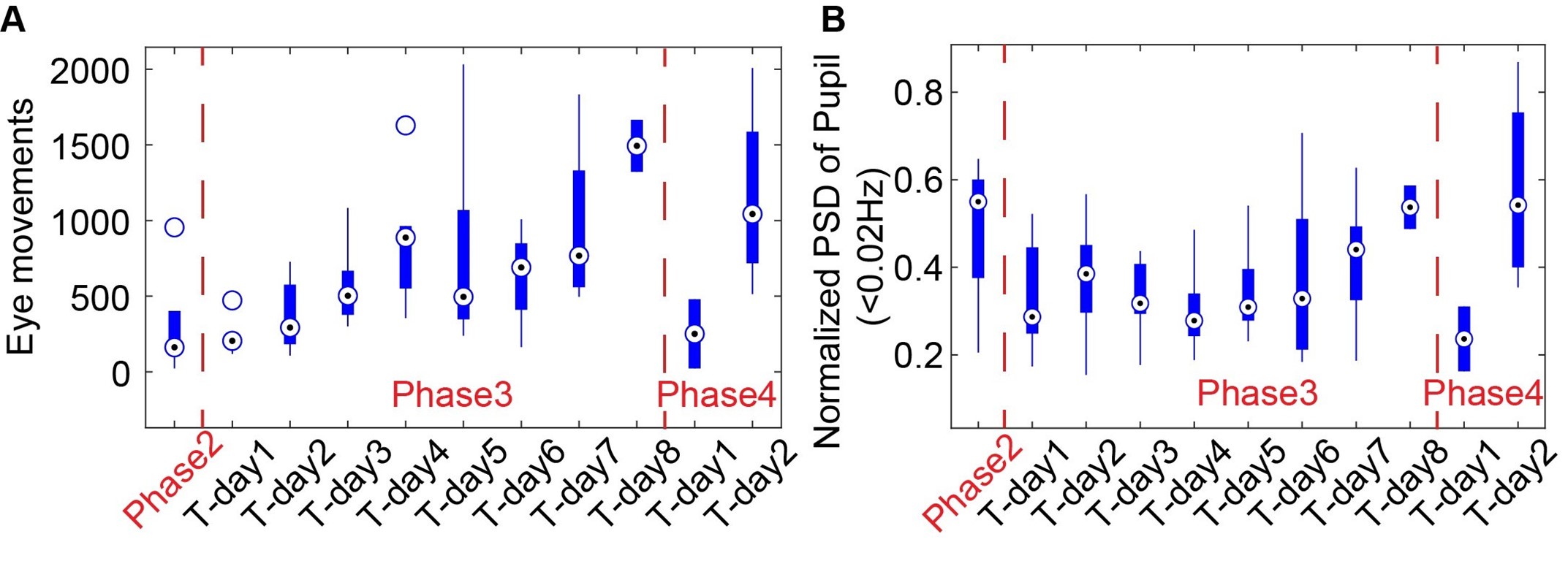
      Wu, Y. K., Miehl, C., & Gjorgjieva, J. (2022). Regulation of circuit organization and function through inhibitory synaptic plasticity. Trends in Neurosciences, 45(12), 884–898. https://doi.org/10.1016/J.TINS.2022.10.006