flocculated
Clumped together in particles
flocculated
Clumped together in particles
carbon budget
The carbon budget is the amount of carbon dioxide that can be emitted before the earth starts to experience the most dangerous impacts of climate change.
partial oxidation
Partial oxidation is when organic carbon is broken down, but not all the way. Partially oxidized carbon is not released into the atmosphere. Partial oxidation still requires oxygen (not as much as complete oxidation), though no carbon dioxide is produced.
An example would be "fading" of a colored fabric that you leave out in the sun, like a favorite blue hat that you wear all the time. The dye (which is made of organic carbon) gets broken down by light and fades in color, but it isn't converted into CO<sub>2</sub>.
CO2
Carbon dioxide (CO<sub>2</sub>), is the main form of carbon in the atmosphere.
CO<sub>2</sub> is a “greenhouse gas,” which means that extra CO<sub>2</sub> in Earth’s atmosphere contributes to global warming.
It is made when other forms of carbon are completely oxidized.
complete oxidation
Complete oxidation is when organic carbon is broken down as much as possible to form inorganic carbon in the form of carbon dioxide (CO<sub>2</sub>).
Oxidation of organic carbon to CO<sub>2</sub> requires oxygen (O<sub>2</sub>) and is an important piece of the carbon cycle, that is, the cycling of carbon between its organic forms (organic carbon, DOC), and inorganic carbon (CO<sub>2</sub>).
One molecule of oxygen (O<sub>2</sub>) is required for each molecule of CO<sub>2</sub> that is produced from the oxidation of organic carbon.
Carbon
Carbon is an element that is found in all living things and in many other substances in the environment, such as carbon dioxide (CO<sub>2</sub>). It can also be found in soil and can be dissolved in lakes, rivers, and oceans.
polychaetes
Polychaetes are a diverse group of worms. Polychaetes are commonly found at the bottom of the ocean and are an important part of marine food webs.
patchy
uneven, with some spots being affected more than others
Acropora palmata
Acropora palmata is commonly known as Elkhorn coral for its antler-like appearance. As a result of its complex 3-d shape, Acropora palmata adds significant structure to coral reefs and forms an important habitat for many other marine organisms.
substraturn
The substratum is the underlying layer of rock or sediment. This refers to the surface that the corals attach to.
meta-analyses
Meta-analyses integrate the results of multiple studies to draw overall conclusions on the evidence.
P value
A p-value is a statistical threshold for determining if a result is extreme enough to be considered compelling evidence, because it is unlikely that this result would manifest in the data if the effect did not exist in reality.
eye tracking machines
Eye tracking machines are devices that can record eye-movements and make it possible to show what information people look at without asking them explicitly what they are attending to.
social psychology
Social psychology is a subdiscipline of psychology that studies how people interact with their social environment, and how their thoughts and behaviors are affected by others.
correlation coefficient (r)
A correlation coefficient describes the linear interdependence of two variables. It shows both the direction (positive coefficient: as A increases, B increases as well; negative coefficient: as A increases, B decreases), and the strength of the relationship (coefficient close to zero: strong relationship; coefficient close to +/- 1: weak relationship).
For example, there might be a positive correlation between years of attendance to school and crystallized intelligence: with increasing school attendance, people could acquire more knowledge. On the other hand, there could be a negative correlation between age and fluid intelligence: with increasing age, people could get worse at solving problems in new situations.
sufficient
Sufficient conditions are the circumstances that are enough to find a specific effect. If these conditions are not met, the effect could still be found in another way.
For example, to find the effect that people can be manipulated to be more prosocial, it is sufficient to study what happens after you ask participants to think about a time where someone was generous to them, and then ask them to make a donation. This circumstance could be enough to make people more prosocial (it would therefore be sufficient), but you could think of other circumstances that could achieve the same result.
necessary
Necessary conditions are the circumstance that must be met in order to find a specific effect. If these conditions are not met, the effect cannot be found.
For example, to find the effect that prosocial people are more likely to give change to a beggar, a necessary condition would be studying human subjects, not penguins.
moderate
In statistics, moderations refers to the dependence of the relationship between two variables on a third variable.
For example, the positive relationship between socioeconomic status and health (the higher one's status, the better one's health) could be moderated by one's sense of control: people in low income groups with high sense of control might show health levels comparable with people from high-income groups, whereas people in low income groups with low sense of control have worse health (Lachman & Weaver, 1998).
Reproducibility
Reproducibility is the feature of an experiment that speaks to whether it can be run again, and if the same results as in previous runs of this experiment can be found. If an experiment has been reproduced successfully, it has been conducted more than once, and the overall evidence suggests that the original findings holds in the reproducing studies (also referred to as replication studies, or replications) as well.
t test for dependent samples
The t-test for dependent samples is a statistical procedure that is used on paired data to compare the means of two groups.
arborescent gorgonians
Gorgonians are part of a group of corals often called "soft corals" due to their lack of a rigid calcified skeleton. Arborescent means "tree-like," referring to gorgonians that specifically have upright tree-like forms.
fecund
Fecundity refers to the ability for an organism to produce offspring. If an organism is more fecund, this means it produces more offspring.
recruiting
Recruitment refers to the successful addition of new individuals to a population.
Demersal plankton
The demersal zone is the layer of water nearest to the bottom of the ocean. Plankton are tiny microscopic organisms that live in the water column.
Motile Organisms
Motile organisms are organisms that can move around, such as shrimp or fish. Sessile organisms, like corals, do not move for the majority of their lives.
hydrocoral Millepora spp.
A hydrocoral looks like a coral, but is actually in the class Hydrozoa rather than the class Anthozoa, like true corals. Millepora hydrocorals are also known as fire coral due to their painful sting.
encrusting
Encrusting animals form a thin layer (i.e. a "crust") over another hard surface.
polyps
While corals may look more like plants than animals, corals are actually a colony of many tiny animals living together. Each "individual" animal is called a polyp.
foliaceous
Foliaceous means "leafy." Foliaceous corals create multiple thin layers that somewhat resemble plant leaves.
Diadema antillarum
Diadema antillarum is commonly known as the long-spined sea urchin. Before populations of Diadema antillarum died off in 1983 in massive numbers, they were a common sight in Caribbean reefs and played an important role in controlling the growth of macroalgae.
Fore Reef
The fore reef is the ocean-facing section of a reef.
Agraria spp.
Agaricia is a genus of corals that form flat leaf-like or plate-like structures. The "spp." means "multiple species of." So Agaricia spp. means "species of the genus Agaricia."
reef flat
The flat part of a coral reef, closer to shore.
breaker zone
As ocean waves move towards shallower waters, they eventually become unstable and break. A breaker zone is a region where waves begin breaking.
taxonomic
Taxonomy is the science of describing, identifying and classifying species. Taxonomic differences, in this context, are differences in the species present.
community composition
A community is a group of interacting organisms that live in the same location. Community composition is the makeup of a community
natural experiment
When natural events (i.e. fires, hurricanes or other disturbances) happen to only some areas, scientists can study the effects by comparing affected and unaffected sites. This is a natural experiment.
cortical layering
Development of the layers of the brain.
caspase 3/7
Caspases are endoproteases (a type of enzyme that breaks down proteins) that play a critical role in both inflammation and cell death.
The presence of caspase 3 and 7 can be used as a sign that cells are preparing to die.
pyknotic
A nucleus whose chromatin has condensed in preparation for apoptosis (programmed cell death)
Apoptotic nuclei
A nucleus that has started to prepare for programmed cell death (apoptosis)
glial
Cells located in the central nervous system which protect and support neurons in their function.
Glial cells differ from neurons since they do not participate in electrical signaling.
ultrastructural
Smaller than what can be seen with a light microscope
in vitro
In a controlled experimental environment.
mock-
Mock NSCs were not infected with Zika.
RT-PCR
Real-time polymerase chain reaction, a variant of PCR. It allows for real-time monitoring of DNA amplification and quantification of the product.
https://en.wikipedia.org/wiki/Reverse_transcription_polymerase_chain_reaction
MOI
The "multiplicity of infection," which is the average number of virus particles that infect a cell.
neural stem cells
Undifferentiated cells in the nervous system that have the potential to develop into any type of cell.
induced pluripotent stem (iPS)
These are differentiated cells which have been reprogrammed into pluripotent ones. This means that they have the ability to develop into any type of cell.
amniotic fluid
The liquid that surrounds the fetus for its protection, keeping a constant temperature and environment.
placenta
An organ that develops only during pregnancy to provide oxygen and nutrients needed for the growth of the baby.

flavivirus
A type of viruses usually spread through mosquito and tick bites. They include West Nile and dengue virus.
in utero
In the womb.
congenital infections
The infection of a baby by a virus during a pregnancy.
Such a transmission between the baby and the mother is possible either through the placenta or the birth canal.
Syphilis)
Syphilis is a sexually transmitted infection caused by a bacteria known as Treponema pallidum.
Herpes virus,
Herpes virus infections take place around mouth, lips, genitals, or rectum.
Cytomegalovirus
CMV infections spread through contact with body fluids, and often occur in those with weak immune systems.
Rubella
Rubella is an RNA virus that is normally spread through the air by coughing or breathing.
Toxoplasmosis
A disease caused by a parasite called Toxoplasma gondiiand.
It is usually transmitted by eating uncooked food that contains cysts or by exposure to infected cat feces.
external insults
Brain injuries
etiology
The cause of a disease or disorder.
heterogeneous
Diverse
abrogates
Prevents
electron microscopy
A technique that uses a beam of electrons as a light source and has a magnification of up to 1,000,000x (a light microscope's magnification power is 1,500x).

immunocytochemistry
A microscopy technique for seeing cellular components by targeting them in tissue samples.
organoids
An organ bud (miniature organ) that is anatomically similar to the organ it models. Organoids are used to study organ development and function.
neurospheres
A three-dimensional culture system made up of free-floating clusters of neural stem cells. They are used to study neural precursor cells in vitro.
microcephaly
An abnormally small head due to failure of the brain to grow sufficiently. It is associated with mental disability.
The growth of the brain can be impaired by many genetic and environmental factors, including infections by viruses and genetic syndromes.
![] (http://www.cdc.gov/ncbddd/birthdefects/images/microcephaly-comparison-500px.jpg)
Zika virus (ZIKV)
An RNA virus transmitted by mosquitos and sexual interaction with a carrier.
It was first isolated from the Zika Forest of Uganda in 1947. It was previously only known to occur in a narrow range in Africa and Asia. However, in 2015 there was a Zika outbreak in Brazil.
nonparametrically
Nonparametric statistical models are often used for data that is ranked.
covariates
A covariate is a variable that used in a regression analysis. It is a variable that might be responsible for the outcome of a study, or that might be interfering.
Here, all of the additional variables added in each model were covariates (writing ability, gender, ethnicity, etc.)
Matthew effect
The Matthew Effect can be summarized as "the rich get richer and the poor get poorer." It describes the idea that benefits are distributed unevenly, and that those who already have the benefits will continue to accumulate them while those without will not have the chance.
In scientific publication, the Matthew Effect refers to the phenomenon where researchers who are established publish more often simply because they are established (and regardless of the quality of their work).
regression
Regression is a measure of the relation between the mean value of one variable and corresponding values of other variables. There are different types of regression, all of which are used to identify trends in data.
Poisson regressions
A Poisson regression is a form of regression analysis where we have a random variable, which is equal to the number of events over a period of time if these events are independent and occur at a constant speed.
principal investigator (PI),
A principal investigator (PI) is the holder of an independent grant administered by a university and the lead researcher for the grant project, usually in the sciences.
The phrase is also often used as a synonym for "head of the laboratory" or "research group leader."
institutional affiliation
An applicant's institutional affiliation is the organization that has agreed to be the legal recipient of the grant. This organization can be a nonprofit, a university, or an employer.
U.S. Patent and Trademark Office (USPTO)
The United States Patent and Trademark Office (USPTO or Office) is an agency of the U.S. Department of Commerce which stores, classifies, and disseminates information on patents and gives grant patents for the protection of inventions and to register trademarks.
PubMed
PubMed is a database of medical and biological publications, created by the National Center for Biotechnology Information (NCBI). It is the free version of the database MEDLINE.
standard deviation (SD)
Standard deviation is a statistical measure that is used to describe how much variation there is in a data set. A high standard deviation means that the data is very spread out.
“value-added.”
Value-added is the amount by which the value of the product is increased. Here, it means by how much peer review increases new insights about the quality of grant applications.
high-impact
The impact factor (IF) is a numerical indicator of the "importance" of a scientific journal or article, calculated based on the number of citations and published articles.
U.S. National Institutes of Health
The National Institutes of Health (NIH) is an agency of the Department of Health and Human Services and the main agency of the U.S. government responsible for biomedical research and healthcare-related research.
grants
A grant is a money given to enterprises, organizations, and individuals for research, development, and education. Grants do not have to be returned, but most granting organizations require a report about the progress of the outcome.
research project
The Research Project (R01) is a type of grant awarded by the National Institutes of Health (NIH) that provides support for health-related research and development.
peer-review
Peer-review is the review process for scientific articles, research, or ideas by scientific experts in the same field.
z, F, t, and χ2
z, F, t and X2 test statistics are parameters that are calculated from a sample and compared with what is expected given the null hypothesis (that there is no effect in reality). The test statistic allows inferences on whether the data allows us to reject the null hypothesis and assume an effect is present.
Cohen’s d
Cohen's d is a measure for the size of an effect, used to report the standardized difference between two means. It is used to make a judgment if an effect is small (d>0.20), medium (d>0.50) or large (d>0.80).
Wilcoxon signed-rank test
The Wilcoxon signed-rank test is a statistical procedure that is used on paired data. The test compares the differences between paired data points, ranks the differences by size and considers the direction of the difference by retaining its sign (+ or -), to then allow an inference on whether the mean ranks differ or are the same.
central tendency
The central tendency of a distribution is captured by its central, or typical values. Central tendency is usually assessed with means, medians ("middle" value in the data) and modes (most frequent value in the data).
nominal data
Nominal data is the simplest form of data, since it implies no natural ordering between values. For instance, consider subject gender (male and female), which is a nominal variable: neither male nor female comes first, and neither male nor female is larger than the other.
McNemar test
McNemar's test is a statistical procedure for analyzing data that is measured on a nominal scale and where pairs of data points exist. In this example, we have pairs of data points when we consider that each original study and its replication belong together. The test assesses if the outcomes (proportion of significant vs. non-significant results) are the same in the original and the replication studies.
confidence interval
A confidence interval is the range of values in which the true value of the variable of interest would fall, if the experiment were to be repeated again and again. In the case of the 95% confidence interval, the true value would fall in this range in 95% of all cases. Confidence intervals are often referred to with the abbreviation "CI".
two-tailed test
A two-tailed test looks for a hypothesized relationship in two directions, not just one. For example, if we compare the means of two groups, the null hypothesis would be that the means are not different from each other. The alternative hypothesis for a two-tailed test would be that the means are different, regardless if the one is bigger or smaller than the other. For a one-tailed test, one would formulate a more specific alternative hypothesis, for instance that the mean of the first group is bigger than the mean of the second group.
cognitive psychology
Cognitive psychology is a subdiscipline of psychology that studies mental processes like perception, problem solving, attention or memory.
within-subjects designs
Within-subjects designs vary the predictor in question within each subject: each participant will complete all experimental procedures, in all different conditions. In contrast, between-subjects designs vary the predictor in question between the subjects: each participant completes only one experimental condition.
For example, if a study wanted to test how eating an apple or eating a banana impacts the performance in a subsequent math test, a within-subjects design would have all participants first eat one fruit and complete a test, and then eat the other fruit and complete an equivalent test. A between-subjects design would have half of the participants eat an apple and complete the test, and the other half of the participants eat a banana and complete the test. Some questions are better suited to be studied with a within-subjects design, others are better studied with a between-subjects design.
covaries
Covariation indicates how two variables change together, and is the basis needed to calculate a correlation.
predictors
Predictors are variables that could affect an outcome of interest.
null hypothesis
The null hypothesis is the assumption that a certain effect does not exist in reality, and that any observations of this effect in data is due to error.
citation impact
Citation impact refers to the importance of an effect deduced from how much of the subsequent body of literature refers to and builds on it by including a reference to the original paper.
functional magnetic resonance imaging
Functional magnetic resonance imaging is a procedure that detects the activity of areas in the brain by measuring blood flow.
macaques
Macaques are a type of monkeys.
autism
Autism is a mental disorder characterized by difficulties with of social communication and interactions, as well as restricted and repetitive behaviors.
F test
An F-test is a statistical procedure that assesses if the variance of two distributions are significantly different from each other.
t test
A t-test is a statistical procedure that assesses if the means of two distributions are significantly different from each other.
a priori
A priori means something was deduced or determined from theoretical considerations, before collecting data.
selection biases
Selection bias here refers to systematic error in the way studies are included or excluded in the sample of studies which would be replicated. An unbiased selection would be truly random, such that the sample of studies used for replication would be representative of the population of studies available.
false positive
A false positive is a result that erroneously indicates an effect exists: although the data suggests an effect exists, in reality, the effect does not exist.
false negative
A false negative is a result that erroneously indicates no effect exists: although the data do not suggest that an effect exists, in reality, this effect does exist.
bias
Bias refers to a systematic error or a process that does not give accurate results.
effect sizes
The size of an effect allows us to say whether an effect is big or small, compared to other effects.
effects
An effect is an observed phenomenon, where differences in one circumstance lead to observable differences in an outcome.
statistically significant results
Results are referred to as statistically significant when we find the result convincing because it is extremely unlikely to find this data if the effect did not really exist.
intraperitoneal
An injection into the belly of a mouse that avoids hitting any internal organs.
hAPP-nontransgenic mice
Mice that do not have the hAPP gene (normal mice).
aberrant
Wrong or deviating from the norm.
neurites
Any extension of a neuron, like an axon or a dendrite.
dystrophic
Wasting away.
punctae
Dots or points.
proteolysis
The breakdown of a protein by enzymes.
hippocampal homogenates
Ground up or processed tissue.
effectors
A molecule that binds to a protein and changes its function.
etiology
Cause or origin.
spatial learning
Learning (and remembering) where something is in 3D space.
In this case, the mouse cannot see the platform hidden under the surface of the water. It has to remember from previous trials where it's located.
Morris water maze
A maze in which mice learn the location of a platform. The platform is visible at first and then hidden under the water surface once the mice learn its location.
This type of maze requires the hippocampus, one of the first parts of the brain to become damaged in Alzheimer’s disease.
See a video about the Morris Water maze here:
familial AD mutations
Specific genetic mutations that cause Alzheimer’s disease.
These mutations are very rare and only account for about 2% of all cases of Alzheimer’s disease. If an individual has one of these rare mutations s/he is destined to get Alzheimer’s disease (100% chance of developing Alzheimer's).
haplotypes
A set of genes inherited together.
In this case, the authors discuss the idea that several genes related to the tau protein seem to affect the probability that a person will develop Alzheimer’s disease later in life.
posttranslationally
This means that molecular changes are made to tau proteins after they are being made.
Some types of abnormal tau appear in cases of Alzheimer’s disease.
Alzheimer's disease
Alzheimer's disease is the most common type of dementia. It's a disease of aging in which the proteins amyloid-β and tau build up or aggregate in the brain, causing neurons to die.
Amyloid-β proteins build up into clumps called plaques, and abnormal tau proteins fall off of their microtubules, which kills the neurons. These tau proteins later aggregate into clumps called tangles.
Symptoms of Alzheimer’s disease include memory and cognitive problems, and patients eventually die from the disorder.
amyloid-β peptide
This peptide consists of a strand of up to about 40 amino acids that are the main component of the amyloid plaques found in the brains of Alzheimer's patients.
excitotoxicity
A process in which neurons are damaged or die as a result of too much stimulation (or excitation, hence "excito-toxicity").
For example, excitotoxicity can occur from a seizure.
transgenic mice expressing human amyloid precursor protein
Mice that have been genetically engineered to produce the amyloid precursor protein, which is thought to give rise to amyloid-β.
endogenous
Originating from within the body. In this case, "endogenous" refers to the tau proteins that occur naturally in the body of the mice.
microtubule-associated protein
A protein that is bound to microtubules.
Microtubules are part of a neuron’s inner cytoskeleton that maintains the structure and stability of the cell.
tau
Tau proteins are primarily found in neurons of the central nervous system.
They stabilize the neuron's microtubules, which are components of the cell's cytoskeleton, the inner stabilizing network of filaments and tubules.
peptides
A small protein.
pithed
pithing is a method used while preparing specimen for experimental procedures and dissection. It is done by inserting a metal rod into the brain or spinal chord of a living specimen as to kill or immobilise in the least painful way. This method is useful in that it allows for the testing and examination of the physiology of the organs of the prey because they still work, but the animal feels no pain and has no control over their muscles.
tetanus
Tetanus could refer to the disease caused by a bacterial infection or to rapid/continuous muscle contraction. In this context it is referring to the latter definition;muscle contraction. Each contraction produces an involuntary twitch. Because the electric shocks produced by the electric eel are very frequent the fish ends up constantly twitching with no breaks and no control over its movement .
for more information about muscle contraction; Mann MD (2011). "Chapter 14: Muscle Contraction: Twitch and tetanic contractions". The Nervous System In Action. Michael D. Mann
motor neurons
Cells that carry messages and transmit signals. It is those cells that allow us to perform basic motor functions such as walking, eating, holding things etc.
Plexiglas
Is a sturdy alternative to glass. made out of acrylic it is shatter proof as well as sound proof. this is ideal in this experiment because it is clear enough for the eel to se through but does not allow noise or movement of prey to go through, or electric shocks of eel.
agar
jelly like gelatine but made from algae
neuromuscular junction
The connection point between the motor neuron (carrying signal from the spinal chord) and a muscle fibre. This is the communication channel between the two where messages are transmitted using calcium ions. This is necessary to control muscles.
latency
Latency refers to the time thats elapses between an action and a reaction in a system. In this context it refers to the time it takes for the activation of the motor neurone efferents of the prey after the release of the eel electric discharge.
latency
length of a time step of delay
suction-feeding strike
sucking in food (a fish) to catch and eat it, like you suck through a straw
volleys
in this context volleys refers to multiple back-to-back electric discharges
Electrophorus electricus
While they are referred to as Eels, Electric Eels actually belong to the nocturnal family of knifefish which consists of electric fish that have organs that generate electric current. Eels are the largest Gymnotiformes and use electric current to defend and hunt.
efferent
when a neutron is described as being efferent it means that it carries orders away from the central nervous system, which acts like a control centre, towards organs, mainly muscles and glands
providing a combined discharge of up to 600 V
This is almost five times more voltage than what you would get out of an Electrical outlet in a US household (120V) and more than twice the voltage of an outlet in Europe (220-240 V)
electrolocation
Location by electricity. In using this tools the eels can explore extreme environment such as muddy water.
mechanosensory
mechano referes to mechanical stimulus, which is a physical change such as direct contact, change in pressure or vibration. This change can be sensed by special sensory cells that are found all over the body. These cells allow us to sense vibrations from and contact with other objects.
curare (an acetylcholine antagonist)
poison that stops a chemical messenger
glutamatergic transmission
mechanisms that involve the release of glutamate (a common neurotransmitter)
homozygous
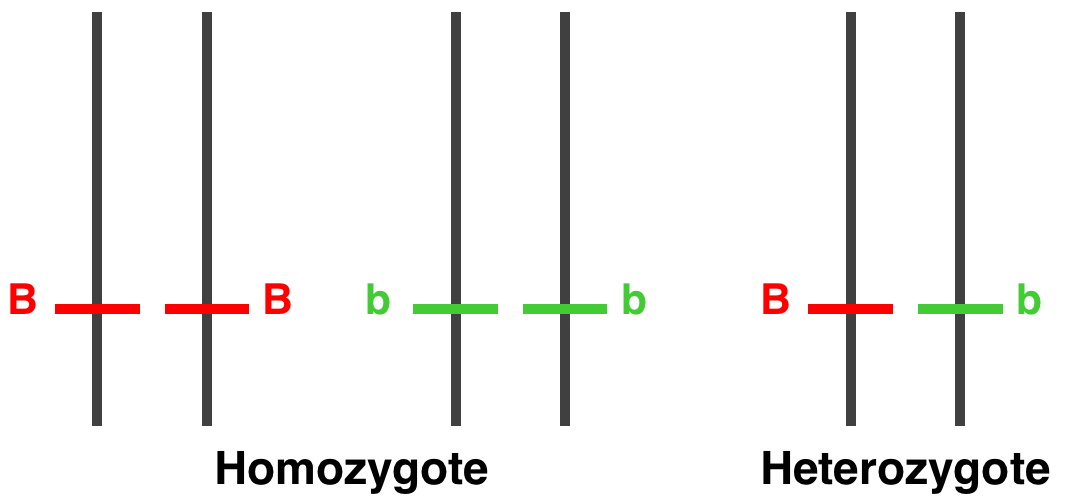
Humans have chromosomes by pairs. An individual receives one chromosome from each parent. Therefore, he receives two copies of each gene. One says that an individual is homozygous for a certain gene when both of its chromosomes carry the same version of the gene.
PCDH10
Generally PCDH10 belongs to a proto cadherin protein family and it acts as a potential tumor suppressor protein, as the dysregulation of PCDH10 gene frequently existed in multiple human tumors.
PCDH10 is a transcriptional target of p53 and exhibits inhibitory roles in cancer cell motility and cell migration.
MEF2 transcription factor
The myocyte enhancer factor 2 (MEF2) transcription factor holds together the transcriptional circuits and controls cell differentiation and organogenesis. In adult tissues, Mef2 proteins are also reported to regulate the stress-response during cardiac hypertrophy and tissue remodeling in cardiac and skeletal muscle.
transcription
At the beginning of the transcription process, the genetic information of a strand of DNA is copied onto a new molecule, called messenger RNA (mRNA). The mRNA can then exit the nucleus of the cell to be translated into a protein.
hemizygous
This deletion was only present on one chromosome from each parent.
simplex and
In simplex families, only one person is affected by the disease. Multiplex families have more that one of their members affected by the disease.
single-nucleotide polymorphism
A variation of a single nucleotide in a DNA sequence. When less than 1% of a population carries the nucleotide at this position, this variation is classified as a SNP. Some SNPs are associated with certain diseases.
HMCA
Reminder : Homozygosity Mapping Collaborative for Autism
Identifying Autism
DNA is a macromolecule forming a long double helical shape and containing the “blueprint” of an organism. It gives the instructions for the production of all the proteins of the organism. Each long portion of DNA is called a chromosome.
Endosomal trafficking and protein turnover
Other genes the authors identified are involved in how cells move proteins around. Cells usually do this by packing proteins into endosomes (small spheres made out of membrane) to send proteins to specific places.
stop codon
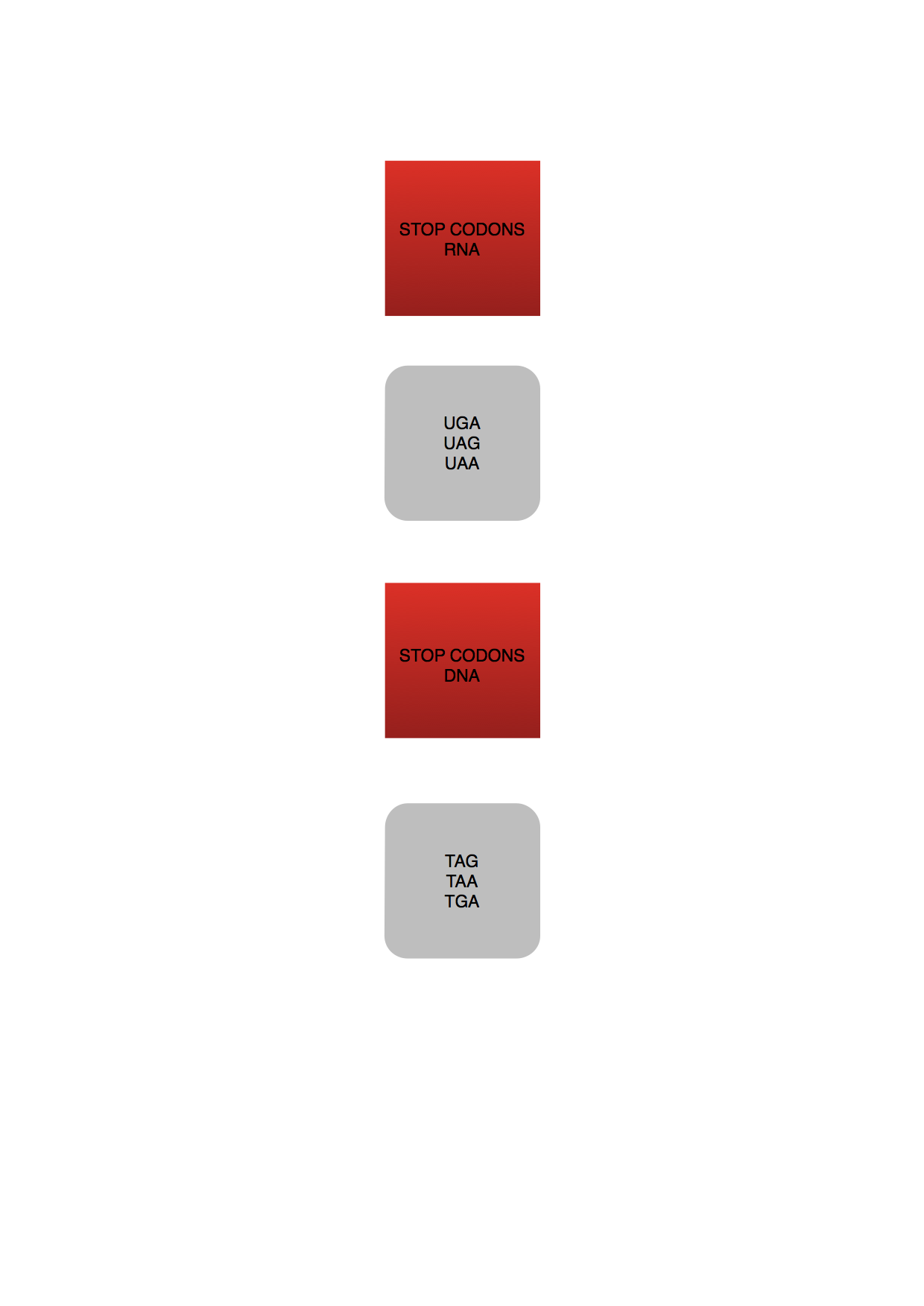
A stop codon (or termination codon) is a nucleotide triplet, which stops the synthesis of a protein molecule. It's placed within messenger RNA and signals a termination of translation into proteins.
This termination is taking place due to binding release factors, which cause the ribosomal subunits to disassociate, releasing the amino acid chain.
transcriptome
The set of all messenger RNA transcripts in the considered cell.
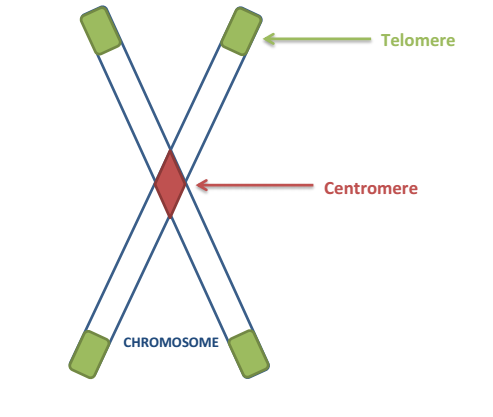
centromere to telomere
caudal
https://upload.wikimedia.org/wikipedia/commons/6/64/Horse_Axes.JPG
spinal
pertaining to spine.
https://upload.wikimedia.org/wikipedia/commons/a/a4/Spinal_column_curvature_2011.png
cervical
pertaining to neck.
https://upload.wikimedia.org/wikipedia/commons/a/a4/Spinal_column_curvature_2011.png
ventral
the underside or the abdominal part of the body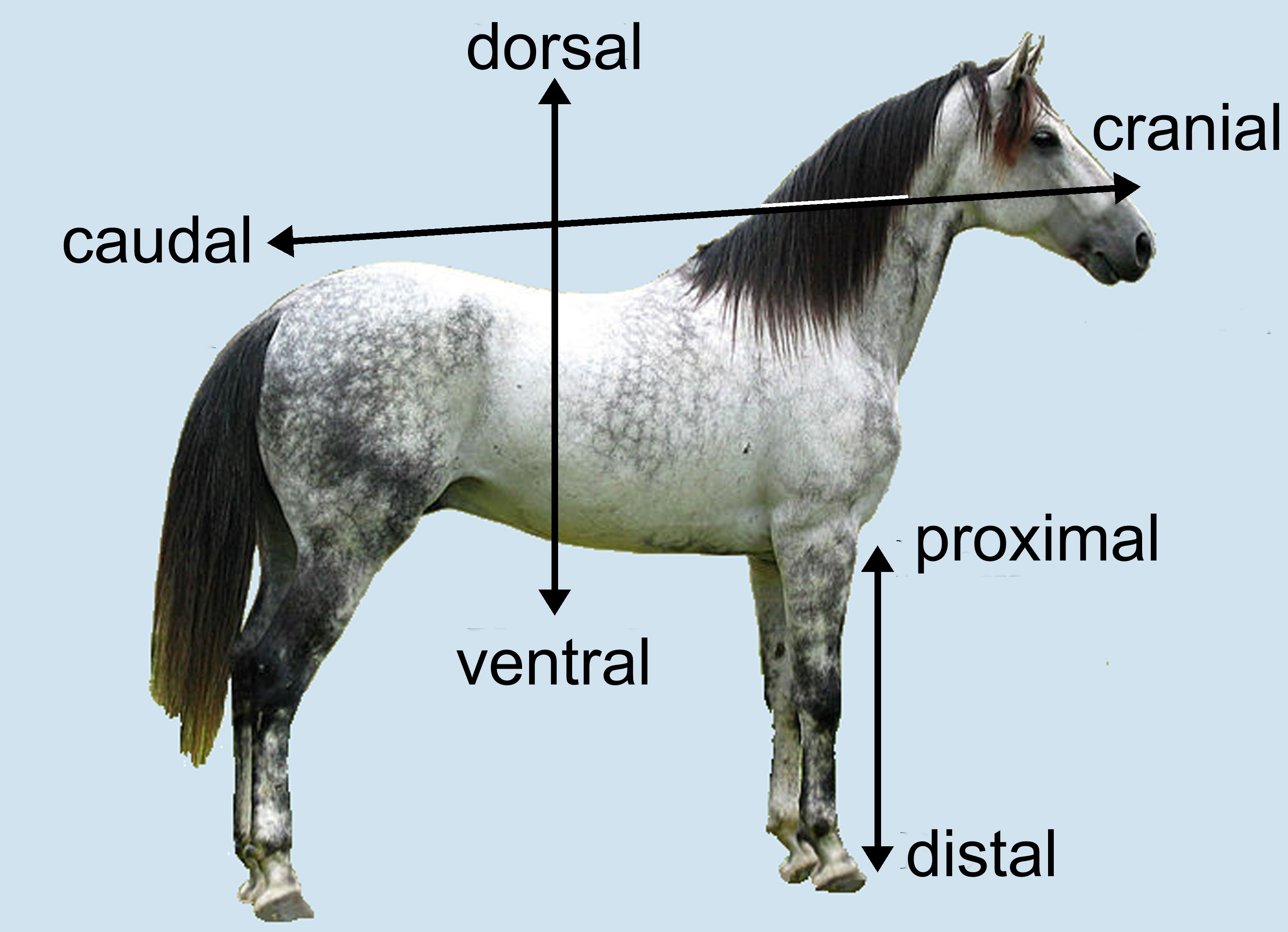 https://upload.wikimedia.org/wikipedia/commons/6/64/Horse_Axes.JPG
humeral
an anatomical term which refers to a bone called humerus 
https://upload.wikimedia.org/wikipedia/commons/e/e4/Humerus_-_anterior_view.png
femoral
an anatomical term which refers to a bone called femur![]https://upload.wikimedia.org/wikipedia/commons/8/8f/Femur_-_anterior_view2.png
https://upload.wikimedia.org/wikipedia/commons/8/8f/Femur_-_anterior_view2.png
lateral
https://upload.wikimedia.org/wikipedia/commons/3/34/Anatomical_Directions_and_Axes.JPG
sebocytes
any kind of cell that secretes sebum- an oily substance which contains fat-
nested subpopulation
a population that fits into a larger one!

https://upload.wikimedia.org/wikipedia/commons/4/41/Floral_matryoshka_set_2_smallest_doll_nested.JPG
integument
the outer layer that mainly serves as protection
keratinized
to change to a form that contains keratin- a fibrous protein which mostly found in hair, nail, hoof, etc.-
superposed
superposing means to put or lay something over something else
histological
pertaining to histology-the science of studying tissues-
in-frame deletion
As you know from molecular biology, protein-coding region of DNA transcribe into mRNAs and then, mRNAs, in their turn, translate into proteins on ribosomes.
Basically three nucleotides are required to code for any aminoacid, so the part of mRNA that translates into proteins has a "frame" which is divisible by three; if a deletion cause removal of three or a multiplicate of three then the frame will stop at the previous stop codon and other aminoiacs remain untouched, otherwise the deletion may turn the protein to anything at all.

homologous
homologous properties in biology have the same evolutionary origins but not necessarily a same function.
like human and bat's arm.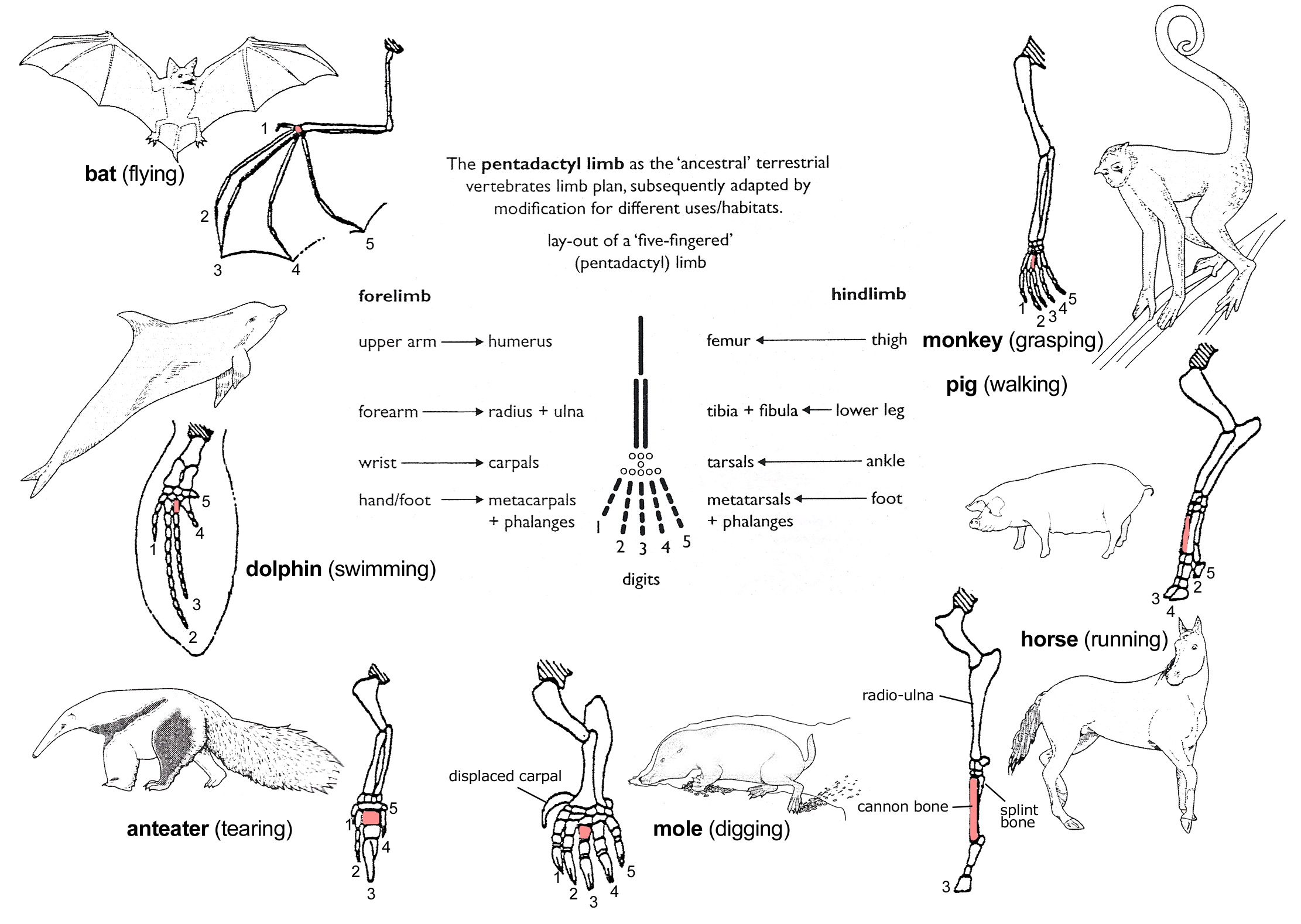
https://upload.wikimedia.org/wikipedia/commons/5/5b/Evolution_pl.png
crocodiles
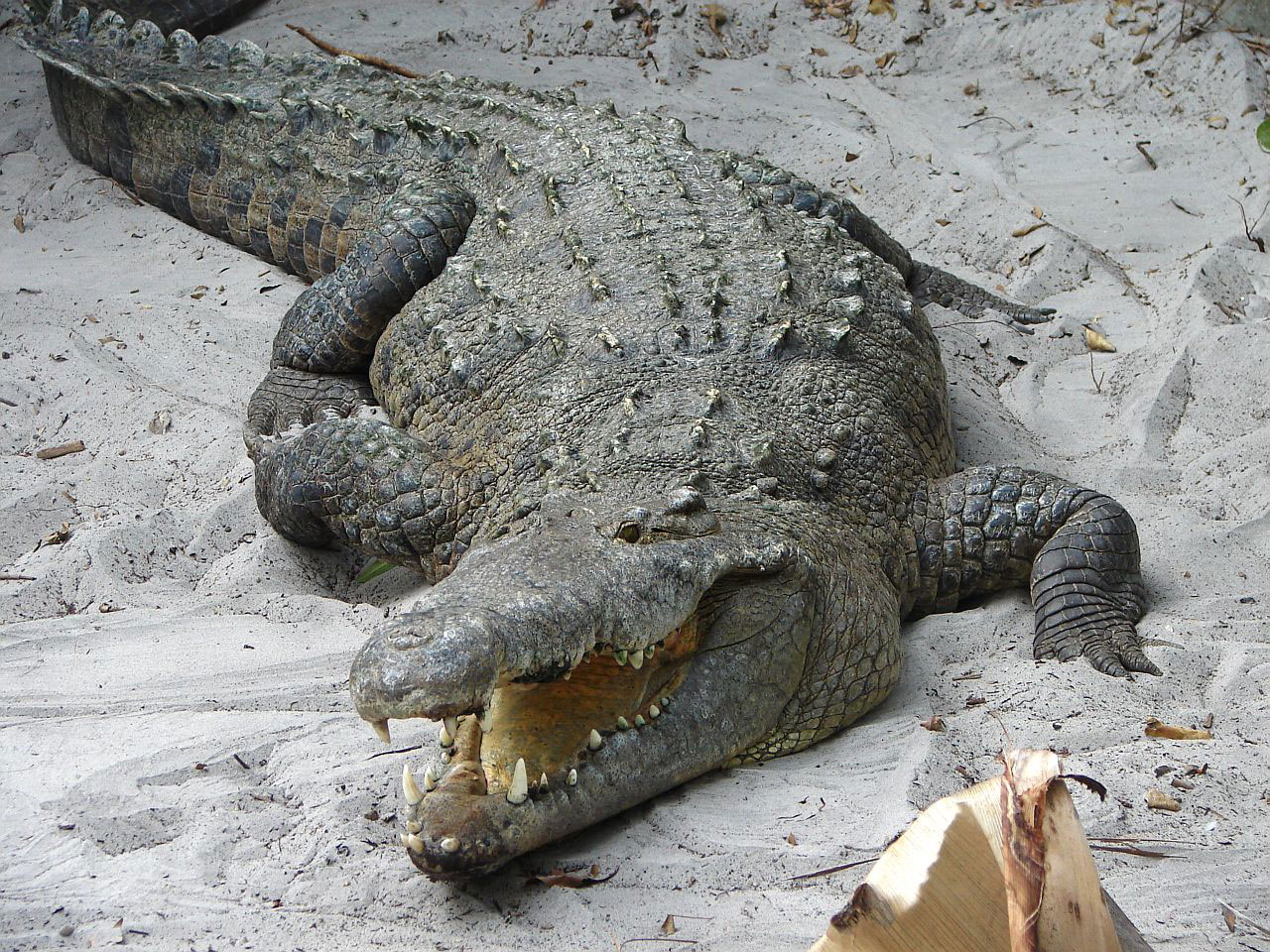
http://www.publicdomainpictures.net/pictures/10000/velka/2185-1265152109AYHt.jpg
reptiles

https://upload.wikimedia.org/wikipedia/commons/2/2c/Extant_reptilia.jpg
scutate
covered with scutate-A horny or bony external plate.!
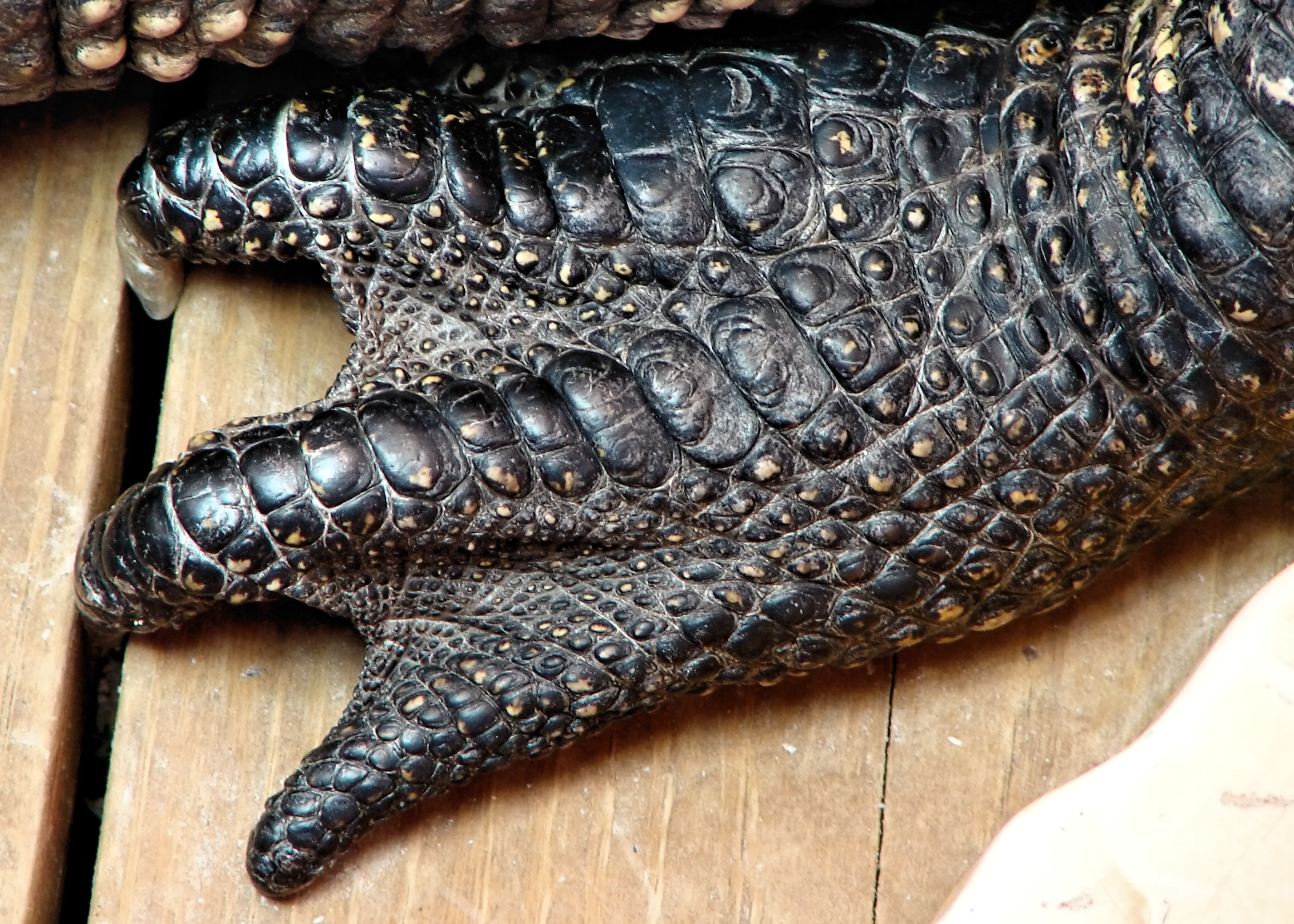
https://upload.wikimedia.org/wikipedia/commons/1/17/Alligator_foot_detail.jpg
lineage
A sequence of species that have evolved from a same ancestor.
 a sequence of species that have evolved from a same ancestor.
https://upload.wikimedia.org/wikipedia/en/6/68/Diagram_of_Eusocial_Species.png
cryosections
sections that are made in a cryostat- a device for keeping the temperature low-.
PCNA
A protein of DNA polymerase delta. it is involved in the control of eukaryotic DNA replication. PCNA is important for replication and participates in cell division. so it's present in cell shows that the cell is proliferating.
parasagittal
an imaginary plane that divides the body into right and left halves.
BMP
A group of chemicals that are growth factors.
dermoepidermal elevations
An area of tissue that joins the epidermal (outer layer) and the dermal layers (middle layer) of the skin.
Elevations refer to bumps found in this layer, leading to areas that are slightly raised.

https://upload.wikimedia.org/wikipedia/commons/e/ec/Anatomy_of_the_skin.jpg
columnar cells
Cell's shape that are similar to the columns and it's height is at least four times their width.
https://upload.wikimedia.org/wikipedia/commons/c/c5/Simple_columnar_epithelial_cells.png
common ancestry
On of the principles of darwin's Evolutionary theory that says organisms share a most recent common ancestor.
parasagittal
An imaginary plane that divides the body into right and left halves.
nonconcurrently
Not happening at the same time
signaling pathways
Refers to a group of molecules in a cell that work together to control one or more cell functions.
(TNF)
The tumor necrosis factor (TNF) superfamily : a group of cytokines that take place in apoptosis.(cell death)
codominant
Two alleles of a gene in a heterozygote that are both fully expressed.
Student’s t test,
A statistical test that is used to determine if two sets of data are significantly different from each other.
probabilistic algorithm
The probabilistic algorithm is algorithm that, providing circulation on the certain stages of its work to the random number generator in order to obtain savings in work time.
correlation
A correlation describes how two variables are linked one to the other.
National Science Foundation
The National Science Foundation (NSF) is an independent agency of the U.S. government that is responsible for the development of science and technology. The Foundation carries out it's mission by providing, in general, temporary grants.
