3 Matching Annotations
  1. Last 7 days
    1. incomplete dominance
      Image

      Image

      Image

      Image

      English — incomplete dominance (thorough explanation)
      1) What incomplete dominance means (core idea)
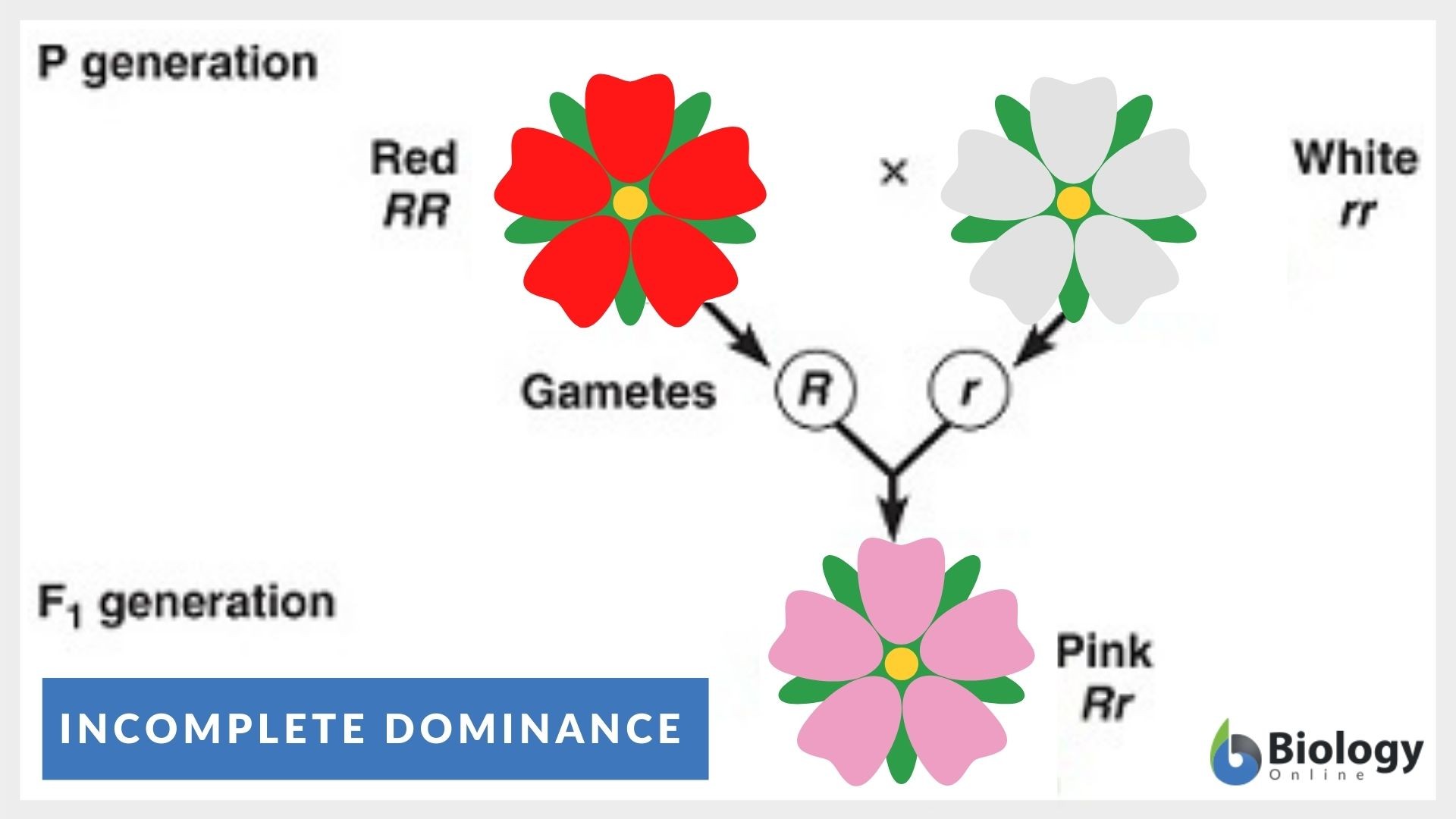
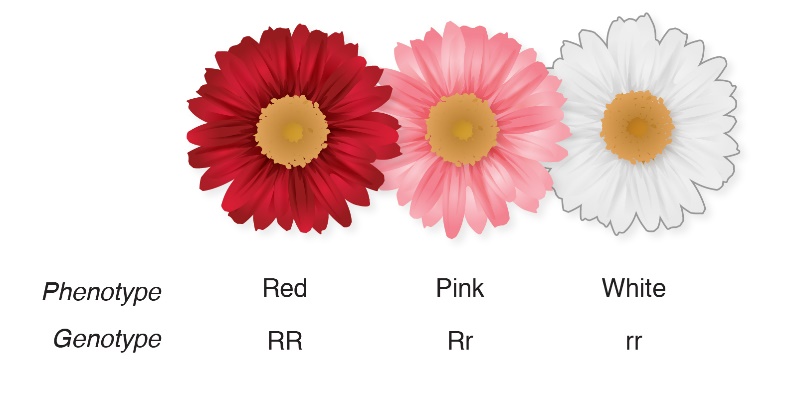
      Incomplete dominance is an inheritance pattern in which neither allele is completely dominant, so the heterozygous phenotype is an intermediate (blended) form of the two homozygous phenotypes.

      Incomplete dominance = blending of traits in heterozygotes


      2) How incomplete dominance works

      • Two different alleles affect the trait
      • In a heterozygous individual, both alleles partially influence the outcome
      • The result looks like a mix, not one trait hiding the other

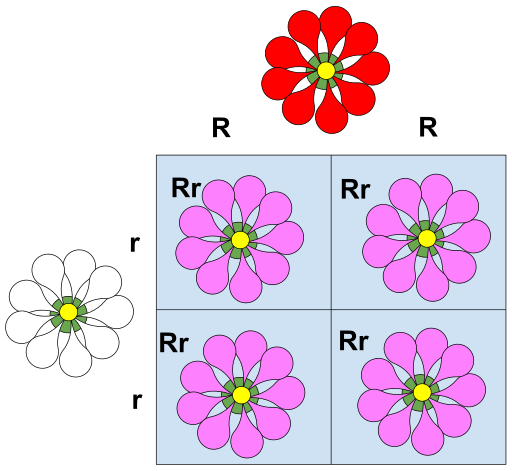
      3) Classic example (Science 10 favorite): flower color

      Let:

      • R = red flowers
      • W = white flowers

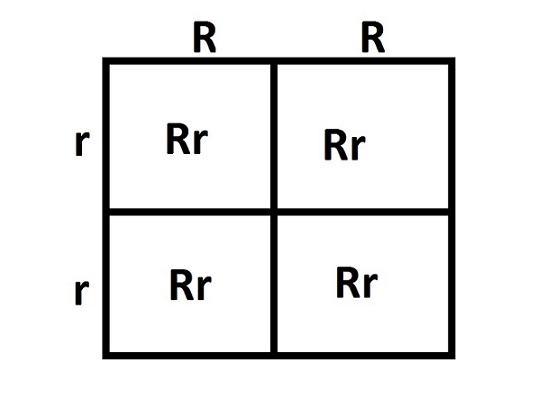
      Cross: RR × WW

      Offspring:

      • RWpink flowers

      📌 Pink is not a new allele; it’s the intermediate phenotype.


      4) Incomplete dominance in Punnett squares

      Parents: RW × RW

      Possible offspring:

      • RR → red
      • RW → pink
      • RW → pink
      • WW → white

      Phenotype ratio: 1 red : 2 pink : 1 white

      📌 Notice: phenotype ratio = genotype ratio in incomplete dominance.


      5) Incomplete dominance vs other patterns (very important)

      | Pattern | Heterozygous result | Example | | ------------------------ | ------------------------- | ------------------ | | Dominant–recessive | Dominant trait only | Brown eyes | | Incomplete dominance | Blended trait | Red × white → pink | | Codominance | Both traits fully visible | AB blood type |


      6) Why incomplete dominance matters

      Incomplete dominance:

      • Explains traits that don’t follow simple dominance
      • Increases visible variation in populations
      • Is common in plants, animals, and humans (for some traits)

      One-sentence exam summary

      Incomplete dominance occurs when heterozygous individuals show an intermediate, blended phenotype.


      中文 — incomplete dominance(不完全显性) 详细解释

      1) 什么是不完全显性(核心概念)

      不完全显性是指: 两个等位基因中没有一个完全显性,杂合体表现为中间型性状

      不完全显性 = 性状混合表现


      2) 不完全显性的表现特点

      • 显性不能完全压制另一等位基因
      • 杂合体表现为中间状态
      • 性状不是“要么这个,要么那个”

      3) 经典例子(考试常考)

      花的颜色:

      • 红花(RR)
      • 白花(WW)

      杂交后:

      • RW → 粉红色花

      📌 粉红不是新基因,而是红和白的中间表现


      4) 潘尼特方格中的不完全显性

      父母:RW × RW

      后代比例:

      • 1 红(RR)
      • 2 粉(RW)
      • 1 白(WW)

      👉 表现型比例 = 基因型比例


      5) 不完全显性 vs 共显性(重点区分)

      | 遗传方式 | 表现结果 | | ----- | ---------- | | 不完全显性 | 中间型(混合) | | 共显性 | 两种性状同时清楚出现 |


      一句话考试版总结

      不完全显性指杂合体表现为两种性状的中间型。

      如果你愿意,我可以把 dominant / recessive / incomplete dominance / codominance 整理成 Science 10 中英对照对比表、潘尼特方格练习或互动闪卡,非常适合系统复习与教学。


      不完全显性(incomplete dominance) EN: A condition in which neither allele for a gene completely conceals the presence of the other, resulting in an intermediate expression of a trait. Example: In four o’clock plants, red flowers crossed with white flowers produce pink offspring, an intermediate phenotype. 中文:两种等位基因互不完全掩盖对方,从而产生介于双亲之间的中间型表现。 例子:紫茉莉红花与白花杂交产生粉红花,就是不完全显性的例子。
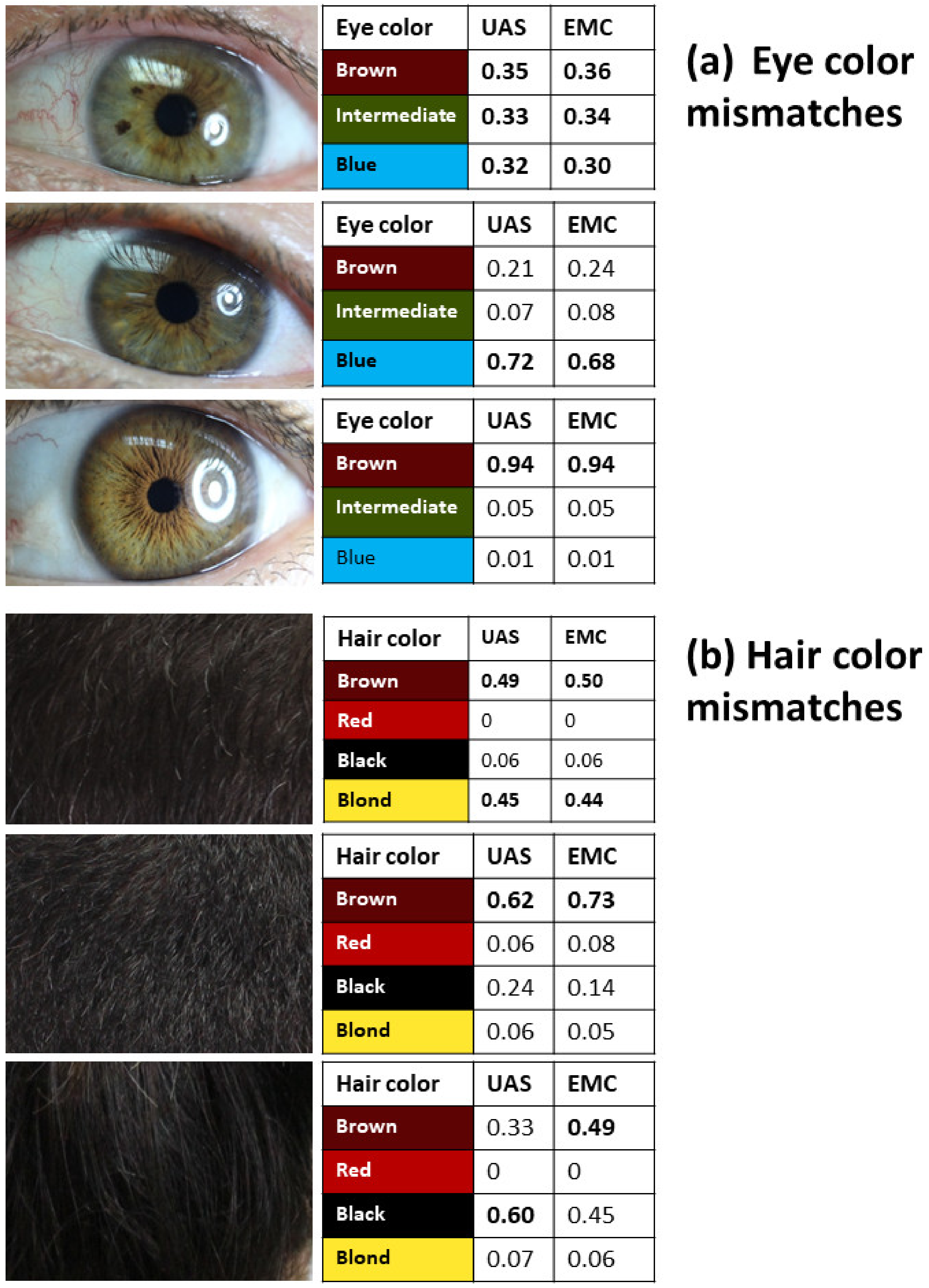
    2. traits

      Image

      Image

      Image

      Image

      English — traits (thorough explanation)

      1) What traits are (core idea)

      Traits are characteristics or features of an organism. They describe how an organism looks, behaves, or functions.

      Trait = a characteristic of a living thing

      Traits can be:

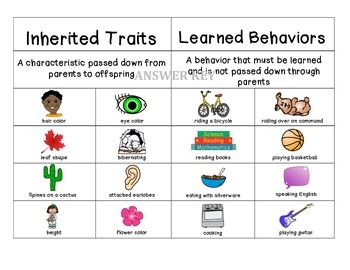
      • Inherited (passed down from parents)
      • Influenced by the environment
      • Or a combination of both

      2) Types of traits

      A) Inherited (genetic) traits

      These traits are controlled by genes and passed from parents to offspring.

      Examples:

      • Eye color
      • Hair color and texture
      • Blood type
      • Natural height potential

      📌 These traits are present from birth.


      B) Acquired (environmental) traits

      These traits develop due to life experiences or environment.

      Examples:

      • Suntan
      • Muscle strength from exercise
      • Scars
      • Language spoken

      📌 These traits are not inherited genetically.


      C) Traits influenced by both genes and environment

      Many traits result from both heredity and environment.

      Examples:

      • Height (genes + nutrition)
      • Intelligence (genes + education)
      • Athletic ability (genes + training)

      3) Traits in genetics (Science 10 focus)

      In genetics, traits are:

      • Controlled by genes
      • Each gene may have different alleles
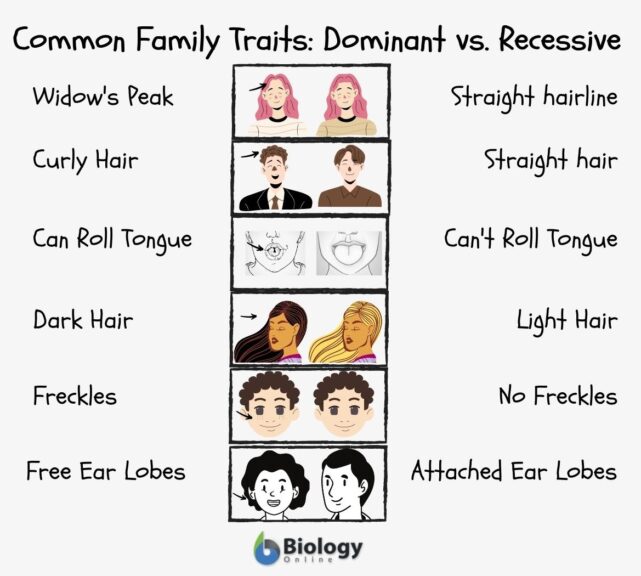
      • Alleles can be dominant or recessive

      📌 Example:

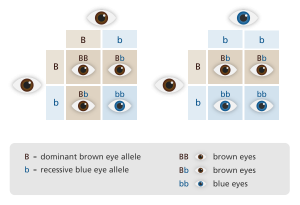
      • Brown eyes (dominant)
      • Blue eyes (recessive)

      Punnett squares are used to predict traits in offspring.


      4) Genotype vs phenotype (important distinction)

      | Term | Meaning | Example | | --------- | ------------------- | ---------- | | Genotype | Genetic makeup | Bb | | Phenotype | Physical expression | Brown eyes |

      📌 Traits are what you see (phenotype), based on genes (genotype).


      5) Why traits matter

      Traits:

      • Explain similarities and differences between organisms
      • Help scientists study inheritance
      • Are the basis of natural selection and evolution

      One-sentence exam summary

      Traits are characteristics of organisms that can be inherited, acquired, or influenced by both genes and environment.


      中文 — traits(性状 / 特征) 详细解释

      1) 什么是性状(核心概念)

      性状(traits)是指生物表现出来的特征或特点

      性状 = 生物的特征


      2) 性状的类型

      ① 遗传性状

      基因决定,从父母传给子女。

      例子:

      • 眼睛颜色
      • 头发颜色
      • 血型

      ② 获得性状

      环境或经历造成。

      例子:

      • 晒黑
      • 肌肉增强
      • 疤痕

      ③ 遗传 + 环境共同影响

      • 身高
      • 学习能力
      • 运动能力

      3) 遗传学中的性状(考试重点)

      • 性状由基因控制
      • 基因有不同等位基因
      • 等位基因有显性隐性

      4) 基因型 vs 表现型

      | 概念 | 含义 | | --- | ---- | | 基因型 | 基因组合 | | 表现型 | 外在性状 |


      一句话考试版总结

      性状是生物的特征,由遗传和环境共同决定。

      如果你需要,我可以把 traits / inherited traits / acquired traits / Punnett squares 做成 Science 10 中英对照闪卡或课堂练习题,直接用于教学或复习。


      性状(trait) EN: An inherited characteristic, such as eye colour or hair colour. Example: Traits like seed colour in pea plants or the ability to taste bitterness are controlled by genes. 中文:一种可遗传的特征,如眼睛颜色、头发颜色等。 例子:豌豆的种子颜色、是否能尝出苦味,都是由基因控制的性状。

    3. alleles

      Image

      Image

      Image

      Image

      English — alleles (thorough explanation)

      1) What alleles are (core idea)

      Alleles are different versions of the same gene. They control variations of a trait, such as eye color or flower color.

      Allele = one version of a gene

      Each gene can have two or more alleles, but an individual organism usually carries two alleles per gene (one from each parent).


      2) Where alleles are found

      • Genes are located on chromosomes
      • Alleles sit at the same position (locus) on homologous chromosomes
      • One allele comes from the mother
      • One allele comes from the father

      📌 This is why offspring show traits from both parents.


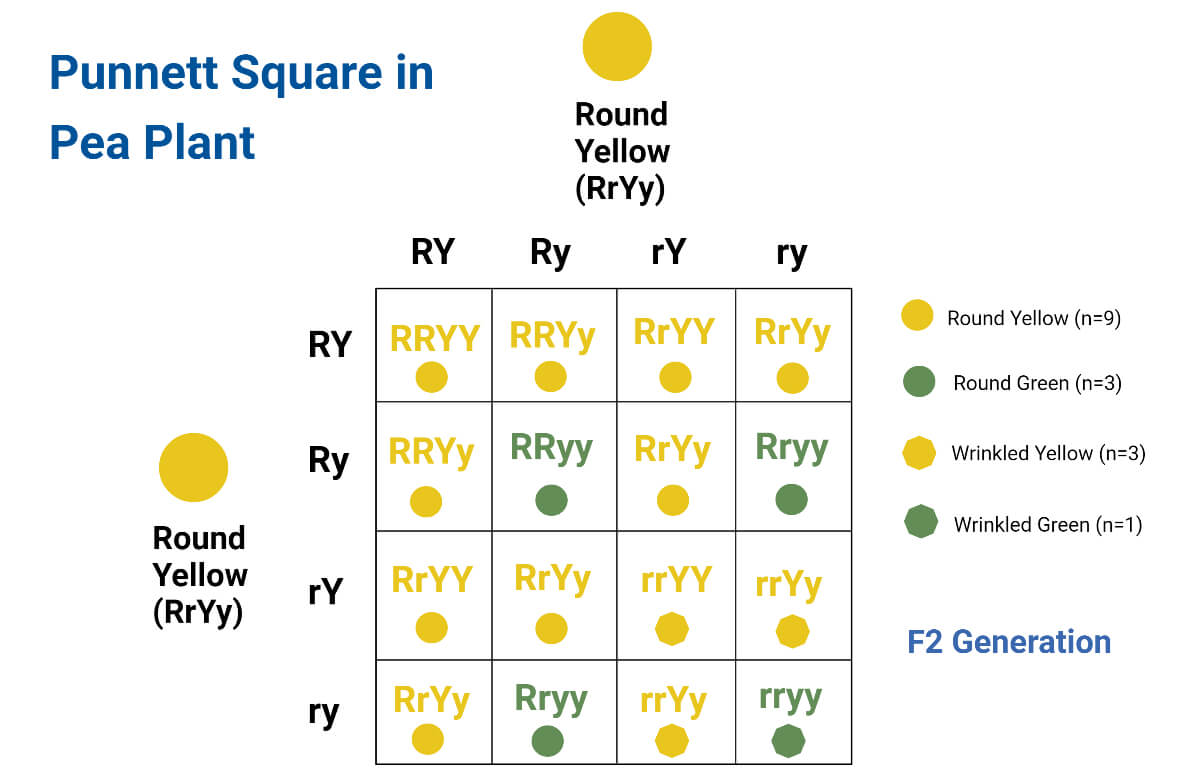
      3) Example of alleles (simple)

      Trait: Seed color

      • Y = yellow
      • y = green

      Possible allele combinations:

      • YY
      • Yy
      • yy

      These combinations affect the trait that appears.


      4) Dominant vs recessive alleles (Science 10 focus)

      Dominant allele

      • Shown with a capital letter (A)
      • Expressed if at least one copy is present

      Recessive allele

      • Shown with a lowercase letter (a)
      • Expressed only if two copies are present

      📌 Example:

      • Aa → dominant trait shows
      • aa → recessive trait shows

      5) Alleles, genotype, and phenotype (key relationship)

      | Term | Meaning | Example | | --------- | ------------------ | ---------- | | Allele | Version of a gene | A or a | | Genotype | Allele combination | Aa | | Phenotype | Physical trait | Brown eyes |

      Alleles determine the genotype, which determines the phenotype.


      6) Alleles in Punnett squares

      Punnett squares:

      • Show how alleles from parents combine
      • Predict possible offspring genotypes
      • Estimate trait probabilities

      📌 Example: Parents: Aa × Aa

      • Possible offspring: AA, Aa, Aa, aa

      7) Why alleles are important

      Alleles:

      • Explain variation within a species
      • Help predict inheritance patterns
      • Are the basis of genetics and evolution
      • Allow populations to adapt over time

      One-sentence exam summary

      Alleles are different versions of the same gene that determine variations in traits.


      中文 — alleles(等位基因) 详细解释

      1) 什么是等位基因(核心概念)

      等位基因(alleles)是指同一基因的不同版本,决定同一性状的不同表现。

      等位基因 = 同一基因的不同形式


      2) 等位基因在哪里

      • 基因位于染色体
      • 等位基因位于同源染色体的相同位置
      • 一个来自母亲,一个来自父亲

      3) 等位基因举例

      性状:豌豆高度

      • T = 高
      • t = 矮

      组合可能是:

      • TT
      • Tt
      • tt

      4) 显性与隐性等位基因(必考)

      • 显性等位基因:只要有一个就会表现
      • 隐性等位基因:必须两个都有才表现

      📌 Tt → 显性性状 📌 tt → 隐性性状


      5) 等位基因与性状的关系

      • 等位基因 → 基因型
      • 基因型 → 表现型

      一句话考试版总结

      等位基因是控制同一性状的不同基因形式。

      如果你愿意,我可以把 alleles → genotype → phenotype → Punnett squares 整理成 Science 10 中英对照闪卡或互动练习,直接用于复习或教学。


      等位基因(allele) EN: Different versions of the same gene that may produce different forms of a trait. Example: For pea flower colour, one allele codes for purple and another for white. 中文:位于同源染色体相同位置、控制同一性状的基因的不同形式。 例子:例如花色基因可以有紫花等位基因和白花等位基因。