10,000 Matching Annotations
  1. Mar 2026
    1. Reviewer #1 (Public review):

      This study examines how two types of RNA polymerases organize themselves within the nucleus of C. elegans cells, building directly on the same group's prior publication and largely functioning as a companion to that earlier work. While the observation that the two polymerases occupy distinct but neighboring locations at the same genomic region adds nuance to our understanding of gene cluster regulation, the manuscript would benefit from more clearly delineating which findings are new versus continuations of previously published work. Protein localization, gene expression effects, and genomic mapping data appear to overlap substantially with the earlier paper.

      The condensate claims would also benefit from additional experimental support. Demonstrating fusion events and concentration-dependent assembly are now standard expectations in the field. Additionally, one measurement reported appears inconsistent with a condensate model, warranting further discussion.

      Some findings would benefit from more interpretive context. Why does polymerase clustering fluctuate with the cell cycle? What are the functional implications of ATTF-6 being required for one polymerase's foci but not the others?

      The elevated-temperature experiments are intriguing but difficult to interpret, as the temperature used is well-established as a broad stress trigger in this organism. Acknowledging this and considering additional controls would help clarify whether the observed effects are specific to foci behavior.

      Finally, the manuscript would be strengthened by adding quantification to some figures and revising the model diagram to better reflect what the current data support.

    1. Reviewer #1 (Public review):

      Summary:

      This study reports a novel and potentially impactful role for NINJ2 in maintaining lysosomal integrity and regulating cellular susceptibility to ferroptosis. The authors demonstrate that NINJ2 localizes to lysosomes and interacts with LAMP1, a key lysosomal membrane glycoprotein involved in sensing lysosomal stress. Loss of NINJ2 increases lysosomal membrane permeabilization (LMP), resulting in selective leakage of lysosomal contents, including labile iron, into the cytosol. The authors further show that NINJ2 deficiency reduces the expression of ferritin storage proteins, thereby sensitizing cells to ferroptosis induced by RSL3 and erastin. Collectively, the work proposes a mechanistic link between NINJ2-mediated control of LMP, iron homeostasis, and ferroptotic vulnerability, with potential relevance to cancer biology.

      Strengths:

      This study identifies a novel role for NINJ2 in regulating lysosomal integrity and ferroptosis and establishes a mechanistic link between lysosomal membrane permeabilization, iron homeostasis, and ferroptotic sensitivity, with potential translational relevance in cancer.

      Weaknesses:

      The results overall support the authors' conclusions and provide a plausible mechanistic framework; however, additional quantification of Western blot data and further discussion of mechanistic questions would strengthen the study.

      The findings are likely to have a broad impact by linking lysosomal integrity to ferroptosis and iron homeostasis, both of which are relevant to cancer biology and therapeutic targeting.

    1. Reviewer #1 (Public review):

      Summary:

      This study aims to test whether human mate choice is influenced by HLA similarity while accounting for genome-wide relatedness, using the Himba as an evolutionarily relevant small-scale society population, unique among most HLA-mate choice studies. By comparing self-chosen ("love") and arranged marriages and using NGS-based 8-locus HLA class I and II sequences and genome-wide SNP data, the authors ask whether partners who freely choose each other are more HLA-dissimilar than those paired through social arrangements or random pairs. They further extend their work by examining functional differences in peptide-binding divergence among pairs and predicted pathogen recognition in potential offspring.

      Strengths:

      This study has many strengths. The most obvious is their ability to test for HLA-based mate choice in the Himba, a non-European, non-admixed, small-scale society population, the type of population that has been missing, in my opinion, from the majority of HLA mate choice studies. While Hedrick and Black (1997) used a similarly evolutionarily relevant remote tribe of native South Americans, they only considered 2 class I loci (HLA-A and HLA-B) at the first typing field (serological allele group) and did not have data for genome-wide relatedness. The Himba are also unique among previously studied populations because they have both socially arranged and self-chosen partnerships, so the authors could test if freely-chosen partners had lower MHC-similarity than assigned or randomly chosen partners.

      Another key strength of the study was the relatively large sample size (HLA allele calls from 366 individuals, 102 unrelated) and 219 individuals with HLA data, whole genome SNP data, and involved in a partnership.

      The study was also unique among HLA-mate choice studies for comparing peptide binding region protein divergence (calculated as the Grantham distance between amino acid sequences) among partner types and randomly generated pairs. This was also the first time I have seen a study use peptide binding prediction analysis of relevant human pathogens for potential offspring among partners to test if there would be a pathogen-relevant fitness benefit of partner selection.

      Weaknesses:

      My main concerns relate to the reliance on imputed HLA haplotypes and on IBD-based metrics in a region of the genome where both approaches are known to be problematic.

      First, several key results depend on HLA haplotypes inferred through imputation rather than directly observed sequence data. The authors trained HIBAG imputation models on Himba SNP data across the full 5 Mb HLA region using paired HLA allele calls from target capture sequencing (L251-253). However, the underlying SNP data were generated by mapping reads to a 1000 Genomes Yoruba reference, meaning that both SNP discovery and subsequent imputation depend on the haplotypes represented in that reference panel. As a result, the imputation framework is likely biased toward common haplotypes shared between the Himba and Yoruba populations, while rare or Himba-specific HLA alleles are less likely to be imputed accurately or at all. This limitation has been noted previously for HLA imputation, particularly for novel or low-frequency variants and for populations that are poorly represented in reference panels. While the authors compare (first-field) imputed alleles to sequenced alleles to assess imputation accuracy, this validation step itself may be biased toward the same common haplotypes that are easiest to impute. This becomes especially problematic if IBD is inferred using imputed haplotypes, because haplotype sharing would then primarily reflect common, reference-supported haplotypes, while true population-specific variation would be effectively invisible. In this scenario, downstream estimates of IBD sharing may be inflated for common haplotypes and deflated for rare ones, potentially biasing conclusions about haplotype sharing, selection, and mate choice at the HLA region.

      Second, the interpretation of excess identity-by-descent (IBD) sharing in the HLA region is difficult given the well-documented genomic properties of this locus. The classical HLA region is highly gene-dense, structurally complex, and characterized by extreme heterogeneity in recombination rates, with pronounced hot- and cold-spots (Miretti et al. 2005; de Bakker et al. 2006, reviewed in Radwan et al. 2020). Elevated IBD in such regions can arise from low recombination, background selection, or demographic processes such as bottlenecks, all of which can mimic signals of recent positive selection. While the authors suggest fluctuating or directional selection, extensive haplotype sharing is also consistent with long-term balancing selection at the MHC (Albrechtsen et al. 2010) or recent demographic history in this population.

      Beyond these main issues, there are several additional concerns that affect interpretation. Sample sizes and partnership counts are sometimes unclear; some figures would benefit from clearer scaling (Figure 1) and annotation (Figures S6 and S7), and key methodological choices (e.g., treatment of DRB copy number variation, no recombination correction in IBD calling) require further explanation. Finally, some conclusions, particularly those invoking optimality or specific selective mechanisms, are not directly tested by the analyses presented and would benefit from more cautious framing.

    1. Reviewer #1 (Public review):

      Summary:

      Hsiung et al. investigated whether the effects of autophagy gene knockdown on the lifespan of long-lived C. elegans mutants depend on experimental conditions. The authors first compiled published data on autophagy-dependent lifespan regulation in daf-2 and wild-type backgrounds, highlighting that prior results are notably inconsistent and likely context-dependent. They then systematically tested the lifespan effects of RNAi knockdown of six autophagy genes (atg-2, atg-4.1, atg-9, atg-13, atg-18, and bec-1) in wild-type (N2), daf-2 (reduced insulin/IGF-1 signalling), and glp-1 (germlineless) animals, while varying temperature, daf-2 allele, FUDR concentration, and bacterial infection status.

      The key findings are as follows. In wild-type animals, lifespan suppression by most autophagy gene knockdowns was more pronounced at 20{degree sign}C than at 25{degree sign}C, where little or no effect was observed. In daf-2 mutants, stronger lifespan suppression was seen in the weaker daf-2(e1368) allele at 20{degree sign}C, but not in the stronger daf-2(e1370) allele, and effects were largely absent at 25{degree sign}C. In glp-1 mutants, four of six gene knockdowns suppressed lifespan to a greater extent than in N2, though again in a temperature-dependent manner. FUDR at a high concentration (800 µM) abolished the life-shortening effects of most knockdowns and, in the case of atg-9 and atg-13, led to lifespan extension. Kanamycin treatment to eliminate bacterial proliferation did not fully account for the lifespan effects, suggesting that increased susceptibility to infection is not the primary mechanism. The authors also tested the programmed aging hypothesis that autophagy promotes lifespan reduction through biomass repurposing, but found no changes in vitellogenin levels upon knockdown of any of the six genes.

      Altogether, among all genes tested, atg-18 knockdown produced the strongest and most consistent lifespan suppression across nearly all conditions, including both daf-2 and glp-1 backgrounds. The authors probed whether atg-18 acts through the FOXO transcription factor DAF-16 by examining dauer formation and ftn-1 expression, but found no evidence for this, suggesting a DAF-16-independent mechanism.

      Strengths:

      The primary strength of this work lies in its systematic and comprehensive approach to dissecting how experimental variables influence the outcome of autophagy-lifespan epistasis tests. The compilation of prior data alongside the authors' own multi-condition dataset is a genuinely useful resource for the field. The study raises a timely and important point about condition selection bias, which is relevant not only to autophagy research but to C. elegans aging studies more broadly. The finding that atg-18 behaves distinctly from other autophagy genes across all conditions is noteworthy and opens avenues for future mechanistic work.

      Weaknesses:

      Despite its breadth, the study has several weaknesses that limit the strength of some conclusions.

      (1) Variability in control lifespan data. The N2 lifespan values under ostensibly identical conditions (e.g., GFP RNAi at 20{degree sign}C) differ substantially across experiments (compare Tables S2, S5, S6, S7, and S9). Since N2 serves as the baseline for calculating whether the effect is greater in long-lived mutants via Cox proportional hazard (CPH) analysis, this variability in controls directly affects the reliability of those comparisons.

      (2) Limited biological replication. Most experiments were performed with only two biological replicates. In several cases, the two replicates yield contradictory outcomes: one showing significant lifespan suppression and the other showing no effect or even extension. The authors combine these into cumulative datasets for analysis, which, while not incorrect in principle, may obscure genuine irreproducibility. Given that the central message of the paper concerns variability and condition dependence, additional replication would have substantially strengthened confidence in the reported results.

      (3) Low sample sizes in individual trials. A number of lifespan assays were conducted with only 40-50 worms per replicate, and in some cases, as few as 30. Such sample sizes are below the standard commonly used in the C. elegans aging field and are likely to contribute to the variability observed.

      (4) RNAi efficacy measured only in N2 at 20{degree sign}C. The authors demonstrated that atg-2 and atg-4.1 RNAi did not significantly reduce target mRNA levels, which may explain their weaker lifespan effects. However, these same RNAi treatments significantly affected lifespan in several other conditions (e.g., daf-2(e1368) at 20{degree sign}C, glp-1 at 20{degree sign}C and 25{degree sign}C, and N2 with 15 µM FUDR). Measuring RNAi efficacy across different genetic backgrounds and conditions would be needed to properly interpret these variable results.

      (5) Incomplete mechanistic exploration. The investigation of why atg-18 knockdown has uniquely strong effects was limited to DAF-16. Given published evidence that atg-18 may regulate HLH-30/TFEB, a master transcriptional regulator of autophagy and lysosomal biogenesis, testing whether atg-18 specifically affects HLH-30 nuclear localisation or activity could have provided valuable mechanistic insight and would distinguish atg-18 from the other genes tested.

    1. Reviewer #1 (Public review):

      Summary:

      The current study by Xing et al. establishes the methodology (machine vision and gaze pose estimation) and behavioral apparatus for examining social interactions between pairs of marmoset monkeys. Their results enable unrestrained social interactions under more rigorous conditions with detailed quantification of position and gaze. It has been difficult to study social interactions using artificial stimuli, as opposed to genuine interactions between unrestrained animals. This study makes an important contribution for studying social neuroscience within a laboratory setting that will be valuable to the field.

      Strengths:

      Marmosets are an ideal species for studying primate social interactions due to their prosocial behavior and the ease of group housing within laboratory environments. They also predominantly orient their gaze through head-movements during social monitoring. Recent advances in machine vision pose estimation set the stage for estimating 3D gaze position in marmosets but requires additional innovation beyond DeepLabCut or equivalent methods. A six point facial frame is designed to accurately fit marmoset head gaze. A key assumption in the study is that head-gaze is a reliable indicator of the marmoset's gaze direction, which will also depend on the eye position. Overall, this assumption has been well supported by recent studies in head-free marmosets. Thus the current work introduces an important methodology for leveraging machine vision to track head-gaze and demonstrates its utility for use with interacting marmoset dyads as a first step in that study.

      Comments on revisions:

      I thank the authors for their careful revisions of the manuscript. It has addressed all of my comments.

      One final suggestion would be to add a scale bar in Supplemental Figure 2A so the size of the video/image stimuli is clear (in cm of monitor size) and also to report a range for how far away was the marmoset in viewing these stimuli (in cm). This will enable calculation of the rough accuracy in visual degrees.

    1. Reviewer #1 (Public review):

      The authors show experimentally that, in 2D, bacteria swim up a chemotactic gradient much more effectively when they are in the presence of lateral walls. Systematic experiments identify an optimum for chemotaxis for a channel width of ~8µm, a value close to the average radius of the circle trajectories of the unconfined bacteria in 2D. These chiral circles impose that the bacteria swim preferentially along the right-side wall, which indeed yields chemotaxis in the presence of a chemotactic gradient. These observations are backed by numerical simulations and a geometrical analysis.

    1. Reviewer #2 (Public review):

      Summary:

      Dr Lenz and colleagues report on their in vitro studies comparing gene transcription and epigenetic modifications in Plasmodium falciparum NF54 parasites selected or not selected for adhesion of the infected erythrocytes (IEs) to the placental IE adhesion receptor chondroitin sulfate A (CSA).

      The authors report that selection led to preferential transcription of var2csa, the gene that encodes the VAR2CSA-type PfEMP1 well-established as the PfEMP1 mediating IE adhesion to CSA. They confirm that transcriptional activation of var2csa is associated with distinct depletion of H3K9me3 marks and that transcriptional activation is linked to repositioning of var2csa. Finally, they provide preliminary evidence potentially implicating 5mC in transcriptional regulation of var2csa.

      Strengths:

      The study confirms previously reported features of gene transcription and epigenetic modifications in Plasmodium falciparum.

      Weaknesses:

      No major new finding is reported.

      Comments on revisions:

      I suggest replacing the term "pregnancy-associated malaria (PAM)" with the more current and more precise term "placental malaria (PM)" throughout the manuscript.

      L. 59-60: "... shielding of the parasite antigens expressed on pRBC surfaces by leukocytes...". It is unclear to me what this means - I suggest a rephrasing for improved clarity.

      L. 144-6: Please provide a reference for the primary antibody reagent used.

    1. Reviewer #3 (Public review):

      Summary:

      This work investigates whether human imprecision in numeric perception is a fixed structural constraint or an endogenous property that adapts to environmental statistics and task objectives. By measuring behavioral variability across different uniform prior distributions in both estimation and discrimination tasks, the authors show that perceptual imprecision increases sublinearly with prior width. They demonstrate that the specific exponents of this scaling (1/2 for estimation and 3/4 for discrimination) can be derived from an efficient-coding model, wherein decision-makers optimally balance task-specific expected rewards against the metabolic costs of neural coding. The revised manuscript expands this framework to accommodate logarithmic representations and validates the core model against an independent dataset of risky choices.

      Strengths:

      The authors have effectively addressed my previous concerns with rigorous additions:

      (1) The mathematical formulation has been revised into a discrete signal accumulation framework, making the objective function and resource trade-offs much more transparent and mathematically tractable.

      (2) The incorporation of the logarithmic representation resolves prior ambiguities regarding structural constraints.

      (3) The new split-half analysis effectively addresses the temporal dynamics of adaptation. The stability of the sublinear scaling across the experiment provides solid evidence that human subjects utilize rapid, top-down modulation to adjust their encoding strategy when explicitly informed about the environment.

      (4) Validating the derived scaling exponents on an independent risky-choice dataset robustly supports the generalizability of the theoretical framework beyond a single cognitive domain.

      Comments on revisions:

      The authors have addressed my remaining theoretical concern regarding the model's predictions for mean estimation bias. I have no further comments.

    1. Reviewer #1 (Public review):

      Summary:

      The integration of single-cell datasets across species is a powerful approach to understanding how cell types and patterns of gene expression have evolved. Current methods to perform such integrations require multiple steps: clustering, the integration itself, and downstream differential expression analysis. In this study, the authors describe a new approach, called ANTIPODE, that combines these steps by integrating deep learning with interpretable decoding and linear modeling. This method builds on previous deep learning approaches to dataset integration, namely SCVI and scANVI, that employ a variational autoencoder to model single-cell RNA-sequencing datasets. However, gene expression estimates from these previous methods are challenging to interpret due to non-linear decoding from the modeled latent space. ANTIPODE seeks to address this issue by using a single-layer decoder coupled to a linear model to estimate patterns of differential expression, e.g. differential expression by coexpression module, across cell types, etc.

      The authors apply their framework to a large single-cell RNA-seq dataset (~1.8M cells) containing cells from the central nervous systems of humans, macaques, and mice spanning in utero developmental time points. They identify a consensus set of cell clusters across each species. They find that ANTIPODE performs at least as well as SCVI in terms of species integration and batch correction. The authors demonstrate several use cases of this integrated approach by analyzing differential expression that correlates with gene structure, the evolution of expression differences in neuropeptide systems, and the anatomical and phylogenetic variation in neurodevelopmental timing.

      Strengths:

      ANTIPODE is a welcome addition to techniques that integrate large single-cell RNA-seq datasets across multiple species. The approach's simultaneous inference of cell clusters, integration manifolds, and differential expression should streamline analysis pipelines whose elements are often disjointed and sometimes work at cross purposes.

      Weaknesses:

      The authors note several limitations to their method that will be targets for future development. First, clustering "resolution" is inferred from the data and cannot be tuned as with other approaches. Second, because of the linear decoding, ANTIPODE does not accommodate combining datasets obtained from different modalities (e.g. single-cell with single-nucleus RNA-seq). Third, as currently implemented, ANTIPODE does not explicitly model phylogenetic relationships. However, the authors describe an extension that could enable this, enhancing the power of multiple species integrations. A weakness with the current manuscript is the organization and readability of the figures. The supplemental figures in particular need to be restructured and reformatted to increase their interpretability.

    1. Reviewer #1 (Public review):

      This manuscript by Niño-González and collaborators shows that PIF4 undergoes alternative splicing in response to elevated temperature, generating distinct isoforms that may contribute to early seedling responses of Arabidopsis thaliana to heat stress (37 {degree sign}C). This work provides an intriguing perspective on how PIF activity may be modulated under stress conditions.

      The authors report rapid heat-induced changes in seedling morphology, with cotyledon angle and hypocotyl length altered as early as 3 hours after transfer to 37 {degree sign}C. These responses correlate with a transient increase in PIF4 transcript levels, followed by a return to control values at later time points. Notably, heat induces preferential production of an exon 5-skipping isoform of PIF4. The resulting short protein variant (PIF4-S) lacks part of the bHLH domain and is therefore unlikely to be transcriptionally active.

      To explore functional consequences, the authors expressed the exon 5 inclusion (functional) isoform, PIF4-L, in the pif4-101 mutant background. Some heat-induced phenotypes, such as protochlorophyllide accumulation and subsequent photobleaching, were reduced or absent in these lines. Interestingly, pif4-101 mutants themselves largely resemble WT plants for most heat-responsive traits, with the exception of hypocotyl length. PIF4-L expression specifically attenuates the cotyledon angle response to heat, without strongly affecting hypocotyl elongation.

      An important point is that PIF4 itself is not essential for the observed heat responses, as pif4 mutants respond largely like wild-type plants. This implies that the phenotypes described are likely controlled by multiple PIFs acting redundantly. In this context, the generation of the PIF4-S isoform may represent one of several mechanisms by which heat stress reduces overall functional PIF levels, rather than a PIF4-specific regulatory switch.

      Other caveats should be considered when interpreting the work. The functional relevance of the PIF4-S isoform under heat stress is not tested, as heat responses of these transgenic lines were not examined. Transcriptome analysis of heat-stressed WT, pif4-101 mutant, and PIF4-L-expressing plants revealed an enrichment of PIF-regulated genes, supporting a possible role for this family of transcription factors in the heat stress response. Notably, the heat responsiveness of the mutant and of the transgenic lines differs only marginally from that of WT plants. In addition, the study relies primarily on total transcript-level analyses, without quantitative assessment of individual PIF isoforms or direct measurement of PIF protein abundance. Given that other PIFs are also expressed and may be subject to alternative RNA processing, it needs to be determined whether PIF4-S alone could exert a dominant effect, counteracting all the other functional PIFs by itself, under heat stress. Hence, the proposed model is a plausible but still incomplete framework that requires further experimental validation and analysis.

      Altogether, the results presented in this manuscript could also be interpreted as follows: multiple PIFs contribute to the observed phenotypes in response to heat, with overlapping (redundant) functions. Heat stress may reduce functional PIF levels through different mechanisms, one of which is the regulation of alternative splicing, as shown here for PIF4, leading to the production of non-functional proteins or protein variants that could act as negative competitors (such as PIF4-S). Restoring PIF levels to values of control conditions could therefore reverse heat-induced phenotypes, as observed in the PIF4-L expression lines.

      Main concerns:

      (1) The existence of a shorter isoform of PIF4 and PIF6 is relevant, and PIF4 could indeed play a role in the context of heat stress, as it does in thermomorphogenesis. In this sense, the interplay between PIF4-S and PIF4-L might be linked to plant morphological responses to heat; however, the present work requires further investigation to determine whether this is indeed the case. It is important to note that pif4 mutants behave similarly to WT plants, indicating that PIF4 is not necessary for the observed responses. These phenotypes are therefore most likely related to several PIFs rather than to one specific family member. The results obtained with the transgenic lines expressing PIF4-L or PIF4-S support this interpretation, as increasing a functional PIF (PIF4-L) reduces some phenotypes, while expressing a dominant-negative version mimics heat-induced phenotypes under control conditions. Thus, it is reasonable to interpret that under heat stress, functional PIF levels are reduced through multiple mechanisms, alternative splicing and PIF4-S generation being one of them in the case of PIF4, but likely with additional effects on other family members. This clearly requires further study.

      (2) RT-qPCR quantification of total PIF4 transcripts, as well as the long and short isoforms under the tested conditions, is necessary. While we agree with the authors that PIF4-S could act as a dominant-negative factor, demonstrating this requires comparison of phenotypes under heat versus control conditions using the PIF4-S transgenic lines. Importantly, for the authors' hypothesis to be valid, PIF4-S must be able to outcompete other PIFs; therefore, accurate quantification of its expression levels across conditions is crucial. Combining the results shown in Figures 2A and Figure 2G suggests that the levels of the functional PIF4-L isoform are unchanged or even reduced after 3 h of heat treatment, as the increase in total PIF4 does not fully compensate for the diversion toward PIF4-S. Additionally, it would be equally relevant to quantify the expression of other PIFs (or at least those shown in Suppl. Fig. 6) to determine whether PIF4-S could exert such a strong effect even when expressed at relatively low levels. By "proper quantification", we refer specifically to functional protein-coding variants, as in the PIF4-L case. Supplemental Figure 6 shows that PIF3 and PIF5 appear unaffected by heat, while PIF1 expression is increased. However, JBrowse data for dark-grown seedlings indicate that PIF1 is subject to alternative transcription initiation, alternative splicing, and alternative polyadenylation at its 3′ end. A similar situation occurs for PIF3, at least at the 5′ end of the transcriptional unit. Therefore, alternative RNA processing mechanisms may play a key role in modulating functional PIF protein levels in response to heat. Without considering diverted isoforms of other PIFs, the interpretation becomes problematic, as PIF1 is upregulated by heat, and PIF4-S would therefore need to overcome its activity as well. This is particularly relevant given that the cotyledon angle phenotype at 37 {degree sign}C appears even stronger than in the pif1pif3pif5 triple mutant, if such a comparison is feasible.

      (3) In addition, PP2A is a well-established housekeeping gene for normalization across different light regimes, as its expression is not affected by light. However, we are not convinced this holds true under heat stress conditions (see Li et al., Plant Cell 2019 Jul 29;31(10):2353-2369. doi:10.1105/tpc.19.00519).

      (4) Furthermore, the mechanistic conclusions would be strengthened by directly assessing PIF protein levels, for example, by western blot analysis, to determine whether changes in transcript isoform abundance translate into corresponding changes in protein accumulation under heat stress.

      (5) Importantly, the authors' interpretation that "PIF4-L.1 expresses the long isoform at levels similar to those of WT plants (Supplemental Figure 9A), ruling out the possibility that the suppression of heat-induced phenotypes (cotyledon opening and Pchlide accumulation) is due to elevated PIF4 expression levels" is not correct. The RT-qPCR assay quantifies all isoforms containing exon 6, which include both long and short variants with respect to exon 5 inclusion. Since WT plants at 37 {degree sign}C express both isoforms (L/S ≈ 60/40), the PIF4-L lines actually express 2-4-fold higher levels of the functional PIF4 isoform, based on the values shown in the figures.

      (6) Figure 3B should include a statistical analysis, as it appears that PIF4-L expression does not significantly reduce photobleaching. Cotyledon angle is not affected by either the pif4 mutation or PIF4-L expression under 22 {degree sign}C conditions (Figure 3C). However, after 24 h at 37 {degree sign}C, there is a clear effect, with cotyledon angles closer to those observed in WT plants at 22 {degree sign}C. Regarding hypocotyl length, although statistical testing was not performed, it is evident that pif4-101 affects this parameter, while PIF4-L expression in this background does not substantially alter the mutant response.

      Other comments:

      (1) We do not believe that Figure 3E is an optimal way to demonstrate attenuation of transcriptional changes by PIF4-L expression in pif4 mutants. A heat map representation would likely be more direct and informative.<br /> The authors should consider expressing another functional PIF in the pif4 mutant background to determine whether the observed effects are specific to PIF4, as proposed, or whether they reflect a general PIF function.

      (2) It would also be informative to examine the response under Light + 37 {degree sign}C conditions. Since PIF4 mRNA accumulation is induced by light, the authors should test whether plants incubated in light show a similar response to heat or whether it is attenuated. Potential cross-regulation between light and heat responses would be worth exploring.

      (3) As the authors acknowledge in the introduction, most of our knowledge regarding PIFs in temperature signalling has focused on thermomorphogenesis. Therefore, we believe it is important to place these new findings (exon 5 skipping) within that framework, as they could help explain observations made under better-characterized conditions. In addition, would be interesting to see the phenotypes of the pifq mutant under heat stress. Even though this mutant line displays a heat-stress-like phenotype under control conditions, it may still respond to heat treatment. If so, this would indicate that PIFs are not fully determinative of this response.

      (4) The authors should clearly state the genetic background of the PIF4-S expression lines, which appear to be in the pif4-101 background but are not explicitly described as such in the manuscript.

    1. Reviewer #1 (Public review):

      The authors aim to interrogate the sets of intramolecular interactions that cause kinesin-1 hetero-tetramer autoinhibition and the mechanism by which cargo interactions via the light chain tetratricopeptide repeat domains can initiate motor activation. The molecular mechanisms of kinesin regulation remain a key question with respect to intracellular transport and this study adds important perspectives to our understanding. It has implications for the accuracy and efficiency of motor transport by different motor families, for example the direction of cargos in one or other direction on microtubules.

      The authors focus on the response of inactivated kinesin-1 to peptides found in cargos and the cascade of conformational changes that are induced. They also test the effects of the known activator of kinesin-1 - MAP7 - in the context of their model. The study benefits from multiple complementary, albeit relatively low-resolution, methods - structural prediction using AlphaFold3, 2D and 3D analysis of (mainly negative stain) TEM images of several engineered kinesin constructs, biophysical characterisation of the complexes, peptide design, hydrogen/deuterium-exchange mass spectrometry and simple cell-based imaging. Each set of experiments is carefully designed and the intrinsic limitations of each method are offset by other approaches, such that the assembled data convincingly supports the authors' regulatory model of kinesin activation.

      This study benefits from prior work by the authors on this system and the tools and constructs they previously accrued, as well as from other recent contributions to the field. This work will be of broad interest to cell and structural biologists, especially those seeking to tackle small and flexible macromolecular complexes, as well as biophysicists and those interested in protein engineering.

    1. Reviewer #1 (Public review):

      Barré et al. investigated the role of Shp1 and Shp2 in megakaryocytes (MKs) and platelets by conditional knock-out of Shp1, Shp2, or both under the control of the Gp1ba promoter. Deletion of Shp1 and Shp2 in MKs and platelets was almost complete. The Shp1/Shp2 double knock-out mice displayed macrothrombocytopenia and increased bleeding, whereas the single knock-outs did not show significant defects. Platelet function was aberrant in DKOs, but not in single knock-outs, and so was ligand-induced signaling, particularly Syk phosphorylation.

      Megakaryocyte maturation was impaired in Shp1/Shp2 DKO mice. Ligand-induced signaling was impaired in Shp2 knock-out and DKO. Ex vivo formation of platelets and in vivo maturation of MKs were impaired in DKO mice. Pharmacological inhibitors of Shp1 and Shp2 had largely similar effects as observed in the single knock-outs. The authors conclude that Shp1 and Shp2 have synergistic functions in the MK/platelet lineage, and that Shp2 may be a potential therapeutic target in myeloproliferative neoplasms.

      Strengths:

      The data clearly show effects of the Shp1/Shp2 double knock-out on MKs and platelets.

      Weaknesses:

      There appears to be a discrepancy between the results with the Shp2 single knock-out and the Shp2 inhibitor: the Shp2 knock-out does not affect MKs and platelets, except Erk1/2 signaling, whereas the Shp2 inhibitors appear to affect MK function.

      This work is interesting and may have potential from a therapeutic point of view.

    1. Reviewer #1 (Public review):

      Summary:

      Jackman et al report the analysis of a cis-regulatory region upstream of the dlx2b gene in zebrafish, that is hypothesised to control gene expression in the developing tooth. To demonstrate this, the authors performed solid promoter bashing analysis to assess the gene expression driven by the regulatory region, and validated the expression against a GFP-reporter knock-in. They narrowed down the tooth-specific enhancer activity to the MTE, which was sufficient to drive gene expression. Interestingly, they have identified a vertebrate conserved region which contained four predicted transcription factor binding sites, which when mutated individually, did not alter the reported gene expression. However, in combination, the expression was disrupted. The authors propose a putative upstream regulator cebpa binding one of the predicted TFBS, using in situ hybridisation to show overlapping gene expression domains.

      Strengths:

      The experiments presented in this paper were rigorously executed and the authors' effort to systematically dissect the different elements of the enhancer are commendable. The discussion and limitations of the study were very well-balanced.

      First, the results represent important findings first for the enhancer biology field to sustain evidence of the role of redundant TFBSs. Too often, only TFBS mutations that are sufficient and necessary to drive gene expression patterns are reported, but work providing evidence that some TFBS are necessary but not sufficient by themselves to drive expression is rarer. TFBS redundancy is a crucial concept in enhancer biology but also a difficult concept to prove that hinders the accurate prediction of enhancer function. In an era where increasingly more powerful machine learning models are developed to predict enhancer function, this work is a reminder of the complexity of enhancer biology and provides ground truths for experimental validation.

      Second, the results present valuable findings for the field of tooth development. While the authors have comprehensively described work performed in this space, there are still not many tooth-specific enhancers identified and accurately described. The work also presents further avenues for studying upstream regulators.

      Weaknesses:

      It seems to me that one of the greatest outcomes of this work is demonstrating the collective action of mutated TFBSs where individual mutations are not affecting gene expression. These findings fall into the realm of enhancer redundancy but this concept was not thoroughly discussed in the introduction of the paper.

      The claimed results are generally well-supported by the experiments performed, and hypothesis and speculations have been clearly stated. However, some speculative statements remain that should be addressed, for example in the abstract line 33 "These findings suggest that loss of MTE function permits alternative cis-regulatory elements to gain control of the promoter". There is no data indicating what these cis-regulatory elements could be, hence this sentence might be better suited in the discussion.

      The manuscript could be strengthened by further exploration of the wider region upstream of dlx2b to support the recruitment of other TFBSs: Were there any other vertebrate-conserved regulatory regions just outside of the MTE? Were there any other family members of the predicted TFs expressed in the tooth? Transcription factor binding sites identity remains a prediction; it could be expanded to other TFs within the same family.

    1. [Editors' note: this version has been assessed by the Reviewing Editor without further input from the original reviewers. The authors have addressed the comments raised in the previous round of review.]

      Reviewer #1 (Public review):

      Summary:

      The manuscript by Ma et al. provides robust and novel evidence that the noctuid moth Spodoptera frugiperda (Fall Armyworm) possesses a complex compass mechanism for seasonal migration that integrates visual horizon cues with Earth's magnetic field (likely its horizontal component). This is an important and timely study: apart from the Bogong moth, no other nocturnal Lepidoptera has yet been shown to rely on such a dual-compass system. The research therefore expands our understanding of magnetic orientation in insects with both theoretical (evolution and sensory biology) and applied (agricultural pest management, a new model of magnetoreception) significance.

      The study uses state-of-the-art methods and presents convincing behavioural evidence for a multimodal compass. It also establishes the Fall Armyworm as a tractable new insect model for exploring the sensory mechanisms of magnetoreception, given the experimental challenges of working with migratory birds. Overall, the experiments are well designed, the analyses are appropriate, and the conclusions are generally well supported by the data.

      Strengths:

      • Novelty and significance: First strong demonstration of a magnetic-visual compass in a globally relevant migratory moth species, extending previous findings from the Bogong moth and opening new research avenues in comparative magnetoreception.<br /> • Methodological robustness: Use of validated and sophisticated behavioural paradigms and magnetic manipulations consistent with best practices in the field. The use of 5 min bins to study a dynamic nature of magnetic compass which is anchored to a visual cue but updated with latency of several minutes is an important finding and a new methodological aspect in insect orientation studies.<br /> • Clarity of experimental logic: The cue-conflict and visual cue manipulations are conceptually sound and capable of addressing clear mechanistic questions.<br /> • Ecological and applied relevance: Results have implications for understanding migration in an invasive agricultural pest with expanding global range.<br /> • Potential model system: Provides a new, experimentally accessible species for dissecting the sensory and neural bases of magnetic orientation.

      Weaknesses:

      Overall, this is a strong study, and the authors have completed an excellent major revision.

    1. Reviewer #1 (Public review):

      Summary:

      The researchers aimed to identify which neurotransmitter pathways are required for animals to withstand chronic oxidative stress. This work thus has important implications for disease processes that are caused/linked to oxidative stress. This work identified specific neurotransmitters and receptors that coordinate stress resilience, both prior to and during stress exposure. Further, the authors identified specific transcriptional programs coordinated by neurotransmission that may provide stress resistance.

      Strengths:

      The manuscript is very clearly written with a well-formulated rationale. Standard C. elegans genetic analysis and rescue experiments were performed to identify key regulators of the chronic oxidative stress response. These findings were enhanced by transcriptional profiling that identified differentially expressed genes that likely affect survival when animals are exposed to stress.

      Weaknesses:

      Where the gar-3 promoter drives expression was not discussed in the context of the rescue experiments in Fig 7.

      Comments on revisions:

      This issue has now been appropriately addressed in the revision.

    1. Reviewer #1 (Public review):

      This study makes a fundamental contribution to our understanding of interocular suppression, particularly continuous flash suppression (CFS). Using neuroimaging data from two macaque monkeys, the study provides compelling evidence that CFS suppresses orientation responses in neurons within V1. These findings enrich the CFS literature by demonstrating that neural activity under CFS may prevent high-level visual and cognitive processing.

      Comments on revisions:

      The authors have addressed all my previous comments.

    1. Reviewer #1 (Public review):

      This study by Li and colleagues examines how defensive responses to visual threats during foraging are modulated by both reward level and social hierarchy. Using a naturalistic paradigm, the authors test how the availability of water or sucrose, with sucrose being more rewarding than water, shapes escape behavior in mice exposed to looming stimuli of different intensities, which are used to probe perceived threat level and defensive responses. In parallel, the study compares dominant and subordinate animals to assess how social rank biases the trade off between reward seeking and threat avoidance. By combining detailed behavioral analyses with computational modeling, the work addresses how reward level and social context jointly influence escape decisions in an ethologically relevant setting.

      Across the different experimental conditions, perceived threat level is the main determinant of behavior. The authors show that looming stimuli associated with higher threat (contrast) consistently elicit faster and more robust escape responses than lower threat stimuli. This effect is particularly evident during early exposures, when animals are highly vigilant and have not yet habituated to the looming stimulus (learned that it is not dangerous). Later they described that as animals gain experience and habituate, behavior becomes more flexible, and reward level begins to exert a graded modulation of the escape response. Importantly, the authors show that under high threat conditions increasing reward value leads to more frequent and faster escape rather than greater reward pursuit. This finding is particularly relevant, as it suggests that highly valued rewards can heighten vigilance and thereby enhance responsiveness to threat, highlighting that reward does not simply compete with defensive behavior but can also reshape it depending on the perceived level of danger, in contrast to low threat conditions, where threat can be more easily outweighed by reward. Thus, an important conceptual contribution of the study is the introduction of vigilance as a useful framework to interpret these effects. Vigilance is treated as a behavioral state reflecting heightened attention to potential danger. In line with what is known from natural foraging, mice initially maintain high vigilance when confronted with an innate threat. This perspective helps clarify a finding that might otherwise appear counterintuitive. One might expect higher rewards to motivate animals to tolerate risk, explore more, and habituate faster in any scenario. Instead, the data suggest that highly rewarding outcomes can elevate vigilance, making animals more responsive to threat and leading to faster or more frequent escape under high threat conditions. In this sense, reward does not simply compete with threat but can also amplify sensitivity to it, depending on the internal state of the animal.

      The social results are particularly interesting in this context as well. Dominant mice consistently prioritize avoidance over reward, showing stronger escape responses and slower habituation than subordinates. This behavior is well captured by the vigilance framework proposed by the authors: dominant animals appear to maintain higher vigilance, which biases decisions toward threat avoidance. The authors further suggest that stable social relationships sustain high vigilance and slow habituation, framing this as an evolutionarily conserved strategy that may enhance survival. This interpretation provides a valuable perspective on how social structure shapes defensive behavior beyond immediate physical interactions. At the same time, there are important limitations to this interpretation. All experiments were conducted in male mice, and it is possible that the relationship between social hierarchy, vigilance, and defensive behavior would differ substantially in females. In addition, the idea that stable social relationships maintain elevated vigilance does not straightforwardly align with broader views of social stability as protective for mental health and as a buffer against anxiety and stress. These points do not undermine the findings but suggest that the social effects described here should be interpreted with caution and within the specific context of the task and sex studied.

      Another important limitation is that the neural mechanisms underlying these effects remain speculative. The manuscript includes an extensive discussion of candidate circuits, particularly involving the superior colliculus and downstream structures, but this section is necessarily based on prior literature rather than on data presented in the study. Given the complexity of the circuits involved in integrating internal state, reward, social context, and vigilance, the current work should be viewed as providing a strong behavioral and conceptual framework rather than direct insight into underlying neural mechanisms.

      Methodologically, the behavioral paradigm is well suited for studying escape decisions in socially housed animals, and the machine learning based classification of defensive responses is a clear strength. The computational model provides a useful formalization of how threat level, reward level, and vigilance interact and may be valuable for other laboratories studying escape, approach avoidance, or conflict situations, particularly as a way to classify behavioral outcomes after pose estimation. More generally, the work will be of interest to the neuroethology community for its detailed characterization of escape behavior under naturalistic conditions.

      Given the ethological nature of the study and the high inter individual variability reported by the authors, clarity and precision in the methods are especially important for reproducibility. While the revised manuscript addresses many earlier concerns, some aspects remain slightly difficult to follow. For example, the main text states that animals were not water deprived to avoid differences in internal state, whereas parts of the methods describe conditions in which animals were water deprived, suggesting that internal state manipulation may differ across experiments. Clearer separation and explanation of these conditions would further strengthen confidence in the work.

      Overall, this study provides a rich and thoughtful analysis of how reward level and social hierarchy modulate defensive behavior through changes in vigilance. It offers a useful conceptual advance for thinking about escape behavior in naturalistic settings and lays a solid foundation for future work aimed at linking these behavioral states to underlying neural circuits.

    1. Reviewer #1 (Public review):

      In this manuscript, the authors report that GPR55 activation in presynaptic terminals of Purkinje cells decrease GABA release at the PC-DCN synapse. The authors use an impressive array of techniques (including highly challenging presynaptic recordings) to show that GPR55 activation reduces the readily releasable pool of vesicle without affecting presynaptic AP waveform and presynaptic Ca2+ influx. This is an interesting study, which is seemingly well-executed and proposes a novel mechanism for the control of neurotransmitter release. However, the authors' main conclusions are heavily, if not solely, based on pharmacological agents that most often than not demonstrate affinity at multiple targets. Below are points that the authors should consider in a revised version.

      Major points:

      (1) There is no clear evidence that GPR55 is specifically expressed in presynaptic terminals at the PC-DCN synapse. The authors cited Ryberg 2007 and Wu 2013 in the introduction, mentioning that GPR55 is potentially expressed in PCs. Ryberg (2007) offers no such evidence, and the expression in PC suggested by Wu (2013) does not necessarily correlate with presynaptic expression. The authors should perform additional experiments to demonstrate presynaptic expression of GPR55 at PC-DCN synapse.

      (2) The authors' conclusions rest heavily on pharmacological experiments, with compounds that are sometimes not selective for single targets. Genetic deletion of GPR55 would be a more appropriate control. The authors should also expand their experiments with occlusion experiments, showing if the effects of LPI are absent after AM251 or O-1602 treatment. In addition, the authors may want to consider AM281 as a CB1R antagonist without reported effects at GPR55.

      (3) It is not clear how long the different drugs were applied, and at what time the recording were performed during or following drug application. It appears that GPR55 agonists can have transient effects (Sylantyev, 2013; Rosenberg, 2023), possibly due to receptor internalization. The timeline of drug application should be reported, where IPSC amplitude is shown as a function of time and drug application windows are illustrated.

      (4) A previous investigation on the role of GPR55 in the control of neurotransmitter release is not cited nor discussed Sylantyev et al., (2013, PNAS, Cannabinoid- and lysophosphatidylinositol-sensitive receptor GPR55 boosts neurotransmitter release at central synapses). Similarities and differences should be discussed.

      Minor point:

      (1) What is the source of LPI? What isoform was used? The multiple isoforms of LPI have different affinities for GPR55.

      Comments on revisions:

      In this revised version, the authors have addressed my major concerns. Notably, they used CRISPR/Cas9 genetic knockdown of GPR55 to independently validate their original findings. The main conclusions are now well supported and represent an important contribution to the field.

    1. Reviewer #1 (Public review):

      Summary:

      The "number sense" refers to an imprecise and noisy representation of number. Many researchers propose that the number sense confers a fixed (exogenous) subjective representation of number that adheres to scalar variability, whereby the variance of the representation of number is linear in the number.

      This manuscript investigates whether the representation of number is fixed, as usually assumed in the literature, or whether it is endogenous. The two dimensions on which the authors investigate this endogeneity are the subject's prior beliefs about stimuli values and the task objective. Using two experimental tasks, the authors collect data that are shown to violate scalar variability and are instead consistent with a model of optimal encoding and decoding, where the encoding phase depends endogenously on prior and task objectives. I believe the paper asks a critically important question. The literature in cognitive science, psychology, and increasingly in economics, has provided growing empirical evidence of decision-making consistent with efficient coding. However, the precise model mechanics can differ substantially across studies. This point was made forcefully in a paper by Ma and Woodford (2020, Behavioral & Brain Sciences), who argue that different researchers make different assumptions about the objective function and resource constraints across efficient coding models, leading to a proliferation of different models with ad-hoc assumptions. Thus, the possibility that optimal coding depends endogenously on the prior and the objective of the task, opens the door to a more parsimonious framework in which assumptions of the model can be constrained by environmental features. Along these lines, one of the authors' conclusions is that the degree of variability in subjective responses increases sublinearly in the width of the prior. And importantly, the degree of this sublinearity differs across the two tasks, in a manner that is consistent with a unified efficient coding model.

      Comments on revisions:

      The authors have done an excellent job addressing my main concerns from the previous round. The new analyses that address the alternative model of "no cognitive noise and only motor noise" are compelling and provide quantitative evidence that bolsters the paper's overall contribution. The authors also went above and beyond by reanalyzing the Frydman and Jin (2022) dataset to provide new and very interesting analyses that provide an additional out of sample test of the model proposed in the current paper.

    1. Reviewer #1 (Public review):

      Summary:

      The authors aimed to assess the variability in expression of surface protein multigene families between amastigote and trypomastigote Trypanosoma cruzi, as well as between individuals within each population. The analysis presented shows higher expression of multigene family transcripts in trypomastigotes compared to amastigotes and that there is variation in which copies are expressed between individual parasites. Notably, they find no clear subpopulations expressing previously characterised trans-sialidase groups and that no patterns of coexpressed TcS genes were evident within individual cells or subpopulations. They also note that TcS encoded in the core genome are more often expressed, compared to TcS genes encoded in other genome compartments.

      Strengths:

      Additionally, the authors successfully process methanol fixed parasites with the 10x Genomics platform. This approach is valuable for other studies where using live parasites for these methods is logistically challenging.

      In this second submission the authors show the kallisto mapping approach used is as robust as possible, and that this approach outperforms STAR mapping.

      Weaknesses:

      The authors describe a single experiment, which lacks repeats, controls or complementation with other approaches and the investigation is limited to the trans-sialidase transcripts.

      Comments on revised version:

      Thank you to the authors for taking the time to thoroughly address the peer review. The main concerns have now been addressed, and the manuscript edited to make points of confusion clearer.

    1. Reviewer #1 (Public review):

      Summary:

      In this manuscript, Rupasinghe and co-authors introduce a new statistical model for spiking neurons. Building on earlier work, they propose to model spikes as arising from a Poisson process whereby the firing rate is the product of stimulus drive and a stimulus-independent gain signal. The critical innovation of this work is that the gain signal is modeled in continuous time. Earlier explorations of this statistical construction treated the gain-signal as constant within a trial. This innovation is elegant and important. It makes the model richer, more plausible, and more broadly applicable. The authors show that the model parameters are recoverable from realistic amounts of data and then apply the framework to previously studied datasets. They show that the new model outperforms earlier models and alternative candidates in capturing spiking data across four visual areas of the macaque monkey. Analysis of the model parameters replicates some earlier findings and uncovers several new insights. The model and fitting methods can be broadly applied to partition different types of signals and noise from spiking data and are likely to be widely adopted in the systems neuroscience community.

      Strengths:

      (1) Through clever use of advanced statistical techniques, the authors manage to infer critical information from single-trial single-cell data.

      (2) The question of which aspect of a spike train is signal and which is noise is omnipresent in neuroscience. By improving our ability to characterize the distinct factors that shape spiking activity, this work makes a fundamental contribution to the literature.

      Weaknesses:

      Overall, I find the work impressive and important. I have a couple of questions and suggestions.

      (1) The work is entirely focused on single-cell data. While this is a great starting point, expanding the approach to spiking activity in neural populations is an important future goal.

      (2) Line 49-53: These statements seem incorrect to me. The modulated Poisson model, as introduced in Goris et al (2014), is a process model that can perfectly be used to generate spike trains (within a trial, spiking emerges from a Poisson process, which can be homogeneous or inhomogeneous). Moreover, the model contains a parameter that represents the duration of the counting window (delta t). The dependency of over-dispersion on the size of the time bins for real neurons is shown in Figure 1b (inset plot) of that paper (and shown to resemble the model prediction). This time-dependency was further explored by the same authors in Goris et al (2018 - Journal of Vision) and also in Hénaff et al (2020 - Nature Communications ). I suggest that the authors rephrase this argument (here and at some later points in the paper). They could just say that the Goris model makes the simplistic and implausible assumption that, within a given trial, gain does not fluctuate. This is clearly an important limitation and the key difference with the continuous model introduced here.

      (3) Line 54-55: I think the first part of the claim is a bit misleading. There is nothing in the Goris model that would inherently limit it to homogeneous Poisson processes, as seems to be implied by this description. The model is built on the assumption that spike generation within a trial arises from a Poisson process. This may very well be an inhomogeneous Poisson process (i.e., a stimulus-dependent time-varying firing rate). Homogeneous and inhomogeneous Poisson processes both give rise to Poisson distributed spike counts (and thus a mixture of Poisson distributions across trials in the Goris model). I suggest the authors clarify this description a bit. Note that the two model variants illustrated in Figure 1b and c were also explored in Hénaff et al (2020 - Nature Communications).

      (4) The extension to the continuous case is very elegant!

      (5) I find the result shown in Appendix 3 critically important. The recoverability of the model for realistic amounts of data is foundational for the rest of the paper. I would consider including this analysis in the main results section. Not all readers may check Appendix 3, but they should know about this result.

      (6) Figure 3: I am wondering whether the inferred gain is capturing some response fluctuations that originate from the cell's phase-selectivity. Could the authors compute the trial-averaged inferred gain (ideally, aligned to stimulus-phase at the start of the trial if this experimental parameter varied across repeats)? If they have successfully partitioned the response variance, the trial-averaged gain should have no systematic temporal structure. If it has a sinusoidal modulation, it may partially capture stimulus-drive. This could be an interesting test to run on all model fits to further validate that the partitioning into a signal and noise component succeeded as intended.

      (7) One common observation that is currently not explored is the quenching of neuronal response variability following stimulus onset (Churchland et al 2010 - Nature Neuroscience), which was suggested to reflect a quenching of gain variability in Goris et al (2024 - Nature Reviews Neuroscience). Building on the previous suggestion, the authors could compute the temporal evolution of cross-trial gain variability from the inferred gain traces. Do they recognize a reduction in gain variability following stimulus onset? If so, it would be worthwhile to show this.

      (8) Line 543-565: I want to make sure I understand the Baseline Poisson model and Poisson-GP correctly. For the baseline model, I had imagined that the authors would simply use the stimulus-conditioned PSTH as an estimate of the time-dependent firing rate, coupled with an inhomogeneous Poisson process assumption. But they additionally assume a Gamma prior on the firing rate to compensate for the sparseness of the data (sometimes only 5 repeats per condition). The Poisson-GP includes exactly the same model components, but now the time-dependent firing rate is modeled by a Gaussian process. Doing this massively improves the goodness-of-fit (Fig 4A). Do I understand this correctly?

    1. Reviewer #1 (Public review):

      Summary:

      Maigler et al. set out to test the hypothesis that individual differences in taste preferences are (in part) due to individual differences in central taste processing. The first tested rats' preferences for a variety of taste stimuli on multiple days. They then recorded responses of neurons in the taste cortex to the same tastes on two consecutive days.

      Strengths:

      The authors collected high-resolution behavioral data from the same animals across multiple days, allowing for a detailed characterization of individual variation in taste preferences. They then performed recordings from the same set of animals in response to the same stimuli, allowing them to draw parallels between behavioral and neural responses. They convincingly show that preference ranks for a variety of basic tastes change over time and that the correlation between neural responses and preferences is not stable, correlating more strongly with more recent measures of preference.

      Weaknesses:

      Behavioral analysis: Data presentation does not show how preferences change over the course of testing. In particular, it is unclear whether there are any systematic changes in preferences over the course of testing that could explain the observed changes in correlation with neural responses, such as changes due to learning (e.g., flavor nutrient conditioning, relief of neophobia), changes in deprivation state, or habituation to/proficiency with the BAT setup. A secondary point is whether any changes in preference are attributed to internal individual versus external contextual factors. Both types of variation (i.e., across individuals and across time within an individual) are mentioned in the introduction, but it is not clear what the authors believe about the nature or neural representation of these sources of variation.

      With respect to neural data analysis, no individual animal/day data are shown, making it difficult to assess the extent to which differences in correlation match individual differences in preferences and/or changes in preference with time within individuals. The correlation analysis is also lacking control for the fact that there is a certain degree of "chance" associated with behavioral and neural measures having matching ranks.

      Finally, the conclusion that correlations between final day preferences and neural responses obtained from the second recording session are the result of experience needs more justification; it is unclear to what extent changes in correlation may be attributed to overall changes in responsiveness of the neural population.

    1. Reviewer #1 (Public review):

      Summary:

      The authors provide extensive immunoreactivity and expression data to map monoaminergic neurotransmitter production sites in Pristionchus pacificus. This nematode is relatively distantly related to the popular model nematode Caenorhabditis elegans, for which such information is already available. They find that dopamine, tyramine, and octopamine are present in the same neurons in both species, but differences are observed for serotonin. This forms the basis for a comparison of serotonergic neurons across 22 nematode species. In addition, they evaluate monoaminergic effects on egg-laying, head movement during reversals, and nictation behavior, to find that monoaminergic control over the latter differs between C. elegans and P. pacificus. This shows that some anatomical flexibility supports similar outcomes, whereas in other cases it is the basis of evolved regulatory differences.

      Strengths:

      The comparative efforts are laudable and valuable, including a thorough revisiting of old data and corrections of what is judged as a historic misannotation. The expected continued value of this work is also appreciated, because nematodes have similar anatomies and behaviors, cellular-resolution data of different species permits the study of functional evolution of neurotransmitter usage in homologous neurons.

      Despite the strong experimental approach, there are some points that require addressing:

      (1) Not all the concepts of the introduction ('feeding behaviors', to a lesser extent also 'evolution of neurotransmitter usage in homologous neurons') are followed up upon in the results or discussion sections.

      (2) The choice of nematodes ('only' 13 species) may affect what is perceived as ancestral. Also, identifying their cells based on comparisons with Ce or Ppa identifications only is understandable but mildly risky: there are many cells in the head, and mistakes would go unnoticed until detailed analysis in each species can provide conclusive evidence.

      (3) It is not reported whether the nictation-defective mutants have general locomotion defects; therefore, whether the reported problem is specific to this host-finding behavior or not.

      (4) The section on RIP neurons makes sense for Ppa, but not for Ce (dauers in fact have weakened IL2-to-RIP connections), and should be revised. The nictation data also do not support the breadth of the conclusions, which should either be toned down or rephrased as hypothetical.

      (5) The discussion mostly reiterates the results, leaving little room for the author's interpretations and opinions. I would suggest reworking in favor of conceptual discussion.

    1. Reviewer #1 (Public review):

      Summary:

      This manuscript examines whether retrieval practice protects memory-based inference from acute stress and proposes rapid neural reactivation of a bridging memory element as the underlying mechanism. Using a two-day associative inference paradigm combined with EEG decoding, the authors report that stress impairs inference accuracy and speed, while retrieval practice eliminates these deficits and restores neural signatures associated with bridge-element reactivation. The study addresses an important and timely question by integrating research on retrieval-based learning, stress effects on memory, and neural dynamics of inference. While the work provides promising multi-level evidence linking behavioral and neural findings, limitations in experimental design, causal interpretation, and decoding specificity weaken the strength of the mechanistic claims and suggest that further work is needed to disentangle strengthened associative memory from inference-specific protection effects

      Strengths:

      (1) Strong theoretical integration<br /> The study integrates three influential frameworks: memory integration through associative inference, stress-induced retrieval impairment, and the testing effect. The authors present a clear theoretical narrative linking these domains and derive testable hypotheses that retrieval practice protects inference by strengthening neural reactivation of a bridge element. The conceptual framing is well-grounded in prior literature and addresses an important gap regarding neural dynamics during inference.

      (2) Multi-level evidence<br /> The study provides converging behavioral and neural evidence. The authors demonstrate that stress reduces inference accuracy and speed, while retrieval practice eliminates these deficits. EEG decoding further suggests that bridge element reactivation predicts successful inference. The combination of behavioral performance and neural decoding strengthens the overall argument.

      (3) Transparent experimental implementation<br /> The procedures are described in substantial detail, including stimulus construction, stress manipulation, and decoding pipelines. Data and code availability are also strengths, facilitating reproducibility.

      Weaknesses:

      (1) Insufficient evidence that retrieval practice specifically protects inference rather than strengthening associative memories

      A central claim of the manuscript is that retrieval practice specifically protects inference ability rather than simply strengthening underlying associative memories. However, the current data do not convincingly distinguish between these possibilities. Although the authors limited analyses to trials in which AB and BC pairs were correctly retrieved in the subsequent memory test, this procedure does not fully rule out the possibility that improved inference performance reflects stronger base associative memories rather than enhanced integrative processes.

      Importantly, the direct memory retrieval test used a two-alternative forced-choice (2AFC) format, which inherently allows a substantial proportion of correct responses to arise from guessing. Consequently, trials classified as "successfully retrieved" may still include weak associative memory traces, making it difficult to conclude that failures in inference reflect deficits in integration rather than incomplete associative learning.

      The authors further argue that retrieval practice does not improve inference in the absence of stress, suggesting independence between inference and associative memory strength. However, this null effect does not sufficiently rule out mediation through strengthened premise memory. A factorial design and/or mediation analysis would be necessary to determine whether inference resilience emerges independently of premise memory strength.

      (2) Apparent below-chance inference performance raises interpretational concerns

      One surprising aspect of the results is that inference performance across experiments and groups appears to fall below the theoretical chance level (0.33) in Figure 4A. This is particularly unexpected because analyses were restricted to trials in which participants correctly retrieved both AB and BC associations.

      If performance is indeed below chance, this raises concerns regarding whether participants fully understood the task instructions or whether other methodological factors influenced performance. Additionally, below-chance performance complicates the interpretation of subsequent behavioral and neural analyses. It is possible that this reflects my misunderstanding of the figure; therefore, clarification from the authors regarding how inference accuracy is calculated and presented would be helpful.

      (3) Between-experiment implementation of retrieval practice weakens causal inference

      The retrieval practice manipulation was implemented as a separate experiment rather than as part of a factorial design. Experiment 2 was conducted after results from Experiment 1 were known, and the authors acknowledge this post hoc decision. This design introduces several potential confounds, including cohort differences between experiments, possible differences in participant motivation or task familiarity, and reduced ability to rigorously test interaction effects.

      Although the authors combined data across experiments to test interactions between stress and retrieval practice, such post hoc aggregation cannot fully substitute for a factorial design. A within-experiment 2 × 2 design (Stress × Retrieval Practice) would provide substantially stronger causal evidence and reduce confounding influences.

      (4) Lack of an appropriate comparison condition for retrieval practice limits the interpretation of the mechanism

      Although acknowledged briefly in the discussion, the absence of an appropriate comparison condition for retrieval practice represents a critical limitation. Without a matched re-exposure or restudy control condition, it remains unclear whether observed benefits are attributable specifically to retrieval practice or to additional exposure to AB and BC associations.

      Furthermore, it is unclear whether retrieval practice operates at the trial level or the participant level. Retrieval practice could enhance memory representations for specific practiced items, making those trials more resistant to stress, or it could induce a more global change in cognitive strategy or stress resilience across participants. One way to address this issue would be to analyze inference performance separately for trials that were successfully retrieved during the retrieval practice phase versus those that were not.

      (5) Interpretation of EEG decoding as bridge-element reactivation may be overstated

      The neural decoding results form the mechanistic foundation of the manuscript; however, the interpretation that decoding reflects reactivation of specific bridging memories may be overstated. The classifier distinguishes between face and building categories, and because the bridging element belongs to one of these categories, successful decoding may reflect category-level semantic activation rather than reinstatement of item-specific episodic representations.

      Alternative explanations include category-level retrieval, strategic task differences, or even attentional biases. Because only two categories were used, the decoding analysis lacks the specificity necessary to distinguish between category-level and item-level reactivation. As such, conclusions regarding the reinstatement of specific bridging memories should be tempered or supported with additional analyses.

    1. Reviewer #1 (Public review):

      Summary:

      The authors report a novel binding partner of the TolC channel protein that forms complexes with the two principal classes of transporter-based tripartite assemblies (both ABC- and RND-transporter based) and appears to modulate their function, while also anchoring TolC into the outer membrane, compensating for the lack of direct lipidation seen in other members of the OMF family.

      The newly identified protein, YbjP, is comprehensively characterized from both phylogenetic and structural perspectives. Two independent cryo-EM structures (MacAB-TolC-YbjP and AcrABZ-TolC-YbjP) provide strong structural evidence for its role and are generated using peptidiscs, mimicking the membrane environment. These findings are further supported by pull-down experiments (including state-of-the-art in vivo photo crosslinking) and functional assays for a well-rounded characterisation of the protein, and a significant amount of modelling and phylogenetic analysis. This work sheds light on the function of the members of the DUF3828-containing protein family, which appear to anchor TolC to the outer membrane and influence the expression of the TnaB and YojI transporters.

      Strengths:

      The strengths of the manuscript are numerous, and it presents a well-rounded package of structural biology complemented by functional and computational studies.

      The full assemblies of both MacAB-TolC-YbjP and AcrABZ-TolC-YbjP are reconstituted and resolved to near-atomic resolution using cryo-EM for unambiguous assignment of binding interfaces, which are then validated using a number of techniques, including ITC, in vitro and in vivo binding assays and cross-linking.

      The evolutionary analysis is particularly notable, and provides genuine insight into the DUF3828-containing proteins, the function of which remains enigmatic till now. Similarly, the involvement of YbjP in trafficking of TolC and the analysis of the impact of YbjP deletion of the full E. coli proteome is commendable.

      Overall, this is a very solid piece of work, competently executed and presented, which significantly advances the field.

      Weaknesses:

      None obvious, however the presentation and especially main-text illustrative material seems to focus disproportionately on MacAB-TolC-YbjP complex, and the AcrABZ-TolC-YbjP is relegated to supplementary data which is somewhat confusing. There is no high-resolution side view of the AcrABZ-TolC-YbjP side-by-side to MacAB-TolC-YbjP which may be helpful to spot parallels and differences in the organisation of the two systems.

      Supplementary Figure 2 may also be better presented in the main text, as it shows specific displacements of residues upon binding of the YbjP relative to the apo-complexes, although this can be left at the authors' discretion.

    1. Reviewer #1 (Public review):

      Summary:

      The authors introduce EMUsort, an open-source algorithm for the automatic decomposition of high-resolution intramuscular EMG recordings. The method builds upon the Kilosort4 framework and incorporates modifications designed to better handle the spatial and temporal characteristics of intramuscular signals. The performance of EMUsort is evaluated on openly available datasets and compared against KS4 and MUEdit, demonstrating improved motor unit accuracy.

      Strengths:

      (1) The manuscript is clearly written, technically detailed, and well structured.

      (2) The open-source software is thoroughly documented, both within the manuscript and in the accompanying repository README, facilitating adoption by the community.

      (3) The availability of both code and datasets is a major strength, enabling reproducibility and independent validation.

      (4) The authors provide quantitative comparisons with existing decomposition algorithms, which is essential for contextualizing the proposed method.

      (5) The methodological details are sufficiently described to allow replication and further development by other researchers.

      Weaknesses:

      While the manuscript is strong overall, I have several suggestions that could further strengthen its impact and clarity.

      (1) Benchmarking and community integration

      A recent work has proposed standardized datasets and benchmarking pipelines for high-density surface EMG decomposition ("MUniverse: A Simulation and Benchmarking Suite for Motor Unit Decomposition", Mamidanna*, Klotz*, Halatsis* et al, NeurIPS 2025). A similar effort for intramuscular EMG would be highly valuable to the field. The authors may consider discussing how their dataset and algorithm could be integrated into broader benchmarking initiatives (e.g., platforms such as MUniverse), enabling systematic comparisons across multiple datasets and decomposition methods.

      (2) Comparison with additional decomposition algorithms

      Since the manuscript compares EMUsort with MUEdit, it would be appropriate to also include a comparison with Swarm-Contrastive Decomposition (SCD), which has been proposed for both surface and intramuscular EMG signals. Including this comparison, or explicitly discussing why it was not feasible, would strengthen the positioning of EMUsort relative to the current state of the art.

      (3) Manual editing and post-processing

      In practical EMG decomposition workflows, manual inspection and editing of motor units are often required after automatic decomposition. It would be useful for readers to know whether EMUsort provides (or is compatible with) a graphical interface or workflow for manual refinement, or how the authors envision this step being handled.

      (4) Ablation analysis of algorithmic modifications

      EMUsort is described as an extension of Kilosort4. An ablation analysis examining the impact of the main modifications introduced relative to KS4 would help clarify which changes contribute most to the observed performance improvements and under which conditions.

      (5) Failure modes and limitations

      A more explicit discussion of when EMUsort is likely to fail or degrade in performance would be valuable. For example, sensitivity to the number of channels, recording duration, signal quality, or motor unit density could be discussed to guide users.

      (6) Generalisability to surface EMG

      Given the shared methodological foundations between surface and intramuscular EMG decomposition, it would be helpful to know whether EMUsort has been tested on high-density surface EMG datasets or whether the authors expect limitations when applied outside the intramuscular domain.

      (7) Applicability to human intramuscular recordings

      The authors could clarify whether EMUsort has been tested on human intramuscular EMG, and discuss any expected differences in performance due to anatomical or physiological factors.

      (8) Parameter sensitivity

      Clustering-based methods can be sensitive to parameter choices. Reporting a parameter sensitivity analysis, or at least discussing the robustness of EMUsort to parameter variations, would increase confidence in the method's reliability and ease of use.

      (9) Differences between template matching and BSS methods

      Since the manuscript proposes a new template matching algorithm, but it compares its performance with a BSS one (MUedit), BSS algorithms should be described in the introduction. The differences between the methodologies should be highlighted, and the pros and cons of each described.

      Conclusion:

      The authors largely achieve their stated aims, and the results mostly support the main conclusions. EMUsort represents a meaningful contribution to the EMG decomposition literature, particularly for researchers working with high-resolution intramuscular recordings. With additional clarification regarding benchmarking, algorithmic ablations, and limitations, the manuscript would be further strengthened and likely to have a substantial impact on the field.

    1. Reviewer #1 (Public review):

      Summary:

      Freas and Wystrach present a computational model of steering in insects. In this model, the central complex provides an error signal indicating the animal should turn left or right; this error signal biases the function of an oscillator composed of two mutually inhibiting self-exciting units. The output of these units generates a "steering signal" that is used both to set the direction and speed of the ant. Additionally, a separate module induces pauses, and an inverse relation between forward speed and turning speed is externally imposed. Statistics of the trajectories generated by the model are compared to the measured behaviors of ants.

      Strengths:

      While the model is very simple compared to state-of-the-art models, that simplicity makes it a potentially useful guide to researchers studying insect navigation. Some predictions that emerge from the model appear to be experimentally testable, although a more complete description of the model and its parameters, as well as an analysis of how this model's predictions differ from previous models' predictions, would be required to design these experiments.

      Weaknesses:

      I found it difficult to identify evidence in the paper supporting central elements of the abstract. Hopefully, these difficulties can be resolved with a clearer presentation and the addition of supporting detail, especially in the methods.

      (1) The model is not clearly described

      In the Materials and Methods, there is no description of the model, just "The computational model is presented in Figure 1." (This is probably a typo and may refer to Figure 2A-C), and a link to Matlab source code. It is inappropriate to ask readers or reviewers to examine source code in lieu of providing a method, but I attempted to do so anyway. To my eye, the source code does not match the model presented in 2A-C. For instance, in 2C, "Steering signal" inhibits "Freeze", but I couldn't find this in the source. "Freeze" is shown to inhibit "steering signal," but as "steering signal" is a signed quantity, it's not clear what this means. Literally, since "ang_speed_raw = L-R," it would seem to indicate the "freeze" would bias towards right turns. In the code, "freeze" appears to be implemented through the boolean variable "speed_inhibition_time." The logic controlled by this variable doesn't appear to inhibit the "steering signal" but instead (depending on control parameters) either reduces the movement speed and amplifies the turning rate, or it turns the angular speed output into a temporal integral of the control signal.

      There are a number of parameters in the source code that aren't described at all in the paper, including the internal oscillator parameters.

      Together, these limitations make it difficult to understand what is being simulated, what parts of the model are tied to biology, and where the model improves on or departs from previous work.

      It is absolutely essential that authors fully describe the computational model, that they explain the meaning of all parameters of the model, and that they explain how the particular values of these parameters were chosen.

      (2) The biological inspiration is unclear

      A central claim of the paper is that the model is "biologically grounded." But some elements, for instance, using a signed quantity to represent left-right steering drive, are not biologically possible; at best, these are shorthand for biologically possible implementations, e.g., opposing groups of left-right driving neurons.

      The mechanism that produces fixations and saccades - the "freeze" module - is not tied to any particular anatomy of the insect brain. Initiation of a freeze occurs at a specific time coded into the model by the authors; it is not generated by an internal model signal. Release of a freeze is by drawing a random variable; there is no neural mechanism proposed to generate this signal.

      In some versions of the model, instead of directly controlling the signal, during fixations, the angular drive signal is integrated into a variable "cumul_drive." No neural substrate is proposed for this integrator. In the code, if cumul_drive passes a threshold, the angular heading of the ant changes (saccades), but only if this threshold is passed before the Poisson process ends the fixation. No neural substrate is proposed for any of this logic.

      The model steps forward in time by a fixed increment - the actual duration (in seconds) of this time step is not specified. From Figure 4F, G, it appears a simulation time step is meant to be about 10ms. This would imply an oscillator frequency of about 2 Hz (Fig 2B), that the heading oscillates at a similar frequency (2G), and that a forward crawling ant stops moving every 500 ms (2I). Are these plausible? Can they be compared to an experiment?

      Model parameters, including the ones that control the frequency of the oscillator, are non-dimensionalized. It is not possible to evaluate whether these parameters are biologically plausible or match experimental results.

      (3) Claims that behaviors emerge from the model may be overstated

      The abstract claims that steering correction and fixations/saccades emerge naturally from the same model. But it appears to me that fixations/saccades are externally imposed by the specification of specific times for a "freeze." Faster angular rotation during saccades than during course correction is imposed and does not emerge naturally from neural simulations.

      (4) Citations to previous literature are difficult to follow, and modeling results are presented as though they are experimental data

      I would ask the authors to be much clearer in their description and citation of previous work. It should be clear whether the cited work was experimental or computational. To the extent possible, the actual measurement should be described succinctly. Instead of grouping references together to support a sentence with multiple claims, references should be cited for each claim. Studies of computational models should not be presented as proving a biological result.

      For example:

      a) Lines 141-146:<br /> "Previous studies have established many key components of insect navigation, including .... the intrinsic oscillatory dynamics in the lateral accessory lobes (LALs) that support continuous zigzagging locomotion (Clément et al., 2023; Kanzaki, 2005; Namiki and Kanzaki, 2016; Steinbeck et al., 2020)."

      The first reference is to one author's previous modeling work - it hypothesizes that oscillations in the LAL support zigzagging but includes no data that would "establish" the fact. Kanzaki et al. 2005 describes numerical modeling and simulation with a physical robot. Namiki and Kanzaki, 2016 is a review article that links the LAL to zigzagging behavior. It describes the LAL as a winner-take-all bistable network but does not describe or hypothesize that the LAL has intrinsic oscillatory dynamics. Steinbeck et al. 2020 is a more comprehensive review; it reinforces that the LAL is a winner-take-all bistable network that drives left-right steering, including during zig-zagging behavior. But in my reading, I could not find a statement that the LAL has intrinsic oscillatory dynamics (the closest is Steinbeck et al. saying the activity pattern switches regularly, as does the behavior; this doesn't imply that the LAL is intrinsically oscillatory.)

      b) Lines 701-703:<br /> "In plume-tracking moths, CX output has been shown to modulate LAL flip-flop neurons driving zigzagging (Adden et al., 2022)."

      This reads as though an experimental measurement was made, but in fact, this is modeling work.

      c) Lines 703-706:<br /> "In ants, strong goal signals in the CX - whether elicited by the path integrator or visual familiarity (Wehner et al., 2016; Wystrach et al., 2020b, 2015) do not only sharpen directional accuracy but also increase oscillation frequency (Clément et al., 2023)."

      Here again, modeling results are presented as though they were experimental data.

    1. Reviewer #1 (Public review):

      Summary:

      D. Fuller et al. set out to study the molecular partners that cooperate with ATG2A, a lipid transfer protein essential for phagophore elongation, during the process of autophagy. Through a series of experiments combining microscopy and biochemistry, the authors identify ARFGAP1 and Rab1A as components of early autophagic membranes, which accumulate at the periphery of aberrant pre-autophagosomal structures induced by loss of ATG2. While ARFGAP1 has no apparent function in autophagy, the authors show that RAB1A is implicated in autophagy, although the precise mechanisms are not explored in the manuscript.

      Strengths:

      The work presented by Fuller et al. provides new insights into the composition of early autophagic membranes. The authors provide a series of MS experiments identifying proteins in close proximity to ATG2A, which is a valuable dataset for the field. Furthermore, they show for the first time the interaction between ATG2A and RAB1A both in fed and starved conditions, which extends the characterisation of the pre-autophagosomal structures observed in ATG2 DKO cells.

      Weaknesses / Specific comments:

      (1) The authors claim that Rab1A/B knockdown phenocopies the LC3-II accumulation observed in ATG2 DKO cells. While LC3-II accumulation is consistent with this interpretation, depletion of many autophagy-related proteins can give rise to a similar phenotype, even when they function at distinct stages of the autophagic cascade. Therefore, LC3-II accumulation alone is insufficient to support phenocopying in my vew. Immunofluorescence analyses demonstrating comparable cellular phenotypes-such as membrane accumulation of pre-autophagosomal structures-following Rab1 knockdown should be provided. Moreover, p62 does not accumulate upon Rab1 depletion, suggesting that loss of Rab1 does not fully phenocopy ATG2 deficiency. Consequently, it remains unclear whether Rab1A depletion truly phenocopies ATG2A depletion with respect to autophagy progression or the accumulation of pre-autophagosomal structures.

      (2) Interpretation of the significance of the data

      (2.1) The significance statement asserts that "this study elucidates the role of early secretory membranes in autophagosome biogenesis." While the data convincingly demonstrate an association between the RAB1A GTPase and ATG2A, the study does not provide mechanistic insight into how this interaction functionally contributes to autophagy. As presented, the findings support a correlative relationship rather than a defined role in autophagosome biogenesis.

      (2.2) The title states that ATG2A "engages" Rab1A- and ARFGAP1-positive membranes during autophagosome formation. However, both Rab1A and ARFGAP1 are shown to localize to pre-autophagosomal structures independently of ATG2A. In the absence of evidence demonstrating a functional or causal dependency, the term "engages" appears overstated. A more descriptive term, such as "associates," would more accurately reflect the data.

      (2.3) In the Discussion, the authors state that previous studies have reported increased LC3-II levels following knockdown of Rab1 proteins (refs. 38 and 49). However, it is unclear where this observation is documented in the cited references.

      (3) Some concerns remain in specific figures, as outlined below:<br /> • Quantification is missing in Fig S2D.<br /> • The authors claim: "siRNA against ARFGAP1 had very little effect" but the quantification and blots show actually no effect.<br /> • Conclusions drawn from KD experiments in Fig. S2 should be interpreted with caution, as knockdown efficiency is very low, particularly for ARFGAP1/3 in the triple knockdown.<br /> • In New Fig. 4, the representative blot is not representative of the results showed in the quantification as previously noted.

    1. Reviewer #1 (Public review):

      Summary:

      Participants learned a graph-based representation, but, contrary to the hypotheses, failed to show neural replay shortly after. This prompted a critical inquiry into temporally delayed linear modeling (TDLM)--the algorithm used to find replay. First, it was found that TDLM detects replay only at implausible numbers of replay events per second. Second, it detects replay-to-cognition correlations only at implausible densities. Third, there are concerning baseline shifts in sequenceness across participants. Fourth, spurious sequences arise in control conditions without a ground truth signal. Fifth, the revised manuscript adapts a previously published synthetic simulation to show that previous validations/support of TDLM may have overestimated TDLM sensitivity because synthetic assumptions can produce unrealistically high pattern separability and reduced baseline confounds.

      Strengths:

      - This work is meticulous and meets a high standard of transparency and open science, with preregistration, code and data sharing, external resources such as a GUI with the task and material for the public.

      - The writing is clear, balanced, and matter-of-fact.

      - By injecting visually evoked empirical data into the simulation, many surface-level problems are avoided, such as biological plausibility and questions of signal-to-noise ratio.

      - The investigation of sequenceness-to-cognition correlations is an especially useful add-on because much of the previous work uses this to make key claims about replay as a mechanism.

      - In the revised version, the authors foreshadow ways to improve sequenceness detection by introducing a sign-flipping analysis.

      Weaknesses:

      Many of the weaknesses are not so much flaws in the analyses, but shortcomings when it comes to interpretation and a lack of making these findings as useful as they could be. Furthermore, as I will explain below, some weaknesses have been partially improved in the last round of revisions.

      - I found the bigger picture analysis to be lacking, though improved in the latest version. Let us take stock: in other work during active cognition, including at least one study from the Authors, TDLM shows significant sequenceness. But the evidence provided here suggests that even very strong localizer patterns injected into the data cannot be detected as replay except at implausible speeds. How can both of these things be true? Assuming these analyses are cogent, do these findings not imply something more destructive about all studies that found positive results with TDLM? In the revisions, the manuscript concentrates a bit more on criteria that influence detection of sequences, though it is still not entirely clear what consequences there are for previous work.

      - All things considered, TDLM seems like a fairly vanilla and low assumption algorithm for finding event sequences. Although the authors have improved their discussion of "boundary conditions" or factors for why TDLM might fail, it remains not fully clear to what extent the core problem is TDLM on an algorithmic/mathematical level (intrinsic factor), vs data quality, power, window size (extrinsic factors).

      - The new sign-flip analysis underscores the authors' goal of being solution-oriented, though it is important to emphasize that a comprehensive way forward is not yet provided. This is fine, but the manuscript could be improved further through a concrete alternative or a revised version of the original approach.

    1. Reviewer #1 (Public Review):

      Summary:

      Zeng et al. have investigated the impact of inhibiting lactate dehydrogenase (LDH) on glycolysis and the tricarboxylic acid cycle. LDH is the terminal enzyme of aerobic glycolysis or fermentation that converts pyruvate and NADH to lactate and NAD+ and is essential for the fermentation pathway as it recycles NAD+ needed by upstream glyceraldehyde-3-phosphate dehydrogenase. As the authors point out in the introduction, multiple published reports have shown that inhibition of LDH in cancer cells typically leads to a switch from fermentative ATP production to respiratory ATP production (i.e., glucose uptake and lactate secretion are decreased, and oxygen consumption is increased). The presumed logic of this metabolic rearrangement is that when glycolytic ATP production is inhibited due to LDH inhibition, the cell switches to producing more ATP using respiration. This observation is similar to the well-established Crabtree and Pasteur effects, where cells switch between fermentation and respiration due to the availability of glucose and oxygen. Unexpectedly, the authors observed that inhibition of LDH led to inhibition of respiration and not activation as previously observed. The authors perform rigorous measurements of glycolysis and TCA cycle activity, demonstrating that under their experimental conditions, respiration is indeed inhibited. Given the large body of work reporting the opposite result, it is difficult to reconcile the reasons for the discrepancy. In this reviewer's opinion, a reason for the discrepancy may be that the authors performed their measurements 6 hours after inhibiting LDH. Six hours is a very long time for assessing the direct impact of a perturbation on metabolic pathway activity, which is regulated on a timescale of seconds to minutes. The observed effects are likely the result of a combination of many downstream responses that happen within 6 hours of inhibiting LDH that causes a large decrease in ATP production, inhibition of cell proliferation, and likely a range of stress responses, including gene expression changes.

      Strengths:

      The regulation of metabolic pathways is incompletely understood, and more research is needed, such as the one conducted here. The authors performed an impressive set of measurements of metabolite levels in response to inhibition of LDH using a combination of rigorous approaches.

      Weaknesses:

      Glycolysis, TCA cycle, and respiration are regulated on a timescale of seconds to minutes. The main weakness of this study is the long drug treatment time of 6 hours, which was chosen for all the experiments. In this reviewer's opinion, if the goal was to investigate the direct impact of LDH inhibition on glycolysis and the TCA cycle, most of the experiments should have been performed immediately after or within minutes of LDH inhibition. After 6 hours of inhibiting LDH and ATP production, cells undergo a whole range of responses, and most of the observed effects are likely indirect due to the many downstream effects of LDH and ATP production inhibition, such as decreased cell proliferation, decreased energy demand, activation of stress response pathways, etc.

      Comments on revisions:

      Based on the response to comments that the authors have submitted, I do not think I need to make any changes to my review, as the time course experiment that could have explained the difference between reported results and extensive prior literature has not been performed.

    1. Reviewer #1 (Public review):

      Summary:

      In this manuscript, Chengjian Zhao et al. focused on the interactions between vascular, biliary, and neural networks in the liver microenvironment, addressing the critical bottleneck that the lack of high-resolution 3D visualization has hindered understanding of these interactions in liver disease.

      Strengths:

      This study developed a high-resolution multiplex 3D imaging method that integrates multicolor metallic compound nanoparticle (MCNP) perfusion with optimized CUBIC tissue clearing. This method enables the simultaneous 3D visualization of spatial networks of the portal vein, hepatic artery, bile ducts, and central vein in the mouse liver. The authors reported a perivascular structure termed the Periportal Lamellar Complex (PLC), which is identified along the portal vein axis. This study clarifies that the PLC comprises CD34<sup>+</sup>Sca-1<sup>+</sup> dual-positive endothelial cells with a distinct gene expression profile, and reveals its colocalization with terminal bile duct branches and sympathetic nerve fibers under physiological conditions.

      Comments on revisions:

      The authors very nicely addressed all concerns from this reviewer. There are no further concerns and comments.

    1. Reviewer #1 (Public review):

      Summary:

      This study by Xu et al. investigates how clathrin-independent endocytosis in cancer cells influences T cell activation. Using a combination of biochemical approaches and imaging, the authors identify ICAM1, the ligand for the T cell integrin LFA-1, as a novel cargo of EndoA3-mediated endocytosis.

      The authors then explore the functional consequences of EndoA3 depletion in cancer cells on T cell function using cytokine measurements, surface marker analyses, cytotoxicity assays and imaging. Loss of EndoA3 results in reduced T cell cytokine production, while expression of activation and exhaustion markers such as TIM-3, PD-1, and CD137 remains largely unchanged. EndoA3 knockout is associated with reduced ICAM1 surface levels and increased ALCAM levels in cancer cells. Imaging experiments further reveal directional transport of ICAM1 toward the immunological synapse, seemingly slightly reduced ICAM1 levels at the synapse upon EndoA3 depletion and an enlarged contact area between T cells and cancer cells.

      Based on these observations, the authors propose a model in which EndoA3-mediated endocytosis and retrograde trafficking of ICAM1 (and ALCAM) supplies the immunological synapse with ligands for adhesion molecules. In the absence of EndoA3, T cells are suggested to compensate for suboptimal ICAM1 availability by enlarging the synaptic contact area, altering synapse architecture, leading to reduced cytokine secretion but modestly enhanced cytotoxicity.

      Overall, the study provides convincing evidence for a modulatory role of EndoA3-mediated endocytosis in regulating T cell-cancer cell interactions. However, the choice of cellular model systems, the limited number of biological replicates and insufficiently supported mechanistic interpretations weaken the manuscript and weaken the strength of its conclusions.

      Strengths:

      The authors employ a rigorous and innovative experimental strategy that convincingly identifies ICAM1 as a novel cargo of EndoA3-mediated endocytosis with convincing visualization of directional ICAM1 transport toward the immunological synapse. In addition, the study provides a comprehensive characterization of how EndoA3 depletion in cancer cells affects T cell cytokine production, activation, proliferation and cytotoxic function, representing a valuable contribution to our understanding of how membrane trafficking pathways in target cells can modulate immune responses.

      Comments on revised version:

      Thank you very much for submitting your revised manuscript. I appreciated your efforts to answer all of the reviewers questions. While in my opinion the manuscript truly improved I think there are still lingering questions, in particular regarding the following points:

      (1) Limited biological replication:

      The LB33-MEL system remains problematic, as also noted by other reviewers. While it clearly represents an improvement over highly derived model systems such as Jurkat or Raji cells, it nevertheless effectively restricts the study to a single biological replicate. In this context, it may be more appropriate to compare the chosen approach to more state-of-the-art systems, such as expression of HLA-A*02:01, peptide loading (e.g. NY-ESO), and introduction of the matching TCR into donor-derived primary T cells. Such an approach would allow the use of multiple T cell donors and would substantially strengthen the generalizability of the conclusions.

      (2) Expression levels of ICAM1:

      Based on available database information (e.g. UniProt) and published literature (PMID: 9371813), ICAM1 appears to be expressed at relatively low levels in both HeLa and LB33-MEL cells. While the effects on T cells are initially discussed in terms of broader changes in EndoA3-mediated recycling of multiple surface proteins, including ICAM1 and ALCAM (and potentially others), the focus of the manuscript increasingly shifts toward ICAM1 as the primary driver of the observed phenotypes. Given the comparatively low endogenous expression of ICAM1 in the chosen model systems, it is unclear whether this emphasis is fully justified. In addition, if ICAM1 polarization toward the immunological synapse was assessed using ICAM1 overexpression, whereas other phenotypes (such as enlarged contact area) were analyzed under endogenous expression conditions, this further complicates the interpretation. As a first step toward clarifying these issues, it would be helpful to include representative flow cytometry histograms showing surface expression levels of ICAM1 and ALCAM, rather than only normalized quantifications.

      (3) Cell-cell contact dynamics:

      The manuscript suggests that altered contact dynamics may underlie the observed increase in cytotoxicity upon EndoA3 depletion. However, these claims are not directly tested. Such effects could be addressed with relatively straightforward experiments, for example by directly measuring T cell-cancer contact duration in co-culture assays.

    1. Reviewer #1 (Public review):

      Summary:

      The authors investigate how infestation of rice plants by the small brown planthopper (Laodelphax striatellus), an important pest in rice cultivation, alters host plant carbohydrate metabolism and how these changes affect insect physiology and fitness. They show that planthopper infestation leads to a density-dependent increase in glucose levels in rice plants, which the authors suggest results from a redistribution of carbohydrates from roots to shoots. Elevated glucose levels in plants are reflected by increased glucose contents in the insects themselves, an effect that is particularly pronounced in gravid females and associated with enhanced fecundity.

      In addition, the authors demonstrate that increased glucose availability enhances tolerance of the small brown planthopper to the neonicotinoid insecticide imidacloprid. These findings suggest that insect-mediated changes in plant carbohydrate allocation may benefit insect fitness in multiple ways, including increased reproductive output and enhanced tolerance to insecticides, both of which are relevant for understanding insect population dynamics in agroecosystems.

      Beyond these physiological observations, the authors aim to elucidate the underlying molecular mechanisms. They propose that glucose functions not only as a nutritional resource but also as a signaling molecule. Specifically, they show that increased glucose availability is associated with activation of the Target Of Rapamycin (TOR) pathway, a conserved nutrient-sensing signaling pathway regulating growth and metabolism across eukaryotes. Activation of TOR signaling is linked to increased juvenile hormone levels, which in turn stimulate vitellogenesis and likely contribute to increased fecundity. Furthermore, elevated juvenile hormone levels are associated with increased expression of glutathione S-transferases, suggesting a mechanism contributing to enhanced detoxification capacity. Independent of this pathway, increased glucose availability also leads to higher expression of glutamate-cysteine ligase, the rate-limiting enzyme in glutathione synthesis. Together, these mechanisms provide a non-exclusive explanation for the observed increase in imidacloprid tolerance and form the basis of the authors' proposed mechanistic framework linking glucose availability to reproduction and detoxification.

      Strengths:

      A major strength of the manuscript is its substantial mechanistic depth and the extensive use of complementary experimental approaches that converge on a coherent mechanistic interpretation. The authors combine plant manipulations, dietary supplementation, injection assays, RNAi-mediated gene silencing, pharmacological inhibition, and rescue experiments to systematically test the role of glucose as a signaling molecule linking plant-derived nutrition to insect reproduction and insecticide tolerance. Results obtained from independent experimental strategies are highly consistent, and the different datasets collectively support the central conclusions of the study.

      The role of glucose is supported by multiple lines of evidence demonstrating that increased glucose availability, whether induced by prior planthopper feeding, dietary supplementation, or direct injection, consistently results in elevated glucose levels in insects, increased oviposition, and enhanced expression of vitellogenesis-related genes (LsVg and LsVgR). The specificity of this effect is further strengthened by experiments using alternative carbohydrates that release glucose upon enzymatic cleavage, as well as inhibitor and rescue experiments, supporting the interpretation that glucose acts beyond a purely nutritional role.

      The authors further establish a mechanistic link between glucose availability, TOR signaling, juvenile hormone regulation, and vitellogenesis. Activation of TOR signaling by glucose, demonstrated at the level of protein phosphorylation, together with RNAi knockdown and pharmacological inhibition, allows causal placement of TOR upstream of juvenile hormone signaling. Consistent reductions in juvenile hormone titers, vitellogenesis-related gene expression, and oviposition following TOR inhibition, as well as rescue of reproductive output by juvenile hormone analog treatment, provide strong functional support for a glucose-TOR-juvenile hormone axis regulating fecundity. The absence of additive effects following combined knockdown of TOR and juvenile hormone synthesis components further supports the interpretation that these factors act within the same signaling cascade.

      Similarly, the authors provide a detailed mechanistic analysis of glucose-mediated effects on imidacloprid tolerance. Functional assays demonstrate that glutathione S-transferases contribute to detoxification in this species and that increased glucose availability enhances GST activity, glutathione synthesis, and overall glutathione levels. Transcriptomic analyses and targeted RNAi experiments further identify specific GSTs contributing to insecticide tolerance and indicate that glucose enhances detoxification through both TOR-dependent and TOR-independent mechanisms. The combined knockdown experiments, which produce additive effects on mortality, provide particularly strong support for the involvement of multiple interacting glucose-dependent pathways.

      Weaknesses:

      While I am impressed by the mechanistic depth of the study and the clarity with which the authors dissect the underlying physiological pathways, I am less convinced by the current conceptual framing of the phenomenon as a sophisticated adaptive strategy "co-opted" by the small brown planthopper. The data convincingly demonstrate that glucose availability activates conserved nutrient-sensing and endocrine pathways, including TOR signaling and juvenile hormone regulation, which in turn affect reproduction and detoxification capacity. However, these pathways are deeply conserved and likely operate in many insects in response to nutritional status. As such, the results may reflect a general physiological response to elevated carbohydrate availability rather than a species-specific, evolved strategy. Relatedly, herbivory-induced changes in plant carbohydrate allocation appear to be relatively common across plant-insect systems, and it would be helpful to discuss how specific (or general) the observed phenomenon is likely to be.

      In particular, I encourage the authors to more clearly distinguish between (i) a conserved nutrient-responsive signaling cascade and (ii) an adaptive mechanism that evolved specifically under selection imposed by insecticide exposure. The presented data strongly support the former interpretation, whereas evidence for the latter is less clear. The increased tolerance to imidacloprid appears to arise as a consequence of enhanced metabolic and detoxification capacity under elevated glucose conditions, rather than as a trait shaped directly by insecticide-driven selection. Framing this phenomenon as an adaptation to insecticide stress may therefore overextend the conclusions that can be drawn from the data. A more cautious discussion acknowledging that glucose-mediated activation of conserved metabolic and endocrine pathways may incidentally enhance insecticide tolerance, without necessarily having evolved under insecticide selection, would strengthen the conceptual clarity of the manuscript.

    1. Reviewer #1 (Public review):

      Summary:

      In their manuscript, Richter and colleagues comprehensively investigate the cell wall recycling pathway in the model alphaproteobacterium Caulobacter crescentus using biochemical, imaging, and genetic approaches. They clearly demonstrate that this organism encodes a functional peptidoglycan recycling pathway and demonstrate the activities of many enzymes and transporters within this pathway. They leverage imaging and growth assays to demonstrate that mutants in peptidoglycan recycling have varying degrees of beta-lactam sensitivity as well as morphological and cell division defects. They propose that, rather than impacting the levels or activity of the major beta-lactamase, BlaA, defects in PG recycling lead to beta-lactam sensitivity by limiting the availability of new cell wall precursors. The findings will be of interest to those in the field of bacterial cell wall biochemistry, antibiotics and antibiotic resistance, and bacterial morphogenesis.

      Strengths:

      Overall the manuscript is laid out logically, and the data are comprehensive, quantitative, and rigorous. The mutants and their phenotypes will be a valuable resource for Caulobacter researchers, and the findings may be relevant to cell wall recycling in other organisms.

      Weaknesses:

      No major weaknesses are noted.

      Comments on revisions:

      The authors addressed all of our concerns with the initial submission.

    1. Reviewer #3 (Public review):

      Summary:

      The authors propose a new version of idTracker.ai for animal tracking. Specifically, they apply contrastive learning to embed cropped images of animals into a feature space where clusters correspond to individual animal identities. By doing this, they address the requirement for so-called global fragments - segments of the video, in which all entities are visible/detected at the same time. In general, the new method reduces the long tracking times from the previous versions, while also increasing the average accuracy of assigning the identity labels.

      Comments on revisions:

      I have no additional comments, the authors have responded to all the points I raised previously.

    1. Reviewer #1 (Public review):

      Summary:

      This paper by Karimian et al proposes an oscillator model tuned implementing binding by (gamma) synchrony principles in a visual task. The authors set out to show how well these principles explain human behavior in a figure-ground segregation tasks. The model is inspired by electrophysiological findings in non-human primates suggesting that gamma oscillations in early visual cortex implement feature-binding through a synchronization of feature-selective neurons. The psychophysics experiment involves the identification of a figure consisting of gabor annuli, presented on a background of gabor annuli. The participants' task is to identify the orientation of the figure. The task difficulty is varied based on the contrast and density of the gabor annuli that make up the figure. The same figures are used as inputs to the oscillator model. The authors report that both the discrimination accuracy in the psychophysics experiment and the synchrony of the oscillators in the proposed model follow a similar "Arnold Tongue" relationship when depicted as a function of the texture-defining features of the figure. This finding is interpreted as evidence for gamma synchrony being the underlying mechanism of the figure-ground segregation.

      Strengths:

      The design of the proposed model is well-informed by electrophysiological findings, and the idea of using computational modeling to bridge between intracranial recordings in non-human primates and behavioral results in human participants is interesting. Previous work has criticized the gamma synchrony theories based on the observation that synchronization in the gamma-band is highly localized and the frequency of the oscillation depends on the visual features of the stimulus. I appreciate how the authors demonstrate that frequency-dependence and local synchronization can be features of gamma synchrony, and not contradictory to the theory. As such, I feel that this work has the potential to contribute meaningfully to the debate on whether binding by gamma synchrony is a biophysically realistic model of feature-binding in visual cortex.

      I also acknowledge the additional simulations the authors present in this version of the manuscript, showing that the model is able to segregate figure from ground.

      Weaknesses:

      The authors have addressed my previous concerns regarding the quantification of effect sizes. I also appreciate the authors argument that the results support the idea of feature-binding through synchronization in the gamma-band, as the model's parameters were informed by electrophysiological recordings from non-human primates. Personally, I would have been curious to see if the intrinsic frequencies of the model are indeed in the gamma-band, I don't believe the authors include a figure on that. Weaknesses are still the absence of electrophysiological recordings to support the frequency-specificity of the claims, e.g. in the form of EEG/MEG recordings, but I understand that these may be difficult to obtain, as gamma oscillations are relatively weak in response to static gratings. As the authors emphasize in this updated version, they present one possible mechanism of feature binding that is not contrasted to alternative mechanisms such as binding by increased firing rates. Understandably, implementing a second model would be out of scope.

      The presented simulations and behavioural results support the authors aim of presenting an oscillator model informed by gamma synchronization in V1 that supports figure-ground segregation.

      Likely impact:

      This work makes several predictions about the degree of synchronization for different visual properties of the figure, that could be tested with electrophysiological methods. I therefore believe that the paper has the potential to motivate interesting follow-up studies to understand how visual cortex solves the binding problem.

      Comment on revised version:

      In this reviewed version of the manuscript, the authors present several follow-up simulations and clarifications that address previously outlined weaknesses.

    1. Reviewer #2 (Public review):

      Summary:

      The manuscript by Hathaway et al. describes a set of elegant behavioral experiments designed to understand which aspects of cue-reward contingencies drive risky choice behavior. The authors developed several clever variants of the well established rodent gambling task (also developed by this group) to understand how audiovisual cues alter learning, choice behavior, and risk. Computational and sophisticated statistical approaches were used to provide evidence that: 1) audiovisual cues drive risky choice if they are paired with rewards and decrease risk if only paired with loss, 2) pairing cues with rewards reduces learning from punishment, and 3) differences in risk taking seem to be present early on in training.

      Strengths:

      The paper is well written, the experiments well designed, and the results are highly interesting particularly for understanding how cues can motivate and invigorate normal and abnormal behavior.

      Comments on revisions:

      The authors have done an exceptional job at addressing my initial concerns and questions regarding the evidence to support their claims. I have no additional suggestions or concerns.

    1. Reviewer #1 (Public review):

      Summary:

      During vertebrate gastrulation, mesendoderm cells are initially specified by morphogens (e.g. Nodal) and segregate into endoderm and mesoderm in part based on Nodal concentrations. Using zebrafish genetics, live imaging, and single-cell multi-omics, the manuscript by Cheng et al presents evidence to support a claim that anterior endoderm progenitors derive primarily from prechordal plate progenitors, with transcriptional regulators goosecoid (gsc) and ripply1 playing key roles in this cell fate determination. Such a finding would represent a significant advance in our understanding of how anterior endoderm is specified in vertebrate embryos.

      Strengths:

      Live imaging based tracking of PP and endo reporters (Fig 2) are well executed and convincing, though a larger number of individual cell tracks will be needed. In the first round of review, only a single cell track (n=1) was quantified. Now, more tracks have been collected but these data are still not clearly reported in a way that warrants their evaluation.

      Weaknesses:

      (1) While the authors have made an effort to include a gsc:CRE lineage tracing component to their study, the experimental data now presented (Figure S4E and reviewer figures) could be much stronger and more thorough. In the new panel, authors show a single microscopy image containing both red and green fluorescent cells. The green signal, which seems to mark the PP, is presumably derived from Tg(gsc:EGFP). The red mCherry signal is presumably derived from the combined effects of a Tg(gsc:CRE) and Tg(sox17-lox-STOP-lox-mCherry), i.e., labeling the progeny of gsc+ progenitors which expressed CRE and underwent recombination to create a productive endoderm-specific Tg(sox17:mCherry) reporter. The result appears to be promising and in line with the authors' predictions. However, this result should be strengthened by performing the experiment in stable transgenic lines (not just freshly injected F0 embryos) and should be properly quantified. The authors state in the legend that "the experiment was performed on at least 3 independent replicates", but offer no further detail, explanations, or quantifications. This issue is reminiscent of concerns from the previous round of review, where live tracking data derived from examining just a single (n=1) cell were presented. These standards might be adequate for generating preliminary insights, but fall far below what we would have previously expected from an Elife publication.

      (2) I found the authors' rebuttal to my concerns about URD-trajectory derived insights and gsc/sox17 expression timing confusing. The authors claim that they get different results regarding gsc expression prevalence in the hypothetical PP/endoderm progenitor cluster when comparing scRNAseq data from embryos vs explants. Then they seem to use this difference to justify the use of the explants over the embryos - presumably because the explants enriched for the behavior that they wanted to see? They conclude that "directly using embryonic data to dissect the mechanism of fate separation between PP and anterior endoderm might not yield highly accurate results." I strongly disagree with this. I would argue that the whole-embryo dataset is likely doing a better job of cleanly separating these trajectories from each other.

      (3) My concern about the use of n=1 cell for live tracking has been partially but not fully addressed. The authors should plot data point from each individual cell in the revised Figure 2D, instead of just saying "multiple cells" they should report the total number of cells that are actually included now (n=?), and should provide representative movies for a few additional examples.

      At present the authors' data, as presented, still only partially support their aims and conclusions.

    1. Reviewer #1 (Public review):

      Summary:

      The authors aimed to elucidate the recruitment order and assembly of the Cdv proteins during Sulfolobus acidocaldarius archaeal cell division using a bottom-up reconstitution approach. They employed liposome-binding assays, EM, and fluorescence microscopy with in vitro reconstitution in dumbbell-shaped liposomes to explore how CdvA, CdvB, and the homologues of ESCRT-III proteins (CdvB, CdvB1, and CdvB2) interact to form membrane remodeling complexes.<br /> The study sought to reconstitute the Cdv machinery by first analyzing their assembly as two sub-complexes: CdvA:CdvB and CdvB1:CdvB2ΔC. The authors report that CdvA binds lipid membranes only in the presence of CdvB and localizes preferentially to membrane necks. Similarly, the findings on CdvB1:CdvB2ΔC indicate that truncation of CdvB2 facilitates filament formation and enhances curvature sensitivity in interaction with CdvB1. Finally, the authors reconstitute a quaternary CdvA:CdvB:CdvB1:CdvB2 complex and demonstrate its enrichment at membrane necks. The mechanistic details of how these complexes drive membrane remodeling, particularly through subcomplex removal by the proteasome and/or CdvC, remain insufficiently addressed, and the study therefore mainly provides an experimental framework for future mechanistic investigation.

      Strengths:

      The study of machinery assembly and its involvement in membrane remodeling, particularly using bottom-up reconstituted in vitro systems, presents significant challenges. This is particularly true for systems like the ESCRT-III complex, which localizes uniquely at the lumen of membrane necks prior to scission. The use of dumbbell-shaped liposomes in this study provides a promising experimental model to investigate ESCRT-III and ESCRT-III-like protein activity at membrane necks.<br /> The authors present intriguing evidence regarding the sequential recruitment of ESCRT-III proteins in crenarchaea-a close relative of eukaryotes.

      Weaknesses:

      The findings of this study suggest that the hierarchical recruitment characteristic of eukaryotic systems may predate eukaryogenesis, which represents a significant and exciting contribution. However, the broader implications of these findings for membrane remodeling mechanisms remain largely unexplored. Nevertheless, this study provides a valuable experimental framework to address these questions in the future.

    1. Reviewer #1 (Public review):

      In this manuscript, the authors aim to define how rapid eye movement sleep supports memory consolidation by identifying the brain circuits that are selectively engaged during this sleep state. They focus on a pathway linking a hypothalamic region involved in sleep regulation to the medial septum and onward to a hippocampal subregion that is critical for social memory. By combining recordings of neural activity with sleep-state-specific circuit manipulations, the study seeks to explain how information is routed during sleep to support distinct types of memory.

      A major strength of the work is the use of state-of-the-art circuit-based approaches to link sleep dynamics to defined long-range connections and behavioral outcomes. The authors show that neurons in the lateral supramammillary region projecting to the medial septum are selectively active during rapid eye movement sleep, and that silencing this pathway during this sleep state disrupts consolidation of both social and contextual fear memories. Further dissection of downstream circuitry reveals that inhibition of the medial septum-to-hippocampal CA2 pathway during rapid eye movement sleep selectively impairs social memory. These results provide support for functional specialization within parallel pathways and suggest that this circuit acts as a hub for routing memory-related information during sleep.

      While the evidence supporting a role for this circuit in sleep-dependent memory consolidation is compelling, several important mechanistic details remain unresolved. The chemical signaling used by the neurons connecting the hypothalamus to the medial septum is not clearly defined, leaving open whether these cells release excitatory signals, inhibitory signals, or a combination of both. In addition, the medial septum contains multiple neuronal populations with distinct downstream targets, and the specific cell types receiving input from this pathway are not clearly identified. Similarly, the nature of the signals delivered from the medial septum to the hippocampus remains unclear, making it difficult to link circuit anatomy to the observed behavioral specificity. Finally, because different circuit segments are manipulated independently, the causal relationship between upstream and downstream pathways remains suggestive rather than definitive and should be discussed explicitly as a limitation or addressed experimentally.

      Overall, the authors largely achieve their aims by identifying a rapid eye movement sleep-specialized circuit that contributes to memory consolidation in a modality-specific manner. The findings are likely to have a meaningful impact on the field by advancing understanding of how sleep organizes memory through parallel neural pathways and by providing a useful framework for future studies of sleep-dependent brain state regulation. With additional clarification of circuit mechanisms or a clearer discussion of current limitations, the study would offer even greater value to the neuroscience community.

    1. Reviewer #3 (Public review):

      Summary:

      Kroeg et al. introduced a novel method for generating 3D cortical layer-like organization in hiPSC-derived models, achieving remarkably consistent topography within compact dimensions. Their approach involves seeding frontal cortex-patterned iPSC-derived neural progenitor cells into 384-well plates, which triggers the spontaneous assembly of adherent cortical organoids comprising diverse neuronal subtypes, astrocytes, and oligodendrocyte-lineage cells.

      Strengths:

      Compared with existing brain organoid models, these adherent cortical organoids exhibit enhanced reproducibility and improved cell viability during prolonged culture, thereby providing versatile opportunities for high-throughput drug discovery, neurotoxicological screening, and investigation of brain disorder pathophysiology. Overall, this study addresses an important and timely need for advancing current brain organoid systems.

      Weaknesses:

      Highlighting the consistency of differentiation across different cell lines and standardizing functional outputs are crucial to emphasize the broad future potential of this new organoid system for large-scale pharmacological screening. The authors provided a substantial amount of new data during the revision process to support the reproducibility of neuronal activity. The next step would be to leverage this platform for functional screening of chemical and genetic perturbations to identify new drug candidates.

      Comments on revisions:

      Most of my previous concerns were adequately addressed through the revision.

    1. Reviewer #2 (Public review):

      Summary:

      Xu et al. used fMRI to examine the neural correlates associated with retrieving temporal information from an external compared to internal perspective ('mental time watching' vs. 'mental time travel'). Participants first learned a fictional religious ritual composed of 15 sequential events of varying durations. They were then scanned while they either (1) judged whether a target event happened in the same part of the day as a reference event (external condition); or (2) imagined themselves carrying out the reference event and judged whether the target event occurred in the past or will occur in the future (internal condition). Behavioural data suggested that the perspective manipulation was successful: RT was positively correlated with sequential distance in the external perspective task, while a negative correlation was observed between RT and sequential distance for the internal perspective task. Neurally, the two tasks activated different regions, with the external task associated with greater activity in the supplementary motor area and supramarginal gyrus, and the internal condition with greater activity in default mode network regions. Of particular interest, only a cluster in the posterior parietal cortex demonstrated a significant interaction between perspective and sequential distance, with increased activity in this region for longer sequential distances in the external task but increased activity for shorter sequential distances in the internal task. Only a main effect of sequential distance was observed in the hippocampus head, with activity being positively correlated with sequential distance in both tasks. No regions exhibited a significant interaction between perspective and duration, although there was a main effect of duration in the hippocampus body with greater activity for longer durations, which appeared to be driven by the internal perspective condition. On the basis of these findings, the authors suggest that the hippocampus may represent event sequences allocentrically, whereas the posterior parietal cortex may process event sequences egocentrically.

      Strengths:

      The topic of egocentric vs. allocentric processing has been relatively under-investigated with respect to time, having traditionally been studied in the domain of space. As such, the current study is timely and has the potential to be important for our understanding of how time is represented in the brain in the service of memory. The study is well thought out and the behavioural paradigm is, in my opinion, a creative approach to tackling the authors' research question. A particular strength is the implementation of an imagination phase for the participants while learning the fictional religious ritual. This moves the paradigm beyond semantic/schema learning and is probably the best approach besides asking the participants to arduously enact and learn the different events with their exact timings in person. Importantly, the behavioural data point towards successful manipulation of internal vs. external perspective in participants, which is critical for the interpretation of the fMRI data. The use of syllable length as a sanity check for RT analyses as well as neuroimaging analyses is also much appreciated.

      Suggestions:

      The authors have satisfactorily addressed my last remaining suggestion.

    1. Reviewer #1 (Public review):

      The authors use Flow cytometry and scRNA seq to identify and characterize the defect in gdT17 cell development from HEB f/f, Vav-icre (HEB cKO) and Id3 germline-deficient mice. HEB cKO mice showed defects in the gdT17 program at an early stage, and failed to properly upregulate expression of Id3 along with other genes downstream of TCR signaling. Id3KO mice showed a later defect in maturation. The results together indicate HEB and Id3 act sequentially during gdT17 development. The authors further showed that HEB and TCR signaling synergize to upregulate Id3 expression in the Scid-adh DN3-like T cell line. Analysis of previously published Chip-seq data revealed binding of HEB (and Egr2) at overlapping regulatory regions near Id3 in DN3 cells.The study provides insight into mechanisms by which HEB and Id3 act to mediate gdT17 specification and maturation. The work is well performed and clearly presented.

      Comments on revisions:

      The authors have answered all of my questions. I am strongly supportive of the revised work.

    1. Reviewer #2 (Public review):

      Summary:

      The premise of the manuscript by Matteucci et al. is interesting and elaborates a mechanism via which TNFa regulates monocyte activation and metabolism to promote murine survival during Plasmodium infection. The authors show that TNF signaling (via an unknown mechanism) induces nitrite synthesis, which (via yet an unknown mechanism), and stabilizes the transcription factor HIF1a. Furthermore, that HIF1a (via an unknown mechanism) increases GLUT1 expression and increases glycolysis in monocytes. The authors demonstrate that this metabolic rewiring towards increased glycolysis in a subset of monocytes is necessary for monocyte activation including cytokine secretion, and parasite control.

      Strengths:

      The authors provide elegant in vivo experiments to characterize metabolic consequences of Plasmodium infection, and isolate cell populations whose metabolic state is regulated downstream of TNFa. Furthermore, the authors tie together several interesting observations to propose an interesting model regarding

      Weaknesses:

      The main conclusion of this work - that "Reprogramming of host energy metabolism mediated by the TNF-iNOS-HIF1a axis plays a key role in host resistance to Plasmodium infection" is unsubstantiated. The authors show that TNFa induces GLUT1 in monocytes, but never show a direct role for GLUT1 or glucose uptake in monocytes in host resistance to infection (nor the hypoglycemia phenotype they describe).

      Comments on revisions:

      The demonstration that the established TNF-iNOS-HIF-1α-glycolysis axis operates in vivo during P. chabaudi infection is valuable and relevant. However, it constitutes contextual validation and must be carefully described as such. This distinction, i.e., "what has already been shown vs. what is new" is not consistently reflected in the framing of the manuscript raising overstatement concerns. This is particularly evident in the abstract and other conclusive statements, where mechanistic novelty is implied, even when the underlying pathways/mechanisms are already known. To improve the manuscript, all sentences that refer to already established findings should be accurately described as such.

      For example, the abstract states: "Here, we show that TNF signaling hampers physical activity, food intake, and energy expenditure while enhancing glucose uptake by the liver and spleen as well as controlling parasitemia in P. chabaudi-infected mice." In this sentence, the effects of TNF signaling on physical activity, food intake, energy expenditure, glucose metabolism and control of parasitemia are unequivocally established and therefore do not, in themselves, constitute new findings. Feeding behavior, not cell-intrinsic metabolism, may drive glycemic differences

      The authors propose that TNF signaling leads to GLUT1 upregulation (in inflammatory monocytes, MO-DCs, and within the liver and spleen) during Plasmodium infection, and that this results in increased glucose uptake contributing to systemic hypoglycemia. While this is an intriguing hypothesis, we urge the authors to consider an alternative explanation that, at present, is not adequately ruled out. Given that glycemia serves as a central functional readout in the manuscript, this distinction is essential to clarify.

      The observed regulation of glycemia is likely not a direct consequence of increased glucose uptake by immune cells or by tissues but may instead reflect broader differences in disease severity across genotypes. The iNOS KO, TNFR KO, and HIF-19775ΔαLyz2 mice likely experience a dampened inflammatory response, which would blunt infection-induced anorexia and help preserve overall metabolic homeostasis. This alternate interpretation is supported by the authors' metabolic cage data showing increased physical activity in TNFR KO mice and the elevated food intake shown in Figure 2B.

      Since anorexia and energy expenditure are tightly coupled to the inflammatory milieu, it is plausible that these behavioral and systemic differences-not monocyte nor tissue GLUT1 expression per se-are the primary contributors to the observed glycemic patterns. To support their current interpretation, the authors should perform a pair-feeding experiment in which (at least) TNFR KO mice are restricted to the same food intake as infected WT controls. This would help disentangle whether differences in glycemia truly reflect immune-driven metabolic rewiring or are secondary to differences in caloric intake.

      The contribution of monocyte-specific glucose metabolism to host resistance remains unresolved.

      We appreciate the authors' effort to address the mechanistic role of glycolysis in host resistance using in vivo 2-deoxyglucose (2DG) treatment. However, I would like to point out that while this experiment is informative, it does not fully resolve the specific concern raised regarding the cell-intrinsic role of TNF-induced glycolysis in monocytes. 2DG acts systemically, inhibiting glycolysis across a wide range of cell types-including hepatocytes, endothelial cells, lymphocytes, and myeloid populations. Therefore, the observed increase in parasitemia following 2DG treatment may reflect the broad importance of glycolysis for host defense, or alternatively, may result from elevated circulating glucose levels induced by 2DG (PMID: 35841892), which could enhance parasite growth by increasing nutrient availability. Therefore, this experiment does not allow for a specific conclusion about the requirement for TNF-driven metabolic reprogramming in monocytes.

    1. Reviewer #1 (Public review):

      Summary:

      The manuscript of Heydasch et al. addresses the spatiotemporal regulation of Rho GTPase signaling in living cells and its coupling to the mechanical state of the cell. They focus on a GAP of RhoA, the Rho specific GAP Deleted in Liver Cancer 1 (DLC1). They first show that removing DLC1 either by a CRISPR KO or by downregulation using siRNA leads to an increased contractility and globally elevated RhoA activity, as revealed by a FRET biosensor. This result was expected, since DLC1 is deactivating RhoA its absence should lead to increasing amounts of active RhoA. To go beyond global and steady levels of RhoA activity, the authors developed an acute optogenetic system to study transient RhoA activity dynamics in different genetic and subcellular contexts. In WT cells, they found that pulses of activation lead to an increased RhoA activity at focal adhesions (FA) compared to plasma membrane (PM), which suggests that FAs contain less RhoA GAPs, more RhoA, or that FAs involve positive feedbacks implying others GEFs for example. In DLC1 KO cells, they found that the RhoA response upon pulses of optogenetic activation was increased (higher peak) both at FA and PM, which could be expected since less GAP should increase the amount of active RhoA. But surprisingly, they observed also a higher rate of RhoA deactivation in DLC1 KO cells, which is counterintuitive: less GAP should result in a slower rate of deactivation. Less GAP should also lead to a lower rate of observed RhoA activation (smaller koff) and delayed peak. Using a modeling approach and control experiments (to monitor the optogenetic intrinsic dynamics), the authors propose that there is a negative feedback in WT cell between activated RhoA and the activity of its GAPs (other than DLC1). More active RhoA decreases GAP activity such that active RhoA relaxation to its basal state is relatively slow. This negative feedback would be absent in DCL1-deficient cells, explaining the relatively faster relaxation. This hypothesis is convincing given the data and the model, and it shows that there are compensatory mechanisms at play when DLC1 is knocked down. Further on, the authors study the dynamics of DLC1 on FAs depending on the mechanical state and nicely show a causal decrease of DLC1 enrichment at FA upon FA reinforcement, hereby probing a positive feedback where RhoA activation is further amplified as the force exerted at FA is increasing. Altogether, this work highlight the extremely fine regulation in space and time of RhoGTPases that is only revealed through acute perturbations, while at the cell scale and long time scale, complex compensatory mechanisms are at play rendering knock-down or overexpression experiments not always straightforward to interpret (in the present case, knock-down of a deactivator lead to an increase of deactivation rate through the induced absence of other activity dependent-deactivators).

      Strengths:

      - Experiments are precise and well done.

      - Technically, the work brings original and interesting data. The use of transient optogenetic activation within focal adhesions together with a biosensor of activity is new and elegant.

      - The link between DLC1 and global contractility/RhoA activity is clear and convincing.

      - The surprising higher rate of RhoA deactivation in DLC1 KO cells is convincing, as well as the differences in the dynamics of RhoA between focal adhesions and plasma membrane.

      - The model is very helpful to support the hypothesis of the negative feedback loop.

      - The correlation between DLC1 enrichment and focal adhesion dynamics is very clear.

      Weaknesses:

      - The negative and positive feedback loops could have been dug more deeply molecularly (in particular discover what are the compensatory mechanisms at play), but this could be the purpose of future work.

      Comments on revised version:

      I thank the authors for the great improvement of their work and their detailed answers to my comments. The modeling work is great and really brings novelty to the story. It also helps a lot to have the data for the optoLARG recruitment. I suggest authors move to the Version of Record.

    1. Reviewer #1 (Public review):

      Summary:

      The authors were seeking to identify a molecular mechanism whereby the small molecule RY785 selectively inhibits Kv2.1 channels. Specifically, the authors sought to explain some of the functional differences that RY785 exhibits in experimental electrophysiology experiments as compared to other Kv inhibitors, namely the charged and non-specific inhibitor tetraethylammonium (TEA). The authors used a recently published cryo-EM Kv2.1 channel structure in the open activated state and performed a series of multi-microsecond-long all-atom molecular dynamics simulations to study Kv2.1 channel conduction under the applied membrane voltage with and without RY785 or TEA present. They observed that while TEA directly blocks K+ permeation by occluding ion permeation pathway, RY785 binds to multiple non-polar residues near the hydrophobic gate of the channel driving it to a semi-closed non-conductive state. They confirmed this mechanism using an additional set of simulations and used it to explain experimental electrophysiology data,

      Strengths:

      The total length of simulation time is impressive, totaling many tens of microseconds. The authors develop their own forcefield parameters for the RY785 molecule based on extensive QM based parameterization. The computed permeation rate of K+ ions through the channel observed under applied voltage conditions is in reasonable agreement with experimental estimates of the single channel conductance. The authors have performed extensive simulations with the apo channel as well as both TEA and RY785. The simulations with TEA reasonably demonstrate that TEA directly blocks K+ permeation by binding in the center of the Kv2.1 channel cavity, preventing K+ ions from reaching the SCav site. The authors conclude that RY785 likely stabilizes a partially closed conformation of the Kv2.1 channel and thereby inhibits K+ current. This conclusion is plausible given that RY785 makes stable contacts with multiple hydrophobic residues in the S6 helix, which they can also validate using a recently published closed-state Kv2.1 channel cryo-EM structure. This further provides a possible mechanism for the experimental observations that RY785 speeds up the deactivation kinetics of Kv2 channels from a previous experimental electrophysiology study.

      Weaknesses:

      The authors, however, did not directly observe this semi-closed channel conformation and in fact acknowledge that more direct simulation evidence would require extensive enhanced-sampling simulations beyond the scope of this study. They have not estimated the effect of RY785 binding on the protein-based hydrophobic pore constriction, which may further substantiate their proposed mechanism. And while the authors quantified K+ permeation, they have not made any estimates of the ligand binding affinities or rates, which could have been potentially compared to experiment and used to validate their models.

      However, despite those relatively minor weaknesses, the conclusions of the study are convincing, and overall this is a solid study helping us to understand two distinct molecular mechanisms of the voltage-gated potassium channel Kv2.1 inhibition by TEA and RY785, respectively.

    1. Reviewer #2 (Public review):

      Summary:

      The work set out to better understand the phenomenon of antibiotic persistence in mycobacteria. Three new observations are made using the pathogenic Mycobacterium abscessus as an experimental system: phenotypic tolerance involves suppression of ROS, protein synthesis inhibitors can be lethal for this bacterium, and levofloxacin lethality is unaffected by deletion of catalase, suggesting that this quinolone does not kill via ROS.

      Strengths:

      The ROS experiments are supported in three ways: measurement of ROS by a fluorescent probe, deletion of catalase increases lethality of selected antibiotics, and a hypoxia model suppresses antibiotic lethality. A variety of antibiotics are examined, and transposon mutagenesis identifies several genes involved in phenotypic tolerance, including one that encodes catalase. The methods are adequate for making these statements.

      Overall impact:

      Showing that ROS accumulation is suppressed during phenotypic tolerance, while expected, adds to the examples of the protective effects of low ROS levels. Moreover, the work, along with a few others, extends the idea of antibiotic involvement with ROS to mycobacteria. These observations help solidify the field. The work raises an important unanswered question: why are rifampicin and many protein synthesis inhibitors bacteriostatic with E. coli but bactericidal with pathogenic mycobacteria?

      Comments on revisions:

      I call attention to word choice, because it can indicate how familiar the authors are with the field. An issue that caught my attention was the use of the words persistence and tolerance, because they are not uniformly used in the generally accepted way (see Balaban 2019 Nat Rev Micro). In this consensus statement persistence refers specifically to a subpopulation and as such has survival kinetics that are distinct from those seen with tolerance, a phenomenon that refers to the entire population. I notice that the Balaban paper is not in the reference list. My suggestion is to take a look at the Balaban paper and then examine every use of the words tolerance and persistence in the manuscript to be sure that they fit the Balaban definition.

    1. Reviewer #1 (Public review):

      Summary:

      The authors created a metric to score the toxicity of specific amino acid homorepeats that accounts for differences in physicochemical properties. This "neutrality" score reflects how often a particular homorepeat appears in nature across the proteomes of different species. This can be used to understand known proteins and their characteristics, as well as inform on the upcoming field of protein design.

      Strengths:

      This study represents a very careful and thorough study of the amino acid homorepeats and does a remarkable job of accounting for the effects of the fluorescent protein tags.

      Weaknesses:

      The initial characterization of the neutrality score is missing a control of a known toxic homorepeat to help validate this method of characterizing amino acid homorepeats.

      The authors did achieve their aim of developing a metric by which to score the toxicity and properties of amino acid homorepeats. This can be used in the future with other common amino acid motifs that are not homorepeats and can help scientists refine computer models for rational protein design.

    1. Reviewer #1 (Public review):

      Summary:

      This manuscript describes a putative clinical association between ARID5B genetic variants and a novel neurodevelopmental syndrome characterized by global developmental delay, intellectual disability, and occasional neuroinflammatory episodes. While the identification of 29 individuals with overlapping phenotypes and the use of a CRISPR-Cas9 mouse model suggest a potential gene-disease link, the study suffers from significant methodological gaps in variant prioritization and a lack of robust mechanistic evidence to support its primary claims. Specifically, the "neuroinflammation" component is over-emphasized despite appearing in only a minor subset of the cohort, and the molecular pathogenesis remains insufficiently explored beyond initial protein localization assays.

      Strengths:

      (1) The study proposes a new clinical syndrome associated with the ARID5B gene, distinguishing it from established Coffin-Siris syndromes related to other ARID family members.

      (2) The recruitment of a relatively large cohort of 29 individuals from diverse geographical and ethnic backgrounds strengthens the initial phenotypic description.

      (3) The combination of human clinical data, in vitro localization assays, and an in vivo mouse model provides a multi-level framework for investigating the gene's function.

      (4) The identification of variants in the exceptionally long final exon of ARID5B that escape nonsense-mediated mRNA decay (NMD) offers an interesting perspective on the molecular pathology of this gene.

      Weaknesses:

      (1) The description of the genomic methodology appears limited. A more detailed explanation of the filtration and selection process for variant prioritization is essential. The authors should provide a comprehensive summary of evidence (e.g., CADD scores, allele frequencies in gnomAD, and segregation analysis) to justify the selection of the reported variants, even if they do not strictly meet all ACMG/AMP criteria.

      (2) The cohort includes several inherited variants and missense mutations that require more robust evidence of pathogenicity. For example, the presence of the variant in population databases (gnomAD) suggests the need for careful re-evaluation of its causality. A more rigorous assessment using diverse computational metrics, such as PhyloP scores and conservation analysis, is necessary to confirm the pathogenicity of the missense variants.

      It is recommended that the authors re-evaluate the cohort to ensure that only variants with strong evidence of causality are included to maintain a clear genotype-phenotype correlation.

      (3) The proposed molecular mechanism would benefit from further empirical support. The claim of NMD escape is currently supported by only a small number of cases, and a much more detailed explanation is also required for the experimental data provided.

      Although the mouse model exhibits developmental abnormalities, it does not recapitulate the other systemic features reported in humans. In addition, given that "brain development" is a central theme, the manuscript lacks detailed neuroanatomical data, histopathology, or other molecular biological (e.g., RNA-seq) evidence from brain specimens to substantiate these claims at a molecular level.

      (4) The emphasis on "neuroinflammation" in the title may be disproportionate to its observed frequency. Central nervous system inflammation was identified in only a small subset of the cohort (2 of 29 individuals).

      Without additional experimental validation, such as immunological challenges in the Arid5b mouse model, it is premature to characterize this as a hallmark feature. Additionally, the inconsistent response to immunotherapy suggests that the autoimmune component requires further investigation.

      (5) Supplementary tables require reorganization to improve clarity. The current structures make it difficult for readers to effectively analyze the data, and a more standardized format is recommended.

      (6) As the manuscript proposes a novel disease entity, a more comprehensive clinical discussion is warranted. The authors should provide a more systematic description of the core clinical features and, crucially, address the genotype-phenotype correlation. Specifically, a more detailed analysis is required to determine whether the clinical severity or the presence of specific features varies according to the location of the variant or the type of mutation. Such insights are essential for clinicians to differentiate this syndrome from other ARID-related disorders.

    1. Reviewer #1 (Public review):

      Summary:

      This is an excellent and strong paper. The authors not only show the mechanisms of action of destabilizing mutations in VHL, but notably, they also go on to computationally design and experimentally test an inhibitor that restores wild-type pVHL function, offering starting points for a new class of kidney cancer drugs. The approach that the authors take here can be used to target destabilizing mutations in repressor proteins, common in diseases, including cancer.

      Strengths:

      This paper is the culmination of an extraordinary amount of work, over years, including method development and testing by a broad range of tools and experiments. It is thorough and comprehensive. It is also well-written and easy to follow.

    1. Reviewer #1 (Public review):

      The current study is a follow-up to a previously published article in eLife in 2021, demonstrating that the transcription factor MYRF-1 interacts with the transmembrane protein PAN-1, which is required for the stability and targeting of MYRF-1 to the plasma membrane. There, MYRF-1 undergoes self-catalytic cleavage of its intracellular domain and translocates to the nucleus. Here, the authors analyze the activation of MYRF-1 during the larval development of C. elegans. They nicely show that MYRF-1 cleavage and nuclear translocation oscillate with larval stage transitions. They further identify two regions in MYRF-1 and PAN-1 that negatively regulate MYRF-1 cleavage and activation, and show that relief of this negative regulation causes premature lin-4 activation and overrides nutrient-responsive developmental checkpoints. The experiments are elegant and accurately support the conclusions raised. There are only minor comments and suggestions to improve the manuscript.

    1. Reviewer #1 (Public review):

      Summary:

      This manuscript by Feng et al. uses mouse models to study the embryonic origins of HSPCs. Using multiple types of genetic lineage tracing, the authors aimed to identify whether BM-resident endothelial cells retain hematopoietic capacity in adult organisms. Through an important mix of various labeling methodologies (and various controls), they reach the conclusion that BM endothelial cells contribute up to 3-4% of hematopoietic cells in young mice.

      Strengths:

      The major strength of the paper lies in the combination of various labeling strategies, including multiple Cdh5-CreER transgenic lines, different CreER lines (col1a2), and different reporters (ZsGreen, mTmG), including a barcoding-type reporter (PolyLox). This makes it highly unlikely that the results are driven by a rare artifact due to one random Cre line, or one leaky reporter. The transplantation control (where the authors show no labeling of transplanted LSKs from the Cdh5 model) is also very supportive of their conclusions.

      Weaknesses:

      While the updated manuscript now provides strong evidence for Cdh5-CreER+ cells as a source of myeloid-biased hematopoiesis, the true identity of these "adult EHT stem cells", their differentiation hierarchy, the kinetics, the EHT mechanism, and the physiological relevance of this process remain unaddressed.

    1. Reviewer #1 (Public review):

      Summary:

      The goal of this paper was to determine whether the T cell receptor (TCR) repertoire differs between a male or female human. To address this, this group sequenced TCRs from double-positive and single-positive thymocytes in male and female humans of various ages. Such an analysis on sorted thymocyte subsets has not been performed in the past. The only comparable dataset is a pediatric thymocyte dataset where total thymocytes were sorted.

      They report on participant ages and sexes, but not on ethnicity, race, nor provide information about HLA typing of individuals. The experiments are heroic, yet do represent a relatively small sampling of diverse humans. They observed no differences in TCRbeta or TCRalpha usage, combinational diversity, or differences in the length of the CDR3 region, or amino acid usage in the CD3aa region between males or females. Though they observed some TCRbeta CD3aa sequence motifs that differed between males and females, these findings could not be replicated using an external dataset and therefore were not generalizable to the human population.

      They also compared TCRbeta sequences against those identified in the past databases using computational approaches to recognize cancer-, bacterial-, viral-, or autoimmune-antigens. They found little overlap of their sequences with these annotated sequences (depending on the individual, ranged from 0.82-3.58% of sequences). Within the sequences that were in overlap, they found that certain sequences against autoimmune or bacterial antigens were significantly over-represented in female versus male CD8 SP cells. Since no other comparable dataset is available, they could not conclude whether this is a generalizable finding in the human population.

      Strengths:

      It is a novel dataset that attempts to understand sex differences in the T cell repertoire in humans. Overall, the methodologies are sound and are the current state-of-the-art. There was an attempt to replicate their findings in cases where an appropriate dataset was available. I agree that there are no gross differences in TCR diversity between males and females. This is an important negative result.

      Weaknesses:

      Overall, the sample size is small given that it is an outbred population. This reviewer recognizes the difficulty in obtaining samples for this experiment (which were from deceased donors), and this limitation was appropriately discussed. Their analysis was limited by the current availability of other TCR sequences. These weaknesses were appropriately discussed and considered.

    1. Reviewer #1 (Public review):

      Summary:

      This paper tackles an important question: What drives the predictability of pre-stimulus brain activity? The authors challenge the claim that "pre-onset" encoding effects in naturalistic language data have to reflect the brain predicting the upcoming word. They lay out an alternative explanation: because language has statistical structure and dependencies, the "pre-onset" effect might arise from these dependencies, instead of active prediction. The authors analyze two MEG datasets with naturalistic data.

      Strengths:

      The paper proposes a very interesting alternative hypothesis for claims in prior work (e.g., Goldstein et al., 2022). In contrast to claims in prior work, the current paper convincingly demonstrates that prior results can be explained by inherent stimulus dependencies in natural language, as opposed to the brain actively predicting future linguistic content.

      Two independent datasets are analyzed. The analyses with the most and least predictive words is clever, and is nicely complementing the more naturalistic analyses. The work emphasizes how claims about linguistic prediction cannot be trivially drawn using encoding models in naturalistic designs.

    1. Reviewer #1 (Public review):

      Summary:

      The authors investigated the population structure of the invasive weed Lantana camara from 36 localities in India using 19,008 genome-wide SNPs obtained through ddRAD sequencing.

      Strengths:

      The manuscript is well-written, the analyses are sound, and the figures are of great quality.

      Weaknesses:

      The narrative almost completely ignores the fact that this plant is popular in horticultural trade and the different color morphs that form genetic populations are most likely the result of artificial selection by humans for certain colors for trade, and not the result of natural selfing. Although it may be possible that the genetic clustering of color morphs is maintained in the wild through selfing, there is no evidence in this study to support that. The high levels of homozygosity are more likely explained as a result of artificial selection in horticulture and relatively recent introductions in India. Therefore, the claim of the title that "the population structure.. is shaped by its mating system" is in part moot, because any population structure is in large part shaped by the mating system of the organism, but further misleading because it is much more likely artificial selection that caused the patterns observed.

      Update after manuscript was revised by authors:

      The authors added a selfing experiment, showing that the wild plants are selfing and not outcrossing, which limits the genetic exchange. This supports their claims, but a link with the horticultural industry is still lacking in the study, and conclusions should still be viewed in the regional context of India rather than globally.

    1. Reviewer #1 (Public review):

      Summary:

      In this paper, Chen et al. identified a role for the circadian photoreceptor CRYPTOCHROME (CRY) in promoting wakefulness under short photoperiods. This research is potentially important as hypersomnolence is often seen in patients suffering from SAD during winter times. The mechanisms underlying these sleep effects are poorly known.

      Strengths:

      The authors clearly demonstrated that mutations in cry lead to elevated sleep under 4:20 Light-Dark (LD) cycles. Furthermore, using RNAi, they identified GABAergic neurons as a primary site of CRY action to promote wakefulness under short photoperiods. They then provide genetic and pharmacological evidence demonstrating that CRY acts on GABAergic transmission to modulate sleep under such conditions.

      Weaknesses:

      The authors then went on to identify the neuronal location of this CRY action on sleep. This is where this reviewer is much more circumspect about the data provided. The authors hypothesize that the l-LNvs which are known to be arousal promoting may be involved in the phenotypes they are observing. To investigate this, they undertook several imaging and genetic experiments.

      While the authors have made improvements in this resubmitted manuscript, there are still multiple concerns about the paper. I think the authors provide enough evidence suggesting that CRY plays a role in sleep under short photoperiod. The data also supports that CRY acts in GABAergic neurons. However, there are still major issues with the quality of the confocal images presented throughout the paper. In many cases it appears that the images are oversaturated with poor resolution, making it hard to understand what is going on. In addition, none of the drivers used in this study are specific to the neurons the authors aim to manipulate. Therefore, the identity of the GABAergic neurons involved in this CRY dependent sleep mechanism remains unclear. Similarly, whether l-LNvs are the target of this GABA mediated sleep regulation under short photoperiod is not fully demonstrated. The data presented suggests that but does not prove it.

      Major concerns:

      (1) While the authors provided sleep parameters like consolidation or waking activity for some experiments. These measurements are still not shown for several experiments (for example Figures 2E, 3, 4, 5, and 6). These data are essential, these metrics must be reported for all sleep experiments.

      (2) Line 144 "We fed flies with agonists of GABA-A (THIP) and GABA-B receptor (SKF-97541) (Ki and Lim, 2019; Matsuda et al., 1996; Mezler et al., 2001). Both drugs enhance sleep in WT," The proper citation is needed here, Dissel et al., 2015 PMID:25913403. Both THIP and SKF-97541 were used in that paper.

      (3) Figure 2C and 2F: it appears that the control data is the same in both panels. That is not acceptable.

      (4) Figure 4A: With the quality of the images, it is impossible to assess whether GABA levels are increased at the l-LNvs soma.

      (5) Fig 4 S1A shows colabeling of l-LNvs and Gad1-Gal4 expressing neurons. They are almost 100% overlapping signals. This would indicate that the l-LNvs are GABAergic themselves, or that there is a problem with this experiment.

      (6) Fig 4 S1B: Again, I can see colabelling of the GFP and PDF staining, suggesting that Gad1-Gal4 expresses in l-LNvs.

      (7) Line 184: "Consistently, knocking down Rdl in the l-LNvs rescues the long sleep phenotype of cry mutants (Figure 4-figure supplement 1D)." This statement is incorrect as the driver used for this experiment, 78G01-GAL4 is not specific to the l-LNvs, so it is possible that the phenotypes observed are not coming from these neurons.

      (8) Figure 4G-K: None of these manipulations are specific to the l-LNvs. The authors describe 10H10-GAL4 and 78G01-GAL4 as l-LNvs specific tools, but this is not the case. Why not use the SS00681 Split-GAL4 line described in Liang et al., 2017 PMID: 28552314? It is possible that some of the effects reported in this manuscript are not caused by manipulating the l-LNvs.

      (9) Similarly for the manipulation of s-LNvs, the authors cannot rule out effect that are coming from other cells as R6-GAL4 is not specific to s-LNvs.

      (10) The staining presented in Fig 5 S1 is not very convincing. Difficult to see whether Gad1-GAL4 only expresses in the s-LNvs.

    1. Reviewer #1 (Public review):

      Summary:

      The authors developed a new autofocusing method, LUNA (Locking Under Nanoscale Accuracy), to address severe focus drift-a major challenge in time-lapse microscopy. Using this method, they tackle a fundamental question in bacterial cold shock response: whether cells halt growth and division following an abrupt temperature downshift. Overall, the experimental design, modeling, and data analysis are solid and well executed. However, several points require clarification or further support to fully substantiate the authors' conclusions.

      Strengths:

      (1) The LUNA method outperforms existing autofocusing systems with nanoscale precision over a large focusing range. The focusing time is reasonable for the presented experiments, and the authors note potential improvements by using faster motors and optimized control algorithms, suggesting broad applicability. The theoretical simulations and experimental validation provide solid support for the robustness of the method.

      (2) Using LUNA, the authors address a long-standing question in bacterial physiology: whether cells arrest growth and division after an abrupt cold shock. Single-cell analyses monitoring the entire course of cold adaptation and steady-state growth reveal features that are obscured in bulk-culture studies: cells continue to grow at reduced rates with smaller cell sizes, resulting in an apparently unchanged population-level OD. The experiments are well designed and analyses are generally solid and largely support the authors' conclusions.

      (3) The authors also propose a model describing how population-level OD measurements depend on cell dry mass density, volume, and concentration. This provides a valuable conceptual contribution to the interpretation of OD-based growth measurements, which remain a gold-standard method in microbiology.

      Weaknesses:

      (1) It is unclear whether the author's model explaining the population-level OD during acclimation is broadly applicable. Most analyses focus on a shift from 37˚C to 14˚C, where the model agrees well with experimental data. However, in the 37˚C to 12˚C experiment, OD600 decreases after cold shock (Fig. 5e), and the computed OD does not match the experimental measurements (Fig. S16a). Although the authors attribute this discrepancy to a "complicated interplay," no further explanation is provided, which limits confidence in the model's general applicability.

      (2) The manuscript proposes that cell-cycle progression becomes synchronized across the population after cold shock, but the supporting evidence is not fully convincing. If synchronization refers primarily to the uniform reduction in growth rate following cold shock, this could plausibly arise from global translation inhibition affecting all cells. However, the additional claim that "cells encountering a relatively late CSR will accelerate division to maintain synchronization" is not strongly supported by the presented data.

      (3) Several technical terms used in the method development section are not clearly defined and may be unfamiliar to a broad readership, which makes it difficult to fully understand the methodology and evaluate its performance. Examples include depth of focus, focusing precision, focusing time, focusing frequency, and drift threshold value. In addition, the reported average focusing time per location (~0.6 s) lacks sufficient context, limiting the reader's ability to assess its significance relative to existing autofocusing methods.

    1. Reviewer #1 (Public review):

      Summary

      The manuscript by Peden-Asarch et al. introduces MPS, a new open-source software package for processing miniscope data. The authors aim to provide a fast, end-to-end analysis pipeline tailored to miniscope users with minimal experience in coding or version control. The work addresses an important practical barrier in the field by focusing on usability and accessibility.

      Strengths

      The authors identify a clear and well-motivated need within the miniscope community. Existing pipelines for miniscope data analysis are often complex, difficult to install, and challenging to maintain. In addition, users frequently encounter technical limitations such as out-of-memory errors, reflecting the substantial computational demands of these workflows-resources that are not always available in many laboratories. MPS is presented as an attempt to alleviate these issues by offering a more streamlined, accessible, and robust processing framework.

      Weaknesses

      The authors state that "MPS is the first implementation of Constrained Non-negative Matrix Factorization (CNMF) with Nonnegative Double Singular Value Decomposition (NNDSVD) initialization." However, NNDSVD initialization is the default method in scikit-learn's NMF implementation and is also used in CaIMAN. I recommend rephrasing this claim in the abstract to more accurately reflect MPS's novelty, which appears to lie in the specific combination of constrained NMF with NNDSVD initialization, rather than being the first use of NNDSVD initialization itself.

      At present, there are practical issues that limit the usability of the software. The link to the macOS installer on the documentation website is not functional. Furthermore, installation on a MacBook Pro was unsuccessful, producing the following error:<br /> "rsync(95755): error: ... Permission denied ... unexpected end of file."

      For the purposes of this review, resolving this issue would significantly improve the evaluation of the software and its accessibility to users.

      More broadly, the authors propose self-contained installers as a solution to the "package-management burden" commonly associated with scientific software. While this approach is appealing and potentially useful for novice users, current best practices in software development increasingly rely on continuous integration and continuous deployment (CI/CD) pipelines to ensure reproducibility, testing, and long-term maintenance. In this context, it has become standard for Python packages to be distributed via PyPI or Conda. Without dismissing the value of standalone installers, the overall quality and sustainability of MPS would be greatly enhanced by also supporting conventional environment-based installations.

    1. Reviewer #2 (Public review):

      Summary:

      In this work, the authors investigate the role of fluid flow in shaping the colony size of a freshwater cyanobacterium Microcystis. To do so, they have created a novel assay by combining a rheometer with a bright field microscope. This allows them to exert precise shear forces on cyanobacterial cultures and field samples, and then quantify the effect of these shear forces on the colony size distribution. Shear force can affect the colony size in two ways: reducing size by fragmentation and increasing size by aggregation. They find limited aggregation at low shear rates, but high shear forces can create erosion-type fragmentation: colonies do not break in large pieces, but many small colonies are sheared off the large colonies. Overall, bacterial colonies from field samples seem to be more inert to shear than laboratory cultures, which the authors explain in terms of enhanced intercellular adhesion mediated by secreted polysaccharides.

      Strengths:

      -This study is timely, as cyanobacterial blooms are an increasing problem in freshwater lakes. They are expected to increase in frequency and severeness because of rising temperatures, and it is worthwhile learning how these blooms are formed. More generally, how physical aspects such as flow and shear influence colony formation is often overlooked, at least in part because of experimental challenges. Therefore, the method developed by the authors is useful and innovative, and I expect applications beyond the presented system here.

      -A strong feature of this paper is the highly quantitative approach, combining theory with experiments, and the combination of laboratory experiments and field samples.

      Weaknesses:

      This study has no major weaknesses. Although the initial part of the introduction seems to imply that fluid flow is the predominant factor in shaping cyanobacterial colony (de)formation, the ensuing discussion is sufficiently nuanced for the reader to understand that the multicellular lifestyle of cyanobacterium Microcystis is shaped by multiple effects, that include bacterial behavior (e.g. which and how much EPS is produced), environmental variables that control cellular aggregation or adhesion and, indeed, fluid flow.

    1. Joint Public Review:

      Summary:

      The authors state the study's goal clearly: "The goal of our study was to understand to what extent animal individuality is influenced by situational changes in the environment, i.e., how much of an animal's individuality remains after one or more environmental features change." They use visually guided behavioral features to examine the extent of correlation over time and in a variety of contexts. They develop new behavioral instrumentation and software to measure behavior in Buridan's paradigm (and variations thereof), the Y-maze, and a flight simulator. Using these assays, they examine the correlations between conditions for a panel of locomotion parameters. They propose that inter-assay correlations will determine the persistence of locomotion individuality.

      Comments from the editors on the latest version:

      In the latest communication, the authors were asked to (i) justify their selection of metrics (i.e. why these specific five behavioural metrics were chosen from the many recorded), (ii) discuss the variation in ICCs, and (iii) in light of this variation and the reliance on a few selected behavioural parameters, tone down the general claim so as not to overstate that individuality persists across all behaviours.

      We note that the justification for choosing the five metrics and the discussion of ICC variation are purely qualitative, and, despite the edits, the manuscript continues to frame individual behaviours as broadly stable.

    1. Reviewer #1 (Public review):

      Summary:

      The authors present a compelling case for the necessity of age-specific templates in functional hyperalignment. Given that the brain undergoes substantial developmental, structural, and functional changes across the lifespan, a 'one-size-fits-all' canonical template is often insufficient. This study effectively demonstrates that incorporating age-congruent features significantly enhances the performance and sensitivity of hyperalignment models. By validating these findings across two independent datasets (Cam-CAN and DLBS), the paper provides robust evidence that accounting for age-related functional organization is a critical prerequisite for accurate functional alignment in lifespan research.

      Strengths:

      (1) The authors used three metrics to evaluate performance. Across all metrics, they found that age-congruent templates outperformed age-incongruent templates, suggesting that age-specific templates can improve alignment.

      (2) These findings highlight the superiority of age-congruent templates for hyperalignment. This work underscores the importance of age-matching in cross-subject functional mapping and represents a vital step forward for the methodology.

      Weaknesses:

      (1) Participant Demographics and Group Separation:

      The study defines the 'older' cohort as 65-90 years and the 'younger' cohort as 18-45 years. While this 20-year gap (ages 46-64) effectively maximizes the contrast between groups, the results in Figure 4a suggest that the predicted individualized connectomes follow a continuous distribution. Given this continuity, could the authors provide the average median trends for Figures 2a and 2b to illustrate how the model behaves across the missing age range?

      (2) Request for Implementation:

      I have been unable to locate the source code associated with this publication. Could the authors please provide a link to the repository or clarify if the implementation is available for reproduction?

      (3) Analysis of Prediction Performance and Distribution:

      While Figures 3b and 5b clearly demonstrate that the congruent template improves correlation, Figure 4a shows a distinct shift in the scatter distribution. Could the authors provide a detailed explanation of the prediction performance metrics used? Specifically, I would like to understand how the underlying method accounts for the distribution differences observed when applying the congruent template.

    1. Reviewer #1 (Public review):

      Summary:

      The manuscript examines the factors that restrict the induction of IL-17-producing T cells during Mycobacterium tuberculosis (Mtb) infection. The authors show that neither the infectious route nor the duration of infection is responsible. But they do show that mice that lack the Th1-defining transcription factor, a finding consistent with prior reports in the field of immunology. They also show that 2 highly attenuated Mtb mutants in ESX-1 and PDIM, two well-known Mtb virulence factors, do induce IL-17-producing T cells. In contrast, Mtb mutants in mmpl4 are also similarly attenuated, but do not induce IL-17-producing T cells, suggesting that this property is not simply a result of attenuation but due to specific properties of ESX-1 and PDIM-deficient mutants.

      Strengths:

      (1) It is interesting that mice infected with ESX-1 and PDIM mutants have increased induction of Th17 cells.

      (2) The data are solid and convincing throughout.

      Weaknesses:

      There are two main criticisms:

      (1) It is not clear how much the factors uncovered here are true beyond B6 mice. B6 mice, compared to humans, are known to be very Th1-skewed, and Tbet is a strong inhibitor of Th17-specific T cells. Many people make IL-17-producing T cells in response to Mtb infection.

      (2) Very few novel insights are mechanistically revealed about how Th17 induction is restricted by Mtb. Tbet induction is known to restrict Th17 development, and this is a T-cell intrinsic mechanism. In contrast, the IL-23 association revealed seems to be extrinsic to T cells and to act on T cells. How, if at all, are these factors related to each other in restricting Th17 induction? Also, the conclusion that it is not a result of attenuation is not completely convincing.

      Other points:

      (1) The authors show that mice infected with a deficiency in ESX-1 have more IL-17-producing CD4 T cells in response to stimulation with an ESAT-6 peptide pool (Figure 3B). Because ESAT-6 is encoded by ESX-1, why do mice infected with this Mtb mutant have any ESAT-6-specific T cells? Is it an incomplete knockdown?

      (2) The manuscript states, "Under the conditions where Th17s are highly induced, mice infected with either ΔESX-1 or PDIM lacking Mtb, the Il17a-/- mice had ~3-5 fold higher CFU than WT mice (Figures 3F-G). These results indicate that the induction of Th17s is not dependent on the attenuation of Mtb in general, but instead Mtb utilizes ESX-1 and PDIM to suppress the induction of a Th17 response that enhances protection against Mtb infection." I don't think the last sentence is necessarily true. I can imagine a scenario in which the induction of the Th17s is, in fact, due to the attenuation, and the Th17 induction still contributes to protection.

      (3) ESX-1, PDIM, and mmpl4 mutants all have similarly reduced CFUs in the lung, but what about the LN? The bacterial burden in the LN may be more important for regulating T-bet, IL-23, and Th17 differentiation, since the LN is where T cell priming occurs, than the CFU in the lung. Perhaps ESX-1 and PDIM mutants have reduced CFU in the LN, but mmpl4 does not. This difference in LN burdens may be the primary driver of Th17 priming, as high avidity interactions are thought to be an important driver of T-bet induction.

      (4) Do LN cDC1 and high levels of IL-12 p35 in mice infected with the mmpl4 mutant? Likewise, LN cDC2's express low levels of IL-12 p19 (akin to those infected with WT Mtb)? If these observations for ESX-1 and PDIM mutants are mechanistically linked to the increased numbers of Th17 cells, then you would expect mice infected with mmpl4 mutants to be more like those infected with WT Mtb than those infected with ESX-1 and PDIM mutants.

      (5) ESX-1 and PDIM are very different virulence factors - a protein secretory pathway and cell wall lipid, respectively? Mechanistically, how would mutants in these pathways give very similar outcomes regarding Th17 cells unless it was simply as an aspect of their attenuation? Perhaps, mmpl4 mutants simply differ in some aspects of their attenuation, such as bacterial burdens in LNs, or their interaction with cDCs?

    1. Reviewer #1 (Public review):

      Summary:

      In this study, the authors examine the effect of Chlorpyrifos (CPF) exposure on zebrafish social development. They expose larval zebrafish to CPF (0 - 3 dpf), and report social deficits at juvenile stages. They show that the gut microbial metabolite butyrate can rescue these social deficits, proposing that butyrate acts as a histone deacetylase (HDAC) inhibitor, given that inhibition of some HDACs can also rescue social deficits. They also show that CPF changes neuronal gene expression, and butyrate partially rescues these changes. Finally, they demonstrate changes in gut microbiome and metabolome composition, pointing to potential modulation of nitrogen metabolism pathways. They then hypothesise that NO can modulate HDAC activity and attempt to link the NO pathway to social behavior.

      Strengths:

      The authors demonstrate an interesting link between early Chlorpyrifos (CPF) exposure and later-life social deficits, such as changes in neuronal gene expression, including some autism-related genes, and provide solid evidence that butyrate and epigenetic modulation (histone deacetylase inhibition) may be involved.

      They also comprehensively characterise the microbiome and metabolome of CPF-exposed zebrafish, providing a useful resource for further investigation into its gut-brain mechanisms.

      They are cautious in framing some of their conclusions as a hypothesis and provide some suggestions for future analyses.

      Weaknesses:

      The claim that butyrate's effects on CPF-induced social deficits and neuron activity changes are mediated by histone deacetylase inhibition is lacking some additional controls and, hence, is not completely supported.

      Details on the social behavior assay performed and other potential morphological or behavioral changes were not provided.

      Claims on the mechanism of action of CPF are inconclusive. The causal role of the gut microbiome is not established, especially since gut microbial dysbiosis may also be a downstream consequence of direct effects of CPF on the host, such as changes in host gut gene expression. Evidence for the role of nitrogen metabolism is also incomplete, and the authors have not discussed or ruled out the potential alternative mechanism of reduced butyrate production due to gut microbiome changes.

    1. Reviewer #1 (Public review):

      Summary:

      In this manuscript, the authors investigate how the anterior claustrum may integrate temporally separated task-relevant signals to guide behavior in a delayed escape paradigm. Because in vivo neural recordings from claustrum during this task are extremely limited - comprising single-trial data with small neuronal samples - the authors adopt a modeling-driven approach. They train recurrent neural networks (RNNs) using only behavioral data (escape latency) to reproduce task performance and then analyze the internal dynamics of the trained networks. Within these networks, they identify a subset of units whose activity exhibits persistent responses and strong correlations with behavior, which the authors label as "claustrum-like." Using dimensionality reduction, decoding, and information-theoretic analyses, they argue that these units dynamically integrate conditioned stimulus (CS) and door-opening signals via nonlinear, trajectory-based population dynamics rather than fixed-point attractor states.

      To bridge model predictions and biology, the authors complement the modeling with in vitro slice experiments demonstrating recurrent excitatory connectivity and prolonged activity in the anterior claustrum that depends on glutamatergic transmission. They further compare latent neural trajectories derived from previously published in vivo claustrum recordings to those observed in the RNN, reporting qualitative similarities. Based on these results, the authors propose that the claustrum implements temporal signal integration through recurrent excitatory circuitry and dynamic population trajectories, potentially supporting broader theories of integrative brain function.

      Strengths:

      This study addresses an important and challenging problem: how to infer population-level computation in a brain structure for which in vivo data are sparse and experimentally constrained. The authors are commendably transparent about these limitations and seek to overcome them through a principled modeling framework. The integration of behavioral modeling, RNN analysis, and slice electrophysiology is ambitious and technically sophisticated.

      Several aspects stand out as strengths. First, the behavioral RNN is carefully trained and interrogated using a rich set of modern analytical tools, including cross-temporal decoding, trajectory analysis, and partial information decomposition, providing multiple complementary views of network dynamics. Second, the slice experiments convincingly demonstrate recurrent excitatory connectivity in the anterior claustrum, lending biological plausibility to the model's reliance on recurrent dynamics. Third, the manuscript is clearly written, logically organized, and conceptually engaging, and it offers a coherent mechanistic hypothesis that could guide future large-scale recording experiments.

      Importantly, the work has significant heuristic value: rather than merely fitting data, it attempts to generate testable computational ideas about claustral function in a regime where direct empirical access is currently limited.

      Weaknesses:

      Despite these strengths, the manuscript suffers from a recurring and substantial conceptual issue: systematic over-interpretation of model-data correspondence. While the modeling results are potentially insightful, the extent to which they are presented as recapitulating real claustral neural mechanisms goes beyond what the available data can support.

      A fundamental limitation is that the RNN is trained solely on behavioral output, without being constrained by neural data at either single-unit or population levels. As a result, the internal network dynamics are underdetermined and non-unique. Many distinct internal solutions could plausibly generate identical behavior. However, the manuscript frequently treats the specific internal solution discovered in the RNN as if it were a close approximation of the actual claustrum circuit.

      This issue is compounded by the sparse nature of the in vivo data used for comparison. The GPFA-based trajectory analyses rely on pseudo-populations and single-trial recordings, yet are interpreted as evidence for robust population-level dynamics. Because neurons were not recorded simultaneously, the inferred trajectories necessarily lack true population covariance and shared trial-to-trial variability, limiting their interpretability as genuine population dynamics. Similarly, conclusions about trajectory-based versus attractor-based computation are drawn almost exclusively from model analyses and then generalized to the biological system.

      Overall, while the modeling framework is appropriate as a hypothesis-generating tool, the manuscript repeatedly crosses the line from proposing plausible mechanisms to asserting explanatory or even causal equivalence between the model and the brain. This undermines the otherwise strong contributions of the work.

      Below are several specific points that warrant further clarification or revision:

      (1) Tone of model-data correspondence

      Numerous statements describe the RNN as "closely mimicking," "recapitulating," or being "nearly identical" to claustral neural dynamics, sometimes extending to claims about causal relationships between neural activity and behavior. Given that neural data were not used to train the model, and that only a small subset of trained networks showed the reported dynamics, these statements should be substantially softened throughout the manuscript. The RNN should be framed as providing one possible computational realization consistent with existing data, not as a close instantiation of the biological circuit

      (2) Non-uniqueness of RNN solutions

      The fact that only a small fraction of trained networks exhibited "claustrum-like" clusters deserves deeper discussion. This observation raises the possibility that the identified solution is fragile or highly specific rather than canonical. The authors should explicitly discuss the non-uniqueness of internal solutions in behavior-trained RNNs, including the range of alternative network dynamics that can reproduce the same behavior. In particular, it should be clarified why the specific network exhibiting "claustrum-like" clusters is informative about claustral computation, rather than representing one arbitrary solution among many.

      (3) GPFA trajectory comparisons

      The qualitative similarity between RNN trajectories and GPFA-derived trajectories from sparse in vivo data is interesting but insufficient to support claims of robustness or population-level structure. Statements suggesting that these patterns are unlikely to arise from noise or random fluctuations are not justified, given the single-trial, pseudo-population nature of the data. Either additional quantitative controls should be added, or the interpretation should be substantially tempered.

      (4) Scope of functional claims

      The discussion connecting the findings to broad theories of claustral function, global workspace, or consciousness extends well beyond the data presented. These speculative links should be clearly labeled as such and significantly reduced in strength and prominence.

      (5) Comment on Conceptual Interpretation of the Behavioral Paradigm:

      The manuscript repeatedly describes the delayed escape task as an "inference-based behavioral paradigm" and states that animals "infer that a value-neutral alternative space is likely to be safer" when the CS is presented in a novel environment. While I appreciate that the US-CS association was established in a different context and that the CS is then presented in a new environment, I am not convinced that the current behavioral evidence uniquely supports an inference interpretation.

      First, it is not clear that this task is widely recognized in the literature as a canonical inference task, in the sense of, for example, sensory preconditioning, transitive inference, or model-based inference paradigms. Rather, the observed effect-that CS animals escape faster to a neutral compartment than neutral-CS controls-can be parsimoniously interpreted in terms of generalized threat value, heightened fear/anxiety, or a bias toward avoidance/escape under elevated threat, without requiring an explicit inferential step about the specific safety of the alternative compartment. The fact that no prior training is needed is compatible with flexible generalization, but does not by itself demonstrate inference in a more formal computational sense.

      Second, the inference claim becomes central to the manuscript's conceptual framing (e.g., the idea that rsCla supports "inference-based escape"), yet the behavioral analyses presented here and in the cited prior work do not clearly rule out simpler accounts. Clarifying this distinction would help avoid overstating both the inferential nature of the behavior and the specific role of rsCla and the RNN's "claustrum-like" cluster in supporting inference per se, as opposed to more general integration of threat-related signals with an opportunity for escape.

      Overall Assessment:

      This manuscript presents an interesting and potentially valuable modeling-based framework for thinking about temporal integration in the claustrum, supported by solid slice physiology. However, in its current form, it overstates the degree to which the proposed RNN dynamics reflect actual claustral neural mechanisms. With substantial revision - especially a more cautious interpretation of model-data similarity and a clearer articulation of modeling limitations - the study could make a meaningful contribution as a hypothesis-generating work rather than a definitive mechanistic account.

    1. Reviewer #1 (Public review):

      Summary:

      The electrocardiogram (ECG) is routinely used to diagnose and assess cardiovascular risk. However, its interpretation can be complicated by sex-based and anatomical variations in heart and torso structure. To quantify these relationships, Dr. Smith and colleagues developed computational tools to automatically reconstruct 3D heart and torso anatomies from UK Biobank data. Their regression analysis identified key sex differences in anatomical parameters and their associations with ECG features, particularly post-myocardial infarction (MI). This work provides valuable quantitative insights into how sex and anatomy influence ECG metrics, potentially improving future ECG interpretation protocols by accounting for these factors.

      Strengths:

      • The study introduces an automated pipeline to reconstruct heart and torso anatomies from a large cohort (1,476 subjects, including healthy and post-MI individuals). • The 3-stage reconstruction achieved high accuracy (validated via Dice coefficient and error distances). • Extracted anatomical features enabled novel analyses of disease-dependent relationships between sex, anatomy, and ECG metrics. • Open-source code for the pipeline and analyses enhances reproducibility.

      Weaknesses:

      • The study attributes residual ECG differences to sex/MI status after controlling for anatomical variables. However, regression model errors could distort these estimates. A rigorous evaluation of potential deviations (e.g., variance inflation factors or alternative methods like ridge regression) would strengthen the conclusions.

    2. Reviewer #1 (Public review):

      Summary:

      The electrocardiogram (ECG) is routinely used to diagnose and assess cardiovascular risk. However, its interpretation can be complicated by sex-based and anatomical variations in heart and torso structure. To quantify these relationships, Dr. Smith and colleagues developed computational tools to automatically reconstruct 3D heart and torso anatomies from UK Biobank data. Their regression analysis identified key sex differences in anatomical parameters and their associations with ECG features, particularly post-myocardial infarction (MI). This work provides valuable quantitative insights into how sex and anatomy influence ECG metrics, potentially improving future ECG interpretation protocols by accounting for these factors.

      Strengths:

      (1) The study introduces an automated pipeline to reconstruct heart and torso anatomies from a large cohort (1,476 subjects, including healthy and post-MI individuals).

      (2) The 3-stage reconstruction achieved high accuracy (validated via Dice coefficient and error distances).

      (3) Extracted anatomical features enabled novel analyses of disease-dependent relationships between sex, anatomy, and ECG metrics.

      (4) Open-source code for the pipeline and analyses enhances reproducibility.

      Weaknesses:

      (1) The linear regression approach, while useful, may not fully address collinearity among parameters (e.g., cardiac size, torso volume, heart position). Although left ventricular mass or cavity volume was selected to mitigate collinearity, other parameters (e.g., heart center coordinates) could still introduce bias.

      (2) The study attributes residual ECG differences to sex/MI status after controlling for anatomical variables. However, regression model errors could distort these estimates. A rigorous evaluation of potential deviations (e.g., variance inflation factors or alternative methods like ridge regression) would strengthen the conclusions.

      (3) The manuscript's highly quantitative presentation may hinder readability. Simplifying technical descriptions and improving figure clarity (e.g., separating superimposed bar plots in Figures 2-4) would aid comprehension.

      (4) Given established sex differences in QTc intervals, applying the same analytical framework to explore QTc's dependence on sex and anatomy could have provided additional clinically relevant insights.

    1. Reviewer #1 (Public review):

      Summary:

      In this study, the authors trained rats on a "figure 8" go/no-go odor discrimination task. Six odor cues (3 rewarded and 3 non-rewarded) were presented in a fixed temporal order and arranged into two alternating sequences that partially overlap (Sequence #1: 5<sup>+</sup>-0<sup>-</sup>-1<sup>-</sup>-2<sup>+</sup>; Sequence #2: 3<sup>+</sup>-0<sup>-</sup>-1<sup>-</sup>-4<sup>+</sup>) --forming an abstract figure-8 structure of looping odor cues.

      This task is particularly well-suited for probing representations of hidden states, defined here as the animal's position within the task structure beyond superficial sensory features. Although the task can be solved without explicit sequence tracking, it affords the opportunity to generalize across functionally equivalent trials (or "positions") in different sequences, allowing the authors to examine how OFC representations collapse across latent task structure.

      Rats were first trained to criterion on the task and then underwent 15 days of self-administration of either intravenous cocaine (3 h/day) or sucrose. Following self-administration, electrodes were implanted in lateral OFC, and single-unit activity was recorded while rats performed the figure-8 task.

      Across a series of complementary analyses, the authors report several notable findings. In control animals, lOFC neurons exhibit representational compression across corresponding positions in the two sequences. This compression is observed not only in trial/positions involving overlapping odor (e.g., Position 3 = odor 1 in sequence 1 vs sequence 2), but also in trials/positions involving distinct, sequence-specific odors (e.g., Position 4: odor 2 vs odor 4) --indicating generalization across functionally equivalent task states. Ensemble decoding confirms that sequence identity is weakly decodable at these positions, consistent with the idea that OFC representations collapse incidental differences in sensory information into a common latent or hidden state representation. In contrast, cocaine-experienced rats show persistently stronger differentiation between sequences, including at overlapping odor positions.

      Strengths:

      - Elegant behavioral design that affords the detection of hidden-state representations.<br /> - Sophisticated and complementary analytical approaches (single-unit activity, population decoding, and tensor component analysis).

      Weaknesses:

      -The number of subjects is small --can't fully rule out idiosyncratic, animal-specific effects.

      Comments on revisions:

      The authors have thoroughly addressed all of my previous comments. Congratulations on an excellent paper!

    1. Reviewer #1 (Public review):

      The manuscript "Heterozygote advantage cannot explain MHC diversity, but MHC diversity can explain heterozygote advantage" explores two topics. First, it is claimed that the recently published by Mattias Siljestam and Claus Rueffler conclusion (in the following referred to as [SR] for brevity) that heterozygote advantage explains MHC diversity does not withstand an even very slight change in ecological parameters. Second, a modified model that allows an expansion of MHC gene family shows that homozygotes outperform heterozygotes. This is an important topic and could be of potential interest to the readership of eLife if the conclusions are valid and non-trivial.

      The resubmitted manuscript addresses several questions from my previous review. In particular, there is a more detailed description of how the code of Siljestam and Rueffler ([SR]) was used for the simulations and the calculation of the factor 2.7 x 10^43 that is the key to the alleged breakdown of the numerical reasoning presented by in [SR].

      Yet I think that important aspects of my critique of the first statement of the manuscript about the flaws of [SR] model remain unanswered. I guess the discussion becomes rather general about the universality and robustness of various types of models to parameter changes. My point is that none of the models is totally universal. The model in [SR] is not phenomenological as none of the parameters or functional forms were derived empirically. Instead, it is a proof of principle demonstration that inevitably grossly simplifies the actual immune response. The choice of constants and functions used in Eqs. (1-5) is dictated by the mathematical convenience and works in a limited range of parameter values. It is shown in [SR] that for 3 pathogens and reasonable "virulence " \nu, the alleles branch. These conclusions are supported by the analytically derived Adaptive Dynamics branching criteria (7), which, contrary to the statement is the cover letter (" It is clear from Fig. 4 of Siljestam and Rueffler that the branching condition is far from sufficient for high MHC diversity.") is perfectly confirmed by the simulation data shown in Fig. 4.

      The mathematical simplicity of the [SR] model generates various artifacts, such as the mentioned by the Author reduction of the "condition" by an enormous factor 2.7 x 10^43 and the resulting decrease in the "survival" induced by the addition of a new pathogen. This occurs at the very large value of \nu=20, whose effect is enormous due to the Gaussian form of (1), which, once again, was chosen for the mathematical convenience. In reality, a new pathogen cannot reduce the "survival" by such a factor as it would wipe out any resident population. So to compensate for such an artifact, the additional factor c_max was introduced to buffer such an excess. There is no reason to fix c_max once for an arbitrary number of pathogens, because varying c_max basically reflects the observation that a well-adapted individual must have a reasonable survival probability. At the same time, there are many ways in which the numerical simulation may break down when the survival rates become of the order of 10^(-43) instead of one, so it comes to no surprise that the diversification, predicted by the adaptive dynamics, does not readily occur in the scenario with an addition or removal of the 8th pathogen with a very high virulence \nu=20.

      I have doubts that the reported breakdown of the [SR] model with fixed c_max remains observable with less extreme values of m and \nu (say, for \nu=7 and m=3 plus or minus 1 used in Fig. 3 in the manuscript).

      So I still find the claim that " the phenomenon that leads to high diversity in the simulations of Siljestam and Rueffler depends on finely tuned parameter values" is not well substantiated.

    1. Reviewer #1 (Public review):

      Summary:

      This study examined whether infraslow fluctuations in noradrenaline and in heart rate are coupled and how they are affected by sleep transitions. The authors used the fluorescent NA biosensor GRAB-NE2m in the medial prefrontal cortex of mice to record extracellular NA while also recording EEG and EMG during sleep-wake episodes. They also analyzed previously published human data to reproduce relationships they found between sigma power and RR intervals in mice.

      Strengths:

      This is an impressive study with significant strengths, as it involves a rich set of data that includes not only observations of associations between heart rate and noradrenergic dynamics but also optogenetic manipulation of the locus coeruleus. Human data is presented to show parallels in the association between sigma power during sleep and phasic heart-rate bursts.

      Weaknesses:

      (1) Language could be clearer and more precise. As detailed below, in both the introduction and the discussion, the way the hypotheses and study objectives are described could use some revision to be more precise and accurate.

      1A) In the introduction on p. 4: The overarching question is framed as "could the peripheral autonomous systems be a read-out of the central LC-NE system and thus be a biomarker of memory consolidation and LC dysfunction?" This gives the impression that the LC function would be the main influence on peripheral autonomous systems. There are, of course, many influences on peripheral autonomous systems, so it would be advisable for the authors to be more specific here about what signal(s) in particular would be predicted to be sensitive markers of LC function.

      1B) In the discussion on p. 12: "In this study, we leveraged real-time measurements of mPFC NE levels and HR measurements from EMG recordings in mice to investigate the causal link between the two variables with high temporal resolution in freely moving sleeping mice, with similar inspection in humans." To test the causal link between mPFC NA levels and HR measures, the study would manipulate NA levels just in the mPFC and not elsewhere in the brain. However, in this study, the manipulation occurred in the LC, and so there would be broad cortical changes in NA levels. Thus, it could be that LC activity causes HR changes via a non-PFC pathway.

      (2) Comparisons with the control condition need further development.

      2A) While the authors did include a key YFP control condition, in the main text no direct statistical comparison between the closed-loop optogenetic stimulation (ChR2) condition and the YFP control condition was reported. (It was reported in Supplementary Figure 2c-d.) Instead, in the main text, the authors only reported that the effects of stimulation were significant in the closed-loop condition and not in the control. However, that is not the same as demonstrating that the two conditions significantly differed from each other, and it is the direct test that is important for the conclusions, so it seems important to include this result in the main presentation.

      2B) In addition, the authors should address the issue that the pre-stimulation NE was consistently significantly lower in the YFP condition than in the ChR2 condition (see Supplementary Figure 2c), which is a potential confound.

      2C) Direct comparison of the strengths of correlations shown in Figure 2h vs. Supplementary Figure 2f should be included. Currently, we see relatively weak correlations in both ChR2 and YFP conditions, and it is not clear if the relationships differ in the control. It seems they are still present in the control condition but weaker, which would contradict the apparently broad claim on p. 7 that "No such effects were present in the control condition" (it is not entirely clear whether this claim refers to all effects discussed in the figure or just a subset - this language should be clarified).

      2D) Did the YFP controls vs. ChR2 animals show any differences in the number of NA states that triggered stimulation in the closed-loop system? With ChR2 animals, stimulation changes NA, which could change future triggering. In YFP animals, nothing changes NA (other than natural fluctuations), so the dynamics of stimulation timing could diverge between groups in a way that complicates interpretation. Specifically, if ChR2 stimulation raises NA and prevents future threshold crossings, ChR2 animals may end up receiving fewer subsequent stimulations than YFP animals (or a different temporal clustering). If the number or pattern of stimulation differed in two groups, it would be important to have a yoked control where matched animals get the same stimulation pattern but not triggered by their own NA.

      (3) Some more discussion/explanation of the rationale for the closed-loop approach and how it influences how we should interpret the results could be useful. For instance, currently, it is not clear whether LC stimulation needs to be timed after an NA dip to yield the effects seen.

      (4) The section on heart rate decelerations is hard to follow. In particular, I was not sure how to interpret Figure 3f-j. For Figure 3f, what does the middle line represent? The laser onset or the max RR value after laser onset? What is the baseline that is used to correct the values to obtain amplitudes? If it is the whole period before the maximal RR value or the laser onset, wouldn't baseline values differ significantly across conditions and so potentially account for differences seen between conditions in the reported HR decelerations? Larger HR decelerations may be seen in conditions with higher HR simply as a regression to the mean phenomenon.

      (5) The findings regarding LC suppression could be further clarified.

      5A) Page 8: "observed a response in NE decline" - please be more precise. Did NE decline more or less?

      5B) It would be helpful to also show the correlation between NE and RR in the control (YFP) condition and whether there were any differences between YFP and Arch conditions (Figure 4e).

      5C) This sentence took me multiple readings to understand - it would be helpful to rewrite to make it clearer: "indicating that, while HR generally did not respond strongly to LC suppression, the variability in RR responses was dependent on NE changes to the suppression (Figure 4e)."

      5D) The two colors in Figure 4 are similar and hard to distinguish.

      5E) The correlations shown in Figure 4j seem to be driven by just two of the cases. Are the effects significant when outliers are removed?

      5D) Page 10: Were there any differences in memory performance between the Arch and YFP conditions?

      5E) Page 10: "We found a correlation between RR responses to LC suppression and sigma power, suggesting that a stronger HR reduction response is linked to higher spindle power." It should be noted in the text that the correlation was not specific to sigma (it was also seen for theta and beta, Figure 4i).

      (6) It is not clear which of the sigma power and RR interval findings do/do not exactly line up between the mice and humans. It could be helpful to have a table comparing them. For instance, was the finding in humans that pre-HRB sigma power was positively associated with slowing in heart rate after the HRB also seen in mice? Was there evidence in mice (as seen in the human sample) that sleep-dependent memory improvement was associated with pre-HRB sigma power?

      (7) Page 18: It is not clear if the sex of mice was balanced across controls and optogenetics groups.

    1. Reviewer #1 (Public review):

      Summary:

      Liao et al. performed a large-scale integrative analysis to explore the function of two cancer genes (BRCA1 and BRCA2) in lung cancer, which is one of the cancers with an extremely high mortality rate. The detailed genetic analysis demonstrated new roles of BRCA1/2 in causing the tumor microenvironment in lung cancer. In particular, the discovery of different mechanisms of BRCA1 and BRCA2 provides an essential foundation for developing drugs that target BRCA1 or BRCA2 in lung cancer therapy.

      Strengths:

      (1) This study leveraged large-scale genomic and transcriptomic datasets to investigate the prognostic implications of BRCA1/2 mutations in LUAD patients (~2,000 samples). The datasets range from genomics to single-cell RNA-seq to scTCR-seq.

      (2) In particular, the scTCR-seq offers a powerful approach for understanding T cell diversity, clonal expansion, and antigen-specific immune responses. Leveraging these data, this study found that BRCA1 mutations were associated with CD8+ Trm expansion, whereas BRCA2 mutations were linked to tumor CD4+ Trm expansion and peripheral T/NK cell cytotoxicity.

      (3) This study also performed a comprehensive analysis of genomic variation, gene expression, and clinical data from the TCGA program, which provides an independent validation of the findings from LUAD patients newly collected in this study.

      (4) This study provides an exemplary integration analysis using both computational biology and wet bench experiments. The experimental testing in the A549 cell line further supports the robustness of the computational analysis.

      (5) The findings of this study offer a comprehensive view of the molecular mechanisms underlying BRCA1 and BRCA2 mutations in LUAD. BRCA1 and BRCA2 are two well-known cancer-related genes in multiple cancers. However, their role in shaping the tumor microenvironment, particularly in lung cancer, is largely unknown.

      (6) By focusing on PD-L1-negative LUAD patients, this study demonstrated the molecular mechanisms underlying resistance to immune therapy. These new insights highlight new opportunities for personalized therapeutic strategies to BRCA-driven tumors. For example, they found histone deacetylase (HDAC) inhibitors consistently downregulated 4-R genes in A549 cells.

      (7) The deposition of raw single-cell sequencing (including scRNA-seq and scTCR-seq) data will provide an essential data resource for further discovery in this field.

      Weaknesses:

      (1) The finding of histone deacetylase (HDAC) inhibitors suggests the potential roles of epigenetic regulation in lung cancer. It would be interesting to explore epigenetic changes in LUAD patients in the future.

      (2) For some methods, more detailed information is needed.

      (3) There are grammar issues in the text that need to be fixed.

      (2) Some text in the figures is not labeled well.

    1. Reviewer #1 (Public review):

      Summary:

      Small molecule therapeutics for snakebite have received a lot of attention for their potential to close the gap between bite and treatment, where antivenom is not immediately available.

      Strengths:

      There has been a lot of focus on Africa, Asia, and India, but very little work related to neotropical regions. The authors seek to begin filling this gap in the preclinical literature. The authors use well-developed methods for preclinical assessment.

      Weaknesses:

      A clearer and more focused discussion of the limitations of the overall present work would be desirable (e.g. protection vs. rescue, why marimastat over prinomastat for in vivo assays when both have been through clinical trials for other indications; real-world feasibility of nafamostat, which has a half-life of 1-2 minutes compared to camostat, which has a half-life of hours). All of this could be be improved in a revision.

    1. Reviewer #1 (Public review):

      Summary:

      This study addresses a fundamental question in cognitive neuroscience regarding how the brain transitions from a reactive state of following external instructions to a proactive state of self-directed agency. The authors utilize an ambitious multimodal design by combining the spatial precision of fMRI with the temporal resolution of EEG across two independent datasets from the University of Florida and UC Davis. By applying multivariate pattern analysis, the work demonstrates that while both instructed and willed attention engage the Dorsal Attention Network, willed choices uniquely recruit a frontoparietal decision network including the dACC and anterior insula. Furthermore, the study shows that pre cue alpha oscillations can predict subsequent spontaneous choices. This provides a neural link between pre-existing brain states and intentional action, representing a significant technical effort to characterize the neural scaffolding of internal goal generation.

      Strengths:

      The primary strengths of this work include the integration of fMRI and EEG which allows the authors to bridge the gap between slow metabolic signals and fast oscillatory brain states. The use of two independent cohorts is a commendable effort to ensure the reproducibility of the willed attention effect, which is often a concern in small sample neuroimaging studies. Additionally, the move beyond univariate activation toward information based mapping demonstrates that the identified networks actually contain specific information about the direction of attention.

      Weaknesses:

      However, several critical weaknesses must be addressed to support the fundamental claims made in the manuscript. There are significant behavioral differences in performance between the two sites, specifically regarding the UC Davis cohort exhibiting slower reaction times and lower accuracy compared to the UF group. These discrepancies suggest potential differences in subject populations or experimental environments that are not currently accounted for in the neural models. The fMRI analysis lacks temporal precision because the use of beta series regression collapses the complex BOLD response into a single estimate per trial. This loss of temporal information obscures the evolution of the decision process and makes it difficult to distinguish whether the identified patterns represent a truly spontaneous choice or a slow building pre planned strategy.

      Furthermore, the EEG decoding approach utilized the entire topography of electrodes rather than a biologically motivated posterior region of interest. Given that alpha mediated spatial attention is traditionally localized to parieto occipital sensors, using the full electrode set risks the inclusion of non neural artifacts such as micro saccades or muscle activity which can contaminate multivariate classifiers. The introduction of the neural efficiency metric also requires further validation as the current ratio is mathematically sensitive to small denominators in the BOLD contrast.

      Crucially, the manuscript does not address the physiological implications of recruiting additional frontoparietal networks when behavioral performance remains identical across conditions. The activation of the anterior insula and dACC is frequently associated with increased autonomic arousal and effort. If the willed condition requires more extensive neural scaffolding to reach the same behavioral output as the instructed condition, it raises the question of whether this internal decision process is accompanied by changes in arousal levels. The authors should consider whether the lack of a behavioral tax is due to a compensatory increase in arousal, which could be reflected in the EEG data or pupil diameter if recorded, and potentially also in the amplitude of BOLD activity, which is being masked by the neural efficiency metric. Without an account of how the brain balances this increased computational demand without impacting behavioral performance, the functional significance of the willed attention network remains partially obscured.

    1. Reviewer #1 (Public review):

      Summary:

      The authors investigated the relationship between physical activity (PA) and both structural (MRI) and cognitive brain health in the LIFE-Adult Study, with total baseline recruitment of 2576. Hippocampal volume, an MRI-derived BrainAGE marker, and scores from the Trail Making Test were used as outcomes, with the majority of participants measured at baseline and subsets also measured in a follow-up session. The key findings were a lack of direct association between PA and outcomes, but longitudinal evidence for a higher BrainAge at baseline leading to lower physical capacity at follow-up. This supports a reverse-causation hypothesis in contrast to the prevailing understanding of the positive effects of physical activity on brain health.

      Strengths:

      The Life-Adult study is a rich and carefully acquired dataset, with multiple follow-up time points. The statistical analyses were conducted carefully with appropriate control for confounds and multiple testing. The study design enables an important assessment for reverse causality. The authors are scrupulous in their consideration of a number of factors that could potentially bias their results, performing an age-stratified analysis, and emphasising discrepancies in PA measurements (specifically, age-reporting bias) across the dataset and other limitations.

      Weaknesses:

      This is an observational study with inconsistent measures of physical activity. Previous studies have used physical activity interventions, and might be more strongly weighted when considering evidence for these effects (specific confounders involved in interventions notwithstanding).

      The model identifying potential reverse causality is relatively limited - it seems possible/likely that brainAge could reflect more general health status, which would expand the potential range of factors underlying this observation.

      The important quantitative actigraphy subset is small (n=227), as are the longitudinal subsets. Along with the discrepancy of physical activity/capacity at baseline and follow-up, and other complexities of the dataset, it is difficult to make firm conclusions. The authors point out that the actigraphy subset was quite inactive.

    1. [deleted]

      Original post by u/shapeless_nodule at https://reddit.com/r/typewriters/comments/1rp5mh6/brother_deluxe_220_jp1_typewriter_request_for/

      Hi All, In a fit overconfidence a couple of years ago, I bought a brother Deluxe 220 typewriter which worked fine other than being sticky. I duly tore it down, cleaned it up, oiled it, put it back together and... watched as nothing happened because somehow all of the springs had fallen out and were now sitting on my workbench. I then put it on a shelf and forgot about it, until starting a clearout last week. I would be deeply indebted to you if anyone who has this typewriter (or one of its sister models, as I understand it most of the JP-1 models are the same) take either some photos or a good video of exactly where all of the springs inside it connect to?

      Reply: <br /> This is fairly steep ask, particularly when, for a few dollars, you can get the location of all the springs in the repair manual:<br /> - https://www.lulu.com/shop/ted-munk/the-brother-jp-1-typewriter-repair-bible/paperback/product-186kzqem.html?q=brother&page=1&pageSize=4 - https://twdb.sellfy.store/brother-typewriters/

    1. Reviewer #1 (Public review):

      Summary:

      This manuscript by Zhao et. al investigates the canonical hedgehog pathway in testis development of Nile tilapia. They used complementary approaches with genetically modified tilapia and transfected TSL cells (a clonal stem Leydig cell line) previously derived from 3-mo old tilapia. The approach is innovative and provides a means to investigate DHH and each downstream component from the ptch receptors to the gli and sf1 transcription factors. They concluded that Dhh binds Ptch2 to stimulate Gli1 to promote an increase in Sf1 expression leading to the onset of 11-ketotesterone synthesis heralding the differentiation of Leydig cells in the developing male tilapia.'

      Strengths of the methods and results:

      - The use of Nile tilapia is important as it is an important aquaculture species, it shares the genetic pathway for sex determination of mammalian species, and molecular differentiation pathways are highly conserved<br /> - The approach is rigorous and incorporates a novel TSL, clonal stem Leydig cell model that they developed that is relatively faithful in following endogenous developmental steps and can produce the appropriate steroid.<br /> - Tilapia are relatively amenable to CRISPR/Cas9 targeting and, with their accelerated developmental time frame, provide an excellent model system to interrogate specific signaling pathways.<br /> - The stepwise analysis from dhh-gli-sf1 is thoughtful and well done.

      Weaknesses of the methods and results:

      - Line 162: need to establish and verify the PKH26-labeled TSL cells were unaffected by the dhh-/- environment. No data to support the claim that they were unaffected.<br /> - The rescued phenotype caused by the addition of ptch2-/- to the dhh-/- model is a compelling. To further define potential ptch1 contributions, it would be helpful to examine the expression level of ptch1 in the context of the ptch2-/- and ptch2-/-;dhh-/- mutant animals. Any compensatory increase in ptch1 in either case, without obvious phenotype changes, would support the dominant role for ptch2.<br /> - Activity of individual gli factors need additional reconciliation. The expression profiles for both alternative gli factors should be quantified in each knockout cell line to establish redundancy and/or compensation.<br /> - Figure 5E: An important control is missing that includes evaluation of HEK293 cells transfected with pcDNA3.1-OnGli1 without the addition of pGL3-sf1.

      Achieved Aims:

      The authors set out to test the hypothesis that the canonical Dhh signaling pathway for Leydig cell differentiation and steroidogenic activity is mediated via ptch2 and gli1 regulation of sf1. The results are strong, there are additional steps needed to verify that redundancy/compensation is not contributing to the outcomes.

      This work is important in better understanding of nuanced commonalities and differences in developmental pathways across species. Specific to Leydig cell differentiation and steroidogenesis, their work with tilapia supports conservation of the canonical Dhh pathway; however, there appear to be some differences in downstream mediators compared to mouse. Specifically, they conclude that ptch2/gli1 stimulates sf1 and steroidogenesis in tilapia where gli1 is dispensable in mouse. Instead, Gli3 has recently been shown to play an important role to stimulate Sf1 and support the hedgehog pathway.

    1. Reviewer #1 (Public review):

      Summary:

      This paper aims to characterize the relationship between affinity and fitness in the process of affinity maturation. To this end, the authors develop a model of germinal center reaction and a tailored statistical approach, building on recent advances in simulation-based inference. The potential impact of this work is hindered by the poor organization of the manuscript. In crucial sections, the writing style and notations are unclear and difficult to follow.

      Strengths:

      The model provides a framework for linking affinity measurements and sequence evolution and does so while accounting for the stochasticity inherent to the germinal center reaction. The model's sophistication comes at the cost of numerous parameters and leads to intractable likelihood, which are the primary challenges addressed by the authors. The approach to inference is innovative and relies on training a neural network on extensive simulations of trajectories from the model.

      Weaknesses:

      The text is challenging to follow. The descriptions of the model and the inference procedure are fragmented and repetitive. In the introduction and the methods section, the same information is often provided multiple times, at different levels of detail. This organization sometimes requires the reader to move back and forth between subsections (there are multiple non-specific references to "above" and "below" in the text).

      The choice of some parameter values in simulations appears arbitrary and would benefit from more extensive justification. It remains unclear how the "significant uncertainty" associated with these parameters affects the results of inference. In addition, the performance of the inference scheme on simulated data is difficult to evaluate, as the reported distributions of loss function values are not very informative.

      Finally, the discussion of the similarities and differences with an alternative approach to this inference problem, presented in Dewitt et al. (2025), is incomplete.

    2. Reviewer #1 (Public review):

      Summary:

      This paper aims to characterize the relationship between affinity and fitness in the process of affinity maturation. To this end, the authors develop a model of germinal center reaction and a tailored statistical approach, building on recent advances in simulation-based inference.

      The model provides a framework for linking affinity measurements and sequence evolution and does so while accounting for the stochasticity inherent to the germinal center reaction. The model's sophistication comes at the cost of numerous parameters and leads to intractable likelihood, which are the primary challenges addressed by the authors. The approach to inference is innovative and relies on training a neural network on extensive simulations of trajectories from the model.

      The revised methods section is easier to follow and better explains the approach. Inference results on simulated data are compelling and the real-data findings are compared with alternative approaches, clarifying the relationship to previous work.

    1. Reviewer #1 (Public review):

      In this study, Brickwedde et al. leveraged a cross-modal task where visual cues indicated whether upcoming targets required visual or auditory discrimination. Visual and auditory targets were paired with auditory and visual distractors, respectively. The authors found that during the cue-to-target interval, posterior alpha activity increased along with auditory and visual frequency-tagged activity when subjects were anticipating auditory targets. The authors conclude that their results imply that alpha modulation does not solely regulate 'gain control' in early visual areas (also referred to as alpha inhibition hypothesis), but rather orchestrates signal transmission to later stages of the processing stream.

      Comments on the first revision:

      I thank the authors for their clarifications. The manuscript is much improved now, in my opinion. The new power spectral density plots and revised Figure 1 are much appreciated. However, there is one remaining point that I am unclear about. In the rebuttal, the authors state the following: "To directly address the question of whether the auditory signal was distracting, we conducted a follow-up MEG experiment. In this study, we observed a significant reduction in visual accuracy during the second block when the distractor was present (see Fig. 7B and Suppl. Fig. 1B), providing clear evidence of a distractor cost under conditions where performance was not saturated."

      I am very confused by this statement, because both Fig. 7B and Suppl. Fig. 1B show that the visual- (i.e., visual target presented alone) has a lower accuracy and longer reaction time than visual+ (i.e., visual target presented with distractor). In fact, Suppl. Fig. 1B legend states the following: "accuracy: auditory- - auditory+: M = 7.2 %; SD = 7.5; p = .001; t(25) = 4.9; visual- - visual+: M = -7.6%; SD = 10.80; p < .01; t(25) = -3.59; Reaction time: auditory- - auditory +: M = -20.64 ms; SD = 57.6; n.s.: p = .08; t(25) = -1.83; visual- - visual+: M = 60.1 ms ; SD = 58.52; p < .001; t(25) = 5.23)."

      These statements appear to directly contradict each other. I appreciate that the difficulty of auditory and visual trials in block 2 of MEG experiments are matched, but this does not address the question of whether the distractor was actually distracting (and thus needed to be inhibited by occipital alpha). Please clarify.

      Comments on the latest version:

      I am satisfied with the author's response and do not have any additional comments.

    1. Reviewer #1 (Public Review):

      Summary:

      In their paper, Zhan et al. have used Pf genetic data from simulated data and Ghanaian field samples to elucidate a relationship between multiplicity of infection (MOI) (the number of distinct parasite clones in a single host infection) and force of infection (FOI). Specifically, they use sequencing data from the var genes of Pf along with Bayesian modeling to estimate MOI individual infections and use these values along with methods from queueing theory that rely on various assumptions to estimate FOI. They compare these estimates to known FOIs in a simulated scenario and describe the relationship between these estimated FOI values and another commonly used metric of transmission EIR (entomological inoculation rate).

      This approach does fill an important gap in malaria epidemiology, namely estimating the force of infection, which is currently complicated by several factors including superinfection, unknown duration of infection, and highly genetically diverse parasite populations. The authors use a new approach borrowing from other fields of statistics and modeling and make extensive efforts to evaluate their approach under a range of realistic sampling scenarios. However, the write-up would greatly benefit from added clarity both in the description of methods and in the presentation of the results. Without these clarifications, rigorously evaluating whether the author's proposed method of estimating FOI is sound remains difficult. Additionally, there are several limitations that call into question the stated generalizability of this method that should at minimum be further discussed by authors and in some cases require a more thorough evaluation.

      Major comments:

      (1) Description and evaluation of FOI estimation procedure.

      a. The methods section describing the two-moment approximation and accompanying appendix is lacking several important details. Equations on lines 891 and 892 are only a small part of the equations in Choi et al. and do not adequately describe the procedure notably several quantities in those equations are never defined some of them are important to understand the method (e.g. A, S as the main random variables for inter-arrival times and service times, aR and bR which are the known time average quantities, and these also rely on the squared coefficient of variation of the random variable which is also never introduced in the paper). Without going back to the Choi paper to understand these quantities, and to understand the assumptions of this method it was not possible to follow how this works in the paper. At a minimum, all variables used in the equations should be clearly defined.

      b. Additionally, the description in the main text of how the queueing procedure can be used to describe malaria infections would benefit from a diagram currently as written it's very difficult to follow.

      c. Just observing the box plots of mean and 95% CI on a plot with the FOI estimate (Figures 1, 2, and 10-14) is not sufficient to adequately assess the performance of this estimator. First, it is not clear whether the authors are displaying the bootstrapped 95%CIs or whether they are just showing the distribution of the mean FOI taken over multiple simulations, and then it seems that they are also estimating mean FOI per host on an annual basis. Showing a distribution of those per-host estimates would also be helpful. Second, a more quantitative assessment of the ability of the estimator to recover the truth across simulations (e.g. proportion of simulations where the truth is captured in the 95% CI or something like this) is important in many cases it seems that the estimator is always underestimating the true FOI and may not even contain the true value in the FOI distribution (e.g. Figure 10, Figure 1 under the mid-IRS panel). But it's not possible to conclude one way or the other based on this visualization. This is a major issue since it calls into question whether there is in fact data to support that these methods give good and consistent FOI estimates.

      d. Furthermore the authors state in the methods that the choice of mean and variance (and thus second moment) parameters for inter-arrival times are varied widely, however, it's not clear what those ranges are there needs to be a clear table or figure caption showing what combinations of values were tested and which results are produced from them, this is an essential component of the method and it's impossible to fully evaluate its performance without this information. This relates to the issue of selecting the mean and variance values that maximize the likelihood of observing a given distribution of MOI estimates, this is very unclear since no likelihoods have been written down in the methods section of the main text, which likelihood are the authors referring to, is this the probability distribution of the steady state queue length distribution? At other places the authors refer to these quantities as Maximum Likelihood estimators, how do they know they have found the MLE? There are no derivations in the manuscript to support this. The authors should specify the likelihood and include in an appendix an explanation of why their estimation procedure is in fact maximizing this likelihood, preferably with evidence of the shape of the likelihood, and how fine the grid of values they tested is for their mean and variance since this could influence the overall quality of the estimation procedure.

      (2) Limitation of FOI estimation procedure.

      a. The authors discuss the importance of the duration of infection to this problem. While I agree that empirically estimating this is not possible, there are other options besides assuming that all 1-5-year-olds have the same duration of infection distribution as naïve adults co-infected with syphilis. E.g. it would be useful to test a wide range of assumed infection duration and assess their impact on the estimation procedure. Furthermore, if the authors are going to stick to the described method for duration of infection, the potentially limited generalizability of this method needs to be further highlighted in both the introduction, and the discussion. In particular, for an estimated mean FOI of about 5 per host per year in the pre-IRS season as estimated in Ghana (Figure 3) it seems that this would not translate to 4-year-old being immune naïve, and certainly this would not necessarily generalize well to a school-aged child population or an adult population.

      b. The evaluation of the capacity parameter c seems to be quite important and is set at 30, however, the authors only describe trying values of 25 and 30, and claim that this does not impact FOI inference, however it is not clear that this is the case. What happens if the carrying capacity is increased substantially? Alternatively, this would be more convincing if the authors provided a mathematical explanation of why the carrying capacity increase will not influence the FOI inference, but absent that, this should be mentioned and discussed as a limitation.

    1. Reviewer #2 (Public review):

      Summary:

      The authors combine a clever use of historical clinical data on infection duration in immunologically naive individuals and queuing theory to infer the force of infection (FOI) from measured multiplicity of infection (MOI) in a sparsely sampled setting. They conduct extensive simulations using agent based modeling to recapitulate realistic population dynamics and successfully apply their method to recover FOI from measured MOI. They then go on to apply their method to real world data from Ghana before and after an indoor residual spraying campaign.

      Strengths:

      - The use of historical clinical data is very clever in this context

      - The simulations are very sophisticated with respect to trying to capture realistic population dynamics

      - The mathematical approach is simple and elegant, and thus easy to understand

      Weaknesses:

      - The assumptions of the approach are quite strong, and the authors have made clear that applicability is constrained to individuals with immune profiles that are similar to malaria naive patients with neurosyphilis. While the historical clinical data is a unique resource and likely directionally correct, it remains somewhat dubious to use the exact estimated values as inputs to other models without extensive sensitivity analysis.

      Comments on revisions:

      The authors have adequately responded to all comments.

    1. Reviewer #1 (Public review):

      This manuscript adds to the recent, exciting developments in our understanding of the MmpL/S transporters from mycobacteria. This work provides solid support for the trimeric/hexameric arrangement of subunits in the complex, and reveals a possible pathway for substrate translocation.

      Overall, I think this manuscript is a solid body of work that adds to several recent studies from this team and others on the structure and mechanism of the MmpL/S transporter family, particularly MmpL4/S4. The combination of AF, disulfide engineering, and experimental structure is good, though it is a bit puzzling that the experimental structure based on disulfide stabilization of the AF prediction does not recapitulate key elements (MmpS periplasmic domain docking to MmpL, and altered CCD configuration).

      I have no major concerns about this manuscript.

    1. Reviewer #1 (Public review):

      Summary:

      In "Drift in Individual Behavioral Phenotype as a Strategy for Unpredictable Worlds," Maloney et al. (2026) investigate changes in individual responses over time, referred to as behavioral drift within the lifespan of an animal. Drift, as defined in the paper, complements stable behavioral variation (animal individuality/personality within a lifetime) over shorter timeframes, which the authors associate with an underlying bet-hedging strategy. The third timeframe of behavioral variability that the authors discuss occurs within seasons (across several generations of some insects), termed "adaptive tracking." This division of "adaptive" behavioral variability over different timeframes is intuitively logical and adds valuable depth to the theoretical framework concerning the ecological role of individual behavioral differences in animals.

      Strengths:

      While the theoretical foundations of the study are compelling, the connection between the experimental data (Fig. 1) and the modeling work (Fig. 2-4) is convincing.

      Weaknesses:

      In the experimental data (Fig. 1), the authors describe the changes in behavioral preferences over time. While generally plausible, I had identified three significant issues with the experiments that were addressed in the revision:

      (1) All of the subsequent theoretical/simulation data is based on changing environments, yet all the experiments are conducted in unchanging environments. While this may suffice to demonstrate the phenomenon of behavioral instability (drift) over time, it does not fully link to the theory-driven work in changing environments. A full experimental investigation of this would be beyond the scope of the current work.

      (2) The temporal aspect of behavioral instability has been addressed in Figure 1F.

      (3) The temporal dimension leads directly into the third issue: distinguishing between drift and learning (e.g., line 56). This issue has been further discussed in the revised manuscript.

    1. Reviewer #1 (Public review):

      This manuscript characterizes the effects of isoflurane on visual processing in layer 2/3 of the mouse primary visual cortex (V1). General anesthesia, including isoflurane, has been reported to modulate various neural processes, such as size tuning, direction selectivity, and spatial selectivity in V1. Using two-photon calcium imaging, the authors monitored neural responses to visual stimuli under isoflurane anaesthesia and found that spatial frequency preferences are also affected across cell types, with the magnitude and direction of these effects varying between cell types.

      The authors performed careful and rigorous comparisons of neuronal responses between the two conditions using well-chosen nonparametric statistics. At the same time, because two-photon calcium imaging can be combined with cell-type-specific labeling, the authors labelled inhibitory neurons with tdTomato, allowing them to distinguish GCaMP activities in excitatory and specific inhibitory cell classes. We also appreciated that the manuscript provides not only summary statistics but also example GCaMP traces (Figure 1), which makes it easy for readers to understand the quality of the raw data.

      We believe that the manuscript could be improved by emphasizing the following three points.

      (1) The analyses are limited to the neurons that responded to visual stimuli in both the anesthetized and awake states. According to Table S1, the proportion of visually responsive neurons that met such criteria is only 27.4% for the excitatory neurons. This raises the potential concerns that the reported effects of isoflurane may not fully reflect population-level changes in visual coding. We suggest that the authors repeat the same analyses, including average tuning curves and decoding analyses, for all recorded neurons in each condition.

      (2) The manuscript would benefit from tuning curves of spatial frequency preference for individual neurons, as this would help readers assess whether the reported statistics are appropriate (Figures 2A-D). In addition, more in-depth single-neuron analyses would help distinguish between the two proposed hypotheses in Figure 5 that may not be evident from average responses alone. This is because, with the current analysis, it is not clear how the shape of the tuning curves will affect the estimation of spatial frequency preference. To address this potential concern and strengthen the interpretation of the results, we suggest:<br /> a) repeating the analysis at the level of individual neuronal responses, instead of average responses, and<br /> b) using simulated data to examine how changes in tuning-curve width could affect estimated spatial frequency preference.

      For example, using the neuronal responses in the awake condition, one could broaden the tuning curves and recompute the preferred spatial frequency, then compare the resulting distribution with that observed under anesthesia.

      (3) We believe the manuscript's overall framing is a little broader than what is directly supported by the data. In particular:

      (a) the statement "reduced sensory perception during anesthesia is linked to a degradation in spatial resolution at the cellular level" in the Abstract is an unclear and unsupported claim. We suggest removing this sentence and more directly summarizing the findings.

      (b) given the discrepancy between the effects of urethane and isoflurane as laid out in the discussion, the current title "Anesthesia Lowers Spatial Frequency Preference in the Primary Visual Cortex" appears overstated and should be revised to explicitly reflect the specific anesthetic tested: "Isoflurane Anesthesia Lowers Spatial Frequency Preference in the Primary Visual Cortex".

    1. Reviewer #1 (Public review):

      Summary:

      The manuscript entitled "Evaluation of Antibiotic and Peptide Vaccine Strategies for Mirror Bacterial Infections" addresses a topic that is well established in the literature. The authors investigate the activity of enantiomeric (D-form) antibiotics against bacteria and the immunogenicity of D-form peptides, proposing that D-enantiomers are ineffective both as antibacterial agents and as vaccine candidates. While the subject matter is relevant, the concepts explored are already well known, and the manuscript offers limited novelty.

      The authors demonstrate that D-enantiomeric antibiotics lack antibacterial activity compared to their naturally occurring L-forms and that D-form peptides fail to elicit detectable immune responses. These observations are consistent with existing knowledge regarding molecular chirality in biological systems. However, the manuscript relies on a limited experimental dataset while extrapolating the findings broadly, which weakens the strength of the conclusions.

      Strengths:

      The manuscript introduces the topic of Mirror Bacterial Infections, likely to occur if no regulations or restrictions are placed immediately.

      The manuscript addresses a relevant topic and has potential value, particularly in framing discussions around chirality and pathogen interactions. With a more cautious interpretation of the results, the manuscript could better justify its conceptual framework and strengthen its contribution to the field.

      Weaknesses:

      (1) Several sections of the manuscript are overly descriptive and would benefit from deeper comparative analysis and critical synthesis. In multiple instances, the discussion relies on hypothetical scenarios supported primarily by selective citations rather than robust experimental evidence. The introduction of the term "mirror microbiology" or "mirror bacteria" appears largely conceptual and is used to unify what are essentially two separate lines of investigation, enantioselective antibiotic activity and peptide chirality in immune recognition, without sufficient mechanistic integration.

      (2) To the best of this reviewer's understanding, the manuscript does not present substantial novelty. The pronounced differences in biological activity between L- and D-forms of small molecules and peptides are well documented, including their implications for antimicrobial efficacy and immune recognition. While the manuscript is written in clear and accessible language suitable for both specialists and interdisciplinary readers, novelty remains limited.

      The manuscript reiterates well-established principles of stereochemistry and biological recognition. Given the extensive existing literature demonstrating that enantiomeric antibiotics are typically inactive due to stereospecific target interactions, the failure of D-form antibiotics is expected and does not constitute a novel finding.

      (3) Critical experimental details are lacking, particularly regarding the peptide design. It is unclear whether the peptides were synthesized entirely in the D-configuration or whether only select amino acids were substituted. This distinction is essential for interpreting immunogenicity results and for comparison with prior studies.

      (4) The authors conclude that D-form peptides are poorly recognized by the immune system. However, the data presented indicate that neither the L- nor the D-form peptides tested elicited a measurable immune response. Without demonstrating immunogenicity of the corresponding L-form peptides, the conclusion that immune non-recognition is specific to the D-form is not sufficiently supported.

    1. Reviewer #1 (Public review):

      Summary:

      The authors provide in vivo and in vitro evidence for an interaction between AIRE and AID. This has implications for the dynamics of the germinal center response and autoimmunity related to the APSI disease.

      The manuscript describes an unexpected function of AIRE, which is more well known for its function to regulate negative selection of T cells in the thymus. Here, the gene has also been shown to be expressed by B cells (Immunity 2015: 26070482). They describe that AIRE interacts with AID, and in its absence, B cells acquire more hypermutations and also produce auto-antibodies against IL-17. These autoantibodies have been described previously.

      Strengths:

      The study is interesting and provides some additional information about how AIRE regulates immune cell function. Several biochemical and in vivo experiments show the interaction and the function of AIREs in the regulation of AID activity in the GC response.

      Weaknesses:

      Some of the hypothetical consequences of this regulation are not investigated. This includes responses to model antigens and dynamics of the germinal center related to kinetics.

      Major Comments:

      (1) AID regulates both switch and somatic hypermutation. Switch is easier to achieve, so which of these processes does AIRE influence the most? Also, the switch is thought to occur before the B cell enters the GC. Looking at the histology, is AIRE also expressed at the early proliferative stage that has been described by Ann Haberman?

      (2) In experiments determining anti-CD40-dependent upregulation of AIRE, naïve resting B cells were used from mice. A proportion of the B-cells got activated. Are these MZB or FOB cells as MZBs are more easily activated?

      (3) In the BM chimeric experiments in Figure 3. Do the AIRE+ and AIRE - populations distribute equally among B cell subpopulations?

      (4) Furthermore, in the NP-KLH experiments, one would expect that B cells with increased affinity would leave the GC earlier and become plasma cells. Thus, the kinetics of the AIRE+ vs AIRE- B cells within the GC would be different? Also, would they maybe take over at some point, as the increased affinity would favor help from Tfh cells that are known to be limited?

      (5) Given the previous studies on AIRE's function in regulating transcription (PMID: 34518235), how does this interaction fit into this picture?

      (6) In the uracil experiments, the readout for AID to induce double-stranded breaks could be tested.

      (7) The candida experiments are a nice connection to the situation in patients. However, why is it mostly auto-antibodies against IL-17? How about other immune responses, as well as T cell-independent type I and II responses?

    1. Reviewer #1 (Public review):

      Summary:

      Knowing that small pupil-size variations accompany brightness variations (even when these are illusory), the authors asked whether pupil constrictions would accompany the synesthetic perception of a brighter color (compared with a darker one), induced by the presentation of a black-white character. This grapheme-colour synesthesia is only experienced by a few participants, sixteen of whom were enrolled in this study. The results reliably showed that a relative pupil constriction would "betray" the perception of a brighter color in these participants, while no such effect would be observed in control participants who were asked to report a color in association with each grapheme, even though they did not perceive any.

      Strengths:

      The main strength of the study lies in its combination of psychophysics (brightness ratings) and pupillometry, which allowed for showing clear-cut results.

      Weaknesses:

      Some relatively minor weaknesses concern the ancillary analyses, which tackle secondary questions and are not entirely convincing.

      (1) The linear mixed model approach is a powerful way to identify important variables, but it does not clarify whether the key factors are between-subject or between-trial variations. Some variables are inherently defined at a subject level (e.g., PA scores), others are not. I would strongly recommend an alternative visualisation of the results to examine inter-individual variability.

      (2) It is not clear why taking the first derivative of pupil size in Figure 5 would isolate the effect of arousal, eliminating those of luminance and contrast changes (in fact, one could argue for the opposite, since arousal effects are generally constant for extended periods of time while contrast effects are typically more local and transient).

      (3) It is a pity that responses to physical brightness modulations were only measured in the synesthete group, not in controls, as this would have allowed for ruling out differences in pupil reactivity across the two populations.

      (4) Another concern is with the visualisation of the pupil traces in Figure 3 (main results); these were heavily pre-processed (per-participant demeaned), losing any feature besides the effect of interest and generating the unrealistic expectation that perception of dark/bright colors generate a net dilation/constriction of the pupil - whereas perception-related modulations of pupil size are always relative and generally small compared to the numerous other effects registered in pupil size. It would be far better to see the actual profiles, preserving the unfolding of dilations and constrictions over time, especially since these are further analysed in Figures 4 and 5.

      Impact:

      Despite these weaknesses, and especially if they are adequately addressed in the review, this work is likely to improve our understanding of synesthesia, providing a new tool to quantify the subjective sensations; an interesting potential extension would be using pupillometry for tracking changes over time of the synesthetic experiences, opening up the possibility to evaluate the importance of learning for this peculiar experience.

    1. Reviewer #1 (Public review):

      Summary:

      In this work, Huang et al. revealed the complex regulatory functions and transcription network of 172 unknown transcriptional factors (TFs) in Pseudomonas aeruginosa PAO1. They have built a global TF-DNA binding landscape and elucidated binding preferences and functional roles of these TFs. More specifically, the authors established a hierarchical regulatory network and identified ternary regulatory motifs, and co-association modules. Since P. aeruginosa is a well known pathogen, the authors thus identified key TFs associated with virulence pathways (e.g., quorum sensing [QS], motility, biofilm formation), which could be potential drug targets for future development. The authors also explored the TF conservation and functional evolution through pan-genome and phylogenetic analyses. For the easy searching by other researchers, the authors developed a publicly accessible database (PATF_Net) integrating ChIP-seq and HT-SELEX data.

      Strengths:

      (1) The authors performed ChIP-seq analysis of 172 TFs (nearly half of the 373 predicted TFs in P. aeruginosa) and identified 81,009 significant binding peaks, representing one of the largest TF-DNA interaction studies in the field. Also, The integration of HT-SELEX, pan-genome, and phylogenetic analyses provided multi-dimensional insights into TF conservation and function.

      (2) The authors provided informative analytical Framework for presenting the TFs, where a hierarchical network model based on the "hierarchy index (h)" classified TFs into top, middle, and bottom levels. They identified 13 ternary regulatory motifs and co-association clusters, which deepened our understanding of complex regulatory interactions.

      (3) The PATF_Net database provides TF-target network visualization and data-sharing capabilities, offering practical utility for researchers especially for the P. aeruginosa field.

      Weaknesses:

      (1) There is very limited experimental validation for this study. Although 24 virulence-related master regulators (e.g., PA0815 regulating motility, biofilm, and QS) were identified, functional validation (e.g., gene knockout or phenotypic assays) is lacking, leaving some conclusions reliant on bioinformatic predictions. Another approach for validation is checking the mutations of these TFs from clinical strains of P. aeruginosa, where chronically adapted isolates often gain mutations in virulence regulators.

      (2) ChIP-seq in bacteria may suffer from low-abundance TF signals and off-target effects. The functional implications of non-promoter binding peaks (e.g., coding regions) were not discussed.

      (3) PATF_Net currently supports basic queries but lacks advanced tools (e.g., dynamic network modeling or cross-species comparisons). User experience and accessibility remain under-evaluated. But this could be improved in the future.

      Achievement of Aims and Support for Conclusions

      (1) The authors successfully mapped global P. aeruginosa TF binding sites, constructed hierarchical networks and co-association modules, and identified virulence-related TFs, fulfilling the primary objectives. The database and pan-genome analysis provide foundational resources for future studies.

      (2) The hierarchical model aligns with known virulence mechanisms (e.g., LasR and ExsA at the bottom level directly regulating virulence genes). Co-association findings (e.g., PA2417 and PA2718 co-regulating pqsH) resonate with prior studies, though experimental confirmation of synergy is needed.

      Impact on the Field and Utility of Data/Methods

      (1) This study fills critical gaps in TF functional annotation in P. aeruginosa, offering new insights into pathogenicity mechanisms (e.g., antibiotic resistance, host adaptation). The hierarchical and co-association frameworks are transferable to other pathogens, advancing comparative studies of bacterial regulatory networks.

      (2) PATF_Net enables rapid exploration of TF-target interactions, accelerating candidate regulator discovery.

      Comments on revisions:

      The authors have done a good job of revising their manuscript. The manuscript is now more concise and logical for readers.

    1. Reviewer #1 (Public review):

      This study presents a useful finding about development of task representations in mouse medial prefrontal cortex using 1-photon calcium recordings in an olfactory-guided spatial memory task. A key strength of the study is the use of longitudinal recordings allowing identification of task-related activity that emerges after learning. The study also reports existence of neuronal sequences during learning and their replay at reward locations. The evidence provided is solid, providing quantification of functional classes of cells over the course of learning using the longitudinal calcium recordings in prefrontal cortex, and quantification of prefrontal sequences.

      (1) The authors continue to state that task phase selective cells (non-splitter) cells can be considered as "cross-condition generalization" and interpret them as "potential building blocks of schemas". However, cross-condition generalization requires demonstration of cross-condition generalization performance (CCGP) of neural decoders across task conditions, which is not shown here.

      (2) The authors note that correlations on short time scales are not similar between sampling and reward phase, acknowledging that these two represent different behavioral states in a cued-memory task, and that the manuscript should more clearly distinguish replay with "pure sequences". However, while the last line in the abstract states that "sub-second neural sequences in the mPFC are more likely involved in behavioral outcomes rather than planning future actions", references are made throughout the manuscript to preplay/replay sequences, including results primarily for non-cued spatial memory tasks, in which there is no cued sampling phase. For example, lines 259-263 state "During odor sampling phase, no such significant replay was observed..." and "... sequence clusters showed small but significant bias to preplay in the sampling phase". If the authors want to distinguish between replay and "pure" sequences, then the terminology "replay" and "preplay" should not be used here.

      Further, large parts of the Discussion are devoted to comparison to hippocampal ripple-associated replay. Lines 355-356 in Discussion state that "the suggestion that mPFC sequences may also support planning [Tang et al., 2021] could not be confirmed by our work as sequences in the odor sampling phase were absent". It should be clarified that this is a comparison between what the authors term "pure sequences" in the sampling phase of an odor-cued task, and internally generated sequences during hippocampal ripples in a non-cued spatial memory task, so this is not a like-for-like comparison.

    1. Reviewer #1 (Public review):

      Summary:

      Jocher, Janssen et al examine the robustness of comparative functional genomics studies in primates that make use of induced pluripotent stem cell-derived cells. Comparative studies in primates, especially amongst the great apes, are generally hindered by the very limited availability of samples, and iPSCs, which can be maintained in the laboratory indefinitely and defined into other cell types, have emerged as promising model systems because they allow the generation of data from tissues and cells that would otherwise would be unobservable.

      Undirected differentation of iPSCs into many cell types at once, using a method known as embryoid body differentiation, requires researchers to manually assign all cell types in the dataset so they can be correctly analysed. Typically, this is done using marker genes associated with a specific cell type. These are defined a priori, and have historically tended to be characterised in mice and human and then employed to annotate other species. Jocher, Janssen et al ask if the marker genes and features used to define a given cell type in one species are suitable for use in a second species, and then quantify the degree of usefulness of these markers. They find that genes that are informative and cell type specific in a given species are less valuable for cell type identification in other species, and that this value, or transferability, drops off as the evolutionary distance between species increases.

      This paper will help guide future comparative studies of gene expression in primates (and more broadly) as well as add to the growing literature on the broader challenges of selecting powerful and reliable marker genes for use in single cell transcriptomics.

      Strengths:

      Marker gene selection and cell type annotation is challenging problem in scRNA studies, and successful classification of cells often requires manual expert input. This can be hard to reproduce across studies, as despite general agreement on the identity of many cell types, different methods for identifying marker genes will return different sets of genes. The rise of comparative functional genomics complicates this even further, as a robust marker gene in one species need not always be as useful in a different taxon. The finding that so many marker genes have poor transferability is striking, and by interrogating the assumption of transferability in a thorough and systematic fashion, this paper reminds us of the importance of systematically validating analytical choices. The focus on identifying how transferability varies across different types of marker genes (especially when comparing TFs to lncRNAs), and on exploring different methods to identify marker genes, also suggests additional criteria by which future researchers could select robust marker genes in their own data.

      The paper is built on a substantial amount of clearly reported and thoroughly considered data, including EBs and cells from four different primate species - humans, orangutans, and two macaque species. The authors go to great lengths to ensure the EBs are as comparable as possible across species, and take similar care with their computational analyses, always erring on the side of drawing conservative conclusions that are robustly supported by their data over more tenuously supported ones that could be impacted by data processing artefacts such as differences in mappability etc. For example, I like the approach of using liftoff to robustly identify genes in non-human species that can be mapped to and compared across species confidently, rather than relying on the likely incomplete annotation of the non-human primate genomes. The authors also provide an interactive data visualisation website that allows users to explore the dataset in depth, examine expression patterns of their own favourite marker genes and perform the same kinds of analyses on their own data if desired, facilitating consistency between comparative primate studies.

      Weaknesses and recommendations:

      (1) Embryoid body generation is known to be highly variable from one replicate to the next for both technical and biological reasons, and the authors do their best to account for this, both by their testing of different ways of generating EBs, and by including multiple technical replicates/clones per species. However, there is still some variability that could be worth exploring in more depth. For example, the orangutan seems to have differentiated preferentially towards cardiac mesoderm whereas the other species seemed to prefer ectoderm fates, as shown in Figure 2C. Likewise, Supplementary Figure 2C suggests significant unbalance in the contributions across replicates within a species, which is not surprising given the nature of EBs, while Supplementary Figure 6 suggests that despite including three different clones from a single rhesus macaque, most of the data came from a single clone. The manuscript would be strengthened by a more thorough exploration of the intra-species patterns of variability, especially for the taxa with multiple biological replicates, and how they impact the number of cell types detected across taxa etc.

      The same holds for the temporal aspect of the data, which is not really discussed in depth despite being a strength of the design. Instead, days 8 and 16 are analysed jointly, without much attention being paid to the possible differences between them. Are EBs at day 16 more variable between species than at day 8? Is day 8 too soon to do these kinds of analyses? Are markers for earlier developmental progenitors better/more transferable than those for more derived cell types?

      (2) Closely tied to the point above, by necessity the authors collapse their data into seven fairly coarse cell types, and then examine the performance of canonical marker genes (as well as those discovered de novo) across the species. But some of the clusters they use are somewhat broad, and so it is worth asking whether the lack of specificity exhibited by some marker genes and driving their conclusions is driven by inter-species heterogeneity within a given cluster.

      Comments on revisions:

      I think the authors have addressed my previous comments to my satisfaction, and I thank them for the changes they have made, it's good to see that the manuscript is just as sound as it seemed the first time around.

    1. Reviewer #2 (Public review):

      Summary:

      This study examines the contribution of cerebello-thalamic pathways to motor skill learning and consolidation in an accelerating rotarod task. The authors use chemogenetic silencing to manipulate activity of cerebellar nuclei neurons projecting to two thalamic subregions that target motor cortex and striatum. By silencing these pathways during different phases of task acquisition (during task vs after task), the authors report valuable finding of the involvement of these cerebellar pathways in learning and consolidation.

      Strengths:

      The experiments are well-executed. The authors perform multiple controls and careful analysis to solidly rule out any gross motor deficits caused by their cerebellar nuclei manipulation. The finding that cerebellar projections to the thalamus are required for learning and execution of the accelerating rotarod task adds to a growing body of literature on the interactions between the cerebellum, motor cortex, and basal ganglia during motor learning. The finding that silencing the cerebellar nuclei after task impairs consolidation of the learned skill is interesting.

      Revision comment:

      The revised manuscript is improved in clarity and methodological detail. An important addition is the retrograde labeling data showing a degree of anatomical segregation between CN->CL and CN->VAL pathways that strengthens their reported different functional roles. I still think that potential effects on motor execution when cerebellar nuclei are silenced during task performance may complicate interpretations specifically related to learning. However, the evidence supporting a role of the cerebellar nuclei in off-line consolidation is convincing.

      Overall, the study outlines a multifaceted role of the cerebellum in motor learning, consolidation, and execution. The demonstration that cerebellar projections to distinct forebrain structures contribute to these processes is significant.

    1. Reviewer #1 (Public review):

      Summary:

      Fecal virome transfer (FVT) has the potential to take advantage of microbiome associated phages to treat diseases such as NEC. However, FVT is also associated with toxicity due to the presence of eukaryotic viruses in the mixture, which are difficult to filter out. The authors use a chemostat propagation system to reduce the presence of eukaryotic viruses (these become lost over time during culture). They show in pig models of NEC that chemostat propagation reduce the incidence of diarrhea induced by FVTs.

      Strengths:

      The authors report an innovative yet simple approach that has the potential to be useful for future applications. Most of the experiments are easy to follow and are performed well.

      Weaknesses:

      The biggest weakness is that the authors show that their technique addresses safety, but they are unable to demonstrate that they retain efficacy in their NEC model. This could be due to technical issues or perhaps the efficacy of FVT reported in the literature is not robust.

      During the revision, the authors have acknowledged these limitations and added clarifications where necessary.

    1. Reviewer #1 (Public review):

      Summary:

      The paper investigates the interplay between fluid flow and biofilm development using Pseudomonas aeruginosa PAO1 in microfluidic channels. By combining experimental observations with mathematical modeling, the study identifies the significant impact of nutrient limitation and hydrodynamic forces on biofilm growth and detachment. The authors demonstrate that nutrient limitation drives the longitudinal distribution of biomass, while flow-induced detachment influences the maximum clogging and temporal dynamics. The study highlights that pressure buildup plays a critical role in biofilm detachment, leading to cyclic episodes of sloughing and regrowth. A stochastic model is used to describe the detachment process, capturing the apparent randomness of sloughing events. The findings offer insights into biofilm behavior during clogging and fouling, potentially relevant to infections, environmental processes, and engineering applications.

      Strengths:

      This paper demonstrates a strong integration of experimental work and mathematical modeling, providing a comprehensive understanding of biofilm dynamics in a straight microfluidic channel. The simplicity of the microchannel geometry allows for accurate modeling, and the findings have the potential to be applied to more complex geometries. The detailed analysis of nutrient limitation and its impact on biofilm growth offers valuable insights into the conditions that drive biofilm formation. The model effectively describes biofilm development across different stages, capturing both initial growth and cyclic detachment processes. While cyclic pressure buildup has been studied previously, the incorporation of a stochastic model to describe detachment events is a novel and significant contribution, capturing the complexity and randomness of biofilm behavior. Finally, the investigation of pressure buildup and its role in cyclic detachment and regrowth enhances our understanding of the mechanical forces at play, making the findings applicable to a wide range of technological and clinical contexts.

      Weaknesses:

      The study achieves its primary objective of combining experiments and modeling to elucidate the coupling between flow, biofilm growth, and detachment in a confined microfluidic channel. In the revised manuscript, the authors have clarified several methodological choices and underlying assumptions. The points below are best viewed not as weaknesses, but as aspects that define the scope of the approach.

      • Biofilm porosity and permeability. The authors now discuss biofilm porosity and provide a clear rationale for neglecting permeability effects in their system, arguing that flow around dense biofilm structures dominates over flow through the matrix. While this assumption appears reasonable for the conditions explored, permeability effects are not explicitly modeled and could become relevant in less compact or more heterogeneous biofilms.

      • Characterization of the EPS matrix. The role of the extracellular matrix is convincingly addressed using polysaccharide‑deficient mutants, which provides a strong and causal link between EPS composition and mechanical stability. At the same time, the absence of complementary biochemical or imaging‑based characterization means that spatial or temporal variations in EPS distribution are not directly resolved, limiting the level of structural details.

      • Three‑dimensional interpretation of biofilm development. The authors clarify that three‑dimensional information is primarily obtained from pressure‑based measurements, with two‑dimensional imaging serving as a validation tool. This approach is coherent and supported by scaling arguments and reproducibility across experiments.

    1. Reviewer #1 (Public review):

      Summary:

      Matsen et al. describe an approach for training an antibody language model that explicitly tries to remove effects of "neutral mutation" from the language model training task, e.g. learning the codon table, which they claim results in biased functional predictions. They do so by modeling empirical sequence-derived likelihoods through a combination of a "mutation" model and a "selection" model; the mutation model is a non-neural Thrifty model previously developed by the authors, and the selection model is a small Transformer that is trained via gradient descent. The sequence likelihoods themselves are obtained from analyzing parent-child relationships in natural SHM datasets. The authors validate their method on several standard benchmark datasets and demonstrate its favorable computational cost. They discuss how deep learning models explicitly designed to capture selection and not mutation, trained on parent-child pairs, could potentially apply to other domains such as viral evolution or protein evolution at large.

      Overall, we think the idea behind this manuscript is really clever and shows promising empirical results. Two aspects of the study are conceptually interesting: the first is factorizing the training likelihood objective to learn properties that are not explained by simple neutral mutation rules, and the second is training not on self-supervised sequence statistics but on the differences between sequences along an antibody evolutionary trajectory. If this approach generalizes to other domains of life, it could offer a new paradigm for training sequence-to-fitness models that is less biased by phylogeny or other aspects of the underlying mutation process.

      Future versions of the work can consider extending the ideas to additional datasets, species, definitions of fitness, or even different proteins entirely.

      Comments on revisions:

      We thank the authors for addressing our points and have no remaining questions.

    1. Reviewer #1 (Public review):

      Summary:

      The paper by ILBAY et al describes a screen in C. elegans for loss-of-function of factors that are presumed to constitutively downregulate heat shock or stress genes regulated by HSF-1. The hypothesis posits an active mechanism of downregulation of these genes under non-stressed conditions. The screen robustly identified ZNF-236, a multi zinc finger containing protein, whose loss upregulates heat-shock and stress-induced prion-like protein genes, but which does not appear to act in cis at the relevant promoters. The authors speculate that ZNF-236 acts indirectly on chromatin or chromatin domains to repress hs genes under non-stressed conditions.

      Strengths:

      The screen is clever, well-controlled and quite straightforward. I am convinced that ZNF-236 has something to do with keeping heat shock and other stress transcripts low. The mapping of potential binding sites of ZNF-236 is negative, despite the development of a new method to monitor binding sites. I am not sure whether this assay has a detection/sensitivity threshold limit, as it is not widely used. Up to this point, the data are solid, and the logic is easy to follow.

      Weaknesses:

      While the primary observations are well-documented, the mode of action of ZNF-236 is inadequately explored. Multi Zn finger proteins often bind RNA (TFIII3A is a classic example), and the following paper addresses multivalent functions of Zn finger proteins in RNA stability and processing: Mol Cell 2024 Oct 3;84(19):3826-3842.e8. doi: 10.1016/j.molcel.2024.08.010.). I see no evidence that would point to a role for ZNF-236 in nuclear organization, yet this is the authors' favorite hypothesis. In my opinion, this proposed mechanism is poorly justified, and certainly should not be posited without first testing whether ZNF-236 acts post-transcriptionally, directly down-regulating the relevant mRNAs in some way. It could regulate RNA stability, splicing, export or translation of the relevant RNAs rather than their transcription rates. This can be tested by monitoring whether ZNF-236 alters run-on transcription rates or not. If nascent RNA synthesis rates are not altered, but rather co- and/or post-transcriptional events, and if ZNF-236 is shown to bind RNA (which is likely), the paper could still postulate that the protein plays a role in downregulating stress and heat shock proteins. However, they could rule out that it acts on the promoter by altering RNA Pol II engagement. Another option that should be tested is that ZNF-236 acts by nucleating an H3K9me domain that might shift the affected genes to the nuclear envelope, sequestering them in a zone of low-level transcription. That is also easily tested by tracking the position of an affected gene in the presence and absence of SNF-236. This latter mechanism is also right in line with known modes of action for Zn finger proteins (in mammals, acting through KAP1 and SETDB1). A role for nucleating H3K9me could be easily tested in worms by screening MET-2 or SET-25 knockouts for heat shock or stress mRNA levels. These data sets are already published.

      Without testing these two obvious pathways of action (through RNA or through H3K9me deposition), this paper is too preliminary.

      Appraisal:

      The authors achieved their initial aim with the screen, and the paper is of interest to the field. However, they do not adequately address the likely modes of action. Indeed, I think their results fail to support the conclusion or speculation that ZNF-236 acts on long-range chromatin organization. No solid evidence is presented to support this claim.

      Impact:

      If the paper were to address and/or rule out likely modes of action, the paper would be of major value to the field of heat shock and stress mRNA control.

    1. Reviewer #1 (Public review):

      In this revised manuscript, Qin and colleagues aim to delineate a neural mechanism that is engaged specifically in the sated flies to suppress the intake of sugar solution (the "brake" mechanism for sugar consumption). They identified a three-step neuropeptidergic system that downregulates the sensitivity of sweet-sensing gustatory sensory neurons in sated flies. First, neurons that release a neuropeptide Hugin (which is an insect homolog of vertebrate Neuromedin U (NMU)) are in active state when the concentration of glucose is high. This activation depends on the cell-autonomous function of Hugin-releasing neurons that sense hemolymph glucose levels directly. Next, the Hugin neuropeptides activate Allatostatin A (AstA)-releasing neurons via one of Hugin receptors, PK2-R1. Finally, the released AstA neuropeptide suppresses sugar response in sugar-sensing Gr5a-expressing gustatory sensory neurons through AstA-R1 receptor. Suppression of sugar response in Gr5a-expressing neurons reduces fly's sugar intake motivation. They also found that NMU-expressing neurons in the ventromedial hypothalamus (VMH) of mice (which project to the rostal nucleus of the solitary tract (rNST)) are also activated by high concentrations of glucose independent of synaptic transmission, and that injection of NMU reduces the glucose-induced activity in the downstream of NMU-expressing neurons in rNST. These data suggest that the function of Hugin neuropeptide in the fly is analogous to the function of NMU in the mouse.

      The shift of the narrative, which focuses specifically on the hugin-AstA axis as the "brake" on the satiety signal and feeding behavior, clarified the central message of the presented work. The authors have provided multiple lines of compelling evidence generated through rigorous experiments. The parallel study in mice adds a unique comparative perspective that makes the paper interesting to a wide range of readers.

      While I deeply appreciate the authors' efforts to substantially restructure the manuscript, I have a few suggestions for further improvements. First, there remains room for discussion whether the "brake" function of the hugin-AstA axis is truly satiety state-dependent. The fact that neural activation (Fig. Supp. 8), peptide injection (Fig. 3A, 4A), receptor knockdown (Fig. 3C,G, 4E), and receptor mutants (Fig. Supp. 10, 12) all robustly modulate PER irrespective of the feeding status suggests that the hugin-AstA axis influences feeding behaviors both in sated and hungry flies. Additionally, their new data (Fig. Supp. 13B, C) now shows that synaptic transmission from hugin-releasing neurons is necessary for completely suppressing feeding even in sated flies. If the hugin-AstA axis engages specifically in sated (high glucose) state, disruption of this neuromodulatory system is expected to have relatively little effect in starved flies (in which the "brake" is already disengaged).

      In this context, it is intriguing that the knockdown of PK2-R2 hugin receptor modestly but consistently decreases proboscis extension reflex specifically in starved flies (Fig. 3D, H). The manuscript does not discuss this interesting phenotype at all. Given the heterogeneity of hugin-releasing neurons (Fig. Supp. 7), there remains a possibility that a subset of hugin-releasing neurons and/or downstream neurons can provide a complementary (or even opposing) effect on the feeding behavior.

      Given these intriguing yet unresolved issues, it is important to acknowledge that whether this system is "selectively engaged in fed states to dampen sweet sensation (in Discussion)" requires further functional investigations. Consistent effects of manipulation of the hugin-AstA system across multiple experimental approaches underscores the importance of this molecular circuitry axis for controlling feeding behaviors. Moderation of conclusions to accommodate alternative interpretation of data will be beneficial for field to determine the precise mechanism that controls feeding behaviors in future studies.

    1. Reviewer #1 (Public review):

      Summary:

      The paper uses rigorous methods to determine phase dynamics from human cortical stereotactic EEGs. It finds that the power of the phase is higher at the lowest spatial phase. The application to data illustrates the solidity of the method and their potential for discovery.

      Comments on revisions:

      The authors have provided responses to the previous recommendations. The paper does not seem to contain further significant improvements. I am thus not inclined to change my judgement.

    1. Reviewer #1 (Public review):

      The authors present an approach that uses the transformer architecture to model epistasis in deep mutational scanning datasets. This is an original and very interesting idea. Applying the approach to 10 datasets they quantify the contribution of higher order epistasis, showing it varies quite extensively.

      Comments on revisions:

      The authors have addressed my concerns.

    1. Reviewer #1 (Public review):

      The manuscript by Luciano et al is a collection of experiments about the yeast histone 3 lysine 4 methyltransferase, Set1, starting with 10 yeast two-hybrid screens (Y2H). Y2H screens were briefly popular 20+ years ago, but the persistently unfavourable false-to-true positive ratios limited their utility, and the conclusion emerged that Y2H is an unreliable approach for gathering protein-protein interaction data. Y2H outcomes are candidate interaction lists at best, strongly contaminated by false positives. Here, the authors employed a company (Hybridomics) to perform the Y2H screens.

      The primary data is not presented, and the outcomes are summarized using the Hybridomics in-house quality scoring system in Figure 1A. It is not possible to evaluate these data, and the manuscript presents cartoon summaries that the reader must accept as valuable.

      (1) Based on the extensive knowledge about Set1C/COMPASS acquired from genetics and biochemistry by many labs (including the Geli lab), the results presented here from the 10 Y2H screens are notably patchy. Of the 7 subunits of this complex, only one (Spp1) was identified using Set1 as bait. Conversely, as baits, Swd2, Spp1, Shg1, captured Set1, and the Bre2-Sdc1 interaction was reciprocally identified. These interactions were scored at the highest confidence level, which lends some confidence to the screens. However, the missing interactions, even at the third confidence level, indicate that any Y2H conclusions using these data must be qualified with caution. The authors do not appear to be cautious in their lengthy evaluations of these candidate interactions, which are illustrated with cartoons in Figures 2 and 3, with some support from the literature but almost without additional evidence. Snf2 is a particularly interesting candidate, which the authors support with pull-down experiments after mixing the two proteins in vitro (Figure 4). After Y2H, this is the least convincing evidence for a protein-protein interaction, and no further, more reliable evidence is supplied.

      (2) Figure 5 continues the cartoon summary of extrapolations from the Y2H screens, again without supporting evidence, except that the authors state, "We have refined the interaction region between Set1, Prp8 and Prp22, showing that Prp8 and Prp22 interact strongly with Set1-F4 (n-SET). Prp22 interacts in addition with Set1-F1 (Figure S2)." However, Figure S2 does not show this evidence and is incoherent.

      The figure legends for Figure S2B and C (copied here in bold) do not correspond to the figure.

      B - Expression of the F1-F5 fragments in yeast cells. Fusion proteins were detected with an anti-GAL4 monoclonal antibody. TOTO yeast cells (Hybrigenics) were transformed with the different pB66-Set1-F1 to F5 plasmids and subsequently with either P6, pP6-Snf2 762-968, pP6-Prp8 37-250, or pP6-Prp22 379-763 that were identified in the Y2H screens. Transformed cells were incubated 3 days at 30{degree sign}C on SD-LEU-TRP and then restreaked on SD-LEU-TRP-HIS with 3AT. Cell growth was monitored after 2 days at 30{degree sign}C.

      C - Solid and dotted arrows indicate that transformed TOTO cells transformed with pB66-Set1-F1 to F5 and the indicated prey (Snf2, Prp8, and Prp22) are growing in the presence of 20 mM and 5 mM of AT, respectively.

      Figure S2D is two almost featureless dark grey panels accompanied by the figure legend D) Control experiment showing that TOTO cells transformed with p6 and pB66-Set1-F4 are not gowing (sic) in the presence of 5 mM or 20 mM AT.

      Line 343. Interestingly, the two-hybrid screens reveal that Set1 1-754 interacted with Gag capsid-like proteins of Ty1 (Figure S5), raising the possibility that Set1 binding to Ty1 mRNA is linked to the interaction of Set1 1-754 with Gag.

      This is another example of the primary mistake repeatedly made by the authors -Y2H interactions are candidate results and not conclusive evidence. To further illustrate this point, the authors highlight the candidate interaction between Nis1 and 3 Set1C subunits.

      (3) After multiple speculations based on the Y2H candidates, the authors changed to focus on sumoylation of Set1, which has previously reported to be sumoylated. Evidence identifying two sumoylation sites in Set1, in the N-SET and SET domains, is valuable and adds important progress to the role of sumoylation in the regulation of H3K4 methyltransferase, relevant for all eukaryotes. This illuminating part of the manuscript is only tenuously connected to the preceding Y2H screens and concomitant speculations.

      (4) The manuscript then describes a red herring exercise involving Set1 methylation of Nrm1. In an already speculative and difficult manuscript, it is exasperating to read a paragraph about a failed idea. Apart from panel E, Figure 7 is a distraction, and I believe it should not be shared.

      (5) However, despite the failure with Nrm1, Line 443 - The H3K4-like domain in Nrm1 raised our attention to other yeast proteins that carry such sequences. This line of thinking is even less connected to the Y2H screens than the sumoylation work.

      However, the authors present a reasonable evaluation of the yeast proteome screened for six amino acids similar to the known H3K4 motif ARTKQT (Figure 7e).

      (6) However, this evaluation goes nowhere and has no connection with the next section of the manuscript, which is entirely speculation about the regulation of metabolism and stress responses based on the Y2H results and selected evidence from the literature.

      (7) The manuscript then describes more failed experiments regarding lysine methylation of Snf2 by Set1C, which unexpectedly reports arginine methylation rather than lysine. The manuscript does not currently meet the standard expected for this type of paper - the composition is somewhat incoherent and there are no previous reports of arginine methylation by SET domain proteins.

      The manuscript presents a very experienced grasp of the literature and a sophisticated appreciation of the forefront issues, but a surprising failure to eliminate uninformative failures and peripheral distractions. The overinterpretation of Y2H results is a dominating failure. There are some valuable parts within this manuscript, and hopefully, the authors can reformat to eliminate the defects and appropriately qualify the candidate data.

    1. Reviewer #1 (Public review):

      Summary:

      This work stratifies depression subgroups based on white matter integrity (Fractional Anisotropy, FA) and evaluates the relationship between white matter (WM) alterations in these subgroups and clinical symptoms. Furthermore, the authors tested these subgroup findings in an independent cohort. This paper provides WM-based depression subtypes that are linked to the clinical symptom profile (anxiety, cognitive, hopelessness, sleep, and psychomotor retardation) and presents the prediction of treatment outcome using these subtypes.

      Strengths:

      Applying a novel NMF (Non-negative Matrix Factorization) biclustering approach to stratify depression subtypes using white matter integrity. Following the recent functional MRI-based depression subtype stratification, this work provides a structural signature for depression heterogeneity. These subtypes were also tested in an independent cohort, with findings regarding clinical symptom profiles.

      Weaknesses:

      Although this novel method successfully subgroups depression patients, it is difficult to understand the spatial patterns of WM alteration and which structural connections, such as DMN, SN, ECN, and Limbic, because the findings are distributed across multiple WM bundles in each subgroup. Furthermore, these subtypes fail to predict optimal treatment selection within each group, since all subgroups benefit from different treatments.

    1. Reviewer #1 (Public review):

      Summary:

      The paper reports an analysis of whole-genome sequence data from 40 Faroese. The authors investigate aspects of demographic history and natural selection in this population. The key findings are that Faroese (as expected) have a small population size and are broadly of Northwest European ancestry. Accordingly, selection signatures are largely shared with other Northwest European populations although the authors identify signals that may be specific to the Faroes. Finally they identify a few predicted deleterious coding variants that may be enriched in the Faroes.

      Strengths:

      The data are appropriately quality controlled and appear to be high quality. Some aspects of Faroese population history are characterized - in particular, the relatively (compared to other European populations) high proportion of long runs of homozygosity, which may be relevant for disease mapping of recessive variants. The selection analysis is presented reasonably, although as the authors point out, many aspects, for example differences in iHS, can reflect differences in demographic history or population-specific drift and thus can't reliably be interpreted in terms of differences in the strength of selection.

      Weaknesses:

      The main limitations of the paper are as follows:

      (1) The data are not available. I appreciate that (even de-identified) genotype data cannot be shared, however, that does substantially reduce the value of the paper. I appreciate the authors sharing summary statistics for the selection scan.

      (2) The insight into the population history of the Faroes is limited, relative to what is already known (i.e. they were settled around 1200 years ago, by people with a mixture of Scandinavian and British ancestry, have a small effective population size, and any admixture since then comes from substantially similar populations). It's obvious, for example that the Faroese population has a smaller bottleneck than, say, GBR.

      More sophisticated analyses (for example, ARG-based methods, or IBD or rare variant sharing) would be able to reveal more detailed and fine-scale information about the history of the populations that is not already known. PCA, ADMIXTURE and HaplotNet analysis are broad summaries, but the interesting questions here would be more specific to the Faroes, for example, What are the proportions of Scandinavian vs Celtic ancestry? What is the date and extent of sex bias (as suggested by the uniparental data) in this admixture? I think that it a bit of a missed opportunity not to address these questions.

      (3) I don't really understand the rationale for looking at HLA-B allele frequencies. The authors write that "Observational evidence from the FarGen project recruitment data suggest that ankylosing spondylitis (AS) may be at a higher prevalence in the Faroe Islands". But nothing beyond that. So there's no evidence (certainly no published evidence) that AS is more prevalent, and hence nothing to explain with the HLA allele frequencies? This section seems preliminary.

    1. Reviewer #2 (Public review):

      The major strengths of the manuscript are in the Plasmodium falciparum genetic and phenotyping approaches. PfMSP2 knockouts are made in two different strains, which is important as it is know that invasion pathways can vary between strains, but is a level of comprehensiveness that is not always delivered in P. falciparum genetic studies. The knockout strains are characterised very thoroughly using multiple different assays and the authors should be commended for publishing a good deal of negative data, where no phenotype was detected. This is not always done but is very helpful for the field and reduces the potential for experimental redundancy, i.e. others repeating work that has already been performed but never published. The quality of the writing, referencing and figures is also generally strong.

      There are certainly some areas of the manuscript that would benefit from deeper exploration, such as electron microscopy/other imaging approaches to explore whether deletion of PfMSP2 has a visible impact on merozoite surface structure, further replicates of the video microscopy assays to see whether trends in the data could reach significance (although these are very time-consuming and technically difficult assays), and follow up of some of the genes where expression is changed by PfMSP2 knockout (as the authors point out, there are no candidates that have a very obvious link to invasion suggesting that they may be compensating for PfMSP2 function, although several are expressed in schizont stages). However, there is already a substantial amount of data in the manuscript, and more detailed follow-up is reasonable to leave to future work. Overall, with the modifications made through the review process, including the addition of new controls for key experiments, the claims and conclusions are justified by the data, and the manuscript generates important new information about a highly studied Plasmodium falciparum merozoite surface protein.

    1. Reviewer #1 (Public review):

      Summary:

      In this manuscript, the authors describe the generation of a Drosophila model of RVCL-S by disrupting the fly TREX1 ortholog cg3165 and by expressing human TREX1 transgenes (WT and the RVCL-S-associated V235Gfs variant). They evaluate organismal phenotypes using OCT-based cardiac imaging, climbing assays, and lifespan analysis. The authors show that loss of cg3165 compromises heart performance and locomotion, and that expression of human TREX1 partially rescues these phenotypes. They further report modest differences between WT and mutant hTREX1 under overexpression conditions. The study aims to establish Drosophila as an in vivo model for RVCL-S biology and future therapeutic testing.

      Strengths:

      (1) The manuscript addresses an understudied monogenic vascular disease where animal models are scarce.

      (2) The use of OCT imaging to quantify fly cardiac performance is technically strong and may be useful for broader applications.

      (3) The authors generated both cg3165 null mutants and humanized transgenes at a defined genomic landing site.

      (4) The study provided initial in vivo evidence that human TREX1 truncation variants can induce functional impairments in flies.

      Weaknesses:

      (1) Limited mechanistic insight.

      RVCL-S pathogenesis is strongly linked to mislocalization of truncated TREX1, DNA damage accumulation, and endothelial/podocyte cellular senescence. The current manuscript does not examine any cellular, molecular, or mechanistic readouts - e.g. DNA damage markers, TREX1 subcellular localization in fly tissues, oxidative stress, apoptosis, or senescence-related pathways. As a result, the model remains largely phenotypic and descriptive.

      To strengthen the impact, the authors should provide at least one mechanistic assay demonstrating that the humanized TREX1 variants induce expected molecular consequences in vivo.

      (2) The distinction between WT and RVCL-S TREX1 variants is modest.

      In the cg3165 rescue experiments, the authors do not observe differences between hTREX1 and the V235Gfs variant (e.g., Figure 3A-B). Phenotypic differences only emerge under ubiquitous overexpression, raising two issues:

      (i) It is unclear whether these differences reflect disease-relevant biology or artifacts of strong Act5C-driven expression.

      (ii) The authors conclude that the model captures RVCL-S pathogenicity, yet the data do not robustly separate WT from mutant TREX1 under physiological expression levels.

      The authors should clarify these limitations and consider additional data or explanations to support the claim that the model distinguishes WT vs RVCL-S variants.

      (3) Heart phenotypes are presented as vascular defects without sufficient justification.

      RVCL-S is a small-vessel vasculopathy, but the Drosophila heart is a contractile tube without an endothelial lining. The authors refer to "vascular integrity restoration," but the Drosophila heart lacks vasculature.

      The manuscript would benefit from careful wording and from a discussion of how the fly heart phenotypes relate to RVCL-S microvascular pathology.

      (4) General absence of tissue-level or cellular imaging.

      No images of fly hearts, brains, eyes, or other tissues are shown. TREX1 nuclear mislocalization is a hallmark of RVCL-S, yet no localization studies are included in this manuscript.

      Adding one or two imaging experiments demonstrating TREX1 localization or tissue pathology would greatly enhance confidence in the model.

    1. Reviewer #1 (Public review):

      Summary:

      The NF-kB signaling pathway plays a critical role in the development and survival of conventional alpha beta T cells. Gamma delta T cells are evolutionarily conserved T cells that occupy a unique niche in the host immune system and that develop and function in a manner distinct from conventional alpha beta T cells. Specifically, unlike the case for conventional alpha beta T cells, a large portion of gamma delta T cells acquire functionality during thymic development, after which they emigrate from the thymus and populate a variety of mucosal tissues. Exactly how gamma delta T cells are functionally programmed remains unclear. In this manuscript, Islam et al., use a wide variety of mouse genetic models to examine the influence of the NF-kB signaling pathway on gamma delta T cell development and survival. They find that the inhibitor of kappa B kinase complex (IKK) is critical to the development of gamma delta T1 subsets, but not adaptive/naïve gamma delta T cells. In contrast, IKK-dependent NF-kB activation is required for their long-term survival. They find that caspase 8-deficiency renders gamma delta T cells sensitive to RIPK1-mediated necroptosis and they conclude that IKK repression of RIPK1 is required for the long-term survival of gamma delta T1 and adaptive/naïve gamma delta T cells subsets. These data will be invaluable in comparing and contrasting the signaling pathways critical for the development/survival of both alpha beta and gamma delta T cells.

      Comments on revisions:

      The word adaptive is misspelt throughout most figures.

    1. Reviewer #1 (Public review):

      The central pair apparatus of motile cilia consists of two singlet microtubules, termed C1 and C2, each of which is associated with a set of projections, referred to as the C1 and C2 projections. Each projection comprises multiple distinct structural domains, designated a, b, c, and so on. Biochemical studies combined with genetic analyses in Chlamydomonas identified three proteins as the major components of the C2a projection, and subsequent cryo-EM studies confirmed these findings.

      In this paper, the authors aim to study the homologues of these three proteins-CCDC108/CFAP65, CFAP70, and MYCBPAP/CFAP147-using knockout mouse models. Biochemical and cell biological analyses demonstrate that, as in Chlamydomonas, these proteins are components of the C2 projection and form a complex that depends on the presence of each other. In addition, the authors use affinity purification to identify two previously uncharacterized proteins and show that they are central pair apparatus proteins that associate with the aforementioned complex. Knockout mice lacking any of the three core proteins exhibit phenotypes consistent with primary ciliary dyskinesia (PCD).

      Overall, the manuscript is clearly written, and the data are convincing and support the authors' conclusions. However, given the previous findings in Chlamydomonas, this work provides limited conceptual advances to the field. Nonetheless, it represents a useful and well-documented resource for understanding the conserved organization of the central pair apparatus in motile cilia. It will be of interest to cell and developmental biologists, biochemists, and clinicians studying and treating human ciliopathies.

    1. Reviewer #1 (Public review):

      Summary:

      This manuscript addresses an important question in cardiac biology: whether distinct cardiomyocyte (CM) subpopulations play specialized roles during heart development and regeneration. Using single-cell RNA sequencing and newly generated genetic tools, the authors identify phlda2 as a specific marker of primordial cardiomyocytes in the adult zebrafish heart. They further show that these primordial CMs function are essential for myocardial morphogenesis and coronary vascularization but are dispensable for myocardial regeneration or revascularization after injury. These findings indicate that heart regeneration doesn't simply recapitulate developmental processes.

      Strengths:

      A major strength of the study is the generation of a phlda2 BAC reporter, which provides a specific and reliable marker for primordial cardiomyocytes. The lack of genetic tools has previously limited functional analysis of this CM population. By using phlda2 regulatory elements to generate reporter and NTR-based ablation lines, the authors can visualize and selectively manipulate primordial CMs in vivo. This enables a direct functional interrogation rather than relying on lineage tracing or correlative evidence. Through genetic ablation, the authors convincingly demonstrate that primordial CMs are essential for myocardial morphogenesis and coronary vascular organization during development but are not necessary for heart regeneration.

      Weaknesses:

      (1) The manuscript would benefit from clarifying whether the primordial cardiomyocytes ablation affects epicardial cell behaviors during heart development, given that the well-established role of the epicardium in supporting coronary vessel growth, it is possible that the vascular phenotypes observed after primordial CM ablation may be affected, at least in part, by altered epicardial cells.

      (2) Because primordial cardiomyocytes form a dense, single-cell-thick layer covering the ventricular surface, it would be informative to determine whether their loss alters the spatial distribution or inward migration of coronary endothelial cells or epicardial cells.

      (3) The manuscript carefully examines the relationship between primordial CMs and gata4⁺ cardiomyocytes during regeneration. However, their relationship during heart development should be more fully addressed.

      (4) As loss of cardiomyocytes is known to induce gata4:GFP activation during regeneration, it would be important to determine whether ablation of primordial cardiomyocytes alone triggers gata4:GFP expression in neighboring cardiomyocytes. This analysis would further support the conclusion that primordial cardiomyocytes are not required for regenerative responses.

    1. Reviewer #1 (Public review):

      In the manuscript entitled "Flexible and high-throughput simultaneous profiling of gene expression and chromatin accessibility in single cells," Soltys and colleagues present easySHARE-seq, a method described as an improvement upon SHARE-seq for the simultaneous measurement of RNA transcripts and chromatin accessibility.

      The authors demonstrate the utility of easySHARE-seq by profiling approximately 20,000 nuclei from the murine liver, successfully annotating cell types and linking cis-regulatory elements to target genes. The authors claim that easySHARE-seq supports longer read lengths potentially enabling better variant discovery or allele-specific signal assessment, though they do not provide direct evidence to support these specific claims.

      A key strength of the protocol is enhanced sequencing efficiency, achieved by shortening the Index 1 read from 99 to 17 nucleotides. This reduction does not come at a significant cost to barcode diversity, retaining approximately 3.5 million combinations. Additionally, the approach allows for the sequencing of a sub-library to assess quality prior to final barcoding and sequencing which seems quite clever.

      While the increase in RNA transcript recovery is substantial, it appears to come at a cost: there is a notable decrease in ATAC fragments per cell compared to the original SHARE-seq (and other platforms). Likely as a result, the dimensionality reduction (UMAP) shows good resolution for RNA profiles but relatively poor resolution for accessibility profiles. Furthermore, the presented data suggests potential ambient RNA contamination; specifically, the detection of Albumin in HSCs and B cells is likely an artifact of the protocol rather than a biological signal.

      Overall, the study is well-presented and represents a promising advance. However, there are significant shortcomings that should be addressed, particularly regarding "leaky" transcript recovery and reduced ATAC performance.

      Recommendations:

      (1) To provide a comprehensive view of the current field, the authors should include Scale Biosciences (Scale Bio) in their discussion of available commercial platforms.

      (2) A head-to-head comparison with the 10x Genomics Multiome platform would be of significant interest to the single-cell genomics community and would better contextualize the performance of easySHARE-seq.

      (3) Optimizing ATAC Performance: I strongly suggest exploring methods to improve ATAC sensitivity. As the authors note, the improvement in RNA recovery may result from fewer processing steps and stronger fixation. It would be valuable to test if decreasing fixation back to 2% (as in the original SHARE-seq) recovers ATAC data quality, and to determine if the fixation level or the number of steps is the key variable in preserving transcripts.

      (4) The authors allude to the possibility of scaling this assay using a barcoded poly(T). Explicit inclusion or demonstration of this capability would dramatically increase interest in this protocol. Perhaps ATAC could be scaled using a barcoded Tn5?

      (5) The number of HSCs and B cells expressing Albumin is problematic and suggests significant ambient RNA issues that need to be addressed or computationally corrected.

    1. Reviewer #1 (Public review):

      Summary:

      They use cultures of insulinoma MIN6 cells that form spheroids in a micro-patterned PEG-hydrogel to measure Ca2+ oscillations in multiple cells simultaneously.

      Strengths:

      They demonstrate that insulinoma spheroids are formed in multi-well plates and that Ca2+ imaging can be performed on them.

      Weaknesses:

      The type of equipment and multi-wells used for the experiments are very specialized to be used as a common tool. Insulinoma cells are tumoral cell lines that divide, unlike primary beta cells. Pancreatic islets are very different from this preparation, as they are highly heterogeneous, whereas these cells all respond equally. It would be good to see the same technique applied to primary cells.

      MIN6 cells do not respond to glucose and other secretagogues in the same way as primary cells, and they cycle, depending on the phase of the cycle to which they are exposed.

      The authors should report the number of cells per spheroid and the number of cells that are alive and dead.

      I would like to examine the effects of calcium channel blockers on calcium transients, and the use of pregnenolone is already described in the literature, but remains less well known.

      MIN6 cells secrete much insulin, because detecting the hormone in ELISAs requires too many primary cells. The authors should discuss the model in greater detail and compare it with primary beta cells. Also, they take 3 mM glucose as the basal concentration, which is low.

    1. Reviewer #1 (Public review):

      Summary:

      In this report, Dr Jie Sun and colleagues employed high-resolution single-cell technologies (transcriptomic + cytometry) to build a temporal map of lung responses after IAV infection in young and old mice. They performed detailed analyses of several innate and adaptive immune compartments and described how age influences each of them. The data are robustly generated, and the analyses provide interesting observations that could be associated with disease severity in aged mice. Mechanistically, the authors provide evidence that IFNa/g signaling after viral clearance could mediate some long-term respiratory outcomes, possibly by acting on MoIMs.

      Strengths:

      (1) Comprehensive temporal profiling of lung responses.

      (2) Combination of scRNA_seq and flow cytometry.

      (3) Mechanistic part assessing the role of IFNa/g signaling.

      Weaknesses:

      (1) Descriptive nature of the study.

      (2) Lack of quantification of lung lesions.

      (3) Lung functional measurements were only assessed in aged mice (with or without treatment).

      (4) No assessment of global and virus-specific humoral responses, which could be related to changes in B cells.

      (5) Recently described "pro-repair" Ly6G+ macrophages after IAV infection (PMID: 39093958) are not considered here, and the gating strategy encompasses them in the neutrophil gate.

      (6) The authors suggest that IMs in the aged lung may serve as a major contributor to the pathogenesis of long-term sequelae observed in aged hosts, but do not assess this possibility experimentally.

      Addressing the weaknesses identified above would substantially strengthen the conclusions of the manuscript.

    1. Reviewer #1 (Public review):

      Summary:

      In the ecological interactions between wild plants and specialized herbivorous insects, structural innovation-based diversification of secondary metabolites often occurs. In this study, Agrawal et al. utilized two milkweed species (Asclepias curassavica and Asclepias incarnata) and the specialist Monarch butterfly (Danaus plexippus) as a model system to investigate the effects of two N,S-cardenolides-formed through structural diversification and innovation in A. curassavica-on the growth, feeding, and chemical sequestration of D. plexippus, compared to other conventional cardenolides. Additionally, the study examined how cardenolide diversification resulting from the formation of N,S-cardenolides influences the growth and sequestration of D. plexippus. On this basis, the research elucidates the ecophysiological impact of toxin diversity in wild plants on the detoxification and transport mechanisms of highly adapted herbivores.

      Strengths:

      The study is characterized by the use of milkweed plants and the specialist Monarch butterfly, which represent a well-established model in chemical ecology research. On one hand, these two organisms have undergone extensive co-evolutionary interactions; on the other hand, the butterfly has developed a remarkable capacity for toxin sequestration. The authors, building upon their substantial prior research in this field and earlier observations of structural evolutionary innovation in cardenolides in A. curassavica, proposed two novel ecological hypotheses. While experimentally validating these hypotheses, they introduced the intriguing concept of a "non-additive diversity effect" of trace plant secondary metabolites when mixed-contrasting with traditional synergistic perspectives-in their impact on herbivores.

      Weaknesses:

      The manuscript has two main weaknesses. First, as a study reliant on the control of compound concentrations, the authors did not provide sufficient or persuasive justification for their selection of the natural proportions (and concentrations) of cardenolides. The ratios of these compounds likely vary significantly across different environmental conditions, developmental stages, pre- and post-herbivory, and different plant tissues. The ecological relevance of the "natural proportions" emphasized by the authors remains questionable. Furthermore, the same compound may even exert different effects on herbivorous insects at different concentrations. The authors should address this issue in detail within the Introduction, Methods, or Discussion sections.

      Second, the study was conducted using leaf discs in an in vitro setting, which may not accurately reflect the responses of Monarch butterflies on living plants. This limitation undermines the foundation for the novel ecological theory proposed by the authors. If the observed phenomena could be validated using specifically engineered plant lines-such as those created through gene editing, knockdown, or overexpression of key enzymes involved in the synthesis of specific N,S-cardenolides-the findings would be substantially more compelling.

    1. Reviewer #1 (Public review):

      Summary:

      Sheidaei and colleagues report a novel and potentially important role for an early mitotic actomyosin-based mechanism, PANEM contraction, in promoting timely congression of chromosomes located at the nuclear periphery, particularly those in polar positions. The manuscript will interest researchers studying cell division, cytoskeletal dynamics, and motor proteins. Although some data overlap with the group's prior work, the authors extend those findings by optimizing key perturbations and performing more detailed analyses of chromosome movements, which together provide a clearer mechanistic explanation. The study also builds naturally on recent ideas from other groups about how chromosome positioning influences both early and later mitotic movements.

      In its current form, however, the manuscript suffers from major organizational problems, an overcrowded and confusing Results section and figures, and a lack of essential experimental controls and contextual discussion. These deficiencies make it difficult to evaluate the data and the authors' conclusions. A substantial structural revision is required to improve clarity and persuasiveness. In addition, several key control experiments and more conceptual context are needed to establish the specificity and relevance of PANEM relative to other microtubule- and actin-based mitotic mechanisms. Testing PANEM in additional cell lines or contexts would also strengthen the claim. I therefore recommend addressing the structural, conceptual, and experimental issues detailed below.

      Major Comments:

      (1) Structural overhaul and figure reorganization<br /> The Results section is overly dense, lacks clear structure, and includes descriptive content that belongs in the Methods. Many figure panels should be moved to Supplementary Materials. A substantial reorganization is required to transform the manuscript into a focused, "Reports"-type article.<br /> - Move methodological and descriptive details (e.g., especially from the second Results subheading and Figure 2) to the Methods or Supplementary Materials.<br /> - Remove repetitive statements that simply restate that later phenotypes arise as consequences of delayed Phase 1 (applicable to subheadings 3 onward).<br /> - Figure 4I: This panel is currently unclear and should be drastically simplified.<br /> I recommend to reorganize figures as follows:<br /> - Figure I: Keep as single figure but simplify. Figure 1D and 1E could be combined, move unnormalized SCV to supplementary materials. Same goes for 1F.<br /> - New Figure 2: Combine current Figures 2A, 3A, 3C, 3D, 4C, 4F, and 4H to illustrate how PANEM contraction facilitates initial interactions of peripheral chromosomes with spindle microtubules which increases speed of congression initiation.<br /> - New Figure 3: Combine current Figures 5A, 5C, 5D, 5F, 6B, 6C, and lower panels of 4H to show how PANEM contraction repositions polar chromosomes and reduces chromosome volume in early mitosis to enable rapid initiation of congression.<br /> - New Figure 4: Combine Figures 7A, 7B, 7D, 7E, 7F, expanded Supplementary Figure S7, and new data to demonstrate that PANEM actively pushes peripheral chromosomes inward which is important for efficient chromosome congression in diverse cellular contexts.

      (2) Specificity and redundancy of actin perturbation<br /> To establish the specificity and relevance of PANEM, the authors should include or discuss appropriate controls:<br /> - Apply global actin inhibitors (e.g., cytochalasin D, latrunculin A) to disrupt the entire actin cytoskeleton. These perturbations strongly affect mitotic rounding and cytokinesis but only modestly influence early chromosome movements, as reported previously (Lancaster et al., 2013; Dewey et al., 2017; Koprivec et al., 2025). The minimal effect of global inhibition must be addressed when proposing a localized actomyosin mechanism. Comment if the apparent differences in this approach and one that the authors were using arises due to different cell types.<br /> - Clarify why spindle-associated actin, especially near centrosomes, as reported in prior studies using human cultured cells (Kita et al., 2019; Plessner et al., 2019; Aquino-Perez et al., 2024), was not observed in this study. The Myosin-10 and actin were also observed close to centrosomes during mitosis in X. laevis mitotic spindles (Woolner et al., 2008). Possible explanations include differences in fixation, probe selection, imaging methods, or cell type. Note that some actin probes (e.g., phalloidin) poorly penetrate internal actin, and certain antibodies require harsh extraction protocols. Comment on possibility that interference with a pool of Myo10 at the centrosomes is important for effects on congression.

      (3) Expansion of PANEM functional analysis<br /> To strengthen the conclusions and broaden the study beyond the group's previous work, PANEM function should be tested in additional contexts (some may be considered optional but important for broader impact):<br /> - Test PANEM function in at least one additional cell line that displays PANEM to rule out cell-line-specific effects.<br /> - Examine higher-ploidy or binucleated cells to determine whether multiple PANEM contractions are coordinated and if PANEM contraction contributes more in cells of higher ploidies or specific nuclear morphologies.<br /> - Investigate dependency on nuclear shape or lamina stiffness; test whether PANEM force transmission requires a rigid nuclear remnant.<br /> - Analyze PANEM's contribution under mild microtubule perturbations that are known to induce congression problems (e.g., low-dose nocodazole).<br /> - Evaluate PANEM contraction role in unsynchronized U2OS cells, where centrosome separation can occur before NEBD in a subset of cells (Koprivec et al., 2025), and in other cell types with variable spindle elongation timing.<br /> - Quantify not only the percentage of affected cells after azBB but also the number of chromosomes per cell with congression defects in the current and future experiments.

      (4) Conceptual integration in Introduction and Discussion<br /> The manuscript should better situate its findings within the context of early mitotic chromosome movements:<br /> - Clearly state in the Introduction and elaborate in the Discussion that initiation of congression is coupled to biorientation (Vukušić & Tolić, 2025). This provides essential context for how PANEM-mediated nuclear volume reduction supports efficient congression of polar chromosomes.<br /> - Explain that PANEM is most critical for polar chromosomes because their peripheral positions are unfavorable for rapid biorientation (Barišić et al., 2014; Vukušić & Tolić, 2025).<br /> - Discuss how cell lines lacking PANEM (e.g., HeLa and others) nonetheless achieve efficient congression, and what alternative mechanisms compensate in the absence of PANEM. For example, it is well established that cells congress chromosomes after monastrol or nocodazole washout, which essentially bypasses the contribution of PANEM contraction.

      Significance:

      Advance:<br /> This study's main strength is its novel and potentially important demonstration that contraction of PANEM, a peripheral actomyosin network that operates contracts early mitosis, contributes to the timely initiation of chromosome congression, especially for polar chromosomes. While PANEM itself was previously described by this group, this manuscript provides new mechanistic evidence, improved perturbations, and detailed chromosome tracking. To my knowledge, no prior studies have mechanistically connected this contraction to polar chromosome congression in this level of detail. The work complements dominant microtubule-centric models of chromosome congression and introduces actomyosin-based forces as a cooperating system during very early mitosis. However, the impact of the study is currently limited by major organizational issues, insufficient controls, and incomplete contextualization within existing literature.

      Audience:<br /> Primary audience of this study will be researchers working in cell division, mitosis, cytoskeleton dynamics, and motor proteins. The findings may interest also the wider cell biology community, particularly those studying chromosome segregation fidelity, spindle mechanics, and cytoskeletal crosstalk. If validated and clarified, the concept of PANEM could be integrated into textbooks and models of chromosome congression and could inform studies on mitotic errors and cancer cell mechanics.

      Expertise:<br /> My expertise lies in kinetochore-microtubule interactions, spindle mechanics, chromosome congression, and mitotic signaling pathways.

    1. Reviewer #1 (Public review):

      Summary:

      In this manuscript, Shen et al. have improved upon the mitotic clone analysis tool MAGIC that their lab previously developed. MAGIC uses CRISPR/Cas9-mediated double-stranded breaks to induce mitotic recombination. The authors have replaced the sgRNA scaffold with a more effective scaffold to increase clone frequency. They also introduced modifications to positive and negative clonal markers to improve signal-to-noise and mark the cytoplasm of the cells instead of the nuclei. The changes result in increase in clonal frequencies and marker brightness. The authors also generated the MAGIC transgenics to target all chromosome arms and tested the clone induction efficacy.

      Strengths:

      MAGIC is a mitotic clone generation tool that works without prior recombination to special chromosomes (e.g., FRT). It can also generate mutant clones for genes for which the existing FRT lines could not be used (e.g., the genes that are between the FRT transgene and the centromere).

      This manuscript does a thorough job in describing the method and provides compelling data that support improvement over the existing method.

    1. Reviewer #1 (Public review):

      Summary:

      Synaptotagmin (Syt) 1 and Syt7 specifically promote (are critical for) MAIT cell activation in response to M.tb-infected bronchial epithelial cell line BEAS-2B (Fig. 1) and monocyte-like cell line THP-1 (Fig. 3), but not at the M.smeg-infected conditions. Esyt2 shows a similar effect. This work also displayed co-localization of Syt1 and Syt7 with Rab7a and Lamp1, but not with Rab5a (Fig. 5). Loss of Syt1 and Syt7 resulted in a larger area of MR1 vesicles (Fig. 6f) and an increased number of MR1 vesicles in close proximity to an Auxotrophic Mtb-containing vacuoles during infection (Fig. 7ab). Moreover, flow organellometry to separate phagosomes from other subcellular fractions and identify enrichment of auxotrophic Mtb-containing vacuoles in fractions 42-50, which were enriched with Lamp1+ vacuoles or phagosomes (Fig.7e-f).

      Strengths:

      This work convincingly associated Syt1 and Syt7 with late endocytic compartments and Mtb+ vacuoles. Gene editing of Syt1 and Syt7 loci of bronchial epithelial and monocyte-like cells supported Syt1 and Syt7 facilitated maintaining a normal level of antigen presentation for MAIT cell activation in Mtb infection. Imaging analyses provided solid evidence to support that Syt1 and Syt7 mutants enhanced the size of MR1-resided vesicles, the overlaps of MR1 with M.tb fluorescent signal, and the MR1 proximity with Mtb-infected vacuoles, suggesting that Syt1 and Syt7 proteins help antigen presentation for MAIT activation in Mtb infection.

      Weaknesses:

      Current data could be improved to support the conclusion that "This study identifies a pathway in which Syt1 and Syt7 facilitate the translocation of MR1 from Mtb-containing vacuoles, potentially to the cell surface for antigen presentation". Likewise, the current data are more supportive of a different conclusion.

      Comments on revisions:

      Authors have been very responsive to the review comments, except for keeping a very strong conclusion. Suggest rewriting the conclusions "identifies a specialized pathway", "facilitate the translocation", "from Mtb-containing vacuoles", and "potentially to the cell surface" to be more reflective of the data.

    1. Reviewer #1 (Public review):

      Summary:

      The study by Yu et al investigated the role of protein N-glycosylation in regulating T-cell activation and functions is an interesting work. By using genome-wide CRISPR/Cas9 screenings, authors found that B4GALT1 deficiency could activate expression of PD-1 and enhance functions of CD8+ T cells both in vitro and in vivo, suggesting the important roles of protein N-glycosylation in regulating functions of CD8+ T cells, which indicates that B4GALT1 is a potential target for tumor immunotherapy.

      Strengths:

      The strengths of this study are the findings of novel function of B4GALT1 deficiency in CD8 T cells.

      Weaknesses:

      Although authors have partly addressed my questions, including potential mechanism, however, I found that the impact of B4GALT1 deficiency for T cell function against tumor cells was not very striking, in comparing to other recently identified genes, which may limit its application, such as in adoptive T cell therapy.

      Comments on revisions:

      Authors have addressed the questions raised in previous review.

    1. Reviewer #1 (Public review):

      Summary:

      This manuscript analyzes a large dataset of [NiFe]-CODHs with a focus on genomic context and operon organization. Beyond earlier phylogenetic and biochemical studies, it addresses CODH-HCP co-occurrence, clade-specific gene neighborhoods, and operon-level variation, offering new perspectives on functional diversification and adaptation.

      Strengths:

      The study has a valuable approach.

      Comments on revised version:

      I am satisfied that the authors have adequately addressed my previous comments in the revised manuscript.

    1. Reviewer #1 (Public review):

      Summary:

      This study compares four models-VALOR (dynamic visual-text alignment), CLIP (static visual-text alignment), AlexNet (vision-only), and WordNet (text-only)-in their ability to predict human brain responses using voxel-wise encoding modeling. The results show that VALOR not only achieves the highest accuracy in predicting neural responses but also generalizes more effectively to novel datasets. In addition, VALOR captures meaningful semantic dimensions across the cortical surface and demonstrates impressive predictive power for brain responses elicited by future events.

      Strengths:

      The study leverages a multimodal machine learning model to investigate how the human brain aligns visual and textual information. Overall, the manuscript is logically organized, clearly written, and easy to follow. The results well support the main conclusions of the paper.

      Comments on revisions:

      I am happy with the response letter. I have no further comments on this manuscript.

    1. Reviewer #1 (Public review):

      Summary:

      Huang et al. examined ACC response during a novel discrimination-avoid task. The authors concluded that ACC neurons primarily encode post-action variables over extended periods, reflecting the animal's preceding actions rather than the outcomes or values of those actions. The authors have made considerable revisions to address the raised concerns. However, it appears that some important issues remain unresolved.

      Strengths:

      The inclusion of new figures and analyses in response to the reviews is appreciated, such as Fig. 2 and 5.

      Weaknesses:

      Motion related signal in ACC: the new Fig. 2E looks good, but it is hard to visualize how it is just a reordering of the old Fig. 5C.

      All categories in the new Fig. 4D appear to respond to shuttle initiation, with less than 1s latency. For example, type 2a/2b consists of 40% of the population and their response to movement onset is apparent. Thus, it is not clear whether most neurons respond to shuttle crossing as described in the manuscript.

      Could the authors use relatively simple analysis, such as comparing spike rate before and after crossing, or before and after initiation, to quantify the response properties of each neuron? This could also help validate the classification analysis performed in Fig. 4.

    1. Reviewer #1 (Public review):

      Summary:

      An ongoing controversy in the field of learning and memory is the specific neural mechanism that maintains long-term memory (LTM). A prominent hypothesis proposed by Sacktor and Fenton and their colleagues is that LTM is maintained by the ongoing activity of the atypical PKC isoform PKMζ. Early evidence in support of this hypothesis came from experiments showing that an inhibitory peptide, ZIP, whose activity was purported to be specific for PKMζ, blocked late-phase hippocampal LTP (L-LTP) and LTM. However, in 2013, two articles reported that LTM was normal in PKMζ knockout mice and that ZIP erased LTM in the knockout mice, indicating that ZIP lacked specificity for PKMζ. In response, Sacktor and Fenton and colleagues reported in 2016 that in PKMζ null mice, there is an increase in the expression of PKC𝜾/λ, a related isoform of atypical PKC, and this increased expression can compensate for PKMζ; their data indicated that the upregulation of PKC 𝜾/λ mediates L-LTP and LTM in the PKMζ. In the present article, the authors provide additional support for this idea. They replicate the finding of an upregulation of PKC 𝜾/λ expression in the hippocampus of PKMζ knockout mice; in addition, they show that the expression of several other PKC isoforms is upregulated in the knockouts. They find that down-regulation of PKC𝜾/λ expression in the hippocampus using the Cre-LoxP technology, the 2016 paper merely used an inhibitor to block the activity of PKC𝜾/λ-blocks L-LTP. Finally, the authors demonstrate that, although LTM is preserved in the single PKMζ knockout mouse, it is eliminated in the PKMζ/PKC𝜾/λ double knockout mouse.

      Strengths:

      The experiments appear to have been carefully executed, the results reliable, and the paper well-written. Overall, the article provides significant additional support for the idea that the activity of PKMζ is critical for the maintenance of hippocampal L-LTP and LTM. The article uses genetic methods, rather than simply pharmacological ones, to demonstrate that when PKMζ is genetically deleted, PKC𝜾/λ, compensates for the missing PKCζ.

      Weaknesses:

      The paper sets up what I believe is probably a false dichotomy between a structural explanation - a change in the number of synaptic connections among neurons - and the persistent kinase activity explanation for memory maintenance. Why are these two explanations necessarily antithetical? It is possible that an increase in synaptic connections and the ongoing activity of PKMζ both contribute substantially to memory maintenance. The authors certainly don't provide any evidence that the number of synapses in the hippocampus remains unchanged after the induction of L-LTP or LTM. Indeed, I see no reason why persistent PKMζ activity could not be a mechanism for the maintenance of an enhanced number of synaptic connections following the induction of LTP/LTM. To the best of my knowledge, this possibility has not yet been explored. Consequently, I don't see why the present results would lead one to favor a biochemical explanation over a structural one for memory maintenance. Given the significant experimental evidence that LTM involves persistent structural changes in neurons, both explanations are equally plausible at present.

    1. Reviewer #1 (Public review):

      Summary:

      Ducrocq et al. present research exploring the genetic link between simple multicellular group formation (ace2Δ/ace2Δ) and its interaction with cell-cycle progression mutants (e.g., cln3Δ/cln3Δ), demonstrating that this combination can provide fitness benefits during fluctuating resource conditions, resulting in a rapid increase in the fraction of multicellular cell-cycle mutants over unicellular yeast without selection for multicellular size. Because both the multicellular phenotype and the regulatory link enabling faster escape from the stationary phase are controlled by the Ace2 transcription factor, this work demonstrates that multicellularity can arise as a side-effect of a completely independent fitness advantage unrelated to the benefits of group formation itself. As a "passenger phenotype," multicellularity could thus emerge for other selective reasons, potentially facilitating a later transition to more entrenched multicellularity if novel conditions arise where group formation becomes directly beneficial.

      Strengths:

      This work is novel and exciting for research exploring the very first steps of the transition from unicellularity to simple multicellularity. This is particularly significant because the formation of multicellular groups is almost always assumed to come at a cell-level fitness cost due to reduced reproductive fitness compared to remaining unicellular. This cell-level fitness cost generally needs to be outweighed by the benefits of multicellular group formation (e.g., large size escaping predation) for the multicellular phenotype to be stable, which is true for a large number of cases studied in the literature, where the multicellular phenotype can only evolve over unicellular competitors under strong selection for multicellular groups. However, this study presents an interesting case of a genetic and environmental condition under which individual cells (forming simple multicellular clusters) can actually have higher reproductive fitness than unicellular yeast. This demonstrates that the assumed cost at the single-cell level does not always apply. In summary, this work represents a unique example contrary to common assumptions regarding the costs of multicellular phenotypes, showing that simple multicellular phenotypes can evolve and remain stable without requiring strong selection for multicellular size or other benefits of group formation.

      The claims and interpretation of the results align well with the data presented. This is due to the careful and straightforward experimental design testing predictions with a clear, stepwise methodology, ruling out alternative explanations and providing support for the proposed link between the mutations (ace2, cln3, and others), their impact on faster exit from quiescence, and thus earlier entry into reproduction in fresh media, resulting in higher fitness in the snowflake yeast phenotype compared to unicellular yeast.

      Weaknesses:

      The authors show that the same multicellular phenotype with higher cell-level fitness due to faster exit from the stationary phase can also be observed with alleles found at other loci in non-laboratory yeast strains, implying that the results are likely not specific to a peculiar case genetically engineered in laboratory strains, but that similar phenotypes may be present in nature. However, this remains to be explored further by examining the natural ecology of commercially available or wild yeast isolates and their genomes. This is by no means a weakness of this study and, therefore, not necessarily something the current work can improve. It does mean, however, that the relevance of these findings for early multicellularity in yeast, and even more so for nascent multicellularity in distinct taxa, remains to be explored in the future. Until then, it is difficult to make strong claims about how applicable these results would be for non-laboratory yeast and other taxa. Regardless, this work does its part by representing a very exciting finding.

    1. Reviewer #1 (Public review):

      In this paper, the authors use a doxycycline-inducible DLD1 cell line expressing a Clover-tagged RNA-binding-defective TDP-43 2KQ mutant that forms nuclear "anisosomes" (TDP-43 shell with HSP70 core) to carry out a small-molecule screen using the LOPAC 1280 library to identify compounds that reduce anisosome number or shift their morphology and dynamics. They also conducted a genome-wide siRNA screen to identify genetic modifiers of anisosome formation and dynamics. From these screens, the authors identify pathways in RNA splicing, translation, proteostasis (proteasome and HSP90), and nuclear transport, including XPO1. They then focus on XPO1 as their primary hit. Pharmacological inhibition of XPO1 using KPT-276, Verdinexor, and Leptomycin B reduces anisosome number while enlarging remaining condensates, which retain liquid-like behavior by FRAP and fusion assays. XPO1 overexpression causes fewer, enlarged TDP-43 puncta, including cytoplasmic puncta, with little or no FRAP recovery, interpreted as gel or solid-like aggregates. Anisosome induction reduces detectable nucleoplasmic XPO1 staining. Finally, the authors examine a homozygous TDP-43 K181E iPSC-derived forebrain organoid model, showing increased cytosolic pTDP-43 in K181E/K181E organoids compared to wild-type controls. Chronic low-dose KPT-276 reduces cytoplasmic pTDP-43 without changing total TDP-43 levels. Bulk RNA-seq shows only a modest fraction of dysregulated genes in K181E/K181E organoids are rescued by KPT-276. They conclude that nuclear export, via XPO1, is a key regulator of TDP-43 liquid-to-solid phase transitions and that cytoplasmic aggregation per se may contribute only modestly to TDP-43 proteinopathy, with RNA-processing defects being dominant.

      The study presents well-executed chemical and genome-wide siRNA screens in a DLD1 TDP-43 2KQ anisosome model and follows up on nuclear transport, particularly XPO1, as a modulator of TDP-43 phase behavior and cytoplasmic aggregation. The screens are impressive in scale, and the microscopy and fluorescence recovery after photobleaching (FRAP) work is technically strong. However, the central mechanistic and disease-relevance claims are not yet sufficiently supported. There are major concerns about the heavy reliance on non-physiological, RNA-binding-defective, and acetylation-mimetic TDP-43 (2KQ) and a homozygous TDP-43 K181E organoid model. An underdeveloped and partly contradictory mechanistic link exists between XPO1 and TDP-43 phase transitions in the context of prior work showing TDP-43 is not a canonical XPO1 cargo. The paper also appears to overinterpret organoid data to conclude that cytoplasmic TDP-43 aggregation plays only a minor role in pathology, based largely on pTDP-43 antibody staining with limited sensitivity and relatively modest rescue readouts. A deeper mechanistic analysis and additional, more physiological validation are needed for this to reach the level of rigor and impact implied by the title and abstract. The work feels screen-rich but conceptually underdeveloped, with key claims outpacing the data. A major revision with substantial new data and tempering of conclusions is warranted. I outline several problematic areas below:

      (1) The central mechanistic discoveries are derived almost entirely from a DLD1 colon cancer cell line overexpressing an RNA-binding-defective, acetylation-mimetic TDP-43 2KQ mutant and homozygous TDP-43 K181E iPSC-derived organoids. Both systems are far from physiological. The 2KQ mutation is a synthetic double lysine-to-glutamine mutant originally designed to mimic acetylation and disrupt RNA binding. In this study, essentially all cell-based mechanistic data on phase behavior, screens, and XPO1 effects rely on 2KQ. Yet there is no quantification of how much endogenous TDP-43 is acetylated in degenerating human neurons, nor whether a 2KQ-like acetylation state is ever achieved in vivo. It is not established that the phase behavior of 2KQ recapitulates the physiological or pathological phase behavior of wild-type TDP-43 or genuine disease-linked mutants, which may retain partial RNA binding and different post-translational modification patterns. As a result, it is difficult to know whether the modifiers identified here regulate a highly artificial 2KQ condensate or physiologically relevant TDP-43 condensates. To address this concern, the paper would benefit from quantifying endogenous TDP-43 acetylation at the relevant lysines in control and ALS/FTD patient tissue or more disease-proximal models such as heterozygous TARDBP mutant iPSC neurons, which would justify the focus on an acetyl-mimetic mutant. Key phenomena, including XPO1 dependence of phase behavior, effects of proteasome and HSP90 inhibition, and effects of splicing and translation inhibitors, should be tested for wild-type TDP-43 expressed at near-physiological levels and for one or more bona fide ALS/FTD-linked TARDBP mutants that are not acetyl mimetics. At a minimum, the authors should show that endogenous TDP-43 in neuronally differentiated cells exhibits qualitatively similar responses to XPO1 modulation, rather than exclusively relying on DLD1 2KQ overexpression.

      (2) The organoid model is based on a homozygous K181E knock-in line. However, in patients, TARDBP mutations are overwhelmingly heterozygous. Homozygosity is thus a severe, arguably non-physiological sensitized background that may exaggerate nuclear RNA mis-splicing and phase defects and alter the relative contribution of cytoplasmic aggregation versus nuclear loss-of-function. In addition, it is not fully clear from this manuscript whether the structures in K181E organoids are bona fide anisosomes as defined in Yu et al. 2021, characterized by HSP70-enriched central liquid cores with TDP-43 shells and similar FRAP and fusion behavior to anisosomes in the DLD1 model. At present, the organoid section is framed as validation of "anisosome-bearing organoids," but the figures in this manuscript mainly show pTDP-43 puncta and total TDP-43 immunostaining, without detailed structural or biophysical characterization. The authors should explicitly compare heterozygous K181E/+ organoids or another heterozygous TARDBP mutant line with homozygous K181E/K181E organoids to assess whether XPO1 inhibition has similar effects in a genotype that more closely resembles patient genetics. They should provide direct evidence that the K181E condensates in organoids are anisosomes through HSP70 core immunostaining, three-dimensional reconstruction, and FRAP measurements, and clarify whether KPT-276 is acting on anisosome-like structures or more generic cytoplasmic aggregates or puncta. Without this, the leap from a DLD1 2KQ cancer cell model to human ALS/FTD-relevant neurons is not convincingly supported.

      (3) The title and framing assert that "nuclear export governs TDP-43 phase transitions." However, prior studies such as Pinarbasi et al. 2018 and Duan et al. 2022 indicate that TDP-43 is not a canonical XPO1 cargo and that its export is largely passive, with active nuclear import being the dominant determinant of nuclear localization. The authors cite these studies but still position XPO1 as a central, quasi-direct regulator. The data presented are largely correlative or based on pharmacologic manipulation and overexpression in an overexpression mutant background, with no direct evidence that XPO1 engages TDP-43 in a specific, regulated manner. Even if XPO1 does not engage WT TDP-43, it could still engage the 2KQ variant, which needs to be tested.

      (4) The XPO1 perturbations yield somewhat confusing phenotypes. XPO1 inhibition using Leptomycin B, KPT-276, and Verdinexor reduces anisosome number and enlarges remaining anisosomes, which remain liquid-like by FRAP recovery and fusion assays and stay nuclear. XPO1 overexpression causes fewer, enlarged puncta, but these are FRAP-impaired (gel-like) and redistribute to the cytoplasm. Thus, both decreased and increased XPO1 activity reduce anisosome number and enlarge puncta, but with opposite phase behaviors and subcellular localizations. The model presented in Figure 5L is relatively qualitative and does not resolve these issues. Moreover, XPO1 inhibition globally impairs nuclear export of many cargos and profoundly alters the nuclear environment, transcription, RNA processing, and chromatin. It is therefore difficult to conclude that the observed effects are specific to TDP-43 phase regulation as opposed to secondary consequences of broad nuclear export blockade.

      (5) The authors show that anisosome induction depletes nucleoplasmic XPO1 signal and that mCherry-XPO1 can be seen in some TDP-43 puncta. However, antibody penetration into anisosomes is limited, so XPO1 depletion from nucleoplasm could reflect sequestration in the anisosome shell or core, but this is not demonstrated. There is no demonstration of physical interaction, even indirect interaction, between XPO1 and TDP-43 or a defined adaptor, nor identification of a specific mutant of XPO1 that selectively disrupts this putative interaction while preserving other functions. The known TDP-43 NES has been shown to be weak and not a functional XPO1-dependent NES in multiple studies. If XPO1 is acting through an adaptor that recognizes 2KQ or K181E specifically, that by itself would bring into question the generality of the mechanism for wild-type TDP-43.

      (6) To support a mechanistic claim that nuclear export governs TDP-43 phase transitions, more targeted evidence is needed. The authors should test whether siRNA knockdown or CRISPR interference of XPO1 in the DLD1 2KQ model reproduces the effects seen with Leptomycin B and KPT-276, including FRAP and fusion phenotypes, and verify on-target effects by rescue with an siRNA-resistant XPO1 construct. They should demonstrate that canonical XPO1 cargos behave as expected under the inhibitor conditions used, as a positive control, and that the concentrations used are not grossly toxic. They should attempt to identify or at least constrain candidate adaptors that might enable XPO1-dependent export of TDP-43 through proteomic analysis of XPO1 co-purifying with 2KQ condensates or loss-of-function studies of candidate adaptors from the siRNA screen. Finally, they should test whether a TDP-43 mutant that cannot bind the proposed adaptor still responds to XPO1 manipulation.

      (7) Even with these data, what is currently shown is that global modulation of nuclear export capacity can alter the phase behavior and localization of a highly overexpressed RNA-binding-defective TDP-43 mutant and of K181E in organoids. This is important, but it is weaker than asserting that XPO1 directly governs TDP-43 phase transitions in physiological contexts. The title, abstract, and Discussion should be tempered to reflect that nuclear export is one of several pathways, alongside RNA splicing, translation, and proteostasis, that influence TDP-43 phase states in this model, and that the specific mechanism and cargo relationship between XPO1 and TDP-43 remain unresolved and may be indirect.

      (8) The authors conclude that cytoplasmic TDP-43 aggregation plays only a modest role in TDP-43 proteinopathies because in homozygous K181E organoids, chronic KPT-276 treatment almost abolishes cytoplasmic pTDP-43 puncta, yet bulk RNA-seq shows only a relatively small fraction of dysregulated genes are rescued. There are several issues with this inference. Relying primarily on pTDP-43 antibody staining to define cytoplasmic TDP-43 aggregation is limiting. pTDP-43 antibodies label only phosphorylated species and may miss non-phosphorylated, oligomeric, or amorphous TDP-43 species that could still be toxic. Different pTDP-43 antibodies vary in epitope accessibility depending on aggregate conformation and subcellular location. More sensitive approaches, such as high-affinity TDP-43 RNA aptamer probes developed by Gregory and colleagues, biochemical fractionation for SDS-insoluble and urea-soluble TDP-43, and filter-trap assays, would provide a more quantitative assessment of cytoplasmic aggregation and its reduction by KPT-276. Without these, it is not safe to assume that cytoplasmic aggregation has been eliminated, as opposed to one antigenic subclass.

      (9) The treatment window, spanning from day 87 to 122 with 20 nanomolar KPT-276, may be too late or too mild to reverse entrenched nuclear RNA-processing defects, even if cytoplasmic inclusions are cleared. Once widespread cryptic exon inclusion and alternative polyadenylation misregulation are established, many downstream changes may become self-sustaining or only partially reversible. Moreover, XPO1 inhibition will massively rewire nucleocytoplasmic transport of many transcription factors, splicing factors, and RNA-binding proteins. Thus, the lack of full transcriptomic rescue cannot be cleanly interpreted as evidence that cytoplasmic aggregates are only modest contributors. It may instead reflect that nuclear dysfunction is primary and XPO1 inhibition does not correct, and may even exacerbate, certain nuclear defects.

      (10) To support a causal statement about the modest contribution of cytoplasmic aggregates, one would want more direct measures of neuronal health and function, such as cell death, neurite complexity, synaptic markers, and electrophysiology before and after KPT-276, not only transcriptomics. A way to selectively reduce cytoplasmic aggregation without globally inhibiting nuclear export would allow comparison of outcomes.

      (11) Given these caveats, the concluding statements that cytoplasmic TDP-43 aggregation is only a modest contributor should be substantially softened. A more defensible interpretation is that in this homozygous K181E organoid model, chronic global XPO1 inhibition reduces pTDP-43-positive cytoplasmic puncta but only partially normalizes the steady-state transcriptome, suggesting that persistent nuclear RNA-processing defects and other pathways continue to drive pathology.

      (12) The screens are a major strength but need more rigorous validation for key hits, especially nuclear transport factors. For the siRNA screen, hits are filtered by anisosome number per nucleus, but there is no direct demonstration in the main text that XPO1 or CSE1L knockdown is efficient at the messenger RNA or protein level. For the highlighted genes, Western blot or quantitative polymerase chain reaction validation and phenotypic rescue would strengthen confidence. For small-molecule hits, it is not systematically shown that anisosome modulation is independent of changes in total TDP-43 2KQ expression or gross toxicity. Translation inhibitors are tested for this, but for many other hits, including proteasome, HSP90, and kinase inhibitors, expression and general nuclear structure should be monitored. Given the reliance on anisosome count as a readout, secondary screens that specifically distinguish changes in TDP-43 expression levels, changes in nuclear morphology or cell cycle, and specific changes in anisosome phase behavior, including FRAP and fusion for top hits, would greatly increase interpretability.

      (13) The classification of condensates as liquid versus gel-like or solid is based almost entirely on FRAP recovery or lack thereof. While FRAP is appropriate, interpretations could be made more robust by including half-region-of-interest bleach controls and assessing mobile fractions and recovery kinetics more quantitatively across conditions. Complementing FRAP with other phase-behavior assays such as sensitivity to 1,6-hexanediol, shape relaxation after deformation, and coarsening behavior over longer timescales would strengthen the analysis. At present, some assignments, such as that XPO1 overexpression drives a gel-like transition, are reasonable but somewhat qualitative.

      (14) For the Leptomycin B and KPT-276 experiments in cells and organoids, it would be important to confirm that canonical XPO1 cargo proteins accumulate in the nucleus and that the concentrations used are within a range that is not overtly toxic over the experimental timeframe. Assessing nuclear morphology, chromatin condensation, and general transcriptional activity through global RNA synthesis or key reporter genes would ensure that observed effects are not secondary to severe global nuclear export collapse.

      (15) In the organoid section, it is not clear how many independent iPSC clones and organoid batches were used per condition, nor whether batch effects were assessed in the bulk RNA-seq analysis. This should be fully specified and ideally controlled with isogenic wild-type and K181E clones. For transcriptional rescue, it is important to know whether the changes in wild-type organoids treated with KPT-276 are negligible. A direct wild-type comparison with or without KPT-276 is important to disentangle general drug effects from K181E-specific rescue. More detailed quantification of total TDP-43 and pTDP-43 in both nuclear and cytoplasmic fractions, including biochemical fractionation if possible, would strengthen the assertion that KPT-276 specifically reduces cytosolic pTDP-43 aggregates while sparing nuclear TDP-43.

      (16) Beyond the core issues above, several additions could greatly enhance the impact. The manuscript currently emphasizes XPO1, but the genetic and chemical data clearly implicate RNA splicing, translation, and proteostasis as equally strong or stronger regulators of TDP-43 phase states. A more integrated model that explains how these pathways intersect, for example, how splicing factor availability, ribosome loading, and proteasome capacity co-govern anisosome nucleation, growth, and hardening, would be valuable.

      (17) A key unresolved question is whether XPO1 is acting directly on TDP-43, or instead primarily regulates anisosomes by exporting other factors that more proximally control TDP-43 phase behavior. Given that TDP-43 is not a canonical XPO1 cargo and prior work indicates that its nuclear export is largely passive, it seems at least as plausible that XPO1 inhibition alters the nuclear concentration or localization of splicing factors, RNA-binding proteins, chaperones, or other modifiers identified in the screens, and that changes in these proteins secondarily reshape anisosome dynamics. In other words, XPO1 may be exporting a more direct regulator of anisome formation and hardening, rather than exporting TDP-43 itself in a specific, regulated way. The current data do not distinguish between these possibilities. Systematic identification of XPO1-dependent cargos that colocalize with or biochemically associate with anisosomes, combined with targeted perturbation of their nuclear export, would be needed to determine whether the relevant XPO1 substrate in this system is actually TDP-43 or an upstream modulator of its phase behavior.

      (18) Testing whether identified modifiers converge on nuclear TDP-43 concentration would be informative. Since phase separation is concentration-dependent, measuring nuclear versus cytoplasmic TDP-43 levels across key perturbations, including splicing inhibition, translation inhibition, proteasome inhibition, HSP90 inhibition, and XPO1 modulation, would help determine whether modifiers mainly work by changing nuclear TDP-43 concentration or by altering interaction networks and the material properties of condensates.

      (19) Examining other ALS-relevant RNA-binding proteins would be valuable. Given the role of XPO1 and other hits, it would be informative to briefly test whether similar principles apply to FUS, hnRNPA1, or other ALS-relevant RNA-binding proteins in the same cellular context, to argue for generality versus TDP-43-specific idiosyncrasies of the 2KQ system.

      (20) The Introduction sometimes implies that anisosomes are common and well-established intermediates en route to pathology. It would be helpful to more clearly state that, to date, anisosomes are primarily observed in overexpression and mutant systems and have not yet been unequivocally demonstrated in human patient tissue. The link between PDGFRβ, PAK4, GSK-3β, and YAP and TDP-43 phase dynamics is intriguing but only briefly mentioned. The authors should either expand on this or tone down the emphasis in the Results section.

      (21) In the organoid methods, the authors should consider clarifying whether doxycycline is continuously used, which might alter TDP-43 expression and nuclear transport in a non-negligible way.

      (22) For statistical methods, it would be beneficial to indicate whether multiple-comparison corrections were applied for the many FRAP, anisosome count, and size comparisons beyond DESeq2 internal corrections for RNA-seq.

      (23) Some figure legends could more clearly indicate whether the images shown are single z-planes or maximum intensity projections and how the thresholding for anisosome detection was performed.

      (24) In its current form, the manuscript contains an impressive set of screens and some nicely executed imaging of TDP-43 condensates, highlighting nuclear export among other pathways as a modulator of TDP-43 phase behavior. However, the physiological relevance is undercut by heavy reliance on an acetylation-mimetic, RNA-binding-defective TDP-43 mutant and a homozygous K181E organoid model. The mechanistic link between XPO1 and TDP-43 remains largely inferential and partly at odds with prior work. The conclusion that cytoplasmic TDP-43 aggregation is only a modest contributor to disease is not firmly supported by the available data.

      (25) With substantial additional mechanistic work, particularly around XPO1, rigorous validation in more physiological TDP-43 contexts, more sensitive detection of cytoplasmic TDP-43 aggregates, and a tempering of the central claims, this study could make a meaningful contribution to understanding how nucleocytoplasmic transport and other cellular pathways influence TDP-43 phase transitions and aggregation. The work should be reframed as an important screening study that identifies nuclear export as one among several cellular processes that modulate TDP-43 phase behavior in a model system, rather than as a definitive demonstration that nuclear export governs pathological TDP-43 aggregation in disease.
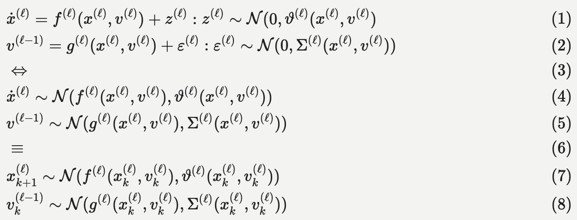
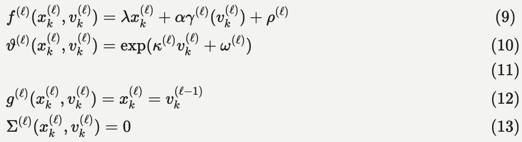
  2. Feb 2026
    1. Reviewer #1 (Public review):

      I enjoyed reading this long but compelling account of the new (generalised) version of the Hierarchical Gaussian filter (HGF). Effectively, it describes an extension of the HGF to accommodate the influence of latent states on volatility - and vice versa. This paper describes a generalisation that has been made available to the community via the TAPAS software. This contribution will be of special interest to people in computational psychiatry, where the application of the HGF has been the most prevalent.

      I thought the background, motivation, description and illustration of the scheme were excellent. The paper is rather long; however, it serves as a useful technical reference.

      There are two issues that I think the authors need to address.

      (1) The first is the failure to properly relate the current scheme to standard implementations of Bayesian filtering under hierarchical state-space models.

      (2) The second is that whilst the paper is well-written, some of the mathematical notation is cluttered. Furthermore, I think that the authors need to motivate the otherwise overengineered description of the requisite variational message passing and decomposition into update steps.

      I think that the authors can address both of these issues by including a technical section in the introduction, relating the HGF to state-of-the-art in the broader field of Bayesian filtering and predictive coding. They can then explain the benefits of the particular generative model - to which the HGF is committed - by drilling down on the update scheme and its implementation in the remainder of the paper.

      I was underwhelmed by the account of predictive coding and its relationship to Bayesian filtering. I think that the authors should suppress the references to predictive coding in the recent machine learning literature. Rather, the presented narrative should emphasise the fact that predictive coding and Bayesian filtering are the same thing. The authors could then explain where the hierarchical Gaussian filter fits within Bayesian filtering and why its particular form lends itself to the variational updates they subsequently derive.

      The authors could add something like the following to the introduction (accompanying PDF has the equations). There is a summary of what follows in the Wikipedia entry on generalised filtering, in particular, its relationship to predictive coding (https://en.wikipedia.org/wiki/Generalized_filtering).

      Relationship to Existing Work

      Technically, the hierarchical Gaussian filter is a Bayesian filter under a hierarchical state-space model. The most general form of these models can be expressed as stochastic differential or difference equations as follows, c.f., Equation 9 in (Feldman and Friston, 2010):

      This functional form implies a hierarchical decomposition into hierarchical levels (l) that are linked through latent causes (v), with dynamics among latent states (x) at each level. From the perspective of the HGF, the state-dependency of state (z) and observation (e) noise at each level is a key feature. The variance (i.e., inverse precision) of the random fluctuations z is known as volatility, which - in a hierarchical setting - can depend upon latent causes and states at higher levels. The variational inversion of these models - sometimes called variational or generalised filtering - finds a number of important applications: a key example here is dynamic causal modelling, typically in the analysis of imaging timeseries. In this setting, unknown or latent states, parameters and precisions are updated in variational steps by minimising variational free energy (a variational bound on negative log marginal likelihood).

      In engineering, the simplest form of generalised filtering is known as a Kalman filter, in which all the equations are linear, and volatility is assumed to be constant. In neurobiology, there is an intimate relationship between generalised filtering and predictive coding: predictive coding was originally introduced for timeseries analysis and compression of sound files (Elias, 1955). Subsequently, the implicit filtering or compression scheme was considered as a description of neuronal processing in the retina (Srinivasan et al., 1982) and then cortical hierarchies (Mumford, 1992; Rao, 1999; Rao and Ballard, 1999). The formal equivalence between predictive coding and Kalman filtering was noted in (Rao, 1999). Kalman filtering itself was then recognised as a special case of generalised filtering that could be read as predictive coding in the brain (Friston and Kiebel, 2009). The estimation of precision in these predictive coding schemes has been associated with endogenous (Feldman and Friston, 2010) and exogenous (Kanai et al., 2015) attention; i.e., with and without state dependency, respectively. Subsequently, precision estimation or uncertainty quantification has become a key focus in computational psychiatry.

      In machine learning, there have been recent attempts to implement predictive coding via the minimisation of variational free energy under generative models with the functional form of conventional neural networks: e.g., (Millidge et al., 2022; Salvatori et al., 2022). However, much of this work is nascent and does not deal with dynamics or volatility. There is an interesting exception in machine learning, namely, transformer architectures, where the attention heads can be read as implementing a form of Kalman gain, namely, estimating state-dependent precision, e.g., (Buckley and Singh, 2024).

      Within this general setting, the HGF emphasises the importance of precision estimation or uncertainty quantification by committing to a particular functional form for the generative model that can be summarised as follows:

      "We will unpack this form below and show how it leads to a remarkably compact and efficient Bayesian belief updating scheme. We will appeal implicitly to variational message passing on factor graphs (Dauwels, 2007; Friston et al., 2017; Winn and Bishop, 2005) to decompose message passing between nodes and, crucially, within-node computations. These computations furnish a scalable and flexible form of generalised Bayesian filtering. In principle, this scheme inherits all the biological plausibility of belief propagation and variational message passing in cortical hierarchies (Friston et al., 2017)."

      It might be worth the authors [re-]reading the abstracts of the above papers, for a clearer sense of how those in computational neuroscience and state-space modelling (but not machine learning) think about predictive coding and its relationship to Bayesian filtering. They could then go through the manuscript, nuancing your discussion of the intimate relationship between variational Bayes, generalised filtering, predictive coding and hierarchical Gaussian filtering.

    1. Joint Public review:

      Summary

      Riva et al. introduce a semi-automatic setup for measuring Drosophila melanogaster oviposition rhythms and use it to map the timekeeping function underlying egg laying rhythms to a subset of clock cells. Using a combination of neurogenetic manipulations and referencing the publicly available female hemi-brain connectome dataset, they narrow the critical circuit down to possibly two of the three CRYPTOCHROME expressing lateral-dorsal neurons (LNds). Their findings suggest that different overlapping sets of clock neurons may control different behavioral rhythms in D. melanogaster.

      This work will be of interest to researchers interested in the circadian regulation of oviposition in D. melanogaster (and possibly other insects), a phenomenon which has been left relatively under-explored. The construction of a semi-automated setup which can be made relatively cheaply using available motors and 3D printed molds provides a useful model for obtaining longer records of oviposition activity. The analysis of noisy oviposition timeseries, however, may require revisiting both the methods used for sampling eggs laid per female as well as the analytical tools used to clean up and analyze individual records, because simple averaging can lead to incorrect conclusions regarding the underlying nature of the rhythm.

      Strengths

      Additional experiments were carried out for this revised version of the manuscript that strengthen their original findings. These include: using a dominant negative form of the circadian clock gene, cycle, to disrupt the circadian clock, which provides additional support for the role of CRY+ LNds in generating the circadian rhythm of oviposition; reassessing the functionality of PDF neurons and showing that they seem to be important for maintaining the circadian period of egg laying; using the per01 mutation to show the role of period locus function in the control of the circadian rhythm of oviposition. The authors also point to some potentially interesting connectome data that suggest hypotheses regarding the neuronal circuit linking daily timekeeping to oviposition, which will require further validation in future studies. The videos and pictures demonstrate the working of the semi-automated egg collection setup, which should help others create similar devices.

      Weaknesses:

      The major weaknesses of this work result from the noisy nature of the data.

      They include:

      (1) Problems associated with averaging: The authors intended to focus on the oviposition clock in individual females, however due to the inherent noise in the oviposition rhythm they had to resort to averaging across Lomb-Scargle periodograms generated from individual time-series. They then tested whether the averaged periodogram contains a significant frequency. However, this reduction in noise also reduces the ability to compare differences in power of the rhythm across individuals. Furthermore, this method makes it especially difficult to distinguish the contribution of subsets of the circuit on the proportion of rhythmic flies and the power of the rhythm. In this revised version the authors use two manipulations to disrupt the molecular clock, which could have different success rates based on the type and number of cells targeted. Unfortunately, the type of averaging used prevents the detection of any such effects. It is to be noted that, indeed, individual-level differences in period between the PdfDicer-Gal4 > perRNAi and UAS-perRNAi lines help the authors to establish that there is a significant reduction in period length when the molecular clock is abolished in PDF cells. These individual measurements are now very helpful in discerning the effect of manipulations carried out on different circadian neural subsets, some of which could have been missed if only averages were considered.

      (2) Sensitivity to sample size: Averaging reduces the effect of random background noise but noise reduction is dependent upon sample size. Comparing genotypes with different sample sizes in addition to varying signal to noise ratios (which might also change with neural manipulations) makes it difficult to estimate how much of the rhythm structure is contributed by a given neuronal subset; thus, whenever possible comparisons should be made between groups that include similar number of flies. This problem is compounded when the averaged periodogram is composed of both rhythmic and weakly rhythmic individuals. For instance, in the main text the reported value of period length of pdfDicer-Gal4 > perRNAi is 20.74h (see also Fig 2J) but in the Supplementary figure 2S1 this is close to 22h, while the values reported for the control are largely similar (24.35h in Fig 2H versus ~24h in Fig 2S1). A difference of 3.6h between control and experimental flies is much greater than 2h. Which estimate (average versus individual) is more reliable in predicting the behavior of these flies is difficult to determine without further experiments.

      (3) Based on the newly provided data for individual fly periodograms the reader can visually evaluate the rhythmicity associated with each genotype. Such visual inspection did not reveal any clear difference between the proportion of rhythmic individuals between experimental and parental GAL4 and/or UAS controls, except for experiments using per01 mutant animals. This is surprising since if these circuits are controlling the oviposition rhythm, perturbing them should affect most individuals in a similar way.

      In summary, although the authors have implicated CRY+ LNds in the generation of a circadian rhythm in oviposition it is not clear looking at individual readouts if this manipulation is rendering flies arrhythmic or changing the period of the clock slightly, such that there is increased variation in period length at the individual level which is not being captured by the low signal to noise ratio and in the average gives a flattened output as a result. Thus, while the manipulations done to the clock in these neurons might indeed affect the circadian nature of the oviposition rhythm it is still rather difficult to determine if they are indeed the sole clock cells generating this rhythm especially when nearby PDF+ cells also affect period length. Nevertheless, the connectomic data do show that they are very close to the OviIN neurons, placing them at an important juncture of transmitting circadian time information to the downstream oviposition circuit. Overall, the authors have achieved some of their aims, although the analysis methods leave some of their inferences open to speculation.

      Other comments

      Disrupting the clock in the 5th sLNv and 3 Cry+ LNds (and weakly in a small subset of DN1) affected egg-laying. Although the work emphasizes the importance of the LNd, the role of the 5th sLNv's role should be discussed.

    1. Reviewer #1 (Public review):

      Summary:

      In this study, Li et al. used genetically engineered murine intestinal organoids to investigate how the temporal order of oncogenic mutations influences cell state and tumourigenicity of colorectal epithelial cells. By sequentially introducing Apc and Trp53 loss-of-function mutations in alternate orders within a Kras^G12D background, the authors generated isogenic organoid lines for both in vitro and in vivo characterisation. Bulk RNA-seq reveals expected transcriptional changes with relatively modest differences between the two triple-mutant configurations (KAT vs KTA). The key finding emerges from transplantation assays: while KAT and KTA organoids show equivalent tumourigenic potential in immunodeficient mice, only KAT organoids form tumours in immunocompetent hosts (5/10 vs 0/10), suggesting that mutation order shapes susceptibility to immune-mediated clearance. The experiments are well-executed, and the conclusions are generally supported by the data.

      Strengths:

      The experimental system is well-designed for the question. By combining a Kras^G12D transgenic background with sequential CRISPR-mediated knockout of Apc and Trp53 in alternate orders, the authors generated truly isogenic organoid lines that differ only in mutational sequence. This is technically non-trivial and provides a clean platform for dissecting order effects, a question otherwise difficult to address experimentally.

      The authors performed comprehensive baseline characterisation of these organoids, including morphological and histological assessment, quantification of organoid-forming efficiency and proliferation, and bulk RNA-seq profiling. While these analyses revealed no major differences between KAT and KTA organoids, and the observed enhancement of epithelial stemness upon Apc loss and proliferative advantage conferred by Trp53 loss are largely expected, the systematic nature of this characterisation establishes a useful methodological template for future organoid-based studies.

      The authors further investigated the functional impact of mutational order using subcutaneous transplantation assays. By comparing tumour formation in immunodeficient versus immunocompetent hosts, the authors uncover a genuinely unexpected finding: KAT and KTA organoids behave equivalently in the absence of adaptive immunity, but diverge dramatically when immune pressure is applied (KAT: 5/10; KTA: 0/10). This observation is arguably the most compelling aspect of the study and opens an interesting line of inquiry.

      Weaknesses:

      The authors acknowledge that initiating with Kras^G12D does not reflect the typical human sporadic CRC trajectory, where APC loss is usually the first event. While this design choice was pragmatic, it means the observed order effects are contextualised within an artificial starting point. It remains unclear whether the Apc/Trp53 order would matter in a Kras-wild-type background, or whether the Kras-driven cellular state is a prerequisite for these phenotypes to emerge.

      Subcutaneous implantation provides a tractable readout of tumourigenicity, but the cutaneous immune microenvironment differs substantially from that of the intestinal mucosa. Given that the central claim concerns immune-mediated selection, orthotopic transplantation would more directly test whether the observed order effects hold in a physiologically relevant context.

      The ssGSEA comparison involves only 14 ATK tumours, and the key comparisons (Figure 6E) yield borderline significance (p=0.052). More fundamentally, since mutation order cannot be inferred from the clinical samples, the authors are correlating organoid-derived IFN signatures with tumour immunophenotypes without direct evidence that these patients' tumours followed a KAT-like trajectory. The reasoning becomes circular: KAT organoids define the signature used to identify KAT-like clinical tumours.

      Furthermore, the most striking finding of the study, that KTA organoids fail to form tumours in immunocompetent hosts while KAT organoids can, lacks a mechanistic follow-up. The transcriptomic differences between KAT and KTA are modest when cultured as monocultures, yet their in vivo fates diverge dramatically. The authors do not address why these subtle intrinsic differences translate into such divergent immune susceptibility, nor do they characterise the immune response adequately (beyond limited CD4/CD8 IHC at tumour peripheries).

    1. Reviewer #1 (Public review):

      This manuscript reports on the behavior of participants playing a game to measure exploration. Specifically, participants completed a task with blocks of exploratory choices (choosing between two 'tables', and within each table, two 'card decks', each of which had a specific probability of showing cards with one color versus another) and test choices, where participants were asked to choose which of the two decks per table had a higher likelihood of one color. Blocks differed on how long (how many trials) the exploration phase lasted. Participants' choices were fit to increasingly complex models of next-trial exploration. Participants' choices were best fit by an intermediate model where the difference in uncertainty between tables influenced the choice. Next, the authors investigated factors affecting whether participants sought out or avoided uncertainty, their choice reaction times, and the relationship of these measures with performance during the test phase of each block. Participants were uncertainty-seeking (exploratory) under most levels of overall uncertainty but became less uncertainty-seeking at high levels of total uncertainty. Participants with a stronger tendency to approach uncertainty at lower levels of total uncertainty were more accurate in the test phase, while the tendency to avoid uncertainty when total uncertainty was high was also weakly positively related to test accuracy. In terms of reaction times, participants whose reaction times were more related to the level of uncertainty, and who deliberated longer, performed better. The individual tendency to repeat choices was related to avoidance of uncertainty under high total uncertainty and better test performance. Lastly, choices made after a longer lag were less affected by these measures.

    1. Reviewer #1 (Public review):

      Summary:

      Pierre Despas et al. studied the role of Salmonella typhimurium LppB in outer membrane tethering. Using E. coli {delta}lpp mutant the authors showed that Salmonella LppB is covalently attached to PG through K58 and that these crosslinks are formed by the L,D-transpeptidase LdtB, primarily. Additionally, authors demonstrate that LppB forms homodimers via a disulfide bond through C57, but when Lpp is present it can also form heterotrimers with it. Thus, suggesting a regulatory role in Lpp-PG crosslinking.

      Strengths:

      In my view, this is a nice piece of work that expands our understanding of the role of lpp homologs. The experiments were well-designed and executed, the manuscript is well-written and the figures are well-presented.

      Weaknesses:

      I have some suggestions to give a clearer message, because I think a few images don't reflect much of what the authors wrote.

      It'd be helpful for readers to see the phylogenetic tree of the rest of the organisms that harbor LppB homologs and Lpp.

      Increased expression of LppB under low pH is subtle. This result would benefit from quantifying the blots (Fig. S1) and performing statistical analysis.

      Similarly, the SDS-EDTA sensitivity result (Fig. S2) is not convincing; the image doesn't seem to show isolated colonies at low pH (Fig. S2B). Please measure CFU/mL and report endpoint growth graphs instead. Statistical analysis should also be presented.

      The reduction to PG crosslinking of the C57R mutant is unclear (Fig 4B lane 22). The authors state: "suggesting that additional features of the LppB C-terminal region underlie its reduced efficiency." Does this mean additional amino acids play a role? Did the authors try to substitute Cys with other amino acid residues like Ala or Ser and quantify protein levels to find a mutant with similar expression levels? Do these have less crosslinking too?

    1. Reviewer #1 (Public review):

      Foucault and colleagues examine how people's belief updating in a predictive inference task depends on qualitative differences in generative structure, in particular focusing on two generative structures frequently employed in learning and belief updating tasks (changepoints and random walks). While behavior and normative predictions for these structures have been explored many times in different tasks and settings, these exact structures have, to the best of my knowledge, never been explored in the same study and modeling framework for direct comparison. The authors use ideal observer models coupled with a response bias module to make predictions for what structure-appropriate adaptive learning would look like across the two conditions, then they ran an experiment to test behavioral predictions for the two structures under different levels of stochasticity. The authors present evidence that stochasticity changes in learning for two qualitatively different reasons, and that depending on which of these factors dominate, can have different effects on learning. They show that human participants showed qualitative trends consistent with adjusting their structural assumptions of the task to guide learning and adjusting their assessments of stochasticity.

      The experiment was well designed and executed, and the paper was well written. The findings from the study are largely consistent with other work in the field, but there are a few advances that go beyond previously established findings, most notably a nuanced examination of how stochasticity affects learning behavior, which has the potential to provide an explanation for a notable discrepancy in the field (Pulco and Browning 2025; Piray and Daw 2024). The paper has notable strengths in its use of computational models to generate qualitative predictions that are evaluated in empirical behavioral data.

      The current paper has a few weaknesses. It makes strong claims regarding the impacts of stochasticity on optimal learning that were difficult to evaluate, given a lack of clarity on the exact modeling that was implemented and incompletely supported by the existing analysis. The paper also lacks statistical support for some of its claims and evaluates models only through their ability to reproduce summary measures, rather than through direct model fitting.

    1. Reviewer #1 (Public review):

      Summary:

      In this study, the authors aim to characterize how moment-to-moment fluctuations in arousal during wakefulness shape large-scale functional brain connectivity. Using pupil diameter as an index of arousal and high-field functional imaging, they seek to determine whether arousal-related modulation of connectivity is uniform across the brain or organized into structured patterns, and whether such patterns show hemispheric asymmetry. The work further aims to assess whether these organizational features generalize across resting-state and naturalistic viewing conditions.

      Strengths:

      The study addresses an important and timely question regarding how spontaneous variations in arousal influence whole-brain communication during wakefulness. The dataset is rich, combining high-field imaging with concurrent physiological measurements, and the analyses are ambitious in scope. A key strength is the attempt to move beyond region-based effects and to describe arousal-related modulation at the level of large-scale connectivity organization. The comparison across rest and movie viewing provides useful context and suggests a degree of consistency across behavioral states.

      Weaknesses

      First, a central claim is that arousal modulates functional connectivity in a hemispherically asymmetric and community-specific manner. Although structured asymmetries are demonstrated at the group level, it remains unclear whether these effects reflect a stable neurobiological principle or arise from high-dimensional, connection-wise analyses that are sensitive to sampling variability. Given the interpretive weight placed on hemispheric lateralization, stronger evidence of robustness and individual-level consistency would be necessary to support this conclusion.

      Second, all analyses are based on ultra-high-field imaging. The manuscript does not address whether the reported arousal-related patterns, including the community structure and hemispheric asymmetries, are expected to be reproducible at standard field strengths. It therefore remains unclear whether the findings depend critically on the use of high-field data or whether they would generalize to more widely available datasets, limiting the broader applicability of the results.

      Third, arousal-connectivity coupling is assessed using zero-lag correlations between pupil diameter and time-resolved connectivity estimates. Physiological and hemodynamic considerations suggest that pupil-linked arousal and blood-based imaging signals may exhibit systematic temporal delays. The absence of analyses examining sensitivity to such delays raises the possibility that the reported coupling patterns depend on a specific temporal alignment assumption.

      Fourth, the estimation of time-resolved connectivity relies on a single choice of sliding-window length. The manuscript does not examine whether the reported patterns are stable across different window sizes. Given ongoing concerns about parameter dependence in time-resolved connectivity analyses, sensitivity analyses would be important to establish that the findings are not artifacts of a particular analytical choice.

      Finally, the identification of seven connectivity communities is a central result, yet the justification for this choice relies primarily on a single clustering quality measure. In practice, evaluation of clustering solutions typically draws on multiple complementary criteria, including measures of compactness and separation, approaches for selecting the number of clusters, and assessments of stability under resampling. Without such complementary evaluations, it is difficult to determine whether the reported community structure reflects a stable organizational feature or sensitivity to specific methodological decisions.

    1. Reviewer #1 (Public review):

      Genetically encoded fluorescent proteins expressed in specific cell types allow recognising them in vivo and, if the protein is a functional indicator, as in the case of genetically encoded calcium indicators (GECIs), to record activity from the same cellular ensemble. Ideally, if proteins (fluorophores) have perfectly distinct spectral properties, signals can be distinguished from as many cell types as the number of employed fluorophores. In practice, fluorescent proteins have non-negligible crosstalk both in absorption and emission bands. In addition, fluorescence contribution of each fluorophore normally varies from cell to cell and therefore spectral properties of cells expressing two or more proteins are different. The work of Phillips et al. addresses this challenge. The authors present an approach defined as "Neuroplex", allowing identification of up to nine cell types from the same number of fluorophores. The fingerprint of each cell is then associated with functional fluorescence from the GECI GCaMP, allowing recording calcium activity from that specific cell. The method is implemented in vivo using head-mounted miniscopes.

      The authors used a mouse line expressing GCaMP in cortical pyramidal neurons and developed an experimental pipeline. First, they injected the nine AAV viruses, causing expression of fluorophores in a different brain area. The idea was not to image that area, but a non-infected medial prefrontal cortex (mPFC) section where neurons could be infected by their axons projecting in an injected area, in this way being identified by their targeting region(s). A GRIN lens, allowing spectral analysis, was mounted in the mPFC section, and GCaMP fluorescence was then recorded during behavioural tasks and analysed to identify regions of interest (ROIs) corresponding to neuron somata. After functional imaging, the head of the mouse was fixed, spectral analysis was performed, and after necessary correction for chromatic distortions, the fluorophore contribution was determined for each ROI (neuron) from where GCaMP signals were detected. Notably, the procedures for estimation and correction of chromatic aberration and light transmission (described in Figure 2) were a major challenge in their technical achievements. The selection of the nine fluorophores was another big effort. This was done by combining computer simulations and direct measurement of spectra from individual proteins expressed in HEK293 cells. It is important to say that the authors could simulate arbitrary combinations of two or more different fluorophores and evaluate the ability of their algorithm to detect the correct proteins against wrong estimations of false-negative (absence of an expressed protein) or false-positive (presence of a non-expressed protein). Not surprisingly, this ability decreases with the level of GCaMP expression. The authors underline that most errors were false-negatives, which have a milder impact in terms of result interpretation, but the rate of false positives was, nevertheless, relevant in detecting a second fluorophore from a cell expressing only one protein. The experimental profiles of fluorophores were dependent both on the specific fluorescent protein and on the projecting area, and the distribution of double-labelled did not match anatomical evidence. This result should be taken as the limitation of the present pioneering experiments, presented as proof-of-principle of the approach, but Neuroplex may provide far improved precision under different experimental conditions.

      In my view, the work of Phillips et al. represents a significant advance in the state-of-the-art of the field. The rigorous analysis of limitations in the use of Neuroplex must be considered an important guideline for future uses of this approach.

    1. Reviewer #1 (Public review):

      This paper presents a reanalysis of a large existing dataset to examine whether serial dependence effects-systematic influences of recent stimulus history on current perceptual judgments-are associated with generalization in perceptual learning. The central hypothesis is that extended, longer-range history effects (beyond the most recent trials) are beneficial for transfer across locations. The authors reanalyze data from a texture discrimination task in which observers discriminated peripheral target orientation against a line background, with performance quantified by stimulus-onset asynchrony thresholds. Three training conditions were compared: a fixed single-location condition, a two-location alternating condition, and a dummy-trial condition with frequent target-absent trials. Transfer was assessed after training at new locations. Serial dependence was quantified using history-sequence analyses and linear mixed-effects models estimating bias weights across stimulus lags, with summary measures distinguishing recent (1-3 trials back) and more distant (4-6 trials back) dependencies.

      The authors report extended serial dependence effects, persisting up to 6-10 trials back, with substantial cumulative bias that remains stable across multiple days of training and is not correlated with overall performance thresholds. Recent history effects are stronger for faster responses, suggesting a contribution from decision- or response-related processes, whereas more distant effects decline within sessions, potentially reflecting adaptation dynamics. Critically, longer-range serial dependence is significantly stronger in training conditions that promote generalization than in the single-location condition. Individual differences in the strength and decay profile of distant history effects predict the magnitude of transfer across locations, whereas recent history effects do not. History effects are also correlated across trained locations, suggesting stable individual differences.

      The authors interpret longer-range serial dependence as reflecting integrative processes that extract task-relevant structure over time, thereby supporting generalization, while shorter-range effects are attributed to more transient mechanisms such as priming or decision-level bias. The discussion connects these findings to Bayesian accounts of perceptual stability and to concepts of overfitting in machine learning.

      The study offers a novel and thoughtful link between short-term serial dependence and long-term generalization in perceptual learning, helping bridge two literatures that are often treated separately. The large dataset enables robust estimation of individual differences, and the use of mixed-effects modeling appropriately accounts for variability across observers. The empirical distinction between recent and more distant history effects is well-supported and adds important nuance to interpretations of serial dependence. Converging evidence from both group-level comparisons and individual-level correlations strengthens the central conclusions.

      Several limitations should be addressed. First, the study relies entirely on previously collected data, without experimental manipulations designed to selectively isolate serial dependence mechanisms. Filtering choices, while theoretically motivated, may amplify history effects in ways that are difficult to quantify. Second, sequential dependencies can arise from multiple sources, including gradual updating of internal weight structures, adaptation processes, and history-dependent biases in decision-making. The current analyses do not clearly separate these contributions, limiting mechanistic attribution of long-range effects. Third, the conclusions are based on a single perceptual task, leaving open questions about generality across paradigms. Finally, while the discussion references computational ideas, no explicit modeling is provided to test whether plausible learning rules can jointly account for the observed history profiles and transfer effects.

      The findings align with theoretical frameworks that conceptualize perceptual learning as gradual reweighting of stable sensory representations at the decision stage (e.g., Petrov et al., 2005). Trial-by-trial updates in these models naturally give rise to sequential dependencies and sensitivity to training statistics. The observation that longer-range history effects predict generalization is consistent with broader temporal integration supporting more flexible learning, while narrower integration may lead to specificity. The results also indicate that multiple mechanisms - including decision-level biases and adaptation - may coexist with reweighting processes, highlighting the value of hybrid accounts.

      In summary, this is a careful and data-rich reanalysis that highlights a potentially important role for serial dependence in enabling generalization during perceptual learning. While the underlying mechanisms remain underspecified, the evidence supporting the reported associations is strong, and the work provides a valuable empirical foundation for further experimental and modeling efforts.

    1. Reviewer #1 (Public review):

      Summary:

      The authors attempt to use a combination of behavioural and EEG analyses in order to investigate whether expectation of task difficulty influences spatial focus narrowing in the context of a spatially cued task, alongside an expected attention-related amplitude effect. This distinguishes the experiment from previous tasks, which looked at this potential spatial narrowing in the context of more non-cued diffuse attention tasks. The authors present two major findings:

      (1) Behaviourally, they analysed the effects of cue validity and difficulty expectation on response accuracy, and found that participants displayed an effect of difficulty expectation in validly cued trials, showing relatively enhanced behaviour to Hard Expectation trials, but no effect of expectation in invalidly cued trials.

      (2) Inverted encoding modelling on broadband EEG showed greater pre-target attentional processing in the Hard Expectation blocks. They go on to show that this enhancement comes in the form of greater amplitude of the Channel Tuning Functions (CTFs) approximately 300 to 400ms post-cue, in the absence of any spatial tuning specificity enhancement (as would be evident in a difference in CTF fit width).

      Together, these results provide valuable findings for those investigating the separable effects of expectation and attention on target detection in visual search.

      Strengths:

      (1) This is a very solidly performed experiment and analysis, with different streams of evidence convincingly pointing in the same direction, i.e. a gain effect of Expectation in the absence of a spatial tuning effect.

      (2) EEG is competently analysed and interpreted, and the paper is well written and simple in its motivation.

      (3) The authors report appropriately on the results in the Discussion, without overreaching.

      Weaknesses:

      I mainly have a few minor issues for the authors to clarify, which I will leave to Recommendations. However, a few analyses need further work:

      (1) The GLMM method used has very large degrees of freedom (pages 6 and 7) of 34542. I assume this is the number of trials minus the number of parameters? This would imply that random slopes were not modelled in the analyses. However, looking at the Methods, it is reported that they were modelled. The authors should clarify exactly what was done here and why, including the LMM model.

      (2) Figure 4 shows an "example CTF fit". Why only one? You could put transparent lines in the background for each individual fit, followed by the grand average, or show each fit in the supplementary section?

    1. Reviewer #1 (Public review):

      Summary:

      This work presents a GUI with SEM images of 8 Utah arrays (8 of which were explanted, and 4 of which were used for creating cortical lesions).

      Strengths:

      Visual comparison of electrode tips with SEM images, showing that electrolytic lesioning did not appear to cause extra damage to electrodes.

      Weaknesses:

      Given that the analysis was conducted on explanted arrays, and no functional or behavioural in-vivo data or histological data are provided, any damage to the arrays may have occurred after explantation, making the results limited and inconclusive (firstly, that there was no significant relationship between degree of electrode damage and use of electrolytic lesioning, and secondly, that electrodes closer to the edge of the arrays showed more damge than those in the center).

      Overall, these results add new data and reference images to the field, although the insights that can conclusively be drawn are limited due to the low number of electrodes used and lack of in-vivo/ histological/ impedance data.

    1. Reviewer #1 (Public review):

      Summary:

      Using single-unit recording in 4 regions of non-human primate brains, the authors tested whether these regions encode computational variables related to model-based and model-free reinforcement learning strategies. While some of the variables seem to be encoded by all regions, there is clear evidence for stronger encoding of model-based information in anterior cingulate cortex and caudate.

      Strengths:

      The analyses are thorough, the writing is clear, the work is well-motivated by prior theory and empirical studies.

      Weaknesses:

      The authors have adequately addressed my prior comments.

    1. Reviewer #1 (Public review):

      Summary:

      The authors' goal was to advance the understanding of metabolic flux in the bradyzoite cyst form of the parasite T. gondii, since this is a major form of transmission of this ubiquitous parasite, but very little is understood about cyst metabolism and growth.

      Nonetheless, this is an important advance in understanding and targeting bradyzoite growth.

      Strengths:

      The study used a newly developed technique for growing T. gondii cystic parasites in a human muscle-cell myotube format, which enables culturing and analysis of cysts. This enabled screening of a set of anti-parasitic compounds to identify those that inhibit growth in both vegetative (tachyzoite) forms and bradyzoites (cysts). Three of these compounds were used for comparative Metabolomic profiling to demonstrate differences in metabolism between the two cellular forms.

      One of the compounds yielded a pattern consistent with targeting the mitochondrial bc1 complex, and suggest a role for this complex in metabolism in the bradyzoite form, an important advance in understanding this life stage.

      Weaknesses:

      Studies such as these provide important insights into the overall metabolic differences between different life stages, and they also underscore the challenge with interpreting individual patterns caused by metabolic inhibitors due to the systemic level of some of some targets, so that some observed effects are indirect consequences of the inhibitor action. While the authors make a compelling argument for focusing on the role of the bc1 complex, there are some inconsistencies in the some patterns that underscore the complexity of metabolic systems.

    1. Reviewer #1 (Public review):

      Summary:

      The authors integrated bulk proteomics, single-nucleus RNA sequencing, and cellular communication pipelines to map molecular changes in the mouse lumbar spinal cord following endurance training versus acute exhaustive exercise. This kind of data is currently missing in the literature for the healthy spinal cord; therefore, this work represents a useful resource for the community for the investigation of cellular mechanisms of exercise-induced neuroplasticity. The authors found that endurance training elicited robust plastic transcriptional changes in the glia, in genes involved in synaptic modulation, axon development, and intercellular signaling, with cell-specific differences. Acute exhaustive exercise triggered a more nuanced biphasic temporal response in metabolic and synaptic genes, which was different in trained versus sedentary mice. Although cholinergic neurons did not show robust gene expression changes, they were found to be central hubs for communication with glia, suggesting that their cues may act as upstream regulators of glial plasticity.

      Strengths:

      Nuclei fixation minimized unwanted RNA degradation and tissue processing-driven expression changes. However, in the text, it needs to be acknowledged that the fixation step was performed only after nuclei isolation, and not at the stage of spinal cord tissue collection. The time course study design allowed for the distinction of different temporal gene expression trajectories.

      Weaknesses:

      No clear indication of the number of biological replicates is given. No validation of the key findings with alternative methods is presented.

      Some aspects of data analysis need to be clarified:

      (1) Methods

      a) Voluntary exercise: the authors should indicate whether the mice were singly housed, and, if not, clarify that the indicated mean km/day is an average of the mice in the cage.

      b) The Authors should indicate more precisely which lumbar level of the spinal cord was used and the number of biological replicates.

      c) The Authors should indicate the number of highly variable features and PCs (dims) used for Seurat and provide a QC metric table.

      (2) Results and Figures

      a) Bulk proteomic analysis: The authors used Pval-and not FDR- to assess differentially abundant proteins. Can the author indicate how many proteins passed a more stringent FDR cutoff? For GO analysis: the authors should indicate what background/reference was used.

      b) Figure 1B and Figure S1B-C: the differences in total mass and relative lean mass are very subtle, even if statistically significant. This needs to be acknowledged in the relevant sentences.

      c) Figure 2 and Figure S2E panels G and H are inverted.

      d) Heatmaps in Figures 1F and 2 Figure 2E-F: some of the proteins and genes listed in the text are not present in the heatmaps (TIM22 and FABP4; Smap25 and Slc4a4). Please check the correspondence of the text with the heatmap, and indicate with an arrow the listed proteins and genes.

      e) Page 9 "trained mice displayed a modest increase of oligodendrocytes 24h": from the plot, it looks to me like a decrease rather than an increase.

      f) Figure 4 depicts expression changes in selected metabolism and synaptic activity-related genes: it would be useful to add a table as a supplementary file with expression data of all the synaptic and metabolic genes in addition to the ones that were selected.

    1. Reviewer #1 (Public review):

      Summary

      This study examines how working memory (WM) influences perceptual decisions, with the aim of distinguishing fast attentional capture-like effects from slower, sustained perceptual biases. The authors use a dual-task design in which a perceptual estimation task is embedded within a WM delay, combined with a time-resolved analysis of mouse tracking reports and hierarchical Bayesian modeling. This approach reveals two temporally distinct signatures of WM-perception interactions within single trials, arguing against a unitary account of WM-driven perceptual bias and instead supporting multiple processes that operate over different timescales.

      Strengths

      A major strength of the study is its innovative use of a time-resolved mouse trajectory analysis to move beyond endpoint measures and reveal the dynamic evolution of decision biases. By decomposing trajectories into components that are and are not explained by the final response, the authors provide compelling evidence for an early transient deviation and a slower, endpoint-consistent drift. The combination of rigorous experimental design, hierarchical Bayesian modeling, and converging analyses yields compelling support for the central claims and offers a valuable framework for studying top-down influences on perception.

      Weaknesses/points requiring clarification:

      (1) The primary weakness concerns the clarity of the theoretical framing linking the identified trajectory components specifically to attentional capture and representational (or perceptual) shift. While the manuscript reviews prior work on attentional and perceptual biases, the conceptual transition to the proposed distinction between capture and representational shift would benefit from a stronger connection to the existing literature. Clarifying this relationship would strengthen the interpretation of the results.

      (2) The use of the term "continuous" to describe the trajectory analyses may be confusing for readers, as it could be interpreted as referring to a continuous task rather than a time-resolved analysis of movements performed to make a discrete response.

      (3) Figures 2 and 7 present posterior distributions of hierarchical Bayesian parameter estimates for endpoint responses in Experiments 1 and 2. However, they do not show how these model estimates relate to the raw behavioral data. Including model fits alongside the observed data would help readers assess the quality of the fits and better evaluate how well the modeling captures the underlying behavioral responses. Similarly, it would be helpful to see individual means in Figure 3a, panel 2, as is done in Figure 4.

    1. Reviewer #1 (Public review):

      This is a high-quality and extensive study that reveals differences in the self-assembly properties of the full set of 109 human death fold domains (DFDs). Distributed amphifluoric FRET (DAmFRET) is a powerful tool that is applied here for a comprehensive examination of the self-assembly behaviour of the DFDs, in non-seeded and seeded contexts, and allows comparison of the nature and extent of self-assembly. The work reveals the nature of the barriers to nucleation in the transition from low to high AmFRET. Alongside analysis of the saturation concentration and protein concentration in the absence of seed, the work demonstrates that the subset of proteins that exhibit discontinuous transitions to higher-order assemblies are expressed more abundantly than DFDs that exhibit continuous transitions. The experiments probing the ~20% of DFDs that exhibit discontinuous transition to polymeric form suggest that they populate a metastable, supersaturated form, in the absence of cognate signal. This is suggestive of a high intrinsic barrier to nucleation.

      The differences in self-assembly behaviour are significant and highlight mechanistic differences across this large family of signalling adapter domains, with identification of a small number of key supersaturated adapters, which exhibit higher centrality within networks, and can amplify signals and transduce them to effectors as required. The description of some supersaturated DFD adaptors as long-term, high-energy storage forms or phase change adaptors is attractive and is a framework that addresses many of the requirements for on-demand signaling and amplification in innate immunity. The identification of only a small number of key adaptors and high specificity suggests a mechanism for insulation of pathways from each other and minimisation of aberrant lethal consequences.

      An optogenetic approach is applied to initiate self-assembly of CASP1 and CASP9 DFDs, as a model for apoptosome initiation in these two DFDs with differing continuous or discontinuous assembly properties. This comparison reveals clear differences in the stability and reversibility of the assemblies, supporting the authors' hypothesis that supersaturation-mediated DFD assembly underlies signal amplification in at least some of the DFDs. The study also reveals interesting correlations between supersaturation of DFD adapters in short- and long-lived cells, suggestive of a relationship between mechanism of assembly and cellular context. Additionally, the interactions are almost all homomeric or limited to members of the same DFD subfamily or interaction network and examination of bacterial proteins from innate immunity operons suggest that their polymerisation could be driven by similar mechanisms. Future detailed studies that probe the roles and activities of DFDs identified with continuous or discontinuous barriers to nucleation, through mutational analysis, in chimeric proteins and with high resolution studies of the assemblies, can build on this methodology and database.

      The Discussion effectively places this work in the context of innate immunity effectors and adapters, explains and provides a justification of the phase change material analogy, and contrasts this mechanism with phase separation. The breadth and depth of the experimental investigations allow a new view of the role of nucleation barriers and supersaturation in DFD assembly and innate immunity pathways.

    1. Reviewer #1 (Public review):

      Here, the authors attempted to test whether the function of Mettl5 in sleep regulation was conserved in drosophila, and if so, by which molecular mechanisms. To do so they performed sleep analysis, as well as RNA-seq and ribo-seq in order to identify the downstream targets. They found that the loss of one copy of Mettl5 affects sleep, and that its catalytic activity is important for this function. Transcriptional and proteomic analyses show that multiple pathways were altered, including the clock signaling pathway and the proteasome. Based on these changes the authors propose that Mettl5 modulate sleep through regulation of the clock genes, both at the level of their production and degradation, possibly by altering the usage of Aspartate codon.

      Comments on revised version:

      The authors satisfactorily addressed my comments, even though the precise mechanism by which Mettl5 regulates translation of clock genes remains to be firmly demonstrated.

    1. Reviewer #1 (Public review):

      Summary:

      The authors report intracranial EEG findings from 12 epilepsy patients performing an associative recognition memory task under the influence of scopolamine. They show that scopolamine administered before encoding disrupts hippocampal theta phenomena and reduces memory performance, and that scopolamine administered after encoding but before retrieval impairs hippocampal theta phenomena (theta power, theta phase reset) and neural reinstatement but does not impair memory performance. This is an important study with exciting, novel results and translational implications. The manuscript is well written, the analyses are thorough and comprehensive, and the results seem robust.

      Strengths:

      - Very rare experimental design (intracranial neural recordings in humans coupled with pharmacological intervention);

      - Extensive analysis of different theta phenomena;

      - Well-established task with different conditions for familarity versus recollection;

      - Clear presentation of findings;

      - Translational implications for diseases with cholinergic dysfuction (e.g., AD);

      - Findings challenge existing memory models and the discussion presents interesting novel ideas.

    1. Reviewer #1 (Public review):

      Summary:

      An interesting manuscript from the Carrington lab is presented investigating the behavior of single vs double GPI-anchored nutrient receptors in bloodstream form (BSF) T. brucei. These include the transferrin receptor (TfR), the HpHb receptor (HpHbR), and the factor H receptor (FHR). The central question is why these critical proteins are not targeted by host acquired immunity. It has generally been thought that they are sequestered in the flagellar pocket (FP), where they are subject to rapid endocytosis - any Ab:receptor complexes would be rapidly removed from the cell surface. This manuscript challenges that assumption by showing that these receptors can be found all over the outer cell body and flagella surfaces - if one looks in an appropriate manner (rapid direct fixation in culture media).

      Strengths and weaknesses:

      (1) The presence of a second ESAG6 gene in the BES7 expression site was noted in the previous review. This is now noted and discussed appropriately in the current version.

      (2) Surface binding studies: The ability of cells to bind tagged-Tf while in complete media was challenged and it was suggested that classic competition studies be performed to validate saturable ligand binding. This has been done now and the results confirm that this is so. A reasonable discussion of the results is presented.

      (3) Variable TfR expression in different BESs: The claim that specific ES environment is the dominant factor controlling TfR expression levels was challenged in that the presented results could be due to technical issues. RNA seq has now been performed confirming that the differences in TfR abundance is indeed directly related to mRNA levels

      (4) Surface immuno-localization of receptors: In regard to the novel immunofluorescence (direct fixation) methodology used to demonstrate TfR on the cell surface the authors were asked of they had attempted more traditional methods that involve centrifugation/washing. These data are now provided (Fig S5) and do indicate that centrifugation does reduce signal, likely due to shedding and/or internalization during the procedure. Nevertheless, significant signal is present after centrifugation leaving the issue of why others have never detected significant surface TfR.

      These responses address all the major concerns with the original submission and a greatly improved manuscript is now submitted.

    1. Reviewer #1 (Public review):

      Summary:

      This study examined the functional organization of the mouse posterior parietal cortex (PPC) using meso-scale two-photon calcium imaging during visually-guided and history-guided tasks. The researchers found distinct functional modules within the medial PPC: area A, which integrates somatosensory and choice information, and area AM, which integrates visual and choice information. Area A also showed a robust representation of choice history and posture. The study further revealed distinct patterns of inter-area correlations for A and AM, suggesting different roles in cortical communication. These findings shed light on the functional architecture of the mouse PPC and its involvement in various sensorimotor and cognitive functions.

      Strengths:

      Overall, I find this manuscript excellent. It is very clearly written and built up logically. The subject is important, and the data supports the conclusions without overstating implications. Where the manuscript shines the most is the exceptionally thorough analysis of the data. The authors set a high bar for identifying the boundaries of the PPC subareas, where they combine both somatosensory and visual intrinsic imaging. There are many things to compliment the authors on, but one thing that should be applauded in particular is the analysis of the body movements of the mice in the tube. Anyone working with head-fixed mice knows that mice don't sit still but that almost invariable remains unanalyzed. Here the authors show that this indeed explained some of the variance in the data.

      Comments on revisions:

      I only had minor comments on the first version of the manuscript and these concerns were fully addressed after revision.

    1. Reviewer #2 (Public review):

      In the manuscript Ruhling et al propose a rapid uptake pathway that is dependent on lysosomal exocytosis, lysosomal Ca2+ and acid sphingomyelinase, and further suggest that the intracellular trafficking and fate of the pathogen is dictated by the mode of entry. Overall, this is manuscript argues for an important mechanism of a 'rapid' cellular entry pathway of S.aureus that is dependent on lysosomal exocytosis and acid sphingomyelinase and links the intracellular fate of bacterium including phagosomal dynamics, cytosolic replication and host cell death to different modes of uptake.

      Key strength is the nature of the idea proposed, while continued reliance on inhibitor treatment combined with lack of phenotype / conditional phenotype for genetic knock out is a major weakness.

      In the revised version, the authors perform experiments with ASM KO cells to provide genetic evidence of the role for ASM in S. aureus entry through lysosomal modulation. The key additional experiment is the phenotype of reduced bacterial uptake in low serum, but not in high serum conditions. The authors suggest this could be due to the SM from serum itself affecting the entry. While this explanation is plausible, prolonged exposure of cells to low serum is well documented to alter several cellular functions, particularly in the context of this manuscript, lysosomal positioning, exocytosis and Ca2+ signaling. A better control here could be WT cells grown in low serum. If SM in serum can interfere, why do they see such pronounced phenotype on bacterial entry in WT cells upon chemical inhibition?

      While the authors argue a role for undetectable nano-scale Cer platforms on the cell surface caused by ASM activity, results do not rule out a SM independent role in the cellular uptake phenotype of ASM inhibitors.

      The authors have attempted to address many of the points raised in the previous revision. While the new data presented provide partial evidence, the reliance on chemical inhibitors and lack of clear results directly documenting release of lysosomal Ca2+, or single bacterial tracking, or clear distinction between ASM dependent and independent processes dampen the enthusiasm.

      I acknowledge the author's argument of different ASM inhibitors showing similar phenotypes across different assays as pointing to a role for ASM, but the lack of phenotype in ASM KO cells is concerning. The author's argument that altered lipid composition in ASM KO cells could be overcoming the ASM-mediated infection effects by other ASM-independent mechanisms is speculative, as they acknowledge, and moderates the importance of ASM-dependent pathway. The SM accumulation in ASM KO cells does not distinguish between localized alterations within the cells. If this pathway can be compensated, how central is it likely to be ?

      The authors allude to lower phagosomal escape rate in ASM KO cells compared to inhibitor treatment, which appears to contradict the notion of uptake and intracellular trafficking phenotype being tightly linked. As they point out, these results might be hard to interpret. Could an inducible KD system recapitulate (some of) the phenotype of inhibitor treatment? If S. aureus does not escape phagosome in macrophages, could it provide a system to potentially decouple the uptake and intracellular trafficking effects by ASM (or its inhibitor treatment) ?

      The role of ASM on cell surface remains unclear. The hypothesis proposed by the authors that the localized generation of Cer on the surface by released ASM leads to generation of Cer-enriched platforms could be plausible, but is not backed by data, technical challenges to visualize these platforms notwithstanding. These results do not rule out possible SM independent effects of ASM on the cell surface, if indeed the role of ASM is confirmed by controlled genetic depletion studies.

      The reviewer acknowledges technical challenges in directly visualizing lysosomal Ca2+ using the methods outlined. Genetically encoded lysosomal Ca2+ sensor such as Gcamp3-ML1 might provide better ways to directly visualize this during inhibitor treatment, or S. aureus infection.

    1. Reviewer #1 (Public review):

      Summary:

      The authors report the structure of the human CTF18-RFC complex bound to PCNA. Similar structures (and more) have been reported by the O'Donnell and Li labs. This study should add to our understanding of CTF18-RFC in DNA replication and clamp loaders in general. However, there are numerous major issues that I recommend the authors fix.

      Strengths:

      The structures reported are strong and useful for comparison with other clamp loader structures that have been reported lately.

    1. Reviewer #1 (Public review):

      General assessment of the work

      In this manuscript, Mohr and Kelly show that the C1 component of the human VEP is correlated with binary choices in a contrast discrimination task, even when the stimulus is kept constant and confounding variables are considered in the analysis. They interpret this as evidence for the role V1 plays during perceptual decision formation. Choice-related signals in single sensory cells are enlightening because they speak to the spatial (and temporal) scale of the brain computations underlying perceptual decision making. However, similar signals in aggregate measures of neural activity offer a less direct window and thus less insight into these computations. The authors do a good job justifying their focus on the C1 component and illustrating how it may behave under different simulated scenarios. The results are interesting, although it is difficult to specify which reasonable hypothesis is exactly ruled out by these results. One interpretation is that V1 activity directly guides perceptual decisions in this task. Alternatively, higher-level areas may do this, provided that their activity largely reflects their V1-inputs. This certainly seems possible in a simple task like this.

      Summary of substantive concerns

      I have no substantive concerns about the revised version of the paper.

    1. Reviewer #1 (Public review):

      Summary:

      The existence of VERT regions is well supported, but the number of regions called as ISCs may be inflated by permissive thresholds (e.g., AEI {greater than or equal to} 0.8 or {less than or equal to} 0.2 in a single clone). This risks conflating transient stochastic differences with stable ISCs. Similarly, the claim of cell-type specificity is not convincingly demonstrated given the small sample size (n=4) and strong batch confounding between lymphoblastoid and cartilage progenitors. While syntenic VERT regions across mouse and human are intriguing, they complicate interpretation of strong clustering by cell type. Sampling depth may also have exaggerated allelic imbalance calls.

      The proposed role of ISCs in haploinsufficiency is conceptually interesting but remains speculative; developmental stochasticity and founder population size may play larger roles than replication timing. The claim that autosomal inactivation is mechanistically distinct from XCI, however, is reasonable and supported.

      Some conclusions should be more explicitly qualified as preliminary. Cell-type specificity and mitotic stability both require stronger evidence; the latter is inferred indirectly from clonal expansion rather than shown directly, and orthogonal experiments (e.g., allele-specific ChIP-seq, DNA methylation) would be required. Estimated genomic coverage of ISCs should also be re-evaluated, as single-clone observations may inflate counts.

      Replication is limited. Hierarchical clustering is confounded by batch and based on presence/absence calls that lack quantitative resolution. More robust approaches would include using magnitude of imbalance, annotating VERTs by genomic location, applying stricter thresholds for replication timing, and benchmarking AEI distributions against the X chromosome. These are realistic re-analyses requiring no new data and could be completed in ~1 month.

      Methods are generally well described and reproducible. Figures and text would benefit from improved clarity: axis labels are missing in places (e.g., Fig. 1c, Fig. 2g), legends should explain chromosome arm colors, and cluttered figures such as Fig. 1j could be re-visualized for interpretability. Gene set enrichment analysis should be restricted to avoid inflated significance from overly broad categories. A useful citation for XCI timing (pmid=39420003) could be added to strengthen background.

      Significance:

      Conceptually, this work introduces ISC-like phenomena in human and mouse progenitor lines, coupling allelic expression imbalance with replication timing. Technically, it combines allele-specific RNA-seq with Repli-seq in genotyped, clonal, single-cell-derived lines. Clinically, it suggests an alternative model for haploinsufficiency, relevant to dosage-sensitive diseases where stochastic transcriptional delays could shape penetrance.

      The study builds on prior work in allelic exclusion (e.g., HLA, olfactory receptors) and random monoallelic expression, generalizing these phenomena into ISC/vert frameworks and proposing mitotic stability of allele choice. By extending beyond expression to replication timing, the authors suggest a broader paradigm for epigenetic regulation at autosomal loci.

      The paper will be of interest to epigeneticists studying XCI, allelic exclusion, and monoallelic expression; to developmental biologists examining replication timing and differentiation; and to clinicians concerned with dosage-sensitive and haploinsufficient disorders.

    1. Reviewer #1 (Public review):

      Summary:

      This manuscript by Kolb and Hasseman et al. introduces a significantly improved GABA sensor, building on the pioneering work of the Janelia team. Given GABA's role as the main inhibitory neurotransmitter and the historical lack of effective optical tools for real-time in vivo GABA dynamics, this development is particularly impactful. The new sensor boasts an enhanced signal-to-noise ratio (SNR) and appropriate kinetics for detecting GABA dynamics in both in vitro and in vivo settings. The study is well-presented, with convincing and high-quality data, making this tool a valuable asset for future research into GABAergic signaling.

      Strengths:

      The core strength of this work lies in its significant advancement of GABA sensing technology. The authors have successfully developed a sensor with higher SNR and suitable kinetics, enabling the detection of GABA dynamics both in vitro and in vivo. This addresses a critical gap in neuroscience research, offering a much-needed optical tool for understanding the most important inhibitory neurotransmitter. The clear representation of the work and the convincing, high-quality data further bolster the manuscript's strengths, indicating the sensor's reliability and potential utility. We anticipate this tool will be invaluable for further investigation of GABAergic signaling.

      Weaknesses:

      Despite the notable progress, a key limitation is that the current generation of GABA sensors, including the one presented here, still exhibits inferior performance compared to state-of-the-art glutamate sensors. While this work is a substantial leap forward, it highlights that further improvements in GABA sensor would still be highly beneficial for the field to match the capabilities seen with glutamate sensors.

    1. Reviewer #1 (Public review):

      Summary:

      BK channels are widely distributed and involved in many physiological functions. They have also proven a highly useful tool for studying general allosteric mechanisms for gating and modulation by auxiliary subunits. Tetrameric BK channels are assembled from four separate alpha subunits which would be identical for homozygous alleles and of potentially five different combinations for heterozygous alleles Geng et al . (2023), (https://doi.org/10.1085/jgp.202213302). Construction of BK channels with concatenated subunits in order to strictly control heteromeric subunit composition had not yet been used because the N-terminus in BK channels is extracellular whereas the C-terminus is intracellular. In this new work, Chen, Li, and Yan devise clever methods to construct and assemble BK channels of known subunit composition, as well as to fix the number of γ1 axillary subunits per channel. With their novel molecular approaches, Chen, Li and Yan report that a single γ1 axillary subunit is sufficient to fully modulate a BK channel, that the deep conducting pore mutation L312A exhibited a graded effect on gating with each addition mutated subunit replacing a WT subunit in the channel adding an additional incremental left shift in activation, and that the V288A mutation at the selectivity filter must be present on all four alpha subunits in order to induce channel inactivation. Chen, Li, and Yan have been successful in introducing new molecular tools to generate BK channels of known stoichiometry and subunit composition. They validate their methods and provide three different examples of stoichiometric modulation by LRRC26, the selectivity filter, and the pore.

      Strengths:

      Powerful new molecular tools for study of channel gating are developed and validated in the study.

      Weaknesses:

      One example each of auxiliary, deep pore, and selectivity filter allosteric actions are presented, but this is sufficient for the purposes of the paper to establish their methods and present specific examples of applicability.

    1. Reviewer #1 (Public review):

      Summary

      The manuscript by Ma et al. provides robust and novel evidence that the noctuid moth Spodoptera frugiperda (Fall Armyworm) possesses a complex compass mechanism for seasonal migration that integrates visual horizon cues with Earth's magnetic field (likely its horizontal component). This is an important and timely study: apart from the Bogong moth, no other nocturnal Lepidoptera has yet been shown to rely on such a dual-compass system. The research therefore expands our understanding of magnetic orientation in insects with both theoretical (evolution and sensory biology) and applied (agricultural pest management, a new model of magnetoreception) significance.

      The study uses state-of-the-art methods and presents convincing behavioural evidence for a multimodal compass. It also establishes the Fall Armyworm as a tractable new insect model for exploring the sensory mechanisms of magnetoreception, given the experimental challenges of working with migratory birds. Overall, the experiments are well designed, the analyses are appropriate, and the conclusions are generally well supported by the data.

      Strengths

      • Novelty and significance: First strong demonstration of a magnetic-visual compass in a globally relevant migratory moth species, extending previous findings from the Bogong moth and opening new research avenues in comparative magnetoreception.

      • Methodological robustness: Use of validated and sophisticated behavioural paradigms and magnetic manipulations consistent with best practices in the field. The use of 5 min bins to study a dynamic nature of magnetic compass which is anchored to a visual cue but updated with latency of several minutes is an important finding and a new methodological aspect in insect orientation studies.

      • Clarity of experimental logic: The cue-conflict and visual cue manipulations are conceptually sound and capable of addressing clear mechanistic questions.

      • Ecological and applied relevance: Results have implications for understanding migration in an invasive agricultural pest with expanding global range.

      • Potential model system: Provides a new, experimentally accessible species for dissecting the sensory and neural bases of magnetic orientation.

      Weaknesses

      Overall, this is a strong study, and the authors have completed an excellent major revision that has undoubtedly addressed most major and minor issues. The remaining points below are minor recommendations, and I acknowledge that differences in opinion are always possible:

      (1) Structure and Presentation of Results

      • I recommend reordering the visual-cue experiments to progress from simpler conditions (no cues) to more complex ones (cue-conflict). This would improve narrative logic and accessibility for non-specialist readers. The authors have chosen not to implement this suggestion, which I respect, but my recommendation stands.

      (2) Ecological Interpretation

      • The authors should expand their discussion on how the highly simplified, static cue setup translates to natural migratory conditions, where landmarks are dynamic, transient, or absent. Specifically, further consideration is needed on how the compass might function when landmarks shift position, become obscured, or are replaced by celestial cues. Additionally, the discussion would benefit from a more consolidated section with concrete suggestions for future experiments involving transient, multiple, or more naturalistic visual cues.

      This point was addressed partially in one paragraph of the Discussion, which reads as follows:

      "In nature, they are likely to encounter a range of luminance-gradient visual cues, including relatively stable celestial cues as well as transient or shifting local features encountered en route. Although such natural cues differ from our simplified laboratory stimulus, they may represent intermittently sampled visual inputs that can be optimally integrated with magnetic information, with the congruency between visual and magnetic cues likely playing a key role in maintaining a stable compass response. Whether the cues are static or changing, brief periods without them may still allow the subsequent recovery of a stable long-distance orientation strategy. Determining which types of natural visual cues support the magnetic-visual compass, and how they interact with magnetic information, including how their momentary alignment or angular relationship is integrated and how such visual cue-magnetic field interactions may require time to influence orientation, together with elucidating the genetic and ecological bases of multimodal orientation, will be important objectives for future research."

      While this paragraph is informative, the wording remains lengthy, somewhat unclear, and vague. Shorter, clearer statements would improve readability and impact. For example:

      • How could moths maintain direction during periods when only the magnetic field is present and visual landmarks are absent?

      • Could celestial cues (e.g., stars) compensate, and what happens if these are also obscured?

      • What role does saliency play when multiple visual landmarks are present simultaneously?

      • How might a complex skyline without salient landmarks affect orientation?

      Including simple, concise sentences that pose concrete open questions and suggest experimental designs would strengthen the discussion without creating space issues. In my view, a comprehensive discussion of how the simplified, static cue setup relates to natural migratory conditions-where landmarks are dynamic, transient, or absent-would add significant value to the paper.

      (3) Methodological Details and Reproducibility

      • The lack of luminance level measurements should be explicitly highlighted.

      • The authors chose not to adjust figure legends by replacing "magnetic South" with "magnetic North." While I believe this would be more conventional and preferable, this is ultimately a minor stylistic issue.

      (4) Conceptual Framing and Discussion

      • Although the authors made a good attempt to explain the limitations of using an artificial visual cue, I believe there is room for a more explicit argument. For example, it could be stated clearly that this species is unlikely to encounter a situation in nature where a single, highly salient landmark coincides with its migratory direction. Therefore, how these findings translate to real migratory contexts remains an open question. A sentence or two making this point directly would strengthen the discussion.

      (5) Technical and Open-Science Points

      • Sharing the R code openly (e.g., via GitHub) should be seriously considered. The code does not need to be perfectly formatted, but making it available would be highly beneficial from an open-science perspective.

    1. Reviewer #1 (Public review):

      Summary:

      Laaker et al. investigate the immunological role of the cribriform plate during neuroinflammation using the EAE model. The authors combine immunohistochemistry, flow cytometry, and single-cell RNA sequencing to characterize CD11b+CD11c+ myeloid cells that accumulate at podoplanin (PDPN)-rich meningeal-lymphatic niches surrounding olfactory nerve bundles. They identified distinct populations of migratory dendritic cells (DCs) and macrophages retained at the cribriform plate that exhibit transcriptional signatures consistent with immune tolerance, reduced interferon signaling, and programmed cell death, including Pdcd1 (PD-1) expression. In parallel, CCR2+ monocytes and alternatively activated (M2-like) Arg1+/CHI3L3+ macrophages integrate into this niche, suggesting the establishment of a locally immunosuppressive myeloid network.

      Strengths:

      (1) Overall, the study postulates a novel model in which the cribriform plate functions as a specialized perineural immune interface that reshapes myeloid phenotypes during neuroinflammation.

      (2) Suggests broader relevance for shaping peripheral immunity and therapeutic targeting. If DCs are being "tuned" at this exit site, it could influence what reaches cervical lymph nodes and how peripheral responses are set during CNS autoimmunity; the authors explicitly position this as relevant to CNS autoimmunity and possibly other CNS diseases (while acknowledging the need for human validation).

      (3) Technical sound and highly original work. Convergent multi-method support: the central narrative is backed by immunohistochemistry + flow cytometry + scRNA-seq, rather than a single assay. The headline conclusion (tolerogenic/suppressive skew at the cribriform plate during EAE) is explicitly built from these combined modalities.

      Weaknesses:

      (1) In Figure 1, the manuscript would be strengthened by quantification of CSF1R-GFP+ and CD11c-eYFP+ cells in PDPN+LYVE1- versus PDPN+LYVE1+ regions in both control and EAE mice. This would demonstrate selective accumulation or retention of myeloid cells at the cribiform plate niche.

      (2) While the PostContact-seq strategy is innovative (Figure 3), additional justification is needed to demonstrate that tissue dissociation did not artificially disrupt PDPN-myeloid contacts. The relatively small proportion of live PDPN-rich doublets (~2.5% total aggregates and ~18% PDPN+ within total aggregates) raises questions about representativeness compared with in situ observations. The authors should also more explicitly elaborate on why PostContact-seq was favored over alternative approaches such as PIC-seq.

      (3) The authors stated that results regarding cell-cell interactions were integrated across four intercellular communication methodologies (Figure 4B), but this integration is not clearly described in either the Results or Method sections. This needs clarification. Moreover, the interaction analysis in Figure 4B seems to rely on TALKIEN, which does not incorporate prior ligand-receptor knowledge. Given the availability of widely used tools, such as CellChat and NicheNet, the authors may consider cross-referencing their findings.

      (4) Given the increase in CCR2+ cells in PDPN+ regions (Figure S4), a pseudotime trajectory analysis may be valuable to test whether CCR2+ monocytes preferentially differentiate into CHI3L3+ immunosuppressive macrophages, PD-1+ DCs, or other myeloid subsets in post-contact versus no contact.

      (5) Validation of immunosuppressive signatures in macrophages (Fig. 4G-H) using the same FACS-based post-contact versus no-contact sorting strategy (as in Figure 3A) would strengthen the conclusions.

      (6) The identity of CD45IV+ cells in contact with PDPN+ cells is unclear (Figure 6B-C). The authors should provide a gating strategy demonstrating that these cells are CD11b+CD11c+ DCs within the PDPN+ doublet population, and ideally show whether these dying cells are PD-1+. Furthermore, co-labeling in tissue sections for PD-1, cleaved caspase-3, and CD11c-eYP would provide important spatial validation of flow cytometry findings (Figure 6E).

      (7) In Figures 1F-H, the authors should comment on the morphological differences of CD11c+ cells in the olfactory bulb versus those infiltrating the cribriform plate.

    1. Reviewer #1 (Public review):

      Summary:

      This is an important study that employs high-throughput single-cell imaging to directly investigate the relationship between topologically associating domain (TAD) boundaries and gene regulation. The authors rigorously test the prevailing model that TAD boundaries functionally regulate gene activity by modulating chromatin interactions. Their core finding is that, under their specific experimental conditions, the physical distance between TAD boundaries shows no consistent correlation with the transcriptional bursting activity of a gene within the TAD. However, the authors' leap from this specific observation to the broad conclusion that "TAD boundary architecture and gene activity are uncoupled" risks conceptual overgeneralization and may lead to misinterpretation, as it seemingly contradicts substantial prior evidence supporting the regulatory role of TAD structures.

      Strengths:

      The major strength of this work lies in its innovative high-throughput, multi-colour imaging platform, which enables the simultaneous detection of spatial distances between specific DNA elements (TAD boundaries) and transcriptional activity at the same genomic locus in single cells and single alleles. The high-throughput nature makes the results convincing. A second key strength is the incorporation of perturbations, including global transcriptional inhibition, cell-type comparison, and degradation of key architectural proteins (CTCF, cohesin). This provides a comprehensive methodological framework to examine the relationship between boundary proximity and gene activity from multiple angles under defined conditions.

      Weaknesses:

      (1) Conceptual framing and interpretation:

      The central conclusion may require more precise framing to avoid potential overreach. The authors' interpretation equating "physical distance between TAD boundaries" with overall "TAD boundary architecture," and "transcriptional bursting events" with broader "gene activity," could benefit from clarification. This framing may not fully capture the temporal dynamics of transcription or the regulatory complexity within TADs. Furthermore, the broad conclusion of an uncoupled relationship appears to challenge extensive prior evidence from perturbation studies showing that disrupting TAD boundaries can alter gene expression. The authors' own observation of reduced gene activity upon RAD21 degradation suggests that global TAD disruption can affect transcription. A more precise and limited conclusion, acknowledging that their data demonstrate a lack of detectable correlation between boundary distance and bursting activity in their system, would be more accurate and help reconcile these findings with the existing literature.

      (2) Technical methods and data presentation:

      (2.1) Accuracy and dimensionality of distance measurements: The manuscript does not clearly state whether distances are measured in 2D or 3D, nor does it sufficiently address precision limits. The stated Z-step size (1 µm) may be inadequate for accurately measuring sub-micron chromatin distances in 3D.

      (2.2) Probe design and systematic error: The genomic coverage size of the BAC probes used for DNA FISH is not explicitly stated. Large probe coverage could inherently blur the precise spatial location of adjacent DNA loci. The reported average distance (~300 nm) may be influenced by the physical size of the probes, as well as systematic expansion or distortion introduced by sample fixation and FISH processing. Although such technical limitations are currently unavoidable, the authors should clarify how these factors might affect their ability to detect subtle distance changes.

      (2.3) Data Visualization: The manuscript would benefit from including representative, zoomed-in regions of interest from the raw imaging data. This would allow readers to visually assess measured distance differences against background noise.

      (2.4) Potential impact of resolution limits: In Figure 5, the micro-C data reveal a clear difference in interaction patterns inside versus outside the VARS2 locus TAD, yet the imaging data show no corresponding distance difference. This strongly suggests that the current imaging system, limited by optical resolution, probe size, and localisation accuracy, may be unable to resolve finer-scale spatial reorganizations associated with specific chromatin conformations (e.g., enhancer-promoter loops). The authors should explicitly discuss that their conclusion of "no coupling observed" may be constrained by the resolution and sensitivity of their method and does not preclude the possibility of detecting such associations with higher-precision measurements or in live-cell dynamics.

      In summary, this study provides a valuable single-cell perspective. However, the authors should more cautiously define the scope of their findings in the manuscript and provide a more balanced discussion situating their work within the broader field.

    1. Reviewer #1 (Public review):

      Summary:

      The ubiquitin kinase PINK1 accumulates on damaged mitochondria to signal the initiation of mitophagy. While we know what PINK1 looks like when it is stabilised on damaged mitochondria, not much is known about how it gets there. In this study, Okatsu et al. solve a cryoEM structure of partially folded PINK1 in complex with its chaperones HSP90 and CDC37 to a resolution of 3.08 Å. This structure captures PINK1 in a state whereby the C-lobe of its kinase domain is folded, while the N-lobe remains unfolded and stabilised by an HSP90 dimer. According to the authors' model, their structure represents cytosolic PINK1 on its way to the mitochondria. This structure also demonstrates how PINK1 is folded in a step-wise mechanism and proposes a role for residues that are mutated in Parkinson's disease.

      Strengths:

      PINK1 is known to be a client of the HSP90 chaperone system. Here, Okatsu et al. present a solid structural dataset showing how PINK1 interacts with HSP90 and CDC37, and they describe key residues and motifs predicted to facilitate the interactions between PINK1 and the chaperones. Notably, two key residues within interacting regions on PINK1 are also mutated in Parkinson's disease. The structure by Okatsu et al. is in line with another recently published structure of the same complex (Tian et al. Nat Comms, 2025), which appears very similar, further supporting the findings. Together, these two studies represent the first observations of cytosolic PINK1 in a semi-folded state, which provides a novel insight into PINK1 at an earlier stage within the signalling cascade.

      Weaknesses:

      This paper is not the first to describe the structure of the PINK1-HPS90-CDC37 complex. A study by Tian et al. was published in early December 2025 in Nature Communications, reporting a 2.84 Å structure of PINK1-HSP90-CDC37, as well as a structure of PINK1 with HSP90 and another HSP90 co-chaperone, FKBP51. It would be important to acknowledge this comparable study and to discuss how the structure in this study compares with the Tian et al. structures and whether it reveals any additional information.

      Although they make claims about the functional relevance of PINK1-interacting residues, the study by Okatsu et al. does not include any biochemical or functional validation of the structure. To support their claims, the authors should test the PINK1-HSP90-CDC37 interaction using their recombinant proteins for mutants of the conserved hydrophobic PINK1 residues in the PINK1 c-lobe, H352, L353, H360, I382, D384, as well as the PINK1 HPNI motif, especially the PD mutation H271Q. The PINK1 PD mutation L347P, which interacts with the CDC37 HPNI moti,f is also worth testing.

      A major question that arises from this work is whether the PINK1-HSP90-CDC37 complex is newly translated PINK1 on its way to mitochondria (as suggested by the authors) or PINK1 that has already entered mitochondria, been cleaved and then retrotranslocated. This latter scenario is the favoured model proposed by Tian et al. (Nat Comms) based on their biochemical experiments. The discrepancies between the two models should at least be discussed, and the authors should also attempt to demonstrate experimentally whether their model is correct. This question is important to address because it would allow this structural information to be placed in the greater context of PINK1 signalling.

      It is also unclear what the consequences are of disrupted PINK1-HSP90-CDC37 interactions on the PINK1 signalling process more broadly - does PINK1 accumulate in the cytosol? Is there less of it? Can it still be degraded via the N-end rule? What happens during mitophagy? Perhaps some of these questions can be answered with cell-based studies using a selection of the PINK1 mutants mentioned above that disrupt the PINK1-HSP90-CDC37 complex formation.

    1. Reviewer #1 (Public review):

      Summary:

      This manuscript by Ghosh and colleagues investigates the transcriptional changes within the oligodendrocyte lineage that contribute to age-related declines in oligodendrocyte differentiation and myelination. Combining bulk RNA-Seq on acutely purified oligodendrocyte lineage cells with bioinformatic approaches, the authors identify groups of genes that show different patterns of dynamic regulation during differentiation (which they term "switch" genes, or "switches"). A subset of these switch genes is differentially regulated with age. The authors identify two transcription factors, Bcl11a and Foxm1, that are downregulated during differentiation, have predicted binding site enrichment at other switch genes, and are downregulated in aged OPCs. Functionally testing Bcl11a, the authors show that Bcl11a knockdown inhibits the differentiation of young OPCs in culture, whereas overexpression promotes the differentiation of aged OPCs. Viral expression of Bcl11a in Sox10-expressing cells accelerates the formation of Plp1+ oligodendrocytes in aged rodents following lysolecithin induced demyelination.

      Strengths:

      The work is clearly presented and addresses an important biological problem. The bioinformatic approaches used in the manuscript are powerful, and the identification of Bcl11a as a modulator of oligodendrocyte differentiation is a novel finding. The combined in vitro and in vivo approaches to assess the function of Bcl11a in oligodendrocyte differentiation are a substantial strength of the work.

      Weaknesses:

      Although the PCA plots show distinct and reproducible global gene expression differences between the different isolated cell populations, the authors do not present a figure showing expression levels of typical stage-specific markers (e.g., Pdgfra, Pcdh15, C1ql1 for OPCs, Bcas1, Enpp6, Gpr17 for preOLs, Mobp, Mog, etc. for OLs) or confirm the absence of markers of other lineages (astrocytes, neurons, microglia, etc.). This makes it difficult to evaluate the success of their cell isolation strategy at different ages without reanalyzing the raw data. In addition, other publicly available datasets (e.g., the Barres lab bulk RNA-Seq datasets from PMID 25186741 or the Castelo-Branco lab single cell datasets from PMID 27284195) do not show downregulation of Bcl11a during OL differentiation as is described here - this apparent discrepancy is not discussed.

    1. Reviewer #2 (Public review):

      Summary:

      This paper formulates an individual-based model to understand the evolution of division of labor in vertebrates. The model considers a population subdivided in groups, each group has a single asexually-reproducing breeder, other group members (subordinates) can perform two types of tasks called "work" or "defense", individuals have different ages, individuals can disperse between groups, each individual has a dominance rank that increases with age, and upon death of the breeder a new breeder is chosen among group members depending on their dominance. "Workers" pay a reproduction cost by having their dominance decreased, and "defenders" pay a survival cost. Every group member receives a survival benefit with increasing group size. There are 6 genetic traits, each controlled by a single locus, that control propensities to help and disperse, and how task choice and dispersal relate to dominance. To study the effect of group augmentation without kin selection, the authors cross-foster individuals to eliminate relatedness. The paper allows for the evolution of the 6 genetic traits under some different parameter values to study the conditions under which division of labour evolves, defined as the occurrence of different subordinates performing "work" and "defense" tasks. The authors envision the model as one of vertebrate division of labor.

      The main conclusion of the paper is that group augmentation is the primary factor causing the evolution of vertebrate division of labor, rather than kin selection. This conclusion is drawn because, for the parameter values considered, when the benefit of group augmentation is set to zero, no division of labor evolves and all subordinates perform "work" tasks but no "defense" tasks.

      Strengths:

      The model incorporates various biologically realistic details, including the possibility to evolve age polytheism where individuals switch from "work" to "defence" tasks as they age or vice versa, as well as the possibility of comparing the action of group augmentation alone with that of kin selection alone.

      Weaknesses from the previous round of review::

      The model and its analysis are limited, which in my view makes the results insufficient to reach the main conclusion that group augmentation and not kin selection is the primary cause of the evolution of vertebrate division of labour. There are several reasons.

      First, although the main claim that group augmentation drives the evolution of division of labour in vertebrates, the model is rather conceptual in that it doesn't use quantitative empirical data that applies to all/most vertebrates and vertebrates only. So, I think the approach has a conceptual reach rather than being able to achieve such conclusion about a real taxon.

      Second, I think that the model strongly restricts the possibility that kin selection is relevant. The two tasks considered essentially differ only by whether they are costly for reproduction or survival. "Work" tasks are those costly for reproduction and "defense" tasks are those costly for survival. The two tasks provide the same benefits for reproduction (eqs. 4, 5) and survival (through group augmentation, eq. 3.1). So, whether one, the other, or both helper types evolve presumably only depends on which task is less costly, not really on which benefits it provides. As the two tasks give the same benefits, there is no possibility that the two tasks act synergistically, where performing one task increases a benefit (e.g., increasing someone's survival) that is going to be compounded by someone else performing the other task (e.g., increasing that someone's reproduction). So, there is very little scope for kin selection to cause the evolution of labour in this model. Note synergy between tasks is not something unusual in division of labour models, but is in fact a basic element in them, so excluding it from the start in the model and then making general claims about division of labour is unwarranted. In their reply, the authors point out that they only consider fertility benefits as this, according to them, is what happens in cooperative breeders with alloparental care; however, alloparental care entails that workers can increase other's survival *without group augmentation*, such as via workers feeding young or defenders reducing predator-caused mortality, as a mentioned in my previous review but these potentially kin-selected benefits are not allowed here.

      Third, the parameter space is understandably little explored. This is necessarily an issue when trying to make general claims from an individual-based model where only a very narrow parameter region of a necessarily particular model can be feasibly explored. As in this model the two tasks ultimately only differ by their costs, the parameter values specifying their costs should be varied to determine their effects. In the main results, the model sets a very low survival cost for work (yh=0.1) and a very high survival cost for defense (xh=3), the latter of which can be compensated by the benefit of group augmentation (xn=3). Some limited variation of xh and xn is explored, always for very high values, effectively making defense unevolvable except if there is group augmentation. In this revision, additional runs have been included varying yh and keeping xh and xn constant (Fig. S6), so without addressing my comment as xn remains very high. Consequently, the main conclusion that "division of labor" needs group augmentation seems essentially enforced by the limited parameter exploration, in addition to the second reason above.

      Fourth, my view is that what is called "division of labor" here is an overinterpretation. When the two helper types evolve, what exists in the model is some individuals that do reproduction-costly tasks (so-called "work") and survival-costly tasks (so-called "defense"). However, there are really no two tasks that are being completed, in the sense that completing both tasks (e.g., work and defense) is not necessary to achieve a goal (e.g., reproduction). In this model there is only one task (reproduction, equation 4,5) to which both helper types contribute equally and so one task doesn't need to be completed if completing the other task compensates for it; instead, it seems more fitting to say that there are two types of helpers, one that pays a fertility cost and another one a survival cost, for doing the same task. So, this model does not actually consider division of labor but the evolution of different helper types where both helper types are just as good at doing the single task but perhaps do it differently and so pay different types of costs. In this revision, the authors introduced a modified model where "work" and "defense" must be performed to a similar extent. Although I appreciate their effort, this model modification is rather unnatural and forces the evolution of different helper types if any help is to evolve.

      I should end by saying that these comments don't aim to discourage the authors, who have worked hard to put together a worthwhile model and have patiently attended to my reviews. My hope is that these comments can be helpful to build upon what has been done to address the question posed.

      [Editors' note: the authors have provided responses to the each of these points.]

    1. Reviewer #1 (Public review):

      Summary:

      The authors aimed to characterize neurocomputational signals underlying interpersonal guilt and responsibility. Across two studies, one behavioral and one fMRI, participants made risky economic decisions for themselves or for themselves and a partner; they also experienced a condition in which the partners made decisions for themselves and the participant. The authors also assessed momentary happiness intermittently between choices in the task. Briefly, the results demonstrated that participants' self-reported happiness decreased after disadvantageous outcomes for themselves and when both they and their partner were affected; and this effect was exacerbated when participants were responsible for their partner's low outcome, rather than the opposite, reflecting experienced guilt. Consistent with previous work, BOLD signals in the insula correlated with experienced guilt and insula-right IFG connectivity was enhanced when participants made risky choices for themselves and safe choices for themselves and a partner.

      Strengths:

      This study implements an interesting approach to investigating guilt and responsibility; the paradigm in particular is well-suited to approach this question, offering participants the chance to make risky vs. safe choices that affect both themselves and others. I appreciate the assessment of happiness as a metric for assessing guilt across the different task/outcome conditions, as well as the implementation of both computational models and fMRI.

      Weaknesses:

      In spite of the overall strengths of the study, I think there are a few areas in which the paper fell a bit short and could be improved.

      Comment on the revised submission:

      I appreciate the authors' attention to all of my comments and questions regarding the initial version of the paper. However, I still do not believe that the point about the small volume correction in the insula has been adequately addressed. The authors claim that because the SVC was done using an anatomically defined ROI, that it is valid and not double dipping. I understand where the authors are coming from. However, there are a few issues here. First, any use of ROIs is best done via pre-registration (Gentili et al., 2021, European Journal of Neuroscience). Second, the whole set of analyses in this section leading up to the SVC seems somewhat circular. The first step was a whole brain contrast of lottery vs. safe outcomes, which revealed activation in many areas including the insula. Then, it appears that the parameter estimates from the insula were extracted and submitted offline to linear mixed models probing for effects of outcome magnitude, social condition and time, which revealed that the insula activation demonstrated the 'sought after' effect. Next, the manuscript states that the authors attempted to confirm these results with a univariate analysis for the so-called guilt effect within regions showing a stronger response to outcomes of risky relative to safe outcomes, which again showed activation in the insula (not surprisingly), and then a small volume correction was applied to these insula voxels. While an anatomical ROI from a different study was used for the correction, the issue is that multiple analyses already revealed that the insula was involved in the effect of interest. It is unclear why this is even necessary given that the LMM analysis demonstrated the expected result.

    1. Reviewer #1 (Public review):

      Summary:

      The manuscript by Rayan et al. aims to elucidate the role of RNA as a context-dependent modulator of liquid-liquid phase separation (LLPS), aggregation, and bioactivity of the amyloidogenic peptides PSMα3 and LL-37, motivated by their structural and functional similarities.

      Strengths:

      The authors combine extensive biophysical characterization with cell-based assays to investigate how RNA differentially regulates peptide aggregation states and associated cytotoxic and antimicrobial functions.

      Weaknesses:

      While the study addresses an interesting and timely question with potentially broad implications for host-pathogen interactions and amyloid biology, several aspects of the experimental design and data analysis require further clarification and strengthening.

      Major Comments:

      (1) In Figure 1A, the author showed "stronger binding affinity" based on shifts at lower peptide concentrations, but no quantitative binding parameters (e.g., apparent Kd, fraction bound, or densitometric analysis) are presented. This claim would be better supported by including: (i) A binding curve with quantification of free vs bound RNA band intensities (ii) Replicates and error estimates (mean {plus minus} SD).

      (2) The authors report droplet formation at low RNA (50 ng/µL) but protein aggregation at high RNA (400 ng/µL) through fluorescence microscopy. However, no intermediate RNA concentrations (e.g., 100-300 ng/µL) are tested or discussed, leaving a critical gap in understanding the full phase diagram and transition mechanisms. Additionally, the behaviour of PSMα3 in the absence of RNA under LLPS conditions is not shown. Without protein-only data, it is difficult to assess if droplets are RNA-induced or if protein has a weak baseline LLPS that RNA tunes. The saturation concentration (csat) for PSMα3 phase separation, either in the absence or presence of RNA, should be reported.

      (3) For a convincing LLPS claim, it is important to show: Quantitative FRAP curves (mobile fraction and half-time of recovery) rather than only microscopy images and qualitative statements.

      (4) The manuscript highly relies on fluorescence microscopy to show colocalization. However, the colocalization is presented in a qualitative manner only. The manuscript would benefit from the inclusion of quantitative metrics (e.g., Pearson's correlation coefficient, Manders' overlap coefficients, or intensity correlation analysis).

      (5) In Figures 3 B and 3C, the contrast between "no AT630 at 30 min, strong at 2 h" (50 ng/μL) and "strong at 30 min" (400 ng/μL) is compelling, but a simple quantification (e.g., mean fluorescence intensity per area) would greatly increase rigor.

      (6) In Figure S3 ssCD data, if possible, indicate whether the α-helical signal increases with RNA concentration or shows a non-linear dependence, which might link to the LLPS vs solid aggregate regimes.

      (7) In Figure 5B, FRAP recovery in dying cells may reflect artifactual mobility rather than biological relevance. Additionally, the absence of quantification data limits interpretation; providing recovery curves would clarify relevance.

      (8) The narrative conflates cytotoxicity endpoints (membrane damage, PI staining, aggregates) with localization data (nucleolar foci), creating ambiguity about whether nucleolar targeting drives toxicity or is a consequence of cell death. Separating toxicity assessment from localization analysis, or clearly demonstrating that nucleolar accumulation precedes cytotoxicity, would resolve this ambiguity.

      (9) In Figure 8, to strengthen the LLPS assignment for LL-37, additional evidence, such as FRAP analysis or observation of droplet fusion events, would be valuable. This is particularly relevant given that the heat shock conditions (65{degree sign}C for 15 minutes) could potentially induce partial denaturation or nonspecific coacervation.

    1. Reviewer #1 (Public review):

      Domínguez-Rodrigo and colleagues make a moderately convincing case for habitual elephant butchery by Early Pleistocene hominins at Olduvai Gorge (Tanzania), ca. 1.8-1.7 million years ago. They present this at the site scale (the EAK locality, which they excavated), as well as across the penecontemporaneous landscape, analyzing a series of findspots that contain stone tools and large-mammal bones. The latter are primarily elephants, but giraffids and bovids were also butchered in a few localities. The authors claim that this is the earliest well-documented evidence for elephant butchery; doing so requires debunking other purported cases of elephant butchery in the literature, or in one case, reinterpreting elephant bone manipulation as being nutritional (fracturing to obtain marrow) rather than technological (to make bone tools). The authors' critical discussion of these cases may not be consensual, but it surely advances the scientific discourse. The authors conclude by suggesting that an evolutionary threshold was achieved at ca. 1.8 ma, whereby regular elephant consumption rich in fats and perhaps food surplus, more advanced extractive technology (the Acheulian toolkit), and larger human group size had coincided.

      The fieldwork and spatial statistics methods are presented in detail and are solid and helpful, especially the excellent description (all too rare in zooarchaeology papers) of bone conservation and preservation procedures. However, the methods of the zooarchaeological and taphonomic analysis - the core of the study - are peculiarly missing. Some of these are explained along the manuscript, but not in a standard Methods paragraph with suitable references and an explicit account of how the authors recorded bone-surface modifications and the mode of bone fragmentation. This seems more of a technical omission that can be easily fixed than a true shortcoming of the study. The results are detailed and clearly presented.

      By and large, the authors achieved their aims, showcasing recurring elephant butchery in 1.8-1.7 million-year-old archaeological contexts. Nevertheless, some ambiguity surrounds the evolutionary significance part. The authors emphasize the temporal and spatial correlation of (1) elephant butchery, (2) Acheulian toolkits, and (3) larger sites, but do not actually discuss how these elements may be causally related. Is it not possible that larger group size or the adoption of Acheulian technology have nothing to do with megafaunal exploitation? Alternative hypotheses exist, and at least, the authors should try to defend the causation, not just put forward the correlation. The only exception is briefly mentioning food surplus as a "significant advantage", but how exactly, in the absence of food-preservation technologies? Moreover, in a landscape full of aggressive scavengers, such excess carcass parts may become a death trap for hominins, not an advantage. I do think that demonstrating habitual butchery bears very significant implications for human evolution, but more effort should be invested in explaining how this might have worked.

      Overall, this is an interesting manuscript of broad interest that presents original data and interpretations from the Early Pleistocene archaeology of Olduvai Gorge. These observations and the authors' critical review of previously published evidence are an important contribution that will form the basis for building models of Early Pleistocene hominin adaptation.

    1. Reviewer #1 (Public review):

      Summary:

      The authors investigate how UVC induced DNA damage alters the interaction between the mitochondrial transcription factor TFAM and mtDNA. Using live-cell imaging, qPCR, atomic force microscopy (AFM), fluorescence anisotropy, and high-throughput DNA-chip assays, they show that UVC irradiation reduces TFAM sequence specificity and increases mtDNA compaction without protecting mtDNA from lesion formation. From these findings the authors suggest that TFAM acts as a "sensor" of damage rather than a protective or repair-promoting factor.

      Strengths:

      (1) The focus on UVC damage offers a clean system to study mtDNA damage sensing independently of more commonly studied repair pathways, such as oxidative DNA damage. The impact of UVC damage is not well understood in the mitochondria and this study fills that gap in knowledge.

      (2) In particular, the custom mitochondrial genome DNA chip provides high resolution mapping of TFAM binding and reveals a global loss of sequence specificity following UVC exposure.

      (3) The combination of in vitro TFAM DNA biophysical approaches combined with cellular responses (gene expression, mtDNA turnover) provides a coherent multi-scale view.

      (4) The authors demonstrate that TFAM induced compaction does not protect mtDNA from UVC lesions, an important contribution given assumptions about TFAM providing protection.

      Weaknesses:

      (1) The authors show a decrease in mtDNA levels and increased lysosomal colocalization but do not define the pathway responsible for degradation. Distinguishing between replication dilution, mitophagy, or targeted degradation would strengthen the interpretation and justifies future experiments.

      (2) The manuscript briefly notes enrichment of TFAM at certain regions of the mitochondrial genome but provides little interpretation of why these regions are favored. Discussion of whether high-occupancy sites correspond to regulatory or structural elements would add valuable context.

      (3) The authors provide a discrepancy between the anisotropy and binding array results. The reason for this is not clear and one wonders if an orthogonal approach for the binding experiments would elucidate this difference (minor point).

      Assessment of conclusions:

      The manuscript successfully meets its primary goal of testing whether TFAM protects mtDNA from UVC damage and the impact this has on the mtDNA. While their data points to an intriguing model that TFAM acts as a sensor of damaged mtDNA, the validation of this model requires further investigation to make the model more convincing. This is likely warranted for a followup study. Also the biological impact of this compaction, such as altering transcription levels is not clear in this study.

      Impact and utility of the methods:

      This work advances our understanding of how mitochondria manage UVC genome damage and proposes a structural mechanism for damage "sensing" independent of canonical repair. The methodology, including the custom TFAM DNA chip, will be broadly useful to the scientific community.

      Context: The study supports a model in which mitochondrial genome integrity is maintained not only by repair factors, but also by selective sequestration or removal of damaged genomes. The demonstration that TFAM compaction correlates with damage rather than protection reframes an interesting role in mtDNA quality control.

      Comments on revised version:

      The authors addressed all concerns during the revision.

    1. Reviewer #1 (Public review):

      Summary:

      This fundamental study identifies a new mechanism that involves a mycobacterial nucleomodulin manipulation of the host histone methyltransferase COMPASS complex to promote infection. Although other intracellular pathogens are known to manipulate histone methylation, this is the first report demonstrating specific targeting the COMPASS complex by a pathogen. The rigorous experimental design using of state-of-the art bioinformatic analysis, protein modeling, molecular and cellular interaction and functional approaches, culminating with in vivo infection modeling provide convincing, unequivocal evidence that supports the authors claims. This work will be of particular interest to cellular microbiologist working on microbial virulence mechanisms and effectors, specifically nucleomodulins, and cell/cancer biologists that examine COMPASS dysfunction in cancer biology.

      Strengths:

      (1) The strengths of this study include the rigorous and comprehensive experimental design that involved numerous state-of-the-art approaches to identify potential nucleomodulins, define molecular nucleomodulin-host interactions, cellular nucleomodulin localization, intracellular survival, and inflammatory gene transcriptional responses, and confirmation of the inflammatory and infection phenotype in a small animal model.

      (2) The use of bioinformatic, cellular and in vivo modeling that are consistent and support the overall conclusions is a strengthen of the study. In addition, the rigorous experimental design and data analysis including the supplemental data provided, further strengthens the evidence supporting the conclusions.

      Comments on revisions:

      The authors have previously addressed the weaknesses that were identified by this reviewer by providing rational explanation and specific references that support the findings and conclusions.

    1. Reviewer #1 (Public review):

      Summary:

      This work by Beaudet and colleagues aims at exploring the effect of phosphorylation on the formation of tau envelopes and consequently on axonal transport, both in vitro on reconstituted microtubules and in human excitatory neurons derived from IPSCs.

      The authors found that a relatively widely used construct in which 14 serine or threonine residues, often hyperphosphorylated in Alzheimer's disease, are mutated to alanines (phosphodeficient), increases the density of tau envelopes compared to wildtype tau, whereas a phosphomimetic (same residues mutated to glutamic acid) reduces envelope density both in vitro and in human excitatory neurons derived from IPSCs.

      By analysing the trafficking of different kinesins (KIF1a and KIF5C), they observed different effects of tau phosphorylation status on the movement of these two motors.

      They then analyse transport of lysosomes by employing live imaging of lysotracker in human excitatory neurons derived from IPSCs transfected with wildtype, phosphodeficient or phosphomimetic tau, observing that phosphodeficient tau seems to reduce transport of lysosomes while phosphomimetic increases transport compared to wildtype tau.

      Strengths:

      (1) The work aims to study a novel and underexplored topic in the tau field, tau envelopes, and investigate their relevance to Alzheimer's disease pathology.

      (2) Experiments are well conducted and of high quality.

      Weaknesses:

      Relying only on in vitro reconstituted microtubules and human neurons derived from IPSCs leaves some doubts about the relevance of these results for Alzheimer's disease, considering the embryonic state of IPSCs-derived neurons.

    1. Reviewer #1 (Public review):

      Summary:

      This study uses high-throughput bacterial cell-surface display to identify LC3B-interacting peptides in the human proteome. The screen is unbiased, and this type of assay has not previously been used for selecting LC3B-interacting peptides. The screen was done with a library of 500,000 peptides, and they ended up with 427 peptides that they scored as high-confidence LC3B binders. The experiments performed are solid, and data are analyzed using well-documented methods and statistics.

      The aim of the authors was to isolate LC3B-interacting peptides from the human proteome, and the screen succeeded in doing so. The selected set of peptides included several previously reported LIR motifs, but also many novel LC3B binding peptides that either contained or did not contain the canonical core LIR motif [WFY]xx[LVI].

      Another aim was to identify binding determinants important for the LC3B interaction, and they made an interesting sequence logo based on selected LIR-containing peptides. However, this study does not really extend our knowledge related to binding determinants essential for LIR motifs in LC3B binding. They basically verify known characteristics, including the importance of varied types of electrostatic interactions supporting the docking of the core LIR into the LDS of LC3B.

      Strengths:

      The approach used here (high-throughput bacterial-surface-display) is new. The screen is unbiased, and the fact that peptides are directly tested for LC3B binding may facilitate the discovery of non-canonical LIR motifs. The screen appears to be highly selective and manages to distinguish between peptides that interact with LC3B and peptides that do not interact.

      Weaknesses:

      It is a limitation that no proteins are analyzed in this study. Further work is therefore needed to verify that identified LIR motifs are functional in full-length proteins and in cells.

    1. Reviewer #1 (Public review):

      Summary:

      The study provides insightful characterization of the mycobacterial secreted effector protein MmpE which translocates to the host nucleus and exhibits phosphatase activity. The study characterizes the nuclear localization signal sequences and residues critical for the phosphatase activity, both of which are required for intracellular survival

      Strengths:

      (1) The study addresses the role of nucleomodulins, an understudied aspect in mycobacterial infections.

      (2) The authors employ a combination of biochemical and computational analyses along with in vitro and in vivo validations to characterize the role of MmpE.

      Weaknesses:

      (1) While the study establishes that the phosphatase activity of MmpE operates independently of its NLS, there is a clear gap in understanding how this phosphatase activity supports mycobacterial infection. The investigation lacks experimental data on specific substrates of MmpE or pathways influenced by this virulence factor.

      (2) The study does not explore whether the phosphatase activity of MmpE is dependent on the NLS within macrophages, which would provide critical insights into its biological relevance in host cells. Conducting experiments with double knockout/mutant strains and comparing their intracellular survival with single mutants could elucidate these dependencies and further validate the significance of MmpE's dual functions.

      (3) The study does not provide direct experimental validation of the MmpE deletion on lysosomal trafficking of the bacteria.

      (4) The role of MmpE as a mycobacterial effector would be more relevant using virulent mycobacterial strains such as H37Rv.

      Comments on revisions:

      I appreciate the work the authors have done to address reviewers comments. The revised manuscript looks significantly improved. My major concern in the revised version is the microscopy data where the BCG staining using the DiD fluorescent stain does not bring out the rod-shaped bacilli structure. I suggest the authors either use a GFP reporter or some other fluorescent stain to address this issue.

    1. Reviewer #1 (Public review):

      Summary:

      Metabolic dysfunction-associated steatotic liver disease (MASLD) ranges from simple steatosis, steatohepatitis, fibrosis/cirrhosis, and hepatocellular carcinoma. In the current study, the authors aimed to determine the early molecular signatures differentiating patients with MASLD associated fibrosis from those patients with early MASLD but no symptoms. The authors recruited 109 obese individuals before bariatric surgery. They separated the cohorts as no MASLD (without histological abnormalities) and MASLD. The liver samples were then subjected to transcriptomic and metabolomic analysis. The serum samples were subjected to metabolomic analysis. The authors identified dysregulated lipid metabolism, including glyceride lipids, in the liver samples of MASLD patients compared to the no MASLD ones. Circulating metabolomic changes in lipid profiles slightly correlated with MASLD, possibly due to the no MASLD samples derived from obese patients. Several genes involved in lipid droplet formation were also found elevated in MASLD patients. Besides, elevated levels of amino acids, which are possibly related to collagen synthesis, were observed in MASLD patients. Several antioxidant metabolites were increased in MASLD patients. Furthermore, dysregulated genes involved in mitochondrial function and autophagy were identified in MASLD patients, likely linking oxidative stress to MASLD progression. The authors then determined the representative gene signatures in the development of fibrosis by comparing this cohort with the other two published cohorts. Top enriched pathways in fibrotic patients included GTPas signaling and innate immune responses, suggesting the involvement of GTPas in MASLD progression to fibrosis. The authors then challenged human patient derived 3D spheroid system with a dual PPARa/d agonist and found that this treatment restored the expression levels of GTPase-related genes in MASLD 3D spheroids. In conclusion, the authors suggested the involvement of upregulated GTPase-related genes during fibrosis initiation.

      Significance:

      Overall, the current study might provide some new resources regarding transcriptomic and metabolomic data derived from obese patients with and without MASLD. The MASLD research community will be interested in the resource data.

      Comments on revised version:

      I have no further comments. Thank you.

    1. Reviewer #1 (Public review):

      Summary:

      The hippocampus, especially the ventral subregion, has been related to emotional processing. However, the specific circuitry involved deserves further investigation. By using a bidirectional optogenetic modulation, Kambali et al. have investigated the role of different inputs to vCA1 (i.e., from vCA3 and entorhinal cortex) in anxiety- and fear-related responses. The major findings of this work suggested that both inputs to vCA1 control fear-related responses, whereas only the projection between vCA3 and vCA1 controls anxiety-related behavior. Overall, the authors used an advanced methodological approach, which allows them to modulate specific brain circuits, to study specific hippocampal projections, providing some new information regarding the hippocampal function in anxiety and fear.

      Strengths:

      (1) The manuscript is well written, clear and has a detailed and specific discussion.

      (2) Results from each optogenetic manipulation are clear in different anxiety- and fear-related tasks, demonstrating the robustness of the findings.

      (3) The overall conclusions are very interesting and might be relevant for the field of mental health disorders accompanied by anxiety- and fear-related alterations.

      Weaknesses:

      (1) The major differences in basal behavioral performance in the different paradigms between the two optogenetic modulations prevent the achievement of strong conclusive results.

      (2) Data presentation and representative figures need a major revision.

      (3) No analysis has been performed to analyze potential sex differences in behavioral domains where sex is important.

    1. Reviewer #1 (Public review):

      The main significance of this work is characterizing the function of a new gene Lmod1 in muscle stem cell biology. The study suggests an intriguing regulatory mechanism by which Sirt1 sequesters Lmod1 in a specific temporal window during myogenesis.

      Comments on revisions:

      The authors have satisfactorily addressed my inquires. Thank you.

    1. Reviewer #1 (Public review):

      In this study, the noncanonical amino acid acridon-2-ylalanine (Acd) was inserted at various positions within the human Hv1 protein using a genetic code expansion approach. The purified mutants with incorporated fluorophore were shown to be functional using a proton flux assay in proteoliposomes. FRET between native tryptophan and tyrosine residues and Acd were quantified using spectral FRET analysis. Predicted FRET efficiencies calculated from an AlphaFold model of the Hv1 dimer were compared to the corresponding experimental values. Spectral FRET analysis was also used to test whether structural rearrangements caused by Zn2+, a well-known Hv1 inhibitor, could be detected. The experimental data provide a good validation of the approach, but further expansion of the analysis will be necessary to differentiate between intra- and intersubunit structural features.

      Interestingly, the observed rearrangements induced by Zn2+ were not limited to the protein region proximal to the extracellular binding site but extended to the intracellular side of the channel. This finding agrees with previous studies showing that some extracellular Hv1 inhibitors, such as Zn2+ or AGAP/W38F, can cause long-range structural changes propagating to the intracellular vestibule of the channel (De La Rosa et al. J. Gen. Physiol. 2018, and Tang et al. Brit J. Pharm 2020). The authors should consider adding these references.

      Since one of the main goals of this work was to validate Acd incorporation and the spectral FRET analysis approach to detect conformational changes in hHv1 in preparation for future studies, the authors should consider removing one subunit from their dimer model, recalculating FRET efficiencies for the monomer, and comparing the predicted values to the experimental FRET data. This comparison could support the idea that the reported FRET measurements can inform not only on intrasubunit structural features but also on subunit organization.

    1. Reviewer #1 (Public review):

      Summary:

      This revised manuscript describes critical intermediate reaction steps of a HA synthase at the molecular level; specifically, they examine the 2nd step, polymerization, adding GlcA to GlcNAc to form the initial disaccharide of the repeating HA structure. Unlike the vast majority of known glycosyltransferases, the viral HAS (a convenient proxy extrapolated to resemble the vertebrate forms) uses a single pocket to catalyze both monosaccharide transfer steps. The authors work illustrates the interactions needed to bind & proof-read the UDP-GlcA using direct and '2nd layer' amino acid residues. This step also allows the HAS to distinguish the two UDP-sugars; this is very important as the enzymes are not known or observed to make homopolymers of only GlcA or GlcNAc, but only make the HA disaccharide repeats GlcNAc-GlcA.

      Strengths:

      Techniques & analysis; overview of HA synthase mechanisms

      Weaknesses:

      None

      Comments on revisions:

      Previous clarity issues in the original submission were all resolved. Again, this is a very well done body of work!!

    1. Reviewer #1 (Public review):

      This work analyzes innate resistance to drugs in mycobacteria by comparing minimum inhibitory concentrations (MICs) across a diverse panel of mycobacterial species. The results show that MICs are poorly correlated with growth rate while phylogeny associated with horizontal gene transfer underlies the observed differences in MIC, an important demonstration. A further investigation into the driver for the vast differences in susceptibility profiles shows that for three drugs the MIC is not correlated with intrabacterial drug concentrations where intrabacterial drug concentration is comprised of cytosolic and cell wall associated drug. This is a striking observation. The authors delve into the mechanisms that drive resistance to rifamycins and confirm that resistance is driven by ADP-ribosyltransferases of which two variant groups exist, one of which is kinetically faster and apparently is superior at modifying more hydrophobic rifamycins. The relative role of the two ADP-ribosyltransferases in conferring resistance especially in the species with both orthologs is not fully understood since the modified drug can possibly be further modified and transcriptional downregulation experiments performed in this work do not provide genetic evidence of perturbation of mRNA levels of the respective open reading frames.

      Comments on revisions:

      Demonstration of the level of transcriptional downregulation of the two Arr orthologs would have been a nice demonstration of (1) the utility of CRISPRi in other mycobacteria, (2) that the difference in rifabutin susceptibility during knockdown of Arr-1 vs Arr-X can fully be ascribed to the role of Arr-X in modifying the drug.

    1. Reviewer #1 (Public review):

      Summary:

      In this manuscript, the role of the insulin receptor and the insulin growth factor receptor was investigated in podocytes. Mice, where both receptors were deleted, developed glomerular dysfunction and developed proteinuria and glomerulrosclerosis over several months. Because of concerns about incomplete KO, the authors generated and studied podocyte cell lines where both receptors were deleted. Loss of both receptors was highly deleterious with greater than 50% cell death. To elucidate the mechanism of cell death, the authors performed global proteomics and found that spliceosome proteins were downregulated. They confirmed this directly by using long-read sequencing. These results suggest a novel role for insulin and IGF1R signaling in RNA splicing in podocytes.

      This is primarily a descriptive study and no technical concerns are raised. The mechanism of how insulin and IGF1 signaling regulates splicing is not directly addressed but implicates potentially the phosphorylation downstream of these receptors. In the revised manuscript, it is shown that the mouse KO is incomplete potentially explaining the slow onset of renal insufficiency. Direct measurement of GFR and serial serum creatinines might also enhance our understanding of progression of disease, proteinuria is a strong sign of renal injury. An attempt to rescue the phenotype by overexpression of SF3B4 would also be useful but may be masked by defects in other spliceosome genes. As insulin and IGF are regulators of metabolism, some assessment of metabolic parameters would be an optional add-on.

      Significance:

      With the GLP1 agonists providing renal protection, there is great interest in understanding the role of insulin and other incretins in kidney cell biology. It is already known that Insulin and IGFR signaling play important roles in other cells of the kidney. So, there is great interest in understanding these pathways in podocytes. The major advance is that these two pathways appear to have a role in RNA metabolism.

      Comments on revised version:

      I'm satisfied with the revised manuscript and the responses to my previous concerns.

    1. Reviewer #1 (Public review):

      Summary:

      The authors show that genetic deletion of the orphan tumor necrosis factor receptor DR6 in mice does not protect peripheral axons against degeneration after axotomy. Similarly, Schwann cells in DR6 mutant mice react to axotomy similarly to wild type controls. These negative results are important because previous work has indicated that loss or inhibition of DR6 is protective in disease models and also against Wallerian degeneration of axons following injury. This carefully executed counterexample is important for the field to consider.

      Strengths:

      A strength of the paper is the use of two independent mouse strains that knockout DR6 in slightly different ways. The authors confirm that DR6 mRNA is absent in these models (western blots for DR6 protein are less convincingly null, but given the absence of mRNA, this is likely an issue of antibody specificity). One of the DR6 knockout strains used is the same strain used in a previous paper examining the effects of DR6 on Wallerian degeneration.

      The authors use a series of established assays to evaluate axon degeneration, including light and electron microscopy on nerve histological samples and cultured dorsal root ganglion neurons in which axons are mechanically severed and degeneration is scored in time lapse microscopy. These assays consistently show a lack of effect of loss of DR6 on Wallerian degeneration in both mouse strains examined.

      Additional strengths are that the authors examine both the axonal response and the Schwann cell response to axotomy and use both in vivo and in vitro assays.

      Therefore, these experiments, the author's data support their conclusion that loss of DR6 does not protect against Wallerian degeneration.

      Weaknesses:

      A weakness of this paper is that no effort is made to determine why the results presented here may differ from previous studies. A notable possibility is that the original mouse strain that showed 5 of 13 mice being protected from Wallerian degeneration was studies on a segregating C57BL/6.129S background.

      Finally, it is important to note that previously reported effects of DR6 inhibition, such as protection of cultured cortical neurons from beta-amyloid toxicity, are not necessarily the same as Wallerian degeneration of axons distal to an injury studied here. The negative results presented here showing that loss of DR6 is not protective against Wallerian degeneration induced by injury are important given the interest in DR6 as a therapeutic target. However, care should be taken in attempting to extrapolate these results to other disease contexts such as ALS or Alzheimer's disease.

    1. Reviewer #1 (Public review):

      Summary:

      In this study, the authors investigate the physiological role of the Type VI secretion system (T6SS) in a naturally evolved gut microbiome derived from wild mice (the WildR microbiome). Focusing on Bacteroides acidifaciens, the authors use newly developed genetic tools and strain-replacement strategies to test how T6SS-mediated antagonism influences colonization, persistence, and fitness within a complex gut community. They further show that the T6SS resides on an integrative and conjugative element (ICE), is distributed among select community members, and can be horizontally transferred, with context-dependent effects on colonization and persistence. The authors conclude that the T6SS stabilizes strain presence in the gut microbiome while imposing ecological and physiological constraints that shape its value across contexts.

      This study is likely to have a significant impact on the microbiome field by moving experimental tests of T6SS function out of simplified systems and into a naturally co-evolved gut community. The WildR system, together with the strain replacement strategy, ICE-seq approach, and genetic toolkit, represents a powerful and reusable platform for future mechanistic studies of microbial antagonism and mobile genetic elements in vivo.

      The datasets, including isolate genomes, metagenomes, and ICE distribution maps, will be a valuable community resource, particularly for researchers interested in strain-resolved dynamics, horizontal gene transfer, and ecological context dependence. Even where mechanistic resolution is incomplete, the work provides a strong experimental foundation upon which such questions can be directly addressed.

      Overall, this study occupies a space between system building and mechanistic dissection. The authors demonstrate that the T6SS influences persistence and community structure in vivo, but the physiological basis of these effects remains unresolved. Interpreting the results as evidence of fitness costs or selective advantage, therefore, requires caution, as multiple ecological and host-mediated processes could produce similar abundance trajectories.

      Placing the findings within the broader literature on microbial antagonism, particularly work emphasizing measurable costs, benefits, and tradeoffs, would help readers better contextualize what is directly demonstrated here versus what remains an open question. Viewed in this light, the principal contribution of the study is to show that such questions can now be addressed experimentally in a realistic gut ecosystem.

      Strengths:

      A major strength of this study is that it directly interrogates the physiological role of the T6SS in a naturally evolved gut microbiome, rather than relying on simplified pairwise or in vitro systems. By working within the WildR community, the authors advance beyond descriptive surveys of T6SS prevalence and address function in an ecologically relevant context.

      The authors provide clear genetic evidence that Bacteroides acidifaciens uses a T6SS to antagonize co-resident Bacteroidales, and that loss of T6SS function specifically compromises long-term persistence without affecting initial colonization. This temporal separation is well designed and supports the conclusion that the T6SS contributes to maintenance rather than establishment within the community.

      Another strength is the identification of the T6SS on an integrative and conjugative element (ICE) and the demonstration that this element is distributed among, and exchanged between, community members. The use of ICE-seq to track distribution and transfer provides strong support for horizontal mobility and adds mechanistic depth to the study.

      Finally, the transfer of the T6SS-ICE into Phocaeicola vulgatus and the observation of context-dependent colonization benefits followed by decline is a compelling result that moves the study beyond simple "T6SS is beneficial" narratives and highlights ecological contingency.

      Weaknesses:

      Despite these strengths, there is a mismatch between the precision of the claims and the precision of the measurements, particularly regarding fitness costs, physiological burden, and the mechanistic role of the T6SS.

      First, while the authors conclude that the T6SS "stabilizes strain presence" and that its value is constrained by fitness costs, these costs are not directly measured. Persistence, abundance trajectories, and eventual loss are informative outcomes, but they do not uniquely identify fitness tradeoffs. Decline could arise from multiple non-exclusive mechanisms, including community restructuring, host-mediated effects, incompatibilities of the ICE in new hosts, or ecological retaliation, none of which are disentangled here.

      Second, the manuscript frames the T6SS as having a defined physiological role, yet the data do not resolve which physiological processes are under selection. The experiments demonstrate that T6SS activity affects persistence, but they do not distinguish whether this occurs via direct killing, resource release, niche modification, or higher-order community effects. As a result, "physiological role" remains underspecified and risks being conflated with ecological outcome.

      Third, although the authors emphasize context dependence, the study offers limited quantitative insight into what aspects of context matter. Differences between native and recipient hosts, or between early and late colonization phases, are described but not mechanistically interrogated, making it difficult to generalize beyond the specific cases examined.

      Fourth is the lack of engagement with recent experimental literature demonstrating functional roles of the T6SS beyond simple interference competition. While the authors focus on persistence and competitive outcomes, they do not adequately situate their findings within recent work demonstrating that T6SS-mediated antagonism can serve additional physiological functions, including resource acquisition and DNA uptake, thereby linking killing to measurable benefits and tradeoffs. The absence of this literature makes it difficult to place the authors' conclusions about physiological role and fitness cost within the current conceptual framework of the field. Without this context, the physiological interpretation of the results remains incomplete, and alternative functional explanations for the observed dynamics are underexplored.

      A further limitation concerns the taxonomic scope of the functional analysis. The authors state that the role of the T6SS in the murine environment is functionally investigated using genetically tractable Bacteroides species, citing the lack of genetic tools for Mucispirillum schaedleri. While this is a reasonable, practical choice, it means that a substantial fraction of T6SS-encoding species in the WildR community are not experimentally interrogated. Consequently, conclusions about the role of the T6SS in the murine gut necessarily reflect the subset of taxa that are genetically accessible and may not fully capture community-level or niche-specific functions of T6SS activity. Given that M. schaedleri is represented as a metagenome-assembled genome, its isolation and genetic manipulation would be technically challenging. Nonetheless, explicitly acknowledging this limitation and slightly tempering claims of generality would strengthen the manuscript.

      Finally, several interpretations would benefit from more cautious language. In particular, claims invoking fitness costs, selective advantage, or physiological burden should be explicitly framed as inferences from persistence dynamics, rather than as direct measurements, unless supported by additional quantitative fitness or growth assays.

    1. Reviewer #1 (Public review):

      Summary:

      The authors aim to determine whether TENT5A, a post-transcriptional regulator previously implicated in bone formation, also plays a role in enamel development. Using a mouse model lacking TENT5A, they report hypomineralized enamel with structural defects, accompanied by reduced expression, altered poly(A) tail length, and impaired secretion of enamel matrix proteins, particularly amelogenin. By combining ultrastructural imaging, transcriptomics, direct RNA sequencing, and protein localization analyses, the study proposes that TENT5A promotes cytoplasmic polyadenylation and translation of a subset of extracellular matrix transcripts required for enamel biomineralization.

      Strengths:

      A major strength of this work is its conceptual novelty. To my knowledge, this is the first study to demonstrate that a non-canonical poly(A) polymerase plays a direct role in enamel development, extending post-transcriptional regulation by cytoplasmic polyadenylation from bone to enamel, a biologically distinct and non-regenerative mineralized tissue. The identification of amelogenin as a dominant, tissue-specific target provides a new perspective on how enamel matrix production is regulated beyond transcriptional control.

      In addition, the study is supported by a comprehensive and complementary set of approaches linking molecular changes to tissue-level phenotypes. The use of direct RNA sequencing provides strong evidence for selective regulation of poly(A) tail length in specific transcripts rather than global effects on mRNA metabolism, and the phenotypic analyses convincingly connect altered post-transcriptional regulation to defects in enamel structure and mineralization.

      Weaknesses:

      Although the data support a role for TENT5A in stabilizing and promoting translation of amelogenin and related transcripts, the mechanism underlying substrate specificity remains unresolved. Poly(A) tail length alone does not explain why certain transcripts are regulated while others are not, and the proposed involvement of protein partners or RNA processing steps remains speculative. This limitation should be more clearly framed as an open question rather than an emerging mechanism.

      A further limitation is the lack of direct human genetic or clinical evidence linking TENT5A to enamel defects. In humans, loss-of-function variants in TENT5A are known to cause a recessive form of osteogenesis imperfecta, but TENT5A has not been associated with amelogenesis imperfecta or other enamel phenotypes. This limits immediate translational interpretation of the mouse enamel phenotype and highlights the need for future human genetic or clinical studies.

      Finally, the manuscript does not address whether other members of the TENT5 family are expressed in ameloblasts or could compensate for the loss of TENT5A, leaving open questions about redundancy and specificity within this family.

    1. Reviewer #1 (Public review):

      Summary:

      This manuscript describes a multi-modal study of associative learning and memory in humans that combines scalp EEG, pupillometry and behavioral analysis to explore the construct of mnemonic prediction errors (MPEs), in terms of their relationship to attention and cognitive control. Across two pooled studies, participants performed associative memory tasks in which they learned the relationship between a cue word (action verb) and a subsequent picture (animate or inanimate) with a strong vs. weak (4 or 1 repetitions) encoding manipulation. At test, participants were encouraged to generate a prediction following the cue word to determine whether the subsequently presented picture was a match or a mismatch. The timecourse of pupillary responses during match decisions was decomposed using temporal principal components analysis, which identified 6 distinct and overlapping processes. Some of the components (PC3/PC4) exhibited sensitivity to both the strength and mismatch conditions, as well as behavior (both RT and accuracy) and retrieval success on the subsequent trial. Furthermore, relationships were also observed between pupillary responses (specifically for PC4) and both frontal theta and posterior alpha power measures obtained from scalp EEG in Experiment 2, as well as for frontal theta and subsequent learning from mismatch stimuli (assessed using subsequent memory findings from a surprise recognition test). The authors suggest the findings indicate that MPEs elicit changes in attention, arousal and cognitive control which impact subsequent learning.

      Strengths:

      This manuscript has many strengths, including a clever study design, thoughtful integration of multiple neurocognitive measures, and a set of rigorous and technically sophisticated analyses, which reveal a large set of relationships among the measures and behavior. The findings demonstrating brain/physiology-behavior relationships are particularly important, in that they point to potential functional consequences of MPES.

      Weaknesses:

      The technical proficiency and complexity of the study and analysis also present a clear limitation and challenge for interpretation. As a reader, even those who are quite knowledgeable about the methods, constructs, and questions being addressed will often struggle (as this reviewer did) to keep the large set of findings in mind and gain an understanding of how they all fit together.

      Indeed, it seems like there are many threads running together in the paper, which makes it challenging to find the through-line of the key findings, or to understand how they might relate to some pre-existing hypotheses, rather than merely interesting patterns detected in the data. In the Introduction and Discussion, it seems as if the key question is to understand the pathways by which MPEs impact cognition, but this is a rather broad topic, so it is not clear exactly what the authors are aiming at with this question and study design.

      As an example, authors operationalize frontal theta power as an index of cognitive control demand, and one of the pathways by which MPEs impact cognition. But this point becomes somewhat circular, since it is not clear how or why the Mismatch x Strength interaction in frontal theta reflects that demand. It would have been better to set this pattern up in the Introduction as a theoretically driven hypothesis, since it currently appears more like a post-hoc interpretation. This is mirrored by how the issue is first brought up in the Introduction, where it states somewhat vaguely: "whether MPEs are followed by an increase in frontal theta... warrants closer examination". Later in the results, there are findings relating frontal theta to pupil dilation, posterior alpha suppression and then subsequent memory. It was hard to understand how all the findings might be linked together functionally or conceptually. Are the authors potentially postulating a mediating or mechanistic pathway, in which the MPE leads to increased cognitive control (frontal theta), which then leads to enhanced subsequent memory of those events? If this is the case, then maybe a formal path analysis would be the best way to test or state this hypothesis. It would also be useful to specify more clearly how the pupil components and alpha suppression factor into this mediating path, since it was not clear.

      Relatedly, the authors suggest that internal attention and arousal also play relevant roles in this pathway, but these are also not clear. In some cases, it is stated as if this is a distinct pathway from the cognitive control one, since there is a focus in the results on the independence of frontal theta and posterior alpha, but elsewhere they seem to be treated as two aspects, or distinct steps, within a single pathway. Again, these different threads of the findings were quite challenging for the reader to follow. Pathway analyses, such as with multiple mediation or moderated mediation, could be a useful way to address this question. For example, it seems as if readiness-to-remember is another behavioral outcome (like subsequent memory) that could be used in the search for mediators.

      At the minimum, it would be quite helpful to have diagrammatic figures that specify the hypothesized and observed relationships between independent variables (Strength, Mismatch), physiological indices (pupil dilation components, frontal theta, posterior alpha) and key outcome measures (accuracy, RT, next-trial retrieval success, subsequent memory), so that the reader can refer back to them as each component of the analyses is conducted.

      Minor Points:

      Many figures had x-axes showing a pupil component or EEG power metric broken down by quartile or quintile. Yet nowhere is it ever explained why this graphical (or analytic?) approach is used and what it reflects, or how it is decided which break down to use (quartile/quintile). If the data are analyzed as a correlation, why is a scatterplot not shown instead?

      It was surprising that, unlike readiness-to-remember, which was analyzed via logistic regression and odds-ratio, subsequent memory was not analyzed in the same fashion (i.e., as a binary outcome variable predicted by frontal theta), rather than in a reverse chronological one (subsequent memory predicting frontal theta). Historically, it was the case that subsequent memory was analyzed in this manner, but that was before the era in which trial-level linear mixed-effect models were in wide usage, as they are implemented in this study. Thus, the choice seems like a wasted opportunity or a step backwards analytically.

    1. Reviewer #1 (Public review):

      Summary:

      This computational modelling study addresses the important question of how neurons can learn non-linear functions using biologically realistic plasticity mechanisms. The study extends the previous related work on metaplasticity by Khodadadi et al. (2025), using the same detailed biophysical model and basic study design, while significantly simplifying the synaptic plasticity rule by removing non-linearities, reducing the number of free parameters, and limiting plasticity to only excitatory synapses. The rule itself is supervised by the presence or absence of a binary dopamine reward signal, and gated by separate calcium-sensitive thresholds for potentiation and depression. The author shows that, when paired with a strong form of dendritic non-linearity called a "plateau potential" and appropriate pre-existing dendritic clustering of features, this simpler learning mechanism can solve a non-linear classification task similar to the classic XOR logic operator, with equal or better performance than the previous publication. The primary claims of this publication are that metaplasticity is required for learning non-linear feature classification, and that simultaneous dynamics in two separate thresholds (for potentiation and depression) are critical in this process. By systematically studying the properties of a biophysically plausible supervised learning rule, this paper adds interesting insights into the mechanics of learning complex computations in single neurons.

      Strengths:

      The simplified form of the learning rule makes it easier to understand and study than previous metaplasticity rules, and makes the conclusions more generalizable, while preserving biological realism. Since similar biophysical mechanisms and dynamics exist in many different cell types across the whole brain, the proposed rule could easily be integrated into a wide range of computational models specializing in brain regions beyond the striatum (which is the focus of this study), making it of broad interest to computational neuroscientists. The general approach of systematically fixing or modifying each variable while observing the effects and interactions with other variables is sound and brings great clarity to understanding the dynamic properties and mechanics of the proposed learning rule.

      Weaknesses:

      General notes

      (1) The credibility of the main claims is mainly limited by the very narrow range of model parameters that was explored, including several seemingly arbitrary choices that were not adequately justified or explored.

      (2) The choice to use a morphologically detailed biophysical model, rather than a simpler multi-compartment model, adds a great deal of complexity that further increases uncertainty as to whether the conclusions can generalize beyond the specific choices of model and morphology studied in this paper.

      (3) The requirement for pre-existing synaptic clustering, while not implausible, greatly limits the flexibility of this rule to solve non-linear problems more generally.

      (4) In order to claim that two thresholds are truly necessary, the author would have to show that other well-known rules with a single threshold (e.g., BCM) cannot solve this problem. No such direct head-to-head comparisons are made, raising the question of whether the same task could be achieved without having two separate plasticity thresholds.

      Specific notes

      (1) Regarding the limited hyperparameter search:

      (a) On page 5, the author introduces the upper LTP threshold Theta_LTP. It is not clear why this upper threshold is necessary when the weights are already bounded by w_max. Since w_max is just another hyperparameter, why not set it to a lower value if the goal is to avoid excessively strong synapses? The values of w_max and Theta_LTP appear to have been chosen arbitrarily, but this question could be resolved by doing a proper hyperparameter search over w_max in the absence of an upper Theta_LTP.

      (b) The author does not explore the effect of having separate learning rates for theta_LTP and theta_LTD, which could also improve learning performance in the NFBP. A more comprehensive exploration of these parameters would make the inclusion of theta_max (and the specific value chosen) a lot less arbitrary.

      (c) Figure 4 Supplements 3-4: The author shows results for a hyperparameter search of the learning rule parameters, which is important to see. However, the parameter search is very limited: only 3 parameter values were tried, and there is no explanation or rationale for choosing these specific parameters. In particular, the metaplasticity learning rates do not even span one order of magnitude. If the author wants to claim that the learning rule is insensitive to this parameter, it should be explored over a much broader range of values (e.g., something like the range [0.1-10]).

      (2) Regarding the similarity to BCM, the author would ideally directly implement the BCM learning rule in their model, but at the least the author could have shown whether a slight variant of their rule presented here can be effective: for example having a single (plastic, not fixed) Ca-dependent threshold that applies to both LTP and LTD, with a single learning rate parameter.

      (3) This paper is extremely similar (and essentially an extension) to the work of Khodadadi et al. (2025). Yet this paper is not mentioned at all in the introduction, and the relation between these papers is not made clear until the discussion, leaving me initially puzzled as to what problems this paper addresses that have not already been extensively solved. The introduction could be reworked to make this connection clearer while pointing out the main differences in approach (e.g., the important distinction between "boosting" nonlinearities and plateau potentials).

      (4) The introduction is missing some citations of other recent work that has addressed single-neuron non-linear computation and learning, such as Gidon et al (2020); Jones & Kording (2021).

      (5) Figure 1: The figure prominently features mGluR next to the CaV channel, but there is no mention of mGluR in the introduction. The introduction should be updated to include this.

      (6) Could the author explain why there is a non-monotonic increase/decrease in the [Ca]_L in Figure 2B_4? Perhaps my confusion comes from not understanding what a single line represents. Does each line represent the [Ca] in a single spine (and if so, which spine), or is each line an average of all the spines in a given stim condition?

      (7) Row 124 (page 4): L-type Ca microdomains (in which ions don't diffuse and therefore don't interact with Ca_NMDA) is a critical assumption of this model. The references for this appear only in the discussion, so when reading this paper, I found myself a bit confused about why the same ion is treated as two completely independent variables with separate dynamics. Highlighting the assumption (with citations) a bit more clearly in the results section when describing the rule would help with understanding.

      (8) Row 149 (page 5): The current formulation of the update rule is not actually multiplicative. The fact that the update is weight-dependent alone does not make it a multiplicative rule, and judging by equation (1) it appears to simply be an additive rule with a weight regularization term that guarantees weight bounds. For example, a similar weight-dependent update is also a core component of BTSP (Milstein et al. 2021; Galloni et al. 2025), which is another well-known *additive* rule. An actual multiplicative rule implies that the update itself is applied via a multiplication, i.e. w_new = w_old * delta_w

      For an example of a genuinely multiplicative rule, see: Cornford et al. 2024, "Brain-like learning with exponentiated gradients"). Multiplicative rules have very different properties to additive rules, since larger weights tend to grow quickly while small weights shrink towards 0.

      (9) Equation 1 (page 5): Shouldn't the depression term be written as: (w_min - w)? This term would be negative if w is larger than w_min, leading to LTD. As it is written now, a large w and small w_min would just cause further potentiation instead of depression.

      (10) In the introduction, the teaching signal is described in binary terms (DA peak, or DA pause), but in Equation 1, it actually appears to take on 3 different values. Could the author clarify what the difference is between a "DA pause" and the "no DA" condition? The way I read it, pause = absence of DA = no DA

      (11) Figure 3: In these experimental simulations, DA feedback comes in 400ms after the stimulus. The author could motivate this choice a bit better and explain the significance of this delay. Clearly, the equations have a delta_t term, but as far as the learning algorithm is concerned, it seems like learning would be more effective at delta_t=0. Is the choice of 400ms mainly motivated by experimental observations? On a related note, is it meaningful that the 200ms delta_t before the next stimulus is shorter than the 400ms pause from the first stimulus? Wouldn't the DA that arrives shortly before a stimulus also have an effect on the learning rule?

      (12) Figure 4C: How is it possible that the theta_LTP value goes higher than the upper threshold (dashed line)? Equation 3 implies that it should always be lower.

      (13) Row 429 (page 11): The statement that "without metaplasticity the NFBP cannot be solved" is overly general and not supported by the evidence presented. There exist many papers in which people solve similar non-linear feature learning problems with Hebbian or other bio-plausible rules that don't have metaplasticity. A more accurate statement that can be made here is that the specific rule presented in this paper requires metaplasticity.

      (14) The methods section does not make any mention of publicly available code or a GitHub repository. The author should add a link to the code and put some effort into improving the documentation so that others can more easily assess the code and reproduce the simulations.

    1. Reviewer #1 (Public review):

      The manuscript entitled "Blocking SHP2 1 benefits FGFR2 inhibitor and overcomes its resistance in 2 FGFR2-amplified gastric cancer" by Zhang, et al., reports that FGFR2 was amplification in 6.2% (10/161) of gastric cancer samples and that dual blocking SHP2 and FGFR2 enhanced the effects of FGFR2 inhibitor (FGFR2i) in FGFR2-amplified GC both in vitro and in vivo via suppressing RAS/ERK and PI3K/AKT pathways. Furthermore, the authors also showed that SHP2 blockade suppressed PD-1 expression and promoted IFN-γ secretion of CD8+ 46 T cells, enhancing the cytotoxic functions of T cells. Thus, the authors concluded that dual blocking SHP2 and FGFR2 is a compelling strategy for treatment of FGFR2-amplified gastric cancer. Although the finding is interesting, the finding that FGFR2 is amplified in gastric cancer and that FGFR inhibitors have some effect on treating gastric cancer is not novel. The data quality is not high, the effects of double inhibitions are not significant. It appears that the conclusions are largely overstated, the supporting data is weak and not compelling.

      The data in Figure 1 is not novel; similar data have been reported elsewhere.

      It is unclear why the two panels in fig 2a and 2b can not be integrated into one panel, which will make it easier to compare the activities.

      The synergetic effects of azd4547 and shp099 are not significant in Fig 2e and 2f, as well as in Fig. 3g and Fig. 4f

      Data in Fig. 5 is weak and can be removed. It is unclear why FGFR inhibitor has some activities toward t cells since t cells do not express FGFR.

    1. Reviewer #1 (Public review):

      Summary:

      This paper investigates the thermal and mechanical unfolding pathways of the doubly knotted protein TrmD-Tm1570 using molecular simulations, optical tweezers experiments, and other methods. In particular, the detailed analysis of the four major unfolding pathways using a well-established simulation method is an interesting and convincing result.

      Strengths:

      A key finding that lends credibility to the simulation results is that the molecular simulations at least qualitatively reproduce the characteristic force-extension distance profiles obtained from optical tweezers experiments during mechanical unfolding. Furthermore, a major strength is that the authors have consistently studied the folding and unfolding processes of knotted proteins, and this paper represents a careful advancement building upon that foundation.

      Weaknesses:

      While optical tweezers experiments offer valuable insights, the knowledge gained from them is limited, as the experiments are restricted to this single technique.

      The paper mentions that the high aggregation propensity of the TrmD-Tm1570 protein appears to hinder other types of experiments. This is likely the reason why a key aspect, such as whether a ribosome or molecular chaperones are essential for the folding of TrmD-Tm1570, has not been experimentally clarified, even though it should be possible in principle.

      Comments on revisions:

      According to reviewers' comments, the authors revised the manuscript appropriately.

    1. Reviewer #1 (Public review):

      Summary:

      Since dimerization is essential for SARS-CoV-2 Mpro enzymatic activity, the authors investigated how different classes of inhibitors, including peptidomimetic inhibitors (PF-07321332, PF-00835231, GC376, boceprevir), non-peptidomimetic inhibitors (carmofur, ebselen, and its analog MR6-31-2), and allosteric inhibitors (AT7519 and pelitinib), influence the Mpro monomer-dimer equilibrium using native mass spectrometry. Further analyses with isotope labeling, HDX-MS, and MD simulations examined subunit exchange and conformational dynamics. Distinct inhibitory mechanisms were identified: peptidomimetic inhibitors stabilized dimerization and suppressed subunit exchange and structural flexibility, whereas ebselen covalently bound to a newly identified site at C300, disrupting dimerization and increasing conformational dynamics. This study provides detailed mechanistic evidence of how Mpro inhibitors modulate dimerization and structural dynamics. The newly identified covalently binding site C300 represents novelty as a druggable allosteric hotspot.

      Strengths:

      This manuscript investigates how different classes of inhibitors modulate SARS-CoV-2 main protease dimerization and structural dynamics, and identifies a newly observed covalent binding site for ebselen.

      Weaknesses:

      The major concern is the absence of mutagenesis data to support the proposed inhibitory mechanisms, particularly regarding the role of the inhibitor binding site.

    1. Reviewer #1 (Public review):

      Summary:

      Despite accumulating prior studies on the expressions of AVP and AVPR1a in the brain, a detailed, gender-specific mapping of AVP/AVPR1a neuronal nodes has been lacking. Using RNAscope, a cutting-edge technology that detects single RNA transcripts, the authors created a comprehensive neuroanatomical atlas of Avp and Avpr1a in male and female brains.

      Strengths:

      This well-executed study provides valuable new insights into gender differences in the distribution of Avp and Avpr1a. The atlas is an important resource for the neuroscience community.

      The authors have previously adequately addressed all of my concerns. I have no further questions or concerns.

    1. Reviewer #1 (Public review):

      Summary:

      RNA modification has emerged as an important modulator of protein synthesis. Recent studies found that mRNA can be acetylated (ac4c), which can alter mRNA stability and translation efficiency. The role of ac4c mRNA in the brain has not been studied. In this paper, the authors convincingly show that ac4c occurs selectively on mRNAs localized at synapses, but not cell wide. The ac4c "writer" NAT10 is highly expressed in hippocampal excitatory neurons. Using NAT10 conditional KO mice, decreasing levels of NAT10 resulted in decreases in ac4c of mRNAs and also showed deficits in LTP and spatial memory. These results reveal a potential role for ac4c mRNA in memory consolidation.

      This is a new type of mRNA regulation that seems to act specifically at synapses, which may help elucidate the mechanisms of local protein synthesis in memory consolidation. Overall, the studies are well carried out and presented. The precise mRNAs that require ac4c to carry out memory consolidation is not clear, but is an important focus of future work. The specificity of changes occurring only at the end of training, rather than after each day of training is interesting and also warrants further investigation. This timeframe is puzzling because the authors show that ac4c can dynamically increase within 1hr after cLTP.

      Strengths:

      (1) The studies show that mRNA acetylation (ac4c) occurs selectively at mRNAs localized to synaptic compartments (using synaptoneurosome preps).

      (2) The authors identify a few key mRNAs acetylated involved in plasticity and memory - eg Arc.

      (3) The authors show that Ac4c is induced by learning and neuronal activity (cLTP).

      (4) The studies show that the ac4c "writer" NAT10 is expressed in hippocampal excitatory neurons and may relocated to synapses after cLTP/learning induction.

      (5) The authors used floxed NAT10 mice injected with AAV-Cre in the hippocampus (NAT10 cKO) to show that NAT10 may play a role in LTP maintenance and memory consolidation (using the Morris Water Maze).

      Weaknesses:

      (1) The NAT10 cKO mice are useful to test the causal role of NAT10 in ac4a and plasticity/memory but all the experiments used AAV-CRE injections in the dorsal hippocampus that showed somewhat modest decreases in total NAT10 protein levels. For these experiments, it would be better to cross the NAT10 floxed animals to CRE lines where better knock down of NAT10 can be achieved postnatally in specific neurons, with less variability.

      (2) Because knock down is only modest (~50%), it is not clear if the remaining ac4c on mRNAs is due to remaining NAT10 protein or due to alternative writer (as the authors pose).

    1. Reviewer #1 (Public review):

      Summary:

      This study uncovers a protective role of the ubiquitin-conjugating enzyme variant Uev1A in mitigating cell death caused by over-expressed oncogenic Ras in polyploid Drosophila nurse cells and by RasK12 in diploid human tumor cell lines. The authors previously showed that over-expression of oncogenic Ras induces death in nurse cells, and now they perform a deficiency- screen for modifiers. They identified Uev1A as a suppressor of this Ras-induced cell death. Using genetics and biochemistry, the authors found that Uev1A collaborates with the APC/C E3 ubiquitin ligase complex to promote proteasomal degradation of Cyclin A. This function of Uev1A appears to extend to diploid cells, where its human homologs UBE2V1 and UBE2V2 suppress oncogenic Ras-dependent phenotypes in human colorectal cancer cells in vitro and in xenografts in mice.

      Strengths:

      (1) Most of the data is supported by sufficient sample size and appropriate statistics.

      (2) Good mix of genetics and biochemistry.

      (3) Generation of new transgenes and Drosophila alleles that will be beneficial for the community.

      Comments on revisions:

      The authors have greatly improved the manuscript and satisfactorily addressed all of my concerns.

    1. Reviewer #1 (Public review):

      Summary:

      The authors used an in vitro microfluidic system where HUVECs are exposed to high, low or physiologic (normal) shear stress to demonstrate that both high and low shear stress for 24 hours resulted in decreased KLF6 expression, decreased lipid peroxidation and increased cell death which was reversible upon treatment with Fer-1, the ferroptosis inhibitor. RNA sequencing (LSS vs normal SS) revealed decreased steroid synthesis and UPR signaling in low shear stress conditions, which they confirmed by showing reduced expression of proteins that mitigate ER stress under both LSS and HSS. Decreased KLF6 expression after exposure to HSS/LSS was associated with decreased expression of regulators of ER stress (PERK, BiP, MVD) which was restored with KLF6 overexpression. Overexpression of KLF6 also restored SLC7A11 expression, Coq10 and reduced c11 bodipy oxidation state- all markers of lipid peroxidation and ferroptosis. The authors then used vascular smooth muscle cells (atherosclerotic model) with HUVECs and monocytes to show that KLF6 overexpression reduces the adhesion of monocytes and lipid accumulation in conditions of low shear stress.

      Strengths:

      (1) The use of a microfluidic device used to simulate shear stress while keeping the pressure constant when varying shear stress applied is improved and more physiologic compared to traditional cone and shearing devices. Similarly, the utilization of both low and high shear stress in most experiments is a strength.

      (2) This study provides a link between disturbed shear stress and ferroptosis, which is novel, and fits nicely with existing knowledge that endothelial cell ferroptosis promote atherosclerosis. This concept was also recently reported Sept 2025 when a publication also demonstrated that LSS trigger ferroptosis in vascular endothelial cells (PMID: 40939914), which partly validates these findings.

      Weaknesses:

      (1) While HUVECs are commonly used in endothelial in vitro studies, it would be preferable to confirm the findings using an arterial cell line such as human coronary artery cells when studying mechanisms of early atherosclerosis. Furthermore, physiologic arterial shear stress is higher than venous shear stress, and different vascular beds have varying responses to altered shear stress and as such, the up and downregulated pathways in HUVECs should be confirmed in an arterial system.

      (2) The authors provide convincing evidence of disturbances in shear stress inducing endothelial ferroptosis with assays for impaired lipid peroxidation and increased cell death that was reversed with a ferroptosis inhibitor. However more detailed characterization of ferroptosis with iron accumulation assays, as well as evaluating GPX4 activity as a consequence of the impaired mevalonate pathway, and testing for concomitant apoptosis in addition to ferroptosis would add to the data.

      (3) The authors state that KLF2 and KLF4 are not amongst the differentially expressed genes downregulated by reduced shear stress, which is contrary to previous data, where both KLF2 and KLF4 are well studied to be upregulated by physiologic laminar shear stress. While this might be due to the added pressure in their microfluidic system, it also might be due to changes in gene expression over time. In this case, a time course experiment would be needed. It is possible that KLF2, KLF4 and KLF6 are all reduced in low (and high) shear stress and cooperatively regulate the endothelial cell phenotype. Both KLF2 and KLF4 have been shown to be protective against atherosclerosis.

      Comments on revisions:

      The authors have failed to respond to all the preceding critiques with supporting experimental data. Recommend a reassessment of the initial critiques.

    1. Reviewer #1 (Public review):

      The study provides a robust bioinformatic characterization of the evolution of pT181. My main criticism of the work is the lack of experimental validation for the hypotheses proposed by the authors.

      Comments on the study:

      (1) One potential reason for the decline in pT181 copy number over time may be a high cost associated with the multicopy state. In this sense, it would be interesting if the authors could use (or construct) isogenic strains differing only in the state of the plasmid (multicopy/integrated). With this system, the authors could measure the fitness of the strains in the presence and absence of tetracycline, and they could be able to understand the benefit associated with the plasmid transition. The authors discuss these ideas, but it would be nice to test them.

      (2) It would be interesting to know the transfer frequencies of the multicopy mobilizable pT181 plasmid, compared to the transfer frequency of the plasmid integrated into the SSCmec element (which can be co-transferred, integrated in conjugative plasmids, or by transduction).

      (3) One important limitation of the study that should be mentioned is that inferring pT181 PCN from whole genome data can be problematic. For example, some DNA extraction methods may underestimate the copy number of small plasmids because the small, circular plasmids are preferentially depleted during the process (see, for example, https://www.nature.com/articles/srep28063).

    1. Reviewer #1 (Public review):

      Summary:

      PSD95 has long been studied in detail to understand molecular mechanisms of synaptic plasticity as related to specific cell types (excitatory), circuits (visual cortex) and circuit development and function (ocular dominance plasticity ). While much was known about the molecular and cellular details of its function, it remained unclear whether and how it might contribute to the development of specific aspects of visual perception. While overall vision is preserved in PSD95 KO (Knockout) mice, studying natural, visually-guided prey capture behavior revealed robust, yet specific, perturbations to binocular processing during the behavior.

      Strengths:

      A major strength of the paper is being able to quantify precise measures of the visual aspects versus the motor aspects of prey pursuit. Comparing changes in behavior due to monocular occlusion was particularly revealing that mice indeed employ binocular summation to extract visual cues useful for prey pursuit. This result further suggested that in cases with poor binocular vision, monocular input can improve perceptual and behavioral processes as it does in human subjects with comparable challenges.

      The study not only provided a useful finding regarding the function of PSD95, but also outlined a useful general approach toward identifying and quantifying specific deficits in binocular summation. This is likely to broadly impact studies of visual system development, behavior, and neural circuit function. The careful attention to details, observations, and openness about subject variance will also be helpful to those studying specific visual pursuit and natural prey capture behavior in the mouse.

      Weaknesses:

      Lack of eye movement monitoring and detailed head movement analysis preclude total certainty for the interpretation of observed behaviors.

    1. Reviewer #2 (Public review):

      The revised manuscript does a good job of using less definitive language, particularly by adding "possible" qualifiers to several interpretations. This addresses the concern about overstatement.

      The main issue raised in the original review, however, remains unresolved. Only two elephant bone specimens at EAK show green-bone breakage interpreted as anthropogenic, and the diagnostic basis for that interpretation is not demonstrated clearly on the EAK material itself. The manuscript discusses a suite of fracture attributes described as diagnostic of dynamic percussive breakage, but these attributes are not explicitly documented on the EAK specimens. Instead, the diagnostic traits are illustrated using material from other Olduvai contexts, and that behavior is then extrapolated to make similar claims at EAK. For a paper making a potentially important behavioral argument, the key diagnostic evidence is not clearly demonstrated at the focal assemblage.

      This problem is evident in the presentation of the EAK specimens. In their response, the authors state that one EAK specimen shows "overlapping scars" and constitutes a "long bone flake"; however, these features are not clearly identifiable in the figures or captions as currently presented. The authors state that Figures S21-S23 clearly indicate human agency, including a long bone flake with overlapping scars and a view of the medullary surface, but it is unclear which specimens or surfaces these descriptions refer to. Figure S21 does appear to show green fracture and is described only as an "elephant-sized flat bone fragment with green-bone curvilinear break." Figure S22 shows the same bone and cortical surface in a different orientation, providing no additional information. In Figure S23, I cannot clearly identify a medullary surface or evidence of green-bone fracture from this image. None of these images clearly demonstrates overlapping scars, and the figures would be substantially improved by explicitly identifying the features described in the text. Even if both EAK specimens are accepted as green-broken, they do not demonstrate the co-occurrence of multiple diagnostic fracture traits such as multiple green breaks, large step fractures, hackle marks, and overlapping scars that the authors state is required to attribute dynamic percussive activity to hominins and address equifinality.

      I appreciate that the authors are careful to state that spatial association between stone tools and fossils alone does not demonstrate hominin behavior, and that they treat the spatial analyses as supportive rather than decisive. While the association is intriguing, the problem is downstream: spatial association is used to strengthen an interpretation of butchery at EAK that still depends on fracture evidence that is not clearly documented at the assemblage level.

      The critique concerning Nyayanga is not addressed in the revision. The manuscript proposes alternative explanations for the Nyayanga material but does not demonstrate why these are more plausible than the interpretation advanced by Plummer et al. (2023). I am not arguing that the Nyayanga material should be accepted as butchery; rather, showing that trampling is possible does not establish it as more probable than cut marks. In contrast, the EAK material is treated as evidence of butchery on the basis of evidence that, in my opinion, is more limited and less clearly demonstrated. Even if this is not the authors' intention, the uneven treatment removes an earlier megafaunal case from the comparison and strengthens the case for interpreting EAK as marking a behavioral shift toward megafaunal butchery by excluding other early cases.

      While I remain concerned about how the EAK evidence is documented and interpreted, I think the manuscript is appropriate for publication and will generate useful discussion. Readers can then assess for themselves whether the available evidence supports the strength of the behavioral claims.

    1. Reviewer #1 (Public review):

      Summary:

      This manuscript follows up previous work from this group using a conditional TCF4 mouse where Cre-expression turns "on" expression of TCF4 to investigate whether postnatal re-expression of TCF4 is effective to correct phenotypes related to Pitt-Hopkins Syndrome (PTHS) in humans. Results may inform gene therapy human PTHS gene therapy efforts on effective developmental windows for gene therapy. The authors demonstrate that re-expression of TCF4, induced by retro-orbital (RO) AAV-PHP.eB-Cre, during 2-4th postnatal week, does not rescue brain or body weight, anxiety-like or nest-building behaviors, but rescues an object location memory task, a measure of cognition. These results are novel and interesting in that they reveal distinct developmental roles for TCF4 in distinct behaviors and suggest that TCF4 plays a role in the mature brain in hippocampal and memory-related plasticity. Results may inform gene therapy design in PTHS.

      Strengths:

      The results are rigorous and high quality. Multiple methods are used to assess AAV-mediated re-expression of Cre, reactivation of TCF4, and the developmental time course of expression. Multiple behavioral phenotypes and molecular rescue are assessed. Most behavioral phenotypes are reproducible and robust, and it is clear whether a rescue was observed.

      Weaknesses:

      (1) Although the authors demonstrate the time course and spatial extent of Cre and a Cre-reporter (TdTom) in the brain with the AAV-Cre, it is unclear how many cells are transduced. Similarly, the authors do not measure TCF4 levels with immunohistochemistry or western blot. So the level of protein reactivation is unknown. A possible reason the rescue is incomplete is that the TCF4 protein is not induced in a large % of neurons in specific brain regions that mediate specific behaviors, such as the hippocampus vs. the striatum.

      (2) The authors perform bulk qPCR to demonstrate a 20% increase in TCF4 RNA with Cre-mediated activation. It is unclear why the full gene reactivation is not observed. An alternative interpretation of the incomplete rescue of the phenotypes is that full TCF4 expression is required at later developmental time points.

    1. Reviewer #1 (Public review):

      Summary:

      The authors aimed to develop a translational framework for predicting vaccine reactogenicity by training a penalized ordinal regression model on mouse muscle transcriptomics and applying it across tissues and species to rank human vaccines by their inflammatory potential.

      Strengths:

      The study addresses an important gap in preclinical vaccine safety assessment. The identification of IL6/JAK/STAT3 signaling as a key pathway implicated in reactogenicity is biologically plausible, and the observation of coordinated changes between muscle and blood compartments supports the biological relevance of the signature. The model achieves near-perfect classification in mouse muscle tissue and successfully identifies Fluad (MF59-adjuvanted) as the most reactogenic among licensed human vaccines, consistent with clinical safety data.

      Weaknesses:

      The methodological foundation has several concerns. The reactogenicity class definitions rely on PC1 scores with modest variance explained, yet no sensitivity analyses demonstrate robustness to different normalization strategies, feature selection approaches, or dimensionality reduction methods. I suggest performing sensitivity analyses demonstrating that reactogenicity class definitions are robust to alternative normalization methods, feature selection criteria, and dimensionality reduction approaches.

      The combined mouse analysis reveals that tissue effects dominate over vaccine-induced variation, and no explicit batch or compartment correction was reported. The authors can apply batch/compartment correction (e.g., SVA) when analyzing combined mouse muscle and blood data, then recompute PCA and downstream analyses.

      The central claim regarding cross-species ranking capability is not fully supported. In human blood, the model largely distinguishes Fluad from other vaccines but shows limited separation among non-Fluad formulations, with many pairwise comparisons yielding non-significant adjusted p-values. This pattern suggests the model may be tuned to detect large inflammatory magnitudes-likely a consequence of training on extreme stimuli such as LPS and whole-cell pertussis-rather than capturing the finer gradations relevant for distinguishing licensed vaccines with moderate reactogenicity profiles. I highly suggest retraining the model, excluding extreme stimuli (LPS, Pentavac), to evaluate whether mid-range separations among licensed vaccines can be recovered.

      Impact:

      While the conceptual framework is promising, the current evidence does not convincingly demonstrate that the model can rank vaccines beyond identifying highly inflammatory outliers. The utility for preclinical assessment of novel vaccine candidates with moderate reactogenicity profiles remains uncertain.

    1. Reviewer #1 (Public review):

      This manuscript by Toczyski and colleagues explores the role of ubiquitin-dependent degradation in the co-regulation between pro- and anti-apoptotic proteins. The binding of the pro-apoptotic sensor Bim to BCL2 anti-apoptotic proteins sequesters it into inactive complexes, inhibiting BCL2 members but also preventing Bim from activating the apoptotic executors BAX and BAK. The authors now suggest that the E3 ubiquitin ligase Cul5-Wsb2 targets Bim turnover while in complex with BLC2 members. The authors reveal the importance of WSB2 in apoptosis of neuroblastoma cell lines, highlighting the importance of Wsb2 as a cancer biomarker. In sum, this study identifies Bim as a novel Wsb2 target and suggests a novel co-receptor mechanism using BCL-2 members as bridging factors, thus adding a novel mechanistic layer to the apoptosis repressor role of Wsb2. Their experimental approach is sound, and in most cases, the conclusions are justified. However, whether Cul5-Wsb2 targets Bim via BLC2 anti-apoptotic members would require further analysis.

      Major comments:

      (1) They find that Wsb2 or Cul5 downregulation increases the levels of Puma and Bim isoforms, and that Wsb2 strongly interacts with all Bim isoforms. Moreover, Wsb2 regulates Bim turnover, especially visible for Bim-EL, and controls Bim-L ubiquitylation. Finally, Figure 2E suggests that Wsb2-Bim interaction is bridged by Bcl-xL, and they identify the domain in Bcl-xL/Wsb2 responsible for their binding in Figure 4A-E. However, Figure 4F shows only a mild decrease between Bim-EL and HA-Wsb2EEE, which is inconsistent with their model. This important gap should be backed up by further experimental evidence. For example, by performing (a) coIP studies between Bim and Wsb2 in the presence of Bcl-xlAAA and (b) Bim stability and ubiquitylation analysis in the presence of either Bcl-xlAAA or Wsb2EEE.

      (2) The manuscript lacks quantifications and statistical analysis in most figures, which are particularly important for Figure 1D - especially regarding the upregulation of Puma and Bim isoforms upon downregulation of Cul5 and Wsb2, for Fig 3A - also including statistical analyses of Bim1 stability in presence or absence of proteasomal inhibitors, and for Figure 4D, F, especially regarding the interaction of Bim-EL- with WT and mutant Bcl-xL in 4D and with WT and mutant Wsb2 in 4F.

      (3) The localization of BCL2 family members at the mitochondrial outer membrane is a crucial step in the implementation of apoptosis, and BCL2 members recruit Bim to the OM. Despite their finding suggesting that Bim insertion into the OM might be dispensable for interaction with Bim, the interaction was abolished by BH3-mimetics that disrupt Bcl-xL interaction with BIM. This suggests that Wsb2 interacts with Bim at the mitochondrial surface. Therefore, it would be interesting to investigate the sub-cellular localization Bim and WSB2 with and without ABT-263.

      (4) Wsb2 mildly interacts with Bcl-xL and with Mcl1, but does not interact with Bcl-w or Bcl2. However, they show that Wsb2 recognizes Bcl-xl through a motif conserved between Bcl-xl, Bcl-w and Bcl2. Therefore, it would be helpful to precipitate Bcl-w or Bcl2 and check interaction with Wsb2.

    1. Reviewer #1 (Public review):

      Kotzadimitriou et al. investigate how synaptotagmin-7 (syt7) contributes to short-term plasticity at cortical glutamatergic synapses. Using quantal-level iGluSnFR imaging and failure-based analyses at single boutons, the authors distinguish between synchronous and asynchronous glutamate release across boutons with differing baseline efficacy. They show that knocking out syt7 abolishes facilitation of synchronous release while leaving asynchronous facilitation largely intact, although reduced in magnitude. Furthermore, they argue that synchronous and asynchronous events arise from functionally distinct vesicle pools. The manuscript concludes that syt7 is essential for the facilitation of synchronous release, while other calcium sensors govern asynchronous release.

      Strengths:

      (1) The use of iGluSnFR provides a robust readout of single-synapse activity. Unlike traditional ephys methods that average the activity of thousands of synapses (which may mask the facilitation of low Pr synapses), the authors employ quantal imaging to analyze thousands of individual boutons and stratify them by efficacy. The representative images and traces in Figure 1 are of high quality, and the quantal analysis demonstrating multiple quantal peaks aligns well with previously published work (Mendonca et al., 2022; Wang et al., 2022).

      (2) The failure-based analysis is thoughtfully implemented. By isolating trials in which no release occurred, the authors effectively separate facilitation from depletion, strengthening their central argument that syt7 is required for facilitation independent of vesicle depletion.

      (3) The proposed model (depicted in Figure 7) is interesting and may reconcile the contradictory roles attributed to syt7, as described by others in the field. Specifically, the authors provide data to address syt7's potential function in facilitation, asynchronous release, and replenishment. However, to further support their model, which argues that "multiple Ca2+ sensors have both unique and overlapping roles in regulating synaptic plasticity," additional experiments are needed (see point 2 below).

      Weaknesses:

      (1) While the authors use cultures from syt7 knockout mice (and wild-type controls), there are no acute rescue experiments (e.g., syt7 viral transduction in KO cultures) or checks for compensatory changes in other proteins. Previous studies (Bacaj et al., 2013; Jackman et al., 2016) have utilized viral rescues to confirm specificity. Without such experiments, it remains theoretically possible that the chronic loss of syt7 leads to downregulation of another protein essential for facilitation. At a minimum, the authors should perform rescue experiments for at least some of their findings. Additionally, western blots for syt1 and syt7 should be conducted to confirm that their knockout is specific to syt7.

      (2) The manuscript acknowledges the possible roles of Doc2a and syt3 but fails to address them experimentally. Recent work (Wu et al., 2024; Weingarten et al., 2024) has identified Doc2a as the primary sensor for asynchronous release. Even if its expression in cortical cultures remains unconfirmed (as claimed by the authors), they should, at the very least, perform Western blots for Doc2a and syt3 in both wild-type (to determine basal expression levels) and syt7 knockout cultures. Without analyzing the levels of these proteins, the mechanism/model behind the "remaining" asynchronous release remains speculative. Is it possible that these other calcium sensors are upregulated in their syt7 KO cultures and could instead explain their results?

    1. Reviewer #1 (Public review):

      Summary:

      This preprint investigates the molecular mechanism by which warm temperature induces female-to-male sex reversal in the ricefield eel (Monopterus albus), a protogynous hermaphroditic fish of significant aquacultural value in China. The study identifies Trpv4 - a temperature-sensitive Ca<sup>2+</sup> channel - as a putative thermosensor linking environmental temperature to sex determination. The authors propose that Trpv4 causes Ca<sup>2+</sup> influx, leading to activation of Stat3 (pStat3). pStat3 then transcriptionally upregulates the histone demethylase Kdm6b (aka Jmjd3), leading to increased dmrt1 gene expression and ovo-testes development. This work aims to bridge ecological cues with molecular and epigenetic regulators of sex change and has potential implications for sex control in aquaculture.

      Strengths:

      (1) This study proposes the first mechanistic pathway linking thermal cues to natural sex reversal in adult ricefield eel, extending the temperature-dependent sex determination paradigm beyond embryonic reptiles and saltwater fish

      (2) The findings could have applications for aquaculture, where skewed sex ratios apparently limit breeding efficiency

      Weaknesses:

      Although the revised manuscript represents an improvement over the original version, substantial weaknesses remain.

      Scientific Concerns

      (1) Western blot normalization and exposure: The loading controls (GAPDH) in Fig. S3C appear overexposed, as do several Foxl2 blots. Because these signals are likely outside the linear range, I am not convinced that normalization is reliable. This raises concerns about the validity of the quantified results.

      (2) Antibody validation and referencing (Line 776): The authors need to refer explicitly to figures demonstrating antibody validation. At present, these data are provided only as a supplementary file that is not cited in the manuscript. In addition, the Sox9a antibody appears to yield indistinguishable signals in control and RNAi conditions, suggesting that it may not recognize eel Sox9a. This issue is not addressed by the authors. Furthermore, antibody validation Western blots should be quantified.

      (3) Unclear sample sizes (N values): Sample sizes remain unclear for several figures:

      (a) Fig. 3F - No N value is provided. Each graph shows three data points; does this indicate that only three samples were quantified? If ten samples were collected, why were all not quantified?

      (b) Fig. 4 - No N values are reported.

      (c) Fig. 5A - Again, only three data points are shown per group, despite the apparent availability of twelve samples. The rationale for this discrepancy is not explained.

      (4) qRT-PCR normalization: The manuscript does not specify the reference gene(s) used for qRT-PCR normalization. Although expression levels are reported as "relative," neither the identity of the reference gene(s) nor the justification for their selection is provided.

      (5) Specificity of key antibodies: While the authors have made some effort to validate anti-Amh, anti-Sox9, and anti-Dmrt antibodies, the results remain incomplete. The Amh and Dmrt antibodies detect reduced protein levels following knockdown of their respective targets, which is encouraging. However, the Sox9a antibody shows no difference between control and RNAi conditions, suggesting it does not recognize eel Sox9. This is not acknowledged in the manuscript. In addition, no validation data are presented for Foxl2. Antibody validation data must be clearly referenced in the main text and presented in an interpretable and quantitative manner.

      (6) Immunofluorescence data quality: The immunofluorescence images remain difficult to interpret. I strongly encourage the authors to enlarge the image panels and to present monochrome images (white signal on black background). The current presentation severely limits interpretability.

      (7) Unreferenced supplementary figure: Fig. S4 is included in the submission but is not referenced anywhere in the manuscript text.

      (8) Fig. 5B image resolution: The micrographs in Fig. 5B are too small to allow meaningful evaluation of the data.

      (9) Unexplained data inclusion (Fig. 5E): Fig. 5E includes a pERK blot that is not mentioned in the Results section. The rationale for including these data is unclear.

      (10) Poor blot quality (Fig. S3C): The blots in Fig. S3C exhibit high background and overexposure. I am concerned about the reliability of the quantification shown in panel D.

      (11) Poor blot quality (Fig. S5G): The Stat3 blots in Fig. S5G contain numerous white artifacts, raising concerns about their suitability for normalization in panel H.

      (12) Missing controls (Fig. 6E): Fig. 6E lacks controls for HO-3867 and Colivelin treatments alone. Without these controls, it is not possible to determine whether the reported effects are meaningful.

      (13) Graphical presentation: The use of a light blue-to-pink gradient in bar graphs throughout the manuscript does not aid interpretation. I recommend using more distinct colors (e.g., red, orange, green, blue, purple, gray, black) to improve clarity. In summary, the interpretation of the study remains limited by persistent issues related to data presentation, image quality, and reagent specificity.

    1. Reviewer #1 (Public review):

      Summary:

      Abdelmageed et al. investigate age-related changes in the subcellular localization of DNA polymerase kappa (POLK) in the brains of mice. POLK has been actively investigated for its role in translesion DNA synthesis and involvement in other DNA repair pathways in proliferating cells, very little is known about POLK in a tissue-specific context or let alone in post-mitotic cells. The authors investigated POLK subcellular distribution in the brains of young, middle-aged, and old mice via immunoblotting of fractioned tissue extracts and immunofluorescence (IF). Immunoblotting revealed a progressive decrease in the abundance of nuclear POLK, while cytoplasmic POLK levels concomitantly increased. Similar findings were present when IF was performed on brain sections. Further IF studies of cingulate cortex (Cg1), motor cortex (M1, M2), and somatosensory (S1) cortical regions all showed an age-related decline in nuclear POLK. Nuclear speckles of POLK decrease in each region, meanwhile the number of cytoplasmic POLK granules decreases in all four regions, but granule size is increasing. The authors report similar findings for REV1, another Y-family DNA polymerase.

      The authors then investigate the colocalization of POLK with other DNA damage response (DDR) proteins in either pyramidal neurons or inhibitory interneurons. At 18 months of age, DNA damage marker gH2AX demonstrated colocalization with nuclear POLK, while strong colocalization of POLK and 8-oxo-dG was present in geriatric mice. The authors find that cytoplasmic POLK granules colocalize with stress granule marker G3BP1, suggesting that the accumulated POLK ends up in the lysosome.

      Brain regions were further stained to identify POLK patterns in NeuN+ neurons, GABAergic neurons, and other non-neuronal cell types present in the cortex. Microglia associated with pyramidal neurons or inhibitory interneurons were found to have higher abundance of cytoplasmic POLK. The authors also report that POLK localization can be regulated by neuronal activity induced by Kainic acid treatment. Lastly, the authors suggest that POLK could serve as an aging clock for brain tissue, but POLK deserves further characterization and correlation to functional changes before being considered for a biomarker.

      Strengths:

      Investigation of TLS polymerases in specific tissues and in post-mitotic cells is largely understudied. The potential changes in sub cellular localization of POLK and potentially other TLS polymerases opens up many questions about DNA repair and damage tolerance in the brain and how it can change with age.

      Weaknesses:

      The work is quite novel and interesting, and the authors do suggest some potentially interesting roles for POLK in the brain, but these are in of themselves a bit speculative. The majority of the findings of this paper draw upon findings from POLK antibody and its presumed specificity for POLK. However, this antibody has not been fully validated and would benefit from further validation of the different band sizes. More mechanistic investigation is needed before POLK could be considered as a brain aging clock but does not preclude the potential for using POLK as a biological "dating" system for the brain.

      Comments on revisions:

      The revised manuscript is suitably improved and addresses reviewer comments.

    1. Reviewer #1 (Public review):

      Summary:

      GID/CTLH-type RING ligases are huge multi-protein complexes that play an important role in protein ubiquitylation. The subunits of its core complex are distinct and form a defined structural arrangement, but there can be variations in subunit composition, such as exchange of RanBP9 and RanBP10. In this study, van gen Hassend and Schindelin provide new crystal structures of (parts of) key subunits and use those structures to elucidate the molecular details of the pairwise binding between those subunits. They identify key residues that mediate binding partner specificity. Using in vitro binding assays with purified protein, they show that altering those residues can switch specificity to a different binding partner.

      Strengths:

      This is a technically demanding study that sheds light on an interesting structural biology problem in residue-level detail. The combination of crystallization, structural modeling, and binding assays with purified mutant proteins is elegant and, in my eyes, convincing.

      Weaknesses:

      I mainly have some suggestions for further clarification, especially for a broad audience beyond the structural biology community.

      (1) The authors establish what they call an 'engineering toolkit' for the controlled assembly of alternative compositions of the GID complex. The mutagenesis results are great for the specific questions asked in this manuscript. It would be great if they could elaborate on the more general significance of this 'toolkit' - is there anything from a technical point of view that can be generalized? Is there a biological interest in altering the ring composition for functional studies?

      (2) Along the same lines, the mutagenesis required to rewire Twa1 binding was very complex (8 mutations). While this is impressive work, the 'big picture conclusion' from this part is not as clear as for the simpler RanBP9/10. It would be great if the authors could provide more context as to what this is useful for (e.g., potential for in vivo or in vitro functional studies, maybe even with clinical significance?)

      (3) For many new crystal structures, the authors used truncated, fused, or otherwise modified versions of the proteins for technical reasons. It would be helpful if the authors could provide reasoning why those modifications are unlikely to change the conclusions of those experiments compared to the full-length proteins (which are challenging to work with for technical reasons). For instance, could the authors use folding prediction (AlphaFold) that incorporates information of their resolved structures and predicts the impact of the omitted parts of the proteins? The authors used AlphaFold for some aspects of the study, which could be expanded.

    1. Reviewer #1 (Public review):

      Summary:

      This study investigates the molecular mechanisms allowing the KSM mite to infest tea plants, a host that is toxic to the closely related TSSM mite due to high concentrations of phenolic catechins. The authors utilize a comparative approach involving tea-adapted KSM, non-adapted KSM, and TSSM to assess behavioral avoidance and physiological tolerance to catechins. The main finding is that tea-adapted KSM possesses a specific detoxification mechanism mediated by an enzyme, TkDOG15, which was acquired via horizontal gene transfer. The study demonstrates that adaptation is a two-step process: (1) structural refinement of the TkDOG15 enzyme through amino acid substitutions that enhance enzymatic efficiency against catechins, and (2) significant transcriptional upregulation of this gene in response to tea feeding. This enzymatic adaptation allows the mites to cleave and detoxify tea catechins, enabling survival on a toxic host plant.

      Strengths:

      A multiomics approach (transcriptomics and proteomics) provided a compelling cross-validation of its findings. Functional bioassays, such as RNAi and recombinant enzyme assays, demonstrated that the adapted mite has higher activity against catechins via TkDOG15. Other methodologies, like feeding assay using a parafilm-covered leaf disc, were effective in avoiding contact chemosensation.

      Weaknesses:

      Although TkDOG15 is assumed to "detoxify" catechins by ring cleavage, the study doesn't identify or characterize the breakdown metabolic products. If the metabolites are indeed non-toxic compared to the parent catechins, that would strengthen the detoxification hypothesis. Also, the transcriptomic and proteomic analyses identified other potential detoxification enzymes, such as CCEs, UGTs, and ABC (Supplementary Tables 3-1 & 3-2), which were also upregulated. The manuscript focuses almost exclusively on TkDOG15, potentially overlooking a multigenic adaptation mechanism, where these other enzymes might play synergistic roles, although it was mentioned in the discussion section.

    1. Reviewer #1 (Public review):

      Summary:

      This manuscript presents high-resolution cryoEM structures of VPS34-complex II bound to Rab5A at 3.2A resolution. The Williams group previously reported the structure of VPS34 complex II bound to Rab5A on liposomes using tomography, and therefore, the previous structure, although very informative, was at lower resolution.

      The first new structure they present is of the 'REIE>AAAA' mutant complex bound to RAB5A. The structure resembles the previously determined one, except that an additional molecule of RAB5A was observed bound to the complex in a new position, interacting with the solenoid of VPS15.

      Although this second binding site exhibited reduced occupancy of RAB5A in the structure, the authors determined an additional structure in which the primary binding site was mutated to prevent RAB5A binding ('REIE>ERIR'). In this structure, there is no RAB5A bound to the primary binding site on VPS34, but the RAB5A bound to VPS15 now has strong density. The authors note that the way in which RAB5A interacts with each site is distinct, though both interfaces involve the switch regions. The authors confirm the location of this additional binding site using HDX-MS.

      The authors then determine multiple structures of the wild-type complex bound to RAB5A from a single sample, as they use 3D classifications to separate out versions of the complex bound to 0, 1, or 2 copies of RAB5A. Overall, the structure of VPS34-Complex II does not change between the different states, and the data indicate that both RAB5A binding sites can be occupied at the same time.

      The authors then design a new mutant form of the complex (SHMIT>DDMIE) that is expected to disrupt the interaction at the secondary site between VPS15 and RAB5A. This mutation had a minor impact on the Kd for RAB5A binding, but when combined with the REIE>ERIR mutation of the primary binding site, RAB5A binding to the complex was abolished.

      Comparison of sequences across species indicated that the RAB5A binding site on VPS15 was conserved in yeast, while the RAB5A binding site on VPS34 is not.

      The authors tested the impact of a corresponding yeast Vps15 mutation (SHLITY>DDLIEY) predicted to disrupt interaction with yeast Rab5/Vps21, and found that this mutant Vps15 protein was mislocalized and caused defective CPY processing.

      The authors then compare these structures of the RAB5A-class II complex to recently published structures from the Hurley group of the RAB1A-class I complex, and find that in both complexes the Rab protein is bound to the VPS34 binding site in a somewhat similar manner. However, a key difference is that the position of VPS34 is slightly different in the two complexes because of the unique ATL14L and UVRAG subunits in the class I and class II complexes, respectively. This difference creates a different RAB binding pocket that explains the difference in RAB specificity between the two complexes.

      Finally, the higher resolution structures enable the authors to now model portions of BECLIN1 and UVRAG that were not previously modeled in the cryoET structure.

      Strengths:

      Overall, I found this to be an interesting and comprehensive study of the structural basis for the interaction of RAB5A with VPS34-complex II. The authors have performed experiments to validate their structural interpretations, and they present a clear and thorough comparative analysis of the Rab binding sites in the two different VPS34 complexes. The result is a much better understanding of how two different Rab GTPases specifically recruit two different, but highly similar complexes to the membrane surface.

      Weaknesses:

      No significant weaknesses were noted.

    1. Joint Public review:

      Summary

      This interesting work by Shuhao Li and colleagues suggests that developmental sleep and feeding behavior in larval flies is genetically programmed to prepare the animal for adult contingencies, such as in the case of flies living in harsh ecological environments, such as deserts. Thus, the work proposes that desert-dwelling flies such as Drosophila mojavensis sleep less and feed more than D. melanogaster as larvae, which allows them to feed less and sleep more as adults in the harsh desert conditions where they live. The authors argue that this is evidence for developmental sleep reallocation, which helps the adult flies survive in the desert. In general, their results support this compelling hypothesis, so this work provides a new perspective on how sleep might be differentially programmed across developmental stages according to the requirements of an ecological niche. This work is particularly innovative for several reasons. First, it extends the Drosophila sleep field beyond D. melanogaster and directly addresses questions about the evolution of sleep that remain largely unexplored. Second, it investigates the possibility that changes in sleep across development may be adaptive, rather than sleep being a static trait. Overall, this work opens new avenues of research, effectively bridges the fields of sleep biology and evolutionary ecology, and should be of broad interest to a general readership. The manuscript is scientifically sound and clearly written for a generalist audience.

      There are, however, two important weaknesses that should be addressed. The first is the implicit assumption that all observed behavioral differences are adaptive; this would benefit from a more cautious framing. Second, the manuscript would be strengthened by a more detailed discussion, and potentially additional data, regarding the ecological differences experienced by D. mojavensis and D. melanogaster at distinct life-cycle stages.

      Strengths:

      (1) The study astutely uses desert Drosophila species as models to understand how sleep is optimized in a challenging environment. The manuscript is rigorous, experiments are well controlled, the work is very clearly presented, and the results support the main conclusions, which are quite exciting.

      (2) The manuscript examines previously unexplored sleep differences in a non-melanogaster species.

      (3) The study provides evidence that selective pressure can be restricted to specific developmental stages.

      (4) This work offers evolutionary insights into the trade-offs between sleep and feeding across development.

      Weaknesses

      (1) The authors should soften interpretations so that it is not assumed that any observed difference between mojavensis and melanogaster is necessarily adaptive, or evolved due to food availability or temperature stress.

      (2) The study relies on comparisons and correlations. While it seems likely that the observed differences in sleep explain the increased food consumption and energy storage in the larvae of desert flies, demonstrating this through sleep manipulation would strengthen the authors' conclusions.

      (3) The question arises regarding whether transiently quiescent larvae are always really sleeping, and whether it is appropriate to treat sleep as a stochastic population-level phenomenon rather than as an individual trait.

      (4) The manuscript would benefit from comparative analysis beyond mojavensis and melanogaster.

      (5) A deeper discussion of the ecological differences between the 2 Drosophila species would place the results in a broader context.

      (6) The feeding parameters used in adults and larvae measure different aspects of feeding, confounding comparisons.