10,000 Matching Annotations
  1. Nov 2025
    1. Author response:

      Reviewer #1 (Public review):

      Summary:

      In this manuscript, Cho et al. present a comprehensive and multidimensional analysis of glutamine metabolism in the regulation of B cell differentiation and function during immune responses. They further demonstrate how glutamine metabolism interacts with glucose uptake and utilization to modulate key intracellular processes. The manuscript is clearly written, and the experimental approaches are informative and well-executed. The authors provide a detailed mechanistic understanding through the use of both in vivo and in vitro models. The conclusions are well supported by the data, and the findings are novel and impactful. I have only a few, mostly minor, concerns related to data presentation and the rationale for certain experimental choices.

      Detailed Comments:

      (1) In Figure 1b, it is unclear whether total B cells or follicular B cells were used in the assay. Additionally, the in vitro class-switch recombination and plasma cell differentiation experiments were conducted without BCR stimulation, which makes the system appear overly artificial and limits physiological relevance. Although the effects of glutamine concentration on the measured parameters are evident, the results cannot be confidently interpreted as true plasma cell generation or IgG1 class switching under these conditions. The authors should moderate these claims or provide stronger justification for the chosen differentiation strategy. Incorporating a parallel assay with anti-BCR stimulation would improve the rigor and interpretability of these findings. 

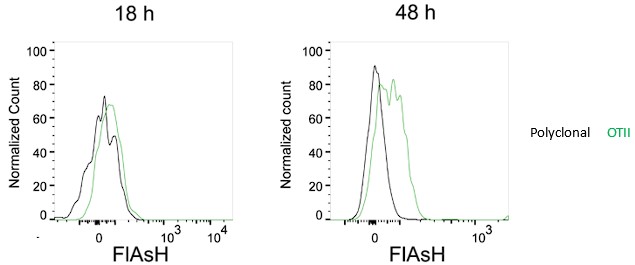
      We will edit the manuscript to be more explicit that total splenic B cells were used in this set-up figure and the rest of the paper. In addition, we will try to perform new experiments to improve this "set-up figure" (and add old and new data for Supplemental Figure presentation). Specifically, we will increase the range of conditions tested - e.g., styles of stimulating proliferation and differentiation - to foster an increased sense of generality. We plan to compare mitogenic stimulation with anti-CD40 to  anti-IgM and to anti-IgM + anti-CD40, all with BAFF, IL-4, and IL-5, bearing in mind excellent work from Aiba et al, Immunity 2006; 24: 259-268, and similar papers. We also will try to present some representative flow cytometric profiles (presumably in new Supplemental Figure panels).

      To be transparent and add to a more open public discussion (using the virtues of this forum, the senior author and colleagues would caution about whether any in vitro conditions exist that warrant complete confidence. That is the reason for proceeding to immunization experiments in vivo. That is not said to cast doubt on our own in vitro data - there are some experiments (such as those of Fig. 1a-c and associated Supplemental Fig. 1) that only can be done in vitro or are better done that way (e.g., because of rapid uptake of early apoptotic B cells in vivo).

      For instance: Well-respected papers use the CD40LB and NB21.2D9 systems to activate B cells and generate plasma cells. Those appear to be BCR-independent and unfortunately, we found that they cannot be used with a.a. deprivation or these inhibitors due to effects on the engineered stroma-like cells. In considering BCR engagement, Reth has published salient points about signaling and concentrations of the Ab, the upshot being that this means of activating mitogenesis and plasma cell differentiation (when the B cells are costimulated via CD40 or TLR(4 or 7/8) is probably more than a bit artificial. Moreover, although Aiba et al, Immunity 2006; 24: 259-268 is a laudable exception, one rarely finds papers using BAFF despite the strong evidence it is an essential part of the equation of B cell regulation in vivo and a cytokine that modulates BCR signaling - in the cultures. 

      (2) In Figure 1c, the DMK alone condition is not presented. This hinders readers' ability to properly asses the glutaminolysis dependency of the cells for the measured readouts. Also, CD138+ in developing PCs goes hand in hand with decreased B220 expression. A representative FACS plot showing the gating strategy for the in vitro PCs should be added as a supplementary figure. Similarly, division number (going all the way to #7) may be tricky to gate and interpret. A representative FACS plot showing the separation of B cells according to their division numbers and a subsequent gating of CD138 or IgG1 in these gates would be ideal for demonstrating the authors' ability to distinguish these populations effectively.

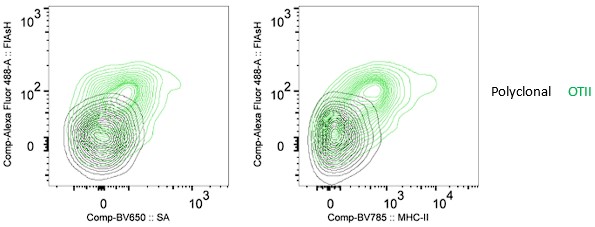
      We agree that exact placement  of divisions deconvolution by FlowJow is more fraught than might be thought forpresentations in many or most papers. For the revision, we will try to add one or several representative FACS plot(s) with old and new data to provide the gating on CTV fluorescence, bearing these points in mind when extending the experiments from ~7 years ago (Fig. 1b, c). With the representative examples of the old data pasted in here, we will aver, however, that using divisions 0-6, and ≥7 was reasonable. 

      Ditto for DMK with normal glutamine. However, in the spirit of eLife transparency lacking in many other journals, this comparison is more fraught than the referee comment would make things seem. The concentration tolerated by cells is highly dependent on the medium and glutamine concentration, and perhaps on rates of glutaminolysis (due to its generation of ammonia). In practice, we find that DMK becomes more toxic to B cells unless glutamine is low or glutaminolysis is restricted. Thus, the concentration of DMK that is tolerated and used in Fig. 1b, c can become toxic to the B cells when using the higher levels of glutamine in typical culture media (2 mM or more) - at which point the "normal conditions + DMK" "control" involves the surviving cells in conditions with far greater cell death and less population expansion than the "low glutamine + DMK". condition. Overall, we appreciate the suggestion to show more DMK data and will work to do so for the earlier proliferation data (shown above) and the new experiments.  

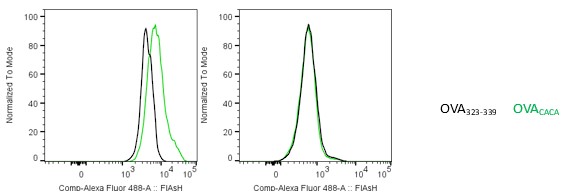
      Author response image 1.


      (3) A brief explanation should be provided for the exclusive use of IgG1 as the readout in class-switching assays, given that naïve B cells are capable of switching to multiple isotypes. Clarifying why IgG1 was preferentially selected would aid in the interpretation of the results.

      We will edit the text to be more explicit and harmonize in light of the referee's suggestion that we focus the presentation of serologic data on IgG1 in the immunization experiments.

      [IgG1 provides the strongest signal and hence better signal/noise both in vitro and with the alum-based immunizations that are avatars for the adjuvant used in the majority of protein-based vaccines for humans.]

      (4) The immunization experiments presented in Figures 1 and 2 are well designed, and the data are comprehensively presented. However, to prevent potential misinterpretation, it should be clarified that the observed differences between NP and OVA immunizations cannot be attributed solely to the chemical nature of the antigens - hapten versus protein. A more significant distinction lies in the route of administration (intraperitoneal vs. intranasal) and the resulting anatomical compartment of the immune response (systemic vs. lung-restricted). This context should be explicitly stated to avoid overinterpretation of the comparative findings.

      We agree with the referee and will edit the text accordingly. Certainly, the difference in how the anti-ova response is elicited compared to the anti-NP response in the same mice or with a bit different an immunization regimen might be another factor - or the major factor - that could contribute towards explaining why glutaminolysis was important after ovalbumin inhalations (used because emergence of anti-ova Ab / ASCs is suppressed by the NP hapten after NP-ova immunization) but not needed for the anti-NP response unless Slc2a1 or Mpc2 also was inactivated. Thank you prompting addition of this caveat.

      Nevertheless, it seems fair to note that in Figures 1 and 2, the ASCs and Ab are being analyzed for NP and ova in the same mice, albeit with the NP-specific components not being driven by the inhalations of ovalbumin. With that in mind, when one compares the IgG1 anti-NP ASC and Ab to those for IgG1 anti-ovalbumin (ASC in bone marrow; Ab), the ovalbumin-specific response was reduced whereas the anti-NP response was not.

      (5) NP immunization is known to be an inducer of an IgG1-dominant Th2-type immune response in mice. IgG2c is not a major player unless a nanoparticle delivery system is used. However, the authors arbitrarily included IgG2c in their assays in Figures 2 and 3. This may be confusing for the readers. The authors should either justify the IgG2c-mediated analyses or remove them from the main figures. (It can be added as supplemental information with proper justification). 

      We will rearrange the Figure panels to move the IgM and IgG2c data to Supplemental Figures.

      For purposes of public discourse, we note that the data of previous Figure 3(c, g) show a very strong NP-specific IgG2c response that seems to contradict the concept that IgG2c responses necessarily are weak in this setting, and the important role of IgG2c (mouse - IgG1 in humans) in controlling or clearing various pathogens as well as in autoimmunity. So from the standpoint of providing a better sense of generality to the loss-of-function effects, we continue to think that these measurements are quite important. That said, the main text has many figure panels and as the review notes, the class switching and in vitro ASC generation were done with IL-4 / IgG1-promoting conditions. If possible, we will try to assay in vitro class switching with IFN-g rather than IL-4 but there may not be enough resources (time before lab closure; money).

      [As a collegial aside, we speculate that a greater or lesser IgG2c anti-NP response may arise due to different preparations of NP-carrier obtained from the vendor (Biosearch) having different amounts of TLR (e.g., TLR4) ligand. In any case, the points of presenting the IgG2c (and IgM) data were to push against the limiting boundaries of convention (which risks perpetuating a narrow view of potential outcomes) and make the breadth of results more apparent to readers.

      (6) Similarly, in affinity maturation analyses, including IgM is somewhat uncommon. I do not see any point in showing high affinity (NP2/NP20) IgMs (Figure 3d), since that data probably does not mean much.

      As noted in the reply immediately preceding this one, we appreciate this suggestion from the reviewer and will move the IgM and IgG2c to Supplemental status.

      Nonetheless, in collegial discourse we disagree a bit with the referee in light of our data as well as of work that (to our minds) leads one to question why inclusion of affinity maturation of IgM is so uncommon - as the referee accurately notes. Of course a defect in the capacity to class-switch is highly deleterious in patients but that is not the same as concluding that recall IgM or its affinity is of little consequence.

      In some of the pioneering work back in the 1980's, Bothwell showed that NP-carrier immunization generated hybridomas producing IgM Ab with extensive SHM (~11% of the 18 lineages; ~ 1/3 of the IgM hybridomas) [PMID: 8487778], IgM B cells appear to move into GC, and there is at least a reasonable published basis for the view that there are GC-derived IgM (unswitched) memory B cells (MBC) that would be more likely, upon recall activation, to differentiate into ASCs. [As an example, albeit with the Jenkins lab anti-rPE response, Taylor, Pape, and Jenkins generated quantitative estimates of the numbers of Ag-specific IgM<sup>+</sup>vs switched MBC that were GC-derived (or not). [PMID: 22370719]. While they emphasized that ~90% of  IgM<sup>+</sup> MBC appeared to be GC-independent, their data also indicated that ~1/2 of all GC-derived MBC were IgM<sup>+</sup> rather than switched (their Fig. 8, B vs C; also 8E, which includes alum-PE). And while we immensely respect the referee, we are perhaps less confident that IgM or high-affinity Ag-specific IgM doesn't mean that much, if only because of evidence that localized Ab compete for Ag and may thus influence selective processes [PMCID: PMC2747358; PMID: 15953185; PMID: 23420879; PMID: 27270306].

      (7) Following on my comment for the PC generation in Figure 1 (see above), in Figure 4, a strategy that relies solely on CD40L stimulation is performed. This is highly artificial for the PC generation and needs to be justified, or more physiologically relevant PC generation strategies involving anti-BCR, CD40L, and various cytokines should be shown. 

      In line with our response to point (1), we plan and will try to self-fund testing BCR-stimulated B cells (anti-CD40 to  anti-IgM and to anti-IgM + anti-CD40, all with BAFF, IL-4, and IL-5).

      (8) The effects of CB839 and UK5099 on cell viability are not shown. Including viability data under these treatment conditions would be a valuable addition to the supplementary materials, as it would help readers more accurately interpret the functional outcomes observed in the study. 

      We will add to the supplemental figures to present data that provide cues as to relative viability / survival under the experimental conditions used. [FSC X SSC as well as 7AAD or Ghost dye panels; we also hope to generate new data that include further experiments scoring annexin V staining.]

      (9) It is not clear how the RNA seq analysis in Figure 4h was generated. The experimental strategy and the setup need to be better explained.

      The revised manuscript will include more information (at minimum in the Methods, Legend), and we apologize that in this and a few other instances sufficiency of detail was sacrificed on the altar of brevity.

      [Adding a brief synopsis to any reader before the final version of record, given the many months it will take to generate new data, thoroughly revise the manuscript, etc:

      In three temporally and biologically independent experiments, cultures were harvested 3.5 days after splenic B cells were purified and cultured as in the experiments of Fig. 4a-e. total cellular RNA prepared from the twelve samples (three replicates for each of four conditions - DMSO vehicle control, CB839, UK5099, and CB839 + UK5099) was analyzed by RNA-seq. After the RNA-seq data were initially processed using the pipeline described in the Methods. For panels g & h of Fig 4, DE Seq2 was used to quantify and compare read counts in the three CB839 + UK5099 samples relative to the three independent vehicle controls and identify all genes for which variances yielded P<0.05. In Fig 4g, all such genes for which the difference was 'statistically significant' (i.e., P<0.05) were entered into the Immgen tool and thereby mapped to the B lineage subsets shown in the figure panels (i.e., g, h). In (g), these are displayed using one format, whereas (h) uses the 'heatmap' tool in MyGeneSet.  

      Reviewer #2 (Public review): 

      Summary: 

      In this manuscript, the authors investigate the functional requirements for glutamine and glutaminolysis in antibody responses. The authors first demonstrate that the concentrations of glutamine in lymph nodes are substantially lower than in plasma, and that at these levels, glutamine is limiting for plasma cell differentiation in vitro. The authors go on to use genetic mouse models in which B cells are deficient in glutaminase 1 (Gls), the glucose transporter Slc2a1, and/or mitochondrial pyruvate carrier 2 (Mpc2) to test the importance of these pathways in vivo. 

      Interestingly, deficiency of Gls alone showed clear antibody defects when ovalbumin was used as the immunogen, but not the hapten NP. For the latter response, defects in antibody titers and affinity were observed only when both Gls and either Mpc2 or Slc2a1 were deleted. These latter findings form the basis of the synthetic auxotrophy conclusion. The authors go on to test these conclusions further using in vitro differentiations, Seahorse assays, pharmacological inhibitors, and targeted quantification of specific metabolites and amino acids. Finally, the authors document reduced STAT3 and STAT1 phosphorylation in response to IL-21 and interferon (both type 1 and 2), respectively, when both glutaminolysis and mitochondrial pyruvate metabolism are prevented. 

      Strengths:

      (1) The main strength of the manuscript is the overall breadth of experiments performed. Orthogonal experiments are performed using genetic models, pharmacological inhibitors, in vitro assays, and in vivo experiments to support the claims. Multiple antigens are used as test immunogens--this is particularly important given the differing results. 

      (2) B cell metabolism is an area of interest but understudied relative to other cell types in the immune system. 

      (3) The importance of metabolic flexibility and caution when interpreting negative results is made clear from this study.

      Weaknesses:

      (1) All of the in vivo studies were done in the context of boosters at 3 weeks and recall responses 1 week later. This makes specific results difficult to interpret. Primary responses, including germinal centers, are still ongoing at 3 weeks after the initial immunization. Thus, untangling what proportion of the defects are due to problems in the primary vs. memory response is difficult.

      (2) Along these lines, the defects shown in Figure 3h-i may not be due to the authors' interpretation that Gls and Mpc2 are required for efficient plasma cell differentiation from memory B cells. This interpretation would only be correct if the absence of Gls/Mpc2 leads to preferential recruitment of low-affinity memory B cells into secondary plasma cells. The more likely interpretation is that ongoing primary germinal centers are negatively impacted by Gls and Mpc2 deficiency, and this, in turn, leads to reduced affinities of serum antibodies

      We provisionally plan to edit the wording of the conclusion a bit to add a possibility we consider unlikely to avoid a conclusion that MBCs bearing switched BCRs are affected once reactivated. We also will perform a new experiment to investigate, but unfortunately time before lab closure has been and remains our enemy both for performance and multiple replication of the work presented in Figure 3, panels h & i, and the related Supplemental Data (Supplemental Fig. 3a-j). Unfortunately, it will not be possible to do a memory experiment with recall immunization out at 8 weeks.  Despite the grant funding running out and institutional belt-tightening, however, we'll try to perform a new head-to-head comparison of 4 wk post-immunization with and without the boost at three weeks.

      The intriguing concern (points 1 & 2) provides a springboard for consideration of generalizations and simplifications. Germinal center durability is not at all monolithic, and instead is quite variable**. The premise (cognitive bias, perhaps?) in the interpretation is that in our previous work we find few if any GC B cells - NP-APC-binding or otherwise - above the background (non-immunized controls) three weeks after immunization with NP-ovalbumin in alum. Recognizing that it is not NP-carrier in alum as immunizations, we note for the readers and referee that Fig. 1 of the Taylor, Pape, & Jenkins paper considered above [PMID: 22370719] reported 10-fold more Ag-specific MBCs than GC B cells at day 29 post-immunization (the point at which the boost / recall challenge was performed in our Figure 3h, i).

      Viewed from that perspective, the surmise of the comment is that a major contribution to the differences in both all-affinity and high-affinity anti-NP IgG1 shown in Fig. 3i derives from the immunization at 4 wk stimulating GC B cells we cannot find as opposed to memory B cells. However, it is true that in the literature (especially with the experimentally different approach of transferring BCR-transgenic / knock-in versions of an NP-biased BCR) there may be meaningful pools of IgG1 and IgG2c GC B cells. Alternatively, our current reagents for immunizations may have become better at maintaining GC than those in the past - which we will try to test.

      The issue and question also relate to rates of output of plasma cells or rises in the serum concentrations of class-switched Ab. To this point, our prior experiences agree with the long-published data of the Kurosaki lab in Figure 3c of the Aiba et al paper noted above (Immunity, 2006) (and other such time courses). Readers can note that the IgG1 anti-NP response (alum adjuvant, as in our work) hits its plateau at 2 wk, and did not increase further from 2 to 3 wk. In other words, GC are on the decline and  Ab production has reached its plateau by the time of the 2nd immunization in Fig. 3h). 

      Assuming we understand the comment and line of reasoning correctly, we also lean towards disagreeing with the statement "This interpretation would only be correct if the absence of Gls/Mpc2 leads to preferential recruitment of low-affinity memory B cells into secondary plasma cells." Our evidence shows that both low-affinity as well as high-affinity anti-NP Ab (IgG1) went down as a result of combined gene-inactivation after the peak primary response (Fig. 3i). Recent papers show that affinity maturation is attributable to greater proliferation of plasmablasts with high-affinity BCR. Accordingly, the findings with loss of GLS and MPC function are quite consistent with the interpretation that much of the response after the second immunization draws on MBC differentiation into plasmablasta and then plasma cells, where the proliferative advantage of high-affinity cells is blunted by the impaired metabolism. The provisional plan, however, is to note the alternative, if less likely, interpretation proposed by the review.

      ** In some contexts, of course, especially certain viral infections or vaccination with lipid nanoparticles carrying modified mRNA, germinal centers are far more persistent; also, in humans even the seasonal flu vaccine **

      (3) The gating strategies for germinal centers and memory B cells in Supplemental Figure 2 are problematic, especially given that these data are used to claim only modest and/or statistically insignificant differences in these populations when Gls and Mpc2 are ablated. Neither strategy shows distinct flow cytometric populations, and it does not seem that the quantification focuses on antigen-specific cells.

      We will enhance these aspects of the presentation, using old and hopefully new data, but note for readers that many many other papers in the best journals show plots in which the separation of, say, GC-Tfh from overall Tfh is based on cut-off within what essentially is a continuous spectrum of emission as adjusted or compensated by the cytometer (spectral or conventional).

      Perhaps incorrectly, we omitted presenting data that included the results with NP-APC-staining - in part because within the GC B cell gate the frequencies of NP-binding events (GCB cells) were similar in double-knockout samples and controls. In practice, that would mean that the metabolic requirement applied about equally to NP+ and the total population. We will try to rectify this point in the revision.

      (4) Along these lines, the conclusions in Figure 6a-d may need to be tempered if the analysis was done on polyclonal, rather than antigen-specific cells. Alum induces a heavily type 2-biased response and is not known to induce much of an interferon signature. The authors' observations might be explained by the inclusion of other ongoing GCs unrelated to the immunization. 

      We will make sure the text is clear that the in vitro experiments do not represent GC B cells and that the RNA-seq data were not an Ag (SRBC)-specific subset.

      We also will try to work in a schematic along with expanding the Legends to make it more readily clear that the RNA-seq data (and hence the GSEA) involved immunizations with SRBC (not the alum / NP system which - it may be noted - in these experiments actually generated a robust IgG2c (type 1-driven) response along with the type 2-enhanced IgG1 response.

      Reviewer #3 (Public review): 

      Summary: 

      In their manuscript, the authors investigate how glutaminolysis (GLS) and mitochondrial pyruvate import (MPC2) jointly shape B cell fate and the humoral immune response. Using inducible knockout systems and metabolic inhibitors, they uncover a "synthetic auxotrophy": When GLS activity/glutaminolysis is lost together with either GLUT1-mediated glucose uptake or MPC2, B cells fail to upregulate mitochondrial respiration, IL 21/STAT3 and IFN/STAT1 signaling is impaired, and the plasma cell output and antigen-specific antibody titers drop significantly. This work thus demonstrates the promotion of plasma cell differentiation and cytokine signaling through parallel activation of two metabolic pathways. The dataset is technically comprehensive and conceptually novel, but some aspects leave the in vivo and translational significance uncertain.

      Strengths:

      (1) Conceptual novelty: the study goes beyond single-enzyme deletions to reveal conditional metabolic vulnerabilities and fate-deciding mechanisms in B cells.

      (2) Mechanistic depth: the study uncovers a novel "metabolic bottleneck" that impairs mitochondrial respiration and elevates ROS, and directly ties these changes to cytokine-receptor signaling. This is both mechanistically compelling and potentially clinically relevant.

      (3) Breadth of models and methods: inducible genetics, pharmacology, metabolomics, seahorse assay, ELISpot/ELISA, RNA-seq, two immunization models.

      (4) Potential clinical angle: the synergy of CB839 with UK5099 and/or hydroxychloroquine hints at a druggable pathway targeting autoantibody-driven diseases.

      We agree and thank the referee for the positive comments and this succinct summary of what we view as contributions of the paper.

      Weaknesses: 

      (1) Physiological relevance of "synthetic auxotrophy"

      The manuscript demonstrates that GLS loss is only crippling when glucose influx or mitochondrial pyruvate import is concurrently reduced, which the authors name "synthetic auxotrophy". I think it would help readers to clarify the terminology more and add a concise definition of "synthetic auxotrophy" versus "synthetic lethality" early in the manuscript and justify its relevance for B cells.

      We will edit the Abstract, Introduction, and Discussion to try to do better on this score. Conscious of how expansive the prose and data are even in the original submission, we appear to have taken some shortcuts that we will try to rectify. Thank you for highlighting this need to improve on a key concept!

      That said, we punctiliously & perhaps pedantically encourage readers to be completely accurate, in that under one condition of immunization GLS loss substantially reduced the anti-ovalbumin response (Fig. 1, Fig. 2a-c). And for this provisional response, we will expand a bit on the notion that synthetic auxotrophy represents effects on differentiation that appear to go beyond and not simply to be selective death, even though decreased population expansion is observed and one cannot exclude some contribution of enhanced death in vivo. Finally, we will note that this comment of the review raises interesting semantic questions about what represents "physiological relevance" but leave it at that.

      While the overall findings, especially the subset specificity and the clinical implications, are generally interesting, the "synthetic auxotrophy" condition feels a little engineered.

      One can readily say that CAR-T cells are 'a little engineered' so it is a matter of balancing this perspective of the referee against the strengths they highlight in points 1, 2, and 4. In any case, we will probably try to expand and be more explicit in the Discussion of the revised manuscript.

      In brief, even were the money not all gone, we would not believe that expanding the heft of this already rather large manuscript and set of data would be appropriate. As matters stand, a basic new insight about metabolic flexibility and its limits leads to evidence of a way to reduce generation of Ab and a novel impairment of STAT transcription factor induction by several cytokine receptors. The vulnerability that could be tested in later work on B cell-dependent autoimmunity includes the capacity to test a compound that already has been to or through FDA phase II in patients together with an FDA-approved standard-of-care agent.

      Put a different way, the point is that a basic curiosity to understand why decreasing glucose influx did not have an even more profound effect than what was observed, combined with curiosity as to why glutaminolysis was dispensable in relatively standard vaccine-like models of immunize / boost, provided a springboard to identification of new vulnerabilities. As above, we appreciate being made aware that this point merits being made more explicit in the Discussion of the edited version.

      Therefore, the findings strongly raise the question of the likelihood of such a "double hit" in vivo and whether there are conditions, disease states, or drug regimens that would realistically generate such a "bottleneck".

      Hence, the authors should document or at least discuss whether GC or inflamed niches naturally show simultaneous downregulation/lack of glutamine and/or pyruvate. The authors should also aim to provide evidence that infections (e.g., influenza), hypoxia, treatments (e.g., rapamycin), or inflammatory diseases like lupus co-limit these pathways. 

      Again, we appreciate some 'licensing' to be more expansive and explicit, and will try to balance editing in such points against undue tedium or tendentiously speculative length in the Discussion. In particular, we will note that a clear, simple implication of the work is to highlight an imperative to test CB839 in lupus patients already on hydroxychloroquine as standard-of-care, and to suggest development of UK5099 (already tested many times in mouse models of cancer) to complement glutaminase inhibition. 

      As backdrop, we note that the failure to advance imaging mass spectrometry to the capacity to quantify relative or absolute (via nano-DESI) concentrations of nutrients in localized interstitia is a critical gap in the entire field. Techniques that sample the interstitial fluid of tumor masses or in our case LN as a work-around have yielded evidence that there can be meaningful limitations of glucose and glutamine, but it needs to be acknowledged that such findings may be very model-specific and, as can be the case with cutting-edge science, are not without controversy. That said, yes, we had found that hypoxia reduced glutamine uptake but given the norms of focused, tidy packages only reported on leucine in an earlier paper [PMID27501247; PMCID5161594].

      It would hence also be beneficial to test the CB839 + UK5099/HCQ combinations in a short, proof-of-concept treatment in vivo, e.g., shortly before and after the booster immunization or in an autoimmune model. Likewise, it may also be insightful to discuss potential effects of existing treatments (especially CB839, HCQ) on human memory B cell or PC pools.

      We certainly agree that the suggestions offered in this comment are important next steps and the right approach to test if the findings reported here translate toward the treatment of autoimmune diseases that involve B cells, interferons, and pathophysiology mediated by auto-Ab. As practical points, performance and replication of such studies would take more time than the year allotted for return of a revised manuscript to eLife and in any case neither funds nor a lab remain to do these important studies. 

      Concrete evidence for our concurrence was embodied in a grant application to NIH that was essential for keeping a lab and doing any such studies. [We note, as a suggestion to others, that an essential component of such studies would be to test the effects of these compounds on B cells from patients and mice with autoimmunity]. Perhaps unfortunately for SLE patients, the review panelists did not agree about the importance of such studies. However, it can be hoped that the patent-holder of CB839 (and perhaps other companies developing glutaminase inhibitors) will see this peer-reviewed pre-print and the public dialogue, and recognize how positive results might open a valuable contribution to mitigation of diseases such as SLE.

      (2) Cell survival versus differentiation phenotype

      Claims that the phenotypes (e.g., reduced PC numbers) are "independent of death" and are not merely the result of artificial cell stress would benefit from Annexin-V/active-caspase 3 analyses of GC B cells and plasmablasts. Please also show viability curves for inhibitor-treated cell

      This comment leads us to see that the wording on this point may have been overly terse in the interests of brevity, and thereby open to some misunderstanding. Accordingly, we will expand out the text of the Abstract and elsewhere in the manuscript, to be more clear. In addition, we will add in some data on the point, hopefully including some results of new experiments.

      To clarify in this public context, it is not that an increase in death (along with the reported decrease in cell cycling) can be or is excluded - and in fact it likely exists in vitro. The point is that beyond any such increase, and taking into account division number (since there is evidence that PC differentiation and output numbers involve a 'division-counting' mechanism), the frequencies of CD138+ cells and of ASCs among the viable cells are lower, as is the level of Prdm1-encoded mRNA even before the big increase in CD138+ cells in the population. 

      (3) Subset specificity of the metabolic phenotype

      Could the metabolic differences, mitochondrial ROS, and membrane-potential changes shown for activated pan-B cells (Figure 5) also be demonstrated ex vivo for KO mouse-derived GC B cells and plasma cells? This would also be insightful to investigate following NP-immunization (e.g., NP+ GC B cells 10 days after NP-OVA immunization).

      We agree that such data could be nice and add to the comprehensiveness of the work. We will try to scrounge the resources (time; money; human) to test this roughly as indicated. That said, we would note that the frequencies and hence numbers of NP+ GC B cells are so low that even in the flow cytometer we suspect there will not be enough "events" to rely on the results with DCFDA in the tiny sub-sub-subset. It also bears noting that reliable flow cytometric identification of the small NP-specific plasmablast/plasma cell subset amidst the overall population, little of which arose from immunization or after deletion of the floxed segments in B cells, would potentially be misleading.

      (4) Memory B cell gating strategy

      I am not fully convinced that the memory-B-cell gate in Supplementary Figure 2d is appropriate. The legend implies the population is defined simply as CD19+GL7-CD38+ (or CD19+CD38++?), with no further restriction to NP-binding cells. Such a gate could also capture naïve or recently activated B cells. From the descriptions in the figure and the figure legend, it is hard to verify that the events plotted truly represent memory B cells. Please clarify the full gating hierarchy and, ideally, restrict the MBC gate to NP+CD19+GL7-CD38+ B cells (or add additional markers such as CD80 and CD273). Generally, the manuscript would benefit from a more transparent presentation of gating strategies.

      We will further expand the supplemental data displays to include more of the gating and analytic scheme, and hope to be able to have performed new experiments and analyses (including additional markers) that could mitigate the concern noted here. In addition, we will include flow data from the non-immunized control mice that had been analyzed concurrently in the experiments illustrated in this Figure.

      Although it should be noted that the labeling indicated that the gating included the important criterion that cells be IgD- (Supplemental Fig. 2b), which excludes the vast majority of naive B cells, in principle marginal zone (MZ) B cells might fall within this gate. However, the MZ B population is unlikely to explain the differences shown in Supplemental Fig. 2b-d.

      (5) Deletion efficiency - [The] mRNA data show residual GLS/MPC2 transcripts (Supplementary Figure 8). Please quantify deletion efficiency in GC B cells and plasmablasts.

      Even were there resources to do this, the degree of reduction in target mRNA (Gls; Mpc2) renders this question superfluous.

      Are there likely to be some cells with only one, or even neither, allele converted from fl to D? Yes, but they would be a minor subset in light of the magnitude of mRNA reduction, in contrast to our published observations with Slc2a1. As to plasmablasts and plasma cells, the pre-existing populations make such an analysis misleading, while the scarcity of such cells recoverable with antigen capture techniques is so low as to make both RNA and genomic DNA analyses questionable.

    1. Author response:

      Reviewer #1 (Public review):

      Summary:

      This paper investigates the control signals that drive event model updating during continuous experience. The authors apply predictions from previously published computational models to fMRI data acquired while participants watched naturalistic video stimuli. They first examine the time course of BOLD pattern changes around human-annotated event boundaries, revealing pattern changes preceding the boundary in anterior temporal and then parietal regions, followed by pattern stabilization across many regions. The authors then analyze time courses around boundaries generated by a model that updates event models based on prediction error and another that uses prediction uncertainty. These analyses reveal overlapping but partially distinct dynamics for each boundary type, suggesting that both signals may contribute to event segmentation processes in the brain.

      Strengths:

      (1) The question addressed by this paper is of high interest to researchers working on event cognition, perception, and memory. There has been considerable debate about what kinds of signals drive event boundaries, and this paper directly engages with that debate by comparing prediction error and prediction uncertainty as candidate control signals.

      (2) The authors use computational models that explain significant variance in human boundary judgments, and they report the variance explained clearly in the paper.

      (3) The authors' method of using computational models to generate predictions about when event model updating should occur is a valuable mechanistic alternative to methods like HMM or GSBS, which are data-driven.

      (4) The paper utilizes an analysis framework that characterizes how multivariate BOLD pattern dissimilarity evolves before and after boundaries. This approach offers an advance over previous work focused on just the boundary or post-boundary points.

      We appreciate this reviewer’s recognition of the significance of this research problem, and of the value of the approach taken by this paper.

      Weaknesses:

      (1) While the paper raises the possibility that both prediction error and uncertainty could serve as control signals, it does not offer a strong theoretical rationale for why the brain would benefit from multiple (empirically correlated) signals. What distinct advantages do these signals provide? This may be discussed in the authors' prior modeling work, but is left too implicit in this paper.

      We added a brief discussion in the introduction highlighting the complementary advantages of prediction error and prediction uncertainty, and cited prior theoretical work that elaborates on this point. Specifically, we now note that prediction error can act as a reactive trigger, signaling when the current event model is no longer sufficient (Zacks et al., 2007). In contrast, prediction uncertainty is framed as proactive, allowing the system to prepare for upcoming changes even before they occur (Baldwin & Kosie, 2021; Kuperberg, 2021). Together, this makes clearer why these two signals could each provide complementary benefits for effective event model updating.

      "One potential signal to control event model updating is prediction error—the difference between the system’s prediction and what actually occurs. A transient increase in prediction error is a valid indicator that the current model no longer adequately captures the current activity. Event Segmentation Theory (EST; Zacks et al., 2007) proposes that event models are updated when prediction error increases beyond a threshold, indicating that the current model no longer adequately captures ongoing activity. A related but computationally distinct proposal is that prediction uncertainty (also termed "unpredictability"), in addition to error, serves as the control signal (Baldwin & Kosie, 2021). The advantage of relying on prediction uncertainty to detect event boundaries is that it is inherently proactive: the cognitive system can start looking for cues about what might come next before the next event starts (Baldwin & Kosie, 2021; Kuperberg, 2021)."

      (2) Boundaries derived from prediction error and uncertainty are correlated for the naturalistic stimuli. This raises some concerns about how well their distinct contributions to brain activity can be separated. The authors should consider whether they can leverage timepoints where the models make different predictions to make a stronger case for brain regions that are responsive to one vs the other.

      We addressed this concern by adding an analysis that explicitly tests the unique contributions of prediction error– and prediction uncertainty–driven boundaries to neural pattern shifts. In the revised manuscript, we describe how we fit a combined FIR model that included both boundary types as predictors and then compared this model against versions with only one predictor. This allowed us to identify the variance explained by each boundary type over and above the other. The results revealed two partially dissociable sets of brain regions sensitive to error- versus uncertainty-driven boundaries (see Figure S1), strengthening our argument that these signals make distinct contributions.

      "To account for the correlation between uncertainty-driven boundaries and error-driven boundaries, we also fitted a FIR model that predicts pattern dissimilarity from both types of boundaries (combined FIR) for each parcel. Then, we performed two likelihood ratio tests: combined FIR to error FIR, which measures the unique contribution of uncertainty boundaries to pattern dissimilarity, and combined FIR to uncertainty FIR, which measures the unique contribution of error boundaries to pattern dissimilarity. The analysis also revealed two dissociable sets of brain regions associated with each boundary type (see Figure S1)."

      (3) The authors refer to a baseline measure of pattern dissimilarity, which their dissimilarity measure of interest is relative to, but it's not clear how this baseline is computed. Since the interpretation of increases or decreases in dissimilarity depends on this reference point, more clarity is needed.

      We clarified how the FIR baseline is estimated in the methods section. Specifically, we now explain that the FIR coefficients should be interpreted relative to a reference level, which reflects the expected dissimilarity when timepoints are far from an event boundary. This makes it clear what serves as the comparison point for observed increases or decreases in dissimilarity.

      "The coefficients from the FIR model indicates changes relative to baseline, which can be conceptualized as the expected value when far from the boundary."

      (4) The authors report an average event length of ~20 seconds, and they also look at +20 and -20 seconds around each event boundary. Thus, it's unclear how often pre- and post-boundary timepoints are part of adjacent events. This complicates the interpretations of the reported time courses.

      This is related to reviewer's 2 comment, and it will be addressed below.

      (5) The authors describe a sequence of neural pattern shifts during each type of boundary, but offer little setup of what pattern shifts we might expect or why. They also offer little discussion of what cognitive processes these shifts might reflect. The paper would benefit from a more thorough setup for the neural results and a discussion that comments on how the results inform our understanding of what these brain regions contribute to event models.

      We thank the reviewer for this advice on how better to set the context for the different potential outcomes of the study. We expanded both the introduction and discussion to better set up expectations for neural pattern shifts and to interpret what these shifts may reflect. In the introduction, we now describe prior findings showing that sensory regions tend to update more quickly than higher-order multimodal regions (Baldassano et al., 2017; Geerligs et al., 2021, 2022), and we highlight that it remains unclear whether higher-order updates precede or follow those in lower-order regions. We also note that our analytic approach is well-suited to address this open question. In the discussion, we then interpret our results in light of this framework. Specifically, we describe how we observed early shifts in higher-order areas such as anterior temporal and prefrontal cortex, followed by shifts in parietal and dorsal attention regions closer to event boundaries. This pattern runs counter to the traditional bottom-up temporal hierarchy view and instead supports a model of top-down updating, where high-level representations are updated first and subsequently influence lower-level processing (Friston, 2005; Kuperberg, 2021). To make this interpretation concrete, we added an example: in a narrative where a goal is reached midway—for instance, a mystery solved before the story formally ends—higher-order regions may update the event representation at that point, and this updated model then cascades down to shape processing in lower-level regions. Finally, we note that the widespread stabilization of neural patterns after boundaries may signal the establishment of a new event model.

      Excerpt from Introduction:

      “More recently, multivariate approaches have provided insights into neural representations during event segmentation. One prominent approach uses hidden Markov models (HMMs) to detect moments when the brain switches from one stable activity pattern to another (Baldassano et al., 2017) during movie viewing; these periods of relative stability were referred to as "neural states" to distinguish them from subjectively perceived events. Sensory regions like visual and auditory cortex showed faster transitions between neural states. Multi-modal regions like the posterior medial cortex, angular gyrus, and intraparietal sulcus showed slower neural state shifts, and these shifts aligned with subjectively reported event boundaries. Geerligs et al. (2021, 2022) employed a different analytical approach called Greedy State Boundary Search (GSBS) to identify neural state boundaries. Their findings echoed the HMM results: short-lived neural states were observed in early sensory areas (visual, auditory, and somatosensory cortex), while longer-lasting states appeared in multi-modal regions, including the angular gyrus, posterior middle/inferior temporal cortex, precuneus, anterior temporal pole, and anterior insula. Particularly prolonged states were found in higher-order regions such as lateral and medial prefrontal cortex...

      The previous evidence about evoked responses at event boundaries indicates that these are dynamic phenomena evolving over many seconds, with different brain areas showing different dynamics (Ben-Yakov & Henson, 2018; Burunat et al., 2024; Kurby & Zacks, 2018; Speer et al., 2007; Zacks, 2010). Less is known about the dynamics of pattern shifts at event boundaries, because the HMM and GSBS analysis methods do not directly provide moment-by-moment measures of pattern shifts. For example, one question is whether shifts in higher-order regions precedes or follow shifts in lower-level regions. Both the spatial and temporal aspects of evoked responses and pattern shifts at event boundaries have the potential to provide evidence about potential control processes for event model updating.”

      Excerpt from Discussion:

      “We first characterized the neural signatures of human event segmentation by examining both univariate activity changes and multivariate pattern changes around subjectively identified event boundaries. Using multivariate pattern dissimilarity, we observed a structured progression of neural reconfiguration surrounding human-identified event boundaries. The largest pattern shifts were observed near event boundaries (~4.5s before) in dorsal attention and parietal regions; these correspond with regions identified by Geerligs et al. as shifting their patterns on an intermediate timescale (2022). We also observed smaller pattern shifts roughly 12 seconds prior to event boundaries in higher-order regions within anterior temporal cortex and prefrontal cortex, and these are slow-changing regions identified by Geerligs et al. (2022). This is puzzling. One prevalent proposal, based on the idea of a cortical hierarchy of increasing temporal receptive windows (TRWs), suggests that higher-order regions should update representations after lower-order regions do (Chang et al., 2021). In this view, areas with shorter TRWs (e.g., word-level processors) pass information upward, where it is integrated into progressively larger narrative units (phrases, sentences, events). This proposal predicts neural shifts in higher-order regions to follow those in lower-order regions. By contrast, our findings indicate the opposite sequence. Our findings suggest that the brain might engage in top-down event representation updating, with changes in coarser-grain representations propagating downward to influence finer-grain representations. (Friston, 2005; Kuperberg, 2021). For example, in a narrative where the main goal is achieved midway—such as a detective solving a mystery before the story formally ends—higher-order regions might update the overarching event representation at that point, and this updated model could then cascade down to reconfigure how lower-level regions process the remaining sensory and contextual details. In the period after a boundary (around +12 seconds), we found widespread stabilization of neural patterns across the brain, suggesting the establishment of a new event model. Future work could focus on understanding the mechanisms behind the temporal progression of neural pattern changes around event boundaries.”

      Reviewer #2 (Public review):

      Summary:

      Tan et al. examined how multivoxel patterns shift in time windows surrounding event boundaries caused by both prediction errors and prediction uncertainty. They observed that some regions of the brain show earlier pattern shifts than others, followed by periods of increased stability. The authors combine their recent computational model to estimate event boundaries that are based on prediction error vs. uncertainty and use this to examine the moment-to-moment dynamics of pattern changes. I believe this is a meaningful contribution that will be of interest to memory, attention, and complex cognition research.

      Strengths:

      The authors have shown exceptional transparency in terms of sharing their data, code, and stimuli, which is beneficial to the field for future examinations and to the reproduction of findings. The manuscript is well written with clear figures. The study starts from a strong theoretical background to understand how the brain represents events and has used a well-curated set of stimuli. Overall, the authors extend the event segmentation theory beyond prediction error to include prediction uncertainty, which is an important theoretical shift that has implications in episodic memory encoding, the use of semantic and schematic knowledge, and attentional processing.

      We thank the reader for their support for our use of open science practices, and for their appreciation of the importance of incorporating prediction uncertainty into models of event comprehension.

      Weaknesses:

      The data presented is limited to the cortex, and subcortical contributions would be interesting to explore. Further, the temporal window around event boundaries of 20 seconds is approximately the length of the average event (21.4 seconds), and many of the observed pattern effects occur relatively distal from event boundaries themselves, which makes the link to the theoretical background challenging. Finally, while multivariate pattern shifts were examined at event boundaries related to either prediction error or prediction uncertainty, there was no exploration of univariate activity differences between these two different types of boundaries, which would be valuable.

      The fact that we observed neural pattern shifts well before boundaries was indeed unexpected, and we now offer a more extensive interpretation in the discussion section. Specifically, we added text noting that shifts emerged in higher-order anterior temporal and prefrontal regions roughly 12 seconds before boundaries, whereas shifts occurred in lower-level dorsal attention and parietal regions closer to boundaries. This sequence contrasts with the traditional bottom-up temporal hierarchy view and instead suggests a possible top-down updating mechanism, in which higher-order representations reorganize first and propagate changes to lower-level areas (Friston, 2005; Kuperberg, 2021). (See excerpt for Reviewer 1’s comment #5.)

      With respect to univariate activity, we did not find strong differences between error-driven and uncertainty-driven boundaries. This makes the multivariate analyses particularly informative for detecting differences in neural pattern dynamics. To support further exploration, we have also shared the temporal progression of univariate BOLD responses on OpenNeuro for interested researchers.

      Reviewer #3 (Public review):

      Summary:

      The aim of this study was to investigate the temporal progression of the neural response to event boundaries in relation to uncertainty and error. Specifically, the authors asked (1) how neural activity changes before and after event boundaries, (2) if uncertainty and error both contribute to explaining the occurrence of event boundaries, and (3) if uncertainty and error have unique contributions to explaining the temporal progression of neural activity.

      Strengths:

      One strength of this paper is that it builds on an already validated computational model. It relies on straightforward and interpretable analysis techniques to answer the main question, with a smart combination of pattern similarity metrics and FIR. This combination of methods may also be an inspiration to other researchers in the field working on similar questions. The paper is well written and easy to follow. The paper convincingly shows that (1) there is a temporal progression of neural activity change before and after an event boundary, and (2) event boundaries are predicted best by the combination of uncertainty and error signals.

      We thank the reviewer for their thoughtful and supportive comments, particularly regarding the use of the computational model and the analysis approaches.

      Weaknesses:

      (1) The current analysis of the neural data does not convincingly show that uncertainty and prediction error both contribute to the neural responses. As both terms are modelled in separate FIR models, it may be that the responses we see for both are mostly driven by shared variance. Given that the correlation between the two is very high (r=0.49), this seems likely. The strong overlap in the neural responses elicited by both, as shown in Figure 6, also suggests that what we see may mainly be shared variance. To improve the interpretability of these effects, I think it is essential to know whether uncertainty and error explain similar or unique parts of the variance. The observation that they have distinct temporal profiles is suggestive of some dissociation, but not as convincing as adding them both to a single model.

      We appreciate this point. It is closely related to Reviewer 1's comment 2; please refer to our response above.

      (2) The results for uncertainty and error show that uncertainty has strong effects before or at boundary onset, while error is related to more stabilization after boundary onset. This makes me wonder about the temporal contribution of each of these. Could it be the case that increases in uncertainty are early indicators of a boundary, and errors tend to occur later?

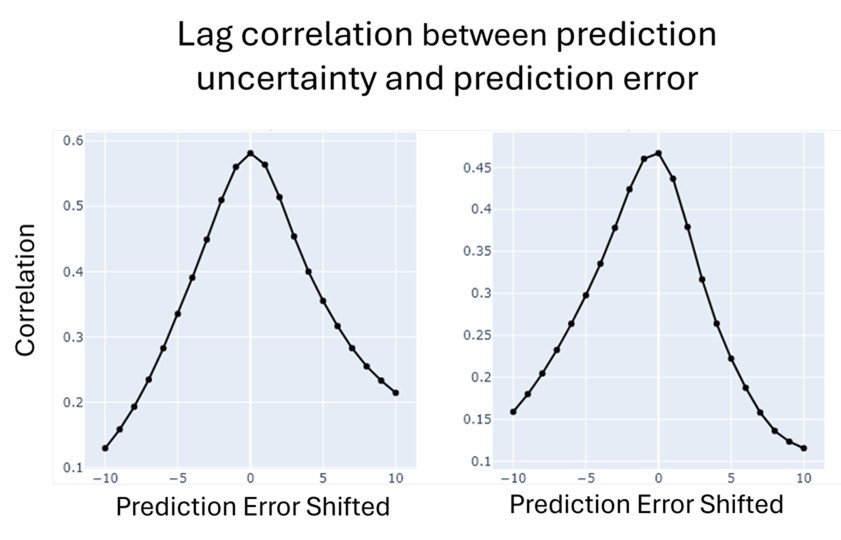
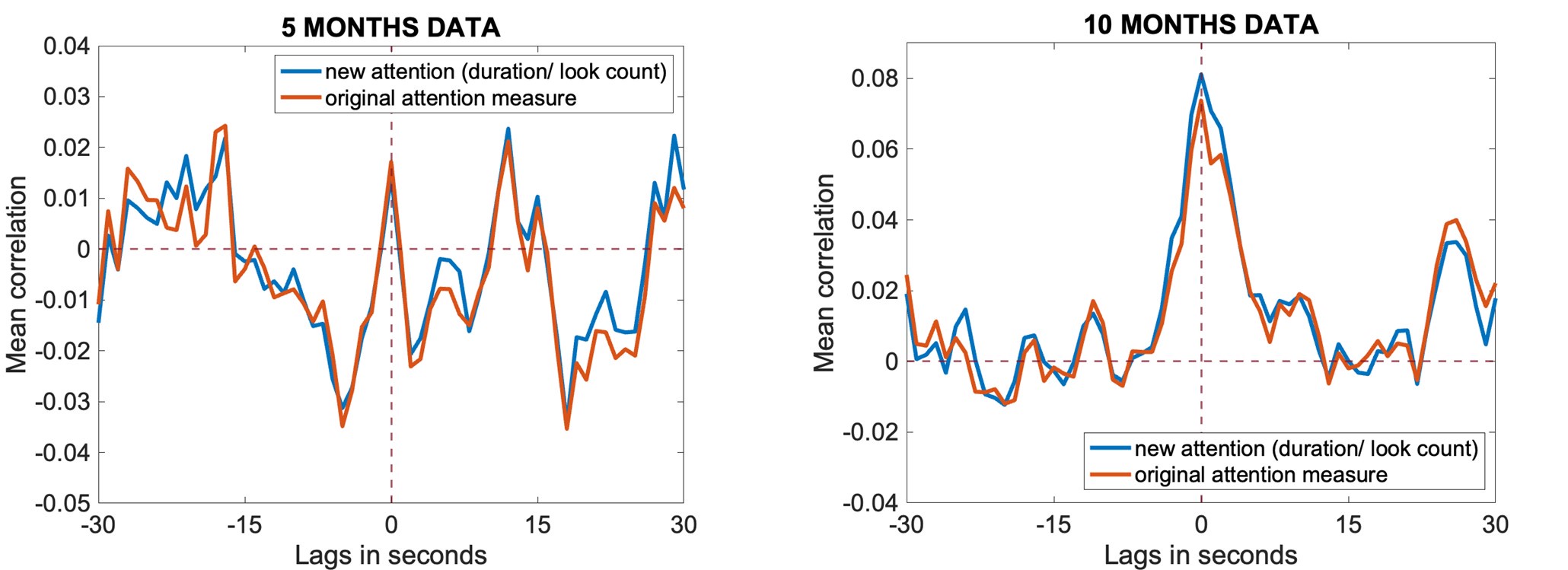
      We also share the intuition that increases in uncertainty are early indicators of a boundary, and errors tend to occur later. If that is the case, we would expect some lags between prediction uncertainty and prediction error. We examined lagged correlation between prediction uncertainty and prediction error, and the optimal lag is 0 for both uncertainty-driven and error-driven models. This indicates that when prediction uncertainty rises, prediction error also simultaneously rises.

      Author response image 1.

      (3) Given that there is a 24-second period during which the neural responses are shaped by event boundaries, it would be important to know more about the average distance between boundaries and the variability of this distance. This will help establish whether the FIR model can properly capture a return to baseline.

      We have added details about the distribution of event lengths. Specifically, we now report that the mean length of subjectively identified events was 21.4 seconds (median 22.2 s, SD 16.1 s). For model-derived boundaries, the average event lengths were 28.96 seconds for the uncertainty-driven model and 24.7 seconds for the error-driven model.

      "For each activity, a separate group of 30 participants had previously segmented each movie to identify fine-grained event boundaries (Bezdek et al., 2022). The mean event length was 21.4 s (median 22.2 s, SD 16.1 s). Mean event lengths for uncertainty-driven model and error-driven model were 28.96s, and 24.7s, respectively."

      (4) Given that there is an early onset and long-lasting response of the brain to these event boundaries, I wonder what causes this. Is it the case that uncertainty or errors already increase at 12 seconds before the boundaries occur? Or if there are other makers in the movie that the brain can use to foreshadow an event boundary? And if uncertainty or errors do increase already 12 seconds before an event boundary, do you see a similar neural response at moments with similar levels of error or uncertainty, which are not followed by a boundary? This would reveal whether the neural activity patterns are specific to event boundaries or whether these are general markers of error and uncertainty.

      We appreciate this point; it is similar to reviewer 2’s comment 2. Please see our response to that comment above.

      (5) It is known that different brain regions have different delays of their BOLD response. Could these delays contribute to the propagation of the neural activity across different brain areas in this study?

      Our analyses use ±20 s FIR windows, and the key effects we report include shifts ~12s before boundaries in higher-order cortex and ~4.5s pre-boundary in dorsal attention/parietal areas. Given the literature above, region-dependent BOLD delays are much smaller (~1–2s) than the temporal structure we observe (Taylor et al., 2018), making it unlikely that HRF lag alone explains our multi-second, region-specific progression.

      (6) In the FIR plots, timepoints -12, 0, and 12 are shown. These long intervals preclude an understanding of the full temporal progression of these effects.

      For page length purposes, we did not include all timepoints. We uploaded an animation of all timepoints in Openneuro for interested researchers.

      References

      Taylor, A. J., Kim, J. H., & Ress, D. (2018). Characterization of the hemodynamic response function across the majority of human cerebral cortex. NeuroImage, 173, 322–331. https://doi.org/10.1016/j.neuroimage.2018.02.061

    1. @dataclass # dataclassデコレーターをUserクラスに適用 class User: pass @dataclass(frozen=True) # 引数を指定したクラスデコレーター class User2: pass

      インデントがスペース2個になっているので、4個にしたほうが良さそうです。

    1. Author response:

      The following is the authors’ response to the previous reviews

      Public Reviews:

      Reviewer #1 (Public review):

      Summary:

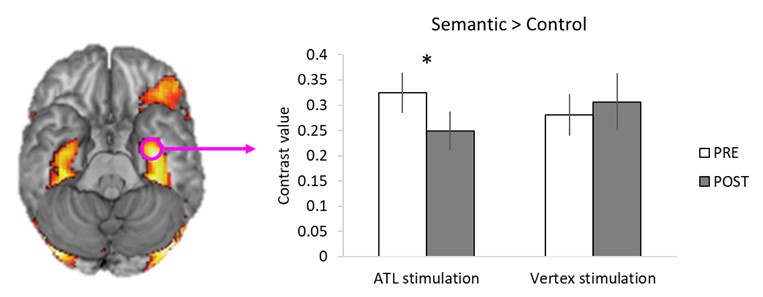
      This study examined the changes in ATL GABA levels induced by cTBS and its relationship with BOLD signal changes and performance in a semantic task. The findings suggest that the increase in ATL GABA levels induced by cTBS is associated with a decrease in BOLD signal. The relationship between ATL GABA levels and semantic task performance is nonlinear, and more specifically, the authors propose that the relationship is an inverted U-shaped relationship.

      Strengths:

      The findings of the research regarding the increase of GABA and decrease of BOLD caused by cTBS, as well as the correlation between the two, appear to be reliable. This should be valuable for understanding the biological effects of cTBS.

      Weakness:

      I am pleased to see the authors' feedback on my previous questions and suggestions, and I believe the additional data analysis they have added is helpful. Here are my reserved concerns and newly discovered issues.

      (1) Regarding the Inverted U-Shaped Curve In the revised manuscript, the authors have accepted some of my suggestions and conducted further analysis, which is now presented in Figure 3B. These results provide partial support for the authors' hypothesis. However, I still believe that the data from this study hardly convincingly support an inverted U-shaped distribution relationship.

      The authors stated in their response, "it is challenging to determine the optimal level of ATL GABA," but I think this is achievable. From Figures 4C and 4D, the ATL GABA levels corresponding to the peak of the inverted U-shaped curve fall between 85 and 90. In my understanding, this can be considered as the optimal level of ATL GABA estimated based on the existing data and the inverted U-shaped curve relationship. However, in the latter half of the inverted U-shaped curve, there are quite few data points, and such a small number of data points hardly provides reliable support for the quantitative relationship in the latter half of the curve. I suggest that the authors should at least explicitly acknowledge this and be cautious in drawing conclusions. I also suggest that the authors consider fitting the data with more types of non-linear relationships, such as a ceiling effect (a combination of a slope and a horizontal line), or a logarithmic curve.

      We appreciate R1’s comments. Inverted U-shaped relationships are well-established in neuroscience, particularly in the context of neurotransmitter concentrations (e.g., dopamine, acetylcholine, noradrenaline) and their influence on cognitive functions such as working memory and cognitive control (Aston-Jones & Cohen., 2005; Cools & D'Esposito., 2011; Vijayraghavan et al., 2007; He & Zempel., 2013). Recently, Ferri et al. (2017) demonstrated an inverted U-shaped relationship between excitation-inhibition balance (EIB: the ratio of Glx and GABA) and multisensory integration, showing that both excessive and insufficient inhibition negatively impact functionality. Given that GABA is the brain’s primary inhibitory neurotransmitter, our findings suggest that ATL GABA may play a similar regulatory role in semantic memory function.

      While our statistical modelling approach demonstrated that the inverted U-shaped function was the best-fitting model for our current data in explaining the relationship between ATL GABA and semantic memory, we acknowledge the limitation of having fewer data points in the latter half (right side) of the curve, where excessive ATL GABA levels are associated with poorer semantic performance. Following R1’s suggestion, we have explicitly acknowledged this limitation in the revised manuscript and exercised caution in our discussion.

      Discussion, p.17, line 408

      "However, our findings should be interpreted with caution due to the limitation of having fewer data points in the latter half (right side) of the inverted U-shaped curve. Future studies incorporating GABA agonists could help further validate and refine these findings."

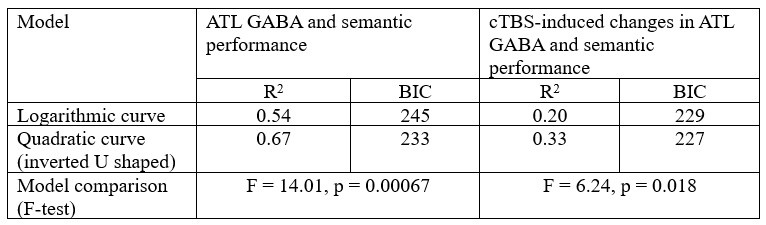
      Following R1’s latter suggestion, we tested a logarithmic curve model. The results showed significant relationships between ATL GABA and semantic performance (R<sup>2</sup> = 0.544, p < 0.001) and between cTBS-induced changes in ATL GABA and semantic performance (R<sup>2</sup> = 0.202, p < 0.001). However, the quadratic (inverted U-shaped) model explained more variance than the logarithmic model, as indicated by a higher R<sup>2</sup> and lower BIC. Model comparisons further confirmed that the inverted U-shaped model provided the best fit for both ATL GABA in relation to semantic performance (Fig. 4C) and cTBS-induced ATL GABA changes in relation to semantic function (Fig. 4D).

      Author response table 1.

      (2) In Figure 2F, the authors demonstrated a strong practice effect in this study, which to some extent offsets the decrease in behavioral performance caused by cTBS. Therefore, I recommend that the authors give sufficient consideration to the practice effect in the data analysis.

      One issue is the impact of the practice effect on the classification of responders and non-responders. Currently, most participants are classified as non-responders, suggesting that the majority of the population may not respond to the cTBS used in this study. This greatly challenges the generalizability of the experimental conclusions. However, the emergence of so many non-responders is likely due to the prominent practice effect, which offsets part of the experimental effect. If the practice effect is excluded, the number of responders may increase. The authors might estimate the practice effect based on the vertex simulation condition and reclassify participants after excluding the influence of the practice effect.

      Another issue is that considering the significant practice effect, the analysis in Figure 4D, which mixes pre- and post-test data, may not be reliable.

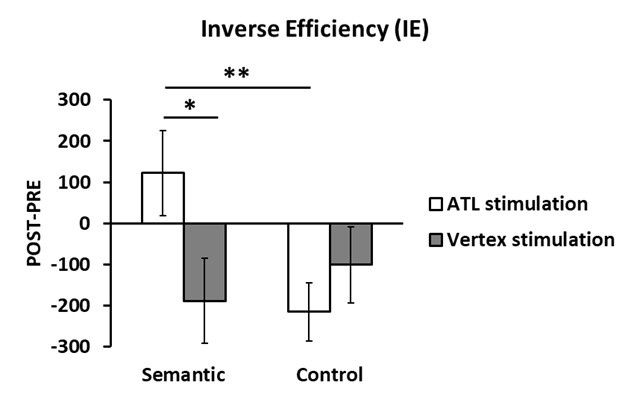
      We appreciate Reviewer 1’s thoughtful comments regarding the practice effect and its potential impact on our findings. Our previous analysis revealed a strong practice effect on reaction time (RT), with participants performing tasks faster in the POST session, regardless of task condition (Fig. S3). Given our hypothesis that inhibitory ATL cTBS would disrupt semantic task performance, we accounted for this by using inverse efficiency (IE), which combines accuracy and RT. This analysis demonstrated that ATL cTBS disrupted semantic task performance compared to both control stimulation (vertex) and control tasks, despite the practice effect (i.e., faster RT in the POST session), thereby supporting our hypothesis. These findings may suggest that the effects of ATL cTBS were more subtly reflected in semantic task accuracy rather than RT.

      Regarding inter-individual variability in response to rTMS/TBS, prior studies have shown that 50–70% of participants are non-responders, either do not respond or respond in an unexpected manner (Goldsworthy et al., 2014; Hamada et al., 2013; Hinder et al., 2014; Lopez-Alonso et al., 2014; Maeda et al., 2000a; Müller-Dahlhaus et al., 2008). Our previous study (Jung et al., 2022) using the same semantic task and cTBS protocol was the first to explore TBS-responsiveness variability in semantic memory, where 12 out of 20 participants (60%) were classified as responders. The proportion of responders and non-responders in the current study aligns with previous findings, suggesting that this variability is expected in TBS research.

      However, we acknowledge R1’s concern that the strong practice effect may have influenced responder classification. To address this, we estimated the practice effect using the vertex stimulation condition and reclassified participants accordingly by adjusting ATL stimulation performance (IE) relative to vertex stimulation performance (IE). This reclassification identified nine responders (an increase of two), aligning with the typical responder proportion (52%) reported in the TBS literature. Overall, we replicated the previous findings with improved statistical robustness.

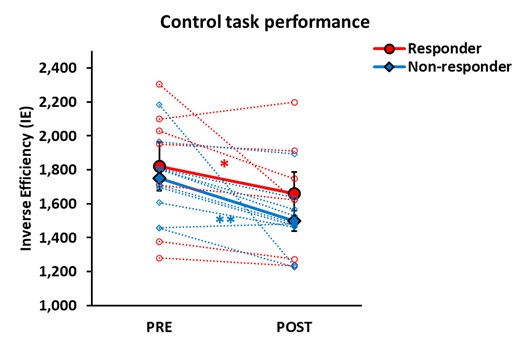
      A 2×2×2 ANOVA was conducted with task (semantic vs. control) and session (PRE vs. POST) as within-subject factors, and group (responders vs. non-responders) as a between-subject factor. The analysis revealed a significant interaction between the session and group (F<sub>1, 15</sub> = 10.367, p = 0.006), a marginally significant interaction between the session and task (F<sub>1, 15</sub> = 4.370, p = 0.054), and a significant 3-way interaction between the session, task, and group (F<sub>1, 15</sub> = 7.580, p = 0.015). Post hoc t-tests showed a significant group difference in semantic task performance following ATL stimulation (t = 2.349, p = 0.033). Post hoc paired t-test demonstrated that responders exhibited poorer semantic task performance following the ATL cTBS (t = -5.281, p < 0.001), whereas non-responders showed a significant improvement (t = 3.206, p = 0.007) (see Figure. 3A).

      Notably, no differences were observed between responders and non-responders in the control task performance across pre- and post-stimulation sessions, confirming that the practice effect was successfully controlled (Figure. 3B).

      We performed a 2 x 2 ANOVA with session (pre vs. post) as a within subject factor and with group (responders vs. non-responders) as a between subject factor to examine the effects of group in ATL GABA levels. The results revealed a significant main effect of session (F<sub>1, 14</sub> = 39.906, p < 0.001) and group (F<sub>1, 14</sub> = 9.677, p = 0.008). Post hoc paired t-tests on ATL GABA levels showed a significant increase in regional ATL GABA levels following ATL stimulation for both responders (t = -3.885, p = 0.002) and non-responders (t = -4.831, p = 0.001). Furthermore, we replicated our previous finding that baseline GABA levels were significantly higher in responders compared to non-responders (t = 2.816, p = 0.007) (Figure. 3C). This pattern persisted in the post-stimulation session (t = 2.555, p = 0.011) (Figure. 3C).

      Accordingly, we have revised the Methods and Materials (p 26, line 619), Results (p11, line 233-261), and Figure 3.

      (3) The analysis in Figure 3A has a double dipping issue. Suppose we generate 100 pairs of random numbers as pre- and post-test scores, and then group the data based on whether the scores decrease or increase; the pre-test scores of the group with decreased scores will have a very high probability of being higher than those of the group with increased scores. Therefore, the findings in Figure 3A seem to be meaningless.

      Yes, we agreed with R1’s comments. However, Figure 3A illustrates interindividual responsiveness patterns, while Figure 3B demonstrates that these results account for practice effects, incorporating new analyses.

      (4) The authors use IE as a behavioral measure in some analyses and use accuracy in others. I recommend that the authors adopt a consistent behavioral measure.

      We appreciate Reviewer 1’s suggestion. In examining the relationship between ATL GABA and semantic task performance, we have found that only semantic accuracy—not reaction time (RT) or inverse efficiency (IE)—shows a significant positive correlation and regression with ATL GABA levels and semantic task-induced ATL activation, both in our previous study (Jung et al., 2017) and in the current study. ATL GABA levels were not correlated with semantic RT (Jung et al., 2017: r = 0.34, p = 0.14, current study: r = 0.26, p = 0.14). It should be noted that there were no significant correlations between ATL GABA levels and semantic inverse efficiency (IE) in both studies (Jung et al., 2017: r = 0.13, p = 0.62, current study: r = 0.22, p = 0.44). As a result, we found no significant linear and non-linear relationship between ATL GABA levels and RT (linear function R<sup>2</sup> = 0.21, p =0.45, quadratic function: R<sup>2</sup> = 0.17, p = 0.21) and between ATL GABA levels and IE (linear function R<sup>2</sup> = 0.24, p =0.07, quadratic function: R<sup>2</sup> = 2.24, p = 0.12).

      The absence of a meaningful relationship between ATL GABA and semantic RT or IE may be due to the following reasons: 1) RT is primarily associated with premotor and motor activation during semantic processing rather than ATL activation; 2) ATL GABA is likely to play a key role in refining distributed semantic representations through lateral inhibition, which sharpens the activated representation (Jung et al., 2017; Liu et al. 2011; Isaacson & Scanziani., 2011). This sharpening process may contribute to more accurate semantic performance (Jung et al., 2017). In our semantic task, for example, when encountering a camel (Fig. 1B), multiple semantic features (e.g., animal, brown, desert, sand, etc.) are activated. To correctly identify the most relevant concept (cactus), irrelevant associations (tree) must be suppressed—a process that likely relies on inhibitory mechanisms. Given this theoretical framework, we have used accuracy as the primary measure of semantic performance to elucidate the ATL GABA function.

      Reviewer #2 (Public review):

      Summary:

      The authors combined inhibitory neurostimulation (continuous theta-burst stimulation, cTBS) with subsequent MRI measurements to investigate the impact of inhibition of the left anterior temporal lobe (ATL) on task-related activity and performance during a semantic task and link stimulation-induced changes to the neurochemical level by including MR spectroscopy (MRS). cTBS effects in the ATL were compared with a control site in the vertex. The authors found that relative to stimulation of the vertex, cTBS significantly increased the local GABA concentration in the ATL. cTBS also decreased task-related semantic activity in the ATL and potentially delayed semantic task performance by hindering a practice effect from pre to post. Finally, pooled data with their previous MRS study suggest an inverted u-shape between GABA concentration and behavioral performance. These results help to better understand the neuromodulatory effects of non-invasive brain stimulation on task performance.

      Strengths:

      Multimodal assessment of neurostimulation effects on the behavioral, neurochemical, and neural levels. In particular, the link between GABA modulation and behavior is timely and potentially interesting.

      Weaknesses:

      The analyses are not sound. Some of the effects are very weak and not all conclusions are supported by the data since some of the comparisons are not justified. There is some redundancy with a previous paper by the same authors, so the novelty and contribution to the field are overall limited. A network approach might help here.

      Reviewer #3 (Public review):

      Summary:

      The authors used cTBS TMS, magnetic resonance spectroscopy (MRS), and functional magnetic resonance imaging (fMRI) as the main methods of investigation. Their data show that cTBS modulates GABA concentration and task-dependent BOLD in the ATL, whereby greater GABA increase following ATL cTBS showed greater reductions in BOLD changes in ATL. This effect was also reflected in the performance of the behavioural task response times, which did not subsume to practice effects after AL cTBS as opposed to the associated control site and control task. This is in line with their first hypothesis. The data further indicates that regional GABA concentrations in the ATL play a crucial role in semantic memory because individuals with higher (but not excessive) GABA concentrations in the ATLs performed better on the semantic task. This is in line with their second prediction. Finally, the authors conducted additional analyses to explore the mechanistic link between ATL inhibitory GABAergic action and semantic task performance. They show that this link is best captured by an inverted U-shaped function as a result of a quadratic linear regression model. Fitting this model to their data indicates that increasing GABA levels led to better task performance as long as they were not excessively low or excessively high. This was first tested as a relationship between GABA levels in the ATL and semantic task performance; then the same analyses were performed on the pre and post-cTBS TMS stimulation data, showing the same pattern. These results are in line with the conclusions of the authors.

      Comments on revisions:

      The authors have comprehensively addressed my comments from the first round of review, and I consider most of their answers and the steps they have taken satisfactorily. Their insights prompted me to reflect further on my own knowledge and thinking regarding the ATL function.

      I do, however, have an additional and hopefully constructive comment regarding the point made about the study focusing on the left instead of bilateral ATL. I appreciate the methodological complexities and the pragmatic reasons underlying this decision. Nevertheless, briefly incorporating the justification for this decision into the manuscript would have been beneficial for clarity and completeness. The presented argument follows an interesting logic; however, despite strong previous evidence supporting it, the approach remains based on an assumption. Given that the authors now provide the group-level fMRI results captured more comprehensively in Supplementary Figure 2, where the bilateral pattern of fMRI activation can be observed in the current data, the authors could have strengthened their argument by asserting that the activation related to the given semantic association task in this data was bilateral. This would imply that the TMS effects and associated changes in GABA should be similar for both sites. Furthermore, it is worth noting the approach taken by Pobric et al. (2007, PNAS), who stimulated a site located 10 mm posterior to the tip of the left temporal pole along the middle temporal gyrus (MTG) and not the bilateral ATL.

      We appreciate the reviewer’s constructive comment regarding the focus on the left ATL rather than bilateral ATL in our study. Accordingly, we have added the following paragraph in the Supplementary Information.

      “Justification of target site selection and cTBS effects

      Evidence suggests that bilateral ATL systems contribute to semantic representation (for a review, see Lambon Ralph., 2017). Consistent with this, our semantic task induced bilateral ATL activation (Fig. S2). Thus, stimulating both left and right ATL could provide a more comprehensive understanding of cTBS effects and its GABAergic function.

      Previous rTMS studies have applied inhibitory stimulation to the left vs. right ATL, demonstrating that stimulation at either site significantly disrupted semantic task performance (Pobric et al., 2007, PNAS; Pobric et al., 2010, Neuropsychologia; Lambon Ralph et al., 2009, Cerebral Cortex). Importantly, these studies reported no significant difference in rTMS effects between left and right ATL stimulation, suggesting that stimulating either hemisphere produces comparable effects on semantic processing. In the current study, we combined cTBS with multimodal imaging to investigate its effects on the ATL. Given our study design constraints (including the need for a control site, control task, and control stimulation) and limitations in scanning time, we selected the left ATL as the target region. This choice also aligned with the MRS voxel placement used in our previous study (Jung et al., 2017), allowing us to combine datasets and further investigate GABAergic function in the ATL. Accordingly, cTBS was applied to the peak coordinate of the left ventromedial ATL (MNI -36, -15, -30) as identified by previous fMRI studies (Binney et al., 2010; Visser et al., 2012).

      Given that TMS pulses typically penetrate 2–4 cm, we acknowledge the challenge of reaching deeper ventromedial ATL regions. However, our findings indicate that cTBS effectively modulated ATL function, as evidenced by reduced task-induced regional activity, increased ATL GABA concentrations, and poorer semantic performance, confirming that TMS pulses successfully influenced the target region. To further validate these effects, we conducted an ROI analysis centred on the ventromedial ATL (MNI -36, -15, -30), which revealed a significant reduction in ATL activity during semantic processing following ATL stimulation (t = -2.43, p = 0.014) (Fig. S7). This confirms that cTBS successfully modulated ATL activity at the intended target coordinate.”

      We appreciate R3's comment regarding the approach taken by Pobric et al. (2007, PNAS), who stimulated a site 10 mm posterior to the tip of the left temporal pole along the middle temporal gyrus (MTG). This approach has been explicitly discussed in our previous papers and reviews (e.g., Lambon Ralph, 2014, Proc. Royal Society B). Our earlier use of lateral ATL stimulation at this location (Pobric et al. 2007; Lambon Ralph et al. 2009; Pobric et al. 2010) was based on its alignment with the broader ATL region commonly atrophied in semantic dementia (cf. Binney et al., 2010 for a direct comparison of SD atrophy, fMRI data and the TMS region). Since these original ATL TMS investigations, a series of distortion-corrected or distortion-avoiding fMRI studies (e.g., Binney et al 2010; Visser et al, various, Hoffman et al., various; Jackson et al., 2015) have demonstrated graded activation differences across the ATL. While weaker activation is present at the original lateral ATL (MTG) stimulation site, the peak activation is maximal in the ventromedial ATL—a finding that was also observed in the current study. Accordingly, we selected the ventromedial ATL as our target site for stimulation.

      Following these points, we have revised the manuscript in the Methods and Materials.

      Transcranial magnetic stimulation p23, line 525-532,

      “Previous rTMS studies targeted a lateral ATL site 10 mm posterior to the temporal pole on the middle temporal gyrus (MTG) (Pobric et al. 2007; Lambon Ralph et al. 2009; Pobric et al. 2010), aligning with the broader ATL region typically atrophied in semantic dementia  (Binney et al. 2010). However, distortion-corrected fMRI studies (Binney et al. 2010; Visser et al. 2012) have revealed graded activation differences across the ATL, with peak activation in the ventromedial ATL. Based on these findings, we selected the target site in the left ATL (MNI -36, -15, -30) from a prior distortion-corrected fMRI study (Binney et al. 2010; Visser et al. 2012 that employed the same tasks as our study (for further details, see the Supplementary Information).”

      Recommendations for the authors:

      Reviewer #2 (Recommendations for the authors):

      The authors have responded to all my comments and I found most of the responses reasonable and sufficient. However, I have one remaining point: I pointed out before that the scope of this paper is somehow narrow and asked for a network analysis. I found the response to my question somehow puzzling since the authors write:

      "However, it is important to note that we did not find any significant correlations between ATL GABA changes and cTBS-induced changes in the functional connectivity. Consequently, we are currently preparing another paper that specifically addresses the network-level changes induced by ATL cTBS."

      I don't understand the logic here. Even in the absence of significant correlations between ATL GABA changes and cTBS-induced changes in connectivity, it would be interesting to know how baseline connectivity is correlated with the induced changes. I am not sure if it is adequate to squeeze another paper out of the dataset instead of reporting it here as suggested.

      We apologise that our previous response was not clear. To examine cTBS-induced network-level changes, we conducted ROI analyses targeting key semantic regions, including the bilateral ATL, inferior frontal gyrus (IFG), and posterior middle temporal gyrus (pMTG), as well as Psychophysiological Interactions (PPI) using the left ATL as a seed region. The ROI analysis revealed that ATL stimulation significantly decreased task-induced activity in the left ATL (target region) while increasing activity in the right ATL and left IFG. PPI analyses showed that ATL stimulation enhanced connectivity between the left ATL and the right ATL (both ventromedial and lateral ATL), bilateral IFG, and bilateral pMTG, suggesting that ATL stimulation modulates a bilateral semantic network.

      Building on these findings, we conducted Dynamic Causal Modeling (DCM) to estimate and infer interactions among predefined brain regions across different experimental conditions (Friston et al., 2003). The bilateral ventromedial ATL, lateral ATL, IFG, and pMTG were defined as network nodes with mutual connections. Our model examined cTBS effects at the left ATL under both baseline (intrinsic) and semantic task (modulatory) conditions, estimating 56 intrinsic parameters for baseline connectivity and testing 16 different modulatory models to assess cTBS-induced connectivity changes during semantic processing. Here, we briefly summarize the key DCM analysis results: 1) ATL cTBS significantly altered effective connectivity between the left and right lateral and ventromedial ATL in both intrinsic and modulatory conditions; 2) cTBS increased modulatory connectivity from the right to the left ATL compared to vertex stimulation.

      Given the complexity and depth of these findings, we believe that a dedicated paper focusing on the network-level effects of ATL cTBS is necessary to provide a more comprehensive and detailed analysis, which extends beyond the scope of the current study. It should be noted that no significant relationship was found between ATL GABA levels and ATL connectivity in both PPI and DCM analyses.

      Reviewer #3 (Recommendations for the authors):

      In response to my comment about the ATL activation being rather medial in the fMRI data and my concern about the TMS pulse perhaps not reaching this site, the authors offer an excellent solution to demonstrate TMS effects to such a medial ATL coordinate. I think that the analyses and figures they provide as a response to this comment and a brief explanation of this result should be incorporated into supplementary materials for methodologically oriented readers. Also, perhaps it would be beneficial to discuss that the effect of TMS on vATL remains a matter of further research to see not just if but also how TMS pulse reaches target coordinates, given the problematic anatomical location of the region.

      We appreciate R3’s suggestion. Please, see our reply above.

    1. Author response:

      The following is the authors’ response to the previous reviews.

      Reviewer #1:

      (1) Peptides were synthesized with fluorescein isothiocyanate (FITC) and Tat tag, and then PEGylated with methoxy PEG Succinimidyl Succinate.

      I have two concerns about the peptide design. First, FTIC was intended "for monitoring" (line 129), but was never used in the manuscript. Second, PEGylation targets the two lysine sidechains on the Tat, which would alter its penetration property.

      (1) We conducted an analysis of the cellular trafficking of FITC-tagged peptides following their permeabilization into cells.

      Author response image 1.

      However, we did not include it in the main text because it is a basic result.

      (2) As can be seen in the figure above, after pegylation and permeabilization, the cells were stained with FITC. It appears that this does not affect the ability to penetrate into the cells.

      (2) "Superdex 200 increase 10/300 GL column" (line 437) was used to isolate mono/di PEGylated PDZ and separate them from the residual PEG and PDZ peptide. "m-PEG-succinimidyl succinate with an average molecular weight of 5000 Da" (lines 133 and 134).

      To my knowledge, the Superdex 200 increase 10/300 GL column is not suitable and is unlikely to produce traces shown in Figure 1B.

      As Superdex 200 increase 10/300 GL featrues a fractionation range of 10,000 to 600,000 Da, we used it to fractionate PEGylated products including DiPEGylated PDZ (approx. 15 kDa) and MonoPEGylated PDZ (approx. 10 kDa) from residuals (PDZ and PEG), demonstrating successful isolation of PEGylated products (Figure 1C). Considering the molecular weights of PDZ and PEG are approximately 4.1 kDa and and 5.0 kDa, respectively, the late eluting peaks from SEC were likely to represent a mixed absorbance of PDZ and PEG at 215 nm.

      However, as the reviewer pointed out, it could be unreasonable to annotate peaks representing PDZ and PEG, respectively, from mixed absorbance detected in a region (11-12 min) beyond the fractionation range.

      In our revised manuscript, therefore, multiple peaks in the late eluting volume (11-12 min) were labeled as 'Residuals' all together. As a reference, the revised figure 1B includes a chromatogram of pure PDZ-WT under the same analytic condition.

      Therefore, we changed Fig.1B to new results.

      (3) "the in vivo survival effect of LPS and PDZ co-administration was examined in mice. The pretreatment with WT PDZ peptide significantly increased survival and rescued compared to LPS only; these effects were not observed with the mut PDZ peptide (Figure 2a)." (lines 159-160).

      Fig 2a is the weight curve only. The data is missing in the manuscript.

      We added the survived curve into Fig. 2A.

      (4) Table 1, peptide treatment on ALT and AST appears minor.

      In mice treated with LPS, levels of ALT and AGT in the blood are elevated, but these levels decrease upon treatment with WT PDZ. However, the use of mut PDZ does not result in significant changes. Figure 3A shows inflammatory cells within the central vein, yet no substantial hepatotoxicity is observed during the 5-day treatment with LPS. Normally, the ranges of ALT and AGT in C57BL6 mice are 16 ~ 200 U/L and 46 ~ 221 U/L, respectively, according to UCLA Diagnostic Labs. Therefore, the values in all experiments fall within these normal ranges. In summary, a 5-day treatment with LPS induces inflammation in the liver but is too short a duration to induce hepatotoxicity, resulting in lower values.

      (5) MitoTraker Green FM shouldn't produce red images in Figure 6.

      We changed new results (GREEN one) into Figs 6A and B.

      (6) Figure 5. Comparison of mRNA expression in PDZ-treated BEAS-2B cells. Needs a clearer and more detailed description both in the main text and figure legend. The current version is very hard to read.

      We changed Fig. 5A to new one to understand much easier and added more detailed results and figure legend.

      Results Section in Figure 5:

      we performed RNA sequencing analysis. The results of RNA-seq analysis showed the expression pattern of 24,424 genes according to each comparison combination, of which the results showed the similarity of 51 genes overlapping in 4 gene categories and the similarity between each comparison combination (Figure 5a). As a result, compared to the control group, it was confirmed that LPS alone, WT PDZ+LPS, and mut PDZ+LPS were all upregulated above the average value in each gene, and when LPS treatment alone was compared with WT PDZ+LPS, it was confirmed that they were averaged or downregulated. When comparing LPS treatment alone and mut PDZ+LPS, it was confirmed that about half of the genes were upregulated. Regarding the similarity between comparison combinations, the comparison combination with LPS…

      Figure 5 Legend Section:

      Figure 5. Comparison of mRNA expression in PDZ-treated BEAS-2B cells.

      BEAS-2B cells were treated with wild-type PDZ or mutant PDZ peptide for 24 h and then incubated with LPS for 2 h, after which RNA sequencing analysis was performed. (a) The heat map shows the general regulation pattern of about 51 inflammation-related genes that are differentially expressed when WT PDZ and mut PDZ are treated with LPS, an inflammatory substance. All samples are RED = upregulated and BLUE = downregulated relative to the gene average. Each row represents a gene, and the columns represent the values of the control group treated only with LPS and the WT PDZ and mut PDZ groups with LPS. This was used by converting each log value into a fold change value. All genes were adjusted to have the same mean and standard deviation, the unit of change is the standard deviation from the mean, and the color value range of each row is the same. (b) Significant genes were selected using Gene category chat (Fold change value of 2.00 and normalized data (log2) value of 4.00). The above pie chart shows the distribution of four gene categories when comparing LPS versus control, WT PDZ+LPS/LPS, and mut PDZ+LPS/LPS. The bar graph below shows RED=upregulated, GREEN=downregulated for each gene category, and shows the number of upregulated and downregulated genes in each gene category. (c) The protein-protein interaction network constructed by the STRING database differentially displays commonly occurring genes by comparing WT PDZ+LPS/LPS, mut PDZ+LPS/LPS, and LPS. These nodes represent proteins associated with inflammation, and these connecting lines denote interactions between two proteins. Different line thicknesses indicate types of evidence used in predicting the associations.

      Reviewer #2:

      (1) In this paper, the authors demonstrated the anti-inflammatory effect of PDZ peptide by inhibition of NF-kB signaling. Are there any results on the PDZ peptide-binding proteins (directly or indirectly) that can regulate LPS-induced inflammatory signaling pathway? Elucidation of the PDZ peptide-its binding partner protein and regulatory mechanisms will strengthen the author's hypothesis about the anti-inflammatory effects of PDZ peptide.

      As mentioned in the Discussion section, we believe it is crucial to identify proteins that directly interact with PDZ and regulate it. This direct interaction can modulate intracellular signaling pathways, so we plan to express GST-PDZ and induce binding with cellular lysates, then characterize it using the LC-Mass/Mass method. We intend to further research these findings and submit them for publication.

      (2) The authors presented interesting insights into the therapeutic role of the PDZ motif peptide of ZO-1. PDZ domains are protein-protein interaction modules found in a variety of species. It has been thought that many cellular and biological functions, especially those involving signal transduction complexes, are affected by PDZ-mediated interactions. What is the rationale for selecting the core sequence that regulates inflammation among the PDZ motifs of ZO-1 shown in Figure 1A?

      The rationale for selecting the core sequence that regulates inflammation among the PDZ motifs of ZO-1, as shown in Figure 1A, is grounded in the specific roles these motifs play in signal transduction pathways that are crucial for inflammatory processes. PDZ domains are recognized for their ability to function as scaffolding proteins that organize signal transduction complexes, crucial for modulating cellular and biological functions. The chosen core sequence is particularly important because it is conserved across ZO-1, ZO-2, and ZO-3, indicating a fundamental role in maintaining cellular integrity and signaling pathways. This conservation suggests that the sequence’s involvement in inflammatory regulation is not only significant in ZO-1 but also reflects a broader biological function across the ZO family.

      (3) In Figure 3, the authors showed the representative images of IHC, please add the quantification analysis of Iba1 expression and PAS-positive cells using Image J or other software. To help understand the figure, an indication is needed to distinguish specifically stained cells (for example, a dotted line or an arrow).

      We added the semi-quantitative results into Figs. 3d,e,f.

      Result section: The specific physiological mechanism by which WT PDZ peptide decreases LPS-induced systemic inflammation in mice and the signal molecules involved remain unclear. These were confirmed by a semi-quantitative analysis of Iba-1 immunoreactivity and PAS staining in liver, kidney, and lung,respectively (Figures 4d, e, and f). To examine whether WT PDZ peptide can alter LPS-induced tissue damage in the kidney, cell toxicity assay was performed (Figure 3g). LPS induced cell damage in the kidney, however, WT PDZ peptide could significantly alleviate the toxicity, but mut PDZ peptide could not. Because cytotoxicity caused by LPS is frequently due to ROS production in the kidney (Su et al., 2023; Qiongyue et al., 2022), ROS production in the mitochondria was investigated in renal mitochondria cells harvested from kidney tissue (Figure 3h)......

      Figure legend section: Indicated scale bars were 20 μm. (d,e,f) Semi-quantitative analysis of each are positive for Iba-1 in liver and kidney, and positive cells of PAS in lung, respectively. (g) After the kidneys were harvested, tissue lysates were used for MTT assay. (h) After.....

      (4) In Figure 6G, H, the authors confirmed the change in expression of the M2 markers by PDZ peptide using the mouse monocyte cell line Raw264.7. It would be good to add an experiment on changes in M1 and M2 markers caused by PDZ peptides in human monocyte cells (for example, THP-1).

      We thank you for your comments. To determine whether PDZ peptide regulates M1/M2 polarization in human monocytes, we examined changes in M1 and M2 gene expression in THP-1 cells. As a result, wild-type PDZ significantly suppressed the expression of M1 marker genes (hlL-1β, hIL-6, hIL-8, hTNF-ɑ), while increasing the expression of M2 marker genes (hlL-4, hIL-10, hMRC-1). However, mutant PDZ did not affect M1/M2 polarization. These results suggest that PDZ peptide can suppress inflammation by regulating M1/M2 polarization of human monocyte cells. These results are for the reviewer's reference only and will not be included in the main content.

      Author response image 2.

      Minor point:

      The use of language is appropriate, with good writing skills. Nevertheless, a thorough proofread would eliminate small mistakes such as:

      • line 254, " mut PDZ+LPS/LPS (45.75%) " → " mut PDZ+LPS/LPS (47.75%) "

      • line 296, " Figure 6f " → " Figure 6h "

      We changed these points into the manuscript.

    1. Author response:

      The following is the authors’ response to the previous reviews

      Reviewer #1 (Public Review):

      Summary:

      Cell metabolism exhibits a well-known behavior in fast-growing cells, which employ seemingly wasteful fermentation to generate energy even in the presence of sufficient environmental oxygen. This phenomenon is known as Overflow Metabolism or the Warburg effect in cancer. It is present in a wide range of organisms, from bacteria and fungi to mammalian cells.

      In this work, starting with a metabolic network for Escherichia coli based on sets of carbon sources, and using a corresponding coarse-grained model, the author applies some well-based approximations from the literature and algebraic manipulations. These are used to successfully explain the origins of Overflow Metabolism, both qualitatively and quantitatively, by comparing the results with E. coli experimental data.

      By modeling the proteome energy efficiencies for respiration and fermentation, the study shows that these parameters are dependent on the carbon source quality constants K_i (p.115 and 116). It is demonstrated that as the environment becomes richer, the optimal solution for proteome energy efficiency shifts from respiration to fermentation. This shift occurs at a critical parameter value K_A(C).

      This counter intuitive results qualitatively explains Overflow Metabolism.

      Quantitative agreement is achieved through the analysis of the heterogeneity of the metabolic status within a cell population. By introducing heterogeneity, the critical growth rate is assumed to follow a Gaussian distribution over the cell population, resulting in accordance with experimental data for E. coli. Overflow metabolism is explained by considering optimal protein allocation and cell heterogeneity.

      The obtained model is extensively tested through perturbations: 1) Introduction of overexpression of useless proteins; 2) Studying energy dissipation; 3) Analysis of the impact of translation inhibition with different sub-lethal doses of chloramphenicol on Escherichia coli; 4) Alteration of nutrient categories of carbon sources using pyruvate. All model perturbations results are corroborated by E. coli experimental results.

      Strengths:

      In this work, the author effectively uses modeling techniques typical of Physics to address complex problems in Biology, demonstrating the potential of interdisciplinary approaches to yield novel insights. The use of Escherichia coli as a model organism ensures that the assumptions and approximations are well-supported in existing literature. The model is convincingly constructed and aligns well with experimental data, lending credibility to the findings. In this version, the extension of results from bacteria to yeast and cancer is substantiated by a literature base, suggesting that these findings may have broad implications for understanding diverse biological systems.

      We appreciate the reviewer’s exceptionally positive comments. The manuscript has been significantly improved thanks to the reviewer’s insightful suggestions.

      Weaknesses:

      The author explores the generalization of their results from bacteria to cancer cells and yeast, adapting the metabolic network and coarse-grained model accordingly. In previous version this generalization was not completely supported by references and data from the literature. This drawback, however, has been treated in this current version, where the authors discuss in much more detail and give references supporting this generalization.

      We appreciate the reviewer’s recognition of our revisions and the insightful suggestions provided in the previous round, which have greatly strengthened our manuscript.

      Reviewer #2 (Public Review):

      In this version of manuscript, the author clarified many details and rewrote some sections. This substantially improved the readability of the paper. I also recognized that the author spent substantial efforts in the Appendix to answer the potential questions.

      We thank the reviewer for the positive comments and the suggestions to improve our manuscript.

      Unfortunately, I am not currently convinced by the theory proposed in this paper. In the next section, I will first recap the logic of the author and explain why I am not convinced. Although the theory fits many experimental results, other theories on overflow metabolism are also supported by experiments. Hence, I do not think based on experimental data we could rule in or rule out different theories.

      We thank the reviewer for both the critical and constructive comments. 

      Regarding the comments on the comparison between theoretical and experimental results, we would like to first emphasize that no prior theory has resolved the conflict arising from the proteome efficiencies measured in E. coli and eukaryotic cells. Specifically, prevalent explanations (Basan et al., Nature 528, 99–104 (2015); Chen and Nielsen, PNAS 116, 17592–17597 (2019)) hold that overflow metabolism results from proteome efficiency in fermentation consistently being higher than that in respiration. While it was observed in E. coli that proteome efficiency in fermentation exceeds that in respiration when cells were cultured in lactose at saturated concentrations (Basan et al., Nature 528, 99-104 (2015)), more recent findings (Shen et al., Nature Chemical Biology 20, 1123–1132 (2024)) show that the measured proteome efficiency in respiration is actually higher than in fermentation for many yeast and cancer cells, despite the presence of aerobic glycolytic fermentation flux. To the best of our knowledge, no prior theory has explained these contradictory experimental results. Notably, our theory resolves this conflict and quantitatively explains both sets of experimental observations (Basan et al., Nature 528, 99-104 (2015); Shen et al., Nature Chemical Biology 20, 1123–1132 (2024)) by incorporating cell heterogeneity and optimizing cell growth rate through protein allocation. 

      Furthermore, rather than merely fitting the experimental results, as explained in Appendices 6.2, 8.1-8.2 and summarized in Appendix-tables 1-3, nearly all model parameters important for our theoretical predictions for E. coli were derived from in vivo and in vitro biochemical data reported in the experimental literature. For comparisons between model predictions and experimental results for yeast and cancer cells (Shen et al., Nature Chemical Biology 20, 1123–1132 (2024)), we intentionally derived Eq. 6 to ensure an unbiased comparison.

      Finally, in response to the reviewer’s suggestion, we have revised the expressions in our manuscript to present the differences between our theory and previous theories in a more modest style. 

      Recap: To explain the origin of overflow metabolism, the author uses the following logic:

      (1) There is a substantial variability of single-cell growth rate

      (2) The flux (J_r^E) and (J_f^E) are coupled with growth rate by Eq. 3

      (3) Since growth rate varies from cells to cells, flux (J_r^E) and (J_f^E) also varies (4) The variabilities of above fluxes in above create threshold-analog relation, and hence overflow metabolism.

      We thank the reviewer for the clear summary. We apologize for not explaining some points clearly enough in the previous version of our manuscript, which may have led to misunderstandings. We have now revised the relevant content in the manuscript to clarify our reasoning. Specifically, we have applied the following logic in our explanation:

      (a) The solution for the optimal growth strategy of a cell under a given nutrient condition is a binary choice between respiration and fermentation, driven by comparing their proteome efficiencies (ε<sub>r</sub> and ε<sub>f</sub> ).

      (b) Under nutrient-poor conditions, the nutrient quality (κ<sub>A</sub>) is low, resulting in the proteome efficiency of respiration being higher than that of fermentation (i.e., ε<sub>r</sub> > ε<sub>f</sub>), so the cell exclusively uses respiration.  

      (c) In rich media (with high κ<sub>A</sub>), the proteome efficiency of fermentation increases more rapidly and surpasses that of respiration (i.e., ε<sub>f</sub> > ε<sub>r</sub> ), hence the cell switches to fermentation.  

      (d) Heterogeneity is introduced: variability in the κ<sub>cat</sub> of catalytic enzymes from cell to cell. This leads to heterogeneity (variability) in ε<sub>r</sub> and ε<sub>f</sub> within a population of cells under the same nutrient condition.  

      (e) The critical value of nutrient quality for the switching point (, where ε<sub>r</sub>= ε<sub>f</sub> ) changes from a single point to a distribution due to cell heterogeneity. This results in a distribution of the critical growth rate λ<sub>C</sub> (defined as ) within the cell population.

      (f) The change in culturing conditions (with a highly diverse range of κ<sub>A</sub>) and heterogeneity in the critical growth rate λ<sub>C</sub> (a distribution of values) result in the threshold-analog relation of overflow metabolism at the cell population level.

      Steps (a)-(c) were applied to qualitatively explain the origin of overflow metabolism, while steps (d)-(f) were further used to quantitatively explain the threshold-analog relation observed in the data on overflow metabolism.

      Regarding the reviewer’s recap, which seems to have involved some misunderstandings, we first emphasize that the major change in cell growth rate for the threshold-analog relation of overflow metabolism—particularly as it pertains to logic steps (1), (3) and (4)—is driven by the highly varied range of nutrient quality (κ<sub>A</sub>) in the culturing conditions, rather than by heterogeneity between cells. For the batch culture data, the nutrient type of the carbon source differs significantly (e.g., Fig.1 in Basan et al., Nature 528, 99-104 (2015), wild-type strains). In contrast, for the chemostat data, the concentration of the carbon source varies greatly due to the highly varied dilution rate (e.g., Table 7 in Holms, FEMS Microbiology Reviews 19, 85-116 (1996)). Both of these factors related to nutrient conditions are the major causes of the changes in cell growth rate in the threshold-analog relation. 

      Second, Eq. 3, as mentioned in logic step (2), represents a constraint between the fluxes ( and ) and the growth rate (λ) for a single nutrient condition (with a given value of κ<sub>A</sub> ideally) rather than for varied nutrient conditions. For a single cell in each nutrient condition, the optimal growth strategy is binary, between respiration and fermentation. 

      Finally, for the threshold-analog relation of overflow metabolism, the switch from respiration to fermentation is caused by the increased nutrient quality in the culturing conditions, rather than by cell heterogeneity as indicated in logic step (4). Upon nutrient upshifts, the proteome efficiency of fermentation surpasses that of respiration, causing the optimal growth strategy for the cell to switch from respiration to fermentation. The role of cell heterogeneity is to transform the growth rate-dependent fermentation flux in overflow metabolism from a digital response to a threshold-analog relation under varying nutrient conditions.

      My opinion:

      The logic step (2) and (3) have caveats. The variability of growth rate has large components of cellular noise and external noise. Therefore, variability of growth rate is far from 100% correlated with variability of flux (J_r^E) and (J_f^E) at the single-cell level. Single-cell growth rate is a complex, multivariate functional, including (Jr^E) and (J_f^E) but also many other variables. My feeling is the correlation could be too low to support the logic here.

      One example: ribosomal concentration is known to be an important factor of growth rate in bulk culture. However, the "growth law" from bulk culture cannot directly translate into the growth law at single-cell level [Ref1,2]. This is likely due to other factors (such as cell aging, other muti-stability of cellular states) are involved.

      Therefore, I think using Eq.3 to invert the distribution of growth rate into the distribution of (Jr^E) and (J_f^E) is inapplicable, due to the potentially low correlation at single-cell level. It may show partial correlations, but may not be strong enough to support the claim and create fermentation at macroscopic scale.

      Overall, if we track the logic flow, this theory implies overflow metabolism is originated from variability of k_cat of catalytic enzymes from cells to cells. That is, the author proposed that overflow metabolism happens macroscopically as if it is some "aberrant activation of fermentation pathway" at the single-cell level, due to some unknown partially correlation from growth rate variability.

      We thank the reviewer for raising these questions and for the insights. We apologize for any lack of clarity in the previous version of our manuscript that may have caused misunderstandings. We have revised the manuscript to address all points, and below are our responses to the questions, some of which seem to involve misunderstandings. 

      First, in our theory, the qualitative behavior of overflow metabolism—where cells use respiration under nutrient-poor conditions (low growth rate) and fermentation in rich media (high growth rate)—does not arise from variability between cells, as the reviewer seems to have interpreted. Instead, it originates from growth optimization through optimal protein allocation under significantly different nutrient conditions. Specifically, the proteome efficiency of fermentation is lower than that of respiration (i.e. ε<sub>f</sub> < ε<sub>r</sub>) under nutrient-poor conditions, making respiration the optimal strategy in this case. However, in rich media, the proteome efficiency of fermentation surpasses that of respiration (i.e. ε<sub>f</sub> < ε<sub>r</sub>), leading the cell to switch to fermentation for growth optimization. To implement the optimal strategy, as clarified in the revised manuscript and discussed in Appendix 2.4, a cell should sense and compare the proteome efficiencies between respiration and fermentation, choosing the pathway with the higher efficiency, rather than sensing the growth rate, which can fluctuate due to stochasticity. Regarding the role of cell heterogeneity in overflow metabolism, as discussed in our previous response, it is twofold: first, it quantitatively illustrates the threshold-analog response of growth rate-dependent fermentation flux, which would otherwise be a digital response without heterogeneity during growth optimization; second, it enables us to resolve the paradox in proteome efficiencies observed in E. coli and eukaryotic cells, as raised by Shen et al. (Shen et al., Nature Chemical Biology 20, 1123–1132 (2024)). 

      Second, regarding logic step (2) in the recap, the reviewer thought we had coupled the growth rate (λ) with the respiration and fermentation fluxes ( and ) through Eq. 3, and used Eq. 3 to invert the distribution of growth rate into the distribution of respiration and fermentation fluxes. We need to clarify that Eq. 3 represents the constraint between the fluxes and the growth rate under a single nutrient condition, rather than describing the relation between growth rate and the fluxes ( and ) under varied nutrient conditions. In a given nutrient condition (with a fixed value of κ<sub>A</sub>), without considering optimal protein allocation, the cell growth rate varies with the fluxes according to Eq.3 by adjusting the proteome allocation between respiration and fermentation (ϕ<sub>r</sub> and ϕ<sub>f</sub>). However, once growth optimization is applied, the optimal protein allocation strategy for a cell is limited to either pure respiration (with ϕ<sub>f</sub> =0 and ) or pure fermentation (with ϕ<sub>r</sub> =0 and ), depending on the nutrient condition (or the value of κ<sub>A</sub>). Furthermore, under varying nutrient conditions (with different values of κ<sub>A</sub>), both proteome efficiencies of respiration and fermentation (ε<sub>r</sub> and (ε<sub>f</sub>) change with nutrient quality κ<sub>A</sub> (see Eq. 4). Thus, Eq. 3 does not describe the relation between growth rate (λ) and the fluxes ( and ) under nutrient variations.

      Thirdly, regarding reviewer’s concerns on logic step (3) in the recap, as well as the example where ribosome concentration does not correlate well with cell growth rate at the single-cell level, we fully agree with reviewer that, due to factors such as stochasticity and cell cycle status, the growth rate fluctuates constantly for each cell. Consequently, it would not be fully correlated with cell parameters such as ribosome concentration or respiration/fermentation flux. We apologize for our oversight in not discussing suboptimal growth conditions in the previous version of the manuscript. In response, we have added a paragraph to the discussion section and a new Appendix 2.4, titled “Dependence of the model on optimization principles,” to address these issues in detail. Specifically, recent experimental studies (Dai et al., Nature microbiology 2, 16231 (2017); Li et al., Nature microbiology 3, 939–947 (2018)) show that the inactive portion of ribosomes (i.e., ribosomes not bound to mRNAs) can vary under different culturing conditions. The reviewer also pointed out that ribosome concentration does not correlate well with cell growth rate at single-cell level. In this regard, we have cited Pavlou et al. (Pavlou et al., Nature Communications 16, 285 (2025)) instead of the references provided by the reviewer (Ref1 and Ref2), with our rationale outlined in the final section of the author response. These findings (Dai et al, (2017); Li et al., (2018); Pavlou et al., (2025)) suggest that ribosome allocation may be suboptimal under many culturing conditions, likely as cells prepare for potential environmental changes (Li et al., Nature microbiology 3, 939–947 (2018)). However, since our model's predictions regarding the binary choice between respiration and fermentation are based solely on comparing proteome efficiency between these two pathways, the optimal growth principle in our model can be relaxed. Specifically, efficient protein allocation is required only for enzymes rather than ribosomes, allowing our model to remain applicable under suboptimal growth conditions. Furthermore, protein allocation via the ribosome occurs at the single-cell level rather than at the population level. The strong linear correlation between ribosomal concentration and growth rate at the population level under nutrient variations suggests that each cell optimizes its protein allocation individually. Therefore, the principle of growth optimization still applies to individual cells, although factors like stochasticity, nutrient variation preparations, and differences in cell cycle stages may complicate this relationship, resulting in only a rough linear correlation between ribosome concentration and growth rate at the single-cell level (with with R<sup>2</sup> = 0.64 reported in Pavlou et al., (2025)). 

      Lastly, regarding the reviewer concerns about the heterogeneity of fermentation and respiration at macroscopic scale, we first clarify in the second paragraph of this response that the primary driving force for cells to switch from respiration to fermentation in the context of overflow metabolism is the increased nutrient quality under varying culturing conditions, which causes the proteome efficiency of fermentation to surpass that of respiration. Under nutrient-poor conditions, our model predicts that all cells use respiration, and therefore no heterogeneity for the phenotype of respiration and fermentation arises in these conditions. However, in a richer medium, particularly one that does not provide optimal conditions but allows for an intermediate growth rate, our model predicts that some cells opt for fermentation while others continue with respiration due to cell heterogeneity (with ε<sub>f</sub> > ε<sub>r</sub> for some cells engaging in fermentation and ε<sub>r</sub> > ε<sub>f</sub> for the other cells engaging in respiration within the same medium). Both of these predictions have been validated in isogenic singlecell experiments with E. coli (Nikolic et al., BMC Microbiology 13, 258 (2013)) and S. cerevisiae (Bagamery et al., Current Biology 30, 4563–4578 (2020)). The single-cell experiments by Nikolic et al. with E. coli in a rich medium of intermediate growth rate clearly show a bimodal distribution in the expression of genes related to overflow metabolism (see Fig. 5 in Nikolic et al., BMC Microbiology 13, 258 (2013)), where one subpopulation suggests purely fermentation, while the other suggests purely respiration. In contrast, in a medium with lower nutrient concentration (and consequently lower nutrient quality), only the respirative population exists (see Fig. 5 in Nikolic et al., BMC Microbiology 13, 258 (2013)). These experimental results from E. coli (Nikolic et al., BMC Microbiology 13, 258 (2013)) are fully consistent with our model predictions. Similarly, the single-cell experiments with S. cerevisiae by Bagamery et al. clearly identified two subpopulations of cells with respect to fermentation and respiration in a rich medium, which also align well with our model predictions regarding heterogeneity in fermentation and respiration within a cell population in the same medium.

      Compared with other theories, this theory does not involve any regulatory mechanism and can be regarded as a "neutral theory". I am looking forward to seeing single cell experiments in the future to provide evidences about this theory.

      We thank the reviewer for raising these questions and for the valuable insights. Regarding the regulatory mechanism, we have now added a paragraph in the discussion section of our manuscript and Appendix 2.4 to address this point. Specifically, our model predicts that a cell can implement the optimal strategy by directly sensing and comparing the proteome efficiencies of respiration and fermentation, choosing the pathway with the higher efficiency. At the gene regulatory level, a growing body of evidence suggests that the cAMP-CRP system plays an important role in sensing and executing the optimal strategy between respiration and fermentation (Basan et al., Nature 528, 99-104 (2015); Towbin et al., Nature Communications 8, 14123 (2017); Valgepea et al., BMC Systems Biology 4, 166 (2010); Wehrens et al., Cell Reports 42, 113284 (2023)). However, it has also been suggested that the cAMP-CRP system alone is insufficient, and additional regulators may need to be identified to fully elucidate this mechanism (Basan et al., Nature 528, 99-104 (2015); Valgepea et al., BMC Systems Biology 4, 166 (2010)). 

      Regarding the single-cell experiments that provide evidence for this theory, we have shown in the previous paragraphs of this response that the heterogeneity between respiration and fermentation, as predicted by our model for isogenic cells within the same culturing condition, has been fully validated by single-cell experiments with E. coli (Fig. 5 from Nikolic et al., BMC Microbiology 13, 258 (2013)) and S. cerevisiae (Fig. 1 and the graphical abstract from Bagamery et al., Current Biology 30, 4563–4578 (2020)). We have now revised the discussion section of our manuscript to make this point clearer.

      [Ref1] https://www.biorxiv.org/content/10.1101/2024.04.19.590370v2

      [Ref2] https://www.biorxiv.org/content/10.1101/2024.10.08.617237v2

      We thank the reviewer for providing insightful references. Regarding the two specific references, Ref1 directly addresses the deviation in the linear relationship between growth rate and ribosome concentration (“growth law”) at the single-cell level. However, since the authors of Ref1 determined the rRNA abundance in each cell by aligning sequencing reads to the genome, this method inevitably introduces a substantial amount of measurement noise. As a result, we chose not to cite or discuss this preprint in our manuscript. Ref2 appears to pertain to a different topic, which we suspect may be a copy/paste error. Based on the reviewer’s description and the references in Ref1, we believe the correct Ref2 should be Pavlou et al., Nature Communications 16, 285 (2025) (with the biorxiv preprint link: https://www.biorxiv.org/content/10.1101/2024.04.26.591328v1). In this reference, it is stated that the relationship between ribosome concentration and growth rate only roughly aligns with the “growth law” at the single-cell level (with R<sup>2</sup> = 0.64), exhibiting a certain degree of deviation. We have now cited and incorporated the findings of Pavlou et al. (Pavlou et al., Nature Communications 16, 285 (2025)) in both the discussion section of our manuscript and Appendix 2.4. Overall, we agree with Pavlou et al.’s experimental results, which suggest that ribosome concentration does not exhibit a strong linear correlation with cell growth rate at the single-cell level. However, we remain somewhat uncertain about the extent of this deviation, as Pavlou et al.’s experimental setup involved alternating nutrients between acetate and glucose, and the lapse of five generations may not have been long enough for the growth to be considered balanced. Furthermore, as observed in Supplementary Movie 1 of Pavlou et al., some of the experimental cells appeared to experience growth limitations due to squeezing pressure from the pipe wall of the mother machine, which could further increase the deviation from the “growth law” at the single-cell level.  

      Recommendations for the authors:

      Reviewer #1 (Recommendations for the authors):

      I have no specific comments for the authors related to this last version of the paper. I believe the authors have properly improved the previous version of the manuscript.

      Response: We thank the reviewer for the highly positive comments and for recognizing the improvements made in the revised version of our manuscript.

    1. Author response:

      The following is the authors’ response to the previous reviews.

      eLife Assessment

      This work presents an important method for depleting ribosomal RNA from bacterial single-cell RNA sequencing libraries, enabling the study of cellular heterogeneity within microbial biofilms. The approach convincingly identifies a small subpopulation of cells at the biofilm's base with upregulated PdeI expression, offering invaluable insights into the biology of bacterial biofilms and the formation of persister cells. Further integrated analysis of gene interactions within these datasets could deepen our understanding of biofilm dynamics and resilience.

      Thank you for your valuable feedback and for recognizing the importance of our method for depleting ribosomal RNA from bacterial single-cell RNA sequencing libraries. We are pleased that our approach has convincingly identified a small subpopulation of cells at the base of the biofilm with upregulated PdeI expression, providing significant insights into the biology of bacterial biofilms and the formation of persister cells.

      We acknowledge your suggestion for a more comprehensive analysis of multiple genes and their interactions. While we conducted a broad analysis across the transcriptome, our decision to focus on the heterogeneously expressed gene PdeI was primarily informed by its critical role in biofilm biology. In addition to PdeI, we investigated other marker genes and noted that lptE and sstT exhibited potential associations with persister cells. However, our interaction analysis revealed that LptE and SstT did not demonstrate significant relationships with c-di-GMP and PdeI based on current knowledge. This insight led us to concentrate on PdeI, given its direct relevance to biofilm formation and its close connection to the c-di-GMP signaling pathway.

      We fully agree that other marker genes may also have important regulatory roles in different aspects of biofilm dynamics. Thus, we plan to explore the expression patterns and potential functions of these genes in our future research. Specifically, we intend to conduct more extensive gene network analyses to uncover the complex regulatory mechanisms involved in biofilm formation and resilience.

      Public Reviews:

      Reviewer #1 (Public review):

      Summary:

      In this manuscript, Yan and colleagues introduce a modification to the previously published PETRI-seq bacterial single cell protocol to include a ribosomal depletion step based on a DNA probe set that selectively hybridizes with ribosome-derived (rRNA) cDNA fragments. They show that their modification of the PETRI-seq protocol increases the fraction of informative non-rRNA reads from ~4-10% to 54-92%. The authors apply their protocol to investigating heterogeneity in a biofilm model of E. coli, and convincingly show how their technology can detect minority subpopulations within a complex community.

      Strengths:

      The method the authors propose is a straightforward and inexpensive modification of an established split-pool single cell RNA-seq protocol that greatly increases its utility, and should be of interest to a wide community working in the field of bacterial single cell RNA-seq.

      We sincerely thank the reviewer for their thoughtful and positive evaluation of our work. We appreciate the recognition of our modification to the PETRI-seq bacterial single-cell RNA sequencing protocol by incorporating a ribosomal depletion step. The significant increase in the fraction of informative non-rRNA reads, as noted in the reviewer’s summary, underscores the effectiveness of our method in enhancing the utility of the PETRI-seq approach. We are also encouraged by the reviewer's acknowledgment of our ability to detect minority subpopulations within complex biofilm communities. Our team is committed to further validating and optimizing this method, and we believe that RiboD-PETRI will contribute meaningfully to the field of bacterial single-cell transcriptomics. We hope this innovative approach will facilitate new discoveries in microbial ecology and biofilm research.

      Reviewer #2 (Public review):

      Summary:

      This work introduces a new method of depleting the ribosomal reads from the single-cell RNA sequencing library prepared with one of the prokaryotic scRNA-seq techniques, PETRI-seq. The advance is very useful since it allows broader access to the technology by lowering the cost of sequencing. It also allows more transcript recovery with fewer sequencing reads. The authors demonstrate the utility and performance of the method for three different model species and find a subpopulation of cells in the E.coli biofilm that express a protein, PdeI, which causes elevated c-di-GMP levels. These cells were shown to be in a state that promotes persister formation in response to ampicillin treatment.

      Strengths:

      The introduced rRNA depletion method is highly efficient, with the depletion for E.coli resulting in over 90% of reads containing mRNA. The method is ready to use with existing PETRI-seq libraries which is a large advantage, given that no other rRNA depletion methods were published for split-pool bacterial scRNA-seq methods. Therefore, the value of the method for the field is high. There is also evidence that a small number of cells at the bottom of a static biofilm express PdeI which is causing the elevated c-di-GMP levels that are associated with persister formation. This finding highlights the potentially complex role of PdeI in regulation of c-di-GMP levels and persister formation in microbial biofilms.

      Weaknesses:

      Given many current methods that also introduce different techniques for ribosomal RNA depletion in bacterial single-cell RNA sequencing, it is unclear what is the place and role of RiboD-PETRI. The efficiency of rRNA depletion varies greatly between species for the majority of the available methods, so it is not easy to select the best fitting technique for a specific application.

      Thank you for your insightful comments regarding the place and role of RiboD-PETRI in the landscape of ribosomal RNA depletion techniques for bacterial single-cell RNA sequencing. We appreciate the opportunity to address your concerns and clarify the significance of our method.

      We acknowledge that the field of rRNA depletion in bacterial single-cell RNA sequencing is diverse, with many methods offering different approaches. We also recognize the challenge of selecting the best technique for a specific application, given the variability in rRNA depletion efficiency across species for many available methods. In light of these considerations, we believe RiboD-PETRI occupies a distinct and valuable niche in this landscape due to following reasons: 1) Low-input compatibility: Our method is specifically tailored for the low-input requirements of single-cell RNA sequencing, maintaining high efficiency even with limited starting material. This makes RiboD-PETRI particularly suitable for single-cell studies where sample quantity is often a limiting factor. 2) Equipment-free protocol: One of the unique advantages of RiboD-PETRI is that it can be conducted in any lab without the need for specialized equipment. This accessibility ensures that a wide range of researchers can implement our method, regardless of their laboratory setup. 3) Broad species coverage: Through comprehensive probe design targeting highly conserved regions of bacterial rRNA, RiboD-PETRI offers a robust solution for samples involving multiple bacterial species or complex microbial communities. This approach aims to provide consistent performance across diverse taxa, addressing the variability issue you mentioned. 4) Versatility and compatibility: RiboD-PETRI is designed to be compatible with various downstream single-cell RNA sequencing protocols, enhancing its utility in different experimental setups and research contexts.

      In conclusion, RiboD-PETRI's unique combination of low-input compatibility, equipment-free protocol, broad species coverage, and versatility positions it as a robust and accessible option in the landscape of rRNA depletion methods for bacterial single-cell RNA sequencing. We are committed to further validating and improving our method to ensure its valuable contribution to the field and to provide researchers with a reliable tool for their diverse experimental needs.

      Despite transcriptome-wide coverage, the authors focused on the role of a single heterogeneously expressed gene, PdeI. A more integrated analysis of multiple genes and\or interactions between them using these data could reveal more insights into the biofilm biology.

      Thank you for your valuable feedback. We understand your suggestion for a more comprehensive analysis of multiple genes and their interactions. While we indeed conducted a broad analysis across the transcriptome, our decision to focus on the heterogeneously expressed gene PdeI was primarily based on its crucial role in biofilm biology. Beyond PdeI, we also conducted overexpression experiments on several other marker genes and examined their phenotypes. Notably, the lptE and sstT genes showed potential associations with persister cells. We performed an interaction analysis, which revealed that LptE and SstT did not show significant relationships with c-di-GMP and PdeI based on current knowledge. This finding led us to concentrate our attention on PdeI. Given PdeI's direct relevance to biofilm formation and its close connection to the c-di-GMP signaling pathway, we believed that an in-depth study of PdeI was most likely to reveal key biological mechanisms.

      We fully agree with your point that other marker genes may play regulatory roles in different aspects. The expression patterns and potential functions of these genes will be an important direction in our future research. In our future work, we plan to conduct more extensive gene network analyses to uncover the complex regulatory mechanisms of biofilm formation.

      Author response image 1.

      The proportion of persister cells in the partially maker genes and empty vector control groups. Following induction of expression with 0.002% arabinose for 2 hours, a persister counting assay was conducted on the strains using 150 μg/ml ampicillin.

      The authors should also present the UMIs capture metrics for RiboD-PETRI method for all cells passing initial quality filter (>=15 UMIs/cell) both in the text and in the figures. Selection of the top few cells with higher UMI count may introduce biological biases in the analysis (the top 5% of cells could represent a distinct subpopulation with very high gene expression due to a biological process). For single-cell RNA sequencing, showing the statistics for a 'top' group of cells creates confusion and inflates the perceived resolution, especially when used to compare to other methods (e.g. the parent method PETRI-seq itself).

      Thank you for your valuable feedback regarding the presentation of UMI capture metrics for the RiboD-PETRI method. We appreciate your concern about potential biological biases and the importance of comprehensive data representation in single-cell RNA sequencing analysis. We have now included the UMI capture metrics for all cells passing the initial quality filter (≥15 UMIs/cell) for the RiboD-PETRI method. This information has been added to both the main text and the relevant figures, providing a more complete picture of our method's performance across the entire range of captured cells. These revisions strengthen our manuscript and provide readers with a more complete understanding of the RiboD-PETRI method in the context of single-cell RNA sequencing.

      Recommendations for the authors:

      Reviewer #1 (Recommendations for the authors):

      The reviewers have responded thoughtfully and comprehensively to all of my comments. I believe the details of the protocol are now much easier to understand, and the text and methods have been significantly clarified. I have no further comments.

      Reviewer #2 (Recommendations for the authors):

      The authors edited the manuscript thoroughly in response to the comments, including both performing new experiments and showing more data and information. Most of the major points raised between both reviewers were addressed. The authors explained the seeming contradiction between c-di-GMP levels and PdeI expression. Despite these improvements, a few issues remain:

      - Despite now depositing the data and analysis files to GEO, the access is embargoed and the reviewer token was not provided to evaluate the shared data and accessory files.

      Please note that although the data and analysis files have been deposited to GEO, access is currently embargoed. To evaluate the shared data and accessory files, you will need a reviewer token, which appears to have not been provided.

      To gain access, please follow these steps:

      Visit the GEO accession page at: https://www.ncbi.nlm.nih.gov/geo/query/acc.cgi?acc=GSE260458

      In the designated field, enter the reviewer token: ehipgqiohhcvjev

      - Despite now discussing performance metrics for RiboD-PETRI method for all cells passing initial quality filter (>=15 UMIs/cell) in the text, the authors continued to also include the statistics for top 1000 cells, 5,000 cells and so on. Critically, Figure 2A-B is still showing the UMI and gene distributions per cell only for these select groups of cells. The intent to focus on these metrics is not quite clear, as selection of the top few cells with higher UMI count may introduce biological biases in the analysis (what if the top 5% of cells are unusual because they represent a distinct subpopulation with very high gene expression due to a biological process). I understand the desire to demonstrate the performance of the method by highlighting a few select 'best' cells, however, for single-cell RNA sequencing showing the statistics for a 'top' group of cells is not appropriate and creates confusion, especially when used to compare to other methods (e.g. the parent method PETRI-seq itself).

      We appreciate your insightful feedback regarding our presentation of the RiboD-PETRI method's performance metrics. We acknowledge the concerns you've raised and agree that our current approach requires refinement. We have revised our analysis to prominently feature metrics for all cells that pass the initial quality filter (≥15 UMIs/cell) (Fig. 2A, Fig. 3A, Supplementary Fig. 1A, B and Supplementary Fig. 2A, G). This approach provides a more representative view of the method's performance across the entire dataset, avoiding potential biases introduced by focusing solely on top-performing cells.​

      We recognize that selecting only the top cells based on UMI counts can indeed introduce biological biases, as these cells may represent distinct subpopulations with unique biological processes rather than typical cellular states. To address this, we have clearly stated the potential for bias when highlighting select 'best' cells. We also provided context for why these high-performing cells are shown, explaining that they demonstrate the upper limits of the method's capabilities (lines 139). In addition, when comparing RiboD-PETRI to other methods, including the parent PETRI-seq, we ensured that comparisons are made using consistent criteria across all methods.

      By implementing these changes, we aim to provide a more accurate, unbiased, and comprehensive representation of the RiboD-PETRI method's performance while maintaining scientific rigor and transparency. We appreciate your critical feedback, as it helps us improve the quality and reliability of our research presentation.

      - Line 151 " The findings reveal that our sequencing saturation is 100% (Fig. S1B, C)" - I suggest the authors revisit this calculation as this parameter is typically very challenging to get above 95-96%. The sequencing saturation should be calculated from the statistics of alignment themselves, i.e. the parameter calculated by Cell Ranger as described here https://kb.10xgenomics.com/hc/en-us/articles/115003646912-How-is-sequencing-saturation-calculated :

      "The web_summary.html output from cellranger count includes a metric called "Sequencing Saturation". This metric quantifies the fraction of reads originating from an already-observed UMI. More specifically, this is the fraction of confidently mapped, valid cell-barcode, valid UMI reads that are non-unique (match an existing cell-barcode, UMI, gene combination).

      The formula for calculating this metric is as follows:

      Sequencing Saturation = 1 - (n_deduped_reads / n_reads)

      where

      n_deduped_reads = Number of unique (valid cell-barcode, valid UMI, gene) combinations among confidently mapped reads.

      n_reads = Total number of confidently mapped, valid cell-barcode, valid UMI reads.

      Note that the numerator of the fraction is n_deduped_reads, not the non-unique reads that are mentioned in the definition. n_deduped_reads is a degree of uniqueness, not a degree of duplication/saturation. Therefore we take the complement of (n_deduped_reads / n_reads) to measure saturation."

      We appreciate your insightful comment regarding our sequencing saturation calculation. The sequencing saturation algorithm we initially employed was based on the methodology used in the BacDrop study (PMID: PMC10014032, https://pmc.ncbi.nlm.nih.gov/articles/PMC10014032/).

      We acknowledge the importance of using standardized and widely accepted methods for calculating sequencing saturation. As per your suggestion, we have recalculated our sequencing saturation using the method described by 10x Genomics. Given the differences between RiboD-PETRI and 10x Genomics datasets, we have adapted the calculation as follows:

      · n_deduped_reads: We used the number of UMIs as a measure of unique reads.

      · n_reads: We used the total number of confidently mapped reads.

      After applying this adapted calculation method, we found that our sequencing saturation ranges from 92.16% to 93.51%. This range aligns more closely with typical expectations for sequencing saturation in single-cell RNA sequencing experiments, suggesting that we have captured a substantial portion of the transcript diversity in our samples. We also updated Figure S1 to reflect these recalculated sequencing saturation values. We will also provide a detailed description of our calculation method in the methods section to ensure transparency and reproducibility. It's important to note that this saturation calculation method was originally designed for 10× Genomics data. While we've adapted it for our study, we acknowledge that its applicability to our specific experimental setup may be limited.

      We thank you for bringing this important point to our attention. This recalculation not only improves the accuracy of our reported results but also aligns our methodology more closely with established standards in the field. We believe these revisions strengthen the overall quality and reliability of our study.

      - Further, this calculated saturation should be taken into account when comparing the performance of the method in terms of retrieving diverse transcripts from cells. I.e., if the RiboD-Petri dataset was subsampled to the same saturation as the original PETRI-seq dataset was obtained with, would the median UMIs/cell for all cells above filter be comparable? In other words, does rRNA depletion just decreases the cost to sequence to saturation, or does it provide UMI capture benefits at a comparable saturation?

      We appreciate your insightful question regarding the comparison of method performance in terms of transcript retrieval diversity and the impact of saturation. To address your concerns, we conducted an additional analysis comparing the RiboD-PETRI and original PETRI-seq datasets at equivalent saturation levels besides our original analysis with equivalent sequencing depth.

      With equivalent sequencing depth, RiboD-PETRI demonstrates a significantly enhanced Unique Molecular Identifier (UMI) counts detection rate compared to PETRI-seq alone (Fig. 1C). This method recovered approximately 20175 cells (92.6% recovery rate) with ≥ 15 UMIs per cell with a median UMI count of 42 per cell, which was significantly higher than PETRI-seq's recovery rate of 17.9% with a median UMI count of 20 per cell (Figure S1A, B), indicating the number of detected mRNA per cell increased prominently.

      When we subsampled the RiboD-PETRI dataset to match the saturation level of the original PETRI-seq dataset (i.e., equalizing the n_deduped_reads/n_reads ratio), we found that the median UMIs/cell for all cells above the filter threshold was higher in the RiboD-PETRI dataset compared to the original PETRI-seq (as shown in Author response image 2). This observation can be primarily attributed to the introduction of the rRNA depletion step in the RiboD-PETRI method. ​Our analysis suggests that rRNA depletion not only reduces the cost of sequencing to saturation but also provides additional benefits in UMI capture efficiency at comparable saturation levels.​The rRNA depletion step effectively reduces the proportion of rRNA-derived reads in the sequencing output. Consequently, at equivalent saturation levels, this leads to a relative increase in the number of n_deduped_reads corresponding to mRNA transcripts. This shift in read composition enhances the capture of informative UMIs, resulting in improved transcript diversity and detection.

      In conclusion, our findings indicate that the rRNA depletion step in RiboD-PETRI offers dual advantages: it decreases the cost to sequence to saturation and provides enhanced UMI capture benefits at comparable saturation levels, ultimately leading to more efficient and informative single-cell transcriptome profiling.

      Author response image 2.

      At almost the same sequencing saturation (64% and 67%), the number of cells exceeding the screening criteria (≥15 UMIs ) and the median number of UMIs in cells in Ribod-PETRI and PETRI-seq data of exponential period E. coli (3h).

      - smRandom-seq and BaSSSh-seq need to also be discussed since these newer methods are also demonstrating rRNA depletion techniques. (https://doi.org/10.1038/s41467-023-40137-9 and https://doi.org/10.1101/2024.06.28.601229)

      Thank you for your valuable feedback. We appreciate the opportunity to discuss our method, RiboD-PETRI, in the context of other recent advances in bacterial RNA sequencing techniques, particularly smRandom-seq and BaSSSh-seq.

      RiboD-PETRI employs a Ribosomal RNA-derived cDNA Depletion (RiboD) protocol. This method uses probe primers that span all regions of the bacterial rRNA sequence, with the 3'-end complementary to rRNA-derived cDNA and the 5'-end complementary to a biotin-labeled universal primer. After hybridization, Streptavidin magnetic beads are used to eliminate the hybridized rRNA-derived cDNA, leaving mRNA-derived cDNA in the supernatant. smRandom-seq utilizes a CRISPR-based rRNA depletion technique. This method is designed for high-throughput single-microbe RNA sequencing and has been shown to reduce the rRNA proportion from 83% to 32%, effectively increasing the mRNA proportion four times (from 16% to 63%). While specific details about BaSSSh-seq's rRNA depletion technique are not provided in the available information, it is described as employing a rational probe design for efficient rRNA depletion. This technique aims to minimize the loss of mRNA during the depletion process, ensuring a more accurate representation of the transcriptome.

      RiboD-PETRI demonstrates significant enhancement in rRNA-derived cDNA depletion across both gram-negative and gram-positive bacterial species. It increases the mRNA ratio from 8.2% to 81% for E. coli in exponential phase, from 10% to 92% for S. aureus in stationary phase, and from 3.9% to 54% for C. crescentus in exponential phase. smRandom-seq shows high species specificity (99%), a minor doublet rate (1.6%), and a reduced rRNA percentage (32%). These metrics indicate its efficiency in single-microbe RNA sequencing. While specific performance metrics for BaSSSh-seq are not provided in the available information, its rational probe design approach suggests a focus on maintaining mRNA integrity during the depletion process.

      RiboD-PETRI is described as a cost-effective ($0.0049 per cell), equipment-free, and high-throughput solution for bacterial scRNA-seq. This makes it an attractive option for researchers with budget constraints. While specific cost information is not provided, the efficiency of smRandom-seq is noted to be affected by the overwhelming quantity of rRNAs (>80% of mapped reads). The CRISPR-based depletion technique likely adds to the complexity and cost of the method. Cost and accessibility information for BaSSSh-seq is not provided in the available data, making a direct comparison difficult.

      All three methods represent significant advancements in bacterial RNA sequencing, each offering unique approaches to the challenge of rRNA depletion. RiboD-PETRI stands out for its cost-effectiveness and demonstrated success in complex systems like biofilms. Its ability to significantly increase mRNA ratios across different bacterial species and growth phases is particularly noteworthy. smRandom-seq's CRISPR-based approach offers high specificity and efficiency, which could be advantageous in certain research contexts, particularly where single-microbe resolution is crucial. However, the complexity of the CRISPR system might impact its accessibility and cost-effectiveness. BaSSSh-seq's focus on minimizing mRNA loss during depletion could be beneficial for studies requiring highly accurate transcriptome representations, although more detailed performance data would be needed for a comprehensive comparison. The choice between these methods would depend on specific research needs. RiboD-PETRI's cost-effectiveness and proven application in biofilm studies make it particularly suitable for complex bacterial community analyses. smRandom-seq might be preferred for studies requiring high-throughput single-cell resolution. BaSSSh-seq could be the method of choice when preserving the integrity of the mRNA profile is paramount.

      In conclusion, while all three methods offer valuable solutions for rRNA depletion in bacterial RNA sequencing, RiboD-PETRI's combination of efficiency, cost-effectiveness, and demonstrated application in complex biological systems positions it as a highly competitive option in the field of bacterial transcriptomics.

      We have revised our discussion in the manuscript according to the above analysis (lines 116-119)

      - Ctrl and Delta-Delta abbreviations are used in main text but not defined there (lines 107-110).

      Thank you for your valuable feedback. We have now defined the abbreviations "Ctrl" and "Delta-Delta" in the main text for clarity.

      - The utility of Figs 2E and 3E is questionable - the same information can be conveyed in text.

      Thank you for your thoughtful observation regarding Figures 2E and 3E. We appreciate your feedback and would like to address the concerns you've raised.

      While we acknowledge that some of the information in these figures could be conveyed textually, we believe that their visual representation offers several advantages. Figures 2E and 3E provide a comprehensive visual overview of the pathway enrichment analysis for marker genes, which may be more easily digestible than a textual description. This analysis was conducted in response to another reviewer's request, demonstrating our commitment to addressing diverse perspectives in our research.

      These figures allow for a systematic interpretation of gene expression data, revealing complex interactions between genes and their involvement in biological pathways that might be less apparent in a text-only format. Visual representations can make complex data more accessible to readers with different learning styles or those who prefer graphical summaries. Additionally, including such figures is consistent with standard practices in our field, facilitating comparison with other studies. We believe that the pathway enrichment analysis results presented in these figures provide valuable insights that merit inclusion as visual elements.​ However, we are open to discussing alternative ways to present this information if you have specific suggestions for improvement.

    1. Author response:

      The following is the authors’ response to the previous reviews.

      We thank the reviewers for their thorough re-evaluation of our revised manuscript. Addressing final issues they raised has improved the manuscript further. We sincerely appreciate the detailed explanations that the reviewers provided in the "recommendations for authors" section. This comprehensive feedback helped us identify the sources of ambiguity within the analysis descriptions and in the discussion where we interpreted the results. Below, you will find our responses to the specific comments and recommendations.

      Reviewer #1 (Recommendations):

      (1) I find that the manuscript has improved significantly from the last version, especially in terms of making explicit the assumptions of this work and competing models. I think the response letter makes a good case that the existence of other research makes it more likely that oscillators are at play in the study at hand (though the authors might consider incorporating this argumentation a bit more into the paper too). Furthermore, the authors' response that the harmonic analysis is valid even when including x=y because standard correlation analysis were not significant is a helpful response. The key issue that remains for me is that I have confusions about the additional analyses prompted by my review to a point where I find it hard to evaluate how and whether they demonstrate entrainment or not. 

      First, I don't fully understand Figure 2B and how it confirms the Arnold tongue slice prediction. In the response letter the authors write: "...indicating that accuracy increased towards the preferred rate at fast rates and decreased as the stimulus rate diverged from the preferred rate at slow rates". The figure shows that, but also more. The green line (IOI < preferred rate) indeed increases toward the preferred rate (which is IOI = 0 on the x-axis; as I get it), but then it continues to go up in accuracy even after the preferred rate. And for the blue line, performance also continues to go up beyond preferred rate. Wouldn't the Arnold tongue and thus entrainment prediction be that accuracy goes down again after the preferred rate has passed? That is to say, shouldn't the pattern look like this (https://cdn.elifesciences.org/public-review-media/90735/v3/GPlt38F.png) which with linear regression should turn to a line with a slope of 0?

      This was my confusion at first, but then I thought longer about how e.g. the blue line is predicted only using trials with IOI larger than the preferred rate. If that is so, then shouldn't the plot look like this? (https://cdn.elifesciences.org/public-review-media/90735/v3/SmU6X73.png). But if those are the only data and the rest of the regression line is extrapolation, why does the regression error vary in the extrapolated region? It would be helpful if the authors could clarify this plot a bit better. Ideally, they might want to include the average datapoints so it becomes easier to understand what is being fitted. As a side note, colours blue/green have a different meaning in 2B than 2D and E, which might be confusing. 

      We thank the reviewer for their recommendation to clarify the additional analyses we ran in the previous revision to assess whether accuracy systematically increased toward the preferred rate estimate. We realized that the description of the regression analysis led to misunderstandings. In particular, we think that the reviewer interpreted (1) our analysis as linear regression (based on the request to plot raw data rather than fits), whereas, in fact, we used logistic regression, and (2) the regression lines in Figure 2B as raw IOI values, while, in fact, they were the z-scored IOI values (from trials where stimulus IOI were faster than an individual’s preferred rate, IOI < preferred rate, in green; and from trials stimulus IOI were slower than an individual’s preferred rate, IOI > preferred rate, in blue), as the x axis label depicted. We are happy to have the opportunity to clarify these points in the manuscript. We have also revised Figure 2B, which was admittedly maybe a bit opaque, to more clearly show the “Arnold tongue slice”.  

      The logic for using (1) logistic regression with (2) Z-scored IOI values as the predictor is as follows. Since the response variable in this analysis, accuracy, was binary (correct response = 1, incorrect response = 0), we used a logistic regression. The goal was to quantify an acrosssubjects effect (increase in accuracy toward preferred rate), so we aggregated datasets across all participants into the model. The crucial point here is that each participant had a different preferred rate estimate. Let’s say participant A had the estimate at IOI = 400 ms, and participant B had an estimate at IOI = 600 ms. The trials where IOI was faster than participant A’s estimate would then be those ranging from 200 ms to 398 ms, and those that were slower would range from 402 ms to 998 ms. For Participant B, the situation would be different:  trials where IOI was faster than their estimate would range from 200 ms to 598 ms, and slower trials would range between 602 ms to 998 ms. For a fair analysis that assesses the accuracy increase, regardless of a participant’s actual preferred rate, we normalized these IOI values (faster or slower than the preferred rate). Zscore normalization is a common method of normalizing predictors in regression models, and was especially important here since we were aggregating predictors across participants, and the predictors ranges varied across participants. Z-scoring ensured that the scale of the sample (that differs between participant A and B, in this example) was comparable across the datasets. This is also important for the interpretation of Figure 2B. Since Z-scoring involves mean subtraction, the zero point on the Z-scaled IOI axis corresponds to the mean of the sample prior to normalization (for Participant A: 299 ms, for Participant B: 399 ms) and not the preferred rate estimate. We have now revised Figure 2B in a way that we think makes this much clearer.  

      The manuscript text includes clarification that the analyses included logistic regression and stimulus IOI was z-scored: 

      “In addition to estimating the preferred rate as stimulus rates with peak performance, we investigated whether accuracy increased as a function of detuning, namely, the difference between stimulus rate and preferred rate, as predicted by the entrainment models (Large, 1994; McAuley, 1995; Jones, 2018). We tested this prediction by assessing the slopes of mixed-effects logistic regression models, where accuracy was regressed on the IOI condition, separately for stimulus rates that were faster or slower than an individual’s preferred rate estimate. To do so, we first z-scored IOIs that were faster and slower than the participant’s preferred rate estimates, separately to render IOI scales comparable across participants.” (p. 7)

      While thinking through the reviewer’s comment, we realized we could improve this analysis by fitting mixed effects models separately to sessions’ data. In these models, fixed effects were z-scored IOI and ‘detuning direction’ (i.e., whether IOI was faster or slower than the participant’s preferred rate estimate). To control for variability across participants in the predicted interaction between z-scored IOI and direction, this interaction was added as a random effect. 

      “Ideally, they might want to include the average datapoints so it becomes easier to understand what is being fitted.”

      Although we agree with the reviewer that including average datapoints in a figure in addition to model predictions usually better illustrates what is being fitted than the fits alone, this doesn’t work super well for logistic regression, since the dependent variable is binary. To try to do a better job illustrating single-participant data though, we instead  fitted logistic models to each participant’s single session datasets, separately to conditions where z-scored IOI from fasterthan-preferred rate trials, and those from slower-than-preferred rate trials, predicted accuracy. From these single-participant models, we obtained slope values, we referred to as ‘relative detuning slope’, for each condition and session type. This analysis allowed us to illustrate the effect of relative detuning on accuracy for each participant. Figure 2B now shows each participant’s best-fit lines from each detuning direction condition and session.

      Since we now had relative detuning slopes for each individual (which we did not before), we took advantage of this to assess the relationship between oscillator flexibility and the oscillator’s behavior in different detuning situations (how strongly leaving the preferred rate hurt accuracy, as a proxy for the width of the Arnold tongue slice). Theoretically, flexible oscillators should be able to synchronize to wide range of rates, not suffering in conditions where detuning is large (Pikovsky et al., 2003). Conversely, synchronization of inflexible oscillators should depend strongly on detuning. To test whether our flexibility measure predicted this dependence on detuning, which is a different angle on oscillator flexibility, we first averaged each participant’s detuning slopes across detuning directions (after sign-flipping one of them). Then, we assessed the correlation between the average detuning slopes and flexibility estimates, separately from conditions where |-𝚫IOI| or |+𝚫IOI| predicted accuracy. The results revealed significant negative correlations (Fig. 2F), suggesting that performance of individuals with less flexible oscillators suffered more as detuning increased. Note that flexibility estimates quantified how much accuracy decreased as a function of trial-to-trial changes in stimulus rate (±𝚫IOI). Thus, these results show that oscillators that were robust to changes in stimulus rate were also less dependent on detuning to be able to synchronize across a wide range of stimulus rates. We are excited to be able to provide this extra validation of predictions made by entrainment models. 

      To revise the manuscript with the updated analysis on detuning:

      • We added the descriptions of the analyses to the Experiment 1 Methods section.

      Calculation of detuning slopes and their averaging procedure are in Preferred rate estimates:

      “In addition to estimating the preferred rate as stimulus rates with peak performance, we investigated whether accuracy increased as a function of detuning, namely, the difference between stimulus rate and preferred rate, as predicted by the entrainment models (Large, 1994; McAuley, 1995; Jones, 2018). We tested this prediction by assessing the slopes of mixed-effects logistic regression models, where accuracy was regressed on the IOI condition, separately for stimulus rates that were faster or slower than an individual’s preferred rate estimate. To do so, we first z-scored IOIs that were faster and slower than the participant’s preferred rate estimates, separately to render IOI scales comparable across participants. The detuning direction (i.e., whether stimulus IOI was faster or slower than the preferred rate estimate) was coded categorically. Accuracy (binary) was predicted by these variables (zscored IOI, detuning direction), and their interaction. The model was fitted separately to datasets from random-order and linear-order sessions, using the fitglme function in MATLAB. Fixed effects were z-scored IOI and detuning direction and random effect was their interaction. We expected a systematic increase in performance toward the preferred rate, which would result in a significant interaction between stimulus rate and detuning direction. To decompose the significant interaction and to visualize the effects of detuning, we fitted separate models to each participant’s single-session datasets, and obtained slopes from each direction condition, hereafter denoted as the ‘relative-detuning slope’. We treated relative-detuning slope as an index of the magnitude of relative detuning effects on accuracy. We then evaluated these models, using the glmval function in MATLAB to obtain predicted accuracy values for each participant and session. To visualize the relative-detuning curves, we averaged the predicted accuracies across participants within each session, separately for each direction condition (faster or slower than the preferred rate). To obtain a single value of relative-detuning magnitude for each participant, we averaged relative detuning slopes across direction conditions. However, since slopes from IOI > preferred rate conditions quantified an accuracy decrease as a function of detuning, we sign-flipped these slopes before averaging. The resulting average relative detuning slopes, obtained from each participant’s single-session datasets, quantified how much the accuracy increase towards preferred rate was dependent on, in other words, sensitive to, relative detuning.” (p. 7-8)

      • We added the information on the correlation analyses between average detuning slopes in Flexibility estimates.

      “We further tested the relationship between the flexibility estimates (𝛽 from models where |𝚫IOI| or |+𝚫IOI| predicted accuracy) and average detuning slopes (see Preferred rate estimates) from random-order sessions. We predicted that flexible oscillators (larger 𝛽) would be less severely affected by detuning, and thus have smaller detuning slopes. Conversely, inflexible oscillators (smaller 𝛽) should have more difficulty in adapting to a large range of stimulus rates, and their adaptive abilities should be constrained around the preferred rate, as indexed by steeper relative detuning slopes.” (p. 8)

      • We provided the results in Experiment 1 Results section.

      “Logistic models assessing a systematic increase in accuracy toward the preferred rate estimate in each session type revealed significant main effects of IOI (linear-order session: 𝛽 = 0.264, p < .001; random-order session: 𝛽 = 0.175, p < .001), and significant interactions between IOI and direction (linear-order session: 𝛽 = -0.444, p < .001; random-order session: 𝛽 = -0.364, p < .001), indicating that accuracy increased as fast rates slowed toward the preferred rate (positive slopes) and decreased again as slow rates slowed further past the preferred rate (negative slopes), regardless of the session type. Fig. 2B illustrates the preferred rate estimation method for an example participant’s dataset and shows the predicted accuracy values from models fitted to each participant’s single-session datasets. Note that the main effect and interaction were obtained from mixed effects models that included aggregated datasets from all participants, whereas the slopes quantifying the accuracy increase as a function of detuning (i.e., relative detuning slopes) were from models fitted to single-participant datasets.” (p. 9-10)

      “We tested the relationship between the flexibility estimates and single-participant relative detuning slopes from random-order sessions (Fig. 2B). The results revealed negative correlations between the relative detuning slopes and flexibility estimates, both with 𝛽 (r(23) =0.529, p = 0.007) from models where |-𝚫IOI| predicted accuracy (adapting to speeding-up trials), and 𝛽 (r(23) =-0.580, p = 0.002) from models where |+𝚫IOI| predicted accuracy (adapting to slowing-down trials). That is, the performance of individuals with less flexible oscillators suffered more as detuning increased. These results are shown in Fig. 2F.” (p. 10)

      • We modified Figure 2. In Figure 2B, there are now separate subfigures with the z-scored IOI faster (left) or slower (right) than the preferred rate predicting accuracy. We illustrated the correlations between average relative detuning slopes and flexibility estimates in Figure 2F. 

      Author response image 1.

      Main findings of Experiment 1. A Left: Each circle represents a single participant’s preferred rate estimate from the random-order session (x axis) and linear-order session (y axis). The histograms along the top and right of the plot show the distributions of estimates for each session type. The dotted and dashed lines respectively represent 1:2 and 2:1 ratio between the axes, and the solid line represents one-to-one correspondence. Right: permutation test results. The distribution of summed residuals (distance of data points to the closest y=x, y=2*x and y=x/2 lines) of shuffled data over 1000 iterations, and the summed residual from original data (dashed line) that fell below .008 of the permutation distribution. B Top: Illustration of the preferred rate estimation method from an example participant’s linear-order session dataset. Estimates were the stimulus rates (IOI) where smoothed accuracy (orange line) was maximum (arrow). The dotted lines originating from the IOI axis delineate the stimulus rates that were faster (left, IOI < preferred rate) and slower (right, IOI > preferred rate) than the preferred rate estimate and expand those separate axes, the values of which were Z-scored for the relative-detuning analysis. Bottom: Predicted accuracy, calculated from single-participant models where accuracy in random-order (purple) and linear-order (orange) sessions was predicted by z-scored IOIs that were faster than a participant’s preferred rate estimate (left), and by those that were slower (right). Thin lines show predicted accuracy from single-participant models, solid lines show the averages across participants and the shaded areas represent standard error of the mean. Predicted accuracy is maximal at the preferred rate and decreases as a function of detuning. C Average accuracy from random-order (left, purple) and linear-order (right, orange) sessions. Each circle represents a participant’s average accuracy. D Flexibility estimates. Each circle represents an individuals’ slope (𝛽) obtained from logistic models, fitted separately to conditions where |𝚫IOI| (left, green) or |+𝚫IOI| (right blue) predicted accuracy, with greater values (arrow’s direction) indicating better oscillator flexibility. The means of the distributions of 𝛽 from both conditions were smaller than zero (dashed line), indicating a negative effect of between-trial absolute rate change on accuracy. E Participants’ average bias from |𝚫IOI| (green), and |+𝚫IOI| (blue) conditions in random-order (left) and linear-order (right) sessions. Negative bias indicates underestimation of the comparison intervals, positive bias indicates the opposite. Box plots in C-E show median (black vertical line), 25th and 75th percentiles (box edges) and extreme datapoints (whiskers). In C and E, empty circles show outlier values that remained after data cleaning procedures. F Correlations between participants’ average relative detuning slopes, indexing the steepness of the increase in accuracy towards the preferred rate estimate (from panel B), and flexibility estimates from |-𝚫IOI| (top, green), and |+𝚫IOI| (bottom, blue) conditions (from panel C). Solid black lines represent the best-fit line, dashed lines represent 95% confidence intervals.

      • We discussed the results in General Discussion and emphasized that only entrainment models, compared to timekeeper models, predict a relationship between detuning and accuracy that is amplified by oscillator’s inflexibility: “we observed systematic increases in task accuracy (Experiment 1) toward the best-performance rates (i.e., preferred rate estimates), with the steepness of this increase being closely related to the effects of rate change (i.e., oscillator flexibility). Two interdependent properties of an underlying system together modulating an individual’s timing responses show strong support for the entrainment approach” (p. 24)

      “As a side note, colours blue/green have a different meaning in 2B than 2D and E, which might be confusing.” 

      Upon the reviewer’s recommendation, we changed the color scale across Figure 2, such that colors refer to the same set of conditions across all panels. 

      (2) Second, I don't understand the additional harmonic relationship analyses in the appendix, and I suspect other readers will not either. As with the previous point, it is not my view that the analyses are faulty or inadequate, it is rather that the lack of clarity makes it challenging to evaluate whether they support an entrainment model or not. 

      We decided to remove the analysis that was based on a circular approach, and we have clarified the analysis that was based on a modular approach by giving example cases: 

      “We first calculated how much the slower estimate (larger IOI value) diverts, proportionally from the faster estimate (smaller IOI value) or its multiples (i.e., harmonics) by normalizing the estimates from both sessions by the faster estimate. The outcome measure was the modulus of the slower, with respect to the faster estimate, divided by the faster estimate, described as mod(max(X), min(X))/min(X) where X = [session1_estimate session2_estimate]. An example case would be a preferred rate estimate of IOI = 603 ms from the linear-order session and an estimate of IOI = 295 ms from the random-order session. In this case, the slower estimate (603 ms) diverts from the multiple of the faster estimate (295*2 = 590 ms) by 13 ms, a proportional deviation of 4% of the faster estimate (295 ms). The outcome measure in this example is calculated as mod(603,295)/295 = 0.04.” (Supplementary Information, p. 2)

      Crucially, the ability of oscillators to respond to harmonically-related stimulus rates is a main distinction between entrainment and interval (timekeeper) models. In the current study, we found that each participant’s best-performance rates, the preferred rate estimates, had harmonic relationships. The additional analyses further showed that these harmonic relationships were not due to chance. This finding speaks against the interval (timekeeper) approaches and is maximally compatible with the entrainment framework. 

      Here are a number of questions I would like to list to sketch my confusion: 

      • The authors write: "We first normalized each participant's estimates by rescaling the slower estimate with respect to the faster one and converting the values to radians". Does slower estimate mean: "task accuracy in those trials in which IOI was slower than a participant's preferred frequency"? 

      Preferred rate estimates were stimulus rates (IOI) with best performance, as described in Experiment 1 Methods section. 

      “We conceptualized individuals' preferred rates as the stimulus rates where durationdiscrimination accuracy was highest. To estimate preferred rate on an individual basis, we smoothed response accuracy across the stimulus-rate (IOI) dimension for each session type, using the smoothdata function in Matlab. Estimates of preferred rate were taken as the smoothed IOI that yielded maximum accuracy” (p. 7). 

      The estimation method and the resulting estimate for an example participant was provided in Figure 2B. The updated figure in the current revision has this illustration only for linear-order session. 

      “Estimates were the stimulus rates (IOI) where smoothed accuracy (orange line) was maximum (arrow)” (Figure caption, p. 9).

      • "We reasoned that values with integer-ratio relationships should correspond to the same phase on a unit circle". What is values here; IOI, or accuracy values for certain IOIs? And why should this correspond to the same phase? 

      We removed the analysis on integer-ratio relationships that was based on a circular approach that the reviewer is referring to here. We clarified the analysis that was based on a modular approach and avoided using the term ‘values’ without specifying what values corresponded to.

      • Des "integer-ratio relationships" have to do with the y=x, y=x*2 and y=x/2 relationships of the other analyses?  

      Integer-ratio relationships indeed refer to y=x, y=x*2 and y=x/2 relationships. For example, if a number y is double of another number x (y = x*2), these values have an integer-ratio relationship, since 2 is an integer. This holds true also for the case where y = x/2 since x = y*2. 

      • Supplementary Figure S2c shows a distribution of median divergences resulting from the modular approach. The p-value is 0.004 but the dashed line appears to be at a much higher percentile of the distribution. I find this hard to understand. 

      We thank the reviewer for a detailed inspection of all figures and information in the manuscript. The reviewer’s comment led us to realize that this figure had an error. We updated the figure in Supplementary Information (Supplementary Figure S2). 

      Reviewer #2 (Public Review):

      To get a better understanding of the mechanisms underlying the behavioral observations, it would have been useful to compare the observed pattern of results with simulations done with existing biophysical models. However, this point is addressed if the current study is read along with this other publication of the same research group: Kaya, E., & Henry, M. J. (2024, February 5). Modeling rhythm perception and temporal adaptation: top-down influences on a gradually decaying oscillator.       https://doi.org/10.31234/osf.io/q9uvr 

      We agree with the reviewer that the mechanisms underlying behavioral responses can be better understood by modeling approaches. We thank the reviewer for acknowledging our computational modeling study that addressed this concern. 

      Reviewer #2 (Recommendations):

      I very much appreciate the thorough work done by the authors in assessing all reviewers' concerns. In this new version they clearly state the assumptions to be tested by their experiments, added extra analyses further strengthening the conclusions and point the reader to a neurocomputational model compatible with the current observations. 

      I only regret that the authors misunderstood the take home message of our Essay (Doelling & Assaneo 2021). Despite this being obviously out of the scope of the current work, I would like to take this opportunity to clarify this point. In that paper, we adopted a Stuart-Landau model not to determine how an oscillator should behave, but as an example to show that some behaviors usually used to prove or refute an underlying "oscillator like" mechanism can be falsified. We obviously acknowledge that some of the examples presented in that work are attainable by specific biophysical models, as explicitly stated in the essay: "There may well be certain conditions, equations, or parameters under which some of these commonly held beliefs are true. In that case, the authors who put forth these claims must clearly state what these conditions are to clarify exactly what hypotheses are being tested." 

      This work did not mean to delineate what oscillator is (or in not), but to stress the importance of explicitly introducing biophysical models to be tested instead of relying on vague definitions sometimes reflecting the researchers' own beliefs. The take home message that we wanted to deliver to the reader appears explicitly in the last paragraph of that essay: "We believe that rather than concerning ourselves with supporting or refuting neural oscillators, a more useful framework would be to focus our attention on the specific neural dynamics we hope to explain and to develop candidate quantitative models that are constrained by these dynamics. Furthermore, such models should be able to predict future recordings or be falsified by them. That is to say that it should no longer be sufficient to claim that a particular mechanism is or is not an oscillator but instead to choose specific dynamical systems to test. In so doing, we expect to overcome our looping debate and to ultimately develop-by means of testing many model types in many different experimental conditions-a fundamental understanding of cognitive processes and the general organization of neural behavior." 

      We appreciate the reviewer’s clarification of the take-home message from Doelling and Assaneo (2021). We concur with the assertions made in this essay, particularly regarding the benefits of employing computational modeling approaches. Such methodologies provide a nuanced and wellstructured foundation for theoretical predictions, thereby minimizing the potential for reductionist interpretations of behavioral or neural data.

      In addition, we would like to underscore the significance of delineating the level of analysis when investigating the mechanisms underlying behavioral or neural observations. The current study or Kaya & Henry (2024) involved no electrophysiological measures. Thus, we would argue that the appropriate level of analysis across our studies concerns the theoretical mechanisms rather than how these mechanisms are implemented on the neural (physical) level. In both studies, we aimed to explore or approximate the theoretical oscillator that guides dynamic attention rather than the neural dynamics underlying these theoretical processes. That is, theoretical (attentional) entrainment may not necessarily correspond to neural entrainment, and differentiating these levels could be informative about the parallels and differences between these levels. 

      References

      Doelling, K. B., & Assaneo, M. F. (2021). Neural oscillations are a start toward understanding brain activity rather than the end. PLoS Biol, 19(5), e3001234. https://doi.org/10.1371/journal.pbio.3001234  Jones, M. R. (2018). Time will tell: A theory of dynamic attending. Oxford University Press. 

      Kaya, E., & Henry, M. J. (2024). Modeling rhythm perception and temporal adaptation: top-down influences on a gradually decaying oscillator. PsyArxiv. https://doi.org/https://doi.org/10.31234/osf.io/q9uvr 

      Large, E. W. (1994). Dynamic representation of musical structure. The Ohio State University. 

      McAuley, J. D. (1995). Perception of time as phase: Toward an adaptive-oscillator model of rhythmic pattern processing Indiana University Bloomington]. 

      Pikovsky, A., Rosenblum, M., & Kurths, J. (2003). Synchronization: A Universal Concept in Nonlinear Sciences. Cambridge University Press.

    2. Author Response

      The following is the authors’ response to the original reviews.

      General response:

      We thank the reviewers for their thorough evaluation of our manuscript. Working on the raised concerns has improved the manuscript greatly. Specifically, the recommendations to clarify the adopted assumptions in the study strengthened the motivation for the study; further, following up some of the reviewers’ concerns with additional analyses validated our chosen measures and strengthened the compatibility of the findings with the predictions of the dynamic attending framework. Below, you will find our detailed point-by-point responses, along with information on specific revisions.

      The reviewers pointed out that study assumptions were unclear, some of the measures we chose were not well motivated, and the findings were not well enough explained considering possible alternatives. As suggested, we reformulated the introduction, explained the common assumptions of entrainment models that we adopted in the study, and further clarified how our chosen measures for the properties of the internal oscillators relate to these assumptions.

      We realized that the initial emphasis on the compatibility of the current findings with predictions of entrainment models might have led to the wrong impression that the current study aimed to test whether auditory rhythmic processing is governed by timekeeper or oscillatory mechanisms. However, testing these theoretical models to explain human behavior necessitates specific paradigms designed to compare the contrasting predictions of the models. A number of studies do so by manipulating regularity in a stimulus sequence or expectancy of stimulus onsets, or assessing the perceived timing of targets that follow a stimulus rhythm. Such paradigms allow testing the prediction that an oscillator, underlying perceptual timing, would entrain to a regular but not an irregular sequence. This would further lead to stronger expectancies at the peak of the oscillation, where 'attentional energy' is the highest. These studies report 'rhythmic facilitation', where targets that align with the peaks of the oscillation are better detected than those that do not (see Henry and Herrmann (2014) and Haegens and Zion Golumbic (2018) for reviews). Additionally, unexpected endings of standard intervals, preceded by a regular entraining sequence, lead to a biased estimation of subsequent comparison intervals, due to the contrast between the attentional oscillator's phase and a deviating stimulus onset (Barnes & Jones, 2000; Large & Jones, 1999; McAuley & Jones, 2003). Even a sequence rate that is the multiple of the to-be-judged standard and comparison intervals give rise to rhythmic facilitation (McAuley & Jones, 2003), and the expectancy of a stimulus onset modulates duration judgments. These findings are not compatible with predictions of timekeeper models as time intervals in these models are represented arbitrarily and are not affected by expectancy violations.

      In the current study, we adopted an entrainment approach to timing, rather than testing predictions of competing models. This choice was motivated by several aspects of entrainment models that align better with the aims of the current study. First, our focus was on understanding perception and production of rhythms, for which perception is better explained by entrainment models than by timekeeper models, which excel at explaining perception of isolated time intervals (McAuley, 2010). Moreover, we wanted to leverage the fact that entrainment models elegantly include parameters that can explain different aspects of timing abilities, and these parameters can be estimated in an individualized manner. For instance, the flexibility property of oscillators can be linked to the ability to adapt to changes in external context, while timekeeper or Bayesian timing approaches lack a specific mechanism to quantify temporal adaptation across perceptual and motor domains. Finally, that entrainment is observed across theoretical, behavioral, and neural levels renders entrainment models useful in explaining and generalizing behavior across different domains. Nevertheless, some results showed partial compatibility with predictions of the timekeeper models, such as the modulation of 'bestperformance rates' by the temporal context, observed in Experiment 1’ random-order sessions, where stimulus rates maximally differed across consecutive trials. However, given that the mean, standard deviation, and range of stimulus rates were identical across sessions, and timekeeper models assume no temporal adaptation in duration perception, we should have observed similar results across these sessions. Conversely, we found significant accuracy differences, biased duration judgments, and harmonic relationships between the best-performance rates. We elaborate more on these results with respect to their compatibility with the contrasting models of human temporal perception in the revised discussion.

      Responses to specific comments:

      (1.1) At times, I found it challenging to evaluate the scientific merit of this study from what was provided in the introduction and methods. It is not clear what the experiment assumes, what it evaluates, and which competing accounts or predictions are at play. While some of these questions are answered, clear ordering and argumentative flow is lacking. With that said, I found the Abstract and General Discussion much clearer, and I would recommend reformulating the early part of the manuscript based on the structure of those segments.

      Second, in my reading, it is not clear to what extent the study assumes versus demonstrates the entrainment of internal oscillators. I find the writing somewhat ambiguous on this count: on the one hand, an entrainment approach is assumed a priori to design the experiment ("an entrainment approach is adopted") yet a primary result of the study is that entrainment is how we perceive and produce rhythms ("Overall, the findings support the hypothesis that an oscillatory system with a stable preferred rate underlies perception and production of rhythm..."). While one could design an experiment assuming X and find evidence for X, this requires testing competing accounts with competing hypotheses -- and this was not done.

      We appreciate the reviewer’s concerns and suggestion to clarify the assumptions of the study and how the current findings relate to the predictions of competing accounts. To address these concerns:

      • We added the assumptions of the entrainment models that we adopted in the Introduction section and reformulated the motivation to choose them accordingly.

      • We clarified in the Introduction that the study’s aim was not to test the entrainment models against alternative theories of rhythm perception.

      • We added a paragraph in the General Discussion to further distinguish predictions from the competing accounts. Here we discussed the compatibility of the findings with predictions of both entrainment and timekeeper models.

      • We rephrased reasoning in the Abstract, Introduction, and General Discussion to further clarify the aims of the study, and how the findings support the hypotheses of the current study versus those of the dynamic attending theory.

      (1.2) In my view, more evidence is required to bolster the findings as entrainment-based regardless of whether that is an assumption or a result. Indeed, while the effect of previous trials into the behaviour of the current trial is compatible with entrainment hypotheses, it may well be compatible with competing accounts as well. And that would call into question the interpretation of results as uncovering the properties of oscillating systems and age-related differences in such systems. Thus, I believe more evidence is needed to bolster the entrainment hypothesis.

      For example, a key prediction of the entrainment model -- which assumes internal oscillators as the mechanism of action -- is that behaviour in the SMT and PTT tasks follows the principles of Arnold's Tongue. Specifically, tapping and listening performance should worsen systematically as a function of the distance between the presented and preferred rate. On a participant-by-participant, does performance scale monotonically with the distance between the presented and preferred rate? Some of the analyses hint at this question, such as the effect of 𝚫IOI on accuracy, but a recontextualization, further analyses, or additional visualizations would be helpful to demonstrate evidence of a tongue-like pattern in the behavioural data. Presumably, non-oscillating models do not follow a tongue-like pattern, but again, it would be very instructive to explicitly discuss that.

      We thank the reviewer for the excellent suggestion of assessing 'Arnold's tongue' principles in timing performance. We agree that testing whether timing performance forms a pattern compatible with an Arnold tongue would further support our assumption that the findings related to preferred rate stem from an entrainment-based mechanism. We rather refer to the ‘entrainment region’, (McAuley et al., 2006) that corresponds to a slice in the Arnold tongue at a fixed stimulus intensity that entrains the internal oscillator. In both representations of oscillator behavior across a range of stimulus rates, performance should systematically increase as the difference between the stimulus rate and the oscillator's preferred rate, namely, 'detuning' decreases. In response to the reviewer’s comment, we ran further analyses to test this key prediction of entrainment models. We assessed performance at stimulus rates that were faster and slower than an individual's preferred rate estimates from in Experiment 1. To do so, we ran logistic regression models on aggregated datasets from all participants and sessions, where normalized IOI, in trials where the stimulus rate was faster than the preferred rate estimate, and in those where it was slower, predicted accuracy. Stimulus IOIs were normalized within each direction (faster- versus slower-than-preferred rate) using z-score transformation, and the direction was coded as categorical in the model. We reasoned that a positive slope for conditions with stimulus rates faster than IOI, and a negative slope from conditions with slower rates, should indicate a systematic accuracy increase toward the preferred rate estimate. This is exactly what we found. These results revealed significant main effect for the IOI and a significant interaction between IOI and direction, indicating that accuracy increased towards the preferred rate at fast rates and decreased as the stimulus rate diverged from the preferred rate at slow rates. We added these results to the respective subsections of Experiment 1 Methods and Results, added a plot showing the slices of the regression surfaces to Figure 2B and elaborated on the results in Experiment 1 Discussion. As the number of trials in Experiment 2 was much lower (N = 81), we only ran these additional analyses in Experiment 1.

      (1.3) Fourth, harmonic structure in behaviour across tasks is a creative and useful metric for bolstering the entrainment hypothesis specifically because internal oscillators should display a preference across their own harmonics. However, I have some doubts that the analyses as currently implemented indicate such a relationship. Specifically, the main analysis to this end involves summing the residuals of the data closest to y=x, y=2*x and y=x/2 lines and evaluating whether this sum is significantly lower than for shuffled data. Out of these three dimensions, y=x does not comprise a harmonic, and this is an issue because it could by itself drive the difference of summed residuals with the shuffled data. I am uncertain whether rerunning the same analysis with the x=y dimension excluded constitutes a simple resolution because presumably there are baseline differences in the empirical and shuffled data that do not have to do with harmonics that would leak into the analysis. To address this, a simulation with ground truths could be helpful to justify analyses, or a different analysis that evaluates harmonic structure could be thought of.

      We thank the reviewer for pointing out the weakness of the permutation test we developed to assess the harmonic relationship between Experiment 1’s preferred rate estimates. Datapoints that fall on the y=x line indeed do not represent harmonic relationships. They rather indicate one-to-one correspondence between the axes, which is a stronger indicator of compatibility between the estimates. Maybe speaking to the reviewer’s point, standard correlation analyses were not significant, which would have been expected if the permutation results were being driven by the y=x relationship. This was the reason we developed the permutation test to include integer-ratio datapoints could also contribute.

      Based on reviewer’s comment, we ran additional analyses to assess the harmonic relationships between the estimates. The first analysis involved a circular approach. We first normalized each participant’s estimates by rescaling the slower estimate with respect to the faster one by division; and converted the values to radians, since a pair of values with an integer-ratio relationship should correspond to the same phase on a unit circle. Then, we assessed whether the resulting distribution of normalized values differed from a uniform distribution, using Rayleigh’s test, which was significant (p = .004). The circular mean of the distribution was 44 (SD = 53) degrees (M = 0.764, SD = 0.932 radians), indicating that the slower estimates were slightly slower than the fast estimate or its duplicates. As this distribution was skewed toward positive values due to the normalization procedure, we did not compare it against zero angle. Instead, we ran a second test, which was a modular approach. We first calculated how much the slower estimate deviated proportionally from the faster estimate or its multiples (i.e., subharmonics) by normalizing the estimates from both sessions by the faster estimate. The outcome measure was the modulus of the slower, relative to the faster estimate, divided by the faster estimate. Then, we ran a permutation test, shuffling the linear-order session estimates over 1000 iterations and taking the median percent deviation values for each iteration. The test statistic was significant (p = .004), indicating that the harmonic relationships we observed in the estimates were not due to chance or dependent on the assessment method. We added these details of additional analyses to assess harmonic relationships between the Experiment 1 preferred rate estimates in the Supplementary Information.

      (2.1) The current study is presented in the framework of the ongoing debate of oscillator vs. timekeeper mechanisms underlying perceptual and motor timing, and authors claim that the observed results support the former mechanism. In this line, every obtained result is related by the authors to a specific ambiguous (i.e., not clearly related to a biophysical parameter) feature of an internal oscillator. As pointed out by an essay on the topic (Doelling & Assaneo, 2021), claiming that a pattern of results is compatible with an "oscillator" could be misleading, since some features typically used to validate or refute such mechanisms are not well grounded on real biophysical models. Relatedly, a recent study (Doelling et al., 2022) shows that two quantitatively different computational algorithms (i.e., absolute vs relative timing) can be explained by the same biophysical model. This demonstrates that what could be interpreted as a timekeeper, or an oscillator can represent the same biophysical model working under different conditions. For this reason, if authors would like to argue for a given mechanism underlying their observations, they should include a specific biophysical model, and test its predictions against the observed behavior. For example, it's not clear why authors interpret the observation of the trial's response being modulated by the rate of the previous one, as an oscillator-like mechanism underlying behavior. As shown in (Doelling & Assaneo, 2021) a simple oscillator returns to its natural frequency as soon as the stimulus disappears, which will not predict the long-lasting effect of the previous trial. Furthermore, a timekeeper-like mechanism with a long enough integration window is compatible with this observation.

      Still, authors can choose to disregard this suggestion, and not testing a specific model, but if so, they should restrict this paper to a descriptive study of the timing phenomena.

      We thank the reviewer for their valuable suggestion of to include a biophysical model to further demonstrate the compatibility of the current findings with certain predictions of the model. While we acknowledge the potential benefits of implementing a biophysical model to understand the relationships between model parameters and observed behavior, this goes beyond the scope of the current study.

      We note that we have employed a modeling approach in a subsequent study to further explore how the properties and the resulting behavior of an oscillator map onto the patterns of human behavior we observed in the current study (Kaya & Henry, 2024, February 5). In that study, we fitted a canonical oscillator model, and several variants thereof, separately to datasets obtained from random-order and linear-order sessions of Experiment 1 of the current submission. The base model, adapted from McAuley and Jones (2003), assumed sustained oscillations within the trials of the experiment, and complete decay towards the preferred rate between the trials. We introduced a gradual decay parameter (Author response image 1A) that weighted between the oscillator's concurrent period value at the time of decay and its initial period (i.e., preferred rate). This parameter was implemented only within trials, between the standard stimulus sequence and comparison interval in Variant 1, between consecutive trials in Variant 2, and at both temporal locations in Variant 3. Model comparisons (Author response image 1B) showed that Variant 3 was the best-fitting model for both random- and linear-order datasets. Crucially, estimates for within- and between-trial decay parameters, obtained from Variant 3, were positively correlated, suggesting that oscillators gradually decayed towards their preferred rate at similar timescales after cessation of a stimulus.

      Author response image 1.

      (A) Illustration of the model fitted to Experiment 1 datasets and (B) model comparison results. In each trial, the model is initialized with a phase (ɸ) and period (P) value. A At the offset of each stimulus interval i, the model updates its phase (pink arrows) and period (blue arrows) depending on the temporal contrast (C) between the model state and stimulus onset and phase and period correction weights, Wɸ and Wp. Wdecaywithin updates the model period as a weighted average between the period calculated for the 5th interval, P5, and model’s preferred rate, P0. C, calculated at the offset of the comparison interval. Wdecaybetween parameter initializes the model period at the beginning of a new trial as a weighted average between the last period from the previous trial and P0. The base model’s assumptions are marked by asterisks, namely sustained oscillation during the silence (i=5), and complete decay between trials. B Left: The normalized probability of each model having the minimum BIC value across all models and across participants. Right: AICc, calculated from each model’s fit to participants’ single-session datasets. In both panels, random-order and linear-order sessions were marked in green and blue, respectively. B denotes the base model, and V1, V2 and V3 denote variants 1, 2 and 3, respectively.

      Although our behavioral results and modeling thereof must necessarily be interpreted as reflecting the mechanics of an attentional, but not a neural oscillator, these findings might shed light on the controversy in neuroscience research regarding the timeline of entrainment decay. While multiple studies show that neural oscillations can continue at the entrained rate for a number of cycles following entrainment (Bouwer et al., 2023; Helfrich et al., 2017; Lakatos et al., 2013; van Bree et al., 2021), different modeling approaches reveal mixed results on this phenomenon. Whereas Doelling and Assaneo (2021) show that a Stuart-Landau oscillator returns immediately back to its preferred rate after synchronizing to an external stimulus, simulations of other oscillator types suggest gradual decay toward the preferred rate (Large, 1994; McAuley, 1995; Obleser et al., 2017) or self-sustained oscillation at the external stimulus rate (Nachstedt et al., 2017).

      While the Doelling & Assaneo study (2021) provides insights on entrainment and behavior of the Stuart-Landau oscillator under certain conditions, the internal oscillators hypothesized by the dynamic attending theory might have different forms, therefore may not adhere to the behavior of a specific implementation of an oscillator model. Moreover, that a phase-coupled oscillator does not show gradual decay does not preclude that models with period tracking behave similarly. Adaptive frequency oscillators, for instance, are able to sustain the oscillation after the stimulus ceases (Nachstedt et al., 2017). Alongside with models that use Hebbian learning (Roman et al., 2023), the main implementations of the dynamic attending theory have parameters for period tracking and decay towards the preferred rate (Large, 1994; McAuley, 1995). In fact, the u-shaped pattern of duration discrimination sensitivity across a range of stimulus rates (Drake & Botte, 1993) is better explained by a decaying than a non-decaying oscillator (McAuley, 1995). To conclude, the literature suggests that the emergence of decay versus sustain behavior of the oscillators and the timeline of decay depend on the particular model used as well as its parameters and does therefore not offer a one-for-all solution.

      Reviewer #2 (Recommendations For The Authors):

      • Are the range, SD and mean of the random-order and linear-order sessions different? If so, why?

      Information regarding the SD and mean of the random-order and linear-order sessions was added to Experiment 1 Methods section.

      “While the mean (M = 599 ms), standard deviation (SD = 231 ms) and range (200, 998 ms) of the presented stimulus IOIs were identical between the sessions, the way IOI changed from trial to trial was different.“ (p. 5)

      • Perhaps the title could mention the age-related flexibility effect you demonstrate, which is an important contribution that without inclusion in the title could be missed in literature searches.

      We have changed the title to include age-related changes in oscillator flexibility. Thanks for the great suggestion.

      • Is the statistical analysis in Figure 4A between subjects? Shouldn't the analyses be within subjects?

      We have now better specified that the statistical analyses of Experiment 2’s preferred rate estimates were across the tasks, in Figure 4 caption.

      "Vertical lines above the box plots represent within-participants pairwise comparisons." (p. 17)

      • It says participants' hearing thresholds were measured using standard puretone audiometry. What threshold warranted participant exclusion and how many participants were excluded on the basis of hearing skills?

      We have now clarified that hearing threshold was not an exclusion criterion.

      "Participants were not excluded based on hearing threshold." (p. 11)

      • "Tapping rates from 'fastest' and 'slowest' FMT trials showed no difference between pre- and postsession measurements, and were additionally correlated across repeated measurements" - could you point to the statistics for this comparison?

      Table 2 includes the results from both experiments’ analyses on unpaced tapping. (p. 10)

      “The results of the pairwise comparisons between tapping rates from all unpaced tapping tasks across measurements are provided in Table 2.” (p. 15)

      • How was the loudness (dB) of the woodblock stimuli determined on a participant-by-participant basis? Please ignore if I missed this.

      Participants were allowed to set the volume to a comfortable level.

      "Participants then set the sound volume to a level that they found comfortable for completing the task." (p. 4)

      • Please spell out IOI, DEV, and other terms in full the first time they are mentioned in the manuscript.

      We added the descriptions of abbreviations before their initial mention.

      "In each experimental session, 400 unique trials of this task were presented, each consisting of a combination of the three main independent variables: the inter-onset interval, IOI; amount of deviation of the comparison interval from the standard, DEV, and the amount of change in stimulus IOI between consecutive trials, 𝚫IOI. We explain each of these variables in detail in the next paragraphs." (p. 4)

      • Small point: In Fig 1 sub-text, random order and linear order are explained in reverse order from how they are presented in the figure.

      We fixed the incompatibility between of Figure 1 content and caption.

      • Small point: I found the elaborate technical explanation of windowing methods, including alternatives that were not used, unnecessary.

      We moved the details of the smoothing analysis to the Supplementary Information.

      • With regard to the smoothing explanation, what is an "element"? Is this a sample? If so, what was the sampling rate?

      We reworded ‘element’ as ‘sample’. In the smoothing analyses, the sampling rate was the size of the convolution window, which was set to 26 for random-order, 48 for linear-order sessions.

      • Spelling/language error: "The pared-down", "close each other", "always small (+4 ms), than".

      We fixed the spelling errors.

      Reviewer #3 (Recommendations For The Authors):

      • My main concern is the one detailed as a weakness in the public review. In that direction, if authors decide to keep the mechanistic interpretation of the outcomes (which I believe is a valuable one) here I suggest a couple of models that they can try to adapt to explain the pattern of results:

      a. Roman, Iran R., et al. "Hebbian learning with elasticity explains how the spontaneous motor tempo affects music performance synchronization." PLOS Computational Biology 19.6 (2023): e1011154.

      b. Bose, Amitabha, Áine Byrne, and John Rinzel. "A neuromechanistic model for rhythmic beat generation." PLoS Computational Biology 15.5 (2019): e1006450.

      c. Egger, Seth W., Nhat M. Le, and Mehrdad Jazayeri. "A neural circuit model for human sensorimotor timing." Nature Communications 11.1 (2020): 3933.

      d. Doelling, K. B., Arnal, L. H., & Assaneo, M. F. (2022). Adaptive oscillators provide a hard-coded Bayesian mechanism for rhythmic inference. bioRxiv, 2022-06

      Thanks for the suggestion! Please refer to our response (2.1.) above. To summarize, although we considered a full, well-fleshed-out modeling approach to be beyond the scope of the current work, we are excited about and actively working on exactly this. Our modeling take is available as a preprint (Kaya & Henry, 2024, February 5).

      • Since the authors were concerned with the preferred rate they circumscribed the analysis to extract the IOI with better performance. Would it be plausible to explore how is the functional form between accuracy and IOI? This could shed some light on the underlying mechanism.

      Unfortunately, we were unsure about what the reviewer meant by the functional form between accuracy and IOI. We interpret it to mean a function that takes IOI as input and outputs an accuracy value. In that case, while we agree that estimating this function might indeed shed light on the underlying mechanisms, this type of analysis is beyond the scope of the current study. Instead, we refer the reviewer and reader to our modeling study (please see our response (2.1.) above) that includes a model which takes the stimulus conditions, including IOI, and model parameters for preferred rate, phase and period correction and within- and between-trial decay and outputs predicted accuracy for each trial. We believe that such modeling approach, as compared to a simple function, gives more insights regarding the relationship between oscillator properties and duration perception.

      • Is the effect caused by the dIOI modulated by the distance to the preferred frequency?

      We thank the reviewer for the recommendation. We measured flexibility by the oscillator's ability to adapt to on-line changes in the temporal context (i.e., effect of 𝚫IOI on accuracy), rather than by quantifying the range of rates with improved accuracy. Nevertheless, we acknowledge that distance to the preferred rate should decrease accuracy, as this is a key prediction of entrainment models. In fact, testing this prediction was recommended also by the other reviewer, in response to which we ran additional analyses. These analyses involved assessment of the relationship between accuracy and detuning. Specifically, we assessed accuracy at stimulus rates that were faster and slower than an individual's preferred rate estimates from in Experiment 1. We ran logistic regression models on aggregated datasets from all participants and sessions, where accuracy was predicted by z-scored IOI, from trials where the stimulus rate was faster than the preferred rate estimate, and in those where it was slower. The model had a significant main effect of IOI and an interaction between IOI and direction (i.e., whether stimulus rate was faster or slower than the preferred rate estimate), indicating that accuracy increased towards the preferred rate at fast rates and decreased as the stimulus rate diverged from the preferred rate at slow rates. We added information regarding this analysis to the respective subsections of Experiment 1 Methods and Results, added a plot showing the slices of the regression surfaces to Figure 2B and elaborated on the results in Experiment 1 Discussion. As the number of trials in Experiment 2 was insufficient, we only ran these additional analyses in Experiment 1. We agree that a range-based measure of oscillator flexibility would also index the oscillators’ adaptive abilities. However, the current paradigms were designed for assessment of temporal adaptation. Thus, comparison of the two approaches to measuring oscillator flexibility, which can be addressed in future studies, is beyond the scope of the current study.

      • Did the authors explore if the "motor component" (the difference between the motor and perceptual rates) is modulated by the participants age?

      In response to the reviewer’s comment, we correlated the difference between the motor and perceptual rates with age, which was nonsignificant.

      • Please describe better the slider and the keypress tasks. For example, what are the instructions given to the participant on each task, and how they differ from each other?

      We added the Experiment 2 instructions in Appendix A.

      • Typos: The caption in figure one reads 2 ms, while I believe it should say 200. Page 4 mentions that there are 400 trials and page 5 says 407.

      We fixed the typos.

      References

      Barnes, R., & Jones, M. R. (2000). Expectancy, attention, and time. Cogn Psychol, 41(3), 254-311. https://doi.org/10.1006/cogp.2000.0738

      Bouwer, F. L., Fahrenfort, J. J., Millard, S. K., Kloosterman, N. A., & Slagter, H. A. (2023). A Silent Disco: Differential Effects of Beat-based and Pattern-based Temporal Expectations on Persistent Entrainment of Low-frequency Neural Oscillations. J Cogn Neurosci, 35(6), 9901020. https://doi.org/10.1162/jocn_a_01985

      Doelling, K. B., Arnal, L. H., & Assaneo, M. F. (2022). Adaptive oscillators provide a hard-coded Bayesian mechanism for rhythmic inference. bioRxiv. https://doi.org/10.1101/2022.06.18.496664

      Doelling, K. B., & Assaneo, M. F. (2021). Neural oscillations are a start toward understanding brain activity rather than the end. PLoS Biol, 19(5), e3001234. https://doi.org/10.1371/journal.pbio.3001234

      Drake, C., & Botte, M. C. (1993). Tempo sensitivity in auditory sequences: evidence for a multiplelook model. Percept Psychophys, 54(3), 277-286. https://doi.org/10.3758/bf03205262

      Haegens, S., & Zion Golumbic, E. (2018). Rhythmic facilitation of sensory processing: A critical review. Neurosci Biobehav Rev, 86, 150-165. https://doi.org/10.1016/j.neubiorev.2017.12.002

      Helfrich, R. F., Huang, M., Wilson, G., & Knight, R. T. (2017). Prefrontal cortex modulates posterior alpha oscillations during top-down guided visual perception. Proc Natl Acad Sci U S A, 114(35), 9457-9462. https://doi.org/10.1073/pnas.1705965114

      Henry, M. J., & Herrmann, B. (2014). Low-Frequency Neural Oscillations Support Dynamic Attending in Temporal Context. Timing & Time Perception, 2(1), 62-86. https://doi.org/10.1163/22134468-00002011

      Kaya, E., & Henry, M. J. (2024, February 5). Modeling rhythm perception and temporal adaptation: top-down influences on a gradually decaying oscillator. https://doi.org/10.31234/osf.io/q9uvr

      Lakatos, P., Musacchia, G., O'Connel, M. N., Falchier, A. Y., Javitt, D. C., & Schroeder, C. E. (2013). The spectrotemporal filter mechanism of auditory selective attention. Neuron, 77(4), 750-761. https://doi.org/10.1016/j.neuron.2012.11.034

      Large, E. W. (1994). Dynamic representation of musical structure. The Ohio State University.

      Large, E. W., & Jones, M. R. (1999). The dynamics of attending: How people track time-varying events. Psychological Review, 106(1), 119-159. https://doi.org/Doi 10.1037/0033295x.106.1.119

      McAuley, J. D. (1995). Perception of time as phase: Toward an adaptive-oscillator model of rhythmic pattern processing Indiana University Bloomington].

      McAuley, J. D. (2010). Tempo and Rhythm. In Music Perception (pp. 165-199). https://doi.org/10.1007/978-1-4419-6114-3_6

      McAuley, J. D., & Jones, M. R. (2003). Modeling effects of rhythmic context on perceived duration: a comparison of interval and entrainment approaches to short-interval timing. J Exp Psychol Hum Percept Perform, 29(6), 1102-1125. https://doi.org/10.1037/0096-1523.29.6.1102

      McAuley, J. D., Jones, M. R., Holub, S., Johnston, H. M., & Miller, N. S. (2006). The time of our lives: life span development of timing and event tracking. J Exp Psychol Gen, 135(3), 348-367. https://doi.org/10.1037/0096-3445.135.3.348

      Nachstedt, T., Tetzlaff, C., & Manoonpong, P. (2017). Fast Dynamical Coupling Enhances Frequency Adaptation of Oscillators for Robotic Locomotion Control. Front Neurorobot, 11, 14. https://doi.org/10.3389/fnbot.2017.00014

      Obleser, J., Henry, M. J., & Lakatos, P. (2017). What do we talk about when we talk about rhythm? PLoS Biol, 15(9), e2002794. https://doi.org/10.1371/journal.pbio.2002794

      Roman, I. R., Roman, A. S., Kim, J. C., & Large, E. W. (2023). Hebbian learning with elasticity explains how the spontaneous motor tempo affects music performance synchronization. PLoS Comput Biol, 19(6), e1011154. https://doi.org/10.1371/journal.pcbi.1011154<br /> van Bree, S., Sohoglu, E., Davis, M. H., & Zoefel, B. (2021). Sustained neural rhythms reveal endogenous oscillations supporting speech perception. PLoS Biol, 19(2), e3001142. https://doi.org/10.1371/journal.pbio.3001142

    1. Author response:

      The following is the authors’ response to the original reviews.

      Reviewer #1:

      (1) You claim transdiagnostic phenotypes are temporally stable -- since they're relatively new constructs, do we know how stable? In what order?  

      This is an important question. We have added two recent references to support this claim on page 1 and cite these studies in the references on pages 25 and 28:

      “Using factor analysis, temporally stable (see Fox et al., 2023a; Sookud, Martin, Gillan, & Wise, 2024), transdiagnostic phenotypes can be extracted from extensive symptom datasets (Wise, Robinson, & Gillan, 2023).”

      Fox, C. A., McDonogh, A., Donegan, K. R., Teckentrup, V., Crossen, R. J., Hanlon, A. K., … Gillan, C. M. (2024). Reliable, rapid, and remote measurement of metacognitive bias. Scientific Reports, 14(1), 14941. https://doi.org/10.1038/s41598-024-64900-0

      Sookud, S., Martin, I., Gillan, C., & Wise, T. (2024, September 5). Impaired goal-directed planning in transdiagnostic compulsivity is explained by uncertainty about learned task structure. https://doi.org/10.31234/osf.io/zp6vk

      More specifically, Sookud and colleagues found the intraclass correlation coefficient (ICC) for both factors to be high after a 3- or 12 month period (ICC<sub>AD_3</sub> = 0.87; ICC<sub>AD_12</sub> = 0.87; ICC<sub>CIT_3</sub> = 0.81; ICC<sub>CIT_3</sub>= 0.76; see Tables S41 and S50 in Sookud et al., 2024).

      (2) On hypotheses of the study: 

      I didn't understand the logic behind the hypothesis relating TDx Compulsivity -> Metacognition > Reminder-setting

      It seems that (a) Compulsivity relates to overconfidence which should predict less remindersetting

      Compulsivity has an impaired link between metacognition and action, breaking the B->C link in the mediation described above in (a). What would this then imply about how Compulsivity is related to reminder-setting?

      "In the context of our study, a Metacognitive Control Mechanism would be reflected in a disrupted relationship between confidence levels and their tendency to set reminders."  What exactly does this predict - a lack of a correlation between confidence and remindersetting, specifically in high-compulsive subjects?

      Lastly, there could be a direct link between compulsivity and reminder-usage, independent of any metacognitive influence. We refer to this as the Direct Mechanism  Why though theoretically would this be the case? 

      "We initially hypothesised to find support for the Metacognitive Control Mechanism and that highly compulsive individuals would offload more". 

      The latter part here, "highly compulsive individuals would offload more" is I think the exact opposite prediction of the Metacognitive control mechanism hypothesis (compulsive individuals offload less). How could you possibly have tried to find support, then, for both? 

      Is the hypothesis that compulsivity positively predicts reminder setting the "direct mechanism" - if so, please clarify that, and if not, it should be added as a distinct mechanism, and additionally, the direct mechanism should be specified. 

      There's more delineation of specific hypotheses (8 with caveats) in Methods. 

      "We furthermore also tested this hypothesis but predicted raw confidence (percentage of circles participants predicted they would remember; H6b and H8b respectively)," What is the reference of "this hypothesis" given that right before this sentence two hypotheses are mentioned?  To keep this all organized, it would be good to simply have a table with hypotheses listed clearly. 

      We agree with the reviewer that there is room to improve the clarity of how our hypotheses are presented. The confusion likely arises from the fact that, since we first planned and preregistered our study, several new pieces of work have emerged, which might have led us to question some of our initial hypotheses. We have taken great care to present the hypotheses as they were preregistered, while also considering the current state of the literature and organizing them in a logical flow to make them more digestible for the reader. We have clarified this point on page 4:

      “Back when we preregistered our hypotheses only a limited number of studies about confidence and transdiagnostic CIT were available. This resulted in us hypothesising to find support for the Metacognitive Control Mechanism and that highly compulsive individuals would offload more due to an increased need for checkpoints.”

      The biggest improvement we believe comes from our new Table 1, which we have included in the Methods section in response to the reviewer’s suggestion (pp. 21-22):

      “We preregistered 8 hypotheses (see Table 1), half of which were sanity checks (H1-H4) aimed to establish whether our task would generally lead to the same patterns as previous studies using a similar task (as reviewed in Gilbert et al., 2023).”

      We furthermore foreshadowed more explicitly how we would test the Metacognitive Control Mechanism in the Introduction section on page 4, as requested by the reviewer:

      “In the context of our study, a Metacognitive Control Mechanism would be reflected in a disrupted relationship between confidence levels and their tendency to set reminders (i.e., the interaction between the bias to be over- or underconfident and transdiagnostic CIT in a regression model predicting a bias to set reminders).”

      To avoid any confusion regarding the term ‘direct’ in the ‘Direct Mechanism’, we now explicitly clarify on page 4 that it refers to any non-metacognitive influences. Additionally, we had already emphasized in the Discussion section the need for future studies to specify these influences more directly.

      Page 4: “We refer to this as the Direct Mechanism and it constitutes any possible influences that affect reminder setting in highly-compulsive CIT participants outside of metacognitive mechanisms, such as perfectionism and the wish to control the task without external aids.”

      The reviewer was correct in pointing out that, in the Methods section, we incorrectly referred to ‘this hypothesis’ when we actually meant both of the previously mentioned hypotheses. We have corrected this on page 23:

      “We furthermore also tested these hypotheses but predicted raw confidence (percentage of circles participants predicted they would remember; H6b and H8b respectively), as well as extending the main model with the scores from the cognitive ability test (ICAR5) as an additional covariate (H6c and H8c respectively).”

      Finally, upon revisiting our Results section, we noticed that we had not made it sufficiently clear that hypothesis H6a was preregistered as non-directional. We have now clarified this on page 9:

      “We predicted that the metacognitive bias would correlate negatively with AD (Hypothesis 8a; more anxious-depressed individuals tend to be underconfident). For CIT, we preregistered a non-directional, significant link with metacognitive bias (Hypothesis H6a). We found support for both hypotheses, both for AD, β = -0.22, SE = 0.04, t = -5.00, p < 0.001, as well as CIT, β = 0.15, SE = 0.05, t = 3.30, p = 0.001, controlling for age, gender, and educational attainment (Figure 3; see also Table S1). Note that for CIT this effect was positive, more compulsive individuals tend to be overconfident.”

      (3) You say special circles are red, blue, or pink. Then, in the figure, the colors are cyan, orange, and magenta. These should be homogenized. 

      Apologies, this was not clear on our screens. We have corrected this now but used the labels “blue”, “orange” and “magenta” as our shade of blue is much darker than cyan:

      Page 16: “These circles flashed in a colour (blue, orange, or magenta) when they first appear on screen before fading to yellow.”

      (4) The task is not clearly described with respect to forced choice. From my understanding, "forced choice" was implicitly delivered by a "computer choosing for them". You should indicate in the graphic that this is what forced choice means in the graphic and description more clearly. 

      This is an excellent point. On pages 17 and 18 we now include a slightly changed Figure 6, which includes improved table row names and cell shading to indicate the choice people gave. Hopefully this clarifies what “forced choice” means.

      (5) If I have point (4) right, then a potential issue arises in your design. Namely, if a participant has a bias to use or not use reminders, they will experience more or less prediction errors during their forced choice. This kind of prediction error could introduce different mood impacts on subsequent performance, altering their accuracy. This will have an asymmetric effect on the different forced phases (ie forced reminders or not). For this reason, I think it would be worthwhile to run a version of the experiment, if feasible, where you simply remove choice prior to revealing the condition. For example, have a block of choices where people can "see how well you do with reminders" -- this removes expectation and PE effects. 

      [See also this point from the weaknesses listed in the public comments:]

      Although I think this design and study are very helpful for the field, I felt that a feature of the design might reduce the tasks's sensitivity to measuring dispositional tendencies to engage cognitive offloading. In particular, the design introduces prediction errors, that could induce learning and interfere with natural tendencies to deploy reminder-setting behavior. These PEs comprise whether a given selected strategy will be or not be allowed to be engaged. We know individuals with compulsivity can learn even when instructed not to learn (e.g., Sharp, Dolan, and Eldar, 2021, Psychological Medicine), and that more generally, they have trouble with structure knowledge (eg Seow et al; Fradkin et al), and thus might be sensitive to these PEs. Thus, a dispositional tendency to set reminders might be differentially impacted for those with compulsivity after an NPE, where they want to set a reminder, but aren't allowed to. After such an NPE, they may avoid more so the tendency to set reminders. Those with compulsivity likely have superstitious beliefs about how checking behaviors leads to a resolution of catastrophes, which might in part originate from inferring structure in the presence of noise or from purely irrelevant sources of information for a given decision problem. 

      It would be good to know if such learning effects exist if they're modulated by PE (you can imagine PEs are higher if you are more incentivized - e.g., 9 points as opposed to only 3 points - to use reminders, and you are told you cannot use them), and if this learning effect confounds the relationship between compulsivity and reminder-setting.

      We would like to thank the reviewer for providing this interesting perspective on our task. If we understand correctly, the situation most at risk for such effects occurs when participants choose to use a reminder. Not receiving a reminder in the following trial can be seen as a negative prediction error (PE), whereas receiving one would represent the control condition (zero PE). Therefore, we focused on these two conditions in our analysis.

      We indeed found that participants had a slightly higher tendency to choose reminders again after trials where they successfully requested them compared to after trials where they were not allowed reminders (difference = 4.4%). This effect was statistically significant, t(465) = 2.3, p = 0.024. However, it is important to note that other studies from our lab have reported a general, non-specific response ‘stickiness,’ where participants often simply repeat the same strategy in the next trial (Scarampi & Gilbert, 2020), which could have contributed to this pattern.

      When we used CIT to predict this effect in a simple linear regression model, we did not find a significant effect (β = -0.05, SE = 0.05, t = -1.13, p = 0.26).

      To further investigate this and potentially uncover an effect masked by the influence of the points participants could win in a given trial, we re-ran the model using a logistic mixed-effects regression model. This model predicted the upcoming trial’s choice (reminder or no reminder) from the presence of a negative prediction error in the current trial (dummy variable), the ztransformed number of points on offer, and the z-transformed CIT score (between-subject covariate), as well as the interaction of CIT and negative PE. In this model, we replicated the previous ‘stickiness’ effect, with a negative influence of a negative PE on the upcoming choice, β = -0.24, SE = 0.07, z = -3.44, p < 0.001. In other words, when a negative PE was encountered in the current trial, participants were less likely to choose reminders in the next trial. Additionally, there was a significant negative influence of points offered on the upcoming choice, β = -0.28, SE = 0.03, z = -8.82, p < 0.001. While this might seem counterintuitive, it could be due to a contrast effect: after being offered high rewards with reminders, participants might be deterred from using the reminder strategy in consecutive trials where lower rewards are likely to be offered, simply due to the bounded reward scale. CIT showed a small negative effect on upcoming reminder choice, β = -0.06, SE = 0.04, z = -1.69, p = 0.09, indicating that participants scoring higher on the CIT factor tended to be less likely to choose reminders, thus replicating one of the central findings of our study. It is unclear why this effect was not statistically significant, but this is likely due to the limited data on which the model was based (see below). Finally, and most importantly, the interaction between the current trial’s condition (negative PE or zero PE) and CIT was not significant, contrary to the reviewer’s hypothesis, β = 0.04, SE = 0.07, z = 0.57, p = 0.57.

      It should also be noted that this exploratory analysis is based on a limited number of data points: on average, participants had 2.5 trials (min = 0; max = 4) with a negative PE and 6.7 trials (min = 0; max = 12) with zero PE. There were more zero PE trials simply because to maximise the number of trials included in this analysis, each participant’s 8 choice-only trials were included and on those trials the participant always got what they requested (the trial then ended prematurely). Due to the fact that not all cells in the analysed design were filled, only 466 out of 600 participants could be included in the analysis. This may have caused the fit of the mixed model to be singular.

      In summary, given that these results are based on a limited number of data points, some models did not fit without issues, and no evidence was found to support the hypotheses, we suggest not including this exploratory analysis in the manuscript. However, if we have misunderstood the reviewer and should conduct a different analysis, we are happy to reconsider.

      Unfortunately, conducting an additional study without the forced-choice element is not feasible, as this would create imbalances in trial numbers for the design. The advantage of the current, condensed task is the result of several careful pilot studies that have optimized the task’s psychometric properties.

      Scarampi, C., & Gilbert, S. J. (2020). The effect of recent reminder setting on subsequent strategy and performance in a prospective memory task. Memory, 28(5), 677–691. https://doi.org/10.1080/09658211.2020.1764974

      (6) One can imagine that a process goes on in this task where a person must estimate their own efficacy in each condition. Thus, individuals with more forced-choice experience prior to choosing for themselves might have more informed choice. Presumably, this is handled by your large N and randomization, but could be worth looking into. 

      We would like to thank the reviewer for pointing this out, as we had not previously considered this aspect of our task. However, we believe it is not the experience with forced trials per se, but rather the frequency with which participants experience both strategies (reminder vs. no reminder), that could influence their ability to make more informed choices. To address this, we calculated the proportion of reminder trials during the first half of the task (excluding choiceonly trials, where the reminder strategy was not actually experienced). We hypothesized that the absolute distance of this ‘informedness’ parameter should correlate positively with the absolute reminder bias at the end of the task, with participants who experienced both conditions equally by the midpoint of the task being less biased towards or away from reminders. However, this was not the case, r = 0.05, p = 0.21.

      Given the lengthy and complex nature of our preregistered analysis, we prefer not to include this exploratory analysis in the manuscript.

      (7) Is the Actual indifference calculated from all choices? I believe so, given they don't know only till after their choice whether it's forced or not, but good to make this clear. 

      Indeed, we use all available choice data to calculate the AIP. We now make this clear in two places in the main text:

      Page 5: “The ‘actual indifference point’ was the point at which they were actually indifferent, based on all of their decisions.”

      Page 6: “Please note that all choices were used to calculate the AIP, as participants only found out whether or not they would use a reminder after the decision was made.”

      (8) Related to 7, I believe this implies that the objective and actual indifference points are not entirely independent, given the latter contains the former. 

      Yes, the OIP and AIP were indeed calculated in part from events that happened within the same trials. However, since these events are non-overlapping (e.g., the choice from trial 6 contributes to the AIP but the accuracy measured several seconds later from that trial contributes to the OIP) and since our design dictates whether or not reminders can be used on those trials in question (by randomly assigning them to the forced internal/forced external condition) this could not induce circularity.

      (9) I thought perfectionism might be a trait that could explain findings and it was nice to see convergence in thinking once I reached the conclusion. Along these lines, I was thinking that perhaps perfectionism has a curvilinear relationship with compulsivity (this is an intuition I'm not sure if it's backed up empirically). If it's really perfectionism, do you see that, at the extreme end of compulsivity, there's more reminder-setting? Ie did you try to model this relationship using a nonlinear function? You might clues simply by visual inspection. 

      It is interesting to note that the reviewer reached a similar interpretation of our results. We considered this question during our analysis and conducted an additional exploratory analysis to examine how CIT quantile relates to reminder bias (see Author response image 1). Each circle reflects a participant. As shown, no clear nonlinearities are evident, which challenges this interpretation. We believe that adding this to the already lengthy manuscript may not be necessary, but we are of course happy to reconsider if Reviewer 1 disagrees.

      Author response image 1.

      (10) [From the weaknesses listed in the public comments.] A more subtle point, I think this study can be more said to be an exploration than a deductive test of a particular model -> hypothesis > experiment. Typically, when we test a hypothesis, we contrast it with competing models. Here, the tests were two-sided because multiple models, with mutually exclusive predictions (over-use or under-use of reminders) were tested. Moreover, it's unclear exactly how to make sense of what is called the direct mechanism, which is supported by partial (as opposed to complete) mediation.

      The reviewer’s observation is accurate; some aspects of our study did take on a more exploratory nature, despite having preregistered hypotheses. This was partly due to the novelty of our research questions. We appreciate this feedback and will use it to refine our approach in future studies, aiming for more deductive testing.

      Reviewer #2:

      (1) Regarding the lack of relationship between AD and reminder setting, this result is in line with a recent study by Mohr et al (2023:https://osf.io/preprints/psyarxiv/vc7ye) investigating relationships between the same transdiagnostic symptom dimensions, confidence bias and another confidence-related behaviour: information seeking. Despite showing trial-by-trial under-confidence on a perceptual decision task, participants high in AD did not seek information any more than low AD participants. Hence, the under-confidence in AD had no knock-on effect on downstream information-seeking behaviour. I think it is interesting that converging evidence from your study and the Moher et al (2023) study suggest that high AD participants do not use the opportunity to increase their confidence (i.e., through reminder setting or information seeking). This may be because they do not believe that doing so will be effective or because they lack the motivation (i.e., through anhedonia and/or apathy) to do so. 

      This is indeed an interesting parallel and we would like to thank the reviewer for pointing out this recently published study, which we unfortunately have missed. We included it in the Discussion section, extending our sub-section on the missing downstream effects of the AD factor, as well as listing it in the references on page 27.

      Page 14: “Our findings align with those reported in a recent study by Mohr, Ince, and Benwell (2024). The authors observed that while high-AD participants were underconfident in a perceptual task, this underconfidence did not lead to increased information-seeking behaviour. Future research should explore whether this is due to their pessimism regarding the effectiveness of confidence-modulated strategies (i.e., setting reminders or seeking information) or whether it stems from apathy. Another possibility is that the relevant downstream effects of anxiety were not measured in our study and instead may lie in reminder-checking behaviours.”

      Mohr, G., Ince, R.A.A. & Benwell, C.S.Y. Information search under uncertainty across transdiagnostic psychopathology and healthy ageing. Transl Psychiatry 14, 353 (2024). https://doi.org/10.1038/s41398-024-03065-w

      (2) Fox et al 2023 are cited twice at the same point in the second paragraph of the intro. Not sure if this is a typo or if these are two separate studies? 

      Those are indeed two different studies and should have been formatted as such. We have corrected this mistake in the following places and furthermore also corrected one of the references as the study has recently been published:

      P. 2 (top): “Previous research links transdiagnostic compulsivity to impairments in metacognition, defined as thinking about one’s own thoughts, encompassing a broad spectrum of self-reflective signals, such as feelings of confidence (e.g., Rouault, Seow, Gillan & Fleming, 2018; Seow & Gillan, 2020; Benwell, Mohr, Wallberg, Kouadio, & Ince, 2022; Fox et al., 2023a;

      Fox et al., 2023b; Hoven, Luigjes, Denys, Rouault, van Holst, 2023a).”

      P. 2 (bottom): “More specifically, individuals characterized by transdiagnostic compulsivity have been consistently found to exhibit overconfidence (Rouault, Seow, Gillan & Fleming, 2018; Seow & Gillan, 2020; Benwell, Mohr, Wallberg, Kouadio, & Ince, 2022; Fox et al., 2023a; Fox et al., 2023b; Hoven et al., 2023a).”

      P. 4: “Prior evidence exists for overconfidence in compulsivity (Rouault et al., 2018; Seow & Gillan, 2020; Benwell et al., 2022; Fox et al., 2023a; Fox et al., 2023b; Hoven et al., 2023a), which would therefore result in fewer reminders.”

      P. 23: “Though we did not preregister a direction for this effect, in the light of recent findings it has now become clear that compulsivity would most likely be linked to overconfidence (Rouault et al., 2018; Seow & Gillan, 2020; Benwell et al., 2022; Fox et al., 2023a; Fox et al., 2023b; Hoven et al., 2023a).”

      P. 24: “Fox, C. A., Lee, C. T., Hanlon, A. K., Seow, T. X. F., Lynch, K., Harty, S., … Gillan, C. M. (2023a). An observational treatment study of metacognition in anxious-depression. ELife, 12, 1–17. https://doi.org/10.7554/eLife.87193”

      P. 24: “Fox, C. A., McDonogh, A., Donegan, K. R., Teckentrup, V., Crossen, R. J., Hanlon, A. K., … Gillan, C. M. (2024). Reliable, rapid, and remote measurement of metacognitive bias. Scientific Reports, 14(1), 14941. https://doi.org/10.1038/s41598-024-64900-0”

      (3) Typo in the Figure 1 caption: "The preregistered exclusion criteria for the for the accuracies with....".  

      Thank you so much for pointing this out. We haved changed the sentence in the caption of Figure 1 to read “The preregistered exclusion criteria for the accuracies with or without reminder are indicated as horizontal dotted lines (10% and 70% respectively).”

      Typo in the Figure 5 caption: "Standardised regression coefficients are given for each pat".

      Thank you so much for pointing this out to us, we have corrected the typo and the sentence in the caption of Figure 5 now reads “Standardised regression coefficients are given for each path.”

      [From the weaknesses listed in the public comments.] Participants only performed a single task so it remains unclear if the observed effects would generalise to reminder-setting in other cognitive domains.

      We appreciate the reviewer’s concern regarding the use of a single cognitive task in our study, which is indeed a common limitation in many cognitive neuroscience studies. The cognitive factors underlying offloading decisions are still under active debate. Notably, a previous study found that intention fulfilment in an earlier version of our task correlates with real-world behaviour, lending validity to our paradigm by linking it to realistic outcomes (Gilbert, 2015). Additionally, recent unpublished work (Grinschgl, 2024) has shown a correlation between offloading across two lab tasks, though a null effect was reported in another study with a smaller sample size by the same team (Meyerhoff et al., 2021), likely due to insufficient power. In summary, we agree that future research should replicate these findings with alternative tasks to enhance robustness.

      Gilbert, S. J. (2015). Strategic offloading of delayed intentions into the external environment. Quarterly Journal of Experimental Psychology, 68(5), 971–992. https://doi.org/10.1080/17470218.2014.972963

      Grinschgl, S. (2024). Cognitive Offloading in the lab and in daily life. 2nd Cognitive Offloading Meeting. [Talk]

      Meyerhoff, H. S., Grinschgl, S., Papenmeier, F., & Gilbert, S. J. (2021). Individual differences in cognitive offloading: a comparison of intention offloading, pattern copy, and short-term memory capacity. Cognitive Research: Principles and Implications, 6(1), 34. https://doi.org/10.1186/s41235-021-00298-x

      (6) [From the weaknesses listed in the public comments.] The sample consisted of participants recruited from the general population. Future studies should investigate whether the effects observed extend to individuals with the highest levels of symptoms (including clinical samples). 

      We agree that transdiagnostic research should ideally include clinical samples to determine, for instance, whether the subclinical variation commonly studied in transdiagnostic work differs qualitatively from clinical presentations. However, this approach poses challenges, as transdiagnostic studies typically require large sample sizes, and recruiting clinical participants can be more difficult. With advancements in online sampling platforms, such as Prolific, achieving better availability and targeting may make this more feasible in the future. We intend to monitor these developments closely and contribute to such studies whenever possible.

    1. Author response:

      The following is the authors’ response to the original reviews.

      Reviewer #1 (Public Review):

      Summary:

      Cell metabolism exhibits a well-known behavior in fast-growing cells, which employ seemingly wasteful fermentation to generate energy even in the presence of sufficient environmental oxygen. This phenomenon is known as Overflow Metabolism or the Warburg effect in cancer. It is present in a wide range of organisms, from bacteria and fungi to mammalian cells.

      In this work, starting with a metabolic network for Escherichia coli based on sets of carbon sources, and using a corresponding coarse-grained model, the author applies some well-based approximations from the literature and algebraic manipulations. These are used to successfully explain the origins of Overflow Metabolism, both qualitatively and quantitatively, by comparing the results with E. coli experimental data.

      By modeling the proteome energy efficiencies for respiration and fermentation, the study shows that these parameters are dependent on the carbon source quality constants K_i (p.115 and 116). It is demonstrated that as the environment becomes richer, the optimal solution for proteome energy efficiency shifts from respiration to fermentation. This shift occurs at a critical parameter value K_A(C).

      This counterintuitive result qualitatively explains Overflow Metabolism.

      Quantitative agreement is achieved through the analysis of the heterogeneity of the metabolic status within a cell population. By introducing heterogeneity, the critical growth rate is assumed to follow a Gaussian distribution over the cell population, resulting in accordance with experimental data for E. coli. Overflow metabolism is explained by considering optimal protein allocation and cell heterogeneity.

      The obtained model is extensively tested through perturbations: 1) Introduction of overexpression of useless proteins; 2) Studying energy dissipation; 3) Analysis of the impact of translation inhibition with different sub-lethal doses of chloramphenicol on Escherichia coli; 4) Alteration of nutrient categories of carbon sources using pyruvate. All model perturbation results are corroborated by E. coli experimental results.

      We appreciate the reviewer's highly positive comments and the accurate summary of our manuscript.

      Strengths:

      In this work, the author employs modeling methods typical of Physics to address a problem in Biology, standing at the interface between these two scientific fields. This interdisciplinary approach proves to be highly fruitful and should be further explored in the literature. The use of Escherichia coli as an example ensures that all hypotheses and approximations in this study are well-founded in the literature. Examples include the approximation for the Michaelis-Menten equation (line 82), Eq. S1, proteome partition in Appendix 1.1 (lines 68-69), and a stable nutrient environment in Appendix 1.1 (lines 83-84). The section "Testing the model through perturbation" heavily relies on bacterial data. The construction of the model and its agreement with experimental data are convincingly presented.

      We appreciate the reviewer's highly positive comments. We have incorporated many of the reviewer's insightful suggestions and added citations in the appropriate contexts, which have significantly improved our manuscript.

      Weaknesses:

      In Section Appendix 6.4, the author explores the generalization of results from bacteria to cancer cells, adapting the metabolic network and coarse-grained model accordingly. It is argued that as a consequence, all subsequent steps become immediately valid. However, I remain unconvinced, considering the numerous approximations used to derive the equations, which the literature demonstrates to be valid primarily for bacteria. A more detailed discussion about this generalization is recommended. Additionally, it is crucial to note that the experimental validation of model perturbations heavily relies on E. coli data.

      We appreciate the reviewer's insightful suggestions. We apologize for not clearly illustrating the generalization of results from bacteria to cancer cells in the previous version of our manuscript. Indeed, in our earlier version, there was no experimental validation of model results related to cancer cells.

      Following the reviewer’s suggestions, we have now added Fig. 5 and Appendix-fig. 5, fully expanded the previous Appendix 6.4 into Appendix 9 in our current version, and added a new section entitled “Explanation of the Crabtree effect in yeast and the Warburg effect in cancer cells” in our main text to provide a detailed discussion of the generalization from bacteria to yeast and cancer cells. Through the derivations shown in Appendix 9 (Eqs. S180-S189), we arrived at Eq. 6 (or Eq. S190 in Appendix 9) to facilitate the comparison of our model results with experimental data in yeast and cancer cells. This comparison is presented in Fig. 5, where we demonstrate that our model can quantitatively explain the data for the Crabtree effect in yeast and the Warburg effect in cancer cells (related experimental data references: Shen et al., Nature Chemical Biology 20, 1123–1132 (2024); Bartman et al., Nature 614, 349-357 (2023)). These additions have significantly strengthened our manuscript.

      Reviewer #2 (Public Review):

      Summary

      This paper has three parts. The first part applied a coarse-grained model with proteome partition to calculate cell growth under respiration and fermentation modes. The second part considered single-cell variability and performed population average to acquire an ensemble metabolic profile for acetate fermentation. The third part used model and simulation to compare experimental data in literature and obtained substantial consistency.

      We thank the reviewer for the accurate summary and positive comments on our manuscript.

      Strengths and major contributions

      (i) The coarse-grained model considered specific metabolite groups and their interrelations and acquired an analytical solution for this scenario. The "resolution" of this model is in between the Flux Balanced Analysis/whole-cell simulation and proteome partition analysis.

      (ii) The author considered single-cell level metabolic heterogeneity and calculated the ensemble average with explicit calculation. The results are consistent with known fermentation and growth phenomena qualitatively and can be quantitatively compared to experimental results.

      We appreciate the reviewer’s highly positive comments.

      Weaknesses

      (i) If I am reading this paper correctly, the author's model predicts binary (or "digital") outcomes of single-cell metabolism, that is, after growth rate optimization, each cell will adopt either "respiration mode" or "fermentation mode" (as illustrated in Figure Appendix - Figure 1 C, D). Due to variability enzyme activity k_i^{cat} and critical growth rate λ_C, each cell under the same nutrient condition could have either respiration or fermentation, but the choice is binary.

      The binary choice at the single-cell level is inconsistent with our current understanding of metabolism. If a cell only uses fermentation mode (as shown in Appendix - Figure 1C), it could generate enough energy but not be able to have enough metabolic fluxes to feed into the TCA cycle. That is, under pure fermentation mode, the cell cannot expand the pool of TCA cycle metabolites and hence cannot grow.

      This caveat also appears in the model in Appendix (S25) that assumes J_E = r_E*J_{BM} where r_E is a constant. From my understanding, r_E can be different between respiration and fermentation modes (at least for real cells) and hence it is inappropriate to conclude that cells using fermentation, which generates enough energy, can also generate a balanced biomass.

      We thank the reviewer for raising this question. Indeed, regarding energy biogenesis between respiration and fermentation, our model predicts binary outcomes at the single-cell level. However, this outcome does not hinder cell growth, as there are three independent possible fates for the carbon source (e.g., glucose) in metabolism: fermentation, respiration for energy biogenesis, and biomass generation. Each fate is associated with a distinct fraction of the proteome, with no overlap between them (see Appendix-figs. 1 and 5). Consequently, in a purely fermentative mode, a cell can still use the proteome dedicated to the biomass generation pathway to produce biomass precursors via the TCA cycle.

      The classification of the carbon source’s fates into three independent pathways was initially introduced by Chen and Nielsen (Chen and Nielsen, PNAS 116, 17592-17597 (2019)). We apologize for the oversight in not citing their paper in this context in the previous version of our manuscript (although it was cited elsewhere). We have now included the citation in all appropriate places.

      To illustrate this issue more clearly, we explicitly present the proteome allocation results for optimal growth in a fermentation mode below, where the proteome efficiency (i.e., the proteome energy efficiency in our previous version) in fermentation is higher than in respiration (i.e., ). We use the model shown in Fig. 1B as an example, with the relevant equations being Eqs. S26 and S28 in Appendix 2.1. By substituting Eq. S28 into Eq. S26, we arrive at Eq. 3 (or Eq. S29 in Appendix 2.1), which we restate here as Eq. R1:

      For a given nutrient condition, i.e., for a specific value of κ<sub>A</sub> at the single-cell level, the values of are determined (see Eqs. S20, S27, S31 and S32), while  ϕ and φ<sub>max</sub> are constants (see Eq. S33 and Appendix 1.1). Therefore, if , then , since all coefficients are positive (i.e., ) and takes non-negative values. Hence, the solution for optimal growth is (see Eqs. S35-S36 in Appendix 2.2):

      Here, the result signifies a pure fermentation mode with no respiration flux for energy biogenesis. Then, by combining Eq. R2 with Eqs. S28 and S30 from Appendix 2.1, we obtain the optimal proteome allocation results for this case:

      where , while κ<sub>A</sub> and take given values (see Eqs. S20 and S27). In Eq. R3, φ<sub>3</sub> corresponds to the fraction of the proteome devoted to carrying the carbon flux from Acetyl-CoA (the entry point of Pool b, see Fig. 1B and Appendix 1.2) to α-Ketoglutarate (the entry point of Pool c), with all of these being enzymes within the TCA cycle. The optimal growth solution is , which demonstrates that in a pure fermentation mode, the optimal growth condition includes the presence of enzymes within the TCA cycle capable of carrying the flux required for biomass generation.

      Regarding Eq. S25, J<sub>E</sub> represents the energy demand for cell proliferation, expressed as the stoichiometric energy flux in ATP. Although the influx of carbon sources (e.g., glucose) varies significantly between fermentation and respiration modes, J<sub>BM</sub> and J<sub>E</sub>  are the biomass and energy fluxes used to build cells, respectively. In bacteria, whether in fermentation or respiration mode, the proportion of maintenance energy used for protein degradation is roughly negligible (see Locasale and Cantley, BMC Biol 8, 88 (2010)). Consequently, the energy demand represented by J_E scales approximately linearly with the biomass production rate _J<sub>BM</sub> (related experimental data reference: Ebenhöh et al., Life 14, 247 (2024)), regardless of the energy biogenesis mode. Therefore, _r_E can be regarded as roughly constant for bacteria. However, in eukaryotic cells such as yeast and mammalian cells, the proportion of maintenance energy is much more significant (see Locasale and Cantley, BMC Biol 8, 88 (2010)). Therefore, we have explicitly considered the contribution of maintenance energy in these cases and have extended the previous Appendix 6.4 into Appendix 9 in the current version.

      (ii) The minor weakness of this model is that it assumes a priori that each cell chooses its metabolic strategy based on energy efficiency. This is an interesting assumption but there is no known biochemical pathway that directly executes this mechanism. In evolution, growth rate is more frequently considered for metabolic optimization. In Flux Balanced Analysis, one could have multiple objective functions including biomass synthesis, energy generation, entropy production, etc. Therefore, the author would need to justify this assumption and propose a reasonable biochemical mechanism for cells to sense and regulate their energy efficiency.

      We thank the reviewer for raising this question and apologize for not explaining this point clearly enough in the previous version of our manuscript. Just as the reviewer mentioned, growth rate should be considered for metabolic optimization under the selection pressure of the evolutionary process. In fact, in our model, the sole optimization objective is exactly the cell growth rate. The determination of whether to use fermentation or respiration based on proteome efficiency (i.e., the proteome energy efficiency in our previous version) is not an a priori assumption in our model; rather, it is a natural consequence of growth rate optimization, as we detail below. 

      For a given nutrient condition with a determined value of κ<sub>A</sub> , as we have explained in the aforementioned responses, the constraint on the fluxes is summarized in Eq. 3 and is restated as Eq. R1. Mathematically, we can obtain the solution for the optimal growth strategy by combining Eq. R1 (i.e., Eq. 3) with the optimization on cell growth rate λ, and the solution can be obtained as follows: If the proteome efficiency in fermentation is larger than that in respiration, i.e., , then from Eq. R1, we obtain , since the values of ε<sub>r</sub> , ε<sub>f </sub>, Ψ, ϕ and φ<sub>max</sub> are all fixed for a given κ_A_ , with ε<sub>r</sub> , ε<sub>f </sub>, Ψ, ϕ, φ<sub>max</sub> > 0 . Hence, (since ), and note that . Therefore is the solution for optimal growth, where the growth rate can take the maximum value of . Similarly, for the case where the proteome efficiency in respiration is larger than that in fermentation (i.e ), is the solution for optimal growth. With this analysis, we have demonstrated that the choice between fermentation and respiration based on proteome efficiency is a natural consequence of growth rate optimization.

      We have now revised the related content in our manuscript to clarify this point.

      My feeling is that the mathematical structure of this model could be correct, but the single-cell interpretation for the ensemble averaging has issues. Each cell could potentially adopt partial respiration and partial fermentation at the same time and have temporal variability in its metabolic mode as well. With the modification of the optimization scheme, the author could have a revised model that avoids the caveat mentioned above.

      We thank the reviewer for raising this question. In fact, in the above two responses, we have addressed the issues raised here, clarifying that the binary mode between respiration and fermentation does not hinder cell growth and that the sole optimization objective is the cell growth rate, as the reviewer suggested. Regarding temporal variability, due to factors such as cell cycle stages and the intrinsic noise arising from stochastic processes, temporal variability in the fermentation or respiration mode is indeed likely. However, at any given moment at the single-cell level, a binary choice between fermentation and respiration is what our model predicts for the optimal growth strategy. 

      Discussion and impact for the field

      Proteome partition models and Flux Balanced Analysis are both commonly used mathematical models that emphasize different parts of cellular physiology. This paper has ingredients for both, and I expect after revision it will bridge our understanding of the whole cell.

      We appreciate the reviewer’s very positive comments. We have followed many of the good suggestions raised by the reviewer, and our revised manuscript is much improved as a result.

      Reviewer #3 (Public Review):

      Summary:

      In the manuscript "Overflow metabolism originates from growth optimization and cell heterogeneity" the author Xin Wang investigates the hypothesis that the transition into overflow metabolism at large growth rates actually results from an inhomogeneous cell population, in which every individual cell either performs respiration or fermentation.

      We thank the reviewer for carefully reading our manuscript and the accurate summary.

      Weaknesses:

      The paper has several major flaws. First, and most importantly, it repeatedly and wrongly claims that the origins of overflow metabolism are not known. The paper is written as if it is the first to study overflow metabolism and provide a sound explanation for the experimental observations. This is obviously not true and the author actually cites many papers in which explanations of overflow metabolism are suggested (see e.g. Basan et al. 2015, which even has the title "Overflow metabolism in E. coli results from efficient proteome allocation"). The paper should be rewritten in a more modest and scientific style, not attempting to make claims of novelty that are not supported. In fact, all hypotheses in this paper are old. Also the possiblility that cell heterogeneity explains the observed 'smooth' transition into overflow metabolism has been extensively investigated previously (see de Groot et al. 2023, PNAS, "Effective bet-hedging through growth rate dependent stability") and the random drawing of kcat-values is an established technique (Beg et al., 2007, PNAS, "Intracellular crowding defines the mode and sequence of substrate uptake by Escherichia coli and constrains its metabolic activity"). Thus, in terms of novelty, this paper is very limited. It reinvents the wheel and it is written as if decades of literature debating overflow metabolism did not exist.

      We thank the reviewer for both the critical and constructive comments. Following the reviewer’s suggestion, we have revised our manuscript to adopt a more modest style. However, we respectfully disagree with the criticism regarding the novelty of our study, as detailed below.

      First, while many explanations for overflow metabolism have been proposed, we have cited these in both the previous and current versions of our manuscript. We apologize for not emphasizing the distinctions between these previous explanations and our study in the main text of our earlier version, though we did provide details in Appendix 6.3. In fact, most of these explanations (e.g., Basan et al., Nature 528, 99-104 (2015); Chen and Nielsen, PNAS 116, 17592-17597 (2019); Majewski and Domach, Biotechnol. Bioeng. 35, 732-738 (1990); Niebel et al., Nat. Metab. 1, 125-132 (2019); Shlomi et al., PLoS Comput. Biol. 7, e1002018 (2011); Varma and Palsson, Appl. Environ. Microbiol. 60, 3724-3731 (1994); Vazquez et al., BMC Syst. Biol. 4, 58 (2010); Vazquez and Oltvai, Sci. Rep. 6, 31007 (2016); Zhuang et al., Mol. Syst. Biol. 7, 500 (2011)) heavily rely on the assumption that cells optimize their growth rate for a given rate of carbon influx under each nutrient condition (or certain equivalents) to explain the growth rate dependence of fermentation flux. However, this assumption—that cell growth rate is optimized for a given rate of carbon influx—is questionable, as the given factors in a nutrient condition are the identity and concentration of the carbon source, rather than the carbon influx itself.

      Consequently, in our model, we purely optimize cell growth rate without imposing a special constraint on carbon influx. Our assumption that the given factors in a nutrient condition are the identity and concentration of the carbon source aligns with the studies by Molenaar et al. (Molenaar et al., Mol. Syst. Biol. 5, 323 (2009)), where they specified an identical assumption on page 5 of their Supplementary Information (SI); Scott et al. (Scott et al., Science 330, 1099-1102 (2010)), where the growth rate formula was derived for a culturing condition with a given nutrient quality; and Wang et al. (Wang et al., Nat. Comm. 10, 1279 (2019)), our previous study on microbial growth. Among these three studies, only Molenaar et al. addresses overflow metabolism. However, Molenaar et al. did not consider cell heterogeneity, resulting in their model predictions on the growth rate dependence of fermentation flux being a digital response, which is inconsistent with experimental data.

      Furthermore, prevalent explanations such as those by Basan et al. (Basan et al., Nature 528, 99-104 (2015)) and Chen and Nielsen (Chen and Nielsen, PNAS 116, 17592-17597 (2019)) suggest that overflow metabolism originates from the proteome efficiency in fermentation always being higher than in respiration. However, Shen et al. (Shen et al., Nature Chemical Biology 20, 1123–1132 (2024)) recently discovered that the proteome efficiency measured at the cell population level in respiration is higher than in fermentation for many yeast and cancer cells, despite the presence of fermentation fluxes through aerobic glycolysis. This finding clearly contradicts the studies by Basan et al. (2015) and Chen and Nielsen (2019). 

      Nevertheless, our model may resolve this puzzle by incorporating two important features. First, in our model, the proteome efficiency (i.e., the proteome energy efficiency in our previous version) in respiration is larger than that in fermentation when nutrient quality is low (Eqs. S174-S175 in Appendix 9). Second, and crucially, due to the incorporation of cell heterogeneity in our model, there could be a proportion of cells with higher proteome efficiency in fermentation than in respiration, even when the overall proteome efficiency at the cell population level is higher in respiration than in fermentation. As shown in the newly added Fig. 5A-B, our model results can quantitatively illustrate the experimental data from Shen et al., Nature Chemical Biology 20, 1123–1132 (2024).

      Finally, regarding the criticism of the novelty of our hypothesis: As specified in our main text, cell heterogeneity has been widely reported experimentally in both microbes (e.g., Ackermann, Nat. Rev. Microbiol. 13, 497-508 (2015); Bagamery et al., Curr. Biol. 30, 4563-4578 (2020); Balaban et al., Science 305, 1622-1625 (2004); Nikolic et al., BMC Microbiol. 13, 1-13 (2013); Solopova et al., PNAS 111, 7427-7432 (2014); Wallden et al., Cell 166, 729-739 (2016)) and tumor cells (e.g., Duraj et al., Cells 10, 202 (2021); Hanahan and Weinberg, Cell 164, 681-694 (2011); Hensley et al., Cell 164, 681-694 (2016)). However, to the best of our knowledge, cell heterogeneity has not yet been incorporated into theoretical models for explaining overflow metabolism or the Warburg effect. The reviewer mentioned the study by de Groot et al. (de Groot et al., PNAS 120, e2211091120 (2023)) as studying overflow metabolism similarly to our work. We have carefully read this paper, including the main text and SI, and found that it is not directly relevant to either overflow metabolism or the Warburg effect. Instead, their model extends the work of Kussell and Leibler (Kussell and Leibler, Science 309, 2075-2078 (2005)), focusing on bet-hedging strategies of microbes in changing environments.

      Regarding the criticism that random drawing of kcat-values is an established technique (Beg et al., PNAS 104, 12663-12668 (2007)), we need to stress that the distribution noise on kcat-values considered in our model is fundamentally different from that in Beg et al. In Beg et al., their model involved 876 reactions (see Dataset 1 in Beg et al.), of which only 109 had associated biochemical experimental data. Thus, their distribution of kcat-values pertains to different enzymes within the same cell. In contrast, we have the mean of the kcat-values from experimental data for each relevant enzymes, with the distribution of kcat-values representing the same enzyme in different cells.           

      Moreover, the manuscript is not clearly written and is hard to understand. Variables are not properly introduced (the M-pools need to be discussed, fluxes (J_E), "energy coefficients" (eta_E), etc. need to be more explicitly explained. What is "flux balance at each intermediate node"? How is the "proteome efficiency" of a pathway defined? The paper continues to speak of energy production. This should be avoided. Energy is conserved (1st law of thermodynamics) and can never be produced. A scientific paper should strive for scientific correctness, including precise choice of words.

      We thank the reviewer for the constructive comments. Following these, we have provided more explicit information and revised our manuscript to enhance readability. In our initially submitted version, the phrase "energy production" was borrowed from Nelson et al. (Nelson et al., Lehninger principles of biochemistry, 2008) and Basan et al. (Basan et al., Nature 528, 99-104 (2015)), and we chose to follow this terminology. We appreciate the reviewer’s suggestion and have now revised the wording to use more appropriate expressions.

      The statement that the "energy production rate ... is proportional to the growth rate" is, apart from being incorrect - it should be 'ATP consumption rate' or similar (see above), a non-trivial claim. Why should this be the case? Such statements must be supported by references. The observation that the catabolic power indeed appears to increase linearly with growth rate was made, based on chemostat data for E.coli and yeast, in a recent preprint (Ebenhöh et al, 2023, bioRxiv, "Microbial pathway thermodynamics: structural models unveil anabolic and catabolic processes").

      We thank the reviewer for the insightful suggestions. Following these, we have revised our manuscript and cited the suggested reference (i.e., Ebenhöh et al., Life 14, 247 (2024)).

      All this criticism does not preclude the possibility that cell heterogeneity plays a role in overflow metabolism. However, according to Occam's razor, first the simpler explanations should be explored and refuted before coming up with a more complex solution. Here, it means that the authors first should argue why simpler explanations (e.g. the 'Membrane Real Estate Hypothesis', Szenk et al., 2017, Cell Systems; maximal Gibbs free energy dissipation, Niebel et al., 2019, Nature Metabolism; Saadat et al., 2020, Entropy) are not considered, resp. in what way they are in disagreement with observations, and then provide some evidence of the proposed cell heterogeneity (are there single-cell transcriptomic data supporting the claim?).

      We thank the reviewer for raising these questions and providing valuable insights. Regarding the shortcomings of simpler explanations, as explained above, most proposed explanations (including the references mentioned by the reviewer: Szenk et al., Cell Syst. 5, 95-104 (2017); Niebel et al., Nat. Metab. 1, 125-132 (2019); Saadat et al., Entropy 22, 277 (2020)) rely heavily on the assumption that cells optimize their growth rate for a given rate of carbon influx under each nutrient condition (or its equivalents). However, this assumption is questionable, as the given factors in a nutrient condition are the identities and concentrations of the carbon sources, rather than the carbon influx itself.

      Specifically, Szenk et al. is a perspective paper, and the original “membrane real estate hypothesis” was proposed by Zhuang et al. (Zhuang et al., Mol. Syst. Biol. 7, 500 (2011)). Zhuang et al. specified in Section 7 of their SI that their model’s explanation of the experimental results shown in Fig. 2C of their manuscript relies on the assumption of restrictions on carbon influx. In Niebel et al. (Niebel et al., Nat. Metab. 1, 125-132 (2019)), the Methods section specifies that the glucose uptake rate was considered a given factor for a growth condition. In Saadat et al. (Saadat et al., Entropy 22, 277 (2020)), Appendix A notes that their model results depend on minimizing carbon influx for a given growth rate, which is equivalent to the assumption mentioned above (see Appendix 6.3 in our manuscript for details). 

      Regarding the experimental evidence for our proposed cell heterogeneity, Bagamery et al. (Bagamery et al., Curr. Biol. 30, 4563-4578 (2020)) reported non-genetic heterogeneity in two subpopulations of Saccharomyces cerevisiae cells upon the withdrawal of glucose from exponentially growing cells. This strongly indicates the coexistence of fermentative and respiratory modes of heterogeneity in S. cerevisiae cultured in a glucose medium (refer to Fig. 1E in Bagamery et al.). Nikolic et al. (Nikolic et al., BMC Microbiol. 13, 1-13 (2013)) reported a bimodal distribution in the expression of the acs gene (the transporter for acetate) in an E. coli cell population growing on glucose as the sole carbon source within the region of overflow metabolism (see Fig. 5 in Nikolic et al.), indicating the cell heterogeneity we propose. For cancer cells, Duraj et al. (Duraj et al., Cells 10, 202 (2021)) reported a high level of intra-tumor heterogeneity in glioblastoma using optical microscopy images, where 48%~75% of the cells use fermentation and the remainder use respiration (see Fig. 1C in Duraj et al.), which aligns with the cell heterogeneity picture of aerobic glycolysis predicted by our model.   

      We have now added related content to the discussion section to strengthen our manuscript.

      Reviewer #1 (Recommendations For The Authors): 

      Some minor corrections:

      (1) Adjusted the reference: (García-Contreras et al., 2012)

      (2) Corrected line 255: Removed the duplicate "the genes"

      We thank the reviewer for the suggestions and have implemented each of them to revise our manuscript. The reference in the form of García-Contreras et al., 2012, although somewhat unusual, is actually correct, so we have kept it unchanged.

      General comment to the author:

      Considering that this work exists at the interface between Physics and Biology, where a significant portion of the audience may not be familiar with the mathematical manipulations performed, it would enhance the paper's readability to provide more explicit indications in the text. For example, in line 91, explicitly define phi_A as phi_R; or in line 115, explain the K_i parameter in the text for better readability.

      We thank the reviewer for the suggestion. Following this, we have now provided more explicit information for the definition of mathematical symbols to enhance readability.

      Reviewer #2 (Recommendations For The Authors):

      The current form of this manuscript is difficult to read for general readers. In addition, the model description in the Appendix can be improved for biophysics readers to keep track of the variables. Here are my suggestions:

      a) In the main text, the author should give the definition of "proteome energy efficiency" explicitly both in English and mathematical formula - since this is the central concept of the paper. The biological interpretation of formula (4) should also be stated.

      We thank the reviewer for the suggestion. Following this, we have now added definitions and biological interpretations to fix these issues.

      b) I feel the basic model of the reaction network in the Appendix could be stated in a more concise way, by emphasizing whether a variable is extensive (exponential growing) or intensive (scale-invariant under exponential growth).

      From my understanding, this work assumes balanced exponential growth and hence there is a balanced biomass vector Y* (a constant unit vector with all components sum to 1) for each cell. The steady-state fluxes {J} are extensive and all have growth rate λ. The proteome partition and relative metabolite fractions are ratios of different components of Y* and hence are intensive.

      The normalized fluxes {J^(n)} (with respect to biomass) are a function of Y* and are all kept as constant ratios with each other. They are also intensive.

      The biomass and energy production are linear combinations of {J} and hence are extensive and follow exponential growth. The biomass and energy efficiency are ratios between flux and proteome biomass, and hence are intensive.

      We thank the reviewer for the insightful suggestion. Following this, we have now added the intensive and extensive information for all relevant variables in the newly added Appendix-table 3.

      c) In the Appendix, the author should have a table or list of important variables, with their definition, units, and physiological values under respiration and fermentation.

      We thank the reviewer for the very useful suggestion. Following this, we have now added Appendix-table 3 (pages 54-57 in the appendices) to illustrate the symbols used throughout our manuscript, as well as the model variables and parameter settings.   

      d) Regarding the single-cell variability, the author ignored recent experimental measurements on single-cell metabolism. This includes variability on ATP, NAD(P)H in E. coli, which will be useful background for the readers, see below.

      https://pubmed.ncbi.nlm.nih.gov/25283467/

      https://pubmed.ncbi.nlm.nih.gov/29391569/

      We thank the reviewer for the very useful suggestion. We have now cited these relevant studies in our manuscript.  

      e) The choice between 100% respiration and 100% fermentation is based on the optimization of proteome energy efficiency, while the intermediate strategies are not favored in this model. This is similar to a concept in control theory called the bang-bang principle. This can be added to the Discussion.

      We thank the reviewer for this suggestion. We have reviewed the concept and articles on the bang-bang principle. While the bang-bang principle is indeed relevant to binary choices, it is somewhat distant from the topic of metabolic strategies related to optimal growth. The elementary flux mode (see Müller et al., J. Theor. Biol. 347, 182190 (2014); Wortel et al., FEBS J. 281, 1547-1555 (2014)) is more pertinent to this topic, as it may lead to diauxic microbial growth (another binary metabolic strategy) in microbes grown on a mixture of two carbon sources from Group A (see Wang et al., Nat. Comm. 10, 1279 (2019)). Therefore, we have cited and mentioned only the elementary flux mode (Müller et al., J. Theor. Biol. 347, 182-190 (2014); Wortel et al., FEBS J. 281, 1547-1555 (2014)) in the introduction and discussion sections of our manuscript.

    1. Author response:

      The following is the authors’ response to the original reviews.

      eLife assessment

      This study presents a valuable contribution to cardiac arrhythmia research by demonstrating long noncoding RNA Dachshund homolog 1 (lncDACH1) tunes sodium channel functional expression and affects cardiac action potential conduction and rhythms. Whereas the evidence for functional impact of lncDACH1 expression on cardiac sodium currents and rhythms is convincing, biochemical experiments addressing the mechanism of changes in sodium channel expression and subcellular localization are incomplete.

      Public Reviews:

      Reviewer #1 (Public Review):

      Summary:

      In this study, the authors show that a long-non coding RNA lncDACH1 inhibits sodium currents in cardiomyocytes by binding to and altering the localization of dystrophin. The authors use a number of methodologies to demonstrate that lncDACH1 binds to dystrophin and disrupts its localization to the membrane, which in turn downregulates NaV1.5 currents. Knockdown of lncDACH1 upregulates NaV1.5 currents. Furthermore, in heart failure, lncDACH1 is shown to be upregulated which suggests that this mechanism may have pathophysiolgoical relevance.

      Strengths:

      (1) This study presents a novel mechanism of Na channel regulation which may be pathophysiologically important.

      (2) The experiments are comprehensive and systematically evaluate the physiological importance of lncDACH1.

      Weaknesses:

      (1). What is indicated by the cytoplasmic level of NaV1.5, a transmembrane protein? The methods do not provide details regarding how this was determined. Do you authors means NaV1.5 retained in various intracellular organelles?

      Thank you for the good suggestion. Our study showed that Nav1.5 was transferred to the cell membrane by the scaffold protein Dystropin in response to the regulation of LncDACH1, but not all Nav1.5 in the cytoplasm was transferred to the cell membrane. Therefore, the cytoplasmic level of Nav1.5 represents the Nav1.5 protein that is not transferred to the cell membrane but stays in the cytoplasm and various organelles within the cytoplasm when Nav1.5 is regulated by LncDACH1

      (2) What is the negative control in Fig. 2b, Fig. 4b, Fig. 6e, Fig. 7c? The maximum current amplitude in these seem quite different. -40 pA/pF in some, -30 pA/pF in others and this value seems to be different than in CMs from WT mice (<-20 pA/pF). Is there an explanation for what causes this variability between experiments and/or increase with transfection of the negative control? This is important since the effect of lncDACH1 is less than 50% reduction and these could fall in the range depending on the amplitude of the negative control.

      Thank you for the insightful comment. The negative control in Fig. 2b, Fig. 4b, Fig. 6e are primary cardiomyocytes transfected with empty plasmids. The negative control in Fig.7c are cardiomyocytes of wild-type mice injected with control virus. When we prepare cells before the patch-clamp experiments, the transfection efficiency of the transfection reagent used in different batches of cells, as well as the different cell sizes, ultimately lead to differences in CMS.

      (3) NaV1.5 staining in Fig. 1E is difficult to visualize and to separate from lncDACH1. Is it possible to pseudocolor differently so that all three channels can be visualized/distinguished more robustly?

      Thank you for the good suggestion. We have re-added color to the original image to distinguish between the three channels.

      Author response image 1.

      (4) The authors use shRNA to knockdown lncDACH1 levels. It would be helpful to have a scrambled ShRNA control.

      Thank you for the insightful comment. The control group we used was actually the scrambled shRNA, but we labeled the control group as NC in the article, maybe this has caused you to misunderstand.

      (5) Is there any measurement on the baseline levels of LncDACH1 in wild-type mice? It seems quite low and yet is a substantial increase in NaV1.5 currents upon knocking down LncDACH1. By comparison, the level of LncDACH1 seems to be massively upregulated in TAC models. Have the authors measured NaV1.5 currents in these cells? Furthermore, does LncDACH1 knockdown evoke a larger increase in NaV1.5 currents?

      Thank you for the insightful comment.

      (1).The baseline protein levels of LncDACH1 in wild-type mice and LncDACH1-CKO mice has been verified in a previously published article(Figure 3).(Hypertension. 2019;74:00-00. DOI: 10.1161/HYPERTENSIONAHA.119.12998.)

      Author response image 2.

      (2). We did not measure the Nav1.5 currents in cardiomyocytes of the TAC model mice in this artical, but in another published paper, we found that the Nav1.5 current in the TAC model mice was remarkably reduced than that in wild-type mice(Figure 4).(Gene Ther. 2023 Feb;30(1-2):142-149. DOI: 10.1038/s41434-022-00348-z)

      Author response image 3.

      This is consistent with our results in this artical, and our results show that LncDACH1 levels are significantly upregulated in the TAC model, then in the LncDACH1-TG group, the Nav1.5 current is significantly reduced after the LncDACH1 upregulation(Figure 3).

      Author response image 4.

      (6) What do error bars denote in all bar graphs, and also in the current voltage relationships?

      Thank you for the good comment. All the error bars represent the mean ± SEM. They represent the fluctuation of all individuals of a set of data based on the average value of this set of data, that is, the dispersion of a set of data.

      Reviewer #2 (Public Review):

      This manuscript by Xue et al. describes the effects of a long noncoding RNA, lncDACH1, on the localization of Nav channel expression, the magnitude of INa, and arrhythmia susceptibility in the mouse heart. Because lncDACH1 was previously reported to bind and disrupt membrane expression of dystrophin, which in turn is required for proper Nav1.5 localization, much of the findings are inferred through the lens of dystrophin alterations.

      The results report that cardiomyocyte-specific transgenic overexpression of lncDACH1 reduces INa in isolated cardiomyocytes; measurements in whole heart show a corresponding reduction in conduction velocity and enhanced susceptibility to arrhythmia. The effect on INa was confirmed in isolated WT mouse cardiomyocytes infected with a lncDACH1 adenoviral construct. Importantly, reducing lncDACH1 expression via either a cardiomyocyte-specific knockout or using shRNA had the opposite effect: INa was increased in isolated cells, as was conduction velocity in heart. Experiments were also conducted with a fragment of lnDACH1 identified by its conservation with other mammalian species. Overexpression of this fragment resulted in reduced INa and greater proarrhythmic behavior. Alteration of expression was confirmed by qPCR.

      The mechanism by which lnDACH1 exerts its effects on INa was explored by measuring protein levels from cell fractions and immunofluorescence localization in cells. In general, overexpression was reported to reduce Nav1.5 and dystrophin levels and knockout or knockdown increased them.

      Thank you for summarizing our work and thank you very much for your appreciation on our work.

      Reviewer #3 (Public Review):

      Summary:

      In this manuscript, the authors report the first evidence of Nav1.5 regulation by a long noncoding RNA, LncRNA-DACH1, and suggest its implication in the reduction in sodium current observed in heart failure. Since no direct interaction is observed between Nav1.5 and the LncRNA, they propose that the regulation is via dystrophin and targeting of Nav1.5 to the plasma membrane.

      Strengths:

      (1) First evidence of Nav1.5 regulation by a long noncoding RNA.

      (2) Implication of LncRNA-DACH1 in heart failure and mechanisms of arrhythmias.

      (3) Demonstration of LncRNA-DACH1 binding to dystrophin.

      (4) Potential rescuing of dystrophin and Nav1.5 strategy.

      Thank you very much for your appreciation on our work.

      Weaknesses:

      (1) Main concern is that the authors do not provide evidence of how LncRNA-DACH1 regulates Nav1.5 protein level. The decrease in total Nav1.5 protein by about 50% seems to be the main consequence of the LncRNA on Nav1.5, but no mechanistic information is provided as to how this occurs.

      Thank you for the insightful comment.

      (1) The mechanism of the whole article is as mentioned in the discussion at the end of the article: LncDACH1 binds to dystrophin and thus inhibits membrane trafficking of Nav1.5, Dystrophin is a well-characterized Nav1.5 partner protein. It indirectly interacts with Nav1.5 via syntrophin, which binds with the C-terminus of dystrophin and with the SIV motif on the C-terminus of Nav1.5(Circ Res. 2006;99:407-414. doi: 10.1161/01.RES.0000237466.13252.5e)(Circulation.2014;130:147-160.doi:10.1161/CIRCULATIONAHA.113.007852).

      And we performed pulldown and RNA immunoprecipitation experiments to verify it (Figure 1).

      Author response image 5.

      2) Then we found that overexpression of lncDACH1 increased the ubiquitination of Nav1.5, which explains the downregulation of total Nav1.5 protein (Online Supplementary Figure 12).

      Author response image 6.

      3). Lastly,we found that lncDACH1 failed to pulldown Nav1.5 and anti-Nav1.5 did not precipitate lncDACH1( Supplementary Fig. 1).

      Author response image 7.

      These data indicated that lncDACH does not interact with Nav1.5 directly. It participates in the regulation of Nav1.5 by binding to dystrophin.Cytoplasmic Nav1.5 that failed to target on plasma membrane may be quickly distinguished and then degraded by these ubiquitination enzymes.

      (2) The fact that the total Nav1.5 protein is reduced by 50% which is similar to the reduction in the membrane reduction questions the main conclusion of the authors implicating dystrophin in the reduced Nav1.5 targeting. The reduction in membrane Nav1.5 could simply be due to the reduction in total protein.

      Thank you for the insightful comment. We do not rule out the possibility that the reduction in membrane Nav1.5 maybe be due to the reduction in total protein, but we don't think this is the main mechanism. Our data indicates that the membrane and total protein levels of Nav1.5 were reduced by 50%. However, the cytoplasmic Nav1.5 increased in the hearts of lncDACH1-TG mice than WT controls rather than reduced like membrane and total protein(Figure 1).

      Author response image 8.

      Therefore, we think the mian mechanism of the whole article is as mentioned in the discussion at the end of the article: LncDACH1 binds to dystrophin and thus inhibits membrane trafficking of Nav1.5.

      Recommendations for the authors:

      Reviewer #1 (Recommendations For The Authors):

      (1) In Fig. 6E the error bars are only in one direction for cF-lncDACH1. It seems that this error overlaps for NC and cF-lncDACH1 at several voltages, yet it is marked as statistically significant. Also in Fig. 7C, what statistical test was used? Do the authors account for multiple comparisons?

      Thank you for the insightful comment.

      (1) We have recalculated the two sets of data and confirmed that there are indeed statistically significant between the two sets of data for NC and cF-lncDACH1 at In Fig. 6E, The overlaps in the picture may only be visually apparent.

      (2) The data in Fig. 7C are expressed as mean ± SEM. Statistical analysis was performed using unpaired Student’s t test or One-Way Analysis of Variance (ANOVA) followed by Tukey’s post-hoc analysis.

      (2) line 57, "The Western blot" remove "The"

      Sorry for the mistake. We have corrected it.

      (3) line 61, "The opposite data were collected" It is unclear what is meant by opposite.

      Sorry for the mistake. We have corrected it.

      (4) Lines 137-140. This sentence is complex, I would simplify as two sentences.

      Sorry for the mistake. We have corrected it.

      (5) Line 150, "We firstly validated" should be "we first validated"

      Sorry for the mistake. We have corrected it.

      (6) Line 181, "Consistently, the membrane" Is this statement meant to indicate that the experiments yielded a consistent results or that this statement is consistent with the previous one? In either case, this sentence should be reworded for clarification.

      Sorry for the mistake. We have corrected it.

      (7) Line 223, "In consistent, the ex vivo" I am not sure what In consistent means here.

      Thank you for the good suggestion. We mean that the results of ex vivo is consistent with the results of in vivo. We have corrected it to make it clearer.

      (8) Line 285. "a bunch of studies" could be rephrased as "multiple studies"

      Sorry for the mistake. We have corrected it.

      (9) Line 299 "produced no influence" Do you mean produced no change?

      Thank you for the good suggestion.As you put it,we mean it produced no change.

      (10) Line 325 "is to interact with the molecules" no need for "the molecules

      Sorry for the mistake. We have corrected it.

      (11) lines 332-335. This sentence is very confusing.

      Thank you for the insightful comment. We have corrected it.

      (12) Lines 341-342. It is unnecessary to claim primacy here.

      Thank you for the good suggestion. We have removed this sentence.

      (13) Line 373. "Sodium channel remodeling is commonly occured in" perhaps rephrase as occurs commonly

      Thank you for the insightful comment. We have corrected it.

      Reviewer #2 (Recommendations For The Authors):

      Critique

      (1) Aside from some issues with presentation noted below, these data provide convincing evidence of a link between lncDACH1 and Na channel function. The identification of a lncDACH1 segment conserved among mammalian species is compelling. The observation that lncDACH1 is increased in a heart failure model and provides a plausible hypothesis for disease mechanism.

      Thank you very much for your appreciation on our work.

      (2) Has a causal link between dystrophin and Na channel surface expression has been made, or is it an argument based on correlation? Is it possible to rule out a direct effect of lncDACH1 on Na channel expression? A bit more discussion of the limitations of the study would help here.

      Thank you for the insightful comment.

      (1). Dystrophin is a well-characterized Nav1.5 partner protein. It indirectly interacts with Nav1.5 via syntrophin, which binds with the C-terminus of dystrophin and with the SIV motif on the C-terminus of Nav1.5(Circ Res. 2006;99:407-414. doi: 10.1161/01.RES.0000237466.13252.5e)(Circulation.2014;130:147-160.doi:10.1161/CIRCULATIONAHA.113.007852).

      Author response image 9.

      (2).we performed pulldown and RNA immunoprecipitation experiments. The data showed that lncDACH1 failed to pulldown Nav1.5 and anti-Nav1.5 did not precipitate lncDACH1 (Online Supplementary Figure 11). These data indicated that lncDACH does not interact with Nav1.5 directly. ( Supplementary Fig. 1)

      Author response image 10.

      (3) What normalization procedures were used for qPCR quantification? I could not find these.

      Thank you for the good suggestion.The expression levels of mRNA were calculated using the comparative cycle threshold (Ct) method (2−ΔΔCt). Each data point was then normalized to ACTIN as an internal control in each sample. The final results are expressed as fold changes by normalizing the data to the values from control subjects. We have added the normalization procedures in the methods section of the article.

      (4) In general, I found the IF to be unconvincing - first, because the reported effects were not very apparent to me, but more importantly, because only exemplars were shown without quantification of a larger sample size.

      Thank you for the good suggestion. Accordingly, we quantified the immunostaining data. The data have been included in Supplementary Figure 2- 16.The sample size is labeled in the caption.

      Author response image 11.

      Fluorescence intensity of lncDACH1, dystrophin and Nav1.5 in isolated cardiomyocytes of lncDACH1-TG mice. a,b, Membrane levels of dystrophin (dys) and Nav1.5. N=9 for dys. N=8 for Nav1.5. P<0.05 versus WT group. c,d, Cytoplasm levels of dystrophin and Nav1.5. N=9. P<0.05 versus WT group. e, Fluorescence in situ hybridization (FISH) images of LncDACH1. N=10. *P<0.05 versus WT group. P-values were determined by unpaired t test.

      Author response image 12.

      Fluorescence intensity of dystrophin and Nav1.5 in cultured neonatal cardiomyocyte overexpressing lncDACH1. a,b, Membrane levels of dystrophin and Nav1.5. N=9. P<0.05 versus NC group. c,d, Cytoplasm levels of dystrophin and Nav1.5. N=9 for dys. N=12 for Nav1.5. P<0.05 versus NC group. P-values were determined by unpaired t test.

      Author response image 13.

      Fluorescence intensity of lncDACH1, dystrophin and Nav1.5 in isolated cardiomyocytes of lncDACH1-cKO mice. a,b, Membrane levels of dystrophin (dys) and Nav1.5. N=12 for dys. N=8 for Nav1.5. P<0.05 versus WT group. c,d, Distribution of cytoplasm levels of dystrophin and Nav1.5. N=12. P<0.05 versus WT group. e, Fluorescence in situ hybridization (FISH) images of LncDACH1 expression. N=8. *P<0.05 versus WT group. P-values were determined by unpaired t test.

      Author response image 14.

      Fluorescence intensity of dystrophin and Nav1.5 in cultured neonatal cardiomyocytes after knocking down of lncDACH1. a,b, Distribution of membrane levels of dystrophin and Nav1.5. N=11 for dys. N=8 for Nav1.5.P<0.05 versus NC group. c,d, Distribution of cytoplasm levels of dystrophin and Nav1.5. N=12 for dys. N=9 for Nav1.5.P<0.05 versus NC group. P-values were determined by unpaired t test.

      Author response image 15.

      Fluorescence intensity of dystrophin and Nav1.5 in isolated cardiomyocytes overexpressing cF-lncDACH1. a,b, Membrane levels of dystrophin (dys) and Nav1.5. N=9 for dys. N=7 for Nav1.5. P<0.05 versus NC group. c,d, Cytoplasm levels of dystrophin and Nav1.5. N=6 for dys. N=7 for Nav1.5. P<0.05 versus NC group. P-values were determined by unpaired t test.

      Author response image 16.

      Fluorescence intensity of dystrophin and Nav1.5 in cultured neonatal cardiomyocytes overexpressing cF-lncDACH1. a,b, Membrane levels of dystrophin and Nav1.5. N=10 for dys. N=11 for Nav1.5. P<0.05 versus NC group. c,d, Cytoplasm levels of dystrophin and Nav1.5. N=7 for dys. N=6 for Nav1.5.P<0.05 versus NC group. P-values were determined by unpaired t test.

      Author response image 17.

      Fluorescence intensity of Nav1.5 in human iPS differentiated cardiomyocytes overexpressing cF-lncDACH1. a, Membrane levels of Nav1.5. N=8 for Nav1.5. P<0.05 versus NC group. b, Cytoplasm levels of Nav1.5. N=10 for Nav1.5.P<0.05 versus NC group. P-values were determined by unpaired t test.

      (5) More information on how the fractionation kit works would be helpful. How are membrane v. cytoplasm fractions identified?

      a. I presume the ER is part of the membrane fraction? When Nav1.5 is found in the cytoplasmic fraction, what subcompartment is it in - the proteasome?

      b. In the middle panel of A - is the dystrophin signal visible on the WB for WT? I assume the selected exemplar is the best of the blots and so this raises concerns. Much is riding on the confidence with which the fractions report "membrane" v "cytoplasm."

      Thank you for the insightful comment.

      (1). How the fractionation kit works:

      The kit utilizes centrifuge column technology to obtain plasma membrane structures with native activity and minimal cross-contamination with organelles without the need for an ultracentrifuge and can be used for a variety of downstream assays. Separation principle: cells/tissues are sensitized by Buffer A, the cells pass through the centrifuge column under the action of 16000Xg centrifugation, the cell membrane is cut to make the cell rupture, and then the four components of nucleus, cytoplasm, organelle and plasma membrane will be obtained sequentially through differential centrifugation and density centrifugation, which can be used for downstream detection.

      Author response image 18.

      (2). How are membrane v. cytoplasm fractions identified:

      The membrane proteins and cytosolic proteins isolated by the kit, and then the internal controls we chose when performing the western blot experiment were :membrane protein---N-cadherin cytosolic protein---β-Actin

      Most importantly, when we incubate either the primary antibody of N-cadherin with the PVDF membrane of the cytosolic protein, or the primary antibody of the cytosolic control β-Actin with the PVDF membrane of the membrane protein, the protein bands cannot be obtained in the scan results

      Author response image 19.

      (6) More detail in Results, figures, and figure legends will assist the reader.

      a. In Fig. 5, it would be helpful to label sinus rhythm vs. arrhythmia segments.

      Thank you for the good suggestion. We've marked Sinus Rhythm and Arrhythmia segments with arrows

      Author response image 20.

      b. Please explain in the figure legend what the red bars in 5A are

      Thank you for the insightful comment. We've added the explanation to the figure legend .The red lines in the ECG traces indicate VT duration.

      c. In 5C, what the durations pertain to.

      Thank you for the good suggestion. 720ms-760ms refers to the duration of one action potential, with 720ms being the peak of one action potential and 760ms being the peak of another action potential.The interval duration is not fixed, in this artical, we use 10ms as an interval to count the phase singularities from the Consecutive phase maps. Because the shorter the interval duration, the larger the sample size and the more convincing the data.

      d. In the text, please define "breaking points" and explain what the physiological underpinning is. Define "phase singularity."

      Thank you for the insightful comment. Cardiac excitation can be viewed as an electrical wave, with a wavefront corresponding to the action potential upstroke (phase 0) and a waveback corresponding to rapid repolarization (phase 3). Normally, Under normal circumstances, cardiac conduction is composed of a sequence of well-ordered action potentials, and in the results of optical mapping experiments, different colors represent different phases.when a wave propagates through cardiac tissue, wavefront and waveback never touch.when arrhythmias occur in the heart, due to factors such as reenfrant phenomenon, the activation contour will meet the refractory contour and waves will break up, initiating a newly spiral reentry. Corresponding to the optical mapping result graph, different colors representing different time phases (including depolarization and repolarization) come together to form a vortex, and the center of the vortex is defined as the phase singularity.

      (7) In reflecting on why enhanced INa is not proarrhythmic, it is noted that the kinetics are not altered. I agree that is key, but perhaps the consequence could be better articulated. Because lncDACH1 does not alter Nav1.5 gating, the late Na current may not be enhanced to the same effect as observed with LQT gain-of-function Nav1.5 mutations, in which APD prolongation is attributed to gating defects that increase late Na current.

      Thank you for the good suggestion. Your explanation is very brilliant and important for this article. We have revised the discussion section of the article and added these explanations to it.

      Reviewer #3 (Recommendations For The Authors):

      (1) Experiments to specifically address the reduction in total Nav1.5 protein should be included.

      Thank you for the insightful comment. We examined the ubiquitination of Nav1.5. We found that overexpression of lncDACH1 increased the ubiquitination of Nav1.5, which explains the downregulation of total Nav1.5 protein (Online Supplementary Figure 12).

      Author response image 21.

      (2) Experiments to convincingly demonstrate that LncRNA-DACH1 regulates Nav1.5 targeting via dystrophin are missing. As it is, total reduction in Nav1.5 seems to be the explanation as to why there is a decrease in membrane Nav1.5.

      Thank you for the insightful comment. we performed pulldown and RNA immunoprecipitation experiments. The data showed that lncDACH1 can pulldown dystrophin(Figure 1),but failed to pulldown Nav1.5 and anti-Nav1.5 did not precipitate lncDACH1( Supplementary Fig. 1). These data indicated that lncDACH does not interact with Nav1.5 directly. It participates in the regulation of Nav1.5 by binding to dystrophin.

      Author response image 22.

    1. Author response:

      The following is the authors’ response to the original reviews.

      Public Reviews:

      Reviewer #1 (Public Review):

      Summary:

      This study focuses on the role of GABA in semantic memory and its neuroplasticity. The researchers stimulated the left ATL and control site (vertex) using cTBS, measured changes in GABA before and after stimulation using MRS, and measured changes in BOLD signals during semantic and control tasks using fMRI. They analyzed the effects of stimulation on GABA, BOLD, and behavioral data, as well as the correlation between GABA changes and BOLD changes caused by the stimulation. The authors also analyzed the relationship between individual differences in GABA levels and behavioral performance in the semantic task. They found that cTBS stimulation led to increased GABA levels and decreased BOLD activity in the ATL, and these two changes were highly correlated. However, cTBS stimulation did not significantly change participants' behavioral performance on the semantic task, although behavioral changes in the control task were found after stimulation. Individual levels of GABA were significantly correlated with individuals' accuracy on the semantic task, and the inverted U-shaped (quadratic) function provides a better fit than the linear relationship. The authors argued that the results support the view that GABAergic inhibition can sharpen activated distributed semantic representations. They also claimed that the results revealed, for the first time, a non-linear, inverted-U-shape relationship between GABA levels in the ATL and semantic function, by explaining individual differences in semantic task performance and cTBS responsiveness

      Strengths:

      The findings of the research regarding the increase of GABA and decrease of BOLD caused by cTBS, as well as the correlation between the two, appear to be reliable. This should be valuable for understanding the biological effects of cTBS.

      We appreciated R1’s positive evaluation of our manuscript.

      Weaknesses:

      Regarding the behavioral effects of GABA on semantic tasks, especially its impact on neuroplasticity, the results presented in the article are inadequate to support the claims made by the authors. There are three aspects of results related to this: 1) the effects of cTBS stimulation on behavior, 2) the positive correlation between GABA levels and semantic task accuracy, and 3) the nonlinear relationship between GABA levels and semantic task accuracy. Among these three pieces of evidence, the clearest one is the positive correlation between GABA levels and semantic task accuracy. However, it is important to note that this correlation already exists before the stimulation, and there are no results supporting that it can be modulated by the stimulation. In fact, cTBS significantly increases GABA levels but does not significantly improve performance on semantic tasks. According to the authors' interpretation of the results in Table 1, cTBS stimulation may have masked the practice effects that were supposed to occur. In other words, the stimulation decreased rather than enhanced participants' behavioral performance on the semantic task.

      The stimulation effect on behavioral performance could potentially be explained by the nonlinear relationship between GABA and performance on semantic tasks proposed by the authors. However, the current results are also insufficient to support the authors' hypothesis of an inverted U-shaped curve. Firstly, in Figure 3C and Figure 3D, the last one-third of the inverted U-shaped curve does not have any data points. In other words, as the GABA level increases the accuracy of the behavior first rises and then remains at a high level. This pattern of results may be due to the ceiling effect of the behavioral task's accuracy, rather than an inverted U-shaped ATL GABA function in semantic memory. Second, the article does not provide sufficient evidence to support the existence of an optimal level of GABA in the ATL. Fortunately, this can be tested with additional data analysis. The authors can estimate, based on pre-stimulus data from individuals, the optimal level of GABA for semantic functioning. They can then examine two expectations: first, participants with pre-stimulus GABA levels below the optimal level should show improved behavioral performance after stimulation-induced GABA elevation; second, participants with pre-stimulus GABA levels above the optimal level should exhibit a decline in behavioral performance after stimulation-induced GABA elevation. Alternatively, the authors can categorize participants into groups based on whether their behavioral performance improves or declines after stimulation, and compare the pre- and post-stimulus GABA levels between the two groups. If the improvement group shows significantly lower pre-stimulus GABA levels compared to the decline group, and both groups exhibit an increase in GABA levels after stimulation, this would also provide some support for the authors' hypothesis.

      Another issue in this study is the confounding of simulation effects and practice effects. According to the results, there is a significant improvement in performance after the simulation, at least in the control task, which the authors suggest may reflect a practice effect. The authors argue that the results in Table 1 suggest a similar practice effect in the semantic task, but it is masked by the simulation of the ATL. However, since no significant effects were found in the ANOVA analysis of the semantic task, it is actually difficult to draw a conclusion. This potential confound increases the risk in data analysis and interpretation. Specifically, for Figure 3D, if practice effects are taken into account, the data before and after the simulation should not be analyzed together.

      We thank for the R1’s thoughtful comments. Due to the limited dataset, it is challenging to determine the optimal level of ATL GABA. Here, we re-grouped the participants into the responders and non-responders to address the issues R1 raised. It is important to note that we applied cTBS over the ATL, an inhibitory protocol, which decreases cortical excitability within the target region and semantic task performance (Chiou et al., 2014; Jung and Lambon Ralph, 2016). Therefore, responders and non-responders were classified according to their semantic performance changes after the ATL stimulation: subjects showing a decrease in task performance at the post ATL cTBS compared to the baseline were defined as responders; whereas subjects showing no changes or an increase in their task performance after the ATL cTBS were defined as non-responders. Here, we used the inverse efficiency (IE) score (RT/1-the proportion of errors) as individual semantic task performance to combine accuracy and RT. Accordingly, we had 7 responders and 10 non-responders.

      Recently, we demonstrated that the pre-stimulation neurochemical profile of the ATL was associated with cTBS responsiveness on semantic processing (Jung et al., 2022). Specifically, the baseline GABA and Glx levels in the ATL predicted cTBS induced semantic task performance changes: individuals with higher GABA and lower Glx in the ATL would show bigger inhibitory effects and responders who decreased semantic task performance after ATL stimulation. Importantly, the baseline semantic task performance was significantly better in responders compared to non-responders. Thus, we expected that responders would show better semantic task performance along with higher ATL GABA levels in their pre-stimulation session relative to non-responders. We performed the planned t-tests to examine the difference in task performance and ATL GABA levels in pre-stimulation session. The results revealed that responders had lower IE (better task performance, t = -1.756, p = 0.050) and higher ATL GABA levels (t = 2.779, p = 0.006) in the pre-stimulation session (Figure 3).

      In addition, we performed planned paired t-test to investigate the cTBS effects on semantic task performance and regional ATL GABA levels according to the groups (responders and non-responders). Responders showed significant increase of IE (poorer performance, t = -1.937, p = 0.050) and ATL GABA levels (t = -2.203, p = 0.035) after ATL cTBS. Non-responders showed decreased IE (better performance, t = 2.872, p = 0.009) and increased GABA levels in the ATL (t = -3.912, p = 0.001) after the ATL stimulation. The results were summarised in Figure 3.

      It should be noted that there was no difference between the responders and non-responders in the control task performance at the pre-stimulation session. Both groups showed better performance after the ATL stimulation – practice effects (Author response image 1 below).

      Author response image 1.

      As we expected, our results replicated the previous findings (Jung et al., 2022) that responders who showed the inhibitory effects on semantic task performance after the ATL stimulation had higher GABA levels in the ATL than non-responders at their baseline, the pre-stimulation session. Importantly, cTBS increased ATL GABA levels in both responders and non-responders. These findings support our hypothesis – the inverted U-shaped ATL GABA function for cTBS response (Figure 4B). cTBS over the ATL resulted in the inhibition of semantic task performance among individuals initially characterized by higher concentrations of GABA in the ATL, indicative of better baseline semantic capacity. Conversely, the impact of cTBS on individuals with lower semantic ability and relatively lower GABA levels in the ATL was either negligible or exhibited a facilitatory effect. This study posits that individuals with elevated GABA levels in the ATL tend to be more responsive to cTBS, displaying inhibitory effects on semantic task performance (responders). On the contrary, those with lower GABA concentrations and reduced semantic ability were less likely to respond or even demonstrated facilitatory effects following ATL cTBS (non-responders). Moreover, our findings suggest the critical role of the baseline neurochemical profile in individual responsiveness to cTBS in the context of semantic memory. This highlights substantial variability among individuals in terms of semantic memory and its plasticity induced by cTBS.

      Our analyses with responders and non-responders have highlighted significant inter-individual variability in both pre- and post-ATL stimulation sessions, including behavioural outcomes and ATL GABA levels. Responders showed distinctive neurochemical profiles in the ATL, associating with their task performance and responsiveness to cTBS in semantic memory. Our findings suggest that responders may possess an optimal level of ATL GABA conducive to efficient semantic processing. This results in enhanced semantic task performance and increased responsiveness to cTBS, leading to inhibitory effects on semantic processing following an inverted U-shaped function. On the contrary, non-responders, characterized by relatively lower ATL GABA levels, exhibited poorer semantic task performance compared to responders at the baseline. The cTBS-induced increase in GABA may contribute to their subsequent improvement in semantic performance. These results substantiate our hypothesis regarding the inverted U-shape function of ATL GABA and its relationship with semantic behaviour.

      To address the confounding of simulation effects and practice effects in behavioural data, we used the IE and computed cTBS-induced performance changes (POST-PRE). Employing a 2 x 2 ANOVA with stimulation (ATL vs. Vertex) and task (Semantic vs. Control) as within subject factors, we found a significant task effect (F<sub>1, 15</sub> = 6.656, p = 0.021) and a marginally significant interaction between stimulation and task (F<sub>1, 15</sub> = 4.064, p = 0.061). Post hoc paired t-test demonstrated that ATL stimulation significantly decreased semantic task performance (positive IE) compared to both vertex stimulation (t = 1.905, p = 0.038) and control task (t = 2.814, p = 0.006). Facilitatory effects (negative IE) were observed in the control stimulation and control task. Please, see the Author response image 2 below. Thus, we believe that ATL cTBS induced task-specific inhibitory effects in semantic processing.

      Author response image 2.

      Accordingly, we have revised the Methods and Materials (p 25, line 589), Results (p8, line 188, p9-11, line 202- 248), Discussion (p19, line 441) and Figures (Fig. 2-3 & all Supplementary Figures).

      Reviewer #2 (Public Review):

      Summary:

      The authors combined inhibitory neurostimulation (continuous theta-burst stimulation, cTBS) with subsequent MRI measurements to investigate the impact of inhibition of the left anterior temporal lobe (ATL) on task-related activity and performance during a semantic task and link stimulation-induced changes to the neurochemical level by including MR spectroscopy (MRS). cTBS effects in the ATL were compared with a control site in the vertex. The authors found that relative to stimulation of the vertex, cTBS significantly increased the local GABA concentration in the ATL. cTBS also decreased task-related semantic activity in the ATL and potentially delayed semantic task performance by hindering a practice effect from pre to post. Finally, pooled data from their previous MRS study suggest an inverted U-shape between GABA concentration and behavioral performance. These results help to better understand the neuromodulatory effects of non-invasive brain stimulation on task performance.

      Strengths:

      Multimodal assessment of neurostimulation effects on the behavioral, neurochemical, and neural levels. In particular, the link between GABA modulation and behavior is timely and potentially interesting.

      We appreciated R2’s positive evaluation of our manuscript.

      Weaknesses:

      The analyses are not sound. Some of the effects are very weak and not all conclusions are supported by the data since some of the comparisons are not justified. There is some redundancy with a previous paper by the same authors, so the novelty and contribution to the field are overall limited. A network approach might help here.

      Thank you for your thoughtful critique. We have taken your comments into careful consideration and have made efforts to address them.

      We acknowledge the limitations regarding the strength of some effects and the potential lack of justification for certain conclusions drawn from the data. In response, we have reviewed our analyses and performed new analyses to address the behavioural discrepancies and strengthened the justifications for our conclusions.

      Regarding the redundancy with a previous paper by the same authors, we understand your concern about the novelty and contribution to the field. We aim to clarify the unique contributions of our current study compared to our previous work. The main novelty lies in uncovering the neurochemical mechanisms behind cTBS-induced neuroplasticity in semantic representation and establishing a non-linear relationship between ATL GABA levels and semantic representation. Our previous work primarily demonstrated the linear relationship between ATL GABA levels and semantic processing. In the current study, we aimed to address two key objectives: 1) investigate the role of GABA in the ATL in short-term neuroplasticity in semantic representation, and 2) explore a biologically more plausible function between ATL GABA levels and semantic function using a larger sample size by combining data from two studies.

      Additionally, we appreciate your suggestion regarding a network approach. We have explored the relationship between ATL GABA and cTBS-induced functional connectivity changes in our new analysis. However, there was no significant relationship between them. In the current study, our decision to focus on the mechanistic link between ATL GABA, task-induced activity, and individual semantic task performance reflects our intention to provide a detailed exploration of the role of GABA in the ATL and semantic neuroplasticity.

      We have addressed the specific weaknesses raised by Reviewer #2 in detail in our response to 'Reviewer #2 Recommendations For The Authors'.

      Reviewer #3 (Public Review):

      Summary:

      The authors used cTBS TMS, magnetic resonance spectroscopy (MRS), and functional magnetic resonance imaging (fMRI) as the main methods of investigation. Their data show that cTBS modulates GABA concentration and task-dependent BOLD in the ATL, whereby greater GABA increase following ATL cTBS showed greater reductions in BOLD changes in ATL. This effect was also reflected in the performance of the behavioural task response times, which did not subsume to practice effects after AL cTBS as opposed to the associated control site and control task. This is in line with their first hypothesis. The data further indicates that regional GABA concentrations in the ATL play a crucial role in semantic memory because individuals with higher (but not excessive) GABA concentrations in the ATLs performed better on the semantic task. This is in line with their second prediction. Finally, the authors conducted additional analyses to explore the mechanistic link between ATL inhibitory GABAergic action and semantic task performance. They show that this link is best captured by an inverted U-shaped function as a result of a quadratic linear regression model. Fitting this model to their data indicates that increasing GABA levels led to better task performance as long as they were not excessively low or excessively high. This was first tested as a relationship between GABA levels in the ATL and semantic task performance; then the same analyses were performed on the pre and post-cTBS TMS stimulation data, showing the same pattern. These results are in line with the conclusions of the authors.

      Strengths:

      I thoroughly enjoyed reading the manuscript and appreciate its contribution to the field of the role of the ATL in semantic processing, especially given the efforts to overcome the immense challenges of investigating ATL function by neuroscientific methods such as MRS, fMRI & TMS. The main strengths are summarised as follows:

      • The work is methodologically rigorous and dwells on complex and complementary multimethod approaches implemented to inform about ATL function in semantic memory as reflected in changes in regional GABA concentrations. Although the authors previously demonstrated a negative relationship between increased GABA levels and BOLD signal changes during semantic processing, the unique contribution of this work lies within evidence on the effects of cTBS TMS over the ATL given by direct observations of GABA concentration changes and further exploring inter-individual variability in ATL neuroplasticity and consequent semantic task performance.

      • Another major asset of the present study is implementing a quadratic regression model to provide insights into the non-linear relationship between inhibitory GABAergic activity within the ATLs and semantic cognition, which improves with increasing GABA levels but only as long as GABA levels are not extremely high or low. Based on this finding, the authors further pinpoint the role of inter-individual differences in GABA levels and cTBS TMS responsiveness, which is a novel explanation not previously considered (according to my best knowledge) in research investigating the effect of TMS on ATLs.

      • There are also many examples of good research practice throughout the manuscript, such as the explicitly stated exploratory analyses, calculation of TMS electric fields, using ATL optimised dual echo fRMI, links to open source resources, and a part of data replicates a previous study by Jung et. al (2017).

      We appreciated R3’s very positive evaluation of our manuscript.

      Weaknesses:

      • Research on the role of neurotransmitters in semantic memory is still very rare and therefore the manuscript would benefit from more context on how GABA contributes to individual differences in cognition/behaviour and more justification on why the focus is on semantic memory. A recommendation to the authors is to highlight and explain in more depth the particular gaps in evidence in this regard.

      This is an excellent suggestion. Accordingly, we have revised our introduction, highlighting the role of GABA on individual differences in cognition and behaviour and research gap in this field.

      Introduction p3, line 77   

      “Research has revealed a link between variability in the levels of GABA in the human brain and  individual differences in cognitive behaviour (for a review, see 5). Specifically, GABA levels in the sensorimotor cortex were found to predict individual performance in the related tasks: higher GABA levels were correlated with a slower reaction time in simple motor tasks (12) as well as improved motor control (13) and sensory discrimination (14, 15). Visual cortex GABA concentrations were positively correlated with a stronger orientation illusion (16), a prolonged binocular rivalry (17), while displaying a negative correlation with motion suppression (17). Individuals with greater frontal GABA concentrations demonstrated enhanced working memory capacity (18, 19). Studies on learning have reported the importance of GABAergic changes in the motor cortex for motor and perceptual learning: individuals showing bigger decreases in local GABA concentration can facilitate this plasticity more effectively (12, 20-22). However, the relationship between GABAergic inhibition and higher cognition in humans remains unclear. The aim of the study was to investigate the role of GABA in relation to human higher cognition – semantic memory and its neuroplasticity at individual level.”

      • The focus across the experiments is on the left ATL; how do the authors justify this decision? Highlighting the justification for this methodological decision will be important, especially given that a substantial body of evidence suggests that the ATL should be involved in semantics bilaterally (e.g. Hoffman & Lambon Ralph, 2018; Lambon Ralph et al., 2009; Rice et al., 2017; Rice, Hoffman, et al., 2015; Rice, Ralph, et al., 2015; Visser et al., 2010).

      This is an important point, which we thank R3 for. Supporting the bilateral ATL systems in semantic representation, previous rTMS studies delivered an inhibitory rTMS in the left and right ATL and both ATL stimulation significantly decreased semantic task performance (Pobric et al., 2007 PNAS; 2010 Neuropsychologia; Lambon Ralph et al., 2009 Cerebral Cortex). Importantly, there was no significant difference on rTMS effects between the left and right ATL stimulation. Therefore, we assume that either left or right ATL stimulation could produce similar, intended rTMS effects on semantic processing. In the current study, we combined the cTBS with multimodal imaging to examine the cTBS effects in the ATL. Due to the design of the study (having a control site, control task, and control stimulation) and limitation of scanning time, we could have a target region for the simulation and chose the left ATL, which was the same MRS VOI of our precious study (Jung et al., 2017). This enabled us to combine the datasets to explore GABAergic function in the ATL.

      • When describing the results, (Pg. 11; lines 233-243), the authors first show that the higher the BOLD signal intensity in ATL as a response to the semantic task, the lower the GABA concentration. Then, they state that individuals with higher GABA concentrations in the ATL perform the semantic task better. Although it becomes clearer with the exploratory analysis described later, at this point, the results seem rather contradictory and make the reader question the following: if increased GABA leads to less task-induced ATL activation, why at this point increased GABA also leads to facilitating and not inhibiting semantic task performance? It would be beneficial to acknowledge this contradiction and explain how the following analyses will address this discrepancy.

      We apologised that our description was not clear. As R1 also commented this issue, we re-analysed behavioural results and demonstrated inter-individual variability in response to cTBS (Please, see the reply to R1 above).

      • There is an inconsistency in reporting behavioural outcomes from the performance on the semantic task. While experiment 1 (cTBS modulates regional GANA concentrations and task-related BOLD signal changes in the ATL) reports the effects of cTBS TMS on response times, experiment 2 (Regional GABA concentrations in the ATL play a crucial role in semantic memory) and experiment 3 (The inverted U-shaped function of ATL GABA concentration in semantic processing) report results on accuracy. For full transparency, the manuscript would benefit from reporting all results (either in the main text or supplementary materials) and providing further explanations on why only one or the other outcome is sensitive to the experimental manipulations across the three experiments.

      Regarding the inconsistency of behavioural outcome, first, there were inter- individual differences in our behavioural data (see the Figure below). Our new analyses revealed that there were responders and non-responders in terms of cTBS responsiveness (please, see the reply to R1 above. It should be noted that the classification of responders and non-responders was identical when we used semantic task accuracy). In addition, RT was compounded by practice effects (faster in the post-stimulation sessions), except for the ATL-post session. Second, we only found the significant relationship between semantic task accuracy and ATL GABA concentrations in both previous (Jung et al., 2017) and current study. ATL GABA levels were not correlated with semantic RT (Jung et al., 2017: r = 0.34, p = 0.14, current study: r = 0.26, p = 0.14). It should be noted that there were no significant correlations between ATL GABA levels and semantic inverse efficiency (IE) in both studies (Jung et al., 2017: r = 0.13, p = 0.62, current study: r = 0.22, p = 0.44). As a result, we found no significant linear and non-linear relationship between ATL GABA levels and RT (linear function R<sup>2</sup> = 0.21, p =0.45, quadratic function: R<sup>2</sup> = 0.17, p = 0.21) and between ATL GABA levels and IE (linear function R<sup>2</sup> = 0.24, p =0.07, quadratic function: R<sup>2</sup> = 2.24, p = 0.12). Thus, our data suggests that GABAergic action in the ATL may sharpen activated distributed semantic representations through lateral inhibition, leading to more accurate semantic performance (Isaacson & Scanziani., 2011; Jung et al., 2017).

      We agreed with R3’s suggestion to report all results. The results of control task and control stimulation were included in Supplementary information (Figure S1, S4-5).

      Overall, the most notable impact of this work is the contribution to a better understanding of individual differences in semantic behaviour and the potential to guide therapeutic interventions to restore semantic abilities in neurological populations. While I appreciate that this is certainly the case, I would be curious to read more about how this could be achieved.

      Thank you once again to R3 for the positive evaluation of our study. We acknowledge your interest in understanding the practical implications of our findings. It is crucial to highlight the substantial variability in the effectiveness of rTMS and TBS protocols among individuals. Previous studies in healthy subjects have reported response rates ranging from 40% to 70% in the motor cortex, and in patients, the remission rate for rTMS treatment in treatment-resistant depression is around 29%. Presently, the common practice in rTMS treatment is to apply the same protocol uniformly to all patients.

      Our study demonstrated that 40% of individuals in our sample were classified as responders to ATL cTBS. Notably, we observed differences in ATL GABA levels before stimulation between responders and non-responders. Responders exhibited higher baseline ATL GABA levels, along with better semantic performance at the baseline (as mentioned in our response to R1). This suggests that establishing the optimal level of ATL GABA by assessing baseline GABA levels before stimulation could enable the tailoring of an ideal protocol for each individual, thereby enhancing their semantic capability. To achieve this, more data is needed to delineate the proposed inverted U-shaped function of ATL GABA in semantic memory.

      Our ongoing efforts involve collecting additional data from both healthy aging and dementia cohorts using the same protocol. Additionally, future pharmacological studies aim to modulate GABA, providing a deeper understanding of the individual variations in semantic function. These initiatives contribute to the potential development of personalized therapeutic interventions for individuals with semantic impairments.

      Reviewer #1 (Recommendations For The Authors):

      My major suggestion is to include an analysis regarding the "existence of an optimal GABA level". This would be the most direct test for the authors' hypothesis on the relationship between GABA and semantic memory and its neuroplasticity. Please refer to the public review section for details.

      Here are some other suggestions and questions.

      (1) The sample size of this study is relatively small. Although the sample size was estimated, a small sample size can bring risks to the generalizability of the results to the population. How did the author consider this risk? Is it necessary to increase the sample size?

      We agreed with R1’s comments. However, the average of sample size in healthy individuals was 17.5 in TMS studies on language function (number of studies = 26, for a review, see Qu et al, 2022 Frontiers in Human Neuroscience), 18.3 in the studies employing rTMS and fMRI on language domain (number of studies = 8, for a review, see Hartwigsen & Volz., 2021 NeuroImage), and 20.8 in TMS combined MRS studies (number of studies = 11, for a review, see Cuypers & Marsman., 2021 NeuroImage). Notably, only two studies utilizing rTMS, fMRI, and MRS had sample sizes of N = 7 (Grohn et al., 2019 Frontiers in Neuroscience) and N = 16 (Rafique & Steeves. 2020 Brain and Behavior). Despite having 19 participants in our current study, it is noteworthy that our sample size aligns closely with studies employing similar approaches and surpasses those employing the same methodology.

      As a result of the changes in a scanner and the relocation of the authors to different institutes, it is impossible to increase the sample size for this study.

      (2) How did the authors control practice effects? How many practice trials were arranged before the experiment? Did you avoid the repetition of stimuli in tasks before and after the stimuli?

      At the beginning of the experiment, participants performed the practice session (20 trials) for each tasks outside of the scanner. Stimuli in tasks were not repeated before and after stimulation sessions.

      (3) In Figures 2D and E, does the vertical axis of the BOLD signal refer to the semantic task itself or the difference between the semantic and control tasks? Could you provide the respective patterns of the BOLD signal before and after the stimuli in the semantic and control tasks in a figure?

      We apologised that the names of axis of Figure 2 were not clear. In Fig 2D-E, the BOLD signal changes refer to the semantic task itself. Accordingly, we have revised the Fig. 2.

      (4) Figure 1A shows that MRS ATL always comes before MRS Vertex. Was the order of them counterbalanced across participants?

      The order of MRS acquisition was not counterbalanced across participants.

      (5) I am confused by the statement "Our results provide strong evidence that regional GABA levels increase following inhibitory cTBS in the human associative cortex, specifically in the ATL, a representational semantic hub. Notably, the observed increase was specific to the ATL and semantic processing, as it was not observed in the control region (vertex) and not associated with control processing (visuospatial processing)". GABA levels are obtained in the MRS, and this stage does not involve any behavioral tasks. Why do the authors state that the increase in GABA levels was specific to semantic processing and was not associated with control processing?

      Following R1’s suggestion, we have re-analysed behavioural data and showed cTBS-induced suppression in semantic task performance after ATL stimulation only (please, see the reply above). There were no cTBS effects in the control task performance, control site (vertex) and no correlations between the ATL GABA levels and control task performance. The Table was added to the Supplementary Information as Table S3.

      (6) In Figure 3, the relationship between GABA levels in the ATL and performance on semantic tasks is presented. What is the relationship between GABA levels at the control site and performance on semantic tasks? Should a graph be provided to illustrate this?

      As the vertex was not involved in semantic processing (no activation during semantic processing), we did not perform the analysis between vertex GABA levels and semantic task performance. Following R3’s suggestion, we performed a linear regression between vertex GABA levels and semantic task performance in the pre-stimulation session, accounting for GM volume, age, and sex. As we expected that there was no significant relationship between them. (R<sup>2</sup> = 0.279, p = 0.962).

      (7) The author claims that GABA can sharpen distributed semantic representations. However, even though there is a positive correlation between GABA levels and semantic performance, there is no direct evidence supporting the inference that this correlation is achieved through sharpening distributed semantic representations. How did the author come to this conclusion? Are there any other possibilities?

      We showed that ATL GABA concentrations in pre-stimulation was ‘negatively’ correlated with task-induced regional activity in the ATL and ‘positively’ correlated with semantic task performance. In our semantic task, such as recognizing a camel (Fig. 1), the activation of all related information in the semantic representation (e.g., mammal, desert, oasis, nomad, humps, & etc.) occurs. To respond accurately to the task (a cactus), it becomes essential to suppress irrelevant meanings through an inhibitory mechanism. Therefore, the inhibitory processing linked to ATL GABA levels may contribute to more efficient processing in this task.

      Animal studies have proposed a related hypothesis in the context of the close interplay between activation and inhibition in sensorimotor cortices (Isaacson & Scanziani., 2011). Liu et al (2011, Neuron) demonstrated that the rise of excitatory glutamate in the visual cortex is followed by the increase of inhibitory GABA in response to visual stimuli. Tight coupling of these paired excitatory-inhibitory functions results in a sharpening of the activated representation. (for a review, see Isaacson & Scanziani., 2011 Neuron How Inhibition Shapes Cortical Activity). In human, Kolasinski et al (2017, Current Biology) revealed that higher sensorimotor GABA levels are associated with more selective cortical tuning measured fMRI, which in turn is associated with enhanced perception (better tactile discrimination). They claimed that the relationship between inhibition and cortical tuning could result from GABAergic signalling, shaping the selective response profiles of neurons in the primary sensory regions of the brain. This process is crucial for the topographic organization (task-induced fMRI activation in the sensorimotor cortex) vital to sensory perception.

      Building on these findings, we suggest a similar mechanism may operate in higher-order association cortices, including the ATL semantic hub. This suggests a process that leads to more sharply defined semantic representations associated with more selective task-induced activation in the ATL and, consequently, more accurate semantic performance (Jung et al., 2017).

      Reviewer #2 (Recommendations For The Authors):

      Major issues:

      (1) It wasn't completely clear what the novel aspect of this study relative to their previous one on GABAergic modulation in semantic memory issue, this should be clarified. If I understand correctly, the main difference from the previous study is that this study considers the TMS-induced modulation of GABA?

      We apologise that the novelty of study was not clear. The main novelty lies in uncovering the neurochemical mechanisms behind cTBS-induced neuroplasticity in semantic representation and establishing a non-linear relationship between ATL GABA levels and semantic representation. Our previous work firstly demonstrated the linear relationship between the ATL GABA levels and semantic processing. In the current study, we aimed to address two key objectives: 1) investigate the role of GABA in the ATL in short-term neuroplasticity in semantic representation, and 2) explore a biologically more plausible function between ATL GABA levels and semantic function using a larger sample size by combining data from two studies.

      The first part of the experiment in this study mirrored our previous work, involving multimodal imaging during the pre-stimulation session. We conducted the same analysis as in our previous study to replicate the findings in a different cohort. Subsequently, we combined the data from both studies to examine the potential inverted U-shape function between ATL GABA levels and semantic function/neuroplasticity.

      Accordingly, we have revised the Introduction by adding the following sentences.

      “The study aimed to investigate the neural mechanisms underlying cTBS-induced neuroplasticity in semantic memory by linking cortical neurochemical profiles, task-induced regional activity, and variability in semantic memory capability within the ATL.”

      “Furthermore, to address and explore the relationship between regional GABA levels in the ATL and semantic memory function, we combined data from our previous study (Jung et al., 2017) with the current study’s data.”

      (2) I found the scope of the study very narrow. I guess everyone agrees that TMS induces network effects, but the authors selectively focus on the modulation in the ATL. This is unfortunate since semantic memory requires the interaction between several brain regions and a network perspective might add some novel aspect to this study which has a strong overlap with their previous one. I am aware that MRS can only measure pre-defined voxels but even these changes could be related to stimulation-induced effects on task-related activity at the whole brain level.

      We appreciate R2's thoughtful comments and acknowledge the concern about the perceived narrow scope of the study. We agreed with the notion that cTBS induces network-level changes. In our investigation, we did observe cTBS over the ATL influencing task-induced regional activity in other semantic regions and functional connectivity within the semantic system. Specifically, ATL cTBS increased activation in the right ATL after ATL stimulation compared to pre-stimulation, along with increased functional connectivity between the left and right ATL, between the left ATL and right semantic control regions (IFG and pMTG), and between the left ATL and right angular gyrus. These results were the replication of Jung & Lambon Ralph (2016) Cerebral Cortex.

      However, it is important to note that we did not find any significant correlations between ATL GABA changes and cTBS-induced changes in the functional connectivity. Consequently, we are currently preparing another paper that specifically addresses the network-level changes induced by ATL cTBS. In the current study, our decision to focus on the mechanistic link between ATL GABA, task-induced activity, and individual semantic task performance reflects our intention to provide a detailed exploration of the role of GABA in the ATL and semantic neuroplasticity.

      (3) On a related note, I think the provided link between GABAergic modulation and behavioral changes after TMS is somehow incomplete because it ignores the stimulation effects on task-related activity. Could these be linked in a regression analysis with two predictors (with behavior or GABA level as a criterion and the other two variables as predictors)?

      In response to R2’s suggestion, we performed a multiple regression analysis, by modelling cTBS-induced ATL GABA changes (POST-PRE), task-related BODL signal changes (POST-PRE), and semantic task performance (IE) changes (POST-PRE). The model with GABA changes (POST-PRE) as a criterion was significant (F<sub>2, 14</sub> = 8.77, p = 0.003), explaining 56% of cTBS-induced ATL GABA changes (adjusted R<sup>2</sup>) with cTBS-related ATL BOLD signal changes and semantic task performance changes. However, the model with semantic task performance change (POST-PRE) as a criterion was not significant (F = 0.26, p = 0.775). Therefore, cTBS-induced changes in ATL BOLD signals and semantic task performance significantly predicted the cTBS-induced ATL GABA changes. It was found that cTBS-induced ATL BOLD signal changes significantly predicted cTBS-induced GABA changes in the ATL (β = -4.184, p = 0.001) only, aligning with the results of our partial correlation analysis.

      Author response table 1.

      (4) Several statements in the intro and discussion need to be rephrased or toned down. For example, I would not agree that TBS "made healthy individuals mimic semantic dementia patients". This is clearly overstated. TMS protocols slightly modulate brain functions, but this is not similar to lesions or brain damage. Please rephrase. In the discussion, it is stated that the results provide "strong evidence". I disagree based on the overall low values for most comparisons.

      Hence, we have revised both the Introduction and the Discussion.

      “Perturbing the ATL with inhibitory repetitive transcranial magnetic stimulation (rTMS) and theta burst stimulation (TBS) resulted in healthy individuals exhibiting slower reaction times during semantic processing.”

      “Our results demonstrated an increase in regional GABA levels following inhibitory cTBS in human associative cortex, specifically in the ATL, a representational semantic hub.”

      (5) Changes in the BOLD signal in the ATL: There is a weak interaction between stimulation and VOI and post hoc comparisons with very low values reported. Are these corrected for multiple comparisons? I think that selectively reporting weak values with small-volume corrections (if they were performed) does not provide strong evidence. What about whole-brain effects and proper corrections for multiple comparisons?

      There was no significant interaction between the stimulation (ATL vs. Vertex) and session (pre vs post) in the ATL BOLD signal changes (p = 0.29). Our previous work combining rTMS with fMRI (Binney et al., 2015; Jung & Lambon Ralph, 2016) demonstrated that there was no significant rTMS effects on the whole brain analysis and only ROI analyses revealed the subtle but significant rTMS effects in the target site (reduction of task-induced ATL activity). In the current study, we focused our hypothesis on the anticipated decrease in task-induced regional activity in the ATL during semantic processing following the inhibitory cTBS. Accordingly, we conducted planned paired t-tests specifically within the ATL for BOLD signal changes without applying multiple comparison corrections. It's noted that these results were derived from regions of interest (ROIs) and not from small-volume corrections. Furthermore, no significant findings emerged from the comparison of the ATL post-session vs. Vertex post-session and the ATL pre-session vs. ATL post-session in the whole-brain analysis (see Supplementary figure 2).

      Accordingly, we have added the Figure S2 in the Supplementary Information.

      (6) Differences between selected VOIs: Numerically, the activity (BOLD signal effect) is higher in the vertex than the ATL, even in the pre-TMS session (Figure 2D). What does that mean? Does that indicate that the vertex also plays a role in semantic memory?

      We apologise that the figure was not clear. Fig. 2D displays the BOLD signal changes in the ATL VOI for the ATL and Vertex stimulation. As there was no activation in the vertex during semantic processing, we did not present the fMRI results of vertex VOI (please, see Author response image 3 below). Accordingly, we have revised the label of Y axis of the Figure 2D – ATL BOLD signal change.

      Author response image 3.

      The cTBS effects within the Vertex VOI during semantic processing

      (7) Could you provide the e-field for the vertex condition?

      We have added it in the Supplementary Information as Supplementary Figure 6.

      (8) Stimulation effects on performance (RTs): There is a main effect of the session in the control task. Post-hoc tests show that control performance is faster in the post-pre comparison, while the semantic task is not faster after ATL TMS (as it might be delayed). I think you need to perform a 3-way ANOVA here including the factor task if you want to show task specificity (e.g., differences for the control but not semantic task) and then a step-down ANOVA or t-tests.

      Thanks for R2’s suggestion. We have addressed this issue in reply to R1. Please, see the reply to R1 for semantic task performance analysis.

      Minor issue:

      In the visualization of the design, it would be helpful to have the timing/duration of the different measures to directly understand how long the experiment took.

      We have added the duration of the experiment design in the Figure 1.

      Reviewer #3 (Recommendations For The Authors):

      Further Recommendations:

      • Pg. 6; lines 138-147: There is a sense of uncertainty about the hypothesis conveyed by expressions such as 'may' or 'could be'. A more confident tone would be beneficial.

      Thanks for R3’s thoughtful suggestion. We have revised the Introduction.

      • Pg. 6; line 155: left or bilateral ATL, please specify.

      We have added ‘left’ in the manuscript.

      • Pg. 8; line 188: Can the authors provide a table with peak activations to complement the figure?

      We have added the Table for the fMRI results in the Supplementary Information (Table S1).

      • Pg 9; Figure 2C: The ATL activation elicited by the semantic task seems rather medial. What are the exact peak coordinates for this cluster, and how can the authors demonstrate that the electric fields induced by TMS, which seem rather lateral (Figure 2A), also impacted this area? Please explain.

      We apologise that the Figure was not clear. cTBS was delivered to the peak coordinate of the left ventral ATL [-36, -15, -30] determined by previous fMRI studies (Binney et al., 2010; Visser et al., 2012). To confirm the cTBS effects at the target region, we conducted ROI analysis centred in the ventral ATL [-36, -15, -30] and the results demonstrated a reduced ATL activity after ATL stimulation during semantic processing (t = -2.43, p = 0.014) (please, see Author response image 4 below). Thus, cTBS successfully modulated the ATL activity reaching to the targe coordinate.

      Author response image 4.

      • Pg.23; line 547: What was the centre coordinate of the ROI (VOI), and was it consistent across all participants? Please specify.

      We used the ATL MRS VOI (a hexahedron with 4cm x 2cm x 2cm) for our regions of interest analysis and the central coordinate was around -45, -12, -20 (see Author response image 5). As we showed in Fig. 1C, the location of ATL VOI was consistent across all participants.

      Author response image 5.

      • Pg. 24; line 556-570: What software was used for performing the statistical analyses? Please specify.

      We have added the following sentence.

      “Statistical analyses were undertaken using Statistics Package for the Social Sciences (SPSS, Version 25, IBM Cary, NC, USA) and RStudio (2023).”

      • Pg. 21; line 472-480: It is not clear if and how neuronavigation was used (e.g. were T1scans or an average MNI template used, what was the exact coordinate of stimulation and how was it decided upon). Please specify.

      We apologised the description was not clear. We have added a paragraph describing the procedure.

      “The target site in the left ATL was delineated based on the peak coordinate (MNI -36 -15 -30), which represents maximal peak activation observed during semantic processing in previous distortion-corrected fMRI studies (38, 41). This coordinate was transformed to each individual’s native space using Statistical Parametric Mapping software (SPM8, Wellcome Trust Centre for Neuroimaging, London, UK). T1 images were normalised to the MNI template and then the resulting transformations were inverted to convert the target MNI coordinate back to the individual's untransformed native space coordinate. These native-space ATL coordinates were subsequently utilized for frameless stereotaxy, employing the Brainsight TMS-MRI co-registration system (Rogue Research, Montreal, Canada). The vertex (Cz) was designated as a control site following the international 10–20 system.”

      • Miscellaneous

      - line 57: insert 'about' to the following sentence: '....little is known the mechanisms linking'

      - line 329: 'Previous, we demonstrated'....should be Previously we demonstrated....

      We thank for R3’s thorough evaluation our manuscript. We have revised them.

      Furthermore, it would be an advantage to make the data freely available for the benefit of the broader scientific community.

      We appreciate Reviewer 3’s suggestion. Currently, this data is being used in other unpublished work. However, upon acceptance of this manuscript, we will make the data freely available for the benefit of the broader scientific community.

      Chiou R, Sowman PF, Etchell AC, Rich AN (2014) A conceptual lemon: theta burst stimulation to the left anterior temporal lobe untangles object representation and its canonical color. J Cogn Neurosci 26:1066-1074.

      Jung J, Lambon Ralph MA (2016) Mapping the Dynamic Network Interactions Underpinning Cognition: A cTBS-fMRI Study of the Flexible Adaptive Neural System for Semantics. Cereb Cortex 26:3580-3590.

      Jung J, Williams SR, Sanaei Nezhad F, Lambon Ralph MA (2017) GABA concentrations in the anterior temporal lobe predict human semantic processing. Sci Rep 7:15748.

      Jung J, Williams SR, Nezhad FS, Lambon Ralph MA (2022) Neurochemical profiles of the anterior temporal lobe predict response of repetitive transcranial magnetic stimulation on semantic processing. Neuroimage 258:119386.

    1. Author response:

      The following is the authors’ response to the original reviews.

      Weaknesses

      (1) The authors face a technical challenge (which they acknowledge): they use two numbers (mean and variance) to characterize synaptic variability, whereas in the brain there are three numbers (number of vesicles, release probability, and quantal size). Turning biological constraints into constraints on the variance, as is done in the paper, seems somewhat arbitrary. This by no means invalidates the results, but it means that future experimental tests of their model will be somewhat nuanced.

      Agreed. There are two points to make here.

      First, the mean and variance are far more experimentally accessible than n, p and q. The EPSP mean and variance is measured directly in paired-patch experiments, whereas getting n, p and q either requires far more extensive experimentation, or making strong assumptions. For instance, the data from Ko et al. (2013) gives the EPSP mean and variance, but not (directly) n, p and q. Thus, in some ways, predictions about means and variances are easier to test than predictions about n, p and q.

      That said, we agree that in the absence of an extensive empirical accounting of the energetic costs at the synapse, there is inevitably some arbitrariness as we derive our energetic costs. That was why we considered four potential functional forms for the connection between the variance and energetic cost, which covered a wide range of sensible forms for this energetic cost. Our results were robust to this wide range functional forms, indicating that the patterns we describe are not specifically due to the particular functional form, but arise in many settings where there is an energetic cost for reliable synaptic transmission.

      (2) The prediction that the learning rate should increase with variability relies on an optimization scheme in which the learning rate is scaled by the inverse of the magnitude of the gradients (Eq. 7). This seems like an extra assumption; the energy efficiency framework by itself does not predict that the learning rate should increase with variability. Further work will be needed to disentangle the assumption about the optimization scheme from the energy efficiency framework.

      Agreed. The assumption that learning rates scale with synapse importance is separate. However, it is highly plausible as almost all modern state-of-the-art deep learning training runs use such an optimization scheme, as in practice it learns far faster than other older schemes. We have added a sentence to the main text (line 221), indicating that this is ultimately an assumption.

      Major

      (1) The correspondence between the entropy term in the variational inference description and the reliability cost in the energetic description is a bit loose. Indeed, the entropy term scales as −log(σ) while reliability cost scales as σ−ρ. While the authors do make the point that σ−ρ upper bounds −log(σ) (up to some constant), those two cost terms are different. This raises two important questions:

      a. Is this difference important, i.e. are there scenarios for which the two frameworks would have different predictions due to their different cost functions?

      b. Alternatively, is there a way to make the two frameworks identical (e.g. by choosing a proposal distribution Q(w) different from a Gaussian distribution (and tuneable by a free parameter that could be related to ρ) and therefore giving rise to an entropy term consistent with the reliability cost of the energy efficiency framework)?

      To answer b first, there is no natural way to make the two frameworks identical (unless we assume the reliability cost is proportional to log_σsyn_, and we don’t think there’s a biophysical mechanism that would give rise to such a cost). Now, to answer a, in Fig. 7 we extensively assessed the differences between the energy efficient σsyn and the Bayesian σpost. In Fig.7bc, we find that σsyn and σpost are positively correlated in all models. This positive correlation indicates that the qualitative predictions made by the two frameworks (Bayesian inference and energy efficiency) are likely to be very similar. Importantly though, there are systematic differences highlighted by Fig. 7ab. Specifically, the energy efficient σsyn tends to vary less than the Bayesian σpost. This appears in Fig. 7b which shows the relationship between σsyn (on the y-axis) and σpost (on the x-axis). Specifically, this plot has a slope that is smaller than one for all our models of the biophysical cost. Further, the pattern also appears in the covariance ellipses in Fig. 7a, in that the Bayesian covariance ellipses tend to be long and thin, while the energy efficient covariance ellipsis are rounder. Critically though both covariance ellipses show the same pattern in that there is more noise along less important directions (as measured by the Hessian).

      We have added a sentence (line 273) noting that the search for a theoretical link is motivated by our observations in Fig. 7 of a strong, but not perfect link between the pattern of variability predicted by Bayesian and energy-efficient synapses.

      (2) Even though I appreciate the effort of the authors to look for experimental evidence, I still find that the experimental support (displayed in Fig. 6) is moderate for three reasons.

      a. First, the experimental and simulation results are not displayed in a consistent way. Indeed, Fig 6a displays the relative weight change |Dw|/w as a function of the normalised variability σ_2/|_µ| in experiments whereas the simulation results in Fig 5c display the variance σ_2 as a function of the learning rate. Also, Fig 6b displays the normalised variability _σ_2/|_µ| as a function of the input rate whereas Fig 5b displays the variance _σ_2 as a function of the input rate. As a consequence the comparison between experimental and simulation results is difficult.

      b. Secondly, the actual power-law exponents in the experiments (see Fig 6a resp. 6b) should be compared to the power-law exponents obtained in simulation (see Fig 5c resp. Fig 5b). The difficulty relies here on the fact that the power-law exponents obtained in the simulations directly depend on the (free) parameter ρ. So far the authors precisely avoided committing to a specific ρ, but rather argued that different biophysical mechanisms lead to different reliability exponents ρ. Therefore, since there are many possible exponents ρ (and consequently many possible power-law exponents in simulation results in Fig 5), it is likely that one of them will match the experimental data. For the argument to be stronger, one would need to argue which synaptic mechanism is dominating and therefore come up with a single prediction that can be falsified experimentally (see also point 4 below).

      c, Finally, the experimental data presented in Fig6 are still “clouds of points". A coefficient of r \= 0_.52 (in Fig 6a) is moderate evidence while the coefficient of _r \= −0_._26 (in Fig 6b) is weak evidence.

      The key thing to remember is that our paper is not about whether synapses are “really" Bayesian or energy efficient (or both/neither). Instead, the key point of our paper, as expressed in the title, is to show that the experimental predictions of Bayesian synapses are very similar to the predictions from energy efficient synapses. And therefore energy efficient synapses are very difficult to distinguish experimentally from Bayesian synapses. In that context, the two plots in Fig. 6 are not really intended to present evidence in favour of the energy efficiency / Bayesian synapses. In fact, Fig. 6 isn’t meant to constitute a contribution of the paper at all, instead, Fig. 6 serves merely as illustrations of the kinds of experimental result that have (Aitchison et al. 2021) or might (Schug et al. 2021) be used to support Bayesian synapses. As such, Fig. 6 serves merely as a jumping-off point for discussing how very similar results might equally arise out of Bayesian and energy-efficiency viewpoints.

      We have modified our description of Fig. 6 to further re-emphasise that the panels in Fig. 6 is not our contribution, but is taken directly from Schug et al. 2021 and Aitchison et al. 2021 (we have also modified Fig 6 to be precisely what was plotted in Schug et al. 2021, again to re-emphasise this point). Further, we have modified the presentation to emphasise that these plots serve merely as jumping off points to discuss the kinds of predictions that we might consider for Bayesian and energy efficient synapses.

      This is important, because we would argue that the “strength of support" should be assessed for our key claim, made in the title, that “Signatures of Bayesian inference emerge from energy efficient synapses".

      a) To emphasise that these are previously published results, we have chosen axes to matchthose used in the original work (Aitchison et al. 2021) and (Schug et al. 2021).

      b) We agree that a close match between power-law exponents would constitute strong evidencefor energy-efficiency / Bayesian inference, and might even allow us to distinguish them. We did consider such a comparison, but found it was difficult for two reasons. First, while the confidence intervals on the slopes exclude zero, they are pretty broad. Secondly, while the slopes in a one-layer network are consistent and match theory (Appendix 5) the slopes in deeper networks are far more inconsistent. This is likely to be due to a number of factors such as details of the optimization algorithm and initialization. Critically, if details of the optimization algorithm matter in simulation, they may also matter in the brain. Therefore, it is not clear to us that a comparison of the actual slopes is can be relied upon.

      To reiterate, the point of our article is not to make judgements about the strength ofevidence in previously published work, but to argue that Bayesian and energy efficient synapses are difficult to distinguish experimentally as they produce similar predictions. That said, it is very difficult to make blanket statements about the strength of evidence for an effect based merely on a correlation coefficient. It is perfectly possible to have moderate correlation coefficients along with very strong evidence of an effect (and e.g. very strong p-values), e.g. if there is a lot of data. Likewise, it is possible to have a very large correlation coefficient along with weak evidence of an effect (e.g. if we only have three or four datapoints, which happen to lie in a straight line). A small correlation coefficient is much more closely related to the effect-size. Specifically, the effect-size, relative to the “noise", which usually arises from unmeasured factors of variation. Here, we know there are many, many unmeasured factors of variation, so even in the case that synapses are really Bayesian / energy-efficient, the best we can hope for is low correlation coefficients

      As mentioned in the public review, a weakness in the paper is the derivation of the constraints on σi given the biophysical costs, for two reasons.

      a.First, it seemed a bit arbitrary whether you hold n fixed or p fixed.

      b.Second, at central synapses, n is usually small – possibly even usually 1: REF(Synaptic vesicles transiently dock to refill release sites, Nature Neuroscience 23:1329-1338, 2020); REF(The ubiquitous nature of multivesicular release Trends Neurosci. 38:428-438, 2015). Fixing n would radically change your cost function. Possibly you can get around this because when two neurons are connected there are multiple contacts (and so, effectively, reasonably large n). It seems like this is worth discussing.

      a) Ultimately, we believe that the “real” biological cost function is very complex, and most likely cannot be written down in a simple functional form. Further, we certainly do not have the experimental evidence now, and are unlikely to have experimental evidence for a considerable period into the future to pin down this cost function precisely. In that context, we are forced to resort to two strategies. First, using simplifying assumptions to derive a functional form for the cost (such as holding n or p fixed). Second, considering a wide range of functional forms for the cost, and ensuring our argument works for all of them.

      b) We appreciate the suggestion that the number of connections could be used as a surrogate where synapses have only a single release site. As you suggest we can propose an alternative model for this case where n represents the number of connections between neurons. We have added this alternative interpretation to our introduction of the quantal model under title “Biophysical costs". For a fixed PSP mean we could either have many connections with small vesicles or less connections with larger vesicles. Similarly for the actin cost we would certainly require more actin if the number of connections were increased.

      Minor

      (1) A few additional references could further strengthen some claims of the paper:

      Davis, Graeme W., and Martin Muller. “Homeostatic Control of Presynaptic Neurotransmitter Release." Annual Review of Physiology 77, no. 1 (February 10, 2015): 251-70. https://doi.org/10.1146/annurev-physiol-021014-071740. This paper provides elegant experimental support for the claim (in line 538 now 583) that µ is kept constant and q acts as a compensatory variable.

      Jegminat, Jannes, Simone Carlo Surace, and Jean-Pascal Pfister. “Learning as Filtering: Implications for Spike-Based Plasticity." Edited by Blake A Richards. PLOS Computational Biology 18, no. 2 (February 23, 2022): e1009721. https://doi.org/10.1371/journal.pcbi.1009721.

      This paper also showed that a lower uncertainty implies a lower learning rate (see e.g. in line 232), but in the context of spiking neurons.

      Figure 1 of the the first suggested paper indeed shows that quantal size is a candidate for homeostatic scaling (fixing µ). This review also references lots of further evidence of quantal scaling and evidence for both presynaptic and postsynaptic scaling of q leaving space for speculation on whether vesicle radius or postsynaptic receptor number is the source of a compensatory q. On line 583 we have added a few lines pointing to the suggested review paper.

      The second reference demonstrates Bayesian plasticity in the context of STDP, proposing learning rates tuned to the covariance in spike timing. We have added this as extra support for assuming an optimisation scheme that tunes learning rates to synapse importance and synapse variability (line 232).

      In the numerical simulations, the reliability cost is implemented with a single power-law expression (reliability cost ). However, in principle, all the reliability costs will play in conjunction, i.e. reliability cost . While I do recognise that it may be difficult to estimate the biophysical values of the various ci, it might be still relevant to comment on this.

      Agreed. Limitations in the literature meant that we could only form a cursory review of the relative scale of each cost using estimates by Atwell, (2001), Engl, (2015). On line 135 we have added a paragraph explaining the rationale for considering each cost independently.

      (3) In Eq. 8: σ_2 doesn’t depend on variability in _q, which would add another term; barring algebra mistakes, it’s . It seems worth mentioning why you didn’t include it. Can you argue that it’s a small effect?

      Agreed. Ultimately, we dropped this term because we expected it to be small relative to variability in vesicle release, and because it would be difficult to quantify In practice, the variability is believed to be contributed mostly by variability in vesicle release. The primary evidence for this is histograms of EPSP amplitudes which show classic multi-peak structure, corresponding to one, two three etc. EPSPs. Examples of these plots include:

      - “The end-plate potential in mammalian muscle”, Boyd and Martin (1956); Fig. 8.

      - “Structure and function of a neocortical synapse”, Holler-Rickauer et al. (2019); Extended Figure 5.

      (3) On pg. 7 now pg. 8, when the Hessian is introduced, why not say what it is? Or at least the diagonal elements, for which you just sum up the squared activity. That will make it much less mysterious. Or are we relying too much on the linear model given in App 2? If so, you should tell us how the Hessian was calculated in general. Probably in an appendix.

      With the intention of maintaining the interest of a wide audience we made the decision to avoid a mathematical definition of the Hessian, opting instead for a written definition i.e. line 192 - “Hii; the second derivatives of the objective with respect to wi.” and later on a schematic (Fig. 4) for how the second derivative can be understood as a measure of curvature and synapse importance. Nonetheless, this review point has made us aware that the estimated Hessian values plotted in Fig. 5a have been insufficiently explained so we have added a reference on line 197 to the appendix section where we show how we estimated the diagonal values of the Hessian.

      (4) Fig. 5: assuming we understand things correctly, Hessian ∝ |x|2. Why also plot σ_2 versus |_x|? Or are we getting the Hessian wrong?

      The Hessian is proportional to . If you assume that time steps are small and neurons spike, then , and . it is difficult to say what timestep is relevant in practice.

      (5) To get Fig. 6a, did you start with Fig. Appendix 1-figure 4 from Schug et al, and then use , drop the q, and put 1 − p on the x-axis? Either way, you should provide details about where this came from. It could be in Methods.

      We have modified Fig. 6 to use the same axes as in the original papers.

      (6) Lines 190-3: “The relationship between input firing rate and synaptic variability was first observed by Aitchison et al. (2021) using data from Ko et al. (2013) (Fig. 6a). The relationship between learning rate and synaptic variability was first observed by Schug et al. (2021), using data from Sjostrom et al. (2003) as processed by Costa et al. (2017) (Fig. 6b)." We believer 6a and 6b should be interchanged in that sentence.

      Thank you. We have switched the text appropriately.

      (7) What is posterior variance? This seems kind of important.

      This refers to the “posterior variance" obtained using a Bayesian interpretation of the problem of obtaining good synaptic weights (Aitchison et al. 2021). In our particular setting, we estimate posterior variances by setting up the problem as variational inference: see Appendix 4 and 5, which is now referred to in line 390.

      (8) Lines 244-5: “we derived the relationships between the optimized noise, σi and the posterior variable, σpost as a function of ρ (Fig. 7b;) and as a function of c (Fig. 7c)." You should tell the reader where you derived this. Which is Eq. 68c now 54c. Except you didn’t actually derive it; you just wrote it down. And since we don’t know what posterior variance is, we couldn’t figure it out.

      If H is the Hessian of the log-likelihood, and if the prior is negligable relative to the the likelihood, then we get Eq. 69c. We have added a note on this point to the text.

      (9) We believe Fig. 7a shows an example pair of synapses. Is this typical? And what about Figs. 7b and c. Also an example pair? Or averages? It would be helpful to make all this clear to the reader.

      Fig. 7a shows an illustrative pair of synapses, chosen to best display the relative patterns of variability under energy efficient and Bayesian synapses. We have noted this point in the legend for Fig. 7. Fig. 7bc show analytic relationships between energy efficient and Bayesian synapses, so each line shows a whole continuum of synapses(we have deleted the misleading points at the ends of the lines in Fig. 7bc).

      (10)  The y-axis of Fig 6a refers to the synaptic weight as w while the x-axis refers to the mean synaptic weight as mu. Shouldn’t it be harmonised? It would be particularly nice if both were divided by µ, because then the link to Fig. 5c would be more clear.

      We have changed the y-axis label of Fig. 6a from w to µ. Regarding the normalised variance, we did try this but our Gaussian posteriors allowed the mean to become small in our simulations, giving a very high normalised variance. To remedy this we would likely need to assume a log- posterior, but this was out of scope for the present work.

      (11) Line 250 (now line 281): “Finally, in the Appendix". Please tell us which Appendix. Also, why not point out here that the bound is tightest at small ρ?

      We have added the reference to the the section of the appendix with the derivation of the biological cost as a bound on the ELBO. We have also referenced the equation that gives the limit of the biological cost as ρ tends to zero.

      (12) When symbols appear that previously appeared more than about two paragraphs ago, please tell us where they came from. For instance, we spent a lot of time hunting for ηi. And below we’ll complain about undefined symbols. Which might mean we just missed them; if you told us where they were, that problem would be eliminated.

      We have added extra references for the symbols in the text following Eq. 69.

      (13) Line 564, typo (we think): should be σ−2.

      Good spot. This has been fixed.

      (14)  A bit out of order, but we don’t think you ever say explicitly that r is the radius of a vesicle. You do indicate it in Fig. 1, but you should say it in the main text as well.

      We have added a note on this to the legend in Fig. 1.

      (15) Eq. 14: presumably there’s a cost only if the vesicle is outside the synapse? Probably worth saying, since it’s not clear from the mechanism.

      Looking at Pulido and Ryan (2021) carefully, it is clear that they are referring to a cost for vesicles inside the presynaptic side of the synapse. (Importantly, vesciles don’t really exist outside the synapse; during the release process, the vesicle membrane becomes part of the cell membrane, and the contents of the vesicle is ejected into the synaptic cleft).

      (16) App. 2: why solve for mu, and why compute the trace of the Hessian? Not that it hurts, but things are sort of complicated, and the fewer side points the better.

      Agreed, we have removed the solution for μ, and the trace, and generally rewritten Appendix 2 to clarify definitions, the Hessian etc.

      (17) Eq. 35: we believe you need a minus sign on one side of the equation. And we don’t believe you defined p(d|w). Also, are you assuming g = partial log p(d|w)/partial w? This should be stated, along with its implications. And presumably, it’s not really true; people just postulate that p(d|w) ∝ exp(−log_loss_)?

      We have replaced p(d|w) with p(y, x|w), and we replaced “overall cost” with log P(y|w, x). Yes, we are also postulating that p(y|w, x) ∝ exp(−log loss), though in our case that does make sense as it corresonds to a squared loss.

      As regards the minus sign, in the orignal manuscript, we had the second derivative of the cost. There is no minus sign for the cost, as the Hessian of the cost at the mode is positive semi-definite. However, once we write the expression in terms of a log-likelihood, we do need a minus sign (as the Hessian of the log-likelihood at a mode is negative semi-definite).

      (18) Eq. 47 now Eq. 44: first mention of CBi;i?

      We have added a note describing CB around these equations.

      (19) The “where" doesn’t make sense for Eqs. 49 and 50; those are new definitions.

      We have modified the introduction of these equations to avoid the problematic “where”.

      (20) Eq. 57 and 58 are really one equation. More importantly: where does Eq. 58 come from? Is this the H that was defined previously? Either way, you should make that clear.

      We have removed the problematic additional equation line number, and added a reference to where H comes from.

      (21) In Eq. 59 now Eq. 60 aren’t you taking the trace of a scalar? Seems like you could skip this.

      We have deleted this derivation, as it repeats material from the new Appendix 2.

      (22) Eq. 66 is exactly the same as Eq. 32. Which is a bit disconcerting. Are they different derivations of the same quantity? You should comment on this.

      We have deleted lots of the stuff in Appendix 5 as, we agree, it repeats material from Appendix 2 (which has been rewritten and considerably clarified).

      (23) Eq. 68 now 54, left column: please derive. we got:

      gai = gradient for weight i on trial

      where the second equality came from Eq. 20. Thus

      Is that correct? If so, it’s a lot to expect of the reader. Either way, a derivation would

      be helpful.

      We agree it was unnecessary and overly complex, so we have deleted it.

      (24) App 5–Figure 2: presumably the data for panel b came from Fig. 6a, with the learning rate set to Δw/w? And the data for panel c from Fig. 6b? This (or the correct statement, if this is wrong) should be mentioned.

      Yes, the data for panel c came from Fig. 6b. We have deleted the data in panel b, as there are some subtleties in interpretation of the learning rates in these settings.

      (25) line 952 now 946: typo, “and the from".

      Corrected to “and from".

    1. Author response:

      The following is the authors’ response to the original reviews

      Response to the Editors’ Comments

      Thankyou for this summary of the reviews and recommendations for corrections. We respond to each in turn, and have documented each correction with specific examples contained within our response to reviewers below.

      ‘They all recommend to clarify the link between hypotheses and analyses, ground them more clearly in, and conduct critical comparisons with existing literature, and address a potential multiple comparison problem.’

      We have restructured our introduction to include the relevant literature outlined by the reviewers, and to be more clearly ground the goals of our model and broader analysis. We have additionally corrected for multiple comparisons within our exploratory associative analyses. We have additionaly sign posted exploratory tests more clearly.

      ‘Furthermore, R1 also recommends to include a formal external validation of how the model parameters relate to participant behaviour, to correct an unjustified claim of causality between childhood adversity and separation of self, and to clarify role of therapy received by patients.’

      We have now tempered our language in the abstract which unintentionally implied causality in the associative analysis between childhood trauma and other-to-self generalisation. To note, in the sense that our models provide causal explanations for behaviour across all three phases of the task, we argue that our model comparison provides some causal evidence for algorithmic biases within the BPD phenotype. We have included further details of the exclusion and inclusion criteria of the BPD participants within the methods.

      R2 specifically recommends to clarify, in the introduction, the specific aim of the paper, what is known already, and the approach to addressing it.’

      We have more thoroughly outlined the current state of the art concerning behavioural and computational approaches to self insertion and social contagion, in health and within BPD. We have linked these more clearly to the aims of the work.

      ‘R2 also makes various additional recommendations regarding clarification of missing information about model comparison, fit statistics and group comparison of parameters from different models.’

      Our model comparison approach and algorithm are outlined within the original paper for Hierarchical Bayesian Model comparison (Piray et al., 2019). We have outlined the concepts of this approach in the methods. We have now additionally improved clarity by placing descriptions of this approach more obviously in the results, and added points of greater detail in the methods, such as which statistics for comparison we extracted on the group and individual level.

      In addition, in response to the need for greater comparison of parameters from different models, we have also hierarchically force-fitted the full suite of models (M1-M4) to all participants. We report all group differences from each model individually – assuming their explanation of the data - in Table S2. We have also demonstrated strong associations between parameters of equivalent meaning from different models to support our claims in Fig S11. Finally, we show minimal distortion to parameter estimates in between-group analysis when models are either fitted hierarchically to the entire population, or group wise (Figure S10).

      ‘R3 additionally recommends to clarify the clinical and cognitive process relevance of the experiment, and to consider the importance of the Phase 2 findings.’

      We have now included greater reference to the assumptions in the social value orientation paradigm we use in the introduction. We have also responded to the specific point about the shift in central tendencies in phase 2 from the BPD group, noting that, while BPD participants do indeed get more relatively competitive vs. CON participants, they remain strikingly neutral with respect to the overall statespace. Importantly, model M4 does not preclude more competitive distributions existing.

      ‘Critically, they also share a concern about analyzing parameter estimates fit separately to two groups, when the best-fitting model is not shared. They propose to resolve this by considering a model that can encompass the full dynamics of the entire sample.’

      We have hierarchically force-fitted the full suite of models (M1-M4) to all participants to allow for comparison between parameters within each model assumption. We report all group differences from each model individually – assuming their explanation of the data - in Table S2 and Table S3. We have also demonstrated strong associations between parameters of equivalent meaning from different models to support our claims in Fig S11. We also show minimal distortion to parameter estimates in between-group analysis when models are either fitted hierarchically to the entire population, or group wise (Figure S10).

      Within model M1 and M2, the parameters quantify the degree to which participants believe their partner to be different from themselves. Under M1 and M2 model assumptions, BPD participants have meaningfully larger versus CON (Fig S10), which supports the notion that a new central tendency may be more parsimonious in phase 2 (as in the case of the optimal model for BPD, M4). We also show strong correlations across models between under M1 and M2, and the shift in central tendenices of beliefs between phase 1 and 2 under M3 and M4. This supports our primary comparison, and shows that even under non-dominant model assumptions, parameters demonstrate that BPD participants expect their partner’s relative reward preferences to be vastly different from themselves versus CON.

      ‘A final important point concerns the psychometric individual difference analyses which seem to be conducted on the full sample without considering the group structure.’

      We have now more clearly focused our psychometric analysis. We control for multiple comparisons, and compare parameters across the same model (M3) when assessing the relationship between paranoia, trauma, trait mentalising, and social contagion. We have relegated all other exploratory analyses to the supplementary material and noted where p values survive correction using False Discovery Rate.

      Reviewer 1:

      ‘The manuscript's primary weakness relates to the number of comparisons conducted and a lack of clarity in how those comparisons relate to the authors' hypotheses. The authors specify a primary prediction about disruption to information generalization in social decision making & learning processes, and it is clear from the text how their 4 main models are supposed to test this hypothesis. With regards to any further analyses however (such as the correlations between multiple clinical scales and eight different model parameters, but also individual parameter comparisons between groups), this is less clear. I recommend the authors clearly link each test to a hypothesis by specifying, for each analysis, what their specific expectations for conducted comparisons are, so a reader can assess whether the results are/aren't in line with predictions. The number of conducted tests relating to a specific hypothesis also determines whether multiple comparison corrections are warranted or not. If comparisons are exploratory in nature, this should be explicitly stated.’

      We have now corrected for multiple comparisons when examining the relationship between psychometric findings and parameters, using partial correlations and bootstrapping for robustness. These latter analyses were indeed not preregistered, and so we have more clearly signposted that these tests were exploratory. We chose to focus on the influence of psychometrics of interest on social contagion under model M3 given that this model explained a reasonable minority of behaviour in each group. We have now fully edited this section in the main text in response, and relegated all other correlations to the supplementary materials.

      ‘Furthermore, the authors present some measures for external validation of the models, including comparison between reaction times and belief shifts, and correlations between model predicted accuracy and behavioural accuracy/total scores. However it would be great to see some more formal external validation of how the model parameters relate to participant behaviour, e.g., the correlation between the number of pro-social choices and ß-values, or the correlation between the change in absolute number of pro-social choices and the change in ß. From comparing the behavioural and computational results it looks like they would correlate highly, but it would be nice to see this formally confirmed.’

      We have included this further examination within the Generative Accuracy and Recovery section:

      ‘We also assessed the relationship (Pearson rs) between modelled participant preference parameters in phase 1 and actual choice behaviour: was negatively correlated with prosocial versus competitive choices (r=-0.77, p<0.001) and individualistic versus competitive choices (r=-0.59, p<0.001); was positively correlated with individualistic versus competitive choices (r=0.53, p<0.001) and negatively correlated with prosocial versus individualistic choices (r=-0.69, p<0.001).’

      ‘The statement in the abstract that 'Overall, the findings provide a clear explanation of how self-other generalisation constrains and assists learning, how childhood adversity disrupts this through separation of internalised beliefs' makes an unjustified claim of causality between childhood adversity and separation of self - and other beliefs, although the authors only present correlations. I recommend this should be rephrased to reflect the correlational nature of the results.’

      Sorry – this was unfortunate wording: we did not intend to imply causation with our second clause in the sentence mentioned. We have amended the language to make it clear this relationship is associative:

      ‘Overall, the findings provide a clear explanation of how self-other generalisation constrains and assists learning, how childhood adversity is associated with separation of internalised beliefs, and makes clear causal predictions about the mechanisms of social information generalisation under uncertainty.’

      ‘Currently, from the discussion the findings seem relevant in explaining certain aberrant social learning and -decision making processes in BPD. However, I would like to see a more thorough discussion about the practical relevance of their findings in light of their observation of comparable prediction accuracy between the two groups.’

      We have included a new paragraph in the discussion to address this:

      ‘Notably, despite differing strategies, those with BPD achieved similar accuracy to CON participants in predicting their partners. All participants were more concerned with relative versus absolute reward; only those with BPD changed their strategy based on this focus. Practically this difference in BPD is captured either through disintegrated priors with a new median (M4) or very noisy, but integrated priors over partners (M1) if we assume M1 can account for the full population. In either case, the algorithm underlying the computational goal for BPD participants is far higher in entropy and emphasises a less stable or reliable process of inference. In future work, it would be important to assess this mechanism alongside momentary assessments of mood to understand whether more entropic learning processes contribute to distressing mood fluctuation.’

      ‘Relatedly, the authors mention that a primary focus of mentalization based therapy for BPD is 'restoring a stable sense of self' and 'differentiating the self from the other'. These goals are very reminiscent of the findings of the current study that individuals with BPD show lower uncertainty over their own and relative reward preferences, and that they are less susceptible to social contagion. Could the observed group differences therefore be a result of therapy rather than adverse early life experiences?’

      This is something that we wish to explore in further work. While verbal and model descriptions appear parsimonious, this is not straight forward. As we see, clinical observation and phenomenological dynamics may not necessarily match in an intuitive way to parameters of interest. It may be that compartmentalisation of self and other – as we see in BPD participants within our data – may counter-intuitively express as a less stable self. The evolutionary mechanisms that make social insertion and contagion enduring may also be the same that foster trust and learning.

      ‘Regarding partner similarity: It was unclear to me why the authors chose partners that were 50% similar when it would be at least equally interesting to investigate self-insertion and social contagion with those that are more than 50% different to ourselves? Do the authors have any assumptions or even data that shows the results still hold for situations with lower than 50% similarity?’

      While our task algorithm had a high probability to match individuals who were approximately 50% different with respect to their observed behaviour, there was variation either side of this value. The value of 50% median difference was chosen for two reasons: 1. We wanted to ensure participants had to learn about their partner to some degree relative to their own preferences and 2. we did not want to induce extreme over or under familiarity given the (now replicated) relationship between participant-partner similarity and intentional attributions (see below). Nevertheless, we did have some variation around the 50% median. Figure 3A in the top left panel demonstrates this fluctuation in participant-partner similarity and the figure legend further described this distribution (mean = 49%, sd = 12%). In future work we want to more closely manipulate the median similarity between participants and partners to understand how this facilitates or inhibits learning and generalisation.

      There is some analysis of the relationship between degrees of similiarity and behaviour. In the third paragraph of page 15 we report the influence of participant-partner similarity on reaction times. In prior work (Barnby et al., 2022; Cognition) we had shown that similarity was associated with reduced attributions of harm about a partner, irrespective of their true parameters (e.g. whether they were prosocial/competitive). We replicate this previous finding with a double dissociation illustrated in Figure 4, showing that greater discrepancies in participant-partner prosociality increases explicit harmful intent attributions (but not self-interest), and discrepancies in participant-partner individualism reduces explicit self-interest attributions (but not harmful intent). We have made these clearer in our results structure, and included FDR correction values for multiple comparisons.

      The methods section is rather dense and at least I found it difficult to keep track of the many different findings. I recommend the authors reduce the density by moving some of the secondary analyses in the supplementary materials, or alternatively, to provide an overall summary of all presented findings at the end of the Results section.

      We have now moved several of our exploratory findings into the supplementary materials, noteably the analysis of participant-partner similarity on reaction times (Fig S9), as well as the uncorrected correlation between parameters (Fig S7).

      Fig 2C) and Discussion p. 21: What do the authors mean by 'more sensitive updates'? more sensitive to what?

      We have now edited the wording to specify ‘more belief updating’ rather than ‘sensitive’ to be clearer in our language.

      P14 bottom: please specify what is meant by axial differences.

      We have changed this to ‘preference type’ rather than using the term ‘axial’.

      It may be helpful to have Supplementary Figure 1 in the main text.

      Thank you for this suggestion. Given the volume of information in the main text we hope that it is acceptable for Figure S1 to remain in the supplementary materials.

      Figure 3D bottom panel: what is the difference between left and right plots? Should one of them be alpha not beta?

      The left and right plots are of the change in standard deviation (left) and central tendency (right) of participant preference change between phase 1 and 3. This is currently noted in the figure legend, but we had added some text to be clearer that this is over prosocial-competitive beliefs specifically. We chose to use this belief as an example given the centrality of prosocial-comeptitive beliefs in the learning process in Figure 2. We also noticed a small labelling error in the bottom panels of 3D which should have noted that each plot was either with respect to the precision or mean-shift in beliefs during phase 3.

      ‘The relationship between uncertainty over the self and uncertainty over the other with respect to the change in the precision (left) and median-shift (right) in phase 3 prosocial-competitive beliefs .’

      Supplementary Figure 4: The prior presented does not look neutral to me, but rather right-leaning, so competitive, and therefore does indeed look like it was influenced by the self-model? If I am mistaken please could the authors explain why.

      This example distribution is taken from a single BPD participant. In this case, indeed, the prior is somewhat right-shifted. However, on a group level, priors over the partner were closely centred around 0 (see reported statistics in paragraph 2 under the heading ‘Phase 2 – BPD Participants Use Disintegrated and Neutral Priors). However, we understand how this may come across as misleading. For clarity we have expanded upon Figure S4 to include the phase 1 and prior phase 2 distributions for the entire BPD population for both prosocial and individualistic beliefs. This further demonstrates that those with BPD held surprisingly neutral beliefs over the expectations about their partners’ prosociality, but had minor shifts between their own individualistic preferences and the expected individualistic preferences of their partners. This is also visible in Figure S2.

      Reviewer 2:

      ‘There are two major weaknesses. First, the paper lacks focus and clarity. The introduction is rather vague and, after reading it, I remained confused about the paper's aims. Rather than relying on specific predictions, the analysis is exploratory. This implies that it is hard to keep track, and to understand the significance, of the many findings that are reported.’

      Thank you for this opportunity to be clearer in our framing of the paper. While the model makes specific causal predictions with respect to behavioural dynamics conditional on algorithmic differences, our other analyses were indeed exploratory. We did not preregister this work but now given the intriguing findings we intent to preregister our future analyses.

      We have made our introduction clearer with respect to the aims of the paper:

      ‘Our present work sought to achieve two primary goals: 1. Extend prior causal computational theories to formalise the interrelation between self-insertion and social contagion within an economic paradigm, the Intentions Game and 2., Test how a diagnosis of BPD may relate to deficits in these forms of generalisation. We propose a computational theory with testable predictions to begin addressing this question. To foreshadow our results, we found that healthy participants employ a mixed process of self-insertion and contagion to predict and align with the beliefs of their partners. In contrast, individuals with BPD exhibit distinct, disintegrated representations of self and other, despite showing similar average accuracy in their learning about partners. Our model and data suggest that the previously observed computational characteristics in BPD, such as reduced self-anchoring during ambiguous learning and a relative impermeability of the self, arise from the failure of information about others to transfer to and inform the self. By integrating separate computational findings, we provide a foundational model and a concise, dynamic paradigm to investigate uncertainty, generalization, and regulation in social interactions.’

      ‘Second, although the computational approach employed is clever and sophisticated, there is important information missing about model comparison which ultimately makes some of the results hard to assess from the perspective of the reader.’

      Our model comparison employed what is state of the art random-effects Bayesian model comparison (Piray et al., 2019; PLOS Comp. Biol.). It initially fits each individual to each model using Laplace approximation, and subsequently ‘races’ each model against each other on the group level and individual level through hierarchical constraints and random-effect considerations. We included this in the methods but have now expanded on the descrpition we used to compare models:

      In the results -

      ‘All computational models were fitted using a Hierarchical Bayesian Inference (HBI) algorithm which allows hierarchical parameter estimation while assuming random effects for group and individual model responsibility (Piray et al., 2019; see Methods for more information). We report individual and group-level model responsibility, in addition to protected exceedance probabilities between-groups to assess model dominance.’

      We added to our existing description in the methods –

      ‘All computational models were fitted using a Hierarchical Bayesian Inference (HBI) algorithm which allows hierarchical parameter estimation while assuming random effects for group and individual model responsibility (Piray et al., 2019). During fitting we added a small noise floor to distributions (2.22e<sup>-16</sup>) before normalisation for numerical stability. Parameters were estimated using the HBI in untransformed space drawing from broad priors (μM\=0, σ<sup>2</sup><sub>M</sub> = 6.5; where M\={M1, M2, M3, M4}). This process was run independently for each group. Parameters were transformed into model-relevant space for analysis. All models and hierarchical fitting was implemented in Matlab (Version R2022B). All other analyses were conducted in R (version 4.3.3; arm64 build) running on Mac OS (Ventura 13.0). We extracted individual and group level responsibilities, as well as the protected exceedance probability to assess model dominance per group.’

      (1) P3, third paragraph: please define self-insertion

      We have now more clearly defined this in the prior paragraph when introducing concepts.

      ‘To reduce uncertainty about others, theories of the relational self (Anderson & Chen, 2002) suggest that people have availble to them an extensive and well-grounded representation of themselves, leading to a readily accessible initial belief (Allport, 1924; Kreuger & Clement, 1994) that can be projected or integrated when learning about others (self-insertion).’

      (2) Introduction: the specific aim of the paper should be clarified - at the moment, it is rather vague. The authors write: "However, critical questions remain: How do humans adjudicate between self-insertion and contagion during interaction to manage interpersonal generalization? Does the uncertainty in self-other beliefs affect their generalizability? How can disruptions in interpersonal exchange during sensitive developmental periods (e.g., childhood maltreatment) inform models of psychiatric disorders?". Which of these questions is the focus of the paper? And how does the paper aim at addressing it?

      (3) Relatedly, from the introduction it is not clear whether the goal is to develop a theory of self-insertion and social contagion and test it empirically, or whether it is to study these processes in BPD, or both (or something else). Clarifying which specific question(s) is addressed is important (also clarifying what we already know about that specific question, and how the paper aims at elucidating that specific question).

      We have now included our specific aims of the paper. We note this in the above response to the reviwers general comments.

      (4) "Computational models have probed social processes in BPD, linking the BPD phenotype to a potential over-reliance on social versus internal cues (Henco et al., 2020), 'splitting' of social latent states that encode beliefs about others (Story et al., 2023), negative appraisal of interpersonal experiences with heightened self-blame (Mancinelli et al., 2024), inaccurate inferences about others' irritability (Hula et al., 2018), and reduced belief adaptation in social learning contexts (Siegel et al., 2020). Previous studies have typically overlooked how self and other are represented in tandem, prompting further investigation into why any of these BPD phenotypes manifest." Not clear what the link between the first and second sentence is. Does it mean that previous computational models have focused exclusively on how other people are represented in BPD, and not on how the self is represented? Please spell this out.

      Thank you for the opportunity to be clearer in our language. We have now spelled out our point more precisely, and included some extra relevant literature helpfully pointed out by another reviewer.

      ‘Computational models have probed social processes in BPD, although almost exclusively during observational learning. The BPD phenotype has been associated with a potential over-reliance on social versus internal cues (Henco et al., 2020), ‘splitting’ of social latent states that encode beliefs about others (Story et al., 2023), negative appraisal of interpersonal experiences with heightened self-blame (Mancinelli et al., 2024), inaccurate inferences about others’ irritability (Hula et al., 2018), and reduced belief adaptation in social learning contexts (Siegel et al., 2020). Associative models have also been adapted to characterize  ‘leaky’ self-other reinforcement learning (Ereira et al., 2018), finding that those with BPD overgeneralize (leak updates) about themselves to others (Story et al., 2024). Altogether, there is currently a gap in the direct causal link between insertion, contagion, and learning (in)stability.’

      (5) P5, first paragraph. The description of the task used in phase 1 should be more detailed. The essential information for understanding the task is missing.

      We have updated this section to point toward Figure 1 and the Methods where the details of the task are more clearly outlined. We hope that it is acceptable not to explain the full task at this point for brevity and to not interrupt the flow of the results.

      “Detailed descriptions of the task can be found in the methods section and Figure 1.’

      (6) P5, second paragraph: briefly state how the Psychometric data were acquired (e.g., self-report).

      We have now clarified this in the text.

      ‘All participants also self-reported their trait paranoia, childhood trauma, trust beliefs, and trait mentalizing (see methods).’

      (7) "For example, a participant could make prosocial (self=5; other=5) versus individualistic (self=10; other=5) choices, or prosocial (self=10; other=10) versus competitive (self=10; other=5) choices". Not sure what criteria are used for distinguishing between individualistic and competitive - they look the same?

      Sorry. This paragraph was not clear that the issue is that the interpretation of the choice depends on both members of the pair of options. Here, in one pair {(self=5,other=5) vs (self=10,other=5)}, it is highly pro-social for the self to choose (5,5), sacrificing 5 points for the sake of equality. In the second pair {(self=10,other=10) vs (self=10,other=5)}, it is highly competitive to choose (10,5), denying the other 5 points at no benefit to the self. We have clarified this:

      ‘We analyzed the ‘types’ of choices participants made in each phase (Supplementary Table 1). The interpretation of a participant’s choice depends on both values in a choice. For example, a participant could make prosocial (self=5; other=5) versus individualistic (self=10; other=5) choices, or prosocial (self=10; other=10) versus competitive (self=10; other=5) choices. There were 12 of each pair in phases 1 and 3 (individualistic vs. prosocial; prosocial vs. competitive; individualistic vs. competitive).’  

      (8) "In phase 1, both CON and BPD participants made prosocial choices over competitive choices with similar frequency (CON=9.67[3.62]; BPD=9.60[3.57])" please report t-test - the same applies also various times below.

      We have now included the t test statistics with each instance.

      ‘In phase 3, both CON and BPD participants continued to make equally frequent prosocial versus competitive choices (CON=9.15[3.91]; BPD=9.38[3.31]; t=-0.54, p=0.59); CON participants continued to make significantly less prosocial versus individualistic choices (CON=2.03[3.45]; BPD=3.78 [4.16]; t=2.31, p=0.02). Both groups chose equally frequent individualistic versus competitive choices (CON=10.91[2.40]; BPD=10.18[2.72]; t=-0.49, p=0.62).’

      (9) P 9: "Models M2 and M3 allow for either self-insertion or social contagion to occur independently" what's the difference between M2 and M3?

      Model M2 hypothesises that participants use their own self representation as priors when learning about the other in phase 2, but are not influenced by their partner. M3 hypothesises that participants form an uncoupled prior (no self-insertion) about their partner in phase 2, and their choices in phase 3 are influenced by observing their partner in phase 2 (social contagion). In Figure 1 we illustrate the difference between M2 and M3. In Table 1 we specifically report the parameterisation differences between M2 and M3. We have also now included a correlational analysis of parameters between models to demonstrate the relationship between model parameters of equivalent value between models (Fig S11). We have also force fitted all models (M1-M4) to the data independently and reported group differences within each (see Table S2 and Table S3).

      (10) P 9, last paragraph: I did not understand the description of the Beta model.

      The beta model is outlined in detail in Table 1. We have also clarified the description of the beta model on page 9:

      ‘The ‘Beta model’ is equivalent to M1 in its causal architecture (both self-insertion and social contagion are hypothesized to occur) but differs in richness: it accommodates the possibility that participants might only consider a single dimension of relative reward allocation, which is typically emphasized in previous studies (e.g., Hula et al., 2018).’

      (11) P 9: I wonder whether one could think about more intuitive labels for the models, rather than M1, M2 etc.. This is just a suggestion, as I am not sure a short label would be feasible here.

      Thank you for this suggestion. We apologise that it is not very intitutive. The problem is that given the various terms we use to explain the different processes of generalisation that might occur between self and other, and given that each model is a different combination of each, we felt that numbering them was a lesser evil. We hope that the reader will be able to reference both Figure 1 and Table 1 to get a good feel for how the models and their causal implications differ.

      (12) Model comparison: the information about what was done for model comparison is scant, and little about fit statistics is reported. At the moment, it is hard for a reader to assess the results of the model comparison analysis.

      Model comparison and fitting was conducted using simultaneous hierarchical fitting and random-effects comparison. This is employed through the HBI package (Piray et al., 2019) where the assumptions and fitting proceedures are outlined in great detail. In short, our comparison allows for individual and group-level hierarchical fitting and comparison. This overcomes the issue of interdependence between and within model fitting within a population, which is often estimated separately.

      We have outlined this in the methods, although appreciate we do not touch upon it until the reader reaches that point. We have added a clarification statement on page 9 to rectify this:

      ‘All computational models were fitted using a Hierarchical Bayesian Inference (HBI) algorithm which allows hierarchical parameter estimation while assuming random effects for group and individual model responsibility (Piray et al., 2019; see Methods for more information). We report individual and group-level model responsibility, in addition to protected exceedance probabilities between-groups to assess model dominance.’

      (13) P 14, first paragraph: "BPD participants were also more certain about both types of preference" what are the two types of preferences?

      The two types of preferences are relative (prosocial-competitive) and absolute (individualistic) reward utility. These are expressed as b and a respectively. We have expanded the sentence in question to make this clearer:

      ‘BPD participants were also more certain about both self-preferences for absolute and relative reward ( = -0.89, 95%HDI: -1.01, -0.75; = -0.32, 95%HDI: -0.60, -0.04) versus CON participants (Figure 2B).’

      (14) "Parameter Associations with Reported Trauma, Paranoia, and Attributed Intent" the results reported here are intriguing, but not fully convincing as there is the problem of multiple comparisons. The combinations between parameters and scales are rather numerous. I suggest to correct for multiple comparisons and to flag only the findings that survive correction.

      We have now corrected this and controlled for multiple comparisons through partial correlation analysis, bootstrapping assessment for robustness, permutation testing, and False Detection Rate correction. We only report those that survive bootstrapping and permutation testing, reporting both corrected (p[fdr]) and uncorrected (p) significance.

      (15) Results page 14 and page 15. The authors compare the various parameters between groups. I would assume that these parameters come from M1 for controls and from M4 for BDP? Please clarify if this is indeed the case. If it is the case, I am not sure this is appropriate. To my knowledge, it is appropriate to compare parameters between groups only if the same model is fit to both groups. If two different models are fit to each group, then the parameters are not comparable, as the parameter have, so to speak, different "meaning" in two models. Now, I want to stress that my knowledge on this matter may be limited, and that the authors' approach may be sound. However, to be reassured that the approach is indeed sound, I would appreciate a clarification on this point and a reference to relevant sources about this approach.

      This is an important point. First, we confirmed all our main conclusions about parameter differences using the maximal model M1 to fit all the participants. We added Supplementary Table 2 to report the outcome of this analysis. Second, we did the same for parameters across all models M1-M4, fitting each to participants without comparison. This is particularly relevant for M3, since at least a minority of participants of both groups were best explained by this model. We report these analyses in Fig S11:

      Since the M4 is nested within M1, we argue that this comparison is still meaningful, and note explanations in the text for why the effects noted between groups may occur given the differences in their causal meaning, for example in the results under phase 2 analyses:

      ‘Belief updating in phase 2 was less flexible in BPD participants. Median change in beliefs (from priors to posteriors) about a partner’s preferences was lower versus. CON ( = -5.53, 95%HDI: -7.20, -4.00; = -10.02, 95%HDI: -12.81, -7.30). Posterior beliefs about partner were more precise in BPD versus CON ( = -0.94, 95%HDI: -1.50, -0.45;  = -0.70, 95%HDI: -1.20, -0.25).  This is unsurprising given the disintegrated priors of the BPD group in M4, meaning they need to ‘travel less’ in state space. Nevertheless, even under assumptions of M1 and M2 for both groups, BPD showed smaller posteriors median changes versus CON in phase 2 (see Table T2). These results converge to suggest those with BPD form rigid posterior beliefs.’

      (16) "We built and tested a theory of interpersonal generalization in a population of matched participants" this sentence seems to be unwarranted, as there is no theory in the paper (actually, as it is now, the paper looks rather exploratory)

      We thank the reviewer for their perspective. Formal models can be used as a theoretical statement on the casual algorithmic process underlying decision making and choice behaviour; the development of formal models are an essential theoretical tool for precision and falsification (Haslbeck et al., 2022). In this sense, we have built several competing formal theories that test, using casual architectures, whether the latent distribution(s) that generate one’s choices generalise into one’s predictions about another person, and simultaneously whether one’s latent distribution(s) that represent beliefs about another person are used to inform future choices.

      Reviewer 3:

      ‘My broad question about the experiment (in terms of its clinical and cognitive process relevance): Does the task encourage competition or give participants a reason to take advantage of others? I don't think it does, so it would be useful to clarify the normative account for prosociality in the introduction (e.g., some of Robin Dunbar's work).’

      We agree that our paradigm does not encourage competition. We use a reward structure that makes it contingent on participants to overcome a particular threshold before earning rewards, but there is no competitive element to this, in that points earned or not earned by partners have no bearing on the outcomes for the participant. This is important given the consideration of recursive properties that arise through mixed-motive games; we wanted to focus purely on observational learning in phase 2, and repercussion-free choices made by participants in phase 1 and 3, meaning the choices participants, and decisions of a partner, are theoretically in line with self-preferences irrespective of the judgement of others. We have included a clearer statement of the structure of this type of task, and more clearly cited the origin for its structure (Murphy & Ackerman, 2011):

      ‘Our present work sought to achieve two primary goals. 1. Extend prior causal computational theories to formalise and test the interrelation between self-insertion and social contagion on learning and behaviour to better probe interpersonal generalisation in health, and 2., Test whether previous computational findings of social learning changes in BPD can be explained by infractions to self-other generalisation. We accomplish these goals by using a dynamic, sequential social value economic paradigm, the Intentions Game, building upon a Social Value Orientation Framework (Murphy & Ackerman, 2011) that assumes motivational variation in joint reward allocation.’

      Given the introductions structure as it stands, we felt providing another paragraph on the normative assumptions of such a game was outside the scope of this article.

      ‘The finding that individuals with BPD do not engage in self-other generalization on this task of social intentions is novel and potentially clinically relevant. The authors find that BPD participants' tendency to be prosocial when splitting points with a partner does not transfer into their expectations of how a partner will treat them in a task where they are the passive recipient of points chosen by the partner. In the discussion, the authors reasonably focus on model differences between groups (Bayesian model comparison), yet I thought this finding -- BPD participants not assuming prosocial tendencies in phase 2 while CON participant did -- merited greater attention. Although the BPD group was close to 0 on the \beta prior in Phase 2, their difference from CON is still in the direction of being more mistrustful (or at least not assuming prosociality). This may line up with broader clinical literature on mistrustfulness and attributions of malevolence in the BPD literature (e.g., a 1992 paper by Nigg et al. in Journal of Abnormal Psychology). My broad point is to consider further the Phase 2 findings in terms of the clinical interpretation of the shift in \beta relative to controls.’

      This is an important point, that we contextualize within the parameterisation of our utility model. While the shift toward 0 in the BPD participants is indeed more competitive, as the reviewer notes, it is surprisingly centred closely around 0, with only a slight bias to be prosocial (mean = -0.47;  = -6.10, 95%HDI: -7.60, -4.60). Charitably we might argue that BPD participants are expecting more competitive preferences from their partner. However even so, given their variance around their priors in phase 2, they are uncertain or unconfident about this. We take a more conservative approach in the paper and say that given the tight proximity to 0 and the variance of their group priors, they are likely to be ‘hedging their bets’ on whether their partner is going to be prosocial or competitive. While the movement from phase 1 to 2 is indeed in the competitive direction it still lands in neutral territory. Model M4 does not preclude central tendancies at the start of Phase 2 being more in the competitive direction.

      ‘First, the authors note that they have "proposed a theory with testable predictions" (p. 4 but also elsewhere) but they do not state any clear predictions in the introduction, nor do they consider what sort of patterns will be observed in the BPD group in view of extant clinical and computational literature. Rather, the paper seems to be somewhat exploratory, largely looking at group differences (BPD vs. CON) on all of the shared computational parameters and additional indices such as belief updating and reaction times. Given this, I would suggest that the authors make stronger connections between extant research on intention representation in BPD and their framework (model and paradigm). In particular, the authors do not address related findings from Ereira (2020) and Story (2024) finding that in a false belief task that BPD participants *overgeneralize* from self to other. A critical comparison of this work to the present study, including an examination of the two tasks differ in the processes they measure, is important.’

      Thank you for this opportunity to include more of the important work that has preceded the present manuscript. Prior work has tended to focus on either descriptive explanations of self-other generalisation (e.g. through the use of RW type models) or has focused on observational learning instability in absence of a causal model from where initial self-other beliefs may arise. While the prior work cited by the reviewer [Ereira (2020; Nat. Comms.) and Story (2024; Trans. Psych.)] does examine the inter-trial updating between self-other, it does not integrate a self model into a self’s belief about an other prior to observation. Rather, it focuses almost exclusively on prediction error ‘leakage’ generated during learning about individual reward (i.e. one sided reward). These findings are important, but lie in a slightly different domain. They also do not cut against ours, and in fact, we argue in the discussion that the sort of learning instability described above and splitting (as we cite from Story ea. 2024; Psych. Rev.) may result from a lack of self anchoring typical of CON participants. Nevertheless we agree these works provide an important premise to contrast and set the groundwork for our present analysis and have included them in the framing of our introduction, as well as contrasting them to our data in the discussion.

      In the introduction:

      ‘The BPD phenotype has been associated with a potential over-reliance on social versus internal cues (Henco et al., 2020), ‘splitting’ of social latent states that encode beliefs about others (Story et al., 2023), negative appraisal of interpersonal experiences with heightened self-blame (Mancinelli et al., 2024), inaccurate inferences about others’ irritability (Hula et al., 2018), and reduced belief adaptation in social learning contexts (Siegel et al., 2020). Associative models have also been adapted to characterize  ‘leaky’ self-other reinforcement learning (Ereira et al., 2018), finding that those with BPD overgeneralize (leak updates) about themselves to others (Story et al., 2024). Altogether, there is currently a gap in the direct causal link between insertion, contagion, and learning (in)stability.’

      In the discussion:

      ‘Disruptions in self-to-other generalization provide an explanation for previous computational findings related to task-based mentalizing in BPD. Studies tracking observational mentalizing reveal that individuals with BPD, compared to those without, place greater emphasis on social over internal reward cues when learning (Henco et al., 2020; Fineberg et al., 2018). Those with BPD have been shown to exhibit reduced belief adaptation (Siegel et al., 2020) along with ‘splitting’ of latent social representations (Story et al., 2024a). BPD is also shown to be associated with overgeneralisation in self-to-other belief updates about individual outcomes when using a one-sided reward structure (where participant responses had no bearing on outcomes for the partner; Story et al., 2024b). Our analyses show that those with BPD are equal to controls in their generalisation of absolute reward (outcomes that only affect one player) but disintegrate beliefs about relative reward (outcomes that affect both players) through adoption of a new, neutral belief. We interpret this together in two ways: 1. There is a strong concern about social relativity when those with BPD form beliefs about others, 2. The absence of constrained self-insertion about relative outcomes may predispose to brittle or ‘split’ beliefs. In other words, those with BPD assume ambiguity about the social relativity preferences of another (i.e. how prosocial or punitive) and are quicker to settle on an explanation to resolve this. Although self-insertion may be counter-intuitive to rational belief formation, it has important implications for sustaining adaptive, trusting social bonds via information moderation.’

      In addition, perhaps it is fairer to note more explicitly the exploratory nature of this work. Although the analyses are thorough, many of them are not argued for a priori (e.g., rate of belief updating in Figure 2C) and the reader amasses many individual findings that need to by synthesized.’

      We have now noted the primary goals of our work in the introduction, and have included caveats about the exploratory nature of our analyses. We would note that our model is in effect a causal combination of prior work cited within the introduction (Barnby et al., 2022; Moutoussis et al., 2016). This renders our computational models in effect a causal theory to test, although we agree that our dissection of the results are exploratory. We have more clearly signposted this:

      ‘Our present work sought to achieve two primary goals. 1. Extend prior causal computational theories to formalise and test the interrelation between self-insertion and social contagion on learning and behaviour to better probe interpersonal generalisation in health, and 2., Test whether previous computational findings of social learning changes in BPD can be explained by infractions to self-other generalisation. We accomplish these goals by using a dynamic, sequential economic paradigm, the Intentions Game, building upon a Social Value Orientation Framework (Murphy & Ackerman, 2011) that assumes innate motivational variation in joint reward allocation.‘

      ‘Second, in the discussion, the authors are too quick to generalize to broad clinical phenomena in BPD that are not directly connected to the task at hand. For example, on p. 22: "Those with a diagnosis of BPD also show reduced permeability in generalising from other to self. While prior research has predominantly focused on how those with BPD use information to form impressions, it has not typically examined whether these impressions affect the self." Here, it's not self-representation per se (typically, identity or one's view of oneself), but instead cooperation and prosocial tendencies in an economic context. It is important to clarify what clinical phenomena may be closely related to the task and which are more distal and perhaps should not be approached here.’

      Thank you for this important point. We agree that social value orientation, and particularly in this economically-assessed form, is but one aspect of the self, and we did not test any others. A version of the social contagion phenomena is also present in other aspects of the self in intertemporal (Moutoussis et al., 2016), economic (Suzuki et al., 2016) and moral preferences (Yu et al., 2021). It would be most interesting to attempt to correlate the degrees of insertion and contagion across the different tasks.

      We take seriously the wider concern that behaviour in our tasks based on economic preferences may not have clinical validity. This issue is central in the whole field of computational psychiatry, much of which is based on generalizing from tasks like ours, and discussing correlations with psychometric measures. We hope that it is acceptable to leave such discussions to the many reviews on computational psychiatry (Montague et al., 2012; Hitchcock et al., 2022; Huys et al., 2016). Here, we have just put a caveat in the dicussion:

      ‘Finally, a limitation may be that behaviour in tasks based on economic preferences may not have clinical validity. This issue is central to the field of computational psychiatry, much of which is based on generalising from tasks like that within this paper and discussing correlations with psychometric measures. Extrapolating  economic tasks into the real world has been the topic of discussion for the many reviews on computational psychiatry (e.g. Montague et al., 2012; Hitchcock et al., 2022; Huys et al., 2016). We note a strength of this work is the use of model comparison to understand causal algorithmic differences between those with BPD and matched healthy controls. Nevertheless, we wish to further pursue how latent characteristics captured in our models may directly relate to real-world affective change.’

      ‘On a more technical level, I had two primary concerns. First, although the authors consider alternative models within a hierarchical Bayesian framework, some challenges arise when one analyzes parameter estimates fit separately to two groups, particularly when the best-fitting model is not shared. In particular, although the authors conduct a model confusion analysis, they do not as far I could tell (and apologies if I missed it) demonstrate that the dynamics of one model are nested within the other. Given that M4 has free parameters governing the expectations on the absolute and relative reward preferences in Phase 2, is it necessarily the case that the shared parameters between M1 and M4 can be interpreted on the same scale? Relatedly, group-specific model fitting has virtues when believes there to be two distinct populations, but there is also a risk of overfitting potentially irrelevant sample characteristics when parameters are fit group by group.

      To resolve these issues, I saw one straightforward solution (though in modeling, my experience is that what seems straightforward on first glance may not be so upon further investigation). M1 assumes that participants' own preferences (posterior central tendency) in Phase 1 directly transfer to priors in Phase 2, but presumably the degree of transfer could vary somewhat without meriting an entirely new model (i.e., the authors currently place this question in terms of model selection, not within-model parameter variation). I would suggest that the authors consider a model parameterization fit to the full dataset (both groups) that contains free parameters capturing the *deviations* in the priors relative to the preceding phase's posterior. That is, the free parameters $\bar{\alpha}_{par}^m$ and $\bar{\beta}_{par}^m$ govern the central tendency of the Phase 2 prior parameter distributions directly, but could be reparametrized as deviations from Phase 1 $\theta^m_{ppt}$ parameters in an additive form. This allows for a single model to be fit all participants that encompasses the dynamics of interest such that between-group parameter comparisons are not biased by the strong assumptions imposed by M1 (that phase 1 preferences and phase 2 observations directly transfer to priors). In the case of controls, we would expect these deviation parameters to be centred on 0 insofar as the current M1 fit them best, whereas for BPD participants should have significant deviations from earlier-phase posteriors (e.g., the shift in \beta toward prior neutrality in phase 2 compared to one's own prosociality in phase 1). I think it's still valid for the authors to argue for stronger model constraints for Bayesian model comparison, as they do now, but inferences regarding parameter estimates should ideally be based on a model that can encompass the full dynamics of the entire sample, with simpler dynamics (like posterior -> prior transfer) being captured by near-zero parameter estimates.’

      Thank you for the chance to be clearer in our modelling. In particular, the suggestion to include a model that can be fit to all participants with the equivalent of the likes of partial social insertion, to check if the results stand, can actually be accomplished through our existing models.  That is, the parameter that governs the flexibility over beliefs in phase 2 under models M1 (dominant for CON participant) and M2 parameterises the degree to which participants think their partner may be different from themselves. Thus, forcibly fitting M1 and M2 hierarchically to all participants, and then separately to BPD and CON participants, can quantify the issue raised: if BPD participants indeed distinguish partners as vastly different from themselves enough to warent a new central tendency, should be quantitively higher in BPD vs CON participants under M1 and M2.

      We therefore tested this, reporting the distributional differences between for BPD and CON participants under M1, both when fitted together as a population and as separate groups. As is higher for BPD participants under both conditions for M1 and M2 it supports our claim and will add more context for the comparison - may be large enough in BPD that a new central tendency to anchor beliefs is a more parsimonious explanation.

      We cross checked this result by assessing the discrepancy between the participant’s and assumed partner’s central tendencies for both prosocial and individualistic preferences via best-fitting model M4 for the BPD group. We thereby examined whether belief disintegration is uniform across preferences (relative vs abolsute reward) or whether one tendency was shifted dramatically more than another.  We found that beliefs over prosocial-competitive preferences were dramatically shifted, whereas those over individualistic preferences were not.

      We have added the following to the main text results to explain this:

      Model Comparison:

      ‘We found that CON participants were best fit at the group level by M1 (Frequency = 0.59, Protected Exceedance Probability = 0.98), whereas BPD participants were best fit by M4 (Frequency = 0.54, Protected Exceedance Probability = 0.86; Figure 2A). We first analyse the results of these separate fits. Later, in order to assuage concerns about drawing inferences from different models, we examined the relationships between the relevant parameters when we forced all participants to be fit to each of the models (in a hierarchical manner, separated by group). In sum, our model comparison is supported by convergence in parameter values when comparisons are meaningful. We refer to both types of analysis below.’

      Phase 1:

      ‘These differences were replicated when considering parameters between groups when we fit all participants to the same models (M1-M4; see Table S2).’

      Phase 2:

      ‘To check that these conclusions about self-insertion did not depend on the different models, we found that only under M1 and M2 were consistently larger in BPD versus CON. This supports the notion that new central tendencies for BPD participants in phase 2 were required, driven by expectations about a partner’s relative reward. (see Fig S10 & Table S2). and parameters under assumptions of M1 and M2 were strongly correlated with median change in belief between phase 1 and 2 under M3 and M4, suggesting convergence in outcome (Fig S11).’

      ‘Furthermore, even under assumptions of M1-M4 for both groups, BPD showed smaller posterior median changes versus CON in phase 2 (see Table T2). These results converge to suggest those with BPD form rigid posterior beliefs.’

      ‘Assessing this same relationship under M1- and M2-only assumptions reveals a replication of this group effect for absolute reward, but the effect is reversed for relative reward (see Table S3). This accords with the context of each model, where under M1 and M2, BPD participants had larger phase 2 prior flexibility over relative reward (leading to larger initial surprise), which was better accounted for by a new central tendency under M4 during model comparison. When comparing both groups under M1-M4 informational surprise over absolute reward was consistently restricted in BPD (Table S3), suggesting a diminished weight of this preference when forming beliefs about an other.’

      Phase 3

      ‘In the dominant model for the BPD group—M4—participants are not influenced in their phase 3 choices following exposure to their partner in phase 2. To further confirm this we also analysed absolute change in median participant beliefs between phase 1 and 3 under the assumption that M1 and M3 was the dominant model for both groups (that allow for contagion to occur). This analysis aligns with our primary model comparison using M1 for CON and M4 for BPD  (Figure 2C). CON participants altered their median beliefs between phase 1 and 3 more than BPD participants (M1: linear estimate = 0.67, 95%CI: 0.16, 1.19; t = 2.57, p = 0.011; M3: linear estimate = 1.75, 95%CI: 0.73, 2.79; t = 3.36, p < 0.001). Relative reward was overall more susceptible to contagion versus absolute reward (M1: linear estimate = 1.40, 95%CI: 0.88, 1.92; t = 5.34, p<0.001; M3: linear estimate = 2.60, 95%CI: 1.57, 3.63; t = 4.98, p < 0.001). There was an interaction between group and belief type under M3 but not M1 (M3: linear estimate = 2.13, 95%CI: 0.09, 4.18, t = 2.06, p=0.041). There was only a main effect of belief type on precision under M3 (linear estimate = 0.47, 95%CI: 0.07, 0.87, t = 2.34, p = 0.02); relative reward preferences became more precise across the board. Derived model estimates of preference change between phase 1 and 3 strongly correlated between M1 and M3 along both belief types (see Table S2 and Fig S11).’

      ‘My second concern pertains to the psychometric individual difference analyses. These were not clearly justified in the introduction, though I agree that they could offer potentially meaningful insight into which scales may be most related to model parameters of interest. So, perhaps these should be earmarked as exploratory and/or more clearly argued for. Crucially, however, these analyses appear to have been conducted on the full sample without considering the group structure. Indeed, many of the scales on which there are sizable group differences are also those that show correlations with psychometric scales. So, in essence, it is unclear whether most of these analyses are simply recapitulating the between-group tests reported earlier in the paper or offer additional insights. I think it's hard to have one's cake and eat it, too, in this regard and would suggest the authors review Preacher et al. 2005, Psychological Methods for additional detail. One solution might be to always include group as a binary covariate in the symptom dimension-parameter analyses, essentially partialing the correlations for group status. I remain skeptical regarding whether there is additional signal in these analyses, but such controls could convince the reader. Nevertheless, without such adjustments, I would caution against any transdiagnostic interpretations such as this one in the Highlights: "Higher reported childhood trauma, paranoia, and poorer trait mentalizing all diminish other-to-self information transfer irrespective of diagnosis." Since many of these analyses relate to scales on which the groups differ, the transdiagnostic relevance remains to be demonstrated.’

      We have restructured the psychometric section to ensure transparency and clarity in our analysis. Namely, in response to these comments and those of the other reviewers, we have opted to remove the parameter analyses that aimed to cross-correlate psychometric scores with latent parameters from different models: as the reviewer points out, we do not have parity between dominant models for each group to warrant this, and fitting the same model to both groups artificially makes the parameters qualitatively different. Instead we have opted to focus on social contagion, or rather restrictions on , between phases 1 and 3 explained by M3. This provides us with an opportunity to examine social contagion on the whole population level isolated from self-insertion biases. We performed bootstrapping (1000 reps) and permutation testing (1000 reps) to assess the stability and significance of each edge in the partial correlation network, and then applied FDR correction (p[fdr]), thus controlling for multiple comparisons. We note that while we focused on M3 to isolate the effect across the population, social contagion across both relative and absolute reward under M3 strongly correlated with social contagion under M1 (see Fig S11).

      ‘We explored whether social contagion may be restricted as a result of trauma, paranoia, and less effective trait mentalizing under the assumption of M3 for all participants (where everyone is able to be influenced by their partner). To note, social contagion under M3 was highly correlated with contagion under M1 (see Fig S11). We conducted partial correlation analysis to estimate relationships conditional on all other associations and retained all that survived bootstrapping (1000 reps), permutation testing (1000 reps), and subsequent FDR correction. Persecution and CTQ scores were both moderately associated with MZQ scores (RGPTSB r = 0.41, 95%CI: 0.23, 0.60, p = 0.004, p[fdr]=0.043; CTQ r = 0.354 95%CI: 0.13, 0.56, p=0.019, p[fdr]=0.02). MZQ scores were in turn moderately and negatively associated with shifts in prosocial-competitive preferences () between phase 1 and 3 (r = -0.26, 95%CI: -0.46, -0.06, p=0.026, p[fdr]=0.043). CTQ scores were also directly and negatively associated with shifts in individualistic preferences (; r = -0.24, 95%CI: -0.44, -0.13, p=0.052, p[fdr]=0.065). This provides some preliminary evidence that trauma impacts beliefs about individualism directly, whereas trauma and persecutory beliefs impact beliefs about prosociality through impaired mentalising (Figure 4A).’

      (1) As far as I could tell, the authors didn't provide an explanation of this finding on page 5: "However, CON participants made significantly fewer prosocial choices when individualistic choices were available" While one shouldn't be forced to interpret every finding, the paper is already in that direction and I found this finding to be potentially relevant to the BPD-control comparison.

      Thank you for this observation. This sentance reports the fact that CON participants were effectively more selfish than BPD participants. This is captured by the lower value of reported in Figure 2, and suggests that CON participants were more focused on absolute value – acting in a more ‘economically rational’ manner – versus BPD participants. This fits in with our fourth paragraph of the discussion where we discuss prior work that demonstrates a heightened social focus in those with BPD. Indeed, the finding the reviewer highlights further emphasises the point that those with BPD are much more sensitive, and motived to choose, options concerning relative reward than are CON participants. The text in the discussion reads:

      ‘We also observe this in self-generated participant choice behaviour, where CON participants were more concerned over absolute reward versus their BPD counterparts, suggesting a heighted focus on relative vs. absolute reward in those with BPD.’

      (2) The adaptive algorithm for adjusting partner behavior in Phase 2 was clever and effective. Did the authors conduct a manipulation check to demonstrate that the matching resulted in approximately 50% difference between one's behavior in Phase 1 and the partner in Phase 2? Perhaps Supplementary Figure suffices, but I wondered about a simpler metric.

      Thanks for this point. We highlight this in Figure 3B and within the same figure legend although appreciate the panel is quite small and may be missed.  We have now highlighted this manipulation check more clearly in behavioural analysis section of the main text:

      ‘Server matching between participant and partner in phase 2 was successful, with participants being approximately 50% different to their partners with respect to the choices each would have made on each trial in phase 2 (mean similarity=0.49, SD=0.12).’

      (3) The resolution of point-range plots in Figure 4 was grainy. Perhaps it's not so in the separate figure file, but I'd suggest checking.

      Apologies. We have now updated and reorganised the figure to improve clarity.

      (4) p. 21: Suggest changing to "different" as opposed to "opposite" since the strategies are not truly opposing: "but employed opposite strategies."

      We have amended this.

      (5) p. 21: I found this sentence unclear, particularly the idea of "similar updating regime." I'd suggest clarifying: "In phase 2, CON participants exhibited greater belief sensitivity to new information during observational learning, eventually adopting a similar updating regime to those with BPD."

      We have clarified this statement:

      ‘In observational learning in phase 2, CON participants initially updated their beliefs in response to new information more quickly than those with BPD, but eventually converged to a similar rate of updating.’

      (6) p. 23: The content regarding psychosis seemed out of place, particularly as the concluding remark. I'd suggest keeping the focus on the clinical population under investigation. If you'd like to mention the paradigm's relevance to psychosis (which I think could be omitted), perhaps include this as a future direction when describing the paradigm's strengths above.

      We agree the paragraph is somewhat speculative. We have omitted it in aid of keeping the messaging succinct and to the point.

      (7) p. 24: Was BPD diagnosis assess using unstructured clinical interview? Although psychosis was exclusionary, what about recent manic or hypomanic episodes or Bipolar diagnosis? A bit more detail about BPD sample ascertainment would be useful, including any instruments used to make a diagnosis and information about whether you measured inter-rater agreement.

      Participants diagnosed with BPD were recruited from specialist personality disorder services across various London NHS mental health trusts. The diagnosis of BPD was established by trained assessors at the clinical services and confirmed using the Structured Clinical Interview for DSM-IV (SCID-II) (First et al., 1997). Individuals with a history of psychotic episodes, severe learning disability or neurological illness/trauma were excluded. We have now included this extra detail within our methods in the paper:

      ‘The majority of BPD participants were recruited through referrals by psychiatrists, psychotherapists, and trainee clinical psychologists within personality disorder services across 9 NHS Foundation Trusts in the London, and 3 NHS Foundation Trusts across England (Devon, Merseyside, Cambridgeshire). Four BPD participants were also recruited by self-referral through the UCLH website, where the study was advertised. To be included in the study, all participants needed to have, or meet criteria for, a primary diagnosis of BPD (or emotionally-unstable personality disorder or complex emotional needs) based on a professional clinical assessment conducted by the referring NHS trust (for self-referrals, the presence of a recent diagnosis was ascertained through thorough discussion with the participant, whereby two of the four also provided clinical notes). The patient participants also had to be under the care of the referring trust or have a general practitioner whose details they were willing to provide. Individuals with psychotic or mood disorders, recent acute psychotic episodes, severe learning disability, or current or past neurological disorders were not eligible for participation and were therefore not referred by the clinical trusts.‘

    1. Author response:

      The following is the authors’ response to the original reviews.

      Public Reviews:

      Reviewer #1:

      Point 1.1

      Summary: This paper describes a reanalysis of data collected by Gagne et al. (2020), who investigated how human choice behaviour differs in response to changes in environmental volatility. Several studies to date have demonstrated that individuals appear to increase their learning rate in response to greater volatility and that this adjustment is reduced amongst individuals with anxiety and depression. The present authors challenge this view and instead describe a novel Mixture of Strategies (MOS) model, that attributes individual differences in choice behaviour to different weightings of three distinct decision-making strategies. They demonstrate that the MOS model provides a superior fit to the data and that the previously observed differences between patients and healthy controls may be explained by patients opting for a less cognitively demanding, but suboptimal, strategy. 

      Strengths: 

      The authors compare several models (including the original winning model in Gagne et al., 2020) that could feasibly fit the data. These are clearly described and are evaluated using a range of model diagnostics. The proposed MOS model appears to provide a superior fit across several tests. 

      The MOS model output is easy to interpret and has good face validity. This allows for the generation of clear, testable, hypotheses, and the authors have suggested several lines of potential research based on this. 

      We appreciate the efforts in understanding our manuscript. This is a good summary.

      Point 1.2

      The authors justify this reanalysis by arguing that learning rate adjustment (which has previously been used to explain choice behaviour on volatility tasks) is likely to be too computationally expensive and therefore unfeasible. It is unclear how to determine how "expensive" learning rate adjustment is, and how this compares to the proposed MOS model (which also includes learning rate parameters), which combines estimates across three distinct decision-making strategies. 

      We are sorry for this confusion. Actually, our motivation is that previous models only consider the possibility of learning rate adaptation to different levels of environmental volatility. The drawback of previous computational modeling is that they require a large number of parameters in multi-context experiments. We feel that learning rate adaptation may not be the only mechanisms or at least there may exist alternative explanations. Understanding the true mechanisms is particularly important for rehabilitation purposes especially in our case of anxiety and depression. To clarify, we have removed all claims about the learning rate adaptation is “too complex to understand”.

      Point 1.3

      As highlighted by the authors, the model is limited in its explanation of previously observed learning differences based on outcome value. It's currently unclear why there would be a change in learning across positive/negative outcome contexts, based on strategy choice alone. 

      Thanks for mentioning this limitation. We want to highlight two aspect of work.

      First, we developed the MOS6 model primarily to account for the learning rate differences between stable and volatile contexts, and between healthy controls and patients, not for between positive and negative outcomes. In the other words, our model does not eliminate the possibility of different learning rate in positive and negative outcomes.

      Second, Figure 3A shows that FLR (containing different learning parameters for positive/negative outcomes) even performed worse than MOS6 (setting identical learning rate for positive/negative outcomes). This result question whether learning rate differences between positive/negative outcomes exist in our dataset.

      Action: We now include this limitation in lines 784-793 in discussion:

      “The MOS model is developed to offer context-free interpretations for the learning rate differences observed both between stable and volatile contexts and between healthy individuals and patients. However, we also recognize that the MOS account may not justify other learning rate effects based solely on strategy preferences. One such example is the valence-specific learning rate differences, where learning rates for better-than-expected outcomes are higher than those for worse-than-expected outcomes (Gagne et al., 2020). When fitted to the behavioral data, the context-dependent MOS22 model does not reveal valence-specific learning rates (Supplemental Note 4). Moreover, the valence-specific effect was not replicated in the FLR22 model when fitted to the synthesized data of MOS6.”

      Point 1.4

      Overall the methods are clearly presented and easy to follow, but lack clarity regarding some key features of the reversal learning task.

      Throughout the method the stimuli are referred to as "right" and "left". It's not uncommon in reversal learning tasks for the stimuli to change sides on a trial-by-trial basis or counterbalanced across stable/volatile blocks and participants. It is not stated in the methods whether the shapes were indeed kept on the same side throughout. If this is the case, please state it. If it was not (and the shapes did change sides throughout the task) this may have important implications for the interpretation of the results. In particular, the weighting of the habitual strategy (within the Mixture of Strategies model) could be very noisy, as participants could potentially have been habitual in choosing the same side (i.e., performing the same motor movement), or in choosing the same shape. Does the MOS model account for this? 

      We are sorry for the confusion. Yes, two shapes indeed changed sides throughout the task. We replaced the “left” and “right” with “stimulus 1” and “stimulus 2”. We also acknowledge the possibility that participants may develop a habitual preference for a particular side, rather than a shape. Due to the counterbalance design, habitual on side will introduce a random selection noise in choices, which should be captured by the MOS model through the inverse temperature parameter.  

      Point 1.5

      Line 164: "Participants received points or money in the reward condition and an electric shock in the punishment condition." What determined whether participants received points or money, and did this differ across participants? 

      Thanks! We have the design clarified in lines 187-188:

      “Each participant was instructed to complete two blocks of the volatile reversal learning task, one in the reward context and the other in the aversive context”,

      and in lines:

      “A total of 79 participants completed tasks in both feedback contexts. Four participants only completed the task in the reward context, while three participants only completed the aversive task.”

      Point 1.6

      Line 167: "The participant received feedback only after choosing the correct stimulus and received nothing else" Is this correct? In Figure 1a it appears the participant receives feedback irrespective of the stimulus they chose, by either being shown the amount 1-99 they are being rewarded/shocked, or 0. Additionally, what does the "correct stimulus" refer to across the two feedback conditions? It seems intuitive that in the reward version, the correct answer would be the rewarding stimulus - in the loss version is the "correct" answer the one where they are not receiving a shock? 

      Thanks for raising this issue. We removed the term “correct stimulus” and revised the lines 162-166 accordingly:

      “Only one of the two stimuli was associated with actual feedback (0 for the other one). The feedback magnitude, ranged between 1-99, is sampled uniformly and independently for each shape from trial to trial. Actual feedback was delivered only if the stimulus associated with feedback was chosen; otherwise, a number “0” was displayed on the screen, signifying that the chosen stimulus returns nothing.”

      Point 1.7

      Line 176: "The whole experiment included two runs each for the two feedback conditions." Does this mean participants completed the stable and volatile blocks twice, for each feedback condition? (i.e., 8 blocks total, 4 per feedback condition). 

      Thanks! We have removed the term “block”, and now we refer to it as “context”. In particular, we removed phrases like “stable block” and “volatile block” and used “context” instead.

      Action: See lines 187-189 for the revised version.

      “Each participant was instructed to complete two runs of the volatile reversal learning task, one in the reward context and the other in the aversive context. Each run consisted of 180 trials, with 90 trials in the stable context and 90 in the volatile context (Fig. 1B).”

      Point 1.8

      In the expected utility (EU) strategy of the Mixture or Strategies model, the expected value of the stimulus on each trial is produced by multiplying the magnitude and probability of reward/shock. In Gagne et al.'s original paper, they found that an additive mixture of these components better-captured participant choice behaviour - why did the authors not opt for the same strategy here? 

      Thanks for asking this. Their strategy basic means the mixture of PF+MO+HA, where PF stands for the feedback probability (e.g., 0.3 or 0.7) without multiplying feedback magnitude. However, ours are EU+MO+HA, where EU stands for feedback probability x feedback magnitude. We did compare these two strategies and the model using their strategy performed much worse than ours (see the red box below).

      Author response image 1.

      Thorough model comparison.

      Point 1.9

      How did the authors account for individuals with poor/inattentive responding, my concern is that the habitual strategy may be capturing participants who did not adhere to the task (or is this impossible to differentiate?). 

      The current MOS6 model distinguishes between the HA strategy and the inattentive response. Due to the counterbalance design, the HA strategy requires participants to actively track the stimuli on the screen. In contrast, the inattentive responding, like the same motor movement mentioned in Point 1.4, should exhibit random selection in their behavioral data, which should be account by the inverse temperature parameter.

      Point 1.10

      The authors provide a clear rationale for, and description of, each of the computational models used to capture participant choice behaviour. 

      • Did the authors compare different combinations of strategies within the MOS model (e.g., only including one or two strategies at a time, and comparing fit?) I think more explanation is needed as to why the authors opted for those three specific strategies. 

      We appreciate this great advice. Following your advice, we conducted a thorough model comparisons. Please refer to Figure R1 above. The detailed text descriptions of all the models in Figure R1 are included in Supplemental Note 1.

      Point 1.11

      Please report the mean and variability of each of the strategy weights, per group. 

      Thanks. We updated the mean of variability of the strategies in lines 490-503:

      “We first focused on the fitted parameters of the MOS6 model. We compared the weight parameters (, , ) across groups and conducted statistical tests on their logits (, , ). The patient group showed a ~37% preference towards the EU strategy, which is significantly weaker than the ~50% preference in healthy controls (healthy controls’ : M = 0.991, SD = 1.416; patients’ : M = 0.196, SD = 1.736; t(54.948) = 2.162, p = 0.035, Cohen’s d = 0.509; Fig. 4A). Meanwhile, the patients exhibited a weaker preference (~27%) for the HA strategy compared to healthy controls (~36%) (healthy controls’ : M = 0.657,  SD = 1.313; patients’ : M = -0.162, SD = 1.561; t(56.311) = 2.455, p = 0.017, Cohen’s d = 0.574), but a stronger preference for the MO strategy (36% vs. 14%; healthy controls’ : M = -1.647,  SD = 1.930; patients’ : M = -0.034, SD = 2.091; t(63.746) = -3.510, p = 0.001, Cohen’s d = 0.801). Most importantly, we also examined the learning rate parameter in the MOS6 but found no group differences (t(68.692) = 0.690, p = 0.493, Cohen’s d = 0.151). These results strongly suggest that the differences in decision strategy preferences can account for the learning behaviors in the two groups without necessitating any differences in learning rate per se.”

      Point 1.12

      The authors compare the strategy weights of patients and controls and conclude that patients favour more simpler strategies (see Line 417), based on the fact that they had higher weights for the MO, and lower on the EU.

      (1) However, the finding that control participants were more likely to use the habitual strategy was largely ignored. Within the control group, were the participants significantly more likely to opt for the EU strategy, over the HA? 2) Further, on line 467 the authors state "Additionally, there was a significant correlation between symptom severity and the preference for the HA strategy (Pearson's r = -0.285, p = 0.007)." Apologies if I'm mistaken, but does this negative correlation not mean that the greater the symptoms, the less likely they were to use the habitual strategy?

      I think more nuance is needed in the interpretation of these results, particularly in the discussion. 

      Thanks. The healthy participants seemed more likely to opt for the EU strategy, although this difference did not reach significance (paired-t(53) = 1.258, p = 0.214, Cohen’s d = 0.242). We systematically explore the role of HA. Compared to the MO, the HA saves cognitive resources but yields a significantly higher hit rate (Fig. 4A). Therefore, a preference for the HA over the MO strategy may reflect a more sophisticated balance between reward and complexity within an agent: when healthier subjects run out of cognitive resources for the EU strategy, they will cleverly resort to the HA strategy, adopting a simpler strategy but still achieving a certain level of hit rate. This explains the negative symptom-HA correlation. As clever as the HA strategy is, it is not surprising that the health control participants opt more for the HA during decision-making.

      However, we are cautious to draw strong conclusion on (1) non-significant difference between EU and HA within health controls and (2) the negative symptom-HA correlation. The reason is that the MOS22, the context-dependent variant, 1) exhibited a significant higher preference for EU over HA (paired-t(53) = 4.070, p < 0.001, Cohen’s d = 0.825) and 2) did not replicate this negative correlation (Supplemental Information Figure S3).

      Action: Simulation analysis on the effects of HA was introduced in lines 556-595 and Figure 4. We discussed the effects of HA in lines 721-733:

      “Although many observed behavioral differences can be explained by a shift in preference from the EU to the MO strategy among patients, we also explore the potential effects of the HA strategy. Compared to the MO, the HA strategy also saves cognitive resources but yields a significantly higher hit rate (Fig. 4A). Therefore, a preference for the HA over the MO strategy may reflect a more sophisticated balance between reward and complexity within an agent (Gershman, 2020): when healthier participants exhaust their cognitive resources for the EU strategy, they may cleverly resort to the HA strategy, adopting a simpler strategy but still achieving a certain level of hit rate. This explains the stronger preference for the HA strategy in the HC group (Fig. 3A) and the negative correlation between HA preferences and symptom severity  (Fig. 5). Apart from shedding light on the cognitive impairments of patients, the inclusion of the HA strategy significantly enhances the model’s fit to human behavior (see examples in Daw et al. (2011); Gershman (2020); and also Supplemental Note 1 and Supplemental Figure S3).”

      Point 1.13

      Line 513: "their preference for the slowest decision strategy" - why is the MO considered the slowest strategy? Is it not the least cognitively demanding, and therefore, the quickest? 

      Sorry for the confusion. In Fig. 5C, we conducted simulations to estimate the learning speed for each strategy. As shown below, the MO strategy exhibits a flat learning curve. Our claim on the learning speed was based solely on simulation outcomes without referring to cognitive demands. Note that our analysis did not aim to compare the cognitive demands of the MO and HA strategies directly.

      Action: We explain the learning speed of the three strategies in lines 571-581.

      Point 1.14

      The authors argue that participants chose suboptimal strategies, but do not actually report task performance. How does strategy choice relate to the performance on the task (in terms of number of rewards/shocks)? Did healthy controls actually perform any better than the patient group? 

      Thanks for the suggestion. The answers are: 1) EU is the most rewarding > the HA > the MO (Fig. 5A), and 2) yes healthy controls did actually perform better than patients in terms of hit rate (Fig. 2).

      Action: We included additional sections on above analyses in lines 561-570 and lines 397-401.

      Point 1.15

      The authors speculate that Gagne et al. (2020) did not study the relationship between the decision process and anxiety and depression, because it was too complex to analyse. It's unclear why the FLR model would be too complex to analyse. My understanding is that the focus of Gagne's paper was on learning rate (rather than noise or risk preference) due to this being the main previous finding. 

      Thanks! Yes, our previous arguments are vague and confusing. We have removed all this kind of arguments.

      Point 1.16

      Minor Comments: 

      • Line 392: Modeling fitting > Model fitting 

      • Line 580 reads "The MO and HA are simpler heuristic strategies that are cognitively demanding."

      - should this read as less cognitively demanding? 

      • Line 517: health > healthy 

      • Line 816: Desnity > density 

      Sorry for the typo! They have all been fixed.

      Reviewer #2:

      Point 2.1

      Summary: Previous research shows that humans tend to adjust learning in environments where stimulus-outcome contingencies become more volatile. This learning rate adaptation is impaired in some psychiatric disorders, such as depression and anxiety. In this study, the authors reanalyze previously published data on a reversal-learning task with two volatility levels. Through a new model, they provide some evidence for an alternative explanation whereby the learning rate adaptation is driven by different decision-making strategies and not learning deficits. In particular, they propose that adjusting learning can be explained by deviations from the optimal decision-making strategy (based on maximizing expected utility) due to response stickiness or focus on reward magnitude. Furthermore, a factor related to the general psychopathology of individuals with anxiety and depression negatively correlated with the weight on the optimal strategy and response stickiness, while it correlated positively with the magnitude strategy (a strategy that ignores the probability of outcome). 

      Thanks for evaluating our paper. This is a good summary.

      Point 2.2

      My main concern is that the winning model (MOS6) does not have an error term (inverse temperature parameter beta is fixed to 8.804). 

      (1) It is not clear why the beta is not estimated and how were the values presented here chosen. It is reported as being an average value but it is not clear from which parameter estimation. Furthermore, with an average value for participants that would have lower values of inverse temperature (more stochastic behaviour) the model is likely overfitting.

      (2) In the absence of a noise parameter, the model will have to classify behaviour that is not explained by the optimal strategy (where participants simply did not pay attention or were not motivated) as being due to one of the other two strategies.

      We apologize for any confusion caused by our writing. We did set the inverse temperature as a free parameter and quantitatively estimate it during the model fitting and comparison. We also created a table to show the free parameters for each models. In the previous manuscript, we did mention “temperature parameter beta is fixed to 8.804”, but only for the model simulation part, which is conducted to interpret some model behaviors.

      We agree with the concern that using the averaged value over the inverse temperature could lead to overfitting to more stochastic behaviors. To mitigate this issue, we now used the median as a more representative value for the population during simulation. Nonetheless, this change does not affect our conclusion (see simulation results in Figures 4&6).

      Action: We now use the term “free parameter” to emphasize that the inverse temperature was fitted rather than fixed. We also create a new table “Table 1”  in line 458 to show all the free parameters within a model. We also update the simulation details in lines 363-391 for more clarifications.

      Point 2.3

      (3) A model comparison among models with inverse temperature and variable subsets of the three strategies (EU + MO, EU + HA) would be interesting to see. Similarly, comparison of the MOS6 model to other models where the inverse temperature parameter is fixed to 8.804).

      This is an important limitation because the same simulation as with the MOS model in Figure 3b can be achieved by a more parsimonious (but less interesting) manipulation of the inverse temperature parameter.

      Thanks, we added a comparison between the MOS6 and the two lesion models (EU + MO, EU + HA). Please refer to the figure below and Point 1.8.

      We also realize that the MO strategy could exhibit averaged learning curves similar to random selection. To confirm that patients' slower learning rates are due to a preference for the MO strategy, we compared the MOS6 model with a variant (see the red box below) in which the MO strategy is replaced by Random (RD) selection that assigns a 0.5 probability to both choices. This comparison showed that the original MOS6 model with the MO strategy better fits human data.

      Author response image 2.

      Point 2.4

      Furthermore, the claim that the EU represents an optimal strategy is a bit overstated. The EU strategy is the only one of the three that assumes participants learn about the stimulus-outcomes contingencies. Higher EU strategy utilisation will include participants that are more optimal (in maximum utility maximisation terms), but also those that just learned better and completely ignored the reward magnitude.

      Thank you for your feedback. We have now revised the paper to remove all statement about “EU strategy is the optimal” and replaced by “EU strategy is rewarding but complex”. We agree that both the EU strategy and the strategy only focusing on feedback probability (i.e., ignoring the reward magnitude, refer to as the PF strategy) are rewarding but complex beyond two simple heuristics. We also included the later strategy in our model comparisons (see the next section Point 2.5).

      Point 2.5

      The mixture strategies model is an interesting proposal, but seems to be a very convoluted way to ask: to what degree are decisions of subjects affected by reward, what they've learned, and response stickiness? It seems to me that the same set of questions could be addressed with a simpler model that would define choice decisions through a softmax with a linear combination of the difference in rewards, the difference in probabilities, and a stickiness parameter. 

      Thanks for suggesting this model. We did include the proposed linear combination models (see “linear comb.” in the red box below) and found that it performed significantly worse than the MOS6.

      Action: We justified our model selection criterion in the Supplemental Note 1.

      Author response image 3.

      Point 2.6

      Learning rate adaptation was also shown with tasks where decision-making strategies play a less important role, such as the Predictive Inference task (see for instance Nassar et al, 2010). When discussing the merit of the findings of this study on learning rate adaptation across volatility blocks, this work would be essential to mention. 

      Thanks for mentioning this great experimental paradigm, which provides an ideal solution for disassociating the probability learning and decision process. We have discussed about this paradigm as well as the associated papers in discussion lines 749-751, 763-765, and 796-801.

      Point 2.7

      Minor mistakes that I've noticed:

      Equation 6: The learning rate for response stickiness is sometimes defined as alpha_AH or alpha_pi.

      Supplementary material (SM) Contents are lacking in Note1. SM talks about model MOS18, but it is not defined in the text (I am assuming it is MOS22 that should be talked about here).

      Thanks! Fixed.

      Reviewer #3:

      Point 3.1

      Summary: This paper presents a new formulation of a computational model of adaptive learning amid environmental volatility. Using a behavioral paradigm and data set made available by the authors of an earlier publication (Gagne et al., 2020), the new model is found to fit the data well. The model's structure consists of three weighted controllers that influence decisions on the basis of (1) expected utility, (2) potential outcome magnitude, and (3) habit. The model offers an interpretation of psychopathology-related individual differences in decision-making behavior in terms of differences in the relative weighting of the three controllers.

      Strengths: The newly proposed "mixture of strategies" (MOS) model is evaluated relative to the model presented in the original paper by Gagne et al., 2020 (here called the "flexible learning rate" or FLR model) and two other models. Appropriate and sophisticated methods are used for developing, parameterizing, fitting, and assessing the MOS model, and the MOS model performs well on multiple goodness-of-fit indices. The parameters of the model show decent recoverability and offer a novel interpretation for psychopathology-related individual differences. Most remarkably, the model seems to be able to account for apparent differences in behavioral learning rates between high-volatility and low-volatility conditions even with no true condition-dependent change in the parameters of its learning/decision processes. This finding calls into question a class of existing models that attribute behavioral adaptation to adaptive learning rates. 

      Thanks for evaluating our paper. This is a good summary.

      Point 3.2<br /> (1) Some aspects of the paper, especially in the methods section, lacked clarity or seemed to assume context that had not been presented. I found it necessary to set the paper down and read Gagne et al., 2020 in order to understand it properly.

      (3) Clarification-related suggestions for the methods section: <br /> - Explain earlier that there are 4 contexts (reward/shock crossed with high/low volatility). Lines 252-307 contain a number of references to parameters being fit separately per context, but "context" was previously used only to refer to the two volatility levels. 

      Action: We have placed the explanation as well as the table about the 4 contexts (stable-reward/stable-aversive/volatile-reward/volatile-aversive) earlier in the section that introduces the experiment paradigm (lines 177-186):

      “Participants was supposed to complete this learning and decision-making task in four experimental contexts (Fig. 1A), two feedback contexts (reward or aversive)  two volatility contexts (stable or volatile). Participants received points in the reward context and an electric shock in the aversive context. The reward points in the reward context were converted into a monetary bonus by the end of the task, ranging from £0 to £10. In the stable context, the dominant stimulus (i.e., a certain stimulus induces the feedback with a higher probability) provided a feedback with a fixed probability of 0.75, while the other one yielded a feedback with a probability of 0.25. In the volatile context, the dominant stimulus’s feedback probability was 0.8, but the dominant stimulus switched between the two every 20 trials. Hence, this design required participants to actively learn and infer the changing stimulus-feedback contingency in the volatile context.”

      - It would be helpful to provide an initial outline of the four models that will be described since the FLR, RS, and PH models were not foreshadowed in the introduction. For the FLR model in particular, it would be helpful to give a narrative overview of the components of the model before presenting the notation. 

      Action: We now include an overview paragraph in the section of computation model to outline the four models as well as the hypotheses constituted in the model (lines 202-220).  

      - The subsection on line 343, describing the simulations, lacks context. There are references to three effects being simulated (and to "the remaining two effects") but these are unclear because there's no statement in this section of what the three effects are.

      - Lines 352-353 give group-specific weighting parameters used for the stimulations of the HC and PAT groups in Figure 4B. A third, non-group-specific set of weighting parameters is given above on lines 348-349. What were those used for?

      - Line 352 seems to say Figure 4A is plotting a simulation, but the figure caption seems to say it is plotting empirical data. 

      These paragraphs has been rewritten and the abovementioned issues have been clarified. See lines 363-392.

      Point 3.2

      (2) There is little examination of why the MOS model does so well in terms of model fit indices. What features of the data is it doing a better job of capturing? One thing that makes this puzzling is that the MOS and FLR models seem to have most of the same qualitative components: the FLR model has parameters for additive weighting of magnitude relative to probability (akin to the MOS model's magnitude-only strategy weight) and for an autocorrelative choice kernel (akin to the MOS model's habit strategy weight). So it's not self-evident where the MOS model's advantage is coming from.

      An intuitive understanding of the FLR model is that it estimates the stimuli value through a linear combination of probability feedback (PF, )and (non-linear) magnitude .See equation:

      Also, the FLR model include the mechanisms of HA as:

      In other words, FLR model considers the mechanisms about the probability of feedback (PF)+MO+HA (see Eq. XX in the original study), but our MOS considers the mechanisms of EU+MO+HA. The key qualitative difference lies between FLR and MOS is the usage of the expected utility formula (EU) instead the probability of feedback (PF). The advantage of our MOS model has been fully evidenced by our model comparisons, indicating that human participants multiply probability and magnitude rather than only considering probability. The EU strategy has also been suggested by a large pile of literature (Gershman et al., 2015; Von Neumann & Morgenstern, 1947).

      Making decisions based on the multiplication of feedback probability and magnitude can often yield very different results compared to decisions based on a linear combination of the two, especially when the two magnitudes have a small absolute difference but a large ratio. Let’s consider two cases:

      (1) Stimulus 1: vs. Stimulus 2:

      (2) Stimulus 1: vs. Stimulus 2:

      The EU strategy may opt for stimulus 2 in both cases, since stimulus 2 always has a larger expected value. However, it is very likely for the PF+MO to choose stimulus 1 in the first case. For example, when .  If we want the PF+MO to also choose stimulus to align with the EU strategy, we need to increase the weight on magnitude . Note that in this example we divided the magnitude value by 100 to ensure that probability and magnitude are on the same scale to help illustration.

      In the dataset reported by Gagne, 2020, the described scenario seems to occur more often in the aversive context than in the reward context. To accurately capture human behaviors, FLR22 model requires a significantly larger weight for magnitude in the aversive context than in the reward context . Interestingly, when the weights for magnitude in different contexts are forced to be equal, the model (FLR6) fails, exhibiting an almost chance-level performance throughout learning (Fig. 3E, G). In contrast, the MOS6 model, and even the RS3 model, exhibit good performance using one identical set of parameters across contexts. Both MOS6 and RS3 include the EU strategy during decision-making. These findings suggest humans make decisions using the EU strategy rather than PF+MO.

      The focus of our paper is to present that a good-enough model can interpret the same dataset in a completely different perspective, not necessarily to explore improvements for the FLR model.

      Point 3.3

      One of the paper's potentially most noteworthy findings (Figure 5) is that when the FLR model is fit to synthetic data generated by the expected utility (EU) controller with a fixed learning rate, it recovers a spurious difference in learning rate between the volatile and stable environments. Although this is potentially a significant finding, its interpretation seems uncertain for several reasons: 

      - According to the relevant methods text, the result is based on a simulation of only 5 task blocks for each strategy. It would be better to repeat the simulation and recovery multiple times so that a confidence interval or error bar can be estimated and added to the figure. 

      - It makes sense that learning rates recovered for the magnitude-oriented (MO) strategy are near zero, since behavior simulated by that strategy would have no reason to show any evidence of learning. But this makes it perplexing why the MO learning rate in the volatile condition is slightly positive and slightly greater than in the stable condition. 

      - The pure-EU and pure-MO strategies are interpreted as being analogous to the healthy control group and the patient group, respectively. However, the actual difference in estimated EU/MO weighting between the two participant groups was much more moderate. It's unclear whether the same result would be obtained for a more empirically plausible difference in EU/MO weighting. 

      - The fits of the FLR model to the simulated data "controlled all parameters except for the learning rate parameters across the two strategies" (line 522). If this means that no parameters except learning rate were allowed to differ between the fits to the pure-EU and pure-MO synthetic data sets, the models would have been prevented from fitting the difference in terms of the relative weighting of probability and magnitude, which better corresponds to the true difference between the two strategies. This could have interfered with the estimation of other parameters, such as learning rate. 

      - If, after addressing all of the above, the FLR model really does recover a spurious difference in learning rate between stable and volatile blocks, it would be worth more examination of why this is happening. For example, is it because there are more opportunities to observe learning in those blocks?

      I would recommend performing a version of the Figure 5 simulations using two sets of MOS-model parameters that are identical except that they use healthy-control-like and patient-like values of the EU and MO weights (similar to the parameters described on lines 346-353, though perhaps with the habit controller weight equated). Then fit the simulated data with the FLR model, with learning rate and other parameters free to differ between groups. The result would be informative as to (1) whether the FLR model still misidentifies between-group strategy differences as learning rate differences, and (2) whether the FLR model still identifies spurious learning rate differences between stable and volatile conditions in the control-like group, which become attenuated in the patient-like group. 

      Many thanks for this great advice. Following your suggestions, we now conduct simulations using the median of the fitted parameters. The representations for healthy controls and patients have identical parameters, except for the three preference parameters; moreover, the habit weights are not controlled to be equal. 20 simulations for each representative, each comprising 4 task sequences sampled from the behavioral data. In this case, we could create error bars and perform statistical tests. We found that the differences in learning rates between stable and volatile conditions, as well as the learning rate adaptation differences between healthy controls and patients, still persisted.

      Combined with the discussion in Point 3.2, we justify why a mixture-of-strategy can account for learning rate adaptation as follow. Due to (unknown) differences in task sequences, the MOS6 model exhibits more MO-like behaviors due to the usage of the EU strategy. To capture this behavior pattern, the FLR22 model has to increase its weighting parameter 1-λ for magnitude, which could ultimately drive the FLR22 to adjust the fitted learning rate parameters, exhibiting a learning rate adaptation effect. Our simulations suggest that estimating learning rate just by model fitting may not be the only way to interpret the data.

      Action: We included the simulation details in the method section (lines 381-lines 391)

      “In one simulated experiment, we sampled the four task sequences from the real data. We simulated 20 experiments with the parameters of to mimic the behavior of the healthy control participants. The first three are the median of the fitted parameters across all participants; the latter three were chosen to approximate the strategy preferences of real health control participants (Figure 4A). Similarly, we also simulated 20 experiments for the patient group with the identical values of , and , but different strategy preferences   . In other words, the only difference in the parameters of the two groups is the switched and . We then fitted the FLR22 to the behavioral data generated by the MOS6 and examined the learning rate differences across groups and volatile contexts (Fig. 6). ”

      Point 3.4

      Figure 4C shows that the habit-only strategy is able to learn and adapt to changing contingencies, and some of the interpretive discussion emphasizes this. (For instance, line 651 says the habit strategy brings more rewards than the MO strategy.) However, the habit strategy doesn't seem to have any mechanism for learning from outcome feedback. It seems unlikely it would perform better than chance if it were the sole driver of behavior. Is it succeeding in this example because it is learning from previous decisions made by the EU strategy, or perhaps from decisions in the empirical data?

      Yes, the intuition is that the HA strategy seems to show no learning mechanism. But in reality, it yields a higher hit rate than MO by simply learning from previous decisions made by the EU strategy. We run simulations to confirm this (Figure 4B).

      Point 3.5

      For the model recovery analysis (line 567), the stated purpose is to rule out the possibility that the MOS model always wins (line 552), but the only result presented is one in which the MOS model wins. To assess whether the MOS and FLR models can be differentiated, it seems necessary also to show model recovery results for synthetic data generated by the FLR model. 

      Sure, we conducted a model recovery analysis that include all models, and it demonstrates that MOS and FLR can be fully differentiated. The results of the new model recovery analysis were shown in Fig. 7.

      Point 3.6

      To the best of my understanding, the MOS model seems to implement valence-specific learning rates in a qualitatively different way from how they were implemented in Gagne et al., 2020, and other previous literature. Line 246 says there were separate learning rates for upward and downward updates to the outcome probability. That's different from using two learning rates for "better"- and "worse"-than-expected outcomes, which will depend on both the direction of the update and the valence of the outcome (reward or shock). Might this relate to why no evidence for valence-specific learning rates was found even though the original authors found such evidence in the same data set? 

      Thanks. Following the suggestion, we have corrected our implementation of valence-specific learning rate in all models (see lines 261-268).

      “To keep consistent with Gagne et al., (2020), we also explored the valence-specific learning rate,

      is the learning rate for better-than-expected outcome, and for worse-than-expected outcome. It is important to note that Eq. 6 was only applied to the reward context, and the definitions of “better-than-expected” and “worse-than-expected” should change accordingly in the aversive context, where we defined for and for .

      No main effect of valence on learning rate was found (see Supplemental Information Note 3)

      Point 3.7

      The discussion (line 649) foregrounds the finding of greater "magnitude-only" weights with greater "general factor" psychopathology scores, concluding it reflects a shift toward simplifying heuristics. However, the picture might not be so straightforward because "habit" weights, which also reflect a simplifying heuristic, correlated negatively with the psychopathology scores. 

      Thanks. In contrast the detrimental effects of “MO”, “habit” is actually beneficial for the task. Please refer to Point 1.12.

      Point 3.8

      The discussion section contains some pejorative-sounding comments about Gagne et al. 2020 that lack clear justification. Line 611 says that the study "did not attempt to connect the decision process to anxiety and depression traits." Given that linking model-derived learning rate estimates to psychopathology scores was a major topic of the study, this broad statement seems incorrect. If the intent is to describe a more specific step that was not undertaken in that paper, please clarify. Likewise, I don't understand the justification for the statement on line 615 that the model from that paper "is not understandable" - please use more precise and neutral language to describe the model's perceived shortcomings. 

      Sorry for the confusion. We have removed all abovementioned pejorative-sounding comments.

      Point 3.9

      4. Minor suggestions: 

      - Line 114 says people with psychiatric illness "are known to have shrunk cognitive resources" - this phrasing comes across as somewhat loaded. 

      Thanks. We have removed this argument.

      - Line 225, I don't think the reference to "hot hand bias" is correct. I understand hot hand bias to mean overestimating the probability of success after past successes. That's not the same thing as habitual repetition of previous responses, which is what's being discussed here. 

      Response: Thanks for mentioning this. We have removed all discussions about “hot hand bias”.

      - There may be some notational inconsistency if alpha_pi on line 248 and alpha_HA on line 253 are referring to the same thing. 

      Thanks! Fixed!

      - Check the notation on line 285 - there may be some interchanging of decimals and commas.

      Thanks! Fixed!

      Also, would the interpretation in terms of risk seeking and risk aversion be different for rewarding versus aversive outcomes? 

      Thanks for asking. If we understand it correctly, risk seeking and risk aversion mechanisms are only present in the RS models, which show clearly worse fitting performance. We thus decide not to overly interpret the fitted parameters in the RS models.

      - Line 501, "HA and PAT groups" looks like a typo. 

      - In Figure 5, better graphical labeling of the panels and axes would be helpful. 

      Response: Thanks! Fixed!

      REFERENCES

      Daw, N. D., Gershman, S. J., Seymour, B., Dayan, P., & Dolan, R. J. (2011). Model-based influences on humans' choices and striatal prediction errors. Neuron, 69(6), 1204-1215.

      Gagne, C., Zika, O., Dayan, P., & Bishop, S. J. (2020). Impaired adaptation of learning to contingency volatility in internalizing psychopathology. Elife, 9.

      Gershman, S. J. (2020). Origin of perseveration in the trade-off between reward and complexity. Cognition, 204, 104394.

      Gershman, S. J., Horvitz, E. J., & Tenenbaum, J. B. (2015). Computational rationality: A converging paradigm for intelligence in brains, minds, and machines. Science, 349(6245), 273-278.

      Von Neumann, J., & Morgenstern, O. (1947). Theory of games and economic behavior, 2nd rev.

    1. Author response:

      The following is the authors’ response to the original reviews.

      Public Reviews:

      Reviewer #1 (Public Review):

      Summary:

      This paper investigates the neural mechanisms underlying the change in perception when viewing ambiguous figures. Each possible percept is related to an attractor-like brain state and a perceptual switch corresponds to a transition between these states. The hypothesis is that these switches are promoted by bursts of noradrenaline that change the gain of neural circuits. The authors present several lines of evidence consistent with this view: pupil diameter changes during the time point of the perceptual change; a gain change in neural network models promotes a state transition; and large-scale fMRI dynamics in a different experiment suggests a lower barrier between brain states at the change point. However, some assumptions of the computational model seem not well justified and the theoretical analysis is incomplete. The paper would also benefit from a more in-depth analysis of the experimental data.

      Strengths:

      The main strength of the paper is that it attempts to combine experimental measurements - from psychophysics, pupil measurements, and fMRI dynamics - and computational modeling to provide an emerging picture of how a perceptual switch emerges. This integrative approach is highly useful because the model has the potential to make the underlying mechanisms explicit and to make concrete predictions.

      Weaknesses:

      A general weakness is that the link between the three parts of the paper is not very strong. Pupil and fMRI measurements come from different experiments and additional analysis showing that the two experiments are comparable should be included. Crucially, the assumptions underlying the RNN modeling are unclear and the conclusions drawn from the simulation may depend on those assumptions.

      With this comment in mind we have made substantial effort to better integrate the three different aspects of our paper. On the pupillometry side, we now show that the dynamic uncertainty associated with perceptual categorisation shares a similar waveform with the observed fluctuations in pupil diameter around the switch point (Fig 2B). To better link the modelling to the behaviour we have also made the gain of the activation function of each sigmoidal unit change dynamically as a function of the uncertainty (i.e. the entropy) of the network’s classification generating phasic changes in gain that mimic the observed phasic changes in pupil dilation explicitly linking the dynamics of gain in the RNN to the observed dynamics of pupil diameter (our non-invasive proxy for neuromodulatory tone). Finally we note that the predictions of the RNN (flattened egocentric landscape and peaks in low-dimensional brain state velocity at the time point of the perceptual switch) were tested directly in the whole-brain BOLD data, which links the modelling and BOLD analysis. Finally we note that whilst we agree that an experiment in which pupilometry and BOLD data were collected simultaneously would be ideal, these data were not available to us at the time of this study.

      Main points:

      Perceptual tasks in pupil and fMRI experiments: how comparable are these two tasks? It seems that the timing is very different, with long stimulus presentations and breaks in the fMRI task and a rapid sequence in the pupil task. Detailed information about the task timing in the pupil task is missing. What evidence is there that the same mechanisms underlie perceptual switches at these different timescales? Quantification of the distributions of switching times/switching points in both tasks is missing. Do the subjects in the fMRI task show the same overall behavior as in the pupil task? More information is needed to clarify these points.

      We recognize the need for a more detailed and comparative analysis of the perceptual tasks used in our pupil and fMRI experiments, particularly regarding differences in timing, task structure, and instructions. The fMRI task incorporates jittered inter-trial intervals (ITIs) of 2, 4, 6, and 8 seconds, designed to enable effective deconvolution of the BOLD response (Stottinger et al., 2018). In contrast, the pupil task presents a more rapid sequence of stimuli without ITIs. These timing differences are reflected in the mean perceptual switch points: the 8th image in the fMRI task and the 9th image in the pupil task. This small yet consistent difference suggests subtle influences of task design on behavior.

      Despite these structural and instructional differences, our analyses indicate that overall behavioral patterns remain consistent across the two modalities. The distributions of switching times align closely, and no significant behavioral deviations were observed that might suggest a fundamental difference in the underlying mechanisms driving perceptual switches. These findings suggest that the additional time and structural differences in the fMRI task do not significantly alter the behavioral outcomes compared to the pupil task.

      To address these issues, we have added paragraphs in the Results, Methods, and Limitations sections of the manuscript. In the Results section, we provide a detailed comparison of switching point distributions across the two tasks, emphasizing behavioral consistencies and any observed variations. In the Methods section, we include an expanded description of task timing, instructions, and the presence or absence of catch trials to ensure clarity regarding the experimental setups. Finally, in the Limitations section, we acknowledge the structural differences between the tasks, particularly the lack of catch trials and rapid stimulus presentation in the pupil task, and discuss how these differences may influence perceptual dynamics.

      These additions aim to clarify how task-specific factors, such as timing, instructions, and catch trials, influence perceptual dynamics while highlighting the consistency in behavioral outcomes across both experimental setups. We believe these revisions address the concerns raised and enhance the manuscript’s transparency and rigor.

      Computational model:

      (1) Modeling noradrenaline effects in the RNN: The pupil data suggests phasic bursts of NA would promote perceptual switches. But as I understand, in the RNN neuromodulation is modeled as different levels of gain throughout the trial. Making the neural gain time-dependent would allow investigation of whether a phasic gain change can explain the experimentally observed distribution of switching times.

      We thank the reviewer for this very helpful suggestion. We updated the RNN so that, post-training, gain changes dynamically as a function of the network's classification uncertainty (i.e. the entropy of the network's output). Specifically, the gain dynamics of each unit in the neural network are governed by a linear ODE with a forcing function given by the entropy of the network’s classification (i.e. the uncertainty of the classification). This explicitly tests the hypothesis that uncertainty driven increases in gain near the perceptual switch (when the input is maximally ambiguous) speeds perceptual switches, and allows us to distinguish between tonic and phasic increases in gain (in the absence of uncertainty forcing gain decays exponentially to a tonic value of 1). Importantly, in line with our hypothesis, we found that switch times decreased as we increased the impact of uncertainty on gain (i.e. switch times decreased as the magnitude of uncertainty forcing increased). Finally, we wish to note that although making gain dynamical is relatively simple conceptually, actually implementing it and then analysing the dynamics turned out to be highly non-trivial. To our knowledge our model is the first RNN of reasonable size to implement dynamical gain requiring us to push the RNN modelling beyond the current state of the art (see Fig 2 - 4).

      (2) Modeling perceptual switches: in the results, it is described that the networks were trained to output a categorical response, but the firing rates in Fig 2B do not seem categorical but rather seem to follow the input stimulus. The output signals of the network are not shown. If I understand correctly, a trivial network that would just represent the two input signals without any internal computation and relay them to the output would do the task correctly (because "the network's choice at each time point was the maximum of the two-dimensional output", p. 22). This seems like cheating: the very operation that the model should perform is to signal the change, in a categorical manner, not to represent the gradually changing input signals.

      The output of the network was indeed trained to be categorical via a cross entropy loss function with the output defined by the max of the projection of the excitatory hidden units onto the output weights which is boilerplate RNN modelling practice. As requested we now show the output in Fig 2B. On the broader question of whether a trivially small network could solve the task we are in total agreement that with the right set of hand-crafted weights a two neuron sigmoidal network with winner-take-all readout could solve the task. We disagree, however, that using an RNN is cheating in any way. Many tasks in neuroscience can be trivially solved with a very small number of recurrent units (e.g. basically all 2AF tasks). The question we were interested in is how the brain might solve the task, and more specifically how neuromodulator control of gain changes the dynamics of our admittedly very simple task. We could have done this by hand crafting a small network to solve the task but we wanted to use the RNN modelling as a means of both hypothesis testing and hypothesis generation. We now expand on and justify this modelling choice in the second paragraph of the discussion:

      “We chose to use an RNN, instead of a simpler (more transparent) model as we wanted to use the RNN as a means of both hypothesis generation and hypothesis testing. Specifically, unlike more standard neuronal models which are handcrafted to reproduce a specific effect, when building an RNN the modeller only specifies the network inputs, labels, and the parameter constraints (e.g. Dale’s law) in advance. The dynamics of the RNN are entirely determined by optimisation. Post-training manipulations of the RNN are not built in, or in any way guaranteed to work, making them more analogous to experimental manipulations of an approximately task-optimal brain-like system. Confirmatory results are arguably, therefore, a first steps towards an in vitro experimental test.”

      (3) The mechanism of how increased gain leads to faster switches remains unclear to me. My first intuition was that increasing the gain of excitatory populations (the situation shown in Fig. 2E) in discrete attractor models would lead to deeper attractor wells and this would make it more difficult to switch. That is, a higher gain should lead to slower decisions in this case. However, here the switching time remains constant for a gain between 1 and 1.5. Lowering the gain, on the other hand, leads to slower switching. It is, of course, possible that the RNN behaves differently than classical point attractor models or that my intuition is incorrect (though I believe it is consistent with previous literature, e.g. Niyogi & Wong-Lin 2013 (doi:10.1371/journal.pcbi.1003099) who show higher firing rates - more stable attractors - for increased excitatory gain).

      We thank the reviewer for the astute observation, which we entirely agree with. The energy landscape analysis is a method still under active development within our group and we are still learning how to best explain it and its relationship to more traditional ways of quantifying potential-like energy functions of dynamical systems which we think the reviewer has in mind. We have now included a second type of energy landscape analysis which gives a complementary perspective on the RNN dynamics and is more straightforwardly comparable to typical potential functions. We describe the new analysis in the section “Large-scale neural predictions of recurrent neural network model” as follows:

      “Crucially, there are two complementary viewpoints from which we can construct an energy landscape; the first allocentric (i.e., third-person view) perspective quantifies the energy associated with each position in state space, whereas the second egocentric (i.e., first person view) perspective quantifies the energy associated relative changes independent of the direction of movement or the location in state space. The allocentric perspective is straightforwardly comparable to the potential function of a dynamical system but can only be applied to low dimensional data in settings where a position-like quantity is meaningfully defined. The egocentric perspective is analogous to taking the point of view of a single particle in a physical setting and quantifying the energy associated with movement relative to the particles initial location. An egocentric framework is thus more applicable, when signal magnitude is relative rather than absolute. See materials and methods, and (see Fig S4 for an intuitive explanation of the allocentric and egocentric energy landscape analysis on a toy dynamical system).”

      From the allocentric perspective it is entirely true that increasing gain increases the depth of the landscape, equivalent to increasing the depth of the attractor. However, because the input to the network changes dynamically the location of the approximate fixed-point attractor changes and the network state “chases” this attractor over the course of the trial. Importantly, the location of the energy minima changes more rapidly as gain increases, effectively forcing the network to rapidly change course at the point of the perceptual switch (see Fig 4). To quantify this effect we constructed a new measure - neural work - which describes the amount of “force” exerted on the low-dimensional neural trajectory by the vector field quantified by the allocentric landscape. Specifically we treat the allocentric landscape as analogous to a potential function and then leverage the fact that force is equal to the negative gradient of potential energy to calculate the work (force x displacement) done on the low dimensional trajectory at each time point. This showed that as gain increases the amount of work done on the neuronal trajectory at turning points increases analogous to the application of an external force transiently increasing the kinetic energy of an object. From the perspective of the egocentric landscape this results in a flattening of the landscape as there is a lower energy (i.e. higher probability) assigned to large deviations in the neuronal trajectory around the perceptual switch.

      Because of the novelty of the analyses we went to great lengths to carefully explain the methods in the updated manuscript. In addition we wrote a short tutorial style MATLAB script implementing both the allocentric and egocentric landscape analysis on a toy dynamical system with a known potential function (a supercritical pitchfork bifurcation).

      (4) From the RNN model it is not clear how changes in excitatory and inhibitory gain lead to slower/faster switching. In order to better understand the role of inhibitory and excitatory gain on switching, I would suggest studying a simple discrete attractor model (a rate model, for example as in Wong and Wang 2006 or Roxin and Ledberg, Plos Comp. Bio 2008) which will allow to study these effects in terms of a very few model parameters. The Roxin paper also shows how to map rate models onto simplified one-dimensional systems such as the one in Fig S3. Setting up the model using this framework would allow for making much stronger, principled statements about how gain changes affect the energy landscape, and under which conditions increased inhibitory gain leads to faster switching.

      One possibility is that increasing the excitatory gain in the RNN leads to saturated firing rates. If this is the reason for the different effects of excitatory and inhibitory gain changes, it should be properly explained. Moreover, the biological relevance of this effect should be discussed (assuming that saturation is indeed the explanation).

      We thank the reviewer for this excellent suggestion. After some consideration we decided that studying a reduced model would likely not do justice to the dynamical mechanisms of RNN especially after making gain dynamical rather than stationary. Still we very much share the reviewer’s concern that we need a stronger link between the (now dynamical) gain alterations and energy landscape dynamics. To this end we now describe and interrogate the dynamics of the RNN at a circuit level through selectivity and lesion based analyses, at a population level through analysis of the dynamical regime traversed by the network, and finally, through an extended energy landscape framework which has far stronger links to traditional potential based descriptions of low-dimensional dynamical systems (also see to comment 3. above).

      At a circuit level the speeding of perceptual switches is mediated by inhibition of the initially dominant population we describe in paragraphs 7 and 8 of the section “Computational evidence for neuromodulatory-mediated perceptual switches in a recurrent neural network” as follows:

      “Having confirmed our hypothesis that increasing gain as a function of the network uncertainty increased the speed of perceptual switches, we next sought to understand the mechanisms governing this effect starting with the circuit level and working our way up to the population level (c.f. Sheringtonian and Hopfieldian modes of analysis(66)). Because of the constraint that the input and output weights are strictly positive, we could use their (normalised) value as a measure of stimulus selectivity. Inspection of the firing rates sorted by input weights revealed that the networks had learned to complete the task by segregating both excitatory and inhibitory units into two stimulus-selective clusters (Fig 2C). As the inhibitory units could not contribute to the networks read out, we hypothesised that they likely played an indirect role in perceptual switching by inhibiting the population of excitatory neurons selective for the currently dominant stimulus allowing the competing population to take over and a perceptual switch to occur.

      To test this hypothesis, we sorted the inhibitory units by the selectivity of the excitatory units they inhibit (i.e. by the normalised value of the readout weights). Inspecting the histogram of this selectivity metric revealed a bimodal distribution with peaks at each extreme strongly inhibiting a stimulus selective excitatory population at the exclusion of the other (Fig S2). Based on the fact that leading up to the perceptual switch point both the input and firing rate of the dominant population are higher than the competing population, we hypothesized that gain likely speeds perceptual switches by actively inhibiting the currently dominant population rather than exciting/disinhibiting the competing population. We predicted, therefore, that lesioning the inhibitory units selective for the stimulus that is initially dominant would dramatically slow perceptual switches, whilst lesioning the inhibitory units selective for the stimulus the input is morphing into would have a comparatively minor slowing effect on switch times since the population is not receiving sufficient input to take over until approximately half way through the trial irrespective of the inhibition it receives. As selectivity is not entirely one-to-one, we expect both lesions to slow perceptual switches but differ in magnitude. In line with our prediction, lesioning the inhibitory units strongly selective for the initially dominant population greatly slowed perceptual switches (Fig 3F upper), whereas lesioning the population selective for the stimulus the input morphs into removed the speeding effect of gain but had a comparatively small slowing effect on perceptual switches (Fig 3F lower).”

      At the population level we characterised the dynamics of the 2D parameter space (defined by gain and the difference between the input dimensions) traversed by the network over the course of a trial as input and gain dynamically change. We describe this paragraphs 9-14 of the section “Computational evidence for neuromodulatory-mediated perceptual switches in a recurrent neural network” which we reprint below for the reviewers convenience :

      “Based on the selectivity of the network firing rates we hypothesised that the dynamics were shaped by a fixed-point attractor whose location and existence were determined by gain and  and thus changed dynamically over the course of a single trial(67-70). Because of the large size of the network, we could not solve for the fixed points or study their stability analytically. Instead we opted for a numerical approach and characterised the dynamical regime (i.e. the location and existence of approximate fixed-point attractors) across all combinations of gain and  visited by the network. Specifically, for each combination of elements in the parameter space  we ran 100 simulations with initial conditions (firing rates) drawn from a uniform distribution between [0,1], and let the dynamics run for 10 seconds of simulation time (10 times the length of the task - longer simulation times did not qualitatively change the results) without noise. As we were interested in the existence of fixed-point attractors rather than their precise location, at each time point we computed the difference in firing rate between successive time points across the network. For each simulation we computed both the proportion of trials that converged to a value below  10^-2 giving us proxy for the presence of fixed points, and the time to convergence, giving us a measure of the “strength” of the attractor.

      Across gain values when input had unambiguous values, the network rapidly converged across all initialisations (Fig 3A & 3C-H). When input became ambiguous, however, the dynamics acquired a decaying oscillation and did not converge within the time frame of the simulation. As gain increased, the range of  values characterised by oscillatory dynamics broadened. Crucially, for sufficiently high values of gain, ambiguous  values transitioned the network into a regime characterised by high amplitude inhibition-driven oscillations (Fig 3D & 3G). Each trial can, therefore, be characterised by a trajectory through this 2-dimensional parameter space, with dynamics shaped by the dynamical regimes of each location visited (Fig 3A-B).

      When uncertainty has a small impact on gain the network has a trajectory through an initial regime characterised by the rapid convergence to a fixed point where the population representing the initial stimulus dominated whilst the other was silent (Fig 3C), an uncertain regime characterised by oscillations with all neurons partially activated (Fig 3D), and after passing through the oscillatory regime, the network once again enters a new fixed-point regime where the population representing the initial stimulus is now silent and the other is dominant (Fig 3E).

      For high gain trails, the network again started and finished in states characterised by a rapid convergence to a fixed point representing the dominant input dimension (Fig 3F-H), but differed in how it transitioned between these states. Uncertain inputs now generated high amplitude oscillations with the network flip-flopping between active and silent states (Fig 3G). We hypothesised that, within the task, this has the effect of silencing the initially dominant population, and boosting the competing population. To test this we initialised each network with parameter values well inside the oscillatory regime (u = [ .5, .5]  , gain = 1.5) with initial conditions determined by the selectivity of each unit. Excitatory units selective for input dimension 1, as well as the associated inhibitory units projecting to this population, were fully activated, whilst the excitatory units selective for  input dimension 2 and the associated inhibitory units were silenced. As we predicted, when initialised in this state the network dynamics displayed an out of phase oscillation where the initially dominant population was rapidly silenced and the competing population was boosted after a brief delay (219 (ms), +/-114 Fig S3).”

      From this we concluded that at a population level, heightened gain leading up to the perceptual switch speeds the switch by transiently pushing the dynamics into an unstable dynamical regime replacing the fixed-point attractor representing the input with an oscillatory regime that actively inhibits the currently dominant population and boosts the competing population before transitioning back into a regime with a stable (approximate) fixed-point attractor representing the new stimulus (Fig 3F-H & Fig S3).

      As we describe in the our response to comment 3 above our extended energy-landscape analysis framework now includes an explicit link between the potential of the dynamical system and allocentric landscape, whilst also explaining how a transient deepening of the allocentric landscape (which can be essentially thought of analogous to a traditional potential function) relates to the flattening of the egocentric landscape.

      Finally, whilst we appreciate the interest in further characterising the effect of inhibitory gain compared with excitatory gain the topic is is largely orthogonal the aims of our paper so we have removed the discussion of inhibitory vs excitatory gain. Still, we understand that we need to do our due diligence and check that our results do not break down when we manipulate either inhibitory or excitatory gain in isolation. To this end we checked that dynamical gain still speeded perceptual switches when the effect was isolated to inhibitory or excitatory cells in isolation. We show the behavioural plots below for the reviewer’s interest.

      Author response image 1.

      Switch time as a function of uncertainty forcing

      Alternative mechanisms:

      It is mentioned in the introduction that changes in attention could drive perceptual switches. A priori, attention signals originating in the frontal cortex may be plausible mechanisms for perceptual switches, as an alternative to LC-controlled gain modulation. Does the observed fMRI dynamics allow us to distinguish these two hypotheses? In any case, I would suggest including alternative scenarios that may be compatible with the observed findings in the discussion.

      We agree with the reviewer, in that attention is itself a confound and a process that is challenging to disentangle from the perceptual switching process in the current task. Importantly, we were not arguing for exclusivity in our manuscript, but merely testing the veracity of the hypothesis that the ascending arousal system may play a causal role in mediating and/or speeding perceptual switches. Future work with experiments that more specifically aim to dissociate these different features will be required to tease apart these different possibilities.

      Reviewer #2 (Public Review):

      Strengths

      - the study combines different methods (pupillometry, RNNs, fMRI).

      - the study combines different viewpoints and fields of the scientific literature, including neuroscience, psychology, physics, dynamical systems.

      - This combination of methods and viewpoints is rarely done, it is thus very useful.

      - Overall well-written.

      Weaknesses

      - The study relies on a report paradigm: participants report when they identify a switch in the item category. The sequence corresponds to the drawing of an object being gradually morphed into another object. Perceptual switches are therefore behaviorally relevant, and it is not clear whether the effect reported correspond to the perceptual switch per se, or the detection of an event that should change behavior (participant press a button indicating the perceived category, and thus switch buttons when they identify a perceptual change). The text mentions that motor actions are controlled for, but this fact only indicates that a motor action is performed on each trial (not only on the switch trial); there is still a motor change confounded with the switch. As a result, it is not clear whether the effect reported in pupil size, brain dynamics, and brain states is related to a perceptual change, or a decision process (to report this change).

      We agree with the reviewer that the coupling of the motor change with the perceptual switch is confounded to some degree, but since motor preparation occurs on every trial we suspect that it is more accurate to describe it as confounded with task-relevance more than motor preparation per se.  While it is possible that pupil diameter, network topology and energy landscape features are all related to motor change rather than the perceptual switch, we note that the weight of evidence is against this interpretation, given the simple mechanistic explanation created by the coupling of perceptual uncertainty to network gain.

      - The study presents events that co-occur (perceptual switch, change in pupil size, energy landscape of brain dynamics) but we cannot identify the causes and consequences. Yet, the paper makes several claims about causality (e.g. in the abstract "neuromodulatory tone ... causally mediates perceptual switches", in the results "the system flattening the energy landscape ... facilitated an updating of the content of perception").

      We have made an effort to soften the causal language, where appropriate. In addition, we note that we have changed the title to “Gain neuromodulation mediates task-relevant perceptual switches: evidence from pupillometry, fMRI, and RNN Modelling” to reflect the fact that our claims do not extent to cases of perceptual switches where the stimulus is only passively observed.

      - Some effects may reflect the expectation of a perceptual switch, rather than the perceptual switch per se. Given the structure of the task, participants know that there will be a perceptual switch occurring once during a sequence of morphed drawings. This change is expected to occur roughly in the middle of the sequence, making early switches more surprising, and later switches less surprising. Differences in pupil response to early, medium, and late switches could reflect this expectation. The authors interpret this effect very differently ("the speed of a perceptual switch should be dependent on LC activity").

      The task includes catch trials designed to reduce the expectation of a perceptual switch. In these trials, a perceptual switch occurs either earlier or later than usual. While these trials are valuable for mitigating predictability, we did not focus extensively on them, as they were thoroughly discussed in the original paper. Additionally, due to the limited number of catch trials, it is difficult—if not impossible—to calculate a reliable mean surprise per image set.

      It is also worth noting that the pupil study does not include catch trials, which could contribute to differences in how perceptual switches are processed and interpreted between the fMRI and pupil experiments.

      - The RNN is far more complex than needed for the task. It has two input units that indicate the level of evidence for the two categories being morphed, and it is trained to output the dominant category. A (non-recurrent) network with only these two units and an output unit whose activity is a sigmoid transform of the difference in the inputs can solve the task perfectly. The RNN activity is almost 1-dimensional probably for this reason. In addition, the difficult part of the computation done by the human brain in this task is already solved in the input that is provided to the network (the brain is not provided with the evidence level for each category, and in fact, it does not know in advance what the second category will be).

      We agree that a simpler model could perform the task. We opted to use an RNN rather than hand craft a simpler model as we wanted to use the model as both a method of hypothesis testing and hypothesis generation. We now expand on and justify this modelling choice in the second paragraph of the discussion (also see our response to Reviewer 1 comment 4):

      “We chose to use an RNN, instead of a simpler (more transparent) model as we wanted to use the RNN as a means of both hypothesis generation and hypothesis testing. Specifically, unlike more standard neuronal models which are handcrafted to reproduce a specific effect, when building an RNN the modeller only specifies the network inputs, labels, and the parameter constraints (e.g. Dale’s law) in advance. The dynamics of the RNN are entirely determined by optimisation. Post-training manipulations of the RNN are not built in, or in any way guaranteed to work, making them more analogous to experimental manipulations of an approximately task-optimal brain-like system. Confirmatory results are arguably, therefore, a first steps towards an in vitro experimental test.”

      In other words, a simpler model would not have been appropriate to the aims. In addition we note that low dimensional dynamics are extremely common in the RNN literature and are in no way unique to our model. 

      - Basic fMRI results are missing and would be useful, before using elaborate analyses. For instance, what are the regions that are more active when a switch is detected?

      We explicitly chose to not run a standard voxelwise statistical parametric approach on these data, as the results were reported extensively in the original study (Stottinger et al., 2018).

      - The use of methods from physics may obscure some simple facts and simpler explanations. For instance, does the flatter energy landscape in the higher gain condition reflect a smaller number of states visited in the state space of the RNN because the activity of each unit gets in the saturation range? If correct, then it may be a more straightforward way of explaining the results.

      We appreciate the reviewer's concern as this would indeed be a problem. However, this is not the case for our network. At the time point of the perceptual switch where the egocentric landscape dynamics are at their flattest the RNN firing rates are approximately 50% activated nowhere near the saturation point. In addition, a flatter landscape in the egocentric and allocentric landscape analyses only occurs - mathematically speaking - when there are more states visited not less.

      In addition, we note that we are very sympathetic to the complexity of our physics based analyses and have gone to great lengths to describe them in an accessible manner in both the main text and methods. We have also included tutorial style code demonstrating how the analysis can be used on a toy dynamical system in the supplementary material.

      - Some results are not as expected as the authors claim, at least in the current form of the paper. For instance, they show that, when trained to identify which of two inputs u1 and u2 is the largest (with u2=1-u1, starting with u1=1 and gradually decreasing u1), a higher gain results in the RNN reporting a switch in dominance before the true switch (e.g. when u1=0.6 and u2=0.4), and vice et versa with a lower gain. In other words, it seems to correspond to a change in criterion or bias in the RNN's decision. The authors should discuss more specifically how this result is related to previous studies and models on gain modulation. An alternative finding could have been that the network output is a more (or less) deterministic function of its inputs, but this aspect is not reported.

      We appreciate this comment but it is simply not applicable to our network. There is no criterion in the RNN. We could certainly add one but this would be a significant departure from how decisions are typically modelled in RNNs. The (deterministic) readout is the max of the projection of the (instantaneous) excitatory firing rate onto the readout weights. A shift in criterion would imply that the dynamics are unaffected and the effect can be explained by a shift in the readout weights; this cannot be the case because the readout weights are stationary the change occurs at the level of the activation function.

      We are aware that there is a large literature in decision making and psychophysics that uses the term gain in a slightly different way. Here we are strictly referring to the gain of the activation function. Although we agree that it would be interesting and important to discuss the differing uses of the term gain, this is beyond the scope of the present paper.

    1. Author Response

      The following is the authors’ response to the original reviews.

      We would like to thank the reviewers for their thoughtful comments and constructive suggestions. Point-by-point responses to comments are given below:

      Reviewer #1 (Recommendations For The Authors):

      This manuscript provides an important case study for in-depth research on the adaptability of vertebrates in deep-sea environments. Through analysis of the genomic data of the hadal snailfish, the authors found that this species may have entered and fully adapted to extreme environments only in the last few million years. Additionally, the study revealed the adaptive features of hadal snailfish in terms of perceptions, circadian rhythms and metabolisms, and the role of ferritin in high-hydrostatic pressure adaptation. Besides, the reads mapping method used to identify events such as gene loss and duplication avoids false positives caused by genome assembly and annotation. This ensures the reliability of the results presented in this manuscript. Overall, these findings provide important clues for a better understanding of deep-sea ecosystems and vertebrate evolution.

      Reply: Thank you very much for your positive comments and encouragement.

      However, there are some issues that need to be further addressed.

      1. L119: Please indicate the source of any data used.

      Reply: Thank you very much for the suggestion. All data sources used are indicated in Supplementary file 1.

      1. L138: The demographic history of hadal snailfish suggests a significant expansion in population size over the last 60,000 years, but the results only show some species, do the results for all individuals support this conclusion?

      Reply: Thank you for this suggestion. The estimated demographic history of the hadal snailfish reveals a significant population increase over the past 60,000 years for all individuals. The corresponding results have been incorporated into Figure 1-figure supplements 8B.

      Author response image 1.

      (B) Demographic history for 5 hadal snailfish individuals and 2 Tanaka’s snailfish individuals inferred by PSMC. The generation time of one year for Tanaka snailfish and three years for hadal snailfish.

      1. Figure 1-figure supplements 8: Is there a clear source of evidence for the generation time of 1 year chosen for the PSMC analysis?

      Reply: We apologize for the inclusion of an incorrect generation time in Figure 1-figure supplements 8. It is important to note that different generation times do not change the shape of the PSMC curve, they only shift the curve along the axis. Due to the absence of definitive evidence regarding the generation time of the hadal snailfish, we have referred to Wang et al., 2019, assuming a generation time of one year for Tanaka snailfish and three years for hadal snailfish. The generation time has been incorporated into the main text (lines 516-517): “The generation time of one year for Tanaka snailfish and three years for hadal snailfish.”.

      1. L237: Transcriptomic data suggest that the greatest changes in the brain of hadal snailfish compared to Tanaka's snailfish, what functions these changes are specifically associated with, and how these functions relate to deep-sea adaptation.

      Reply: Thank you for this suggestion. Through comparative transcriptome analysis, we identified 3,587 up-regulated genes and 3,433 down-regulated genes in the brains of hadal snailfish compared to Tanaka's snailfish. Subsequently, we conducted Gene Ontology (GO) functional enrichment analysis on the differentially expressed genes, revealing that the up-regulated genes were primarily associated with cilium, DNA repair, protein binding, ATP binding, and microtubule-based movement. Conversely, the down-regulated genes were associated with membranes, GTP-binding, proton transmembrane transport, and synaptic vesicles, as shown in following table (Supplementary file 15). Previous studies have shown that high hydrostatic pressure induces DNA strand breaks and damage, and that DNA repair-related genes upregulated in the brain may help hadal snailfish overcome these challenges.

      Author response table 1.

      GO enrichment of expression up-regulated and down-regulated genes in hadal snailfish brain.

      We have added new results (Supplementary file 15) and descriptions to show the changes in the brains of hadal snailfish (lines 250-255): “Specifically, there are 3,587 up-regulated genes and 3,433 down-regulated genes in the brain of hadal snailfish compared to Tanaka snailfish, and Gene Ontology (GO) functional enrichment analyses revealed that up-regulated genes in the hadal snailfish are associated with cilium, DNA repair, and microtubule-based movement, while down-regulated genes are enriched in membranes, GTP-binding, proton transmembrane transport, and synaptic vesicles (Supplementary file 15).”

      1. L276: What is the relationship between low bone mineralization and deep-sea adaptation, and can low mineralization help deep-sea fish better adapt to the deep sea?

      Reply: Thank you for this suggestion. The hadal snailfish exhibits lower bone mineralization compared to Tanaka's snailfish, which may have facilitated its adaptation to the deep sea. On one hand, this reduced bone mineralization could have contributed to the hadal snailfish's ability to maintain neutral buoyancy without excessive energy expenditure. On the other hand, the lower bone mineralization may have also rendered their skeleton more flexible and malleable, enhancing their resilience to high hydrostatic pressure. Accordingly, we added the following new descriptions (lines 295-300): “Nonetheless, micro-CT scans have revealed shorter bones and reduced bone density in hadal snailfish, from which it has been inferred that this species has reduced bone mineralization (M. E. Gerringer et al., 2021); this may be a result of lowering density by reducing bone mineralization, allowing to maintain neutral buoyancy without expending too much energy, or it may be a result of making its skeleton more flexible and malleable, which is able to better withstand the effects of HHP.”

      1. L293: The abbreviation HHP was mentioned earlier in the article and does not need to be abbreviated here.

      Reply: Thank you for the correction. We have corrected the word. Line 315.

      1. L345: It should be "In addition, the phylogenetic relationships between different individuals clearly indicate that they have successfully spread to different trenches about 1.0 Mya".

      Reply: Thank you for the correction. We have corrected the word. Line 374.

      1. It is curious what functions are associated with the up-regulated and down-regulated genes in all tissues of hadal snailfish compared to Tanaka's snailfish, and what functions have hadal snailfish lost in order to adapt to the deep sea?

      Reply: Thank you for this suggestion. We added a description of this finding in the results section (lines 337-343): “Next, we identified 34 genes that are significantly more highly expressed in all organs of hadal snailfish in comparison to Tanaka’s snailfish and zebrafish, while only seven genes were found to be significantly more highly expressed in Tanaka’s snailfish using the same criterion (Figure 5-figure supplements 1). The 34 genes are enriched in only one GO category, GO:0000077: DNA damage checkpoint (Adjusted P-value: 0.0177). Moreover, five of the 34 genes are associated with DNA repair.” This suggests that up-regulated genes in all tissues in hadal snailfish are associated with DNA repair in response to DNA damage caused by high hydrostatic pressure, whereas down-regulated genes do not show enrichment for a particular function.

      Overall, the functions lost in hadal snailfish adapted to the deep sea are mainly related to the effects of the dark environment, which can be summarized as follows (lines 375-383): “The comparative genomic analysis revealed that the complete absence of light had a profound effect on the hadal snailfish. In addition to the substantial loss of visual genes and loss of pigmentation, many rhythm-related genes were also absent, although some rhythm genes were still present. The gene loss may not only come from relaxation of natural selection, but also for better adaptation. For example, the grpr gene copies are absent or down-regulated in hadal snailfish, which could in turn increased their activity in the dark, allowing them to survive better in the dark environment (Wada et al., 1997). The loss of gpr27 may also increase the ability of lipid metabolism, which is essential for coping with short-term food deficiencies (Nath et al., 2020).”

      Reviewer #2 (Recommendations For The Authors):

      I have pointed out some of the examples that struck me as worthy of additional thought/writing/comments from the authors. Any changes/comments are relatively minor.

      Reply: Thank you very much for your positive comments on this work.

      For comparative transcriptome analyses, reads were mapped back to reference genomes and TPM values were obtained for gene-level count analyses. 1:1 orthologs were used for differential expression analyses. This is indeed the only way to normalize counts across species, by comparing the same gene set in each species. Differential expression statistics were run in DEseq2. This is a robust way to compare gene expression across species and where fold-change values are reported (e.g. Fig 3, creatively by coloring the gene name) the values are best-practice.

      In other places, TPM values are reported (e.g. Fig 2D, Fig 4C, Fig 5A, Fig 4-Fig supp 4) to illustrate expression differences within a tissue across species. The comparisons look robust, although it is not made clear how the values were obtained in all cases. For example, in Fig 2D the TPM values appear to be from eyes of individual fish, but in Fig 4C and 5A they must be some kind of average? I think that information should be added to the figure legends.

      Of note: TPM values are sensitive to the shape of the RNA abundance distribution from a given sample: A small number of very highly expressed genes might bias TPM values downward for other genes. From one individual to another or from one species to another, it is not obvious to me that we should expect the same TPM distribution from the same tissues, making it a challenging metric for comparison across samples, and especially across species. An alternative measure of RNA abundance is normalized counts that can be output from DEseq2. See:

      Zhao, Y., Li, M.C., Konaté, M.M., Chen, L., Das, B., Karlovich, C., Williams, P.M., Evrard, Y.A., Doroshow, J.H. and McShane, L.M., 2021. TPM, FPKM, or normalized counts? A comparative study of quantification measures for the analysis of RNA-seq data from the NCI patient-derived models repository. Journal of translational medicine, 19(1), pp.1-15.

      If the authors would like to keep the TPM values, I think it would be useful for them to visualize the TPM value distribution that the numbers were derived from. One way to do this would be to make a violin plot for species/tissue and plot the TPM values of interest on that. That would give a visualization of the ranked value of the gene within the context of all other TPM values. A more highly expressed gene would presumably have a higher rank in context of the specific tissue/species and be more towards the upper tail of the distribution. An example violin plot can be found in Fig 6 of:

      Burns, J.A., Gruber, D.F., Gaffney, J.P., Sparks, J.S. and Brugler, M.R., 2022. Transcriptomics of a Greenlandic Snailfish Reveals Exceptionally High Expression of Antifreeze Protein Transcripts. Evolutionary Bioinformatics, 18, p.11769343221118347.

      Alternatively, a comparison of TPM and normalized count data (heatmaps?) would be of use for at least some of the reported TPM values to show whether the different normalization methods give comparable outputs in terms of differential expression. One reason for these questions is that DEseq2 uses normalized counts for statistical analyses, but values are expressed as TPM in the noted figures (yes, TPM accounts for transcript length, but can still be subject to distribution biases).

      Reply: Thank you for your suggestions. Following your suggestions, we modified Fig 2D, Fig 4C, Fig 4-Fig supp 4, and Fig 5-Fig supp 1, respectively. In the differential expression analyses, only one-to-one orthologues of hadal snailfish and Tanaka's snailfish can get the normalized counts output by DEseq2, so we showed the normalized counts by DEseq2 output for Fig 2D, Fig 4C, Fig 4-Fig supp 4, Fig 5-Fig supp 1, and for Fig 5A, since the copy number of fthl27 genes undergoes specific expansion in hadal snailfish, we visualized the ranking of all fthl27 genes across tissues by plotting violins in Fig 5-Fig supp 2.

      Author response image 2.

      (D) Log10-transformation normalized counts for DESeq2 (COUNTDESEQ2) of vision-related genes in the eyes of hadal snailfish and Tanka's snailfish. * represents genes significantly downregulated in hadal snailfish (corrected P < 0.05).

      Author response image 3.

      (C) The deletion of one copy of grpr and another copy of down-regulated expression in hadal snailfish. The relative positions of genes on chromosomes are indicated by arrows, with arrows to the right representing the forward strand and arrows to the left representing the reverse strand. The heatmap presented is the average of the normalized counts for DESeq2 (COUNTDESEQ2) in all replicate samples from each tissue. * represents tissue in which the grpr-1 was significantly down-regulated in hadal snailfish (corrected P < 0.05).

      Author response image 4.

      Expression of the vitamin D related genes in various tissues of hadal snailfish and Tanaka's snailfish. The heatmap presented is the average of the normalized counts for DESeq2 (COUNTDESEQ2) in all replicate samples from each tissue.

      Author response image 5.

      (B) Expression of the ROS-related genes in different tissues of hadal snailfish and Tanaka's snailfish. The heatmap presented is the average of the normalized counts for DESeq2 (COUNTDESEQ2) in all replicate samples from each tissue.

      Author response image 6.

      Ranking of the expression of individual copies of fthl27 gene in hadal snailfish and Tanaka's snailfish in various tissues showed that all copies of fthl27 in hadal snailfish have high expression. The gene expression presented is the average of TPM in all replicate samples from each tissue.

      Line 96: Which BUSCOs? In the methods it is noted that the actinopterygii_odb10 BUSCO set was used. I think it should also be noted here so that it is clear which BUSCO set was used for completeness analysis. It could even be informally the ray-finned fish BUSCOs or Actinopterygii BUSCOs.

      Reply: Thank you for this suggestion. We used Actinopterygii_odb10 database and we added the BUSCO set to the main text as follows (lines 92-95): “The new assembly filled 1.26 Mb of gaps that were present in our previous assembly and have a much higher level of genome continuity and completeness (with complete BUSCOs of 96.0 % [Actinopterygii_odb10 database]) than the two previous assemblies.”

      Lines 102-105: The medaka genome paper proposes the notion that the ancestral chromosome number between medaka, tetraodon, and zebrafish is 24. There may be other evidence of that too. Some of that evidence should be cited here to support the notion that sticklebacks had chromosome fusions to get to 21 chromosomes rather than scorpionfish having chromosome fissions to get to 24. Here's the medaka genome paper:

      Kasahara, M., Naruse, K., Sasaki, S., Nakatani, Y., Qu, W., Ahsan, B., Yamada, T., Nagayasu, Y., Doi, K., Kasai, Y. and Jindo, T., 2007. The medaka draft genome and insights into vertebrate genome evolution. Nature, 447(7145), pp.714-719.

      Reply: Thank you for your great suggestion. Accordingly, we modified the sentence and added the citation as follows (lines 100-105): “We noticed that there is no major chromosomal rearrangement between hadal snailfish and Tanaka’s snailfish, and chromosome numbers are consistent with the previously reported MTZ-ancestor (the last common ancestor of medaka, Tetraodon, and zebrafish) (Kasahara et al., 2007), while the stickleback had undergone several independent chromosomal fusion events (Figure 1-figure supplements 4).”

      Line 161-173: "Along with the expression data, we noticed that these genes exhibit a different level of relaxation of natural selection in hadal snailfish (Figure 2B; Figure 2-figure supplements 1)." With the above statment and evidence, the authors are presumably referring to gene losses and differences in expression levels. I think that since gene expression was not measured in a controlled way it may not be a good measure of selection throughout. The reported genes could be highly expressed under some other condition, selection intact. I find Fig2-Fig supp 1 difficult to interpret. I assume I am looking for regions where Tanaka’s snailfish reads map and Hadal snailfish reads do not, but it is not abundantly clear. Also, other measures of selection might be good to investigate: accumulation of mutations in the region could be evidence of relaxed selection, for example, where essential genes will accumulate fewer mutations than conditional genes or (presumably) genes that are not needed at all. The authors could complete a mutational/SNP analysis using their genome data on the discussed genes if they want to strengthen their case for relaxed selection. Here is a reference (from Arabidopsis) showing these kinds of effects:

      Monroe, J.G., Srikant, T., Carbonell-Bejerano, P., Becker, C., Lensink, M., Exposito-Alonso, M., Klein, M., Hildebrandt, J., Neumann, M., Kliebenstein, D. and Weng, M.L., 2022. Mutation bias reflects natural selection in Arabidopsis thaliana. Nature, 602(7895), pp.101-105.

      Reply: Thank you for pointing out this important issue. Following your suggestion, we have removed the mention of the down-regulation of some visual genes in the eyes of hadal snailfish and the results of the original Fig2-Fig supp 1 that were based on reads mapping to confirm whether the genes were lost or not. To investigate the potential relaxation of natural selection in the opn1sw2 gene in hadal snailfish, we conducted precise gene structure annotation. Our findings revealed that the opn1sw2 gene is pseudogenized in hadal snailfish, indicating a relaxation of natural selection. We have included this result in Figure 2-figure supplements 1.

      Author response image 7.

      Pseudogenization of opn1sw2 in hadal snailfish. The deletion changed the protein’s sequence, causing its premature termination.

      Accordingly, we have toned down the related conclusions in the main text as follows (lines 164-173): “We noticed that the lws gene (long wavelength) has been completely lost in both hadal snailfish and Tanaka’s snailfish; rh2 (central wavelength) has been specifically lost in hadal snailfish (Figure 2B and 2C); sws2 (short wavelength) has undergone pseudogenization in hadal snailfish (Figure 2-figure supplements 1); while rh1 and gnat1 (perception of very dim light) is both still present and expressed in the eyes of hadal snailfish (Figure 2D). A previous study has also proven the existence of rhodopsin protein in the eyes of hadal snailfish using proteome data (Yan, Lian, Lan, Qian, & He, 2021). The preservation and expression of genes for the perception of very dim light suggests that they are still subject to natural selection, at least in the recent past.”

      Line 161-170: What tissue were the transcripts derived from for looking at expression level of opsins? Eyes?

      Reply: Thank you for your suggestions. The transcripts used to observe the expression levels of optic proteins were obtained from the eye.

      Line 191: What does tmc1 do specifically?

      Reply: Thank you for this suggestion. The tmc1 gene encodes transmembrane channel-like protein 1, involved in the mechanotransduction process in sensory hair cells of the inner ear that facilitates the conversion of mechanical stimuli into electrical signals used for hearing and homeostasis. We added functional annotations for the tmc1 in the main text (lines 190-196): “Of these, the most significant upregulated gene is tmc1, which encodes transmembrane channel-like protein 1, involved in the mechanotransduction process in sensory hair cells of the inner ear that facilitates the conversion of mechanical stimuli into electrical signals used for hearing and homeostasis (Maeda et al., 2014), and some mutations in this gene have been found to be associated with hearing loss (Kitajiri, Makishima, Friedman, & Griffith, 2007; Riahi et al., 2014).”

      Line 208: "it is likely" is a bit proscriptive

      Reply: Thank you for this suggestion. We rephrased the sentence as follows (lines 213-215): “Expansion of cldnj was observed in all resequenced individuals of the hadal snailfish (Supplementary file 10), which provides an explanation for the hadal snailfish breaks the depth limitation on calcium carbonate deposition and becomes one of the few species of teleost in hadal zone.”

      Line 199: maybe give a little more info on exactly what cldnj does? e.g. "cldnj encodes a claudin protein that has a role in tight junctions through calcium independent cell-adhesion activity" or something like that.

      Reply: Thank you for this suggestion. We have added functional annotations for the cldnj to the main text (lines 200-204): “Moreover, the gene involved in lifelong otolith mineralization, cldnj, has three copies in hadal snailfish, but only one copy in other teleost species, encodes a claudin protein that has a role in tight junctions through calcium independent cell-adhesion activity (Figure 3B, Figure 3C) (Hardison, Lichten, Banerjee-Basu, Becker, & Burgess, 2005).”

      Lines 199-210: Paragraph on cldnj: there are extra cldnj genes in the hadal snailfish, but no apparent extra expression. Could the authors mention that in their analysis/discussion of the data?

      Reply: Thank you for your suggestions. Despite not observing significant changes in cldnj expression in the brain tissue of hadal snailfish compared to Tanaka's snailfish, it is important to consider that the brain may not be the primary site of cldnj expression. Previous studies in zebrafish have consistently shown expression of cldnj in the otocyst during the critical early growth phase of the otolith, with a lower level of expression observed in the zebrafish brain. However, due to the unavailability of otocyst samples from hadal snailfish in our current study, our findings do not provide confirmation of any additional expression changes resulting from cldnj amplification. Consequently, it is crucial to conduct future comprehensive investigations to explore the expression patterns of cldnj specifically in the otocyst of hadal snailfish. Accordingly, we added a discussion of this result in the main text (lines 209-214): “In our investigation, we found that the expression of cldnj was not significantly up-regulated in the brain of the hadal snailfish than in Tanaka’s snailfish, which may be related to the fact that cldnj is mainly expressed in the otocyst, while the expression in the brain is lower. However, due to the immense challenge in obtaining samples of hadal snailfish, the expression of cldnj in the otocyst deserves more in-depth study in the future.”

      Lines 225-231: I wonder whether low expression of a circadian gene might be a time of day effect rather than an evolutionary trait. Could the authors comment?

      Reply: Thank you for your suggestions. Previous studies have shown that the grpr gene is expressed relatively consistently in mouse suprachiasmatic nucleus (SCN) throughout the day (Figure 4-figure supplements 1) and we hypothesize that the low expression of grpr-1 gene expression in hadal snailfish is an evolutionary trait. We have modified this result in the main text (lines 232-242): “In addition, in the teleosts closely related to hadal snailfish, there are usually two copies of grpr encoding the gastrin-releasing peptide receptor; we noticed that in hadal snailfish one of them is absent and the other is barely expressed in brain (Figure 4C), whereas a previous study found that the grpr gene in the mouse suprachiasmatic nucleus (SCN) did not fluctuate significantly during a 24-hour light/dark cycle and had a relatively stable expression (Pembroke, Babbs, Davies, Ponting, & Oliver, 2015) (Figure 4-figure supplements 1). It has been reported that grpr deficient mice, while exhibiting normal circadian rhythms, show significantly increased locomotor activity in dark conditions (Wada et al., 1997; Zhao et al., 2023). We might therefore speculate that the absence of that gene might in some way benefit the activity of hadal snailfish under complete darkness.”

      Author response image 8.

      (B) Expression of the grpr in a 24-hour light/dark cycle in the mouse suprachiasmatic nucleus (SCN). Data source with http://www.wgpembroke.com/shiny/SCNseq.

      Line 253: What is gpr27? G protein coupled receptor?

      Reply: We apologize for the ambiguous description. Gpr27 is a G protein-coupled receptor, belonging to the family of cell surface receptors. We introduced gpr27 in the main text as follows (lines 270-273): “Gpr27 is a G protein-coupled receptor, belonging to the family of cell surface receptors, involved in various physiological processes and expressed in multiple tissues including the brain, heart, kidney, and immune system.”

      Line 253: Fig4 Fig supp 3 is a good example of pseudogenization!

      Reply: Thank you very much for your recognition.

      Line 279: What is bglap? It regulates bone mineralization, but what specifically does that gene do?

      Reply: We apologize for the ambiguous description. The bglap gene encodes a highly abundant bone protein secreted by osteoblasts that binds calcium and hydroxyapatite and regulates bone remodeling and energy metabolism. We introduced bglap in the main text as follows (lines 300-304): “The gene bglap, which encodes a highly abundant bone protein secreted by osteoblasts that binds calcium and hydroxyapatite and regulates bone remodeling and energy metabolism, had been found to be a pseudogene in hadal fish (K. Wang et al., 2019), which may contribute to this phenotype.”

      Line 299: Introduction of another gene without providing an exact function: acaa1.

      Reply: We apologize for the ambiguous description. The acaa1 gene encodes acetyl-CoA acetyltransferase 1, a key regulator of fatty acid β-oxidation in the peroxisome, which plays a controlling role in fatty acid elongation and degradation. We introduced acaa1 in the main text as follows (lines 319-324): “In regard to the effect of cell membrane fluidity, relevant genetic alterations had been identified in previous studies, i.e., the amplification of acaa1 (encoding acetyl-CoA acetyltransferase 1, a key regulator of fatty acid β-oxidation in the peroxisome, which plays a controlling role in fatty acid elongation and degradation) may increase the ability to synthesize unsaturated fatty acids (Fang et al., 2000; K. Wang et al., 2019).”

      Fig 5 legend: The DCFH-DA experiment is not an immunofluorescence assay. It is better described as a redox-sensitive fluorescent probe. Please take note throughout.

      Reply: Thank you for pointing out our mistakes. We corrected the word. Line 1048 and 1151 as follows: “ROS levels were confirmed by redox-sensitive fluorescent probe using DCFH-DA molecular probe in 293T cell culture medium with or without fthl27-overexpression plasmid added with H2O2 or FAC for 4 hours.”

      Line 326: Manuscript notes that ROS levels in transfected cells are "significantly lower" than the control group, but there is no quantification or statistical analysis of ROS levels. In the methods, I noticed the mention of flow cytometry, but do not see any data from that experiment. Proportion of cells with DCFH-DA fluorescence above a threshold would be a good statistic for the experiment... Another could be average fluorescence per cell. Figure 5B shows some images with green dots and it looks like more green in the "control" (which could better be labeled as "mock-transfection") than in the fthl27 overexpression, but this could certainly be quantified by flow cytometry. I recommend that data be added.

      Reply: Thank you for your suggestions. We apologize for the error in the main text, we used a fluorescence microscope to observe fluorescence in our experiments, not a flow cytometer. We have corrected it in the methods section as follows (lines 651-653): “ROS levels were measured using a DCFH-DA molecular probe, and fluorescence was observed through a fluorescence microscope with an optional FITC filter, with the background removed to observe changes in fluorescence.” Meanwhile, we processed the images with ImageJ to obtain the respective mean fluorescence intensities (MFI) and found that the MFI of the fthl27-overexpression cells were lower than the control group, which indicated that the ROS levels of the fthl27-overexpression cells were significantly lower than the control group. MFI has been added to Figure 5B.

      Author response image 9.

      ROS levels were confirmed by redox-sensitive fluorescent probe using DCFH-DA molecular probe in 293T cell culture medium with or without fthl27-overexpression plasmid added with H2O2 or FAC for 4 hours. Images are merged from bright field images with fluorescent images using ImageJ, while the mean fluorescence intensity (MFI) is also calculated using ImageJ. Green, cellular ROS. Scale bars equal 100 μm.

      Regarding the ROS experiment: Transfection of HEK293T cells should be reasonably straightforward, and the experiment was controlled appropriately with a mock transfection, but some additional parameters are still needed to help interpret the results. Those include: Direct evidence that the transfection worked, like qPCR, western blots (is the fthl27 tagged with an antigen?), coexpression of a fluorescent protein. Then transfection efficiency should be calculated and reported.

      Reply: Thank you for your suggestions. To assess the success of the transfection, we randomly selected a subset of fthl27-transfected HEK293T cells for transcriptome sequencing. This approach allowed us to examine the gene expression profiles and confirm the efficacy of the transfection process. As control samples, we obtained transcriptome data from two untreated HEK293T cells (SRR24835259 and SRR24835265) from NCBI. Subsequently, we extracted the fthl27 gene sequence of the hadal snailfish, along with 1,000 bp upstream and downstream regions, as a separate scaffold. This scaffold was then merged with the human genome to assess the expression levels of each gene in the three transcriptome datasets. The results demonstrated that the fthl27 gene exhibited the highest expression in fthl27-transfected HEK293T cells, while in the control group, the expression of the fthl27 gene was negligible (TPM = 0). Additionally, the expression patterns of other highly expressed genes were similar to those observed in the control group, confirming the successful fthl27 transfection. These findings have been incorporated into Figure 5-figure supplements 3.

      Author response image 10.

      (B) Reads depth of fthl27 gene in fthl27-transfected HEK293T cells and 2 untreated HEK293T cells (SRR24835259 and SRR24835265) transcriptome data. (C) Expression of each gene in the transcriptome data of fthl27-transfected HEK293T cells and 2 untreated HEK293T cells (SRR24835259 and SRR24835265), where the genes shown are the 4 most highly expressed genes in each sample.

      Lines 383-386: expression of DNA repair genes is mentioned, but not shown anywhere in the results?

      Reply: Thank you for your suggestions. Accordingly, we added a description of this finding in the results section (lines 337-343): “Next, we identified 34 genes that are significantly more highly expressed in all organs of hadal snailfish in comparison to Tanaka’s snailfish and zebrafish, while only seven genes were found to be significantly more highly expressed in Tanaka’s snailfish using the same criterion (Figure 5-figure supplements 1). The 34 genes are enriched in only one GO category, GO:0000077: DNA damage checkpoint (Adjusted P-value: 0.0177). Moreover, five of the 34 genes are associated with DNA repair.”. And we added the information in the Figure 5-figure supplements 1C.

      Author response image 11.

      (C) Genes were significantly more highly expressed in all tissues of the hadal snailfish compared to Tanaka's snailfish, and 5 genes (purple) were associated with DNA repair.

    1. Author response:

      The following is the authors’ response to the previous reviews.

      eLife assessment

      This important study explores infants' attention patterns in real-world settings using advanced protocols and cutting-edge methods. The presented evidence for the role of EEG theta power in infants' attention is currently incomplete. The study will be of interest to researchers working on the development and control of attention.

      Public Reviews:

      Reviewer #1 (Public Review):

      Summary:

      The paper investigates the physiological and neural processes that relate to infants' attention allocation in a naturalistic setting. Contrary to experimental paradigms that are usually employed in developmental research, this study investigates attention processes while letting the infants be free to play with three toys in the vicinity of their caregiver, which is closer to a common, everyday life context. The paper focuses on infants at 5 and 10 months of age and finds differences in what predicts attention allocation. At 5 months, attention episodes are shorter and their duration is predicted by autonomic arousal. At 10 months, attention episodes are longer, and their duration can be predicted by theta power. Moreover, theta power predicted the proportion of looking at the toys, as well as a decrease in arousal (heart rate). Overall, the authors conclude that attentional systems change across development, becoming more driven by cortical processes.

      Strengths:

      I enjoyed reading the paper, I am impressed with the level of detail of the analyses, and I am strongly in favour of the overall approach, which tries to move beyond in-lab settings. The collection of multiple sources of data (EEG, heart rate, looking behaviour) at two different ages (5 and 10 months) is a key strength of this paper. The original analyses, which build onto robust EEG preprocessing, are an additional feat that improves the overall value of the paper. The careful consideration of how theta power might change before, during, and in the prediction of attention episodes is especially remarkable. However, I have a few major concerns that I would like the authors to address, especially on the methodological side.

      Points of improvement

      (1) Noise

      The first concern is the level of noise across age groups, periods of attention allocation, and metrics. Starting with EEG, I appreciate the analysis of noise reported in supplementary materials. The analysis focuses on a broad level (average noise in 5-month-olds vs 10-month-olds) but variations might be more fine-grained (for example, noise in 5mos might be due to fussiness and crying, while at 10 months it might be due to increased movements). More importantly, noise might even be the same across age groups, but correlated to other aspects of their behaviour (head or eye movements) that are directly related to the measures of interest. Is it possible that noise might co-vary with some of the behaviours of interest, thus leading to either spurious effects or false negatives? One way to address this issue would be for example to check if noise in the signal can predict attention episodes. If this is the case, noise should be added as a covariate in many of the analyses of this paper. 

      We thank the reviewer for this comment. We certainly have evidence that even the most state-of-the-art cleaning procedures (such as machine-learning trained ICA decompositions, as we applied here) are unable to remove eye movement artifact entirely from EEG data (Haresign et al., 2021; Phillips et al., 2023). (This applies to our data but also to others’ where confounding effects of eye movements are generally not considered.) Importantly, however, our analyses have been designed very carefully with this explicit challenge in mind. All of our analyses compare changes in the relationship between brain activity and attention as a function of age, and there is no evidence to suggest that different sources of noise (e.g. crying vs. movement) would associate differently with attention durations nor change their interactions with attention over developmental time. And figures 5 and 7, for example, both look at the relationship of EEG data at one moment in time to a child’s attention patterns hundreds or thousands of milliseconds before and after that moment, for which there is no possibility that head or eye movement artifact can have systematically influenced the results.

      Moving onto the video coding, I see that inter-rater reliability was not very high. Is this due to the fine-grained nature of the coding (20ms)? Is it driven by differences in expertise among the two coders? Or because coding this fine-grained behaviour from video data is simply too difficult? The main dependent variable (looking duration) is extracted from the video coding, and I think the authors should be confident they are maximising measurement accuracy.

      We appreciate the concern. To calculate IRR we used this function (Cardillo G. (2007) Cohen's kappa: compute the Cohen's kappa ratio on a square matrix. http://www.mathworks.com/matlabcentral/fileexchange/15365). Our “Observed agreement” was 0.7 (std= 0.15). However, we decided to report the Cohen's kappa coefficient, which is generally thought to be a more robust measure as it takes into account the agreement occurring by chance. We conducted the training meticulously (refer to response to Q6, R3), and we have confidence that our coders performed to the best of their abilities.

      (2) Cross-correlation analyses

      I would like to raise two issues here. The first is the potential problem of using auto-correlated variables as input for cross-correlations. I am not sure whether theta power was significantly autocorrelated. If it is, could it explain the cross-correlation result? The fact that the cross-correlation plots in Figure 6 peak at zero, and are significant (but lower) around zero, makes me think that it could be a consequence of periods around zero being autocorrelated. Relatedly: how does the fact that the significant lag includes zero, and a bit before, affect the interpretation of this effect? 

      Just to clarify this analysis, we did include a plot showing autocorrelation of theta activity in the original submission (Figs 7A and 7B in the revised paper). These indicate that theta shows little to no autocorrelation. And we can see no way in which this might have influenced our results. From their comments, the reviewer seems rather to be thinking of phasic changes in the autocorrelation, and whether the possibility that greater stability in theta during the time period around looks might have caused the cross-correlation result shown in 7E. Again though we can see no way in which this might be true, as the cross-correlation indicates that greater theta power is associated with a greater likelihood of looking, and this would not have been affected by changes in the autocorrelation.

      A second issue with the cross-correlation analyses is the coding of the looking behaviour. If I understand correctly, if an infant looked for a full second at the same object, they would get a maximum score (e.g., 1) while if they looked at 500ms at the object and 500ms away from the object, they would receive a score of e.g., 0.5. However, if they looked at one object for 500ms and another object for 500ms, they would receive a maximum score (e.g., 1). The reason seems unclear to me because these are different attention episodes, but they would be treated as one. In addition, the authors also show that within an attentional episode theta power changes (for 10mos). What is the reason behind this scoring system? Wouldn't it be better to adjust by the number of attention switches, e.g., with the formula: looking-time/(1+N_switches), so that if infants looked for a full second, but made 1 switch from one object to the other, the score would be .5, thus reflecting that attention was terminated within that episode? 

      We appreciate this suggestion. This is something we did not consider, and we thank the reviewer for raising it. In response to their comment, we have now rerun the analyses using the new measure (looking-time/(1+N_switches), and we are reassured to find that the results remain highly consistent. Please see Author response image 1 below where you can see the original results in orange and the new measure in blue at 5 and 10 months.

      Author response image 1.

      (3) Clearer definitions of variables, constructs, and visualisations

      The second issue is the overall clarity and systematicity of the paper. The concept of attention appears with many different names. Only in the abstract, it is described as attention control, attentional behaviours, attentiveness, attention durations, attention shifts and attention episode. More names are used elsewhere in the paper. Although some of them are indeed meant to describe different aspects, others are overlapping. As a consequence, the main results also become more difficult to grasp. For example, it is stated that autonomic arousal predicts attention, but it's harder to understand what specific aspect (duration of looking, disengagement, etc.) it is predictive of. Relatedly, the cognitive process under investigation (e.g., attention) and its operationalization (e.g., duration of consecutive looking toward a toy) are used interchangeably. I would want to see more demarcation between different concepts and between concepts and measurements.

      We appreciate the comment and we have clarified the concepts and their operationalisation throughout the revised manuscript.

      General Remarks

      In general, the authors achieved their aim in that they successfully showed the relationship between looking behaviour (as a proxy of attention), autonomic arousal, and electrophysiology. Two aspects are especially interesting. First, the fact that at 5 months, autonomic arousal predicts the duration of subsequent attention episodes, but at 10 months this effect is not present. Conversely, at 10 months, theta power predicts the duration of looking episodes, but this effect is not present in 5-month-old infants. This pattern of results suggests that younger infants have less control over their attention, which mostly depends on their current state of arousal, but older infants have gained cortical control of their attention, which in turn impacts their looking behaviour and arousal.

      We thank the reviewer for the close attention that they have paid to our manuscript, and for their insightful comments.

      Reviewer #2 (Public Review):

      Summary:

      This manuscript explores infants' attention patterns in real-world settings and their relationship with autonomic arousal and EEG oscillations in the theta frequency band. The study included 5- and 10-month-old infants during free play. The results showed that the 5-month-old group exhibited a decline in HR forward-predicted attentional behaviors, while the 10-month-old group exhibited increased theta power following shifts in gaze, indicating the start of a new attention episode. Additionally, this increase in theta power predicted the duration of infants' looking behavior.

      Strengths:

      The study's strengths lie in its utilization of advanced protocols and cutting-edge techniques to assess infants' neural activity and autonomic arousal associated with their attention patterns, as well as the extensive data coding and processing. Overall, the findings have important theoretical implications for the development of infant attention.

      Weaknesses:

      Certain methodological procedures require further clarification, e.g., details on EEG data processing. Additionally, it would be beneficial to eliminate possible confounding factors and consider alternative interpretations, e,g., whether the differences observed between the two age groups were partly due to varying levels of general arousal and engagement during the free play.

      We thank the reviewer for their suggestions and have addressed them in our point-by-point responses below.

      Reviewer #3 (Public Review):

      Summary:

      Much of the literature on attention has focused on static, non-contingent stimuli that can be easily controlled and replicated--a mismatch with the actual day-to-day deployment of attention. The same limitation is evident in the developmental literature, which is further hampered by infants' limited behavioral repertoires and the general difficulty in collecting robust and reliable data in the first year of life. The current study engages young infants as they play with age-appropriate toys, capturing visual attention, cardiac measures of arousal, and EEG-based metrics of cognitive processing. The authors find that the temporal relations between measures are different at age 5 months vs. age 10 months. In particular, at 5 months of age, cardiac arousal appears to precede attention, while at 10 months of age attention processes lead to shifts in neural markers of engagement, as captured in theta activity.

      Strengths:

      The study brings to the forefront sophisticated analytical and methodological techniques to bring greater validity to the work typically done in the research lab. By using measures in the moment, they can more closely link biological measures to actual behaviors and cognitive stages. Often, we are forced to capture these measures in separate contexts and then infer in-the-moment relations. The data and techniques provide insights for future research work.

      Weaknesses:

      The sample is relatively modest, although this is somewhat balanced by the sheer number of data points generated by the moment-to-moment analyses. In addition, the study is cross-sectional, so the data cannot capture true change over time. Larger samples, followed over time, will provide a stronger test for the robustness and reliability of the preliminary data noted here. Finally, while the method certainly provides for a more active and interactive infant in testing, we are a few steps removed from the complexity of daily life and social interactions.

      We thank the reviewer for their suggestions and have addressed them in our point-by-point responses below.

      Reviewer #1 (Recommendations For The Authors):

      Here are some specific ways in which clarity can be improved:

      A. Regarding the distinction between constructs, or measures and constructs:

      i. In the results section, I would prefer to mention looking at duration and heart rate as metrics that have been measured, while in the introduction and discussion, a clear 1-to-1 link between construct/cognitive process and behavioural or (neuro)psychophysical measure can be made (e.g., sustained attention is measured via looking durations; autonomic arousal is measured via heart-rate). 

      The way attention and arousal were operationalised are now clarified throughout the text, especially in the results.

      ii. Relatedly, the "attention" variable is not really measuring attention directly. It is rather measuring looking time (proportion of looking time to the toys?), which is the operationalisation, which is hypothesised to be related to attention (the construct/cognitive process). I would make the distinction between the two stronger.

      This distinction between looking and paying attention is clearer now in the reviewed manuscript as per R1 and R3’s suggestions. We have also added a paragraph in the Introduction to clarify it and pointed out its limitations (see pg.5).

      B. Each analysis should be set out to address a specific hypothesis. I would rather see hypotheses in the introduction (without direct reference to the details of the models that were used), and how a specific relation between variables should follow from such hypotheses. This would also solve the issue that some analyses did not seem directly necessary to the main goal of the paper. For example:

      i. Are ACF and survival probability analyses aimed at proving different points, or are they different analyses to prove the same point? Consider either making clearer how they differ or moving one to supplementary materials.

      We clarified this in pg. 4 of the revised manuscript.

      ii. The autocorrelation results are not mentioned in the introduction. Are they aiming to show that the variables can be used for cross-correlation? Please clarify their role or remove them.

      We clarified this in pg. 4 of the revised manuscript.

      C. Clarity of cross-correlation figures. To ensure clarity when presenting a cross-correlation plot, it's important to provide information on the lead-lag relationships and which variable is considered X and which is Y. This could be done by labelling the axes more clearly (e.g., the left-hand side of the - axis specifies x leads y, right hand specifies y leads x) or adding a legend (e.g., dashed line indicates x leading y, solid line indicates y leading x). Finally, the limits of the x-axis are consistent across plots, but the limits of the y-axis differ, which makes it harder to visually compare the different plots. More broadly, the plots could have clearer labels, and their resolution could also be improved. 

      This information on what variable precedes/ follows was in the caption of the figures. However, we have edited the figures as per the reviewer’s suggestion and added this information in the figures themselves. We have also uploaded all the figures in higher resolution.

      D. Figure 7 was extremely helpful for understanding the paper, and I would rather have it as Figure 1 in the introduction. 

      We have moved figure 7 to figure 1 as per this request.

      E. Statistics should always be reported, and effects should always be described. For example, results of autocorrelation are not reported, and from the plot, it is also not clear if the effects are significant (the caption states that red dots indicate significance, but there are no red dots. Does this mean there is no autocorrelation?).

      We apologise – this was hard to read in the original. We have clarified that there is no autocorrelation present in Fig 7A and 7D.

      And if so, given that theta is a wave, how is it possible that there is no autocorrelation (connected to point 1)? 

      We thank the reviewer for raising this point. In fact, theta power is looking at oscillatory activity in the EEG within the 3-6Hz window (i.e. 3 to 6 oscillations per second). Whereas we were analysing the autocorrelation in the EEG data by looking at changes in theta power between consecutive 1 second long windows. To say that there is no autocorrelation in the data means that, if there is more 3-6Hz activity within one particular 1-second window, there tends not to be significantly more 3-6Hz activity within the 1-second windows immediately before and after.

      F. Alpha power is introduced later on, and in the discussion, it is mentioned that the effects that were found go against the authors' expectations. However, alpha power and the authors' expectations about it are not mentioned in the introduction. 

      We thank the reviewer for this comment. We have added a paragraph on alpha in the introduction (pg.4).

      Minor points:

      1. At the end of 1st page of introduction, the authors state that: 

      “How children allocate their attention in experimenter-controlled, screen-based lab tasks differs, however, from actual real-world attention in several ways (32-34). For example, the real-world is interactive and manipulable, and so how we interact with the world determines what information we, in turn, receive from it: experiences generate behaviours (35).”

      I think there's more to this though - Lab-based studies can be made interactive too (e.g., Meyer et al., 2023, Stahl & Feigenson, 2015). What remains unexplored is how infants actively and freely initiate and self-structure their attention, rather than how they respond to experimental manipulations.

      Meyer, M., van Schaik, J. E., Poli, F., & Hunnius, S. (2023). How infant‐directed actions enhance infants' attention, learning, and exploration: Evidence from EEG and computational modeling. Developmental Science, 26(1), e13259.

      Stahl, A. E., & Feigenson, L. (2015). Observing the unexpected enhances infants' learning and exploration. Science, 348(6230), 91-94.

      We thank the reviewer for this suggestion and added their point in pg. 4.

      (2) Regarding analysis 4:

      a. In analysis 1 you showed that the duration of attentional episodes changes with age. Is it fair to keep the same start, middle, and termination ranges across age groups? Is 3-4 seconds "middle" for 5-month-olds? 

      We appreciate the comment. There are many ways we could have run these analyses and, in fact, in other papers we have done it differently, for example by splitting each look in 3, irrespective of its duration (Phillips et al., 2023).

      However, one aspect we took into account was the observation that 5-month-old infants exhibited more shorter looks compared to older infants. We recognized that dividing each into 3 parts, regardless of its duration, might have impacted the results. Presumably, the activity during the middle and termination phases of a 1.5-second look differs from that of a look lasting over 7 seconds.

      Two additional factors that provided us with confidence in our approach were: 1) while the definition of "middle" was somewhat arbitrary, it allowed us to maintain consistency in our analyses across different age points. And, 2) we obtained a comparable amount of observations across the two time points (e.g. “middle” at 5 months we had 172 events at 5 months, and 194 events at 10 months).

      b. It is recommended not to interpret lower-level interactions if more complex interactions are not significant. How are the interaction effects in a simpler model in which the 3-way interaction is removed? 

      We appreciate the comment. We tried to follow the same steps as in (Xie et al., 2018). However, we have re-analysed the data removing the 3-way interaction and the significance of the results stayed the same. Please see Author response image 2 below (first: new analyses without the 3-way interactions, second: original analyses that included the 3-way interaction).

      Author response image 2.

      (3) Figure S1: there seems to be an outlier in the bottom-right panel. Do results hold excluding it? 

      We re-run these analyses as per this suggestion and the results stayed the same (refer to SM pg. 2).

      (4) Figure S2 should refer to 10 months instead of 12.

      We thank the reviewer for noticing this typo, we have changed it in the reviewed manuscript (see SM pg. 3). 

      (5) In the 2nd paragraph of the discussion, I found this sentence unclear: "From Analysis 1 we found that infants at both ages showed a preferred modal reorientation rate". 

      We clarified this in the reviewed manuscript in pg10

      (6) Discussion: many (infant) studies have used theta in anticipation of receiving information (Begus et al., 2016) surprising events (Meyer et al., 2023), and especially exploration (Begus et al., 2015). Can you make a broader point on how these findings inform our interpretation of theta in the infant population (go more from description to underlying mechanisms)? 

      We have extended on this point on interpreting frequency bands in pg13 of the reviewed manuscript and thank the reviewer for bringing it up.

      Begus, K., Gliga, T., & Southgate, V. (2016). Infants' preferences for native speakers are associated with an expectation of information. Proceedings of the National Academy of Sciences, 113(44), 12397-12402.

      Meyer, M., van Schaik, J. E., Poli, F., & Hunnius, S. (2023). How infant‐directed actions enhance infants' attention, learning, and exploration: Evidence from EEG and computational modeling. Developmental Science, 26(1), e13259.

      Begus, K., Southgate, V., & Gliga, T. (2015). Neural mechanisms of infant learning: differences in frontal theta activity during object exploration modulate subsequent object recognition. Biology letters, 11(5), 20150041.

      (7) 2nd page of discussion, last paragraph: "preferred modal reorientation timer" is not a neural/cognitive mechanism, just a resulting behaviour. 

      We agree with this comment and thank the reviewer for bringing it out to our attention. We clarified this in in pg12 and pg13 of the reviewed manuscript.

      Reviewer #2 (Recommendations For The Authors):

      I have a few comments and questions that I think the authors should consider addressing in a revised version. Please see below:

      (1) During preprocessing (steps 5 and 6), it seems like the "noisy channels" were rejected using the pop_rejchan.m function and then interpolated. This procedure is common in infant EEG analysis, but a concern arises: was there no upper limit for channel interpolation? Did the authors still perform bad channel interpolation even when more than 30% or 40% of the channels were identified as "bad" at the beginning with the continuous data? 

      We did state in the original manuscript that “participants with fewer than 30% channels interpolated at 5 months and 25% at 10 months made it to the final step (ICA) and final analyses”. In the revised version we have re-written this section in order to make this more clear (pg. 17).

      (2) I am also perplexed about the sequencing of the ICA pruning step. If the intention of ICA pruning is to eliminate artificial components, would it be more logical to perform this procedure before the conventional artifacts' rejection (i.e., step 7), rather than after? In addition, what was the methodology employed by the authors to identify the artificial ICA components? Was it done through manual visual inspection or utilizing specific toolboxes? 

      We agree that the ICA is often run before, however, the decision to reject continuous data prior to ICA was to remove the very worst sections of data (where almost all channels were affected), which can arise during times when infants fuss or pull the caps. Thus, this step was applied at this point in the pipeline so that these sections of really bad data were not inputted into the ICA. This is fairly widespread practice in cleaning infant data.

      Concerning the reviewer’s second question, of how ICA components were removed – the answer to this is described in considerable detail in the paper that we refer to in that setion of the manuscript. This was done by training a classifier specially designed to clean naturalistic infant EEG data (Haresign et al., 2021) and has since been employed in similar studies (e.g. Georgieva et al., 2020; Phillips et al., 2023).

      (3) Please clarify how the relative power was calculated for the theta (3-6Hz) and alpha (6-9Hz) bands. Were they calculated by dividing the ratio of theta or alpha power to the power between 3 and 9Hz, or the total power between 1 (or 3) and 20 Hz? In other words, what does the term "all frequency bands" refer to in section 4.3.7? 

      We thank the reviewer for this comment, we have now clarified this in pg. 22.

      (4) One of the key discoveries presented in this paper is the observation that attention shifts are accompanied by a subsequent enhancement in theta band power shortly after the shifts occur. Is it possible that this effect or alteration might be linked to infants' saccades, which are used as indicators of attention shifts? Would it be feasible to analyze the disparities in amplitude between the left and right frontal electrodes (e.g., Fp1 and Fp2, which could be viewed as virtual horizontal EOG channels) in relation to theta band power, in order to eliminate the possibility that the augmentation of theta power was attributable to the intensity of the saccades? 

      We appreciate the concern. Average saccade duration in infants is about 40ms (Garbutt et al., 2007). Our finding that the positive cross-correlation between theta and look duration is present not only when we examine zero-lag data but also when we examine how theta forwards-predicts attention 1-2 seconds afterwards seems therefore unlikely to be directly attributable to saccade-related artifact. Concerning the reviewer’s suggestion – this is something that we have tried in the past. Unfortunately, however, our experience is that identifying saccades based on the disparity between Fp1 and Fp2 is much too unreliable to be of any use in analysing data. Even if specially positioned HEOG electrodes are used, we still find the saccade detection to be insufficiently reliable. In ongoing work we are tracking eye movements separately, in order to be able to address this point more satisfactorily.

      (5) The following question is related to my previous comment. Why is the duration of the relationship between theta power and moment-to-moment changes in attention so short? If theta is indeed associated with attention and information processing, shouldn't the relationship between the two variables strengthen as the attention episode progresses? Given that the authors themselves suggest that "One possible interpretation of this is that neural activity associates with the maintenance more than the initiation of attentional behaviors," it raises the question of (is in contradiction to) why the duration of the relationship is not longer but declines drastically (Figure 6). 

      We thank the reviewer for raising this excellent point. Certainly we argue that this, together with the low autocorrelation values for theta documented in Fig 7A and 7D challenge many conventional ways of interpreting theta. We are continuing to investigate this question in ongoing work.

      (6) Have the authors conducted a comparison of alpha relative power and HR deceleration durations between 5 and 10-month-old infants? This analysis could provide insights into whether the differences observed between the two age groups were partly due to varying levels of general arousal and engagement during free play.

      We thank the reviewer for this suggestion. Indeed, this is an aspect we investigated but ultimately, given that our primary emphasis was on the theta frequency, and considering the length of the manuscript, we decided not to incorporate. However, we attached Author response image 3 below showing there was no significant interaction between HR and alpha band.

      Author response image 3.

      Reviewer #3 (Recommendations For The Authors):

      (1) In reading the manuscript, the language used seems to imply longitudinal data or at the very least the ability to detect change or maturation. Given the cross-sectional nature of the data, the language should be tempered throughout. The data are illustrative but not definitive. 

      We thank the reviewer for this comment. We have now clarified that “Data was analysed in a cross-sectional manner” in pg15.

      (2) The sample size is quite modest, particularly in the specific age groups. This is likely tempered by the sheer number of data points available. This latter argument is implied in the text, but not as explicitly noted. (However, I may have missed this as the text is quite dense). I think more notice is needed on the reliability and stability of the findings given the sample. 

      We have clarified this in pg16.

      (3) On a related note, how was the sample size determined? Was there a power analysis to help guide decision-making for both recruitment and choosing which analyses to proceed with? Again, the analytic approach is quite sophisticated and the questions are of central interest to researchers, but I was left feeling maybe these two aspects of the study were out-sprinting the available data. The general impression is that the sample is small, but it is not until looking at table s7, that it is in full relief. I think this should be more prominent in the main body of the study.

      We have clarified this in pg16.

      (4) The devotes a few sentences to the relation between looking and attention. However, this distinction is central to the design of the study, and any philosophical differences regarding what take-away points can be generated. In my reading, I think this point needs to be more heavily interrogated. 

      This distinction between looking and paying attention is clearer now in the reviewed manuscript as per R1 and R3’s suggestions. We have also added a paragraph in the Introduction to clarify it and pointed out its limitations (see pg.5).

      (5) I would temper the real-world attention language. This study is certainly a great step forward, relative to static faces on a computer screen. However, there are still a great number of artificial constraints that have been added. That is not to say that the constraints are bad--they are necessary to carry out the work. However, it should be acknowledged that it constrains the external validity. 

      We have added a paragraph to acknowledged limitations of the setup in pg. 14.

      (6) The kappa on the coding is not strong. The authors chose to proceed nonetheless. Given that, I think more information is needed on how coders were trained, how they were standardized, and what parameters were used to decide they were ready to code independently. Again, with the sample size and the kappa presented, I think more discussion is needed regarding the robustness of the findings. 

      We appreciate the concern. As per our answer to R1, we chose to report the most stringent calculator of inter-rater reliability, but other calculation methods (i.e., percent agreement) return higher scores (see response to R1).

      As per the training, we wrote an extensively detailed coding scheme describing exactly how to code each look that was handed to our coders. Throughout the initial months of training, we meet with the coders on a weekly basis to discuss questions and individual frames that looked ambiguous. After each session, we would revise the coding scheme to incorporate additional details, aiming to make the coding process progressively less subjective. During this period, every coder analysed the same interactions, and inter-rater reliability (IRR) was assessed weekly, comparing their evaluations with mine (Marta). With time, the coders had fewer questions and IRR increased. At that point, we deemed them sufficiently trained, and began assigning them different interactions from each other. Periodically, though, we all assessed the same interaction and meet to review and discuss our coding outputs.

    1. Author Response

      The following is the authors’ response to the original reviews.

      eLife assessment

      These ingenious and thoughtful studies present important findings concerning how people represent and generalise abstract patterns of sensory data. The issue of generalisation is a core topic in neuroscience and psychology, relevant across a wide range of areas, and the findings will be of interest to researchers across areas in perception, learning, and cognitive science. The findings have the potential to provide compelling support for the outlined account, but there appear other possible explanations, too, that may affect the scope of the findings but could be considered in a revision.

      Thank you for sending the feedback from the three peer reviewers regarding our paper. Please find below our detailed responses addressing the reviewers' comments. We have incorporated these suggestions into the paper and provided explanations for the modifications made.

      We have specifically addressed the point of uncertainty highlighted in eLife's editorial assessment, which concerned alternative explanations for the reported effect. In response to Reviewer #1, we have clarified how Exp. 2c and Exp. 3c address the potential alternative explanation related to "attention to dimensions." Further, we present a supplementary analysis to account for differences in asymptotic learning, as noted by Reviewer #2. We have also clarified how our control experiments address effects associated with general cognitive engagement in the task. Lastly, we have further clarified the conceptual foundation of our paper, addressing concerns raised by Reviewers #2 and #3.

      Reviewer #1 (Public Review):

      Summary:

      This manuscript reports a series of experiments examining category learning and subsequent generalization of stimulus representations across spatial and nonspatial domains. In Experiment 1, participants were first trained to make category judgments about sequences of stimuli presented either in nonspatial auditory or visual modalities (with feature values drawn from a two-dimensional feature manifold, e.g., pitch vs timbre), or in a spatial modality (with feature values defined by positions in physical space, e.g., Cartesian x and y coordinates). A subsequent test phase assessed category judgments for 'rotated' exemplars of these stimuli: i.e., versions in which the transition vectors are rotated in the same feature space used during training (near transfer) or in a different feature space belonging to the same domain (far transfer). Findings demonstrate clearly that representations developed for the spatial domain allow for representational generalization, whereas this pattern is not observed for the nonspatial domains that are tested. Subsequent experiments demonstrate that if participants are first pre-trained to map nonspatial auditory/visual features to spatial locations, then rotational generalization is facilitated even for these nonspatial domains. It is argued that these findings are consistent with the idea that spatial representations form a generalized substrate for cognition: that space can act as a scaffold for learning abstract nonspatial concepts.

      Strengths:

      I enjoyed reading this manuscript, which is extremely well-written and well-presented. The writing is clear and concise throughout, and the figures do a great job of highlighting the key concepts. The issue of generalization is a core topic in neuroscience and psychology, relevant across a wide range of areas, and the findings will be of interest to researchers across areas in perception and cognitive science. It's also excellent to see that the hypotheses, methods, and analyses were pre-registered.

      The experiments that have been run are ingenious and thoughtful; I particularly liked the use of stimulus structures that allow for disentangling of one-dimensional and two-dimensional response patterns. The studies are also well-powered for detecting the effects of interest. The model-based statistical analyses are thorough and appropriate throughout (and it's good to see model recovery analysis too). The findings themselves are clear-cut: I have little doubt about the robustness and replicability of these data.

      Weaknesses:

      I have only one significant concern regarding this manuscript, which relates to the interpretation of the findings. The findings are taken to suggest that "space may serve as a 'scaffold', allowing people to visualize and manipulate nonspatial concepts" (p13). However, I think the data may be amenable to an alternative possibility. I wonder if it's possible that, for the visual and auditory stimuli, participants naturally tended to attend to one feature dimension and ignore the other - i.e., there may have been a (potentially idiosyncratic) difference in salience between the feature dimensions that led to participants learning the feature sequence in a one-dimensional way (akin to the 'overshadowing' effect in associative learning: e.g., see Mackintosh, 1976, "Overshadowing and stimulus intensity", Animal Learning and Behaviour). By contrast, we are very used to thinking about space as a multidimensional domain, in particular with regard to two-dimensional vertical and horizontal displacements. As a result, one would naturally expect to see more evidence of two-dimensional representation (allowing for rotational generalization) for spatial than nonspatial domains.

      In this view, the impact of spatial pre-training and (particularly) mapping is simply to highlight to participants that the auditory/visual stimuli comprise two separable (and independent) dimensions. Once they understand this, during subsequent training, they can learn about sequences on both dimensions, which will allow for a 2D representation and hence rotational generalization - as observed in Experiments 2 and 3. This account also anticipates that mapping alone (as in Experiment 4) could be sufficient to promote a 2D strategy for auditory and visual domains.

      This "attention to dimensions" account has some similarities to the "spatial scaffolding" idea put forward in the article, in arguing that experience of how auditory/visual feature manifolds can be translated into a spatial representation helps people to see those domains in a way that allows for rotational generalization. Where it differs is that it does not propose that space provides a scaffold for the development of the nonspatial representations, i.e., that people represent/learn the nonspatial information in a spatial format, and this is what allows them to manipulate nonspatial concepts. Instead, the "attention to dimensions" account anticipates that ANY manipulation that highlights to participants the separable-dimension nature of auditory/visual stimuli could facilitate 2D representation and hence rotational generalization. For example, explicit instruction on how the stimuli are constructed may be sufficient, or pre-training of some form with each dimension separately, before they are combined to form the 2D stimuli.

      I'd be interested to hear the authors' thoughts on this account - whether they see it as an alternative to their own interpretation, and whether it can be ruled out on the basis of their existing data.

      We thank the Reviewer for their comments. We agree with the Reviewer that the “attention to dimensions” hypothesis is an interesting alternative explanation. However, we believe that the results of our control experiments Exp. 2c and Exp. 3c are incompatible with this alternative explanation.

      In Exp. 2c, participants are pre-trained in the visual modality and then tested in the auditory modality. In the multimodal association task, participants have to associate the auditory stimuli and the visual stimuli: on each trial, they hear a sound and then have to click on the corresponding visual stimulus. It is thus necessary to pay attention to both auditory dimensions and both visual dimensions to perform the task. To give an example, the task might involve mapping the fundamental frequency and the amplitude modulation of the auditory stimulus to the colour and the shape of the visual stimulus, respectively. If participants pay attention to only one dimension, this would lead to a maximum of 25% accuracy on average (because they would be at chance on the other dimension, with four possible options). We observed that 30/50 participants reached an accuracy > 50% in the multimodal association task in Exp. 2c. This means that we know for sure that at least 60% of the participants paid attention to both dimensions of the stimuli. Nevertheless, there was a clear difference between participants that received a visual pre-training (Exp. 2c) and those who received a spatial pre-training (Exp. 2a) (frequency of 1D vs 2D models between conditions, BF > 100 in near transfer and far transfer). In fact, only 3/50 participants were best fit by a 2D model when vision was the pre-training modality compared to 29/50 when space was the pre-training modality. Thus, the benefit of the spatial pre-training cannot be due solely to a shift in attention toward both dimensions.

      This effect was replicated in Exp. 3c. Similarly, 33/48 participants reached an accuracy > 50% in the multimodal association task in Exp. 3c, meaning that we know for sure that at least 68% of the participants actually paid attention to both dimensions of the stimuli. Again, there was a clear difference between participants who received a visual pre-training (frequency of 1D vs 2D models between conditions, Exp. 3c) and those who received a spatial pre-training (Exp. 3a) (BF > 100 in near transfer and far transfer).

      Thus, we believe that the alternative explanation raised by the Reviewer is not supported by our data. We have added a paragraph in the discussion:

      “One alternative explanation of this effect could be that the spatial pre-training encourages participants to attend to both dimensions of the non-spatial stimuli. By contrast, pretraining in the visual or auditory domains (where multiple dimensions of a stimulus may be relevant less often naturally) encourages them to attend to a single dimension. However, data from our control experiments Exp. 2c and Exp. 3c, are incompatible with this explanation. Around ~65% of the participants show a level of performance in the multimodal association task (>50%) which could only be achieved if they were attending to both dimensions (performance attending to a single dimension would yield 25% and chance performance is at 6.25%). This suggests that participants are attending to both dimensions even in the visual and auditory mapping case.”

      Reviewer #2 (Public Review):

      Summary:

      In this manuscript, L&S investigates the important general question of how humans achieve invariant behavior over stimuli belonging to one category given the widely varying input representation of those stimuli and more specifically, how they do that in arbitrary abstract domains. The authors start with the hypothesis that this is achieved by invariance transformations that observers use for interpreting different entries and furthermore, that these transformations in an arbitrary domain emerge with the help of the transformations (e.g. translation, rotation) within the spatial domain by using those as "scaffolding" during transformation learning. To provide the missing evidence for this hypothesis, L&S used behavioral category learning studies within and across the spatial, auditory, and visual domains, where rotated and translated 4-element token sequences had to be learned to categorize and then the learned transformation had to be applied in new feature dimensions within the given domain. Through single- and multiple-day supervised training and unsupervised tests, L&S demonstrated by standard computational analyses that in such setups, space and spatial transformations can, indeed, help with developing and using appropriate rotational mapping whereas the visual domain cannot fulfill such a scaffolding role.

      Strengths:

      The overall problem definition and the context of spatial mapping-driven solution to the problem is timely. The general design of testing the scaffolding effect across different domains is more advanced than any previous attempts clarifying the relevance of spatial coding to any other type of representational codes. Once the formulation of the general problem in a specific scientific framework is done, the following steps are clearly and logically defined and executed. The obtained results are well interpretable, and they could serve as a good stepping stone for deeper investigations. The analytical tools used for the interpretations are adequate. The paper is relatively clearly written.

      Weaknesses:

      Some additional effort to clarify the exact contribution of the paper, the link between analyses and the claims of the paper, and its link to previous proposals would be necessary to better assess the significance of the results and the true nature of the proposed mechanism of abstract generalization.

      (1) Insufficient conceptual setup: The original theoretical proposal (the Tolman-Eichenbaum-Machine, Whittington et al., Cell 2020) that L&S relate their work to proposes that just as in the case of memory for spatial navigation, humans and animals create their flexible relational memory system of any abstract representation by a conjunction code that combines on the one hand, sensory representation and on the other hand, a general structural representation or relational transformation. The TEM also suggests that the structural representation could contain any graph-interpretable spatial relations, albeit in their demonstration 2D neighbor relations were used. The goal of L&S's paper is to provide behavioral evidence for this suggestion by showing that humans use representational codes that are invariant to relational transformations of non-spatial abstract stimuli and moreover, that humans obtain these invariances by developing invariance transformers with the help of available spatial transformers. To obtain such evidence, L&S use the rotational transformation. However, the actual procedure they use actually solved an alternative task: instead of interrogating how humans develop generalizations in abstract spaces, they demonstrated that if one defines rotation in an abstract feature space embedded in a visual or auditory modality that is similar to the 2D space (i.e. has two independent dimensions that are clearly segregable and continuous), humans cannot learn to apply rotation of 4-piece temporal sequences in those spaces while they can do it in 2D space, and with co-associating a one-to-one mapping between locations in those feature spaces with locations in the 2D space an appropriate shaping mapping training will lead to the successful application of rotation in the given task (and in some other feature spaces in the given domain). While this is an interesting and challenging demonstration, it does not shed light on how humans learn and generalize, only that humans CAN do learning and generalization in this, highly constrained scenario. This result is a demonstration of how a stepwise learning regiment can make use of one structure for mapping a complex input into a desired output. The results neither clarify how generalizations would develop in abstract spaces nor the question of whether this generalization uses transformations developed in the abstract space. The specific training procedure ensures success in the presented experiments but the availability and feasibility of an equivalent procedure in a natural setting is a crucial part of validating the original claim and that has not been done in the paper.

      We thank the Reviewer for their detailed comments on our manuscript. We reply to the three main points in turn.

      First, concerning the conceptual grounding of our work, we would point out that the TEM model (Whittington et al., 2020), however interesting, is not our theoretical starting point. Rather, as we hope the text and references make clear, we ground our work in theoretical work from the 1990/2000s proposing that space acts as a scaffold for navigating abstract spaces (such as Gärdenfors, 2000). We acknowledge that the TEM model and other experimental work on the implication of the hippocampus, the entorhinal cortex and the parietal cortex in relational transformations of nonspatial stimuli provide evidence for this general theory. However, our work is designed to test a more basic question: whether there is behavioural evidence that space scaffolds learning in the first place. To achieve this, we perform behavioural experiments with causal manipulation (spatial pre-training vs no spatial pre-training) have the potential to provide such direct evidence. This is why we claim that:

      “This theory is backed up by proof-of-concept computational simulations [13], and by findings that brain regions thought to be critical for spatial cognition in mammals (such as the hippocampal-entorhinal complex and parietal cortex) exhibit neural codes that are invariant to relational transformations of nonspatial stimuli. However, whilst promising, this theory lacks direct empirical evidence. Here, we set out to provide a strong test of the idea that learning about physical space scaffolds conceptual generalisation.“

      Second, we agree with the Reviewer that we do not provide an explicit model for how generalisation occurs, and how precisely space acts as a scaffold for building representations and/or applying the relevant transformations to non-spatial stimuli to solve our task. Rather, we investigate in our Exp. 2-4 which aspects of the training are necessary for rotational generalisation to happen (and conclude that a simple training with the multimodal association task is sufficient for ~20% participants). We now acknowledge in the discussion the fact that we do not provide an explicit model and leave that for future work:

      “We acknowledge that our study does not provide a mechanistic model of spatial scaffolding but rather delineate which aspects of the training are necessary for generalisation to happen.”

      Finally, we also agree with the Reviewer that our task is non-naturalistic. As is common in experimental research, one must sacrifice the naturalistic elements of the task in exchange for the control and the absence of prior knowledge of the participants. We have decided to mitigate as possible the prior knowledge of the participants to make sure that our task involved learning a completely new task and that the pre-training was really causing the better learning/generalisation. The effects we report are consistent across the experiments so we feel confident about them but we agree with the Reviewer that an external validation with more naturalistic stimuli/tasks would be a nice addition to this work. We have included a sentence in the discussion:

      “All the effects observed in our experiments were consistent across near transfer conditions (rotation of patterns within the same feature space), and far transfer conditions (rotation of patterns within a different feature space, where features are drawn from the same modality). This shows the generality of spatial training for conceptual generalisation. We did not test transfer across modalities nor transfer in a more natural setting; we leave this for future studies.”

      (2) Missing controls: The asymptotic performance in experiment 1 after training in the three tasks was quite different in the three tasks (intercepts 2.9, 1.9, 1.6 for spatial, visual, and auditory, respectively; p. 5. para. 1, Fig 2BFJ). It seems that the statement "However, our main question was how participants would generalise learning to novel, rotated exemplars of the same concept." assumes that learning and generalization are independent. Wouldn't it be possible, though, that the level of generalization depends on the level of acquiring a good representation of the "concept" and after obtaining an adequate level of this knowledge, generalization would kick in without scaffolding? If so, a missing control is to equate the levels of asymptotic learning and see whether there is a significant difference in generalization. A related issue is that we have no information on what kind of learning in the three different domains was performed, albeit we probably suspect that in space the 2D representation was dominant while in the auditory and visual domains not so much. Thus, a second missing piece of evidence is the model-fitting results of the ⦰ condition that would show which way the original sequences were encoded (similar to Fig 2 CGK and DHL). If the reason for lower performance is not individual stimulus difficulty but the natural tendency to encode the given stimulus type by a combo of random + 1D strategy that would clarify that the result of the cross-training is, indeed, transferring the 2D-mapping strategy.

      We agree with the Reviewer that a good further control is to equate performance during training. Thus, we have run a complementary analysis where we select only the participants that reach > 90% accuracy in the last block of training in order to equate asymptotic performance after training in Exp. 1. The results (see Author response image 1) replicates the results that we report in the main text: there is a large difference between groups (relative likelihood of 1D vs. 2D models, all BF > 100 in favour of a difference between the auditory and the spatial modalities, between the visual and the spatial modalities, in both near and far transfer, “decisive” evidence). We prefer not to include this figure in the paper for clarity, and because we believe this result is expected given the fact that 0/50 and 0/50 of the participants in the auditory and visual condition used a 2D strategy – thus, selecting subgroups of these participants cannot change our conclusions.

      Author response image 1.

      Results of Exp. 1 when selecting participants that reached > 90% accuracy in the last block of training. Captions are the same as Figure 2 of the main text.

      Second, the Reviewer suggested that we run the model fitting analysis only on the ⦰ condition (training) in Exp. 1 to reveal whether participants use a 1D or a 2D strategy already during training. Unfortunately, we cannot provide the model fits only in the ⦰ condition in Exp. 1 because all models make the same predictions for this condition (see Fig S4). However, note that this is done by design: participants were free to apply whatever strategy they want during training; we then used the generalisation phase with the rotated stimuli precisely to reveal this strategy. Further, we do believe that the strategy used by the participants during training and the strategy during transfer are the same, partly because – starting from block #4 – participants have no idea whether the current trial is a training trial or a transfer trial, as both trial types are randomly interleaved with no cue signalling the trial type. We have made this clear in the methods:

      “They subsequently performed 105 trials (with trialwise feedback) and 105 transfer trials including rotated and far transfer quadruplets (without trialwise feedback) which were presented in mixed blocks of 30 trials. Training and transfer trials were randomly interleaved, and no clue indicated whether participants were currently on a training trial or a transfer trial before feedback (or absence of feedback in case of a transfer trial).”

      Reviewer #3 (Public Review):

      Summary:

      Pesnot Lerousseau and Summerfield aimed to explore how humans generalize abstract patterns of sensory data (concepts), focusing on whether and how spatial representations may facilitate the generalization of abstract concepts (rotational invariance). Specifically, the authors investigated whether people can recognize rotated sequences of stimuli in both spatial and nonspatial domains and whether spatial pre-training and multi-modal mapping aid in this process.

      Strengths:

      The study innovatively examines a relatively underexplored but interesting area of cognitive science, the potential role of spatial scaffolding in generalizing sequences. The experimental design is clever and covers different modalities (auditory, visual, spatial), utilizing a two-dimensional feature manifold. The findings are backed by strong empirical data, good data analysis, and excellent transparency (including preregistration) adding weight to the proposition that spatial cognition can aid abstract concept generalization.

      Weaknesses:

      The examples used to motivate the study (such as "tree" = oak tree, family tree, taxonomic tree) may not effectively represent the phenomena being studied, possibly confusing linguistic labels with abstract concepts. This potential confusion may also extend to doubts about the real-life applicability of the generalizations observed in the study and raises questions about the nature of the underlying mechanism being proposed.

      We thank the Reviewer for their comments. We agree that we could have explained ore clearly enough how these examples motivate our study. The similarity between “oak tree” and “family tree” is not just the verbal label. Rather, it is the arrangement of the parts (nodes and branches) in a nested hierarchy. Oak trees and family trees share the same relational structure. The reason that invariance is relevant here is that the similarity in relational structure is retained under rigid body transformations such as rotation or translation. For example, an upside-down tree can still be recognised as a tree, just as a family tree can be plotted with the oldest ancestors at either top or bottom. Similarly, in our study, the quadruplets are defined by the relations between stimuli: all quadruplets use the same basic stimuli, but the categories are defined by the relations between successive stimuli. In our task, generalising means recognising that relations between stimuli are the same despite changes in the surface properties (for example in far transfer). We have clarify that in the introduction:

      “For example, the concept of a “tree” implies an entity whose structure is defined by a nested hierarchy, whether this is a physical object whose parts are arranged in space (such as an oak tree in a forest) or a more abstract data structure (such as a family tree or taxonomic tree). [...] Despite great changes in the surface properties of oak trees, family trees and taxonomic trees, humans perceive them as different instances of a more abstract concept defined by the same relational structure.”

      Next, the study does not explore whether scaffolding effects could be observed with other well-learned domains, leaving open the question of whether spatial representations are uniquely effective or simply one instance of a familiar 2D space, again questioning the underlying mechanism.

      We would like to mention that Reviewer #2 had a similar comment. We agree with both Reviewers that our task is non-naturalistic. As is common in experimental research, one must sacrifice the naturalistic elements of the task in exchange for the control and the absence of prior knowledge of the participants. We have decided to mitigate as possible the prior knowledge of the participants to make sure that our task involved learning a completely new task and that the pre-training was really causing the better learning/generalisation. The effects we report are consistent across the experiments so we feel confident about them but we agree with the Reviewer that an external validation with more naturalistic stimuli/tasks would be a nice addition to this work. We have included a sentence in the discussion:

      “All the effects observed in our experiments were consistent across near transfer conditions (rotation of patterns within the same feature space), and far transfer conditions (rotation of patterns within a different feature space, where features are drawn from the same modality). This shows the generality of spatial training for conceptual generalisation. We did not test transfer across modalities nor transfer in a more natural setting; we leave this for future studies.”

      Further doubt on the underlying mechanism is cast by the possibility that the observed correlation between mapping task performance and the adoption of a 2D strategy may reflect general cognitive engagement rather than the spatial nature of the task. Similarly, the surprising finding that a significant number of participants benefited from spatial scaffolding without seeing spatial modalities may further raise questions about the interpretation of the scaffolding effect, pointing towards potential alternative interpretations, such as shifts in attention during learning induced by pre-training without changing underlying abstract conceptual representations.

      The Reviewer is concerned about the fact that the spatial pre-training could benefit the participants by increasing global cognitive engagement rather than providing a scaffold for learning invariances. It is correct that the participants in the control group in Exp. 2c have poorer performances on average than participants that benefit from the spatial pre-training in Exp. 2a and 2b. The better performances of the participants in Exp. 2a and 2b could be due to either the spatial nature of the pre-training (as we claim) or a difference in general cognitive engagement. .

      However, if we look closely at the results of Exp. 3, we can see that the general cognitive engagement hypothesis is not well supported by the data. Indeed, the participants in the control condition (Exp. 3c) have relatively similar performances than the other groups during training. Rather, the difference is in the strategy they use, as revealed by the transfer condition. The majority of them are using a 1D strategy, contrary to the participants that benefited from a spatial pre-training (Exp 3a and 3b). We have included a sentence in the results:

      “Further, the results show that participants who did not experience spatial pre-training were still engaged in the task, but were not using the same strategy as the participants who experienced spatial pre-training (1D rather than 2D). Thus, the benefit of the spatial pre-training is not simply to increase the cognitive engagement of the participants. Rather, spatial pre-training provides a scaffold to learn rotation-invariant representation of auditory and visual concepts even when rotation is never explicitly shown during pre-training.”

      Finally, Reviewer #1 had a related concern about a potential alternative explanation that involved a shift in attention. We reproduce our response here: we agree with the Reviewer that the “attention to dimensions” hypothesis is an interesting (and potentially concerning) alternative explanation. However, we believe that the results of our control experiments Exp. 2c and Exp. 3c are not compatible with this alternative explanation.

      Indeed, in Exp. 2c, participants are pre-trained in the visual modality and then tested in the auditory modality. In the multimodal association task, participants have to associate the auditory stimuli and the visual stimuli: on each trial, they hear a sound and then have to click on the corresponding visual stimulus. It is necessary to pay attention to both auditory dimensions and both visual dimensions to perform well in the task. To give an example, the task might involve mapping the fundamental frequency and the amplitude modulation of the auditory stimulus to the colour and the shape of the visual stimulus, respectively. If participants pay attention to only one dimension, this would lead to a maximum of 25% accuracy on average (because they would be at chance on the other dimension, with four possible options). We observed that 30/50 participants reached an accuracy > 50% in the multimodal association task in Exp. 2c. This means that we know for sure that at least 60% of the participants actually paid attention to both dimensions of the stimuli. Nevertheless, there was a clear difference between participants that received a visual pre-training (Exp. 2c) and those who received a spatial pre-training (Exp. 2a) (frequency of 1D vs 2D models between conditions, BF > 100 in near transfer and far transfer). In fact, only 3/50 participants were best fit by a 2D model when vision was the pre-training modality compared to 29/50 when space was the pre-training modality. Thus, the benefit of the spatial pre-training cannot be due solely to a shift in attention toward both dimensions.

      This effect was replicated in Exp. 3c. Similarly, 33/48 participants reached an accuracy > 50% in the multimodal association task in Exp. 3c, meaning that we know for sure that at least 68% of the participants actually paid attention to both dimensions of the stimuli. Again, there was a clear difference between participants who received a visual pre-training (frequency of 1D vs 2D models between conditions, Exp. 3c) and those who received a spatial pre-training (Exp. 3a) (BF > 100 in near transfer and far transfer).

      Thus, we believe that the alternative explanation raised by the Reviewer is not supported by our data. We have added a paragraph in the discussion:

      “One alternative explanation of this effect could be that the spatial pre-training encourages participants to attend to both dimensions of the non-spatial stimuli. By contrast, pretraining in the visual or auditory domains (where multiple dimensions of a stimulus may be relevant less often naturally) encourages them to attend to a single dimension. However, data from our control experiments Exp. 2c and Exp. 3c, are incompatible with this explanation. Around ~65% of the participants show a level of performance in the multimodal association task (>50%) which could only be achieved if they were attending to both dimensions (performance attending to a single dimension would yield 25% and chance performance is at 6.25%). This suggests that participants are attending to both dimensions even in the visual and auditory mapping case.”

      Conclusions:

      The authors successfully demonstrate that spatial training can enhance the ability to generalize in nonspatial domains, particularly in recognizing rotated sequences. The results for the most part support their conclusions, showing that spatial representations can act as a scaffold for learning more abstract conceptual invariances. However, the study leaves room for further investigation into whether the observed effects are unique to spatial cognition or could be replicated with other forms of well-established knowledge, as well as further clarifications of the underlying mechanisms.

      Impact:

      The study's findings are likely to have a valuable impact on cognitive science, particularly in understanding how abstract concepts are learned and generalized. The methods and data can be useful for further research, especially in exploring the relationship between spatial cognition and abstract conceptualization. The insights could also be valuable for AI research, particularly in improving models that involve abstract pattern recognition and conceptual generalization.

      In summary, the paper contributes valuable insights into the role of spatial cognition in learning abstract concepts, though it invites further research to explore the boundaries and specifics of this scaffolding effect.

      Reviewer #1 (Recommendations For The Authors):

      Minor issues / typos:

      P6: I think the example of the "signed" mapping here should be "e.g., ABAB maps to one category and BABA maps to another", rather than "ABBA maps to another" (since ABBA would always map to another category, whether the mapping is signed or unsigned).

      Done.

      P11: "Next, we asked whether pre-training and mapping were systematically associated with 2Dness...". I'd recommend changing to: "Next, we asked whether accuracy during pre-training and mapping were systematically associated with 2Dness...", just to clarify what the analyzed variables are.

      Done.

      P13, paragraph 1: "only if the features were themselves are physical spatial locations" either "were" or "are" should be removed.

      Done.

      P13, paragraph 1: should be "neural representations of space form a critical substrate" (not "for").

      Done.

      Reviewer #2 (Recommendations For The Authors):

      The authors use in multiple places in the manuscript the phrases "learn invariances" (Abstract), "formation of invariances" (p. 2, para. 1), etc. It might be just me, but this feels a bit like 'sloppy' wording: we do not learn or form invariances, rather we learn or form representations or transformations by which we can perform tasks that require invariance over particular features or transformation of the input such as the case of object recognition and size- translation- or lighting-invariance. We do not form size invariance, we have representations of objects and/or size transformations allowing the recognition of objects of different sizes. The authors might change this way of referring to the phenomenon.

      We respectfully disagree with this comment. An invariance occurs when neurons make the same response under different stimulation patterns. The objects or features to which a neuron responds is shaped by its inputs. Those inputs are in turn determined by experience-dependent plasticity. This process is often called “representation learning”. We think that our language here is consistent with this status quo view in the field.

      Reviewer #3 (Recommendations For The Authors):

      • I understand that the objective of the present experiment is to study our ability to generalize abstract patterns of sensory data (concepts). In the introduction, the authors present examples like the concept of a "tree" (encompassing a family tree, an oak tree, and a taxonomic tree) and "ring" to illustrate the idea. However, I am sceptical as to whether these examples effectively represent the phenomena being studied. From my perspective, these different instances of "tree" do not seem to relate to the same abstract concept that is translated or rotated but rather appear to share only a linguistic label. For instance, the conceptual substance of a family tree is markedly different from that of an oak tree, lacking significant overlap in meaning or structure. Thus, to me, these examples do not demonstrate invariance to transformations such as rotations.

      To elaborate further, typically, generalization involves recognizing the same object or concept through transformations. In the case of abstract concepts, this would imply a shared abstract representation rather than a mere linguistic category. While I understand the objective of the experiments and acknowledge their potential significance, I find myself wondering about the real-world applicability and relevance of such generalizations in everyday cognitive functioning. This, in turn, casts some doubt on the broader relevance of the study's results. A more fitting example, or an explanation that addresses my concerns about the suitability of the current examples, would be beneficial to further clarify the study's intent and scope.

      Response in the public review.

      • Relatedly, the manuscript could benefit from greater clarity in defining key concepts and elucidating the proposed mechanism behind the observed effects. Is it plausible that the changes observed are primarily due to shifts in attention induced by the spatial pre-training, rather than a change in the process of learning abstract conceptual invariances (i.e., modifications to the abstract representations themselves)? While the authors conclude that spatial pre-training acts as a scaffold for enhancing the learning of conceptual invariances, it raises the question: does this imply participants simply became more focused on spatial relationships during learning, or might this shift in attention represent a distinct strategy, and an alternative explanation? A more precise definition of these concepts and a clearer explanation of the authors' perspective on the mechanism underlying these effects would reduce any ambiguity in this regard.

      Response in the public review.

      • I am wondering whether the effectiveness of spatial representations in generalizing abstract concepts stems from their special nature or simply because they are a familiar 2D space for participants. It is well-established that memory benefits from linking items to familiar locations, a technique used in memory training (method of loci). This raises the question: Are we observing a similar effect here, where spatial dimensions are the only tested familiar 2D spaces, while the other 2 spaces are simply unfamiliar, as also suggested by the lower performance during training (Fig.2)? Would the results be replicable with another well-learned, robustly encoded domain, such as auditory dimensions for professional musicians, or is there something inherently unique about spatial representations that aids in bootstrapping abstract representations?

      On the other side of the same coin, are spatial representations qualitatively different, or simply more efficient because they are learned more quickly and readily? This leads to the consideration that if visual pre-training and visual-to-auditory mapping were continued until a similar proficiency level as in spatial training is achieved, we might observe comparable performance in aiding generalization. Thus, the conclusion that spatial representations are a special scaffold for abstract concepts may not be exclusively due to their inherent spatial nature, but rather to the general characteristic of well-established representations. This hypothesis could be further explored by either identifying alternative 2D representations that are equally well-learned or by extending training in visual or auditory representations before proceeding with the mapping task. At the very least I believe this potential explanation should be explored in the discussion section.

      Response in the public review.

      I had some difficulty in following an important section of the introduction: "... whether participants can learn rotationally invariant concepts in nonspatial domains, i.e., those that are defined by sequences of visual and auditory features (rather than by locations in physical space, defined in Cartesian or polar coordinates) is not known." This was initially puzzling to me as the paragraph preceding it mentions: "There is already good evidence that nonspatial concepts are represented in a translation invariant format." While I now understand that the essential distinction here is between translation and rotation, this was not immediately apparent upon first reading. This crucial distinction, especially in the context of conceptual spaces, was not clearly established before this point in the manuscript. For better clarity, it would be beneficial to explicitly contrast and define translation versus rotation in this particular section and stress that the present study concerns rotations in abstract spaces.

      Done.

      • The multi-modal association is crucial for the study, however to my knowledge, it is not depicted or well explained in the main text or figures (Results section). In my opinion, the details of this task should be explained and illustrated before the details of the associated results are discussed.

      We have included an illustration of a multimodal association trial in Fig. S3B.

      Author response image 2.

      • The observed correlation between the mapping task performance and the adoption of a 2D strategy is logical. However, this correlation might not exclusively indicate the proposed underlying mechanism of spatial scaffolding. Could it also be reflective of more general factors like overall performance, attention levels, or the effort exerted by participants? This alternative explanation suggests that the correlation might arise from broader cognitive engagement rather than specifically from the spatial nature of the task. Addressing this possibility could strengthen the argument for the unique role of spatial representations in learning abstract concepts, or at least this alternative interpretation should be mentioned.

      Response in the public review.

      • To me, the finding that ~30% of participants benefited from the spatial scaffolding effect for example in the auditory condition merely through exposure to the mapping (Fig 4D), without needing to see the quadruplets in the spatial modality, was somewhat surprising. This is particularly noteworthy considering that only ~60% of participants adopted the 2D strategy with exposure to rotated contingencies in Experiment 3 (Fig 3D). How do the authors interpret this outcome? It would be interesting to understand their perspective on why such a significant effect emerged from mere exposure to the mapping task.

      • I appreciate the clarity Fig.1 provides in explaining a challenging experimental setup. Is it possible to provide example trials, including an illustration that shows which rotations produce the trail and an intuitive explanation that response maps onto the 1D vs 2D strategies respectively, to aid the reader in better understanding this core manipulation?

      • I like that the authors provide transparency by depicting individual subject's data points in their results figures (e.g. Figs. 2 B, F, J). However, with an n=~50 per condition, it becomes difficult to intuit the distribution, especially for conditions with higher variance (e.g., Auditory). The figures might be more easily interpretable with alternative methods of displaying variances, such as violin plots per data point, conventional error shading using 95%CIs, etc.

      • Why are the authors not reporting exact BFs in the results sections at least for the most important contrasts?

      • While I understand why the authors report the frequencies for the best model fits, this may become difficult to interpret in some sections, given the large number of reported values. Alternatives or additional summary statistics supporting inference could be beneficial.

      As the Reviewer states, there are a large number of figures that we can report in this study. We have chosen to keep this number at a minimum to be as clear as possible. To illustrate the distribution of individual data points, we have opted to display only the group's mean and standard error (the standard errors are included, but the substantial number of participants per condition provides precise estimates, resulting in error bars that can be smaller than the mean point). This decision stems from our concern that including additional details could lead to a cluttered representation with unnecessary complexity. Finally, we report what we believe to be the critical BFs for the comprehension of the reader in the main text, and choose a cutoff of 100 when BFs are high (corresponding to the label “decisive” evidence, some BFs are larger than 1012). All the exact BFs are in the supplementary for the interested readers.

    1. Author response:

      The following is the authors’ response to the original reviews.

      Reviewer #1 (Public Review):

      Summary:

      The manuscript considers a mechanistic extension of MacArthur's consumer-resource model to include chasing down food and potential encounters between the chasers (consumers) that lead to less efficient feeding in the form of negative feedback. After developing the model, a deterministic solution and two forms of stochastic solutions are presented, in agreement with each other. Finally, the model is applied to explain observed coexistence and rank-abundance data.

      We thank the reviewer for the accurate summary of our manuscript.

      Strengths:

      The application of the theory to natural rank-abundance curves is impressive. The comparison with the experiments that reject the competitive exclusion principle is promising. It would be fascinating to see if in, e.g. insects, the specific interference dynamics could be observed and quantified and whether they would agree with the model.

      The results are clearly presented; the methods adequately described; the supplement is rich with details.

      There is much scope to build upon this expansion of the theory of consumer-resource models. This work can open up new avenues of research.

      We appreciate the reviewer for the very positive comments. We have followed many of the suggestions raised by the reviewer, and the manuscript is much improved as a result.

      Following the reviewer’s suggestions, we have now used Shannon entropies to quantify the model comparison with experiments that reject the Competitive Exclusion Principle (CEP). Specifically, for each time point of each experimental or model-simulated community, we calculated the Shannon entropies using the formula:

      , where is the probability that a consumer individual belongs to species C<sub>i</sub> at the time stamp of t. The comparison of Shannon entropies in the time series between those of the experimental data and SSA results shown in Fig. 2D-E is presented in Appendix-fig. 7C-D. The time averages and standard deviations (δH) of the Shannon entropies for these experimental or SSA model-simulated communities are as follows:

      , ; ,

      , , .

      Meanwhile, we have calculated the time averages and standard deviations (δC<sub>i</sub>) of the species’ relative/absolute abundances for the experimental or SSA model-simulated communities shown in Fig. 2D-E, which are as follows:

      , ; , ; , , , , where the superscript “(R)” represents relative abundances.

      From the results of Shannon entropies shown in Author response image 1 (which are identical to those of Appendix-fig. 7C-D) and the quantitative comparison of the time average and standard deviation between the model and experiments presented above, it is evident that the model results in Fig. 2D-E exhibit good consistency with the experimental data. They share roughly identical time averages and standard deviations in both Shannon entropies and the species' relative/absolute abundances for most of the comparisons. All these analyses are included in the appendices and mentioned in the main text.

      Author response image 1.

      Shannon Entropies of the experimental data and SSA results in Fig. 2D-E, redrawn from Appendix-fig. 7C-D.

      Weaknesses:

      I am questioning the use of carrying capacity (Eq. 4) instead of using nutrient limitation directly through Monod consumption (e.g. Posfai et al. who the authors cite). I am curious to see how these results hold or are changed when Monod consumption is used.

      We thank the reviewer for raising this question. To explain it more clearly, the equation combining the third equation in Eq. 1 and Eq. 4 of our manuscript is presented below as Eq. R1:

      where x<sub>il</sub> represents the population abundance of the chasing pair C<sub>i</sub><sup>(P)</sup> ∨ R<sub>l</sub><sup>(P)</sup>, κ<sub>l</sub> stands for the steady-state population abundance of species R<sub>l</sub> (the carrying capacity) in the absence of consumer species. In the case with no consumer species, then x<sub>il</sub> \= 0 since C<sub>i</sub> \= 0 (i\=1,…,S<sub>C</sub>), thus R<sub>l</sub> = κ<sub>l</sub> when R<sub>l</sub> = 0.

      Eq. R1 for the case of abiotic resources is comparable to Eq. (1) in Posfai et al., which we present below as Eq. R2:

      where c<sub>i</sub> represents the concentration of nutrient i, and thus corresponds to our R<sub>l</sub> ; n<sub>σ</sub>(t) is the population of species σ, which corresponds to our C<sub>i</sub> ; s<sub>i</sub> stands for the nutrient supply rate, which corresponds to our ζl ; µi denotes the nutrient loss rate, corresponding to our is the coefficient of the rate of species σ for consuming nutrient i, which corresponds to our in Posfai et al. is the consumption rate of nutrient i by the population of species σ, which corresponds to our x<sub>il</sub>.

      In Posfai et al., is the Monod function: and thus

      In our model, however, since predator interference is not involved in Posfai et al., we need to analyze the form of x<sub>il</sub> presented in the functional form of x<sub>il</sub> ({R<sub>l</sub>},{C<sub>i</sub>}) in the case involving only chasing pairs. Specifically, for the case of abiotic resources, the population dynamics can be described by Eq. 1 combined with Eq. R1:

      where and . For convenience, we consider the case of S<sub>R</sub> \=1 where the Monod form was derived (Monod, J. (1949). Annu. Rev. Microbiol., 3, 371-394.). From , we have

      where , and l =1. If the population abundance of the resource species is much larger than that of all consumer species (i.e., ), then,

      and R<sub>l</sub><sup>(F)</sup> ≈ R<sub>l</sub>. Combined with R5, and noting that C<sub>i</sub> \= C<sub>i</sub>(F) + xil we can solve for x<sub>il</sub> :

      with l =1 since S<sub>R</sub> \=1. Comparing Eq. R6 with Eq. R3, and considering the symbol correspondence explained in the text above, it is now clear that our model can be reduced to the Monod consumption form in the case of S<sub>R</sub> \=1 where the Monod form was derived from.

      Following on the previous comment, I am confused by the fact that the nutrient consumption term in Eq. 1 and how growth is modeled (Eq. 4) are not obviously compatible and would be hard to match directly to experimentally accessible quantities such as yield (nutrient to biomass conversion ratio). Ultimately, there is a conservation of mass ("flux balance"), and therefore the dynamics must obey it. I don't quite see how conservation of mass is imposed in this work.

      We thank the reviewer for raising this question. Indeed, the population dynamics of our model must adhere to flux balance, with the most pertinent equation restated here as Eq. R7:

      Below is the explanation of how Eq. R7, and thus Eqs. 1 and 4 of our manuscript, adhere to the constraint of flux balance. The interactions and fluxes between consumer and resource species occur solely through chasing pairs. At the population level, the scenario of chasing pairs among consumer species C<sub>i</sub> and resource species R<sub>l</sub> is presented in the follow expression:

      where the superscripts "(F)" and "(P)" represent the freely wandering individuals and those involved in chasing pairs, respectively, "(+)" stands for the gaining biomass of consumer C<sub>i</sub> from resource R<sub>l</sub>. In our manuscript, we use x<sub>l</sub> to represent the population abundance (or equivalently, the concentration, for a well-mixed system with a given size) of the chasing pair C<sub>i</sub><sup>(P)</sup> ∨ R<sub>l</sub><sup>(P)</sup>, and thus, the net flow from resource species R<sub>l</sub> to consumer species C<sub>i</sub> per unit time is k<sub>il</sub>x<sub>il</sub>. Noting that there is only one R<sub>l</sub> individual within the chasing pair C<sub>i</sub><sup>(P)</sup> ∨ R<sub>l</sub><sup>(P)</sup>, then the net effect on the population dynamics of species is −k<sub>il</sub>x<sub>il</sub>. However, since a consumer individual from species C<sub>i</sub> could be much heavier than a species R<sub>l</sub> individual, and energy dissipation would be involved from nutrient conversion into biomass, we introduce a mass conversion ratio w<sub>l</sub> in our manuscript. For example, if a species C<sub>i</sub> individual is ten times the weight of a species R<sub>l</sub> individual, without energy dissipation, the mass conversion ratio wil should be 1/10 (i.e., wil \= 0.1 ), however, if half of the chemical energy is dissipated into heat from nutrient conversion into biomass, then w<sub>l</sub> \= 0.1 0.5× = 0.05. Consequently, the net effect of the flux from resource species _R_l to consumer species C<sub>i</sub> per unit time on the population dynamics is , and flux balance is clearly satisfied.

      For the population dynamics of a consumer species C<sub>i</sub>, we need to consider all the biomass influx from different resource species, and thus there is a summation over all species of resources, which leads to the term of in Eq. R7. Similarly, for the population dynamics of a resource species R<sub>l</sub>, we need to lump sum all the biomass outflow into different consumer species, resulting in the term of in Eq. R7.

      Consequently, Eq. R7 and our model satisfy the constraint of flux balance.

      These models could be better constrained by more data, in principle, thereby potential exists for a more compelling case of the relevance of this interference mechanism to natural systems.

      We thank the reviewer for raising this question. Indeed, our model could benefit from the inclusion of more experimental data. In our manuscript, we primarily set the parameters by estimating their reasonable range. Following the reviewer's suggestions, we have now specified the data we used to set the parameters. For example, in Fig. 2D, we set 𝐷<sub>2</sub>\=0.01 with τ=0.4 days, resulting in an expected lifespan of Drosophila serrata in our model setting of 𝜏⁄𝐷<sub>2</sub>\= 40 days, which roughly agrees with experimental data showing that the average lifespan of D. serrata is 34 days for males and 54 days for females (lines 321-325 in the appendices; reference: Narayan et al. J Evol Biol. 35: 657–663 (2022)). To explain biodiversity and quantitatively illustrate the rank-abundance curves across diverse communities, the competitive differences across consumer species, exemplified by the coefficient of variation of the mortality rates - a key parameter influencing the rank-abundance curve, were estimated from experimental data in the reference article (Patricia Menon et al., Water Research (2003) 37, 4151) using the two-sigma rule (lines 344-347 in the appendices).

      Still, we admit that many factors other than intraspecific interference, such as temporal variation, spatial heterogeneity, etc., are involved in breaking the limits of CEP in natural systems, and it is still challenging to differentiate each contribution in wild systems. However, for the two classical experiments that break CEP (Francisco Ayala, 1969; Thomas Park, 1954), intraspecific interference could probably be the most relevant mechanism, since factors such as temporal variation, spatial heterogeneity, cross-feeding, and metabolic tradeoffs are not involved in those two experimental systems.

      The underlying frameworks, B-D and MacArthur are not properly exposed in the introduction, and as a result, it is not obvious what is the specific contribution in this work as opposed to existing literature. One needs to dig into the literature a bit for that.

      The specific contribution exists, but it might be more clearly separated and better explained. In the process, the introduction could be expanded a bit to make the paper more accessible, by reviewing key features from the literature that are used in this manuscript.

      We thank the reviewer for these very insightful suggestions. Following these suggestions, we have now added a new paragraph and revised the introduction part of our manuscript (lines 51-67 in the main text) to address the relevant issues. Our paper is much improved as a result.

      Reviewer #2 (Public Review):

      Summary:

      The manuscript by Kang et al investigates how the consideration of pairwise encounters (consumer-resource chasing, intraspecific consumer pair, and interspecific consumer pair) influences the community assembly results. To explore this, they presented a new model that considers pairwise encounters and intraspecific interference among consumer individuals, which is an extension of the classical Beddington-DeAngelis (BD) phenomenological model, incorporating detailed considerations of pairwise encounters and intraspecific interference among consumer individuals. Later, they connected with several experimental datasets.

      Strengths:

      They found that the negative feedback loop created by the intraspecific interference allows a diverse range of consumer species to coexist with only one or a few types of resources. Additionally, they showed that some patterns of their model agree with experimental data, including time-series trajectories of two small in-lab community experiments and the rank-abundance curves from several natural communities. The presented results here are interesting and present another way to explain how the community overcomes the competitive exclusion principle.

      We appreciate the reviewer for the positive comments and the accurate summary of our manuscript.

      Weaknesses:

      The authors only explore the case with interspecific interference or intraspecific interference exists. I believe they need to systematically investigate the case when both interspecific and intraspecific interference exists. In addition, the text description, figures, and mathematical notations have to be improved to enhance the article's readability. I believe this manuscript can be improved by addressing my comments, which I describe in more detail below.

      We thank the reviewer for these valuable suggestions. We have followed many of the suggestions raised by the reviewer, and the manuscript is much improved as a result.

      (1) In nature, it is really hard for me to believe that only interspecific interference or intraspecific interference exists. I think a hybrid between interspecific interference and intraspecific interference is very likely. What would happen if both the interspecific and intraspecific interference existed at the same time but with different encounter rates? Maybe the authors can systematically explore the hybrid between the two mechanisms by changing their encounter rates. I would appreciate it if the authors could explore this route.

      We thank the reviewer for raising this question. Indeed, interspecific interference and intraspecific interference simultaneously exist in real cases. To differentiate the separate contributions of inter- and intra-specific interference on biodiversity, we considered different scenarios involving inter- or intra-specific interference. In fact, we have also considered the scenario involving both inter- and intra-specific interference in our old version for the case of S<sub>C</sub> = 2 and S<sub>R</sub> = 1, where two consumer species compete for one resource species (Appendix-fig. 5, and lines 147-148, 162-163 in the main text of the old version, or lines 160-161, 175-177 in the new version).

      Following the reviewer’s suggestions, we have now systematically investigated the cases of S<sub>C</sub> = 6, S<sub>R</sub> = 1, and S<sub>C</sub> = 20, S<sub>R</sub> = 1, where six or twenty consumer species compete for one resource species in scenarios involving chasing pairs and both inter- and intra-specific interference using both ordinary differential equations (ODEs) and stochastic simulation algorithm (SSA). These newly added ODE and SSA results are shown in Appendix-fig. 5 F-H, and we have added a new paragraph to describe these results in our manuscript (lines 212-215 in the main text). Consistent with our findings in the case of S<sub>C</sub> = 2 and S<sub>R</sub> = 1, the species coexistence behavior in the cases of both S<sub>C</sub> = 6, S<sub>R</sub> = 1, and S<sub>C</sub> = 20, S<sub>R</sub> = 1 is very similar to those without interspecific interference: all consumer species coexist with one type of resources at constant population densities in the ODE studies, and the SSA results fluctuate around the population dynamics of the ODEs.

      As for the encounter rates of interspecific and intraspecific interference, in fact, in a well-mixed system, these encounter rates can be derived from the mobility rates of the consumer species using the mean field method. For a system with a size of L2, the interspecific encounter rate between consumer species C<sub>i</sub> and C<sub>j</sub> (ij) is please refer to lines 100-102, 293-317 in the main text, and see also Appendix-fig. 1), where r<sup>(I)</sup> is the upper distance for interference, while v<sub>C<sub>i</sub></sub> and v<sub>C<sub>j</sub></sub> represent the mobility rates of species C<sub>i</sub> and C<sub>j</sub>, respectively. Meanwhile, the intraspecific encounter rates within species C<sub>i</sub> and species C<sub>j</sub> are and , respectively.

      Thus, once the intraspecific encounter rates a’<sub>ii</sub> are a’<sub>jj</sub> given, the interspecific encounter rate between species C<sub>i</sub> and C<sub>j</sub> is determined. Consequently, we could not tune the encounter rates of interspecific and intraspecific interference at will in our study, especially noting that for clarity reasons, we have used the mortality rate as the only parameter that varies among the consumer species throughout this study. Alternatively, we have made a systematic study on analyzing the influence of varying the separate rate and escape rate on species coexistence in the case of two consumers competing for a single type of resources (see Appendix-fig. 5A).

      (2) In the first two paragraphs of the introduction, the authors describe the competitive exclusion principle (CEP) and past attempts to overcome the CEP. Moving on from the first two paragraphs to the third paragraph, I think there is a gap that needs to be filled to make the transition smoother and help readers understand the motivations. More specifically, I think the authors need to add one more paragraph dedicated to explaining why predator interference is important, how considering the mechanism of predator interference may help overcome the CEP, and whether predator interference has been investigated or under-investigated in the past. Then building upon the more detailed introduction and movement of predator interference, the authors may briefly introduce the classical B-D phenomenological model and what are the conventional results derived from the classical B-D model as well as how they intend to extend the B-D model to consider the pairwise encounters.

      We thank the reviewer for these very insightful suggestions. Following these suggestions, we have added a new paragraph and revised the introduction part of our paper (lines 51-67 in the main text). Our manuscript is significantly improved as a result.

      (3) The notations for the species abundances are not very informative. I believe some improvements can be made to make them more meaningful. For example, I think using Greek letters for consumers and English letters for resources might improve readability. Some sub-scripts are not necessary. For instance, R^(l)_0 can be simplified to g_l to denote the intrinsic growth rate of resource l. Similarly, K^(l)_0 can be simplified to K_l. Another example is R^(l)_a, which can be simplified to s_l to denote the supply rate. In addition, right now, it is hard to find all definitions across the text. I would suggest adding a separate illustrative box with all mathematical equations and explanations of symbols.

      We thank the reviewer for these very useful suggestions. We have now followed many of the suggestions to improve the readability of our manuscript. Given that we have used many English letters for consumers and there are already many symbols of English and Greek letters for different variables and parameters in the appendices, we have opted to use Greek letters for parameters specific to resource species and English letters for those specific to consumer species. Additionally, we have now added Appendix-tables 1-2 in the appendices (pages 16-17 in the appendices) to illustrate the symbols used throughout our manuscript.

      (4) What is the f_i(R^(F)) on line 131? Does it refer to the growth rate of C_i? I noticed that f_i(R^(F)) is defined in the supplementary information. But please ensure that readers can understand it even without reading the supplementary information. Otherwise, please directly refer to the supplementary information when f_i(R^(F)) occurs for the first time. Similarly, I don't think the readers can understand \Omega^\prime_i and G^\prime_i on lines 135-136.

      We thank the reviewer for raising these questions. We apologize for not illustrating those symbols and functions clearly enough in our previous version of the manuscript. f<sub>i</sub>R<sup>(F)</sup>⟯ is a function of the variable R<sup>(F)</sup> with the index i, which is defined as and for i=2. Following the reviewer’s suggestions, we have now added clear definitions for symbols and functions and resolved these issues. The definitions of \Omega_i, \Omega^\prime_i, G, and G^\prime are overly complex, and hence we directly refer to the Appendices when they occur for the first time in the main text.

      Reviewer #3 (Public Review):

      Summary:

      A central question in ecology is: Why are there so many species? This question gained heightened interest after the development of influential models in theoretical ecology in the 1960s, demonstrating that under certain conditions, two consumer species cannot coexist on the same resource. Since then, several mechanisms have been shown to be capable of breaking the competitive exclusion principle (although, we still lack a general understanding of the relative importance of the various mechanisms in promoting biodiversity).

      One mechanism that allows for breaking the competitive exclusion principle is predator interference. The Beddington-DeAngelis is a simple model that accounts for predator interference in the functional response of a predator. The B-D model is based on the idea that when two predators encounter one another, they waste some time engaging with one another which could otherwise be used to search for resources. While the model has been influential in theoretical ecology, it has also been criticized at times for several unusual assumptions, most critically, that predators interfere with each other regardless of whether they are already engaged in another interaction. However, there has been considerable work since then which has sought either to find sets of assumptions that lead to the B-D equation or to derive alternative equations from a more realistic set of assumptions (Ruxton et al. 1992; Cosner et al. 1999; Broom et al. 2010; Geritz and Gyllenberg 2012). This paper represents another attempt to more rigorously derive a model of predator interference by borrowing concepts from chemical reaction kinetics (the approach is similar to previous work: Ruxton et al. 1992). The main point of difference is that the model in the current manuscript allows for 'chasing pairs', where a predator and prey engage with one another to the exclusion of other interactions, a situation Ruxton et al. (1992) do not consider. While the resulting functional response is quite complex, the authors show that under certain conditions, one can get an analytical expression for the functional response of a predator as a function of predator and resource densities. They then go on to show that including intraspecific interference allows for the coexistence of multiple species on one or a few resources, and demonstrate that this result is robust to demographic stochasticity.

      We thank the reviewer for carefully reading our manuscript and for the positive comments on the rigorously derived model of predator interference presented in our paper. We also appreciate the reviewer for providing a thorough introduction to the research background of our study, especially the studies related to the BeddingtonDeAngelis model. We apologize for our oversight in not fully appreciating the related study by Ruxton et al. (1992) at the time of our first submission. Indeed, as suggested by the reviewer, Ruxton et al. (1992) is relevant to our study in that we both borrowed concepts from chemical reaction kinetics. Now, we have reworked the introduction and discussion sections of our manuscript, cited, and acknowledged the contributions of related works, including Ruxton et al. (1992).

      Strengths:

      I appreciate the effort to rigorously derive interaction rates from models of individual behaviors. As currently applied, functional responses (FRs) are estimated by fitting equations to feeding rate data across a range of prey or predator densities. In practice, such experiments are only possible for a limited set of species. This is problematic because whether a particular FR allows stability or coexistence depends on not just its functional form, but also its parameter values. The promise of the approach taken here is that one might be able to derive the functional response parameters of a particular predator species from species traits or more readily measurable behavioral data.

      We appreciate the reviewer's positive comments regarding the rigorous derivation of our model. Indeed, all parameters of our model can be derived from measurable behavioral data for a specific set of predator species.

      Weaknesses:

      The main weakness of this paper is that it devotes the vast majority of its length to demonstrating results that are already widely known in ecology. We have known for some time that predator interference can relax the CEP (e.g., Cantrell, R. S., Cosner, C., & Ruan, S. 2004).

      While the model presented in this paper differs from the functional form of the B-D in some cases, it would be difficult to formulate a model that includes intraspecific interference (that increases with predator density) that does not allow for coexistence under some parameter range. Thus, I find it strange that most of the main text of the paper deals with demonstrating that predator interference allows for coexistence, given that this result is already well known. A more useful contribution would focus on the extent to which the dynamics of this model differ from those of the B-D model.

      We appreciate the reviewer for raising this question and apologize for not sufficiently clarifying the contribution of our manuscript in the context of existing knowledge upon our initial submission. We have now significantly revised the introduction part of our manuscript (lines 51-67 in the main text) to make this clearer. Indeed, with the application of the Beddington-DeAngelis (B-D) model, several studies (e.g., Cantrell, R. S., Cosner, C., & Ruan, S. 2004) have already shown that intraspecific interference promotes species coexistence, and it is certain that the mechanism of intraspecific interference could lead to species coexistence if modeled correctly. However, while we acknowledge that the B-D model is a brilliant phenomenological model of intraspecific interference, for the specific research topic of our manuscript on breaking the CEP and explaining the paradox of the plankton, it is highly questionable regarding the validity of applying the B-D model to obtain compelling results.

      Specifically, the functional response in the B-D model of intraspecific interference can be formally derived from the scenario involving only chasing pairs without consideration of pairwise encounters between consumer individuals (Eq. S8 in Appendices; related references: Gert Huisman, Rob J De Boer, J. Theor. Biol. 185, 389 (1997) and Xin Wang and Yang-Yu Liu, iScience 23, 101009 (2020)). Since we have demonstrated that the scenario involving only chasing pairs is under the constraint of CEP (see lines 139-144 in the main text and Appendix-fig. 3A-C; related references: Xin Wang and Yang-Yu Liu, iScience 23, 101009 (2020)), and given the identical functional response mentioned above, it is thus highly questionable regarding the validity of the studies relying on the B-D model to break CEP or explain the paradox of the plankton.

      Consequently, one of the major objectives of our manuscript is to resolve whether the mechanism of intraspecific interference can truly break CEP and explain the paradox of the plankton in a rigorous manner. By modeling intraspecific predator interference from a mechanistic perspective and applying rigorous mathematical analysis and numerical simulations, our work resolves these issues and demonstrates that intraspecific interference enables a wide range of consumer species to coexist with only one or a handful of resource species. This naturally breaks CEP, explains the paradox of plankton, and quantitatively illustrates a broad spectrum of experimental results.

      For intuitive understanding, we introduced a functional response in our model (presented as Eq. 5 in the main text), which indeed involves approximations. However, to rigorously break the CEP or explain the paradox of plankton, all simulation results in our study were directly derived from equations 1 to 4 (main text), without relying on the approximate functional response presented in Eq. 5.

      The formulation of chasing-pair engagements assumes that prey being chased by a predator are unavailable to other predators. For one, this seems inconsistent with the ecology of most predator-prey systems. In the system in which I work (coral reef fishes), prey under attack by one predator are much more likely to be attacked by other predators (whether it be a predator of the same species or otherwise). I find it challenging to think of a mechanism that would give rise to chased prey being unavailable to other predators. The authors also critique the B-D model: "However, the functional response of the B-D model involving intraspecific interference can be formally derived from the scenario involving only chasing pairs without predator interference (Wang and Liu, 2020; Huisman and De Boer, 1997) (see Eqs. S8 and S24). Therefore, the validity of applying the B-D model to break the CEP is questionable.".

      We appreciate the reviewer for raising this question. We fully agree with the reviewer that in many predator-prey systems (e.g., coral reef fishes as mentioned by the reviewer, wolves, and even microbial species such as Myxococcus xanthus; related references: Berleman et al., FEMS Microbiol. Rev. 33, 942-957 (2009)), prey under attack by one predator can be targeted by another predator (which we term as a chasing triplet) or even by additional predator individuals (which we define as higher-order terms). However, since we have already demonstrated in a previous study (Xin Wang, Yang-Yu Liu, iScience 23, 101009 (2020)) from a mechanistic perspective that a scenario involving chasing triplets or higher-order terms can naturally break the CEP, while our manuscript focuses on whether pairwise encounters between individuals can break the CEP and explain the paradox of plankton, we deliberately excluded confounding factors that are already known to promote biodiversity, just as we excluded prevalent factors such as cross-feeding and temporal variations in our model.

      However, the way "chasing pairs" are formulated does result in predator interference because a predator attacking prey interferes with the ability of other predators to encounter the prey. I don't follow the author's logic that B-D isn't a valid explanation for coexistence because a model incorporating chasing pairs engagements results in the same functional form as B-D.

      We thank the reviewer for raising this question, and we apologize for not making this point clear enough at the time of our initial submission. We have now revised the related part of our manuscript (lines 56-62 in the main text) to make this clearer.

      In our definition, predator interference means the pairwise encounter between consumer individuals, while a chasing pair is formed by a pairwise encounter between a consumer individual and a resource individual. Thus, in these definitions, a scenario involving only chasing pairs does not involve pairwise encounters between consumer individuals (which is our definition of predator interference).

      We acknowledge that there can be different definitions of predator interference, and the reviewer's interpretation is based on a definition of predator interference that incorporates indirect interference without pairwise encounters between consumer individuals. We do not wish to argue about the appropriateness of definitions. However, since we have proven that scenarios involving only chasing pairs are under the constraint of CEP (see lines 139-144 in the main text and Appendix-fig. 3A-C; related references: Xin Wang and Yang-Yu Liu, iScience 23, 101009 (2020)), while the functional response of the B-D model can be derived from the scenario involving only chasing pairs without consideration of pairwise encounters between consumer individuals (Eq. S8 in Appendices; related references: Gert Huisman, Rob J De Boer, J. Theor. Biol. 185, 389 (1997) and Xin Wang and Yang-Yu Liu, iScience 23, 101009 (2020)), it is thus highly questionable regarding the validity of applying the B-D model to break CEP.

      More broadly, the specific functional form used to model predator interference is of secondary importance to the general insight that intraspecific interference (however it is modeled) can allow for coexistence. Mechanisms of predator interference are complex and vary substantially across species. Thus it is unlikely that any one specific functional form is generally applicable.

      We thank the reviewer for raising this issue. We agree that the general insight that intraspecific predator interference can facilitate species coexistence is of great importance. We also acknowledge that any functional form of a functional response is unlikely to be universally applicable, as explicit functional responses inevitably involve approximations. However, we must reemphasize the importance of verifying whether intraspecific predator interference can truly break CEP and explain the paradox of plankton, which is one of the primary objectives of our study. As mentioned above, since the B-D model can be derived from the scenario involving only chasing pairs (Eq. S8 in Appendices; related references: Gert Huisman, Rob J De Boer, J. Theor. Biol. 185, 389 (1997) and Xin Wang and Yang-Yu Liu, iScience 23, 101009 (2020)), while we have demonstrated that scenarios involving only chasing pairs are subject to the constraint of CEP (see lines 139-144 in the main text and Appendix-fig. 3A-C; related references: Xin Wang and Yang-Yu Liu, iScience 23, 101009 (2020)), it is highly questionable regarding the validity of applying the B-D model to break CEP.

      Recommendations for the authors:

      Reviewer #1 (Recommendations For The Authors):

      I do not see any code or data sharing. They should exist in a prominent place. The authors should make their simulations and the analysis scripts freely available to download, e.g. by GitHub. This is always true but especially so in a journal like eLife.

      We appreciate the reviewer for these recommendations. We apologize for our oversight regarding the unsuccessful upload of the data in our initial submission, as the data size was considerable and we neglected to double-check for this issue. Following the reviewer’s recommendation, we have now uploaded the code and dataset to GitHub (accessible at https://github.com/SchordK/Intraspecific-predator-interference-promotesbiodiversity-in-ecosystems), where they are freely available for download.

      The introduction section should include more background, including about BD but also about consumer-resource models. Part of the results section could be moved/edited to the introduction. You should try that the results section should contain only "new" stuff whereas the "old" stuff should go in the introduction.

      We thank the reviewer for these recommendations. Following these suggestions, we have now reorganized our manuscript by adding a new paragraph to the introduction section (lines 51-62 in the main text) and revising related content in both the introduction and results sections (lines 63-67, 81-83 in the main text).

      I found myself getting a little bogged down in the general/formal description of the model before you go to specific cases. I found the most interesting part of the paper to be its second half. This is a dangerous strategy, a casual reader may miss out on the most interesting part of the paper. It's your paper and do what you think is best, but my opinion is that you could improve the presentation of the model and background to get to the specific contribution and specific use case quickly and easily, then immediately to the data. You can leave the more general formulation and the details to later in the paper or even the appendix. Ultimately, you have a simple idea and a beautiful application on interesting data-that is your strength I think, and so, I would focus on that.

      We appreciate the reviewer for the positive comments and valuable suggestions. Following these recommendations, we have revised the presentation of the background information to clarify the contribution of our manuscript, and we have refined our model presentation to enhance clarity. Meanwhile, as we need to address the concerns raised by other reviewers, we continue to maintain systematic investigations for scenarios involving different forms of pairwise encounters in the case of S<sub>C</sub> = 2 and S<sub>R</sub> = 1 before applying our model to the experimental data.

      Reviewer #2 (Recommendations For The Authors):

      (1) I believe the surfaces in Figs. 1F-H corresponds to the zero-growth isoclines. The authors should directly point it out in the figure captions and text descriptions.

      We thank the reviewer for this suggestion, and we have followed it to address the issue.

      (2) After showing equations 1 or 2, I believe it will help readers understand the mechanism of equations by adding text such as "(see Fig. 1B)" to the sentences following the equations.

      We appreciate the reviewer's suggestion, and we have implemented it to address the issue.

      (3) Lines 12, 129 143 & 188: "at steady state" -> "at a steady state"

      (4) Line 138: "is doom to extinct" -> "is doomed to extinct"

      (5) Line 170: "intraspecific interference promotes species coexistence along with stochasticity" -> "intraspecific interference still robustly promotes species coexistence when stochasticity is considered"

      (6) Line 190: "The long-term coexistence behavior are exemplified" -> "The long-term coexistence behavior is exemplified"

      (7) Line 227: "the coefficient of variation was taken round 0.3" -> "the coefficient of variation was taken around 0.3"?

      (8) Line 235: "tend to extinct" -> "tend to be extinct"

      We thank the reviewer for all these suggestions, and we have implemented each of them to revise our manuscript.

      Reviewer #3 (Recommendations For The Authors):

      I think this would be a much more useful paper if the authors focused on how the behavior of this model differs from existing models rather than showing that the new formation also generates the same dynamics as the existing theory.

      We thank the reviewers for this suggestion, and we apologize for not explaining the limitations of the B-D model and the related studies on the topic of CEP clearly enough at the time of our initial submission. As we have explained in the responses above, we have now revised the introduction part of our manuscript (lines 5167 in the main text) to make it clear that since the functional response in the B-D model can be derived from the scenario involving only chasing pairs without consideration of pairwise encounters between consumer individuals, while we have demonstrated that a scenario involving only chasing pairs is under the constraint of CEP, it is thus highly questionable regarding the validity of the studies relying on the B-D model to break CEP or explain the paradox of the plankton. Consequently, one of the major objectives of our manuscript is to resolve whether the mechanism of intraspecific interference can truly break CEP and explain the paradox of the plankton in a rigorous manner. By modeling from a mechanistic perspective, we resolve the above issues and quantitatively illustrate a broad spectrum of experimental results, including two classical experiments that violate CEP and the rank-abundance curves across diverse ecological communities.

      Things that would be of interest:

      What are the conditions for coexistence in this model? Presumably, it depends heavily on the equilibrium abundances of the consumers and resources as well as the engagement times/rates.

      We thank the reviewer for raising this question. We have shown that there is a wide range of parameter space for species coexistence in our model. Specifically, for the case involving two consumer species and one resource species (S<sub>C</sub> = 2 and S<sub>R</sub> \= 1), we have conducted a systematic study on the parameter region for promoting species coexistence. For clarity, we set the mortality rate 𝐷<sub>i</sub> (i = 1, 2) as the only parameter that varies with the consumer species, and the order of magnitude of all model parameters was estimated from behavioral data. The results for scenarios involving intraspecific predator interference are shown in Appendix-figs. 4B-D, 5A, 6C-D and we redraw some of them here as Fig. R2, including both ODEs and SSA results, wherein Δ = (𝐷<sub>1</sub>-𝐷<sub>2</sub>)/ 𝐷<sub>2</sub> represents the competitive difference between the two consumer species. For example, Δ =1 means that species C2 is twice the competitiveness of species C<sub>1</sub>. In Fig. R2 (see also Appendix-figs. 4B-D, 5A, 6C-D), we see that the two consumer species can coexist with a large competitive difference in either ODEs and SSA simulation studies.

      Author response image 2.

      The parameter region for two consumer species coexisting with one type of abiotic resource species (S<sub>C</sub> =2 and S<sub>R</sub> \=1). (A) The region below the blue surface and above the red surface represents stable coexistence of the three species at constant population densities. (B) The blue region represents stable coexistence at a steady state for the three species. (C) The color indicates (refer to the color bar) the coexisting fraction for long-term coexistence of the three species. Figure redrawn from Appendixfigs. 4B, 6C-D.

      For systems shown in Fig. 3A-D, where the number of consumer species is much larger than that of the resource species, we set each consumer species with unique competitiveness through a distinctive 𝐷<sub>i</sub> (i =1,…, S<sub>C</sub>). In Fig. 3A-D (see also Appendix fig. 10), we see that hundreds of consumer species may coexist with one or three types of resources when the coefficient of variation (CV) of the consumer species’ competitiveness was taken around 0.3, which indicates a large parameter region for promoting species coexistence.

      Is there existing data to estimate the parameters in the model directly from behavioral data? Do these parameter ranges support the hypothesis that predator interference is significant enough to allow for the coexistence of natural predator populations?

      We appreciate the reviewer for raising this question. Indeed, the parameters in our model were primarily determined by estimating their reasonable range from behavioral data. Following the reviewer's suggestions, we have now specified the data we used to set the parameters. For instance, in Fig. 2D, we set 𝐷<sub>2</sub>\=0.01 with τ=0.4 Day, resulting in an expected lifespan of Drosophila serrata in our model setting of 𝜏⁄𝐷<sub>2</sub>\= 40 days, which roughly agrees with experimental behavioral data showing that the average lifespan of D. serrata is 34 days for males and 54 days for females (lines 321325 in the appendices; reference: Narayan et al. J Evol Biol. 35: 657–663 (2022)). To account for competitive differences, we set the mortality rate as the only parameter that varies among the consumer species. As specified in the Appendices, the CV of the mortality rate is the only parameter that was used to fit the experiments within the range of 0.15-0.43. This parameter range (i.e., 0.15-0.43) was directly estimated from experimental data in the reference article (Patricia Menon et al., Water Research 37, 4151(2003)) using the two-sigma rule (lines 344-347 in the appendices).

      Given the high consistency between the model results and experiments shown in Figs. 2D-E and 3C-D, where all the key model parameters were estimated from experimental data in references, and considering that the rank-abundance curves shown in Fig. 3C-D include a wide range of ecological communities, there is no doubt that predator interference is significant enough to allow for the coexistence of natural predator populations within the parameter ranges estimated from experimental references.

      Bifurcation analyses for the novel parameters of this model. Does the fact that prey can escape lead to qualitatively different model behaviors?

      Author response image 3.

      Bifurcation analyses for the separate rate d’<sub>i</sub> and escape rate d<sub>i</sub> (i =1, 2) of our model in the case of two consumer species competing for one abiotic resource species (S<sub>C</sub> =2 and S<sub>R</sub> \=1). (A) A 3D representation: the region above the blue surface signifies competitive exclusion where C<sub>1</sub> species extinct, while the region below the blue surface and above the red surface represents stable coexistence of the three species at constant population densities. (B) a 2D representation: the blue region represents stable coexistence at a steady state for the three species. Figure redrawn from Appendix-fig. 4C-D.

      We appreciate the reviewer for this suggestion. Following this suggestion, we have conducted bifurcation analyses for the separate rate d’<sub>i</sub> and escape rate d<sub>i</sub> of our model in the case where two consumer species compete for one resource species (S<sub>C</sub> =2 and S<sub>R</sub> \=1). Both 2D and 3D representations of these results have been included in Appendix-fig. 4, and we redraw them here as Fig. R3. In Fig. R3, we set the mortality rate 𝐷<sub>i</sub> (i =1, 2) as the only parameter that varies between the consumer species, and thus Δ = _(D1-𝐷<sub>2</sub>)/𝐷<sub>2</sub> represents the competitive difference between the two species.

      As shown in Fig. R3A-B, the smaller the escape rate d<sub>i</sub>, the larger the competitive difference Δ tolerated for species coexistence at steady state. A similar trend is observed for the separate rate d’<sub>i</sub>. However, there is an abrupt change for both 2D and 3D representations at the area where d’<sub>i</sub> =0, since if d’<sub>i</sub> =0, all consumer individuals would be trapped in interference pairs, and then no consumer species could exist. On the contrary, there is no abrupt change for both 2D and 3D representations at the area where d<sub>i</sub>\=0, since even if d<sub>i</sub>\=0, the consumer individuals could still leave the chasing pair through the capture process.

      Figures: I found the 3D plots especially Appendix Figure 2 very difficult to interpret. I think 2D plots with multiple lines to represent predator densities would be more clear.

      We thank the reviewer for this suggestion. Following this suggestion, we have added a 2D diagram to Appendix-fig. 2.

    1. Author response:

      The following is the authors’ response to the original reviews.

      eLife Assessment 

      The work introduces a valuable new method for depleting the ribosomal RNA from bacterial single-cell RNA sequencing libraries and shows that this method is applicable to studying the heterogeneity in microbial biofilms. The evidence for a small subpopulation of cells at the bottom of the biofilm which upregulates PdeI expression is solid. However, more investigation into the unresolved functional relationship between PdeI and c-di-GMP levels with the help of other genes co-expressed in the same cluster would have made the conclusions more significant. 

      Many thanks for eLife’s assessment of our manuscript and the constructive feedback. We are encouraged by the recognition of our bacterial single-cell RNA-seq methodology as valuable and its efficacy in studying bacterial population heterogeneity. We appreciate the suggestion for additional investigation into the functional relationship between PdeI and c-di-GMP levels. We concur that such an exploration could substantially enhance the impact of our conclusions. To address this, we have implemented the following revisions: We have expanded our data analysis to identify and characterize genes co-expressed with PdeI within the same cellular cluster (Fig. 3F, G, Response Fig. 10); We conducted additional experiments to validate the functional relationships between PdeI and c-di-GMP, followed by detailed phenotypic analyses (Response Fig. 9B). Our analysis reveals that while other marker genes in this cluster are co-expressed, they do not significantly impact biofilm formation or directly relate to c-di-GMP or PdeI. We believe these revisions have substantially enhanced the comprehensiveness and context of our manuscript, thereby reinforcing the significance of our discoveries related to microbial biofilms. The expanded investigation provides a more thorough understanding of the PdeI-associated subpopulation and its role in biofilm formation, addressing the concerns raised in the initial assessment.

      Public Reviews: 

      Reviewer #1 (Public Review): 

      Summary: 

      In this manuscript, Yan and colleagues introduce a modification to the previously published PETRI-seq bacterial single-cell protocol to include a ribosomal depletion step based on a DNA probe set that selectively hybridizes with ribosome-derived (rRNA) cDNA fragments. They show that their modification of the PETRI-seq protocol increases the fraction of informative non-rRNA reads from ~4-10% to 54-92%. The authors apply their protocol to investigating heterogeneity in a biofilm model of E. coli, and convincingly show how their technology can detect minority subpopulations within a complex community. 

      Strengths: 

      The method the authors propose is a straightforward and inexpensive modification of an established split-pool single-cell RNA-seq protocol that greatly increases its utility, and should be of interest to a wide community working in the field of bacterial single-cell RNA-seq. 

      Weaknesses: 

      The manuscript is written in a very compressed style and many technical details of the evaluations conducted are unclear and processed data has not been made available for evaluation, limiting the ability of the reader to independently judge the merits of the method. 

      Thank you for your thoughtful and constructive review of our manuscript. We appreciate your recognition of the strengths of our work and the potential impact of our modified PETRI-seq protocol on the field of bacterial single-cell RNA-seq. We are grateful for the opportunity to address your concerns and improve the clarity and accessibility of our manuscript.

      We acknowledge your feedback regarding the compressed writing style and lack of technical details, which are constrained by the requirements of the Short Report format in eLife. We have addressed these issues in our revised manuscript as follows:

      (1) Expanded methodology section: We have provided a more comprehensive description of our experimental procedures, including detailed protocols for the ribosomal depletion step (lines 435-453) and data analysis pipeline (lines 471-528). This will enable readers to better understand and potentially replicate our methods.

      (2) Clarification of technical evaluations: We have elaborated on the specifics of our evaluations, including the criteria used for assessing the efficiency of ribosomal depletion (lines 99-120), and the methods employed for identifying and characterizing subpopulations (lines 155-159, 161-163 and 163-167).

      (3) Data availability: We apologize for the oversight in not making our processed data readily available. We have deposited all relevant datasets, including raw and source data, in appropriate public repositories (GEO: GSE260458) and provide clear instructions for accessing this data in the revised manuscript.

      (4) Supplementary information: To maintain the concise nature of the main text while providing necessary details, we have included additional supplementary information. This will cover extended methodology (lines 311-318, 321-323, 327-340, 450-453, 533, and 578-589), detailed statistical analyses (lines 492-493, 499-501 and 509-528), and comprehensive data tables to support our findings.

      We believe these changes significantly improved the clarity and reproducibility of our work, allowing readers to better evaluate the merits of our method.

      Reviewer #2 (Public Review): 

      Summary: 

      This work introduces a new method of depleting the ribosomal reads from the single-cell RNA sequencing library prepared with one of the prokaryotic scRNA-seq techniques, PETRI-seq. The advance is very useful since it allows broader access to the technology by lowering the cost of sequencing. It also allows more transcript recovery with fewer sequencing reads. The authors demonstrate the utility and performance of the method for three different model species and find a subpopulation of cells in the E.coli biofilm that express a protein, PdeI, which causes elevated c-di-GMP levels. These cells were shown to be in a state that promotes persister formation in response to ampicillin treatment. 

      Strengths: 

      The introduced rRNA depletion method is highly efficient, with the depletion for E.coli resulting in over 90% of reads containing mRNA. The method is ready to use with existing PETRI-seq libraries which is a large advantage, given that no other rRNA depletion methods were published for split-pool bacterial scRNA-seq methods. Therefore, the value of the method for the field is high. There is also evidence that a small number of cells at the bottom of a static biofilm express PdeI which is causing the elevated c-di-GMP levels that are associated with persister formation. Given that PdeI is a phosphodiesterase, which is supposed to promote hydrolysis of c-di-GMP, this finding is unexpected. 

      Weaknesses: 

      With the descriptions and writing of the manuscript, it is hard to place the findings about the PdeI into existing context (i.e. it is well known that c-di-GMP is involved in biofilm development and is heterogeneously distributed in several species' biofilms; it is also known that E.coli diesterases regulate this second messenger, i.e. https://journals.asm.org/doi/full/10.1128/jb.00604-15). 

      There is also no explanation for the apparently contradictory upregulation of c-di-GMP in cells expressing higher PdeI levels. Perhaps the examination of the rest of the genes in cluster 2 of the biofilm sample could be useful to explain the observed association. 

      Thank you for your thoughtful and constructive review of our manuscript. We are pleased that the reviewer recognizes the value and efficiency of our rRNA depletion method for PETRI-seq, as well as its potential impact on the field. We would like to address the points raised by the reviewer and provide additional context and clarification regarding the function of PdeI in c-di-GMP regulation.

      We acknowledge that c-di-GMP’s role in biofilm development and its heterogeneous distribution in bacterial biofilms are well studied. We appreciate the reviewer's observation regarding the seemingly contradictory relationship between increased PdeI expression and elevated c-di-GMP levels. This is indeed an intriguing finding that warrants further explanation.

      PdeI is predicted to function as a phosphodiesterase involved in c-di-GMP degradation, based on sequence analysis demonstrating the presence of an intact EAL domain, which is known for this function. However, it is important to note that PdeI also harbors a divergent GGDEF domain, typically associated with c-di-GMP synthesis. This dual-domain structure indicates that PdeI may play complex regulatory roles. Previous studies have shown that knocking out the major phosphodiesterase PdeH in E. coli results in the accumulation of c-di-GMP. Moreover, introducing a point mutation (G412S) in PdeI's divergent GGDEF domain within this PdeH knockout background led to decreased c-di-GMP levels2. This finding implies that the wild-type GGDEF domain in PdeI contributes to maintaining or increasing cellular c-di-GMP levels.

      Importantly, our single-cell experiments demonstrated a positive correlation between PdeI expression levels and c-di-GMP levels (Figure 4D). In this revision, we also constructed a PdeI(G412S)-BFP mutation strain. Notably, our observations of this strain revealed that c-di-GMP levels remained constant despite an increase in BFP fluorescence, which serves as a proxy for PdeI(G412S) expression levels (Figure 4D). This experimental evidence, coupled with domain analyses, suggests that PdeI may also contribute to c-di-GMP synthesis, rebutting the notion that it acts solely as a phosphodiesterase. HPLC LC-MS/MS analysis further confirmed that the overexpression of PdeI, induced by arabinose, resulted in increased c-di-GMP levels (Fig. 4E) . These findings strongly suggest that PdeI plays a pivotal role in upregulating c-di-GMP levels.

      Our further analysis indicated that PdeI contains a CHASE (cyclases/histidine kinase-associated sensory) domain. Combined with our experimental results showing that PdeI is a membrane-associated protein, we hypothesize that PdeI acts as a sensor, integrating environmental signals with c-di-GMP production under complex regulatory mechanisms.

      We understand your interest in the other genes present in cluster 2 of the biofilm and their potential relationship to PdeI and c-di-GMP. Upon careful analysis, we have determined that the other marker genes in this cluster do not significantly impact biofilm formation, nor have we identified any direct relationship between these genes, c-di-GMP, or PdeI. Our focus on PdeI within this cluster is justified by its unique and significant role in c-di-GMP regulation and biofilm formation, as demonstrated by our experimental results. While other genes in this cluster may be co-expressed, their functions appear unrelated to the PdeI-c-di-GMP pathway we are investigating. Therefore, we opted not to elaborate on these genes in our main discussion, as they do not contribute directly to our understanding of the PdeI-c-di-GMP association. However, we can include a brief mention of these genes in the manuscript, indicating their lack of relevance to the PdeI-c-di-GMP pathway. This addition will provide a more comprehensive view of the cluster's composition while maintaining our focus on the key findings related to PdeI and c-di-GMP.

      We have also included the aforementioned explanations and supporting experimental data within the manuscript to clarify this important point (lines 193-217). Thank you for highlighting this apparent contradiction, allowing us to provide a more detailed explanation of our findings.

      Recommendations for the authors:

      Reviewer #1 (Recommendations For The Authors): 

      Overall, I found the main text of the manuscript well written and easy to understand, though too compressed in parts to fully understand the details of the work presented, some examples are outlined below. The materials and methods appeared to be less carefully compiled and could use some careful proof-reading for spelling (e.g. repeated use of "minuts" for minutes, "datas" for data) and grammar and sentence fragments (e.g. "For exponential period E. coli data." Line 333). In general, the meaning is still clear enough to be understood. I also was unable to find figure captions for the supplementary figures, making these difficult to understand. 

      We appreciate your careful review, which has helped us improve the clarity and quality of our manuscript. We acknowledge that some parts of the main text may have been overly compressed due to Short Report format in eLife. We have thoroughly reviewed the manuscript and expanded on key areas to provide more comprehensive explanations. We have carefully revised the Materials and Methods section to address the following: Corrected all spelling and grammatical error, including "minuts" to "minutes" and "datas" to "data". Corrected grammatical issues and sentence fragments throughout the section. We sincerely apologize for the omission of captions for the supplementary figures. We have now added detailed captions for all supplementary figures to ensure they are easily understandable. We believe these revisions address your concerns and enhance the overall readability and comprehension of our work.

      General comments: 

      (1) To evaluate the performance of RiboD-PETRI, it would be helpful to have more details in general, particularly to do with the development of the sequencing protocol and the statistics shown. Some examples: How many reads were sequenced in each experiment? Of these, how many are mapped to the bacterial genome? How many reads were recovered per cell? Have the authors performed some kind of subsampling analysis to determine if their sequencing has saturated the detection of expressed genes? The authors show e.g. correlations between classic PETRI-seq and RiboD-PETRI for E. coli in Figure 1, but also have similar data for C. crescentus and S. aureus - do these data behave similarly? These are just a few examples, but I'm sure the authors have asked themselves many similar questions while developing this project; more details, hard numbers, and comparisons would be very much appreciated. 

      Thank you for your valuable feedback. To address your concerns, we have added a table in the supplementary material that clarifies the details of sequencing.

      The correlation values of PETRI-seq and RiboD-PETRI data in C. crescentus are relatively good. However, the correlation values between PETRI-seq and RiboD-PETRI data in SA data are relatively less high. The reason is that the sequencing depths of RiboD-PETRI and PETRI-seq are different, resulting in much higher gene expression in the RiboD-PETRI sequencing results than in PETRI-seq, and the calculated correlation coefficient is only about 0.47. This indicates that there is some positive correlation between the two sets of data, but it is not particularly strong. This indicates that there is a certain positive correlation between these two sets of data, but it is not particularly strong. However, we have counted the expression of 2763 genes in total, and even though the calculated correlation coefficient is relatively low, it still shows that there is some consistency between the two groups of samples.

      Author response image 1.

      Assessment of the effect of rRNA depletion on transcriptional profiles of (A) C. crescentus (CC) and (B) S. aureus (SA) . The Pearson correlation coefficient (r) of UMI counts per gene (log2 UMIs) between RiboD-PETRI and PETRI-seq was calculated for 4097 genes (A) and 2763 genes (B). The "ΔΔ" label represents the RiboD-PETRI protocol; The "Ctrl" label represents the classic PETRI-seq protocol we performed. Each point represents a gene.

      (2) Additionally, I think it is critical that the authors provide processed read counts per cell and gene in their supplementary information to allow others to investigate the performance of their method without going back to raw FASTQ files, as this can represent a significant hurdle for reanalysis. 

      Thank you for your suggestion. However, it's important to clarify that reads and UMIs (Unique Molecular Identifiers) are distinct concepts in single-cell RNA sequencing. Reads can be influenced by PCR amplification during library construction, making their quantity less stable. In contrast, UMIs serve as a more reliable indicator of the number of mRNA molecules detected after PCR amplification. Throughout our study, we primarily utilized UMI counts for quantification. To address your concern about data accessibility, we have included the UMI counts per cell and gene in our supplementary materials provided above (Table S7-15. Some of the files are too large in memory and are therefore stored in GEO: GSE260458). This approach provides a more accurate representation of gene expression levels and allows for robust reanalysis without the need to process raw FASTQ files.

      (3) Finally, the authors should also discuss other approaches to ribosomal depletion in bacterial scRNA-seq. One of the figures appears to contain such a comparison, but it is never mentioned in the text that I can find, and one could read this manuscript and come away believing this is the first attempt to deplete rRNA from bacterial scRNA-seq. 

      We have addressed this concern by including a comparison of different methods for depleting rRNA from bacterial scRNA-seq in Table S4 and make a short text comparison as follows: “Additionally, we compared our findings with other reported methods (Fig. 1B; Table S4). The original PETRI-seq protocol, which does not include an rRNA depletion step, exhibited an mRNA detection rate of approximately 5%. The MicroSPLiT-seq method, which utilizes Poly A Polymerase for mRNA enrichment, achieved a detection rate of 7%. Similarly, M3-seq and BacDrop-seq, which employ RNase H to digest rRNA post-DNA probe hybridization in cells, reported mRNA detection rates of 65% and 61%, respectively. MATQ-DASH, which utilizes Cas9-mediated targeted rRNA depletion, yielded a detection rate of 30%. Among these, RiboD-PETRI demonstrated superior performance in mRNA detection while requiring the least sequencing depth.” We have added this content in the main text (lines 110-120), specifically in relation to Figure 1B and Table S4. This addition provides context for our method and clarifies its position among existing techniques.

      Detailed comments: 

      Line 78: the authors describe the multiplet frequency, but it is not clear to me how this was determined, for which experiments, or where in the SI I should look to see this. Often this is done by mixing cultures of two distinct bacteria, but I see no evidence of this key experiment in the manuscript. 

      The multiplet frequency we discuss in the manuscript is not determined through experimental mixing of distinct bacterial cultures.The PETRI-seq and mirco-SPLIT articles have also done experiments mixing the two libraries to determine the single-cell rate, and both gave good results. Our technique is derived from these two articles (mainly PETRI-seq), and the biggest difference is the difference in the later RiboD part, so we did not do this experiment separately. So the multiple frequencies here are theoretical predictions based on our sequencing results, calculated using a Poisson distribution. We have made this distinction clearer in our manuscript (lines 93-97). The method is available in Materials and Methods section (lines 520-528). The data is available in Table S2. To elaborate:

      To assess the efficiency of single-cell capture in RiboD-PETRI, we calculated the multiplet frequency using a Poisson distribution based on our sequencing results

      (1) Definition: In our study, multiplet frequency is defined as the probability of a non-empty barcode corresponding to more than one cell.

      (2) Calculation Method: We use a Poisson distribution-based approach to calculate the predicted multiplet frequency. The process involves several steps:

      We first calculate the proportion of barcodes corresponding to zero cells: . Then, we calculate the proportion corresponding to one cell: . We derive the proportion for more than zero cells: P(≥1) = 1 - P(0). And for more than one cell: P(≥2) = 1 - P(1) - P(0). Finally, the multiplet frequency is calculated as:

      (3) Parameter λ: This is the ratio of the number of cells to the total number of possible barcode combinations. For instance, when detecting 10,000 cells, .

      Line 94: the concept of "percentage of gene expression" is never clearly defined. Does this mean the authors detect 99.86% of genes expressed in some cells? How is "expressed" defined - is this just detecting a single UMI? 

      The term "percentage gene expression" refers to the proportion of genes in the bacterial strain that were detected as expressed in the sequenced cell population. Specifically, in this context, it means that 99.86% of all genes in the bacterial strain were detected as expressed in at least one cell in our sequencing results. To define "expressed" more clearly: a gene is considered expressed if at least one UMI (Unique Molecular Identifier) detected in a cell in the population. This definition allows for the detection of even low-level gene expression. To enhance clarity in the manuscript, we have rephrased the sentence as “transcriptome-wide gene coverage across the cell population”.

      Line 98: The authors discuss the number of recovered UMIs throughout this paragraph, but there is no clear discussion of the number of detected expressed genes per cell. Could the authors include a discussion of this as well, as this is another important measure of sensitivity? 

      We appreciate your suggestion to include a discussion on the number of detected expressed genes per cell, as this is indeed another important measure of sensitivity. We would like to clarify that we have actually included statistics on the number of genes detected across all cells in the main text of our paper. This information is presented as percentages. However, we understand that you may be looking for a more detailed representation, similar to the UMI statistics we provided. To address this, we have now added a new analysis showing the number of genes detected per cell (lines 132-133, 138-139, 144-145 and 184-186, Fig. 2B, 3B and S2B). This additional result complements our existing UMI data and provides a more comprehensive view of the sensitivity of our method. We have included this new gene-per-cell statistical graph in the supplementary materials.

      Figure 1B: I presume ctrl and delta delta represent the classic PETRI-seq and RiboD protocols, respectively, but this is not specified. This should be clarified in the figure caption, or the names changed. 

      We appreciate you bringing this to our attention. We acknowledge that the labeling in the figure could have been clearer. We have now clarified this information in the figure caption. To provide more specificity: The "ΔΔ" label represents the RiboD-PETRI protocol; The "Ctrl" label represents the classic PETRI-seq protocol we performed. We have updated the figure caption to include these details, which should help readers better understand the protocols being compared in the figure.​

      Line 104: the authors claim "This performance surpassed other reported bacterial scRNA-seq methods" with a long number of references to other methods. "Performance" is not clearly defined, and it is unclear what the exact claim being made is. The authors should clarify what they're claiming, and further discuss the other methods and comparisons they have made with them in a thorough and fair fashion. 

      We appreciate your request for clarification, and we acknowledge that our definition of "performance" should have been more explicit. We would like to clarify that in this context, we define performance primarily in terms of the proportion of mRNA captured. Our improved method demonstrates a significantly higher rate of rRNA removal compared to other bacterial single-cell library construction methods. This results in a higher proportion of mRNA in our sequencing data, which we consider a key performance metric for single-cell RNA sequencing in bacteria. Additionally, when compared to our previous method, PETRI-seq, our improved approach not only enhances rRNA removal but also reduces library construction costs. This dual improvement in both data quality and cost-effectiveness is what we intended to convey with our performance claim.

      We recognize that a more thorough and fair discussion of other methods and their comparisons would be beneficial. We have summarized the comparison in Table S4 and make a short text discussion in the main text (lines 106-120). This addition provides context for our method and clarifies its position among existing techniques.

      Figure 1D: Do the authors have any explanation for the relatively lower performance of their C. crescentus depletion? 

      We appreciate your attention to detail and the opportunity to address this point. The lower efficiency of rRNA removal in C. crescentus compared to other species can be attributed to inherent differences between species. It's important to note that a single method for rRNA depletion may not be universally effective across all bacterial species due to variations in their genetic makeup and rRNA structures. Different bacterial species can have unique rRNA sequences, secondary structures, or associated proteins that may affect the efficiency of our depletion method. This species-specific variation highlights the challenges in developing a one-size-fits-all approach for bacterial rRNA depletion. While our method has shown high efficiency across several species, the results with C. crescentus underscore the need for continued refinement and possibly species-specific optimizations in rRNA depletion techniques. We thank you for bringing attention to this point, as it provides valuable insight into the complexities of bacterial rRNA depletion and areas for future improvement in our method.

      Line 118: The authors claim RiboD-PETRI has a "consistent ability to unveil within-population heterogeneity", however the preceding paragraph shows it detects potential heterogeneity, but provides no evidence this inferred heterogeneity reflects the reality of gene expression in individual cells. 

      We appreciate your careful reading and the opportunity to clarify this point. We acknowledge that our wording may have been too assertive given the evidence presented. We acknowledge that the subpopulations of cells identified in other species have not undergone experimental verification. Our intention in presenting these results was to demonstrate RiboD-PETRI's capability to detect “potential” heterogeneity consistently across different bacterial species, showcasing the method's sensitivity and potential utility in exploring within-population diversity. However, we agree that without further experimental validation, we cannot definitively claim that these detected differences represent true biological heterogeneity in all cases. We have revised this section to reflect the current state of our findings more accurately, emphasizing that while RiboD-PETRI consistently detects potential heterogeneity across species, further experimental validation would be required to confirm the biological significance of the observations (lines 169-171).

      Figure 1 H&I: I'm not entirely sure what I am meant to see in these figures, presumably some evidence for heterogeneity in gene expression. Are there better visualizations that could be used to communicate this? 

      We appreciate your suggestion for improving the visualization of gene expression heterogeneity. We have explored alternative visualization methods in the revised manuscript. Specifically, for the expression levels of marker genes shown in Figure 1H (which is Figure 2D now), we have created violin plots (Supplementary Fig. 4). These plots offer a more comprehensive view of the distribution of expression levels across different cell populations, making it easier to discern heterogeneity. However, due to the number of marker genes and the resulting volume of data, these violin plots are quite extensive and would occupy a significant amount of space. Given the space constraints of the main figure, we propose to include these violin plots as a Fig. S4 immediately following Figure 1 H&I (which is Figure 2D&E now). This arrangement will allow readers to access more detailed information about these marker genes while maintaining the concise style of the main figure.

      Regarding the pathway enrichment figure (Figure 2E), we have also considered your suggestion for improvement. We attempted to use a dot plot to display the KEGG pathway enrichment of the genes. However, our analysis revealed that the genes were only enriched in a single pathway. As a result, the visual representation using a dot plot still did not produce a particularly aesthetically pleasing or informative figure.

      Line 124: The authors state no significant batch effect was observed, but in the methods on line 344 they specify batch effects were removed using Harmony. It's unclear what exactly S2 is showing without a figure caption, but the authors should clarify this discrepancy. 

      We apologize for any confusion caused by the lack of a clear figure caption for Figure S2 (which is Figure S3D now). To address your concern, in addition to adding figure captions for supplementary figure, we would also like to provide more context about the batch effect analysis. In Supplementary Fig. S3, Panel C represents the results without using Harmony for batch effect removal, while Panel D shows the results after applying Harmony. In both panels A and B, the distribution of samples one and two do not show substantial differences. Based on this observation, we concluded that there was no significant batch effect between the two samples. However, we acknowledge that even subtle batch effects could potentially influence downstream analyses. Therefore, out of an abundance of caution and to ensure the highest quality of our results, we decided to apply Harmony to remove any potential minor batch effects. This approach aligns with best practices in single-cell analysis, where even small technical variations are often accounted for to enhance the robustness of the results.

      To improve clarity, we have revised our manuscript to better explain this nuanced approach: 1. We have updated the statement to reflect that while no major batch effect was observed, we applied batch correction as a precautionary measure (lines 181-182). 2. We have added a detailed caption to Figure S3, explaining the comparison between non-corrected and batch-corrected data. 3. We have modified the methods section to clarify that Harmony was applied as a precautionary step, despite the absence of obvious batch effects (lines 492-493).

      Figure 2D: I found this panel fairly uninformative, is there a better way to communicate this finding? 

      Thank you for your feedback regarding Figure 2D. We have explored alternative ways to present this information, using a dot plot to display the enrichment pathways, as this is often an effective method for visualizing such data. Meanwhile, we also provided a more detailed textual description of the enrichment results in the main text, highlighting the most significant findings.

      Figure 2I: the figure itself and caption say GFP, but in the text and elsewhere the authors say this is a BFP fusion. 

      We appreciate your careful review of our manuscript and figures. We apologize for any confusion this may have caused. To clarify: Both GFP (Green Fluorescent Protein) and BFP (Blue Fluorescent Protein) were indeed used in our experiments, but for different purposes: 1. GFP was used for imaging to observe location of PdeI in bacteria and persister cell growth, which is shown in Figure 4C and 4K. 2. BFP was used for cell sorting, imaging of location in biofilm, and detecting the proportion of persister cells which shown in Figure 4D, 4F-J. To address this inconsistency and improve clarity, we will make the following corrections: 1. We have reviewed the main text to ensure that references to GFP and BFP are accurate and consistent with their respective uses in our experiments. 2. We have added a note in the figure caption for Figure 4C to explicitly state that this particular image shows GFP fluorescence for location of PdeI. 3. In the methods section, we have provided a clear explanation of how both fluorescent proteins were used in different aspects of our study (lines 326-340).

      Line 156: The authors compare prices between RiboD and PETRI-seq. It would be helpful to provide a full cost breakdown, e.g. in supplementary information, as it is unclear exactly how the authors came to these numbers or where the major savings are (presumably in sequencing depth?) 

      We appreciate your suggestion to provide a more detailed cost breakdown, and we agree that this would enhance the transparency and reproducibility of our cost analysis. In response to your feedback, we have prepared a comprehensive cost breakdown that includes all materials and reagents used in the library preparation process. Additionally, we've factored in the sequencing depth (50G) and the unit price for sequencing (25¥/G). These calculations allow us to determine the cost per cell after sequencing. As you correctly surmised, a significant portion of the cost reduction is indeed related to sequencing depth. However, there are also savings in the library preparation steps that contribute to the overall cost-effectiveness of our method. We propose to include this detailed cost breakdown as a supplementary table (Table S6) in our paper. This table will provide a clear, itemized list of all expenses involved, including: 1. Reagents and materials for library preparation 2. Sequencing costs (depth and price per G) 3. Calculated cost per cell.

      Line 291: The design and production of the depletion probes are not clearly explained. How did the authors design them? How were they synthesized? Also, it appears the authors have separate probe sets for E. coli, C. crescentus, and S. aureus - this should be clarified, possibly in the main text.

      Thank you for your important questions regarding the design and production of our depletion probes. We included the detailed probe information in Supplementary Table S1, however, we didn’t clarify the information in the main text due to the constrains of the requirements of the Short Report format in eLife. We appreciate the opportunity to provide clarifications. ​

      The core principle behind our probe design is that the probe sequences are reverse complementary to the r-cDNA sequences. This design allows for specific recognition of r-cDNA. The probes are then bound to magnetic beads, allowing the r-cDNA-probe-bead complexes to be separated from the rest of the library. To address your specific questions: 1. Probe Design: We designed separate probe sets for E. coli, C. crescentus, and S. aureus. Each set was specifically constructed to be reverse complementary to the r-cDNA sequences of its respective bacterial species. This species-specific approach ensures high efficiency and specificity in rRNA depletion for each organism. The hybrid DNA complex wasthen removed by Streptavidin magnetic beads. 2. Probe Synthesis: The probes were synthesized based on these design principles. 3. Species-Specific Probe Sets: You are correct in noting that we used separate probe sets for each bacterial species. We have clarified this important point in the main text to ensure readers understand the specificity of our approach. To further illustrate this process, we have created a schematic diagram showing the principle of rRNA removal and clarified the design principle in figure legend, which we have included in the figure legend of Fig. 1A.

      Line 362: I didn't see a description of the construction of the PdeI-BFP strain, I assume this would be important for anyone interested in the specific work on PdeI. 

      Thank you for your astute observation regarding the construction of the PdeI-BFP strain. We appreciate the opportunity to provide this important information. The PdeI-BFP strain was constructed as follows: 1. We cloned the pdeI gene along with its native promoter region (250bp) into a pBAD vector. 2. The original promoter region of the pBAD vector was removed to avoid any potential interference. 3. This construction enables the expression of the PdeI-BFP fusion protein to be regulated by the native promoter of pdeI, thus maintaining its physiological control mechanisms. 4. The BFP coding sequence was fused to the pdeI gene to create the PdeI-BFP fusion construct. We have added a detailed description of the PdeI-BFP strain construction to our methods section (lines 327-334).

      Reviewer #2 (Recommendations For The Authors): 

      (1) General remarks: 

      Reconsider using 'advanced' in the title. It is highly generic and misleading. Perhaps 'cost-efficient' would be a more precise substitute. 

      Thank you for your valuable suggestion. After careful consideration, we have decided to use "improved" in the title. Firstly, our method presents an efficient solution to a persistent challenge in bacterial single-cell RNA sequencing, specifically addressing rRNA abundance. Secondly, it facilitates precise exploration of bacterial population heterogeneity. We believe our method encompasses more than just cost-effectiveness, justifying the use of the term "advanced."

      Consider expanding the introduction. The introduction does not explain the setup of the biological question or basic details such as the organism(s) for which the technique has been developed, or which species biofilms were studied. 

      Thank you for your valuable feedback regarding our introduction. We acknowledge our compressed writing style due to constrains of the requirements of the Short Report format in eLife. We appreciate opportunity to expand this crucial section of our manuscript, which will undoubtedly improve the clarity and impact of our manuscript's introduction.

      We revised our introduction (lines 53-80) according to following principles:

      (1) Initial Biological Question: We explained the initial biological question that motivated our research—understanding the heterogeneity in E. coli biofilms—to provide essential context for our technological development.

      (2) Limitations of Existing Techniques: We briefly described the limitations of current single-cell sequencing techniques for bacteria, particularly regarding their application in biofilm studies.

      (3) Introduction of Improved Technique: We introduced our improved technique, initially developed for E. coli.

      (4) Research Evolution: We highlighted how our research has evolved, demonstrating that our technique is applicable not only to E. coli but also to Gram-positive bacteria and other Gram-negative species, showcasing the broad applicability of our method.

      (5) Specific Organisms Studied: We provided examples of the specific organisms we studied, encompassing both Gram-positive and Gram-negative bacteria.

      (6) Potential Implications: Finally, we outlined the potential implications of our technique for studying bacterial heterogeneity across various species and contexts, extending beyond biofilms.

      (2) Writing remarks: 

      43-45 Reword: "Thus, we address a persistent challenge in bacterial single-cell RNA-seq regarding rRNA abundance, exemplifying the utility of this method in exploring biofilm heterogeneity.". 

      Thank you for highlighting this sentence and requesting a rewording. I appreciate the opportunity to improve the clarity and impact of our statement. We have reworded the sentence as: "Our method effectively tackles a long-standing issue in bacterial single-cell RNA-seq: the overwhelming abundance of rRNA. This advancement significantly enhances our ability to investigate the intricate heterogeneity within biofilms at unprecedented resolution." (lines 47-50)

      49 "Biofilms, comprising approximately 80% of chronic and recurrent microbial infections in the human body..." - probably meant 'contribute to'. 

      Thank you for catching this imprecision in our statement. We have reworded the sentence as: "​Biofilms contribute to approximately 80% of chronic and recurrent microbial infections in the human body...​"

      54-55 Please expand on "this". 

      Thank you for your request to expand on the use of "this" in the sentence. You're right that more clarity would be beneficial here. We have revised and expanded this section in lines 54-69.

      81-84 Unclear why these species samples were either at exponential or stationary phases. The growth stage can influence the proportion of rRNA and other transcripts in the population. 

      Thank you for raising this important point about the growth phases of the bacterial samples used in our study. We appreciate the opportunity to clarify our experimental design. To evaluate the performance of RiboD-PETRI, we designed a comprehensive assessment of rRNA depletion efficiency under diverse physiological conditions, specifically contrasting exponential and stationary phases. This approach allows us to understand how these different growth states impact rRNA depletion efficacy. Additionally, we included a variety of bacterial species, encompassing both gram-negative and gram-positive organisms, to ensure that our findings are broadly applicable across different types of bacteria. By incorporating these variables, we aim to provide insights into the robustness and reliability of the RiboD-PETRI method in various biological contexts. We have included this rationale in our result section (lines 99-106), providing readers with a clear understanding of our experimental design choices.

      86 "compared TO PETRI-seq " (typo). 

      We have corrected this typo in our manuscript.

      94 "gene expression collectively" rephrase. Probably this means coverage of the entire gene set across all cells. Same for downstream usage of the phrase. 

      Thank you for pointing out this ambiguity in our phrasing. Your interpretation of our intended meaning is accurate. We have rephrased the sentence as “transcriptome-wide gene coverage across the cell population”.

      97 What were the median UMIs for the 30,000 cell library {greater than or equal to}15 UMIs? Same question for the other datasets. This would reflect a more comparable statistic with previous studies than the top 3% of the cells for example, since the distributions of the single-cell UMIs typically have a long tail. 

      Thank you for this insightful question and for pointing out the importance of providing more comparable statistics. We agree that median values offer a more robust measure of central tendency, especially for datasets with long-tailed distributions, which are common in single-cell studies. The suggestion to include median Unique Molecular Identifier (UMI) counts would indeed provide a more comparable statistic with previous studies. We have analyzed the median UMIs for our libraries as follows and revised our manuscript according to the analysis (lines 126-130, 133-136, 139-142 and 175-180).

      (1) Median UMI count in Exponential Phase E. coli:

      Total: 102 UMIs per cell

      Top 1,000 cells: 462 UMIs per cell

      Top 5,000 cells: 259 UMIs per cell

      Top 10,000 cells: 193 UMIs per cell

      (2) Median UMI count in Stationary Phase S. aureus:

      Total: 142 UMIs per cell

      Top 1,000 cells: 378 UMIs per cell

      Top 5,000 cells: 207 UMIs per cell

      Top 8,000 cells: 167 UMIs per cell

      (3) Median UMI count in Exponential Phase C. crescentus:

      Total: 182 UMIs per cell

      Top 1,000 cells: 2,190 UMIs per cell

      Top 5,000 cells: 662 UMIs per cell

      Top 10,000 cells: 225 UMIs per cell

      (4) Median UMI count in Static E. coli Biofilm:

      Total of Replicate 1: 34 UMIs per cell

      Total of Replicate 2: 52 UMIs per cell

      Top 1,621 cells of Replicate 1: 283 UMIs per cell

      Top 3,999 cells of Replicate 2: 239 UMIs per cell

      104-105 The performance metric should again be the median UMIs of the majority of the cells passing the filter (15 mRNA UMIs is reasonable). The top 3-5% are always much higher in resolution because of the heavy tail of the single-cell UMI distribution. It is unclear if the performance surpasses the other methods using the comparable metric. Recommend removing this line. 

      We appreciate your suggestion regarding the use of median UMIs as a more appropriate performance metric, and we agree that comparing the top 3-5% of cells can be misleading due to the heavy tail of the single-cell UMI distribution. We have removed the line in question (104-105) that compares our method's performance based on the top 3-5% of cells in the revised manuscript. Instead, we focused on presenting the median UMI counts for cells passing the filter (≥15 mRNA UMIs) as the primary performance metric. This will provide a more representative and comparable measure of our method's performance. We have also revised the surrounding text to reflect this change, ensuring that our claims about performance are based on these more robust statistics (lines 126-130, 133-136, 139-142 and 175-180).

      106-108 The sequencing saturation of the libraries (in %), and downsampling analysis should be added to illustrate this point. 

      Thank you for your valuable suggestion. Your recommendation to add sequencing saturation and downsampling analysis is highly valuable and will help better illustrate our point. Based on your feedback, we have revised our manuscript by adding the following content:

      To provide a thorough evaluation of our sequencing depth and library quality, we performed sequencing saturation analysis on our sequencing samples. The findings reveal that our sequencing saturation is 100% (Fig. 8A & B), indicating that our sequencing depth is sufficient to capture the diversity of most transcripts. To further illustrate the impact of our downstream analysis on the datasets, we have demonstrated the data distribution before and after applying our filtering criteria (Fig. S1B & C). These figures effectively visualized the influence of our filtering process on the data quality and distribution. After filtering, we can have a more refined dataset with reduced noise and outliers, which enhances the reliability of our downstream analyses.

      We have also ensured that a detailed description of the sequencing saturation method is included in the manuscript to provide readers with a comprehensive understanding of our methodology. We appreciate your feedback and believe these additions significantly improve our work.

      122: Please provide more details about the biofilm setup, including the media used. I did not find them in the methods. 

      We appreciate your attention to detail, and we agree that this information is crucial for the reproducibility of our experiments. We propose to add the following information to our methods section (lines 311-318):

      "For the biofilm setup, bacterial cultures were grown overnight. The next day, we diluted the culture 1:100 in a petri dish. We added 2ml of LB medium to the dish. If the bacteria contain a plasmid, the appropriate antibiotic needs to be added to LB. The petri dish was then incubated statically in a growth chamber for 24 hours. After incubation, we performed imaging directly under the microscope. The petri dishes used were glass-bottom dishes from Biosharp (catalog number BS-20-GJM), allowing for direct microscopic imaging without the need for cover slips or slides. This setup allowed us to grow and image the biofilms in situ, providing a more accurate representation of their natural structure and composition.​"

      125: "sequenced 1,563 reads" missing "with" 

      Thank you for correcting our grammar. We have revisd the phrase as “sequenced with 1,563 reads”.

      126: "283/239 UMIs per cell" unclear. 283 and 239 UMIs per cell per replicate, respectively? 

      Thank you for correcting our grammar. We have revised the phrase as “283 and 239 UMIs per cell per replicate, respectively” (lines 184).

      Figure 1D: Please indicate where the comparison datasets are from. 

      We appreciate your question regarding the source of the comparison datasets in Figure 1D. All data presented in Figure 1D are from our own sequencing experiments. We did not use data from other publications for this comparison. Specifically, we performed sequencing on E. coli cells in the exponential growth phase using three different library preparation methods: RiboD-PETRI, PETRI-seq, and RNA-seq. The data shown in Figure 1D represent a comparison of UMIs and/or reads correlations obtained from these three methods. All sequencing results have been uploaded to the Gene Expression Omnibus (GEO) database. The accession number is GSE260458. We have updated the figure legend for Figure 1D to clearly state that all datasets are from our own experiments, specifying the different methods used.

      Figure 1I, 2D: Unable to interpret the color block in the data. 

      We apologize for any confusion regarding the interpretation of the color blocks in Figures 1I and 2D (which are Figure 2E, 3E now). The color blocks in these figures represent the p-values of the data points. The color scale ranges from red to blue. Red colors indicate smaller p-values, suggesting higher statistical significance and more reliable results. Blue colors indicate larger p-values, suggesting lower statistical significance and less reliable results. We have updated the figure legends for both Figure 2E and Figure 3E to include this explanation of the color scale. Additionally, we have added a color legend to each figure to make the interpretation more intuitive for readers.

      Figure1H and 2C: Gene names should be provided where possible. The locus tags are highly annotation-dependent and hard to interpret. Also, a larger size figure should be helpful. The clusters 2 and 3 in 2C are the most important, yet because they have few cells, very hard to see in this panel. 

      We appreciate your suggestions for improving the clarity and interpretability of Figures 1H and 2C (which is Figure 2D, 3D now). We have replaced the locus tags with gene names where possible in both figures. We have increased the size of both figures to improve visibility and readability. We have also made Clusters 2 and 3 in Figure 3D more prominent in the revised figure. Despite their smaller cell count, we recognize their importance and have adjusted the visualization to ensure they are clearly visible. We believe these modifications will significantly enhance the clarity and informativeness of Figures 2D and 3D.​

      (3) Questions to consider further expanding on, by more analyses or experiments and in the discussion: 

      What are the explanations for the apparently contradictory upregulation of c-di-GMP in cells expressing higher PdeI levels? How could a phosphodiesterase lead to increased c-di-GMP levels? 

      We appreciate the reviewer's observation regarding the seemingly contradictory relationship between increased PdeI expression and elevated c-di-GMP levels. This is indeed an intriguing finding that warrants further explanation.

      PdeI was predicted to be a phosphodiesterase responsible for c-di-GMP degradation. This prediction is based on sequence analysis where PdeI contains an intact EAL domain known for degrading c-di-GMP. However, it is noteworthy that PdeI also contains a divergent GGDEF domain, which is typically associated with c-di-GMP synthesis (Fig S8). This dual-domain architecture suggests that PdeI may engage in complex regulatory roles. Previous studies have shown that the knockout of the major phosphodiesterase PdeH in E. coli leads to the accumulation of c-di-GMP. Further, a point mutation on PdeI's divergent GGDEF domain (G412S) in this PdeH knockout strain resulted in decreased c-di-GMP levels2, implying that the wild-type GGDEF domain in PdeI contributes to the maintenance or increase of c-di-GMP levels in the cell. Importantly, our single-cell experiments showed a positive correlation between PdeI expression levels and c-di-GMP levels (Response Fig. 9B). In this revision, we also constructed PdeI(G412S)-BFP mutation strain. Notably, our observations of this strain revealed that c-di-GMP levels remained constant despite increasing BFP fluorescence, which serves as a proxy for PdeI(G412S) expression levels (Fig. 4D). This experimental evidence, along with domain analysis, suggests that PdeI could contribute to c-di-GMP synthesis, rebutting the notion that it solely functions as a phosphodiesterase. HPLC LC-MS/MS analysis further confirmed that PdeI overexpression, induced by arabinose, led to an upregulation of c-di-GMP levels (Fig. 4E). These results strongly suggest that PdeI plays a significant role in upregulating c-di-GMP levels. Our further analysis revealed that PdeI contains a CHASE (cyclases/histidine kinase-associated sensory) domain. Combined with our experimental results demonstrating that PdeI is a membrane-associated protein, we hypothesize that PdeI functions as a sensor that integrates environmental signals with c-di-GMP production under complex regulatory mechanisms.

      We have also included this explanation (lines 193-217) and the supporting experimental data (Fig. 4D & 4J) in our manuscript to clarify this important point. Thank you for highlighting this apparent contradiction, as it has allowed us to provide a more comprehensive explanation of our findings.

      What about the rest of the genes in cluster 2 of the biofilm? They should be used to help interpret the association between PdeI and c-di-GMP. 

      We understand your interest in the other genes present in cluster 2 of the biofilm and their potential relationship to PdeI and c-di-GMP. After careful analysis, we have determined that the other marker genes in this cluster do not have a significant impact on biofilm formation. Furthermore, we have not found any direct relationship between these genes and c-di-GMP or PdeI. Our focus on PdeI in this cluster is due to its unique and significant role in c-di-GMP regulation and biofilm formation, as demonstrated by our experimental results. While the other genes in this cluster may be co-expressed, their functions appear to be unrelated to the PdeI and c-di-GMP pathway we are investigating. We chose not to elaborate on these genes in our main discussion as they do not contribute directly to our understanding of the PdeI and c-di-GMP association. Instead, we could include a brief mention of these genes in the manuscript, noting that they were found to be unrelated to the PdeI-c-di-GMP pathway. This would provide a more comprehensive view of the cluster composition while maintaining focus on the key findings related to PdeI and c-di-GMP.

      Author response image 2.

      Protein-protein interactions of marker genes in cluster 2 of 24-hour static biofilms of E coli data.

      A verification is needed that the protein fusion to PdeI functional/membrane localization is not due to protein interactions with fluorescent protein fusion. 

      We appreciate your concern regarding the potential impact of the fluorescent protein fusion on the functionality and membrane localization of PdeI. It is crucial to verify that the observed effects are attributable to PdeI itself and not an artifact of its fusion with the fluorescent protein. To address this matter, we have incorporated a control group expressing only the fluorescent protein BFP (without the PdeI fusion) under the same promoter. This experimental design allows us to differentiate between effects caused by PdeI and those potentially arising from the fluorescent protein alone.

      Our results revealed the following key observations:

      (1) Cellular Localization: The GFP alone exhibited a uniform distribution in the cytoplasm of bacterial cells, whereas the PdeI-GFP fusion protein was specifically localized to the membrane (Fig. 4C).

      (2) Localization in the Biofilm Matrix: BFP-positive cells were distributed throughout the entire biofilm community. In contrast, PdeI-BFP positive cells localized at the bottom of the biofilm, where cell-surface adhesion occurs (Fig 4F).

      (3) c-di-GMP Levels: Cells with high levels of BFP displayed no increase in c-di-GMP levels. Conversely, cells with high levels of PdeI-BFP exhibited a significant increase in c-di-GMP levels (Fig. 4D).

      (4) Persister Cell Ratio: Cells expressing high levels of BFP showed no increase in persister ratios, while cells with elevated levels of PdeI-BFP demonstrated a marked increase in persister ratios (Fig. 4J).

      These findings from the control experiments have been included in our manuscript (lines 193-244, Fig. 4C, 4D, 4F, 4G and 4J), providing robust validation of our results concerning the PdeI fusion protein. They confirm that the observed effects are indeed due to PdeI and not merely artifacts of the fluorescent protein fusion.

      (!) Vrabioiu, A. M. & Berg, H. C. Signaling events that occur when cells of Escherichia coli encounter a glass surface. Proceedings of the National Academy of Sciences of the United States of America 119, doi:10.1073/pnas.2116830119 (2022). https://doi.org/10.1073/pnas.2116830119

      (2)bReinders, A. et al. Expression and Genetic Activation of Cyclic Di-GMP-Specific Phosphodiesterases in Escherichia coli. J Bacteriol 198, 448-462 (2016). https://doi.org:10.1128/JB.00604-15

    1. Author Response

      The following is the authors’ response to the original reviews.

      Major comments (Public Reviews)

      Generality of grid cells

      We appreciate the reviewers’ concern regarding the generality of our approach, and in particular for analogies in nonlinear spaces. In that regard, there are at least two potential directions that could be pursued. One is to directly encode nonlinear structures (such as trees, rings, etc.) with grid cells, to which DPP-A could be applied as described in our model. The TEM model [1] suggests that grid cells in the medial entorhinal may form a basis set that captures structural knowledge for such nonlinear spaces, such as social hierarchies and transitive inference when formalized as a connected graph. Another would be to use eigen-decomposition of the successor representation [2], a learnable predictive representation of possible future states that has been shown by Stachenfield et al. [3] to provide an abstract structured representation of a space that is analogous to the grid cell code. This general-purpose mechanism could be applied to represent analogies in nonlinear spaces [4], for which there may not be a clear factorization in terms of grid cells (i.e., distinct frequencies and multiple phases within each frequency). Since the DPP-A mechanism, as we have described it, requires representations to be factored in this way it would need to be modified for such purpose. Either of these approaches, if successful, would allow our model to be extended to domains containing nonlinear forms of structure. To the extent that different coding schemes (i.e., basis sets) are needed for different forms of structure, the question of how these are identified and engaged for use in a given setting is clearly an important one, that is not addressed by the current work. We imagine that this is likely subserved by monitoring and selection mechanisms proposed to underlie the capacity for selective attention and cognitive control [5], though the specific computational mechanisms that underlie this function remain an important direction for future research. We have added a discussion of these issues in Section 6 of the updated manuscript.

      (1) Whittington, J.C., Muller, T.H., Mark, S., Chen, G., Barry, C., Burgess, N. and Behrens, T.E., 2020. The Tolman-Eichenbaum machine: unifying space and relational memory through generalization in the hippocampal formation. Cell, 183(5), pp.1249-1263.

      (2) Dayan, P., 1993. Improving generalization for temporal difference learning: The successor representation. Neural computation, 5(4), pp.613-624.

      (3) Stachenfeld, K.L., Botvinick, M.M. and Gershman, S.J., 2017. The hippocampus as a predictive map. Nature neuroscience, 20(11), pp.1643-1653.

      (4) Frankland, S., Webb, T.W., Petrov, A.A., O'Reilly, R.C. and Cohen, J., 2019. Extracting and Utilizing Abstract, Structured Representations for Analogy. In CogSci (pp. 1766-1772).

      (5) Shenhav, A., Botvinick, M.M. and Cohen, J.D., 2013. The expected value of control: an integrative theory of anterior cingulate cortex function. Neuron, 79(2), pp.217-240. Biological plausibility of DPP-A

      We appreciate the reviewers’ interest in the biological plausibility of our model, and in particular the question of whether and how DPP-A might be implemented in a neural network. In that regard, Bozkurt et al. [1] recently proposed a biologically plausible neural network algorithm using a weighted similarity matrix approach to implement a determinant maximization criterion, which is the core idea underlying the objective function we use for DPP-A, suggesting that the DPP-A mechanism we describe may also be biologically plausible. This could be tested experimentally by exposing individuals (e.g., rodents or humans) to a task that requires consistent exposure to a subregion, and evaluating the distribution of activity over the grid cells. Our model predicts that high frequency grid cells should increase their firing rate more than low frequency cells, since the high frequency grid cells maximize the determinant of the covariance matrix of the grid cell embeddings. It is also worth noting that Frankland et al. [2] have suggested that the use of DPPs may also help explain a mutual exclusivity bias observed in human word learning and reasoning. While this is not direct evidence of biological plausibility, it is consistent with the idea that the human brain selects representations for processing that maximize the volume of the representational space, which can be achieved by maximizing the DPP-A objective function defined in Equation 6. We have added a comment to this effect in Section 6 of the updated manuscript.

      (1) Bozkurt, B., Pehlevan, C. and Erdogan, A., 2022. Biologically-plausible determinant maximization neural networks for blind separation of correlated sources. Advances in Neural Information Processing Systems, 35, pp.13704-13717.

      (2) Frankland, S. and Cohen, J., 2020. Determinantal Point Processes for Memory and Structured Inference. In CogSci.

      Simplicity of analogical problem and comparison to other models using this task

      First, we would like to point out that analogical reasoning is a signatory feature of human cognition, which supports flexible and efficient adaptation to novel inputs that remains a challenge for most current neural network architectures. While humans can exhibit complex and sophisticated forms of analogical reasoning [1, 2, 3], here we focused on a relatively simple form, that was inspired by Rumelhart’s parallelogram model of analogy [4,5] that has been used to explain traditional human verbal analogies (e.g., “king is to what as man is to woman?”). Our model, like that one, seeks to explain analogical reasoning in terms of the computation of simple Euclidean distances (i.e., A - B = C - D, where A, B, C, D are vectors in 2D space). We have now noted this in Section 2.1.1 of the updated manuscript. It is worth noting that, despite the seeming simplicity of this construction, we show that standard neural network architectures (e.g., LSTMs and transformers) struggle to generalize on such tasks without the use of the DPP-A mechanism.

      Second, we are not aware of any previous work other than Frankland et al. [6] cited in the first paragraph of Section 2.2.1, that has examined the capacity of neural network architectures to perform even this simple form of analogy. The models in that study were hardcoded to perform analogical reasoning, whereas we trained models to learn to perform analogies. That said, clearly a useful line of future work would be to scale our model further to deal with more complex forms of representation and analogical reasoning tasks [1,2,3]. We have noted this in Section 6 of the updated manuscript.

      (1) Holyoak, K.J., 2012. Analogy and relational reasoning. The Oxford handbook of thinking and reasoning, pp.234-259.

      (2) Webb, T., Fu, S., Bihl, T., Holyoak, K.J. and Lu, H., 2023. Zero-shot visual reasoning through probabilistic analogical mapping. Nature Communications, 14(1), p.5144.

      (3) Lu, H., Ichien, N. and Holyoak, K.J., 2022. Probabilistic analogical mapping with semantic relation networks. Psychological review.

      (4) Rumelhart, D.E. and Abrahamson, A.A., 1973. A model for analogical reasoning. Cognitive Psychology, 5(1), pp.1-28.

      (5) Mikolov, T., Chen, K., Corrado, G. and Dean, J., 2013. Efficient estimation of word representations in vector space. arXiv preprint arXiv:1301.3781.

      (6) Frankland, S., Webb, T.W., Petrov, A.A., O'Reilly, R.C. and Cohen, J., 2019. Extracting and Utilizing Abstract, Structured Representations for Analogy. In CogSci (pp. 1766-1772).

      Clarification of DPP-A attentional modulation

      We would like to clarify several concerns regarding the DPP-A attentional modulation. First, we would like to make it clear that ω is not meant to correspond to synaptic weights, and thank the reviewer for noting the possibility for confusion on this point. It is also distinct from a biasing input, which is often added to the product of the input features and weights. Rather, in our model ω is a vector, and diag (ω) converts it into a matrix with ω as the diagonal of the matrix, and the rest entries are zero. In Equation 6, diag(ω) is matrix multiplied with the covariance matrix V, which results in elementwise multiplication of ω with column vectors of V, and hence acts more like gates. We have noted this in Section 2.2.2 and have changed all instances of “weights (ω)” to “gates (ɡ)” in the updated manuscript. We have also rewritten the definition of Equation 6 and uses of it (as in Algorithm 1) to depict the use of sigmoid nonlinearity (σ) to , so that the resulting values are always between 0 and 1.

      Second, we would like to clarify that we don’t compute the inner product between the gates ɡ and the grid cell embeddings x anywhere in our model. The gates within each frequency were optimized (independent of the task inputs), according to Equation 6, to compute the approximate maximum log determinant of the covariance matrix over the grid cell embeddings individually for each frequency. We then used the grid cell embeddings belonging to the frequency that had the maximum within-frequency log determinant for training the inference module, which always happened to be grid cells within the top three frequencies. Author response image 1 (also added to the Appendix, Section 7.10 of the updated manuscript) shows the approximate maximum log determinant (on the y-axis) for the different frequencies (on the x-axis).

      Author response image 1.

      Approximate maximum log determinant of the covariance matrix over the grid cell embeddings (y-axis) for each frequency (x-axis), obtained after maximizing Equation 6.

      Third, we would like to clarify our interpretation of why DPP-A identified grid cell embeddings corresponding to the highest spatial frequencies, and why this produced the best OOD generalization (i.e., extrapolation on our analogy tasks). It is because those grid cell embeddings exhibited greater variance over the training data than the lower frequency embeddings, while at the same time the correlations among those grid cell embeddings were lower than the correlations among the lower frequency grid cell embeddings. The determinant of the covariance matrix of the grid cell embeddings is maximized when the variances of the grid cell embeddings are high (they are “expressive”) and the correlation among the grid cell embeddings is low (they “cover the representational space”). As a result, the higher frequency grid cell embeddings more efficiently covered the representational space of the training data, allowing them to efficiently capture the same relational structure across training and test distributions which is required for OOD generalization. We have added some clarification to the second paragraph of Section 2.2.2 in the updated manuscript. Furthermore, to illustrate this graphically, Author response image 2 (added to the Appendix, Section 7.10 of the updated manuscript) shows the results after the summation of the multiplication of the grid cell embeddings over the 2d space of 1000x1000 locations, with their corresponding gates for 3 representative frequencies (left, middle and right panels showing results for the lowest, middle and highest grid cell frequencies, respectively, of the 9 used in the model), obtained after maximizing Equation 6 for each grid cell frequency. The color code indicates the responsiveness of the grid cells to different X and Y locations in the input space (lighter color corresponding to greater responsiveness). Note that the dark blue area (denoting regions of least responsiveness to any grid cell) is greatest for the lowest frequency and nearly zero for the highest frequency, illustrating that grid cell embeddings belonging to the highest frequency more efficiently cover the representational space which allows them to capture the same relational structure across training and test distributions as required for OOD generalization.

      Author response image 2.

      Each panel shows the results after summation of the multiplication of the grid cell embeddings over the 2d space of 1000x1000 locations, with their corresponding gates for a particular frequency, obtained after maximizing Equation 6 for each grid cell frequency. The left, middle, and right panels show results for the lowest, middle, and highest grid cell frequencies, respectively, of the 9 used in the model. Lighter color in each panel corresponds to greater responsiveness of grid cells at that particular location in the 2d space.

      Finally, we would like to clarify how the DPP-A attentional mechanism is different from the attentional mechanism in the transformer module, and why both are needed for strong OOD generalization. Use of the standard self-attention mechanism in transformers over the inputs (i.e., A, B, C, and D for the analogy task) in place of DPP-A would lead to weightings of grid cell embeddings over all frequencies and phases. The objective function for the DPP-A represents an inductive bias, that selectively assigns the greatest weight to all grid cell embeddings (i.e., for all phases) of the frequency for which the determinant of the covariance matrix is greatest computed over the training space. The transformer inference module then attends over the inputs with the selected grid cell embeddings based on the DPP-A objective. We have added a discussion of this point in Section 6 of the updated manuscript.

      We would like to thank the reviewers for their recommendations. We have tried our best to incorporate them into our updated manuscript. Below we provide a detailed response to each of the recommendations grouped for each reviewer.

      Reviewer #1 (Recommendations for the authors)

      (1) It would be helpful to see some equations for R in the main text.

      We thank the reviewer for this suggestion. We have now added some equations explaining the working of R in Section 2.2.3 of the updated manuscript.

      (2) Typo: p 11 'alongwith' -> 'along with'

      We have changed all instances of ‘alongwith’ to ‘along with’ in the updated manuscript.

      (3) Presumably, this is related to equivariant ML - it would be helpful to comment on this.

      Yes, this is related to equivariant ML, since the properties of equivariance hold for our model. Specifically, the probability distribution after applying softmax remains the same when the transformation (translation or scaling) is applied to the scores for each of the answer choices obtained from the output of the inference module, and when the same transformation is applied to the stimuli for the task and all the answer choices before presenting as input to the inference module to obtain the scores. We have commented on this in Section 2.2.3 of the updated manuscript.

      Reviewer #2 (Recommendations for the authors)

      (1) Page 2 - "Webb et al." temporal context - they should also cite and compare this to work by Marc Howard on generalization based on multi-scale temporal context.

      While we appreciate the important contributions that have been made by Marc Howard and his colleagues to temporal coding and its role in episodic memory and hippocampal function, we would like to clarify that his temporal context model is unrelated to the temporal context normalization developed by Webb et al. (2020) and mentioned on Page 2. The former (Temporal Context Model) is a computational model that proposes a role for temporal coding in the functions of the medial temporal lobe in support of episodic recall, and spatial navigation. The latter (temporal context normalization) is a normalization procedure proposed for use in training a neural network, similar to batch normalization [1], in which tensor normalization is applied over the temporal instead of the batch dimension, which is shown to help with OOD generalization. We apologize for any confusion engendered by the similarity of these terms, and failure to clarify the difference between these, that we have now attempted to do in a footnote on Page 2.

      Ioffe, S. and Szegedy, C., 2015, June. Batch normalization: Accelerating deep network training by reducing internal covariate shift. In International conference on machine learning (pp. 448-456). pmlr.

      (2) page 3 - "known to be implemented in entorhinal" - It's odd that they seem to avoid citing the actual biology papers on grid cells. They should cite more of the grid cell recording papers when they mention the entorhinal cortex (i.e. Hafting et al., 2005; Barry et al., 2007; Stensola et al., 2012; Giocomo et al., 2011; Brandon et al., 2011).

      We have now cited the references mentioned below, on page 3 after the phrase “known to be implemented in entohinal cortex”.

      (1) Barry, C., Hayman, R., Burgess, N. and Jeffery, K.J., 2007. Experience-dependent rescaling of entorhinal grids. Nature neuroscience, 10(6), pp.682-684.

      (2) Stensola, H., Stensola, T., Solstad, T., Frøland, K., Moser, M.B. and Moser, E.I., 2012. The entorhinal grid map is discretized. Nature, 492(7427), pp.72-78.

      (3) Giocomo, L.M., Hussaini, S.A., Zheng, F., Kandel, E.R., Moser, M.B. and Moser, E.I., 2011. Grid cells use HCN1 channels for spatial scaling. Cell, 147(5), pp.1159-1170.

      (4) Brandon, M.P., Bogaard, A.R., Libby, C.P., Connerney, M.A., Gupta, K. and Hasselmo, M.E., 2011. Reduction of theta rhythm dissociates grid cell spatial periodicity from directional tuning. Science, 332(6029), pp.595-599.

      (3) To enhance the connection to biological systems, they should cite more of the experimental and modeling work on grid cell coding (for example on page 2 where they mention relational coding by grid cells). Currently, they tend to cite studies of grid cell relational representations that are very indirect in their relationship to grid cell recordings (i.e. indirect fMRI measures by Constaninescu et al., 2016 or the very abstract models by Whittington et al., 2020). They should cite more papers on actual neurophysiological recordings of grid cells that suggest relational/metric representations, and they should cite more of the previous modeling papers that have addressed relational representations. This could include work on using grid cell relational coding to guide spatial behavior (e.g. Erdem and Hasselmo, 2014; Bush, Barry, Manson, Burges, 2015). This could also include other papers on the grid cell code beyond the paper by Wei et al., 2015 - they could also cite work on the efficiency of coding by Sreenivasan and Fiete and by Mathis, Herz, and Stemmler.

      We thank the reviewer for bringing the additional references to our attention. We have cited the references mentioned below on page 2 of the updated manuscript.

      (1) Erdem, U.M. and Hasselmo, M.E., 2014. A biologically inspired hierarchical goal directed navigation model. Journal of Physiology-Paris, 108(1), pp.28-37.

      (2) Sreenivasan, S. and Fiete, I., 2011. Grid cells generate an analog error-correcting code for singularly precise neural computation. Nature neuroscience, 14(10), pp.1330-1337.

      (3) Mathis, A., Herz, A.V. and Stemmler, M., 2012. Optimal population codes for space: grid cells outperform place cells. Neural computation, 24(9), pp.2280-2317.

      (4) Bush, D., Barry, C., Manson, D. and Burgess, N., 2015. Using grid cells for navigation. Neuron, 87(3), pp.507-520

      (4) Page 3 - "Determinantal Point Processes (DPPs)" - it is rather annoying that DPP is defined after DPP-A is defined. There ought to be a spot where the definition of DPP-A is clearly stated in a single location.

      We agree it makes more sense to define Determinantal Point Process (DPP) before DPP-A. We have now rephrased the sentences accordingly. In the “Abstract”, the sentence now reads “Second, we propose an attentional mechanism that operates over the grid cell code using Determinantal Point Process (DPP), which we call DPP attention (DPP-A) - a transformation that ensures maximum sparseness in the coverage of that space.” We have also modified the second paragraph of the “Introduction”. The modified portion now reads “b) an attentional objective inspired from Determinantal Point Processes (DPPs), which are probabilistic models of repulsion arising in quantum physics [1], to attend to abstract representations that have maximum variance and minimum correlation among them, over the training data. We refer to this as DPP attention or DPP-A.” Due to this change, we removed the last sentence of the fifth paragraph of the “Introduction”.

      (1) Macchi, O., 1975. The coincidence approach to stochastic point processes. Advances in Applied Probability, 7(1), pp.83-122.

      (5) Page 3 - "the inference module R" - there should be some discussion about how this component using LSTM or transformers could relate to the function of actual brain regions interacting with entorhinal cortex. Or if there is no biological connection, they should state that this is not seen as a biological model and that only the grid cell code is considered biological.

      While we agree that the model is not construed to be as specific about the implementation of the R module, we assume that — as a standard deep learning component — it is likely to map onto neocortical structures that interact with the entorhinal cortex and, in particular, regions of the prefrontal-posterior parietal network widely believed to be involved in abstract relational processes [1,2,3,4]. In particular, the role of the prefrontal cortex in the encoding and active maintenance of abstract information needed for task performance (such as rules and relations) has often been modeled using gated recurrent networks, such as LSTMs [5,6], and the posterior parietal cortex has long been known to support “maps” that may provide an important substrate for computing complex relations [4]. We have added some discussion about this in Section 2.2.3 of the updated manuscript.

      (1) Waltz, J.A., Knowlton, B.J., Holyoak, K.J., Boone, K.B., Mishkin, F.S., de Menezes Santos, M., Thomas, C.R. and Miller, B.L., 1999. A system for relational reasoning in human prefrontal cortex. Psychological science, 10(2), pp.119-125.

      (2) Christoff, K., Prabhakaran, V., Dorfman, J., Zhao, Z., Kroger, J.K., Holyoak, K.J. and Gabrieli, J.D., 2001. Rostrolateral prefrontal cortex involvement in relational integration during reasoning. Neuroimage, 14(5), pp.1136-1149.

      (3) Knowlton, B.J., Morrison, R.G., Hummel, J.E. and Holyoak, K.J., 2012. A neurocomputational system for relational reasoning. Trends in cognitive sciences, 16(7), pp.373-381.

      (4) Summerfield, C., Luyckx, F. and Sheahan, H., 2020. Structure learning and the posterior parietal cortex. Progress in neurobiology, 184, p.101717.

      (5) Frank, M.J., Loughry, B. and O’Reilly, R.C., 2001. Interactions between frontal cortex and basal ganglia in working memory: a computational model. Cognitive, Affective, & Behavioral Neuroscience, 1, pp.137-160.

      (6) Braver, T.S. and Cohen, J.D., 2000. On the control of control: The role of dopamine in regulating prefrontal function and working memory. Control of cognitive processes: Attention and performance XVIII, (2000).

      (6) Page 4 - "Learned weighting w" - it is somewhat confusing to use "w" as that is commonly used for synaptic weights, whereas I understand this to be an attentional modulation vector with the same dimensionality as the grid cell code. It seems more similar to a neural network bias input than a weight matrix.

      We refer to the first paragraph of our response above to the topic “Clarification of DPP-A attentional modulation” under “Major comments (Public Reviews)”, which contains our response to this issue.

      (7) Page 4 - "parameterization of w... by two loss functions over the training set." - I realize that this has been stated here, but to emphasize the significance to a naïve reader, I think they should emphasize that the learning is entirely focused on the initial training space, and there is NO training done in the test spaces. It's very impressive that the parameterization is allowing generalization to translated or scaled spaces without requiring ANY training on the translated or scaled spaces.

      We have added the sentence “Note that learning of parameter occurs only over the training space and is not further modified during testing (i.e. over the test spaces)” to the updated manuscript.

      (8) Page 4 - "The first," - This should be specific - "The first loss function"

      We have changed it to “The first loss function” in the updated manuscript.

      (9) Page 4 - The analogy task seems rather simplistic when first presented (i.e. just a spatial translation to different parts of a space, which has already been shown to work in simulations of spatial behavior such as Erdem and Hasselmo, 2014 or Bush, Barry, Manson, Burgess, 2015). To make the connection to analogy, they might provide a brief mention of how this relates to the analogy space created by word2vec applied to traditional human verbal analogies (i.e. king-man+woman=queen).

      We agree that the analogy task is simple, and recognize that grid cells can be used to navigate to different parts of space over which the test analogies are defined when those are explicitly specified, as shown by Erdem and Hasselmo (2014) and Bush, Barry, Manson, and Burgess (2015). However, for the analogy task, the appropriate set of grid cell embeddings must be identified that capture the same relational structure between training and test analogies to demonstrate strong OOD generalization, and that is achieved by the attentional mechanism DPP-A. As suggested by the reviewer’s comment, our analogy task is inspired by Rumelhart’s parallelogram model of analogy [1,2] (and therefore similar to traditional human verbal analogies) in as much as it involves differences (i.e A - B = C - D, where A, B, C, D are vectors in 2D space). We have now noted this in Section 2.1.1 of the updated manuscript.

      (1) Rumelhart, D.E. and Abrahamson, A.A., 1973. A model for analogical reasoning. Cognitive Psychology, 5(1), pp.1-28.

      (2) Mikolov, T., Chen, K., Corrado, G. and Dean, J., 2013. Efficient estimation of word representations in vector space. arXiv preprint arXiv:1301.3781.

      (10) Page 5 - The variable "KM" is a bit confusing when it first appears. It would be good to re-iterate that K and M are separate points and KM is the vector between these points.

      We apologize for the confusion on this point. KM is meant to refer to an integer value, obtained by multiplying K and M, which is added to both dimensions of A, B, C and D, which are points in ℤ2, to translate them to a different region of the space. K is an integer value ranging from 1 to 9 and M is also an integer value denoting the size of the training region, which in our implementation is 100. We have clarified this in Section 2.1.1 of the updated manuscript.

      (11) Page 5 - "two continuous dimensions (Constantinescu et al._)" - this ought to give credit to the original study showing the abstract six-fold rotational symmetry for spatial coding (Doeller, Barry and Burgess).

      We have now cited the original work by Doeller et al. [1] along with Constantinescu et al. (2016) in the updated manuscript after the phrase “two continuous dimensions” on page 5.

      (1) Doeller, C.F., Barry, C. and Burgess, N., 2010. Evidence for grid cells in a human memory network. Nature, 463(7281), pp.657-661.

      (12) Page 6 - Np=100. This is done later, but it would be clearer if they right away stated that Np*Nf=900 in this first presentation.

      We have now added this sentence after Np=100. “Hence Np*Nf=900, which denotes the number of grid cells.”

      (13) Page 6 - They provide theorem 2.1 on the determinant of the covariance matrix of the grid code, but they ought to cite this the first time this is mentioned.

      We have cited Gilenwater et al. (2012) before mentioning theorem 2.1. The sentence just before that reads “We use the following theorem from Gillenwater et al. (2012) to construct :”

      (14) Page 6 - It would greatly enhance the impact of the paper if they could give neuroscientists some sense of how the maximization of the determinant of the covariance matrix of the grid cell code could be implemented by a biological circuit. OR at least to show an example of the output of this algorithm when it is used as an inner product with the grid cell code. This would require plotting the grid cell code in the spatial domain rather than the 900 element vector.

      We refer to our response above to the topic “Biological plausibility of DPP-A” and second, third, and fourth paragraphs of our response above to the topic “Clarification of DPP-A attentional modulation” under “Major comments (Public Reviews)”, which contain our responses to this issue.

      (15) Page 6 - "That encode higher spatial frequencies..." This seems intuitive, but it would be nice to give a more intuitive description of how this is related to the determinant of the covariance matrix.

      We refer to the third paragraph of our response above to the topic “Clarification of DPP-A attentional modulation” under “Major comments (Public Reviews)”, which contains our response to this issue.

      (16) Page 7 - log of both sides... Nf is number of frequencies... Would be good to mention here that they are referring to equation 6 which is only mentioned later in the paragraph.

      As suggested, we now refer to Equation 6 in the updated manuscript. The sentence now reads “This is achieved by maximizing the determinant of the covariance matrix over the within frequency grid cell embeddings of the training data, and Equation 6 is obtained by applying the log on both sides of Theorem 2.1, and in our case where refers to grid cells of a particular frequency.”

      (17) Page 7 - Equation 6 - They should discuss how this is proposed to be implemented in brain circuits.

      We refer to our response above to the topic “Biological plausibility of DPP-A” under “Major comments (Public Reviews)”, which contains our response to this issue.

      18) Page 9 - "egeneralize" - presumably this is a typo?

      Yes. We have corrected it to “generalize” in the updated manuscript.

      (19) Page 9 - "biologically plausible encoding scheme" - This is valid for the grid cell code, but they should be clear that this is not valid for other parts of the model, or specify how other parts of the model such as DPP-A could be biologically plausible.

      We refer to our response above to the topic “Biological plausibility of DPP-A” under “Major comments (Public Reviews)”, which contains our response to this issue.

      (20) Page 12 - Figure 7 - comparsion to one-hots or smoothed one-hots. The text should indicate whether the smoothed one-hots are similar to place cell coding. This is the most relevant comparison of coding for those knowledgeable about biological coding schemes.

      Yes, smoothed one-hots are similar to place cell coding. We now mention this in Section 5.3 of the updated manuscript.

      (21) Page 12 - They could compare to a broader range of potential biological coding schemes for the overall space. This could include using coding based on the boundary vector cell coding of the space, band cell coding (one dimensional input to grid cells), or egocentric boundary cell coding.

      We appreciate these useful suggestions, which we now mention as potentially valuable directions for future work in the second paragraph of Section 6 of the updated manuscript.

      (22) Page 13 - "transformers are particularly instructive" - They mention this as a useful comparison, but they might discuss further why a much better function is obtained when attention is applied to the system twice (once by DPP-A and then by a transformer in the inference module).

      We refer to the last paragraph of our response above to the topic “Clarification of DPP-A attentional modulation” under “Major comments (Public Reviews)”, which contains our response to this issue.

      (23) Page 13 - "Section 5.1 for analogy and Section 5.2 for arithmetic" - it would be clearer if they perhaps also mentioned the specific figures (Figure 4 and Figure 6) presenting the results for the transformer rather than the LSTM.

      We have now rephrased to also refer to the figures in the updated manuscript. The phrase now reads “a transformer (Figure 4 in Section 5.1 for analogy and Figure 6 in Section 5.2 for arithmetic tasks) failed to achieve the same level of OOD generalization as the network that used DPP-A.”

      (24) Page 14 - "statistics of the training data" - The most exciting feature of this paper is that learning during the training space analogies can so effectively generalize to other spaces based on the right attention DPP-A, but this is not really made intuitive. Again, they should illustrate the result of the xT w inner product to demonstrate why this work so effectively!

      We refer to the second, third, and fourth paragraphs of our response above to the topic “Clarification of DPP-A attentional modulation” under “Major comments (Public Reviews)”, which contains our response to this issue.

      (25) Bibliography - Silver et al., go paper - journal name "nature" should be capitalized. There are other journal titles that should be capitalized. Also, I believe eLife lists family names first.

      We have made the changes to the bibliography of the updated manuscript suggested by the reviewer.

    1. Author response:

      The following is the authors’ response to the original reviews.

      We thank the editors and the reviewers for their time and constructive comments, which helped us to improve our manuscript “The Hungry Lens: Hunger Shifts Attention and Attribute Weighting in Dietary Choice” substantially. In the following we address the comments in depth:

      R1.1: First, in examining some of the model fits in the supplements, e.g. Figures S9, S10, S12, S13, it looks like the "taste weight" parameter is being constrained below 1. Theoretically, I understand why the authors imposed this constraint, but it might be unfairly penalizing these models. In theory, the taste weight could go above 1 if participants had a negative weight on health. This might occur if there is a negative correlation between attractiveness and health and the taste ratings do not completely account for attractiveness. I would recommend eliminating this constraint on the taste weight.

      We appreciate the reviewer’s suggestion to test a multi-attribute attentional drift-diffusion model (maaDDM) that does not constrain the taste and health weights to the range of 0 and 1. We tested two versions of such a model. First, we removed the phi-transformation, allowing the weight to take on any value (see Author response image 1). The results closely matched those found in the original model. Partially consistent with the reviewer’s comment, the health weight became slightly negative in some individuals in the hungry condition. However, this model had convergence issues with a maximal Rhat of 4.302. Therefore, we decided to run a second model in which we constrained the weights to be between -1 and 2. Again, we obtained effects that matched the ones found in the original model (see Author response image 2), but again we had convergence issues. These convergence issues could arise from the fact that the models become almost unidentifiable, when both attention parameters (theta and phi) as well as the weight parameters are unconstrained.

      Author response image 1.

      Author response image 2.

      R1.2: Second, I'm not sure about the mediation model. Why should hunger change the dwell time on the chosen item? Shouldn't this model instead focus on the dwell time on the tasty option?

      We thank the reviewer for spotting this inconsistency. In our GLMMs and the mediation model, we indeed used the proportion of dwell time on the tasty option as predictors and mediator, respectively. The naming and description of this variable was inconsistent in our manuscript and the supplements. We have now rephrased both consistently.

      R1.3: Third, while I do appreciate the within-participant design, it does raise a small concern about potential demand effects. I think the authors' results would be more compelling if they replicated when only analyzing the first session from each participant. Along similar lines, it would be useful to know whether there was any effect of order.

      R3.2: On the interpretation side, previous work has shown that beliefs about the nourishing and hunger-killing effectiveness of drinks or substances influence subjective and objective markers of hunger, including value-based dietary decision-making, and attentional mechanisms approximated by computational models and the activation of cognitive control regions in the brain. The present study shows differences between the protein shake and a natural history condition (fasted, state). This experimental design, however, cannot rule between alternative interpretations of observed effects. Notably, effects could be due to (a) the drink's active, nourishing ingredients, (b) consuming a drink versus nothing, or (c) both. […]

      R3 Recommendation 1:

      Therefore, I recommend discussing potential confounds due to expectancy or placebo effects on hunger ratings, dietary decision-making, and attention. […] What were verbatim instructions given to the participants about the protein shake and the fasted, hungry condition? Did participants have full knowledge about the study goals (e.g. testing hunger versus satiation)? Adding the instructions to the supplement is insightful for fully harnessing the experimental design and frame.

      Both reviewer 1 and reviewer 3 raise potential demand/ expectancy effects, which we addressed in several ways. First, we have translated and added participants’ instructions to the supplements SOM 6, in which we transparently communicate the two conditions to the participants. Second, we have added a paragraph in the discussion section addressing potential expectancy/demand effects in our design:

      “The present results and supplementary analyses clearly support the two-fold effect of hunger state on the cognitive mechanisms underlying choice. However, we acknowledge potential demand effects arising from the within-subject Protein-shake manipulation. A recent study (Khalid et al., 2024) showed that labeling water to decrease or increase hunger affected participants subsequent hunger ratings and food valuations. For instance, participants expecting the water to decrease hunger showed less wanting for food items. DDM modeling suggested that this placebo manipulation affected both drift rate and starting point. The absence of a starting point effect in our data speaks against any prior bias in participants due to any demand effects. Yet, we cannot rule out that such effects affected the decision-making process, for example by increasing the taste weight (and thus the drift rate) in the hungry condition.”

      Third, we followed Reviewer 1’s suggestion and tested, whether the order of testing affected the results. We did so by adding “order” to the main choice and response time (RT) GLMM. We neither found an effect of order on choice (β<sub>order</sub>=-0.001, SE\=0.163, p<.995), nor on RT (β<sub>order</sub>=0.106, SE\=0.205, p<.603) and the original effects remain stable (see Author response table 1a and Author response table 1 2a below). Further, we used two ANOVAs to compare models with and without the predictor “order”. The ANOVAs indicated that GLMMs without “order” better explained choice and RT (see Author response table 1b and Author response table 2b). Taken together, these results suggest that demand effects played a negligible role in our study.

      Author response table 1.

      a) GLMM: Results of Tasty vs Healthy Choice Given Condition, Attention and Order

      Note. p-values were calculated using Satterthwaites approximations. Model equation: choice ~ condition + scale(_rel_taste_DT) + order + (1+condition|subject);_ rel_taste_DT refers to the relative dwell time on the tasty option; order with hungry/sated as the reference

      b) Model Comparison

      Author response table 2.

      a) GLMM: Response Time Given Condition, Choice, Attention and Order

      Note. p-values were calculated using Satterthwaites approximations. Model equation: RT ~ choice + condition + scale(_rel_taste_DT) + order + choice * scale(rel_taste_DT) (1+condition|subject);_ rel_taste_DT refers to the relative dwell time on the tasty option; order with hungry/sated as the reference

      b) Model Comparison

      R1.4: Fourth, the authors report that tasty choices are faster. Is this a systematic effect, or simply due to the fact that tasty options were generally more attractive? To put this in the context of the DDM, was there a constant in the drift rate, and did this constant favor the tasty option?

      We thank the reviewer for their observant remark about faster tasty choices and potential links to the drift rate. While our starting point models show that there might be a small starting point bias towards the taste boundary, which would result in faster tasty decisions, we took a closer look at the simulated value differences as obtained in our posterior predictive checks to see if the drift rate was systematically more extreme for tasty choices (Author response image 3). In line with the reviewer’s suggestion that tasty options were generally more attractive, tasty decisions were associated with higher value differences (i.e., further away from 0) and consequently with faster decisions. This indicates that the main reason for faster tasty choices was a higher drift rate in those trials (as a consequence of the combination of attribute weights and attribute values rather than “a constant in the drift rate”), whereas a strong starting point bias played only a minor role.

      Author response image 3.

      Note. Value Difference as obtained from Posterior Predictive Checks of the maaDDM2𝜙 in hungry and sated condition for healthy (green) and tasty (orange) choices.

      R1.5: Fifth, I wonder about the mtDDM. What are the units on the "starting time" parameters? Seconds? These seem like minuscule effects. Do they align with the eye-tracking data? In other words, which attributes did participants look at first? Was there a correlation between the first fixations and the relative starting times? If not, does that cast doubt on the mtDDM fits? Did the authors do any parameter recovery exercises on the mtDDM?

      We thank Reviewer 1 for their observant remarks about the mtDDM. In line with their suggestion, we have performed a parameter recovery which led to a good recovery of all parameters except relative starting time (rst). In addition, we had convergence issues of rst as revealed by parameter Rhats around 20. Together these results indicate potential limitations of the mtDDM when applied to tasks with substantially different visual representations of attributes leading to differences in dwell time for each attribute (see Figure 3b and Figure S6b). We have therefore decided not to report the mtDDM in the main paper, only leaving a remark about convergence and recovery issues.

      R2: My main criticism, which doesn't affect the underlying results, is that the labeling of food choices as being taste- or health-driven is misleading. Participants were not cued to select health vs taste. Studies in which people were cued to select for taste vs health exist (and are cited here). Also, the label "healthy" is misleading, as here it seems to be strongly related to caloric density. A high-calorie food is not intrinsically unhealthy (even if people rate it as such). The suggestion that hunger impairs making healthy decisions is not quite the correct interpretation of the results here (even though everyone knows it to be true). Another interpretation is that hungry people in negative calorie balance simply prefer more calories.

      First, we agree with the reviewer that it should be tested to what extent participants’ choice behavior can be reduced to contrasting taste vs. health aspects of their dietary decisions (but note that prior to making decisions, they were asked to rate these aspects and thus likely primed to consider them in the choice task). Having this question in mind, we performed several analyses to demonstrate the suitability of framing decisions as contrasting taste vs. health aspects (including the PCA reported in the Supplemental Material).

      Second, we agree with the reviewer in that despite a negative correlation (Author response image 4) between caloric density and health, high-caloric items are not intrinsically unhealthy. This may apply only to two stimuli in our study (nuts and dried fruit), which are also by our participants recognized as such.

      Finally, Reviewer 2’s alternative explanation, that hungry individuals prefer more calories is tested in SOM5. In line with the reviewer’s interpretation, we show that hungry individuals indeed are more likely to select higher caloric options. This effect is even stronger than the effect of hunger state on tasty vs healthy choice. However, in this paper we were interested in the effect of hunger state on tasty vs healthy decisions, a contrast that is often used in modeling studies (e.g., Barakchian et al., 2021; Maier et al., 2020; Rramani et al., 2020; Sullivan & Huettel, 2021). In sum, we agree with Reviewer 2 in all aspects and have tested and provided evidence for their interpretation, which we do not see to stand in conflict with ours.

      Author response image 4.

      Note. strong negative correlation between health ratings and objective caloric content in both hungry (r\=-.732, t(64)=-8.589, p<.001) and sated condition (r\=-.731, t(64)=-8.569, p<.001).

      R3.1: On the positioning side, it does not seem like a 'bad' decision to replenish energy states when hungry by preferring tastier, more often caloric options. In this sense, it is unclear whether the observed behavior in the fasted state is a fallacy or a response to signals from the body. The introduction does mention these two aspects of preferring more caloric food when hungry. However, some ambiguity remains about whether the study results indeed reflect suboptimal choice behavior or a healthy adaptive behavior to restore energy stores.

      We thank Reviewer 3 for this remark, which encouraged us to interpret the results also form a slightly different perspective. We agree that choosing tasty over healthy options under hunger may be evolutionarily adaptive. We have now extended a paragraph in our discussion linking the cognitive mechanisms to neurobiological mechanisms:

      “From a neurobiological perspective, both homeostatic and hedonic mechanisms drive eating behaviour. While homeostatic mechanisms regulate eating behaviour based on energy needs, hedonic mechanisms operate independent of caloric deficit (Alonso-Alonso et al., 2015; Lowe & Butryn, 2007; Saper et al., 2002). Participants’ preference for tasty high caloric food options in the hungry condition aligns with a drive for energy restoration and could thus be taken as an adaptive response to signals from the body. On the other hand, our data shows that participants preferred less healthy options also in the sated condition. Here, hedonic drivers could predominate indicating potentially maladaptive decision-making that could lead to adverse health outcomes if sustained. Notably, our modeling analyses indicated that participants in the sated condition showed reduced attentional discounting of health information, which poses potential for attention-based intervention strategies to counter hedonic hunger. This has been investigated for example in behavioral (Barakchian et al., 2021; Bucher et al., 2016; Cheung et al., 2017; Sullivan & Huettel, 2021), eye-tracking (Schomaker et al., 2022; Vriens et al., 2020) and neuroimaging studies (Hare et al., 2011; Hutcherson & Tusche, 2022) showing that focusing attention on health aspects increased healthy choice. For example, Hutcherson and Tusche (2022) compellingly demonstrated that the mechanism through which health cues enhance healthy choice is shaped by increased value computations in the dorsolateral prefrontal cortex (dlPFC) when cue and choice are conflicting (i.e., health cue, tasty choice). In the context of hunger, these findings together with our analyses suggest that drawing people’s attention towards health information will promote healthy choice by mitigating the increased attentional discounting of such information in the presence of tempting food stimuli.”

      Recommendations for the authors:

      R1: The Results section needs to start with a brief description of the task. Otherwise, the subsequent text is difficult to understand.

      We included a paragraph at the beginning of the results section briefly describing the experimental design.

      R1/R2: In Figure 1a it might help the reader to have a translation of the rating scales in the figure legend.

      We have implemented an English rating scale in Figure 1a.

      R2: Were the ratings redone at each session? E.g. were all tastiness ratings for the sated session made while sated? This is relevant as one would expect the ratings of tastiness and wanting to be affected by the current fed state.

      The ratings were done at the respective sessions. As shown in S3a there is a high correlation of taste ratings across conditions. We decided to take the ratings of the respective sessions (rather than mean ratings across sessions) to define choice and taste/health value in the modeling analyses, for several reasons. First, by using mean ratings we might underestimate the impact of particularly high or low ratings that drove choice in the specific session (regression to the mean). Second, for the modeling analysis in particular, we want to model a decision-making process at a particular moment in time. Consequently, the subjective preferences in that moment are more accurate than mean preferences.

      R2: It would be helpful to have a diagram of the DDM showing the drifting information to the boundary, and the key parameters of the model (i.e. showing the nDT, drift rate, boundary, and other parameters). (Although it might be tricky to depict all 9 models).

      We thank the reviewer for their recommendation and have created Figure 6, which illustrates the decision-making process as depicted by the maaDDM2phi.

      R3.1: Past work has shown that prior preferences can bias/determine choices. This effect might have played a role during the choice task, which followed wanting, taste, health, and calorie ratings during which participants might have already formed their preferences. What are the authors' positions on such potential confound? How were the food images paired for the choice task in more detail?

      The data reported here, were part of a larger experiment. Next to the food rating and choice task, participants also completed a social preference rating and choice task, as well as rating and choice tasks for intertemporal discounting. These tasks were counterbalanced such that first the three rating tasks were completed in counterbalanced order and second the three choice tasks were completed in the same order (e.g. food rating, social rating, intertemporal rating; food choice, social choice, intertemporal choice). This means that there were always two other tasks between the food rating and food choice task. In addition, to the temporal delay between rating and choice tasks, our modeling analyses revealed that models including a starting point bias performed worse than those without the bias. Although we cannot rule out that participants might occasionally have tried to make their decision before the actual task (e.g., by keeping their most/least preferred option in mind and then automatically choosing/rejecting it in the choice task), we think that both our design as well as our modeling analyses speak against any systematic bias of preference in our choice task. The options were paired such that approximately half of the trials were random, while for the other half one option was rated healthier and the other option was rated tastier (e.g., Sullivan & Huettel, 2021)

      R3.2: In line with this thought, theoretically, the DDMs could also be fitted to reaction times and wanting ratings (binarized). This could be an excellent addition to corroborate the findings for choice behavior.

      We have implemented several alternative modeling analyses, including taste vs health as defined by Nutri-Score (Table S12 and Figures S22-S30) and higher wanted choice vs healthy choice (Table S13; Figure S30-34). Indeed, these models corroborate those reported in the main text demonstrating the robustness of our findings.

      R3.3: The principal component analysis was a good strategy for reducing the attribute space (taste, health, wanting, calories, Nutriscore, objective calories) into two components. Still, somehow, this part of the results added confusion to harnessing in which of the analyses the health attribute corresponded only to the healthiness ratings and taste to the tastiness ratings and if and when the components were used as attributes. This source of confusion could be mitigated by more clearly stating what health and taste corresponded to in each of the analyses.

      We thank the reviewer for this recommendation and have now reported the PCA before reporting the behavioural results to clarify that choices are binarized based on participants’ taste and health ratings, rather than the composite scores. We have chosen this approach, as it is closer to our hypotheses and improves interpretability.

      R3.4: From the methods, it seems that 66 food images were used, and 39 fell into A, B, C, and D Nutriscores. How were the remaining 27 images selected, and how healthy and tasty were the food stimuli overall?

      The selection of food stimuli was done in three steps: First, from Charbonnier and collegues (2016) standardized food image database (available at osf.io/cx7tp/) we excluded food items that were not familiar in Germany/unavailable in regular German supermarkets. Second, we excluded products that we would not be able to incentivize easily (i.e., fastfood, pastries and items that required cooking/baking/other types of preparation). Third, we added the Nutri Scores to the remaining products aiming to have an equal number of items for each Nutri-Score, of which approximately half of the items were sweet and the other half savory. This resulted in a final stimuli-set of 66 food images (13 items =A; 13 items=B; 12 items=C; 14 items =D; 14 items = E). The experiment with including the set of food stimuli used in our study is also uploaded here: osf.io/pef9t/.With respect to the second question, we would like to point out that preference of food stimuli is very individual, therefore we obtained the ratings (taste, health, wanting and estimated caloric density) of each participant individually. However, we also added the objective total calories, which is positively correlated subjective caloric density and negatively correlated with Nutri-Score (coded as A=5; B=4; C=3; D=2; E=1) and health ratings (see Figure S7).

      R3.5: It seems that the degrees of freedom for the paired t-test comparing the effects of the condition hungry versus satiated on hunger ratings were 63, although the participant sample counted 70. Please verify.

      This is correct and explained in the methods section under data analysis: “Due to missing values for one timepoint in six participants (these participants did not fill in the VAS and PANAS before the administration of the Protein Shake in the sated condition) the analyses of the hunger state manipulation had a sample size of 64.”

      R3.5: Please add the range of BMI and age of participants. Did all participants fall within a healthy BMI range

      The BMI ranged from 17.306 to 48.684 (see Author response image 5), with the majority of participants falling within a normal BMI (i.e., between 18.5 and 24.9. In our sample, 3 participants had a BMI lager than 30. By using subject as a random intercept in our GLMMs we accounted for potential deviations in their response.

      Author response image 5.

      R3.5: Defining the inference criterion used for the significance of the posterior parameter chains in more detail can be pedagogical for those new to or unfamiliar with inferences drawn from hierarchical Bayesian model estimations and Bayesian statistics.

      We have added an explanation of the highest density intervals and what they mean with respect to our data in the respective result section.

    1. Author response:

      The following is the authors’ response to the original reviews

      eLife Assessment

      This manuscript makes valuable contributions to our understanding of cell polarisation dynamics and its underlying mechanisms. Through the development of a computational pipeline, the authors provide solid evidence that compensatory actions, whether regulatory or spatial, are essential for the robustness of the polarisation pattern. However, a more comprehensive validation against experimental data and a proper estimation of model parameters are required for further characterization and predictions in natural systems, such as the C. elegans embryo.

      We sincerely thank the editor(s) for their pertinent assessment. We have carefully considered the constructive recommendations and made the necessary revisions in the manuscript, which are also detailed in this response letter. We have implemented most of the revisions requested by the reviewers. For the few requests we did not fully accept, we have provided justifications. The corresponding revisions in both the Manuscript and Supplementary Information are highlighted with a yellow background. To provide a more comprehensive validation against experimental data and model parameters used for characterizing and predicting natural systems, we reproduced the qualitative and semi-quantitative phenomenon in three more experimental groups previously published (Section 2.5; Fig. S8) [Gotta et al., Curr. Biol., 2001; Aceto et al., Dev. Biol., 2006]. Combined with the original experiments (Section 2.5; Fig. S7) [Hoege et al., Curr. Biol., 2010; Beatty et al., Development, 2010; Beatty et al., Development, 2013], now we have reproduced five experimental groups in total (two acting on LGL-1 and three on CDC-42), comprising eight perturbed conditions and using wild-type as the reference. These results effectively demonstrate how comprehensively the network structure and parameters capture the characteristics of the C. elegans embryo. We have also acknowledged the limitations of the current cell polarization model and provided, in 2. Results and 3. Discussion and conclusion, a detailed outline of potential model improvements.

      Joint Public Review:

      The polarisation phenomenon describes how proteins within a signalling network segregate into different spatial domains. This phenomenon holds fundamental importance in biology, contributing to various cellular processes such as cell migration, cell division, and symmetry breaking in embryonic morphogenesis. In this manuscript, the authors assess the robustness of stable asymmetric patterns using both a previously proposed minimal model of a 2-node network and a more realistic 5-node network based on the C. elegans cell polarisation network, which exhibits anterior-posterior asymmetry. They introduce a computational pipeline for numerically exploring the dynamics of a given reaction-diffusion network and evaluate the stability of a polarisation pattern. Typically, the establishment of polarisation requires the mutual inhibition of two groups of proteins, forming a 2-node antagonistic network. Through a reaction-diffusion formulation, the authors initially demonstrate that the widely-used 2-node antagonistic network for creating polarised patterns fails to maintain the polarised pattern in the face of simple modifications. However, the collapsed polarisation can be restored by combining two or more opposing regulations. The position of the interface can be adjusted with spatially varied kinetic parameters. Furthermore, the authors show that the 5-node network utilised by C. elegans is the most stable for maintaining polarisation against parameter changes, identifying key parameters that impact the position of the interface.

      We sincerely thank the editor(s) for the pertinent summary!

      While the results offer novel and insightful perspectives on the network's robustness for cell polarisation, the manuscript lacks comprehensive validation against experimental data, justified node-node network interactions, and proper estimation of model parameters (based on quantitative measurements or molecular intensity distributions). These limitations significantly restrict the utility of the model in making meaningful predictions or advancing our understanding of cell polarisation and pattern formation in natural systems, such as the C. elegans embryo.

      We sincerely thank the editor(s) for the comment!

      To provide a more comprehensive validation against experimental data and model parameters, we reproduced the qualitative and semi-quantitative phenomenon in three more experimental groups previously published (Section 2.5; Fig. S8) [Gotta et al., Curr. Biol., 2001; Aceto et al., Dev. Biol., 2006]. Combined with the original experiments (Section 2.5; Fig. S7) [Hoege et al., Curr. Biol., 2010; Beatty et al., Development, 2010; Beatty et al., Development, 2013], now we have reproduced five experimental groups in total (two acting on LGL-1 and three on CDC-42), comprising eight perturbed conditions and using wild-type as the reference. These meaningful predictions effectively demonstrate the utility of our model’s network structure and parameters in advancing our understanding of cell polarisation and pattern formation in natural systems, exemplified by the C. elegans embryo.

      We have also acknowledged the limitations of the current cell polarization model and provided, in 2. Results and 3. Discussion and conclusion, a detailed outline of potential model improvements. The limitations include, but are not limited to, issues involving “node-node network interactions” and the “proper estimation of model parameters (based on quantitative measurements or molecular intensity distributions)”, both of which rely on experimental measurements of biological information.   However, comprehensive experimental measurement data on every molecular species, their interactions, and each species’ intensity distribution in space and time were not fully available from prior research. Refinement is lacking for some of these interactions, potentially requiring years of additional experimentation. Moreover, for certain species at specific developmental stages, only relative (rather than absolute) intensity measurements are available. We agreed that such information is essential for establishing a more utilizable model and discussed it thoroughly in 3. Discussion and conclusion. From a theoretical perspective, we adopted assumptions from the previous literature and constructed a minimal model for a specific cell polarization phase to investigate the network's robustness, supported by five experimental groups and eight perturbed conditions in the C. elegans embryo.

      The study extends its significance by examining how cells maintain pattern stability amid spatial parameter variations, which are common in natural systems due to extracellular and intracellular fluctuations. The authors found that in the 2-node network, varying individual parameters spatially disrupt the pattern, but stability is restored with compensatory variations. Additionally, the polarisation interface stabilises around the step transition between parameter values, making its localisation tunable. This suggests a potential biological mechanism where localisation might be regulated through signalling perception.

      We sincerely thank the editor(s) for the pertinent review!

      Focusing on the C. elegans cell polarisation network, the authors propose a 5-node network based on an exhaustive literature review, summarised in a supplementary table. Using their computational pipeline, they identify several parameter sets capable of achieving stable polarisation and claim that their model replicates experimental behaviour, even when simulating mutants. They also found that among 34 possible network structures, the wild-type network with mutual inhibition is the only one that proves viable in the computational pipeline. Compared with previous studies, which typically considered only 2- or 3-node networks, this analysis provides a more complete and realistic picture of the signalling network behind polarisation in the C. elegans embryo. In particular, the model for C. elegans cell polarisation paves the way for further in silico experiments to investigate the role of the network structure over the polarisation dynamics. The authors suggest that the natural 5-node network of C. elegans is optimised for maintaining cell polarisation, demonstrating the elegance of evolution in finding the optimal network structure to achieve certain functions.

      We sincerely thank the editor(s) for the pertinent review!

      Noteworthy limitations are also found in this work. To simplify the model for numerical exploration, the authors assume several reactions have equivalent dynamics, reducing the parameter space to three independent dimensions. While the authors briefly acknowledge this limitation in the "Discussion and Conclusion" section, further analysis might be required to understand the implications. For instance, it is not clear how the results depend on the particular choice of parameters. The authors showed that adding additional regulation might disrupt the polarised pattern, with the conclusion apparently depending on the strength of the regulation. Even for the 5-node wild-type network, which is the most robust, adding a strong enough self-activation of [A], as done in the 2-node network, will probably cause the polarised pattern to collapse as well.

      We sincerely thank the editor(s) for the comment!

      Now we have thoroughly expanded our acknowledgment of the model’s limitations in in 2. Results and 3. Discussion and conclusion. To rule out the equivalent dynamics assumption undermines our conclusions, we have added simulations showing that the cell polarization pattern stability does not depend on the exact strength of each regulation, provided the regulations on both sides are initially balanced as a whole (Fig. S5). Specifically, we used a Monte Carlo method to sample a wide range of various parameter values ( i.e., γ, α, k<sub>1</sub>, k<sub>2</sub>, q<sub>1</sub>, q<sub>2</sub> and [X<sub>c</sub>) for all nodes and regulations in simple 2-node network and C. elegans 5-node network, to achieve pattern stability. Under these conditions (i.e., without any reduction in the parameter space), single-sided self-regulation, single-sided additional regulation, and unequal system parameters still cause the stable polarized pattern to collapse, consistent with our conclusions in the simplified conditions with the parameter space reduced to three independent dimensions.

      Additionally, the authors utilise parameter values that are unrealistic, fail to provide units for some of them, and assume unknown parameter values without justification. The model appears to have non-dimensionalised length but not time, resulting in a mix of dimensional and non-dimensional variables that can be confusing. Furthermore, they assume equal values for Hill coefficients and many parameters associated with activation and inhibition pathways, while setting inhibition intensity parameters to 1. These arbitrary choices raise concerns about the fidelity of the proposed model in representing the real system, as their selected values could potentially differ by many orders of magnitude from the actual parameters.

      We sincerely thank the editor(s) for the comment!

      We apologize for the confusion. The non-dimensionalised parameter values are adopted from previous theoretical research [Seirin-Lee et al., Cells, 2020], which originates from the experimental measurement in [Goehring et al., J. Cell Biol., 2011; Goehring et al., Science, 2011]. With the in silico time set as 2 sec per step, now we have added the Supplemental Text justifying how the units are removed during non-dimensionalization. This demonstrates that the derived non-dimensionalized parameter in this paper achieves realistic values on the same order of magnitude as those observed in reality, confirming the fidelity of the proposed model in representing the real system.

      The assumption of “equal values for Hill coefficients and many parameters associated with activation and inhibition pathways” is to reduce the parameter space for affordable computational cost. It is a widely-used strategy to fix Hill coefficients [Seirin-Lee et al., J. Theor. Biol., 2015; Seirin-Lee, Bull. Math. Biol., 2021] and unify parameter values for different pathways in network research about both cell polarization [Marée et al., Bull. Math. Biol., 2006; Goehring et al., Science, 2011; Trong et al., New J. Phys., 2014] and other biological topics (e.g., plasmid transferring in the microbial community [Wang et al., Nat. Commun., 2020]), to control computational cost. Nevertheless, to rule out that the equivalent dynamics assumption undermines our conclusions, we have added simulations showing that the cell polarization pattern stability does not depend on the exact parameter values associated with activation and inhibition pathways, provided the regulations on both sides are initially balanced as a whole (Fig. S5). Specifically, we used a Monte Carlo method to sample a wide range of various parameter values (i.e_., _γ, α, k<sub>1</sub>, k<sub>2</sub>, q<sub>1</sub>, q<sub>2</sub> and [X<sub>c</sub>) for all nodes and regulations in simple 2-node network and C. elegans 5-node network, to achieve pattern stability. Under these conditions ( i.e., without any reduction in the parameter space), single-sided self-regulation, single-sided additional regulation, and unequal system parameters still cause the stable polarized pattern to collapse, consistent with our conclusions in the simplified conditions with the parameter space reduced to three independent dimensions.

      To confirm the fidelity of the proposed model in representing the real system, we reproduced the qualitative and semi-quantitative phenomenon in three more experimental groups previously published (Section 2.5; Fig. S8) [Gotta et al., Curr. Biol., 2001; Aceto et al., Dev. Biol., 2006]. Combined with the original experiments (Section 2.5; Fig. 5; Fig. S7) [Hoege et al., Curr. Biol., 2010; Beatty et al., Development, 2010; Beatty et al., Development, 2013], now we have reproduced five experimental groups in total (two acting on LGL-1 and three on CDC-42), comprising eight perturbed conditions and using wild-type as the reference. These results effectively demonstrate how comprehensively the network structure and parameters capture the characteristics of the C. elegans embryo. We have also acknowledged the limitations of the current cell polarization model and provided, in 2. Results and 3. Discussion and conclusion, a detailed outline of potential model improvements.

      It is worth noting that, although a strict match between numerical and realistic parameter values with consistent units is always helpful, a lot of notable pure numerical studies successfully unveil principles that help interpret [Ma et al., Cell, 2009] and synthesize real biological systems [Chau et al., Cell, 2012]. These studies suggest that numerical analysis in biological systems remains powerful, even when comprehensive experimental data from prior research are not fully available.

      The definition of stability and its evaluation in the proposed pipeline might also be too narrow. Throughout the paper, the authors discuss the stability of the polarised pattern, checked by an exhaustive search of the parameter space where the system reaches a steady state with a polarised pattern instead of a homogeneous pattern. It is not clear if the stability is related to the linear stability analysis of the reaction terms, as conducted in Goehring et al. (Science, 2011), which could indicate if a homogeneous state exists and whether it is stable or unstable. The stability test is performed through a pipeline procedure where they always start from a polarised pattern described by their model and observe how it evolves over time. It is unclear if the conclusions depend on the chosen initial conditions. Particularly, it is unclear what would happen if the initial distribution of posterior molecules is not exactly symmetric with respect to the anterior molecules, or if the initial polarisation is not strong.

      We sincerely thank the editor(s) for the comment!

      The definition of stability and its evaluation in the proposed pipeline consider two criteria: 1. The pattern is polarized; 2. The pattern is stable. Following simulations, figures, and videos (Fig. 1-6; Fig. S1-S5; Fig. S7-S9; Movie S1-S5) have sufficiently demonstrated that the parameters and networks set up capture the cell polarization dynamis regarding both the stable and unstable states very well.

      Now we have added new simulation on alternative initial conditions. They demonstrating the necessity of a polarized initial pattern set up independently of the reaction-diffusion network during the establishment phase, probably through additional mechanisms such as the active actomyosin contractility and flow [Cuenca et al., Development, 2003; Gross et al., Nat. Phys., 2019]. Our conclusions ( i.e., single-sided self-regulation, single-sided additional regulation, and unequal system parameters cause the stable polarized pattern to collapse) have little dependence on the chosen initial conditions as long as the unsymmetric initial patterns can set up a stable polarized pattern. A part of the simulations institutively show our conclusions still hold if the initial distribution of posterior molecules is not exactly symmetric with respect to the anterior molecules, or if the initial polarisation is not strong (Fig. S4 and Fig. S9).

      Regarding the biological interpretation and relevance of the model, it overlooks some important aspects of the C. elegans polarisation system. The authors focus solely on a reaction-diffusion formulation to reproduce the polarisation pattern. However, the polarisation of the C. elegans zygote consists of two distinct phases: establishment and maintenance, with actomyosin dynamics playing a crucial role in both phases (see Munro et al., Dev Cell 2004; Shivas & Skop, MBoC 2012; Liu et al., Dev Biol 2010; Wang et al., Nat Cell Biol 2017). Both myosin and actin are crucial to maintaining the localisation of PAR proteins during cell polarisation, yet the authors neglect cortical flows during the establishment phase and any effects driven by myosin and actin in their model, failing to capture the system's complexity. How this affects the proposed model and conclusions about the establishment of the polarisation pattern needs careful discussion. Additionally, they assume that diffusion in the cytoplasm is infinitely fast and that cytoplasmic flows do not play any role in cell polarity. Finite cytoplasmic diffusion combined with cytoplasmic flows could compromise the stability of the anterior-posterior molecular distributions. The authors claim that cytoplasmic diffusion coefficients are two orders of magnitude higher than membrane diffusion coefficients, but they seem to differ by only one order of magnitude (Petrášek et al., Biophys. J. 2008). The strength of cytoplasmic flows has been quantified by a few studies, including Cheeks et al., and Curr Biol 2004.

      We sincerely thank the editor(s) for the comment!

      Indeed, previous research highlighted the importance of convective cortical flow in orchestrating the localisation of PAR proteins during the establishment phase of polarisation formation [Goehring et al., J. Cell Biol., 2011; Rose et al., WormBook, 2014; Beatty et al., Development, 2013]. However, during the maintenance phase, the non-muscle myosin II (NMY-2) is regulated downstream by the PAR protein network rather than serving as the primary upstream factor controlling PAR protein localization [Goehring et al., J. Cell Biol., 2011; Rose et al., WormBook, 2014; Beatty et al., Development, 2013]. While some theoretical studies integrated both reaction-diffusion dynamics and the effects of myosin and actin [Tostevin, 2008; Goehring, Science, 2011], others focused exclusively on reaction-diffusion dynamics [Dawes et al., Biophys. J., 2011; Seirin-Lee et al., Cells, 2020]. We have now clarified the distinction between the establishment and maintenance phases in 1. Introduction, emphasized our research focus on the reaction-diffusion dynamics during the maintenance phase in 2. Results, and provided a discussion of the omitted actomyosin dynamics to foster a more comprehensive understanding in the future in 3. Discussion and conclusion. The effect of the establishment phase is studied as the initial condition for the cell polarization simulation solely governed by reaction-diffusion dynamics, with new simulations demonstrating the necessity of a polarized initial pattern set up independently of the reaction-diffusion network during the establishment phase, probably through additional mechanisms such as the active actomyosin contractility and flow [Cuenca et al., Development, 2003; Gross et al., Nat. Phys., 2019].

      Cytoplasmic and membrane diffusion coefficients differ by two orders of magnitude according to previous experimental measurements on PAR-2 and PAR-6 [Goehring et al., J. Cell Biol., 2011; Lim et al., Cell Rep., 2021]. Many previous C. elegans cell polarization models have incorporated mass-conservation model combined with finite cytoplasmic diffusion, but this model description can lead to reverse spatial concentration distribution between the cell membrane and cytosol [Fig. 3 of Seirin-Lee et al., J. Theor. Biol., 2016; Fig. 2ab of Seirin-Lee et al., J. Math. Biol., 2020], disobeying experimental observation [Fig. 4A of Sailer et al., Dev. Cell, 2015; Fig. 1A of Lim et al., Cell Rep., 2021]. This implies that the infinite cytoplasmic diffusion, without precise experiment-based parameter assignment or accounting for other hidden biological processes ( e.g., protein production and degradation), may be inappropriate in modeling the real spatial concentration distributions distinguished between the cell membrane and cytosol. To address this issue, some theoretical research incorporated protein production and degradation into their model, to acquire the consistent spatial concentration distribution between the cell membrane and cytosol [Tostevin et al., Biophys. J., 2008]. More definitive experimental data on the spatiotemporal changes in protein diffusion, production, and degradation are essential for providing a more realistic representation of cellular dynamics and enhancing the model's predictive power.

      Now we have acknowledged the possibly overlooked aspects of the C. elegans polarisation system in 3. Discussion and conclusion, a detailed outline of potential model improvements. Those aspects include, but are not limited to, issues involving “neglect cortical flows” and the “diffusion in the cytoplasm is infinitely fast”. From a theoretical perspective, we adopted assumptions from the previous literature and constructed a minimal model for a specific cell polarization phase to investigate the network's robustness. The meaningful predictions of five experimental groups and eight perturbed conditions in the C. elegans embryo faithfully supports the biological interpretation and relevance of the model.

      Although the authors compare their model predictions to experimental observations, particularly in reproducing mutant behaviours, they do not explicitly show or discuss these comparisons in detail. Diffusion coefficients and off-rates for some PAR proteins have been measured (Goehring et al., JCB 2011), but the authors seem to use parameter values that differ by many orders of magnitude, perhaps due to applied scaling. To ensure meaningful predictions, whether their proposed model captures the extensive published data should be evaluated. Various cellular/genetic perturbations have been studied to understand their effects on anterior-posterior boundary positioning. Testing these perturbations' responses in the model would be important. For example, comparing the intensity distribution of PAR-6 and PAR-2 with measurements during the maintenance phase by Goehring et al., JCB 2011, or comparing the normalised intensity of PAR-3 and PKC-3 from the model with those measured by Wang et al., Nat Cell Biol 2017, during establishment and maintenance phases (in both wild-type and cdc-42 (RNAi) zygotes) could provide insightful validation. Additionally, in the presence of active CDC-42, it has been observed that PAR-6 extends further into the posterior side (Aceto et al., Dev Biol 2006). Conducting such validation tests is essential to convince readers that the model accurately represents the actual system and provides insights into pattern formation during cell polarisation.

      We sincerely thank the editor(s) for the comment!

      To provide more comprehensive validations and refinements to ensure the model accurately represents biological systems, we extensively reproduced the qualitative and semi-quantitative phenomenon in three more experimental groups previously published (Section 2.5; Fig. S8) [Gotta et al., Curr. Biol., 2001; Aceto et al., Dev. Biol., 2006]. Combined with the original experiments (Section 2.5; Fig. 5; Fig. S7) [Hoege et al., Curr. Biol., 2010; Beatty et al., Development, 2010; Beatty et al., Development, 2013], now we have reproduced five experimental groups in total from published data, comprising eight perturbed conditions and using wild-type as the reference. We have also explicitly show the comparison between model predictions and experimental observations (including the mutant behaviors reproduction as well) in detail, by describing how “cell polarization pattern characteristics in simulation” responds to various cellular/genetic perturbations (Section 2.5; Fig. 5; Fig. S7 and S8). The original and new validation tests conducted can convince readers that the model accurately represents the actual system and provides insights into pattern formation during cell polarisation.

      The diffusion coefficients for anterior and posterior molecular species were assigned according to previous experimental and theoretical research [Goehring et al., J. Cell Biol., 2011; Goehring et al., Science, 2011; Seirin-Lee et al., Cells, 2020]. The off-rates are assigned uniformly by searching viable parameter sets that can set up a network with cell polarization pattern stability. Now we have added simulations showing that the cell polarization pattern stability and response to network structure and parameter perturbation does not depend on the exact parameter values (incl., diffusion coefficients and off-rates), provided the parameter values on both sides are initially balanced as a whole (Fig. S5). Specifically, we used a Monte Carlo method to sample a wide range of various parameter values ( i.e., γ, α, k<sub>1</sub>, k<sub>2</sub>, q<sub>1</sub>, q<sub>2</sub> and [X<sub>c</sub>) for all nodes and regulations in simple 2-node network and C. elegans 5-node network, to achieve pattern stability. Under these conditions ( i.e., without any reduction in the parameter space), single-sided self-regulation, single-sided additional regulation, and unequal system parameters still cause the stable polarized pattern to collapse, consistent with our conclusions in the simplified conditions with the parameter space reduced to three independent dimensions.

      With the in silico time set as 2 sec per step, now we have added the Supplemental Text justifying how the units are removed during non-dimensionalization. This demonstrates that the derived non-dimensionalized parameter in this paper achieves realistic values on the same order of magnitude as those observed in reality, confirming the fidelity of the proposed model in representing the real system. We agreed that full experimental measurements of biological information are essential for establishing a more utilizable model and discussed it thoroughly in 3. Discussion and conclusion.

      A clear justification, with references, for each network interaction between nodes in the five-node model is needed. Some of the activatory/inhibitory signals proposed by the authors have not been demonstrated ( e.g. CDC-42 directly inhibiting CHIN-1). Table S2 provided by the authors is insufficient to justify each node-node interaction, requiring additional explanations. (See the review by Gubieda et al., Phil. Trans. R. Soc. B 2020, for a similar node network that differs from the authors' model.) Additionally, the intensity distributions of cortical PAR-3 and PKC-3 seem to vary significantly during both establishment and maintenance phases (Wang et al., Nat Cell Biol 2017), yet the authors consider the PAR-3/PAR-6/PKC-3 as a single complex. The choices in the model should be justified, as the presence or absence of clustering of these PAR proteins can be crucial during cell polarisation (Wang et al., Nat Cell Biol 2017; Dawes & Munro, Biophys J 2011).

      We sincerely thank the editor(s) for the comment!

      Now we have acknowledged the limitations of the current cell polarization model and provided, in 2. Results and 3. Discussion and conclusion, a detailed outline of potential model improvements. The limitations include, but are not limited to, issues involving “each network interaction between nodes” and the “consider the PAR-3/PAR-6/PKC-3 as a single complex”, in which the former one relies on experimental measurements of biological information. However, comprehensive experimental measurement data on every molecular species, their interactions, and each species’ intensity distribution in space and time were not fully available from prior research. Refinement is lacking for some of these interactions, potentially requiring years of additional experimentation. Moreover, for certain species at specific developmental stages, only relative (rather than absolute) intensity measurements are available. We agreed that such information is essential for establishing a more utilizable model and discussed it thoroughly in 3. Discussion and conclusion.

      In consistent with previous modeling efforts [Goehring et al., Science, 2011; Gross et al., Nat. Phys., 2019; Lim et al., Cell Rep., 2021], our model treats the PAR-3/PAR-6/PKC-3 complex as a single entity for simplification, thus neglecting the potentially distinct spatial distributions of each single molecular species. We agree that a more comprehensive model, capable of resolving the individual localization patterns of these anterior PAR proteins, would be a valuable future direction. From a theoretical perspective, we adopted assumptions from the previous literature and constructed a minimal model for a specific cell polarization phase to investigate the network's robustness, supported by five experimental groups and eight perturbed conditions in the C. elegans embryo.

      In summary, the authors successfully demonstrate the importance of compensatory actions in maintaining polarisation robustness. Their computational pipeline offers valuable insights into the dynamics of reaction-diffusion networks. However, the lack of detailed experimental validation and realistic parameter estimation limits the model's applicability to real biological systems. While the study provides a solid foundation, further work is needed to fully characterise and validate the model in natural contexts. This work has the potential to significantly impact the field by providing a new perspective on the robustness of cell polarisation networks.

      We sincerely thank the editor(s) for the pertinent summary!

      To provide a more comprehensive validation against experimental data and model parameters, three more groups of the qualitative and semi-quantitative phenomenon regarding CDC-42 are reproduced based on previously published experiments (Section 2.5; Fig. S8) [Gotta et al., Curr. Biol., 2001; Aceto et al., Dev. Biol., 2006]. Combined with the original experiments (Section 2.5; Fig. 5; Fig. S7) [Hoege et al., Curr. Biol., 2010; Beatty et al., Development, 2010; Beatty et al., Development, 2013], now we have reproduced five experimental groups in total, comprising eight perturbed conditions and using wild-type as the reference.

      With the in silico time set as 2 sec per step, now we have added the Supplemental Text justifying how the units are removed during non-dimensionalization. This demonstrates that the derived non-dimensionalized parameter in this paper achieves realistic values on the same order of magnitude as those observed in reality, confirming the fidelity of the proposed model in representing the real system. Together with the reproduction of five experimental groups (eight perturbed conditions with wild-type as the reference), the model’s applicability to real biological systems in natural contexts are are fully characterised and validated.

      The computational pipeline developed could be a valuable tool for further in silico experiments, allowing researchers to explore the dynamics of more complex networks. To maximise its utility, the model needs comprehensive validation and refinement to ensure it accurately represents biological systems. Addressing these limitations, particularly the need for more detailed experimental validation and realistic parameter choices, will enhance the model's predictive power and its applicability to understanding cell polarisation in natural systems.

      We sincerely thank the editor(s) for the comment!

      To provide more comprehensive validations and refinements to ensure the model accurately represents biological systems, we extensively reproduced the qualitative and semi-quantitative phenomenon in three more experimental groups previously published (Section 2.5; Fig. S8) [Gotta et al., Curr. Biol., 2001; Aceto et al., Dev. Biol., 2006]. Combined with the original experiments (Section 2.5; Fig. 5; Fig. S7) [Hoege et al., Curr. Biol., 2010; Beatty et al., Development, 2010; Beatty et al., Development, 2013], now we have reproduced five experimental groups in total from published data, comprising eight perturbed conditions and using wild-type as the reference. We have also explicitly show the comparison between model predictions and experimental observations (including the mutant behaviors reproduction as well) in detail, by describing how “cell polarization pattern characteristics in simulation” responds to various cellular/genetic perturbations (Section 2.5; Fig. 5; Fig. S7 and S8).

      With the in silico time set as 2 sec per step, now we have added the Supplemental Text justifying how the units are removed during non-dimensionalization. This demonstrates that the derived non-dimensionalized parameter in this paper achieves realistic values on the same order of magnitude as those observed in reality, confirming the fidelity of the proposed model in representing the real system. Together with the reproduction of five experimental groups (eight perturbed conditions with wild-type as the reference), the model's predictive power and its applicability to understanding cell polarisation in natural systems are enhanced.

      Now we have added simulations showing that the cell polarization pattern stability and response to network structure and parameter perturbation does not depend on the exact parameter values (incl., diffusion coefficients, basal off-rates and inhibition intensity), provided the parameter values on both sides are initially balanced as a whole (Fig. S5). Specifically, we used a Monte Carlo method to sample a wide range of various parameter values (i.e., γ, α, k<sub>1</sub>, k<sub>2</sub>, q<sub>1</sub>, q<sub>2</sub> and [X<sub>c</sub>) for all nodes and regulations in simple 2-node network and C. elegans 5-node network, to achieve pattern stability. Under these conditions ( i.e., without any reduction in the parameter space), single-sided self-regulation, single-sided additional regulation, and unequal system parameters still cause the stable polarized pattern to collapse, consistent with our conclusions in the simplified conditions with the parameter space reduced to three independent dimensions.

      Recommendations for the Authors:

      (1) Parameterisation and Model Validation: The authors utilise parameter values that lack realism and fail to provide units for some of them, which can lead to confusion. For instance, the length of the cell is set to 0.5 without clear justification, raising questions about the scale used. Additionally, there's a mix of dimensional and non-dimensional variables, potentially complicating interpretation. Furthermore, arbitrary choices such as equal Hill coefficients and setting inhibition intensity parameters to 1 raise concerns about model fidelity. To ensure meaningful predictions, the authors should validate their model against extensive published data, including cellular/genetic perturbations. For example, comparing intensity distributions of PAR proteins measured during maintenance phases by Goehring et al., JCB 2011, and those obtained from the model could provide valuable validation. Similarly, comparisons with data from Wang et al., Nat Cell Biol 2017, on wild-type and cdc-42 (RNAi) zygotes, as well as observations from Aceto et al., Dev Biol 2006, on PAR-6 extension in the presence of active CDC-42, would strengthen the model's validity. Such validation tests are essential for convincing readers that the model accurately represents the actual system and can provide insights into pattern formation during cell polarisation.

      We sincerely thank the editor(s) and referee(s) for the helpful suggestion!

      Now we have added a new section, Parameter Nondimensionalization and Order of Magtitude Consistency, into Supplemental Text. In this section, we introduced how we adopted the parameter nondimensionalization and value assignments from previous works [Goehring et al., J. Cell Biol., 2011; Goehring et al., Science, 2011; Seirin-Lee et al., Cells, 2020]. We listed four examples (i.e., evolution time, membrane diffusion coefficient, basal off-rate, and inhibition intensity) to show the consistency in order of magtitude between numerical and realistic values.

      The assumption of “equal Hill coefficients” is to reduce the parameter space for an affordable computational cost. It is a widely-used strategy to fix Hill coefficients [Seirin-Lee et al., J. Theor. Biol., 2015; Seirin-Lee, Bull. Math. Biol., 2021] in network research, to control computational cost. Besides, setting inhibition intensity parameters to 1 is for determining a numerical scale. Now we have added simulations showing that the cell polarization pattern stability does not depend on the exact parameter values associated with activation and inhibition pathways, provided the regulations on both sides are initially balanced as a whole (Fig. S5). Specifically, we used a Monte Carlo method to sample a wide range of various parameter values (i.e., γ, α, k<sub>1</sub>, k<sub>2</sub>, q<sub>1</sub>, q<sub>2</sub> and [X<sub>c</sub>) for all nodes and regulations in simple 2-node network and C. elegans 5-node network, to achieve pattern stability. Under these conditions (i.e., without any reduction in the parameter space), single-sided self-regulation, single-sided additional regulation, and unequal system parameters still cause the stable polarized pattern to collapse, consistent with our conclusions in the simplified conditions with the parameter space reduced to three independent dimensions.

      To confirm the fidelity of the proposed model in representing the real system, we reproduced the qualitative and semi-quantitative phenomenon in three more experimental groups previously published (Section 2.5; Fig. S8) [Gotta et al., Curr. Biol., 2001; Aceto et al., Dev. Biol., 2006]. Combined with the original experiments (Section 2.5; Fig. 5; Fig. S7) [Hoege et al., Curr. Biol., 2010; Beatty et al., Development, 2010; Beatty et al., Development, 2013], now we have reproduced five experimental groups in total (two acting on LGL-1 and three on CDC-42), comprising eight perturbed conditions and using wild-type as the reference. These results effectively demonstrate how comprehensively the network structure and parameters capture the characteristics of the C. elegans embryo. We have also acknowledged the limitations of the current cell polarization model and provided, in 2. Results and 3. Discussion and conclusion, a detailed outline of potential model improvements.

      It is worth noting that, although a strict match between numerical and realistic parameter values with consistent units is always helpful, a lot of notable pure numerical studies successfully unveil principles that help interpret [Ma et al., Cell, 2009] and synthesize real biological systems [Chau et al., Cell, 2012]. These studies suggest that numerical analysis in biological systems remains powerful, even when comprehensive experimental data from prior research are not fully available.

      (2) Parameter Changes: It is not clear how the parameters change as more complicated networks are explored, and how this affects the comparison between the simple and complete model. Clarification on this point would be beneficial.

      We sincerely thank the editor(s) and referee(s) for the helpful suggestion!

      The computational pipeline in Section 2.1 is generalized for all reaction-diffusion networks, including the simple and complete ones studied in this paper. The parameter changes included two parts: 1. The mutual activation in the anterior (none for the simple 2-node network and q<sub2</sub> for the complete 5-node network); 2. The viable parameter sets (122 sets for the simple 2-node network and 602 sets for the complete 5-node network). Now we have explicitly clarified those differences:

      Those differences don’t affect the comparison between the simple and complete models. Now we have added comprehensive comparisons between the simple and complete models about 1. How they respond to alternative initial conditions consistently (Fig. S2). 2. How they respond to alternative single modifications consistently (Fig. S4 and S9), even when the parameters (i.e., γ, α, k<sub>1</sub>, k<sub>2</sub>, q<sub>1</sub>, q<sub>2</sub> and [X<sub>c</sub>) are assigned with various values concerning all nodes and regulations (Fig. S5).

      (3) Exploration of Model Parameter Space: In the two-node dual antagonistic model, the authors observe that the cell polarisation pattern is unstable for different systems (Fig. 1). However, it remains uncertain whether this instability holds true for the entire model parameter space. Have the authors thoroughly screened the full model parameter space to support their statements? It would be beneficial for the authors to provide clarification on the extent of their exploration of the model parameter space to ensure the robustness of their conclusions.

      We sincerely thank the editor(s) and referee(s) for the helpful suggestion!

      The trade-off between considered parameter space and computational cost is a long-term challenge in network study as there are always numerous combinations of network nodes, edges, and parameters [Ma et al., Cell, 2009; Chau et al., Cell, 2012]. The computational pipeline in Section 2.1 generalized for all reaction-diffusion networks exerts two strategies to limit the computational cost and set up a basic network reference: 1. Dimension Reduction (Strategy 1) - Unifying the parameter values for different nodes and different edges within the same regulatory type to minimize the unidentical parameter numbers into 3; 2: Parameter Space Confinement (Strategy 2): Enumerating the dimensionless parameter set on a three-dimensional (3D) grid confined by γ∈ [0,0.05] in steps ∆γ = 0.001, k<sub>1</sub>∈[0,5] in steps ∆k<sub>1</sub> = 0.05,  and  in steps .

      In the early stage of our project, we tried to explore “the entire model parameter space” as indicated by the reviewer. We first tried to use the Monte Carlo method to find parameter solutions in an open parameter space and with all parameter values allowed to be different. However, such a process is full of randomness and is computationally expensive (taking months to search viable parameter sets but still unable to profile the continuous viable parameter space; the probability of finding a viable parameter set is no higher than 0.02%, making it very hard to profile a continuous viable parameter space). Now we clearly can see the viable parameter space is a thin curved surface where all parameters have to satisfy a critical balance (Fig. 3a, b, Fig. 5e, f). This is why we exert a typical strategy for dimension reduction in network research in both cell polarization [Marée et al., Bull. Math. Biol., 2006; Goehring et al., Science, 2011; Trong et al., New J. Phys., 2014] and other biological topics (e.g., plasmid transferring in the microbial community [Wang et al., Nat. Commun., 2020]), i.e., unifying the parameter values for different nodes and different edges within the same regulatory type.

      Additionally, the curved surface for viable parameter space can be extended to infinite as long as the parameter balance is achieved (Fig. 3a, b, Fig. 5e, f), it is impossible or unnecessary to explore “the entire model parameter space”. Setting up a confined parameter region near the original point for parameter enumeration can help profile the continuous viable parameter space, which is sufficient for presenting the central conclusion of this paper – that is - the network structure and parameter need to satisfy a balance for stable cell polarization.

      To support a comprehensive study considering all kinds of reference and perturbed networks, we have maximized the parameter domain size by exhausting all the computational research we can access, including 400-500 Intel(R) Core(TM) E5-2670v2 and Gold 6132 CPU on the server (High-Performance Computing Platform at Peking University) and 5 Intel(R) Core(TM) i9-14900HX CPU on personal computers.

      To make it certain that instability holds true when the model parameter space is extended, we add a comprehensive comparison between the simple and complete models about how their instability occurs consistently even when the parameters (i.e., γ, α, k<sub>1</sub>, k<sub>2</sub>, q<sub>1</sub>, q<sub>2</sub> and [X<sub>c</sub>) are assigned with various values concerning all nodes and regulations, searched by the Monte Carlo method (Fig. S5).

      (4) Sensitivity of Numerical Solutions to Initial Conditions: Are the numerical solutions in both models sensitive to the chosen initial condition? What results do the models provide if uniform initial distributions were utilised instead?

      We sincerely thank the editor(s) and referee(s) for the comments!

      To investigate both the simple network and the realistic network consisting of various node numbers and regulatory pathways [Goehring et al., Science, 2011; Lang et al., Development, 2017], we propose a computational pipeline for numerical exploration of the dynamics of a given reaction-diffusion network's dynamics, specifically targeting the maintenance phase of stable cell polarization after its initial establishment [Motegi et al., Nat. Cell Biol., 2011; Goehring et al., Science, 2011; Seirin-Lee et al., Cells, 2020].

      Now we have added new simulations and explanations for the sensitivity of numerical solutions to initial conditions. For both models, a uniform initial distribution leads to a homogeneous pattern while a Gaussian noise distribution leads to a multipolar pattern. In contrast, an initial polarized distribution (even with shifts in transition planes, weak polarization, or asymmetric curve shapes between the two molecular species) can maintain cell polarization reliably.

      (5) Initial Conditions and Stability Tests: In Figure 1, the authors discuss the stability of the basic two-node network (a) upon modifications in (b-d). The stability test is performed through a pipeline procedure in which they always start from a polarised pattern described by Equation (4) and observe how the pattern evolves over time. It would be beneficial to explore whether the stability test depends on this specific initial condition. For instance, what would happen if the posterior molecules have an initial distribution of 1/(1+e^(-10x)), which is not exactly symmetric with respect to the anterior molecules' distribution of 1-1/(1+e^(-20x))? Additionally, if the initial polarisation is not as strong, for example, with the anterior molecules having a distribution of 10-1/(1+e^(-20x)) and the posterior molecules having a distribution of 9+1/(1+e^(-20x)), how would this affect the results?

      We sincerely thank the editor(s) and referee(s) for the constructive advice!

      Now we have added comprehensive comparisons between the simple and complete models about how they respond to alternative initial conditions consistently (Fig. S4, Fig. S9). The successful cell polarization pattern requests an initial polarized pattern, but its following stability and response to perturbation depend very little on the specific form of the initial polarized pattern. All the conditions mentioned by the reviewer have been included.

      (6) Stability Analysis: Throughout the paper, the authors discuss the stability of the polarised pattern. The stability is checked by an exhaustive search of the parameter space, ensuring the system reaches a steady state with a polarised pattern instead of a homogeneous pattern. It would be beneficial to explore if this stability is related to a linear stability analysis of the model parameters, similar to what was conducted in Reference [18], which can determine if a homogeneous state exists and whether it is stable or unstable. Including such an analysis could provide deeper insights into the system's stability and validate its robustness.

      We sincerely thank the editor(s) and referee(s) for the comments!

      We agree that the linear stability analysis can potentially offer additional insights into polarized pattern behavior. However, this approach often requests the aid of numerical solutions and is therefore not entirely independent [Goehring et al., Science, 2011]. Over the past decade, numerical simulations have consistently proven to be a reliable and sufficient approach for studying network dynamics, spanning from C. elegans cell polarization [Tostevin et al., Biophys. J, 2008; Blanchoud et al., Biophys. J, 2015; Seirin-Lee, Dev. Growth Differ., 2020] to topics in metazoon [Chau et al., Cell, 2012; Qiao et al., eLife, 2022; Sokolowski et al., arXiv, 2023]. Numerous purely numerical studies have successfully unveiled principles that help interpret [Ma et al., Cell, 2009] and synthesized real biological systems [Chau et al., Cell, 2012], independent of additional mathematical analysis. Thus, we leverage our numerical framework to address the cell polarization problems cell polarization problems in this paper.

      To confirm the reliability of stability checked by an exhaustive search of the parameter space, now we reproduce the qualitative and semi-quantitative phenomenon in three more experimental groups previously published (Section 2.5; Fig. S8) [Gotta et al., Curr. Biol., 2001; Aceto et al., Dev. Biol., 2006]. Combined with the original experiments (Section 2.5; Fig. 5; Fig. S7) [Hoege et al., Curr. Biol., 2010; Beatty et al., Development, 2010; Beatty et al., Development, 2013], we reproduce five experimental groups in total (two acting on LGL-1 and three acting on CDC-42), comprising eight perturbed conditions and using wild-type as the reference.

      To confirm the robustness of our conclusions regarding the system's stability, now we add comprehensive comparisons between the simple and complete models about 1. How they respond to alternative initial conditions consistently (Fig. S4; Fig. S9). 2. How they respond to alternative single modifications consistently, even when the parameters (i.e., γ, α, k<sub>1</sub>, k<sub>2</sub>, q<sub>1</sub>, q<sub>2</sub> and [X<sub>c</sub> ) are assigned with various values concerning all nodes and regulations (Fig. S5).

      (7) Interface Position Determination: In Figure 4, the authors demonstrate that by using a spatially varied parameter, the position of the interface can be tuned. Particularly, the interface is almost located at the step where the parameter has a sharp jump. However, in the case of a homogeneous parameter (e.g., Figure 4(a)), the system also reaches a stable polarised pattern with the interface located in the middle (x = 0), similar to Figure 4(b), even though the homogeneous parameter does not contain any positional information of the interface. It would be helpful to clarify the difference between Figure 4(a) and Figure 4(b) in terms of the interface position determination.

      We sincerely thank the editor(s) and referee(s) for the comments!

      The case of a homogeneous parameter (e.g., Fig. 4a), in which the system also reaches a stable polarised pattern with the interface located in the middle (x = 0), is just a reference adopted from Fig. 1a to show that the inhomogeneous positional information in Fig. 4b can achieve a similar stable polarised pattern.

      Now we clarify the interface position determination to Section 2.4 to improve readability. Moreover, it is marked with grey dashed line in all the patterns in Fig. 4 and Fig. 6 to highlight the importance of inhomogeneous parameters on interface localization.

      (8) Presented Comparison with Experimental Observations: The comparison with experimental observations lacks clarity. It isn't clear that the model "faithfully recapitulates" the experimental observations (lines 369-370). We recommend discussing and showing these comparisons more carefully, highlighting the expectations and similarities.

      We sincerely thank the editor(s) and referee(s) for the constructive suggestion!

      Now we remove the word “faithfully” and highlight the expectations and similarities of each experimental group by describing “cell polarization pattern characteristics in simulation: …”.

      (9) Validation of Model with Experimental Data: Given the extensive number of model parameters and the uncertainty of their values, it is essential for the authors to validate their model by comparing their results with experimental data. While C. elegans polarisation has been extensively studied, the authors have yet to utilise existing data for parameter estimation and model validation. Doing so would considerably strengthen their study.

      We sincerely thank the editor(s) and referee(s) for the constructive suggestion!

      To utilise existing data for parameter estimation, now we add a new section, Parameter Nondimensionalization and Order of Magtitude Consistency, into Supplemental Text. In this section, we introduced how we adopted the parameter nondimensionalization and value assignments from previous works [Goehring et al., J. Cell Biol., 2011; Goehring et al., Science, 2011; Seirin-Lee et al., Cells, 2020]. We listed four examples (i.e., evolution time, membrane diffusion coefficient, basal off-rate, and inhibition intensity) to show the consistency in order of magtitude between numerical and realistic values.

      To utilise existing data for model validation, now we reproduce the qualitative and semi-quantitative phenomenon in three more experimental groups previously published (Section 2.5; Fig. S8) [Gotta et al., Curr. Biol., 2001; Aceto et al., Dev. Biol., 2006]. Combined with the original experiments (Section 2.5; Fig. 5; Fig. S7) [Hoege et al., Curr. Biol., 2010; Beatty et al., Development, 2010; Beatty et al., Development, 2013], we reproduce five experimental groups in total (two acting on LGL-1 and three acting on CDC-42), comprising eight perturbed conditions and using wild-type as the reference.

      Also, we acknowledge the limitations of the current cell polarization model and provided, in 3. Discussion and conclusion, a detailed outline of potential model improvements. The limitations include, but are not limited to, issues involving “extensive number of model parameters” and “uncertainty of their values”, both of which rely on experimental measurements of biological information. However, comprehensive experimental measurement data on every molecular species, their interactions, and each species’ intensity distribution in space and time were not fully available from prior research. Refinement is lacking for some of these interactions, potentially requiring years of additional experimentation. Moreover, for certain species at specific developmental stages, only relative (rather than absolute) intensity measurements are available. We agreed that such information is essential for establishing a more utilizable model and discussed it thoroughly in 3. Discussion and conclusion. From a theoretical perspective, we adopted assumptions from the previous literature and constructed a minimal model for a specific cell polarization phase to investigate the network's robustness, supported by five experimental groups and eight perturbed conditions with wild-type as a reference in the C. elegans embryo.

      (10) Enhancing Model Accuracy by Considering Cortical Flows: The authors are encouraged to include cortical flows in their cell polarisation model, as these flows are known to be pivotal in the process. Although the current model successfully predicts cell polarisation without accounting for cortical flows, research has demonstrated their significant role in polarisation formation. By incorporating cortical flows, the model would provide a more thorough and precise representation of the biological process. Furthermore, previous studies, such as those by Goehring et al. (References 17 and 18), highlight the importance of convective actin flow in initiating polarisation. It would be valuable for the authors to address the contribution of convection with actin flow to the establishment of the polarisation pattern. The polarisation of the C. elegans zygote progresses through two distinct phases: establishment and maintenance, both heavily influenced by actomyosin dynamics. Works by Munro et al. (Dev Cell 2004), Shivas & Skop (MBoC 2012), Liu et al. (Dev. Biol. 2010), and Wang et al. (Nat Cell Biol 2017) underscore the critical roles of myosin and actin in orchestrating the localisation of PAR proteins during cell polarisation. To enhance the fidelity of their model, we recommend that the authors either integrate cortical flows and consider the effects driven by myosin and actin, or provide a discussion on the repercussions of omitting these dynamics.

      We sincerely thank the editor(s) and referee(s) for the comment!

      Indeed, previous research highlighted the importance of convective cortical flow in orchestrating the localisation of PAR proteins during the establishment phase of polarisation formation [Goehring et al., J. Cell Biol., 2011; Rose et al., WormBook, 2014; Beatty et al., Development, 2013]. However, during the maintenance phase, the non-muscle myosin II (NMY-2) is regulated downstream by the PAR protein network rather than serving as the primary upstream factor controlling PAR protein localization. While some theoretical studies integrated both reaction-diffusion dynamics and the effects of myosin and actin [Tostevin et al., Biophys J, 2008; Goehring et al, Science, 2011], others focused exclusively on reaction-diffusion dynamics [Dawes et al., Biophys. J., 2011; Seirin-Lee et al., Cells, 2020]. Now we clarify the distinction between the establishment and maintenance phases, emphasize our research focus on the reaction-diffusion dynamics during the maintenance phase, and provide a discussion of these omitted dynamics to foster a more comprehensive understanding in the future, as suggested.

      (11) Further Justification of Network Interactions: The authors should provide additional explanations, supported by empirical evidence, for the network interactions assumed in their model. This includes both node-node interactions and the rationale behind protein complex formations. Some of the proposed interactions lack empirical validation, as noted in studies such as Gubieda et al., Phil. Trans. R. Soc. B 2020. Additionally, discrepancies in protein intensity distributions, as observed in Wang et al., Nat Cell Biol 2017, should be addressed, particularly concerning the consideration of the PAR-3/PAR-6/PKC-3 complex as a single entity. Justifying these choices is crucial for ensuring the model's credibility and alignment with experimental findings.

      We sincerely thank the editor(s) and referee(s) for the helpful advice!

      In consistency with previous modeling efforts [Goehring et al., Science, 2011; Gross et al., Nat. Phys., 2019; Lim et al., Cell Rep., 2021], our model treats the PAR-3/PAR-6/PKC-3 complex as a single entity for simplification, thus neglecting the potentially distinct spatial distributions of each single molecular species.

      Now we acknowledge the limitations of the current cell polarization model and provided, in 3. Discussion and conclusion, a detailed outline of potential model improvements. The limitations include, but are not limited to, issues involving “node-node interactions” and “discrepancies in protein intensity distributions”, both of which rely on experimental measurements of biological information. However, comprehensive experimental measurement data on every molecular species, their interactions, and each species’ intensity distribution in space and time were not fully available from prior research. Refinement is lacking for some of these interactions, potentially requiring years of additional experimentation. Moreover, for certain species at specific developmental stages, only relative (rather than absolute) intensity measurements are available. We agreed that such information is essential for establishing a more utilizable model and discussed it thoroughly in 3. Discussion and conclusion.

      To ensure the model's credibility and alignment with experimental findings, now we reproduce the qualitative and semi-quantitative phenomenon in three more experimental groups previously published (Section 2.5; Fig. S8) [Gotta et al., Curr. Biol., 2001; Aceto et al., Dev. Biol., 2006]. Combined with the original experiments (Section 2.5; Fig. 5; Fig. S7) [Hoege et al., Curr. Biol., 2010; Beatty et al., Development, 2010; Beatty et al., Development, 2013], now we have reproduced five experimental groups in total (two acting on LGL-1 and three on CDC-42), comprising eight perturbed conditions and using wild-type as the reference.

      (12) Further Justification of Node-Node Network Interactions: The authors should provide further justification for the node-node network interactions assumed in their study. To the best of our knowledge, some of the node-node interactions proposed have not yet been empirically demonstrated. Providing additional explanations for these interactions would enhance the credibility of the model and ensure its alignment with empirical evidence.

      We sincerely thank the editor(s) and referee(s) for the helpful advice!

      Now we acknowledge the limitations of the current cell polarization model and provided, in 3. Discussion and conclusion, a detailed outline of potential model improvements. The limitations include, but are not limited to, issues involving “node-node network interactions”, which rely on experimental measurements of biological information. However, comprehensive experimental measurement data on every molecular species, their interactions, and each species’ intensity distribution in space and time were not fully available from prior research. Refinement is lacking for some of these interactions, potentially requiring years of additional experimentation. Moreover, for certain species at specific developmental stages, only relative (rather than absolute) intensity measurements are available. We agreed that such information is essential for establishing a more utilizable model and discussed it thoroughly in 3. Discussion and conclusion.

      To enhance the credibility of the model and ensure its alignment with empirical evidence, we reproduced the qualitative and semi-quantitative phenomenon in three more experimental groups previously published (Section 2.5; Fig. S8) [Gotta et al., Curr. Biol., 2001; Aceto et al., Dev. Biol., 2006]. Combined with the original experiments (Section 2.5; Fig. 5; Fig. S7) [Hoege et al., Curr. Biol., 2010; Beatty et al., Development, 2010; Beatty et al., Development, 2013], now we have reproduced five experimental groups in total (two acting on LGL-1 and three on CDC-42), comprising eight perturbed conditions and using wild-type as the reference.

      (13) Justification for Network Interactions and Protein Complexes: The authors must provide clear justifications, supported by references, for each network interaction between nodes in the five-node model. Some of the activatory/inhibitory signals proposed lack empirical validation, such as CDC-42 directly inhibiting CHIN-1. The provided Table S2 is insufficient to justify these interactions, necessitating additional explanations. Reviewing relevant literature, such as the work by Gubieda et al., Phil. Trans. R. Soc. B 2020, may offer insights into similar node networks. Furthermore, the authors should address discrepancies in protein intensity distributions, as observed in studies like Wang et al., Nat Cell Biol 2017. Specifically, the authors consider the PAR-3/PAR-6/PKC-3 complex as a single entity despite potential differences in their distributions. Justification for this choice is essential, particularly considering the importance of clustering dynamics during cell polarisation, as demonstrated by Wang et al., Nat Cell Biol 2017, and Dawes & Munro, Biophys J 2011.

      We sincerely thank the editor(s) and referee(s) for the helpful advice!

      In consistent with previous modeling efforts [Goehring et al., Science, 2011; Gross et al., Nat. Phys., 2019; Lim et al., Cell Rep., 2021], our model treats the PAR-3/PAR-6/PKC-3 complex as a single entity for simplification, thus neglecting the potentially distinct spatial distributions of each single molecular species. Besides, the inhibition of CHIN-1 from CDC-42, which recruits cytoplasmic PAR-6/PKC-3 to form a complex, may act indirectly to restrict CHIN-1 localization through phosphorylation [Sailer et al., Dev. Cell, 2015; Lang et al., Development, 2017].

      Now we acknowledge the limitations of the current cell polarization model and provided, in 3. Discussion and conclusion, a detailed outline of potential model improvements. The limitations include, but are not limited to, issues involving “each network interaction between nodes in the five-node model” and “discrepancies in protein intensity distributions”, both of which rely on experimental measurements of biological information. However, comprehensive experimental measurement data on every molecular species, their interactions, and each species’ intensity distribution in space and time were not fully available from prior research. Refinement is lacking for some of these interactions, potentially requiring years of additional experimentation. Moreover, for certain species at specific developmental stages, only relative (rather than absolute) intensity measurements are available. We agreed that such information is essential for establishing a more utilizable model and discussed it thoroughly in 3. Discussion and conclusion. From a theoretical perspective, we adopted assumptions from the previous literature and constructed a minimal model for a specific cell polarization phase to investigate the network's robustness, supported by five experimental groups and eight perturbed conditions with wild-type as a reference in the C. elegans embryo.

      (14) Incorporating Cytoplasmic Dynamics into the Model: The authors assume infinite cytoplasmic diffusion and neglect the role of cytoplasmic flows in cell polarity, which may oversimplify the model. Finite cytoplasmic diffusion combined with flows could potentially compromise the stability of anterior-posterior molecular distributions, affecting the accuracy of the model's predictions. The authors claim a significant difference between cytoplasmic and membrane diffusion coefficients, but the actual disparity seems smaller based on data from Petrášek et al., Biophys. J. 2008. For example, cytosolic diffusion coefficients for NMY-2 and PAR-2 differ by less than one order of magnitude. Additionally, the strength of cytoplasmic flows, as quantified by studies such as Cheeks et al., and Curr Biol 2004, should be considered when assessing the impact of cytoplasmic dynamics on polarity stability. Incorporating finite cytoplasmic diffusion and cytoplasmic flows into the model could provide a more realistic representation of cellular dynamics and enhance the model's predictive power.

      We sincerely thank the editor(s) and referee(s) for the comment!

      Cytoplasmic and membrane diffusion coefficients differ by two orders of magnitude according to previous experimental measurements on PAR-2 and PAR-6 [Goehring et al., J. Cell Biol., 2011; Lim et al., Cell Rep., 2021]. Many previous C. elegans cell polarization models have incorporated mass-conservation model combined with finite cytoplasmic diffusion, but this model description can lead to reverse spatial concentration distribution between the cell membrane and cytosol [Fig. 3 of Seirin-Lee et al., J. Theor. Biol., 2016; Fig. 2ab of Seirin-Lee et al., J. Math. Biol., 2020], disobeying experimental observation [Fig. 4A of Sailer et al., Dev. Cell, 2015; Fig. 1A of Lim et al., Cell Rep., 2021]. This implies that the infinite cytoplasmic diffusion, without precise experiment-based parameter assignment or accounting for other hidden biological processes (e.g., protein production and degradation), may be inappropriate in modeling the real spatial concentration distributions distinguished between the cell membrane and cytosol. To address this issue, some theoretical research incorporated protein production and degradation into their model, to acquire the consistent spatial concentration distribution between the cell membrane and cytosol [Tostevin et al., Biophys. J., 2008]. More definitive experimental data on the spatiotemporal changes in protein diffusion, production, and degradation are essential for providing a more realistic representation of cellular dynamics and enhancing the model's predictive power.

      Cytoplasmic flows indeed play an unneglectable role in cell polarity during the establishment phase [Kravtsova et al., Bull. Math. Biol., 2014], which creates a spatial gradient of actomyosin contractility and directs PAR-3/PKC-3/PAR-6 to the anterior membrane by cortical flow [Rose et al., WormBook, 2014; Lang et al., Development, 2017]. However, during the maintenance phase, the non-muscle myosin II (NMY-2) is regulated downstream by the PAR protein network rather than serving as the primary upstream factor controlling PAR protein localization [Goehring et al., J. Cell Biol., 2011; Rose et al., WormBook, 2014; Geβele et al., Nat. Commun., 2020]. While some theoretical studies integrated both reaction-diffusion dynamics and the effects of myosin and actin [Tostevin, 2008; Goehring, Science, 2011], others focused exclusively on reaction-diffusion dynamics [Dawes et al., Biophys. J., 2011; Seirin-Lee et al., Cells, 2020]. We now emphasize our research focus on the reaction-diffusion dynamics during the maintenance phase, so the dynamics between NMY-2 and PAR-2 are not included. We have also provided a discussion of the simplified cytoplasmic diffusion and omitted cytoplasmic flows to foster a more comprehensive understanding in the future.

      (15) Explanation of Lethality References: On page 13, the authors mention lethality without adequately explaining why they are drawing connections with lethality experimental data.

      We sincerely thank the editor(s) and referee(s) for the comment!

      It is well-known that cell polarity loss in C. elegans zygote will lead to symmetric cell division, which brings out the more symmetric allocation of molecular-to-cellular contents in daughter cells; this will result in abnormal cell size, cell cycle length, and cell fate in daughter cells, followed by embryo lethality [Beatty et al., Development, 2010; Beatty et al., Development, 2013; Rodriguez et al., Dev. Cell, 2017; Jankele et al., eLife, 2021]. Now we explain why we are drawing connections with lethality experimental data in Section 2.5.

      (16) Improved Abstract: "...However, polarity can be restored through a combination of two modifications that have opposing effects..." This sentence could be revised for better clarity. For example, the authors could consider rephrasing it as follows: "...However, polarity restoration can be achieved by combining two modifications with opposing effects...".

      We sincerely thank the editor(s) and referee(s) for helpful advice!

      Now we revise the abstract as follows:

      “Abstract – However, polarity restoration can be achieved by combining two modifications with opposing effects.”

      (17) Conservation of Mass in Network Models: Is conservation of mass satisfied in their network models?

      We sincerely thank the editor (s) and referee(s) for the comment!

      While previous experiments provide evidence for near-constant protein mass during the establishment phase [Goehring et al., Science, 2011], whether this is consistent until the end of maintenance is unclear.

      Many previous C. elegans cell polarization models have assumed mass conservation on the cell membrane and in the cell cytosol, this model description can lead to reverse spatial concentration distribution between the cell membrane and cytosol [Fig. 3 of Seirin-Lee et al., J. Theor. Biol., 2016; Fig. 2ab of Seirin-Lee et al., J. Math. Biol., 2020], disobeying experimental observation [Fig. 4A of Sailer et al., Dev. Cell, 2015; Fig. 1A of Lim et al., Cell Rep., 2021]. This implies that mass conservation may be inappropriate in modeling the real spatial concentration distributions distinguished between the cell membrane and cytosol. To address this issue, some theoretical research incorporated protein production and degradation into their model, instead of assuming mass conservation [Tostevin et al., Biophys. J., 2008]. More definitive experimental data on the spatiotemporal changes in protein mass are essential for constructing a more accurate model.

      Given the absence of a universally accepted model in agreement with experimental observation, we adopted the assumption that the concentration of molecules in the cytosol (not the total mass on the cell membrane and in the cell cytosol) is spatially inhomogeneous and temporally constant, which was also used before [Kravtsova et al., Bull. Math. Biol., 2014]. In the context of this well-mixed constant cytoplasmic concentration, our model successfully reproduced the cell polarization phenotype in wild-type and eight perturbed conditions (Section 2.5; Fig. S7; Fig. S8), supporting the validity of this simplified, yet effective, model. Now we have provided a discussion of protein mass assumption to foster a more comprehensive understanding in the future.

      (18) Comparison of Network Structures: In Figure 1c, the authors demonstrate that the symmetric two-node network is susceptible to single-sided additional regulation. They considered four subtypes of modifications, depending on whether [L] is in the anterior or posterior and whether [A] and [L] are mutually activating or inhibiting. What is the difference between the structure where [L] is in the anterior and in the posterior? Upon comparing the time evolution of the left panel ([L] is sided with

      ) and the right panel ([L] is sided with [A]), the difference is so tiny that they are almost indistinguishable. It might be beneficial for the authors to provide a clearer explanation of the differences between these network structures to aid in understanding their implications.

      We sincerely thank the editor(s) and referee(s) for the constructive suggestion!

      The difference between the structures where [L] is in the anterior and posterior is the initial spatial concentration distribution of [L], which is polarized to have a higher concentration in the anterior and posterior respectively. The time evolution of the left panel ([L] is sided with [P]) and the right panel [L] is sided with [P]) is almost indistinguishable because the perturbation from [L] is slight (less than over one order of magnitude) compared to the predominant [A]~[P] interaction ( for [A]~[P] mutual inhibition while for [A]~[L] mutual inhibition and for [A]~[L] mutual activation), highlighting the response of cell polarization pattern. To aid the readers in understanding their implications, we have added the [L] and plotted the spatial concentration distribution of all three molecular species at t=0,100, 200, 300, 400 and 500 in Fig. S3, where the difference between the [L] ones in the left and right panels are distinguishably shown.
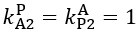
      (19) Figure Reference: In line 308, Fig. 4a is referenced when explaining the loss of pattern stability by modifying an individual parameter, but this is not shown in that panel. Please update the panel or adjust the reference in the main text.

      We sincerely thank the editor(s) and referee(s) for pointing out this problem!

      Fig. 4 focuses on the regulatable shift of the zero-velocity interface by modifying a pair of individual parameters, not on the loss (or recovery) of pattern stability, which has been analyzed as a focus in Fig. 1, Fig. 2, and Fig. 3. Fig. 4a is actually from the same simulation as the one in Fig. 1a, which has spatially uniform parameters used as a reference in Fig. 4. The individual parameter modification in other subfigures of Fig. 4 shows how the zero-velocity interface is shifted in a regulatable manner always in the context of pattern stability. Now we update the panel, adjust the reference, add one more paragraph, and improve the wording to clarify how the analyses in Fig. 4 are carried out on top of the pattern stability already studied.

      (20) Viable Parameter Sets: In line 355, the number of viable parameter sets (602) is not very informative by itself. We suggest reporting the fraction or percentage of sets tested that resulted in viable results instead. This applies similarly to lines 411 and 468.

      We sincerely thank the editor(s) and referee(s) for the constructive comment!

      Now the fraction/percentage of parameter sets tested that resulted in viable results are added everywhere the number appears.

      (21) Perturbation Experiments: In lines 358-359, "the perturbation experiments" implies that those considered are the only possible ones. Please rephrase to clarify.

      We sincerely thank the editor(s) and referee(s) for the helpful advice!

      Now we rephrase three paragraphs to clarify why the perturbation experiments involved with [L] and [C] are considered instead of other possible ones.

      (22) Figure 2S: This figure is unclear. The caption states that panel (a) shows the "final concentration distribution," but only a line is shown. If "distribution" refers to spatial distribution, please clarify which parameters are shown.

      We sincerely thank the editor(s) and referee(s) for pointing out this problem!

      Now we clarify the “spatial concentration distribution” and which parameters are shown in the figure caption.

      (23) Figure 5 and 6 Captions: The captions for Figures 5 and 6 could benefit from clarification for better understanding.

      We sincerely thank the editor(s) and referee(s) for the constructive suggestion!

      Now we clarify the details in the captions of Fig. 5 and Fig. 6 for better understanding.

      (24) Figure 5 Legend: The legend on the bottom right corner of Figure 5 is unclear. Please specify to which panel it refers.

      We sincerely thank the editor(s) and referee(s) for the constructive suggestion!

      Now we clarify to which the legend on the bottom right corner of Fig. 5 refers.

      (25) L and A~C Interactions: In paragraphs 405-418, please explain why the L and A~C interactions are removed for the comparison instead of others.

      We sincerely thank the editor(s) and referee(s) for the constructive suggestion!

      Now we add a separate paragraph and a supplemental figure to explain why the L and A~C interactions are removed for the comparison instead of others.

      (26) Network Structures in Figure S3: From the "34 possible network structures" considered in Figure S3 (lines 440-441), why are the "null cases" (L disconnected from the network) relevant? Shouldn't only 32 networks be considered?

      We sincerely thank the editor(s) and referee(s) for pointing out this problem!

      Now the two “null cases” are removed:

      (27) Figure S3 Caption: The caption must state that the position of the nodes (left or right) implies the polarisation pattern. Additionally, with the current size of the figure, the dashed lines are extremely hard to differentiate from the continuous lines.

      We sincerely thank the editor(s) and referee(s) for the constructive suggestion!

      Now we state that the position of the nodes (left or right) implies the polarization pattern. Additionally, we have modified the figure size and dashed lines so that the dash lines are adequately distinguishable from the continuous lines.

      (28) Equation #7: It is confusing to use P as the number of independent simulations when P is also one of the variables/species in the network. Please consider using different notation.

      We sincerely thank the editor(s) and refer(s) for the hhelpful advice!

      Now we replace the P in current Equation #8 with Q and the P in current Equation #10 with W.

      (29) Use of "Detailed Balance": The authors used the term "detailed balance" to describe the intricate balance between the two groups of proteins when forming a polarised pattern. However, "detailed balance" is a term with a specific meaning in thermodynamics. Breaking detailed balance is a feature of nonequilibrium systems, and the polarisation phenomenon is evidently a nonequilibrium process. Using the term "detailed balance" may cause confusion, especially for readers with a physics background. It might be advisable to reconsider the terminology to avoid potential confusion and ensure clarity for readers.

      We sincerely thank the editor(s) and referee(s) for the constructive suggestion!

      To avoid potential confusion and ensure clarity for readers, now we replace “detailed balance” with “balance”, “required balance”, or “interplay” regarding different contexts.

      (30) Terminology: The word "molecule" is used where "molecular species" would be more appropriate, e.g., lines 456 and 551. Please revise these instances.

      We sincerely thank the editor(s) and referee(s) for the constructive suggestion!

      Now we replace all the “molecule” by “molecular species” as suggested.

      (31) Section 2.5: This section is confusing. It isn't clear where the "method outlined" (line 464) is nor what "span an iso-velocity surface at vanishing speed" means in line 470. The sentence in lines 486-488, "An expression similar to Eq. 8 enables quantitative prediction...", is too vague. Please clarify these points and specify what the "similar expression" is and where it can be found.

      We sincerely thank the editor(s) and referee(s) for the constructive suggestion!

      Now we clarify these points and specify the terms as suggested.

      (32) Software Mention: The software is only mentioned in the abstract and conclusions. It should also be mentioned where the computational pipeline is described, and the instructions available in the supplementary information need to be referenced in the main text.

      We sincerely thank the editor(s) and referee(s) for pointing out this problem!

      Now we mention the software where the computational pipeline is described and reference the instructions available in the Supplemental Text.

      (33) Supplementary Material References: Several parts of the supplementary material are never referenced in the main text, including Figure S1, Movies S3-S4, and the Instructions for PolarSim. Please reference these in the main text to clarify their relevance and how they fit with the manuscript's narrative.

      We sincerely thank the editor(s) and referee(s) for pointing out this problem!

      Now we add all the missing references for supplementary materials to the main text properly.
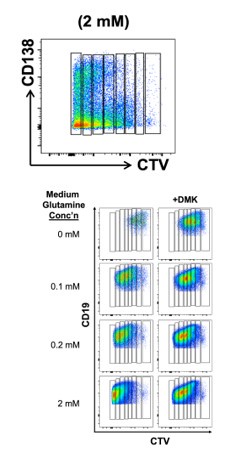
    1. Author response:

      The following is the authors’ response to the previous reviews.

      eLife assessment

      In this study, Ger and colleagues present a valuable new technique that uses recurrent neural networks to distinguish between model misspecification and behavioral stochasticity when interpreting cognitivebehavioral model fits. Evidence for the usefulness of this technique, which is currently based primarily on a relatively simple toy problem, is considered incomplete but could be improved via comparisons to existing approaches and/or applications to other problems. This technique addresses a long-standing problem that is likely to be of interest to researchers pushing the limits of cognitive computational modeling.

      Public Reviews:

      Reviewer #1 (Public Review):

      Summary:

      Ger and colleagues address an issue that often impedes computational modeling: the inherent ambiguity between stochasticity in behavior and structural mismatch between the assumed and true model. They propose a solution to use RNNs to estimate the ceiling on explainable variation within a behavioral dataset. With this information in hand, it is possible to determine the extent to which "worse fits" result from behavioral stochasticity versus failures of the cognitive model to capture nuances in behavior (model misspecification). The authors demonstrate the efficacy of the approach in a synthetic toy problem and then use the method to show that poorer model fits to 2-step data in participants with low IQ are actually due to an increase in inherent stochasticity, rather than systemic mismatch between model and behavior.

      Strengths:

      Overall I found the ideas conveyed in the paper interesting and the paper to be extremely clear and wellwritten. The method itself is clever and intuitive and I believe it could be useful in certain circumstances, particularly ones where the sources of structure in behavioral data are unknown. In general, the support for the method is clear and compelling. The flexibility of the method also means that it can be applied to different types of behavioral data - without any hypotheses about the exact behavioral features that might be present in a given task.

      Thank you for taking the time to review our work and for the positive remarks regarding the manuscript. Below is a point-by-point response to the concerns raised.

      Weaknesses:

      That said, I have some concerns with the manuscript in its current form, largely related to the applicability of the proposed methods for problems of importance in computational cognitive neuroscience. This concern stems from the fact that the toy problem explored in the manuscript is somewhat simple, and the theoretical problem addressed in it could have been identified through other means (for example through the use of posterior predictive checking for model validation), and the actual behavioral data analyzed were interpreted as a null result (failure to reject that the behavioral stochasticity hypothesis), rather than actual identification of model-misspecification. I expand on these primary concerns and raise several smaller points below.

      A primary question I have about this work is whether the method described would actually provide any advantage for real cognitive modeling problems beyond what is typically done to minimize the chance of model misspecification (in particular, post-predictive checking). The toy problem examined in the manuscript is pretty extreme (two of the three synthetic agents are very far from what a human would do on the task, and the models deviate from one another to a degree that detecting the difference should not be difficult for any method). The issue posed in the toy data would easily be identified by following good modeling practices, which include using posterior predictive checking over summary measures to identify model insufficiencies, which in turn would call for the need for a broader set of models (See Wilson & Collins 2019). Thus, I am left wondering whether this method could actually identify model misspecification in real world data, particularly in situations where standard posterior predictive checking would fall short. The conclusions from the main empirical data set rest largely on a null result, and the utility of a method for detecting model misspecification seems like it should depend on its ability to detect its presence, not just its absence, in real data.

      Beyond the question of its advantage above and beyond data- and hypothesis-informed methods for identifying model misspecification, I am also concerned that if the method does identify a modelinsufficiency, then you still would need to use these other methods in order to understand what aspect of behavior deviated from model predictions in order to design a better model. In general, it seems that the authors should be clear that this is a tool that might be helpful in some situations, but that it will need to be used in combination with other well-described modeling techniques (posterior predictive checking for model validation and guiding cognitive model extensions to capture unexplained features of the data). A general stylistic concern I have with this manuscript is that it presents and characterizes a new tool to help with cognitive computational modeling, but it does not really adhere to best modeling practices (see Collins & Wilson, eLife), which involve looking at data to identify core behavioral features and simulating data from best-fitting models to confirm that these features are reproduced. One could take away from this paper that you would be better off fitting a neural network to your behavioral data rather than carefully comparing the predictions of your cognitive model to your actual data, but I think that would be a highly misleading takeaway since summary measures of behavior would just as easily have diagnosed the model misspecification in the toy problem, and have the added advantage that they provide information about which cognitive processes are missing in such cases.

      As a more minor point, it is also worth noting that this method could not distinguish behavioral stochasticity from the deterministic structure that is not repeated across training/test sets (for example, because a specific sequence is present in the training set but not the test set). This should be included in the discussion of method limitations. It was also not entirely clear to me whether the method could be applied to real behavioral data without extensive pretraining (on >500 participants) which would certainly limit its applicability for standard cases.

      The authors focus on model misspecification, but in reality, all of our models are misspecified to some degree since the true process-generating behavior almost certainly deviates from our simple models (ie. as George Box is frequently quoted, "all models are wrong, but some of them are useful"). It would be useful to have some more nuanced discussion of situations in which misspecification is and is not problematic.

      We thank the reviewer for these comments and have made changes to the manuscript to better describe these limitations. We agree with the reviewer and accept that fitting a neural network is by no means a substitute for careful and dedicated cognitive modeling. Cognitive modeling is aimed at describing the latent processes that are assumed to generate the observed data, and we agree that careful description of the data-generating mechanisms, including posterior predictive checks, is always required. However, even a well-defined cognitive model might still have little predictive accuracy, and it is difficult to know how much resources should be put into trying to test and develop new cognitive models to describe the data. We argue that RNN can lead to some insights regarding this question, and highlight the following limitations that were mentioned by the review: 

      First, we accept that it is important to provide positive evidence for the existence of model misspecification. In that sense, a result where the network shows dramatic improvement over the best-fitting theoretical model is easier to interpret compared to when the network shows no (or very little) improvement in predictive accuracy. This is because there is always an option that the network, for some reason, was not flexible enough to learn the data-generating model, or because the data-generating mechanism has changed from training to test. We have now added this more clearly in the limitation section. However, when it comes to our empirical results, we would like to emphasize that the network did in fact improve the predictive accuracy for all participants. The result shows support in favor of a "null" hypothesis in the sense that we seem to find evidence that the change in predictive accuracy between the theoretical model and RNN is not systematic across levels of IQ. This allows us to quantify evidence (use Bayesian statistics) for no systematic model misspecification as a function of IQ. While it is always possible that a different model might systematically improve the predictive accuracy of low vs high IQ individuals' data, this seems less likely given the flexibility of the current results.  

      Second, we agree that our current study only applies to the RL models that we tested. In the context of RL, we have used a well-established and frequently applied paradigm and models. We emphasize in the discussion that simulations are required to further validate other uses for this method with other paradigms.  

      Third, we also accept that posterior predictive checks should always be capitalized when possible, which is now emphasized in the discussion. However, we note that these are not always easy to interpret in a meaningful way and may not always provide details regarding model insufficiencies as described by the reviewer. It is very hard to determine what should be considered as a good prediction and since the generative model is always unknown, sometimes very low predictive accuracy can still be at the peak of possible model performance. This is because the data might be generated from a very noisy process, capping the possible predictive accuracy at a very low point. However, when strictly using theoretical modeling, it is very hard to determine what predictive accuracy to expect. Also, predictive checks are not always easy to interpret visually or otherwise. For example, in two-armed bandit tasks where there are only two actions, the prediction of choices is easier to understand in our opinion when described using a confusion matrix that summarizes the model's ability to predict the empirical behavior (which becomes similar to the predictive estimation we describe in eq 22).  

      Finally, this approach indeed requires a large dataset, with at least three sessions for each participant (training, validation, and test). Further studies might shed more light on the use of optimal epochs as a proxy for noise/complexity that can be used with less data (i.e., training and validation, without a test set).

      Please see our changes at the end of this document.  

      Reviewer #2 (Public Review):

      SUMMARY:

      In this manuscript, Ger and colleagues propose two complementary analytical methods aimed at quantifying the model misspecification and irreducible stochasticity in human choice behavior. The first method involves fitting recurrent neural networks (RNNs) and theoretical models to human choices and interpreting the better performance of RNNs as providing evidence of the misspecifications of theoretical models. The second method involves estimating the number of training iterations for which the fitted RNN achieves the best prediction of human choice behavior in a separate, validation data set, following an approach known as "early stopping". This number is then interpreted as a proxy for the amount of explainable variability in behavior, such that fewer iterations (earlier stopping) correspond to a higher amount of irreducible stochasticity in the data. The authors validate the two methods using simulations of choice behavior in a two-stage task, where the simulated behavior is generated by different known models. Finally, the authors use their approach in a real data set of human choices in the two-stage task, concluding that low-IQ subjects exhibit greater levels of stochasticity than high-IQ subjects.

      STRENGTHS:

      The manuscript explores an extremely important topic to scientists interested in characterizing human decision-making. While it is generally acknowledged that any computational model of behavior will be limited in its ability to describe a particular data set, one should hope to understand whether these limitations arise due to model misspecification or due to irreducible stochasticity in the data. Evidence for the former suggests that better models ought to exist; evidence for the latter suggests they might not.

      To address this important topic, the authors elaborate carefully on the rationale of their proposed approach. They describe a variety of simulations - for which the ground truth models and the amount of behavioral stochasticity are known - to validate their approaches. This enables the reader to understand the benefits (and limitations) of these approaches when applied to the two-stage task, a task paradigm commonly used in the field. Through a set of convincing analyses, the authors demonstrate that their approach is capable of identifying situations where an alternative, untested computational model can outperform the set of tested models, before applying these techniques to a realistic data set.

      Thank you for reviewing our work and for the positive tone. Please find below a point-by-point response to the concerns you have raised.

      WEAKNESSES:

      The most significant weakness is that the paper rests on the implicit assumption that the fitted RNNs explain as much variance as possible, an assumption that is likely incorrect and which can result in incorrect conclusions. While in low-dimensional tasks RNNs can predict behavior as well as the data-generating models, this is not *always* the case, and the paper itself illustrates (in Figure 3) several cases where the fitted RNNs fall short of the ground-truth model. In such cases, we cannot conclude that a subject exhibiting a relatively poor RNN fit necessarily has a relatively high degree of behavioral stochasticity. Instead, it is at least conceivable that this subject's behavior is generated precisely (i.e., with low noise) by an alternative model that is poorly fit by an RNN - e.g., a model with long-term sequential dependencies, which RNNs are known to have difficulties in capturing.

      These situations could lead to incorrect conclusions for both of the proposed methods. First, the model misspecification analysis might show equal predictive performance for a particular theoretical model and for the RNN. While a scientist might be inclined to conclude that the theoretical model explains the maximum amount of explainable variance and therefore that no better model should exist, the scenario in the previous paragraph suggests that a superior model might nonetheless exist. Second, in the earlystopping analysis, a particular subject may achieve optimal validation performance with fewer epochs than another, leading the scientist to conclude that this subject exhibits higher behavioral noise. However, as before, this could again result from the fact that this subject's behavior is produced with little noise by a different model. Admittedly, the existence of such scenarios *in principle* does not mean that such scenarios are common, and the conclusions drawn in the paper are likely appropriate for the particular examples analyzed. However, it is much less obvious that the RNNs will provide optimal fits in other types of tasks, particularly those with more complex rules and long-term sequential dependencies, and in such scenarios, an ill-advised scientist might end up drawing incorrect conclusions from the application of the proposed approaches.

      Yes, we understand and agree. A negative result where RNN is unable to overcome the best fitting theoretical model would always leave room for doubt regarding the fact that a different approach might yield better results. In contrast, a dramatic improvement in predictive accuracy for RNN is easier to interpret since it implies that the theoretical model can be improved. We have made an effort to make this issue clear and more articulated in the discussion. We specifically and directly mention in the discussion that “Equating RNN performance with the generative model should be avoided”.   

      However, we would like to note that our empirical results provided a somewhat more nuanced scenario where we found that the RNN generally improved the predictive accuracy of most participants. Importantly, this improvement was found to be equal across participants with no systematic benefits for low vs high IQ participants. We understand that there is always the possibility that another model would show a systematic benefit for low vs. high IQ participants, however, we suggest that this is less likely given the current evidence. We have made an effort to clearly note these issues in the discussion.  

      In addition to this general limitation, the paper also makes a few additional claims that are not fully supported by the provided evidence. For example, Figure 4 highlights the relationship between the optimal epochs and agent noise. Yet, it is nonetheless possible that the optimal epoch is influenced by model parameters other than inverse temperature (e.g., learning rate). This could again lead to invalid conclusions, such as concluding that low-IQ is associated with optimal epoch when an alternative account might be that low-IQ is associated with low learning rate, which in turn is associated with optimal epoch. Yet additional factors such as the deep double-descent (Nakkiran et al., ICLR 2020) can also influence the optimal epoch value as computed by the authors.

      An additional issue is that Figure 4 reports an association between optimal epoch and noise, but noise is normalized by the true minimal/maximal inverse-temperature of hybrid agents (Eq. 23). It is thus possible that the relationship does not hold for more extreme values of inverse-temperature such as beta=0 (extremely noisy behavior) or beta=inf (deterministic behavior), two important special cases that should be incorporated in the current study. Finally, even taking the association in Figure 4 at face value, there are potential issues with inferring noise from the optimal epoch when their correlation is only r~=0.7. As shown in the figures, upon finding a very low optimal epoch for a particular subject, one might be compelled to infer high amounts of noise, even though several agents may exhibit a low optimal epoch despite having very little noise.

      Thank you for these comments. Indeed, there is much we do not yet fully understand about the factors that influence optimal epochs. Currently, it is clear to us that the number of optimal epochs is influenced by a variety of factors, including network size, the data size, and other cognitive parameters, such as the learning rate. We hope that our work serves as a proof-of-concept, suggesting that, in certain scenarios, the number of epochs can be utilized as an empirical estimate. Moreover, we maintain that, at least within the context of the current paradigm, the number of optimal epochs is primarily sensitive to the amount of true underlying noise, assuming the number of trials and network size are constant. We are therefore hopeful that this proofof-concept will encourage research that will further examine the factors that influence the optimal epochs in different behavioral paradigms.  

      To address the reviewer's justified concerns, we have made several amendments to the manuscript. First, we added an additional version of Figure 4 in the Supplementary Information material, where the noise parameter values are not scaled. We hope this adjustment clarifies that the parameters were tested across a broad spectrum of values (e.g., 0 to 10 for the hybrid model), spanning the two extremes of complete randomness and high determinism. Second, we included a linear regression analysis showing the association of all model parameters (including noise) with the optimal number of epochs. As anticipated by the reviewer, the learning rate was also found to be associated with the number of optimal epochs. Nonetheless, the noise parameter appears to maintain the most substantial association with the number of optimal epochs. We have also added a specific mentioning of these associations in the discussion, to inform readers that the association between the number of optimal epochs and model parameters should be examined using simulation for other paradigms/models. Lastly, we acknowledge in the discussion that the findings regarding the association between the number of optimal epochs and noise warrant further investigation, considering other factors that might influence the determination of the optimal epoch point and the fact that the correlation with noise is strong, but not perfect (in the range of 0.7).

      The discussion now includes the following:

      “Several limitations should be considered in our proposed approach. First, fitting a data-driven neural network is evidently not enough to produce a comprehensive theoretical description of the data generation mechanisms. Currently, best practices for cognitive modeling \citep{wilson2019ten} require identifying under what conditions the model struggles to predict the data (e.g., using posterior predictive checks), and describing a different theoretical model that could account for these disadvantages in prediction. However, identifying conditions where the model shortcomings in predictive accuracy are due to model misspecifications rather than noisier behavior is a challenging task. We propose leveraging data-driven RNNs as a supplementary tool, particularly when they significantly outperform existing theoretical models, followed by refined theoretical modeling to provide insights into what processes were mis-specified in the initial modeling effort.

      Second, although we observed a robust association between the optimal number of epochs and true noise across varying network sizes and dataset sizes (see Fig.~\ref{figS2}), additional factors such as network architecture and other model parameters (e.g., learning rate, see .~\ref{figS7}) might influence this estimation. Further research is required to allow us to better understand how and why different factors change the number of optimal epochs for a given dataset before it can be applied with confidence to empirical investigations. 

      Third, the empirical dataset used in our study consisted of data collected from human participants at a single time point, serving as the training set for our RNN. The test set data, collected with a time interval of approximately $\sim6$ and $\sim18$ months, introduced the possibility of changes in participants' decision-making strategies over time. In our analysis, we neglected any possible changes in participants' decision-making strategies during that time, changes that may lead to poorer generalization performance of our approach. Thus, further studies are needed to eliminate such possible explanations.

      Fourth, our simulations, albeit illustrative, were confined to known models, necessitating in-silico validation before extrapolating the efficacy of our approach to other model classes and tasks. Our aim was to showcase the potential benefits of using a data-driven approach, particularly when faced with unknown models. However, whether RNNs will provide optimal fits for tasks with more complex rules and long-term sequential dependencies remains uncertain.

      Finally, while positive outcomes where RNNs surpass theoretical models can prompt insightful model refinement, caution is warranted in directly equating RNN performance with that of the generative model, as seen in our simulations (e.g., Figure 3). We highlight that our empirical findings depict a more complex scenario, wherein the RNN enhanced the predictive accuracy for all participants uniformly. Notably, we also provide evidence supporting a null effect among individuals, with no consistent difference in RNN improvement over the theoretical model based on IQ. Although it remains conceivable that a different datadriven model could systematically heighten the predictive accuracy for individuals with lower IQs in this task, such a possibility seems less probable in light of the current findings.”

      Reviewer #1 (Recommendations For The Authors):

      Minor comments:

      Is the t that gets fed as input to RNN just timestep?

      t = last transition type (rare/common). not timestep

      Line 378: what does "optimal epochs" mean here?

      The number of optimal training epochs that minimize both underfitting and overfitting (define in the line ~300)

      Line 443: I don't think "identical" is the right word here - surely the authors just mean that there is not an obvious systematic difference in the distributions.

      Fixed

      I was expecting to see ~500 points in Figure 7a, but there seem to be only 50... why weren't all datasets with at least 2 sessions used for this analysis?

      We used the ~500 subjects (only 2 datasets) to pre-train the RNN, and then fine-tuned the pre-trained RNN on the other 54 subjects that have 3 datasets. The correlation of IQ and optimal epoch also hold for the 500 subjects as shown below. 

      Author response image 1.

      Reviewer #2 (Recommendations For The Authors):

      Figure 3b: despite spending a long time trying to understand the meaning of each cell of the confusion matrix, I'm still unsure what they represent. Would be great if you could spell out the meaning of each cell individually, at least for the first matrix in the paper.

      We added a clarification to the Figure caption. 

      Figure 5: Why didn't the authors show this exact scenario using simulated data? It would be much easier to understand the predictions of this figure if they had been demonstrated in simulated data, such as individuals with different amounts of behavioral noise or different levels of model misspecifications.

      In Figure 5 the x-axis represents IQ. Replacing the x-axis with true noise would make what we present now as Figure 4. We have made an effort to emphasize the meaning of the axes in the caption. 

      Line 195 ("...in the action selection. Where"). Typo? No period is needed before "where".

      Fixed

      Line 213 ("K dominated-hand model"). I was intrigued by this model, but wasn't sure whether it has been used previously in the literature, or whether this is the first time it has been proposed.

      This is the first time that we know of that this model is used.  

      Line 345 ("This suggests that RNN is flexible enough to approximate a wide range of different behavioral models"): Worth explaining why (i.e., because the GRUs are able to capture dependencies across longer delays than a k-order Logistic Regression model).

      Line 356 ("We were interested to test"): Suggestion: "We were interested in testing".

      Fixed

      Line 389 ("However, as long as the number of observations and the size of the network is the same between two datasets, the number of optimal epochs can be used to estimate whether the dataset of one participant is noisier compared with a second dataset."): This is an important claim that should ideally be demonstrated directly. The paper only illustrates this effect through a correlation and a scatter plot, where higher noise tends to predict a lower optimal epoch. However, is the claim here that, in some circumstances, optimal epoch can be used to *deterministically* estimate noise? If so, this would be a strong result and should ideally be included in the paper.

      We have now omitted this sentenced and toned down our claims, suggesting that while we did find a strong association between noise and optimal epochs, future research is required to established to what extent this could be differentiated from other factors (i.e., network size, amount of observations).

    1. Author response:

      The following is the authors’ response to the original reviews.

      Preliminary note from the Reviewing Editor:

      The evaluations of the two Reviewers are provided for your information. As you can see, their opinions are very different.

      Reviewer #1 is very harsh in his/her evaluation. Clearly, we don't expect you to be able to affect one type of actin network without affecting the other, but rather to change the balance between the two. However, he/she also raises some valid points, in particular that more rationale should be added for the perturbations (also mentioned by Reviewer #2). Both Reviewers have also excellent suggestions for improving the presentation of the data.

      We sincerely appreciate your and the reviewers’ suggestions. The comments are amended accordingly.

      On another point, I was surprised when reading your manuscript that a molecular description of chirality change in cells is presented as a completely new one. Alexander Bershadsky's group has identified several factors (including alpha-actinin) as important regulators of the direction of chirality. The articles are cited, but these important results are not specifically mentioned. Highlighting them would not call into question the importance of your work, but might even provide additional arguments for your model.

      We appreciate the editor’s comment. Alexander Bershadsky's group has done marvelous work in cell chirality. They introduced the stair-stepping and screw theory, which suggested how radial fiber polymerization generates ACW force and drives the actin cytoskeleton into the ACW pattern. Moreover, they have identified chiral regulators like alpha-actinin 1, mDia1, capZB, and profilin 1, which can reverse or neutralize the chiral expression.

      It is worth noting that Bershadsky's group primarily focuses on radial fibers. In our manuscript, instead, we primarily focused on the contractile unit in the transverse arcs and CW chirality in our investigation. Our manuscript incorporates our findings in the transverse arcs and the radial fibers theory by Bershadsky's group into the chirality balance hypothesis, providing a more comprehensive understanding of the chirality expression.

      We have included relevant articles from Alexander Bershadsky's group, we agree that highlighting these important results of chiral regulators would further strengthen our manuscript. The manuscript was revised as follows:

      “ACW chirality can be explained by the right-handed axial spinning of radial fibers during polymerization, i.e. ‘stair-stepping' mode proposed by Tee et al. (Tee et al. 2015) (Figure 8A; Video 4). As actin filament is formed in a right-handed double helix, it possesses an intrinsic chiral nature. During the polymerization of radial fiber, the barbed end capped by formin at focal adhesion was found to recruit new actin monomers to the filament. The tethering by formin during the recruitment of actin monomers contributes to the right-handed tilting of radial fibers, leading to ACW rotation. Supporting this model, Jalal et al. (Jalal et al. 2019) showed that the silencing of mDia1, capZB, and profilin 1 would abolish the ACW chiral expression or reverse the chirality into CW direction. Specifically, the silencing of mDia1, capZB or profilin-1 would attenuate the recruitment of actin monomer into the radial fiber, with mDia1 acting as the nucleator of actin filament (Tsuji et al. 2002), CapZB promoting actin polymerization as capping protein (Mukherjee et al. 2016), and profilin-1 facilitating ATP-bound G-actin to the barbed ends(Haarer and Brown 1990; Witke 2004). The silencing resulted in a decrease in the elongation velocity of radial fiber, driving the cell into neutral or CW chirality. These results support that our findings that reduction of radial fiber elongation can invert the balance of chirality expression, changing the ACW-expressing cell into a neutral or CW-expressing cell.”

      By incorporating their findings into our revision and discussion, we provide additional support for our radial fiber-transverse arc balance model for chirality expression. The revision is made on pages 8 to 9, 13, lines 253 to 256, 284, 312 to 313, 443, 449 to 459.

      Public Reviews:

      Reviewer #1 (Public Review):

      Summary:

      Kwong et al. present evidence that two actin-filament based cytoskeletal structures regulate the clockwise and anticlockwise rotation of the cytoplasm. These claims are based on experiments using cells plated on micropatterned substrates (circles). Previous reports have shown that the actomyosin network that forms on the dorsal surface of a cell plated on a circle drives a rotational or swirling pattern of movement in the cytoplasm. This actin network is composed of a combination of non-contractile radial stress fibers (AKA dorsal stress fibers) which are mechanically coupled to contractile transverse actin arcs (AKA actin arcs). The authors claim that directionality of the rotation of the cytoplasm (i.e., clockwise or anticlockwise) depends on either the actin arcs or radial fibers, respectively. While this would interesting, the authors are not able to remove either actin-based network without effecting the other. This is not surprising, as it is likely that the radial fibers require the arcs to elongate them, and the arcs require the radial fibers to stop them from collapsing. As such, it is difficult to make simple interpretations such as the clockwise bias is driven by the arcs and anticlockwise bias is driven by the radial fibers.

      Weaknesses:

      (1) There are also multiple problems with how the data is displayed and interpreted. First, it is difficult to compare the experimental data with the controls as the authors do not include control images in several of the figures. For example, Figure 6 has images showing myosin IIA distribution, but Figure 5 has the control image. Each figure needs to show controls. Otherwise, it will be difficult for the reader to understand the differences in localization of the proteins shown. This could be accomplished by either adding different control examples or by combining figures.

      We appreciate the reviewer’s comment. We agree with the reviewer that it is difficult to compare our results in the current arrangement. The controls are included in the new Figure 6.

      (2) It is important that the authors should label the range of gray values of the heat maps shown. It is difficult to know how these maps were created. I could not find a description in the methods, nor have previous papers laid out a standardized way of doing it. As such, the reader needs some indication as to whether the maps showing different cells were created the same and show the same range of gray levels. In general, heat maps showing the same protein should have identical gray levels. The authors already show color bars next to the heat maps indicating the range of colors used. It should be a simple fix to label the minimum (blue on the color bar) and the maximum (red on the color bar) gray levels on these color bars. The profiles of actin shown in Figure 3 and Figure 3- figure supplement 3 were useful for interpretating the distribution of actin filaments. Why did not the authors show the same for the myosin IIa distributions?

      We appreciate the reviewer’s comment. For generating the distribution heatmap, the images were taken under the same setting (e.g., fluorescent staining procedure, excitation intensity, or exposure time). The prerequisite of cells for image stacking was that they had to be fully spread on either 2500 µm2 or 750 µm2 circular patterns. Then, the location for image stacking was determined by identifying the center of each cell spread in a perfect circle. Finally, the images were aligned at the cell center to calculate the averaged intensity to show the distribution heatmap on the circular pattern. Revision is made on pages 19 to 20, lines 668 to 677.

      It is important to note that the individual heatmaps represent the normalized distribution generated using unique color intensity ranges. This approach was chosen to emphasize the proportional distribution of protein within cells and its variations among samples, especially for samples with generally lower expression levels. Additionally, a differential heatmap with its own range was employed to demonstrate the normalized differences compared to the control sample. Furthermore, to provide additional insight, we plotted the intensity profile of the same protein with the same size for comparative analysis. Revision is made on pages 20, lines 679 to 682.

      The labels of the heatmap are included to show the intensity in the revised Figure 3, Figure 5, Figure 6, and Figure 3 —figure supplement 4.

      To better illustrate the myosin IIa distribution, the myosin intensity profiles were plotted for Y27 treatment and gene silencing. The figures are included as Figure 5—figure supplement 2 and Figure 6—figure supplement 2. Revisions are made on pages 10, lines 332 to 334 and pages 11, lines 377 to 379.

      (3) Line 189 "This absence of radial fibers is unexpected". The authors should clarify what they mean by this statement. The claim that the cell in Figure 3B has reduced radial stress fiber is not supported by the data shown. Every actin structure in this cell is reduced compared to the cell on the larger micropattern in Figure 3A. It is unclear if the radial stress fibers are reduced more than the arcs. Are the authors referring to radial fiber elongation?

      We appreciate the reviewer’s comment. We calculated the structures' pixel number and the percentage in the image to better illustrate the reduction of radial fiber or transverse arc. As radial fibers emerge from the cell boundary and point towards the cell center and the transverse arcs are parallel to the cell edge, the actin filament can be identified by their angle with respect to the cell center. We found that the pixel number of radial fiber is greatly reduced by 91.98 % on 750 µm2 compared to the 2500 µm2 pattern, while the pixel number of transverse arc is reduced by 70.58 % (Figure 3- figure supplement 3A). Additionally, we compared the percentage of actin structures on different pattern sizes (Figure 3- figure supplement 3B). On 2500 µm2 pattern, the percentage of radial fiber in the actin structure is 61.76 ± 2.77 %, but it only accounts for 31.13 ± 2.76 % while on 750 µm2 pattern. These results provide evidence of the structural reduction on a smaller pattern.

      Regarding the radial fiber elongation, we only discussed the reduction of radial fiber on 750 µm2 compared to the 2500 µm2 pattern in this part. For more understanding of the radial fiber contribution to chirality, we compared the radial fiber elongation rate in the LatA treatment and control on 2500 µm2 pattern (Figure 4). This result suggests the potential role of radial fiber in cell chirality. Revisions are made on page 6, lines 186 to 194; pages 17 to 18, 601 to 606; and the new Figure 3- figure supplement 3.

      (4) The choice of the small molecule inhibitors used in this study is difficult to understand, and their results are also confusing. For example, sequestering G actin with Latrunculin A is a complicated experiment. The authors use a relatively low concentration (50 nM) and show that actin filament-based structures are reduced and there are more in the center of the cell than in controls (Figure 3E). What was the logic of choosing this concentration?

      We appreciate the reviewer’s comment. The concentration of drugs was selected based on literatures and their known effects on actin arrangement or chiral expression.

      For example, Latrunculin A was used at 50 nM concentration, which has been proven effective in reversing the chirality at or below 50 nM (Bao et al., 2020; Chin et al., 2018; Kwong et al., 2019; Wan et al., 2011). Similarly, the 2 µM A23187 treatment concentration was selected to initiate the actin remodeling (Shao et al., 2015). Furthermore, NSC23677 at 100 µM was found to efficiently inhibit the Rac1 activation and resulted in a distinct change in actin structure (Chen et al., 2011; Gao et al., 2004), enhancing ACW chiral expression. The revision is made on pages 6 to 7, lines 202 to 211.

      (5) Using a small molecule that binds the barbed end (e.g., cytochalasin) could conceivably be used to selectively remove longer actin filaments, which the radial fibers have compared to the lamellipodia and the transverse arcs. The authors should articulate how the actin cytoskeleton is being changed by latruculin treatment and the impact on chirality. Is it just that the radial stress fibers are not elongating? There seems to be more radial stress fibers than in controls, rather than an absence of radial stress fibers.

      We appreciate the reviewer’s comment. Our results showed Latrunculin A treatment reversed the cell chirality. To compare the amount of radial fiber and transverse arc, we calculated the structures' pixel percentage. We found that, the percentage of radial fibers pixel with LatA treatment was reduced compared to that of the control, while the percentage of transverse arcs pixel increased (Figure 3— figure supplement 5). This result suggests that radial fibers are inhibited under Latrunculin A treatment.

      Furthermore, the elongation rate of radial fibers is reduced by Latrunculin A treatment (Figure 4). This result, along with the reduction of radial fiber percentage under Latrunculin A treatment suggests the significant impact of radial fiber on the ACW chirality.  Revisions are made on pages 7 to 8, lines 244 to 250 and the new Figure 3— figure supplement 5 and Figure 3— figure supplement 6.

      (6) Similar problems arise from the other small molecules as well. LPA has more effects than simply activating RhoA. Additionally, many of the quantifiable effects of LPA treatment are apparent only after the cells are serum starved, which does not seem to be the case here.

      We appreciate the reviewer’s comment. The reviewer mentioned that the quantifiable effects of LPA treatments were seen after the cells were serum-starved. LPA is known to be a serum component and has an affinity to albumin in serum (Moolenaar, 1995). Serum starvation is often employed to better observe the effects of LPA by comparing conditions with and without LPA. We agree with the reviewer that the effect of LPA cannot be fully seen under the current setting. Based on the reviewer’s comment and after careful consideration, we have decided to remove the data related to LPA from our manuscript. Revisions are made on pages 6 to 7, 17 and Figure 3— figure supplement 4.

      (7) Furthermore, inhibiting ROCK with, Y-27632, effects myosin light chain phosphorylation and is not specific to myosin IIA. Are the two other myosin II paralogs expressed in these cells (myosin IIB and myosin IIC)? If so, the authors’ statements about this experiment should refer to myosin II not myosin IIa.

      We appreciate the reviewer’s comment. We agree that ensuring accuracy and clarity in our statements is important. The terminology is revised to myosin II regarding the Y27632 experiment for a more concise description. Revision is made on pages 9 to 10 and 29, lines 317 to 341, 845 and 848.  

      (8) None of the uses of the small molecules above have supporting data using a different experimental method. For example, backing up the LPA experiment by perturbing RhoA tho.

      We appreciate the reviewer’s comment. After careful consideration, we have decided to remove the data related to LPA from our manuscript. Revisions are made on pages 6 to 7, 17 and Figure 3— figure supplement 4.

      (9) The use of SMIFH2 as a "formin inhibitor" is also problematic. SMIFH2 also inhibits myosin II contractility, making interpreting its effects on cells difficult to impossible. The authors present data of mDia2 knockdown, which would be a good control for this SMIFH2.

      We appreciate the reviewer’s comment. We agree that there is potential interference of SMIFH2 with myosin II contractility, which could introduce confounding factors to the results. Based on your comment and further consideration, we have decided to remove the data related to SMIFH2 from our manuscript. Revisions are made on pages 6 to 7, 10, 17 and Figure 3— figure supplement 4.

      (10) However, the authors claim that mDia2 "typically nucleates tropomyosin-decorated actin filaments, which recruit myosin II and anneal endwise with α-actinin- crosslinked actin filaments."

      There is no reference to this statement and the authors own data shows that both arcs and radial fibers are reduced by mDia2 knockdown. Overall, the formin data does not support the conclusions the authors report.

      We appreciate the reviewer’s comment. We apologize for the lack of citation for this claim. To address this, we have added a reference to support this claim in the revised manuscript (Tojkander et al., 2011). Revision is made on page 10, line 345 to 347.

      Regarding the actin structure of mDia2 gene silencing, our results showed that myosin II was disassociated from the actin filament compared to the control. At the same time, there is no considerable differences in the actin structure of radial fibers and transverse arcs between the mDia2 gene silencing and the control.  

      (11) The data in Figure 7 does not support the conclusion that myosin IIa is exclusively on top of the cell. There are clear ventral stress fibers in A (actin) that have myosin IIa localization. The authors simply chose to not draw a line over them to create a height profile.

      We appreciate the reviewer’s comment. To better illustrate myosin IIa distribution in a cell, we have included a video showing the myosin IIa staining from the base to the top of the cell (Video 7). At the cell base, the intensity of myosin IIa is relatively low at the center. However, when the focal plane elevates, we can clearly see the myosin II localizes near the top of the cell (Figure 7B and Video 7). Revision is made on page 12, lines 421 to 424, and the new Video 7. 

      Reviewer #2 (Public Review):

      Summary:

      Chirality of cells, organs, and organisms can stem from the chiral asymmetry of proteins and polymers at a much smaller lengthscale. The intrinsic chirality of actin filaments (F-actin) is implicated in the chiral arrangement and movement of cellular structures including F-actin-based bundles and the nucleus. It is unknown how opposite chiralities can be observed when the chirality of F-actin is invariant. Kwong, Chen, and co-authors explored this problem by studying chiral cell-scale structures in adherent mammalian cultured cells. They controlled the size of adhesive patches, and examined chirality at different timepoints. They made various molecular perturbations and used several quantitative assays. They showed that forces exerted by antiparallel actomyosin bundles on parallel radial bundles are responsible for the chirality of the actomyosin network at the cell scale.

      Strengths:

      Whereas previously, most effort has been put into understanding radial bundles, this study makes an important distinction that transverse or circumferential bundles are made of antiparallel actomyosin arrays. A minor point that was nice for the paper to make is that between the co-existing chirality of nuclear rotation and radial bundle tilt, it is the F-actin driving nuclear rotation and not the other way around. The paper is clearly written.

      Weaknesses:

      The paper could benefit from grammatical editing. Once the following Major and Minor points are addressed, which may not require any further experimentation and does not entail additional conditions, this manuscript would be appropriate for publication in eLife.

      Recommendations for the authors:

      Reviewer #2 (Recommendations For The Authors):

      Major:

      (1) The binary classification of cells as exhibiting clockwise or anticlockwise F-actin structures does not capture the instances where there is very little chirality, such as in the mDia2-depleted cells on small patches (Figure 6B). Such reports of cell chirality throughout the cell population need to be reported as the average angle of F-actin structures on a per cell basis as a rose plot or scatter plot of angle. These changes to cell-scoring and data display will be important to discern between conditions where chirality is random (50% CW, 50% ACW) from conditions where chirality is low (radial bundles are radial and transverse arcs are circumferential).

      We appreciate the reviewer’s comment. We apologize if we did not convey our analysis method clearly enough. Throughout the manuscript, unless mentioned otherwise, the chirality analysis was based on the chiral nucleus rotation within a period of observation. The only exception is the F-actin structure chirality, in Figure 3—figure supplement 1, which we analyzed the angle of radial fiber of the control cell on 2500 µm2. It was described on pages 5 to 6, lines 169-172, and the method section “Analysis of fiber orientation and actin structure on circular pattern” on page 17.

      Based on the feedback, we attempted to use a scatter plot to present the mDia2 overexpression and silencing to show the randomness of the result. However, because scatter plots primarily focus on visualizing the distribution, they become cluttered and visually overwhelming, as shown below.

      Author response image 1.

      (A) Percentage of ACW nucleus rotational bias on 2500 µm2 with untreated control (reused data from Figure 3D, n = 57), mDia2 silencing (n = 48), and overexpression (n = 25). (B) Probability of ACW/CW rotation on 750 µm2 pattern with untreated control (reused data from Figure 3E, n = 34), mDia2 silencing (n = 53), and overexpressing (n = 22). Mean ± SEM. Two-sample equal variance two-tailed t-test.

      Therefore, in our manuscript, the presentation primarily used a column bar chart with statistical analysis, the Student T-test. The column bar chart makes it easier to understand and compare values. In brief, the Student T-test is commonly used to evaluate whether the means between the two groups are significantly different, assuming equal variance. As such, the Student T-test is able to discern the randomness of the chirality.

      (2) The authors need to discuss the likely nucleator of F-actin in the radial bundles, since it is apparently not mDia2 in these cells.

      We appreciate the reviewer’s comment. In our manuscript, we originally focused on mDia2 and Tpm4 as they are the transverse arc nucleator and the mediator of myosin II motion. However, we agree with the reviewer that discussing the radial fiber nucleator would provide more insight into radial fiber polymerization in ACW chirality and improve the completeness of the story.

      Radial fiber polymerizes at the focal adhesion. Serval proteins are involved in actin nucleation or stress fiber formation at the focal adhesion, such as Arp2/3 complex (Serrels et al., 2007), Ena/VASP (Applewhite et al., 2007; Gateva et al., 2014), and formins (Dettenhofer et al., 2008; Sahasrabudhe et al., 2016; Tsuji et al., 2002), etc. Within the formin family, mDia1 is the likely nucleator of F-actin in the radial bundle. The presence of mDia1 facilitates the elongation of actin bundles at focal adhesion (Hotulainen and Lappalainen, 2006). Studies by Jalal, et al (2019) (Jalal et al., 2019) and Tee, et al (2023) (Tee et al., 2023), have demonstrated the silencing of mDia1 abolished the ACW actin expression. Silencing of other nucleation proteins like Arp2/3 complex or Ena/VASP would only reduce the ACW actin expression without abolishing it.

      Based on these findings, the attenuation of radial fiber elongation would abolish the ACW chiral expression, providing more support for our model in explaining chirality expression.

      This part is incorporated into the Discussion. The revision is made on page 13, lines 443, 449 to 459.

      Minor:

      (1) In the introduction, additional observations of handedness reversal need to be referenced (line 79), including Schonegg, Hyman, and Wood 2014 and Zaatri, Perry, and Maddox 2021.

      We appreciate the reviewer’s comment. The observations of handedness reversal references are cited on page 3, line 78 to 79.

      (2) For clarity of logic, the authors should share the rationale for choosing, and results from administering, the collection of compounds as presented in Figure 3 one at a time instead of as a list.

      We appreciate the reviewer’s comment. The concentration of drugs was determined based on existing literature and their known outcomes on actin arrangement or chiral expression.

      To elucidate, the use of Latrunculin A was based on previous studies, which have demonstrated to reverse the chirality at or below 50 nM (Bao et al., 2020; Chin et al., 2018; Kwong et al., 2019; Wan et al., 2011).  Because inhibiting F-actin assembly can lead to the expression of CW chirality, we hypothesized that the opposite treatment might enhance ACW chirality. Therefore, we chose A23187 treatment with 2 µM concentration as it could initiate the actin remodeling and stress fiber formation (Shao et al., 2015).

      Furthermore, in the attempt to replicate the reversal of chirality by inhibiting F-actin assembly through other pathways, we explored NSC23677 at 100 µM, which was found to inhibit the Rac1 activation (Chen et al., 2011; Gao et al., 2004) and reduce cortical F-actin assembly (Head et al., 2003). However, it failed to reverse the chirality but enhanced the ACW chirality of the cell.

      We carefully selected the drugs and the applied concentration to investigate various pathways and mechanisms that influence actin arrangement and might affect the chiral expression. We believe that this clarification strengthens the rationale behind our choice of drug. The revision is made on pages 6 to 7, lines 202 to 211.

      (3) "Image stacking" isn't a common term to this referee. Its first appearance in the main text (line 183) should be accompanied with a call-out to the Methods section. The authors could consider referring to this approach more directly. Related issue: Image stacking fails to report the prominent enrichment of F-actin at the very cell periphery (see Figure 3 A and F) except for with images of cells on small islands (Figure 3H). Since this data display approach seems to be adding the intensity from all images together, and since cells on circular adhesive patches are relatively radially symmetric, it is unclear how to align cells, but perhaps cells could be aligned based on a slight asymmetry such as the peripheral location with highest F-actin intensity or the apparent location of the centrosome.

      We appreciate the reviewer’s comment. We fully acknowledge the uncommon use of “image stacking” and the insufficient description of image stacking under the Method section. First, we have added a call-out to the Methods section at its first appearance (Page 6, Lines 182 to 183). The method of image stacking is as follows. During generating the distribution heatmap, the images were taken under the same setting (e.g., staining procedure, fluorescent intensity, exposure time, etc.). The prerequisite of cells to be included in image stacking was that they had to be fully spread on either 2500 µm2 or 750 µm2 circular patterns. Then, the consistent position for image stacking could be found by identifying the center of each cell spreading in a perfect circle. Finally, the images were aligned at the center to calculate the averaged intensity to show the distribution heatmap on the circular pattern.

      We agree with the reviewer that our image alignment and stacking are based on cells that are radially symmetric. As such, the intensity distribution of stacked image is to compare the difference of F-actin along the radial direction. Revision is made on page 19, lines 668 to 682.

      (4) The authors need to be consistent with wording about chirality, avoiding "right" and left (e.g. lines 245-6) since if the cell periphery were oriented differently in the cropped view, the tilt would be a different direction side-to-side but the same chirality. This section is confusing since the peripheral radial bundles are quite radial, and the inner ones are pointing from upper left to lower right, pointing (to the right) more downward over time, rather than more right-ward, in the cropped images.

      We appreciate the reviewer’s comment. We apologize for the confusion caused by our description of the tilting direction. For consistency in our later description, we mention the “right” or “left” direction of the radial fibers referencing to the elongation of the radial fiber, which then brings the “rightward tilting” toward the ACW rotation of the chiral pattern. To maintain the word “rightward tilting”, we added the description to ensure accurate communication in our writing. We also rearrange the image in the new Figure 4A and Video 2 for better observation. Revision is made on page 8, lines 262 to 263.

      (5) Why are the cells Figure 4A dominated by radial (and more-central, tilting fibers, while control cells in 4D show robust circumferential transverse arcs? Have these cells been plated for different amounts of time or is a different optical section shown?

      We appreciate the reviewer’s comment. The cells in Figure 4A and Figure 4D are prepared with similar conditions, such as incubation time and optical setting. Actin organization is a dynamic process, and cells can exhibit varied actin arrangements, transitioning between different forms such as circular, radial, chordal, chiral, or linear patterns, as they spread on a circular island (Tee et al., 2015). In Figure 4A, the actin is arranged in a chiral pattern, whereas in Figure 4D, the actin exhibits a radial pattern. These variations reflect the natural dynamics of actin organization within cells during the imaging process.

      (6) All single-color images (such as Fig 5 F-actin) need to be black-on-white, since it is far more difficult to see F-actin morphology with red on black.

      We appreciate the reviewer’s comment. We have changed all F-actin images (single color) into black and white for better image clarity. Revisions are made in the new Figure 5, Figure 6 and Figure 7.

      (7) Figure 5A, especially the F-actin staining, is quite a bit blurrier than other micrographs. These images should be replaced with images of comparable quality to those shown throughout.

      We appreciate the reviewer’s comment. We agree that the F-actin staining in Figure 5 is difficult to observe. To improve image clarity, the F-actin staining images are replaced with more zoomed-in image. Revision is made in the new Figure 5.

      (8) F-actin does not look unchanged by Y27632 treatment, as the authors state in line 306. This may be partially due to image quality and the ambiguities of communicating with the blue-to-red colormap. Similarly, I don't agree that mDia2 depletion did not change F-actin distribution (line 330) as cells in that condition had a prominent peripheral ring of F-actin missing from cells in other conditions.

      We appreciate the reviewer’s comment. We agree with the reviewer’s observation that the F-actin distribution is indeed changed under Y27632 treatment compared to the control in Figure 5A-B. Here, we would like to emphasize that the actin ring persists despite the actin structure being altered under the Y27632 treatment. The actin ring refers to the darker red circle in the distribution heatmap. It presents the condensed actin structure, including radial fibers and transverse arcs. This important structure remains unaffected despite the disruption of myosin II, the key component in radial fiber.

      Furthermore, we agree with the reviewer that mDia2 depletion does change F-actin distribution. Similar to the Y27632 treatment, the actin ring persists despite the actin structure being altered under mDia2 gene silencing. Moreover, compared to other treatments, mDia2 depletion has less significant impact on actin distribution. To address these points more comprehensively, we have made revision in Y27632 treatment and mDia2 sections. The revisions of Y27632 and mDia2 are made on pages 10, lines 324-327 and 352-353, respectively.

      (9) The colormap shown for intensity coding should be reconsidered, as dark red is harder to see than the yellow that is sub-maximal. Verdis is a colormap ranging from cooler and darker blue, through green, to warmer and lighter yellow as the maximum. Other options likely exist as well.

      We appreciate the reviewer’s comment. We carefully considered the reviewer’s concern and explored other color scale choices in the colormap function in Matlab. After evaluating different options, including “Verdis” color scale, we found that “jet” provides a wide range of colors, allowing the effective visual presentation of intensity variation in our data. The use of ‘jet’ allows us to appropriately visualize the actin ring distribution, which represented in red or dark re. While we understand that dark red could be harder to see than the sub-maximal yellow, we believe that “jet” serves our purpose of presenting the intensity information.

      (10) For Figure 6, why doesn't average distribution of NMMIIa look like the example with high at periphery, low inside periphery, moderate throughout lamella, low perinuclear, and high central?

      We appreciate the reviewer’s comment. We understand that the reviewer’s concern about the average distribution of NMMIIa not appearing as the same as the example. The chosen image is the best representation of the NMMIIa disruption from the transverse arcs after the mDia2 silencing. Additionally, it is important to note that the average distribution result is a stacked image which includes other images. As such, the NMMIIA example and the distribution heatmap might not necessarily appear identical.

      (11) In 2015, Tee, Bershadsky and colleagues demonstrated that transverse bundles are dorsal to radial bundles, using correlative light and electron microscopy. While it is important for Kwong and colleagues to show that this is true in their cells, they should reference Tee et al. in the rationale section of text pertaining to Figure 7.

      We appreciate the reviewer’s comment. Tee, et al (Tee et al., 2015) demonstrated the transverse fiber is at the same height as the radial fiber based on the correlative light and electron microscopy. Here, using the position of myosin IIa, a transverse arc component, our results show the dorsal positioning of transverse arcs with connection to the extension of radial fibers (Figure 7C), which is consistent with their findings. It is included in our manuscript, page 12, lines 421 to 424, and page 14 lines 477 to 480.

      Reference

      Applewhite, D.A., Barzik, M., Kojima, S.-i., Svitkina, T.M., Gertler, F.B., and Borisy, G.G. (2007). Ena/Vasp Proteins Have an Anti-Capping Independent Function in Filopodia Formation. Mol. Biol. Cell. 18, 2579-2591. DOI: https://doi.org/10.1091/mbc.e06-11-0990

      Bao, Y., Wu, S., Chu, L.T., Kwong, H.K., Hartanto, H., Huang, Y., Lam, M.L., Lam, R.H., and Chen, T.H. (2020). Early Committed Clockwise Cell Chirality Upregulates Adipogenic Differentiation of Mesenchymal Stem Cells. Adv. Biosyst. 4, 2000161. DOI: https://doi.org/10.1002/adbi.202000161

      Chen, Q.-Y., Xu, L.-Q., Jiao, D.-M., Yao, Q.-H., Wang, Y.-Y., Hu, H.-Z., Wu, Y.-Q., Song, J., Yan, J., and Wu, L.-J. (2011). Silencing of Rac1 Modifies Lung Cancer Cell Migration, Invasion and Actin Cytoskeleton Rearrangements and Enhances Chemosensitivity to Antitumor Drugs. Int. J. Mol. Med. 28, 769-776. DOI: https://doi.org/10.3892/ijmm.2011.775

      Chin, A.S., Worley, K.E., Ray, P., Kaur, G., Fan, J., and Wan, L.Q. (2018). Epithelial Cell Chirality Revealed by Three-Dimensional Spontaneous Rotation. Proc. Natl. Acad. Sci. U.S.A. 115, 12188-12193. DOI: https://doi.org/10.1073/pnas.1805932115

      Dettenhofer, M., Zhou, F., and Leder, P. (2008). Formin 1-Isoform IV Deficient Cells Exhibit Defects in Cell Spreading and Focal Adhesion Formation. PLoS One 3, e2497. DOI:  https://doi.org/10.1371/journal.pone.0002497

      Gao, Y., Dickerson, J.B., Guo, F., Zheng, J., and Zheng, Y. (2004). Rational Design and Characterization of a Rac GTPase-Specific Small Molecule Inhibitor. Proc. Natl. Acad. Sci. U.S.A. 101, 7618-7623. DOI: https://doi.org/10.1073/pnas.0307512101

      Gateva, G., Tojkander, S., Koho, S., Carpen, O., and Lappalainen, P. (2014). Palladin Promotes Assembly of Non-Contractile Dorsal Stress Fibers through Vasp Recruitment. J. Cell Sci. 127, 1887-1898. DOI: https://doi.org/10.1242/jcs.135780

      Haarer, B., and Brown, S.S. (1990). Structure and Function of Profilin.

      Head, J.A., Jiang, D., Li, M., Zorn, L.J., Schaefer, E.M., Parsons, J.T., and Weed, S.A. (2003). Cortactin Tyrosine Phosphorylation Requires Rac1 Activity and Association with the Cortical Actin Cytoskeleton. Mol. Biol. Cell. 14, 3216-3229. DOI: https://doi.org/10.1091/mbc.e02-11-0753

      Hotulainen, P., and Lappalainen, P. (2006). Stress Fibers are Generated by Two Distinct Actin Assembly Mechanisms in Motile Cells. J. Cell Biol. 173, 383-394. DOI: https://doi.org/10.1083/jcb.200511093

      Jalal, S., Shi, S., Acharya, V., Huang, R.Y., Viasnoff, V., Bershadsky, A.D., and Tee, Y.H. (2019). Actin Cytoskeleton Self-Organization in Single Epithelial Cells and Fibroblasts under Isotropic Confinement. J. Cell Sci. 132. DOI: https://doi.org/10.1242/jcs.220780

      Kwong, H.K., Huang, Y., Bao, Y., Lam, M.L., and Chen, T.H. (2019). Remnant Effects of Culture Density on Cell Chirality after Reseeding. J. Cell Sci. 132. DOI: https://doi.org/10.1242/jcs.220780

      Moolenaar, W.H. (1995). Lysophosphatidic Acid, a Multifunctional Phospholipid Messenger. J. Cell Sci. 132. DOI: https://doi.org/10.1242/jcs.220780

      Mukherjee, K., Ishii, K., Pillalamarri, V., Kammin, T., Atkin, J.F., Hickey, S.E., Xi, Q.J., Zepeda, C.J., Gusella, J.F., and Talkowski, M.E. (2016). Actin Capping Protein Capzb Regulates Cell Morphology, Differentiation, and Neural Crest Migration in Craniofacial Morphogenesis. Hum. Mol. Genet. 25, 1255-1270. DOI: https://doi.org/10.1093/hmg/ddw006

      Sahasrabudhe, A., Ghate, K., Mutalik, S., Jacob, A., and Ghose, A. (2016). Formin 2 Regulates the Stabilization of Filopodial Tip Adhesions in Growth Cones and Affects Neuronal Outgrowth and Pathfinding In Vivo. Development 143, 449-460. DOI: https://doi.org/10.1242/dev.130104

      Serrels, B., Serrels, A., Brunton, V.G., Holt, M., McLean, G.W., Gray, C.H., Jones, G.E., and Frame, M.C. (2007). Focal Adhesion Kinase Controls Actin Assembly via a Ferm-Mediated Interaction with the Arp2/3 Complex. Nat. Cell Biol. 9, 1046-1056. DOI: https://doi.org/10.1038/ncb1626

      Shao, X., Li, Q., Mogilner, A., Bershadsky, A.D., and Shivashankar, G. (2015). Mechanical Stimulation Induces Formin-Dependent Assembly of a Perinuclear Actin Rim. Proc. Natl. Acad. Sci. U.S.A. 112, E2595-E2601. DOI: https://doi.org/10.1073/pnas.1504837112

      Tee, Y.H., Goh, W.J., Yong, X., Ong, H.T., Hu, J., Tay, I.Y.Y., Shi, S., Jalal, S., Barnett, S.F., and Kanchanawong, P. (2023). Actin Polymerisation and Crosslinking Drive Left-Right Asymmetry in Single Cell and Cell Collectives. Nat. Commun. 14, 776. DOI: https://doi.org/10.1038/s41467-023-35918-1

      Tee, Y.H., Shemesh, T., Thiagarajan, V., Hariadi, R.F., Anderson, K.L., Page, C., Volkmann, N., Hanein, D., Sivaramakrishnan, S., Kozlov, M.M., and Bershadsky, A.D. (2015). Cellular Chirality Arising from the Self-Organization of the Actin Cytoskeleton. Nat. Cell Biol. 17, 445-457. DOI: https://doi.org/10.1038/ncb3137

      Tojkander, S., Gateva, G., Schevzov, G., Hotulainen, P., Naumanen, P., Martin, C., Gunning, P.W., and Lappalainen, P. (2011). A Molecular Pathway for Myosin II Recruitment to Stress Fibers. Curr. Biol. 21, 539-550. DOI: https://doi.org/10.1016/j.cub.2011.03.007

      Tsuji, T., Ishizaki, T., Okamoto, M., Higashida, C., Kimura, K., Furuyashiki, T., Arakawa, Y., Birge, R.B., Nakamoto, T., Hirai, H., and Narumiya, S. (2002). Rock and mdia1 Antagonize in Rho-Dependent Rac Activation in Swiss 3T3 Fibroblasts. J. Cell Biol. 157, 819-830. DOI: https://doi.org/10.1083/jcb.200112107

      Wan, L.Q., Ronaldson, K., Park, M., Taylor, G., Zhang, Y., Gimble, J.M., and Vunjak-Novakovic, G. (2011). Micropatterned Mammalian Cells Exhibit Phenotype-Specific Left-Right Asymmetry. Proc. Natl. Acad. Sci. U.S.A. 108, 12295-12300. DOI: https://doi.org/10.1073/pnas.1103834108

      Witke, W. (2004). The Role of Profilin Complexes in Cell Motility and Other Cellular Processes. Trends Cell Biol. 14, 461-469. DOI: https://doi.org/10.1016/j.tcb.2004.07.003

    1. Author Response

      The following is the authors’ response to the original reviews.

      Public Reviews:

      Reviewer #1 (Public Review):

      Summary:

      The authors develop a method to fluorescently tag peptides loaded onto dendritic cells using a two-step method with a tetracystein motif modified peptide and labelling step done on the surface of live DC using a dye with high affinity for the added motif. The results are convincing in demonstrating in vitro and in vivo T cell activation and efficient label transfer to specific T cells in vivo. The label transfer technique will be useful to identify T cells that have recognised a DC presenting a specific peptide antigen to allow the isolation of the T cell and cloning of its TCR subunits, for example. It may also be useful as a general assay for in vitro or in vivo T-DC communication that can allow the detection of genetic or chemical modulators.

      Strengths:

      The study includes both in vitro and in vivo analysis including flow cytometry and two-photon laser scanning microscopy. The results are convincing and the level of T cell labelling with the fluorescent pMHC is surprisingly robust and suggests that the approach is potentially revealing something about fundamental mechanisms beyond the state of the art.

      Weaknesses:

      The method is demonstrated only at high pMHC density and it is not clear if it can operate at at lower peptide doses where T cells normally operate. However, this doesn't limit the utility of the method for applications where the peptide of interest is known. It's not clear to me how it could be used to de-orphan known TCR and this should be explained if they want to claim this as an application. Previous methods based on biotin-streptavidin and phycoerythrin had single pMHC sensitivity, but there were limitations to the PE-based probe so the use of organic dyes could offer advantages.

      We thank the reviewer for the valuable comments and suggestions. Indeed, we have shown and optimized this labeling technique for a commonly used peptide at rather high doses to provide a proof of principle for the possible use of tetracysteine tagged peptides for in vitro and in vivo studies. However, we completely agree that the studies that require different peptides and/or lower pMHC concentrations may require preliminary experiments if the use of biarsenical probes is attempted. We think it can help investigate the functional and biological properties of the peptides for TCRs deorphaned by techniques. Tetracysteine tagging of such peptides would provide a readily available antigen-specific reagent for the downstream assays and validation. Other possible uses for modified immunogenic peptides could be visualizing the dynamics of neoantigen vaccines or peptide delivery methods in vivo. For these additional uses, we recommend further optimization based on the needs of the prospective assay.

      Reviewer #2 (Public Review):

      Summary:

      The authors here develop a novel Ovalbumin model peptide that can be labeled with a site-specific FlAsH dye to track agonist peptides both in vitro and in vivo. The utility of this tool could allow better tracking of activated polyclonal T cells particularly in novel systems. The authors have provided solid evidence that peptides are functional, capable of activating OTII T cells, and that these peptides can undergo trogocytosis by cognate T cells only.

      Strengths:

      -An array of in vitro and in vivo studies are used to assess peptide functionality.

      -Nice use of cutting-edge intravital imaging.

      -Internal controls such as non-cogate T cells to improve the robustness of the results (such as Fig 5A-D).

      -One of the strengths is the direct labeling of the peptide and the potential utility in other systems.

      Weaknesses:

      1. What is the background signal from FlAsH? The baselines for Figure 1 flow plots are all quite different. Hard to follow. What does the background signal look like without FLASH (how much fluorescence shift is unlabeled cells to No antigen+FLASH?). How much of the FlAsH in cells is actually conjugated to the peptide? In Figure 2E, it doesn't look like it's very specific to pMHC complexes. Maybe you could double-stain with Ab for MHCII. Figure 4e suggests there is no background without MHCII but I'm not fully convinced. Potentially some MassSpec for FLASH-containing peptides.

      We thank the reviewer for pointing out a possible area of confusion. In fact, we have done extensive characterization of the background and found that it has varied with the batch of FlAsH, TCEP, cytometer and also due to the oxidation prone nature of the reagents. Because Figure 1 subfigures have been derived from different experiments, a combination of the factors above have likely contributed to the inconsistent background. To display the background more objectively, we have now added the No antigen+Flash background to the revised Fig 1.

      It is also worthwhile noting that nonspecific Flash incorporation can be toxic at increasing doses, and live cells that display high backgrounds may undergo early apoptotic changes in vitro. However, when these cells are adoptively transferred and tracked in vivo, the compromised cells with high background possibly undergo apoptosis and get cleared by macrophages in the lymph node. The lack of clearance in vitro further contributes to different backgrounds between in vitro and in vivo, which we think is also a possible cause for the inconsistent backgrounds throughout the manuscript. Altogether, comparison of absolute signal intensities from different experiments would be misleading and the relative differences within each experiment should be relied upon. We have added further discussion about this issue.

      1. On the flip side, how much of the variant peptides are getting conjugated in cells? I'd like to see some quantification (HPLC or MassSpec). If it's ~10% of peptides that get labeled, this could explain the low shifts in fluorescence and the similar T cell activation to native peptides if FlasH has any deleterious effects on TCR recognition. But if it's a high rate of labeling, then it adds confidence to this system.

      We agree that mass spectrometry or, more specifically tandem MS/MS, would be an excellent addition to support our claim about peptide labeling by FlAsH being reliable and non-disruptive. Therefore, we have recently undertaken a tandem MS/MS quantitation project with our collaborators. However, this would require significant time to determine the internal standard based calibration curves and to run both analytical and biological replicates. Hence, we have decided pursuing this as a follow up study and added further discussion on quantification of the FlAsH-peptide conjugates by tandem MS/MS.

      1. Conceptually, what is the value of labeling peptides after loading with DCs? Why not preconjugate peptides with dye, before loading, so you have a cleaner, potentially higher fluorescence signal? If there is a potential utility, I do not see it being well exploited in this paper. There are some hints in the discussion of additional use cases, but it was not clear exactly how they would work. One mention was that the dye could be added in real-time in vivo to label complexes, but I believe this was not done here. Is that feasible to show?

      We have already addressed preconjugation as a possible avenue for labeling peptides. In our hands, preconjugation resulted in low FlAsH intensity overall in both the control and tetracysteine labeled peptides (Author response image 1). While we don’t have a satisfactory answer as to why the signal was blunted due to preconjugation, it could be that the tetracysteine tagged peptides attract biarsenical compounds better intracellularly. It may be due to the redox potential of the intracellular environment that limits disulfide bond formation. (PMID: 18159092)

      Author response image 1.

      Preconjugation yields poor FlAsH signal. Splenic DCs were pulsed with peptide then treated with FlAsH or incubated with peptide-FlAsH preconjugates. Overlaid histograms show the FlAsH intensities on DCs following the two-step labeling (left) and preconjugation (right). Data are representative of two independent experiments, each performed with three biological replicates.

      1. Figure 5D-F the imaging data isn't fully convincing. For example, in 5F and 2G, the speeds for T cells with no Ag should be much higher (10-15micron/min or 0.16-0.25micron/sec). The fact that yours are much lower speeds suggests technical or biological issues, that might need to be acknowledged or use other readouts like the flow cytometry.

      We thank the reviewer for drawing attention to this technical point. We would like to point out that the imaging data in fig 5 d-f was obtained from agarose embedded live lymph node sections. Briefly, the lymph nodes were removed, suspended in 2% low melting temp agarose in DMEM and cut into 200 µm sections with a vibrating microtome. Prior to imaging, tissue sections were incubated in complete RPMI medium at 37 °C for 2 h to resume cell mobility. Thus, we think the cells resuming their typical speeds ex vivo may account for slightly reduced T cell speeds overall, for both control and antigen-specific T cells (PMID: 32427565, PMID: 25083865). We have added text to prevent the ambiguity about the technique for dynamic imaging. The speeds in Figure 2g come from live imaging of DC-T cell cocultures, in which the basal cell movement could be hampered by the cell density. Additionally, glass bottom dishes have been coated with Fibronectin to facilitate DC adhesion, which may be responsible for the lower average speeds of the T cells in vitro.

      Reviewer #1 (Recommendations For The Authors):

      Does the reaction of ReAsH with reactive sites on the surface of DC alter them functionally? Functions have been attributed to redox chemistry at the cell surface- could this alter this chemistry?

      We thank the reviewer for the insight. It is possible that the nonspecific binding of biarsenical compounds to cysteine residues, which we refer to as background throughout the manuscript, contribute to some alterations. One possible way biarsenicals affect the redox events in DCs can be via reducing glutathione levels (PMID: 32802886). Glutathione depletion is known to impair DC maturation and antigen presentation (PMID: 20733204). To avoid toxicity, we have carried out a stringent titration to optimize ReAsH and FlAsH concentrations for labeling and conducted experiments using doses that did not cause overt toxicity or altered DC function.

      Have the authors compared this to a straightforward approach where the peptide is just labelled with a similar dye and incubated with the cell to load pMHC using the MHC knockout to assess specificity? Why is this that involves exposing the DC to a high concentration of TCEP, better than just labelling the peptide? The Davis lab also arrived at a two-step method with biotinylated peptide and streptavidin-PE, but I still wonder if this was really necessary as the sensitivity will always come down to the ability to wash out the reagents that are not associated with the MHC.

      We agree with the reviewer that small undisruptive fluorochrome labeled peptide alternatives would greatly improve the workflow and signal to noise ratio. In fact, we have been actively searching for such alternatives since we have started working on the tetracysteine containing peptides. So far, we have tried commercially available FITC and TAMRA conjugated OVA323-339 for loading the DCs, however failed to elicit any discernible signal. We also have an ongoing study where we have been producing and testing various in-house modified OVA323-339 that contain fluorogenic properties. Unfortunately, at this moment, the ones that provided us with a crisp, bright signal for loading revealed that they have also incorporated to DC membrane in a nonspecific fashion and have been taken up by non-cognate T cells from double antigen-loaded DCs. We are actively pursuing this area of investigation and developing better optimized peptides with low/non-significant membrane incorporation.

      Lastly, we would like to point out that tetracysteine tags are visible by transmission electron microscopy without FlAsH treatment. Thus, this application could add a new dimension for addressing questions about the antigen/pMHCII loading compartments in future studies. We have now added more in-depth discussion about the setbacks and advantages of using tetracysteine labeled peptides in immune system studies.

      The peptide dosing at 5 µM is high compared to the likely sensitivity of the T cells. It would be helpful to titrate the system down to the EC50 for the peptide, which may be nM, and determine if the specific fluorescence signal can still be detected in the optimal conditions. This will not likely be useful in vivo, but it will be helpful to see if the labelling procedure would impact T cell responses when antigen is limited, which will be more of a test. At 5 µM it's likely the system is at a plateau and even a 10-fold reduction in potency might not impact the T cell response, but it would shift the EC50.

      We thank the reviewer for the comment and suggestion. We agree that it is possible to miss minimally disruptive effects at 5 µM and titrating the native peptide vs. modified peptide down to the nM doses would provide us a clearer view. This can certainly be addressed in future studies and also with other peptides with different affinity profiles. A reason why we have chosen a relatively high dose for this study was that lowering the peptide dose had costed us the specific FlAsH signal, thus we have proceeded with the lowest possible peptide concentration.

      In Fig 3b the level of background in the dsRed channel is very high after DC transfer. What cells is this associated with and does this appear be to debris? Also, I wonder where the ReAsH signal is in the experiments in general. I believe this is a red dye and it would likely be quite bright given the reduction of the FlAsH signal. Will this signal overlap with signals like dsRed and PHK-26 if the DC is also treated with this to reduce the FlAsH background?

      We have already shown that ReAsH signal with DsRed can be used for cell-tracking purposes as they don’t get transferred to other cells during antigen specific interactions (Author response image 2). In fact, combining their exceptionally bright fluorescence provided us a robust signal to track the adoptively transferred DCs in the recipient mice. On the other hand, the lipophilic membrane dye PKH-26 gets transferred by trogocytosis while the remaining signal contributes to the red fluorescence for tracking DCs. Therefore, the signal that we show to be transferred from DCs to T cells only come from the lipophilic dye. To address this, we have added a sentence to elaborate on this in the results section. Regarding the reviewer’s comment on DsRed background in Figure 3b., we agree that the cells outside the gate in recipient mice seems slightly higher that of the control mice. It may suggest that the macrophages clearing up debris from apoptotic/dying DCs might contribute to the background elicited from the recipient lymph node. Nevertheless, it does not contribute to any DsRed/ReAsH signal in the antigen-specific T cells.

      Author response image 2.

      ReAsH and DsRed are not picked up by T cells during immune synapse. DsRed+ DCs were labeled with ReAsH, pulsed with 5 μM OVACACA, labeled with FlAsH and adoptively transferred into CD45.1 congenic mice mice (1-2 × 106 cells) via footpad. Naïve e450-labeled OTII and e670-labeled polyclonal CD4+ T cells were mixed 1:1 (0.25-0.5 × 106/ T cell type) and injected i.v. Popliteal lymph nodes were removed at 42 h post-transfer and analyzed by flow cytometry. Overlaid histograms show the ReAsh/DsRed, MHCII and FlAsH intensities of the T cells. Data are representative of two independent experiments with n=2 mice per group.

      In Fig 5b there is a missing condition. If they look at Ea-specific T cells for DC with without the Ova peptide do they see no transfer of PKH-26 to the OTII T cells? Also, the FMI of the FlAsH signal transferred to the T cells seems very high compared to other experiments. Can the author estimate the number of peptides transferred (this should be possible) and would each T cell need to be collecting antigens from multiple DC? Could the debris from dead DC also contribute to this if picked up by other DC or even directly by the T cells? Maybe this could be tested by transferring DC that are killed (perhaps by sonication) prior to inoculation?

      To address the reviewer’s question on the PKH-26 acquisition by T cells, Ea-T cells pick up PKH-26 from Ea+OVA double pulsed DCs, but not from the unpulsed or single OVA pulsed DCs. OTII T cells acquire PKH-26 from OVA-pulsed DCs, whereas Ea T cells don’t (as expected) and serve as an internal negative control for that condition. Regarding the reviewer’s comment on the high FlAsH signal intensity of T cells in Figure 5b, a plausible explanation can be that the T cells accumulate pMHCII through serial engagements with APCs. In fact, a comparison of the T cell FlAsH intensities 18 h and 36-48 h post-transfer demonstrate an increase (Author response image 3) and thus hints at a cumulative signal. As DCs are known to be short-lived after adoptive transfer, the debris of dying DCs along with its peptide content may indeed be passed onto macrophages, neighboring DCs and eventually back to T cells again (or for the first time, depending on the T:DC ratio that may not allow all T cells to contact with the transferred DCs within the limited time frame). We agree that the number and the quality of such contacts can be gauged using fluorescent peptides. However, we think peptides chemically conjugated to fluorochromes with optimized signal to noise profiles and with less oxidation prone nature would be more suitable for quantification purposes.

      Author response image 3.

      FlAsH signal acquisition by antigen specific T cells becomes more prominent at 36-48 h post-transfer. DsRed+ splenic DCs were double-pulsed with 5 μM OVACACA and 5 μM OVA-biotin and adoptively transferred into CD45.1 recipients (2 × 106 cells) via footpad. Naïve e450-labeled OTII (1 × 106 cells) and e670-labeled polyclonal T cells (1 × 106 cells) were injected i.v. Popliteal lymph nodes were analyzed by flow cytometry at 18 h or 48 h post-transfer. Overlaid histograms show the T cell levels of OVACACA (FlAsH). Data are representative of three independent experiments with n=3 mice per time point

      Reviewer #2 (Recommendations For The Authors):

      As mentioned in weaknesses 1 & 2, more validation of how much of the FlAsH fluorescence is on agonist peptides and how much is non-specific would improve the interpretation of the data. Another option would be to preconjugate peptides but that might be a significant effort to repeat the work.

      We agree that mass spectrometry would be the gold standard technique to measure the percentage of tetracysteine tagged peptide is conjugated to FlAsH in DCs. However, due to the scope of such endevour this can only be addressed as a separate follow up study. As for the preconjugation, we have tried and unfortunately failed to get it to work (Reviewer Figure 1). Therefore, we have shifted our focus to generating in-house peptide probes that are chemically conjugated to stable and bright fluorophore derivates. With that, we aim to circumvent the problems that the two-step FlAsH labeling poses.

      Along those lines, do you have any way to quantify how many peptides you are detecting based on fluorescence? Being able to quantify the actual number of peptides would push the significance up.

      We think two step procedure and background would pose challenges to such quantification in this study. although it would provide tremendous insight on the antigen-specific T cell- APC interactions in vivo, we think it should be performed using peptides chemically conjugated to fluorochromes with optimized signal to noise profiles.

      In Figure 3D or 4 does the SA signal correlate with Flash signal on OT2 cells? Can you correlate Flash uptake with T cell activation, downstream of TCR, to validate peptide transfers?

      To answer the reviewer’s question about FlAsH and SA correlation, we have revised the Figure 3d to show the correlation between OTII uptake of FlAsH, Streptavidin and MHCII. We also thank the reviewer for the suggestion on correlating FlAsH uptake with T cell activation and/or downstream of TCR activation. We have used proliferation and CD44 expressions as proxies of activation (Fig 2, 6). Nevertheless, we agree that the early events that correspond to the initiation of T-DC synapse and FlAsH uptake would be valuable to demonstrate the temporal relationship between peptide transfer and activation. Therefore, we have addressed this in the revised discussion.

      Author response image 4.

      FlAsH signal acquisition by antigen specific T cells is correlates with the OVA-biotin (SA) and MHCII uptake. DsRed+ splenic DCs were double-pulsed with 5 μM OVACACA and 5 μM OVA-biotin and adoptively transferred into CD45.1 recipients (2 × 106 cells) via footpad. Naïve e450-labeled OTII (1 × 106 cells) and e670-labeled polyclonal T cells (1 × 106 cells) were injected i.v. Popliteal lymph nodes were analyzed by flow cytometry. Overlaid histograms show the T cell levels of OVACACA (FlAsH) at 48 h post-transfer. Data are representative of three independent experiments with n=3 mice.

      Minor:

      Figure 3F, 5D, and videos: Can you color-code polyclonal T cells a different color than magenta (possibly white or yellow), as they have the same look as the overlay regions of OT2-DC interactions (Blue+red = magenta).

      We apologize for the inconvenience about the color selection. We have had difficulty in assigning colors that are bright and distinct. Unfortunately, yellow and white have also been easily mixed up with the FlAsH signal inside red and blue cells respectively. We have now added yellow and white arrows to better point out the polyclonal vs. antigen specific cells in 3f and 5d.

    1. Author response:

      The following is the authors’ response to the original reviews.

      eLife assessment

      This important study combines fMRI and electrophysiology in sedated and awake rats to show that LFPs strongly explain spatial correlations in resting-state fMRI but only weakly explain temporal variability. They propose that other, electrophysiology-invisible mechanisms contribute to the fMRI signal. The evidence supporting the separation of spatial and temporal correlations is convincing, however, the support of electrophysiological-invisible mechanisms is incomplete, considering alternative potential factors that could account for the differences in spatial and temporal correlation that were observed. This work will be of interest to researchers who study the fundamental mechanisms behind resting-state fMRI.

      We appreciate the encouraging comments. We added a section in discussion that thoroughly discussed the potential alternative factors that could account for the differences in spatial and temporal correlation that we observed. 

      Public Reviews:

      Reviewer #1 (Public Review):

      Tu et al investigated how LFPs recorded simultaneously with rsfMRI explain the spatiotemporal patterns of functional connectivity in sedated and awake rats. They find that connectivity maps generated from gamma band LFPs (from either area) explain very well the spatial correlations observed in rsfMRI signals, but that the temporal variance in rsfMRI data is more poorly explained by the same LFP signals. The authors excluded the effects of sedation in this effect by investigating rats in the awake state (a remarkable feat in the MRI scanner), where the findings generally replicate. The authors also performed a series of tests to assess multiple factors (including noise, outliers, and nonlinearity of the data) in their analysis.

      This apparent paradox is then explained by a hypothetical model in which LFPs and neurovascular coupling are generated in some sense "in parallel" by different neuron types, some of which drive LFPs and are measured by ePhys, while others (nNOS, etc.) have an important role in neurovascular coupling but are less visible in Ephys data. Hence the discrepancy is explained by the spatial similarity of neural activity but the more "selective" LFPs picked up by Ephys account for the different temporal aspects observed.

      This is a deep, outstanding study that harnesses multidisciplinary approaches (fMRI and ephys) for observing brain activity. The results are strongly supported by the comprehensive analyses done by the authors, which ruled out many potential sources for the observed findings. The study's impact is expected to be very large.

      Comment: There are very few weaknesses in the work, but I'd point out that the 1second temporal resolution may have masked significant temporal correlations between

      LFPs and spontaneous activity, for instance, as shown by Cabral et al Nature Communications 2023, and even in earlier QPP work from the Keilholz Lab. The synchronization of the LFPs may correlate more with one of these modes than the total signal. Perhaps a kind of "dynamic connectivity" analysis on the authors' data could test whether LFPs correlate better with the activity at specific intervals. However, this could purely be discussed and left for future work, in my opinion.

      We appreciate this great point. Indeed, it is likely that LFP and rsfMRI signals are more strongly related during some modes/instances than others, and hence correlation across the entire time series may have masked this effect. In addition, we agree that 1-second temporal resolution may obscure some temporal correlations between LFPs and rsfMRI signal. The choice of 1-second temporal resolution was made to be consistent with the TR in our fMRI experiment, considering the slow hemodynamic response. Ultrafast fMRI imaging combined with dynamic connectivity analysis in a future study might enable more detailed examination of BOLD-LFP temporal correlations at higher temporal resolutions. We have added the following paragraph to the revised manuscript:

      “Our proposed theoretic model represents just one potential explanation for the apparent discrepancy in temporal and spatial relationships between resting-state electrophysiology and BOLD signals. It is important to acknowledge that there may be other scenarios where a stronger temporal relationship between LFP and BOLD signals could manifest. For instance, recent research suggests that the relationship between LFP and rsfMRI signals may vary across different modes or instances (Cabral et al., 2023), which can be masked by correlations across the entire time series. Moreover, the 1-second temporal resolution employed in our study may obscure certain temporal correlations between LFPs and rsfMRI signals. Future investigations employing ultrafast fMRI imaging coupled with dynamic connectivity analysis could offer a more nuanced exploration of BOLD-LFP temporal correlations at higher temporal resolutions (Bolt et al., 2022; Cabral et al., 2023; Ma and Zhang, 2018; Thompson et al., 2014).”

      Reviewer #2 (Public Review):

      The authors address a question that is interesting and important to the sub-field of rsfMRI that examines electrophysiological correlates of rsfMRI. That is, while electrophysiology-produced correlation maps often appear similar to correlation maps produced from BOLD alone (as has been shown in many papers) is this actually coming from the same source of variance, or independent but spatially-correlated sources of variance? To address this, the authors recorded LFP signals in 2 areas (M1 and ACC) and compared the maps produced by correlating BOLD with them to maps produced by BOLD-BOLD correlations. They then attempt to remove various sources of variance and see the results.

      The basic concept of the research is sound, though primarily of interest to the subset of rsfMRI researchers who use simultaneous electrophysiology. However, there are major problems in the writing, and also a major methodological problem.

      Major problems with writing:

      Comment 1: There is substantial literature on rats on site-specific LFP recording compared to rsfMRI, and much of it already examined removing part of the LFP and examining rsfMRI, or vice versa. The authors do not cover it and consider their work on signal removal more novel than it is.

      We have added more literature studies to the revised manuscript. It is important to note that while there exists a substantial body of literature on site-specific LFP recording coupled with rsfMRI, our paper makes a significant contribution by unveiling the disparity in temporal and spatial relationships between resting-state electrophysiological and fMRI signals. This goes beyond mere reporting of spatial/temporal correlations. Furthermore, our exploration of the impact of removing LFP on rsfMRI spatial patterns constitutes one among several analyses employed to demonstrate that the temporal fluctuations of LFP minimally affect BOLD-derived RSN spatial patterns. We wish to clarify that our intention is not to claim this aspect of our work is more novel than similar analyses conducted in previous studies (we apologize if our original manuscript conveyed that impression). Rather, the novelty lies in the objective of this analysis, which is to elucidate the displarity in temporal and spatial relationships between resting-state electrophysiological and fMRI signals—a crucial issue that has not been thoroughly addressed previously. 

      Comment 2: The conclusion of the existence of an "electrophysiology-invisible signal" is far too broad considering the limited scope of this study. There are many factors that can be extracted from LFP that are not used in this study (envelope, phase, infraslow frequencies under 0.1Hz, estimated MUA, etc.) and there are many ways of comparing it to the rsfMRI data that are not done in this study (rank correlation, transformation prior to comparison, clustering prior to comparison, etc.). The one non-linear method used, mutual information, is low sensitivity and does not cover every possible nonlinear interaction. Mutual information is also dependent upon the number of bins selected in the data. Previous studies (see 1) have seen similar results where fMRI and LFP were not fully commensurate but did not need to draw such broad conclusions.

      First we would like to clarify that the existence of "electrophysiologyinvisible signal" is not necessarily a conclusion of the present study, per se, as described by the reviewer. As we stated in our manuscript, it is a proposed theoretical model. We fully acknowledge that this model represents just one potential explanation for the apparent discrepancy in temporal and spatial relationships between resting-state electrophysiology and BOLD signals. It is important to acknowledge that there may be other scenarios where a stronger temporal relationship between LFP and BOLD signals could manifest. This issue has been further clarified in the revised manuscript (see the section of Potential pitfalls). 

      We agree with the reviewer that not all factors that can be extracted from LFP are examined. In our current study we focused solely on band-limited LFP power as the primary feature in our analysis, given its prevalence in prior studies of LFP-rsfMRI correlates. More importantly, we demonstrate that band-specific LFP powers can yield spatial patterns nearly identical to those derived from rsfMRI signals, prompting a closer examination of the temporal relationship between these same features. Furthermore, since correlational analysis was used in studying the LFP-BOLD spatial relationship, we used the same analysis method when comparing their temporal relationship. 

      Extracting all possible features from the electrophysiology signal and examining their relationship with the rsfMRI signal or exploring all other types of ways of comparing LFP and rsfMRI signals goes beyond the scope of the current study. However, to address the reviewer’s concern, we tried a couple of analysis methods suggested by the reviewer, and results remain persistent. Figure S14 shows the results from (A) the rank correlation and (B) z transformation prior to comparison. We added these new results to the revised manuscript.

      Comment 3: The writing refers to the spatial extent of correlation with the LFP signal as "spatial variance." However, LFP was recorded from a very limited point and the variance in the correlation map does not necessarily reflect underlying electrophysiological spatial distributions (e.g. Yu et al. Nat Commun. 2023 Mar 24;14(1):1651.)

      The reviewer accurately pointed out that in our paper, “spatial variance” refers to the spatial variance of BOLD correlates with the LFP signal. Our objective is to assess the extent to which this spatial variance, which is derived from the neural activity captured by LFP in the M1 or ACC, corresponds to the BOLD-derived spatial patterns from the same regions. We acknowledge that this spatial variance may differ from the spatial map obtained by multi-site electrophysiology recordings. Nevertheless, numerous studies have consistently reported a high spatial correspondence between BOLD- and electrophysiology-derived RSNs using various methodologies across different physiological states in both humans and animals. For instance, research employing electroencephalography (EEG) or electrocorticography (ECoG) in humans demonstrates that RSNs derived from the power of multiple-site electrophysiological signals exhibit similar spatial patterns to classic BOLD-derived RSNs such as the default-mode network (Hacker et al., 2017; Kucyi et al., 2018). These studies well agree with our findings. Notably, the reference paper cited by the reviewer studies brain-wide changes during transitions between awake and various sleep stages, which is quite different from the brain states examined in our study.

      Major method problem:

      Comment 4: Correlating LFP to fMRI is correlating two biological signals, with unknown but presumably not uniform distributions. However, correlating CC results from correlation maps is comparing uniform distributions. This is not a fair comparison, especially considering that the noise added is also uniform as it was created with the rand() function in MATLAB.

      This is a good point. We examined the distributions of both LFP powers and fMRI signals. They both seem to follow a normal distribution. Below shows distributions of the two signals from a random scan. In addition, z transformation prior to comparison generated the same results (Fig. S14).

      Author response image 1.

      Exemplar distributions of A) the fMRI signal of M1, and B) HRF-convolved LFP power in M1.

      Reviewer #1 (Recommendations For The Authors):

      Comment 1: In the Discussion, a few more calcium imaging papers could be fruitfully discussed (e.g. Ma et al Resting-state hemodynamics are spatiotemporally coupled to synchronized and symmetric neural activity in excitatory neurons, PNAS 2016, or more recently Vafaii et al, Multimodal measures of spontaneous brain activity reveal both common and divergent patterns of cortical functional organization, Nat Comms 2024).

      We appreciate this suggestion. We have added the following discussions to the revised manuscript: 

      “These findings indicate the temporal information provided by gamma power can only explain a minor portion (approximately 35%) of the temporal variance in the BOLD time series, even after accounting for the noise effect, which is in line with the reported correlation value between the cerebral blood volume and fluctuations in GCaMP signal in head-fixed mice during periods of immobility (R = 0.63) (Ma et al., 2016).” 

      “It is plausible that employing different features or comparison methods could yield a stronger BOLD-electrophysiology temporal relationship (Ma et al., 2016).”

      “Furthermore, in a more recent study by Vafaii and colleagues, overlapping cortical networks were identified using both fMRI and calcium imaging modalities, suggesting that networks observable in fMRI studies exhibit corresponding neural activity spatial patterns (Vafaii et al., 2024).” 

      “Furthermore, Vafaii et. al. revealed notable differences in functional connectivity strength measured by fMRI and calcium imaging, despite an overlapping spatial pattern of cortical networks identified by both modalities (Vafaii et al., 2024).”

      Comment 2: Similarly when discussing the "invisible" populations, perhaps Uhlirova et al eLife 2016 should be mentioned as some types of inhibitory processes may also be less clearly observed in LFPs but rather strongly contribute to NVC.

      We appreciate the suggestion. We added the following sentences to the revised manuscript. 

      “Additionally, Uhlirova et al. conducted a study where they utilized optogenetic stimulation and two-photon imaging to investigate how the activation of different neuron types affects blood vessels in mice. They discovered that only the activation of inhibitory neurons led to vessel constriction, albeit with a negligible impact on LFP (Uhlirova et al., 2016).”

      Reviewer #2 (Recommendations For The Authors):

      Major problems with writing:

      Comment 1: The authors need to review past work to better place their study in the context of the literature (some review articles: Lurie et al. Netw Neurosci. 2020 Feb 1;4(1):30-69. & Thompson et al. Neuroimage. 2018 Oct 15;180(Pt B):448-462.)

      Here are some LFP and BOLD "resting state" papers focused on dynamic changes.

      Many of these papers examine both spatial and temporal extents of correlations. Several of these papers use similar methods to the reviewed paper.

      Also, many of these papers dispute the claim that correlations seen are

      "electrophysiology invisible signal." Note that I am NOT saying that "electrophysiology invisible" correlations do not exist (it seems very likely some DO exist). However, the authors did not show that in the reviewed paper, and some of the correlations which they call an "electrophysiology invisible signal" probably would be visible if analyzed in a different manner.

      Quite a few literature studies that the reviewer suggested were already included in the original manuscript. We have also added more literature studies to the revised manuscript. Again, we would like to emphasize that the novelty of our study centers on the discovery of the disparity in temporal and spatial relationships between resting-state electrophysiological and fMRI signals. See below our responses to individual literature studies listed.

      In humans:

      https://pubmed.ncbi.nlm.nih.gov/38082179/ Predicts by using models the paper under review does not use here.

      The following discussion was added to the revised manuscript: 

      “Some other comparison methods such as rank correlation and transformation prior to comparison were also tested and results remain persistent (Fig. S14). These findings align with the notion that, compared to nonlinear models, linear models offer superior predictive value for the rsfMRI signal using LFP data, as comprehensively illustrated in (Nozari et al., 2024) (also see Fig. S7). Importantly, in this study, the predictive powers (represented by R2) of various comparison methods tested all remain below 0.5 (Nozari et al., 2024), suggesting that while certain models may enhance the temporal relationship between LFP and BOLD signals, the improvement is likely modest.”

      In nonhuman primates: https://pubmed.ncbi.nlm.nih.gov/34923136/ Most of the variance that could be creating resting state networks is in the <1 Hz band which the paper under review did not study

      ]We also examined infraslow LFP activity (< 1Hz) in our data. Consistent with the finding in the reference paper (Li et al., 2022), infraslow LFP power and the BOLD signal can derive consistent RSN spatial patterns (for M1, spatial correlation = 0.70), while the temporal correlation remains very low (temporal correlation = 0.08). These results and the reference paper were added to the revised manuscript.

      https://pubmed.ncbi.nlm.nih.gov/28461461/ Compares actual spread of LFP vs. spread of BOLD instead of just correlation between LFP and BOLD.

      The following sentence has been added to the revised manuscript.

      “This high spatial correspondence between rsfMRI and LFP signals can even be found at the columnar level (Shi et al., 2017).”   

      https://pubmed.ncbi.nlm.nih.gov/24048850/ Comparison of small (from LFP) to large (from BOLD) spatial correlations in the context of temporal correlations.

      In this study, researchers compared neurophysiological maps and fMRI maps of the inferior temporal cortex in macaques in response to visual images. They observed that the spatial correlation increased as the neurophysiological maps got greater levels of spatial smoothing. This suggests that fMRI can capture large-scale spatial information, but it may be limited in capturing fine details. Although interesting, this paper did not study the electrophysiology-fMRI relationship at the resting state and hence is not very relevant to our study.

      https://pubmed.ncbi.nlm.nih.gov/20439733/ Electrophysiology from a single site can correlate across nearly the entire cerebral cortex.

      We have included the discussion of this paper in the original manuscript.

      https://pubmed.ncbi.nlm.nih.gov/18465799/ The original dynamic BOLD and LFP work from 2008 by Shmuel and Leopold included spatiotemporal dynamics.

      We have included the discussion of this paper in the original manuscript.

      In rodents:

      https://pubmed.ncbi.nlm.nih.gov/34296178/ Better electrophysiological correspondence was found using alternate methods the paper under review does not use.

      This study investigates the electrophysiological correspondence in taskbased fMRI, while our study focused on resting state signals.

      https://pubmed.ncbi.nlm.nih.gov/31785420/ Electrophysiological basis of co-activation patterns, similar comparisons to the paper under review.

      We have included the discussion of this paper in the original manuscript.

      https://pubmed.ncbi.nlm.nih.gov/29161352/ Cross-frequency coupling of LFP modulating the BOLD, perhaps more so than raw amplitudes.

      This paper investigated the impact of AMPA microinjections in the VTA and found reduced ventral striatal functional connectivity, correlation between the delta band and BOLD signal, and phase–amplitude coupling of low-frequency LFP and highfrequency LFP, suggesting changes in low-frequency LFP might modulate the BOLD signal.

      Consistent with our study, we also found that low-frequency LFP is negatively coupled with the BOLD signal, but we did not investigate changes in neurovascular coupling with disturbed neural activity using pharmacological methods, and hence, we did not discuss this paper in our study.

      https://pubmed.ncbi.nlm.nih.gov/24071524/ This paper did the same kind of tests comparing LFP-BOLD correlations to BOLD-BOLD correlations as the paper under review.

      This study examined the neural mechanism underpinning dynamic restingstate fMRI, revealing a spatiotemporal coupling of infra-slow neural activity with a quasiperiodic pattern (QPP). While our current investigation centered on stationary restingstate functional connectivity, we acknowledge that dynamic analysis will provide additional value for investigating the relationship between LFP and rsfMRI signals. This warrants more investigation in a future study. This point has been added to the revised manuscript.

      https://pubmed.ncbi.nlm.nih.gov/24904325/ This paper found that different frequencies of electrophysiology (including ones not studied in the reviewed paper) contribute independently to the BOLD signal

      This paper identified phase-amplitude coupling in rats anesthetized with isoflurane but not with dexmedetomidine, indicating that this coupling arises from a special type of neural activity pattern, burst-suppression, which was probably induced by high-dose isoflurane. They conjectured that high and low-frequency neural activities may independently or differentially influence the BOLD signal. Our study also examined the influence of various LFP frequency bands on the BOLD signal and found inversed LFP-BOLD relationship between low- and high-frequency LFP powers. We also added more results on the analysis of infraslow LFP signals. Regardless, since the reference study did not examine the spatial relationship of LFP and BOLD activities, we cannot comment on how it may provide insight into our results. 

      https://pubmed.ncbi.nlm.nih.gov/26041826/ This paper found electrophysiological correlates within the BOLD signal when using BOLD analysis methods not used in the reviewed paper, and furthermore that some of these correlate with electrophysiological frequencies not studied in the reviewed paper (< 1 Hz).

      We have added more results on the analysis of infraslow LFP signals and acknowledged the value of dynamic rsfMRI analysis in studies of BOLDelectrophysiology relationship.

      I am not saying the authors need to use all these methods or even cite these papers. As I stated in their review, they merely need to (1) cite some of the most relevant for the proper context, the above list can maybe help (2) remove the claim of an "electrophysiology invisible signal" (3) use terms more commonly used in these papers for the extent of correlation with the electrode, other than "spatial variance."

      We thank the reviewer again for providing a detailed list of reference studies. We have added the related discussion to the revised manuscript as described above.

      Comment 2: The abstract entirely and much of the rest of the paper should be rewritten to be more reasonable. The authors would do well to review some of the past controversies in this area, e.g. Magri et al. J Neurosci. 2012 Jan 25;32(4):1395-407.

      We have made significant revision to improve the writing of the paper. The reference paper has been added to the revised manuscript.

      Comment 3: This should be re-written and the terminology used here should be chosen more carefully.

      The writing of the manuscript has been improved with more careful choice of terminology.    

      Major method problem:

      Comment 4: At a minimum, the authors should be transforming the uniform distribution of CC results to Z or T values and using randn() instead of rand() in MATLAB.

      Below is the figure illustrating the simulation results by transforming CC values to Z score. Results obtained remain consistent.

      Author response image 2.

      Minor problems:

      Comment 5: "MR-510 compatible electrodes (MRCM16LP, NeuroNexus Inc)"

      Details of this type of electrode are not readily available. But for studies like this one, further information on materials is critical as this determines the frequency coverage, which is not even across all LFP frequencies for all materials. Most commercially prepared electrodes cannot record <1Hz accurately, and this study includes at least 0.11Hz in some of its analysis.

      The type of electrode used in our current study is a silicon-based micromachined probe. These probes are fabricated using photolithographic techniques to pattern thin layers of conductive materials onto a silicon substrate. This probe is capable of recording the LFP activity within a broad frequency range, starting from 0.1Hz . We added this information to the revised manuscript. 

      Comment 6: Grounding to the cerebellum in theory would remove global conduction from the LFP but also global signal regression is done to the fMRI. Does the LFP-rsfMRI correlation change due to the regression or does only the rsfMRI-rsfMRI correlation change?

      The results obtained with global signal regression were consistent with those obtained without it (see Figs. S4-S5), and therefore, we do not believe our results are affected by this preprocessing step. 

      Comment 7. Avoid colloquial language like "on the other hand" etc.

      We used more appropriate language in the revised manuscript.

      References:

      Bolt, T., Nomi, J.S., Bzdok, D., Salas, J.A., Chang, C., Thomas Yeo, B.T., Uddin, L.Q., Keilholz, S.D., 2022. A parsimonious description of global functional brain organization in three spatiotemporal patterns. Nat Neurosci 25, 1093-1103.

      Cabral, J., Fernandes, F.F., Shemesh, N., 2023. Intrinsic macroscale oscillatory modes driving long range functional connectivity in female rat brains detected by ultrafast fMRI. Nat Commun 14, 375.

      Hacker, C.D., Snyder, A.Z., Pahwa, M., Corbetta, M., Leuthardt, E.C., 2017. Frequencyspecific electrophysiologic correlates of resting state fMRI networks. Neuroimage 149, 446-457.

      Kucyi, A., Schrouff, J., Bickel, S., Foster, B.L., Shine, J.M., Parvizi, J., 2018. Intracranial Electrophysiology Reveals Reproducible Intrinsic Functional Connectivity within Human Brain Networks. J Neurosci 38, 4230-4242.

      Li, J.M., Acland, B.T., Brenner, A.S., Bentley, W.J., Snyder, L.H., 2022. Relationships between correlated spikes, oxygen and LFP in the resting-state primate. Neuroimage 247, 118728.

      Ma, Y., Shaik, M.A., Kozberg, M.G., Kim, S.H., Portes, J.P., Timerman, D., Hillman, E.M., 2016. Resting-state hemodynamics are spatiotemporally coupled to synchronized and symmetric neural activity in excitatory neurons. Proc Natl Acad Sci U S A 113, E8463-E8471.

      Ma, Z., Zhang, N., 2018. Temporal transitions of spontaneous brain activity. Elife 7.

      Shi, Z., Wu, R., Yang, P.F., Wang, F., Wu, T.L., Mishra, A., Chen, L.M., Gore, J.C., 2017. High spatial correspondence at a columnar level between activation and resting state fMRI signals and local field potentials. Proc Natl Acad Sci U S A 114, 52535258.

      Thompson, G.J., Pan, W.J., Magnuson, M.E., Jaeger, D., Keilholz, S.D., 2014. Quasiperiodic patterns (QPP): large-scale dynamics in resting state fMRI that correlate with local infraslow electrical activity. Neuroimage 84, 1018-1031.

      Uhlirova, H., Kilic, K., Tian, P., Thunemann, M., Desjardins, M., Saisan, P.A., Sakadzic, S., Ness, T.V., Mateo, C., Cheng, Q., Weldy, K.L., Razoux, F., Vandenberghe, M.,

      Cremonesi, J.A., Ferri, C.G., Nizar, K., Sridhar, V.B., Steed, T.C., Abashin, M.,

      Fainman, Y., Masliah, E., Djurovic, S., Andreassen, O.A., Silva, G.A., Boas, D.A., Kleinfeld, D., Buxton, R.B., Einevoll, G.T., Dale, A.M., Devor, A., 2016. Cell type specificity of neurovascular coupling in cerebral cortex. Elife 5.

      Vafaii, H., Mandino, F., Desrosiers-Gregoire, G., O'Connor, D., Markicevic, M., Shen, X.,

      Ge, X., Herman, P., Hyder, F., Papademetris, X., Chakravarty, M., Crair, M.C., Constable, R.T., Lake, E.M.R., Pessoa, L., 2024. Multimodal measures of spontaneous brain activity reveal both common and divergent patterns of cortical functional organization. Nat Commun 15, 229.

    1. Author response:

      The following is the authors’ response to the original reviews.

      eLife assessment

      This important study provides solid evidence that both psychiatric dimensions (e.g. anhedonia, apathy, or depression) and chronotype (i.e., being a morning or evening person) influence effort-based decision-making. Notably, the current study does not elucidate whether there may be interactive effects of chronotype and psychiatric dimensions on decision-making. This work is of importance to researchers and clinicians alike, who may make inferences about behaviour and cognition without taking into account whether the individual may be tested or observed out-of-sync with their phenotype.

      We thank the three reviewers for their comments, and the Editors at eLife. We have taken the opportunity to revise our manuscript considerably from its original form, not least because we feel a number of the reviewers’ suggested analyses strengthen our manuscript considerably (in one instance even clarifying our conclusions, leading us to change our title)—for which we are very appreciative indeed. 

      Public Reviews:

      Reviewer #1 (Public Review):

      Summary:

      This study uses an online cognitive task to assess how reward and effort are integrated in a motivated decision-making task. In particular the authors were looking to explore how neuropsychiatric symptoms, in particular apathy and anhedonia, and circadian rhythms affect behavior in this task. Amongst many results, they found that choice bias (the degree to which integrated reward and effort affects decisions) is reduced in individuals with greater neuropsychiatric symptoms, and late chronotypes (being an 'evening person').

      Strengths:

      The authors recruited participants to perform the cognitive task both in and out of sync with their chronotypes, allowing for the important insight that individuals with late chronotypes show a more reduced choice bias when tested in the morning.<br /> Overall, this is a well-designed and controlled online experimental study. The modelling approach is robust, with care being taken to both perform and explain to the readers the various tests used to ensure the models allow the authors to sufficiently test their hypotheses.

      Weaknesses:

      This study was not designed to test the interactions of neuropsychiatric symptoms and chronotypes on decision making, and thus can only make preliminary suggestions regarding how symptoms, chronotypes and time-of-assessment interact.

      We appreciate the Reviewer’s positive view of our research and agree with their assessment of its weaknesses; the study was not designed to assess chronotype-mental health interactions. We hope that our new title and contextualisation makes this clearer. We respond in more detail point-by-point below.

      Reviewer #2 (Public Review):

      Summary:

      The study combines computational modeling of choice behavior with an economic, effort-based decision-making task to assess how willingness to exert physical effort for a reward varies as a function of individual differences in apathy and anhedonia, or depression, as well as chronotype. They find an overall reduction in effort selection that scales with apathy and anhedonia and depression. They also find that later chronotypes are less likely to choose effort than earlier chronotypes and, interestingly, an interaction whereby later chronotypes are especially unwilling to exert effort in the morning versus the evening.

      Strengths:

      This study uses state-of-the-art tools for model fitting and validation and regression methods which rule out multicollinearity among symptom measures and Bayesian methods which estimate effects and uncertainty about those estimates. The replication of results across two different kinds of samples is another strength. Finally, the study provides new information about the effects not only of chronotype but also chronotype by timepoint interactions which are previously unknown in the subfield of effort-based decision-making.

      Weaknesses:

      The study has few weaknesses. One potential concern is that the range of models which were tested was narrow, and other models might have been considered. For example, the Authors might have also tried to fit models with an overall inverse temperature parameter to capture decision noise. One reason for doing so is that some variance in the bias parameter might be attributed to noise, which was not modeled here. Another concern is that the manuscripts discuss effort-based choice as a transdiagnostic feature - and there is evidence in other studies that effort deficits are a transdiagnostic feature of multiple disorders. However, because the present study does not investigate multiple diagnostic categories, it doesn't provide evidence for transdiagnosticity, per se.

      We appreciate Reviewer 2’s assessment of our research and agree generally with its weaknesses. We have now addressed the Reviewer’s comments regarding transdiagnosticity in the discussion of our revised version and have addressed their detailed recommendations below (see point-by-point responses).

      In addition to the below specific changes, in our Discussion section, we now have also added the following (lines 538 – 540):

      “Finally, we would like to note that as our study is based on a general population sample, rather than a clinical one. Hence, we cannot speak to transdiagnosticity on the level of multiple diagnostic categories.”

      Reviewer #3 (Public Review):

      Summary:

      In this manuscript, Mehrhof and Nord study a large dataset of participants collected online (n=958 after exclusions) who performed a simple effort-based choice task. They report that the level of effort and reward influence choices in a way that is expected from prior work. They then relate choice preferences to neuropsychiatric syndromes and, in a smaller sample (n<200), to people's circadian preferences, i.e., whether they are a morning-preferring or evening-preferring chronotype. They find relationships between the choice bias (a model parameter capturing the likelihood to accept effort-reward challenges, like an intercept) and anhedonia and apathy, as well as chronotype. People with higher anhedonia and apathy and an evening chronotype are less likely to accept challenges (more negative choice bias). People with an evening chronotype are also more reward sensitive and more likely to accept challenges in the evening, compared to the morning.

      Strengths:

      This is an interesting and well-written manuscript which replicates some known results and introduces a new consideration related to potential chronotype relationships which have not been explored before. It uses a large sample size and includes analyses related to transdiagnostic as well as diagnostic criteria. I have some suggestions for improvements.

      Weaknesses:

      (1) The novel findings in this manuscript are those pertaining to transdiagnostic and circadian phenotypes. The authors report two separate but "overlapping" effects: individuals high on anhedonia/apathy are less willing to accept offers in the task, and similarly, individuals tested off their chronotype are less willing to accept offers in the task. The authors claim that the latter has implications for studying the former. In other words, because individuals high on anhedonia/apathy predominantly have a late chronotype (but might be tested early in the day), they might accept less offers, which could spuriously look like a link between anhedonia/apathy and choices but might in fact be an effect of the interaction between chronotype and time-of-testing. The authors therefore argue that chronotype needs to be accounted for when studying links between depression and effort tasks.

      The authors argue that, if X is associated with Y and Z is associated with Y, X and Z might confound each other. That is possible, but not necessarily true. It would need to be tested explicitly by having X (anhedonia/apathy) and Z (chronotype) in the same regression model. Does the effect of anhedonia/apathy on choices disappear when accounting for chronotype (and time-of-testing)? Similarly, when adding the interaction between anhedonia/apathy, chronotype, and time-of-testing, within the subsample of people tested off their chronotype, is there a residual effect of anhedonia/apathy on choices or not?

      If the effect of anhedonia/apathy disappeared (or got weaker) while accounting for chronotype, this result would suggest that chronotype mediates the effect of anhedonia/apathy on effort choices. However, I am not sure it renders the direct effect of anhedonia/apathy on choices entirely spurious. Late chronotype might be a feature (induced by other symptoms) of depression (such as fatigue and insomnia), and the association between anhedonia/apathy and effort choices might be a true and meaningful one. For example, if the effect of anhedonia/apathy on effort choices was mediated by altered connectivity of the dorsal ACC, we would not say that ACC connectivity renders the link between depression and effort choices "spurious", but we would speak of a mechanism that explains this effect. The authors should discuss in a more nuanced way what a significant mediation by the chronotype/time-of-testing congruency means for interpreting effects of depression in computational psychiatry.

      We thank the Reviewer for pointing out this crucial weakness in the original version of our manuscript. We have now thought deeply about this and agree with the Reviewer that our original results did not warrant our interpretation that reported effects of anhedonia and apathy on measures of effort-based decision-making could potentially be spurious. At the Reviewer’s suggestion, we decided to test this explicitly in our revised version—a decision that has now deepened our understanding of our results, and changed our interpretation thereof.  

      To investigate how the effects of neuropsychiatric symptoms and the effects of circadian measures relate to each other, we have followed the Reviewer’s advice and conducted an additional series of analyses (see below). Surprisingly (to us, but perhaps not the Reviewer) we discovered that all three symptom measures (two of anhedonia, one of apathy) have separable effects from circadian measures on the decision to expend effort (note we have also re-named our key parameter ‘motivational tendency’ to address this Reviewer’s next comment that the term ‘choice bias’ was unclear). In model comparisons (based on leave-one-out information criterion which penalises for model complexity) the models including both circadian and psychiatric measures always win against the models including either circadian or psychiatric measures. In essence, this strengthens our claims about the importance of measuring circadian rhythm in effort-based tasks generally, as circadian rhythm clearly plays an important role even when considering neuropsychiatric symptoms, but crucially does not support the idea of spurious effects: statistically, circadian measures contributes separably from neuropsychiatric symptoms to the variance in effort-based decision-making. We think this is very interesting indeed, and certainly clarifies (and corrects the inaccuracy in) our original interpretation—and can only express our thanks to the Reviewer for helping us understand our effect more fully.

      In response to these new insights, we have made numerous edits to our manuscript. First, we changed the title from “Overlapping effects of neuropsychiatric symptoms and circadian rhythm on effort-based decision-making” to “Both neuropsychiatric symptoms and circadian rhythm alter effort-based decision-making”. In the remaining manuscript we now refrain from using the word ‘overlapping’ (which could be interpreted as overlapping in explained variance), and instead opted to describe the effects as parallel. We hope our new analyses, title, and clarified/improved interpretations together address the Reviewer’s valid concern about our manuscript’s main weakness.

      We detail these new analyses in the Methods section as follows (lines 800 – 814):

      “4.5.2. Differentiating between the effects of neuropsychiatric symptoms and circadian measures on motivational tendency

      To investigate how the effects of neuropsychiatric symptoms on motivational tendency (2.3.1) relate to effects of chronotype and time-of-day on motivational tendency we conducted exploratory analyses. In the subsamples of participants with an early or late chronotype (including additionally collected data), we first ran Bayesian GLMs with neuropsychiatric questionnaire scores (SHAPS, DARS, AES respectively) predicting motivational tendency, controlling for age and gender. We next added an interaction term of chronotype and time-of-day into the GLMs, testing how this changes previously observed neuropsychiatric and circadian effects on motivational tendency. Finally, we conducted a model comparison using LOO, comparing between motivational tendency predicted by a neuropsychiatric questionnaire, motivational tendency predicted by chronotype and time-of-day, and motivational tendency predicted by a neuropsychiatric questionnaire and time-of-day (for each neuropsychiatric questionnaire, and controlling for age and gender).”

      Results of the outlined analyses are reported in the results section as follows (lines 356 – 383):

      “2.5.2.1 Neuropsychiatric symptoms and circadian measures have separable effects on motivational tendency

      Exploratory analyses testing for the effects of neuropsychiatric questionnaires on motivational tendency in the subsamples of early and late chronotypes confirmed the predictive value of the SHAPS (M=-0.24, 95% HDI=[-0.42,-0.06]), the DARS (M=-0.16, 95% HDI=[-0.31,-0.01]), and the AES (M=-0.18, 95% HDI=[-0.32,-0.02]) on motivational tendency.

      For the SHAPS, we find that when adding the measures of chronotype and time-of-day back into the GLMs, the main effect of the SHAPS (M=-0.26, 95% HDI=[-0.43,-0.07]), the main effect of chronotype (M=-0.11, 95% HDI=[-0.22,-0.01]), and the interaction effect of chronotype and time-of-day (M=0.20, 95% HDI=[0.07,0.34]) on motivational tendency remain. Model comparison by LOOIC reveals motivational tendency is best predicted by the model including the SHAPS, chronotype and time-of-day as predictors, followed by the model including only the SHAPS. Note that this approach to model comparison penalizes models for increasing complexity.

      Repeating these steps with the DARS, the main effect of the DARS is found numerically, but the 95% HDI just includes 0 (M=-0.15, 95% HDI=[-0.30,0.002]). The main effect of chronotype (M=-0.11, 95% HDI=[-0.21,-0.01]), and the interaction effect of chronotype and time-of-day (M=0.18, 95% HDI=[0.05,0.33]) on motivational tendency remain. Model comparison identifies the model including the DARS and circadian measures as the best model, followed by the model including only the DARS.

      For the AES, the main effect of the AES is found (M=-0.19, 95% HDI=[-0.35,-0.04]). For the main effect of chronotype, the 95% narrowly includes 0 (M=-0.10, 95% HDI=[-0.21,0.002]), while the interaction effect of chronotype and time-of-day (M=0.20, 95% HDI=[0.07,0.34]) on motivational tendency remains. Model comparison identifies the model including the AES and circadian measures as the best model, followed by the model including only the AES.”

      We have now edited parts of our Discussion to discuss and reflect these new insights, including the following.

      Lines 399 – 402:

      “Various neuropsychiatric disorders are marked by disruptions in circadian rhythm, such as a late chronotype. However, research has rarely investigated how transdiagnostic mechanisms underlying neuropsychiatric conditions may relate to inter-individual differences in circadian rhythm.”

      Lines 475 – 480:

      “It is striking that the effects of neuropsychiatric symptoms on effort-based decision-making largely are paralleled by circadian effects on the same neurocomputational parameter. Exploratory analyses predicting motivational tendency by neuropsychiatric symptoms and circadian measures simultaneously indicate the effects go beyond recapitulating each other, but rather explain separable parts of the variance in motivational tendency.”

      Lines 528 – 532:

      “Our reported analyses investigating neuropsychiatric and circadian effects on effort-based decision-making simultaneously are exploratory, as our study design was not ideally set out to examine this. Further work is needed to disentangle separable effects of neuropsychiatric and circadian measures on effort-based decision-making.”

      Lines 543 – 550:

      “We demonstrate that neuropsychiatric effects on effort-based decision-making are paralleled by effects of circadian rhythm and time-of-day. Exploratory analyses suggest these effects account for separable parts of the variance in effort-based decision-making. It unlikely that effects of neuropsychiatric effects on effort-based decision-making reported here and in previous literature are a spurious result due to multicollinearity with chronotype. Yet, not accounting for chronotype and time of testing, which is the predominant practice in the field, could affect results.”

      (2) It seems that all key results relate to the choice bias in the model (as opposed to reward or effort sensitivity). It would therefore be helpful to understand what fundamental process the choice bias is really capturing in this task. This is not discussed, and the direction of effects is not discussed either, but potentially quite important. It seems that the choice bias captures how many effortful reward challenges are accepted overall which maybe captures general motivation or task engagement. Maybe it is then quite expected that this could be linked with questionnaires measuring general motivation/pleasure/task engagement. Formally, the choice bias is the constant term or intercept in the model for p(accept), but the authors never comment on what its sign means. If I'm not mistaken, people with higher anhedonia but also higher apathy are less likely to accept challenges and thus engage in the task (more negative choice bias). I could not find any discussion or even mention of what these results mean. This similarly pertains to the results on chronotype. In general, "choice bias" may not be the most intuitive term and the authors may want to consider renaming it. Also, given the sign of what the choice bias means could be flipped with a simple sign flip in the model equation (i.e., equating to accepting more vs accepting less offers), it would be helpful to show some basic plots to illustrate the identified differences (e.g., plotting the % accepted for people in the upper and lower tertile for the SHAPS score etc).

      We apologise that this was not made clear previously: the meaning and directionality of “choice bias” is indeed central to our results. We also thank the Reviewer for pointing out the previousely-used term “choice bias” itself might not be intuitive. We have now changed this to ‘motivational tendency’ (see below) as well as added substantial details on this parameter to the manuscript, including additional explanations and visualisations of the model as suggested by the Reviewer (new Figure 3) and model-agnostic results to aid interpretation (new Figure S3). Note the latter is complex due to our staircasing procedure (see new figure panel D further detailing our staircasing procedure in Figure 2). This shows that participants with more pronounced anhedonia are less likely to accept offers than those with low anhedonia (Fig. S3A), a model-agnostic version of our central result.

      Our changes are detailed below:

      After careful evaluation we have decided to term the parameter “motivational tendency”, hoping that this will present a more intuitive description of the parameter.

      To aid with the understanding and interpretation of the model parameters, and motivational tendency in particular, we have added the following explanation to the main text:

      Lines 149 – 155:

      “The models posit efforts and rewards are joined into a subjective value (SV), weighed by individual effort (and reward sensitivity (parameters. The subjective value is then integrated with an individual motivational tendency (a) parameter to guide decision-making. Specifically, the motivational tendency parameter determines the range at which subjective values are translated to acceptance probabilities: the same subjective value will translate to a higher acceptance probability the higher the motivational tendency.”

      Further, we have included a new figure, visualizing the model. This demonstrates how the different model parameters contribute to the model (A), and how different values on each parameter affects the model (B-D).

      We agree that plotting model agnostic effects in our data may help the reader gain intuition of what our task results mean. We hope to address this with our added section on “Model agnostic task measures relating to questionnaires”. We first followed the reviewer’s suggestion of extracting subsamples with higher and low anhedonia (as measured with the SHAPS, highest and lowest quantile) and plotted the acceptance proportion across effort and reward levels (panel A in figure below). However, due to our implemented task design, this only shows part of the picture: the staircasing procedure individualises which effort-reward combination a participant is presented with. Therefore, group differences in choice behaviour will lead to differences in the development of the staircases implemented in our task. Thus, we plotted the count of offered effort-reward combinations for the subsamples of participants with high vs. low SHAPS scores by the end of the task, averaged across staircases and participants.

      As the aspect of task development due to the implemented staircasing may not have been explained sufficiently in the main text, we have included panel (D) in figure 2.

      Further, we have added the following figure reference to the main text (lines 189 – 193):

      “The development of offered effort and reward levels across trials is shown in figure 2D; this shows that as participants generally tend to accept challenges rather than reject them, the implemented staircasing procedure develops toward higher effort and lover reward challenges.”

      To statistically test effects of model-agnostic task measures on the neuropsychiatric questionnaires, we performed Bayesian GLMs with the proportion of accepted trials predicted by SHAPS and AES. This is reported in the text as follows.

      Supplement, lines 172 – 189:

      “To explore the relationship between model agnostic task measures to questionnaire measures of neuropsychiatric symptoms, we conducted Bayesian GLMs, with the proportion of accepted trials predicted by SHAPS scores, controlling for age and gender. The proportion of accepted trials averaged across effort and reward levels was predicted by the Snaith-Hamilton Pleasure Scale (SHAPS) sum scores (M=-0.07; 95%HDI=[-0.12,-0.03]) and the Apathy Evaluation Scale (AES) sum scores (M=-0.05; 95%HDI=[-0.10,-0.002]). Note that this was not driven only by higher effort levels; even confining data to the lowest two effort levels, SHAPS has a predictive value for the proportion of accepted trials: M=-0.05; 95%HDI=[-0.07,-0.02].<br /> A visualisation of model agnostic task measures relating to symptoms is given in Fig. S4, comparing subgroups of participants scoring in the highest and lowest quartile on the SHAPS. This shows that participants with a high SHAPS score (i.e., more pronounced anhedonia) are less likely to accept offers than those with a low SHAPS score (Fig. S4A). Due to the implemented staircasing procedure, group differences can also be seen in the effort-reward combinations offered per trial. While for both groups, the staircasing procedure seems to devolve towards high effort – low reward offers, this is more pronounced in the subgroup of participants with a lower SHAPS score (Fig S4B).”

      (3) None of the key effects relate to effort or reward sensitivity which is somewhat surprising given the previous literature and also means that it is hard to know if choice bias results would be equally found in tasks without any effort component. (The only analysis related to effort sensitivity is exploratory and in a subsample of N=56 per group looking at people meeting criteria for MDD vs matched controls.) Were stimuli constructed such that effort and reward sensitivity could be separated (i.e., are uncorrelated/orthogonal)? Maybe it would be worth looking at the % accepted in the largest or two largest effort value bins in an exploratory analysis. It seems the lowest and 2nd lowest effort level generally lead to accepting the challenge pretty much all the time, so including those effort levels might not be sensitive to individual difference analyses?

      We too were initially surprised by the lack of effect of neuropsychiatric symptoms on reward and effort sensitivity. To address the Reviewer’s first comment, the nature of the ‘choice bias’ parameter (now motivational tendency) is its critical importance in the context of effort-based decision-making: it is not modelled or measured explicitly in tasks without effort (such as typical reward tasks), so it would be impossible to test this in tasks without an effort component. 

      For the Reviewer’s second comment, the exploratory MDD analysis is not our only one related to effort sensitivity: the effort sensitivity parameter is included in all of our central analyses, and (like reward sensitivity), does not relate to our measured neuropsychiatric symptoms (e.g., see page 15). Note most previous effort tasks do not include a ‘choice bias’/motivational tendency parameter, potentially explaining this discrepancy. However, our model was quantitatively superior to models without this parameter, for example with only effort- and reward-sensitivity (page 11, Fig. 3).

      Our three model parameters (reward sensitivity, effort sensitivity, and choice bias/motivational tendency) were indeed uncorrelated/orthogonal to one another (see parameter orthogonality analyses below), making it unlikely that the variance and effect captured by our motivational tendency parameter (previously termed “choice bias”) should really be attributed to reward sensitivity. As per the Reviewer’s suggestion, we also examined whether the lowest two effort levels might not be sensitive to individual differences; in fact, we found out proportion of accepted trials on the lowest effort levels alone was nevertheless predicted by anhedonia (see ceiling effect analyses below).

      Specifically, in terms of parameter orthogonality:

      When developing our task design and computational modelling approach we were careful to ensure that meaningful neurocomputational parameters could be estimated and that no spurious correlations between parameters would be introduced by modelling. By conducting parameter recoveries for all models, we showed that our modelling approach could reliably estimate parameters, and that estimated parameters are orthogonal to the other underlying parameters (as can be seen in Figure S1 in the supplement). It is thus unlikely that the variance and effect captured by our motivational tendency parameter (previously termed “choice bias”) should really be attributed to reward sensitivity.

      And finally, regarding the possibility of a ceiling effect for low effort levels:

      We agree that visual inspection of the proportion of accepted results across effort and reward values can lead to the belief that a ceiling effect prevents the two lowest effort levels from capturing any inter-individual differences. To test whether this is the case, we ran a Bayesian GLM with the SHAPS sum score predicting the proportion of accepted trials (controlling for age and gender), in a subset of the data including only trials with an effort level of 1 or 2. We found the SHAPS has a predictive value for the proportion of accepted trials in the lowest two effort levels: M=-0.05; 95%HDI=[-0.07,-0.02]). This is noted in the text as follows.

      Supplement, lines 175 – 180:

      “The proportion of accepted trials averaged across effort and reward levels was predicted by the Snaith-Hamilton Pleasure Scale (SHAPS) sum scores (M=-0.07; 95%HDI=[-0.12,-0.03]) and the Apathy Evaluation Scale (AES) sum scores (M=-0.05; 95%HDI=[-0.10,-0.002]). Note that this was not driven only by higher effort levels; even confining data to the lowest two effort levels, SHAPS has a predictive value for the proportion of accepted trials: M=-0.05; 95%HDI=[-0.07,-0.02].”

      (4) The abstract and discussion seem overstated (implications for the school system and statements on circadian rhythms which were not measured here). They should be toned down to reflect conclusions supported by the data.

      We thank the Reviewer for pointing this out, and have now removed these claims from the abstract and Discussion; we hope they now better reflect conclusions supported by these data directly.

      Recommendations for the authors:

      Reviewer #1 (Recommendations For The Authors):

      (1) Suggestions for improved or additional experiments, data or analyses.

      - For a non-computational audience, it would be useful to unpack the influence of the choice bias on behavior, as it is less clear how this would affect decision-making than sensitivity to effort or reward. Perhaps a figure showing accept/reject decisions when sensitivities are held and choice bias is high would be beneficial.

      We thank the Reviewer for suggesting additional explanations of the choice bias parameter to aid interpretation for non-computational readers; as per the Reviewer’s suggestion, we have now included additional explanations and visualisations (Figure 3) to make this as clear as possible. Please note also that, in response to one of the other Reviewers and after careful considerations, we have decided to rename the “choice bias” parameter to “motivational tendency”, hoping this will prove more intuitive.

      To aid with the understanding and interpretation of this and the other model parameters, we have added the following explanation to the main text.

      Lines 149 – 155:

      “The models posit efforts and rewards are joined into a subjective value (SV), weighed by individual effort (and reward sensitivity (parameters. The subjective value is then integrated with an individual motivational tendency (a) parameter to guide decision-making. Specifically, the motivational tendency parameter determines the range at which subjective values are translated to acceptance probabilities: the same subjective value will translate to a higher acceptance probability the higher the motivational tendency.”

      Additionally, we add the following explanation to the Methods section.

      Lines 698 – 709:

      First, a cost function transforms costs and rewards associated with an action into a subjective value (SV):

      with and for reward and effort sensitivity, and ℛ and 𝐸 for reward and effort. Higher effort and reward sensitivity mean the SV is more strongly influenced by changes in effort and reward, respectively (Fig. 3B-C). Hence, low effort and reward sensitivity mean the SV, and with that decision-making, is less guided by effort and reward offers, as would be in random decision-making.

      This SV is then transformed to an acceptance probability by a softmax function:

      with for the predicted acceptance probability and 𝛼 for the intercept representing motivational tendency. A high motivational tendency means a subjects has a tendency, or bias, to accept rather than reject offers (Fig. 3D).

      Our new figure (panels A-D in figure 3) visualizes the model. This demonstrates how the different model parameters come at play in the model (A), and how different values on each parameter affects the model (B-D).

      - The early and late chronotype groups have significant differences in ages and gender. Additional supplementary analysis here may mitigate any concerns from readers.

      The Reviewer is right to notice that our subsamples of early and late chronotypes differ significantly in age and gender, but it important to note that all our analyses comparing these two groups take this into account, statistically controlling for age and gender. We regret that this was previously only mentioned in the Methods section, so this information was not accessible where most relevant. To remedy this, we have amended the Results section as follows.

      Lines 317 – 323:

      “Bayesian GLMs, controlling for age and gender, predicting task parameters by time-of-day and chronotype showed effects of chronotype on reward sensitivity (i.e. those with a late chronotype had a higher reward sensitivity; M= 0.325, 95% HDI=[0.19,0.46]) and motivational tendency (higher in early chronotypes; M=-0.248, 95% HDI=[-0.37,-0.11]), as well as an interaction between chronotype and time-of-day on motivational tendency (M=0.309, 95% HDI=[0.15,0.48]).”

      (2) Recommendations for improving the writing and presentation.

      - I found the term 'overlapping' a little jarring. I think the authors use it to mean both neuropsychiatric symptoms and chronotypes affect task parameters, but they are are not tested to be 'separable', nor is an interaction tested. Perhaps being upfront about how interactions are not being tested here (in the introduction, and not waiting until the discussion) would give an opportunity to operationalize this term.

      We agree with the Reviewer that our previously-used term “overlapping” was not ideal: it may have been misleading, and was not necessarily reflective of the nature of our findings. We now state explicitly that we are not testing an interaction between neuropsychiatric symptoms and chronotypes in our primary analyses. Additionally, following suggestions made by Reviewer 3, we ran new exploratory analyses to investigate how the effects of neuropsychiatric symptoms and circadian measures on motivational tendency relate to one another. These results in fact show that all three symptom measures have separable effects from circadian measures on motivational tendency. This supports the Reviewer’s view that ‘overlapping’ was entirely the wrong word—although it nevertheless shows the important contribution of circadian rhythm as well as neuropsychiatric symptoms in effort-based decision-making. We have changed the manuscript throughout to better describe this important, more accurate interpretation of our findings, including replacing the term “overlapping”. We changed the title from “Overlapping effects of neuropsychiatric symptoms and circadian rhythm on effort-based decision-making” to “Both neuropsychiatric symptoms and circadian rhythm alter effort-based decision-making”.

      To clarify the intention of our primary analyses, we have added the following to the last paragraph of the introduction.

      Lines 107 – 112:

      “Next, we pre-registered a follow-up experiment to directly investigate how circadian preference interacts with time-of-day on motivational decision-making, using the same task and computational modelling approach. While this allows us to test how circadian effects on motivational decision-making compare to neuropsychiatric effects, we do not test for possible interactions between neuropsychiatric symptoms and chronobiology.”

      We detail our new analyses in the Methods section as follows.

      Lines 800 – 814:

      “4.5.2 Differentiating between the effects of neuropsychiatric symptoms and circadian measures on motivational tendency

      To investigate how the effects of neuropsychiatric symptoms on motivational tendency (2.3.1) relate to effects of chronotype and time-of-day on motivational tendency we conducted exploratory analyses. In the subsamples of participants with an early or late chronotype (including additionally collected data), we first ran Bayesian GLMs with neuropsychiatric questionnaire scores (SHAPS, DARS, AES respectively) predicting motivational tendency, controlling for age and gender. We next added an interaction term of chronotype and time-of-day into the GLMs, testing how this changes previously observed neuropsychiatric and circadian effects on motivational tendency. Finally, we conducted a model comparison using LOO, comparing between motivational tendency predicted by a neuropsychiatric questionnaire, motivational tendency predicted by chronotype and time-of-day, and motivational tendency predicted by a neuropsychiatric questionnaire and time-of-day (for each neuropsychiatric questionnaire, and controlling for age and gender).”

      Results of the outlined analyses are reported in the Results section as follows.

      Lines 356 – 383:

      “2.5.2.1 Neuropsychiatric symptoms and circadian measures have separable effects on motivational tendency

      Exploratory analyses testing for the effects of neuropsychiatric questionnaires on motivational tendency in the subsamples of early and late chronotypes confirmed the predictive value of the SHAPS (M=-0.24, 95% HDI=[-0.42,-0.06]), the DARS (M=-0.16, 95% HDI=[-0.31,-0.01]), and the AES (M=-0.18, 95% HDI=[-0.32,-0.02]) on motivational tendency.

      For the SHAPS, we find that when adding the measures of chronotype and time-of-day back into the GLMs, the main effect of the SHAPS (M=-0.26, 95% HDI=[-0.43,-0.07]), the main effect of chronotype (M=-0.11, 95% HDI=[-0.22,-0.01]), and the interaction effect of chronotype and time-of-day (M=0.20, 95% HDI=[0.07,0.34]) on motivational tendency remain. Model comparison by LOOIC reveals motivational tendency is best predicted by the model including the SHAPS, chronotype and time-of-day as predictors, followed by the model including only the SHAPS. Note that this approach to model comparison penalizes models for increasing complexity.

      Repeating these steps with the DARS, the main effect of the DARS is found numerically, but the 95% HDI just includes 0 (M=-0.15, 95% HDI=[-0.30,0.002]). The main effect of chronotype (M=-0.11, 95% HDI=[-0.21,-0.01]), and the interaction effect of chronotype and time-of-day (M=0.18, 95% HDI=[0.05,0.33]) on motivational tendency remain. Model comparison identifies the model including the DARS and circadian measures as the best model, followed by the model including only the DARS.

      For the AES, the main effect of the AES is found (M=-0.19, 95% HDI=[-0.35,-0.04]). For the main effect of chronotype, the 95% narrowly includes 0 (M=-0.10, 95% HDI=[-0.21,0.002]), while the interaction effect of chronotype and time-of-day (M=0.20, 95% HDI=[0.07,0.34]) on motivational tendency remains. Model comparison identifies the model including the AES and circadian measures as the best model, followed by the model including only the AES.”

      In addition to the title change, we edited our Discussion to discuss and reflect these new insights, including the following.

      Lines 399 – 402:

      “Various neuropsychiatric disorders are marked by disruptions in circadian rhythm, such as a late chronotype. However, research has rarely investigated how transdiagnostic mechanisms underlying neuropsychiatric conditions may relate to inter-individual differences in circadian rhythm.”

      Lines 475 – 480:

      “It is striking that the effects of neuropsychiatric symptoms on effort-based decision-making largely are paralleled by circadian effects on the same neurocomputational parameter. Exploratory analyses predicting motivational tendency by neuropsychiatric symptoms and circadian measures simultaneously indicate the effects go beyond recapitulating each other, but rather explain separable parts of the variance in motivational tendency.”

      Lines 528 – 532:

      “Our reported analyses investigating neuropsychiatric and circadian effects on effort-based decision-making simultaneously are exploratory, as our study design was not ideally set out to examine this. Further work is needed to disentangle separable effects of neuropsychiatric and circadian measures on effort-based decision-making.”

      Lines 543 – 550:

      “We demonstrate that neuropsychiatric effects on effort-based decision-making are paralleled by effects of circadian rhythm and time-of-day. Exploratory analyses suggest these effects account for separable parts of the variance in effort-based decision-making. It unlikely that effects of neuropsychiatric effects on effort-based decision-making reported here and in previous literature are a spurious result due to multicollinearity with chronotype. Yet, not accounting for chronotype and time of testing, which is the predominant practice in the field, could affect results.”

      - A minor point, but it could be made clearer that many neurotransmitters have circadian rhythms (and not just dopamine).

      We agree this should have been made clearer, and have added the following to the Introduction.

      Lines 83 – 84:

      “Bi-directional links between chronobiology and several neurotransmitter systems have been reported, including dopamine47.

      (47) Kiehn, J.-T., Faltraco, F., Palm, D., Thome, J. & Oster, H. Circadian Clocks in the Regulation of Neurotransmitter Systems. Pharmacopsychiatry 56, 108–117 (2023).”

      - Making reference to other studies which have explored circadian rhythms in cognitive tasks would allow interested readers to explore the broader field. One such paper is: Bedder, R. L., Vaghi, M. M., Dolan, R. J., & Rutledge, R. B. (2023). Risk taking for potential losses but not gains increases with time of day. Scientific reports, 13(1), 5534, which also includes references to other similar studies in the discussion.

      We thank the Reviewer for pointing out that we failed to cite this relevant work. We have now included it in the Introduction as follows.

      Lines 97 – 98:

      “A circadian effect on decision-making under risk is reported, with the sensitivity to losses decreasing with time-of-day66.

      (66) Bedder, R. L., Vaghi, M. M., Dolan, R. J. & Rutledge, R. B. Risk taking for potential losses but not gains increases with time of day. Sci Rep 13, 5534 (2023).”

      (3) Minor corrections to the text and figures.

      None, clearly written and structured. Figures are high quality and significantly aid understanding.

      Reviewer #2 (Recommendations For The Authors):

      I did have a few more minor comments:

      - The manuscript doesn't clarify whether trials had time limits - so that participants might fail to earn points - or instead they did not and participants had to continue exerting effort until they were done. This is important to know since it impacts on decision-strategies and behavioral outcomes that might be analyzed. For example, if there is no time limit, it might be useful to examine the amount of time it took participants to complete their effort - and whether that had any relationship to choice patterns or symptomatology. Or, if they did, it might be interesting to test whether the relationship between choices and exerted effort depended on symptoms. For example, someone with depression might be less willing to choose effort, but just as, if not more likely to successfully complete a trial once it is selected.

      We thank the Reviewer for pointing out this important detail in the task design, which we should have made clearer. The trials did indeed have a time limit which was dependent on the effort level. To clarify this in the manuscript, we have made changes to Figure 2 and the Methods section. We agree it would be interesting to explore whether the exerted effort in the task related to symptoms. We explored this in our data by predicting the participant average proportion of accepted but failed trials by SHAPS score (controlling for age and gender). We found no relationship: M=0.01, 95% HDI=[-0.001,0.02]. However, it should be noted that the measure of proportion of failed trials may not be suitable here, as there are only few accepted but failed trials (M = 1.3% trials failed, SD = 3.50). This results from several task design characteristics aimed at preventing subjects from failing accepted trials, to avoid confounding of effort discounting with risk discounting. As an alternative measure, we explored the extent to which participants went “above and beyond” the target in accepted trials. Specifically, considering only accepted and succeeded trials, we computed the factor by which the required number of clicks was exceeded (i.e., if a subject clicked 15 times when 10 clicks were required the factor would be 1.3), averaging across effort and reward level. We then conducted a Bayesian GLM to test whether this subject wise click-exceedance measure can be predicted by apathy or anhedonia, controlling for age and gender. We found neither the SHAPS (M=-0.14, 95% HDI=[-0.43,0.17]) nor the AES (M=0.07, 95% HDI=[-0.26,0.41]) had a predictive value for the amount to which subjects exert “extra effort”. We have now added this to the manuscript.

      In Figure 2, which explains the task design in the results section, we have added the following to the figure description.

      Lines 161 – 165:

      “Each trial consists of an offer with a reward (2,3,4, or 5 points) and an effort level (1,2,3, or 4, scaled to the required clicking speed and time the clicking must be sustained for) that subjects accept or reject. If accepted, a challenge at the respective effort level must be fulfilled for the required time to win the points.”

      In the Methods section, we have added the following.

      Lines 617 – 622:

      “We used four effort-levels, corresponding to a clicking speed at 30% of a participant’s maximal capacity for 8 seconds (level 1), 50% for 11 seconds (level 2), 70% for 14 seconds (level 3), and 90% for 17 seconds (level 4). Therefore, in each trial, participants had to fulfil a certain number of mouse clicks (dependent on their capacity and the effort level) in a specific time (dependent on the effort level).”

      In the Supplement, we have added the additional analyses suggested by the Reviewer.

      Lines 195 – 213:

      “3.2 Proportion of accepted but failed trials

      For each participant, we computed the proportion of trial in which an offer was accepted, but the required effort then not fulfilled (i.e., failed trials). There was no relationship between average proportion of accepted but failed trials and SHAPS score (controlling for age and gender): M=0.01, 95% HDI=[-0.001,0.02]. However, there are intentionally few accepted but failed trials (M = 1.3% trials failed, SD = 3.50). This results from several task design characteristics aimed at preventing subjects from failing accepted trials, to avoid confounding of effort discounting with risk discounting.”

      “3.3 Exertion of “extra effort”

      We also explored the extent to which participants went “above and beyond” the target in accepted trials. Specifically, considering only accepted and succeeded trials, we computed the factor by which the required number of clicks was exceeded (i.e., if a subject clicked 15 times when 10 clicks were required the factor would be 1.3), averaging across effort and reward level. We then conducted a Bayesian GLM to test whether this subject wise click-exceedance measure can be predicted by apathy or anhedonia, controlling for age and gender. We found neither the SHAPS (M=-0.14, 95% HDI=[-0.43,0.17]) nor the AES (M=0.07, 95% HDI=[-0.26,0.41]) had a predictive value for the amount to which subjects exert “extra effort”.”

      - Perhaps relatedly, there is evidence that people with depression show less of an optimism bias in their predictions about future outcomes. As such, they show more "rational" choices in probabilistic decision tasks. I'm curious whether the Authors think that a weaker choice bias among those with stronger depression/anhedonia/apathy might be related. Also, are choices better matched with actual effort production among those with depression?

      We think this is a very interesting comment, but unfortunately feel our manuscript cannot properly speak to it: as in our response to the previous comment, our exploratory analysis linking the proportion of accepted but failed trials to anhedonia symptoms (i.e. less anhedonic people making more optimistic judgments of their likelihood of success) did not show a relationship between the two. However, this null finding may be the result of our task design which is not laid out to capture such an effect (in fact to minimize trials of this nature). We have added to the Discussion section.

      Lines 442 – 445:

      “It is possible that a higher motivational tendency reflects a more optimistic assessment of future task success, in line with work on the optimism bias95; however our task intentionally minimized unsuccessful trials by titrating effort and reward; future studies should explore this more directly.

      (95) Korn, C. W., Sharot, T., Walter, H., Heekeren, H. R. & Dolan, R. J. Depression is related to an absence of optimistically biased belief updating about future life events. Psychological Medicine 44, 579–592 (2014).”

      - The manuscript does not clarify: How did the Authors ensure that each subject received each effort-reward combination at least once if a given subject always accepted or always rejected offers?

      We have made the following edit to the Methods section to better explain this aspect of our task design.

      Lines 642 – 655:

      “For each subject, trial-by-trial presentation of effort-reward combinations were made semi-adaptively by 16 randomly interleaved staircases. Each of the 16 possible offers (4 effort-levels x 4 reward-levels) served as the starting point of one of the 16 staircase. Within each staircase, after a subject accepted a challenge, the next trial’s offer on that staircase was adjusted (by increasing effort or decreasing reward). After a subject rejected a challenge, the next offer on that staircase was adjusted by decreasing effort or increasing reward. This ensured subjects received each effort-reward combination at least once (as each participant completed all 16 staircases), while individualizing trial presentation to maximize the trials’ informative value. Therefore, in practice, even in the case of a subject rejecing all offers (and hence the staircasing procedures always adapting by decreasing effort or increasing reward), the full range of effort-reward combinations will be represented in the task across the startingpoints of all staircases (and therefore before adaption takeplace).”

      - The word "metabolic" is misspelled in Table 1

      - Figure 2 is missing panel label "C"

      - The word "effort" is repeated on line 448.

      We thank the Reviewer for their attentive reading of our manuscript and have corrected the mistakes mentioned.

      Reviewer #3 (Recommendations For The Authors):

      It is a bit difficult to get a sense of people's discounting from the plots provided. Could the authors show a few example individuals and their fits (i.e., how steep was effort discounting on average and how much variance was there across individuals; maybe they could show the mean discount function or some examples etc)

      We appreciate very much the Reviewer's suggestion to visualise our parameter estimates within and across individuals. We have implemented this in Figure .S2

      It would be helpful if correlations between the various markers used as dependent variables (SHAPS, DARS, AES, chronotype etc) could plotted as part of each related figure (e.g., next to the relevant effects shown).

      We agree with the Reviewer that a visual representation of the various correlations between dependent variables would be a better and more assessable communication than our current paragraph listing the correlations. We have implemented this by adding a new figure plotting all correlations in a heat map, with asterisks indicating significance.

      The authors use the term "meaningful relationship" - how is this defined? If undefined, maybe consider changing (do they mean significant?)

      We understand how our use of the term “(no) meaningful relationship” was confusing here. As we conducted most analyses in a Bayesian fashion, this is a formal definition of ‘meaningful’: the 95% highest density interval does not span across 0. However, we do not want this to be misunderstood as frequentist “significance” and agree clarity can be improved here, To avoid confusion, we have amended the manuscript where relevant (i.e., we now state “we found a (/no) relationship / effect” rather than “we found a meaningful relationship”.

      The authors do not include an inverse temperature parameter in their discounting models-can they motivate why? If a participant chose nearly randomly, which set of parameter values would they get assigned?

      Our decision to not include an inverse temperature parameter was made after an extensive simulation-based investigation of different models and task designs. A series of parameter recovery studies including models with an inverse temperature parameter revealed the inverse temperature parameter could not be distinguished from the reward sensitivity parameter. Specifically, inverse temperature seemed to capture the variance of the true underlying reward sensitivity parameter, leading to confounding between the two. Hence, including both reward sensitivity and inverse temperature would not have allowed us to reliably estimate either parameter. As our pre-registered hypotheses related to the reward sensitivity parameter, we opted to include models with the reward sensitivity parameter rather than the inverse temperature parameter in our model space. We have now added these simulations to our supplement.

      Nevertheless, we believe our models can capture random decision-making. The parameters of effort and reward sensitivity capture how sensitive one is to changes in effort/reward level. Hence, random decision-making can be interpreted as low effort and reward sensitivity, such that one’s decision-making is not guided by changes in effort and reward magnitude. With low effort/reward sensitivity, the motivational tendency parameter (previously “choice bias”) would capture to what extend this random decision-making is biased toward accepting or rejecting offers.

      The simulation results are now detailed in the Supplement.

      Lines 25 – 46:

      “1.2.1 Parameter recoveries including inverse temperature

      In the process of task and model space development, we also considered models incorportating an inverse temperature paramater. To this end, we conducted parameter recoveries for four models, defined in Table S3.

      Parameter recoveries indicated that, parameters can be recovered reliably in model 1, which includes only effort sensitivity ( ) and inverse temperature as free parameters (on-diagonal correlations: .98 > r > .89, off-diagonal correlations: .04 > |r| > .004). However, as a reward sensitivity parameter is added to the model (model 2), parameter recovery seems to be compromised, as parameters are estimated less accurately (on-diagonal correlations: .80 > r > .68), and spurious correlations between parameters emerge (off-diagonal correlations: .40 > |r| > .17). This issue remains when motivational tendency is added to the model (model 4; on-diagonal correlations: .90 > r > .65; off-diagonal correlations: .28 > |r| > .03), but not when inverse temperature is modelled with effort sensitivity and motivational tendency, but not reward sensitivity (model 3; on-diagonal correlations: .96 > r > .73; off-diagonal correlations: .05 > |r| > .003).

      As our pre-registered hypotheses related to the reward sensitivity parameter, we opted to include models with the reward sensitivity parameter rather than the inverse temperature parameter in our model space.”

      And we now discuss random decision-making specifically in the Methods section.

      Lines 698 – 709:

      “First, a cost function transforms costs and rewards associated with an action into a subjective value (SV):

      with and for reward and effort sensitivity, and  and  for reward and effort. Higher effort and reward sensitivity mean the SV is more strongly influenced by changes in effort and reward, respectively (Fig. 3B-C). Hence, low effort and reward sensitivity mean the SV, and with that decision-making, is less guided by effort and reward offers, as would be in random decision-making.

      This SV is then transformed to an acceptance probability by a softmax function:

      with for the predicted acceptance probability and  for the intercept representing motivational tendency. A high motivational tendency means a subjects has a tendency, or bias, to accept rather than reject offers (Fig. 3D).”

      The pre-registration mentions effects of BMI and risk of metabolic disease-those are briefly reported the in factor loadings, but not discussed afterwards-although the authors stated hypotheses regarding these measures in their preregistration. Were those hypotheses supported?

      We reported these results (albeit only briefly) in the factor loadings resulting from our PLS regression and results from follow-up GLMs (see below). We have now amended the Discussion to enable further elaboration on whether they confirmed our hypotheses (this evidence was unclear, but we have subsequently followed up in a sample with type-2 diabetes, who also show reduced motivational tendency).

      Lines 258 – 261:

      “For the MEQ (95%HDI=[-0.09,0.06]), MCTQ (95%HDI=[-0.17,0.05]), BMI (95%HDI=[-0.19,0.01]), and FINDRISC (95%HDI=[-0.09,0.03]) no relationship with motivational tendency was found, consistent with the smaller magnitude of reported component loadings from the PLS regression.”

      We have added the following paragraph to our discussion.

      Lines 491 – 502:

      “To our surprise, we did not find statistical evidence for a relationship between effort-based decision-making and measures of metabolic health (BMI and risk for type-2 diabetes). Our analyses linking BMI to motivational tendency reveal a numeric effect in line with our hypothesis: a higher BMI relating to a lower motivational tendency. However, the 95% HDI for this effect narrowly included zero (95%HDI=[-0.19,0.01]). Possibly, our sample did not have sufficient variance in metabolic health to detect dimensional metabolic effects in a current general population sample. A recent study by our group investigates the same neurocomputational parameters of effort-based decision-making in participants with type-2 diabetes and non-diabetic controls matched by age, gender, and physical activity105. We report a group effect on the motivational tendency parameter, with type-2 diabetic patients showing a lower tendency to exert effort for reward.”

      “(105) Mehrhof, S. Z., Fleming, H. A. & Nord, C. A cognitive signature of metabolic health in effort-based decision-making. Preprint at https://doi.org/10.31234/osf.io/4bkm9 (2024).”

      R-values are indicated as a range (e.g., from 0.07-0.72 for the last one in 2.1 which is a large range). As mentioned above, the full correlation matrix should be reported in figures as heatmaps.

      We agree with the Reviewer that a heatmap is a better way of conveying this information – see Figure 1 in response to their previous comment.  

      The answer on whether data was already collected is missing on the second preregistration link. Maybe this is worth commenting on somewhere in the manuscript.

      This question appears missing because, as detailed in the manuscript, we felt that technically some data *was* already collected by the time our second pre-registration was posted. This is because the second pre-registration detailed an additional data collection, with the goal of extending data from the original dataset to include extreme chronotypes and increase precision of analyses. To avoid any confusion regarding the lack of reply to this question in the pre-registration, we have added the following disclaimer to the description of the second pre-registration:

      “Please note the lack of response to the question regarding already collected data. This is because the data collection in the current pre-registration extends data from the original dataset to increase the precision of analyses. While this original data is already collected, none of the data collection described here has taken place.”

      Some referencing is not reflective of the current state of the field (e.g., for effort discounting: Sugiwaka et al., 2004 is cited). There are multiple labs that have published on this since then including Philippe Tobler's and Sven Bestmann's groups (e.g., Hartmann et al., 2013; Klein-Flügge et al., Plos CB, 2015).

      We agree absolutely, and have added additional, more recent references on effort discounting.

      Lines 67 – 68:

      “Higher costs devalue associated rewards, an effect referred to as effort-discounting33–37.”

      (33) Sugiwaka, H. & Okouchi, H. Reformative self-control and discounting of reward value by delay or effort1. Japanese Psychological Research 46, 1–9 (2004).

      (34) Hartmann, M. N., Hager, O. M., Tobler, P. N. & Kaiser, S. Parabolic discounting of monetary rewards by physical effort. Behavioural Processes 100, 192–196 (2013).

      (35) Klein-Flügge, M. C., Kennerley, S. W., Saraiva, A. C., Penny, W. D. & Bestmann, S. Behavioral Modeling of Human Choices Reveals Dissociable Effects of Physical Effort and Temporal Delay on Reward Devaluation. PLOS Computational Biology 11, e1004116 (2015).

      (36) Białaszek, W., Marcowski, P. & Ostaszewski, P. Physical and cognitive effort discounting across different reward magnitudes: Tests of discounting models. PLOS ONE 12, e0182353 (2017).

      (37) Ostaszewski, P., Bąbel, P. & Swebodziński, B. Physical and cognitive effort discounting of hypothetical monetary rewards. Japanese Psychological Research 55, 329–337 (2013).

      There are lots of typos throughout (e.g., Supplementary martial, Mornignness etc)

      We thank the Reviewer for their attentive reading of our manuscript and have corrected our mistakes.

      In Table 1, it is not clear what the numbers given in parentheses are. The figure note mentions SD, IQR, and those are explicitly specified for some rows, but not all.

      After reviewing Table 1 we understand the comment regarding the clarity of the number in parentheses. In our original manuscript, for some variables, numbers were given per category (e.g. for gender and ethnicity), rather than per row, in which case the parenthetical statistic was indicated in the header row only. However, we now see that the clarity of the table would have been improved by adding the reported statistic for each row—we have corrected this.

      In Figure 1C, it would be much more helpful if the different panels were combined into one single panel (using differently coloured dots/lines instead of bars).

      We agree visualizing the proportion of accepted trials across effort and reward levels in one single panel aids interpretability. We have implemented it in the following plot (now Figure 2C).

      In Sections 2.2.1 and 4.2.1, the authors mention "mixed-effects analysis of variance (ANOVA) of repeated measures" (same in the preregistration). It is not clear if this is a standard RM-ANOVA (aggregating data per participant per condition) or a mixed-effects model (analysing data on a trial-by-trial level). This model seems to only include within-subjects variable, so it isn't a "mixed ANOVA" mixing within and between subjects effects.

      We apologise that our use of the term "mixed-effects analysis of variance (ANOVA) of repeated measures" is indeed incorrectly applied here. We aggregate data per participant and effort-by-reward combination, meaning there are no between-subject effects tested. We have corrected this to “repeated measures ANOVA”.

      In Section 2.2.2, the authors write "R-hats>1.002" but probably mean "R-hats < 1.002". ESS is hard to evaluate unless the total number of samples is given.

      We thank the Reviewer for noticing this mistake and have corrected it in the manuscript.

      In Section 2.3, the inference criterion is unclear. The authors first report "factor loadings" and then perform a permutation test that is not further explained. Which of these factors are actually needed for predicting choice bias out of chance? The permutation test suggests that the null hypothesis is just "none of these measures contributes anything to predicting choice bias", which is already falsified if only one of them shows an association with choice bias. It would be relevant to know for which measures this is the case. Specifically, it would be relevant to know whether adding circadian measures into a model that already contains apathy/anhedonia improves predictive performance.

      We understand the Reviewer’s concerns regarding the detail of explanation we have provided for this part of our analysis, but we believe there may have been a misunderstanding regarding the partial least squares (PLS) regression. Rather than identifying a number of factors to predict the outcome variable, a PLS regression identifies a model with one or multiple components, with various factor loadings of differing magnitude. In our case, the PLS regression identified a model with one component to best predict our outcome variable (motivational tendency, which in our previous various we called choice bias). This one component had factor loadings of our questionnaire-based measures, with measures of apathy and anhedonia having highest weights, followed by lesser weighted factor loadings by measures of circadian rhythm and metabolic health. The permutation test tests whether this component (consisting of the combination of factor loadings) can predict the outcome variable out of sample.

      We hope we have improved clarity on this in the manuscript by making the following edits to the Results section.

      Lines 248 – 251:

      “Permutation testing indicated the predictive value of the resulting component (with factor loadings described above) was significant out-of-sample (root-mean-squared error [RMSE]=0.203, p=.001).”

      Further, we hope to provide a more in-depth explanation of these results in the Methods section.

      Lines 755 – 759:

      “Statistical significance of obtained effects (i.e., the predictive accuracy of the identified component and factor loadings) was assessed by permutation tests, probing the proportion of root-mean-squared errors (RMSEs) indicating stronger or equally strong predictive accuracy under the null hypothesis.”

      In Section 2.5, the authors simply report "that chronotype showed effects of chronotype on reward sensitivity", but the direction of the effect (higher reward sensitivity in early vs. late chronotype) remains unclear.

      We thank the Reviewer for pointing this out. While we did report the direction of effect, this was only presented in the subsequent parentheticals and could have been made much clearer. To assist with this, we have made the following addition to the text.

      Lines 317 – 320:

      “Bayesian GLMs, controlling for age and gender, predicting task parameters by time-of-day and chronotype showed effects of chronotype on reward sensitivity (i.e. those with a late chronotype had a higher reward sensitivity; M= 0.325, 95% HDI=[0.19,0.46])”

      In Section 4.2, the authors write that they "implemented a previously-described procedure using Prolific pre-screeners", but no reference to this previous description is given.

      We thank the Reviewer for bringing our attention to this missing reference, which has now been added to the manuscript.

      In Supplementary Table S2, only the "on-diagonal correlations" are given, but off-diagonal correlations (indicative of trade-offs between parameters) would also be informative.

      We agree with the Reviewer that off-diagonal correlations between underlying and recovered parameters are crucial to assess confounding between parameters during model estimation. We reported this in figure S1D, where we present the full correlation matric between underlying and recovered parameters in a heatmap. We have now noticed that this plot was missing axis labels, which have been added now.

      I found it somewhat difficult to follow the results section without having read the methods section beforehand. At the beginning of the Results section, could the authors briefly sketch the outline of their study? Also, given they have a pre-registration, could the authors introduce each section with a statement of what they expected to find, and close with whether the data confirmed their expectations? In the current version of the manuscript, many results are presented without much context of what they mean.

      We agree a brief outline of the study procedure before reporting the results would be beneficial to following the subsequently text and have added the following to the end of our Introduction.

      Lines 101 – 106:

      “Here, we tested the relationship between motivational decision-making and three key neuropsychiatric syndromes: anhedonia, apathy, and depression, taking both a transdiagnostic and categorical (diagnostic) approach. To do this, we validate a newly developed effort-expenditure task, designed for online testing, and gamified to increase engagement. Participants completed the effort-expenditure task online, followed by a series of self-report questionnaires.”

      We have added references to our pre-registered hypotheses at multiple points in our manuscript.

      Lines 185 – 187:

      “In line with our pre-registered hypotheses, we found significant main effects for effort (F(1,14367)=4961.07, p<.0001) and reward (F(1,14367)=3037.91, p<.001), and a significant interaction between the two (F(1,14367)=1703.24, p<.001).”

      Lines 215 – 221:

      “Model comparison by out-of-sample predictive accuracy identified the model implementing three parameters (motivational tendency a, reward sensitivity , and effort sensitivity ), with a parabolic cost function (subsequently referred to as the full parabolic model) as the winning model (leave-one-out information criterion [LOOIC; lower is better] = 29734.8; expected log posterior density [ELPD; higher is better] = -14867.4; Fig. 31ED). This was in line with our pre-registered hypotheses.”

      Lines 252 – 258:

      “Bayesian GLMs confirmed evidence for psychiatric questionnaire measures predicting motivational tendency (SHAPS: M=-0.109; 95% highest density interval (HDI)=[-0.17,-0.04]; AES: M=-0.096; 95%HDI=[-0.15,-0.03]; DARS: M=-0.061; 95%HDI=[-0.13,-0.01]; Fig. 4A). Post-hoc GLMs on DARS sub-scales showed an effect for the sensory subscale (M=-0.050; 95%HDI=[-0.10,-0.01]). This result of neuropsychiatric symptoms predicting a lower motivational tendency is in line with our pre-registered hypothesis.”

      Lines 258 – 263:

      “For the MEQ (95%HDI=[-0.09,0.06]), MCTQ (95%HDI=[-0.17,0.05]), BMI (95%HDI=[-0.19,0.01]), and FINDRISC (95%HDI=[-0.09,0.03]) no meaningful relationship with choice biasmotivational tendency was found, consistent with the smaller magnitude of reported component loadings from the PLS regression. This null finding for dimensional measures of circadian rhythm and metabolic health was not in line with our pre-registered hypotheses.”

      Lines 268 – 270:

      “For reward sensitivity, the intercept-only model outperformed models incorporating questionnaire predictors based on RMSE. This result was not in line with our pre-registered expectations.”

      Lines 295 – 298:

      “As in our transdiagnostic analyses of continuous neuropsychiatric measures (Results 2.3), we found evidence for a lower motivational tendency parameter in the MDD group compared to HCs (M=-0.111, 95% HDI=[ -0.20,-0.03]) (Fig. 4B). This result confirmed our pre-registered hypothesis.”

      Lines 344 – 355:

      “Late chronotypes showed a lower motivational tendency than early chronotypes (M=-0.11, 95% HDI=[-0.22,-0.02])—comparable to effects of transdiagnostic measures of apathy and anhedonia, as well as diagnostic criteria for depression. Crucially, we found motivational tendency was modulated by an interaction between chronotype and time-of-day (M=0.19, 95% HDI=[0.05,0.33]): post-hoc GLMs in each chronotype group showed this was driven by a time-of-day effect within late, rather than early, chronotype participants (M=0.12, 95% HDI=[0.02,0.22], such that late chronotype participants showed a lower motivational tendency in the morning testing sessions, and a higher motivational tendency in the evening testing sessions; early chronotype: 95% HDI=[-0.16,0.04]) (Fig. 5A). These results of a main effect and an interaction effect of chronotype on motivational tendency confirmed our pre-registered hypothesis.”

      Lines 390 – 393:

      “Participants with an early chronotype had a lower reward sensitivity parameter than those with a late chronotype (M=0.27, 95% HDI=[0.16,0.38]). We found no effect of time-of-day on reward sensitivity (95%HDI=[-0.09,0.11]) (Fig. 5B). These results were in line with our pre-registered hypotheses.”

    1. Author response:

      The following is the authors’ response to the current reviews.

      Reviewer #1 (Public Review):

      Comments on revisions:

      This revision addressed all my previous comments.

      Reviewer #3 (Public Review):

      Comments on revisions:

      The authors addressed my comments and it is ready for publication.

      We are grateful for the reviewers’ effort and are encouraged by their generally positive assessment of our manuscript.

      Reviewer #1 (Recommendations For The Authors):

      This revision addressed all my previous comments. The only new issue concerns the authors’ response to the following comment of reviewer 3:

      (2) Authors note ”monovalent positive salt ions such as Na+ can be attracted, somewhat counterintuitively, into biomolecular condensates scaffolded by positively-charged polyelectrolytic IDRs in the presence of divalent counterions”. This may be due to the fact that the divalent negative counterions present in the dense phase (as seen in the ternary phase diagrams) also recruit a small amount of Na+.

      Author reply: The reviewer’s comment is valid, as a physical explanation for this prediction is called for. Accordingly, the following sentence is added to p. 10, lines 27-29: ...

      Here are my comments on this issue. Most IDPs with a net positive charge still have negatively charged residues, which in theory can bind cations. In fact, Caprin1 has 3 negatively charged residues (same as A1-LCD). All-atom simulations of MacAinsh et al (ref 72) have shown that these negatively charged residues bind Na+; I assume this effect can be captured by the coarsegrained models in the present study. Moreover, all-atom simulations showed that Na+ has a strong tendency to be coordinated by backbone carbonyls, which of course are present on all residues. Suggestions:

      (a) The authors may want to analyze the binding partners of Na+. Are they predominantly the3 negatively charged residues, or divalent counterions, or both?

      (b) The authors may want to discuss the potential underestimation of Na+ inside Caprin1 condensates due to the lack of explicit backbone carbonyls that can coordinate Na+ in their models. A similar problem applies to backbone amides that can coordinate anions, but to a lesser extent (see Fig. 3A of ref 72).

      The reviewer’s comments are well taken. Regarding the statement in the revised manuscript “This phenomenon arises because the positively charge monovalent salt ions are attracted to the negatively charged divalent counterions in the protein-condensed phase.”, it should be first noted that the statement was inferred from the model observation that Na+ is depleted in condensed Caprin1 (Fig. 2a) when the counterion is monovalent (an observation that was stated almost immediately preceding the quoted statement). To make this logical connection clearer as well as to address the reviewer’s point about the presence of negatively charged residues in Caprin1, we have modified this statement in the Version of Record (VOR) as follows:

      “This phenomenon most likely arises from the attraction of the positively charge monovalent salt ions to the negatively charged divalent counterions in the proteincondensed phase because although the three negatively charged D residues in Caprin1 can attract Na+, it is notable that Na+ is depleted in condensed Caprin1 when the counterion is monovalent (Fig. 2a).”

      The reviewer’s suggestion (a) of collecting statistics of Na+ interactions in the Caprin1 condensate is valuable and should be attempted in future studies since it is beyond the scope of the present work. Thus far, our coarse-grained molecular dynamics has considered only monovalent Cl− counterions. We do not have simulation data for divalent counterions.

      Following the reviewer’s suggestion (b), we have now added the following sentence in Discussion under the subheading “Effects of salt on biomolecular LLPS”:

      “In this regard, it should be noted that positively and negatively charged salt ions can also coordinate with backbone carbonyls and amides, respectively, in addition to coordinating with charged amino acid sidechains (MacAinsh et al., eLife 2024). The impact of such effects, which are not considered in the present coarse-grained models, should be ascertained by further investigations using atomic simulations (MacAinsh et al., eLife 2024; Rauscher & Pom`es, eLife 2017; Zheng et al., J Phys Chem B 2020).”

      Here we have added a reference to Rauscher & Pom`es, eLife 2017 to more accurately reflect progress made in atomic simulations of biomolecular condensates.

      More generally, regarding the reviewer’s comments on the merits of coarse-grained versus atomic approaches, we re-emphasize, as stated in our paper, that these approaches are complementary. Atomic approaches undoubtedly afford structurally and energetically high-resolution information. However, as it stands, simulations of the assembly-disassembly process of biomolecular condensate are nonideal because of difficulties in achieving equilibration even for a small model system with < 10 protein chains (MacAinsh et al., eLife 2024) although well-equilibrated simulations are possible for a reasonably-sized system with ∼ 30 chains when the main focus is on the condensed phase (Rauscher & Pom`es, eLife 2017). In this context, coarse-grained models are valuable for assessing the energetic role of salt ions in the thermodynamic stability of biomolecular condensates of physically reasonable sizes under equilibrium conditions.

      In addition to the above minor additions, we have also added citations in the VOR to two highly relevant recent papers: Posey et al., J Am Chem Soc 2024 for salt-dependent biomolecular condensation (mentioned in Dicussion under subheadings “Tielines in protein-salt phase diagrams” and “Counterion valency” together with added references to Hribar et al., J Am Chem Soc 2002 and Nostro & Ninham, Chem Rev 2012 for the Hofmeister phenomena discussed by Posey et al.) and Zhu et al., J Mol Cell Biol 2024 for ATP-modulated reentrant behavior (mentioned in Introduction). We have also added back a reference to our previous work Lin et al., J Mol Liq 2017 to provide more background information for our formulation.

      Reviewer #2 (Recommendations For The Authors):

      The authors have done a great job addressing previous comments.

      We thank this reviewer for his/her effort and are encouraged by the positive assessment of our revised manuscript.

      ---

      The following is the authors’ response to the original reviews.

      Reviewer #1 (Public Review):

      Summary:

      The authors used multiple approaches to study salt effects in liquid-liquid phase separation (LLPS). Results on both wild-type Caprin1 and mutants and on different types of salts contribute to a comprehensive understanding.

      Strengths:

      The main strength of this work is the thoroughness of investigation. This aspect is highlighted by the multiple approaches used in the study, and reinforced by the multiple protein variants and different salts studied.

      We are encouraged by this positive overall assessment.

      Weaknesses: (1) The multiple computational approaches are a strength, but they’re cruder than explicit-solvent all-atom molecular dynamics (MD) simulations and may miss subtle effects of salts. In particular, all-atom MD simulations demonstrate that high salt strengthens pi-types of interactions (ref. 42 and MacAinsh et al, https://www.biorxiv.org/content/10.1101/2024.05.26.596000v3).

      The relative strengths and limitations of coarse-grained vs all-atom simulation are now more prominently discussed beginning at the bottom of p. 5 through the first 8 lines of p. 6 of the revised manuscript (page numbers throughout this letter refer to those in the submitted pdf file of the revised manuscript), with MacAinsh et al. included in this added discussion (cited as ref. 72 in the revised manuscript). The fact that coarse-grained simulation may not provide insights into more subtle structural and energetic effects afforded by all-atom simulations with regard to π-related interaction is now further emphasized on p. 11 (lines 23–30), with reference to MacAinsh et al. as well as original ref. 42 (Krainer et al., now ref. 50 in the revised manuscript).

      (2) The paper can be improved by distilling the various results into a simple set of conclusions. By example, based on salt effects revealed by all-atom MD simulations, MacAinsh et al. presented a sequence-based predictor for classes of salt dependence. Wild-type Caprin1 fits right into the “high net charg”e class, with a high net charge and a high aromatic content, showing no LLPS at 0 NaCl and an increasing tendency of LLPS with increasing NaCl. In contrast, pY-Caprin1 belongs to the “screening” class, with a high level of charged residues and showing a decreasing tendency of LLPS.

      This is a helpful suggestion. We have now added a subsection with heading “Overview of key observations from complementary approaches” at the beginning of the “Results” section on p. 6 (lines 18–37) and the first line of p. 7. In the same vein, a few concise sentences to summarize our key results are added to the first paragraph of “Discussion” (p. 18, lines 23– 26). In particular, the relationship of Caprin1 and pY-Caprin1 with the recent classification by MacAinsh et al. (ref. 72) in terms of “high net charge” and “screening” classes is now also stated, as suggested by this reviewer, on p. 18 under “Discussion” (lines 26–30).

      (3) Mechanistic interpretations can be further simplified or clarified. (i) Reentrant salt effects (e.g., Fig. 4a) are reported but no simple explanation seems to have been provided. Fig. 4a,b look very similar to what has been reported as strong-attraction promotor and weak-attraction suppressor, respectively (ref. 50; see also PMC5928213 Fig. 2d,b). According to the latter two studies, the “reentrant” behavior of a strong-attraction promotor, CL- in the present case, is due to Cl-mediated attraction at low to medium [NaCl] and repulsion between Cl- ions at high salt. Do the authors agree with this explanation? If not, could they provide another simple physical explanation? (ii) The authors attributed the promotional effect of Cl- to counterionbridged interchain contacts, based on a single instance. There is another simple explanation, i.e., neutralization of the net charge on Caprin1. The authors should analyze their simulation results to distinguish net charge neutralization and interchain bridging; see MacAinsh et al.

      The relationship of Cl− in bridging and neutralizing configurations, respectively, with the classification of “strong-attraction promoter” and “weak-attraction suppressor” by Zhou and coworkers is now stated on p. 13 (lines 29–31), with reference to original ref. 50 by Ghosh, Mazarakos & Zhou (now ref. 59 in the revised manuscript) as well as the earlier patchy particle model study PMC5928213 by Nguemaha & Zhou, now cited as ref. 58 in the revised manuscript. After receiving this referee report, we have conducted an extensive survey of our coarse-grained MD data to provide a quantitative description of the prevalence of counterion (Cl−) bridging interactions linking positively charged arginines (Arg+s) on different Caprin1 chains in the condensed phase (using the [Na+] = 0 case as an example). The newly compiled data is reported under a new subsection heading “Explicit-ion MD offers insights into counterion-mediated interchain bridging interactions among condensed Caprin1 molecules” on p. 12 (last five lines)–p. 14 (first 10 lines) [∼ 1_._5 additional page] as well as a new Fig. 6 to depict the statistics of various Arg+–Cl−–Arg+ configurations, with the conclusion that a vast majority (at least 87%) of Cl− counterions in the Caprin1-condensed phase engage in favorable condensation-driving interchain bridging interactions.

      (4) The authors presented ATP-Mg both as a single ion and as two separate ions; there is no explanation of which of the two versions reflects reality. When presenting ATP-Mg as a single ion, it’s as though it forms a salt with Na+. I assume NaCl, ATP, and MgCl2 were used in the experiment. Why is Cl- not considered? Related to this point, it looks like ATP is just another salt ion studied and much of the Results section is on NaCl, so the emphasis of ATP (“Diverse Roles of ATP” in the title is somewhat misleading.

      We model ATP and ATP-Mg both as single-bead ions (in rG-RPA) and also as structurally more realistic short multiple-bead polymers (in field-theoretic simulation, FTS). We have now added discussions to clarify our modeling rationale in using and comparing different models for ATP and ATP-Mg, as follows:

      p. 8 (lines 19–36):

      “The complementary nature of our multiple methodologies allows us to focus sharply on the electrostatic aspects of hydrolysis-independent role of ATP in biomolecular condensation by comparing ATP’s effects with those of simple salt. Here, Caprin1 and pY-Caprin1 are modeled minimally as heteropolymers of charged and neutral beads in rG-RPA and FTS. ATP and ATP-Mg are modeled as simple salts (singlebead ions) in rG-RPA whereas they are modeled with more structural complexity as short charged polymers (multiple-bead chains) in FTS, though the latter models are still highly coarse-grained. Despite this modeling difference, rG-RPA and FTS both rationalize experimentally observed ATP- and NaCl-modulated reentrant LLPS of Caprin1 and a lack of a similar reentrance for pY-Caprin1 as well as a prominent colocalization of ATP with the Caprin1 condensate. Consistently, the same contrasting trends in the effect of NaCl on Caprin1 and pY-Caprin1 are also seen in our coarse-grained MD simulations, though polymer field theories tend to overestimate LLPS propensity [99]. The robustness of the theoretical trends across different modeling platforms underscores electrostatics as a significant component in the diverse roles of ATP in the context of its well-documented ability to modulate biomolecular LLPS via hydrophobic and π-related effects [63, 65, 67].”

      Here, the last sentence quoted above addresses this reviewer’s question about our intended meaning in referring to “diverse roles of ATP” in the title of our paper. To make this point even clearer, we have also added the following sentence to the Abstract (p. 2, lines 12–13):

      “... The electrostatic nature of these features complements ATP’s involvement in π-related interactions and as an amphiphilic hydrotrope, ...”

      Moreover, to enhance readability, we have now added pointers in the rG-RPA part of our paper to anticipate the structurally more complex ATP and ATP-Mg models to be introduced subsequently in the FTS part, as follows:

      p. 9 (lines 13–15):

      “As mentioned above, in the present rG-RPA formulation, (ATP-Mg)<sup>2−</sup> and ATP<sup>4−</sup> are modeled minimally as a single-bead ion. They are represented by charged polymer models with more structural complexity in the FTS models below.”

      p. 11 (lines 8–11):

      These observations from analytical theory will be corroborated by FTS below with the introduction of structurally more realistic models of (ATP-Mg) <sup>2−</sup>, ATP<sup>4−</sup> together with the possibility of simultaneous inclusion of Na<sup>+</sup>, Cl−, and Mg<sup>2+</sup> in the FTS models of Caprin1/pY-Caprin1 LLPS systems.

      Reviewer #2 (Public Review):

      Summary:

      In this paper, Lin and colleagues aim to understand the role of different salts on the phase behavior of a model protein of significant biological interest, Caprin1, and its phosphorylated variant, pY-Caprin1. To achieve this, the authors employed a variety of methods to complement experimental studies and obtain a molecular-level understanding of ion partitioning inside biomolecular condensates. A simple theory based on rG-RPA is shown to capture the different salt dependencies of Caprin1 and pY-Caprin1 phase separation, demonstrating excellent agreement with experimental results. The application of this theory to multivalent ions reveals many interesting features with the help of multicomponent phase diagrams. Additionally, the use of CG model-based MD simulations and FTS provides further clarity on how counterions can stabilize condensed phases.

      Strengths:

      The greatest strength of this study lies in the integration of various methods to obtain complementary information on thermodynamic phase diagrams and the molecular details of the phase separation process. The authors have also extended their previously proposed theoretical approaches, which should be of significant interest to other researchers. Some of the findings reported in this paper, such as bridging interactions, are likely to inspire new studies using higher-resolution atomistic MD simulations.

      Weaknesses:

      The paper does not have any major issues.

      We are very encouraged by this reviewer’s positive assessment of our work.

      Reviewer #3 (Public Review):

      Authors first use rG-RPA to reproduce two observed trends. Caprin1 does not phase separate at very low salt but then undergoes LLPS with added salt while further addition of salt reduces its propensity to LLPS. On the other hand pY-Caprin1 exhibits a monotonic trend where the propensity to phase separate decreases with the addition of salt. This distinction is captured by a two component model and also when salt ions are explicitly modeled as a separate species with a ternary phase diagram. The predicted ternary diagrams (when co and counter ions are explicitly accounted for) also predict the tendency of ions to co-condense or exclude proteins in the dense phase. Predicted trends are generally in line with the measurement for Cparin1 [sic]. Next, the authors seek to explain the observed difference in phase separation when Arginines are replaced by Lysines creating different variants. In the current rG-RPA type models both Arginine (R) and Lysine (K) are treated equally since non-electrostatic effects are only modeled in a meanfield manner that can be fitted but not predicted. For this reason, coarse grain MD simulation is suitable. Moreover, MD simulation affords structural features of the condensates. They used a force field that is capable of discriminating R and K. The MD predicted degrees of LLPS of these variants again is consistent with the measurement. One additional insight emerges from MD simulations that a negative ion can form a bridge between two positively charged residues on the chain. These insights are not possible to derive from rG-RPA. Both rG-RPA and MD simulation become cumbersome when considering multiple types of ions such as Na, Cl, [ATP] and [ATP-Mg] all present at the same time. FTS is well suited to handle this complexity. FTS also provides insights into the co-localization of ions and proteins that is consistent with NMR. By using different combinations of ions they confirm the robustness of the prediction that Caprin1 shows salt-dependent reentrant behavior, adding further support that the differential behavior of Caprin1, and pY-Caprin1 is likely to be mediated by charge-charge interactions.

      We are encouraged by this reviewer’s positive assessment of our manuscript.

      Reviewer #1 (Recommendations For The Authors):

      Analysis:

      Analyze the simulation results to distinguish net charge neutralization and interchain bridging; see MacAinsh et al.

      Please see response above to points (3) and (4) under “Weaknesses” in this reviewer’s public review. We have now added a 1.5-page subsection starting from the bottom of p. 12 to the top of p. 14 to discuss a new extensive analysis of Arg<sup>+</sup>–Cl<sup>−</sup>–Arg<sup>+</sup> configurations to identify bridging interactions, with key results reported in a new Fig. 6 (p. 42). Recent results from MacAinsh, Dey & Zhou (cited now as ref. 72) are included in the added discussion. Relevant advances made in MacAinsh et al., including clarification and classification of salt-mediated interactions in the phase separation of A1-LCD are now mentioned multiple times in the revised manuscript (p. 5, lines 19–20; p. 6, lines 2–5; p. 11, line 30; p. 14, line 10; p. 18, lines 28–29; and p. 20, line 4).

      Writing and presentation

      (1) Cite subtle effects that may be missed by the coarser approaches in this study

      Please see response above to point (1) under “Weaknesses” in this reviewer’s public review.

      (2) Try to distill the findings into a simple set of conclusions

      Please see response above to point (2) under “Weaknesses” in this reviewer’s public review.

      (3) Clarify and simplify physical interpretations

      Please see response above to point (2) under “Weaknesses” in this reviewer’s public review.

      (4) Explain the treatment of ATP-Mg as either a single ion or two separate ions; reconsider modifying the reference to ATP in the title

      Please see response above to point (4) under “Weaknesses” in this reviewer’s public review.

      (5) Minor points:

      p. 4, citation of ref 56: this work shows ATP is a driver of LLPS, not merely a regulator (promotor or suppressor)

      This citation to original ref. 56 (now ref. 63) on p. 4 is now corrected (bottom line of p. 4).

      p. 7 and throughout: “using bulk [Caprin1]” – I assume this is the initial overall Caprin1 concentration. It would avoid confusion to state such concentrations as “initial” or “initial overall”

      We have now added “initial overall concentration” in parentheses on p. 8 (line 4) to clarify the meaning of “bulk concentration”.

      p. 7 and throughout: both mM (also uM) and mg/ml have been used as units of protein concentration and that can cause confusion. Indeed, the authors seem to have confused themselves on p. 9, where 400 (750) mM is probably 400 (750) mg/ml. The same with the use of mM and M for salt concentrations (400 mM Mg2+ but 0.1 and 1.0 M Na+)

      Concentrations are now given in both molarity and mass density in Fig. 1 (p. 37), Fig. 2 (p. 38), Fig. 4 (p. 40), and Fig. 7 (p. 43), as noted in the text on p. 8 (lines 4–5). Inconsistencies and errors in quoting concentrations are now corrected (p. 10, line 18, and p. 11, line 2).

      p. 7, “LCST-like”: isn’t this more like a case of a closed coexistence curve that contains both UCST and LCST?

      The discussion on p. 8 around this observation from Fig. 1d is now expanded, including alluding to the theoretical possibility of a closed co-existence curve mentioned by this reviewer, as follows:

      “Interestingly, the decrease in some of the condensed-phase [pY-Caprin1]s with decreasing T (orange and green symbols for ≲ 20◦C in Fig. 1d trending toward slightly lower [pY-Caprin1]) may suggest a hydrophobicity-driven lower critical solution temperature (LCST)-like reduction of LLPS propensity as temperature approaches ∼ 0◦C as in cold denaturation of globular proteins [7,23] though the hypothetical LCST is below 0◦C and therefore not experimentally accessible. If that is the case, the LLPS region would resemble those with both an UCST and a LCST [4]. As far as simple modeling is concerned, such a feature may be captured by a FH model wherein interchain contacts are favored by entropy at intermediate to low temperatures and by enthalpy at high temperatures, thus entailing a heat capacity contribution in χ(T), with [7,109,110] beyond the temperature-independent ϵ<sub>h</sub> and ϵ<sub>s</sub> used in Fig. 1c,d and Fig. 2. Alternatively, a reduction in overall condensed-phase concentration can also be caused by formation of heterogeneous locally organized structures with large voids at low temperatures even when interchain interactions are purely enthalpic (Fig. 4 of ref. [111]).”

      p. 8 “Caprin1 can undergo LLPS without the monovalent salt (Na+) ions (LLPS regions extend to [Na+] = 0 in Fig. 2e,f”: I don’t quite understand what’s going on here. Is the effect caused by a small amount of counterion (ATP-Mg) that’s calculated according to eq 1 (with z s set to 0)?

      The discussion of this result in Fig. 2e,f is now clarified as follows (p. 10, lines 8–14 in the revised manuscript):

      “The corresponding rG-RPA results (Fig. 2e–h) indicate that, in the present of divalent counterions (needed for overall electric neutrality of the Caprin1 solution), Caprin1 can undergo LLPS without the monvalent salt (Na+) ions (LLPS regions extend to [Na+] = 0 in Fig. 2e,f; i.e., ρs \= 0, ρc > 0 in Eq. (1)), because the configurational entropic cost of concentrating counterions in the Caprin1 condensed phase is lesser for divalent (zc \= 2) than for monovalent (zc \= 1) counterions as only half of the former are needed for approximate electric neutrality in the condensed phase.”

      p. 9 “Despite the tendency for polymer field theories to overestimate LLPS propensity and condensed-phase concentrations”: these limitations should be mentioned earlier, along with the very high concentrations (e.g., 1200 mg/ml) in Fig. 2

      This sentence (now on p. 11, lines 11–18) is now modified to clarify the intended meaning as suggested by this reviewer:

      “Despite the tendency for polymer field theories to overestimate LLPS propensity and condensed-phase concentrations quantitatively because they do not account for ion condensation [99]—which can be severe for small ions with more than ±1 charge valencies as in the case of condensed [Caprin1] ≳ 120 mM in Fig. 2i–l, our present rG-RPA-predicted semi-quantitative trends are consistent with experiments indicating “

      In addition, this limitation of polymer field theories is also mentioned earlier in the text on p. 6, lines 30–31.

      Reviewer #2 (Recommendations For The Authors):

      (1) he current version of the paper goes through many different methodologies, but how these methods complement or overlap in terms of their applicability to the problem at hand may not be so clear. This can be especially difficult for readers not well-versed in these methods. I suggest the authors summarize this somewhere in the paper.

      As mentioned above in response to Reviewer #1, we have now added a subsection with heading “Overview of key observations from complementary approaches” at the beginning of the “Results” section on p. 6 (lines 18–37) and the first line of p. 7 to make our paper more accessible to readers who might not be well-versed in the various theoretical and computational techniques. A few sentences to summarize our key results are added as well to the first paragraph of “Discussion” (p. 18, lines 23–26).

      (2) It wasn’t clear if the authors obtained LCST-type behavior in Figure 1d or if another phenomenon is responsible for the non-monotonic change in dense phase concentrations. At the very least, the authors should comment on the possibility of observing LCST behavior using the rG-RPA model and if modifications are needed to make the theory more appropriate for capturing LCST.

      As mentioned above in response to Reviewer #1, the discussion regarding possible LCSTtype behanvior in Fig. 1d is now expanded to include two possible physical origins: (i) hydrophobicity-like temperature-dependent effective interactions, and (ii) formation of heterogeneous, more open structures in the condensed phase at low temperatures. Three additional references [109, 110, 111] (from the Dill, Chan, and Panagiotopoulos group respectively) are now included to support the expanded discussion. Again, the modified discussion is as follows:

      “Interestingly, the decrease in some of the condensed-phase [pY-Caprin1]s with decreasing T (orange and green symbols for ≲ 20◦C in Fig. 1d trending toward slightly lower [pY-Caprin1]) may suggest a hydrophobicity-driven lower critical solution temperature (LCST)-like reduction of LLPS propensity as temperature approaches ∼ 0◦C as in cold denaturation of globular proteins [7,23] though the hypothetical LCST is below 0◦C and therefore not experimentally accessible. If that is the case, the LLPS region would resemble those with both an UCST and a LCST [4]. As far as simple modeling is concerned, such a feature may be captured by a FH model wherein interchain contacts are favored by entropy at intermediate to low temperatures and by enthalpy at high temperatures, thus entailing a heat capacity contribution in χ(T), with [7,109,110] beyond the temperature-independent ϵ<sub>h</sub> and ϵ<sub>s</sub> used in Fig. 1c,d and Fig. 2. Alternatively, a reduction in overall condensed-phase concentration can also be caused by formation of heterogeneous locally organized structures with large voids at low temperatures even when interchain interactions are purely enthalpic (Fig. 4 of ref. [111]).”

      (3) In Figures 4c and 4d, ionic density profiles could be shown as a separate zoomed-in version to make it easier to see the results.

      This is an excellent suggestion. Two such panels are now added to Fig. 4 (p. 40) as parts (g) and (h).

      Reviewer #3 (Recommendations For The Authors):

      I would suggest authors make some minor edits as noted here.

      (1) Please note down the chi values that were used when fitting experimental phase diagrams with rG-RPA theory in Figure 2a,b. At present there aren’t too many such values available in the literature and reporting these would help to get an estimate of effective chi values when electrostatics is appropriately modeled using rG-RPA.

      The χ(T) values and their enthalpic and entropic components ϵh and ϵs used to fit the experimental data in Fig. 1c,d are now stated in the caption for Fig. 1 (p. 37). Same fitted χ(T) values are used in Fig. 2 (p. 38) as it is now stated in the revised caption for Fig. 2. Please note that for clarity we have now changed the notation from ∆h and ∆s in our originally submitted manuscript to ϵh and ϵs in the revised text (p. 7, last line) as well as in the revised figure captions to conform to the notation in our previous works [18, 71].

      (2) Authors note “monovalent positive salt ions such as Na+ can be attracted, somewhat counterintuitively, into biomolecular condensates scaffolded by positively-charged polyelectrolytic IDRs in the presence of divalent counterions”. This may be due to the fact that the divalent negative counterions present in the dense phase (as seen in the ternary phase diagrams) also recruit a small amount of Na+.

      The reviewer’s comment is valid, as a physical explanation for this prediction is called for. Accordingly, the following sentence is added to p. 10, lines 27–29:

      “This phenomenon arises because the positively charge monovalent salt ions are attracted to the negatively charged divalent counterions in the protein-condensed phase.”

      (3) In the discussion where authors contrast the LLPS propensity of Caprin1 against FUS, TDP43, Brd4, etc, they correctly note majority of these other proteins have low net charge and possibly higher non-electrostatic interaction that can promote LLPS at room temperature even in the absence of salt. It is also worth noting if some of these proteins were forced to undergo LLPS with crowding which is sometimes typical. A quick literature search will make this clear.

      A careful reading of the work in question (Krainer et al., ref. 50) does not suggest that crowders were used to promote LLPS for the proteins the authors studied. Nonetheless, the reviewer’s point regarding the potential importance of crowder effects is well taken. Accordingly, crowder effects are now mentioned briefly in the Introduction (p. 4, line 13), with three additional references on the impact of crowding on LLPS added [30–32] (from the Spruijt, Mukherjee, and Rakshit groups respectively). In this connection, to provide a broader historical context to the introductory discussion of electrostatics effects in biomolecular processes in general, two additional influential reviews (from the Honig and Zhou groups respectively) are now cited as well [15, 16].

    1. Author response:

      The following is the authors’ response to the original reviews.

      Reviewer #1 (Public Review):

      Summary:

      The authors used structural and biophysical methods to provide insight into Parkin regulation. The breadth of data supporting their findings was impressive and generally well-orchestrated. Still, the impact of their results builds on recent structural studies and the stated impact is based on these prior works.

      Strengths:

      (1) After reading through the paper, the major findings are:

      - RING2 and pUbl compete for binding to RING0.

      - Parkin can dimerize.

      - ACT plays an important role in enzyme kinetics.

      (2) The use of molecular scissors in their construct represents a creative approach to examining inter-domain interactions.

      (3) From my assessment, the experiments are well-conceived and executed.

      We thank the reviewer for their positive remark and extremely helpful suggestions.

      Weaknesses:

      The manuscript, as written, is NOT for a general audience. Admittedly, I am not an expert on Parkin structure and function, but I had to do a lot of homework to try to understand the underlying rationale and impact. This reflects, I think, that the work generally represents an incremental advance on recent structural findings.

      To this point, it is hard to understand the impact of this work without more information highlighting the novelty. There are several structures of Parkin in various auto-inhibited states, and it was hard to delineate how this is different.

      For the sake of the general audience, we have included all the details of Parkin structures and conformations seen (Extended Fig. 1). The structures in the present study are to validate the biophysical/biochemical experiments, highlighting key findings. For example, we solved the phospho-Parkin (complex with pUb) structure after treatment with 3C protease (Fig. 2C), which washes off the pUbl-linker, as shown in Fig 2B. The structure of the pUbl-linker depleted phospho-Parkin-pUb complex showed that RING2 returned to the closed state (Fig. 2C), which is confirmation of the SEC assay in Fig. 2B. Similarly, the structure of the pUbl-linker depleted phospho-Parkin R163D/K211N-pUb complex (Fig. 3C), was done to validate the SEC data showing displacement of pUbl-linker is independent of pUbl interaction with the basic patch on RING0 (Fig. 3B). In addition, the latter structure also revealed a new donor ubiquitin binding pocket in the linker (connecting REP and RING2) region of Parkin (Fig. 9). Similarly, trans-complex structure of phospho-Parkin (Fig. 4D) was done to validate the biophysical data (Fig. 4A-C, Fig. 5A-D) showing trans-complex between phospho-Parkin and native Parkin. The latter also confirmed that the trans-complex was mediated by interactions between pUbl and the basic patch on RING0 (Fig. 4D). Furthermore, we noticed that the ACT region was disordered in the trans-complex between phospho-Parkin (1-140 + 141-382 + pUb) (Fig. 8A) which had ACT from the trans molecule, indicating ACT might be present in the cis molecule. The latter was validated from the structure of trans-complex between phospho-Parkin with cis ACT (1-76 + 77-382 + pUb) (Fig. 8C), showing the ordered ACT region. The structural finding was further validated by biochemical assays (Fig. 8 D-F, Extended Data Fig. 9C-E).

      The structure of TEV-treated R0RBR (TEV) (Extended Data Fig. 4C) was done to ensure that the inclusion of TEV and treatment with TEV protease did not perturb Parkin folding, an important control for our biophysical experiments.

      As noted, I appreciated the use of protease sites in the fusion protein construct. It is unclear how the loop region might affect the protein structure and function. The authors worked to demonstrate that this did not introduce artifacts, but the biological context is missing.

      We thank the reviewer for appreciating the use of protease sites in the fusion protein construct.  Protease sites were used to overcome the competing mode of binding that makes interactions very transient and beyond the detection limit of methods such as ITC or SEC. While these interactions are quite transient in nature, they could still be useful for the activation of various Parkin isoforms that lack either the Ubl domain or RING2 domain (Extended Data Fig. 6, Fig. 10). Also, our Parkin localization assays also suggest an important role of these interactions in the recruitment of Parkin molecules to the damaged mitochondria (Fig. 6).

      While it is likely that the binding is competitive between the Ubl and RING2 domains, the data is not quantitative. Is it known whether the folding of the distinct domains is independent? Or are there interactions that alter folding? It seems plausible that conformational rearrangements may invoke an orientation of domains that would be incompatible. The biological context for the importance of this interaction was not clear to me.

      This is a great point. In the revised manuscript, we have included quantitative data between phospho-Parkin and untethered ∆Ubl-Parkin (TEV) (Fig. 5B) showing similar interactions using phospho-Parkin K211N and untethered ∆Ubl-Parkin (TEV) (Fig. 4B). Folding of Ubl domain or various combinations of RING domains lacking Ubl seems okay. Also, folding of the RING2 domain on its own appears to be fine. However, human Parkin lacking the RING2 domain seems to have some folding issues, majorly due to exposure of hydrophobic pocket on RING0, also suggested by previous efforts (Gladkova et al.ref. 24, Sauve et al. ref. 29).  The latter could be overcome by co-expression of RING2 lacking Parkin construct with PINK1 (Sauve et al. ref. 29) as phospho-Ubl binds on the same hydrophobic pocket on RING0 where RING2 binds. A drastic reduction in the melting temperature of phospho-Parkin (Gladkova et al.ref. 24), very likely due to exposure of hydrophobic surface between RING0 and RING2, correlates with the folding issues of RING0 exposed human Parkin constructs.

      From the biological context, the competing nature between phospho-Ubl and RING2 domains could block the non-specific interaction of phosphorylated-ubiquitin-like proteins (phospho-Ub or phospho-NEDD8) with RING0 (Lenka et al. ref. 33), during Parkin activation. 

      (5) What is the rationale for mutating Lys211 to Asn? Were other mutations tried? Glu? Ala? Just missing the rationale. I think this may have been identified previously in the field, but not clear what this mutation represents biologically.

      Lys211Asn is a Parkinson’s disease mutation; therefore, we decided to use the same mutation for biophysical studies.  

      I was confused about how the phospho-proteins were generated. After looking through the methods, there appear to be phosphorylation experiments, but it is unclear what the efficiency was for each protein (i.e. what % gets modified). In the text, the authors refer to phospho-Parkin (T270R, C431A), but not clear how these mutations might influence this process. I gather that these are catalytically inactive, but it is unclear to me how this is catalyzing the ubiquitination in the assay.

      This is an excellent question. Because different phosphorylation statuses would affect the analysis, we ensured complete phosphorylation status using Phos-Tag SDS-PAGE, as shown below.

      Author response image 1.

      Our biophysical experiments in Fig. 5C show that trans complex formation is mediated by interactions between the basic patch (comprising K161, R163, K211) on RING0 and phospho-Ubl domain in trans. These interactions result in the displacement of RING2 (Fig. 5C). Parkin activation is mediated by displacement of RING2 and exposure of catalytic C431 on RING2. While phospho-Parkin T270R/C431A is catalytically dead, the phospho-Ubl domain of phospho-Parkin T270R/C431would bind to the basic patch on RING0 of WT-Parkin resulting in activation of WT-Parkin as shown in Fig. 5E. A schematic figure is shown below to explain the same.

      Author response image 2.

      (7) The authors note that "ACT can be complemented in trans; however, it is more efficient in cis", but it is unclear whether both would be important or if the favored interaction is dominant in a biological context.

      First, this is an excellent question about the biological context of ACT and needs further exploration. While due to the flexible nature of ACT, it can be complemented both in cis and trans, we can only speculate cis interactions between ACT and RING0 could be more relevant from the biological context as during protein synthesis and folding, ACT would be translated before RING2, and thus ACT would occupy the small hydrophobic patch on RING0 in cis. Unpublished data shows the replacement of the ACT region by Biogen compounds to activate Parkin (https://doi.org/10.21203/rs.3.rs-4119143/v1). The latter finding further suggests the flexibility in this region.        

      (8) The authors repeatedly note that this study could aid in the development of small-molecule regulators against Parkin to treat PD, but this is a long way off. And it is not clear from their manuscript how this would be achieved. As stated, this is conjecture.

      As suggested by this reviewer, we have removed this point in the revised manuscript.

      Reviewer #2 (Public Review):

      This manuscript uses biochemistry and X-ray crystallography to further probe the molecular mechanism of Parkin regulation and activation. Using a construct that incorporates cleavage sites between different Parkin domains to increase the local concentration of specific domains (i.e., molecular scissors), the authors suggest that competitive binding between the p-Ubl and RING2 domains for the RING0 domain regulates Parkin activity. Further, they demonstrate that this competition can occur in trans, with a p-Ubl domain of one Parkin molecule binding the RING0 domain of a second monomer, thus activating the catalytic RING1 domain. In addition, they suggest that the ACT domain can similarly bind and activate Parkin in trans, albeit at a lower efficiency than that observed for p-Ubl. The authors also suggest from crystal structure analysis and some biochemical experiments that the linker region between RING2 and repressor elements interacts with the donor ubiquitin to enhance Parkin activity.<br /> Ultimately this manuscript challenges previous work suggesting that the p-Ubl domain does not bind to the Parkin core in the mechanism of Parkin activation. The use of the 'molecular scissors' approach to probe these effects is an interesting approach to probe this type of competitive binding. However, there are issues with the experimental approach manuscript that detract from the overall quality and potential impact of the work.

      We thank the reviewer for their positive remark and constructive suggestions.

      The competitive binding between p-Ubl and RING2 domains for the Parkin core could have been better defined using biophysical and biochemical approaches that explicitly define the relative affinities that dictate these interactions. A better understanding of these affinities could provide more insight into the relative bindings of these domains, especially as it relates to the in trans interactions.

      This is an excellent point regarding the relative affinities of pUbl and RING2 for the Parkin core (lacking Ubl and RING2). While we could purify p-Ubl, we failed to purify human Parkin (lacking RING2 and phospho-Ubl). The latter folding issues were likely due to the exposure of a highly hydrophobic surface on RING0 (as shown below) in the absence of pUbl and RING2 in the R0RB construct. Also, RING2 with an exposed hydrophobic surface would be prone to folding issues, which is not suitable for affinity measurements. A drastic reduction in the melting temperature of phospho-Parkin (Gladkova et al.ref. 24) also highlights the importance of a hydrophobic surface between RING0 and RING2 on Parkin folding/stability. A separate study would be required to try these Parkin constructs from different species and ensure proper folding before using them for affinity measurements.

      Author response image 3.

      I also have concerns about the results of using molecular scissors to 'increase local concentrations' and allow for binding to be observed. These experiments are done primarily using proteolytic cleavage of different domains followed by size exclusion chromatography. ITC experiments suggest that the binding constants for these interactions are in the µM range, although these experiments are problematic as the authors indicate in the text that protein precipitation was observed during these experiments. This type of binding could easily be measured in other assays. My issue relates to the ability of a protein complex (comprising the core and cleaved domains) with a Kd of 1 µM to be maintained in an SEC experiment. The off-rates for these complexes must be exceeding slow, which doesn't really correspond to the low µM binding constants discussed in the text. How do the authors explain this? What is driving the Koff to levels sufficiently slow to prevent dissociation by SEC? Considering that the authors are challenging previous work describing the lack of binding between the p-Ubl domain and the core, these issues should be better resolved in this current manuscript. Further, it's important to have a more detailed understanding of relative affinities when considering the functional implications of this competition in the context of full-length Parkin. Similar comments could be made about the ACT experiments described in the text.

      This is a great point. In the revised manuscript, we repeated ITC measurements in a different buffer system, which gave nice ITC data. In the revised manuscript, we have also performed ITC measurements using native phospho-Parkin. Phospho-Parkin and untethered ∆Ubl-Parkin (TEV) (Fig. 5B) show similar affinities as seen between phospho-Parkin K211N and untethered ∆Ubl-Parkin (TEV) (Fig. 4B). However, Kd values were consistent in the range of 1.0 ± 0.4 µM which could not address the reviewer’s point regarding slow off-rate. The crystal structure of the trans-complex of phospho-Parkin shows several hydrophobic and ionic interactions between p-Ubl and Parkin core, suggesting a strong interaction and, thus, justifying the co-elution on SEC. Additionally, ITC measurements between E2-Ub and P-Parkin-pUb show similar affinity (Kd = 0.9 ± 0.2 µM) (Kumar et al., 2015, EMBO J.), and yet they co-elute on SEC (Kumar et al., 2015, EMBO J.).

      Ultimately, this work does suggest additional insights into the mechanism of Parkin activation that could contribute to the field. There is a lot of information included in this manuscript, giving it breadth, albeit at the cost of depth for the study of specific interactions. Further, I felt that the authors oversold some of their data in the text, and I'd recommend being a bit more careful when claiming an experiment 'confirms' a specific model. In many cases, there are other models that could explain similar results. For example, in Figure 1C, the authors state that their crystal structure 'confirms' that "RING2 is transiently displaced from the RING0 domain and returns to its original position after washing off the p-Ubl linker". However, it isn't clear to me that RING2 ever dissociated when prepared this way. While there are issues with the work that I feel should be further addressed with additional experiments, there are interesting mechanistic details suggested by this work that could improve our understanding of Parkin activation. However, the full impact of this work won't be fully appreciated until there is a more thorough understanding of the regulation and competitive binding between p-Ubl and RIGN2 to RORB both in cis and in trans.

      We thank the reviewer for their positive comment. In the revised manuscript, we have included the reviewer’s suggestion. The conformational changes in phospho-Parkin were established from the SEC assay (Fig. 2A and Fig. 2B), which show displacement/association of phospho-Ubl or RING2 after treatment of phospho-Parkin with 3C and TEV, respectively. For crystallization, we first phosphorylated Parkin, where RING2 is displaced due to phospho-Ubl (as shown in SEC), followed by treatment with 3C protease, which led to pUbl wash-off. The Parkin core separated from phospho-Ubl on SEC was used for crystallization and structure determination in Fig. 2C, where RING2 returned to the RING0 pocket, which confirms SEC data (Fig. 2B).

      Reviewer #3 (Public Review):

      Summary:

      In their manuscript "Additional feedforward mechanism of Parkin activation via binding of phospho-UBL and RING0 in trans", Lenka et al present data that could suggest an "in trans" model of Parkin ubiquitination activity. Parkin is an intensely studied E3 ligase implicated in mitophagy, whereby missense mutations to the PARK2 gene are known to cause autosomal recessive juvenile parkinsonism. From a mechanistic point of view, Parkin is extremely complex. Its activity is tightly controlled by several modes of auto-inhibition that must be released by queues of mitochondrial damage. While the general overview of Parkin activation has been mapped out in recent years, several details have remained murky. In particular, whether Parkin dimerizes as part of its feed-forward signaling mechanism, and whether said dimerization can facilitate ligase activation, has remained unclear. Here, Lenka et al. use various truncation mutants of Parkin in an attempt to understand the likelihood of dimerization (in support of an "in trans" model for catalysis).

      Strengths:

      The results are bolstered by several distinct approaches including analytical SEC with cleavable Parkin constructs, ITC interaction studies, ubiquitination assays, protein crystallography, and cellular localization studies.

      We thank the reviewer for their positive remark.

      Weaknesses:

      As presented, however, the storyline is very confusing to follow and several lines of experimentation felt like distractions from the primary message. Furthermore, many experiments could only indirectly support the author's conclusions, and therefore the final picture of what new features can be firmly added to the model of Parkin activation and function is unclear.

      We thank the reviewer for their constructive criticism, which has helped us to improve the quality of this manuscript.

      Major concerns:

      (1) This manuscript solves numerous crystal structures of various Parkin components to help support their idea of in trans transfer. The way these structures are presented more resemble models and it is unclear from the figures that these are new complexes solved in this work, and what new insights can be gleaned from them.

      The structures in the present study are to validate the biophysical/biochemical experiments highlighting key findings. For example, we solved the phospho-Parkin (complex with pUb) structure after treatment with 3C protease (Fig. 2C), which washes off the pUbl-linker, as shown in Fig. 2B. The structure of pUbl-linker depleted phospho-Parkin-pUb complex showed that RING2 returned to the closed state (Fig. 2C), which is confirmation of the SEC assay in Fig. 2B. Similarly, the structure of the pUbl-linker depleted phospho-Parkin R163D/K211N-pUb complex (Fig. 3C), was done to validate the SEC data showing displacement of pUbl-linker is independent of pUbl interaction with the basic patch on RING0 (Fig. 3B). In addition, the latter structure also revealed a new donor ubiquitin binding pocket in the linker (connecting REP and RING2) region of Parkin (Fig. 9). Similarly, trans-complex structure of phospho-Parkin (Fig. 4D) was done to validate the biophysical data (Fig. 4A-C, Fig. 5A-D) showing trans-complex between phospho-Parkin and native Parkin. The latter also confirmed that the trans-complex was mediated by interactions between pUbl and the basic patch on RING0 (Fig. 4D). Furthermore, we noticed that the ACT region was disordered in the trans-complex between phospho-Parkin (1-140 + 141-382 + pUb) (Fig. 8A) which had ACT from the trans molecule, indicating ACT might be present in the cis molecule. The latter was validated from the structure of trans-complex between phospho-Parkin with cis ACT (1-76 + 77-382 + pUb) (Fig. 8C), showing the ordered ACT region. The structural finding was further validated by biochemical assays (Fig. 8 D-F, Extended Data Fig. 9C-E).

      The structure of TEV-treated R0RBR (TEV) (Extended Data Fig. 4C) was done to ensure that the inclusion of TEV and treatment with TEV protease did not perturb Parkin folding, an important control for our biophysical experiments.

      (2) There are no experiments that definitively show the in trans activation of Parkin. The binding experiments and size exclusion chromatography are a good start, but the way these experiments are performed, they'd be better suited as support for a stronger experiment showing Parkin dimerization. In addition, the rationale for an in trans activation model is not convincingly explained until the concept of Parkin isoforms is introduced in the Discussion. The authors should consider expanding this concept into other parts of the manuscript.

      We thank the reviewer for appreciating the Parkin dimerization. Our biophysical data in Fig. 5C shows that Parkin dimerization is mediated by interactions between phospho-Ubl and RING0 in trans, leading to the displacement of RING2. However, Parkin K211N (on RING0) mutation perturbs interaction with phospho-Parkin and leads to loss of Parkin dimerization and loss of RING2 displacement (Fig. 5C). The interaction between pUbl and K211 pocket on RING0 leads to the displacement of RING2 resulting in Parkin activation as catalytic residue C431 on RING2 is exposed for catalysis. The biophysical experiment is further confirmed by a biochemical experiment where the addition of catalytically in-active phospho-Parkin T270R/C431A activates autoinhibited WT-Parkin in trans using the mechanism as discussed (a schematic representation also shown in Author response image 2).

      We thank this reviewer regarding Parkin isoforms. In the revised manuscript, we have included Parkin isoforms in the results section, too.

      (2a) For the in trans activation experiment using wt Parkin and pParkin (T270R/C431A) (Figure 3D), there needs to be a large excess of pParkin to stimulate the catalytic activity of wt Parkin. This experiment has low cellular relevance as these point mutations are unlikely to occur together to create this nonfunctional pParkin protein. In the case of pParkin activating wt Parkin (regardless of artificial point mutations inserted to study specifically the in trans activation), if there needs to be much more pParkin around to fully activate wt Parkin, isn't it just more likely that the pParkin would activate in cis?

      To test phospho-Parkin as an activator of Parkin in trans, we wanted to use the catalytically inactive version of phospho-Parkin to avoid the background activity of p-Parkin. While it is true that a large excess of pParkin (T270R/C431A) is required to activate WT-Parkin in the in vitro set-up, it is not very surprising as in WT-Parkin, the unphosphorylated Ubl domain would block the E2 binding site on RING1. Also, due to interactions between pParkin (T270R/C431A) molecules, the net concentration of pParkin (T270R/C431A) as an activator would be much lower. However, the Ubl blocking E2 binding site on RING1 won’t be an issue between phospho-Parkin molecules or between Parkin isoforms (lacking Ubl domain or RING2).

      (2ai) Another underlying issue with this experiment is that the authors do not consider the possibility that the increased activity observed is a result of increased "substrate" for auto-ubiquitination, as opposed to any role in catalytic activation. Have the authors considered looking at Miro as a substrate in order to control for this?

      This is quite an interesting point. However, this will be only possible if Parkin is ubiquitinated in trans, as auto-ubiquitination is possible with active Parkin and not with catalytically dead (phospho-Parkin T270R, C431A) or autoinhibited (WT-Parkin). Also, in the previous version of the manuscript, where we used only phospho-Ubl as an activator of Parkin in trans, we tested Miro1 ubiquitination and auto-ubiquitination, and the results were the same (Author response image 4).

      Author response image 4.

      (2b) The authors mention a "higher net concentration" of the "fused domains" with RING0, and use this to justify artificially cleaving the Ubl or RING2 domains from the Parkin core. This fact should be moot. In cells, it is expected there will only be a 1:1 ratio of the Parkin core with the Ubl or RING2 domains. To date, there is no evidence suggesting multiple pUbls or multiple RING2s can bind the RING0 binding site. In fact, the authors here even show that either the RING2 or pUbl needs to be displaced to permit the binding of the other domain. That being said, there would be no "higher net concentration" because there would always be the same molar equivalents of Ubl, RING2, and the Parkin core.

      We apologize for the confusion. “Higher net concentration” is with respect to fused domains versus the domain provided in trans. Due to the competing nature of the interactions between pUbl/RING2 and RING0, the interactions are too transient and beyond the detection limit of the biophysical techniques. While the domains are fused (for example, RING0-RING2 in the same polypeptide) in a polypeptide, their effective concentrations are much higher than those (for example, pUbl) provided in trans; thus, biophysical methods fail to detect the interaction. Treatment with protease solves the above issue due to the higher net concentration of the fused domain, and trans interactions can be measured using biophysical techniques. However, the nature of these interactions and conformational changes is very transient, which is also suggested by the data. Therefore, Parkin molecules will never remain associated; rather, Parkin will transiently interact and activate Parkin molecules in trans.

      (2c) A larger issue remaining in terms of Parkin activation is the lack of clarity surrounding the role of the linker (77-140); particularly whether its primary role is to tether the Ubl to the cis Parkin molecule versus a role in permitting distal interactions to a trans molecule. The way the authors have conducted the experiments presented in Figure 2 limits the possible interactions that the activated pUbl could have by (a) ablating the binding site in the cis molecule with the K211N mutation; (b) further blocking the binding site in the cis molecule by keeping the RING2 domain intact. These restrictions to the cis parkin molecule effectively force the pUbl to bind in trans. A competition experiment to demonstrate the likelihood of cis or trans activation in direct comparison with each other would provide stronger evidence for trans activation.

      This is an excellent point. In the revised manuscript, we have performed experiments using native phospho-Parkin (Revised Figure 5), and the results are consistent with those in Figure 2 ( Revised Figure 4), where we used the K211N mutation.

      (3) A major limitation of this study is that the authors interpret structural flexibility from experiments that do not report directly on flexibility. The analytical SEC experiments report on binding affinity and more specifically off-rates. By removing the interdomain linkages, the accompanying on-rate would be drastically impacted, and thus the observations are disconnected from a native scenario. Likewise, observations from protein crystallography can be consistent with flexibility, but certainly should not be directly interpreted in this manner. Rigorous determination of linker and/or domain flexibility would require alternative methods that measure this directly.

      We also agree with the reviewer that these methods do not directly capture structural flexibility. Also, rigorous determination of linker flexibility would require alternative methods that measure this directly. However, due to the complex nature of interactions and technical limitations, breaking the interdomain linkages was the best possible way to capture interactions in trans. Interestingly, all previous methods that report cis interactions between pUbl and RING0 also used a similar approach (Gladkova et al.ref. 24, Sauve et al. ref. 29).  

      (4) The analysis of the ACT element comes across as incomplete. The authors make a point of a competing interaction with Lys48 of the Ubl domain, but the significance of this is unclear. It is possible that this observation could be an overinterpretation of the crystal structures. Additionally, the rationale for why the ACT element should or shouldn't contribute to in trans activation of different Parkin constructs is not clear. Lastly, the conclusion that this work explains the evolutionary nature of this element in chordates is highly overstated.

      We agree with the reviewer that the significance of Lys48 is unclear. We have presented this just as one of the observations from the crystal structure. As the reviewer suggested, we have removed the sentence about the evolutionary nature of this element from the revised manuscript.

      (5) The analysis of the REP linker element also seems incomplete. The authors identify contacts to a neighboring pUb molecule in their crystal structure, but the connection between this interface (which could be a crystallization artifact) and their biochemical activity data is not straightforward. The analysis of flexibility within this region using crystallographic and AlphaFold modeling observations is very indirect. The authors also draw parallels with linker regions in other RBR ligases that are involved in recognizing the E2-loaded Ub. Firstly, it is not clear from the text or figures whether the "conserved" hydrophobic within the linker region is involved in these alternative Ub interfaces. And secondly, the authors appear to jump to the conclusion that the Parkin linker region also binds an E2-loaded Ub, even though their original observation from the crystal structure seems inconsistent with this. The entire analysis feels very preliminary and also comes across as tangential to the primary storyline of in trans Parkin activation.

      We agree with the reviewer that crystal structure data and biochemical data are not directly linked. In the revised manuscript, we have also highlighted the conserved hydrophobic in the linker region at the ubiquitin interface (Fig. 9C and Extended Data Fig. 11A), which was somehow missed in the original manuscript. We want to add that a very similar analysis and supporting experiments identified donor ubiquitin-binding sites on the IBR and helix connecting RING1-IBR (Kumar et al., Nature Str. and Mol. Biol., 2017), which several other groups later confirmed. In the mentioned study, the Ubl domain of Parkin from the symmetry mate Parkin molecule was identified as a mimic of “donor ubiquitin” on IBR and helix connecting RING1-IBR.

      In the present study, a neighboring pUb molecule in the crystal structure is identified as a donor ubiquitin mimic (Fig. 9C) by supporting biophysical/biochemical experiments. First, we show that mutation of I411A in the REP linker of Parkin perturbs Parkin interaction with E2~Ub (donor) (Fig. 9F). Another supporting experiment was performed using a Ubiquitin-VS probe assay, which is independent of E2. Assays using Ubiquitin-VS show that I411A mutation in the REP-RING2 linker perturbs Parkin charging with Ubiquitin-VS (Extended Data Fig. 11 B). Furthermore, the biophysical data showing loss of Parkin interaction with donor ubiquitin is further supported by ubiquitination assays. Mutations in the REP-RING2 linker perturb the Parkin activity (Fig. 9E), confirming biophysical data. This is further confirmed by mutations (L71A or L73A) on ubiquitin (Extended Data Fig. 11C), resulting in loss of Parkin activity. The above experiments nicely establish the role of the REP-RING2 linker in interaction with donor ubiquitin, which is consistent with other RBRs (Extended Data Fig. 11A).

      While we agree with the reviewer that this appears tangential to the primary storyline in trans-Parkin activation, we decided to include this data because it could be of interest to the field.

      Recommendations for the authors:

      Reviewer #1 (Recommendations For The Authors):

      (1) For clarity, a schematic of the domain architecture of Parkin would be helpful at the outset in the main figures. This will help with the introduction to better understand the protein organization. This is lost in the Extended Figure in my opinion.

      We thank the reviewer for suggesting this, which we have included in Figure 1 of the revised manuscript.

      (2) Related to the competition between the Ubl and RING2 domains, can competition be shown through another method? SPR, ITC, etc? ITC was used in other experiments, but only in the context of mutations (Lys211Asn)? Can this be done with WT sequence?

      This is an excellent suggestion. In the revised Figure 5, we have performed ITC experiment using WT Parkin, and the results are consistent with what we observed using Lys211Asn Parkin.

      (3) The authors also note that "the AlphaFold model shows a helical structure in the linker region of Parkin (Extended Data Figure 10C), further confirming the flexible nature of this region"... but the secondary structure would not be inherently flexible. This is confusing.

      The flexibility is in terms of the conformation of this linker region observed under the open or closed state of Parkin. In the revised manuscript, we have explained this point more clearly.

      (4) The manuscript needs extensive revision to improve its readability. Minor grammatical mistakes were prevalent throughout.

      We thank the reviewer for pointing out this and we have corrected these in the revised manuscript.

      (5) The confocal images are nice, but inset panels may help highlight the regions of interest (ROIs).

      This is corrected in the revised manuscript.

      (6) Trans is misspelled ("tans") towards the end of the second paragraph on page 16.

      This is corrected in the revised manuscript.

      (7) The schematics are helpful, but some of the lettering in Figure 2 is very small.

      This is corrected in the revised manuscript.

      Reviewer #3 (Recommendations For The Authors):

      (1) A significant portion of the results section refers to the supplement, making the overall readability very difficult.

      We accept this issue as a lot of relevant data could not be added to the main figures and thus ended up in the supplement.  In the revised manuscript, we have moved some of the supplementary figures to the main figures.

      (2) Interpretation of the experiments utilizing many different Parkin constructs and cleavage scenarios (particularly the SEC and crystallography experiments) is extremely difficult. The work would benefit from a layout of the Parkin model system, highlighting cleavage sites, key domain terminology, and mutations used in the study, presented together and early on in the manuscript. Using this to identify a simpler system of referencing Parkin constructs would also be a large improvement.

      This is a great suggestion. We have included these points in the revised manuscript, which has improved the readability.

      (3) Lines 81-83; the authors say they "demonstrate the conformational changes in Parkin during the activation process", but fail to show any actual conformational changes. Further, much of what is demonstrated in this work (in terms of crystal structures) corroborates existing literature. The authors should use caution not to overstate their original conclusions in light of the large body of work in this area.

      We thank the reviewer for pointing out this. We have corrected the above statement in the revised manuscript to indicate that we meant it in the context of trans conformational changes.

      (4) Line 446 and 434; there is a discrepancy about which amino acid is present at residue 409. Is this a K408 typo? The authors also present mutational work on K416, but this residue is not shown in the structure panel.

      We thank the reviewer for pointing out this. In the revised manuscript, we have corrected these typos.

    1. Author response:

      The following is the authors’ response to the current reviews.

      Reviewer 1 (Public Review):

      I want to reiterate my comment from the first round of reviews: that I am insufficiently familiar with the intricacies of Maxwell’s equations to assess the validity of the assumptions and the equations being used by WETCOW. The work ideally needs assessing by someone more versed in that area, especially given the potential impact of this method if valid.

      We appreciate the reviewer’s candor. Unfortunately, familiarity with Maxwell’s equations is an essential prerequisite for assessing the veracity of our approach and our claims.

      Effort has been made in these revisions to improve explanations of the proposed approach (a lot of new text has been added) and to add new simulations. However, the authors have still not compared their method on real data with existing standard approaches for reconstructing data from sensor to physical space. Refusing to do so because existing approaches are deemed inappropriate (i.e. they “are solving a different problem”) is illogical.

      Without understanding the importance of our model for brain wave activity (cited in the paper) derived from Maxwell’s equations in inhomogeneous and anisotropic brain tissue, it is not possible to critically evaluate the fundamental difference between our method and the standard so-called “source localization” method which the Reviewer feels it is important to compare our results with. Our method is not “source localization” which is a class of techniques based on an inappropriate model for static brain activity (static dipoles sprinkled sparsely in user-defined areas of interest). Just because a method is “standard” does not make it correct. Rather, we are reconstructing a whole brain, time dependent electric field potential based upon a model for brain wave activity derived from first principles. It is comparing two methods that are “solving different problems” that is, by definition, illogical.

      Similarly, refusing to compare their method with existing standard approaches for spatio-temporally describing brain activity, just because existing approaches are deemed inappropriate, is illogical.

      Contrary to the Reviewer’s assertion, we do compare our results with three existing methods for describing spatiotemporal variations of brain activity.

      First, Figures 1, 2, and 6 compare the spatiotemporal variations in brain activity between our method and fMRI, the recognized standard for spatiotemporal localization of brain activity. The statistical comparison in Fig 3 is a quantitative demonstration of the similarity of the activation patterns. It is important to note that these data are simultaneous EEG/fMRI in order to eliminate a variety of potential confounds related to differences in experimental conditions.

      Second, Fig 4 (A-D) compares our method with the most reasonable “standard” spatiotemporal localization method for EEG: mapping of fields in the outer cortical regions of the brain detected at the surface electrodes to the surface of the skull. The consistency of both the location and sign of the activity changes detected by both methods in a “standard” attention paradigm is clearly evident. Further confirmation is provided by comparison of our results with simultaneous EEG/fMRI spatial reconstructions (E-F) where the consistency of our reconstructions between subjects is shown in Fig 5.

      Third, measurements from intra-cranial electrodes, the most direct method for validation, are compared with spatiotemporal estimates derived from surface electrodes and shown to be highly correlated.

      For example, the authors say that “it’s not even clear what one would compare [between the new method and standard approaches]”. How about:

      (1) Qualitatively: compare EEG activation maps. I.e. compare what you would report to a researcher about the brain activity found in a standard experimental task dataset (e.g. their gambling task). People simply want to be able to judge, at least qualitatively on the same data, what the most equivalent output would be from the two approaches. Note, both approaches do not need to be done at the same spatial resolution if there are constraints on this for the comparison to be useful.

      (2) Quantitatively: compare the correlation scores between EEG activation maps and fMRI activation maps

      These comparison were performed and already in the paper.

      (1) Fig 4 compares the results with a standard attention paradigm (data and interpretation from Co-author Dr Martinez, who is an expert in both EEG and attention). Additionally, Fig 12 shows detected regions of increased activity in a well-known brain circuit from an experimental task (’reward’) with data provided by Co-author Dr Krigolson, an expert in reward circuitry.

      (2) Correlation scores between EEG and fMRI are shown in Fig 3.

      (3) Very high correlation between the directly measured field from intra-cranial electrodes in an epilepsy patient and those estimated from only the surface electrodes is shown in Fig 9.

      There are an awful lot of typos in the new text in the paper. I would expect a paper to have been proof read before submitting.

      We have cleaned up the typos.

      The abstract claims that there is a “direct comparison with standard state-of-the-art EEG analysis in a well-established attention paradigm”, but no actual comparison appears to have been completed in the paper.

      On the contrary, as mentioned above, Fig 4 compares the results of our method with the state-of-the-art surface spatial mapping analysis, with the state-of-the-art time-frequency analysis, and with the state-of-the-art fMRI analysis

      Reviewer 2 (Public Review):

      This is a major rewrite of the paper. The authors have improved the discourse vastly.

      There is now a lot of didactics included but they are not always relevant to the paper.

      The technique described in the paper does in fact leverage several novel methods we have developed over the years for analyzing multimodal space-time imaging data. Each of these techniques has been described in detail in separate publications cited in the current paper. However, the Reviewers’ criticisms stated that the methods were non-standard and they were unfamiliar with them. In lieu of the Reviewers’ reading the original publications, we added a significant amount of text indeed intended to be didactic. However, we can assume the Reviewer that nothing presented was irrelevant to the paper. We certainly had no desire to make the paper any longer than it needed to be.

      The section on Maxwell’s equation does a disservice to the literature in prior work in bioelectromagnetism and does not even address the issues raised in classic text books by Plonsey et al. There is no logical “backwardness” in the literature. They are based on the relative values of constants in biological tissues.

      This criticism highlights the crux of our paper. Contrary to the assertion that we have ignored the work of Plonsey, we have referenced it in the new additional text detailing how we have constructed Maxwell’s Equations appropriate for brain tissue, based on the model suggested by Plonsey that allows the magnetic field temporal variations to be ignored but not the time-dependence electric fields.

      However, the assumption ubiquitous in the vast prior literature of bioelectricity in the brain that the electric field dynamics can be “based on the relative values of constants in biological tissues”, as the Reviewer correctly summarizes, is precisely the problem. Using relative average tissue properties does not take into account the tissue anisotropy necessary to properly account for correct expressions for the electric fields. As our prior publications have demonstrated in detail, taking into account the inhomogeneity and anisotropy of brain tissue in the solution to Maxwell’s Equations is necessary for properly characterizing brain electrical fields, and serves as the foundation of our brain wave theory. This led to the discovery of a new class of brain waves (weakly evanescent transverse cortical waves, WETCOW).

      It is this brain wave model that is used to estimate the dynamic electric field potential from the measurements made by the EEG electrode array. The standard model that ignores these tissue details leads to the ubiquitous “quasi-static approximation” that leads to the conclusion that the EEG signal cannot be spatial reconstructed. It is indeed this critical gap in the existing literature that is the central new idea in the paper.

      There are reinventions of many standard ideas in terms of physics discourses, like Bayesian theory or PCA etc.

      The discussion of Bayesian theory and PCA is in response to the Reviewer complaint that they were unfamiliar with our entropy field decomposition (EFD) method and the request that we compare it with other “standard” methods. Again, we have published extensively on this method (as referenced in the manuscript) and therefore felt that extensive elaboration was unnecessary. Having been asked to provide such elaboration and then being pilloried for it therefore feels somewhat inappropriate in our view. This is particularly disappointing as the Reviewer claims we are presenting “standard” ideas when in fact the EFD is new general framework we developed to overcome the deficiencies in standard “statistical” and probabilistic data analysis methods that are insufficient for characterizing non-linear, nonperiodic, interacting fields that are the rule, rather than the exception, in complex dynamical systems, such as brain electric fields (or weather, or oceans, or ....).

      The EFD is indeed a Bayesian framework, as this is the fundamental starting point for probability theory, but it is developed in a unique and more general fashion than previous data analysis methods. (Again, this is detailed in several references in the papers bibliography. The Reviewer’s requested that an explanation be included in the present paper, however, so we did so). First, Bayes Theorem is expressed in terms of a field theory that allows an arbitrary number of field orders and coupling terms. This generality comes with a penalty, which is that it’s unclear how to assess the significance of the essentially infinite number of terms. The second feature is the introduction of a method by which to determine the significant number of terms automatically from the data itself, via the our theory of entropy spectrum pathways (ESP), which is also detailed in a cited publication, and which produces ranked spatiotemporal modes from the data. Rather than being “reinventions of many standard ideas” these are novel theoretical and computational methods that are central to the EEG reconstruction method presented in the paper.

      I think that the paper remains quite opaque and many of the original criticisms remain, especially as they relate to multimodal datasets. The overall algorithm still remains poorly described. benchmarks.

      It’s not clear how to assess the criticisms that the algorithm is poorly described yet there is too much detail provided that is mistakenly assessed as “standard”. Certainly the central wave equations that are estimated from the data are precisely described, so it’s not clear exactly what the Reviewer is referring to.

      The comparisons to benchmark remain unaddressed and the authors state that they couldn’t get Loreta to work and so aborted that. The figures are largely unaltered, although they have added a few more, and do not clearly depict the ideas. Again, no benchmark comparisons are provided to evaluate the results and the performance in comparison to other benchmarks.

      As we have tried to emphasize in the paper, and in the Response to Reviewers, the standard so-called “source localization” methods are NOT a benchmark, as they are solving an inappropriate model for brain activity. Once again, static dipole “sources” arbitrarily sprinkled on pre-defined regions of interest bear little resemblance to observed brain waves, nor to the dynamic electric field wave equations produced by our brain wave theory derived from a proper solution to Maxwell’s equations in the anisotropic and inhomogeneous complex morphology of the brain.

      The comparison with Loreta was not abandoned because we couldn’t get it to work, but because we could not get it to run under conditions that were remotely similar to whole brain activity described by our theory, or, more importantly, by an rationale theory of dynamic brain activity that might reproduce the exceedingly complex electric field activity observed in numerous neuroscience experiments.

      We take issue with the rather dismissive mention of “a few more” figures that “do not clearly depict the idea” when in fact the figures that have been added have demonstrated additional quantitative validation of the method.


      The following is the authors’ response to the original reviews.

      Public Reviews:

      Reviewer 1 (Public Review):

      The paper proposes a new source reconstruction method for electroencephalography (EEG) data and claims that it can provide far superior spatial resolution than existing approaches and also superior spatial resolution to fMRI. This primarily stems from abandoning the established quasi-static approximation to Maxwell’s equations.<br /> The proposed method brings together some very interesting ideas, and the potential impact is high. However, the work does not provide the evaluations expected when validating a new source reconstruction approach. I cannot judge the success or impact of the approach based on the current set of results. This is very important to rectify, especially given that the work is challenging some long- standing and fundamental assumptions made in the field.

      We appreciate the Reviewer’s efforts in reviewing this paper and have included a significant amount of new text to address their concerns.

      I also find that the clarity of the description of the methods, and how they link to what is shown in the main results hard to follow.

      We have added significantly more detail on the methods, including more accessible explanations of the technical details, and schematic diagrams to visualize the key processing components.

      I am insufficiently familiar with the intricacies of Maxwell’s equations to assess the validity of the assumptions and the equations being used by WETCOW. The work therefore needs assessing by someone more versed in that area. That said, how do we know that the new terms in Maxwell’s equations, i.e. the time-dependent terms that are normally missing from established quasi-static-based approaches, are large enough to need to be considered? Where is the evidence for this?

      The fact that the time-dependent terms are large enough to be considered is essentially the entire focus of the original papers [7,8]. Time-dependent terms in Maxwell’s equations are generally not important for brain electrodynamics at physiological frequencies for homogeneous tissues, but this is not true for areas with stroung inhomogeneity and ansisotropy.

      I have not come across EFD, and I am not sure many in the EEG field will have. To require the reader to appreciate the contributions of WETCOW only through the lens of the unfamiliar (and far from trivial) approach of EFD is frustrating. In particular, what impact do the assumptions of WETCOW make compared to the assumptions of EFD on the overall performance of SPECTRE?

      We have added an entire new section in the Appendix that provides a very basic introduction to EFD and relates it to more commonly known methods, such as Fourier and Independent Components Analyses.

      The paper needs to provide results showing the improvements obtained when WETCOW or EFD are combined with more established and familiar approaches. For example, EFD can be replaced by a first-order vector autoregressive (VAR) model, i.e. y<sub>t</sub> = Ay<sub>t−1</sub> + e<sub>t</sub> (where y<sub>t</sub> is [num<sub>gridpoints</sub> ∗ 1] and A is [num<sub>gridpoints</sub> ∗ num<sub>gridpoints</sub>] of autoregressive parameters).

      The development of EFD, which is independent of WETCOW, stemmed from the necessity of developing a general method for the probabilistic analysis of finitely sampled non-linear interacting fields, which are ubiquitous in measurements of physical systems, of which functional neuroimaging data (fMRI, EEG) are excellent examples. Standard methods (such as VAR) are inadequate in such cases, as discussed in great detail in our EFD publications (e.g., [12,37]). The new appendix on EFD reviews these arguments. It does not make sense to compare EFD with methods which are inappropriate for the data.

      The authors’ decision not to include any comparisons with established source reconstruction approaches does not make sense to me. They attempt to justify this by saying that the spatial resolution of LORETA would need to be very low compared to the resolution being used in SPECTRE, to avoid compute problems. But how does this stop them from using a spatial resolution typically used by the field that has no compute problems, and comparing with that? This would be very informative. There are also more computationally efficient methods than LORETA that are very popular, such as beamforming or minimum norm.

      he primary reason for not comparing with ’source reconstruction’ (SR) methods is that we are are not doing source reconstruction. Our view of brain activity is that it involves continuous dynamical non-linear interacting fields througout the entire brain. Formulating EEG analysis in terms of reconstructing sources is, in our view, like asking ’what are the point sources of a sea of ocean waves’. It’s just not an appropriate physical model. A pre-chosen limited distribution of static dipoles is just a very bad model for brain activity, so much so that it’s not even clear what one would compare. Because in our view, as manifest in our computational implementation, one needs to have a very high density of computational locations throughout the entire brain, including white matter, and the reconstructed modes are waves whose extent can be across the entire brain. Our comments about the low resolution of computational methods for SR techniques really is expressing the more overarching concern that they are not capable of, or even designed for, detecting time-dependent fields of non-linear interacting waves that exist everywhere througout the brain. Moreover, the SR methods always give some answer, but in our view the initial conditions upon which those methods are based (pre-selected regions of activity with a pre-selected number of ’sources’) is a highly influential but artificial set of strong computational constraints that will almost always provide an answer consist with (i.e., biased toward) the expectations of the person formlating the problem, and is therefore potentially misleading.

      In short, something like the following methods needs to be compared:

      (1) Full SPECTRE (EFD plus WETCOW)

      (2) WETCOW + VAR or standard (“simple regression”) techniques

      (3) Beamformer/min norm plus EFD

      (4) Beamformer/min norm plus VAR or standard (“simple regression”) techniques

      The reason that no one has previously ever been able to solve the EEG inverse problem is due to the ubiquitous use of methods that are too ’simple’, i.e., are poor physical models of brain activity. We have spent a decade carefully elucidating the details of this statement in numerous highly technical and careful publications. It therefore serves no purpose to return to the use of these ’simple’ methods for comparison. We do agree, however, that a clearer overview of the advantages of our methods is warranted and have added significant additional text in this revision towards that purpose.

      This would also allow for more illuminating and quantitative comparisons of the real data. For example, a metric of similarity between EEG maps and fMRI can be computed to compare the performance of these methods. At the moment, the fMRI-EEG analysis amounts to just showing fairly similar maps.

      We disagree with this assessment. The correlation coefficient between the spatially localized activation maps is a conservative sufficient statistic for the measure of statistically significant similarity. These numbers were/are reported in the caption to Figure 5, and have now also been moved to, and highlighted in, the main text.

      There are no results provided on simulated data. Simulations are needed to provide quantitative comparisons of the different methods, to show face validity, and to demonstrate unequivocally the new information that SPECTRE can ’potentially’ provide on real data compared to established methods. The paper ideally needs at least 3 types of simulations, where one thing is changed at a time, e.g.:

      (1) Data simulated using WETCOW plus EFD assumptions

      (2) Data simulated using WETCOW plus e.g. VAR assumptions

      (3) Data simulated using standard lead fields (based on the quasi-static Maxwell solutions) plus e.g. VAR assumptions

      These should be assessed with the multiple methods specified earlier. Crucially the assessment should be quantitative showing the ability to recover the ground truth over multiple realisations of realistic noise. This type of assessment of a new source reconstruction method is the expected standard

      We have now provided results on simulated data, along with a discussion on what entails a meaningful simulation comparison. In short, our original paper on the WETCOW theory included a significant number of simulations of predicted results on several spatial and temporal scales. The most relevant simulation data to compare with the SPECTRE imaging results are the cortical wave loop predicted by WETCOW theory and demonstrated via numerical simulation in a realistic brain model derived from high resolution anatomical (HRA) MRI data. The most relevant data with which to compare these simulations are the SPECTRE recontruction from the data that provides the closest approximation to a “Gold Standard” - reconstructions from intra-cranial EEG (iEEG). We have now included results (new Fig 8) that demonstrate the ability of SPECTRE to reconstruct dynamically evolving cortical wave loops in iEEG data acquired in an epilepsy patient that match with the predicted loop predicted theoretically by WETCOW and demonstrated in realistic numerical simulations.

      The suggested comparison with simple regression techniques serves no purpose, as stated above, since that class of analysis techniques was not designed for non-linear, non-Gaussian, coupled interacting fields predicted by the WETCOW model. The explication of this statement is provided in great detail in our publications on the EFD approach and in the new appendix material provided in this revision. The suggested simulation of the dipole (i.e., quasi-static) model of brain activity also serves no purpose, as our WETCOW papers have demonstrated in great detail that is is not a reasonable model for dynamic brain activity.

      Reviewer 2 (Public Review):

      Strengths:

      If true and convincing, the proposed theoretical framework and reconstruction algorithm can revolutionize the use of EEG source reconstructions.

      Weaknesses:

      There is very little actual information in the paper about either the forward model or the novel method of reconstruction. Only citations to prior work by the authors are cited with absolutely no benchmark comparisons, making the manuscript difficult to read and interpret in isolation from their prior body of work.

      We have now added a significant amount of material detailing the forward model, our solution to the inverse problem, and the method of reconstruction, in order to remedy this deficit in the previous version of the paper.

      Recommendations for the authors:

      Reviewer 1 (Recommendations):

      It is not at all clear from the main text (section 3.1) and the caption, what is being shown in the activity patterns in Figures 1 and 2. What frequency bands and time points etc? How are the values shown in the figures calculated from the equations in the methods?

      We have added detailed information on the frequency bands reconstructed and the activity pattern generation and meaning. Additional information on the simultaneous EEG/fMRI acquisition details has been added to the Appendix.

      How have the activity maps been thresholded? Where are the color bars in Figures 1 and 2?

      We have now included that information in new versions of the figures. In addition, the quantitative comparison between fMRI and EEG are presented is now presented in a new Figure 2 (now Figure 3).

      P30 “This term is ignored in the current paper”. Why is this term ignored, but other (time-dependent) terms are not?

      These terms are ignored because they represent higher order terms that complicate the processing (and intepretation) but do not substatially change the main results. A note to this effect has been added to the text.

      The concepts and equations in the EFD section are not very accessible (e.g. to someone unfamiliar with IFT).

      We have added a lengthy general and more accessible description of the EFD method in the Appendix.

      Variables in equation 1, and the following equation, are not always defined in a clear, accessible manner. What is ?

      We have added additional information on how Eqn 1 (now Eqn 3) is derived, and the variables therein.

      In the EFD section, what do you mean conceptually by α, i.e. “the coupled parameters α”?

      This sentence has been eliminated, as it was superfluous and confusing.

      How are the EFD and WETCOW sections linked mathematically? What is ψ (in eqn 2) linked to in the WETCOW section (presumably ϕ<sub>ω</sub>?) ?

      We have added more introductory detail at the beginning of the Results to describe the WETCOW theory and how this is related to the inverse problem for EEG.

      What is the difference between data d and signal s in section 6.1.3? How are they related?

      We have added a much more detailed Appendix A where this (and other) details are provided.

      What assumptions have been made to get the form for the information Hamiltonian in eqn3?

      Eq 3 (now Eqn A.5) is actually very general. The approximations come in when constructing the interaction Hamiltonian H<sub>i</sub>.

      P33 “using coupling between different spatio-temporal points that is available from the data itself” I do not understand what is meant by this.

      This was a poorly worded sentence, but this section has now been replaced by Appendix A, which now contains the sentence that prior information “is contained within the data itself”. This refers to the fact that the prior information consists of correlations in the data, rather than some other measurements independent of the original data. This point is emphasized because in many Bayesian application, prior information consists of knowledge of some quantity that were acquired independently from the data at hand (e.g., mean values from previous experiments)

      Reviewer 2 (Recommendations):

      Abstract

      The first part presents validation from simultaneous EEG/fMRI data, iEEG data, and comparisons with standard EEG analyses of an attention paradigm. Exactly what constitutes adequate validation or what metrics were used to assess performance is surprisingly absent.

      Subsequently, the manuscript examines a large cohort of subjects performing a gambling task and engaging in reward circuits. The claim is that this method offers an alternative to fMRI.

      Introduction

      Provocative statements require strong backing and evidence. In the first paragraph, the “quasi-static” assumption which is dominant in the field of EEG and MEG imaging is questioned with some classic citations that support this assumption. Instead of delving into why exactly the assumption cannot be relaxed, the authors claim that because the assumption was proved with average tissue properties rather than exact, it is wrong. This does not make sense. Citations to the WETCOW papers are insufficient to question the quasi-static assumption.

      The introduction purports to validate a novel theory and inverse modeling method but poorly outlines the exact foundations of both the theory (WETCOW) and the inverse modeling (SPECTRE) work.

      We have added a new introductory subsection (“A physical theory of brain waves”) to the Results section that provides a brief overview of the foundations of the WETCOW theory and an explicit description of why the quasi-static approximation can be abandoned. We have expanded the subsequent subsection (“Solution to the inverse EEG problem”) to more clearly detail the inverse modeling (SPECTRE) method.

      Section 3.2 Validation with fMRI

      Figure 1 supposedly is a validation of this promising novel theoretical approach that defies the existing body of literature in this field. Shockingly, a single subject data is shown in a qualitative manner with absolutely no quantitative comparison anywhere to be found in the manuscript. While there are similarities, there are also differences in reconstructions. What to make out of these discrepancies? Are there distortions that may occur with SPECTRE reconstructions? What are its tradeoffs? How does it deal with noise in the data?

      It is certainly not the case that there are no quantitative comparisons. Correlation coefficients, which are the sufficient statistics for comparison of activation regions, are given in Figure 5 for very specific activation regions. Figure 9 (now Figure 11) shows a t-statistic demonstrating the very high significance of the comparison between multiple subjects. And we have now added a new Figure 7 demonstrating the strongly correlated estimates for full vs surface intra-cranial EEG reconstructions. To make this more clear, we have added a new section “Statistical Significance of the Results”.

      We note that a discussion of the discrepancies between fMRI and EEG was already presented in the Supplementary Material. Therein we discuss the main point that fMRI and EEG are measuring different physical quantities and so should not be expected to be identical. We also highlight the fact that fMRI is prone to significant geometrical distortions for magnetic field inhomogeities, and to physiological noise. To provide more visibility for this important issue, we have moved this text into the Discussion section.

      We do note that geometric distortions in fMRI data due to suboptimal acquisitions and corrections is all too common. This, coupled with the paucity of open source simultaneous fMRI-EEG data, made it difficult to find good data for comparison. The data on which we performed the quantitative statistical comparison between fMRI and EEG (Fig 5) was collected by co-author Dr Martinez, and was of the highest quality and therefore sufficient for comparison. The data used in Fig 1 and 2 was a well publicized open source dataset but had significant fMRI distortions that made quantitative comparison (i.e., correlation coefficents between subregions in the Harvard-Oxford atlas) suboptimal. Nevertheless, we wanted to demonstrate the method in more than one source, and feel that visual similarity is a reasonble measure for this data.

      Section 3.2 Validation with fMRI

      Figure 2 Are the sample slices being shown? How to address discrepancies? How to assume that these are validations when there are such a level of discrepancies?

      It’s not clear what “sample slices” means. The issue of discrepancies is addressed in the response to the previous query.

      Section 3.2 Validation with fMRI

      Figure 3 Similar arguments can be made for Figure 3. Here too, a comparison with source localization benchmarks is warranted because many papers have examined similar attention data.

      Regarding the fMRI/EEG comparison, these data are compared quantitatively in the text and in Figure 5.

      Regarding the suggestion to perform standard ’source localization’ analysis, see responses to Reviewer 1.

      Section 3.2 Validation with fMRI

      Figure 4 While there is consistency across 5 subjects, there are also subtle and not-so-subtle differences.

      What to make out of them?

      Discrepancies in activations patterns between individuals is a complex neuroscience question that we feel is well beyond the scope of this paper.

      Section 3.2 Validation with fMRI

      Figures 5 & 6 Figure 5 is also a qualitative figure from two subjects with no appropriate quantification of results across subjects. The same is true for Figure 6.

      On the contrary, Figure 5 contains a quantitative comparison, which is now also described in the text. A quantitative comparison for the epilepsy data in Fig 6 (and C.4-C.6) is now shown in Fig 7.

      Section 3.2 Validation with fMRI

      Given the absence of appropriate “validation” of the proposed model and method, it is unclear how much one can trust results in Section 4.

      We believe that the quantitative comparisons extant in the original text (and apparently missed by the Reviewer) along with the additional quantitative comparisons are sufficient to merit trust in Section 4.

      Section 3.2 Validation with fMRI

      What are the thresholds used in maps for Figure 7? Was correction for multiple comparisons performed? The final arguments at the end of section 4 do not make sense. Is the claim that all results of reconstructions from SPECTRE shown here are significant with no reason for multiple comparison corrections to control for false positives? Why so?

      We agree that the last line in Section 4 is misleading and have removed it.

      Section 3.2 Validation with fMRI

      Discussion is woefully inadequate in addition to the inconclusive findings presented here.

      We have added a significant amount of text to the Discussion to address the points brought up by the Reviewer. And, contrary to the comments of this Reviewer, we believe the statistically significant results presented are not “inconclusive”.

      Supplementary Materials

      This reviewer had an incredibly difficult time understanding the inverse model solution. Even though this has been described in a prior publication by the authors, it is important and imperative that all details be provided here to make the current manuscript complete. The notation itself is so nonstandard. What is Σ<sup>ij</sup>, δ<sup>ij</sup>? Where is the reference for equation (1)? What about the equation for <sup>ˆ</sup>(R)? There are very few details provided on the exact implementation details for the Fourier-space pseudo-spectral approach. What are the dimensions of the problem involved? How were different tissue compartments etc. handled? Equation 1 holds for the entire volume but the measurements are only made on the surface. How was this handled? What is the WETCOW brain wave model? I don’t see any entropy term defined anywhere - where is it?

      We have added more detail on the theoretical and numerical aspects of the inverse problem in two new subsections “Theory” and “Numerical Implementation” in the new section “Solution to the inverse EEG problem”.

      Supplementary Materials

      So, how can one understand even at a high conceptual level what is being done with SPECTRE?

      We have added a new subsection “Summary of SPECTRE” that provides a high conceptual level overview of the SPECTRE method outlined in the preceding sections.

      Supplementary Materials

      In order to understand what was being presented here, it required the reader to go on a tour of the many publications by the authors where the difficulty in understanding what they actually did in terms of inverse modeling remains highly obscure and presents a huge problem for replicability or reproducibility of the current work.

      We have now included more basic material from our previous papers, and simplified the presentation to be more accessible. In particular, we have now moved the key aspects of the theoretic and numerical methods, in a more readable form, from the Supplementary Material to the main text, and added a new Appendix that provides a more intuitive and accessible overview of our estimation procedures.

      Supplementary Materials

      How were conductivity values for different tissue types assigned? Is there an assumption that the conductivity tensor is the same as the diffusion tensor? What does it mean that “in the present study only HRA data were used in the estimation procedure?” Does that mean that diffusion MRI data was not used? What is SYMREG? If this refers to the MRM paper from the authors in 2018, that paper does not include EEG data at all. So, things are unclear here.

      The conductivity tensor is not exactly the same as the diffusion tensor in brain tissues, but they are closely related. While both tensors describe transport properties in brain tissue, they represent different physical processes. The conductivity tensor is often assumed to share the same eigenvectors as the diffusion tensor. There is a strong linear relationship between the conductivity and diffusion tensor eigenvalues, as supported by theoretical models and experimental measurements. For the current study we only used the anatomical data for estimatition and assignment of different tissue types and no diffusion MRI data was used. To register between different modalities, including MNI, HRA, function MRI, etc., and to transform the tissue assignment into an appropriate space we used the SYMREG registration method. A comment to the effect has been added to the text.

      Supplementary Materials

      How can reconstructed volumetric time-series of potential be thought of as the EM equivalent of an fMRI dataset? This sentence doesn’t make sense.

      This sentence indeed did not make sense and has been removed.

      Supplementary Materials

      Typical Bayesian inference does not include entropy terms, and entropy estimation doesn’t always lend to computing full posterior distributions. What is an “entropy spectrum pathway”? What is µ∗? Why can’t things be made clear to the reader, instead of incredible jargon used here? How does section 6.1.2 relate back to the previous section?

      That is correct that Bayesian inference typically does not include entropy terms. We believe that their introduction via the theory of entropy spectrum pathways (ESP) is a significant advance in Bayesian estimation as it provides highly relevent prior information from within the data itself (and therefore always available in spatiotemporal data) that facilitates a practical methodology for the analysis of complex non-linear dynamical system, as contained in the entropy field decomposition (EFD).

      Section 6.1.3 has now been replaced by a new Appendix A that discusses ESP in a much more intuitive and conceptual manner.

      Supplementary Materials

      Section 6.1.3 describes entropy field decomposition in very general terms. What is “non-period”? This section is incomprehensible. Without reference to exactly where in the process this procedure is deployed it is extremely difficult to follow. There seems to be an abuse of notation of using ϕ for eigenvectors in equation (5) and potentials earlier. How do equations 9-11 relate back to the original problem being solved in section 6.1.1? What are multiple modalities being described here that require JESTER?

      Section 6.1.3 has now been replaced by a new Appendix A that covers this material in a much more intuitive and conceptual manner.

      Supplementary Materials

      Section 6.3 discusses source localization methods. While most forward lead-field models assume quasistatic approximations to Maxwell’s equations, these are perfectly valid for the frequency content of brain activity being measured with EEG or MEG. Even with quasi-static lead fields, the solutions can have frequency dependence due to the data having frequency dependence. Solutions do not have to be insensitive to detailed spatially variable electrical properties of the tissues. For instance, if a FEM model was used to compute the forward model, this model will indeed be sensitive to the spatially variable and anisotropic electrical properties. This issue is not even acknowledged.

      The frequency dependence of the tissue properties is not the issue. Our theoretical work demonstrates that taking into account the anisotropy and inhomogeneity of the tissue is necessary in order to derive the existence of the weakly evanescent transverse cortical waves (WETCOW) that SPECTRE is detecting. We have added more details about the WETCOW model in the new Section “A physical theory of brain wave” to emphasize this point.

      Supplementary Materials

      Arguments to disambiguate deep vs shallow sources can be achieved with some but not all source localization algorithms and do not require a non-quasi-static formulation. LORETA is not even the main standard algorithm for comparison. It is disappointing that there are no comparisons to source localization and that this is dismissed away due to some coding issues.

      Again, we are not doing ’source localization’. The concept of localized dipole sources is anathema to our brain wave model, and so in our view comparing SPECTRE to such methods only propagates the misleading idea that they are doing the same thing. So they are definitely not dismissed due to coding issues. However, because of repeated requests to do compare SPECTRE with such methods, we attempted to run a standard source localization method with parameters that would at least provide the closest approximation to what we were doing. This attempt highlighted a serious computational issue in source localization methods that is a direct consequence of the fact that they are not attempting to do what SPECTRE is doing - describing a time-varying wave field, in the technical definition of a ’field’ as an object that has a value at every point in space-time.

    1. Author response:

      The following is the authors’ response to the original reviews.

      Reviewer 1:

      (1) Peptides were synthesized with fluorescein isothiocyanate (FITC) and Tat tag, and then PEGylated with methoxy PEG Succinimidyl Succinate.

      I have two concerns about the peptide design. First, FTIC was intended "for monitoring" (line 129), but was never used in the manuscript. Second, PEGylation targets the two lysine sidechains on the Tat, which would alter its penetration property.

      We conducted an analysis of the cellular trafficking of FITC-tagged peptides following their permeabilization into cells.

      Author response image 1.

      However, we did not include it in the main text because it is a basic result.

      (2) As can be seen in the figure above, after pegylation and permeabilization, the cells were stained with FITC. It appears that this does not affect the ability to penetrate into the cells.

      (2) "Superdex 200 increase 10/300 GL column" (line 437) was used to isolate mono/di PEGylated PDZ and separate them from the residual PEG and PDZ peptide. "m-PEG-succinimidyl succinate with an average molecular weight of 5000 Da" (lines 133 and 134).

      To my knowledge, the Superdex 200 increase 10/300 GL column is not suitable and is unlikely to produce traces shown in Figure 1B.

      As Superdex 200 increase 10/300 GL featrues a fractionation range of 10,000 to 600,000 Da, we used it to fractionate PEGylated products including DiPEGylated PDZ (approx. 15 kDa) and MonoPEGylated PDZ (approx. 10 kDa) from residuals (PDZ and PEG), demonstrating successful isolation of PEGylated products (Figure 1C). Considering the molecular weights of PDZ and PEG are approximately 4.1 kDa and and 5.0 kDa, respectively, the late eluting peaks from SEC were likely to represent a mixed absorbance of PDZ and PEG at 215 nm.

      However, as the reviewer pointed out, it could be unreasonable to annotate peaks representing PDZ and PEG, respectively, from mixed absorbance detected in a region (11-12 min) beyond the fractionation range.

      In our revised manuscript, therefore, multiple peaks in the late eluting volume (11-12 min) were labeled as 'Residuals' all together. As a reference, the revised figure 1B includes a chromatogram of pure PDZ-WT under the same analytic condition.

      Therefore, we changed Fig.1B to new results as followed:

      (3) "the in vivo survival effect of LPS and PDZ co-administration was examined in mice. The pretreatment with WT PDZ peptide significantly increased survival and rescued compared to LPS only; these effects were not observed with the mut PDZ peptide (Figure 2a)." (lines 159-160).

      Fig 2a is the weight curve only. The data is missing in the manuscript.

      We added the survived curve into Fig. 2A as followed:

      (4) Table 1, peptide treatment on ALT and AST appears minor.

      In mice treated with LPS, levels of ALT and AGT in the blood are elevated, but these levels decrease upon treatment with WT PDZ. However, the use of mut PDZ does not result in significant changes. Figure 3A shows inflammatory cells within the central vein, yet no substantial hepatotoxicity is observed during the 5-day treatment with LPS. Normally, the ranges of ALT and AGT in C57BL6 mice are 16 ~ 200 U/L and 46 ~ 221 U/L, respectively, according to UCLA Diagnostic Labs. Therefore, the values in all experiments fall within these normal ranges. In summary, a 5-day treatment with LPS induces inflammation in the liver but is too short a duration to induce hepatotoxicity, resulting in lower values.

      (5) MitoTraker Green FM shouldn't produce red images in Figure 6.

      We changed new results (GREEN one) into Figs 6A and B as followed:

      (6) Figure 5. Comparison of mRNA expression in PDZ-treated BEAS-2B cells. Needs a clearer and more detailed description both in the main text and figure legend. The current version is very hard to read.

      We changed Fig. 5A to new one to understand much easier and added more detailed results and figure legend as followed:

      Results Section in Figure 5:

      “…we performed RNA sequencing analysis. The results of RNA-seq analysis showed the expression pattern of 24,424 genes according to each comparison combination, of which the results showed the similarity of 51 genes overlapping in 4 gene categories and the similarity between each comparison combination (Figure 5a). As a result, compared to the control group, it was confirmed that LPS alone, WT PDZ+LPS, and mut PDZ+LPS were all upregulated above the average value in each gene, and when LPS treatment alone was compared with WT PDZ+LPS, it was confirmed that they were averaged or downregulated. When comparing LPS treatment alone and mut PDZ+LPS, it was confirmed that about half of the genes were upregulated. Regarding the similarity between comparison combinations, the comparison combination with LPS…”

      Figure 5 Legend Section:

      “Figure 5. Comparison of mRNA expression in PDZ-treated BEAS-2B cells.

      BEAS-2B cells were treated with wild-type PDZ or mutant PDZ peptide for 24 h and then incubated with LPS for 2 h, after which RNA sequencing analysis was performed. (a) The heat map shows the general regulation pattern of about 51 inflammation-related genes that are differentially expressed when WT PDZ and mut PDZ are treated with LPS, an inflammatory substance. All samples are RED = upregulated and BLUE = downregulated relative to the gene average. Each row represents a gene, and the columns represent the values of the control group treated only with LPS and the WT PDZ and mut PDZ groups with LPS. This was used by converting each log value into a fold change value. All genes were adjusted to have the same mean and standard deviation, the unit of change is the standard deviation from the mean, and the color value range of each row is the same. (b) Significant genes were selected using Gene category chat (Fold change value of 2.00 and normalized data (log2) value of 4.00). The above pie chart shows the distribution of four gene categories when comparing LPS versus control, WT PDZ+LPS/LPS, and mut PDZ+LPS/LPS. The bar graph below shows RED=upregulated, GREEN=downregulated for each gene category, and shows the number of upregulated and downregulated genes in each gene category. (c) The protein-protein interaction network constructed by the STRING database differentially displays commonly occurring genes by comparing WT PDZ+LPS/LPS, mut PDZ+LPS/LPS, and LPS. These nodes represent proteins associated with inflammation, and these connecting lines denote interactions between two proteins. Different line thicknesses indicate types of evidence used in predicting the associations.”

      Reviewer 2:

      (1) In this paper, the authors demonstrated the anti-inflammatory effect of PDZ peptide by inhibition of NF-kB signaling. Are there any results on the PDZ peptide-binding proteins (directly or indirectly) that can regulate LPS-induced inflammatory signaling pathway? Elucidation of the PDZ peptide-its binding partner protein and regulatory mechanisms will strengthen the author's hypothesis about the anti-inflammatory effects of PDZ peptide

      As mentioned in the Discussion section, we believe it is crucial to identify proteins that directly interact with PDZ and regulate it. This direct interaction can modulate intracellular signaling pathways, so we plan to express GST-PDZ and induce binding with cellular lysates, then characterize it using the LC-Mass/Mass method. We intend to further research these findings and submit them for publication.

      (2) The authors presented interesting insights into the therapeutic role of the PDZ motif peptide of ZO-1. PDZ domains are protein-protein interaction modules found in a variety of species. It has been thought that many cellular and biological functions, especially those involving signal transduction complexes, are affected by PDZ-mediated interactions. What is the rationale for selecting the core sequence that regulates inflammation among the PDZ motifs of ZO-1 shown in Figure 1A?

      The rationale for selecting the core sequence that regulates inflammation among the PDZ motifs of ZO-1, as shown in Figure 1A, is grounded in the specific roles these motifs play in signal transduction pathways that are crucial for inflammatory processes. PDZ domains are recognized for their ability to function as scaffolding proteins that organize signal transduction complexes, crucial for modulating cellular and biological functions. The chosen core sequence is particularly important because it is conserved across ZO-1, ZO-2, and ZO-3, indicating a fundamental role in maintaining cellular integrity and signaling pathways. This conservation suggests that the sequence’s involvement in inflammatory regulation is not only significant in ZO-1 but also reflects a broader biological function across the ZO family.

      (3) In Figure 3, the authors showed the representative images of IHC, please add the quantification analysis of Iba1 expression and PAS-positive cells using Image J or other software. To help understand the figure, an indication is needed to distinguish specifically stained cells (for example, a dotted line or an arrow).

      We added the semi-quantitative results into Figs. 4d,e,f as followed:

      Result section: “The specific physiological mechanism by which WT PDZ peptide decreases LPS-induced systemic inflammation in mice and the signal molecules involved remain unclear. These were confirmed by a semi-quantitative analysis of Iba-1 immunoreactivity and PAS staining in liver, kidney, and lung,respectively (Figures 4d, e, and f). To examine whether WT PDZ peptide can alter LPS-induced tissue damage in the kidney, cell toxicity assay was performed (Figure 3g). LPS induced cell damage in the kidney, however, WT PDZ peptide could significantly alleviate the toxicity, but mut PDZ peptide could not. Because cytotoxicity caused by LPS is frequently due to ROS production in the kidney (Su et al., 2023; Qiongyue et al., 2022), ROS production in the mitochondria was investigated in renal mitochondria cells harvested from kidney tissue (Figure 3h)....”

      Figure legend section: “Indicated scale bars were 20 μm. (d,e,f) Semi-quantitative analysis of each are positive for Iba-1 in liver and kidney, and positive cells of PAS in lung, respectively. (g) After the kidneys were harvested, tissue lysates were used for MTT assay. (h) After...”

      (4) In Figure 6G, H, the authors confirmed the change in expression of the M2 markers by PDZ peptide using the mouse monocyte cell line Raw264.7. It would be good to add an experiment on changes in M1 and M2 markers caused by PDZ peptides in human monocyte cells (for example, THP-1).

      We thank you for your comments. To determine whether PDZ peptide regulates M1/M2 polarization in human monocytes, we examined changes in M1 and M2 gene expression in THP-1 cells. As a result, wild-type PDZ significantly suppressed the expression of M1 marker genes (hlL-1β, hIL-6, hIL-8, hTNF-ɑ), while increasing the expression of M2 marker genes (hlL-4, hIL-10, hMRC-1). However, mutant PDZ did not affect M1/M2 polarization. These results suggest that PDZ peptide can suppress inflammation by regulating M1/M2 polarization of human monocyte cells. These results are for the reviewer's reference only and will not be included in the main content.

      Author response image 2.

      Author response image 3.

      Minor point:

      The use of language is appropriate, with good writing skills. Nevertheless, a thorough proofread would eliminate small mistakes such as:

      - line 254, " mut PDZ+LPS/LPS (45.75%) " → " mut PDZ+LPS/LPS (47.75%) "

      - line 296, " Figure 6f " → " Figure 6h "

      We changed these points into the manuscript.

    1. Reviewer #1 (Public review):

      Summary:

      The authors show that corticotropin-releasing factor (CRF) neurons in the central amygdala (CeA) and bed nucleus of the stria terminalis (BNST) monosynaptically target cholinergic interneurons (CINs) in the dorsal striatum of rodents. Functionally, activation of CRFR1 receptors increases CIN firing rate, and this modulation was reduced by pre-exposure to ethanol. This is an interesting finding, with potential significance for alcohol use disorders, but some conclusions could use additional support.

      Strengths:

      Well-conceived circuit mapping experiments identify a novel pathway by which the CeA and BNST can modulate dorsal striatal function by controlling cholinergic tone. Important insight into how CRF, a neuropeptide that is important in mediating aspects of stress, affective/motivational processes, and drug-seeking, modulates dorsal striatal function.

      Weaknesses:

      (1) Tracing and expression experiments were performed both in mice and rats (in a mostly non-overlapping way). While these species are similar in many ways, some conclusions are based on assumptions of similarities that the presented data do not directly show. In most cases, this should be addressed in the text (but see point number 2).

      (2) Experiments in rats show that CRFR1 expression is largely confined to a subpopulation of striatal CINs. Is this true in mice, too? Since most electrophysiological experiments are done in various synaptic antagonists and/or TTX, it does not affect the interpretation of those data, but non-CIN expression of CRFR1 could potentially have a large impact on bath CRF-induced acetylcholine release.

      (3) Experiments in rats show that about 30% of CINs express CRFR1 in rats. Did only a similar percentage of CINs in mice respond to bath application of CRF? The effect sizes and error bars in Figure 5 imply that the majority of recorded CINs likely responded. Were exclusion criteria used in these experiments?

      (4) The conclusion that prior acute alcohol exposure reduces the ability of subsequent alcohol exposure to suppress CIN activity in the presence of CRF may be a bit overstated. In Figure 6D (no ethanol pre-exposure), ethanol does not fully suppress CIN firing rate to baseline after CRF exposure. The attenuated effect of CRF on CIN firing rate after ethanol pre-treatment (6E) may just reduce the maximum potential effect that ethanol can have on firing rate after CRF, due to a lowered starting point. It is possible that the lack of significant effect of ethanol after CRF in pre-treated mice is an issue of experimental sensitivity. Related to this point, does pre-treatment with ethanol reduce the later CIN response to acute ethanol application (in the absence of CRF)?

      (5) More details about the area of the dorsal striatum being examined would be helpful (i.e., a-p axis).

    2. Author response:

      We have outlined a clear plan to revise and strengthen the manuscript by addressing key experimental concerns raised in the public reviews.

      Summary of Planned Revisions:

      We intend to address the following points through new experiments or additional analyses:

      Reviewer #1, Concern 2:<br /> “CRFR1 expression is largely confined to a subpopulation of striatal CINs in rats—Is this also true in mice?”

      To address this, we will obtaine CRFR1-GFP mice and perform immunohistochemistry for ChAT to assess the overlap between CRFR1-GFP+ neurons and CINs in the dorsal striatum. This will allow us to directly determine whether CRFR1 expression is similarly restricted in mice as it is in rats.

      Reviewer #1, Concern 3:<br /> “In rats, ~30% of CINs express CRFR1. Did a similar proportion of CINs in mice respond to CRF application?”

      We will revisit and re-analyze our electrophysiological dataset to calculate the percentage of recorded CINs in mice that respond to bath-applied CRF. Our preliminary analysis suggests a higher response rate (>90%), and we will reconcile this with expression data, discuss possible mechanisms (e.g., indirect effects or species-specific differences), and provide a clear explanation in the revised manuscript.

      Reviewer #2, Recommendation 5:<br /> “Can the authors quantify the onset delay of optogenetic responses from CRF+ axons onto CINs?”

      We initially performed this experiment in a single animal. To strengthen our conclusion of monosynaptic connectivity, we will increase the sample size (additional injections in CRF-Cre mice) and quantify the onset latency of optogenetically evoked responses in CINs.

      Reviewer #2, Recommendation 7:<br /> “Are CRFR1+ CINs equally distributed in DMS vs. DLS?”

      We will re-analyze existing immunohistochemical images from Figure 4 to compare the density (cells/µm²) of CRFR1+ CINs in the dorsomedial vs. dorsolateral striatum. This analysis will help clarify whether there is a regional bias in CRFR1 expression across striatal subdomains.

      Reviewer #3, Recommendation 1:<br /> “Test whether CRFR1 mediates the effect of optogenetic stimulation on CIN firing.”

      We will directly test CRFR1-dependence of optogenetically evoked CIN excitation by applying a CRFR1 antagonist during optical stimulation of CRF+ terminals and evaluating the effect on CIN firing. This will clarify whether the CRF effect is receptor-mediated and strengthen the interpretation of our functional findings.

      We may conduct more experiment to address other concerns. These targeted experiments will significantly enhance the rigor and mechanistic insight of our study.

    1. Author response:

      Reviewer #1 (Public review):

      Summary:

      The aim of this paper is to develop a simple method to quantify fluctuations in the partitioning of cellular elements. In particular, they propose a flow-cytometry-based method coupled with a simple mathematical theory as an alternative to conventional imaging-based approaches.

      Strengths:

      The approach they develop is simple to understand and its use with flow-cytometry measurements is clearly explained. Understanding how the fluctuations in the cytoplasm partition vary for different kinds of cells is particularly interesting.

      Weaknesses:

      The theory only considers fluctuations due to cellular division events. This seems a large weakness because it is well known that fluctuations in cellular components are largely affected by various intrinsic and extrinsic sources of noise and only under particular conditions does partitioning noise become the dominant source of noise.

      We thank the Reviewer for her/his evaluation of our manuscript. The point raised is indeed a crucial one. In a cell division cycle, there are at least three distinct sources of noise that affect component numbers [1] : 

      (1) Gene expression and degradation, which determine component numbers fluctuations during cell growth.

      (2) Variability in cell division time, which depending on the underlying model may or may not be a function of protein level and gene expression.

      (3) Noise in the partitioning/inheritance of components between mother and daughter cells.

      Our approach specifically addresses the latter, with the goal of providing a quantitative measure of this noise source. For this reason, in the present work, we consider homogeneous cancer cell populations that could be considered to be stationary from a population point-of-view. By tracking the time evolution of the distribution of tagged components via live fluorescent markers, we aim at isolating partitioning noise effects. However, as noted by the Reviewer, other sources of noise are present, and depending on the considered system the relative contributions of the different sources may change. Thus, we agree that a quantification of the effect of the various noise sources on the accuracy of our measurements will improve the reliability of our method. 

      In this respect, assuming independence between noise sources, we reasoned that variability in cell cycle length would affect the timing of population emergence but not the intrinsic properties of those populations (e.g., Gaussian variance). To test this hypothesis, we conducted a preliminary set of simulations in which cell division times were drawn from an Erlang distribution (mean = 18 h, k=4k = 4k=4). The results, showing the behavior of the mean and variance of the component distributions across generations, are presented in Author response image 1. Under the assumption of independence between different noise sources, no significant effects were observed. Next, we plan to quantify the accuracy of our measurements in the presence of cross-talks between the various noise sources. As suggested, we will update the manuscript to include a more complete discussion on this topic and an evaluation of our model’s stability.

      Author response image 1.

      Variance and mean of the distribution of fluorescence intensity as a function of the generation for a time course dynamic with cell-cycle length variability. We repeated the same simulations as the one in figure 1 of the manuscript, but introducing a variable division time for each cell. The division time of each cell is extracted from an Erlang distribution (mean = 18 h and k = 4). As it is possible to observe in the plots, the results of our theoretical framework are not affected from the introduction of this variability. Hence, the Gaussian Mixture Model is still able to give the correct results  even in a noisy environment.

      (1) Soltani, Mohammad, et al. "Intercellular variability in protein levels from stochastic expression and noisy cell cycle processes." PLoS computational biology 12.8 (2016): e1004972.

      Reviewer #2 (Public review):

      Summary:

      The authors present a combined experimental and theoretical workflow to study partitioning noise arising during cell division. Such quantifications usually require time-lapse experiments, which are limited in throughput. To bypass these limitations, the authors propose to use flow-cytometry measurements instead and analyse them using a theoretical model of partitioning noise. The problem considered by the authors is relevant and the idea to use statistical models in combination with flow cytometry to boost statistical power is elegant. The authors demonstrate their approach using experimental flow cytometry measurements and validate their results using time-lapse microscopy. However, while I appreciate the overall goal and motivation of this work, I was not entirely convinced by the strength of this contribution. The approach focuses on a quite specific case, where the dynamics of the labelled component depend purely on partitioning. As such it seems incompatible with studying the partitioning noise of endogenous components that exhibit production/turnover. The description of the methods was partly hard to follow and should be improved. In addition, I have several technical comments, which I hope will be helpful to the authors.

      We are grateful to the Reviewer for her/his comments. Indeed, both partitioning and production turnover noise are in general fundamental processes. At present the only way to consider them together are time-consuming and costly transfection/microscopy/tracking experiments. In this work, we aimed at developing a method to effectively pinpoint the first component, i.e. partitioning noise thus we opted to separate the two different noise sources.  

      Below, we provide a point-by-point response that we hope will clarify all raised concerns.

      Comments:

      (1) In the theoretical model, copy numbers are considered to be conserved across generations. As a consequence, concentrations will decrease over generations due to dilution. While this consideration seems plausible for the considered experimental system, it seems incompatible with components that exhibit production and turnover dynamics. I am therefore wondering about the applicability/scope of the presented approach and to what extent it can be used to study partitioning noise for endogenous components. As presented, the approach seems to be limited to a fairly small class of experiments/situations.

      We see the Reviewer's point. Indeed, we are proposing a high-throughput and robust procedure to measure the partitioning/inheritance noise of cell components through flow cytometry time courses. By using live-cell staining of cellular compounds, we can track the effect of partitioning noise on fluorescence intensity distribution across successive generations. This specific procedure is purposely optimized to isolate partitioning noise from other sources and, as it is, can not track endogenous components or dyes that require fixation. While this certainly poses limits to the proposed approach, there are numerous contexts in which our methodology could be used to explore the role of asymmetric inheritance. Among others, (i) investigating how specific organelles are differentially partitioned and how this influences cellular behavior could provide deeper insights into fundamental biological processes: asymmetric segregation of organelles is a key factor in cell differentiation, aging, and stress response. During cell division, organelles such as mitochondria, the endoplasmic reticulum, lysosomes, peroxisomes, and centrosomes can be unequally distributed between daughter cells, leading to functional differences that influence their fate. For instance, Kajaitso et al. [1] proposed that asymmetric division of mitochondria in stem cells is associated with the retention of stemness traits in one daughter cell and differentiation in the other. As organisms age, stem cells accumulate damage, and to prevent exhaustion and compromised tissue function, cells may use asymmetric inheritance to segregate older or damaged subcellular components into one daughter cell. (ii) Asymmetric division has also been linked to therapeutic resistance in Cancer Stem Cells  [2]. Although the functional consequences are not yet fully determined, the asymmetric inheritance of mitochondria is recognized as playing a pivotal role [3]. Another potential application of our methodology may be (iii) the inheritance of lysosomes, which, together with mitochondria, appears to play a crucial role in determining the fate of human blood stem cells [4]. Furthermore, similar to studies conducted on liquid tumors [5][6], our approach could be extended to investigate cell growth dynamics and the origins of cell size homeostasis in adherent cells [7][8][9].  The aforementioned cases of study can be readily addressed using our approach that in general is applicable whenever live-cell dyes can be used. We will add a discussion of the strengths and limitations of the method in the Discussion section of the revised version of the manuscript. 

      (1) Katajisto, Pekka, et al. "Asymmetric apportioning of aged mitochondria between daughter cells is required for stemness." Science 348.6232 (2015): 340-343.

      (2) Hitomi, Masahiro, et al. "Asymmetric cell division promotes therapeutic resistance in glioblastoma stem cells." JCI insight 6.3 (2021): e130510.

      (3) García-Heredia, José Manuel, and Amancio Carnero. "Role of mitochondria in cancer stem cell resistance." Cells 9.7 (2020): 1693.

      (4) Loeffler, Dirk, et al. "Asymmetric organelle inheritance predicts human blood stem cell fate." Blood, The Journal of the American Society of Hematology 139.13 (2022): 2011-2023.

      (5) Miotto, Mattia, et al. "Determining cancer cells division strategy." arXiv preprint arXiv:2306.10905 (2023).

      (6) Miotto, Mattia, et al. "A size-dependent division strategy accounts for leukemia cell size heterogeneity." Communications Physics 7.1 (2024): 248.

      (7) Kussell, Edo, and Stanislas Leibler. "Phenotypic diversity, population growth, and information in fluctuating environments." Science 309.5743 (2005): 2075-2078.

      (8) McGranahan, Nicholas, and Charles Swanton. "Clonal heterogeneity and tumor evolution: past, present, and the future." Cell 168.4 (2017): 613-628.

      (9) De Martino, Andrea, Thomas Gueudré, and Mattia Miotto. "Exploration-exploitation tradeoffs dictate the optimal distributions of phenotypes for populations subject to fitness fluctuations." Physical Review E 99.1 (2019): 012417.

      (2) Similar to the previous comment, I am wondering what would happen in situations where the generations could not be as clearly identified as in the presented experimental system (e.g., due to variability in cell-cycle length/stage). In this case, it seems to be challenging to identify generations using a Gaussian Mixture Model. Can the authors comment on how to deal with such situations? In the abstract, the authors motivate their work by arguing that detecting cell divisions from microscopy is difficult, but doesn't their flow cytometry-based approach have a similar problem?

      The point raised is an important one, as it highlights the fundamental role of the gating strategy. The ability to identify the distribution of different generations using the Gaussian Mixture Model (GMM) strongly depends on the degree of overlap between distributions. The more the distributions overlap, the less capable we are of accurately separating them.

      The extent of overlap is influenced by the coefficients of variation (CV) of both the partitioning distribution function and the initial component distribution. Specifically, the component distribution at time t results from the convolution of the component distribution itself at time t−1 and the partitioning distribution function. Therefore, starting with a narrow initial component distribution allows for better separation of the generation peaks. The balance between partitioning asymmetry and the width of the initial component distribution is thus crucial.

      As shown in Author response image 2, increasing the CV of either distribution reduces the ability to distinguish between different generations.

      Author response image 2.

      Components distribution at varying CVs of initial components and partitioning distributions. Starting from a condition in which both division asymmetry and wideness of the initial components distribution are low and different generations are clearly separable, increasing either the CVs leads to distribution mixing and greater reconstruction difficulty.

      However, the variance of the initial distribution cannot be reduced arbitrarily. While selecting a narrow distribution facilitates a better reconstruction of the distributions, it simultaneously limits the number of cells available for the experiment. Therefore, for components exhibiting a high level of asymmetry, further narrowing of the initial distribution becomes experimentally impractical.

      In such cases, an approach previously tested on liquid tumors [1] involves applying the Gaussian Mixture Model (GMM) in two dimensions by co-staining another cellular component with lower division asymmetry.

      Regarding time-lapse fluorescence microscopy, the main challenge lies not in disentangling the interplay of different noise sources, but rather in obtaining sufficient statistical power from experimental data. While microscopy provides detailed insights into the division process and component partitioning, its low throughput limits large-scale statistical analyses. Current segmentation algorithms still perform poorly in crowded environments and with complex cell shapes, requiring a substantial portion of the image analysis pipeline to be performed manually, a process that is time-consuming and difficult to scale. In contrast, our cytometry-based approach bypasses this analysis bottleneck, as it enables a direct population-wide measurement of the system's evolution. We will provide a detailed discussion on these aspects in the revised version of the manuscript.

      (1) Peruzzi, Giovanna, et al. "Asymmetric binomial statistics explains organelle partitioning variance in cancer cell proliferation." Communications Physics 4.1 (2021): 188.

      (3) I could not find any formal definition of division asymmetry. Since this is the most important quantity of this paper, it should be defined clearly.

      We thank the Reviewer for the note. With division asymmetry we refer to a quantity that reflects how similar two daughter cells are likely to be in terms of inherited components after a division process. We opted to measure it via the coefficient of variation (root squared variance divided by the mean) of the partitioning fraction distribution. We will amend this lack of definition in the reviewed version of the manuscript. 

      (4) The description of the model is unclear/imprecise in several parts. For instance, it seems to me that the index "i" does not really refer to a cell in the population, but rather a subpopulation of cells that has undergone a certain number of divisions. Furthermore, why is the argument of Equation 11 suddenly the fraction f as opposed to the component number? I strongly recommend carefully rewriting and streamlining the model description and clearly defining all quantities and how they relate to each other.

      We are amending the text carefully to avoid double naming of variables and clarifying each computation passage. In equation 11 the variable f refers to the fluorescent intensity, but the notation will be changed to increase clarity. 

      (5) Similarly, I was not able to follow the logic of Section D. I recommend carefully rewriting this section to make the rationale, logic, and conclusions clear to the reader.

      We will update the manuscript clarifying the scope of section D and its results. In brief, Section A presents a general model to derive the variance of the partitioning distribution from flow cytometry time-course data without making any assumptions about the shape of the distribution itself. In Section D, our goal is to interpret the origin of asymmetry and propose a possible form for the partitioning distribution. Since the dyes used bind non-specifically to cytoplasmic amines, the tagged proteins are expected to be uniformly distributed throughout the cytoplasm and present in large numbers. Given these assumptions the least complex model for division follows the binomial distribution, with a parameter that measures the bias in the process. Therefore, we performed a similar computation to that in Section A, which allows us to estimate not only the variance but also the degree of biased asymmetry. Finally, we fitted the data to this new model and proposed an experimental interpretation of the results.

      (6) Much theoretical work has been done recently to couple cell-cycle variability to intracellular dynamics. While the authors neglect the latter for simplicity, it would be important to further discuss these approaches and why their simplified model is suitable for their particular experiments.

      We agree with the Reviewer, we will discuss this aspect in the revised version of the manuscript.

      (7) In the discussion the authors note that the microscopy-based estimates may lead to an overestimation of the fluctuations due to limited statistics. I could not follow that reasoning. Due to the gating in the flow cytometry measurements, I could imagine that the resulting populations are more stringently selected as compared to microscopy. Could that also be an explanation? More generally, it would be interesting to see how robust the results are in terms of different gating diameters.

      The Reviewer is right on the importance of the sorting procedure. As already discussed in a previous point, the gating strategy we employed plays a fundamental role: it reduces the overlap of fluorescence distributions as generations progress, enables the selection of an initial distribution distinct from the fluorescence background, allowing for longer tracking of proliferation, and synchronizes the initial population. The narrower the initial distribution, the more separated the peaks of different generations will be. However, this also results in a smaller number of cells available for the experiment, requiring a careful balance between precision and experimental feasibility. A similar procedure, although it would certainly limit the estimation error, would be impracticable In the case of microscopy. Indeed, the primary limitation and source of error is the number of recorded events. Our pipeline allowed us to track on the order of hundreds of division dynamics, but the analysis time scales non-linearly with the number of events. Significantly increasing the dataset would have been extremely time-consuming. Reducing the analysis to cells with similar fluorescence, although theoretically true, would have reduced the statistics to a level where the sampling error would drastically dominate the measure. Moreover, different experiments would have been hardly comparable, since different fluorescences could map in equally sized cells. In light of these factors, we expect higher CV for the microscopy measure than for flow cytometry’s ones.  In the plots below, we show the behaviour of the mean and the standard deviation of N numbers sampled from a gaussian distribution N(0,1) as a function of the sampling number N. The higher is N the closer the sampled distribution will be to the true one. The region in the hundreds of samples is still very noisy, but to do much better we would have to reach the order of thousands. We will add a discussion on these aspects in the reviewed version of the manuscript. 

      Author response image 3.

      Standard deviation and mean value of a distribution of points sampled from a Gaussian distribution with mean 0 and standard deviation 1,  versus the number of samples, N. Increasing N leads to a closer approximation of the expected values. In orange is highlighted the Microscopy Working Region (Microscopy WR) which corresponds to the number of samples we are able to reach with microscopy experiments. In yellow the region we would have to reach to lower the estimating error, which is although very expensive in terms of analysis time.

      (8) It would be helpful to show flow cytometry plots including the identified subpopulations for all cell lines, currently, they are shown only for HCT116 cells. More generally, very little raw data is shown.

      We will provide the requested plots for the other cell lines together with additional raw data coming from simulations in the Supplementary Material. 

      (9) The title of the manuscript could be tailored more to the considered problem. At the moment it is very generic.

      We see the Reviewer point. The proposed title aims at conveying the wide applicability of the presented approach, which ultimately allows for the assessment of the levels of fluctuations in the levels of the cellular components at division. This in turn reflects the asymmetricity in the division.

    1. Author Response

      The following is the authors’ response to the original reviews.

      Reviewer #1 (Public Review):

      This work provides a new dataset of 71,688 images of different ape species across a variety of environmental and behavioral conditions, along with pose annotations per image. The authors demonstrate the value of their dataset by training pose estimation networks (HRNet-W48) on both their own dataset and other primate datasets (OpenMonkeyPose for monkeys, COCO for humans), ultimately showing that the model trained on their dataset had the best performance (performance measured by PCK and AUC). In addition to their ablation studies where they train pose estimation models with either specific species removed or a certain percentage of the images removed, they provide solid evidence that their large, specialized dataset is uniquely positioned to aid in the task of pose estimation for ape species.

      The diversity and size of the dataset make it particularly useful, as it covers a wide range of ape species and poses, making it particularly suitable for training off-the-shelf pose estimation networks or for contributing to the training of a large foundational pose estimation model. In conjunction with new tools focused on extracting behavioral dynamics from pose, this dataset can be especially useful in understanding the basis of ape behaviors using pose.

      We thank the reviewer for the kind comments.

      Since the dataset provided is the first large, public dataset of its kind exclusively for ape species, more details should be provided on how the data were annotated, as well as summaries of the dataset statistics. In addition, the authors should provide the full list of hyperparameters for each model that was used for evaluation (e.g., mmpose config files, textual descriptions of augmentation/optimization parameters).

      We have added more details on the annotation process and have included the list of instructions sent to the annotators. We have also included mmpose configs with the code provided. The following files include the relevant details:

      File including the list of instructions sent to the annotators: OpenMonkeyWild Photograph Rubric.pdf

      Mmpose configs:

      i) TopDownOAPDataset.py

      ii) animal_oap_dataset.py

      iii) init.py

      iv) hrnet_w48_oap_256x192_full.py

      Anaconda environment files:

      i) OpenApePose.yml

      ii) requirements.txt

      Overall this work is a terrific contribution to the field and is likely to have a significant impact on both computer vision and animal behavior.

      Strengths:

      • Open source dataset with excellent annotations on the format, as well as example code provided for working with it.

      • Properties of the dataset are mostly well described.

      • Comparison to pose estimation models trained on humans vs monkeys, finding that models trained on human data generalized better to apes than the ones trained on monkeys, in accordance with phylogenetic similarity. This provides evidence for an important consideration in the field: how well can we expect pose estimation models to generalize to new species when using data from closely or distantly related ones? - Sample efficiency experiments reflect an important property of pose estimation systems, which indicates how much data would be necessary to generate similar datasets in other species, as well as how much data may be required for fine-tuning these types of models (also characterized via ablation experiments where some species are left out).

      • The sample efficiency experiments also reveal important insights about scaling properties of different model architectures, finding that HRNet saturates in performance improvements as a function of dataset size sooner than other architectures like CPMs (even though HRNets still perform better overall).

      We thank the reviewer for the kind comments.

      Weaknesses:

      • More details on training hyperparameters used (preferably full config if trained via mmpose).

      We have now included mmpose configs and anaconda environment files that allow researchers to use the dataset with specific versions of mmpose and other packages we trained our models with. The list of files is provided above.

      • Should include dataset datasheet, as described in Gebru et al 2021 (arXiv:1803.09010).

      We have included a datasheet for our dataset in the appendix lines 621-764.

      • Should include crowdsourced annotation datasheet, as described in Diaz et al 2022 (arXiv:2206.08931). Alternatively, the specific instructions that were provided to Hive/annotators would be highly relevant to convey what annotation protocols were employed here.

      We have included the list of instructions sent to the Hive annotators in the supplementary materials. File: OpenMonkeyWild Photograph Rubric.pdf

      • Should include model cards, as described in Mitchell et al (arXiv:1810.03993).

      We have included a model card for the included model in the results section line 359. See Author response image 1.

      Author response image 1.

      • It would be useful to include more information on the source of the data as they are collected from many different sites and from many different individuals, some of which may introduce structural biases such as lighting conditions due to geography and time of year.

      We agree that the source could introduce structural biases. This is why we included images from so many different sources and captured images at different times from the same source—in hopes that a large variety of background and lighting conditions are represented. However, doing so limits our ability to document each source background and lighting condition separately.

      • Is there a reason not to use OKS? This incorporates several factors such as landmark visibility, scale, and landmark type-specific annotation variability as in Ronchi & Perona 2017 (arXiv:1707.05388). The latter (variability) could use the human pose values (for landmarks types that are shared), the least variable keypoint class in humans (eyes) as a conservative estimate of accuracy, or leverage a unique aspect of this work (crowdsourced annotations) which affords the ability to estimate these values empirically.

      The focus of this work is on overall keypoint localization accuracy and hence we wanted a metric that is easy to interpret and implement, in this case we made use of PCK (Percentage of Correct Keypoints). PCK is a simple and widely used metric that measures the percentage of correctly localized keypoints within a certain distance threshold from their corresponding groundtruth keypoints.

      • A reporting of the scales present in the dataset would be useful (e.g., histogram of unnormalized bounding boxes) and would align well with existing pose dataset papers such as MS-COCO (arXiv:1405.0312) which reports the distribution of instance sizes and instance density per image.

      RESPONSE: We have now included a histogram of unnormalized bounding boxes in the manuscript, Author response image 2.

      Author response image 2.

      Reviewer #2 (Public Review):

      The authors present the OpenApePose database constituting a collection of over 70000 ape images which will be important for many applications within primatology and the behavioural sciences. The authors have also rigorously tested the utility of this database in comparison to available Pose image databases for monkeys and humans to clearly demonstrate its solid potential.

      We thank the reviewer for the kind comments.

      However, the variation in the database with regards to individuals, background, source/setting is not clearly articulated and would be beneficial information for those wishing to make use of this resource in the future. At present, there is also a lack of clarity as to how this image database can be extrapolated to aid video data analyses which would be highly beneficial as well.

      I have two major concerns with regard to the manuscript as it currently stands which I think if addressed would aid the clarity and utility of this database for readers.

      1) Human annotators are mentioned as doing the 16 landmarks manually for all images but there is no assessment of inter-observer reliability or the such. I think something to this end is currently missing, along with how many annotators there were. This will be essential for others to know who may want to use this database in the future.

      We thank the reviewer for pointing this out. Inter-observer reliability is important for ensuring the quality of the annotations. We first used Amazon MTurk to crowd source annotations and found that the inter-observer reliability and the annotation quality was poor. This was the reason for choosing a commercial service such as Hive AI. As the crowd sourcing and quality control are managed by Hive through their internal procedures, we do not have access to data that can allow us to assess inter-observer reliability. However, the annotation quality was assessed by first author ND through manual inspections of the annotations visualized on all of the images the database. Additionally, our ablation experiments with high out of sample performances further vaildate the quality of the annotations.

      Relevant to this comment, in your description of the database, a table or such could be included, providing the number of images from each source/setting per species and/or number of individuals. Something to give a brief overview of the variation beyond species. (subspecies would also be of benefit for example).

      Our goal was to obtain as many images as possible from the most commonly studied ape species. In order to ensure a large enough database, we focused only on the species and combined images from as many sources as possible to reach our goal of ~10,000 images per species. With the wide range of people involved in obtaining the images, we could not ensure that all the photographers had the necessary expertise to differentiate individuals and subspecies of the subjects they were photographing. We could only ensure that the right species was being photographed. Hence, we cannot include more detailed information.

      2) You mention around line 195 that you used a specific function for splitting up the dataset into training, validation, and test but there is no information given as to whether this was simply random or if an attempt to balance across species, individuals, background/source was made. I would actually think that a balanced approach would be more appropriate/useful here so whether or not this was done, and the reasoning behind that must be justified.

      This is especially relevant given that in one test you report balancing across species (for the sample size subsampling procedure).

      We created the training set to reflect the species composition of the whole dataset, but used test sets balanced by species. This was done to give a sense of the performance of a model that could be trained with the entire dataset, that does not have the species fully balanced. We believe that researchers interested in training models using this dataset for behavior tracking applications would use the entire dataset to fully leverage the variation in the dataset. However, for those interested in training models with balanced species, we provide an annotation file with all the images included, which would allow researchers to create their own training and test sets that meet their specific needs. We have added this justification in the manuscript to guide the other users with different needs. Lines 530-534: “We did not balance our training set for the species as we wanted to utilize the full variation in the dataset and assess models trained with the proportion of species as reflected in the dataset. We provide annotations including the entire dataset to allow others to make create their own training/validation/test sets that suit their needs.”

      And another perhaps major concern that I think should also be addressed somewhere is the fact that this is an image database tested on images while the abstract and manuscript mention the importance of pose estimation for video datasets, yet the current manuscript does not provide any clear test of video datasets nor engage with the practicalities associated with using this image-based database for applications to video datasets. Somewhere this needs to be added to clarify its practical utility.

      We thank the reviewer for this important suggestion. Since we can separate a video into its constituent frames, one can indeed use the provided model or other models trained using this dataset for inference on the frames, thus allowing video tracking applications. We now include a short video clip of a chimpanzee with inferences from the provided model visualized in the supplementary materials.

      Reviewer #1 (Recommendations For The Authors):

      • Please provide a more thorough description of the annotation procedure (i.e., the instructions given to crowd workers)! See public review for reference on dataset annotation reporting cards.

      We have included the list of instructions for Hive annotators in the supplementary materials.

      • An estimate of the crowd worker accuracy and variability would be super valuable!

      While we agree that this is useful, we do not have access to Hive internal data on crowd worker IDs that could allow us to estimate these metrics. Furthermore, we assessed each image manually to ensure good annotation quality.

      • In the methods section it is reported that images were discarded because they were either too blurry, small, or highly occluded. Further quantification could be provided. How many images were discarded per species?

      It’s not really clear to us why this is interesting or important. We used a large number of photographers and annotators, some of whom gave a high ratio of great images; some of whom gave a poor ratio. But it’s not clear what those ratios tell us.

      • Placing the numerical values at the end of the bars would make the graphs more readable in Figures 4 and 5.

      We thank the reviewer for this suggestion. While we agree that this can help, we do not have space to include the number in a font size that would be readable. Smaller font sizes that are likely to fit may not be readable for all readers. We have included the numerical values in the main text in the results section for those interested and hope that the figures provide a qualitative sense of the results to the readers.

    1. Author response:

      eLife Assessment

      This valuable short paper is an ingenious use of clinical patient data to address an issue in imaging neuroscience. The authors clarify the role of face-selectivity in human fusiform gyrus by measuring both BOLD fMRI and depth electrode recordings in the same individuals; furthermore, by comparing responses in different brain regions in the two patients, they suggested that the suppression of blood oxygenation is associated with a decrease in local neural activity. While the methods are compelling and provide a rare dataset of potentially general importance, the presentation of the data in its current form is incomplete.

      We thank the Reviewing editor and Senior editor at eLife for their positive assessment of our paper. After reading the reviewers’ comments – to which we reply below - we agree that the presentation of the data could be completed. We provide additional presentation of data in the responses below and we will slightly modify Figure 2 of the paper. However, in keeping the short format of the paper, the revised version will have the same number of figures, which support the claims made in the paper.

      Reviewer #1 (Public review):

      Summary:

      Measurement of BOLD MR imaging has regularly found regions of the brain that show reliable suppression of BOLD responses during specific experimental testing conditions. These observations are to some degree unexplained, in comparison with more usual association between activation of the BOLD response and excitatory activation of the neurons (most tightly linked to synaptic activity) in the same brain location. This paper finds two patients whose brains were tested with both non-invasive functional MRI and with invasive insertion of electrodes, which allowed the direct recording of neuronal activity. The electrode insertions were made within the fusiform gyrus, which is known to process information about faces, in a clinical search for the sites of intractable epilepsy in each patient. The simple observation is that the electrode location in one patient showed activation of the BOLD response and activation of neuronal firing in response to face stimuli. This is the classical association. The other patient showed an informative and different pattern of responses. In this person, the electrode location showed a suppression of the BOLD response to face stimuli and, most interestingly, an associated suppression of neuronal activity at the electrode site.

      Strengths:

      Whilst these results are not by themselves definitive, they add an important piece of evidence to a long-standing discussion about the origins of the BOLD response. The observation of decreased neuronal activation associated with negative BOLD is interesting because, at various times, exactly the opposite association has been predicted. It has been previously argued that if synaptic mechanisms of neuronal inhibition are responsible for the suppression of neuronal firing, then it would be reasonable

      Weaknesses:

      The chief weakness of the paper is that the results may be unique in a slightly awkward way. The observation of positive BOLD and neuronal activation is made at one brain site in one patient, while the complementary observation of negative BOLD and neuronal suppression actually derives from the other patient. Showing both effects in both patients would make a much stronger paper.

      We thank reviewer #1 for their positive evaluation of our paper. Obviously, we agree with the reviewer that the paper would be much stronger if BOTH effects – spike increase and decrease – would be found in BOTH patients in their corresponding fMRI regions (lateral and medial fusiform gyrus) (also in the same hemisphere). Nevertheless, we clearly acknowledge this limitation in the (revised) version of the manuscript (p.8: Material and Methods section).

      In the current paper, one could think that P1 shows only increases to faces, and P2 would show only decreases (irrespective of the region). However, that is not the case since 11% of P1’s face-selective units are decreases (89% are increases) and 4% of P2’s face-selective units are increases. This has now been made clearer in the manuscript (p.5).

      As the reviewer is certainly aware, the number and position of the electrodes are based on strict clinical criteria, and we will probably never encounter a situation with two neighboring (macro-micro hybrid electrodes), one with microelectrodes ending up in the lateral MidFG, the other in the medial MidFG, in the same patient. If there is no clinical value for the patient, this cannot be done.

      The only thing we can do is to strengthen these results in the future by collecting data on additional patients with an electrode either in the lateral or the medial FG, together with fMRI. But these are the only two patients we have been able to record so far with electrodes falling unambiguously in such contrasted regions and with large (and comparable) measures.

      While we acknowledge that the results may be unique because of the use of 2 contrasted patients only (and this is why the paper is a short report), the data is compelling in these 2 cases, and we are confident that it will be replicated in larger cohorts in the future.

      Reviewer #2 (Public review):

      Summary:

      This is a short and straightforward paper describing BOLD fMRI and depth electrode measurements from two regions of the fusiform gyrus that show either higher or lower BOLD responses to faces vs. objects (which I will call face-positive and facenegative regions). In these regions, which were studied separately in two patients undergoing epilepsy surgery, spiking activity increased for faces relative to objects in the face-positive region and decreased for faces relative to objects in the face-negative region. Interestingly, about 30% of neurons in the face-negative region did not respond to objects and decreased their responses below baseline in response to faces (absolute suppression).

      Strengths:

      These patient data are valuable, with many recording sessions and neurons from human face-selective regions, and the methods used for comparing face and object responses in both fMRI and electrode recordings were robust and well-established. The finding of absolute suppression could clarify the nature of face selectivity in human fusiform gyrus since previous fMRI studies of the face-negative region could not distinguish whether face < object responses came from absolute suppression, or just relatively lower but still positive responses to faces vs. objects.

      Weaknesses:

      The authors claim that the results tell us about both 1) face-selectivity in the fusiform gyrus, and 2) the physiological basis of the BOLD signal. However, I would like to see more of the data that supports the first claim, and I am not sure the second claim is supported.

      (1) The authors report that ~30% of neurons showed absolute suppression, but those data are not shown separately from the neurons that only show relative reductions. It is difficult to evaluate the absolute suppression claim from the short assertion in the text alone (lines 105-106), although this is a critical claim in the paper.

      We thank reviewer #2 for their positive evaluation of our paper. We understand the reviewer’s point, and we partly agree. Where we respectfully disagree is that the finding of absolute suppression is critical for the claim of the paper: finding an identical contrast between the two regions in terms of RELATIVE increase/decrease of face-selective activity in fMRI and spiking activity is already novel and informative. Where we agree with the reviewer is that the absolute suppression could be more documented: it wasn’t, due to space constraints (brief report). We provide below an example of a neuron showing absolute suppression to faces. In the frequency domain, there is only a face-selective response (1.2 Hz and harmonics) but no significant response at 6 Hz (common general visual response). In the time-domain, relative to face onset, the response drops below baseline level. It means that this neuron has baseline (non-periodic) spontaneous spiking activity that is actively suppressed when a face appears.

      Author response image 1.

      (2) I am not sure how much light the results shed on the physiological basis of the BOLD signal. The authors write that the results reveal "that BOLD decreases can be due to relative, but also absolute, spike suppression in the human brain" (line 120). But I think to make this claim, you would need a region that exclusively had neurons showing absolute suppression, not a region with a mix of neurons, some showing absolute suppression and some showing relative suppression, as here. The responses of both groups of neurons contribute to the measured BOLD signal, so it seems impossible to tell from these data how absolute suppression per se drives the BOLD response.

      It is a fact that we find both kinds of responses in the same region.  We cannot tell with this technique if neurons showing relative vs. absolute suppression of responses are spatially segregated for instance (e.g., forming two separate sub-regions) or are intermingled. And we cannot tell from our data how absolute suppression per se drives the BOLD response. In our view, this does not diminish the interest and originality of the study, but the statement "that BOLD decreases can be due to relative, but also absolute, spike suppression in the human brain” will be rephrased in the revised manuscript, in the following way: "that BOLD decreases can be due to relative, or absolute (or a combination of both), spike suppression in the human brain”.

      Reviewer #3 (Public review):

      In this paper the authors conduct two experiments an fMRI experiment and intracranial recordings of neurons in two patients P1 and P2. In both experiments, they employ a SSVEP paradigm in which they show images at a fast rate (e.g. 6Hz) and then they show face images at a slower rate (e.g. 1.2Hz), where the rest of the images are a variety of object images. In the first patient, they record from neurons over a region in the mid fusiform gyrus that is face-selective and in the second patient, they record neurons from a region more medially that is not face selective (it responds more strongly to objects than faces). Results find similar selectivity between the electrophysiology data and the fMRI data in that the location which shows higher fMRI to faces also finds face-selective neurons and the location which finds preference to non faces also shows non face preferring neurons.

      Strengths:

      The data is important in that it shows that there is a relationship between category selectivity measured from electrophysiology data and category-selective from fMRI. The data is unique as it contains a lot of single and multiunit recordings (245 units) from the human fusiform gyrus - which the authors point out - is a humanoid specific gyrus.

      Weaknesses:

      My major concerns are two-fold:

      (i) There is a paucity of data; Thus, more information (results and methods) is warranted; and in particular there is no comparison between the fMRI data and the SEEG data.

      We thank reviewer #3 for their positive evaluation of our paper. If the reviewer means paucity of data presentation, we agree and we provide more presentation below, although the methods and results information appear as complete to us. The comparison between fMRI and SEEG is there, but can only be indirect (i.e., collected at different times and not related on a trial-by-trial basis for instance). In addition, our manuscript aims at providing a short empirical contribution to further our understanding of the relationship between neural responses and BOLD signal, not to provide a model of neurovascular coupling.

      (ii) One main claim of the paper is that there is evidence for suppressed responses to faces in the non-face selective region. That is, the reduction in activation to faces in the non-face selective region is interpreted as a suppression in the neural response and consequently the reduction in fMRI signal is interpreted as suppression. However, the SSVEP paradigm has no baseline (it alternates between faces and objects) and therefore it cannot distinguish between lower firing rate to faces vs suppression of response to faces.

      We understand the concern of the reviewer, but we respectfully disagree that our paradigm cannot distinguish between lower firing rate to faces vs. suppression of response to faces. Indeed, since the stimuli are presented periodically (6 Hz), we can objectively distinguish stimulus-related activity from spontaneous neuronal firing. The baseline corresponds to spikes that are non-periodic, i.e., unrelated to the (common face and object) stimulation. For a subset of neurons, even this non-periodic baseline activity is suppressed, above and beyond the suppression of the 6 Hz response illustrated on Figure 2. We mention it in the manuscript, but we agree that we do not present illustrations of such decrease in the time-domain for SU, which we did not consider as being necessary initially (please see below for such presentation).

      (1) Additional data: the paper has 2 figures: figure 1 which shows the experimental design and figure 2 which presents data, the latter shows one example neuron raster plot from each patient and group average neural data from each patient. In this reader's opinion this is insufficient data to support the conclusions of the paper. The paper will be more impactful if the researchers would report the data more comprehensively.

      We answer to more specific requests for additional evidence below, but the reviewer should be aware that this is a short report, which reaches the word limit. In our view, the group average neural data should be sufficient to support the conclusions, and the example neurons are there for illustration. And while we cannot provide the raster plots for a large number of neurons, the anonymized data will be made available upon publication of the final version of the paper.

      (a) There is no direct comparison between the fMRI data and the SEEG data, except for a comparison of the location of the electrodes relative to the statistical parametric map generated from a contrast (Fig 2a,d). It will be helpful to build a model linking between the neural responses to the voxel response in the same location - i.e., estimate from the electrophysiology data the fMRI data (e.g., Logothetis & Wandell, 2004).

      As mentioned above the comparison between fMRI and SEEG is indirect (i.e., collected at different times and not related on a trial-by-trial basis for instance) and would not allow to make such a model.

      (b) More comprehensive analyses of the SSVEP neural data: It will be helpful to show the results of the frequency analyses of the SSVEP data for all neurons to show that there are significant visual responses and significant face responses. It will be also useful to compare and quantify the magnitude of the face responses compared to the visual responses.

      The data has been analyzed comprehensively, but we would not be able to show all neurons with such significant visual responses and face-selective responses.

      (c) The neuron shown in E shows cyclical responses tied to the onset of the stimuli, is this the visual response?

      Correct, it’s the visual response at 6 Hz.

      If so, why is there an increase in the firing rate of the neuron before the face stimulus is shown in time 0?

      Because the stimulation is continuous. What is displayed at 0 is the onset of the face stimulus, with each face stimulus being preceded by 4 images of nonface objects.

      The neuron's data seems different than the average response across neurons; This raises a concern about interpreting the average response across neurons in panel F which seems different than the single neuron responses

      The reviewer is correct, and we apologize for the confusion. This is because the average data on panel F has been notch-filtered for the 6 Hz (and harmonic responses), as indicated in the methods (p.11):  ‘a FFT notch filter (filter width = 0.05 Hz) was then applied on the 70 s single or multi-units time-series to remove the general visual response at 6 Hz and two additional harmonics (i.e., 12 and 18 Hz)’.

      Here is the same data without the notch-filter (the 6Hz periodic response is clearly visible):

      Author response image 2.

      For sake of clarity, we prefer presenting the notch-filtered data in the paper, but the revised version will make it clear in the figure caption that the average data has been notch-filtered.

      (d) Related to (c) it would be useful to show raster plots of all neurons and quantify if the neural responses within a region are homogeneous or heterogeneous. This would add data relating the single neuron response to the population responses measured from fMRI. See also Nir 2009.

      We agree with the reviewer that this is interesting, but again we do not think that it is necessary for the point made in the present paper. Responses in these regions appear rather heterogenous, and we are currently working on a longer paper with additional SEEG data (other patients tested for shorter sessions) to define and quantify the face-selective neurons in the MidFusiform gyrus with this approach (without relating it to the fMRI contrast as reported here).

      (e) When reporting group average data (e.g., Fig 2C,F) it is necessary to show standard deviation of the response across neurons.

      We agree with the reviewer and have modified Figure 2 accordingly in the revised manuscript.

      (f) Is it possible to estimate the latency of the neural responses to face and object images from the phase data? If so, this will add important information on the timing of neural responses in the human fusiform gyrus to face and object images.

      The fast periodic paradigm to measure neural face-selectivity has been used in tens of studies since its original reports:

      - in EEG: Rossion et al., 2015: https://doi.org/10.1167/15.1.18

      - in SEEG: Jonas et al., 2016: https://doi.org/10.1073/pnas.1522033113

      In this paradigm, the face-selective response spreads to several harmonics (1.2 Hz, 2.4 Hz, 3.6 Hz, etc.) (which are summed for quantifying the total face-selective amplitude). This is illustrated below by the averaged single units’ SNR spectra across all recording sessions for both participants.

      Author response image 3.

      There is no unique phase-value, each harmonic being associated with a phase-value, so that the timing cannot be unambiguously extracted from phase values. Instead, the onset latency is computed directly from the time-domain responses, which is more straightforward and reliable than using the phase. Note that the present paper is not about the specific time-courses of the different types of neurons, which would require a more comprehensive report, but which is not necessary to support the point made in the present paper about the SEEG-fMRI sign relationship.

      g) Related to (e) In total the authors recorded data from 245 units (some single units and some multiunits) and they found that both in the face and nonface selective most of the recoded neurons exhibited face -selectivity, which this reader found confusing: They write “ Among all visually responsive neurons, we found a very high proportion of face-selective neurons (p < 0.05) in both activated and deactivated MidFG regions (P1: 98.1%; N = 51/52; P2: 86.6%; N = 110/127)’. Is the face selectivity in P1 an increase in response to faces and P2 a reduction in response to faces or in both it’s an increase in response to faces

      Face-selectivity is defined as a DIFFERENTIAL response to faces compared to objects, not necessarily a larger response to faces. So yes, face-selectivity in P1 is an increase in response to faces and P2 a reduction in response to faces.

      (1) Additional methods

      (a) it is unclear if the SSVEP analyses of neural responses were done on the spikes or the raw electrical signal. If the former, how is the SSVEP frequency analysis done on discrete data like action potentials?

      The FFT is applied directly on spike trains using Matlab’s discrete Fourier Transform function. This function is suitable to be applied to spike trains in the same way as to any sampled digital signal (here, the microwires signal was sampled at 30 kHz, see Methods).

      In complementary analyses, we also attempted to apply the FFT on spike trains that had been temporally smoothed by convolving them with a 20ms square window (Le Cam et al., 2023, cited in the paper ). This did not change the outcome of the frequency analyses in the frequency range we are interested in.

      (b) it is unclear why the onset time was shifted by 33ms; one can measure the phase of the response relative to the cycle onset and use that to estimate the delay between the onset of a stimulus and the onset of the response. Adding phase information will be useful.

      The onset time was shifted by 33ms because the stimuli are presented with a sinewave contrast modulation (i.e., at 0ms, the stimulus has 0% contrast). 100% contrast is reached at half a stimulation cycle, which is 83.33ms here, but a response is likely triggered before reaching 100% contrast. To estimate the delay between the start of the sinewave (0% contrast) and the triggering of a neural response, we tested 7 SEEG participants with the same images presented in FPVS sequences either as a sinewave contrast (black line) modulation or as a squarewave (i.e. abrupt) contrast modulation (red line).  The 33ms value is based on these LFP data obtained in response to such sinewave stimulation and squarewave stimulation of the same paradigm. This delay corresponds to 4 screen refresh frames (120 Hz refresh rate = 8.33ms by frame) and 35% of the full contrast, as illustrated below (please see also Retter, T. L., & Rossion, B. (2016). Uncovering the neural magnitude and spatio-temporal dynamics of natural image categorization in a fast visual stream. Neuropsychologia, 91, 9–28).

      Author response image 4.

      (2) Interpretation of suppression:

      The SSVEP paradigm alternates between 2 conditions: faces and objects and has no baseline; In other words, responses to faces are measured relative to the baseline response to objects so that any region that contains neurons that have a lower firing rate to faces than objects is bound to show a lower response in the SSVEP signal. Therefore, because the experiment does not have a true baseline (e.g. blank screen, with no visual stimulation) this experimental design cannot distinguish between lower firing rate to faces vs suppression of response to faces.

      The strongest evidence put forward for suppression is the response of non-visual neurons that was also reduced when patients looked at faces, but since these are non-visual neurons, it is unclear how to interpret the responses to faces.

      We understand this point, but how does the reviewer know that these are non-visual neurons? Because these neurons are located in the visual cortex, they are likely to be visual neurons that are not responsive to non-face objects. In any case, as the reviewer writes, we think it’s strong evidence for suppression.

      We thank all three reviewers for their positive evaluation of our paper and their constructive comments.

    1. Author response:

      Public Reviews:

      Reviewer #1 (Public review):

      Summary:

      This paper concerns mechanisms of foraging behavior in C. elegans. Upon removal from food, C. elegans first executes a stereotypical local search behavior in which it explores a small area by executing many random, undirected reversals and turns called "reorientations." If the worm fails to find food, it transitions to a global search in which it explores larger areas by suppressing reorientations and executing long forward runs (Hills et al., 2004). At the population level, the reorientation rate declines gradually. Nevertheless, about 50% of individual worms appear to exhibit an abrupt transition between local and global search, which is evident as a discrete transition from high to low reorientation rate (Lopez-Cruz et al., 2019). This observation has given rise to the hypothesis that local and global search correspond to separate internal states with the possibility of sudden transitions between them (Calhoun et al., 2014). The main conclusion of the paper is that it is not necessary to posit distinct internal states to account for discrete transitions from high to low reorientation rates. On the contrary, discrete transitions can occur simply because of the stochastic nature of the reorientation behavior itself.

      Strengths:

      The strength of the paper is the demonstration that a more parsimonious model explains abrupt transitions in the reorientation rate.

      Weaknesses:

      (1) Use of the Gillespie algorithm is not well justified. A conventional model with a fixed dt and an exponentially decaying reorientation rate would be adequate and far easier to explain. It would also be sufficiently accurate - given the appropriate choice of dt - to support the main claims of the paper, which are merely qualitative. In some respects, the whole point of the paper - that discrete transitions are an epiphenomenon of stochastic behavior - can be made with the authors' version of the model having a constant reorientation rate (Figure 2f).

      We apologize, but we are not sure what the reviewer means by “fixed dt”. If the reviewer means taking discrete steps in time (dt), and modeling whether a reorientation occurs, we would argue that the Gillespie algorithm is a better way to do this because it provides floating-point precision time resolution, rather than a time resolution limited by dt, which we hopefully explain in the comments below.

      The reviewer is correct that discrete transitions are an epiphenomenon of stochastic behavior as we show in Figure 2f. However, abrupt stochastic jumps that occur with a constant rate do not produce persistent changes in the observed rate because it is by definition, constant. The theory that there are local and global searches is based on the observation that individual worms often abruptly change their rates. But this observation is only true for a fraction of worms. We are trying to argue that the reason why this is not observed for all, or even most worms is because these are the result of stochastic sampling, not a sudden change in search strategy.

      (2) In the manuscript, the Gillespie algorithm is very poorly explained, even for readers who already understand the algorithm; for those who do not it will be essentially impossible to comprehend. To take just a few examples: in Equation (1), omega is defined as reorientations instead of cumulative reorientations; it is unclear how (4) follows from (2) and (3); notation in (5), line 133, and (7) is idiosyncratic. Figure 1a does not help, partly because the notation is unexplained. For example, what do the arrows mean, what does "*" mean?

      We apologize for this, you are correct,  is cumulative reorientations, and we will edit the text as follows:

      Experimentally, reorientation rate is measured as the number of reorientation events that occurred in an observational window. However, these are discrete stochastic events, so we should describe them in terms of propensity, i.e. the probability of observing a transitional event (in this case, a reorientation) is:

      Here, P(W+1,t) is the probability of observing a reorientation event at time t, and a<sub>1</sub> is the propensity for this event to occur. Observationally, the frequency of reorientations observed decays over time, so we can define the propensity as:

      Where α is the initial propensity at t=0.

      We can model this decay as the reorientation propensity coupled to a decaying factor (M):

      Where the propensity of this event (a<sub>2</sub>) is:

      Since M is a first-order decay process, when integrated, the cumulative M observed is:

      We can couple the probability of observing a reorientation to this decay by redefining (a<sub>1</sub> as:

      So that now:

      A critical detail should be noted. While reorientations are modeled as discrete events, the amount of M at time t\=0 is chosen to be large (M<sub>0</sub>←1,000), so that over the timescale of 40 minutes, the decay in M is practically continuous. This ensures that sudden changes in reorientations are not due to sudden changes in M, but due to the inherent stochasticity of reorientations.

      To model both processes, we can create the master equation:

      Since these are both Poisson processes, the probability density function for a state change i occurring in time t is:

      The probability that an event will not occur in time interval t is:

      The probability that no events will occur for ALL transitions in this time interval is:

      We can draw a random number (r<sub>1</sub> ∈[0,1]) that represents the probability of no events in time interval t, so that this time interval can be assigned by rearranging equation 11:

      where:

      This is the time interval for any event (W+1 or M-1) happening at t + t. The probability of which event occurs is proportional to its propensity:

      We can draw a second number (r<sub>2</sub> ∈[0,1]) that represents this probability so that which event occurs at time t + t is determined by the smallest n that satisfies:

      so that:

      The elegant efficiency of the Gillespie algorithm is two-fold. First, it models all transitions simultaneously, not separately. Second, it provides floating-point time resolution. Rather than drawing a random number, and using a cumulative probability distribution of interval-times to decide whether an event occurs at discrete steps in time, the Gillespie algorithm uses this distribution to draw the interval-time itself. The time resolution of the prior approach is limited by step size, whereas the Gillespie algorithm’s time resolution is limited by the floating-point precision of the random number that is drawn.

      We are happy to add this text to improve clarity.

      We apologize for the arrow notation confusion. Arrow notation is commonly used in pseudocode to indicate variable assignment, and so we used it to indicate variable assignment updates in the algorithm.

      We added Figure 2a to help explain the Gillespie algorithm for people who are unfamiliar with it, but you are correct, some notation, like probabilities, were left unexplained. We will address this to improve clarity.

      (3) In the model, the reorientation rate dΩ⁄dt declines to zero but the empirical rate clearly does not. This is a major flaw. It would have been easy to fix by adding a constant to the exponentially declining rate in (1). Perhaps fixing this obvious problem would mitigate the discrepancies between the data and the model in Figure 2d.

      You are correct that the model deviates slightly at longer times, but this result is consistent with Klein et al. that show a continuous decline of reorientations. However, we could add a constant to the model, since an infinite run length is likely not physiological.

      (4) Evidence that the model fits the data (Figure 2d) is unconvincing. I would like to have seen the proportion of runs in which the model generated one as opposed to multiple or no transitions in reorientation rate; in the real data, the proportion is 50% (Lopez). It is claimed that the "model demonstrated a continuum of switching to non-switching behavior" as seen in the experimental data but no evidence is provided.

      We should clarify that the 50% proportion cited by López-Cruz was based on an arbitrary difference in slopes, and by assessing the data visually. We sought to avoid this subjective assessment by plotting the distribution of slopes and transition times produced by the method used in López-Cruz. We should also clarify by what we meant by “a continuum of switching and non-switching” behavior. Both the transition time distributions and the slope-difference distributions do not appear to be the result of two distributions. This is unlike roaming and dwelling on food, where two distinct distributions of behavioral metrics can be identified based on speed and angular speed (Flavell et al, 2009, Fig S2a). We will add a permutation test to verify the mean differences in slopes and transition times between the experiment and model are not significant.

      (5) The explanation for the poor fit between the model and data (lines 166-174) is unclear. Why would externally triggered collisions cause a shift in the transition distribution?

      Thank you, we should rewrite the text to clarify this better. There were no externally triggered collisions; 10 animals were used per experiment. They would occasionally collide during the experiment, but these collisions were excluded from the data that were provided. However, worms are also known to increase reorientations when they encounter a pheromone trail, and it is unknown (from this dataset) which orientations may have been a result of this phenomenon.

      (6) The discussion of Levy walks and the accompanying figure are off-topic and should be deleted.

      Thank you, we agree that this topic is tangential, and we will remove it.

      Reviewer #2 (Public review):

      Summary:

      In this study, the authors build a statistical model that stochastically samples from a time-interval distribution of reorientation rates. The form of the distribution is extracted from a large array of behavioral data, and is then used to describe not only the dynamics of individual worms (including the inter-individual variability in behavior), but also the aggregate population behavior. The authors note that the model does not require assumptions about behavioral state transitions, or evidence accumulation, as has been done previously, but rather that the stochastic nature of behavior is "simply the product of stochastic sampling from an exponential function".

      Strengths:

      This model provides a strong juxtaposition to other foraging models in the worm. Rather than evoking a behavioral transition function (that might arise from a change in internal state or the activity of a cell type in the network), or evidence accumulation (which again maps onto a cell type, or the activity of a network) - this model explains behavior via the stochastic sampling of a function of an exponential decay. The underlying model and the dynamics being simulated, as well as the process of stochastic sampling, are well described and the model fits the exponential function (Equation 1) to data on a large array of worms exhibiting diverse behaviors (1600+ worms from Lopez-Cruz et al). The work of this study is able to explain or describe the inter-individual diversity of worm behavior across a large population. The model is also able to capture two aspects of the reorientations, including the dynamics (to switch or not to switch) and the kinetics (slow vs fast reorientations). The authors also work to compare their model to a few others including the Levy walk (whose construction arises from a Markov process) to a simple exponential distribution, all of which have been used to study foraging and search behaviors.

      Weaknesses:

      This manuscript has two weaknesses that dampen the enthusiasm for the results. First, in all of the examples the authors cite where a Gillespie algorithm is used to sample from a distribution, be it the kinetics associated with chemical dynamics, or a Lotka-Volterra Competition Model, there are underlying processes that govern the evolution of the dynamics, and thus the sampling from distributions. In one of their references, for instance, the stochasticity arises from the birth and death rates, thereby influencing the genetic drift in the model. In these examples, the process governing the dynamics (and thus generating the distributions from which one samples) is distinct from the behavior being studied. In this manuscript, the distribution being sampled is the exponential decay function of the reorientation rate (lines 100-102). This appears to be tautological - a decay function fitted to the reorientation data is then sampled to generate the distributions of the reorientation data. That the model performs well and matches the data is commendable, but it is unclear how that could not be the case if the underlying function generating the distribution was fit to the data.

      Thank you, we apologize that this was not clearer. In the Lotka-Volterra model, the density of predators and prey are being modeled, with the underlying assumption that rates of birth and death are inherently stochastic. In our model, the number of reorientations are being modeled, with the assumption (based on the experiments), that the occurrence of reorientations is stochastic, just like the occurrence (birth) of a prey animal is stochastic. However, the decay in M is phenomenological, and we speculate about the nature of M later in the manuscript.

      You are absolutely right that the decay function for M was fitted to the population average of reorientations and then sampled to generate the distributions of the reorientation data. This was intentional to show that the parameters chosen to match the population average would produce individual trajectories with comparable stochastic “switching” as the experimental data. All we’re trying to show really is that observed sudden changes in reorientation that appear persistent can be produced by a stochastic process without resorting to binary state assignments. In Calhoun, et al 2014 it is reported all animals produced switch-like behavior, but in Klein et al, 2017 it is reported that no animals showed abrupt transitions. López-Cruz et al seem to show a mix of these results, which can be easily explained by an underlying stochastic process.

      The second weakness is somewhat related to the first, in that absent an underlying mechanism or framework, one is left wondering what insight the model provides. Stochastic sampling a function generated by fitting the data to produce stochastic behavior is where one ends up in this framework, and the authors indeed point this out: "simple stochastic models should be sufficient to explain observably stochastic behaviors." (Line 233-234). But if that is the case, what do we learn about how the foraging is happening? The authors suggest that the decay parameter M can be considered a memory timescale; which offers some suggestion, but then go on to say that the "physical basis of M can come from multiple sources". Here is where one is left for want: The mechanisms suggested, including loss of sensory stimuli, alternations in motor integration, ionotropic glutamate signaling, dopamine, and neuropeptides are all suggested: these are basically all of the possible biological sources that can govern behavior, and one is left not knowing what insight the model provides. The array of biological processes listed is so variable in dynamics and meaning, that their explanation of what governs M is at best unsatisfying. Molecular dynamics models that generate distributions can point to certain properties of the model, such as the binding kinetics (on and off rates, etc.) as explanations for the mechanisms generating the distributions, and therefore point to how a change in the biology affects the stochasticity of the process. It is unclear how this model provides such a connection, especially taken in aggregate with the previous weakness.

      Providing a roadmap of how to think about the processes generating M, the meaning of those processes in search, and potential frameworks that are more constrained and with more precise biological underpinning (beyond the array of possibilities described) would go a long way to assuaging the weaknesses.

      Thank you, these are all excellent points. We should clarify that in López-Cruz et al, they claim that only 50% of the animals fit a local/global search paradigm. We are simply proposing there is no need for designating local and global searches if the data don’t really support it. The underlying behavior is stochastic, so the sudden switches sometimes observed can be explained by a stochastic process where the underlying rate is slowing down, thus producing the persistently slow reorientation rate when an apparent “switch” occurs. What we hope to convey is that foraging doesn’t appear to follow a decision paradigm, but instead a gradual change in reorientations which for individual worms, can occasionally produce reorientation trajectories that appear switch-like.

      As for M, you are correct, we should be more explicit. A decay in reorientation rate, rather than a sudden change, is consistent with observations made by López-Cruz et al.  They found that the neurons AIA and ADE redundantly suppress reorientations, and that silencing either one was sufficient to restore the large number of reorientations during early foraging. The synaptic output of AIA and ADE was inhibited over long timescales (tens of minutes) by presynaptic glutamate binding to MGL-1, a slow G-Protein coupled receptor expressed in AIA and ADE. Their results support a model where sensory neurons suppress the synaptic output of AIA and ADE, which in turn leads to a large number of reorientations early in foraging. As time passes, glutamatergic input from the sensory neurons decrease, which leads to disinhibition of AIA and ADE, and a subsequent suppression of reorientations.

      The sensory inputs into AIA and ADE are sequestered into two separate circuits, with AIA receiving chemosensory input and ADE receiving mechanosensory input. Since the suppression of either AIA or ADE is sufficient to increase reorientations, the decay in reorientations is likely due to the synaptic output of both of these neurons decaying in time. This correlates with an observed decrease in sensory neuron activity as well, so the timescale of reorientation decay could be tied to the timescale of sensory neuron activity, which in turn is influencing the timescale of AIA/ADE reorientation suppression. This implies that our factor “M” is likely the sum of several different sensory inputs decaying in time.

      The molecular basis of which sensory neuron signaling factors contribute to decreased AIA and ADE activity is made more complicated by the observation that the glutamatergic input provided by the sensory neurons was not essential, and that additional factors besides glutamate contribute to the signaling to AIA and ADE. In addition to this, it is simply not the sensory neuron activity that decays in time, but also the sensitivity of AIA and ADE to sensory neuron input that decays in time. Simply depolarizing sensory neurons after the animals had starved for 30 minutes was insufficient to rescue the reorientation rates observed earlier in the foraging assay. This observation could be due to decreased presynaptic vesicle release, and/or decreased receptor localization on the postsynaptic side.

      In summary, there are two neuronal properties that appear to be decaying in time. One is sensory neuron activity, and the other is decreased potentiation of presynaptic input onto AIA and ADE. Our factor “M” is a phenomenological manifestation of these numerous decaying factors.

      Reviewer #3 (Public review):

      Summary:

      This intriguing paper addresses a special case of a fundamental statistical question: how to distinguish between stochastic point processes that derive from a single "state" (or single process) and more than one state/process. In the language of the paper, a "state" (perhaps more intuitively called a strategy/process) refers to a set of rules that determine the temporal statistics of the system. The rules give rise to probability distributions (here, the probability for turning events). The difficulty arises when the sampling time is finite, and hence, the empirical data is finite, and affected by the sampling of the underlying distribution(s). The specific problem being tackled is the foraging behavior of C. elegans nematodes, removed from food. Such foraging has been studied for decades, and described by a transition over time from 'local'/'area-restricted' search'(roughly in the initial 10-30 minutes of the experiments, in which animals execute frequent turns) to 'dispersion', or 'global search' (characterized by a low frequency of turns). The authors propose an alternative to this two-state description - a potentially more parsimonious single 'state' with time-changing parameters, which they claim can account for the full-time course of these observations.

      Figure 1a shows the mean rate of turning events as a function of time (averaged across the population). Here, we see a rapid transient, followed by a gradual 4-5 fold decay in the rate, and then levels off. This picture seems consistent with the two-state description. However, the authors demonstrate that individual animals exhibit different "transition" statistics (Figure 1e) and wish to explain this. They do so by fitting this mean with a single function (Equations 1-3).

      Strengths:

      As a qualitative exercise, the paper might have some merit. It demonstrates that apparently discrete states can sometimes be artifacts of sampling from smoothly time-changing dynamics. However, as a generic point, this is not novel, and so without the grounding in C. elegans data, is less interesting.

      Weaknesses:

      (1) The authors claim that only about half the animals tested exhibit discontinuity in turning rates. Can they automatically separate the empirical and model population into these two subpopulations (with the same method), and compare the results?

      Thank you, we should clarify that the observation that about half the animals exhibit discontinuity was not made by us, but by López-Cruz et al. The observed fraction of 50% was based on a visual assessment of the dual regression method we described. To make the process more objective, we decided to simply plot the distributions of the metrics they used for this assessment to see if two distinct populations could be observed. However, the distributions of slope differences and transition times do not produce two distinct populations. Our stochastic approach, which does not assume abrupt state-transitions, also produces comparable distributions. To quantify this, we will perform permutation tests on the means and variances differences between experimental and model data.

      (2) The equations consider an exponentially decaying rate of turning events. If so, Figure 2b should be shown on a semi-logarithmic scale.

      We are happy to add this panel as well.

      (3) The variables in Equations 1-3 and the methods for simulating them are not well defined, making the method difficult to follow. Assuming my reading is correct, Omega should be defined as the cumulative number of turning events over time (Omega(t)), not as a "turn" or "reorientation", which has no derivative. The relevant entity in Figure 1a is apparently <Omega (t)>, i.e. the mean number of events across a population which can be modelled by an expectation value. The time derivative would then give the expected rate of turning events as a function of time.

      Thank you, you are correct. Please see response to Reviewer #1.

      (4) Equations 1-3 are cryptic. The authors need to spell out up front that they are using a pair of coupled stochastic processes, sampling a hidden state M (to model the dynamic turning rate) and the actual turn events, Omega(t), separately, as described in Figure 2a. In this case, the model no longer appears more parsimonious than the original 2-state model. What then is its benefit or explanatory power (especially since the process involving M is not observable experimentally)?

      Thank you, yes we see how as written this was confusing. In our response to Reviewer #1, we added an important detail:

      While reorientations are modeled as discrete events, which is observationally true, the amount of M at time t\=0 is chosen to be large (M<sub>0</sub>←1,000), so that over the timescale of 40 minutes, the decay in M is practically continuous. This ensures that sudden changes in reorientations are not due to sudden changes in M, but due to the inherent stochasticity of reorientations.

      However you are correct that if M was chosen to have a binary value of 0 or 1, then this would indeed be the two state model. Adding this as an additional model would be a good idea to compare how this matches the experimental data, and we are happy to add it.

      (5) Further, as currently stated in the paper, Equations 1-3 are only for the mean rate of events. However, the expectation value is not a complete description of a stochastic system. Instead, the authors need to formulate the equations for the probability of events, from which they can extract any moment (they write something in Figure 2a, but the notation there is unclear, and this needs to be incorporated here).

      Thank you, yes please see our response to Reviewer #1.

      (6) Equations 1-3 have three constants (alpha and gamma which were fit to the data, and M0 which was presumably set to 1000). How does the choice of M0 affect the results?

      Thank you, this is a good question. We will test this down to a binary state of M as mentioned in comment #4.

      (7) M decays to near 0 over 40 minutes, abolishing omega turns by the end of the simulations. Are omega turns entirely abolished in worms after 30-40 minutes off food? How do the authors reconcile this decay with the leveling of the turning rate in Figure 1a?

      Yes, reviewer #1 recommended adding a baseline reorientation rate which is likely more biologically plausible. However, we should also note that in Klein et al they observed a continuous decay over 50 minutes.

      (8) The fit given in Figure 2b does not look convincing. No statistical test was used to compare the two functions (empirical and fit). No error bars were given (to either). These should be added. In the discussion, the authors explain the discrepancy away as experimental limitations. This is not unreasonable, but on the flip side, makes the argument inconclusive. If the authors could model and simulate these limitations, and show that they account for the discrepancies with the data, the model would be much more compelling. To do this, I would imagine that the authors would need to take the output of their model (lists of turning times) and convert them into simulated trajectories over time. These trajectories could be used to detect boundary events (for a given size of arena), collisions between individuals, etc. in their simulations and to see their effects on the turn statistics.

      Thank you, we will add error bars and perform a permutation test on the mean and variance differences between experiment and model over the 40 minute window.

      (9) The other figures similarly lack any statistical tests and by eye, they do not look convincing. The exception is the 6 anecdotal examples in Figure 2e. Those anecdotal examples match remarkably closely, almost suspiciously so. I'm not sure I understood this though - the caption refers to "different" models of M decay (and at least one of the 6 examples clearly shows a much shallower exponential). If different M models are allowed for each animal, this is no longer parsimonious. Are the results in Figure 2d for a single M model? Can Figure 2e explain the data with a single (stochastic) M model?

      Thank you, yes, we will perform permutation tests on the mean and variance differences in the observed distributions in figure 2d. We certainly don’t want the panels in Figure 2e to be suspicious! These comparisons were drawn from calculating the correlations between all model traces and all experimental traces, and then choosing the top hits. Every time we run the simulation, we arrive at a different set of examples. Since it was recommended we add a baseline rate, these examples will be a completely different set when we run the simulation, again.

      We apologize for the confusion regarding M. Since the worms do not all start out with identical reorientation rates, we drew the initial M value from a distribution centered on M0 and a variance to match the initial distribution of observed experimental rates.

      (10) The left axes of Figure 2e should be reverted to cumulative counts (without the normalization).

      Thank you, we will add this. We want to clarify that we normalized it because we chose these examples based on correlation to show that the same types of sudden changes in search strategy can occur with a model that doesn’t rely on sudden rate changes.

      (11) The authors give an alternative model of a Levy flight, but do not give the obvious alternative models:

      a) the 1-state model in which P(t) = alpha exp (-gamma t) dt (i.e. a single stochastic process, without a hidden M, collapsing equations 1-3 into a single equation).

      b) the originally proposed 2-state model (with 3 parameters, a high turn rate, a low turn rate, and the local-to-global search transition time, which can be taken from the data, or sampled from the empirical probability distributions). Why not? The former seems necessary to justify the more complicated 2-process model, and the latter seems necessary since it's the model they are trying to replace. Including these two controls would allow them to compare the number of free parameters as well as the model results. I am also surprised by the Levy model since Levy is a family of models. How were the parameters of the Levy walk chosen?

      Thank you, we will remove this section completely, as it is tangential to the main point of the paper.

      (12) One point that is entirely missing in the discussion is the individuality of worms. It is by now well known that individual animals have individual behaviors. Some are slow/fast, and similarly, their turn rates vary. This makes this problem even harder. Combined with the tiny number of events concerned (typically 20-40 per experiment), it seems daunting to determine the underlying model from behavioral statistics alone.

      Thank you, yes we should have been more explicit in the reasoning behind drawing the initial M from a distribution (response to comment #9). We assume that not every worm starts out with the same reorientation rate, but that some start out fast (high M) and some start out slow (low M). However, we do assume M decays with the same kinetics, which seems sufficient to produce the observed phenomena.

      (13) That said, it's well-known which neurons underpin the suppression of turning events (starting already with Gray et al 2005, which, strangely, was not cited here). Some discussion of the neuronal predictions for each of the two (or more) models would be appropriate.

      Thank you, yes we will add Gray et al, but also the more detailed response to Reviewer #2.

      (14) An additional point is the reliance entirely on simulations. A rigorous formulation (of the probability distribution rather than just the mean) should be analytically tractable (at least for the first moment, and possibly higher moments). If higher moments are not obtainable analytically, then the equations should be numerically integrable. It seems strange not to do this.

      Thank you for suggesting this, we will add these analyses.

      In summary, while sample simulations do nicely match the examples in the data (of discontinuous vs continuous turning rates), this is not sufficient to demonstrate that the transition from ARS to dispersion in C. elegans is, in fact, likely to be a single 'state', or this (eq 1-3) single state. Of course, the model can be made more complicated to better match the data, but the approach of the authors, seeking an elegant and parsimonious model, is in principle valid, i.e. avoiding a many-parameter model-fitting exercise.

      As a qualitative exercise, the paper might have some merit. It demonstrates that apparently discrete states can sometimes be artifacts of sampling from smoothly time-changing dynamics. However, as a generic point, this is not novel, and so without the grounding in C. elegans data, is less interesting.

      Thank you, we agree that this is a generic phenomenon, which is partly why we did this. The data from López-Cruz seem to agree in part with Calhoun et al, that claim abrupt transitions occur, and Klein et al, which claim they do not occur. Since the underlying phenomenon is stochastic, we propose the mixed observations of sudden and gradual changes in search strategy are simply the result of a stochastic process, which can produce both phenomena for individual observations.

    1. Author Response

      Reviewer 1:

      Comment 1.1: The distinction of PIGS from nearby OPA, which has also been implied in navigation and ego-motion, is not as clear as it could be.

      Response1.1: The main functional distinction between TOS/OPA and PIGS is that TOS/OPA responds preferentially to moving vs. stationary stimuli (even concentric rings), likely due to its overlap with the retinotopic motion-selective visual area V3A, for which this is a defining functional property (e.g. Tootell et al., 1997, J Neurosci). In comparison, PIGS does not show such a motion-selectivity. Instead, PIGS responds preferentially to more complex forms of motion within scenes. In this revision, we tried to better highlight this point in the Discussion (see also the response to the first comment from Reviewer #2).

      Reviewer 2:

      Comment 2.1: First, the scene-selective region identified appears to overlap with regions that have previously been identified in terms of their retinotopic properties. In particular, it is unclear whether this region overlaps with V7/IPS0 and/or IPS1. This is particularly important since prior work has shown that OPA often overlaps with v7/IPS0 (Silson et al, 2016, Journal of Vision). The findings would be much stronger if the authors could show how the location of PIGS relates to retinotopic areas (other than V6, which they do currently consider). I wonder if the authors have retinotopic mapping data for any of the participants included in this study. If not, the authors could always show atlas-based definitions of these areas (e.g. Wang et al, 2015, Cerebral Cortex).

      Response 2.1: We thank the reviewers for reminding us to more clearly delineate this issue of possible overlap, including the information provided by Silson et al, 2016. The issue of possible overlap between area TOS/OPA and the retinotopic visual areas, both in humans and non-human primates, was also clarified by our team in 2011 (Nasr et al., 2011). As you can see in the enclosed figure, and consistent with those previous studies, TOS/OPA overlaps with visual areas V3A/B and V7. Whereas PIGS is located more dorsally close to IPS2-4. As shown here, there is no overlap between PIGS and TOS/OPA and there is no overlap between PIGS and areas V3A/B and V7. To more directly address the reviewer’s concern, in the next revision, we will show the relative position of PIGS and the retinotopic areas (at least) in one individual subject.

      Author response image 1.

      The relative location of PIGS, TOS/OPA and the retinotopic visual areas. The left panel showed the result of high-resolution (7T; voxel size = 1 mm; no spatial smoothing) polar angle mapping in one individual. The right panel shows the location of scene-selective areas PIGS and TOS/OPA in the same subject (7T; voxel size = 1 mm; no spatial smoothing). While area TOS/OPA shows some overlap with the retinotopic visual areas V3A/B and V7, PIGS shows partial overlap with area IPS2-4. In both panels, the activity maps are overlaid on the subjects’ own reconstructed brain surface.

      Comment 2.2: Second, recent studies have reported a region anterior to OPA that seems to be involved in scene memory (Steel et al, 2021, Nature Communications; Steel et al, 2023, The Journal of Neuroscience; Steel et al, 2023, biorXiv). Is this region distinct from PIGS? Based on the figures in those papers, the scene memory-related region is inferior to V7/IPS0, so characterizing the location of PIGS to V7/IPS0 as suggested above would be very helpful here as well. If PIGS overlaps with either of V7/IPS0 or the scene memory-related area described by Steel and colleagues, then arguably it is not a newly defined region (although the characterization provided here still provides new information).

      Response 2.2: The lateral-place memory area (LPMA) is located on the lateral brain surface, anterior relative to the IPS (see Figure 1 from Steel et al., 2021 and Figure 3 from Steel et al., 2023). In contrast, PIGS is located on the posterior brain surface, also posterior relative to the IPS. In other words, they are located on two different sides of a major brain sulcus. In this revision we have clarified this point, including the citations by Steel and colleagues.

      Comments 2.3: Another reason that it would be helpful to relate PIGS to this scene memory area is that this scene memory area has been shown to have activity related to the amount of visuospatial context (Steel et al, 2023, The Journal of Neuroscience). The conditions used to show the sensitivity of PIGS to ego-motion also differ in the visuospatial context that can be accessed from the stimuli. Even if PIGS appears distinct from the scene memory area, the degree of visuospatial context is an alternative account of what might be represented in PIGS.

      Response 2.3: The reviewer raises an interesting point. One minor confusion is that we may be inadvertently referring to two slightly different types of “visuospatial context”. Specifically, the stimuli used in the ego-motion experiment here (i.e. coherently vs. incoherently changing scenes) represent the same scenes, and the only difference between the two conditions is the sequence of images across the experimental blocks. In that sense, the two experimental conditions may be considered to have the same visuospatial context. However, it could be also argued that the coherently changing scenes provide more information about the environmental layout. In that case, considering the previous reports that PPA/TPA and RSC/MPA may also be involved in layout encoding (Epstein and Kanwisher 1998; Wolbers et al. 2011), we expected to see more activity within those regions in response to coherently compared incoherently changing scenes. These issues are now more explicitly discussed in the revised article.

      Reviewer 3:

      Comment 3.1: There are few weaknesses in this work. If pressed, I might say that the stimuli depicting ego-motion do not, strictly speaking, depict motion, but only apparent motion between 2s apart photographs. However, this choice was made to equate frame rates and motion contrast between the 'ego-motion' and a control condition, which is a useful and valid approach to the problem. Some choices for visualization of the results might be made differently; for example, outlines of the regions might be shown in more plots for easier comparison of activation locations, but this is a minor issue.

      Response 3.1: We thank the reviewer for these constructive suggestions, and we agree with their comment that the ego-motion stimuli are not smooth, even though they were refreshed every 100 ms. However, the stimuli were nevertheless coherent enough to activate areas V6 and MT, two major areas known to respond preferentially to coherent compared to incoherent motion.

      Epstein, R., and N. Kanwisher. 1998. 'A cortical representation of the local visual environment', Nature, 392: 598-601.

      Wolbers, T., R. L. Klatzky, J. M. Loomis, M. G. Wutte, and N. A. Giudice. 2011. 'Modality-independent coding of spatial layout in the human brain', Curr Biol, 21: 984-9.

    1. Author response:

      We thank the reviewers for their time and work assessing our manuscript, and for their constructive suggestions for improvements. Based on the reviews, our plan is to adapt the work as follows:

      (1)  Perform a sensitivity analysis considering only confirmed dengue, Zika, and chikungunya cases,

      (2)  Explore and discuss the potential correlation between diseases,

      (3)  Compare the baseline and final models,

      (4)  Assess model fit using a wider variety of metrics.

      We would like to emphasise that our research question was to explore drivers of arbovirus incidence outside of seasonal trends. We therefore designed our models with flexible spatiotemporal random effects to capture baseline patterns, and as the reviewers have highlighted, much of the variance is explained by these random effects. To expand on point 3 above, we will perform a comparison of the baseline random effect models and the final multivariable models to show the differences between the models and quantify the additional impact of the meteorological variables in the final models.

    1. Reviewer #1 (Public review):

      Summary:

      Many studies have investigated adaptation to altered sensorimotor mappings or to an altered mechanical environment. This paper asks a different but also important question in motor control and neurorehabilitation: how does the brain adapt to changes in the controlled plant? The authors addressed this question by performing a tendon transfer surgery in two monkeys during which the swapped tendons flexing and extending the digits. They then monitored changes in task performance, muscle activation and kinematics post-recovery over several months, to assess changes in putative neural strategies.

      Strengths:

      (1) The authors performed complicated tendon transfer experiments to address their question of how the nervous system adapts to changes in the organisation of the neuromusculoskeletal system, and present very interesting data characterising neural (and in one monkey, also behavioural) changes post tendon transfer over several months.

      (2) The fact that the authors had to employ to two slightly different tasks -one more artificial, the other more naturalistic- in the two monkeys and yet found qualitatively similar changes across them makes the findings more compelling.

      (3) The paper is quite well written, and the analyses are sound, although some analyses could be improved (suggestions below).

      Weaknesses:

      (1) I think this is an important paper, paper but I'm puzzled about a tension in the results. On the one hand, it looks like the behavioural gains post-TT happen rather smoothly over time (Figure 5). On the other, muscle synergy activations changes abruptly at specific days (around day ~65 for Monkey A and around day ~45 for monkey B; e.g., Figure 6). How do the authors reconcile this tension? In other words, how do they think that this drastic behavioural transition can arise from what appears to be step-by-step, continuous changes in muscle coordination? Is it "just" subtle changes in movements/posture exploiting the mechanical coupling between wrist and finger movements combined with subtle changes in synergies and they just happen to all kick in at the same time? This feels to me the core of the paper and should be addressed more directly.

      (2) The muscles synergy analyses, which are an important part of the paper, could be improved. In particular:

      (2a) When measuring the cross-correlation between the activation of synergies, the authors should include error bars, and should also look at the lag between the signals.

      (2b) Figure 7C and related figures, the authors state that the activation of muscle synergies revert to pre-TT patterns toward the end of the experiments. However, there are noticeable differences for both monkeys (at the end of the "task range" for synergy B for monkey A, and around 50 % task range for synergy B for monkey B). The authors should measure this, e.g., by quantifying the per-sample correlation between pre-TT and post-TT activation amplitudes. Same for Figures 8I,J, etc.

      (2c) In Figures 9 and 10, the authors show the cross-correlation of the activation coefficients of different synergies; the authors should also look at the correlation between activation profiles because it provides additional information.

      (2d) Figure 11: the authors talk about a key difference in how Synergy B (the extensor finger) evolved between monkeys post-TT. However, to me this figure feels more like a difference in quantity -the time course- than quality, since for both monkeys the aaEMG levels pretty much go back to close to baseline levels -even if there's a statistically significant difference only for Monkey B. What am I missing?

      (2e) Lines 408-09 and above: The authors claim that "The development of a compensatory strategy, primarily involving the wrist flexor synergy (Synergy C), appears crucial for enabling the final phase of adaptation", which feels true intuitively and also based on the analysis in Figure 8, but Figure 11 suggests this is only true for Monkey A . How can these statements be reconciled?

      (3) Experimental design: at least for the monkey who was trained on the "artificial task" (Monkey A), it would have been good if the authors had also tested him on naturalistic grasping, like the second monkey, to see to what extent the neural changes generalise across behaviours or are task-specific. Do the authors have some data that could be used to assessed this even if less systematically?

      (4) Monkey's B behaviour pre-tendon transfer seems more variable than that of Monkey A (e.g., the larger error bars in Figure 5 compared to monkey A, the fluctuating cross-correlation between FDS pre and EDC post in Figure 6Q), this should be quantified to better ground the results since it also shows more variability post-TT.

      (5) Minor: Figure 12 is interesting and supports the idea that monkeys may exploit the biomechanical coupling between wrist and fingers as part of their function recovery. It would be interesting to measure whether there is a change in such coupling (tenodesis) over time, e.g., by plotting change in wrist angle vs change in MCP angle as a scatter plot (one dot per trial), and in the same plot show all the days, colour coded by day. Would the relationship remain largely constant or fluctuate slightly early on? I feel this analysis could also help address my point (1) above.

    2. Reviewer #3 (Public review):

      Summary:

      In this study, Philipp et al. investigate how a monkey learns to compensate for a large, chronic biomechanical perturbation - a tendon transfer surgery, swapping the actions of two muscles that flex and extend the fingers. After performing the surgery and confirming that the muscle actions are swapped, the authors follow the monkeys' performance on grasping tasks over several months. There are several main findings:

      (1) There is an initial stage of learning (around 60 days), where monkeys simply swap the activation timing of their flexors and extensors during the grasp task to compensate for the two swapped muscles.

      (2) This is (seemingly paradoxically) followed by a stage where muscle activation timing returns almost to what it was pre-surgery, suggesting that monkeys suddenly swap to a new strategy that is better than the simple swap.

      (3) Muscle synergies seem remarkably stable through the entire learning course, indicating that monkeys do not fractionate their muscle control to swap the activations of only the two transferred muscles.

      (4) Muscle synergy activation shows a similar learning course, where the flexion synergy and extension synergy activations are temporarily swapped in the first learning stage and then revert to pre-surgery timing in the second learning stage.

      (5) The second phase of learning seems to arise from making new, compensatory movements (supported by other muscle synergies) that get around the problem of swapped tendons.

      Strengths:

      This study is quite remarkable in scope, studying two monkeys over a period of months after a difficult tendon-transfer surgery. As the authors point out, this kind of perturbation is an excellent testbed for the kind of long-term learning that one might observe in a patient after stroke or injury, and provides unique benefits over more temporary perturbations like visuomotor transformations and studying learning through development. Moreover, while the two-stage learning course makes sense, I found the details to be genuinely surprising--specifically the fact that: (1) muscle synergies continue to be stable for months after the surgery, despite now being maladaptive; and (2) muscle activation timing reverts to pre-surgery levels by the end of the learning course. These two facts together initially make it seem like the monkey simply ignores the new biomechanics by the end of the learning course, but the authors do well to explain that this is mainly because the monkeys develop a new kind of movement to circumvent the surgical manipulation.

      I found these results fascinating, especially in comparison to some recent work in motor cortex, showing that a monkey may be able to break correlations between the activities of motor cortical neurons, but only after several sessions of coaching and training (Oby et al. PNAS 2019). Even then, it seemed like the monkey was not fully breaking correlations but rather pushing existing correlations harder to succeed at the virtual task (a brain-computer interface with perturbed control).

      Weaknesses:

      I found the analysis to be reasonably well considered and relatively thorough. However, I do have a few suggestions that I think may elevate the work, should the authors choose to pursue them.

      First, I find myself wondering about the physical healing process from the tendon transfer surgery and how it might contribute to the learning. Specifically, how long does it take for the tendons to heal and bear forces? If this itself takes a few months, it would be nice to see some discussion of this.

      Second, I see that there are some changes in the muscle loadings for each synergy over the days, though they are relatively small. The authors mention that the cosine distances are very small for the conserved synergies compared to distances across synergies, but it would be good to get a sense for how variable this measure is within synergy. For example, what is the cosine similarity for a conserved synergy across different pre-surgery days? This might help inform whether the changes post-surgery are within a normal variation or whether they reflect important changes in how the muscles are being used over time.

      Last, and maybe most difficult (and possibly out of scope for this work): I would have ideally liked to see some theoretical modeling of the biomechanics so I could more easily understand what the tendon transfer did or how specific synergies affect hand kinematics before and after the surgery. Especially given that the synergies remained consistent, such an analysis could be highly instructive for a reader or to suggest future perturbations to further probe the effects of tendon transfer on long-term learning.

    1. Israel-Gaza WarWar in UkraineUS & CanadaUKAfricaAsiaAustraliaEuropeLatin AmericaMiddle EastIn PicturesBBC InDepthBBC Verify<details class="sc-9f96938f-0 btKmbP"><summary class="sc-9f96938f-2 gZjJDe"><svg viewBox="0 0 32 32" width="20" height="20" category="actions" icon="list-view-text" class="sc-583246d7-0 jUqtCV"><path d="M1 7.5h30V1.9H1v5.6zm0 22.6h30v-5.6H1v5.6zm0-11.3h30v-5.6H1v5.6z"></path></svg></summary><ul class="sc-9f96938f-1 cOgDzy"><li class="sc-9f96938f-3 flmnU"><a href="/home" class="sc-5eaafc6a-4 cyljGc">Home</a></li><ul class="sc-9f96938f-1 bqaQci"></ul><li class="sc-9f96938f-3 flmnU"><a href="/news" class="sc-5eaafc6a-4 cyljGc">News</a></li><ul class="sc-9f96938f-1 bqaQci"><li class="sc-9f96938f-3 flmnU"><a href="/news/topics/c2vdnvdg6xxt" class="sc-5eaafc6a-4 cyljGc">Israel-Gaza War</a></li><ul class="sc-9f96938f-1 hEGeTY"></ul><li class="sc-9f96938f-3 flmnU"><a href="/news/war-in-ukraine" class="sc-5eaafc6a-4 cyljGc">War in Ukraine</a></li><ul class="sc-9f96938f-1 hEGeTY"></ul><li class="sc-9f96938f-3 flmnU"><a href="/news/us-canada" class="sc-5eaafc6a-4 cyljGc">US &amp; Canada</a></li><ul class="sc-9f96938f-1 hEGeTY"></ul><li class="sc-9f96938f-3 flmnU"><a href="/news/uk" class="sc-5eaafc6a-4 cyljGc">UK</a></li><ul class="sc-9f96938f-1 hEGeTY"><li class="sc-9f96938f-3 flmnU"><a href="/news/politics" class="sc-5eaafc6a-4 cyljGc">UK Politics</a></li><ul class="sc-9f96938f-1 hFihsd"></ul><li class="sc-9f96938f-3 flmnU"><a href="/news/england" class="sc-5eaafc6a-4 cyljGc">England</a></li><ul class="sc-9f96938f-1 hFihsd"></ul><li class="sc-9f96938f-3 flmnU"><a href="/news/northern_ireland" class="sc-5eaafc6a-4 cyljGc">N. Ireland</a></li><ul class="sc-9f96938f-1 hFihsd"><li class="sc-9f96938f-3 flmnU"><a href="/news/northern_ireland/northern_ireland_politics" class="sc-5eaafc6a-4 cyljGc">N. Ireland Politics</a></li><ul class="sc-9f96938f-1 gVoSRz"></ul></ul><li class="sc-9f96938f-3 flmnU"><a href="/news/scotland" class="sc-5eaafc6a-4 cyljGc">Scotland</a></li><ul class="sc-9f96938f-1 hFihsd"><li class="sc-9f96938f-3 flmnU"><a href="/news/scotland/scotland_politics" class="sc-5eaafc6a-4 cyljGc">Scotland Politics</a></li><ul class="sc-9f96938f-1 gVoSRz"></ul></ul><li class="sc-9f96938f-3 flmnU"><a href="/news/wales" class="sc-5eaafc6a-4 cyljGc">Wales</a></li><ul class="sc-9f96938f-1 hFihsd"><li class="sc-9f96938f-3 flmnU"><a href="/news/wales/wales_politics" class="sc-5eaafc6a-4 cyljGc">Wales Politics</a></li><ul class="sc-9f96938f-1 gVoSRz"></ul></ul></ul><li class="sc-9f96938f-3 flmnU"><a href="/news/world/africa" class="sc-5eaafc6a-4 cyljGc">Africa</a></li><ul class="sc-9f96938f-1 hEGeTY"></ul><li class="sc-9f96938f-3 flmnU"><a href="/news/world/asia" class="sc-5eaafc6a-4 cyljGc">Asia</a></li><ul class="sc-9f96938f-1 hEGeTY"><li class="sc-9f96938f-3 flmnU"><a href="/news/world/asia/china" class="sc-5eaafc6a-4 cyljGc">China</a></li><ul class="sc-9f96938f-1 hFihsd"></ul><li class="sc-9f96938f-3 flmnU"><a href="/news/world/asia/india" class="sc-5eaafc6a-4 cyljGc">India</a></li><ul class="sc-9f96938f-1 hFihsd"></ul></ul><li class="sc-9f96938f-3 flmnU"><a href="/news/world/australia" class="sc-5eaafc6a-4 cyljGc">Australia</a></li><ul class="sc-9f96938f-1 hEGeTY"></ul><li class="sc-9f96938f-3 flmnU"><a href="/news/world/europe" class="sc-5eaafc6a-4 cyljGc">Europe</a></li><ul class="sc-9f96938f-1 hEGeTY"></ul><li class="sc-9f96938f-3 flmnU"><a href="/news/world/latin_america" class="sc-5eaafc6a-4 cyljGc">Latin America</a></li><ul class="sc-9f96938f-1 hEGeTY"></ul><li class="sc-9f96938f-3 flmnU"><a href="/news/world/middle_east" class="sc-5eaafc6a-4 cyljGc">Middle East</a></li><ul class="sc-9f96938f-1 hEGeTY"></ul><li class="sc-9f96938f-3 flmnU"><a href="/news/in_pictures" class="sc-5eaafc6a-4 cyljGc">In Pictures</a></li><ul class="sc-9f96938f-1 hEGeTY"></ul><li class="sc-9f96938f-3 flmnU"><a href="/news/bbcindepth" class="sc-5eaafc6a-4 cyljGc">BBC InDepth</a></li><ul class="sc-9f96938f-1 hEGeTY"></ul><li class="sc-9f96938f-3 flmnU"><a href="/news/bbcverify" class="sc-5eaafc6a-4 cyljGc">BBC Verify</a></li><ul class="sc-9f96938f-1 hEGeTY"></ul></ul><li class="sc-9f96938f-3 flmnU"><a href="/sport" class="sc-5eaafc6a-4 cyljGc">Sport</a></li><ul class="sc-9f96938f-1 bqaQci"></ul><li class="sc-9f96938f-3 flmnU"><a href="/business" class="sc-5eaafc6a-4 cyljGc">Business</a></li><ul class="sc-9f96938f-1 bqaQci"><li class="sc-9f96938f-3 flmnU"><a href="/business/executive-lounge" class="sc-5eaafc6a-4 cyljGc">Executive Lounge</a></li><ul class="sc-9f96938f-1 hEGeTY"></ul><li class="sc-9f96938f-3 flmnU"><a href="/business/technology-of-business" class="sc-5eaafc6a-4 cyljGc">Technology of Business</a></li><ul class="sc-9f96938f-1 hEGeTY"></ul><li class="sc-9f96938f-3 flmnU"><a href="/business/future-of-business" class="sc-5eaafc6a-4 cyljGc">Future of Business</a></li><ul class="sc-9f96938f-1 hEGeTY"></ul></ul><li class="sc-9f96938f-3 flmnU"><a href="/innovation" class="sc-5eaafc6a-4 cyljGc">Innovation</a></li><ul class="sc-9f96938f-1 bqaQci"><li class="sc-9f96938f-3 flmnU"><a href="/innovation/technology" class="sc-5eaafc6a-4 cyljGc">Technology</a></li><ul class="sc-9f96938f-1 hEGeTY"></ul><li class="sc-9f96938f-3 flmnU"><a href="/innovation/science" class="sc-5eaafc6a-4 cyljGc">Science &amp; Health</a></li><ul class="sc-9f96938f-1 hEGeTY"></ul><li class="sc-9f96938f-3 flmnU"><a href="/innovation/artificial-intelligence" class="sc-5eaafc6a-4 cyljGc">Artificial Intelligence</a></li><ul class="sc-9f96938f-1 hEGeTY"></ul><li class="sc-9f96938f-3 flmnU"><a href="/innovation/ai-v-the-mind" class="sc-5eaafc6a-4 cyljGc">AI v the Mind</a></li><ul class="sc-9f96938f-1 hEGeTY"></ul></ul><li class="sc-9f96938f-3 flmnU"><a href="/culture" class="sc-5eaafc6a-4 cyljGc">Culture</a></li><ul class="sc-9f96938f-1 bqaQci"><li class="sc-9f96938f-3 flmnU"><a href="/culture/film-tv" class="sc-5eaafc6a-4 cyljGc">Film &amp; TV</a></li><ul class="sc-9f96938f-1 hEGeTY"></ul><li class="sc-9f96938f-3 flmnU"><a href="/culture/music" class="sc-5eaafc6a-4 cyljGc">Music</a></li><ul class="sc-9f96938f-1 hEGeTY"></ul><li class="sc-9f96938f-3 flmnU"><a href="/culture/art" class="sc-5eaafc6a-4 cyljGc">Art &amp; Design</a></li><ul class="sc-9f96938f-1 hEGeTY"></ul><li class="sc-9f96938f-3 flmnU"><a href="/culture/style" class="sc-5eaafc6a-4 cyljGc">Style</a></li><ul class="sc-9f96938f-1 hEGeTY"></ul><li class="sc-9f96938f-3 flmnU"><a href="/culture/books" class="sc-5eaafc6a-4 cyljGc">Books</a></li><ul class="sc-9f96938f-1 hEGeTY"></ul><li class="sc-9f96938f-3 flmnU"><a href="/culture/entertainment-news" class="sc-5eaafc6a-4 cyljGc">Entertainment News</a></li><ul class="sc-9f96938f-1 hEGeTY"></ul></ul><li class="sc-9f96938f-3 flmnU"><a href="/arts" class="sc-5eaafc6a-4 cyljGc">Arts</a></li><ul class="sc-9f96938f-1 bqaQci"><li class="sc-9f96938f-3 flmnU"><a href="/arts/arts-in-motion" class="sc-5eaafc6a-4 cyljGc">Arts in Motion</a></li><ul class="sc-9f96938f-1 hEGeTY"></ul></ul><li class="sc-9f96938f-3 flmnU"><a href="/travel" class="sc-5eaafc6a-4 cyljGc">Travel</a></li><ul class="sc-9f96938f-1 bqaQci"><li class="sc-9f96938f-3 flmnU"><a href="/travel/destinations" class="sc-5eaafc6a-4 cyljGc">Destinations</a></li><ul class="sc-9f96938f-1 hEGeTY"><li class="sc-9f96938f-3 flmnU"><a href="/travel/destinations/africa" class="sc-5eaafc6a-4 cyljGc">Africa</a></li><ul class="sc-9f96938f-1 hFihsd"></ul><li class="sc-9f96938f-3 flmnU"><a href="/travel/destinations/antarctica" class="sc-5eaafc6a-4 cyljGc">Antarctica</a></li><ul class="sc-9f96938f-1 hFihsd"></ul><li class="sc-9f96938f-3 flmnU"><a href="/travel/destinations/asia" class="sc-5eaafc6a-4 cyljGc">Asia</a></li><ul class="sc-9f96938f-1 hFihsd"></ul><li class="sc-9f96938f-3 flmnU"><a href="/travel/destinations/australia-and-pacific" class="sc-5eaafc6a-4 cyljGc">Australia and Pacific</a></li><ul class="sc-9f96938f-1 hFihsd"></ul><li class="sc-9f96938f-3 flmnU"><a href="/travel/destinations/caribbean" class="sc-5eaafc6a-4 cyljGc">Caribbean &amp; Bermuda</a></li><ul class="sc-9f96938f-1 hFihsd"></ul><li class="sc-9f96938f-3 flmnU"><a href="/travel/destinations/central-america" class="sc-5eaafc6a-4 cyljGc">Central America</a></li><ul class="sc-9f96938f-1 hFihsd"></ul><li class="sc-9f96938f-3 flmnU"><a href="/travel/destinations/europe" class="sc-5eaafc6a-4 cyljGc">Europe</a></li><ul class="sc-9f96938f-1 hFihsd"></ul><li class="sc-9f96938f-3 flmnU"><a href="/travel/destinations/middle-east" class="sc-5eaafc6a-4 cyljGc">Middle East</a></li><ul class="sc-9f96938f-1 hFihsd"></ul><li class="sc-9f96938f-3 flmnU"><a href="/travel/destinations/north-america" class="sc-5eaafc6a-4 cyljGc">North America</a></li><ul class="sc-9f96938f-1 hFihsd"></ul><li class="sc-9f96938f-3 flmnU"><a href="/travel/destinations/south-america" class="sc-5eaafc6a-4 cyljGc">South America</a></li><ul class="sc-9f96938f-1 hFihsd"></ul></ul><li class="sc-9f96938f-3 flmnU"><a href="/travel/worlds-table" class="sc-5eaafc6a-4 cyljGc">World’s Table</a></li><ul class="sc-9f96938f-1 hEGeTY"></ul><li class="sc-9f96938f-3 flmnU"><a href="/travel/cultural-experiences" class="sc-5eaafc6a-4 cyljGc">Culture &amp; Experiences</a></li><ul class="sc-9f96938f-1 hEGeTY"></ul><li class="sc-9f96938f-3 flmnU"><a href="/travel/adventures" class="sc-5eaafc6a-4 cyljGc">Adventures</a></li><ul class="sc-9f96938f-1 hEGeTY"></ul><li class="sc-9f96938f-3 flmnU"><a href="/travel/specialist" class="sc-5eaafc6a-4 cyljGc">The SpeciaList</a></li><ul class="sc-9f96938f-1 hEGeTY"></ul><li class="sc-9f96938f-3 flmnU"><a href="/travel/to-the-ends-of-the-earth" class="sc-5eaafc6a-4 cyljGc">To the Ends of The Earth </a></li><ul class="sc-9f96938f-1 hEGeTY"></ul></ul><li class="sc-9f96938f-3 flmnU"><a href="/future-planet" class="sc-5eaafc6a-4 cyljGc">Earth</a></li><ul class="sc-9f96938f-1 bqaQci"><li class="sc-9f96938f-3 flmnU"><a href="/future-planet/natural-wonders" class="sc-5eaafc6a-4 cyljGc">Natural Wonders</a></li><ul class="sc-9f96938f-1 hEGeTY"></ul><li class="sc-9f96938f-3 flmnU"><a href="/future-planet/weather-science" class="sc-5eaafc6a-4 cyljGc">Weather &amp; Science</a></li><ul class="sc-9f96938f-1 hEGeTY"></ul><li class="sc-9f96938f-3 flmnU"><a href="/future-planet/solutions" class="sc-5eaafc6a-4 cyljGc">Climate Solutions</a></li><ul class="sc-9f96938f-1 hEGeTY"></ul><li class="sc-9f96938f-3 flmnU"><a href="/future-planet/sustainable-business" class="sc-5eaafc6a-4 cyljGc">Sustainable Business</a></li><ul class="sc-9f96938f-1 hEGeTY"></ul><li class="sc-9f96938f-3 flmnU"><a href="/future-planet/green-living" class="sc-5eaafc6a-4 cyljGc">Green Living</a></li><ul class="sc-9f96938f-1 hEGeTY"></ul></ul><li class="sc-9f96938f-3 flmnU"><a href="/audio" class="sc-5eaafc6a-4 cyljGc">Audio</a></li><ul class="sc-9f96938f-1 bqaQci"><li class="sc-9f96938f-3 flmnU"><a href="/audio/categories" class="sc-5eaafc6a-4 cyljGc">Podcast Categories</a></li><ul class="sc-9f96938f-1 hEGeTY"></ul><li class="sc-9f96938f-3 flmnU"><a href="/audio/stations" class="sc-5eaafc6a-4 cyljGc">Radio</a></li><ul class="sc-9f96938f-1 hEGeTY"></ul><li class="sc-9f96938f-3 flmnU"><a href="/undefined" class="sc-5eaafc6a-4 cyljGc">Audio FAQs</a></li><ul class="sc-9f96938f-1 hEGeTY"></ul></ul><li class="sc-9f96938f-3 flmnU"><a href="/video" class="sc-5eaafc6a-4 cyljGc">Video</a></li><ul class="sc-9f96938f-1 bqaQci"><li class="sc-9f96938f-3 flmnU"><a href="/video/bbc-maestro" class="sc-5eaafc6a-4 cyljGc">BBC Maestro</a></li><ul class="sc-9f96938f-1 hEGeTY"></ul></ul><li class="sc-9f96938f-3 flmnU"><a href="/live" class="sc-5eaafc6a-4 cyljGc">Live</a></li><ul class="sc-9f96938f-1 bqaQci"><li class="sc-9f96938f-3 flmnU"><a href="/live/news" class="sc-5eaafc6a-4 cyljGc">Live News</a></li><ul class="sc-9f96938f-1 hEGeTY"></ul><li class="sc-9f96938f-3 flmnU"><a href="/live/sport" class="sc-5eaafc6a-4 cyljGc">Live Sport</a></li><ul class="sc-9f96938f-1 hEGeTY"></ul></ul></ul></details>HomeNewsSportBusinessInnovationCultureArtsTravelEarthAudioVideoLiveWeatherNewslettersAdvertisement

      BBC is a very accessible web page, they report on news and happenings from all over the world, and have topics on a lot of places such as the Middle East, Ukraine, USA, Canada, UK, Africa, Australia, Europe and Latin America. Providing coverage on so many places makes it accessible and is a positive. It is also very easy to find what you are looking for because the page's layout is very simple to understand.

    Annotators

    URL

    1. each program, we observed teachers design lessons to make Soe i i in a joint productive activity with instructional conversations as the a . iti rt pe strategy. They structured both small- and large-group Se oe we i ion i i bined and constructed their know : interaction in which students com . Teachers scaffolded students with questions and supports that a their current level of competence to demonstrate mete advanced s it and Fach of the programs supports its teacher candidates to ee build on the social nature of learning in their courses, In their ame os i the programs themselves. i the structure and cultures of ane i k make clear, learning i i i hapters of this book ma , As the vignettes in the previous c ee in productive communities intersects with the other dimensions of “ a learning. It is linked to how learning becomes developmentally ee and contextualized and how students apply and transfer what t y mew to a variety of situations in and outside of school. And as we wi S a chapter 9, it is very much a part of how learning becomes equitable , oriented toward social justice. . ; In the remainder of this chapter we provide examples of reac “2% dates facilitating learning as a social process in their clinical wor se ° school sites and then describe the strategies the teacher preparation p grams use to help the candidates learn to teach that way. DEEPER LEARNING THROUGH JOINT PRODUCTIVE ACTIVITY Sara, a teacher candidate at CU Denver and her mentor Kim, a ae eee at Laredo Elementary in Aurora, Colorado, use these standards as t a : e lessons for the classroom of fifth graders they teach together. an ° ee Denver professional development school, enrolls a diverse sore ° a students, 61 percent of whom are Hispanic, 19 percent lac ; “ an white, 4 percent Asian, and roughly 1 percent Hawaiian/Pacific Islan Sea Native American; 4 percent of students identify as two or mist aces. ane half are English language learners; 11 percent nw special learning i lify for free or reduced-price meals. . ™ ora the eon highlighted here, Sara and _ engage stadents in a textualized learning through social interaction—in this case a on personal experiences with one another to generate and use sensory to enrich their writing. Learning in Communities of Practice A crisp wind and intense sun beat down on the carefully manicured lawn that lines the walkway up to Laredo Elementary. Below undulating American and Colorado flags, bold blue letters above the entrance exclaim: “Laredo Lions.” At 9:15 a.m. on a Wednesday morning, in a portable classroom at the edge of a grassy courtyard, Kim’s class is in full swing. Nineteen fifth-grade students—all of them Hispanic or African American—are sitting on a carpet at the front of the classroom with an easy view of the screen that displays student work projected from a nearby document camera. Kim is standing and enthusiastically walking students through samples of student work that was turned in the day before. Sara, sitting nearby, is very much a part of the conversation. The lessoh is focused on how to infuse writing with sensory details so that readers can see/hear/feel/taste/smell the events that the student-authors are de- scribing. The assignment asks students to pick any memorable moment in their fives that evoked strong emotion from them. One girl writes about breaking her feg during a soccer match; another writes about her first day in an American school after immigrating from Ethiopia; a third writes about being with her sister during her miscarriage. Kim: Luis has come so far in his writing—everyone give him a hand [Students enthusiastically clap.] Yesterday Luis shared with us about going to the Lan- tern Festival but, Luis, instead of just telling us you went, | want you to be able to show everyone. What were the lanterns doing? [Students start to chime in.] Hold on, give him a second. [pause] Luis: Moving, crackling, flickering. Kim: Which one do you like best? [pause] Luis: [shrugs shoulders] Kim: Okay, try this—close your eyes. Can you imagine it? Luis: Yes! The lanterns were flickering! Kim: Great—that word is more specific and now we can see it like you saw it! This process continues for two more student-authors whose writing needs a bit more specificity. Kim ends her mini-lesson with: “We're going to continue to get better, and when | read what you work on today I'll expect to see this level of sen- sory detail in all of your stories. | want to be able to really visualize what you're de- scribing—| want this from you today, tomorrow, and in ten years!” At this point Sara launches into the next portion of the lesson wherein small groups of students work together to describe different sensory objects without looking at them first. Sara: You may notice that there are brown bags on each of your tables. Inside of these bags is a mystery surprise. You know how | love my mysteries! [Students laugh, and some say “yes” and “she does like mysteries!”] The (continues) ===

      Planning with others and using instructional conversations as the guiding strategy multiplies impact.

    1. Author response:

      The following is the authors’ response to the original reviews.

      Reviewer #1 (Public review):

      Summary:

      The authors propose a new technique which they name "Multi-gradient Permutation Survival Analysis (MEMORY)" that they use to identify "Genes Steadily Associated with Prognosis (GEARs)" using RNA-seq data from the TCGA database. The contribution of this method is one of the key stated aims of the paper. The vast majority of the paper focuses on various downstream analyses that make use of the specific GEARs identified by MEMORY to derive biological insights, with a particular focus on lung adenocarcinoma (LUAD) and breast invasive carcinoma (BRCA) which are stated to be representative of other cancers and are observed to have enriched mitosis and immune signatures, respectively. Through the lens of these cancers, these signatures are the focus of significant investigation in the paper.

      Strengths:

      The approach for MEMORY is well-defined and clearly presented, albeit briefly. This affords statisticians and bioinformaticians the ability to effectively scrutinize the proposed methodology and may lead to further advancements in this field.

      The scientific aspects of the paper (e.g., the results based on the use of MEMORY and the downstream bioinformatics workflows) are conveyed effectively and in a way that is digestible to an individual who is not deeply steeped in the cancer biology field.

      Weaknesses:

      I was surprised that comparatively little of the paper is devoted to the justification of MEMORY (i.e., the authors' method) for the identification of genes that are important broadly for the understanding of cancer. The authors' approach is explained in the methods section of the paper, but no rationale is given for why certain aspects of the method are defined as they are. Moreover, no comparison or reference is made to any other methods that have been developed for similar purposes and no results are shown to illustrate the robustness of the proposed method (e.g., is it sensitive to subtle changes in how it is implemented).

      For example, in the first part of the MEMORY algorithm, gene expression values are dichotomized at the sample median and a log-rank test is performed. This would seemingly result in an unnecessary loss of information for detecting an association between gene expression and survival. Moreover, while dichotomizing at the median is optimal from an information theory perspective (i.e., it creates equally sized groups), there is no reason to believe that median-dichotomization is correct vis-à-vis the relationship between gene expression and survival. If a gene really matters and expression only differentiates survival more towards the tail of the empirical gene expression distribution, median-dichotomization could dramatically lower the power to detect group-wise differences.

      Thanks for these valuable comments!! We understand the reviewer’s concern regarding the potential loss of information caused by median-based dichotomization. In this study, we adopted the median as the cut-off value to stratify gene expression levels primarily for the purpose of data balancing and computational simplicity. This approach ensures approximately equal group sizes, which is particularly beneficial in the context of limited sample sizes and repeated sampling. While we acknowledge that this method may discard certain expression nuances, it remains a widely used strategy in survival analysis. To further evaluate and potentially enhance sensitivity, alternative strategies such as percentile-based cutoffs or survival models using continuous expression values (e.g., Cox regression) may be explored in future optimization of the MEMORY pipeline. Nevertheless, we believe that this dichotomization approach offers a straightforward and effective solution for the initial screening of survival-associated genes. We have now included this explanation in the revised manuscript (Lines 391–393).

      Specifically, the authors' rationale for translating the Significant Probability Matrix into a set of GEARs warrants some discussion in the paper. If I understand correctly, for each cancer the authors propose to search for the smallest sample size (i.e., the smallest value of k_{j}) were there is at least one gene with a survival analysis p-value <0.05 for each of the 1000 sampled datasets. I base my understanding on the statement "We defined the sampling size k_{j} reached saturation when the max value of column j was equal to 1 in a significant-probability matrix. The least value of k_{j} was selected". Then, any gene with a p-value <0.05 in 80% of the 1000 sampled datasets would be called a GEAR for that cancer. The 80% value here seems arbitrary but that is a minor point. I acknowledge that something must be chosen. More importantly, do the authors believe this logic will work effectively in general? Presumably, the gene with the largest effect for a cancer will define the value of K_{j}, and, if the effect is large, this may result in other genes with smaller effects not being selected for that cancer by virtue of the 80% threshold. One could imagine that a gene that has a small-tomoderate effect consistently across many cancers may not show up as a gear broadly if there are genes with more substantive effects for most of the cancers investigated. I am taking the term "Steadily Associated" very literally here as I've constructed a hypothetical where the association is consistent across cancers but not extremely strong. If by "Steadily Associated" the authors really mean "Relatively Large Association", my argument would fall apart but then the definition of a GEAR would perhaps be suboptimal. In this latter case, the proposed approach seems like an indirect way to ensure there is a reasonable effect size for a gene's expression on survival.

      Thank you for the comment and we apologize for the confusion! 𝐴<sub>𝑖𝑗</sub> refers to the value of gene i under gradient j in the significant-probability matrix, primarily used to quantify the statistical probability of association with patient survival for ranking purposes. We believe that GEARs are among the top-ranked genes, but there is no established metric to define the optimal threshold. An 80% threshold is previously employed as an empirical standard in studies related to survival estimates [1]. In addition, we acknowledge that the determination of the saturation point 𝑘<sub>𝑗</sub> is influenced by the earliest point at which any gene achieves consistent significance across 1000 permutations. We recognize that this may lead to the under representation of genes with moderate but consistent effects, especially in the presence of highly significant genes that dominate the statistical landscape. We therefore empirically used 𝐴<sub>𝑖𝑗</sub> > 0.8 the threshold to distinguish between GEARs and non-GEARs. Of course, this parameter variation may indeed result in the loss of some GEARs or the inclusion of non-GEARs. We also agree that future studies could investigate alternative metrics and more refined thresholds to improve the application of GEARs.

      Regarding the term ‘Steadily Associated’, we define GEARs based on statistical robustness across subsampled survival analyses within individual cancer types, rather than cross-cancer consistency or pan-cancer moderate effects. Therefore, our operational definition of “steadiness” emphasizes within-cancer reproducibility across sampling gradients, which does not necessarily exclude high-effect-size genes. Nonetheless, we agree that future extensions of MEMORY could incorporate cross-cancer consistency metrics to capture genes with smaller but reproducible pan-cancer effects.

      The paper contains numerous post-hoc hypothesis tests, statements regarding detected associations and correlations, and statements regarding statistically significant findings based on analyses that would naturally only be conducted in light of positive results from analyses upstream in the overall workflow. Due to the number of statistical tests performed and the fact that the tests are sometimes performed using data-driven subgroups (e.g., the mitosis subgroups), it is highly likely that some of the findings in the work will not be replicable. Of course, this is exploratory science, and is to be expected that some findings won't replicate (the authors even call for further research into key findings). Nonetheless, I would encourage the authors to focus on the quantification of evidence regarding associations or claims (i.e., presenting effect estimates and uncertainty intervals), but to avoid the use of the term statistical significance owing to there being no clear plan to control type I error rates in any systematic way across the diverse analyses there were performed.

      Thank you for the comment! We agree that rigorous control of type-I error is essential once a definitive list of prognostic genes is declared. The current implementation of MEMORY, however, is deliberately positioned as an exploratory screening tool: each gene is evaluated across 10 sampling gradients and 1,000 resamples per gradient, and the only quantity carried forward is its reproducibility probability (𝐴<sub>𝑖𝑗</sub>).

      Because these probabilities are derived from aggregate “votes” rather than single-pass P-values, the influence of any one unadjusted test is inherently diluted. In another words, whether or not a per-iteration BH adjustment is applied does not materially affect the ranking of genes by reproducibility, which is the key output at this stage. However, we also recognize that a clinically actionable GEARs catalogue will require extensive, large-scale multiple-testing adjustments. Accordingly, future versions of MEMORY will embed a dedicated false-positive control framework tailored to the final GEARs list before any translational application. We have added this point in the ‘Discussion’ in the revised manuscript (Lines 350-359).

      A prespecified analysis plan with hypotheses to be tested (to the extent this was already produced) and a document that defines the complete scope of the scientific endeavor (beyond that which is included in the paper) would strengthen the contribution by providing further context on the totality of the substantial work that has been done. For example, the focus on LUAD and BRCA due to their representativeness could be supplemented by additional information on other cancers that may have been investigated similarly but where results were not presented due to lack of space.

      We thank the reviewer for requesting greater clarity on the analytic workflow. The MEMORY pipeline was fully specified before any results were examined and is described in ‘Methods’ (Lines 386–407). By contrast, the pathway-enrichment and downstream network/mutation analyses were deliberately exploratory: their exact content necessarily depended on which functional categories emerged from the unbiased GEAR screen.

      Our screen revealed a pronounced enrichment of mitotic signatures in LUAD and immune signatures in BRCA.

      We then chose these two cancer types for deeper “case-study” analysis because they contained the largest sample sizes among all cancers showing mitotic- or immune-dominated GEAR profiles, and provided the greatest statistical power for follow-up investigations. We have added this explanation into the revised manuscript (Line 163, 219-220).

      Reviewer #2 (Public review):

      Summary:

      The authors are trying to come up with a list of genes (GEAR genes) that are consistently associated with cancer patient survival based on TCGA database. A method named "Multi-gradient Permutation Survival Analysis" was created based on bootstrapping and gradually increasing the sample size of the analysis. Only the genes with consistent performance in this analysis process are chosen as potential candidates for further analyses.

      Strengths:

      The authors describe in detail their proposed method and the list of the chosen genes from the analysis. The scientific meaning and potential values of their findings are discussed in the context of published results in this field.

      Weaknesses:

      Some steps of the proposed method (especially the definition of survival analysis similarity (SAS) need further clarification or details since it would be difficult if anyone tries to reproduce the results. In addition, the multiplicity (a large number of p-values are generated) needs to be discussed and/or the potential inflation of false findings needs to be part of the manuscript.

      Thank you for the reviewer’s insightful comments. Accordingly, in the revised manuscript, we have provided a more detailed explanation of the definition and calculation of Survival-Analysis Similarity (SAS) to ensure methodological clarity and reproducibility (Lines 411-428); and the full code is now publicly available on GitHub (https://github.com/XinleiCai/MEMORY). We have also expanded the ‘Discussion’ to clarify our position on false-positive control: future releases of MEMORY will incorporate a dedicated framework to control false discoveries in the final GEARs catalogue, where itself will be subjected to rigorous, large-scale multiple-testing adjustment.

      If the authors can improve the clarity of the proposed method and there is no major mistake there, the proposed approach can be applied to other diseases (assuming TCGA type of data is available for them) to identify potential gene lists, based on which drug screening can be performed to identify potential target for development.

      Thank you for the suggestion. All source code has now been made publicly available on GitHub for reference and reuse. We agree that the GEAR lists produced by MEMORY hold considerable promise for drugscreening and target-validation efforts, and the framework could be applied to any disease with TCGA-type data. Of course, we also notice that the current GEAR catalogue should first undergo rigorous, large-scale multipletesting correction to further improve its precision before broader deployment.

      Reviewer #3 (Public review):

      Summary:

      The authors describe a valuable method to find gene sets that may correlate with a patient's survival. This method employs iterative tests of significance across randomised samples with a range of proportions of the original dataset. Those genes that show significance across a range of samples are chosen. Based on these gene sets, hub genes are determined from similarity scores.

      Strengths:

      MEMORY allows them to assess the correlation between a gene and patient prognosis using any available transcriptomic dataset. They present several follow-on analyses and compare the gene sets found to previous studies.

      Weaknesses:

      Unfortunately, the authors have not included sufficient details for others to reproduce this work or use the MEMORY algorithm to find future gene sets, nor to take the gene findings presented forward to be validated or used for future hypotheses.

      Thank you for the reviewer’s comments! We apologize for the inconvenience and the lack of details.

      Followed the reviewer’s valuable suggestion, we have now made all source code and relevant scripts publicly available on GitHub to ensure full reproducibility and facilitate future use of the MEMORY algorithm for gene discovery and hypothesis generation.

      Reviewer #4 (Public review):

      The authors apply what I gather is a novel methodology titled "Multi-gradient Permutation Survival Analysis" to identify genes that are robustly associated with prognosis ("GEARs") using tumour expression data from 15 cancer types available in the TCGA. The resulting lists of GEARs are then interrogated for biological insights using a range of techniques including connectivity and gene enrichment analysis.

      I reviewed this paper primarily from a statistical perspective. Evidently, an impressive amount of work has been conducted, and concisely summarised, and great effort has been undertaken to add layers of insight to the findings. I am no stranger to what an undertaking this would have been. My primary concern, however, is that the novel statistical procedure proposed, and applied to identify the gene lists, as far as I can tell offers no statistical error control or quantification. Consequently, we have no sense of what proportion of the highlighted GEAR genes and networks are likely to just be noise.

      Major comments:

      (1) The main methodology used to identify the GEAR genes, "Multi-gradient Permutation Survival Analysis" does not formally account for multiple testing and offers no formal error control. Meaning we are left with no understanding of what the family-wise (aka type 1) error rate is among the GEAR lists, nor the false discovery rate. I would generally recommend against the use of any feature selection methodology that does not provide some form of error quantification and/or control because otherwise we do not know if we are encouraging our colleagues and/or readers to put resources into lists of genes that contain more noise than not. There are numerous statistical techniques available these days that offer error control, including for lists of p-values from arbitrary sets of tests (see expansion on this and some review references below).

      Thank you for your thoughtful and important comment! We fully agree that controlling type I error is critical when identifying gene sets for downstream interpretation or validation. As an exploratory study, our primary aim was to define and screen for GEARs by using the MEMORY framework; however, we acknowledge that the current implementation of MEMORY does not include a formal procedure for error control. Given that MEMORY relies on repeated sampling and counts the frequency of statistically significant p-values, applying standard p-value–based multiple-testing corrections at the individual test level would not meaningfully reduce the false-positive rate in this framework.

      We believe that error control should instead be applied at the level of the final GEAR catalogue. However, we also recognize that conventional correction methods are not directly applicable. In future versions of MEMORY, we plan to incorporate a dedicated and statistically appropriate false-positive control module tailored specifically to the aggregated outputs of the pipeline. We have clarified this point explicitly in the revised manuscript. (Lines 350-359)

      (2) Similarly, no formal significance measure was used to determine which of the strongest "SAS" connections to include as edges in the "Core Survival Network".

      We agree that the edges in the Core Survival Network (CSN) were selected based on the top-ranked SAS values rather than formal statistical thresholds. This was a deliberate design choice, as the CSN was intended as a heuristic similarity network to prioritize genes for downstream molecular classification and biological exploration, not for formal inference. To address potential concerns, we have clarified this intent in the revised manuscript, and we now explicitly state that the network construction was based on empirical ranking rather than statistical significance (Lines 422-425).

      (3) There is, as far as I could tell, no validation of any identified gene lists using an independent dataset external to the presently analysed TCGA data.

      Thank you for the comment. We acknowledge that no independent external dataset was used in the present study to validate the GEARs lists. However, the primary aim of this work was to systematically identify and characterize genes with robust prognostic associations across cancer types using the MEMORY framework. To assess the biological relevance of the resulting GEARs, we conducted extensive downstream analyses including functional enrichment, mutation profiling, immune infiltration comparison, and drug-response correlation. These analyses were performed across multiple cancer types and further supported by a wide range of published literature.

      We believe that this combination of functional characterization and literature validation provides strong initial support for the robustness and relevance of the GEARs lists. Nonetheless, we agree that validation in independent datasets is an important next step, and we plan to carry this out in future work to further strengthen the clinical application of MEMORY.

      (4) There are quite a few places in the methods section where descriptions were not clear (e.g. elements of matrices referred to without defining what the columns and rows are), and I think it would be quite challenging to re-produce some aspects of the procedures as currently described (more detailed notes below).

      We apologize for the confusion. In the revised manuscript, we have provided a clearer and more detailed description of the computational workflow of MEMORY to improve clarity and reproducibility.

      (5) There is a general lack of statistical inference offered. For example, throughout the gene enrichment section of the results, I never saw it stated whether the pathways highlighted are enriched to a significant degree or not.

      We apologize for not clearly stating this information in the original manuscript. In the revised manuscript, we have updated the figure legend to explicitly report the statistical significance of the enriched pathways (Line 870, 877, 879-880).

      Reviewer #1 (Recommendations for the authors):

      Overall, the paper reads well but there are numerous small grammatical errors that at times cost me non-trivial amounts of time to understand the authors' key messages.

      We apologize for the grammatical errors that hindered clarity. In response, we have thoroughly revised the manuscript for grammar, spelling, and overall language quality.

      Reviewer #2 (Recommendations for the authors):

      Major comments:

      (1) Line 427: survival analysis similarity (SAS) definition. Any reference on this definition and why it is defined this way? Can the SAS value be negative? Based on line 429 definition, if A and B are exactly the same, SAS ~ 1; completely opposite, SAS =0; otherwise, SAS could be any value, positive or negative. So it is hard to tell what SAS is measuring. It is important to make sure SAS can measure the similarity in a systematic and consistent way since it is used as input in the following network analysis.

      We apologize for the confusion caused by the ambiguity in the original SAS formula. The SAS metric was inspired by the Jaccard index, but we modified the denominator to increase contrast between gene pairs. Specifically, the numerator counts the number of permutations in which both genes are simultaneously significant (i.e., both equal to 1), while the denominator is the sum of the total number of significant events for each gene minus twice the shared significant count. An additional +1 term was included in the denominator to avoid division by zero. This formulation ensures that SAS is always non-negative and bounded between 0 and 1, with higher values indicating greater similarity. We have clarified this definition and updated the formula in the revised manuscript (Lines 405-425). 

      (2) For the method with high dimensional data, multiplicity adjustment needs to be discussed, but it is missing in the manuscript. A 5% p-value cutoff was used across the paper, which seems to be too liberal in this type of analysis. The suggestion is to either use a lower cutoff value or use False Discovery Rate (FDR) control methods for such adjustment. This will reduce the length of the gene list and may help with a more focused discussion.

      We appreciate the reviewer’s suggestion regarding multiplicity. MEMORY is intentionally positioned as an exploratory screen: each gene is tested across 10 sampling gradients and 1,000 resamples, and only its reproducibility probability (𝐴<sub>𝑖𝑗</sub>) is retained. Because this metric is an aggregate of 1,000 “votes” the influence of any single unadjusted P-value is already strongly diluted; adding a per-iteration BH/FDR step therefore has negligible impact on the reproducibility ranking that drives all downstream analyses.

      That said, we recognize that a clinically actionable GEARs catalogue must undergo formal, large-scale multipletesting correction. Future releases of MEMORY will incorporate an error control module applied to the consolidated GEAR list before any translational use. We have now added a statement to this effect in the revised manuscript (Lines 350-359).

      (3) To allow reproducibility from others, please include as many details as possible (software, parameters, modules etc.) for the analyses performed in different steps.

      All source codes are now publically available on GitHub. We have also added the GitHub address in the section Online Content.

      Minor comments or queries:

      (4) The manuscript needs to be polished to fix grammar, incomplete sentences, and missing figures.

      Thank you for the suggestion. We have thoroughly proofread the manuscript to correct grammar, complete any unfinished sentences, and restore or renumber all missing figure panels. All figures are now properly referenced in the text.

      (5) Line 131: "survival probability of certain genes" seems to be miss-leading. Are you talking about its probability of associating with survival (or prognosis)?

      Sorry for the oversight. What we mean is the probability that a gene is found to be significantly associated with survival across the 1,000 resamples. We have revised the statement to “significant probability of certain genes” (Line 102).

      (6) Lines 132, 133: "remained consistent": the score just needs to stay > 0.8 as the sample increases, or the score needs to be monotonously non-decreasing?

      We mean the score stay above 0.8. We understand “remained consistent” is confusing and now revised it to “remained above 0.8”.

      (7) Lines 168-170 how can supplementary figure 5A-K show "a certain degree of correlation with cancer stages"?

      Sorry for the confusion! We have now revised Supplementary Figure 5A–K to support the visual impression with formal statistics. For each cancer type, we built a contingency table of AJCC stage (I–IV) versus hub-gene subgroup (Low, Mid, High) and applied Pearson’s 𝑥<sup>2</sup> test (Monte-Carlo approximation, 10⁵ replicates when any expected cell count < 5). The 𝑥<sup>2</sup> statistic and p-value are printed beneath every panel; eight of the eleven cancers show a significant association (p-value < 0.05), while LUSC, THCA and PAAD do not.We have replaced the vague phrase “a certain degree of correlation” with this explicit statistical statement in the revised manuscript (Lines 141-143).

      (8) Lines 172-174: since the hub genes are a subset of GEAR genes through CSN construction, it is not a surprise of the consistency. any explanation about PAAD that is shown only in GOEA with GEARs but not with hub genes?

      Thanks for raising this interesting point! In PAAD the Core Survival Network is unusually diffuse: the top-ranked SAS edges are distributed broadly rather than converging on a single dense module. Because of this flat topology, the ten highest-degree nodes (our hub set) do not form a tightly interconnected cluster, nor are they collectively enriched in the mitosis-related pathway that dominates the full GEAR list. This might explain that the mitotic enrichment is evident when all PAAD GEARs were analyzed but not when the analysis is confined to the far smaller—and more functionally dispersed—hub-gene subset.

      (9) Lines 191: how the classification was performed? Tool? Cutoff values etc?

      The hub-gene-based molecular classification was performed in R using hierarchical clustering. Briefly, we extracted the 𝑙𝑜𝑔<sub>2</sub>(𝑇𝑃𝑀 +1) expression matrix of hub genes, computed Euclidean distances between samples, and applied Ward’s minimum variance method (hclust, method = "ward.D2"). The resulting dendrogram was then divided into three groups (cutree, k = 3), corresponding to low, mid, and high expression classes. These parameters were selected based on visual inspection of clustering structure across cancer types. We have added this information to the revised ‘Methods’ section (Lines 439-443).

      (10) Lines 210-212: any statistics to support the conclusion? The bar chat of Figure 3B seems to support that all mutations favor ML & MM.

      We agree that formal statistical support is important for interpreting groupwise comparisons. In this case, however, several of the driver events, such as ROS1 and ERBB2, had very small subgroup counts, which violate the assumptions of Pearson’s 𝑥<sup>2</sup> test. While we explored 𝑥<sup>2</sup> and Fisher’s exact tests, the results were unstable due to sparse counts. Therefore, we chose to present these distributions descriptively to illustrate the observed subtype preferences across different driver mutations (Figure 3B). We have revised the manuscript text to clarify this point (Lines 182-188).

      (11) Line 216: should supplementary Figure 6H-J be "6H-I"?

      We apologize for the mistake. We have corrected it in the revised manuscript.

      (12) Line 224: incomplete sentence starting with "To further the functional... ".

      Thanks! We have made the revision and it states now “To further expore the functional implications of these mutations, we enriched them using a pathway system called Nested Systems in Tumors (NeST)”.

      (13) Lines 261-263: it is better to report the median instead of the mean. Use log scale data for analysis or use non-parametric methods due to the long tail of the data.

      Thank you for the very helpful suggestion. In the revised manuscript, we now report the median instead of the mean to better reflect the distribution of the data. In addition, we have applied log-scale transformation where appropriate and replaced the original statistical tests with non-parametric Wilcoxon ranksum tests to account for the long-tailed distribution. These changes have been implemented in both the main text and figure legends (Lines 234–237, Figure 5F).

      (14) Line 430: why based on the first sampling gradient, i.e. k_1 instead of the k_j selected? Or do you mean k_j here?

      Thanks for this question! We deliberately based SAS on the vectors from the first sampling gradient ( 𝑘<sub>1</sub>, ≈ 10 % of the cohort). At this smallest sample size, the binary significance patterns still contain substantial variation, and many genes are not significant in every permutation. Based on this, we think the measure can meaningfully identify gene pairs that behave concordantly throughout the gradient permutation. 

      We have now added a sentence to clarify this in the Methods section (Lines 398–403).

      (15) Need clarification on how the significant survival network was built.

      Thank you for pointing this out. We have now provided a more detailed clarification of how the Survival-Analysis Similarity (SAS) metric was defined and applied in constructing the core survival network (CSN), including the rationale for key parameter choices (Lines 409–430). Additionally, we have made full source code publicly available on GitHub to facilitate transparency and reproducibility (https://github.com/XinleiCai/MEMORY).

      (16) Line 433: what defines the "significant genes" here? Are they the same as GEAR genes? And what are total genes, all the genes?

      We apologize for the inconsistency in terminology, which may have caused confusion. In this context,

      “significant genes” refers specifically to the GEARs (Genes Steadily Associated with Prognosis). The SAS values were calculated between each GEAR and all genes. We have revised the manuscript to clarify this by consistently using the term “GEARs” throughout.

      (17) Line 433: more detail on how SAS values were used will be helpful. For example, were pairwise SAS values fed into Cytoscape as an additional data attribute (on top of what is available in TCGA) or as the only data attribute for network building?

      The SAS values were used as the sole metric for defining connections (edges) between genes in the construction of the core survival network (CSN). Specifically, we calculated pairwise SAS values between each GEAR and all other genes, then selected the top 1,000 gene pairs with the highest SAS scores to construct the network. No additional data attributes from TCGA (such as expression levels or clinical features) were used in this step. These selected pairs were imported into Cytoscape solely based on their SAS values to visualize the CSN.

      (18) Line 434: what is "ranking" here, by degree? Is it the same as "nodes with top 10 degrees" at line 436?

      The “ranking” refers specifically to the SAS values between gene pairs. The top 1,000 ranked SAS values were selected to define the edges used in constructing the Core Survival Network (CSN).

      Once the CSN was built, we calculated the degree (number of connections) for each node (i.e., each gene). The

      “top 10 degrees” mentioned on Line 421 refers to the 10 genes with the highest node degrees in the CSN. These were designated as hub genes for downstream analyses.

      We have clarified this distinction in the revised manuscript (Line 398-403).

      (19) Line 435: was the network built in Cytoscape? Or built with other tool first and then visualized in Cytoscape?

      The network was constructed in R by selecting the top 1,000 gene pairs with the highest SAS values to define the edges. This edge list was then imported into Cytoscape solely for visualization purposes. No network construction or filtering was performed within Cytoscape itself. We have clarified this in the revised ‘Methods’ section (Lines 424-425).

      (20) Line 436: the degree of each note was calculated, what does it mean by "degree" here and is it the same as the number of edges? How does it link to the "higher ranked edges" in Line 165?

      The “degree” of a node refers to the number of edges connected to that node—a standard metric in graph theory used to quantify a node’s centrality or connectivity in the network. It is equivalent to the number of edges a gene shares with others in the CSN.

      The “higher-ranked edges” refer to the top 1,000 gene pairs with the highest SAS values, which we used to construct the Core Survival Network (CSN). The degree for each node was computed within this fixed network, and the top 10 nodes with the highest degree were selected as hub genes. Therefore, the node degree is largely determined by this pre-defined edge set.

      (21) Line 439: does it mean only 1000 SAS values were used or SAS values from 1000 genes, which should come up with 1000 choose 2 pairs (~ half million SAS values).

      We computed the SAS values between each GEAR gene and all other genes, resulting in a large number of pairwise similarity scores. Among these, we selected the top 1,000 gene pairs with the highest SAS values—regardless of how many unique genes were involved—to define the edges in the Core Survival Network (CSN). In another words, the network is constructed from the top 1,000 SAS-ranked gene pairs, not from all possible combinations among 1,000 genes (which would result in nearly half a million pairs). This approach yields a sparse network focused on the strongest co-prognostic relationships.

      We have clarified this in the revised ‘Methods’ section (Lines 409–430).

      (22) Line 496: what tool is used and what are the parameters set for hierarchical clustering if someone would like to reproduce the result?

      The hierarchical clustering was performed in R using the hclust function with Ward's minimum variance method (method = "ward.D2"), based on Euclidean distance computed from the log-transformed expression matrix (𝑙𝑜𝑔<sub>2</sub>(𝑇𝑃𝑀 +1)). Cluster assignment was done using the cutree function with k = 3 to define low, mid, and high expression subgroups. These settings have now been explicitly stated in the revised ‘Methods’ section (Lines 439–443) to facilitate reproducibility.

      (23) Lines 901-909: Figure 4 missing panel C. Current panel C seems to be the panel D in the description.

      Sorry for the oversights and we have now made the correction (Line 893).

      (24) Lines 920-928: Figure 6C: considering a higher bar to define "significant".

      We agree that applying a more stringent cutoff (e.g., p < 0.01) may reduce potential false positives. However, given the exploratory nature of this study, we believe the current threshold remains appropriate for the purpose of hypothesis generation.

      Reviewer #3 (Recommendations for the authors):

      (1) The title says the genes that are "steadily" associated are identified, but what you mean by the word "steadily" is not defined in the manuscript. Perhaps this could mean that they are consistently associated in different analyses, but multiple analyses are not compared.

      In our manuscript, “steadily associated” refers to genes that consistently show significant associations with patient prognosis across multiple sample sizes and repeated resampling within the MEMORY framework (Lines 65–66). Specifically, each gene is evaluated across 10 sampling gradients (from ~10% to 100% of the cohort) with 1,000 permutations at each level. A gene is defined as a GEAR if its probability of being significantly associated with survival remains ≥ 0.8 throughout the whole permutation process. This stability in signal under extensive resampling is what we refer to as “steadily associated.”

      (2) I think the word "gradient" is not appropriately used as it usually indicates a slope or a rate of change. It seems to indicate a step in the algorithm associated with a sampling proportion.

      Thank you for pointing out the potential ambiguity in our use of the term “gradient.” In our study, we used “gradient” to refer to stepwise increases in the sample proportion used for resampling and analysis. We have now revised it to “progressive”.

      (3) Make it clear that the name "GEARs" is introduced in this publication.

      Done.

      (4) Sometimes the document is hard to understand, for example, the sentence, "As the number of samples increases, the survival probability of certain genes gradually approaches 1." It does not appear to be calculating "gene survival probability" but rather a gene's association with patient survival. Or is it that as the algorithm progresses genes are discarded and therefore do have a survival probability? It is not clear.

      What we intended to describe is the probability that a gene is judged significant in the 1,000 resamples at a given sample-size step, that is, its reproducibility probability in the MEMORY framework. We have now revised the description (Lines 101-104).

      (5) The article lacks significant details, like the type of test used to generate p-values. I assume it is the log-rank test from the R survival package. This should be explicitly stated. It is not clear why the survminer R package is required or what function it has. Are the p-values corrected for multiple hypothesis testing at each sampling?

      We apologize for the lack of details. In each sampling iteration, we used the log-rank test (implemented via the survdiff function in the R survival package) to evaluate the prognostic association of individual genes. This information has now been explicitly added to the revised manuscript.

      The survminer package was originally included for visualization purposes, such as plotting illustrative Kaplan– Meier curves. However, since it did not contribute to the core statistical analysis, we have now removed this package from the Methods section to avoid confusion (Lines 386-407).

      As for multiple-testing correction, we did not adjust p-values in each iteration, because the final selection of GEARs is based on the frequency with which a gene is found significant across 1,000 resamples (i.e., its reproducibility probability). Classical FDR corrections at the per-sample level do not meaningfully affect this aggregate metric. That said, we fully acknowledge the importance of multiple-testing control for the final GEARs catalogue. Future versions of the MEMORY framework will incorporate appropriate adjustment procedures at that stage.

      (6) It is not clear what the survival metric is. Is it overall survival (OS) or progression-free survival (PFS), which would be common choices?

      It’s overall survival (OS).

      (7) The treatment of the patients is never considered, nor whether the sequencing was performed pre or posttreatment. The patient's survival will be impacted by the treatment that they receive, and many other factors like commodities, not just the genomics.

      We initially thought there exist no genes significantly associated with patient survival (GEARs) without counting so many different influential factors. This is exactly what motivated us to invent the

      MEMORY. However, this work proves “we were wrong”, and it demonstrates the real power of GEARs in determining patient survival. Of course, we totally agree with the reviewer that incorporating therapy variables and other clinical covariates will further improve the power of MEMORY analyses.

      (8) As a paper that introduces a new analysis method, it should contain some comparison with existing state of the art, or perhaps randomised data.

      Our understanding is --- the MEMORY presents as an exploratory and proof-of-concept framework. Comparison with regular survival analyses seems not reasonable. We have added some discussion in revised manuscript (Lines 350-359).

      (9) In the discussion it reads, "it remains uncertain whether there exists a set of genes steadily associated with cancer prognosis, regardless of sample size and other factors." Of course, there are many other factors that may alter the consistency of important cancer genes, but sample size is not one of them. Sample size merely determines whether your study has sufficient power to detect certain gene effects, it does not effect whether genes are steadily associated with cancer prognosis in different analyses. (Of course, this does depend on what you mean by "steadily".)

      We totally agree with reviewer that sample size itself does not alter a gene’s biological association with prognosis; it only affects the statistical power to detect that association. Because this study is exploratory and we were initially uncertain whether GEARs existed, we first examined the impact of sample-size variation—a dominant yet experimentally tractable source of heterogeneity—before considering other, less controllable factors.

      Reviewer #4 (Recommendations for the authors):

      Other more detailed comments:

      (1) Introduction

      L93: When listing reasons why genes do not replicate across different cohorts / datasets, there is also the simple fact that some could be false positives

      We totally agree that some genes may simply represent false-positive findings apart from biological heterogeneity and technical differences between cohorts. Although the MEMORY framework reduces this risk by requiring high reproducibility across 1,000 resamples and multiple sample-size tiers, it cannot eliminate false positives completely. We have added some discussion and explicitly note that external validation in independent datasets is essential for confirming any GEAR before clinical application.

      (2) Results Section

      L143: Language like "We also identified the most significant GEARs in individual cancer types" I think is potentially misleading since the "GEAR" lists do not have formal statistical significance attached.

      We removed “significant” ad revised it to “top 1” (Line 115).

      L153 onward: The pathway analysis results reported do not include any measures of how statistically significant the enrichment was.

      We have now updated the figure legends to clearly indicate that the displayed pathways represent the top significantly enriched results based on adjusted p-values from GO enrichment analyses (Lines 876-878).

      L168: "A certain degree of correlation with cancer stages (TNM stages) is observed in most cancer types except for COAD, LUSC and PRAD". For statements like this statistical significance should be mentioned in the same sentence or, if these correlations failed to reach significance, that should be explicitly stated.

      In the revised Supplementary Figure 5A–K, we now accompany the visual trends with formal statistical testing. Specifically, for each cancer type, we constructed a contingency table of AJCC stage (I–IV) versus hub-gene subgroup (Low, Mid, High) and applied Pearson’s 𝑥<sup>2</sup> test (using Monte Carlo approximation with 10⁵ replicates if any expected cell count was < 5). The resulting 𝑥<sup>2</sup> statistic and p-value are printed beneath each panel. Of the eleven cancer types analyzed, eight showed statistically significant associations (p < 0.05), while COAD, LUSC, and PRAD did not. Accordingly, we have make the revision in the manuscript (Line 137139).

      L171-176: When mentioning which pathways are enriched among the gene lists, please clarify whether these levels of enrichment are statistically significant or not. If the enrichment is significant, please indicate to what degree, and if not I would not mention.

      We agree that the statistical significance of pathway enrichment should be clearly stated and made the revision throughout the manuscript (Line 869, 875, 877).

      (3) Methods Section

      L406 - 418: I did not really understand, nor see it explained, what is the motivation and value of cycling through 10%, 20% bootstrapped proportions of patients in the "gradient" approach? I did not see this justified, or motivated by any pre-existing statistical methodology/results. I do not follow the benefit compared to just doing one analysis of all available samples, and using the statistical inference we get "for free" from the survival analysis p-values to quantify sampling uncertainty.

      The ten step-wise sample fractions (10 % to 100 %) allow us to transform each gene’s single log-rank P-value into a reproducibility probability: at every fraction we repeat the test 1,000 times and record the proportion of permutations in which the gene is significant. This learning-curve-style resampling not only quantifies how consistently a gene associates with survival under different power conditions but also produces the 0/1 vectors required to compute Survival-Analysis Similarity (SAS) and build the Core Survival Network. A single one-off analysis on the full cohort would yield only one P-value per gene, providing no binary vectors at all—hence no basis for calculating SAS or constructing the network. 

      L417: I assume p < 0.05 in the survival analysis means the nominal p-value, unadjusted for multiple testing. Since we are in the context of many tests please explicitly state if so.

      Yes, p < 0.05 refers to the nominal, unadjusted p-value from each log-rank test within a single permutation. In MEMORY these raw p-values are converted immediately into 0/1 “votes” and aggregated over 1 000 permutations and ten sample-size tiers; only the resulting reproducibility probability (𝐴<sub>𝑖𝑗</sub>) is carried forward. No multiple-testing adjustment is applied at the individual-test level, because a per-iteration FDR or BH step would not materially affect the final 𝐴<sub>𝑖𝑗</sub> ranking. We have revised the manuscript (Line 396)

      L419-426: I did not see defined what the rows are and what the columns are in the "significant-probability matrix". Are rows genes, columns cancer types? Consequently I was not really sure what actually makes a "GEAR". Is it achieving a significance probability of 0.8 across all 15 cancer subtypes? Or in just one of the tumour datasets?

      In the significant-probability matrix, each row represents a gene, and each column corresponds to a sampling gradient (i.e., increasing sample-size tiers from ~10% to 100%) within a single cancer type. The matrix is constructed independently for each cancer.

      GEAR is defined as achieving a significance probability of 0.8 within a single tumor type. Not need to achieve significance probability across all 15 cancer subtypes.

      L426: The significance probability threshold of 0.8 across 1,000 bootstrapped nominal tests --- used to define the GEAR lists --- has, as far as I can tell, no formal justification. Conceptually, the "significance probability" reflects uncertainty in the patients being used (if I follow their procedure correctly), but as mentioned above, a classical p-value is also designed to reflect sampling uncertainty. So why use the bootstrapping at all?

      Moreover, the 0.8 threshold is applied on a per-gene basis, so there is no apparent procedure "built in" to adapt to (and account for) different total numbers of genes being tested. Can the authors quantify the false discovery rate associated with this GEAR selection procedure e.g. by running for data with permuted outcome labels? And why do the gradient / bootstrapping at all --- why not just run the nominal survival p-values through a simple Benjamini-Hochberg procedure, and then apply and FDR threshold to define the GEAR lists? Then you would have both multiplicity and error control for the final lists. As it stands, with no form of error control or quantification of noise rates in the GEAR lists I would not recommend promoting their use. There is a long history of variable selection techniques, and various options the authors could have used that would have provided formal error rates for the final GEAR lists (see seminal reviews by eg Heinze et al 2018 Biometrical

      Journal, or O'Hara and Sillanpaa, 2009, Bayesian Analysis), including, as I say, simple application of a Benjamini-Hochberg to achive multiplicity adjusted FDR control.

      Thank you. We chose the 10 × 1,000 resampling scheme to ask a different question from a single Benjamini–Hochberg scan: does a gene keep re-appearing as significant when cohort composition and statistical power vary from 10 % to 100 % of the data? Converting the 1,000 nominal p-values at each sample fraction into a reproducibility probability 𝐴<sub>𝑖𝑗</sub> allows us to screen for signals that are stable across wide sampling uncertainty rather than relying on one pass through the full cohort. The 0.8 cut-off is an intentionally strict, empirically accepted robustness threshold (analogous to stability-selection); under the global null the chance of exceeding it in 1,000 draws is effectively zero, so the procedure is already highly conservative even before any gene-wise multiplicity correction [1]. Once MEMORY moves beyond this exploratory stage and a final, clinically actionable GEAR catalogue is required, we will add a formal FDR layer after the robustness screen, but for the present proof-of-concept study, we retain the resampling step specifically to capture stability rather than to serve as definitive error control.

      L427-433: I gathered that SAS reflects, for a particular pair of genes, how likely they are to be jointly significant across bootstraps. If so, perhaps this description or similar could be added since I found a "conceptual" description lacking which would have helped when reading through the maths. Does it make sense to also reflect joint significance across multiple cancer types in the SAS? Or did I miss it and this is already reflected?

      SAS is indeed meant to quantify, within a single cancer type, how consistently two genes are jointly significant across the 1,000 bootstrap resamples performed at a given sample-size tier. In another words, SAS is the empirical probability that the two genes “co-light-up” in the same permutation, providing a measure of shared prognostic behavior beyond what either gene shows alone. We have added this plain language description to the ‘Methods’ (Lines 405-418).

      In the current implementation SAS is calculated separately for each cancer type; it does not aggregate cosignificance across different cancers. Extending SAS to capture joint reproducibility across multiple tumor types is an interesting idea, especially for identifying pan-cancer gene pairs, and we note this as a potential future enhancement of the MEMORY pipeline.

      L432: "The SAS of significant genes with total genes was calculated, and the significant survival network was constructed" Are the "significant genes" the "GEAR" list extracted above according to the 0.8 threshold? If so, and this is a bit pedantic, I do not think they should be referred to as "significant genes" and that this phrase should be reserved for formal statistical significance.

      We have replaced “significant genes” with “GEAR genes” to avoid any confusion (Lines 421-422).

      L434: "some SAS values at the top of the rankings were extracted, and the SAS was visualized to a network by Cytoscape. The network was named core survival network (CSN)". I did not see it explicitly stated which nodes actually go into the CSN. The entire GEAR list? What threshold is applied to SAS values in order to determine which edges to include? How was that threshold chosen? Was it data driven? For readers not familiar with what Cytoscape is and how it works could you offer more of an explanation in-text please? I gather it is simply a piece of network visualisation/wrangling software and does not annotate additional information (e.g. external experimental data), which I think is an important point to clarify in the article without needing to look up the reference.

      We have now clarified these points in the revised ‘Methods’ section, including how the SAS threshold was selected and which nodes were included in the Core Survival Network (CSN). Specifically, the CSN was constructed using the top 1,000 gene pairs with the highest SAS values. This threshold was not determined by a fixed numerical cutoff, but rather chosen empirically after comparing networks built with varying numbers of edges (250, 500, 1,000, 2,000, 6,000, and 8,000; see Reviewer-only Figure 1). We observed that, while increasing the number of edges led to denser networks, the set of hub genes remained largely stable. Therefore, we selected 1,000 edges as a balanced compromise between capturing sufficient biological information and maintaining computational efficiency and interpretability.

      The resulting node list (i.e., the genes present in those top-ranked pairs) is provided in Supplementary Table 4. Cytoscape was used solely as a network visualization platform, and no external annotations or experimental data were added at this stage. We have added a brief clarification in the main text to help readers understand.

      L437: "The effect of molecular classification by hub genes is indicated that 1000 to 2000 was a range that the result of molecular classification was best." Can you clarify how "best" is assessed here, i.e. by what metric and with which data?

      We apologize for the confusion. Upon constructing the network, we observed that the number of edges affected both the selection of hub genes and the computational complexity. We analyzed the networks with 250, 500, 1,000, 2,000, 6,000 and 8,000 edges, and found that the differences in selected hub genes were small (Author response image 1). Although the networks with fewer edges had lower computational complexity, the choice of 1000 edges was a compromise to the balance between sufficient biological information and manageable computational complexity. Thus, we chose the network with 1,000 edges as it offered a practical balance between computational efficiency and the biological relevance of the hub genes.

      Author response image 1.

      The intersection of the network constructed by various number of edges.

      References

      (1) Gebski, V., Garès, V., Gibbs, E. & Byth, K. Data maturity and follow-up in time-to-event analyses.International Journal of Epidemiology 47, 850–859 (2018).

    1. Reviewer #2 (Public review):

      Summary:

      In their manuscript, the authors reveal that the spectraplakin Shot, which can bind both microtubules and actin, is essential for the proper pruning of dendrites in a developing Drosophila model. A molecular basis for the coordination of these two cytoskeletons during neuronal development has been elusive, and the authors' data point to the role of Shot in regulating microtubule polarity and growth through one of its actin-binding domains. The authors also propose an intriguing new activity for a spectraplakin: functioning as part of a microtubule-organizing center (MTOC).

      Strengths:

      (1) A strength of the manuscript is the authors' data supporting the idea that Shot regulates dendrite pruning via its actin-binding CH1 domain and that this domain is also implicated in Shot's ability to regulate microtubule polarity and growth (although see comments below); these data are consistent with the authors' model that Shot acts through both the actin and microtubule cytoskeletons to regulate neuronal development.

      (2) Another strength of the manuscript is the data in support of Rab11 functioning as an MTOC in young larvae but not older larvae; this is an important finding that may resolve some debates in the literature. The finding that Rab11 and Msps coimmunoprecipitate is nice evidence in support of the idea that Rab11(+) endosomes serve as MTOCs.

      Weaknesses:

      (1) A significant, major concern is that most of the authors' main conclusions are not (well) supported, in particular, the model that Shot functions as part of an MTOC. The story has many interesting components, but lacks the experimental depth to support the authors' claims.

      (2) One of the authors' central claims is that Shot functions as part of a non-centrosomal MTOC, presumably a MTOC anchored on Rab11(+) endosomes. For example, in the Introduction, last paragraph, the authors summarize their model: "Shot localizes to dendrite tips in an actin-dependent manner where it recruits factors cooperating with an early-acting, Rab11-dependent MTOC." This statement is not supported. The authors do not show any data that Shot localizes with Rab11 or that Rab11 localization or its MTOC activity is affected by the loss of Shot (or otherwise manipulating Shot). A genetic interaction between Shot and Rab11 is not sufficient to support this claim, which relies on the proteins functioning together at a certain place and time. On a related note, the claim that Shot localization to dendrite tips is actin-dependent is not well supported: the authors show that the CH1 domain is needed to enrich Shot at dendrite tips, but they do not directly manipulate actin (it would be helpful if the authors showed the overexpression of Mical disrupted actin, as they predict).

      (3) The authors show an image that Shot colocalizes with the EB1-mScarlet3 comet initiation sites and use this representative image to generate a model that Shot functions as part of an MTOC. However, this conclusion needs additional support: the authors should quantify the frequency of EB1 comets that originate from Shot-GFP aggregates, report the orientation of EB1 comets that originate from Shot-GFP aggregates (e.g., do the Shot-GFP aggregates correlate with anterogradely or retrogradely moving EB1 comets), and characterize the developmental timing of these events. The genetic interaction tests revealing ability of shot dsRNA to enhance the loss of microtubule-interacting proteins (Msps, Patronin, EB1) and Rab11 are consistent with the idea that Shot regulates microtubules, but it does not provide any spatial information on where Shot is interacting with these proteins, which is critical to the model that Shot is acting as part of a dendritic MTOC.

      (4) It is unclear whether the authors are proposing that dendrite pruning defects are due to an early function of Shot in regulating microtubule polarity in young neurons (during 1st instar larval stages) or whether Shot is acting in another way to affect dendrite pruning. It would be helpful for the authors to present and discuss a specific model regarding Shot's regulation of dendrite pruning in the Discussion.

      (5) The authors argue that a change in microtubule polarity contributes to dendrite pruning defects. For example, in the Introduction, last paragraph, the authors state: "Loss of Shot causes pruning defects caused by mixed orientation of dendritic microtubules." The authors show a correlative relationship, not a causal one. In Figure 4, C and E, the authors show that overexpression of Mical disrupts microtubule polarity but not dendrite pruning, raising the question of whether disrupting microtubule polarity is sufficient to cause dendrite pruning defects. The lack of an association between a disruption in microtubule polarity and dendrite pruning in neurons overexpressing Mical is an important finding.

      (6) The authors show that a truncated Shot construct with the microtubule-binding domain, but no actin-binding domain (Shot-C-term), can rescue dendrite pruning defects and Khc-lacZ localization, whereas the longer Shot construct that lacks just one actin-binding domain ("delta-CH1") cannot. Have the authors confirmed that both proteins are expressed at equivalent levels? Based on these results and their finding that over-expression of Shot-delta-CH1 disrupts dendrite pruning, it seems possible that Shot-delta-CH1 may function as a dominant-negative rather than a loss-of-function. Regardless, the authors should develop a model that takes into account their findings that Shot, without any actin-binding domains and only a microtubule-binding domain, shows robust rescue.

      (7) The authors state that: "The fact that Shot variants lacking the CH1 domain cannot rescue the pruning defects of shot[3] mutants suggested that dendrite tip localization of Shot was important for its function." (pages 10-11). This statement is not accurate: the Shot C-term construct, which lacks the CH1 domain (as well as other domains), is able to rescue dendrite pruning defects.

      (8) The authors state that: "In further support of non-functionality, overexpression of Shot[deltaCH1] caused strong pruning defects (Fig. S3)." (page 8). Presumably, these results indicate that Shot-delta-CH1 is functioning as a dominant-negative since a loss-of-function protein would have no effect. The authors should revise how they interpret these results. This comment is related to another comment about the ability of Shot constructs to rescue the shot[3] mutant.

    2. Author response:

      We thank the reviewers for their comments. We are paraphrasing their three main criticisms below and provide responses and outlines of how we are going to address them.

      Criticism 1: Actin binding by Shot may not be required for Shot's function in dendritic microtubule organization (Point 1 by Reviewer 1, points 6-8 by reviewer 2).

      This criticism is mainly based on our finding that, while a version of Shot lacking just the high affinity actin binding site cannot rescue the pruning and orientation defects of shot<sup>3</sup> mutants, expression of a construct harboring just the microtubule and EB1 binding sites can. The reviewers also point out that a Shot construct lacking one of its actin binding domains (deltaCH1), causes pruning defects when overexpressed in wild type cells.

      We thank the reviewers for this comment. We concede that we did not properly explain our reasoning and conclusions regarding the role of actin binding in Shot dendritic function. From the literature, there is evidence that Shot fragments containing the C-terminal microtubule binding domain alone have positive effects on neuronal microtubule stability and organization by a gain-of-function mechanism. This is likely due to two reasons: firstly, the activity of these constructs is unrestrained by localization. For example, in axons, full length Shot localizes adjacent to the membrane and to growth cones, while a Shot C-terminal construct (lacking the actin-binding and spectrin-repeat domains) decorates axonal microtubules [1]. Secondly, the actin binding site appears to inhibit microtubule binding by an intramolecular mechanism that is relieved by actin binding [2]. Overexpression of such a construct also dramatically improves axonal microtubule defects in aged neurons [3]. Thus, actin recruitment may locally activate Shot's microtubule binding activity.

      To address this criticism, we will test if other UAS-Shot transgenes lacking the actin binding or microtubule binding domains can rescue the defects of Shot mutants. We will also try to provide more evidence that the C-terminal Shot construct exerts a gain-of-function effect on microtubules. We will adjust our interpretation accordingly.

      Criticism 2: The relationship between reversal of dendritic microtubule orientation and dendrite pruning defects could be correlative rather than causal (paragraph 1 by Reviewer 1, point 5 by reviewer 2).

      This criticism is based on our finding that Mical overexpression causes a partial reversal of dendritic microtubule orientation but no apparent dendrite pruning defects.

      We thank the reviewers for this comment. In fact, knockdown of EB1, which affects dendritic microtubule organisation via kinesin-2 [4], does not cause dendrite pruning defects by itself either, but strongly enhances the pruning defects caused by other microtubule manipulations [5]. This is likely because loss of EB1 destabilizes the dendritic cytoskeleton and thus also promotes dendrite degeneration. All other conditions that cause dendritic microtubule reversal also cause dendrite pruning defects [5 - 9]. As Mical is a known pruning factor [10], its overexpression may actually also destabilize dendrites, e. g., by severing actin filaments. However, we showed in the current manuscript that Mical overexpression causes a partial reversal of dendritic microtubule polarity and strongly enhances the dendrite pruning defects caused by Shot knockdown.

      To address this criticism, we will rephrase the corresponding section of our manuscript and specify that conditions that cause reversal of dendritic microtubule orientation either cause dendrite pruning defects, or act as genetic enhancers of pruning defects caused by other microtubule regulators. This wording better explains the relationship between dendritic microtubule orientation and dendrite pruning and also includes the Mical overexpression condition.

      Criticism 3: The presented data do not prove that Shot, Rab11 and Patronin act in a common pathway to establish dendritic plus end-in microtubule orientation (paragraphs 2-3 by Reviewer 1, point 1-4 by reviewer 2).

      While these factors genetically interact with each other during dendrite pruning, it is not clear whether (1) they colocalize at the tips of growing dendrites during early growth stages; (2) their respective localizations depend on each other; (3) they act at the same developmental stage in microtubule orientation.  

      We thank the reviewers for this comment. For technical reasons (e. g., incompatible transgenes, GAL4 drivers too weak), we could only partially address these questions at the time. We have now expanded our toolkit with additional drivers and fluorescently tagged transgenes. We will therefore test whether Shot and Rab11 or Patronin and Rab11 colocalize in growing dendrites during the early L1 stage, and if loss of Shot affects the localization or the activity of Patronin and Rab11 in dendrites. We will adapt our interpretation accordingly, and also add a comprehensive model.

      References

      (1) Alves Silva et al. (2012) J. Neurosci. 32:9143

      (2) Applewhite et al. (2013) Mol. Biol. Cell 24:2885

      (3) Okenve-Ramos et al. (2024) PLoS Biol. 22:e3002504

      (4) Mattie et al. (2010) Curr. Biol. 20:2169

      (5) Herzmann et al. (2018) Development 145:dev156950

      (6) Wang et al. (2019) eLife 8:e39964

      (7) Rui et al. (2020) EMBO Rep. 21:e48843

      (8) Tang et al. (2020) EMBO J. 39:e103549

      (9) Bu et al. (2022) Cell Rep. 39:110887

      (10) Kirilly et al. (2009) Nat. Neurosci. 12:1497

    1. Reviewer #2 (Public review):

      Summary:

      Wang et al. measure from 10 cortical and subcortical brain as mice learn a go/no-go visual discrimination task. They found that during learning, there is a reshaping of inter-areal connections, in which a visual-frontal subnetwork emerges as mice gain expertise. Also visual stimuli decoding became more widespread post-learning. They also perform silencing experiments and find that OFC and V2M are important for the learning process. The conclusion is that learning evoked a brain-wide dynamic interplay between different brain areas that together may promote learning.

      Strengths:

      The manuscript is written well and the logic is rather clear. I found the study interesting and of interest to the field. The recording method is innovative and requires exceptional skills to perform. The outcomes of the study are significant, highlighting that learning evokes a widespread and dynamics modulation between different brain areas, in which specific task-related subnetworks emerge.

      Weaknesses:

      I had several major concerns:

      (1) The number of mice was small for the ephys recordings. Although the authors start with 7 mice in Figure 1, they then reduce to 5 in panel F. And in their main analysis, they minimize their analysis to 6/7 sessions from 3 mice only. I couldn't find a rationale for this reduction, but in the methods they do mention that 2 mice were used for fruitless training, which I found no mention in the results. Moreover, in the early case, all of the analysis is from 118 CR trials taken from 3 mice. In general, this is a rather low number of mice and trial numbers. I think it is quite essential to add more mice.

      (2) Movement analysis was not sufficient. Mice learning a go/no-go task establish a movement strategy that is developed throughout learning and is also biased towards Hit trials. There is an analysis of movement in Figure S4, but this is rather superficial. I was not even sure that the 3 mice in Figure S4 are the same 3 mice in the main figure. There should be also an analysis of movement as a function of time to see differences. Also for Hits and FAs. I give some more details below. In general, most of the results can be explained by the fact that as mice gain expertise, they move more (also in CR during specific times) which leads to more activation in frontal cortex and more coordination with visual areas. More needs to be done in terms of analysis, or at least a mention of this in the text.

      (3) Most of the figures are over-detailed, and it is hard to understand the take-home message. Although the text is written succinctly and rather short, the figures are mostly overwhelming, especially Figures 4-7. For example, Figure 4 presents 24 brain plots! For rank input and output rank during early and late stim and response periods, for early and expert and their difference. All in the same colormap. No significance shown at all. The Δrank maps for all cases look essentially identical across conditions. The division into early and late time periods is not properly justified. But the main take home message is positive Δrank in OFC, V2M, V1 and negative Δrank in ThalMD and Str. In my opinion, one trio map is enough, and the rest could be bumped to the Supplementary section, if at all. In general, the figure in several cases do not convey the main take home messages. See more details below.

      (4) The analysis is sometimes not intuitive enough. For example, the rank analysis of input and output rank seemed a bit over complex. Figure 3 was hard to follow (although a lot of effort was made by the authors to make it clearer). Was there any difference between the output and input analysis? Also, the time period seems redundant sometimes. Also, there are other network analysis that can be done which are a bit more intuitive. The use of rank within the 10 areas was not the most intuitive. Even a dimensionality reduction along with clustering can be used as an alternative. In my opinion, I don't think the authors should completely redo their analysis, but maybe mention the fact that other analyses exist.

    2. Author response:

      Reviewer #1 (Public review):

      Weaknesses:

      The technical approach is strong and the conceptual framing is compelling, but several aspects of the evidence remain incomplete. In particular, it is unclear whether the reported changes in connectivity truly capture causal influences, as the rank metrics remain correlational and show discrepancies with the manipulation results.

      We agree that our functional connectivity ranking analyses cannot establish causal influences. As discussed in the manuscript, besides learning-related activity changes, the functional connectivity may also be influenced by neuromodulatory systems and internal state fluctuations. In addition, the spatial scope of our recordings is still limited compared to the full network implicated in visual discrimination learning, which may bias the ranking estimates. In future, we aim to achieve broader region coverage and integrate multiple complementary analyses to address the causal contribution of each region.

      The absolute response onset latencies also appear slow for sensory-guided behavior in mice, and it is not clear whether this reflects the method used to define onset timing or factors such as task structure or internal state.

      We believe this may be primarily due to our conservative definition of onset timing. Specifically, we required the firing rate to exceed baseline (t-test, p < 0.05) for at least 3 consecutive 25-ms time windows. This might lead to later estimates than other studies, such as using the latency to the first spike after visual stimulus onset (~50-60 ms, Siegle et al., Nature, 2023) or the time to half-max response (~65 ms, Goldbach et al., eLife, 2021).

      Furthermore, the small number of animals, combined with extensive repeated measures, raises questions about statistical independence and how multiple comparisons were controlled.

      We agree that a larger sample size would strengthen the robustness of the findings. However, as noted above, the current dataset has inherent limitations in both the number of recorded regions and the behavioral paradigm. Given the considerable effort required to achieve sufficient unit yields across all targeted regions, we wish to adjust the set of recorded regions, improve behavioral task design, and implement better analyses in future studies. This will allow us to both increase the number of animals and extract more precise insights into mesoscale dynamics during learning.

      The optogenetic experiments, while intended to test the functional relevance of rank increasing regions, leave it unclear how effectively the targeted circuits were silenced. Without direct evidence of reliable local inhibition, the behavioral effects or lack thereof are difficult to interpret.

      We appreciate this important point. Due to the design of the flexible electrodes and the implantation procedure, bilateral co-implantation of both electrodes and optical fibers was challenging, which prevented us from directly validating the inhibition effect in the same animals used for behavior. In hindsight, we could have conducted parallel validations using conventional electrodes, and we will incorporate such controls in future work to provide direct evidence of manipulation efficacy.

      Details on spike sorting are limited.

      We will provide more details on spike sorting, including the exact parameters used in the automated sorting algorithm and the subsequent manual curation criteria.

      Reviewer #2 (Public review):

      Weaknesses:

      I had several major concerns:

      (1) The number of mice was small for the ephys recordings. Although the authors start with 7 mice in Figure 1, they then reduce to 5 in panel F. And in their main analysis, they minimize their analysis to 6/7 sessions from 3 mice only. I couldn't find a rationale for this reduction, but in the methods they do mention that 2 mice were used for fruitless training, which I found no mention in the results. Moreover, in the early case, all of the analysis is from 118 CR trials taken from 3 mice. In general, this is a rather low number of mice and trial numbers. I think it is quite essential to add more mice.

      We apologize for the confusion. As described in the Methods section, 7 mice (Figure 1B) were used for behavioral training without electrode array or optical fiber implants to establish learning curves, and an additional 5 mice underwent electrophysiological recordings (3 for visual-based decision-making learning and 2 for fruitless learning).

      As we noted in our response to Reviewer #1, the current dataset has inherent limitations in both the number of recorded regions and the behavioral paradigm. Given the considerable effort required to achieve high-quality unit yields across all targeted regions, we wish to adjust the set of recorded regions, improve behavioral task design, and implement better analyses in future studies. These improvements will enable us to collect data from a larger sample size and extract more precise insights into mesoscale dynamics during learning.

      (2) Movement analysis was not sufficient. Mice learning a go/no-go task establish a movement strategy that is developed throughout learning and is also biased towards Hit trials. There is an analysis of movement in Figure S4, but this is rather superficial. I was not even sure that the 3 mice in Figure S4 are the same 3 mice in the main figure. There should be also an analysis of movement as a function of time to see differences. Also for Hits and FAs. I give some more details below. In general, most of the results can be explained by the fact that as mice gain expertise, they move more (also in CR during specific times) which leads to more activation in frontal cortex and more coordination with visual areas. More needs to be done in terms of analysis, or at least a mention of this in the text.

      Due to the limitation in the experimental design and implementation, movement tracking was not performed during the electrophysiological recordings, and the 3 mice shown in Figure S4 were from a separate group. We have carefully examined the temporal profiles of mouse movements and found it did not fully match the rank dynamics, and we will add these results and related discussion in the revised manuscript. However, we acknowledge that without synchronized movement recordings in the main dataset, we cannot fully disentangle movement-related neural activity from task-related signals. We will make this limitation explicit in the revised manuscript and discuss it as a potential confound, along with possible approaches to address it in future work.

      (3) Most of the figures are over-detailed, and it is hard to understand the take-home message. Although the text is written succinctly and rather short, the figures are mostly overwhelming, especially Figures 4-7. For example, Figure 4 presents 24 brain plots! For rank input and output rank during early and late stim and response periods, for early and expert and their difference. All in the same colormap. No significance shown at all. The Δrank maps for all cases look essentially identical across conditions. The division into early and late time periods is not properly justified. But the main take home message is positive Δrank in OFC, V2M, V1 and negative Δrank in ThalMD and Str. In my opinion, one trio map is enough, and the rest could be bumped to the Supplementary section, if at all. In general, the figure in several cases do not convey the main take home messages. See more details below.

      We thank the reviewer for this valuable critique. The statistical significance corresponding to the brain plots (Figure 4 and Figure 5) was presented in Figure S3 and S5, but we agree that the figure can be simplified to focus on the key results. In the revised manuscript, we will condense these figures to focus on the most important comparisons and relocate secondary plots to the Supplementary section. This will make the visual presentation more concise and the take-home message clearer.

      (4) The analysis is sometimes not intuitive enough. For example, the rank analysis of input and output rank seemed a bit over complex. Figure 3 was hard to follow (although a lot of effort was made by the authors to make it clearer). Was there any difference between the output and input analysis? Also, the time period seems redundant sometimes. Also, there are other network analysis that can be done which are a bit more intuitive. The use of rank within the 10 areas was not the most intuitive. Even a dimensionality reduction along with clustering can be used as an alternative. In my opinion, I don't think the authors should completely redo their analysis, but maybe mention the fact that other analyses exist

      We appreciate the reviewer’s comment. In brief, the input- and output-rank analyses yielded largely similar patterns across regions in CR trials, although some differences were observed in certain areas (e.g., striatum in Hit trials) where the magnitude of rank change was not identical between input and output measures. We agree that the division into multiple time periods sometimes led to redundant results; we will combine overlapping results in the revision to improve clarity.

      We did explore dimensionality reduction applied to the ranking data. However, the results were not intuitive and required additional interpretation, which did not bring more insights. Still, we acknowledge that other analysis approaches might provide complementary insights. While we do not plan to completely reanalyze the dataset at this stage, we will include a discussion of these alternative methods and their potential advantages in the revised manuscript.

      Reviewer #3 (Public review):

      Weaknesses:

      The weakness is also related to the strength provided by the method. It is demonstrated in the original method that this approach in principle can track individual units for four months (Luan et al, 2017). The authors have not showed chronically tracked neurons across learning. Without demonstrating that and taking advantage of analyzing chronically tracked neurons, this approach is not different from acute recording across multiple days during learning. Many studies have achieved acute recording across learning using similar tasks. These studies have recorded units from a few brain areas or even across brain-wide areas.

      We appreciate the reviewer’s important point. We did attempt to track the same neurons across learning in this project. However, due to the limited number of electrodes implanted in each brain region, the number of chronically tracked neurons in each region was insufficient to support statistically robust analyses. Concentrating probes in fewer regions would allow us to obtain enough units tracked across learning in future studies to fully exploit the advantages of this method.

      Another weakness is that major results are based on analyses of functional connectivity that is calculated using the cross-correlation score of spiking activity (TSPE algorithm). Functional connection strengthen across areas is then ranked 1-10 based on relative strength. Without ground truth data, it is hard to judge the underlying caveats. I'd strongly advise the authors to use complementary methods to verify the functional connectivity and to evaluate the mesoscale change in subnetworks. Perhaps the authors can use one key information of anatomy, i.e. the cortex projects to the striatum, while the striatum does not directly affect other brain structures recorded in this manuscript

      We agree that the functional connectivity measured in this study relies on statistical correlations rather than direct anatomical connections. We plan to test the functional connection data with shorter cross-correlation delay criteria to see whether the results are consistent with anatomical connections and whether the original findings still hold.

    1. Reviewer #2 (Public review):

      This is an innovative and technically strong study that integrates dual-gas respirometry with LC-MS metabolomics to examine how sleep and circadian disruption shape metabolism in Drosophila. The combination of continuous O₂/CO₂ measurements with high-temporal-resolution metabolite profiling is novel and provides fresh insight into how wild-type flies maintain anticipatory fuel alignment, while mutants shift to reactive or misaligned metabolism. The use of lag-shift correlation analysis is particularly clever, as it highlights temporal coordination rather than static associations. Together, the findings advance our understanding of how circadian clocks and sleep contribute to metabolic efficiency and redox balance.

      However, there are several areas where the manuscript could be strengthened. The authors should acknowledge that their findings may be gene-specific. Because sleep deprivation was not performed, it remains uncertain whether the observed metabolic shifts generalize to sleep loss broadly or are restricted to the fmn and sss mutants. This concern also connects to the finding of metabolic misalignment under constant darkness despite an intact clock. The conclusion that external entrainment is essential for maintaining energy homeostasis in flies may not translate to mammals. It would help to reference supporting data for the finding and discuss differences across species. Ideally, complementary circadian (light-dark cycle disruption) or sleep deprivation (for several hours) experiments, or citation of comparable studies, would strengthen the generality of the findings. Figures 1-4 are straightforward and clear, but when the manuscript transitions to the metabolite-respiration correlations, there is little description of the metabolomics methods or datasets, which should be clarified. The Discussion is at times repetitive and could be tightened, with the main message (i.e., wild-type flies align metabolism in advance, while mutants do not) kept front and center. Terms such as "anticipatory" and "reactive" should be defined early and used consistently throughout.

      Overall, this is a strong and novel contribution. With clarification of scope, refinement of presentation, and a more focused Discussion, the paper will make a significant impact.

    2. Author response:

      We thank the reviewers for their thoughtful public feedback. Our revision will clarify scope and methods/statistics, as well as streamline the narrative so the central message is clear: wild-type flies exhibit anticipatory alignment of fuel selection with circadian time, whereas short-sleep and clock mutants show reactive or misaligned metabolism under our conditions.

      Major conceptual and experimental revisions:

      (1) We will define “anticipatory” (clock-aligned, pre-emptive substrate choice) and “reactive” (post-hoc substrate shifts) up front and use these terms consistently. We will clearly distinguish diurnal (LD) from circadian (DD) regulation and avoid implying that DD abolishes rhythmicity. Claims will be limited to the tested genotypes (fmn, sss, and per<sup>01</sup>) without generalizing to all forms of sleep loss or to mammals (although we will speculate in the discussion about translation and generalizability). We will temper language around external entrainment in DD to “contributes strongly under our conditions in flies.”

      (2) We will expand the respirometry and rhythmicity sections (RAIN/JTK parameters, period/phase outputs, multiple-testing control). We will clarify that each measurement is an average of 300 flies per genotype (25 flies/chamber, 4 chambers/experiment, 3 experimental days) and specify the chamber as the experimental unit with n and error structure in each figure legend. For metabolomics–respirometry correlations, we will briefly describe dataset parameters, time-matching across ZT, normalization, Spearman correlations, and lag interpretation.

      (3) We are performing additional experimental measurements through tissue respirometry of gut tissues and ROS staining to support our claims of “mitochondrial stress” in the short sleeping mutants. We note that this has already been shown for fmn in Vaccaro et al (Cell, 2020) and we will extend this to the other mutants studied in our work.

      Reviewer-specific points

      Reviewer #1.

      We will clarify the circadian/diurnal framing, fully report rhythmicity analyses (parameters, n, q-values, phases), and better explain the metabolomics-respiration coupling with a concise workflow figure and supplementary table. The conclusion that sleep and clock systems align substrate selection with energy demand will be presented as supported under our tested conditions and positioned as groundwork for future mechanistic studies.

      Reviewer #2.

      We will state explicitly that findings may be gene-specific and avoid inferring generality to all sleep loss. We will soften cross-species language about external entrainment and add a brief note on species differences. For behavioral context (activity/feeding/sleep in fmn andsss), we will cite our related manuscript in revision (Malik et al, https://www.biorxiv.org/content/10.1101/2023.10.30.564837v2) in which we have measured both activity and feeding for fmn, sss, and wt flies. We will add a concise description of LC-MS processing and pathway analysis and define “anticipatory”/“reactive” early, using them consistently.

      Reviewer #3.

      We acknowledge that metabolomics were repurposed and emphasize the novelty of integrating continuous VCO2 and VO2 respirometry with temporal lag analysis. We will report replication clearly (chambers as the unit, n per genotype) and acknowledge locomotor activity as a potential confound, pointing to the related manuscript (Malik et al) for independent activity/feeding measurements and experimental measures of mitochondrial stress as outlined above. We will also further note that only males were studied, outlining this as a limitation and a future direction.

    1. Note: This response was posted by the corresponding author to Review Commons. The content has not been altered except for formatting.

      Learn more at Review Commons


      Reply to the reviewers

      Reviewer #1

      (...) The study describes meticulously conducted and controlled experiments, showing the impressive biochemistry work consistently produced by this group. The statistical analysis and data presentation are appropriate, with the following major comments noted:

      Response: We thank the reviewer for their thoughtful and constructive review of our manuscript. We appreciate the positive comments on our experimentation.

      Major comments

      1. Please clarify why K8ac/K12ac, K5ac/K16ac, K5ac/K12ac are not quantified (Figure 3). If undetected, state explicitly and annotate figures with "n.d." rather than leaving gaps. If detected but excluded, justify the exclusion.

      Response: We restricted ourselves to mapping those diacetylated motifs that can be readily identified by MS2. The characteristic ions of the d3-labeled and endogenous acetylated peptides in the MS2 spectra could not differentiate the diacetylated forms mentioned by the reviewer. Rather than expanding the figure with non-informative rows we amended the legend of figure 3 accordingly "Diacetylated forms K8-K12, K5-K16, K5-K12 could not be distinguished from each other by MS2 and were thus not included in the analysis".

      The statement "Nevertheless, combinations of di- and triacetylation were much more frequent if K12ac was included, suggesting that K12 is the primary target." is under-supported because only two non-K12ac combinations are shown, and only one is lower than K12ac-containing combinations. Either soften the claim ("trend toward ... in our dataset") or expand the analysis to all observed di/tri combinations with effect sizes, n, and statistical tests.

      Response: The reviewer is right our statement does properly reflect the data. It rather seems that combinations lacking K12ac are considerably less frequent (K5K8K16 tri-ac, K5K8 di-ac). We now modified the sentence as follows: "Peptides lacking K12ac were less frequent, suggesting that K12 is a primary target".

      Please provide a more detailed discussion about the known nature of NU9056 inhibition and how it fits or doesn't fit with your data. Are there any structural studies on this?

      Response: Unfortunately, NU9056 is very poorly described, neither the mode of interaction with Tip60 nor the mechanism of inhibition are known. The specificity of the chemical has not really been shown, but nevertheless it is used as a selective Tip60 inhibitor in several papers which is why we picked it in the first place. Our conclusions on the inhibitor are in the last paragraph of the discussion: "The fact that acetylation of individual lysines is inhibited with different kinetics argues against a mechanism involving competition with acetyl-CoA, but for an allosteric distortion of the catalytic center." We think that any further interpretation would likely be considered an overstatement.

      Why was the inhibitor experiment MS only performed for H2A.V and not H2A? Given the clear H2A vs H2A.V differences reported in Fig. 2, it would be useful to have the matched data for H2A.

      Response: In these costly mass spec experiments we strive to balance limited resources and most informative output. Because H2A.V and H4 are the major functional targets of Tip60, we considered that documenting the effect of the inhibitor on these substrates would be most appropriate. In hindsight, including H2A would have been nice to have, but would not change our conclusions about the inhibitor.

      The inhibitor observations are very interesting as they can highlight systems to study the loss of specific acetyl residues: can the authors perform WB/IF validation in treated cells? I understand it will not be possible with the H2A antibodies, but the difference in H4K5ac vs H4K12ac should be possible to validate in cells

      Response: We attempted to monitor changes of histone modifications upon treatment of cells with NU9056 by immunoblotting. Probing H4K5 and K12, the results were variable. We also observed occasionally that acetylation of H4K5 and H4K12 was slightly diminished in whole cell extracts, but not in nuclear extracts. This reminded us that diacetylation of H4 at K5 and K12 is a feature of cytoplasmic H4 in complex with chaperones, a mark that is placed by HAT1 (Aguldo Garcia et al., DOI: 10.1021/acs.jproteome.9b00843; Varga et al., DOI: 10.1038/s41598-019-54497-0). The observed proliferation arrest by NU9056 may thus affect chromatin assembly and indirectly K5K12 acetylation. H4K12 is also acetylated by chameau (Chm).

      We observed a reduction of acetylated H4K16 and H2A.V. H4K16 is not a preferred target of Tip60, but Tip60 acetylates MSL1 and MBDR2, two subunits of the NSL1 complex (Apostolou et al. DOI: 10.1101/2025.07.15.664872). We, therefore, consider that effects on H4 acetylation upon NU9056 treatment may at least partially be affected indirectly. Because we are not confident about the data and because our manuscript emphasizes the direct, intrinsic specificity of Tip60, we refrain from showing the corresponding Western blots.

      You highlight that H2AK10 (a major TIP60 site here) is not conserved in human canonical H2A. Please expand the discussion of the potential function and physiological relevance. Maybe in relation to H2A.V being a fusion of different human variants?

      Response: The reviewer noted an interesting aspect of the evolution of the histone H2A variants. It turns out that H2A.Z is the more ancient variant, from which H2A derived by mutation. H2A.Z/H2A.V sequences are more conserved than H2A sequences. We summarized these evolutionary notions in Baldi and Becker (DOI: 10.1007/s00412-013-0409-x). In the context of the question, this means that mammalian H2A.Z, Drosophila H2A.V and mammalian H2A still contain the ancient sequence (lacking K10), and Drosophila H2A acquired K10 by mutation. The evolutionary advantage associated with this mutation in unclear. We now added a small paragraph summarizing these ideas on page 13 of the (changes tracked in red).

      To enable direct comparisons between variants and residues, please match y-axis scales where the biology invites comparison (e.g., H2A vs H2A.V; Figs. 2-3).

      Response: We adjusted the Y-axes in Figure 2 and 3 to facilitate direct comparisons, where such comparison is informative.

      Minor comments

      1. Add 1-2 sentences in the abstract on the gap in the field being addressed by the study.

      Response: We are grateful for this suggestion and have expanded the abstract accordingly (changes tracked in red).

      Either in the introduction or discussion, comment on your prior Tip60 three-subunit data (Kiss et al.). The three-subunit complex was significantly less active on H4, as indicated in that publication, which is likely due to the absence of Eaf6.

      Response: We thank the reviewer for the opportunity to emphasize this point. Motivated by findings in the yeast and mammalian systems that Eaf6 was important for acetylation, we added this subunit to our previously reconstituted 3-subunit 'piccolo' complex. As can be seen by the comparison of the older data (Kiss et al.) and the new data, the 4-subunit TIP60 core complex is a much more potent HAT. We amended the introduction (see marked text) accordingly. We also added a paragraph on what is known about the properties and function of Eaf6 to the discussion.

      3a. Text references Fig.1E before Fig.1C, please reorder

      Response: We deleted the premature mentioning of Figure 1E and added the following explanation to the relevant panels in Figure 1: "The blot was reprobed with an antibody detecting H3 as an internal standard for nucleosome input."

      3b. Fig.1B/C legend labels appear swapped.

      Response: We thank the reviewer for spotting the swap. We corrected the figure legend.

      3c. Fig.1E, 4A, 4B: add quantification

      Response: We quantified each acetylation level, and added to the relevant panel of Figure 1 and 4 the following phrase: "The quantified levels of each acetylation mark over H3 are shown below each plot." Notably, the difference in acetylation signal strength between the two antibodies highlights the inherent variability of antibody-based detection.

      3d. Fig.2A: Note explicitly that K5-K10 and K8-K10 are unresolvable pairs to explain the shading scheme used.

      Response: The legend of Figure 2A now includes the following sentence. "Peptides that are diacetylated at either K5/K10 or K8/K10 cannot be resolved by MS2. The last row reminds of this fact by the patterning of boxes and displays the combined values."

      Ensure consistent KAT5/TIP60 naming.

      Response: Our naming follows this logic: We use 'Tip60' for the Drosophila protein and 'TIP60' for the Drosophila 'piccolo' or 'core' complexes. The mammalian protein is referred to by the capital acronym TIP60, as is established in the literature. We use KAT5/TIP60 according to the unified nomenclature in the introduction and parts of the discussion, when we refer to the enzymes in more general terms, independent of species. We scrutinized the manuscript again and made a few changes to adhere to the above scheme.

      Consider moving the first two Discussion paragraphs (field context and challenges in antibody-based detection) into the Introduction to better frame the significance.

      Response: We thank the reviewer for this suggestion that improved the manuscript a lot. We incorporated the first two paragraphs of the discussion into the introduction.

      Significance

      This is a valuable and timely study for the histone acetylation field. The substrate specificity of many individual HATs remains incompletely understood owing to (i) cross-reactivity and limited selectivity of many anti-acetyl-lysine antibodies, (ii) functional redundancy among KATs, (iii) variability across in-vitro assays (HAT domain vs full-length/complex; free histones vs oligonucleosomes), and (iv) incomplete translation of in-vitro specificity to in-vivo settings. These factors have produced conflicting reports in the literature. By combining quantitative mass spectrometry with carefully engineered oligonucleosomal arrays, the authors make a principal step toward deconvoluting TIP60 biology in a controlled yet close-to-physiologically relevant system. Conceptually, the work delineates intrinsic, site-specific preferences of the TIP60 core on variant versus canonical nucleosomes, consistent with largely distributive behaviour and site-dependent inhibitor sensitivity. The inhibitor-dependent shifts in acetylation patterns are particularly intriguing and could enable dissection of residue-specific functions, with potential translational implications for preclinical cancer research and biomarker development. Overall, this manuscript will be of interest to the chromatin community, and I am supportive of publication pending satisfactory resolution of the points raised above.

      Response: Once more we thank the reviewer for their time and efforts devoted to help us improve the manuscript.


      Reviewer #2

      Major comments

      (...) A central limitation of the study, noted by the authors, is the uncertainty regarding the biological relevance of the findings. While the in vitro system provides a controlled framework for analyzing residue specificity and kinetics, it does not address the functional significance of these results in a cellular or organismal context. This limitation is outside the scope of the current work but indicates potential directions for follow-up studies. Within its defined objectives, the study presents a methodological framework and dataset that contribute to understanding TIP60 activity in a biochemical setting.

      Response: We agree with the referee.

      Minor comments

      While the manuscript is clearly presented overall, there are two minor issues that could be addressed:

      1. In Figure 1, the panels are not ordered according to their appearance in the Results section. In addition, the legends for Figures 1B and 1C appear to be swapped.

      Response: We thank the reviewer for spotting these oversights. We deleted the premature mentioning of Figure 1E and added the following explanation to the relevant panels in Figure 1: "The blot was reprobed with an antibody detecting H3 as an internal standard for nucleosome input." We also swapped the legends.

      For the quantitative MS data (N = 2 biological replicates), the phrasing "Error bars represent the two replicate values" could be refined. With N = 2, showing individual data points or the range may convey the information more transparently than conventional error bars, which are typically associated with statistical measures (e.g., SEM) from larger sample sizes. Alternatively, a brief note explaining the choice to use two replicates and represent them with error bars could be added.

      Response: We appreciate the reviewer's comment and have revised the figure to display individual data points for the two biological replicates instead of error bars, providing a clearer representation of the data distribution. We changed the phrasing 'Error bars represent...' to "Bars represent the mean of two biological replicates (each consisting of two TIP60 core complexes and two nucleosome arrays - each analyzed with two technical replicates), with individual replicate values shown as open circles." and hope that this describes the data better.

      Significance

      Krause and colleagues, using a clean in vitro system, define the substrate specificity of the Drosophila TIP60 core complex. They identify the main acetylation sites and their kinetic dynamics on H2A, H2A.V, and H4 tails, and further characterize the inhibitory activity of NU9056. This work addresses a longstanding question in the field and provides compelling evidence to support its conclusions. Future studies will be needed to establish the biological relevance of these findings.

      Response: We thank the reviewer for a thoughtful and constructive review of our manuscript. We appreciate the suggestions that helped to improve the manuscript.


      Reviewer #3

      (...) However, the authors should revisit some additional points:

      Major comments:

      1. The Tip60 core complex is usually described as containing three subunits: Tip60, Ing3 and E(Pc). The authors also included Eaf6 in their analysis, however, their motivation to include Eaf6 specifically remains unclear. They should explain in the manuscript why Eaf6 was included and how this could affect the observed acetylation pattern.

      Response: We thank the reviewer for the opportunity to emphasize this point. Motivated by findings in the yeast and mammalian systems that Eaf6 was important for acetylation, we added this subunit to our previously reconstituted 3-subunit piccolo complex. As can be seen by the comparison of the older data (ref Kiss) and the new data, the 4-subunit Tip60 core complex is a much more potent HAT. We amended the introduction accordingly. We also added a paragraph on what is known about the properties and function of Eaf6 to the discussion. Please see the amended text marked in red.

      The authors investigated the effectiveness of two Tip60 inhibitors by testing their effects on H4K12ac using an antibody. They state that "TH1834 had no detectable effect on either complex [Tip60 or Msl], even at very high concentrations." However, the initial publication describing TH1834 also stated that this inhibitor particularly affected H2AX with not direct effect on H4 acetylation. The authors should revisit TH1834 and specifically investigate its effect on H2A and, in particular, on H2Av as H2Av is the corresponding ortholog of H2AX.

      Response: The case of TH1834 is not very strong in the literature, which is why we discontinued the line of experimentation when we did not see any effect of TH1834 (2 different batches) on the preferred substrate. The reviewer's suggestion is very good, but given our limited resources we decided to remove the data and discussion of TH1834 from the manuscript (old Figure 4A). The deletion of these very minor data does not diminish the overall conclusion and significance of the manuscript.

      The authors performed a detailed analysis of NU9056 effects. However, they did not include effects on H2A. H2A is distinct from H4 and H2Av as it is the only one containing K10 and this lysine also showed high levels of acetylation by Tip60. Therefore, a comprehensive analysis of Nu9056 effects should include analyzing its effects on H2A acetylation.

      Response: In these costly mass spec experiments, we strive to balance limited resources and most informative output. Because H2A.V and H4 are the major functional targets of Tip60, we considered that documenting the effect of the inhibitor on these substrates would be most appropriate. In hindsight, including H2A would have been nice to have, but would not change our conclusions about the inhibitor.

      The authors have previously reported non-histone substrates of Tip60. It would be interesting to test whether the two investigated Tip60 inhibitors affect acetylation of non-histone substrates of Tip60. This analysis would greatly increase the understanding of how selective these inhibitors are. (OPTIONAL)

      Response: We agree with the reviewer that the proposed experiments may be an interesting extension of our current work. However, the Becker lab will be closed down by the end of this year due to retirement, precluding major follow-up studies at this point.

      __ Minor comments: __

      1. Fig. 1 a: instead of "blue residues", would be more accurate to refer to "blue arrows"?

      Response: Yes of course - the text has been revised accordingly.

      Fig.1 b-c: it would be helpful to include which staining (silver/Ponceau?) was performed here.

      Response: The legends now contain the relevant information.

      Fig. 2a: I did not understand the shading for the K5/K8-K10ac panel from the figure legend. The explanation is present in the main text but would be helpful in the figure legend to allow easy access for readers.

      Response: We agree and revised text accordingly.

      Fig. 4 c: bar graphs on the top: the X-values are missing.

      Response: The figure has been revised accordingly.

      This sentence in the discussion seems to require revision: "Whereas the replication-dependent H2A resides in most nucleosomes in the genome, H2A.V, the only H2A variant histone in Drosophila, is incorporated by exchange of H2A, independent of replication."

      Response: We revised the sentence as follows to improve clarity. "While the replication-dependent H2A is present in most nucleosomes across the genome, H2A.V, the only H2A variant in Drosophila, is incorporated through replication-independent exchange of H2A."

      In this sentence: "A comparison with the TIP60 core complex is instructive since both enzymes are MYST acetyltransferases and bear significant similarity in their catalytic center." do the authors mean "informative" rather than "instructive"?

      Response: We replaced 'instructive' by 'informative.

      Significance

      The findings are novel and expand our knowledge of Tip60 histone tail acetylation dynamics and specificity. The manuscript does not address the biological relevance of distinct acetylation marks, which is clearly beyond the scope of the study, but discuss their relevance where possible. The analysis of NU9056 is informative and relevant in a broad context. Optionally, the authors could expand their analysis of NU9056 on its effects on non-histone Tip60 targets to increase impact further. Their analysis of TH1834, however, is currently insufficient as they focused on H4 acetylation alone, which has already been reported to not be affected by TH1834. The authors should include an analysis of TH1834 effects on H2A and H2A.V acetylation. The manuscript is well written, easy to follow and of appropriate length. The methods are elegant and the findings of the study are novel. The manuscripts targets researchers specifically interested in chromatin remodeling as well as a broader audience using the Tip60 inhibitor NU9056.

      Response: We thank the reviewer for their profound assessment and the general appreciation of our work. We agree that the analysis of the TH1834 is not satisfactory at this point and have removed the corresponding data and description from figure 4. The deletion of these very minor data does not diminish the overall conclusion and significance of the manuscript.

    2. Note: This preprint has been reviewed by subject experts for Review Commons. Content has not been altered except for formatting.

      Learn more at Review Commons


      Referee #3

      Evidence, reproducibility and clarity

      In their manuscript Krause et al investigate Tip60 selectivity on histone tail acetylation. They use elegant mass spectrometry analysis to analyze lysine acetylation marks and combination of acetylation marks of histone tails of the Tip60 targets H2A, H2A.V and H4. They further consider distinct dynamics by performing a time course experiment and compare Tip60 to MOF. Using these methods, the authors describe interesting and previously undescribed selectivity, dynamics and di-acetylation patterns of Tip60 that will be the starting point of follow-up studies diving into the biological relevance of these findings. Lastly, they investigate the effects of two Tip60 inhibitors and characterize the effects of NU9056 on Tip60 histone tail acetylation in detail. These studies showed that NU9056 has selective effects, impacting some lysine acetylations with greater efficiency than others. As antibodies available to investigate histone acetylations affected by NU9056 are not selective enough, these findings are relevant for any applicant of NU9056.

      However, the authors should revisit some additional points:

      Major comments:

      1. The Tip60 core complex is usually described as containing three subunits: Tip60, Ing3 and E(Pc). The authors also included Eaf6 in their analysis, however, their motivation to include Eaf6 specifically remains unclear. They should explain in the manuscript why Eaf6 was included and how this could affect the observed acetylation pattern
      2. The authors investigated the effectiveness of two Tip60 inhibitors by testing their effects on H4K12ac using an antibody. They state that "TH1834 had no detectable effect on either complex [Tip60 or Msl], even at very high concentrations." However, the initial publication describing TH1834 also stated that this inhibitor particularly affected H2AX with not direct effect on H4 acetylation. The authors should revisit TH1834 and specifically investigate its effect on H2A and, in particular, on H2Av as H2Av is the corresponding ortholog of H2AX.
      3. The authors performed a detailed analysis of NU9056 effects. However, they did not include effects on H2A. H2A is distinct from H4 and H2Av as it is the only one containing K10 and this lysine also showed high levels of acetylation by Tip60. Therefore, a comprehensive analysis of Nu9056 effects should include analyzing its effects on H2A acetylation.
      4. The authors have previously reported non-histone substrates of Tip60. It would be interesting to test whether the two investigated Tip60 inhibitors affect acetylation of non-histone substrates of Tip60. This analysis would greatly increase the understanding of how selective these inhibitors are. (OPTIONAL)

      Minor comments:

      1. Fig. 1 a): instead of "blue residues", would be more accurate to refer to "blue arrows"?
      2. Fig.1 b-c): it would be helpful to include which staining (silver/Ponceau?) was performed here
      3. Fig. 2a): I did not understand the shading for the K5/K8-K10ac panel from the figure legend. The explanation is present in the main text but would be helpful in the figure legend to allow easy access for readers.
      4. Fig. 4 c) bar graphs on the top: the X-values are missing.
      5. This sentence in the discussion seems to require revision: "Whereas the replication-dependent H2A resides in most nucleosomes in the genome, H2A.V, the only H2A variant histone in Drosophila, is incorporated by exchange of H2A, independent of replication."
      6. In this sentence: "A comparison with the TIP60 core complex is instructive since both enzymes are MYST acetyltransferases and bear significant similarity in their catalytic center." do the authors mean "informative" rather than "instructive"?

      Significance

      The findings are novel and expand our knowledge of Tip60 histone tail acetylation dynamics and specificity. The manuscript does not address the biological relevance of distinct acetylation marks, which is clearly beyond the scope of the study, but discuss their relevance where possible. The analysis of NU9056 is informative and relevant in a broad context. Optionally, the authors could expand their analysis of NU9056 on its effects on non-histone Tip60 targets to increase impact further. Their analysis of TH1834, however, is currently insufficient as they focused on H4 acetylation alone, which has already been reported to not be affected by TH1834. The authors should include an analysis of TH1834 effects on H2A and H2A.V acetylation.

      The manuscript is well written, easy to follow and of appropriate length. The methods are elegant and the findings of the study are novel. The manuscripts targets researchers specifically interested in chromatin remodeling as well as a broader audience using the Tip60 inhibitor NU9056.

      My expertise: I am a researcher working with Drosophila melanogaster and have published on the functions of the Tip60-p400 complex. I do not have extensive expertise in nucleosome arrays, the major method applied in this manuscript.

    3. Note: This preprint has been reviewed by subject experts for Review Commons. Content has not been altered except for formatting.

      Learn more at Review Commons


      Referee #1

      Evidence, reproducibility and clarity

      Summary

      This study uses defined, reconstituted nucleosome arrays (H2A- or H2A.V-containing) and the four-subunit Drosophila TIP60 core complex to map intrinsic substrate selectivity across time courses and in the presence of reported TIP60 inhibitors (NU9056, TH1834). Key findings are: (i) selective H2A-tail acetylation (K10 > K8 > K5) with negligible K12/K14; (ii) preferential H2A.V K4 and K7 acetylation with distinct kinetics and low co-occurrence on a single tail; (iii) H4K12 is strongly favoured over other H4 sites; (iv) acetylation patterns are consistent with a more distributive (non-processive) mechanism relative to MOF/MSL; (v) NU9056 inhibits TIP60 activity with site-specific differences suggestive of a non-competitive/allosteric component, whereas TH1834 shows no effect in this Drosophila system.

      Major comments

      The study describes meticulously conducted and controlled experiments, showing the impressive biochemistry work consistently produced by this group. The statistical analysis and data presentation are appropriate, with the following major comments noted:

      1. Please clarify why K8ac/K12ac, K5ac/K16ac, K5ac/K12ac are not quantified (Figure 3). If undetected, state explicitly and annotate figures with "n.d." rather than leaving gaps. If detected but excluded, justify the exclusion.
      2. The statement "Nevertheless, combinations of di- and triacetylation were much more frequent if K12ac was included, suggesting that K12 is the primary target." is under-supported because only two non-K12ac combinations are shown, and only one is lower than K12ac-containing combinations. Either soften the claim ("trend toward ... in our dataset") or expand the analysis to all observed di/tri combinations with effect sizes, n, and statistical tests.
      3. Please provide a more detailed discussion about the known nature of NU9056 inhibition and how it fits or doesn't fit with your data. Are there any structural studies on this?
      4. Why was the inhibitor experiment MS only performed for H2A.V and not H2A? Given the clear H2A vs H2A.V differences reported in Figure 2, it would be useful to have the matched data for H2A.
      5. The inhibitor observations are very interesting as they can highlight systems to study the loss of specific acetyl residues: can the authors perform WB/IF validation in treated cells? I understand it will not be possible with the H2A antibodies, but the difference in H4K5ac vs H4K12ac should be possible to validate in cells.
      6. You highlight that H2A K10 (a major TIP60 site here) is not conserved in human canonical H2A. Please expand the discussion of the potential function and physiological relevance. Maybe in relation to H2A.V being a fusion of different human variants?
      7. To enable direct comparisons between variants and residues, please match y-axis scales where the biology invites comparison (e.g., H2A vs H2A.V; Figs. 2-3).

      Minor comments

      1. Add 1-2 sentences in the abstract on the gap in the field being addressed by the study.
      2. Either in the introduction or discussion, comment on your prior Tip60 three-subunit data (Kiss et al.). The three-subunit complex was significantly less active on H4, as indicated in that publication, which is likely due to the absence of Eaf6.
      3. Figure order/legends:

      a. Text references Fig.1E before Fig.1C, please reorder

      b. Fig.1B/C legend labels appear swapped.

      c. Fig.1E, 4A, 4B: add quantification

      d. Fig.2A: Note explicitly that K5-K10 and K8-K10 are unresolvable pairs to explain the shading scheme used 4. Ensure consistent KAT5/TIP60 naming. 5. Consider moving the first two Discussion paragraphs (field context and challenges in antibody-based detection) into the Introduction to better frame the significance.

      Significance

      This is a valuable and timely study for the histone acetylation field. The substrate specificity of many individual HATs remains incompletely understood owing to (i) cross-reactivity and limited selectivity of many anti-acetyl-lysine antibodies, (ii) functional redundancy among KATs, (iii) variability across in-vitro assays (HAT domain vs full-length/complex; free histones vs oligonucleosomes), and (iv) incomplete translation of in-vitro specificity to in-vivo settings. These factors have produced conflicting reports in the literature. By combining quantitative mass spectrometry with carefully engineered oligonucleosomal arrays, the authors make a principal step toward deconvoluting TIP60 biology in a controlled yet close-to-physiologically relevant system. Conceptually, the work delineates intrinsic, site-specific preferences of the TIP60 core on variant versus canonical nucleosomes, consistent with largely distributive behaviour and site-dependent inhibitor sensitivity. The inhibitor-dependent shifts in acetylation patterns are particularly intriguing and could enable dissection of residue-specific functions, with potential translational implications for preclinical cancer research and biomarker development. Overall, this manuscript will be of interest to the chromatin community, and I am supportive of publication pending satisfactory resolution of the points raised above.

    1. Note: This response was posted by the corresponding author to Review Commons. The content has not been altered except for formatting.

      Learn more at Review Commons


      Reply to the reviewers

      Reviewer #1 (Evidence, reproducibility and clarity (Required)):

      In this manuscript, Xiong and colleagues investigate the mechanisms operating downstream to TRIM32 and controlling myogenic progression from proliferation to differentiation. Overall, the bulk of the data presented is robust. Although further investigation of specific aspects would make the conclusions more definitive (see below), it is an interesting contribution to the field of scientists studying the molecular basis of muscle diseases.

      We thank the Reviewer for appreciating our work and for their valuable suggestions to improve our manuscript. We have carefully addressed some of the concerns raised, as detailed here, while others, which require more experimental efforts, will be addressed as detailed in the Revision Plan.

      In my opinion, a few aspects would improve the manuscript. Firstly, the conclusion that Trim32 regulates c-Myc mRNA stability could be expanded and corroborated by further mechanistic studies:

      1. Studies investigating whether Tim32 binds directly to c-Myc RNA. Moreover, although possibly beyond the scope of this study, an unbiased screening of RNA species binding to Trim32 would be informative. Authors’ response. This point will be addressed as detailed in the Revision Plan

      If possible, studies in which the overexpression of different mutants presenting specific altered functional domains (NHL domain known to bind RNAs and Ring domain reportedly involved in protein ubiquitination) would be used to test if they are capable or incapable of rescuing the reported alteration of Trim32 KO cell lines in c-Myc expression and muscle maturation.

      Authors’ response. This point will be addressed as detailed in the Revision Plan

      An optional aspect that might be interesting to explore is whether the alterations in c-Myc expression observed in C2C12 might be replicated with primary myoblasts or satellite cells devoid of Trim32.

      Authors’ response. This point will be addressed as detailed in the Revision Plan

      I also have a few minor points to highlight:

        • It is unclear if the differences highlighted in graphs 5G, EV5D, and EV5E are statistically significant.*

      Authors’ response. We thank the Reviewer for raising this point. We now indicated the statistical analyses performed on the data presented in the mentioned figures (according also to a point of Reviewer #3). According to the conclusion that Trim32 is necessary for proper regulation of c-Myc transcript stability, using 2-way-ANOVA, the data now reported as Figure 5G show the statistically significant effect of the genotype at 6h (right-hand graph) but not at D0 (left-hand graph). In the graphs of Fig. EV5 D and E at D0 no significant changes are observed whereas at 6h the data show significant difference at the 40 min time point. We included this info in the graphs and in the corresponding legends.

      - On page 10, it is stated that c-Myc down-regulation cannot rescue KO myotube morphology fully nor increase the differentiation index significantly, but the corresponding data is not shown. Could the authors include those quantifications in the manuscript?

      Authors’ response. As suggested, we included the graph showing the differentiation index upon c-Myc silencing in the Trim32 KO clones and in the WT clones, as a novel panel in Figure 6 (Fig. 6D). As already reported in the text, a partial recovery of differentiation index is observed but the increase is not statistically significant. In contrast, no changes are observed applying the same silencing in the WT cells. Legend and text were modified accordingly.

      Reviewer #1 (Significance (Required)):

      The manuscript offers several strengths. It provides novel mechanistic insight by identifying a previously unrecognized role for Trim32 in regulating c-Myc mRNA stability during the onset of myogenic differentiation. The study is supported by a robust methodology that integrates CRISPR/Cas9 gene editing, transcriptomic profiling, flow cytometry, biochemical assays, and rescue experiments using siRNA knockdown. Furthermore, the work has a disease relevance, as it uncovers a mechanistic link between Trim32 deficiency and impaired myogenesis, with implications for the pathogenesis of LGMDR8. * * At the same time, the study has some limitations. The findings rely exclusively on the C2C12 myoblast cell line, which may not fully represent primary satellite cell or in vivo biology. The functional rescue achieved through c-Myc knockdown is only partial, restoring Myogenin expression but not the full differentiation index or morphology, indicating that additional mechanisms are likely involved. Although evidence supports a role for Trim32 in mRNA destabilization, the precise molecular partners-such as RNA-binding activity, microRNA involvement, or ligase function-remain undefined. Some discrepancies with previous studies, including Trim32-mediated protein degradation of c-Myc, are acknowledged but not experimentally resolved. Moreover, functional validation in animal models or patient-derived cells is currently lacking. Despite these limitations, the study represents an advancement for the field. It shifts the conceptual framework from Trim32's canonical role in protein ubiquitination to a novel function in RNA regulation during myogenesis. It also raises potential clinical implications by suggesting that targeting the Trim32-c-Myc axis, or modulating c-Myc stability, may represent a therapeutic strategy for LGMDR8. This work will be of particular interest to muscle biology researchers studying myogenesis and the molecular basis of muscle disease, RNA biology specialists investigating post-transcriptional regulation and mRNA stability, and neuromuscular disease researchers and clinicians seeking to identify new molecular targets for therapeutic intervention in LGMDR8. * * The Reviewer expressing this opinion is an expert in muscle stem cells, muscle regeneration, and muscle development.

      Reviewer #2 (Evidence, reproducibility and clarity (Required)):

      Summary: * * In this study, the authors sought to investigate the molecular role of Trim32, a tripartite motif-containing E3 ubiquitin ligase often associated with its dysregulation in Limb-Girdle Muscular Dystrophy Recessive 8 (LGMDR8), and its role in the dynamics of skeletal muscle differentiation. Using a CRISPR-Cas9 model of Trim32 knockout in C2C12 murine myoblasts, the authors demonstrate that loss of Trim32 alters the myogenic process, particularly by impairing the transition from proliferation to differentiation. The authors provide evidence in the way of transcriptomic profiling that displays an alteration of myogenic signaling in the Trim32 KO cells, leading to a disruption of myotube formation in-vitro. Interestingly, while previous studies have focused on Trim32's role in protein ubiquitination and degradation of c-Myc, the authors provide evidence that Trim32-regulation of c-Myc occurs at the level of mRNA stability. The authors show that the sustained c-Myc expression in Trim32 knockout cells disrupts the timely expression of key myogenic factors and interferes with critical withdrawal of myoblasts from the cell cycle required for myotube formation. Overall, the study offers a new insight into how Trim32 regulates early myogenic progression and highlights a potential therapeutic target for addressing the defects in muscular regeneration observed in LGMDR8.

      We thank the Reviewer for valuing our work and for their appreciated suggestions to improve our manuscript. We have carefully addressed some of the concerns raised as detailed here, while others, which require more laborious experimental efforts, will be addressed as reported in the Revision Plan.

      Major Comments:

      The work is a bit incremental based on this:

      https://journals.plos.org/plosone/article?id=10.1371/journal.pone.0030445 * * And this:

      https://www.nature.com/articles/s41418-018-0129-0 * * To their credit, the authors do cite the above papers.

      Authors’ response. We thank the Reviewer for this careful evaluation of our work against the current literature and for recognising the contribution of our findings to the understanding of myogenesis complex picture in which the involvement of Trim32 and c-Myc, and of the Trim32-c-Myc axis, can occur at several stages and likely in narrow time windows along the process, thus possibly explaining some reports inconsistencies.

      The authors do provide compelling evidence that Trim32 deficiency disrupts C2C12 myogenic differentiation and sustained c-Myc expression contributes to this defective process. However, while knockdown of c-Myc does restore Myogenin levels, it was not sufficient to normalize myotube morphology or differentiation index, suggesting an incomplete picture of the Trim32-dependent pathways involved. The authors should qualify their claim by emphasizing that c-Myc regulation is a major, but not exclusive, mechanism underlying the observed defects. This will prevent an overgeneralization and better align the conclusions with the author's data.

      Authors’ response. We agree with the Reviewer and we modified our phrasing that implied Trim32-c-Myc axis as the exclusive mechanism by explicitly indicated that other pathways contribute to guarantee proper myogenesis, in the Abstract and in Discussion.

      The Abstract now reads: … suggesting that the Trim32–c-Myc axis may represent an essential hub, although likely not the exclusive molecular mechanism, in muscle regeneration within LGMDR8 pathogenesis.”

      The Discussion now reads: “Functionally, we demonstrated that c-Myc contributes to the impaired myogenesis observed in Trim32 KO clones, although this is clearly not the only factor involved in the Trim32-mediated myogenic network; realistically other molecular mechanisms can participate in this process as also suggested by our transcriptomic results.”

      The authors provide a thorough and well-executed interrogation of cell cycle dynamics in Trim32 KO clones, combining phosphor-histone H3 flow cytometry of DNA content, and CFSE proliferation assays. These complementary approaches convincingly show that, while proliferation states remain similar in WT and KO cells, Trim32-deficient myoblasts fail in their normal withdraw from the cell cycle during exposure to differentiation-inducing conditions. This work adds clarity to a previously inconsistent literature and greatly strengthens the study.

      Authors’ response. We thank the Reviewer for appreciating our thorough analyses on cell cycle dynamics in proliferation conditions and at the onset of the differentiation process.

      The transcriptomic analysis (detailed In the "Transcriptomic analysis of Trim32 WT and KO clones along early differentiation" section of Results) is central to the manuscript and provides strong evidence that Trim32 deficiency disrupts normal differentiation processes. However, the description of the pathway enrichment results is highly detailed and somewhat compressed, which may make it challenging for readers to following the key biological 'take-homes'. The narrative quickly moves across their multiple analyses like MDS, clustering, heatmaps, and bubble plots without pausing to guide the reader through what each analysis contributes to the overall biological interpretation. As a result, the key findings (reduced muscle development pathways in KO cells and enrichment of cell cycle-related pathways) can feel somewhat muted. The authors may consider reorganizing this section, so the primary biological insights are highlighted and supported by each of their analyses. This would allow the biological implications to be more accessible to a broader readership.

      Authors’ response. We thank the Reviewer for raising this point and apologise for being too brief in describing the data, leaving indeed some points excessively implicit. As suggested, we now reorganised this session and added the lists of enriched canonical pathways relative to WT vs KO comparisons at D0 and D3 (Fig. EV3B) as well as those relative to the comparison between D0 and D3 for both WT and Trim32 KO samples (Fig. EV3C), with their relative scores. We changed the Results section “Transcriptomic analysis of Trim32 WT and Trim32 KO clones along early differentiationas reported here below and modified the legends accordingly.

      The paragraph now reads: Based on our initial observations, the absence of Trim32 already exerts a significant impact by day 3 (D3) of C2C12 myogenic differentiation. To investigate how Trim32 influences early global transcriptional changes during the proliferative phase (D0) and early differentiation (D3), we performed an unbiased transcriptomic profiling of WT and Trim32 KO clones (Fig. 2A). Multidimensional Scaling (MDS) analysis revealed clear segregation of gene expression profiles based on both time of differentiation (Dim1, 44% variance) and Trim32 genotype (Dim2, 16% variance) (Fig. 2A). Likewise, hierarchical clustering grouped WT and Trim32 KO clones into distinct clusters at both timepoints, indicating consistent genotype-specific transcriptional differences (Fig. EV3A). Differentially Expressed Genes (DEGs) were detected in the Trim32 KO transcriptome relative to WT, at both D0 and D3. In proliferating conditions, 72 genes were upregulated and 189 were downregulated whereas at D3 of differentiation, 72 genes were upregulated and 212 were downregulated. Ingenuity Pathway Analysis of the DEGs revealed the top 10 Canonical Pathways displayed in Fig. EV3B as enriched at either D0 or D3 (Fig. EV3B). Several of these pathways can underscore relevant Trim32-mediated functions though most of them represent generic functions not immediately attributable to the observed myogenesis defects.

      Notably, the transcriptional divergence between WT and Trim32 KO cells is more pronounced at D3, as evidenced by a greater separation along the MSD Dim2 axis, suggesting that Trim32-dependent transcriptional regulation intensifies during early differentiation (Fig. 2A). Given our interest in the differentiation process, we therefore focused our analyses comparing the changes occurring from D0 to D3 in WT (WT D3 vs. D0) and in Trim32 KO (KO D3 vs. D0) RNAseq data.

      Pathway enrichment analysis of D3 vs. D0 DEGs allowed the selection of the top-scored pathways for both WT and Trim32 KO data. We obtained 18 top-scored pathways enriched in each genotype (-log(p-value) ³ 9 cut-off): 14 are shared while 4 are top-ranked only in WT and 4 only in Trim32 KO (Fig. EV3C). For the following analyses, we employed thus a total of 22 distinct pathways and to better mine those relevant in the passage from the proliferation stage to the early differentiation one and that are affected by the lack of Trim32, we built a bubble plot comparing side-by-side the scores and enrichment of the 22 selected top-scored pathways above in WT and Trim32 KO (Fig. 2B). A heatmap of DEGs included within these selected pathways confirms the clustering of the samples considering both the genotypes and the timepoints highlighting gene expression differences (Fig. 2C). These pathways are mainly related to muscle development, cell cycle regulation, genome stability maintenance and few other metabolic cascades.

      As expected given the results related to Figure 1, moving from D0 to D3 WT clones showed robust upregulation of key transcripts associated with the Inactive Sarcomere Protein Complex, a category encompassing most genes in the “Striated Muscle Contraction” pathway, while in Trim32 KO clones this pathway was not among those enriched in the transition from D0 to D3 (Fig. EV3C). Detailed analyses of transcripts enclosed within this pathway revealed that on the transition from proliferation to differentiation, WT clones show upregulation of several Myosin Heavy Chain isoforms (e.g., MYH3, MYH6, MYH8), α-Actin 1 (ACTA1), α-Actinin 2 (ACTN2), Desmin (DES), Tropomodulin 1 (TMOD1), and Titin (TTN), a pattern consistent with previous reports, while these same transcripts were either non-detected or only modestly upregulated in Trim32 KO clones at D3 (Fig. 2D). This genotype-specific disparity was further confirmed by gene set enrichment barcode plots, which demonstrated significant enrichment of these muscle-related transcripts in WT cells (FDR_UP = 0.0062), but not in Trim32 KO cells (FDR_UP = 0.24) (Fig. EV3D). These findings support an early transcriptional basis for the impaired myogenesis previously observed in Trim32 KO cells.

      In addition to differences in muscle-specific gene expression, we observed that also several pathways related to cell proliferation and cell cycle regulation were more enriched in Trim32 KO cells compared to WT. This suggests that altered cell proliferation may contribute to the distinct differentiation behavior observed in Trim32 KO versus WT (Fig. 2B). Given that cell cycle exit is a critical prerequisite for the onset of myogenic differentiation and considering that previous studies on Trim32 role in cell cycle regulation have reported inconsistent findings, we further examined cell cycle dynamics under our experimental conditions to clarify Trim32 contribution to this process

      The work would be greatly strengthened by the conclusion of LGMDR8 primary cells, and rescue experiments of TRIM32 to explore myogenesis.

      Authors’ response. This point will be addressed as detailed in the Revision Plan

      Also, EU (5-ethynyl uridine) pulse-chase experiments to label nascent and stable RNA coupled with MYC pulldowns and qPCR (or RNA-sequencing of both pools) would further enhance the claim that MYC stability is being affected.

      Authors’ response. This point will be addressed as detailed in the Revision Plan

      "On one side, c-Myc may influence early stages of myogenesis, such as myoblast proliferation and initial myotube formation, but it may not contribute significantly to later events such as myotube hypertrophy or fusion between existing myotubes and myocytes. This hypothesis is supported by recent work showing that c-Myc is dispensable for muscle fiber hypertrophy but essential for normal MuSC function (Ham et al, 2025)." Also address and discuss the following, as what is currently written is not entirely accurate: https://www.embopress.org/doi/full/10.1038/s44319-024-00299-z and https://journals.physiology.org/doi/prev/20250724-aop/abs/10.1152/ajpcell.00528.2025

      Authors’ response. We thank the Reviewer for bringing to our attention these two publications, that indeed, add important piece of data to recapitulate the in vivo complexity of c-Myc role in myogenesis. We included this point in our Discussion.

      The Discussion now reads: “On one side, c-Myc may influence early stages of myogenesis, such as myoblast proliferation and initial myotube formation, but it may not contribute significantly to later events such as myotube hypertrophy or fusion between existing myotubes and myocytes. This hypothesis is supported by recent work showing that c-Myc is dispensable for muscle fiber hypertrophy but essential for normal MuSC function (Ham et al, 2025). Other reports, instead, demonstrated the implication of c-Myc periodic pulses, mimicking resistance-exercise, in muscle growth, a role that cannot though be observed in our experimental model (Edman et al., 2024; Jones et al., 2025).”

      Minor Comments:

      Z-score scale used in the pathway bubble plot (Figure 2C) could benefit from alternative color choices. Current gradient is a bit muddy and clarity for the reader could be improved by more distinct color options, particularly in the transition from positive to negative Z-score.

      Authors’ response. As suggested, we modified the z-score-representing colors using a more distinct gradient especially in the positive to negative transition in Figure 2B.

      Clarification on the rationale for selecting the "top 18" pathways would be helpful, as it is not clear if this cutoff was chosen arbitrarily or reflects a specific statistical or biological threshold.

      Authors’ response. As now better explained (see comment regarding Major point: Transcriptomics), we used a cut-off of -log(p-value) above or equal to 9 for pathways enriched in DEGs of the D0 vs D3 comparison for both WT and Trim32 KO. The threshold is now included in the Results section and the pathways (shared between WT and Trim32 KO and unique) are listed as Fig. EV3C.

      The authors alternates between using "Trim 32 KO clones" and "KO clones" throughout the manuscript. Consistent terminology across figures and text would improve readability.

      Authors’ response. We thank the Reviewer for this remark, and we apologise for having overlooked it. We amended this throughout the manuscript by always using for clarity “Trim32 KO clones/cells”.

      Cell culture methodology does not specify passage number or culture duration (only "At confluence") before differentiation. This is important, as C2C12 differentiation potential can drift with extended passaging.

      Authors’ response. We agree with the Reviewer that C2C12 passaging can reduce the differentiation potential of this myoblast cell lines; this is indeed the main reason why we decided to employ WT clones, which underwent the same editing process as those that resulted mutated in the Trim32 gene, as reference controls throughout our study. We apologise for not indicating the passages in the first version of the manuscript that now is amended as per here below in the Methods section:

      The C2C12 parental cells used in this study were maintained within passages 3–8. All clonal cell lines (see below) were utilized within 10 passages following gene editing. In all experiments, WT and Trim32 KO clones of comparable passage numbers were used to ensure consistency and minimize passage-related variability.

      Reviewer #2 (Significance (Required)):

      General Assessment:

      This study provides a thorough investigation of Trim32's role the processes related to skeletal muscle differentiation using a CRISPR-Cas9 knockout C2C12 model. The strengths of this study lie in the multi-layered experimental approach as the authors incorporated transcriptomics, cell cycle profiling, and stability assays which collectively build a strong case for their hypothesis that Trim32 is a key factor in the normal regulation of myogenesis. The work is also strengthened by the use of multiple biological and technical replicates, particularly the independent KO clones which helps address potential clonal variation issues that could occur. The largest limitation to this study is that, while the c-Myc mechanism is well explored, the other Trim32-dependent pathways associated with the disruption (implicated by the incomplete rescue by c-Myc knockdown) are not as well addressed. Overall however, the study convincingly identifies a critical function for Trim32 during skeletal muscle differentiation. * * Advance: * * To my knowledge, this is the first study to demonstrate the mRNA stability level of c-Myc regulation by Trim32, rather than through the ubiquitin-mediated protein degradation. This work will advance the current understanding and provide a more complete understanding of Trim32's role in c-Myc regulation. Beyond c-Myc, this work highlights the idea that TRIM family proteins can influence RNA stability which could implicate a broader role in RNA biology and has potential for future therapeutic targeting. * * Audience: * * This research will be of interest to an audience that focuses on broad skeletal muscle biology but primarily to readers with more focused research such as myogenesis and neuromuscular disease (LGMDR8 in particular) where the defined Trim32 governance over early differentiation checkpoints will be of interest. It will also provide mechanistic insights to those outside of skeletal muscle that study TRIM family proteins, ubiquitin biology, and RNA regulation. For translational/clinical researchers, it identifies the Trim32/c-Myc axis as a potential therapeutic target for LGMDR8 and related muscular dystrophies.

      Expertise: * * My expertise lies in skeletal muscle biology, gene editing, transgenic mouse models, and bioinformatics. I feel confident evaluating the data and conclusions as presented.

      Reviewer #3 (Evidence, reproducibility and clarity (Required)):

      • In this paper, the authors examine the role of TRIM32, implicated in limb girdle muscular dystrophy recessive 8 (LGMDR8), in the differentiation of C2C12 mouse myoblasts. Using CRISPR, they generate mutant and wild-type clones and compare their differentiation capacity in vitro. They report that Trim32-deficient clones exhibit delayed and defective myogenic differentiation. RNA-seq analysis reveals widespread changes in gene expression, although few are validated by independent methods. Notably, Trim32 mutant cells maintain residual proliferation under differentiation conditions, apparently due to a failure to downregulate c-Myc. Translation inhibition experiments suggest that TRIM32 promotes c-Myc mRNA destabilization, but this conclusion is insufficiently substantiated. The authors also perform rescue experiments, showing that c-Myc knockdown in Trim32-deficient cells alleviates some differentiation defects. However, this rescue is not quantified, was conducted in only two of the three knockout lines, and is supported by inappropriate statistical analysis of gene expression. Overall, the manuscript in its current form has substantial weaknesses that preclude publication. Beyond statistical issues, the major concerns are: (1) exclusive reliance on the immortalized C2C12 line, with no validation in primary/satellite cells or in vivo, (2) insufficient mechanistic evidence that TRIM32 acts directly on c-Myc mRNA, and (3) overinterpretation of disease relevance in the absence of supporting patient or in vivo data. Please find more details below:*

      We thank the Reviewer for the in-depth assessment of our work and precious suggestions to improve the manuscript. We have carefully addressed some of the concerns raised, as detailed here, while others, which require more experimental efforts, will be addressed as detailed in the Revision Plan.

      - TRIM32 complementation / rescue experiments to exclude clonal or off-target CRISPR effects and show specificity are lacking.

      Authors’ response. This point will be addressed as detailed in the Revision Plan

      - The authors link their in vitro findings to LGMDR8 pathogenesis and propose that the Trim32-c-Myc axis may serve as a central regulator of muscle regeneration in the disease. However, LGMDR8 is a complex disorder, and connecting muscle wasting in patients to differentiation assays in C2C12 cells is difficult to justify. No direct evidence is provided that the proposed mRNA mechanism operates in patient-derived samples or in mouse satellite cells. Moreover, the partial rescue achieved by c-Myc knockdown (which does not fully restore myotube morphology or differentiation index) further suggests that the disease connection is not straightforward. Validation of the TRIM32-c-Myc axis in a physiologically relevant system, such as LGMD patient myoblasts or Trim32 mutant mouse cells, would greatly strengthen the claim.

      Authors’ response. This point will be addressed as detailed in the Revision Plan

      -Some gene expression changes from the RNA-seq study in Figure 2 should be validated by qPCR

      Authors’ response. We thank the reviewer for this suggestion. This point will be addressed as detailed in the Revision Plan. We have selected several transcripts that will be evaluated in independent samples in order to validate the RNAseq results.

      - The paper shows siRNA knockdown of c-Myc in KO restores Myogenin RNA/protein but does not fully rescue myotube morphology or differentiation index. This suggests that Trim32 controls additional effectors beyond c-Myc; yet the authors do not pursue other candidate mediators identified in the RNA-seq. The manuscript would be strengthened by systematically testing whether other deregulated transcripts contribute to the phenotype.

      Authors’ response. This point will be addressed as detailed in the Revision Plan

      - There are concerns with experimental/statistical issues and insufficient replicate reporting. The authors use unpaired two-tailed Student's t-test across many comparisons; multiple testing corrections or ANOVA where appropriate should be used. In Figure EV5B and Figure 6B, the authors perform statistical analyses with control values set to 1. This method masks the inherent variability between experiments and artificially augments p values. Control sample values need to be normalized to one another to have reliable statistical analysis. Myotube morphology and differentiation index quantifications need clear description of fields counted, blind analysis, and number of biological replicates.

      Authors’ response. We thank the Reviewer for raising this point.

      Regarding the replicates, we clarified in the Methods and Legends that the Trim32 KO experiments have been performed on 3 biological replicates (independent clones) and the same for the reference control (3 independent WT clones), except for the Fig. 6 experiments that were performed on 2 Trim32 KO and 2 WT clones. All the Western Blots, immunofluorescence, qPCR data are representative of the results of at least 3 independent experiments unless otherwise stated. We reported the number and type of replicates as well as the microscope fields analyzed.

      We repeated the statistical analyses of the data in Figure 5G, EV5D, EV5E, employing more appropriately the 2-way-ANOVA test, as suggested, and we now reported this info in the graphs and legends.

      We thank the Reviewer for raising this point, we agree and substituted the graphs in Fig. EV5B and 6B showing the control values normalised as suggested. The statistical analyses now reflect this change.

      -Some English mistakes require additional read-throughs. For example: "Indeed, Trim32 has no effect on the stability of c-Myc mRNA in proliferating conditions, but upon induction of differentiation the stability of c-Myc mRNA resulted enhanced in Trim32 KO clones (Fig. 5G, Fig. EV5D and 5E)."

      Authors’ response. We re-edited this revised version of the manuscript as suggested.

      -Results in Figure 5A should be quantified

      Authors’ response. We amended this point by quantifying the results shown in Fig. 5A, we added the graph of the quantification of 3 experimental replicates to the Figure. Quantification confirms that no statistically significant difference is observed. The Figure and the relative legend are modified accordingly.

      -Based on the nuclear marker p84, the separation of cytoplasmic and nuclear fractions is not ideal in Figure 5D

      Authors’ response. We agree with the Reviewer that the presence of p84 also in the cytoplasmic fraction is not ideal. Regrettably, we observed this faint p84 band in all the experiments performed. We think however, that this is not impacting on the result that clearly shows that c-Myc and Trim32 are never detected in the same compartment.

      -In Figure 6, it is not appropriate to perform statistical analyses on only two data points per condition.

      Authors’ response. We agree with the Reviewer and we now show the graph of the results of the 3 technical replicates for 2 biological replicates and do not indicate any statistics (Fig. 6B). The graph was also modified according to a previous point raised.

      -The nuclear MYOG phenotype is very interesting; could this be related to requirements of TRIM32 in fusion?

      Authors’ response. We agree with the Reviewer that Trim32 might also be necessary for myoblast fusion. This point is however beyond the scope of the present study and will be addressed in future work.

      - The hypothesis that TRIM32 destabilizes c-Myc mRNA is intriguing but requires stronger mechanistic support. This would be more convincing with RNA immunoprecipitation to test direct association with c-Myc mRNA, and/or co-immunoprecipitation to identify interactions between TRIM32 and proteins involved in mRNA stability. The study would also be strengthened by reporter assays, such as c-Myc 3′UTR luciferase constructs in WT and KO cells, to directly demonstrate 3′UTR-dependent regulation of mRNA stability.

      Authors’ response. This point will be addressed as detailed in the Revision Plan

      Reviewer #3 (Significance (Required)):

      The manuscript presents a minor conceptual advance in understanding TRIM32 function in myogenic differentiation. Its main limitation is that all experiments were performed in C2C12 cells. While C2C12 are a classical system to study muscle differentiation, they are an immortalized, long-cultured, and genetically unstable line that represents a committed myoblast stage rather than bona fide satellite cells. They therefore do not fully model the biology of early regenerative responses. Several TRIM32 phenotypes reported in the literature differ between primary satellite cells and cell lines, and the authors themselves note such discrepancies. Extrapolating these findings to LGMDR8 pathogenesis without validation in primary human myoblasts, satellite cell assays, or in vivo regeneration models is therefore not justified. Previous work has already established clear roles for TRIM32 in mouse satellite cells in vivo and in patient myoblasts in vitro, whereas this study introduces a novel link to c-Myc regulation during differentiation. In addition, without mechanistic evidence, the central claim that TRIM32 regulates c-Myc mRNA stability remains descriptive and incomplete. Nevertheless, the results will be of interest to researchers studying LGMD and to those exploring TRIM32 biology in broader contexts. I review this manuscript as a muscle biologist with expertise in satellite cell biology and transcriptional regulation.

      Note: This preprint has been reviewed by subject experts for Review Commons. Content has not been altered except for formatting.

      Reply to the Reviewers

      I thank the Referees for their...

      Referee #1

      1. The authors should provide more information when...

      Responses + The typical domed appearance of a hydrocephalus-harboring skull is apparent as early as P4, as shown in a new side-by-side comparison of pups at that age (Fig. 1A). + Though this is not stated in the MS 2. Figure 6: Why has only...

      Response: We expanded the comparison

      Minor comments:

      1. The text contains several...

      Response: We added...

      Referee #2

      Note: This preprint has been reviewed by subject experts for Review Commons. Content has not been altered except for formatting.

      Reply to the Reviewers

      I thank the Referees for their...

      Referee #1

      1. The authors should provide more information when...

      Responses + The typical domed appearance of a hydrocephalus-harboring skull is apparent as early as P4, as shown in a new side-by-side comparison of pups at that age (Fig. 1A). + Though this is not stated in the MS 2. Figure 6: Why has only...

      Response: We expanded the comparison

      Minor comments:

      1. The text contains several...

      Response: We added...

      Referee #2

    1. Author response:

      The following is the authors’ response to the original reviews.

      Reviewer #1 (Public review): 

      The authors present a substantial improvement to their existing tool, MorphoNet, intended to facilitate assessment of 3D+t cell segmentation and tracking results, and curation of high-quality analysis for scientific discovery and data sharing. These tools are provided through a user-friendly GUI, making them accessible to biologists who are not experienced coders. Further, the authors have re-developed this tool to be a locally installed piece of software instead of a web interface, making the analysis and rendering of large 3D+t datasets more computationally efficient. The authors evidence the value of this tool with a series of use cases, in which they apply different features of the software to existing datasets and show the improvement to the segmentation and tracking achieved. 

      While the computational tools packaged in this software are familiar to readers (e.g., cellpose), the novel contribution of this work is the focus on error correction. The MorphoNet 2.0 software helps users identify where their candidate segmentation and/or tracking may be incorrect. The authors then provide existing tools in a single user-friendly package, lowering the threshold of skill required for users to get maximal value from these existing tools. To help users apply these tools effectively, the authors introduce a number of unsupervised quality metrics that can be applied to a segmentation candidate to identify masks and regions where the segmentation results are noticeably different from the majority of the image. 

      This work is valuable to researchers who are working with cell microscopy data that requires high-quality segmentation and tracking, particularly if their data are 3D time-lapse and thus challenging to segment and assess. The MorphoNet 2.0 tool that the authors present is intended to make the iterative process of segmentation, quality assessment, and re-processing easier and more streamlined, combining commonly used tools into a single user interface.   

      We sincerely thank the reviewer for their thorough and encouraging evaluation of our work. We are grateful that they highlighted both the technical improvements of MorphoNet 2.0 and its potential impact for the broader community working with complex 3D+t microscopy datasets. We particularly appreciate the recognition of our efforts to make advanced segmentation and tracking tools accessible to non-expert users through a user-friendly and locally installable interface, and for pointing out the importance of error detection and correction in the iterative analysis workflow. The reviewer’s appreciation of the value of integrating unsupervised quality metrics to support this process is especially meaningful to us, as this was a central motivation behind the development of MorphoNet 2.0. We hope the tool will indeed facilitate more rigorous and reproducible analyses, and we are encouraged by the reviewer’s positive assessment of its utility for the community.

      One of the key contributions of the work is the unsupervised metrics that MorphoNet 2.0 offers for segmentation quality assessment. These metrics are used in the use cases to identify low-quality instances of segmentation in the provided datasets, so that they can be improved with plugins directly in MorphoNet 2.0. However, not enough consideration is given to demonstrating that optimizing these metrics leads to an improvement in segmentation quality. For example, in Use Case 1, the authors report their metrics of interest (Intensity offset, Intensity border variation, and Nuclei volume) for the uncurated silver truth, the partially curated and fully curated datasets, but this does not evidence an improvement in the results. Additional plotting of the distribution of these metrics on the Gold Truth data could help confirm that the distribution of these metrics now better matches the expected distribution. 

      Similarly, in Use Case 2, visual inspection leads us to believe that the segmentation generated by the Cellpose + Deli pipeline (shown in Figure 4d) is an improvement, but a direct comparison of agreement between segmented masks and masks in the published data (where the segmentations overlap) would further evidence this. 

      We agree that demonstrating the correlation between metric optimization and real segmentation improvement is essential. We have added new analysis comparing the distributions of the unsupervised metrics with the gold truth data before and after curation. Additionally, we provided overlap scores where ground truth annotations are available, confirming the improvement. We also explicitly discussed the limitation of relying solely on unsupervised metrics without complementary validation.

      We would appreciate the authors addressing the risk of decreasing the quality of the segmentations by applying circular logic with their tool; MorphoNet 2.0 uses unsupervised metrics to identify masks that do not fit the typical distribution. A model such as StarDist can be trained on the "good" masks to generate more masks that match the most common type. This leads to a more homogeneous segmentation quality, without consideration for whether these metrics actually optimize the segmentation 

      We thank the reviewer for this important and insightful comment. It raises a crucial point regarding the risk of circular logic in our segmentation pipeline. Indeed, relying on unsupervised metrics to select “good” masks and using them to train a model like StarDist could lead to reinforcing a particular distribution of shapes or sizes, potentially filtering out biologically relevant variability. This homogenization may improve consistency with the chosen metrics, but not necessarily with the true underlying structures.

      We fully agree that this is a key limitation to be aware of. We have revised the manuscript to explicitly discuss this risk, emphasizing that while our approach may help improve segmentation quality according to specific criteria, it should be complemented with biological validation and, when possible, expert input to ensure that important but rare phenotypes are not excluded.

      In Use case 5, the authors include details that the errors were corrected by "264 MorphoNet plugin actions ... in 8 hours actions [sic]". The work would benefit from explaining whether this is 8 hours of human work, trying plugins and iteratively improving, or 8 hours of compute time to apply the selected plugins. 

      We clarified that the “8 hours” refer to human interaction time, including exploration, testing, and iterative correction using plugins. 

      Reviewer #2 (Public review):

      Summary: 

      This article presents Morphonet 2.0, a software designed to visualise and curate segmentations of 3D and 3D+t data. The authors demonstrate their capabilities on five published datasets, showcasing how even small segmentation errors can be automatically detected, easily assessed, and corrected by the user. This allows for more reliable ground truths, which will in turn be very much valuable for analysis and training deep learning models. Morphonet 2.0 offers intuitive 3D inspection and functionalities accessible to a non-coding audience, thereby broadening its impact. 

      Strengths: 

      The work proposed in this article is expected to be of great interest to the community by enabling easy visualisation and correction of complex 3D(+t) datasets. Moreover, the article is clear and well written, making MorphoNet more likely to be used. The goals are clearly defined, addressing an undeniable need in the bioimage analysis community. The authors use a diverse range of datasets, successfully demonstrating the versatility of the software. 

      We would also like to highlight the great effort that was made to clearly explain which type of computer configurations are necessary to run the different datasets and how to find the appropriate documentation according to your needs. The authors clearly carefully thought about these two important problems and came up with very satisfactory solutions. 

      We would like to sincerely thank the reviewer for their positive and thoughtful feedback. We are especially grateful that they acknowledged the clarity of the manuscript and the potential value of MorphoNet 2.0 for the community, particularly in facilitating the visualization and correction of complex 3D(+t) datasets. We also appreciate the reviewer’s recognition of our efforts to provide detailed guidance on hardware requirements and access to documentation—two aspects we consider crucial to ensuring the tool is both usable and widely adopted. Their comments are very encouraging and reinforce our commitment to making MorphoNet 2.0 as accessible and practical as possible for a broad range of users in the bioimage analysis community.

      Weaknesses: 

      There is still one concern: the quantification of the improvement of the segmentations in the use cases and, therefore, the quantification of the potential impact of the software. While it appears hard to quantify the quality of the correction, the proposed work would be significantly improved if such metrics could be provided. 

      The authors show some distributions of metrics before and after segmentations to highlight the changes. This is a great start, but there seem to be two shortcomings: first, the comparison and interpretation of the different distributions does not appear to be trivial. It is therefore difficult to judge the quality of the improvement from these. Maybe an explanation in the text of how to interpret the differences between the distributions could help. A second shortcoming is that the before/after metrics displayed are the metrics used to guide the correction, so, by design, the scores will improve, but does that accurately represent the improvement of the segmentation? It seems to be the case, but it would be nice to maybe have a better assessment of the improvement of the quality. 

      We thank the reviewer for this constructive and important comment. We fully agreed that assessing the true quality improvement of segmentation after correction is a central and challenging issue. While we initially focused on changes in the unsupervised quality metrics to illustrate the effect of the correction, we acknowledged that interpreting these distributions was not always straightforward, and that relying solely on the metrics used to guide the correction introduced an inherent bias in the evaluation.

      To address the first point, we revised the manuscript to provide clearer guidance on how to interpret the changes in metric distributions before and after correction, with additional examples to make this interpretation more intuitive.

      Regarding the second point, we agreed that using independent, external validation was necessary to confirm that the segmentation had genuinely improved. To this end, we included additional assessments using complementary evaluation strategies on selected datasets where ground truth was accessible, to compare pre- and post-correction segmentations with an independent reference. These results reinforced the idea that the corrections guided by unsupervised metrics generally led to more accurate segmentations, but we also emphasized their limitations and the need for biological validation in real-world cases.

      Reviewer #3 (Public review): 

      Summary: 

      A very thorough technical report of a new standalone, open-source software for microscopy image processing and analysis (MorphoNet 2.0), with a particular emphasis on automated segmentation and its curation to obtain accurate results even with very complex 3D stacks, including timelapse experiments. 

      Strengths: 

      The authors did a good job of explaining the advantages of MorphoNet 2.0, as compared to its previous web-based version and to other software with similar capabilities. What I particularly found more useful to actually envisage these claimed advantages is the five examples used to illustrate the power of the software (based on a combination of

      Python scripting and the 3D game engine Unity). These examples, from published research, are very varied in both types of information and image quality, and all have their complexities, making them inherently difficult to segment. I strongly recommend the readers to carefully watch the accompanying videos, which show (although not thoroughly) how the software is actually used in these examples. 

      We sincerely thanked the reviewer for their thoughtful and encouraging feedback. We were particularly pleased that the reviewer appreciated the comparative analysis of MorphoNet 2.0 with both its earlier version and existing tools, as well as the relevance of the five diverse and complex use cases we had selected. Demonstrating the software’s versatility and robustness across a variety of challenging datasets was a key goal of this work, and we were glad that this aspect came through clearly. We also appreciated the reviewer’s recommendation to watch the accompanying videos, which we had designed to provide a practical sense of how the tool was used in real-world scenarios. Their positive assessment was highly motivating and reinforced the value of combining scripting flexibility with an interactive 3D interface.

      Weaknesses: 

      Being a technical article, the only possible comments are on how methods are presented, which is generally adequate, as mentioned above. In this regard, and in spite of the presented examples (chosen by the authors, who clearly gave them a deep thought before showing them), the only way in which the presented software will prove valuable is through its use by as many researchers as possible. This is not a weakness per se, of course, but just what is usual in this sort of report. Hence, I encourage readers to download the software and give it time to test it on their own data (which I will also do myself).   

      We fully agreed that the true value of MorphoNet 2.0 would be demonstrated through its practical use by a wide range of researchers working with complex 3D and 3D+t datasets. In this regard, we improved the user documentation and provided a set of example datasets to help new users quickly familiarize themselves with the platform. We were also committed to maintaining and updating MorphoNet 2.0 based on user feedback to further support its usability and impact.

      In conclusion, I believe that this report is fundamental because it will be the major way of initially promoting the use of MorphoNet 2.0 by the objective public. The software itself holds the promise of being very impactful for the microscopists' community. 

      Reviewer #1 (Recommendations for the authors): 

      (1) In Use Case 1, when referring to Figure 3a, they describe features of 3b? 

      We corrected the mismatch between Figure 3a and 3b descriptions.

      (2) In Figure 3g-I, columns for Curated Nuclei and All Nuclei appear to be incorrectly labelled, and should be the other way around. 

      We corrected  the label swapped between “Curated Nuclei” and “All Nuclei.”

      (3) Some mention of how this will be supported in the future would be of interest. 

      We added a note on long-term support plans  

      (4) Could Morphonet be rolled into something like napari and integrated into its environment with access to its plugins and tools? 

      We thank the reviewer for this pertinent suggestion. We fully recognize the growing importance of interoperability within the bioimage analysis community, and we have been working on establishing a bridge between MorphoNet and napari to enable data exchange and complementary use of the two tools. As a platform, all new developments are first evaluated by our beta testers before being officially released to the user community and subsequently documented. The interoperability component is still under active development and will be announced shortly in a beta-testing phase. For this reason, we were not able to include it in the present manuscript, but we plan to document it in a future release.

      (5) Can meshes be extracted/saved in another format? 

      We agreed that the ability to extract and save meshes in standard formats was highly useful for interoperability with other tools. We implemented this feature in the new version of MorphoNet, allowing users to export meshes in commonly used formats such as OBJ or STL. Response: We thank the reviewer for this pertinent suggestion. We fully recognize the growing importance of interoperability within the bioimage analysis community, and we have been working on establishing a bridge between MorphoNet and napari to enable data exchange and complementary use of the two tools. As a platform, all new developments are first evaluated by our beta testers before being officially released to the user community and subsequently documented. The interoperability component is still under active development and will be announced shortly in a beta-testing phase. For this reason, we were not able to include it in the present manuscript, but we plan to document it in a future release.

      Reviewer #2 (Recommendations for the authors): 

      As a comment, since the authors mentioned the recent progress in 3D segmentation of various biological components, including organelles, it could be interesting to have examples of Morphonet applied to investigate subcellular structures. These present different challenges in visualization and quantification due to their smaller scale.

      We thank the reviewer for this insightful suggestion. We fully agree that applying MorphoNet 2.0 to the analysis of sub-cellular structures is a promising direction, particularly given the specific challenges these datasets present in terms of resolution, visualization, and quantification. While our current use cases focus on cellular and tissue-level segmentation, we are actively interested in extending the applicability of the tool to finer scales. We are currently exploring plugins for spot detection and curation in single-molecule FISH data. However, this requires more time to properly validate relevant use cases, and we plan to include this functionality in the next release.

      Another comment is that the authors briefly mention two other state-of-the-art softwares (namely FIJI and napari) but do not really position MorphoNet against them. The text would likely benefit from such a comparison so the users can better decide which one to use or not. 

      We agreed that providing a clearer comparison between MorphoNet 2.0 and other widely used tools such as FIJI and Napari would greatly benefit readers and potential users. In response, we included a new paragraph in the supplementary materials of the revised manuscript, highlighting the main features, strengths, and limitations of each tool in the context of 3D+t segmentation, visualization, and correction workflows. This addition helped users better understand the positioning of MorphoNet 2.0 and make informed choices based on their specific needs.

      Minor comments: 

      L 439: The Deli plugin is mentioned but not introduced in the main text; it could be helpful to have an idea of what it is without having to dive into the supplementary material. 

      We included a brief description in the main text and thoroughly revise the help pages to improve clarity

      Figure 4: It is not clear how the potential holes created by the removal of objects are handled. Are the empty areas filled by neighboring cells, for example, are they left empty? 

      We clarified in the figure legend of Figure 4.

      Please remove from the supplementary the use cases that are already in the main text. 

      We cleaned up redundant use case descriptions.

      Typos: 

      L 22: the end of the sentence is missing. 

      L 51: There are two "."   

      L 370: replace 'et' with 'and'.   

      L 407-408, Figure 3: panels g-i, the columns 'curated nuclei' and 'all nuclei' seem to be inverted. 

      L 549: "four 4". 

      Reviewer #3 (Recommendations for the authors): 

      Dear Authors, what follows are "minor comments" (the only sort of comment I have for this nice report): 

      Minor issues: 

      (1) Not being a user of MorphoNet, I found that reading the manuscript was a bit hard due to the several names of plugins or tools that are mentioned, many times without a clear explanation of what they do. One way of improving this could be to add a table, a sort of glossary, with those names, a brief explanation of what they are, and a link to their "help" page on the web. 

      We understood that the manuscript might be difficult to follow for readers unfamiliar with MorphoNet, especially due to the numerous plugin and tool names referenced. To address this, we carried out a complete overhaul of the help pages to make them clearer, more structured, and easier to navigate.

      (2) Figure 4d, orthogonal view: It is claimed that this segmentation is correct according to the original intensity image, but it is not clear why some cells in the border actually appear a lot bigger than other cells in the embryo. It does look like an incomplete segmentation due to the poor image quality at the border. Whether this is the case or if the authors consider the contrary, it should be somehow explained/discussed in the figure legend or the main text. 

      We revised the figure legend and main text to acknowledge the challenge of segmenting peripheral regions with low signal-to-noise ratios and discussed how this affects segmentation.

      Small writing issues I could spot:   

      Line 247: there is a double point after "Sup. Mat..". 

      Line 329: probably a diagrammation error of the pdf I use to review, there is a loose sentence apparently related to a figure: "Vegetal view ofwith smoothness". 

      Line 393 (and many other places): avoid using numbers when it is not a parameter you are talking about, and the number is smaller than 10. In this case, it should be: "The five steps...". 

      Line 459: Is "opposite" referring to "Vegetal", like in g? In addition, it starts with lower lowercase. 

      Lines 540-541: Check if redaction is correct in "...projected the values onto the meshed dual of the object..." (it sounds obscure to me). 

      Lines 548-549: Same thing for "...included two groups of four 4 nuclei and one group of 3 fused nuclei.". 

      Line 637: Should it be "Same view as b"? 

      Line 646: "The property highlights..."? 

      Line 651: In the text, I have seen a "propagation plugin" named as "Prope", "Propa", and now "Propi". Are they all different? Is it a mistake? Please, see my first "Minor issue", which might help readers navigate through this sort of confusing nomenclature. 

      Line 702: I personally find the use of the term "eco-system" inappropriate in this context. We scientists know what an ecosystem is, and the fact that it has now become a fashionable word for politicians does not make it correct in any context. 

      We thank the reviewer for their careful reading of the manuscript and for pointing out these writing and typographic issues. We corrected all the mentioned points in the revised version, including punctuation, sentence clarity, consistent naming of tools (e.g., the propagation plugin), and appropriate use of terms such as “ecosystem.” We also appreciated the suggestion to avoid numerals for numbers under ten when not referring to parameters, and we ensured consistency throughout the text. These corrections improved the clarity and readability of the manuscript, and we were grateful for the reviewer’s attention to detail.

    1. Reviewer #1 (Public review):

      Summary:

      In this manuscript, the authors employ diaphragm denervation in rats and mice to study titin‑based mechanosensing and longitudinal muscle hypertrophy. By integrating bulk RNA‑seq, proteomics, and phosphoproteomics, they map the stretch‑responsive signalling landscape, uncovering robust induction of the muscle‑ankyrin‑repeat proteins (MARP1‑3) together with enhanced phosphorylation of titin's N2A element. Genetic ablation of MARPs in mice amplifies longitudinal fibre growth and is accompanied by activation of the mTOR pathway, whereas systemic rapamycin treatment suppresses the hypertrophic response, highlighting mTORC1 as a key downstream effector of titin/MARP signalling.

      Strengths:

      The authors address a clear biological question: "how titin‑associated factors translate mechanical stretch into longitudinal fibre growth" using a unique and clinically relevant animal model of diaphragm denervation. Using a comprehensive multiomics approach, the authors identify MARPs as potential mediators of these effects and use a genetic mouse model to provide compelling evidence supporting causality. Additionally, connecting these findings to rapamycin, a drug widely used clinically, further increases the relevance and potential impact of the study.

      Weaknesses:

      There are several areas where the manuscript could be substantially improved.

      (1) The statistical analysis of multi-omics data needs clarification. Typically, analyses across multiple experimental groups require controlling the false discovery rate (FDR) simultaneously to avoid reporting false-positive findings. It would be very helpful if the authors could specify whether adjusted p-values were calculated using a multi-factorial statistical model (e.g., ~group) or through separate pairwise contrasts.

      (2) There are three separate points regarding MARP3 that could be improved. First, the authors report that MARP3-KO mice exhibit smaller increases in muscle mass after diaphragm denervation compared to wild-type mice (a -13% difference), indicating MARP3 likely promotes rather than attenuates hypertrophy. However, the manuscript currently states the opposite (lines 215-216); this interpretation should be revisited. Second, it would be valuable if the authors could provide data showing whether MARP3 transcript or protein levels change response to denervation - if they do not, discussing mechanisms behind the observed phenotype would help clarify the findings. Finally, given that some MARP-KO mice already exhibit baseline differences, employing and reporting the full two-way ANOVA ( including genotype × treatment interaction) would allow a direct statistical assessment of whether MARP deficiency modifies the muscle's response to stretch. This analysis would help clearly resolve any existing ambiguity.

      (3) The current presentation of multi-omics data is somewhat difficult to follow, making it challenging to determine whether observed changes occur at the transcript or protein level due to inconsistent gene/protein naming and capitalization (e.g., proper forms are mTOR, p70 S6K, 4E-BP1). Clearly organizing and presenting transcript and protein-level changes side-by-side, especially for key molecules discussed in later experiments, would make the data more accessible and provide clearer insights into the biology of titin-mediated mechanosensing.

      (4) The current analysis relies on total protein measurements downstream of mTOR, yet mTOR's primary mode of action is to change phosphorylation status. Because the authors have already generated a phosphoproteomic dataset, it would be very helpful to report - or at least comment on - whether known mTOR target phosphosites were detected and how they respond to denervation and rapamycin. Including even a brief summary of canonical sites such as S6K1 Thr389 or 4E‑BP1 Thr37/46 would make the link between mTOR activity and hypertrophy much clearer.

      (5) Finally, since rapamycin blocks only a subset of mTOR signalling, a brief discussion that distinguishes rapamycin‑sensitive from rapamycin‑insensitive pathways would be valuable. Clarifying whether diaphragm stretch relies exclusively on the sensitive branch or also engages the resistant branch would place the results in a broader mTOR context and deepen the mechanistic narrative.

    1. We learn to speak Portuguese in class.

      1,a gente aprende a falar português na aula 2,Hoje é sábato ,nós irem para praia no sábato 3,Beto está na banco,ele chegará em casa mais tarde 4,Anita gosto de aprender da 5,De que cor é a bandeira no Estados Unidos

    1. Note: This preprint has been reviewed by subject experts for Review Commons. Content has not been altered except for formatting.

      Learn more at Review Commons


      Referee #2

      Evidence, reproducibility and clarity

      Summary:

      The manuscript by Shukla et al described the "chromatin states" in the bryophyte Marchantia polymorpha and compared it with that in Arabidopsis thaliana. They described the generally common features of chromatin states between these evolutionally distant plant species, but they also find some differences. The authors also studied the connection between chromatin states and TF bindings, mostly in Arabidopsis due to the scarcity of the TF binding data in Marchantia. Their analyses lead to interesting finding that specific transcription families tend to associate with specific chromatin state, which tend to associate with specific genomic regions such as promoter, TSS, gene body, and fucultative heterochromatin. Overall, the authors provide novel piece of information regarding the evolutional conservation of chromatin states and the relationship between chromatin states and TFs.

      Major comments:

      1. In the end of the abstract they state "The association with the +1 nucleosome defines a list of candidate pioneer factors we know little about in plants", which is one of their major points. This is based on the results Fig4F and 4G, described in P27 L16-17. Question is, is cluster 1 TFs really associated with the +1 nucleosome? From Fig. 1C, +1 nucleosome is characterized mostly by E1 state and also by E2, F3, F4. However, from Fig. 4F, cluster 1 TFs are not associated with E1/E2 and association is not particularly strong for F3/F4. Indeeed association with E1/E2 is much conspicuous for cluster 4 TFs. Therefore, authors should reconsider this point and consider rephrasing or showing further results of analyses.

      2. P17 last line to P18, they state "The facultative heterochromatin states were primarily associated with the intergenic states I1 to I3, based on their enrichment in H3K27me3 and H2AK121ub, low accessibility, and low gene expression". I'm not sure about this statement. How can they say "primarily associated" from the data they cite? As far as the PTMs and variants patterns, I1 to I3 and facultative heterochromatin look different. The authors should explain more or rephrase.

      3. P20 L15, the authors state "Contrary to Arabidopsis, the promoters of Marchantia defined by the region just upstream of the TSS showed enrichment of H2AUb and the elongation mark H3K36me3, along with other euchromatic marks. " I have a concern that the TSS annotation could be inaccurate in Marchantia compared to more rigorously tested annotation of Arabidopsis thaliana, so that the relationship between TSS and histone PTMs could be different between species. The authors should make sure this is not the case.

      4. P21 last line to P22, they analyzed only H3K27me3 and H2Aub in the mutants of E(z) (Fig. 2E) and states that "we analyzed chromatin landscape in the Marchantia...". Is analyzing two histone marks enough to say "chromatin landscape"? In addition, they state "These findings suggest a strong independence of the two Polycomb repressive pathways in Marchantia. " However, they did not analyzed the effect of loss of PRC1 on H3K27me3; the opposite way. Actually, in Arabidopsis loss of PRC1 causes loss of H2Aub AND H3K27me3 (Zhou et al (2017) Genome Biol: DOI 10.1186/s13059-017-1197-z).

      5. Related to the above comments, they states "To further compare the regulation by PRC2 in both species,". However, they did not describe the knowledge about regulation by PRC2 in Arabidopsis. They should consider describing.

      6. P25 L14: "With this method to estimate TF activity, the scores of TF occupancy and activity converged. To look at different patterns of chromatin preferences among TFs, we kept ChIP-seq and DAP-seq data for ~300 TFs in Arabidopsis (after filtering out TFs with low scores of occupancy and activity)." This part is a little hard to follow. Perhaps better to explain in more detail.

      7. In discussion section P30 L19-21: "This could be due to open chromatin, which is associated with highly expressed genes and permissive for TF binding, generating highly occupied target regions (HOT) with redundant or passive activity (19)." This part needs further explanation; espetially for the latter part, It's not clar what the authors claim.

      Minor comments:

      1. P17 L21: H2bUb should be H2Bub.

      2. Legend of Fig. 4D: later should be latter.

      3. Legend of Fig. 4G and H: "clusters defined in figure-H" should be "defined in Fig. 4F"?

      Referee cross-commenting

      Reviewer #1 raises thorough and important points that should be addressed before the manuscript is published. Particularly about the comparison of chromatin states between Arabidopsis and Marchantia, as this paper will make foundation for further research in the future and serve as a resource for community, the authors should thoroughly look into the points raised by reviewer #1 including annotation of transcriptional units.

      Significance

      Strength and limitation: Strength of this paper is the insights into chromatin-based transcriptional regulation by defining chromatin states using combination of many epigenome data and compare it with TF biding data. Limitation is lack of experimental support for their interesting claims by perturbing histone PTMs, for example. Also, a limitation is that comparing only two species can tell subjective "similar" or "different" between species.

      Advance comparing past literature: One clear advance is studying chromatin states in a plant other than Arabidopsis thaliana. Another one is revealing that TFs can be classified into a number of groups according to the relationships with chromatin-based transcription regulation. However, experimental tests for these are awaited.

      Audience: Epigenetics, chromatin, and transcription researchers, plant biologists interested in transcriptional regulation.

      My expertise: Epigenome, genetics, histone PTMs, plants

    1. Reviewer #1 (Public review):

      This thoughtful and thorough mechanistic and functional study reports ARHGAP36 as a direct transcriptional target of FOXC1, which regulates Hedgehog signaling (SUFU, SMO, and GLI family transcription factors) through modulation of PKAC. Clinical outcome data from patients with neuroblastoma, one of the most common extracranial solid malignancies in children, demonstrate that ARHGAP36 expression is associated with improved survival. Although this study largely represents a robust and near-comprehensive set of focused investigations on a novel target of FOXC1 activity, several significant omissions undercut the generalizability of the findings reported.

      (1) It is notable that the volcano plot in Figure 1a does now show evidence of canonical Hedgehog gene regulation, even though the subsequent studies in this paper clearly demonstrate that ARHGAP36 regulates Hedgehog signal transduction. Is this because canonical Hedgehog target genes (GLI1, PTCH1, SUFU) simply weren't labeled? Or is there a technical limitation that needs to be clarified? A note about Hedgehog target genes is made in conjunction with Table S1, but the justification or basis of defining these genes as Hedgehog targets is unclear. More broadly, it would be useful to see ontology analyses from these gene expression data to understand FOXC1 target genes more broadly. Ontology analyses are included in a supplementary table, but network visualizations would be much preferred.

      (2) Likewise, the ChIP-seq data in Figure 2 are under-analyzed, focusing only on the ARHGAP36 locus and not more broadly on the FOXC1 gene expression program. This is a missed opportunity that should be remedied with unbiased analyses intersecting differentially expressed FOXC1 peaks with differentially expressed genes from RNA-sequencing data displayed in Figure 1.

      (3) RNA-seq and ChIP-seq data strongly suggest that FOXC1 regulates ARHGAP36 expression, and the authors convincingly identify genomic segments at the ARHGAP36 locus where FOXC1 binds, but they do not test if FOXC1 specifically activates this locus through the creation of a luciferase or similar promoter reporter. Such a reagent and associated experiments would not only strengthen the primary argument of this investigation but could serve as a valuable resource for the community of scientists investigating FOXC1, ARHGAP36, the Hedgehog pathway, and related biological processes. CRISPRi targeting of the identified regions of the ARHGAP locus is a useful step in the right direction, but these experiments are not done in a way to demonstrate FOXC1 dependency.

      (4) It would be useful to see individual fluorescence channels in association with images in Figure 3b.

      (5) Perhaps the most significant limitation of this study is the omission of in vivo data, a shortcoming the authors partly mitigate through the incorporation of clinical outcome data from pediatric neuroblastoma patients in the context of ARHGAP36 expression. The authors also mention that high levels of ARHGAP36 expression were also detected in "specific CNS, breast, lung, and neuroendocrine tumors," but do not provide clinical outcome data for these cohorts. Such analyses would be useful to understand the generalizability of their findings across different cancer types. More broadly, how were high, medium, and low levels of ARHGAP36 expression identified? "Terciles" are mentioned, but such an approach is not experimentally rigorous, and RPA or related approaches (nested rank statistics, etc) are recommended to find optimal cutpoints for ARHGAP36 expression in the context of neuroblastoma, "specific CNS, breast, lung, and neuroendocrine" tumor outcomes.

    1. Reviewer #1 (Public review):

      Summary:

      This study set out to investigate potential pharmacological drug-drug interactions between the two most common antimalarial classes, the artemisinins and quinolines. There is a strong rationale for this aim, because drugs from these classes are already widely used in Artemisinin Combination Therapies (ACTs) in the clinic, and drug combinations are an important consideration in the development of new medicines. Furthermore, whilst there is ample literature proposing many diverse mechanisms of action and resistance for the artemisinins and quinolines, it is generally accepted that the mechanisms for both classes involve heme metabolism in the parasite, and that artemisinin activity is dependent on activation by reduced heme. The study was designed to measure drug-drug interactions associated with a short pulse exposure (4 h) that is reminiscent of the short duration of artemisinin exposure obtained after in vivo dosing. Clear antagonism was observed between dihydroartemisinin (DHA) and chloroquine, which became even more extensive in chloroquine-resistant parasites. Antagonism was also observed in this assay for the more clinically-relevant ACT partner drugs piperaquine and amodiaquine, but not for other ACT partners mefloquine and lumefantrine, which don't share the 4-aminoquinoline structure or mode of action. Interestingly, chloroquine induced an artemisinin resistance phenotype in the standard in vitro Ring-stage Survival Assay, whereas this effect was not apparent for piperaquine.

      The authors also utilised a heme-reactive probe to demonstrate that the 4-aminoquinolines can inhibit heme-mediated activation of the probe within parasites, which suggests that the mechanism of antagonism involves the inactivation of heme, rendering it unable to activate the artemisinins. Measurement of protein ubiquitination showed reduced DHA-induced protein damage in the presence of chloroquine, which is also consistent with decreased heme-mediated activation, and/or with decreased DHA activity more generally.

      Overall, the study clearly demonstrates a mechanistic antagonism between DHA and 4-aminoquinoline antimalarials in vitro. It is interesting that this combination is successfully used to treat millions of malaria cases every year, which may raise questions about the clinical relevance of this finding. However, the conclusions in this paper are supported by multiple lines of evidence, and the data are clearly and transparently presented, leaving no doubt that DHA activity is compromised by the presence of chloroquine in vitro. It is perhaps fortunate that the clinical dosing regimens of 4-aminoquinoline-based ACTs have been sufficient to maintain clinical efficacy despite the non-optimal combination. Nevertheless, optimisation of antimalarial combinations and dosing regimens is becoming more important in the current era of increasing resistance to artemisinins and 4-aminoquinolines. Therefore, these findings should be considered when proposing new treatment regimens (including Tripe-ACTs) and the assays described in this study should be performed on new drug combinations that are proposed for new or existing antimalarial medicines.

      Strengths:

      This manuscript is clearly written, and the data presented are clear and complete. The key conclusions are supported by multiple lines of evidence, and most findings are replicated with multiple drugs within a class, and across multiple parasite strains, thus providing more confidence in the generalisability of these findings across the 4-aminoquinoline and peroxide drug classes.

      A key strength of this study was the focus on short pulse exposures to DHA (4 h in trophs and 3 h in rings), which is relevant to the in vivo exposure of artemisinins. Artemisinin resistance has had a significant impact on treatment outcomes in South-East Asia, and is now emerging in Africa, but is not detected using a 'standard' 48 or 72 h in vitro growth inhibition assay. It is only in the RSA (a short pulse of 3-6 h treatment of early ring stage parasites) that the resistance phenotype can be detected in vitro. Therefore, assays based on this short pulse exposure provide the most relevant approach to determine whether drug-drug interactions are likely to have a clinically relevant impact on DHA activity. These assays clearly showed antagonism between DHA and 4-aminoquinolines (chloroquine, piperaquine, amodiaquine, and ferroquine) in trophozoite stages. Interestingly, whilst chloroquine clearly induced an artemisinin-resistant phenotype in the RSA, piperaquine did not appear to impact the early ring stage activity of DHA, which may be fortunate considering that piperaquine is a currently recommended DHA partner drug in ACTs, whereas chloroquine is not!

      The evaluation of additional drug combinations at the end of this paper is a valuable addition, which increases the potential impact of this work. The finding of antagonism between piperaquine and OZ439 in trophozoites is consistent with the general interactions observed between peroxides and 4-aminoquinolines, and it would be interesting to see whether piperaquine impacts the ring-stage activity of OZ439.

      The evaluation of reactive heme in parasites using a fluorescent sensor, combined with the measurement of K48-linked ubiquitin, further supports the findings of this study, providing independent read-outs for the chloroquine-induced antagonism.

      The in-depth discussion of the interpretation and implications of the results is an additional strength of this manuscript. Whilst the discussion section is rather lengthy, there are important caveats to the interpretation of some of these results, and clear relevance to the future management of malaria that require these detailed explanations.

      Overall, this is a high-quality manuscript describing an important study that has implications for the selection of antimalarial combinations for new and existing malaria medicines.

      Weaknesses:

      This study is an in vitro study of parasite cultures, and therefore, caution should be taken when applying these findings to decisions about clinical combinations. The drug concentrations and exposure durations in these assays are intended to represent clinically relevant exposures, although it is recognised that the in vitro system is somewhat simplified and there may be additional factors that influence in vivo activity. I think this is reasonably well acknowledged in the manuscript.

      It is also important to recognise that the majority of the key findings regarding antagonism are based on trophozoite-stage parasites, and one must show caution when generalising these findings to other stages or scenarios. For example, piperaquine showed clear antagonism in trophozoite stages, but not in ring stages under these assay conditions.

      The key weakness in this manuscript is the over-interpretation of the mechanistic studies that implicate heme-mediated artemisinin activation as the mechanism underpinning antagonism by chloroquine. In particular, the manuscript title focuses on heme-mediated activation of artemisinins, but this study did not directly measure the activation of artemisinins. The data obtained from the activation of the fluorescent probe are generally supportive of chloroquine suppressing the heme-mediated activation of artemisinins, and I think this is the most likely explanation, but there are significant caveats that undermine this conclusion. Primarily, the inconsistency between the fluorescence profile in the chemical reactions and the cell-based assay raises questions about the accuracy of this readout. In the chemical reaction, mefloquine and chloroquine showed identical inhibition of fluorescence, whereas piperaquine had minimal impact. On the contrary, in the cell, chloroquine and piperaquine had similar impacts on fluorescence, but mefloquine had minimal impact. This inconsistency indicates that the cellular fluorescence based on this sensor does not give a simple direct readout of the reactivity of ferrous heme, and therefore, these results should be interpreted with caution. Indeed, the correlation between fluorescence and antagonism for the tested drugs is a correlation, not causation. There could be several reasons for the disconnect between the chemical and biological results, either via additional mechanisms that quench fluorescence, or the presence of biomolecules that alter the oxidation state or coordination chemistry of heme or other potential catalysts of this sensor. It is possible that another factor that influences the H-FluNox fluorescence in cells also influences the DHA activity in cells, leading to the correlation with activity. It should be noted that H-FluNox is not a chemical analogue of artemisinins. Its activation relies on Fenton-like chemistry, but with an N-O rather than O-O bond, and it possesses very different steric and electronic substituents around the reactive centre, which are known to alter reactivity to different iron sources. Despite these limitations, the authors have provided reasonable justification for the use of this probe to directly visualise heme reactivity in cells, and the results are still informative, but additional caution should be provided in the interpretation, and the results are not conclusive enough to justify the current title of the paper.

      Another interesting finding that was not elaborated by the authors is the impact of chloroquine on the DHA dose-response curves from the ring stage assays. Detection of artemisinin resistance in the RSA generally focuses on the % survival at high DHA concentrations (700 nM) as there is minimal shift in the IC50 (see Figure 2), however, chloroquine clearly induces a shift in the IC50 (~5-fold), where the whole curve is shifted to the right, whereas the increase in % survival is relatively small. This different profile suggests that the mechanism of chloroquine-induced antagonism is different from the mechanism of artemisinin resistance. Current evidence regarding the mechanism of artemisinin resistance generally points towards decreased heme-mediated drug activation due to a decrease in hemoglobin uptake, which should be analogous to the decrease in heme-mediated drug activation caused by chloroquine. However, these different dose-response curves suggest different mechanisms are primarily responsible. Additional mechanisms have been proposed for artemisinin resistance, involving redox or heat stress responses, proteostatic responses, mitochondrial function, dormancy, and PI3K signaling, among others. Whilst the H-FluNox probe generally supports the idea that chloroquine suppresses heme-mediated DHA activation, it remains plausible that chloroquine could induce these, or other, cellular responses that suppress DHA activity.

      The other potential weakness in the current manuscript is the interpretation of the OZ439 clinical data. Whilst the observed interaction with piperaquine and ferroquine may have been a contributing factor, it should also be recognised that the low pharmacokinetic exposure in these studies was the primary reason for treatment failure (Macintyre 2017).

      Impact:

      This study has important implications for the selection of drugs to form combinations for the treatment of malaria. The overall findings of antagonism between peroxide antimalarials and 4-aminoquinolines in the trophozoite stage are robust, and this carries across to the ring stage for chloroquine (but not piperaquine).

      The manuscript also provides a plausible mechanism to explain the antagonism, although future work will be required to further explore the details of this mechanism and to rule out alternative factors that may contribute.

      Overall, this is an important contribution to the field and provides a clear justification for the evaluation of potential drug combinations in relevant in vitro assays before clinical testing.

    2. Reviewer #3 (Public review):

      Summary:

      The authors present an in vitro evaluation of drug-drug interactions between artemisinins and quinoline antimalarials, as an important aspect for screening the current artemisinin-based combination therapies for Plasmodium falciparum. Using a revised pulsing assay, they report antagonism between dihydroartemisinin (DHA) and several quinolines, including chloroquine, piperaquine (PPQ), and amodiaquine. This antagonism is increased in CQ-resistant strains in isobologram analyses. Moreover, CQ co-treatment was found to induce artemisinin resistance even in parasites lacking K13 mutations during the ring-stage survival assay. This implies that drug-drug interactions, not just genetic mutations, can influence resistance phenotypes. By using a chemical probe for reactive heme, the authors demonstrate that quinolines inhibit artemisinin activation by rendering cytosolic heme chemically inert, thereby impairing the cytotoxic effects of DHA. The study also observed negative interactions in triple-drug regimens (e.g., DHA-PPQ-Mefloquine) and in combinations involving OZ439, a next-generation peroxide antimalarial. Taken together, these findings raise significant concerns regarding the compatibility of artemisinin and quinoline combinations, which may promote resistance or reduce efficacy.

      Throughout the manuscript, no combinations were synergistic, which necessitates comparing the claims to a synergistic combination as a control. The lack of this positive control makes it difficult to contextualize the observed antagonism. Including a known synergistic pair (e.g., artemisinin + lumefantrine) throughout the study would have provided a useful benchmark to assess the relative impact of the drug interactions described.

      Strengths:

      This study demonstrates the following strengths:

      (1) The use of a pulsed in vitro assay that is more physiologically relevant than the traditional 48h or 72h assays.

      (2) Small molecule probes, H-FluNox, and Ac-H-FluNox to detect reactive cytosolic heme, demonstrating that quinolines render heme inert and thereby block DHA activation.

      (3) Evaluates not only traditional combinations but also triple-drug combinations and next-generation artemisinins like OZ439. This broad scope increases the study's relevance to current treatment strategies and future drug development.

      (4) By using the K13 wild-type parasites, the study suggests that resistance phenotypes can emerge from drug-drug interactions alone, without requiring genetic resistance markers.

      Weaknesses:

      (1) No combinations are shown as synergistic: it could be valuable to have a combination that shows synergy as a positive control (e.g, artemisinin + lumefantrine) throughout the manuscript. The absence of a synergistic control combination in the experimental design makes it more challenging to evaluate the relative impact of the described drug interactions.

      (2) Evaluation of the choice of drug-drug interactions: How generalizable are the findings across a broad range of combinations, especially those with varied modes of action?

      (3) The study would also benefit from a characterization of the molecular basis for the observed heme inactivation by quinolines to support this hypothesis - while the probe experiments are valuable, they do not fully elucidate how quinolines specifically alter heme chemistry at the molecular level.

      (4) Suggestion of alternative combinations that show synergy could have improved the significance of the work.

      (5) All data are derived from in vitro experiments, without accompanying an in vivo validation. While the pulsing assay improves physiological relevance, it still cannot fully capture the complexity of drug pharmacokinetics, host-parasite interactions, or immune responses present in living organisms.

      (6) The absence of pharmacokinetic/pharmacodynamic modeling leaves questions about how the observed antagonism would manifest under real-world dosing conditions.

    3. Author response:

      Reviewer #1:

      We thank the reviewer for their thoughtful summary of this manuscript. It is important to note that DHA-PPQ did show antagonism in RSAs. In this modified RSA, 200 nM PPQ alone inhibited growth of PPQ-sensitive parasites approximately 20%. If DHA and PPQ were additive, then we would expect that addition of 200 nM PPQ would shift the DHA dose response curve to the left and result in a lower DHA IC50. Please refer to Figure 4a and b as examples of additive relationships in dose-response assays. We observed no significant shift in IC50 values between DHA alone and DHA + PPQ. This suggests antagonism, albeit not to the extent seen with CQ. We will modify the manuscript to emphasize this point. As the reviewer pointed out, it is fortunate that despite being antagonistic, clinically used artemisinin-4-aminoquinoline combinations are effective, provided that parasites are sensitive to the 4-aminoquinoline. It is possible that superantagonism is required to observe a noticeable effect on treatment efficacy (Sutherland et al. 2003 and Kofoed et al. 2003), but that classical antagonism may still have silent consequences. For example, if PPQ blocks some DHA activation, this might result in DHA-PPQ acting more like a pseudo-monotherapy. However, as the reviewer pointed out, while our data suggest that DHA-PPQ and AS-ADQ are “non-optimal” combinations, the clinical consequences of these interactions are unclear. We will modify the manuscript to emphasize the later point.

      While the Ac-H-FluNox and ubiquitin data point to a likely mechanism for DHA-quinoline antagonism, we agree that there are other possible mechanisms to explain this interaction.  We will temper the title and manuscript to reflect these limitations. Though we tried to measure DHA activation in parasites directly, these attempts were unsuccessful. We acknowledge that the chemistry of DHA and Ac-H-FluNox activation is not identical and that caution should be taken when interpreting these data. Nevertheless, we believe that Ac-H-FluNox is the best currently available tool to measure “active heme” in live parasites and is the best available proxy to assess DHA activation in live parasites. Both in vitro and in parasite studies point to a roll for CQ in modulating heme, though an exact mechanism will require further examination. Similar to the reviewer, we were perplexed by the differences observed between in vitro and in parasite assays with PPQ and MFQ. We proposed possible hypotheses to explain these discrepancies in the discussion section. Interestingly, our data corelate well with hemozoin inhibition assays in which all three antimalarials inhibit hemozoin formation in solution, but only CQ and PPQ inhibit hemozoin formation in parasites. In both assays, in-parasite experiments are likely to be more informative for mechanistic assessment.

      It remains unclear why K13 genotype influences RSA values, but not early ring DHA IC50 values. In K13<sup>WT</sup> parasites, both RSA values and DHA IC50 values were increased 3-5 fold upon addition of CQ. This suggests that CQ-mediated resistance is more robust than that conferred by K13 genotype. However, this does not necessarily suggest a different resistance mechanism. We acknowledge that in addition to modulating heme, it is possible that CQ may enhance DHA survival by promoting parasite stress responses. Future studies will be needed to test this alternative hypothesis. This limitation will be acknowledged in the manuscript. We will also address the reviewer’s point that other factors, including poor pharmacokinetic exposure, contributed to OZ439-PPQ treatment failure.

      Reviewer #2:

      We appreciate the positive feedback. We agree that there have been previous studies, many of which we cited, assessing interactions of these antimalarials. We also acknowledge that previous work, including our own, has shown that parasite genetics can alter drug-drug interactions. We will include the author’s recommended citations to the list of references that we cited. Importantly, our work was unique not only for utilizing a pulsing format, but also for revealing a superantagonistic phenotype, assessing interactions in an RSA format, and investigating a mechanism to explain these interactions. We agree with the reviewer that implications from this in vitro work should be cautious, but hope that this work contributes another dimension to critical thinking about drug-drug interactions for future combination therapies. We will modify the manuscript to temper any unintended recommendations or implications.

      The reviewer notes that we conclude “artemisinins are predominantly activated in the cytoplasm”. We recognize that the site of artemisinin activation is contentious. We were very clear to state that our data combined with others suggest that artemisinins can be activated in the parasite cytoplasm. We did not state that this is the primary site of activation. We were clear to point out that technical limitations may prevent Ac-H-FluNox signal in the digestive vacuole, but determined that low pH alone could not explain the absence of a digestive vacuole signal.

      With regard to the “reproducibility” and “mechanistic definition” of superantagonism, we observed what we defined as a one-sided superantagonistic relationship for three different parasites (Dd2, Dd2 PfCRT<sup>Dd2</sup>, and Dd2 K13<sup>R539T</sup>) for a total of nine independent replicates. In the text, we define that these isoboles are unique in that they had mean ΣFIC50 values > 2.4 and peak ΣFIC50 values >4 with points extending upward instead of curving back to the axis. As further evidence of the reproducibility of this relationship, we show that CQ has a significant rescuing effect on parasite survival to DHA as assessed by RSAs and IC50 values in early rings.

      Reviewer #3:

      We thank the reviewer for their positive feedback. We acknowledge that no combinations tested in this manuscript were synergistic. However, two combinations, DHA-MFQ and DHA-LM, were additive, which provides context for contextualizing antagonistic relationships. We have previously reported synergistic and additive isobolograms for peroxide-proteasome inhibitor combinations using this same pulsing format (Rosenthal and Ng 2021). These published results will be cited in the manuscript.

      We believe that these findings are specific to 4-aminoquinoline-peroxide combinations, and that these findings cannot be generalized to antimalarials with different mechanisms of action. Note that the aryl amino alcohols, MFQ and LM, were additive with DHA. Since the mechanism of action of MFQ and LM are poorly understood, it is difficult to speculate on a mechanism underlying these interactions.

      We agree with the reviewer that while the heme probe may provide some mechanistic insight to explain DHA-quinoline interactions, there is much more to learn about CQ-heme chemistry, particularly within parasites.

      The focus of this manuscript was to add a new dimension to considerations about pairings for combination therapies. It is outside the scope of this manuscript to suggest alternative combinations. However, we agree that synergistic combinations would likely be more strategic clinically.

      An in vitro setup allows us to eliminate many confounding variables in order to directly assess the impact of partner drugs on DHA activity. However, we agree that in vivo conditions are incredibly more complex, and explicitly state this.

      We agree that in the future, modeling studies could provide insight into how antagonism may contribute to real-world efficacy. This is outside the scope of our studies.

    1. Can coding agents self-improve? - Summary

      Core Thesis

      • Inference-time vs training-time self-improvement:

        "If you could never update the weights, how would you have the model increase its performance on a specific task? I think of that as inference-time self-improvement"

      • Key finding:

        "The good news is that GPT-5 is a very good model for building developer utilities. The bad news is that it hates using the tools it creates! As it told me 'I'll be honest - I didn't need any of them.'"

      Experimental Setup

      • Testing methodology: Asked models (GPT-5 and Opus 4) to:

        1. Build tools they thought would help productivity
        2. Attempt tasks using those tools
        3. Self-reflect on tool improvements
      • Core hypothesis:

        "The most valuable use case of coding agents is being a vessel for LLMs to extract value out of their own latent spaces"

      • Comparison: Also tested Gemini 2.5 Pro and GPT-4.1, but focused on GPT-5 vs Opus 4 as only models that could keep up

      Tool Creation Results

      Task Manager Tool

      • GPT-5 implementation features:

        "Uses WAL to avoid issues with multiple agents writing at the same time"

        "Uses a graph of dependencies to prioritize tasks"

        "Created an append-only events stream that lets any agent see what every other agent is doing with good keywords like impact_conflict"

      • Opus 4 limitations:

        "didn't pick up on the notifications / stream functionality to keep everyone in sync"

      Codebase Standards Tool

      • Purpose:

        "analyze a codebase and extract different heuristics on how code should be written. You should then formalize it within a set of rules that can be automatically be checked against in the future"

      • Quality comparison:

        "I've found the GPT-5 one to be much more nuanced than Opus"

      Self-Proposed Tools

      GPT-5 tools (16 total):

      • doctor, bootstrap, code-map, csearch, tasks-graph, impact, seed, repro scaffold, e2e, preflight, preflight-smol, broker, flake, codemod, triage, trace, runbook

      • Design philosophy:

        "GPT-5 built all of them as unix utilities that are easy to use via cli"

      • Characterization:

        "GPT-5 was building utilities it could use itself without being too opinionated"

      Opus 4 tools (10 total):

      • Context Analyzer, Cross-Platform Test Generator, Implementation Proposal Analyzer, Full-Stack Change Impact Analyzer, Bug Pattern Recognition Engine, Security & Permission Auditor, Multi-Platform Feature Implementer, API Integration Assistant, Performance Optimization Toolkit, Task Complexity Estimator

      • Design approach:

        "all meant to be run as python some_tool.py"

      • Characterization:

        "Opus 4 was building tools that accomplish tasks and have a bit of anthromorphized feeling"

      Task Execution Results

      Test Task

      • Project: smol-podcaster migration from Flask to FastAPI + Next.js

      • Task complexity:

        "the task I tried would take me 4-5 hours to do"

      • Performance:

        "Both models were almost able to one-shot the task"

      Tool Usage Discovery

      • First attempt: Both models completed task successfully but

        "They both said they did not use ANY of the tools they had built, except for the tools they were already familiar with"

      • GPT-5 second attempt response:

        "Short answer: no — I didn't use the devtools in this run. [...] The failures were runtime/env issues (missing libs, API key instantiation timing, port in use, RabbitMQ not running). It was faster to fix directly."

      • Opus 4 insight:

        "Look, I built those tools with knowledge that I already have. When I am actually doing the task, it's easier for me to just do it rather than using the tools"

      Key Insights

      Model Behavior Patterns

      • Tool learning resistance:

        "Nathan Lambert saying that models quickly learn to NOT use a tool during RL process if they have early failures"

      • Scale vs scaffolding:

        "Noam Brown saying that scaffolding for agents will be washed away by scale [...] This was the first time I really felt what he meant first hand"

      • Enforcement need:

        "having them pickup new tools at inference time needs stronger enforcement than just prompting them to do it"

      AGI Asymptote Theory

      • Deceleration perception:

        "The perceived deceleration in model improvements is explained above. Until the AGI line is crossed, it will be harder and harder to perceive big jumps"

      • Arbitrage opportunity:

        "If that's the case, it means that in many tasks the performance of older models is almost AGI, except much cheaper and often open source"

      Conclusions

      • Current state:

        "For now, I think we are far from inference-time self-improving coding agents that really push the frontier"

      • Practical recommendation:

        "I still think it's a great idea to use models to improve your rule-based tools. Writing ESLint rules, tests, etc is always a good investment of tokens"

      • Future research direction:

        "I'd look into having the model perfect these tools and then do some sort of RL over them to really internalize them, and see if that would make a difference"

      References

    1. Cline: Open Source Code Agent - Research Summary

      Company Overview & Product

      • Cline is an open source coding agent as VS Code extension (also coming to JetBrains, NeoVim, CLI)

        "Cline's an open source coding agent. It's a VS Code extension right now, but it's coming to JetBrains and NeoVim and CLI."

      • Approaching 2 million downloads, launched January 2025

      • Announced $32M Series A funding
      • Vision: Infrastructure layer for agents

        "Cline is the kind of infrastructure layer for agents, for all open source agents, people building on top of this like agentic infrastructure."

      Core Innovation: Plan + Act Paradigm

      • Pioneered two-mode system for agent interaction

        "Cline was the first to sort of come up with this concept of having two modes for the developer to engage with."

      • Plan mode: Exploratory, read files, gather context, extract requirements from developer

        "in plan mode, the agents directed to be more exploratory, read more files, get more data"

      • Act mode: Execute on plan, run commands, edit files with optional auto-approve

        "when they switch to act mode, that's when the agent gets this directive to look at the plan and start executing on it"

      • Emerged organically from user behavior patterns observed in Discord community

      Technical Philosophy: Simplicity Over Complexity

      Against RAG for Coding

      • Article: Why I No Longer Recommend RAG for Code

        "RAG is a mind virus"

      • Critique of RAG approach:

        "the way rag works is you have to like chunk all these files across your entire repository and like chop them up in a small little piece. And then throw them into this hyper dimensional vector space, and then pull out these random chugs when you're searching for relevant code snippets. And it's like, fundamentally, it's like so schizo."

      • Prefers agentic search: mimics senior engineer exploration pattern

        "you look at the folder structure, you look through the files, oh, this file imports from this other file, let's go take a look at that. And you kind of agentically explore the repository."

      Fast Apply Models "Bitter Lesson'd"

      • Article: Fast Apply Models Are Dead
      • Fast apply: Fine-tuned small models to handle lazy code snippets from frontier models
      • Problems with fast apply:

        "now instead of worrying about one model messing things up, now you have to worry about two models messing things up"

        "At like when fast apply came out, that was way higher, that was like in the 20s and the 30s. Now we're down to 4%"

      • Claude Sonnet 4 achieved sub-5% diff edit failure rate, making fast apply obsolete

      • Founders of fast apply companies estimate 3-month relevance window

      Context Engineering Approach

      Dynamic Context Management

      • Provides maximum visibility into model actions: prompts, tool calls, errors

        "We try to give as much insight into what exactly the model is doing in each step in accomplishing a task."

      • Uses AST (Abstract Syntax Trees) for code navigation

        "there's a tool that lets it pull in all the sort of language from a directory. So, it could be the names of classes, the names of functions"

      • Incorporates open VS Code tabs as context hints

        "what tabs they have open in VS Code. That was actually in our internal kind of benchmarking that turned out to work very, very well."

      Narrative Integrity

      • Treats each task as story with coherent arc

        "every task and client is kind of like a story...how do we maintain that narrative integrity where every step of the way the agent can kind of predict the next token"

      • Context summarization by asking model what's relevant rather than naive truncation

      • To-do list tool experiment: maintains agent focus across 10x context window length

      Memory Systems

      • Memory Bank concept for tribal knowledge

        "how can we hold on to the tribal knowledge that these agents learn along the way that people aren't documenting or putting into rules files"

      • Scratch pad approach: passive tracking of work state

      • Separate rules files (cline_rules) from other tools preferred by founders

      MCP (Model Context Protocol) Integration

      Early Adoption & Marketplace

      • Launch partner for Anthropic's MCP
      • MCP Marketplace launched February 2025 with 150+ servers

        "we launched the MCP marketplace where you could actually go through and have this one-click install process"

      • System prompt initially heavily focused on teaching MCP to models

      Popular MCP Servers

      • File System MCP
      • Browser automation: Browser Tools, Playwright, Puppeteer
      • Git Tools
      • Context7: documentation retrieval across libraries
      • Perplexity Research
      • Slack, Unity, Ableton integrations

      Non-Technical Use Cases

      • Marketing automation: Reddit scraping → Twitter posting via MCPs

        "Nick Bauman, he uses it to connect to, you know, a Reddit MCP server, scrape content connected to an X MCP server and post tweets"

      • Presentation creation using SlideDev + Limitless transcription

      • Example workflow: automated PR review → Slack notification

        "pull down this PR...Pull in all that context, read the files around the diff, review it...approve it and then send a message in Slack"

      MCP Monetization & Security

      • 21st.dev Magic MCP: Monetizes via API keys for beautiful UI components

        "they have this library of beautiful components and they just inject relevant examples"

      • Security concerns: malicious code in forks, need for version locking

      • Stripe exploring unified payment layer for MCP tools
      • Future vision: agents paying for tool calls autonomously via stablecoins

      Business Model & Enterprise

      Open Source + BYOK (Bring Your Own API Key)

      • Direct connection to model providers (Anthropic, OpenAI, Bedrock, OpenRouter)

        "Right now, it's bringing an API key, essentially just whatever pre-commitment you might have to whatever inference provider"

      • No margin capture on inference

        "our thesis is inference is not the business"

      • Transparency in pricing and data routing builds trust

        "that level of transparency, that level of we're building the best product. We're not focused on sort of capturing margin"

      Enterprise Offering

      • Fortune 5 companies demanded enterprise features

        "we have hundreds of engineers using Cline within our organization and this is a massive problem for us...Please just like, let us give you money"

      • Features: governance, security guardrails, usage insights, invoicing

      • Self-hosted option with internal router (similar to OpenRouter architecture)
      • ROI metrics: lines of code, usage statistics for internal champions

      Fork Ecosystem

      • 6,000+ forks of Cline
      • Top 3 apps in OpenRouter usage are Cline variants
      • Samsung created isolated fork mentioned in Wall Street Journal
      • No regrets about open source approach

        "let them copy. We're the leaders in the space. We're kind of showing the way for the entire industry."

      Model Evolution & Evaluation

      • Started 10 days after Claude 3.5 Sonnet release (June 2024)
      • Anthropic's model card addendum on agentic coding capabilities inspired development

        "there was this section about agentic coding and how it was so much better at this step by step accomplishing tasks"

      • Focus on models' improved long-context understanding (needle in haystack)

      • Claude Sonnet 4: ~4% diff edit failure rate (down from 20-30%)

      Competitive Positioning

      IDE Integration Matrix

      • Visibility axis: How much insight into agent actions
      • Autonomy axis: How automated the process is
      • Cline position: High visibility, balanced autonomy for "serious engineering teams"

        "serious engineering teams where they can't really give everything over to the AI, at least not yet. And they need to have high visibility"

      • Complements other tools: Cursor for inline edits, Windsurf for developer experience

        "being an extension also gives us a lot more distribution. You have to use us or somebody else."

      Avoiding VS Code Fork

      • Chose extension over fork to avoid maintenance burden

        "Microsoft makes it like notoriously difficult to maintain these forks"

      • Benefits: broader distribution, focus on core agentic loop, compatibility with Cursor/Windsurf

      Future Modalities

      • Background agents (like Codex, Devin) complement interactive agents
      • Parallel agents (Kanban interfaces) for experimentation
      • CLI version enabling cloud deployment, GitHub actions

        "the CLI is really the form factor for these kind of fully autonomous agents"

      • SDK for building agents on Cline infrastructure

      Key Technical Insights

      Complexity Redefinition

      • Past complexity: Algorithmic challenges (now trivial for models)
      • Current complexity: Architectural decisions, vision, taste

        "what we might have considered complex a few years ago, algorithmic, you know, challenges, that's pretty trivial for models today"

        "architectural decisions are a lot more fun to think about than putting together algorithms"

      Course Correction Critical

      • Real-time feedback more valuable than autonomous completion

        "the course correcting part is so incredibly important and in getting work done, I think much more quickly than if you were to kind of give a sort of a background agent work"

      Anthropomorphization Benefits

      • Named personality ("Cline" - play on CLI + editor)
      • Humanization builds trust and improves results

        "the humanizing aspect of it, I think has been helpful to me personally...There's, there's kind of a, of a trust building"

        "it's actually really important, I think, to anthropomorphize agents in general, because everything they do is like a little story"

      Team & Culture

      • 20 people, aiming for 100 by end of year
      • Hiring primarily through network: friends of friends
      • Culture: "feels like we're all just like friends building something cool"
      • Open source creates goodwill with constructive user feedback
      • Activities: go-karting, kayaking alongside intense work

      Referenced Tools & Companies

      • Competitors/Alternatives: Cursor, Windsurf, Copilot, Ader, Codex, Devin (Cognition Labs), Replit, Lovable
      • Related Tools: OpenRouter, Sentry, Agents-927, Kiro, Warp 2.0, Charm Crush, Augment CLI
      • Technologies: VS Code, JetBrains, NeoVim, Claude models, GPT models, Gemini, DeepSeek
      • Services: Stripe, GitHub, Slack, Reddit, X/Twitter, Unity, Ableton, Cloudflare Workers
    1. LXXIX
      • Informativo 1068
      • ADI 6649 / DF
      • Órgão julgador: Tribunal Pleno
      • Relator(a): Min. GILMAR MENDES
      • Julgamento: 15/09/2022 (Presencial)
      • Ramo do Direito: Constitucional
      • Matéria: Direitos e garantias fundamentais

      Compartilhamento de dados no âmbito da Administração Pública federal

      Resumo - É legítimo, desde que observados alguns parâmetros, o compartilhamento de dados pessoais entre órgãos e entidades da Administração Pública federal, sem qualquer prejuízo da irrestrita observância dos princípios gerais e mecanismos de proteção elencados na Lei Geral de Proteção de Dados Pessoais (Lei 13.709/2018) e dos direitos constitucionais à privacidade e proteção de dados.

      • Consoante recente entendimento desta Corte, a proteção de dados pessoais e a autodeterminação informacional são direitos fundamentais <u>autônomos</u>, dos quais decorrem tutela jurídica específica e dimensão normativa própria. Assim, é necessária a instituição de controle efetivo e transparente da coleta, armazenamento, aproveitamento, transferência e compartilhamento desses dados, bem como o controle de políticas públicas que possam afetar substancialmente o direito fundamental à proteção de dados (1).

      • Na espécie, o Decreto 10.046/2019, da Presidência da República, dispõe sobre a governança no compartilhamento de dados no âmbito da Administração Pública federal e institui o Cadastro Base do Cidadão e o Comitê Central de Governança de Dados.

      • Para a sua plena validade, é necessário que seu conteúdo seja interpretado em conformidade com a Constituição Federal, subtraindo do campo semântico da norma eventuais aplicações ou interpretações que <u>conflitem</u> com o direito fundamental à proteção de dados pessoais.

      • Com base nesse entendimento, o Tribunal, por maioria, julgou parcialmente procedentes as ações, para conferir interpretação conforme a Constituição Federal ao Decreto 10.046/2019, nos seguintes termos:

      • 1. O compartilhamento de dados pessoais entre órgãos e entidades da Administração Pública, pressupõe: a) eleição de propósitos legítimos, específicos e explícitos para o tratamento de dados (art. 6º, inciso I, da Lei 13.709/2018); b) compatibilidade do tratamento com as finalidades informadas (art. 6º, inciso II); c) limitação do compartilhamento ao <u>mínimo necessário</u> para o atendimento da finalidade informada (art. 6º, inciso III); bem como o cumprimento integral dos requisitos, garantias e procedimentos estabelecidos na Lei Geral de Proteção de Dados, no que for compatível com o setor público.

      • 2. O compartilhamento de dados pessoais entre órgãos públicos pressupõe rigorosa observância do art. 23, inciso I, da Lei 13.709/2018, que determina seja dada a devida publicidade às hipóteses em que cada entidade governamental compartilha ou tem acesso a banco de dados pessoais, ‘fornecendo informações claras e atualizadas sobre a previsão legal, a finalidade, os procedimentos e as práticas utilizadas para a execução dessas atividades, em veículos de fácil acesso, preferencialmente em seus sítios eletrônicos’.

      • 3. O acesso de órgãos e entidades governamentais ao Cadastro Base do Cidadão fica condicionado ao atendimento integral das diretrizes acima arroladas, cabendo ao Comitê Central de Governança de Dados, no exercício das competências aludidas nos arts. 21, incisos VI, VII e VIII do Decreto 10.046/2019: 3.1. prever mecanismos rigorosos de controle de acesso ao Cadastro Base do Cidadão, o qual será limitado a órgãos e entidades que comprovarem real necessidade de acesso aos dados pessoais nele reunidos. Nesse sentido, a permissão de acesso somente poderá ser concedida para o alcance de propósitos legítimos, específicos e explícitos, sendo limitada a informações que sejam indispensáveis ao atendimento do interesse público, nos termos do art. 7º, inciso III, e art. 23, caput e inciso I, da Lei 13.709/2018; 3.2. justificar <u>formal</u>, <u>prévia</u> e <u>minudentemente</u>, à luz dos postulados da proporcionalidade, da razoabilidade e dos princípios gerais de proteção da LGPD, tanto a necessidade de inclusão de novos dados pessoais na base integradora (art. 21, inciso VII) como a escolha das bases temáticas que comporão o Cadastro Base do Cidadão (art. 21, inciso VIII); 3.3. instituir medidas de segurança compatíveis com os princípios de proteção da LGPD, em especial a criação de sistema eletrônico de registro de acesso, para efeito de responsabilização em caso de abuso.

      • 4. O compartilhamento de informações pessoais em atividades de inteligência observará o disposto em legislação específica e os parâmetros fixados no julgamento da ADI 6.529, Rel. Min. Cármen Lúcia, quais sejam: <u>(i)</u> adoção de medidas proporcionais e estritamente necessárias ao atendimento do interesse público; <u>(ii)</u> instauração de procedimento administrativo formal, acompanhado de prévia e exaustiva motivação, para permitir o controle de legalidade pelo Poder Judiciário; <u>(iii)</u> utilização de sistemas eletrônicos de segurança e de registro de acesso, inclusive para efeito de responsabilização em caso de abuso; e <u>(iv)</u> observância dos princípios gerais de proteção e dos direitos do titular previstos na LGPD, no que for compatível com o exercício dessa função estatal.

      • 5. O tratamento de dados pessoais promovido por órgãos públicos ao arrepio dos parâmetros legais e constitucionais importará a responsabilidade civil do Estado pelos danos suportados pelos particulares, na forma dos arts. 42 e seguintes da Lei 13.709/2018, associada ao exercício do direito de regresso contra os servidores e agentes políticos responsáveis pelo ato ilícito, em caso de culpa ou dolo.

        1. A transgressão dolosa ao dever de publicidade estabelecido no art. 23, inciso I, da LGPD, fora das hipóteses constitucionais de sigilo, importará a responsabilização do agente estatal por ato de improbidade administrativa, nos termos do art. 11, inciso IV, da Lei 8.429/1992, sem prejuízo da aplicação das sanções disciplinares previstas nos estatutos dos servidores públicos federais, municipais e estaduais.”
      • Por fim, o Tribunal declarou, com efeito pro futuro, a inconstitucionalidade do art. 22 do Decreto 10.046/2019, preservando a atual estrutura do Comitê Central de Governança de Dados pelo prazo de 60 (sessenta) dias, a contar da data de publicação da ata de julgamento, a fim de garantir ao Chefe do Poder Executivo prazo hábil para (i) atribuir ao órgão um perfil independente e plural, aberto à participação efetiva de representantes de outras instituições democráticas; e (ii) conferir aos seus integrantes garantias mínimas contra influências indevidas. Vencidos, parcialmente e nos termos de seus respectivos votos, os Ministros André Mendonça, Nunes Marques e Edson Fachin.

      (1) Precedente citado: ADI 6.387 Ref-MC.

      Legislação: Lei 13.709/2018 Decreto 10.046/2019

      Precedentes: ADI 6.387 Ref-MC

      Observação: Julgamento em conjunto: ADI 6649/DF e ADPF 695/DF (relator Min. Gilmar Mendes)


      • Informativo 1033
      • ADI 6529 / DF
      • Órgão julgador: Tribunal Pleno
      • Relator(a): Min. CÁRMEN LÚCIA
      • Julgamento: 08/10/2021 (Virtual)
      • Ramo do Direito: Constitucional, Administrativo
      • Matéria: Proteção à intimidade e sigilo de dados; Atividade de inteligência

      Fornecimento de dados à Agência Brasileira de Inteligência (ABIN) e controle judicial de legalidade

      Resumo - Os órgãos componentes do Sistema Brasileiro de Inteligência somente podem fornecer dados e conhecimentos específicos à ABIN quando comprovado o interesse público da medida.

      • Toda e qualquer decisão de fornecimento desses dados deverá ser devida e formalmente motivada para eventual controle de legalidade pelo Poder Judiciário.

      • Os órgãos componentes do Sistema Brasileiro de Inteligência somente podem fornecer dados e conhecimentos específicos à ABIN quando comprovado o interesse público da medida.

      • Os mecanismos legais de compartilhamento de dados e informações previstos no parágrafo único do art. 4º da Lei 9.883/1999 (1) são previstos para abrigar o interesse público. O compartilhamento de dados e de conhecimentos específicos que visem ao interesse privado do órgão ou de agente público não é juridicamente admitido, caracterizando-se desvio de finalidade e abuso de direito.

      • O fornecimento de informações entre órgãos públicos para a defesa das instituições e dos interesses nacionais é ato legítimo. É proibido, no entanto, que essas finalidades se tornem subterfúgios para atendimento ou benefício de interesses particulares ou pessoais.

      • Toda e qualquer decisão de fornecimento desses dados deverá ser devida e formalmente motivada para eventual controle de legalidade pelo Poder Judiciário.

      • Cabe destacar que a natureza da atividade de inteligência, que eventualmente se desenvolve em regime de sigilo ou de restrição de publicidade, <u>não afasta a obrigação de motivação dos atos administrativos</u>. A motivação dessas solicitações mostra-se indispensável para que o Poder Judiciário, se provocado, realize o controle de legalidade, examinando sua conformidade aos princípios da proporcionalidade e da razoabilidade.

      • Ademais, ainda que presentes o interesse público e a motivação, o ordenamento jurídico nacional prevê hipóteses em que se impõe a cláusula de reserva de jurisdição, ou seja, a necessidade de análise e autorização prévia do Poder Judiciário. Nessas hipóteses, tem-se, na CF, ser essencial a intervenção prévia do Estado-juiz, sem o que qualquer ação de autoridade estatal será ilegítima, ressalvada a situação de flagrante delito.

      • Com base nesse entendimento, o Tribunal conheceu parcialmente da ação direta e deu interpretação conforme ao parágrafo único do art. 4º da Lei 9.883/1999 para estabelecer que:

      a) os órgãos componentes do Sistema Brasileiro de Inteligência somente podem fornecer dados e conhecimentos específicos à ABIN quando comprovado o interesse público da medida, afastada qualquer possibilidade de o fornecimento desses dados atender a interesses pessoais ou privados;

      b) toda e qualquer decisão de fornecimento desses dados deverá ser devida e formalmente motivada para eventual controle de legalidade pelo Poder Judiciário;

      c) mesmo quando presente o interesse público, os dados referentes às comunicações telefônicas ou dados sujeitos à reserva de jurisdição não podem ser compartilhados na forma do dispositivo, em razão daquela limitação, decorrente do respeito aos direitos fundamentais;

      d) nas hipóteses cabíveis de fornecimento de informações e dados à ABIN, são imprescindíveis procedimento formalmente instaurado e a existência de sistemas eletrônicos de segurança e registro de acesso, inclusive para efeito de responsabilização em caso de eventual omissão, desvio ou abuso.

      (1) Lei 9.883/1999: “Art. 4o À ABIN, além do que lhe prescreve o artigo anterior, compete: (...) Parágrafo único. Os órgãos componentes do Sistema Brasileiro de Inteligência fornecerão à ABIN, nos termos e condições a serem aprovados mediante ato presidencial, para fins de integração, dados e conhecimentos específicos relacionados com a defesa das instituições e dos interesses nacionais.”

      Legislação: Lei 9.883/1999, art. 4º, Parágrafo único

      Consultar todos os resumos relacionados ao processo (2)

    1. Recenzje Google ⭐⭐⭐⭐⭐ 4.8 / 5 (847 reviews) 5★ 73% (618) 4★ 18% (152) 3★ 5% (40) 2★ 2% (17) 1★ 2% (16) Dlaczego 4.8, a nie 5.0? Rzeczywistość = bardziej wiarygodne

      Dlaczego 4.8, a nie 5.0? Rzeczywistość = bardziej wiarygodne Review snippets - wyciąg najlepszych 3-5 opinii • Pełne imię i miasto • Fragment tekstu (2-3 linijki) • Verified purchase badge • Data (względna, np. “2 tygodnie temu”) User-generated content (UGC photos) Sekcja: “Jak faktycznie wyglądają? Patrz, jak noszą je nasi klienci” Photos z hashtagu lub wygrane z konkursu - buduje emocjonalne zaufanie

  2. Oct 2025
    1. Author response:

      eLife Assessment

      This study provides useful insights into the ways in which germinal center B cell metabolism, particularly lipid metabolism, affects cellular responses. The authors use sophisticated mouse models to demonstrate that ether lipids are relevant for B cell homeostasis and efficient humoral responses. Although the data were collected from in vitro and in vivo experiments and analyzed using solid and validated methodology, more careful experiments and extensive revision of the manuscript will be required to strengthen the authors' conclusions.

      In addition to praise for the eLife system and transparency (public posting of the reviews; along with an opportunity to address them), we are grateful for the decision of the Editors to select this submission for in-depth peer review and to the referees for the thoughtful and constructive comments.

      In overview, we mostly agree with the specific comments and evaluation of strengths of what the work adds as well as with indications of limitations and caveats that apply to the breadth of conclusions. One can view these as a combination of weaknesses, of instances of reading more into the work than what it says, and of important future directions opened up by the findings we report. Regarding the positives, we appreciate the reviewers' appraisal that our work unveils a novel mechanism in which the peroxisomal enzyme PexRAP mediates B cell intrinsic ether lipid synthesis and promotes a humoral immune response. We are gratified by a recognition that a main contribution of the work is to show that a spatial lipidomic analysis can set the stage for discovery of new molecular processes in biology that are supported by using 2-dimensional imaging mass spectrometry techniques and cell type specific conditional knockout mouse models.

      By and large, the technical issues are items we will strive to improve. Ultimately, an over-arching issue in research publications in this epoch are the questions "when is enough enough?" and "what, or how much, advance will be broadly important in moving biological and biomedical research forward?" It appears that one limitation troubling the reviews centers on whether the mechanism of increased ROS and multi-modal death - supported most by the in vitro evidence - applies to germinal center B cells in situ, versus either a mechanism for decreased GC that mostly applies to the pre-GC clonal amplification (or recruitment into GC). Overall, we agree that this leap could benefit from additional evidence - but as resources ended we instead leave that question for the future other than the findings with S1pr2-CreERT2-driven deletion leading to less GC B cells. While we strove to be very careful in framing such a connection as an inference in the posted manuscript, we will revisit the matter via rechecking the wording when revising the text after trying to get some specific evidence.  

      In the more granular part of this provisional response (below), we will outline our plan prompted by the reviewers but also comment on a few points of disagreement or refinement (longer and more detailed explanation). The plan includes more detailed analysis of B cell compartments, surface level of immunoglobulin, Tfh cell population, a refinement of GC B cell markers, and the ex vivo GC B cell analysis for ROS, proliferation, and cell death. We will also edit the text to provide more detailed information and clarify our interpretation to prevent the confusion of our results.  At a practical level, some evidence likely is technologically impractical, and an unfortunate determinant is the lack of further sponsored funding for further work. The detailed point-by-point response to the reviewer’s comments is below.  

      Public Reviews:

      Reviewer #1 (Public review):

      In this manuscript, Sung Hoon Cho et al. presents a novel investigation into the role of PexRAP, an intermediary in ether lipid biosynthesis, in B cell function, particularly during the Germinal Center (GC) reaction. The authors profile lipid composition in activated B cells both in vitro and in vivo, revealing the significance of PexRAP. Using a combination of animal models and imaging mass spectrometry, they demonstrate that PexRAP is specifically required in B cells. They further establish that its activity is critical upon antigen encounter, shaping B cell survival during the GC reaction.

      Mechanistically, they show that ether lipid synthesis is necessary to modulate reactive oxygen species (ROS) levels and prevent membrane peroxidation.

      Highlights of the Manuscript:

      The authors perform exhaustive imaging mass spectrometry (IMS) analyses of B cells, including GC B cells, to explore ether lipid metabolism during the humoral response. This approach is particularly noteworthy given the challenge of limited cell availability in GC reactions, which often hampers metabolomic studies. IMS proves to be a valuable tool in overcoming this limitation, allowing detailed exploration of GC metabolism.

      The data presented is highly relevant, especially in light of recent studies suggesting a pivotal role for lipid metabolism in GC B cells. While these studies primarily focus on mitochondrial function, this manuscript uniquely investigates peroxisomes, which are linked to mitochondria and contribute to fatty acid oxidation (FAO). By extending the study of lipid metabolism beyond mitochondria to include peroxisomes, the authors add a critical dimension to our understanding of B cell biology.

      Additionally, the metabolic plasticity of B cells poses challenges for studying metabolism, as genetic deletions from the beginning of B cell development often result in compensatory adaptations. To address this, the authors employ an acute loss-of-function approach using two conditional, cell-type-specific gene inactivation mouse models: one targeting B cells after the establishment of a pre-immune B cell population (Dhrs7b^f/f, huCD20-CreERT2) and the other during the GC reaction (Dhrs7b^f/f; S1pr2-CreERT2). This strategy is elegant and well-suited to studying the role of metabolism in B cell activation.

      Overall, this manuscript is a significant contribution to the field, providing robust evidence for the fundamental role of lipid metabolism during the GC reaction and unveiling a novel function for peroxisomes in B cells.

      We appreciate these positive reactions and response, and agree with the overview and summary of the paper's approaches and strengths.

      However, several major points need to be addressed:

      Major Comments:

      Figures 1 and 2

      The authors conclude, based on the results from these two figures, that PexRAP promotes the homeostatic maintenance and proliferation of B cells. In this section, the authors first use a tamoxifen-inducible full Dhrs7b knockout (KO) and afterwards Dhrs7bΔ/Δ-B model to specifically characterize the role of this molecule in B cells. They characterize the B and T cell compartments using flow cytometry (FACS) and examine the establishment of the GC reaction using FACS and immunofluorescence. They conclude that B cell numbers are reduced, and the GC reaction is defective upon stimulation, showing a reduction in the total percentage of GC cells, particularly in the light zone (LZ).

      The analysis of the steady-state B cell compartment should also be improved. This includes a more detailed characterization of MZ and B1 populations, given the role of lipid metabolism and lipid peroxidation in these subtypes.

      Suggestions for Improvement:

      B Cell compartment characterization: A deeper characterization of the B cell compartment in non-immunized mice is needed, including analysis of Marginal Zone (MZ) maturation and a more detailed examination of the B1 compartment. This is especially important given the role of specific lipid metabolism in these cell types. The phenotyping of the B cell compartment should also include an analysis of immunoglobulin levels on the membrane, considering the impact of lipids on membrane composition.

      Although the manuscript is focused on post-ontogenic B cell regulation in Ab responses, we believe we will be able to polish a revised manuscript through addition of results of analyses suggested by this point in the review: measurement of surface IgM on and phenotyping of various B cell subsets, including MZB and B1 B cells, to extend the data in Supplemental Fig 1H and I. Depending on the level of support, new immunization experiments to score Tfh and analyze a few of their functional molecules as part of a B cell paper may be feasible.  

      - GC Response Analysis Upon Immunization: The GC response characterization should include additional data on the T cell compartment, specifically the presence and function of Tfh cells. In Fig. 1H, the distribution of the LZ appears strikingly different. However, the authors have not addressed this in the text. A more thorough characterization of centroblasts and centrocytes using CXCR4 and CD86 markers is needed.

      The gating strategy used to characterize GC cells (GL7+CD95+ in IgD− cells) is suboptimal. A more robust analysis of GC cells should be performed in total B220+CD138− cells.

      We first want to apologize the mislabeling of LZ and DZ in Fig 1H. The greenish-yellow colored region (GL7<sup>+</sup> CD35<sup>+</sup>) indicate the DZ and the cyan-colored region (GL7<sup>+</sup> CD35<sup>+</sup>) indicates the LZ.

      As a technical note, we experienced high background noise with GL7 staining uniquely with PexRAP deficient (Dhrs7b<sup>f/f</sup>; Rosa26-CreER<sup>T2</sup>) mice (i.e., not WT control mice). The high background noise of GL7 staining was not observed in B cell specific KO of PexRAP (Dhrs7b<sup>f/f</sup>; huCD20-CreER<sup>T2</sup>). Two formal possibilities to account for this staining issue would be if either the expression of the GL7 epitope were repressed by PexRAP or the proper positioning of GL7<sup>+</sup> cells in germinal center region were defective in PexRAP-deficient mice (e.g., due to an effect on positioning cues from cell types other than B cells). In a revised manuscript, we will fix the labeling error and further discuss the GL7 issue, while taking care not to be thought to conclude that there is a positioning problem or derepression of GL7 (an activation antigen on T cells as well as B cells).

      While the gating strategy for an overall population of GC B cells is fairly standard even in the current literature, the question about using CD138 staining to exclude early plasmablasts (i.e., analyze B220<sup>+</sup> CD138<sup>neg</sup> vs B220<sup>+</sup> CD138<sup>+</sup>) is interesting. In addition, some papers like to use GL7<sup>+</sup> CD38<sup>neg</sup> for GC B cells instead of GL7<sup>+</sup> Fas (CD95)<sup>+</sup>, and we thank the reviewer for suggesting the analysis of centroblasts and centrocytes. For the revision, we will try to secure resources to revisit the immunizations and analyze them for these other facets of GC B cells (including CXCR4/CD86) and for their GL7<sup>+</sup> CD38<sup>neg</sup>. B220<sup>+</sup> CD138<sup>-</sup> and B220<sup>+</sup> CD138<sup>+</sup> cell populations. 

      We agree that comparison of the Rosa26-CreERT2 results to those with B cell-specific loss-of-function raise a tantalizing possibility that Tfh cells also are influenced by PexRAP. Although the manuscript is focused on post-ontogenic B cell regulation in Ab responses, we hope to add a new immunization experiments that scores Tfh and analyzes a few of their functional molecules could be added to this B cell paper, depending on the ability to wheedle enough support / fiscal resources.

      - The authors claim that Dhrs7b supports the homeostatic maintenance of quiescent B cells in vivo and promotes effective proliferation. This conclusion is primarily based on experiments where CTV-labeled PexRAP-deficient B cells were adoptively transferred into μMT mice (Fig. 2D-F). However, we recommend reviewing the flow plots of CTV in Fig. 2E, as they appear out of scale. More importantly, the low recovery of PexRAP-deficient B cells post-adoptive transfer weakens the robustness of the results and is insufficient to conclusively support the role of PexRAP in B cell proliferation in vivo.

      In the revision, we will edit the text and try to adjust the digitized cytometry data to allow more dynamic range to the right side of the upper panels in Fig. 2E, and otherwise to improve the presentation of the in vivo CTV result. However, we feel impelled to push back respectfully on some of the concern raised here. First, it seems to gloss over the presentation of multiple facets of evidence. The conclusion about maintenance derives primarily from Fig. 2C, which shows a rapid, statistically significant decrease in B cell numbers (extending the finding of Fig. 1D, a more substantial decrease after a bit longer a period). As noted in the text, the rate of de novo B cell production does not suffice to explain the magnitude of the decrease.

      In terms of proliferation, we will improve presentation of the Methods but the bottom line is that the recovery efficiency is not bad (comparing to prior published work) inasmuch as transferred B cells do not uniformly home to spleen. In a setting where BAFF is in ample supply in vivo, we transferred equal numbers of cells that were equally labeled with CTV and counted B cells.  The CTV result might be affected by lower recovered B cell with PexRAP deficiency, generally, the frequencies of CTV<sup>low</sup> divided population are not changed very much. However, it is precisely because of the pitfalls of in vivo analyses that we included complementary data with survival and proliferation in vitro. The proliferation was attenuated in PexRAP-deficient B cells in vitro; this evidence supports the conclusion that proliferation of PexRAP knockout B cells is reduced. It is likely that PexRAP deficient B cells also have defect in viability in vivo as we observed the reduced B cell number in PexRAP-deficient mice. As the reviewer noticed, the presence of a defect in cycling does, in the transfer experiments, limit the ability to interpret a lower yield of B cell population after adoptive transfer into µMT recipient mice as evidence pertaining to death rates. We will edit the text of the revision with these points in mind.

      - In vitro stimulation experiments: These experiments need improvement. The authors have used anti-CD40 and BAFF for B cell stimulation; however, it would be beneficial to also include anti-IgM in the stimulation cocktail. In Fig. 2G, CTV plots do not show clear defects in proliferation, yet the authors quantify the percentage of cells with more than three divisions. These plots should clearly display the gating strategy. Additionally, details about histogram normalization and potential defects in cell numbers are missing. A more in-depth analysis of apoptosis is also required to determine whether the observed defects are due to impaired proliferation or reduced survival.

      As suggested by reviewer, testing additional forms of B cell activation can help explore the generality (or lack thereof) of findings. We plan to test anti-IgM stimulation together with anti-CD40 + BAFF as well as anti-IgM + TLR7/8, and add the data to a revised and final manuscript.

      With regards to Fig. 2G (and 2H), in the revised manuscript we will refine the presentation (add a demonstration of the gating, and explicate histogram normalization of FlowJo).

      It is an interesting issue in bioscience, but in our presentation 'representative data' really are pretty representative, so a senior author is reminded of a comment Tak Mak made about a reduction (of proliferation, if memory serves) to 0.7 x control. [His point in a comment to referees at a symposium related that to a salary reduction by 30% :) A mathematical alternative is to point out that across four rounds of division for WT cells, a reduction to 0.7x efficiency at each cycle means about 1/4 as many progeny.] 

      We will try to edit the revision (Methods, Legends, Results, Discussion] to address better the points of the last two sentences of the comment, and improve the details that could assist in replication or comparisons (e.g., if someone develops a PexRAP inhibitor as potential therapeutic).

      For the present, please note that the cell numbers at the end of the cultures are currently shown in Fig 2, panel I. Analogous culture results are shown in Fig 8, panels I, J, albeit with harvesting at day 5 instead of day 4. So, a difference of ≥ 3x needs to be explained. As noted above, a division efficiency reduced to 0.7x normal might account for such a decrease, but in practice the data of Fig. 2I show that the number of PexRAP-deficient B cells at day 4 is similar to the number plated before activation, and yet there has been a reasonable amount of divisions. So cell numbers in the culture of  mutant B cells are constant because cycling is active but decreased and insufficient to allow increased numbers ("proliferation" in the true sense) as programmed death is increased. In line with this evidence, Fig 8G-H document higher death rates [i.e., frequencies of cleaved caspase3<sup>+</sup> cell and Annexin V<sup>+</sup> cells] of PexRAP-deficient B cells compared to controls. Thus, the in vitro data lead to the conclusion that both decreased division rates and increased death operate after this form of stimulation.

      An inference is that this is the case in vivo as well - note that recoveries differed by ~3x (Fig. 2D), and the decrease in divisions (presentation of which will be improved) was meaningful but of lesser magnitude (Fig. 2E, F).  

      Reviewer #2 (Public review):

      Summary:

      In this study, Cho et al. investigate the role of ether lipid biosynthesis in B cell biology, particularly focusing on GC B cell, by inducible deletion of PexRAP, an enzyme responsible for the synthesis of ether lipids.

      Strengths:

      Overall, the data are well-presented, the paper is well-written and provides valuable mechanistic insights into the importance of PexRAP enzyme in GC B cell proliferation.

      We appreciate this positive response and agree with the overview and summary of the paper's approaches and strengths.

      Weaknesses:

      More detailed mechanisms of the impaired GC B cell proliferation by PexRAP deficiency remain to be further investigated. In the minor part, there are issues with the interpretation of the data which might cause confusion for the readers.

      Issues about contributions of cell cycling and divisions on the one hand, and susceptibility to death on the other, were discussed above, amplifying on the current manuscript text. The aggregate data support a model in which both processes are impacted for mature B cells in general, and mechanistically the evidence and work focus on the increased ROS and modes of death. Although the data in Fig. 7 do provide evidence that GC B cells themselves are affected, we agree that resource limitations had militated against developing further evidence about cycling specifically for GC B cells. We will hope to be able to obtain sufficient data from some specific analysis of proliferation in vivo (e.g., Ki67 or BrdU) as well as ROS and death ex vivo when harvesting new samples from mice immunized to analyze GC B cells for CXCR4/CD86, CD38, CD138 as indicated by Reviewer 1.  As suggested by Reviewer 2, we will further discuss the possible mechanism(s) by which proliferation of PexRAP-deficient B cells is impaired. We also will edit the text of a revision where to enhance clarity of data interpretation - at a minimum, to be very clear that caution is warranted in assuming that GC B cells will exhibit the same mechanisms as cultures in vitro-stimulated B cells.

    1. Art. 158

      Pertence ao Município, aos Estados e ao Distrito Federal a titularidade das receitas arrecadadas a título de imposto de renda retido na fonte incidente sobre valores pagos por eles, suas autarquias e fundações a pessoas físicas ou jurídicas contratadas para a prestação de bens ou serviços, conforme disposto nos arts. 158, I, e 157, I, da Constituição Federal. Nesse sentido:


      • RE 1293453 - Tema 1.130
      • Órgão julgador: Tribunal Pleno
      • Relator(a): Min. ALEXANDRE DE MORAES
      • Julgamento: 11/10/2021
      • Publicação: 22/10/2021

      RECURSO EXTRAORDINÁRIO. REPERCUSSÃO GERAL. INCIDENTE DE RESOLUÇÃO DE DEMANDAS REPETITIVAS (IRDR). DIREITO TRIBUTÁRIO. DIREITO FINANCEIRO. REPARTIÇÃO DE RECEITAS ENTRE OS ENTES DA FEDERAÇÃO. TITULARIDADE DO IMPOSTO DE RENDA INCIDENTE NA FONTE SOBRE RENDIMENTOS PAGOS, A QUALQUER TÍTULO, PELOS MUNICÍPIOS, A PESSOAS FÍSICAS OU JURÍDICAS CONTRATADAS PARA PRESTAÇÃO DE BENS OU SERVIÇOS. ART. 158, INCISO I, DA CONSTITUIÇÃO FEDERAL. RECURSO EXTRAORDINÁRIO DESPROVIDO. TESE FIXADA.

      • 1. A Constituição Federal de 1988 rompeu com o paradigma anterior - no qual verificávamos a tendência de concentração do poder econômico no ente central (União)-, implementando a descentralização de competências e receitas aos entes subnacionais, a fim de garantir-lhes a autonomia necessária para cumprir suas atribuições.

      • 2. A análise dos dispositivos constitucionais que versam sobre a repartição de receitas entre os Entes Federados, considerando o contexto histórico em que elaborados, deve ter em vista a tendência de descentralização dos recursos e os valores do federalismo de cooperação, com vistas ao fortalecimento e autonomia dos entes subnacionais.

      • 3. A Constituição Federal, ao dispor no art. 158, I, que pertencem aos Municípios “ o produto da arrecadação do imposto da União sobre renda e proventos de qualquer natureza, incidente na fonte, sobre rendimentos pagos, a qualquer título, por eles, suas autarquias e pelas fundações que instituírem e mantiverem.”, optou por não restringir expressamente o termo ‘rendimentos pagos’, por sua vez, a expressão ‘a qualquer título’ demonstra nitidamente a intenção de ampliar as hipóteses de abrangência do referido termo. Desse modo, o conceito de rendimentos constante do referido dispositivo constitucional não deve ser interpretado de forma restritiva.

      • 4. A previsão constitucional de repartição das receitas tributárias não altera a distribuição de competências, pois não influi na privatividade do ente federativo em instituir e cobrar seus próprios impostos, influindo, tão somente, na distribuição da receita arrecadada, inexistindo, na presente hipótese, qualquer ofensa ao art. 153, III, da Constituição Federal.

      • 5. O direito subjetivo do ente federativo beneficiado com a participação no produto da arrecadação do Imposto de Renda Retido na Fonte - IRRF, nos termos dos arts. 157, I, e 158, I, da Constituição Federal, somente existirá a partir do momento em que o ente federativo competente criar o tributo e ocorrer seu fato imponível. No entanto, uma vez devidamente instituído o tributo, não pode a União - que possui a competência legislativa - inibir ou restringir o acesso dos entes constitucionalmente agraciados com a repartição de receitas aos valores que lhes correspondem.

      • 6. O acórdão recorrido, ao fixar a tese no sentido de que “O artigo 158, I, da Constituição Federal de 1988 define a titularidade municipal das receitas arrecadadas a título de imposto de renda retido na fonte, incidente sobre valores pagos pelos Municípios, a pessoas físicas ou jurídicas contratadas para a prestação de bens ou serviços”, atentou-se à literalidade e à finalidade (descentralização de receitas) do disposto no art. 158, I, da Lei Maior.

      • 7. Ainda que em dado momento alguns entes federados, incluindo a União, tenham adotado entendimento restritivo relativamente ao disposto no art. 158, I, da Constituição Federal, tal entendimento vai de encontro à literalidade do referido dispositivo constitucional, devendo ser extirpado do ordenamento jurídico pátrio.

      • 8. A delimitação imposta pelo art. 64 da Lei 9.430/1996 - que permite a retenção do imposto de renda somente pela Administração federal - é claramente inconstitucional, na medida em que cria uma verdadeira discriminação injustificada entre os entes federativos, com nítida vantagem para a União Federal e exclusão dos entes subnacionais.

      • 9. Recurso Extraordinário a que se nega provimento. Fixação da seguinte tese para o TEMA 1130: “Pertence ao Município, aos Estados e ao Distrito Federal a titularidade das receitas arrecadadas a título de imposto de renda retido na fonte incidente sobre valores pagos por eles, suas autarquias e fundações a pessoas físicas ou jurídicas contratadas para a prestação de bens ou serviços, conforme disposto nos arts. 158, I, e 157, I, da Constituição Federal.”

      Tema 1130 - Titularidade das receitas arrecadadas a título de imposto de renda retido na fonte incidente sobre valores pagos pelos Municípios, suas autarquias e fundações a pessoas físicas ou jurídicas contratadas para a prestação de bens ou serviços.

      Tese - Pertence ao Município, aos Estados e ao Distrito Federal a titularidade das receitas arrecadadas a título de imposto de renda retido na fonte incidente sobre valores pagos por eles, suas autarquias e fundações a pessoas físicas ou jurídicas contratadas para a prestação de bens ou serviços, conforme disposto nos arts. 158, I, e 157, I, da Constituição Federal.

      Outras ocorrências Decisão (1)

    2. regulador
      • Informativo 1007
      • ADI 1668 / DF
      • Órgão julgador: Tribunal Pleno
      • Relator(a): Min. EDSON FACHIN
      • Julgamento: 27/02/2021 (Virtual)
      • Ramo do Direito: Administrativo
      • Matéria: AGÊNCIAS REGULADORAS

      Serviços de telecomunicações: criação da ANATEL e competências do órgão regulador

      Resumo - A competência atribuída ao chefe do Poder Executivo para expedir decreto em ordem a instituir ou eliminar a prestação do serviço em regime público, em concomitância ou não com a prestação no regime privado, aprovar o plano geral de outorgas do serviço em regime público e o plano de metas de universalização do serviço prestado em regime público está em perfeita consonância com o poder regulamentar previsto no art. 84, IV, parte final, e VI, da Constituição Federal (CF). O art. 18, I, II e III da Lei 9.472/1997 é compatível com os arts. 21, XI, e 48, XII, da Constituição Federal (CF).

      • A competência da Agência Nacional de Telecomunicações (ANATEL) para expedir normas subordina-se aos preceitos legais e regulamentares que regem a outorga, prestação e fruição dos serviços de telecomunicações no regime público e no regime privado. O art. 19, IV e X, da Lei 9.472/1997, desse modo, é constitucional.

      • A busca e posterior apreensão efetuada sem ordem judicial, com base apenas no poder de polícia de que é investida a ANATEL, mostra-se <u>inconstitucional</u> diante da violação ao disposto no princípio da inviolabilidade de domicílio, à luz do art. 5º, XI, da Constituição Federal. Logo, o art. 19, XV, da Lei 9.472/1997 é inconstitucional. A competência atribuída ao Conselho Diretor da ANATEL para editar normas próprias de licitação e contratação (Lei 9.472/1997, art. 22, II) deve observar o arcabouço normativo atinente às licitações e aos contratos, em respeito ao princípio da legalidade.

      • Diante da especificidade dos serviços de telecomunicações, é válida a criação de novas modalidades licitatórias por <u>lei de mesma hierarquia</u> da Lei Geral de Licitações (Lei 8.666/1993). Portanto, sua disciplina deve ser feita por meio de lei, e não de atos infralegais, em obediência aos artigos 21, XI, e 22, XXVII, do texto constitucional. Em razão disso, é inconstitucional a expressão “serão disciplinados pela Agência” contida no art. 55 da Lei 9.472/1997.

      • A contratação, a que se refere o art. 59 da Lei 9.472/1997, de técnicos ou empresas especializadas, inclusive consultores independentes e auditores externos, para executar atividades de competência da ANATEL, deve observar o regular procedimento licitatório previsto pelas leis de regência.

      • A possibilidade de concomitância de regimes público e privado de prestação do serviço, assim como a definição das modalidades do serviço são questões estritamente técnicas, da alçada da agência, a quem cabe o estabelecimento das bases normativas de cada matéria relacionada à execução, à definição e ao estabelecimento das regras peculiares a cada serviço.

      • A ANATEL não pode disciplinar procedimento licitatório simplificado por meio de norma de hierarquia inferior à Lei Geral de Licitações, sob pena de ofensa ao princípio da reserva legal. Por isso, são inconstitucionais as expressões “simplificado” e “nos termos por ela regulados” do art. 119, da Lei 9.472/1997.

      • A competência atribuída ao chefe do Poder Executivo para expedir decreto em ordem a instituir ou eliminar a prestação do serviço em regime público, em concomitância ou não com a prestação no regime privado, aprovar o plano geral de outorgas do serviço em regime público e o plano de metas de universalização do serviço prestado em regime público está em perfeita consonância com o poder regulamentar previsto no art. 84, IV, parte final, e VI, da Constituição Federal (CF). O art. 18, I, II e III da Lei 9.472/1997 (1) é compatível com os arts. 21, XI, e 48, XII, da Constituição Federal (CF) (2).

      • De fato, as medidas previstas no art. 18 são atinentes à execução da política de telecomunicações definidas no corpo da Lei 9.472/1997 e estão condicionadas por várias normas desse diploma.

      • O caput do art. 18 da Lei 9.472/1997 observa, portanto, esses dispositivos constitucionais, que atribuem ao Presidente da República a competência para expedir decretos e regulamentos destinados à fiel execução de lei, e a ele outorgam o poder de dispor, mediante decreto, sobre a organização e funcionamento da administração federal.

      • É ínsito ao poder regulamentar atuar secundum legem e intra legem. Assim, atendidos os limites da legislação que rege a matéria, a Lei 9.472/1997, ao tempo em que confere tal poder ao Presidente da República, também fixa parâmetros para o seu exercício.

      • A competência da Agência Nacional de Telecomunicações (ANATEL) para expedir normas subordina-se aos preceitos legais e regulamentares que regem a outorga, prestação e fruição dos serviços de telecomunicações no regime público e no regime privado. O art. 19, IV e X, da Lei 9.472/1997 (3), desse modo, é constitucional.

      • Na esteira da jurisprudência do Supremo Tribunal Federal (STF) (4), cabe às agências reguladoras, como a ANATEL, desempenhar a tarefa ordenadora e fiscalizatórias dos setores a elas submetidos. E, para a adequada execução dessa função, exsurge o poder de expedir normas como imanente à atividade regulatória das agências, a quem compete, no âmbito de sua atuação e nos limites do arcabouço normativo sobre o tema, disciplinar a prestação dos serviços.

      • Não se trata, portanto, de delegação de poderes legislativos, pois a expedição de normas regulatórias é sempre exercida com fundamento na lei, que também lhe serve de limite, mas que não esgota as possibilidades de mediação dos interesses diversos colocados para composição pelos órgãos reguladores.

      • A busca e posterior apreensão efetuada sem ordem judicial, com base apenas no poder de polícia de que é investida a ANATEL, mostra-se inconstitucional diante da violação ao disposto no princípio da inviolabilidade de domicílio, à luz do art. 5º, XI, da Constituição Federal (5). Logo, o art. 19, XV, da Lei 9.472/1997 (6) é inconstitucional.

      • A possibilidade de promoção de interdição de estabelecimentos, instalações ou equipamentos, e apreensão de bens ou produtos, nos termos do art. 3º, parágrafo único, da Lei 10.871/2004 (que dispõe sobre a criação de carreiras e organização de cargos efetivos das autarquias especiais, denominadas agências reguladoras), constitui exercício do poder de polícia da Administração Pública, dotado de autoexecutoriedade, inerente ao exercício dessa função (7).

      • Ocorre que o art. 19, XV, da Lei 9.472/1997, que estabelece a busca e apreensão de bens, tem uma dimensão distinta. Frise-se que, segundo orientação do STF, o conceito de domicílio não está limitado à residência domiciliar, mas abarca também qualquer compartimento privado onde alguém exerce profissão ou atividade (8).

      • A competência atribuída ao Conselho Diretor da ANATEL para editar normas próprias de licitação e contratação (Lei 9.472/1997, art. 22, II) (9) deve observar o arcabouço normativo atinente às licitações e aos contratos, em respeito ao princípio da legalidade.

      • Com efeito, as agências reguladoras não possuem a prerrogativa de legislar em matéria de licitação. Primeiro, porque isso viola a competência legislativa privativa da União (CF, art. 22, XXVII). Segundo, porque inovar no ordenamento jurídico não se encontra dentre os atributos que a função regulatória desses órgãos detêm, uma vez que eles colmatam lacunas propositais de natureza técnica na legislação, mas não podem estabelecer, de forma originária e primária, deveres e obrigações aos particulares, menos ainda exercer atividade criativa no que concerne a modalidades licitatórias e contratuais.

      • Diante da especificidade dos serviços de telecomunicações, é válida a criação de novas modalidades licitatórias por lei de mesma hierarquia da Lei Geral de Licitações (Lei 8.666/1993). Portanto, sua disciplina deve ser feita por meio de lei, e não de atos infralegais, em obediência aos artigos 21, XI, e 22, XXVII, do texto constitucional. Em razão disso, é inconstitucional a expressão “serão disciplinados pela Agência” contida no art. 55 da Lei 9.472/1997 (10).

      • A inserção, no ordenamento jurídico, de novas modalidades licitatórias, por lei que tem o mesmo status que a Lei Geral de Licitações não viola a Carta Magna. Todavia, para que seja respeitado o princípio da reserva legal e, ainda, tendo em vista que a consulta é instituto que não está restrito à ANATEL, mas cuja aplicação foi estendida, por meio do art. 37 da Lei 9.986/2000, a todas as agências reguladoras, a disciplina deve dar-se mediante lei.

      • A contratação, a que se refere o art. 59 da Lei 9.472/1997 (11), de técnicos ou empresas especializadas, inclusive consultores independentes e auditores externos, para executar atividades de competência da ANATEL, deve observar o regular procedimento licitatório previsto pelas leis de regência.

      • Efetivamente, a contratação sem o procedimento licitatório previsto pelas leis de regência fere o art. 22, XXVII, da CF.

      • A possibilidade de concomitância de regimes público e privado de prestação do serviço, assim como a definição das modalidades do serviço são questões estritamente técnicas, da alçada da agência, a quem cabe o estabelecimento das bases normativas de cada matéria relacionada à execução, à definição e ao estabelecimento das regras peculiares a cada serviço.

      • Diante da existência de parâmetros definidores na legislação, e da permissão constitucional para a prestação do serviço de telecomunicações pelo regime privado, por meio de autorização, não se vislumbra inconstitucionalidade nos artigos 65, III, §§ 1º e 2º, 66 e 69 da Lei 9.472/1997 (12).

      • A atribuição à agência da competência para definir os serviços não desborda dos limites de seu poder regulatório.

      • A previsão constitucional do art. 21, XI, permite a exploração “diretamente ou mediante autorização, concessão ou permissão, os serviços de telecomunicações, nos termos da lei ”.

      • Portanto, a despeito da previsão mais genérica do art. 175 da CF (13), no caso dos serviços de telecomunicações, é o texto constitucional que permite a exploração por meio de autorização, o que significa conferir à Administração a faculdade de instituir um regime privado, submetido à livre concorrência, ainda que derrogado parcialmente pela regulação estabelecida pela ANATEL (14).

      • A ANATEL não pode disciplinar procedimento licitatório simplificado por meio de norma de hierarquia inferior à Lei Geral de Licitações, sob pena de ofensa ao princípio da reserva legal. Por isso, são inconstitucionais as expressões “simplificado” e “nos termos por ela regulados” do art. 119, da Lei 9.472/1997 (15).

      • As normas licitatórias são cogentes, não viabilizando atuação livre deste ou daquele administrador, por maior que lhe seja a envergadura.

      • Com base nesse entendimento, o Plenário, por maioria, julgou parcialmente procedente pedido formulado em ação direta ajuizada contra dispositivos da Lei 9.472/1997, que dispõe sobre a organização dos serviços de telecomunicações, a criação e o funcionamento de um órgão regulador e outros aspectos institucionais, nos termos da Emenda Constitucional 8/1995. Vencido o ministro Roberto Barroso.

    1. Author response:

      The following is the authors’ response to the original reviews

      Reviewer #1:

      Summary

      The authors develop a set of biophysical models to investigate whether a constant area hypothesis or a constant curvature hypothesis explains the mechanics of membrane vesiculation during clathrin-mediated endocytosis.

      Strengths

      The models that the authors choose are fairly well-described in the field and the manuscript is wellwritten.

      Thank you for your positive comments on our work.

      Weaknesses

      One thing that is unclear is what is new with this work. If the main finding is that the differences are in the early stages of endocytosis, then one wonders if that should be tested experimentally. Also, the role of clathrin assembly and adhesion are treated as mechanical equilibrium but perhaps the process should not be described as equilibria but rather a time-dependent process. Ultimately, there are so many models that address this question that without direct experimental comparison, it's hard to place value on the model prediction.

      Thank you for your insightful questions. We fully agree that distinguishing between the two models should ultimately be guided by experimental tests. This is precisely the motivation for including Fig. 5 in our manuscript, where we compare our theoretical predictions with experimental data. In the middle panel of Fig. 5, we observe that the predicted tip radius as a function of 𝜓<sub>𝑚𝑎𝑥</sub> from the constant curvature model (magenta curve) deviates significantly from both the experimental data points and the rolling median, highlighting the inconsistency of this model with the data.

      Regarding our treatment of clathrin assembly and membrane adhesion as mechanical equilibrium processes, our reasoning is based on a timescale separation argument. Clathrin assembly typically occurs over approximately 1 minute. In contrast, the characteristic relaxation time for a lipid membrane to reach mechanical equilibrium is given by , where 𝜇∼5 × 10<sup>-9</sup> 𝑁𝑠𝑚<sup>-1</sup> is the membrane viscosity, 𝑅<sub>0</sub> =50𝑛𝑚 is the vesicle size, 𝜅=20 𝑘<sub>𝐵</sub>𝑇 is the bending rigidity. This yields a relaxation time of 𝜏≈1.5 × 10<sup>−4</sup>𝑠, which is several orders of magnitude shorter than the timescale of clathrin assembly. Therefore, it is reasonable to treat the membrane shape as being in mechanical equilibrium throughout the assembly process.

      We believe the value of our model lies in the following key novelties:

      (1) Model novelty: We introduce an energy term associated with curvature generation, a contribution that is typically neglected in previous models.

      (2) Methodological novelty: We perform a quantitative comparison between theoretical predictions and experimental data, whereas most earlier studies rely on qualitative comparisons.

      (3) Results novelty: Our quantitative analysis enables us to unambiguously exclude the constant curvature hypothesis based on time-independent electron microscopy data.

      In the revised manuscript (line 141), we have added a statement about why we treat the clathrin assembly as in mechanical equilibrium.

      While an attempt is made to do so with prior published EM images, there is excessive uncertainty in both the data itself as is usually the case but also in the methods that are used to symmetrize the data. This reviewer wonders about any goodness of fit when such uncertainty is taken into account.

      Author response: We thank the reviewer for raising this important point. We agree that there is uncertainty in the experimental data. Our decision to symmetrize the data is based on the following considerations:

      (1) The experimental data provide a one-dimensional membrane profile corresponding to a cross-sectional view. To reconstruct the full two-dimensional membrane surface, we must assume rotational symmetry.

      (2)In addition to symmetrization, we also average membrane profiles within a certain range of 𝜓<sub>𝑚𝑎𝑥</sub> values (see Fig. 5d). This averaging helps reduce the uncertainty (due to biological and experimental variability) inherent to individual measurements.

      (3)To further address the noise in the experimental data, we compare our theoretical predictions not only with individual data points but also with a rolling median, which provides a smoothed representation of the experimental trends.

      These steps are taken to ensure a more robust and meaningful comparison between theory and experiments.

      In the revised manuscript (line 338), we have explained why we have to symmetrize the data:

      “To facilitate comparison between the axisymmetric membrane shapes predicted by the model and the non-axisymmetric profiles obtained from electron microscopy, we apply a symmetrization procedure to the experimental data, which consist of one-dimensional membrane profiles extracted from cross-sectional views, as detailed in Appendix 3 (see also Appendix 3--Fig. 1).”

      Reviewer #2:

      Summary

      In this manuscript, the authors employ theoretical analysis of an elastic membrane model to explore membrane vesiculation pathways in clathrin-mediated endocytosis. A complete understanding of clathrin-mediated endocytosis requires detailed insight into the process of membrane remodeling, as the underlying mechanisms of membrane shape transformation remain controversial, particularly regarding membrane curvature generation. The authors compare constant area and constant membrane curvature as key scenarios by which clathrins induce membrane wrapping around the cargo to accomplish endocytosis. First, they characterize the geometrical aspects of the two scenarios and highlight their differences by imposing coating area and membrane spontaneous curvature. They then examine the energetics of the process to understand the driving mechanisms behind membrane shape transformations in each model. In the latter part, they introduce two energy terms: clathrin assembly or binding energy, and curvature generation energy, with two distinct approaches for the latter. Finally, they identify the energetically favorable pathway in the combined scenario and compare their results with experiments, showing that the constant-area pathway better fits the experimental data.

      Thank you for your clear and comprehensive summary of our work.

      Strengths

      The manuscript is well-written, well-organized, and presents the details of the theoretical analysis with sufficient clarity. The calculations are valid, and the elastic membrane model is an appropriate choice for addressing the differences between the constant curvature and constant area models.

      The authors' approach of distinguishing two distinct free energy terms-clathrin assembly and curvature generation-and then combining them to identify the favorable pathway is both innovative and effective in addressing the problem.

      Notably, their identification of the energetically favorable pathways, and how these pathways either lead to full endocytosis or fail to proceed due to insufficient energetic drives, is particularly insightful.

      Thank you for your positive remarks regarding the innovative aspects of our work.

      Weaknesses and Recommendations

      Weakness: Membrane remodeling in cellular processes is typically studied in either a constant area or constant tension ensemble. While total membrane area is preserved in the constant area ensemble, membrane area varies in the constant tension ensemble. In this manuscript, the authors use the constant tension ensemble with a fixed membrane tension, σe. However, they also use a constant area scenario, where 'area' refers to the surface area of the clathrin-coated membrane segment. This distinction between the constant membrane area ensemble and the constant area of the coated membrane segment may cause confusion.

      Recommendation: I suggest the authors clarify this by clearly distinguishing between the two concepts by discussing the constant tension ensemble employed in their theoretical analysis.

      Thank you for raising this question.

      In the revised manuscript (line 136), we have added a sentence, emphasizing the implication of the term “constant area model”:

      “We emphasize that the constant area model refers to the assumption that the clathrin-coated area 𝑎<sub>0</sub> remains fixed. Meanwhile, the membrane tension 𝜎<sub>𝑒</sub> at the base is held constant, allowing the total membrane area 𝐴𝐴 to vary in response to deformations induced by the clathrin coat.”

      Weakness: As mentioned earlier, the theoretical analysis is performed in the constant membrane tension ensemble at a fixed membrane tension. The total free energy E_tot of the system consists of membrane bending energy E_b and tensile energy E_t, which depends on membrane tension, σe. Although the authors mention the importance of both E_b and E_t, they do not present their individual contributions to the total energy changes. Comparing these contributions would enable readers to cross-check the results with existing literature, which primarily focuses on the role of membrane bending rigidity and membrane tension.

      Recommendation: While a detailed discussion of how membrane tension affects their results may fall outside the scope of this manuscript, I suggest the authors at least discuss the total membrane area variation and the contribution of tensile energy E_t for the singular value of membrane tension used in their analysis.

      Thank you for the insightful suggestion. In the revised manuscript (line 916), we have added Appendix 6 and a supplementary figure to compare the bending energy 𝐸<sub>𝑏</sub> and the tension energy 𝐸<sub>𝑡</sub>. Our analysis shows that both energy components exhibit an energy barrier between the flat and vesiculated membrane states, with the tension energy contributing more significantly than the bending energy.

      In the revised manuscript (line 151), we have also added one paragraph explaining why we set the dimensionless tension . This choice is motivated by our use of the characteristic length as the length scale, and as the energy scale. In this way, the dimensionless tension energy is written as

      Where is the dimensionless area.

      Weakness: The authors introduce two different models, (1,1) and (1,2), for generating membrane curvature. Model 1 assumes a constant curvature growth, corresponding to linear curvature growth, while Model 2 relates curvature growth to its current value, resembling exponential curvature growth. Although both models make physical sense in general, I am concerned that Model 2 may lead to artificial membrane bending at high curvatures. Normally, for intermediate bending, ψ > 90, the bending process is energetically downhill and thus proceeds rapidly. The bending process is energetically downhill and thus proceeds rapidly. However, Model 2's assumption would accelerate curvature growth even further. This is reflected in the endocytic pathways represented by the green curves in the two rightmost panels of Fig. 4a, where the energy steeply increases at large ψ. I believe a more realistic version of Model 2 would require a saturation mechanism to limit curvature growth at high curvatures.

      Recommendation 1: I suggest the authors discuss this point and highlight the pros and cons of Model 2. Specifically, addressing the potential issue of artificial membrane bending at high curvatures and considering the need for a saturation mechanism to limit excessive curvature growth. A discussion on how Model 2 compares to Model 1 in terms of physical relevance, especially in the context of high curvature scenarios, would provide valuable insights for the reader.

      Thank you for raising the question of excessive curvature growth in our models and the constructive suggestion of introducing a saturation mechanism. In the revised manuscript (line 405), following your recommendation, we have added a subsection “Saturation effect at high membrane curvatures” in the discussion to clarify the excessive curvature issue and a possible way to introduce a saturation mechanism:

      “Note that our model involves two distinct concepts of curvature growth. The first is the growth of imposed curvature — referred to here as intrinsic curvature and denoted by the parameter 𝑐<sub>0</sub> — which is driven by the reorganization of bonds between clathrin molecules within the coat. The second is the growth of the actual membrane curvature, reflected by the increasing value of 𝜓<sub>𝑚𝑎𝑥</sub>.

      The latter process is driven by the former.

      Models (1,1) and (1,2) incorporate energy terms (Equation 6) that promote the increase of intrinsic curvature 𝑐<sub>0</sub>, which in turn drives the membrane to adopt a more curved shape (increasing 𝜓<sub>𝑚𝑎𝑥</sub>). In the absence of these energy contributions, the system faces an energy barrier separating a weakly curved membrane state (low 𝜓<sub>𝑚𝑎𝑥</sub>) from a highly curved state (high 𝜓<sub>𝑚𝑎𝑥</sub>). This barrier can be observed, for example, in the red curves of Figure 3(a–c) and in Appendix 6—Figure 1. As a result, membrane bending cannot proceed spontaneously and requires additional energy input from clathrin assembly.

      The energy terms described in Equation 6 serve to eliminate this energy barrier by lowering the energy difference between the uphill and downhill regions of the energy landscape. However, these same terms also steepen the downhill slope, which may lead to overly aggressive curvature growth.

      To mitigate this effect, one could introduce a saturation-like energy term of the form:

      where 𝑐<sub>𝑠</sub> represents a saturation curvature. Importantly, adding such a term would not alter the conclusions of our study, since the energy landscape already favors high membrane curvature (i.e., it is downward sloping) even without the additional energy terms. “

      Recommendation 2: Referring to the previous point, the green curves in the two rightmost panels of Fig. 4a seem to reflect a comparison between slow and fast bending regimes. The initial slow vesiculation (with small curvature growth) in the left half of the green curves is followed by much more rapid curvature growth beyond a certain threshold. A similar behavior is observed in Model 1, as shown by the green curves in the two rightmost panels of Fig. 4b. I believe this transition between slow and fast bending warrants a brief discussion in the manuscript, as it could provide further insight into the dynamic nature of vesiculation.

      Thank you for your constructive suggestion regarding the transition between slow and fast membrane bending. As you pointed out, in both Fig. 4a (model (1,2)) and Fig. 4b (model (1,1)), the green curves tend to extend vertically at the late stage. This suggests a significant increase in 𝑐<sub>0</sub> on the free energy landscape. However, we remain cautious about directly interpreting this vertical trend as indicative of fast endocytic dynamics, since our model is purely energetic and does not explicitly incorporate kinetic details. Meanwhile, we agree with your observation that the steep decrease in free energy along the green curve could correspond to an acceleration in dynamics. To address this point, we have added a paragraph in the revised manuscript (in Subsection “Cooperativity in the curvature generation process”) discussing this potential transition and its consistency with experimental observations (line 395):

      “Furthermore, although our model is purely energetic and does not explicitly incorporate dynamics, we observe in Figure 3(a) that along the green curve—representing the trajectory predicted by model (1,2)—the total free energy (𝐸<sub>𝑡𝑜𝑡</sub>) exhibits a much sharper decrease at the late stage (near the vesiculation line) compared to the early stage (near the origin). This suggests a transition from slow to fast dynamics during endocytosis. Such a transition is consistent with experimental observations, where significantly fewer number of images with large 𝜓<sub>𝑚𝑎𝑥</sub> are captured compared to those with small 𝜓<sub>𝑚𝑎𝑥</sub> (Mund et al., 2023).”

      The geometrical properties of both the constant-area and constant-curvature scenarios, as well depicted in Fig. 1, are somewhat straightforward. I wonder what additional value is presented in Fig. 2. Specifically, the authors solve differential shape equations to show how Rt and Rcoat vary with the angle ψ, but this behavior seems predictable from the simple schematics in Fig. 1. Using a more complex model for an intuitively understandable process may introduce counter-intuitive results and unnecessary complications, as seen with the constant-curvature model where Rt varies (the tip radius is not constant, as noted in the text) despite being assumed constant. One could easily assume a constant-curvature model and plot Rt versus ψ. I wonder What is the added value of solving shape equations to measure geometrical properties, compared to a simpler schematic approach (without solving shape equations) similar to what they do in App. 5 for the ratio of the Rt at ψ=30 and 150.

      Thank you for raising this important question. While simple and intuitive theoretical models are indeed convenient to use, their validity must be carefully assessed. The approximate model becomes inaccurate when the clathrin shell significantly deviates from its intrinsic shape, namely a spherical cap characterized by intrinsic curvature 𝑐<sub>0</sub>. As shown in the insets of Fig. 2b and 2c (red line and black points), our comparison between the simplified model and the full model demonstrates that the simple model provides a good approximation under the constant-area constraint. However, it performs poorly under the constant-curvature constraint, and the deviation between the full model and the simplified model becomes more pronounced as 𝑐<sub>0</sub> increases.

      In the revised manuscript, we have added a sentence emphasizing the discrepancy between the exact calculation with the idealized picture for the constant curvature model (line 181):

      “For the constant-curvature model, the ratio remains close to 1 only at small values of 𝑐<sub>0</sub>, as expected from the schematic representation of the model in Figure 1. However, as 𝑐<sub>0</sub> increases, the deviation from this idealized picture becomes increasingly pronounced.”

      Recommendation: The clathrin-mediated endocytosis aims at wrapping cellular cargos such as viruses which are typically spherical objects which perfectly match the constant-curvature scenario. In this context, wrapping nanoparticles by vesicles resembles constant-curvature membrane bending in endocytosis. In particular analogous shape transitions and energy barriers have been reported (similar to Fig.3 of the manuscript) using similar theoretical frameworks by varying membrane particle binding energy acting against membrane bending:

      DOI: 10.1021/la063522m

      DOI: 10.1039/C5SM01793A

      I think a short comparison to particle wrapping by vesicles is warranted.

      Thank you for your constructive suggestion to compare our model with particle wrapping. In the revised manuscript (line 475), we have added a subsection “Comparison with particle wrapping” in the discussion:

      “The purpose of the clathrin-mediated endocytosis studied in our work is the recycling of membrane and membrane-protein, and the cellular uptake of small molecules from the environment — molecules that are sufficiently small to bind to the membrane or be encapsulated within a vesicle. In contrast, the uptake of larger particles typically involves membrane wrapping driven by adhesion between the membrane and the particle, a process that has also been studied previously (Góźdź, 2007; Bahrami et al., 2016). In our model, membrane bending is driven by clathrin assembly, which induces curvature. In particle wrapping, by comparison, the driving force is the adhesion between the membrane and a rigid particle. In the absence of adhesion, wrapping increases both bending and tension energies, creating an energy barrier that separates the flat membrane state from the fully wrapped state. This barrier can hinder complete wrapping, resulting in partial or no engulfment of the particle. Only when the adhesion energy is sufficiently strong can the process proceed to full wrapping. In this context, adhesion plays a role analogous to curvature generation in our model, as both serve to overcome the energy barrier. If the particle is spherical, it imposes a constant-curvature pathway during wrapping. However, the role of clathrin molecules in this process remains unclear and will be the subject of future investigation.”

      Minor points:

      Line 20, abstract, "....a continuum spectrum ..." reads better.

      Line 46 "...clathrin results in the formation of pentagons ...." seems Ito be grammatically correct.

      Line 106, proper citation of the relevant literature is warranted here.

      Line 111, the authors compare features (plural) between experiments and calculations. I would write "....compare geometric features calculated by theory with those ....".

      Line 124, "Here, we choose a ..." (with comma after Here).

      Line 134, "The membrane tension \sigma_e and bending rigidity \kappa define a ...."

      Line 295, "....tip radius, and invagination ...." (with comma before and).

      Line 337, "abortive tips, and ..." (with comma before and).

      We thank you for your thorough review of our manuscript and have corrected all the issues raised.

    1. OpenAI Dev Day 2025: AgentKit & Platform Strategy

      Overview & Platform Vision

      • OpenAI positions developers as the distribution layer for AGI benefits: > "our mission at OpenAI is to, one, build AGI...and then...just as important is to bring the benefits of that to the entire world...we really need to rely on developers, other third parties to be able to do this"
      • Developer ecosystem growth: 4 million developers (up from ~3 million last year)
      • ChatGPT now 5th or 6th largest website globally with 800 million weekly active users
      • "Today we're going to open up ChatGPT for developers to build real apps inside of ChatGPT...with the Apps SDK, your apps can reach hundreds of millions of ChatGPT users" — Sam Altman

      Major Model Releases

      API Parity with Consumer Products: - GPT-5 Pro - flagship model now available via API - Sora 2 & Sora 2 Pro - video generation models released - Distilled models: - gpt-realtime-mini (70% cheaper) - gpt-audio-mini - gpt-image-1-mini (80% cheaper)

      Apps SDK & MCP Integration

      • Built on Model Context Protocol (MCP), first major platform to adopt it
      • "OpenAI adopted [MCP] so quickly, much less to now be the first to turn it into the basis of a full app store platform"

      • Technical innovations:
      • React component bundling for iframe targets with custom UI components
      • Live data flow (demonstrated with Coursera app allowing queries during video watching)
      • OpenAI joined MCP steering committee in March 2025, with Nick Cooper as representative
      • "they really treat it as an open protocol...they are not viewing it as this thing that is specific to Anthropic"

      AgentKit Platform Components

      Agent Builder

      • Visual workflow builder with drag-and-drop interface
      • "launched agent kit today, full set of solutions to build, deploy and optimize agents"

      • Supports both deterministic and LLM-driven workflows
      • Uses Common Expression Language (CEL) for conditional logic
      • Features: user approval nodes, transform/set state capabilities, templating system
      • Pre-built templates: customer support, document discovery, data enrichment, planning helper, structured data Q&A, document comparison, internal knowledge assistant

      Agent SDK

      • "allowing you to use [traces] in the evals product and be able to grade it...over the entirety of what it's supposed to be doing"

      • Supports MCP protocol integration
      • Enables code export from Agent Builder for standalone deployment
      • Built-in tracing capabilities for debugging and evaluation

      ChatKit

      • Consumer-grade embeddable chat interface
      • "ChatKit itself is like an embeddable iframe...if you are using ChatKit and we come up with new...a new model that reasons in a different way...you don't actually need to rebuild"

      • Designed by team that built Stripe Checkout
      • Provides "full stack" with widgets and custom UI components
      • Already powers help.openai.com customer support

      Connector Registry

      • First-party "sync connectors" that store state for re-ranking and optimization
      • Third-party MCP server support
      • "we end up storing quite a bit of state...we can actually end up doing a lot more creative stuff...when you're chatting with ChatGPT"

      • Tradeoffs between first-party depth vs third-party breadth discussed

      Evaluation Tools

      • Agent-specific eval capabilities for multi-step workflows
      • "how do you even evaluate a 20 minute task correctly? And it's like, it's a really hard problem"

      • Multi-model support including third-party models via OpenRouter integration
      • Automated prompt optimization with LM-as-judge rubrics
      • Future plans for component-level evaluation of complex traces

      Developer Experience Insights

      Prompt Engineering Evolution

      • "two years ago people were like, oh, at some point...prompting is going to be dead...And if anything, it is like become more and more entrenched"

      • Research advancing with GEPA (Databricks) and other optimization techniques
      • "it is like pretty difficult for us to manage all of these different [fine-tuning] snapshots...if there is a way to...do this like zero gradient like optimization via prompts...I'm all for it"

      Internal Codex Usage

      • Agent Builder built in under 2 months using Codex
      • "on their way to work, they're like kicking off like five Codex tasks because the bus takes 30 minutes...and it kind of helps you orient yourself for the day"

      • High-quality PR reviews from Codex widely adopted internally
      • Pattern shift: > "push yourself to like trust the model to do more and more...full YOLO mode, like trust it to like write the whole feature"

      Infrastructure & Reliability

      Service Health Dashboard

      • New org-scoped SLO tracking for API integrations
      • Monitors token velocity (TPM), throughput, response codes in real-time
      • "We haven't had one [major outage] that bad since...We think we've got reliability in a spot where we're comfortable kind of putting this out there"

      • Target: moving from 4 nines toward 5 nines availability (exponentially more work per nine)
      • Serving >6 billion tokens per minute (stat already outdated at time of interview)

      Strategic Partnerships

      • Apple Siri integration: ChatGPT account status determines model routing (free vs Plus/Pro)
      • Kakao (Korea's largest messenger app): Sign-in with ChatGPT integration
      • Jony Ive and Stargate announcements happening offstage

      Key Personalities

      • Sherwin Wu - Head of Engineering, OpenAI Platform
      • Christina Huang - Platform Experience, OpenAI
      • John Schulman - Now at xAI, launched Tinker API (low-level fine-tuning library he championed at both OpenAI and Anthropic)
      • Michelle Pokrass - Former API team (2024), championed "API = AGI" philosophy
      • Greg Brockman - Mentioned sustainable businesses built on Custom GPTs
      • Sam Altman - Delivered keynote, announced Apps SDK

      References & Tools

      Future Directions

      • Multimodal evals expansion
      • Voice modality for Agent Builder
      • Human-in-the-loop workflows over weeks, not just binary approvals
      • Bring-your-own-key (BYOK) for public agent deployments
      • Protocol standardization (responses API, agent workflows)
      • Enhanced widget ecosystem potentially user-contributed
    1. Reviewer #2 (Public review):

      Summary:

      The co-localization of large conductance calcium- and voltage activated potassium (BK) channels with voltage-gated calcium channels (CaV) at the plasma membrane is important for the functional role of these channels in controlling cell excitability and physiology in a variety of systems.

      An important question in the field is where and how do BK and CaV channels assemble as 'ensembles' to allow this coordinated regulation - is this through preassembly early in the biosynthetic pathway, during trafficking to the cell surface or once channels are integrated into the plasma membrane. These questions also have broader implications for assembly of other ion channel complexes.

      Using an imaging based approach, this paper addresses the spatial distribution of BK-CaV ensembles using both overexpression strategies in tsa201 and INS-1 cells and analysis of endogenous channels in INS-1 cells using proximity ligation and superesolution approaches. In addition, the authors analyse the spatial distribution of mRNAs encoding BK and Cav1.3.

      The key conclusion of the paper that BK and CaV1.3 are co-localised as ensembles intracellularly in the ER and Golgi is well supported by the evidence. However, whether they are preferentially co-translated at the ER, requires further work. Moreover, whether intracellular pre-assembly of BK-CaV complexes is the major mechanism for functional complexes at the plasma membrane in these models requires more definitive evidence including both refinement of analysis of current data as well as potentially additional experiments.

      Strengths & Weaknesses

      (1) Using proximity ligation assays of overexpressed BK and CaV1.3 in tsa201 and INS-1 cells the authors provide strong evidence that BK and CaV can exist as ensembles (ie channels within 40 nm) at both the plasma membrane and intracellular membranes, including ER and Golgi. They also provide evidence for endogenous ensemble assembly at the Golgi in INS-1 cells and it would have been useful to determine if endogenous complexes are also observe in the ER of INS-1 cells. There are some useful controls but the specificity of ensemble formation would be better determined using other transmembrane proteins rather than peripheral proteins (eg Golgi 58K).

      (2) Ensemble assembly was also analysed using super-resolution (dSTORM) imaging in INS-1 cells. In these cells only 7.5% of BK and CaV particles (endogenous?) co-localise that was only marginally above chance based on scrambled images. More detailed quantification and validation of potential 'ensembles' needs to be made for example by exploring nearest neighbour characteristics (but see point 4 below) to define proportion of ensembles versus clusters of BK or Cav1.3 channels alone etc. For example, it is mentioned that a distribution of distances between BK and Cav is seen but data are not shown.

      (3) The evidence that the intracellular ensemble formation is in large part driven by co-translation, based on co-localisation of mRNAs using RNAscope, requires additional critical controls and analysis. The authors now include data of co-localised BK protein that is suggestive but does not show co-translation. Secondly, while they have improved the description of some controls mRNA co-localisation needs to be measured in both directions (eg BK - SCN9A as well as SCN9A to BK) especially if the mRNAs are expressed at very different levels. The relative expression levels need to be clearly defined in the paper. Authors also use a randomized image of BK mRNA to show specificity of co-localisation with Cav1.3 mRNA, however the mRNA distribution would not be expected to be random across the cell but constrained by ER morphology if co-translated so using ER labelling as a mask would be useful?

      (4) The authors attempt to define if plasma membrane assemblies of BK and CaV occur soon after synthesis. However, because the expression of BK and CaV occur at different times after transient transfection of plasmids more definitive experiments are required. For example, using inducible constructs to allow precise and synchronised timing of transcription. This would also provide critical evidence that co-assembly occurs very early in synthesis pathways - ie detecting complexes at ER before any complexes at Golgi or plasma membrane.

      (5) While the authors have improved the definition of hetero-clusters etc it is still not clear in superesolution analysis, how they separate a BK tetramer from a cluster of BK tetramers with the monoclonal antibody employed ie each BK channel will have 4 binding sites (4 subunits in tetramer) whereas Cav1.3 has one binding site per channel. Thus, how do authors discriminate between a single BK tetramer (molecular cluster) with potential 4 antibodies bound compared to a cluster of 4 independent BK channels.

      (6) The post-hoc tests used for one way ANOVA and ANOVA statistics need to be defined throughout

    2. Author response:

      The following is the authors’ response to the original reviews.

      Recommendations for the Authors:

      (1) Clarify Mechanistic Interpretations

      (a) Provide stronger evidence or a more cautious interpretation regarding whether intracellular BK-CaV1.3 ensembles are precursors to plasma membrane complexes.

      This is an important point. We adjusted the interpretation regarding intracellular BKCa<sub>V</sub>1.3 hetero-clusters as precursors to plasma membrane complexes to reflect a more cautious stance, acknowledging the limitations of available data. We added the following to the manuscript.

      “Our findings suggest that BK and Ca<sub>V</sub>1.3 channels begin assembling intracellularly before reaching the plasma membrane, shaping their spatial organization and potentially facilitating functional coupling. While this suggests a coordinated process that may contribute to functional coupling, further investigation is needed to determine the extent to which these hetero-clusters persist upon membrane insertion.”

      (b) Discuss the limitations of current data in establishing the proportion of intracellular complexes that persist on the cell surface.

      We appreciate the suggestion. We expanded the discussion to address the limitations of current data in determining the proportion of intracellular complexes that persist on the cell surface. We added the following to the manuscript.

      “Our findings highlight the intracellular assembly of BK-Ca<sub>V</sub>1.3 hetero-clusters, though limitations in resolution and organelle-specific analysis prevent precise quantification of the proportion of intracellular complexes that ultimately persist on the cell surface. While our data confirms that hetero-clusters form before reaching the plasma membrane, it remains unclear whether all intracellular hetero-clusters transition intact to the membrane or undergo rearrangement or disassembly upon insertion. Future studies utilizing live cell tracking and high resolution imaging will be valuable in elucidating the fate and stability of these complexes after membrane insertion.”

      (2) Refine mRNA Co-localization Analysis

      (a) Include appropriate controls using additional transmembrane mRNAs to better assess the specificity of BK and CaV1.3 mRNA co-localization.

      We agree with the reviewers that these controls are essential. We explain better the controls used to address this concern. We added the following to the manuscript. 

      “To explore the origins of the initial association, we hypothesized that the two proteins are translated near each other, which could be detected as the colocalization of their mRNAs (Figure 5A and B). The experiment was designed to detect single mRNA molecules from INS-1 cells in culture. We performed multiplex in situ hybridization experiments using an RNAScope fluorescence detection kit to be able to image three mRNAs simultaneously in the same cell and acquired the images in a confocal microscope with high resolution. To rigorously assess the specificity of this potential mRNA-level organization, we used multiple internal controls. GAPDH mRNA, a highly expressed housekeeping gene with no known spatial coordination with channel mRNAs, served as a baseline control for nonspecific colocalization due to transcript abundance. To evaluate whether the spatial proximity between BK mRNA (KCNMA1) and Ca<sub>V</sub>1.3 mRNA (CACNA1D) was unique to functionally coupled channels, we also tested for Na<sup>V</sup>1.7 mRNA (SCN9A), a transmembrane sodium channel expressed in INS-1 cells but not functionally associated with BK. This allowed us to determine whether the observed colocalization reflected a specific biological relationship rather than shared expression context. Finally, to test whether this proximity might extend to other calcium sources relevant to BK activation, we probed the mRNA of ryanodine receptor 2 (RyR2), another Ca<sup>2+</sup> channel known to interact structurally with BK channels [32]. Together, these controls were chosen to distinguish specific mRNA colocalization patterns from random spatial proximity, shared subcellular distribution, or gene expression level artifacts.”

      (b) Quantify mRNA co-localization in both directions (e.g., BK with CaV1.3 and vice versa) and account for differences in expression levels.

      We thank the reviewer for this suggestion. We chose to quantify mRNA co-localization in the direction most relevant to the formation of functionally coupled hetero-clusters, namely, the proximity of BK (KCNMA1) mRNA to Ca<sub>V</sub>1.3 (CACNA1D) mRNA. Since BK channel activation depends on calcium influx provided by nearby Ca<sub>V</sub>1.3 channels, this directional analysis more directly informs the hypothesis of spatially coordinated translation and channel assembly. To address potential confounding effects of transcript abundance, we implemented a scrambled control approach in which the spatial coordinates of KCNMA1 mRNAs were randomized while preserving transcript count. This control resulted in significantly lower colocalization with CACNA1D mRNA, indicating that the observed proximity reflects a specific spatial association rather than expressiondriven overlap. We also assessed colocalization of CACNA1D with both KCNMA1, GAPDH mRNAs and SCN9 (NaV1.7); as you can see in the graph below these data support t the same conclusion but were not included in the manuscript.

      Author response image 1.

      (c) Consider using ER labeling as a spatial reference when analyzing mRNA localization

      We thank the reviewers for this suggestion. Rather than using ER labeling as a spatial reference, we assess BK and CaV1.3 mRNA localization using fluorescence in situ hybridization (smFISH) alongside BK protein immunostaining. This approach directly identifies BK-associated translation sites, ensuring that observed mRNA localization corresponds to active BK synthesis rather than general ER association. By evaluating BK protein alongside its mRNA, we provide a more functionally relevant measure of spatial organization, allowing us to assess whether BK is synthesized in proximity to CaV1.3 mRNA within micro-translational complexes. The results added to the manuscript is as follows.

      “To further investigate whether KCNMA1 and CACNA1D are localized in regions of active translation (Figure 7A), we performed RNAScope targeting KCNMA1 and CACNA1D alongside immunostaining for BK protein. This strategy enabled us to visualize transcript-protein colocalization in INS-1 cells with subcellular resolution. By directly evaluating sites of active BK translation, we aimed to determine whether newly synthesized BK protein colocalized with CACNA1D mRNA signals (Figure 7A). Confocal imaging revealed distinct micro-translational complex where KCNMA1 mRNA puncta overlapped with BK protein signals and were located adjacent to CACNA1D mRNA (Figure 7B). Quantitative analysis showed that 71 ± 3% of all KCNMA1 colocalized with BK protein signal which means that they are in active translation. Interestingly, 69 ± 3% of the KCNMA1 in active translation colocalized with CACNA1D (Figure 7C), supporting the existence of functional micro-translational complexes between BK and Ca<sub>V</sub>1.3 channels.”

      (3) Improve Terminology and Definitions

      (a) Clarify and consistently use terms like "ensemble," "cluster," and "complex," especially in quantitative analyses.

      We agree with the reviewers, and we clarified terminology such as 'ensemble,' 'cluster,' and 'complex' and used them consistently throughout the manuscript, particularly in quantitative analyses, to enhance precision and avoid ambiguity.  

      (b) Consider adopting standard nomenclature (e.g., "hetero-clusters") to avoid ambiguity.

      We agree with the reviewers, and we adapted standard nomenclature, such as 'heteroclusters,' in the manuscript to improve clarity and reduce ambiguity.

      (4) Enhance Quantitative and Image Analysis

      (a) Clearly describe how colocalization and clustering were measured in super-resolution data.

      We thank the reviewers for this suggestion. We have modified the Methods section to provide a clearer description of how colocalization and clustering were measured in our super-resolution data. Specifically, we now detail the image processing steps, including binary conversion, channel multiplication for colocalization assessment, and density-based segmentation for clustering analysis. These updates ensure transparency in our approach and improve accessibility for readers, and we added the following to the manuscript.

      “Super-resolution imaging: 

      Direct stochastic optical reconstruction microscopy (dSTORM) images of BK and 1.3 overexpressed in tsA-201 cells were acquired using an ONI Nanoimager microscope equipped with a 100X oil immersion objective (1.4 NA), an XYZ closed-loop piezo 736 stage, and triple emission channels split at 488, 555, and 640 nm. Samples were imaged at 35°C. For singlemolecule localization microscopy, fixed and stained cells were imaged in GLOX imaging buffer containing 10 mM β-mercaptoethylamine (MEA), 0.56 mg/ml glucose oxidase, 34 μg/ml catalase, and 10% w/v glucose in Tris-HCl buffer. Single-molecule localizations were filtered using NImOS software (v.1.18.3, ONI). Localization maps were exported as TIFF images with a pixel size of 5 nm. Maps were further processed in ImageJ (NIH) by thresholding and binarization to isolate labeled structures. To assess colocalization between the signal from two proteins, binary images were multiplied. Particles smaller than 400 nm<sup>2</sup> were excluded from the analysis to reflect the spatial resolution limit of STORM imaging (20 nm) and the average size of BK channels. To examine spatial localization preference, binary images of BK were progressively dilated to 20 nm, 40 nm, 60 nm, 80 nm, 100 nm, and 200 nm to expand their spatial representation. These modified images were then multiplied with the Ca<sub>V</sub>1.3 channel to quantify colocalization and determine BK occupancy at increasing distances from Ca<sub>V</sub>1.3. To ensure consistent comparisons across distance thresholds, data were normalized using the 200 nm measurement as the highest reference value, set to 1.”

      (b) Where appropriate, quantify the proportion of total channels involved in ensembles within each compartment.

      We thank the reviewers for this comment. However, our method does not allow for direct quantification of the total number of BK and Ca<sub>V</sub>1.3 channels expressed within the ER or ER exit sites, as we rely on proximity-based detection rather than absolute fluorescence intensity measurements of individual channels. Traditional methods for counting total channel populations, such as immunostaining or single-molecule tracking, are not applicable to our approach due to the hetero-clusters formation process. Instead, we focused on the relative proportion of BK and Ca<sub>V</sub>1.3 hetero-clusters within these compartments, as this provides meaningful insights into trafficking dynamics and spatial organization. By assessing where hetero-cluster preferentially localize rather than attempting to count total channel numbers, we can infer whether their assembly occurs before plasma membrane insertion. While this approach does not yield absolute quantification of ER-localized BK and Ca<sub>V</sub>1.3 channels, it remains a robust method for investigating hetero-cluster formation and intracellular trafficking pathways. To reflect this limitation, we added the following to the manuscript.

      “Finally, a key limitation of this approach is that we cannot quantify the proportion of total BK or Ca<sub>V</sub>1.3 channels engaged in hetero-clusters within each compartment. The PLA method provides proximity-based detection, which reflects relative localization rather than absolute channel abundance within individual organelles”.

      (5) Temper Overstated Claims

      (a) Revise language that suggests the findings introduce a "new paradigm," instead emphasizing how this study extends existing models.

      We agree with the reviewers, and we have revised the language to avoid implying a 'new paradigm.' The following is the significance statement.

      “This work examines the proximity between BK and Ca<sub>V</sub>1.3 molecules at the level of their mRNAs and newly synthesized proteins to reveal that these channels interact early in their biogenesis. Two cell models were used: a heterologous expression system to investigate the steps of protein trafficking and a pancreatic beta cell line to study the localization of endogenous channel mRNAs. Our findings show that BK and Ca<sub>V</sub>1.3 channels begin assembling intracellularly before reaching the plasma membrane, revealing new aspects of their spatial organization. This intracellular assembly suggests a coordinated process that contributes to functional coupling.”

      (b) Moderate conclusions where the supporting data are preliminary or correlative.

      We agree with the reviewers, and we have moderated conclusions in instances where the supporting data are preliminary or correlative, ensuring a balanced interpretation. We added the following to the manuscript. 

      “This study provides novel insights into the organization of BK and Ca<sub>V</sub>1.3 channels in heteroclusters, emphasizing their assembly within the ER, at ER exit sites, and within the Golgi. Our findings suggest that BK and Ca<sub>V</sub>1.3 channels begin assembling intracellularly before reaching the plasma membrane, shaping their spatial organization, and potentially facilitating functional coupling. While this suggests a coordinated process that may contribute to functional coupling, further investigation is needed to determine the extent to which these hetero-clusters persist upon membrane insertion. While our study advances the understanding of BK and Ca<sub>V</sub>1.3 heterocluster assembly, several key questions remain unanswered. What molecular machinery drives this colocalization at the mRNA and protein level? How do disruptions to complex assembly contribute to channelopathies and related diseases? Additionally, a deeper investigation into the role of RNA binding proteins in facilitating transcript association and localized translation is warranted”.

      (6) Address Additional Technical and Presentation Issues

      (a) Include clearer figure annotations, especially for identifying PLA puncta localization (e.g., membrane vs. intracellular).

      We agree with the reviewers, and we have updated the figures to include clearer annotations that distinguish PLA puncta localized at the membrane versus those within intracellular compartments.

      (b) Reconsider the scale and arrangement of image panels to better showcase the data.

      We agree with the reviewers, and we have adjusted the scale and layout of the image panels to enhance data visualization and readability. Enlarged key regions now provide better clarity of critical features.

      (c) Provide precise clone/variant information for BK and CaV1.3 channels used.

      We thank the reviewers for their suggestion, and we now provide precise information regarding the BK and Ca<sub>V</sub>1.3 channel constructs used in our experiments, including their Addgene plasmid numbers and relevant variant details. These have been incorporated into the Methods section to ensure reproducibility and transparency. We added the following to the manuscript. 

      “The Ca<sub>V</sub>1.3 α subunit construct used in our study corresponds to the rat Ca<sub>V</sub>1.3e splice variant containing exons 8a, 11, 31b, and 42a, with a deletion of exon 32. The BK channel construct used in this study corresponds to the VYR splice variant of the mouse BKα subunit (KCNMA1)”.

      (d) Correct typographical errors and ensure proper figure/supplementary labeling throughout.

      Typographical errors have been corrected, and figure/supplementary labeling has been reviewed for accuracy throughout the manuscript.

      (7) Expand the Discussion

      (a) Include a brief discussion of findings such as BK surface expression in the absence of CaV1.3.

      We thank the reviewers for their suggestion. We expanded the Discussion to include a brief analysis of BK surface expression in the absence of Ca<sub>V</sub>1.3. We included the following in the manuscript. 

      “BK Surface Expression and Independent Trafficking Pathways

      BK surface expression in the absence of Ca<sub>V</sub>1.3 indicates that its trafficking does not strictly rely on Ca<sub>V</sub>1.3-mediated interactions. Since BK channels can be activated by multiple calcium sources, their presence in intracellular compartments suggests that their surface expression is governed by intrinsic trafficking mechanisms rather than direct calcium-dependent regulation. While some BK and Ca<sub>V</sub>1.3 hetero-clusters assemble into signaling complexes intracellularly, other BK channels follow independent trafficking pathways, demonstrating that complex formation is not obligatory for all BK channels. Differences in their transport kinetics further reinforce the idea that their intracellular trafficking is regulated through distinct mechanisms. Studies have shown that BK channels can traffic independently of Ca<sub>V</sub>1.3, relying on alternative calcium sources for activation [13, 41]. Additionally, Ca<sub>V</sub>1.3 exhibits slower synthesis and trafficking kinetics than BK, emphasizing that their intracellular transport may not always be coordinated. These findings suggest that BK and Ca<sub>V</sub>1.3 exhibit both independent and coordinated trafficking behaviors, influencing their spatial organization and functional interactions”.

      (b) Clarify why certain colocalization comparisons (e.g., ER vs. ER exit sites) are not directly interpretable.

      We thank the reviewer for their suggestion. A clarification has been added to the result section and discussion of the manuscript explaining why colocalization comparisons, such as ER versus ER exit sites, are not directly interpretable. We included the following in the manuscript.

      “Result:

      ER was not simply due to the extensive spatial coverage of ER labeling, we labeled ER exit sites using Sec16-GFP and probed for hetero-clusters with PLA. This approach enabled us to test whether the hetero-clusters were preferentially localized to ER exit sites, which are specialized trafficking hubs that mediate cargo selection and direct proteins from the ER into the secretory pathway. In contrast to the more expansive ER network, which supports protein synthesis and folding, ER exit sites ensure efficient and selective export of proteins to their target destinations”.

      “By quantifying the proportion of BK and Ca<sub>V</sub>1.3 hetero-clusters relative to total channel expression at ER exit sites, we found 28 ± 3% colocalization in tsA-201 cells and 11 ± 2% in INS-1 cells (Figure 3F). While the percentage of colocalization between hetero-clusters and the ER or ER exit sites alone cannot be directly compared to infer trafficking dynamics, these findings reinforce the conclusion that hetero-clusters reside within the ER and suggest that BK and Ca<sub>V</sub>1.3 channels traffic together through the ER and exit in coordination”.

      “Colocalization and Trafficking Dynamics

      The colocalization of BK and Ca<sub>V</sub>1.3 channels in the ER and at ER exit sites before reaching the Golgi suggests a coordinated trafficking mechanism that facilitates the formation of multi-channel complexes crucial for calcium signaling and membrane excitability [37, 38]. Given the distinct roles of these compartments, colocalization at the ER and ER exit sites may reflect transient proximity rather than stable interactions. Their presence in the Golgi further suggests that posttranslational modifications and additional assembly steps occur before plasma membrane transport, providing further insight into hetero-cluster maturation and sorting events. By examining BK-Ca<sub>V</sub>1.3 hetero-cluster distribution across these trafficking compartments, we ensure that observed colocalization patterns are considered within a broader framework of intracellular transport mechanisms [39]. Previous studies indicate that ER exit sites exhibit variability in cargo retention and sorting efficiency [40], emphasizing the need for careful evaluation of colocalization data. Accounting for these complexities allows for a robust assessment of signaling complexes formation and trafficking pathways”.

      Reviewer #1 (Recommendations for the authors):

      In addition to the general aspects described in the public review, I list below a few points with the hope that they will help to improve the manuscript: 

      (1) Page 3: "they bind calcium delimited to the point of entry at calcium channels", better use "sources" 

      We agree with the reviewer. The phrasing on Page 3 has been updated to use 'sources' instead of 'the point of entry at calcium channels' for clarity.

      (2) Page 3 "localized supplies of intracellular calcium", I do not like this term, but maybe this is just silly.

      We agree with the reviewer. The term 'localized supplies of intracellular calcium' on Page 3 has been revised to “Localized calcium sources”

      (3) Regarding the definitions stated by the authors: How do you distinguish between "ensembles" corresponding to "coordinated collection of BK and Cav channels" and "assembly of BK clusters with Cav clusters"? I believe that hetero-clusters is more adequate. The nomenclature does not respond to any consensus in the protein biology field, and I find that it introduces bias more than it helps. I would stick to heteroclusters nomenclature that has been used previously in the field. Moreover, in some discussion sections, the term "ensemble" is used in ways that border on vague, especially when talking about "functional signaling complexes" or "ensembles forming early." It's still acceptable within context but could benefit from clearer language to distinguish ensemble (structural proximity) from complex (functional consequence).

      We agree with the reviewer, and we recognize the importance of precise nomenclature and have adopted hetero-clusters instead of ensembles to align with established conventions in the field. This term specifically refers to the spatial organization of BK and Ca<sub>V</sub>1.3 channels, while functional complexes denote mechanistic interactions. We have revised sections where ensemble was used ambiguously to ensure clear distinction between structure and function.

      The definition of "cluster" is clearly stated early but less emphasized in later quantitative analyses (e.g., particle size discussions in Figure 7). Figure 8 is equally confusing, graphs D and E referring to "BK ensembles" and "Cav ensembles", but "ensembles" should refer to combinations of both channels, whereas these seem to be "clusters". In fact, the Figure legend mentions "clusters".

      We agree with the reviewer. Terminology has been revised throughout the manuscript to ensure consistency, with 'clusters' used appropriately in quantitative analyses and figure descriptions.

      (4) Methods: how are clusters ("ensembles") analysed from the STORM data? What is the logarithm used for? More info about this is required. Equally, more information and discussion about how colocalization is measured and interpreted in superresolution microscopy are required.

      We thank the reviewer for their suggestion, and additional details have been incorporated into the Methods section to clarify how clusters ('ensembles') are analyzed from STORM data, including the role of the logarithm in processing. Furthermore, we have expanded the discussion to provide more information on how colocalization is measured and interpreted in super resolution microscopy. We include the following in the manuscript.

      “Direct stochastic optical reconstruction microscopy (dSTORM) images of BK and Ca<sub>V</sub>1.3 overexpressed in tsA-201 cells were acquired using an ONI Nanoimager microscope equipped with a 100X oil immersion objective (1.4 NA), an XYZ closed-loop piezo 736 stage, and triple emission channels split at 488, 555, and 640 nm. Samples were imaged at 35°C. For singlemolecule localization microscopy, fixed and stained cells were imaged in GLOX imaging buffer containing 10 mM β-mercaptoethylamine (MEA), 0.56 mg/ml glucose oxidase, 34 μg/ml catalase, and 10% w/v glucose in Tris-HCl buffer. Single-molecule localizations were filtered using NImOS software (v.1.18.3, ONI). Localization maps were exported as TIFF images with a pixel size of 5 nm. Maps were further processed in ImageJ (NIH) by thresholding and binarization to isolate labeled structures. To assess colocalization between the signal from two proteins, binary images were multiplied. Particles smaller than 400 nm<sup>2</sup> were excluded from the analysis to reflect the spatial resolution limit of STORM imaging (20 nm) and the average size of BK channels. To examine spatial localization preference, binary images of BK were progressively dilated to 20 nm, 40 nm, 60 nm, 80 nm, 100 nm, and 200 nm to expand their spatial representation. These modified images were then multiplied with the Ca<sub>V</sub>1.3 channel to quantify colocalization and determine BK occupancy at increasing distances from Ca<sub>V</sub>1.3. To ensure consistent comparisons across distance thresholds, data were normalized using the 200 nm measurement as the highest reference value, set to 1”.

      (5) Related to Figure 2:

      (a) Why use an antibody to label GFP when PH-PLCdelta should be a membrane marker? Where is the GFP in PH-PKC-delta (intracellular, extracellular? Images in Figure 2E are confusing, there is a green intracellular signal.

      We thank the reviewer for their feedback. To clarify, GFP is fused to the N-terminus of PH-PLCδ and primarily localizes to the inner plasma membrane via PIP2 binding. Residual intracellular GFP signal may reflect non-membrane-bound fractions or background from anti-GFP immunostaining. We added a paragraph explaining the use of the antibody anti GFP in the Methods section Proximity ligation assay subsection. 

      (b) The images in Figure 2 do not help to understand how the authors select the PLA puncta located at the plasma membrane. How do the authors do this? A useful solution would be to indicate in Figure 2 an example of the PLA signals that are considered "membrane signals" compared to another example with "intracellular signals". Perhaps this was intended with the current Figure, but it is not clear.

      We agree with the reviewer. We have added a sentence to explain how the number of PLA puncta at the plasma membrane was calculated. 

      “We visualized the plasma membrane with a biological sensor tagged with GFP (PHPLCδ-GFP) and then probed it with an antibody against GFP (Figure 2E). By analyzing the GFP signal, we created a mask that represented the plasma membrane. The mask served to distinguish between the PLA puncta located inside the cell and those at the plasma membrane, allowing us to calculate the number of PLA puncta at the plasma membrane”.

      (c) Figure 2C: What is the negative control? Apologies if it is described somewhere, but I seem not to find it in the manuscript.

      We thank the reviewer for their suggestion. For the negative control in Figure 2C, BK was probed using the primary antibody without co-staining for Ca<sub>V</sub>1.3 or other proteins, ensuring specificity and ruling out non-specific antibody binding or background fluorescence. A sentence clarifying the negative control for Figure 2C has been added to the Results section, specifying that BK was probed using the primary antibody without costaining for Ca<sub>V</sub>1.3 or other proteins to ensure specificity. 

      “To confirm specificity, a negative control was performed by probing only for BK using the primary antibody, ensuring that detected signals were not due to non-specific binding or background fluorescence”.

      (d) What is the resolution in z of the images shown in Figure 2? This is relevant for the interpretation of signal localization.

      The z-resolution of the images shown in Figure 2 was approximately 270–300 nm, based on the Zeiss Airyscan system’s axial resolution capabilities. Imaging was performed with a step size of 300 nm, ensuring adequate sampling for signal localization while maintaining optimal axial resolution.

      “In a different experiment, we analyzed the puncta density for each focal plane of the cell (step size of 300 nm) and compared the puncta at the plasma membrane to the rest of the cell”.

      (e) % of total puncta in PM vs inside cell are shown for transfected cells, what is this proportion in INS-1 cells?

      This quantification was performed for transfected cells; however, we have not conducted the same analysis in INS-1 cells. Future experiments could address this to determine potential differences in puncta distribution between endogenous and overexpressed conditions.

      (6) Related to Figure 3:

      (a) Figure 3B: is this antibody labelling or GFP fluorescence? Why do they use GFP antibody labelling, if the marker already has its own fluorescence? This should at least be commented on in the manuscript.

      We thank the reviewer for their concern. In Figure 3B, GFP was labeled using an antibody rather than relying on its intrinsic fluorescence. This approach was necessary because GFP fluorescence does not withstand the PLA protocol, resulting in significant fading. Antibody labeling provided stronger signal intensity and improved resolution, ensuring optimal signal-to-noise ratio for accurate analysis.

      A clarification regarding the use of GFP antibody labeling in Figure 3B has been added to the Methods section, explaining that intrinsic GFP fluorescence does not endure the PLA protocol, necessitating antibody-based detection for improved signal and resolution.We added the following to the manuscript. 

      “For PLA combined with immunostaining, PLA was followed by a secondary antibody incubation with Alexa Fluor-488 at 2 μg/ml for 1 hour at 21˚C. Since GFP fluorescence fades significantly during the PLA protocol, resulting in reduced signal intensity and poor image resolution, GFP was labeled using an antibody rather than relying on its intrinsic fluorescence”.

      (b) Why is it relevant to study the ER exit sites? Some explanation should be included in the main text (page 11) for clarification to non-specialized readers. Again, the quantification should be performed on the proportion of clusters/ensembles out of the total number of channels expressed at the ER (or ER exit sites).

      We thank the reviewer for their feedback. We have modified this section to include a more detailed explanation of the relevance of ER exit sites to protein trafficking. ER exit sites serve as specialized sorting hubs that regulate the transition of proteins from the ER to the secretory pathway, distinguishing them from the broader ER network, which primarily facilitates protein synthesis and folding. This additional context clarifies why studying ER exit sites provides valuable insights into ensemble trafficking dynamics.

      Regarding quantification, our method does not allow for direct measurement of the total number of BK and Ca<sub>V</sub>1.3 channels expressed at the ER or ER exit sites. Instead, we focused on the proportion of hetero-clusters localized within these compartments, which provides insight into trafficking pathways despite the limitation in absolute channel quantification. We included the following in the manuscript in the Results section. 

      “To determine whether the observed colocalization between BK–Ca<sub>V</sub>1.3 hetero-clusters and the ER was not simply due to the extensive spatial coverage of ER labeling, we labeled ER exit sites using Sec16-GFP and probed for hetero-clusters with PLA. This approach enabled us to test whether the hetero-clusters were preferentially localized to ER exit sites, which are specialized trafficking hubs that mediate cargo selection and direct proteins from the ER into the secretory pathway. In contrast to the more expansive ER network, which supports protein synthesis and folding, ER exit sites ensure efficient and selective export of proteins to their target destinations”.

      “By quantifying the proportion of BK and Ca<sub>V</sub>1.3 hetero-clusters relative to total channel expression at ER exit sites, we found 28 ± 3% colocalization in tsA-201 cells and 11 ± 2% in INS-1 cells (Figure 3F). While the percentage of colocalization between hetero-clusters and the ER or ER exit sites alone cannot be directly compared to infer trafficking dynamics, these findings reinforce the conclusion that hetero-clusters reside within the ER and suggest that BK and Ca<sub>V</sub>1.3 channels traffic together through the ER and exit in coordination”.

      (7) Related to Figure 4:

      A control is included to confirm that the formation of BK-Cav1.3 ensembles is not unspecific. Association with a protein from the Golgi (58K) is tested. Why is this control only done for Golgi? No similar experiment has been performed in the ER. This aspect should be commented on.

      We thank the reviewer for their suggestion. We selected the Golgi as a control because it represents the final stage of protein trafficking before proteins reach their functional destinations. If BK and Ca<sub>V</sub>1.3 hetero-cluster formation is specific at the Golgi, this suggests that their interaction is maintained throughout earlier trafficking steps, including within the ER. While we did not perform an equivalent control experiment in the ER, the Golgi serves as an effective checkpoint for evaluating specificity within the broader protein transport pathway. We included the following in the manuscript.

      “We selected the Golgi as a control because it represents the final stage of protein trafficking, ensuring that hetero-cluster interactions observed at this point reflect specificity maintained throughout earlier trafficking steps, including within the ER”.

      (8) How is colocalization measured, eg, in Figure 6? Are the images shown in Figure 6 representative? This aspect would benefit from a clearer description.

      We thank the reviewer for their suggestion. A section clarifying colocalization measurement and the representativeness of Figure 6 images has been added to the Methods under Data Analysis. We included the following in the manuscript.

      For PLA and RNAscope experiments, we used custom-made macros written in ImageJ. Processing of PLA data included background subtraction. To assess colocalization, fluorescent signals were converted into binary images, and channels were multiplied to identify spatial overlap.

      (9) The text should be revised for typographical errors, for example:

      (a) Summary "evidence of" (CHECK THIS ONE)

      We agree with the reviewer, and we corrected the typographical errors

      (b) Table 1, row 3: "enriches" should be "enrich"

      We agree with the reviewer. The term 'enriches' in Table 1, row 3 has been corrected to 'enrich'.

      (c) Figure 2B "priximity"

      We agree with the reviewer. The typographical errors in Figure 2B has been corrected from 'priximity' to 'proximity'.

      (d) Legend of Figure 7 (C) "size of BK and Cav1.3 channels". Does this correspond to individual channels or clusters?

      We agree with the reviewer. The legend of Figure 7C has been clarified to indicate that 'size of BK and Cav1.3 channels' refers to clusters rather than individual channels.

      (e) Methods: In the RNASCOPE section, "Fig.4-supp1" should be "Fig. 5-supp1"

      (f) Page 15, Figure 5B is cited, should be Figure 6B

      We agree with the reviewer. The reference in the RNASCOPE section has been updated from 'Fig.4-supp1' to 'Fig. 5-supp1,' and the citation on Page 15 has been corrected from Figure 5B to Figure 6B.

      Reviewer #2 (Recommendations for the authors):

      (1) The abstract could be more accessible for a wider readership with improved flow.

      We thank the reviewer for their suggestion. We modified the summary as follows to provide a more coherent flow for a wider readership. 

      “Calcium binding to BK channels lowers BK activation threshold, substantiating functional coupling with calcium-permeable channels. This coupling requires close proximity between different channel types, and the formation of BK–Ca<sub>V</sub>1.3 hetero-clusters at nanometer distances exemplifies this unique organization. To investigate the structural basis of this interaction, we tested the hypothesis that BK and Ca<sub>V</sub>1.3 channels assemble before their insertion into the plasma membrane. Our approach incorporated four strategies: (1) detecting interactions between BK and Ca<sub>V</sub>1.3 proteins inside the cell, (2) identifying membrane compartments where intracellular hetero-clusters reside, (3) measuring the proximity of their mRNAs, and (4) assessing protein interactions at the plasma membrane during early translation. These analyses revealed that a subset of BK and Ca<sub>V</sub>1.3 transcripts are spatially close in micro-translational complexes, and their newly synthesized proteins associate within the endoplasmic reticulum (ER) and Golgi. Comparisons with other proteins, transcripts, and randomized localization models support the conclusion that BK and Ca<sub>V</sub>1.3 hetero-clusters form before their insertion at the plasma membrane”.

      (2) Figure 2B - spelling of proximity.

      We agree with the reviewer. The typographical errors in Figure 2B has been corrected from 'priximity' to 'proximity'.

      Reviewer #3 (Recommendations for the authors):

      Minor issues to improve the manuscript:

      (1) For completeness, the authors should include a few sentences and appropriate references in the Introduction to mention that BK channels are regulated by auxiliary subunits.

      We agree with the reviewer. We have revised the Introduction to include a brief discussion of how BK channel function is modulated by auxiliary subunits and provided appropriate references to ensure completeness. These additions highlight the broader regulatory mechanisms governing BK channel activity, complementing the focus of our study. We included the following in the manuscript. 

      “Additionally, BK channels are modulated by auxiliary subunits, which fine-tune BK channel gating properties to adapt to different physiological conditions. β and γ subunits regulate BK channel kinetics, altering voltage sensitivity and calcium responsiveness [18]. These interactions ensure precise control over channel activity, allowing BK channels to integrate voltage and calcium signals dynamically in various cell types. Here, we focus on the selective assembly of BK channels with Ca<sub>V</sub>1.3 and do not evaluate the contributions of auxiliary subunits to BK channel organization.”

      (2) Insert a space between 'homeostasis' and the square bracket at the end of the Introduction's second paragraph.

      We agree with the reviewer. A space has been inserted between 'homeostasis' and the square bracket in the second paragraph of the Introduction for clarity.

      (3) The images presented in Figures 2-5 should be increased in size (if permitted by the Journal) to allow the reader to clearly see the puncta in the fluorescent images. This would necessitate reconfiguring the figures into perhaps a full A4 page per figure, but I think the quality of the images presented really do deserve to "be seen". For example, Panels A & B could be at the top of Figure 2, with C & D presented below them. However, I'll leave it up to the authors to decide on the most aesthetically pleasing way to show these.

      We agree with the reviewer. We have increased the size of Figures 2–8 to enhance the visibility of fluorescent puncta, as suggested. To accommodate this, we reorganized the panel layout for each figure—for example, in Figure 2, Panels A and B are now placed above Panels C and D to support a more intuitive and aesthetically coherent presentation. We believe this revised configuration highlights the image quality and improves readability while conforming to journal layout constraints.

      (4) I think that some of the sentences could be "toned down"

      (a) eg, in the first paragraph below Figure 2, the authors state "that 46(plus minus)3% of the puncta were localised on intracellular membranes" when, at that stage, no data had been presented to confirm this. I think changing it to "that 46(plus minus)3% of the puncta were localised intracellularly" would be more precise.

      (b) Similarly, please consider replacing the wording of "get together at membranes inside the cell" to "co-localise intracellularly".

      (c) In the paragraph just before Figure 5, the authors mention that "the abundance of KCNMA1 correlated more with the abundance of CACNA1D than ... with GAPDH." Although this is technically correct, the R2 value was 0.22, which is exceptionally poor. I don't think that the paper is strengthened by sentences such as this, and perhaps the authors might tone this down to reflect this.

      (d) The authors clearly demonstrate in Figure 8 that a significant number of BK channels can traffic to the membrane in the absence of Cav1.3. Irrespective of the differences in transcription/trafficking time between the two channel types, the authors should insert a few lines into their discussion to take this finding into account.

      We appreciate the reviewer’s feedback regarding the clarity and precision of our phrasing.

      Our responses for each point are below.

      (a) We have modified the statement in the first paragraph below Figure 2, changing '46 ± 3% of the puncta were localized on intracellular membranes' to '46 ± 3% of the puncta were localized ‘intracellularly’ to ensure accuracy in the absence of explicit data confirming membrane association.

      (b) Similarly, we have replaced 'get together at membranes inside the cell' with 'colocalize intracellularly' to maintain clarity and avoid unintended implications. 

      (c) Regarding the correlation between KCNMA1 and CACNA1D abundance, we recognize that the R² value of 0.22 is relatively low. To reflect this appropriately, we have revised the phrasing to indicate that while a correlation exists, it is modest. We added the following to the manuscript. 

      “Interestingly, the abundance of KCNMA1 transcripts correlated more with the abundance of CACNA1D transcripts than with the abundance of GAPDH, a standard housekeeping gene, though with a modest R² value.”

      (d) To incorporate the findings from Figure 8, we have added discussion acknowledging that a substantial number of BK channels traffic to the membrane independently of Ca<sub>V</sub>1.3. This addition provides context for potential trafficking mechanisms that operate separately from ensemble formation.

      (5) For clarity, please insert the word "total" in the paragraph after Figure 3 "..."63{plus minus}3% versus 50%{plus minus}6% of total PLA puncta were localised at the ER". I know this is explicitly stated later in the manuscript, but I think it needs to be clarified earlier.

      We agree with the reviewer. The word 'total' has been inserted in the paragraph following Figure 3 to clarify the percentage of PLA puncta localized at the ER earlier in the manuscript

      (6) In the discussion, I think an additional (short) paragraph needs to be included to clarify to the reader why the % "colocalization between ensembles and the ER or the ER exit sites can't be compared or used to understand the dynamics of the ensembles". This may permit the authors to remove the last sentence of the paragraph just before the results section, "BK and Cav1.3 ensembles go through the Golgi."

      We thank the reviewer for their suggestion. We have added a short paragraph in the discussion to clarify why colocalization percentages between ensembles and the ER or ER exit sites cannot be compared to infer ensemble dynamics. This allowed us to remove the final sentence of the paragraph preceding the results section ('BK and Cav1.3 ensembles go through the Golgi).

      (7) In the paragraph after Figure 6, Figure 5B is inadvertently referred to. Please correct this to Figure 6B.

      We agree with the reviewer. The reference to Figure 5B in the paragraph after Figure 6 has been corrected to Figure 6B.

      (8) In the discussion under "mRNA co-localisation and Protein Trafficking", please insert a relevant reference illustrating that "disruption in mRNA localization... can lead to ion channel mislocalization".

      We agree with the reviewer. We have inserted a relevant reference under 'mRNA Colocalization and Protein Trafficking' to illustrate that disruption in mRNA localization can lead to ion channel mislocalization.

      (9) The supplementary Figures appear to be incorrectly numbered. Please correct and also ensure that they are correctly referred to in the text.

      We agree with the reviewer. The numbering of the supplementary figures has been corrected, and all references to them in the text have been updated accordingly.

      (10) The final panels of the currently labelled Figure 5-Supplementary 2 need to have labels A-F included on the image.

      We agree with the reviewer. Labels A-F have been added to the final panels of Figure 5-Supplementary 2.

      References

      (1) Shah, K.R., X. Guan, and J. Yan, Structural and Functional Coupling of Calcium-Activated BK Channels and Calcium-Permeable Channels Within Nanodomain Signaling Complexes. Frontiers in Physiology, 2022. Volume 12 - 2021.

      (2) Chen, A.L., et al., Calcium-Activated Big-Conductance (BK) Potassium Channels Traffic through Nuclear Envelopes into Kinocilia in Ray Electrosensory Cells. Cells, 2023. 12(17): p. 2125.

      (3) Berkefeld, H., B. Fakler, and U. Schulte, Ca2+-activated K+ channels: from protein complexes to function. Physiol Rev, 2010. 90(4): p. 1437-59.

      (4) Loane, D.J., P.A. Lima, and N.V. Marrion, Co-assembly of N-type Ca2+ and BK channels underlies functional coupling in rat brain. J Cell Sci, 2007. 120(Pt 6): p. 98595.

      (5) Boncompain, G. and F. Perez, The many routes of Golgi-dependent trafficking. Histochemistry and Cell Biology, 2013. 140(3): p. 251-260.

      (6) Kurokawa, K. and A. Nakano, The ER exit sites are specialized ER zones for the transport of cargo proteins from the ER to the Golgi apparatus. The Journal of Biochemistry, 2019. 165(2): p. 109-114.

      (7) Chen, G., et al., BK channel modulation by positively charged peptides and auxiliary γ subunits mediated by the Ca2+-bowl site. Journal of General Physiology, 2023. 155(6).

    1. Scaling Context Requires Rethinking Attention

      Core Thesis

      • Neither transformers nor sub-quadratic architectures are well-suited for long-context training

        "the cost of processing the context is too expensive in the former, too inexpensive in the latter"

      • Power attention introduced as solution: A linear-cost sequence modeling architecture with independently adjustable state size > "an architectural layer for linear-cost sequence modeling whose state size can be adjusted independently of parameters"

      Three Requirements for Long-Context Architectures

      1. Balanced Weight-to-State Ratio (WSFR)

      • Weight-state FLOP ratio should approach 1:1 for compute-optimal models

        "for compute-optimal models, the WSFR should be somewhat close to 1:1"

      • Exponential attention becomes unbalanced at long contexts

      • At 65,536 context: WSFR is 1:8
      • At 1,000,000 context: WSFR is 1:125

        "exponential attention is balanced for intermediate context lengths, but unbalanced for long context lengths, where it does far more state FLOPs than weight FLOPs"

      • Linear attention remains unbalanced at all context lengths

      • WSFR stays at 30:1 regardless of context length

        "Linear attention...is unbalanced at all context lengths in the opposite direction: far more weight FLOPs than state FLOPs"

      2. Hardware-Aware Implementation

      • Must admit efficient implementation on tensor cores
      • Power attention achieves 8.6x faster throughput than Flash Attention at 64k context (head size 32)
      • 3.3x speedup at head size 64

      3. Strong In-Context Learning (ICL)

      • Large state size improves ICL performance

        "state scaling improves performance"

      • Windowed attention fails ICL beyond window size

        "no in-context learning occurs beyond 100 tokens for window-32 attention"

      • Linear attention maintains ICL across entire sequence

        "linear attention...demonstrate consistent in-context learning across the entire sequence"

      Power Attention Technical Details

      Mathematical Foundation

      • Power attention formula: Uses p-th power instead of exponential

        "attnᵖₚₒw(Q, K, V)ᵢ = Σⱼ₌₁ⁱ (QᵢᵀKⱼ)ᵖVⱼ"

      • Symmetric power expansion (SPOW) reduces state size vs tensor power (TPOW)

      • At p=2, d=64: SPOW uses 2,080 dimensions vs TPOW's 4,096 (49% savings)
      • At p=4, d=64: 95% size reduction

        "SPOWₚ is a state expansion that increases the state size by a factor of (ᵈ⁺ᵖ⁻¹ₚ)/d without introducing any parameters"

      Implementation Innovation

      • Fused expand-MMA kernel: Expands tiles on-the-fly during matrix multiplication

        "a matrix multiplication where the tiles of one operand are expanded on-the-fly"

      • Tiled symmetric power expansion (TSPOW): Interpolates between TPOW and SPOW

      • Provides GPU-friendly structure while reducing data duplication
      • Optimal tile size: d-tile = 8 for p=2, d-tile = 4 for p=3

      • Chunked form enables practical efficiency

        "The chunked form interpolates between the recurrent form and the attention form, capturing benefits of both"

      • Cost: O(tDv + tcd) where c is chunk size

      Experimental Results

      In-Context Learning Performance

      • Power attention dominates windowed attention at equal state sizes across all context lengths
      • All scaling axes improve ICL: gradient updates, batch size, parameter count, context length

        "In all cases, the ICL curve becomes steeper as we scale the respective axis"

      Long-Context Training (65,536 tokens)

      • Power attention (p=2) outperforms both exponential and linear attention in loss-per-FLOP
      • RWKV with power attention shows near-zero ICL benefit beyond 2,000 tokens
      • Power attention enables RWKV to ICL "nearly as well as exponential attention"

      Compute-Optimal Under Latency Constraints

      • When inference latency constrains parameter count and state size:
      • Window-1k attention: loss 1.638
      • Standard attention: loss 1.631
      • Power attention (p=2): loss 1.613 (best)

      Dataset and Experimental Setup

      LongCrawl64

      • 6.66M documents, each 65,536 tokens (435B total tokens)
      • Sourced from Common Crawl, filtered for long sequences
      • Critical for ICL research

        "Most sequences in OpenWebText have length less than 1k"

      Architectures Tested

      • Base architectures: GPT-2, RWKV (RWKV7), GLA, RetNet
      • Attention variants: Exponential, linear, windowed, power (p=2)
      • Training: LongCrawl64, AdamW, bf16, learning rate 3e-4 with warmup and cosine decay

      Key Limitations and Future Work

      Current Limitations

      1. Experiments limited to natural language NLL - no other domains/modalities tested
      2. Compute-optimal context grows slowly in natural language

        "autoregressive prediction of natural language is largely dominated by short-context dependencies"

      3. p=2 only - normalization requires positive inner products (even powers only)
      4. Triton implementation - not yet optimized to CUDA level

      Future Directions

      • Explore domains with long-term dependencies: chain-of-thought reasoning, audio, video
      • Scaling laws research for state size, context size, and ICL
      • CUDA implementation for further speedups beyond current Triton kernels
      • Alternative normalization to support odd powers
      • Comprehensive comparison to hybrid models, sparse attention, MQA, latent attention

      Key References and Tools

      Implementations

      Related Techniques

      • Flash Attention [Dao, 2023]: Operator fusion to avoid materializing attention matrix
      • Linear attention [Katharopoulos et al., 2020]: Enables recurrent formulation
      • Gating [Lin et al., 2025]: Learned mechanism to avoid attending to old data
      • Sliding window attention [Child et al., 2019]: Truncates KV cache

      Key Papers

      • Transformers [Vaswani et al., 2023]
      • Mamba [Gu and Dao, 2024]: Modern RNN architecture
      • RWKV [Peng et al., 2023]: Reinventing RNNs for transformer era
      • Scaling laws [Kaplan et al., 2020]

      Technical Contributions

      1. Framework for evaluating long-context architectures (balance, efficiency, ICL)
      2. Power attention architecture with parameter-free state size adjustment
      3. Symmetric power expansion theory and implementation
      4. Hardware-efficient kernels with operation fusion
      5. Empirical validation on 435B token dataset
    1. The Prompt Report: A Systematic Survey of Prompting Techniques

      Overview & Scope

      • Comprehensive taxonomy: "We establish a structured understanding of prompt engineering by assembling a taxonomy of prompting techniques and analyzing their applications. We present a detailed vocabulary of 33 vocabulary terms, a taxonomy of 58 LLM prompting techniques, and 40 techniques for other modalities."

      • Scope limitation: "We limit our study to focus on prefix prompts rather than cloze prompts, because modern LLM transformer architectures widely employ prefix prompts"

      • Focus on hard prompts: "Additionally, we refined our focus to hard (discrete) prompts rather than soft (continuous) prompts and leave out papers that make use of techniques using gradient-based updates (i.e. fine-tuning). Hard prompts contain only tokens (vectors) that correspond to words in the model's vocabulary"

      Key Definitions

      Prompt & Prompting

      • Prompt definition: "A prompt is an input to a Generative AI model, that is used to guide its output"

      • Prompt template: "A prompt template is a function that contains one or more variables which will be replaced by some media (usually text) to create a prompt"

      • Prompting: "Prompting is the process of providing a prompt to a GenAI, which then generates a response"

      Prompt Engineering

      • Consolidated definition: "Prompt engineering is the iterative process of developing a prompt by modifying or changing the prompting technique that you are using"

      • Process description: "The Prompt Engineering Process consists of three repeated steps 1) performing inference on a dataset 2) evaluating performance and 3) modifying the prompt template"

      Core Prompt Components

      Essential Elements

      • Directive: "Many prompts issue a directive in the form of an instruction or question. This is the core intent of the prompt"

      • Examples/Exemplars: "Examples, also known as exemplars or shots, act as demonstrations that guide the GenAI to accomplish a task"

      • Output formatting: "It is often desirable for the GenAI to output information in certain formats, for example, CSV, Markdown, XML, or even custom formats"

      • Style instructions: "Style instructions are a type of output formatting used to modify the output stylistically rather than structurally"

      • Role/Persona: "A Role, also known as a persona, is a frequently discussed component that can improve writing and style text"

      Systematic Review Methodology

      PRISMA Process

      • Approach: "We conducted a machine-assisted systematic review grounded in the PRISMA process to identify 58 different text-based prompting techniques"

      • Data sources: "Our main data sources were arXiv, Semantic Scholar, and ACL. We query these databases with a list of 44 keywords narrowly related to prompting and prompt engineering"

      • Pipeline: "We retrieve papers from arXiv based on a simple set of keywords and boolean rules. Then, human annotators label a sample of 1,661 articles"

      • Inter-rater reliability: "A set of 300 articles are reviewed independently by two annotators, with 92% agreement (Krippendorff's α = Cohen's κ = 81%)"

      • Final dataset: "The combined human and LLM annotations generate a final set of 1,565 papers"

      Major Technique Categories

      In-Context Learning (ICL)

      • Definition: "ICL refers to the ability of GenAIs to learn skills and tasks by providing them with exemplars and or relevant instructions within the prompt, without the need for weight updates/retraining"

      • Few-Shot Prompting: "Brown et al. (2020) is the paradigm seen in Figure 2.4, where the GenAI learns to complete a task with only a few examples (exemplars)"

      Design Decisions for Few-Shot Prompting

      • Exemplar quantity: "Increasing the quantity of exemplars in the prompt generally improves model performance, particularly in larger models. However, in some cases, the benefits may diminish beyond 20 exemplars"

      • Exemplar ordering: "The order of exemplars affects model behavior. On some tasks, exemplar order can cause accuracy to vary from sub-50% to 90%+"

      • Label distribution impact: "As in traditional supervised machine learning, the distribution of exemplar labels in the prompt affects behavior"

      • Label quality: "Despite the general benefit of multiple exemplars, the necessity of strictly valid demonstrations is unclear. Some work suggests that the accuracy of labels is irrelevant—providing models with exemplars with incorrect labels may not negatively diminish performance"

      • Exemplar format: "The formatting of exemplars also affects performance. One of the most common formats is 'Q: {input}, A: {label}', but the optimal format may vary across tasks"

      • Exemplar similarity: "Selecting exemplars that are similar to the test sample is generally beneficial for performance. However, in some cases, selecting more diverse exemplars can improve performance"

      Few-Shot Techniques

      • K-Nearest Neighbor (KNN): "Liu et al. (2021) is part of a family of algorithms that selects exemplars similar to test samples to boost performance"

      • Vote-K: "Su et al. (2022) is another method to select similar exemplars to the test sample... Vote-K also ensures that newly added exemplars are sufficiently different than existing ones to increase diversity"

      • Self-Generated In-Context Learning (SG-ICL): "Kim et al. (2022) leverages a GenAI to automatically generate exemplars. While better than zero-shot scenarios when training data is unavailable, the generated samples are not as effective as actual data"

      • Prompt Mining: "Jiang et al. (2020) is the process of discovering optimal 'middle words' in prompts through large corpus analysis"

      Zero-Shot Techniques

      • Role Prompting: "Wang et al. (2023j); Zheng et al. (2023d), also known as persona prompting, assigns a specific role to the GenAI in the prompt"

      • Style Prompting: "Lu et al. (2023a) involves specifying the desired style, tone, or genre in the prompt to shape the output"

      • Emotion Prompting: "Li et al. (2023a) incorporates phrases of psychological relevance to humans (e.g., 'This is important to my career') into the prompt, which may lead to improved LLM performance"

      • System 2 Attention (S2A): "Weston and Sukhbaatar (2023) first asks an LLM to rewrite the prompt and remove any information unrelated to the question therein"

      • Rephrase and Respond (RaR): "Deng et al. (2023) instructs the LLM to rephrase and expand the question before generating the final answer"

      • Re-reading (RE2): "Xu et al. (2023) adds the phrase 'Read the question again:' to the prompt in addition to repeating the question"

      • Self-Ask: "Press et al. (2022) prompts LLMs to first decide if they need to ask follow up questions for a given prompt"

      Thought Generation

      • Chain-of-Thought (CoT): "Wei et al. (2022b) leverages few-shot prompting to encourage the LLM to express its thought process before delivering its final answer"

      • Zero-Shot-CoT: "The most straightforward version of CoT contains zero exemplars. It involves appending a thought inducing phrase like 'Let's think step by step.' to the prompt"

      • Step-Back Prompting: "Zheng et al. (2023c) is a modification of CoT where the LLM is first asked a generic, high-level question about relevant concepts or facts before delving into reasoning"

      • Thread-of-Thought (ThoT): "Zhou et al. (2023) consists of an improved thought inducer for CoT reasoning. Instead of 'Let's think step by step,' it uses 'Walk me through this context in manageable parts step by step, summarizing and analyzing as we go.'"

      • Tabular Chain-of-Thought (Tab-CoT): "Jin and Lu (2023) consists of a Zero-Shot CoT prompt that makes the LLM output reasoning as a markdown table"

      Few-Shot CoT Variants

      • Contrastive CoT: "Chia et al. (2023) adds both exemplars with incorrect and correct explanations to the CoT prompt in order to show the LLM how not to reason"

      • Complexity-based Prompting: "Fu et al. (2023b) involves two major modifications to CoT. First, it selects complex examples for annotation and inclusion in the prompt... Second, during inference, it samples multiple reasoning chains"

      • Active Prompting: "Diao et al. (2023) starts with some training questions/exemplars, asks the LLM to solve them, then calculates uncertainty (disagreement in this case) and asks human annotators to rewrite the exemplars with highest uncertainty"

      • Memory-of-Thought: "Li and Qiu (2023b) leverage unlabeled training exemplars to build Few-Shot CoT prompts at test time"

      • Automatic Chain-of-Thought (Auto-CoT): "Zhang et al. (2022b) uses Wei et al. (2022b)'s Zero-Shot prompt to automatically generate chains of thought. These are then used to build a Few-Shot CoT prompt"

      Decomposition

      • Least-to-Most Prompting: "Zhou et al. (2022a) starts by prompting a LLM to break a given problem into sub-problems without solving them. Then, it solves them sequentially, appending model responses to the prompt each time"

      • Decomposed Prompting (DECOMP): "Khot et al. (2022) Few-Shot prompts a LLM to show it how to use certain functions. These might include things like string splitting or internet searching"

      • Plan-and-Solve Prompting: "Wang et al. (2023f) consists of an improved Zero-Shot CoT prompt, 'Let's first understand the problem and devise a plan to solve it. Then, let's carry out the plan and solve the problem step by step'"

      • Tree-of-Thought (ToT): "Yao et al. (2023b), also known as Tree of Thoughts, creates a tree-like search problem by starting with an initial problem then generating multiple possible steps in the form of thoughts"

      • Program-of-Thoughts: "Chen et al. (2023d) uses LLMs like Codex to generate programming code as reasoning steps. A code interpreter executes these steps to obtain the final answer"

      • Skeleton-of-Thought: "Ning et al. (2023) focuses on accelerating answer speed through parallelization. Given a problem, it prompts an LLM to create a skeleton of the answer"

      Ensembling

      • Demonstration Ensembling (DENSE): "Khalifa et al. (2023) creates multiple few-shot prompts, each containing a distinct subset of exemplars from the training set. Next, it aggregates over their outputs"

      • Self-Consistency: "Wang et al. (2022) is based on the intuition that multiple different reasoning paths can lead to the same answer. This method first prompts the LLM multiple times to perform CoT, crucially with a non-zero temperature"

      • Universal Self-Consistency: "Chen et al. (2023e) is similar to Self-Consistency except that rather than selecting the majority response by programmatically counting how often it occurs, it inserts all outputs into a prompt template"

      • DiVeRSe: "Li et al. (2023i) creates multiple prompts for a given problem then performs Self-Consistency for each, generating multiple reasoning paths"

      • Prompt Paraphrasing: "Jiang et al. (2020) transforms an original prompt by changing some of the wording, while still maintaining the overall meaning"

      Self-Criticism

      • Self-Calibration: "Kadavath et al. (2022) first prompts an LLM to answer a question. Then, it builds a new prompt that includes the question, the LLM's answer, and an additional instruction asking whether the answer is correct"

      • Self-Refine: "Madaan et al. (2023) is an iterative framework where, given an initial answer from the LLM, it prompts the same LLM to provide feedback on the answer, and then prompts the LLM to improve the answer based on the feedback"

      • Self-Verification: "Weng et al. (2022) generates multiple candidate solutions with Chain-of-Thought (CoT). It then scores each solution by masking certain parts of the original question"

      • Chain-of-Verification (COVE): "Dhuliawala et al. (2023) first uses an LLM to generate an answer to a given question. Then, it creates a list of related questions that would help verify the correctness of the answer"

      Prompt Engineering Automation

      Meta Prompting

      • Definition: "Meta Prompting is the process of prompting a LLM to generate or improve a prompt or prompt template"

      Automated Techniques

      • AutoPrompt: "Shin et al. (2020b) uses a frozen LLM as well as a prompt template that includes some 'trigger tokens', whose values are updated via backpropagation at training time"

      • Automatic Prompt Engineer (APE): "Zhou et al. (2022b) uses a set of exemplars to generate a Zero-Shot instruction prompt. It generates multiple possible prompts, scores them, then creates variations of the best ones"

      • Gradientfree Instructional Prompt Search (GrIPS): "Prasad et al. (2023) is similar to APE, but uses a more complex set of operations including deletion, addition, swapping, and paraphrasing"

      • RLPrompt: "Deng et al. (2022) uses a frozen LLM with an unfrozen module added. It uses this LLM to generate prompt templates, scores the templates on a dataset, and updates the unfrozen module using Soft Q-Learning"

      Answer Engineering

      Core Concept

      • Definition: "Answer engineering is the iterative process of developing or selecting among algorithms that extract precise answers from LLM outputs"

      Three Design Decisions

      • Answer Shape: "The shape of an answer is its physical format. For example, it could be a token, span of tokens, or even an image or video"

      • Answer Space: "The space of an answer is the domain of values that its structure may contain. This may simply be the space of all tokens, or in a binary labeling task, could just be two possible tokens"

      • Answer Extractor: "In cases where it is impossible to entirely control the answer space... a rule can be defined to extract the final answer. This rule is often a simple function (e.g. a regular expression)"

      Extraction Methods

      • Verbalizer: "Often used in labeling tasks, a verbalizer maps a token, span, or other type of output to a label and vice-versa (injective)"

      • Regex: "Regexes are often used to extract answers. They are usually used to search for the first instance of a label"

      • Separate LLM: "Sometimes outputs are so complicated that regexes won't work consistently. In this case, it can be useful to have a separate LLM evaluate the output and extract an answer"

      Multilingual Prompting

      Core Challenges

      • Performance disparity: "State-of-the-art GenAIs have often been predominately trained with English dataset, leading to a notable disparity in the output quality in languages other than English, particularly low-resource languages"

      Key Techniques

      • Translate First Prompting: "Shi et al. (2022) is perhaps the simplest strategy and first translates non-English input examples into English"

      • Cross-Lingual Thought (XLT): "Huang et al. (2023a) utilizes a prompt template composed of six separate instructions, including role assignment, cross-lingual thinking, and CoT"

      • Cross-Lingual Self Consistent Prompting (CLSP): "Qin et al. (2023a) introduces an ensemble technique that constructs reasoning paths in different languages to answer the same question"

      Prompt Language Selection

      • English advantage: "Constructing the prompt template in English is often more effective than in the task language for multilingual tasks. This is likely due to the predominance of English data during LLM pre-training"

      • Native language rationale: "In contrast, many multilingual prompting benchmarks such as BUFFET or LongBench use task language prompts for language-specific use cases"

      Machine Translation Techniques

      • Multi-Aspect Prompting and Selection (MAPS): "He et al. (2023b) mimics the human translation process, which involves multiple preparatory steps to ensure high-quality output"

      • Chain-of-Dictionary (CoD): "Lu et al. (2023b) first extracts words from the source phrase, then makes a list of their meanings in multiple languages, automatically via retrieval from a dictionary"

      • Interactive-Chain-Prompting (ICP): "Pilault et al. (2023) deals with potential ambiguities in translation by first asking the GenAI to generate sub-questions about any ambiguities in the phrase to be translated"

      Multimodal Prompting

      Image Prompting

      • Prompt Modifiers: "are simply words appended to a prompt to change the resultant image. Components such as Medium (e.g. 'on canvas') or Lighting (e.g. 'a well lit scene') are often used"

      • Negative Prompting: "allows users to numerically weight certain terms in the prompt so that the model considers them more/less heavily than others"

      Multimodal ICL

      • Paired-Image Prompting: "shows the model two images: one before and one after some transformation. Then, present the model with a new image for which it will perform the demonstrated conversion"

      • Image-as-Text Prompting: "Hakimov and Schlangen (2023) generates a textual description of an image. This allows for the easy inclusion of the image (or multiple images) in a text-based prompt"

      Multimodal CoT

      • Duty Distinct Chain-of-Thought (DDCoT): "Zheng et al. (2023b) extends Least-to-Most prompting to the multimodal setting, creating subquestions, then solving them and combining the answers"

      • Chain-of-Images (CoI): "Meng et al. (2023) is a multimodal extension of Chain-of-Thought prompting, that generates images as part of its thought process"

      Other Modalities

      • Audio: "Experiments with audio ICL have generated mixed results, with some open source audio models failing to perform ICL. However, other results do show an ICL ability in audio models"

      • Video: "Prompting has also been extended to the video modality, for use in text-to-video generation, video editing, and video-to-text generation"

      • 3D: "Prompting can also be used in 3D modalities, for example in 3D object synthesis, 3D surface texturing, and 4D scene generation"

      Agents

      Definition

      • Agent concept: "In the context of GenAI, we define agents to be GenAI systems that serve a user's goals via actions that engage with systems outside the GenAI itself"

      Tool Use Agents

      • Modular Reasoning, Knowledge, and Language (MRKL) System: "Karpas et al. (2022) is one of the simplest formulations of an agent. It contains a LLM router providing access to multiple tools"

      • Self-Correcting with Tool-Interactive Critiquing (CRITIC): "Gou et al. (2024a) first generates a response to the prompt, with no external calls. Then, the same LLM criticizes this response for possible errors"

      Code-Generation Agents

      • Program-aided Language Model (PAL): "Gao et al. (2023b) translates a problem directly into code, which is sent to a Python interpreter to generate an answer"

      • Tool-Integrated Reasoning Agent (ToRA): "Gou et al. (2024b) is similar to PAL, but instead of a single code generation step, it interleaves code and reasoning steps for as long as necessary"

      Observation-Based Agents

      • Reasoning and Acting (ReAct): "Yao et al. (2022) generates a thought, takes an action, and receives an observation (and repeats this process) when given a problem to solve"

      • Reflexion: "Shinn et al. (2023) builds on ReAct, adding a layer of introspection. It obtains a trajectory of actions and observations, then is given an evaluation of success/failure"

      Lifelong Learning

      • Voyager: "Wang et al. (2023a) is composed of three parts. First, it proposes tasks for itself to complete in order to learn more about the world. Second, it generates code to execute these actions. Finally, it saves these actions to be retrieved later"

      • Ghost in the Minecraft (GITM): "Zhu et al. (2023) starts with an arbitrary goal, breaks it down into subgoals recursively, then iteratively plans and executes actions by producing structured text"

      Retrieval Augmented Generation (RAG)

      • Core concept: "RAG is a paradigm in which information is retrieved from an external source and inserted into the prompt. This can enhance performance in knowledge intensive tasks"

      • Verify-and-Edit: "Zhao et al. (2023a) improves on self-consistency by generating multiple chains-of-thought, then selecting some to be edited. They do this by retrieving relevant (external) information"

      • Interleaved Retrieval guided by Chain-of-Thought (IRCoT): "Trivedi et al. (2023) is a technique for multi-hop question answering that interleaves CoT and retrieval"

      Evaluation

      Prompting Techniques for Evaluation

      • In-Context Learning: "is frequently used in evaluation prompts, much in the same way it is used in other applications"

      • Role-based Evaluation: "is a useful technique for improving and diversifying evaluations. By creating prompts with the same instructions for evaluation, but different roles, it is possible to effectively generate diverse evaluations"

      • Chain-of-Thought: "prompting can further improve evaluation performance"

      • Model-Generated Guidelines: "Liu et al. (2023d, h) prompt an LLM to generate guidelines for evaluation. This reduces the insufficient prompting problem arising from ill-defined scoring guidelines"

      Output Formats

      • Styling: "Formatting the LLM's response using XML or JSON styling has also been shown to improve the accuracy of the judgment generated by the evaluator"

      • Linear Scale: "A very simple output format is a linear scale (e.g. 1-5). Many works use ratings of 1-10, 1-5, or even 0-1"

      • Binary Score: "Prompting the model to generate binary responses like Yes or No and True or False is another frequently used output format"

      • Likert Scale: "Prompting the GenAI to make use of a Likert Scale can give it a better understanding of the meaning of the scale"

      Evaluation Frameworks

      • LLM-EVAL: "Lin and Chen (2023) is one of the simplest evaluation frameworks. It uses a single prompt that contains a schema of variables to evaluate"

      • G-EVAL: "Liu et al. (2023d) is similar to LLM-EVAL, but includes an AutoCoT steps in the prompt itself"

      • ChatEval: "Chan et al. (2024) uses a multi-agent debate framework with each agent having a separate role"

      Other Methodologies

      • Batch Prompting: "For improving compute and cost efficiency, some works employ batch prompting for evaluation where multiple instances are evaluated at once"

      • Pairwise Evaluation: "Chen et al. (2023g) find that directly comparing the quality of two texts may lead to suboptimal results and that explicitly asking LLM to generate a score for individual summaries is the most effective"

      Security & Safety

      Prompt Hacking

      • Definition: "Prompt hacking refers to a class of attacks which manipulate the prompt in order to attack a GenAI"

      • Prompt Injection: "is the process of overriding original developer instructions in the prompt with user input"

      • Jailbreaking: "is the process of getting a GenAI model to do or say unintended things through prompting"

      Security Risks

      • Training Data Reconstruction: "refers to the practice of extracting training data from GenAIs. A straightforward example of this is Nasr et al. (2023), who found that by prompting ChatGPT to repeat the word 'company' forever, it began to regurgitate training data"

      • Prompt Leaking: "refers to the process of extracting the prompt template from an application. Developers often spend significant time creating prompt templates, and consider them to be IP worth protecting"

      • Package Hallucination: "occurs when LLM-generated code attempts to import packages that do not exist. After discovering what package names are frequently hallucinated by LLMs, hackers could create those packages, but with malicious code"

      Defense Mechanisms

      • Prompt-based Defenses: "Multiple prompt-based defenses have been proposed, in which instructions are included in the prompt to avoid prompt injection. However, Schulhoff et al. (2023) ran a study with hundreds of thousands of malicious prompts and found that no prompt-based defense is fully secure"

      • Detectors: "are tools designed to detect malicious inputs and prevent prompt hacking. Many companies have built such detectors, which are often built using fine-tuned models trained on malicious prompts"

      • Guardrails: "are rules and frameworks for guiding GenAI outputs. Guardrails often make use of detectors, but not always. Guardrails are more concerned with the general dialogue flow in an application"

      Alignment Issues

      Prompt Sensitivity

      • Small changes impact: "Several works show that LLMs are highly sensitive to the input prompt, i.e., even subtle changes to a prompt such as exemplar order can result in vastly different outputs"

      • Task format variation: "describes different ways to prompt an LLM to execute the same task... Zhao et al. (2021b) show that these minor changes can alter the accuracy of GPT-3 by up to 30%"

      • Prompt Drift: "Chen et al. (2023b) occurs when the model behind an API changes over time, so the same prompt may produce different results on the updated model"

      Calibration Issues

      • Overconfidence: "LLMs are often overconfident in their answers, especially when prompted to express their own confidence in words, which may lead to user overreliance on model outputs"

      • Sycophancy: "refers to the concept that LLMs will often express agreement with the user, even when that view contradicts the model's own initial output"

      Bias & Fairness

      • Vanilla Prompting: "Si et al. (2023b) simply consists of an instruction in the prompt that tells the LLM to be unbiased. This technique has also been referred to as moral self-correction"

      • Cultural Awareness: "Yao et al. (2023a) can be injected into prompts to help LLMs with cultural adaptation"

      • AttrPrompt: "Yu et al. (2023) is a prompting technique designed to avoid producing text biased towards certain attributes when generating synthetic data"

      Ambiguity Handling

      • Ambiguous Demonstrations: "Gao et al. (2023a) are examples that have an ambiguous label set. Including them in a prompt can increase ICL performance"

      • Question Clarification: "Rao and Daumé III (2019) allows the LLM to identify ambiguous questions and generate clarifying questions to pose to the user"

      Benchmarking Results

      MMLU Evaluation

      • Performance trends: "Performance generally improved as techniques grew more complex. However, Zero-Shot-CoT dropped precipitously from Zero-Shot. Although it had a wide spread, for all variants, Zero-Shot performed better"

      • Best performer: "Few-Shot CoT performs the best, and unexplained performance drops from certain techniques need further research"

      • Self-Consistency impact: "Both cases of Self-Consistency, naturally had lower spread since they repeated a single technique, but it only improved accuracy for Zero-Shot prompts"

      Case Study: Suicide Crisis Detection

      • Problem domain: "Our illustrative problem involves detection of signal that is predictive of crisis-level suicide risk in text written by a potentially suicidal individual"

      • Target construct: "We focus here on the most important predictive factor in Suicide Crisis Syndrome assessments, referred to in the literature as either frantic hopelessness or entrapment"

      • Dataset: "Two coders trained on the recognition of the factors in Suicide Crisis Syndrome coded a set of 221 posts for presence or absence of entrapment, achieving solid inter-coder reliability (Krippendorff's alpha = 0.72)"

      Prompt Engineering Process

      • Development effort: "The exercise proceeded through 47 recorded development steps, cumulatively about 20 hours of work. From a cold start with 0% performance, performance was boosted to an F1 of 0.53"

      • Best manual approach: "10-Shot AutoDiCoT prompt includes 15 exemplars (without CoT reasoning) and one bootstrapped reasoning demonstration"

      • DSPy comparison: "The best resulting prompt... achieves 0.548 F1 (and 0.385 / 0.952 precision / recall) on the test set, without making any use of the professor's email nor the incorrect instruction about the explicitness of entrapment"

      Key Takeaways

      • Sensitivity to details: "prompt engineering is fundamentally different from other ways of getting a computer to behave the way you want it to: these systems are being cajoled, not programmed, and... can be incredibly sensitive to specific details in prompts without there being any obvious reason those details should matter"

      • Domain expertise crucial: "the third and most important take-away is that prompt engineering should involve engagement between the prompt engineer, who has expertise in how to coax LLMs to behave in desired ways, and domain experts, who understand what those desired ways are and why"

      • Automation value: "Ultimately we found that there was significant promise in an automated method for exploring the prompting space, but also that combining that automation with human prompt engineering/revision was the most successful approach"

      Most-Used Techniques & Models

      Popular Techniques (by citations)

      • Top techniques: "The prevalence of citations for Few-Shot and Chain-of-Thought prompting is unsurprising and helps to establish a baseline for understanding the prevalence of other techniques"

      Popular Models (by citations in dataset)

      • Top models cited include: GPT-3, GPT-4, ChatGPT, PaLM, LLaMA families

      Popular Benchmarks

      • Top datasets: MMLU, GSM8K, various arithmetic and commonsense reasoning benchmarks

      Future Directions & Recommendations

      For Beginners

      • Start simple: "To those just beginning in prompt engineering, our recommendations resemble what one would recommend in any machine learning setting: understand the problem you are trying to solve (rather than just focusing on input/output and benchmark scores)"

      • Stay skeptical: "It is better to start with simpler approaches first, and to remain skeptical of claims about method performance"

      For Practitioners

      • Contextual understanding: "To those already engaged in prompt engineering, we hope that our taxonomy will shed light on the relationships between existing techniques"

      For Researchers

      • Situate new work: "To those developing new techniques, we encourage situating new methods within our taxonomy, as well as including ecologically valid case studies and illustrations of those techniques"

      Key References & Tools

      Foundational Papers

      Agent Frameworks

      Tools & Platforms

      Evaluation & Safety

      Multilingual & Multimodal

      Automated Prompt Engineering

      Dataset & Methodology Details

      Dataset Composition

      • Final corpus: "The dataset contains 1,565 research papers in PDF format. Any duplicate papers were removed automatically, though some could exist"

      • Time frame: "The dataset was curated the duration of the research paper, primarily in February of 2024"

      • Source distribution: "We wrote scripts to automatically query the APIs of Arxiv and Semantic Scholar"

      Quality Control

      • Human validation: "After collecting data from different sources, we removed duplicate papers and did a manual and semi-automated review of papers to ensure they were all relevant"

      • LLM-assisted review: "We develop a prompt using gpt-4-1106-preview to classify the remaining articles. We validate the prompt against 100 ground-truth annotations, achieving 89% precision and 75% recall (for an F1 of 81%)"

      Search Keywords (Selected Examples)

      • Core terms: "jailbreak prompt", "prompt engineering", "few-shot learning", "in-context learning"
      • Technique-specific: "chain-of-thought", "zero-shot prompting", "prompt optimization"
      • Domain-specific: "llm prompting", "transformer model prompts", "multimodal prompting"

      Critical Insights & Limitations

      Nature of Prompting

      • Black art acknowledgment: "This can be interpreted both optimistically and pessimistically. Optimistically, it demonstrates how improvements can arise through exploration and fortuitous discovery. On the pessimistic side, the value of duplicating the email in the prompt highlights the extent to which prompting remains a difficult to explain black art"

      • Emergent vs discovered: "Many of the techniques described here have been called 'emergent', but it is perhaps more appropriate to say that they were discovered—the result of thorough experimentation, analogies from human reasoning, or pure serendipity"

      Validation Challenges

      • Lack of standardization: "The field is new, and evaluation is variable and unstandardized—even the most meticulous experimentation may suffer from unanticipated shortcomings, and model outputs themselves are sensitive to meaning-preserving changes in inputs"

      • Transfer uncertainty: "As a result, we encourage the reader to avoid taking any claims at face value and to recognize that techniques may not transfer to other models, problems, or datasets"

      Scope Limitations

      • Focus restrictions: "To keep the work approachable to less technical readers and maintain a manageable scope... we only study task-agnostic techniques"

      • Exclusions: "These decisions keep the work approachable to less technical readers and maintain a manageable scope"

      Practical Implementation Notes

      Prompt Template Best Practices

      • Variable replacement: "A prompt template is a function that contains one or more variables which will be replaced by some media (usually text) to create a prompt"

      • Context preservation: "It is often necessary to include additional information in the prompt... Additional Information is sometimes called 'context', though we discourage the use of this term as it is overloaded with other meanings in the prompting space"

      Answer Extraction Strategies

      • Verbalizer design: "For example, if we wish for a model to predict whether a Tweet is positive or negative, we could prompt it to output either '+' or '-' and a verbalizer would map these token sequences to the appropriate labels"

      • Regex patterns: "Regexes are often used to extract answers. They are usually used to search for the first instance of a label. However, depending on the output format and whether CoTs are generated, it may be better to search for the last instance"

      • Cascading approaches: "Sometimes outputs are so complicated that regexes won't work consistently. In this case, it can be useful to have a separate LLM evaluate the output and extract an answer"

      Model Selection Considerations

      • Guardrails interference: "A take-away from this initial phase is that the 'guard rails' associated with some large language models may interfere with the ability to make progress on a prompting task, and this could influence the choice of model for reasons other than the LLM's potential quality"

      • Temperature settings: "For the two Self-Consistency results, we set temperature to 0.5, following Wang et al. (2022)'s guidelines. For all other prompts, a temperature of 0 was used"

      Terminology Disambiguation

      Conflicting Usages

      • In-Context Learning ambiguity: "Note that the word 'learn' is misleading. ICL can simply be task specification–the skills are not necessarily new, and can have already been included in the training data"

      • Brown et al. definitions: "Brown et al. (2020) seemingly offer two different definitions for ICL... However, they explicitly state that ICL does not necessarily involve learning new tasks"

      • Prompt vs Prompt Template: "Brown et al. (2020) consider the word 'llama' to be the prompt, while 'Translate English to French:' is the 'task description'. More recent papers, including this one, refer to the entire string passed to the LLM as the prompt"

      Hard vs Soft Prompts

      • Hard (discrete): "These prompts only contain tokens that directly correspond to words in the LLM vocabulary"

      • Soft (continuous): "These prompts contain tokens that may not correspond to any word in the vocabulary... Soft prompts can be used when fine-tuning is desired, but modifying the weights of the full model is prohibitively expensive"

      Prefix vs Cloze

      • Prefix prompts: "In Prefix prompts, the token to be predicted is at the end of the prompt. This is usually the case with modern GPT-style models"

      • Cloze prompts: "In Cloze prompts, the token(s) to be predicted are presented as 'slots to fill', usually somewhere in the middle of the prompt. This is usually the case for earlier transformer models such as BERT"

      Advanced Technique Details

      AutoDiCoT (Novel Contribution)

      • Algorithm description: "We call the algorithm in Figure 6.12 Automatic Directed CoT (AutoDiCoT), since it automatically directs the CoT process to reason in a particular way"

      • Process: "For each pair (qi, ai) in training data: Label qi as entrapment or not using the model. If correct, prompt with 'Why?' to generate reasoning. If incorrect, prompt 'It is actually [is/is not] entrapment, please explain why.'"

      • Generalizability: "This technique can be generalized to any labeling task. It combines the automatic generation of CoTs with showing the LLM examples of bad reasoning, as in the case of Contrastive CoT"

      Design Decision Framework

      • Six critical factors: "We highlight six separate design decisions, including the selection and order of exemplars that critically influence the output quality"

      • Tradeoffs: "Although effective, employing KNN during prompt generation may be time and resource intensive"

      Iterative Retrieval

      • FLARE approach: "Forward-Looking Active REtrieval augmented generation (FLARE) and Imitate, Retrieve, Paraphrase (IRP) perform retrieval multiple times during long-form generation"

      • Three-step process: "1) generating a temporary sentence to serve as a content plan; 2) retrieving external knowledge using the temporary sentence as a query; 3) injecting the retrieved knowledge into the temporary sentence"

      • Query quality: "These temporary sentences have been shown to be better search queries compared to the document titles provided in long-form generation tasks"

      Meta-Analysis Statistics

      Citation Patterns

      • Most cited techniques: "The prevalence of citations for Few-Shot and Chain-of-Thought prompting is unsurprising and helps to establish a baseline for understanding the prevalence of other techniques"

      • Model usage: Citation analysis shows GPT family dominates research, followed by PaLM and open-source alternatives

      • Dataset popularity: MMLU, GSM8K, and arithmetic reasoning benchmarks most frequently used

      Research Trends

      • Paper growth: 1,565 relevant papers identified from broader corpus of 4,247 unique records

      • Quality metrics: Inter-annotator agreement of 92% (Krippendorff's α = Cohen's κ = 81%) for relevance labeling

      • LLM assistance: "We validate the prompt against 100 ground-truth annotations, achieving 89% precision and 75% recall (for an F1 of 81%)" for automated paper screening

      Formal Definitions

      Mathematical Formulation

      • Basic prompt conditioning: "p(A|T,Q) = ∏(i=1 to |A|) p_LM(ai|T,Q,a1:i-1)" where T is prompt template, Q is question, A is answer

      • Few-shot extension: "p(A|T(X,x)) = ∏(i=1 to |A|) p_LM(ai|T(X,x),a1:i-1)" where X is set of training exemplars

      • Optimization objective: "T* = argmax_T E_{xi,yi~D}[S(p_LM(A|T(xi)),yi)]" maximizing scoring function S over dataset D

      • Answer engineering: "A ~ p_LM(A|T(xi),yi); T* = argmax_{T,E} E_{xi,yi~D}[S(E(A),yi)]" where E is extraction function

      Storage & Implementation Constraints

      Browser Environment

      • Critical restriction: "NEVER use localStorage, sessionStorage, or ANY browser storage APIs in artifacts. These APIs are NOT supported and will cause artifacts to fail in the Claude.ai environment"

      • Alternatives: "Instead, you MUST: Use React state (useState, useReducer) for React components; Use JavaScript variables or objects for HTML artifacts; Store all data in memory during the session"

      Library Availability (React Artifacts)

      • Available libraries include: lucide-react, recharts, MathJS, lodash, d3, Plotly, Three.js (r128), Papaparse, SheetJS, shadcn/ui, Chart.js, Tone, mammoth, tensorflow
      • Important limitation: "NO OTHER LIBRARIES ARE INSTALLED OR ABLE TO BE IMPORTED"
      • Three.js caveat: "IMPORTANT: Do NOT use THREE.CapsuleGeometry as it was introduced in r142. Use alternatives like CylinderGeometry, SphereGeometry, or create custom geometries instead"

      Contributions & Authorship

      Team Structure

      • Lead authors: Sander Schulhoff (lead), Michael Ilie (co-lead)
      • Principal investigator: Philip Resnik
      • Total contributors: 58 authors from 13 institutions

      Major Section Leads

      • Benchmarking: Konstantine Kahadze
      • Agents: Ashay Srivastava
      • Alignment: Nishant Balepur
      • Security: Sevien Schulhoff
      • Multilingual: Dayeon Ki
      • Evaluation: Sweta Agrawal

      Domain Expertise

      • SCS labeling: Megan L. Rogers, Inna Goncearenco, Giuseppe Sarli, Igor Galynker provided clinical expertise
      • Multilingual guidance: Marine Carpuat framed and reviewed multilingual section

      Additional Resources

      Maintained Resources

      • Live terminology: "We maintain an up-to-date list of terms and techniques at LearnPrompting.org"
      • Dataset access: Available on HuggingFace with full datasheet
      • Code repository: GitHub with systematic review pipeline

      Future Updates

      • Iterative taxonomy: "We expect this to be the first iteration of terminologies that will develop over time"
      • Community contribution: "If others want to extend/augment/build on/contribute to the dataset, is there a mechanism for them to do so? Yes, anyone is free to use/modify the data"

      Citation Information

      • Preferred citation: Schulhoff et al. (2024), "The Prompt Report: A Systematic Survey of Prompting Techniques"
      • Contact: sanderschulhoff@gmail.com for dataset inquiries
      • Funding acknowledgment: "$10,000 in API credits given by OpenAI"
    1. Author response:

      The following is the authors’ response to the original reviews.

      Reviewer #1 (Public review):

      Summary

      Lysine acetoacetylation (Kacac) is a recently discovered histone post-translational modification (PTM) connected to ketone body metabolism. This research outlines a chemo-immunological method for detecting Kacac, eliminating the requirement for creating new antibodies. The study demonstrates that acetoacetate acts as the precursor for Kacac, which is catalyzed by the acyltransferases GCN5, p300, and PCAF, and removed by the deacetylase HDAC3. AcetoacetylCoA synthetase (AACS) is identified as a central regulator of Kacac levels in cells. A proteomic analysis revealed 139 Kacac sites across 85 human proteins, showing the modification's extensive influence on various cellular functions. Additional bioinformatics and RNA sequencing data suggest a relationship between Kacac and other PTMs, such as lysine βhydroxybutyrylation (Kbhb), in regulating biological pathways. The findings underscore Kacac's role in histone and non-histone protein regulation, providing a foundation for future research into the roles of ketone bodies in metabolic regulation and disease processes.

      Strengths 

      (1) The study developed an innovative method by using a novel chemo-immunological approach to the detection of lysine acetoacetylation. This provides a reliable method for the detection of specific Kacac using commercially available antibodies.

      (2) The research has done a comprehensive proteome analysis to identify unique Kacac sites on 85 human proteins by using proteomic profiling. This detailed landscape of lysine acetoacetylation provides a possible role in cellular processes.

      (3) The functional characterization of enzymes explores the activity of acetoacetyltransferase of key enzymes like GCN5, p300, and PCAF. This provides a deeper understanding of their function in cellular regulation and histone modifications.

      (4) The impact of acetyl-CoA and acetoacetyl-CoA on histone acetylation provides the differential regulation of acylations in mammalian cells, which contributes to the understanding of metabolic-epigenetic crosstalk.

      (5) The study examined acetoacetylation levels and patterns, which involve experiments using treatment with acetohydroxamic acid or lovastatin in combination with lithium acetoacetate, providing insights into the regulation of SCOT and HMGCR activities.

      We thank all the reviewers for their positive, insightful comments which have helped us improve our manuscript. We have revised the manuscript as suggested by the reviewers.

      Weakness 

      (1) There is a limitation to functional validation, related to the work on the biological relevance of identified acetoacetylation sites. Hence, the study requires certain functional validation experiments to provide robust conclusions regarding the functional implications of these modifications on cellular processes and protein function. For example, functional implications of the identified acetoacetylation sites on histone proteins would aid the interpretation of the results.

      We agree with the reviewer that investigating the functional role of individual histone Kacac sites is essential for understanding the epigenetic impact of Kacac marks on gene expression, signaling pathways, and disease mechanisms. This topic is out of the scope of this paper which focuses on biochemical studies and proteomics. Functional elucidation in specific pathways will be a critical direction for future investigation, ideally with the development of site-specific anti-Kacac antibodies.

      (2) The authors could have studied acetoacetylation patterns between healthy cells and disease models like cancer cells to investigate potential dysregulation of acetoacetylation in pathological conditions, which could provide insights into their PTM function in disease progression and pathogenesis.

      We appreciate the reviewer’s valuable suggestion. In our study, we measured Kacac levels in several types of cancer cell lines, including HCT116 (Fig. 2B), HepG2 (Supplementary Fig. S2), and HeLa cells (data not shown in the manuscript), and found that acetoacetate-mediated Kacac is broadly present in all these cancer cell lines. Our proteomics analysis linked Kacac to critical cellular functions, e.g. DNA repair, RNA metabolism, cell cycle regulation, and apoptosis, and identified promising targets that are actively involved in cancer progression such as p53, HDAC1, HMGA2, MTA2, LDHA. These findings suggest that Kacac has significant, non-negligible effects on cancer pathogenesis. We concur that exploring the acetoacetylation patterns in cancer patient samples with comparison with normal cells represents a promising direction for next-step research. We plan to investigate these big issues in future studies. 

      (3) The time-course experiments could be performed following acetoacetate treatment to understand temporal dynamics, which can capture the acetoacetylation kinetic change, thereby providing a mechanistic understanding of the PTM changes and their regulatory mechanisms.

      As suggested, time-course experiments were performed, and the data have been included in the revised manuscript (Supplementary Fig. S2A).

      (4) Though the discussion section indeed provides critical analysis of the results in the context of existing literature, further providing insights into acetoacetylation's broader implications in histone modification. However, the study could provide a discussion on the impact of the overlap of other post-translational modifications with Kacac sites with their implications on protein functions.

      We appreciate the reviewer’s helpful suggestion. We have added more discussions on the impact of the Kacac overlap with other post-translational modifications in the discussion section of the revised manuscript.

      Impact

      The authors successfully identified novel acetoacetylation sites on proteins, expanding the understanding of this post-translational modification. The authors conducted experiments to validate the functional significance of acetoacetylation by studying its impact on histone modifications and cellular functions.

      We appreciate the reviewer’s comments.

      Reviewer #2 (Public review):

      In the manuscript by Fu et al., the authors developed a chemo-immunological method for the reliable detection of Kacac, a novel post-translational modification, and demonstrated that acetoacetate and AACS serve as key regulators of cellular Kacac levels. Furthermore, the authors identified the enzymatic addition of the Kacac mark by acyltransferases GCN5, p300, and PCAF, as well as its removal by deacetylase HDAC3. These findings indicate that AACS utilizes acetoacetate to generate acetoacetyl-CoA in the cytosol, which is subsequently transferred into the nucleus for histone Kacac modification. A comprehensive proteomic analysis has identified 139 Kacac sites on 85 human proteins. Bioinformatics analysis of Kacac substrates and RNA-seq data reveals the broad impacts of Kacac on diverse cellular processes and various pathophysiological conditions. This study provides valuable additional insights into the investigation of Kacac and would serve as a helpful resource for future physiological or pathological research.

      The following concerns should be addressed:

      (1) A detailed explanation is needed for selecting H2B (1-26) K15 sites over other acetylation sites when evaluating the feasibility of the chemo-immunological method.

      The primary reason for selecting the H2B (1–26) K15acac peptide to evaluate the feasibility of our chemo-immunological method is that H2BK15acac was one of the early discovered modification sites in our preliminary proteomic screening data. The panKbhb antibody used herein is independent of peptide sequence so different modification sites on histones can all be recognized. We have added the explanation to the manuscript.

      (2) In Figure 2(B), the addition of acetoacetate and NaBH4 resulted in an increase in Kbhb levels. Specifically, please investigate whether acetoacetylation is primarily mediated by acetoacetyl-CoA and whether acetoacetate can be converted into a precursor of β-hydroxybutyryl (bhb-CoA) within cells. Additional experiments should be included to support these conclusions.

      We appreciate the reviewer’s valuable comments. In our paper, we had the data showing that acetoacetate treatment had very little effect on histone Kbhb levels in HEK293T cells, as observed in lanes 1–4 of Fig. 2A, demonstrating that acetoacetate minimally contributes to Kbhb generation. We drew the conclusion that histone Kacac is primarily mediated by acetoacetyl-CoA based on multiple pieces of evidence: first, we observed robust Kacac formation from acetoacetyl-CoA upon incubation with HATs and histone proteins or peptides, as confirmed by both western blotting (Figs. 3A, 3B; Supplementary Figs. S3C– S3F) and MALDI-MS analysis (Supplementary Fig. S4A). Second, treatment with hymeglusin—a specific inhibitor of hydroxymethylglutaryl-CoA synthase, which catalyzes the conversion of acetoacetyl-CoA to HMG-CoA—led to increased Kacac levels in HepG2 cells (PMID: 37382194). Third, we demonstrated that AACS whose function is to convert acetoacetate into acetoacetyl-CoA leads to marked histone Kacac upregulation (Fig. 2E). Collectively, these findings strongly support the conclusion that acetoacetate promotes Kacac formation primarily via acetoacetyl-CoA.

      (3) In Figure 2(E), the amount of pan-Kbhb decreased upon acetoacetate treatment when SCOT or AACS was added, whereas this decrease was not observed with NaBH4 treatment. What could be the underlying reason for this phenomenon?

      In the groups without NaBH₄ treatment (lanes 5–8, Figure 2E), the Kbhb signal decreased upon the transient overexpression of SCOT or AACS, owing to protein loading variation in these two groups (lanes 7 and 8). Both Ponceau staining and anti-H3 results showed a lower amount of histones in the AACS- or SCOT-treated samples. On the other hand, no decrease in the Kbhb signal was observed in the NaBH₄-treated groups (lanes 1–4), because NaBH₄ treatment elevated Kacac levels, thereby compensating for the reduced histone loading. The most important conclusion from this experiment is that AACS overexpression increased Kacac levels, whereas SCOT overexpression had no/little effect on histone Kacac levels in HEK293T cells.

      (4) The paper demonstrates that p300, PCAF, and GCN5 exhibit significant acetoacetyltransferase activity and discusses the predicted binding modes of HATs (primarily PCAF and GCN5) with acetoacetyl-CoA. To validate the accuracy of these predicted binding models, it is recommended that the authors design experiments such as constructing and expressing protein mutants, to assess changes in enzymatic activity through western blot analysis.

      We appreciate the reviewer’s valuable suggestion. Our computational modeling shows that acetoacetyl-CoA adopts a binding mode similar to that of acetyl-CoA in the tested HATs. This conclusion is supported by experimental results showing that the addition of acetyl-CoA significantly competed for the binding of acetoacetyl-CoA to HATs, leading to reduced enzymatic activity in mediating Kacac (Fig. 3C). Further structural biology studies to investigate the key amino acid residues involved in Kacac binding within the GCN5/PCAF binding pocket, in comparison to Kac binding—will be a key direction of future studies.

      (5) HDAC3 shows strong de-acetoacetylation activity compared to its de-acetylation activity. Specific experiments should be added to verify the molecular docking results. The use of HPLC is recommended, in order to demonstrate that HDAC3 acts as an eraser of acetoacetylation and to support the above conclusions. If feasible, mutating critical amino acids on HDAC3 (e.g., His134, Cys145) and subsequently analyzing the HDAC3 mutants via HPLC and western blot can further substantiate the findings.

      We appreciate the reviewer’s helpful suggestion. In-depth characterizations of HDAC3 and other HDACs is beyond this manuscript. We plan in the future to investigate the enzymatic activity of recombinant HDAC3, including the roles of key amino acid residues and the catalytic mechanism underlying Kacac removal, and to compare its activity with that involved in Kac removal.

      (6) The resolution of the figures needs to be addressed in order to ensure clarity and readability.

      Edits have been made to enhance figure resolutions in the revised manuscript.

      Reviewer #3 (Public review):

      Summary:

      This paper presents a timely and significant contribution to the study of lysine acetoacetylation (Kacac). The authors successfully demonstrate a novel and practical chemo-immunological method using the reducing reagent NaBH4 to transform Kacac into lysine β-hydroxybutyrylation (Kbhb).

      Strengths:

      This innovative approach enables simultaneous investigation of Kacac and Kbhb, showcasing their potential in advancing our understanding of post-translational modifications and their roles in cellular metabolism and disease.

      Weaknesses:

      The paper's main weaknesses are the lack of SDS-PAGE analysis to confirm HATs purity and loading consistency, and the absence of cellular validation for the in vitro findings through knockdown experiments. These gaps weaken the evidence supporting the conclusions.

      We appreciate the reviewer’s positive comments on the quality of this work and the importance to the field. The SDS-PAGE results of HAT proteins (Supplementary Fig. S3A) was added in the revised manuscript. The cellular roles of p300 and GCN5 as acetoacetyltransferases were confirmed in a recent study (PMID: 37382194). Their data are consistent with our studies herein and provide further support for our conclusion. We agree that knockdown experiments are essential to further validate the activities of these enzymes and plan to address this in future studies.

      Reviewer #1 (Recommendations for the authors):

      This study conducted the first comprehensive analysis of lysine acetoacetylation (Kacac) in human cells, identifying 139 acetoacetylated sites across 85 proteins in HEK293T cells. Kacac was primarily localized to the nucleus and associated with critical processes like chromatin organization, DNA repair, and gene regulation. Several previously unknown Kacac sites on histones were discovered, indicating its widespread regulatory role. Key enzymes responsible for adding and removing Kacac marks were identified: p300, GCN5, and PCAF act as acetoacetyltransferases, while HDAC3 serves as a remover. The modification depends on acetoacetate, with AACS playing a significant role in its regulation. Unlike Kbhb, Kacac showed unique cellular distribution and functional roles, particularly in gene expression pathways and metabolic regulation. Acetoacetate demonstrated distinct biological effects compared to βhydroxybutyrate, influencing lipid synthesis, metabolic pathways, and cancer cell signaling. The findings suggest that Kacac is an important post-translational modification with potential implications for disease, metabolism, and cellular regulation.

      Major Concerns

      (1) The authors could expand the study by including different cell lines and also provide a comparative study by using cell lines - such as normal vs disease (eg. Cancer cell like) - to compare and to increase the variability of acetoacetylation patterns across cell types. This could broaden the understanding of the regulation of PTMs in pathological conditions.

      We sincerely appreciate the reviewer’s valuable suggestions. We concur that a

      deeper investigation into Kacac patterns in cancer cell lines would significantly enhance understanding of Kacac in the human proteome. Nevertheless, due to constraints such as limited resource availability, we are currently unable to conduct very extensive explorations as proposed. Nonetheless, as shown in Fig. 2A, Fig. 2B, and Supplementary Fig. S2, our present data provide strong evidence for the widespread occurrence of acetoacetatemediated Kacac in both normal and cancer cell lines. Notably, our proteomic profiling identified several promising targets implicated in cancer progression, including p53, HDAC1, HMGA2, MTA2, and LDHA. We plan to conduct more comprehensive explorations of acetoacetylation patterns in cancer samples in future studies.

      (2) The paper lacks inhibition studies silencing the enzyme genes or inhibiting the enzyme using available inhibitors involved in acetoacetylation or using aceto-acetate analogues to selectively modulate acetoacetylation levels. This can validate their impact on downstream cellular pathways in cellular regulation.

      We appreciate the reviewer’s valuable suggestions. Our study, along with the previous research, has conducted initial investigations into the inhibition of key enzymes involved in the Kacac pathway. For example, inhibition of HMGCS, which catalyzes the conversion of acetoacetyl-CoA to HMG-CoA, was shown to enhance histone Kacac levels (PMID: 37382194). In our study, we examined the inhibitory effects of SCOT and HMGCR, both of which potentially influence cellular acetoacetyl-CoA levels. However, their respective inhibitors did not significantly affect histone Kacac levels. We also investigated the role of acetyl-CoA, which competes with acetoacetyl-CoA for binding to HAT enzymes and can function as a competitive inhibitor in histone Kacac generation. Furthermore, inhibition of HDAC activity by SAHA led to increased histone Kacac levels in HepG2 cells (PMID: 37382194), supporting our conclusion that HDAC3 functions as the eraser responsible for Kacac removal. These inhibition studies confirmed the functions of these enzymes and provided insights into their regulatory roles in modulating Kacac and its downstream pathways. Further in-depth investigations will explore the specific roles of these enzymes in regulating Kacac within cellular pathways.

      (3) The authors could validate the functional impact of pathways using various markers through IHC/IFC or western blot to confirm their RNA-seq analysis, since pathways could be differentially regulated at the RNA vs protein level.

      We agree that pathways can be differentially regulated at the RNA and protein levels. It is our future plan to select and fully characterize one or two gene targets to elaborate the presence and impact of Kacac marks on their functional regulation at both the gene expression and protein level.

      (4) Utilize in vitro reconstitution assays to confirm the direct effect of acetoacetylation on histone modifications and nucleosome assembly, establishing a causal relationship between acetoacetylation and chromatin regulation.

      We appreciate this suggestion, and this will be a very fine biophysics project for us and other researchers for the next step. We plan to do this and related work in a future paper to characterize the impact of lysine acetoacetylation on chromatin structure and gene expression. Technique of site-specific labelling will be required. Also, we hope to obtain monoclonal antibodies that directly recognize Kacac in histones to allow for ChIP-seq assays in cells.

      (5) The authors could provide a site-directed mutagenesis experiment by mutating a particular site, which can validate and address concerns regarding the specificity of a particular site involved in the mechanism.

      We agree that validating and characterizing the specificity of individual Kacac sites and understanding their functional implications are important for elucidating the mechanisms by which Kacac affects these substrate proteins. Such work will involve extensive biochemical and cellular studies. It is our future goal to select and fully characterize one or two gene targets in detail and in depth to elaborate the presence and impact of Kacac on their function regulation using comprehensive techniques (transfection, mutation, pulldown, and pathway analysis, etc.).

      (6) If possible, the authors could use an in vivo model system, such as mice, to validate the physiological relevance of acetoacetylation in a more complex system.  

      We currently do not have access to resources of relevant animal models. We will conduct in vivo screening and characterization of protein acetoacetylation in animal models and clinical samples in collaboration with prospective collaborators.

      Minor Concerns

      (1) The authors could discuss the overlap of Kacac sites with other post-translational modifications and their implications on protein functions. They could provide comparative studies with other PTMs, which can improvise a comprehensive understanding of acetoacetylation function in epigenetic regulation.

      We have expanded the discussion in the revised manuscript to address the overlap between Kacac and other post-translational modifications, along with their potential functional implications.

      (2) The authors could provide detailed information on the implications of their data, which would enhance the impact of the research and its relevance to the scientific community. Specifically, they could clarify the acetoacetylation (Kacac) significance in nucleosome assembly and its correlation with RNA processing.

      In the revised manuscript, we have added more elaborations on the implication and significance of Kacac in nucleosome assembly and RNA processing.

      Reviewer #3 (Recommendations for the authors):

      Major Comments:

      (1) Figures 3A, 3B, Supplementary Figures S3A-D

      I could not find the SDS-PAGE analysis results for the purified HATs used in the in vitro assay. It is imperative to display these results to confirm consistent loading amounts and sufficient purity of the HATs across experimental groups. Additionally, I did not observe any data on CBP, even though it was mentioned in the results section. If CBP-related experiments were not conducted, please remove the corresponding descriptions.

      We appreciate the reviewer’s valuable suggestion. The SDS-PAGE results for the HAT proteins have been included, and the part in the results section discussing CBP has been updated according to the reviewer’s suggestion in the revised manuscript.

      (2) Knockdown of Selected HATs and HDAC3 in cells

      The authors should perform gene knockdown experiments in cells, targeting the identified HATs and HDAC3, followed by Western blot and mass spectrometry analysis of Kacac expression levels. This would validate whether the findings from the in vitro assays are biologically relevant in cellular contexts.

      We appreciate the reviewer’s valuable suggestion. Our identified HATs, including p300 and GCN5, were reported as acetoacetyltransferases in cellular contexts by a recent study (PMID: 37382194). Their findings are precisely consistent with our biochemical results, providing additional evidence that p300 and GCN5 mediate Kacac both in vitro and in vivo. In addition, inhibition of HDAC activity by SAHA greatly increased histone Kacac levels in HepG2 cells (PMID: 37382194), supporting the role of HDAC3 as an eraser responsible for Kacac removal. We plan to further study these enzymes’ contributions to Kacac through gene knockdown experiments and investigate the specific functions of enzyme-mediated Kacac under some pathological contexts.

      Minor Comments:

      (1) Abstract accuracy

      In the Abstract, the authors state, "However, regulatory elements, substrate proteins, and epigenetic functions of Kacac remain unknown." Please revise this statement to align with the findings in Reference 22 and describe these elements more appropriately. If similar issues exist in other parts of the manuscript, please address them as well.

      The issues have been addressed in the revised manuscript based on the reviewer's comments.

      (2) Terminology issue

      GCN5 and PCAF are both members of the GNAT family. It is not accurate to describe "GCN5/PCAF/HAT1" as one family. Please refine the terminology to reflect the classification accurately.

      The description has been refined in the revised manuscript to accurately reflect the classification, in accordance with the reviewer's suggestion.

      (3) Discussion on HBO1

      Reference 22 has already established HBO1 as an acetoacetyltransferase. This paper should include a discussion of HBO1 alongside the screened p300, PCAF, and GCN5 to provide a more comprehensive perspective.

      More discussion on HBO1 alongside the other screened HATs has been added in the revised manuscript.

    1. Reviewer #1 (Public review):

      Summary:

      In this manuscript, Chengjian Zhao et al. focused on the interactions between vascular, biliary, and neural networks in the liver microenvironment, addressing the critical bottleneck that the lack of high-resolution 3D visualization has hindered understanding of these interactions in liver disease.

      Strengths:

      This study developed a high-resolution multiplex 3D imaging method that integrates multicolor metallic compound nanoparticle (MCNP) perfusion with optimized CUBIC tissue clearing. This method enables the simultaneous 3D visualization of spatial networks of the portal vein, hepatic artery, bile ducts, and central vein in the mouse liver. The authors reported a perivascular structure termed the Periportal Lamellar Complex (PLC), which is identified along the portal vein axis. This study clarifies that the PLC comprises CD34⁺Sca-1⁺ dual-positive endothelial cells with a distinct gene expression profile, and reveals its colocalization with terminal bile duct branches and sympathetic nerve fibers under physiological conditions.

      Weaknesses:

      This manuscript is well-written, organized, and informative. However, there are some points that need to be clarified.

      (1) After MCNP-dye injection, does it remain in the blood vessels, adsorb onto the cell surface, or permeate into the cells? Does the MCNP-dye have cell selectivity?

      (2) All MCNP-dyes were injected after the mice were sacrificed, and the mice's livers were fixed with PFA. After the blood flow had ceased, how did the authors ensure that the MCNP-dyes were fully and uniformly perfused into the microcirculation of the liver?

      (3) It is advisable to present additional 3D perspective views in the article, as the current images exhibit very weak 3D effects. Furthermore, it would be better to supplement with some videos to demonstrate the 3D effects of the stained blood vessels.

      (4) In Figure 1-I, the authors used MCNP-Black to stain the central veins; however, in addition to black, there are also yellow and red stains in the image. The authors need to explain what these stains are in the legend.

      (5) There is a typo in the title of Figure 4F; it should be "stem cell".

      (6) Nuclear staining is necessary in immunofluorescence staining, especially for Figure 5e. This will help readers distinguish whether the green color in the image corresponds to cells or dye deposits.

    2. Reviewer #2 (Public review):

      Summary:

      The present manuscript of Xu et al. reports a novel clearing and imaging method focusing on the liver. The authors simultaneously visualized the portal vein, hepatic artery, central vein, and bile duct systems by injecting metal compound nanoparticles (MCNPs) with different colors into the portal vein, heart left ventricle, inferior vena cava, and the extrahepatic bile duct, respectively. The method involves: trans-cardiac perfusion with 4% PFA, the injection of MCNPs with different colors, clearing with the modified CUBIC method, cutting 200 micrometer thick slices by vibratome, and then microscopic imaging. The authors also perform various immunostaining (DAB or TSA signal amplification methods) on the tissue slices from MCNP-perfused tissue blocks. With the application of this methodical approach, the authors report dense and very fine vascular branches along the portal vein. The authors name them as 'periportal lamellar complex (PLC)' and report that PLC fine branches are directly connected to the sinusoids. The authors also claim that these structures co-localize with terminal bile duct branches and sympathetic nerve fibers, and contain endothelial cells with a distinct gene expression profile. Finally, the authors claim that PLC-s proliferate in liver fibrosis (CCl4 model) and act as a scaffold for proliferating bile ducts in ductular reaction and for ectopic parenchymal sympathetic nerve sprouting.

      Strengths:

      The simultaneous visualization of different hepatic vascular compartments and their combination with immunostaining is a potentially interesting novel methodological approach.

      Weaknesses:

      This reviewer has several concerns about the validity of the microscopic/morphological findings as well as the transcriptomics results. In this reviewer's opinion, the introduction contains overstatements regarding the potential of the method, there are severe caveats in the method descriptions, and several parts of the Results are not fully supported by the documentation. Thus, the conclusions of the paper may be critically viewed in their present form and may need reconsideration by the authors.

    1. Reviewer #2 (Public review):

      Summary:

      The manuscript by Cui et al. titled "abnormal shear stress induces ferroptosis in endothelial cells via KLF6 downregulation" investigated in a microfluidic device the effect of 24-hour low, medium, and high shear stress levels upon human vein endothelial cells. The authors found that KLF6 is an important regulator of endothelial cell ferroptosis through the BiP-PERK-Slc7a11 and MVD-ID11-CoQ10 axis under both low and high shear stress, postulating this may explain the spatial preference of atherosclerosis at bifurcations of the arteries.

      Strengths:

      The main strength of the study is the use of a microfluidic device within which the authors could vary the shear stress (low, medium, high), whilst keeping fluid pressure near the physiological range of 70 mmHg. Deciding to focus on transcription factors that respond to shear stress, the authors found KLF6 in their dataset, for which they provide compelling evidence that endothelial cell ferroptosis is triggered by both excessive and insufficient shear stress, inversely correlating with KLF6 expression. Importantly, it was demonstrated that cell death in endothelial cells during HSS and LSS was prevented through the addition of Fer-1, supporting the role of ferroptosis. Moreso, the importance of KLF6 as an essential regulator was demonstrated through KLF6 overexpression.

      Weaknesses:

      There are some major concerns with the results:

      (1) Inappropriate statistical tests were used (i.e., an unpaired t-test cannot be used to compare more than two groups).<br /> (2) Inconsistencies in western blot normalization as different proteins seem to have been used (GAPDH and B-actin) without specifying which is used when and why this differs.<br /> (3) Absence of transcriptomic analysis on HSS-exposed endothelial cells (which is not explained).

      Moreso, the conclusions are predominantly based on an in vitro microfluidic chip model seeded with HUVECs. Although providing mechanistic insight into the effects of shear stress on (venous) endothelial cells, it does not recapitulate the in vivo complexity. The absence of validation (a.o. levels of KLF6) in clinical samples and/or animal models limits the translatability of the reported findings towards atherosclerosis. Among others, assessing the spatial heterogeneity of KLF6 abundance in atherosclerotic plaques depending on its proximity to arterial bifurcations may be interesting.

      Points to be addressed:

      (1) As a statistical test, the authors report having used unpaired t-tests; however, often three groups are compared for which t-tests are inadequate. This is faulty as, amongst other things, it does not take multiple comparison testing into account.

      (2) Both B-Actin and GAPDH seem to have been used for protein-level normalization. Why? The Figure 2HL first panel reports B-actin, whereas the other three report GAPDH. The same applies to Figures 3E-F, where both are shown, and it is not mentioned which of the two has been used. Moreso, uncropped blots seem to be unavailable as supplementary data for proper review. These should be provided as supplementary data.

      (3) LSS and MSS were compared based on transcriptomic analysis. Conversely, RNA sequencing was not reported for the HSS. Why is this data missing? It would be valuable to assess transcriptomics following HSS, and also to allow transcriptomic comparison of LSS and HSS.

      (4) Actual sample sizes should be reported rather than "three or more". Moreso, it would be beneficial to show individual datapoints in bar graphs rather than only mean with SD if sample sizes are below 10 (e.g., Figures 1B-H, Figure 2G, etc.).

      (5) The authors claim that by modifying the thickness of the middle layer, shear stress could be modified, whilst claiming to keep on-site pressure within physiological ranges (approx. 70 mmHg) as a hallmark of their microfluidic devices. Has it been experimentally verified that pressures indeed remain around 70 mmHg?

      (6) A coculture model (VSMC, EC, monocytes) is mentioned in the last part of the results section without any further information. Information on this model should be provided in the methods section (seeding, cell numbers, etc.). Moreover, comparison of LSS vs LSS+KLF6 OE and HSS vs HSS+KLF6 OE is shown. It would benefit the interpretation of the outcomes if MSS were also shown. I twould also be beneficial to demonstrate differences between LSS, MSS, and HSS in this coculture model (without KLF6 OE).

      (7) The experiments were solely performed with a venous endothelial cell line (HUVECs). Was the use of an arterial endothelial cell line considered? It may translate better towards atherosclerosis, which occurs within arteries. HUVECs are not accustomed to the claimed near-physiological pressures.

    1. Reviewer #2 (Public review):

      Summary

      The authors completed a statistically rigorous analysis of the synchronization of sharp-wave ripples in the hippocampal CA1 across and within hemispheres. They used a publicly available dataset (collected in the Buzsaki lab) from 4 rats (8 sessions) recorded with silicon probes in both hemispheres. Each session contained approximately 8 hours of activity recorded during rest. The authors found that the characteristics of ripples did not differ between hemispheres, and that most ripples occurred almost simultaneously on all probe shanks within a hemisphere as well as across hemispheres. The differences in amplitude and exact timing of ripples between recording sites increased slightly with distance between recording sites. However, the phase coupling of ripples (in the 100-250 Hz range), changed dramatically with distance between recording sites. Ripples in opposite hemispheres were about 90% less coupled than ripples on nearby tetrodes in the same hemisphere. Phase coupling also decreased with distance within the hemisphere. Finally, pyramidal cell and interneuron spikes were coupled to the local ripple phase and less so to ripples at distant sites or the opposite hemisphere.

      The authors also analyzed the changes in ripple coupling in relation to a couple of behavioral variables. Interestingly, while exposure to a novel track increased ripple abundance by ~5%, it did not change any form of ripple coupling within or between hemispheres.

      Strengths

      The analysis was well-designed and rigorous. The authors used statistical tests well suited to the hypotheses being tested, and clearly explained these tests. The paper is very clearly written, making it easy to understand and reproduce the analysis. The authors included an excellent review of the literature to explain the motivation for their study.

      Weaknesses

      The authors have addressed all of my concerns and recommendations.

      This paper presents an important and unique analysis of ripple coupling. The same method could be used in the future to analyze the effects of other behavioral variables, such as satiety versus hunger, sleep deprivation, or enrichment, to address potential functions and causes of ripple coupling.

    2. Author response:

      The following is the authors’ response to the original reviews.

      Reviewer #1 (Public review):

      Summary:

      In this manuscript, the authors analyze electrophysiological data recorded bilaterally from the rat hippocampus to investigate the coupling of ripple oscillations across the hemispheres. Commensurate with the majority of previous research, the authors report that ripples tend to co-occur across both hemispheres. Specifically, the amplitude of ripples across hemispheres is correlated but their phase is not. These data corroborate existing models of ripple generation suggesting that CA3 inputs (coordinated across hemispheres via the commisural fibers) drive the sharp-wave component while the individual ripple waves are the result of local interactions between pyramidal cells and interneurons in CA1.

      Strengths:

      The manuscript is well-written, the analyses well-executed and the claims are supported by the data.

      Weaknesses:

      One question left unanswered by this study is whether information encoded by the right and left hippocampi is correlated.

      Thank you for raising this important point. While our study demonstrates ripple co-occurrence across hemispheres, we did not directly assess whether the information encoded in each hippocampus is correlated. Addressing this question would require analyses of coordinated activity patterns, such as neuronal assemblies formed during novelty exposure, which falls beyond the scope of the present study. However, we agree this is an important avenue for future work, and we now acknowledge this limitation and outlined it as a future direction in the Conclusion section (lines 796–802).

      Reviewer #2 (Public review):

      Summary:

      The authors completed a statistically rigorous analysis of the synchronization of sharp-wave ripples in the hippocampal CA1 across and within hemispheres. They used a publicly available dataset (collected in the Buzsaki lab) from 4 rats (8 sessions) recorded with silicon probes in both hemispheres. Each session contained approximately 8 hours of activity recorded during rest. The authors found that the characteristics of ripples did not differ between hemispheres, and that most ripples occurred almost simultaneously on all probe shanks within a hemisphere as well as across hemispheres. The differences in amplitude and exact timing of ripples between recording sites increased slightly with the distance between recording sites. However, the phase coupling of ripples (in the 100-250 Hz range), changed dramatically with the distance between recording sites. Ripples in opposite hemispheres were about 90% less coupled than ripples on nearby tetrodes in the same hemisphere. Phase coupling also decreased with distance within the hemisphere. Finally, pyramidal cell and interneuron spikes were coupled to the local ripple phase and less so to ripples at distant sites or the opposite hemisphere.

      Strengths:

      The analysis was well-designed and rigorous. The authors used statistical tests well suited to the hypotheses being tested, and clearly explained these tests. The paper is very clearly written, making it easy to understand and reproduce the analysis. The authors included an excellent review of the literature to explain the motivation for their study.

      Weaknesses:

      The authors state that their findings (highly coincident ripples between hemispheres), contradict other findings in the literature (in particular the study by Villalobos, Maldonado, and Valdes, 2017), but fail to explain why this large difference exists. They seem to imply that the previous study was flawed, without examining the differences between the studies.

      The paper fails to mention the context in which the data was collected (the behavior the animals performed before and after the analyzed data), which may in fact have a large impact on the results and explain the differences between the current study and that by Villalobos et al. The Buzsaki lab data includes mice running laps in a novel environment in the middle of two rest sessions. Given that ripple occurrence is influenced by behavior, and that the neurons spiking during ripples are highly related to the prior behavioral task, it is likely that exposure to novelty changed the statistics of ripples. Thus, the authors should analyze the pre-behavior rest and post-behavior rest sessions separately. The Villalobos et al. data, in contrast, was collected without any intervening behavioral task or novelty (to my knowledge). Therefore, I predict that the opposing results are a result of the difference in recent experiences of the studied rats, and can actually give us insight into the memory function of ripples.

      We appreciate this thoughtful hypothesis and have now addressed it explicitly. Our main analysis was conducted on 1-hour concatenated SWS epochs recorded before any novel environment exposure (baseline sleep). This was not clearly stated in the original manuscript, so we have now added a clarifying paragraph (lines 131–143). The main findings therefore remain unchanged.

      To directly test the reviewer’s hypothesis, we performed the suggested comparison between pre- and post-maze rest sessions, including maze-type as a factor. These new analyses are now presented in a dedicated Results subsection (lines 475 - 493) and in Supplementary Figure 5.1. While we observed a modest increase in ripple abundance after the maze sessions — consistent with known experienced-dependent changes in ripple occurrence — the key findings of interhemispheric synchrony remained unchanged. Both pre- and post-maze sleep sessions showed robust bilateral time-locking of ripple events and similar dissociations between phase and amplitude coupling across hemispheres.

      In one figure (5), the authors show data separated by session, rather than pooled. They should do this for other figures as well. There is a wide spread between sessions, which further suggests that the results are not as widely applicable as the authors seem to think. Do the sessions with small differences between phase coupling and amplitude coupling have low inter-hemispheric amplitude coupling, or high phase coupling? What is the difference between the sessions with low and high differences in phase vs. amplitude coupling? I noticed that the Buzsaki dataset contains data from rats running either on linear tracks (back and forth), or on circular tracks (unidirectionally). This could create a difference in inter-hemisphere coupling, because rats running on linear tracks would have the same sensory inputs to both hemispheres (when running in opposite directions), while rats running on a circular track would have different sensory inputs coming from the right and left (one side would include stimuli in the middle of the track, and the other would include closer views of the walls of the room). The synchronization between hemispheres might be impacted by how much overlap there was in sensory stimuli processed during the behavior epoch.

      Thank you for this insightful suggestion. In our new analyses comparing pre- and post-maze sessions, we have also addressed this question. Supplementary Figures 4.1 and 5.1 (E-F) present coupling metrics averaged per session and include coding for maze type. Additionally, we have incorporated the reviewer’s hypothesis regarding sensory input differences and their potential impact on inter-hemispheric synchronization into a new Results subsection (lines 475–493).

      The paper would be a lot stronger if the authors analyzed some of the differences between datasets, sessions, and epochs based on the task design, and wrote more about these issues. There may be more publicly available bi-hemispheric datasets to validate their results.

      To further validate our findings, we have analyzed another publicly available dataset that includes bilateral CA1 recordings (https://crcns.org/data-sets/hc/hc-18). We have added a description of this dataset and our analysis approach in the Methods section (lines 119–125 and 144-145), and present the corresponding results in a new Supplementary Figure (Supplementary Figure 4.2). These new analyses replicated our main findings, confirming robust interhemispheric time-locking of ripple events and a greater dissociation between phase and amplitude coupling in ipsilateral versus contralateral recordings.

      Reviewer #1 (Recommendations for the authors):

      My only suggestion is that the introduction can be shortened. The authors discuss in great length literature linking ripples and memory, although the findings in the paper are not linked to memory. In addition, ripples have been implicated in non-mnemonic functions such as sleep and metabolic homeostasis.

      The reviewer`s suggestion is valid and aligns with the main message of our paper. However, we believe that the relationship between ripples and memory has been extensively discussed in the literature, sometimes overshadowing other important functional roles (based on the reviewer’s comment, we now also refer to non-mnemonic functions of ripples in the revised introduction [lines 87–89]). Thus, we find it important to retain this context because highlighting the publication bias towards mnemonic interpretations helps frame the need for studies like ours that revisit still incompletely understood basic ripple mechanisms.

      We also note that, based on a suggestion from reviewer 2, we have supplemented our manuscript with a new figure demonstrating ripple abundance increases during SWS following novel environment exposure (Supplementary Figure 5.1), linking it to memory and replicating the findings of Eschenko et al. (2008), though we present this result as a covariate, aimed at controlling for potential sources of variation in ripple synchronization.

      Reviewer #2 (Recommendations for the authors):

      It would be useful to include more information about the analyzed dataset in the methods section, e.g. how long were the recordings, how many datasets per rat, did the authors analyze the entire recording epoch or sub-divide it in any way, how many ripples were detected per recording (approximately).

      We have now included more detailed information in the Methods section (lines 104 - 145).

      A few of the references to sub-figures are mislabeled (e.g. lines 327-328).

      Thank you for noticing these inconsistencies. We have carefully reviewed and corrected all figure sub-panel labels and references throughout the manuscript.

      In Figure 7 C&D, are the neurons on the left sorted by contralateral ripple phase? It doesn't look like it. It would be easier to compare to ipsilateral if they were.

      In Figures 7C and 7D, neurons are sorted by their ipsilateral peak ripple phase, with the contralateral data plotted using the same ordering to facilitate comparison. To avoid confusion, we have clarified this explicitly in the figure legend and corresponding main text (lines 544–550).

      In Figure 6, using both bin sizes 50 and 100 doesn't contribute much.

      We used both 50 ms and 100 ms bin sizes to directly compare with previous studies (Villalobos et al. 2017 used 5 ms and 100 ms; Csicsvari et al. 2000 used 5–50 ms). Because the proportion of coincident ripples is a non-decreasing function of the window size, larger bins can inflate coincidence measures. Including a mid-range bin of 50 ms allowed us to show that high coincidence levels are reached well before the 100 ms upper bound, supporting that the 100 ms window is not an overshoot. We have added clarification on this point in the Methods section on ripple coincidence (lines 204–212).

    1. Author response:

      The following is the authors’ response to the original reviews.

      Reviewer #1 (Public Review):

      Lu & Golomb combined EEG, artificial neural networks, and multivariate pattern analyses to examine how different visual variables are processed in the brain. The conclusions of the paper are mostly well supported, but some aspects of methods and data analysis would benefit from clarification and potential extensions.

      The authors find that not only real-world size is represented in the brain (which was known), but both retinal size and real-world depth are represented, at different time points or latencies, which may reflect different stages of processing. Prior work has not been able to answer the question of real-world depth due to the stimuli used. The authors made this possible by assessing real-world depth and testing it with appropriate methodology, accounting for retinal and real-world size. The methodological approach combining behavior, RSA, and ANNs is creative and well thought out to appropriately assess the research questions, and the findings may be very compelling if backed up with some clarifications and further analyses.

      The work will be of interest to experimental and computational vision scientists, as well as the broader computational cognitive neuroscience community as the methodology is of interest and the code is or will be made available. The work is important as it is currently not clear what the correspondence between many deep neural network models and the brain is, and this work pushes our knowledge forward on this front. Furthermore, the availability of methods and data will be useful for the scientific community.

      Reviewer #2 (Public Review):

      Summary:

      This paper aims to test if neural representations of images of objects in the human brain contain a 'pure' dimension of real-world size that is independent of retinal size or perceived depth. To this end, they apply representational similarity analysis on EEG responses in 10 human subjects to a set of 200 images from a publicly available database (THINGS-EEG2), correlating pairwise distinctions in evoked activity between images with pairwise differences in human ratings of real-world size (from THINGS+). By partialling out correlations with metrics of retinal size and perceived depth from the resulting EEG correlation time courses, the paper claims to identify an independent representation of real-world size starting at 170 ms in the EEG signal. Further comparisons with artificial neural networks and language embeddings lead the authors to claim this correlation reflects a relatively 'high-level' and 'stable' neural representation.

      Strengths:

      The paper features insightful figures/illustrations and clear figures.

      The limitations of prior work motivating the current study are clearly explained and seem reasonable (although the rationale for why using 'ecological' stimuli with backgrounds matters when studying real-world size could be made clearer; one could also argue the opposite, that to get a 'pure' representation of the real-world size of an 'object concept', one should actually show objects in isolation).

      The partial correlation analysis convincingly demonstrates how correlations between feature spaces can affect their correlations with EEG responses (and how taking into account these correlations can disentangle them better).

      The RSA analysis and associated statistical methods appear solid.

      Weaknesses:

      The claim of methodological novelty is overblown. Comparing image metrics, behavioral measurements, and ANN activations against EEG using RSA is a commonly used approach to study neural object representations. The dataset size (200 test images from THINGS) is not particularly large, and neither is comparing pre-trained DNNs and language models, or using partial correlations.

      Thanks for your feedback. We agree that the methods used in our study – such as RSA, partial correlations, and the use of pretrained ANN and language models – are indeed well-established in the literature. We therefore revised the manuscript to more carefully frame our contribution: rather than emphasizing methodological novelty in isolation, we now highlight the combination of techniques, the application to human EEG data with naturalistic images, and the explicit dissociation of real-world size, retinal size, and depth representations as the primary strengths of our approach. Corresponding language in the Abstract, Introduction, and Discussion has been adjusted to reflect this more precise positioning:

      (Abstract, line 34 to 37) “our study combines human EEG and representational similarity analysis to disentangle neural representations of object real-world size from retinal size and perceived depth, leveraging recent datasets and modeling approaches to address challenges not fully resolved in previous work.”

      (Introduction, line 104 to 106) “we overcome these challenges by combining human EEG recordings, naturalistic stimulus images, artificial neural networks, and computational modeling approaches including representational similarity analysis (RSA) and partial correlation analysis …”

      (Introduction, line 108) “We applied our integrated computational approach to an open EEG dataset…”

      (Introduction, line 142 to 143) “The integrated computational approach by cross-modal representational comparisons we take with the current study…”

      (Discussion, line 550 to 552) “our study goes beyond the contributions of prior studies in several key ways, offering both theoretical and methodological advances: …”

      The claims also seem too broad given the fairly small set of RDMs that are used here (3 size metrics, 4 ANN layers, 1 Word2Vec RDM): there are many aspects of object processing not studied here, so it's not correct to say this study provides a 'detailed and clear characterization of the object processing process'.

      Thanks for pointing this out. We softened language in our manuscript to reflect that our findings provide a temporally resolved characterization of selected object features, rather than a comprehensive account of object processing:

      (line 34 to 37) “our study combines human EEG and representational similarity analysis to disentangle neural representations of object real-world size from retinal size and perceived depth, leveraging recent datasets and modeling approaches to address challenges not fully resolved in previous work.”

      (line 46 to 48) “Our research provides a temporally resolved characterization of how certain key object properties – such as object real-world size, depth, and retinal size – are represented in the brain, …”

      The paper lacks an analysis demonstrating the validity of the real-world depth measure, which is here computed from the other two metrics by simply dividing them. The rationale and logic of this metric is not clearly explained. Is it intended to reflect the hypothesized egocentric distance to the object in the image if the person had in fact been 'inside' the image? How do we know this is valid? It would be helpful if the authors provided a validation of this metric.

      We appreciate the comment regarding the real-world depth metric. Specifically, this metric was computed as the ratio of real-world size (obtained via behavioral ratings) to measured retinal size. The rationale behind this computation is grounded in the basic principles of perspective projection: for two objects subtending the same retinal size, the physically larger object is presumed to be farther away. This ratio thus serves as a proxy for perceived egocentric depth under the simplifying assumption of consistent viewing geometry across images.

      We acknowledge that this is a derived estimate and not a direct measurement of perceived depth. While it provides a useful approximation that allows us to analytically dissociate the contributions of real-world size and depth in our RSA framework, we agree that future work would benefit from independent perceptual depth ratings to validate or refine this metric. We added more discussions about this to our revised manuscript:

      (line 652 to 657) “Additionally, we acknowledge that our metric for real-world depth was derived indirectly as the ratio of perceived real-world size to retinal size. While this formulation is grounded in geometric principles of perspective projection and served the purpose of analytically dissociating depth from size in our RSA framework, it remains a proxy rather than a direct measure of perceived egocentric distance. Future work incorporating behavioral or psychophysical depth ratings would be valuable for validating and refining this metric.”

      Given that there is only 1 image/concept here, the factor of real-world size may be confounded with other things, such as semantic category (e.g. buildings vs. tools). While the comparison of the real-world size metric appears to be effectively disentangled from retinal size and (the author's metric of) depth here, there are still many other object properties that are likely correlated with real-world size and therefore will confound identifying a 'pure' representation of real-world size in EEG. This could be addressed by adding more hypothesis RDMs reflecting different aspects of the images that may correlate with real-world size.

      We thank the reviewer for this thoughtful and important point. We agree that semantic category and real-world size may be correlated, and that semantic structure is one of the plausible sources of variance contributing to real-world size representations. However, we would like to clarify that our original goal was to isolate real-world size from two key physical image features — retinal size and inferred real-world depth — which have been major confounds in prior work on this topic. We acknowledge that although our analysis disentangled real-world size from depth and retinal size, this does not imply a fully “pure” representation; therefore, we now refer to the real-world size representations as “partially disentangled” throughout the manuscript to reflect this nuance.

      Interestingly, after controlling for these physical features, we still found a robust and statistically isolated representation of real-world size in the EEG signal. This motivated the idea that realworld size may be more than a purely perceptual or image-based property — it may be at least partially semantic. Supporting this interpretation, both the late layers of ANN models and the non-visual semantic model (Word2Vec) also captured real-world size structure. Rather than treating semantic information as an unwanted confound, we propose that semantic structure may be an inherent component of how the brain encodes real-world size.

      To directly address the your concern, we conducted an additional variance partitioning analysis, in which we decomposed the variance in EEG RDMs explained by four RDMs: real-world depth, retinal size, real-world size, and semantic information (from Word2Vec). Specifically, for each EEG timepoint, we quantified (1) the unique variance of real-world size, after controlling for semantic similarity, depth, and retinal size; (2) the unique variance of semantic information, after controlling for real-world size, depth, and retinal size; (3) the shared variance jointly explained by real-world size and semantic similarity, controlling for depth and retinal size. This analysis revealed that real-world size explained unique variance in EEG even after accounting for semantic similarity. And there was also a substantial shared variance, indicating partial overlap between semantic structure and size. Semantic information also contributed unique explanatory power, as expected. These results suggest that real-world size is indeed partially semantic in nature, but also has independent neural representation not fully explained by general semantic similarity. This strengthens our conclusion that real-world size functions as a meaningful, higher-level dimension in object representation space.

      We now include this new analysis and a corresponding figure (Figure S8) in the revised manuscript:

      (line 532 to 539) “Second, we conducted a variance partitioning analysis, in which we decomposed the variance in EEG RDMs explained by three hypothesis-based RDMs and the semantic RDM (Word2Vec RDM), and we still found that real-world size explained unique variance in EEG even after accounting for semantic similarity (Figure S9). And we also observed a substantial shared variance jointly explained by real-world size and semantic similarity and a unique variance of semantic information. These results suggest that real-world size is indeed partially semantic in nature, but also has independent neural representation not fully explained by general semantic similarity.”

      The choice of ANNs lacks a clear motivation. Why these two particular networks? Why pick only 2 somewhat arbitrary layers? If the goal is to identify more semantic representations using CLIP, the comparison between CLIP and vision-only ResNet should be done with models trained on the same training datasets (to exclude the effect of training dataset size & quality; cf Wang et al., 2023). This is necessary to substantiate the claims on page 19 which attributed the differences between models in terms of their EEG correlations to one of them being a 'visual model' vs. 'visual-semantic model'.

      We argee that the choice and comparison of models should be better contextualized.

      First, our motivation for selecting ResNet-50 and CLIP ResNet-50 was not to make a definitive comparison between model classes, but rather to include two widely used representatives of their respective categories—one trained purely on visual information (ResNet-50 on ImageNet) and one trained with joint visual and linguistic supervision (CLIP ResNet-50 on image–text pairs). These models are both highly influential and commonly used in computational and cognitive neuroscience, allowing for relevant comparisons with existing work (line 181-187).

      Second, we recognize that limiting the EEG × ANN correlation analyses to only early and late layers may be viewed as insufficiently comprehensive. To address this point, we have computed the EEG correlations with multiple layers in both ResNet and CLIP models (ResNet: ResNet.maxpool, ResNet.layer1, ResNet.layer2, ResNet.layer3, ResNet.layer4, ResNet.avgpool; CLIP: CLIP.visual.avgpool, CLIP.visual.layer1, CLIP.visual.layer2, CLIP.visual.layer3, CLIP.visual.layer4, CLIP.visual.attnpool). The results, now included in Figure S4, show a consistent trend: early layers exhibit higher similarity to early EEG time points, and deeper layers show increased similarity to later EEG stages. We chose to highlight early and late layers in the main text to simplify interpretation.

      Third, we appreciate the reviewer’s point that differences in training datasets (ImageNet vs. CLIP's dataset) may confound any attribution of differences in brain alignment to the models' architectural or learning differences. We agree that the comparisons between models trained on matched datasets (e.g., vision-only vs. multimodal models trained on the same image–text corpus) would allow for more rigorous conclusions. Thus, we explicitly acknowledged this limitation in the text:

      (line 443 to 445) “However, it is also possible that these differences between ResNet and CLIP reflect differences in training data scale and domain.”

      The first part of the claim on page 22 based on Figure 4 'The above results reveal that realworld size emerges with later peak neural latencies and in the later layers of ANNs, regardless of image background information' is not valid since no EEG results for images without backgrounds are shown (only ANNs).

      We revised the sentence to clarify that this is a hypothesis based on the ANN results, not an empirical EEG finding:

      (line 491 to 495) “These results show that real-world size emerges in the later layers of ANNs regardless of image background information, and – based on our prior EEG results – although we could not test object-only images in the EEG data, we hypothesize that a similar temporal profile would be observed in the brain, even for object-only images.”

      While we only had the EEG data of human subjects viewing naturalistic images, the ANN results suggest that real-world size representations may still emerge at later processing stages even in the absence of background, consistent with what we observed in EEG under with-background conditions.

      The paper is likely to impact the field by showcasing how using partial correlations in RSA is useful, rather than providing conclusive evidence regarding neural representations of objects and their sizes.

      Additional context important to consider when interpreting this work:

      Page 20, the authors point out similarities of peak correlations between models ('Interestingly, the peaks of significant time windows for the EEG × HYP RSA also correspond with the peaks of the EEG × ANN RSA timecourse (Figure 3D,F)'. Although not explicitly stated, this seems to imply that they infer from this that the ANN-EEG correlation might be driven by their representation of the hypothesized feature spaces. However this does not follow: in EEG-image metric model comparisons it is very typical to see multiple peaks, for any type of model, this simply reflects specific time points in EEG at which visual inputs (images) yield distinctive EEG amplitudes (perhaps due to stereotypical waves of neural processing?), but one cannot infer the information being processed is the same. To investigate this, one could for example conduct variance partitioning or commonality analysis to see if there is variance at these specific timepoints that is shared by a specific combination of the hypothesis and ANN feature spaces.

      Thanks for your thoughtful observation! Upon reflection, we agree that the sentence – "Interestingly, the peaks of significant time windows for the EEG × HYP RSA also correspond with the peaks of the EEG × ANN RSA timecourse" – was speculative and risked implying a causal link that our data do not warrant. As you rightly points out, observing coincident peak latencies across different models does not necessarily imply shared representational content, given the stereotypical dynamics of evoked EEG responses. And we think even variance partitioning analysis would still not suffice to infer that ANN-EEG correlations are driven specifically by hypothesized feature spaces. Accordingly, we have removed this sentence from the manuscript to avoid overinterpretation. 

      Page 22 mentions 'The significant time-window (90-300ms) of similarity between Word2Vec RDM and EEG RDMs (Figure 5B) contained the significant time-window of EEG x real-world size representational similarity (Figure 3B)'. This is not particularly meaningful given that the Word2Vec correlation is significant for the entire EEG epoch (from the time-point of the signal 'arriving' in visual cortex around ~90 ms) and is thus much less temporally specific than the realworld size EEG correlation. Again a stronger test of whether Word2Vec indeed captures neural representations of real-world size could be to identify EEG time-points at which there are unique Word2Vec correlations that are not explained by either ResNet or CLIP, and see if those timepoints share variance with the real-world size hypothesized RDM.

      We appreciate your insightful comment. Upon reflection, we agree that the sentence – "'The significant time-window (90-300ms) of similarity between Word2Vec RDM and EEG RDMs (Figure 5B) contained the significant time-window of EEG x real-world size representational similarity (Figure 3B)" – was speculative. And we have removed this sentence from the manuscript to avoid overinterpretation. 

      Additionally, we conducted two analyses as you suggested in the supplement. First, we calculated the partial correlation between EEG RDMs and the Word2Vec RDM while controlling for four ANN RDMs (ResNet early/late and CLIP early/late) (Figure S8). Even after regressing out these ANN-derived features, we observed significant correlations between Word2Vec and EEG RDMs in the 100–190 ms and 250–300 ms time windows. This result suggests that

      Word2Vec captures semantic structure in the neural signal that is not accounted for by ResNet or CLIP. Second, we conducted an additional variance partitioning analysis, in which we decomposed the variance in EEG RDMs explained by four RDMs: real-world depth, retinal size, real-world size, and semantic information (from Word2Vec) (Figure S9). And we found significant shared variance between Word2Vec and real-world size at 130–150 ms and 180–250 ms. These results indicate a partially overlapping representational structure between semantic content and real-world size in the brain.

      We also added these in our revised manuscript:

      (line 525 to 539) “To further probe the relationship between real-world size and semantic information, and to examine whether Word2Vec captures variances in EEG signals beyond that explained by visual models, we conducted two additional analyses. First, we performed a partial correlation between EEG RDMs and the Word2Vec RDM, while regressing out four ANN RDMs (early and late layers of both ResNet and CLIP) (Figure S8). We found that semantic similarity remained significantly correlated with EEG signals across sustained time windows (100-190ms and 250-300ms), indicating that Word2Vec captures neural variance not fully explained by visual or visual-language models. Second, we conducted a variance partitioning analysis, in which we decomposed the variance in EEG RDMs explained by three hypothesis-based RDMs and the semantic RDM (Word2Vec RDM), and we still found that real-world size explained unique variance in EEG even after accounting for semantic similarity (Figure S9). And we also observed a substantial shared variance jointly explained by realworld size and semantic similarity and a unique variance of semantic information. These results suggest that real-world size is indeed partially semantic in nature, but also has independent neural representation not fully explained by general semantic similarity.”

      Reviewer #3 (Public Review):

      The authors used an open EEG dataset of observers viewing real-world objects. Each object had a real-world size value (from human rankings), a retinal size value (measured from each image), and a scene depth value (inferred from the above). The authors combined the EEG and object measurements with extant, pre-trained models (a deep convolutional neural network, a multimodal ANN, and Word2vec) to assess the time course of processing object size (retinal and real-world) and depth. They found that depth was processed first, followed by retinal size, and then real-world size. The depth time course roughly corresponded to the visual ANNs, while the real-world size time course roughly corresponded to the more semantic models.

      The time course result for the three object attributes is very clear and a novel contribution to the literature. However, the motivations for the ANNs could be better developed, the manuscript could better link to existing theories and literature, and the ANN analysis could be modernized. I have some suggestions for improving specific methods.

      (1) Manuscript motivations

      The authors motivate the paper in several places by asking " whether biological and artificial systems represent object real-world size". This seems odd for a couple of reasons. Firstly, the brain must represent real-world size somehow, given that we can reason about this question. Second, given the large behavioral and fMRI literature on the topic, combined with the growing ANN literature, this seems like a foregone conclusion and undermines the novelty of this contribution.

      Thanks for your helpful comment. We agree that asking whether the brain represents real-world size is not a novel question, given the existing behavioral and neuroimaging evidence supporting this. Our intended focus was not on the existence of real-world size representations per se, but the nature of these representations, particularly the relationship between the temporal dynamics and potential mechanisms of representations of real-world size versus other related perceptual properties (e.g., retinal size and real-world depth). We revised the relevant sentence to better reflect our focue, shifting from a binary framing (“whether or not size is represented”) to a more mechanistic and time-resolved inquiry (“how and when such representations emerge”):

      (line 144 to 149) “Unraveling the internal representations of object size and depth features in both human brains and ANNs enables us to investigate how distinct spatial properties—retinal size, realworld depth, and real-world size—are encoded across systems, and to uncover the representational mechanisms and temporal dynamics through which real-world size emerges as a potentially higherlevel, semantically grounded feature.”

      While the introduction further promises to "also investigate possible mechanisms of object realworld size representations.", I was left wishing for more in this department. The authors report correlations between neural activity and object attributes, as well as between neural activity and ANNs. It would be nice to link the results to theories of object processing (e.g., a feedforward sweep, such as DiCarlo and colleagues have suggested, versus a reverse hierarchy, such as suggested by Hochstein, among others). What is semantic about real-world size, and where might this information come from? (Although you may have to expand beyond the posterior electrodes to do this analysis).

      We thank the reviewer for this insightful comment. We agree that understanding the mechanisms underlying real-world size representations is a critical question. While our current study does not directly test specific theoretical frameworks such as the feedforward sweep model or the reverse hierarchy theory, our results do offer several relevant insights: The temporal dynamics revealed by EEG—where real-world size emerges later than retinal size and depth—suggest that such representations likely arise beyond early visual feedforward stages, potentially involving higherlevel semantic processing. This interpretation is further supported by the fact that real-world size is strongly captured by late layers of ANNs and by a purely semantic model (Word2Vec), suggesting its dependence on learned conceptual knowledge.

      While we acknowledge that our analyses were limited to posterior electrodes and thus cannot directly localize the cortical sources of these effects, we view this work as a first step toward bridging low-level perceptual features and higher-level semantic representations. We hope future work combining broader spatial sampling (e.g., anterior EEG sensors or source localization) and multimodal recordings (e.g., MEG, fMRI) can build on these findings to directly test competing models of object processing and representation hierarchy.

      We also added these to the Discussion section:

      (line 619 to 638) “Although our study does not directly test specific models of visual object processing, the observed temporal dynamics provide important constraints for theoretical interpretations. In particular, we find that real-world size representations emerge significantly later than low-level visual features such as retinal size and depth. This temporal profile is difficult to reconcile with a purely feedforward account of visual processing (e.g., DiCarlo et al., 2012), which posits that object properties are rapidly computed in a sequential hierarchy of increasingly complex visual features. Instead, our results are more consistent with frameworks that emphasize recurrent or top-down processing, such as the reverse hierarchy theory (Hochstein & Ahissar, 2002), which suggests that high-level conceptual information may emerge later and involve feedback to earlier visual areas. This interpretation is further supported by representational similarities with late-stage artificial neural network layers and with a semantic word embedding model (Word2Vec), both of which reflect learned, abstract knowledge rather than low-level visual features. Taken together, these findings suggest that real-world size is not merely a perceptual attribute, but one that draws on conceptual or semantic-level representations acquired through experience. While our EEG analyses focused on posterior electrodes and thus cannot definitively localize cortical sources, we see this study as a step toward linking low-level visual input with higher-level semantic knowledge. Future work incorporating broader spatial coverage (e.g., anterior sensors), source localization, or complementary modalities such as MEG and fMRI will be critical to adjudicate between alternative models of object representation and to more precisely trace the origin and flow of real-world size information in the brain.”

      Finally, several places in the manuscript tout the "novel computational approach". This seems odd because the computational framework and pipeline have been the most common approach in cognitive computational neuroscience in the past 5-10 years.

      We have revised relevant statements throughout the manuscript to avoid overstating novelty and to better reflect the contribution of our study.

      (2) Suggestion: modernize the approach

      I was surprised that the computational models used in this manuscript were all 8-10 years old. Specifically, because there are now deep nets that more explicitly model the human brain (e.g., Cornet) as well as more sophisticated models of semantics (e.g., LLMs), I was left hoping that the authors had used more state-of-the-art models in the work. Moreover, the use of a single dCNN, a single multi-modal model, and a single word embedding model makes it difficult to generalize about visual, multimodal, and semantic features in general.

      Thanks for your suggestion. Indeed, our choice of ResNet and CLIP was motivated by their widespread use in the cognitive and computational neuroscience area. These models have served as standard benchmarks in many studies exploring correspondence between ANNs and human brain activity. To address you concern, we have now added additional results from the more biologically inspired model, CORnet, in the supplementary (Figure S10). The results for CORnet show similar patterns to those observed for ResNet and CLIP, providing converging evidence across models.

      Regarding semantic modeling, we intentionally chose Word2Vec rather than large language models (LLMs), because our goal was to examine concept-level, context-free semantic representations. Word2Vec remains the most widely adopted approach for obtaining noncontextualized embeddings that reflect core conceptual similarity, as opposed to the contextdependent embeddings produced by LLMs, which are less directly suited for capturing stable concept-level structure across stimuli.

      (3) Methodological considerations

      (a) Validity of the real-world size measurement

      I was concerned about a few aspects of the real-world size rankings. First, I am trying to understand why the scale goes from 100-519. This seems very arbitrary; please clarify. Second, are we to assume that this scale is linear? Is this appropriate when real-world object size is best expressed on a log scale? Third, the authors provide "sand" as an example of the smallest realworld object. This is tricky because sand is more "stuff" than "thing", so I imagine it leaves observers wondering whether the experimenter intends a grain of sand or a sandy scene region. What is the variability in real-world size ratings? Might the variability also provide additional insights in this experiment?

      We now clarify the origin, scaling, and interpretation of the real-world size values obtained from the THINGS+ dataset.

      In their experiment, participants first rated the size of a single object concept (word shown on the screen) by clicking on a continuous slider of 520 units, which was anchored by nine familiar real-world reference objects (e.g., “grain of sand,” “microwave oven,” “aircraft carrier”) that spanned the full expected size range on a logarithmic scale. Importantly, participants were not shown any numerical values on the scale—they were guided purely by the semantic meaning and relative size of the anchor objects. After the initial response, the scale zoomed in around the selected region (covering 160 units of the 520-point scale) and presented finer anchor points between the previous reference objects. Participants then refined their rating by dragging from the lower to upper end of the typical size range for that object. If the object was standardized in size (e.g., “soccer ball”), a single click sufficed. These size judgments were collected across at least 50 participants per object, and final scores were derived from the central tendency of these responses. Although the final size values numerically range from 0 to 519 (after scaling), this range is not known to participants and is only applied post hoc to construct the size RDMs.

      Regarding the term “sand”: the THINGS+ dataset distinguished between object meanings when ambiguity was present. For “sand,” participants were instructed to treat it as “a grain of sand”— consistent with the intended meaning of a discrete, minimal-size reference object. 

      Finally, we acknowledge that real-world size ratings may carry some degree of variability across individuals. However, the dataset includes ratings from 2010 participants across 1854 object concepts, with each object receiving at least 50 independent ratings. Given this large and diverse sample, the mean size estimates are expected to be stable and robust across subjects. While we did not include variability metrics in our main analysis, we believe the aggregated ratings provide a reliable estimate of perceived real-world size.

      We added these details in the Materials and Method section:

      (line 219 to 230) “In the THINGS+ dataset, 2010 participants (different from the subjects in THINGS EEG2) did an online size rating task and completed a total of 13024 trials corresponding to 1854 object concepts using a two-step procedure. In their experiment, first, each object was rated on a 520unit continuous slider anchored by familiar reference objects (e.g., “grain of sand,” “microwave oven,” “aircraft carrier”) representing a logarithmic size range. Participants were not shown numerical values but used semantic anchors as guides. In the second step, the scale zoomed in around the selected region to allow for finer-grained refinement of the size judgment. Final size values were derived from aggregated behavioral data and rescaled to a range of 0–519 for consistency across objects, with the actual mean ratings across subjects ranging from 100.03 (‘grain of sand’) to 423.09 (‘subway’).”

      (b) This work has no noise ceiling to establish how strong the model fits are, relative to the intrinsic noise of the data. I strongly suggest that these are included.

      We have now computed noise ceiling estimates for the EEG RDMs across time. The noise ceiling was calculated by correlating each participant’s EEG RDM with the average EEG RDM across the remaining participants (leave-one-subject-out), at each time point. This provides an upper-bound estimate of the explainable variance, reflecting the maximum similarity that any model—no matter how complex—could potentially achieve, given the intrinsic variability in the EEG data.

      Importantly, the observed EEG–model similarity values are substantially below this upper bound. This outcome is fully expected: Each of our model RDMs (e.g., real-world size, ANN layers) captures only a specific aspect of the neural representational structure, rather than attempting to account for the totality of the EEG signal. Our goal is not to optimize model performance or maximize fit, but to probe which components of object information are reflected in the spatiotemporal dynamics of the brain’s responses.

      For clarity and accessibility of the main findings, we present the noise ceiling time courses separately in the supplementary materials (Figure S7). Including them directly in the EEG × HYP or EEG × ANN plots would conflate distinct interpretive goals: the model RDMs are hypothesis-driven probes of specific representational content, whereas the noise ceiling offers a normative upper bound for total explainable variance. Keeping these separate ensures each visualization remains focused and interpretable. 

      Reviewer #1 (Recommendations For The Authors)::

      Some analyses are incomplete, which would be improved if the authors showed analyses with other layers of the networks and various additional partial correlation analyses.

      Clarity

      (1) Partial correlations methods incomplete - it is not clear what is being partialled out in each analysis. It is possible to guess sometimes, but it is not entirely clear for each analysis. This is important as it is difficult to assess if the partial correlations are sensible/correct in each case. Also, the Figure 1 caption is short and unclear.

      For example, ANN-EEG partial correlations - "Finally, we directly compared the timepoint-bytimepoint EEG neural RDMs and the ANN RDMs (Figure 3F). The early layer representations of both ResNet and CLIP were significantly correlated with early representations in the human brain" What is being partialled out? Figure 3F says partial correlation

      We apologize for the confusion. We made several key clarifications and corrections in the revised version.

      First, we identified and corrected a labeling error in both Figure 1 and Figure 3F. Specifically, our EEG × ANN analysis used Spearman correlation, not partial correlation as mistakenly indicated in the original figure label and text. We conducted parital correlations for EEG × HYP and ANN × HYP. But for EEG × ANN, we directly calculated the correlation between EEG RDMs and ANN RDM corresponding to different layers respectively. We corrected these errors: (1) In Figure 1, we removed the erroneous “partial” label from the EEG × ANN path and updated the caption to clearly outline which comparisons used partial correlation. (2) In Figure 3F, we corrected the Y-axis label to “(correlation)”.

      Second, to improve clarity, we have now revised the Materials and Methods section to explicitly describe what is partialled out in each parital correlation analysis:

      (line 284 to 286) “In EEG × HYP partial correlation (Figure 3D), we correlated EEG RDMs with one hypothesis-based RDM (e.g., real-world size), while controlling for the other two (retinal size and real-world depth).”

      (line 303 to 305) “In ANN (or W2V) × HYP partial correlation (Figure 3E and Figure 5A), we correlated ANN (or W2V) RDMs with one hypothesis-based RDM (e.g., real-world size), while partialling out the other two.”

      Finally, the caption of Figure 1 has been expanded to clarify the full analysis pipeline and explicitly specify the partial correlation or correlation in each comparison.

      (line 327 to 332) “Figure 1 Overview of our analysis pipeline including constructing three types of RDMs and conducting comparisons between them. We computed RDMs from three sources: neural data (EEG), hypothesized object features (real-world size, retinal size, and real-world depth), and artificial models (ResNet, CLIP, and Word2Vec). Then we conducted cross-modal representational similarity analyses between: EEG × HYP (partial correlation, controlling for other two HYP features), ANN (or W2V) × HYP (partial correlation, controlling for other two HYP features), and EEG × ANN (correlation).”

      We believe these revisions now make all analytic comparisons and correlation types full clear and interpretable.

      Issues / open questions

      (2) Semantic representations vs hypothesized (hyp) RDMs (real-world size, etc) - are the representations explained by variables in hyp RDMs or are there semantic representations over and above these? E.g., For ANN correlation with the brain, you could partial out hyp RDMs - and assess whether there is still semantic information left over, or is the variance explained by the hyp RDMs?

      Thank for this suggestion. As you suggested, we conducted the partial correlation analysis between EEG RDMs and ANN RDMs, controlling for the three hypothesis-based RDMs. The results (Figure S6) revealed that the EEG×ANN representational similarity remained largely unchanged, indicating that ANN representations capture much more additional representational structure not accounted for by the current hypothesized features. This is also consistent with the observation that EEG×HYP partial correlations were themselves small, but EEG×ANN correlations were much greater.

      We also added this statement to the main text:

      (line 446 to 451) “To contextualize how much of the shared variance between EEG and ANN representations is driven by the specific visual object features we tested above, we conducted a partial correlation analysis between EEG RDMs and ANN RDMs controlling for the three hypothesis-based RDMs (Figure S6). The EEG×ANN similarity results remained largely unchanged, suggesting that ANN representations capture much more additional rich representational structure beyond these features. ”

      (3) Why only early and late layers? I can see how it's clearer to present the EEG results. However, the many layers in these networks are an opportunity - we can see how simple/complex linear/non-linear the transformation is over layers in these models. It would be very interesting and informative to see if the correlations do in fact linearly increase from early to later layers, or if the story is a bit more complex. If not in the main text, then at least in the supplement.

      Thank you for the thoughtful suggestion. To address this point, we have computed the EEG correlations with multiple layers in both ResNet and CLIP models (ResNet: ResNet.maxpool, ResNet.layer1, ResNet.layer2, ResNet.layer3, ResNet.layer4, ResNet.avgpool; CLIP:CLIP.visual.avgpool, CLIP.visual.layer1, CLIP.visual.layer2, CLIP.visual.layer3, CLIP.visual.layer4, CLIP.visual.attnpool). The results, now included in Figure S4 and S5, show a consistent trend: early layers exhibit higher similarity to early EEG time points, and deeper layers show increased similarity to later EEG stages. We chose to highlight early and late layers in the main text to simplify interpretation, but now provide the full layerwise profile for completeness.

      (4) Peak latency analysis - Estimating peaks per ppt is presumably noisy, so it seems important to show how reliable this is. One option is to find the bootstrapped mean latencies per subject.

      Thanks for your suggestion. To estimate the robustness of peak latency values, we implemented a bootstrap procedure by resampling the pairwise entries of the EEG RDM with replacement. For each bootstrap sample, we computed a new EEG RDM and recalculated the partial correlation time course with the hypothesis RDMs. We then extracted the peak latency within the predefined significant time window. Repeating this process 1000 times allowed us to get the bootstrapped mean latencies per subject as the more stable peak latency result. Notably, the bootstrapped results showed minimal deviation from the original latency estimates, confirming the robustness of our findings. Accordingly, we updated the Figure 3D and added these in the Materials and Methods section:

      (line 289 to 298) “To assess the stability of peak latency estimates for each subject, we performed a bootstrap procedure across stimulus pairs. At each time point, the EEG RDM was vectorized by extracting the lower triangle (excluding the diagonal), resulting in 19,900 unique pairwise values. For each bootstrap sample, we resampled these 19,900 pairwise entries with replacement to generate a new pseudo-RDM of the same size. We then computed the partial correlation between the EEG pseudo-RDM and a given hypothesis RDM (e.g., real-world size), controlling for other feature RDMs, and obtained a time course of partial correlations. Repeating this procedure 1000 times and extracting the peak latency within the significant time window yielded a distribution of bootstrapped latencies, from which we got the bootstrapped mean latencies per subject.”

      (5) "Due to our calculations being at the object level, if there were more than one of the same objects in an image, we cropped the most complete one to get a more accurate retinal size. " Did EEG experimenters make sure everyone sat the same distance from the screen? and remain the same distance? This would also affect real-world depth measures.

      Yes, the EEG dataset we used (THINGS EEG2; Gifford et al., 2022) was collected under carefully controlled experimental conditions. We have confirmed that all participants were seated at a fixed distance of 0.6 meters from the screen throughout the experiment. We also added this information in the method (line 156 to 157).

      Minor issues/questions - note that these are not raised in the Public Review

      (6) Title - less about rigor/quality of the work but I feel like the title could be improved/extended. The work tells us not only about real object size, but also retinal size and depth. In fact, isn't the most novel part of this the real-world depth aspect? Furthermore, it feels like the current title restricts its relevance and impact... Also doesn't touch on the temporal aspect, or processing stages, which is also very interesting. There may be something better, but simply adding something like"...disentangled features of real-world size, depth, and retinal size over time OR processing stages".

      Thanks for your suggestion! We changed our title – “Human EEG and artificial neural networks reveal disentangled representations and processing timelines of object real-world size and depth in natural images”.

      (7) "Each subject viewed 16740 images of objects on a natural background for 1854 object concepts from the THINGS dataset (Hebart et al., 2019). For the current study, we used the 'test' dataset portion, which includes 16000 trials per subject corresponding to 200 images." Why test images? Worth explaining.

      We chose to use the “test set” of the THINGS EEG2 dataset for the following two reasons:

      (1) Higher trial count per condition: In the test set, each of the 200 object images was presented 80 times per subject, whereas in the training set, each image was shown only 4 times. This much higher trial count per condition in the test set allows for substantially higher signal-tonoise ratio in the EEG data.

      (2) Improved decoding reliability: Our analysis relies on constructing EEG RDMs based on pairwise decoding accuracy using linear SVM classifiers. Reliable decoding estimates require a sufficient number of trials per condition. The test set design is thus better suited to support high-fidelity decoding and robust representational similarity analysis.

      We also added these explainations to our revised manuscript (line 161 to 164).

      (8) "For Real-World Size RDM, we obtained human behavioral real-world size ratings of each object concept from the THINGS+ dataset (Stoinski et al., 2022).... The range of possible size ratings was from 0 to 519 in their online size rating task..." How were the ratings made? What is this scale - do people know the numbers? Was it on a continuous slider?

      We should clarify how the real-world size values were obtained from the THINGS+ dataset.

      In their experiment, participants first rated the size of a single object concept (word shown on the screen) by clicking on a continuous slider of 520 units, which was anchored by nine familiar real-world reference objects (e.g., “grain of sand,” “microwave oven,” “aircraft carrier”) that spanned the full expected size range on a logarithmic scale. Importantly, participants were not shown any numerical values on the scale—they were guided purely by the semantic meaning and relative size of the anchor objects. After the initial response, the scale zoomed in around the selected region (covering 160 units of the 520-point scale) and presented finer anchor points between the previous reference objects. Participants then refined their rating by dragging from the lower to upper end of the typical size range for that object. If the object was standardized in size (e.g., “soccer ball”), a single click sufficed. These size judgments were collected across at least 50 participants per object, and final scores were derived from the central tendency of these responses. Although the final size values numerically range from 0 to 519 (after scaling), this range is not known to participants and is only applied post hoc to construct the size RDMs.

      We added these details in the Materials and Method section:

      (line 219 to 230) “In the THINGS+ dataset, 2010 participants (different from the subjects in THINGS EEG2) did an online size rating task and completed a total of 13024 trials corresponding to 1854 object concepts using a two-step procedure. In their experiment, first, each object was rated on a 520unit continuous slider anchored by familiar reference objects (e.g., “grain of sand,” “microwave oven,” “aircraft carrier”) representing a logarithmic size range. Participants were not shown numerical values but used semantic anchors as guides. In the second step, the scale zoomed in around the selected region to allow for finer-grained refinement of the size judgment. Final size values were derived from aggregated behavioral data and rescaled to a range of 0–519 for consistency across objects, with the actual mean ratings across subjects ranging from 100.03 (‘grain of sand’) to 423.09 (‘subway’).”

      (9) "For Retinal Size RDM, we applied Adobe Photoshop (Adobe Inc., 2019) to crop objects corresponding to object labels from images manually... " Was this by one person? Worth noting, and worth sharing these values per image if not already for other researchers as it could be a valuable resource (and increase citations).

      Yes, all object cropping were performed consistently by one of the authors to ensure uniformity across images. We agree that this dataset could be a useful resource to the community. We have now made the cropped object images publicly available https://github.com/ZitongLu1996/RWsize.

      We also updated the manuscript accordingly to note this (line 236 to 239).

      (10) "Neural RDMs. From the EEG signal, we constructed timepoint-by-timepoint neural RDMs for each subject with decoding accuracy as the dissimilarity index " Decoding accuracy is presumably a similarity index. Maybe 1-accuracy (proportion correct) for dissimilarity?

      Decoding accuracy is a dissimilarity index instead of a similarity index, as higher decoding accuracy between two conditions indicates that they are more distinguishable – i.e., less similar – in the neural response space. This approach aligns with prior work using classification-based representational dissimilarity measures (Grootswagers et al., 2017; Xie et al., 2020), where better decoding implies greater dissimilarity between conditions. Therefore, there is no need to invert the decoding accuracy values (e.g., using 1 - accuracy).

      Grootswagers, T., Wardle, S. G., & Carlson, T. A. (2017). Decoding dynamic brain patterns from evoked responses: A tutorial on multivariate pattern analysis applied to time series neuroimaging data. Journal of Cognitive Neuroscience, 29(4), 677-697.

      Xie, S., Kaiser, D., & Cichy, R. M. (2020). Visual imagery and perception share neural representations in the alpha frequency band. Current Biology, 30(13), 2621-2627.

      (11) Figure 1 caption is very short - Could do with a more complete caption. Unclear what the partial correlations are (what is being partialled out in each case), what are the comparisons "between them" - both in the figure and the caption. Details should at least be in the main text.

      Related to your comment (1). We revised the caption and the corresponding text.

      Reviewer #2 (Recommendations For The Authors):

      (1) Intro:

      Quek et al., (2023) is referred to as a behavioral study, but it has EEG analyses.

      We corrected this – “…, one recent study (Quek et al., 2023) …”

      The phrase 'high temporal resolution EEG' is a bit strange - isn't all EEG high temporal resolution? Especially when down-sampling to 100 Hz (40 time points/epoch) this does not qualify as particularly high-res.

      We removed this phrasing in our manuscript.

      (2) Methods:

      It would be good to provide more details on the EEG preprocessing. Were the data low-pass filtered, for example?

      We added more details to the manuscript:

      (line 167 to 174) “The EEG data were originally sampled at 1000Hz and online-filtered between 0.1 Hz and 100 Hz during acquisition, with recordings referenced to the Fz electrode. For preprocessing, no additional filtering was applied. Baseline correction was performed by subtracting the mean signal during the 100 ms pre-stimulus interval from each trial and channel separately. We used already preprocessed data from 17 channels with labels beginning with “O” or “P” (O1, Oz, O2, PO7, PO3, POz, PO4, PO8, P7, P5, P3, P1, Pz, P2) ensuring full coverage of posterior regions typically involved in visual object processing. The epoched data were then down-sampled to 100 Hz.”

      It is important to provide more motivation about the specific ANN layers chosen. Were these layers cherry-picked, or did they truly represent a gradual shift over the course of layers?

      We appreciate the reviewer’s concern and fully agree that it is important to ensure transparency in how ANN layers were selected. The early and late layers reported in the main text were not cherry-picked to maximize effects, but rather intended to serve as illustrative examples representing the lower and higher ends of the network hierarchy. To address this point directly, we have computed the EEG correlations with multiple layers in both ResNet and CLIP models (ResNet: ResNet.maxpool, ResNet.layer1, ResNet.layer2, ResNet.layer3, ResNet.layer4, ResNet.avgpool; CLIP: CLIP.visual.avgpool, CLIP.visual.layer1, CLIP.visual.layer2, CLIP.visual.layer3, CLIP.visual.layer4, CLIP.visual.attnpool). The results, now included in Figure S4, show a consistent trend: early layers exhibit higher similarity to early EEG time points, and deeper layers show increased similarity to later EEG stages.

      It is important to provide more specific information about the specific ANN layers chosen. 'Second convolutional layer': is this block 2, the ReLu layer, the maxpool layer? What is the 'last visual layer'?

      Apologize for the confusing! We added more details about the layer chosen:

      (line 255 to 257) “The early layer in ResNet refers to ResNet.maxpool layer, and the late layer in ResNet refers to ResNet.avgpool layer. The early layer in CLIP refers to CLIP.visual.avgpool layer, and the late layer in CLIP refers to CLIP.visual.attnpool layer.”

      Again the claim 'novel' is a bit overblown here since the real-world size ratings were also already collected as part of THINGS+, so all data used here is available.

      We removed this phrasing in our manuscript.

      Real-world size ratings ranged 'from 0 - 519'; it seems unlikely this was the actual scale presented to subjects, I assume it was some sort of slider?

      You are correct. We should clarify how the real-world size values were obtained from the THINGS+ dataset.

      In their experiment, participants first rated the size of a single object concept (word shown on the screen) by clicking on a continuous slider of 520 units, which was anchored by nine familiar real-world reference objects (e.g., “grain of sand,” “microwave oven,” “aircraft carrier”) that spanned the full expected size range on a logarithmic scale. Importantly, participants were not shown any numerical values on the scale—they were guided purely by the semantic meaning and relative size of the anchor objects. After the initial response, the scale zoomed in around the selected region (covering 160 units of the 520-point scale) and presented finer anchor points between the previous reference objects. Participants then refined their rating by dragging from the lower to upper end of the typical size range for that object. If the object was standardized in size (e.g., “soccer ball”), a single click sufficed. These size judgments were collected across at least 50 participants per object, and final scores were derived from the central tendency of these responses. Although the final size values numerically range from 0 to 519 (after scaling), this range is not known to participants and is only applied post hoc to construct the size RDMs.

      We added these details in the Materials and Method section:

      (line 219 to 230) “In the THINGS+ dataset, 2010 participants (different from the subjects in THINGS EEG2) did an online size rating task and completed a total of 13024 trials corresponding to 1854 object concepts using a two-step procedure. In their experiment, first, each object was rated on a 520unit continuous slider anchored by familiar reference objects (e.g., “grain of sand,” “microwave oven,” “aircraft carrier”) representing a logarithmic size range. Participants were not shown numerical values but used semantic anchors as guides. In the second step, the scale zoomed in around the selected region to allow for finer-grained refinement of the size judgment. Final size values were derived from aggregated behavioral data and rescaled to a range of 0–519 for consistency across objects, with the actual mean ratings across subjects ranging from 100.03 (‘grain of sand’) to 423.09 (‘subway’).”

      Why is conducting a one-tailed (p<0.05) test valid for EEG-ANN comparisons? Shouldn't this be two-tailed?

      Our use of one-tailed tests was based on the directional hypothesis that representational similarity between EEG and ANN RDMs would be positive, as supported by prior literature showing correspondence between hierarchical neural networks and human brain representations (e.g., Cichy et al., 2016; Kuzovkin et al., 2014). This is consistent with a large number of RSA studies which conduct one-tailed tests (i.e., testing the hypothesis that coefficients were greater than zero: e.g., Kuzovkin et al., 2018; Nili et al., 2014; Hebart et al., 2018; Kaiser et al., 2019; Kaiser et al., 2020; Kaiser et al., 2022). Thus, we specifically tested whether the similarity was significantly greater than zero.

      Cichy, R. M., Khosla, A., Pantazis, D., Torralba, A., & Oliva, A. (2016). Comparison of deep neural networks to spatio-temporal cortical dynamics of human visual object recognition reveals hierarchical correspondence. Scientific reports, 6(1), 27755.

      Kuzovkin, I., Vicente, R., Petton, M., Lachaux, J. P., Baciu, M., Kahane, P., ... & Aru, J. (2018). Activations of deep convolutional neural networks are aligned with gamma band activity of human visual cortex. Communications biology, 1(1), 107.

      Nili, H., Wingfield, C., Walther, A., Su, L., Marslen-Wilson, W., & Kriegeskorte, N. (2014). A toolbox for representational similarity analysis. PLoS computational biology, 10(4), e1003553.

      Hebart, M. N., Bankson, B. B., Harel, A., Baker, C. I., & Cichy, R. M. (2018). The representational dynamics of task and object processing in humans. Elife, 7, e32816.

      Kaiser, D., Turini, J., & Cichy, R. M. (2019). A neural mechanism for contextualizing fragmented inputs during naturalistic vision. elife, 8, e48182.

      Kaiser, D., Inciuraite, G., & Cichy, R. M. (2020). Rapid contextualization of fragmented scene information in the human visual system. Neuroimage, 219, 117045.

      Kaiser, D., Jacobs, A. M., & Cichy, R. M. (2022). Modelling brain representations of abstract concepts. PLoS Computational Biology, 18(2), e1009837.

      Importantly, we note that using a two-tailed test instead would not change the significance of our results. However, we believe the one-tailed test remains more appropriate given our theoretical prediction of positive similarity between ANN and brain representations.

      The sentence on the partial correlation description (page 11 'we calculated partial correlations with one-tailed test against the alternative hypothesis that the partial correlation was positive (greater than zero)') didn't make sense to me; are you referring to the null hypothesis here?

      We revised this sentence to clarify that we tested against the null hypothesis that the partial correlation was less than or equal to zero, using a one-tailed test to assess whether the correlation was significantly greater than zero.

      (line 281 to 284) “…, we calculated partial correlations and used a one-tailed test against the null hypothesis that the partial correlation was less than or equal to zero, testing whether the partial correlation was significantly greater than zero.”

      (3) Results:

      I would prevent the use of the word 'pure', your measurement is one specific operationalization of this concept of real-world size that is not guaranteed to result in unconfounded representations. This is in fact impossible whenever one is using a finite set of natural stimuli and calculating metrics on those - there can always be a factor or metric that was not considered that could explain some of the variance in your measurement. It is overconfident to claim to have achieved some form of Platonic ideal here and to have taken into account all confounds.

      Your point is well taken. Our original use of the term “pure” was intended to reflect statistical control for known confounding factors, but we recognize that this wording may imply a stronger claim than warranted. In response, we revised all relevant language in the manuscript to instead describe the statistically isolated or relatively unconfounded representation of real-world size, clarifying that our findings pertain to the unique contribution of real-world size after accounting for retinal size and real-world depth.

      Figure 2C: It's not clear why peak latencies are computed on the 'full' correlations rather than the partial ones.

      No. The peak latency results in Figure 2C were computed on the partial correlation results – we mentioned this in the figure caption – “Temporal latencies for peak similarity (partial Spearman correlations) between EEG and the 3 types of object information.”

      SEM = SEM across the 10 subjects?

      Yes. We added this in the figure caption.

      Figure 3F y-axis says it's partial correlations but not clear what is partialled out here.

      We identified and corrected a labeling error in both Figure 1 and Figure 3F. Specifically, our EEG × ANN analysis used Spearman correlation, not partial correlation as mistakenly indicated in the original figure label and text. We conducted parital correlations for EEG × HYP and ANN × HYP. But for EEG × ANN, we directly calculated the correlation between EEG RDMs and ANN RDM corresponding to different layers respectively. We corrected these errors: (1) In Figure 1, we removed the erroneous “partial” label from the EEG × ANN path and updated the caption to clearly outline which comparisons used partial correlation. (2) In Figure 3F, we corrected the Y-axis label to “(correlation)”.

      Reviewer #3 (Recommendations For The Authors):

      (1) Several methodologies should be clarified:

      (a) It's stated that EEG was sampled at 100 Hz. I assume this was downsampled? From what original frequency?

      Yes. We added more detailed about EEG data:

      (line 167 to 174) “The EEG data were originally sampled at 1000Hz and online-filtered between 0.1 Hz and 100 Hz during acquisition, with recordings referenced to the Fz electrode. For preprocessing, no additional filtering was applied. Baseline correction was performed by subtracting the mean signal during the 100 ms pre-stimulus interval from each trial and channel separately. We used already preprocessed data from 17 channels with labels beginning with “O” or “P” (O1, Oz, O2, PO7, PO3, POz, PO4, PO8, P7, P5, P3, P1, Pz, P2) ensuring full coverage of posterior regions typically involved in visual object processing. The epoched data were then down-sampled to 100 Hz.”

      (b) Why was decoding accuracy used as the human RDM method rather than the EEG data themselves?

      Thanks for your question! We would like to address why we used decoding accuracy for EEG RDMs rather than correlation. While fMRI RDMs are typically calculated using 1 minus correlation coefficient, decoding accuracy is more commonly used for EEG RDMs (Grootswager et al., 2017; Xie et al., 2020). The primary reason is that EEG signals are more susceptible to noise than fMRI data. Correlation-based methods are particularly sensitive to noise and may not reliably capture the functional differences between EEG patterns for different conditions. Decoding accuracy, by training classifiers to focus on task-relevant features, can effectively mitigate the impact of noisy signals and capture the representational difference between two conditions.

      Grootswagers, T., Wardle, S. G., & Carlson, T. A. (2017). Decoding dynamic brain patterns from evoked responses: A tutorial on multivariate pattern analysis applied to time series neuroimaging data. Journal of Cognitive Neuroscience, 29(4), 677-697.

      Xie, S., Kaiser, D., & Cichy, R. M. (2020). Visual imagery and perception share neural representations in the alpha frequency band. Current Biology, 30(13), 2621-2627.

      We added this explanation to the manuscript:

      (line 204 to 209) “Since EEG has a low SNR and includes rapid transient artifacts, Pearson correlations computed over very short time windows yield unstable dissimilarity estimates (Kappenman & Luck, 2010; Luck, 2014) and may thus fail to reliably detect differences between images. In contrast, decoding accuracy - by training classifiers to focus on task-relevant features - better mitigates noise and highlights representational differences.”

      (c) How were the specific posterior electrodes selected?

      The 17 posterior electrodes used in our analyses were pre-selected and provided in the THINGS EEG2 dataset, and corresponding to standard occipital and parietal sites based on the 10-10 EEG system. Specifically, we included all 17 electrodes with labels beginning with “O” or “P”, ensuring full coverage of posterior regions typically involved in visual object processing (Page 7).

      (d) The specific layers should be named rather than the vague ("last visual")

      Apologize for the confusing! We added more details about the layer information:

      (line 255 to 257) “The early layer in ResNet refers to ResNet.maxpool layer, and the late layer in ResNet refers to ResNet.avgpool layer. The early layer in CLIP refers to CLIP.visual.avgpool layer, and the late layer in CLIP refers to CLIP.visual.attnpool layer.”

      (line 420 to 434) “As shown in Figure 3F, the early layer representations of both ResNet and CLIP (ResNet.maxpool layer and CLIP.visual.avgpool) showed significant correlations with early EEG time windows (early layer of ResNet: 40-280ms, early layer of CLIP: 50-130ms and 160-260ms), while the late layers (ResNet.avgpool layer and CLIP.visual.attnpool layer) showed correlations extending into later time windows (late layer of ResNet: 80-300ms, late layer of CLIP: 70-300ms). Although there is substantial temporal overlap between early and late model layers, the overall pattern suggests a rough correspondence between model hierarchy and neural processing stages.

      We further extended this analysis across intermediate layers of both ResNet and CLIP models (from early to late, ResNet: ResNet.maxpool, ResNet.layer1, ResNet.layer2, ResNet.layer3, ResNet.layer4, ResNet.avgpool; from early to late, CLIP: CLIP.visual.avgpool, CLIP.visual.layer1, CLIP.visual.layer2, CLIP.visual.layer3, CLIP.visual.layer4, CLIP.visual.attnpool).”

      (e) p19: please change the reporting of t-statistics to standard APA format.

      Thanks for the suggestion. We changed the reporting format accordingly:

      (line 392 to 394) “The representation of real-word size had a significantly later peak latency than that of both retinal size, t(9)=4.30, p=.002, and real-world depth, t(9)=18.58, p<.001. And retinal size representation had a significantly later peak latency than real-world depth, t(9)=3.72, p=.005.”

      (2) "early layer of CLIP: 50-130ms and 160-260ms), while the late layer representations of twoANNs were significantly correlated with later representations in the human brain (late layer of ResNet: 80-300ms, late layer of CLIP: 70-300ms)."

      This seems a little strong, given the large amount of overlap between these models.

      We agree that our original wording may have overstated the distinction between early and late layers, given the substantial temporal overlap in their EEG correlations. We revised this sentence to soften the language to reflect the graded nature of the correspondence, and now describe the pattern as a general trend rather than a strict dissociation:

      (line 420 to 427) “As shown in Figure 3F, the early layer representations of both ResNet and CLIP (ResNet.maxpool layer and CLIP.visual.avgpool) showed significant correlations with early EEG time windows (early layer of ResNet: 40-280ms, early layer of CLIP: 50-130ms and 160-260ms), while the late layers (ResNet.avgpool layer and CLIP.visual.attnpool layer) showed correlations extending into later time windows (late layer of ResNet: 80-300ms, late layer of CLIP: 70-300ms). Although there is substantial temporal overlap between early and late model layers, the overall pattern suggests a rough correspondence between model hierarchy and neural processing stages.”

      (3) "Also, human brain representations showed a higher similarity to the early layer representation of the visual model (ResNet) than to the visual-semantic model (CLIP) at an early stage. "

      This has been previously reported by Greene & Hansen, 2020 J Neuro.

      Thanks! We added this reference.

      (4) "ANN (and Word2Vec) model RDMs"

      Why not just "model RDMs"? Might provide more clarity.

      We chose to use the phrasing “ANN (and Word2Vec) model RDMs” to maintain clarity and avoid ambiguity. In the literature, the term “model RDMs” is sometimes used more broadly to include hypothesis-based feature spaces or conceptual models, and we wanted to clearly distinguish our use of RDMs derived from artificial neural networks and language models. Additionally, explicitly referring to ANN or Word2Vec RDMs improves clarity by specifying the model source of each RDM. We hope this clarification justifies our choice to retain the original phrasing for clarity.

  3. drive.google.com drive.google.com
    1. . All media messages are “constructed.”2. Media messages are constructed using a creative language with its own rules.3. Different people experience the same media message differently.4. The media have embedded values and points of view.5. Media messages are constructed to gain profit and/or power.

      These ideas are strong because they show that media is never neutral. Everything, from news broadcasts to TikTok videos, has a reason for being, a target audience, and a bias. I enjoy how this relates to how marketing and algorithms today affect what we see online. It makes me think about how media literacy is about figuring out what those hidden motives are and how to spot persuasion and manipulation in ordinary media.

    1. Author response:

      The following is the authors’ response to the original reviews.

      Reviewer #1 (Public review): 

      This study presents cryoEM-derived structures of the Trypanosome aquaporin AQP2, in complex with its natural ligand, glycerol, as well as two trypanocidal drugs, pentamidine and melarsoprol, which use AQP2 as an uptake route. The structures are high quality, and the density for the drug molecules is convincing, showing a binding site in the centre of the AQP2 pore. 

      The authors then continue to study this system using molecular dynamics simulations. Their simulations indicate that the drugs can pass through the pore and identify a weak binding site in the centre of the pore, which corresponds with that identified through cryoEM analysis. They also simulate the effect of drug resistance mutations, which suggests that the mutations reduce the affinity for drugs and therefore might reduce the likelihood that the drugs enter into the centre of the pore, reducing the likelihood that they progress through into the cell. 

      While the cryoEM and MD studies are well conducted, it is a shame that the drug transport hypothesis was not tested experimentally. For example, did they do cryoEM with AQP2 with drug resistance mutations and see if they could see the drugs in these maps? They might not bind, but another possibility is that the binding site shifts, as seen in Chen et al. 

      TbAQP2 from the drug-resistant mutants does not transport either melarsoprol or pentamidine and there was thus no evidence to suggest that the mutant TbAQP2 channels could bind either drug. Moreover, there is not a single mutation that is characteristic for drug resistance in TbAQP2: references 12–15 show a plethora of chimeric AQP2/3 constructs in addition to various point mutations in laboratory strains and field isolates. In reference 17 we describe a substantial number of SNPs that reduced pentamidine and melarsoprol efficacy to levels that would constitute clinical resistance to acceptable dosage regimen. It thus appears that there are many and diverse mutations that are able to modify the protein sufficiently to induce resistance, and likely in multiple different ways, including the narrowing of the pore, changes to interacting amino acids, access to the pore etc. We therefore did not attempt to determine the structures of the mutant channels because we did not think that in most cases we would see any density for the drugs in the channel, and we would be unable to define ‘the’ resistance mechanism if we did in the case of one individual mutant TbAQP2. Our MD data suggests that pentamidine binding affinity is in the range of 50-300 µM for the mutant TbAQP2s selected for that test (I110W and L258Y/L264R), i.e. >1000-fold higher than TbAQP2WT. Thus these structures will be exceedingly challenging to determine with pentamidine in the pore but, of course, until the experiment has been tried we will not know for sure.

      Do they have an assay for measuring drug binding? 

      We tried many years ago to develop a <sup>3</sup>H-pentamidine binding assay to purified wild type TbAQP2 but we never got satisfactory results even though the binding should be in the doubledigit nanomolar range. This may be for any number of technical reasons and could also be partly because flexible di-benzamidines bind non-specifically to proteins at µM concentrations giving rise to high background. Measuring binding to the mutants was not tested given that they would be binding pentamidine in the µM range. If we were to pursue this further, then isothermal titration calorimetry (ITC) may be one way forward as this can measure µM affinity binding using unlabelled compounds, although it uses a lot of protein and background binding would need to be carefully assessed; see for example our work on measuring tetracycline binding to the tetracycline antiporter TetAB (https://doi.org/10.1016/j.bbamem.2015.06.026 ). Membrane proteins are also particularly tricky for this technique as the chemical activity of the protein solution must be identical to the chemical activity of the substrate solution which titrates in the molecule binding to the protein; this can be exceedingly problematic if any free detergent remains in the purified membrane protein. Another possibility may be fluorescence polarisation spectroscopy, although this would require fluorescently labelling the drugs which would very likely affect their affinity for TbAQP2 and how they interact with the wild type and mutant proteins – see the detailed SAR analysis in Alghamdi et al. 2020 (ref. 17). As you will appreciate, it would take considerable time and effort to set up an assay for measuring drug binding to mutants and is beyond the current scope of the current work.

      I think that some experimental validation of the drug binding hypothesis would strengthen this paper. Without this, I would recommend the authors to soften the statement of their hypothesis (i.e, lines 65-68) as this has not been experimentally validated.

      We agree with the referee that direct binding of drugs to the mutants would be very nice to have, but we have neither the time nor resources to do this. We have therefore softened the statement on lines 65-68 to read ‘Drug-resistant TbAQP2 mutants are still predicted to bind pentamidine, but the much weaker binding in the centre of the channel observed in the MD simulations would be insufficient to compensate for the high energy processes of ingress and egress, hence impairing transport at pharmacologically relevant concentrations.’ 

      Reviewer #2 (Public review): 

      Summary: 

      The authors present 3.2-3.7 Å cryo-EM structures of Trypanosoma brucei aquaglyceroporin-2 (TbAQP2) bound to glycerol, pentamidine, or melarsoprol and combine them with extensive allatom MD simulations to explain drug recognition and resistance mutations. The work provides a persuasive structural rationale for (i) why positively selected pore substitutions enable diamidine uptake, and (ii) how clinical resistance mutations weaken the high-affinity energy minimum that drives permeation. These insights are valuable for chemotherapeutic re-engineering of diamidines and aquaglyceroporin-mediated drug delivery. 

      My comments are on the MD part. 

      Strengths: 

      The study 

      (1) Integrates complementary cryo-EM, equilibrium, applied voltage MD simulations, and umbrella-sampling PMFs, yielding a coherent molecular-level picture of drug permeation. 

      (2) Offers direct structural rationalisation of long-standing resistance mutations in trypanosomes, addressing an important medical problem. 

      Weaknesses: 

      Unphysiological membrane potential. A field of 0.1 V nm ¹ (~1 V across the bilayer) was applied to accelerate translocation. From the traces (Figure 1c), it can be seen that the translocation occurred really quickly through the channel, suggesting that the field might have introduced some large changes in the protein. The authors state that they checked visually for this, but some additional analysis, especially of the residues next to the drug, would be welcome. 

      This is a good point from the referee, and we thank them for raising it. It is common to use membrane potentials in simulations that are higher than the physiological value, although these are typically lower than used here. The reason we used the higher value was to speed sampling and it still took 1,400 ns for transport in the physiologically correct direction, and even then, only in 1/3 repeats. Hence this choice of voltage was probably necessary to see the effect. The exceedingly slow rate of pentamidine permeation seen in the MD simulation was consistent with the experimental observations, as discussed in Alghamdi et al (2020) [ref. 17] where we estimated that TbAQP2-mediated pentamidine uptake in T. brucei bloodstream forms proceeds at just 9.5×10<sup>5</sup> molecules/cell/h; the number of functional TbAQP2 units in the plasma membrane is not known but their location is limited to the small flagellar pocket (Quintana et al. PLoS Negl Trop Dis 14, e0008458 (2020)). 

      The referee is correct that it is important to make sure that the applied voltage is not causing issues for the protein, especially for residues in contact with the drug. We have carried out RMSF analysis to better test this. The data show that comparing our simulations with the voltage applied to the monomeric MD simulations + PNTM with no voltage reveals little difference in the dynamics of the drug-contacting residues. 

      We have added these new data as Supplementary Fig12b with a new legend (lines1134-1138) 

      ‘b, RMSF calculations were run on monomeric TbAQP2 with either no membrane voltage or a 0.1V nm<sup>-1</sup> voltage applied (in the physiological direction). Shown are residues in contact with the pentamidine molecule, coloured by RMSF value. RMSF values are shown for residues Leu122, Phe226, Ile241, and Leu264. The data suggest the voltage has little impact on the flexibility or stability of the pore lining residues.’

      We have also added the following text to the manuscript (lines 524-530):

      ‘Membrane potential simulations were run using the computational electrophysiology protocol. An electric field of 0.1 V/nm was applied in the z-axis dimension only, to create a membrane potential of about 1 V (see Fig. S10a). Note that this is higher than the physiological value of 87.1 ± 2.1 mV at pH 7.3 in bloodstream T. brucei, and was chosen to improve the sampling efficiency of the simulations. The protein and lipid molecules were visually confirmed to be unaffected by this voltage, which we quantify using RMSF analysis on pentamidine-contacting residues (Fig. S12b).’ 

      Based on applied voltage simulations, the authors argue that the membrane potential would help get the drug into the cell, and that a high value of the potential was applied merely to speed up the simulation. At the same time, the barrier for translocation from PMF calculations is ~40 kJ/mol for WT. Is the physiological membrane voltage enough to overcome this barrier in a realistic time? In this context, I do not see how much value the applied voltage simulations have, as one can estimate the work needed to translocate the substrate on PMF profiles alone. The authors might want to tone down their conclusions about the role of membrane voltage in the drug translocation.

      We agree that the PMF barriers are considerable, however we highlight that other studies have seen similar landscapes, e.g. PMID 38734677 which saw a barrier of ca. 10-15 kcal/mol (ca. 4060 kJ/mol) for PNTM transversing the channel. This was reduced by ca. 4 kcal/mol when a 0.4 V nm ¹ membrane potential was applied, so we expect a similar effect to be seen here. 

      We have updated the Results to more clearly highlight this point and added the following text (lines 274-275):

      We note that previous studies using these approaches saw energy barriers of a similar size, and that these are reduced in the presence of a membrane voltage[17,31].’ 

      Pentamidine charge state and protonation. The ligand was modeled as +2, yet pKa values might change with the micro-environment. Some justification of this choice would be welcome. 

      Pentamidine contains two diamidine groups and each are expected to have a pKa above 10 in solution (PMID: 20368397), suggesting that the molecule will carry a +2 charge. Using the +2 charge is also in line with previous MD studies (PMID: 32762841). We have added the following text to the Methods (lines 506-509):

      ‘The pentamidine molecule used existing parameters available in the CHARMM36 database under the name PNTM with a charge state of +2 to reflect the predicted pKas of >10 for these groups [73] and in line with previous MD studies[17].’

      We note that accounting for the impact of the microenvironment is an excellent point – future studies might employ constant pH calculations to address this.

      The authors state that this RMSD is small for the substrate and show plots in Figure S7a, with the bottom plot being presumably done for the substrate (the legends are misleading, though), levelling off at ~0.15 nm RMSD. However, in Figure S7a, we see one trace (light blue) deviating from the initial position by more than 0.2 nm - that would surely result in an RMSD larger than 0.15, but this is somewhat not reflected in the RMSD plots. 

      The bottom plot of Fig. S9a (previously Fig. S7a) is indeed the RMSD of the drug (in relation to the protein). We have clarified the legend with the following text (lines 1037-1038): ‘… or for the pentamidine molecule itself, i.e. in relation to the Cα of the channel (bottom).’ 

      With regards the second comment, we assume the referee is referring to the light blue trace from Fig S9c. These data are actually for the monomeric channel rather than the tetramer. We apologise for not making this clearer in the legend. We have added the word ‘monomeric’ (line 1041).

      Reviewer #3 (Public review): 

      Summary: 

      Recent studies have established that trypanocidal drugs, including pentamidine and melarsoprol, enter the trypanosomes via the glyceroaquaporin AQP2 (TbAQP2). Interestingly, drug resistance in trypanosomes is, at least in part, caused by recombination with the neighbouring gene, AQP3, which is unable to permeate pentamidine or melarsoprol. The effect of the drugs on cells expressing chimeric proteins is significantly reduced. In addition, controversy exists regarding whether TbAQP2 permeates drugs like an ion channel, or whether it serves as a receptor that triggers downstream processes upon drug binding. In this study the authors set out to achieve three objectives: 

      (1) to determine if TbAQP2 acts as a channel or a receptor,

      We should clarify here that this was not an objective of the current manuscript as the transport activity has already been extensively characterised in the literature, as described in the introduction.

      (2) to understand the molecular interactions between TbAQP2 and glycerol, pentamidine, and melarsoprol, and 

      (3) to determine the mechanism by which mutations that arise from recombination with TbAQP3 result in reduced drug permeation. 

      Indeed, all three objectives are achieved in this paper. Using MD simulations and cryo-EM, the authors determine that TbAQP2 likely permeates drugs like an ion channel. The cryo-EM structures provide details of glycerol and drug binding, and show that glycerol and the drugs occupy the same space within the pore. Finally, MD simulations and lysis assays are employed to determine how mutations in TbAQP2 result in reduced permeation of drugs by making entry and exit of the drug relatively more energy-expensive. Overall, the strength of evidence used to support the author's claims is solid. 

      Strengths: 

      The cryo-EM portion of the study is strong, and while the overall resolution of the structures is in the 3.5Å range, the local resolution within the core of the protein and the drug binding sites is considerably higher (~2.5Å). 

      I also appreciated the MD simulations on the TbAQP2 mutants and the mechanistic insights that resulted from this data. 

      Weaknesses: 

      (1) The authors do not provide any empirical validation of the drug binding sites in TbAQP2. While the discussion mentions that the binding site should not be thought of as a classical fixed site, the MD simulations show that there's an energetically preferred slot (i.e., high occupancy interactions) within the pore for the drugs. For example, mutagenesis and a lysis assay could provide us with some idea of the contribution/importance of the various residues identified in the structures to drug permeation. This data would also likely be very valuable in learning about selectivity for drugs in different AQP proteins.

      On a philosophical level, we disagree with the requirement for ‘validation’ of a structure by mutagenesis. It is unclear what such mutagenesis would tell us beyond what was already shown experimentally through <sup>3</sup>H-pentamidine transport, drug sensitivity and lysis assays i.e. a given mutation will impact permeation to a certain extent. But on the structural level, what does mutagenesis tell us? If a bulky aromatic residue that makes many van der Waals interactions with the substrate is changed to an alanine residue and transport is reduced, what does this mean? It would confirm that the phenylalanine residue is very likely indeed making van der Waals contacts to the substrate, but we knew that already from the WT structure. And if it doesn’t have any effect? Well, it could mean that the van der Waals interactions with that particular residue are not that important or it could be that the substrate has changed its positions slightly in the channel and the new pose has similar energy of interactions to that observed in the wild type channel. Regardless of the result, any data from mutagenesis would be open to interpretation and therefore would not impact on the conclusions drawn in this manuscript. We might not learn anything new unless all residues interacting with the substrate are mutated, the structure of each mutant was determined and MD simulations were performed for all, which is beyond the scope of this work. Even then, the value for understanding clinical drug resistance would be limited, as this phenomenon has been linked to various chimeric rearrangements with adjacent TbAQP3 (references 12–15), each with a structure distinct from TbAQP2 with a single SNP. We also note that the recent paper by Chen et al. did not include any mutagenesis of the drug binding sites in TbAQP2 in their analysis of TbAQP2, presumably for similar reasons as discussed above.

      (2) Given the importance of AQP3 in the shaping of AQP2-mediated drug resistance, I think a figure showing a comparison between the two protein structures/AlphaFold structures would be beneficial and appropriate

      We agree that the comparison is of considerably interest and would contribute further to our understanding of the unique permeation capacities of TbAQP2. As such, we followed the reviewer’s suggestion and made an AlphaFold model of TbAQP3 and compared it to our structures of TbAQP2. The RMSD is 0.6 Å to the pentamidine-bound TbAQP2, suggesting that the fold of TbAQP3 has been predicted well, although the side chain rotamers cannot be assessed for their accuracy. Previous work has defined the selectivity filter of TbAQP3 to be formed by W102, R256, Y250. The superposition of the TbAQP3 model and the TbAQP2 pentamidine-bound structure shows that one of the amine groups is level with R256 and that there is a clash with Y250 and the backbone carbonyl of Y250, which deviates in position from the backbone of TbAQP2 in this region. There is also a clash with Ile252. 

      Although these observations are indeed interesting, on their own they are highly preliminary and extensive further work would be necessary to draw any convincing conclusions regarding these residues in preventing uptake of pentamidine and melarsoprol. The TbAQP3 AlphaFold model would need to be verified by MD simulations and then we would want to look at how pentamidine would interact with the channel under different experimental conditions like we have done with TbAQP2. We would then want to mutate to Ala each of the residues singly and in combination and assess them in uptake assays to verify data from the MD simulations. This is a whole new study and, given the uncertainties surrounding the observations of just superimposing TbAQP2 structure and the TbAQP3 model, we feel that, regrettably, this is just too speculative to add to our manuscript. 

      (3) A few additional figures showing cryo-EM density, from both full maps and half maps, would help validate the data. 

      Two new Supplementary Figures have been made, on showing the densities for each of the secondary structure elements (the new Figure S5) and one for the half maps showing the ligands (the new Figure S6). All the remaining supplementary figures have been renamed accordingly.

      (4) Finally, this paper might benefit from including more comparisons with and analysis of data published in Chen et al (doi.org/10.1038/s41467-024-48445-4), which focus on similar objectives. Looking at all the data in aggregate might reveal insights that are not obvious from either paper on their own. For example, melarsoprol binds differently in structures reported in the two respective papers, and this may tell us something about the energy of drug-protein interactions within the pore. 

      We already made the comparisons that we felt were most pertinent and included a figure (Fig. 5) to show the difference in orientation of melarsoprol in the two structures. We do not feel that any additional comparison is sufficiently interesting to be included. As we point out, the structures are virtually identical (RMSD 0.6 Å) and therefore there are no further mechanistic insights we would like to make beyond the thorough discussion in the Chen et al paper.

      Reviewer #1 (Recommendations for the authors): 

      (1) Line 65 - I don't think that the authors have tested binding experimentally, and so rather than 'still bind', I think that 'are still predicted to bind' is more appropriate. 

      Changed as suggested

      (2) Line 69 - remove 'and' 

      Changed as suggested

      (3) Line 111 - clarify that it is the protein chain which is 'identical'. Ligands not. 

      Changed to read ‘The cryo-EM structures of TbAQP2 (excluding the drugs/substrates) were virtually identical…

      (4) Line 186 - make the heading of this section more descriptive of the conclusion than the technique? 

      We have changed the heading to read: ‘Molecular dynamics simulations show impaired pentamidine transport in mutants’

      Reviewer #2 (Recommendations for the authors): 

      (1) Methods - a rate of 1 nm per ns is mentioned for pulling simulations, is that right? 

      Yes, for the generation of the initial frames for the umbrella sampling a pull rate of 1 nm/ns was used in either an upwards or downwards z-dimension

      (2) Figure S9 and S10 have their captions swapped. 

      The captions have been swapped to their proper positions.

      (3) Methods state "40 ns per window" yet also that "the first 50 ns of each window was discarded as equilibration". 

      Well spotted - this line should have read “the first 5 ns of each window was discarded as equilibration”. This has been corrected (line 541).

      Reviewer #3 (Recommendations for the authors): 

      (1) Abstract, line 68-70: incomplete sentence.

      The sentence has been re-written: ‘The structures of drug-bound TbAQP2 represent a novel paradigm for drug-transporter interactions and are a new mechanism for targeting drugs in pathogens and human cells.

      (2) Line 312-313: The paper you mention here came out in May 2024 - a year ago. I appreciate that they reported similar structural data, but for the benefit of the readers and the field, I would recommend a more thorough account of the points by which the two pieces of work differ. Is there some knowledge that can be gleaned by looking at all the data in the two papers together? For example, you report a glycerol-bound structure while the other group provides an apo one. Are there any mechanistic insights that can be gained from a comparison?

      We already made the comparisons that we felt were most pertinent and included a figure (Fig. 5) to show the difference in orientation of melarsoprol in the two structures. We do not feel that any additional comparison is sufficiently interesting to be included. As we point out, the structures are virtually identical (RMSD 0.6 Å) and therefore there are no further mechanistic insights we would like to make beyond the thorough discussion in the Chen et al paper.

      (3) Similarly, you can highlight the findings from your MD simulations on the TbAQP2 drug resistance mutants, which are unique to your study. How can this data help with solving the drug resistance problem?

      New drugs will need to be developed that can be transported by the mutant chimera AQP2s and the models from the MD simulations will provide a starting point for molecular docking studies. Further work will then be required in transport assays to optimise transport rather than merely binding. However, the fact that drug resistance can also arise through deletion of the AQP2 gene highlights the need for developing new drugs that target other proteins.

      (4) A glaring question that one has as a reader is why you have not attempted to solve the structures of the drug resistance mutants, either in complex with the two compounds or in their apo/glycerol-bound form? To be clear, I am not requesting this data, but it might be a good idea to bring this up in the discussion.

      TbAQP2 containing the drug-resistant mutants does not transport either melarsoprol or pentamidine (Munday et al., 2014; Alghamdi et al., 2020); there was thus no evidence to suggest that the mutant TbAQP2 channels could bind either drug. We therefore did not attempt to determine the structures of the mutant channels because we did not think that we would see any density for the drugs in the channel. Our MD data suggests that pentamidine binding affinity is in the range of 50-300 µM for the mutant TbAQP2, supporting the view that getting these structures would be highly challenging, but of course until the experiment is tried we will not know for sure.

      We also do not think we would learn anything new about doing structures of the drug-free structures of the transport-negative mutants of TbAQP2. The MD simulations have given novel insights into why the drugs are not transported and we would rather expand effort in this direction and look at other mutants rather than expend further effort in determining new structures.

      (5) Line 152-156: Is there a molecular explanation for why the TbAQP2 has 2 glycerol molecules captured in the selectivity filter while the PfAQP2 and the human AQP7 and AQP10 have 3?

      The presence of glycerol molecules represents local energy minima for binding, which will depend on the local disposition of appropriate hydrogen bonding atoms and hydrophobic regions, in conjunction with the narrowness of the channel to effectively bind glycerol from all sides. It is noticeable that the extracellular region of the channel is wider in TbAQP2 than in AQP7 and AQP10, so this may be one reason why additional ordered glycerol molecules are absent, and only two are observed. Note also that the other structures were determined by X-ray crystallography, and the environment of the crystal lattice may have significantly decreased the rate of diffusion of glycerol, increasing the likelihood of observing their electron densities.

      (6) I would also think about including the 8JY7 (TbAQP2 apo) structure in your analysis.

      We included 8JY7 in our original analyses, but the results were identical to 8JY6 and 8JY8 in terms of the protein structure, and, in the absence of any modelled substrates in 8JY7 (the interesting part for our manuscript), we therefore have not included the comparison.

      (7) I also think, given the importance of AQP3 in this context, it would be really useful to have a comparison with the AQP3 AlphaFold structure in order to examine why it does not permeate drugs.

      We made an AlphaFold model of TbAQP3 and compared it to our structures of TbAQP2. The RMSD is 0.6 Å to the pentamidine-bound TbAQP2, suggesting that the fold of TbAQP3 has been predicted well, although the side chain rotamers cannot be assessed for their accuracy. Previous work has defined the selectivity filter of TbAQP3 to be formed by W102, R256, Y250. The superposition of the TbAQP3 model and the TbAQP2 pentamidine-bound structure shows that one of the amine groups is level with R256 and that there is a clash with Y250 and the backbone carbonyl of Y250, which deviates in position from the backbone of TbAQP2 in this region. There is also a clash with Ile252. 

      Although these observations are interesting, on their own they are preliminary in the extreme and extensive further work will be necessary to draw any convincing conclusions regarding these residues in preventing uptake of pentamidine and melarsoprol. The TbAQP3 AlphaFold model would need to be verified by MD simulations and then we would want to look at how pentamidine would interact with the channel under different experimental conditions like we have done with TbAQP2. We would then want to mutate to Ala each of the residues singly and in combination and assess them in uptake assays to verify data from the MD simulations. This is a whole new study and, given the uncertainties surrounding the observations of just superimposing TbAQP2 structure and the TbAQP3 model, we feel this is just too speculative to add to our manuscript. 

      (8) To validate the densities representing glycerol and the compounds, you should show halfmap densities for these. 

      A new figure, Fig S6 has been made to show the half-map densities for the glycerol and drugs.

      (9) I would also like to see the density coverage of the individual helices/structural elements. 

      A new figure, Fig S5 has been made to show the densities for the structural elements.

      (10) While the LigPlot figure is nice, I think showing the data (including the cryo-EM density) is necessary validation.

      The LigPlot figure is a diagram (an interpretation of data) and does not need the densities as these have already been shown in Fig. 1c (the data).

      (11) I would recommend including a figure that illustrates the points described in lines 123-134.

      All of the points raised in this section are already shown in Fig. 2a, which was referred to twice in this section. We have added another reference to Fig.2a on lines 134-135 for completeness.

      (12) Line 202: I would suggest using "membrane potential/voltage" to avoid confusion with mitochondrial membrane potential. 

      We have changed this to ‘plasma membrane potential’ to differentiate it from mitochondrial membrane potential.

      (13) Figure 4: Label C.O.M. in the panels so that the figure corresponds to the legend. 

      We have altered the figure and added and explanation in the figure legend (lines 716-717):

      ‘Cyan mesh shows the density of the molecule across the MD simulation. and the asterisk shows the position of the centre of mass (COM).’

      (14) Figure S2: Panels d and e appear too similar, and it is difficult to see the stick representation of the compound. I would recommend either using different colours or showing a close-up of the site.

      We have clarified the figure by including two close-up views of the hot-spot region, one with melarsoprol overlaid and one with pentamidine overlaid

      (15) Figure S2: Typo in legend: 8YJ7 should be 8JY7.

      Changed as suggested  

      (16) Figure S3 and Figure S4: Please clarify which parts of the process were performed in cryoSPARC and which in Relion. 

      Figure S3 gives an overview of the processing and has been simplified to give the overall picture of the procedures. All of the details were included in the Methods section as other programmes are used, not just cryoSPARC and Relion. Given the complexities of the processing, we have referred the readers to the Methods section rather than giving confusing information in Fig. S3.

      We have updated the figure legend to Fig. S4 as requested.

      (17) Figure S9 and Figure S10: The legends are swapped in these two figures.

      The captions have been swapped to their proper positions.

      (18) For ease of orientation and viewing, I would recommend showing a vertical HOLE plot aligned with an image of the AQP2 pore. 

      The HOLE plot has been re-drawn as suggest (Fig. S2)

    1. Reviewer #1 (Public review):

      Summary:

      Roseby and colleagues report on a body region-specific sensory control of the fly larval righting response, a body contortion performed by fly larvae to correct their posture when they find themselves in an inverted (dorsal side down) position. This is an important topic because of the general need for animals to move about in the correct orientation and the clever methodologies used in this paper to uncover the sensory triggers for the behavior. Several innovative methodologies are developed, including a body region-specific optogenetic approach along different axial positions of the larva, region-specific manipulation of surface contacts with the substrate, and a 'water unlocking' technique to initiate righting behaviors, a strength of the manuscript. The authors found that multidendritic neurons, particularly the daIV neurons, are necessary for righting behavior. The contribution of daIV neurons had been shown by the authors in a prior paper (Klann et al, 2021), but that study had used constitutive neuronal silencing. Here, the authors used acute inactivation to confirm this finding. Additionally, the authors describe an important role for anterior sensory neurons and a need for dorsal substrate contact. Conversely, ventral sensory elements inhibit the righting behavior, presumably to ensure that the ventral-side-down position dominates. They move on to test the genetic basis for righting behavior and, consistent with the regional specificity they observe, implicate sensory neuron expression of Hox genes Antennapedia and Abdominal-b in self-righting.

      Strengths:

      Strengths of this paper include the important question addressed and the elegant and innovative combination of methods, which led to clear insights into the sensory biology of self-righting, and that will be useful for others in the field. This is a substantial contribution to understanding how animals correct their body position. The manuscript is very clearly written and couched in interesting biology.

      Limitations:

      (1) The interpretation of functional experiments is complicated by the proposed excitatory and inhibitory roles of dorsal and ventral sensory neuron activity, respectively. So, while silencing of an excitatory (dorsal) element might slow righting, silencing of inputs that inhibit righting could speed the behavior. Silencing them together, as is done here, could nullify or mask important D-V-specific roles. Selective manipulation of cells along the D-V axis could help address this caveat.

      (2) Prior studies from the authors implicated daIV neurons in the righting response. One of the main advances of the current manuscript is the clever demonstration of region-specific roles of sensory input. However, this is only confirmed with a general md driver, 190(2)80, and not with the subset-specific Gal4, so it is not clear if daIV sensory neurons are also acting in a regionally specific manner along the A-P axis.

      (3) The manuscript is narrowly focused on sensory neurons that initiate righting, which limits the advance given the known roles for daIV neurons in righting. With the suite of innovative new tools, there is a missed opportunity to gain a more general understanding of how sensory neurons contribute to the righting response, including promoting and inhibiting righting in different regions of the larva, as well as aspects of proprioceptive sensing that could be necessary for righting and account for some of the observed effects of 109(2)80.

      (4) Although the authors observe an influence of Hox genes in righting, the possible mechanisms are not pursued, resulting in an unsatisfying conclusion that these genes are somehow involved in a certain region-specific behavior by their region-specific expression. Are the cells properly maintained upon knockdown? Are axon or dendrite morphologies of the cells disrupted upon knockdown?

      (5) There could be many reasons for delays in righting behavior in the various manipulations, including ineffective sensory 'triggering', incoherent muscle contraction patterns, initiation of inappropriate behaviors that interfere with righting sequencing, and deficits in sensing body position. The authors show that delays in righting upon silencing of 109(2)80 are caused by a switch to head casting behavior. Is this also the case for silencing of daIV neurons, Hox RNAi experiments, and silencing of CO neurons? Does daIII silencing reduce head casting to lead to faster righting responses?

      (6) 109(2)80 is expressed in a number of central neurons, so at least some of the righting phenotype with this line could be due to silenced neurons in the CNS. This should at least be acknowledged in the manuscript and controlled for, if possible, with other Gal4 lines.

      Other points

      (7) Interpretation of roles of Hox gene expression and function in righting response should consider previous data on Hox expression and function in multidendritic neurons reported by Parrish et al. Genes and Development, 2007.

      (8) The daIII silencing phenotype could conceivably be explained if these neurons act as the ventral inhibitors. Do the authors have evidence for or against such roles?

    2. Reviewer #2 (Public review):

      Summary

      This work explores the relationship between body structure and behavior by studying self-righting in Drosophila larvae, a conserved behavior that restores proper orientation when turned upside-down. The authors first introduce a novel "water unlocking" approach to induce self-righting behavior in a controlled manner. Then, they develop a method for region-specific inhibition of sensory neurons, revealing that anterior, but not posterior, sensory neurons are essential for proper self-righting. Deep-learning-based behavioral analysis shows that anterior inhibition prolongs self-righting by shifting head movement patterns, indicating a behavioral switch rather than a mere delay. Additional genetic and molecular experiments demonstrate that specific Hox genes are necessary in sensory neurons, underscoring how developmental patterning genes shape region-specific sensory mechanisms that enable adaptive motor behaviors.

      Strengths

      The work of Roseby et al. does what it says on the tin. The experimental design is elegant, introducing innovative methods that will likely benefit the fly behavior community, and the results are robustly supported, without overstatement.

      Weaknesses:

      The manuscript is clearly written, flows smoothly, and features well-designed experiments. Nevertheless, there are areas that could be improved. Below is a list of suggestions and questions that, if addressed, would strengthen this work:

      (1) Figure 1A illustrates the sequence of self-righting behavior in a first instar larva, while the experiments in the same figure are performed on third instar larvae. It would be helpful to clarify whether the sequence of self-righting movements differs between larval stages. Later on in the manuscript, experiments are conducted on first instar larvae without explanation for the choice of stage. Providing the rationale for using different larval stages would improve clarity.

      (2) What was the genotype of the larvae used for the initial behavioral characterization (Figure 1)? It is assumed they were wild type or w1118, but this should be stated explicitly. This also raises the question of whether different wild-type strains exhibit this behavior consistently or if there is variability among them. Has this been tested?

      (3) Could the observed slight leftward bias in movement angles of the tail (Figure 1I and S1) be related to the experimental setup, for example, the way water is added during the unlocking procedure? It would be helpful to include some speculation on whether the authors believe this preference to be endogenous or potentially a technical artifact.

      (4) The genotype of the larvae used for Figure 2 experiments is missing.

      (5) The experiment shown in Figure 2E-G reports the proportion of larvae exhibiting self-righting behavior. Is the self-righting speed comparable to that measured using the setup in Figure 1?

      (6) Line 496 states: "However, the effect size was smaller than that for the entire multidendritic population, suggesting neurons other than the daIVs are important for self-righting". Although I agree that this is the more parsimonious hypothesis, an alternative interpretation of the observed phenomenon could be that the effect is not due to the involvement of other neuronal populations, but rather to stronger Gal4 expression in daIVs with the general driver compared to the specific one. Have the authors (or someone else) measured or compared the relative strengths of these two drivers?

      (7) Is there a way to quantify or semi-quantify the expression of the Hox genes shown in Figure 6A? Also, was this experiment performed more than once (are there any technical replicates?), or was the amount of RNA material insufficient to allow replication?

      (8) Since RNAi constructs can sometimes produce off-target effects, it is generally advisable to use more than one RNAi line per gene, targeting different regions. Given that Hox genes have been extensively studied, the RNAis used in Figure 6B are likely already characterized. If this were the case, it would strengthen the data to mention it explicitly and provide references documenting the specificity and knockdown efficiency of the Hox gene RNAis employed. For example, does Antp RNAi expression in the 109(2)80 domain decrease Antp protein levels in multidendritic anterior neurons in immunofluorescence assays?

      (9) In addition to increasing self-righting time, does Antp downregulation also affect head casting behavior or head movement speed? A more detailed behavioral characterization of this genetic manipulation could help clarify how closely it relates to the behavioral phenotypes described in the previous experiments.

      (10) Does down-regulation of Antp in the daIV domain also increase self-righting time?

    1. Note: This preprint has been reviewed by subject experts for Review Commons. Content has not been altered except for formatting.

      Learn more at Review Commons


      Referee #3

      Evidence, reproducibility and clarity

      Summary:

      In the manuscript "Nucleosome positioning shapes cryptic antisense transcription", Kok and colleagues perform a characterization of nucleosome remodeling factors in S. pombe by assaying the impact of their deletion on antisense transcription and nucleosome organization. They find that deletion of Hrp3 leads to up-regulation of antisense RNA transcripts as well as disruption of phased nucleosomes in gene bodies. The authors then establish a catalogue of antisense transcripts in S. pombe using long read RNA sequencing, which they use to analyze the relationship between nucleosome positioning and antisense transcription. Through this analysis, they associate nucleosome positioning with the initiation of antisense transcription and conclude that nucleosome positioning within gene bodies represses cryptic antisense transcription. They further support this observation by showing that the up-regulated genes in the Hrp3 knock-out are enriched for genes usually expressed in meiosis, which in S. pombe often occur as nested transcripts in reverse orientation. Using growth assays under various stress conditions, the authors narrow down the domain responsible for the phenotype to the C-terminal CHCT domain. To address how Hrp3 gains specificity, they perform an in-silico interaction prediction screen to identify Prf1 as a putative interactor of the CHCT domain. Using recombinant expression in bacteria followed by pulldowns from lysates, they confirm the interaction and introduce point mutants that abolish the interaction. The authors then link the interaction with Prf1 to transcriptional elongation, where they observe a correlation between Hrp3 presence and chromatin marks of transcription elongation, especially H2BK119ub, which is also reduced in the Hrp3 knockout. They further demonstrate that both gene body nucleosome phasing and antisense transcription are similarly affected in the prf1 knockout as well as the hrp1-hrp3-prf1 triple knock-out cells, which indicates that they affect the same pathway.

      Major comments:

      The manuscript is well-written and the claims are generally supported by the data. The authors demonstrate scientific rigor through comprehensive experiments using single and double knockouts. I have three main comments that can be addressed through additional analysis and limited experimentation:

      1. The authors use the terms "Prf1" and "Paf1 complex" interchangeably multiple times in the manuscript (eg. Line 296). However, the experimental data presented only demonstrate a connection between Prf1 and Hrp3. Furthermore, published literature establishes that Prf1 and Paf1 represent distinct entities in S. pombe (Mbogning et al., 2013, PLoS Genetics 9(3): e1004029). The authors should clarify this distinction and use consistent, accurate terminology throughout the text. Reference: Mbogning, J., et al. (2013). The PAF Complex and Prf1/Rtf1 Delineate Distinct Cdk9-Dependent Pathways Regulating Transcription Elongation in Fission Yeast. PLoS Genetics, 9(3), e1004029. https://doi.org/10.1371/journal.pgen.1004029

      2. The authors demonstrate that Hrp3 limits antisense promoter usage; however, the analysis lacks characterization of sequence composition, promoter classes (TATA-box versus TATA-less), or identification of enriched transcription factor motifs near these sites. A more thorough bioinformatic analysis would strengthen the paper and potentially reveal interesting biology, as the effect may be specific to certain transcription factors or promoter architectures.

      3. The Hrp3-Prf1 interaction is demonstrated solely through recombinant overexpression and pulldown assays, which carries the risk of detecting non-physiological interactions. While the authors use mutations to verify pulldown specificity, in vivo evidence for this interaction is absent. Given that the authors cite a recent preprint demonstrating sophisticated techniques to show S. cerevisiae Chd1-Prf1 interactions, I presume standard approaches such as co-immunoprecipitation followed by mass spectrometry or Western blot were attempted. Even negative results from such experiments should be reported, as readers will likely question the physiological relevance of the interaction. Additionally, establishing the hierarchy between Hrp3, Prf1, and H2BK119Ub is crucial. While the authors show that Hrp3 ChIP-seq signal correlates with gene expression levels, the proposed Prf1-Hrp3 interaction raises questions about recruitment specificity and hierarchy. The authors mention in lines 344-345: "...the CHCT domain of Hrp3 is critical for its association with transcription elongation along the gene body..." which requires support from experimental data. Testing Hrp3 ChIP-seq in Prf1-depleted conditions would clarify how specificity is achieved and substantiate the functional importance of this interaction. As the authors have all the required strains I would estimate around 1.5-2 months for data generation and analysis.

      4. [Optional] Based on strucutre predictions the authors suggest that the interaction of of CHD1 and RTF1 is conserved in arabidopsis and mouse. This should be further supported by pulldown assays and also the pre-print (Reference nr. 99) should be cited as they show similar results using yeast-tow-hybrid assays

      Minor comments:

      1. Figure 1B: Grouping individual panels according to different paralog groups would make the figure more accessible.

      2. Figure 1D: The display of antisense transcription is not accessible. Perhaps boxplots, like those in Figures 2B and 5D, would be easier to read.

      3. Line 335: The transition is abrupt and would benefit from additional explanation. Why do the authors use Rtf1 instead of Prf1 here? Consistent nomenclature would improve clarity.

      4. Line 352: For the phrase "significant loss," please provide a statistical test or omit the word "significant."

      5. Figure 7F: The model presented in panel F suggests that there are two parallel routes that lead to nucleosome phasing; however, the authors state in the text (lines 363-364): "further supporting the idea that Hrp3 and Prf1 act together in the same pathway to control antisense transcription." The model and the text should align better.

      Significance

      • In the study, the authors establish Hrp3, one of the fission yeast CHD1 remodelers, as a crucial regulator of antisense transcription within gene bodies, which they link to both fitness penalties and the regulation of genes typically expressed during meiosis. They further link the recruitment of Hrp3 at gene bodies to transcriptional elongation, which provides an interesting model for how antisense transcription is prevented in actively transcribed regions of the genome.

      • The study is overall very well executed and controlled and provides strong evidence for connecting Hrp3 with the repression of antisense transcription using adequate experiments and technologies. This provides novel insights into a widespread phenomenon present in many organisms. A point that needs further improvement is the suggested physical link between Hrp3 and Prf1. Despite potentially being challenging to address using molecular biology techniques, the authors can further improve the study by dissecting the genetic hierarchy of Hrp3 and Prf1 using accessible tools. This study will be of interest to a broad audience in basic research as it addresses the broad question of how antisense transcription is repressed and provides mechanistic insights into this process. Consequently, this study will be relevant for the broader field of transcriptional regulation and could provide entry points for studying the role of CHD remodelers in other organisms.

      • Field of expertise: chromatin biology, small RNA mediated heterochromatin formation

    2. Note: This preprint has been reviewed by subject experts for Review Commons. Content has not been altered except for formatting.

      Learn more at Review Commons


      Referee #2

      Evidence, reproducibility and clarity

      Kok et al. report on the role of the chromatin remodelers Hrp1 and Hrp3 in maintaining nucleosome positioning and preventing antisense transcription in Schizosaccharomyces pombe. As commented below, the main criticism of the manuscript is that the first half describes results that are very similar to those already reported by several other laboratories. Therefore, the main novel aspect of the work is the interaction between Hrp3 and the Prf1 subunit of the PAF complex.

      Specific points:

      1. The articles of Hennig et al. (2012), Pointner et al. (2012) and Shim et al. (2012) are cited in the manuscript (line 119, Refs. 61-63) only as a confirmation of the minor effect of the absence of Hrp1 on nucleosome positioning and antisense expression. However, these three articles reached the same conclusion as Kok et al. that the absence of Hrp3 in S. pombe causes severe, genome-wide loss of nucleosome positioning and overexpression of antisense transcripts, whereas the absence of Hrp1 has a much weaker effect. These results were also discussed in a short review article (Touat-Todeschini et al. EMBO J. 2012. 31: 4371). Although Kok et al. analysed transcription at a higher resolution and mapped transcription initiation using Pro-Seq (Figures 1, 2 and 3), their results do not add much to what was already reported in these previous studies.

      2. Several sites in the manuscript state that Hrp3 belongs to the SWI/SNF family of chromatin remodelers (for example, line 92). However, Hrp3 is a member of the CHD family, whose members have a very different structure and function (see, for example, Clapier et al. 2017. Nat Rev Mol Cell Biol 18: 407; Paliwal et al. 2024 TIGs 41:236).

      3. The authors should indicate where the nucleosome remodelling activity of some of the proteins in Figure 1A like Irc20, Rrp1, Rrp2 and Mot1) has been reported.

      4. The analysis of nucleosome positioning by aggregating thousands of genes, such as those shown in Figure 1B, has low resolution and can only detect gross alterations affecting many genes. Nevertheless, several mutants, such as swr1∆ and rrp1∆, also exhibit altered nucleosomal profiles in Figure 1B. In other cases, the occupancy of the first and second nucleosomes after the TSS is reduced relative to the wild type. Therefore, it cannot be concluded that "nucleosome arrays in wild type and most remodeller mutant cells were highly ordered and regular" (line 105).

      5. Although it was previously reported that hrp3∆ mutants overexpress antisense transcripts (see point 1 above), it is unclear how this finding is represented in Figure 1D. Similarly, it not clear either why antisense transcription is undetectable in hrp1∆ relative to WT in Figure 1D, yet significantly higher than in WT in Figures 2B, 3A and 3B. Furthermore, sense transcription in the single and double mutants is comparable to WT in Figure 2A, yet much higher in Figure S3B.

      6. Figure S3C claims that antisense transcription is higher in genes with greater nucleosome disruption in the double mutant hrp1∆hrp3∆. However, without a quantitative analysis, it is difficult to discern any significant differences in the degree of disruption across the four quartiles of antisense expression.

      7. Figures 3D and S4C show that the TSS of antisense transcription colocalizes with a region resistant to MNase that is at least 300 bp wide. This size does not correspond to that occupied by a nucleosome and contrasts with the expected size of the four nucleosome peaks downstream from it.

      8. In relation to the previous point, Figure S4C (bottom) shows that the centre of the region above the TSS is slightly displaced in the three mutants. This displacement corresponds to an increase in the G+C content of approximately 1.5% (Figure S4C top), equivalent to an increase of less than 2.5 Gs and Cs every 150 bp of nucleosomal DNA. Without some cause and effect experiments, it is difficult to attribute a functional significance to such a tiny difference. How repetitive is this difference in biological replicates?

      9. The authors should also explain how the position of the dyads was estimated in the double mutant hrp1∆hrp3∆ in Figure S4B. The severe loss of nucleosomal positioning suggests that the dyads occupy different positions in different cells within the same population. While most of the remaining figures show data for the three mutants, this figure shows results for the double hrp1∆hrp3∆ mutant only.

      10. Figures 3G and 3H show the analysis of the promoter activity of some regions upstream from antisense transcripts, achieved by replacing the endogenous ura4 gene promoter with these regions. This analysis lacks negative controls showing the level of transcription in the recipient strain following the removal of the endogenous ura4 promoter and its replacement for genomic regions not associated with the initiation of antisense transcription in the mutants. Furthermore, transcription should be measured by quantitative PCR of the ura4 mRNA rather than by the more indirect method of measuring OD600 in 384-well plates (line 708).

      11. Figure F4 suggests that Hrp3 may regulate the expression of genes specific to meiosis by showing an anticorrelation between the expression levels of Hrp3 and a selection of genes that are upregulated during meiosis (MUGs) 5 hours after the onset of meiosis. While this is an interesting possibility, it will remain speculative until it is demonstrated that the level of Hrp3 protein is reduced at the same stage of meiosis, and that MUG overexpression is associated with reduced nucleosomal occupancy adjacent to their TSS at that stage.

      12. The experiments in Figures 5 and 6, which describe the interaction between the Hpr3-specific CHCT domain and the Prf1 protein, are interesting and represent the main element of novelty of the manuscript. However, this interaction in figure 6D and 6E should be confirmed in vivo.

      13. Kok et al. indicate that the triple prf1∆ hrp1∆ hrp3∆ mutant exhibits stronger growth defects than the single prf1∆ mutant. However, Figure S9F shows that no growth is detectable in the single prf1∆ mutant, a phenotype that cannot be exacerbated in the triple mutant. Perhaps the use of a prf1 mutant showing a less severe phenotype migh help.

      Significance

      As indicated in point 1, the first half of the manuscript describes results that are very similar to those already reported in the literature.

      The interaction between Hrp3 and the Prf1 subunit is new and interesting, and could lead to further research and a new manuscript.

    1. Author response:

      Reviewer #1:

      Indicated the paper provided a strong analysis of RNAseq databases to provide a biological context and resource for the massive amounts of data in the field on RNA editing. The reviewer noted that future studies will be important to define the functional consequences of the individual edits and why the RNA editing rules we identified exist. We address these comments below.

      (1) The reviewer wondered about the role of noncanonical editing to neuronal protein expression.

      Indeed, the role of noncanonical editing has been poorly studied compared to the more common A-to-I ADAR-dependent editing. Most non-canonical coding edits we found actually caused silent changes at the amino acid level, suggesting evolutionary selection against this mechanism as a pathway for generating protein diversity. As such, we suspect that most of these edits are not altering neuronal function in significant ways. Two potential exceptions to this were non-canonical edits that altered conserved residues in the synaptic proteins Arc1 and Frequenin 1. The C-to-T coding edit in the activity-regulated Arc1 mRNA that encodes a retroviral-like Gag protein involved in synaptic plasticity resulted in a P124L amino acid change (see Author response image 1 panel A below). ~50% of total Arc1 mRNA was edited at this site in both Ib and Is neurons, suggesting a potentially important role if the P124L change alters Arc1 structure or function. Given Arc1 assembles into higher order viral-like capsids, this change could alter capsid formation or structure. Indeed, P124 lies in the hinge region separating the N- and C-terminal capsid assembly regions (panel B) and we hypothesize this change will alter the ability of Arc1 capsids to assemble properly. We plan to experimentally test this by rescuing Arc1 null mutants with edited versus unedited transgenes to see how the previously reported synaptic phenotypes are modified. We also plan to examine the ability of the change to alter Arc1 capsid assembly in a collaboration using CyroEM.

      Author response image 1.

      A. AlphaFold predictions of Drosophila Arc1 and Frq1 with edit site noted. B. Structure of the Drosophila Arc1 capsid. Monomeric Arc1 conformation within the capsid is shown on the right with the location of the edit site indicated.

      The other non-canonical edit (G-to-A) that stood out was in Frequenin 1 (Frq1), a multi-EF hand containing Ca<sup>2+</sup> binding protein that regulates synaptic transmission, that resulted in a G2E amino acid substitution (location within Frq1shown in panel A above). This glycine residue is conserved in all Frq homologs and is the site of N-myristoylation, a co-translational lipid modification to the glycine after removal of the initiator methionine by an aminopeptidase. Myristoylation tethers Frq proteins to the plasma membrane, with a Ca<sup>2+</sup>-myristoyl switch allowing some family members to cycle on and off membranes when the lipid domain is sequestered in the absence of Ca<sup>2+</sup>. Although the G2E edit is found at lower levels (20% in Ib MNs and 18% in Is MNs), it could create a pool of soluble Frq1 that alters it’s signaling. We plan to functionally assay the significance of this non-canonical edit as well. Compared to edits that alter amino acid sequence, determining how non canonical editing of UTRs might regulate mRNA dynamics is a harder question at this stage and will require more experimental follow-up.

      (2) The reviewer noted the last section of the results might be better split into multiple parts as it reads as a long combination of two thoughts.

      We agree with the reviewer that the last section is important, but it was disconnected a bit from the main story and was difficult for us to know exactly where to put it. All the data to that point in the paper was collected from our own PatchSeq analysis from individual larval motoneurons. We wanted to compare these results to other large RNAseq datasets obtained from pooled neuronal populations and felt it was best to include this at the end of the results section, as it no longer related to the rules of RNA editing within single neurons. We used these datasets to confirm many of our edits, as well as find evidence for some developmental and neuron-specific cell type edits. We also took advantage of RNAseq from neuronal datasets with altered activity to explore how activity might alter the editing machinery. We felt it better to include that data in this final section given it was not collected from our original PatchSeq approach.

      Reviewer #2:

      Noted the study provided a unique opportunity to identify RNA editing sites and rates specific to individual motoneuron subtypes, highlighting the RNAseq data was robustly analyzed and high-confidence hits were identified and compared to other RNAseq datasets. The reviewer provided some suggestions for future experiments and requested a few clarifications.

      (1) The reviewer asked about Figure 1F and the average editing rate per site described later in the paper.

      Indeed, Figure 1F shows the average editing rate for each individual gene for all the Ib and Is cells, so we primarily use that to highlight the variability we find in overall editing rate from around 20% for some sites to 100% for others. The actual editing rate for each site for individual neurons is shown in Figure 4D that plots the rate for every edit site and the overall sum rate for that neuron in particular.

      (2) The reviewer also noted that it was unclear where in the VNC the individual motoneurons were located and how that might affect editing.

      The precise segment of the larvae for every individual neuron that was sampled by Patch-seq was recorded and that data is accessible in the original Jetti et al 2023 paper if the reader wants to explore any potential anterior to posterior differences in RNA editing. Due to the technical difficulty of the Patch-seq approach, we pooled all the Ib and Is neurons from each segment together to get more statistical power to identify edit sites. We don’t believe segmental identify would be a major regulator of RNA editing, but cannot rule it out.

      (3) The reviewer also wondered if including RNAs located both in the nucleus and cytoplasm would influence editing rate.

      Given our Patch-seq approach requires us to extract both the cytoplasm and nucleus, we would be sampling both nuclear and cytoplasmic mRNAs. However, as shown in Figure 8 – figure supplement 3 D-F, the vast majority of our edits are found in both polyA mRNA samples and nascent nuclear mRNA samples from other datasets, indicating the editing is occurring co-transcriptionally and within the nucleus. As such, we don't think the inclusion of cytoplasmic mRNA is altering our measured editing rates for most sites. This may not be true for all non-canonical edits, as we did see some differences there, indicating some non-canonical editing may be happening in the cytoplasm as well.

      Reviewer #3:

      indicated the work provided a valuable resource to access RNA editing in single neurons. The reviewer suggested the value of future experiments to demonstrate the effects of editing events on neuronal function. This will be a major effort for us going forwards, as we indeed have already begun to test the role of editing in mRNAs encoding several presynaptic proteins that regulate synaptic transmission. The reviewer also had several other comments as discussed below.

      (1) The reviewer noted that silent mutations could alter codon usage that would result in translational stalling and altered protein production.

      This is an excellent point, as silent mutations in the coding region could have a more significant impact if they generate non-preferred rare codons. This is not something we have analyzed, but it certainly is worth considering in future experiments. Our initial efforts are on testing the edits that cause predictive changes in presynaptic proteins based on the amino acid change and their locale in important functional domains, but it is worth considering the silent edits as well as we think about the larger picture of how RNA editing is likely to impact not only protein function but also protein levels.

      (2) The reviewer noted future studies could be done using tools like Alphafold to test if the amino acid changes are predicted to alter the structure of proteins with coding edits.

      This is an interesting approach, though we don’t have much expertise in protein modeling at that level. We could consider adding this to future studies in collaboration with other modeling labs.

      (3) The reviewer wondered if the negative correlation between edits and transcript abundance could indicate edits might be destabilizing the transcripts.

      This is an interesting idea, but would need to be experimentally tested. For the few edits we have generated already to begin functionally testing, including our published work with editing in the C-terminus of Complexin, we haven’t seen a change in mRNA levels causes by these edits. However, it would not be surprising to see some edits reducing transcript levels. A set of 5’UTR edits we have generated in Syx1A seem to be reducing protein production and may be acting in such a manner.

      (4) The reviewer wondered if the proportion of edits we report in many of the figures is normalized to the length of the transcript, as longer transcripts might have more edits by chance.

      The figures referenced by the reviewer (1, 2 and 7) show the number of high-confidence editing sites that fall into the 5’ UTR, 3’ UTR, or CDS categories. Our intention here was to highlight that the majority of the high confidence edits that made it through the stringent filtering process were in the coding region. This would still be true if we normalized to the length of the given gene region. However, it would be interesting to know if these proportions match the expected proportions of edits in these gene regions given a random editing rate per gene region length across the Drosophila genome, although we did not do this analysis.    

      (5) The reviewer noted that future studies could expand on the work to examine miRNA or other known RBP binding sites that might be altered by the edits.

      This is another avenue we could pursue in the future. We did do this analysis for a few of the important genes encoding presynaptic proteins (these are the most interesting to us given the lab’s interest in the synaptic vesicle fusion machinery), but did not find anything obvious for this smaller subset of targets.

      (6) The reviewer suggested sequence context for Adar could also be investigated for the hits we identified.

      We haven’t pursued this avenue yet, but it would be of interest to do in the future. In a similar vein, it would be informative to identify intron-exon base pairing that could generate the dsDNA template on which ADAR acts.

      (7) The reviewer noted the disconnect between Adar mRNA levels and overall editing levels reported in Figure 4A/B.

      Indeed, the lack of correlation between overall editing levels and Adar mRNA abundance has been noted previously in many studies. For the type of single cell Patch-seq approach we took to generate our RNAseq libraries, the absolute amount of less abundant transcripts obtained from a single neuron can be very noisy. As such, the few neurons with no detectable Adar mRNA are likely to represent that single neuron noise in the sampling. Per the reviewer’s question, these figure panels only show A-to-I edits, so they are specific to ADAR.

      (8) The reviewer notes the scale in Figure 5D can make it hard to visualize the actual impact of the changes.

      The intention of Figure 5D was to address the question of whether sites with high Ib/Is editing differences were simply due to higher Ib or Is mRNA expression levels. If this was the case, then we would expect to see highly edited sites have large Ib/Is TPM differences. Instead, as the figure shows, the vast majority of highly-edited sites were in mRNAs that were NOT significantly different between Ib and Is (red dots in graph) and are therefore clustered together near “0 Difference in TPMs”. TPMs and editing levels for all edit sites can be found in Table 1, and a visualization of these data for selected sites is shown in Figure 5E.

    1. Author response:

      The following is the authors’ response to the current reviews.

      Reviewer #1 (Public review):

      In this manuscript, Hoon Cho et al. present a novel investigation into the role of PexRAP, an intermediary in ether lipid biosynthesis, in B cell function, particularly during the Germinal Center (GC) reaction. The authors profile lipid composition in activated B cells both in vitro and in vivo, revealing the significance of PexRAP. Using a combination of animal models and imaging mass spectrometry, they demonstrate that PexRAP is specifically required in B cells. They further establish that its activity is critical upon antigen encounter, shaping B cell survival during the GC reaction. Mechanistically, they show that ether lipid synthesis is necessary to modulate reactive oxygen species (ROS) levels and prevent membrane peroxidation.

      Highlights of the Manuscript:

      The authors perform exhaustive imaging mass spectrometry (IMS) analyses of B cells, including GC B cells, to explore ether lipid metabolism during the humoral response. This approach is particularly noteworthy given the challenge of limited cell availability in GC reactions, which often hampers metabolomic studies. IMS proves to be a valuable tool in overcoming this limitation, allowing detailed exploration of GC metabolism.

      The data presented is highly relevant, especially in light of recent studies suggesting a pivotal role for lipid metabolism in GC B cells. While these studies primarily focus on mitochondrial function, this manuscript uniquely investigates peroxisomes, which are linked to mitochondria and contribute to fatty acid oxidation (FAO). By extending the study of lipid metabolism beyond mitochondria to include peroxisomes, the authors add a critical dimension to our understanding of B cell biology.

      Additionally, the metabolic plasticity of B cells poses challenges for studying metabolism, as genetic deletions from the beginning of B cell development often result in compensatory adaptations. To address this, the authors employ an acute loss-of-function approach using two conditional, cell-type-specific gene inactivation mouse models: one targeting B cells after the establishment of a pre-immune B cell population (Dhrs7b^f/f, huCD20-CreERT2) and the other during the GC reaction (Dhrs7b^f/f; S1pr2-CreERT2). This strategy is elegant and well-suited to studying the role of metabolism in B cell activation.

      Overall, this manuscript is a significant contribution to the field, providing robust evidence for the fundamental role of lipid metabolism during the GC reaction and unveiling a novel function for peroxisomes in B cells. 

      Comments on revisions:

      There are still some discrepancies in gating strategies. In Fig. 7B legend (lines 1082-1083), they show representative flow plots of GL7+ CD95+ GC B cells among viable B cells, so it is not clear if they are IgDneg, as the rest of the GC B cells aforementioned in the text.

      We apologize for missing this item in need of correction in the revision and sincerely thank the reviewer for the stamina and care in picking this up. The data shown in Fig. 7B represented cells (events) in the IgD<sup>neg</sup> Dump<sup>neg</sup> viable lymphoid gate. We will correct this omission/blemish in the final revision that becomes the version of record.

      Western blot confirmation: We understand the limitations the authors enumerate. Perhaps an RT-qPCR analysis of the Dhrs7b gene in sorted GC B cells from the S1PR2-CreERT2 model could be feasible, as it requires a smaller number of cells. In any case, we agree with the authors that the results obtained using the huCD20-CreERT2 model are consistent with those from the S1PR2-CreERT2 model, which adds credibility to the findings and supports the conclusion that GC B cells in the S1PR2-CreERT2 model are indeed deficient in PexRAP.

      We will make efforts to go back through the manuscript and highlight this limitation to readers, i.e., that we were unable to get genetic evidence to assess what degree of "counter-selection" applied to GC B cells in our experiments.

      We agree with the referee that optimally to support the Imaging Mass Spectrometry (IMS) data showing perturbations of various ether lipids within GC after depletion of PexRAP, it would have been best if we could have had a qRT2-PCR that allowed quantitation of the Dhrs7b-encoded mRNA in flow-purified GC B cells, or the extent to which the genomic DNA of these cells was in deleted rather than 'floxed' configuration.

      While the short half-life of ether lipid species leads us to infer that the enzymatic function remains reduced/absent, it definitely is unsatisfying that the money for experiments ran out in June and the lab members had to move to new jobs.

      Lines 222-226: We believe the correct figure is 4B, whereas the text refers to 4C.

      As for the 1st item, we apologize and will correct this error.

      Supplementary Figure 1 (line 1147): The figure title suggests that the data on T-cell numbers are from mice in a steady state. However, the legend indicates that the mice were immunized, which means the data are not from steady-state conditions. 

      We will change the wording both on line 1147 and 1152.

      Reviewer #2 (Public review):

      Summary:

      In this study, Cho et al. investigate the role of ether lipid biosynthesis in B cell biology, particularly focusing on GC B cell, by inducible deletion of PexRAP, an enzyme responsible for the synthesis of ether lipids.

      Strengths:

      Overall, the data are well-presented, the paper is well-written and provides valuable mechanistic insights into the importance of PexRAP enzyme in GC B cell proliferation.

      Weaknesses:

      More detailed mechanisms of the impaired GC B cell proliferation by PexRAP deficiency remain to be further investigated. In minor part, there are issues for the interpretation of the data which might cause confusions by readers.

      Comments on revisions:

      The authors improved the manuscript appropriately according to my comments.

      To re-summarize, we very much appreciate the diligence of the referees and Editors in re-reviewing this work at each cycle and helping via constructive peer review, along with their favorable comments and overall assessments. The final points will be addressed with minor edits since there no longer is any money for further work and the lab people have moved on.


      The following is the authors’ response to the original reviews.

      Reviewer #1 (Public review):

      In this manuscript, Sung Hoon Cho et al. presents a novel investigation into the role of PexRAP, an intermediary in ether lipid biosynthesis, in B cell function, particularly during the Germinal Center (GC) reaction. The authors profile lipid composition in activated B cells both in vitro and in vivo, revealing the significance of PexRAP. Using a combination of animal models and imaging mass spectrometry, they demonstrate that PexRAP is specifically required in B cells. They further establish that its activity is critical upon antigen encounter, shaping B cell survival during the GC reaction. 

      Mechanistically, they show that ether lipid synthesis is necessary to modulate reactive oxygen species (ROS) levels and prevent membrane peroxidation.

      Highlights of the Manuscript:

      The authors perform exhaustive imaging mass spectrometry (IMS) analyses of B cells, including GC B cells, to explore ether lipid metabolism during the humoral response. This approach is particularly noteworthy given the challenge of limited cell availability in GC reactions, which often hampers metabolomic studies. IMS proves to be a valuable tool in overcoming this limitation, allowing detailed exploration of GC metabolism.

      The data presented is highly relevant, especially in light of recent studies suggesting a pivotal role for lipid metabolism in GC B cells. While these studies primarily focus on mitochondrial function, this manuscript uniquely investigates peroxisomes, which are linked to mitochondria and contribute to fatty acid oxidation (FAO). By extending the study of lipid metabolism beyond mitochondria to include peroxisomes, the authors add a critical dimension to our understanding of B cell biology.

      Additionally, the metabolic plasticity of B cells poses challenges for studying metabolism, as genetic deletions from the beginning of B cell development often result in compensatory adaptations. To address this, the authors employ an acute loss-of-function approach using two conditional, cell-type-specific gene inactivation mouse models: one targeting B cells after the establishment of a pre-immune B cell population (Dhrs7b^f/f, huCD20-CreERT2) and the other during the GC reaction (Dhrs7b^f/f; S1pr2-CreERT2). This strategy is elegant and well-suited to studying the role of metabolism in B cell activation.

      Overall, this manuscript is a significant contribution to the field, providing robust evidence for the fundamental role of lipid metabolism during the GC reaction and unveiling a novel function for peroxisomes in B cells.

      We appreciate these positive reactions and response, and agree with the overview and summary of the paper's approaches and strengths.

      However, several major points need to be addressed:

      Major Comments:

      Figures 1 and 2

      The authors conclude, based on the results from these two figures, that PexRAP promotes the homeostatic maintenance and proliferation of B cells. In this section, the authors first use a tamoxifen-inducible full Dhrs7b knockout (KO) and afterwards Dhrs7bΔ/Δ-B model to specifically characterize the role of this molecule in B cells. They characterize the B and T cell compartments using flow cytometry (FACS) and examine the establishment of the GC reaction using FACS and immunofluorescence. They conclude that B cell numbers are reduced, and the GC reaction is defective upon stimulation, showing a reduction in the total percentage of GC cells, particularly in the light zone (LZ).

      The analysis of the steady-state B cell compartment should also be improved. This includes a  more detailed characterization of MZ and B1 populations, given the role of lipid metabolism and lipid peroxidation in these subtypes.

      Suggestions for Improvement:

      B Cell compartment characterization: A deeper characterization of the B cell compartment in non-immunized mice is needed, including analysis of Marginal Zone (MZ) maturation and a more detailed examination of the B1 compartment. This is especially important given the role of specific lipid metabolism in these cell types. The phenotyping of the B cell compartment should also include an analysis of immunoglobulin levels on the membrane, considering the impact of lipids on membrane composition.

      Although the manuscript is focused on post-ontogenic B cell regulation in Ab responses, we believe we will be able to polish a revised manuscript through addition of results of analyses suggested by this point in the review: measurement of surface IgM on and phenotyping of various B cell subsets, including MZB and B1 B cells, to extend the data in Supplemental Fig 1H and I. Depending on the level of support, new immunization experiments to score Tfh and analyze a few of their functional molecules as part of a B cell paper may be feasible.   

      Addendum / update of Sept 2025: We added new data with more on MZB and B1 B cells, surface IgM, and on Tfh populations. 

      GC Response Analysis Upon Immunization: The GC response characterization should include additional data on the T cell compartment, specifically the presence and function of Tfh cells. In Fig. 1H, the distribution of the LZ appears strikingly different. However, the authors have not addressed this in the text. A more thorough characterization of centroblasts and centrocytes using CXCR4 and CD86 markers is needed.

      The gating strategy used to characterize GC cells (GL7+CD95+ in IgD− cells) is suboptimal. A more robust analysis of GC cells should be performed in total B220+CD138− cells.

      We first want to apologize the mislabeling of LZ and DZ in Fig 1H. The greenish-yellow colored region (GL7<sup>+</sup> CD35<sup>+</sup>) indicate the DZ and the cyan-colored region (GL7<sup>+</sup> CD35<sup>+</sup>) indicates the LZ.    Addendum / update of Sept 2025: We corrected the mistake, and added new experimental data using the CD138 marker to exclude preplasmablasts.  

      As a technical note, we experienced high background noise with GL7 staining uniquely with PexRAP deficient (Dhrs7b<sup>f/f</sup>; Rosa26-CreER<sup>T2</sup>) mice (i.e., not WT control mice). The high background noise of GL7 staining was not observed in B cell specific KO of PexRAP (Dhrs7b<sup>f/f</sup>; huCD20-CreER<sup>T2</sup>). Two formal possibilities to account for this staining issue would be if either the expression of the GL7 epitope were repressed by PexRAP or the proper positioning of GL7<sup>+</sup> cells in germinal center region were defective in PexRAPdeficient mice (e.g., due to an effect on positioning cues from cell types other than B cells). In a revised manuscript, we will fix the labeling error and further discuss the GL7 issue, while taking care not to be thought to conclude that there is a positioning problem or derepression of GL7 (an activation antigen on T cells as well as B cells).

      While the gating strategy for an overall population of GC B cells is fairly standard even in the current literature, the question about using CD138 staining to exclude early plasmablasts (i.e., analyze B220<sup>+</sup> CD138<sup>neg</sup> vs B220<sup>+</sup> CD138<sup>+</sup>) is interesting. In addition, some papers like to use GL7<sup>+</sup> CD38<sup>neg</sup> for GC B cells instead of GL7<sup>+</sup> Fas (CD95)<sup>+</sup>, and we thank the reviewer for suggesting the analysis of centroblasts and centrocytes. For the revision, we will try to secure resources to revisit the immunizations and analyze them for these other facets of GC B cells (including CXCR4/CD86) and for their GL7<sup>+</sup> CD38<sup>neg</sup>. B220<sup>+</sup> CD138<sup>-</sup> and B220<sup>+</sup> CD138<sup>+</sup> cell populations. 

      We agree that comparison of the Rosa26-CreERT2 results to those with B cell-specific lossof-function raise a tantalizing possibility that Tfh cells also are influenced by PexRAP. Although the manuscript is focused on post-ontogenic B cell regulation in Ab responses, we hope to add a new immunization experiments that scores Tfh and analyzes a few of their functional molecules could be added to this B cell paper, depending on the ability to wheedle enough support / fiscal resources.  

      Addendum / update of Sept 2025: Within the tight time until lab closure, and limited $$, we were able to do experiments that further reinforced the GC B cell data - including stains for DZ vs LZ sub-subsetting - and analyzed Tfh cells. We were not able to explore changes in functional antigenic markers on the GC B or Tfh cells. 

      The authors claim that Dhrs7b supports the homeostatic maintenance of quiescent B cells in vivo and promotes effective proliferation. This conclusion is primarily based on experiments where CTV-labeled PexRAP-deficient B cells were adoptively transferred into μMT mice (Fig. 2D-F). However, we recommend reviewing the flow plots of CTV in Fig. 2E, as they appear out of scale. More importantly, the low recovery of PexRAP-deficient B cells post-adoptive transfer weakens the robustness of the results and is insufficient to conclusively support the role of PexRAP in B cell proliferation in vivo.

      In the revision, we will edit the text and try to adjust the digitized cytometry data to allow more dynamic range to the right side of the upper panels in Fig. 2E, and otherwise to improve the presentation of the in vivo CTV result. However, we feel impelled to push back respectfully on some of the concern raised here. First, it seems to gloss over the presentation of multiple facets of evidence. The conclusion about maintenance derives primarily from Fig. 2C, which shows a rapid, statistically significant decrease in B cell numbers (extending the finding of Fig. 1D, a more substantial decrease after a bit longer a period). As noted in the text, the rate of de novo B cell production does not suffice to explain the magnitude of the decrease. 

      In terms of proliferation, we will improve presentation of the Methods but the bottom line is that the recovery efficiency is not bad (comparing to prior published work) inasmuch as transferred B cells do not uniformly home to spleen. In a setting where BAFF is in ample supply in vivo, we transferred equal numbers of cells that were equally labeled with CTV and counted B cells. The CTV result might be affected by lower recovered B cell with PexRAP deficiency, generally, the frequencies of CTV<sup>low</sup> divided population are not changed very much. However, it is precisely because of the pitfalls of in vivo analyses that we included complementary data with survival and proliferation in vitro. The proliferation was attenuated in PexRAP-deficient B cells in vitro; this evidence supports the conclusion that proliferation of PexRAP knockout B cells is reduced. It is likely that PexRAP deficient B cells also have defect in viability in vivo as we observed the reduced B cell number in PexRAP-deficient mice. As the reviewer noticed, the presence of a defect in cycling does, in the transfer experiments, limit the ability to interpret a lower yield of B cell population after adoptive transfer into µMT recipient mice as evidence pertaining to death rates. We will edit the text of the revision with these points in mind. 

      In vitro stimulation experiments: These experiments need improvement. The authors have used anti-CD40 and BAFF for B cell stimulation; however, it would be beneficial to also include antiIgM in the stimulation cocktail. In Fig. 2G, CTV plots do not show clear defects in proliferation, yet the authors quantify the percentage of cells with more than three divisions. These plots should clearly display the gating strategy. Additionally, details about histogram normalization and potential defects in cell numbers are missing. A more in-depth analysis of apoptosis is also required to determine whether the observed defects are due to impaired proliferation or reduced survival. 

      As suggested by reviewer, testing additional forms of B cell activation can help explore the generality (or lack thereof) of findings. We plan to test anti-IgM stimulation together with anti-CD40 + BAFF as well as anti-IgM + TLR7/8, and add the data to a revised and final manuscript. 

      Addendum / update of Sept 2025: The revision includes results of new experiments in which anti-IgM was included in the stimulation cocktail, as well as further data on apoptosis and distinguishing impaired cycling / divisions from reduced survival .

      With regards to Fig. 2G (and 2H), in the revised manuscript we will refine the presentation (add a demonstration of the gating, and explicate histogram normalization of FlowJo). 

      It is an interesting issue in bioscience, but in our presentation 'representative data' really are pretty representative, so a senior author is reminded of a comment Tak Mak made about a reduction (of proliferation, if memory serves) to 0.7 x control. [His point in a comment to referees at a symposium related that to a salary reduction by 30% :) A mathematical alternative is to point out that across four rounds of division for WT cells, a reduction to  0.7x efficiency at each cycle means about 1/4 as many progeny.] 

      We will try to edit the revision (Methods, Legends, Results, Discussion] to address better the points of the last two sentences of the comment, and improve the details that could assist in replication or comparisons (e.g., if someone develops a PexRAP inhibitor as potential therapeutic). 

      For the present, please note that the cell numbers at the end of the cultures are currently shown in Fig 2, panel I. Analogous culture results are shown in Fig 8, panels I, J, albeit with harvesting at day 5 instead of day 4. So, a difference of ≥ 3x needs to be explained. As noted above, a division efficiency reduced to 0.7x normal might account for such a decrease, but in practice the data of Fig. 2I show that the number of PexRAP-deficient B cells at day 4 is similar to the number plated before activation, and yet there has been a reasonable amount of divisions. So cell numbers in the culture of mutant B cells are constant because cycling is active but decreased and insufficient to allow increased numbers ("proliferation" in the true sense) as programmed death is increased. In line with this evidence, Fig 8G-H document higher death rates [i.e., frequencies of cleaved caspase3<sup>+</sup> cell and Annexin V<sup>+</sup> cells] of PexRAP-deficient B cells compared to controls. Thus, the in vitro data lead to the conclusion that both decreased division rates and increased death operate after this form of stimulation. 

      An inference is that this is the case in vivo as well - note that recoveries differed by ~3x (Fig. 2D), and the decrease in divisions (presentation of which will be improved) was meaningful but of lesser magnitude (Fig. 2E, F). 

      Reviewer #2 (Public review):

      Summary:

      In this study, Cho et al. investigate the role of ether lipid biosynthesis in B cell biology, particularly focusing on GC B cell, by inducible deletion of PexRAP, an enzyme responsible for the synthesis of ether lipids.

      Strengths:

      Overall, the data are well-presented, the paper is well-written and provides valuable mechanistic insights into the importance of PexRAP enzyme in GC B cell proliferation.

      We appreciate this positive response and agree with the overview and summary of the paper's approaches and strengths. 

      Weaknesses:

      More detailed mechanisms of the impaired GC B cell proliferation by PexRAP deficiency remain to be further investigated. In the minor part, there are issues with the interpretation of the data which might cause confusion for the readers.

      Issues about contributions of cell cycling and divisions on the one hand, and susceptibility to death on the other, were discussed above, amplifying on the current manuscript text. The aggregate data support a model in which both processes are impacted for mature B cells in general, and mechanistically the evidence and work focus on the increased ROS and modes of death. Although the data in Fig. 7 do provide evidence that GC B cells themselves are affected, we agree that resource limitations had militated against developing further evidence about cycling specifically for GC B cells. We will hope to be able to obtain sufficient data from some specific analysis of proliferation in vivo (e.g., Ki67 or BrdU) as well as ROS and death ex vivo when harvesting new samples from mice immunized to analyze GC B cells for CXCR4/CD86, CD38, CD138 as indicated by Reviewer 1. As suggested by Reviewer 2, we will further discuss the possible mechanism(s) by which proliferation of PexRAP-deficient B cells is impaired. We also will edit the text of a revision where to enhance clarity of data interpretation - at a minimum, to be very clear that caution is warranted in assuming that GC B cells will exhibit the same mechanisms as cultures in vitro-stimulated B cells. 

      Addendum / update of Sept 2025: We were able to obtain results of intravital BrdU incorporation into GC B cells to measure cell cycling rates. The revised manuscript includes these results as well as other new data on apoptosis / survival, while deleting the data about CD138 populations whose interpretation was reasonably questioned by the referees.  

      Reviewer #1 (Recommendations for the authors):

      We believe the evidence presented to support the role of PexRAP in protecting B cells from cell death and promoting B cell proliferation is not sufficiently robust and requires further validation in vivo. While the study demonstrates an increase in ether lipid content within the GC compartment, it also highlights a reduction in mature B cells in PexRAP-deficient mice under steady-state conditions. However, the IMS results (Fig. 3A) indicate that there are no significant differences in ether lipid content in the naïve B cell population. This discrepancy raises an intriguing point for discussion: why is PexRAP critical for B cell survival under steady-state conditions?

      We thank the referee for all their care and input, and we agree that further intravital analyses could strengthen the work by providing more direct evidence of impairment of GC B cells in vivo. To revise and improve this manuscript before creation of a contribution of record, we performed new experiments to the limit of available funds and have both (i) added these new data and (ii) sharpened the presentation to correct what we believe to be one inaccurate point raised in the review. 

      (A) Specifically, we immunized mice with a B cell-specific depletion of PexRAP (Dhrs7b<sup>D/D-B</sup> mice) and measured a variety of readouts of the GC B cells' physiology in vivo: proliferation by intravital incorporation of BrdU, ROS in the viable GC B cell gate, and their cell death by annexin V staining directly ex vivo. Consistent with the data with in vitro activated B cells, these analyses showed increased ROS (new - Fig. 7D) and higher frequencies of Annexin V<sup>+</sup> 7AAD<sup>+</sup> in GC B cells (GL7<sup>+</sup> CD38<sup>-</sup> B cell-gate) of immunized Dhrs7b<sup>D/D-B</sup> mice compared with WT controls (huCD20-CreERT2<sup>+/-</sup>, Dhrs7b<sup>+/+</sup>)  (new - Fig. 7E). Collectively, these results indicate that PexRAP aids (directly or indirectly) in controlling ROS in GC B cells and reduces B cell death, likely contributing to the substantially decreased overall GC B cell population. These new data are added to the revised manuscript in Figure 7.  

      Moreover, in each of two independent experiments (each comprising 3 vs 3 immunized mice), BrdU<sup>+</sup> events among GL7<sup>+</sup> CD38<sup>-</sup> (GC B cell)-gated cells were reduced in the B cell-specific PexRAP knockouts compared with WT controls (new, Fig. 7F and Supplemental Fig 6E). This result on cell cycle rates in vivo is presented with caution in the revised manuscript text because the absolute labeling fractions were somewhat different in Expt 1 vs Expt 2. This situation affords a useful opportunity to comment on the culture of "P values" and statistical methods. It is intriguing to consider how many successful drugs are based on research published back when the standard was to interpret a result of this sort more definitively despite a merged "P value" that was not a full 2 SD different from the mean. In the optimistic spirit of the eLife model, it can be for the attentive reader to decide from the data (new, Fig. 7F and Supplemental Fig 6E) whether to interpret the BrdU results more strongly that what we state in the revised text.  

      (B) On the issue of whether or not the loss of PexRAP led to perturbations of the lipidome of B cells prior to activation, we have edited the manuscript to do a better job making this point more clear.  

      We point out to readers that in the resting, pre-activation state abnormalities were detected in naive B cells, not just in activated and GC B cells. In brief, the IMS analysis and LC-MS-MS analysis detected statistically significant differences in some, but not all, the ether phospholipids species in PexRAP deficient cells (some of which was in Supplemental Figure 2 of the original version). 

      With this appropriate and helpful concern having been raised, we realize that this important point merited inclusion in the main figures. We point specifically to a set of phosphatidyl choline ions shown in Fig. 3 (revised - panels A, B, D) of the revised manuscript (PC O-36:5; PC O-38:5; PC O-40:6 and -40:7). 

      For this ancillary record (because a discourse on the limitations of each analysis), we will note issues such as the presence of many non-B cells in each pixel of the IMS analyses (so that some or many "true positives" will fail to achieve a "significant difference") and for the naive B cells, differential rates of synthesis, turnover, and conversion (e.g., addition of another 2-carbon unit or saturation / desaturation of one side-chain). To the extent the concern reflects some surprise and perhaps skepticism that what seem relatively limited differences (many species appear unaffected, etc), we share in the sentiment. But the basic observation is that there are differences, and a reasonable connection between the altered lipid profile and evidence of effects on survival or proliferation (i.e., integration of survival and cell cycling / division). 

      Additionally, it would be valuable to evaluate the humoral response in a T-independent setting. This would clarify whether the role of PexRAP is restricted to GC B cells or extends to activated B cells in general. 

      We agree that this additional set of experiments would be nice and would extend work incrementally by testing the generality of the findings about Ab responses. The practical problem is that money and time ran out while testing important items that strengthen the evidence about GC B cells. 

      Finally, the manuscript would benefit from a thorough revision to improve its readability and clarity. Including more detailed descriptions of technical aspects, such as the specific stimuli and time points used in analyses, would greatly enhance the flow and comprehension of the study. Furthermore, the authors should review figure labeling to ensure consistency throughout the manuscript, and carefully cite the relevant references. For instance, S1PR2 CreERT2 mouse is established by Okada and Kurosaki (Shinnakasu et al ,Nat. Immunol, 2016)

      We appreciate this feedback and comment, inasmuch as both the clarity and scholarship matter greatly to us for a final item of record. For the revision, we have given our best shot to editing the text in the hopes of improved clarity, reduction of discrepancies (helpfully noted in the Minor Comments), and further detail-rich descriptions of procedures. We also edited the figure labeling to give a better consistency. While we note that the appropriate citation of Shinnakasu et al (2016) was ref. #69 of the original and remains as a citation, we have rechecked other referencing and try to use citations with the best relevant references.  

      Minor Comments: The labeling of plots in Fig. 2 should be standardized. For example, in Fig. 2C, D, and G, the same mouse strain is used, yet the Cre+ mouse is labeled differently in each plot. 

      We agree and have tried to tighten up these features in the panels noted as well as more generally (e.g., Fig. 4, 5, 6, 7, 9; consistency of huCD20-CreERT2 / hCD20CreERT2).

      According to the text, the results shown in Fig. 1G and H correspond to a full KO  (Dhrs7b^f/f; Rosa26-CreERT2 mice). However, Fig. 1H indicates that the bottom image corresponds to Dhrs7b^f/f, huCD20-CreERT2 mice (Dhrs7bΔ/Δ -B). 

      We have corrected Fig. 1H to be labeled as Dhrs7b<sup>Δ/Δ</sup> (with the data on Dhrs7b<sup>Δ/Δ-B</sup> presented in Supplemental Figure 4A, which is correctly labeled). Thank you for picking up this error that crept in while using copy/paste in preparation of figure panels and failing to edit out the "-B"!  

      Similarly, the gating strategy for GC cells in the text mentions IgD− cells, while the figure legend refers to total viable B cells. These discrepancies need clarification.

      We believe we located and have corrected this issue in the revised manuscript.   

      Figures 3 and 4. The authors claim that B cell expression of PexRAP is required to  achieve normal concentrations of ether phospholipids. 

      Suggestions for Improvement: 

      Lipid Metabolism Analysis: The analysis in Fig. 3 is generally convincing but could be strengthened by including an additional stimulation condition such as anti-IgM plus antiCD40. In Fig. 4C, the authors display results from the full KO model. It would be helpful to include quantitative graphs summarizing the parameters displayed in the images.

      We have performed new experiments (anti-IgM + anti-CD40) and added the data to the revised manuscript (new - Supplemental Fig. 2H and Supplemental Fig 6, D & F). Conclusions based on the effects are not changed from the original. 

      As a semantic comment and point of scientific process, any interpretation ("claim") can - by definition - only be taken to apply to the conditions of the experiment. Nonetheless, it is inescapable that at least for some ether P-lipids of naive, resting B cells, and for substantially more in B cells activated under the conditions that we outline, B cell expression of PexRAP is required. 

      With regards to the constructive suggestion about a new series of lipidomic analyses, we agree that for activated B cells it would be nice and increase insight into the spectrum of conditions under which the PexRAP-deficient B cells had altered content of ether phospholipids. However, in light of the costs of metabolomic analyses and the lack of funds to support further experiments, and the accuracy of the point as stated, we prioritized the experiments that could fit within the severely limited budget. 

      [One can add that our results provide a premise for later work to analyze a time course after activation, and to perform isotopomer (SIRM) analyses with [13] C-labeled acetate or glucose, so as to understand activation-induced increases in the overall   To revise the manuscript, we did however extrapolate from the point about adding BCR cross-linking to anti-CD40 as a variant form of activating the B cells for measurements of ROS, population growth, and rates of division (CTV partitioning). The results of these analyses, which align with and thereby strengthen the conclusions about these functional features from experiments with anti-CD40 but no anti-IgM, are added to Supplemental Fig 2H and Supplemental Fig 6D, F. 

      Figures 5, 6, and 7

      The authors claim that Dhrs7b in B cells shapes antibody affinity and quantity. They use two mouse models for this analysis: huCD20-CreERT2 and Dhrs7b f/f; S1pr2-CreERT2 mice. 

      Suggestions for Improvement:

      Adaptive immune response characterization: A more comprehensive characterization of the adaptive immune response is needed, ideally using the Dhrs7b f/f; S1pr2-CreERT2 model. This should include: Analysis of the GC response in B220+CD138− cells. Class switch recombination analysis. A detailed characterization of centroblasts, centrocytes, and Tfh populations. Characterization of effector cells (plasma cells and memory cells).

      Within the limits of time and money, we have performed new experiments prompted by this constructive set of suggestions. 

      Specifically, we analyzed the suggested read-outs in the huCD20-CreERT2, Dhrs7b<sup>f/f</sup> model after immunization, recognizing that it trades greater signal-noise for the fact that effects are due to a mix of the impact on B cells during clonal expansion before GC recruitment and activities within the GC. In brief, the results showed that 

      (a) the GC B cell population - defined as CD138<sup>neg</sup> GL7<sup>+</sup> CD38<sup>lo/neg</sup> IgD<sup>neg</sup> B cells - was about half as large for PexRAP-deficient B cells net of any early- or preplasmablasts (CD138<sup>+</sup> events) (new - Fig 5G); 

      (b) the frequencies of pre- / early plasmablasts (CD138<sup>+</sup> GL7<sup>+</sup> CD38<sup>neg</sup>) events (see new - Fig. 6H, I; also, new Supplemental Fig 5D) were so low as to make it unlikely that our data with the S1pr2-CreERT2 model (in Fig 7B, C) would be affected meaningfully by analysis of the CD138 levels;

      (c) There was a modest decrease in centrocytes (LZ) but not centroblasts (DZ) (new - Fig 5H, I) - consistent with the immunohistochemical data of Supplemental Fig. 5A-C). 

      Because of time limitations (the "shelf life" of funds and the lab) and insufficient stock of the S1pr2-CreERT2, Dhrs7b<sup>f/f</sup> mice as well as those that would be needed as adoptive transfer recipients because of S1PR2 expression in (GC-)Tfh, the experiments were performed instead with the huCD20-CreERT2, Dhrs7b<sup>f/f</sup> model. We would also note that using this Cre transgene better harmonizes the centrocyte/centroblast and Tfh data with the existing data on these points in Supplemental Fig. 4. 

      (d) Of note, the analyses of Tfh and GC-Tfh phenotype cells using the huCD20-CreERT2 B cell type-specific inducible Cre system to inactivate Dhrs7b (new - Supplemental Fig 1G-I; which, along with new - Supplemental Fig 5E) provide evidence of an abnormality that must stem from a function or functions of PexRAP in B cells, most likely GC B cells. Specifically, it is known that the GC-Tfh population proliferates and is supported by the GC B cells, and the results of B cell-specific deletion show substantial reductions in Tfh cells (both the GC-Tfh gating and the wider gate for plots of CXCR5/PD-1/ fluorescence of CD4 T cells 

      Timepoint Consistency: The NP response (Fig. 5) is analyzed four weeks postimmunization, whereas SRBC (Supp. Fig. 4) and Fig. 7 are analyzed one week or nine days post-immunization. The NP system analysis should be repeated at shorter timepoints to match the peak GC reaction.

      This comment may stem from a misunderstanding. As diagrammed in Fig. 5A, the experiments involving the NP system were in fact measured at 7 d after a secondary (booster) immunization. That timing is approximately the peak period and harmonizes with the 7 d used for harvesting SRBC-immunized mice. So in fact the data with each system were obtained at a similar time point. Of course the NP experiments involved a second immunization so that many plasma cell and Ab responses derived from memory B cells generated by the primary immunization. However, the field at present is dominated by the view that the vast majority of the GC B cells after this second immunization (which historically we perform with alum adjuvant) are recruited from the naive rather than the memory B cell pool. For the revised manuscript, we have taken care that the Methods, Legend, and Figure provide the information to readers, and expanded the statement of a rationale. 

      It may seem a technicality but under NIH regulations we are legally obligated to try to minimize mouse usage. It also behooves researchers to use funds wisely. In line with those imperatives, we used systems that would simultaneously allow analyses of GC B cells, identification of affinity maturation (which is minimal in our hands at a 7 d time point after primary NP-carrier immunization), and a switched repertoire (also minimal), and where with each immunogen the GC were scored at 7-9 d after immunization (9 d refers to the S1pr2-CreERT2 experiments). Apart from the end of funding, we feel that what little might be learned from performing a series of experiments that involve harvests 7 d after a primary immunization with NP-ovalbumin cannot well be justified. 

      In vitro plasma cell differentiation: Quantification is missing for plasma cell differentiation in vitro (Supp. Fig. 4). The stimulus used should also be specified in the figure legend. Given the use of anti-CD40, differentiation towards IgG1 plasma cells could provide additional insights.

      As suggested by reviewer, we have added the results of quantifying the in vitro plasma cell differentiation in Supplemental Fig 6B. Also, we edited the Methods and Supplemental Figure Legend to give detailed information of in vitro stimulation. 

      Proliferation and apoptosis analysis: The observed defects in the humoral response should be correlated with proliferation and apoptosis analyses, including Ki67 and Caspase markers.

      As suggested by the review, we have performed new experiment and analyzed the frequencies of cell death by annexin V staining, and elected to use intravital uptake of BrdU as a more direct measurement of S phase / cell cycling component of net proliferation. The new results are now displayed in Figure 5 and Supplemental Fig. 5. 

      Western blot confirmation: While the authors have demonstrated the absence of PexRAP protein in the huCD20-CreERT2 model, this has not been shown in GC B cells from the Dhrs7b f/f; S1pr2-CreERT2 model. This confirmation is necessary to validate the efficiency of Dhrs7b deletion.

      We were unable to do this for technical reasons expanded on below. For the revision, we have edited in a bit of text more explicitly to alert readers to the potential impact of counter-selection on interpretation of the findings with GC B cells. Before entering the GC, B cells have undergone many divisions, so if there were major pre-GC counterselection, in all likelihood the GC B cells would PexRAP-sufficient. To recap from the original manuscript and the new data we have added, IMS shows altered lipid profiles in the GC B cells and the literature indicates that the lipids are short-lived, requiring de novo resynthesis. The BrdU, ROS, and annexin V data show that GC B cells are abnormal. Accordingly, abnormal GC B cells represent the parsimonious or straightforward interpretation of the new results with GC-Tfh cell prevalence. 

      While we take these findings together to suggest that counterselection (i.e., a Western result showing normal levels of PexRAP in the GC B cells) seems unlikely, it is formally possible and would mean that the in situ defects of GC B cells arose due to environmental influences of the PexRAP-deficient B cells during the developmental history of the WT B cells observed in the GC. 

      Having noted all that, we understand that concerns about counter-selection are an issue if a reader accepts the data showing that mutant (PexRAP-deficient) B cells tend to proliferate less and die more readily. Indeed, one can speculate that were we also to perform competition experiments in which the Ighb, Cd45.2 B cells (WT or Dhrs7b D/D) are mixed with equal numbers of Igha, Cd45.1 competitors, the differences would become much greater. With this in mind, Western blotting of flow-purified GC B cells might give a sense of how much counter-selection has occurred. 

      That said, the Westerns need at least 2.5 x 10<sup>6</sup> B cells (those in the manuscript used five million, 5  x 10<sup>6</sup>) and would need replication. Taken together with the observation that ~200,000 GC B cells (on average) were measured in each B cell-specific knockout mouse after immunization (Fig. 1, Fig 5) and taking into account yields from sorting, each Western would require some 20-25 tamoxifen-injected ___-CreERT2, Dhrs7b f/f mice, and about half again that number as controls. The expiry of funds prohibited the time and costs of generating that many mice (>70) and flow-purified GC B cells. 

      Figure 8

      The authors claim that Dhrs7b contributes to the modulation of ROS, impacting B cell proliferation.

      Suggestions for Improvement:

      GC ROS Analysis: The in vitro ROS analysis should be complemented by characterizing ROS and lipid peroxidation in the GC response using the Dhrs7b f/f; S1pr2-CreERT2 model. Flow cytometry staining with H2DCFDA, MitoSOX, Caspase-3, and Annexin V would allow assessment of ROS levels and cell death in GC B cells. 

      While subject to some of the same practical limits noted above, we have performed new experiments in line with this helpful input of the reviewer, and added the helpful new data to the revised manuscript. Specifically, in addition to the BrdU and phenotyping analyses after immunization of huCD20-CreER<sup>T2</sup>, Dhrs7b<sup>f/f</sup> mice, DCFDA (ROS), MitoSox, and annexin V signals were measured for GC B cells. Although the mitoSox signals did not significantly differ for PexRAP-deficient GCB, the ROS and annexin V signals were substantially increased. We added the new data to Figure 5 and Supplemental Figure 5. Together with the decreased in vivo BrdU incorporation in GC B cells from Dhrs7b<sup>D/D-B</sup> mice, these results are consistent with and support our hypothesis that PexRAP regulates B cell population growth and GC physiology in part by regulating ROS detoxification, survival and proliferation of B cells.  

      Quantification is missing in Fig. 8E, and Fig. 8F should use clearer symbols for better readability. 

      We added quantification for Fig 8E in Supplemental Fig 6E, and edited the symbols in Fig 8F for better readability.

      Figure 9

      The authors claim that Dhrs7b in B cells affects oxidative metabolism and ER mass. The  results in this section are well-performed and convincing.

      Suggestion for Improvement:

      Based on the results, the discussion should elaborate on the potential role of lipids in antigen presentation, considering their impact on mitochondria and ER function.

      We very much appreciate the praise of the tantalizing findings about oxidative metabolism and ER mass, and will accept the encouragement that we add (prudently) to the Discussion section to make note of the points mentioned by the Reviewer, particularly now that (with their encouragement) we have the evidence that B cell-specific loss of PexRAP (with the huCD20-CreERT2 deletion prior to immunization) resulted in decreased (GC-)Tfh and somewhat lower GC B cell proliferation.  

      Reviewer #2 (Recommendations for the authors):

      The authors should investigate whether PexRAP-deficient GC B cells exhibit increased mitochondrial ROS and cell death ex vivo, as observed in in vitro cultured B cells.

      We very much appreciate the work of the referee and their input. We addressed this helpful recommendation, in essence aligned with points from Reviewer 1, via new experiments (until the money ran out) and addition of data to the manuscript. To recap briefly, we found increased ROS in GC B cells along with higher fractions of annexin V positive cells; intriguingly, increased mtROS (MitoSox signal) was not detected, which contrasts with the results in activated B cells in vitro in a small way. To keep the text focused and not stray too far outside the foundation supported by data, this point may align with papers that provide evidence of differences between pre-GC and GC B cells (for instance with lack of Tfam or LDHA in B cells).    

      It remains unclear whether the impaired proliferation of PexRAP-deficient B cells is primarily due to increased cell death. Although NAC treatment partially rescued the phenotype of reduced PexRAP-deficient B cell number, it did not restore them to control levels. Analysis of the proliferation capacity of PexRAP-deficient B cells following NAC treatment could provide more insight into the cause of impaired proliferation.

      To add to the data permitting an assessment of this issue, we performed new experiments in which B cells were activated (BCR and CD40 cross-linking), cultured, and both the change in population and the CTV partitioning were measured in the presence or absence of NAC. The results, added to the revision as Supplemental Fig 6FH, show that although NAC improved cell numbers for PexRAP-deficient cells relative to controls, this compound did not increase divisions at all. We infer that the more powerful effect of this lipid synthesis enzyme is to promote survival rather than division  capacity. 

      Primary antibody responses were assessed at only one time point (day 20). It would be valuable to examine the kinetics of antibody response at multiple time points (0, 1w, 2w, 3w, for example) to better understand the temporal impact of PexRAP on antibody production.

      We thank the reviewer for this suggestion. While it may be that the kinetic measurement of Ag-specific antibody level across multiple time points would provide an additional mechanistic clue into the of impact PexRAP on antibody production, the end of sponsored funding and imminent lab closure precluded performing such experiments.   

      CD138+ cell population includes both GC-experienced and GC-independent plasma cells (Fig. 7). Enumeration of plasmablasts, which likely consists of both PexRAP-deleted and undeleted cells (Fig. 7D and E), may mislead the readers such that PexRAP is dispensable for plasmablast generation. I would suggest removing these data and instead examining the number of plasmablasts in the experimental setting of Fig. 4A (huCD20-CreERT2-mediated deletion) to address whether PexRAP-deficiency affects plasmablast generation. 

      We have eliminated the figure panels in question, since it is accurate that in the absence of a time-stamping or marking approach we have a limited ability to distinguish plasma cells that arose prior to inactivation of the Dhrs7b gene in B cells. In addition, we performed new experiments that were used to analyze the "early plasmablast" phenotype and added those data to the revision (Supplemental Fig 5D).

    1. Author response:

      The following is the authors’ response to the original reviews.

      Reviewer #1 (Public review): 

      Summary:

      The authors use the theory of planned behavior to understand whether or not intentions to use sex as a biological variable (SABV), as well as attitude (value), subjective norm (social pressure), and behavioral control (ability to conduct behavior), across scientists at a pharmacological conference. They also used an intervention (workshop) to determine the value of this workshop in changing perceptions and misconceptions. Attempts to understand the knowledge gaps were made.

      Strengths:

      The use of SABV is limited in terms of researchers using sex in the analysis as a variable of interest in the models (and not a variable to control). To understand how we can improve on the number of researchers examining the data with sex in the analyses, it is vital we understand the pressure points that researchers consider in their work. The authors identify likely culprits in their analyses. The authors also test an intervention (workshop) to address the main bias or impediments for researchers' use of sex in their analyses. 

      Weaknesses:

      There are a number of assumptions the authors make that could be revisited: 

      (1) that all studies should contain across sex analyses or investigations. It is important to acknowledge that part of the impetus for SABV is to gain more scientific knowledge on females. This will require within sex analyses and dedicated research to uncover how unique characteristics for females can influence physiology and health outcomes. This will only be achieved with the use of female-only studies. The overemphasis on investigations of sex influences limits the work done for women's health, for example, as within-sex analyses are equally important.

      The Sex and Gender Equity in Research (SAGER) guidelines (1) provide guidance that “Where the subjects of research comprise organisms capable of differentiation by sex, the research should be designed and conducted in a way that can reveal sex-related differences in the results, even if these were not initially expected.”.  This is a default position of inclusion where the sex can be determined and analysis assessing for sex related variability in response. This position underpins many of the funding bodies new policies on inclusion.   

      However, we need to place this in the context of the driver of inclusion. The most common reason for including male and female samples is for those studies that are exploring the effect of a treatment and then the goal of inclusion is to assess the generalisability of the treatment effect (exploratory sex inclusion)(2). The second scenario is where sex is included because sex is one of the variables of interest and this situation will arise because there is a hypothesized sex difference of interest (confirmatory sex inclusion).  

      We would argue that the SABV concept was introduced to address the systematic bias of only studying one sex when assessing treatment effect to improve the generalisability of the research.  Therefore, it isn’t directly to gain more scientific knowledge on females.  However, this strategy will highlight when the effect is very different between male and female subjects which will potentially generate sex specific hypotheses.  

      Where research has a hypothesis that is specific to a sex (e.g. it is related to oestrogen levels) it would be appropriate to study only the sex of interest, in this case females. The recently published Sex Inclusive Research Framework gives some guidance here and allows an exemption for such a scenario classifying such proposals “Single sex study justified” (3).

      We have added an additional paragraph to the introduction to clarify the objectives behind inclusion and how this assists the research process. 

      (2) It should be acknowledged that although the variability within each sex is not different on a number of characteristics (as indicated by meta-analyses in rats and mice), this was not done on all variables, and behavioral variables were not included. In addition, across-sex variability may very well be different, which, in turn, would result in statistical sex significance. In addition, on some measures, there are sex differences in variability, as human males have more variability in grey matter volume than females. PMID: 33044802. 

      The manuscript was highlighting the common argument used to exclude the use of females, which is that females are inherently more variable as an absolute truth. We agree there might be situations, where the variance is higher in one sex or another depending on the biology.  We have extended the discussion here to reflect this, and we also linked to the Sex Inclusive Research Framework (3) which highlights that in these situations researchers can utlise this argument provided it is supported with data for the biology of interest. 

      (3) The authors need to acknowledge that it can be important that the sample size is increased when examining more than one sex. If the sample size is too low for biological research, it will not be possible to determine whether or not a difference exists. Using statistical modelling, researchers have found that depending on the effect size, the sample size does need to increase. It is important to bare this in mind as exploratory analyses with small sample size will be extremely limiting and may also discourage further study in this area (or indeed as seen the literature - an exploratory first study with the use of males and females with limited sample size, only to show there is no "significance" and to justify this as an reason to only use males for the further studies in the work. 

      The reviewer raises a common problem: where researchers have frequently argued that if they find no sex differences in a pilot then they can proceed to study only one sex. The SAGER guidelines (1), and now funder guidelines (4, 5), challenge that position. Instead, the expectation is for inclusion as the default in all experiments (exploratory inclusion strategy) to allow generalisable results to be obtained. When the results are very different between the male and female samples, then this can be determined. This perspective shift (2) requires a change in mindset and understanding that the driver behind inclusion is of generalisability not exploration of sex differences. This has been added to the introduction as an additional paragraph exploring the drivers behind inclusion.  

      We agree with the reviewer that if the researcher is interested in sex differences in an effect (confirmatory inclusion strategy, aka sex as a primary variable) then the N will need to be higher.  However, in this situation, one, of course, must have male and female samples in the same experiment to allow the simultaneous exploration to assess the dependency on sex. 

      Reviewer #2 (Public review): 

      Summary:

      The investigators tested a workshop intervention to improve knowledge and decrease misconceptions about sex inclusive research. There were important findings that demonstrate the difficulty in changing opinions and knowledge about the importance of studying both males and females. While interventions can improve knowledge and decrease perceived barriers, the impact was small. 

      Strengths:

      The investigators included control groups and replicated the study in a second population of scientists. The results appear to be well substantiated. These are valuable findings that have practical implications for fields where sex is included as a biological variable to improve rigor and reproducibility. 

      Thank you for assessment and highlighting these strengths.  We appreciate your recognition of the value and practical implications of this work. 

      Weaknesses:

      I found the figures difficult to understand and would have appreciated more explanation of what is depicted, as well as greater space between the bars representing different categories. 

      We have improved the figures and figure legends to improve clarity. 

      Reviewer #3 (Public review):

      Summary:

      This manuscript aims to determine cultural biases and misconceptions in inclusive sex research and evaluate the efficacy of interventions to improve knowledge and shift perceptions to decrease perceived barriers for including both sexes in basic research. 

      Overall, this study demonstrates that despite the intention to include both sexes and a general belief in the importance of doing so, relatively few people routinely include both sexes. Further, the perceptions of barriers to doing so are high, including misconceptions surrounding sample size, disaggregation, and variability of females. There was also a substantial number of individuals without the statistical knowledge to appropriately analyze data in studies inclusive of sex. Interventions increased knowledge and decreased perception of barriers. 

      Strengths:

      (1) This manuscript provides evidence for the efficacy of interventions for changing attitudes and perceptions of research.

      (2) This manuscript also provides a training manual for expanding this intervention to broader groups of researchers.

      Thank you for highlighting these strengths. We appreciate your recognition that the intervention was effect in changing attitudes and perception. We deliberately chose to share the material to provide the resources to allow a wider engagement.  

      Weaknesses:

      The major weakness here is that the post-workshop assessment is a single time point, soon after the intervention. As this paper shows, intention for these individuals is already high, so does decreasing perception of barriers and increasing knowledge change behavior, and increase the number of studies that include both sexes? Similarly, does the intervention start to shift cultural factors? Do these contribute to a change in behavior? 

      Measuring change in behaviour following an intervention is challenging and hence we had implemented an intention score as a proxy for behaviour. We appreciate the benefit of a long-term analysis, but it was beyond the scope of this study and would need a larger dataset size to allow for attrition. We agree that the strategy implemented has weaknesses. We have extended the limitation section in the discussion to include these. 

      Reviewer #1 (Recommendations for the authors):  

      I would ask them to think about alternative explanations and ask for free-form responses, and to revise with the caveats written above - sample size does need to be increased depending on effect size, and that within sex studies are also important. Not all studies should focus on sex influences.  

      The inclusion of the additional paragraph in the introduction to clarify the objective of inclusion and the resulting impact on experimental design should address these recommendations.   

      We have also added the free-form responses as an additional supplementary file.  

      Reviewer #2 (Recommendations for the authors):  

      This is an important set of studies. My only recommendation to improve the data presentation so that it is clear what is depicted and how the analyses were conducted. I know it is in the methods, but reminding the reader would be helpful.  

      We have revisited the figures and included more information in the legends to explain the analysis and improve clarity.   

      Reviewer #3 (Recommendations for the authors):  

      There are parts in the introduction which read as contradictory and as such are confusing - for example, in the 3rd paragraph it states that little progress on sex inclusive research has been made, and in the following sentences it states that the proportion of published studies across sex has improved. The references in these two statements are from the same time range, so has this improved? Or not?  

      The introduction does include a summation statement on the position: “Whilst a positive step forward, this proportion still represents a minority of studies, and notably this inclusion was not associated with an increase in the proportion of studies that included data analysed by sex.” We have reworded the text to ensure it is internally consistent with this summary statement and this should increase clarity.

      In discussing the results, it is sometimes confusing what the percentages mean. For example, "the researchers reported only conducting sex inclusive research in <=55% of their studies over the past 5 years (55% in study 1 general population and 35% study 2 pre-assessment)." Does that mean 55% of people are conducting sex inclusive research, or does this mean only half of their studies? These two options have very different implications.

      We agree that the sentence is confusing and it has been reworded.  

      Addressing long-term assessments in attitude and action (ie, performing sex inclusive research) is a crucial addition, with data if possible, but at least substantive discussion.  

      We have add this to the limitation section in the discussion

      One minor but confusing point is the analogy comparing sex inclusive studies with attending the gym. The point is well taken - knowledge is not enough for behavior change. However, the argument here is that to increase sex inclusive research requires cultural change. To go to the gym, requires motivation.This seems like an oranges-to-lemons comparison (same family, different outcome when you bite into it).

      At the core, both scenarios involve the challenge of changing established habits and cultural norms in action based on knowledge (the right thing to do). The exercise scenario is a primary example provided by the original authors to describe how aspects of the theory of planned behaviour (perceived behavioural control, attitude, and social norms) may influence behavioural change. Understanding which of these aspects may drive or influence change is why we used this framework to understand our study population.  We disagree that is an oranges-to-lemons comparison.

      References

      (1) Heidari S, Babor TF, De Castro P, Tort S, Curno M. Sex and Gender Equity in Research: rationale for the SAGER guidelines and recommended use. Res Integr Peer Rev. 2016;1:2.

      (2) Karp NA. Navigating the paradigm shift of sex inclusive preclinical research and lessons learnt. Commun Biol. 2025;8(1):681.

      (3) Karp NA, Berdoy M, Gray K, Hunt L, Jennings M, Kerton A, et al. The Sex Inclusive Research Framework to address sex bias in preclinical research proposals. Nat Commun. 2025;16(1):3763.

      (4) MRC. Sex in experimental design - Guidance on new requirements https://www.ukri.org/councils/mrc/guidance-for-applicants/policies-and-guidance-forresearchers/sex-in-experimental-design/: UK Research and Innovation; 2022 [

      (5) Clayton JA, Collins FS. Policy: NIH to balance sex in cell and animal studies. Nature. 2014;509(7500):282-3.

    1. Author response:

      The following is the authors’ response to the previous reviews

      Reviewer #2 (Public review): 

      Summary: 

      The paper describes the high-resolution structure of KdpFABC, a bacterial pump regulating intracellular potassium concentrations. The pump consists of a subunit with an overall structure similar to that of a canonical potassium channel and a subunit with a structure similar to a canonical ATP-driven ion pump. The ions enter through the channel subunit and then traverse the subunit interface via a long channel that lies parallel to the membrane to enter the pump, followed by their release into the cytoplasm. 

      The work builds on the previous structural and mechanistic studies from the authors' and other labs. While the overall architecture and mechanism have already been established, a detailed understanding was lacking. The study provides a 2.1 Å resolution structure of the E1-P state of the transport cycle, which precedes the transition to the E2 state, assumed to be the ratelimiting step. It clearly shows a single K+ ion in the selectivity filter of the channel and in the canonical ion binding site in the pump, resolving how ions bind to these key regions of the transporter. It also resolves the details of water molecules filling the tunnel that connects the subunits, suggesting that K+ ions move through the tunnel transiently without occupying welldefined binding sites. The authors further propose how the ions are released into the cytoplasm in the E2 state. The authors support the structural findings through mutagenesis and measurements of ATPase activity and ion transport by surface-supported membrane (SSM) electrophysiology. 

      Reviewer #3 (Public review): 

      Summary: 

      By expressing protein in a strain that is unable to phosphorylate KdpFABC, the authors achieve structures of the active wildtype protein, capturing a new intermediate state, in which the terminal phosphoryl group of ATP has been transferred to a nearby Asp, and ADP remains covalently bound. The manuscript examines the coupling of potassium transport and ATP hydrolysis by a comprehensive set of mutants. The most interesting proposal revolves around the proposed binding site for K+ as it exits the channel near T75. Nearby mutations to charged residues cause interesting phenotypes, such as constitutive uncoupled ATPase activity, leading to a model in which lysine residues can occupy/compete with K+ for binding sites along the transport pathway. 

      Strengths: 

      The high resolution (2.1 Å) of the current structure is impressive, and allows many new densities in the potassium transport pathway to be resolved. The authors are judicious about assigning these as potassium ions or water molecules, and explain their structural interpretations clearly. In addition to the nice structural work, the mechanistic work is thorough. A series of thoughtful experiments involving ATP hydrolysis/transport coupling under various pH and potassium concentrations bolsters the structural interpretations and lends convincing support to the mechanistic proposal. The SSME experiments are generally rigorous. 
      Weaknesses: 

      The present SSME experiments do not support quantitative comparisons of different mutants, as in Figures 4D and 5E. Only qualitative inferences can be drawn among different mutant constructs. 

      Thank you to both reviewers for your thorough review of our work. We acknowledge the limitations of SSME experiments in quantitative comparison of mutants and have revised the manuscript to address this point. In addition, we have included new ATPase data from reconstituted vesicles which we believe will help to strengthen our contention that both ATPase and transport are equally affected by Val496 mutations.

      Reviewer #2 (Recommendations for the authors): 

      I have a minor editorial comment: 

      Perhaps I am confused. However, in reference to the text in the Results: "Our WT complex displayed high levels of K+-dependent ATPase activity and generated robust transport currents (Fig. 1 - figure suppl. 1).", I do not see either K+-dependency of ATPase activity nor transport currents in Fig. 1 - figure suppl. 1. Perhaps the text needs to be edited for clarity. 

      Thank you for pointing this out. This confusion was caused by our removal of a panel from the revised manuscript, which depicted K+-dependent transport currents. Although this panel is somewhat redundant, given inclusion of raw SSME traces from all the mutants, it has been replaced as Fig. 1 - figure supplement 1F, thus providing a thorough characterization of the preparation used for cryo-EM analysis and supporting the statement quoted by this reviewer.

      Reviewer #3 (Recommendations for the authors): 

      The authors have provided a detailed description of the SSME data collection, and followed rigorous protocols to ensure that the currents measured on a particular sensor remained stable over time. 

      I still have reservations about the direct comparison of transport in the different mutants. Specifically, on page 6, the authors state that "The longer side chain of V496M reduces transport modestly with no effect on ATPase activity. V496R, which introduces positive charge, completely abolishes activity. V496W and V496H reduce both transport and ATPase activity by about half, perhaps due to steric hindrance for the former and partial protonation for the latter." And in figures 4D and 5B, by plotting all of the peak currents on the same graph, the authors are giving the data a quantitative veneer, when these different experiments really aren't directly comparable, especially in the absence of any controls for reconstitution efficiency. 

      In terms of overall conclusions, for the more drastic mutant phenotypes, I think it is completely reasonable to conclude that transport is not observed. But a 2-fold difference could easily result from differences in reconstitution or sensor preparation. My suggestion would be to show example traces rather than a numeric plot in 4D/5E, to convey the qualitative nature of the mutant-to-mutant comparisons, and to re-write the text to acknowledge the shortcomings of mutant-to-mutant comparisons with SSME, and avoid commenting on the more subtle phenotypes, such as modest decreases and reductions by about half. 

      Figure 4, supplement 1. What is S162D? I don't think it is mentioned in the main text. 

      We agree with the reviewer's point that quantitative comparison of different mutants by SSME is compromised by ambiguity in reconstitution. However, we do not think that display of raw SSME currents is an effective way to communicate qualitative effects to the general reader, given the complexity of these data (e.g., distinction between transient binding current seen in V496R and genuine, steady-state transport current seen in WT). So we have taken a compromise approach. To start, we have removed the transport data from the main figure (Fig. 4). Luckily, we had frozen and saved the batch of reconstituted proteoliposomes from Val496 mutants that had been used for transport assays. We therefore measured ATPase activities from these proteoliposomes - after adding a small amount of detergent to prevent buildup of electrochemical gradients (1 mg/ml decylmaltoside which is only slightly more than the critical micelle concentration of 0.87 mg/ml). Differences in ATPase activity from these proteoliposomes were very similar to those measured prior to reconstitution (i.e., data in Fig. 4d) indicating that reconstitution efficiencies were comparable for the various mutants. Furthermore, differences in SSME currents are very similar to these ATPase activities, suggesting that Val496 mutants did not affect energy coupling. These data are shown in the revised Fig. 4 - figure suppl. 1a, along with the SSME raw data and size-exclusion chromatography elution profiles (Fig. 4 - figure suppl. 1b-g). We also altered the text to point out the concern over comparing transport data from different mutants (see below). We hope that this revised presentation adequately supports the conclusion that Val496 mutations - and especially the V496R substitution - influence the passage of K+ through the tunnel without affecting mechanics of the ATP-dependent pump. 

      The paragraph in question now reads as follows (pg. 6-7, with additional changes to legends to Fig. 4 and Fig. 4 - figure suppl. 1):

      "In order to provide experimental evidence for K+ transport through the tunnel, we made a series of substitutions to Val496 in KdpA. This residue resides near the widest part of the tunnel and is fully exposed to its interior (Fig. 4a). We made substitutions to increase its bulk (V496M and V496W) and to introduce charge (V496E, V496R and V496H). We used the AlphaFold-3 artificial intelligence structure prediction program (Jumper et al., 2021) to generate structures of these mutants and to evaluate their potential impact on tunnel dimensions. This analysis predicts that V496W and V496R reduce the radius to well below the 1.4 Å threshold required for passage of K+ or water (Fig. 4c); V496E and V496M also constrict the tunnel, but to a lesser extent. Measurements of ATPase and transport activity (Fig. 4d) show that negative charge (V496E) has no effect. The or a longer side chain of (V496M) reduces transport modestly with have no apparent effect on ATPase activity. V496R, which introduces positive charge, almost completely abolishes activity. V496W and V496H reduce both transport and ATPase activity by about half, perhaps due to steric hindrance for the former and partial protonation for the latter. Transport activity of these mutants was also measured, but quantitative comparisons are hampered by potential inconsistency in reconstitution of proteoliposomes and in preparation of sensors for SSME. To account for differences in reconstitution, we compared ATPase activity and transport currents taken from the same batch of vesicles (Fig. 4 - figure suppl. 1a).  These data show that differences in ATPase activity of proteoliposomes was consistent with differences measured prior to reconstitution (Fig. 4d). Transport activity, which was derived from multiple sensors, mirrored ATPase activity, indicating that the Val496 mutants did not affect energy coupling, but simply modulated turnover rate of the pump."

      S162D was included as a negative control, together with D307A. However, given the inactive mutants discussed in Fig. 5 (Asp582 and Lys586 substitutions), these seem an unnecessary distraction and have been removed from Fig. 4 - figure suppl. 1.

    1. Note: This response was posted by the corresponding author to Review Commons. The content has not been altered except for formatting.

      Learn more at Review Commons


      Reply to the reviewers

      General Statements

      We would like to thank the referees for their time and effort in giving feedback on our work, and their overall positive attitude towards the manuscript. Most of the referees' points were of clarifying and textual nature. We have identified three points which we think require more attention in the form of additional analyses, simulations or significant textual changes:

      Within the manuscript we state that conserved non coding sequences (CNSs) are a proxy for cis regulatory elements (CREs). We proceed to use these terms interchangeably without explaining the underlying assumption, which is inaccurate. To improve on this point we ensured in the new text that we are explicit about when we mean CNS or CRE. Secondly, we added a section to the discussion (‘Limitations of CNSs as CREs’) dedicated to this topic. During stabilising selection (maintaining the target phenotype) DSD can occur fully neutrally, or through the evolution of either mutational or developmental robustness. We describe the evolutionary trajectories of our simulations as neutral once fitness mostly plateaued; however, as reviewer 3 points out, small gains in median fitness still occur, indicating that either development becomes more robust to noisy gene expression and tissue variation, and/or the GRNs become more robust to mutations. To discern between fully neutral evolution where the fitness distribution of the population does not change, and the higher-order emergence of robustness, we performed additional analysis of the given results. Preliminary results showed that many (near-)neutral mutations affect the mutational robustness and developmental robustness, both positively and negatively. To investigate this further we will run an additional set of simulations without developmental stochasticity, which will take about a week. These simulations should allow us to more closely examine the role of stabilising selection (of developmental robustness) in DSD by removing the need to evolve developmental robustness. Additionally, we will set up simulations in which we changed the total number of genes, and the number of genes under selection to investigate how this modelling choice influences DSD. In the section on rewiring (‘Network redundancy creates space for rewiring’) we will analyse the mechanism allowing for rewiring in more depth, especially in the light of gene duplications and redundancy. We will extend this section with an additional analysis aimed to highlight how and when rewiring is facilitated. We will describe the planned and incorporated revisions in detail below; we believe these have led to a greatly improved manuscript.
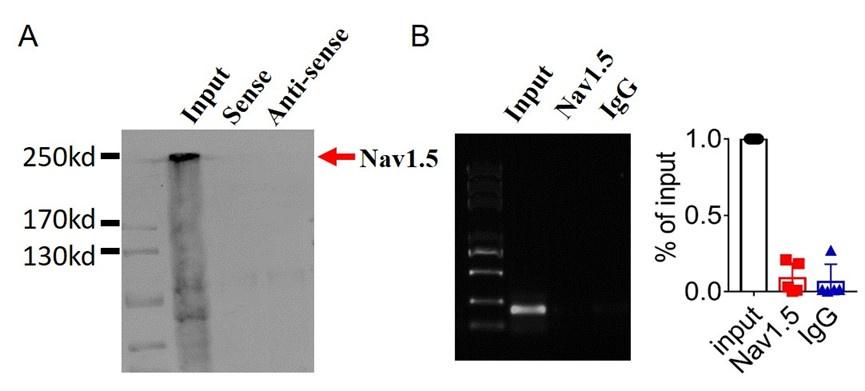
      Kind regards,

      Pjotr van der Jagt, Steven Oud and Renske Vroomans

      Description of the planned revisions

      Referee cross commenting (Reviewer 4)

      Reviewer 3's concern about DSD resulting from stabilising selection for robustness is something I missed -- this is important and should be addressed.

      We understand this concern, and agree that we should be more thorough in our analysis of DSD by assessing the higher-order effects of stabilising selection on mutational robustness and/or environmental (developmental) robustness (McColgan & DiFrisco 2024).

      We will 1) extend our analysis of fitness under DSD by computing the mutational and developmental robustness (similar to Figure 2F) over time for a number of ancestral lineages. By comparing these two measures over evolutionary time we will gain a much more fine grained image of the evolutionary dynamics and should be able to find adaptive trends through gain of either type of robustness. Preliminary results suggest that during the plateaued fitness phase both mutational robustness and developmental robustness undergo weak gains and losses, likely due to the pleiotropic nature of our GPM. Collectively, these weak gains and losses result in the gain observed in Figure S3. So, rather than fully neutral we should discern (near-)neutral regimes in which clear adaptive steps are absent, but in which the sum of them is a net gain. These are interesting findings we initially missed, and give insights into how this high-dimensional fitness landscape is traversed, and will be included in a future revised version of the manuscript.

      2) We will run extra simulations without stochasticity to investigate DSD in the absence of adaptation through developmental robustness, and include the comparison between these and our original simulations in a future revised version.

      Finally 3) we will address stabilising selection more prominently in the introduction and discussion to accommodate these additional simulations.

      Reviewer 3 suggests that the model construction may favor DSD because there are many genes (14) of which only two determine fitness. I agree that some discussion on this point is warranted, though I am not sure enough is known about "the possible difference in constraints between the model and real development" for such a discussion to be on firm biological footing. A genetic architecture commonly found in quantitative genetic studies is that a small number of genes have large effects on the phenotype/fitness, whereas a very large number of genes have effects that are individually small but collectively large (see, e.g. literature surrounding the "omnigenic model" of complex traits). Implementing such an architecture is probably beyond the scope of the study here. More generally, would be natural to assume that the larger the number of genes, and the smaller the number of fitness-determining genes, the more likely DSD / re-wiring is to occur. That being said, I think the authors' choice of a 14-gene network is biologically defensible. It could be argued that the restriction of many modeling studies to small networks (often including just 3 genes) on the ground of convenience artificially ensures that DSD will not occur in these networks.

      The choice of 14 genes does indeed stem from a compromise between constraining the number of available genes, but at the same time allowing for sufficient degrees of freedom and redundancy. We have added a ‘modelling choices’ section in the discussion in which we address this point. Additionally, it is important to note that, while the fitness criterion only measures the pattern of 2 genes, throughout the evolutionary lineage additional genes become highly important for the fitness of an individual, because these genes evolved to help generate the target pattern (see for example Figure 4); the other genes indeed reflect reviewer 4’s point that most genes have a small effect. Crucially, we observe that even the genes and interactions that are important for fitness undergo DSD.

      Nevertheless, we think it is interesting to investigate this point of the influence of this particular modelling choice on the potential for DSD, and have set up an extra set of simulations with fewer gene types, and one with additional fitness genes.

      Furthermore, we discuss the choice of our network architecture more in depth in a discussion section on our modelling choices: ‘Modelling assumptions and choices’.

      Reviewer 1

      The observation of DSD in the computational models remains rather high-level in the sense that no motifs, mechanisms, subgraphs, mutations or specific dynamics are reported to be associated to it ---with the exception of gene expression domains overlapping. Perhaps the authors feel it is beyond this study, but a Results section with a more in-depth "mechanistic" analysis on what enables DSD would (a) make a better case for the extensive and expensive computational models and (b) would push this paper to a next level. As a starting point, it could be nice to check Ohno's intuition that gene duplications are a creative "force" in evolution. Are they drivers of DSD? Or are TFBS mutations responsible for the majority of cases?

      We agree that some mechanistic analysis would strengthen the manuscript, and will therefore extend the section ‘Network redundancy creates space for rewiring’ to address how this redundancy is facilitated. For instance, in the rewiring examples given in Figure 4 we can highlight how this new interaction emerges, if this is through a gene mutation followed by rewiring and loss of a redundant gene, or if the gain, redundancy and loss are all on the level of TFBS mutations. Effectively we will investigate which route of the three in the following schematic is most prominent:

      Additionally, we will do analysis on the different effects of the transcription dynamics for each of these routes. (note that this is not an exhaustive schematic, and combinations could be possible).

      l171. You discuss an example here, would it be possible to generalize this analysis and quantify the amount of DSD amongst all cloned populations? And related question: of the many conserved interactions in Fig 4A, how many do the two clonal lineages share? None? All?

      We agree that this is a good idea. In a new supplementary figure, we will show the number of times a conserved interaction gets lost, and a new interaction is gained as a metric for DSD in every cloned population.

      The populations in Fig 4A are cloned at generation 50.000, any interaction starting before then and still present at a point in time is shared. Any interactions starting after 50.000 are unique (or independently gained at least).

      - l269. What about phenotypic plasticity due to stochastic gene expression? Does it play a role in DSD in your model? I am thinking about https://pubmed.ncbi.nlm.nih.gov/24884746/ and https://pubmed.ncbi.nlm.nih.gov/21211007/

      We agree that this is an interesting point which should be included into the discussion. Following the comments of reviewer 3 we have set up extra simulations to investigate this in more detail, we will make sure to include these citations in the revised discussion when we have the results of those simulations.

      Reviewer 3

      Issue One: Interpretation of fitness gains under stabilising selection

      A central issue concerns how the manuscript defines and interprets developmental systems drift (DSD) in relation to evolution on the fitness landscape. The authors define DSD as the conservation of a trait despite changes in its underlying genetic basis, which is consistent with the literature. However, the manuscript would benefit from clarifying the relationship between DSD, genotype-to-phenotype maps, and fitness landscapes. Very simply, we can say that (i) DSD can operate along neutral paths in the fitness landscape, (ii) DSD can operate along adaptive paths in the fitness landscape. During DSD, these neutral or adaptive paths along the fitness landscape are traversed by mutations that change the gene regulatory network (GRN) and consequent gene expression patterns whilst preserving the developmental outcome, i.e., the phenotype. While this connection between DSD and fitness landscapes is referenced in the introduction, it is not fully elaborated upon. A complete elaboration is critical because, when I read the manuscript, I got the impression that the manuscript claims that DSD is prevalent along neutral paths in the fitness landscape, not just adaptive ones. If I am wrong and this is not what the authors claim, it should be explicitly stated in the results and discussed. Nevertheless, claiming DSD operates along neutral paths is a much more interesting statement than claiming it operates along adaptive paths. However, it requires sufficient evidence, which I have an issue with.

      The issue I have is about adaptations under stabilising selection. Stabilising selection occurs when there is selection to preserve the developmental outcome. Stabilising selection is essential to the results because evolutionary change in the GRN under stabilising selection should be due to DSD, not adaptations that change the developmental outcome. To ensure that the populations are under stabilising selection, the authors perform clonal experiments for 100,000 generations for 8 already evolved populations, 5 clones for each population. They remove 10 out of 40 clones because the fitness increase is too large, indicating that the developmental outcome changes over the 100,000 generations. However, the remaining 30 clonal experiments exhibit small but continual fitness increases over 100,000 generations. The authors claim that the remaining 30 are predominantly evolving due to drift, not adaptations (in the main text, line 137: "indicating predominantly neutral evolution", and section M: "too shallow for selection to outweigh drift"). The author's evidence for this claim is a mathematical analysis showing that the fitness gains are too small to be caused by beneficial adaptations, so evolution must be dominated by drift. I found this explanation strange, given that every clone unequivocally increases in fitness throughout the 100,000 generations, which suggests populations are adapting. Upon closer inspection of the mathematical analysis (section M), I believe it will miss many kinds of adaptations possible in their model, as I now describe.

      The mathematical analysis treats fitness as a constant, but it's a random variable in the computational model. Fitness is a random variable because gene transcription and protein translation are stochastic (Wiener terms in Eqs. (1)-(5)) and cell positions change for each individual (Methods C). So, for a genotype G, the realised fitness F is picked from a distribution with mean μ_G and higher order moments (e.g., variance) that determine the shape of the distribution. I think these assumptions lead to two problems.

      The first problem with the mathematical analysis is that F is replaced by an absolute number f_q, with beneficial mutations occurring in small increments denoted "a", representing an additive fitness advantage. The authors then take a time series of the median population fitness from their simulations and treat its slope as the individual's additive fitness advantage "a". The authors claim that drift dominates evolution because this slope is lower than a drift-selection barrier, which they derive from the mathematical analysis. This analysis ignores that the advantage "a" is a distribution, not a constant, which means that it does not pick up adaptations that change the shape of the distribution. Adaptations that change the shape of the distribution can be adaptations that increase robustness to stochasticity. Since there are multiple sources of noise in this model, I think it is highly likely that robustness to noise is selected for during these 100,000 generations.

      The second problem is that the mathematical analysis ignores traits that have higher-order effects on fitness. A trait has higher-order effects when it increases the fitness of the lineage (e.g., offspring) but not the parent. One possible trait that can evolve in this model with higher-order effects is mutational robustness, i.e., traits that lower the expected mutational load of descendants. Since many kinds of mutations occur in this model (Table 2), mutational robustness may be also evolving.

      Taken together, the analysis in Section M is set up to detect only immediate, deterministic additive gains in a single draw of fitness. It therefore cannot rule out weak but persistent adaptive evolution of robustness (to developmental noise and/or to mutations), and is thus insufficient evidence that DSD is occurring along neutral paths instead of adaptive paths. The small but monotonic fitness increases observed in all 40 clones are consistent with such adaptation (Fig. S3). The authors also acknowledge the evolution of robustness in lines 129-130 and 290-291, but the possibility of these adaptations driving DSD instead of neutral evolution is not discussed.

      To address the issue I have with adaptations during stabilising selection, the authors should, at a minimum, state clearly in their results that DSD is driven by both the evolution of robustness and drift. Moreover, a paragraph in the discussion should be dedicated to why this is the case, and why it is challenging to separate DSD through neutral evolution vs DSD through adaptations such as those that increase robustness.

      [OPTIONAL] A more thorough approach would be to make significant changes to the manuscript by giving sufficient evidence that the experimental clones are evolving by drift, or changing the model construction. One possible way to provide sufficient evidence is to improve the mathematical analysis. Another way is to show that the fitness distributions (both without and with mutations, like in Fig. 2F) do not significantly change throughout the 100,000 generations in experimental clones. It seems more likely that the model construction makes it difficult to separate the evolution of robustness from evolution by drift in the stabilising selection regime. Thus, I think the model should be constructed differently so that robustness against mutations and noise is much less likely to evolve after a "fitness plateau" is reached. This could be done by removing sources of noise from the model or reducing the kinds of possible mutations (related to issue two). In fact, I could not find justification in the manuscript for why these noise terms are included in the model, so I assume they are included for biological realism. If this is why noise is included, or if there is a separate reason why it is necessary, please write that in the model overview and/or the methods.

      We agree that we should be more precise about whether DSD operates along neutral vs adaptive paths in the fitness landscape, and have expanded our explanation of this distinction in the introduction. We also agree that it is worthwhile to distinguish between neutral evolution that does not change the fitness distribution of the population (either through changes in developmental or mutational robustness), higher-order evolutionary processes that increase developmental robustness, and drift along a neutral path in the fitness landscape towards regions of greater connectivity, resulting in mutational robustness (as described in Huynen et al., 1999). We have performed a preliminary analysis to identify changes in mutational robustness and developmental robustness over evolutionary time in the populations in which the maximum fitness has already plateaued. This analysis shows frequent weak gains and losses, in which clear adaptive steps are absent but a net gain can be seen in robustness, as consistent with higher-order fitness effects.

      To investigate the role of stabilising selection more in depth we will run simulations without developmental noise in the form of gene expression noise and tissue connectivity variation, thus removing the effect of the evolution of developmental robustness. We will compare the evolutionary dynamics of the GRNs with our original set of simulations, and include both these types of analyses in a supplementary figure of the revised manuscript.

      Furthermore, we now discuss the limitations of the mathematical analysis with regard to adaptation vs neutrality in our simulations, in the supplementary section.

      Issue two: The model construction may favour DSD

      In this manuscript, fitness is determined by the expression pattern of two types of genes (genes 12 and 13 in Table 1). There are 14 types of genes in total that can all undergo many kinds of mutations, including duplications (Table 2). Thus, gene regulatory networks (GRNs) encoded by genomes in this model tend to contain large numbers of interactions. The results show that most of these interactions have minimal effect on reaching the target pattern in high fitness individuals (e.g. Fig. 2F). A consequence of this is that only a minimal number of GRN interactions are conserved through evolution (e.g. Fig. 2D). From these model constructions and results from evolutionary simulations, we can deduce that there are very few constraints on the GRN. By having very few constraints on the GRN, I think it makes it easy for a new set of pattern-producing traits to evolve and subsequently for an old set of pattern-producing traits to be lost, i.e., DSD. Thus, I believe that the model construction may favour DSD.

      I do not have an issue with the model favouring DSD because it reflects real multicellular GRNs, where it is thought that a minority fraction of interactions are critical for fitness and the majority are not. However, it is unknown whether the constraints GRNs face in the model are more or less constrained than real GRNs. Thus, it is not known whether the prevalence of DSD in this model applies generally to real development, where GRN constraints depend on so many factors. At a minimum, the possible difference in constraints between the model and real development should be discussed as a limitation of the model. A more thorough change to the manuscript would be to test the effect of changing the constraints on the GRN. I am sure there are many ways to devise such a test, but I will give my recommendation here.

      [OPTIONAL] My recommendation is that the authors should run additional simulations with simplified mutational dynamics by constraining the model to N genes (no duplications and deletions), of which M out of these N genes contribute to fitness via the specific pattern (with M=2 in the current model). The authors should then test the effect of changing N and M independently, and how this affects the prevalence of DSD. If the prevalence of DSD is robust to changes in N and M, it supports the authors argument that DSD is highly prevalent in developmental evolution. If DSD prevalence is highly dependent on M and/or N, then the claims made in the manuscript about the prevalence of DSD must change accordingly. I acknowledge that these simulations may be computationally expensive, and I think it would be great if the authors knew (or devised) a more efficient way to test the effect of GRN constraints on DSD prevalence. Nevertheless, these additional simulations would make for a potentially very interesting manuscript.

      We agree that these modelling choices likely influence the potential for DSD. We think that our model setup, where most transcription factors are not under direct selection for a particular pattern, more accurately reflects biological development, where the outcome of the total developmental process (a functional organism) is what is under selection, rather than each individual gene pattern. As also mentioned by the referee, in real multicellular development the majority of interactions is not crucial for fitness, similar to our model. We also observe that, as fitness increases, additional genes experience emergent selection for particular expression patterns or interaction structures in the GRN, resulting in their conservation. Nevertheless, we do agree that the effect of model construction on DSD is an unexplored avenue and this work lends itself to addressing this. We will run additional sets of simulations: one in which we reduce the size of the network (‘N’), and a second set where we double the number of fitness contributing genes (‘M’), and show the effect on the extent of DSD in a future supplementary figure.

      Description of the revisions that have already been incorporated in the transferred manuscript

      Referee cross commenting (Reviewer 4)

      Overall I agree with the comments of Reviewer 1, 2 and 3. I note that reviewers 1, 3, and 4 each pointed out the difficulties with assuming that CNSs = CREs, so this needs to be addressed. Two reviewers (3 and 4) also point out problems with equating bulk RNAseq with a conserved phenotype.

      We agree that caution is warranted with the assumption of CNSs = CREs. We have added a section to the discussion in which we discuss this more thoroughly, see ‘Limitations of CNSs as CREs’ in the revised manuscript.

      Additionally, we made textual changes to the statement of significance, abstract and results to better reflect when we talk about CNSs or CREs.

      I agree with Reviewer 1's hesitancy about the rhetorical framing of the paper potentially generalising too far from a computational model of plant meristem patterning.

      We agree that the title should reflect the scope of the manuscript, and our short title reflects that better than ubiquitous, which implies we investigated beyond plant (meristem) development. We have changed the title in the revised version, to ‘System drift in the evolution of plant meristem development’.

      Reviewer 1

      It is system drift, not systems drift (see True and Haag 2001). No 's' after system.

      Thank you for catching this – we corrected this throughout.

      - I am afraid I have a problem with the manuscript title. I think "Ubiquitoes" is misplaced, because it strongly suggests you have a long list of case studies across plants and animals, and some quantification of DSD in these two kingdoms. That would have been an interesting result, but it is not what you report. I suggest something along the lines of "System drift in the evolution of plant meristem development", similar to the short title used in the footer.

      - Alternatively, the authors may aim to say that DSD happens all over the place in computational models of development? In that case the title should reflect that the claim refers to modeling. (But what then about the data analysis part?)

      As remarked in the summary (point 2), we agree with this assessment and have changed the title to ‘System drift in the evolution of plant meristem development’’

      Multiple times in the Abstract and Introduction the authors make statements on "cis-regulatory elements" that are actually "conserved non-coding sequences" (CNS). Even if it is not uncommon for CNSs to harbor enhancers etc., I would be very hesitant to use the two as synonyms. As the authors state themselves, sequences, even non-coding, can be conserved for many reasons other than CREs. I would ask the authors to support better their use of "CREs" or adjust language. As roughly stated in their Discussion (lines 310-319), one way forward could be to show for a few CNS that are important in the analysis (of Fig 5), that they have experimentally-verified enhancers. Is that do-able or a bridge too far?

      We changed the text such that we use CNS instead of CRE when discussing the bioinformatic analysis. Additionally we added a section in the discussion to clarify the relationship between CNS and CRE.

      line 7. evo-devo is jargon

      We changed this to ‘…evolution of development (evo-devo) research…

      l9. I would think "using a computational model and data analysis"

      Yes, corrected.

      l13. Strictly speaking you did not look at CREs, but at conserved non-coding sequences.

      Indeed, we changed this to CNS.

      l14. "widespread" is exaggerated here, since you show for a single organ in a handful of plant species. You may extrapolate and argue that you do not see why it should not be widespread, but you did not show it. Or tie in all the known cases that can be found in literature.

      We understand that ‘widespread’ seems to suggest that we have investigated a broader range of species and organs. To be more accurate we changed the wording to ‘prevalent’.

      l16. "simpler" than what?

      We added the example of RNA folding.

      l27. Again the tension between CREs and non-coding sequence.

      Changed to conserved non coding sequence.

      l28. I don't understand the use of "necessarily" here.

      This is indeed confusing and unnecessary, removed

      l34-35. A very general biology statement is backed up by two modeling studies. I would have expected also a few based on comparative analyses (e.g., fossils, transcriptomics, etc).

      We added extra citations and a discussion of more experimental work

      l36. I was missing the work on "phenogenetic drift" by Weiss; and Pavlicev & Wagner 2012 on compensatory mutations.

      Changed the text to:

      This phenomenon is called developmental system drift (DSD) (True and Haag, 2001; McColgan and DiFrisco, 2024), or phenogenetic drift (Weiss and Fullerton, 2000), and can occur when multiple genotypes which are separated by few mutational steps encode the same phenotype, forming a neutral (Wagner, 2008a; Crombach et al., 2016); or adaptive path (Johnson and Porter, 2007; Pavlicev and Wagner, 2012) .

      l38. Kimura and Wagner never had a developmental process in mind, which is much bigger than a single nucleotide or a single gene, respectively. First paper that I am aware of that explicitly connects DSD to evolution on genotype networks is my own work (Crombach 2016), since the editor of that article (True, of True and Haag 2001) highlighted that point in our communications.

      Added citation and moved Kimura to the theoretical examples of protein folding DSD.

      l40. While Hunynen and Hogeweg definitely studied the GP map in many of their works, the term goes back to Pere Alberch (1991).

      Added citation.

      l54-55. I'm missing some motivation here. If one wants to look at multicellular structures that display DSD, vulva development in C. elegans and related worms is an "old" and extremely well-studied example. Also, studies on early fly development by Yogi Jaeger and his co-workers are not multicellular, but at least multi-nuclear. Obviously these are animal-based results, so to me it would make sense to make a contrast animal-plant regarding DSD research and take it from there.

      Indeed, DSD has been found in these species and we now reference some of this work; the principle is better known in animals. Nevertheless, within the theoretical literature there is a continuing debate on the importance/extent of DSD.

      Changed text:

      ‘For other GPMs, such as those resulting from multicellular development, it has been suggested that complex phenotypes are sparsely distributed in genotype space, and have low potential for DSD because the number of neutral mutations anti-correlates with phenotypic complexity (Orr, 2000; Hagolani et al., 2021). On the other hand, theoretical and experimental studies in nematodes and fruit flies have shown that DSD is present in a phenotypically complex context (Verster et al., 2014; Crombach et al., 2016; Jaeger, 2018). It therefore remains debated how much DSD actually occurs in species undergoing multicellular development. DSD in plants has received little attention. One multicellular structure which …’

      l66-86. It is a bit of a style-choice, but this is a looong summary of what is to come. I would not have done that. Instead, in the Introduction I would have expected a bit more digging into the concept of DSD, mention some of the old animal cases, perhaps summarize where in plants it should be expected. More context, basically.

      We extended the paragraph on empirical examples of DSD by adding the animal cases and condensed our summary.

      l108. Could you quantify the conserved interactions shared between the populations? Or is each simulation so different that they are pretty much unique?

      Each simulation here is independent of the other simulations, so a per interaction comparison would be uninformative. After cloning they do share ancestry, but that is much later in the manuscript and here the quantification of the conserved interactions would be the inverse of the divergence as shown in, for instance Figure 3B.

      l169. "DSD driving functional divergence" needs some context, since DSD is supposed to not affect function (of the final phenotype). Or am I misunderstanding?

      This is indeed a confusing sentence. We mean to say that DSD allows for divergence to such an extent that the underlying functional pathway is changed. So instead of a mere substitution of the underlying network, in which the topology and relative functions stay conserved, a different network structure is found. We have modified the line to read “Taken together, we found that DSD can drive functional divergence in the underlying GRN resulting in novel spatial expression dynamics of the genes not directly under selection.

      l176. Say which interaction it is. Is it 0->8, as mentioned in the next paragraph?

      It is indeed 0->8, we have clarified this in the text.

      l197. Bulk RNAseq has the problem of averaging gene expression over the population of cells. How do you think that impacts your test for rewiring? If you would do a similar "bulk RNA" style test on your computational models, would you pick up DSD?

      The rewiring is based on the CNSs, whereas the RNAseq is used as phenotype, so it does not impact the test for rewiring.

      The averaging of bulk RNAseq does however, mean that we cannot show conservation/divergence of the phenotype within the tissues, only between the different tissues.

      The most important implication of doing this in our model would be the definition of the ‘phenotype’ which undergoes DSD. Currently the phenotype is a gene expression pattern on a cellular level, for bulk RNA this phenotype would change to tissue-level gene expression.

      This change in what we measure as phenotype implicates how we interpret our results, but would not hinder us in picking up DSD, it just has a different meaning than DSD on a cellular - and single tissue scale.

      We added clarification of the roles of the datasets at the start of the paragraph.

      ‘The Conservatory Project collects conserved non-coding sequences (CNSs) across plant genomes, which we used to investigate the extent of GRN rewiring in flowering plants. Schuster et al. measured gene expression in different homologous tissues of several species via bulk RNAseq, which we used to test for gene expression (phenotype) conservation, and how this relates to the GRN rewiring inferred from the CNSs.’

      l202. I do not understand the "within" of a non-coding sequence within an orthogroup. How are non-coding sequences inside an orthogroup of genes?

      We clarify this sentence by saying ‘A CNS is defined as a non-coding sequence conserved within the upstream/downstream region of genes within an orthogroup’, to more clearly separate the CNS from the orthogroup of genes. We also updated Figure 5A to reflect this better.

      l207-217. This paragraph is difficult to read and would benefit of a rephrasing. Plant-specific jargon, numbers do not add up (line 211), statements are rather implicit (9 deeply conserved CNS are the 3+6? Where do I see them in Fig 5B? And where do I see the lineage-specific losses?).

      We added extra annotations to the figure to make the plant jargon (angiosperm, eudicot, Brassicaceae) clear, and show the loss more clearly in the figure. We also clarified the text by splitting up 9 to 3 and 6.

      l223. Looking at the shared CNS between SEP1-2, can you find a TF binding site or another property that can be interpreted as regulatory importance?

      Reliably showing an active TF binding site would require experimental data, which we don’t have. We do mention in the discussion the need for datasets which could help address this gap.

      l225. My intuition says that the continuity of the phenotype may not be necessary if its loss can be compensated for somehow by another part of the organism. I.e., DSD within DSD. It is a poorly elaborated thought, I leave it here for your information. Perhaps a Discussion point?

      Although very interesting we think this discussion might be outside of the scope of this work, and would benefit from a standalone discussion – especially since the capacity for such compensation might differ between animals and plants (which are more “modular” organisms). This is our interpretation:

      First, let’s take a step back from ‘genotype’ and ‘phenotype’ and redefine DSD more generally: in a system with multiple organisational levels, where a hierarchical mapping between them exists, DSD is changes on one organisational level which do not alter the outcome of the ‘higher’ organisational level. In other words, DSD can exist any many-to-one mapping in which a set of many (which map to the same one) are within a certain distance in space, which we generally define as a single mutational step.

      Within this (slightly) more general definition we can extend the definition of DSD to the level of phenotype and function, in which phenotype describes the ‘many’ layer, and multiple phenotypes can fulfill the same function. When we are freed from the constraint of ‘genotype’ and ‘phenotype’, and DSD is defined at the level of this mapping, than it becomes an easy exercise to have multiple mappings (genotype→phenotype→function) and thus ‘DSD within DSD’.

      l233. "rarely"? I don't see any high Pearson distances.

      True in the given example there are no high Pearson distances, however some of the supplementary figures do so rarely felt like the most honest description. We changed the text to refer to these supplementary figures.

      Fig 4. Re-order of panels? I was expecting B at C and vice versa.

      Agreed, we swapped the order of the panels

      Fig 5B. Red boxes not explained. Mention that it is an UpSetplot?

      We added clarification to the figure caption.

      Fig 5D. It would be nice to quantify the minor and major diffs between orthologs and paralogs.

      We quantify the similarities (and thus differences) in Figure F, but we do indeed not show orthologs vs paralogs explicitly. We have extended Figure F to distinguish which comparisons are between orthologs vs paralogs with different tick marks, which shows their different distributions quite clearly.

      - l247. Over-generalization. In a specific organ of plants...

      Changed to vascular plant meristem.

      - l249. Where exactly is this link between diverse expression patterns and the Schuster dataset made? I suggest the authors to make it more explicit in the Results.

      We are slightly overambitious in this sentence. The Schuster dataset confirms the preservation of expression where the CNS dataset shows rewiring. That this facilitates diversification of expression patterns in traits not under selection is solely an outcome of the computational model. We have changed the text to reflect this more clearly.

      - l268. Final sentence of the paragraph left me puzzled. Why talk about opposite function?

      The goal here was to highlight regulatory rewiring which, in the most extreme case, would achieve an opposite function for a given TF within development. We agree that this was formulated vaguely so we rewrote this to be more to the point.

      These examples demonstrate that whilst the function of pathways is conserved, their regulatory wiring often is not.

      - l269. What about time scales generated by the system? Looking at Fig 2C and 2D, the elbow pattern is pretty obvious. That means interactions sort themselves into either short-lived or long-lived. Worth mentioning?

      Added a sentence to highlight this.

      - l291. Evolution in a *constant* fitness landscape increases robustness.

      Changed

      - l296. My thoughts, for your info: I suspect morphogenesis as single parameters instead of as mechanisms makes for a brittle landscape, resulting in isolated parts of the same phenotype.

      We agree, and now include citations to different models in which morphogenesis evolves which seem to display a more connected landscape.

      Reviewer 2

      Every computational model necessarily makes some simplifying assumptions. It would be nice if the authors could summarise in a paragraph in the Discussion the main assumptions made by their model, and which of those are most worth revisiting in future studies. In the current draft, some assumptions are described in different places in the manuscript, which makes it hard for a non-expert to evaluate the limitations of this model.

      We added a section to the discussion: ‘Modelling assumptions and choices’

      I did not find any mention of potential energetic constraints or limitations in this model. For example, I would expect high levels of gene expression to incur significant energy costs, resulting in evolutionary trade-offs. Could the authors comment on how taking energy limitations into account might influence their results?

      This would put additional constraints on the evolution/fitness landscape. Some paths/regions of the fitness landscape which are currently accessible will not be traversable anymore. On the other hand, an energy constraint might reduce certain high fitness areas to a more even plane and thus make it more traversable. During analysis of our data there were no signs of extremely high gene expression levels.

      Figure 3C lists Gene IDs 1, 2, 8, and 11, but the caption refers to genes 1, 2, 4, and 11.

      Thank you for catching this.

      Reviewer 3

      The authors present an analysis correlating conserved non-coding sequence (CNS) composition with gene expression to investigate developmental systems drift. One flaw of this analysis is that it uses deeply conserved sequences as a proxy for the entire cis-regulatory landscape. The authors acknowledge this flaw in the discussion.

      Another potential flaw is equating the bulk RNA-seq data with a conserved phenotype. In lines 226-227 of the manuscript, it is written that "In line with our computational model, we compared gene expression patterns to measure changes in phenotype." I am not sure if there is an equivalence between the two. In the computational model, the developmental outcome determining fitness is a spatial pattern, i.e., an emergent product of gene expression and cell interactions. In contrast, the RNA-seq data shows bulk measurements in gene expression for different organs. It is conceivable that, despite having very similar bulk measurements, the developmental outcome in response to gene expression (such as a spatial pattern or morphological shape) changes across species. I think this difference should be explicitly addressed in the discussion. The authors may have intended to discuss this in lines 320-326, although it is unclear to me.

      It is correct that the CNS data and RNA-seq data has certain limitations, and the brief discussion of some of these limitations in lines 320-326 is not sufficient. We have been more explicit on this point in the discussion.

      The gene expression data used in this study represents bulk expression at the organ level, such as the vegetative meristem (Schuster et al., 2024). This limits our analysis of the phenotypic effects of rewiring to comparisons between organs, which is different to our computational simulations where we look at within organ gene expression. Additionally, the bulk RNA-seq does not allow us to discern whether the developmental outcome of similar gene expression is the same in all these species. More fine-grained approaches, such as single-cell RNA sequencing or spatial transcriptomics, will provide a more detailed understanding of how gene expression is modulated spatially and temporally within complex tissues of different organisms, allowing for a closer alignment between computational predictions and experimental observations.

      Can the authors justify using these six species in the discussion or the results? Are there any limitations with choosing four closely related and two distantly related species for this analysis, in contrast to, say, six distantly related species? If so, please elaborate in the discussion.

      The use of these six species is mainly limited by the datasets we have available. Nevertheless, the combination of four closely related species, and two more distantly related species gives a better insight into the short vs long term divergence dynamics than six distantly related species would. We have noted this when introducing the datasets:

      This set of species contains both closely (A. thaliana, A. lyrata, C. rubella, E. salsugineum) and more distantly related species (M. truncatula, B. distachyon), which should give insight in short and long term divergence.

      In Figure S7, some profiles show no conservation across the six species. Can we be sure that a stabilising selection pressure conserves any CNSs? Is it possible that the deeply conserved CNSs mentioned in the main text are conserved by chance, given the large number of total CNSs? A brief comment on these points in the results or discussion would be helpful.

      In our simulations, we find that even CREs that were under selection for a long time can disappear; however, in our neutral simulations, CREs were not conserved, suggesting that deep conservation is the result of selection. When it comes to CNSs, the assumption is that they often contain CREs that are under selection.We have added a more elaborate section on CNSs in the discussion. See ‘Limitations of CNSs as CREs

      Line 7-8: I thought this was a bit difficult to read. The connection between (i) evolvability of complex phenotypes, (ii) neutral/beneficial change hindered by deleterious mutations, and (iii) DSD might not be so simple for many readers, so I think it should be rewritten. The abstract was well written, though.

      We made the connection to DSD and evolvability clearer and removed the specific mutational outcomes:

      *A key open question in evolution of development (evo-devo) is the evolvability of complex phenotypes. Developmental system drift (DSD) may contribute to evolvability by exploring different genotypes with similar phenotypic outcome, but with mutational neighbourhoods that have different, potentially adaptive, phenotypes. We investigated the potential for DSD in plant development using a computational model and data analysis. *

      Line 274 vs 276: Is there a difference between regulatory dynamics and regulatory mechanisms?

      No, we should use the same terminology. We have changed this to be clearer.

      Figure S4: Do you expect the green/blue lines to approach the orange line in the long term? In some clonal experiments, it seems like it will. In others, it seems like it has plateaued. Under continual DSD, I assume they should converge. It would be interesting to see simulations run sufficiently long to see if this occurs.

      In principle yes, however this might take a considerable amount of time given that some conserved interactions take >75000 generations to be rewired.

      Line 27: Evolutionarily instead of evolutionary?

      Changed

      Line 67-68: References in brackets?

      Changed

      Line 144: Capitalise "fig"

      Changed

      Fig. 3C caption: correct "1, 2, 4, 11" (should be 8)

      Changed

      Line 192: Reference repeated

      Changed

      Fig. 5 caption: Capitalise "Supplementary figure"

      Changed

      Line 277: Correct "A previous model Johnson.."

      Changed

      Line 290: Brackets around reference

      Changed

      Line 299: Correct "will be therefore be"

      Changed

      Line 394: Capitalise "table"

      Changed

      Line 449: Correct "was build using"

      Changed

      Fig. 5B: explain the red dashed boxes in the caption

      Added explanation to the caption

      Some of the Figure panels might benefit from further elaboration in their respective captions, such as 3C and 5F.

      Improved the figure captions.

      Reviewer 4

      Statement of significance. The logical connection between the first two sentences is not clear. What does developmental system drift have to do with neutral/beneficial mutations?

      This is indeed an unclear jump. Changed such that the connection between evolvability of complex phenotypes and DSD is more clear:

      *A key open question in evolution of development (evo-devo) is the evolvability of complex phenotypes. Developmental system drift (DSD) contributes to evolvability by exploring different genotypes with similar phenotypic outcome, but with mutational neighbourhoods that have different, potentially adaptive, phenotypes..We investigated the potential for DSD in plant development using a computational model and data analysis. *

      l 41 - "DSD is found to ... explain the developmental hourglass." Caution is warranted here. Wotton et al 2015 claim that "quantitative system drift" explains the hourglass pattern, but it would be more accurate to say that shifting expression domains and strengths allows compensatory regulatory change to occur with the same set of genes (gap genes). It is far from clear how DSD could explain the developmental hourglass pattern. What does DSD imply about the causes of differential conservation of different developmental stages? It's not clear there is any connection here.

      We should indeed be more cautious here. DSD is indeed not in itself an explanation of the hourglass model, but only a mechanism by which the developmental divergence observed in the hourglass model could have emerged. As per Pavlicev and Wagner, 2012, compensatory changes resulting from other shifts would fall under DSD, and can explain how the patterning outcome of the gap gene network is conserved. However, this does not explain why some stages are under stronger selection than others. We changed the text to reflect this.

      ‘...be a possible evolutionary mechanism involved in the developmental hourglass model (Wotton et al., 2015; Crombach et al., 2016)...’

      ll 51-53 - "Others have found that increased complexity introduces more degrees of freedom, allowing for a greater number of genotypes to produce the same phenotype and potentially allowing for more DSD (Schiffman and Ralph, 2022; Greenbury et al., 2022)." Does this refer to increased genomic complexity or increased phenotypic complexity? It is not clear that increased phenotypic complexity allows a greater number of genotypes to produce the same phenotype. Please explain further.

      The paragraph discusses complexity in the GPM as a whole, where the first few examples in the paragraph regard phenotypic complexity, and the ones in l51-53 refer to genomic complexity. This is currently not clear so we clarified the text.

      ‘For other GPMs, such as those resulting from multicellular development, it has been suggested that complex phenotypes are sparsely distributed in genotype space, and have low potential for DSD because the number of neutral mutations anti-correlates with phenotypic complexity (Orr, 2000; Hagolani et al., 2021). Others have found that increased genomic complexity introduces more degrees of freedom, allowing for a greater number of genotypes to produce the same phenotype and potentially allowing for more DSD (Schiffman and Ralph, 2022; Greenbury et al., 2022).’

      It was not clear why some gene products in the model have the ability to form dimers. What does this contribute to the simulation results? This feature is introduced early on, but is not revisited. Is it necessary?

      *Fitness. The way in which fitness is determined in the model was not completely clear to me. *

      Dimers are not necessary, but as they have been found to play a role in actual SAM development we added them to increase the realism of the developmental simulations. In some simulations the patterning mechanism involves the dimer, in others it does not, suggesting that dimerization is not essential for DSD.

      We have made changes to the methods to clarify fitness.

      Lines 103-104 say: "Each individual is assigned a fitness score based on the protein concentration of two target genes in specific regions of the SAM: one in the central zone (CZ), and one in the organizing center (OC)." How are these regions positionally defined in the simulation?

      We have defined bounding boxes to define cells as either CZ, OC or both. We have added these bounds in the figure description and more clearly in the revised methods.

      F, one reads (l. 385): "Fitness depends on the correct protein concentration of the two fitness genes in each cell, pcz and poc respectively." This sounds like fitness is determined by the state of all cells rather than the state of the two specific regions of the SAM. Please clarify.

      A fitness penalty is given for incorrect expression so it is true that the fitness is determined by the state of all cells. We agree that it is phrased unclearly and have clarified this in the text.

      The authors use conserved non-coding sequences as a proxy for cis-regulatory elements. More specification of how CNSs were assigned to an orthogroup seems necessary in this section. Is assignment based on proximity to the coding region? Of course the authors will appreciate that regulatory elements can be located far from the gene they regulate. This data showed extensive gains and losses of CNS. It might be interesting to consider how much of this is down to transposons, in which case rapid rearrangement is not unexpected. A potential problem with the claim that the data supports the simulation results follows from the fact that DSD is genetic divergence despite trait conservation, but conserved traits appear to have only been defined or identified in the case of the SEP genes. It can't be ruled out that divergence in CNSs and in gene expression captured by the datasets is driven by straightforward phenotypic adaptation, thus not by DSD. Further caution on this point is needed.

      CNSs are indeed assigned based on proximity up to 50kb, the full methods are described in detail in Hendelman et al., (2021). CREs can be located further than 50kb, but evidence suggests that this is rare for species with smaller genomes.

      In the cases where both gene expression and the CNSs diverged it can indeed not be ruled out that there has been phenotypic adaptation. We clarified in the text that the lower Pearson distances are informative for DSD as they highlight conserved phenotypes.

      l. 290-291 - "However, evolution has been shown to increase mutational robustness over time, resulting in the possibility for more neutral change." It is doubtful that there is any such unrestricted trend. If mutational robustness only tended to increase, new mutations would not affect the phenotype, and phenotypes would be unable to adapt to novel environments. Consider rethinking this statement.

      We have reformulated this statement, since it is indeed not expected that this trend is indefinite. Infinite robustness would indeed result in the absence of evolvability; however, it has been shown for other genotype-phenotype maps that mutational robustness, where a proportion of mutations is neutral, aids the evolution of novel traits. The evolution of mutational robustness also depends on population size and mutation rate. This trend will, most probably, also be stronger in modelling work where the fitness function is fixed, compared to a real life scenario where ‘fitness’ is much less defined and subject to continuous change. We added ‘constant’ to the fitness landscape to highlight this disparity.

      ll. 316-317 "experimental work investigating the developmental role of CREs has shown extensive epistasis - where the effect of a mutation depends on the genetic background - supporting DSD." How does extensive epistasis support DSD? One can just as easily imagine scenarios where high interdependence between genes would prevent DSD from occurring. Please explain further.

      We should be more clear. Experimental work has shown that the effect of mutating a particular CRE strongly depends on the genetic background, also known as epistasis. Counterintuitively, this indirectly supports the presence of DSD, since it means that different species or strains have slightly different developmental mechanisms, resulting in these different mutational effects. We have shown how epistatic effects shift over evolutionary time.

      Overall I found the explanation of the Methods, especially the formal aspects, to be unclear at times and would recommend that the authors go back over the text to improve its clarity.

      We rewrote parts of the methods and some of the equations to be more clear and cohesive throughout the text.

      C. Tissue Generation. Following on the comment on fitness above, it would be advisable to provide further details on how cell positions are defined. How much do the cells move over the course of the simulation? What is the advantage of modelling the cells as "springs" rather than as a simple grid?

      The tissue generation is purely a process to generate a database of tissue templates: the random positions, springs and voronoi method serve the purpose of having similar but different tissues to prevent unrealistic overfitting of our GRNs on a single topology. For each individual’s development however, only one, unchanging template is used. We clarified this in the methods.

      E. Development of genotype into phenotype. The diffusion term in the SDE equations is hard to understand as no variable for spatial position (x) is included in the equation. It seems this equation should rather be an SPDE with a position variable and a specified boundary condition (i.e. the parabola shape). In eq. 5 it should be noted that the Wi are independent. Also please justify the choice of how much noise/variance is being stipulated here.

      We have rewritten parts of this section for clarity and added citations.

      F. Fitness function. I must say I found formula 7 to be unclear. It looks like fi is the fitness of cell(s) but, from Section G, fitness is a property of the individual. It seems formula 7 should define fi as a sum over the cell types or should capture the fitness contribution of the cell types.

      Correct. We have rewritten this equation. We’ll define fi as the fitness contribution of a cell, F as the sum of fi, so the fitness of an individual, and use F in function 8.

      What is the basis for the middle terms (fractions) in the equation? After plugging in the values for pcz and poc, this yields a number, but how does that number assign a cell to one of the types? If a reviewer closely scrutinizing this section cannot make sense of it, neither will readers. Please explain further.

      The cell type is assigned based on the spatial location of the cell, and the correct fitness function for each of these cell types is described in this equation. We have clarified the text and functions.

      A minor note: it would be best practice not to re-use variables to refer to different things within the same paper. For example p refers to protein concentration but also probability of mutation.

      Corrected

    2. Note: This preprint has been reviewed by subject experts for Review Commons. Content has not been altered except for formatting.

      Learn more at Review Commons


      Referee #4

      Evidence, reproducibility and clarity

      In "Ubiquitous system drift in the evolution of development," van der Jagt et al. report a large-scale simulation study of the evolution of gene networks controlling a developmental patterning process. The 14-gene simulation shows interesting results: continual rewiring of the network and establishment of essential genes which themselves are replaced on long time scales. The authors suggest that this result is validated by plant genome and expression data from some public datasets. Overall, this study lends support to the idea that developmental system drift may be more pervasive in the evolution of complex gene networks than is currently appreciated.

      I have a number of comments, mostly of a clarificatory nature, that the authors can consider in revision.

      1. Intro

      Statement of significance. The logical connection between the first two sentences is not clear. What does developmental system drift have to do with neutral/beneficial mutations?

      l 41 - "DSD is found to ... explain the developmental hourglass." Caution is warranted here. Wotton et al 2015 claim that "quantitative system drift" explains the hourglass pattern, but it would be more accurate to say that shifting expression domains and strengths allows compensatory regulatory change to occur with the same set of genes (gap genes). It is far from clear how DSD could explain the developmental hourglass pattern. What does DSD imply about the causes of differential conservation of different developmental stages? It's not clear there is any connection here.

      ll 51-53 - "Others have found that increased complexity introduces more degrees of freedom, allowing for a greater number of genotypes to produce the same phenotype and potentially allowing for more DSD (Schiffman and Ralph, 2022; Greenbury et al., 2022)." Does this refer to increased genomic complexity or increased phenotypic complexity? It is not clear that increased phenotypic complexity allows a greater number of genotypes to produce the same phenotype. Please explain further. 2. Model

      It was not clear why some gene products in the model have the ability to form dimers. What does this contribute to the simulation results? This feature is introduced early on, but is not revisited. Is it necessary?

      Fitness. The way in which fitness is determined in the model was not completely clear to me. Lines 103-104 say: "Each individual is assigned a fitness score based on the protein concentration of two target genes in specific regions of the SAM: one in the central zone (CZ), and one in the organizing center (OC)." How are these regions positionally defined in the simulation? In Methods section F, one reads (l. 385): "Fitness depends on the correct protein concentration of the two fitness genes in each cell, pcz and poc respectively." This sounds like fitness is determined by the state of all cells rather than the state of the two specific regions of the SAM. Please clarify. 3. Data

      The authors use conserved non-coding sequences as a proxy for cis-regulatory elements. More specification of how CNSs were assigned to an orthogroup seems necessary in this section. Is assignment based on proximity to the coding region? Of course the authors will appreciate that regulatory elements can be located far from the gene they regulate. This data showed extensive gains and losses of CNS. It might be interesting to consider how much of this is down to transposons, in which case rapid rearrangement is not unexpected. A potential problem with the claim that the data supports the simulation results follows from the fact that DSD is genetic divergence despite trait conservation, but conserved traits appear to have only been defined or identified in the case of the SEP genes. It can't be ruled out that divergence in CNSs and in gene expression captured by the datasets is driven by straightforward phenotypic adaptation, thus not by DSD. Further caution on this point is needed. 4. Discussion

      ll. 290-291 - "However, evolution has been shown to increase mutational robustness over time, resulting in the possibility for more neutral change." It is doubtful that there is any such unrestricted trend. If mutational robustness only tended to increase, new mutations would not affect the phenotype, and phenotypes would be unable to adapt to novel environments. Consider rethinking this statement.

      ll. 316-317 "experimental work investigating the developmental role of CREs has shown extensive epistasis - where the effect of a mutation depends on the genetic background - supporting DSD." How does extensive epistasis support DSD? One can just as easily imagine scenarios where high interdependence between genes would prevent DSD from occurring. Please explain further. 5. Methods

      Overall I found the explication of the Methods, especially the formal aspects, to be unclear at times and would recommend that the authors go back over the text to improve its clarity.

      C. Tissue Generation. Following on the comment on fitness above, it would be advisable to provide further details on how cell positions are defined. How much do the cells move over the course of the simulation? What is the advantage of modelling the cells as "springs" rather than as a simple grid?

      E. Development of genotype into phenotype. The diffusion term in the SDE equations is hard to understand as no variable for spatial position (x) is included in the equation. It seems this equation should rather be an SPDE with a position variable and a specified boundary condition (i.e. the parabola shape). In eq. 5 it should be noted that the Wi are independent. Also please justify the choice of how much noise/variance is being stipulated here.

      F. Fitness function. I must say I found formula 7 to be unclear. It looks like fi is the fitness of cell(s) but, from Section G, fitness is a property of the individual. It seems formula 7 should define fi as a sum over the cell types or should capture the fitness contribution of the cell types.

      What is the basis for the middle terms (fractions) in the equation? After plugging in the values for pcz and poc, this yields a number, but how does that number assign a cell to one of the types? If a reviewer closely scrutinizing this section cannot make sense of it, neither will readers. Please explain further.

      A minor note: it would be best practice not to re-use variables to refer to different things within the same paper. For example p refers to protein concentration but also probability of mutation.

      Referee cross-commenting

      Overall I agree with the comments of Reviewer 1, 2 and 3. I note that reviewers 1, 3, and 4 each pointed out the difficulties with assuming that CNSs = CREs, so this needs to be addressed. Two reviewers (3 and 4) also point out problems with equating bulk RNAseq with a conserved phenotype.

      I agree with Reviewer 1's hesitancy about the rhetorical framing of the paper potentially generalising too far from a computational model of plant meristem patterning.

      Reviewer 3's concern about DSD resulting from stabilising selection for robustness is something I missed -- this is important and should be addressed.

      Reviewer 3 suggests that the model construction may favor DSD because there are many genes (14) of which only two determine fitness. I agree that some discussion on this point is warranted, though I am not sure enough is known about "the possible difference in constraints between the model and real development" for such a discussion to be on firm biological footing. A genetic architecture commonly found in quantitative genetic studies is that a small number of genes have large effects on the phenotype/fitness, whereas a very large number of genes have effects that are individually small but collectively large (see, e.g. literature surrounding the "omnigenic model" of complex traits). Implementing such an architecture is probably beyond the scope of the study here. More generally, would be natural to assume that the larger the number of genes, and the smaller the number of fitness-determining genes, the more likely DSD / re-wiring is to occur. That being said, I think the authors' choice of a 14-gene network is biologically defensible. It could be argued that the restriction of many modeling studies to small networks (often including just 3 genes) on the ground of convenience artificially ensures that DSD will not occur in these networks.

      I agree with the other reviewers on the overall positive assessment of the significance of the manuscript. There are many points to address and revise, but the core setup and result of this study is sound and should be published.

      Significance

      In "Ubiquitous system drift in the evolution of development," van der Jagt et al. report a large-scale simulation study of the evolution of gene networks controlling a developmental patterning process. The 14-gene simulation shows interesting results: continual rewiring of the network and establishment of essential genes which themselves are replaced on long time scales. The authors suggest that this result is validated by plant genome and expression data from some public datasets. Overall, this study lends support to the idea that developmental system drift may be more pervasive in the evolution of complex gene networks than is currently appreciated.

    3. Note: This preprint has been reviewed by subject experts for Review Commons. Content has not been altered except for formatting.

      Learn more at Review Commons


      Referee #3

      Evidence, reproducibility and clarity

      Summary:

      This manuscript uses an Evo-Devo model of the plant apical meristem to explore the potential for developmental systems drift (DSD). DSD occurs when the genetic underpinnings of development change through evolution while reaching the same developmental outcome. The mechanisms underlying DSD are theoretically intriguing and highly relevant for our understanding of how multicellular species evolve. The manuscript shows that DSD occurs extensively and continuously in their evolutionary simulations whilst populations evolve under stabilising selection. The authors examine regulatory rewiring across plant angiosperms to link their theoretical model with real data. The authors claim that, despite the conservation of genetic wiring in angiosperm species over shorter evolutionary timescales, this genetic wiring changes over long evolutionary timescales due to DSD, which is consistent with their theoretical model.

      Major comments:

      I enjoyed reading the author's approach to understanding DSD and the link to empirical data. I think it is a very important line of investigation that deserves more theoretical and experimental attention. All the data and methods are clearly presented, and the software for the research is publicly available. Sufficient information is given to reproduce all results. However, I have two major issues relating to the theoretical part of the research.

      Issue One: Interpretation of fitness gains under stabilising selection

      A central issue concerns how the manuscript defines and interprets developmental systems drift (DSD) in relation to evolution on the fitness landscape. The authors define DSD as the conservation of a trait despite changes in its underlying genetic basis, which is consistent with the literature. However, the manuscript would benefit from clarifying the relationship between DSD, genotype-to-phenotype maps, and fitness landscapes. Very simply, we can say that (i) DSD can operate along neutral paths in the fitness landscape, (ii) DSD can operate along adaptive paths in the fitness landscape. During DSD, these neutral or adaptive paths along the fitness landscape are traversed by mutations that change the gene regulatory network (GRN) and consequent gene expression patterns whilst preserving the developmental outcome, i.e., the phenotype. While this connection between DSD and fitness landscapes is referenced in the introduction, it is not fully elaborated upon. A complete elaboration is critical because, when I read the manuscript, I got the impression that the manuscript claims that DSD is prevalent along neutral paths in the fitness landscape, not just adaptive ones. If I am wrong and this is not what the authors claim, it should be explicitly stated in the results and discussed. Nevertheless, claiming DSD operates along neutral paths is a much more interesting statement than claiming it operates along adaptive paths. However, it requires sufficient evidence, which I have an issue with. The issue I have is about adaptations under stabilising selection. Stabilising selection occurs when there is selection to preserve the developmental outcome. Stabilising selection is essential to the results because evolutionary change in the GRN under stabilising selection should be due to DSD, not adaptations that change the developmental outcome. To ensure that the populations are under stabilising selection, the authors perform clonal experiments for 100,000 generations for 8 already evolved populations, 5 clones for each population. They remove 10 out of 40 clones because the fitness increase is too large, indicating that the developmental outcome changes over the 100,000 generations. However, the remaining 30 clonal experiments exhibit small but continual fitness increases over 100,000 generations. The authors claim that the remaining 30 are predominantly evolving due to drift, not adaptations (in the main text, line 137: "indicating predominantly neutral evolution", and section M: "too shallow for selection to outweigh drift"). The author's evidence for this claim is a mathematical analysis showing that the fitness gains are too small to be caused by beneficial adaptations, so evolution must be dominated by drift. I found this explanation strange, given that every clone unequivocally increases in fitness throughout the 100,000 generations, which suggests populations are adapting. Upon closer inspection of the mathematical analysis (section M), I believe it will miss many kinds of adaptations possible in their model, as I now describe. The mathematical analysis treats fitness as a constant, but it's a random variable in the computational model. Fitness is a random variable because gene transcription and protein translation are stochastic (Wiener terms in Eqs. (1)-(5)) and cell positions change for each individual (Methods C). So, for a genotype G, the realised fitness F is picked from a distribution with mean μ_G and higher order moments (e.g., variance) that determine the shape of the distribution. I think these assumptions lead to two problems. The first problem with the mathematical analysis is that F is replaced by an absolute number f_q, with beneficial mutations occurring in small increments denoted "a", representing an additive fitness advantage. The authors then take a time series of the median population fitness from their simulations and treat its slope as the individual's additive fitness advantage "a". The authors claim that drift dominates evolution because this slope is lower than a drift-selection barrier, which they derive from the mathematical analysis. This analysis ignores that the advantage "a" is a distribution, not a constant, which means that it does not pick up adaptations that change the shape of the distribution. Adaptations that change the shape of the distribution can be adaptations that increase robustness to stochasticity. Since there are multiple sources of noise in this model, I think it is highly likely that robustness to noise is selected for during these 100,000 generations. The second problem is that the mathematical analysis ignores traits that have higher-order effects on fitness. A trait has higher-order effects when it increases the fitness of the lineage (e.g., offspring) but not the parent. One possible trait that can evolve in this model with higher-order effects is mutational robustness, i.e., traits that lower the expected mutational load of descendants. Since many kinds of mutations occur in this model (Table 2), mutational robustness may be also evolving. Taken together, the analysis in Section M is set up to detect only immediate, deterministic additive gains in a single draw of fitness. It therefore cannot rule out weak but persistent adaptive evolution of robustness (to developmental noise and/or to mutations), and is thus insufficient evidence that DSD is occurring along neutral paths instead of adaptive paths. The small but monotonic fitness increases observed in all 40 clones are consistent with such adaptation (Fig. S3). The authors also acknowledge the evolution of robustness in lines 129-130 and 290-291, but the possibility of these adaptations driving DSD instead of neutral evolution is not discussed. To address the issue I have with adaptations during stabilising selection, the authors should, at a minimum, state clearly in their results that DSD is driven by both the evolution of robustness and drift. Moreover, a paragraph in the discussion should be dedicated to why this is the case, and why it is challenging to separate DSD through neutral evolution vs DSD through adaptations such as those that increase robustness. [OPTIONAL] A more thorough approach would be to make significant changes to the manuscript by giving sufficient evidence that the experimental clones are evolving by drift, or changing the model construction. One possible way to provide sufficient evidence is to improve the mathematical analysis. Another way is to show that the fitness distributions (both without and with mutations, like in Fig. 2F) do not significantly change throughout the 100,000 generations in experimental clones. It seems more likely that the model construction makes it difficult to separate the evolution of robustness from evolution by drift in the stabilising selection regime. Thus, I think the model should be constructed differently so that robustness against mutations and noise is much less likely to evolve after a "fitness plateau" is reached. This could be done by removing sources of noise from the model or reducing the kinds of possible mutations (related to issue two). In fact, I could not find justification in the manuscript for why these noise terms are included in the model, so I assume they are included for biological realism. If this is why noise is included, or if there is a separate reason why it is necessary, please write that in the model overview and/or the methods.

      Issue two: The model construction may favour DSD

      In this manuscript, fitness is determined by the expression pattern of two types of genes (genes 12 and 13 in Table 1). There are 14 types of genes in total that can all undergo many kinds of mutations, including duplications (Table 2). Thus, gene regulatory networks (GRNs) encoded by genomes in this model tend to contain large numbers of interactions. The results show that most of these interactions have minimal effect on reaching the target pattern in high fitness individuals (e.g. Fig. 2F). A consequence of this is that only a minimal number of GRN interactions are conserved through evolution (e.g. Fig. 2D). From these model constructions and results from evolutionary simulations, we can deduce that there are very few constraints on the GRN. By having very few constraints on the GRN, I think it makes it easy for a new set of pattern-producing traits to evolve and subsequently for an old set of pattern-producing traits to be lost, i.e., DSD. Thus, I believe that the model construction may favour DSD. I do not have an issue with the model favouring DSD because it reflects real multicellular GRNs, where it is thought that a minority fraction of interactions are critical for fitness and the majority are not. However, it is unknown whether the constraints GRNs face in the model are more or less constrained than real GRNs. Thus, it is not known whether the prevalence of DSD in this model applies generally to real development, where GRN constraints depend on so many factors. At a minimum, the possible difference in constraints between the model and real development should be discussed as a limitation of the model. A more thorough change to the manuscript would be to test the effect of changing the constraints on the GRN. I am sure there are many ways to devise such a test, but I will give my recommendation here. [OPTIONAL] My recommendation is that the authors should run additional simulations with simplified mutational dynamics by constraining the model to N genes (no duplications and deletions), of which M out of these N genes contribute to fitness via the specific pattern (with M=2 in the current model). The authors should then test the effect of changing N and M independently, and how this affects the prevalence of DSD. If the prevalence of DSD is robust to changes in N and M, it supports the authors argument that DSD is highly prevalent in developmental evolution. If DSD prevalence is highly dependent on M and/or N, then the claims made in the manuscript about the prevalence of DSD must change accordingly. I acknowledge that these simulations may be computationally expensive, and I think it would be great if the authors knew (or devised) a more efficient way to test the effect of GRN constraints on DSD prevalence. Nevertheless, these additional simulations would make for a potentially very interesting manuscript.

      Minor comments:

      1. The authors present an analysis correlating conserved non-coding sequence (CNS) composition with gene expression to investigate developmental systems drift. One flaw of this analysis is that it uses deeply conserved sequences as a proxy for the entire cis-regulatory landscape. The authors acknowledge this flaw in the discussion. Another potential flaw is equating the bulk RNA-seq data with a conserved phenotype. In lines 226-227 of the manuscript, it is written that "In line with our computational model, we compared gene expression patterns to measure changes in phenotype." I am not sure if there is an equivalence between the two. In the computational model, the developmental outcome determining fitness is a spatial pattern, i.e., an emergent product of gene expression and cell interactions. In contrast, the RNA-seq data shows bulk measurements in gene expression for different organs. It is conceivable that, despite having very similar bulk measurements, the developmental outcome in response to gene expression (such as a spatial pattern or morphological shape) changes across species. I think this difference should be explicitly addressed in the discussion. The authors may have intended to discuss this in lines 320-326, although it is unclear to me.
      2. Can the authors justify using these six species in the discussion or the results? Are there any limitations with choosing four closely related and two distantly related species for this analysis, in contrast to, say, six distantly related species? If so, please elaborate in the discussion.
      3. In Figure S7, some profiles show no conservation across the six species. Can we be sure that a stabilising selection pressure conserves any CNSs? Is it possible that the deeply conserved CNSs mentioned in the main text are conserved by chance, given the large number of total CNSs? A brief comment on these points in the results or discussion would be helpful.
      4. Line 7-8: I thought this was a bit difficult to read. The connection between (i) evolvability of complex phenotypes, (ii) neutral/beneficial change hindered by deleterious mutations, and (iii) DSD might not be so simple for many readers, so I think it should be rewritten. The abstract was well written, though.
      5. Line 274 vs 276: Is there a difference between regulatory dynamics and regulatory mechanisms?
      6. Figure S4: Do you expect the green/blue lines to approach the orange line in the long term? In some clonal experiments, it seems like it will. In others, it seems like it has plateaued. Under continual DSD, I assume they should converge. It would be interesting to see simulations run sufficiently long to see if this occurs.
      7. Line 27: Evolutionarily instead of evolutionary?
      8. Line 67-68: References in brackets?
      9. Line 144: Capitalise "fig"
      10. Fig. 3C caption: correct "1, 2, 4, 11" (should be 8)
      11. Line 192: Reference repeated
      12. Fig. 5 caption: Capitalise "Supplementary figure"
      13. Line 277: Correct "A previous model Johnson.."
      14. Line 290: Brackets around reference
      15. Line 299: Correct "will be therefore be"
      16. Line 394: Capitalise "table"
      17. Line 449: Correct "was build using"
      18. Fig. 5B: explain the red dashed boxes in the caption
      19. Some of the Figure panels might benefit from further elaboration in their respective captions, such as 3C and 5F.

      Significance

      General Assessment:

      This manuscript tackles a fundamental evolutionary problem of developmental systems drift (DSD). Its primary strength lies in its integrative approach, combining a multiscale evo-devo model with a comparative genomic analysis in angiosperms. This integrative approach provides a new way of investigating how developmental mechanisms can evolve even while the resulting phenotype is conserved. The details of the theoretical model are well defined and succinctly combined across scales. The manuscript employs several techniques to analyse the conservation and divergence of the theoretical model's gene regulatory networks (GRNs), which are rigorous yet easy to grasp. This study provides a strong platform for further integrative approaches to tackle DSD and multicellular evolution.

      The study's main limitations are due to the theoretical model construction and the interpretation of the results. The central claim that DSD occurs extensively through predominantly neutral evolution is not sufficiently supported, as the analysis does not rule out an alternative: DSD is caused by adaptive evolution for increased robustness to developmental or mutational noise. Furthermore, constructing the model with a high-dimensional GRN space and a low-dimensional phenotypic target may create particularly permissive conditions for DSD, raising questions about the generality of the theoretical conclusions. However, these limitations could be resolved by changes to the model and further simulations, although these require extensive research. The genomic analysis uses cis-regulatory elements as a proxy for the entire regulatory landscape, a limitation the authors are aware of and discuss. The genomic analysis uses bulk RNA-seq as a proxy for the developmental outcome, which may not accurately reflect differences in plant phenotypes.

      Advance:

      The concept of DSD is well-established, but mechanistic explorations of its dynamics in complex multicellular models are still relatively rare. This study represents a mechanistic advance by providing a concrete example of how DSD can operate continuously under stabilising selection. I found the evolutionary simulations and subsequent analysis of mechanisms underlying DSD in the theoretical model interesting, and these simulations and analyses open new pathways for studying DSD in theoretical models. To my knowledge, the attempt to directly link the dynamics from such a complex evo-devo model to patterns of regulatory element conservation across a real phylogeny (angiosperms) is novel. However, I think that the manuscript does not have sufficient evidence to show a high prevalence of DSD through neutral evolution in their theoretical model, which would be a highly significant conceptual result. The manuscript does have sufficient evidence to show a high prevalence of DSD through adaptive evolution under stabilising selection, which is a conceptually interesting, albeit somewhat expected, result.

      Audience:

      This work will be of moderate interest to a specialised audience in the fields of evolutionary developmental biology (evo-devo), systems biology, and theoretical/computational biology. Researchers in these areas will be interested in the model and the dynamics of GRN conservation and divergence. The results may interest a broader audience across the fields of evolutionary biology and molecular evolution.

      Expertise:

      My expertise is primarily in theoretical and computational models of biology and biophysics. While I have sufficient background knowledge in bioinformatics to assess the logic of the authors' genomic analysis and its connection to their theoretical model, I do not have sufficient expertise to critically evaluate the technicalities of the bioinformatic methods used for the identification of conserved non-coding sequences (CNSs) or analysis of RNA-seq data. A reviewer with expertise in plant comparative genomics would be better suited to judge the soundness of these specific methods.

    4. Note: This preprint has been reviewed by subject experts for Review Commons. Content has not been altered except for formatting.

      Learn more at Review Commons


      Referee #2

      Evidence, reproducibility and clarity

      Summary:

      In this manuscript, van der Jagt and co-workers present a computational model of the evolution of gene regulatory networks that underpin the development of shoot apical meristems in plants. They find evidence for conservation of a subset of regulatory interactions over many thousands of generations. They also show that after reaching a fitness plateau, the topology of regulatory interactions continues to evolve, giving rise to substantial differences in regulatory networks among cloned populations. Their model suggests that cis-regulatory rewiring is key for developmental evolution, and they reach a similar conclusion after analysing two empirical datasets covering six land plant species. Overall, I find that this study is excellently executed, its methodology sufficiently described, and that its claims are well-supported by the data presented.

      Major comments:

      • Every computational model necessarily makes some simplifying assumptions. It would be nice if the authors could summarise in a paragraph in the Discussion the main assumptions made by their model, and which of those are most worth revisiting in future studies. In the current draft, some assumptions are described in different places in the manuscript, which makes it hard for a non-expert to evaluate the limitations of this model.
      • I did not find any mention of potential energetic constraints or limitations in this model. For example, I would expect high levels of gene expression to incur significant energy costs, resulting in evolutionary trade-offs. Could the authors comment on how taking energy limitations into account might influence their results?

      Minor comments:

      • Figure 3C lists Gene IDs 1, 2, 8, and 11, but the caption refers to genes 1, 2, 4, and 11.

      Significance

      I have to note that my expertise is not in developmental systems drift, but I am generally interested in the evolution of complex phenotypes in response to various environmental pressures. Thus, I do not feel qualified to evaluate the novelty of this work, which I hope other reviewers have done. Nevertheless, I found this study very interesting and the manuscript generally easy to understand. I believe that this study will be of strong interest primarily (but not only) to evolutionary and systems biologists, regardless of the taxonomic group of their research focus.

    5. Note: This preprint has been reviewed by subject experts for Review Commons. Content has not been altered except for formatting.

      Learn more at Review Commons


      Referee #1

      Evidence, reproducibility and clarity

      # Summary

      On the basis of computational modelling and bioinformatic data analysis, the authors report evidence for Developmental System Drift in the plant apical meristem (a plant stem cell tissue from which other tissues and organs grow, like shoots and roots). The modelling focuses on a general (shoot) apical meristem, the data analysis on the floral meristem. As a non-plant computational biologist, I was lacking some basic plant biology to immediately understand all the technical terms. It hindered a bit, but was not a show-stopper. That said, I interpret their study as follows.

      In the computational modelling part, the authors take into account gene expression, protein complex formation, stochasticity (expression noise), tissue shape, etc. to do evolutionary simulations to obtain a "standard" gene expression pattern known from the shoot apical meristem. Next, they analyze the gene regulatory networks in terms of conserved regulatory interactions. They find two timescales, either interactions quickly turn-over or they are slowly replaced (because under selection). The slowly replaced interactions are important for the realization of the phenotype and their turnover (further explored in a separate set of "neutral evolution" simulations) is called DSD by the authors. The authors state that at the basis of DSD is overlap in gene expression domains, such that genes can take over from each other. Next, the authors analyze two public data sets to show that DSD-associated phenomena such as turn-over of (conserved) noncoding sequences and differences in gene expression patterns occur in plants.

      Considering my limited amount of time and energy, I apologize in advance for stupidities and/or un-elegantly formulated sentences. I'll be happy to discuss with the authors about this work, it was a pleasant summer read!

      Anton Crombach

      Major comments

      • It is system drift, not systems drift (see True and Haag 2001). No 's' after system.
      • I am afraid I have a problem with the manuscript title. I think "Ubiquitoes" is misplaced, because it strongly suggests you have a long list of case studies across plants and animals, and some quantification of DSD in these two kingdoms. That would have been an interesting result, but it is not what you report. I suggest something along the lines of "System drift in the evolution of plant meristem development", similar to the short title used in the footer.
      • Alternatively, the authors may aim to say that DSD happens all over the place in computational models of development? In that case the title should reflect that the claim refers to modeling. (But what then about the data analysis part?)
      • The observation of DSD in the computational models remains rather high-level in the sense that no motifs, mechanisms, subgraphs, mutations or specific dynamics are reported to be associated to it ---with the exception of gene expression domains overlapping. Perhaps the authors feel it is beyond this study, but a Results section with a more in-depth "mechanistic" analysis on what enables DSD would (a) make a better case for the extensive and expensive computational models and (b) would push this paper to a next level. As a starting point, it could be nice to check Ohno's intuition that gene duplications are a creative "force" in evolution. Are they drivers of DSD? Or are TFBS mutations responsible for the majority of cases?
      • Multiple times in the Abstract and Introduction the authors make statements on "cis-regulatory elements" that are actually "conserved non-coding sequences" (CNS). Even if it is not uncommon for CNSs to harbor enhancers etc., I would be very hesitant to use the two as synonyms. As the authors state themselves, sequences, even non-coding, can be conserved for many reasons other than CREs. I would ask the authors to support better their use of "CREs" or adjust language. As roughly stated in their Discussion (lines 310-319), one way forward could be to show for a few CNS that are important in the analysis (of Fig 5), that they have experimentally-verified enhancers. Is that do-able or a bridge too far?

      Minor comments

      Statement of significance:

      • line 7. evo-devo is jargon
      • l9. I would think "using a computational model and data analysis"
      • l13. Strictly speaking you did not look at CREs, but at conserved non-coding sequences.
      • l14. "widespread" is exaggerated here, since you show for a single organ in a handful of plant species. You may extrapolate and argue that you do not see why it should not be widespread, but you did not show it. Or tie in all the known cases that can be found in literature..

      Abstract:

      • l16. "simpler" than what?
      • l27. Again the tension between CREs and non-coding sequence.
      • l28. I don't understand the use of "necessarily" here.

      Introduction:

      • l34-35. A very general biology statement is backed up by two modeling studies. I would have expected also a few based on comparative analyses (e.g., fossils, transcriptomics, etc).
      • l36. I was missing the work on "phenogenetic drift" by Weiss; and Pavlicev & Wagner 2012 on compensatory mutations.
      • l38. Kimura and Wagner never had a developmental process in mind, which is much bigger than a single nucleotide or a single gene, respectively. First paper that I am aware of that explicitly connects DSD to evolution on genotype networks is my own work (Crombach 2016), since the editor of that article (True, of True and Haag 2001) highlighted that point in our communications.
      • l40. While Hunynen and Hogeweg definitely studied the GP map in many of their works, the term goes back to Pere Alberch (1991).
      • l54-55. I'm missing some motivation here. If one wants to look at multicellular structures that display DSD, vulva development in C. elegans and related worms is an "old" and extremely well-studied example. Also, studies on early fly development by Yogi Jaeger and his co-workers are not multicellular, but at least multi-nuclear.
      • Obviously these are animal-based results, so to me it would make sense to make a contrast animal-plant regarding DSD research and take it from there.
      • l66-86. It is a bit of a style-choice, but this is a looong summary of what is to come. I would not have done that. Instead, in the Introduction I would have expected a bit more digging into the concept of DSD, mention some of the old animal cases, perhaps summarize where in plants it should be expected. More context, basically.

      Results:

      • l108. Could you quantify the conserved interactions shared between the populations? Or is each simulation so different that they are pretty much unique?
      • l169. "DSD driving functional divergence" needs some context, since DSD is supposed to not affect function (of the final phenotype). Or am I misunderstanding?
      • l171. You discuss an example here, would it be possible to generalize this analysis and quantify the amount of DSD amongst all cloned populations? And related question: of the many conserved interactions in Fig 4A, how many do the two clonal lineages share? None? All?
      • l176. Say which interaction it is. Is it 0->8, as mentioned in the next paragraph?
      • l190. In the section on DSD in plant gene regulation, the repeated explanation of where the data comes from is a bit tedious to read. You intro it clearly at the start, that is enough.
      • l197. Bulk RNAseq has the problem of averaging gene expression over the population of cells. How do you think that impacts your test for rewiring? If you would do a similar "bulk RNA" style test on your computational models, would you pick up DSD?
      • l202. I do not understand the "within" of a non-coding sequence within an orthogroup. How are non-coding sequences inside an orthogroup of genes?
      • l207-217. This paragraph is difficult to read and would benefit of a rephrasing. Plant-specific jargon, numbers do not add up (line 211), statements are rather implicit (9 deeply conserved CNS are the 3+6? Where do I see them in Fig 5B? And where do I see the lineage-specific losses?).
      • l223. Looking at the shared CNS between SEP1-2, can you find a TF binding site or another property that can be interpreted as regulatory importance?
      • l225. My intuition says that the continuity of the phenotype may not be necessary if its loss can be compensated for somehow by another part of the organism. I.e., DSD within DSD. It is a poorly elaborated thought, I leave it here for your information. Perhaps a Discussion point?
      • l233. "rarely"? I don't see any high Pearson distances.

      • Fig 4. Re-order of panels? I was expecting B at C and vice versa.

      • Fig 5B. Red boxes not explained. Mention that it is an UpSetplot?
      • Fig 5D. It would be nice to quantify the minor and major diffs between orthologs and paralogs.

      Discussion: - l247. Over-generalization. In a specific organ of plants...<br /> - l249. Where exactly is this link between diverse expression patterns and the Schuster dataset made? I suggest the authors to make it more explicit in the Results. - l268. Final sentence of the paragraph left me puzzled. Why talk about opposite function?<br /> - l269. What about phenotypic plasticity due to stochastic gene expression? Does it play a role in DSD in your model? I am thinking about https://pubmed.ncbi.nlm.nih.gov/24884746/ and https://pubmed.ncbi.nlm.nih.gov/21211007/ - l269. What about time scales generated by the system? Looking at Fig 2C and 2D, the elbow pattern is pretty obvious. That means interactions sort themselves into either short-lived or long-lived. Worth mentioning? - l291. Evolution in a constant fitness landscape increases robustness. - l296. My thoughts, for your info: I suspect morphogenesis as single parameters instead of as mechanisms makes for a brittle landscape, resulting in isolated parts of the same phenotype.

      Methods: I have diagonally read through the Methods section, I did not have time to dig in. I hope another reviewer can compensate for me.

      Significance

      Nature and significance of advance

      I find this study a strong contribution to the concept of DSD. It was good to see that colleagues have done the effort of making a convincing case for the presence of DSD in plants. This will be appreciated by the evo-devo community in general. On top of that, the computational modelling work is excellent and sets new standards that will be appreciated by computational colleagues. And I anticipate that the evolutionary biology community welcomes the extension of DSD to the plant kingdom; so far it has been dominated by animal studies.

      I see two limitations: (1) almost no mechanistic explanation of what drives DSD in the simulations. (2) the Abstract, Introduction, etc. need some polishing to be better in line with the results reported.

      Context of existing literature

      Literature is very modeling focused, it could use some empirical support. Also, some literature on DSD is missing: Weiss 2005, Pavlicev 2012, "Older" C. elegans work by the group of Marie-Anne Felix. Probably some more recent empirical case studies have established DSD as well... I may not be aware, as I did not keep track of it.

      What audience?

      In no particular order: plant evolution, plant development, evo-devo, computational biology.

      My field of expertise

      My expertise: gene regulatory networks, evolution, development (in animals), computational modelling, bioinformatic data analysis (single cell omics).

      Phylogenetic tree building is surely not my strength.

    1. Reviewer #1 (Public review):

      The aim of this study was a better understanding of the reproductive life history of acoels. The acoel Hofstenia miamia, an emerging model organism, is investigated; the authors nevertheless acknowledge and address the high variability in reproductive morphology and strategies within Acoela.

      The morphology of male and female reproductive organs in these hermaphroditic worms is characterised through stereo microscopy, immunohistochemistry, histology, and fluorescent in situ hybridization. The findings confirm and better detail historical descriptions. A novelty in the field is the in situ hybridization experiments, which link already published single-cell sequencing data to the worms' morphology. An interesting finding, though not further discussed by the authors, is that the known germline markers cgnl1-2 and Piwi-1 are only localized in the ovaries and not in the testes.

      The work also clarifies the timing and order of appearance of reproductive organs during development and regeneration, as well as the changes upon de-growth. It shows an association of reproductive organ growth to whole body size, which will be surely taken into account and further explored in future acoel studies. This is also the first instance of non-anecdotal degrowth upon starvation in H. miamia (and to my knowledge in acoels, except recorded weight upon starvation in Convolutriloba retrogemma [1]).

      Egg laying through the mouth is described in H. miamia for the first time as well as the worms' behavior in egg laying, i.e. choosing the tanks' walls rather than its floor, laying eggs in clutches, and delaying egg-laying during food deprivation. Self-fertilization is also reported for the first time.

      The main strength of this study is that it expands previous knowledge on the reproductive life history traits in H. miamia and it lays the foundation for future studies on how these traits are affected by various factors, as well as for comparative studies within acoels. As highlighted above, many phenomena are addressed in a rigorous and/or quantitative way for the first time. This can be considered the start of a novel approach to reproductive studies in acoels, as the authors suggest in the conclusion. It can be also interpreted as a testimony of how an established model system can benefit the study of an understudied animal group.

      The main weakness of the work is the lack of convincing explanations on the dynamics of self-fertilization, sperm storage, and movement of oocytes from the ovaries to the central cavity and subsequently to the pharynx. These questions are also raised by the authors themselves in the discussion. Another weakness (or rather missing potential strength) is the limited focus on genes. Given the presence of the single-cell sequencing atlas and established methods for in situ hybridization and even transgenesis in H. miamia, this model provides a unique opportunity to investigate germline genes in acoels and their role in development, regeneration, and degrowth. It should also be noted that employing Transmission Electron Microscopy would have enabled a more detailed comparison with other acoels, since ultrastructural studies of reproductive organs have been published for other species (cfr e.g. [2],[3],[4]). This is especially true for a better understanding of the relation between sperm axoneme and flagellum (mentioned in the Results section), as well as of sexual conflict (mentioned in the Discussion).

      (1) Shannon, Thomas. 2007. 'Photosmoregulation: Evidence of Host Behavioral Photoregulation of an Algal Endosymbiont by the Acoel Convolutriloba Retrogemma as a Means of Non-Metabolic Osmoregulation'. Athens, Georgia: University of Georgia [Dissertation].

      (2) Zabotin, Ya. I., and A. I. Golubev. 2014. 'Ultrastructure of Oocytes and Female Copulatory Organs of Acoela'. Biology Bulletin 41 (9): 722-35.

      (3) Achatz, Johannes Georg, Matthew Hooge, Andreas Wallberg, Ulf Jondelius, and Seth Tyler. 2010. 'Systematic Revision of Acoels with 9+0 Sperm Ultrastructure (Convolutida) and the Influence of Sexual Conflict on Morphology'.

      (4) Petrov, Anatoly, Matthew Hooge, and Seth Tyler. 2006. 'Comparative Morphology of the Bursal Nozzles in Acoels (Acoela, Acoelomorpha)'. Journal of Morphology 267 (5): 634-48.

    2. Author response:

      The following is the authors’ response to the original reviews.

      Reviewer #1 (Recommendations for the authors): 

      I will address here just some minor changes that would improve understanding, reproducibility, or cohesion with the literature.

      (1) It would be good to mention that the prostatic vesicle of this study is named vesicula granulorum in (Steniböck, 1966) and granule vesicle in (Hooge et al, 2007).

      We have now included this (line 90 of our revised manuscript).  

      (2) A slightly more detailed discussion of the germline genes would be interesting. For example, a potential function of pa1b3-2 and cgnl1-2 based on the similarity to known genes or on the conserved domains.

      Pa1b3-2 appears to encode an acetylhydrolase; cgnl1-2 is likely a cingulin family protein involved in cell junctions. However, given the evolutionary distance between acoels and model organisms in whom these genes have been studied, we believe it is premature to speculate on their function without substantial additional work. We believe this work would be more appropriate in a future publication focused on the molecular genetic underpinnings of Hofstenia’s reproductive systems and their development.  

      (3) It is mentioned that the animals can store sperm while lacking a seminal bursa "given that H. miamia can lay eggs for months after a single mating" (line 635) - this could also be self-fertilization, according to the authors' other findings.

      We agree that it is possible this is self-fertilization, and we believe we have represented this uncertainty accurately in the text. However, we do not think this is likely, because self-fertilization manifests as a single burst of egg laying (Fig. 6D). We discuss this in the Results (line 540). 

      (4) A source should be given for the tree in Figure 7B. 

      We have now included this source (line 736), and we apologize for the oversight.  

      (5) Either in the Methods or in the Results section, it would be good to give more details on why actin and FMRFamide and tropomyosin are chosen for the immunohistochemistry studies.

      We have now included more detail in the Methods (line 823). Briefly, these are previously-validated antibodies that we knew would label relevant morphology.

      (6) In the Methods "a standard protocol hematoxylin eosin" is mentioned. Even if this is a fairly common technique, more details or a reference should be provided.

      We have now included more detail, and a reference (lines 766-774).  

      (7) Given the historical placement of Acoela within Platyhelminthes and the fact that the readers might not be very familiar with this group of animals, two passages can be confusing: line 499 and lines 674-678.

      We have edited these sentences to clarify when we mean platyhelminthes, which addresses this confusion.  

      (8) A small addition to Table S1: Amphiscolops langerhansi also presents asexual reproduction through fission ([1], cited in [2]]).

      Thanks. We have included this in Table S1.

      (a) Hanson, E. D. 1960. 'Asexual Reproduction in Acoelous Turbellaria'. The Yale Journal of Biology and Medicine 33 (2): 107-11.

      (b) Hendelberg, Jan, and Bertil Åkesson. 1991. 'Studies of the Budding Process in Convolutriloba Retrogemma (Acoela, Platyhelminthes)'. In Turbellarian Biology: Proceedings of the Sixth International Symposium on the Biology of the Turbellaria, Held at Hirosaki, Japan, 7-12 August 1990, 11-17. Springer. 

      Reviewer #2 (Recommendations for the authors): 

      I do not have any major comments on the manuscript. By default, I feel descriptive studies are a critical part of the advancement of science, particularly if the data are of great quality - as is the case here. The manuscript addresses various topics and describes these adequately. My minor point would be that in some sections, it feels like one could have gone a bit deeper. I highlighted three examples in the weakness section above (deeper analysis of markers for germline; modes of oogenesis/spermatogenesis; or proposed model for sperm storage). For instance, ultrastructural data might have been informative. But as said, I don't see this as a major problem, more a "would have been nice to see".

      We have responded to these points in detail above.

    1. Reviewer #1 (Public review):

      This study investigates the contribution of renal dysfunction to systemic and neuronal decline in Drosophila models of Gaucher disease (Gba1b mutants) and Parkinson's disease (Parkin mutants). While lysosomal and mitochondrial pathways are known drivers in these disorders, the role of kidney-like tissues in disease progression has not been well explored.

      The authors use Drosophila melanogaster to model renal dysfunction, focusing on Malpighian tubules (analogous to renal tubules) and nephrocytes (analogous to podocytes). They employ genetic mutants, tissue-specific rescues, imaging of renal architecture, redox probes, functional assays, nephrocyte dextran uptake, and lifespan analyses. They also test genetic antioxidant interventions and pharmacological treatment.

      The main findings show that renal pathology is progressive in Gba1b mutants, marked by Malpighian tubule disorganization, stellate cell loss, lipid accumulation, impaired water and ion regulation, and reduced nephrocyte filtration. A central theme is redox dyshomeostasis, reflected in whole-fly GSH reduction, paradoxical mitochondrial versus cytosolic redox shifts, reduced ROS signals, increased lipid peroxidation, and peroxisomal impairment. Antioxidant manipulations (Nrf2, Sod1/2, CatA, and ascorbic acid) consistently worsen outcomes, suggesting a fragile redox balance rather than classical oxidative stress. Parkin mutants also develop renal degeneration, with impaired mitophagy and complete nephrocyte dysfunction by 28 days, but their mechanism diverges from that of Gba1b. Rapamycin treatment rescues several renal phenotypes in Gba1b but not in Parkin, highlighting distinct disease pathways.

      The authors propose that renal dysfunction is a central disease-modifying feature of Gaucher and Parkinson's disease models, driven by redox imbalance and differential engagement of lysosomal (Gba1b) vs. mitochondrial (Parkin) mechanisms. They suggest that maintaining renal health and redox balance may represent therapeutic opportunities and biomarkers in neurodegenerative disease. This is a significant manuscript that reframes GD/PD pathology through the lens of renal health. The data are extensive. However, several claims are ahead of the evidence and should be supported with additional experiments.

      Major Comments:

      (1) The abstract frames progressive renal dysfunction as a "central, disease-modifying feature" in both Gba1b and Parkin models, with systemic consequences including water retention, ionic hypersensitivity, and worsened neuro phenotypes. While the data demonstrates renal degeneration and associated physiological stress, the causal contribution of renal defects versus broader organismal frailty is not fully disentangled. Please consider adding causal experiments (e.g., temporally restricted renal rescue/knockdown) to directly establish kidney-specific contributions.

      (2) The manuscript shows multiple redox abnormalities in Gba1b mutants (reduced whole fly GSH, paradoxical mitochondrial reduction with cytosolic oxidation, decreased DHE, increased lipid peroxidation, and reduced peroxisome density/Sod1 mislocalization). These findings support a state of redox imbalance, but the driving mechanism remains broad in the current form. It is unclear if the dominant driver is impaired glutathione handling or peroxisomal antioxidant/β-oxidation deficits or lipid peroxidation-driven toxicity, or reduced metabolic flux/ETC activity. I suggest adding targeted readouts to narrow the mechanism.

      (3) The observation that broad antioxidant manipulations (Nrf2 overexpression in tubules, Sod1/Sod2/CatA overexpression, and ascorbic acid supplementation) consistently shorten lifespan or exacerbate phenotypes in Gba1b mutants is striking and supports the idea of redox fragility. However, these interventions are broad. Nrf2 influences proteostasis and metabolism beyond redox regulation, and Sod1/Sod2/CatA may affect multiple cellular compartments. In the absence of dose-response testing or controls for potential off-target effects, the interpretation that these outcomes specifically reflect redox dyshomeostasis feels ahead of the data. I suggest incorporating narrower interpretations (e.g., targeting lipid peroxidation directly) to clarify which redox axis is driving the vulnerability.

      (4) This manuscript concludes that nephrocyte dysfunction does not exacerbate brain pathology. This inference currently rests on a limited set of readouts: dextran uptake and hemolymph protein as renal markers, lifespan as a systemic measure, and two brain endpoints (LysoTracker staining and FK2 polyubiquitin accumulation). While these data suggest that nephrocyte loss alone does not amplify lysosomal or ubiquitin stress, they may not fully capture neuronal function and vulnerability. To strengthen this conclusion, the authors could consider adding functional or behavioral assays (e.g., locomotor performance)

      (5) The manuscript does a strong job of contrasting Parkin and Gba1b mutants, showing impaired mitophagy in Malpighian tubules, complete nephrocyte dysfunction by day 28, FRUMS clearance defects, and partial rescue with tubule-specific Parkin re-expression. These findings clearly separate mitochondrial quality control defects from the lysosomal axis of Gba1b. However, the mechanistic contrast remains incomplete. Many of the redox and peroxisomal assays are only presented for Gba1b. Including matched readouts across both models (e.g., lipid peroxidation, peroxisome density/function, Grx1-roGFP2 compartmental redox status) would make the comparison more balanced and strengthen the conclusion that these represent distinct pathogenic routes.

      (6) Rapamycin treatment is shown to rescue several renal phenotypes in Gba1b mutants (water retention, RSC proliferation, FRUMS clearance, lipid peroxidation) but not in Parkin, and mitophagy is not restored in Gba1b. This provides strong evidence that the two models engage distinct pathogenic pathways. However, the therapeutic interpretation feels somewhat overstated. Human relevance should be framed more cautiously, and the conclusions would be stronger with mechanistic markers of autophagy (e.g., Atg8a, Ref(2)p flux in Malpighian tubules) or with experiments varying dose, timing, and duration (short-course vs chronic rapamycin).

      (7) Several systemic readouts used to support renal dysfunction (FRUMS clearance, salt stress survival) could also be influenced by general organismal frailty. To ensure these phenotypes are kidney-intrinsic, it would be helpful to include controls such as tissue-specific genetic rescue in Malpighian tubules or nephrocytes, or timing rescue interventions before overt systemic decline. This would strengthen the causal link between renal impairment and the observed systemic phenotypes.

    2. Reviewer #2 (Public review):

      Summary:

      In the present study, the authors tested renal function in Gba1b-/- flies and its possible effect on neurodegeneration. They showed that these flies exhibit progressive degeneration of the renal system, loss of water homeostasis, and ionic hypersensitivity. They documented reduced glomerular filtration capacity in their pericardial nephrocytes, together with cellular degeneration in microtubules, redox imbalance, and lipid accumulation. They also compared the Gba1b mutant flies to Parkin mutants and evaluated the effect of treatment with the mTOR inhibitor rapamycin. Restoration of renal structure and function was observed only in the Gba1b mutant flies, leading the authors to conclude that the mutants present different phenotypes due to lysosomal stress in Gba1b mutants versus mitochondrial stress in Parkin mutant flies.

      Comments:

      (1) The authors claim that: "renal system dysfunction negatively impacts both organismal and neuronal health in Gba1b-/- flies, including autophagic-lysosomal status in the brain." This statement implies that renal impairments drive neurodegeneration. However, there is no direct evidence provided linking renal defects to neurodegeneration in this model. It is worth noting that Gba1b-/- flies are a model for neuronopathic Gaucher disease (GD): they accumulate lipids in their brains and present with neurodegeneration and decreased survival, as shown by Kinghorn et al. (The Journal of Neuroscience, 2016, 36, 11654-11670) and by others, which the authors failed to mention (Davis et al., PLoS Genet. 2016, 12: e1005944; Cabasso et al., J Clin Med. 2019, 8:1420; Kawasaki et al., Gene, 2017, 614:49-55).

      (2) The authors tested brain pathology in two experiments:

      (a) To determine the consequences of abnormal nephrocyte function on brain health, they measured lysosomal area in the brain of Gba1b-/-, Klf15LOF, or stained for polyubiquitin. Klf15 is expressed in nephrocytes and is required for their differentiation. There was no additive effect on the increased lysosomal volume (Figure 3D) or polyubiquitin accumulation (Figure 3E) seen in Gba1b-/- fly brains, implying that loss of nephrocyte viability itself does not exacerbate brain pathology.

      (b) The authors tested the consequences of overexpression of the antioxidant regulator Nrf2 in principal cells of the kidney on neuronal health in Gba1b-/- flies, using the c42-GAL4 driver. They claim that "This intervention led to a significant increase in lysosomal puncta number, as assessed by LysoTrackerTM staining (Figure 5D), and exacerbated protein dyshomeostasis, as indicated by polyubiquitin accumulation and increased levels of the ubiquitin-autophagosome trafficker Ref(2)p/p62 in Gba1b-/- fly brains (Figure 5E). Interestingly, Nrf2 overexpression had no significant effect on lysosomal area or ubiquitin puncta in control brains, demonstrating that the antioxidant response specifically in Gba1b-/- flies negatively impacts disease states in the brain and renal system."<br /> Notably, c42-GAL4 is a leaky driver, expressed in salivary glands, Malpighian tubules, and pericardial cells (Beyenbach et al., Am. J. Cell Physiol. 318: C1107-C1122, 2020). Expression in pericardial cells may affect heart function, which could explain deterioration in brain function.

      Taken together, the contribution of renal dysfunction to brain health remains debatable.

      Based on the above, I believe the title should be changed to: Redox Dyshomeostasis Links Renal and Neuronal Dysfunction in Drosophila Models of Gaucher disease. Such a title will reflect the results presented in the manuscript.

      (3) The authors mention that Gba1b is not expressed in the renal system, which means that no renal phenotype can be attributed directly to any known GD pathology. They suggest that systemic factors such as circulating glycosphingolipids or loss of extracellular vesicle-mediated delivery of GCase may mediate renal toxicity. This raises a question about the validity of this model to test pathology in the fly kidney. According to Flybase, there is expression of Gba1b in renal structures of the fly.

      (4) It is worth mentioning that renal defects are not commonly observed in patients with Gaucher disease. Relevant literature: Becker-Cohen et al., A Comprehensive Assessment of Renal Function in Patients With Gaucher Disease, J. Kidney Diseases, 2005, 46:837-844.

      (5) In the discussion, the authors state: "Together, these findings establish renal degeneration as a driver of systemic decline in Drosophila models of GD and PD..." and go on to discuss a brain-kidney axis in PD. However, since this study investigates a GD model rather than a PD model, I recommend omitting this paragraph, as the connection to PD is speculative and not supported by the presented data.

      (6) The claim: "If confirmed, our findings could inform new biomarker strategies and therapeutic targets for GBA1 mutation carriers and other at-risk groups. Maintaining renal health may represent a modifiable axis of intervention in neurodegenerative disease," extends beyond the scope of the experimental evidence. The authors should consider tempering this statement or providing supporting data.

      (7) The conclusion, "we uncover a critical and previously overlooked role for the renal system in GD and PD pathogenesis," is too strong given the data presented. As no mechanistic link between renal dysfunction and neurodegeneration has been established, this claim should be moderated.

      (8) The relevance of Parkin mutant flies is questionable, and this section could be removed from the manuscript.

    3. Author response:

      Reviewer #1 (Public review):

      Major Comments:

      (1) The abstract frames progressive renal dysfunction as a "central, disease-modifying feature" in both Gba1b and Parkin models, with systemic consequences including water retention, ionic hypersensitivity, and worsened neuro phenotypes. While the data demonstrates renal degeneration and associated physiological stress, the causal contribution of renal defects versus broader organismal frailty is not fully disentangled. Please consider adding causal experiments (e.g., temporally restricted renal rescue/knockdown) to directly establish kidney-specific contributions.

      We concur that this would help strengthen our conclusions. However, manipulating Gba1b in a tissue-specific manner remains challenging due to its propensity for secretion via extracellular vesicles (ECVs). Leo Pallanck and Marie Davis have elegantly shown that ectopic Gba1b expression in neurons and muscles (tissues with low predicted endogenous expression) is sufficient to rescue major organismal phenotypes. Consistent with this, we have been unable to generate clear tissue-specific phenotypes using Gba1b RNAi.

      We will pursue more detailed time-course experiments of the progression of renal pathology, (water weight, renal stem cell proliferation, redox defects, etc.) with the goal of identifying earlier-onset phenotypes that potentially drive dysfunction.

      (2) The manuscript shows multiple redox abnormalities in Gba1b mutants (reduced whole fly GSH, paradoxical mitochondrial reduction with cytosolic oxidation, decreased DHE, increased lipid peroxidation, and reduced peroxisome density/Sod1 mislocalization). These findings support a state of redox imbalance, but the driving mechanism remains broad in the current form. It is unclear if the dominant driver is impaired glutathione handling or peroxisomal antioxidant/β-oxidation deficits or lipid peroxidation-driven toxicity, or reduced metabolic flux/ETC activity. I suggest adding targeted readouts to narrow the mechanism.

      We agree that we have not yet established a core driver of redox imbalance. Identifying one is likely to be challenging, especially as our RNA-sequencing data from aged Gba1b<sup>⁻/⁻</sup> fly heads (Atilano et al., 2023) indicate that several glutathione S-transferases (GstD2, GstD5, GstD8, and GstD9) are upregulated. We can attempt overexpression of GSTs, which has been elegantly shown by Leo Pallanck to ameliorate pathology in Pink1/Parkin mutant fly brains. However, mechanisms that specifically suppress lipid peroxidation or its associated toxicity, independently of other forms of redox damage, remain poorly understood in Drosophila. Our position is there probably will not be one dominant driver of redox imbalance. Notably, CytB5 overexpression has been shown to reduce lipid peroxidation (Chen et al., 2017), and GstS1 has been reported to conjugate glutathione to the toxic lipid peroxidation product 4-HNE (Singh et al., 2001). Additionally, work from the Bellen lab demonstrated that overexpression of lipases, bmm or lip4, suppresses lipid peroxidation-mediated neurodegeneration (Liu et al., 2015). We will therefore test the effects of over-expressing CytB5, bmm and lip4 in Gba1b<sup>⁻/⁻</sup> flies to help further define the mechanism.

      (3) The observation that broad antioxidant manipulations (Nrf2 overexpression in tubules, Sod1/Sod2/CatA overexpression, and ascorbic acid supplementation) consistently shorten lifespan or exacerbate phenotypes in Gba1b mutants is striking and supports the idea of redox fragility. However, these interventions are broad. Nrf2 influences proteostasis and metabolism beyond redox regulation, and Sod1/Sod2/CatA may affect multiple cellular compartments. In the absence of dose-response testing or controls for potential off-target effects, the interpretation that these outcomes specifically reflect redox dyshomeostasis feels ahead of the data. I suggest incorporating narrower interpretations (e.g., targeting lipid peroxidation directly) to clarify which redox axis is driving the vulnerability.

      We are in agreement that Drosophila Cnc exhibits functional conservation with both Nrf1 and Nrf2, which have well-established roles in proteostasis and lysosomal biology that may exacerbate pre-existing lysosomal defects in Gba1b mutants. In our manuscript, Nrf2 manipulation forms part of a broader framework of evidence, including dietary antioxidant ascorbic acid and established antioxidant effectors CatA, Sod1, and Sod2. Together, these data indicate that Gba1b mutant flies display a deleterious response to antioxidant treatments or manipulations. To further characterise the redox state, we will quantify lipid peroxidation using Bodipy 581/591 and assess superoxide levels via DHE staining under our redox-altering experimental conditions.

      As noted above, we will attempt to modulate lipid peroxidation directly through CytB5 and GstS1 overexpression, acknowledging the caveat that this approach may not fully dissociate lipid peroxidation from other aspects of redox stress. We have also observed detrimental effects of PGC1α on the lifespan of Gba1b<sup>⁻/⁻</sup> flies and will further investigate its impact on redox status in the renal tubules.

      (4) This manuscript concludes that nephrocyte dysfunction does not exacerbate brain pathology. This inference currently rests on a limited set of readouts: dextran uptake and hemolymph protein as renal markers, lifespan as a systemic measure, and two brain endpoints (LysoTracker staining and FK2 polyubiquitin accumulation). While these data suggest that nephrocyte loss alone does not amplify lysosomal or ubiquitin stress, they may not fully capture neuronal function and vulnerability. To strengthen this conclusion, the authors could consider adding functional or behavioral assays (e.g., locomotor performance)

      We will address this suggestion by performing DAM activity assays and climbing assays in the Klf15; Gba1b<sup>⁻/⁻</sup> double mutants.

      (5) The manuscript does a strong job of contrasting Parkin and Gba1b mutants, showing impaired mitophagy in Malpighian tubules, complete nephrocyte dysfunction by day 28, FRUMS clearance defects, and partial rescue with tubule-specific Parkin re-expression. These findings clearly separate mitochondrial quality control defects from the lysosomal axis of Gba1b. However, the mechanistic contrast remains incomplete. Many of the redox and peroxisomal assays are only presented for Gba1b. Including matched readouts across both models (e.g., lipid peroxidation, peroxisome density/function, Grx1-roGFP2 compartmental redox status) would make the comparison more balanced and strengthen the conclusion that these represent distinct pathogenic routes.

      We agree that park<sup>⁻/⁻</sup> mutants have been characterised in greater detail than park<sup>⁻/⁻</sup>. The primary aim of our study was not to provide an exhaustive characterisation of park¹/¹, but rather to compare key shared and distinct mechanisms underlying renal dysfunction. We have included several relevant readouts for park<sup>⁻/⁻</sup> tubules (e.g., Figure 7D and 8H: mito-Grx1-roGFP2; Figure 8J: lipid peroxidation using BODIPY 581/591). To expand our characterisation of park¹/¹ flies, we will express the cytosolic Grx1 reporter and the peroxisomal marker YFP::Pts.

      (6) Rapamycin treatment is shown to rescue several renal phenotypes in Gba1b mutants (water retention, RSC proliferation, FRUMS clearance, lipid peroxidation) but not in Parkin, and mitophagy is not restored in Gba1b. This provides strong evidence that the two models engage distinct pathogenic pathways. However, the therapeutic interpretation feels somewhat overstated. Human relevance should be framed more cautiously, and the conclusions would be stronger with mechanistic markers of autophagy (e.g., Atg8a, Ref(2)p flux in Malpighian tubules) or with experiments varying dose, timing, and duration (short-course vs chronic rapamycin).

      We will measure Atg8a, polyubiquitin, and Ref(2)P levels in Gba1b<sup>⁻/⁻</sup> and park<sup>¹/¹</sup> tubules following rapamycin treatment. In our previous study focusing on the gut (Atilano et al., 2023), we showed that rapamycin treatment increased lysosomal area, as assessed using LysoTracker<sup>TM</sup>. We will extend this analysis to the renal tubules following rapamycin exposure. Another reviewer requested that we adopt more cautious language regarding the clinical translatability of this work, and we will amend this in Version 2.

      (7) Several systemic readouts used to support renal dysfunction (FRUMS clearance, salt stress survival) could also be influenced by general organismal frailty. To ensure these phenotypes are kidney-intrinsic, it would be helpful to include controls such as tissue-specific genetic rescue in Malpighian tubules or nephrocytes, or timing rescue interventions before overt systemic decline. This would strengthen the causal link between renal impairment and the observed systemic phenotypes.

      As noted in our response to point 1, we currently lack reliable approaches to manipulate Gba1b in a tissue-specific manner. However, we agree that it is important to distinguish kidney-intrinsic dysfunction from generalised organismal frailty. In the park model, we have already performed renal cell-autonomous rescue: re-expression of Park specifically in Malpighian tubule principal cells (C42-Gal4) throughout adulthood partially normalises water retention, whereas brain-restricted Park expression has no effect on renal phenotypes. Because rescuing Park only in the renal tubules is sufficient to correct a systemic fluid-handling phenotype in otherwise mutant animals, these findings indicate that the systemic defects are driven, at least in part, by renal dysfunction rather than nonspecific organismal frailty.

      To strengthen this causal link, we will now extend this same tubule-specific Park rescue (C42-Gal4 and the high-fidelity Malpighian tubule driver CG31272-Gal4) to additional systemic readouts raised by the reviewer. Specifically, we will assay FRUMS clearance and salt stress survival in rescued versus non-rescued park mutants to determine whether renal rescue also mitigates these systemic phenotypes.

      Reviewer #2 (Public review):

      (1) The authors claim that: "renal system dysfunction negatively impacts both organismal and neuronal health in Gba1b-/- flies, including autophagic-lysosomal status in the brain." This statement implies that renal impairments drive neurodegeneration. However, there is no direct evidence provided linking renal defects to neurodegeneration in this model. It is worth noting that Gba1b-/- flies are a model for neuronopathic Gaucher disease (GD): they accumulate lipids in their brains and present with neurodegeneration and decreased survival, as shown by Kinghorn et al. (The Journal of Neuroscience, 2016, 36, 11654-11670) and by others, which the authors failed to mention (Davis et al., PLoS Genet. 2016, 12: e1005944; Cabasso et al., J Clin Med. 2019, 8:1420; Kawasaki et al., Gene, 2017, 614:49-55).

      With the caveats noted in the responses below, we show that driving Nrf2 expression using the renal tubular driver C42 results in decreased survival, more extensive renal defects, and increased brain pathology in Gba1b<sup>⁻/⁻</sup> flies, but not in healthy controls. This suggests that a healthy brain can tolerate renal dysfunction without severe pathological consequences. Our findings therefore indicate that in Gba1b<sup>⁻/⁻</sup> flies, there may be an interaction between renal defects and brain pathology. We do not explicitly claim that renal impairments drive neurodegeneration; rather, we propose that manipulations exacerbating renal dysfunction can have organism-wide effects, ultimately impacting the brain.

      The reviewer is correct that our Gba1b<sup>⁻/⁻</sup> fly model represents a neuronopathic GD model with age-related pathology. Indeed, we reproduce the autophagic-lysosomal defects previously reported (Kinghorn et al., 2016) in Figure 5. We agree that the papers cited by the reviewer merit inclusion, and in Version 2 we will incorporate them into the following pre-existing sentence in the Results:

      “The gut and brain of Gba1b<sup>⁻/⁻</sup> flies, similar to macrophages in GD patients, are characterised by enlarged lysosomes (Kinghorn et al., 2016; Atilano et al., 2023).”

      (2) The authors tested brain pathology in two experiments:

      (a) To determine the consequences of abnormal nephrocyte function on brain health, they measured lysosomal area in the brain of Gba1b-/-, Klf15LOF, or stained for polyubiquitin. Klf15 is expressed in nephrocytes and is required for their differentiation. There was no additive effect on the increased lysosomal volume (Figure 3D) or polyubiquitin accumulation (Figure 3E) seen in Gba1b-/- fly brains, implying that loss of nephrocyte viability itself does not exacerbate brain pathology.

      (b) The authors tested the consequences of overexpression of the antioxidant regulator Nrf2 in principal cells of the kidney on neuronal health in Gba1b-/- flies, using the c42-GAL4 driver. They claim that "This intervention led to a significant increase in lysosomal puncta number, as assessed by LysoTrackerTM staining (Figure 5D), and exacerbated protein dyshomeostasis, as indicated by polyubiquitin accumulation and increased levels of the ubiquitin-autophagosome trafficker Ref(2)p/p62 in Gba1b-/- fly brains (Figure 5E). Interestingly, Nrf2 overexpression had no significant effect on lysosomal area or ubiquitin puncta in control brains, demonstrating that the antioxidant response specifically in Gba1b-/- flies negatively impacts disease states in the brain and renal system."Notably, c42-GAL4 is a leaky driver, expressed in salivary glands, Malpighian tubules, and pericardial cells (Beyenbach et al., Am. J. Cell Physiol. 318: C1107-C1122, 2020). Expression in pericardial cells may affect heart function, which could explain deterioration in brain function.

      Taken together, the contribution of renal dysfunction to brain health remains debatable.

      Based on the above, I believe the title should be changed to: Redox Dyshomeostasis Links Renal and Neuronal Dysfunction in Drosophila Models of Gaucher disease. Such a title will reflect the results presented in the manuscript

      We agree that C42-Gal4 is a leaky driver; unfortunately, this was true for all commonly used Malpighian tubule drivers available when we began the study. A colleague has recommended CG31272-Gal4 from the Perrimon lab’s recent publication (Xu et al., 2024) as a high-fidelity Malpighian tubule driver. If it proves to maintain principal-cell specificity throughout ageing in our hands, we will repeat key experiments using this driver.

      (3) The authors mention that Gba1b is not expressed in the renal system, which means that no renal phenotype can be attributed directly to any known GD pathology. They suggest that systemic factors such as circulating glycosphingolipids or loss of extracellular vesicle-mediated delivery of GCase may mediate renal toxicity. This raises a question about the validity of this model to test pathology in the fly kidney. According to Flybase, there is expression of Gba1b in renal structures of the fly.

      Our evidence suggesting that Gba1b is not substantially expressed in renal tissue is based on use of the Gba1b-CRIMIC-Gal4 line, which fails to drive expression of fluorescently tagged proteins in the Malpighian tubules and we have previously shown there is no expression within the nephrocytes with this driver line (Atilano et al., 2023). This does not exclude the possibility that Gba1b functions within the tubules. Notably, Leo Pallanck has provided compelling evidence that Gba1b is present in extracellular vesicles (ECVs) and given the role of the Malpighian tubules in haemolymph filtration, these cells are likely exposed to circulating ECVs. The lysosomal defects observed in Gba1b<sup>⁻/⁻</sup> tubules therefore suggest a potential role for Gba1b in this tissue.  

      John Vaughan and Thomas Clandinin have developed mCherry- and Lamp1.V5-tagged Gba1b constructs. We intend to express these in tissues shown by the Pallanck lab to release ECVs (e.g., neurons and muscle) and examine whether the protein can be detected in the tubules.

      (4) It is worth mentioning that renal defects are not commonly observed in patients with Gaucher disease. Relevant literature: Becker-Cohen et al., A Comprehensive Assessment of Renal Function in Patients With Gaucher Disease, J. Kidney Diseases, 2005, 46:837-844.

      We have identified five references indicating that renal involvement, while rare, does occur in association with GD. We agree that this is a valid citation and will include it in the revised introductory sentence:

      “However, renal dysfunction remains a rare symptom in GD patients (Smith et al., 1978; Chander et al., 1979; Siegel et al., 1981; Halevi et al., 1993).”

      (5) In the discussion, the authors state: "Together, these findings establish renal degeneration as a driver of systemic decline in Drosophila models of GD and PD..." and go on to discuss a brain-kidney axis in PD. However, since this study investigates a GD model rather than a PD model, I recommend omitting this paragraph, as the connection to PD is speculative and not supported by the presented data.

      Our position is that Gba1b<sup>⁻/⁻</sup> represents a neuronopathic Gaucher disease model with mechanistic relevance to PD. The severity of GBA1 mutations correlates with the extent of GBA1/GCase loss of function and, consequently, with increased PD risk. Likewise, biallelic park<sup>⁻/⁻</sup> mutants cause a severe and heritable form of PD, and the Drosophila park<sup>⁻/⁻</sup> model is a well-established and widely recognised system that has been instrumental in elucidating how Parkin and Pink1 mutations drive PD pathogenesis.

      We therefore see no reason to omit this paragraph. While some aspects are inherently speculative, such discussion is appropriate and valuable when addressing mechanisms underlying a complex and incompletely understood disease, provided interpretations remain measured. At no point do we claim that our work demonstrates a direct brain-renal axis. Rather, our data indicate that renal dysfunction is a disease-modifying feature in these models, aligning with emerging epidemiological evidence linking PD and renal impairment.

      (6) The claim: "If confirmed, our findings could inform new biomarker strategies and therapeutic targets for GBA1 mutation carriers and other at-risk groups. Maintaining renal health may represent a modifiable axis of intervention in neurodegenerative disease," extends beyond the scope of the experimental evidence. The authors should consider tempering this statement or providing supporting data.

      (7) The conclusion, "we uncover a critical and previously overlooked role for the renal system in GD and PD pathogenesis," is too strong given the data presented. As no mechanistic link between renal dysfunction and neurodegeneration has been established, this claim should be moderated.

      We agree that these sections may currently overstate our findings. In Version 2, we will revise them to ensure our claims remain balanced, while retaining the key points that arise from our data and clearly indicating where conclusions require confirmation (“if confirmed”) or additional study (“warrants further investigation”).

      “If confirmed, our findings could inform new biomarker strategies and therapeutic targets for patients with GD and PD. Maintaining renal health may represent a modifiable axis of intervention in these diseases.”

      “We uncover a notable and previously underappreciated role for the renal system in GD and PD, which now warrants further investigation.”

      (8) The relevance of Parkin mutant flies is questionable, and this section could be removed from the manuscript.

      We intend to include the data for the Parkin loss-of-function mutants, as these provide essential support for the PD-related findings discussed in our manuscript. To our knowledge, this represents the first demonstration that Parkin mutants display defects in Malpighian tubule function and water homeostasis. We therefore see no reason to remove these findings. Furthermore, as Reviewer 1 specifically requested additional experiments using the Park fly model, we plan to incorporate these analyses in the revised manuscript.

      Minor comments:

      (1)  Figure 1G: The FRUMS assay is not shown for Gba1b-/- flies.

      The images in Figure 1G illustrate representative stages of dye clearance. We have quantified the clearance time course for both genotypes. During this process, the tubules of Gba1b<sup>⁻/⁻</sup> flies, similar to controls, sequentially resemble each of the three example images. As the Gba1b<sup>⁻/⁻</sup> tubules appear morphologically identical to controls, differing only in population-level clearance dynamics, we do not feel that including additional example images would provide further informative value.

      (2) In panels D and F of Figure 2, survival of control and Gba1b-/- flies in the presence of 4% NaCl is presented. However, longevity is different (up to 10 days in D and ~3 days in F for control). The authors should explain this.

      We agree. In our experience, feeding-based stress survival assays show considerable variability between experiments, and we therefore interpret results only within individual experimental replicates. We have observed similar variability in oxidative stress, starvation, and xenobiotic survival assays, which may reflect batch-specific or environmental effects.

      (3) In Figure 7F, the representative image does not correspond to the quantification; the percentage of endosome-negative nephrocytes seems to be higher for the control than for the park1/1 flies. Please check this.

      The example images are correctly oriented. Typically, an endosome-negative nephrocyte shows no dextran uptake, whereas an endosome-positive nephrocyte displays a ring of puncta around the cell periphery. In park¹/¹ mutants, dysfunctional nephrocytes exhibit diffuse dextran staining throughout the cell, accompanied by diffuse DAPI signal, indicating a complete loss of membrane integrity and likely cell death. We have 63× images from the preparations shown in Figure 7F demonstrating this. In Version 2, we will include apical and medial z-slices of the nephrocytes to illustrate these findings (to be added as supplementary   data).

      (4) In Figure 7H, the significance between control and park1/1 flies in the FRUMS assay is missing.

      We observe significant dye clearance from the haemolymph; however, the difference in complete clearance from the tubules does not reach statistical significance. This may speculatively reflect alterations in specific aspects of tubule function, where absorption and transcellular flux are affected, but subsequent clearance from the tubule lumen remains intact. We do not feel that our current data provide sufficient resolution to draw detailed conclusions about tubule physiology at this level.

      Reviewer #3 (Public review):

      Weaknesses:

      The paper relies mostly on the biallelic Gba1b mutant, which may reflect dysfunction in Gaucher's patients, though this has yet to be fully explored. The claims for the heterozygous allele and a role in Parkinson's is a little more tenuous, making assumptions that heterozygosity is a similar but milder phenotype than the full loss-of-function.

      We agree with the reviewer that studying heterozygotes may provide valuable insight into GBA1-associated PD. We will therefore assess whether subtle renal defects are detectable in Gba1b<sup>⁻/⁻</sup> heterozygotes. We clearly state that GBA1 mutations act as a risk factor for PD rather than a Mendelian inherited cause. Consistent with findings from Gba heterozygous mice, Gba1b<sup>⁻/⁻</sup> flies display minimal phenotypes (Kinghorn et al. 2016), and any observable effects are expected to be very mild and age dependent.

      (1) Figure 1c, the loss of stellate cells. What age are the MTs shown? Is this progressive or developmental?

      These experiments were conducted on flies that were three weeks of age, as were all manipulations unless otherwise stated. We will ensure that this information is clearly indicated in the figure legends in Version 2. We did not observe changes in stellate cell number at three days of age, and this result will be included in the supplementary material in Version 2. Our data therefore suggest that this is a progressive phenotype.

      (2) I might have missed this, but for Figure 3, do the mutant flies start with a similar average weight, or are they bloated?

      We will perform an age-related time course of water weight in response to Reviewer 1’s comments. For all experiments, fly eggs are age-matched and seeded below saturation density to ensure standardised conditions. Gba1b mutant flies do not exhibit any defects in body size or timing of eclosion.

      (3) On 2F, add to the graph that 4% NaCl (or if it is KCL) is present for all conditions, just to make the image self-sufficient to read.

      Many thanks for the suggestion. We agree that this will increase clarity and will make this amendment in Version 2 of the manuscript

      (4) P13 - rephrase, 'target to either the mitochondria or the cytosol' (as it is phrased, it sounds as though you are doing both at the same time).

      We agree and we plan to revise the sentence as follows:

      Original:

      “To further evaluate the glutathione redox potential (E<sub>GSH</sub>) in MTs, we utilised the redox-sensitive green, fluorescent biosensor Grx1-roGFP2, targeted to both the mitochondria and cytosol (Albrecht et al., 2011).”

      Revised:

      “To further evaluate the glutathione redox potential (E<sub>GSH</sub>) in MTs, we utilised the redox-sensitive fluorescent biosensor Grx1-roGFP2, targeted specifically to either the mitochondria or the cytosol using mito- or cyto-tags, respectively (Albrecht et al., 2011).”

      (5) In 6F - the staining appears more intense in the Park mutant - perhaps add asterisks or arrowheads to indicate the nephrocytes so that the reader can compare the correct parts of the image?

      Reviewer 2 reached the same interpretation. Typically, an endosome-negative nephrocyte shows no dextran uptake, whereas an endosome-positive nephrocyte displays a ring of puncta around the cell periphery. In park¹/¹ mutants, dysfunctional nephrocytes exhibit diffuse dextran staining throughout the cell, accompanied by diffuse DAPI signal, indicative of a complete loss of membrane integrity and likely cell death. We have 63× images from the preparations shown in Figure 7F demonstrating this, and in Version 2 we will include apical and medial z-slices of the nephrocytes to illustrate these findings (to be added as supplementary data).

      (6) In the main results text - need some description/explanation of the SOD1 v SOD2 distribution (as it is currently understood) in the cell - SOD2 being predominantly mitochondrial. This helps arguments later on.

      Thank you for this suggestion. We plan to amend the text as follows:

      “Given that Nrf2 overexpression shortens lifespan in Gba1b<sup>⁻/⁻</sup> flies, we investigated the effects of overexpressing its downstream antioxidant targets, Sod1, Sod2, and CatA, both ubiquitously using the tub-Gal4 driver and with c42-Gal4, which expresses in PCs.”

      to:

      “Given that Nrf2 overexpression shortens lifespan in Gba1b<sup>⁻/⁻</sup> flies, we investigated the effects of overexpressing its downstream antioxidant targets, Sod1, Sod2, and CatA, both ubiquitously using the tub-Gal4 driver and with c42-Gal4, which expresses in PCs. Sod1 and CatA function primarily in the cytosol and peroxisomes, whereas Sod2 is localised to the mitochondria. Sod1 and Sod2 catalyse the dismutation of superoxide radicals to hydrogen peroxide, while CatA subsequently degrades hydrogen peroxide to water and oxygen.”

      (7) Figure 1G, what age are the flies? Same for 3D and E, 4C,D,E, 5B - please check the ages of flies for all of the imaging figures; this information appears to have been missed out.

      As stated above, all experiments were conducted on three-week-old flies unless otherwise specified. In Version 2 of the manuscript, we will ensure this information is included consistently in the figure legends to prevent any potential confusion.

    1. Reviewer #1 (Public review):

      Summary:

      The authors used weighted ensemble enhanced sampling molecular dynamics (MD) to test the hypothesis that a double mutant of Abl favors the DFG-in state relative to the WT and therefore causes the drug resistance to imatinib.

      Strengths:

      The authors employed three novel progress coordinates to sample the DFG flip of ABl. The hypothesis regarding the double mutant's drug resistance is novel.

      Weaknesses:

      The study contains many uncertain aspects. As such, major conclusions do not appear to be supported.

      Comments on revisions:

      The authors have addressed some of my concerns, but these concerns remain to be addressed:

      (1) Definition of the DFG conformation (in vs out). The authors specified their definition in the revised manuscript, but it has not been validated for a large number of kinases to distinguish between the two states. Thus, I recommend that the authors calculate the FES using another definition (see Tsai et al, JACS 2019, 141, 15092−15101) to confirm their findings. This FES can be included in the SI.

      (2) There is no comparison to previous computational work. I would like to see a comparison between the authors' finding of the DFG-in to DFG-out transition and that described in Tsai et al, JACS 2019, 141, 15092−15101.

      (3) My previous comment: "The study is not very rigorous. The major conclusions do not appear to be supported. The claim that it is the first unbiased simulation to observe DFG flip is not true. For example, Hanson, Chodera et al (Cell Chem Biol 2019), Paul, Roux et al (JCTC 2020), and Tsai, Shen et al (JACS 2019) have also observed the DFG flip." has not been adequately addressed.

      The newly added paragraph clearly does not address my original comment.

      "Through our work, we have simulated an ensemble of DFG flip pathways in a wild-type kinase and its variants with atomistic resolution and without the use of biasing forces, also reporting the effects of inhibitor-resistant mutations in the broader context of kinase inactivation likelihood with such level of detail. "

      (4) My previous comment, "Setting the DFG-Asp to the protonated state is not justified, because in the DFG-in state, the DFG-Asp is clearly deprotonated." has not been addressed.

      In the authors's response stated:

      According to previous publications, DFG-Asp is frequently protonated in the DFG-in state of Abl1 kinase. For instance, as quoted from Hanson, Chodera, et al., Cell Chem Bio (2019), "Consistent with previous simulations on the DFG-Asp-out/in interconversion of Abl kinase we only observe the DFG flip with protonated Asp747 ( Shan et al., 2009 ). We showed previously that the pKa for the DFG-Asp in Abl is elevated at 6.5."

      Since the pKa of DFG-Asp is 6.5, it should be deprotonated at the physiological pH 7.5. Thus, the fact that the authors used protonated DFG-Asp contradicts this. I am not requesting the authors to redo the entire simulations, but they need to acknowledge this discrepancy and add a brief discussion. See a constant pH study that demonstrates the protonation state population shift for DFG-Asp as the DFG transitions from in to out state (see Tsai et al, JACS 2019, 141, 15092−15101).

    2. Author response:

      The following is the authors’ response to the original reviews.

      Reviewer #1:

      Specifically, the authors need to define the DFG conformation using criteria accepted in the field, for example, see https://klifs.net/index.php.

      We thank the reviewer for this suggestion. In the manuscript, we use pseudodihedral and bond angle-based DFG definitions that have been previously established by literature cited in the study (re-iterated below) to unambiguously define the side-chain conformational states of the DFG motif. As we are interested in the specific mechanics of DFG flips under different conditions, we’ve found that the descriptors defined below are sufficient to distinguish between DFG states and allow a more direct comparison with previously-reported results in the literature using different methods.

      We amended the text to be more clear as to those definitions and their choice:

      DFG angle definitions:

      Phe382/Cg, Asp381/OD2, Lys378/O

      Source: Structural Characterization of the Aurora Kinase B "DFG-flip" Using Metadynamics. Lakkaniga NR, Balasubramaniam M, Zhang S, Frett B, Li HY. AAPS J. 2019 Dec 18;22(1):14. doi: 10.1208/s12248-019-0399-6. PMID: 31853739; PMCID: PMC7905835.

      “Finally, we chose the angle formed by Phe382's gamma carbon, Asp381's protonated side chain oxygen (OD2), and Lys378's backbone oxygen as PC3 based on observations from a study that used a similar PC to sample the DFG flip in Aurora Kinase B using metadynamics \cite{Lakkaniga2019}. This angular PC3 should increase or decrease (based on the pathway) during the DFG flip, with peak differences at intermediate DFG configurations, and then revert to its initial state when the flip concludes.”

      DFG pseudodihedral definitions:

      Ala380/Cb, Ala380/Ca, Asp381/Ca, Asp381/Cg

      Ala380/Cb, Ala380/CA, Phe382/CA, Phe382Cg

      Source: Computational Study of the “DFG-Flip” Conformational Transition in c-Abl and c-Src Tyrosine Kinases. Yilin Meng, Yen-lin Lin, and Benoît Roux The Journal of Physical Chemistry B 2015 119 (4), 1443-1456 DOI: 10.1021/jp511792a

      “For downstream analysis, we used two pseudodihedrals previously defined in the existing Abl1 DFG flip simulation literature \cite{Meng2015} to identify and discriminate between DFG states. The first (dihedral 1) tracks the flip state of Asp381, and is formed by the beta carbon of Ala380, the alpha carbon of Ala380, the alpha carbon of Asp381, and the gamma carbon of Asp381. The second (dihedral 2) tracks the flip state of Phe382, and is formed by the beta carbon of Ala380, the alpha carbon of Ala380, the alpha carbon of Phe381, and the gamma carbon of Phe381. These pseudodihedrals, when plotted in relation to each other, clearly distinguish between the initial DFG-in state, the target DFG-out state, and potential intermediate states in which either Asp381 or Phe381 has flipped.”

      Convergence needs to be demonstrated for estimating the population difference between different conformational states.

      We agree that demonstrating convergence is important for accurate estimations of population differences between conformational states. However, as the DFG flip is a complex and concerted conformational change with an energy barrier of 30 kcal/mol [1], and considering the traditional limitations of methods like weighted ensemble molecular dynamics (WEMD), it would take an unrealistic amount of GPU time (months) to observe convergence in our simulations. As discussed in the text (see examples below), we caveat our energy estimations by explicitly mentioning that the state populations we report are not converged and are indicative of a much larger energy barrier in the mutant.

      “These relative probabilities qualitatively agree with the large expected free energy barrier for the DFG-in to DFG-out transition (~32 kcal/mol), and with our observation of a putative metastable DFG-inter state that is missed by NMR experiments due to its low occupancy.”

      “As an important caveat, it is unlikely that the DFG flip free energy barriers of over 70 kcal/mol estimated for the Abl1 drug-resistant variants quantitatively match the expected free energy barrier for their inactivation. Rather, our approximate free energy barriers are a symptom of the markedly increased simulation time required to sample the DFG flip in the variants relative to the wild-type, which is a strong indicator of the drastically reduced propensity of the variants to complete the DFG flip. Although longer WE simulations could allow us to access the timescales necessary for more accurately sampling the free energy barriers associated with the DFG flip in Abl1's drug-resistant compound mutants, the computational expense of running WE for 200 iterations is already large (three weeks with 8 NVIDIA RTX3900 GPUs for one replicate); this poses a logistical barrier to attempting to sample sufficient events to be able to fully characterize how the reaction path and free energy barrier change for the flip associated with the mutations. Regardless, the results of our WE simulations resoundingly show that the Glu255Lys/Val and Thr315Ile compound mutations drastically reduce the probability for DFG flip events in Abl1.”

      (1) Conformational states dynamically populated by a kinase determine its function. Tao Xie et al., Science 370, eabc2754 (2020). DOI:10.1126/science.abc2754

      The DFG flip needs to be sampled several times to establish free energy difference.

      Our simulations have captured thousands of correlated and dozens of uncorrelated DFG flip events. The per-replicate free energy differences are computed based on the correlated transitions. Please consult the WEMD literature (referenced below and in the manuscript, references 34 and 36) for more information on how WEMD allows the sampling of multiple such events and subsequent estimation of probabilities:

      Zuckermann et al (2017) 10.1146/annurev-biophys-070816-033834

      Chong et al (2021) 10.1021/acs.jctc.1c01154

      The free energy plots do not appear to show an intermediate state as claimed.

      Both the free energy plots and the representative/anecdotal trajectories analyzed in the study show a saddle point when Asp381 has flipped but Phe382 has not (which defines the DFG-inter state), we observe a distinct change in probability when going to the pseudodihedral values associated with DFG-inter to DFG-up or DFG-out. We removed references to the putative state S1 as we we agree with the reviewer that its presence is unlikely given the data we show.

      The trajectory length of 7 ns in both Figure 2 and Figure 4 needs to be verified, as it is extremely short for a DFG flip that has a high free energy barrier.

      We appreciate this point. To clarify, the 7 ns segments corresponds to a collated trajectory extracted from the tens of thousands of walkers that compose the WEMD ensemble, and represent just the specific moment at which the dihedral flips occur rather than the entire flip process. On average, our WEMD simulations sample over 3 us of aggregate simulation time before the first DFG flip event is observed, in line with a high energy barrier. This is made clear in the manuscript excerpt below: “Over an aggregate simulation time of over 20 $\mu$s, we have collected dozens of uncorrelated and unbiased inactivation events, starting from the lowest energy conformation of the Abl1 kinase core (PDB 6XR6) \cite{Xie2020}.”

      The free energy scale (100 kT) appears to be one order of magnitude too large.

      As discussed in the text and quoted in response to comment 2, the exponential splitting nature of WEMD simulations (where the probability of individual walkers are split upon crossing each bin threshold) often leads to unrealistically high energy barriers for rare events. This is not unexpected, and as discussed in the text, we consider that value to be a qualitative measurement of the decreased probability of a DFG flip in Abl1 mutants, and not a direct measurement of energy barriers.

      Setting the DFG-Asp to the protonated state is not justified, because in the DFG-in state, the DFG-Asp is clearly deprotonated.

      According to previous publications, DFG-Asp is frequently protonated in the DFG-in state of Abl1 kinase. For instance, as quoted from Hanson, Chodera, et al., Cell Chem Bio (2019), “C onsistent with previous simulations on the DFG-Asp-out/in interconversion of Abl kinase we only observe the DFG flip with protonated Asp747 ( Shan et al., 2009 ). We showed previously that the pKa for the DFG-Asp in Abl is elevated at 6.5.”

      Finally, the authors should discuss their work in the context of the enormous progress made in theoretical studies and mechanistic understanding of the conformational landscape of protein kinases in the last two decades, particularly with regard to the DFG flip. and The study is not very rigorous. The major conclusions do not appear to be supported. The claim that it is the first unbiased simulation to observe DFG flip is not true. For example, Hanson, Chodera et al (Cell Chem Biol 2019), Paul, Roux et al (JCTC 2020), and Tsai, Shen et al (JACS 2019) have also observed the DFG flip.

      We thank the reviewer for pointing out these issues. We have revised the manuscript to better contextualize our claims within the limitations of the method and to acknowledge previous work by Hanson, Chodera et al., Paul, Roux et al., and Tsai, Shen et al.

      The updated excerpt is described below

      “Through our work, we have simulated an ensemble of DFG flip pathways in a wild-type kinase and its variants with atomistic resolution and without the use of biasing forces, also reporting the effects of inhibitor-resistant mutations in the broader context of kinase inactivation likelihood with such level of detail. “

      Reviewer #2:

      I appreciated the discussion of the strengths/weaknesses of weighted ensemble simulations. Am I correct that this method doesn't do anything to explicitly enhance sampling along orthogonal degrees of freedom? Maybe a point worth mentioning if so.

      Yes, this is correct. We added a sentence to WEMD summary section of Results and Discussion discussing it.

      “As a supervised enhanced sampling method, WE employs progress coordinates (PCs) to track the time-dependent evolution of a system from one or more basis states towards a target state. Although weighted ensemble simulations are unbiased in the sense that no biasing forces are added over the course of the simulations, the selection of progress coordinates and the bin definitions can potentially bias the results towards specific pathways \cite{Zuckerman2017}. Additionally, traditional WEMD simulations do not explicitly enhance sampling along orthogonal degrees of freedom (those not captured by the progress coordinates). In practice, this means that insufficient PC definitions can lead to poor sampling.”

      I don't understand Figure 3C. Could the authors instead show structures corresponding to each of the states in 3B, and maybe also a representative structure for pathways 1 and 2?

      We have remade Figure 3. We removed 3B and accompanying discussion as upon review we were not confident on the significance of the LPATH results where it pertains to the probability of intermediate states. We replaced 3B with a summary of the pathways 1 and 2 in regards to the Phe382 flip (which is the most contrasting difference).

      Why introduce S1 and DFG-inter? And why suppose that DFG-inter is what corresponds to the excited state seen by NMR?

      As a consequence of dropping the LPATH analysis, we also removed mentions to S1 as it further analysis made it hard to distinguish from DFG-in, For DFG-inter, we mention that conformation because (a) it is shared by both flipping mechanisms that we have found, and (b) it seems relevant for pharmacology, as it has been observed in other kinases such as Aurora B (PDB 2WTV), as Asp381 flipping before Phe382 creates space in the orthosteric kinase pocket which could be potentially targeted by an inhibitor.

      It would be nice to have error bars on the populations reported in Figure 3.

      Agreed, upon review we decided do drop the populations as we were not confident on the significance of the LPATH results where it pertains to the probability of intermediate states.

      I'm confused by the attempt to relate the relative probabilities of states to the 32 kca/mol barrier previously reported between the states. The barrier height should be related to the probability of a transition. The DFG-out state could be equiprobable with the DFG-in state and still have a 32 kcal/mol barrier separating them.

      Thanks for the correction, we agree with the reviewer and have amended the discussion to reflect this. Since we are starting our simulations in the DFG-in state, the probability of walkers arriving in DFG-out in our steady state WEMD simulations should (assuming proper sampling) represent the probability of the transition. We incorrectly associated the probability of the DFG-out state itself with the probability of the transition.

      How do the relative probabilities of the DFG-in/out states compare to experiments, like NMR?

      Previous NMR work has found the population of apo DFG in (PDB 6XR6) in solution to be around 88% for wild-type ABL1, and 6% for DFG out (PDB 6XR7). The remaining 6% represents post-DFG-out state (PDB 6XRG) where the activation loop has folded in near the hinge, which we did not simulate due to the computational cost associated with it. The same study reports the barrier height from DFG-in to DFG-out to be estimated at around 30 kcal/mol.

      (1) Conformational states dynamically populated by a kinase determine its function. Tao Xie et al., Science 370, eabc2754 (2020). DOI:10.1126/science.abc2754

      (we already have that in the text, just need to quote here)

      “Do the staggered and concerted DFG flip pathways mentioned correspond to pathways 1 and 2 in Figure 3B, or is that a concept from previous literature?”

      Yes, we have amended Figure 3B to be clearer. In previous literature both pathways have been observed [1], although not specifically defined.

      Source: Computational Study of the “DFG-Flip” Conformational Transition in c-Abl and c-Src Tyrosine Kinases. Yilin Meng, Yen-lin Lin, and Benoît Roux The Journal of Physical Chemistry B 2015 119 (4), 1443-1456 DOI: 10.1021/jp511792a

    3. Reviewer #1 (Public review):

      Summary:

      The authors used weighted ensemble enhanced sampling molecular dynamics (MD) to test the hypothesis that a double mutant of Abl favors the DFG-in state relative to the WT and therefore causes the drug resistance to imatinib.

      Strengths:

      The authors employed the state-of-the-art weighted ensemble MD simulations with three novel progress coordinates to explore the conformational changes the DFG motif of Abl kinase. The hypothesis regarding the double mutant's drug resistance is novel.

      Weaknesses:

      The study contains many uncertain aspects. A major revision is needed to strengthen the support for the conclusions.

      (1) Specifically, the authors need to define the DFG conformation using criteria accepted in the field, for example, see https://klifs.net/index.php.

      (2) Convergence needs to be demonstrated for estimating the population difference between different conformational states.

      (3) The DFG flip needs to be sampled several times to establish free energy difference.

      (4) The free energy plots do not appear to show an intermediate state as claimed.

      (5) The trajectory length of 7 ns in both Figure 2 and Figure 4 needs to be verified, as it is extremely short for a DFG flip that has a high free energy barrier.

      (6) The free energy scale (100 kT) appears to be one order of magnitude too large.

      (7) Setting the DFG-Asp to the protonated state is not justified, because in the DFG-in state, the DFG-Asp is clearly deprotonated.

      (8) Finally, the authors should discuss their work in the context of the enormous progress made in theoretical studies and mechanistic understanding of the conformational landscape of protein kinases in the last two decades, particularly with regard to the DFG flip.

    1. Reviewer #1 (Public review):

      Summary:

      This manuscript investigates mutations and expression patterns of zinc finger proteins in Kenyan breast cancer patients.

      Strengths:

      Whole-exome sequencing and RNA-seq were performed on 23 breast cancer samples alongside matched normal tissues in Kenyan breast cancer patients. The authors identified mutations in ZNF217, ZNF703, and ZNF750.

      Weaknesses:

      (1) Research scope:

      The results primarily focus on mutations in ZNF217, ZNF703, and ZNF750, with limited correlation analyses between mutations and gene expression. The rationale for focusing only on these genes is unclear. Given the availability of large breast cancer cohorts such as TCGA and METABRIC, the authors should compare their mutation profiles with these datasets. Beyond European and U.S. cohorts, sequencing data from multiple countries, including a recent Nigerian breast cancer study (doi: 10.1038/s41467-021-27079-w), should also be considered. Since whole-exome sequencing was performed, it is unclear why only four genes were highlighted and why comparisons to previous literature were not included.

      (2) Language and Style Issues:

      Several statements read somewhat 'unnaturally', and I strongly recommend proofreading.

      (3) Methods and Data Analysis Details:

      The methods section is vague, with general descriptions rather than specific details of data processing and analysis. The authors should provide:

      (a) Parameters used for trimming, mapping, and variant calling (rather than referencing another paper such as Tang et al. 2023).

      (b) Statistical methods for somatic mutation/SNP detection.

      (c) Details of RNA purification and RNA-seq library preparation.

      Without these details, the reproducibility of the study is limited.

      (4) Data Reporting:

      This study has the potential to provide a valuable resource for the field. However, data-sharing plans are unclear. The authors should:

      (a) deposit sequencing data in a public repository.

      (b) provide supplementary tables listing all detected mutations and all differentially expressed genes (DEGs).

      (c) clarify whether raw or adjusted p-values were used for DEG analysis.

      (d) perform DEG analyses stratified by breast cancer subtypes, since differential expression was observed by HER2 status, and some zinc finger proteins are known to be enriched in luminal subtypes.

      (5) Mutation Analysis:

      Visualizations of mutation distribution across protein domains would greatly strengthen interpretation. Comparing mutation distribution and frequency with published datasets would also contextualize the findings.

    1. Reviewer #2 (Public review):

      Summary:

      The manuscript from Castro et al describes the engineering of influenza hemagglutinin H1-based head domains that display receptor-binding-site residues from H5 and H3 HAs. The initial head-only chimeras were able to bind to FluA20, which recognizes the trimer interface, but did not bind well to H5 or H3-specific antibodies. Furthermore, these constructs were not particularly stable in solution as assessed by low melting temperatures. Crystal structures of each chimeric head in complex with FluA20 were obtained, demonstrating that the constructs could adopt the intended conformation upon stabilization with FluA20. The authors next placed the chimeric heads onto an H1 stalk to create homotrimeric HA ectodomains, as well as a heterotrimeric HA ectodomain. The homotrimeric chimeric HAs were better behaved in solution, and H3- and H5-specific antibodies bound to these trimers with affinities that were only about 10-fold weaker compared to their respective wildtype HAs. The heterotrimeric chimeric HA showed transient stability in solution and could bind more weakly to the H3- and H5-specific antibodies. Mice immunized with these trimers elicited cross-reactive binding antibodies, although the cross-neutralizing titers were less robust. The most positive result was that the H1H3 trimer was able to elicit sera that neutralized both H1 and H3 viruses.

      Strengths:

      The manuscript is very well-written with clear figures. The biophysical and structural characterizations of the antigen were performed to a high standard. The engineering approach is novel, and the results should provide a basis for further iteration and improvement of RBS transplantation.

      Weaknesses:

      The main limitation of the study is that there are no statistical tests performed for the immunogenicity results shown in Figures 4 and 5. It is therefore unknown whether the differences observed are statistically significant. Additionally, fits of the BLI data in Figure 3 to the binding model used to determine the binding constants should be shown.

    1. Reviewer #3 (Public review):

      Summary:

      In this study, the authors investigate how the structural state of the microtubule lattice influences the accessibility of the α-tubulin C-terminal tail (CTT). By developing and applying new biosensors, they reveal that the tyrosinated CTT is largely inaccessible under normal conditions but becomes more accessible upon changes to the tubulin conformational state induced by taxol treatment, MAP expression, or GTP-hydrolysis-deficient tubulin. The combination of live imaging, biochemical assays, and simulations suggests that the lattice conformation regulates the exposure of the CTT, providing a potential mechanism for modulating interactions with microtubule-associated proteins. The work addresses a highly topical question in the microtubule field and proposes a new conceptual link between lattice spacing and tail accessibility for tubulin post-translational modification.

      Strengths:

      (1) The study targets a highly relevant and emerging topic-the structural plasticity of the microtubule lattice and its regulatory implications.

      (2) The biosensor design represents a methodological advance, enabling direct visualization of CTT accessibility in living cells.

      (3) Integration of imaging, biochemical assays, and simulations provides a multi-scale perspective on lattice regulation.

      (4) The conceptual framework proposed lattice conformation as a determinant of post-translational modification accessibility is novel and potentially impactful for understanding microtubule regulation.

      Weaknesses:

      There are a number of weaknesses in the paper, many of which can be addressed textually. Some of the supporting evidence is preliminary and would benefit from additional experimental validation and clearer presentation before the conclusions can be considered fully supported.

      In particular, the authors should directly test in vitro whether Taxol addition can induce lattice exchange (see comments below).

    1. AbstractPhasing, the assignment of alleles to their respective parental chromosomes, is fundamental to studying genetic variation and identifying disease-causing variants. Traditional approaches, including statistical, pedigree-based, and read-based phasing, face challenges such as limited accuracy for rare variants, reliance on external reference panels, and constraints in regions with sparse genetic variation.To address these limitations, we developed TinkerHap, a novel and unique phasing algorithm that integrates a read-based phaser, based on a pairwise distance-based unsupervised classification, with external phased data, such as statistical or pedigree phasing. We evaluated TinkerHap’s performance against other phasing algorithms using 1,040 parent-offspring trios from the UK Biobank (Illumina short-reads) and GIAB Ashkenazi trio (PacBio long-reads). TinkerHap’s read-based phaser alone achieved higher phasing accuracies than all other algorithms with 95.1% for short-reads (second best: 94.8%) and 97.5% for long-reads (second best: 95.5%). Its hybrid approach further enhanced short-read performance to 96.3% accuracy and was able to phase 99.5% of all heterozygous sites. TinkerHap also extended haplotype block sizes to a median of 79,449 base-pairs for long-reads (second best: 68,303 bp) and demonstrated higher accuracy for both SNPs and indels. This combination of a robust read-based algorithm and hybrid strategy makes TinkerHap a uniquely powerful tool for genomic analyses.

      This work has been peer reviewed in GigaScience (see https://doi.org/10.1093/gigascience/giaf138), which carries out open, named peer-review. These reviews are published under a CC-BY 4.0 license and were as follows:

      Reviewer 3: Julia Markowski

      In the presented Technical Note "TinkerHap - A Novel Read-Based Phasing Algorithm with Integrated Multi-Method Support for Enhanced Accuracy" by Hartmann et al., the authors introduce TinkerHap, a new hybrid phasing tool that primarily relies on read-based phasing for both short- and long-read sequencing data, but can additionally incorporate externally phased haplotypes, enabling it to build upon phase information derived from existing statistical or pedigree-based phasing approaches. This hybrid approach addresses an important and timely challenge in the field: integrating the complementary strengths of different phasing strategies to improve the accuracy and span of haplotype blocks, particularly for rare variants, or in variant-sparse genomic regions. The authors clearly articulate the limitations of existing approaches and present their solution in a manner that is both elegant and accessible. Design features such as multiple output formats and compatibility with third-party tools demonstrate a practical awareness of user needs. The authors evaluate TinkerHap using both short-read and long-read state-of-the-art benchmarking datasets, and compare its performance against commonly used phasing tools, demonstrating improvements in both phasing accuracy and haplotype block lengths. Overall, this is a well-conceived and thoughtfully implemented contribution to the phasing community.

      While the manuscript is overall well written, there are a few areas where additional clarification or extension would improve its impact. I recommend the following revisions to help clarify key aspects of the method, enhance the generalizability of the evaluation, and align the manuscript more closely with journal guidelines.

      Major Comments * (1) Limited scope of benchmarking The evaluation on the highly polymorphic MHC class II region is appropriate for highlighting TinkerHap's strengths in phasing rare variants in variable regions. However, the current evaluation on short -read based phasing is based on a ∼700 kb region selected for its high variant density, which limits the generalizability of the findings. Since the manuscript emphasizes improved performance in regions with sparse genetic variation, it would strengthen the work to include chromosome-wide or genome-wide benchmarks, particularly on short-read data. This would also provide a more balanced comparison with tools like SHAPEIT5, which predictably underperform in the MHC class II region due to their reliance on population allele frequencies and linkage disequilibrium patterns that are less effective for rare or private variants. * (2) Coverage and scalability The manuscript describes TinkerHap as scalable, but since the algorithm relies on overlapping reads, it is unclear how its performance varies with sequencing depth. Including a figure or supplementary analysis showing phasing accuracy, runtime, and memory usage at different coverage levels (particularly for short-read data) would help support this claim and guide users on appropriate coverage requirements. * (3) Clarify algorithmic novelty It would be helpful to elaborate on how TinkerHap's read-based phasing algorithm differs from existing approaches such as the weighted Minimum Error Correction (wMEC) framework implemented in WhatsHap. For example, what specifically enables TinkerHap's read-based mode to produce longer haplotype blocks than other read-based tools? * (4) Data description A brief characterization of the input datasets, such as the sequencing depth, as well as the number and average genomic distance of heterozygous variants in the MHC class II region and the GIAB trio data would provide important context for interpreting the reported phasing accuracy and haplotype block lengths. * (5) Manuscript structure Since the algorithm itself is the core novel contribution, it should be part of the results section, as well as the description of the evaluation currently in placed in the discussion. According to GigaScience's Technical Note guidelines, the method section should be reserved for "any additional methods used in the manuscript, that are not part of the new work being described in the manuscript."

      Minor Comments * (a) Novelty of hybrid approach While TinkerHap's ability to integrate externally phased haplotypes is valuable, similar functionality exists in other tools, for example, SHAPEIT can accept pre-phased scaffolds (including those generated from read-based phasing), and WhatsHap supports trio-based phasing. Consider refining the language to more precisely describe what is uniquely implemented in TinkerHap's hybrid strategy. It would be interesting to see how the presented results of using SHAPEIT's phasing output as input for TinkerHap compare to an approach of feeding TinkerHap's read-based phasing results into SHAPEIT. * (b) Reference bias claim The introduction states that read-based phasing is "independent of reference bias." While this approach is generally less susceptible to reference bias than statistical phasing, bias can still arise during the read alignment stage, potentially affecting downstream phasing. This point should be clarified. * (c) GIAB datasets The abstract mentions only the GIAB Ashkenazi trio, but later the Chinese trio is included in the analysis as well. Please clarify whether results are averaged across the two datasets. * (d) Tool version citation Please clarify in the text that the comparison was made using SHAPEIT5, not an earlier version.

      Recommendation: Minor Revision With additional clarification on generalizability and coverage sensitivity, this manuscript will make a valuable contribution to the field.

    2. AbstractPhasing, the assignment of alleles to their respective parental chromosomes, is fundamental to studying genetic variation and identifying disease-causing variants. Traditional approaches, including statistical, pedigree-based, and read-based phasing, face challenges such as limited accuracy for rare variants, reliance on external reference panels, and constraints in regions with sparse genetic variation.To address these limitations, we developed TinkerHap, a novel and unique phasing algorithm that integrates a read-based phaser, based on a pairwise distance-based unsupervised classification, with external phased data, such as statistical or pedigree phasing. We evaluated TinkerHap’s performance against other phasing algorithms using 1,040 parent-offspring trios from the UK Biobank (Illumina short-reads) and GIAB Ashkenazi trio (PacBio long-reads). TinkerHap’s read-based phaser alone achieved higher phasing accuracies than all other algorithms with 95.1% for short-reads (second best: 94.8%) and 97.5% for long-reads (second best: 95.5%). Its hybrid approach further enhanced short-read performance to 96.3% accuracy and was able to phase 99.5% of all heterozygous sites. TinkerHap also extended haplotype block sizes to a median of 79,449 base-pairs for long-reads (second best: 68,303 bp) and demonstrated higher accuracy for both SNPs and indels. This combination of a robust read-based algorithm and hybrid strategy makes TinkerHap a uniquely powerful tool for genomic analyses.

      This work has been peer reviewed in GigaScience (see https://doi.org/10.1093/gigascience/giaf138), which carries out open, named peer-review. These reviews are published under a CC-BY 4.0 license and were as follows:

      Reviewer 2: Yilei Fu

      TinkerHap is a read-based phasing algorithm designed to accurately assign alleles to parental haplotypes using sequencing reads. General comments: 1. The manuscript would greatly benefit from the inclusion of a flowchart or schematic overview of the TinkerHap algorithm. Given that the method incorporates multiple components—including read-based phasing, pairwise distance-based unsupervised classification, and optional integration with statistical phasing tools like ShapeIT—a visual diagram would help readers grasp the workflow more intuitively. Major comments: 1. The authors are missing experiments for long-read based phasing. How does TinkerHap performs with ShapeIT on PacBio long-reads? I would suggest the authors using the same phasing method class as their short-read analysis: TinkerHap+ShapeIT; TinkerHap; WhatsHap; HapCUT2; ShapeIT. Also I believe ShapeIT is capable to take long-read SNV/INDEL calls as vcf. 2. Following up on the point 1, the experimental design of this study is quite skewed. WhatsHap is not suitable for short-read sequencing data. It does not make sense to apply WhatsHap on short-read data. 3. I would caution the authors to read and potentially compare with SAPPHIRE (https://doi.org/10.1371/journal.pgen.1011092). This is a method that developed by the ShapeIT team for incorporating long-read sequencing data and ShapeIT. 4. To better justify the hybrid strategy, I recommend adding an analysis of sites where TinkerHap and ShapeIT disagree. Are these differences due to reference bias, read coverage, variant type, or true ambiguity? Such an evaluation would help users understand when to rely on the read-based output vs. ShapeIT, and enhance confidence in the merging strategy. Minor comments: 1. I could see the versions of the software in the supplementary github, but I think it is also important to include those in the manuscript. For example, shapeIT 2-5 are having quite different functions. The citation for ShapeIT in the manuscript is for ShapeIT 2, but the program that has been used is for ShapeIT 5. 2. Need to mention the benchmarking hardware information for runtime comparison. 3. "...a novel and unique phasing algorithm..." -> "...a novel phasing algorithm..."

    3. AbstractPhasing, the assignment of alleles to their respective parental chromosomes, is fundamental to studying genetic variation and identifying disease-causing variants. Traditional approaches, including statistical, pedigree-based, and read-based phasing, face challenges such as limited accuracy for rare variants, reliance on external reference panels, and constraints in regions with sparse genetic variation.To address these limitations, we developed TinkerHap, a novel and unique phasing algorithm that integrates a read-based phaser, based on a pairwise distance-based unsupervised classification, with external phased data, such as statistical or pedigree phasing. We evaluated TinkerHap’s performance against other phasing algorithms using 1,040 parent-offspring trios from the UK Biobank (Illumina short-reads) and GIAB Ashkenazi trio (PacBio long-reads). TinkerHap’s read-based phaser alone achieved higher phasing accuracies than all other algorithms with 95.1% for short-reads (second best: 94.8%) and 97.5% for long-reads (second best: 95.5%). Its hybrid approach further enhanced short-read performance to 96.3% accuracy and was able to phase 99.5% of all heterozygous sites. TinkerHap also extended haplotype block sizes to a median of 79,449 base-pairs for long-reads (second best: 68,303 bp) and demonstrated higher accuracy for both SNPs and indels. This combination of a robust read-based algorithm and hybrid strategy makes TinkerHap a uniquely powerful tool for genomic analyses.

      This work has been peer reviewed in GigaScience (see https://doi.org/10.1093/gigascience/giaf138), which carries out open, named peer-review. These reviews are published under a CC-BY 4.0 license and were as follows:

      Reviewer 1: Arang Rhie

      The authors present TinkerHap, a tool that accepts a variant call set and read alignment, and assigns heterozygous variants and reads to a particular haplotype based on a greedy pairwise distance-based classification. It accepts a pre-phased VCF as an option to further extend phased blocks. The results sound neat with statistics making it look the greatest compared to current state-of-the-art read alignment based phasing methods such as HapCut2, WhatsHap, and ShapeIT which uses statistical inference from reference panel data. However, there are several aspects the authors need to address to make their results more compelling. 1. The benchmarking was only performed on MHC Class II, which is a relatively small and easy to phase region based on the high level of heterozygosity. How does the statistics look when applied to the whole genome? After generating the phased read set, what % of reads can be accurately assigned to the original haplotype in the whole genome scale? To benchmark the latter, I would recommend doing it on HG002 phased variants and reads by using the HG002Q100 genome (https://github.com/marbl/hg002) - i.e. map the classified reads and calculate the coverage and accuracy based on where the reads align to. I would be curious to see how the MHC Class II phased read alignment looks like on the HG002Q100 truth assembly, on each haplotype. 2. When showing benchmarking results, key features are missing - 1) number of heterozygous variant sites are used for phasing, in addition to the Phased % (what's the denominator here?), 2) number of phase blocks, phase block NG50 and total length and 3) Show the NGx length distribution by plotting the cumulative covered genome length as a function of the longest to shortest phase block. 3. After phasing the variants (and reads), are the authors accurately able to type the HLA Class II genes? The goal of MHC phasing is to accurately genotype the HLA-genes. It is unclear to me why the authors applied their phasing on the 1,040 parent-offspring trios. I agree that it is 'phasable', however, it is unclear what the motivation here is - the MHC Class II is particularly known to have linked HLA types (e.g., HLA-DRB3 and HLA-DRB5 are inherited together depending on the HLA-DRB1 type, while in some haplotypes HLA-DRB3 is entirely missing), and depending on the HLA types and because the reference is incompletely representing this locus, there are multiple tools developed for genotyping this locus. I would be more convinced if the authors could show the HLA genotyping accuracy together based on their phasing method. 4. Is it possible to use additional data types to further extend the phase blocks, by using datasets such as low coverage PacBio data in addition to the short-read WGS? How about phasing with linked-reads or Hi-C? Both Whatshap and HapCut2 are specifically designed to combine such short and long-range datasets, giving the advantage of using such tools. 5. The authors claim their method is free from reference bias, which I strongly disagree. Using a bam file aligned to a reference inherently has the issue of mapping biases, so any such tools are limited by the reads that aligns incorrectly. Repeats, especially copy number variable region with collapses in the reference are very difficult to accurately phase. Any large structural variant not properly represented in the reference will cause problems due to unmapped reads. 6. In Methods, 2nd section - I would suggest to use allele 1 and allele 2 instead of 'reference' and 'alternative' in the equation and the code. This will increase the number of heterozygous 'phasable' variants that does not carry any reference allele.

    1. AbstractBackground Soil ecosystems have long been recognized as hotspots of microbial diversity, but most estimates of their complexity remain speculative, relying on limited data and extrapolation from shallow sequencing. Here, we revisit this question using one of the deepest metagenomic sequencing efforts to date, applying 148 Gbp of Nanopore long-read and 122 Gbp of Illumina short-read data to a single forest soil sample.Results Our hybrid assembly reconstructed 837 metagenome-assembled genomes (MAGs), including 466 high- and medium-quality genomes, nearly all lacking close relatives among cultivated taxa. Rarefaction and k-mer analyses reveal that, even at this depth, we capture only a fraction of the extant diversity: nonparametric models project that over 10 Tbp would be required to approach saturation. These findings offer a quantitative, technology-enabled update to long-standing diversity estimates and demonstrate that conventional metagenomic sequencing efforts likely miss the majority of microbial and biosynthetic potential in soil. We further identify over 11,000 biosynthetic gene clusters (BGCs), >99% of which have no match in current databases, underscoring the breadth of unexplored metabolic capacity.Conclusions Taken together, our results emphasize both the power and the present limitations of metagenomics in resolving natural microbial complexity, and they provide a new baseline for evaluating future advances in microbial genome recovery, taxonomic classification, and natural product discovery.

      This work has been peer reviewed in GigaScience (see https://doi.org/10.1093/gigascience/giaf135), which carries out open, named peer-review. These reviews are published under a CC-BY 4.0 license and were as follows:

      Reviewer 2: Ameet Pinto

      The manuscript provides long-read mock community datasets from GridION and PromethION sequencing platforms along with draft genomes of mock community organisms sequenced on the Illumina Platform. The entire dataset is available for reuse by the research community and this is an extremely valuable resource that the authors have made available. While there are some analyses of the data included in the current manuscript, it is largely limited to summary statistics (which seems appropriate for a Data Note type manuscript) and some analyses of interest to the field (e.g., de novo metagenome assembly). It would have been helpful to have a more detailed evaluation of the de novo assembly and parameter optimization, but this may have been outside the scope of a Data Note type manuscript. I have some minor comments below to improve clarity of the manuscript.

      Minor comments: 1. Line 28-29: Would suggest that the authors provide the citation (15) without the statement in parenthesis or revised version of statement in parenthesis.

      "DNA extraction protocol" section 2. The last few lines were a little bit unclear. For instance: "45 ul (Even) and 225ul (Log) of the supernatant retained earlier…" It was a bit confusing. Possibly because the line "The standard was spun…before removing the supernatant and retaining." seems incomplete. I would suggest that the authors consider posting the entire protocol on protocols.io - as is quite possible that other groups may want to reproduce the sequencing step for these mock community standards. This would be particularly helpful as the authors suggest that the protocol was modified to increase fragment length.

      "Illumina sequencing" section: 3. Suggest that the authors improve clarity in this section by re-structuring this paragraph. For instance, early in paragraph it is stated that the pooled library was sequenced on four lanes on Illumina HiSeq 1500, but later stated that the even community was sequenced on a MiSeq.

      "Nanopore sequencing metrics" in results: 4. Table 2, Figure 3a. - please fix this to Figure 1a. 5. Figure 1B: The x-axis is "accuracy" while in this section Figure 1b is referred to as providing "quality scores". Please replace "quality scores" with "accuracy" for consistency. 6. Figure 1C: Please provide a legend mapping colors to "even" and "log". I realize this information is in Figure 1B, but would be helpful for the reader. Finally, there is no significant trend in sequencing speed over time. Considering this, would be easier to remove the Time component and just have a single panel with the GridION and PromethION sequencing speed for both even and log community in the same panel. It would make it easier to compare the different in sequencing speeds visually.

      "Illumina sequencing metrics" in results: 7. Table 5 is mentioned before Tables 3 and 4. Please correct this.

      "Nanopore mapping statistics" in results: 8. For Figure 2, consider also providing figure for the even community. 9. Further, it would be helpful to get clarity on where the data for Figure 2 is coming from. Is this from mapping of long-reads to mock community draft (I think so) or from the kraken analyses.

      "Nanopore metagenome assemblies" in results: 1. It is unclear how the genome completeness was estimated. 2. The consensus accuracy data is provided for all assemblies combined. Would be helpful if there was some discussion on accuracy of assemblies as a function of wtdgb2 parameters tested. There is some discussion of this in the "Discussion section", but would be helpful if this was laid out clearly in the results, with an additional appropriate figure/table.

    2. AbstractBackground Soil ecosystems have long been recognized as hotspots of microbial diversity, but most estimates of their complexity remain speculative, relying on limited data and extrapolation from shallow sequencing. Here, we revisit this question using one of the deepest metagenomic sequencing efforts to date, applying 148 Gbp of Nanopore long-read and 122 Gbp of Illumina short-read data to a single forest soil sample.Results Our hybrid assembly reconstructed 837 metagenome-assembled genomes (MAGs), including 466 high- and medium-quality genomes, nearly all lacking close relatives among cultivated taxa. Rarefaction and k-mer analyses reveal that, even at this depth, we capture only a fraction of the extant diversity: nonparametric models project that over 10 Tbp would be required to approach saturation. These findings offer a quantitative, technology-enabled update to long-standing diversity estimates and demonstrate that conventional metagenomic sequencing efforts likely miss the majority of microbial and biosynthetic potential in soil. We further identify over 11,000 biosynthetic gene clusters (BGCs), >99% of which have no match in current databases, underscoring the breadth of unexplored metabolic capacity.Conclusions Taken together, our results emphasize both the power and the present limitations of metagenomics in resolving natural microbial complexity, and they provide a new baseline for evaluating future advances in microbial genome recovery, taxonomic classification, and natural product discovery.

      This work has been peer reviewed in GigaScience (see https://doi.org/10.1093/gigascience/giaf135), which carries out open, named peer-review. These reviews are published under a CC-BY 4.0 license and were as follows:

      Reviewer 1: Lachlan Coin

      This is a great data resource, and will be invaluable to the community for testing/developing approaches for metagenome assembly. The aims are well described. Aside from a few queries I have below, the conclusions are largely supported by data shown; the manuscript is well written, and there are no statistical tests presented.

      Major comments: It seems that species assignment was done in two ways, one by using Kraken on the contigs (with a database of many bacterial/viral/fungal genomes) ; and also by mapping the reads directly to the illumina assemblies of the isolates in the mixture. It would be useful to be clearer in the results which approach was used in reporting the results. E.g. the sentence " We identify the presence of all 10 microbial species in the community, for both even and log samples, in expected proportions(Figure 2). " presumably relates to the analysis just mapping to the draft illumina assemblies?

      • Also, It seems a little surprising that there were no false positive identification of species not present in the mixture. Is this because this analysis is based on mapping to the draft illumina isolate assemblies only (see previous comment). Or, if based on kraken assignment of contigs, perhaps repetitive and/or short contigs were filtered out?
      • Could the authors present more statistics on the quality of the nanopore metagenomic assemblies, including the presence of misassemblies, any chimeric contigs, checkM completeness results; indel errors, mismatch errors, etc.
      • Also, can the authors confirm that the assemblies were done on the full nanopore dataset (rather than, for example, on each isolate separately after mapping the reads to each isolate draft illumina assembly).

      The authors write : " For the even community, using wtdgb2 with varying parameter choices, we were able to assemble seven of the bacteria into single contigs." , however this does not seem to be borne out by figure 3? I could only see 4 species with at least one single contig assembly. Perhaps the authors could spell out which species have a single contig assembly?

      Minor Comments:

      • In abstract "even and odd communities" should be ' evenly-distributed and log-distributed communities for clarity (this term is otherwise unclear to casual reader of abstract)
    1. AbstractPredicting essential genes is important for understanding the minimal genetic requirements of organisms, identifying disease-associated genes, and discovering potential drug targets. Wet-lab experiments for identifying essential genes are time-consuming and labor-intensive. Although various machine learning methods have been developed for essential gene prediction, both systematic testing with large collections of gene knockout data and rigorous benchmarking for efficient methods are very limited to date. Furthermore, current graph-based approaches require learning the entire gene interaction networks, leading to high computational costs, especially for large-scale networks. To address these issues, we propose EssSubgraph, an inductive representation learning method that integrates graph-structured network data with omics features for training graph neural networks. We used comprehensive lists of human essential genes distilled from the latest collection of knockout datasets for benchmarking. When applied to essential gene prediction with multiple types of biological networks, EssSubgraph achieved superior performance compared to existing graph-based and other models. The performance is more stable than other methods with respect to network structure and gene feature perturbations. Because of its inductive nature, EssSubgraph also enables predicting gene functions using dynamical networks with unseen nodes and it is scalable with respect to network sizes. Finally, EssSubgraph has better performance in cross-species essential gene prediction compared to other methods. Our results show that EssSubgraph effectively combines networks and omics data for accurate essential gene identification while maintaining computational efficiency. The source code and datasets used in this study are freely available at https://github.com/wenmm/EssSubgraph.

      This work has been peer reviewed in GigaScience (see https://doi.org/10.1093/gigascience/giaf136), which carries out open, named peer-review. These reviews are published under a CC-BY 4.0 license and were as follows:

      Reviewer 2: Ju Xiang

      This paper proposes an inductive graph neural network model EssSubgraph for prediction of mammalian essential genes by integrating protein-protein interaction (PPI) networks with multi-omics data. Experimental results demonstrate the performance of methods, with additional validation showing effective cross-species prediction and biological consistency of predicted essential genes through functional enrichment analysis. This work is interesting, but some questions need to be clarified before publication. (1)The literature review lacks discussion about inductive vs. transductive graph learning approaches. Expanding this background would better contextualize the model's technical contributions. (2)While PCA dimensions for expression features were optimized (Figure 2A-B), other key hyperparameters like sampling depth (K-hop) deserve similar systematic evaluation to ensure optimal configuration. (3)What is RuLu? How does the author handle the issue of sample imbalance? Does CONCAT mean that two vectors are connected end-to-end to become a vector? If yes, does it mean that the number of rows of W is set to 1 in order to generate the final prediction output? (4)How to perform the sampling of nodes in EssSubgraph? The explanation of 'Subgraph' in the method name is not sufficient. (5)What are 'Edge perturbation' and 'feature perturbations'? How to perform? What is the performance of the algorithm in this article when only the network structure is used or only gene expression data is used? Or say, on the basis of the network, does adding gene expression data bring performance improvements, and vice versa? (6)The computational efficiency analysis focuses on memory usage but omits critical metrics like training time and scalability with respect to batch size or sampling strategies. Is it appropriate to directly compare 'Memory efficiency and network scalability'? The same method may require different amounts of memory and computation time when using different encoding technologies. (7)Minor revisions: --"and can predict identities of genes which can then predict the identities of genes that were either included in the training network or are unseen nodes." --Lines 244-251, "We used the EssSubgraph model mentioned above." The logical relationship here needs to be optimized. --"The model is an inductive deep learning method that generates low-dimensional vector representations for nodes in graphs and can predict identities of genes which can then predict the identities of genes that were either included in the training network or are unseen nodes." It is not clear. --Suggest to supplement statistical data on 'high density'. In terms of existing networks, they generally may not be called high-density. --Placing the perturbation curves of different methods in the same figure is more convenient for comparing the stability of different methods.

    2. AbstractPredicting essential genes is important for understanding the minimal genetic requirements of organisms, identifying disease-associated genes, and discovering potential drug targets. Wet-lab experiments for identifying essential genes are time-consuming and labor-intensive. Although various machine learning methods have been developed for essential gene prediction, both systematic testing with large collections of gene knockout data and rigorous benchmarking for efficient methods are very limited to date. Furthermore, current graph-based approaches require learning the entire gene interaction networks, leading to high computational costs, especially for large-scale networks. To address these issues, we propose EssSubgraph, an inductive representation learning method that integrates graph-structured network data with omics features for training graph neural networks. We used comprehensive lists of human essential genes distilled from the latest collection of knockout datasets for benchmarking. When applied to essential gene prediction with multiple types of biological networks, EssSubgraph achieved superior performance compared to existing graph-based and other models. The performance is more stable than other methods with respect to network structure and gene feature perturbations. Because of its inductive nature, EssSubgraph also enables predicting gene functions using dynamical networks with unseen nodes and it is scalable with respect to network sizes. Finally, EssSubgraph has better performance in cross-species essential gene prediction compared to other methods. Our results show that EssSubgraph effectively combines networks and omics data for accurate essential gene identification while maintaining computational efficiency. The source code and datasets used in this study are freely available at https://github.com/wenmm/EssSubgraph.

      This work has been peer reviewed in GigaScience (see https://doi.org/10.1093/gigascience/giaf136), which carries out open, named peer-review. These reviews are published under a CC-BY 4.0 license and were as follows:

      Reviewer 1: Yuchi Qiu

      Predicting essential genes are critical for identifying disease-associated genes. In this work, the authors EssSubgraph to predict essential genes by combining PPI and transcriptome data. EssSubgraph utilizes a GraphSAGE structure with subgraph sampling techniques to produce accurate, efficient, and scalable predictions. The method was tested and compared with multiple GNN-based models on 1) essential gene prediction, 2) predictions with randomly permuted node and edge features, and EssSubgraph shows advanced performance in accuracy, efficiency, and scalability. The author also performed GO analysis to show the interpretability of EssSubgraph to pick up genes with critical biological functions. Further analysis in predicting unseen genes and cross-species gene exemplified the strong generalizability. Overall, this work developed a novel and advanced GNN-based model with comprehensive studies. However, some clarifications are necessary to improve the paper readability. 1. The authors may give an overview about method motivations. For example, the authors may show method of DepMap and its limitation, then use this as motivation to describe why EssSubgraph is better. It looks like essential genes are very context specific, the authors may clarify what information is used to define essential genes? 2. The authors may introduce their method's unique features such as graph sampling, and its modifications to GraphSAGE. 3. The GNN model description of EssSubgraph is not clear enough. What kind of graph aggregation is used? Is the aggregation layer coupled with residual layer, and how many layers are used? What is the structure after all aggregation layers? I recommend creating an illustration of network architecture showing all these details. 4. Many PPI networks are cell-type- or species-specific. How was those cell-type and species information used in this work? 5. Line 150-152: clarification needed. 6. Line 222, should "learned linear transformation" be "learnable linear layer"?

    1. Reviewer #1 (Public review):

      Summary:

      This work provides evidence that slender T. brucei can initiate and complete cyclical development in Glossina morsitans without GlcNAc supplementation, in both sexes, and importantly in non-teneral flies, including salivary-gland infections.

      Comparative transcriptomics show early divergence between slender- and stumpy-initiated differentiation (distinct GO enrichments), with convergence by ~72 h, supporting an alternative pathway into the procyclic differentiation program.

      The work addresses key methodological criticisms of earlier studies and supports the hypothesis that slender forms may contribute to transmission at low parasitaemia.

      Strengths:

      (1) Directly tackles prior concerns (no GlcNAc, both sexes, non-teneral flies) with positive infections through to the salivary glands.

      (2) Transcriptomic time course adds some mechanistic depth.

      (3) Clear relevance to the "transmission paradox"; advances an important debate in the field.

      Weaknesses:

      (1) Discrepancy with Ngoune et al. (2025) remains unresolved; no head-to-head control for colony/blood source or microbiome differences that could influence vector competence.

      (2) Lacks in vivo feeding validation (e.g., infecting flies directly on parasitaemic mice) to strengthen ecological relevance.

      (3) Mechanistic inferences are largely correlative (although not requested, there is no functional validation of genes or pathways emerging from the transcriptomics).

      (4) Reliance on a single parasite clone (AnTat 1.1) and one vector species limits external validity.

    2. Reviewer #2 (Public review):

      Summary:

      This paper is an exciting follow-up to two recent publications in eLife: one from the same lab, reporting that slender forms can successfully infect tsetse flies (Schuster, S et al., 2021), and another independent study claiming the opposite (Ngoune, TMJ et al., 2025). Here, the authors address four criticisms raised against their original work: the influence of N-acetyl-glucosamine (NAG), the use of teneral and male flies, and whether slender forms bypass the stumpy stage before becoming procyclic forms.

      Strengths:

      We applaud the authors' efforts in undertaking these experiments and contributing to a better understanding of the T. brucei life cycle. The paper is well-written and the figures are clear.

      Weaknesses:

      We identified several major points that deserve attention.

      (1) What is a slender form? Slender-to-stumpy differentiation is a multi-step process, and most of these steps unfortunately lack molecular markers (Larcombe et al, 2023). In this paper, it is essential that the authors explicitly define slender forms. Which parameters were used? It is implicit that slender forms are replicative and GFP::PAD1-negative. Isn't it possible that some GFP::PAD1-negative cells were already transitioning toward stumpy forms, but not yet expressing the reporter? Transcriptomically, these would be early transitional cells that, upon exposure to "tsetse conditions" (in vitro or in vivo), could differentiate into PCF through an alternative pathway, potentially bypassing the stumpy stage (as suggested in Figure 4). Given the limited knowledge of early molecular signatures of differentiation, we cannot exclude the possibility that the slender forms used here included early differentiating cells. We suggest:

      1.1 Testing the commitment of slender forms (e.g., using the plating assay in Larcombe et al., 2023), assessing cell-cycle profile, and other parameters that define slender forms.

      1.2 In the Discussion, acknowledging the uncertainty of "what is a slender?" and being explicit about the parameters and assumptions.

      1.3 Clarifying in the Materials and Methods how cultures were maintained in the 3-4 days prior to tsetse infections, including daily cell densities. Ideally, provide information on GFP expression, cell cycle, and morphology. While this will not fully resolve the concern, it will allow future reinterpretation of the data when early molecular events are better understood.

      (2) Figure 1: This analysis lacks a positive control to confirm that NAG is working as expected. It would strengthen the paper if the authors showed that NAG improves stumpy infection. Once confirmed, the authors could discuss possible differences in the tsetse immune response to slender vs. stumpy forms to explain the absence of an effect on slender infections.

      (3) Figure 2. To conclude that teneral flies are less infected than non-teneral flies, data from Figures 1 and 2 must be directly comparable. Were these experiments performed simultaneously? Please clarify in the figure legends. Moreover, the non-teneral flies here are still relatively young (6-7 days old), limiting comparisons with Ngoune, TMJ et al. 2025, where flies were 2-3 weeks old.

      (4) Figure 3. The PCA plot (A) appears to suggest the opposite of the authors' interpretation: slender differentiation seems to proceed through a transcriptome closer to stumpy profiles. Plotting DEG numbers (panel C) is informative, but how were paired conditions selected? Besides, plotting of the number of DEGs between consecutive time points within and between parasite types is also necessary. There may also be better computational tools to assess temporal relationships. Finally, how does PAD1 transcript abundance change over time in both populations? It would also be important to depict the upregulation of procyclic-specific genes.

      (5) Could methylcellulose in the medium sensitize parasites to QS-signal, leading to more frequent and/or earlier differentiation, despite low densities? If so, cultures with vs. without methylcellulose might yield different proportions of early-differentiating (yet GFP-negative) parasites. This could explain discrepancies between the Engstler and Rotureau labs despite using the same strain. The field would benefit from reciprocal testing of culture conditions. Alternatively, the authors could compare infectivity and transcriptomes of their slender forms under three conditions: (i) in vitro with methylcellulose, (ii) in vitro without methylcellulose, and (iii) directly from mouse blood.

    1. AbstractGenome annotations are becoming increasingly comprehensive due to the discovery of diverse regulatory elements and transcript variants. However, this improvement in annotation resolution poses major challenges for efficient querying, especially across large genomes and pangenomes. Existing tools often exhibit performance bottlenecks when handling large-scale genome annotation files, particularly for region-based queries and hierarchical model extraction. Here, we present GFFx, a Rust-based toolkit for ultra-fast and scalable genome annotation access. GFFx introduces a compact, model-aware indexing system inspired by binning strategies and leverages Rust’s strengths in execution speed, memory safety, and multithreading. It supports both feature- and region-based extraction with significant improvements in runtime and scalability over existing tools. Distributed via Cargo, GFFx provides a cross-platform command-line interface and a reusable library with a clean API, enabling seamless integration into custom pipelines. Benchmark results demonstrate that GFFx offers substantial speedups and makes a practical, extensible solution for genome annotation workflows.

      This work has been peer reviewed in GigaScience (see https://doi.org/10.1093/gigascience/giaf124), which carries out open, named peer-review. These reviews are published under a CC-BY 4.0 license and were as follows:

      Reviewer 2: Andrew Su

      This paper describes GFFx, a new fast and efficient toolkit for working with GFF files. The tool describes a notable advance over curent state of the art, and the manuscript overall is well-written. I have only the following minor suggestions for consideration:

      • In figure S1 and the corresponding discussion, the authors test GFFx on 4 different GFF annotation databases of differing sizes, and differences between the performance is attributed solely to the different dataset sizes. The authors should consider subsetting the largest annotation database (hg38) to more smoothly track how performance and memory use vary with annotation database size, and to confirm there are no organism-specific effects that could underlie the observed differences.

      • The authors should consider changing the line charts in figures 2 and 3 to bar charts — I think the line implies a linear relationship between the tools along the x-axis that is not intended.

      • For the purposes of benchmarking, the authors used random sampling to extract subsets of the benchmark datasets (e.g., lines 85 and 107). The authors should confirm that the exact same subsets were used when running each tool.

      • In addition to depositing the code and benchmarks on Github, the authors should also deposit snapshots in an archival data repository (like Zenodo).

    1. ABSTRACTThe workflow management system Nextflow builds together with the nf-core community an essential ecosystem in Bioinformatics. However, ensuring the correctness and reliability of large and complex pipelines is challenging, since a unified and automated unit-style testing framework specific to Nextflow is still missing. To provide this crucial component to the community, we developed the testing framework nf-test. It introduces a modular approach that enables pipeline developers to test individual process blocks, workflow patterns and entire pipelines in insolation. nf-test is based on a similar syntax as Nextflow DSL 2 and provides unique features such as snapshot testing and smart testing to save resources by testing only changed modules. We show on different pipelines that these improvements minimize development time, reduce test execution time by up to 80% and enhance software quality by identifying bugs and issues early. Already adopted by dozens of pipelines, nf-test improves the robustness and reliability in pipeline development.

      This work has been peer reviewed in GigaScience (see https://doi.org/10.1093/gigascience/giaf130), which carries out open, named peer-review. These reviews are published under a CC-BY 4.0 license and were as follows:

      Reviewer 2: Katalin Ferenc

      1) General assessment of the work.

      It is a very nice addition to the scientific community, an important step towards standardizing the development and maintenance of software for bioinformatics pipelines. It is not a trivial task to adapt unit testing concepts to pipelines. nf-test has already been used by the community and has been in a feedback loop with the users. Thus, its usability has been constantly improving, both through the efforts of the developers and additional plugins from the user base, highlighting the ease of contribution to the nf-test software base. The text is well written and easy to follow. However, some concepts could be better described and discussed for the readers.

      2) Specific comments for revision:

      a) Major comments; - The authors should refer to pytest-workflow in the introduction, along with NFTest, as both are used for comparison. - Test coverage is helpful to identify which lines are vulnerable to changes. For the calculation of the test coverage in nf-test, indirect tests are considered. Does it mean that if a single integration test is written, then all called modules are considered covered? Please clarify or argue why this is a good strategy. - An interesting idea in nf-test is to use snapshot testing for modules, workflows, and pipelines. As the authors mention, this has been used in web development. According to the cited reference, it is especially used for frontend code and has been noted as a quick but fragile way of testing. This is because snapshot testing does not provide insight into the correctness of the code, but only asserts that there was no change. It is beneficial that this test checks for unexpected changes that unit tests might miss. In the "Code reduction through snapshot testing" section, the authors highlight cases when snapshot testing results in failed tests: 1) when there is a change in the code due to a bug, and 2) when default parameters are modified. We understand that snapshot testing in the context of pipeline development is useful in two scenarios: 1. when the pipeline itself is being refactored, the output of each module should stay the same. In this case, snapshot testing is used to fix the output of the tools, and a failing test highlights that the Nextflow code wrapping the tools is incorrectly integrated (i.e., connected to each other). 2. pipeline / module versioning requires knowledge about changes in the underlying tools. In this case, snapshot testing helps because any failure in the tests flags a change. As there is no oracle, one would not know if the bug was introduced or fixed. However, from the pipeline development perspective, the only thing that matters is that there should be a new version. According to our understanding, in any other case, a more traditional approach should be preferred, where there is an oracle knowing about expected file formats, content, or errors. Otherwise, there is a risk of adding many tests that unnecessarily fail, causing increased development time. Please add explicit discussion about these scenarios, or other ones based on your insights, highlighting when snapshot testing is applicable/appropriate during pipeline development. Please add a summary of other types of tests (e.g., assertions about file or channel content, verification of tool execution given input data, and error handling checks) that can be run within the nf-test framework. b) Minor comments: - In the "evaluation and validation" section, the authors describe that they ran tests in nf-core/modules between github versions. Please clarify that these modules were already covered by tests. - Table 4 is referenced in the Discussion section. It would be better to move the comparison between tools to the Results section. - On page 16, typo: "queuing system" - Figure 2 title typo: "nf-tet" - Figure 2: please add comments about the time cost of adding tests during the development, as it is highlighted on the figure. - Page 22 typo: "savings areis calculated" - Abstract: "Build on…" should be "Built on…" - Shouldn't TM2 linked to M3 be TM3 in Figure 1?

    2. ABSTRACTThe workflow management system Nextflow builds together with the nf-core community an essential ecosystem in Bioinformatics. However, ensuring the correctness and reliability of large and complex pipelines is challenging, since a unified and automated unit-style testing framework specific to Nextflow is still missing. To provide this crucial component to the community, we developed the testing framework nf-test. It introduces a modular approach that enables pipeline developers to test individual process blocks, workflow patterns and entire pipelines in insolation. nf-test is based on a similar syntax as Nextflow DSL 2 and provides unique features such as snapshot testing and smart testing to save resources by testing only changed modules. We show on different pipelines that these improvements minimize development time, reduce test execution time by up to 80% and enhance software quality by identifying bugs and issues early. Already adopted by dozens of pipelines, nf-test improves the robustness and reliability in pipeline development.

      This work has been peer reviewed in GigaScience (see https://doi.org/10.1093/gigascience/giaf130), which carries out open, named peer-review. These reviews are published under a CC-BY 4.0 license and were as follows:

      Reviewer 1: Jose Espinosa-Carrasco

      The article presents nf-test, a new modular and automated testing framework designed specifically for Nextflow workflows, a widely used workflow management system in bioinformatics. nf-test aims to help developers improve the reliability and maintainability of complex Nextflow pipelines. The framework includes very useful features such as snapshot testing, which assesses the computational repeatability of the results produced by the execution of a pipeline or its components and smart testing which optimises computational resources by only executing tests on the parts of the pipeline that were modified, reducing overall run time. Notably, nf-test can be integrated into CI workflows and has already been adopted by the nf-core community, demonstrating its utility and maturity in real-world scenarios

      General comments:

      The manuscript could benefit from reordering some sections to follow a more consistent structure and by removing redundant explanations. I think it would be nice to include one limitation of nf-test, the fact that reproducing previous results does not necessarily imply biological correctness. This point is not entirely clear in the current version of the manuscript (see my comment below). Another aspect that could improve the manuscript is the inclusion of at least one reference or explanation of how nf-test can be applied outside nf-core pipelines, as all the provided examples are currently restricted to nf-core.

      Specific comments:

      On page 3, the sentence "Thus, maintenance requires substantial time and effort to manually verify that the pipeline continues to produce scientifically valid results" could be more precise. I would argue that identical results across versions do not guarantee scientific validity; they merely confirm consistency with previous outputs. True scientific validity requires comparison against a known ground truth or standard.

      On page 4, in the sentence "It is freely available, and extensive documentation is provided on the website", I think it would be nice to include the link to the documentation.

      In the "Evaluation and Validation" section (page 8), it would be helpful to briefly state the goal of each evaluated test, as is done with the nf-gwas example. ou could include something similar for the nf-core/fetchngs and modules examples (e.g. to assess resource optimization through smart testing). Also, the paragraph references the "--related-tests" option, which could benefit from a short explanation of what it does. Lastly, the order in which the pipelines are presented in this section differs from the order in the Results, which makes the structure a bit confusing.

      The sections titled "Unit testing in nf-test", "Test case execution", "Smart testing and parallelization", "Snapshot testing", and "Extensions for bioinformatics" seem more appropriate for the Materials and Methods section, as they describe the design and functionality of nf-test rather than reporting actual results. Please ignore this comment if the current structure follows specific journal formatting requirements that I may not be aware of.

      The Snapshot testing discussion in the Results section feels somewhat repetitive with its earlier explanation. Consider combining both discussions or restructuring the content to reduce duplication.

      On page 11, the sentence "In these cases, MD5 sums cannot be used and validating the dynamic output content can be time-intensive" is not entirely clear to me, does it mean that it is time consuming to implement the test for this kind of files or that the validation of the files is time consuming?

      On page 12, the sentence "Second, we analyzed the last 500 commits..." is confusing because this is actually the third point in the "Evaluation and Validation" section, as mentioned before. reordering would improve clarity.

      On page 14, the authors state "However, changes (b) and (c) lead to incorrect output results without breaking the pipeline. Thus, these are the worst-case scenarios for a pipeline developer." While this is mostly true, I would also add that a change in parameters may produce different, but not necessarily incorrect, results—some may even be more biologically meaningful. I suggest to acknowledge this.

      Typos:

      In the abstract: "Build on a similar syntax as Nextflow DSL2" should be corrected to "Built on a similar syntax as Nextflow DSL2".

      In the legend of Figure 2 (page 19): "nf-tet" should be "nf-test".

      In the legend of Table 2: "Time savings areis calculated..." should be "Time savings are calculated..."

      Recommendation:

      Given the relevance and technical contributions of the manuscript, I recommend its publication after addressing the minor revisions summarized above.

    1. AbstractCryogenic electron microscopy (cryoEM) has revolutionized structural biology by enabling atomic-resolution visualization of biomacromolecules. To automate atomic model building from cryoEM maps, artificial intelligence (AI) methods have emerged as powerful tools. Although high-quality, task-specific datasets play a critical role in AI-based modeling, assembling such resources often requires considerable effort and domain expertise. We present CryoDataBot, an automated pipeline that addresses this gap. It streamlines data retrieval, preprocessing, and labeling, with fine-grained quality control and flexible customization, enabling efficient generation of robust datasets. CryoDataBot’s effectiveness is demonstrated through improved training efficiency in U-Net models and rapid, effective retraining of CryoREAD, a widely used RNA modeling tool. By simplifying the workflow and offering customizable quality control, CryoDataBot enables researchers to easily tailor dataset construction to the specific objectives of their models, while ensuring high data quality and reducing manual workload. This flexibility supports a wide range of applications in AI-driven structural biology.

      This work has been peer reviewed in GigaScience (see https://doi.org/10.1093/gigascience/giaf127), which carries out open, named peer-review. These reviews are published under a CC-BY 4.0 license and were as follows:

      Reviewer 3: Nabin Giri

      The paper presents a flexible, integrated framework for filtering and generating customizable cryo-EM training datasets. It builds upon previously available strategies for preparing cryo-EM datasets for AI-based methods, extending them with a user-friendly interface that allows researchers to enter query parameters, interact directly with the Electron Microscopy Data Bank (EMDB), extract and parse relevant metadata, apply quality control measures, and retrieve associated structural data (cryo-EM maps and atomic models).

      While the manuscript improves upon Cryo2StructData and similar data pipelines used in ModelAngelo/DeepTracer, the innovation claim would be strengthened by a deeper technical comparison, for example quantifying the performance impact of each quality control step in isolation. Some filtering and preprocessing concepts (e.g., voxel resampling, redundancy handling) are not entirely new, so a more explicit discussion of how CryoDataBot's implementations differ from prior work and why these differences matter would improve the manuscript. I do not think its challenging to change the resampling or the grid division parameter on the scripts provided by Cryo2StructData github repo or scripts available in ModelAngelo github repo.

      The benchmarking is mainly limited to ribosome datasets. While this choice is understandable for demonstration purposes, the generalizability to other macromolecules (e.g., membrane proteins, small complexes) is not shown. This can include a small-scale test on a different class of structures (e.g., protein's C-alpha positions, backbone atom position or amino acid type prediction (more difficult one) could strengthen the claim of broad applicability. Since the technical innovation limited, this can help to improve the paper.

      The authors state that CryoDataBot ensures reproducibility and provides datasets for AI-method benchmarking. However, EMDB entries can be updated over time (e.g., through reprocessing, resolution improvements, model re-fitting, or correction of atomic coordinates). In my opinion, in the strict sense, reproducibility (producing identical datasets) depends on versioning of EMDB/PDB entries. Without version locking, CryoDataBot ensures procedural reproducibility but not data immutability. The manuscript should either explain how reproducibility is maintained (e.g., version control, archived snapshots) or clarify that reproducibility refers to the workflow, not necessarily the exact dataset content, unless version dataset are provided, as done in Cryo2StructData.

      Some other concerns: (1) The "Generating Structural Labels" section has missing technical details. Please provide more information on how the labels are generated, including labeling radius selection, and how ambiguities are resolved if any encountered. A suggestions on how the user should determine the radius and also the grid size (64^3 or other) would be beneficial. (2) The manuscript states on the adaptive density normalization part : "This method is more flexible and removes more noise than the fixed-threshold approaches commonly used in prior studies." What does noise and signals mean here? - there is a separate body of AI-based works developed for reducing noise such as DeepEMhancer, EMReady to name few. Any metric to support this claim? (3) The manuscript states: "To assess dataset redundancy, we analyzed structural similarity between entries based on InterPro (IPR) domain annotations." Is this a new approach introduced here, or an established practice? How does it compare with sequence-based similarity measures? Or Structure-based similarity such as Foldseek? (4) The statement "underscoring the dataset's superior quality and informativeness" is strong. Is it possible to provide more concrete, quantitative evidence to support this, ideally beyond the U-Net training metrics.? (5) Is there a case where there is multiple PDB IDs for the cryo-EM density map? If so how is a specific atomic model chosen in such case?

    2. AbstractCryogenic electron microscopy (cryoEM) has revolutionized structural biology by enabling atomic-resolution visualization of biomacromolecules. To automate atomic model building from cryoEM maps, artificial intelligence (AI) methods have emerged as powerful tools. Although high-quality, task-specific datasets play a critical role in AI-based modeling, assembling such resources often requires considerable effort and domain expertise. We present CryoDataBot, an automated pipeline that addresses this gap. It streamlines data retrieval, preprocessing, and labeling, with fine-grained quality control and flexible customization, enabling efficient generation of robust datasets. CryoDataBot’s effectiveness is demonstrated through improved training efficiency in U-Net models and rapid, effective retraining of CryoREAD, a widely used RNA modeling tool. By simplifying the workflow and offering customizable quality control, CryoDataBot enables researchers to easily tailor dataset construction to the specific objectives of their models, while ensuring high data quality and reducing manual workload. This flexibility supports a wide range of applications in AI-driven structural biology.

      This work has been peer reviewed in GigaScience (see https://doi.org/10.1093/gigascience/giaf127), which carries out open, named peer-review. These reviews are published under a CC-BY 4.0 license and were as follows:

      Reviewer 1: Ashwin Dhakal

      The authors introduce CryoDataBot, a GUI‐driven pipeline for automatically curating cryo EM map / model pairs into machine learning-ready datasets. The study is timely and addresses a real bottleneck in AI driven atomic model building. The manuscript is generally well written and benchmarking experiments (U Net and CryoREAD retraining). Nevertheless, several conceptual and presentation issues should be resolved before the work is suitable for publication:

      1 All quantitative tests focus on ribosome maps in the 3-4 Å range. Because ribosomes are unusually large and RNA rich, it is unclear whether the curation criteria (especially Q score ≥ 0.4 and VOF ≥ 0.82) generalise to smaller or lower resolution particles. Please include at least one additional macromolecule class (e.g. membrane proteins or spliceosomes) or justify why the current benchmark is sufficient.

      2 The manuscript adopts fixed thresholds (Q score 0.4; 70 % similarity; VOF 0.82) yet does not show how sensitive downstream model performance is to these values. A short ablation (e.g. sweep the Q score from 0.3-0.6) would help readers reuse the tool sensibly.

      3 Table 1 claims CryoDataBot "addresses omissions" of Cryo2StructData, but no quantitative head to head benchmarking is provided (e.g. train the same U Net on Cryo2StructData). Please add such a comparison or temper the claim.

      4 For voxel wise classification, F1 scores are affected by severe class imbalance (Nothing ≫ Helix/Sheet/Coil/RNA). Report per class support (number of positive voxels) and consider complementary instance level or backbone trace metrics.

      5 In Fig. 4 the authors show that poor recall/precision partly stems from erroneous deposited models. Quantify how often this occurs across the 18 map test set and discuss implications for automated QC inside CryoDataBot.

      6 The authors note improved precision but slightly reduced recall in CryoDataBot-trained models. This is explained, but strategies to mitigate this tradeoff are not discussed. Could ensemble learning, soft labeling, or multi-resolution data alleviate the recall drop?

    1. AbstractBackground Technological advances in sequencing and computation have allowed deep exploration of the molecular basis of diseases. Biological networks have proven to be a useful framework for interrogating omics data and modeling regulatory gene and protein interactions. Large collaborative projects, such as The Cancer Genome Atlas (TCGA), have provided a rich resource for building and validating new computational methods resulting in a plethora of open-source software for downloading, pre-processing, and analyzing those data. However, for an end-to-end analysis of regulatory networks a coherent and reusable workflow is essential to integrate all relevant packages into a robust pipeline.Findings We developed tcga-data-nf, a Nextflow workflow that allows users to reproducibly infer regulatory networks from the thousands of samples in TCGA using a single command. The workflow can be divided into three main steps: multi-omics data, such as RNA-seq and methylation, are downloaded, preprocessed, and lastly used to infer regulatory network models with the netZoo software tools. The workflow is powered by the NetworkDataCompanion R package, a standalone collection of functions for managing, mapping, and filtering TCGA data. Here we show how the pipeline can be used to study the differences between colon cancer subtypes that could be explained by epigenetic mechanisms. Lastly, we provide pre-generated networks for the 10 most common cancer types that can be readily accessed.Conclusions tcga-data-nf is a complete yet flexible and extensible framework that enables the reproducible inference and analysis of cancer regulatory networks, bridging a gap in the current universe of software tools.

      This work has been peer reviewed in GigaScience (see https://doi.org/10.1093/gigascience/giaf126), which carries out open, named peer-review. These reviews are published under a CC-BY 4.0 license and were as follows:

      Reviewer 2: Jérôme Salignon

      This manuscript presents tcga-data-nf, a Nextflow-based pipeline for downloading, preprocessing, and analyzing TCGA multi-omic data, with a focus on gene regulatory network (GRN) inference. The workflow integrates established bioinformatics tools (PANDA, DRAGON, and LIONESS) and adheres to best practices for reproducibility through containerization (Docker, Conda, and Nextflow profiles). The authors demonstrate the utility of their pipeline by applying it to colorectal cancer subtypes, identifying potential regulatory interactions in TGF-β signaling. The manuscript is well-written and well-structured and provides sufficient methodological details, as well as Jupyter notebooks, for reproducibility. However, there are some areas that require clarification and improvement for acceptance in GigaScience, particularly regarding the scope of the tool, the quality of the inferred regulatory networks, the case study figure, benchmarking, statistical validation, and parameters.

      Major comments:

      • While the pipeline is well designed and executed, the overall impact of the tool feels somewhat limited, especially for a journal like GigaScience, due to its pretty specific application to building GRNs in TCGAs, the relatively small number of parameters, the support of only 2 omics type, and the lack of novel algorithms. To increase the impact of this tool I would recommend adding functionalities, such as:

      o Supporting additional tools. A great strength of the pipeline is the integration with the Network Zoo (NetZoo) ecosystem. However, only three tools are included from NetZoo. Including additional tools would likely increase the scope of users interested in using the pipeline. In particular, an important weakness of the current pipeline is that it is not possible to conduct differential analysis between different networks, which prevents users from identifying the most significant differences between two networks of interest (e.g., CMS2 vs CMS4). The NetZoo contains different tools to conduct such analyses, such as Alpaca 1 or Crane 2, thus this may be implemented to make the pipeline more useful to a broader user base.

      o Adding parameters. A strength of the pipeline is the ability to customize it using various parameters. However, as such the pipeline does not offer many parameters. It would be beneficial to make the pipeline a bit more customizable. For example, novel parameters could be: adding options for excluding selected samples, using different batch correction methods, different methods to map CpGs to genes, additional normalization methods, and additional quality controls (e.g., PCA for methylation samples, md5sum checks). These are just examples and do not need to be all implemented but adding some extra parameters would help make the pipeline more appealing and customizable to various users.

      • The quality of the inferred regulatory networks is hard to judge. There are no direct comparisons with any other tools.

      o For instance, it is mentioned in the text that GRAND networks were derived using a fixed set of parameters, but it could be helpful to show a direct comparison between GRNs built from your tools with those from GRAND. This could reveal how the ability to customize GRNs using the pipeline's parameters helps in getting better biological insights.

      o Alternatively, or in addition, one could compare how networks built by your method fare in comparison to networks built from other methods, like RegEnrich 3 or NetSeekR 4, in terms of biological insights, accuracy, scalability, speed, functionalities and/or memory usage.

      o Another angle to judge the regulatory networks would be to check in a case study if the predicted gene interactions between disease and control networks are enriched in disease and gene-gene interactions databases, such as DisGeNet 5.

      • Figure 2 needs re-work:

      o Panel A and C: text is too small. "tf" should be written TF. "oi" should have another name. These panels might be moved to the supplements.

      o Panel D is confusing. Without significance it is hard to understand what the point of this panel is. I can see that certain TFs are cited in the main text but without information about significance, these may seem like cherry-picking. The legends states: Annotation of all TFs in cluster D (columns) to the Reactome parent term. "Immune system" and "Cellular respondes to stimuli" are more consistenly involved in cluster D, in comparison to cluster A.. However, this is a key result which should be shown in a main figure, not in Figure S6. I would also recommend using a -log scale when displaying the p-values to highlight the most significant entries.

      o Panel E is quite confusing; first, the color coding is unclear. For instance, what represents blue, purple and red colors? Second, what represents the edges' widths? I would recommend using different shapes for the methylation and expression nodes to reduce the number of colors, and adding a color legend. I would also consider merging the two graphs and representing in color the difference in the edge values so the reader can directly see the key differences.

      • Benchmarking analysis could be included to show the runtime and memory requirement for each pipeline step. It would also be beneficial to analyze a larger dataset than colon cancer to assess the scalability.

      • Statistical analysis: If computationally feasible, permutation testing could be implemented to quantify the robustness of inferred regulatory interactions. Also, in the method section, it should be clarified that FDR correction was applied for pathway enrichment analysis.

      Minor comments:

      • I am not sure why duplicate samples are discarded in the pipeline. Why not add counts for RNA-Seq and averaging beta values? I would expect that to yield more robust results.

      • It is a bit unclear in what context the NetworkDataCompanion tool could be used outside the workflow. It is also unclear how it helps with quality controls. Please clarify these aspects.

      • The manuscript is well-written, but words are sometimes missing or wrongly written, it needs careful re-read.

      • The expression '"same-same"' is unclear to me.

      • In this sentence: "Some of "same-same" genes (STAT5A, CREB3L1"…, I am not sure in which table or figure I can find this result?

      • Text is too small in the Directed Acyclic Graph, especially in Figure S4. Also, I would recommend adding the Directed Acyclic Graphs from Figure S1-S4 to the online documentation.

      • Regarding the code, I was puzzled to see a copyConfigFiles process. Also, there are files in bin/r/local_assets, these should be located in assets. And the container for the singularity and docker profile is likely the same, this should be clarified in the code.

      • It is recommended to remove the "defaults" channel from the list of channels declared in the containers/conda_envs/analysis.yml file. Please see information about that here https://www.anaconda.com/blog/is-conda-free and here https://www.theregister.com/2024/08/08/anaconda_puts_the_squeeze_on/.

      Additional comments (which do not need to be addressed):

      • Future work may consider enabling the use of the pipeline to build GRNs from other data sources than TCGA (i.e., nf-netzoo). Recount3 data is already being parsed for GTEx and TCGA samples, so it might be relatively easy to adapt the pipeline so that it can be used on any arbitrary recount3 dataset. Similarly, it could be useful if one could specify a dataset on the recountmethylation database 6 to build GRNs. While these unimodal datasets could not be used with the DRAGON method they would still benefit from all other features of the pipeline.

      • Using a nf-core template would enable better structure of the code and increase the visibility of the tool. Also using multiple containers is usually easier to maintain and update than a single large container, especially when a single tool needs to be updated or when modifying part of the pipeline. Another comment is that the code contains many comments which are not to explain the code but more like quick draft which makes the code harder to read by others.

      References 1. Padi, M., and Quackenbush, J. (2018). Detecting phenotype-driven transitions in regulatory network structure. npj Syst Biol Appl 4, 1-12. https://doi.org/10.1038/s41540-018-0052-5. 2. Lim, J.T., Chen, C., Grant, A.D., and Padi, M. (2021). Generating Ensembles of Gene Regulatory Networks to Assess Robustness of Disease Modules. Front. Genet. 11. https://doi.org/10.3389/fgene.2020.603264. 3. Tao, W., Radstake, T.R.D.J., and Pandit, A. (2022). RegEnrich gene regulator enrichment analysis reveals a key role of the ETS transcription factor family in interferon signaling. Commun Biol 5, 1-12. https://doi.org/10.1038/s42003-021-02991-5. 4. Srivastava, H., Ferrell, D., and Popescu, G.V. (2022). NetSeekR: a network analysis pipeline for RNA-Seq time series data. BMC Bioinformatics 23, 54. https://doi.org/10.1186/s12859-021-04554-1. 5. Hu, Y., Guo, X., Yun, Y., Lu, L., Huang, X., and Jia, S. (2025). DisGeNet: a disease-centric interaction database among diseases and various associated genes. Database 2025, baae122. https://doi.org/10.1093/database/baae122. 6. Maden, S.K., Walsh, B., Ellrott, K., Hansen, K.D., Thompson, R.F., and Nellore, A. (2023). recountmethylation enables flexible analysis of public blood DNA methylation array data. Bioinformatics Advances 3, vbad020. https://doi.org/10.1093/bioadv/vbad020.

    2. AbstractBackground Technological advances in sequencing and computation have allowed deep exploration of the molecular basis of diseases. Biological networks have proven to be a useful framework for interrogating omics data and modeling regulatory gene and protein interactions. Large collaborative projects, such as The Cancer Genome Atlas (TCGA), have provided a rich resource for building and validating new computational methods resulting in a plethora of open-source software for downloading, pre-processing, and analyzing those data. However, for an end-to-end analysis of regulatory networks a coherent and reusable workflow is essential to integrate all relevant packages into a robust pipeline.Findings We developed tcga-data-nf, a Nextflow workflow that allows users to reproducibly infer regulatory networks from the thousands of samples in TCGA using a single command. The workflow can be divided into three main steps: multi-omics data, such as RNA-seq and methylation, are downloaded, preprocessed, and lastly used to infer regulatory network models with the netZoo software tools. The workflow is powered by the NetworkDataCompanion R package, a standalone collection of functions for managing, mapping, and filtering TCGA data. Here we show how the pipeline can be used to study the differences between colon cancer subtypes that could be explained by epigenetic mechanisms. Lastly, we provide pre-generated networks for the 10 most common cancer types that can be readily accessed.Conclusions tcga-data-nf is a complete yet flexible and extensible framework that enables the reproducible inference and analysis of cancer regulatory networks, bridging a gap in the current universe of software tools.

      This work has been peer reviewed in GigaScience (see https://doi.org/10.1093/gigascience/giaf126), which carries out open, named peer-review. These reviews are published under a CC-BY 4.0 license and were as follows:

      Reviewer 1: Xi Chen

      Fanfani et al. present tcga-data-nf, a Nextflow pipeline that streamlines the download, preprocessing, and network inference of TCGA bulk data (gene expression and DNA methylation). Alongside this pipeline, they introduce NetworkDataCompanion (NDC), an R package designed to unify tasks such as sample filtering, identifier mapping, and normalization. By leveraging modern workflow tools—Nextflow, Docker, and conda—they aim to provide a platform that is both reproducible and transparent. The authors illustrate the pipeline's utility with a colon cancer subtype example, showing how multi-omics networks (inferred via PANDA, DRAGON, and LIONESS) may help pinpoint epigenetic factors underlying more aggressive tumor phenotypes. Overall, this work addresses a clear need for standardized approaches in large-scale cancer bioinformatics. While tcga-data-nf promises a valuable resource, the following issues should be addressed more thoroughly before publication: 1. While PANDA, DRAGON, and LIONESS form a cohesive system, they were all developed by the same research group. To strengthen confidence, please include head-to-head comparisons with other GRN inference methods (e.g., ARACNe, GENIE3, Inferelator). A small benchmark dataset with known ground-truth (or partial experimental validation) would be especially valuable. 2. Although the manuscript identifies intriguing TFs and pathways, it lacks confirmation through orthogonal data or experiments. If available, consider including ChIP-seq or CRISPR-based evidence to reinforce at least a subset of inferred regulatory interactions. Even an in silico overlap with known TF-binding sites or curated gene sets would help validate the predictions. 3. PANDA and DRAGON emphasize correlation/partial correlation, so they may overlook nonlinear or combinatorial regulation. If feasible, please provide any preliminary steps taken to capture nonlinearities or discuss approaches that could be integrated into the pipeline. 4. LIONESS reconstructs a network for each sample in a leave-one-out manner, which can be demanding for large cohorts. The paper does not mention runtime or memory requirements. Adding a Methods subsection with approximate CPU/memory benchmarks (e.g., "On an HPC cluster with X cores, building LIONESS networks for 500 samples took Y hours") is recommended to guide prospective users. 5. Currently, the pipeline only covers promoter methylation and standard gene expression, yet TCGA and related projects include other data types (e.g., miRNA, proteomics, histone modifications). If possible, offer a brief example or instructions on adding new omics layers, even conceptually. 6. Recent methods often target single-cell RNA-seq, but tcga-data-nf is geared toward bulk datasets. Please clarify limitations and potential extensions for single-cell or multi-region tumor data. This would help readers understand whether (and how) the pipeline could be adapted to newer high-resolution profiles. Minor point: 1. Provide clear guidance on cutoffs for low-expressed genes, outlier samples, and methylation missing-value imputation. 2. Consider expanding the supplement with a "quick-start" guide, offering step-by-step usage examples. 3. Ensure stable version tagging in your GitHub repository so that readers can reproduce the exact pipeline described in the manuscript.

    1. ABSTRACTNanopore sequencing is a widespread and important method in genomics science. The raw electrical current signal data from a typical nanopore sequencing experiment is large and complex. This can be stored in two alternative file formats that are presently supported: POD5 is a signal data file format used by default on instruments from Oxford Nanopore Technologies (ONT); SLOW5 is an open-source file format originally developed as an alternative to ONT’s previous file format, which was known as FAST5. The choice of format may have important implications for the cost, speed and simplicity of nanopore signal data analysis, management and storage. To inform this choice, we present a comparative evaluation of POD5 vs SLOW5. We conducted benchmarking experiments assessing file size, analysis performance and usability on a variety of different computer architectures. SLOW5 showed superior performance during sequential and non-sequential (random access) file reading on most systems, manifesting in faster, cheaper basecalling and other analysis, and we could find no instance in which POD5 file reading was significantly faster than SLOW5. We demonstrate that SLOW5 file writing is highly parallelisable, thereby meeting the demands of data acquisition on ONT instruments. Our analysis also identified differences in the complexity and stability of the software libraries for SLOW5 (slow5lib) and POD5 (pod5), including a large discrepancy in the number of underlying software dependencies, which may complicate the pod5 compilation process. In summary, many of the advantages originally conceived for SLOW5 remain relevant today, despite the replacement of FAST5 with POD5 as ONT’s core file format.

      This work has been peer reviewed in GigaScience (see https://doi.org/10.1093/gigascience/giaf118), which carries out open, named peer-review. These reviews are published under a CC-BY 4.0 license and were as follows:

      Reviewer 2: Jan Voges

      Comments to Author: Synopsis: The manuscript builds on the authors' previous work introducing the SLOW5 format for Oxford Nanopore signal data as an improvement over the FAST5 format. Since then, Oxford Nanopore Technologies (ONT) has introduced its own new format, POD5. This paper directly compares SLOW5 and POD5. The authors claim that SLOW5 provides higher reading speeds for both sequential and random access, writing speeds sufficient to keep pace with data acquisition in sequencing machines, comparable file sizes with no significant storage penalty, a simpler implementation with fewer dependencies. The paper is clearly written, includes extensive supplementary information, and references the source code for all tools used in the experiments. Comments: - Sequential access performance: To me it is unclear whether SLOW5's advantage in sequential access originates from its file layout or from the use of mmap I/O versus traditional I/O. A small ablation study, forcing both SLOW5 and POD5 tools to use the same I/O method on platforms with currently large performance differences, would clarify where the performance gain originates from. - Figure 4: While POD5's dependency structure is indeed more complex than that of slow5lib, the current tree representation exaggerates this complexity. Many common packages (e.g., Python, zlib) appear multiple times as dependency of multiple other packages. A dependency graph where each package appears only once would be a more informative representation. - Figure 5: POD5 versions prior to 0.1.0 appear to be preview releases (and are even marked as such on GitHub). Breaking changes during early previews are normal, so including them in the same visual space as stable versions risks being misleading. - Figure 5: Breaking change at version 0.1.12: The timeline indicates a breaking change at POD5 version 0.1.12 which seems particularly relevant as the latest breaking change after version 0.1.0. However, this change is not reflected in the POD5 compatibility matrix on the right. An explanation of what type of breaking change occurred would clarify its impact and help readers assess compatibility risk. - Random access "walker strategy": A brief explanation comparing it to SLOW5's index-file approach would improve accessibility without requiring readers to consult external documentation.

    1. Purpose and Problem Solved The Finalizer bridges the gap between symbolic execution and concrete circuit generation: Problem 1: Symbolic → Concrete Conversion During execution, the Synthesizer works with symbolic pointers (e.g., StackPt, MemoryPt) The backend prover needs concrete numerical wire connections Solution: Finalizer converts all symbolic references into actual wire indices and constraint equations Problem 2: Circuit Optimization Raw placement data from execution can be inefficient (redundant wires, unused connections) Large circuits slow down proving time EVM uses 256-bit values but Circom's finite field is 254-bit (field overflow risk) Solution: PlacementRefactor optimizes wire sizes, removes unnecessary connections, and splits 256-bit values into two 128-bit limbs for field compatibility Problem 3: Backend Integration Frontend and backend use different data structures Backend needs standardized JSON format for circuit loading Solution: Permutation class generates JSON files that match backend's expected schema Problem 4: Witness Data Management Circuit needs both structure (permutation) and concrete values (witness) Witness data must align with circuit wire indices Solution: Generates permutation.json (structure) and placement-specific witness files

      I think this introduction can be moved to the "Execution Flow" section.

    1. Reviewer #1 (Public review):

      This is a re-review following an author revision. I will go point-by-point in response to my original critiques and the authors' responses. I appreciate the authors taking the time to thoughtfully respond to the reviewer critiques.

      Query 1. Based on the authors' description of their contribution to the algorithm design, it sounds like a hyperparameter search wrapped around existing software tools. I think that the use of their own language to describe these modules is confusing to potential users as well as unintentionally hides the contributions of the original LigBuilder developers. The authors should just explain the protocol plainly using language that refers specifically to the established software tools. Whether they use LigBuilder or something else, at the end of the day the description is a protocol for a specific use of an existing software rather than the creation of a new toolkit.

      Query 2. I see. Correct me if I am mistaken, but it seems as though the authors are proposing using the Authenticator to identify the best distributions of compounds based on an in silico oracle (in this case, Vina score), and train to discriminate them. This is similar to training QSAR models to predict docking scores, such as in the manuscript I shared during the first round of review. In principle, one could perform this in successive rounds to create molecules that are increasingly composed of features that yield higher docking scores. This is an established idea that the authors demonstrate in a narrow context, but it also raises concern that one is just enriching for compounds with e.g., an abundance of hydrogen bond donors and acceptors. Regarding points (4) and (5), it is unclear to me how the authors perform train/test splits on unlabeled data with supervised machine learning approaches in this setting. This seems akin to a Y-scramble sanity check. Finally, regarding the discussion on the use of experimental data or FEP calculations for the determination of HABs and LABs, I appreciate the authors' point; however, the concern here is that in the absence of any true oracle the models will just learn to identify and/or generate compounds that exploit limitations of docking scores. Again, please correct me if I am mistaken. It is unclear to me how this advances previous literature in CADD outside of the specific context of incorporating some ideas into a GPCR-Gprotein framework.

      Query 3. The authors mention that the hyperparameters for the ML models are just the package defaults in the absence of specification by the user. I would be helpful to know specifically what the the hyperparameters were for the benchmarks in this study; however, I think a deeper concern is still that these models are almost certainly far overparameterized given the limited training data used for the models. It is unclear why the authors did not just build a random forest classifier to discriminate their HABs and LABs using ligand- or protein-ligand interaction fingerprints or related ideas.

      Query 4. It is good, and expected, that increasing the fraction of the training set size in a random split validation all the way to 100% would allow the model to perfectly discriminate HABs and LABs. This does not demonstrate that the model has significant enrichment in prospective screening, particularly compared to simpler methods. The concern remains that these models are overparameterized and insufficiently validated. The authors did not perform any scaffold splits or other out-of-distribution analysis.

      Query 5. The authors contend that Gcoupler uniquely enables training models when data is scarce and ultra-large screening libraries are unavailable. Today, it is rather straightforward to dock a minimum of thousands of compounds. Using tools such as QuickVina2-GPU (https://pubs.acs.org/doi/10.1021/acs.jcim.2c01504), it is possible to quite readily dock millions in a day with a single GPU and obtain the AutoDock Vina score. GPU-acclerated Vina has been combined with cavity detection tools likely multiple times, including here (https://arxiv.org/abs/2506.20043). There are multiple cavity detection tools, including the ones the authors use in their protocol.

      Query 6. The authors contend that the simulations are converged, but they elected not to demonstrate stability in the predicting MM/GBSA binding energies with block averaging across the trajectory. This could have been done through the existing trajectories without additional simulation.

    2. Reviewer #1 (Public review):

      This is a re-review following an author revision. I will go point-by-point in response to my original critiques and the authors' responses. I appreciate the authors taking the time to thoughtfully respond to the reviewer critiques.

      Query 1. Based on the authors' description of their contribution to the algorithm design, it sounds like a hyperparameter search wrapped around existing software tools. I think that the use of their own language to describe these modules is confusing to potential users as well as unintentionally hides the contributions of the original LigBuilder developers. The authors should just explain the protocol plainly using language that refers specifically to the established software tools. Whether they use LigBuilder or something else, at the end of the day the description is a protocol for a specific use of an existing software rather than the creation of a new toolkit.

      Query 2. I see. Correct me if I am mistaken, but it seems as though the authors are proposing using the Authenticator to identify the best distributions of compounds based on an in silico oracle (in this case, Vina score), and train to discriminate them. This is similar to training QSAR models to predict docking scores, such as in the manuscript I shared during the first round of review. In principle, one could perform this in successive rounds to create molecules that are increasingly composed of features that yield higher docking scores. This is an established idea that the authors demonstrate in a narrow context, but it also raises concern that one is just enriching for compounds with e.g., an abundance of hydrogen bond donors and acceptors. Regarding points (4) and (5), it is unclear to me how the authors perform train/test splits on unlabeled data with supervised machine learning approaches in this setting. This seems akin to a Y-scramble sanity check. Finally, regarding the discussion on the use of experimental data or FEP calculations for the determination of HABs and LABs, I appreciate the authors' point; however, the concern here is that in the absence of any true oracle the models will just learn to identify and/or generate compounds that exploit limitations of docking scores. Again, please correct me if I am mistaken. It is unclear to me how this advances previous literature in CADD outside of the specific context of incorporating some ideas into a GPCR-Gprotein framework.

      Query 3. The authors mention that the hyperparameters for the ML models are just the package defaults in the absence of specification by the user. I would be helpful to know specifically what the the hyperparameters were for the benchmarks in this study; however, I think a deeper concern is still that these models are almost certainly far overparameterized given the limited training data used for the models. It is unclear why the authors did not just build a random forest classifier to discriminate their HABs and LABs using ligand- or protein-ligand interaction fingerprints or related ideas.

      Query 4. It is good, and expected, that increasing the fraction of the training set size in a random split validation all the way to 100% would allow the model to perfectly discriminate HABs and LABs. This does not demonstrate that the model has significant enrichment in prospective screening, particularly compared to simpler methods. The concern remains that these models are overparameterized and insufficiently validated. The authors did not perform any scaffold splits or other out-of-distribution analysis.

      Query 5. The authors contend that Gcoupler uniquely enables training models when data is scarce and ultra-large screening libraries are unavailable. Today, it is rather straightforward to dock a minimum of thousands of compounds. Using tools such as QuickVina2-GPU (https://pubs.acs.org/doi/10.1021/acs.jcim.2c01504), it is possible to quite readily dock millions in a day with a single GPU and obtain the AutoDock Vina score. GPU-acclerated Vina has been combined with cavity detection tools likely multiple times, including here (https://arxiv.org/abs/2506.20043). There are multiple cavity detection tools, including the ones the authors use in their protocol.

      Query 6. The authors contend that the simulations are converged, but they elected not to demonstrate stability in the predicting MM/GBSA binding energies with block averaging across the trajectory. This could have been done through the existing trajectories without additional simulation.

    3. Author response:

      The following is the authors’ response to the original reviews

      Public Reviews:

      Reviewer #1 (Public review):

      Summary

      Query: In this manuscript, the authors introduce Gcoupler, a Python-based computational pipeline designed to identify endogenous intracellular metabolites that function as allosteric modulators at the G protein-coupled receptor (GPCR) - Gα protein interface. Gcoupler is comprised of four modules:

      I. Synthesizer - identifies protein cavities and generates synthetic ligands using LigBuilder3

      II. Authenticator - classifies ligands into high-affinity binders (HABs) and low-affinity binders (LABs) based on AutoDock Vina binding energies

      III. Generator - trains graph neural network (GNN) models (GCM, GCN, AFP, GAT) to predict binding affinity using synthetic ligands

      IV. BioRanker - prioritizes ligands based on statistical and bioactivity data

      The authors apply Gcoupler to study the Ste2p-Gpa1p interface in yeast, identifying sterols such as zymosterol (ZST) and lanosterol (LST) as modulators of GPCR signaling. Our review will focus on the computational aspects of the work. Overall, we found the Gcoupler approach interesting and potentially valuable, but we have several concerns with the methods and validation that need to be addressed prior to publication/dissemination.

      We express our gratitude to Reviewer #1 for their concise summary and commendation of our work. We sincerely apologize for the lack of sufficient detail in summarizing the underlying methods employed in Gcoupler, as well as its subsequent experimental validations using yeast, human cell lines, and primary rat cardiomyocyte-based assays.

      We wish to state that substantial improvements have been made in the revised manuscript, every section has been elaborated upon to enhance clarity. Please refer to the point-by-point response below and the revised manuscript.

      Query: (1) The exact algorithmic advancement of the Synthesizer beyond being some type of application wrapper around LigBuilder is unclear. Is the grow-link approach mentioned in the methods already a component of LigBuilder, or is it custom? If it is custom, what does it do? Is the API for custom optimization routines new with the Synthesizer, or is this a component of LigBuilder? Is the genetic algorithm novel or already an existing software implementation? Is the cavity detection tool a component of LigBuilder or novel in some way? Is the fragment library utilized in the Synthesizer the default fragment library in LigBuilder, or has it been customized? Are there rules that dictate how molecule growth can occur? The scientific contribution of the Synthesizer is unclear. If there has not been any new methodological development, then it may be more appropriate to just refer to this part of the algorithm as an application layer for LigBuilder.

      We appreciate Reviewer #1's constructive suggestion. We wish to emphasize that

      (1) The LigBuilder software comprises various modules designed for distinct functions. The Synthesizer in Gcoupler strategically utilizes two of these modules: "CAVITY" for binding site detection and "BUILD" for de novo ligand design.

      (2) While both modules are integral to LigBuilder, the Synthesizer plays a crucial role in enabling their targeted, automated, and context-aware application for GPCR drug discovery.

      (3) The CAVITY module is a structure-based protein binding site detection program, which the Synthesizer employs for identifying ligand binding sites on the protein surface.

      (4) The Synthesizer also leverages the BUILD module for constructing molecules tailored to the target protein, implementing a fragment-based design strategy using its integrated fragment library.

      (5) The GROW and LINK methods represent two independent approaches encompassed within the aforementioned BUILD module.

      Author response image 1.

      Schematic representation of the key strategy used in the Synthesizer module of Gcoupler.

      Our manuscript details the "grow-link" hybrid approach, which was implemented using a genetic algorithm through the following stages:

      (1) Initial population generation based on a seed structure via the GROW method.

      (2) Selection of "parent" molecules from the current population for inclusion in the mating pool using the LINK method.

      (3) Transfer of "elite" molecules from the current population to the new population.

      (4) Population expansion through structural manipulations (mutation, deletion, and crossover) applied to molecules within the mating pool.

      Please note, the outcome of this process is not fixed, as it is highly dependent on the target cavity topology and the constraint parameters employed for population evaluation. Synthesizer customizes generational cycles and optimization parameters based on cavity-specific constraints, with the objective of either generating a specified number of compounds or comprehensively exploring chemical diversity against a given cavity topology.

      While these components are integral to LigBuilder, Synthesizer's innovation lies

      (1) in its programmatic integration and dynamic adjustment of these modules.

      (2) Synthesizer distinguishes itself not by reinventing these algorithms, but by their automated coordination, fine-tuning, and integration within a cavity-specific framework.

      (3) It dynamically modifies generation parameters according to cavity topology and druggability constraints, a capability not inherently supported by LigBuilder.

      (4) This renders Synthesizer particularly valuable in practical scenarios where manual optimization is either inefficient or impractical.

      In summary, Synthesizer offers researchers a streamlined interface, abstracting the technical complexities of LigBuilder and thereby enabling more accessible and reproducible ligand generation pipelines, especially for individuals with limited experience in structural or cheminformatics tools.

      Query: (2) The use of AutoDock Vina binding energy scores to classify ligands into HABs and LABs is problematic. AutoDock Vina's energy function is primarily tuned for pose prediction and displays highly system-dependent affinity ranking capabilities. Moreover, the HAB/LAB thresholds of -7 kcal/mol or -8 kcal/mol lack justification. Were these arbitrarily selected cutoffs, or was benchmarking performed to identify appropriate cutoffs? It seems like these thresholds should be determined by calibrating the docking scores with experimental binding data (e.g., known binders with measured affinities) or through re-scoring molecules with a rigorous alchemical free energy approach.

      We again express our gratitude to Reviewer #1 for these inquiries. We sincerely apologize for the lack of sufficient detail in the original version of the manuscript. In the revised manuscript, we have ensured the inclusion of a detailed rationale for every threshold utilized to prioritize high-affinity binders. Please refer to the comprehensive explanation below, as well as the revised manuscript, for further details.

      We would like to clarify that:

      (1) The Authenticator module is not solely reliant on absolute binding energy values for classification. Instead, it calculates binding energies for all generated compounds and applies a statistical decision-making layer to define HAB and LAB classes.

      (2) Rather than using fixed thresholds, the module employs distribution-based methods, such as the Empirical Cumulative Distribution Function (ECDF), to assess the overall energy landscape of the compound set. We then applied multiple statistical tests to evaluate the HAB and LAB distributions and determine an optimal, data-specific cutoff that balances class sizes and minimizes overlap.

      (3) This adaptive approach avoids rigid thresholds and instead ensures context-sensitive classification, with safeguards in place to maintain adequate representation of both classes for downstream model training, and in this way, the framework prioritizes robust statistical reasoning over arbitrary energy cutoffs and aims to reduce the risks associated with direct reliance on Vina scores alone.

      (4) To assess the necessity and effectiveness of the Authenticator module, we conducted a benchmarking analysis where we deliberately omitted the HAB and LAB class labels, treating the compound pool as a heterogeneous, unlabeled dataset. We then performed random train-test splits using the Synthesizer-generated compounds and trained independent models.

      (5) The results from this approach demonstrated notably poorer model performance, indicating that arbitrary or unstructured data partitioning does not effectively capture the underlying affinity patterns. These experiments highlight the importance of using the statistical framework within the Authenticator module to establish meaningful, data-driven thresholds for distinguishing High- and Low-Affinity Binders. The cutoff values are thus not arbitrary but emerge from a systematic benchmarking and validation process tailored to each dataset.

      Please note: While calibrating docking scores with experimental binding affinities or using rigorous methods like alchemical free energy calculations can improve precision, these approaches are often computationally intensive and reliant on the availability of high-quality experimental data, a major limitation in many real-world screening scenarios.

      In summary, the primary goal of Gcoupler is to enable fast, scalable, and broadly accessible screening, particularly for cases where experimental data is sparse or unavailable. Incorporating such resource-heavy methods would not only significantly increase computational overhead but also undermine the framework’s intended usability and efficiency for large-scale applications. Instead, our workflow relies on statistically robust, data-driven classification methods that balance speed, generalizability, and practical feasibility.

      Query: (3) Neither the Results nor Methods sections provide information on how the GNNs were trained in this study. Details such as node features, edge attributes, standardization, pooling, activation functions, layers, dropout, etc., should all be described in detail. The training protocol should also be described, including loss functions, independent monitoring and early stopping criteria, learning rate adjustments, etc.

      We again thank Reviewer #1 for this suggestion. We would like to mention that in the revised manuscript, we have added all the requested details. Please refer to the points below for more information.

      (1) The Generator module of Gcoupler is designed as a flexible and automated framework that leverages multiple Graph Neural Network architectures, including Graph Convolutional Model (GCM), Graph Convolutional Network (GCN), Attentive FP, and Graph Attention Network (GAT), to build classification models based on the synthetic ligand datasets produced earlier in the pipeline.

      (2) By default, Generator tests all four models using standard hyperparameters provided by the DeepChem framework (https://deepchem.io/), offering a baseline performance comparison across architectures. This includes pre-defined choices for node features, edge attributes, message-passing layers, pooling strategies, activation functions, and dropout values, ensuring reproducibility and consistency. All models are trained with binary cross-entropy loss and support default settings for early stopping, learning rate, and batch standardization where applicable.

      (3) In addition, Generator supports model refinement through hyperparameter tuning and k-fold cross-validation (default: 3 folds). Users can either customize the hyperparameter grid or rely on Generator’s recommended parameter ranges to optimize model performance. This allows for robust model selection and stability assessment of tuned parameters.

      (4) Finally, the trained models can be used to predict binding probabilities for user-supplied compounds, making it a comprehensive and user-adaptive tool for ligand screening.

      Based on the reviewer #1 suggestion, we have now added a detailed description about the Generator module of Gcoupler, and also provided relevant citations regarding the DeepChem workflow.

      Query: (4) GNN model training seems to occur on at most 500 molecules per training run? This is unclear from the manuscript. That is a very small number of training samples if true. Please clarify. How was upsampling performed? What were the HAB/LAB class distributions? In addition, it seems as though only synthetically generated molecules are used for training, and the task is to discriminate synthetic molecules based on their docking scores. Synthetic ligands generated by LigBuilder may occupy distinct chemical space, making classification trivial, particularly in the setting of a random split k-folds validation approach. In the absence of a leave-class-out validation, it is unclear if the model learns generalizable features or exploits clear chemical differences. Historically, it was inappropriate to evaluate ligand-based QSAR models on synthetic decoys such as the DUD-E sets - synthetic ligands can be much more easily distinguished by heavily parameterized ligand-based machine learning models than by physically constrained single-point docking score functions.

      We thank reviewer #1 for these detailed technical queries. We would like to clarify that:

      (1) The recommended minimum for the training set is 500 molecules, but users can add as many synthesized compounds as needed to thoroughly explore the chemical space related to the target cavity.

      (2) Our systematic evaluation demonstrated that expanding the training set size consistently enhanced model performance, especially when compared to AutoDock docking scores. This observation underscores the framework's scalability and its ability to improve predictive accuracy with more training compounds.

      (3) The Authenticator module initially categorizes all synthesized molecules into HAB and LAB classes. These labeled molecules are then utilized for training the Generator module. To tackle class imbalance, the class with fewer data points undergoes upsampling. This process aims to achieve an approximate 1:1 ratio between the two classes, thereby ensuring balanced learning during GNN model training.

      (4) The Authenticator module's affinity scores are the primary determinant of the HAB/LAB class distribution, with a higher cutoff for HABs ensuring statistically significant class separation. This distribution is also indirectly shaped by the target cavity's topology and druggability, as the Synthesizer tends to produce more potent candidates for cavities with favorable binding characteristics.

      (5) While it's true that synthetic ligands may occupy distinct chemical space, our benchmarking exploration for different sites on the same receptor still showed inter-cavity specificity along with intra-cavity diversity of the synthesized molecules.

      (6) The utility of random k-fold validation shouldn't be dismissed outright; it provides a reasonable estimate of performance under practical settings where class boundaries are often unknown. Nonetheless, we agree that complementary validation strategies like leave-class-out could further strengthen the robustness assessment.

      (7) We agree that using synthetic decoys like those from the DUD-E dataset can introduce bias in ligand-based QSAR model evaluations if not handled carefully. In our workflow, the inclusion of DUD-E compounds is entirely optional and only considered as a fallback, specifically in scenarios where the number of low-affinity binders (LABs) synthesized by the Synthesizer module is insufficient to proceed with model training.

      (8) The primary approach relies on classifying generated compounds based on their derived affinity scores via the Authenticator module. However, in rare cases where this results in a heavily imbalanced dataset, DUD-E compounds are introduced not as part of the core benchmarking, but solely to maintain minimal class balance for initial model training. Even then, care is taken to interpret results with this limitation in mind. Ultimately, our framework is designed to prioritize data-driven generation of both HABs and LABs, minimizing reliance on synthetic decoys wherever possible.

      Author response image 2.

      Scatter plots depicting the segregation of High/Low-Affinity Metabolites (HAM/LAM) (indicated in green and red) identified using Gcoupler workflow with 100% training data. Notably, models trained on lesser training data size (25%, 50%, and 75% of HAB/LAB) severely failed to segregate HAM and LAM (along Y-axis). X-axis represents the binding affinity calculated using IC4-specific docking using AutoDock.

      Based on the reviewer #1’s suggestion, we have now added all these technical details in the revised version of the manuscript.

      Query: (5) Training QSAR models on docking scores to accelerate virtual screening is not in itself novel (see here for a nice recent example: https://www.nature.com/articles/s43588-025-00777-x), but can be highly useful to focus structure-based analysis on the most promising areas of ligand chemical space; however, we are perplexed by the motivation here. If only a few hundred or a few thousand molecules are being sampled, why not just use AutoDock Vina? The models are trained to try to discriminate molecules by AutoDock Vina score rather than experimental affinity, so it seems like we would ideally just run Vina? Perhaps we are misunderstanding the scale of the screening that was done here. Please clarify the manuscript methods to help justify the approach.

      We acknowledge the effectiveness of training QSAR models on docking scores for prioritizing chemical space, as demonstrated by the referenced study (https://www.nature.com/articles/s43588-025-00777-x) on machine-learning-guided docking screen frameworks.

      We would like to mention that:

      (1) While such protocols often rely on extensive pre-docked datasets across numerous protein targets or utilize a highly skewed input distribution, training on as little as 1-10% of ligand-protein complexes and testing on the remainder in iterative cycles.

      (2) While powerful for ultra-large libraries, this approach can introduce bias towards the limited training set and incur significant overhead in data curation, pre-computation, and infrastructure.

      (3) In contrast, Gcoupler prioritizes flexibility and accessibility, especially when experimental data is scarce and large pre-docked libraries are unavailable. Instead of depending on fixed docking scores from external pipelines, Gcoupler integrates target-specific cavity detection, de novo compound generation, and model training into a self-contained, end-to-end framework. Its QSAR models are trained directly on contextually relevant compounds synthesized for a given binding site, employing a statistical classification strategy that avoids arbitrary thresholds or precomputed biases.

      (4) Furthermore, Gcoupler is open-source, lightweight, and user-friendly, making it easily deployable without the need for extensive infrastructure or prior docking expertise. While not a complete replacement for full-scale docking in all use cases, Gcoupler aims to provide a streamlined and interpretable screening framework that supports both focused chemical design and broader chemical space exploration, without the computational burden associated with deep learning docking workflows.

      (5) Practically, even with computational resources, manually running AutoDock Vina on millions of compounds presents challenges such as format conversion, binding site annotation, grid parameter tuning, and execution logistics, all typically requiring advanced structural bioinformatics expertise.

      (6) Gcoupler's Authenticator module, however, streamlines this process. Users only need to input a list of SMILES and a receptor PDB structure, and the module automatically handles compound preparation, cavity mapping, parameter optimization, and high-throughput scoring. This automation reduces time and effort while democratizing access to structure-based screening workflows for users without specialized expertise.

      Ultimately, Gcoupler's motivation is to make large-scale, structure-informed virtual screening both efficient and accessible. The model serves as a surrogate to filter and prioritize compounds before deeper docking or experimental validation, thereby accelerating targeted drug discovery.

      Query: (6) The brevity of the MD simulations raises some concerns that the results may be over-interpreted. RMSD plots do not reliably compare the affinity behavior in this context because of the short timescales coupled with the dramatic topological differences between the ligands being compared; CoQ6 is long and highly flexible compared to ZST and LST. Convergence metrics, such as block averaging and time-dependent MM/GBSA energies, should be included over much longer timescales. For CoQ6, the authors may need to run multiple simulations of several microseconds, identify the longest-lived metastable states of CoQ6, and perform MM/GBSA energies for each state weighted by each state's probability.

      We appreciate Reviewer #1's suggestion regarding simulation length, as it is indeed crucial for interpreting molecular dynamics (MD) outcomes. We would like to mention that:

      (1) Our simulation strategy varied based on the analysis objective, ranging from short (~5 ns) runs for preliminary or receptor-only evaluations to intermediate (~100 ns) and extended (~550 ns) runs for receptor-ligand complex validation and stability assessment.

      (2) Specifically, we conducted three independent 100 ns MD simulations for each receptor-metabolite complex in distinct cavities of interest. This allowed us to assess the reproducibility and persistence of binding interactions. To further support these observations, a longer 550 ns simulation was performed for the IC4 cavity, which reinforced the 100 ns findings by demonstrating sustained interaction stability over extended timescales.

      (3) While we acknowledge that even longer simulations (e.g., in the microsecond range) could provide deeper insights into metastable state transitions, especially for highly flexible molecules like CoQ6, our current design balances computational feasibility with the goal of screening multiple cavities and ligands.

      (4) In our current workflow, MM/GBSA binding free energies were calculated by extracting 1000 representative snapshots from the final 10 ns of each MD trajectory. These configurations were used to compute time-averaged binding energies, incorporating contributions from van der Waals, electrostatic, polar, and non-polar solvation terms. This approach offers a more reliable estimate of ligand binding affinity compared to single-point molecular docking, as it accounts for conformational flexibility and dynamic interactions within the binding cavity.

      (5) Although we did not explicitly perform state-specific MM/GBSA calculations weighted by metastable state probabilities, our use of ensemble-averaged energy estimates from a thermally equilibrated segment of the trajectory captures many of the same benefits. We acknowledge, however, that a more rigorous decomposition based on metastable state analysis could offer finer resolution of binding behavior, particularly for highly flexible ligands like CoQ6, and we consider this a valuable direction for future refinement of the framework.

      Reviewer #2 (Public review):

      Summary:

      Query: Mohanty et al. present a new deep learning method to identify intracellular allosteric modulators of GPCRs. This is an interesting field for e.g. the design of novel small molecule inhibitors of GPCR signalling. A key limitation, as mentioned by the authors, is the limited availability of data. The method presented, Gcoupler, aims to overcome these limitations, as shown by experimental validation of sterols in the inhibition of Ste2p, which has been shown to be relevant molecules in human and rat cardiac hypertrophy models. They have made their code available for download and installation, which can easily be followed to set up software on a local machine.

      Strengths:

      Clear GitHub repository

      Extensive data on yeast systems

      We sincerely thank Reviewer #2 for their thorough review, summary, and appreciation of our work. We highly value their comments and suggestions.

      Weaknesses:

      Query: No assay to directly determine the affinity of the compounds to the protein of interest.

      We thank Reviewer #2 for raising these insightful questions. During the experimental design phase, we carefully accounted for validating the impact of metabolites in the rescue response by pheromone.

      We would like to mention that we performed an array of methods to validate our hypothesis and observed similar rescue effects. These assays include:

      a. Cell viability assay (FDA/PI Flourometry-based)

      b. Cell growth assay

      c. FUN1<sup>TM</sup>-based microscopy assessment

      d. Shmoo formation assays

      e. Mating assays

      f. Site-directed mutagenesis-based loss of function

      g. ransgenic reporter-based assay

      h. MAPK signaling assessment using Western blot.

      i. And via computational techniques.

      Concerning the in vitro interaction studies of Ste2p and metabolites, we made significant efforts to purify Ste2p by incorporating a His tag at the N-terminal. Despite dedicated attempts over the past year, we were unsuccessful in purifying the protein, primarily due to our limited expertise in protein purification for this specific system. As a result, we opted for genetic-based interventions (e.g., point mutants), which provide a more physiological and comprehensive approach to demonstrating the interaction between Ste2p and the metabolites.

      Author response image 3.

      (a) Affinity purification of Ste2p from Saccharomyces cerevisiae. Western blot analysis using anti-His antibody showing the distribution of Ste2p in various fractions during the affinity purification process. The fractions include pellet, supernatant, wash buffer, and sequential elution fractions (1–4). Wild-type and ste2Δ strains served as positive and negative controls, respectively. (b) Optimization of Ste2p extraction protocol. Ponceau staining (left) and Western blot analysis using anti-His antibody (right) showing Ste2p extraction efficiency. The conditions tested include lysis buffers containing different concentrations of CHAPS detergent (0.5%, 1%) and glycerol (10%, 20%).

      Furthermore, in addition to the clarification above, we have added the following statement in the discussion section to tone down our claims: “A critical limitation of our study is the absence of direct binding assays to validate the interaction between the metabolites and Ste2p. While our results from genetic interventions, molecular dynamics simulations, and docking studies strongly suggest that the metabolites interact with the Ste2p-Gpa1 interface, these findings remain indirect. Direct binding confirmation through techniques such as surface plasmon resonance, isothermal titration calorimetry, or co-crystallization would provide definitive evidence of this interaction. Addressing this limitation in future work would significantly strengthen our conclusions and provide deeper insights into the precise molecular mechanisms underlying the observed phenotypic effects.”

      We request Reviewer #2 to kindly refer to the assays conducted on the point mutants created in this study, as these experiments offer robust evidence supporting our claims.

      Query: In conclusion, the authors present an interesting new method to identify allosteric inhibitors of GPCRs, which can easily be employed by research labs. Whilst their efforts to characterize the compounds in yeast cells, in order to confirm their findings, it would be beneficial if the authors show their compounds are active in a simple binding assay.

      We express our gratitude and sincere appreciation for the time and effort dedicated by Reviewer #2 in reviewing our manuscript. We are confident that our clarifications address the reviewer's concerns.

      Reviewer #3 (Public review):

      Summary:

      Query: In this paper, the authors introduce the Gcoupler software, an open-source deep learning-based platform for structure-guided discovery of ligands targeting GPCR interfaces. Overall, this manuscript represents a field-advancing contribution at the intersection of AI-based ligand discovery and GPCR signaling regulation.

      Strengths:

      The paper presents a comprehensive and well-structured workflow combining cavity identification, de novo ligand generation, statistical validation, and graph neural network-based classification. Notably, the authors use Gcoupler to identify endogenous intracellular sterols as allosteric modulators of the GPCR-Gα interface in yeast, with experimental validations extending to mammalian systems. The ability to systematically explore intracellular metabolite modulation of GPCR signaling represents a novel and impactful contribution. This study significantly advances the field of GPCR biology and computational ligand discovery.

      We thank and appreciate Reviewer #3 for vesting time and efforts in reviewing our manuscript and for appreciating our efforts.

      Recommendations for the authors:

      Reviewing Editor Comments:

      We encourage the authors to address the points raised during revision to elevate the assessment from "incomplete" to "solid" or ideally "convincing." In particular, we ask the authors to improve the justification for their methodological choices and to provide greater detail and clarity regarding each computational layer of the pipeline.

      We are grateful for the editors' suggestions. We have incorporated significant revisions into the manuscript, providing comprehensive technical details to prevent any misunderstandings. Furthermore, we meticulously explained every aspect of the computational workflow.

      Reviewer #2 (Recommendations for the authors):

      Query: Would it be possible to make the package itself pip installable?

      Yes, it already exists under the testpip repository and we have now migrated it to the main pip. Please access the link from here: https://pypi.org/project/gcoupler/

      Query: I am confused by the binding free energies reported in Supplementary Figure 8. Is the total DG reported that of the protein-ligand complex? If that is the case, the affinities of the ligands would be extremely high. They are also very far off from the reported -7 kcal/mol active/inactive cut-off.

      We thank Reviewer #2 for this query. We would like to mention that we have provided a detailed explanation in the point-by-point response to Reviewer #2's original comment. Briefly, to clarify, the -7 kcal/mol active/inactive cutoff mentioned in the manuscript refers specifically to the docking-based binding free energies (ΔG) calculated using AutoDock or AutoDock Vina, which are used for compound classification or validation against the Gcoupler framework.

      In contrast, the binding free energies reported in Supplementary Figure 8 are obtained through the MM-GBSA method, which provides a more detailed and physics-based estimate of binding affinity by incorporating solvation and enthalpic contributions. It is well-documented in the literature that MM-GBSA tends to systematically underestimate absolute binding free energies when compared to experimental values (10.2174/1568026616666161117112604; Table 1).

      Author response image 4.

      Scatter plot comparing the predicted binding affinity calculated by Docking and MM/GBSA methods, against experimental ΔG (10.1007/s10822-023-00499-0)

      Our use of MM-GBSA is not to match experimental ΔG directly, but rather to assess relative binding preferences among ligands. Despite its limitations in predicting absolute affinities, MM-GBSA is known to perform better than docking for ranking compounds by their binding potential. In this context, an MM-GBSA energy value still reliably indicates stronger predicted binding, even if the numerical values appear extremely higher than typical experimental or docking-derived cutoffs.

      Thus, the two energy values, docking-based and MM-GBSA, serve different purposes in our workflow. Docking scores are used for classification and thresholding, while MM-GBSA energies provide post hoc validation and a higher-resolution comparison of binding strength across compounds.

      To corroborate their findings, can the authors include direct binding affinity assays for yeast and human Ste2p? This will help in establishing whether the observed phenotypic effects are indeed driven by binding of the metabolites.

      We thank Reviewer #2 for raising these insightful questions. During the experimental design phase, we carefully accounted for validating the impact of metabolites in the rescue response by pheromone.

      We would like to mention that we performed an array of methods to validate our hypothesis and observed similar rescue effects. These assays include:

      a. Cell viability assay (FDA/PI Flourometry- based)

      b. Cell growth assay

      c. FUN1<sup>TM</sup>-based microscopy assessment

      d. Shmoo formation assays

      e. Mating assays

      f. Site-directed mutagenesis-based loss of function

      g. Transgenic reporter-based assay

      h. MAPK signaling assessment using Western blot.

      i. And via computational techniques.

      Concerning the in vitro interaction studies of Ste2p and metabolites, we made significant efforts to purify Ste2p by incorporating a His tag at the N-terminal. Despite dedicated attempts over the past year, we were unsuccessful in purifying the protein, primarily due to our limited expertise in protein purification for this specific system. As a result, we opted for genetic-based interventions (e.g., point mutants), which provide a more physiological and comprehensive approach to demonstrating the interaction between Ste2p and the metabolites.

      Furthermore, in addition to the clarification above, we have added the following statement in the discussion section to tone down our claims: “A critical limitation of our study is the absence of direct binding assays to validate the interaction between the metabolites and Ste2p. While our results from genetic interventions, molecular dynamics simulations, and docking studies strongly suggest that the metabolites interact with the Ste2p-Gpa1 interface, these findings remain indirect. Direct binding confirmation through techniques such as surface plasmon resonance, isothermal titration calorimetry, or co-crystallization would provide definitive evidence of this interaction. Addressing this limitation in future work would significantly strengthen our conclusions and provide deeper insights into the precise molecular mechanisms underlying the observed phenotypic effects.”

      We request Reviewer #2 to kindly refer to the assays conducted on the point mutants created in this study, as these experiments offer robust evidence supporting our claims.

      Did the authors perform expression assays to make sure the mutant proteins were similarly expressed to wt?

      We thank reviewer #2 for this comment. We would like to mention that:

      (1) In our mutants (S75A, T155D, L289K)-based assays, all mutants were generated using integration at the same chromosomal TRP1 locus under the GAL1 promoter and share the same C-terminal CYC1 terminator sequence used for the reconstituted wild-type (rtWT) construct, thus reducing the likelihood of strain-specific expression differences.

      (2) Furthermore, all strains were grown under identical conditions using the same media, temperature, and shaking parameters. Each construct underwent the same GAL1 induction protocol in YPGR medium for identical durations, ensuring uniform transcriptional activation across all strains and minimizing culture-dependent variability in protein expression.

      (3) Importantly, both the rtWT and two of the mutants (T155D, L289K) retained α-factor-induced cell death (PI and FUN1-based fluorometry and microscopy; Figure 4c-d) and MAPK activation (western blot; Figure 4e), demonstrating that the mutant proteins are expressed at levels sufficient to support signalling.

      Reviewer #3 (Recommendations for the authors):

      My comments that would enhance the impact of this method are:

      (1) While the authors have compared the accuracy and efficiency of Gcoupler to AutoDock Vina, one of the main points of Gcoupler is the neural network module. It would be beneficial to have it evaluated against other available deep learning ligand generative modules, such as the following: 10.1186/s13321-024-00829-w, 10.1039/D1SC04444C.

      Thank you for the observation. To clarify, our benchmarking of Gcoupler’s accuracy and efficiency was performed against AutoDock, not AutoDock Vina. This choice was intentional, as AutoDock is one of the most widely used classical techniques in computer-aided drug design (CADD) for obtaining high-resolution predictions of ligand binding energy, binding poses, and detailed atomic-level interactions with receptor residues. In contrast, AutoDock Vina is primarily optimized for large-scale virtual screening, offering faster results but typically with lower resolution and limited configurational detail.

      Since Gcoupler is designed to balance accuracy with computational efficiency in structure-based screening, AutoDock served as a more appropriate reference point for evaluating its predictions.

      We agree that benchmarking against other deep learning-based ligand generative tools is important for contextualizing Gcoupler’s capabilities. However, it's worth noting that only a few existing methods focus specifically on cavity- or pocket-driven de novo drug design using generative AI, and among them, most are either partially closed-source or limited in functionality.

      While PocketCrafter (10.1186/s13321-024-00829-w) offers a structure-based generative framework, it differs from Gcoupler in several key respects. PocketCrafter requires proprietary preprocessing tools, such as the MOE QuickPrep module, to prepare protein pocket structures, limiting its accessibility and reproducibility. In addition, PocketCrafter’s pipeline stops at the generation of cavity-linked compounds and does not support any further learning from the generated data.

      Similarly, DeepLigBuilder (10.1039/D1SC04444C) provides de novo ligand generation using deep learning, but the source code is not publicly available, preventing direct benchmarking or customization. Like PocketCrafter, it also lacks integrated learning modules, which limits its utility for screening large, user-defined libraries or compounds of interest.

      Additionally, tools like AutoDesigner from Schrödinger, while powerful, are not publicly accessible and hence fall outside the scope of open benchmarking.

      Author response table 1.

      Comparison of de novo drug design tools. SBDD refers to Structure-Based Drug Design, and LBDD refers to Ligand-Based Drug Design.

      In contrast, Gcoupler is a fully open-source, end-to-end platform that integrates both Ligand-Based and Structure-Based Drug Design. It spans from cavity detection and molecule generation to automated model training using GNNs, allowing users to evaluate and prioritize candidate ligands across large chemical spaces without the need for commercial software or advanced coding expertise.

      (2) In Figure 2, the authors mention that IC4 and IC5 potential binding sites are on the direct G protein coupling interface ("This led to the identification of 17 potential surface cavities on Ste2p, with two intracellular regions, IC4 and IC5, accounting for over 95% of the Ste2p-Gpa1p interface (Figure 2a-b, Supplementary Figure 4j-n)..."). Later, however, in Figure 4, when discussing which residues affect the binding of the metabolites the most, the authors didn't perform MD simulations of mutant STE2 and just Gpa1p (without metabolites present). It would be beneficial to compare the binding of G protein with and without metabolites present, as these interface mutations might be affecting the binding of G protein by itself.

      Thank you for this insightful suggestion. While we did not perform in silico MD simulations of the mutant Ste2-Gpa1 complex in the absence of metabolites, we conducted experimental validation to functionally assess the impact of interface mutations. Specifically, we generated site-directed mutants (S75A, L289K, T155D) and expressed them in a ste2Δ background to isolate their effects.

      As shown in the Supplementary Figure, these mutants failed to rescue cells from α-factor-induced programmed cell death (PCD) upon metabolite pre-treatment. This was confirmed through fluorometry-based viability assays, FUN1<sup>TM</sup> staining, and p-Fus3 signaling analysis, which collectively monitor MAPK pathway activation (Figure 4c–e).

      Importantly, the induction of PCD in response to α-factor in these mutants demonstrates that G protein coupling is still functionally intact, indicating that the mutations do not interfere with Gpa1 binding itself. However, the absence of rescue by metabolites strongly suggests that the mutated residues play a direct role in metabolite binding at the Ste2p–Gpa1p interface, thus modulating downstream signaling.

      While further MD simulations could provide structural insight into the isolated mutant receptor–G protein interaction, our experimental data supports the functional relevance of metabolite binding at the identified interface.

      (3) While the experiments, performed by the authors, do support the hypothesis that metabolites regulate GPCR signaling, there are no experiments evaluating direct biophysical measurements (e.g., dissociation constants are measured only in silicon).

      We thank Reviewer #3 for raising these insightful comments. We would like to mention that we performed an array of methods to validate our hypothesis and observed similar rescue effects. These assays include:

      a. Cell viability assay (FDA/PI Flourometry- based)

      b. Cell growth assay

      c. FUN1<sup>TM</sup>-based microscopy assessment

      d. Shmoo formation assays

      e. Mating assays

      f. Site-directed mutagenesis-based loss of function

      g. Transgenic reporter-based assay

      h. MAPK signaling assessment using Western blot.

      i. And via computational techniques.

      Concerning the direct biophysical measurements of Ste2p and metabolites, we made significant efforts to purify Ste2p by incorporating a His tag at the N-terminal, with the goal of performing Microscale Thermophoresis (MST) and Isothermal Titration Calorimetry (ITC) measurements. Despite dedicated attempts over the past year, we were unsuccessful in purifying the protein, primarily due to our limited expertise in protein purification for this specific system. As a result, we opted for genetic-based interventions (e.g., point mutants), which provide a more physiological and comprehensive approach to demonstrating the interaction between Ste2p and the metabolites.

      Furthermore, in addition to the clarification above, we have added the following statement in the discussion section to tone down our claims: “A critical limitation of our study is the absence of direct binding assays to validate the interaction between the metabolites and Ste2p. While our results from genetic interventions, molecular dynamics simulations, and docking studies strongly suggest that the metabolites interact with the Ste2p-Gpa1 interface, these findings remain indirect. Direct binding confirmation through techniques such as surface plasmon resonance, isothermal titration calorimetry, or co-crystallization would provide definitive evidence of this interaction. Addressing this limitation in future work would significantly strengthen our conclusions and provide deeper insights into the precise molecular mechanisms underlying the observed phenotypic effects.”

      (4) The authors do not discuss the effects of the metabolites at their physiological concentrations. Overall, this manuscript represents a field-advancing contribution at the intersection of AI-based ligand discovery and GPCR signaling regulation.

      We thank reviewer #3 for this comment and for recognising the value of our work. Although direct quantification of intracellular free metabolite levels is challenging, several lines of evidence support the physiological relevance of our test concentrations.

      - Genetic validation supports endogenous relevance: Our genetic screen of 53 metabolic knockout mutants showed that deletions in biosynthetic pathways for these metabolites consistently disrupted the α-factor-induced cell death, with the vast majority of strains (94.4%) resisting the α-factor-induced cell death, and notably, a subset even displayed accelerated growth in the presence of α‑factor. This suggests that endogenous levels of these metabolites normally provide some degree of protection, supporting their physiological role in GPCR regulation.

      - Metabolomics confirms in vivo accumulation: Our untargeted metabolomics analysis revealed that α-factor-treated survivors consistently showed enrichment of CoQ6 and zymosterol compared to sensitive cells. This demonstrates that these metabolites naturally accumulate to protective levels during stress responses, validating their biological relevance.

    1. Author response:

      The following is the authors’ response to the original reviews

      Reviewer #1 (Public review):

      This study investigates the sex determination mechanism in the clonal ant Ooceraea biroi, focusing on a candidate complementary sex determination (CSD) locus-one of the key mechanisms supporting haplodiploid sex determination in hymenopteran insects. Using whole genome sequencing, the authors analyze diploid females and the rarely occurring diploid males of O. biroi, identifying a 46 kb candidate region that is consistently heterozygous in females and predominantly homozygous in diploid males. This region shows elevated genetic diversity, as expected under balancing selection. The study also reports the presence of an lncRNA near this heterozygous region, which, though only distantly related in sequence, resembles the ANTSR lncRNA involved in female development in the Argentine ant, Linepithema humile (Pan et al. 2024). Together, these findings suggest a potentially conserved sex determination mechanism across ant species. However, while the analyses are well conducted and the paper is clearly written, the insights are largely incremental. The central conclusion - that the sex determination locus is conserved in ants - was already proposed and experimentally supported by Pan et al. (2024), who included O. biroi among the studied species and validated the locus's functional role in the Argentine ant. The present study thus largely reiterates existing findings without providing novel conceptual or experimental advances.

      Although it is true that Pan et al., 2024 demonstrated (in Figure 4 of their paper) that the synteny of the region flanking ANTSR is conserved across aculeate Hymenoptera (including O. biroi), Reviewer 1’s claim that that paper provides experimental support for the hypothesis that the sex determination locus is conserved in ants is inaccurate. Pan et al., 2024 only performed experimental work in a single ant species (Linepithema humile) and merely compared reference genomes of multiple species to show synteny of the region, rather than functionally mapping or characterizing these regions.

      Other comments:

      The mapping is based on a very small sample size: 19 females and 16 diploid males, and these all derive from a single clonal line. This implies a rather high probability for false-positive inference. In combination with the fact that only 11 out of the 16 genotyped males are actually homozygous at the candidate locus, I think a more careful interpretation regarding the role of the mapped region in sex determination would be appropriate. The main argument supporting the role of the candidate region in sex determination is based on the putative homology with the lncRNA involved in sex determination in the Argentine ant, but this argument was made in a previous study (as mentioned above).

      Our main argument supporting the role of the candidate region in sex determination is not based on putative homology with the lncRNA in L. humile. Instead, our main argument comes from our genetic mapping (in Fig. 2), and the elevated nucleotide diversity within the identified region (Fig. 4). Additionally, we highlight that multiple genes within our mapped region are homologous to those in mapped sex determining regions in both L. humile and Vollenhovia emeryi, possibly including the lncRNA.

      In response to the Reviewer’s assertion that the mapping is based on a small sample size from a single clonal line, we want to highlight that we used all diploid males available to us. Although the primary shortcoming of a small sample size is to increase the probability of a false negative, small sample sizes can also produce false positives. We used two approaches to explore the statistical robustness of our conclusions. First, we generated a null distribution by randomly shuffling sex labels within colonies and calculating the probability of observing our CSD index values by chance (shown in Fig. 2). Second, we directly tested the association between homozygosity and sex using Fisher’s Exact Test (shown in Supplementary Fig. S2). In both cases, the association of the candidate locus with sex was statistically significant after multiple-testing correction using the Benjamini-Hochberg False Discovery Rate. These approaches are clearly described in the “CSD Index Mapping” section of the Methods.

      We also note that, because complementary sex determination loci are expected to evolve under balancing selection, our finding that the mapped region exhibits a peak of nucleotide diversity lends orthogonal support to the notion that the mapped locus is indeed a complementary sex determination locus.

      The fourth paragraph of the results and the sixth paragraph of the discussion are devoted to explaining the possible reasons why only 11/16 genotyped males are homozygous in the mapped region. The revised manuscript will include an additional sentence (in what will be lines 384-388) in this paragraph that includes the possible explanation that this locus is, in fact, a false positive, while also emphasizing that we find this possibility to be unlikely given our multiple lines of evidence.

      In response to Reviewer 1’s suggestion that we carefully interpret the role of the mapped region in sex determination, we highlight our careful wording choices, nearly always referring to the mapped locus as a “candidate sex determination locus” in the title and throughout the manuscript. For consistency, the revised manuscript version will change the second results subheading from “The O. biroi CSD locus is homologous to another ant sex determination locus but not to honeybee csd” to “O. biroi’s candidate CSD locus is homologous to another ant sex determination locus but not to honeybee csd,” and will add the word “candidate” in what will be line 320 at the beginning of the Discussion, and will change “putative” to “candidate” in what will be line 426 at the end of the Discussion.

      In the abstract, it is stated that CSD loci have been mapped in honeybees and two ant species, but we know little about their evolutionary history. But CSD candidate loci were also mapped in a wasp with multi-locus CSD (study cited in the introduction). This wasp is also parthenogenetic via central fusion automixis and produces diploid males. This is a very similar situation to the present study and should be referenced and discussed accordingly, particularly since the authors make the interesting suggestion that their ant also has multi-locus CSD and neither the wasp nor the ant has tra homologs in the CSD candidate regions. Also, is there any homology to the CSD candidate regions in the wasp species and the studied ant?

      In response to Reviewer 1’s suggestion that we reference the (Matthey-Doret et al. 2019) study in the context of diploid males being produced via losses of heterozygosity during asexual reproduction, the revised manuscript will include (in what will be lines 123-126) the highlighted portion of the following sentence: “Therefore, if O. biroi uses CSD, diploid males might result from losses of heterozygosity at sex determination loci (Fig. 1C), similar to what is thought to occur in other asexual Hymenoptera that produce diploid males (Rabeling and Kronauer 2012; Matthey-Doret et al. 2019).”

      We note, however, that in their 2019 study, Matthey-Doret et al. did not directly test the hypothesis that diploid males result from losses of heterozygosity at CSD loci during asexual reproduction, because the diploid males they used for their mapping study came from inbred crosses in a sexual population of that species.

      We address this further below, but we want to emphasize that we do not intend to argue that O. biroi has multiple CSD loci. Instead, we suggest that additional, undetected CSD loci is one possible explanation for the absence of diploid males from any clonal line other than clonal line A. In response to Reviewer 1’s suggestion that we reference the (Matthey-Doret et al. 2019) study in the context of multilocus CSD, the revised manuscript version will include the following additional sentence in the fifth paragraph of the discussion (in what will be lines 372-374): “Multi-locus CSD has been suggested to limit the extent of diploid male production in asexual species under some circumstances (Vorburger 2013; Matthey-Doret et al. 2019).”

      Regarding Reviewer 2’s question about homology between the putative CSD loci from the (Matthey-Doret et al. 2019) study and O. biroi, we note that there is no homology. The revised manuscript version will have an additional Supplementary Table (which will be the new Supplementary Table S3) that will report the results of this homology search. The revised manuscript will also include the following additional sentence in the Results, in what will be lines 172-174: “We found no homology between the genes within the O. biroi CSD index peak and any of the genes within the putative L. fabarum CSD loci (Supplementary Table S3).”

      The authors used different clonal lines of O. biroi to investigate whether heterozygosity at the mapped CSD locus is required for female development in all clonal lines of O. biroi (L187-196). However, given the described parthenogenesis mechanism in this species conserves heterozygosity, additional females that are heterozygous are not very informative here. Indeed, one would need diploid males in these other clonal lines as well (but such males have not yet been found) to make any inference regarding this locus in other lines.

      We agree that a full mapping study including diploid males from all clonal lines would be preferable, but as stated earlier in that same paragraph, we have only found diploid males from clonal line A. We stand behind our modest claim that “Females from all six clonal lines were heterozygous at the CSD index peak, consistent with its putative role as a CSD locus in all O. biroi.” In the revised manuscript version, this sentence (in what will be lines 199-201) will be changed slightly in response to a reviewer comment below: “All females from all six clonal lines (including 26 diploid females from clonal line B) were heterozygous at the CSD index peak, consistent with its putative role as a CSD locus in all O. biroi.”

      Reviewer #2 (Public review):

      The manuscript by Lacy et al. is well written, with a clear and compelling introduction that effectively conveys the significance of the study. The methods are appropriate and well-executed, and the results, both in the main text and supplementary materials, are presented in a clear and detailed manner. The authors interpret their findings with appropriate caution.

      This work makes a valuable contribution to our understanding of the evolution of complementary sex determination (CSD) in ants. In particular, it provides important evidence for the ancient origin of a non-coding locus implicated in sex determination, and shows that, remarkably, this sex locus is conserved even in an ant species with a non-canonical reproductive system that typically does not produce males. I found this to be an excellent and well-rounded study, carefully analyzed and well contextualized.

      That said, I do have a few minor comments, primarily concerning the discussion of the potential 'ghost' CSD locus. While the authors acknowledge (line 367) that they currently have no data to distinguish among the alternative hypotheses, I found the evidence for an additional CSD locus presented in the results (lines 261-302) somewhat limited and at times a bit difficult to follow. I wonder whether further clarification or supporting evidence could already be extracted from the existing data. Specifically:

      We agree with Reviewer 2 that the evidence for a second CSD locus is limited. In fact, we do not intend to advocate for there being a second locus, but we suggest that a second CSD locus is one possible explanation for the absence of diploid males outside of clonal line A. In our initial version, we intentionally conveyed this ambiguity by titling this section “O. biroi may have one or multiple sex determination loci.” However, we now see that this leads to undue emphasis on the possibility of a second locus. In the revised manuscript, we will split this into two separate sections: “Diploid male production differs across O. biroi clonal lines” and “O. biroi lacks a tra-containing CSD locus.”

      (1) Line 268: I doubt the relevance of comparing the proportion of diploid males among all males between lines A and B to infer the presence of additional CSD loci. Since the mechanisms producing these two types of males differ, it might be more appropriate to compare the proportion of diploid males among all diploid offspring. This ratio has been used in previous studies on CSD in Hymenoptera to estimate the number of sex loci (see, for example, Cook 1993, de Boer et al. 2008, 2012, Ma et al. 2013, and Chen et al., 2021). The exact method might not be applicable to clonal raider ants, but I think comparing the percentage of diploid males among the total number of (diploid) offspring produced between the two lineages might be a better argument for a difference in CSD loci number.

      We want to re-emphasize here that we do not wish to advocate for there being two CSD loci in O. biroi. Rather, we want to explain that this is one possible explanation for the apparent absence of diploid males outside of clonal line A. We hope that the modifications to the manuscript described in the previous response help to clarify this.

      Reviewer 2 is correct that comparing the number of diploid males to diploid females does not apply to clonal raider ants. This is because males are vanishingly rare among the vast numbers of females produced. We do not count how many females are produced in laboratory stock colonies, and males are sampled opportunistically. Therefore, we cannot report exact numbers. However, we will add the highlighted portion of the following sentence (in what will be lines 268-270) to the revised manuscript: “Despite the fact that we maintain more colonies of clonal line B than of clonal line A in the lab, all the diploid males we detected came from clonal line A.”

      (2) If line B indeed carries an additional CSD locus, one would expect that some females could be homozygous at the ANTSR locus but still viable, being heterozygous only at the other locus. Do the authors detect any females in line B that are homozygous at the ANTSR locus? If so, this would support the existence of an additional, functionally independent CSD locus.

      We thank the reviewer for this suggestion, and again we emphasize that we do not want to argue in favor of multiple CSD loci. We just want to introduce it as one possible explanation for the absence of diploid males outside of clonal line A.

      The 26 sequenced diploid females from clonal line B are all heterozygous at the mapped locus, and the revised manuscript will clarify this in what will be lines 199-201. Previously, only six of those diploid females were included in Supplementary Table S2, and that will be modified accordingly.

      (3) Line 281: The description of the two tra-containing CSD loci as "conserved" between Vollenhovia and the honey bee may be misleading. It suggests shared ancestry, whereas the honey bee csd gene is known to have arisen via a relatively recent gene duplication from fem/tra (10.1038/nature07052). It would be more accurate to refer to this similarity as a case of convergent evolution rather than conservation.

      In the sentence that Reviewer 2 refers to, we are representing the assertion made in the (Miyakawa and Mikheyev 2015) paper in which, regarding their mapping of a candidate CSD locus that contains two linked tra homologs, they write in the abstract: “these data support the prediction that the same CSD mechanism has indeed been conserved for over 100 million years.” In that same paper, Miyakawa and Mikheyev write in the discussion section: “As ants and bees diverged more than 100 million years ago, sex determination in honey bees and V. emeryi is probably homologous and has been conserved for at least this long.”

      As noted by Reviewer 2, this appears to conflict with a previously advanced hypothesis: that because fem and csd were found in Apis mellifera, Apis cerana, and Apis dorsata, but only fem was found in Mellipona compressipes, Bombus terrestris, and Nasonia vitripennis, that the csd gene evolved after the honeybee (Apis) lineage diverged from other bees (Hasselmann et al. 2008). However, it remains possible that the csd gene evolved after ants and bees diverged from N. vitripennis, but before the divergence of ants and bees, and then was subsequently lost in B. terrestris and M. compressipes. This view was previously put forward based on bioinformatic identification of putative orthologs of csd and fem in bumblebees and in ants [(Schmieder et al. 2012), see also (Privman et al. 2013)]. However, subsequent work disagreed and argued that the duplications of tra found in ants and in bumblebees represented convergent evolution rather than homology (Koch et al. 2014). Distinguishing between these possibilities will be aided by additional sex determination locus mapping studies and functional dissection of the underlying molecular mechanisms in diverse Aculeata.

      Distinguishing between these competing hypotheses is beyond the scope of our paper, but the revised manuscript will include additional text to incorporate some of this nuance. We will include these modified lines below (in what will be lines 287-295), with the additions highlighted:

      “A second QTL region identified in V. emeryi (V.emeryiCsdQTL1) contains two closely linked tra homologs, similar to the closely linked honeybee tra homologs, csd and fem (Miyakawa and Mikheyev 2015). This, along with the discovery of duplicated tra homologs that undergo concerted evolution in bumblebees and ants (Schmieder et al. 2012; Privman et al. 2013) has led to the hypothesis that the function of tra homologs as CSD loci is conserved with the csd-containing region of honeybees (Schmieder et al. 2012; Miyakawa and Mikheyev 2015). However, other work has suggested that tra duplications occurred independently in honeybees, bumblebees, and ants (Hasselmann et al. 2008; Koch et al. 2014), and it remains to be demonstrated that either of these tra homologs acts as a primary CSD signal in V. emeryi.”

      (4) Finally, since the authors successfully identified multiple alleles of the first CSD locus using previously sequenced haploid males, I wonder whether they also observed comparable allelic diversity at the candidate second CSD locus. This would provide useful supporting evidence for its functional relevance.

      As is already addressed in the final paragraph of the results and in Supplementary Fig. S4, there is no peak of nucleotide diversity in any of the regions homologous to V.emeryiQTL1, which is the tra-containing candidate sex determination locus (Miyakawa and Mikheyev 2015). In the revised manuscript, the relevant lines will be 307-310. We want to restate that we do not propose that there is a second candidate CSD locus in O. biroi, but we simply raise the possibility that multi-locus CSD *might* explain the absence of diploid males from clonal lines other than clonal line A (as one of several alternative possibilities).

      Overall, these are relatively minor points in the context of a strong manuscript, but I believe addressing them would improve the clarity and robustness of the authors' conclusions.

      Reviewer #3 (Public review):

      Summary:

      The sex determination mechanism governed by the complementary sex determination (CSD) locus is one of the mechanisms that support the haplodiploid sex determination system evolved in hymenopteran insects. While many ant species are believed to possess a CSD locus, it has only been specifically identified in two species. The authors analyzed diploid females and the rarely occurring diploid males of the clonal ant Ooceraea biroi and identified a 46 kb CSD candidate region that is consistently heterozygous in females and predominantly homozygous in males. This region was found to be homologous to the CSD locus reported in distantly related ants. In the Argentine ant, Linepithema humile, the CSD locus overlaps with an lncRNA (ANTSR) that is essential for female development and is associated with the heterozygous region (Pan et al. 2024). Similarly, an lncRNA is encoded near the heterozygous region within the CSD candidate region of O. biroi. Although this lncRNA shares low sequence similarity with ANTSR, its potential functional involvement in sex determination is suggested. Based on these findings, the authors propose that the heterozygous region and the adjacent lncRNA in O. biroi may trigger female development via a mechanism similar to that of L. humile. They further suggest that the molecular mechanisms of sex determination involving the CSD locus in ants have been highly conserved for approximately 112 million years. This study is one of the few to identify a CSD candidate region in ants and is particularly noteworthy as the first to do so in a parthenogenetic species.

      Strengths:

      (1) The CSD candidate region was found to be homologous to the CSD locus reported in distantly related ant species, enhancing the significance of the findings.

      (2) Identifying the CSD candidate region in a parthenogenetic species like O. biroi is a notable achievement and adds novelty to the research.

      Weaknesses

      (1) Functional validation of the lncRNA's role is lacking, and further investigation through knockout or knockdown experiments is necessary to confirm its involvement in sex determination.

      See response below.

      (2) The claim that the lncRNA is essential for female development appears to reiterate findings already proposed by Pan et al. (2024), which may reduce the novelty of the study.

      We do not claim that the lncRNA is essential for female development in O. biroi, but simply mention the possibility that, as in L. humile, it is somehow involved in sex determination. We do not have any functional evidence for this, so this is purely based on its genomic position immediately adjacent to our mapped candidate region. We agree with the reviewer that the study by Pan et al. (2024) decreases the novelty of our findings. Another way of looking at this is that our study supports and bolsters previous findings by partially replicating the results in a different species.

      Recommendations for the authors:

      Reviewer #1 (Recommendations for the authors):

      L307-308 should state homozygous for either allele in THE MAJORITY of diploid males.

      This will be fixed in the revised manuscript, in what will be line 321.

      Reviewer #3 (Recommendations for the authors):

      The association between heterozygosity in the CSD candidate region and female development in O. biroi, along with the high sequence homology of this region to CSD loci identified in two distantly related ant species, is not sufficient to fully address the evolution of the CSD locus and the mechanisms of sex determination.

      Given that functional genetic tools, such as genome editing, have already been established in O. biroi, I strongly recommend that the authors investigate the role of the lncRNA through knockout or knockdown experiments and assess its impact on the sex-specific splicing pattern of the downstream tra gene.

      Although knockout experiments of the lncRNA would be illuminating, the primary signal of complementary sex determination is heterozygosity. As is clearly stated in our manuscript and that of (Pan et al. 2024), it does not appear to be heterozygosity within the lncRNA that induces female development, but rather heterozygosity in non-transcribed regions linked to the lncRNA. Therefore, future mechanistic studies of sex determination in O. biroi, L. humile, and other ants should explore how homozygosity or heterozygosity of this region impacts the sex determination cascade, rather than focusing (exclusively) on the lncRNA.

      With this in mind, we developed three sets of guide RNAs that cut only one allele within the mapped CSD locus, with the goal of producing deletions within the highly variable region within the mapped locus. This would lead to functional hemizygosity or homozygosity within this region, depending on how the cuts were repaired. We also developed several sets of PCR primers to assess the heterozygosity of the resultant animals. After injecting 1,162 eggs over several weeks and genotyping the hundreds of resultant animals with PCR, we confirmed that we could induce hemizygosity or homozygosity within this region, at least in ~1/20 of the injected embryos. Although it is possible to assess the sex-specificity of the splice isoform of tra as a proxy for sex determination phenotypes (as done by (Pan et al. 2024)), the ideal experiment would assess male phenotypic development at the pupal stage. Therefore, over several more weeks, we injected hundreds more eggs with these reagents and reared the injected embryos to the pupal stage. However, substantial mortality was observed, with only 12 injected eggs developing to the pupal stage. All of these were female, and none of them had been successfully mutated.

      In conclusion, we agree with the reviewer that functional experiments would be useful, and we made extensive attempts to conduct such experiments. However, these experiments turned out to be extremely challenging with the currently available protocols. Ultimately, we therefore decided to abandon these attempts.  

      We opted not to include these experiments in the paper itself because we cannot meaningfully interpret their results. However, we are pleased that, in this response letter, we can include a brief description for readers interested in attempting similar experiments.

      Since O. biroi reproduces parthenogenetically and most offspring develop into females, observing a shift from female- to male-specific splicing of tra upon early embryonic knockout of the lncRNA would provide much stronger evidence that this lncRNA is essential for female development. Without such functional validation, the authors' claim (lines 36-38) seems to reiterate findings already proposed by Pan et al. (2024) and, as such, lacks sufficient novelty.

      We have responded to the issue of “lack of novelty” above. But again, the actual CSD locus in both O. biroi and L. humile appears to be distinct from (but genetically linked to) the lncRNA, and we have no experimental evidence that the putative lncRNA in O. biroi is involved in sex determination at all. Because of this, and given the experimental challenges described above, we do not currently intend to pursue functional studies of the lncRNA.

      References

      Hasselmann M, Gempe T, Schiøtt M, Nunes-Silva CG, Otte M, Beye M. 2008. Evidence for the evolutionary nascence of a novel sex determination pathway in honeybees. Nature 454:519–522.

      Koch V, Nissen I, Schmitt BD, Beye M. 2014. Independent Evolutionary Origin of fem Paralogous Genes and Complementary Sex Determination in Hymenopteran Insects. PLOS ONE 9:e91883.

      Matthey-Doret C, van der Kooi CJ, Jeffries DL, Bast J, Dennis AB, Vorburger C, Schwander T. 2019. Mapping of multiple complementary sex determination loci in a parasitoid wasp. Genome Biology and Evolution 11:2954–2962.

      Miyakawa MO, Mikheyev AS. 2015. QTL mapping of sex determination loci supports an ancient pathway in ants and honey bees. PLOS Genetics 11:e1005656.

      Pan Q, Darras H, Keller L. 2024. LncRNA gene ANTSR coordinates complementary sex determination in the Argentine ant. Science Advances 10:eadp1532.

      Privman E, Wurm Y, Keller L. 2013. Duplication and concerted evolution in a master sex determiner under balancing selection. Proceedings of the Royal Society B: Biological Sciences 280:20122968.

      Rabeling C, Kronauer DJC. 2012. Thelytokous parthenogenesis in eusocial Hymenoptera. Annual Review of Entomology 58:273–292.

      Schmieder S, Colinet D, Poirié M. 2012. Tracing back the nascence of a new sex-determination pathway to the ancestor of bees and ants. Nature Communications 3:1–7.

      Vorburger C. 2013. Thelytoky and Sex Determination in the Hymenoptera: Mutual Constraints. Sexual Development 8:50–58.

    1. Reviewer #1 (Public review):

      Summary:

      In this manuscript, Subhramanian et al. carefully examined how microglia adapt their surveillance strategies during chronic neurodegeneration, specifically in prion-infected mice. The authors used ex vivo time-lapse imaging and in vitro strategies, finding that reactive microglia exhibit a highly mobile, "kiss-and-ride" behavior, which contrasts with the more static surveillance typically observed in homeostatic microglia. The manuscript provides fundamental mechanistic insights into the dynamics of microglia-neuron interactions, implicates P2Y6 signaling in regulating mobility, and suggests that intrinsic reprogramming of microglia might underlie this behavior. The conclusions are therefore compelling.

      Strengths:

      (1) The novelty of the study is high, in particular, the demonstration that microglia lose territorial confinement and dynamically migrate from neuron to neuron under chronic neurodegeneration.

      (2) The possible implications of a stimulus-independent high mobility in reactive microglia are particularly striking. Although this is not fully explored (see comments below).

      (3) The use of time-lapse imaging in organotypic slices rather than overexpression models provided a more physiological approach.

      (4) Microglia-neuron interactions in neurodegeneration have broad implications for understanding the progression of other diseases that are associated with chronic inflammation, such as Alzheimer's and Parkinson's.

      Weaknesses:

      (1) The Cx3cr1/EGFP line labels all myeloid cells, which makes it difficult to conclude that all observed behaviors are attributable to microglia rather than infiltrating macrophages. The authors refer to this and include it as a limitation. Nonetheless, complementary confirmation by additional microglia markers would strengthen their claims.

      (2) Although the authors elegantly describe dynamic surveillance and envelopment hypothesis, it is unclear what the role of this phenotype is for disease progression, i.e., functional consequences. For example, are the neurons that undergo sustained envelopment more likely to degenerate?

      (3) Moreover, although the increase in mobility is a relevant finding, it would be interesting for the authors to further comment on what the molecular trigger(s) is/are that might promote this increase. These adaptations, which are at least long-lasting, confer apparent mobility in the absence of external stimuli.

      (4) The authors performed, as far as I could understand, the experiments in cortical brain regions. There is no clear rationale for this in the manuscript, nor is it clear whether the mobility is specific to a particular brain region. This is particularly important, as microglia reactivity varies greatly depending on the brain region.

      (5) It would be relevant information to have an analysis of the percentage of cells in normal, sub-clinical, early clinical, and advanced stages that became mobile. Without this information, the speed/distance alone can have different interpretations.

    2. Reviewer #2 (Public review):

      This is a nice paper focused on the response of microglia to different clinical stages of prion infection in acute brain slices. The key here is the use of time-lapse imaging, which captures the dynamics of microglial surveillance, including morphology, migration, and intracellular neuron-microglial contacts. The authors use a myeloid GFP-labeled transgenic mouse to track microglia in SSLOW-infected brain slices, quantifying differences in motility and microglial-neuron interactions via live fluorescence imaging. Interesting findings include the elaborate patterns of motility among microglia, the distinct types and duration of intracellular contacts, the potential role of calcium signaling in facilitating hypermobility, and the fact that this motion-promoting status is intrinsic to microglia, persisting even after the cells have been isolated from infected brains. Although largely a descriptive paper, there are mechanistic insights, including the role of calcium in supporting movement of microglia, where bursts of signaling are identified even within the time-lapse format, and inhibition studies that implicate the purinergic receptor and calcium transient regulator P2Y6 in migratory capacity.

      Strengths:

      (1) The focus on microglia activation and activity in the context of prion disease is interesting.

      (2) Two different prions produce largely the same response.

      (3) Use of time-lapse provides insight into the dynamics of microglia, distinguishing between types of contact - mobility vs motility - and providing insight into the duration/transience and reversibility of extensive somatic contacts that include brief and focused connections in addition to soma envelopment.

      (4) Imaging window selection (3 hours) guided by prior publications documenting preserved morphology, activity, and gene expression regulation up to 4 hours.

      (5) The distinction between high mobility and low mobility microglia is interesting, especially given that hyper mobility seems to be an innate property of the cells.

      (6) The live-imaging approach is validated by fixed tissue confocal imaging.

      (7) The variance in duration of neuron/microglia contacts is interesting, although there is no insight into what might dictate which status of interaction predominates.

      (8) The reversibility of the enveloping action, that is not apparently a commitment to engulfment, is interesting, as is the fact that only neurons are selected for this activity.

      (9) The calcium studies use the fluorescent dye calbryte-590 to pick up neuronal and microglial bursts - prolonged bursts are detected in enveloped neurons and in the hyper-mobile microglia - the microglial lead is followed up using MRS-2578 P2Y6 inhibitor that blunts the mobility of the microglia.

      Weaknesses:

      (1) The number of individual cells tracked has been provided, but not the number of individual mice. The sex of the mice is not provided.

      (2) The statistical approach is not clear; was each cell treated as a single observation?

      (3) The potential for heterogeneity among animals has not been addressed.

      (4) Validation of prion accumulation at each clinical stage of the disease is not provided.

      (5) How were the numerous captures of cells handled to derive morphological quantitative values? Based on the videos, there is a lot of movement and shape-shifting.

      (6) While it is recognized that there are limits to what can be measured simultaneously with live imaging, the authors appear to have fixed tissues from each time point too - it would be very interesting to know if the extent or prion accumulation influences the microglial surveillance - i.e., do the enveloped ones have greater pathology>

    1. Here is a summary of the article and a step-by-step process for disagreeing constructively based on its findings.

      Summary: How to Disagree Constructively

      Disagreements can be highly beneficial, leading to better decisions and preventing errors. However, they often escalate into damaging conflicts. The common advice—to be empathetic and adopt open body language—often fails because there is an "intention-behavior gap." Your counterpart cannot read your mind; they only know what your words and actions communicate.

      The problem is that our words often fail to convey our good intentions. For example, intending to be curious, we might ask, "How can you believe that?" which sounds judgmental.

      Research by Julia Minson, Hanne Collins, and Michael Yeomans shows that the key to constructive disagreement is translating positive mental states (like curiosity and respect) into observable, verbal behaviors.


      A 5-Step Procedure for Constructive Disagreement

      This process focuses on using specific language to make your positive intentions clear to your counterpart, lowering the temperature and fostering a productive conversation.

      Step 1: Explicitly Signal Your Desire to Learn

      Instead of just feeling curious, you must state your curiosity. This signals that you want to understand, not attack.

      • Why it works: It frames the disagreement as a mutual learning exercise rather than a battle.
      • Example Language:
        • "It seems we are seeing this differently. I am curious how you think about XYZ."
        • "I'd like to understand more about your perspective on this."

      Step 2: Acknowledge Their Perspective

      People in a conflict need to know they have been heard. The most effective way to do this is to restate the core of their argument to prove you were listening.

      • Why it works: It validates the other person and ensures you are arguing against their actual point, not a misunderstanding of it.
      • Example Language:
        • "So, if I'm understanding you correctly, your main concern is..."
        • "What I'm hearing you say is that..."
        • (If you don't understand): "Could you clarify what you mean by...?"

      Step 3: Find and State Common Ground

      No matter how significant the disagreement, you can usually find shared beliefs, goals, or values if you "zoom out."

      • Why it works: This reminds both parties that you are on the same general team, reinforcing the collaborative (not competitive) nature of the conversation.
      • Example Language:
        • "I agree with some of what you’re saying, especially..."
        • "I think we both want what's best for the project."
        • "We both agree that the current situation isn't working."

      Step 4: Hedge Your Claims

      Research shows that in factual disagreements, the average person is wrong at least 50% of the time. Acknowledge this possibility by showing humility instead of asserting absolute certainty.

      • Why it works: It leaves open the possibility that you could be wrong, which makes you appear more open-minded and less threatening.
      • Example Language:
        • "From my viewpoint..."
        • "The way I've been thinking about it is..."
        • "Sometimes it is the case that..."
        • "I might be missing something, but..."

      Step 5: Share Your Story (When Appropriate)

      Strong beliefs are often rooted in personal experiences. Sharing the story behind your belief can be more effective for building trust than relying solely on facts and data.

      • Why it works: It humanizes your position, explains the emotion behind your logic, and builds an interpersonal bridge.
      • Example Language:
        • "The reason I feel strongly about this is because I had an experience where..."
        • "My perspective on this was shaped when I..."

      Note for Leaders

      To foster this culture, leaders should model these five verbal behaviors and actively train employees in these specific conversational skills—not just tell them to "be curious" or "be respectful."

    1. Author response:

      The following is the authors’ response to the previous reviews

      Reviewer#1 (Public Review):

      In the current article, Octavia Soegyono and colleagues study "The influence of nucleus accumbens shell D1 and D2 neurons on outcome-specific Pavlovian instrumental transfer", building on extensive findings from the same lab. While there is a consensus about the specific involvement of the Shell part of the Nucleus Accumbens (NAc) in specific stimulus-based actions in choice settings (and not in General Pavlovian instrumental transfer - gPIT, as opposed to the Core part of the NAc), mechanisms at the cellular and circuitry levels remain to be explored. In the present work, using sophisticated methods (rat Cre-transgenic lines from both sexes, optogenetics and the well-established behavioral paradigm outcome-specific PIT - sPIT), Octavia Soegyono and colleagues decipher the diOerential contribution of dopamine receptors D1 and D2 expressing-spiny projection neurons (SPNs).

      After validating the viral strategy and the specificity of the targeting (immunochemistry and electrophysiology), the authors demonstrate that while both NAc Shell D1- and D2SPNs participate in mediating sPIT, NAc Shell D1-SPNs projections to the Ventral Pallidum (VP, previously demonstrated as crucial for sPIT), but not D2-SPNs, mediates sPIT. They also show that these eOects were specific to stimulus-based actions, as valuebased choices were left intact in all manipulations.

      This is a well-designed study and the results are well supported by the experimental evidence. The paper is extremely pleasant to read and add to the current literature.

      We thank the Reviewer for their positive assessment.

      Comments on revisions:  

      We thank the authors for their detailed responses and for addressing our comments and concerns.

      To further improve consistency and transparency, we kindly request that the authors provide, for Supplemental Figures S1-S4, panels E (raw data for lever presses during the PIT test), the individual data points together with the corresponding statistical analyses in the figure legends.

      Panel E of Figures S1-S4 now includes the individual data points. The outcome-specific data have already been analysed, and we report these analyses in the main manuscript. These analyses are more informative than those requested by the Reviewer since they report the net eFects of the stimuli on choice between actions while controlling for potential individual baseline instrumental performance. All data remain fully transparent and are publicly available on an online repository in accordance with eLife policies (see relevant section in Materials and Methods).  

      In addition, regarding Supplemental Figure S3, panel E, we note the absence of a PIT eOect in the eYFP group under the ON condition, which appears to diOer from the net response reported in the main Figure 5, panel B. Could the authors clarify this apparent discrepancy?

      We apologize for the error, which has now been corrected. 

      We also note a discrepancy between the authors' statement in their response ("40 rats excluded based on post-mortem analyses") and the number of excluded animals reported in the Materials and Methods section, which adds up to 47. We kindly ask the authors to clarify this point for consistency.

      We thank the Reviewer for identifying the error reported in our initial response. The total number of animals excluded was 47, as reported in the manuscript. 

      Finally, as a minor point, we suggest indicating the total number of animals used in the study in the Materials and Methods section.

      The total number of animals has been included in the Materials and Methods section.

      Reviewer #2 (Public Review):

      Summary:

      This manuscript by Soegyono et a. describes a series of experiments designed to probe the involvement of dopamine D1 and D2 neurons within the nucleus accumbens shell in outcome-specific Pavlovian-instrumental transfer (osPIT), a well-controlled assay of cueguided action selection based on congruent outcome associations. They used an optogenetic approach to phasically silence NAc shell D1 (D1-Cre mice) or D2 (A2a-Cre mice) neurons during a subset of osPIT trials. Both manipulations disrupted cue-guided action selection but had no eOects on negative control measures/tasks (concomitant approach behavior, separate valued guided choice task), nor were any osPIT impairments found in reporter only control groups. Separate experiments revealed that selective inhibition of NAc shell D1 but not D2 inputs to ventral pallidum were required for osPIT expression, thereby advancing understanding of the basal ganglia circuitry underpinning this important aspect of decision making.

      Strengths:

      The combinatorial viral and optogenetic approaches used here were convincingly validated through anatomical tract-tracing and ex vivo electrophysiology. The behavioral assays are sophisticated and well-controlled to parse cue and value guided action selection. The inclusion of reporter only control groups is rigorous and rules out nonspecific eOects of the light manipulation. The findings are novel and address a critical question in the literature. Prior work using less decisive methods had implicated NAc shell D1 neurons in osPIT but suggested that D2 neurons may not be involved. The optogenetic manipulations used in the current study provides a more direct test of their involvement and convincingly demonstrate that both populations play an important role. Prior work had also implicated NAc shell connections to ventral pallidum in osPIT, but the current study reveals the selective involvement of D1 but not D2 neurons in this circuit. The authors do a good job of discussing their findings, including their nuanced interpretation that NAc shell D2 neurons may contribute to osPIT through their local regulation of NAc shell microcircuitry.

      We thank the Reviewer for their positive assessment.

      Weaknesses:

      The current study exclusively used an optogenetic approach to probe the function of D1 and D2 NAc shell neurons. Providing a complementary assessment with chemogenetics or other appropriate methods would strengthen conclusions, particularly the novel demonstration for D2 NAc shell involvement. Likewise, the null result of optically inhibiting D2 inputs to ventral pallidum leaves open the possibility that a more complete or sustained disruption of this pathway may have impaired osPIT.

      We acknowledge the reviewer's valuable suggestion that demonstrating NAc-S D1- and D2-SPNs engagement in outcome-specific PIT through another technique would strengthen our optogenetic findings. Several approaches could provide this validation. Chemogenetic manipulation, as the reviewer suggested, represents one compelling option. Alternatively, immunohistochemical assessment of phosphorylated histone H3 at serine 10 (P-H3) oFers another promising avenue, given its established utility in reporting striatal SPNs plasticity in the dorsal striatum (Matamales et al., 2020). We hope to complete such an assessment in future work since it would address the limitations of previous work that relied solely on ERK1/2 phosphorylation measures in NAc-S SPNs (Laurent et al., 2014). The manuscript was modified to report these future avenues of research (page 12). 

      Regarding the null result from optical silencing of D2 terminals in the ventral pallidum, we agree with the reviewer's assessment. While we acknowledge this limitation in the current manuscript (page 13), we aim to address this gap in future studies to provide a more complete mechanistic understanding of the circuit.

      Conclusions:

      The research described here was successful in providing critical new insights into the contributions of NAc D1 and D2 neurons in cue-guided action selection. The authors' data interpretation and conclusions are well reasoned and appropriate. They also provide a thoughtful discussion of study limitations and implications for future research. This research is therefore likely to have a significant impact on the field.

      We thank the Reviewer for their positive assessment.

      Comments on revisions:

      I have reviewed the rebuttal and revised manuscript and have no remaining concerns.

      We are pleased to have addressed the Reviewer’s query.

      References

      Laurent, V., Bertran-Gonzalez, J., Chieng, B. C., & Balleine, B. W. (2014). δ-Opioid and Dopaminergic Processes in Accumbens Shell Modulate the Cholinergic Control of Predictive Learning and Choice. J Neurosci, 34(4), 1358-1369. https://doi.org/10.1523/JNEUROSCI.4592-13.2014

      Matamales, M., McGovern, A. E., Mi, J. D., Mazzone, S. B., Balleine, B. W., & BertranGonzalez, J. (2020). Local D2- to D1-neuron transmodulation updates goal-directed learning in the striatum. Science, 367(6477), 549-555. https://doi.org/10.1126/science.aaz5751

    1. Author response:

      The following is the authors’ response to the original reviews.

      Reviewer #1 (Public review): 

      This paper describes a number of patterns of epistasis in a large fitness landscape dataset recently published by Papkou et al. The paper is motivated by an important goal in the field of evolutionary biology to understand the statistical structure of epistasis in protein fitness landscapes, and it capitalizes on the unique opportunities presented by this new dataset to address this problem. 

      The paper reports some interesting previously unobserved patterns that may have implications for our understanding of fitness landscapes and protein evolution. In particular, Figure 5 is very intriguing. However, I have two major concerns detailed below. First, I found the paper rather descriptive (it makes little attempt to gain deeper insights into the origins of the observed patterns) and unfocused (it reports what appears to be a disjointed collection of various statistics without a clear narrative. Second, I have concerns with the statistical rigor of the work. 

      (1) I think Figures 5 and 7 are the main, most interesting, and novel results of the paper. However, I don't think that the statement "Only a small fraction of mutations exhibit global epistasis" accurately describes what we see in Figure 5. To me, the most striking feature of this figure is that the effects of most mutations at all sites appear to be a mixture of three patterns. The most interesting pattern noted by the authors is of course the "strong" global epistasis, i.e., when the effect of a mutation is highly negatively correlated with the fitness of the background genotype. The second pattern is a "weak" global epistasis, where the correlation with background fitness is much weaker or non-existent. The third pattern is the vertically spread-out cluster at low-fitness backgrounds, i.e., a mutation has a wide range of mostly positive effects that are clearly not correlated with fitness. What is very interesting to me is that all background genotypes fall into these three groups with respect to almost every mutation, but the proportions of the three groups are different for different mutations. In contrast to the authors' statement, it seems to me that almost all mutations display strong global epistasis in at least a subset of backgrounds. A clear example is C>A mutation at site 3. 

      (1a) I think the authors ought to try to dissect these patterns and investigate them separately rather than lumping them all together and declaring that global epistasis is rare. For example, I would like to know whether those backgrounds in which mutations exhibit strong global epistasis are the same for all mutations or whether they are mutation- or perhaps positionspecific. Both answers could be potentially very interesting, either pointing to some specific site-site interactions or, alternatively, suggesting that the statistical patterns are conserved despite variation in the underlying interactions. 

      (1b) Another rather remarkable feature of this plot is that the slopes of the strong global epistasis patterns seem to be very similar across mutations. Is this the case? Is there anything special about this slope? For example, does this slope simply reflect the fact that a given mutation becomes essentially lethal (i.e., produces the same minimal fitness) in a certain set of background genotypes? 

      (1c) Finally, how consistent are these patterns with some null expectations? Specifically, would one expect the same distribution of global epistasis slopes on an uncorrelated landscape? Are the pivot points unusually clustered relative to an expectation on an uncorrelated landscape? 

      (1d) The shapes of the DFE shown in Figure 7 are also quite interesting, particularly the bimodal nature of the DFE in high-fitness (HF) backgrounds. I think this bimodality must be a reflection of the clustering of mutation-background combinations mentioned above. I think the authors ought to draw this connection explicitly. Do all HF backgrounds have a bimodal DFE? What mutations occupy the "moving" peak? 

      (1e) In several figures, the authors compare the patterns for HF and low-fitness (LF) genotypes. In some cases, there are some stark differences between these two groups, most notably in the shape of the DFE (Figure 7B, C). But there is no discussion about what could underlie these differences. Why are the statistics of epistasis different for HF and LF genotypes? Can the authors at least speculate about possible reasons? Why do HF and LF genotypes have qualitatively different DFEs? I actually don't quite understand why the transition between bimodal DFE in Figure 7B and unimodal DFE in Figure 7C is so abrupt. Is there something biologically special about the threshold that separates LF and HF genotypes? My understanding was that this was just a statistical cutoff. Perhaps the authors can plot the DFEs for all backgrounds on the same plot and just draw a line that separates HF and LF backgrounds so that the reader can better see whether the DFE shape changes gradually or abruptly.

      (1f) The analysis of the synonymous mutations is also interesting. However I think a few additional analyses are necessary to clarify what is happening here. I would like to know the extent to which synonymous mutations are more often neutral compared to non-synonymous ones. Then, synonymous pairs interact in the same way as non-synonymous pair (i.e., plot Figure 1 for synonymous pairs)? Do synonymous or non-synonymous mutations that are neutral exhibit less epistasis than non-neutral ones? Finally, do non-synonymous mutations alter epistasis among other mutations more often than synonymous mutations do? What about synonymous-neutral versus synonymous-non-neutral. Basically, I'd like to understand the extent to which a mutation that is neutral in a given background is more or less likely to alter epistasis between other mutations than a non-neutral mutation in the same background. 

      (2) I have two related methodological concerns. First, in several analyses, the authors employ thresholds that appear to be arbitrary. And second, I did not see any account of measurement errors. For example, the authors chose the 0.05 threshold to distinguish between epistasis and no epistasis, but why this particular threshold was chosen is not justified. Another example: is whether the product s12 × (s1 + s2) is greater or smaller than zero for any given mutation is uncertain due to measurement errors. Presumably, how to classify each pair of mutations should depend on the precision with which the fitness of mutants is measured. These thresholds could well be different across mutants. We know, for example, that low-fitness mutants typically have noisier fitness estimates than high-fitness mutants. I think the authors should use a statistically rigorous procedure to categorize mutations and their epistatic interactions. I think it is very important to address this issue. I got very concerned about it when I saw on LL 383-388 that synonymous stop codon mutations appear to modulate epistasis among other mutations. This seems very strange to me and makes me quite worried that this is a result of noise in LF genotypes. 

      Thank you for your review of the manuscript. In the revised version, we have addressed both major criticisms, as detailed below.

      When carefully examining the plots in Figure 5 independently, we indeed observe that the fitness effect of a mutation on different genetic backgrounds can be classified into three characteristic patterns. Our reasoning for these patterns is as follows:

      Strong correlation: Typically observed when the mutation is lethal across backgrounds. Linear regression of mutations exhibiting strong global epistasis shows slopes close to −1 and pivot points near −0.7 (Table S4). Since the reported fitness threshold is −0.508, these mutations push otherwise functional backgrounds into the non-functional range, consistent with lethal effects.

      Weak correlation: Observed when a mutation has no significant effect on fitness across backgrounds, consistent with neutrality.

      No correlation: Out of the 261,333 reported variants, 243,303 (93%) lie below the fitness threshold of −0.508, indicating that the low-fitness region is densely populated by nonfunctional variants. The “strong correlation” and “weak correlation” lines intersect in this zone. Most mutations in this region have little effect (neutral), but occasional abrupt fitness increases correspond to “resurrecting” mutations, the converse of lethal changes. For example, mutations such as X→G at locus 4 or X→A at locus 5 restore function, while the reverse changes (e.g. C→A at locus 3) are lethal.

      Thus, the “no-correlation” pattern is largely explained by mutations that reverse the effect of lethal changes, effectively resurrecting non-functional variants. In the revised manuscript, we highlight these nuances within the broader classification of fitness effect versus background fitness (pp. 10–13).

      Additional analyses included in the revision:

      Synonymous vs. non-synonymous pairs: We repeated the Figure 1 analysis for synonymous–synonymous pairs. As expected, synonymous pairs exhibit lower overall frequencies of epistasis, consistent with their greater neutrality. However, the qualitative spectrum remains similar: positive and negative epistasis dominate, while sign epistasis is rare (Supplementary Figs. S6–S7, S9–S10).

      Fitness effect vs. epistasis change: We tested whether the mean fitness effect of a mutation correlates with the percent of cases in which it changes the nature of epistasis. No correlation was found (R² ≈ 0.11), and this analysis is now included in the revised manuscript.

      Epistasis-modulating ability: Non-synonymous mutations more frequently alter the interactions between other mutations than synonymous substitutions. Within synonymous substitutions, the subset with measurable fitness effects disproportionately contributes to epistasis modulation. Thus, the ability of synonymous substitutions to modulate epistasis arises primarily from the non-neutral subset.

      These analyses clarify the role of synonymous mutations in reshaping epistasis on the folA landscape.

      Revision of statistical treatment of epistasis:

      In our original submission, we used an arbitrary threshold of 0.05 to classify the presence or absence of epistasis, following Papkou et al., who based conclusions on a single experimental replicate. However, as the reviewer correctly noted, this does not adequately account for measurement variability across different genotypes.

      In the revised manuscript, we adopt a statistically rigorous framework that incorporates replicate-based error directly. Specifically, we now use the mean fitness across six independent replicates, together with the corresponding standard deviation, to classify fitness peaks and epistasis. This eliminates arbitrary thresholds and ensures that epistatic classifications reflect the precision of measurements for each genotype.

      This revision led to both quantitative and qualitative changes:

      For high-fitness genotypes, the core patterns of higher-order (“fluid”) epistasis remain robust (Figures 2–3).

      For low-fitness genotypes, incorporating replicate-based error removed spurious fluidity effects, yielding a more accurate characterization of epistasis (Figures 2–3; Supplementary Figs. S6–S7, S9–S10).

      We describe these methodological changes in detail in the revised Methods section and provide updated code.

      Together, these revisions directly address the reviewer’s concerns. They improve the statistical rigor of our analysis, strengthen the robustness of our conclusions, and underscore the importance of accounting for measurement error in large-scale fitness landscape studies—a point we now emphasize in the manuscript.

      Reviewer #2 (Public review): 

      Significance: 

      This paper reanalyzes an experimental fitness landscape generated by Papkou et al., who assayed the fitness of all possible combinations of 4 nucleotide states at 9 sites in the E. coli DHFR gene, which confers antibiotic resistance. The 9 nucleotide sites make up 3 amino acid sites in the protein, of which one was shown to be the primary determinant of fitness by Papkou et al. This paper sought to assess whether pairwise epistatic interactions differ among genetic backgrounds at other sites and whether there are major patterns in any such differences. They use a "double mutant cycle" approach to quantify pairwise epistasis, where the epistatic interaction between two mutations is the difference between the measured fitness of the double-mutant and its predicted fitness in the absence of epistasis (which equals the sum of individual effects of each mutation observed in the single mutants relative to the reference genotype). The paper claims that epistasis is "fluid," because pairwise epistatic effects often differs depending on the genetic state at the other site. It also claims that this fluidity is "binary," because pairwise effects depend strongly on the state at nucleotide positions 5 and 6 but weakly on those at other sites. Finally, they compare the distribution of fitness effects (DFE) of single mutations for starting genotypes with similar fitness and find that despite the apparent "fluidity" of interactions this distribution is well-predicted by the fitness of the starting genotype. 

      The paper addresses an important question for genetics and evolution: how complex and unpredictable are the effects and interactions among mutations in a protein? Epistasis can make the phenotype hard to predict from the genotype and also affect the evolutionary navigability of a genotype landscape. Whether pairwise epistatic interactions depend on genetic background - that is, whether there are important high-order interactions -- is important because interactions of order greater than pairwise would make phenotypes especially idiosyncratic and difficult to predict from the genotype (or by extrapolating from experimentally measured phenotypes of genotypes randomly sampled from the huge space of possible genotypes). Another interesting question is the sparsity of such high-order interactions: if they exist but mostly depend on a small number of identifiable sequence sites in the background, then this would drastically reduce the complexity and idiosyncrasy relative to a landscape on which "fluidity" involves interactions among groups of all sites in the protein. A number of papers in the recent literature have addressed the topics of high-order epistasis and sparsity and have come to conflicting conclusions. This paper contributes to that body of literature with a case study of one published experimental dataset of high quality. The findings are therefore potentially significant if convincingly supported. 

      Validity: 

      In my judgment, the major conclusions of this paper are not well supported by the data. There are three major problems with the analysis. 

      (1) Lack of statistical tests. The authors conclude that pairwise interactions differ among backgrounds, but no statistical analysis is provided to establish that the observed differences are statistically significant, rather than being attributable to error and noise in the assay measurements. It has been established previously that the methods the authors use to estimate high-order interactions can result in inflated inferences of epistasis because of the propagation of measurement noise (see PMID 31527666 and 39261454). Error propagation can be extreme because first-order mutation effects are calculated as the difference between the measured phenotype of a single-mutant variant and the reference genotype; pairwise effects are then calculated as the difference between the measured phenotype of a double mutant and the sum of the differences described above for the single mutants. This paper claims fluidity when this latter difference itself differs when assessed in two different backgrounds. At each step of these calculations, measurement noise propagates. Because no statistical analysis is provided to evaluate whether these observed differences are greater than expected because of propagated error, the paper has not convincingly established or quantified "fluidity" in epistatic effects. 

      (2) Arbitrary cutoffs. Many of the analyses involve assigning pairwise interactions into discrete categories, based on the magnitude and direction of the difference between the predicted and observed phenotypes for a pairwise mutant. For example, the authors categorize as a positive pairwise interaction if the apparent deviation of phenotype from prediction is >0.05, negative if the deviation is <-0.05, and no interaction if the deviation is between these cutoffs. Fluidity is diagnosed when the category for a pairwise interaction differs among backgrounds. These cutoffs are essentially arbitrary, and the effects are assigned to categories without assessing statistical significance. For example, an interaction of 0.06 in one background and 0.04 in another would be classified as fluid, but it is very plausible that such a difference would arise due to error alone. The frequency of epistatic interactions in each category as claimed in the paper, as well as the extent of fluidity across backgrounds, could therefore be systematically overestimated or underestimated, affecting the major conclusions of the study. 

      (3) Global nonlinearities. The analyses do not consider the fact that apparent fluidity could be attributable to the fact that fitness measurements are bounded by a minimum (the fitness of cells carrying proteins in which DHFR is essentially nonfunctional) and a maximum (the fitness of cells in which some biological factor other than DHFR function is limiting for fitness). The data are clearly bounded; the original Papkou et al. paper states that 93% of genotypes are at the low-fitness limit at which deleterious effects no longer influence fitness. Because of this bounding, mutations that are strongly deleterious to DHFR function will therefore have an apparently smaller effect when introduced in combination with other deleterious mutations, leading to apparent epistatic interactions; moreover, these apparent interactions will have different magnitudes if they are introduced into backgrounds that themselves differ in DHFR function/fitness, leading to apparent "fluidity" of these interactions. This is a well-established issue in the literature (see PMIDs 30037990, 28100592, 39261454). It is therefore important to adjust for these global nonlinearities before assessing interactions, but the authors have not done this. 

      This global nonlinearity could explain much of the fluidity claimed in this paper. It could explain the observation that epistasis does not seem to depend as much on genetic background for low-fitness backgrounds, and the latter is constant (Figure 2B and 2C): these patterns would arise simply because the effects of deleterious mutations are all epistatically masked in backgrounds that are already near the fitness minimum. It would also explain the observations in Figure 7. For background genotypes with relatively high fitness, there are two distinct peaks of fitness effects, which likely correspond to neutral mutations and deleterious mutations that bring fitness to the lower bound of measurement; as the fitness of the background declines, the deleterious mutations have a smaller effect, so the two peaks draw closer to each other, and in the lowest-fitness backgrounds, they collapse into a single unimodal distribution in which all mutations are approximately neutral (with the distribution reflecting only noise). Global nonlinearity could also explain the apparent "binary" nature of epistasis. Sites 4 and 5 change the second amino acid, and the Papkou paper shows that only 3 amino acid states (C, D, and E) are compatible with function; all others abolish function and yield lower-bound fitness, while mutations at other sites have much weaker effects. The apparent binary nature of epistasis in Figure 5 corresponds to these effects given the nonlinearity of the fitness assay. Most mutations are close to neutral irrespective of the fitness of the background into which they are introduced: these are the "non-epistatic" mutations in the binary scheme. For the mutations at sites 4 and 5 that abolish one of the beneficial mutations, however, these have a strong background-dependence: they are very deleterious when introduced into a high-fitness background but their impact shrinks as they are introduced into backgrounds with progressively lower fitness. The apparent "binary" nature of global epistasis is likely to be a simple artifact of bounding and the bimodal distribution of functional effects: neutral mutations are insensitive to background, while the magnitude of the fitness effect of deleterious mutations declines with background fitness because they are masked by the lower bound. The authors' statement is that "global epistasis often does not hold." This is not established. A more plausible conclusion is that global epistasis imposed by the phenotype limits affects all mutations, but it does so in a nonlinear fashion. 

      In conclusion, most of the major claims in the paper could be artifactual. Much of the claimed pairwise epistasis could be caused by measurement noise, the use of arbitrary cutoffs, and the lack of adjustment for global nonlinearity. Much of the fluidity or higher-order epistasis could be attributable to the same issues. And the apparently binary nature of global epistasis is also the expected result of this nonlinearity. 

      We thank the reviewer for raising this important concern. We fully agree that the use of arbitrary thresholds in the earlier version of the manuscript, together with the lack of an explicit treatment of measurement error, could compromise the rigor of our conclusions. To address this, we have undertaken a thorough re-analysis of the folA landscape.

      (1)  Incorporating measurement error and avoiding noise-driven artifacts

      In the original version, we followed Papkou et al. in using a single experimental replicate and applying fixed thresholds to classify epistasis. As the reviewer correctly notes, this approach allows noise to propagate from single-mutant measurements to double-mutant effects, and ultimately to higher-order epistasis.

      In the revised analysis, we now:

      Use the mean fitness across all six independent replicates for each genotype.

      Incorporate the corresponding standard deviation as a measure of experimental error.

      Classify epistatic interactions only when differences between a genotype and its neighbors exceed combined error margins, rather than using a fixed cutoff.

      This ensures that observed changes in epistasis are statistically distinguishable from noise. Details are provided in the revised Methods section and updated code.

      (2) Replacing arbitrary thresholds with error-based criteria

      Previously, we used an arbitrary ±0.05 cutoff to define the presence/absence of epistasis. As the reviewer notes, this could misclassify interactions (e.g. labeling an effect as “fluid” when the difference lies within error). In the revised framework, these thresholds have been eliminated. Instead, interactions are classified based on whether their distributions overlap within replicate variance.

      This approach scales naturally with measurement precision, which differs between high-fitness and low-fitness genotypes, and removes the need for a universal cutoff.

      (3) Consequences of re-analysis

      Implementing this revised framework produced several important updates:

      High-fitness backgrounds: The qualitative picture of higher-order (“fluid”) epistasis remains robust. The patterns reported originally are preserved.

      Low-fitness backgrounds: Accounting for replicate variance revealed that part of the previously inferred “fluidity” arose from noise. These spurious effects are now removed, giving a more conservative but more accurate view of epistasis in non-functional regions.

      Fitness peaks: Our replicate-aware analysis identifies 127 peaks, compared to 514 in Papkou et al. Importantly, all 127 peaks occur in functional regions of the landscape. This difference highlights the importance of replicate-based error treatment: relying on a single run without demonstrating repeatability can yield artifacts.

      (4) Addressing bounding effects and terminology

      We also agree with the reviewer that bounding effects, arising from the biological limits of fitness, can create apparent nonlinearities in the genotype–phenotype map. To clarify this, we made the following changes:

      Terminology: We now use the term higher-order epistasis instead of fluid epistasis, emphasizing that the observed background-dependence involves more than two mutations and cannot be explained by global nonlinearities alone.

      We also clarify the definitions of sign-epistasis used in this work.

      By replacing arbitrary cutoffs with replicate-based error estimates and by explicitly considering bounding effects, we have substantially increased the rigor of our analysis. While this reanalysis led to both quantitative and qualitative changes in some regions, the central conclusion remains unchanged: higher-order epistasis is pervasive in the folA landscape, especially in functional backgrounds.

      All analysis scripts and codes are provided as Supplementary Material.

      Reviewer #3 (Public review): 

      Summary: 

      The authors have studied a previously published large dataset on the fitness landscape of a 9 base-pair region of the folA gene. The objective of the paper is to understand various aspects of epistasis in this system, which the authors have achieved through detailed and computationally expensive exploration of the landscape. The authors describe epistasis in this system as "fluid", meaning that it depends sensitively on the genetic background, thereby reducing the predictability of evolution at the genetic level. However, the study also finds two robust patterns. The first is the existence of a "pivot point" for a majority of mutations, which is a fixed growth rate at which the effect of mutations switches from beneficial to deleterious (consistent with a previous study on the topic). The second is the observation that the distribution of fitness effects (DFE) of mutations is predicted quite well by the fitness of the genotype, especially for high-fitness genotypes. While the work does not offer a synthesis of the multitude of reported results, the information provided here raises interesting questions for future studies in this field. 

      Strengths: 

      A major strength of the study is its detailed and multifaceted approach, which has helped the authors tease out a number of interesting epistatic properties. The study makes a timely contribution by focusing on topical issues like the prevalence of global epistasis, the existence of pivot points, and the dependence of DFE on the background genotype and its fitness. The methodology is presented in a largely transparent manner, which makes it easy to interpret and evaluate the results. 

      The authors have classified pairwise epistasis into six types and found that the type of epistasis changes depending on background mutations. Switches happen more frequently for mutations at functionally important sites. Interestingly, the authors find that even synonymous mutations in stop codons can alter the epistatic interaction between mutations in other codons. Consistent with these observations of "fluidity", the study reports limited instances of global epistasis (which predicts a simple linear relationship between the size of a mutational effect and the fitness of the genetic background in which it occurs). Overall, the work presents some evidence for the genetic context-dependent nature of epistasis in this system. 

      Weaknesses: 

      Despite the wealth of information provided by the study, there are some shortcomings of the paper which must be mentioned. 

      (1) In the Significance Statement, the authors say that the "fluid" nature of epistasis is a previously unknown property. This is not accurate. What the authors describe as "fluidity" is essentially the prevalence of certain forms of higher-order epistasis (i.e., epistasis beyond pairwise mutational interactions). The existence of higher-order epistasis is a well-known feature of many landscapes. For example, in an early work, (Szendro et. al., J. Stat. Mech., 2013), the presence of a significant degree of higher-order epistasis was reported for a number of empirical fitness landscapes. Likewise, (Weinreich et. al., Curr. Opin. Genet. Dev., 2013) analysed several fitness landscapes and found that higher-order epistatic terms were on average larger than the pairwise term in nearly all cases. They further showed that ignoring higher-order epistasis leads to a significant overestimate of accessible evolutionary paths. The literature on higher-order epistasis has grown substantially since these early works. Any future versions of the present preprint will benefit from a more thorough contextual discussion of the literature on higher-order epistasis.

      (2) In the paper, the term 'sign epistasis' is used in a way that is different from its wellestablished meaning. (Pairwise) sign epistasis, in its standard usage, is said to occur when the effect of a mutation switches from beneficial to deleterious (or vice versa) when a mutation occurs at a different locus. The authors require a stronger condition, namely that the sum of the individual effects of two mutations should have the opposite sign from their joint effect. This is a sufficient condition for sign epistasis, but not a necessary one. The property studied by the authors is important in its own right, but it is not equivalent to sign epistasis. 

      (3) The authors have looked for global epistasis in all 108 (9x12) mutations, out of which only 16 showed a correlation of R^2 > 0.4. 14 out of these 16 mutations were in the functionally important nucleotide positions. Based on this, the authors conclude that global epistasis is rare in this landscape, and further, that mutations in this landscape can be classified into one of two binary states - those that exhibit global epistasis (a small minority) and those that do not (the majority). I suspect, however, that a biologically significant binary classification based on these data may be premature. Unsurprisingly, mutational effects are stronger at the functional sites as seen in Figure 5 and Figure 2, which means that even if global epistasis is present for all mutations, a statistical signal will be more easily detected for the functionally important sites. Indeed, the authors show that the means of DFEs decrease linearly with background fitness, which hints at the possibility that a weak global epistatic effect may be present (though hard to detect) in the individual mutations. Given the high importance of the phenomenon of global epistasis, it pays to be cautious in interpreting these results. 

      (4) The study reports that synonymous mutations frequently change the nature of epistasis between mutations in other codons. However, it is unclear whether this should be surprising, because, as the authors have already noted, synonymous mutations can have an impact on cellular functions. The reader may wonder if the synonymous mutations that cause changes in epistatic interactions in a certain background also tend to be non-neutral in that background. Unfortunately, the fitness effect of synonymous mutations has not been reported in the paper. 

      (5) The authors find that DFEs of high-fitness genotypes tend to depend only on fitness and not on genetic composition. This is an intriguing observation, but unfortunately, the authors do not provide any possible explanation or connect it to theoretical literature. I am reminded of work by (Agarwala and Fisher, Theor. Popul. Biol., 2019) as well as (Reddy and Desai, eLife, 2023) where conditions under which the DFE depends only on the fitness have been derived. Any discussion of possible connections to these works could be a useful addition.  

      We thank the reviewer for the summary of our work and for highlighting both its strengths and areas for improvement. We have carefully considered the points raised and revised the manuscript accordingly. The revised version:

      (1) Clarifies the conceptual framework. We emphasize the distinction between background-dependent, higher-order epistasis and global nonlinearities. To avoid ambiguity, we have replaced the term “fluid” epistasis with higher-order epistasis throughout, in line with prior literature (e.g. Szendro et al., 2013; Weinreich et al., 2013). We now explicitly situate our results in the context of these studies and clarify our definitions of epistasis, correcting the earlier error where “strong sign epistasis” was used in place of “sign epistasis.”

      (2) Improves statistical rigor. We now incorporate replicate variance and statistical error criteria in place of arbitrary thresholds. This ensures that classification of epistasis reflects experimental precision rather than fixed, arbitrary cutoffs.

      (3) Expands treatment of synonymous mutations. We now explicitly analyze synonymous mutations, separating those that are neutral from those that are non-neutral. Our results show that non-neutral synonymous mutations are disproportionately responsible for altering epistatic interactions, while neutral synonymous mutations rarely do so. We also report the fitness effects of synonymous mutations directly and include new analyses showing that there is no correlation between the mean fitness effect of a synonymous mutation and the frequency with which it alters epistasis (Supplementary Fig. S11).

      These revisions strengthen both the rigor and the clarity of the manuscript. We hope they address the reviewer’s concerns and make the significance of our findings, particularly the siteresolved quantification of higher-order epistasis in the folA landscape, including in synonymous mutations, more apparent.

      Reviewing Editor Comments: 

      Key revision suggestions: 

      (1) Please quantify the impact of measurement noise on your conclusions, and perform statistical analysis to determine whether the observed differences of epistasis due to different backgrounds are statistically significant. 

      (2) Please investigate how your conclusions depend on the cutoffs, and consider choosing them based on statistical criteria. 

      (3) Please reconsider the possible role of global epistasis. In particular, the effect of bounds on fitness values. All reviewers are concerned that all claims, including about global epistasis, may be consistent with a simple null model where most low fitness genotypes are non-functional and variation in their fitness is simply driven by measurement noise. Please provide a convincing argument rejecting this model. 

      More generally, we recommend that you consider all suggestions by reviewers, including those about results, but also those about terminology and citing relevant works. 

      Thank you for your guidance. We have substantially revised the manuscript to incorporate the reviewers’ suggestions. In addition to addressing the three central issues raised, we have refined terminology, expanded the discussion of prior work, and clarified the presentation of our main results. We believe these changes significantly strengthen both the rigor and the impact of the study. We are grateful to the Reviewing Editor and reviewers for their constructive feedback.

      In the revised manuscript, we address the three major points as follows:

      (1) Quantifying measurement noise and statistical significance. We now use the average of six independent experimental runs for each genotype, together with the corresponding standard deviations, to explicitly quantify measurement uncertainty. Pairwise and higher-order epistasis are assessed relative to these error estimates, rather than against fixed thresholds. This ensures that differences across genetic backgrounds are statistically distinguishable from noise.

      (2) Replacing arbitrary cutoffs with statistical criteria. We have eliminated the use of arbitrary thresholds. Instead, classification of interactions (positive, negative, or neutral epistasis) is based on whether fitness differences exceed replicate variance. This approach scales naturally with measurement precision. While some results change quantitatively for high-fitness backgrounds and qualitatively for low-fitness backgrounds, our central conclusions remain robust.

      (3) Analysis of synonymous mutations. We now separately analyze synonymous mutations to test their role in altering epistasis. Our results show that there is no correlation between the average fitness effect of a synonymous mutation and the frequency with which it changes epistatic interactions.

      We have revised terminology for clarity (replacing “fluid” with higher-order epistasis) and updated the Discussion to place our work in the broader context of the literature on higher-order epistasis.

      Finally, we have rewritten the entire manuscript to improve clarity, refine the narrative flow, and ensure that the presentation more crisply reflects the subject of the study

      Reviewer #1 (Recommendations for the authors): 

      MINOR COMMENTS 

      (1) Lines 102-107. Papkou's definition of non-functional genotypes makes sense since it is based on the fact that some genotypes are statistically indistinguishable in terms of fitness from mutants with premature stop codons in folA. It doesn't really matter whether to call them low fitness or non-functional, but it would be helpful to explain the basis for this distinction. 

      Thank you for raising this point. To maintain consistency with the original dataset and analysis, we retain Papkou et al.’s nomenclature and refer to these genotypes as “functional” or “non-functional.” 

      (2) Lines 111-112. I think the authors need to briefly explain here how they define the absence of epistasis. They do so in the Methods, but this information is essential and needs to be conveyed to the reader in the Results as well. 

      Thank you for the suggestion. We agree that this definition is essential for readers to follow the Results. In the revised manuscript, we have added a brief explanation at the start of the Results section clarifying how we define the absence of epistasis. Specifically, we now state that two mutations are considered non-epistatic when the observed fitness of the double mutant is statistically indistinguishable (within error of six replicates) from the additive expectation based on the single mutants. This ensures that the Results section is selfcontained, while full details remain in the Methods.

      (3) Lines 142 and elsewhere. The authors introduce the qualifier "fluid" to describe the fact that the value or sign of pairwise epistasis changes across genetic backgrounds. I don't see a need for this new terminology, since it is already captured adequately by the term "higher-order epistasis". The epistasis field is already rife with jargon, and I would prefer if new terms were introduced only when absolutely necessary. 

      Thank you for this helpful suggestion. We agree that introducing new terminology is unnecessary here. In the revised manuscript, we have replaced the term “fluid” epistasis with “higher-order epistasis” throughout, to align with established usage and avoid adding jargon.

      (4) Figure 6. I don't think this is the best way of showing that the pivot points are clustered. A histogram would be more appropriate and would take less space. However it would allow the authors to display a null distribution to demonstrate that this clustering is indeed surprising. 

      (5) Lines 320-321. Mann-Whitney U tests whether one distribution is systematically shifted up or down relative to the other. Please change the language here. It looks like the authors also performed the Kolmogorov-Smirnoff test, which is appropriate, but it doesn't look like the results are reported anywhere. Please report. 

      (6) Lines 330-334. The fact that HF genotypes seem to have more similar DFEs than LF genotypes is somewhat counterintuitive. Could this be an artifact of the fact that any two random HF genotypes are more similar to each other than any two randomly sampled LF genotypes? 

      (7) Lines 427. The sentence "The set of these selected variants are assigned their one hamming distance neighbours to construct a new 𝑛-base sequence space" is confusing. I think it is pretty clear how to construct a n-base sequence space, and this sentence adds more confusion than it removes. 

      Thank you for raising this point. To maintain consistency with the original dataset and analysis, we retain Papkou et al.’s nomenclature and refer to these genotypes as “functional” or “non-functional.” 

      We now start the results section of the manuscript with a brief description of how each type of epistasis is defined. Specifically, we now state that two mutations are considered non-epistatic when the observed fitness of the double mutant is statistically indistinguishable (within the error of six replicates) from the additive expectation based on the single mutants. This ensures that the Results section is self-contained, while full details remain in the Methods.

      We also agree that introducing new terminology is unnecessary. In the revised manuscript, we have replaced the term “fluid” epistasis with “higher-order epistasis” throughout, to align with established usage and avoid adding jargon. Finally, we concur that the identified sentence was unnecessary and potentially confusing; it has been removed from the revised manuscript to improve clarity. In fact, we have rewritten the entire manuscript for better flow and readability. 

      Reviewer #2 (Recommendations for the authors): 

      (1) Supplementary Figure S2A and S3 seem to be the same. 

      (3) The classification scheme for reciprocal sign/single sign/other sign epistasis differs from convention and should be made more explicit or renamed. 

      (4) Re the claim that high and low fitness backgrounds have different frequencies of the various types of epistasis: 

      Are the frequency distributions of the different types of epistasis statistically different between high and low fitness backgrounds statistically significant? It seems that they follow similar general patterns, and the sample size is much smaller for high fitness backgrounds so more variance in their distributions is expected. 

      Do bounding of fitness measurements play a role in generating the differences in types of epistasis seen in high vs. low-fitness backgrounds? If many variants are at the lower bound of the fitness assay, then positive epistasis might simply be less detectable for these backgrounds (which seems to be the biggest difference between high/low fitness backgrounds). 

      (5) In Figure 4B, points are not independent, because the mutation effects are calculated for all mutations in all backgrounds, rather than with reference to a single background or fluorescence value. The same mutations are therefore counted many times. 

      (6) It is not clear how the "pivot growth rate" was calculated or what the importance of this metric is. 

      (7) In the introduction, the justification for reanalyzing the Papkou et al dataset in particular is not clear. 

      (8) Epistasis at the nucleotide level is expected because of the genetic code: fitness and function are primarily affected by amino acid changes, and nucleotide mutations will affect amino acids depending on the state at other nucleotide sites in the same codon. For the most part, this is not explicitly taken account of in the paper. I recommend separating apparent epistasis due to the genetic code from that attributable to dependence among codons. 

      Thank you for noting this. Figure S2A shows results for high-fitness peaks only, whereas Figure S3 shows results for all peaks across the landscape. We have now made this distinction explicit in the figure legends and main text of the revised manuscript. 

      In the revised analysis, peaks are defined using the average fitness across six experimental replicates along with the corresponding standard deviation. Each genotype is compared with all single-step neighbors, and it is classified as a peak only if its mean fitness is significantly higher than all neighbors (p < 0.05). This procedure explicitly accounts for measurement error and replaces the arbitrary thresholding used previously. Full details are now described in the Methods.

      To avoid confusion, we now state our definitions explicitly at the start of the analysis. We have now corrected our definition in the text. We define sign epistasis as a one where at least one mutation switches from being beneficial to deleterious. 

      We have clarified our motivation in the Introduction. The Papkou et al. dataset is the most comprehensive experimental map of a complete 9-bp region of folA and provides six independent replicates, making it uniquely suited for testing hypotheses about backgrounddependent epistasis. Importantly, Papkou et al. based their conclusions on a single run, whereas our reanalysis incorporates replicate means and variances, leading to substantive differences—for example, a reduction in reported peaks from 514 to 127. By recalibrating the analysis, we provide a more rigorous account of this landscape and highlight how methodological choices affect conclusions.

      We also agree that some nucleotide-level epistasis reflects the structure of the genetic code (i.e., codon degeneracy and context-dependence of amino acid substitutions). In the revised manuscript, we explicitly separate epistasis attributable to codon structure from epistasis arising among codons. For example, synonymous mutations that alter epistasis within codons are treated separately from those affecting interactions across codons, and this distinction is now clearly indicated in the Results.

      Reviewer #3 (Recommendations for the authors): 

      (1) The analysis of peak density and accessibility in the paragraph starting on line 96 seems a bit out of context. Its connection with the various forms of epistasis treated in the rest of the paper is unclear. 

      (2) As mentioned in the Public Review, the term 'sign epistasis' has been used in a non-standard way. My suggestion would be to use a different term. Even a slightly modified term, such as "strong sign epistasis", should help to avoid any confusion. 

      (3)  mentioned in the public review that it is not clear whether the synonymous mutations that change the type of epistasis also tend to be non-neutral. This issue could be addressed by computing, for example, the fitness effects of all synonymous mutations for backgrounds and mutation pairs where a switch in epistasis occurs, and comparing it with fitness effects where no such switch occurs. 

      (4) Do the authors have any proposal for why synonymous mutations seem to cause more frequent changes in epistasis in low-fitness backgrounds? Related to this, is there any systematic difference between the types of switch caused by synonymous mutations in the low- versus high-fitness backgrounds? 

      (5) It is unclear exactly how the pivot points were determined, especially since the data for many mutations is noisy. The protocol should be provided in the Methods section. 

      (6) Line 303: possible typo, "accurate" --> "inaccurate". 

      (7) The value of Delta used for the "phenotypic DFE" has not been mentioned in the main text (including Methods).

      We agree that the connection needed to be clearer. In the revised manuscript, we (i) relocate and retitle this material as a brief “Landscape overview” preceding the epistasis analyses, (ii) explicitly link multi-peakedness and path accessibility to epistasis (e.g., multi-peak structure implies the presence of sign/reciprocal-sign epistasis; accessibility is shaped by background-dependent effects), and (iii) move derivations to the Supplement. We also recomputed peak density and accessibility using replicate-averaged fitness with replicate SDs, so the overview and downstream epistasis sections now use a single, error-aware landscape (updated in Figs. 1–3, with cross-references in the text).

      We have aligned our terminology and now state definitions upfront. 

      After replacing fixed cutoffs with replicate-based error criteria, switches are more frequent in high-fitness backgrounds (Fig. 3). Mechanistically, near the lower fitness bound, deleterious effects are masked (global nonlinearity), reducing apparent switching. Functional/high-fitness backgrounds allow both beneficial and deleterious outcomes, so background-dependent (higher-order) interactions manifest more readily. Switch types also vary by background fitness: high-fitness backgrounds show more sign/strong-sign switches, whereas low-fitness backgrounds show mostly magnitude reclassifications (Fig. 3C; Supplement Fig. Sx).

      Finally, we corrected a typo by replacing “accurate” with “inaccurate” and now define Δ (equal to 0.05) in the main text (in Results and Figure 8 caption).

    1. Author response:

      The following is the authors’ response to the original reviews.

      Reviewer #1 (Public review):

      Summary:

      Dendrotweaks provides its users with a solid tool to implement, visualize, tune, validate, understand, and reduce single-neuron models that incorporate complex dendritic arbors with differential distribution of biophysical mechanisms. The visualization of dendritic segments and biophysical mechanisms therein provide users with an intuitive way to understand and appreciate dendritic physiology.

      Strengths:

      (1) The visualization tools are simplified, elegant, and intuitive.

      (2) The ability to build single-neuron models using simple and intuitive interfaces.

      (3) The ability to validate models with different measurements.

      (4) The ability to systematically and progressively reduce morphologically-realistic neuronal models.

      Weaknesses:

      (1) Inability to account for neuron-to-neuron variability in structural, biophysical, and physiological properties in the model-building and validation processes.

      We agree with the reviewer that it is important to account for neuron-to-neuron variability. The core approach of DendroTweaks, and its strongest aspect, is the interactive exploration of how morpho-electric parameters affect neuronal activity. In light of this, variability can be achieved through the interactive updating of the model parameters with widgets. In a sense, by adjusting a widget (e.g., channel distribution or kinetics), a user ends up with a new instance of a cell in the parameter space and receives almost real-time feedback on how this change affected neuronal activity. This approach is much simpler than implementing complex optimization protocols for different parameter sets, which would detract from the interactivity aspect of the GUI. In its revised version, DendroTweaks also accounts for neuron-to-neuron morphological variability, as channel distributions are now based on morphological domains (rather than the previous segment-specific approach). This makes it possible to apply the same biophysical configuration across various morphologies. Overall, both biophysical and morphological variability can be explored within DendroTweaks. 

      (2) Inability to account for the many-to-many mapping between ion channels and physiological outcomes. Reliance on hand-tuning provides a single biased model that does not respect pronounced neuron-to-neuron variability observed in electrophysiological measurements.

      We acknowledge the challenge of accounting for degeneracy in the relation between ion channels and physiological outcomes and the importance of capturing neuron-to-neuron variability. One possible way to address this, as we mention in the Discussion, is to integrate automated parameter optimization algorithms alongside the existing interactive hand-tuning with widgets. In its revised version, DendroTweaks can integrate with Jaxley (Deistler et al., 2024) in addition to NEURON. The models created in DendroTweaks can now be run with Jaxley (although not all types of models, see the limitations in the Discussion), and their parameters can be optimized via automated and fast gradient-based parameter optimization, including optimization of heterogeneous channel distributions. In particular, a key advantage of integrating Jaxley with DendroTweaks was its NMODL-to-Python converter, which significantly reduced the need to manually re-implement existing ion channel models for Jaxley (see here: https://dendrotweaks.readthedocs.io/en/latest/tutorials/convert_to_jaxley.html).

      (1) Michael Deistler, Kyra L. Kadhim, Matthijs Pals, Jonas Beck, Ziwei Huang, Manuel Gloeckler, Janne K. Lappalainen, Cornelius Schröder, Philipp Berens, Pedro J. Gonçalves, Jakob H. Macke Differentiable simulation enables large-scale training of detailed biophysical models of neural dynamics bioRxiv 2024.08.21.608979; doi:https://doi.org/10.1101/2024.08.21.608979

      Lack of a demonstration on how to connect reduced models into a network within the toolbox.

      Building a network of reduced models is an exciting direction, yet beyond the scope of this manuscript, whose primary goal is to introduce DendroTweaks and highlight its capabilities. DendroTweaks is designed for single-cell modeling, aiming to cover its various aspects in great detail. Of course, we expect refined single-cell models, both detailed and simplified, to be further integrated into networks. But this does not need to occur within DendroTweaks. We believe this network-building step is best handled by dedicated network simulation platforms. To facilitate the network-building process, we extended the exporting capabilities of DendroTweaks. To enable the export of reduced models in DendroTweaks’s modular format, as well as in plain simulator code, we implemented a method to fit the resulting parameter distributions to analytical functions (e.g., polynomials). This approach provided a compact representation, requiring a few coefficients to be stored in order to reproduce a distribution, independently of the original segmentation. The reduced morphologies can be exported as SWC files, standardized ion channel models as MOD files, and channel distributions as JSON files. Moreover, plain NEURON code (Python) to instantiate a cell class can be automatically generated for any model, including the reduced ones. Finally, to demonstrate how these exported models can be integrated into larger simulations, we implemented a "toy" network model in a Jupyter notebook included as an example in the GitHub repository. We believe that these changes greatly facilitate the integration of DendroTweaks-produced models into networks while also allowing users to run these networks on their favorite platforms.

      (4) Lack of a set of tutorials, which is common across many "Tools and Resources" papers, that would be helpful in users getting acquainted with the toolbox.

      This is an important point that we believe has been addressed fully in the revised version of the tool and manuscript. As previously mentioned, the lack of documentation was due to the software's early stage. We have now added comprehensive documentation, which is available at https://dendrotweaks.readthedocs.io. This extensive material includes API references, 12 tutorials, 4 interactive Jupyter notebooks, and a series of video tutorials, and it is regularly updated with new content. Moreover, the toolbox's GUI with example models is available through our online platform at https://dendrotweaks.dendrites.gr.  

      Reviewer #2 (Public review):

      The paper by Makarov et al. describes the software tool called DendroTweaks, intended for the examination of multi-compartmental biophysically detailed neuron models. It offers extensive capabilities for working with very complex distributed biophysical neuronal models and should be a useful addition to the growing ecosystem of tools for neuronal modeling.

      Strengths

      (1) This Python-based tool allows for visualization of a neuronal model's compartments.

      (2) The tool works with morphology reconstructions in the widely used .swc and .asc formats.

      (3) It can support many neuronal models using the NMODL language, which is widely used for neuronal modeling.

      (4) It permits one to plot the properties of linear and non-linear conductances in every compartment of a neuronal model, facilitating examination of the model's details.

      (5) DendroTweaks supports manipulation of the model parameters and morphological details, which is important for the exploration of the relations of the model composition and parameters with its electrophysiological activity.

      (6) The paper is very well written - everything is clear, and the capabilities of the tool are described and illustrated with great attention to detail.

      Weaknesses

      (1) Not a really big weakness, but it would be really helpful if the authors showed how the performance of their tool scales. This can be done for an increasing number of compartments - how long does it take to carry out typical procedures in DendroTweaks, on a given hardware, for a cell model with 100 compartments, 200, 300, and so on? This information will be quite useful to understand the applicability of the software.

      DendroTweaks functions as a layer on top of a simulator. As a result, its performance scales in the same way as for a given simulator. The GUI currently displays the time taken to run a simulation (e.g., in NEURON) at the bottom of the Simulation tab in the left menu. While Bokeh-related processing and rendering also consume time, this is not as straightforward to measure. It is worth noting, however, that this time is short and approximately equivalent to rendering the corresponding plots elsewhere (e.g., in a Jupyter notebook), and thus adds negligible overhead to the total simulation time. 

      (2) Let me also add here a few suggestions (not weaknesses, but something that can be useful, and if the authors can easily add some of these for publication, that would strongly increase the value of the paper).

      (3) It would be very helpful to add functionality to read major formats in the field, such as NeuroML and SONATA.

      We agree with the reviewer that support for major formats will substantially improve the toolbox, ensuring the reproducibility and reusability of the models. While integration with these formats has not been fully implemented, we have taken several steps to ensure elegant and reproducible model representation. Specifically, we have increased the modularity of model components and developed a custom compact data format tailored to single-cell modeling needs. We used a JSON representation inspired by the Allen Cell Types Database schema, modified to account for non-constant distributions of the model parameters. We have transitioned from a representation of parameter distributions dependent on specific segmentation graphs and sections to a more generalized domain-based distribution approach. In this revised methodology, segment groups are no longer explicitly defined by segment identifiers, but rather by specification of anatomical domains and conditional expressions (e.g., “select all segments in the apical domain with the maximum diameter < 0.8 µm”). Additionally, we have implemented the export of experimental protocols into CSV and JSON files, where the JSON files contain information about the stimuli (e.g., synaptic conductance, time constants), and the CSV files store locations of recording sites and stimuli. These features contribute toward a higher-level, structured representation of models, which we view as an important step toward eventual compatibility with standard formats such as NeuroML and SONATA. We have also initiated a two-way integration between DendroTweaks and SONATA. We developed a converter from DendroTweaks to SONATA that automatically generates SONATA files to reproduce models created in DendroTweaks. Additionally, support for the DendroTweaks JSON representation of biophysical properties will be added to the SONATA data format ecosystem, enabling models with complex dendritic distributions of channels. This integration is still in progress and will be included in the next version of DendroTweaks. While full integration with these formats is a goal for future releases, we believe the current enhancements to modularity and exportability represent a significant step forward, providing immediate value to the community.

      (4) Visualization is available as a static 2D projection of the cell's morphology. It would be nice to implement 3D interactive visualization.

      We offer an option to rotate a cell around the Y axis using a slider under the plot. This is a workaround, as implementing a true 3D visualization in Bokeh would require custom Bokeh elements, along with external JavaScript libraries. It's worth noting that there are already specialized tools available for 3D morphology visualization. In light of this, while a 3D approach is technically feasible, we advocate for a different method. The core idea of DendroTweaks’ morphology exploration is that each section is “clickable”, allowing its geometric properties to be examined in a 2D "Section" view. Furthermore, we believe the "Graph" view presents the overall cell topology and distribution of channels and synapses more clearly.

      (5) It is nice that DendroTweaks can modify the models, such as revising the radii of the morphological segments or ionic conductances. It would be really useful then to have the functionality for writing the resulting models into files for subsequent reuse.

      This functionality is fully available in local installations. Users can export JSON files with channel distributions and SWC files after morphology reduction through the GUI. Please note that for resource management purposes, file import/export is disabled on the public online demo. However, it can be enabled upon local installation by modifying the configuration file (app/default_config.json). In addition, it is now possible to generate plain NEURON (Python) code to reproduce a given model outside the toolbox (e.g., for network simulations). Moreover, it is now possible to export the simulation protocols as CSV files for locations of stimuli and recordings and JSON files for stimuli parameters.

      (6) If I didn't miss something, it seems that DendroTweaks supports the allocation of groups of synapses, where all synapses in a group receive the same type of Poisson spike train. It would be very useful to provide more flexibility. One option is to leverage the SONATA format, which has ample functionality for specifying such diverse inputs.

      Currently, each population of “virtual” neurons that form synapses on the detailed cell shares the same set of parameters for both biophysical properties of synapses (e.g., reversal potential, time constants) and presynaptic "population" activity (e.g., rate, onset). The parameter that controls an incoming Poisson spike train is the rate, which is indeed shared across all synapses in a population. Unfortunately, the current implementation lacks the capability to simulate complex synaptic inputs with heterogeneous parameters across individual synapses or those following non-uniform statistical distributions (the present implementation is limited to random uniform distributions). We have added this information in the Discussion (3. Discussion - 3.2 Limitations and future directions - ¶.5) to make users aware of the limitations. As it requires a substantial amount of additional work, we plan to address such limitations in future versions of the toolbox.

      (7) "Each session can be saved as a .json file and reuploaded when needed" - do these files contain the whole history of the session or the exact snapshot of what is visualized when the file is saved? If the latter, which variables are saved, and which are not? Please clarify.

      In the previous implementation, these files captured the exact snapshot of the model's latest state. In the new version, we adopted a modular approach where the biophysical configuration (e.g., channel distributions) and stimulation protocols are exported to separate files. This allows the user to easily load and switch the stimulation protocols for a given model. In addition, the distribution of parameters (e.g., channel conductances) is now based on the morphological domains and is agnostic of the exact morphology (i.e., sections and segments), which allows the same JSON files with biophysical configurations to be reused across multiple similar morphologies. This also allows for easy file exchange between the GUI and the standalone version.

      Joint recommendations to Authors:

      The reviewers agreed that the paper is well written and that DendroTweaks offers a useful collection of tools to explore models of single-cell biophysics. However, the tooling as provided with this submission has critical limitations in the capabilities, accessibility, and documentation that significantly limit the utility of DendroTweaks. While we recognize that it is under active development and features may have changed already, we can only evaluate the code and documentation available to us here.

      We thank the reviewers for their positive evaluation of the manuscript and express our sincere appreciation for their feedback. We acknowledge the limitations they have pointed out and have addressed most of these concerns in our revised version.

      In particular, we would emphasize:

      (1) While the features may be rich, the documentation for either a user of the graphical interface or the library is extremely sparse. A collection of specific tutorials walking a GUI user through simple and complex model examples would be vital for genuine uptake. As one category of the intended user is likely to be new to computational modeling, it would be particularly good if this documentation could also highlight known issues that can arise from the naive use of computational techniques. Similarly, the library aspect needs to be documented in a more standard manner, with docstrings, an API function list, and more didactic tutorials for standard use cases.

      DendroTweaks now features comprehensive documentation. The standalone Python library code is well-documented with thorough docstrings. The overall code modularity and readability have improved. The documentation is created using the widely adopted Sphinx generator, making it accessible for external contributors, and it is available via ReadTheDocs https://dendrotweaks.readthedocs.io/en/latest/index.html. The documentation provides a comprehensive set of tutorials (6 basic, 6 advanced) covering all key concepts and workflows offered by the toolbox. Interactive Jupyter notebooks are included in the documentation, along with the quick start guide. All example models also have corresponding notebooks that allow users to build the model from scratch.

      The toolbox has its own online platform, where a quick-start guide for the GUI is available https://dendrotweaks.dendrites.gr/guide.html. We have created video tutorials for the GUI covering the basic use cases. Additionally, we have added tips and instructions alongside widgets in the GUI, as well as a status panel that displays application status, warnings, and other information. Finally, we plan to familiarize the community with the toolbox by organizing online and in-person tutorials, as the one recently held at the CNS*2025 conference (https://cns2025florence.sched.com/event/25kVa/building-intuitive-and-efficient-biophysicalmodels-with-jaxley-and-dendrotweaks). Moreover, the toolbox was already successfully used for training young researchers during the Taiwan NeuroAI 2025 Summer School, founded by Ching-Lung Hsu. The feedback was very positive.

      (2) The paper describes both a GUI web app and a Python library. However, the code currently mixes these two in a way that largely makes sense for the web app but makes it very difficult to use the library aspect. Refactoring the code to separate apps and libraries would be important for anyone to use the library as well as allowing others to host their own DendroTweak servers. Please see the notes from the reviewing editor below for more details.

      The code in the previous `app/model` folder, responsible for the core functionality of the toolbox, has been extensively refactored and extended, and separated into a standalone library. The library is included in the Python package index (PyPI, https://pypi.org/project/dendrotweaks).

      Notes from the Reviewing Editor Comments (Recommendations for the authors):

      (1) While one could import morphologies and use a collection of ion channel models, details of synapse groups and stimulation approaches appeared to be only configurable manually in the GUI. The ability to save and load full neuron and simulation states would be extremely useful for reproducibility and sharing data with collaborators or as an interactive data product with a publication. There is a line in the text about saving states as json files (also mentioned by Reviewer #2), but I could see no such feature in the version currently online.

      We decided to reserve the online version for demonstration and educational purposes, with more example models being added over time. However, this functionality is available upon local installation of the app (and after specifying it in the ‘default_config.json’ in the root directory of the app). We’ve adopted a modular model representation to store separately morphology, channel models, biophysical parameters, and stimulation protocols.

      (2) Relatedly, GUI exploration of complex data is often a precursor to a more automated simulation run. An easy mechanism to go from a user configuration to scripting would be useful to allow the early strength of GUIs to feed into the power of large-scale scripting.

      Any model could be easily exported to a modular DendroTweaks representation and later imported either in the GUI or in the standalone version programmatically. This ensures a seamless transition between the two use cases.

      (3) While the paper discusses DendroTweaks as both a GUI and a python library, the zip file of code in the submission is not in good form as a library. Back-end library code is intermingled with front-end web app code, which limits the ability to install the library from a standard python interface like PyPI. API documentation is also lacking. Functions tend to not have docstrings, and the few that do, do not follow typical patterns describing parameters and types.

      As stated above, all these issues have been resolved in the new version of the toolbox. The library code is now housed in a separate repository https://github.com/Poirazi-Lab/DendroTweaks and included in PyPI https://pypi.org/project/dendrotweaks. The classes and public methods follow Numpy-style docstrings, and the API reference is available in the documentation: https://dendrotweaks.readthedocs.io/en/latest/genindex.html.

      (4) Library installation is very difficult. The requirements are currently a lockfile, fully specifying exact versions of all dependencies. This is exactly correct for web app deployment to maintain consistency, but is not feasible in the context of libraries where you want to have minimal impact on a user's environment. Refactoring the library from the web app is critical for making DendroTweaks usable in both forms described in the paper.

      The lockfile makes installation more or less impossible on computer setups other than that of the author. Needless to say, this is not acceptable for a tool, and I would encourage the authors to ask other people to attempt to install their code as they describe in the text. For example, attempting to create a conda environment from the environment.yml file on an M1 MacBook Pro failed because it could not find several requirements. I was able to get it to install within a Linux docker image with the x86 platform specified, but this is not generally viable. To make this be the tool it is described as in text, this must be resolved. A common pattern that would work well here is to have a requirements lockfile and Docker image for the web app that imports a separate, more minimally restrictive library package with that could be hosted on PyPI or, less conveniently, through conda-forge.

      The installation of the standalone library is now straightforward via pip install dendrotweaks.On the Windows platform, however, manual installation of NEURON is required as described          in the official NEURON documentation https://nrn.readthedocs.io/en/8.2.6/install/install_instructions.html#windows.

      (5) As an aside, to improve potential uptake, the authors might consider an MIT-style license rather than the GNU Public License unless they feel strongly about the GPL. Many organizations are hesitant to build on GPL software because of the wide-ranging demands it places on software derived from or using GPL code.

      We thank the editor for this suggestion. We are considering changing the licence to MPL 2.0. It will maintain copyleft restrictions only on the package files while allowing end-users to freely choose their own license for any derived work, including the models, generated data files, and code that simply imports and uses our package.

      Reviewer #1 (Recommendations for the authors):

      (1) Abstract: Neurons rely on the interplay between dendritic morphology and ion channels to transform synaptic inputs into a sequence of somatic spikes. Technically, this would have to be morphology, ion channels, pumps, transporters, exchangers, buffers, calcium stores, and other molecules. For instance, if the calcium buffer concentration is large, then there would be less free calcium for activating the calcium-activated potassium channels. If there are different chloride co-transporters - NKCC vs. KCC - expressed in the neuron or different parts of the neuron, that would alter the chloride reversal for all the voltage- or ligand-gated chloride channels in the neuron. So, while morphology and ion channels are two important parts of the transformation, it would be incorrect to ignore the other components that contribute to the transformation. The statement might be revised to make these two components as two critical components.

      The phrase “Two critical components” was added as it was suggested by the reviewer.

      (2) Section 2.1 - The overall GUI looks intuitive and simple.

      (3) Section 2.2

      (a) The Graph view of morphology, especially accounting for the specific d_lambda is useful.

      (b) "Note that while microgeometry might not significantly affect the simulation at a low spatial resolution (small number of segments) due to averaging, it can introduce unexpected cell behavior at a higher level of spatial discretization."

      It might be good to warn the users that the compartmentalization and error analyses are with reference to the electrical lambda. If users have to account for calcium microdomains, these analyses wouldn't hold given the 2 orders of magnitude differences between the electrical and the calcium lambdas (e.g., Zador and Koch, J Neuroscience, 1994). Please sensitize users that the impact of active dendrites in regulating calcium microdomains and signaling is critical when it comes to plasticity models in morphologically realistic structures.

      We thank the reviewer for this important point. We have clarified in the text that our spatial discretization specifically refers to the electrical length constant. We acknowledge that electrical and chemical processes operate on fundamentally different spatial and temporal scales, which requires special consideration when modeling phenomena like synaptic plasticity. We have sensitized users about this distinction. However, we do not address such examples in the manuscript, thus leaving the detailed discussion of non-electrical compartmentalization beyond the scope of this work.

      (c) I am not very sure if the "smooth" tool for diameters that is illustrated is useful. Users shouldn't consider real variability in morphology as artifacts of reconstruction. As mentioned above, while this might not be an issue with electrical compartmentalization, calcium compartmentalization will severely be affected by small changes in morphology. Any model that incorporates calcium-gated channels should appropriately compartmentalize calcium. Without this, the spread of activation of calcium-dependent conductances would be an overestimate. Even small changes in cellular shape and curvature can have large impacts when it comes to signaling in terms of protein aggregation and clustering.

      Although this functionality is still available in the toolbox, we have removed the emphasis from it in the manuscript. Nevertheless, for the purpose of addressing the reviewer’s comment, we provide an example when this “smoothening” might be needed:please see Figure S1 from Tasciotti et al. 2025.

      (2) Simone Tasciotti, Daniel Maxim Iascone, Spyridon Chavlis, Luke Hammond, Yardena Katz, Attila Losonczy, Franck Polleux, Panayiota Poirazi. From Morphology to Computation: How Synaptic Organization Shapes Place Fields in CA1 Pyramidal Neurons bioRxiv 2025.05.30.657022; doi: https://doi.org/10.1101/2025.05.30.657022

      (4) Section 2.3

      (a) The graphical representation of channel gating kinetics is very useful.

      (b) Please warn the users that experimental measurements of channel gating kinetics are extremely variable. Taking the average of the sigmoids or the activation/deactivation/inactivation kinetics provides an illusion that each channel subtype in a given cell type has fixed values of V_1/2, k, delta, and tau, but it is really a range obtained from several experiments. The heterogeneity is real and reflects cell-to-cell variability in channel gating kinetics, not experimental artifacts. Please sensitize the readers that there is not a single value for these channel parameters.

      This is a fair comment, and it refers to a general problem in neuronal modeling. In DendroTweaks, we follow the approach widely used in the community that indeed doesn't account for heterogeneity. We added a paragraph in the revised manuscript's Discussion (3. Discussion - 3.3 Limitations and future directions - ¶.3) to address this issue.

      (5) Section 2.4

      (a) Same as above: Please sensitize users that the gradients in channel conductances are measured as an average of measurements from several different cells. This gradient need not be present in each neuron, as there could be variability in location-dependent measurements across cells. The average following a sigmoid doesn't necessarily mean that each neuron will have the channel distributed with that specific sigmoid (or even a sigmoid!) with the specific parametric values that the average reported. This is extremely important because there is an illusion that the gradient is fixed across cells and follows a fixed functional form.

      We added this information to our Discussion in the same paragraph mentioned above.

      (b) Please provide an example where the half-maximal voltage of a channel varies as a function of distance (such as Poolos et al., Nature Neuroscience, 2002 or Migliore et al., 1999; Colbert and Johnston, 1997). This might require a step-like function in some scenarios. An illustration would be appropriate because people tend to assume that channel gating kinetics are similar throughout the dendrite. Again, please mention that these shifts are gleaned from the average and don't really imply that each neuron must have that specific gradient, given neuron-to-neuron variability in these measurements.

      We thank the reviewer for the provided literature, which we now cite when describing parameter distributions (2. Results - 2.4 Distributing ion channels - ¶.1). Please note that DendroTweaks' programming interface and data format natively support non-linear distribution of kinetic parameters alongside the channel conductances. As for the step-like function, users can either directly apply the built-in step-like distribution function or create it by combining two constant distributions.

      (6) Section 2.5

      (a) It might be useful to provide a mechanism for implementing the normalization of unitary conductances at the cell body, (as in Magee and Cook, 2000; Andrasfalvy et al., J Neuroscience, 2001). Specifically, users should be able to compute AMPAR conductance values at each segment which would provide a somatic EPSP value of 0.2 mV.

      This functionality is indeed useful and will be added in future releases. Currently, it has been mentioned in the list of known limitations when working with synaptic inputs (3. Discussion - 3.3 Limitations and future directions - ¶.5).

      (b) Users could be sensitized about differences in decay time constants of GABA_A receptors that are associated with parvalbamin vs. somatostatin neurons. As these have been linked to slow and fast gamma oscillations and different somatodendritic locations along different cell types, this might be useful (e.g., 10.1016/j.neuron.2017.11.033;10.1523/jneurosci.0261-20.2020; 10.7554/eLife.95562.1; 10.3389/fncel.2023.1146278).

      We thank the reviewer for highlighting this important biological detail. DendroTweaks enables users to define model parameters specific to their cell type of interest. For practical reasons, we leave the selection of biologically relevant parameters to the users. However, we will consider adding an explicit example in our tutorials to showcase the toolbox's flexibility in this regard.

      (7) Section 2.6

      While reducing the morphological complexity has its advantages, users of this tool should be sensitized in this section about how the reduction does not capture all the complexity of the dendritic computation. For instance, the segregation/amplification properties of Polsky et al., 2004, Larkum et al., 2009 would not be captured by a fully reduced model. An example across different levels of reductions, implementing simulations in Figure 7F (but for synapses on the same vs. different branches), would be ideal. Demonstrate segregation/amplification in the full model for the same set of synapses - coming on the same branch/different branch (linear integration of synapses on different branches and nonlinear integration of synapses on the same branch). Then, show that with different levels of reduction, this segregation/amplification vanishes in the reduced model. In addition, while impedance-based approaches account for account for electrical computation, calcium-based computation is not something that is accountable with reduced models, given the small lambda_calcium values. Given the importance of calcium-activated conductances in electrical behaviour, this becomes extremely important to account for and sensitize users to. The lack of such sensitization results in presumptuous reductions that assume that all dendritic computation is accounted for by reduced models!

      We agree with the reviewer that reduction leads to a loss in the complexity of dendritic computation. This has been stated in both the original algorithm paper (Amsalem et al., 2020) and in our manuscript (e.g., 3. Discussion - 3.2 Comparison to existing modeling software - ¶.6). In fact, to address this problem, we extended the functionality of neuron_reduce to allow for multiple levels of morphology reduction. Our motivation for integrating morphology reduction in the toolbox was to leverage the exploratory power of DendroTweaks to assess how different degrees of reduction alter cell integrative properties, determining which computations are preserved, which are lost, and at what specific reduction level these changes occur. Nevertheless, to address this comment, we've made it more explicit in the Discussion that reduction inevitably alters integrative properties and, at a certain level, leads to loss of dendritic computations.

      (8) Section 2.7

      (a) The validation process has two implicit assumptions:

      (i) There is only one value of physiological measurements that neurons and dendrites are endowed with. The heterogeneity in these measurements even within the same cell type is ignored. The users should be allowed to validate each measurement over a range rather than a single value. Users should be sensitized about the heterogeneity of physiological measurements.

      (ii) The validation process is largely akin to hand-tuning models where a one-to-one mapping of channels to measurements is assumed. For instance, input resistance can be altered by passive properties, by Ih, and by any channel that is active under resting conditions. Firing rate and patterns can be changed by pretty much every single ion channel that expresses along the somatodendritic axis.

      An updated validation process that respects physiological heterogeneities in measurements and accounts for global dependencies would be more appropriate. Please update these to account for heterogeneities and many-to-many mappings between channels and measurements. An ideal implementation would be to incorporate randomized search procedures (across channel parameters spanning neuron-to-neuron variability in channel conductances/gating properties) to find a population of models that satisfy all physiological constraints (including neuron-to-neuron variability in each physiological measurement), rather than reliance on procedures that are akin to hand-tuning models. Such population-based approaches are now common across morphologically-realistic models for different cell types (e.g., Rathour and Narayanan, PNAS, 2014; Basak and Narayanan, J Physiology, 2018; Migliore et al., PLoS Computational Biology, 2018; Basak and Narayanan, Brain Structure and Function, 2020; Roy and Narayanan, Neural Networks, 2021; Roy and Narayanan, J Physiology, 2023; Arnaudon et al., iScience, 2023; Reva et al., Patterns, 2023; Kumari and Narayanan, J Neurophysiology, 2024) and do away with the biases introduced by hand-tuning as well as the assumption of one-to-one mapping between channels and measurements.

      We appreciate the reviewer’s comment and the suggested alternatives to our validation process. We have extended the discussion on these alternative approaches (3. Discussion - 2. Comparison to existing modeling software - ¶.5). However, it is important to note that neither one-value nor one-to-one mapping assumption is imposed in our approach. It is true that validation is performed on a given model instance with fixed single-value parameters. However, users can discover heterogeneity and degeneracy in their models via interactive exploration. In the GUI, a given parameter can be changed, and the influence of this change on model output can be observed in real time. Validation can be run after each change to see whether the model output still falls within a biologically plausible regime or not. This is, of course, time-consuming and less efficient than any automated parameter optimization.

      However, and importantly, this is the niche of DendroTweaks. The approach we provide here can indeed be referred to as model hand-tuning. This is intentional: we aim to complement black-box optimization by exposing the relationship between parameters and model outputs. DendroTweaks is not aimed at automated parameter optimization and is not meant to provide the user with parameter ranges automatically. The built-in validation in DendroTweaks is intended as a lightweight, fast feedback tool to guide manual tuning of dendritic model parameters so as to enhance intuitive understanding and assess the plausibility of outputs, not as a substitute for comprehensive model validation or optimization. The latter can be done using existing frameworks, designed for this purpose, as mentioned by the reviewer. 

      (b) Users could be asked to wait for RMP to reach steady state. For instance, in some of the traces in Figure 7, the current injection is provided before RMP reaches steady-state. In the presence of slow channels (HCN or calcium-activated channels), the RMP can take a while to settle down. Users might be sensitized about this. This would also bring to attention the ability of several resting channels in modulating RMP, and the need to wait for steady-state before measurements are made.

      We agree with the observation and updated the validation process accordingly. We have added functionality for simulation stabilization, allowing users to pre-run a simulation before the main simulation time. For example, model.run(duration=1000, prerun_time=300) could be used to stabilize the model for a period of 300 ms before running the main simulation for 1 s.

      (c) Strictly speaking, it is incorrect to obtain membrane time constant by fitting a single exponential to the initial part of the sag response (Figure 7A). This may be confirmed in the model by setting HCN to zero (strictly all active channel conductances to zero), obtaining the voltage-response to a pulse current, fitting a double exponential (as Rall showed, for a finite cable or for a real neuron, a single exponential would yield incorrect values for the tau) to the voltage response, and mapping membrane time constant to the slower of the two time-constants (in the double exponential fit). This value will be very different from what is obtained in Figure 7A. Please correct this, with references to Rall's original papers and to electrophysiological papers that use this process to assess membrane properties of neurons and their dendrites (e.g., Stuart and Spruston, J Neurosci, 1998; Golding and Spruston, J Physiology, 2005).

      We updated the algorithm for calculating the membrane time constant based on the reviewer's suggestions and added the suggested references. The time constant is now obtained in a model with blocked HCN channels (setting maximal conductance to 0) via a double exponential fit, taking the slowest component.

      (9) Section 3

      (a) May be good to emphasize the many-to-many mapping between ion channels and neuronal functions here in detail, and on how to explore this within the Dendrotweaks framework.

      We have added a paragraph in the Discussion that addresses both the problems of heterogeneity and degeneracy in biological neurons and neuronal models (3. Discussion - 3.3 Limitations and future directions - ¶.3)

      (b) May be good to have a specific section either here or in results about how the different reduced models can actually be incorporated towards building a network.

      As mentioned earlier, building a network of reduced models is a promising new direction. However, it is beyond the scope of this manuscript, whose primary goal is to introduce DendroTweaks and highlight its capabilities. DendroTweaks is designed for single-cell modeling and provides export capabilities that allow integrating it into broader workflows, including network modeling. We have added a paragraph in the manuscript (3. Discussion - 3.1 Conceptual and implementational accessibility - ¶.2) that addresses how DendroTweaks could be used alongside other software, in particular for scaling up single-cell models to the network level.

      (10) Section 4

      (a) Section 4.3: In the second sentence (line 568), the "first Kirchhoff's law" within parentheses immediately after Q=CV gives an illusion that Q=CV is the first Kirchhoff's law! Please state that this is with reference to the algebraic sum of currents at a node.

      We have corrected the equations and apologize for this oversight. 

      (b) Table 1: In the presence of active ion channels, input resistance, membrane time constant, and voltage attenuation are not passive properties. Input resistance is affected by any active channel that is active at rest (HCN, Kir, A-type K+ through the window current, etc). The same holds for membrane time constant and voltage attenuation as well. This could be made clear by stating if these measurements are obtained in the presence or absence of active ion channels. In real neurons, all these measurements are affected by active ion channels; so, ideally, these are also active properties, not passive! Also, please mention that in the presence of resonating channels (e.g., HCN, M-type K+), a single exponential fit won't be appropriate to obtain tau, given the presence of sag.

      We thank the reviewer for pointing out this ambiguity. What the term “Passive” means in Table 1 (e.g., for the input resistance, R_in) is that the minimal set of parameters needed to validate R_in are the passive ones (i.e., Cm, Ra, and Leak). We have changed the table listing to reflect this.

      Reviewer #2 (Recommendations for the authors):

      (1) Figure 2B and the caption to Figure 2F show and describe the diameter of the sections, whereas the image in Figure 2F shows the radius. Which is the correct one?

      The reason for this is that Figure 2B shows the sections' geometry as it is represented in NEURON, i.e., with diameters, while Figure 2F shows the geometry as it is represented in an SWC file (as these changes are made based on the SWC file). Nevertheless, as mentioned earlier, we decided to remove panel F from the figure in the new version, to present a more important panel on tree graph representations.

      (2) "Each segment can be viewed as an equivalent RC circuit representing a part of the membrane". The example in Figure 2B is perhaps a relatively simple case. For more complex cases where multiple nonlinear conductances are present in each section, would it be possible to show each of these conductances explicitly? If yes, it would be nice to illustrate that.

      We would like to clarify that "can be viewed" here was intended to mean "can be considered," and we have updated the text accordingly. The schematic RC circuits were added to the corresponding figure for illustration purposes only and are not present in the GUI, as this would indeed be impractical for multiple conductances.

      (3) Some extra citations could be added. For example, it is a little strange that BRIAN2 is mentioned, but NEST is not. It might be worth mentioning and citing it. Also, the Allen Cell Types Database is mentioned, but no citation for it is given. It could be useful to add such citations (https://doi.org/10.1038/s41593-019-0417-0, https://doi.org/10.1038/s41467-017-02718-3).

      Brian 2 is extensively used in our lab on its own and as a foundation of the Dendrify library (Pagkalos et al., 2023). As stated in the discussion, we are considering bridging reduced Hodgkin-Huxley-type models to Dendrify leaky integrate-and-fire type models. For these reasons, Brian 2 is mentioned in the discussion. However, we acknowledge that our previous overview omitted references to some key software, which have now been added to the updated manuscript. We appreciate the reviewer providing references that we had overlooked.

      (3) Pagkalos, M., Chavlis, S. & Poirazi, P. Introducing the Dendrify framework for incorporating dendrites to spiking neural networks. Nat Commun 14, 131 (2023). https://doi.org/10.1038/s41467-022-35747-8

    1. Author response:

      The following is the authors’ response to the original reviews.

      Reviewing Editor Comments:

      The study design used reversal learning (i.e. the CS+ becomes the CS- and vice versa), while the title mentions 'fear learning and extinction'. In my opinion, the paper does not provide insight into extinction and the title should be changed.

      Thank you for this important point. We agree that our paradigm focuses more directly on reversal learning than on standard extinction, as the test phases represent extinction in the absence of a US but follow a reversal phase. To better reflect the core of our investigation, we have changed the title.

      Proposed change in manuscript (Title): Original Title: Distinct representational properties of cues and contexts shape fear learning and extinction 

      New Title: Distinct representational properties of cues and contexts shape fear and reversal learning

      Secondly, the design uses 'trace conditioning', whereas the neuroscientific research and synaptic/memory models are rather based on 'delay conditioning'. However, given the limitations of this design, it would still be possible to make the implications of this paper relevant to other areas, such as declarative memory research.

      This is an excellent point, and we thank you for highlighting it. Our design, where a temporal gap exists between the CS offset and US onset, is indeed a form of trace conditioning. We also agree that this feature, particularly given the known role of the hippocampus in trace conditioning, strengthens the link between our findings and the broader field of episodic memory.

      Proposed change in manuscript (Methods, Section "General procedure and stimuli"): We inserted the following text (lines 218-220): "It is important to note that the temporal gap between the CS offset and potential US delivery (see Figure 1A) indicates that our paradigm employs a trace conditioning design. This form of learning is known to be hippocampus-dependent and has been distinguished from delay conditioning.

      Proposed change in manuscript (Discussion): We added the following to the discussion (lines 774-779): "Furthermore, our use of a trace conditioning paradigm, which is known to engage the hippocampus more than delay conditioning does, may have facilitated the detection of item-specific, episodiclike memory traces and their interaction with context. This strengthens the relevance of our findings for understanding the interplay between aversive learning and mechanisms of episodic memory."

      The strength of the evidence at this point would be described as 'solid'. In order to increase the strength (to convincing), analyses including FWE correction would be necessary. I think exploratory (and perhaps some FDR-based) analyses have their valued place in papers, but I agree that these should be reported as such. The issue of testing multiple independent hypotheses also needs to be addressed to increase the strength of evidence (to convincing). Evaluating the design with 4 cues could lead to false positives if, for example, current valence, i.e. (CS++ and CS-+) > (CS+- and CS--), and past valence (CS++ > CS+-) > (CS-+ > CS--) are tested as independent tests within the same data set. Authors need to adjust their alpha threshold.

      We fully agree. As summarized in our general response, we have implemented two major changes to our statistical approach to address these concerns comprehensively. These, are stated above, are the following:

      (1) Correction for Multiple Hypotheses: We previously used FWER-corrected p-values that were obtained through permutation testing. We have now applied a Bonferroni adjustment to the FWER-corrected threshold (previously 0.05) used in our searchlight analyses. For instance, in the acquisition phase, since 2 independent tests (contrasts) were conducted, the significance threshold of each of these searchlight maps was set to p <0.025 (after FWE-correction estimated through non-parametric permutation testing); in reversal, 4 tests were conducted, hence the significance threshold was set to p<0.0125. This change is now clearly described in the Methods section (section “Searchlight approach” (lines 477484). This change had no impact on our searchlight results, given that all clusters that were previously as significant with the previous FWER alpha of 0.05 were also significant at the new, Bonferroni-adjusted thresholds; we also now report the cluster-specific corrected p-values in the cluster tables in Supplementary Material.

      (2) ROI Analyses: Our ROI-based analyses used FDR-based correction for within each item reinstatement/generalized reinstatement pair of each ROI. We now explicitly state in the abstract, methods and results sections that these ROI-based analyses are exploratory and secondary to the primary whole-brain results, given that the correction method used is more liberal, in accordance with the exploratory character of these analyses.

      We are confident that these changes ensure both the robustness and transparency of our reported findings.

      Reviewer #1 (Public Review):

      (1) I had a difficult time unpacking lines 419-420: "item stability represents the similarity of the neural representation of an item to other representations of this same item."

      We thank the reviewer for pointing out this lack of clarity. We have revised the definition to be more intuitive and have ensured it is introduced earlier in the manuscript.

      Proposed change in manuscript (Introduction, lines 144-150): We introduced the concept earlier and more clearly: "Furthermore, we can measure the consistency of a neural pattern for a given item across multiple presentations. This metric, which we refer to as “item stability”, quantifies how consistently a specific stimulus (e.g., the image of a kettle) is represented in the brain across multiple repetitions of the same item. Higher item stability has been linked to successful episodic memory encoding (Xue et al., 2010)."

      Proposed change in manuscript (Methods, Section "Item stability and generalization of cues"): Original text: "Thus, item stability represents the similarity of the neural representation of an item to other representations of this same item (Xue, 2018), or the consistency of neural activity across repetitions (Sommer et al., 2022)."

      Revised text (lines 434-436): "Item stability is defined as the average similarity of neural patterns elicited by multiple presentations of the same item (e.g., the kettle). It therefore measures the consistency of an item's neural representation across repeated encounters."

      (2) The authors use the phrase "representational geometry" several times in the paper without clearly defining what they mean by this.

      We apologize for this omission. We have now added a clear and concise definition of "representational geometry" in the Introduction, citing the foundational work by Kriegeskorte et al. (2008).

      Proposed change in manuscript (Introduction): We inserted the following text (lines 117-125): " By contrast, multivariate pattern analyses (MVPA), such as representational similarity analysis (RSA; Kriegeskorte et al., 2008) has emerged as a powerful tool to investigate the content and structure of these representations (e.g., Hennings et al., 2022). This approach allows us to characterize the “representational geometry” of a set of items – that is, the structure of similarities and dissimilarities between their associated neural activity patterns. This geometry reveals how the brain organizes information, for instance, by clustering items that are conceptually similar while separating those that are distinct."

      (3) The abstract is quite dense and will likely be challenging to decipher for those without a specialized knowledge of both the topic (fear conditioning) and the analytical approach. For instance, the goal of the study is clearly articulated in the first few sentences, but then suddenly jumps to a sentence stating "our data show that contingency changes during reversal induce memory traces with distinct representational geometries characterized by stable activity patterns across repetitions..." this would be challenging for a reader to grok without having a clear understanding of the complex analytical approach used in the paper.

      We agree with your assessment. We have rewritten it to be more accessible to a general scientific audience, by focusing on the conceptual findings rather than methodological jargon.

      Proposed change in manuscript (Abstract): We revised the abstract to be clearer. It now reads: " When we learn that something is dangerous, a fear memory is formed. However, this memory is not fixed and can be updated through new experiences, such as learning that the threat is no longer present. This process of updating, known as extinction or reversal learning, is highly dependent on the context in which it occurs. How the brain represents cues, contexts, and their changing threat value remains a major question. Here, we used functional magnetic resonance imaging and a novel fear learning paradigm to track the neural representations of stimuli across fear acquisition, reversal, and test phases. We found that initial fear learning creates generalized neural representations for all threatening cues in the brain’s fear network. During reversal learning, when threat contingencies switched for some of the cues, two distinct representational strategies were observed. On the one hand, we still identified generalized patterns for currently threatening cues, whereas on the other hand, we observed highly stable representations of individual cues (i.e., item-specific) that changed their valence, particularly in the precuneus and prefrontal cortex. Furthermore, we observed that the brain represents contexts more distinctly during reversal learning. Furthermore, additional exploratory analyses showed that the degree of this context specificity in the prefrontal cortex predicted the subsequent return of fear, providing a potential neural mechanism for fear renewal. Our findings reveal that the brain uses a flexible combination of generalized and specific representations to adapt to a changing world, shedding new light on the mechanisms that support cognitive flexibility and the treatment of anxiety disorders via exposure therapy."

      (4) Minor: I believe it is STM200 not the STM2000.

      Thank you for pointing this out. We have corrected it in the Methods section.

      Proposed change in manuscript (Methods, Page 5, Line 211): Original: STM2000 -> Corrected: STM200

      (5) Line 146: "...could be particularly fruitful as a means to study the influence of fear reversal or extinction on context representations, which have never been analyzed in previous fear and extinction learning studies." I direct the authors to Hennings et al., 2020, Contextual reinstatement promotes extinction generalization in healthy adults but not PTSD, as an example of using MVPA to decipher reinstatement of the extinction context during test.

      Thank for pointing us towards this relevant work. We have revised the sentence to reflect the state of the literature more accurately.

      Proposed change in manuscript (Introduction, Page 3): Original text: "...which have never been analyzed in previous fear and extinction learning studies." 

      Revised text (lines 154-157): "...which, despite some notable exceptions (e.g., Hennings et al., 2020), have been less systematically investigated than cue representations across different learning stages."

      (6) This is a methodological/conceptual point, but it appears from Figure 1 that the shock occurs 2.5 seconds after the CS (and context) goes off the screen. This would seem to be more like a trace conditioning procedure than a standard delay fear conditioning procedure. This could be a trivial point, but there have been numerous studies over the last several decades comparing differences between these two forms of fear acquisition, both behaviorally and neurally, including differences in how trace vs delay conditioning is extinguished.

      Thank you for this pertinent observation; this was also pointed out by the editor. As detailed in our response to the editor, we now explicitly acknowledge that our paradigm uses a trace conditioning design, and have added statements to this effect in the Methods and Discussion sections (lines 218-220, and 774-779).

      (7) In Figure 4, it would help to see the individual data points derived from the model used to test significance between the different conditions (reinstatement between Acq, reversal, and test-new).

      We agree that this would improve the transparency of our results. We have revised Figure 4 to include individual data points, which are now plotted over the bar graphs. 

      Reviewer #2 (Public Review & Recommendations)

      Use a more stringent method of multiple comparison correction: voxel-wise FWE instead of FDR; Holm-Bonferroni across multiple hypothesis tests. If FDR is chosen then the exploratory character of the results should be transparently reported in the abstract.

      Thank you for these critical comments regarding our statistical methods. As detailed in the general response and response to the editor (Comment 3), we have thoroughly revised our approach to ensure its rigor. We now clarify that our whole-brain analyses consistently use FWER-corrected pvalues. Additionally, the significance of these FWER-corrected p-values (obtained through permutation testing), which were previously considered significant against a default threshold of 0.05, are now compared with a Bonferroni-adjusted threshold equal to the number of tested contrasts in each experimental phase. We have modified the revised manuscript accordingly, in the methods section (lines 473-484) and in the supplementary material, where we added the p-values (FWER-corrected) of each cluster, evaluated against the new Bonferroni-adjusted thresholds. It is to be of note that this had no impact on our searchlight results, given that all clusters that were previously reported as significant with the alpha threshold of 0.05 were also significant at the new, corrected thresholds.

      Proposed change in manuscript (Methods): We revised the relevant paragraphs (lines 473-484): "Significance corresponding to the contrast between conditions of the maps of interest was FWER-corrected using nonparametric permutation testing at the cluster level (10,000 permutations) to estimate significant cluster size. Additionally, we adjusted the alpha threshold against which we assessed the significance of the cluster-specific FWERcorrected p-values using Bonferroni correction. In this order, we divided the default alpha corrected threshold of 0.05 by the number of statistical comparisons that were conducted in each experimental phase. For example, for fear acquisition, we compared the CS+>CS- contrast for both item stability and cue generalization, resulting in 2 comparisons and hence a corrected alpha threshold of 0.025. Only clusters that had a FWER-corrected p-value below the Bonferroni-adjusted threshold were deemed significant. All searchlight analyses were restricted within a gray matter mask.”

      The authors report fMRI results from line 96 onwards; all of these refer exclusively to mass-univariate fMRI which could be mentioned more transparently... The authors contrast "activation fMRI" with "RSA" (line 112). Again, I would suggest mentioning "mass-univariate fMRI", and contrasting this with "multivariate" fMRI, of which RSA is just one flavour. For example, there is some work that is clear and replicable, demonstrating human amygdala involvement in fear conditioning using SVM-based analysis of highresolution amygdala signals (one paper is currently cited in the discussion).

      Thank you for this important clarification. We have revised the manuscript to incorporate your suggestions. We now introduce our initial analyses as "mass-univariate" and contrast them with the "multivariate pattern analysis" (MVPA) approach of RSA.

      Proposed change in manuscript (Introduction): We revised the relevant paragraphs (lines 113-125): " While mass-univariate functional magnetic resonance imaging (fMRI) activation studies have been instrumental in identifying the brain regions involved in fear learning and extinction, they are insensitive to the patterns of neural activity that underlie the stimulus-specific representations of threat cues and contexts. Contrastingly, multivariate pattern analyses methods, such as representational similarity analysis (RSA; Kriegeskorte et al., 2008), have emerged as a powerful tool to investigate the content and structure of these representations (e.g., Hennings et al., 2022). This approach allows us to characterize the “representational geometry” of a set of items – i.e., the structure of similarities and dissimilarities between their associated neural activity patterns. This geometry reveals how the brain organizes information, for instance, by clustering items that are conceptually similar while separating those that are distinct.”

      Line 177: unclear how incomplete data was dealt with. If there are 30 subjects and 9 incomplete data sets, then how do they end up with 24 in the final sample?

      We apologize for the unclear wording in our original manuscript. We have clarified the participant exclusion pipeline in the Methods section.

      Proposed change in manuscript (Methods, Section "Participants"): Original text: "The number of participants with usable fMRI data for each phase was as follows: N = 30 for the first phase of day one, N = 29 for the second phase of day one, N = 27 for the first phase of day two, and N = 26 for the second phase of day two. Of the 30 participants who completed the first session, four did not return for the second day and thus had incomplete data across the four experimental phases. An additional two participants were excluded from the analysis due to excessive head movement (>2.5 mm in any direction). This resulted in a final sample of 24 participants (8 males) between 18 and 32 years of age (mean: 24.69 years, standard deviation: 3.6) with complete, low-motion fMRI data for all analyses." 

      Revised text: "The number of participants with usable fMRI data for each phase was as follows: N = 30 for the first phase of day one, N = 29 for the second phase of day one, N = 27 for the first phase of day two, and N = 26 for the second phase of day two. An additional two participants were excluded from the analysis due to excessive head movement (>2.5 mm in any direction). This resulted in a final sample of 24 participants (8 males) between 18 and 32 years of age (mean: 24.69 years, standard deviation: 3.6) with complete, low-motion fMRI data for all analyses."

      Typo in line 201.  

      Thank you for your comment. We have re-examined line 201 (“interval (Figure 1A). A total of eight CSs were presented during each phase and”) and the surrounding text but were unable to identify a clear typographical error in the provided quote. However, in the process of revising the manuscript for clarity, we have rephrased this section.

      it would be good to see all details of the US calibration procedure, and the physical details of the electric shock (e.g. duration, ...).

      Thank you for your comment. We have expanded the Methods section to include these important details.

      Proposed change in manuscript (Methods, Section "General procedure and stimuli"): We inserted the following text (lines 225-230): "Electrical stimulation was delivered via two Ag/AgCl electrodes attached to the distal phalanx of the index and middle fingers of the non-dominant hand. he intensity of the electrical stimulation was calibrated individually for each participant prior to the experiment. Using a stepping procedure, the voltage was gradually increased until the participant rated the sensation as 'unpleasant but not painful'.

      "beta series modelling" is a jargon term used in some neuroimaging software but not others. In essence, the authors use trial-by-trial BOLD response amplitude estimates in their model. Also, I don't think this requires justification - using the raw BOLD signal would seem outdated for at least 15 years.

      Thank you for this helpful suggestion. We have simplified the relevant sentences for improved clarity.

      Proposed change in manuscript (Methods, Section "RSA"): Original text: "...an approach known as beta-series modeling (Rissman et al., 2004; Turner et al., 2012)." 

      Revised text (lines 391-393): "...an approach that allows for the estimation of trial-by-trial BOLD response amplitudes, often referred to as beta-series modeling (Rissman et al., 2004). Specifically, we used a Least Square Separate (LSS) approach..."

      I found the use of "Pavlovian trace" a bit confusing. The authors are coming from memory research where "memory trace" is often used; however, in associative learning the term "trace conditioning" means something else. Perhaps this can be explained upon first occurrence, and "memory trace" instead of "Pavlovian trace" might be more common.

      We are grateful for this comment, as it highlights a critical point of potential confusion, especially given that we now acknowledge our paradigm uses a trace conditioning design. To eliminate this ambiguity, we have replaced all instances of "Pavlovian trace" with "lingering fear memory trace" throughout the manuscript (lines 542 and 599).

      I would suggest removing evaluative statements from the results (repeated use of "interesting").

      Thank you for this valuable suggestion. We have reviewed the Results section and removed subjective evaluative words to maintain a more objective tone. 

      Line 882: one of these references refers to a multivariate BOLD analysis using SVM, not explicitly using temporal information in the signal (although they do show session-by-session information).

      Thank you for this correction. We have re-examined the cited paper (Bach et al., 2011) and removed its inclusion in the text accordingly.

    1. Author response:

      The following is the authors’ response to the original reviews.

      Reviewer #1 (Public review):

      Summary:

      The study explores the use of Transport-based morphometry (TBM) to predict hematoma expansion and growth 24 hours post-event, leveraging Non-Contrast Computed Tomography (NCCT) scans combined with clinical and location-based information. The research holds significant clinical potential, as it could enable early intervention for patients at high risk of hematoma expansion, thereby improving outcomes. The study is well-structured, with detailed methodological descriptions and a clear presentation of results. However, the practical utility of the predictive tool requires further validation, as the current findings are based on retrospective data. Additionally, the impact of this tool on clinical decision-making and patient outcomes needs to be further investigated.

      Strengths:

      (1) Clinical Relevance: The study addresses a critical need in clinical practice by providing a tool that could enhance diagnostic accuracy and guide early interventions, potentially improving patient outcomes.

      (2) Feature Visualization: The visualization and interpretation of features associated with hematoma expansion risk are highly valuable for clinicians, aiding in the understanding of model-derived insights and facilitating clinical application.

      (3) Methodological Rigor: The study provides a thorough description of methods, results, and discussions, ensuring transparency and reproducibility.

      Weaknesses:

      (1) The limited sample size in this study raises concerns about potential model overfitting. While the reported AUCROC of 0.71 may be acceptable for clinical use, the robustness of the model could be further enhanced by employing techniques such as k-fold crossvalidation. This approach, which aggregates predictive results across multiple folds, mimics the consensus of diagnoses from multiple clinicians and could improve the model's reliability for clinical application. Additionally, in clinical practice, the utility of the model may depend on specific conditions, such as achieving high specificity to identify patients at risk of hematoma expansion, thereby enabling timely interventions. Consequently, while AUC is a commonly used metric, it may not fully capture the model's clinical applicability. The authors should consider discussing alternative performance metrics, such as specificity and sensitivity, which are more aligned with clinical needs. Furthermore, evaluating the model's performance in real-world clinical scenarios would provide valuable insights into its practical utility and potential impact on patient outcomes.

      We thank the reviewer for these thoughtful comments. We agree that k-fold cross validation is a valid approach to reduce bias associated with overfitting and account for variability in the dataset composition. During the training and optimization process, this was employed within the VISTA dataset where data were shuffled at random and separated into independent training (60%) and internal validation (40%) datasets. This process was repeated 1000 times, to generate 1000 different training and internal validation splits. Statistical analyses and data visualization were performed independently on each of the 1000 cross-validation samples, and the mean results with corresponding 95% confidence intervals are presented. The p-values were averaged using the Fisher’s method. We have included this information in the methods section. [Page 22; Paragraph 1, Lines 8-10]. External validation was performed on the ERICH dataset and analyzed only once. We chose not to perform k-fold cross validation with the test dataset in attempt to assess the model’s generalizability to unseen data from a different patient cohort. However, we agree that taking advantage of the full 1,066 ERICH cases for model validation would improve the strength of our conclusions regarding the model’s robustness. This has been included in the discussion. [Page 15; Paragraph 1; Lines 11-14].

      We agree that the AUC alone will not effectively describe the clinical applicability of the intended model. We have added the sensitivity and specificity metrics for the TBM’s performance in the external dataset to the discussion. The design of the present study was primarily a pre-clinical methodological study. However, we have suggested that future external validation studies should seek to identify ideal sensitivity and specificity thresholds when evaluating the model’s translatability to a clinical setting. [Page 11; Paragraph 2; Line 22 and Page 12; Paragraph 1; Lines 2-4]. We agree that future validation studies should also assess the model’s performance in a real-world clinical setting and have emphasized this point in the discussion. [Page 13; Paragraph 2; Lines 22-23 and Page 14; Paragraph 1; Lines 1-4].

      (2) The authors compared the performance of TBM with clinical and location-based information, as well as other machine learning methods. While this comparison highlights the relative strengths of TBM, the study would benefit from providing concrete evidence on how this tool could enhance clinicians' ability to assess hematoma expansion in practice. For instance, it remains unclear whether integrating the model's output with a clinician's own assessment would lead to improved diagnostic accuracy or decisionmaking. Investigating this aspect-such as through studies evaluating the combined performance of clinician judgment and model predictions-could significantly enhance the tool's practical value.

      We thank the reviewer for this suggestion. The present study intended to suggest potential advantages of the TBM method with comparison to alternate clinician-based and machine learning methods. While we agree that the TBM method warrants further evaluation in a realworld clinical setting to determine its practical utility, we propose that further optimization of TBM is first needed to improve its predictive accuracy. 

      In developing TBM, our eventual goal is to produce a prediction tool, which can identify patients at risk for hematoma expansion early in the disease course, who may benefit from intervention with surgical and/or medical therapies. Current clinician-based risk stratification methods are highly variable in accuracy, inefficient, and require subjective interpretation of the NCCT scan. Our eventual goal is to aid clinical decision making with an automated, accurate and efficient model. In follow up work, we will study how to combine information derived from imaging and TBM with other assessment tools and clinical data in order to best inform clinicians. This has been incorporated into the discussion. [Page 14; Paragraph 1; Lines 1-4].

      Reviewer #2 (Public review):

      Summary:

      The author presents a transport-based morphometry (TBM) approach for the discovery of noncontrast computed tomography (NCCT) markers of hematoma expansion risk in spontaneous intracerebral hemorrhage (ICH) patients. The findings demonstrate that TBM can quantify hematoma morphological features and outperforms existing clinical scoring systems in predicting 24-hour hematoma expansion. In addition, the inversion model can visualize features, which makes it interpretable. In conclusion, this research has clinical potential for ICH risk stratification, improving the precision of early interventions.

      Strengths:

      TBM quantifies hematoma morphological changes using the Wasserstein distance, which has a well-defined physical meaning. It identifies features that are difficult to detect through conventional visual inspection (such as peripheral density distribution and density heterogeneity), which provides evidence supporting the "avalanche effect" hypothesis in hematoma expansion pathophysiology.

      Weaknesses:

      (1) As a methodology-focused study, the description of the methods section somewhat lacks depth and focus, which may make it challenging for readers to fully grasp the overall structure and workflow of the approach. For instance, the manuscript lacks a systematic overview of the entire process, from NCCT image input to the final prediction output. A potential improvement would be to include a workflow figure at the beginning of the manuscript, summarizing the proposed method and subsequent analytical procedures. This would help readers better understand the mechanism of the model.

      We thank the reviewer for this suggestion. We have included a figure detailing the TBM workflow to improve reader understanding. [Figure 1, Page 5; Paragraph 2; Lines 19-20 and Page 30; Paragraph 1].

      (2) The description of the comparison algorithms could be more detailed. Since TBM directly utilizes NCCT images as input for prediction, while SVM and K-means are not inherently designed to process raw imaging data, it would be beneficial to clarify which specific features or input data were used for these comparison models. This would better highlight the effectiveness and advantages of the TBM method.

      We thank the reviewer for this suggestion. We have included additional details of the comparison with machine learning models in the methods section. While we used PCA on the extracted transport maps and raw image data for dimensionality reduction prior to classification, we agree that the machine learning methods described may not have been optimally tuned to examine the data in the format in which it was presented. Future studies should aim to compare TBM with optimized machine and deep learning methods to determine TBM’s potential as an automated clinical risk stratification tool. We have added this to the limitations section of the discussion. [Page 14; Paragraph 2; Lines 22-23 and Page 15; Paragraph 1; Lines 1-2].

      (3) The relatively small training and testing dataset may limit the model's performance and generalizability. Notably, while the study mentions that 1,066 patients from the ERICH dataset met the inclusion criteria, only 170 were randomly selected for the test set. Leveraging the full 1,066 ERICH cases for model training and internal validation might potentially enhance the model's robustness and performance.

      We thank the reviewer for this suggestion. As the reviewer highlights, the intention of the manuscript was to present a methodologically focused study which led to our small validation cohort of 170 patients from the ERICH dataset. It is our intention to further optimize and validate the TBM method in a future larger study which is underway, taking full advantage of the ERICH dataset. This has been incorporated into the discussion section. [Page 15; Paragraph 1; Lines 1114].

      (4) Some minor textual issues need to be checked and corrected, such as line 16 in the abstract "Incorporating these traits into a v achieved an AUROC of 0.71 ...".

      We thank the reviewer for this comment. The typographical error has been corrected. 

      (5) Some figures need to be reformatted (e.g., the x-axis in Figure 2 a is blocked).

      We thank the reviewer for this comment. This was intentional to demonstrate that the X-axis in Figure 2a and 2b are identical and thereby highlight image features corresponding to the regression line on the graph.

    1. Author response:

      The following is the authors’ response to the original reviews.

      Reviewer #1 (Public review):

      While the authors have largely ruled out zebrin II as the key protein underlying PC vulnerability or resistance to age-related loss, the molecular basis of this phenomenon remains unidentified. This reviewer acknowledges the complexity of this investigation and considers it a minor issue, as the manuscript thoughtfully discusses the gap and highlights it as a future direction.

      We appreciate the reviewer’s acknowledgement of the complexity of determining the molecular basis of differential Purkinje cell vulnerability. Moreover, we acknowledge that zebrin II expression/identity is not the only factor in determining vulnerability; rather, the compartmentalized map as a whole may dictate these differences. We are eager to shed light on this issue through future study.

      In cases where no PC loss is observed in aged mice (Figure 1F), it is unclear whether these PCs undergo morphological degeneration, such as thickened axons and shrunken dendrites. Further characterization of these resilient PCs would help understand why the aged mice without PC loss still exhibit motor deficits (Figure 7).

      Thank you for the excellent idea of examining Purkinje cell morphology in aged mice without Purkinje cell loss. Upon looking for hallmarks of neurodegeneration, such as shrunken dendrites and axonal swellings, in aged mice without Purkinje cell loss, we observed minimal axonal pathology and no shrinkage of the molecular layer.  However, we note that while the features we examined are wellstudied hallmarks of degeneration, they are specific rather than exhaustive, and subtle morphological characteristics that are beyond our methods’ detection may change. We have added these new results to Figure 2C and added these notes to the manuscript.

      The histologic analysis is based on mice with different genetic backgrounds. For example, the PC-specific reporter mice include two strains: Pcp2-Cre; Ai32 and Pcp2-Cre; Ai40D. These genetic variations may contribute to the heterogeneity of PC loss (Figure 1). To improve clarity, please add the genetic background details to Table 1.

      We have added the genetic backgrounds of all mice used in the study to Table 1.

      Please indicate from which lobule in the anterior or posterior human cerebellum the images in Figure 8 were taken.

      Unfortunately, because of the limitations of human postmortem tissue collection (in some cases, we are provided with a very small block that was collected after the pathologist completed their primary duty for that individual), we cannot with full certainty distinguish the lobules from which the images were taken. However, we are grateful that, upon our request, the pathologists were able to collect tissue mainly from the vermis, which is where we wished to begin, knowing that the vermis in rodents and non-human primates typically has the clearest and most well-studied pattern. That said, this is an important issue that we are addressing for future studies.

      Reviewer #2 (Public review):

      (1) Limited strain diversity: The study exclusively uses C57BL/6J mice despite known genetic and motor differences even the closely related strains like C57BL/6N.

      Thank you for pointing out this limitation of our study. We chose to limit this initial study to C57BL/6J mice based on their widespread use as a background strain on many currently maintained lines. That said, our study intentionally included several different crosses to provide genetic variability, even though C57BL/6J is still the predominant genetic background. In addition to the motor differences in genetic strains, we are also particularly interested in the differences in cerebellar morphology across strains (Inouye and Oda, 1980; Sillitoe and Joyner, 2007). Our use of mice maintained on the C57BL/6J background leaves open an exciting future direction: investigating age-related Purkinje cell loss in mice of different inbred and outbred strains. Given the importance of the topic, we have included new text in the discussion to alert the reader to this limitation of our study and to highlight interesting differences across strains that will be important to disentangle in our future work.

      (2) No correlation quantified between the degree of PC loss, aging, and motor performance.

      We sought to conduct a broad overview of motor problems that might be caused by age-related Purkinje cell loss, rather than a comprehensive investigation of how motor behavior changes with advancing Purkinje cell loss. Therefore, we agree with the reviewer’s comment, and we have added text to indicate that stronger correlations between these domains would be best tackled with deeper behavioral phenotyping conducted over time to match the potentially cooccurring progressive changes in cerebellar morphology, with a focus on Purkinje cell degeneration and eventual loss.

      (3) It has not been demonstrated whether the neurodegenerative changes are indeed observed in zebrin-negative PCs.

      We have added Supplementary Figure 4, which includes an example of reduced dendritic density and loss of Purkinje cell somata in zebrin II-negative stripes in lobules II and III. Please also see Figure 4B for an example of reduced dendritic density in zebrin II-negative Purkinje cells in lobules III and IV.

      (4) The mechanisms of why only a subset of mice show PC loss remain unexplored and not discussed.

      We agree that our manuscript would benefit from discussion of why some aged mice are resistant to age-related Purkinje cell loss. We have elaborated upon possible reasons for this differential vulnerability in the discussion.

      (5) Linkages with normal human aging and cerebellar function are not well supported. While motor behavioral assays captured phenotypes that mimic aged people, correlation with PC loss is demonstrated to be absent in mice. It remains unclear whether this PC loss phenomenon is universal or specific to a particular individual; and whether specific to a human PC subtype.

      In our study, we sought to show that patterned age-related Purkinje cell loss presents a promising area for future research in humans. We agree that further study is needed to solidify a link between age-related Purkinje cell loss in mice and humans and the implications for motor function. The reviewer raises a fair criticism that reflects the current state of knowledge: studies that link cerebellar aging to  motor function and cognitive decline in humans are few, as are studies of the cellular-level morphological changes of cerebellar aging –there is a pressing need for deeper study of human tissue. To address the issue raised by the reviewer, we have included new text to the discussion of our manuscript indicating these gaps in knowledge. 

      (6) Analyses in the paraflocculus are currently not easy to understand. This lobule has heterogeneous PC subtypes, developmentally or molecularly. Zebrin-weak and Zebrinintense PCs are known to be arranged in stripes, which resembles the pattern of developmentally defined PC subsets (Fujita et al., 2014, Plos one; Fujita et al., 2012, J Neurosci). In the data presented, it is hard to appreciate whether the viewing angle is consistent relative to the angle of the paraflocculus. This may be a limitation of the analysis of the paraflocculus in general, that the orientation of this lobule is so susceptible to fixation and dissection. Discrepancy between PC loss stripe and zebrin pattern may be an overstatement, because appropriate analyses on the paraflocculus would require a rigorously standardized analytic method.

      Thank you for your valuable insights on the complexity of analyzing the paraflocculus. We have altered our language to more accurately reflect the nuanced zebrin II expression pattern of this region. We also agree with and very much appreciate your advice that “analyses on the paraflocculus would require a rigorously standardized analytic method.” We have added these arguments to the revised manuscript text.

      Reviewer #3 (Public review):

      (1) In Figure 3, the authors use Pcp2-CRE mice to drive GFP expression in Purkinje cells in order to avoid the confounding variable of loss of calbindin expression in aging Purkinje cells. The authors go on to say, "we argue that calbindin expression alone is not a reliable, sufficient indicator of Purkinje cell loss". However, in Figure 4, the authors return to calbindin staining alone to assess the correlation of Purkinje cell loss with zebrin-II expression. Could the authors comment on why zebrin-II co-staining experiments were not performed in GFP reporter mice to avoid potential confounds of calbindin expression? Without this experiment, should readers accept the data presented in Figure 4 as a "reliable, sufficient indicator of Purkinje cell loss", given the author's prior claim?

      This is a very good point, thank you. We agree that the data presented in Figure 4 alone would not be a sufficient indicator of Purkinje cell loss. However, we prefaced our calbindin and zebrin II co-staining with calbindin and GFP costaining (Figure 3), which showed that Purkinje cell-specific reporter expression revealed the same pattern of Purkinje cell loss as calbindin expression, and Neutral Red staining (Figure 2 and Supplementary Figure 3B), which confirmed the loss of Purkinje cells independent of immunofluorescence. For this reason, we feel confident that the data in Figure 4 is representative of the striped pattern of age-related Purkinje cell loss. Still, we see and agree with the reviewer’s comment, and therefore, to further show the correlation of Purkinje cell loss with zebrin II expression, we have added a new Supplementary Fig. 4, which shows co-staining of calbindin, GFP, and zebrin II.

      (2) Throughout the manuscript, there is a considerable reliance on the authors' interpretation of imaging data with no accompanying quantification (categorization of "striped" or "non-striped" PC loss, correlation of GFP/calbindin/zebrin-II staining, etc.). While this may be difficult to obtain, the results would be much stronger with a quantitative approach to support the stated categorizations/observations.

      Thank you for your suggestion. Quantifying stripe properties has been a challenging task for the field, given the regionalized features of stripe compartmentalization that make its complex architecture tricky to measure in its typical organization within the 3D anatomy of lobules and fissures and even harder to interpret when there are abnormalities. However, to quantitatively support our categorization of “striped” and “non-striped” Purkinje loss and the observed correlation between calbindin and GFP expression in aged mice, we have quantified the mediolateral pixel intensity across lobules II-IV, in which Purkinje cell loss reliably occurs in zebrin II-negative stripes. The results can be found in Supplementary Figure 1B and Supplementary Figure 3.

      Reviewer #1 (Recommendations for the authors):

      (1) In Figure 1, both staining artifacts and PC degeneration appear in light color. Please clarify how these two were differentiated.

      Thank you for your comment, which raises an important point about distinguishing staining artifacts from Purkinje cell degeneration. Cerebellar patterning is symmetrical across the midline, so asymmetrical abnormalities are one clue that differentiates staining artifacts from the degenerative pattern. Another indicator of a staining artifact seen in wholemount preparations is the gradual fading of the stain (seen in some hemispheres in Figure 1), which is caused by continuous rubbing of the cerebellum against the tube during the staining process. In some cases, such as in Figure 1F, the cerebellum was damaged during the dissection of the meninges after staining, and in such cases the accidental removal of cerebellar tissue (molecular layer) reveals unstained tissue beneath the surface of the cerebellum. This type of staining artifact can be identified by a missing chunk of tissue surrounded by stained Purkinje cells, compared to the smooth, unmarred tissue where PCs have degenerated. We have added new text to the results (the legends) to clarify these critical points for the reader.

      (2) In Figure 7C, please consider changing "Aged without stripes" to "Aged without PC loss" to be consistent with the labeling used in other panels.

      Thank you for pointing out this discrepancy. We have made the suggested changes.

      Reviewer #3 (Recommendations for the authors):

      Could the authors comment on why zebrin-II co-staining experiments were not performed in GFP reporter mice to avoid potential confounds of calbindin expression? Without this experiment, should readers accept the data presented in Figure 4 as a "reliable, sufficient indicator of Purkinje cell loss", given the author's prior claim?

      Thank you for this recommendation; we appreciate this advice. As we described above, our response to this suggestion reads:

      This is a very good point, thank you. We agree that the data presented in Figure 4 alone would not be a sufficient indicator of Purkinje cell loss. However, we prefaced our calbindin and zebrin II co-staining with calbindin and GFP costaining (Figure 3), which showed that Purkinje cell-specific reporter expression revealed the same pattern of Purkinje cell loss as calbindin expression, and Neutral Red staining (Figure 2 and Supplementary Figure 3B), which confirmed the loss of Purkinje cells independent of immunofluorescence. For this reason, we feel confident that the data in Figure 4 is representative of the striped pattern of age-related Purkinje cell loss. Still, we see and agree with the reviewer’s comment, and therefore to further show the correlation of Purkinje cell loss with zebrin II expression, we have added a new Supplementary Fig. 4, which shows co-staining of calbindin, GFP, and zebrin II.

    1. Reviewer #3 (Public review):

      Summary:

      In this manuscript, Edwards et al. describe hamFISH, a customizable and cost-efficient method for performing targeted spatial transcriptomics. hamFISH utilizes highly amplified multiplexed branched DNA amplification, and the authors extensively describe hamFISH development and its advantages over prior variants of this approach.

      The authors then used hamFISH to investigate an important circuit in the mouse brain for social behavior, the medial amygdala (MeA). To develop a hamFISH probe set capable of distinguishing MeA neurons, the authors mined published single cell RNA-sequencing datasets of the MeA, ultimately creating a panel of 32 hamFISH probes that mostly cover the identified MeA cell types. They evaluated over 600,000 MeA cells and classified neurons into 16 inhibitory and 10 excitatory types, many of which are spatially clustered.

      The authors combined hamFISH with viral and other circuit tracer injections to determine whether the identified MeA cell populations sent and/or received unique inputs from connected brain regions, finding evidence that several cell types had unique patterns of input and output. Finally, the authors performed hamFISH on the brains of male mice that were placed in behavioral conditions that elicit aggressive, infanticidal, or mating behaviors, finding that some cell populations are selectively activated (as assessed by c-fos mRNA expression) in specific social contexts.

      Strengths:

      (1) The authors developed an optimized tissue preparation protocol for hamFISH and implemented oligopools instead of individually synthesized oligonucleotides to reduce costs. The branched DNA amplification scheme improved smFISH signal compared to previous methods, and multiple variants provide additional improvements in signal intensity and specificity. Compared to other spatial transcriptomics methods, the pipeline for imaging and analysis is streamlined, and is compatible with other techniques like fluorescence-based circuit tracing. This approach is cost-effective and has several advantages that make it a valuable addition to the list of spatial transcriptomics toolkits.

      (2) Using 31 probes, hamFISH was able to detect 16 inhibitory and 10 excitatory neuron types in the MeA subregions, including the vast majority of cell types identified by other transcriptomics approaches. The authors quantified the distributions of these cell types along the anterior-posterior, dorsal-ventral, and medial-lateral axes, finding spatial segregation among some, but not all, MeA excitatory and inhibitory cell types. The authors additionally identified a class of inhibitory neurons expressing Ndnf (and a subset of these that express Chrna7) that project to multiple social chemosensory circuits.

      (3) The authors combined hamFISH with MeA input and output mapping, finding cell-type biases in the projections to the MPOA, BNST, and VMHvl, and inputs from multiple regions.

      (4) The authors identified excitatory and inhibitory cell types, and patterns of activity across cell types, that were selectively activated during various social behaviors, including aggression, mating, and infanticide, providing new insights and avenues for future research into MeA circuit function.

      Weaknesses:

      (1) Gene selection for hamFISH is likely to still be a limiting factor, even with the expanded (32-probe) capacity. This may have contributed to the lack of ability to identify sexually dimorphic cell types (Fig. S2B). This is an expected tradeoff for a method that has major advantages in terms of cost and adaptability.

      (2) Adaptation of hamFISH, for example, to adapt it to other brain regions or tissues, may require extensive optimization. This does not preclude it from being highly useful for other brain regions with extra effort.

      (3) Pairing this method with behavioral experiments is likely to require further optimization, as c-fos mRNA expression is an indirect and incomplete survey of neuronal activity (e.g. not all cell types upregulate c-fos when electrically active). As such, there is a risk of false negative results that limit its utility for understanding circuit function.

      (4) The incompatibility of hamFISH with thicker tissue samples and minimal optical sectioning introduce additional technical limitations. For example, it would be difficult to densely sample larger neural circuits using serial 20 micron sections.

    2. Author response:

      The following is the authors’ response to the original reviews

      Reviewing Editor Comments:

      Recommendations for improvement:

      (1) Address data presentation, editing, and other issues of lack of clarity as pointed out by the reviewers.

      We have now addressed all comments from reviewers that identify editing errors and lack of clarity issues. Regarding data presentation we have made some changes, for example including a combined heatmap to show consistency between row names (Figure 2 - figure supplement 2), but also kept some stylistic features such as the balance between main and supplemental figures that we think fits more naturally with the story of the paper.

      (2) Inclusion of requested and critical details in the methodology section, an important component for broad applicability of a new methodology by other investigators.

      We have added the requested details to the methods section, specifically the RCA protocol.

      (3) More in-depth discussion of the limitations of the methodology and approach to capture important but more complex components of tissues of interest, for example, sexual dimorphism.

      We have now edited the ‘pitfalls of study’ section in the discussion to include further detail of the limitations of the number of genes that can be used to deeply profile transcriptomic types, including sexual dimorphism. Regarding its use in other tissues of interest, we have now included a reference in the discussion (Bintu et al., 2025) where a similar strategy has been used to profile cells in the olfactory epithelium and olfactory bulb. We have also used hamFISH in other brain areas (as commented in our public reviews responses) but as this is unpublished work we will refrain from mentioning it in the main text.

      Reviewer #1 (Recommendations for the authors):

      The manuscript by Edwards et al. would benefit from minor revisions. Here, we outline several points that could / should be addressed:

      (1) General balance of data presentation between main and supplementary figures

      (a) quantifications were often missing from main figures and only presented in the supplements

      Thank you for raising this point. We believe that the balance of panels between the main and supplemental figures matches our story and results section well with quantifications included in the main figures where appropriate.

      (b) more informative figure legends in supplements (e.g.: Supplementary Figure I - Figure 3)

      We have now revised the figure legends and added more description where appropriate.

      (c) missing subpanel in Figure 3; figure legend describes 3H, which is missing in the figure

      We thank the reviewer for pointing this out and have now amended the subpanel.

      stand-alone figure on inhibitory neuron cluster i3 cells

      We agree that this is an important characterisation of i3 cells but decided to place this figure in the supplement as it does not fall within the main storyline (defining transcriptomic characterisation of cell types in a multimodal fashion), but rather acts as accessory information for those specifically interested in these inhibitory cell types.

      statistical tests used (e.g.: Figure 1 C -, Supplementary Figure 3 - Figure 2)/ graphs shown (Supplementary Figure 1 - 1 D)

      The statistical tests used are described in the figure legends.

      t-SNE dimensionality reduction of positional parameters

      Explanations of the t-SNE dimensionality reduction of positional parameters can be found in the materials and methods.

      (d) heatmaps similarly informative and more convincing

      We have included an extra heatmap (Figure 2 - figure supplement 2) in response to Reviewer 3’s comment (see below) in order to more easily follow genes across all the different clusters. We hope this helps to make the heatmaps more convincing and informative.

      code availability

      Code availability is described in the methods section of the manuscript.

      page 6, 3rd paragraph wrong description of PMCo abbreviation

      We thank the reviewer for identifying the mistake and we have now amended it.

      Reviewer #2 (Recommendations for the authors):

      The pre-existing scRNA-seq dataset on which the manuscript is based is an older Drop-seq dataset for which minimal QC information is provided. The authors should include QC information (genes/cells and UMIs/cells) in the Methods. Moreover, the Seurat clustering of these cells and depiction of marker genes in feature plots are not shown.

      It is therefore difficult to determine how the authors selected their 31 genes for their hamFISH panel, or how selective they are to the original Drop-seq clusters.

      The QC information of this dataset can be found in the original publication (Chen et al., 2019) with our clustering methods described in the materials and methods section. We have not included individual gene names in our heatmap plots for presentation purposes (there are over 200 rows), but the data and cluster descriptions can be found in supplemental tables.

      Reviewer #3 (Recommendations for the authors):

      (1) The imaging modality is not entirely clear in the methods. The microscopy technique is referenced to prior work and involves taking z-stacks, but analysis appears to be done on maximum z-projections, which seems like it would introduce the risk of false attribution of gene expression to cells that are overlapping in "z".

      Thank you for pointing out the technical limitation of the microscopy. For imaging we used epifluorescence microscopy with 14x 500 nm z-steps to collect our raw data and generate a maximum intensity projection for further analysis. Because of the thin sections (10 um) used for the imaging, the overlap between cells in z is expected to be minimal. However, we cannot completely rule out misattribution raised in the comment. The method section contains this information.

      (2) Supplemental Figure 1 - Figure Supplement 2B: RCA looks significantly different when compared to v2 smFISH from the representative image, although it is written as comparable. Additionally, there is no information about RCA mentioned in the Materials and Methods section. Supplemental Figure 1 - Figure Supplement 2B: The figure label for RCA is missing.

      By comparable we are referring to the intensity rather than pattern as mentioned in the results section. We did not analyze the number of spots. It is true that the pattern of RCA signal is much sparser due to its inherent insensitivity compared with hamFISH. We thank the reviewer for identifying the lack of a methodological RCA description and have amended the manuscript to include this. We have also now amended the missing RCA label in the figure.

      (3) Figure 2C and associated supplement: The rows (each gene) are not consistent across the subpanels (i.e. they do not line up left-to-right), this makes it difficult for the reader to follow the patterns that distinguish the cell types in each subset.

      We have done this as we believe it makes for an easier interpretation of inhibitory vs excitatory clusters for the reader. However, we agree with the reviewer that one may wish to look at the dataset as a whole with a consistent gene order, and we have now provided this in the corresponding supplemental figure.  

      (4) "Consistent with previous work, most inhibitory classes are localized in the dorsal and ventral subdivisions of the MeA, whereas excitatory neurons occupy primarily the ventral MeA (Figure 2D, Figure 2 - Figure Supplement 2C, Figure 1D)". - The reference to Figure 1D seems to be an error.

      We thank the reviewer for identifying the mistake, and we have now amended it.

      (5) Supplemental Figure 2 - Figure Supplement 1, "published by Chen et al." - should have a proper reference number to be compatible with the rest of the manuscript. Also, the lack of gene info makes it difficult to understand Panel A. Finally, the text on Panel B refers to "hamMERFISH" which seems an error.

      We thank the reviewer for identifying the mistake on Panel B, it has now been amended. We have also changed the reference format. Regarding the lack of gene information in panel A, it is difficult to present all row names due to the large number of rows (>200), but this information can be found in supplemental table 2.

      (6) Supplemental Figure 2 - Figure Supplement 1: there are thin dividing lines drawn on each section, but these are not described or defined, making it difficult to understand what is being delineated.

      We thank the reviewer for identifying this omission and have now edited to figure legend to contain a description.

      (7) Page 4, "...we found 26 clusters in cells that are positive for Slc32a1 (inhibitory) or Slc17a6 (encoding Vglut2 and therefore excitatory) positive (Figure 2 - figure supplement 1A, Table S2)."

      This seems to be an error as Figure 2 - figure supplement 1A does not show this.

      We double-checked that this description describes the panel accurately.

      (8) "The clustering revealed that inhibitory and excitatory classes generally have different spatial properties (Figure 1E, left), although the salt-and-pepper, sparse nature of e10 (Nts+) cells is more similar to inhibitory cells than other excitatory classes".

      The references to Figure 1E's should be to Figure 2E.

      We thank the reviewer for identifying the mistake, and we have now amended it.

      (9) "Comparison of the proportion of all cells that are cluster X vs projection neurons labelled by CTB that are cluster X". Please explain cluster X in this context.

      We have now rephrased this sentence in the figure legend for clarity.

      (10) Figure 3 - figure supplement 3: There appears to be quite a bit of heterogeneity in the patterns of activity across clusters even within behavioral contexts (e.g. the bottom 2 animals paired with females). It might be worth commenting on (or quantifying) whether there were any evident differences in the social behaviors observed (e.g. mating or not?) in individuals demonstrating these patterns.

      We thank the reviewer for this observation. We unfortunately did not quantify the behaviors, but we agree that more work is needed to link the pattern of c-fos activity with incrementally measured behavioral variables. At least, we did not include animals that did not display the anticipated social behaviours (as described in the materials and methods) in the in situ transcriptomic profiling work.

    1. Author response:

      The following is the authors’ response to the original reviews.

      Reviewer #1 (Public Review):

      In the current article, Octavia Soegyono and colleagues study "The influence of nucleus accumbens shell D1 and D2 neurons on outcome-specific Pavlovian instrumental transfer", building on extensive findings from the same lab. While there is a consensus about the specific involvement of the Shell part of the Nucleus Accumbens (NAc) in specific stimulus-based actions in choice settings (and not in General Pavlovian instrumental transfer - gPIT, as opposed to the Core part of the NAc), mechanisms at the cellular and circuitry levels remain to be explored. In the present work, using sophisticated methods (rat Cre-transgenic lines from both sexes, optogenetics, and the well-established behavioral paradigm outcome-specific PIT-sPIT), Octavia Soegyono and colleagues decipher the diNerential contribution of dopamine receptors D1 and D2 expressing spiny projection neurons (SPNs). 

      After validating the viral strategy and the specificity of the targeting (immunochemistry and electrophysiology), the authors demonstrate that while both NAc Shell D1- and D2SPNs participate in mediating sPIT, NAc Shell D1-SPNs projections to the Ventral Pallidum (VP, previously demonstrated as crucial for sPIT), but not D2-SPNs, mediates sPIT. They also show that these eNects were specific to stimulus-based actions, as valuebased choices were left intact in all manipulations. 

      This is a well-designed study, and the results are well supported by the experimental evidence. The paper is extremely pleasant to read and adds to the current literature.

      We thank the Reviewer for their positive assessment. 

      Reviewer 2 (Public Review):

      Summary: 

      This manuscript by Soegyono et al. describes a series of experiments designed to probe the involvement of dopamine D1 and D2 neurons within the nucleus accumbens shell in outcome-specific Pavlovian-instrumental transfer (osPIT), a well-controlled assay of cueguided action selection based on congruent outcome associations. They used an optogenetic approach to phasically silence NAc shell D1 (D1-Cre mice) or D2 (A2a-Cre mice) neurons during a subset of osPIT trials. Both manipulations disrupted cue-guided action selection but had no eNects on negative control measures/tasks (concomitant approach behavior, separate valued guided choice task), nor were any osPIT impairments found in reporter-only control groups. Separate experiments revealed that selective inhibition of NAc shell D1 but not D2 inputs to ventral pallidum was required for osPIT expression, thereby advancing understanding of the basal ganglia circuitry underpinning this important aspect of decision making.

      Strengths: 

      The combinatorial viral and optogenetic approaches used here were convincingly validated through anatomical tract-tracing and ex vivo electrophysiology. The behavioral assays are sophisticated and well-controlled to parse cue and value-guided action selection. The inclusion of reporter-only control groups is rigorous and rules out nonspecific eNects of the light manipulation. The findings are novel and address a critical question in the literature. Prior work using less decisive methods had implicated NAc shell D1 neurons in osPIT but suggested that D2 neurons may not be involved. The optogenetic manipulations used in the current study provide a more direct test of their involvement and convincingly demonstrate that both populations play an important role. Prior work had also implicated NAc shell connections to ventral pallidum in osPIT, but the current study reveals the selective involvement of D1 but not D2 neurons in this circuit. The authors do a good job of discussing their findings, including their nuanced interpretation that NAc shell D2 neurons may contribute to osPIT through their local regulation of NAc shell microcircuitry. 

      We thank the Reviewer for their positive assessment. 

      Weaknesses: 

      The current study exclusively used an optogenetic approach to probe the function of D1 and D2 NAc shell neurons. Providing a complementary assessment with chemogenetics or other appropriate methods would strengthen conclusions, particularly the novel demonstration of D2 NAc shell involvement. Likewise, the null result of optically inhibiting D2 inputs to the ventral pallidum leaves open the possibility that a more complete or sustained disruption of this pathway may have impaired osPIT.

      We acknowledge the reviewer's valuable suggestion that demonstrating NAc-S D1- and D2-SPNs engagement in outcome-specific PIT through another technique would strengthen our optogenetic findings. Several approaches could provide this validation. Chemogenetic manipulation, as the reviewer suggested, represents one compelling option. Alternatively, immunohistochemical assessment of phosphorylated histone H3 at serine 10 (P-H3) oMers another promising avenue, given its established utility in reporting striatal SPNs plasticity in the dorsal striatum (Matamales et al., 2020). We hope to complete such an assessment in future work since it would address the limitations of previous work that relied solely on ERK1/2 phosphorylation measures in NAc-S SPNs (Laurent et al., 2014). The manuscript was modified to report these future avenues of research (page 12). 

      Regarding the null result from optical silencing of D2 terminals in the ventral pallidum, we agree with the reviewer's assessment. While we acknowledge this limitation in the current manuscript (page 13), we aim to address this gap in future studies to provide a more complete mechanistic understanding of the circuit.

      Reviewer 3 (Public Review):

      Summary:

      The authors present data demonstrating that optogenetic inhibition of either D1- or D2MSNs in the NAc Shell attenuates expression of sensory-specific PIT while largely sparing value-based decision on an instrumental task. They also provide evidence that SS-PIT depends on D1-MSN projections from the NAc-Shell to the VP, whereas projections from D2-MSNs to the VP do not contribute to SS-PIT.

      Strengths:

      This is clearly written. The evidence largely supports the authors' interpretations, and these eNects are somewhat novel, so they help advance our understanding of PIT and NAc-Shell function.

      We thank the Reviewer for their positive assessment. 

      Weaknesses:

      I think the interpretation of some of the eNects (specifically the claim that D1-MSNs do not contribute to value-based decision making) is not fully supported by the data presented.

      We appreciate the reviewer's comment regarding the marginal attenuation of valuebased choice observed following NAc-S D1-SPN silencing. While this manipulation did produce a slight reduction in choice performance, the behavior remained largely intact. We are hesitant to interpret this marginal eMect as evidence for a direct role of NAc-S D1SPNs in value-based decision-making, particularly given the substantial literature demonstrating that NAc-S manipulations typically preserve such choice behavior (Corbit et al., 2001; Corbit & Balleine, 2011; Laurent et al., 2012). Furthermore, previous work has shown that NAc-S D1 receptor blockade impairs outcome-specific PIT while leaving value-based choice unaMected (Laurent et al., 2014). We favor an alternative explanation for our observed marginal reduction. As documented in Supplemental Figure 1, viral transduction extended slightly into the nucleus accumbens core (NAc-C), a region established as critical for value-based decision-making (Corbit et al., 2001; Corbit & Balleine, 2011; Laurent et al., 2012; Parkes et al., 2015). The marginal impairment may therefore reflect inadvertent silencing of a small number of  NAc-C D1-SPNs rather than a functional contribution from NAc-S D1-SPNs. Future studies specifically targeting larger NAc-C D1-SPN populations would help clarify this possibility and provide definitive resolution of this question.

      Reviewer 1 (Recommendations for the Author):

      My main concerns and comments are listed below.

      (1) Could the authors provide the "raw" data of the PIT tests, such as PreSame vs Same vs PreDiNerent vs DiNerent? Could the authors clarify how the Net responding was calculated? Was it Same minus PreSame & DiNerent minus PreDiNerent, or was the average of PreSame and PreDiNerent used in this calculation?

      The raw data for PIT testing across all experiments are now included in the Supplemental Figures (Supplemental Figures S1E, S2E, S3E, and S4E). Baseline responding was quantified as the average number of lever presses per minute for both actions during the two-minute period (i.e., average of PreSame and PreDiMerent) preceding each stimulus presentation. This methodology has been clarified in the revised manuscript (page 7).

      (2) While both sexes are utilized in the current study, no statistical analysis is provided. Can the authors please comment on this point and provide these analyses (for both training and tests)?

      As noted in the original manuscript, the final sample sizes for female and male rats were insuMicient to provide adequate statistical power for sex-based analyses (page 15). To address this limitation, we have now cited a previous study from our laboratory (Burton et al., 2014) that conducted such analyses with suMicient power in identical behavioural tasks. That study identified only marginal sex diMerences in performance, with female rats exhibiting slightly higher magazine entry rates during Pavlovian conditioning. Importantly, no diMerences were observed in outcome-specific PIT or value-based choice performance between sexes.

      (3) Regarding Figure 1 - Anterograde tracing in D1-Cre and A2a-Cre rats (from line 976), I have one major and one minor question:

      (3.1) I do not understand the rationale of showing anterograde tracing from the Dorsal Striatum (DS) as this region is not studied in the current work. Moreover, sagittal micrographs of D1-Cre and A2a-Cre would be relevant here. Could the authors please provide these micrographs and explain the rationale for doing tracing in DS?

      We included dorsal striatum (DS) tracing data as a reference because the projection patterns of D1 and D2 SPNs in this region are well-established and extensively characterized, in contrast to the more limited literature on these cell types in the NAc-S. Regarding the comment about sagittal micrographs, we are uncertain of the specific concern as these images are presented in Figure 1B.

      If the reviewer is requesting sagittal micrographs for NAc-S anterograde tracing, we did not employ this approach because: (1) the NAc-S and ventral pallidum are anatomically adjacent regions and (2) the medial-lateral coordinates of the ventral pallidum and lateral hypothalamus do not align optimally with those of the NAc-S, limiting the utility of sagittal analysis for these projections.

      (3.2) There is no description about how the quantifications were done: manually? Automatically? What script or plugin was used? If automated, what were the thresholding conditions? How many brain sections along the anteroposterior axis? What was the density of these subpopulations? Can the authors include a methodological section to address this point?

      We apologize for the omission of quantification methods used to assess viral transduction specificity. This methodological description has now been added to the revised manuscript (page 22). Briefly, we employed a manual procedure in two sections per rat, and cell counts were completed in a defined region of interest located around the viral infusion site.

      (4) Lex A & Hauber (2008) Dopamine D1 and D2 receptors in the nucleus accumbens core and shell mediate Pavlovian-instrumental transfer. Learning & memory 15:483- 491, should be cited and discussed. It also seems that the contribution of the main dopaminergic source of the brain, the ventral tegmental area, is not cited, while it has been investigated in PIT in at least 3 studies regarding sPIT only, notably the VP-VTA pathway (Leung & Balleine 2015, accurately cited already).

      We did not include the Lex & Hauber (2008) study because its experimental design (single lever and single outcome) prevents diMerentiation between the eMects of Pavlovian stimuli on action performance (general PIT) versus action selection (outcome-specific PIT, as examined in the present study). Drawing connections between their findings and our results would require speculative interpretations regarding whether their observed eMects reflect general or outcome-specific PIT mechanisms, which could distract from the core findings reported in the article.

      Several studies examining the role of the VTA in outcome-specific PIT were referenced in the manuscript's introduction. Following the reviewer's recommendation, these references have also been incorporated into the discussion section (page 13). 

      (5) While not directly the focus of this study, it would be interesting to highlight the accumbens dissociation between General vs Specific PIT, and how the dopaminergic system (diNerentially?) influences both forms of PIT.

      We agree with the reviewer that the double dissociation between nucleus accumbens core/shell function and general/specific PIT is an interesting topic. However, the present manuscript does not examine this dissociation, the nucleus accumbens core, or general PIT. Similarly, our study does not directly investigate the dopaminergic system per se. We believe that discussing these topics would distract from our core findings and substantially increase manuscript length without contributing novel data directly relevant to these areas. 

      (6) While authors indicate that conditioned response to auditory stimuli (magazine visits) are persevered in all groups, suggesting intact sensitivity to the general motivational properties of reward-predictive stimuli (lines 344, 360), authors can't conclude about the specificity of this behavior i.e. does the subject use a mental representation of O1 when experiencing S1, leading to a magazine visits to retrieve O1 (and same for S2-O2), or not? Two food ports would be needed to address this question; also, authors should comment on the fact that competition between instrumental & pavlovian responses does not explain the deficits observed.

      We agree with the Reviewer that magazine entry data cannot be used to draw conclusions about specificity, and we do not make such claims in our manuscript. We are therefore unclear about the specific concern being raised. Following the Reviewer’s recommendation, we have commented on the fact that response competition could not explain the results obtained (page 11, see also supplemental discussion). 

      The minor comments are listed below.

      (7) A high number of rats were excluded (> 32 total), and the number of rats excluded for NAc-S D1-SPNs-VP is not indicated.

      We apologize for omitting the number of rats excluded from the experiment examining NAc-S D1-SPN projections to the ventral pallidum. This information has been added to the revised manuscript (page 22).

      (7.1) Can authors please comment on the elevated number of exclusions?

      A total of 133 rats were used across the reported experiments, with 40 rats excluded based on post-mortem analyses. This represents an attrition rate of approximately 30%, which we consider reasonable given that most animals received two separate viral infusions and two separate fiber-optic cannula implantations, and that the inclusion of both female and male rats contributed to some variability in coordinates and so targeting. 

      (7.2) Can authors please present the performance of these animals during the tasks (OFF conditions, and for control ones, both ON & OFF conditions)?

      Rats were excluded after assessing the spread of viral infusions, placement of fibre-optic cannulas and potential damage due to the surgical procedures (page 21). The requested data are presented below and plotted in the same manner as in Figures 3-6. The pattern of performance in excluded animals was highly variable. 

      Author response image 1.


      (8) For tracing, only males were used, and for electrophysiology, only females were used.

      (8.1) Can authors please comment on not using both sexes in these experiments? 

      We agree that equal allocation of female and male rats in the experiments presented in Figures 1-2 would have been preferable. Animal availability was the sole factor determining these allocations. Importantly, both female and male D1-Cre and A2A-Cre rats were used for the NAc-S tracing studies, and no sex diMerences were observed in the projection patterns. The article describing the two transgenic lines of rats did not report any sex diMerence (Pettibone et al., 2019). 

      (8.2) Is there evidence in the literature that the electrophysiological properties of female versus male SPNs could diNer?

      The literature indicates that there is no sex diMerence in the electrophysiological properties of NAc-S SPNs (Cao et al., 2018; Willett et al., 2016).  

      (8.3) It seems like there is a discrepancy between the number of animals used as presented in the Figure 2 legend versus what is described in the main text. In the Figure legend, I understand that 5 animals were used for D1-Cre/DIO-eNpHR3.0 validation, and 7 animals for A2a-Cre/DIO-eNpHR3.0; however, the main text indicates the use of a total of 8 animals instead of the 12 presented in the Figure legend. Can authors please address this mismatch or clarify?

      The number of rats reported in the main text and Figure 2 legend was correct. However, recordings sometimes involved multiple cells from the same animal, and this aspect of the data was incorrectly reported and generated confusion. We have clarified the numbers in both the main text and Figure 2 legend to distinguish between animal counts and cell counts. 

      (9) Overall, in the study, have the authors checked for outliers?

      Performance across all training and testing stages was inspected to identify potential behavioral outliers in each experiment. Abnormal performance during a single session within a multi-session stage was not considered suMicient grounds for outlier designation. Based on these criteria, no subjects remaining after post-mortem analyses exhibited performance patterns warranting exclusion through statistical outlier analysis. However, we have conducted the specific analyses requested by the Reviewer, as described below. 

      (9.1) In Figure 3, it seems that one female in the eYFP group, in the OFF situation, for the diNerent condition, has a higher level of responding than the others. Can authors please confirm or refute this visual observation with the appropriate statistical analysis?

      Statistical analysis (z-score) confirmed the reviewer's observation regarding responding of the diMerent action in the OFF condition for this subject (|z| = 2.58). Similar extreme responding was observed in the ON condition (|z| = 2.03). Analyzing responding on the diMerent action in isolation is not informative in the context of outcome-specific PIT. Additional analyses revealed |z| < 2 when examining the magnitude of choice discrimination in outcome-specific PIT (i.e., net same versus net diMerent responding) in both ON and OFF conditions. Furthermore, this subject showed |z| < 2 across all other experimental stages. Based on these analyses, we conclude that the subject should be kept in all analyses. 

      (9.2) In Figure 5, it seems that one male, in the ON situation, in the diNerent condition, has a quite higher level of responding - is this subject an outlier? If so, how does it aNect the statistical analysis after being removed? And who is this subject in the OFF condition?

      The reviewer has identified two diMerent male rats infused with the eNpHR3.0 virus and has asked closer examination of their performance.

      The first rat showed outlier-level responding on the diMerent action in the ON condition (|z| = 2.89) but normal responding for all other measures across LED conditions (|z| < 2). Additional analyses revealed |z| = 2.55 when examining choice discrimination magnitude in outcome-specific PIT during the ON condition but not during the OFF condition (|z| = 0.62). This subject exhibited |z| < 2 across all other experimental stages.

      The second rat showed outlier-level responding on the same action in the OFF condition (|z| = 2.02) but normal responding for all other measures across LED conditions (|z| < 2). Additional analyses revealed |z| = 2.12 when examining choice discrimination magnitude in outcome-specific PIT during the OFF condition but not during the ON condition (|z| = 0.67). This subject also exhibited |z| < 2 across all other experimental stages.

      We excluded these two subjects and conducted the same analyses as described in the original manuscript. Baseline responding did not diMer between groups (p = 0.14), allowing to look at the net eMect of the stimuli. Overall lever presses were greater in the eYFP rats (Group: F(1,16) = 6.08, p < 0.05; η<sup>2</sup> = 0.28) and were reduced by LED activation (LED: F(1,16) = 9.52, p < 0.01; η<sup>2</sup> = 0.44) and this reduction depended on the group considered (Group x LED: F(1,16) = 12.125, p < 0.001; η<sup>2</sup> = 0.43). Lever press rates were higher on the action earning the same outcome as the stimuli compared to the action earning the diMerent outcome (Lever: F(1,16)= 49.32; η<sup>2</sup> = 0.76; p < 0.001), regardless of group (Group x Lever: p = 0.14). There was a Lever by LED light condition interaction (Lever x LED: F(1,16)= 5.25; η<sup>2</sup> = 0.24; p < 0.05) but no an interaction between group, LED light condition, and Lever during the presentation of the predictive stimuli (p = 0.10). Given the significant Group x LED and Lever x LED interactions, additional analyses were conducted to determine the source of these interactions. In eYFP rats, LED activation had no eMect (LED: p = 0.70) and lever presses were greater on the same action (Lever: (F(1,9) = 23.94, p < 0.001; η<sup>2</sup> = 0.79) regardless of LED condition (LED x Lever: p = 0.72). By contrast, in eNpHR3.0 rats, lever presses were reduced by LED activation (LED: F(1,9) = 23.97, p < 0.001; η<sup>2</sup> = 0.73), were greater on the same action (Lever: F(1,9) = 16.920, p < 0.001; η<sup>2</sup> = 0.65) and the two factors interacted (LED x Lever: F(1,9) = 9.12, p < 0.01; η<sup>2</sup> = 0.50). These rats demonstrated outcome-specific PIT in the OFF condition (F(1,9) = 27.26, p < 0.001; η<sup>2</sup> = 0.75) but not in the ON condition (p = 0.08).

      Overall, excluding these two rats altered the statistical analyses, but both the original and revised analyses yielded the same outcome: silencing the NAc-S D1-SPN to VP pathway disrupted PIT. More importantly, we do not believe there are suMicient grounds to exclude the two rats identified by the reviewer. These animals did not display outlier-level responding across training stages or during the choice test. Their potential classification as outliers would be based on responding during only one LED condition and not the other, with notably opposite patterns between the two rats despite belonging to the same experimental group. 

      (10) I think it would be appreciable if in the cartoons from Figure 5.A and 6.A, the SPNs neurons were color-coded as in the results (test plots) and the supplementary figures (histological color-coding), such as D1- in blue & D2-SPNs in red.

      Our current color-coding system uses blue for D1-SPNs transduced with eNpHR3.0 and red for D2-SPNs transduced with eNpHR3.0. The D1-SPNs and D2-SPNs shown in Figures 5A and 6A represent cells transduced with either eYFP (control) or eNpHR3.0 virus and therefore cannot be assigned the blue or red color, which is reserved for eNpHR3.0transduced cells specifically. The micrographs in the Supplemental Figures maintain consistency with the color-coding established in the main figures.

      (11) As there are (relatively small) variations in the control performance in term of Net responding (from ~3 to ~7 responses per min), I wonder what would be the result of pooling eYFP groups from the two first experiments (Figures 3 & 4) and from the two last ones (Figures 5 & 6) - would the same statically results stand or vary (as eYFP vs D1-Cre vs A2a-Cre rats)? In particular for Figures 3 & 4, with and without the potential outlier, if it's indeed an outlier.

      We considered the Reviewer’s recommendation but do not believe the requested analysis is appropriate. The Reviewer is requesting the pooling of data from subjects of distinct transgenic strains (D1-Cre and A2A-Cre rats) that underwent surgical and behavioral procedures at diMerent time points, sometimes months apart. Each experiment was designed with necessary controls to enable adequate statistical analyses for testing our specific hypotheses. 

      (12) Presence of cameras in operant cages is mentioned in methods, but no data is presented regarding recordings, though authors mention that they allow for real-time observations of behavior. I suggest removing "to record" or adding a statement about the fact that no videos were recorded or used in the present study.

      We have removed “to record” from the manuscript (page 18). 

      (13) In all supplementary Figures, "F" is wrongly indicated as "E".

      We thank the Reviewer for reporting these errors, which have been corrected. 

      (14) While the authors acknowledge that the eNicacy of optogenetic inhibition of terminals is questionable, I think that more details are required to address this point in the discussion (existing literature?). Maybe, the combination of an anterograde tracer from SPNs to VP, to label VP neurons (to facilitate patching these neurons), and the Credependent inhibitory opsin in the NAc Shell, with optogenetic illumination at the level of the VP, along with electrophysiological recordings of VP neurons, could help address this question but may, reasonably, seem challenging technically.

      Our manuscript does not state that optogenetic inhibition of terminals is questionable. It acknowledges that we do not provide any evidence about the eMicacy of the approach. Regardless, we have provided additional details and suggestions to address this lack of evidence (page 13). 

      (15) A nice addition could be an illustration of the proposed model (from line 374), but it may be unnecessary.

      We have carefully considered the reviewer's recommendation. The proposed model is detailed in three published articles, including one that is freely accessible, which we have cited when presenting the model in our manuscript (page 14). This reference should provide interested readers with easy access to a comprehensive illustration of the model.

      Reviewer 2 (Recommendations for the Author):

      As noted in my public comments, this is a truly excellent and compelling study. I have only a few minor comments.

      (1) I could not find the coordinates/parameters for the dorsal striatal AAV injections for that component of the tract tracing experiment.

      We apologize for this omission, which has now been corrected (page 16). 

      (2) Please add the final group sizes to the figure captions.

      We followed the Reviewer’s recommendation and added group sizes in the main figure captions. 

      (3) The discussion of group exclusions (p 21 line 637) seems to accidentally omit (n = X) the number of NAc-S D1-SPNs-VP mice excluded.

      We apologize for this omission, which has now been corrected (page 22). 

      (4) There were some labeling issues in the supplementary figures (perhaps elsewhere, too). Specifically, panel E was listed twice (once for F) in captions.

      We apologize for this error, which has now been corrected.  

      (5) Inspection of the magazine entry data from PIT tests suggests that the optogenetic manipulations may have had some eNects on this behavior and would encourage the authors to probe further. There was a significant group diNerence for D1-SPN inhibition and a marginal group eNect for D2-SPNs. The fact that these eNects were in opposite directions is intriguing, although not easily interpreted based on the canonical D1/D2 model. Of course, the eNects are not specific to the light-on trials, but this could be due to carryover into light-oN trials. An analysis of trial-order eNects seems crucial for interpreting these eNects. One might also consider normalizing for pre-test baseline performance. Response rates during Pavlovian conditioning seem to suggest that D2eNpHR mice showed slightly higher conditioned responding during training, which contrasts with their low entry rates at test. I don't see any of this as problematic -- but more should be done to interpret these findings.

      We thank the reviewer for raising this interesting point regarding magazine entry rates. Since these data are presented in the Supplemental Figures, we have added a section in the Supplemental Material file that elaborates on these findings. This section does not address trial order eMects, as trial order was fully counterbalanced in our experiments and the relevant statistical analyses would lack adequate power. Baseline normalization was not conducted because the reviewer's suggestion was based on their assumption that eNpHR3.0 rats in the D2-SPNs experiment showed slightly higher magazine entries during Pavlovian training. However, this was not the case. In fact, like the eNpHR3.0 rats in the D1-SPNs experiment, they tended to display lower magazine entries during training. The added section therefore focuses on the potential role of response competition during outcome-specific PIT tests. Although we concluded that response competition cannot explain our findings, we believe it may complicate interpretation of magazine entry behavior. Thus, we recommend that future studies examine the role of NAc-S SPNs using purely Pavlovian tasks. It is worth nothing that we have recently completed experiments (unpublished) examining NAc-S D1- and D2-SPN silencing during stimulus presentation in a Pavlovian task identical to the one used here. Silencing of either SPN population had no eMect on magazine entry behavior.

      Reviewer 3 (Recommendations for the Author):

      Broad comments:

      Throughout the manuscript, the authors draw parallels between the eNect established via pharmacological manipulations and those shown here with optogenetic manipulation. I understand using the pharmacological data to launch this investigation, but these two procedures address very diNerent physiological questions. In the case of a pharmacological manipulation, the targets are receptors, wherever they are expressed, and in the case of D2 receptors, this means altering function in both pre-synaptically expressed autoreceptors and post-synaptically expressed D2 MSN receptors. In the case of an optogenetic approach, the target is a specific cell population with a high degree of temporal control. So I would just caution against comparing results from these types of studies too closely.

      Related to this point is the consideration of the physiological relevance of the manipulation. Under normal conditions, dopamine acts at D1-like receptors to increase the probability of cell firing via Ga signaling. In contrast, dopamine binding of D2-like receptors decreases the cell's firing probability (signaling via Gi/o). Thus, shunting D1MSN activation provides a clear impression of the role of these cells and, putatively, the role of dopamine acting on these cells. However, inhibiting D2-MSNs more closely mimics these cells' response to dopamine (though optogenetic manipulations are likely far more impactful than Gi signaling). All this is to say that when we consider the results presented here in Experiment 2, it might suggest that during PIT testing, normal performance may require a halting of DA release onto D2-MSNs. This is highly speculative, of course, just a thought worth considering.

      We agree with the comments made by the Reviewer, and the original manuscript included statements acknowledging that pharmacological approaches are limited in the capacity to inform about the function of NAc-S SPNs (pages 4 and 9). As noted by the Reviewer, these limitations are especially salient when considering NAc-S D2-SPNs. Based on the Reviewer’s comment, we have modified our discussion to further underscore these limitations (page 12). Finally, we agree with the suggestion that PIT may require a halting of DA release onto D2-SPNs. This is consistent with the model presented, whereby D2-SPNs function is required to trigger enkephalin release (page 13).     

      Section-Specific Comments and Questions:

      Results:

      Anterograde tracing and ex vivo cell recordings in D1 Cre and A2a Cre rats: Why are there no statistics reported for the e-phys data in this section? Was this merely a qualitative demonstration? I realize that the A2a-Cre condition only shows 3 recordings, so I appreciate the limitations in analyzing the data presented.

      The reviewer is correct that we initially intended to provide a qualitative demonstration. However, we have now included statistical analyses for the ex vivo recordings. It is important to note that there were at least 5 recordings per condition, though overlapping data points may give the impression of fewer recordings in certain conditions. We have provided the exact number of recordings in both the main text (page 5) and figure legend. 

      What does trial by trial analysis look like, because in addition to the eNects of extinction, do you know if the responsiveness of the opsin to light stimulation is altered after repeated exposures, or whether the cells themselves become compromised in any way with repeated light-inhibition, particularly given the relatively long 2m duration of the trial.

      The Reviewer raises an interesting point, and we provide complete trial-by-trial data for each experiment below. As identified by the Reviewer, there is some evidence for extinction, although it remained modest. Importantly, the data suggest that light stimulation did not aMect the physiology of the targeted cells. In eNpHR3.0 rats, performance across OFF trials remained stable (both for Same and DiMerent) even though they were preceded by ON trials, indicating no carryover eMects from optical stimulation.

      Author response image 2.


      The statistics for the choice test are not reported for eNpHR-D1-Cre rats, but do show a weakening of the instrumental devaluation eNect "Group x Lever x LED: F1,18 = 10.04, p < 0.01, = 0.36". The post hoc comparisons showed that all groups showed devaluation, but it is evident that there is a weakening of this eNect when the LED was on (η<sup>2</sup> = 0.41) vs oN (η<sup>2</sup> = 0.78), so I think the authors should soften the claim that NAcS-D1s are not involved in value-based decision-making. (Also, there is a typo in the legend in Figure S1, where the caption for panel "F" is listed as "E".) I also think that this could be potentially interesting in light of the fact that with circuit manipulation, this same weakening of the instrumental devaluation eNect was not observed. To me, this suggests that D1-NAcS that project to a diNerent region (not VP) contribute to value-based decision making.

      This comment overlaps with one made in the Public Review, for which we have already provided a response. Given its importance, we have added a section addressing this point in the supplemental discussion of the Supplementary Material file, which aligns with the location of the relevant data. The caption labelling error has been corrected.

      Materials and Methods:

      Subjects:

      Were these heterozygous or homozygous rats? If hetero, what rats were used for crossbreeding (sex, strain, and vendor)? Was genotyping done by the lab or outsourced to commercial services? If genotyping was done within the lab, please provide a brief description of the protocol used. How was food restriction established and maintained (i.e., how many days to bring weights down, and was maintenance achieved by rationing or by limiting ad lib access to food for some period in the day)?

      The information requested by the Reviewer have been added to the subjects section (pages 15-16).  

      Were rats pair/group housed after implantation of optic fibers?

      We have clarified that rats were group houses throughout (see subjects section; pages 15-16). 

      Behavioral Procedures:

      How long did each 0.2ml sucrose infusion take? For pellets, for each US delivery, was it a single pellet or two in quick succession?

      We have modified the method section to indicate that the sucrose was delivered across 2 seconds and that a single pellet was provided (page 17). 

      The CS to ITI duration ratio is quite low. Is there a reason such a short ratio was used in training?

      These parameters are those used in all our previous experiments on outcome-specific PIT. There is no specific reason for using such a ratio, except that it shortens the length of the training session. 

      Relative to the end of training, when were the optical implantation surgeries conducted, and how much recovery time was given before initiating reminder training and testing?

      Fibre-optic implantation was conducted 3-4 days after training and another 3-4 days were given for recovery. This has been clarified in the Materials and methods section (pages 15-16).

      I think a diagram or schematic showing the timeline for surgeries, training, and testing would be helpful to the audience.

      We opted for a text-based experimental timeline rather than a diagram due to slight temporal variations across experiments (page 15).

      On trials, when the LED was on, was light delivered continuously or pulsed? Do these opto-receptors 'bleach' within such a long window?

      We apologize for the lack of clarity; the light was delivered continuously. We have modified the manuscript (pages 6 and 19) and figure legend accordingly. The postmortem analysis did not provide evidence for photobleaching (Supplemental Figures) and as noted above, the behavioural results do not indicate any negative physiological impact on cell function.  

      Immunofluorescence: The blocking solution used during IHC is described as "NHS"; is this normal horse serum?

      The Reviewer is correct; NHS stands for normal horse serum. This has been added (page 21). 

      Microscopy and imaging:

      For the description of rats excluded due to placement or viral spread problems, an n=X is listed for the NAc S D1 SPNs --> VP silencing group. Is this a typo, or was that meant to read as n=0? Also, was there a major sex diNerence in the attrition rate? If so, I think reporting the sex of the lost subjects might be beneficial to the scientific community, as it might reflect a need for better guidance on sex-specific coordinates for targeting small nuclei.

      We apologize for the error regarding the number of excluded animals. This error has been corrected (page 23). There were no major sex diMerences in the attrition rate. The manuscript has been updated to provide information about the sex of excluded animals (page 23). 

      References

      Cao, J., Willett, J. A., Dorris, D. M., & Meitzen, J. (2018). Sex DiMerences in Medium Spiny Neuron Excitability and Glutamatergic Synaptic Input: Heterogeneity Across Striatal Regions and Evidence for Estradiol-Dependent Sexual DiMerentiation. Front Endocrinol (Lausanne), 9, 173. https://doi.org/10.3389/fendo.2018.00173

      Corbit, L. H., Muir, J. L., Balleine, B. W., & Balleine, B. W. (2001). The role of the nucleus accumbens in instrumental conditioning: Evidence of a functional dissociation between accumbens core and shell. J Neurosci, 21(9), 3251-3260. http://eutils.ncbi.nlm.nih.gov/entrez/eutils/elink.fcgi?dbfrom=pubmed&id=11312 310&retmode=ref&cmd=prlinks

      Corbit, L. H., & Balleine, B. W. (2011). The general and outcome-specific forms of Pavlovian-instrumental transfer are diMerentially mediated by the nucleus accumbens core and shell. J Neurosci, 31(33), 11786-11794. https://doi.org/10.1523/JNEUROSCI.2711-11.2011

      Laurent, V., Bertran-Gonzalez, J., Chieng, B. C., & Balleine, B. W. (2014). δ-Opioid and Dopaminergic Processes in Accumbens Shell Modulate the Cholinergic Control of Predictive Learning and Choice. J Neurosci, 34(4), 1358-1369. https://doi.org/10.1523/JNEUROSCI.4592-13.2014

      Laurent, V., Leung, B., Maidment, N., & Balleine, B. W. (2012). μ- and δ-opioid-related processes in the accumbens core and shell diMerentially mediate the influence of reward-guided and stimulus-guided decisions on choice. J Neurosci, 32(5), 1875-1883. https://doi.org/10.1523/JNEUROSCI.4688-11.2012

      Matamales, M., McGovern, A. E., Mi, J. D., Mazzone, S. B., Balleine, B. W., & BertranGonzalez, J. (2020). Local D2- to D1-neuron transmodulation updates goal-directed learning in the striatum. Science, 367(6477), 549-555. https://doi.org/10.1126/science.aaz5751

      Parkes, S. L., Bradfield, L. A., & Balleine, B. W. (2015). Interaction of insular cortex and ventral striatum mediates the eMect of incentive memory on choice between goaldirected actions. J Neurosci, 35(16), 6464-6471. https://doi.org/10.1523/JNEUROSCI.4153-14.2015

      Pettibone, J. R., Yu, J. Y., Derman, R. C., Faust, T. W., Hughes, E. D., Filipiak, W. E., Saunders, T. L., Ferrario, C. R., & Berke, J. D. (2019). Knock-In Rat Lines with Cre Recombinase at the Dopamine D1 and Adenosine 2a Receptor Loci. eNeuro, 6(5). https://doi.org/10.1523/ENEURO.0163-19.2019

      Willett, J. A., Will, T., Hauser, C. A., Dorris, D. M., Cao, J., & Meitzen, J. (2016). No Evidence for Sex DiMerences in the Electrophysiological Properties and Excitatory Synaptic Input onto Nucleus Accumbens Shell Medium Spiny Neurons. eNeuro, 3(1), ENEURO.0147-15.2016. https://doi.org/10.1523/ENEURO.0147-15.2016

    1. Reviewer #2 (Public review):

      Summary:

      This work by den Bakker and Kloosterman contributes to the vast body of research exploring the dynamics governing the communication between the hippocampus (HPC) and the medial prefrontal cortex (mPFC) during spatial learning and navigation. Previous research showed that population activity of mPFC neurons is replayed during HPC sharp-wave ripple events (SWRs), which may therefore correspond to privileged windows for the transfer of learned navigation information from the HPC, where initial learning occurs, to the mPFC, which is thought to store this information long term. Indeed, it was also previously shown that the activity of mPFC neurons contains task-related information that can inform about the location of an animal in a maze, which can predict the animals' navigational choices. Here, the authors aim to show that the mPFC neurons that are modulated by HPC activity (SWRs and theta rhythms) are distinct from those "encoding" spatial information. This result could suggest that the integration of spatial information originating from the HPC within the mPFC may require the cooperation of separate sets of neurons.

      This observation may be useful to further extend our understanding of the dynamics regulating the exchange of information between the HPC and mPFC during learning. However, my understanding is that this finding is mainly based upon a negative result, which cannot be statistically proven by the failure to reject the null hypothesis. Moreover, in my reading, the rest of the paper mainly replicates phenomena that have already been described, with the original reports not correctly cited. My opinion is that the novel elements should be precisely identified and discussed, while the current phrasing in the manuscript, in most cases, leads readers to think that these results are new. Detailed comments are provided below.

      Major concerns:

      ORIGINAL COMMENT: (1) The main claim of the manuscript is that the neurons involved in predicting upcoming choices are not the neurons modulated by the HPC. This is based upon the evidence provided in Figure 5, which is a negative result that the authors employ to claim that predictive non-local representations in the mPFC are not linked to hippocampal SWRs and theta phase. However, it is important to remember that in a statistical test, the failure to reject the null hypothesis does not prove that the null hypothesis is true. Since this claim is so central in this work, the authors should use appropriate statistics to demonstrate that the null hypothesis is true. This can be accomplished by showing that there is no effect above some size that is so small that it would make the effect meaningless (see https://doi.org/10.1177/070674370304801108).

      AUTHOR RESPONSE: We would like to highlight a few important points here. (1) We indeed do not intend to claim that the SWR-modulated neurons are not at all involved in predicting upcoming choice, just that the SWR-unmodulated neurons may play a larger role. We have rephrased the title and abstract to make this clearer.

      REVIEWER COMMENT: The title has been rephrased but still conveys the same substantive claim. The abstract sentence also does not clearly state what was found. Using "independently" in the new title continues to imply that SWR modulation and prediction of upcoming choices are separate phenomena. By contrast, in your response here in the rebuttall you state only that "SWR-unmodulated neurons may play a larger role," which is a much more tempered claim than what the manuscript currently argues. Why is this clarification not adopted in the article? Moreover, the main text continues to use the same arguments as before; beyond the cosmetic changes of title and abstract, the claim itself has not materially changed.

      AUTHOR RESPONSE: (2) The hypothesis that we put forward is based not only on a negative effect, but on the findings that: the SWR-unmodulated neurons show higher spatial tuning (Fig 3b), more directional selectivity (Fig 3d), more frequent encoding of the upcoming choice at the choice point (new analysis, added in Fig 4d), and higher spike rates during the representations of the upcoming choice (Fig 5b). This is further highlighted by the fact that the representations of upcoming choice in the PFC are not time locked to SWRs (whereas the hippocampal representations of upcoming choice are; see Fig 5a and Fig 6a), and not time-locked to hippocampal theta phase (whereas the hippocampal representations are; see Fig 5c and Fig 6c). Finally, the representations of upcoming and alternative choices in the PFC do not show a large overlap in time with the representations in the hippocampus (see updated Fig 4e were we added a statistical test to show the likelihood of the overlap of decoded timepoints). All these results together lead us to hypothesize that SWR-modulation is not the driving factor behind non-local decoding in the PFC.

      REVIEWER COMMENT: I do not see how these precisions address my remark. The main claim in the title used to be "Neurons in the medial prefrontal cortex that are not modulated by hippocampal sharp-wave ripples are involved in spatial tuning and signaling upcoming choice." It is now "Neurons in the medial prefrontal cortex are involved in spatial tuning and signaling upcoming choice independently from hippocampal sharp-wave ripples." The substance has not changed. This specific claim is supported solely by Figure 5.

      The other analyses cited describe functional characteristics of SWR-unmodulated neurons but, unless linked by explicit new analyses, do not substantiate independence/orthogonality between SWR modulation and non-local decoding in PFC. If there is an analysis that makes this link explicit, it should be clearly presented; as it stands, I cannot find an explanation in the manuscript for why "all these results together" justify the conclusion that "All these results together lead us to hypothesize that SWR-modulation is not the driving factor behind non-local decoding in the PFC". Also: is the main result of this work a "hypothesis"? If so, this should be clearly differentiated from a conclusion supported by results and analyses.

      AUTHOR RESPONSE: (3) Based on the reviewers suggestion, we have added a statistical test to compare the phase-locking based of the non-local decoding to hippocampal SWRs and theta phase to shuffled posterior probabilities. Instead of looking at all SWRs in a -2 to 2 second window, we have now only selected the closest SWR in time within that window, and did the statistical comparison in the bin of 0-20 ms from SWR onset. With this new analysis we are looking more directly at the time-locking of the decoded segments to SWR onset (see updated Fig 5a and 6a).

      REVIEWER COMMENT: I appreciate the added analysis focusing on the closest SWR and a 0-20 ms bin. My understanding is that you consider the revised analyses in Figures 5a and 6a sufficient to show that predictive non-local representations in mPFC are not linked to hippocampal SWRs and theta phase.

      First, the manuscript should explicitly explain the rationale for this analysis and why it is sufficient to support the claim. From the main text it is not possible to understand what was done; the Methods are hard to follow, and the figure legends are not clearly described (e.g. the shuffle is not even defined there).

      Specific points I could not reconcile:

      i) The gray histograms in the revised Figures 5a and 6a now show a peak at zero lag, whereas in the previous version they were flat, although they are said to plot the same data. What changed?

      ii) Why choose a 20 ms bin? A single narrow bin invites false negatives. Please justify this choice.

      iii) Comparing to a shuffle is a useful control, but when the p-value is non-significant we only learn that no difference was detected under that shuffle-not that there is no difference or that the processes are independent.

      ORIGINAL COMMENT: (2) The main claim of the work is also based on Figure 3, where the authors show that SWRs-unmodulated mPFC neurons have higher spatial tuning, and higher directional selectivity scores, and a higher percentage of these neurons show theta skipping. This is used to support the claim that SWRs-unmodulated cells encode spatial information. However, it must be noted that in this kind of task, it is not possible to disentangle space and specific task variables involving separate cognitive processes from processing spatial information such as decision-making, attention, motor control, etc., which always happen at specific locations of the maze. Therefore, the results shown in Figure 3 may relate to other specific processes rather than encoding of space and it cannot be unequivocally claimed that mPFC neurons "encode spatial information". This limitation is presented by Mashoori et al (2018), an article that appears to be a major inspiration for this work. Can the authors provide a control analysis/experiment that supports their claim? Otherwise, this claim should be tempered. Also, the authors say that Jadhav et al. (2016) showed that mPFC neurons unmodulated by SWRs are less tuned to space. How do they reconcile it with their results?

      AUTHOR RESPONSE: The reviewer is right to assert caution when talking about claims such as spatial tuning where other factors may also be involved. Although we agree that there may be some other factors influencing what we are seeing as spatial tuning, it is very important to note that the behavioral task is executed on a symmetrical 4-armed maze, where two of the arms are always used for the start of the trajectory, and the other two arms (North and South) function as the goal (reward) arms. Therefore, if the PFC is encoding cognitive processes such as task phases related to decision-making and reward, we would not be able to differentiate between the two start arms and the two goal arms, as these represent the same task phases. Note also that the North and South arm are illuminated in a pseudo-random order between trials and during cue-based rule learning this is a direct indication of where the reward will be found. Even in this phase of the task, the PFC encodes where the animal will turn on a trial-to-trial basis (meaning the North and South arm are still differentiated correctly on each trial even though the illumination and associated reward are changing).

      REVIEWER COMMENT: I appreciate that the departure location was pseudorandomized. However, this control does not rule out that PFC activity reflects motor preparation (left vs right turns) and associated perceptual decision-making/attentional processes that are inherently tied to a specific action. As such, it cannot by itself support the claim that PFC neurons "encode spatial information." Moreover, the authors acknowledge here that "other factors may also be involved," yet this caveat is not reflected in the manuscript. Why?

      AUTHOR RESPONSE: Secondly, importantly, the reviewer mentions that we claimed that Jadhav et al. (2016) showed that mPFC neurons unmodulated by SWRs are less tuned to space, but this is incorrect. Jadhav et al. (2016) showed that SWR-unmodulated neurons had lower spatial coverage, meaning that they are more spatially selective (congruent with our results). We have rephrased this in the text to be clearer.

      REVIEWER COMMENT: Thanks for clarifying this.

      ORIGINAL COMMENT: (3) My reading is that the rest of the paper mainly consists of replications or incremental observations of already known phenomena with some not necessarily surprising new observations:<br /> a) Figure 2 shows that a subset of mPFC neurons is modulated by HPC SWRs and theta (already known), that vmPFC neurons are more strongly modulated by SWRs (not surprising given anatomy), and that theta phase preference is different between vmPFC and dmPFC (not surprising given the fact that theta is a travelling wave).

      AUTHOR RESPONSE: The finding that vmPFC neurons are more strongly modulated by SWRs than dmPFC indeed matches what we know from anatomy, but that does not make it a trivial finding. A lot remains unknown about the mPFC subregions and their interactions with the hippocampus, and not every finding will be directly linked to the anatomy. Therefore, in our view this is a significant finding which has not been studied before due to the technical complexity of large-scale recordings along the dorsal-ventral axis of the mPFC.

      REVIEWER COMMENT: This finding is indeed non-trivial; however, it seems completely irrelevant to the paper's main claim unless the Authors can argue otherwise.

      AUTHOR RESPONSE: Similarly, theta being a traveling wave (which in itself is still under debate), does not mean we should assume that the dorsal and ventral mPFC should follow this signature and be modulated by different phases of the theta cycle. Again, in our view this is not at all trivial, but an important finding which brings us closer to understanding the intricate interactions between the hippocampus and PFC in spatial learning and decision-making.

      REVIEWER COMMENT: Yes, but in what way does this support the manuscript's primary claim? This is unclear to me.

      ORIGINAL COMMENT: b) Figure 4 shows that non-local representations in mPFC are predictive of the animal's choice. This is mostly an increment to the work of Mashoori et al (2018). My understanding is that in addition to what had already been shown by Mashoori et al here it is shown how the upcoming choice can be predicted. The author may want to emphasize this novel aspect.

      AUTHOR RESPONSE: In our view our manuscript focuses on a completely different aspect of learning and memory than the paper the reviewer is referring to (Mashoori et al. 2018). Importantly, the Mashoori et al. paper looked at choice evaluation at reward sites and shows that disappointing reinforcements are associated with reactivations in the ACC of the unselected target. This points to the role of the ACC in error detection and evaluation. Although this is an interesting result, it is in essence unrelated to what we are focusing on here, which is decision making and prediction of upcoming choices. The fact that the turning direction of the animal can be predicted on a trial-to-trial basis, and even precedes the behavioral change over the course of learning, sheds light on the role of the PFC in these important predictive cognitive processes (as opposed to post-choice reflective processes).

      REVIEWER COMMENT: Indeed, as I said, the new element here is that the upcoming choice can be predicted. This appears only incremental and could belong to another story; as the manuscript is currently written, it does not support the article's main claim. I would like to specify that, regarding this and the other points above, my inability to see how these minor results support the Authors' claim may reflect my misunderstanding; nevertheless, this suggests that the manuscript should be extensively rewritten and reorganized to make the Authors' meaning clear.

      ORIGINAL COMMENT: c) Figure 6 shows that prospective activity in the HPC is linked to SWRs and theta oscillations. This has been described in various forms since at least the works of Johnson and Redish in 2007, Pastalkova et al 2008, and Dragoi and Tonegawa (2011 and 2013), as well as in earlier literature on splitter cells. These foundational papers on this topic are not even cited in the current manuscript.

      AUTHOR RESPONSE: We have added these citations to the introduction (line 37).

      REVIEWER COMMENT: This is an example of how the Authors fail to acknowledge the underlying problem with how the manuscript is written; the issue has not been addressed except with a cosmetic change like the one described above. The Results section contains a series of findings that are well-known phenomena described previously (see below). Prior results should be acknowledged at the beginning of each relevant paragraph, followed by an explicit statement of what is new, so that readers can distinguish replication from novelty. Here, I pointed specifically to the results of Figure 6, and the Authors deemed it sufficient simply to add the citations I indicated to an existing sentence in the Introduction, while keeping the Results description unchanged. As written, this reads as if these phenomena are being described for the first time. This is incorrect. It is hard to avoid the impression that the Authors did not take this concern seriously; the same issue appears elsewhere in the manuscript, and I fail to see how the Authors "have improved clarity of the text throughout to highlight the novelty of our results better."

    2. Author response:

      The following is the authors’ response to the original reviews.

      Reviewer #1 (Public review):

      Summary:

      The authors used high-density probe recordings in the medial prefrontal cortex (PFC) and hippocampus during a rodent spatial memory task to examine functional sub-populations of PFC neurons that are modulated vs. unmodulated by hippocampal sharp-wave ripples (SWRs), an important physiological biomarker that is thought to have a role in mediating information transfer across hippocampal-cortical networks for memory processes. SWRs are associated with the reactivation of representations of previous experiences, and associated reactivation in hippocampal and cortical regions has been proposed to have a role in memory formation, retrieval, planning, and memory-guided behavior. This study focuses on awake SWRs that are prevalent during immobility periods during pauses in behavior. Previous studies have reported strong modulation of a subset of prefrontal neurons during hippocampal SWRs, with some studies reporting prefrontal reactivation during SWRs that have a role in spatial memory processes. The study seeks to extend these findings by examining the activity of SWR-modulated vs. unmodulated neurons across PFC sub-regions, and whether there is a functional distinction between these two kinds of neuronal populations with respect to representing spatial information and supporting memory-guided decision-making.

      Strengths:

      The major strength of the study is the use of Neuropixels 1.0 probes to monitor activity throughout the dorsal-ventral extent of the rodent medial prefrontal cortex, permitting an investigation of functional distinction in neuronal populations across PFC sub-regions. They are able to show that SWR-unmodulated neurons, in addition to having stronger spatial tuning than SWR-modulated neurons as previously reported, also show stronger directional selectivity and theta-cycle skipping properties.

      Weaknesses:

      (1) While the study is able to extend previous findings that SWR-modulated PFC neurons have significantly lower spatial tuning that SWR-unmodulated neurons, the evidence presented does not support the main conclusion of the paper that only the unmodulated neurons are involved in spatial tuning and signaling upcoming choice, implying that SWR-modulated neurons are not involved in predicting upcoming choice, as stated in the abstract. This conclusion makes a categorical distinction between two neuronal populations, that SWR-modulated neurons are involved and SWR-unmodulated are not involved in predicting upcoming choice, which requires evidence that clearly shows this absolute distinction. However, in the analyses showing non-local population decoding in PFC for predicting upcoming choice, the results show that SWR-unmodulated neurons have higher firing rates than SWR-modulated neurons, which is not a categorical distinction. Higher firing rates do not imply that only SWR-unmodulated neurons are contributing to the non-local decoding. They may contribute more than SWR-modulated neurons, but there are no follow-up analyses to assess the contribution of the two sub-populations to non-local decoding.

      We agree with the reviewer that this is indeed not a categorical distinction, and do not wish to claim that the SWR-modulated neurons have absolutely no role in non-local decoding and signaling upcoming choice. We have adjusted this in the title, abstract and text to clarify this for the reader. Furthermore, we have performed additional analyses to elucidate the role of SWR-modulated neurons in non-local decoding by creating separate decoding models for SWR-modulated and unmodulated PFC neurons respectively. These analyses show that the SWR-unmodulated neurons are indeed encoding representations of the upcoming choice more often than the alternative choice, whereas the SWR-modulated neurons do not reliably differentiate the upcoming and alternative choices in non-local decoding at the choice point (see new Fig 4d).

      (2) Further, the results show that during non-local representations of the hippocampus of the upcoming options, SWR-excited PFC neurons were more active during hippocampal representations of the upcoming choice, and SWR-inhibited PFC neurons were less active during hippocampal representations of the alternative choice. This clearly suggests that SWR-modulated neurons are involved in signaling upcoming choice, at least during hippocampal non-local representations, which contradicts the main conclusion of the paper.

      This does not contradict the main conclusion of the paper, but in fact strengthens the hypothesis we are putting forward: that the SWR-modulated neurons are more linked to the hippocampal non-local representations, whereas the SWR-unmodulated neurons seem to have their own encoding of upcoming choice which is not linked to the signatures in the hippocampus (almost no time overlap with hippocampal representations, no phase locking to hippocampal theta, no time locking to hippocampal SWRs, no increased firing during hippocampal representations of upcoming choice).

      (3) Similarly, one of the analyses shows that PFC nonlocal representations show no preference for hippocampal SWRs or hippocampal theta phase. However, the examples shown for non-local representations clearly show that these decodes occur prior to the start of the trajectory, or during running on the central zone or start arm. The time period of immobility prior to the start arm running will have a higher prevalence of SWRs and that during running will have a higher prevalence of theta oscillations and theta sequences, so non-local decoded representations have to sub-divided according to these known local-field potential phenomena for this analysis, which is not followed.

      These analyses are in fact separated based on proximity to SWRs (only segments that occurred within 2 seconds of SWR onset were included, see Methods) and theta periods respectively (selected based on a running speed of more than 5 cm/s and the absence of SWRs in the hippocampus, see Methods). We have clarified this in the main text.

      (4) The primary phenomenon that the manuscript relies on is the modulation of PFC neurons by hippocampal SWRs, so it is necessary to perform the PFC population decoding analyses during SWRs (or examine non-local decoding that occurs specifically during SWRs), as reported in previous studies of PFC reactivation during SWRs, to see if there is any distinction between modulated and unmodulated neurons in this reactivation. Even in the case of independent PFC reactivation as reported by one study, this PFC reactivation was still reported to occur during hippocampal SWRs, therefore decoding during SWRs has to be examined. Similarly, the phenomenon of theta cycle skipping is related to theta sequence representations, so decoding during PFC and hippocampal theta sequences has to be examined before coming to any conclusions.

      The histograms shown in Figure 5a (see updated Fig 5a where we look at the closest SWR in time and compare the occurrence with shuffled data) show that there is no increased prevalence of decoding upcoming and alternative choices in the PFC during hippocampal SWRs. The lack of overlap of non-local decoding between the hippocampus and PFC further shows that these non-local representations occur at different timepoints in the PFC and hippocampus (see updated Fig 4e where we added a statistical test to show the likeliness of the overlap between the decoded segments in the PFC and hippocampus). Based on the reviewer's suggestion, we have additionally decoded the information in the PFC during hippocampal SWRs exclusively, and found that the direction on the maze could not be predicted based on the decoding of SWR time points in the PFC. See figure below. Similarly, we can see from the histograms in Figure 5c that there is no phase locking to the hippocampal theta phase for non-local representations in the PFC, and in contrast there is phase locking of the hippocampal encoding of upcoming choice to the rising phase of the theta cycle (Fig 6c), further highlighting the separation between these two regions in the non-local decoding.

      Reviewer #2 (Public review):

      Summary:

      This work by den Bakker and Kloosterman contributes to the vast body of research exploring the dynamics governing the communication between the hippocampus (HPC) and the medial prefrontal cortex (mPFC) during spatial learning and navigation. Previous research showed that population activity of mPFC neurons is replayed during HPC sharp-wave ripple events (SWRs), which may therefore correspond to privileged windows for the transfer of learned navigation information from the HPC, where initial learning occurs, to the mPFC, which is thought to store this information long term. Indeed, it was also previously shown that the activity of mPFC neurons contains task-related information that can inform about the location of an animal in a maze, which can predict the animals' navigational choices. Here, the authors aim to show that the mPFC neurons that are modulated by HPC activity (SWRs and theta rhythms) are distinct from those "encoding" spatial information. This result could suggest that the integration of spatial information originating from the HPC within the mPFC may require the cooperation of separate sets of neurons.

      This observation may be useful to further extend our understanding of the dynamics regulating the exchange of information between the HPC and mPFC during learning. However, my understanding is that this finding is mainly based upon a negative result, which cannot be statistically proven by the failure to reject the null hypothesis. Moreover, in my reading, the rest of the paper mainly replicates phenomena that have already been described, with the original reports not correctly cited. My opinion is that the novel elements should be precisely identified and discussed, while the current phrasing in the manuscript, in most cases, leads readers to think that these results are new. Detailed comments are provided below.

      Major concerns:

      (1) The main claim of the manuscript is that the neurons involved in predicting upcoming choices are not the neurons modulated by the HPC. This is based upon the evidence provided in Figure 5, which is a negative result that the authors employ to claim that predictive non-local representations in the mPFC are not linked to hippocampal SWRs and theta phase. However, it is important to remember that in a statistical test, the failure to reject the null hypothesis does not prove that the null hypothesis is true. Since this claim is so central in this work, the authors should use appropriate statistics to demonstrate that the null hypothesis is true. This can be accomplished by showing that there is no effect above some size that is so small that it would make the effect meaningless (see https://doi.org/10.1177/070674370304801108).

      We would like to highlight a few important points here. (1) We indeed do not intend to claim that the SWR-modulated neurons are not at all involved in predicting upcoming choice, just that the SWR-unmodulated neurons may play a larger role. We have rephrased the title and abstract to make this clearer. (2) The hypothesis that we put forward is based not only on a negative effect, but on the findings that: the SWR-unmodulated neurons show higher spatial tuning (Fig 3b), more directional selectivity (Fig 3d), more frequent encoding of the upcoming choice at the choice point (new analysis, added in Fig 4d), and higher spike rates during the representations of the upcoming choice (Fig 5b). This is further highlighted by the fact that the representations of upcoming choice in the PFC are not time locked to SWRs (whereas the hippocampal representations of upcoming choice are;  see Fig 5a and Fig 6a), and not time-locked to hippocampal theta phase (whereas the hippocampal representations are; see Fig 5c and Fig 6c). Finally, the representations of upcoming and alternative choices in the PFC do not show a large overlap in time with the representations in the hippocampus (see updated Fig 4e were we added a statistical test to show the likelihood of the overlap of decoded timepoints). All these results together lead us to hypothesize that SWR-modulation is not the driving factor behind non-local decoding in the PFC. (3) Based on the reviewers suggestion, we have added a statistical test to compare the phase-locking based of the non-local decoding to hippocampal SWRs and theta phase to shuffled posterior probabilities. Instead of looking at all SWRs in a -2 to 2 second window, we have now only selected the closest SWR in time within that window, and did the statistical comparison in the bin of 0-20 ms from SWR onset. With this new analysis we are looking more directly at the time-locking of the decoded segments to SWR onset (see updated Fig 5a and 6a).

      (2) The main claim of the work is also based on Figure 3, where the authors show that SWRs-unmodulated mPFC neurons have higher spatial tuning, and higher directional selectivity scores, and a higher percentage of these neurons show theta skipping. This is used to support the claim that SWRs-unmodulated cells encode spatial information. However, it must be noted that in this kind of task, it is not possible to disentangle space and specific task variables involving separate cognitive processes from processing spatial information such as decision-making, attention, motor control, etc., which always happen at specific locations of the maze. Therefore, the results shown in Figure 3 may relate to other specific processes rather than encoding of space and it cannot be unequivocally claimed that mPFC neurons "encode spatial information". This limitation is presented by Mashoori et al (2018), an article that appears to be a major inspiration for this work. Can the authors provide a control analysis/experiment that supports their claim? Otherwise, this claim should be tempered. Also, the authors say that Jadhav et al. (2016) showed that mPFC neurons unmodulated by SWRs are less tuned to space. How do they reconcile it with their results?

      The reviewer is right to assert caution when talking about claims such as spatial tuning where other factors may also be involved. Although we agree that there may be some other factors influencing what we are seeing as spatial tuning, it is very important to note that the behavioral task is executed on a symmetrical 4-armed maze, where two of the arms are always used for the start of the trajectory, and the other two arms (North and South) function as the goal (reward) arms. Therefore, if the PFC is encoding cognitive processes such as task phases related to decision-making and reward, we would not be able to differentiate between the two start arms and the two goal arms, as these represent the same task phases. Note also that the North and South arm are illuminated in a pseudo-random order between trials and during cue-based rule learning this is a direct indication of where the reward will be found. Even in this phase of the task, the PFC encodes where the animal will turn on a trial-to-trial basis (meaning the North and South arm are still differentiated correctly on each trial even though the illumination and associated reward are changing).

      Secondly, importantly, the reviewer mentions that we claimed that Jadhav et al. (2016) showed that mPFC neurons unmodulated by SWRs are less tuned to space, but this is incorrect. Jadhav et al. (2016) showed that SWR-unmodulated neurons had lower spatial coverage, meaning that they are more spatially selective (congruent with our results). We have rephrased this in the text to be clearer.

      (3) My reading is that the rest of the paper mainly consists of replications or incremental observations of already known phenomena with some not necessarily surprising new observations:

      (a) Figure 2 shows that a subset of mPFC neurons is modulated by HPC SWRs and theta (already known), that vmPFC neurons are more strongly modulated by SWRs (not surprising given anatomy), and that theta phase preference is different between vmPFC and dmPFC (not surprising given the fact that theta is a travelling wave).

      The finding that vmPFC neurons are more strongly modulated by SWRs than dmPFC indeed matches what we know from anatomy, but that does not make it a trivial finding. A lot remains unknown about the mPFC subregions and their interactions with the hippocampus, and not every finding will be directly linked to the anatomy. Therefore, in our view this is a significant finding which has not been studied before due to the technical complexity of large-scale recordings along the dorsal-ventral axis of the mPFC.

      Similarly, theta being a traveling wave (which in itself is still under debate), does not mean we should assume that the dorsal and ventral mPFC should follow this signature and be modulated by different phases of the theta cycle. Again, in our view this is not at all trivial, but an important finding which brings us closer to understanding the intricate interactions between the hippocampus and PFC in spatial learning and decision-making.

      (b) Figure 4 shows that non-local representations in mPFC are predictive of the animal's choice. This is mostly an increment to the work of Mashoori et al (2018). My understanding is that in addition to what had already been shown by Mashoori et al here it is shown how the upcoming choice can be predicted. The author may want to emphasize this novel aspect.

      In our view our manuscript focuses on a completely different aspect of learning and memory than the paper the reviewer is referring to (Mashoori et al. 2018). Importantly, the Mashoori et al. paper looked at choice evaluation at reward sites and shows that disappointing reinforcements are associated with reactivations in the ACC of the unselected target. This points to the role of the ACC in error detection and evaluation. Although this is an interesting result, it is in essence unrelated to what we are focusing on here, which is decision making and prediction of upcoming choices. The fact that the turning direction of the animal can be predicted on a trial-to-trial basis, and even precedes the behavioral change over the course of learning, sheds light on the role of the PFC in these important predictive cognitive processes (as opposed to post-choice reflective processes).

      (c) Figure 6 shows that prospective activity in the HPC is linked to SWRs and theta oscillations. This has been described in various forms since at least the works of Johnson and Redish in 2007, Pastalkova et al 2008, and Dragoi and Tonegawa (2011 and 2013), as well as in earlier literature on splitter cells. These foundational papers on this topic are not even cited in the current manuscript.

      We have added these citations to the introduction (line 37).

      Although some previous work is cited, the current narrative of the results section may lead the reader to think that these results are new, which I think is unfair. Previous evidence of the same phenomena should be cited all along the results and what is new and/or different from previous results should be clearly stated and discussed. Pure replications of previous works may actually just be supplementary figures. It is not fair that the titles of paragraphs and main figures correspond to notions that are well established in the literature (e.g., Figure 2, 2nd paragraph of results, etc.).

      We have changed the title of paragraph 2 and Figure 2 to highlight more clearly the novel result (the difference between the dorsal and ventral mPFC), and have improved clarity of the text throughout to highlight the novelty of our results better.

      (d) My opinion is that, overall, the paper gives the impression of being somewhat rushed and lacking attention to detail. Many figure panels are difficult to understand due to incomplete legends and visualizations with tiny, indistinguishable details. Moreover, some previous works are not correctly cited. I tried to make a list of everything I spotted below.

      We have addressed all the comments in the Recommendations for Authors.

      Reviewer #1 (Recommendations for the authors):

      (1) Expanding on the points above, one of the strengths of the study is expanding the previous result that SWR-unmodulated neurons are more spatially selective (Jadhav et al., 2016), across prefrontal sub-regions, and showing that these neurons are more directionally selective and show more theta cycle skipping. Theta cycle skipping is related to theta sequence representations and previous studies have established PFC theta sequences in parallel to hippocampal theta sequences (Tang et al., 2021; Hasz and Redish, 2020; Wang et al., 2024), and the theta cycle skipping result suggests that SWR-unmodulated neurons should show stronger participation than SWR-modulated neurons in PFC theta sequences that decode to upcoming or alternative location, which can be tested in this high-density PFC physiology data. This is still unlikely to make a categorical distinction that only SWR-unmodulated neurons participate in theta sequence decoding, but will be useful to examine.

      We thank the reviewer for their suggestion and have now included results based on separate decoding models that only use SWR-modulated or SWR-unmodulated mPFC neurons. From this analysis we see that indeed SWR-unmodulated neurons are not the only group contributing to theta sequence decoding, but they do distinguish more strongly between the upcoming and alternative arms at the choice point (see new Fig 4d).

      (2) Non-local decoding in 50ms windows on a theta timescale is a valid analysis, but ignoring potential variability in the internal state during running vs. immobility, and as indicated by LFPs by the presence of SWRs or theta oscillations, is incorrect especially when conclusions are being made about decoding during SWRs and theta oscillation phase, and in light of previous evidence that these are distinct states during behavior. There are multiple papers on PFC theta sequences (Tang et al., 2021; Hasz and Redish, 2020; Wang et al., 2024), and on PFC reactivation during SWRs (Shin et al., 2019; Kaefer et al., 2020; Jarovi et al., 2023), and this dataset of high-density prefrontal recordings using Neuropixels 1.0 provides an opportunity to investigate these phenomena in detail. Here, it should be noted that although Kaefer et al. reported independent prefrontal reactivation from hippocampal reactivation, these PFC reactivation events still occurred during hippocampal SWRs in their data, and were linked to memory performance.

      From our data we see that the time segments that represent upcoming or alternative choice in the prefrontal cortex are in fact not time-locked to hippocampal SWRs (updated Fig 5a where we look only at the closest SWR in time and compare this to shuffled data). In addition, these segments do not overlap much with the decoded segments in the hippocampus (see updated Fig 4e where we added a shuffling procedure to assess the likelihood of the overlap with hippocampal decoded segments). Importantly, we are not ignoring the variability during running and immobility, as theta segments were selected based on a running speed of more than 5 cm/s and the absence of SWRs in the hippocampus (see Methods), ensuring that the theta and SWR analyses were done on the two different behavioral states respectively. We have  clarified this in the main text.

      (3) The majority of rodent studies make the distinction between ACC, PrL, and IL, although as the authors noted, there are arguments that rodent mPFC is a continuum (Howland et al., 2022), or even that rodent mPFC is a unitary cingulate cortical region (van Heukelum et al., 2020). The authors choose to present the results as dorsal (ACC + dorsal PrL) vs. ventral mPFC (ventral PrL + IL), however, in my opinion, it will be more useful to the field to see results separately for ACC, PrL, and IL, given the vast literature on connectivity and functional differences in these regions.

      We appreciate the reviewer’s suggestion. Initially, we did perform all analyses separately for the ACC, PLC and ILC subregions. However, we observed that the differences between subregions (strength of SWR-modulation and the phase locking to theta) varied uniformly along the dorsal-ventral axis, i.e., the PLC showed a profile of SWR-modulation and theta phase locking that fell in between that of the ACC and the ILC. This is also highlighted in paragraph 3 of the introduction (lines 52-56). For that reason, and for the sake of reducing the number of variables, increasing statistical power, and improving readability, we focused on the dorsal-ventral distinction instead, as this is where the main differences were seen.

      (4) I suggest that the authors refrain from making categorical distinctions as in their title and abstract, such as "neurons that are involved in predicting upcoming choice are not the neurons that are modulated by hippocampal sharp-wave ripples" when the evidence presented can only support gradation of participation of the two neuronal sub-populations, not an absolute distinction. The division of SWR-modulated and SWR-unmodulated neurons itself is determined by the statistic chosen to divide the neurons into one or two sub-classes and will vary with the statistical threshold employed. Further, previous studies have suggested that SWR-excited and SWR-inhibited neurons comprise distinct functional sub-populations based on their activity properties (Jadhav et al., 2016; Tang et al., 2017), but it is not clear to what degree is SWR-modulated neurons a distinct and singular functional sub-population. In the absence of connectivity information and cross-correlation measures within and across sub-populations, it is prudent to be conservative about this interpretation of SWR-unmodulated neurons.

      We agree with the reviewer that the distinction is not categorical and have changed the wording in the title and abstract. We also do not intend to claim that the SWR-modulated neurons are a distinct and singular functional sub-population, and for that reason the firing rates from the SWR-excited and SWR-inhibited groups are reported separately throughout the paper.

      Reviewer #2 (Recommendations for the authors):

      Minor detailed remarks:

      (1) The authors should provide a statistical test, perhaps against shuffled data, for Figures 5a,c and 6a,c.

      We thank the reviewer for their suggestion and have added statistical tests in Figures 5a, 5c, 6a and 6c.

      (2) The behavioral task is explained only in the legend of Figure 1c, and the explanation is quite vague. In this type of article format, readers need to have a clear understanding of the task without having to refer to the methods section. A clear understanding of the task is crucial for interpreting all subsequent analyses. In my opinion, the word 'trial' in the figure is misleading, as these are sessions composed of many trials.

      We have added a more thorough description of the behavioral task, both in the main text and the Figure legend.

      (3) Figure 1d, legend of markers missing.

      We have added a legend for the markers.

      (4) When there are multiple bars and a single p-value is presented, it is unclear which group comparisons the p-value pertains to. For instance, Figures 2c-f and 3b, d, f (right parts), and 5b...

      For all p-values we have added lines to the figures that indicate the groups that were compared and have added descriptions of the statistical test to the figure legends to indicate what each p-value represents.

      (5) In Figure 3c, the legend does not explain what the colored lines represent, and the lines themselves are very small and almost indistinguishable.

      We have changed the colored lines to quadrants on the maze to clarify what each direction represents.

      (6) Figure 4a is too small, and the elements are so tiny that it is impossible to distinguish them and their respective colors. The term 'segment' has not been unequivocally explained in the text. All the different elements of the panel should be explicitly explained in the legend to make it easily understandable. What do the pictograms of the maze on the left represent? What does the dashed vertical line indicate?

      We have added the definition of a segment in the text (lines 283-286) and have improved the clarity and readability of Figure 4a.

      (7) In Figure 5, what do the red dots on the right part relate to? The legend should explicitly explain what is shown in the left and right parts, respectively. What comparisons do the p-values relate to?

      We have adjusted the legend to explain the left and right parts of the figure and we have added the statistical test that was used to get to the p-value (in addition to the text which already explained this).

      (8) Panels b of Figures 5 and 6 should have the same y-axis scale for comparison. The position of the p-values should also be consistent. With the current arrangement in Figure 6, it is unclear what the p-values relate to.

      We have adjusted the y-scale to be the same for Figures 5 and 6, and we have added a description of the statistical test to the legend.

      (9) Multiple studies have previously shown that mPFC activity contains spatial information (e.g., refs 24-27). It is important that, throughout the paper, the authors frame their results in relation to previous findings, highlighting what is novel in this work.

      We thank the reviewer for this valuable suggestion. In the revised manuscript, we have indicated more clearly which results replicate previous findings and highlighted novel results.

      (10) Please note that Peyrache et al. (2009) do not show trajectory replay, nor do they decode location. I am not familiar with all the cited literature, but this makes me think that the authors may want to double-check their citations to ensure they assign the correct claims to each past work.

      We have adjusted the reference to the work to exclude the word ‘trajectory’ and doublechecked our other citations.

      (11) The authors perform theta-skipping analysis, first described by Kay et al., but do not cite the original paper until the discussion.

      Thank you pointing out this oversight. We have now included this citation earlier in the paper (line 231).

      (12) Additionally, some parts of the text are difficult to grasp, and there are English vocabulary and syntax errors. I am happy to provide comments on the next version of the text, but please include page and line numbers in the PDF. The authors may also consider using AI to correct English mistakes and improve the fluency and readability of their text.

      We have carefully gone through the text to correct any errors.  We have now also included page and line numbers and we will be happy to address any specific issues the reviewer may spot in the revised manuscript.

    1. The diaphragm and accessory muscles, essential for breathing, can also be affected. Diaphragm fatigue can occur due to the increased work of breathing, as seen i

      Our diaphragm is what moves our lungs to fill wit air

    2. acts as the body’s communication highway, transmitting signals between the brain, spinal cord, and every other part of the body

      Transmitting signals to your brain not only physical

    3. Frontal Bone: Forms the forehead and the roof of the orbits (eye sockets). Parietal Bones (2): Form the sides and roof of the cranium. Temporal Bones (2): Form the sides of the cranium, housing the ears. Occipital Bone: Forms the back and base of the cranium.

      “O PEST F” is a a good way to remember the structure of the skull

    1. Author response:

      The following is the authors’ response to the original reviews

      Public Reviews: 

      Reviewer #1 (Public review): 

      This study presents evidence that remote memory in the APP/PS1 mouse model of Alzheimer's disease (AD) is associated with PV interneuron hyperexcitability and increased inhibition of cortical engram cells. Its strength lies in the fact that it explores a neglected aspect of memory research - remote memory impairments related to AD (for which the primary research focus is usually on recent memory impairments) -which has received minimal attention to date. While the findings are intriguing, the weakness of the paper hovers around purely correlational types of evidence and superficial data analyses, which require substantial revisions as outlined below. 

      We thank the reviewer for their feedback, and we appreciate the recognition of the study’s novelty in addressing remote memory impairments in AD. We acknowledge the reviewer’s concerns and have implemented revisions to strengthen the manuscript.

      Major concerns: 

      (1) In light of previous work, including that by the authors themselves, the data in Figure 1 should be implemented by measurements of recent memory recall in order to assess whether remote memories are exclusively impaired or whether remote memory recall merely represents a continuation of recent memory impairments.

      We agree with the reviewer that is an important point. In line with their suggestion in minor comment 1, we now omitted the statement on recent memory in the results (previously on lines 109-111 and 117). Nonetheless, previous independent experiments from our group have repeatedly shown recent memory deficits in APP/PS1 mice at 12 weeks of age, including a recent article published in 2023. We refer the reviewer to figure 2c in Végh et al. (2014) and figure 2i in Kater et al. (2023). We have added a reference of the latter paper to our discussion section (line 458-459). Therefore, we are confident that the recent memory deficit at 12 weeks of age is a stable phenotype in our APP/PS1 mice.

      With these data in mind, we argue that the remote memory recall impairment is not a continuation of recent memory impairments. Recent memory deficits emerge already at 12 weeks of age, and when remote memory is assessed at 16 weeks (4 weeks after training at 12 weeks of age), APP/PS1 mice are still capable of forming and retrieving a remote memory. This suggests that remote memory retrieval can occur even when recent memory is compromised, arguing against the idea that the remote memory deficit observed at 20 weeks is a continuation of earlier recent memory impairments. We have clarified this point in the revised manuscript by adding the following sentence to the discussion section (line 462-465): 

      ‘This suggests that a remote memory can be formed even when recent memory expression is already compromised, indicating that the remote memory deficit in 20-week-old APP/PS1 mice is not a continuation of earlier recent memory impairments.’

      (2) Figure 2 shows electrophysiological properties of PV cells in the mPFC that correlate with the behavior shown in Figure 1. However, the mice used in Figure 2 are different than the mice used in Figure 1. Thus, the data are correlative at best, and the authors need to confirm that behavioral impairments in the APP/PS1 mice crossed to PV-Cre (and SST-Cre mice) used in Figure 2 are similar to those of the APP/PS1 mice used in Figure 1. Without that, no conclusions between behavioral impairments and electrophysiological as well as engram reactivation properties can be made, and the central claims of the paper cannot be upheld. 

      We thank the reviewer for raising this concern. Indeed, the remote memory impairment and PV hyperexcitability are correlative data, and therefore we do not make causal claims based on these data. However, please note that most of our key findings, including behavioural impairments, characterization of the engram ensemble and reactivation thereof, as well as inhibitory input measurements, were acquired using the same mouse line (APP/PS1), strengthening the coherence of our conclusions. Also, our electrophysiological findings in APP/PS1 (enhanced sIPSC frequency) and APP/PS1-PV-Cre-tdTomato (enhanced PV cell excitability) mice align well. Direct comparisons between the transgenic mouse lines APP/PS1 and APP/PS1 Parv-Cre were performed in our previous studies, confirming that these lines are similar in terms of behaviour and pathology. Specifically, we demonstrated that APP/PS1 mice display spatial memory impairments at 16 weeks of age, Fig 4a-d, consistent with the deficits observed in APP/PS1 Parv-Cre mice at 16 weeks of age, Fig 5a-c (Hijazi et al., 2020a). Additionally, Hijazi et al. (2020a) showed that soluble and insoluble Aβ levels do not differ between APP/PS1 Parv-Cre and APP/PS1 mice (sFig. 1), indicating comparable levels of pathology between these lines. While we do not have a similar characterization of the APP/PS1 SST-Cre line, we should mention that we also did not observe excitability differences in SST cells. We now acknowledge the limitation in the revised discussion section (line 480-487), and stress that our electrophysiology and behavioural findings are correlative in nature:

      ‘Although the excitability measurements were performed in APP/PS1-PV-Cre-tdTomato mice, and not in the APP/PS1 parental line, we previously found that these transgenic mouse lines exhibit comparable amyloid pathology (both soluble and insoluble amyloid beta levels) as well as similar spatial memory deficits (Hijazi et al., 2020a; Kater et al., 2023). Thus, our observations indicate that the APP/PS1 PV-Cre-tdTomato and APP/PS1 lines are similar in terms of pathology and behaviour. Nonetheless, further work is needed to identify a causal link between PV cell hyperexcitability and remote memory impairment.’ 

      (3) The reactivation data starting in Figure 3 should be analysed in much more depth: 

      a) The authors restrict their analysis to intra-animal comparisons, but additional ones should be performed, such as inter-animal (WT vs APP/PS1) as well as inter-age (12-16w vs 16-20w). In doing so, reactivation data should be normalized to chance levels per animal, to account for differences in labelling efficiency - this is standard in the field (see original Tonegawa papers and for a reference). This could highlight differences in total reactivation that are already apparent, such as for instance in WT vs APP/PS1 at 20w (Figure 3o) and highlight a decrease in reactivation in AD mice at this age, contrary to what is stated in lines 213-214. 

      We would like to thank the reviewer for the valuable input on the reactivation data in Figure 3. 

      We agree with the reviewer and now depict the data as normalized to chance levels (Figure 3). The original figures are now supplemental (sFig. 5). The reactivation data normalized to chance are similar to the original results, i.e. no difference was observed in the reactivation of the mPFC engram ensemble between genotypes. The reviewer may have overlooked that we did perform inter-animal (WT vs. APP/PS1) comparisons, however these were not significantly different. We have made this clearer in the main text, lines 277, 288-289, 294-295 and 303-304. Moreover, the reviewer recommended including inter-age group comparisons, which have now been added to the supplemental figures (sFig. 6). No genotype-dependent differences were observed. While a main effect of age group did emerge, indicating that there is a potential increased overlap between Fos+ and mCherry+ in animals aged 16-20 weeks, we caution against overinterpreting this finding. These experimental groups were processed in separate cohorts, with viral injection and 4TM-induced tagging performed at different moments in time, which may have contributed to the observed differences in overlap. We have addressed this point in the revised discussion (line 612-617):

      ‘Furthermore, we also observed an increase in the amount overlap between Fos+ and mCherry+ engram cells when comparing the 12-16w and 16-20w age groups. This finding should be interpreted with caution, as the experimental groups were processed in separate cohorts, with viral injections and 4TM-induced tagging performed at different moments in time. This may have contributed to the observed differences between ages.’

      b) Comparing the proportion of mcherry+ cells in PV- and PV+ is problematic, considering that the PV- population is not "pure" like the PV+, but rather likely to represent a mix of different pyramidal neurons (probably from several layers), other inhibitory neurons like SST and maybe even glial cells. Considering this, the statement on line 218 is misleading in saying that PVs are overrepresented. If anything, the same populations should be compared across ages or groups.  

      We thank the reviewer for their insightful comment and agree that the PV- population of cells is likely more heterogenous than the PV+ population. However, we would like to clarify that all quantified cells were selected based on Nissl immunoreactivity, and to exclude non-neuronal cells, stringent thresholding was applied in the script that was used to identify Nissl+ cells. The threshold information has now been added to the methods section (line 758-760). Thus, although heterogenous, the analysed PV- population reflects a neuronal subset. In response to the reviewer’s suggestion, we have now included overlap measurements relative to chance levels (Figure 3). These analyses did not reveal differences with the original analyses, i.e., there are no genotype specific differences. We have also incorporated the suggested inter-age group comparisons (sFig. 6) and found no differences between age groups. In light of the raised concerns, we have removed the statement that PV cells were overrepresented in the engram ensemble.

      c) A similar concern applies to the mcherry- population in Figure 4, which could represent different types of neurons that were never active, compared to the relatively homogeneous engram mcherry+ population. This could be elegantly fixed by restricting the comparison to mCherry+Fos+ vs mCherry+Fos- ensembles and could indicate engram reactivation-specific differences in perisomatic inhibition by PV cells. 

      The comparison the reviewer suggests, comparing mCherry+Fos+ to mCherry+Fos- is indeed conceptually interesting and could provide more insight into engram reactivation and PV input. However, there are practical limitations to performing this analysis, as neurons in close proximity need to be compared in a pairwise manner to account for local variability in staining intensity. As shown in Figure 3c+k and Figure 4a+b, d+e, PV immunostaining intensity varies to a certain extend within a given image. While pairwise comparisons of neighbouring neurons were feasible when analysing mCherry+ and mCherry- cells, they are unfortunately not feasible for the mCherry+Fos+ vs. mCherry+Fos- comparison. The occurrence of spatially adjacent mCherry+Fos+ and mCherry+Fos- neurons is too sparse for a pairwise comparison. This analysis would therefore result in substantial under-sampling and limit the reliability of the analysis. Nonetheless, we agree with the reviewer that the mCherry- population may be more heterogenous than the mCherry+ population, despite the fact that PV+ neurons and that non-neuronal cells were excluded from both populations in the analyses. We therefore added a statement to the discussion to acknowledge this limitation (line 536-539): 

      ‘Although PV+ cells were not included in this analysis and we excluded non-neuronal cells based on the area of the Nissl stain, the mCherry- population was potentially more heterogenous than the mCherry+ population, which may have contributed to the differences we observed.’

      (4) At several instances, there are some doubts about the statistical measures having been employed: 

      a) In Figure 4f, it is unclear why a repeated measurement ANOVA was used as opposed to a regular ANOVA. 

      b) In Supplementary Figure 2b, a Mann-Whitney test was used, supposedly because the data were not normally distributed. However, when looking at the individual data points, the data does seem to be normally distributed. Thus, the authors need to provide the test details as to how they measured the normalcy of distribution. 

      a) Based on the pairwise comparison of neighbouring neurons within animals, the data in Figure 4f was analysed with a repeated measure ANOVA. 

      b) We thank the author for their comment on Supplementary Figure 2b. The data is indeed normally distributed, and we have analysed it using a D’Agostino & Pearson test. We have corrected this in the supplemental figure. 

      Minor concerns: 

      (1) Line 117: The authors cite a recent memory impairment here, as shown by another paper. However, given the notorious difficulty in replicating behavioral findings, in particular in APP/PS1 mice (number of backcrossings, housing conditions, etc., might differ between laboratories), such a statement cannot be made. The authors should either show in their own hands that recent memory is indeed affected at 12 weeks of age, or they should omit this statement. 

      We thank the reviewer for this thoughtful comment. As noted in our response to major concern (1), we have addressed this concern by providing additional information and clarification in the discussion (line 462-465) regarding the possibility that remote memory impairments are a continuation of recent memory impairments. As mentioned in our response, we have added a reference to a more recent study from our lab (Kater et al. (2023). These findings are consistent with the earlier report from our lab (Végh et al. (2014), underscoring the reproducibility of this phenotype across independent cohorts and time. Notably, the experiments in the 2023 and present study were performed using the same housing and experimental conditions. Nevertheless, in light of the reviewer’s suggestion, and to avoid overstatement or speculation, we have now omitted the sentence referring to recent memory impairments at 12 weeks of age from the results section.

      (2) Pertaining to Figure 3, low-resolution images of the mPFC should be provided to assess the spread of injection and the overall degree of double-positive cells.  

      We agree with the reviewer and have added images of the mPFC as a supplemental figure (sFig. 3) that show the spread of the injection. Unfortunately, it is not possible to visualize the overall degree of double-positive cells at a lower magnification (or low-resolution). Representative examples of colocalization are presented in Figure 3.

      Reviewer #2 (Public review): 

      This study presents a comprehensive investigation of remote memory deficits in the APP/PS1 mouse model of Alzheimer's disease. The authors convincingly show that these deficits emerge progressively and are paralleled by selective hyperexcitability of PV interneurons in the mPFC. Using viral-TRAP labeling and patch-clamp electrophysiology, they demonstrate that inhibitory input onto labeled engram cells is selectively increased in APP/PS1 mice, despite unaltered engram size or reactivation. These findings support the idea that alterations in inhibitory microcircuits may contribute to cognitive decline in AD. 

      However, several aspects of the study merit further clarification. Most critically, the central paradox, i.e., increased inhibitory input without an apparent change in engram reactivation, remains unresolved. The authors propose possible mechanisms involving altered synchrony or impaired output of engram cells, but these hypotheses require further empirical support. Additionally, the study employs multiple crossed transgenic lines without reporting the progression of amyloid pathology in the mPFC, which is important for interpreting the relationship between circuit dysfunction and disease stage. Finally, the potential contribution of broader network dysfunction, such as spontaneous epileptiform activity reported in APP/PS1 mice, is also not addressed. 

      We thank the reviewer for their evaluation and appreciate the positive assessment of our study’s contributing to understanding remote memory deficits and the dysfunction of inhibitory microcircuits in AD. We also acknowledge the relevant points raised and have revised the manuscript to clarify our interpretations. 

      Recommendations for the authors:

      Reviewer #1 (Recommendations for the authors): 

      (1) Line 68: What are "APP23xPS45" mice? This is most likely a typo.

      This line is a previously reported double transgenic amyloid beta mouse model that was obtained by crossing APP23 (overexpressing human amyloid precursor protein with the Swedish double mutation at position 670/671) with PS45 (carrying a transgene for mutant Presenilin 1, G384A mutation) (Busche et al., 2008; Grienberger et al., 2012). 

      (2) Line 148: The authors should also briefly describe in the main text that APP/PS1 x SST-Cre mice were generated and used here.  

      We thank the reviewer for their comment and have added their suggestion to the main text (line 166-168):

      ‘To do this, APP/PS1 mice were crossed with SST-Cre mice to generate APP/PS1 SST-Cre mice. Following microinjection of AAV-hSyn::DIO-mCherry into the mPFC, recordings were obtained from SST neurons.’

      (3) The discussion should be condensed because of redundancies on several occasions. For example, memory allocation is discussed starting on line 371, then again on line 392. This should be combined. Likewise, how the correlative nature of the findings about PV interneurons could be further functionally addressed is discussed on lines 413 and 454, and should be condensed into one paragraph. 

      We thank the reviewer for this suggestion and have revised the discussion to remove the redundancies as proposed.  

      Reviewer #2 (Recommendations for the authors): 

      To strengthen the manuscript, the following points should be addressed: 

      (1) Quantify amyloid pathology: It is essential to assess amyloid-β levels (soluble and insoluble) in the mPFC of APP/PS1-PV-Cre-tdTomato mice at the studied ages. This would help determine whether the observed circuitlevel changes track with disease progression as seen in canonical APP/PS1 models. 

      We thank the reviewer for this valuable suggestion and agree that assessing Aβ levels in the mPFC is important to determine whether the observed circuit level alterations in APP/PS1 mice coincide with the progression of amyloid pathology. Therefore, we assessed the amyloid plaque load in the mPFC of APP/PS1 mice at 16 and 20 weeks of age (new supplemental figure sFig. 1) and observed no difference in plaque load between these two time points. This suggests that the increased excitability in the mPFC cannot be attributed to differences in plaque load (insoluble amyloid beta).

      In line with this, we previously studied both soluble and insoluble Aβ levels in the CA1 and reported that there are no differences between 12 and 16 weeks of age (Kater et al., 2023), while PV cell hyperexcitability is present at 16 weeks of age (Hijazi et al., 2020a). From 24 weeks onwards, the level of amyloid beta increases. Similarly, Végh et al. (2014) showed using immunoblotting that monomeric and low molecular weight oligomeric forms of soluble Aβ are already present as early as 6 weeks of age and become more prominent at 24 weeks of age. Although the soluble Aβ measurements were performed in the hippocampus, we think these findings can be extrapolated to cortical regions, as the APP and PS1 mutations in APP/PS1 mice are driven by a prion promotor, which should induce consistent expression across brain regions. Data from other research groups support this hypothesis (Kim et al., 2015; Zhang et al., 2011). Thus, large regional differences in soluble Aβ are not expected. The temporal progression suggests that increasing levels of soluble amyloid beta might contribute to the emergence of PV cell hyperexcitability. We have added this point to the manuscript (line 585-591):

      ‘Since amyloid beta plaque load in the mPFC remains comparable between 16- and 20-week-old APP/PS1 mice, the observed increased excitability is unlikely the result of changes in insoluble amyloid beta levels. Previous data from our lab show that soluble amyloid beta is already present as early as 6 weeks of age and becomes more prominent at 24 weeks of age (Kater et al., 2023; Végh et al., 2014). The progressive increase in soluble amyloid beta levels may contribute to the emergence of PV cell hyperexcitability.’

      Finally, we previously compared soluble and insoluble amyloid beta levels in APP/PS1 and APP/PS1 Parv Cre mice and show that these are similar (Hijazi et al., 2020a). While our current study shows the progression of amyloid beta accumulation in APP/PS1 mice, these mice also exhibit altered microcircuitry (enhanced sIPSC frequency on engram cells) at 20 weeks of age, the same age at which we observed PV cell hyperexcitability in APP/PS1 Parv Cre tdTomato mice. This further supports the generalizability of our findings across genotypes, between APP/PS1 and APP/PS1 Parv Cre tdTomato mice. 

      (2) Examine later disease stages: Since the current effects are modest, assessing memory performance, PV cell excitability, and engram inhibition at more advanced stages could clarify whether these alterations become more pronounced with disease progression. 

      We thank the reviewer for this thoughtful suggestion. Investigating advanced disease stages could indeed provide valuable insights into whether the observed alterations in memory performance, PV cell hyperexcitability and engram inhibition become more pronounced over time. Our previous work has shown that changes in pyramidal cell excitability emerge at a later stage than in PV cells, supporting the idea of progressive circuit dysfunction (Hijazi et al., 2020a). However, at these more advanced stages, additional pathological processes, such as an increased gliosis (Janota, Brites, Lemere, & Brito, 2015; Kater et al., 2023) and synaptic loss (Alonso-Nanclares, MerinoSerrais, Gonzalez, & DeFelipe, 2013; Bittner et al., 2012), will likely contribute to both electrophysiological and behavioural measurements. Furthermore, we would like to point out that the current changes observed in memory performance, PV hyperexcitability and increased inhibitory input on engram cells at 16-20 weeks of age are not modest, but already quite substantial. Our focus on these early time points in APP/PS1 mice were intentional, as it helps us understand the initial changes in Alzheimer’s disease at a circuit level and to identify therapeutic targets early intervention. What happens at later stages is certainly of interest, but beyond the scope of this study and should therefore be addressed in future studies. We have incorporated a discussion related to this point into the revised manuscript (line 602-606):

      ‘Moreover, it is relevant to investigate whether changes in PV and PYR cell excitability, as well as input onto engram cells in the mPFC, become more pronounced at later disease stages. Nonetheless, by focussing on early disease timepoints in the present study, we aimed to understand the initial circuit-level changes in AD and identify targets for early therapeutic intervention.’

      (3) Address network hyperexcitability: Spontaneous epileptiform activity has been reported in APP/PS1 mice from 4 months of age (Reyes-Marin & Nuñez, 2017). Including EEG data or discussing this point in relation to your findings would help contextualize the observed inhibitory remodeling within broader network dysfunction. 

      We thank the reviewer for this valuable input and for highlighting the study by Reyes-Marin and Nuñez (2017). In line with this, we recently reported longitudinal local field potential (LFP) recordings in freely behaving APP/PS1 Parv-Cre mice and wild type control animals between the ages of 3 to 12 months (van Heusden et al., 2023). Weekly recordings were performed in the home cage under awake mobile conditions. These data showed no indications of epileptiform activity during wakefulness, consistent with previous findings that epileptic discharges in APP/PS1 mice predominantly occur during sleep (Gureviciene et al., 2019). Recordings were obtained from the prefrontal cortex (PFC), parietal cortex and the hippocampus. In contrast, the study by Reyes-Marin and Nuñez (2017) recorded from the somatosensory cortex in anesthetized animals. Here, during spontaneous recordings, no differences were observed in delta, theta or alpha frequency bands between APP/PS1 and WT mice. Interestingly, we observed an early increase in absolute power, particularly in the hippocampus and parietal cortex from 12 to 24 weeks of age in APP/PS1 mice. In the PFC we found a shift in relative power from lower to higher frequencies and a reduction in theta power. Connectivity analyses revealed a progressive, age-dependent decline in theta/alpha coherence between the PFC and both the parietal cortex and hippocampus. Given the well-established role of PV interneurons network synchrony and coordinating theta and gamma oscillations critical for cognitive function (Sohal, Zhang, Yizhar, & Deisseroth, 2009; Xia et al., 2017), these findings support the idea of early circuit dysfunction in APP/PS1 mice. Our findings, i.e. hyperexcitability of PV cells, align with these LFP based networklevel observations. These data suggest an early shift in the E/I balance, contributing to altered oscillatory dynamics and impaired inter-regional connectivity, possibly leading to alterations in memory. However, whether the observed PV hyperexcitability in our study directly contributes to alterations in power and synchrony remains to be elucidated. Furthermore, it would be interesting to determine the individual contribution of PV cell hyperexcitability in the hippocampus versus the mPFC to network changes and concurrent memory deficits. We have added a statement on network hyperexcitability to the discussion (line 561-565). 

      ‘Interestingly, we recently found a progressive disruption of oscillatory network synchrony between the mPFC and hippocampus in APP/PS1 Parv-Cre mice (van Heusden et al., 2023). However, whether the observed PV cell hyperexcitability directly contributes to changes in inter-regional synchrony, and whether this leads to alterations at a network level, i.e. increased inhibitory input on engram cells, and consequently to memory deficits, remains to be elucidated in future studies.’ 

      (4) Mechanisms responsible for PV hyperexcitability: Related to the previous point, a discussion of the possible underlying mechanisms, e.g., direct effects of amyloid-β, inflammatory processes, or compensatory mechanisms, would strengthen the discussion. 

      We agree with the reviewer that this will strengthen the discussion. We have now added a comprehensive discussion in the revised manuscript to address potential mechanisms responsible for PV cell hyperexcitability (line 579-594).:

      ‘Prior studies have shown that neurons in the vicinity of amyloid beta plaques show increased excitability (Busche et al., 2008). We demonstrated that PV neurons in the CA1 are hyperexcitable and that treatment with a BACE1 inhibitors, i.e. reducing amyloid beta levels, rescues PV excitability (Hijazi et al., 2020a). In line with this, we also reported that addition of amyloid beta to hippocampal slices increases PV excitability, without altering pyramidal cell excitability (Hijazi et al., 2020a). Finally, applying amyloid beta to an induced mouse model of PV hyperexcitability further impairs PV function (Hijazi et al., 2020b). Since amyloid beta plaque load in the mPFC remains comparable between 16- and 20-week-old APP/PS1 mice, the observed increased excitability is unlikely the result of changes in insoluble amyloid beta levels. Previous data from our lab show that soluble amyloid beta is already present as early as 6 weeks of age and becomes more prominent at 24 weeks of age (Kater et al., 2023; Végh et al., 2014). The progressive increase in soluble amyloid beta levels may contribute to the emergence of PV cell hyperexcitability. We hypothesize that the hyperexcitability induced by amyloid beta may result from disrupted ion channel function, as PV neuron dysfunction can result from altered potassium (Olah et al., 2022) and sodium channel activity (Verret et al., 2012).’

      (5) Excitatory-inhibitory balance: While the main focus is on increased inhibition onto engram cells, the reported increase in sEPSC frequency (Figure 5g) across genotypes suggests the presence of excitatory remodelling as well. A brief discussion of how this may interact with increased inhibition would be valuable.  

      We thank the reviewer for this comment regarding the interaction between excitatory and inhibitory remodelling. We have now incorporated this discussion point into the revised manuscript (line 528-534):

      ‘Interestingly, both WT and APP/PS1 mice showed an increase in sEPSC frequency onto engram cells, suggesting that increased excitatory input is a consequence of memory retrieval and not affected by genotype. However, only in APP/PS1 mice, the augmented excitatory input coincided with an elevation of inhibitory input onto engram cells. The resulting imbalance between excitation and inhibition could therefore potentially disrupt the precise control of engram reactivation and contribute to the observed remote memory impairment.’

      References

      Alonso-Nanclares, L., Merino-Serrais, P., Gonzalez, S., & DeFelipe, J. (2013). Synaptic changes in the dentate gyrus of APP/PS1 transgenic mice revealed by electron microscopy. J Neuropathol Exp Neurol, 72(5), 386-395. doi:10.1097/NEN.0b013e31828d41ec

      Bittner, T., Burgold, S., Dorostkar, M. M., Fuhrmann, M., Wegenast-Braun, B. M., Schmidt, B., . . . Herms, J. (2012). Amyloid plaque formation precedes dendritic spine loss. Acta Neuropathologica, 124(6), 797807. doi:10.1007/s00401-012-1047-8

      Busche, M. A., Eichhoff, G., Adelsberger, H., Abramowski, D., Wiederhold, K. H., Haass, C., . . . Garaschuk, O. (2008). Clusters of hyperactive neurons near amyloid plaques in a mouse model of Alzheimer's disease. Science, 321(5896), 1686-1689. doi:10.1126/science.1162844

      Grienberger, C., Rochefort, N. L., Adelsberger, H., Henning, H. A., Hill, D. N., Reichwald, J., . . . Konnerth, A. (2012). Staged decline of neuronal function in vivo in an animal model of Alzheimer's disease. Nat Commun, 3, 774. doi:10.1038/ncomms1783

      Gureviciene, I., Ishchenko, I., Ziyatdinova, S., Jin, N., Lipponen, A., Gurevicius, K., & Tanila, H. (2019). Characterization of Epileptic Spiking Associated With Brain Amyloidosis in APP/PS1 Mice. Front Neurol, 10, 1151. doi:10.3389/fneur.2019.01151

      Hijazi, S., Heistek, T. S., Scheltens, P., Neumann, U., Shimshek, D. R., Mansvelder, H. D., . . . van Kesteren, R. E. (2020a). Early restoration of parvalbumin interneuron activity prevents memory loss and network hyperexcitability in a mouse model of Alzheimer's disease. Mol Psychiatry, 25(12), 3380-3398. doi:10.1038/s41380-019-0483-4

      Hijazi, S., Heistek, T. S., van der Loo, R., Mansvelder, H. D., Smit, A. B., & van Kesteren, R. E. (2020b). Hyperexcitable Parvalbumin Interneurons Render Hippocampal Circuitry Vulnerable to Amyloid Beta. iScience, 23(7), 101271. doi:10.1016/j.isci.2020.101271

      Janota, C. S., Brites, D., Lemere, C. A., & Brito, M. A. (2015). Glio-vascular changes during ageing in wild-type and Alzheimer's disease-like APP/PS1 mice. Brain Res, 1620, 153-168. doi:10.1016/j.brainres.2015.04.056

      Kater, M. S. J., Huffels, C. F. M., Oshima, T., Renckens, N. S., Middeldorp, J., Boddeke, E., . . . Verheijen, M. H. G. (2023). Prevention of microgliosis halts early memory loss in a mouse model of Alzheimer's disease. Brain Behav Immun, 107, 225-241. doi:10.1016/j.bbi.2022.10.009

      Kim, H. Y., Kim, H. V., Jo, S., Lee, C. J., Choi, S. Y., Kim, D. J., & Kim, Y. (2015). EPPS rescues hippocampus-dependent cognitive deficits in APP/PS1 mice by disaggregation of amyloid-β oligomers and plaques. ature Communications, 6(1), 8997. doi:10.1038/ncomms9997

      Olah, V. J., Goettemoeller, A. M., Rayaprolu, S., Dammer, E. B., Seyfried, N. T., Rangaraju, S., . . . Rowan, M. J. M. (2022). Biophysical Kv3 channel alterations dampen excitability of cortical PV interneurons and contribute to network hyperexcitability in early Alzheimer’s. Elife, 11, e75316. doi:10.7554/eLife.75316

      Reyes-Marin, K. E., & Nuñez, A. (2017). Seizure susceptibility in the APP/PS1 mouse model of Alzheimer's disease and relationship with amyloid β plaques. Brain Res, 1677, 93-100. doi:10.1016/j.brainres.2017.09.026

      Sohal, V. S., Zhang, F., Yizhar, O., & Deisseroth, K. (2009). Parvalbumin neurons and gamma rhythms enhance cortical circuit performance. Nature, 459(7247), 698-702. doi:10.1038/nature07991

      van Heusden, F. C., van Nifterick, A. M., Souza, B. C., França, A. S. C., Nauta, I. M., Stam, C. J., . . . van Kesteren, R. E. (2023). Neurophysiological alterations in mice and humans carrying mutations in APP and PSEN1 genes. Alzheimers Res Ther, 15(1), 142. doi:10.1186/s13195-023-01287-6

      Végh, M. J., Heldring, C. M., Kamphuis, W., Hijazi, S., Timmerman, A. J., Li, K. W., . . . van Kesteren, R. E. (2014). Reducing hippocampal extracellular matrix reverses early memory deficits in a mouse model of Alzheimer's disease. Acta Neuropathol Commun, 2, 76. doi:10.1186/s40478-014-0076-z

      Verret, L., Mann, E. O., Hang, G. B., Barth, A. M., Cobos, I., Ho, K., . . . Palop, J. J. (2012). Inhibitory interneuron deficit links altered network activity and cognitive dysfunction in Alzheimer model. Cell, 149(3), 708-721. doi:10.1016/j.cell.2012.02.046

      Xia, F., Richards, B. A., Tran, M. M., Josselyn, S. A., Takehara-Nishiuchi, K., & Frankland, P. W. (2017). Parvalbumin-positive interneurons mediate neocortical-hippocampal interactions that are necessary for memory consolidation. Elife, 6. doi:10.7554/eLife.27868

      Zhang, W., Hao, J., Liu, R., Zhang, Z., Lei, G., Su, C., . . . Li, Z. (2011). Soluble Aβ levels correlate with cognitive deficits in the 12-month-old APPswe/PS1dE9 mouse model of Alzheimer's disease. Behavioural Brain Research, 222(2), 342-350. doi:https://doi.org/10.1016/j.bbr.2011.03.072

  4. learn-ap-southeast-2-prod-fleet01-xythos.content.blackboardcdn.com learn-ap-southeast-2-prod-fleet01-xythos.content.blackboardcdn.com
  5. learn-ap-southeast-2-prod-fleet01-xythos.content.blackboardcdn.com learn-ap-southeast-2-prod-fleet01-xythos.content.blackboardcdn.com
    1. Art. 735

      REsp 1747637 / SP

      DIREITO CIVIL. RECURSO ESPECIAL. AÇÃO DE INDENIZAÇÃO POR DANOS MORAIS. ATO LIBIDINOSO PRATICADO CONTRA PASSAGEIRA NO INTERIOR DE UMA COMPOSIÇÃO DE METRÔ NA CIDADE DE SÃO PAULO/SP ("ASSÉDIO SEXUAL"). RESPONSABILIDADE DA TRANSPORTADORA. NEXO CAUSAL. ROMPIMENTO. FATO EXCLUSIVO DE TERCEIRO. CONEXIDADE COM A ATIVIDADE DE TRANSPORTE. RESPONSABILIDADE DA CPTM. 1. Ação ajuizada em 02/07/2014. Recurso especial interposto em 28/10/2015 e distribuído ao Gabinete em 31/03/2017. 2. O propósito recursal consiste em definir se a concessionária do metrô da cidade de São Paulo/SP deve responder pelos danos morais sofridos por passageira que foi vítima de ato libidinoso ou assédio sexual praticado por outro usuário, no interior de um vagão. 3. A cláusula de incolumidade é ínsita ao contrato de transporte, implicando <u>obrigação de resultado</u> do transportador, consistente em levar o passageiro com conforto e segurança ao seu destino, salvo se demonstrada causa de exclusão do nexo de causalidade, notadamente o caso fortuito, a força maior ou a culpa exclusiva da vítima ou de terceiro. 4. O fato de terceiro, conforme se apresente, pode ou não romper o nexo de causalidade. Exclui-se a responsabilidade do transportador quando a conduta praticada por terceiro, sendo causa única do evento danoso, não guarda relação com a organização do negócio e os riscos da atividade de transporte, equiparando-se a fortuito externo. De outro turno, a culpa de terceiro não é apta a romper o nexo causal quando se mostra conexa à atividade econômica e aos riscos inerentes à sua exploração, caracterizando fortuito interno. 5. Na hipótese, conforme consta no acórdão recorrido, a recorrente foi vítima de ato libidinoso praticado por outro passageiro do trem durante a viagem, isto é, um conjunto de atos referidos como assédio sexual. 6. É evidente que ser exposta a assédio sexual viola a cláusula de incolumidade física e psíquica daquele que é passageiro de um serviço de transporte de pessoas. 7. Na hipótese em julgamento, a ocorrência do assédio sexual guarda conexidade com os serviços prestados pela recorrida CPTM e, por se tratar de fortuito interno, a transportadora de passageiros permanece objetivamente responsável pelos danos causados à recorrente. Precedente. 8. Recurso especial não provido.


      AgInt no AgInt no AREsp 2152026 / CE

      CIVIL. AGRAVO INTERNO NO AGRAVO INTERNO NO AGRAVO EM RECURSO ESPECIAL. AUSÊNCIA DE VIOLAÇÃO DOS ARTS. 489 E 1.022 DO CPC. OMISSÕES INEXISTENTES. INDENIZAÇÃO POR DANOS MORAIS E ESTÉTICOS. ACIDENTE DE TRÂNSITO. TRANSPORTE COLETIVO. RESPONSABILIDADE CONTRATUAL OBJETIVA. CLÁUSULA DE INCOLUMIDADE DOS PASSAGEIROS. EXCLUDENTE DE RESPONSABILIDADE INEXISTENTE NO CASO CONCRETO. CULPA DE TERCEIRO. FORTUITO INTERNO. RISCO DA ATIVIDADE. VALOR DA INDENIZAÇÃO. EXCESSO NÃO CARACTERIZADO. REEXAME DE FATOS E PROVAS. IMPOSSIBILIDADE. SÚMULA N. 7/STJ. 1. Não se reconhecem a omissão e negativa de prestação jurisdicional quando há o exame, de forma fundamentada, de todas as questões submetidas à apreciação judicial na medida necessária para o deslinde da controvérsia, ainda que em sentido contrário à pretensão da parte. Ausência de violação dos arts. 489 e 1.022 do CPC. 2. Nos termos da jurisprudência desta Corte, a responsabilidade do transportador em relação aos passageiros é contratual e objetiva, somente podendo ser elidida por fortuito externo, força maior, fato exclusivo da vítima ou por fato doloso e exclusivo de terceiro - quando este não guardar conexão com a atividade de transporte. Precedentes. 3. O ato culposo de terceiro, conexo com a atividade do transportador e relacionado com os riscos próprios do negócio, caracteriza o fortuito interno, inapto a excluir a responsabilidade do transportador. 4. Hipótese em que o acidente de trânsito é risco inerente à exploração da atividade econômica de modo que, mesmo que causados exclusivamente por ato culposo de terceiro, são considerados fortuitos internos, incapazes de excluir a responsabilidade civil do transportador quanto à incolumidade dos passageiros. 5. O valor arbitrado a título de reparação civil observou os critérios de proporcionalidade e de razoabilidade, além de estar compatível com as circunstâncias narradas no acórdão e sua eventual redução demandaria, por consequência, o reexame de fatos e provas, o que é vedado em recurso especial ante o óbice da Súmua n. 7/STJ. Agravo interno improvido.


      1. "Na linha dos precedentes desta Corte, acidentes ocorridos em auto-estradas, mesmo por culpa exclusiva de terceiros, são considerados fortuitos internos, incapazes, por isso, de afastar a responsabilidade Civil do transportador." (AgRg nos EDcl no REsp 1318095/MG, Rel. Ministro SIDNEI BENETI, TERCEIRA TURMA, julgado em 19/06/2012, DJe 27/06/2012).
    1. I

      ADMINISTRATIVO. ENUNCIADO ADMINISTRATIVO N. 2/STJ. SERVIDOR PÚBLICO ESTADUAL. APOSENTADORIA POR INVALIDEZ. REVERSÃO. INSUBSISTÊNCIA DOS MOTIVOS GERADORES DA INCAPACIDADE LABORAL. POSSIBILIDADE. DECADÊNCIA. INOCORRÊNCIA. TEORIA DA ACTIO NATA. - 1. Não há óbices ao conhecimento dos recursos especiais submetidos a esta Corte Superior pelo Estado e pela Assembleia recorrente. - 2. A aposentadoria por invalidez é de ordem <u>temporária</u>. - 3. Verificada a insubsistência dos motivos geradores da incapacidade laboral, deve a Administração Pública proceder à reversão ao serviço público de servidor aposentado por invalidez. - 4. "O servidor aposentado por invalidez poderá ser convocado a qualquer momento para reavaliação das condições que ensejaram a aposentadoria, procedendo-se à reversão, com o seu retorno à atividade, quando a junta médica oficial declarar insubsistentes os motivos da aposentadoria (...)" (MS 15.141/DF, Rel. Ministro HAMILTON CARVALHIDO, CORTE ESPECIAL, DJe 24/05/2011), - 5. A pretensão somente se inicia com a <u>ciência da insubsistência dos motivos</u> que ensejaram a aposentadoria, uma vez que, aqui, não se está diante de anulação ou revogação do ato originário concessivo. - 6. "O curso do prazo prescricional do direito de reclamar inicia-se somente quando o titular do direito subjetivo violado passa a conhecer o fato e a extensão de suas conseqüências, conforme o princípio da 'actio nata'" (REsp 1257387/RS, Rel. Ministra ELIANA CALMON, SEGUNDA TURMA, DJe 17/09/2013). - 7. Embargos de declaração acolhidos como agravos regimentais, agravos regimentais não providos.

      (EDcl no REsp n. 1.443.365/SC, relator Ministro Mauro Campbell Marques, Segunda Turma, julgado em 10/5/2016, DJe de 16/5/2016.)

    1. Reviewer #2 (Public review):

      In this paper Chang et al follow up on their lab's previous findings about the secreted protein Shv and its role in activity-induced synaptic remodeling at the fly NMJ. Previously they reported that shv mutants have impaired synaptic plasticity. Normally a high stimulation paradigm should increase bouton size and GluR expression at synapses but this does not happen in shv mutants. The phenotypes relating to activity-dependent plasticity were completely recapitulated when Shv was knocked down only in neurons and could be completely rescued by incubation in exogenously applied Shv protein. The authors also showed that Shv activation of integrin signaling on both the pre- and post-synapse was the molecular mechanism underlying its function in plasticity. Here they extend their study to consider a role of Shv derived from glia in modulating synaptic features at baseline and remodeling conditions. The authors show evidence that Shv is expressed in both neurons and glia. Despite the fact that neuron-specific RNAi knockdown of Shv recapitulated the plasticity phenotypes seen in whole animal mutants, the authors asked whether glial-specific knockdown would have any effects. Surprisingly, knockdown of Shv only in glia also blocked plasticity, just like neuron-specific knockdown, and supporting an important role for glial-derived Shv in plasticity. Unlike neuronal knockdown, though, glial knockdown also caused abnormally high baseline GluR expression. Restoring Shv in ONLY glia in mutant animals is sufficient to completely rescue the plasticity phenotypes and baseline GluR expression, but glial-Shv does not appear to activate integrin signaling which was shown to be the mechanism for neuronally derived Shv to control plasticity. This suggests a different or indirect mechanism of action for glial-derived Shv. This led the authors to hypothesize that glial Shv might work via controlling the levels of neuronal Shv and/or extracellular glutamate. To test these hypotheses, they provide evidence that in the absence of glial Shv, synaptic levels of Shv go up overall, suggesting that glial Shv could somehow have a suppressive effect on release of neuronal Shv. This would indirectly modulate integrin signaling to control plasticity. Using an extracelluar glutamate sensor in presynaptic boutons, they also observe decreased signal (extracellular glutamate) from the sensor in glial Shv KD animals, and increased signal in glial Shv overexpression animals, supporting the hypothesis that glial Shv can regulate glutamate levels somehow. These results establish glia as an important source of Shv in these processes and identify some mechanisms for how this might be accomplished. Several outstanding questions remain-most importantly: how/why do glial-derived and neuronal-derived Shv have different effects when in the same space? No obvious isoform or size differences were found, and the same rescue construct expressed either in neurons or glia could have different effects on integrin activation or glutamate levels. Answering these questions using modified rescue constructs will be an important future direction to understand Shv function specifically and how neurons and glia work together in this context--and potentially many other contexts.

      Comments on revisions:

      The authors addressed my and the other reviewers' concerns from the original review adequately and this has strengthened the paper substantially.

      One small omission to correct: In Figures 4 and 6, the graphs in the figures do not have a legend for the colored bars.

    2. Reviewer #3 (Public review):

      Summary:

      The manuscript by Chang and colleagues provides compelling evidence that glia-derived Shriveled (Shv) modulates activity-dependent synaptic plasticity at the Drosophila neuromuscular junction (NMJ). This mechanism differs from the previously reported function of neuronally released Shv, which activates integrin signaling. They further show that this requirement of Shv is acute and that glial Shv supports synaptic plasticity by modulating neuronal Shv release and the ambient glutamate levels. However, there are a number of conceptual and technical issues that need to be addressed.

      Major comments

      (1) From the images provided for Fig 2B +RU486, the bouton size appears to be bigger in shv RNAi + stimulation, especially judging from the outline of GluR clusters.

      (2) The shv result needs to be replicated with a separate RNAi.

      (3) The phenotype of shv mutant resembles that of neuronal shv RNAi - no increased GluR baseline. Any insights why that is the case?

      (4) In Fig 3B, SPG shv RNAi has elevated GluR baseline, while PG shv RNAi has a lower baseline. In both cases, there is no activity induced GluR increase. What could explain the different phenotypes?

      (5) In Fig 4C, the rescue of PTP is only partial. Does that suggest neuronal shv is also needed to fully rescue the deficit of PTP in shv mutants?

      (6) The observation in Fig 5D is interesting. While there is a reduction in Shv release from glia after stimulation, it is unclear what the mechanism could be. Is there a change in glial shv transcription, translation or the releasing machinery? It will be helpful to look at the full shv pool vs the released ones.

      (7) In Fig 5E, what will happen after stimulation? Will the elevated glial Shv after neuronal shv RNAi be retained in the glia?

      (8) It would be interesting to see if the localization of shv differs based on if it is released by neuron or glia, which might be able to explain the difference in GluR baseline. For example, by using glia-Gal4>UAS-shv-HA and neuronal-QF>QUAS-shv-FLAG. It seems important to determine if they mix together after release? It is unclear if the two shv pools are processed differently.

      (9) Alternatively, do neurons and glia express and release different Shv isoforms, which would bind different receptors?

      (10) It is claimed that Sup Fig 2 shows no observable change in gross glial morphology, further bolstering support that glial Shv does not activate integrin. This seems quite an overinterpretation. There is only one image for each condition without quantification. It is hard to judge if glia, which is labeled by GFP (presumably by UAS-eGFP?), is altered or not.

      (11) The hypothesis that glutamate regulates GluR level as a homeostatic mechanism makes sense. What is the explanation of the increased bouton size in the control after glutamate application in Fig 6?

      (12) What could be a mechanism that prevents elevated glial released Shv to activate integrin signaling after neuronal shv RNAi, as seen in Fig 5E?

      (13) Any speculation on how the released Shv pool is sensed?

      Comments on revisions:

      The authors have addressed most of my previous comments and questions in their revision.

    3. Author response:

      The following is the authors’ response to the original reviews.

      Reviewer #1 (Public review):

      In this manuscript, Chang et al. investigated the cell type-specific role of the integrin activator Shv in activity-dependent synaptic remodeling. Using the Drosophila larval neuromuscular junction as a model, they show that glial-secreted Shv modulates synaptic plasticity by maintaining the extracellular balance of neuronal Shv proteins and regulating ambient extracellular glutamate concentrations, which in turn affects postsynaptic glutamate receptor abundance. Furthermore, they report that genetic perturbation of glial morphogenesis phenocopies the defects observed with the loss of glial Shv. Altogether, their findings propose a role for glia in activity-induced synaptic remodeling through Shv secretion. While the conclusions are intriguing, several issues related to experimental design and data interpretation merit further discussion.

      We appreciate the insightful and constructive comments. We have added new data and modified the text to address your concerns.  In doing so, the manuscript has been substantially strengthened.  Please see our detailed point-by-point response below. 

      Reviewer #2 (Public review):

      In this paper Chang et al follow up on their lab's previous findings about the secreted protein Shv and its role in activity-induced synaptic remodeling at the fly NMJ. Previously they reported that shv mutants have impaired synaptic plasticity. Normally a high stimulation paradigm should increase bouton size and GluR expression at synapses but this does not happen in shv mutants. The phenotypes relating to activity dependent plasticity were completely recapitulated when Shv was knocked down only in neurons and could be completely rescued by incubation in exogenously applied Shv protein. The authors also showed that Shv activation of integrin signaling on both the pre- and post- synapse was the molecular mechanism underlying its function. Here they extend their study to consider the role of Shv derived from glia in modulating synaptic features at baseline and remodeling conditions. This study is important to understand if and how glia contribute to these processes. Using cell-type specific knockdown of Shv only in glia causes abnormally high baseline GluR expression and prevents activity-dependent increases in bouton size or GluR expression post-stimulation. This does not appear to be a developmental defect as the authors show that knocking down Shv in glia after basic development has the same effects as lifelong knockdown, so Shv is acting in real time. Restoring Shv in ONLY glia in mutant animals is sufficient to completely rescue the plasticity phenotypes and baseline GluR expression, but glial-Shv does not appear to activate integrin signaling which was shown to be the mechanism for neuronally derived Shv to control plasticity. This led the authors to hypothesize that glial Shv works by controlling the levels of neuronal Shv and extracellular glutamate. They provide evidence that in the absence of glial Shv, synaptic levels of Shv go up overall, presumably indicating that neurons secrete more Shv. In this context which could then work via integrin signaling as described to control plasticity. They use a glutamate sensor and observe decreased signal (extracellular glutamate) from the sensor in glial Shv KD animals, however, this background has extremely high GluR levels at the synapse which may account for some or all of the decreases in sensor signal in this background. Additional controls to test if increased GluR density alone affects sensor readouts and/or independently modulating GluR levels in the glial KD background would help strengthen this data. In fact, glialspecific shv KD animals have baseline levels of GluR that are potentially high enough to have hit a ceiling of expression or detection that accounts for the inability for these levels to modulate any higher after strong stimulation and such a ceiling effect should be considered when interpreting the data and conclusions of this paper. Several outstanding questions remain-why can't glial derived Shv activate integrin pathways but exogenously applied recombinant Shv protein can? The effects of neuronal specific rescue of shv in a shv mutant are not provided vis-à-vis GluR levels and bouton size to compare to the glial only rescue. Inclusion of this data might provide more insight to outstanding questions of how and why the source of Shv seems to matter for some aspects of the phenotypes but not others despite the fact that exogenous Shv can rescue and in some experimental paradigms but not others.

      We appreciate your insightful comments. We have added new data and modified the text to address your concerns.  In doing so, the manuscript has been substantially strengthened.  Please also see the enclosed point-by-point response.

      To address the question of whether altered GluR density alone affects sensor readouts, we expressed GluR using a mhc promoter-driven GluRIIA fusion line, which increases total GluRIIA expression in muscle independently of the Gal4/UAS system. As shown in Figure 6 – figure supplement 1, mhc-GluRIIA animals exhibited elevated levels of not only GluRIIA but also the obligatory GluRIIC subunit. Despite this increase in GluR expression, we did not observe any change in extracellular glutamate levels, as measured by live imaging using the neuronal iGluSnFR sensor (updated Figure 6A). These results suggest that elevated GluR density alone does not alter iGluSnFR sensors dynamics and further support our conclusions.

      In regard to the question about ceiling effect, we do not think that the lack of GluR enhancement in repo>shv-RNAi is due to a saturated postsynaptic state. This is based on results in Figure 6, which shows that GluR levels can increase up to fourfold upon stimulation in the presence of glutamate, whereas repo>shv-RNAi results in only a ~2-fold increase in baseline GluR concentration. These results suggest that the synapse retains the capacity for further upregulation. 

      To address the question of why exogenously applied Shv activates integrin while glial derived Shv does not, we tested whether glia and neurons could differentially modify Shv. Based on Western blot analyses of adult heads and larval brains showing that Shv is present as a single band (Fig. 1A and Figure 2 – figure supplement 1B), the functional differences in neuronal or glial Shv is not likely due to the presence of different isoforms. Consistent with this, FlyBase also suggests that shv encodes a single isoform. However, while we did not detect obvious posttranslational modifications when Shv protein was expressed in neurons or glia (Figure 5 – figure supplement 1A), we cannot exclude the possibility that different cell types process Shv differently through post-transcriptional or post-translational mechanisms. Notably, shv is predicted to undergo A-to-I RNA editing, including an editing site in the coding region, which will result in a single amino acid change (St Laurent et al., 2013). Given that ADAR, the editing enzyme, is enriched in neurons and absent from glia (Jepson et al., 2011), such cell-specific editing could contribute to functional differences. It will be interesting to investigate this in the future. We have now included this in the Discussion section.

      Additionally, we have now included new data on neuronal Shv rescue of shv<sup>1</sup> mutants as suggested in the updated Figure 4. Consistent with previous findings that neuronal Shv rescues integrin signaling and electrophysiological phenotypes (Lee et al., 2017), we found that it also restores bouton size, GluR levels, and activity-induced synaptic remodeling. These results support the functional contribution of neuronal Shv. 

      Reviewer #3 (Public review):

      Summary:

      The manuscript by Chang and colleagues provides compelling evidence that glia-derived Shriveled (Shv) modulates activity-dependent synaptic plasticity at the Drosophila neuromuscular junction (NMJ). This mechanism differs from the previously reported function of neuronally released Shv, which activates integrin signaling. They further show that this requirement of Shv is acute and that glial Shv supports synaptic plasticity by modulating neuronal Shv release and the ambient glutamate levels. However, there are a number of conceptual and technical issues that need to be addressed.

      We appreciate the insightful and constructive comments. We have added new data and modified the text to address your concerns.  In doing so, the manuscript has been substantially strengthened.  Please see our detailed point-by-point response below.

      Major comments:

      (1) From the images provided for Fig 2B +RU486, the bouton size appears to be bigger in shv RNAi + stimulation, especially judging from the outline of GluR clusters.

      Thank you for pointing this out. We have selected another image to better represent the data.

      (2) The shv result needs to be replicated with a separate RNAi.

      We have used another independent RNAi line targeting shv to confirm our findings (BDSC 37507). This shv-RNAi<sup>37507</sup> line also showed the same phenotype, including increased GluR levels and impaired activity-induced synaptic remodeling line (new Figure 2 – figure supplement 1A).

      (3) The phenotype of shv mutant resembles that of neuronal shv RNAi - no increased GluR baseline. Any insights why that is the case?

      This is an interesting question. We speculate that neuronal Shv normally has a dominant role in maintaining GluR levels during development, mainly through its ability to activate integrin signaling. Consistent with this, we have shown that mutations in integrin leads to a drastic reduction in GluR levels at the NMJ (Lee et al., 2017). While we have shown that neuronal knockdown of shv elevates Shv from glia (Fig. 5E), glial Shv cannot activate integrin signaling (Fig. 5B, 5C). Additionally, high levels of glial Shv will elevate ambient glutamate concentrations (Figure 6A), which will likely reduce GluR abundance and impair synaptic remodeling (Augustin et al.  2007, Chen et al., 2009, and Figure 6B). Therefore, neuronal knockdown of Shv resulted in the same phenotype as shv<sup>1</sup> mutant. 

      (4) In Fig 3B, SPG shv RNAi has elevated GluR baseline, while PG shv RNAi has a lower baseline. In both cases, there is no activity induced GluR increase. What could explain the different phenotypes?

      SPG is the middle glial cell layer in the fly peripheral nervous system and may also influence the PG layer through signaling mechanisms (Lavery et al., 2007), therefore having a stronger effect. We have now mentioned this in the text. 

      (5) In Fig 4C, the rescue of PTP is only partial. Does that suggest neuronal shv is also needed to fully rescue the deficit of PTP in shv mutants?

      This is indeed a possibility. We have shown that neuronal and glial Shv each contribute to activity-induced synaptic remodeling through different mechanisms. It will be interesting test this in the future.

      (6) The observation in Fig 5D is interesting. While there is a reduction in Shv release from glia after stimulation, it is unclear what the mechanism could be. Is there a change in glial shv transcription, translation or the releasing machinery? It will be helpful to look at the full shv pool vs the released ones. 

      Thank you for the suggestion. To address this, we monitored the levels of intracellular Shv using a permeabilized preparation (we found that the addition of detergent to permeabilize the sample strips away extracellular Shv). Combined with the extracellular staining results, we can get an idea about the total amount of Shv. As shown in the updated Figure 5D, intracellular Shv levels (permeabilized) remained unchanged following stimulation, indicating that there is no intracellular accumulation and that the observed decrease in extracellular Shv is unlikely due to impaired release machinery.

      (7) In Fig 5E, what will happen after stimulation? Will the elevated glial Shv after neuronal shv RNAi be retained in the glia? 

      Thank you for the interesting question. We agree that examining Shv distribution following neuronal activity would be highly informative. While we plan to perform time-lapse experiments in future studies to address this, we feel that such analyses are beyond the scope of the current manuscript.

      (8) It would be interesting to see if the localization of shv differs based on if it is released by neuron or glia, which might be able to explain the difference in GluR baseline. For example, by using glia-Gal4>UAS-shv-HA and neuronal-QF>QUAS-shv-FLAG. It seems important to determine if they mix together after release? It is unclear if the two shv pools are processed differently.

      We agree that investigating whether neuronal and glial shv pools colocalize or are differentially processed is an important future direction. We hope to examine how each pool responds to stimulation in the shv<sup>1</sup> mutant background using LexA and Gal4 systems in the future

      (9) Alternatively, do neurons and glia express and release different Shv isoforms, which would bind different receptors?

      Thank you for the questions. We have now addressed this in the discussion and also enclosed below:

      Based on Western blot analyses of adult heads and larval brains showing that Shv is present as a single band (Fig. 1A and Figure 2 – figure supplement 1B), the functional differences in neuronal or glial Shv is not likely due to the presence of different isoforms. Consistent with this, FlyBase also suggests that shv encodes a single isoform (Ozturk-Colak et al., 2024). However, while we did not detect obvious post-translational modifications when Shv protein was expressed in neurons or glia (Figure 5 – figure supplement 1A), we cannot exclude the possibility that different cell types process Shv differently through posttranscriptional or post-translational mechanisms. Notably, shv is predicted to undergo A-to-I RNA editing, including an editing site in the coding region, which could result in a single amino acid change (St Laurent et al., 2013). Given that ADAR, the editing enzyme, is enriched in neurons and absent from glia (Jepson et al., 2011), such cell-specific editing could contribute to functional differences. It will be interesting to investigate this in the future.

      (10) It is claimed that Sup Fig 2 shows no observable change in gross glial morphology, further bolstering support that glial Shv does not activate integrin. This seems quite an overinterpretation. There is only one image for each condition without quantification. It is hard to judge if glia, which is labeled by GFP (presumably by UAS-eGFP?), is altered or not.

      Thank you for raising this concern. To strengthen our claim, we now include additional images (Figure 5, figure supplement 2). No obvious change in overall glial morphology was observed, with glia continuing to wrap the segmental nerves and extend processes that closely associate with proximal synaptic boutons (Figure 5, figure supplement 2). These observations suggest that glial  Shv is not essential for maintaining normal glial structure or survival, and is consistent with the idea that glial Shv does not activate integrin, as integrin signaling is required to maintain the integrity of peripheral glial layers. 

      (11) The hypothesis that glutamate regulates GluR level as a homeostatic mechanism makes sense. What is the explanation of the increased bouton size in the control after glutamate application in Fig 6?

      We speculate that it could be due to a retrograde signaling mechanism activated by elevated extracellular glutamate, allowing neurons to modulate bouton morphology in response to synaptic demand. It will be interesting to investigate this possibility in the future.  

      (12) What could be a mechanism that prevents elevated glial released Shv to activate integrin signaling after neuronal shv RNAi, as seen in Fig 5E?

      One potential mechanism is post-translational or post-transcriptional processing of Shv. Although our Western blots did not reveal differences in the molecular weight of glial vs. neuronal Shv, we cannot exclude the possibility that modifications not readily detectable by this method are responsible. Additionally, as mentioned in the Discussion section, post-transcriptional processing such as A-to-I RNA editing could introduce changes in the Shv protein, potentially altering its ability to interact with or activate integrin. 

      (13) Any speculation on how the released Shv pool is sensed?

      The same RNA editing modification mentioned earlier or post-translational modifications in Shv may also influence how it is sensed by target cells. 

      Reviewer #1 (Recommendations for the authors):

      Issues Regarding Cell Type-Specific Secretion and the Role of Shv:

      Extracellular Secretion of Shv:

      (1) The data in Figure 1 suggest that Shv is not secreted under resting conditions, challenging the proposed extracellular role of Shv. It remains unclear whether Shv secretion can be confirmed using Shv-eGFP (knock-in) following high K+ stimulation.

      We apologize for not being clear. In Figure 1, Shv signals we’ve shown are from permeabilized preparation, which preferentially labels intracellular Shv. We do observe secreted Shv-eGFP following stimulation (Figure 5E), consistent with our hypothesis. However, endogenous extracellular Shv-eGFP signal is very weak, and was therefore detected using the GFP antibody and amplified with a  fluorescent secondary antibody. We have now also included additional controls in Figure 5E to demonstrate the specificity of the staining.

      (2) In Figure 5D, total Shv staining should be included to evaluate potential presynaptic accumulation of intracellular Shv, which may lead to extracellular secretion upon stimulation. Additionally, the representative images of glial rescue do not seem to align with the quantification data; more extracellular Shv signals were observed after stimulation.

      Thank you for the comments. We monitored the levels of intracellular Shv using a permeabilized preparation (detergent treatment stripped away extracellular Shv signal). When combined with non-permeabilized extracellular staining, this approach provides insights into total Shv levels. We found no intracellular accumulation of Shv and the intracellular levels remained unchanged following stimulation (updated Figure 5D), suggesting that reduced extracellular Shv is not likely due to impaired release. Additionally, we have selected another image for glial rescue by avoiding the trachea region, which better represent the quantification data.

      (3) In Figure 5E, "extracellular" Shv staining in repo>shv-RNAi samples appears localized within synaptic boutons. This raises concerns about the staining protocol potentially labeling intracellular proteins. Control experiments using presynaptic cytosolic markers are needed to confirm staining specificity.

      Thank you for the thoughtful suggestion. To validate that our staining protocol is selective for extracellular proteins, we also stained for cysteine string protein (CSP), an intracellular synaptic vesicle protein predominantly located in the presynaptic terminals (Zinsmaier et al., 1990; Umbach et al., 1994), under the same conditions. CSP was detected only in the permeabilized condition (updated Figure 5E), suggesting that the non-permeabilizing protocol is selective for extracellular proteins. 

      (4) The study does not clarify why Shv knockdown in either perineurial glia or subperineurial glia abolishes stimulus-dependent synaptic remodeling. Does Shv secretion occur from PG, SPG, or both toward the synaptic bouton?

      Thank you for raising this point. SPG is the middle glial cell layer in the fly peripheral nervous system and may also influence the PG layer through signaling mechanisms (Lavery et al., 2007). Consistent with this, we observed a stronger effect on GluR levels when SPG was disrupted compared to PG. It will be interesting to distinguish whether Shv is released by PG or SPG in the future.

      (5) The possibility of an inter-glial role for Shv via integrin signaling in regulating glial morphogenesis is underexplored. The rough morphological characterization in Supplemental Figure 2 requires more detailed quantification and the use of sub-glial typespecific GAL4 drivers.

      We now include additional images (Figure 5, figure supplement 2) to examine the overall glial morphology. There was no obvious change in gross glial morphology, with glia continuing to wrap the segmental nerves and extend processes that closely associate with proximal synaptic boutons when shv is knocked down in glia (Figure 5, figure supplement 2). These observations suggest that glial  Shv is not essential for maintaining normal glial structure or survival, and is consistent with the idea that glial Shv does not activate integrin, as integrin signaling is required to maintain the integrity of peripheral glial layers (Xie and Auld, 2011; Hunter et al., 2020).

      (6) While repo>shv rescues stimulus-dependent bouton size and GluR increases in the shv mutant (Figure 5), the interaction between neuronal and glial Shv remains unclear. Does neuronal Shv influence the expression or distribution of glial Shv?

      We agree that investigating whether neuronal and glial shv pools influence each other’s expression or distribution is an important future direction. We hope to investigate this in more detail in the future using LexA-LexOp and GAL4/UAS dual expression systems.

      Issues Regarding the Regulation of GluR and Perisynaptic Glutamate by Glial Shv:

      (7) The methodology for iGluSnFR measurement (Figure 6A) is inadequately described. If anti-HRP staining was used to normalize signals, it suggests the experiment may have involved fixed tissue. However, iGluSnFR typically measures glutamate levels in live cells, raising concerns about the validity of this approach in fixed samples.

      We apologize for not being clear about the method used to measure iGluSnFR. The original figure was generated from imaging iGluSnFR signals immediately following fixation. To address the reviewer’s concern and validate these results, we have now performed live imaging experiments using a water dipping objective to measure iGluSnFR intensity in unfixed preparations (new Figure 6A). To label synaptic boutons, we co-expressed mtdTomato using the neuronal driver, nSybGAL4. The results from the live imaging experiments confirmed our original observations that glial Shv required to control ambient extracellular glutamate levels (see updated Fig. 6A and text). Additionally, to ascertain that the decrease in iGluSnFR signal reflects a decrease in ambient extracellular glutamate levels rather than glutamate depletion caused by high levels of GluR, we upregulated GluR levels using mhc-GluRIIA, which drives GluRIIA expression in muscles (Petersen et al., 1997). We found mhc-GluRIIA animals exhibited elevated levels of not only GluRIIA but also the obligatory GluRIIC subunit. However, iGluSnFR signals at the synapse remained unchanged (Figure 6A), suggesting that elevated GluR density alone does not reduce signals. Taken together, these results suggest that glial Shv plays a critical role in controlling ambient extracellular glutamate levels. 

      (8) As shown in Figure 2, repo>shv-RNAi increases GluR levels before high K+ stimulation, potentially saturating postsynaptic GluR expression and precluding further increases upon stimulation.

      Our data in Figure 6 show that GluR levels can increase up to four-fold upon stimulation in the presence of glutamate, whereas repo>shv-RNAi results in only a ~2-fold increase in baseline GluR concentration. These results suggest that the synapse retains the capacity for further upregulation. Thus, we do not think that the lack of GluR enhancement in repo>shv-RNAi is due to a saturated postsynaptic state, but rather reflects a requirement for glial Shv in activity-dependent modulation.

      (9) Despite glial shv knockdown lowering extracellular glutamate levels, GluR levels unexpectedly increase (Figure 6B). This contradicts the known requirement for high ambient glutamate concentrations to promote GluR clustering and membrane expression (Chen et al., 2009). Furthermore, adding 2 mM glutamate reverses these increases, suggesting additional complexity in the regulation of Shv synaptic remodeling.

      Thank you for the comment and the opportunity to clarify this point. While it may seem counterintuitive at first glance, our observations are in line with previous reports that showed low ambient glutamate levels significantly elevated GluR intensity at the Drosophila NMJ (Chen et al., 2009), but such increase can be reversed by glutamate supplementation (Augustin et al., 2007; Chen et al., 2009). We have revised the text to more clearly reflect this connection.

      (10) If glial Shv promotes GluR expression, why does the increased extracellular Shv from neuronal shv knockdown (elav>shv-RNAi, Figure 5E) fail to elicit stimulus-dependent GluR elevation?

      We speculate that this is because glial Shv does not activate integrin signaling (Figure 5B, C), and elevated glial Shv increases ambient glutamate concentration (Figure 6A), thereby reducing GluR expression (Augustin et al., 2007; Chen et al., 2009). This is indeed what we observed when shv is knocked down in neurons. 

      Additional Issues:

      (11) The type of bouton used for quantification (e.g., Ib or Is boutons) is not specified, which is critical for interpreting the results.

      We apologize for not being clear. We analyzed type Ib boutons as done previously (Lee et al., 2017 and Chang et al., 2024), and have now included this information in the Methods section.  

      (12) The extent of Shv protein depletion in the repo-GeneSwitch system needs validation to confirm the efficacy of the knockdown.

      Thank you for the suggestion. We confirmed the efficiency of acute shv knockdown by the repo-GeneSwitch system by performing Western blot analysis of dissected larval brains (Figure 2 – figure supplement 1B). Acute glial knockdown using the repo-GeneSwitch driver resulted in a 30% reduction in Shv levels, similar to the decrease observed with the repo-GAL4 driver, suggesting that the GeneSwitch driver is functional. Furthermore, knockdown of shv by the ubiquitous tubulin-GAL4 driver completely eliminated Shv protein, indicating that the RNAi construct is effective.  

      Reviewer #2 (Recommendations for the authors):

      (1) General comment on statistics/data presentation: The authors employ an unusual method of using both one-way ANOVA and multiple t-test stats for the same data. Would a 2-way ANOVA be the more appropriate solution to this problem (to analyze across genotype and stimulation condition)? Also a chart in the supplementals showing all comparisons rather than just the fraction explicitly reported in the graphs would be helpful (it is not clear if no indication on significance indicates no difference or just not reported between some of the baseline levels, especially since everything is presented as ratios and in some cases this could help with data interpretation of which baseline levels are different and how they compare to other baselines and other post-stim levels). Further, there are no sample sizes given for any experiment, nor are any values of means, SD, etc ever explicitly given.

      We appreciate the thoughtful suggestion. While a two-way ANOVA could be used to examine interaction effects between genotype and stimulation condition, our analysis was designed to address a specific biological question: whether each genotype, independent of baseline levels, is capable of undergoing activitydependent synaptic remodeling. To this end, we used t-tests to directly compare unstimulated vs. stimulated conditions within each genotype, allowing us to determine whether stimulation produces a significant effect in an all-or-none manner. In parallel, we applied one-way ANOVA with post hoc tests to analyze differences among baseline (unstimulated) conditions across genotypes. This approach is justified by the fact that stimulation was applied acutely and separately, and therefore the baseline values should not be influenced by the stimulated condition. Because we were not aiming to compare the extent of synaptic remodeling between genotypes, we did not use a two-way ANOVA to analyze interaction effects across all conditions.

      In response to the reviewer’s suggestion, we have now added the sample number in the graphs. Additionally, in the Methods section, we include information that each sample represents biological repeats, and that data are presented as fold-change relative to unstimulated controls from the same experimental batch. This normalization is necessary, as absolute GluR intensities can vary depending on microscope settings and staining conditions.

      (2) To clarify distinct roles of Shv coming from neurons vs glia it would help if the authors could include more data on the rescue of shv mutants with UAS-Shv in neurons alone. This data is never shown in the manuscript and data on what effect this rescue has on the pertinent phenotypes in this paper (bouton size and GluR staining) is not reported in the referred to 2017 paper. What this does and does not do for these phenotypes has important implications for how to interpret the glia-only rescue findings.

      Thank you for the suggestion. We have now included new data on neuronal Shv rescue in shv<sup>1</sup> mutants as suggested (updated Figure 4A). Consistent with previous findings that neuronal Shv rescues integrin signaling and electrophysiological phenotypes (Lee et al., 2017), we found that it also restores bouton size, GluR levels, and activity-induced synaptic remodeling. These results support the functional contribution of neuronal Shv. 

      (3) Figure 1C: Where are the images in the periphery taken? The morphology of the glia is odd in that "blobs" of glial membrane seemingly unattached to anything else are floating about? Perhaps these are a thin stack projection and so the connection to the main glia "stalks" are just cut off? Could a specific individual synapse be shown? Also consider HRP shown on its own so that where the actual boutons are could be more clear. It seems like both the Tomato and HRP channels are really overexposed making visualizing the morphology quite confusing. Also why not use the antibody against Shv to directly visualize expression which is more direct than a knock-in tagged version?

      Figure 1C shows a single optical slice of the NMJ at muscle segment 2, selected to clearly highlight Shv-eGFP localization at a branch in close contact with the glial membrane. The glial stalk is not visible in this image because it lies in a different focal plane from the branch of interest. We have now specified this information in the figure legend. In the original figure, the HRP signal (405 channel) was oversaturated, which interfered with visual clarity. In the updated Figure 1C, we reduced the intensity of overexposed channels to better reveal the weak ShveGFP signal and fine glial processes. While we have generated an antibody against Shv, the amount is extremely limited, and hence the Shv-eGFP fusion serves as a valuable tool for visualizing subcellular localization.

      (4) Do glutamate levels really rise in glia Shv KD? Although iGluSnFR signal changes could it be the high level of GluR at the synapse acting as sponges to sequester glutamate so that it can't stimulate the sensor as well? One way to test this would be to overexpress or KD GluRs in muscle in wildtype (or in the repo>Shv RNAi background) to see if that alone can modulate iGluSnfR signals?

      Thank you for suggesting this important control. To address the question of whether high level GluR density alone could influence neuronal iGluSnFR sensor readouts, we expressed GluR using a mhc promoter-driven GluRIIA fusion line, which increases total GluRIIA expression in muscle independently of the Gal4/UAS system. As shown in Figure 6 – figure supplement 1, mhc-GluRIIA animals exhibited elevated levels of not only GluRIIA but also the obligatory GluRIIC subunit. Despite this increase in GluR expression, we did not observe any change in extracellular glutamate levels, as measured by live imaging using the neuronal iGluSnFR sensor (updated Figure 6A). These results suggest that elevated GluR density alone does not alter iGluSnFR sensors  dynamics and further support our conclusions.

      (5) The authors have some Shv constructs that can't be secreted or can't bind to integrins. Performing cell type specific rescues with these constructs might also help distinguish how source matters for each proposed sub-function of Shv though this may be outside the scope of this study. 

      Thank you for noticing the Shv constructs we have. We hope to further test subfunctions of Shv in the future.

      (6) At one point the authors discuss experiments that measure how much Shv is released by glia during neuronal stimulation. Then state that "These data indicate that glial Shv does not directly inhibit integrin signaling." But how this experiment relates to integrin signaling is not explained and unclear.

      We apologize for the confusion. We have now updated the text to better explain our logic: “This activity-induced decrease in glial Shv levels, along with reduced integrin activation (Fig. 5B), suggest that glial Shv does not act by directly inhibiting integrin signaling.”

      Reviewer #3 (Recommendations for the authors):

      Minor comments

      (1) Readers are left wondering what causes the increased baseline of GluR after glial shv RNAi at Fig 1, which is addressed much later. It would be helpful to preemptively mention this.

      Thank you for the suggestion. To maintain a logical flow, we chose to first present the phenotypic data in Figures 1 and 2 and then return to the mechanistic explanation once we introduced ambient glutamate measurements. 

      (2) Be consistent with eGFP vs EGFP.

      Thank you, we have corrected the inconsistencies.  

      (3) Scale bar for Fig 1B is missing in the low-magnification panel.

      Thank you for pointing out. We’ve put in the scale bar for Figure 1B.   

      (4) Fig 1C, it would be helpful to elaborate on the anatomy. For example, what NMJ/abdominal segment is this? Why only some axons are surrounded by glia?

      Figure 1C presents a single optical slice of the NMJ at muscle segment 2, chosen to highlight Shv-eGFP localization at a branch closely juxtaposed to the glial membrane. The glial stalk is not shown in this image because it resides in a different focal plane than the branch being visualized. We have now included this information in the figure legend.

      (5) For Fig 3B, while it is stated that "we observed normal synaptic remodeling using alrmGAL4," the effect size is smaller. There seems to be a decrease in the amount of synaptic remodeling occurring?

      Thank you for pointing this out. Our primary goal was to determine whether each genotype, regardless of baseline GluR levels, is capable of undergoing activitydependent synaptic remodeling in response to stimulation. For this reason, we focused on detecting the presence or absence of remodeling rather than comparing the extent of remodeling across genotypes. While a smaller effect on activity-induced bouton size was observed with alrm-GAL4, the change was still statistically significant, indicating that remodeling does occur in this genotype. Currently, we do not have a clear biological interpretation for differences in the magnitude of remodeling, and therefore chose not to emphasize cross-genotype comparisons.

    1. Reviewer #1 (Public review):

      In this manuscript, Rishiq et al. investigate whether natural killer (NK) cells can interact with Fusobacterium nucleatum and identify the molecular mediators involved in this interaction. The authors propose that the bacterial adhesin RadD may bind to the activating NK cell receptor NKp46 (NCR1 in mice), leading to NK cell activation and tumor control. While the topic is of significant interest and the hypothesis intriguing, the manuscript lacks critical experimental evidence, contains several technical concerns, and requires substantial revisions.

      Major Concerns:

      (1) Lack of Direct Evidence for RadD-NKp46 Interaction

      The central claim that RadD interacts with NKp46 is not formally demonstrated. A direct binding assay (e.g., Biacore, ELISA, or pull-down with purified proteins) is essential to support this assertion. The absence of this fundamental experiment weakens the mechanistic conclusions of the study.

      (2) Figure 2: Binding Specificity and Bacterial Strains

      A CEACAM1-Ig control should be included in all binding experiments to distinguish between specific and non-specific Ig interactions. There is differential Ig binding between strains ATCC 23726 and 10953. The authors should quantify RadD expression in each strain to determine if the difference in binding is due to variation in RadD levels.

      (3) Figure 3: Flow Cytometry Inconsistencies and Missing Controls

      What do the FITC-negative, Ig-negative events represent? The authors should clarify whether these are background signals, bacterial aggregates, or debris.

      Panel B, CEACAM1-Ig binding appears markedly increased compared to WT bacteria. The reason for this enhancement should be discussed-does it reflect upregulation of the bacterial ligand or an artifact of overexpression? Fluorescence compensation should be carefully reviewed for the NKp46/NCR1-Ig binding assays to ensure that the signals are not due to spectral overlap or nonspecific binding. Importantly, binding experiments using the FadI/RadD double knockout strain are missing and should be included. This control is essential.

      In Panel E, the basis for calculating fold-change in MFI is unclear. Please indicate the reference condition to which the change is normalized.

      (4) Figure 4: Binding Inhibition and Receptor Sensitivity

      Panel A lacks representative FACS plots and is currently difficult to interpret. Differences in the sensitivity of human vs. mouse NKp46 to arginine inhibition should be discussed, given species differences in receptor-ligand interactions. What are the inhibition results using F. nucleatum strains deficient in FadI?

      In Panel B, CEACAM1-Ig and RadD-deficient bacteria must be included as negative controls for binding specificity upon anti-NKp46 blocking.

      (5) Figure 5: Functional NK Activation and Tumor Killing

      In Panels B and C, the key control condition (NK cells + anti-NKp46, without bacteria) is missing. This is needed to evaluate if NKp46 recognition is involved in tumor killing. The authors should explicitly test whether pre-incubation of NK cells with bacteria enhances their anti-tumor activity. Alternatively, could bacteria induce stress signals in tumor cells that sensitize them to NK killing? This distinction is critical.

      (6) Figure 5D: Mechanism of Peripheral Activation

      It is suggested that contact between bacteria and NK cells in the periphery leads to their activation. Can the authors confirm whether this pre-activation leads to enhanced killing of tumor targets, or if bacteria-tumor co-localization is required? The literature indicates that F. nucleatum localizes intracellularly within tumor cells. If so, how is RadD accessible to NKp46 on infiltrating NK cells?

      (8) Figure 5E and In Vivo Relevance

      Surprisingly, F. nucleatum infection is associated with increased tumor burden. Does this reflect an immunosuppressive effect? Are NK cells inhibited or exhausted in infected mice (TGIT, SIGLEC7...)? If NK cell activation leads to reduced tumor control in the infected context, the role of RadD-induced activation needs further explanation. RadD-deficient bacteria, which do not activate NK cells, result in even poorer tumor control. This paradox needs to be addressed: how can NK activation impair tumor control while its absence also reduces tumor control?

      (9) NKp46-Deficient Mice: Inconsistencies

      In Ncr1⁻/⁻ mice, infection with WT or RadD-deficient F. nucleatum has no impact on tumor burden. This suggests that NKp46 is dispensable in this context and casts doubt on the physiological relevance of the proposed mechanism. This contradiction should be discussed more thoroughly.

    2. Reviewer #2 (Public review):

      Summary:

      In the present study, Rishiq et al. investigated whether the RadD protein expressed by Fusobacterium nucleatum subsp. Nucleatum serves as a natural ligand for the NK-activating receptor NKp46, and whether RadD-NKp46 interaction enhances NK cell cytotoxicity against tumor cells. To address this, the authors first performed an association analysis of F. nucleatum abundance and NKp46 expression in head and neck squamous cell carcinoma (HNSC) and colorectal cancer (CRC) using the TCMA and TCGA databases, respectively. While a positive association between NKp46⁺ and F. nucleatum⁺ status with improved overall survival was observed in HNSC patients, no such correlation was found in CRC.

      Next, they examined the binding of NKp46-Ig to various F. nucleatum strains. To confirm that this interaction was mediated specifically by RadD, they employed a RadD-deficient mutant strain. Finally, to establish the functional relevance of the RadD-NKp46 interaction in promoting NK cell cytotoxicity and anti-tumor responses, they utilized a syngeneic mouse breast cancer model. In this setup, AT3 cells were orthotopically implanted into the mammary fat pad of C57BL/6 wild-type (WT) or Ncr1-deficient (NCR1⁻/⁻; murine orthologue of human NKp46) mice, followed by intravenous inoculation with either WT F. nucleatum or the ∆RadD mutant strain.

      Strengths:

      A notable strength of the work is that it identifies a previously unrecognized activating interaction between F. nucleatum RadD and the NK cell receptor NKp46, demonstrating that the same bacterial protein can engage distinct NK cell receptors (activating or inhibitory) to exert context-dependent effects on anti-tumor immunity. This dual-receptor insight adds depth to our understanding of F. nucleatum-immune interactions and highlights the complexity of microbial modulation of the tumor microenvironment.

      Weaknesses:

      (1) A previous study by this group (PMID: 38952680) demonstrated that RadD of F. nucleatum binds to NK cells via Siglec-7, thereby diminishing their cytotoxic potential. They further proposed that the RadD-Siglec-7 interaction could act as an immune evasion mechanism exploited by tumor cells. In contrast, the present study reports that RadD of F. nucleatum can also bind to the activating receptor NKp46 on NK cells, thereby enhancing their cytotoxic function.

      While F. nucleatum-mediated tumor progression has been documented in breast and colon cancers, the current study proposes an NK-activating role for F. nucleatum in HNSC. However, it remains unclear whether tumor-infiltrating NK cells in HNSC exhibit differential expression of NKp46 compared to Siglec-7. Furthermore, heterogeneity within the NK cell compartment, particularly in the relative abundance of NKp46⁺ versus Siglec-7⁺ subsets, may differ substantially among breast, colon, and HNSC tumors. Such differences could have been readily investigated using publicly available single-cell datasets. A deeper understanding of this subset heterogeneity in NK cells would better explain why F. nucleatum is passively associated with a favorable prognosis in HNSC but correlates with poor outcomes in breast and colon cancers.

      (2) The in vivo tumor data (Figure 5D-F) appear to contradict the authors' claims. Specifically, Figure 5E suggests that WT mice engrafted with AT3 breast tumors and inoculated with WT F. nucleatum exhibited an even greater tumor burden compared to mice not inoculated with F. nucleatum, indicating a tumor-promoting effect. This finding conflicts with the interpretation presented in both the results and discussion sections.

      (3) Although the authors acknowledge that F. nucleatum may have tumor context-specific roles in regulating NK cell responses, it is unclear why they chose a breast cancer model in which F. nucleatum has been reported to promote tumor growth. A more appropriate choice would have been the well-established preclinical oral cancer model, such as the 4-nitroquinoline 1-oxide (4NQO)-induced oral cancer model in C57BL/6 mice, which would more directly relate to HNSC biology.

      (4) Since RadD of F. nucleatum can bind to both Siglec-7 and NKp46 on NK cells, exerting opposing functional effects, the expression profiles of both receptors on intratumoral NK cells should be evaluated. This would clarify the balance between activating and inhibitory signals in the tumor microenvironment and provide a more mechanistic explanation for the observed tumor context-dependent outcomes.

    3. Author response:

      Reviewer #1 (Public review):

      Major Concerns:

      (1) Lack of Direct Evidence for RadD-NKp46 Interaction

      The central claim that RadD interacts with NKp46 is not formally demonstrated. A direct binding assay (e.g., Biacore, ELISA, or pull-down with purified proteins) is essential to support this assertion. The absence of this fundamental experiment weakens the mechanistic conclusions of the study.

      The reviewer is correct. Direct assays are currently quite impossible because RadD is huge protein and it will take years to purify it. Instead, we used immunoprecipitation assays using NKp46-Ig (Author response images 1 and 2). Fusobacteria were lysed using RIPA buffer, and the lysates were centrifuged twice to separate the supernatant from the pellet (which contains the bacterial membranes). The resulting lysates were incubated overnight with 2.5 µg of purified NKp46 and protein G-beads. After thorough washing, the bound proteins were placed in sample buffer and heated at 95 °C for 8 minutes. The eluates were run on a 10% acrylamide gel and visualized by Coomassie blue staining. As can be seen the NKp46-Ig was able to precipitate protein band around 350Kd in both F. polymorphum ATCC10953 (Author response image 1) and in F. nucleatum ATCC23726 (Author response image 2).

      Author response image 1. NKp46 immunoprecipitation with Fusobacterium polymorphum (ATCC 10953) lysates. The resulting lysates of supernatant and pellet of Fusobacterium were immunoprecipitated (IP) with 2.5 μg of control fusion protein (RBD-Ig) or with NKp46-Ig. A 2.5 μg of purified fusion proteins were also run on gel.

      Author response image 2. NKp46 immunoprecipitation with Fusobacterium nucleatum (ATCC 23726) lysates. The resulting lysates of supernatant and pellet of Fusobacterium were immunoprecipitated (IP) with 2.5 μg of Control fusion protein (RBD-Ig) or with NKp46-Ig. 2.5 μg of purified fusion proteins were also run on gel.

      (2) Figure 2: Binding Specificity and Bacterial Strains

      A CEACAM1-Ig control should be included in all binding experiments to distinguish between specific and non-specific Ig interactions. There is differential Ig binding between strains ATCC 23726 and 10953. The authors should quantify RadD expression in each strain to determine if the difference in binding is due to variation in RadD levels.

      No significant difference in mCEACAM-1-Ig binding was observed across multiple independent experiments. Author response image 3 shows a representative histogram showing mCEACAM-1-Ig binding to F. nucleatum ATCC 23726 and F. polymorphum ATCC 10953. Comparable binding levels were detected in both bacterial species (upper histogram). Similarly, NKp46-Ig and Ncr1-Ig fusion proteins exhibited comparable binding patterns (lower histogram). It is currently not possible to quantify RadD expression directly, as no anti-RadD antibody is available.

      Author response image 3. CEACAM-1 Ig binding to Fusobacterium ATCC 23726 and ATCC 10953. Upper histograms show staining with secondary antibody alone (gray) compared to CEACAM-1 Ig (black line). Lower histograms show binding of NKp46 and Ncr1 fusion proteins to the two Fusobacterium strains. Gray represent secondary antibody controls.

      (3) Figure 3: Flow Cytometry Inconsistencies and Missing Controls

      What do the FITC-negative, Ig-negative events represent? The authors should clarify whether these are background signals, bacterial aggregates, or debris.

      We now present the gating strategy used in these experiments (Author response image 4). Fusion negative Ig samples were the bacterial samples stained only with the secondary antibody APC (anti-human AF647). The TITC-negative represent unlabeled bacteria.

      Author response image 4. Gating strategy for FITC-labeled Fusobacterium stained with fusion proteins. Bacteria were first gated as shown in the left panel. The gated population was then further analyzed in the right plot: the lower-left quadrant represents bacterial debris, the upper-left quadrant corresponds to FITC-stained bacteria only, and the upper-right quadrant shows bacteria double-positive for FITC and APC, indicating binding of the fusion proteins.

      Panel B, CEACAM1-Ig binding appears markedly increased compared to WT bacteria. The reason for this enhancement should be discussed-does it reflect upregulation of the bacterial ligand or an artifact of overexpression? Fluorescence compensation should be carefully reviewed for the NKp46/NCR1-Ig binding assays to ensure that the signals are not due to spectral overlap or nonspecific binding. Importantly, binding experiments using the FadI/RadD double knockout strain are missing and should be included. This control is essential.

      We don’t know why expression of CEACAM1-Ig binding is increased. Indeed, it will be nice to have the FadI/RadD double knockout strain which we currently don’t have.

      In Panel E, the basis for calculating fold-change in MFI is unclear. Please indicate the reference condition to which the change is normalized.

      The mean fluorescence intensity (MFI) fold change was calculated by dividing the MFI obtained from staining with the fusion proteins by the MFI of the corresponding secondary antibody control (bacteria incubated without fusion proteins).

      (4) Figure 4: Binding Inhibition and Receptor Sensitivity

      Panel A lacks representative FACS plots and is currently difficult to interpret.

      Fusobacteria binding to CEACAM-1, NKp46, and NCR1 fusion proteins was tested in the presence of 5 and 10 mM L-arginine (Author response image 5). L-arginine inhibited the binding of NKp46-Ig and NCR1-Ig, whereas no effect was observed on CEACAM-1-Ig binding.

      Author response image 5. Fusobacterium binding inhibition by L-Arginine. The figure shows the binding of CEACAM1-Ig (left panel), NKp46-Ig (middle panel), and Ncr1-Ig (right panel) in the presence of 0 mM (black), 5 mM (red), and 10 mM (blue) L-arginine.

      Differences in the sensitivity of human vs. mouse NKp46 to arginine inhibition should be discussed, given species differences in receptor-ligand interactions.

      Ncr1, the murine orthologue of human NKp46, shares approximately 58% sequence identity with its human counterpart (1). The observed differences in arginine-mediated inhibition of bacterial binding between mouse and human NKp46 might stem from structural differences or distinct posttranslational modifications, such as glycosylation. Indeed, prediction algorithms combined with high-performance liquid chromatography analysis revealed that Ncr1 possesses two putative novel O-glycosylation sites, of which only one is conserved in humans (2).

      References

      (1) Biassoni R., Pessino A., Bottino C., Pende D., Moretta L., Moretta A. The murine homologue of the human NKp46, a triggering receptor involved in the induction of natural cytotoxicity. Eur J Immunol. 1999 Mar; 29(3).

      (2) Glasner A., Roth Z., Varvak A., Miletic A., Isaacson B., Bar-On Y., Jonjić S., Khalaila I., Mandelboim O. Identification of putative novel O-glycosylations in the NK killer receptor Ncr1 essential for its activity. Cell Discov. 2015 Dec 22; 1:15036.

      What are the inhibition results using F. nucleatum strains deficient in FadI?

      The inhibition pattern observed in the F. nucleatum ΔFadI mutant was comparable to that of the wild-type strain (Author response image 6). When cultured under identical conditions and exposed to increasing concentrations of arginine (0, 5, and 10 mM), the F. nucleatum ΔFadI strain also demonstrated a dose-dependent reduction in binding to NKp46 and Ncr1.

      Author response image 6. Arginine inhibition of NKp46-Ig and Ncr1-Ig binding in F. nucleatum ΔFadI. Histograms show NKp46-Ig (A, C) and Ncr1-Ig (B, D) binding to F. nucleatum ATCC10953 ΔFadI (A and B) and to F. nucleatum ATCC23726 ΔFadI (A and B) following exposure to 5 mM and 10 mM L-Arginine. Panels (E) and (F) display the mean fluorescence intensity (MFI) quantification corresponding to (A and B) and (C and D), respectively.

      In Panel B, CEACAM1-Ig and RadD-deficient bacteria must be included as negative controls for binding specificity upon anti-NKp46 blocking.

      We appreciate the request to include CEACAM1-Ig and RadD-deficient bacteria as negative controls for specificity under anti-NKp46 blocking. We don’t not think it is necessary since the 02 antibody is specific for NKp46, we used other anti0NKp46 antibodies that did not block the interaction and an irrelevant antibofy, we showed that arginine produced a dose-dependent reduction in NKp46/Ncr1 binding, consistent with an arginine-inhibitable RadD interaction already shown in our manuscript (Fig. 4A). The ΔRadD strains we used already demonstrate loss of NKp46/Ncr1 binding and loss of NK-boosting activity (Figs. 3, 5). Collectively, these data establish that NKp46/Ncr1 recognition of a high-molecular-weight ligand consistent with RadD is specific and functionally relevant.

      Figure 5: Functional NK Activation and Tumor Killing

      In Panels B and C, the key control condition (NK cells + anti-NKp46, without bacteria) is missing. This is needed to evaluate if NKp46 recognition is involved in tumor killing. The authors should explicitly test whether pre-incubation of NK cells with bacteria enhances their anti-tumor activity.

      No significant difference in NK cell cytotoxicity was observed between untreated NK cells and NK cells incubated with anti-NKp46 antibody in the absence of bacteria. Therefore, the NK + anti-NKp46 (O2) group was included as an additional control alongside the other experimental conditions shown in Figures 5b and 5c, and is presented in Author response image 7 below.

      Author response image 7. NK cytotoxicity against breast cancer cell lines. NK cell cytotoxicity against T47D (left) and MCF7 (right) breast cancer cell lines. This experiment follows the format of Figure 5b and 5c, with the addition of the NK cells + O2 antibody group. No significant differences were observed when values were normalized to NK cells alone.

      Could bacteria induce stress signals in tumor cells that sensitize them to NK killing? This distinction is critical.

      It remains unclear whether the bacteria induce stress-related signals in tumor cells that render them more susceptible to NK cell–mediated cytotoxicity.

      (6) Figure 5D: Mechanism of Peripheral Activation

      It is suggested that contact between bacteria and NK cells in the periphery leads to their activation. Can the authors confirm whether this pre-activation leads to enhanced killing of tumor targets, or if bacteria-tumor co-localization is required? The literature indicates that F. nucleatum localizes intracellularly within tumor cells. If so, how is RadD accessible to NKp46 on infiltrating NK cells?

      We do not expect that pre-activation of NK cells with bacteria would enhance their tumor-killing capacity. In fact, when NK cells were co-incubated with bacteria, we occasionally observed NK cell death. Although F. nucleatum can reside intracellularly, bacterial entry requires prior adhesion to tumor cells. At this stage—before internalization—the bacteria are accessible for recognition and binding by NK cells.

      (8) Figure 5E and In Vivo Relevance

      Surprisingly, F. nucleatum infection is associated with increased tumor burden. Does this reflect an immunosuppressive effect? Are NK cells inhibited or exhausted in infected mice (TGIT, SIGLEC7...)? If NK cell activation leads to reduced tumor control in the infected context, the role of RadD-induced activation needs further explanation. RadD-deficient bacteria, which do not activate NK cells, result in even poorer tumor control. This paradox needs to be addressed: how can NK activation impair tumor control while its absence also reduces tumor control?

      Siglec-7 lacks a direct orthologue in mice, and neither mouse TIGIT nor CEACAM1 bind F. nucleatum. The increased tumor burden observed in infected mice may therefore result from bacterial interference with immune cell infiltration and accumulation within the tumor microenvironment (Parhi, L., Alon-Maimon, T., Sol, A. et al. Breast cancer colonization by Fusobacterium nucleatum accelerates tumor growth and metastatic progression. Nat Commun 11, 3259 (2020)). Consequently, the NK cells that do reach the tumor site can recognize and kill F. nucleatum–bearing tumor cells through RadD–NKp46 interactions. In the absence of RadD, this recognition is impaired, leading to reduced NK-mediated cytotoxicity and increased tumor growth.

      (9) NKp46-Deficient Mice: Inconsistencies

      In Ncr1⁻/⁻ mice, infection with WT or RadD-deficient F. nucleatum has no impact on tumor burden. This suggests that NKp46 is dispensable in this context and casts doubt on the physiological relevance of the proposed mechanism. This contradiction should be discussed more thoroughly.

      Ncr1 is also directly involved in mediating NK cell–dependent killing of tumor cells, even in the absence of bacterial infection. Therefore, in Ncr1-deficient mice, F. nucleatum has no additional effect on tumor progression (Glasner, A., Ghadially, H., Gur, C., Stanietsky, N., Tsukerman, P., Enk, J., Mandelboim, O. Recognition and prevention of tumor metastasis by the NK receptor NKp46/NCR1. J Immunol. 2012).

      Reviewer #2 (Public review):

      Weaknesses:

      (1) A previous study by this group (PMID: 38952680) demonstrated that RadD of F. nucleatum binds to NK cells via Siglec-7, thereby diminishing their cytotoxic potential. They further proposed that the RadD-Siglec-7 interaction could act as an immune evasion mechanism exploited by tumor cells. In contrast, the present study reports that RadD of F. nucleatum can also bind to the activating receptor NKp46 on NK cells, thereby enhancing their cytotoxic function.

      Siglec-7 lacks a direct orthologue in mice, and neither mouse TIGIT nor CEACAM1 bind F. nucleatum. In contrast, NKp46 and its murine homologue, Ncr1, both recognize and bind the bacterium.

      While F. nucleatum-mediated tumor progression has been documented in breast and colon cancers, the current study proposes an NK-activating role for F. nucleatum in HNSC. However, it remains unclear whether tumor-infiltrating NK cells in HNSC exhibit differential expression of NKp46 compared to Siglec-7. Furthermore, heterogeneity within the NK cell compartment, particularly in the relative abundance of NKp46⁺ versus Siglec-7⁺ subsets, may differ substantially among breast, colon, and HNSC tumors. Such differences could have been readily investigated using publicly available single-cell datasets. A deeper understanding of this subset heterogeneity in NK cells would better explain why F. nucleatum is passively associated with a favorable prognosis in HNSC but correlates with poor outcomes in breast and colon cancers.

      Currently, there are no publicly available single-cell datasets suitable for characterizing NK cell heterogeneity in the context of F. nucleatum infection—particularly regarding the expression of Siglec-7, NKp46, or CEACAM1 and their potential association with poor clinical outcomes in breast, head and neck squamous cell carcinoma (HNSC), or colorectal cancer (CRC). Furthermore, no RNA-seq datasets are available for breast cancer cases specifically associated with F. nucleatum infection and poor prognosis. Therefore, we analyzed bulk RNA expression datasets for Siglec-7 and CEACAM1 and evaluated their associations with HNSC and CRC using the same patient databases utilized in our manuscript (Author response image 8). No significant differences in Siglec-7 expression were detected between HNSC and CRC samples (Author response image 8A). Although CEACAM1 mRNA levels did not differ between F. nucleatum–positive and –negative cases within either cancer type, its overall expression was higher in CRC compared to HNSC (Author response image 8B).

      Author response image 8. Siglec7 and Ceacam1 expression and the prognostic effect of F. nucleatum in a tumor-type-specific manner. Comparison of Siglec7 (A) and Ceacam1 (B) expression across HNSC and CRC tumors. Log₂ expression levels of NKp46 mRNA were compared across HNSC and CRC cohorts, stratified by F. nucleatum positive and negative. Results were analyzed by one-way ANOVA with Bonferroni post hoc correction.

      (2) The in vivo tumor data (Figure 5D-F) appear to contradict the authors' claims. Specifically, Figure 5E suggests that WT mice engrafted with AT3 breast tumors and inoculated with WT F. nucleatum exhibited an even greater tumor burden compared to mice not inoculated with F. nucleatum, indicating a tumor-promoting effect. This finding conflicts with the interpretation presented in both the results and discussion sections.

      Siglec-7 lacks a direct orthologue in mice, and neither mouse TIGIT nor CEACAM1 bind F. nucleatum. The increased tumor burden observed in infected mice may therefore result from bacterial interference with immune cell infiltration and accumulation within the tumor microenvironment (Parhi, L., Alon-Maimon, T., Sol, A. et al. Breast cancer colonization by Fusobacterium nucleatum accelerates tumor growth and metastatic progression. Nat Commun 11, 3259 (2020)). Consequently, the NK cells that do reach the tumor site can recognize and kill F. nucleatum–bearing tumor cells through RadD–NKp46 interactions. In the absence of RadD, this recognition is impaired, leading to reduced NK-mediated cytotoxicity and increased tumor growth.

      (3) Although the authors acknowledge that F. nucleatum may have tumor context-specific roles in regulating NK cell responses, it is unclear why they chose a breast cancer model in which F. nucleatum has been reported to promote tumor growth. A more appropriate choice would have been the well-established preclinical oral cancer model, such as the 4-nitroquinoline 1-oxide (4NQO)-induced oral cancer model in C57BL/6 mice, which would more directly relate to HNSC biology.

      The tumor model we employed is, to date, the only model in which F. nucleatum has been shown to exert a measurable effect, which is why we selected it for our study (Parhi, L., Alon-Maimon, T., Sol, A. et al. Breast cancer colonization by Fusobacterium nucleatum accelerates tumor growth and metastatic progression. Nat Commun. 2020; 11: 3259). We have not tested the 4-nitroquinoline-1-oxide (4NQO)–induced oral cancer model, and we are uncertain whether its use would be ethically justified.

      (4) Since RadD of F. nucleatum can bind to both Siglec-7 and NKp46 on NK cells, exerting opposing functional effects, the expression profiles of both receptors on intratumoral NK cells should be evaluated. This would clarify the balance between activating and inhibitory signals in the tumor microenvironment and provide a more mechanistic explanation for the observed tumor context-dependent outcomes.

      This question was answered in Author response image 8 above.

    1. Reviewer #1 (Public review):

      Summary:

      This is an interesting study on the role of FGF signaling in the induction of primitive streak like-cells (PS-LC) in human 2D-gastruloids. The authors use a previously characterized standard culture that generates a ring of PS-LCs (TBXT+) and correlate this with pERK staining. A requirement for FGF signaling in TBXT induction is demonstrated via pharmacological inhibition of MEK and FGFR activity. A second set of culture conditions (with no exogenous FGFs) suggests that endogenous FGFs are required for pERK and TBXT induction. The authors then characterize, via scRNA-seq, various components of the FGF pathway (genes for ligand, receptors, ERK regulators, HSPG regulation). They go on to characterize the pFGFR1, receptor isoforms and polarized localization of this receptor. Finally, they perform FGF4 inhibition and use a cell line with a limited FGF17 inactivation (heterozygous null) and show that loss of these FGFs reduce PS-LC and derivative cell types.

      Strengths:

      (1) As the authors point out, the role of FGF signaling in gastrulation is less well understood than other signaling pathways. Hence this is a valuable contribution to that field.

      (2) The FGF4 and FGF17 loss-of-function experiments in Figure 5 are very intriguing. This is especially so given the intriguing observation that these FGFs appear to be dominating in this model of human gastrulation, in contrast to what FGFs dominate in mice, chick and frogs.

      (3) In general this paper is valuable as a further development of the Human gastruloid system and the role of FGF signaling in the induction of PS-CLs. The wide net that the authors cast in characterizing FGF ligand gene, receptor isoforms, and downstream components provides a foundation for future work. As the authors write near the beginning of the Discussion "Many questions remain."

      Weaknesses:

      (1) FGFs are cell survival factors in various aspects of development. The authors fail to address cell death due to loss of FGF signaling in any of their experiments. For example, in Figure 1E (which requires statistical analysis) and 1G (the bottom FGFRi row), there appears to be a significant amount of cell loss. Is this due to cell death? The authors should address the question of whether the role of FGF/ERK signaling is to keep the cells alive.

      (2) Regarding the sparse cells in 1G, is there a reduction in cell number only with FGFRi and not MEKi? Is this reproducible? Gattiglio et al (Development, 2023, PMID: 37530863) present data supporting a "community effect" in the FGF-induced mesoderm differentiation of mouse embryonic stem cells. Could a community effect be at play in this human system (especially given the images in the bottom row of 1G). If the authors don't address this experimentally they should at least address the ideas in Gattoglio et al.

      (3) Do the FGF4 and FGF17 LOF experiments in Figure 5 affect cell number like FGFRi in Figure 1? Why examine PS-LC induction only in FGF17 heterozygous cells and not homozygous FGF17 nulls?

      (4) The idea that FGF8 plays a dominant role during gastrulation of other species but not humans is so intriguing it warrants deeper testing. The authors dismiss FGF8 because its mRNA "...levels always remained low." (line 363) as well as the data published in Zhai et al (PMID: 36517595) and Tyser et al (PMID: 34789876). But there are cases in mouse development where a gene was expressed at levels so low, it might be dismissed, and yet LOF experiments revealed it played a role or even was required in a developmental process. The authors should consider FGF8 inhibition or inactivation to explore its potential role, despite its low levels of expression.

      (5) Redundancy is a common feature in FGF genetics. What is the effect of inhibiting FGF4 in FGF17 LOF cells?

      (6) I suggest stating that the authors take more caution describing FGF gradients. For example, in one Results heading they write "Endogenous FGF4 and FGF17 gradients underly the ERK activity pattern.", implying an FGF protein gradient. However, they only present data for FGF mRNA , not protein. This issue would be clarified if they used proper nomenclature for gene, mRNA (italics) and protein (no italics) throughout the paper.

      Comments on revisions:

      The authors have addressed my concerns.

    2. Reviewer #2 (Public review):

      Summary:

      The role of FGFs in embryonic development and stem cell differentiation has remained unclear due to its complexity. In this study, the authors utilized a 2D human stem cell-based gastrulation model to investigate the functions of FGFs. They discovered that FGF-dependent ERK activity is closely linked to the emergence of primitive streak cells. Importantly, this 2D model effectively illustrates the spatial distribution of key signaling effectors and receptors by correlating these markers with cell fate markers, such as T and ISL1. Through inhibition and loss-of-function studies, they further corroborated the needs of FGF ligands. Their data shows that FGFR1 is the primary receptor, and FGF2/4/17 are the key ligands for primitive streak development, which aligns with observations in primate embryos. Additional experiments revealed that the reduction of FGF4 and FGF17 decreases ERK activity.

      Strengths:

      This study provides comprehensive data and improves our understanding of the role of FGF signaling in primate primitive streak formation. The authors provide new insights related to the spatial localization of the key components of FGF signaling and attempt to reveal the temporal dynamics of the signal propagation and cell fate decision, which has been challenging.

    3. Author response:

      The following is the authors’ response to the original reviews.

      Reviewer #1 (Public review): 

      Summary: 

      This is an interesting study on the role of FGF signaling in the induction of primitive streak-like cells (PS-LC) in human 2D-gastruloids. The authors use a previously characterized standard culture that generates a ring of PSLCs (TBXT+) and correlate this with pERK staining. A requirement for FGF signaling in TBXT induction is demonstrated via pharmacological inhibition of MEK and FGFR activity. A second set of culture conditions (with no exogenous FGFs) suggests that endogenous FGFs are required for pERK and TBXT induction. The authors then characterize, via scRNA-seq, various components of the FGF pathway (genes for ligands, receptors, ERK regulators, and HSPG regulation). They go on to characterize the pFGFR1, receptor isoforms, and polarized localization of this receptor. Finally, they perform FGF4 inhibition and use a cell line with a limited FGF17 inactivation (heterozygous null) and show that loss of these FGFs reduces PS-LC and derivative cell types. 

      Strengths: 

      (1) As the authors point out, the role of FGF signaling in gastrulation is less well understood than other signaling pathways. Hence this is a valuable contribution to that field. 

      (2) The FGF4 and FGF17 loss-of-function experiments in Figure 5 are very intriguing. This is especially so given the intriguing observation that these FGFs appear to be dominating in this model of human gastrulation, in contrast to what FGFs dominate in mice, chicks, and frogs. 

      (3) In general this paper is valuable as a further development of the Human gastruloid system and the role of FGF signaling in the induction of PS-CLs. The wide net that the authors cast in characterizing the FGF ligand gene, receptor isoforms, and downstream components provides a foundation for future work. As the authors write near the beginning of the Discussion "Many questions remain." 

      We thank the reviewer for these positive comments.

      Weaknesses: 

      (1) FGFs are cell survival factors in various aspects of development. The authors fail to address cell death due to loss of FGF signaling in their experiments. For example, in Figure 1E (which requires statistical analysis) and 1G (the bottom FGFRi row), there appears to be a significant amount of cell loss. Is this due to cell death? The authors should address the question of whether the role of FGF/ERK signaling is to keep the cells alive. 

      Indeed, FGF also strongly affects cell survival and it is an interesting question to what extent this depends on ERK. Our manuscript focuses instead on the role of FGF/ERK signaling in cell fate patterning. As mentioned in our discussion, figure 1de show that doxycycline induced pERK leads to more TBXT+ cells than the control without restoring cell number, suggesting the role of FGF in controlling cell number is independent of the requirement for FGF/ERK in PS-LC differrentiation. To further support this, we have added data showing low doses of MEKi are sufficient to inhibit differentiation without affecting cell number (Supp. Fig. 1i).

      To address the reviewers question regarding the cause of cell loss, we now stained for BrdU and cleaved Cas3 to assess proliferation and apoptosis in the presence and absence of MEK and FGFR inhibition (new Supp. Fig.

      1ef). This shows that the effect of these inhibitors on cell number is primarily due to a reduction in proliferation. We have also included statistical analysis in Fig.1e. 

      (2) Regarding the sparse cells in 1G, is there a reduction in cell number only with FGFRi and not MEKi? Is this reproducible? Gattiglio et al (Development, 2023, PMID: 37530863) present data supporting a "community effect" in the FGF-induced mesoderm differentiation of mouse embryonic stem cells. Could a community effect be at play in this human system (especially given the images in the bottom row of 1G)? If the authors don't address this experimentally they should at least address the ideas in Gattoglio et al. 

      Indeed, FGFRi reproducibly affects cell number more than MEKi, in line with the fact that pathways other than MAPK/ERK downstream of FGF (e.g. PI3K) play important roles in cell survival and growth. However, we think the lack of differentiation in MEKi and FGFRi in Fig.1g cannot be attributed to a loss of cells combined with a community effect. This is because without FGFRi or MEKi cells efficiently differentiate to primitive streak at much lower densities than those originally shown, consistent with the data we discuss in response to (1) arguing against a primarily indirect effect of FGF on PS-LC differentiation through cell density. In the context of directed differentiation (rather than 2D gastruloids), we have now shown in a controlled manner that the effect of MEKi and FGFRi does not depend on a community effect by repeating the experiment in Fig.1g while adjusting cell seeding densities to obtain similar final cell densities in all three conditions (new Fig.1g, new Supp Fig.1g). Furthermore we have included new data showing extremely sparse cells without MEKi or FGFRi still differentiate without problems (new Supp Fig 1h). We have also include Gattoglio et al in our revised discussion.

      (3) Do the FGF4 and FGF17 LOF experiments in Figure 5 affect cell numbers like FGFRi in Figure 1? 

      We did not observe major changes in cell number in the FGF4 and FGF17 loss of function experiments. This is in line with our observation that low levels of ERK signaling are sufficient to maintain proliferation (new Supp. Fig. 1i), and the fact that low levels of ERK signaling are maintained in the absence of FGF4 and FGF17 (Fig.5), likely by FGF2 (Fig. 2). In contrast, FGFRi treatment in Fig.1 leads to a nearly complete loss of FGF signaling (ERK and other pathways) that has a dramatic effect on cell number.

      Why examine PS-LC induction only in FGF17 heterozygous cells and not homozygous FGF17 nulls? 

      We were unable to obtain homozygous FGF17 nulls, it is not clear if there is a reason for this. In the absence of homozygous nulls, we have now further corroborated our findings with additional knockdown data (described in response to other comments below).

      (4) The idea that FGF8 plays a dominant role during gastrulation of other species but not humans is so intriguing it warrants deeper testing. The authors dismiss FGF8 because its mRNA "...levels always remained low." (line 363) as well as the data published in Zhai et al (PMID: 36517595) and Tyser et al (PMID: 34789876). But there are cases in mouse development where a gene was expressed at levels so low, that it might be dismissed, and yet LOF experiments revealed it played a role or even was required in a developmental process. The authors should consider FGF8 inhibition or inactivation to explore its potential role, despite its low levels of expression. 

      We thank the reviewer for this suggestion. We have now analyzed the role of FGF8 using FISH to visualize its expression and siRNA to understand its function (Fig.5d,f,h; Supp.Fig.5e,g,6e). We found that FGF8 expression is higher earlier in differentiation, preceding most expression of TBXT. Our scRNA-seq only analyzed samples at 42h so did not capture this. Furthermore, FGF8 expression localized inside the PS-like ring rather than coinciding with it like FGF4. Surprisingly, FGF8 knockdown led to an increase in primitive streak-like differentiation, suggesting it may counteract FGF4. The results are shown in the revised Fig. 5 and Supplemental Fig. 5. While this certainly merits further investigation, understanding the role of FGF8 in more detail is beyond the scope of the current work. 

      (5) Redundancy is a common feature in FGF genetics. What is the effect of inhibiting FGF4 in FGF17 LOF cells? 

      Further siRNA and shRNA experiments showed that FGF17 knockdown had a much smaller effect than FGF4 knockdown on expression of primitive streak markers (Fig.5i, Supp.Fig.6f-i) but that FGF17 knockdown did lead to a complete loss of the mesoderm marker TBX6 (Fig.5j, Supp.Fig.6j). A double knockdown of FGF4+FGF17 looked similar to FGF4 alone (Supp.Fig.6k). Thus, we now think the more likely scenario is that FGF17 is downstream of FGF4-dependent PS-differentiation and although this may have a positive feedback effect whereby this FGF17 can then enhance further PS-differentiation, which we previously interpreted as partial redundancy, the primary role of FGF17 may be later, in mesoderm differentiation.

      (6) I suggest stating that the authors take more caution in describing FGF gradients. For example, in one Results heading they write "Endogenous FGF4 and FGF17 gradients underly the ERK activity pattern.", implying an FGF protein gradient. However, they only present data for FGF mRNA , not protein. This issue would be clarified if they used proper nomenclature for gene, mRNA (italics), and protein (no italics) throughout the paper. 

      Thank you for the suggestion. We have edited the paper to more clearly distinguish protein and mRNA. We do think our data provide substantial indirect evidence for a protein gradient which is what the results heading is meant to convey. Receptor activation is high where ERK activity is high (Fig.3), and receptor activation is limited by ligands, since creating a scratch to let exogenous FGF reach the basal side of cells in the center leads to receptor activation (Fig.4). This strongly suggests ERK activity reflects an FGF protein gradient. 

      Reviewer #2 (Public review): 

      Summary: 

      The role of FGFs in embryonic development and stem cell differentiation has remained unclear due to its complexity. In this study, the authors utilized a 2D human stem cell-based gastrulation model to investigate the functions of FGFs. They discovered that FGF-dependent ERK activity is closely linked to the emergence of primitive streak cells. Importantly, this 2D model effectively illustrates the spatial distribution of key signaling effectors and receptors by correlating these markers with cell fate markers, such as T and ISL1. Through inhibition and loss-of-function studies, they further corroborated the needs of FGF ligands. Their data shows that FGFR1 is the primary receptor, and FGF2/4/17 are the key ligands for primitive streak development, which aligns with observations in primate embryos. Additional experiments revealed that the reduction of FGF4 and FGF17 decreases ERK activity. 

      Strengths: 

      This study provides comprehensive data and improves our understanding of the role of FGF signaling in primate

      primitive streak formation. The authors provide new insights related to the spatial localization of the key components of FGF signaling and attempt to reveal the temporal dynamics of the signal propagation and cell fate decision, which has been challenging. 

      Weaknesses: 

      Given the solid data, the work only partially clarifies the complex picture of FGF signaling, so details remain somewhat elusive. The findings lack a strong punchline, which may limit their broader impact. 

      We thank this reviewer for their valuable feedback and compliment on the solidity of our data. The punchline of our work is that FGF4 and FGF17-dependent ERK signaling plays a key role in differentiation of human PS-like cells and mesoderm, and that these are different FGFs than those thought to drive mouse gastrulation. A second key point is that like BMP and TGFβ signaling, FGF signaling is restricted to the basolateral sides of pluripotent stem cell colonies due to polarized receptor expression, which is crucial for understanding the response to exogenous ligands added to the cell medium. Indeed, many facets of FGF signaling remain to be investigated in the future, such as how FGF regulates and is regulated by other signals, which we will dedicate a different manuscript to. 

      Reviewer #3 (Public review): 

      Jo and colleagues set out to investigate the origins and functions of localized FGF/ERK signaling for the differentiation and spatial patterning of primitive streak fates of human embryonic stem cells in a well-established micropattern system. They demonstrate that endogenous FGF signaling is required for ERK activation in a ringdomain in the micropatterns, and that this localized signaling is directly required for differentiation and spatial patterning of specific cell types. Through high-resolution microscopy and transwell assays, they show that cells receive FGF signals through basally localized receptors. Finally, the authors find that there is a requirement for exogenous FGF2 to initiate primitive streak-like differentiation, but endogenous FGFs, especially FGF4 and FGF17, fully take over at later stages. 

      Even though some of the authors' findings - such as the localized expression of FGF ligands during gastrulation and the importance of FGF/ERK signaling for cell differentiation in the primitive streak - have been reported in model organisms before, this is one of the first studies to investigate the role of FGF signaling during primitive streak-like differentiation of human cells. In doing so, the paper reports a number of interesting and valuable observations, namely the basal localization of FGF receptors which mirrors that of BMP and Nodal receptors, as well as the existence of a positive feedback loop centered on FGF signaling that drives primitive-streak differentiation. The authors also perform a comparison of the role of different FGFs across species and try to assign specific functions to individual FGFs. In the absence of clean genetic loss-of-function cell lines, this part of the work remains less strong. 

      We thank the reviewer for emphasizing the value of our findings in a human model for gastrulation. We agree more loss-of-function experiments would provide further insight into the role of different FGFs. While we did not manage to create knockout cell lines, we have now performed both siRNA and shRNA knock-down of all FGF4, and FGF17 in two different hPSC lines, performed siRNA knockdown of FGF8, and also made a FGF4+FGF17 shRNA double knockdown cell lines to more completely test the functions of the individual FGFs (Fig.5, Supp.Fig.5,6). Our data suggest FGF17 may be downstream of FGF4 and primarily required for mesoderm differentiation while FGF8 appears to counteract FGF4. In doing this we have added a large amount of new data to the manuscript and we have removed the heterozygous knockout data in the first version of the manuscript which we felt added little to the new data. Further experiments are still needed to solidify our interpretation but those are beyond the scope of the current work.   

      Reviewer #1 (Recommendations for the authors): 

      (1) FGF2 is added to culture experiments (e.g. Figure 4), but the commercial source is not mentioned in Methods. For example, it could be added to "Supplementary Table 1: Cell signaling reagents." 

      We apologize for this oversight and have now added the information to Supplementary Table 1.

      (2) Line 117-118: "For example, by controlling the expression of Wnt or Nodal which are both required for PS-like differentiation". It is clear what the authors mean, but this is not a complete sentence. 

      We edited this for clarity, it now reads: “First, is FGF/ERK signaling required directly for PS-like differentiation, or does it act indirectly? These possibilities are not mutually exclusive. For example, FGF/ERK could be required directly but also act indirectly by controlling Wnt or Nodal expression, as both Wnt and Nodal signaling are required for PS-like differentiation.”

      (3) Line 246 "...found its spatial pattern to strongly resembles that of pERK..." either remove "to" or change "resembles" to "resemble" 

      Thank you for catching this. We removed “to”.

      (4) Lines 391- 393 seem to be missing a word in the last phrase: "...with FGF17 more important continued differentiation to mesoderm and endoderm." Maybe "during" after the word "important"? 

      Thank you for catching this, indeed the word “during” was missing and we have now added it.

      (5) Please define acronyms in Figure 3D (PS-LC was defined previously, but not others). 

      We apologize for the oversight, we have now defined the acronyms.

      (6) The three blue lines in Figure 5B (right) are hard to discern (and I'm not colorblind). I suggest also using a variety of dotted lines in a subset of these FGFs. 

      Thanks you for the suggestion. We have now given all the FGFs colors that are more clearly distinct and made the TBXT and TBX6 lines dashed.  

      Reviewer #2 (Recommendations for the authors): 

      (1) The reviewer acknowledges that FGF signaling is complex, particularly when dynamics and its correlation with cell fates are considered. To improve the clarity of the findings, the authors are encouraged to provide an additional schematic figure that clearly delineates the main findings of this study.  

      Thank you for the suggestion. We have now added a summary figure (Fig.6) to our discussion, which we hope helps present our findings more clearly.

      (2) The data suggest that FGF signaling may function differently in mice compared to primates, and their stem cell model aligns more closely with the latter. While the authors discuss this in the contents only based on sequencing data, it would be valuable to conduct some experiments with mouse embryos to validate the key differences. 

      It is unclear to us which experiments the reviewer has in mind. There is ample data on FGF expression in the mouse literature, as are many knockout phenotypes. Furthermore, verifying loss of function phenotypes (e.g. FGF17 knockout) in mouse is beyond our expertise.

      (3) Heparan sulfate proteoglycan (HSPG) is mentioned as an important component of FGF signaling; however, the only data related to HSPG is single-cell sequencing results. The authors should consider performing immunostaining or other assays to validate HSPG expression and spatial distribution, similar to the approach they used for other signaling components. 

      Our scratch experiments in Fig. 4 strongly argue against HSPGs as being responsible for the spatial pattern of FGF receptor activation: after a scratch across the colony the response is strong all along the scratch as expected if presence of FGF (an FGF gradient) controls the level of activity. If HSPGs were limiting, FGF flowing in from the media show not be able to uniformly activate receptors around the scratch.

      In addtion, we have now included an immunostain for HS in a newly added Supp. Fig. 4 which does not explain the observed pattern of ERK signaling.

      (4) In the scratch experiment, particularly high PERK expression is observed at the edge of the scratch. The authors should provide an explanation for why this expression is significantly higher compared to the edges of the colony. Additionally, it would be interesting to investigate the fate of the cells with super high PERK expression.  

      We have now determined that adaptive response to FGF is the reason that the response around the scratch is initially much higher than in the ERK activity ring that overlaps with the primitive streak-like cells. We have added figures showing that although the intial response to FGF exposure after scratching is very high, the response around the scratch adapts to levels similar in those in the ERK ring over the course of 6 hours (Fig.4ij). 

      (5) For some of the key experiments, multiple cell lines should be used to ensure that the findings are reproducible and applicable across different human stem cell lines.

      We have now checked FISH stainings and knockdown phenotypes for different FGFs in two different cell lines: ESI17 (hESC, XX) and PGP1 (hiPSC, XY). These results are shown in Supplementary Figures 6. We found all results to be consistent.

      (6) Where applicable, the meaning of error bars needs to be more clearly presented, including details on the number of independent experiments or samples used. 

      Thank you for pointing this out. Where error bar definitions were missing we have now added them to the figure captions.

      Reviewer #3 (Recommendations for the authors): 

      (1) The authors only analyze the ppERK ring in micropatterns of a single size. What was the motivation for the choice of this size? Can the authors how the ppERK ring is expected to depend on colony size? 

      Much smaller patterns lose the interior pluripotent regions while much larger patters have a much larger pluripotent region, which requires larger tilings to image without providing additional insight. The colony sizedependence of cell fate patterning was described in the paper that established the 2D gastruloids model (Warmflash Nat Methods 2014) and we later showed this due to a fixed length scale of the BMP and Nodal signaling gradients from the colony edge (Jo et al Elife 2022). We have now included data showing that the ERK patterns behaves similarly, with a fixed length scale of the pattern implying that in smaller colonies the ERK ring becomes a disc and the entire center of the colony has high ERK signaling (Supp Fig 1a).

      (2) The scRNAseq is somewhat confusing - why do the two datasets not overlap in the PHATE representation? This is unexpected, because the two samples have been treated similarly, and the authors have integrated their data to iron out possible batch effects. This discrepancy should be discussed. The authors should also specify from which reference exactly the first dataset comes from.  

      The two datasets do overlap nicely, the same fates are well mixed in the same place and the gene expresison profiles for the integrated data (e.g., Fig.2e) look smooth, so we believe the integration is good, but different cell fates are represented to different degrees. In particular, sample 2 shows much more mesoderm differentiation making the mesoderm branch mostly orange. Occassionally samples differentiate faster or slower than average which we see here, and these samples were collected far apart in time. We do not believe this affects our conclusions, if anything, we think performing the analysis on two samples that differ this much should make the conclusions more robust.  

      (3) If find it intriguing that exogenous FGF2 is important early on for primitive streak-like differentiation, although the authors show that it does not reach the center of the colony. The authors may want to discuss this conundrum. Does the FGF2 effect propagate from the outside to the inside, or does it act at an early stage when the cells have not yet formed a tight epithelium on the micropattern? 

      The cells in the experiment in Fig. 5a were given 24h to epithelialize, so we we do believe it acts from the edge. We believe this may be due to FGF2 modulating the early BMP response on the edge and are working on a manuscript that further explores this pathway crosstalk.

      (4) The authors' statement that FGF4 and FGF17 have partially redundant functions is not very strong, mainly because the study lacks a full FGF17 loss-of-function cell line. If the authors wanted to improve on this point, they could knock down FGF4 in the FGF17 heterozygous line, or produce a homozygous FGF17 KO line. If there are specific reasons why FGF17 homozygous lines cannot be produced, this could be interesting to discuss, too. Finally, I noticed that the methods list experiments with an FGF17 siRNA, but these are not shown in the manuscript. 

      We agree our evidence was previously not as strong as it could be. While there is no reason we know of why homozygous knockout lines cannot be produced, we failed to produce on. To strengthen our evidence we have therefore included substantial new knockdown data.  We have now performed both siRNA and shRNA knockdown of all FGF4, and FGF17 in two different hPSC lines, performed siRNA knockdown of FGF8, and also made a FGF4+FGF17 shRNA double knockdown cell lines to more completely test the functions of the individual FGFs (Fig.5, Supp.Fig.5,6). These experiments showed that FGF17 knockdown had a much smaller effect than FGF4 knockdown on expression of primitive streak markers (Fig.5i, Supp.Fig.6f-i) but that FGF17 knockdown did lead to a complete loss of the mesoderm marker TBX6 (Fig.5j, Supp.Fig.6j). A double knockdown of FGF4+FGF17 looked similar to FGF4 alone (Supp.Fig.6k). Thus, we now think the more likely scenario is that FGF17 is downstream of FGF4-dependent PS-differentiation and although this may have a positive feedback effect whereby this FGF17 can then enhance further PS-differentiation, which we previously interpreted as partial redundancy, the primary role of FGF17 may be later, in mesoderm differentiation. Furthermore, our new data suggests FGF8 may counteract FGF4 and limit PS-like differentiation. 

      Minor 

      (5) Line 63: Reference(s) appear to be missing. 

      This whole paragraph summarizes the results of the references given on line 55, we have now repeated the relevant references where the reviewer indicated.

      (6) Supplementary Figure 1a,b does not show ppERK, unlike stated in lines 102 - 104. 

      Indeed, the data described in lines 102-104 is shown in Fig.1a and we have removed the original Supplementary Figure 1ab since it did not provide relevant information.

      (7) Line 201: It is not clear whether this is a new sequencing dataset, or if existing datasets have been reanalyzed. 

      We agree our description was unclear. We have edited the text, which now explicitly states that our analysis is based on one dataset we collected previously and a replicate that was newly collected and deposited on GEO for this manuscript.

      (8) Figure 2f; Supplementary Figure 2b, c: The colors need to be explained in scale bars. How has this data been normalized to allow for comparison between very different sample types? 

      We have now added color bars indicating the scale for each of these figure panels. As the caption stated, the interspecies comparison was normalized within each species, so the highest FGF level for any FGF at any time within each species is normalized to one. We are thus comparing between species the relative expression of different FGFs within each species. Indeed there is no good way to compare absolute expression between species. For extra clarity we have expanded our description of the interspecies comparison analysis and normalization in the methods section.

      (9) Line 232: Where is the expression of SEF shown? 

      It is shown in Fig. 2i, under the official gene name IL17RD.

      (10) Supplementary Figure 4 seems to be missing. 

      Thank you for pointing this out. We have now added a supplementary Fig.4.

      (11) Line 437: Citation needed. 

      We have included citations now.

      (12) Line 439: A similar feedback loop has been proposed to operate during mesoderm differentiation in mouse ESC (pmid: 37530863 ). The authors may consider citing this work. 

      Thank you for the suggestion, we have now included this work in the discussion. The feedback loop proposed in that work involves FGF8, while we were trying to explain why FGF4 and not FGF8 appears to be conserved across species by invoking an FGF4 feedback loop. Thus, it becomes even harder to explain differences in FGF4 and FGF8 expression between human and mouse gastrulation.

      (13) Supplementary Figure 6 is not described in the main text. 

      We have removed the original Supplementary Figure 6 and corresponding heterozygous knockout data in the main figure which we felt added little to the extensive knockdown data we now present. We did create a new Supplementary Figure 6 showing additional knockdown data which is described in the main tekst.

      (14) Submission of sequencing data to GEO needs to be updated. 

      We have now made the GEO data public.

    1. Reviewer #2 (Public review):

      Summary:

      Here the effect of overall transcription blockade, and then specifically depletion of YAP/TAZ transcription factors was tested on cytoskeletal responses, starting from a previous paper showing YAP/TAZ-mediated effects on the cytoskeleton and cell behaviors. Here, primary endothelial cells were assessed on substrates of different stiffness and parameters such as migration, cell spreading, and focal adhesion number/length were tested upon transcriptional manipulation. Zebrafish subjected to similar manipulations were also assessed during the phase of intersegmental vessel elongation. The conclusion was that there is a feedback loop of 4 hours that is important for the effects of mechanical changes to be translated into transcriptional changes that then permanently affect the cytoskeleton.

      The idea is intriguing and a previous paper contains data supporting the overall model. The fish washout data is quite interesting and supports the kinetics conclusions. New transcriptional profiling in this version supports that cytoskeletal genes are differentially regulated with YAP/TAZ manipulations.

      Major strengths:

      The combination of in vitro and in vivo assessment provides evidence for timing in physiologically relevant contexts, and rigorous quantification of outputs is provided. The idea of defining temporal aspects of the system is quite interesting. New RNA profiling supports the model.

      Weaknesses:

      Actinomycin D blocks most transcription so exposure for hours likely leads to secondary and tertiary effects and perhaps effects on viability.

      Comments on latest version:

      I read the author response to previous reviews, and it seems they agree with the weaknesses stated in the reviews but did not provide any text or data revisions.

    1. Reviewer #4 (Public review):

      Summary:

      The authors establish a behavioral paradigm for avoidance of H2S and conduct a large candidate screen to identify genetic requirements. They follow up by genetically dissecting a large number of implicated pathways - insulin, TGF-beta, oxygen/HIF-1, and mitochondrial ROS, which have varied effects on H2S avoidance. They additionally assay whole-animal gene expression changes induced by varying concentrations and durations of H2S exposure.

      Strengths:

      The implicated pathways are tested extensively through mutants of multiple pathway molecules. The authors address previous reviewer concerns by directly testing the ability of ASJ to respond to H2S via calcium imaging. This allows the authors to revise their previous conclusion and determine that ASJ does not directly respond to H2S and likely does not initiate the behavioral response. Extensive experiments manipulating the mitochondrial ETC and ROS support the authors' revised model that mitochondrial toxicity is the major driver of H2S avoidance.

      It seems possible that HIF-1 and SKN-1 signaling directly modulate ROS toxicity while ASJ neurons and the oxygen sensing circuit could modulate the avoidance behavior. How this neuronal interaction happens remains unknown.

    2. Author response:

      The following is the authors’ response to the previous reviews.

      Reviewer #3 (Public review): 

      Summary: 

      The manuscript explores behavioral responses of C. elegans to hydrogen sulfide, which is known to exert remarkable effects on animal physiology in a range of contexts. The possibility of genetic and precise neuronal dissection of responses to H2S motivates the study of responses in C. elegans. The revised manuscript does not seem to have significantly addressed what was lacking in the initial version. 

      The authors have added further characterization of possible ASJ sensing of H2S by calcium imaging but ASJ does not appear to be directly involved. Genetic and parallel analysis of O2 and CO2 responsive pathways do not reveal further insights regarding potential mechanisms underlying H2S sensing. Gene expression analysis extends prior work. Finally, the authors have examined how H2S-evoked locomotory behavioral responses are affected in mutants with altered stress and detoxification response to H2S, most notably hif-1 and egl-9. These data, while examining locomotion, are more suggestive that observed effects on animal locomotion are secondary to altered organismal toxicity as opposed to specific behavioral responedse 

      Overall, the manuscript provides a wide range of intriguing observations, but mechanistic insight or a synthesis of disparate data is lacking. 

      We thank the reviewer for the valuable feedback. We agree that while our investigation provides broad coverage, it does not fully resolve the mechanisms of H<sub>2</sub>S perception. As both reviewers noted, the avoidance response to high levels of H<sub>2</sub>S is most likely driven by its toxicity, particularly at the level of mitochondria, rather than by direct perception of H<sub>2</sub>S. We also favor this model and have revised the results and discussion to highlight this interpretation, while acknowledging that other mechanisms cannot be excluded (main changes lines 387-402 and 535-547).

      Building on this view, our observations point toward mitochondrial ROS transients as the trigger for H<sub>2</sub>S avoidance. First, toxic levels of H<sub>2</sub>S are known to promote ROS production (1). Second, similar to acute H<sub>2</sub>S, brief exposure to rotenone, an ETC complex I inhibitor that rapidly generates mitochondrial ROS, triggers locomotory responses (Figure 7E) (Lines 393-396). Third, regardless of duration, rotenone exposure inhibits H<sub>2</sub>S-evoked avoidance (Figure 7E) (Lines 389-391), likely by preventing or dampening H<sub>2</sub>S-evoked mitochondrial ROS bursts when ETC function is impaired and ROS is already high. Notably, animals subjected to prolonged rotenone exposure, ETC mutants, and quintuple sod mutants, each experiencing chronically high ROS levels, fail to respond to H<sub>2</sub>S and display reduced locomotory activity, presumably due to ROS toxicity and/or activation of stress-adaptive mechanisms (Figure 7).

      Consistent with the activation of stress-responsive pathways, H<sub>2</sub>S exposure alters expression of genes controlled by SKN-1 and HIF-1 signaling. Both pathways are ROS-sensitive and promote adaptation to chronic ROS production (2-4). Their activation, as in egl-9, render these animals insensitive to H<sub>2</sub>S-evoked ROS transients (Figure 5B) (Lines 303-305). Conversely, mutants defective in these adaptive pathways, such as hif-1, still show initial locomotory responses to H<sub>2</sub>S, but rapidly lose activity during prolonged H<sub>2</sub>S exposure (Figure 5D) (Lines 318-319). These observations suggest that HIF-1 pathway is dispensable for initiating the response to H<sub>2</sub>S evoked ROS transients, but essential for protecting against ROS toxicity.

      In this context, the neural circuit we examined, such as ASJ neurons, is not directly involved in H<sub>2</sub>S perception (Line 165-169 and 448-457). Instead, it likely modulates a circuit that is responsive to ROS toxicity. This circuit is also influenced by ambient O<sub>2</sub> levels, the state of O<sub>2</sub> sensing circuit, and nutrient status, in a manner reminiscent of the CO<sub>2</sub> responses (5, 6).

      Reviewer #4 (Public review): 

      Summary: 

      The authors establish a behavioral paradigm for avoidance of H2S and conduct a large candidate screen to identify genetic requirements. They follow up by genetically dissecting a large number of implicated pathways - insulin, TGF-beta, oxygen/HIF-1, and mitochondrial ROS, which have varied effects on H2S avoidance. They additionally assay whole-animal gene expression changes induced by varying concentrations and durations of H2S exposure. 

      Strengths: 

      The implicated pathways are tested extensively through mutants of multiple pathway molecules. The authors address previous reviewer concerns by directly testing the ability of ASJ to respond to H2S via calcium imaging. This allows the authors to revise their previous conclusion and determine that ASJ does not directly respond to H2S and likely does not initiate the behavioral response. 

      We thank the reviewer for the supportive comments.

      Weaknesses: 

      Despite the authors focus on acute perception of H2S, I don't think the experiments tell us much about perception. I think they indicate pathways that modulate the behavior when disrupted, especially because most manipulations used broadly affect physiology on long timescales. For instance, genetic manipulation of ASJ signaling, oxygen sensing, HIF-1 signaling, mitochondrial function, as well as starvation are all expected to constitutively alter animal physiology, which could indirectly modulate responses to H2S. The authors rule out effects on general locomotion in some cases, but other physiological changes could relatively specifically modulate the H2S response without being involved in its perception. 

      I am actually not convinced that H2S is directly perceived by the C. elegans nervous system at all. As far as I can tell, the avoidance behavior could be a response to H2S-induced tissue damage rather than the gas itself. 

      We thank the reviewer for the valuable insights, and fully agree that the H<sub>2</sub>S may not be directly perceived by C. elegans. Please see detailed responses below.

      Reviewer #4 (Recommendations for the authors): 

      The clarity of the paper is improved in this version. My main issue has to do with "perception" of H2S. At times the authors suggest that hydrogen sulfide should be perceived by a neural circuit ("we did not specifically identify the neural circuit mediating H2S signaling"), while at other times they discuss the possibility that it is not directly perceived neuronally ("Supporting the idea that acute mitochondrial ROS generation initiates avoidance of high H2S levels,"). The authors should clearly state their model for H2S perception. Do they think there is a receptor and sensory neuron for H2S (not identified in this paper)? If not, what does it mean for there to be a neural circuit mediating the response? To me, it looks more like what is being "perceived" by a neural circuit is ROS-induced toxicity, not H2S itself. 

      To drill down on direct modulation of acute perception, are any of the pathway manipulations used in this paper performed on the timescale of perception? Rotenone for 10 mins is close to that timescale, and in fact it increases speed independently of H2S, consistent with ROSinduced toxicity, not H2S being the signal that induces the behavior. Optogenetic activation of RMG could also be on the acute timescale. Can the authors clarify for how long blue light was on the worms before the start of the assay? Or was it turned on at the same time as video acquisition commenced? This could be evidence that RMG acutely modulates this behavioral response. 

      I feel that the ASJ calcium imaging data should be in the main figure given its importance in revising the original model. 

      We thank the reviewer for the valuable advice.

      As suggested, ASJ calcium imaging data are displayed in the main figure (Figure 2I) (Line 167).

      As both reviewers noted, our initial presentation was not sufficiently clear regarding the mechanism underlying H<sub>2</sub>S avoidance. We agree with the reviewer that H<sub>2</sub>S avoidance is unlikely mediated by direct perception via a H<sub>2</sub>S-specific receptor, but likely arises from acute mitochondrial dysfunction and ROS generation. 

      ROS

      In line with the reviewer’s perspective, our observations point toward mitochondrial ROS transients as the trigger for H<sub>2</sub>S avoidance. First, toxic levels of H<sub>2</sub>S are known to promote ROS production (1). Second, similar to acute H<sub>2</sub>S, brief exposure to rotenone, an ETC complex I inhibitor that rapidly generates mitochondrial ROS, triggers locomotory responses (Figure 7E) (Lines 393-396). Third, regardless of duration, rotenone exposure inhibits H<sub>2</sub>S-evoked avoidance (Figure 7E) (Lines 389-391), likely by preventing or dampening H<sub>2</sub>S-evoked mitochondrial ROS bursts when ETC function is impaired and ROS is already high. Notably, animals subjected to prolonged rotenone exposure, ETC mutants, and quintuple sod mutants, each experiencing chronically high ROS levels, fail to respond to H<sub>2</sub>S and display reduced locomotory activity, presumably due to ROS toxicity and/or activation of stress-adaptive mechanisms (Figure 7). We revised the Results and Discussion to present the model more consistently (main changes lines 387-402 and 535-547).

      Consistent with the activation of stress-responsive pathways, H<sub>2</sub>S exposure alters expression of genes controlled by SKN-1 and HIF-1 signaling. Both pathways are ROS-sensitive and promote adaptation to chronic ROS production (2-4). Their activation, as in egl-9, render these animals insensitive to H<sub>2</sub>S-evoked ROS transients (Figure 5B) (Lines 303-305). Conversely, mutants defective in these adaptive pathways, such as hif-1, still show initial locomotory responses to H<sub>2</sub>S, but rapidly lose activity during prolonged H<sub>2</sub>S exposure (Figure 5D) (Lines 318-319). These observations suggest that HIF-1 pathway is dispensable for initiating the response to H<sub>2</sub> Sevoked ROS transients, but essential for protecting against ROS toxicity.

      ASJ neurons

      ASJ neurons and DAF-11 signaling are required for H<sub>2</sub>S-evoked behavioral responses. However, ASJ does not exhibit an H<sub>2</sub>S-evoked calcium transient. It suggests that ASJ neurons do not directly detect H<sub>2</sub>S (Line 165-169 and 448-457), but likely modulate the circuit responsive to ROS toxicity. This circuit can also be modulated by ambient O<sub>2</sub> levels, the state of O<sub>2</sub> sensing circuit, and nutrient status, in a manner reminiscent of the CO<sub>2</sub> responses (5, 6). 

      O<sub>2</sub> sensing circuit

      Consistent with the reviewer’s view, we favor the model that H<sub>2</sub>S avoidance is likely induced by ROS transients. We believe that the state of O<sub>2</sub> sensing circuit, similar to ASJ neurons, modulates the neural circuit that is responsive to H<sub>2</sub>S-evoked ROS toxicity. This circuit is inhibited as long as O<sub>2</sub> sensing circuit is active. In the RMG optogenetic experiment, channelrhodopsin was photo-stimulated as soon as the assay was initiated at 7% O<sub>2</sub> (Methods Lines 633-634 and Figure legend Lines 1177-1178), therefore RMG remained active throughout the assay including at 7% O<sub>2</sub>. Our interpretation is that RMG activation inhibits this ROSresponsive circuit and H<sub>2</sub>S avoidance. However, these observations do not resolve if H<sub>2</sub>S is acutely and directly perceived. The modulation of H<sub>2</sub>S response by O<sub>2</sub> circuit was discussed between Lines 437-447.

      References

      (1) J. Jia et al., SQR mediates therapeutic effects of H(2)S by targeting mitochondrial electron transport to induce mitochondrial uncoupling. Sci Adv 6, eaaz5752 (2020).

      (2) S. J. Lee, A. B. Hwang, C. Kenyon, Inhibition of Respiration Extends C. elegans Life Span via Reactive Oxygen Species that Increase HIF-1 Activity. Current Biology 20, 2131-2136 (2010).

      (3) C. Lennicke, H. M. Cocheme, Redox metabolism: ROS as specific molecular regulators of cell signaling and function. Mol Cell 81, 3691-3707 (2021).

      (4) D. A. Patten, M. Germain, M. A. Kelly, R. S. Slack, Reactive oxygen species: stuck in the middle of neurodegeneration. J Alzheimers Dis 20 Suppl 2, S357-367 (2010).

      (5) A. J. Bretscher, K. E. Busch, M. de Bono, A carbon dioxide avoidance behavior is integrated with responses to ambient oxygen and food in Caenorhabditis elegans. Proc Natl Acad Sci U S A 105, 8044-8049 (2008).

      (6) E. A. Hallem, P. W. Sternberg, Acute carbon dioxide avoidance in Caenorhabditis elegans. Proc Natl Acad Sci U S A 105, 8038-8043 (2008).

    1. Author response:

      Reviewer #1 (Public review):

      Summary:

      Okazaki et al. showed flickering stimuli to patients with unilateral spatial neglect (USN) and measured EEG responses. They compared this with another patient group (post-stroke, but no USN) and healthy controls. The author's rationale was to entrain intrinsic brain rhythms using the flicker of different frequencies (3-30 Hz). Effects found unique to the 9-Hz stimulation condition differentiate USN patients from the other groups, leading them to conclude that USN can be characterized by increased hemispheric alpha asymmetry, driven by a relatively increased response in the intact hemisphere.

      Strengths:

      This study is principled empirical work that benefits from access to special patient groups of considerable size (about 60 stroke patients in total, and 20 USN). The authors use state-of-the-art established methods to (1) deliver and (2) quantify the responses to the flicker stimulation in the EEG recordings. In addition, they use phase-coupling measures to investigate cross-frequency coupling (here: alpha-gamma) and a measure of directed connectivity between brain areas, transfer entropy. The results are supported by means of simulations using a coupled-oscillators model.

      Weaknesses:

      In my eyes, the major conceptual weakness of the study is that the authors make the a priori assumption that the flicker stimulation entrains intrinsic brain rhythms, especially alpha (9 Hz). To date, there is no direct (and only equivocal indirect) evidence that alpha rhythms can be entrained with periodic visual stimulation. In the present study, the assumption of alpha entrainment permeates some analytical decisions - where it would be possible to separate stimulus-driven from intrinsic rhythms more strongly than is currently the case, potentially yielding deeper insights into the oscillopathy of USN - and, ultimately, the interpretation of the results. Another potential issue to consider here is the analysis of gamma rhythms in EEG data, absent a control of miniature eye movements, a known problem (Yuval-Greenberg et al., 2008, https://doi.org/10.1016/j.neuron.2008.03.027) that may be exacerbated here, given that USN patients could show different auxiliary gaze behaviour.

      Reviewer #1 expressed concern that alpha entrainment is assumed a priori; however, our interpretation is based on the empirical observation of frequency-specific (9 Hz) hemispheric asymmetry, not on a prior assumption. This 9 Hz specificity is difficult to explain by a simple summation of stimulus-evoked responses and is more appropriately interpreted as a resonance phenomenon in the alpha band, which is close to the intrinsic resonance frequency of the visual system [1, 2]. In the revision, we will strengthen the conceptual distinction between stimulus-driven and intrinsic components and clarify that entrainment is a conclusion supported by our data and modeling.

      Gamma contamination by eye movements is a valid theoretical concern. However, it is unlikely that saccadic spike potentials explain our α-γ coupling findings, due to several factors including timing constraints and spectral properties. In the revision, we will add explicit discussion of this limitation while explaining why our coupling patterns are more consistent with physiological neural coupling than with artifacts.

      Reviewer #2 (Public review):

      This study investigates how altered neural oscillations may contribute to unilateral spatial neglect (USN) following right-hemisphere stroke. By combining steady-state visual evoked potentials (SSVEPs), phase-amplitude coupling (PAC), transfer entropy (TE), and computational modeling, the authors aim to show that USN arises from disrupted hemispheric synchronization dynamics rather than simply from lesion extent. The integration of empirical EEG data with a mechanistic model is a major strength and offers a valuable new perspective on how frequency-specific neural dynamics relate to clinical symptoms.

      The work has several notable strengths. The combination of experimental and modeling approaches is innovative and powerful, and the findings provide a coherent mechanistic framework linking abnormal neural entrainment to attentional deficits. The study also provides concrete evidence to support the potential for frequency-specific neuromodulatory interventions, which could have translational relevance At the same time, there are areas where the evidence could be clarified or contextualized further. The manuscript would benefit from more detailed characterization of lesions, since differences in lesion topography (white vs. gray matter, occipital vs. parietal areas) could greatly improve our understanding of the physiopathology causing unilateral spatial neglect and the altered neural oscillations reported. Methodological choices, such as focusing analyses on occipital electrodes rather than parietal sites, and the potential influence of volume conduction in transfer entropy analyses, also need clearer justification/elaboration. In addition, while the authors report several neural metrics, it is not always clear why SSVEP power was chosen as the primary correlate of clinical severity over other measures. More broadly, the manuscript would be strengthened by clearer definitions of dependent variables and reporting of software and toolboxes used.

      Overall, the study makes a significant contribution by demonstrating that USN can be conceptualized as a disorder of disrupted oscillatory dynamics. With some clarifications and expansions, the paper will provide readers with a clearer understanding of both the strengths and the limitations of the evidence, and it will stand as a valuable reference for future work on oscillatory mechanisms in stroke and attention.

      We agree that further lesion characterization would be generally useful. However, as shown in Supplementary Figure 1, lesions in our USN cohort involved both cortical and subcortical regions, and cortical damage often extended into adjacent white matter. Therefore, a strict gray-versus-white-matter classification was not feasible. This anatomical diversity suggests that the frequency-specific hemispheric asymmetry observed here cannot be fully explained by lesion location or size alone, but rather may reflect altered network dynamics following right-hemisphere damage. We will clarify this point in the revised Discussion.

      Regarding transfer entropy (TE) and volume conduction, TE is theoretically insensitive to zero-lag correlations and quantifies temporally directed information transfer. Furthermore, we used amplitude envelopes rather than raw oscillations as input, which should greatly reduce the risk of spurious causal estimation due to sinusoidal autocorrelation structure. Moreover, if such spurious connectivity due to autocorrelation had occurred, it would have been expected to appear equally in both feedforward and feedback directions. Therefore, the feedforward-limited (visual→frontal) asymmetry observed in our study cannot be explained by volume conduction or autocorrelation effects. We will maintain this position clearly in the revision.

      Regarding other methodological points: we focused on occipital electrodes (O1/O2) because visual stimuli primarily drive the visual system (we also analyzed parietal sites but found no significant hemispheric differences; Figure 4). We chose SSVEP power for clinical correlation because it was the primary phenomenon distinguishing USN from non-USN patients. In the revision, we will clarify these points and include software and toolbox information.

      We believe these revisions will substantially strengthen the manuscript and clarify the conceptual and methodological contributions of our study.

      References

      (1) Rosanova, M., Casali, A., Bellina, V., Resta, F., Mariotti, M., and Massimini, M. (2009). Natural frequencies of human corticothalamic circuits. J Neurosci 29, 7679-7685.

      (2) Okazaki, Y.O., Nakagawa, Y., Mizuno, Y., Hanakawa, T., and Kitajo, K. (2021). Frequency- and Area-Specific Phase Entrainment of Intrinsic Cortical Oscillations by Repetitive Transcranial Magnetic Stimulation. Front Hum Neurosci 15, 608947.

    1. Reviewer #1 (Public review):

      Summary:

      This manuscript investigates the interplay between spontaneous attention and melody formation during polyphonic music listening. The authors use EEG recordings during uninstructed listening to examine how attention bias influences melody processing, employing both behavioural measures and computational modelling with music transformers. The study introduces a very clever pitch-inversion manipulation design to dissociate high-voice superiority from melodic salience, and proposes a "weighted integration" model where attention dynamically modulates how multiple voices are combined into perceived melody.

      Strengths:

      (1) The attention bias findings (Figure 2) are compelling and methodologically sound, with convergent evidence from both behavioral and neural measures.

      (2) The pitch-inversion manipulation appears to super elegantly dissociate two competing factors (high-voice superiority vs melodic salience), moreover, the authors claim that the chosen music lends itself perfectly to his PolyInv condition. A claim I cannot really evaluate, but which would make it even more neat.

      (3) Nice bridge between hypotheses and operationalisations.

      Weaknesses:


      The results in Figure 3 are very striking, but I have a number of questions before I can consider myself convinced. 


      (1) Conceptual questions about surprisal analysis:


      The pattern of results seems backwards to me. Since the music is inherently polyphonic in PolyOrig, I'd expect the polyphonic model to fit the brain data better - after all, that's what the music actually is. These voices were composed to interact harmonically, so modeling them as independent monophonic streams seems like a misspecification. Why would the brain match this misspecified model better?
<br /> Conversely, it would seem to me the pitch inversion in PolyInv disrupts (at least to some extent) the harmonic coherence, so if anywhere, I'd a priori expect that in this condition, listeners would rather be processing streams separately - making the monophonic model fit better there (or less bad), not in PolyOrig. The current pattern is exactly opposite to what seems logical to me.


      (2) Missing computational analyses:


      If the transformer is properly trained, it should "understand" (i.e., predict/compress) the polyphonic music better, right? Can the authors demonstrate this via perplexity scores, bits-per-byte, or other prediction metrics, comparing how well each model (polyphonic vs monophonic) handles the music in both conditions? Similarly, if PolyInv truly maintains musical integrity as claimed, the polyphonic model should handle it as well as PolyOrig. But if the inversion does disrupt the music, we should see this reflected in degraded prediction scores. These metrics would validate whether the experimental manipulation works as intended. Also, how strongly are the surprisal streams correlated? There are many non-trivial modelling steps that should be reported in more detail.


      (3) Methodological inconsistencies:

      Why are the two main questions (Figures 2 and 3) answered with completely different analytical approaches? The switch from TRF to CCA with match-vs-mismatch classification seems unmotivated. I think it's very important to provide a simpler model comparison - just TRF with acoustic features plus either polyphonic or monophonic surprisal - evaluated on relevant electrodes or the full scalp. This would make the results more comparable and interpretable.

      (4) Presentation and methods:

      a) Coming from outside music/music theory, I found the paper somewhat abstract and hard to parse initially. The experimental logic becomes clearer with reflection, but you're doing yourselves a disservice with the jargon-heavy presentation. It would be useful to include example stimuli.

      b) The methods section is extremely brief - no details whatsoever are provided regarding the modelling: What specific music transformer architecture? Which implementation of this "anticipatory music transformer"? Pre-trained on what corpus - monophonic, polyphonic, Western classical only? What constituted "technical issues" for the 9 excluded participants? What were the channel rejection criteria?

    2. Reviewer #2 (Public review):

      Summary:

      The authors sought to understand the drivers of spontaneous attentional bias and melodic expectation generation during listening to short two-part classical pieces. They measured scalp EEG data in a monophonic condition and trained a model to reconstruct the audio envelope from the EEG. They then used this model to probe which of the two voices was best reflected in the neural signal during two polyphonic conditions. In one condition, the original piece was presented, in the other, the voices were switched in an attempt to distinguish between effects of (a) the pitch range of one voice compared to the other and (b) intrinsic melodic features. They also collected a behavioural measure of attentional bias for a subset of the stimuli in a separate study. Further modelling assessed whether expectations of how the melody would unfold were formed based on an integrated percept of melody across the two voices, or based on a single voice. The authors sought to relate the findings to different theories of how musical/auditory scene analysis occurs, based on divided attention, figure-ground perception, and stream integration.

      Strengths:

      (1) A clever but simple manipulation - transposing the voices such that the higher one became the lower one - allowed an assessment of different factors that might affect the allocation of attention.

      (2) State-of-the-art analytic techniques were applied to (a) build a music attention decoder (these are more commonly encountered for speech) and (b) relate the neural data to features of the stimulus at the level of acoustics and expectation.

      (3) The effects appeared robust across the group, not driven by a handful of participants.

      Weaknesses:

      (1) A key goal of the work is to establish the relative importance for the listener's attention of a voice's (a) mean pitch in the context of the two voices (high-voice superiority) and (b) intrinsic melodic statistics/motif attractiveness. The rationale of the experimental manipulation is that switching the relative height of the lines allows these to be dissociated by imparting the same high-voice benefit to the new high-voice and the same preferred intrinsic melodic statistics to the new low voice. However, previous work suggests that the high-voice superiority effect is not all-or-nothing. Electrophysiology supported by auditory nerve modelling found it to depend on the degree of voice separation in a non-monotonic way (see https://doi.org/10.1016/j.heares.2013.07.014 at p. 68). Although the authors keep the overall pitch of the lower (and upper) line fixed across conditions, systematically different contour patterns across the voices could give rise to a sub-optimal distribution of separations in the PolyInv versus PolyOrig condition. This could weaken the high-voice superiority effect in PolyInv and explain the pattern of results. One could argue that such contour differences are examples of the "intrinsic melodic statistics" put forward as the effect working in opposition to high-voice superiority, but it is their interaction across voices that matters here.

      (2) Although melody statistics are mentioned throughout, none have been calculated. It would be helpful to see the features that presumably lead to "motif attractiveness" quantified, as well as how they differ across lines. The work of David Huron, such as at https://dl.acm.org/doi/abs/10.1145/3469013.3469016, provides examples that could be calculated with ease and compared across the two lines: "the tendency for small over large pitch movements, for large leaps to ascend, for musical phrases to fall in pitch, and for phrases to begin with an initial pitch rise". The authors also mention differences in ornamentation. Such comparisons would make it more tangible for the reader as to what differs across the original "melody" and "support" line. In particular, as the authors themselves note, lines in double-counterpoint pieces can, to a degree, operate interchangeably. Bach's inventions in particular use a lot of direct repetition (up to octave invariance), which one would expect to minimise differences in the statistics mentioned. The references purporting to relate to melodic statistics (11-14 in original numbering) seem rather to relate to high-voice superiority.

      (3) The exact nature of the transposition manipulation is obscured by a confusing Figure 1B, which shows an example in which the transposed line does not keep the same note-to-note interval structure as the original line.

      (4) The transformer model is barely described in the main text. Even readers who are familiar with the Hidden Markov Models (e.g., in IDyOM) previously used by some of the authors to model melodic surprise and entropy would benefit from a brief description in the main text at least of how transformer models are different. The Methods section goes a little further but does not mention what the training set was, nor the relative weight given to long- and short-term memory models.

      (5) The match-mismatch procedure should be explained in enough detail for readers to at least understand what value represents chance performance and why performance would be measured as an average over participants. Relatedly, there is no description at all of CCA or the match-mismatch procedure in the Methods.

      (6) Details of how the integration model was implemented will be critical to interpreting the results relating to melodic expectations. It is not clear how "a single melody combining the two streams" was modelled, given that at least some notes presumably overlapped in time.

      (7) The authors propose a weighted integration model, referring in the Discussion to dynamics and an integration rate. They do show that in the PolyOrig case, the top stream bias is highest and the monophonic model gives the best prediction, while in the PolyInv case, the top stream bias is weaker and the polyphonic model provides the best prediction. However, that doesn't seem to say anything about the temporal rate of integration, just the degree, which could be fixed over the whole stimulus. Relatedly, the terms "strong attention bias" and "weak attention bias" in Highlight 4 might give the impression of different attention modes for a given listener, or perhaps different types of listeners, but this seems to be shorthand for how attention is allocated for different types of stimuli (namely those that have or have not had their voices reversed).

      (8) Another aspect of the presentation relating to temporal dynamics is that in places (e.g., Highlight 1), the authors suggest they are tracking attention dynamically. However, as acknowledged in the Discussion, neither the behavioural nor neural measure of attentional bias are temporally resolved. The measures indicate that on average participants attend more to the higher line (less so when it formed the lower line in the original composition).

      (9) It is not clear whether the sung-back data were analysed (and if not why participants were asked to sing the melody back rather than just listen to the two components and report which they thought was the melody). It is also not stated whether the order in which the high and low voices were played back was randomised. If not, response biases or memory capacity might have affected the behavioural attention data.

    3. Reviewer #3 (Public review):

      Summary:

      In this paper, Winchester and colleagues investigated melodic perception in natural music listening. They highlight the central role of attentional processes in identifying one particular stream in polyphonic material, and propose to compare several theoretical accounts, namely (1) divided attention, (2) figure-ground separation, and (3) stream integration. In parallel, the authors compare the relative strength of exogenous attentional effects (i.e., salience) produced by two common traits of melodies: high-pitch (compared to other voices), and attractive statistics. To ensure the generalisability of their results to real-life listening contexts, they developed a new uninstructed listening paradigm in which participants can freely attend to any part of a musical stimulus.

      Major strengths and weaknesses of the methods and results:

      (1) Winchester and colleagues capitalized on previous attention decoding techniques and proposed an uninstructed listening paradigm. This is an important innovation for the study of music perception in ecological settings, and it is used here to investigate the spontaneous attentional focus during listening. The EEG decoding results obtained are coherent with the behavioral data, suggesting that the paradigm is robust and relevant.

      (2) The authors first evaluate the relative importance of high-pitch and statistics in producing an attentional bias (Figure 2). Behavioral results show a clear pattern, in which both effects are present, with a dominance of the high-pitch one. The only weakness inherent to this protocol is that behavioral responses are measured based on a second presentation of short samples, which may induce a different attentional focus than in the first uninstructed listening.

      (3) Then, the analyses of EEG data compare the decoding results of each melody (the high or low voice, and with "richer" or "poorer" statistics), and show a similar pattern of results. However, this report leaves open the possibility of a confounding factor. In this analysis, a TRF decoding model is first trained based on the presentation of monophonic samples, and it is later used to decode the envelope of the corresponding melodies in the polyphonic scenario. The fitting scores of the training phase are not reported. If the high-pitch or richer melodies were to produce higher decoding scores during monophonic listening (due to properties of the physiological response, or to perceptual processes), a similar difference could be expected during polyphonic listening. To capture attentional biases specifically, the decoding scores in the polyphonic conditions should be compared to the scores in the monophonic conditions, and attention could be expected to increase the decoding of the attended stream or decrease the unattended one.

      (4) Then, Winchester and colleagues investigate the processing of melodic information by evaluating the encoding of melodic surprise and uncertainty (Figure 3). They compare the surprise and uncertainty estimated from a monophonic or a polyphonic model (Anticipatory Music Transformer), and analyse the data with a CCA analysis. The results show a double dissociation, where the processing of melodies with a strong attentional bias (high-pitch, rich statistics) is better approximated with a monophonic model, while a polyphonic model better classifies the other melodies. While this global result is compelling, it remains a preliminary and intriguing finding, and the manuscript does not further investigate it. As it stands, the result appears more like a starting point for further exploration than a definitive finding that can support strong theoretical claims. First, it could be complemented by a comparison of the encoding of individual melodies (e.g., AMmono high-voice vs AMmono low-voice, in PolyOrig and PolyInv conditions) to highlight a more direct correspondence with the previous results (Figure 2) and allow a more precise interpretation. Second, additional analyses or experiments would be needed to unpack this result and provide greater explanatory power. Additionally, the CCA analysis is not described in the method. The statistical testing conducted on this analysis seems to be performed across the 250 repetitions of the evaluation rather than across the 40 participants, which may bias the resulting p-values. Moreover, the choice and working principle of the Anticipatory Music Transformer are not described in the method. Overall, these results seem at first glance solid, but the missing parts of the method do not allow for full evaluation or replication of them.

      An appraisal of whether the authors achieved their aims, and whether the results support their conclusions:

      (1) Winchester and colleagues aimed at identifying the melodic stream that attracts attention during the listening of natural polyphonic music, and the underlying attentional processes. Their behavioral results confirm that high-pitched and attractive statistics increase melodic salience with a greater effect size of the former, as stated in the discussion. The TRF analyses of EEG data seem to show a similar pattern, but could also be explained by confounding factors. Next, the authors interpret the CCA results as the results of stream segregation when there is a high melodic salience, and stream integration when there are weaker attentional biases. These interpretations seem to be supported by the data, but unfortunately, no additional analyses or experiments have been conducted to further evaluate this hypothesis. The authors also acknowledge that their results do not show whether stream segregation occurs via divided attention or figure-ground separation. However, the lack of information about the music model used (Anticipatory Music Model) and the way it was set up raises some questions about its relevance and limits as a model of cognition (e.g. Is this transformer a "better" model of the listeners' expectations than the well-established IDyOM model, and why ?), and about the validity of those results.

      (2) Overall, the authors achieved most of the aims presented in the introduction, although they couldn't give a more precise account of the attentional processes at stake. The interpretations are sound and not overstated, with the exception of potential confounding factors that could compromise the conclusions on the neural tracking of salient melodies (EEG results, Figure 2).

      Impact of the work on the field, and the utility of the methods and data to the community:

      The new uninstructed listening paradigm introduced in this paper will likely have an important impact on psychologists and neuroscientists working on music perception and auditory attention, enabling them to conduct experiments in more ecological settings. While the attentional biases towards melodies with high-pitch and attractive statistics are already known, showing their relative effect is an important step in building precise models of auditory attention, and allows future paradigms to explore more fine-grained effects. Finally, the stream segregation and integration shown with this paradigm could be important for researchers working on music perception. Future work may be necessary to identify the models (Markov chains, deep learning) and setup (data analysis, stimuli, control variables) that do or do not replicate these results.

    1. Reviewer #1 (Public review):

      Summary:

      This is a well-structured and interesting manuscript that investigates how herbivorous insects, specifically whiteflies and planthoppers, utilize salivary effectors to overcome plant immunity by targeting the RLP4 receptor.

      Strengths:

      The authors present a strong case for the independent evolution of these effectors and provide compelling evidence for their functional roles.

      Weaknesses:

      Western blot evidence for effector secretion is weak. The possibility of contamination from insect tissues during the sample preparation should be avoided.

      Below are some specific comments and suggestions to strengthen the manuscript.

      (1) Western blot evidence for effector secretion:

      The western blot evidence in Figure 1, which aims to show that the insect protein is secreted into plants, is not fully convincing. The band of the expected size (~30 kDa) in the infested tissues is very weak. Furthermore, the high and low molecular weight bands that appear in the infested tissues do not match the size of the protein in the insects themselves, and a high molecular weight band also appears in the uninfested control tissues. It is difficult to draw a definitive conclusion that this protein is secreted into the plants based on this evidence. The authors should also address the possibility of contamination from insect tissues during the sample preparation and explain how they have excluded this possibility.

      (2) Inconsistent conclusion (Line 156 and Figure 3c): T

      The statement in line 156 is inconsistent with the data presented in Figure 3c. The figure clearly shows that the LRR domain of the protein is the one responsible for the interaction with BtRDP, not the region mentioned in the text. This is a critical misrepresentation of the experimental findings and must be corrected. The conclusion in the text should accurately reflect the data from the figure.

      (3) Role of SOBIR1 in the RLP4/SOBIR1 Complex:

      The authors demonstrate that the salivary effectors destabilize the RLP4 receptor, leading to a decrease in its protein levels and a reduction in the RLP4/SOBIR1 complex. A key question remains regarding the fate of SOBIR1 within this complex. The authors should clarify what happens to the SOBIR1 protein after the destabilization of RLP4. Does SOBIR1 become unbound, targeted for degradation itself, or does it simply lose its function without RLP4? This would provide further insight into the mechanism of action of the effectors.

      (4) Clarification on specificity and evolutionary claims:

      The paper's most significant claim is that the effectors from both whiteflies and planthoppers "independently evolved" to target RLP4. While the functional data is compelling, this evolutionary claim would be more convincing with stronger evidence. Showing that two different effector proteins target the same host protein is a fascinating finding but without a robust phylogenetic analysis, the claim of independent evolution is not fully supported. It would be valuable to provide a more detailed evolutionary analysis, such as a phylogenetic tree of the effector proteins, showing their relationship to other known insect proteins, to definitively rule out a shared, but highly divergent, common ancestor.

      (5) Role of SOBIR1 in the interaction:

      The results suggest that the effectors disrupt the RLP4/SOBIR1 complex. It is not entirely clear if the effectors are specifically targeting RLP4, SOBIR1, or both. Further experiments, such as a co-immunoprecipitation assay with just RLP4 and the effector, could clarify if the effector can bind to RLP4 in the absence of SOBIR1. This would help to definitively place RLP4 as the primary target.

      (6) Transcriptome analysis (Lines 130-143):

      The transcriptome analysis section feels disconnected from the rest of the manuscript. The findings, or lack thereof, from this analysis do not seem to be directly linked to the other major conclusions of the paper. This section could be removed to improve the manuscript's overall focus and flow. If the authors believe this data is critical, they should more clearly and explicitly connect the conclusions of the transcriptome analysis to the core findings about the effector-RLP4 interaction.

      (7) Signal peptide experiments (Lines 145 and beyond):

      The experiments conducted with the signal peptide (SP) are questionable. The SP is typically cleaved before the protein reaches its final destination. As such, conducting experiments with the SP attached to the protein may have produced biased observations and could lead to unjustified conclusions about the protein's function within the plant cell. We suggest the authors remove the experiments that include the signal peptide.

      (8) Overly strong conclusion and unclear evidence (Line 176):

      The use of the word "must" on line 176 is very strong and presents a definitive conclusion without sufficient evidence. The authors state that the proteins must interact with SOBIR1, but they do not provide a clear justification for this claim. Is SOBIR1 the only interaction partner for NtRLP4? The authors should provide a specific reason for focusing on SOBIR1 instead of demonstrating an interaction with NtRLP4 first. Additionally, do BtRDP or NlSP694 also interact with SOBIR1 directly? The authors should either tone down their language to reflect the evidence or provide a clearer justification for this strong claim.

    2. Reviewer #3 (Public review):

      Summary:

      In this study, Wang et al. investigate how herbivorous insects overcome plant receptor-mediated immunity by targeting plant receptor-like proteins. The authors identify two independently evolved salivary effectors, BtRDP in whiteflies and NlSP694 in brown planthoppers, that promote the degradation of plant RLP4 through the ubiquitin-dependent proteasome pathway. NtRLP4 from tobacco and OsRLP4 from rice are shown to confer resistance against herbivores by activating defense signaling, while BtRDP and NlSP694 suppress these defenses by destabilizing RLP4 proteins.

      Strengths:

      This work highlights a convergent evolutionary strategy in distinct insect lineages and advances our understanding of insect-plant coevolution at the molecular level.

      Weaknesses:

      (1) I found the naming of BtRDP and NlSP694 somewhat confusing. The authors defined BtRDP as "B. tabaci RLP-degrading protein," whereas NlSP694 appears to have been named after the last three digits of its GenBank accession number (MF278694, presumably). Is there a standard convention for naming newly identified proteins, for example, based on functional motifs or sequence characteristics? As it stands, the inconsistency makes it difficult for readers to clearly distinguish these proteins from those reported in other studies.

      (2) Figure 2 and other figures. Transgenic experiments require at least two independent lines, because results from a single line may be confounded by position effects or unintended genomic alterations, and multiple lines provide stronger evidence for reproducibility and reliability.

      (3) Figure 3e. Quantitative analysis of NtRLP4 was required. Additionally, since only one band was observed in oeRLP, were any tags included in the construct?

      (4) Figure 4a. The RNAi effect appears to be well rescued in Line 1 but poorly in Line 2. Could the authors clarify the reason for this difference?

      (5) ROS accumulation is shown for only a single leaf. A quantitative analysis of ROS accumulation across multiple samples would be necessary to support the conclusion. The same applies to Figure 16f.

      (6) Figure 4f: NtRLP4 abundance was significantly reduced in oeBtRDP plants but not in oeBtRDP-SP. Although coexpression analysis suggests that BtRDP promotes NtRLP4 degradation in an ubiquitin-dependent manner, the reduced NtRLP4 levels may not result from a direct interaction between BtRDP and NtRLP4. It is possible that BtRDP influences other factors that indirectly affect NtRLP4 abundance. The authors should discuss this possibility.

      (7) The statement in lines 335-336 that 'Overexpression of NtRLP4 or NtSOBIR1 enhances insect feeding, while silencing of either gene exerts the opposite effect' is not supported by the results shown in Figures S16-S19. The authors should revise this description to accurately reflect the data.

      (8) BtRDP is reported to attach to the salivary sheath. Does the planthopper NlSP694 exhibit a similar secretion localization (e.g., attachment to the salivary sheath)? The authors should supplement this information or discuss the potential implications of any differences in secretion localization between BtRDP and NlSP694 for their respective modes of action.

    1. Reviewer #1 (Public review):

      A summary of what the authors were trying to achieve:

      Zhang et al. examine connections between supramammillary (SuM) neurons and the subiculum in the context of stress-induced anxiety-like behaviors. They identify stress-activated neurons (SANs) in the SuM using Fos2A-iCreERT2 TRAP mice and show that reactivation of SANs increases anxiety-like behavior and corticosterone levels. Circuit mapping reveals inputs from glutamatergic neurons in both ventral and dorsal subiculum (Sub) to SANs. vSub neurons showing calcium dynamics correlated with open-arm exploration in the elevated zero maze (EZM), which is interpreted to indicate a link to e. Finally, chronic inhibition of vSub→SuM neurons during chronic social defeat stress (CSDS) reduces anxiety-like behaviors.

      An account of the major strengths and weaknesses of the methods and results:

      Strengths:

      The manuscript provides compelling evidence for monosynaptic connections from the subiculum to SuM neurons activated by stress. Demonstrating that SuM neuronal activity is altered after CSDS is of particular interest, potentially linking SuM circuits to stress-related psychiatric disorders. The TRAP approach highlights a stress-responsive population of neurons, and reactivation studies suggest behavioral relevance. Together, these data contribute to an emerging literature implicating SuM in stress and anxiety regulation.

      Weaknesses

      As presented, the manuscript has limitations that weaken support for the central conclusions drawn by the authors. Many of the findings align with prior work on this topic, but do not extend those findings substantially.<br /> An overarching limitation is the lack of temporal resolution in the manipulations relative to the behavioral assays. This is particularly important for anxiety-like behaviors, as antecedent exposures can alter performance. In the open field and elevated zero maze assays, testing occurred 30 minutes after CNO injection. During much of this interval, the targeted neurons were likely active, making it difficult to determine whether observed behavioral changes were primary - resulting directly from SuM neuronal activity - or secondary, reflecting a stress-like state induced by prolonged activation of SuM and related circuits. This concern also applies to the chronic inhibition of ventral subiculum (vSub) neurons during 10 days of CSDS.

      The combination of stressors (foot shock and CSDS) and behavioral assays further complicates interpretation. The precise role of SuM neurons, including SANs, remains unclear. Both vSub and dSub neurons responded to foot shock, but only vSub neurons showed activity differences associated with open-arm transitions in the EZM.

      In light of prior studies linking SuM to locomotion (Farrell et al., Science 2021; Escobedo et al., eLife 2024), the absence of analyses connecting subpopulations to locomotor changes weakens the claim that vSub neurons selectively encode anxiety. Because open- and closed-arm transitions are inherently tied to locomotor activity, locomotion must be carefully controlled to avoid confounding interpretations.

      Another limitation is the narrow behavioral scope. Beyond open field and EZM, no additional assays were used to assess how SAN reactivation affects other behaviors. Without richer behavioral analyses, interpretations about fear engrams, freezing, or broader stress-related functions of SuM remain incomplete.

      In addition, small n values across several datasets reduce confidence in the strength of the conclusions.

      Figure level concerns:

      (1) Figure 1: In Figure 1, the acute recruitment of SuM neurons by for shock is paired with changes in neural activity induced by social defeat stress. Although interesting, the connections of changes induced by a chronic stressor to Fos induction following acute foot shock are unclear and do not establish a baseline for the studies in Figure 3 on activation of SANs by social stressors.

      (2) Figure 2: The chemogenetic experiments using AAV-hSyn-Gq-DREADDs lack data or images, or hit maps showing viral spread across animals. This omission is critical given the small size of SuM, where viral spread directly determines which neurons are manipulated. Without this, it is difficult to interpret findings in the context of prior studies on SuM circuits involved in threats and rewards.

      (3) Figure 3: The TRAP experiments show that the number of labeled neurons following foot shock (Figure 3F) is approximately double that of baseline home-cage animals, though y-axis scaling complicates interpretation. It is unclear whether this reflects true Fos induction, low TRAP efficiency, or baseline recombination. Overlap analyses are also limited. For example, it is not shown what proportion of foot shock SANs are reactivated by subsequent foot shock. Comparisons of Fos induction after sucrose reward are also weakened by the very low Fos signal observed. If sucrose reward does not robustly induce Fos in SuM, its utility in distinguishing reward- versus stress-activated neurons is questionable. Thus, conclusions about overlap between SANs and socially stressed neurons remain uncertain due to the missing quantification of Fos+ populations.

      (4) Supplemental Figure 3: The claim that "SANs in the SuM encode anxiety but not fear memory" is not well supported. Inhibition of SANs (Gi-DREADDs) did not alter freezing behavior, but the absence of change could reflect technical issues (e.g., insufficient TRAP efficiency, low expression of Gi-DREADDs). Moreover, the manuscript does not provide a positive control showing that SuM SANs inhibition alters anxiety-like behavior, making it difficult to interpret the negative result. Prior work (Escobedo et al., eLife 2024) suggests SuM neurons drive active responses, not freezing, raising further interpretive questions.

      (5) Figure 4: The statement that corticosterone concentration is "usually used to estimate whether an individual is anxious" (line 236) is an overstatement. Corticosterone fluctuates dynamically across the day and responds to a broad range of stimuli beyond anxiety.

      (6) Figures 5-6: The conclusion that vSub neurons encode anxiety-like behavior is not firmly supported. Data from photo-activating terminals in SuM is shown for ex vivo recording, but not in vivo behavior, which would strengthen support for this conclusion. Both vSub and dSub neurons responded to foot shock. The key evidence comes from apparent differential recruitment during open-arm exploration. However, the timing appears to lag arm entry, no data are provided for closed-arm entry, and there is heterogeneity across animals. These limitations reduce confidence in the authors' central claim regarding vSub-specific encoding of anxiety.

      An appraisal of whether the authors achieved their aims, and whether the results support their conclusions:

      (1) From the data presented, the authors conclude that "the SuM is the critical brain region that regulates anxiety" (line 190). This interpretation appears overstated, as it downplays well-established contributions of other brain regions and does not place SuM's role within a broader network context. The data support that SuM neurons are recruited by foot shock and, to a lesser extent, by acute social stress. However, the alterations in activity of SuM subpopulations following chronic stress reported in Figure 1 remain largely unexplored, limiting insight into their functional relevance.

      (2) The limited temporal resolution of DREADD-based manipulations leaves alternative explanations untested. For example, if SANs encode signals of threat, generalized stress, or nociception, then prolonged activation could indirectly alter behavior in the open field and EZM assays, rather than reflecting direct anxiety regulation.

      (3) The conclusion that "SuM store information about stress but not memory" (line 240) is not fully supported, particularly with respect to possible roles in memory. The lack of a role in memory of events, as opposed to the output of threat or stress memory, may be true, but is functionally untested in presented experiments. The data do indicate activation of the SuM neuron by foot shock, which has been previously reported(Escobedo et al eLife 2024). The changes in SuM activity following chronic stress (Figure 1) are intriguing, but their relationship to "stress information storage" is not clearly established.

      A discussion of the likely impact of the work on the field, and the utility of the methods and data to the community:

      The reported results align with prior studies on SuM and Sub areas' roles in stress in anxiety. There are limitations due to narrowly focused behavioral assays and the limited temporal resolution of the tools used. Overall, the study further supports a role for SuM in threat and stress responses. The reported changes in SuM neuron activity following chronic stress may offer new insights into stress-induced disorders and behavioral changes.

    1. Author response:

      The following is the authors’ response to the previous reviews

      Reviewer #1 (Public review):

      Summary:

      The manuscript characterizes a functional peptidergic system in the echinoderm Apostichopus japonicus that is related to the widely conserved family of calcitonin/diuretic hormone 31 (CT/DH31) peptides in bilaterian animals. In vitro analysis of receptor-ligand interactions, using multiple receptor activation assays, identifies three cognate receptors for two CT-like peptides in the sea cucumber, which stimulate cAMP, calcium, and ERK signaling. Only one of these receptors clusters within the family of calcitonin and calcitonin-like receptors (CTR/CLR) in bilaterian animals, whereas two other receptors cluster with invertebrate pigment dispersing factor receptors (PDFRs). In addition, this study sheds light on the expression and in vivo functions of CT-like peptides in A. japonicus, by quantitative real-time PCR, immunohistochemistry, pharmacological experiments on body wall muscle and intestine preparations, and peptide injection and RNAi knockdown experiments. This reveals a conserved function of CT-like peptides as muscle relaxants and growth regulators in A. japonicus.

      Strengths:

      This work combines both in vitro and in vivo functional assays to identify a CT-like peptidergic system in an economically relevant echinoderm species, the sea cucumber A. japonicus. A major strength of the study is that it identifies three G protein-coupled receptors for AjCT-like peptides, one related to the CTR/CLR family and two related to the PDFR family. A similar finding was previously reported for the CT-related peptide DH31 in Drosophila melanogaster that activates both CT-type and PDF-type receptors. Here, the authors expand this observation to a deuterostomian animal, which suggests that receptor promiscuity is a more general feature of the CT/DH31 peptide family and that CT/DH31-like peptides may activate both CT-type and PDF-type receptors in other animals as well.

      Besides the identification of receptor-ligand pairs, the downstream signaling pathways of AjCT receptors have been characterized, revealing broad and in some cases receptor-specific effects on cAMP, calcium, and ERK signaling.

      Functional characterization of the CT-related peptide system in heterologous cells is complemented with ex vivo and in vivo experiments. First, peptide injection and RNAi knockdown experiments establish transcriptional regulation of all three identified receptors in response to changing AjCT peptide levels. Second, ex vivo experiments reveal a conserved role for the two CT-like peptides as muscle relaxants, which have differential effects on body wall muscle and intestine preparations. Finally, peptide injection and knockdown experiments uncover a growth-promoting role for one CT-like peptide (AjCT2). Injection of AjCT2 at high concentration, or long-term knockdown of the AjCT precursor, affects diverse growth-related parameters including weight gain rate, specific growth rate, and transcript levels of growth-regulating transcription factors. The authors also reveal a growth-promoting function for the PDFR-like receptor AjPDFR2, suggesting that this receptor mediates the effects of AjCT2 on growth.

      Weaknesses:

      The authors present a more detailed phylogenetic analysis in the revised version, including a larger number of species. But some clusters in the analysis are not well supported because they have only low bootstrap values. This makes it difficult to interpret the clustering in some parts of the tree.

      Thank you for the reviewer’s comments. In response, we have produced a new phylogenetic analysis using the maximum likelihood method. This was done by Nayeli Escudero Castelán and Kite Jones in the Elphick group at QMUL and therefore they have been added as co-authors of this paper. The new phylogenetic tree (Figure 2, line 206) includes broad taxonomic sampling of CT-type receptors and PDF-type receptors. CRH-type receptors, which are also members of the secretin-type GPCR sub-family, have been included as an outgroup to root the tree. In the previous version the much more distantly related vasopressin/oxytocin-type receptors, which are rhodopsin-type GPCRs, were included as an outgroup. Furthermore, VIP-type receptors were also included in the previous tree but these have been omitted from the new tree because VIP receptor orthologs only occur in vertebrates and therefore they are not representative of a bilaterian GPCR family. The new tree shows high bootstrap support for key clades, notably achieving a bootstrap value of 100 for a clade comprising both deuterostomian and protostomian PDF receptors. This provides important evidence that the A. japonicus PDF-type receptors characterised in this study (AjPDFR1, AjPDFR2) are co-orthologs of the PDF-type receptor that has been characterised previously in Drosophila. Similarly, there is strong bootstrap support (100) for a clade comprising CT/DH31-type receptors and, importantly, the CT-type receptor characterised in this study (AjCTR) is positioned in a branch of this clade that comprises deuterostomian CT-type receptors (with bootstrap support of 100). Details of methods employed to produce the new receptor tree are included in lines 727-739. The new phylogenetic tree is shown below and has been incorporated into the revised manuscript (Figure 2, line 206). The description of new phylogenetic tree has also been modified accordingly in the revised manuscript (line 169-183).

      References:

      Bauknecht P, Jékely G. Large-Scale Combinatorial Deorphanization of Platynereis Neuropeptide GPCRs. Cell reports, 2015, 12(4), 684–693. doi:  10.1016/j.celrep.2015.06.052.

      Beets I, Zels S, Vandewyer E, Demeulemeester J, et al. System-wide mapping of peptide-GPCR interactions in C. elegans. Cell reports, 2023, 42(9), 113058. doi: 10.1016/j.celrep.2023.113058.

      Cardoso J C, Mc Shane J C, Li Z, et al. Revisiting the evolution of Family B1 GPCRs and ligands: Insights from mollusca. Molecular and cellular endocrinology, 2024, 586, 112192. doi: 10.1016/j.mce.2024.112192.

      Gorn A H, Lin H Y, Yamin M, et al. Cloning, characterization, and expression of a human calcitonin receptor from an ovarian carcinoma cell line. The Journal of clinical investigation, 1992, 90(5), 1726–1735. doi: 10.1172/JCI116046.

      Huang T, Su J, Wang X, et al. Functional Analysis and Tissue-Specific Expression of Calcitonin and CGRP with RAMP-Modulated Receptors CTR and CLR in Chickens. Animals: an open access journal from MDPI, 2024, 14(7), 1058. doi: 10.3390/ani14071058.

      Johnson E C, Shafer O T, Trigg J S, et al. A novel diuretic hormone receptor in Drosophila: evidence for conservation of CGRP signaling. Journal of Experimental Biology, 2005, 208(7): 1239-1246. doi: 10.1242/jeb.01529.

      McLatchie L M, Fraser N J, Main M J, et al. RAMPs regulate the transport and ligand specificity of the calcitonin-receptor-like receptor. Nature, 1998, 393(6683): 333-339. doi: 10.1038/30666.

      Schwartz J, Réalis-Doyelle E, Dubos M P, et al. Characterization of an evolutionarily conserved calcitonin signaling system in a lophotrochozoan, the Pacific oyster (Crassostrea gigas). Journal of Experimental Biology, 2019, 222(13): jeb201319. doi: 10.1242/jeb.201319.

      Sekiguchi T, Kuwasako K, Ogasawara M, et al. Evidence for conservation of the calcitonin superfamily and activity-regulating mechanisms in the basal chordate Branchiostoma floridae: insights into the molecular and functional evolution in chordates. Journal of Biological Chemistry, 2016, 291(5): 2345-2356. doi: 10.1074/jbc.M115.664003.

      Expression of CT-like peptides was investigated both at transcript and protein level, but insight into the expression of the three peptide receptors is limited. This makes it difficult to understand the mechanism underlying the (different) functions of the two CT-like peptides in vivo. The authors identify differences in signal transduction cascades activated by each peptide, which might underpin distinct functions, but these differences were established only in heterologous cells.

      We appreciate the reviewer's insightful comments. Regarding expression of CT-like peptide receptors, we have quantitatively analyzed the mRNA expression levels of the three receptors in key tissues using qRT-PCR (Figure 6, line 319) and receptor expression exhibits significant tissue-specific differences. Combined with the heterologous expression assays and In vivo functional validation, we believe our findings have provided clear mechanistic insights into the functional divergence of the two CT-like peptides. Investigation of the expression of the three receptor proteins in A. japonicus would require generation of specific antibodies, which was beyond the scope of this study. Furthermore, immunohistochemical visualization of neuropeptide receptor expression in other invertebrates has not been reported widely, which likely reflects technical difficulties in generation of antibodies that can be used to specifically detect receptor proteins that are typically expressed a low level in comparison to the neuropeptides that act as their ligands. 

      We acknowledge that investigating signal transduction cascades in heterologous cells (rather than native A. japonicus cells) is a limitation. However, as a non-model organism, A. japonicus currently lacks established cell lines for such research. Therefore, using heterologous cells was the most feasible approach to examine the differential signaling cascades activated by the peptides through the three receptors. Importantly, our in vivo experiments demonstrated that long-term knockdown of either the AjCT precursor or AjPDFR2 resulted in similar and significant growth defects. The phenotypic consistency strongly suggests that AjCT2 and AjPDFR2 function within the same signaling pathway, with AjPDFR2 serving as the key receptor functionally activated by AjCT2.

      The authors show overlapping phenotypes for a long-term knockdown of the AjCT precursor and the AjPDFR2 receptor, suggesting that the growth-regulating functions of AjCT2 are mediated by this receptor pathway. However, it remains unclear whether this mechanism underpins the growth-regulating function of AjCT2, until further in vivo evidence for this ligand-receptor interaction is presented. For example, the authors could investigate whether knockdown of AjPDFR2 attenuates the effects of AjCT2 peptide injection. In addition, a functional PDF system in this species remains uncharacterized, and a potential role of PDF-like peptides in growth regulation has not yet been investigated in A. japonicus. Therefore, it also remains unclear whether the ability of CT-like peptides to activate PDFRs is an evolutionary ancient property of this peptide family or whether this is an example of convergent evolution in some protostomian (Drosophila) and deuterostomian (sea cucumber) species.

      Thank you for the reviewer’s insightful comments and constructive questions. We acknowledge the request for more direct evidence to demonstrate how AjCT2 functions in vivo through AjPDFR2. However, long-term knockdown of the AjCT precursor and AjPDFR2 both resulted in identical and significant growth defect phenotypes. The high phenotypic consistency, combined with the activation effect of AjCT2 on AjPDFR2 in heterologous cells, strongly suggests that they function within the same signaling pathway, with AjPDFR2 serving as the key receptor functionally activated by AjCT2. While exogenous peptide injection combined with receptor knockdown is a classic method for verifying receptor activation, phenotypic overlap itself is widely accepted in genetic research as robust evidence for pathway association (Shafer and Taghert, 2009; Van Sinay et al., 2017). A. japonicus is a non-model organism with a 3-month aestivation period in summer followed shortly by winter hibernation. During these periods, we are unable to conduct in vivo experiments. Any single experimental suggestion from reviewers could potentially require one more year of research and we have already conducted an additional year of research, in response to reviewer feedback, since submitting the original manuscript. We hope therefore that these challenges associated with working with aquatic invertebrate non-model organisms is recognized by the reviewers.

      We fully agree that the functional PDF/PDFR system in A. japonicus and its potential role in growth regulation remain uncharacterized. Currently, the precursors of the PDF-type neuropeptide in echinoderms remain unidentified, which precludes clear pharmacological characterization of the two receptors. While further exploration of echinoderm PDF-type neuropeptides is still needed, our phylogenetic analysis-conducted using the maximum likelihood method with optimized parameters and rigorous sequence curation-demonstrates that the deuterostomian PDFRs (including AjPDFR1 and AjPDFR2) are positioned in a clade with the well-characterized protostomian PDFR clades with extremely high bootstrap support (value=100). Therefore, these two receptors in A. japonicus clearly belong to the PDF receptor family and our findings clearly indicate that the ability of CT-like peptides to activate PDFRs is either an evolutionarily ancient and conserved property or has arisen independently in different lineages. Details of methods employed to produce the new receptor tree are included in line 727-739. The new phylogenetic tree is shown below and has been incorporated into the revised manuscript (Figure 2, line 206). The description of new phylogenetic tree has also been modified accordingly in the revised manuscript (line 169-183).

      References:

      Bauknecht P, Jékely G. Large-Scale Combinatorial Deorphanization of Platynereis Neuropeptide GPCRs. Cell reports, 2015, 12(4), 684–693. doi:  10.1016/j.celrep.2015.06.052.

      Beets I, Zels S, Vandewyer E, Demeulemeester J, et al. System-wide mapping of peptide-GPCR interactions in C. elegans. Cell reports, 2023, 42(9), 113058. doi: 10.1016/j.celrep.2023.113058.

      Cardoso J C, Mc Shane J C, Li Z, et al. Revisiting the evolution of Family B1 GPCRs and ligands: Insights from mollusca. Molecular and cellular endocrinology, 2024, 586, 112192. doi: 10.1016/j.mce.2024.112192.

      Gorn A H, Lin H Y, Yamin M, et al. Cloning, characterization, and expression of a human calcitonin receptor from an ovarian carcinoma cell line. The Journal of clinical investigation, 1992, 90(5), 1726–1735. doi: 10.1172/JCI116046.

      Huang T, Su J, Wang X, et al. Functional Analysis and Tissue-Specific Expression of Calcitonin and CGRP with RAMP-Modulated Receptors CTR and CLR in Chickens. Animals: an open access journal from MDPI, 2024, 14(7), 1058. doi: 10.3390/ani14071058.

      Johnson E C, Shafer O T, Trigg J S, et al. A novel diuretic hormone receptor in Drosophila: evidence for conservation of CGRP signaling. Journal of Experimental Biology, 2005, 208(7): 1239-1246. doi: 10.1242/jeb.01529.

      McLatchie L M, Fraser N J, Main M J, et al. RAMPs regulate the transport and ligand specificity of the calcitonin-receptor-like receptor. Nature, 1998, 393(6683): 333-339. doi: 10.1038/30666.

      Schwartz J, Réalis-Doyelle E, Dubos M P, et al. Characterization of an evolutionarily conserved calcitonin signaling system in a lophotrochozoan, the Pacific oyster (Crassostrea gigas). Journal of Experimental Biology, 2019, 222(13): jeb201319. doi: 10.1242/jeb.201319.

      Sekiguchi T, Kuwasako K, Ogasawara M, et al. Evidence for conservation of the calcitonin superfamily and activity-regulating mechanisms in the basal chordate Branchiostoma floridae: insights into the molecular and functional evolution in chordates. Journal of Biological Chemistry, 2016, 291(5): 2345-2356. doi: 10.1074/jbc.M115.664003.

      Shafer, O. T., & Taghert, P. H. (2009). RNA-interference knockdown of Drosophila pigment dispersing factor in neuronal subsets: the anatomical basis of a neuropeptide's circadian functions. PloS one, 4(12), e8298. doi: 10.1371/journal.pone.0008298.

      Van Sinay, E., Mirabeau, O., Depuydt, G., Van Hiel, M. B., Peymen, K., Watteyne, J., Zels, S., Schoofs, L., & Beets, I. (2017). Evolutionarily conserved TRH neuropeptide pathway regulates growth in Caenorhabditis elegans. Proceedings of the National Academy of Sciences of the United States of America, 114(20), E4065–E4074. doi: 10.1073/pnas.1617392114.

      Reviewer #2 (Public review):

      Summary:

      The authors show that A. japonicus calcitonins (AjCT1 and AjCT2) activate not only the calcitonin/calcitonin-like receptor, but they also activate the two "PDF receptors", ex vivo. They also explore secondary messenger pathways that are recruited following receptor activation. They determine the source of CT1 and CT2 using qPCR and in situ hybridization and finally test the effects of these peptides on tissue contractions, feeding and growth. This study provides solid evidence that CT1 and CT2 act as ligands for calcitonin receptors; however, evidence supporting cross-talk between CT peptides and "PDF receptors" is weak.

      Strengths:

      This is the first study to report pharmacological characterization of CT receptors in an echinoderm. Multiple lines of evidence in cell culture (receptor internalization and secondary messenger pathways) support this conclusion.

      Weaknesses:

      The authors claim that A. japonicus CTs activate "PDF" receptors and suggest that this cross-talk is evolutionary ancient since similar phenomenon also exists in the fly Drosophila melanogaster. These conclusions are not fully supported. The authors perform phylogenetic analysis to show that the two "PDF" receptors form an independent clade. The bootstrap support is quite low in a lot of instances, especially for the deuterostomian and protostomian PDFR clades which is below 30. With such low support, it is unclear if the clade comprising deuterostomian "PDFR" is in fact PDFRs and not another receptor type whose endogenous ligand (besides CT) remains to be discovered.

      Thank you for the reviewer’s comments. In response, we have produced a new phylogenetic analysis using the maximum likelihood method. This was done by Nayeli Escudero Castelán and Kite Jones in the Elphick group at QMUL and therefore they have been added as co-authors of this paper. The new phylogenetic tree (Figure 2, line 206) includes broad taxonomic sampling of CT-type receptors and PDF-type receptors. CRH-type receptors, which are also members of the secretin-type GPCR sub-family, have been included as an outgroup to root the tree. In the previous version the much more distantly related vasopressin/oxytocin-type receptors, which are rhodopsin-type GPCRs, were included as an outgroup. Furthermore, VIP-type receptors were also included in the previous tree but these have been omitted from the new tree because VIP receptor orthologs only occur in vertebrates and therefore they are not representative of a bilaterian GPCR family. The new tree shows high bootstrap support for key clades, notably achieving a bootstrap value of 100 for a clade comprising both deuterostomian and protostomian PDF receptors. This provides important evidence that the A. japonicus PDF-type receptors characterized in this study (AjPDFR1, AjPDFR2) are co-orthologs of the PDF-type receptor that has been characterized previously in Drosophila. Similarly, there is strong bootstrap support (100) for a clade comprising CT/DH31-type receptors and, importantly, the CT-type receptor characterized in this study (AjCTR) is positioned in a branch of this clade that comprises deuterostomian CT-type receptors (with bootstrap support of 100). Details of methods employed to produce the new receptor tree are included in lines 727-739. The new phylogenetic tree is shown below and has been incorporated into the revised manuscript (Figure 2, line 206). The description of new phylogenetic tree has also been modified accordingly in the revised manuscript (line 169-183).

      References:

      Bauknecht P, Jékely G. Large-Scale Combinatorial Deorphanization of Platynereis Neuropeptide GPCRs. Cell reports, 2015, 12(4), 684–693. doi:  10.1016/j.celrep.2015.06.052.

      Beets I, Zels S, Vandewyer E, Demeulemeester J, et al. System-wide mapping of peptide-GPCR interactions in C. elegans. Cell reports, 2023, 42(9), 113058. doi: 10.1016/j.celrep.2023.113058.

      Cardoso J C, Mc Shane J C, Li Z, et al. Revisiting the evolution of Family B1 GPCRs and ligands: Insights from mollusca. Molecular and cellular endocrinology, 2024, 586, 112192. doi: 10.1016/j.mce.2024.112192.

      Gorn A H, Lin H Y, Yamin M, et al. Cloning, characterization, and expression of a human calcitonin receptor from an ovarian carcinoma cell line. The Journal of clinical investigation, 1992, 90(5), 1726–1735. doi: 10.1172/JCI116046.

      Huang T, Su J, Wang X, et al. Functional Analysis and Tissue-Specific Expression of Calcitonin and CGRP with RAMP-Modulated Receptors CTR and CLR in Chickens. Animals: an open access journal from MDPI, 2024, 14(7), 1058. doi: 10.3390/ani14071058.

      Johnson E C, Shafer O T, Trigg J S, et al. A novel diuretic hormone receptor in Drosophila: evidence for conservation of CGRP signaling. Journal of Experimental Biology, 2005, 208(7): 1239-1246. doi: 10.1242/jeb.01529.

      McLatchie L M, Fraser N J, Main M J, et al. RAMPs regulate the transport and ligand specificity of the calcitonin-receptor-like receptor. Nature, 1998, 393(6683): 333-339. doi: 10.1038/30666.

      Schwartz J, Réalis-Doyelle E, Dubos M P, et al. Characterization of an evolutionarily conserved calcitonin signaling system in a lophotrochozoan, the Pacific oyster (Crassostrea gigas). Journal of Experimental Biology, 2019, 222(13): jeb201319. doi: 10.1242/jeb.201319.

      Sekiguchi T, Kuwasako K, Ogasawara M, et al. Evidence for conservation of the calcitonin superfamily and activity-regulating mechanisms in the basal chordate Branchiostoma floridae: insights into the molecular and functional evolution in chordates. Journal of Biological Chemistry, 2016, 291(5): 2345-2356. doi: 10.1074/jbc.M115.664003.

      Reviewer #2 (Recommendations for the authors):

      Figure 1C: The bootstrap support is quite low in a lot of instances, especially for the deuterostomian and protostomian PDFR clades which is below 30. With such support, I would be hesitant to label the blue clade as deuterostomian PDFR for two reasons: 1) no members of this clade have been shown to be activated by a PDF-like substance and 2) the current study shows that these receptors are activated by CT-type peptides. Therefore, the phylogenetic analyses do not support the conclusions of this paper. What is the basis for calling these receptors PDFR and not CTR in light of weak phylogenetic support?

      Thank you for the reviewer’s comments. In response, we have produced a new phylogenetic analysis using the maximum likelihood method. This was done by Nayeli Escudero Castelán and Kite Jones in the Elphick group at QMUL and therefore they have been added as co-authors of this paper. The new phylogenetic tree (Figure 2, line 206) includes broad taxonomic sampling of CT-type receptors and PDF-type receptors. CRH-type receptors, which are also members of the secretin-type GPCR sub-family, have been included as an outgroup to root the tree. In the previous version the much more distantly related vasopressin/oxytocin-type receptors, which are rhodopsin-type GPCRs, were included as an outgroup. Furthermore, VIP-type receptors were also included in the previous tree but these have been omitted from the new tree because VIP receptor orthologs only occur in vertebrates and therefore they are not representative of a bilaterian GPCR family. The new tree shows high bootstrap support for key clades, notably achieving a bootstrap value of 100 for a clade comprising both deuterostomian and protostomian PDF receptors. This provides important evidence that the A. japonicus PDF-type receptors characterized in this study (AjPDFR1, AjPDFR2) are co-orthologs of the PDF-type receptor that has been characterized previously in Drosophila. Similarly, there is strong bootstrap support (100) for a clade comprising CT/DH31-type receptors and, importantly, the CT-type receptor characterized in this study (AjCTR) is positioned in a branch of this clade that comprises deuterostomian CT-type receptors (with bootstrap support of 100). Details of methods employed to produce the new receptor tree are included in lines 727-739 The new phylogenetic tree is shown below and has been incorporated into the revised manuscript (Figure 2, line 206). The description of new phylogenetic tree has also been modified accordingly in the revised manuscript (line 169-183).

      We agree with the reviewer that no members of the PDF-type receptor clade in deuterostomes have yet been shown to be activated by a PDF-like substance. That is because the precursors of the PDF-type neuropeptides in echinoderms remain unidentified so far, which precludes clear pharmacological characterization of these receptors within the deuterostomian PDFR clade. However, the new phylogenetic tree now provides strong support (bootstrap value = 100) for the clade comprising deuterostomian and protostomian PDFRs, confirming the classification of AjPDFR1 and AjPDFR2 as PDF-type receptors. 

      References:

      Bauknecht P, Jékely G. Large-Scale Combinatorial Deorphanization of Platynereis Neuropeptide GPCRs. Cell reports, 2015, 12(4), 684–693. doi:  10.1016/j.celrep.2015.06.052.

      Beets I, Zels S, Vandewyer E, Demeulemeester J, et al. System-wide mapping of peptide-GPCR interactions in C. elegans. Cell reports, 2023, 42(9), 113058. doi: 10.1016/j.celrep.2023.113058.

      Cardoso J C, Mc Shane J C, Li Z, et al. Revisiting the evolution of Family B1 GPCRs and ligands: Insights from mollusca. Molecular and cellular endocrinology, 2024, 586, 112192. doi: 10.1016/j.mce.2024.112192.

      Gorn A H, Lin H Y, Yamin M, et al. Cloning, characterization, and expression of a human calcitonin receptor from an ovarian carcinoma cell line. The Journal of clinical investigation, 1992, 90(5), 1726–1735. doi: 10.1172/JCI116046.

      Huang T, Su J, Wang X, et al. Functional Analysis and Tissue-Specific Expression of Calcitonin and CGRP with RAMP-Modulated Receptors CTR and CLR in Chickens. Animals: an open access journal from MDPI, 2024, 14(7), 1058. doi: 10.3390/ani14071058.

      Johnson E C, Shafer O T, Trigg J S, et al. A novel diuretic hormone receptor in Drosophila: evidence for conservation of CGRP signaling. Journal of Experimental Biology, 2005, 208(7): 1239-1246. doi: 10.1242/jeb.01529.

      McLatchie L M, Fraser N J, Main M J, et al. RAMPs regulate the transport and ligand specificity of the calcitonin-receptor-like receptor. Nature, 1998, 393(6683): 333-339. doi: 10.1038/30666.

      Schwartz J, Réalis-Doyelle E, Dubos M P, et al. Characterization of an evolutionarily conserved calcitonin signaling system in a lophotrochozoan, the Pacific oyster (Crassostrea gigas). Journal of Experimental Biology, 2019, 222(13): jeb201319. doi: 10.1242/jeb.201319.

      Sekiguchi T, Kuwasako K, Ogasawara M, et al. Evidence for conservation of the calcitonin superfamily and activity-regulating mechanisms in the basal chordate Branchiostoma floridae: insights into the molecular and functional evolution in chordates. Journal of Biological Chemistry, 2016, 291(5): 2345-2356. doi: 10.1074/jbc.M115.664003.

      The new results following AjCT and AjPDFR2 knockdown are a welcome addition. While this additional evidence supports the claim that AjCT could mediate its effects via AjPDFR2, this evidence does not show that AjCT acts as an endogenous ligand for PDFR in vivo. In combination with the weak phylogenetic analyses, I would recommend the authors to key down their claims that they have functionally characterized a PDFR (in the title and text).

      Thank you for your insightful comments and we do understand the reviewer’s concern. 

      Regarding “the weak phylogenetic analyses”, as highlighted above, we have produced a new phylogenetic tree (Fig 2, line 206) that provides strong bootstrap support for the clade comprising deuterostome and protostome PDF-type receptors. For this reason, it is our opinion that inclusion of “pigment-dispersing factor-type receptors” in the title of the paper is appropriate. The details of phylogenetic analysis method were added in line 727-739, and the updated phylogenetic tree has been incorporated into the revised manuscript (Figure 2, line 206). The description of new phylogenetic tree has also been modified accordingly in the revised manuscript (line 169-183). Besides, long-term knockdown of the AjCT precursor and AjPDFR2 both resulted in identical and significant growth defect phenotypes. And the observation of phenotypic overlap is widely accepted in genetic research as strong evidence for pathway association (Shafer and Taghert, 2009; Van Sinay et al., 2017). This high degree of phenotypic consistency, coupled with our in vitro finding that AjCT2 specifically activates AjPDFR2, strongly supports the conclusion that AjCT2 and AjPDFR2 function within the same signaling pathway in vivo, with AjPDFR2 serving as the key receptor functionally activated by AjCT2.

      References:

      Shafer, O. T., & Taghert, P. H. (2009). RNA-interference knockdown of Drosophila pigment dispersing factor in neuronal subsets: the anatomical basis of a neuropeptide's circadian functions. PloS one, 4(12), e8298. doi: 10.1371/journal.pone.0008298.

      Van Sinay, E., Mirabeau, O., Depuydt, G., Van Hiel, M. B., Peymen, K., Watteyne, J., Zels, S., Schoofs, L., & Beets, I. (2017). Evolutionarily conserved TRH neuropeptide pathway regulates growth in Caenorhabditis elegans. Proceedings of the National Academy of Sciences of the United States of America, 114(20), E4065–E4074. doi: 10.1073/pnas.1617392114.

      Since there is no formal logic defining the use of "type" vs "like" vs "related", I would encourage the authors to use one term (of their choice) to avoid unnecessary confusion. Or another possibility is that these relationships are defined at some point in the manuscript so that it becomes clear to the reader.

      Thank you for the reviewer’s comments. The “CT-related peptides” has defined in the Introduction (line 54-58). As per your suggestion, we have now defined both “CT-type peptides” and “CT-like peptides” in the Introduction (line 76-79). “CT-type peptides” are characterized by an N-terminal disulphide bridge, whereas “CT-like peptides” (diuretic hormone 31 (DH31)-type peptides) lack this feature. Additionally, in accordance with the definitions, we have corrected these three descriptions in the revised manuscript (line 80, 83, 88 for “CT-type peptides”) to ensure consistent and accurate usage of these terms.

      "To provide in vivo evidence supporting CT-mediated activation of "PDF" receptors, we conducted the following experiments: Firstly, we confirmed that AjPDFR1 and AjPDFR2were the functional receptors of AjCT1and AjCT2 (Figure 2, 3 and 4). Secondly, injection of AjCT2 and siAjCTP1/2-1 in vivo induced corresponding changes in AjPDFR1and AjPDFR2expression levels in the intestine (Figure 8C, 9A, 9B and 9C)."

      None of these experiments provide direct evidence that CT activates PDFR in vivo. The functional studies are indeed a welcome addition but they cannot discriminate between correlation and causation.

      Thank you for the reviewer’s insightful comments. We agree that the functional studies do not constitute direct proof that CT’s activation of PDFR in vivo. However, we observed identical and significant growth defect phenotypes following long-term knockdown of the AjCT precursor and the AjPDFR2. This high degree of phenotypic congruence, combined with the established in vitro activation of AjPDFR2 by AjCT2, provides strong support for the conclusion that AjCT2 acts as the key endogenous ligand activating the AjPDFR2 signaling pathway in vivo. Importantly, such phenotypic overlap has been widely accepted in genetic research as strong evidence for functional pathway association (Shafer and Taghert, 2009; Van Sinay et al., 2017).

      References:

      Shafer, O. T., & Taghert, P. H. (2009). RNA-interference knockdown of Drosophila pigment dispersing factor in neuronal subsets: the anatomical basis of a neuropeptide's circadian functions. PloS one, 4(12), e8298. doi: 10.1371/journal.pone.0008298.

      Van Sinay, E., Mirabeau, O., Depuydt, G., Van Hiel, M. B., Peymen, K., Watteyne, J., Zels, S., Schoofs, L., & Beets, I. (2017). Evolutionarily conserved TRH neuropeptide pathway regulates growth in Caenorhabditis elegans. Proceedings of the National Academy of Sciences of the United States of America, 114(20), E4065–E4074. doi: 10.1073/pnas.1617392114.

    1. THE PARTICIPANTS

      Participants included 2 coordinators, 4 English teachers, and 237 adolescent students (117 from the private school and 120 from the public one).

    1. 4"2+66!,1*-H!##-

      Its important to note that if a community does not feel comfortable with the research or the researcher then they will not full comply to the tests.

    1. Reviewer #1 (Public review):

      Summary:

      This preprint from Shaowei Zhao and colleagues presents results that suggest tumorous germline stem cells (GSCs) in the Drosophila ovary mimic the ovarian stem cell niche and inhibit the differentiation of neighboring non-mutant GSC-like cells. The authors use FRT-mediated clonal analysis driven by a germline-specific gene (nos-Gal4, UASp-flp) to induce GSC-like cells mutant for bam or bam's co-factor bgcn. Bam-mutant or bgcn-mutant germ cells produce tumors in the stem cell compartment (the germarium) of the ovary (Figure 1). These tumors contain non-mutant cells - termed SGC for single-germ cells. 75% of SGCs do not exhibit signs of differentiation (as assessed by bamP-GFP) (Figure 2). The authors demonstrate that block in differentiation in SGC is a result of suppression of bam expression (Figure 2). They present data suggesting that in 73% of SGCs, BMP signaling is low (assessed by dad-lacZ) (Figure 3) and proliferation is less in SGCs vs GSCs. They present genetic evidence that mutations in BMP pathway receptors and transcription factors suppress some of the non-autonomous effects exhibited by SGCs within bam-mutant tumors (Figure 4). They show data that bam-mutant cells secrete Dpp, but this data is not compelling (see below) (Figure 5). They provide genetic data that loss of BMP ligands (dpp and gbb) suppresses the appearance of SGCs in bam-mutant tumors (Figure 6). Taken together, their data support a model in which bam-mutant GSC-like cells produce BMPs that act on non-mutant cells (i.e., SGCs) to prevent their differentiation, similar to what is seen in the ovarian stem cell niche. This preprint from Shaowei Zhao and colleagues presents results that suggest tumorous germline stem cells (GSCs) in the Drosophila ovary mimic the ovarian stem cell niche and inhibit the differentiation of neighboring non-mutant GSC-like cells. The authors use FRT-mediated clonal analysis driven by a germline-specific gene (nos-Gal4, UASp-flp) to induce GSC-like cells mutant for bam or bam's co-factor bgcn. Bam-mutant or bgcn-mutant germ cells produce tumors in the stem cell compartment (the germarium) of the ovary (Figure 1). These tumors contain non-mutant cells - termed SGC for single-germ cells. 75% of SGCs do not exhibit signs of differentiation (as assessed by bamP-GFP) (Figure 2). The authors demonstrate that block in differentiation in SGC is a result of suppression of bam expression (Figure 2). They present data suggesting that in 73% of SGCs, BMP signaling is low (assessed by dad-lacZ) (Figure 3) and proliferation is less in SGCs vs GSCs. They present genetic evidence that mutations in BMP pathway receptors and transcription factors suppress some of the non-autonomous effects exhibited by SGCs within bam-mutant tumors (Figure 4). They show data that bam-mutant cells secrete Dpp, but this data is not compelling (see below) (Figure 5). They provide genetic data that loss of BMP ligands (dpp and gbb) suppresses the appearance of SGCs in bam-mutant tumors (Figure 6). Taken together, their data support a model in which bam-mutant GSC-like cells produce BMPs that act on non-mutant cells (i.e., SGCs) to prevent their differentiation, similar to what in seen in the ovarian stem cell niche.

      Strengths:

      (1) Use of an excellent and established model for tumorous cells in a stem cell microenvironment.

      (2) Powerful genetics allow them to test various factors in the tumorous vs non-tumorous cells.

      (3) Appropriate use of quantification and statistics.

      Weaknesses:

      (1) What is the frequency of SGCs in nos>flp; bam-mutant tumors? For example, are they seen in every germarium, or in some germaria, etc, or in a few germaria?

      (2) Does the breakdown in clonality vary when they induce hs-flp clones in adults as opposed to in larvae/pupae?

      (3) Approximately 20-25% of SGCs are bam+, dad-LacZ+. Firstly, how do the authors explain this? Secondly, of the 70-75% of SGCs that have no/low BMP signaling, the authors should perform additional characterization using markers that are expressed in GSCs (i.e., Sex lethal and nanos).

      (4) All experiments except Figure 1I (where a single germarium with no quantification) were performed with nos-Gal4, UASp-flp. Have the authors performed any of the phenotypic characterizations (i.e., figures other than Figure 1) with hs-flp?

      (5) Does the number of SGCs change with the age of the female? The experiments were all performed in 14-day-old adult females. What happens when they look at a young female (like 2-day-old). I assume that the nos>flp is working in larval and pupal stages, and so the phenotype should be present in young females. Why did the authors choose this later age? For example, is the phenotype more robust in older females? Or do you see more SGCs at later time points?

      (6) Can the authors distinguish one copy of GFP versus 2 copies of GFP in germ cells of the ovary? This is not possible in the Drosophila testis. I ask because this could impact the clonal analyses diagrammed in Figure 4A and 4G and in 6A and B. Additionally, in most of the figures, the GFP is saturated, so it is not possible to discern one vs two copies of GFP.

      (7) More evidence is needed to support the claim of elevated Dpp levels in bam or bgcn mutant tumors. The current results with the dpp-lacZ enhancer trap in Figure 5A, B are not convincing. First, why is the dpp-lacZ so much brighter in the mosaic analysis (A) than in the no-clone analysis (B)? It is expected that the level of dpp-lacZ in cap cells should be invariant between ovaries, and yet LacZ is very faint in Figure 5B. I think that if the settings in A matched those in B, the apparent expression of dpp-lacZ in the tumor would be much lower and likely not statistically significant. Second, they should use RNA in situ hybridization with a sensitive technique like hybridization chain reactions (HCR) - an approach that has worked well in numerous Drosophila tissues, including the ovary.

      (8) In Figure 6, the authors report results obtained with the bamBG allele. Do they obtain similar data with another bam allele (i.e., bamdelta86)?

    2. Reviewer #2 (Public review):

      While the study by Zhang et al. provides valuable insights into how germline tumors can non-autonomously suppress the differentiation of neighboring wild-type germline stem cells (GSCs), several conceptual and technical issues limit the strength of the conclusions.

      Major points:

      (1) Naming of SGCs is confusing. In line 68, the authors state that "many wild-type germ cells located outside the niche retained a GSC-like single-germ-cell (SGC) morphology." However, bam or bgcn mutant GSCs are also referred to as "SGCs," which creates confusion when reading the text and interpreting the figures. The authors should clarify the terminology used to distinguish between wild-type SGCs and tumor (bam/bgcn mutant) SGCs, and apply consistent naming throughout the manuscript and figure legends.

      a) The same confusion appears in Figure 2. It is unclear whether the analyzed SGCs are wild-type or bam mutant cells. If the SGCs analyzed are Bam mutants, then the lack of Bam expression and failure to differentiate would be expected and not informative. However, if the SGCs are wild-type GSCs located outside the niche, then the observation would suggest that Bam expression is silenced in these wild-type cells, which is a significant finding. The authors should clarify the genotype of the SGCs analyzed in Figure 2C, as this information is not currently provided.

      b) In Figures 4B and 4E, the analysis of SGC composition is confusing. In the control germaria (bam mutant mosaic), the authors label GFP⁺ SGCs as "wild-type," which makes interpretation unclear. Note, this is completely different from their earlier definition shown in line 68.

      c) Additionally, bam⁺/⁻ GSCs (the first bar in Figure 4E) should appear GFP⁺ and Red⁺ (i.e., yellow). It would be helpful if the authors could indicate these bam⁺/⁻ germ cells directly in the image and clarify the corresponding color representation in the main text. In Figure 2A, although a color code is shown, the legend does not explain it clearly, nor does it specify the identity of bam⁺/⁻ cells alone. Figure 4F has the same issue, and in this graph, the color does not match Figure 4A.

      (2) The frequencies of bam or bgcn mutant mosaic germaria carrying [wild-type] SGCs or wild-type germ cell cysts with branched fusomes, as well as the average number of wild-type SGCs per germarium and the number of days after heat shock for the representative images, are not provided when Figure 1 is first introduced. Since this is the first time the authors describe these phenotypes, including these details is essential. Without this information, it is difficult for readers to follow and evaluate the presented observations.

      (3) Without the information mentioned in point 2, it causes problems when reading through the section regarding [wild-type] SGCs induced by impairment of differentiation or dedifferentiation. In lines 90-97, the authors use the presence of midbodies between cystocytes as a criterion to determine whether the wild-type GSCs surrounded by tumor GSCs arise through dedifferentiation. However, the cited study (Mathieu et al., 2022) reports that midbodies can be detected between two germ cells within a cyst carrying a branched fusome upon USP8 loss.

      a) Are wild-type germ cell cysts with branched fusomes present in the bam mutant mosaic germaria? What is the proportion of germaria containing wild-type SGCs versus those containing wild-type germ cell cysts with branched fusomes?

      b) If all bam mutant mosaic germaria carry only wild-type GSCs outside the niche and no germaria contain wild-type germ cell cysts with branched fusomes, then examining midbodies as an indicator of dedifferentiation may not be appropriate.

      c) If, however, some germaria do contain wild-type germ cell cysts with branched fusomes, the authors should provide representative images and quantify their proportion.

      d) In line 95, although the authors state that 50 germ cell cysts were analyzed for the presence of midbodies, it would be more informative to specify how many germaria these cysts were derived from and how many biological replicates were examined.

      (4) Note that both bam mutant GSCs and wild-type SGCs can undergo division to generate midbodies (double cells), as shown in Figure 4H. Therefore, the current description of the midbody analysis is confusing. The authors should clarify which cell types were examined and explain how midbodies were interpreted in distinguishing between cell division and differentiation.

      (5) The data in Figure 5 showing Dpp expression in bam mutant tumorous GSCs are not convincing. The Dpp-lacZ signal appears broadly distributed throughout the germarium, including in escort cells. To support the claim more clearly, the authors should present corresponding images for Figures 5D and 5E, in which dpp expression was knocked down in the germ cells of bam or bgcn mutant mosaic germaria. Showing these images would help clarify the localization and specificity of Dpp-lacZ expression relative to the tumorous GSCs.

      (6) While Figure 6 provides genetic evidence that bam mutant tumorous GSCs produce Dpp to inhibit the differentiation of wild-type SGCs, it should be noted that these analyses were performed in a dpp⁺/⁻ background. To strengthen the conclusion, the authors should include appropriate controls showing [dpp⁺/⁻; bam⁺/⁻] SGCs and [dpp⁺/⁻; bam⁺/⁻] germ cell cysts without heat shock (as referenced in Figures 6F and 6I).

      (7) Previous studies have reported that bam mutant germ cells cause blunted escort cell protrusions (e.g., Kirilly et al., Development, 2011), which are known to contribute to germ cell differentiation (e.g., Chen et al., Frontiers in Cell and Developmental Biology, 2022). The authors should include these findings in the Discussion to provide a broader context and to acknowledge how alterations in escort cell morphology may further influence differentiation defects in their model.

      (8) Since fusome morphology is an important readout of SGCs vs differentiation. All the clonal analysis should have fusome staining.

      (9) Figure arrangement. It is somewhat difficult to identify the figure panels cited in the text due to the current panel arrangement.

      (10) The number of biological replicates and germaria analyzed should be clearly stated somewhere in the manuscript-ideally in the Methods section or figure legends. Providing this information is essential for assessing data reliability and reproducibility.

    3. Author response:

      Reviewer #1 (Public review):

      Summary:

      This preprint from Shaowei Zhao and colleagues presents results that suggest tumorous germline stem cells (GSCs) in the Drosophila ovary mimic the ovarian stem cell niche and inhibit the differentiation of neighboring non-mutant GSC-like cells. The authors use FRT-mediated clonal analysis driven by a germline-specific gene (nos-Gal4, UASp-flp) to induce GSC-like cells mutant for bam or bam's cofactor bgcn. Bam-mutant or bgcn-mutant germ cells produce tumors in the stem cell compartment (the germarium) of the ovary (Figure 1). These tumors contain non-mutant cells - termed SGC for single-germ cells. 75% of SGCs do not exhibit signs of differentiation (as assessed by bamP-GFP) (Figure 2). The authors demonstrate that block in differentiation in SGC is a result of suppression of bam expression (Figure 2). They present data suggesting that in 73% of SGCs, BMP signaling is low (assessed by dad-lacZ) (Figure 3) and proliferation is less in SGCs vs GSCs. They present genetic evidence that mutations in BMP pathway receptors and transcription factors suppress some of the non-autonomous effects exhibited by SGCs within bam-mutant tumors (Figure 4). They show data that bam-mutant cells secrete Dpp, but this data is not compelling (see below) (Figure 5). They provide genetic data that loss of BMP ligands (dpp and gbb) suppresses the appearance of SGCs in bam-mutant tumors (Figure 6). Taken together, their data support a model in which bam-mutant GSC-like cells produce BMPs that act on nonmutant cells (i.e., SGCs) to prevent their differentiation, similar to what is seen in the ovarian stem cell niche. 

      Strengths:

      (1) Use of an excellent and established model for tumorous cells in a stem cell microenvironment.

      (2) Powerful genetics allow them to test various factors in the tumorous vs nontumorous cells.

      (3) Appropriate use of quantification and statistics.

      We greatly appreciate these comments.

      Weaknesses:

      (1) What is the frequency of SGCs in nos>flp; bam-mutant tumors? For example, are they seen in every germarium, or in some germaria, etc, or in a few germaria?

      This is a great question. Because the SGC phenotype depends on the presence of germline tumor clones, our quantification was restricted to germaria that contained them.These quantification data ("SGCs and/or germline cysts per germarium with germline clones") will be presented in the revised Figure 1.

      (2) Does the breakdown in clonality vary when they induce hs-flp clones in adults as opposed to in larvae/pupae?

      Our initial attempts to induce ovarian hs-flp germline clones by heat-shocking adult flies were unsuccessful, with very few clones being observed. Therefore, we shifted our approach to an earlier developmental stage. Successful induction was achieved by subjecting late-L3/early-pupal animals to a twice-daily heatshock at 37°C for 6 consecutive days (2 hours per session with a 6-hour interval, see Lines 325-329) (Zhao et al., 2018).

      (3) Approximately 20-25% of SGCs are bam+, dad-LacZ+. Firstly, how do the authors explain this? Secondly, of the 70-75% of SGCs that have no/low BMP signaling, the authors should perform additional characterization using markers that are expressed in GSCs (i.e., Sex lethal and nanos).

      These 20-25% of SGCs are bamP-GFP<sup>+</sup> dad-lacZ-, not bam<sup>+</sup> dad-lacZ<sup>+</sup> (see Figure 2C and 3D). They would be cystoblast-like cells that may have initiated a differentiation program toward forming germline cysts (see Lines 109-117). The 70-75% of SGCs that have low BMP signaling exhibit GSC-like properties, including: 1) dot-like spectrosomes; 2) dad-lacZ positivity; 3) absence of bamP-GFP expression. While additional markers would be beneficial, we think that this combination of properties is sufficient to classify these cells as GSC-like. 

      (4) All experiments except Figure 1I (where a single germarium with no quantification) were performed with nos-Gal4, UASp-flp. Have the authors performed any of the phenotypic characterizations (i.e., figures other than Figure 1) with hs-flp?

      Yes, we initially identified the SGC phenotype through hs-flp-mediated mosaic analysis of bam or bgcn mutant in ovaries. However, as noted in our response to Weakness (2), this approach was very labor-intensive. Therefore, we switched to using the more convenient nos::flp system for subsequent experiments. To our observation, there was no difference in the SGC phenotype between these two approaches, confirming that the nos::flp system is a valid and more practical alternative for its study. 

      (5) Does the number of SGCs change with the age of the female? The experiments were all performed in 14-day-old adult females. What happens when they look at a young female (like 2-day-old). I assume that the nos>flp is working in larval and pupal stages, and so the phenotype should be present in young females. Why did the authors choose this later age? For example, is the phenotype more robust in older females? Or do you see more SGCs at later time points?

      These are very good questions. Such time-course analysis data will be provided in revised Figure 1. The SGC phenotype depends on the presence of bam or bgcn mutant germline clones. Germaria from 14-day-old flies contained bigger and more such clones than those from younger flies. This age-dependent increase in clone size and frequency significantly enhanced the efficiency of our quantification (see Lines 129-131). 

      (6) Can the authors distinguish one copy of GFP versus 2 copies of GFP in germ cells of the ovary? This is not possible in the Drosophila testis. I ask because this could impact the clonal analyses diagrammed in Figure 4A and 4G and in 6A and B. Additionally, in most of the figures, the GFP is saturated, so it is not possible to discern one vs two copies of GFP.

      We greatly appreciate this comment. It was also difficult for us to distinguish 1 and 2 copies of GFP in the Drosophila ovary. In Figure 4A-F, to resolve this problem, we used a triplecolor system, in which red germ cells (RFP<sup>+/+</sup> GFP<sup>-/-</sup>) are bam mutant, yellow germ cells (RFP<sup>+/-</sup> GFP<sup>+/-</sup>) are wild-type, and green germ cells (RFP<sup>-/-</sup> GFP<sup>+/+</sup>) are punt or med mutant. In Figure 4G-J, we quantified the SGC phenotype only in black germ cells (GFP<sup>-/-</sup>), which are wild-type (control) or mad mutant.  In Figure 6, we quantified the SGC phenotype only in green germ cells (both GFP<sup>+/+</sup> and GFP<sup>+/-</sup>), all of which are wild-type.

      (7) More evidence is needed to support the claim of elevated Dpp levels in bam or bgcn mutant tumors. The current results with the dpp-lacZ enhancer trap in Figure 5A, B are not convincing. First, why is the dpp-lacZ so much brighter in the mosaic analysis (A) than in the no-clone analysis (B)? It is expected that the level of dpplacZ in cap cells should be invariant between ovaries, and yet LacZ is very faint in Figure 5B. I think that if the settings in A matched those in B, the apparent expression of dpp-lacZ in the tumor would be much lower and likely not statistically significant. Second, they should use RNA in situ hybridization with a sensitive technique like hybridization chain reactions (HCR) - an approach that has worked well in numerous Drosophila tissues, including the ovary.

      We appreciate this critical comment. The settings of immunofluorescent staining and confocal parameters in Figure 5A were the same as those in 5B. To our observation, the level of dpp-lacZ in cap cells was variable across germaria, even within the same ovary, as quantified in Figure 5C. We will provide RNA in situ hybridization data to further strengthen the conclusion that bam or bgcn mutant germline tumors secret BMP ligands.  

      (8) In Figure 6, the authors report results obtained with the bamBG allele. Do they obtain similar data with another bam allele (i.e., bamdelta86)?

      No. Given that bam<sup>BG</sup> was functionally indistinguishable from bam<sup>Δ86</sup> in inducing the SGC phenotype (compare Figure 6F, I with Figure 6-figure supplement 3C), we believe that repeating these experiments with bam<sup>Δ86</sup> would be redundant and would not alter the key conclusion of our study. Thanks for the understanding!

      Reviewer #2 (Public review):

      While the study by Zhang et al. provides valuable insights into how germline tumors can non-autonomously suppress the differentiation of neighboring wild-type germline stem cells (GSCs), several conceptual and technical issues limit the strength of the conclusions.

      Major points:

      (1) Naming of SGCs is confusing. In line 68, the authors state that "many wild-type germ cells located outside the niche retained a GSC-like single-germ-cell (SGC) morphology." However, bam or bgcn mutant GSCs are also referred to as "SGCs," which creates confusion when reading the text and interpreting the figures. The authors should clarify the terminology used to distinguish between wild-type SGCs and tumor (bam/bgcn mutant) SGCs, and apply consistent naming throughout the manuscript and figure legends.

      We apologize for any confusion. In our manuscript, the term "SGC" is reserved specifically for wild-type germ cells that maintain a GSC-like morphology outside the niche. bam or bgcn mutant germ cells are referred to as GSC-like tumor cells (Lines 87-88), not SGCs.

      (a) The same confusion appears in Figure 2. It is unclear whether the analyzed SGCs are wild-type or bam mutant cells. If the SGCs analyzed are Bam mutants, then the lack of Bam expression and failure to differentiate would be expected and not informative. However, if the SGCs are wild-type GSCs located outside the niche, then the observation would suggest that Bam expression is silenced in these wildtype cells, which is a significant finding. The authors should clarify the genotype of the SGCs analyzed in Figure 2C, as this information is not currently provided.

      The SGCs analyzed in Figure 2A-C are wild-type, GSC-like cells located outside the niche. They were generated using the same genetic strategy depicted in Figures 1C and 1E (with the schematic in Figure 1B). The complete genotypes for all experiments are available in Source data 1. 

      (b) In Figures 4B and 4E, the analysis of SGC composition is confusing. In the control germaria (bam mutant mosaic), the authors label GFP⁺ SGCs as "wild-type," which makes interpretation unclear. Note, this is completely different from their earlier definition shown in line 68.

      The strategy to generate SGCs in Figure 4B-F (with the schematic in Figure 4A) is completely different from that in Figure 1C-F, H, and I (with the schematic in Figure 1B). In Figure 4B-F, we needed to distinguish punt<sup>-/-</sup> (or med<sup>-/-</sup>) with punt<sup>+/-</sup> (or med<sup>+/-</sup>) germ cells. As noted in our response to Reviewer #1’s Weakness (6), it was difficult for us to distinguish 1 and 2 copies of GFP in the Drosophila ovary. Therefore, we chose to use the triple-color system to distinguish these germ cells in Figure 4B-F (see genotypes in Source data 1). 

      (c) Additionally, bam⁺/⁻ GSCs (the first bar in Figure 4E) should appear GFP⁺ and Red⁺ (i.e., yellow). It would be helpful if the authors could indicate these bam⁺/⁻ germ cells directly in the image and clarify the corresponding color representation in the main text. In Figure 2A, although a color code is shown, the legend does not explain it clearly, nor does it specify the identity of bam⁺/⁻ cells alone. Figure 4F has the same issue, and in this graph, the color does not match Figure 4A.

      The color-to-genotype relationships for the schematics in Figures 2A and 4E are provided in Figures 1B and 4A, respectively. Due to the high density of germ cells, it is impractical to label each genotype directly in the images. In contrast to Figure 4E, the colors in Figure 4F do not represent genotypes; instead, blue denotes the percentage of SGCs, and red denotes the percentage of germline cysts, as indicated below the bar chart. 

      (2) The frequencies of bam or bgcn mutant mosaic germaria carrying [wild-type] SGCs or wild-type germ cell cysts with branched fusomes, as well as the average number of wild-type SGCs per germarium and the number of days after heat shock for the representative images, are not provided when Figure 1 is first introduced. Since this is the first time the authors describe these phenotypes, including these details is essential. Without this information, it is difficult for readers to follow and evaluate the presented observations.

      Thanks for this constructive suggestion. We will include such quantification data in the revised manuscript.

      (3) Without the information mentioned in point 2, it causes problems when reading through the section regarding [wild-type] SGCs induced by impairment of differentiation or dedifferentiation. In lines 90-97, the authors use the presence of midbodies between cystocytes as a criterion to determine whether the wild-type GSCs surrounded by tumor GSCs arise through dedifferentiation. However, the cited study (Mathieu et al., 2022) reports that midbodies can be detected between two germ cells within a cyst carrying a branched fusome upon USP8 loss.

      Unlike wild-type cystocytes, which undergo incomplete cytokinesis and lack midbodies, those with USP8 loss undergo complete cell division, with the presence of midbodies (white arrow, Figure 1F’ from Mathieu et al., 2022) as a marker of the late cytokinesis stage (Mathieu et al., 2022). 

      (a) Are wild-type germ cell cysts with branched fusomes present in the bam mutant mosaic germaria? What is the proportion of germaria containing wild-type SGCs versus those containing wild-type germ cell cysts with branched fusomes?

      (b) If all bam mutant mosaic germaria carry only wild-type GSCs outside the niche and no germaria contain wild-type germ cell cysts with branched fusomes, then examining midbodies as an indicator of dedifferentiation may not be appropriate.

      We greatly appreciate this critical comment. bam mutant mosaic germaria indeed contained wild-type germline cysts, as evidenced by an SGC frequency of ~70%, rather than 100% (see Figures 2H, 4F, 4J, 6F, 6I, and Figure 6-figure supplement 3C). Since the SGC phenotype depends on the presence of bam or bgcn mutant germline tumors, we quantified it as “the percentage of SGCs relative to the total number of SGCs and germline cysts that are surrounded by germline tumors” (see Lines 124-129). Quantifying the SGC phenotype as "the percentage of germaria with SGCs" would be imprecise. This is because the presence and number of SGCs were highly variable among germaria with bam mutant germline clones, and a small number of germaria entirely lacked these clones. We will provide the data of "SGCs and/or germline cysts per germarium with germline clones" in revised Figure 1.

      (c) If, however, some germaria do contain wild-type germ cell cysts with branched fusomes, the authors should provide representative images and quantify their proportion.

      Such representative germaria are shown in Figure 2G, 3B, 3C, 6D, 6E, and 6H. The percentage of germline cysts can be calculated by “100% - SGC%”.

      (d) In line 95, although the authors state that 50 germ cell cysts were analyzed for the presence of midbodies, it would be more informative to specify how many germaria these cysts were derived from and how many biological replicates were examined.

      As noted in our response to points a) and b) above, the germ cells surrounded by germline tumors, rather than germarial numbers, are more precise for analyzing the phenotype. For this experiment, we examined >50 such germline cysts via confocal microscopy. As the analysis was performed on a defined cellular population, this sample size should be sufficient to support our conclusion. 

      (4) Note that both bam mutant GSCs and wild-type SGCs can undergo division to generate midbodies (double cells), as shown in Figure 4H. Therefore, the current description of the midbody analysis is confusing. The authors should clarify which cell types were examined and explain how midbodies were interpreted in distinguishing between cell division and differentiation.

      We assayed for the presence of midbodies or not specifically within the germline cysts surrounded by bam mutant tumors, not within the tumors themselves (Lines 94-95). As detailed in Lines 88-97, the absence of midbodies was used as a key criterion to exclude the possibility of dedifferentiation.  

      (5) The data in Figure 5 showing Dpp expression in bam mutant tumorous GSCs are not convincing. The Dpp-lacZ signal appears broadly distributed throughout the germarium, including in escort cells. To support the claim more clearly, the authors should present corresponding images for Figures 5D and 5E, in which dpp expression was knocked down in the germ cells of bam or bgcn mutant mosaic germaria. Showing these images would help clarify the localization and specificity of Dpp-lacZ expression relative to the tumorous GSCs.

      We greatly appreciate this comment. RNA in situ hybridization data will be provided to further strengthen the conclusion that bam or bgcn mutant germline tumors secret BMP ligands.

      (6) While Figure 6 provides genetic evidence that bam mutant tumorous GSCs produce Dpp to inhibit the differentiation of wild-type SGCs, it should be noted that these analyses were performed in a dpp⁺/⁻ background. To strengthen the conclusion, the authors should include appropriate controls showing [dpp⁺/⁻; bam⁺/⁻] SGCs and [dpp⁺/⁻; bam⁺/⁻] germ cell cysts without heat shock (as referenced in Figures 6F and 6I).

      Schematic cartoons in Figure 6A and 6B demonstrate that these analyses were performed in a dpp<sup>+/-</sup> background. Figure 6-figure supplement 1 indicates that dpp<sup>+/-</sup> or gbb<sup>+/-</sup> does not affect GSC maintenance, germ cell differentiation, and female fly fertility. Figure 6C is the control for 6D and 6E, and 6G is the control for 6H, with quantification in 6F and 6I.  We used nos::flp, not the heat shock method, to induce germline clones in these experiments (see genotypes in Source data 1).

      (7) Previous studies have reported that bam mutant germ cells cause blunted escort cell protrusions (e.g., Kirilly et al., Development, 2011), which are known to contribute to germ cell differentiation (e.g., Chen et al., Frontiers in Cell and Developmental Biology, 2022). The authors should include these findings in the Discussion to provide a broader context and to acknowledge how alterations in escort cell morphology may further influence differentiation defects in their model.

      Thanks for teaching us! Such discussion will be included in the revised manuscript.

      (8) Since fusome morphology is an important readout of SGCs vs differentiation. All the clonal analysis should have fusome staining.

      SGC is readily distinguishable from multi-cellular germline cyst based on morphology. In some clonal analysis experiments, fusome staining was not feasible due to technical limitations such as channel saturation or antibody incompatibility. Thanks for the understanding! 

      (9) Figure arrangement. It is somewhat difficult to identify the figure panels cited in the text due to the current panel arrangement.

      The figure panels were arranged to optimize space while ensuring that related panels are grouped in close proximity for logical comparison. We would be happy to consider any specific suggestions for an alternative layout that could improve clarity. Thanks!

      (10) The number of biological replicates and germaria analyzed should be clearly stated somewhere in the manuscript-ideally in the Methods section or figure legends. Providing this information is essential for assessing data reliability and reproducibility.

      Thanks for this constructive suggestion. Such information will be included in figure legends in the revised manuscript.

      Reviewer #3 (Public review):

      Summary:

      Zhang et al. investigated how germline tumors influence the development of neighboring wild-type (WT) germline stem cells (GSC) in the Drosophila ovary. They report that germline tumors inhibit the differentiation of neighboring WT GSCs by arresting them in an undifferentiated state, resulting from reduced expression of the differentiation-promoting factor Bam. They find that these tumor cells produce low levels of the niche-associated signaling molecules Dpp and Gbb, which suppress bam expression and consequently inhibit the differentiation of neighboring WT GSCs non-cell-autonomously. Based on these findings, the authors propose that germline tumors mimic the niche to suppress the differentiation of the neighboring stem cells.

      Strengths:

      This study addresses an important biological question concerning the interaction between germline tumor cells and WT germline stem cells in the Drosophila ovary. If the findings are substantiated, they could provide valuable insights applicable to other stem cell systems.

      We greatly appreciate these comments.

      Weaknesses:

      Previous work from Xie's lab demonstrated that bam and bgcn mutant GSCs can outcompete WT GSCs for niche occupancy. Furthermore, a large body of literature has established that the interactions between escort cells (ECs) and GSC daughters are essential for proper and timely germline differentiation (the differentiation niche). Disruption of these interactions leads to arrest of germline cell differentiation in a status with weak BMP signaling activation and low bam expression, a phenotype virtually identical to what is reported here. Thus, it remains unclear whether the observed phenotype reflects "direct inhibition by tumor cells" or "arrested differentiation due to the loss of the differentiation niche". Because most data were collected at a very late stage (more than 10 days after clonal induction), when tumor cells already dominate the germarium, this question cannot be solved. To distinguish between these two possibilities, the authors could conduct a time-course analysis to examine the onset of the WT GSC-like singlegerm-cell (SGC) phenotype and determine whether early-stage tumor clones with a few tumor cells can suppress the differentiation of neighboring WT GSCs with only a few tumor cells present. If tumor cells indeed produce Dpp and Gbb (as proposed here) to inhibit the differentiation of neighboring germline cells, a small cluster or probably even a single tumor cell generated at an early stage might prevent the differentiation of their neighboring germ cells.

      Thanks for this critical comment. Such time-course analysis data will be provided in revised Figure 1.

      The key evidence supporting the claim that tumor cells produce Gpp and Gbb comes from Figures 5 and 6, which suggest that tumor-derived dpp and gbb are required for this inhibition. However, interpretation of these data requires caution. In Figure 5, the authors use dpp-lacZ to support the claim that dpp is upregulated in tumor cells (Figure 5A and 5B). However, the background expression in somatic cells (ECs and pre-follicular cells) differs noticeably between these panels. In Figure 5A, dpp-lacZ expression in somatic cells in 5A is clearly higher than in 5B, and the expression level in tumor cells appears comparable to that in somatic cells (dpplacZ single channel). Similarly, in Figure 5B, dpp-lacZ expression in germline cells is also comparable to that in somatic cells. Providing clear evidence of upregulated dpp and gbb expression in tumor cells (for example, through single-molecular RNA in situ) would be essential.

      We greatly appreciate this critical comment. In our data, the expression of dpp-lacZ in cap cells was variable across germaria, even within the same ovary, as quantified in Figure 5C. The images in Figures 5A and 5B were selected as representative examples of positive signaling. To directly address the reviewer's point and strengthen our conclusion, we will perform RNA in situ hybridization data in the revised manuscript to visualize the expression of BMP ligands within the bam or bgcn mutant germline tumor cells.

      Most tumor data present in this study were collected from the bam[86] null allele, whereas the data in Figure 6 were derived from a weaker bam[BG] allele. This bam[BG] allele is not molecularly defined and shows some genetic interaction with dpp mutants. As shown in Figure 6E, removal of dpp from homozygous bam[BG] mutant leads to germline differentiation (evidenced by a branched fusome connecting several cystocytes, located at the right side of the white arrowhead). In Figure 6D, fusome is likely present in some GFP-negative bam[BG]/bam[BG] cells. To strengthen their claim that the tumor produces Dpp and Gbb to inhibit WT germline cell differentiation, the authors should repeat these experiments using the bam[86] null allele.

      Although a structure resembling a "branched fusome" is visible in Figure 6E (right of the white arrowhead), it is an artifact resulting from the cytoplasm of GFP-positive follicle cells, which also stain for α-Spectrin, projecting between germ cells of different clones (see the merged image). In both our previous (Zhang et al., 2023) and current studies, bam<sup>BG</sup> was functionally indistinguishable from bam<sup>Δ86</sup> in its ability to block GSC differentiation and induce the SGC phenotype (compare Figure 6F, I with Figure 6-figure supplement 3C). Given this, we believe that repeating the extensive experiments in Figure 6 with the bam<sup>Δ86</sup> allele would be scientifically redundant and would not change the key conclusion of our study. We thank the reviewer for their consideration.

      It is well established that the stem niche provides multiple functional supports for maintaining resident stem cells, including physical anchorage and signaling regulation. In Drosophila, several signaling molecules produced by the niche have been identified, each with a distinct function - some promoting stemness, while others regulate differentiation. Expression of Dpp and Gbb alone does not substantiate the claim that these tumor cells have acquired the niche-like property. To support their assertion that these tumors mimic the niche, the authors should provide additional evidence showing that these tumor cells also express other niche-associated markers. Alternatively, they could revise the manuscript title to more accurately reflect their findings.

      Dpp and Gbb are the key niche signals from cap cells for maintaining GSC stemness. Our work demonstrates that germline tumors can specifically mimic this signaling function, not the full suite of cap cell properties, to create a non-cell-autonomous differentiation block. The current title “Tumors mimic the niche to inhibit neighboring stem cell differentiation” reflects this precise concept: a partial, functional mimicry of the niche's most relevant activity in this context. We feel it is an appropriate and compelling summary of our main conclusion.

      In the Method section, the authors need to provide details on how dpp-lacZ expression levels were quantified and normalized.

      Thanks for this suggestion. Such information will be included in the revised manuscript.

    1. Reviewer #1 (Public review):

      Summary:

      This study investigates the effects of transcriptional activation on chromatin dynamics and mobility. Using a breast cancer model, the authors examine the effects of estrogen receptor-a (ERa) stimulation and the resulting transcriptional activation on chromatin behavior at ERa-dependent loci during three distinct phases: unstimulated, acute stimulation, and chronic stimulation. Through live DNA and RNA imaging, the authors claim that ERa-dependent target genes display distinct bursting dynamics during periods of acute versus chronic simulation, accompanied by an overall increase in chromatin mobility. Notably, they claim that ERa-dependent loci display increased mobility during the non-bursting phase compared to the bursting phase. The study also attempts to explore the role of condensates in mediating these transcriptional and chromatin mobility changes using a single-molecule tracking assay to identify a unique population of low diffusion-coefficient molecules that appears upon E2 stimulation and is sensitive to 1,6-hexanediol.

      Strengths:

      While the study develops interesting tools that have the potential to provide useful insights into the relationship between transcriptional state, genomic locus mobility, and condensate formation, several major claims lack key supportive evidence, and the methods are inadequately established and described.

      Weaknesses:

      (1) The use of 1,6 hexanediol experiments is not suitable for drawing conclusions in live cell experiments, as this assay is now widely recognized to be plagued with artifacts and inadequate as a test for condensate formation. 1,6 hexanediol perturbs all hydrophobic interactions and has effects ranging from perturbing kinase and phosphatase activities (Düster et al, J. Biol. Chem., 2021), immobilizing and condensing chromatin in living cells (Itoh et al., Life Sci. Alliance 2021), disrupting nuclear pore complexes (Ribbeck et al., EMBO 2002), nuclear transport (Barrientos et al., Nucleus, 2023), and does not disrupt charge-mediated phase separation (Zheng et al., EMBO, 2025). There is also a discussion on these effects in a recent article: Current practices in the study of biomolecular condensates: a community comment, Alberti, Nat. Comm., 2025.

      (2) The chromatin mobility is analyzed using displacement, and the differences are typically less than 50 nm. There is no discussion on the precision of this measurement and what these small differences may mean. No control loci are assessed to see if this effect is specific to the genes of interest or global.

      (3) The SMT analysis is performed using Mean Square Displacement fitting of short single trajectories, which is error-prone, and no analysis is performed on the localization precision or error in estimation of the key parameters. Potential artifacts from this analysis are reflected in the distribution of alpha and diffusion coefficients that are presented in this paper, which include physically impossible values on which major claims rest.

      (4) No experiment is performed to directly connect foci/cluster/condensation formation of ER at the genes of interest. Given these points alone, it is impossible to assess whether any of the claims made in the current manuscript are correct.

    1. Note: This response was posted by the corresponding author to Review Commons. The content has not been altered except for formatting.

      Learn more at Review Commons


      Reply to the reviewers

      We thank all the reviewers for their comments and suggestions, which has helped in revising the manuscript for a broader audience. Some of the experiments that was suggested by the reviewers has been performed and included in the revised manuscript. The response to reviewers is provided below their comments.

      Reviewer #1 (Evidence, reproducibility and clarity (Required)):

      MprF proteins exist in many bacteria to synthesize aminoacyl phospholipids that have diverse biological functions, e.g. in the defense against small cationic peptides. They integrate two functions, the aminoacylation of lipids, i.e. the transfer of Lys, Arg or Ala from tRNAs to the head group, and the flipping of these modified lipids to the membrane outer leaflet. The authors present structures of MprF from Pseudomonas aeruginosa and describe these structures in great detail. As MprF enzymes confer antibiotic resistance and are therefore highly important, studying them is significant and interesting. Consequently, their structures have been substantially characterized in recent years, including the publication of the dimeric full-length MpfR from Rhizobium (Song et al., 2021).

      While the structural work appears to be solid and carried out well on the technical part, one big criticism is how the data are presented in the manuscript, how they are analyzed and how they are put into relation to previous work. As structures of Mpfr from Rhizobium have been published, it is not required and rather distracting to explain the methodological details and the structure of Pseudomonas MprF in such great detail. Instead, the manuscript would benefit very strongly from reaching the interesting and novel parts, the comparison with the previous structures, as early as possible. Overall, the manuscript should be substantially shortened to not divert the reader's attention away from the novel parts by drowning them in miniscule description of the structural features such as secondary structure elements or lipid molecule positions where it remains completely unclear what their relevance is to the story and the message of the paper. Finally, during this revision, care should be taken to improve the language and maybe involve a native speaker in doing so.

      It is true that we have described the experimental details of PaMprF in detail including the constructs. We had reconstructed the map of dimeric PaMprF in 2020 but with the publication of the homologues structures (Song et al 2021 and the unpublished Rhizobium etli structure), we had to make sure the PaMprF dimer is not an artefact. Hence, our attempts to rule out this with different constructs and extensive testing with various detergents. Thus, we would like to keep this in the manuscript. We realise the importance of focusing on novel/interesting parts and have reshuffled sections (comparing structures and validating the dimer interface) followed by description of modelling of lipid molecules.

      Even more importantly, since the authors observe a dimer interface which strongly deviates from the previously presented arrangement of another species, the most important thing would be to properly characterize this interface and experimentally validate it, both of which has not been done sufficiently. When also taking into account that there were significant differences in the arrangement of the dimer between their structures in GDN and nanodisc, and that in the GDN structure, the cholesterol backbone of GDN appears to be involved in the interface (there should not be any cholesterol in native bacterial membranes!), there is a realistic chance that the observed dimer is an artefact. If the authors cannot convincingly rule out this possibility, all their conclusions are meaningless.

      The trials with cholesterol hemisuccinate stems more of out of curiosity (we are aware that no cholesterol is present in bacterial membranes). We had started the initial analysis of PaMprF with DDM and by itself it was largely monomeric (unpublished observation and supported by recent publication of PaMprF in DDM – Hankins et al 2025). When we observed that GDN was essential for the stability of the dimer (and not even LMNG), we asked if a combination of CHS with DDM will keep the dimer intact, which didn’t work and GDN was found to be important. The use of CHS for prokaryotic membrane protein studies has now been reported in few different systems and a recent one includes – Caliseki et al., 2025. We would like to keep the observation with CHS in the manuscript, and we have moved this figure to Appendix Fig. S3C.

      In addition, in a recent report on MgtA, a magnesium transporter (Zeinert et al., 2025), it was observed that DDM/LMNG resulted in monomeric enzyme, while GDN resulted in dimeric enzyme albeit, the dimer interface was in the soluble domain. We have added this reference and observation of MgtA in the discussion (page 13, lines 407-411).

      We like to think that the milder GDN tends to keep the membrane proteins or oligomers of membrane proteins more stable but further studies on multiple labile membrane protein systems will be required to substantiate this.

      Hence, while I think that the data presented here would be worth publishing. However, a major drawback is that the authors do not sufficiently analyse, characterise and validate the dimer interface and fail to show that the dimer is biologically relevant.

      Further major points: - The authors always jump between their structures in detergent and nanodisc during all the descriptions, which makes following the story even more difficult. Please first describe one of the structures and then (briefly) discuss relevant similarities and differences afterwards.

      The flow and description of the structures is now modified and the figures have now been rearranged to make it easier to follow. The panel in figure 2 describing the overlay of the GDN and nanodisc is now moved to Appendix Fig. S2B. Thus, figure 2 has only description of salient features of the structures (the interacting residues between the membrane and soluble domain) and the terminal helix.

      • The difference in dimerization between Pseudomonas and Rhizobium is the most interesting and surprising feature (if true) of the new structures. However, it is not really presented as such. The authors should put more emphasis on making clear that this is a complete rotation of the monomers with respect to each other (by how many degrees?) and they should visualize it even more clearly in Figure 4 (and label the figure so that it is possible to understand it without having to read the text or the legend first).

      We thought the colouring of the TM helices should make the difference in interface more obvious (the N and C-terminal TM helices in different colours). Now, we have also labelled the TM helices, so that it is easier to follow (this was also shown in panel E). The rotation is ~180° and this is now mentioned in the figure legend.

      • P. 10: The authors insinuate that only one of the dimer interfaces, either Pseudomonas or Rhizobium could be real, but disregard the possibility that both might be the biologically relevant interfaces of the respective species and that there might have been a switch of interfaces during evolution. They should also mention and discuss this possibility.

      We didn’t imply that one of the interfaces is real but clearly mentioned that it could also be different conformational state (page 7, lines 226-228). In the revised version, we have included a multiple sequence alignment (we had not included in the initial draft as it had been presented in several previous publications). The MSA (Appendix Fig. S6) reveals that neither of the interfaces are highly conserved.

      • Fig. 5G: The authors claim that the higher molecular band that appears in the mutant is a "dimer with aberrant migration" of >250 kDa as opposed to the expected 150 kDa. They should explain how they came to this conclusion and how they can be sure that the band does not correspond to a higher oligomer (trimer or tetramer). They could show, by extraction and purification scheme similar to the wildtype using first LMNG and then GDN, followed by at least a preliminary EM analysis, that the crosslinked mutant MprF is indeed a dimer, or use other biophysical methods to do the same, otherwise this experiment does not show much. Furthermore, they should also include a cysteine mutant in the part of Pseudomonas MprF that would be involved in a Rhizobium-like interface in their crosslinking experiments to check whether they could also stabilize dimers in this case.

      The band of the double mutant after crosslinking (or even without crosslinking) migrates at higher molecular weight than that expected for a dimer, and could potentially be a higher molecular band that a dimer. We also note that in the previous publication by Song et al 2021, the crosslinking of RtMprF also resulted in a higher molecular weight band (shown also by Western blot).

      We now substantiate the dimer of PaMprF with different approaches. We employed blue-native gel and also SDS-PAGE of the purified protein. This clearly shows that the higher molecular band after crosslinking is a dimer (Figure 4B and Fig. EV4D). In particular, in the BN-PAGE, the treatment of mutants with crosslinkers revealed a dimeric band even in the presence of SDS. Further, we have performed cryoEM analysis of the mutants - H386C/F389C and H566C. The images, classes and reconstruction show that the enzyme forms a dimer similar to the WT. Interestingly, we also observe in H566C mutant in nanodisc, a small population that has similar architecture to the Rhizobium-like interface (classes shown in Fig. EV7 and Appendix Fig. S5). This prompted us to look closely at other datasets and it is clear that during the process of reconstitution in nanodisc, we observe both kinds of dimer interface but the PaMprF dimer is predominant. We also observe higher order oligomers (tetramer) in GDN but as only few views are visible, a reconstruction could not be obtained (Appendix Fig. S5). In addition, we also introduced two cysteines on the Rhizobium-like interface and no crosslinking on the membranes were observed (Figure 4B). But it is possible that these chosen mutants are not accessible to the crosslinker. Thus, we conclude that the oligomers of PaMprF is sensitive to nature of detergents and labile.

      • As the question whether the observed interface is real or an artefact is very central to the value of the structural data and the drawn conclusions from it, the authors should make more effort to analyze and try to validate the interface. First, an analysis of interface properties (buried surface area, nature of the interactions, conservation) should be performed for the interface as observed in the Pseudomonas structure but also for a (hypothetical) Rhizobium-like interface of two Pseudomonas monomers (such a model of a dimer should be easily obtainable by AlphaFold using the available Rhizobium structures as models). Then, experimental methods such as FRET or crosslinking-MS would allow to draw more solid conclusions on the distances between potential interface residues. While these experiments are a certain effort, the question whether the dimer interface is real is so central to the paper that it would be worthwhile to make this effort.

      We have included the interface area and nature of interactions in the revised manuscript (page 7, lines 221-223).

      We attempted AlphaFold for predicting the dimeric structure of PaMprF (and included RtMprF also). Some of the attempts from the predictions is summarised in figure 1.

      The prediction of monomer is of high confidence but the oligomer (here dimer) is of low confidence (from ipTM values). Even the prediction for Rhizobium enzyme has low confidence, and gives a complete different architecture (and in some trials with lipids, it gives an inverted or non-physiological dimer). Only when the monomer of PaMprF with lipids and tRNA was given as input (requested by reviewer 2 and described below), it predicts oligomeric structure with some confidence but rest were not informative.

      • As it seems that detergents might disrupt or modify the dimer interface, it might be an alternative to solubilize the protein in a more native environment by polymer-stabilized nanodiscs using DIBMA or similar molecules.

      We have tried to use SMALPs for extraction of PaMprF. We were able to solubilise but unable to enrich the enzyme sufficient for structural studies currently and will require further optimisation.

      • Since parts of the Discussion are mostly repetitions of the Results part and other parts of the Discussion also contain a large extend of structure analysis one would usually rather expect in the Results part instead of the Discussion, the authors should consider condensing both to a combined (and overall much shorter) Results & Discussion section.

      We have rewritten much of the discussion section and removed any repetition from the results sections. We would prefer to keep the results and discussion separate.

      Minor points: - Explain abbreviations the first time they appear in the text, e.g. TTH

      This is now expanded in the first instance

      • Figure labels are very minimalistic. This should be improved, e.g. by putting labels to important structural features that appear in the text, otherwise the figures are not an adequate support for the text.

      The font size for the labels have been increased.

      • Figure 5: Label where the different oligomers run on the gels

      Labelled.

      Reviewer #1 (Significance (Required)):

      While the structural work appears to be solid and carried out well on the technical part, one big criticism is how the data are presented in the manuscript, how they are analyzed and how they are put into relation to previous work. As structures of Mpfr from Rhizobium have been published, it is not required and rather distracting to explain the methodological details and the structure of Pseudomonas MprF in such great detail. Instead, the manuscript would benefit very strongly from reaching the interesting and novel parts, the comparison with the previous structures, as early as possible. Overall, the manuscript should be substantially shortened to not divert the reader's attention away from the novel parts by drowning them in miniscule description of the structural features such as secondary structure elements or lipid molecule positions where it remains completely unclear what their relevance is to the story and the message of the paper. Finally, during this revision, care should be taken to improve the language and maybe involve a native speaker in doing so.

      Even more importantly, since the authors observe a dimer interface which strongly deviates from the previously presented arrangement of another species, the most important thing would be to properly characterize this interface and experimentally validate it, both of which has not been done sufficiently. When also taking into account that there were significant differences in the arrangement of the dimer between their structures in GDN and nanodisc, and that in the GDN structure, the cholesterol backbone of GDN appears to be involved in the interface (there should not be any cholesterol in native bacterial membranes!), there is a realistic chance that the observed dimer is an artefact. If the authors cannot convincingly rule out this possibility, all their conclusions are meaningless.

      Hence, while I think that the data presented here would be worth publishing. However, a major drawback is that the authors do not sufficiently analyse, characterise and validate the dimer interface and fail to show that the dimer is biologically relevant.

      Reviewer #2 (Evidence, reproducibility and clarity (Required)):

      Shaileshanand J. et al., reported the structures of Multiple Peptide Resistance Factor, MprF, which is a bi-functional enzyme in bacteria responsible for aminoacylation of lipid head groups. The authors purified MprF from Pseudomonas aeruginosa in GDN micelles and nanodiscs, and by applying cryo-EM single particle method, they successfully reached near-atomic resolution, and built corresponding atomic models. By applying structural analysis as well as biochemistry methods, the authors demonstrated dimeric formation of MprF, exhibited the dynamic nature of the catalytic domain of this enzyme, and proposed a possible model on tRNA binding and aminoacylation.

      Major comments 1. In abstract, the authors stated 'Several lipid-like densities are observed in the cryoEM maps, which might indicate the path taken by the lipids and the coupling function of the two functional domains. Thus, the structure of a well characterised PaMprF lays a platform for understanding the mechanism of amino acid transfer to a lipid head group and subsequent flipping across the leaflet that changes the property of the membrane.' Firstly, those lipid-like densities were demonstrated in Fig 3A, since densities of lipids of purified membrane proteins often exist within regions of relatively low local resolution, or low quality, I think more detailed description on how the authors defined which part of the density belongs to lipid and how they acquired the modeling of some of the lipids is required. And the authors modeled phosphatidylglycerol into the GDN MprF, I would require additional experiment, for instance, mass spectrometry over the purified sample, to demonstrate the existence of this specific lipid with the sample. Secondly, regarding the last sentence in the abstract, how these structures lay a platform for further understanding was poorly discussed in both result section and discussion section, since the authors clearly stated 'This cavity perhaps provides a path for holding lipids...', then the statement in the next sentence 'Taken together... the vicinity to the cavities described above indicates the possible path taken by the lipids to enter and exit the enzyme' does not have a reliable evidence to support this conclusion, I would suggest the authors move these statements into discussion section, and elaborate more over this issue since it is an important part in the abstract, or make a more solid proof using other approaches, such as molecular dynamics simulation, to make these statements solid in the result section.

      The membranes of E. coli have predominantly phosphatidyl ethanolamine (PE) and phosphatidyl glycerol (PG) as the next abundant lipid with cardiolipin though smaller in number, plays an important role in functioning of many membrane proteins. In our map, the non-protein density are unambiguous and they can be observed as long density reflective of acyl chains (note that GDN used in purification has no acyl chain) and hence attributed these densities to lipids (Fig. EV4E/F and Figure 5A). Only in few of these densities, head group could be modelled and the identity of the lipid as PG at the dimer interface is based on the requirement of negatively charged lipids for oligomerisation of membrane proteins in general (for example – KcsA tetramer formation requires PG, Marius et al., 2005; Valiyaveetil et al., 2002;2004). It is true that the lipid densities are at the peripheral regions of the map but here only acyl chains have been modelled. Within the membrane domain, one reasonably ordered lipid is observed and by analogy with R. tropici structure, it is possible to build a modified-PG (in PaMprF here ala-PG). However, the density of the head group is not unambiguous (unlike lysine in the R. tropici, whose density stands out) and hence we have modelled it as PG alone. In the methods (page 20, lines 649-650), the identification and modelling of lipid densities is described.

      We agree that mass spectrometry analysis of purified lipids will be useful but it will not be able to tell the position of the lipid in the map (model) and for this we still require a map at higher resolution with better ordered lipids. We have recently built/developed the workflow for native MS and we plan to initiate analysis of PaMprF in the near future, which will provide details for the lipid purified with the enzyme.

      We had initiated molecular dynamics simulation during the review process, and we had included tRNA molecules (shorter version) as we felt the connection between tRNA binding and lipid modification was important. This would have also explained the path taken by lipids (performed by Hankins et al., 2025 in their publication). However, this is likely to require more work (and computing resources) and both mass spectrometry and molecular dynamics will be part of the future work.

      We have rewritten the discussion and changed the last line of the abstract to the following

      “From the structures, the binding modes of tRNA and lipid transport can be postulated and the mobile secondary structural elements in the synthase domain might play a mechanistic role”.

      (in the abstract, lines 24-26).

      Fig 2B, it seems the H566 sidechains were overlapping in the zoom-in figure of distance measurement between H566 residues, to clarify this, authors should either present another figure with rotation, to better demonstrate their relative locations, or swap this zoom-in figure with another figure with rotations. Also, could the authors briefly commenting on why they chose H566 for distance measurement specifically?

      The side chain of residue H566 in the nanodisc model face towards each other at the interface, hence this residue was chosen to shown the proximity.

      Related to previous comment, I see one additional green square in Fig. 2A and an additional green square in Fig. 2B, without any zoom-in images provided on these regions. Besides, they're focusing on two different domains with same color, any particular reason why they're there? If so, please provide the information in figure legends.

      The green squares in panels 2A and 2B are the regions that have been zoomed in panels 2D and 2E showing the interactions of the TTH. This is now made clear in the legend as well as in the figure.

      Related to previous comment, authors should also provide distance measurement over electrostatic interaction sites in Fig. 2A, since distance plays as an important factor in these forces.

      The electrostatic interactions have been included.

      For Fig. 2C, since in Fig. 1, the authors have already indicated the differences between reconstruction of the GDN and nanodisc datasets, this information provided here seems to be a bit abundant, I suggest either move this panel to Fig. 1, to make a visualization on both electron densities as well as atomic models, or move this panel to supplementary figures.

      We thank the reviewer for the suggestion. The panel, figure 2C is moved to Appendix Fig. S2B.

      Fig. 3B, some of the spheres of the lipids were also marked as red, any particular reason why they're red? Do they indicate they're phosphate heads? If so, could the authors provide evidences how they define these orientations of the lipid heads? If not, any particular reason why they're red?

      Although, there are non-protein densities (i.e., density beyond noise that remain after modelling of protein residues and found individually) have been modelled as lipids (In Fig. EV4E, these additional densities are shown). Except for few, all these densities have been modelled only as acyl chain. The lipids modelled with head group and phosphate (that have oxygen) and the fit of the density are shown in both figure 3A and EV4F. Hence, the red (oxygen) is seen in the space filling model of lipids (the density for few lipids are shown, also in the response to the comment below).

      Fig. 3C, the fitted model of lipid and its corresponding density should be added to Fig. S4, to give more detailed view on the quality of the fitting.

      The figure 3 has now been reorganised and the new figure (fig. 5) has only 3 panels. We have provided an enlarged view of the lipids in the membrane domain along with unmodelled densities in 3A. In addition, in fig. EV4F, fit of the lipid to density (select lipids) are shown.

      Fig. 4D and 4E, could the authors also indicate the RMSD values when comparing the differences of RtMprF, PaMprF, ReMprF, this information would be helpful to understand how big of a difference within these three models.

      The RMSD values of the structural comparison is given in the text.

      Fig. 6E, the coloring used for CCA-Ala were similar to the blue part of soluble domain, could the authors change the coloring a bit? Also, for Fig. 6F, I would suggest the authors provide a prediction model, such as using AlphaFold3, of this tRNA interaction site, to further validate this proposed model.

      The colour of the CCA part is changed in the revised figure. Following the suggestion of the reviewer, we used AlphaFold3 to predict the complex formation of PaMprF with tRNA (or shorter version) (Figure 2). As mentioned above in response to reviewer 1, the prediction of dimeric enzyme was of low confidence and this is also reflected when a combination of tRNA, lipids and enzyme sequence are given. Instead of full-length tRNA, if only the CCA end is provided, then the prediction program does position this in the postulated cavity. Only with the monomeric enzyme and tRNA does one get a reasonable model. With respect to the proposed model in 6F, currently we don’t have any evidence and this remains a postulate. In the revised manuscript, we have replaced this with conservation figure, which we thought is more relevant.

      In Supplementary Figures S1 and S3, the angular distribution of maps exhibited preferred orientation to certain extent, 3D FSC estimation should also be supplied for these maps, as an indication of whether the reconstructed densities were affected or not.

      We have included the 3DFSC plots for all the data sets (including the new ones in figures EV1, 2, 5, 6, 7). It is evident that the nanodisc datasets in general are slightly anisotropic.

      For Fig S3B, could the authors switch to another image with better contrast?

      This is now replaced with an image to show the particles.

      Minor comments 1. Fig. 2E and 2F, distance measurement should also be supplied to these two panels.

      We have now included the distance measurement in both the panels, which are now Fig. 2D and 2E.

      Fig. 5D, since in Fig. 4F and 4G already mentioned the skeleton of GDN, this modeling part should be presented before exhibit it in dimer interface, the authors should rearrange the sequence over these three panels.

      The figures in the revised manuscript has been rearranged. Figure 5 (now figure 4) has been modified to include the biochemical analysis (crosslinking studies) and the panel 5D has been removed.

      In Supplementary Figure S3, which density was shown for the PaMprF local resolution estimation result? Authors should provide this information as two maps were shown in this figure.

      The local resolution is for C2 symmetrised map and this is now mentioned in the panel.

      CROSS-REFEREE COMMENTS Both Reviewer #1 and #3 made comments over technical issue, their evaluation over functional aspects of this protein is what I was lacking over my comments, also, their evaluation of the biological narrative, relevance toward previous research is also more insightful. Finally, they offer valuable suggestions on how to adjust the article to make it more readable, and better describing the biological story which I would suggest the authors to pay attention to.

      Reviewer #2 (Significance (Required)):

      Significance The authors mainly focused on the structure of MprF in Pseudomonas aeruginosa, this protein is essential for the resistance to cationic antimicrobial peptides. A combination of structural and biochemical analysis provided evidences to the dimeric formation to this enzyme, and the analysis over differences of purified proteins using GDN and nanodisc was particular interesting, which provide new insight regarding the flexible nature of this enzyme, and potentially could be beneficial to the membrane protein community, as it demonstrates the differences in detergent/nanodisc of choice could affect the assembly of the protein of interest. Still, some of the statements in the manuscript, for instance, the assignment of lipids was over-claimed and could be benefited from additional approaches to support the issue. I would suggest some refinement in the discussion section as well as some of the figures.

      My expertise: cryo-EM single particle analysis; cryo-ET; sub-tomo averaging; cryo-FIB;

      Reviewer #3 (Evidence, reproducibility and clarity (Required)):

      Jha and Vinothkumar characterize the cryoEM structure of the alanyl-phosphatidylglycerol producing multiple peptide resistance factor (MprF) of Pseudomonas aeruginosa. MprF proteins mediate the transfer of amino acids from aminoacyl-tRNAs to negatively charged phospholipids resulting in reduced membrane interactions with cationic antimicrobial peptides (produced by the host and competing microorganisms). The phospholipid modifications involve in most cases the transfer of lysine or alanine to phosphatidylglycerol. MprF proteins are membrane proteins consisting of a soluble and hydrophobic domain. Multiple functional studies have shown that the soluble domain of MprF mediates the aminoacylation of phosphatidylglycerol, while the hydrophobic domain mediates the "flipping" of aminoacylated phospholipids across the membrane, a process that is crucial to repulse or prevent the interaction of antimicrobial peptides encountered at the outer leaflet of bacterial membranes. Aside from its role in conferring antimicrobial peptide resistance, other roles of MprF have been described including more physiological roles such as improving growth under acidic conditions. Interestingly, MprF proteins are also found in Gram-negative bacteria which are already protected by an additional membrane that includes LPS. However, in Pseudomonas aeruginosa, MprF confers phenotypes that are similar to those observed in Gram-positive bacteria. Importantly, crystal structures of the soluble domain have led to important insights into aminoacyl phospholipid synthesis and recent studies on the cryoEM structure of Rhizobium tropici have confirmed functional and preliminary structural studies with other MprF proteins. The cryoEM structure from R. tropici confirmed the dimeric structure of MprF and supported a role of the hydrophobic domain in flipping lysyl-phosphatidylglycerol across the membrane. A comparison of the structures of lysyl-phosphatidylglycerol with alanyl-phosphatidylglycerol producing MprFs could reveal new insights into the mechanism of transferring aminoacyl-phospholipids from the soluble domain to the hydrophobic domain and translocation of alanyl- vs lysyl-phosphatidylglycerol across the membrane.

      Major concerns

      1. The study by Jha and Vinothkumar provides the cryoEM structure of an alanyl-phosphatidylglycerol producing MprF protein which is in principle an important milestone in gaining a better understanding of the mechanism of aminoacyl-phospholipid synthesis and flipping, including the potentially different requirements of accommodating different aminoacyl -tRNAs and aminoacyl-phospholipid species. However, this is not addressed. The authors present a "distinct architecture" compared to the structure of R. tropici- MprF, without providing functional insights and the focus of the study shifts to the role of detergents in determining MprF structures via cryoEM. Thus, after fundamental discoveries have been made with crystal structures of the soluble domain and cryoEM structure of R. tropici, this study -while valuable as a resource- seems to offer only an incremental advance in understanding the mode of action of MprF and the potential different requirements for transferring alanyl-phosphatidylglycerol to the hydrophobic domain and flipping across the membrane. The reader is left with the finding of a distinct architecture with no further explanation or hypothesis.

      We thank the reviewer for his/her comments. It is true that the crystal structures of soluble domains of MprF (from 3 species) and the cryoEM structures are now available (two Rhizobium species). However, the cryoEM maps that we have obtained has several salient features including the distinct dimeric interface and the position of the C-terminal helix of the soluble domain. This in particular is important. In the previous study, Hebecker et al 2011 had reported that the terminal helix of PaMprF was important for the activity and the construct without the TM domain can also function in modifying the lipids. The full-length cryoEM map of PaMprF in GDN now provides an idea how this occurs, with the terminal helix buried at the interface. Further, the proposed tRNA binding site (from Hebecker et al 2015, lysine amide bound structure) face other in the dimeric architecture of R. tropici and it is not clear how the full-length tRNA will bind without disrupting the dimer. In contrast, the dimer architecture observed for PaMprF has the tRNA binding site facing away and they can bind to the enzyme without any constraints. We think the mobile/dynamic elements (or secondary structure) of the synthase domain play a major role in interaction with substrates and mechanism. The current structures provide some evidence for this and form the basis of future studies. Instead of cartoon description, we have now included a conservation plot of the molecule in explaining the possible mechanism along with the surface representation in figure 6.

      Differences to R.tropici MprF and other studies are difficult to follow as only a topological map of the Pseudomonas MprF is provided and conserved amino acids that have been shown to be crucial in mediating synthesis and flipping are not highlighted in the text or in the figures, specifically addressed, or discussed. Conserved amino acids in the presented cryoEM structure could provide important mechanistic insights and could address substrate specificity/requirements for aminoacyl phospholipid synthesis, transfer to the hydrophobic domain and flipping.

      The conservation of residues across MprF homologues have been presented in previous published articles and hence, initially we had not included in the manuscript. We have now included multiple sequence alignment of select homologues of MprF highlighting conserved residues (Appendix Fig. S6) as well a figure (Fig. 6F) colouring the molecule with conservation scores with CONSURF. In figure 6F, zoomed in version, we highlight the many of the conserved residues in the synthase domain as they play a role in substrate selectivity.

      Authors characterize an alanyl-phosphatidylglycerol producing MprF but do not detect the lipid in the cryoEM structure. Thus, the potential path taken by alanyl-phosphatidylglycerol remains unclear. Authors model the detected lipids as phosphatidylglycerol, which may be an interesting finding as it would indicate that MprF is generally capable of flipping phospholipids (this is however not discussed). While it is plausible that MprF flippases may be able to flip phosphatidyglycerol it could have a different path and structural requirements. It is also difficult to follow what the suggested pathway of flipping is in the Pseudomonas-MprF flippase (compared to R.tropici). Authors could provide a similar overview figure as in Song et al. and indicate what the potential differences are.

      We modelled phosphatidylglycerol as the lipid as the current density doesn’t allow to model ala-PG ambiguously though it is found in the same position as the lys-PG in the R. tropici maps. The recent in-vitro assay by Hankins et al 2025 shows that PaMprF is able to flip wide range of lipids and we would also like to point out that PG from outer leaflet can be flipped, whose headgroup can be modified at the inner leaflet and flipped back. As shown by Song et al 2021 and Hebecker et al 2011, the specificity for the substrates is in the synthase domain (by mutagenesis and swapping). We don’t think there will be any difference between the lys-PG and Ala-PG path but in our opinion the positional relation between the soluble and membrane domain is the most important and has remained the focus of the manuscript along with the dimeric architecture. The figure 6 in the manuscript is descriptive of this and provides a summary of the structural observation from the presented structures.

      Minor concerns

      • Page 13: the following sentence should be rephrased: "Among the missing links in the current cryoEM maps is the lack of well-ordered density for lipid molecules on the inner leaflet closer to the re-entrant helices but it is reasonable to assume from the cluster of positive charge that there will be lipid molecules and are dynamic. "

      This is has been rephrased.

      • Page 4: Klein et al do not show that the Pseudomonas aeruginosa MprF mediates flipping

      Corrected to reflect only the modification of lipid and not flipping.

      Reviewer #3 (Significance (Required)):

      General assessment: see review

      Advance: Minor

      Audience: Specialized

    2. Note: This preprint has been reviewed by subject experts for Review Commons. Content has not been altered except for formatting.

      Learn more at Review Commons


      Referee #3

      Evidence, reproducibility and clarity

      Jha and Vinothkumar characterize the cryoEM structure of the alanyl-phosphatidylglycerol producing multiple peptide resistance factor (MprF) of Pseudomonas aeruginosa. MprF proteins mediate the transfer of amino acids from aminoacyl-tRNAs to negatively charged phospholipids resulting in reduced membrane interactions with cationic antimicrobial peptides (produced by the host and competing microorganisms). The phospholipid modifications involve in most cases the transfer of lysine or alanine to phosphatidylglycerol. MprF proteins are membrane proteins consisting of a soluble and hydrophobic domain. Multiple functional studies have shown that the soluble domain of MprF mediates the aminoacylation of phosphatidylglycerol, while the hydrophobic domain mediates the "flipping" of aminoacylated phospholipids across the membrane, a process that is crucial to repulse or prevent the interaction of antimicrobial peptides encountered at the outer leaflet of bacterial membranes. Aside from its role in conferring antimicrobial peptide resistance, other roles of MprF have been described including more physiological roles such as improving growth under acidic conditions. Interestingly, MprF proteins are also found in Gram-negative bacteria which are already protected by an additional membrane that includes LPS. However, in Pseudomonas aeruginosa, MprF confers phenotypes that are similar to those observed in Gram-positive bacteria. Importantly, crystal structures of the soluble domain have led to important insights into aminoacyl phospholipid synthesis and recent studies on the cryoEM structure of Rhizobium tropici have confirmed functional and preliminary structural studies with other MprF proteins. The cryoEM structure from R. tropici confirmed the dimeric structure of MprF and supported a role of the hydrophobic domain in flipping lysyl-phosphatidylglycerol across the membrane. A comparison of the structures of lysyl-phosphatidylglycerol with alanyl-phosphatidylglycerol producing MprFs could reveal new insights into the mechanism of transferring aminoacyl-phospholipids from the soluble domain to the hydrophobic domain and translocation of alanyl- vs lysyl-phosphatidylglycerol across the membrane.

      Major concerns:

      1. The study by Jha and Vinothkumar provides the cryoEM structure of an alanyl-phosphatidylglycerol producing MprF protein which is in principle an important milestone in gaining a better understanding of the mechanism of aminoacyl-phospholipid synthesis and flipping, including the potentially different requirements of accommodating different aminoacyl -tRNAs and aminoacyl-phospholipid species. However, this is not addressed. The authors present a "distinct architecture" compared to the structure of R. tropici- MprF, without providing functional insights and the focus of the study shifts to the role of detergents in determining MprF structures via cryoEM. Thus, after fundamental discoveries have been made with crystal structures of the soluble domain and cryoEM structure of R. tropici, this study -while valuable as a resource- seems to offer only an incremental advance in understanding the mode of action of MprF and the potential different requirements for transferring alanyl-phosphatidylglycerol to the hydrophobic domain and flipping across the membrane. The reader is left with the finding of a distinct architecture with no further explanation or hypothesis.

      2. Differences to R.tropici MprF and other studies are difficult to follow as only a topological map of the Pseudomonas MprF is provided and conserved amino acids that have been shown to be crucial in mediating synthesis and flipping are not highlighted in the text or in the figures, specifically addressed, or discussed. Conserved amino acids in the presented cryoEM structure could provide important mechanistic insights and could address substrate specificity/requirements for aminoacyl phospholipid synthesis, transfer to the hydrophobic domain and flipping.

      3. Authors characterize an alanyl-phosphatidylglycerol producing MprF but do not detect the lipid in the cryoEM structure. Thus, the potential path taken by alanyl-phosphatidylglycerol remains unclear. Authors model the detected lipids as phosphatidylglycerol, which may be an interesting finding as it would indicate that MprF is generally capable of flipping phospholipids (this is however not discussed). While it is plausible that MprF flippases may be able to flip phosphatidyglycerol it could have a different path and structural requirements. It is also difficult to follow what the suggested pathway of flipping is in the Pseudomonas-MprF flippase (compared to R.tropici). Authors could provide a similar overview figure as in Song et al. and indicate what the potential differences are.

      Minor concerns:

      1. Page 13: the following sentence should be rephrased: "Among the missing links in the current cryoEM maps is the lack of well-ordered density for lipid molecules on the inner leaflet closer to the re-entrant helices but it is reasonable to assume from the cluster of positive charge that there will be lipid molecules and are dynamic. "

      2. Page 4: Klein et al do not show that the Pseudomonas aeruginosa MprF mediates flipping

      Significance

      General assessment:

      The study by Jha and Vinothkumar provides the cryoEM structure of an alanyl-phosphatidylglycerol producing MprF protein which is in principle an important milestone in gaining a better understanding of the mechanism of aminoacyl-phospholipid synthesis and flipping, including the potentially different requirements of accommodating different aminoacyl -tRNAs and aminoacyl-phospholipid species. However, this is not addressed. The authors present a "distinct architecture" compared to the structure of R. tropici- MprF, without providing functional insights and the focus of the study shifts to the role of detergents in determining MprF structures via cryoEM. Thus, after fundamental discoveries have been made with crystal structures of the soluble domain and cryoEM structure of R. tropici, this study -while valuable as a resource- seems to offer only an incremental advance in understanding the mode of action of MprF and the potential different requirements for transferring alanyl-phosphatidylglycerol to the hydrophobic domain and flipping across the membrane

      Advance: Minor

      Audience: Specialized

    3. Note: This preprint has been reviewed by subject experts for Review Commons. Content has not been altered except for formatting.

      Learn more at Review Commons


      Referee #2

      Evidence, reproducibility and clarity

      Shaileshanand J. et al., reported the structures of Multiple Peptide Resistance Factor, MprF, which is a bi-functional enzyme in bacteria responsible for aminoacylation of lipid head groups. The authors purified MprF from Pseudomonas aeruginosa in GDN micelles and nanodiscs, and by applying cryo-EM single particle method, they successfully reached near-atomic resolution, and built corresponding atomic models. By applying structural analysis as well as biochemistry methods, the authors demonstrated dimeric formation of MprF, exhibited the dynamic nature of the catalytic domain of this enzyme, and proposed a possible model on tRNA binding and aminoacylation.

      Major comments:

      1. In abstract, the authors stated 'Several lipid-like densities are observed in the cryoEM maps, which might indicate the path taken by the lipids and the coupling function of the two functional domains. Thus, the structure of a well characterised PaMprF lays a platform for understanding the mechanism of amino acid transfer to a lipid head group and subsequent flipping across the leaflet that changes the property of the membrane.' Firstly, those lipid-like densities were demonstrated in Fig 3A, since densities of lipids of purified membrane proteins often exist within regions of relatively low local resolution, or low quality, I think more detailed description on how the authors defined which part of the density belongs to lipid and how they acquired the modeling of some of the lipids is required. And the authors modeled phosphatidylglycerol into the GDN MprF, I would require additional experiment, for instance, mass spectrometry over the purified sample, to demonstrate the existence of this specific lipid with the sample. Secondly, regarding the last sentence in the abstract, how these structures lay a platform for further understanding was poorly discussed in both result section and discussion section, since the authors clearly stated 'This cavity perhaps provides a path for holding lipids...', then the statement in the next sentence 'Taken together... the vicinity to the cavities described above indicates the possible path taken by the lipids to enter and exit the enzyme' does not have a reliable evidence to support this conclusion, I would suggest the authors move these statements into discussion section, and elaborate more over this issue since it is an important part in the abstract, or make a more solid proof using other approaches, such as molecular dynamics simulation, to make these statements solid in the result section.

      2. Fig 2B, it seems the H566 sidechains were overlapping in the zoom-in figure of distance measurement between H566 residues, to clarify this, authors should either present another figure with rotation, to better demonstrate their relative locations, or swap this zoom-in figure with another figure with rotations. Also, could the authors briefly commenting on why they chose H566 for distance measurement specifically?

      3. Related to previous comment, I see one additional green square in Fig. 2A and an additional green square in Fig. 2B, without any zoom-in images provided on these regions. Besides, they're focusing on two different domains with same color, any particular reason why they're there? If so, please provide the information in figure legends.

      4. Related to previous comment, authors should also provide distance measurement over electrostatic interaction sites in Fig. 2A, since distance plays as an important factor in these forces.

      5. For Fig. 2C, since in Fig. 1, the authors have already indicated the differences between reconstruction of the GDN and nanodisc datasets, this information provided here seems to be a bit abundant, I suggest either move this panel to Fig. 1, to make a visualization on both electron densities as well as atomic models, or move this panel to supplementary figures.

      6. Fig. 3B, some of the spheres of the lipids were also marked as red, any particular reason why they're red? Do they indicate they're phosphate heads? If so, could the authors provide evidences how they define these orientations of the lipid heads? If not, any particular reason why they're red?

      7. Fig. 3C, the fitted model of lipid and its corresponding density should be added to Fig. S4, to give more detailed view on the quality of the fitting.

      8. Fig. 4D and 4E, could the authors also indicate the RMSD values when comparing the differences of RtMprF, PaMprF, ReMprF, this information would be helpful to understand how big of a difference within these three models.

      9. Fig. 6E, the coloring used for CCA-Ala were similar to the blue part of soluble domain, could the authors change the coloring a bit? Also, for Fig. 6F, I would suggest the authors provide a prediction model, such as using AlphaFold3, of this tRNA interaction site, to further validate this proposed model.

      10. In Supplementary Figures S1 and S3, the angular distribution of maps exhibited preferred orientation to certain extent, 3D FSC estimation should also be supplied for these maps, as an indication of whether the reconstructed densities were affected or not.

      11. For Fig S3B, could the authors switch to another image with better contrast?

      Minor comments:

      1. Fig. 2E and 2F, distance measurement should also be supplied to these two panels.

      2. Fig. 5D, since in Fig. 4F and 4G already mentioned the skeleton of GDN, this modeling part should be presented before exhibit it in dimer interface, the authors should rearrange the sequence over these three panels.

      3. In Supplementary Figure S3, which density was shown for the PaMprF local resolution estimation result? Authors should provide this information as two maps were shown in this figure.

      CROSS-REFEREE COMMENTS

      Both Reviewer #1 and #3 made comments over technical issue, their evaluation over functional aspects of this protein is what I was lacking over my comments, also, their evaluation of the biological narrative, relevance toward previous research is also more insightful. Finally, they offer valuable suggestions on how to adjust the article to make it more readable, and better describing the biological story which I would suggest the authors to pay attention to.

      Significance

      Significance

      The authors mainly focused on the structure of MprF in Pseudomonas aeruginosa, this protein is essential for the resistance to cationic antimicrobial peptides. A combination of structural and biochemical analysis provided evidences to the dimeric formation to this enzyme, and the analysis over differences of purified proteins using GDN and nanodisc was particular interesting, which provide new insight regarding the flexible nature of this enzyme, and potentially could be beneficial to the membrane protein community, as it demonstrates the differences in detergent/nanodisc of choice could affect the assembly of the protein of interest. Still, some of the statements in the manuscript, for instance, the assignment of lipids was over-claimed and could be benefited from additional approaches to support the issue. I would suggest some refinement in the discussion section as well as some of the figures.

      My expertise: cryo-EM single particle analysis; cryo-ET; sub-tomo averaging; cryo-FIB;

  6. academic-oup-com.proxy.lib.umich.edu academic-oup-com.proxy.lib.umich.edu
    1. nt.

      Summary: recent critics of capatalism argue abt the economic inequality of it and "violating basic precepts of rational justification." This is connected to surplus extraction under capitalism. It's marketed as a system of freedom and equality, but remains neither of those things though the following points:

      1.) Unjust Abuse of power. 2.)Exploitation is a dividend of servitude, specifically "having to respond to the extractive ends and dispositions of the powerful." Money for example 3.) Structural Domination is a useful and coherent notion. 4.) The Capitalist has global variety. Like Colonial Imperialism, and liberal imperialism (what's happening nowadays.

    1. outbreaks

      Used molecular surveillance

      Sample: 64 bats obtained from animal markets in Central Java Safety: enhanced Biosafety Level 2+ conditions Specimens: Rectal swabs using BD Universal Viral Transport System RNA extraction: Uneasy Mini Kit Detection: Reverse Transcription PCR targeting N gene Amplification: Heminested PCR Sequencing: Sanger Analysis: MEGA 11 software

      Data:

      2/64 bats tested positive confirmed and submitted to GenBank

    2. genotypes

      2 Genotypes/strains:

      1) Malaysia - Malaysia, Singapore, Philippines - Livestock hosts - animal to human transmission - low mortality rate

      2) Bangladesh - Bangladesh and India - Direct bat to human - Human to human (more common) - Higher Mortality

    3. Indonesia

      Used molecular surveillance

      Sample: 64 bats obtained from animal markets in Central Java Safety: enhanced Biosafety Level 2+ conditions Specimens: Rectal swabs using BD Universal Viral Transport System RNA extraction: Uneasy Mini Kit Detection: Reverse Transcription PCR targeting N gene

      Data: - 2/64 bats tested positive - confirmed and submitted to GenBank